Exhibition: ‘This Is Britain: Photographs from the 1970s and 1980s’ at the National Gallery of Art, Washington

Exhibition dates: 29th January – 11th June 2023

Curator: The exhibition is curated by Kara Felt, assistant curator of art at the Denver Botanic Gardens and a former Andrew W. Mellon Postdoctoral Curatorial Fellow in the department of photographs at the National Gallery of Art, with the organisational assistance of Diane Waggoner, Curator of Photographs, National Gallery of Art.


Gilles Peress (French, b. 1946) 'NORTHERN IRELAND. Belfast. Summer evening' 1989


Gilles Peress (French, b. 1946)
NORTHERN IRELAND. Belfast. Summer evening
1989
Gelatin silver print
Corcoran Collection
Museum Purchase with funds donated by the Marlin Miller, Jr. Family Foundation and by exchange: John Bryant and Patricia Bauman


I lived through these years in Britain.

Strikes, unemployment, high inflation and economic failure
New Right, monetarist ideas and the free market economy
The Troubles
The Winter of Discontent
The queens silver jubilee
Glam Rock, punk and then New Romantics; disco and then HiNRG
Aston Martin, Triumph TR7, two door Capri and MGB GT
Falklands War
Charles and Diana
1984-1985 miners’ strike
Recession
North-South divide
Gay Liberation, women’s liberation
Clause 28
HIV/AIDS
Brixton Riots (September 1985)
Racism and the National Front
Victorian values and moral behaviour vs the permissive society

and Margaret Thatcher

That one name still sends shivers down my spine.

The photographs in this posting capture the grittiness of those years… and the surreality of the lived experience. From my perspective, I worked really hard and partied even harder at clubs such as Scandals, Adams, Bang and Heaven. I spent as much as I earnt and careered around London in my beloved Mini 1275 GT as fast as I could, listening to David Bowie, Barry White and the Love Unlimited Orchestra, Pink Floyd, and the inimitable Grace Jones.

In black and white, Graham Smith’s Bennetts Corner (Giro Corner), the Erimus Club and Commercial Pub, South Bank, Middlesbrough (1982, below) perfectly encapsulates the depressive, dank mood of the country during these years. The meaning of “Giro corner” in the title references a place where people would go, in this case two pubs, to spend their Giro cheque: an unemployment or income support payment by giro cheque, posted fortnightly.

In colour, Martin Parr’s two photographs of New Brighton, Merseyside (1984, below) reference the absurdity of the British at play: leisure time in “new” Brighton on Mersyside in North West England (many miles from the affluent Brighton on the south coast of England) – eating surrounded by rubbish and relaxing on a hard concrete ramp with crying baby, while other artists capture the isolation of individuals, their working class lives and middle class pretensions.

Dr Marcus Bunyan


Many thankx to the National Gallery of Art for allowing me to publish the photographs in the posting. Please click on the photographs for a larger version of the image.


Profound changes in British society in the 1970s and 1980s inspired a revolution in British photography. This Is Britain highlights the socially conscious photographers who captured this moment in time, among them Vanley Burke, Pogus Caesar, Anna Fox, Paul Graham, Sunil Gupta, Chris Killip, Sirkka-Liisa Konttinen, and Martin Parr. The exhibition features some 45 newly acquired prints in the National Gallery of Art’s collection. It brings together works by photographers who explored the national identity as Britain grappled with deindustrialisation, uprisings in inner cities, the Troubles in Northern Ireland, and the controversial policies of Prime Minister Margaret Thatcher. The exhibition also includes Handsworth Songs (1986, below), a 59-minute film on the uprisings that rocked London and Birmingham in 1985. It was produced by the Black Audio Film Collective and directed by John Akomfrah. The exhibition is organised by the National Gallery of Art.

Text from the National Gallery of Art website


Anna Fox (British, b. 1961) 'Advertising Agency, Docklands Enterprise Zone' 1988


Anna Fox (British, b. 1961)
Advertising Agency, Docklands Enterprise Zone
1988
From the series Work Stations
Chromogenic print
Image (visible): 44.5 x 54.8 cm (17 1/2 x 21 9/16 in.)
Framed: 68.5 x 83.8 cm (26 15/16 x 33 in.)
National Gallery of Art, Washington, Alfred H. Moses and Fern M. Schad Fund


Anna Fox (British, b. 1961) 'Conference and Exhibitions Organiser, Euston. Personal Assistant to the Director' 1988, printed later


Anna Fox (British, b. 1961)
Conference and Exhibitions Organiser, Euston. Personal Assistant to the Director
1988, printed later
From the series Work Stations
Chromogenic print
Image (visible): 44.5 x 54.8cm (17 1/2 x 21 9/16 in.)
Framed: 68.5 x 83.8cm (26 15/16 x 33 in.)
National Gallery of Art, Washington, Alfred H. Moses and Fern M. Schad Fund


Anna Fox (British, b. 1961) 'Cafe, the City. Salesperson' 1988 from the series 'Work Stations'


Anna Fox (British, b. 1961)
Cafe, the City. Salesperson
1988
From the series Work Stations
Chromogenic print
Image (visible): 44.5 x 54.8cm (17 1/2 x 21 9/16 in.)
Framed: 68.5 x 83.8cm (26 15/16 x 33 in.)
National Gallery of Art, Washington, Alfred H. Moses and Fern M. Schad Fund


Britain experienced profound changes in the 1970s and 1980s, when it was racked by deindustrialization, urban uprisings, the controversial policies of Prime Minister Margaret Thatcher, and the Troubles in Northern Ireland. Photography became a central form of creative expression during this period, supported and disseminated through new schools, galleries, artists’ collectives, magazines, and government funding.

This Is Britain brings together the work of a generation of photographers who were commenting on the deep unrest of these pivotal decades. Vanley Burke, Pogus Caesar, Anna Fox, Paul Graham, Sunil Gupta, Chris Killip, Sirkka-Liisa Konttinen, Martin Parr, and others pictured communities, traditions, and landscapes affected by Britain’s shifting social and economic realities. Together, they photographed a nation redefining what it meant to be British and, ultimately, modern.

Text from the National Gallery of Art website


Profound changes in British society in the 1970s and 1980s inspired a revolution in British photography. This Is Britain: Photographs from the 1970s and 1980s highlights the work of socially conscious photographers who captured this period of unrest. The exhibition features some 45 newly acquired prints by Vanley Burke, Pogus Caesar, Anna Fox, Paul Graham, Sunil Gupta, Chris Killip, Sirkka-Liisa Konttinen, Martin Parr, and others. It brings together photographers who examined national identity as Britain grappled with deindustrialisation, uprisings in inner cities, the Troubles in Northern Ireland, and the sometimes controversial policies of Prime Minister Margaret Thatcher. On view on the Ground Floor of the National Gallery’s West Building from January 29 through June 11, 2023, the exhibition also features the film Handsworth Songs (1986). The 59-minute film, produced by the Black Audio Film Collective and directed by John Akomfrah, explores uprisings in London and Birmingham in 1985. Reece Auguiste, a member of the Black Audio Film Collective, is the guest curator for an accompanying film program.

Beginning in the 1970s, photography gained its contemporary prominence in Britain, with a rapidly expanding network of galleries, artists’ collectives, schools, and magazines dedicated to promoting the medium. Immigrants and artists of colour, reflecting Britain’s growing multiculturalism, introduced fresh perspectives, as did the many women who entered the field. A generation of young photographers moved from largely black-and-white, documentary styles to more conceptual and often humorous projects in colour in the 1980s. As photographers forged new directions, they pictured a country redefining what it meant to be British and, ultimately, modern.

This Is Britain tells history on an intimate scale, highlighting stories we may have otherwise missed. The addition of these photographs to the National Gallery’s collection allows us to reflect on two decades of artistic innovation and celebrate the talented, diverse group of creators who captured them. We hope that this exhibition inspires visitors, as they contemplate some of the highs and lows experienced by British citizens in the ’70s and ’80s,” said Kaywin Feldman, director of the National Gallery of Art.

Exhibition overview

This Is Britain: Photographs from the 1970s and 1980s focuses on the work of photographers who recorded ways of life that were under threat or disappearing in those tumultuous decades. John Davies’s expansive view of Agecroft Power Station, Salford (1983​) emphasises the displacement of industrial structures. Paul Graham’s​ elegiac series A1: The Great North Road (1982​) examines the shift away from the A1 – a major thoroughfare from London to Edinburgh – to the newer, more direct M1 motorway, resulting in businesses along the former highway to suffer. With their forlorn colours and barren spaces, his pictures challenged the expectation that photography on social themes should be in black and white. Reflecting Britain’s growing immigration and multiculturalism during this period of modernisation, Vanley Burke’s Boy with Flag, Winford in Handsworth Park (1970) pictures a Black youth proudly displaying the Union Jack from his bike.

Many artists in the 1980s continued exploring colour photography, using intense hues inspired by advertising to poke fun at the rise of leisure activities, consumerism, and corporate greed. The series The Last Resort (1983-1986) by Martin Parr, arguably Britain’s most influential living photographer, surveys seaside tourists in New Brighton with acerbic wit. Chris Steele-Perkins​’s decade-long project The Pleasure Principle (1980-1989) captures Margaret Thatcher’s England through surreal images, such as Hypnosis Demonstration, Cambridge University Ball. Six photographs from Anna Fox’s Work Stations (1987-1988​) signal the competition and stress of London office life in the late 1980s. Sunil Gupta strikes a more polemical tone in his series “Pretended” Family Relationships (1988) by responding to Thatcher’s policy prohibiting the promotion of gay and lesbian lifestyles.

The final room presents Handsworth Songs (1986, 59 minutes), a landmark nonfiction film that connects the civil unrest in London and the Handsworth section of Birmingham in 1985 with Britain’s colonial past, weaving contemporary reports and interviews with historical footage and photographs. The film, produced by the Black Audio Film Collective and directed by the acclaimed filmmaker John Akomfrah, features a soundtrack that mixes reggae and post-punk with industrial noises and voiceovers.

Press release from the National Gallery of Art, Washington
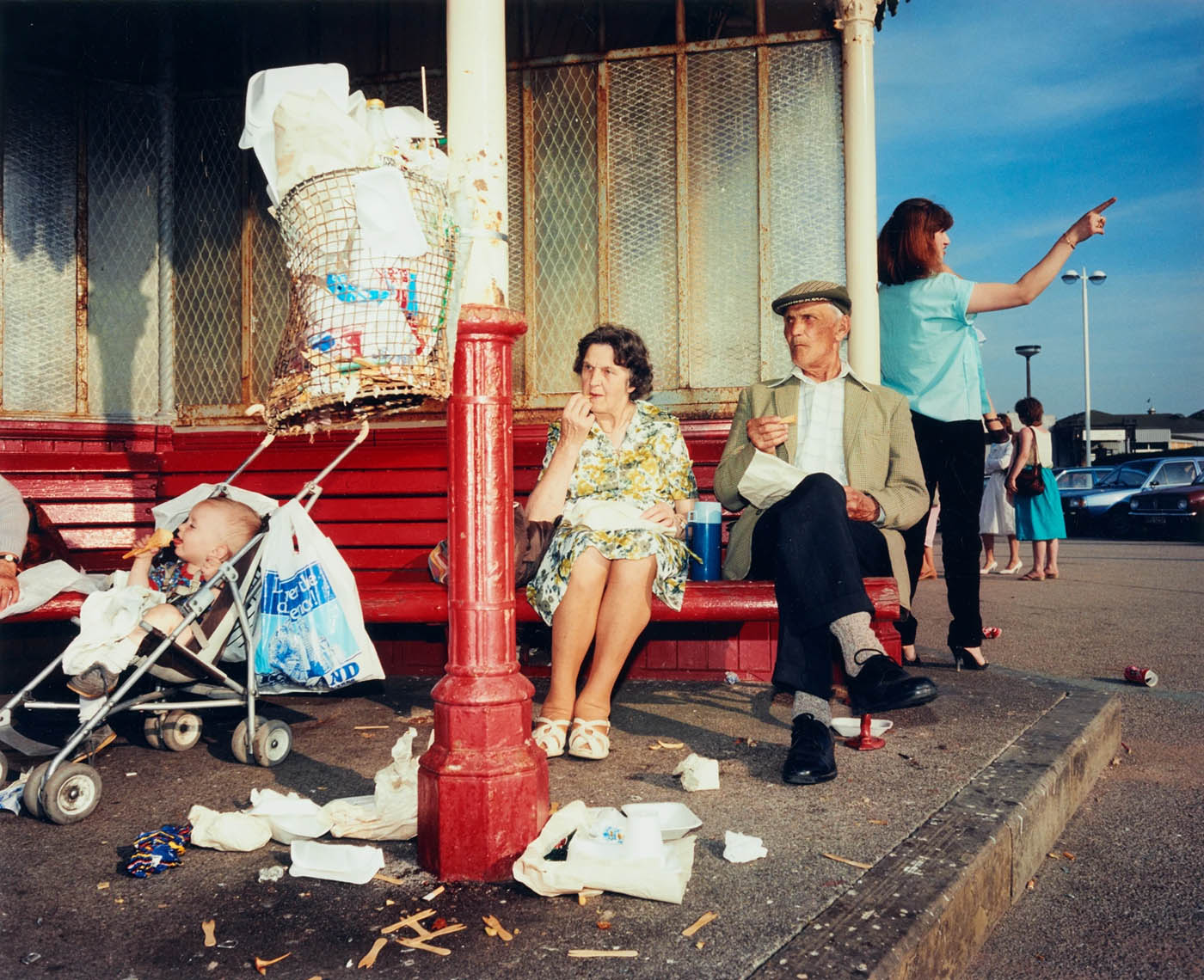
 

Martin Parr (British, 1952-2025) 'New Brighton, Merseyside' 1984 from the series 'The Last Resort'


Martin Parr (British, 1952-2025)
New Brighton, Merseyside
1984
From the series The Last Resort
Chromogenic print
Image: 26.67 x 33.02cm (10 1/2 x 13 in.)
Sheet: 30.48 x 40.64cm (12 x 16 in.)
National Gallery of Art, Washington, Alfred H. Moses and Fern M. Schad Fund
© Martin Parr, Courtesy Rocket Gallery
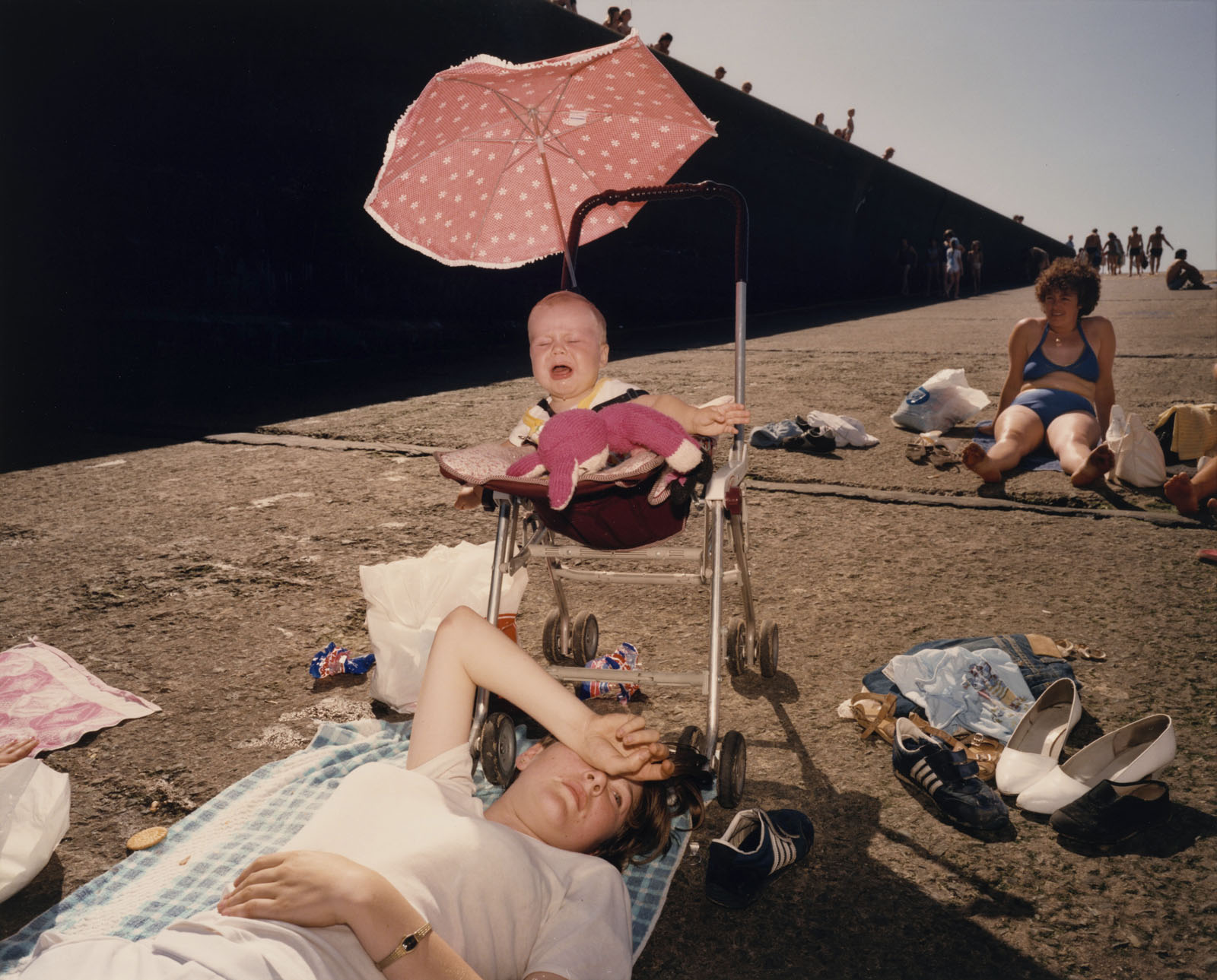
 

Martin Parr (British, 1952-2025) 'New Brighton, Merseyside' 1984 from the series 'The Last Resort'


Martin Parr (British, 1952-2025)
New Brighton, Merseyside
1984
From the series The Last Resort
Chromogenic print
Image: 26.67 × 33.02cm (10 1/2 × 13 in.)
Sheet: 30.48 × 40.64cm (12 × 16 in.)
National Gallery of Art, Washington, Alfred H. Moses and Fern M. Schad Fund
© Martin Parr, Courtesy Rocket Gallery


Punk Rock, record unemployment, urban uprisings, Margaret Thatcher, the Troubles in Northern Ireland: profound changes shook British society and inspired a revolution in photography in the 1970s and 1980s. A generation of young photographers used their cameras to comment on the deep unrest of these pivotal decades. With a keen eye for social critique and a spirit of rebellion, they photographed a country redefining what it meant to be British and, ultimately, modern.

Photography during this period became a central form of creative expression, fuelled by a rapidly expanding network of galleries, museum departments, artists’ collectives, schools, and magazines dedicated to the medium. Immigrants and artists of colour, reflecting the nation’s growing multiculturalism, introduced new perspectives, as did the many women who entered the field.

Moving from largely black-and-white, documentary styles toward more conceptual projects in colour, photographers adopted new strategies to examine national identity. In the face of severe economic dislocation, widespread civil disorder, and Prime Minister Thatcher’s controversial policies, these artists declared: This is Britain.

Documenting the Deindustrial Revolution

The decline of British heavy industry in the 1970s led to labor disputes and high unemployment in the early 1980s. As the country prioritised modern technologies and greater efficiency, photographers recorded the communities, structures, and ways of life that were under threat or disappearing. Graham Smith and Vanley Burke portrayed people they had known for decades, while Chris Killip, Sirkka-Liisa Konttinen, and Gilles Peress undertook long-term projects to create intimate yet often bleak photographs of life on the margins of society. Paul Graham and John Davies explored England’s uneasy embrace of the future by showing the people and places being left behind. While these photographers held no real hope of inspiring change, they shared an earnest concern for who and what was being lost as the nation modernised.

Picturing Absurdity in the Thatcher Years

As the leader of the Conservative Party from 1975 and as prime minister from 1979 to 1990, Margaret Thatcher was a polarising figure in Britain. She oversaw the development of an American-style free market economy, the resurgence of British nationalism, and major cutbacks to public spending (famously declaring that “there is no such thing” as society). During the Thatcher years, photographers Martin Parr and Anna Fox used the brash colours of advertising to poke fun at the rise of leisure activities, consumerism, and corporate greed. Combining text and image, Karen Knorr and Sunil Gupta considered how traditional English institutions sidelined women, people of colour, and gay and lesbian communities. Their works openly satirise long-held traditions and question emerging values in British society.

Wall text from the exhibition


Tony Ray-Jones (English, 1941-1972) 'Butlin's Holiday Camp, Scarborough' 1968


Tony Ray-Jones (English, 1941-1972)
Butlin’s Holiday Camp, Scarborough
1968
Gelatin silver print
Image: 15.8 x 24.8cm (6 1/4 x 9 3/4 in.)
Sheet: 35.8 x 28cm (14 1/8 x 11 in.)
National Gallery of Art, Washington, Alfred H. Moses and Fern M. Schad Fund


Karen Knorr (American born Germany, b. 1954) 'A mood of Highly Coloured Naturalism' 1983 from the series 'Country Life'


Karen Knorr (American born Germany, b. 1954)
A mood of Highly Coloured Naturalism
1983
From the series Country Life
Gelatin silver print mounted on board
Image: 40.2 x 40.9cm (15 13/16 x 16 1/8 in.)
Sheet: 60.7 x 51cm (23 7/8 x 20 1/16 in.)
National Gallery of Art, Washington, Alfred H. Moses and Fern M. Schad Fund


Karen Knorr (American born Germany, b. 1954) 'Newspapers are no longer ironed, Coins no longer boiled So far have Standards Fallen' 1981-1983, printed 2015 from the series 'Gentlemen'


Karen Knorr (American born Germany, b. 1954)
Newspapers are no longer ironed, Coins no longer boiled So far have Standards Fallen
1981-1983, printed 2015
From the series Gentlemen
Gelatin silver print
Image: 40.6 × 40.5cm (16 × 15 15/16 in.)
Sheet: 61.5 × 50.7cm (24 3/16 × 19 15/16 in.)
Mat: 71 × 55.8cm (27 15/16 × 21 15/16 in.)
National Gallery of Art, Washington, Alfred H. Moses and Fern M. Schad Fund


Karen Knorr (American born Germany, b. 1954) 'We owe it to the Free world not to Allow Brutal Forces to succeed. When the Rule of law Breaks down, the World takes a further Step towards Chaos' 1981-1983, printed 2015 from the series 'Gentlemen'


Karen Knorr (American born Germany, b. 1954)
We owe it to the Free world not to Allow Brutal Forces to succeed. When the Rule of law Breaks down, the World takes a further Step towards Chaos
1981-1983, printed 2015
From the series Gentlemen
Gelatin silver print
Image: 40.5 x 40.7cm (15 15/16 x 16 in.)
Sheet: 60.8 x 50.5cm (23 15/16 x 19 7/8 in.)
National Gallery of Art, Washington, Alfred H. Moses and Fern M. Schad Fund
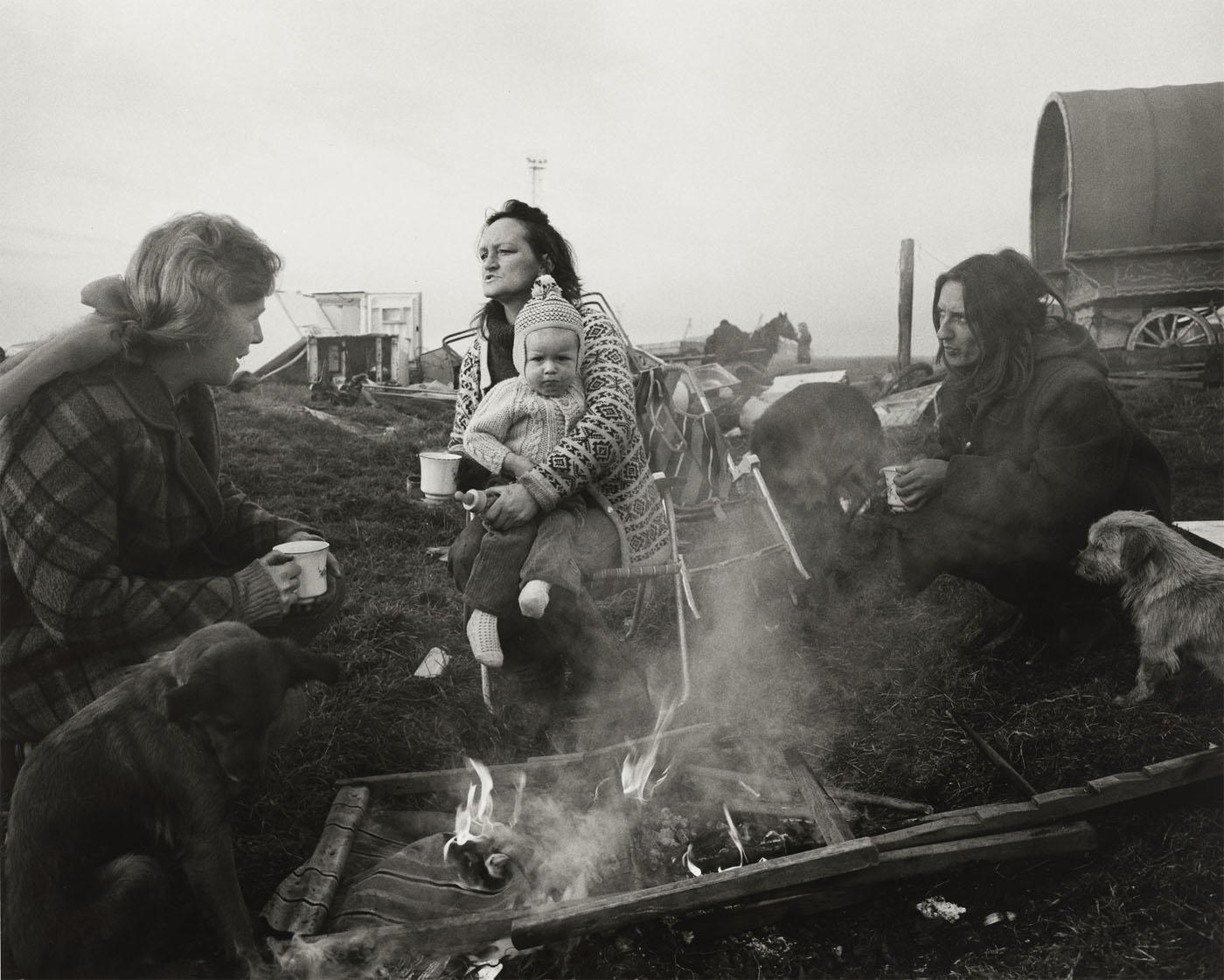
 

Chris Killip (Isle of Man, 1946-2020) 'Margaret, Rosie, and Val, Seacoal Camp, Lynemouth, Northumberland' 1983


Chris Killip (Isle of Man, 1946-2020)
Margaret, Rosie, and Val, Seacoal Camp, Lynemouth, Northumberland
1983
Gelatin silver print
Image: 40.5 x 50.5cm (15 15/16 x 19 7/8 in.)
Sheet: 47.8 x 57.6cm (18 13/16 x 22 11/16 in.)
National Gallery of Art, Washington, Alfred H. Moses and Fern M. Schad Fund


Chris Killip (Isle of Man, 1946-2020) 'Crabs and People, Skinningrove, North Yorkshire, UK' 1981


Chris Killip (Isle of Man, 1946-2020)
Crabs and People, Skinningrove, North Yorkshire, UK
1981
Gelatin silver print
Image: 39.9 × 48.9cm (15 11/16 × 19 1/4 in.)
Sheet: 50.7 × 59.7cm (19 15/16 × 23 1/2 in.)
Mat: 56 × 71.2cm (22 1/16 × 28 1/16 in.)
National Gallery of Art, Washington, Alfred H. Moses and Fern M. Schad Fund
© Chris Killip Photography Trust / Magnum Photos, Courtesy Augusta Edwards Fine Art


Colin Jones (English, 1936-2021) 'The Black House, London' 1973-1976


Colin Jones (English, 1936-2021)
The Black House, London
1973-1976
Gelatin silver print
Image: 33.8 x 49.1cm (13 5/16 x 19 5/16 in.)
Sheet: 41 x 50.8cm (16 1/8 x 20 in.)
National Gallery of Art, Washington, Alfred H. Moses and Fern M. Schad Fund


Vanley Burke (British born Jamaica, b. 1951) 'Young Men on See-Saw, Handsworth Park, Birmingham' 1984, printed 2021


Vanley Burke (British born Jamaica, b. 1951)
Young Men on See-Saw, Handsworth Park, Birmingham
1984, printed 2021
Gelatin silver print
Image: 30.1 x 45.4cm (11 7/8 x 17 7/8 in.)
Sheet: 40.4 x 50.5cm (15 7/8 x 19 7/8 in.)
National Gallery of Art, Washington, Alfred H. Moses and Fern M. Schad Fund


Vanley Burke (British born Jamaica, b. 1951) 'Boy with Flag, Winford in Handsworth Park' 1970, printed 2022


Vanley Burke (British born Jamaica, b. 1951)
Boy with Flag, Winford in Handsworth Park
1970, printed 2022
Gelatin silver print
National Gallery of Art, Washington, Alfred H. Moses and Fern M. Schad Fund


Sirkka-Liisa Konttinen (Finland, b. 1948) 'Young Couple in a Backyard on a Summer's Day' 1975, printed 2012


Sirkka-Liisa Konttinen (Finland, b. 1948)
Young Couple in a Backyard on a Summer’s Day
1975, printed 2012
Gelatin silver print
Image: 36.1 × 39.3cm (14 3/16 × 15 1/2 in.)
Sheet: 40.4 × 50.5cm (15 7/8 × 19 7/8 in.)
National Gallery of Art, Washington, Alfred H. Moses and Fern M. Schad Fund Courtesy L. Parker Stephenson Photographs


John Davies (British, b. 1949) 'Agecroft Power Station, Salford' 1983


John Davies (British, b. 1949)
Agecroft Power Station, Salford
1983
Gelatin silver print
Image: 37.6 × 56.1cm (14 13/16 × 22 1/16 in.)
Sheet: 50.5 × 60.4cm (19 7/8 × 23 3/4 in.)
National Gallery of Art, Washington, Alfred H. Moses and Fern M. Schad Fund Courtesy L. Parker Stephenson Photographs


Graham Smith (British, b. 1947) 'The Queen's Pub, Southbank, Middlesbrough' 1981


Graham Smith (British, b. 1947)
The Queen’s Pub, Southbank, Middlesbrough
1981
Gelatin silver print
Image: 17.8 × 22.8cm (7 × 9 in.)
Sheet: 21.8 × 26.8cm (8 9/16 × 10 9/16 in.)
Mat: 28 × 35.6cm (11 × 14 in.)
National Gallery of Art, Washington, Alfred H. Moses and Fern M. Schad Fund
© Graham Smith, Courtesy Augusta Edwards Fine Art


Graham Smith (British, b. 1947) 'Bennetts Corner (Giro Corner), the Erimus Club and Commercial Pub, South Bank, Middlesbrough' 1982, printed 2008


Graham Smith (British, b. 1947)
Bennetts Corner (Giro Corner), the Erimus Club and Commercial Pub, South Bank, Middlesbrough
1982, printed 2008
Gelatin silver print
Image: 37.4 x 47cm (14 3/4 x 18 1/2 in.)
Sheet: 47.7 x 57.4cm (18 3/4 x 22 5/8 in.)
National Gallery of Art, Washington, Alfred H. Moses and Fern M. Schad Fund
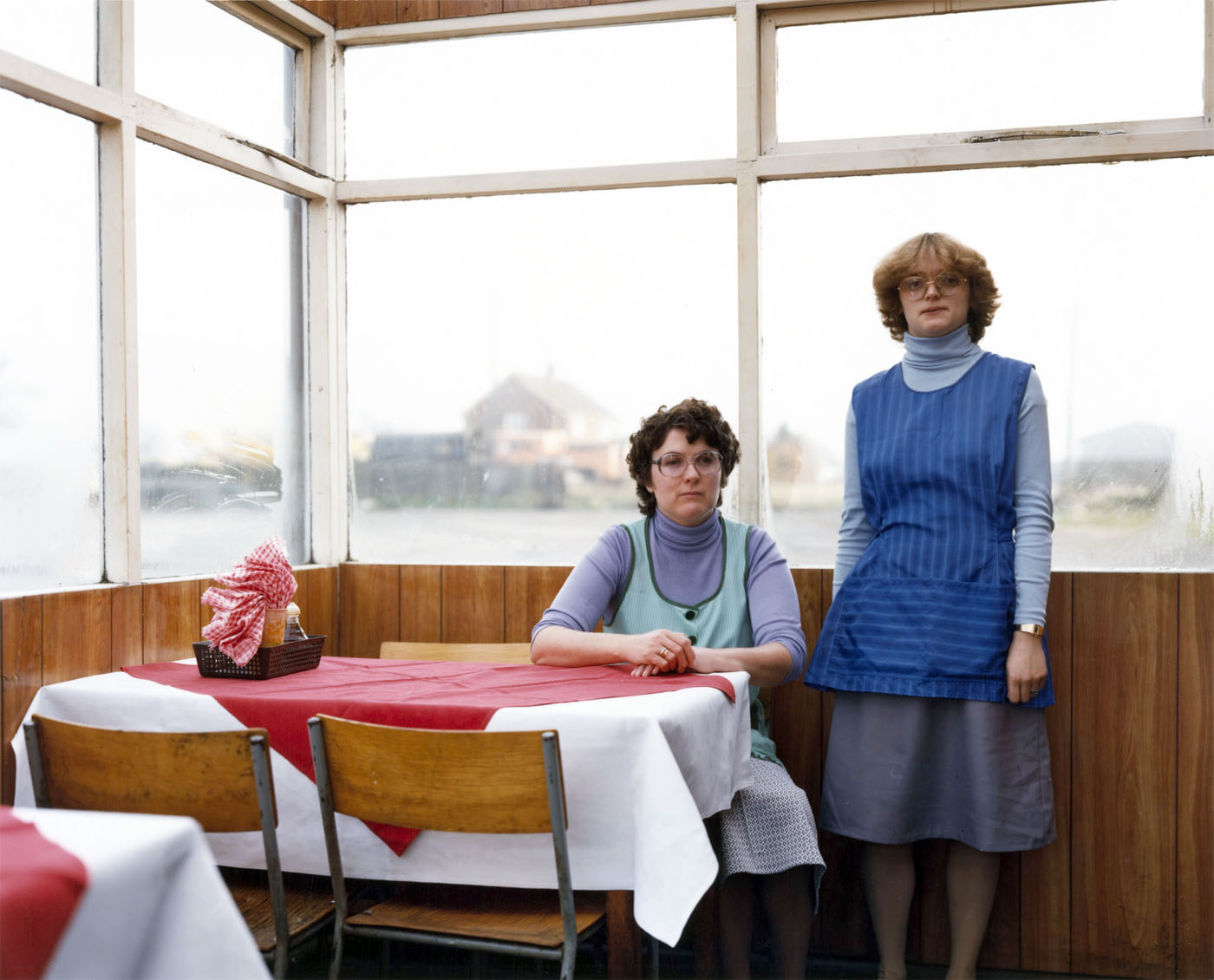
 

Paul Graham (British, b. 1956) 'Café Assistants, Compass Café, Colsterworth, Lincolnshire' November 1982


Paul Graham (British, b. 1956)
Café Assistants, Compass Café, Colsterworth, Lincolnshire
November 1982
Chromogenic print
Image: 19.4 x 24cm (7 5/8 x 9 7/16 in.)
Sheet: 27.4 x 35cm (10 13/16 x 13 3/4 in.)
National Gallery of Art, Washington, Alfred H. Moses and Fern M. Schad Fund


Paul Graham (British, b. 1956) 'Little Chef in Rain, St. Neots, Cambridgeshire' May 1982


Paul Graham (British, b. 1956)
Little Chef in Rain, St. Neots, Cambridgeshire
May 1982
Chromogenic print
Image: 24.2 x 30.6cm (9 1/2 x 12 1/16 in.)
Sheet: 27.9 x 35.7cm (11 x 14 1/16 in.)
Mat: 35.5 x 45.8cm (14 x 18 1/16 in.)
National Gallery of Art, Washington, Alfred H. Moses and Fern M. Schad Fund
© Paul Graham, courtesy Pace Gallery


Tom Wood (Irish, b. 1951) 'Between Chester and Birkenhead' 1989


Tom Wood (Irish, b. 1951)
Between Chester and Birkenhead
1989
Vintage gelatin silver print
Image: 17.2 x 26.1cm (6 3/4 x 10 1/4 in.)
Sheet: 27.9 x 35.2cm (11 x 13 7/8 in.)
National Gallery of Art, Washington, Alfred H. Moses and Fern M. Schad Fund


Tom Wood (Irish, b. 1951) 'Lime Street' 1995


Tom Wood (Irish, b. 1951)
Lime Street
1995, printed 1997
Analogue hand print
Image: 19 x 25.6 cm (7 1/2 x 10 1/16 in.)
Sheet: 19.8 x 27.2cm (7 13/16 x 10 11/16 in.)
National Gallery of Art, Washington, Alfred H. Moses and Fern M. Schad Fund


Sunil Gupta on Community and Activism

Sunil Gupta, photographer, curator, writer, and activist has maintained a visionary approach to photography, producing bodies of work with keen social and political commentary. Gupta’s diasporic experience of multiple cultures informs a practice dedicated to themes of race, migration, and queer identity. His photographic projects – born from a desire to see himself and others like him represented in art history – draw upon his own life as a point of departure.

The Arnold Newman Lecture Series on Photography provides a forum for leading photographers, primarily known for portraits, to discuss contemporary issues in the medium. Arnold Newman (1918-2006) is acknowledged as one of the great masters of the twentieth and twenty-first centuries whose work changed portraiture. The Arnold and Augusta Newman Foundation generously supported this series to make such conversations available to the public.

Text from the YouTube website
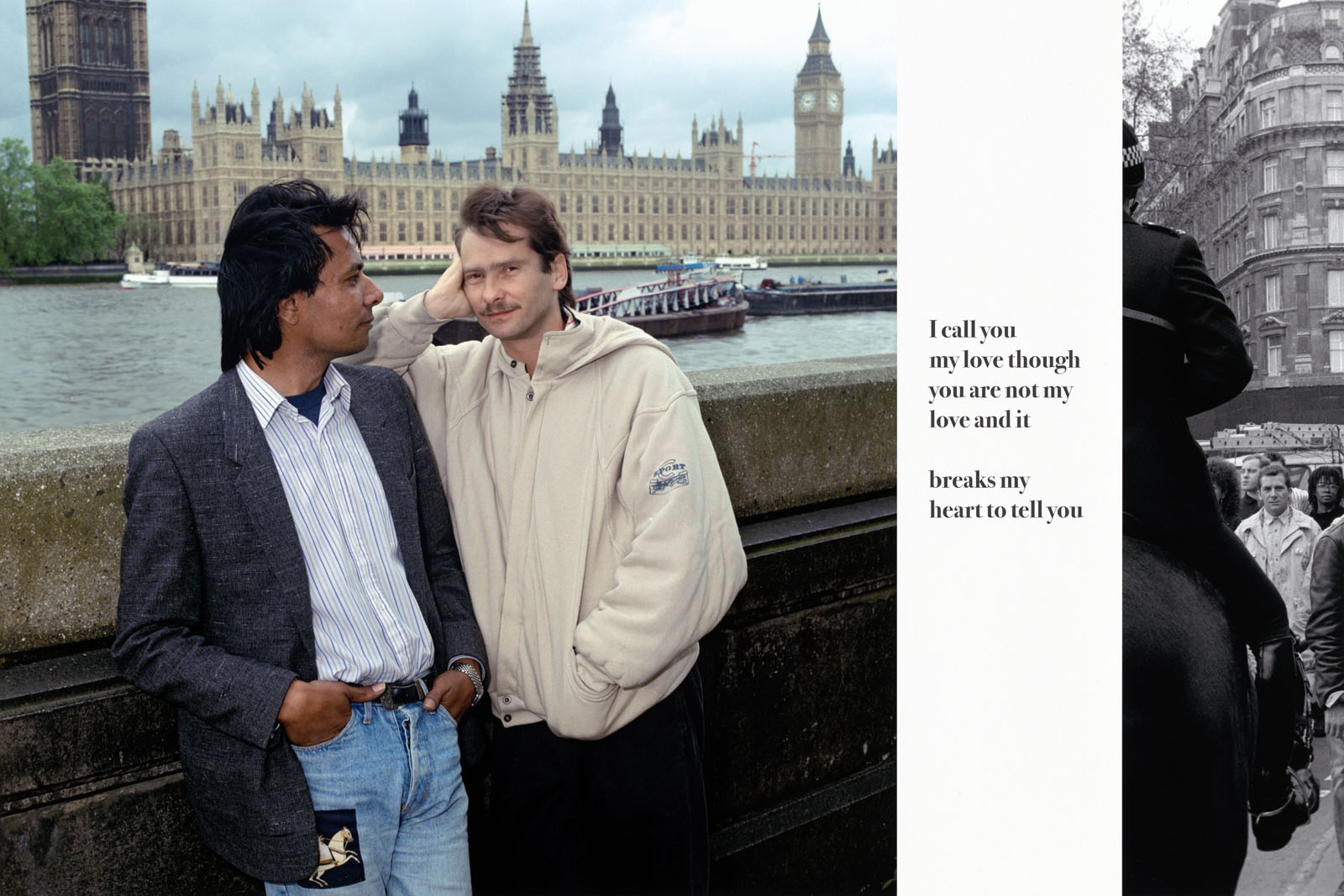
 

Sunil Gupta (Canadian born India, b. 1953) 'Untitled #1' 1988, printed 2020


Sunil Gupta (Canadian born India, b. 1953)
Untitled #1
1988, printed 2020
From the series “Pretended” Family Relationships
Inkjet print
Image: 61 x 91.4cm (24 x 36 in.)
Sheet: 63.5 x 94cm (25 x 37 in.)
National Gallery of Art, Washington, Alfred H. Moses and Fern M. Schad Fund
© Sunil Gupta


Pogus Caesar (British born St. Kitts, b. 1953) 'Handsworth Riots: Birmingham, United Kingdom September' 1985, printed 2022


Pogus Caesar (British born St. Kitts, b. 1953)
Handsworth Riots: Birmingham, United Kingdom
September 1985, printed 2022
Gelatin silver print
Image: 50.8 × 60.96cm (20 × 24 in.)
Sheet: 41.6 × 57.4cm (16 3/8 × 22 5/8 in.)
National Gallery of Art, Washington, Alfred H. Moses and Fern M. Schad Fund
© Pogus Caesar/OOM Gallery Archive, ARS, New York, DACS, London


Handsworth Songs (1986)

A landmark in nonfiction filmmaking, Handsworth Songs was the first film directed by the Ghanaian-born artist John Akomfrah. It was produced by the Black Audio Film Collective (1982-1998), a group of experimental Black artists who examined the diasporic African and Asian experience in Britain. The film weaves archival footage with scenes, interviews, and pictures from contemporary events, including photographs by Vanley Burke, with a haunting soundtrack that mixes reggae and post-punk music with industrial noises and voiceovers. This layered structure connects Britain’s colonial past with unrest in London’s Tottenham and Brixton neighbourhoods and Birmingham’s Handsworth area in 1985. Today, Handsworth Songs reveals the solidarity shared by Britons of African and Asian descent in the face of inequality as it brings historical perspective to civil disturbances in the 1980s.

This film includes depictions of police violence and the use of racial slurs. Viewer discretion is advised.

Wall text from the exhibition


Chris Steele-Perkins (British, b. 1947) 'Hypnosis Demonstration, Cambridge University Ball' 1980-1989


Chris Steele-Perkins (British, b. 1947)
Hypnosis Demonstration, Cambridge University Ball
1980-1989
Silver dye bleach print
Image: 25.4 × 38.1cm (10 × 15 in.)
Sheet: 30.2 × 40.4cm (11 7/8 × 15 7/8 in.)
National Gallery of Art, Washington, Alfred H. Moses and Fern M. Schad Fund


Paul Reas (British, b. 1955) 'Constable County, Flatford Mill, Suffolk' c. 1992


Paul Reas (British, b. 1955)
Constable County, Flatford Mill, Suffolk
c. 1992
From the series Flogging a Dead Horse
Inkjet print image: 41 x 50.5cm (16 1/8 x 19 7/8 in.)
Sheet: 50.5 x 61cm (19 7/8 x 24 in.)
National Gallery of Art, Washington, Alfred H. Moses and Fern M. Schad Fund


National Gallery of Art
National Mall between 3rd and 7th Streets
Constitution Avenue NW, Washington

Opening hours:
Daily 10am – 5pm
National Gallery of Art website

LIKE ART BLART ON FACEBOOK

Back to top

Exhibition: ‘Only in England: Photographs by Tony Ray-Jones and Martin Parr’ at Media Space at Science Museum, London

Exhibition dates: 21st September 2013 – 16th March 2014


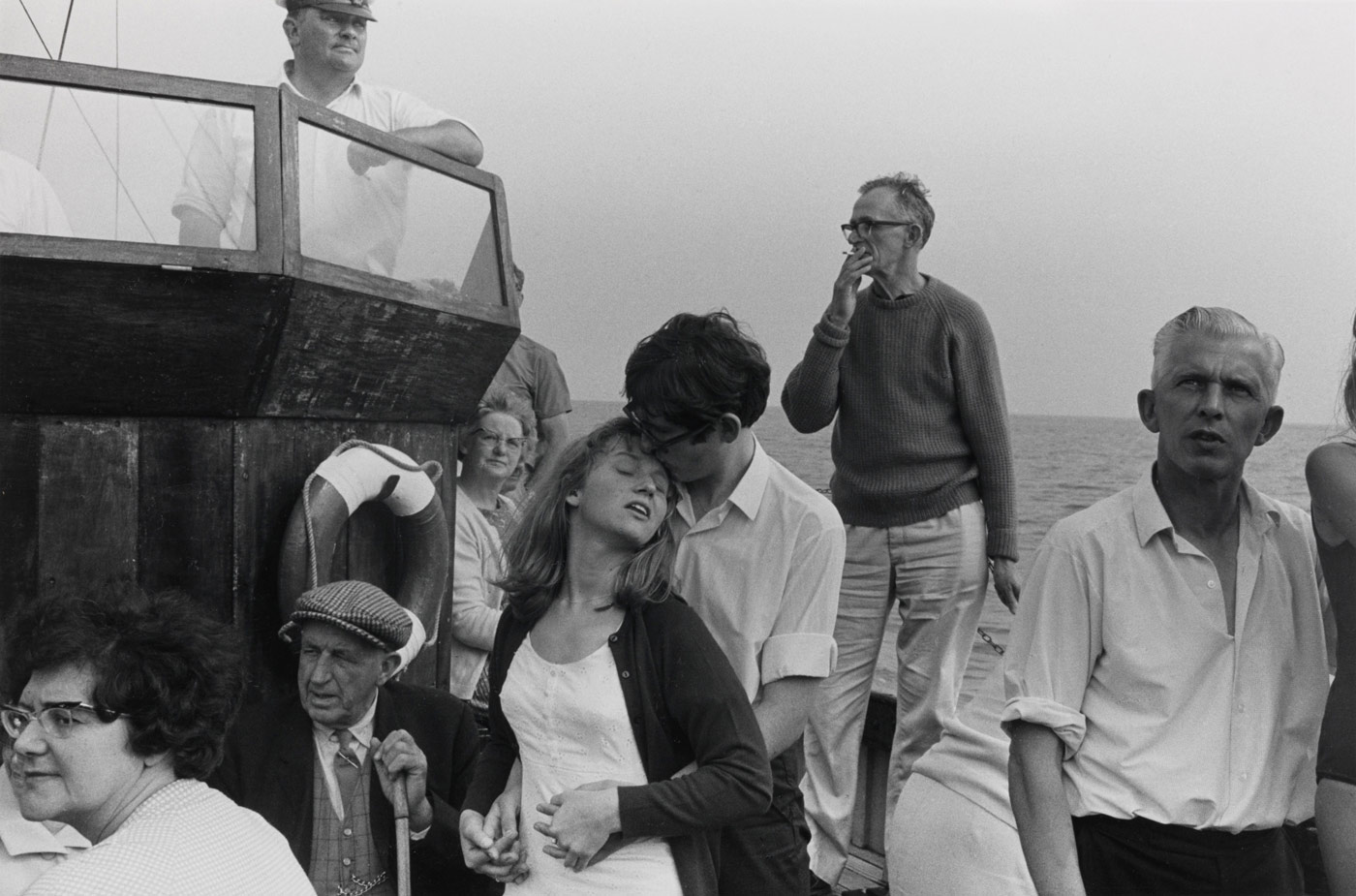
Tony Ray-Jones (English, 1941-1972) 'Beachy Head Tripper Boat, 1967' 1967


Tony Ray-Jones (English, 1941-1972)
Beachy Head Tripper Boat, 1967
1967
© National Media Museum


“Be more aware of composition

Don’t take boring pictures

Get in closer

Watch camera shake

Don’t shoot too much”


Tony Ray-Jones from his diaries


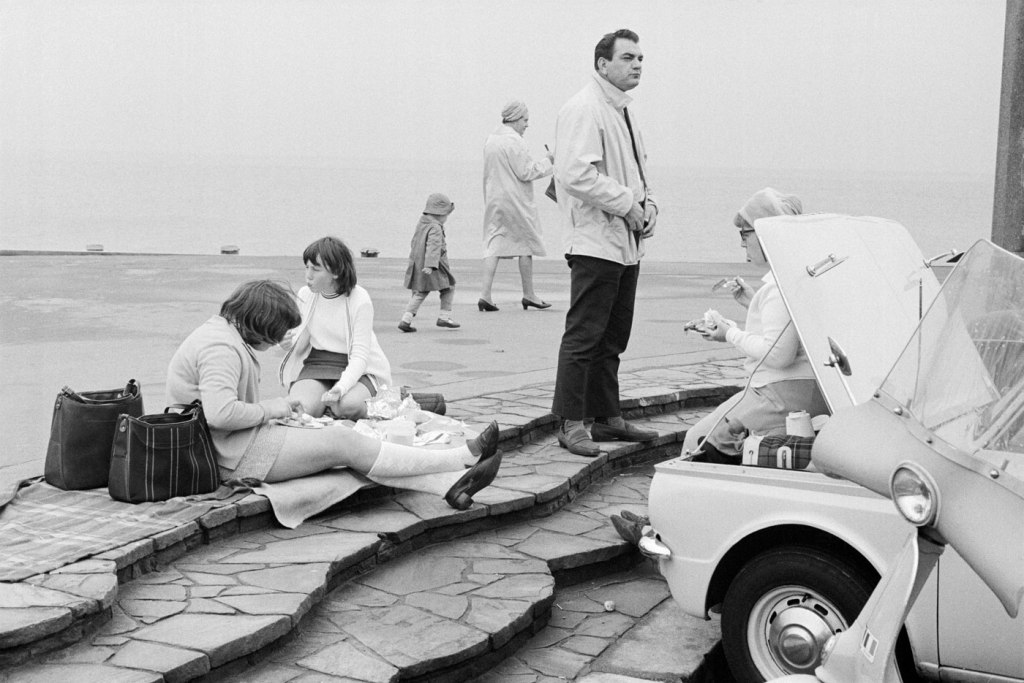
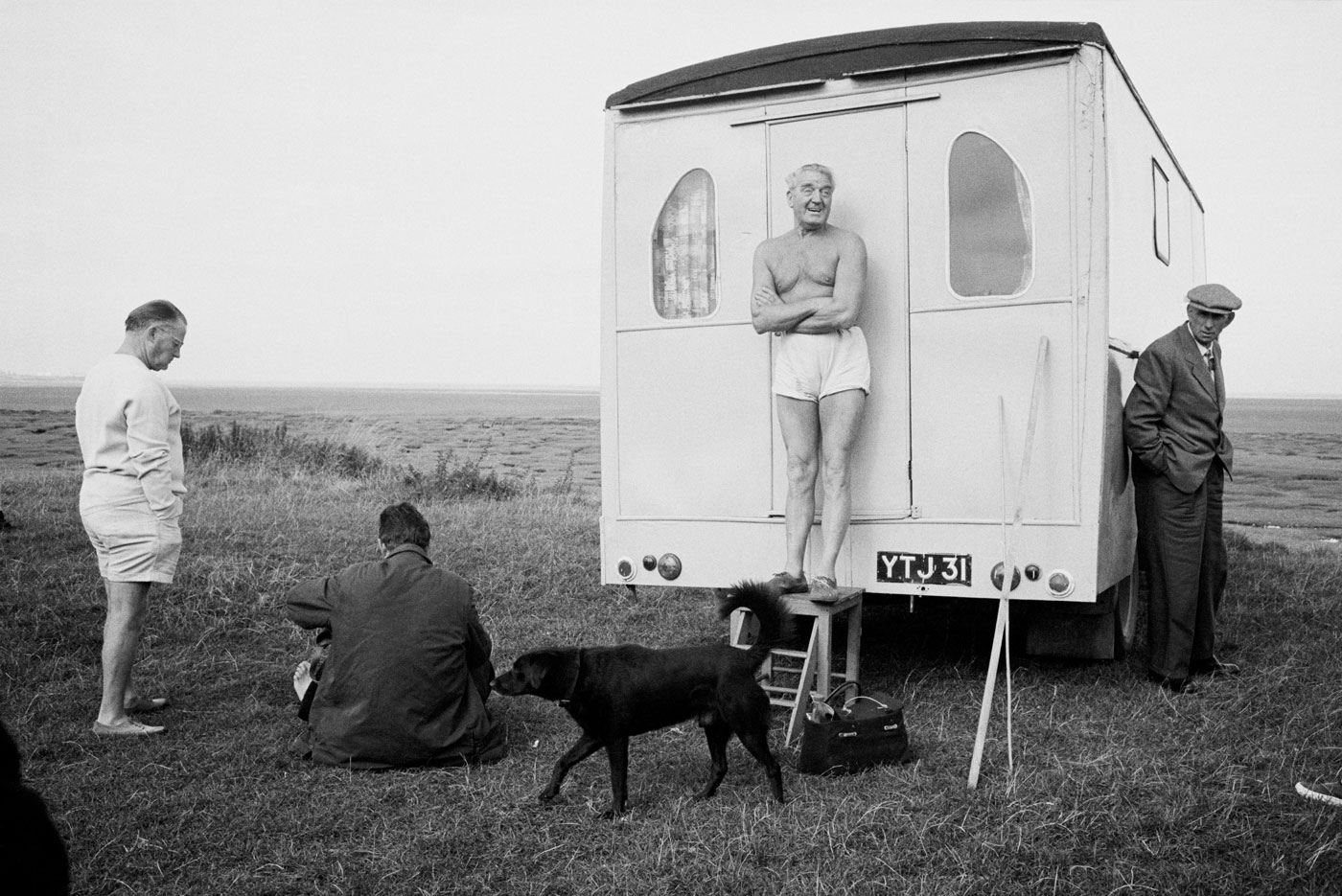
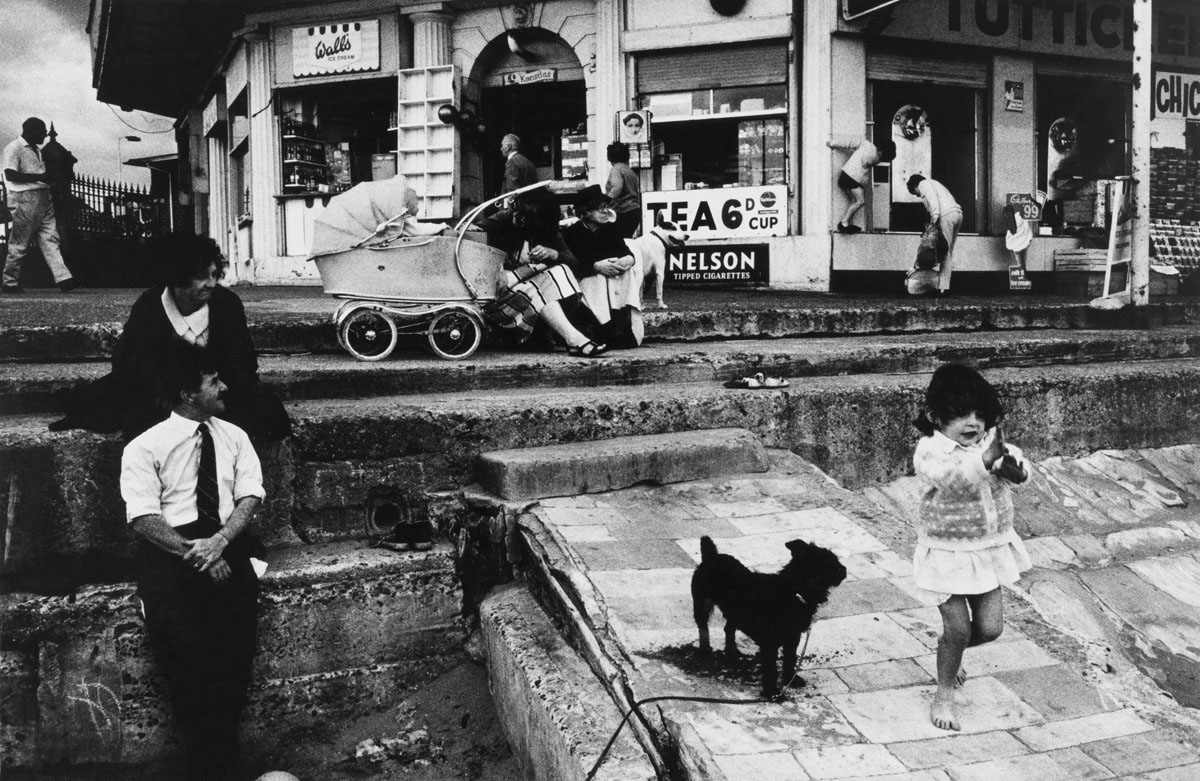
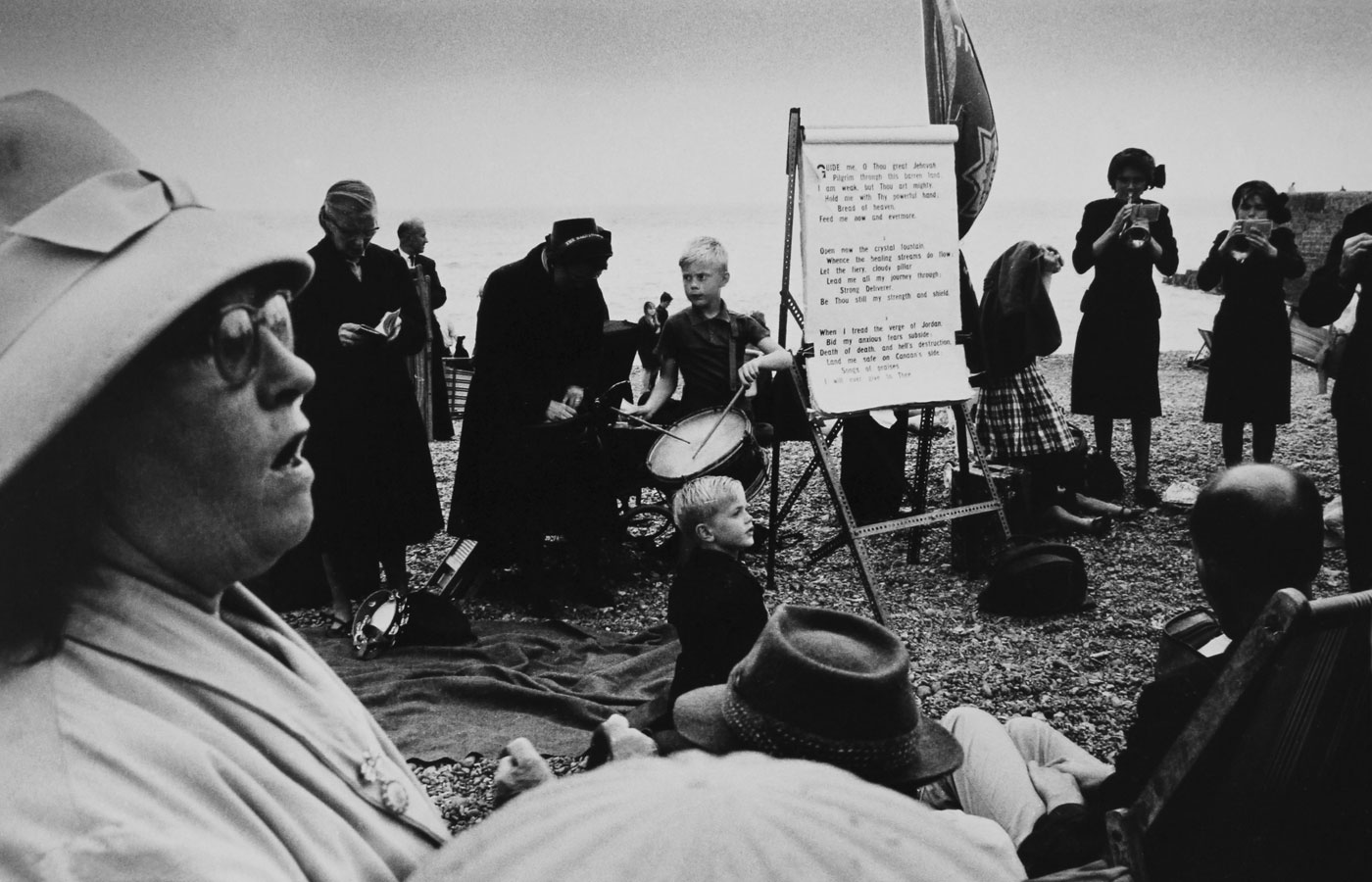
Growing up in the 1960s we used to get taken to Butlins holiday camps (Billy Butlin founded the company, a chain of large holiday camps in the United Kingdom, to provide affordable holidays for ordinary British families). It was a great treat to be away from the farm, to be by the sea, even if the beach was made of stones. Looking back on it now you realise how seedy it was, how working class… but as a kid it was oh, so much fun!

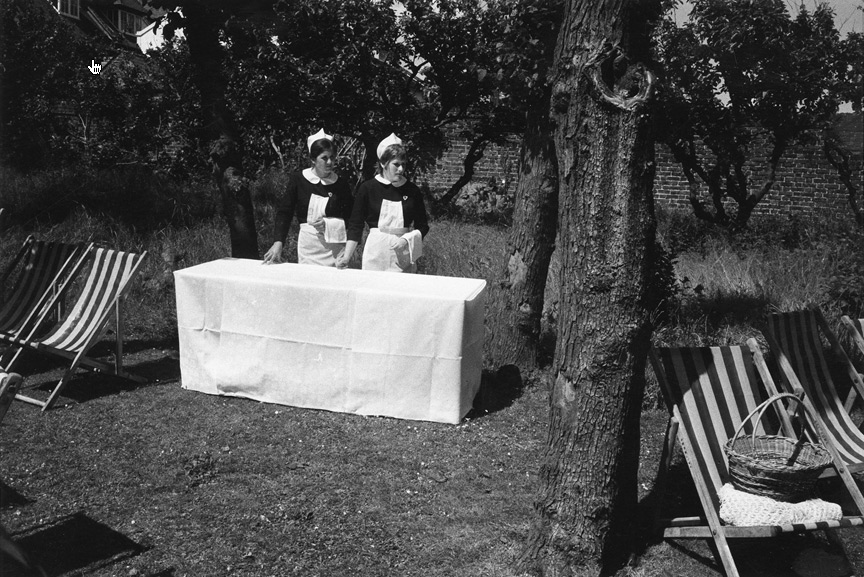
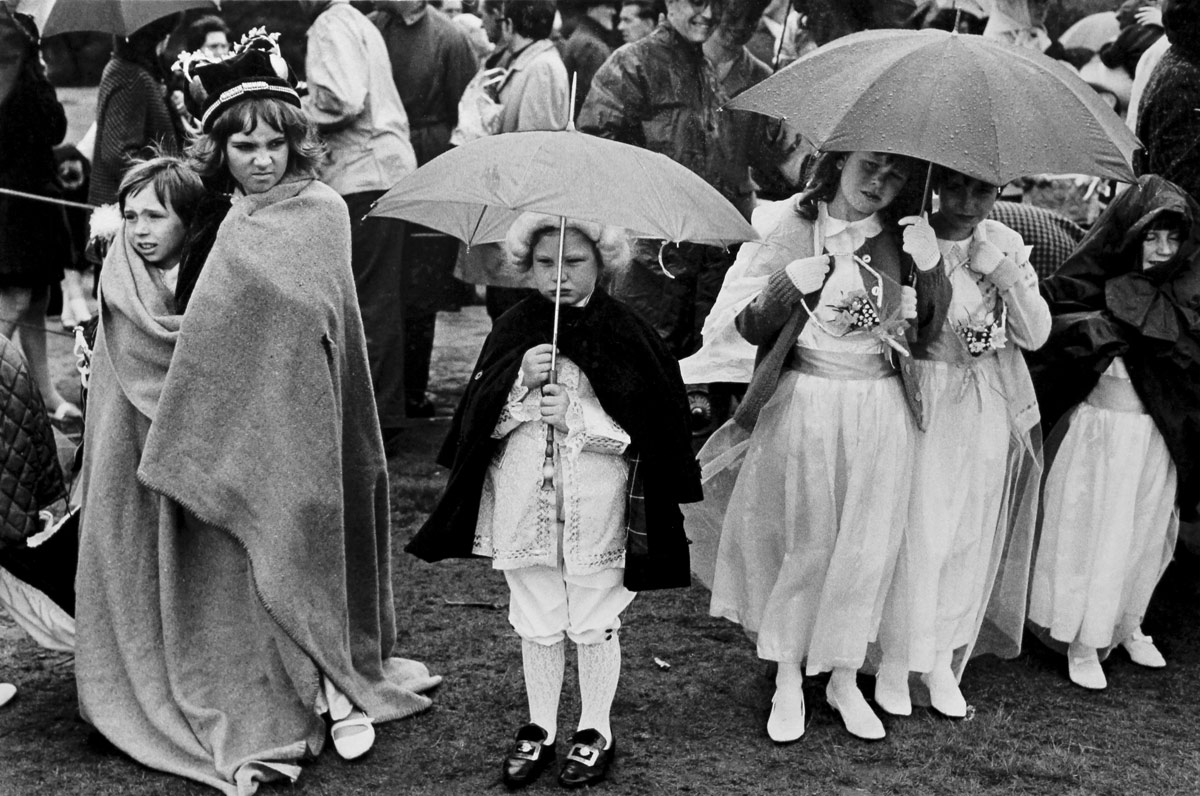
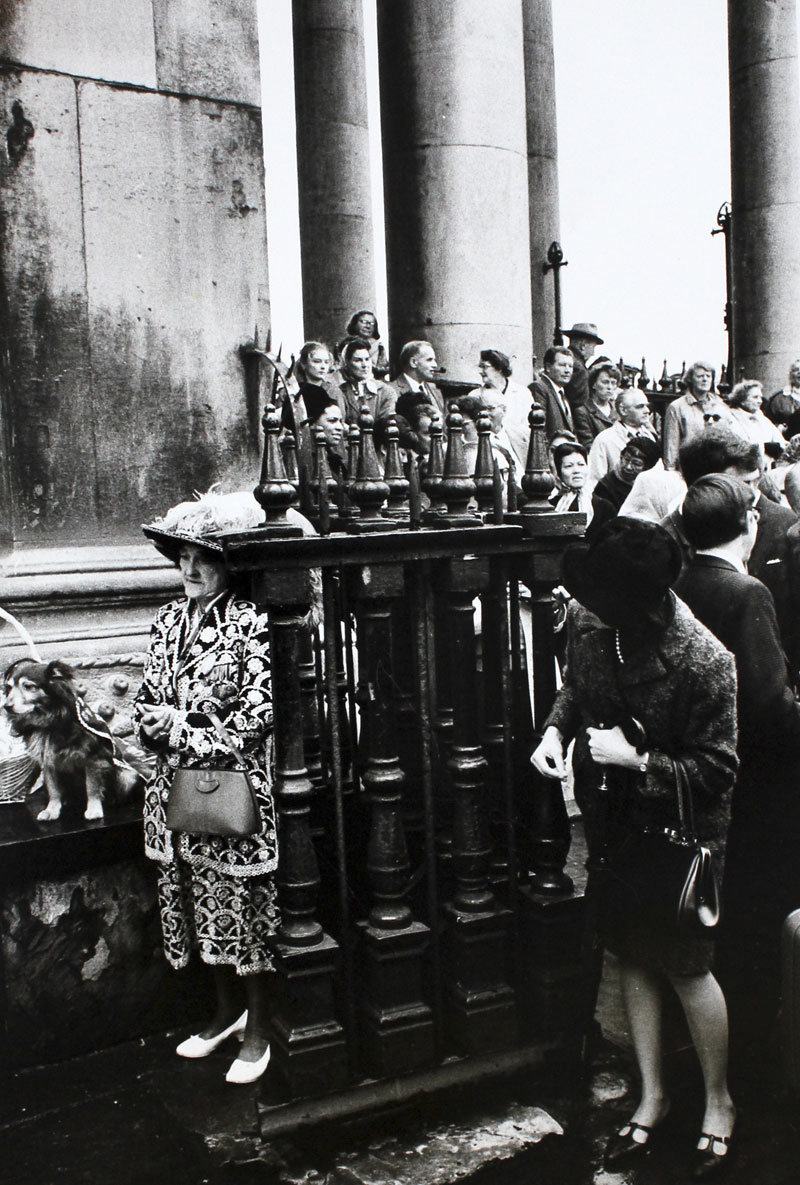
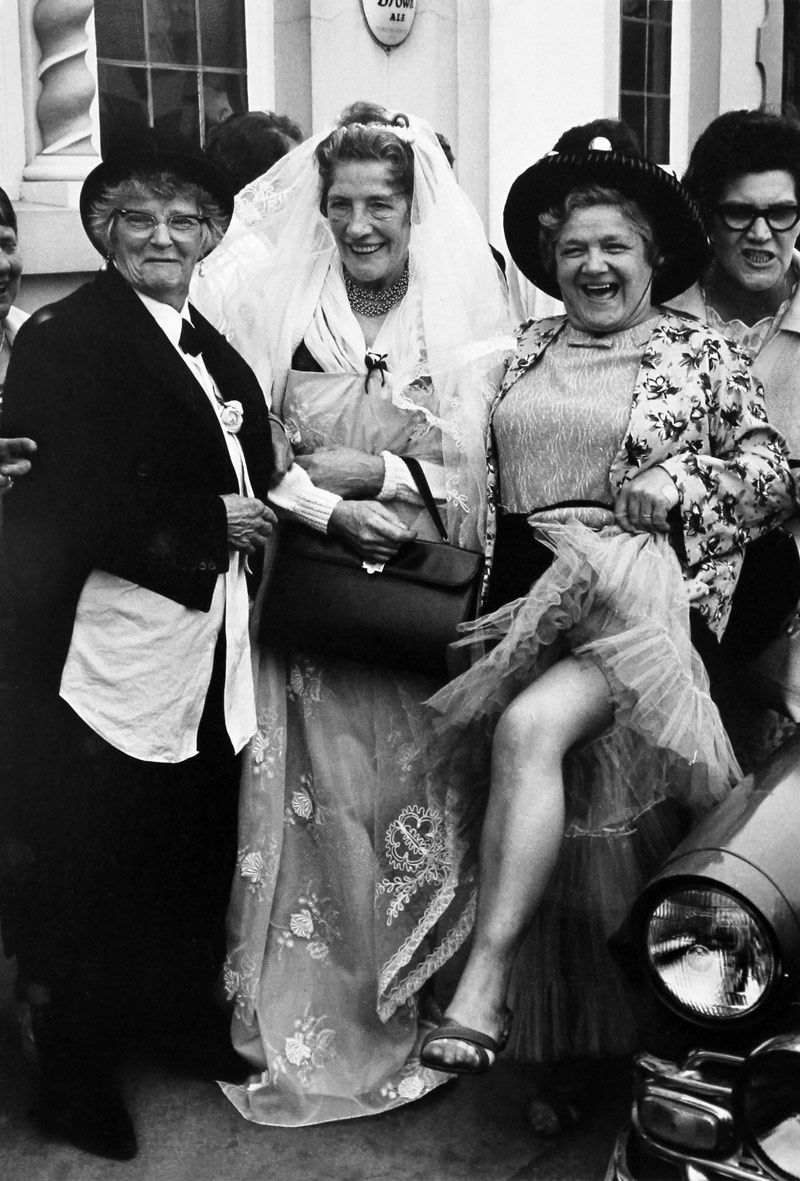
Tony Ray-Jones photographed these environments (mainly the British at play by the sea) and their opposites – afternoon tea taken at Glyndebourne opera festival for example (Glyndebourne, 1967, below) – drawing on the tradition of great British social documentary photography by artists such as Bill Brandt. TRJ even pays homage to Brandt in one of his photographs, Dickens Festival, Broadstairs, c. 1967 (below) which echoes Brandt’s famous photograph Parlourmaid and Under-parlourmaid Ready to Serve Dinner, 1933 by changing “point of view” from up close, personal, oppressive and interior to distance, isolation, leisure/work and exterior.

Through his photographs Ray-Jones adds his own style and humour, using “a new conception of photography as a means of expression, over and above its accepted role as a recorder.” He does it all as an intimate expression of his own personality, his maverick, outsider, non-conformist self. I feel – and that is the key word with his art – that he had a real empathy with his subject matter. There is a twinkle in his eye that becomes embedded in his photographs. There is an honesty, integrity and respect for the people he is photographing, coupled with a wicked sense of humour and the most amazing photographic eye. What an eye he had!

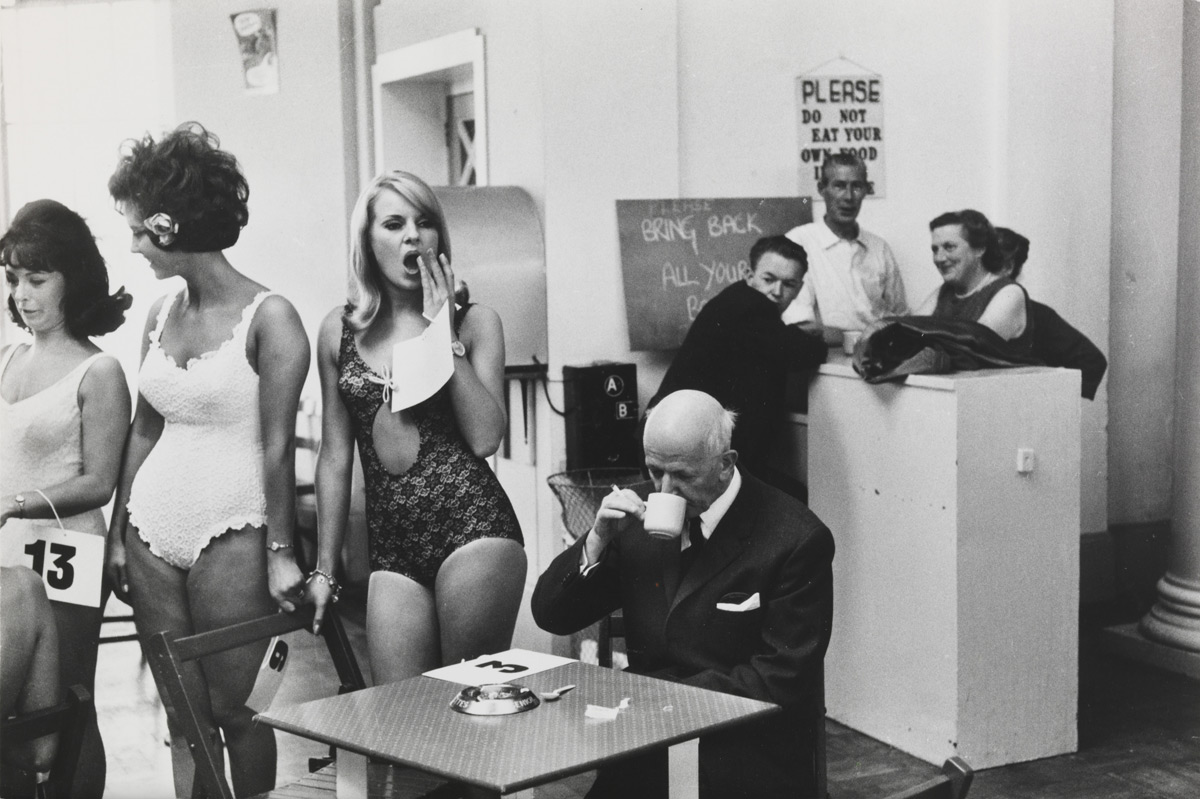
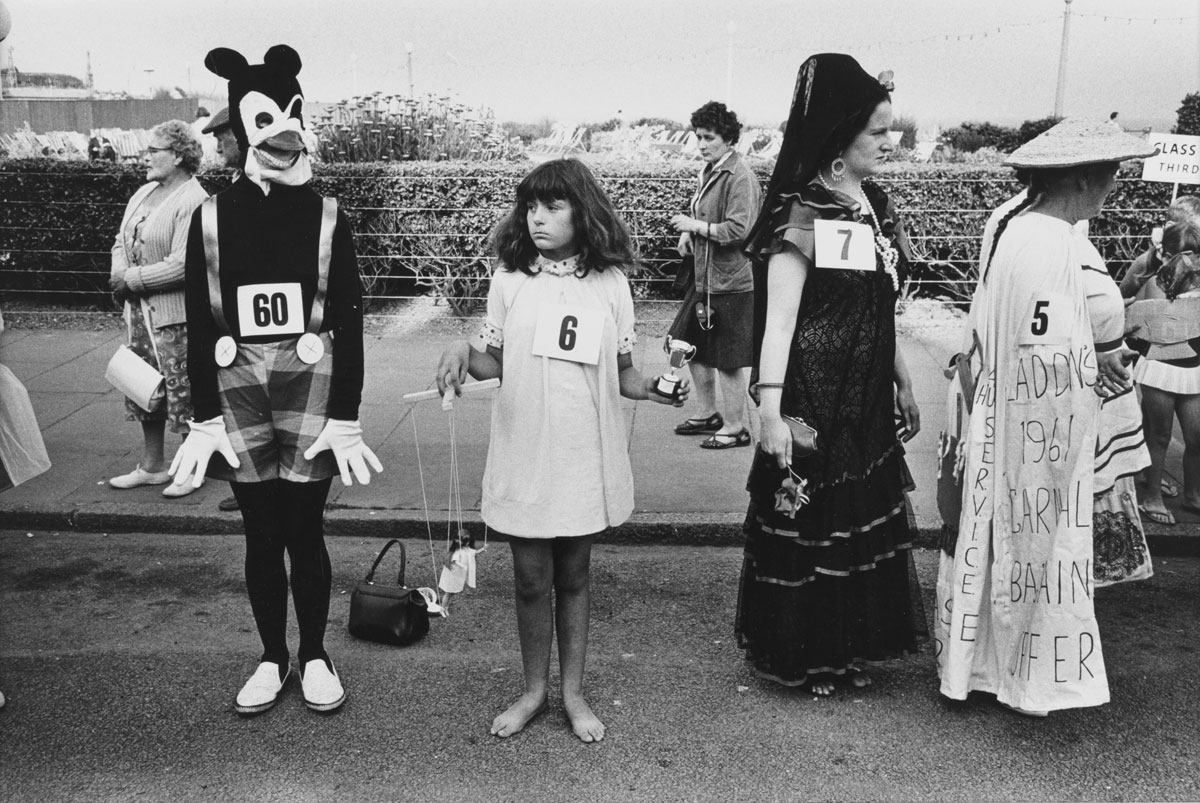
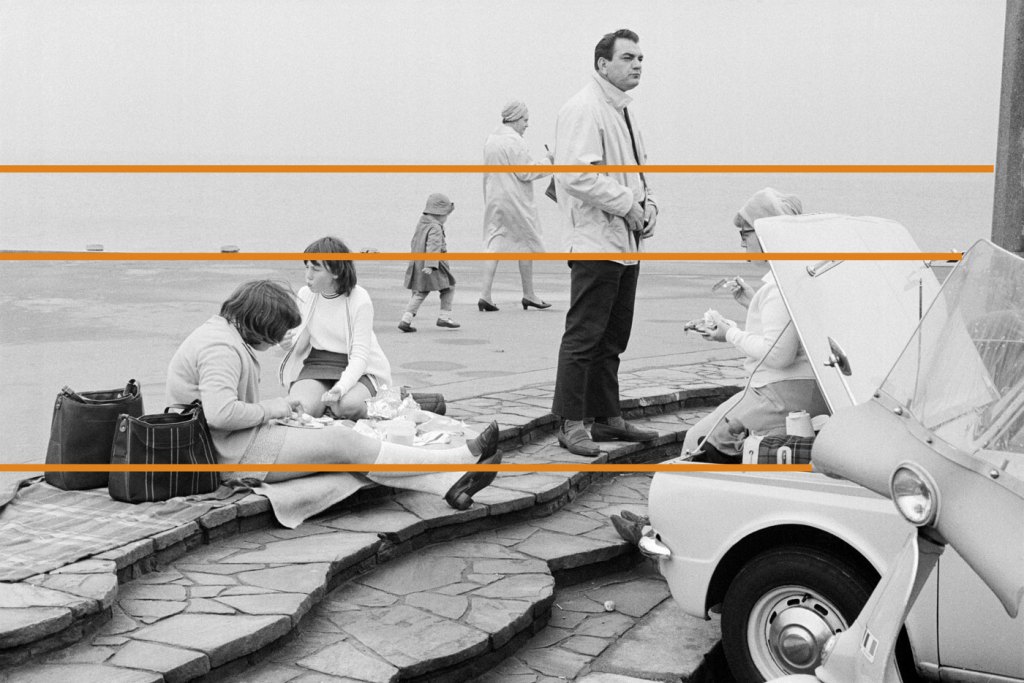
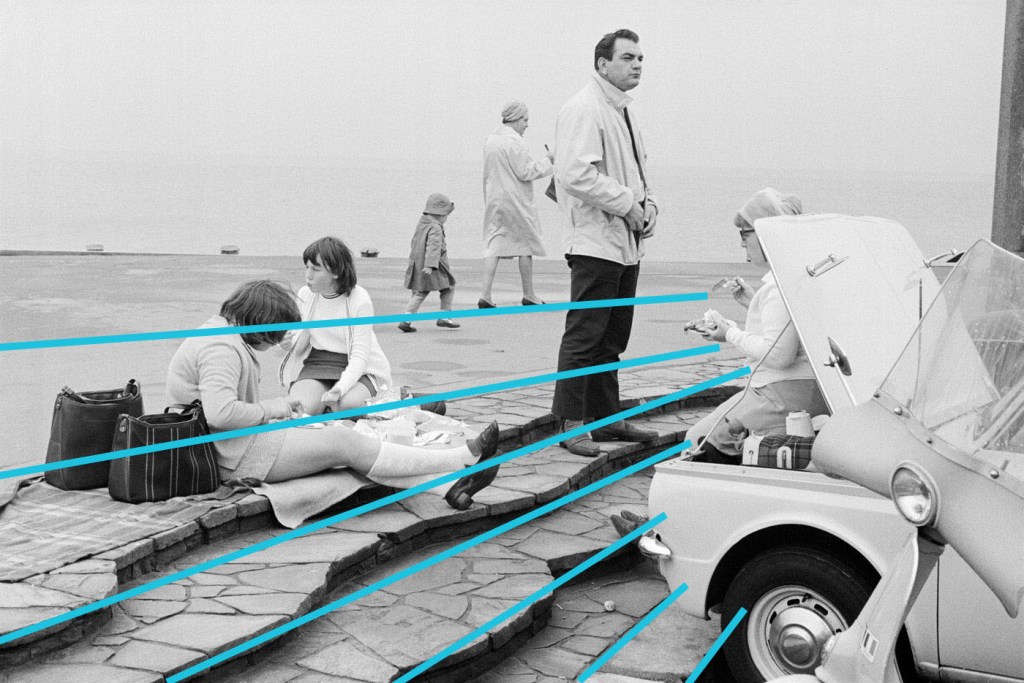
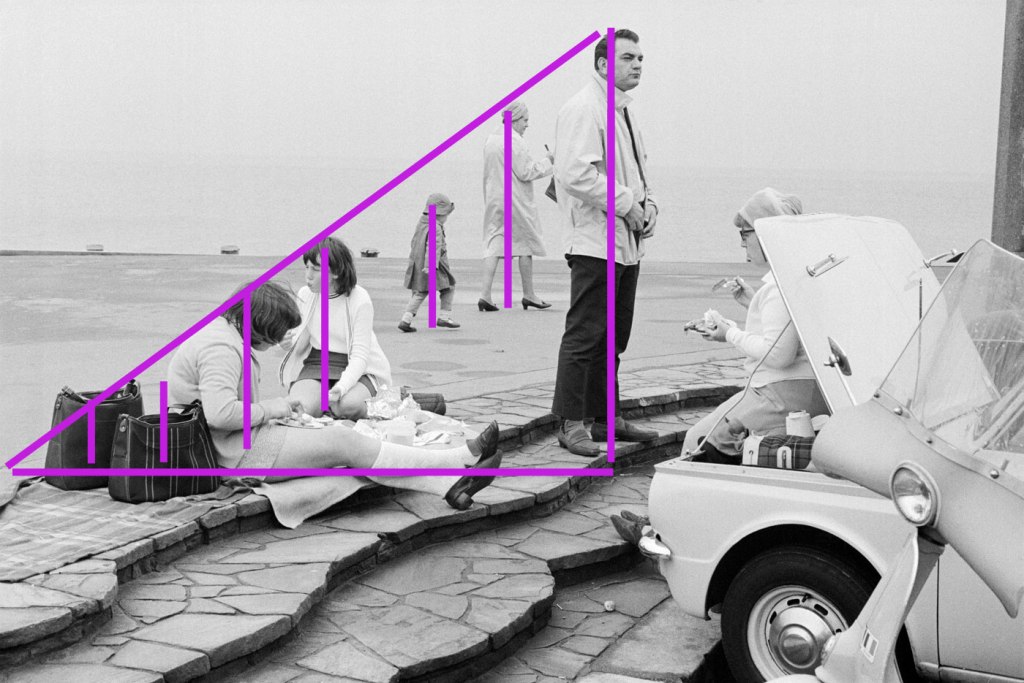
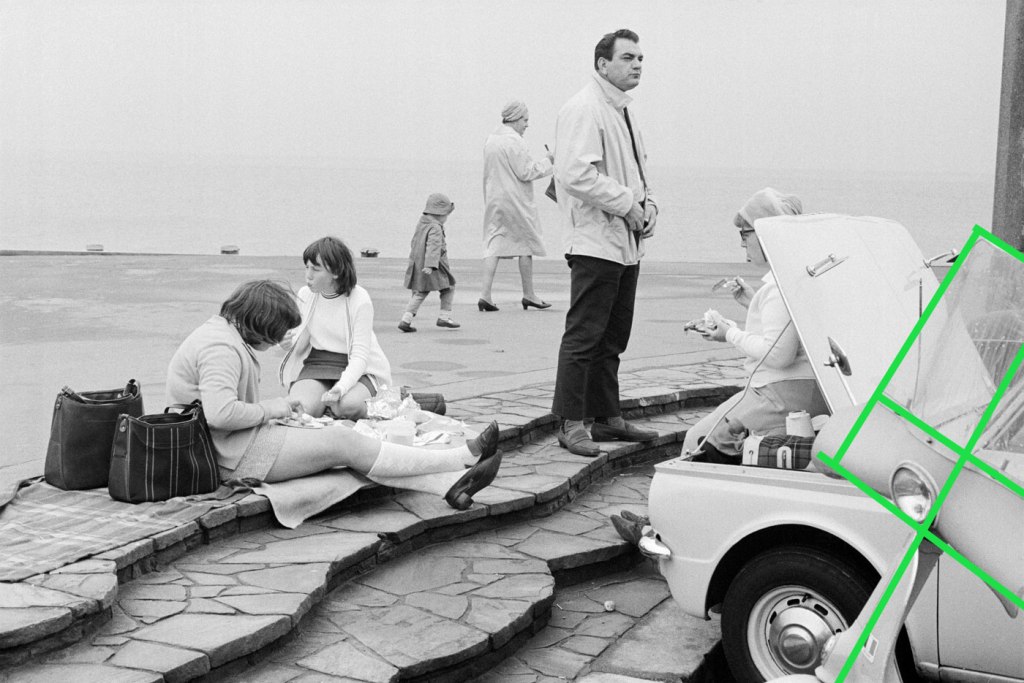
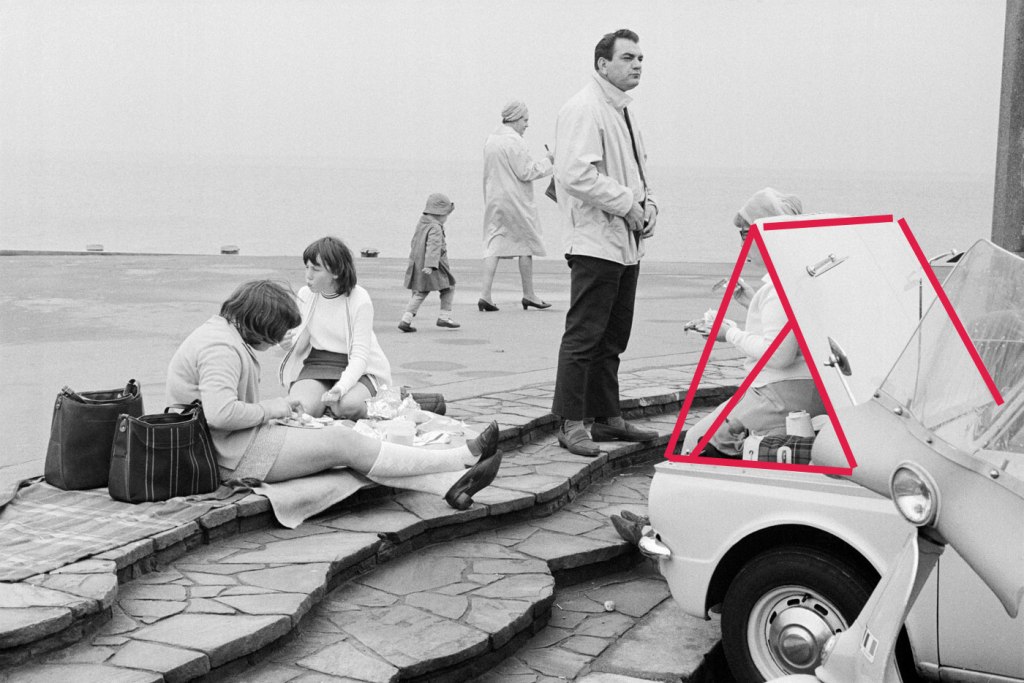
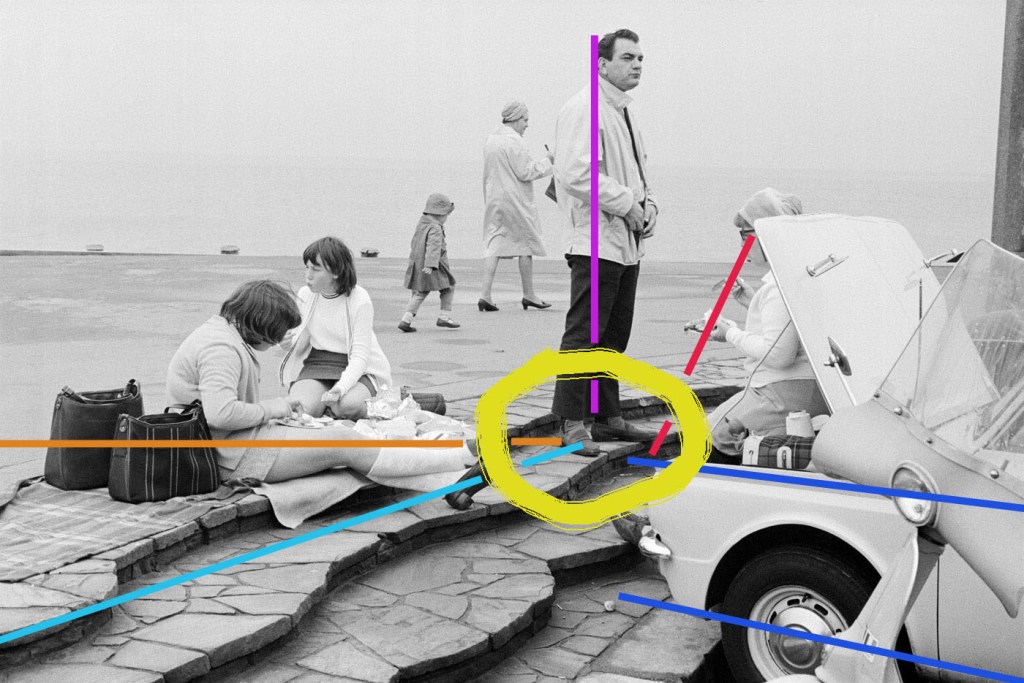
To be able to sum up a scene in a split second, to previsualise (think), intuitively compose, frame and shoot in that twinkle of an eye, and to balance the images as he does is truly the most incredible gift, the quintessential British “decisive moment”. Look at the structural analysis of Location unknown, possibly Worthing (1967-1968, below) that I have presented in a slide show. This will give you a good idea of the visual complexity of Ray-Jones’ images… and yet he makes the sum of all components seem grounded (in this case by the man’s feet) and effortless. Devon Caranicas has observed that TRJ possessed a quick wit and adeptness for reducing a complex narrative into a single frame, the photographed subjects transformed into social actors of supreme stereotypes. The first part is insightful, but social actors of supreme stereotypes? I think not, because these people are not acting, this is their life, their humanity, their time out from the hum-drum of everyday working class life. They do not pose for TRJ, it’s just how they are. Look at the musicality of the first five images in the posting – how the line rises and falls, moves towards you and away from you. Only a great artist can do that, instinctively.

I cannot express to you enough the utmost admiration I have for this man’s art. In my opinion he is one of greatest British photographers that has ever lived (Julia Margaret Cameron, William Henry Fox Talbot, Roger Fenton, Francis Bedford, Frederick H. Evans, Cecil Beaton, Peter Henry Emerson and Herbert Ponting would be but a few others that spring to mind). He photographed British customs and values at a time of change and pictured a real affection for the lives of ordinary working class people. Being one of the them, he will always hold a special place in my heart.

Dr Marcus Bunyan


Many thankx to Media Space at Science Museum for allowing me to publish the photographs in the posting. Please click on the photographs for a larger version of the image.


“Although the entirety of the images from Only in England were shot throughout the politically and socially turbulent late 60’s and early 70’s both artists shy away from depicting the culture clashes that so often visually defined this period. Instead, they each opted to turn their lens onto the quintessential country side, and in doing so, pay homage to a traditional type of English life that was becoming a sort of sub-culture in itself – a way of living that was not yet touched by the encroaching globalisation, or “americanisation,” of the UK.”

Anonymous text on the ART WEDNESDAY website September 26th, 2013 [Online] Cited 05/03/2014. No longer available online


“Ray-Jones printed his black and white pictures small, in a dark register of tonally very dense prints. The National Media Museum has lots of these, and perhaps to devote the cavernous new space only to such small pictures would have been a mistake. Even backed up with a mass of supporting material, including the fascinating pages from Ray-Jones’ diaries, the prints would struggle to fill the space. So only the first section is devoted to about 50 beautiful little Ray-Jones vintage prints. Two whole sections have been added to the exhibition to flesh it out…

[Parr] has unfortunately chosen to print them [Ray-Jones prints] in a way quite alien to anything Ray-Jones ever made: they are printed in Parr’s own way, as larger, paler, more diffuse things in mid-tones that Ray-Jones would never have countenanced. They are printed, inevitably, by digital process…

Sadly, these Ray-Jones by Parr prints add up to an appropriation of the former by the latter: they are Martin Parr pictures taken from Tony-Ray Jones negatives, and it would have been better not to have shown them so. They are fine images, but they should have been seen in some other way: on digital screens, perhaps, or as modern post-cards. Anything to make quite explicit the clear break with Ray-Jones’ own prints. That the images they contain are very fine is not in doubt. But I take leave to question whether they “present a new way of thinking through creative use of the collections”. They are well labelled and for specialists there will be no difficulty in knowing that they are not by Ray-Jones. But for the public I am not so sure. Suddenly two-thirds of the show are in this larger, modern, digitally printed form, either by Parr himself or by Ray-Jones-through-Parr. It looks as if that is the dominant group…”

Extract from Francis Hodgson. “Two Exhibitions of Tony Ray-Jones – Two Ways of Giving Context to Photographs,” on the Photomonitor website, September 2013 Cited 05/03/2014 no longer available online


Tony Ray-Jones (English, 1941-1972) 'Beauty contestants, Southport, Merseyside, 1967' 1967


Tony Ray-Jones (English, 1941-1972)
Beauty contestants, Southport, Merseyside, 1967 
1967
© National Media Museum


Tony Ray-Jones (English, 1941-1972) 'Brighton Beach, West Sussex, 1966' 1966


Tony Ray-Jones (English, 1941-1972)
Brighton Beach, West Sussex, 1966
1966
© National Media Museum


Tony Ray-Jones (English, 1941-1972) 'Eastbourne Carnival, 1967' 1967


Tony Ray-Jones (English, 1941-1972)
Eastbourne Carnival, 1967
1967
© National Media Museum


Tony Ray-Jones (English, 1941-1972) 'Blackpool, 1968' 1968


Tony Ray-Jones (English, 1941-1972)
Blackpool, 1968
1968
© National Media Museum


Tony Ray-Jones (English, 1941-1972) 'Location unknown, possibly Worthing' 1967-1968


Tony Ray-Jones (English, 1941-1972)
Location unknown, possibly Worthing
1967-1968
© National Media Museum


This slideshow requires JavaScript.


Tony Ray-Jones Location unknown, possibly Worthing (1967-68) picture analysis by Dr Marcus Bunyan


Fascinated by the eccentricities of English social customs, Tony Ray-Jones spent the latter half of the 1960s travelling across England, photographing what he saw as a disappearing way of life. Humorous yet melancholy, these works had a profound influence on photographer Martin Parr, who has now made a new selection including over 50 previously unseen works from the National Media Museum’s Ray-Jones archive. Shown alongside The Non-Conformists, Parr’s rarely seen work from the 1970s, this selection forms a major new exhibition which demonstrates the close relationships between the work of these two important photographers.

The first ever major London exhibition of work by British Photographer, Tony Ray-Jones (1941-1972) will open at Media Space on 21 September 2013. The exhibition will feature over 100 works drawn from the Tony Ray-Jones archive at the National Media Museum alongside 50 rarely seen early black and white photographs, The Non-Conformists, by Martin Parr (1952).

Between 1966 and 1969 Tony Ray-Jones created a body of photographic work documenting English customs and identity. Humorous yet melancholy, these photographs were a departure from anything else being produced at the time. They quickly attracted the attention of the Institute of Contemporary Arts (ICA), London where they were exhibited in 1969. Tragically, in 1972, Ray-Jones died from Leukaemia aged just 30. However, his short but prolific career had a lasting influence on the development of British photography from the 1970s through to the present.

In 1970, Martin Parr, a photography student at Manchester Polytechnic, had been introduced to Ray-Jones. Inspired by him, Parr produced The Non-Conformists, shot in black and white in Hebden Bridge and the surrounding Calder Valley. This project started within two years of Ray-Jones death and demonstrates his legacy and influence.

The exhibition will draw from the Tony Ray-Jones archive, held by the National Media Museum.  Around 50 vintage prints will be on display alongside an equal number of photographs which have never previously been printed. Martin Parr has been invited to select these new works from the 2700 contact sheets and negatives in the archive. Shown alongside these are Parr’s early black and white work, unfamiliar to many, which has only ever previously been exhibited in Hebden Bridge itself and at Camerawork Gallery, London in 1981.

Tony Ray-Jones was born in Somerset in 1941. He studied graphic design at the London School of Printing before leaving the UK in 1961 to study on a scholarship at Yale University in Connecticut, US. He followed this with a year long stay in New York during which he attended classes by the influential art director Alexey Brodovitch, and became friends with photographers Joel Meyerowitz and Garry Winogrand. In 1966 he returned to find a Britain still divided by class and tradition. A Day Off – An English Journal, a collection of photographs he took between 1967-1970 was published posthumously in 1974 and in 2004 the National Media Museum held a major exhibition, A Gentle Madness: The Photographs of Tony Ray-Jones.

Martin Parr was born in Epsom, Surry in 1952. He graduated from Manchester Polytechnic in 1974 and moved to Hebden Bridge in West Yorkshire, where he established the ‘Albert Street Workshop’, a hub for artistic activity in the town. Fascinated by the variety of non-conformist chapels and the communities he encountered in the town he produced The Non-Conformists. In 1984 Parr began to work in colour and his breakthrough publication The Last Resort was published in 1986. A Magnum photographer, Parr is now an internationally renowned photographer, filmmaker, collector and curator, best-known for his highly saturated colour photographs critiquing modern life.

Only in England: Photographs by Tony Ray-Jones and Martin Parr will run at Media Space, Science Museum from 21 September 2013 – 16 March 2014. The exhibition will then be on display at the National Media Museum from 22 March – 29 June 2014. The exhibition is curated by Greg Hobson, curator of Photographs at the National Media Museum, and Martin Parr has been invited to select works from the Tony Ray-Jones archives.

Greg Hobson, curator of Photographs at the National Media Museum says, “The combination of Martin Parr and Tony Ray-Jones’ work will allow the viewer to trace an important trajectory through the history of British photography, and present new ways of thinking about photographic histories through creative use of our collections.” Martin Parr says, “Tony Ray-Jones’ pictures were about England. They had that contrast, that seedy eccentricity, but they showed it in a very subtle way. They have an ambiguity, a visual anarchy. They showed me what was possible.”

The Tony Ray-Jones archive comprises of approximately 700 photographic prints, 1700 negative sheets, 2700 contact sheets, 600 boxes of Ektachrome / Kodachrome transparencies. It also includes ephemera such as notebooks, diary pages, and a maquette of England by the Sea made by Tony Ray-Jones.

Media Space is a collaboration between the Science Museum (London) and the National Media Museum (Bradford). Media Space will showcase the National Photography Collection of the National Media Museum through a series of exhibitions. Alongside this, photographers, artists and the creative industries will respond to the wider collections of the Science Museum Group to explore visual media, technology and science.

Press release from the Science Museum website


Tony Ray-Jones (English, 1941-1972) 'Bacup coconut dancers, 1968' 1968


Tony Ray-Jones (English, 1941-1972)
Bacup coconut dancers, 1968
1968
© National Media Museum


Tony Ray-Jones (English, 1941-1972) 'Bournemouth, 1969' 1969


Tony Ray-Jones (English, 1941-1972)
Bournemouth, 1969
1969
Vintage Gelatin Silver Print
16 x 25cm (6 x 10 inches)
© National Media Museum


Tony Ray-Jones (English, 1941-1972) 'Location unknown, possible Morecambe, 1967-68' 1967-1968


Tony Ray-Jones (English, 1941-1972)
Location unknown, possible Morecambe, 1967-68
1967-1968
© National Media Museum


Tony Ray-Jones (English, 1941-1972) 'Mablethorpe, 1967' 1967


Tony Ray-Jones (English, 1941-1972)
Mablethorpe, 1967
1967
Vintage Gelatin Silver Print
14 x 21cm (6 x 8 inches)
© National Media Museum


Tony Ray-Jones (English, 1941-1972) 'Ramsgate, 1967' 1967


Tony Ray-Jones (English, 1941-1972)
Ramsgate, 1967
1967
© National Media Museum


Tony Ray-Jones (English, 1941-1972) 'Mankinholes Methodist Chapel, Todmorden' 1975


Tony Ray-Jones (English, 1941-1972)
Mankinholes Methodist Chapel, Todmorden
1975
© Martin Parr/ Magnum


Tony Ray-Jones (English, 1941-1972) 'Cruft's Dog Show, London, 1966' 1966


Tony Ray-Jones (English, 1941-1972)
Cruft’s Dog Show, London, 1966
1966
© National Media Museum


Tony Ray-Jones (English, 1941-1972) 'Dickens Festival, Broadstairs, c. 1967' c. 1967


Tony Ray-Jones (English, 1941-1972)
Dickens Festival, Broadstairs, c. 1967
c. 1967
© National Media Museum


Tony Ray-Jones (English, 1941-1972) 'Dickens Festival, Broadstairs, c. 1967' c. 1967


Tony Ray-Jones (English, 1941-1972)
Dickens Festival, Broadstairs, c. 1967
c. 1967
© National Media Museum


Tony Ray-Jones (English, 1941-1972) 'Wormwood Scrubs Fair, London, 1967' 1967


Tony Ray-Jones (English, 1941-1972)
Wormwood Scrubs Fair, London, 1967
1967
© National Media Museum


Tony Ray-Jones (English, 1941-1972) 'Untitled' 1960s


Tony Ray-Jones (English, 1941-1972)
Untitled
1960s
© National Media Museum


Tony Ray-Jones (English, 1941-1972) 'Trooping the Colour, London, 1967' 1967


Tony Ray-Jones (English, 1941-1972)
Trooping the Colour, London, 1967
1967
© National Media Museum


Tony Ray-Jones (English, 1941-1972) 'Untitled' 1960s


Tony Ray-Jones (English, 1941-1972)
Untitled
1960s
© National Media Museum


Tony Ray-Jones (English, 1941-1972) 'Glyndebourne, 1967' 1967


Tony Ray-Jones (English, 1941-1972)
Glyndebourne, 1967
1967
© National Media Museum


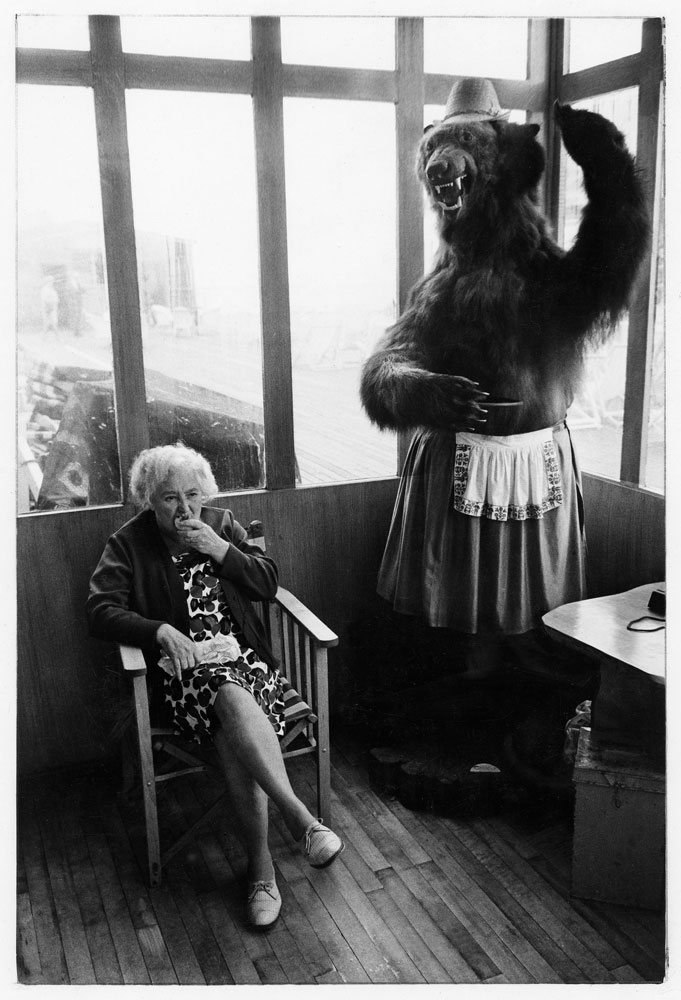
Tony Ray-Jones (English, 1941-1972) 'Elderly woman eating pie seated in a pier shelter next to a stuffed bear, 1969' 1969


Tony Ray-Jones (English, 1941-1972)
Elderly woman eating pie seated in a pier shelter next to a stuffed bear, 1969
1969
© National Media Museum


Tony Ray-Jones (English, 1941-1972) 'Blackpool, 1968' 1968


Tony Ray-Jones (English, 1941-1972)
Blackpool, 1968
1968
Vintage Gelatin Silver Print
21 x 14.5cm (8.25 x 5.70 ins)


Tony Ray-Jones (English, 1941-1972) 'Tom Greenwood cleaning' 1976


Tony Ray-Jones (English, 1941-1972)
Tom Greenwood cleaning
1976
© Martin Parr/ Magnum


Media Space at Science Museum
Exhibition Road, South Kensington,
London SW7 2DD

Opening hours:
Open seven days a week, 10.00 – 18.00

Media Space at Science Museum website

LIKE ART BLART ON FACEBOOK

Back to top

Exhibition: ‘Another Country: Vintage Photographs of British Life by Tony Ray-Jones’ at James Hyman, London

Exhibition dates: 11th September – 11th October 2013


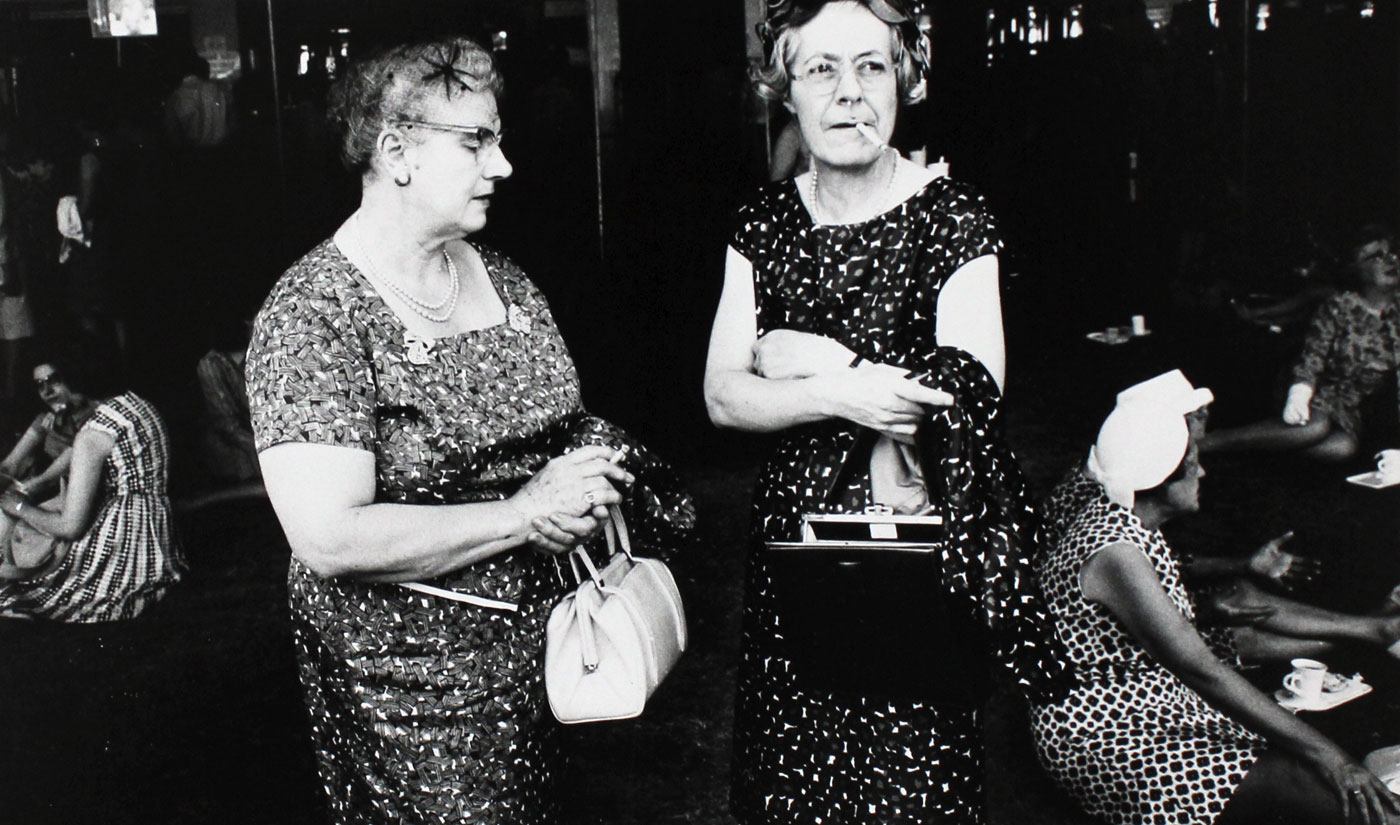
Tony Ray-Jones (British, 1941-1972) 'Lady's Day' c. 1967


Tony Ray-Jones (British, 1941-1972)
Lady’s Day
c. 1967
Vintage Gelatin Silver Print
12 x 20cm (5 x 8 inches)


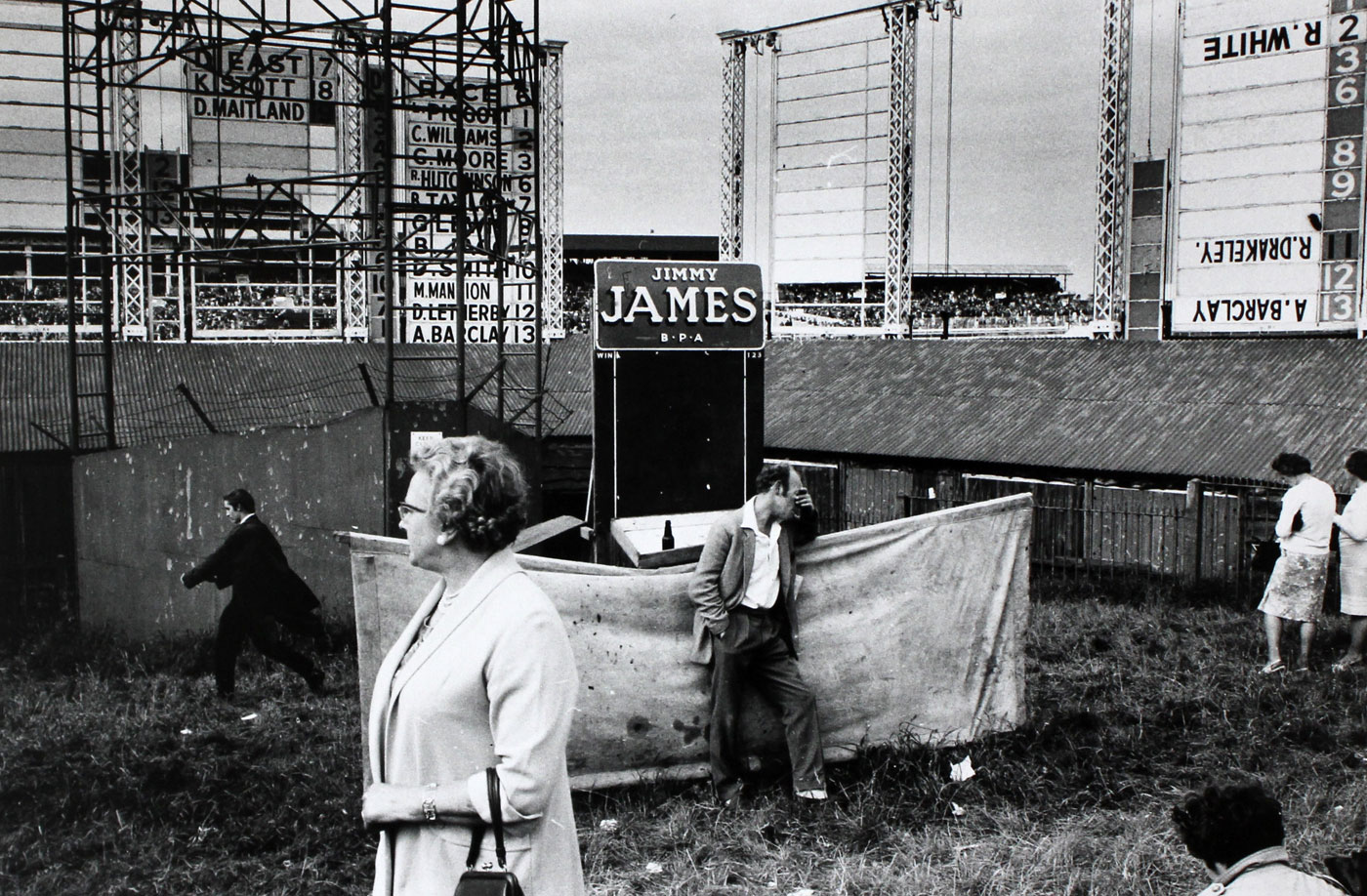
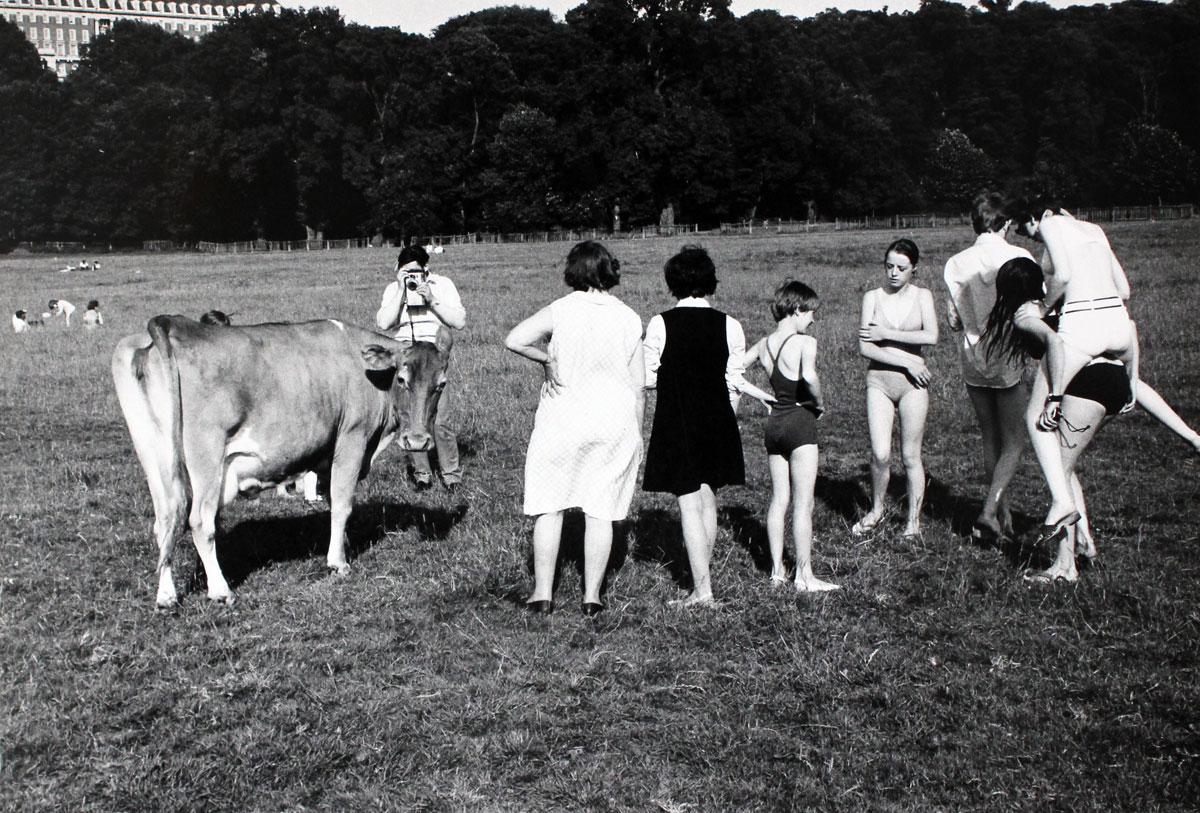
What a loss to the world when this photographer died aged just thirty. His eye was magnificent. He seems to have instinctively known how to capture the quintessential British at work, rest and play in all that societies class-ridden glory – the fag hanging out of the mouth in Lady’s Day (c. 1967) combining beautifully with the aura of the patterned dresses; the isolation of the figures and their stop-frame movement in Day at the Races (c. 1967), a wonderfully balanced composition caught in the moment; and the orchestral ensemble that is the cast of Bacup, Lancashire, 1968 (1968), each figure playing its part in the overall tension of the picture plane: the brothers at right in matching duffle coats, the boy walking forward down the incline with head thrown sideways balanced at rear by another boy with hands in pockets tossing his head into the wind. Magical.

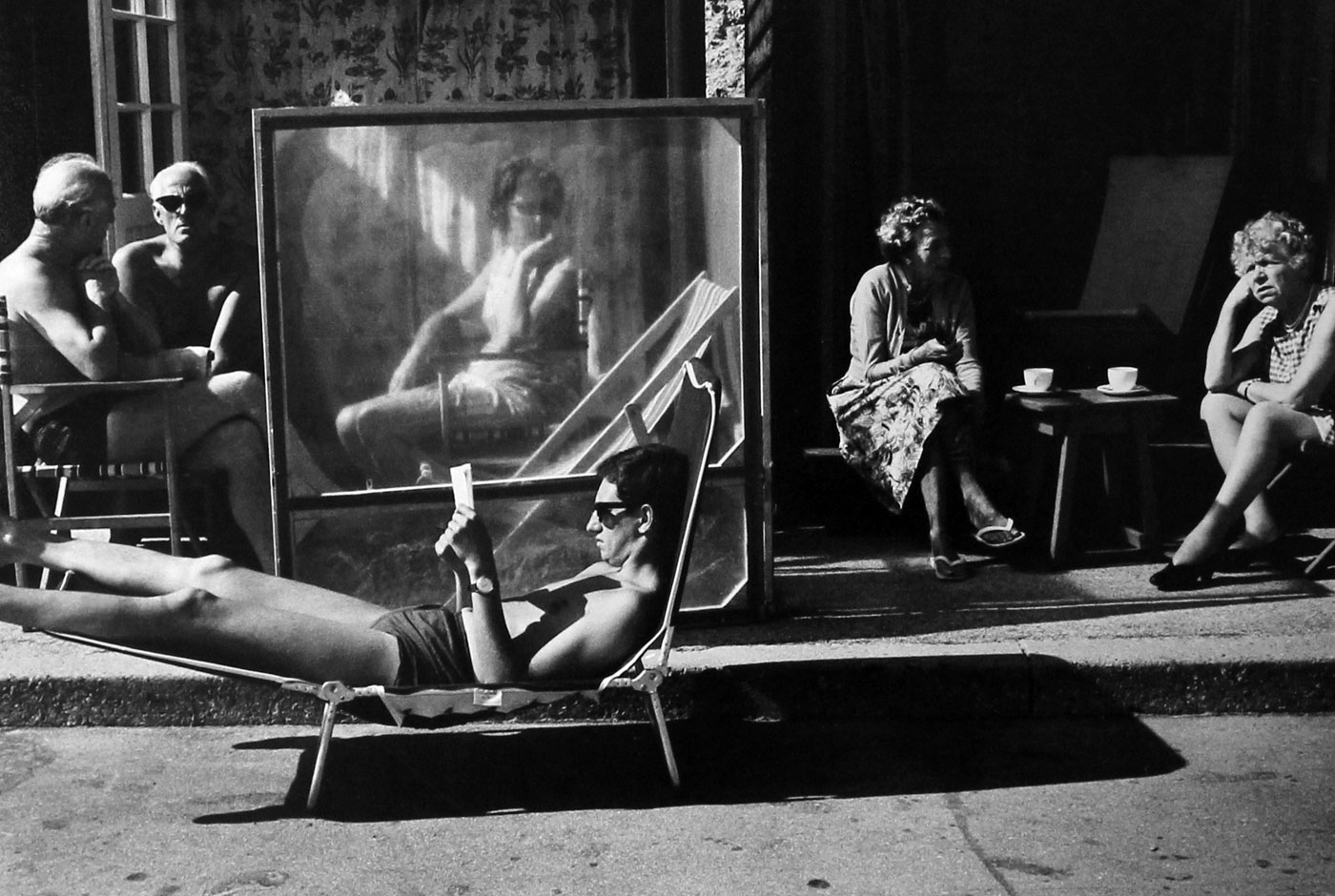
Just to see this image, to visualise it and have the camera ready to capture its “nature”, its undeniable presence for that one split second, then to develop and find this image on a proof sheet, what joy this would have been for the artist. Equally illustrious is the feeling of Bournemouth, 1969 (1969) with the nuanced use of shadow and light, the occlusion of the figure behind the screen with the turn of the head, and the placement of the two white tea cups at right. Ray-Jones wasn’t afraid to place figures in the foreground of his compositions either as can be seen in Brighton Beach, 1967 (1967) to great effect, framing the mise en scène behind.

These photographs take me way back to my childhood in the 1960s in England, going to Butlin’s Clacton-on-Sea and Bournemouth for our family holidays. Even the name says it all: Clacton “on sea” as though they have to remind people visiting that they are actually at the sea. The photographs perfectly capture the mood of the country in this utilitarian era where holidays at a seaside resort were often dour affairs, punctuated by stony beaches, bad weather and regulated activities. The freedom of the 1970s had yet to arrive and us kids went whether we liked it or not: Mablethorpe, 1967 (1967) perfectly epitomises such an environment, with the long days of pleasure / torture stretching off into the distance much as the sea wall in Ray-Jones’ photo.

Dr Marcus Bunyan


Many thankx to James Hyman for allowing me to publish these magnificent photographs. Please click on the photographs for a larger version of the image.


Tony Ray-Jones (British, 1941-1972) 'Day at the Races' c. 1967


Tony Ray-Jones (British, 1941-1972)
Day at the Races
c. 1967
Vintage Gelatin Silver Print
13 x 20cm (5 x 8 inches)


Tony Ray-Jones (British, 1941-1972) 'A Day at Richmond Park' c. 1967


Tony Ray-Jones (British, 1941-1972)
A Day at Richmond Park
c. 1967
Vintage Gelatin Silver Print
17.5 x 25.6cm (7 x 10 inches)


Tony Ray-Jones (British, 1941-1972) 'Chatham May Queen, 1968' 1968


Tony Ray-Jones (British, 1941-1972)
Chatham May Queen, 1968
1968
Vintage Gelatin Silver Print
17.5 x 26.2cm (7 x 10 inches)


Tony Ray-Jones (British, 1941-1972) 'Bacup, Lancashire, 1968' 1968


Tony Ray-Jones (British, 1941-1972)
Bacup, Lancashire, 1968
1968
Vintage Gelatin Silver Print
17.5 x 26.5cm (7 x 10 inches)


James Hyman is delighted to stage an exhibition of rare, vintage photographs by Tony Ray-Jones to coincide with the opening exhibition of the Science Museum Media Space, Only in England, Photographs by Tony Ray-Jones and Martin Parr, in September 2013.

Tony Ray-Jones had a short life. He died in 1972 aged just thirty. But the pictures that he left behind are some of the most powerful British photographs of the twentieth century. His work of the late 1960s and early 1970s documents English culture and identity and brilliantly captures this period in English public life. Inspired by what he learnt in America in the mid-1960s, from photographers such as Lee Friedlander and Joel Meyerowitz, Ray-Jones was keen to make ‘new’ photographs of English life, which did not read simply as documentary, but also as art objects. As he explained in Creative Camera in 1968: “the spirit and the mentality of the English, their habits, and the way they do things, partly through tradition and the nature of their environment and mentality.”

The acclaim that Ray-Jones received after his death, especially from other photographers, testifies to the respect of his elders and his contemporaries. Bill Brandt praised the “very pronounced style all of his own” and lamented that “his death, at such a young age, is a terrible loss to British photography.” Jacques Henri-Lartigue praised Tony Ray-Jones as a “fantaisiste”: “young, free and whimsical with, in addition, a very sound technique and a vision of fire that was full of humour, truth and a sense of poetry” and Paul Strand praised his “remarkable formal organisation” and declared: “I found the photographs of Tony Ray-Jones very outstanding. In them I find that rather rare concurrence when an artist clearly attaining mastery of his medium, also develops a remarkable way of looking at the life around him, with warmth and understanding.”

These tributes are to be found in the most important book of Tony Ray-Jones work, A Day Off. An English Journal, published in 1974. They are included in a beautiful essay in which Ainslie Ellis, one of the photographer’s earliest champions, addresses not only the photographs but also Ray-Jones’s photographic process. Ellis stresses that what mattered to Ray-Jones was not just taking the picture, but also the creative process of deciding which pictures on a contact strip to print, and then making a master-print, from which all subsequent prints would be matched. We are, therefore, delighted that this exhibition should include many of the pictures reproduced in this celebrated book and that it present exclusively vintage prints, which, in a number of identifiable cases, are the actual photographs that Tony Ray-Jones exhibited in his lifetime.

Often playful and sometimes despondent, what Ray-Jones produced was unlike anything which came before, and was the catalyst for a generation of New British Photographers.

Press release from the James Hyman website


Tony Ray-Jones (British, 1941-1972) 'Bournemouth, 1969' 1969


Tony Ray-Jones (British, 1941-1972)
Bournemouth, 1969
1969
Vintage Gelatin Silver Print
16 x 25cm (6 x 10 inches)


Tony Ray-Jones (British, 1941-1972) 'Brighton Beach, 1967' 1967


Tony Ray-Jones (British, 1941-1972)
Brighton Beach, 1967
1967
Vintage Gelatin Silver Print
17.5 x 26.5cm (7 x 10 inches)


Tony Ray-Jones (British, 1941-1972) 'Mablethorpe, 1967' 1967


Tony Ray-Jones (British, 1941-1972)
Mablethorpe, 1967
1967
Vintage Gelatin Silver Print
14 x 21cm (6 x 8 inches)


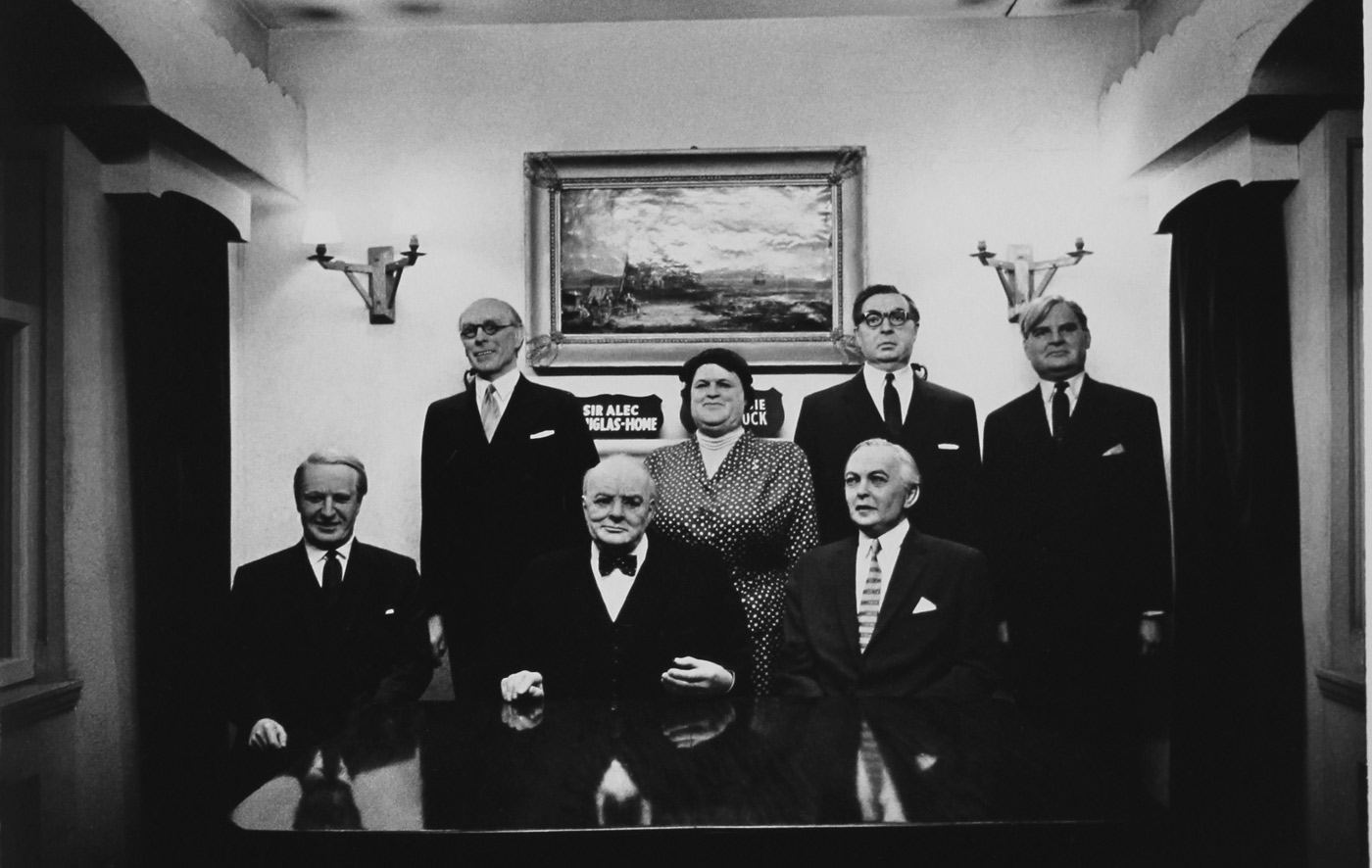
Tony Ray-Jones (British, 1941-1972) 'Waxworks, Eastbourne, 1968' 1968


Tony Ray-Jones (British, 1941-1972)
Waxworks, Eastbourne, 1968
1968
Vintage Gelatin Silver Print
14 x 21cm (6 x 8 inches)


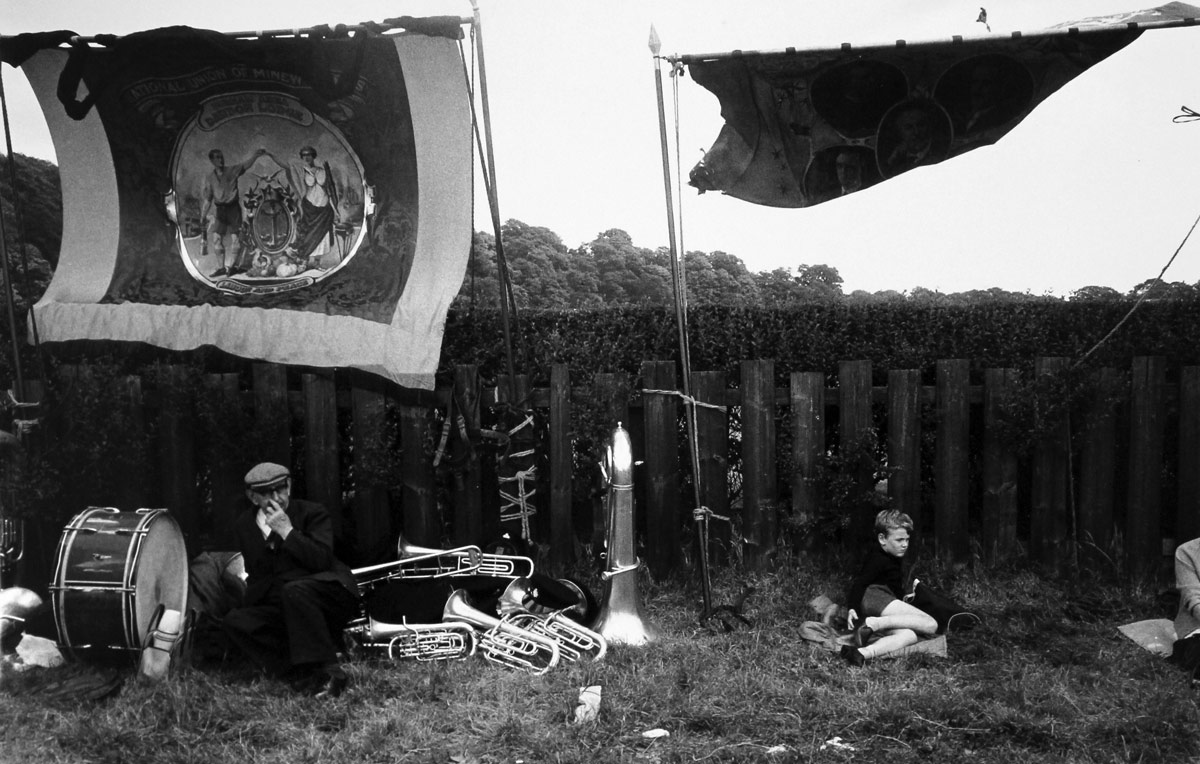
Tony Ray-Jones (British, 1941-1972) 'Durham Miners' Gala' 1969


Tony Ray-Jones (British, 1941-1972)
Durham Miners’ Gala
1969
Vintage Gelatin Silver Print
14 x 22.5cm (6 x 9 inches)


Tony Ray-Jones (British, 1941-1972) 'Sunday Best' c. 1967


Tony Ray-Jones (British, 1941-1972)
Sunday Best
c. 1967
Vintage Gelatin Silver Print
30.5 x 20cm (12 x 8 inches)


Tony Ray-Jones (British, 1941-1972) 'Blackpool, 1968' 1968


Tony Ray-Jones (British, 1941-1972)
Blackpool, 1968
1968
Vintage Gelatin Silver Print
21 x 14.5cm (8.25 x 5.70 ins)


James Hyman Gallery
16 Savile Row
London W1S 3PL
Phone: 020 7494 3857

Opening hours:
By appointment

James Hyman Gallery website

LIKE ART BLART ON FACEBOOK

Back to top

Exhibition: ‘The Lives of Great Photographers’ at The National Media Museum, Bradford

Exhibition dates: 15th April – 4th September 2011


Many thankx to The National Media Museum for allowing me to publish the photographs in the posting. Please click on the photographs for a larger version of the image.


Lady Clementina Hawarden (British, 1822-1865) 'Self Portrait' c. 1864


Lady Clementina Hawarden (British, 1822-1865)
Self Portrait
c. 1864
Albumen print
Courtesy of the National Media Museum/SSPL


Clementina, Lady Hawarden, is a poetic, if elusive, presence among nineteenth-century photographers. As a devoted mother, her life revolved around her eight children. She took up photography in 1857; using her daughters as models, she created a body of work remarkable for its technical brilliance and its original depiction of nascent womanhood.
Lady Hawarden showed her work in the 1863 and 1864 exhibitions of the Photographic Society. With the exception of a few rare examples, her photographs remained in the possession of her family until 1939, when the more than eight hundred images were donated to the Victoria and Albert Museum. Only recently have they been the objects of research, publication, and exhibition.

Text from The Metropolitan Museum of Art website


John Moffat (Scottish, 1819-1894) 'William Henry Fox Talbot with camera and lens' 1864


John Moffat (Scottish, 1819-1894)
William Henry Fox Talbot with camera and lens
1864


Julia Margaret Cameron (British born India, 1815-1879) 'Carlyle like a rough block of Michael Angelo's sculpture' 1867


Julia Margaret Cameron (British born India, 1815-1879)
Carlyle like a rough block of Michael Angelo’s sculpture
1867
Albumen print
Courtesy The Royal Photographic Society Collection at the National Media Museum/SSPL


Henry Herschel Hay Cameron (British born India, 1852-1911) 'Mrs Julia Margaret Cameron' 1870


Henry Herschel Hay Cameron (British born India, 1852-1911)
Mrs Julia Margaret Cameron
1870
Albument print
Courtesy of the National Media Museum/SSPL


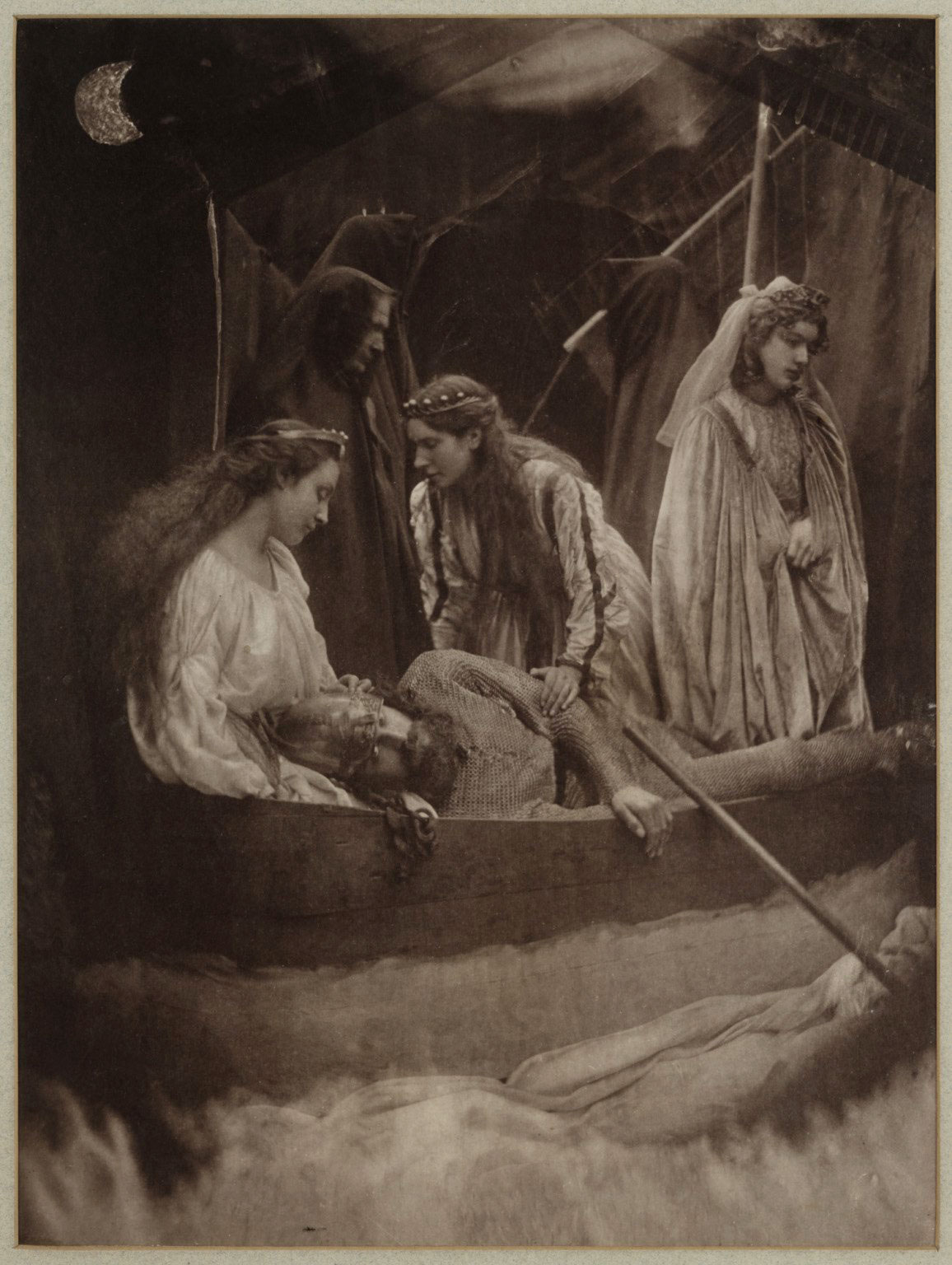
Julia Margaret Cameron (British born India, 1815-1879) 'So Like a Shatter'd Column Lay the King' 1875


Julia Margaret Cameron (British born India, 1815-1879)
So Like a Shatter’d Column Lay the King
1875
Albumen print
Courtesy of The Royal Photographic Society Collection at the National Media Museum


Photographers have created some of the most famous and memorable images ever produced, combining science and art since 1839. The Lives of Great Photographers, a free to enter exhibition at the National Media Museum in Bradford, draws on the Museum’s renowned collection to focus on the pioneers behind the camera, exploring the extraordinary stories surrounding some of photography’s most important innovators and artists.

Featuring Henri Cartier-Bresson, Julia Margaret Cameron, Robert Capa, William Henry Fox Talbot, Weegee, Tony Ray-Jones, Fay Godwin and Eadweard Muybridge, the exhibition will display iconic images and artefacts from these and other great names, selected exclusively from the National Collection of Photography.

Exhibition curator Brian Liddy said: “Photography has been with us for more than 170 years, and in that time countless famous photographs have been taken by many famous photographers. Often we may think we know these men and women because we know their work so well, but over time so many photographers’ personal stories have become overshadowed by their most famous pictures. This major exhibition aims to redress the balance.”

The show begins with an investigation into the rivalry between two of the medium’s earliest pioneers. Without Louis Jacques Mandé Daguerre and William Henry Fox Talbot, photography as it known today would not exist. Daguerre, a former theatrical designer, presented the photographic process to France and the world in 1839. Working in parallel and in competition, Talbot, who became an MP for Chippenham, went on to create the first negative from which multiple copy photographs could be produced.

As technology evolved, the breadth and range of photography increased, and the methods by which it could provide a source of income, or artistic expression, became more diverse. Julia Margaret Cameron, although primarily considered an artist, copyrighted her work and attempted to make a living by selling copies. Her personal connections gave her the opportunity to produce some of the first celebrity photographs in existence. Olive Edis employed photography as a serving war artist during the First World War and Edward Steichen’s career was remarkable for its variety as he moved effortlessly from art, to fashion, to advertising.

Photography also proved an ideal medium when it came to documenting world events. Lewis Hine and Dorothea Lange were both driven by their social consciences to record the Great Depression in America. Photojournalism, the cousin of documentary photography, is represented in the exhibition by names such as Henri Cartier-Bresson and Robert Capa, founding members of the world’s first photographic agency, Magnum. Both served in the Second World War and produced images that helped define an era.

One of the most notorious life stories is that of the English photographer Eadweard Muybridge. His pioneering work in chronophotography, whereby movement is captured by a sequence of photographic exposures, famously demonstrated that all four legs of a horse left the ground as it galloped. Until then the motion of a horse’s hooves were too quick for the human eye to determine. Perhaps less well known is the fact that Muybridge murdered his wife’s lover in cold blood but was later acquitted with a verdict of ‘justifiable homicide’.

The exhibition also includes Roger Fenton, Lady Clementina Hawarden, Alfred Stieglitz, André Kertész, and Larry Burrows. Each photographer is represented by their photographic portrait and a selection of their images. None is living, as only those whose lives and work can be evaluated in their entirety have been selected.

Brian Liddy added: “This exhibition shows just how rich the museum’s collections are. The work of some of the best-known photographers in history will be shown alongside the kinds of cameras they would have had to carry and use in the course of their work. We’ve also taken the opportunity to show rarely seen material, such as pages from the notebooks of Tony Ray-Jones detailing what was going through his mind when he was thinking about how to get the pictures he wanted.”

“By recounting the lives of these great photographers, we hope to provide an insight into what led them to produce some of the greatest photographs ever taken.”

Press release from The National Media Museum


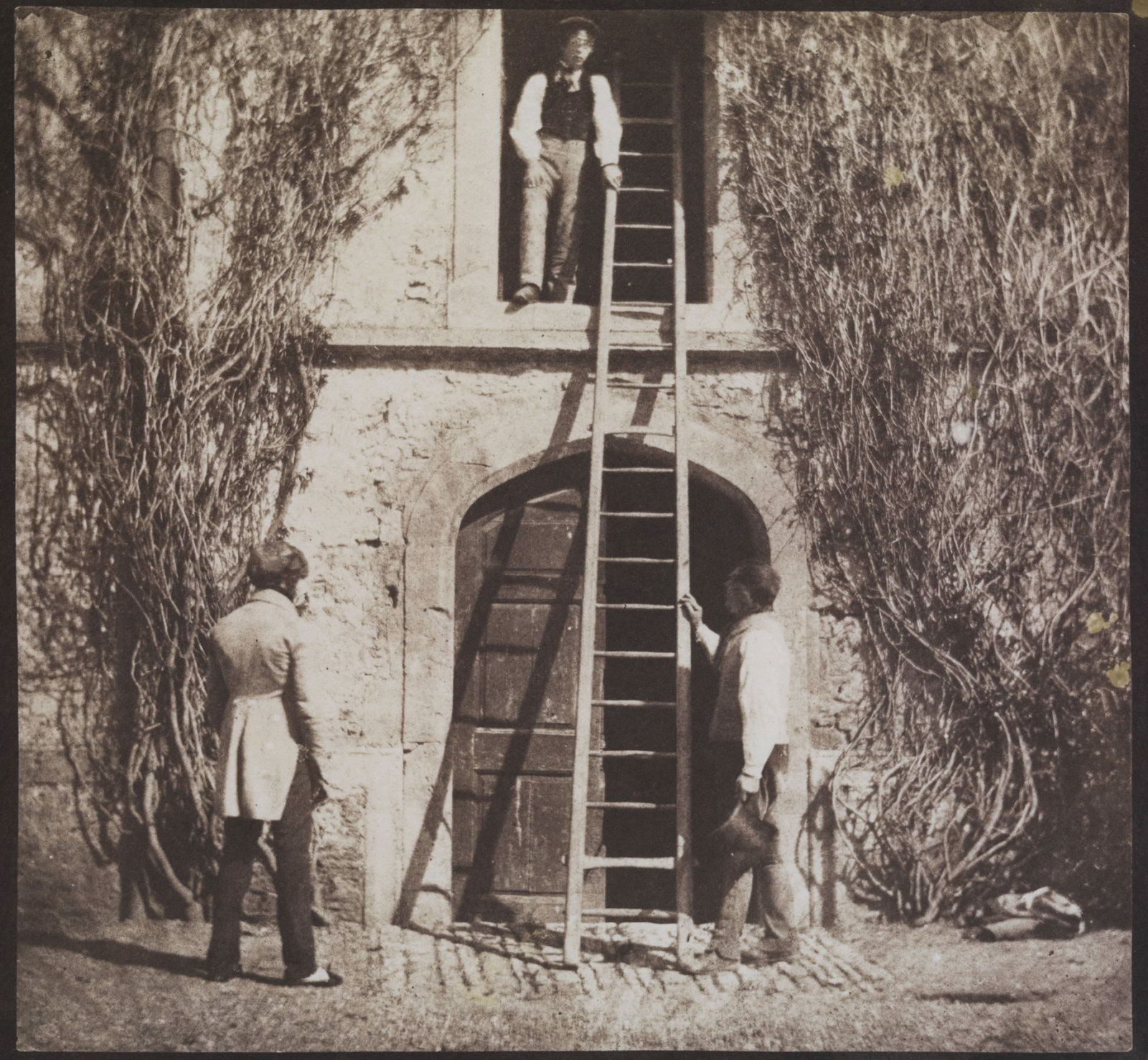
Henry Fox Talbot (British, 1800-1877) 'The Ladder' 1844


Henry Fox Talbot (British, 1800-1877)
The Ladder
1844
Salted paper print from paper negative
Courtesy of the National Media Museum/SSPL


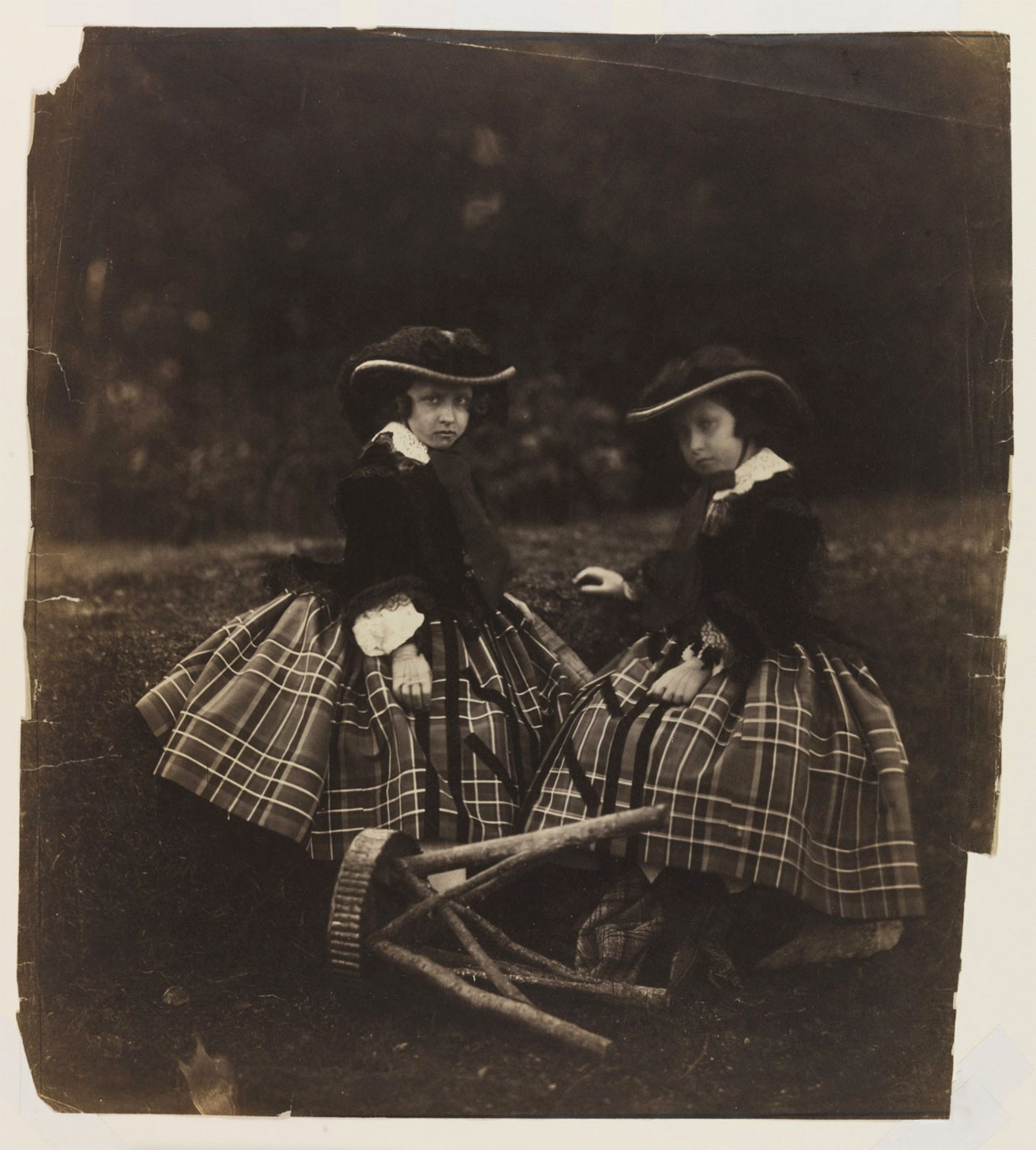
Roger Fenton (British, 1819-1869) 'Princesses Helena and Louise' 1856


Roger Fenton (British, 1819-1869)
Princesses Helena and Louise
1856
Albumen print
Courtesy of The Royal Photographic Society Collection at the National Media Museum


Photograph of Princess Helena and Princess Louise, seated outside together wearing identical outfits, including hats. Both look to front. Upturned stool in foreground.

The two princesses look straight at the camera in what is an unusually direct pose. Princess Helena (1846-1923) and Princess Louise (1848-1939) were the fifth and six children of Queen Victoria and Prince Albert. Princess Helena was herself a keen collector of photographs and compiled a number of albums commemorating her many visits to Balmoral

Text adapted from Roger Fenton – Julia Margaret Cameron: Early British photographs from the Royal Collection, London, 2010 on the Royal Collection Trust website


Eadweard Muybridge (English, 1830-1904) Man (Muybridge) throwing discus walking up steps walking Plate 519 Animal Locomotion


Eadweard Muybridge (English, 1830-1904)
Man (Muybridge) throwing discus walking up steps walking
Plate 519 Animal Locomotion
1887
Collotype
Courtesy of the National Media Museum/SSPL


Unknown photographer. 'Eadweard Muybridge' date unknown


Unknown photographer
Eadweard Muybridge
Date unknown
Courtesy of The Royal Photographic Society Collection at the National Media Museum


Alvin Langdon Coburn (American, 1882-1966) 'Alfred Stieglitz' 1905


Alvin Langdon Coburn (American, 1882-1966)
Alfred Stieglitz
1905
Courtesy of the National Media Museum/SSPL


Lewis Hine (American, 1874-1940) 'Albanian woman Ellis Island' 1905


Lewis Hine (American, 1874-1940)
Albanian woman Ellis Island
1905
Gelatin silver print
Courtesy of the National Media Museum/SSPL


At the Ethical Culture School in New York Lewis Hine taught photography to teenagers, encouraging them to observe others. He took his classes to Ellis Island to see arriving immigrants. “At times it looked like a costume ball,” he wrote, “with the multicoloured, many-styled national costumes,” This is one of over 200 photographs that Hine made himself at Ellis Island, representing an Albanian immigrant, wearing her best clothes, cleaned and immaculately pressed. Hine’s empathy with the neglected him led to a job with the National Child Labor Committee. He traveled the country photographing children at work in factories in New England, at coal mines in Pennsylvania, and canneries on the Gulf Coast. Hine’s photographs helped secure child labor laws in this country.

From Touchstones of the Twentieth Century: A History of Photography at the University of Notre Dame (exhibition, 2020-21)


Unknown photographer. 'Lewis Hine photographing children in a slum' c. 1910


Unknown photographer
Lewis Hine photographing children in a slum
c. 1910
Gelatin silver print
Courtesy of the National Media Museum/SSPL


Alvin Langdon Coburn (American, 1882-1966) 'George Davison' 1918


Alvin Langdon Coburn (American, 1882-1966)
George Davison
1918
Gelatin silver print
Courtesy of the National Media Museum/SSPL


George Davison (19 September 1854 – 26 December 1930) was an English photographer, a proponent of impressionistic photography, a co-founder of the Linked Ring Brotherhood of British artists and a managing director of Kodak UK. He was also a millionaire, thanks to an early investment in Eastman Kodak.


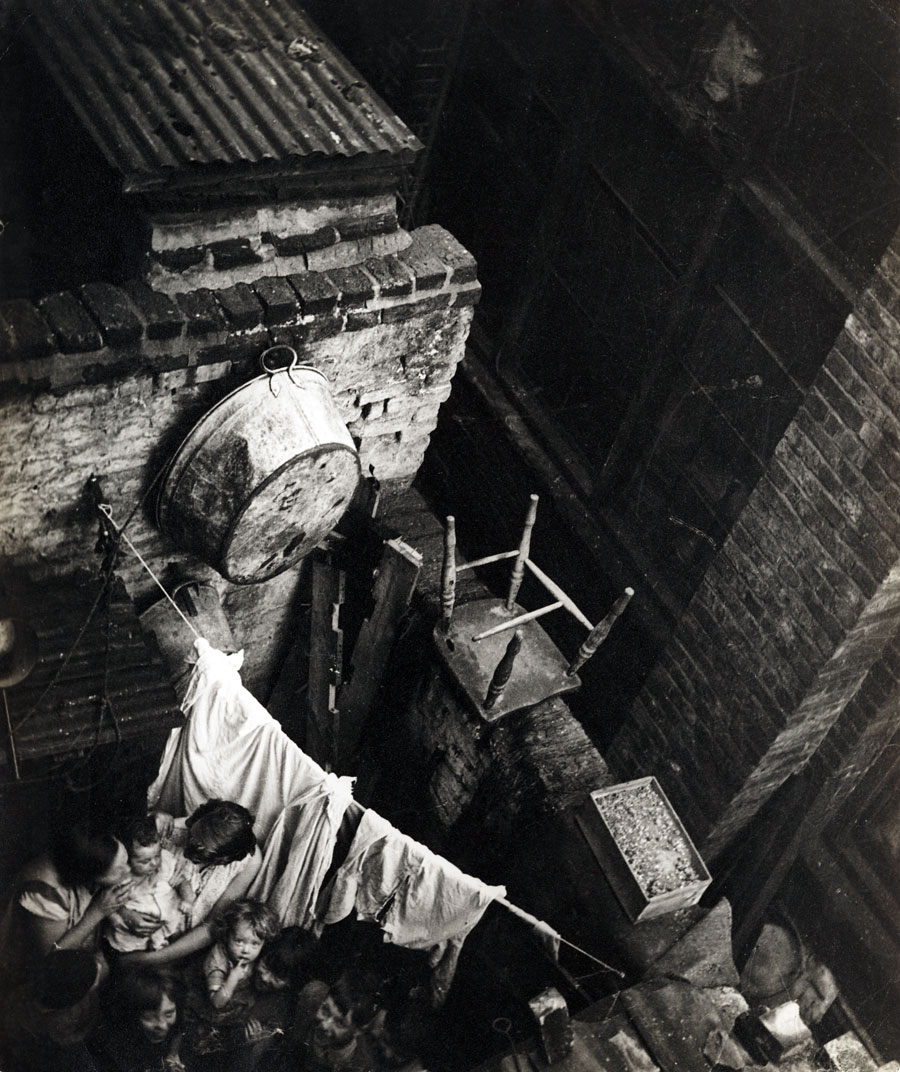
Edith Tudor Hart (Austrian-British, 1908-1973) 'Gee Street, Finsbury' 1936


Edith Tudor Hart (Austrian-British, 1908-1973)
Gee Street, Finsbury
1936
Courtesy of the National Media Museum/SSPL
© Wolfgang Suschitzky


This photograph was published alongside Poodle Parlour, London (PGP 279.33B) in the satirical magazine Lilliput in 1939, offering a comparison between the living conditions of the urban poor and the care lavished on pets by their wealthy owners. The juxtaposition made a simple political point and encouraged the viewer to think about the unequal organisation of society. This was a rhetorical technique common in left-wing illustrated journals on the Continent. The Austrian magazine, Der Kuckuck, had published a similar story in 1931 comparing the living conditions of the Berlin poor with the more salubrious accommodation of the city’s dog home.

Text from the National Galleries of Scotland website


Henri Cartier-Bresson (French, 1908-2004) 'Dessau, Germany' 1945


Henri Cartier-Bresson (French, 1908-2004)
Dessau, Germany
1945
Gelatin silver print
Courtesy of the National Media Museum/SSPL
© Henri Cartier-Bresson, Magnum, HCB Fondation


Cartier-Bresson had been a prisoner of war in Germany for nearly three years. He tried to escape two times, and then on the third time was successful. And partly because of that experience he was commissioned by the US Office of War Information to make a film about the return of displaced persons and prisoners of war.

And this incident appears in the film. The cameraman is filming this scene, and Cartier-Bresson, is right next to him making his own pictures. This is at a displaced person’s camp. And the woman in the black dress had been denounced to the Gestapo by the woman she’s about to hit. And here they’re both telling their stories to the man on the right who’s obviously the man in authority.

And what’s typical in this picture of Cartier-Bresson’s best work after the war, is that it’s all boiled down to these three protagonists. The anger of the woman who had been betrayed totally saturates her body, just the way the shame and the guilt of the woman who had done the betraying occupies her body, right down to where she’s got her thumb inside her fist.

Peter Galassi on the Museum of Modern Art website


Richard Sadler (British, 1927-2020) Weegee in Coventry, "Weegee the Famous" 1963


Richard Sadler (British, 1927-2020)
Weegee in Coventry, “Weegee the Famous”
1963
Gelatin silver print
Courtesy of the National Media Museum/SSPL


Tony Ray-Jones (English, 1941-1972) 'Auto Show, Daytona' 1965


Tony Ray-Jones (English, 1941-1972)
Auto Show, Daytona
1965
Gelatin silver print
Courtesy of the National Media Museum/SSPL


Unknown photographer. 'Portrait of Bill Brandt' c. 1979


Unknown photographer
Portrait of Bill Brandt
c. 1979
Gelatin silver print
Courtesy of the National Media Museum/SSPL


National Media Museum
Bradford,
West Yorkshire,
BD1 1NQ

Opening hours:
Wednesday – Sunday 10.00 – 17.00

National Media Museum website

LIKE ART BLACK ON FACEBOOK

Back to top