Photographers: the exhibition features work by Katalin Arkell, Peter Arkell, Cyril Arapoff, Chris Bethell, A.R. Coster, Firmin, John Galt, David Granick, Bert Hardy, Brian Harris, Hawkins, Nick Hedges, David Hoffman, Tom Learmonth, Steve Lewis, Jack London, Marketa Luskacova, Anthony Luvera, MacGregor, Monty Meth, Douglas Miller, Moyra Peralta, Ray Rising, Reg Sayers, Andrew Scott, Alex Slotzkin, Norah Smyth, Humphrey Spender, Andrew Testa, Paul Trevor, Edith Tudor-Hart, as well as several unknown photographers.
1902: a policeman disturbs a rough-sleeping youth in Whitechapel, one of many photographs by the American author Jack London that illustrated his book The People of the Abyss.
Another insightful, socially-minded (ie. actively interested in social welfare or the well-being of society as a whole) exhibition from Four Corners who champion creative expression, education and empowerment and build upon almost 50 years of radical, socially-engaged approaches to photography and film.
“This timely exhibition draws shocking comparisons with today’s housing precarity, high rents and homelessness. From Victorian slums and the first model estates, to the mass postwar council house construction and the subsequent demolition of many tower blocks, it ends with post-Thatcherite gentrification and its impact on affordable housing.” (Press release)
I have included bibliographic information on the artists in the posting where possible.
Dr Marcus Bunyan
PS. For more information on slum photography and urban poverty please see the essay by Sadie Levy Gale. “Exposed,” on the AEON website 21 August 2023 [Online] Cited 31/08/2023
Many thankx to Four Corners for allowing me to publish the photographs in the posting. Please click on the photographs for a larger version of the image.
Jack London (American, 1876-1916) Homeless people in Itchy Park, Spitalfields 1902 From People of the Abyss
NOTE: Photograph not in the exhibition
Images of housing, homelessness and resistance in London’s East End
Our summer exhibition explores how photographers have represented conditions of housing and homelessness for over a century. From workhouses to slums, damp council flats to Thatcherite gentrification, images reveal the systemic poverty that East Londoners have endured and how the medium of photography has been used to campaign for change. We are delighted to feature new artwork by Anthony Luvera, which addresses economic segregation in Tower Hamlets’ housing developments, a phenomenon known as ‘poor doors’. Created with a forum of local residents, this examines the rise of market-driven ‘affordable’ housing and the state of social housing today.
This exhibition is supported using public funding by the National Lottery through Arts Council England and the National Lottery Heritage Fund. We particularly thank Getty Images Hulton Archive and Tower Hamlets Local History Library and Archives for their generous contributions which made this exhibition possible. We are grateful for the kind support of Report Digital.
Text from the Four Corners website
Jack London (American, 1876-1916) View in Hoxton 1902 From People of the Abyss
NOTE: Photograph not in the exhibition
Jack London (American, 1876-1916) Homeless women in Spitalfields Garden 1902 From People of the Abyss
NOTE: Photograph not in the exhibition
Not many people know that the famous American author Jack London was also a skilled documentary photographer and photojournalist. He took thousands of pictures over the years from the slums of London’s East End to the islands of the South Pacific.
In 1902 Jack London visited his namesake city London where he took pictures of its people and their everyday life. In the book “The People of the Abyss”, London describes this first-hand account by living in the East End (including the Whitechapel District) for several months, sometimes staying in workhouses or sleeping on the streets. The conditions he experienced and wrote about were the same as those endured by an estimated 500,000 of the contemporary London poor.
Even before, Jack London had talked about a book on the London slums with George Brett, one of his publishers. Thus, the writer knew what he was ought to expect ‘down there’: “He meant to expose the underside of imperialism, the degradation of the workers…”. The “evolutionary Socialist” wanted to find “the Black Hole of capitalism”.
With this preconceived vision in his mind, he disguised himself as an American sailor who had lost his ship and went into the East End taking pictures and experiencing their life. To be more precise, he wandered about Whitechapel, Hoxton, Spitalfields, Bethnal Green, and Wapping to the East India Docks. Jack London disguised as one of the working-class poor and pretended to be one of them, which made it easier for him to get to know the conditions of their everyday life. …
In his 1903 “The People of the Abyss”, the American gives this description of the poor Londoners: “the air he breathes, and from which he never escapes, is sufficient to weaken him mentally and physically, so that he becomes unable to compete with the fresh virile life from the country hastening on to London Town… It is incontrovertible that the children grow up into rotten adults, without virility or stamina, a weak-kneed, narrow-chested, listless breed, that crumples up and goes down in the brute struggle for life with the invading hordes from the country.”
1914: residents of a street in Bow, photographed by the activist and suffragette Norah Smyth. A street in Bow in 1914 where the East London Federation of the Suffragettes (ELFS) took care of children during the first world war. Smyth documented children in Bow through a series of intimate street photographs.
Norah Smyth
Smyth, a suffragette, socialist and pioneering female photographer was a founding member of the East London Federation of Suffragettes (ELFS) and right-hand woman to Sylvia Pankhurst, who set up the federation in 1914.
Her years of activism included a spell as a prominent member of the Communist Workers’ Party (CWP) during the 1920’s. Her active participation in the international socialist movement came to an end with the dissolution of the CWP. After twelve years in the East End of London, it was time to move on. Smyth decided to join brother Maxwell in Florence, where she took up a post at the British Institute.
1920: a poverty-stricken family make a meal from a loaf of bread in Shadwell, traditionally an area of slum housing where the population lived in closely packed tenements.
Exhibition reveals East End’s history of poor housing and homelessness
Opening at Four Corners Gallery this month, Conditions of Living: Home and Homelessness in London’s East End takes a visual journey from workhouses to slums, damp tower blocks to homeless shelters, exploring how photographers have represented these conditions for over a century. It sheds light on little-known histories: the tenants’ rent strikes of the 1930s, post-war squatting, and ‘bonfire corner’, a meeting place for homeless people at Spitalfields Market for more than twenty years.
This timely exhibition draws shocking comparisons with today’s housing precarity, high rents and homelessness. From Victorian slums and the first model estates, to the mass postwar council house construction and the subsequent demolition of many tower blocks, it ends with post-Thatcherite gentrification and its impact on affordable housing.
The exhibition features new work by the artist Anthony Luvera, which addresses the rise of economic segregation in recent housing developments across Tower Hamlets, a phenomenon commonly known as ‘poor doors’. Also titled Conditions of Living, this socially engaged artwork by Luvera is built upon extensive research into the social, political, and economic contexts behind the rise of market-driven ‘affordable’ housing provision and the state of social housing today, and is created in collaboration with a community forum of local residents who live in the buildings themselves. This new work builds upon Luvera’s twenty-year career dedicated to working collaboratively with people who have experienced homelessness, and addressing issues of housing precarity and housing justice.
Anthony Luvera says: ‘London is one of the world’s last major cities still to ban the practice of allowing property developers to build ‘poor doors’, despite proclamations by successive governments and mayors about stopping the appalling practice. My work with people experiencing homelessness began twenty years ago in Spitalfields. To be back in Tower Hamlets creating this new work about economic segregation in housing developments and the broken social housing system feels urgent, especially at a time when the costs of living crisis has sunk its claws into the lives of ordinary working people.’
Carla Mitchell, Artistic Director at Four Corners says: ‘this is a highly relevant exhibition, given the extortionate London rents which create forms of social cleansing for long established local communities. We were inspired by Four Corners’ own building, which was a Salvation Army working men’s hostel.’
Four Corners
We are a cultural centre for film and photography, based in East London for fifty years. Our exhibitions explore unknown social histories that might not otherwise be told.
Tower Hamlets Local History Library and Archives
THLHLA holds outstanding resources for the study of the history of London’s East End. Run by the London Borough of Tower Hamlets, collections cover the areas of Bethnal Green, Poplar and Stepney. Explore the changing landscape and lived experiences of individuals and communities in Tower Hamlets through original documents, images and reference books.
1932: portrait of an impoverished family in Stepney. Edith Tudor-Hart was one of the most significant documentary photographers of the period. Closely affiliated with the Communist party, she recorded the conditions of the working class.
Edith Tudor-Hart
Edith Tudor-Hart, née Suschitzky, was one of the most significant documentary photographers working in Britain in the 1930s and 1940s. Born in Vienna, she grew up in radical Jewish circles. Edith married Alex Tudor-Hart, a British doctor, and the pair moved to England. There she worked as a documentary photographer, closely associated with the Communist Party, compiling a remarkable archive of images of working people in London and later, the south of Wales. Although still active in the 1950s, the difficulties of finding work as a woman photographer led eventually to Tudor-Hart abandoning photography altogether.
1940: a couple carry their salvaged belongings after bomb damage to their home, photographed by photojournalist Bert Hardy, best known for his work for Picture Post
Bert Hardy
If one photographer sums up the spirit and sheer brilliance of the seminal British newsweekly Picture Post, it is Bert Hardy (1913-1995). Alongside Bill Brandt and Don McCullin, former Victoria & Albert curator Mark Haworth-Booth regarded Hardy as one of the three greatest British photojournalists from the genre’s Golden Age. Indeed, Hardy stands alongside Cartier-Bresson, Robert Capa and Werner Bischoff as the giants of 20th-century photography.
London born and entirely self-taught, Hardy was one of the UK’s first professionals to embrace the 35mm Leica in favour of a traditional large-format press camera. The smaller camera and faster film suited his instinctual shooting style and allowed him to consistently create something unique even in high-pressure situations. His confidence and courage enabled him to produce some of the most memorable images of the Blitz and postwar England and Europe. An inspiration to a generation of photojournalists, Hardy was often greeted as warmly by his subjects as he was by his peers – so much so one dubbed him the ‘professional Cockney’.
Anonymous. “Bert Hardy,” on the Getty Images Gallery website Nd [Online] Cited 04/08/2023
1951: workers stand on the ruins of Trinity church in Poplar, which was destroyed during the Blitz, and overlook new housing built in the wake of slum clearances.
Monty Meth
Monty was born above a barber’s shop in Bethnal Green, east London, the youngest of three sons of Millie Epstein, a domestic servant, and Max Meth, a Czech Jewish immigrant who found intermittent work as a bread roundsman and tailor.
Educated at the local Mansford St Central school, Monty learned photography at the Cambridge and Bethnal Green boys’ club, which he credited with rescuing him from teenage pilfering, and at 14 went to work as a messenger for the Fleet Street picture agency Photopress, then on to the Topical Press agency. He returned after second world war service in the Navy to become a prize-winning photographer and photojournalist.
Martin Adeney. “Monty Meth obituary,” on The Guardian website Sun 28 Mar 2021 [Online] Cited 03/08/2023
1961: the now demolished Stifford Estate in Tower Hamlets, built in the late 1950s to replace slum housing, and comprised of three 17-storey tower blocks. Photographed by lifelong Stepney resident David Granick, who recorded the East End pre-gentrification.
David Granick
David Granick (1912-1980) was a photographer who lived in the East End his whole life. His colour slides laid untouched until 2017 when a local photographer, Chris Dorley-Brown, examined them at Tower Hamlets Local History Library & Archives. These images capture the post-war streets of Stepney, Whitechapel, Spitalfields and beyond in the warm hues of Kodachrome film at a time when black and white photography was the norm.
David Granick was born in 1912 and lived his whole life in Stepney. A Jew, a keen photographer and a long-serving member of the East London History Society, he gave lectures on various local history themes illustrated with colour slides taken by himself or his fellow members of the Stepney Camera Club. Bequeathed to Tower Hamlets Local History Library & Archives after his death in 1980, where they have been preserved ever since, these photographs show the East End on the cusp of social change.
The London East End In Colour 1960-1980 David Granick 2019 Hoxton Mini Press
Photojournalist David Hoffman has spent more than 40 years photographing the happenings on the streets of London, with a particular focus on his East End hometown, and with his lens predominantly focused on those less fortunate than most.
His subjects have included the homeless, the addicted, and the enraged, and spanned slums, shelters, and the streets, in good spirits and bad.
‘Really, my work is about oppression,’ he explains, ‘It’s not about class, but how people’s lives are constrained and shaped by society. And that’s most visible at the bottom of society. You and I are constrained, too, but in far less, and far less damaging, ways.’ Besides, he adds, ‘No one’s going to get a feature published on how the middle class is having a tough time.’
What defines his work, Hoffman says, is that ‘I’m always looking for extremes.’
Hoffman’s first photographic training came from a course at the University of York, where, with Chris Steele-Perkins, he set up a Student Union-sponsored darkroom. Steele-Perkins went on to work for Magnum Photos and become their president. In contrast, after two years Hoffman ‘slung the course in at the same time that they slung me’.
He moved back to London in 1969, to the East End in 1970, and worked ‘rubbish jobs’ to support his photography.
‘I did van driving and jobs like that. I would work to save up money, and then take time off to do photography (until my money ran out).’ A polytechnic course helped: ‘It was a poor course and taught me nothing but I had three years being supported on grants so I could really put some effort into my photography’, and squatting ‘meant that I didn’t have to spend my time working to raise the rent and could build my photography into a survivable income.’
1975: homeless men in Spitalfields, photographed by the Czech documentarist Markéta Luskačová.
Marketa Luskacova
Marketa Luskacova’s work is marked by her own lived experiences. Themes like cultural identity and social behaviour are at the core of her candid photographs. Born in Prague in 1944 during the communist regime, Luskacova graduated from Charles University with a degree in Sociology in 1967 and studied Photography at FAMU (1967-1969). Around this time, she began to take photographs as a means to document local traditions in some of the poorest communities of Slovakia.
She moved to London in 1975, where she continued her career as a photographer. She began to document her surroundings, producing captivating portraits of everyday life in some of the least privileged areas of the city. She felt particularly drawn towards the cultural atmosphere of Brick Lane and Spitalfields street markets, where she used to buy her own groceries.
‘I was poor and I needed to do my shopping there as it was the cheapest place to buy things. I could identify with the people in Brick Lane because they were immigrants and they were in need of cheap goods. Once I had done my shopping, I would leave my bag with a stall holder while I took my photographs.’
In her series London Street Markets, Luskacova documents daily life in the city, capturing powerful and emphatic portraits of its people and their traditions and offering a glimpse into the diverse cultural fabric of London East End’s society in the seventies.
‘I don’t go to Brick Lane regularly anymore, sometimes six months pass between one visit and another … I photographed what I saw there and what I thought it was good to record, be it a face or a smile, an animal or a shoe. I believe in the evidential quality of photography, and I know that unless things are done in a visually interesting way they are not remembered.’
1976: children play on rubble on waste ground on Usher Road, Tower Hamlets.
Tom Learmonth
Born in Liverpool but brought up in England, Wales, India and Australia, he studied on the first BA degree in photographic arts in the UK, at the Polytechnic of Central London. “There I developed a social and political view of what photography could and should do,” he says. “My work concentrated on the community in the East End of London. After graduating I worked in community photography projects in the East End and freelanced as a photojournalist in the wide sense of the word; I wrote as well as photographed.”
1978: Mrs Baldwin on the balcony of her flat on the Mansford Street Estate, Bethnal Green. The estate of more than 700 homes was built over 20 years from 1957.
1994: bailiffs move along rooftops towards protesters as they evict occupants of Claremont Road on the route of the M11 motorway, prior to the demolition of the houses.
2004: assisted self-portrait of Ruben Torosyan by Anthony Luvera. Luvera started the project in 2001, helping homeless people to document their lives and experiences.
Anthony Luvera
Anthony Luvera (born 1974) is an Australian artist, writer and educator, living in London. He is a socially engaged artist who works with photography on collaborative projects, which have included working with those who have experienced homelessness and LGBT+ people. Luvera is an Associate Professor of Photography at Coventry University… Luvera has worked extensively with people who have experienced homelessness. Many of these projects use his “assisted self-portrait” methodology, where the subject of the photograph, assisted by Luvera, makes and selects the pictures.
I had never wanted to photograph homeless people before. I’d read the (de)constructive writings by photo critics on ‘others’, poverty and representation. I knew about the complexities of the find-a-bum school of photography trounced by Martha Rosler. So in December 2001, when it was put to me by a friend to get involved as a photographer at Crisis Open Christmas, the annual event for homeless people in London, the invitation threw me. “I’d much prefer to see what the people I met would photograph.”
Over the following months, the conversation with my friend about photography and homelessness bounced louder in the back of my head. I became extremely interested in how homeless people have been represented and in questions about the process of representation itself. To what degree could the apparently fixed proximities between photographer, subject and camera be dismantled and reconfigured? How could a ‘subject’ become actively involved in the creation of a representation? What use, if any, would all this serve in the meanings offered in the final presentation?
I sourced 1,000 cameras and processing vouchers, and spent every day and many late nights at the following Crisis Open Christmas…
Between 25 and 40 people dropped in to each following weekly session. Around a big communal table, we gathered to look at the photos, to show and tell the stories held in the images, and to drink endless cups of tea. The sessions were high-energy, swarming with vibrant personalities. The youngest participant was 19 and the oldest was nearing 90. Different people got involved for different reasons. Some wanted to make snapshots of their special times, favourite places, friends and family. While others had ideas about art and concepts to explore with photography. I explained how to use the cameras and listened to each participant’s ambitions, encouraging everyone to simply go and do it. I never brought along photography books or showed my own photographs, nor did I tell any of the participants how or what to photograph. When looking at the photographs I asked each participant to pull out their favourites, or the images that best represented what they wanted to show. With permission I took scans of these photographs and held the negatives in a file. Release forms and licenses were provided, written especially for the project by specialist intellectual property copyright lawyers. Permission was not always given, which was always completely respected.
I never asked why anybody was homeless. Though over time stories came out with the photographs. In the four years the sessions have taken place I have worked with over 250 people. Every person I’ve met has a very different and particular story to tell. Some are entirely abject, while others are remarkable for their ordinariness. All are compelling in their own way. And while there may be commonalities between the experiences of particular individuals, not one situation of any participant could be seen as being broadly representative of the cause or experience of homelessness.
Ruben Torosyan
Ruben Torosyan left Georgia in the late 1980’s when the country was still under harsh Soviet rule. Not issued a birth certificate and unable to get a passport, Ruben was determined to get to the capitalist West to create a better life for himself. He spent over five years traveling across Europe attempting to obtain political asylum in over 15 different countries. In every place he was unsuccessful, largely for the same bureaucratic reasons, boiling down to the incredible fact that Ruben has absolutely no official way of proving who he is or where he comes from. In Spain Ruben smuggled himself on to a shipping freight container. Squished in with bottles and bags for his excrement, and packets of biscuits to eat, he travelled for 35 nights in complete darkness to get to New York. After failing to get legal rights to remain there, and escaping detainment, he struggled on the streets of Brooklyn in conditions worse than back home in Georgia. After two years, determined not to go back to Georgia, Ruben did the same shipping container trip to Ireland to get to London, where shortly after we met.
Ruben came to the sessions with a very clear idea about what he wanted to use the cameras to photograph in making his contribution to the archive; the discrepancy between what he expected London to be and what, in his experience, it actually was. Ruben’s depictions of dirty, litter strewn streets (serendipitously replete with the newspaper headline, “I Feel Used”), a naked man with mental health issues running down the road, people begging and a poor woman walking by without shoes, are for him, depictions of the filthy, hostile, brutal and ugly place that is London. Where there is “no mercy and the food is rubbish”.
Anthony Luvera. “Photographs and Assisted Self-Portraits,” in Source, Issue 47 2006 published on the Anthony Luvera website [Online] Cited 03/08/2023 (with permission of the author)
Four Corners 121 Roman Road, Bethnal Green, London E2 0QN Nearest tube: Bethnal Green, Central Line
Opening hours: Tuesday to Saturday 11am – 6pm Thursday 11am – 8pm (July and on 31 Aug)
Gordon Parks: Stokely Carmichael and Black Power book cover
Visible Man / Invisible photographer
Only five of Black American Gordon Parks’ photographs of controversial young activist Stokely Carmichael were published in Life magazine in May 1967 in a photo essay with text by Parks titled “Whip of Black Power” out of the 700 photographs that he had actually taken for the assignment. This exhibition dives into these unseen photographs.
“”Whip of Black Power” recounts Parks’s travels with Carmichael from fall 1966 to spring 1967. While the Life essay contained only five photographs, this exhibition presents 53 of Parks’s images from those critical months, a time that coincided with larger social shifts within the civil rights movement and a rising resistance to the Vietnam War. Parks challenged the disparaging view of Carmichael in the mass media, presenting him as a multifaceted and honourable character.”1
“…Parks’s text and photo essay for Life conveyed the nuanced range of Carmichael as a person – not only his anger at America’s deeply rooted racism, but his self-effacing humour, his private moments with family, and his own feelings of dismay that the justice he and the movement sought would not be attained in his lifetime – all part of a “truth,” as Parks described, “the kind that comes through looking and listening.”2
As chairman of the Student Nonviolent Coordinating Committee, the charismatic Carmichael had “issued the call for Black Power in a speech in Mississippi in June 1966, eliciting national headlines, and media backlash.” “For once, black people are going to use the word they want to use – not just the words whites want to hear. And they will do this no matter how often the press tries to stop the use of the slogan by equating it with racism or separatism.” (Stokely Carmichael) The call for Black Power was consistently misunderstood and misrepresented in the press. “What Carmichael was advocating in his call for Black Power was not revolution but the goal of self-determination: “The goal of black self-determination and black self-identity – Black Power,” Carmichael and Hamilton wrote, “is full participation in the decision-making processes affecting the lives of black people, and recognition of the virtues in themselves as black people.”3
What Parks’ photographs accomplish is to put a human face to Stokely Carmichael the revolutionary firebrand and the culture of black protest, process and progress in which he is embedded, “presenting the complexities and tensions in the ongoing struggle for civil rights and highlighting photography’s capacity to present a powerful statement against hate and fear.”4 Parks’ photographs confront “the inequalities and brutalities of our society” whilst “thrusting forth its images of hope, human fraternity, and individual self-realization.”5 Here, living, a valuable and fruitful life whilst discovering an authentic personal identity, and fighting for personal and collective freedom was the objective.
Black people have their own history, traditions and rituals that form a cohesive and complex culture which is the source of a full sense of identity. “As a photographer – through his studies of crime and gang violence to his profiles of black nationalism – Parks illuminated the diversity and richness of black life while also exposing the absurd, systemic injustice that defined the United States. Alongside his photographs, Parks’s writing encourages us to see the complexity of black life, which though demeaned by white racist institutions and behaviors is not reducible to some uniform Black experience. Rather, his own political perspective, which is decidedly more liberal than the black political figures he chose as subjects, is a testament to the diverse strivings, political positions, and discrete prerogatives that have defined black political life during and after Jim Crow.”6
The quest for a viable identity is a universal human challenge which is not dependent on colour, race or religion. As the Black American writer Ralph Ellison observes when quoted in an article by Anne Seidlitz, “black and white culture were inextricably linked, with almost every facet of American life influenced and impacted by the African-American presence – including music, language, dance, folk mythology, clothing styles and sports. Moreover, he [Ellision] felt that the task of the writer is to “tell us about the unity of American experience beyond all considerations of class, of race, of religion.”7
This is what I am hammering on about here: whilst the civil rights movement and the call for Black Power promoted a new politics of black autonomy and militancy which embodied a new politics of black self-assertion and meaningful self-determination, everything is linked together… nothing can be seen other than within a nexus of networked links which inform and affect each other. In this sense Parks’ text and images, together, present a multi-dimensional profile of this charismatic leader, this complex character – as a portrait of his perseverance, gentleness, frustration, despair, joy, anger, laughter, enthusiasm, energy, and passion – sketching the musical and rhythmic character of Stokely Carmichael embedded within the history of interconnected moments, in the contexts of the times, seen through multiple openings in the space / time continuum as the camera lens opens and closes. Parks photographs “put the viewer exactly at the moment of capture letting us be there at the scene.” And they make Stokely Carmichael visible, then and now. At the time the photographer was nearly invisible.
“Now, it’s interesting to note that when I [Lisa Volpe] would share the photos with those men and women captured in them [Parks’ photographs], they all had a very similar reaction. Each one of them remembered the scene. They remembered that meeting, or that lecture, they remembered what was being discussed and how they felt. They really had perfect recall for pretty much everything within the frame … but what was interesting was that they were all shocked to see the photographs. Not a single person I talked to remembered Gordon Parks ever being in the room. Now… when he was on assignment he truly became a fly on the wall in order to get the most truthful images possible. And yes, even speaking to these ladies [in the photograph Sanamu Nyeusi (left) and Hasani Soto (right) of the US Organization at the Watts rally, Will Rogers Park, Los Angeles (1966,below)], they did not even notice Gordon Parks probably three feet in front of them taking their photo.”8
As the recognition of Parks as a photographer has risen over the last 10 years (see the many exhibition postings on Art Blart below), with specialist exhibitions like this that analyse and promote previously hidden aspects and bodies of his work, now at last the invisible photographer stands before us, his portrait of Stokely Carmichael finally revealed in all its subtlety and complexity, intuition and com/passion. In this exhibition for example, all Parks’ negatives on the Life contact sheets were in the wrong order, and / or where from different roll of negatives on the same contact sheet (see video below).9 Through research and the reordering of the negatives we can finally see and feel what images Parks thought were important to the story that he wanted to tell about this man and his crusade (A crusader is a person who works hard or campaigns forcefully for a cause). And through this enunciation of his vision, we the viewer may come to better know what an insightful and compassionate photographer Gordon Parks was… as he now stands before us in the evident presence and generosity of his photographs.
Dr Marcus Bunyan
Footnotes
1/ Text from the Museum of Fine Arts, Houston website
2/ Text from the press release from the Museum of Fine Arts, Houston
3/ Cedric Johnson. “Luminous Exposures: Gordon Parks, Stokely Carmichael, and the Birth of Black Politics,” in Lisa Volpe. Gordon Parks: Stokely Carmichael and Black Power. Steidl / The Gordon Parks Foundation / The Museum of Fine Arts, Houston, 2022, p. 28-34
8/ Text from the video of Lisa Volpe, curator of photography, discussing acclaimed photographer Gordon Parks and offering an overview of the exhibition. Lecture | Gordon Parks: Stokely Carmichael and Black Power on the YouTube website 8th January 2023 [Online] Cited 14/01/2022
Many thankx to the Museum of Fine Arts, Houston for allowing me to publish the photographs in the posting. Please click on the photographs for a larger version of the image.
In 1967, Life magazine published photographer Gordon Parks’ groundbreaking images and profile of Stokely Carmichael, the young and controversial civil-rights leader who, as chairman of the Student Nonviolent Coordinating Committee, issued the call for Black Power in a speech in Mississippi in June 1966, eliciting national headlines, and media backlash. On the road with Carmichael and the SNCC that fall and into the spring of 1967, Parks took more than 700 photographs as Carmichael addressed Vietnam War protesters outside the U.N. building in New York, with Martin Luther King, Jr.; spoke with supporters in a Los Angeles living room; went door to door in Alabama registering Black citizens to vote; and officiated at his sister’s wedding in the Bronx. In his finely drawn sketch of a charismatic leader and his movement, Parks, then the first Black staff member at Life, reveals his own advocacy of Black Power and its message of self-determination.
Gordon Parks: Stokely Carmichael and Black Power at the Museum of Fine Arts, Houston exhibition walk through
Lecture | Gordon Parks: Stokely Carmichael and Black Power
Lisa Volpe, curator of photography, discusses acclaimed photographer Gordon Parks and offers an overview of the exhibition, which captures the civil-rights movement and activist Stokely Carmichael in the 1960s.
Gordon Parks: Stokely Carmichael and Black Power book cover
Installation views of the exhibition Gordon Parks: Stokely Carmichael and Black Power at the Museum of Fine Arts, Houston
“‘What Their Cry Means to Me’ – A Negro’s Own Evaluation” Life, May 31, 1963 Text and photographs by Gordon Parks
“‘I Was a Zombie Then – Like All Muslims, I Was Hypnotized'” Life, March 5, 1965 Text by Gordon Parks Photographs by Ted Russell, Bob Gomel, Henri Dauman, and Greg Harris
Gordon Parks, Born Black, J. B. Lippincott Company, 1971.
The MFAH exhibition centres on Gordon Parks’s five iconic images of controversial young activist Stokely Carmichael, published in Life magazine in May 1967. Organised with the Gordon Parks Foundation, the show presents dozens more photographs from Parks’s series that have never before been published or exhibited
Fifty-five years ago today, Life magazine published photographer Gordon Parks’s groundbreaking images and profile of Stokely Carmichael, the young and controversial civil-rights leader who, as chairman of the Student Nonviolent Coordinating Committee, issued the call for Black Power in a speech in Mississippi in June 1966, eliciting national headlines, and media backlash. On the road with Carmichael and the SNCC that fall and into the spring of 1967, Parks took more than 700 photographs as Carmichael addressed Vietnam War protesters outside the U.N. building in New York, with Martin Luther King, Jr.; spoke with supporters in a Los Angeles living room; went door to door in Alabama registering Black citizens to vote; and officiated at his sister’s wedding in the Bronx. In Parks’s finely drawn sketch of a charismatic leader and his movement, Parks, the first Black staff member at Life, reveals his own advocacy of Black Power and its message of self-determination.
On view only at the Museum of Fine Arts, Houston (October 16, 2022, to January 16, 2023), the exhibition Gordon Parks: Stokely Carmichael and Black Power will present the five images from Parks’s 1967 Life article, in the context of nearly 50 additional photographs and contact sheets that have never before been published or exhibited, as well as footage of Carmichael’s speeches and interviews.
“Extending the Museum’s commitment to photography from the civil-rights era, and following our presentation of the exhibition Soul of a Nation in 2020, which included Gordon Parks’s famous 1942 American Gothic, I am very pleased that we are able to present Parks’s landmark project for Life magazine, in collaboration with the Gordon Parks Foundation,” commented Gary Tinterow, Director and Margaret Alkek Williams Chair of the MFAH. “Parks is well known as one of America’s most important 20th-century photographers; this exhibition will further illuminate his accomplishments as a writer and journalist, as well.”
Commented Lisa Volpe, exhibition curator and MFAH curator of photography, “Gordon Parks’s portrayal of Stokely Carmichael illustrates Parks’s unmatched talent in producing illuminating and sensitive profiles. Through dynamic photographs and a personal text, he sketches both his subject and the complexities and tensions inherent in the ongoing struggle for civil rights. It is as relevant to our current moment as it was to Life‘s readers in 1967. I am grateful to the Gordon Parks Foundation for the opportunity to present these never-before-seen works and to celebrate Parks’s legacy.”
Exhibition Background
Parks met Stokely Carmichael (later, Kwame Ture) in September 1966, as Carmichael’s rallying cry for “Black Power” was grabbing national attention. Parks was a prominent contributor to Life magazine, photographing and writing essays that chronicled, with his characteristic humanity, Benedictine monks and Black Muslims; a Harlem family and a teenage gang member. Carmichael, then 25 and a recent graduate with a philosophy degree from Howard University, was consistently in the news, whether publishing his own writing in the New York Review of Books or being profiled in Esquire and Look magazines.
As chair of the Student Nonviolent Coordinating Committee (SNCC), Carmichael was the figure most identified with the call for Black Power, and was routinely depicted as a representative of anger and separatism. But Parks’s text and photo essay for Life, “Whip of Black Power,” conveyed the nuanced range of Carmichael as a person – not only his anger at America’s deeply rooted racism, but his self-effacing humour, his private moments with family, and his own feelings of dismay that the justice he and the movement sought would not be attained in his lifetime – all part of a “truth,” as Parks described, “the kind that comes through looking and listening.”
Exhibition Organisation and Catalogue
This exhibition is organised by the Museum of Fine Arts, Houston, in collaboration with the Gordon Parks Foundation.
The accompanying catalogue, Gordon Parks: Stokely Carmichael and Black Power, published by Steidl, explores Parks’s groundbreaking presentation of Carmichael, and provides detailed analysis of Parks’s images and accompanying text. The book is the latest instalment in a series that highlights Parks’s bodies of work throughout his career, published by the Gordon Parks Foundation and Steidl. Essays by Lisa Volpe, MFAH associate curator of photography, and Cedric Johnson, professor of African American studies and political science at the University of Illinois at Chicago, shed critical new light on the subject: Volpe explores Parks’s nuanced understanding of the movement and its image, and Johnson frames Black Power within the heightened social and political moment of the late 1960s. Carmichael’s September 1966 essay in the New York Review of Books, “What We Want,” is reproduced in the book.
Gordon Parks
Parks (1912-2006) was one of the 20th century’s preeminent American photographers. Beginning in the 1940s and through the early 2000s, he created work that focused on social justice, race relations, the civil-rights movement, and the African American experience. Born into poverty and segregation in Fort Scott, Kansas, Parks won a Julius Rosenwald Fund fellowship in 1942, and went on to create groundbreaking work for the Farm Security Administration and magazines such as Ebony, Vogue, and Life, where he was staff photographer for more than two decades. Beyond his work in photography, Parks was a respected film director, composer, memoirist, novelist, and poet.
Stokely Carmichael
Carmichael (1941-1998) was born in Trinidad; he moved to New York City’s Harlem neighbourhood when he was 11 and became a naturalised U.S. citizen two years later. An effortless orator, a brilliant student, and a captivating leader, Carmichael found his calling as an activist. While an undergraduate at Howard University, he joined the Freedom Riders on several trips. After graduation, he was a field organiser for the Student Nonviolent Coordinating Committee (SNCC) and became national chairman in 1966. Carmichael heralded a new chapter in the civil-rights movement when he called for Black Power. In 1969 he moved to Conakry, Guinea, where, having adopted the name Kwame Ture, he dedicated his work to Pan-Africanism and liberation movements worldwide.
The Gordon Parks Foundation
The Foundation permanently preserves the work of Gordon Parks; makes it available to the public through exhibitions, books, and digital media; and supports artistic and educational activities that advance what Parks described as “the common search for a better life and a better world.”
Press release from the Museum of Fine Arts, Houston
Gordon Parks Interprets Ralph Ellison’s “Invisible Man” | UNIQLO ARTSPEAKS
A prelude to the Civil Rights movement. Naeem Douglas, a content producer on the Creative Team (at MoMA), finds contemporary resonance in a selection of photographs – including 1952’s “Emerging Man, Harlem, New York” – that Gordon Parks created to celebrate Ralph Ellison’s “Invisible Man.”
Carmichael on the road in Lowndes County, Alabama, 1966
In defiance of the governing party’s symbol – a white rooster with the phrase “White supremacy for the right” above it – Lowndes County Freedom Organization (LCFO) chose a black panther as its symbol, an animal that becomes ferocious when cornered.
Carmichael proudly wore his Black Panther sweatshirt when he was working in Lowndes County. Taken from a low angle, Parks’s portrait presents Carmichael as a heroic figure, fighting for the rights emblazoned on his shirt: freedom and justice.
Carmichael at his desk at SNCC’s Atlanta headquarters, 1966
In his profile of Carmichael, Parks aimed to combat the mass media’s one-sided depictions of the civil rights leader by capturing his complex character and emotions. At SNCC headquarters in Atlanta, Georgia, Parks documented Carmichael in a moment of weary frustration. A portrait of Malcolm X, photographs of Lowndes County residents, and SNCC pamphlets hang above the modest desk. Carefully composed, Parks’s photo guides viewers to a more holistic understanding of Carmichael. The view of the slumped leader with images above him also recalls scenes of religious pilgrims at an altar, deep in thought and prayer.
Label text from the exhibition
Gordon Parks Introduction wall text
In fall 1966 the American photographer and writer Gordon Parks (1912-2006) was contracted by Life magazine to profile 25-year-old Stokely Carmichael, one of the most maligned and misunderstood men in America.
Carmichael, the newly elected chairman of the Student Nonviolent Coordinating Committee (SNCC, pronounced “snick”), issued the first public call for Black Power on June 16, 1966, in Greenwood, Mississippi. This robust vision for a Black, self-determined future combined Black unity for social and political advancement, the breaking of psychological barriers to self-love, and self-defence when necessary. Yet, media organisations dissected and defined Black Power for white audiences with various levels of prejudice and fear, and Carmichael was cast as a figure of racial violence – a distortion of his character and his message.
“Whip of Black Power,” recounts Parks’s travels with Carmichael from fall 1966 to spring 1967. While the Life essay contained only five photographs, this exhibition presents 53 of Parks’s images from those critical months, a time that coincided with larger social shifts within the civil rights movement and a rising resistance to the Vietnam War. Parks challenged the disparaging view of Carmichael in the mass media, presenting him as a multifaceted and honourable character.
Produced more than 40 years ago, Gordon Parks’s revealing profile on Stokely Carmichael is as relevant to our current moment as it was in 1967, presenting the complexities and tensions in the ongoing struggle for civil rights and highlighting photography’s capacity to present a powerful statement against hate and fear.
Unless otherwise noted, all works are by Gordon Parks (American, 1912-2006) and are courtesy of The Gordon Parks Foundation.
“We were in the home of [Carmichael’s] friend and adviser Charles V. Hamilton, chairman of the political science department, located near Oxford, PA,” Parks noted in his Life essay. Parks captured Carmichael and Hamilton writing and editing portions of the book, Black Power: The Politics of Liberation in America, published in October 1967. The text was one of many attempts to clarify the meaning of Black Power for a larger audience. Parks’s images from one writing session show the authors alternating between moments of intense concentration and overwhelming joy.
The Community Alert Patrol (CAP) was formed in the aftermath of the 1965 Watts Uprising. Ron Wilkins, whose car is pictured in the background, noted, “CAP volunteers constituted the first community organisation in the U.S. whose members put their lives on the line to police the police in an effort to end law enforcement’s campaign of terror against Black people.” Fearing police interference, CAP members drove Stokely Carmichael and Gordon Parks to the Watts rally in 1966.
Label text from the exhibition
Gordon Parks Section Panels
Lowndes County, Alabama, and Atlanta, Georgia
Although 80 percent of Lowndes County was Black, by 1965, not one Black resident was registered to vote. That year, Carmichael created the Lowndes County Freedom Organization (LCFO), a political party formed of Black residents with candidates and an agenda drawn from the community. Carmichael was certain, “If we can break Lowndes County, the rest of Alabama will fall into line.” The young leader set a dizzying schedule throughout the end of 1966 and start of 1967, travelling between Lowndes and SNCC events across the nation. Gordon Parks documented his efforts along the way, revealing Carmichael’s adaptability and charisma.
Watts, California
The Watts Uprising took place in August 1965 in a Black neighbourhood of South Central Los Angeles. It began with the arrest of a local man, Marquette Frye, by a highway patrol officer and ended with 4,000 arrests, 1,000 injuries, and 34 deaths. Carmichael spoke to thousands of residents one year later at the Watts rally. In a speech that resonates today, Carmichael declared, “We have to have community alert patrols, not to patrol our neighbourhoods, but to patrol the policeman.” Gordon Parks recorded the jubilant reactions of the community in words and pictures and opened his Life photo-essay by describing the energetic scene.
Across the Country
At a press conference following his election as chairman in May 1966, Carmichael found the white press members vehemently opposed to SNCC’s call for Black Power. He recalled, “[It was] as though they were stuck in 1960 with the student sit-ins and we were speaking in unknown tongues… [They] missed that the new direction was simply a necessary response to current political realities.” To clarify the position, Carmichael wrote persuasive articles, oversaw hundreds of press releases, agreed to dozens of interviews, and spoke across the country. Despite these efforts, Black Power was consistently misunderstood and misrepresented in the press. Carmichael noted the only fair assessment was Gordon Parks’s Life photo-essay.
New York, New York
On April 15, 1967, outside the United Nations headquarters, Dr. Martin Luther King, Jr., Harry Belafonte, Dr. Benjamin Spock, Stokely Carmichael, and others addressed a massive crowd at the Spring Mobilization against the War in Vietnam. Carmichael’s rousing speech at the anti–Vietnam War demonstration inspired Parks to write, “[Carmichael] was on fire, spitting his heat into the crowd.” Parks’s photographs from the event similarly depict Carmichael as a fiery figure, leaning toward his audience, his gaze direct and burning, his open coat thrashing the air like licking flames.
Houston, Texas
Just days after Gordon Parks’s photo-essay “Whip of Black Power” was printed in Life magazine, Stokely Carmichael visited Houston. He delivered speeches at the University of Houston (UH) and at Texas Southern University (TSU). “We will define ourselves as we see fit. We will use the term that will gather momentum for our movement,” Carmichael said, addressing public critiques of Black Power. The speeches were part of a SNCC nationwide campus tour. Yet, Carmichael’s appearance in Houston was auspiciously timed. Spring 1967 was a time of heightened social unrest in the city, and local universities were hubs of civil rights activism.
Members of the US Organization, including James Doss-Tayari (left), Tommy Jaquette-Mfikiri (behind Carmichael), and Ken Seaton-Msemaji (right), walking with Carmichael to the Watts rally, Los Angeles, 1966.
Parks had little control over the final pictures and captions chosen by Life‘s editors. However, his role as both a writer and photographer allowed him more influence than most. With knowledge gained through experience, Parks carefully crafted a statement in words and pictures that was less vulnerable to the editing process. The largest of only five images published in Life, this photo was like many others in the press at the time, presenting Carmichael as cocky and determined. Yet, the vast majority of Parks’s other images captured him in tender and humanising moments, bringing out the full character of this public figure.
Carmichael addresses the Watts crowd from a truck bed, Los Angeles 1966
In the essay, Parks quotes Carmichael, “Black Power means black people coming together to form a political force either electing representatives or forcing their representatives to speak their needs. It’s an economic and physical bloc that can exercise its strength in the black community instead of letting the job go to the Democratic or Republican parties or a white-controlled black man set up as a puppet to represent black people. Black Power doesn’t mean anti-white, violence, separatism, or any other racist things the press says it means. It’s saying. ‘Look, buddy, we’re not laying a vote on you unless you lay so many schools, hospitals, playground and jobs on us.'”
Members of civil rights organisations across Southern California came together to present a panel of speakers at the Watts rally in November 1966, culminating in a keynote speech from Stokely Carmichael. Parks was struck by the intensity of those gathered and chose to focus on the energy of the crowd both in his Life essay and in his numerous photographs from the day. In this photograph, members of the cultural nationalist organisation “Us” react to Carmichael’s fiery speech. Their yellow sweatshirts bearing the image of Malcolm X were a reminder to unite in brotherhood.
Parks wrote in his essay, “On the way out [of the Watts rally], groups of boys and girls rushed the car. Stokely waved at them. … ‘People think I’m militant. Wait until those kids grow up! There are young cats around here that make me look like a dove of peace.'”
Parks shadowed Carmichael as he went door to door to register voters in Lowndes County, marveling at the young activist’s ability to “adjust to any environment,” and noting how Carmichael changed his manner of dress and speech to put his audience at ease. While Carmichael’s tireless efforts recommended him for the role of chairman of the Student Nonviolent Coordinating Committee (SNCC), he always felt more suited for community organising. He revealed to Parks that he was “anxious to return” to field work and resigned from leadership in May 1967, just days before Parks’s photo-essay was published in Life.
This contact sheet shows nine of Gordon Parks’s photographs of Stokely Carmichael walking at daybreak through Lowndes County. Each image bears a striking resemblance to the opening photograph of the 1948 Life photo-essay “Country Doctor,” by W. Eugene Smith. In that famous image, Dr. Ernest Ceriani walks through a field at dawn to reach a sick patient. Here, Parks harnessed the temperamental skies, rural setting, and lone figure to intentionally echo Smith’s image. By doing so, Parks cast Carmichael, like the Country Doctor, as a selfless local hero, working for the benefit of others.
Mary Charles Carmichael serving her children Lynette and Stokely at Lynette’s wedding dinner in the Bronx, 1966
Weddings were a frequent subject in Life‘s photographs. Parks knowingly exposed several rolls of film at Carmichael’s sister’s wedding in December 1966. The variety, amount, and quality of the images would have encouraged the editors to add one of the photos to the final printed essay. Parks knew that showing Carmichael as part of this conservative tradition would contradict the popular impression of him as an anarchist and outsider.
In “Whip of Black Power,” Parks wrote, “In the four months that I traveled with him I marvelled at his ability to adjust to any environment. Dressed in overalls, he tramped the backlands of Lowndes County, Alabama, urging Negroes, in a Southern-honey drawl, to register and vote. The next week, wearing a tight dark suit and Italian boots, he was in Harlem lining up ‘cats’ for the cause… A fortnight later, jumping from campuses to intellectual salons, where he was equally damned and lionised, he spoke with eloquence and ease about his cause, quoting Sartre, Camus and Thoreau.”
Luminous Exposures: Gordon Parks, Stokely Carmichael, and the Birth of Black Politics
Cedric Johnson
Gordon Parks’s 1967 Life magazine article on Stokely Carmichael, “Whip of Black Power,” still radiates more than a half century since its publication. It is an invaluable artifact of black political life during the sixties, but so much more. In images and words, Parks depicted the warmth and generous spirit of Carmichael, the youthful civil rights activist morphing into celebrity. In hindsight, the essay also effectively captures Carmichael in political twilight, at the height of his political relevance. Parks’s essay portends the triumphs and new social contradictions set in motion by Black Power militancy. Within a few years of Parks’s Life article, Carmichael would go into exile, taking up residence in the Guinean capital of Conakry, and rather than stoking revolution on American soil, the Black Power slogan he popularized would produce broad, unprecedented black political and economic integration into American society.
Stokely Standiford Churchill Carmichael was born on June 29, 1941, in Port of Spain, Trinidad. His early years were spent among a large extended family on the island, and at age eleven he joined his parents in New York City. Carmichael’s father, Adolphus, was a master carpenter who also worked as a taxi driver and at various odd jobs. Carmichael often said his father died of hard work, suffering a heart attack in his forties. Carmichael’s mother, Mabel, a native of Montserrat, supported the family through domestic work and as a passenger ship stewardess. She remained a dominant influence for Carmichael. “This little dynamo of a woman,” he wrote, “was the stable moral presence, the fixed center around which the domestic life of this migrant African family revolved. … We children quickly learned to see her as tireless, omnipresent, and all-seeing, the ever vigilant enforcer of order and family standards, whose displeasure was to be avoided at all costs.”1 Carmichael was, for a time, the sole black member of the Morris Park Dukes, a youth gang in the mostly Jewish and Italian Tremont section of the Bronx, and he was also among the most promising students admitted to the prestigious Bronx High School of Science. Acclaimed science fiction writer and fellow Bronx Science alumnus Samuel R. Delany, who met Carmichael in freshman gym class, recalled him as someone who “had always been quick with banter and repartee with the gym teacher, who’d alternated between enjoying it and being frustrated by it.”2 When the two students once spent detention together, Carmichael held court with the teacher assigned to supervise them and managed to soften him up to the point of laughter. Carmichael’s capacity to win people over with humor and charisma would serve him well when he dove deeper into political life in his twenties.
As a boy in Trinidad, Carmichael had expressed a precocious interest in politics, and his friendship with Gene Dennis, Jr., a classmate at Bronx Science and a red-diaper baby [a child of parents who were members of the United States Communist Party (CPUSA) or were close to the party or sympathetic to its aims], further politicized the young Carmichael, introducing him to the world of the New York left and acquaintances such as socialist and civil rights strategist Bayard Rustin [American, 1912-1987, an African American leader in social movements for civil rights, socialism, nonviolence, and gay rights]. Although he was initially skeptical and at times dismissive of desegregation protests, Carmichael was eventually drawn to the gathering southern movement, and after he witnessed the heroism of lunch counter protesters in 1960, as he described it, “something happened to me. Suddenly I was burning.”3 The next year, while a freshman at Howard University, he traveled as a Freedom Rider to Mississippi, where he was arrested and detained at the notorious Parchman Farm prison for forty-nine days [Mississippi State Penitentiary (MSP), also known as Parchman Farm, is a maximum-security prison farm located in unincorporated Sunflower County, Mississippi, in the Mississippi Delta region]. During his time at Howard, Carmichael spent three summers working for the Student Nonviolent Coordinating Committee (SNCC, pronounced “snick”), organizing voter registration drives, and in 1966, after graduating, he became chairman of the organization. Concurrent with his new leadership position, Carmichael’s political development tracked the transition from the southern campaigns against Jim Crow to the increasingly militant protests of late-sixties urban rebellions and anti-Vietnam mobilizations.
In “Whip of Black Power,” Parks summed up Carmichael’s charismatic manner and the new politics of black autonomy and militancy: “Cool, outwardly imperturbable, Stokely gives the impression he would stroll through Dixie in broad daylight using the Confederate flag for a handkerchief.”4 Parks’s images present Carmichael in all his glory. Youthful, confident, hip, and exuberant, Carmichael embodied a new politics of black self-assertion. His words were sharp, witty, and playful, yet deadly serious in their indictment of American racism and imperialism. But Parks also sensed naivete and disingenuous motives in the new black militancy, later writing that many younger activists seemed “obsessed with a hunger for danger.”5
The Origins of Black Power
By the time Parks’s photo essay was published in Life, Carmichael was widely seen as the progenitor of Black Power. The slogan had emerged from the ranks of SNCC activists, propelled in part by longer-standing, simmering tensions over strategy and tactics, interracialism, and the promise of liberal democracy, which sharpened as the movement produced historic victories in the form of national civil rights legislation. Even in the aftermath of historic reform, white vigilante retaliation against the southern movement tested the resolve of SNCC cadre, with some increasingly embracing black political autonomy and armed self-defense, in stark contrast to the interracialist and nonviolent commitments of the organization’s founding.
After the March 1965 murder of Viola Liuzzo, a white NAACP member who had traveled from Michigan to join the Selma-to-Montgomery marches, SNCC activists began organizing in Lowndes County, Alabama. At the time, the county was 86 percent black but had no black registered voters, reflecting the pervasive disfranchisement through the cotton counties of the Black Belt on the eve of the Voting Rights Act. Carmichael and other SNCC activists formed the Lowndes County Freedom Organization to register voters and elect the area’s first black political candidates. Members adopted the image of a pouncing black panther as the organization’s logo.6 One of the more striking pictures in Parks’s 1967 article is of Carmichael staring plaintively on a gravel road in Lowndes, smartly dressed, his hands in his back pockets, his sweatshirt emblazoned with the panther symbol.
Carmichael came to head SNCC through a contentious process. In early 1966, John Lewis, a soft-spoken Alabama native, was reelected as chairman, but at the end of a late-night meeting and after many staff members had gone home, Lewis’s election was overturned by the remaining attendees, and Carmichael was installed. As historian Clayborne Carson and others have noted, Carmichael made a choice in the ensuing months between, on one hand, continuing the grounded political work SNCC had conducted in places like Lowndes, and on the other, “becoming preoccupied with rhetorical appeals for the unification of black people on the basis of separatist ideals.”7 This development would be tragic for SNCC, which, along with the Congress of Racial Equality (CORE), proceeded to expel white members. Carmichael and some SNCC members embraced more militant posturing and drifted further away from the local organizing campaigns that had won real victories for black southerners, and what resulted was the precipitous decline and political irrelevance of the organization.
Some SNCC members used the slogan “Black Power for Black People” during the Alabama voting rights campaigns of 1965. In Harlem, leaders including Congressman Adam Clayton Powell, Jr., and tenant organizer Jesse Gray had also used the phrase “Black Power,” as had Richard Wright, who published a travelogue of his time in newly independent Ghana with that title.8 It was SNCC activist Willie Ricks, however, who began using the phrase in speeches throughout the South, often asking from the podium, “What do you want?” to audiences, who shouted back, “Black Power!”
The slogan reached national consciousness amid the 1966 Meredith March Against Fear. In June 1966, James Meredith, who had integrated the University of Mississippi, set out on a lone march from Memphis, Tennessee, to Jackson, Mississippi, through the staunchly segregationist Delta counties. He was shot in ambush on the second day of his journey and had to be hospitalized. Martin Luther King, Jr., and the Southern Christian Leadership Conference, as well as the younger, more militant CORE and SNCC, decided to continue the march on Meredith’s behalf. During an overnight stop in Greenwood, Mississippi, Carmichael used the chant Ricks had developed, sparking excitement from the crowd, consternation from the civil rights establishment, and hysteria from the white press. In the wake of the Meredith March, Black Power militancy reoriented black political life, igniting public debate, new mobilizations and local campaigns, and heightened scrutiny of the established leadership, strategies, and goals that had defined the postwar civil rights movement.
The demand for Black Power, intended to build real power for the most dispossessed working-class denizens of black southern towns and northern ghettos, had many unintended consequences. Black poverty would be cut in half in the years after major civil rights reforms, and the ranks of the black middle class would expand greatly through antipoverty measures, access to higher education, and public employment, but real, meaningful self-determination for those trapped at the bottom of the nation’s socioeconomic ladder would remain elusive.
Seeing Black Political Life with Gordon Parks
Representation of the growing Black Power movement in the popular press was key to both its successes and its failures. Although Parks was among several photographers whose images of the movement throughout its evolution influenced its perception, his position as a black photographer working for a publication targeted at a predominantly white audience placed him in a unique position. He was among America’s greatest twentieth-century intellectuals, a designation denied to him by the yoke of Jim Crow that dominated that century. As a photographer – through his studies of crime and gang violence to his profiles of black nationalism – Parks illuminated the diversity and richness of black life while also exposing the absurd, systemic injustice that defined the United States. Alongside his photographs, Parks’s writing encourages us to see the complexity of black life, which though demeaned by white racist institutions and behaviors is not reducible to some uniform Black experience. Rather, his own political perspective, which is decidedly more liberal than the black political figures he chose as subjects, is a testament to the diverse strivings, political positions, and discrete prerogatives that have defined black political life during and after Jim Crow. His voice, especially in the context of his work on black nationalism, adds a critical-sympathetic view of this political alternative to the postwar civil rights movement.
In his writings on black nationalism – ranging from his 1963 Life article on the Nation of Islam, “‘What Their Cry Means to Me,'” to his 1967 essay on Carmichael – we find Parks, like many black people at the time, cautious, curious, and not always in full agreement, but certainly inspired by the example of these black nationalist figures and movements. As Parks said of Malcolm X in the wake of his murder, “He was brilliant, ambitious and honest. And he was fearless. He said what most of us black folk were afraid to say publicly.”9 In many ways, Parks’s politics were undoubtedly closer to those of the vast majority of black people living through the end of Jim Crow. His commitment to work for a mainstream magazine was criticized by his black peers, at a time when many were touting black cultural autonomy and the formation of separate institutions. His choice to use the Life magazine platform reflected the liberal democratic spirit of the civil rights movement and prefigured the unprecedented integration of black actors, writers, musicians, and producers into the culture industry in the closing decades of the twentieth century.
Parks’s work remains sympathetic to black nationalism, however, in as much as he provides an antidote to the slander, fear mongering, and “black domination” narratives that defined mainstream press coverage, such as The Hate That Hate Produced, the 1959 CBS documentary co-produced by Mike Wallace and black journalist Louis Lomax. Parks’s photographs and essays during the sixties reflect the optimism and surging sense of political efficacy coursing through black life at the time, as well as lurking social and political contradictions.
In his exchanges with Carmichael, we find Parks reflective and at times skeptical. In an especially poignant, self-effacing conclusion to his 1967 “Whip of Black Power” article, Parks momentarily compares Carmichael’s position on the Vietnam War to that of his own son, David, who was serving as an Army tank gunner. Carmichael had expressed the increasingly popular view in black communities that Vietnam was not their war. “Our stake will come from the struggle against white supremacy here at home,” Carmichael said. “I’d rather die fighting here tomorrow than live 20 years fighting over there. Why should I go help the white man kill other dark people while he’s still killing us here at home?”10 Parks’s son David had been awarded the Purple Heart medal for bravery in combat, but in the face of Carmichael’s sharp criticism, Parks now “wondered which boy was giving himself to a better cause.”11 “There was no immediate answer,” he concluded. “But in the face of death, which was so possible for both of them, I think Stokely would surely be more certain of why he was about to die.”12
The Meaning of Black Power
The same year “Whip of Black Power” was published, Carmichael and political scientist Charles V. Hamilton published Black Power: The Politics of Liberation in America, an attempt to operationalize the political slogan. They rejected reactionary claims that Black Power meant “racism in reverse” and “black supremacy.” Although Carmichael’s public rhetoric constantly evoked a coming revolution, the actual definition of Black Power he and Hamilton provided was something tamer, the pursuit of black empowerment in the mold of urban ethnic politics. “The goal of black self-determination and black self-identity – Black Power,” Carmichael and Hamilton wrote, “is full participation in the decision-making processes affecting the lives of black people, and recognition of the virtues in themselves as black people.” Black Power, they continue, meant that “in Lowndes County, Alabama, a black sheriff can end police brutality. A black tax assessor and tax collector and county board of revenue can lay, collect, and channel tax monies for the building of better roads and schools serving black people.”13
National legislation and demographic changes made the pursuit of this black ethnic politics touted by Carmichael and Hamilton possible in various locales from northern urban centers to the majority-black rural counties of the southern Black Belt. The Black Power slogan emerged from the internal debates over strategy and organizing approaches within SNCC as members sought to empower black southerners who had endured a long winter of disfranchisement and dispossession. The national popularity of Black Power, however, was propelled by the political possibilities created by the victories of the Second Reconstruction, the restoration of black suffrage rights and passage of anti-discrimination and antipoverty legislation under the Johnson administration. In terms of urban investments, the 1964 Economic Opportunity Act and, later, the Model Cities program channeled federal grants to local jurisdictions, and these policy initiatives had the longer-term effect of cultivating and empowering a post-segregation generation of black urban political leadership.14 In addition, the demography of many American cities was changing rapidly due to suburbanization, and as whites vacated old-ethnic enclaves in the urban core, many cities became majority or near-majority black.
Black Power as employed by Carmichael and Hamilton advanced two political myths that remain prevalent and dangerous into our own times – that interracial coalitions are ineffective and doomed to failure, and that black unity is a necessary part of black political life. Both notions are predicated on the false assumption that political interests are synonymous with racial affinity. Surely, practical black solidarity was central to the local boycotts, lunch counter sit-ins, and other demonstrations that would defeat Jim Crow, but the political triumphs of the postwar civil rights movement were always interracial in composition, with Americans of diverse racial and ethnic backgrounds and classes contributing to the movement as donors, volunteers, legal counsel, activists, trainers, participants, lobbyists, legislators, and supporters. And both of those anti-interracialist notions run counter to the basic majoritarian premise of liberal democratic society, where broad coalitions and mass pressure have been fundamental to whatever real social justice has ever been accomplished in the United States.
While Carmichael would leave the United States for West Africa and become the leading spokesperson for the All-African People’s Revolutionary Party after the death of its founder, deposed Ghanaian president Kwame Nkrumah, many of his SNCC comrades would enter institutional politics in the United States. John Lewis would go on to become a long-serving congressman from Georgia, Eleanor Holmes Norton was the District of Columbia’s nonvoting delegate in Congress, and Marion Barry would win multiple terms as a city councilman and as Washington, D.C.’s first elected black mayor. Other SNCC veterans would play important roles as campaign organizers and politicos, with many former SNCC members migrating to the nation’s capital in the seventies. In contrast, Carmichael for the rest of his life would remain a political outsider and an evangelist for anticapitalist revolution and Pan-African unity, even after many of the Third World left regimes that inspired such politics had long collapsed into dictatorship, civil war, and underdevelopment.
Waiting for Revolution
Parks’s 1967 photographs and text convey the impressive stamina of Carmichael and his movement comrades, and equally, the tremendous physical and psychological toll of their work. “In the four months that I traveled with him,” Parks recalled of Carmichael, “I marveled at his ability to adjust to any environment.”15 Carmichael was chameleon-like, shifting in ways to effectively connect and communicate with his audience: “Dressed in bib overalls, he tramped the backlands of Lowndes County, Alabama, urging Negroes, in a Southern-honey drawl, to register and vote. The next week, wearing a tight dark suit and Italian boots, he was in Harlem lining up ‘cats’ for the cause, using the language they dig most – hip and very cool. A fortnight later, jumping from campuses to intellectual salons, where he was equally damned and lionized, he spoke with eloquence and ease about his cause, quoting Sartre, Camus and Thoreau.”16
The Life magazine article depicts Carmichael in a moment when he is moving quickly from grounded political organizing within a powerful social movement to becoming an enduring symbol of black radicalism, though sadly lacking any real constituency. Mass media played a powerful role in amplifying, influencing, and, in part, undoing the black movements of the fifties and sixties. In the wake of Emmett Till’s murder in Money, Mississippi, in 1955, black journalists were crucial in building opposition to Jim Crow after the teen’s mother, Mamie Till, decided to hold an open-casket funeral so everyone could see what racist vigilantes had done to her son. Throughout the southern campaigns, television broadcasts and the images of well-dressed black marchers being bludgeoned by white police and attacked with dogs and firehoses helped shift public sentiment against the perpetuation of Jim Crow. And yet the same media coverage bore negative consequences, contributing to processes of leadership certification that proved divisive, antidemocratic, and careerist, by too often elevating more telegenic personalities, breeding internal tensions, and shifting priorities away from the grounded politics that had been so central to the movement’s successes.17 Parks clearly sought to cast a different light on Carmichael against the popular white anxieties conjured by the Black Power slogan.
The broader machinery of publicity, however, took its toll on Carmichael and the internal lives of movement organizations, heightening rivalries and fueling overinflated rhetoric and posturing that ran counter to building effective political power – the goal of any movement worthy of the name. Parks’s article captures some of these sharpening tensions within the nascent Black Power movement, when he discusses the friction between the US Organization and other black political formations in Los Angeles over providing security for Carmichael during his visit. The FBI and local police would aggravate existing cleavages within and between black groups like US and the Black Panther Party, instigating and inflaming conflicts that would ultimately destroy lives, optimism, and political momentum.
Carmichael spent the decades after the sixties touring the world and lecturing at universities and in community centers, unwavering in his commitment to revolutionary Pan-Africanism [a worldwide movement that aims to encourage and strengthen bonds of solidarity between all Indigenous and diaspora peoples of African ancestry]. I had a chance to meet him briefly during one of those stateside tours, in the fall of 1989, when I was a first-year student at Southern University-Baton Rouge, at the time the largest historically black college in the United States. Carmichael delivered an afternoon talk in Stewart Hall, which then housed the Junior Division, essentially a community college within the university that repaired the damage wrought by poorly funded public schools whence many of our students hailed. His Afro and goatee were graying, but his wide grin, quick wit, and gregarious manner recalled the youthful activist, his slim mod suit now replaced with a brocade dashiki. Since his exile, he had taken the name Kwame Ture, an homage to the anti-colonial revolutionaries Kwame Nkrumah and Sékou Touré. The room was only about half full, but that didn’t dissipate Carmichael’s energy. We matched his enthusiasm, laughing and shouting at various turns. Carmichael was in vogue again for our cohort, the sons and daughters of the civil rights generation now suffering the waning years of the Reagan-Bush administration. We were living through a prolonged period of urban implosion, the social chaos of the crack cocaine crisis, rising gun violence, and the ramped-up policing and imprisonment of black men – what we would later come to know as mass incarceration. We were drawn to the rhetorical style of Carmichael, Malcolm X, and the Panthers and the criticisms they leveled against white supremacy and the goal of racial integration still promoted by the old civil rights vanguard. Carmichael’s criticisms of capitalism resonated with us in a town where the smokestacks of petrochemical refineries dominated the skyline, their stench filling the North Baton Rouge air day and night. After the talk, I stood around with a handful of other students engaging Carmichael. He seemed to take all our questions, however errant they might have been, with seriousness. He didn’t appear bored or impatient, and he tarried with us for some time.
In his memoir Dreams from My Father, Barack Obama characterized Carmichael in disparaging terms after a similar collegiate encounter with him – “his eyes glowed inward as he spoke, the eyes of a madman or a saint.”18 As he ascended to national leadership, Obama often disassociated from black radicalism and socialist politics. Recall how he publicly rejected his one time pastor, the Reverend Jeremiah Wright, the man who officiated at his wedding, once that association became a political liability on the campaign trail. It is not surprising that Carmichael’s damning criticism of American hypocrisy and empire rattled the young Obama. For those of us confined to underfunded and failing urban school districts and equally maligned black colleges, and angered by the bipartisan decimation of the welfare state, Carmichael’s words were like manna, affirming our sense that we were not failures, but that the society itself had failed to live up to its most basic promises.
Carmichael was neither madman nor saint. Since 1969 he was something more tragic – a revolutionary without a revolution. His decades-long exile estranged him from the very political constituencies responsible for his fame, and the world itself had changed dramatically in the same period. The defeat and collapse of socialist and progressive- left postcolonial regimes across Africa, Latin America, the Caribbean, and Asia, the end of the Cold War, and limited but very real cultural and political changes hewn by the Second Reconstruction in the United States rendered his calls for revolutionary Pan-Africanism simultaneously alluring, overly nostalgic, and tragically out of step with the world we lived in. His criticisms still echoed loudly in the lecture hall but did not offer black laboring classes grappling with day-to-day existence under austerity and resurgent capitalist class power any legitimate, workable political alternative. What was needed then and now wasn’t so much the correct ideological line, a favorite diversion of the American left for decades, but rather a politics that returned to the beginning, to places like Lowndes County, where Carmichael once went house to house, patiently conversing with black sharecroppers about their needs and hopes, gaining their trust, and, in careful and protracted collaboration, building effective popular power.
Carmichael’s longtime friend Michael Thelwell, a SNCC veteran and novelist, provides a touching elegy, reminding us how even as his body was ravaged by cancer, Carmichael’s spirit burned ever brighter. In the waning days of his illness, after he had returned to Guinea for the last time, Carmichael was met with a steady stream of visitors, “humble folk and dignitaries alike,” Thelwell recalled.19 One such group included Mozambican amputees who had traveled to Conakry, prompting Thelwell to ask: What motive “could have brought simple farmers and old soldiers so great a distance?” They were, he came to understand, propelled by a deep sense of gratitude. When Carmichael learned of the horrible consequences of war and land mines wrought on these men and their communities, he appealed to the Cuban embassy, which responded with a supply of prosthetics.
Carmichael stands alongside King, Rustin, Liuzzo, Ella Baker, James Forman, Fannie Lou Hamer, Rosa Parks, E. D. Nixon, and a broad pantheon of activists, martyrs, and forgotten figures who defeated Jim Crow and ushered unprecedented black political progress. Parks’s images and impressions of Carmichael should remind us of his historical significance, his limitations, virtues, and sacrifices, and the decisive role that mass political pressure has played in making concrete progressive advances in American society. And what role popular social movements must play again if we want to build on this progress and effectively abolish the myriad injustices in our midst.
Cedric Johnson. “Luminous Exposures: Gordon Parks, Stokely Carmichael, and the Birth of Black Politics,” in Volpe, Lisa. Gordon Parks: Stokely Carmichael and Black Power. Steidl / The Gordon Parks Foundation / The Museum of Fine Arts, Houston, 2022, p. 28-34
Footnotes
1/ Stokely Carmichael with Ekwueme Michael Thelwell, Ready for Revolution: The Life and Struggles of Stokely Carmichael (Kwame Ture) (New York: Scribner, 2005), 49. 2/ Samuel R. Delany, The Motion of Light in Water: Sex and Science Fiction Writing in the East Village (Minneapolis: University of Minnesota Press, 2004), 85. 3/ Gordon Parks, “Whip of Black Power,” Life, May 19, 1967, 80. 4/ Parks, “Whip of Black Power,” 78. 5/ Gordon Parks, Voices in the Mirror: An Autobiography (New York: Nan A. Talese/Doubleday, 1990), 238. 6/ Hasan Kwame Jeffries, Bloody Lowndes: Civil Rights and Black Power in Alabama’s Black Belt (New York: New York University, 2009). 7/ Clayborne Carson, In Struggle: SNCC and the Black Awakening of the 1960s (Cambridge, MA, and London: Harvard University Press, 1981), 206. 8/ Richard Wright, Black Power: A Record of Reactions in a Land of Pathos (New York: Harper & Brothers, 1954). 9/ Gordon Parks, “‘I Was a Zombie Then – Like All Muslims, I Was Hypnotized,'” Life, March 5, 1965, 30. 10/ Parks, “Whip of Black Power,” 82. 11/ Parks, “Whip of Black Power,” 82. 12/ Parks, “Whip of Black Power,” 82. 13/ Stokely Carmichael and Charles V. Hamilton, Black Power: The Politics of Black Liberation in America (New York: Vintage Books, 1992 [1967]), 47. 14/ Kent B. Germany, New Orleans After the Promises: Poverty, Citizenship and the Search for the Great Society (Atlanta: University of Georgia, 2007); Adolph Reed, Jr., Stirrings in the Jug: Black Politics in the Post-segregation Era (Minneapolis: University of Minnesota Press, 1999). 15/ Parks, “Whip of Black Power,” 78. 16/ Parks, “Whip of Black Power,” 78. 17/ Todd Gitlin, The Whole World Is Watching: Mass Media in the Making and Unmaking of the New Left (Berkeley: University of California Press, 1980). 18/ Barack Obama, Dreams from My Father: A Story of Race and Inheritance (New York: Crown, 2004), 140. 19/ Carmichael with Thelwell, Ready for Revolution, 783.
Curators: Kristen Gresh, Estrellita and Yousuf Karsh Senior Curator of Photographs at the MFA; Katherine A. Bussard, Peter C. Bunnell Curator of Photography at Princeton University Art Museum; and Alissa Schapiro, an independent curator and doctoral candidate in art history at Northwestern University
Continuing the illustrated magazine theme from the last Bill Brandt post, here presented are images, cover and photo essay by major photographers such as Robert Capa, Alfred Eisenstaedt, Margaret Bourke‑White, Henri Cartier‑Bresson and Gordon Parks which appeared in the influential American magazine Life (1926-1972).
“This exhibition takes a closer look at the creation and impact of the carefully selected images found in the pages of Life – and the precisely crafted narratives told through these pictures – in order to reveal how the magazine shaped conversations about war, race, technology, national identity, and more in the 20th-century United States. The photographs on view capture some of the defining moments – celebratory and traumatic alike – of the last century, from the Birmingham civil rights demonstrations to the historic Apollo 11 moon landing. Far from simply nostalgic and laudatory, the exhibition critically reconsiders Life‘s complex, and sometimes contradictory, approach to such stories through works by photographers from different backgrounds and perspectives who captured difficult images of ethnic discrimination and racialised violence, from the Holocaust to white supremacist terror of the 1960s.” (Exhibition text)
Of particular interest in the posting is the contact sheet to Eisenstaedt’s famed set of the sailor kissing the nurse and other images of the Times Square VJ‑Day celebrations (1945, below) … in order to note how the artist chose that particular negative out of the four (good exposure, less confusing background to the central characters); how he marked the contact sheet with the usual red pencil that black and white photographers use to indicate his negative preference and the cropping of the image that was required (notice the arrow at bottom left, a crop which was not heeded in the final print); and how the final print is much darker than the contact sheet (notice the dark pavement and lack of detail in the sailors outfits).
In the final print the negative has been cropped up from the bottom to tension the lifting of the nurse’s raised leg as it floats above the ground (here, the distance from the bottom of the shoe to the bottom of the image is critical in order to make the shoe “float”), the man at right now makes half an appearance, and the man at far left has been included and “burnt in” under the enlarger so that he recedes from and does not detract from the importance of the figures in the foreground. The background figures form a triangle behind the sailor and the nurse, forming a stage for them, and a supporting and encircling cast of characters. The vanishing point of the image and the buildings does the rest.
Dr Marcus Bunyan
Many thankx to the Museum of Fine Arts Boston for allowing me to publish the photographs in the posting. Please click on the photographs for a larger version of the image.
In the period from the Great Depression to the Vietnam War, the majority of photographs printed and consumed in the U.S. appeared on the pages of illustrated magazines. Among them, Life – published weekly from 1936 to 1972 – was both extraordinarily popular and visually revolutionary. Estimates for pass-along readership – the number of people who shared each copy of Life in spaces like waiting rooms and offices – suggest that the magazine may have regularly reached about one in four people in the country. The photographers who worked for Life bore witness to some of the most defining moments of the 20th century – and the magazine’s use of photography shaped the way many Americans experienced, perceived and remembered these events. Co-organised by the Museum of Fine Arts, Boston (MFA), and the Princeton University Art Museum, Life Magazine and the Power of Photography offers a revealing look at the collaborative processes behind many of the publication’s most recognisable, beloved and controversial images and photo essays. The exhibition brings together more than 180 objects, including original press prints, contact sheets, shooting scripts, internal memos and layout experiments – drawing on unprecedented access to Life‘s picture and paper archives. Added to the exhibition for its presentation at the MFA, Life Magazine and the Power of Photography also incorporates works by contemporary artists Alexandra Bell, Alfredo Jaar and Julia Wachtel, whose critical reflections on photojournalism and the politics of images frame urgent conversations about implicit biases and systemic racism in contemporary media.
Life Magazine and the Power of Photography is on view at the MFA from October 9, 2022 through January 16, 2023 in the Ann and Graham Gund Gallery. Member Preview takes place October 5-8. Timed-entry exhibition tickets, which include general admission, are required for all visitors and can be reserved on mfa.org starting September 14 for MFA members and September 20 for the general public.
Life Magazine and the Power of Photography is sponsored by Bank of America. Generously supported by Patti and Jonathan Kraft, with additional support from Kate Moran Collins and Emi M. and William G. Winterer. With gratitude to the Phillip Leonian and Edith Rosenbaum Leonian Charitable Trust for its generous support of Photography at the MFA. The exhibition is co-organised by the Museum of Fine Arts, Boston and the Princeton University Art Museum.
“This major exhibition is an invitation for our visitors to experience a time when photographs first began to influence world events and narratives – and how they continue to do so today,” said Matthew Teitelbaum, Ann and Graham Gund Director. “Life‘s groundbreaking use of photography shaped important 20th-century dialogues in the U.S. around war, race, technology, art and national identity. Through a generous collaboration with the Princeton University Art Museum, we are exploring this process in a more critical and complex way than ever done before, and at a moment when technologies of distribution have evolved and disrupted the recording of history.”
Life Magazine and the Power of Photography was curated by Kristen Gresh, Estrellita and Yousuf Karsh Senior Curator of Photographs at the MFA; Katherine A. Bussard, Peter C. Bunnell Curator of Photography at Princeton University Art Museum; and Alissa Schapiro, an independent curator and doctoral candidate in art history at Northwestern University. In 2016 the curators were among the first to delve deeply into the Time Inc. Records Archive, which was newly available at the New-York Historical Society. In 2019, the MFA and Princeton University Art Museum became the first museums to be granted full access to the LIFE Picture Collection, the magazine’s photographic archive. (The exhibition debuted at Princeton in February 2020, but closed after three weeks due to the COVID-19 pandemic.). The exhibition and the accompanying book grew out of these unparalleled research opportunities, which helped to advance new scholarly perspectives on Life’s pictorial journalism. The book was named the 2021 recipient of the Alfred H. Barr Jr. Award for museum scholarship.
“I am thrilled to be adding three contemporary moments to the exhibition in Boston. Through powerful and provocative works by Alexandra Bell, Alfredo Jaar and Julia Wachtel, who each interrogate news media through their practice, viewers are invited to reflect on contemporary media consumption and our inherited historical narratives,” said Gresh.
Exhibition Overview
Among the over 30 photographers featured in Life Magazine and the Power of Photography are Margaret Bourke-White, Robert Capa, Henri Cartier-Bresson, Frank Dandridge, Alfred Eisenstaedt, Charles Moore, Gordon Parks and W. Eugene Smith. The exhibition also emphasises the contributions of women to the magazine’s success – not only photographers such as Bourke-White, whose monumental image of the Fort Peck Dam graced the first issue, but also negative and picture editors such as Peggy Sargent and Natalie Kosek. Additionally, Life Magazine and the Power of Photography considers the ways in which the magazine – through the vision of its founder, Henry R. Luce, its editorial teams’ points of view and the demographics of its readers – promoted a predominantly white, middle-class perspective on politics, daily life and culture, even when documenting the country’s reckoning with racism and xenophobia. The exhibition makes a point to trace Life‘s complex, and sometimes contradictory, approach to such stories through the inclusion of works by photographers from different backgrounds and perspectives that captured difficult images of ethnic discrimination and racialised violence, ranging from the Holocaust to white supremacist violence of the 1960s.
The exhibition is divided into three historical sections, interspersed with immersive contemporary moments. The first section, “Getting the Picture,” focuses on the creation of Life photographs, exploring multiple factors such as the details of the assignment, the idea for the story developed by the editorial staff, the selection of a particular photographer for the job, and the photographer’s own decisions about how to best capture the images needed to construct a story. Once a photographer completed an assignment, his or her undeveloped rolls of film and notes were sent to Life‘s offices, where editorial teams selected images and determined how to adapt them for the printed page. The second section, “Crafting Photo Stories,” examines the making of a photo-essay, a format with stunning visuals and minimal text that Life claimed to have invented. The complex process involved negative editors, picture editors, art directors, layout artists, writers, researchers and fact-checkers in the construction of each page. The third section, “Life‘s Photographic Impact,” considers the power and reach of the magazine, whose circulation peaked at 8.5 million in 1969. Here, the exhibition explores not only responses from readers – who wrote letters to the editor and even offered assistance to individuals profiled in the magazine – but also how Life perpetuated its own influence by repackaging its photographs and using technical sophistication and business savvy to outpace its competitors.
Contemporary works by Alfredo Jaar (born Santiago, Chile, 1956), Alexandra Bell (born 1983) and Julia Wachtel (1956) appear in immersive moments installed between the three historical sections. Jaar questions the ethics of representation and the politics of images in his photography, installations, films and new media works. The exhibition features Real Pictures (1995) from his Rwanda Project and the U.S. debut of his multimedia installation The Silence of Nduwayezu (1997) from the same series. It also includes the triptych Life Magazine, April 19, 1968 (1995), in which he manipulates the magazine’s iconic photograph of Dr. Martin Luther King Jr.’s funeral procession to point to the disproportionate number of Black mourners relative to white ones. Similarly, works from Bell’s Counternarratives series (2017-2018) highlight racial biases in annotated pages from The New York Times. Finally, in a newly commissioned work by the MFA, Wachtel directly responds to photographs from Life and engages in deep critical discourse about popular culture and politics, as well as media consumption.
Publication
The accompanying 336-page book, published by the Princeton University Art Museum and distributed by Yale University Press, examines Life‘s groundbreaking role in mid-20th-century American culture and the history of photography by considering the complexity of the magazine’s image-making and publishing enterprise. The book includes essays and contributions by the three co-curators and 22 additional scholars of art history, American studies, history and communication studies. It was the winner of the College Art Association’s 2021 Alfred H. Barr Jr. Award, praised for “bring[ing] a new complexity to Life‘s legendary picture-making enterprise and suggest[ing] why Life‘s signal role in fostering consensus and collective memory is ripe for further unpacking.”
Press release from the Museum of Fine Arts , Boston
Reconsidering the pictures we remember. Revealing the stories we don’t know.
From the Great Depression to the Vietnam War, almost all of the photographs printed for consumption by the American public appeared in illustrated magazines. Among them, Life magazine – published weekly from 1936 to 1972 – was both wildly popular and visually revolutionary, with photographs arranged in groundbreaking dramatic layouts known as photo-essays. This exhibition takes a closer look at the creation and impact of the carefully selected images found in the pages of Life – and the precisely crafted narratives told through these pictures – in order to reveal how the magazine shaped conversations about war, race, technology, national identity, and more in the 20th-century United States. The photographs on view capture some of the defining moments – celebratory and traumatic alike – of the last century, from the Birmingham civil rights demonstrations to the historic Apollo 11 moon landing. Far from simply nostalgic and laudatory, the exhibition critically reconsiders Life‘s complex, and sometimes contradictory, approach to such stories through works by photographers from different backgrounds and perspectives who captured difficult images of ethnic discrimination and racialised violence, from the Holocaust to white supremacist terror of the 1960s.
Drawing on unprecedented access to Life magazine’s picture and paper archives as well as photographers’ archives, the exhibition brings together more than 180 objects, including vintage photographs, contact sheets, assignment outlines, internal memos, and layout experiments. Visitors can trace the construction of a Life photo-essay from assignment through to the creative and editorial process of shaping images into a compelling story. This focus departs from the historic fascination with the singular photographic genius and instead celebrates the collaborative efforts behind many now-iconic images and stories. Particular attention is given to the women staff members of Life, whose roles remained forgotten or overshadowed by the traditional emphasis on men at the magazine. Most photographs on view are original working press prints – made to be used in the magazine’s production – and represent the wide range of photographers who worked for Life, such as Margaret Bourke-White, Larry Burrows, Henri Cartier-Bresson, Frank Dandridge, Gordon Parks, and W. Eugene Smith.
Interspersed throughout the exhibition, three immersive contemporary “moments” feature works by artists active today who interrogate news media through their practice. A multimedia installation by Alfredo Jaar, screen prints by Alexandra Bell, and a new commission by Julia Wachtel frame larger conversations for visitors about implicit biases and systemic racism in contemporary media.
Life Magazine and the Power of Photography offers a revealing look at the collaborative processes behind many of Life‘s most recognisable, beloved, and controversial images and photo-essays, while incorporating the voices of contemporary artists and their critical reflections on photojournalism.
The exhibition is accompanied by a multi-authored catalogue, winner of the College Art Association’s 2021 Alfred H. Barr Jr. Award.
Text from the Museum of Fine Arts, Boston website
Gordon Parks (American, 1912-2006) Red Jackson, Harlem, New York 1948 Gelatin silver print Princeton University Art Museum Courtesy of and copyright The Gordon Parks Foundation Courtesy Museum of Fine Arts, Boston
National Aeronautics and Space Administration (NASA) Vintage NASA Photograph of the Apollo 11 Moon Landing 1969 Photograph, chromogenic print Abbott Lawrence Fund Courtesy Museum of Fine Arts, Boston
Alfredo Jaar (Chilean living New York, b. 1956) The Silence of Nduwayezu 1997 One million slides, light table, magnifiers, illuminated wall text 78 7/10 × 118 1/10 in. (200 × 300cm)
One million slides featuring eyes in close-up of boy who witnessed murder of his parents.
“In 1994, in the face of what he described as “the criminal, barbaric indifference of the so-called world community”, Jaar travelled to Rwanda to witness the horrific aftermath of one of history’s most violent conflicts. Three months prior, an estimated one million Rwandans had been systematically killed during one hundred days of civil unrest. The artist dedicated six years to this project in which he seeks to bring attention to personal stories to pay tribute to the victims of the genocide.
The centrepiece of the exhibition is an installation titled The Silence of Nduwayezu, which comprises one million slides featuring a pair of eyes in close-up. The eyes belong to Nduwayezu, a five year old Tutsi boy who Jaar met at a refugee camp in Rubavu. Like many Rwandan children, Nduwayezu had witnessed the killing of his own parents, a trauma so deep it affected his ability to speak.
“The installation tangibly represents the steadily escalating number of Tutsis killed in the massacre by showing one million identical slides of Nduwayezu’s eyes piled high on a giant light table. […] By borrowing Nduwayezu’s eyes and making them stare at us as if we were gazing in a mirror, Jaar reminds us of the silence of the international community – the absence of images – that exacerbated the calamity and consequences experienced by the people of Rwanda. […] The Silence of Nduwayezu fills the information void left by the silence of the international community, yet at the same time, it is also a meditative gesture, casting doubt on the ability of photographs to ever relay the enormity of raw human experience, or to make it part of the viewer’s world.”
Anonymous text. “Alfredo Jaar: 25 Years Later,” on the Goodman Gallery website January 2022 [Online] Cited 06/12/2022. No longer available online
“It’s imperative to show how a turn of phrase or a misplaced photo has real consequences for people at the margins who are still suffering under the weight of unfair and biased representation.” ~ Alexandra Bell
Presented as a series of boldly reworked New York Times articles, each of the six works exhibited in Counternarratives perform visual examinations that reveal news media’s complicity in perpetuating racial prejudice in America. Through redactions of original text, revised headlines, and margins replete with red sharpie annotations, Bell reveals the implicit biases that control how narratives involving communities of colour are depicted and in turn disseminated under the aegis of journalistic ‘objectivity.’ Bell identifies misleading frameworks and false equivalencies in journalism’s coverage of events like the murder of the unarmed 18-year-old Michael Brown by Ferguson, MO police officer, Darren Wilson in 2014, which is explored in her work “A Teenager With Promise.” The series demonstrates the extent to which white-centered, sympathetic news coverage remains pervasive within even liberal news organisations. By arguing back and calling out these inequities, Bell gives voice to the ways in which power operates through language to articulate our lived, bodily experiences in the world.
Artists: James Nachtwey; Jeffrey Stockbridge; Mark Trent
*PLEASE NOTE: THIS POSTING CONTAINS PHOTOGRAPHS OF DRUG USE – IF YOU DO NOT LIKE PLEASE DO NOT LOOK, FAIR WARNING HAS BEEN GIVEN*
James Nachtwey (American, b. 1943) A woman, who goes by Jen, struggling to inject herself in the freezing cold in Boston on Jan. 14. 2018 2018 James Nachtwey for TIME
Nature ∞ nurture
Last year, over 81,000 men, women and children were lost to drug overdoses in America. Visualise that number of people if you can… nearly 4/5ths capacity of the Melbourne Cricket Ground (MCG) in Australia.
According to medical doctors (see quotation below), the causes of addiction “may involve an interaction of environmental effects – for example, stress, the social context of initial opiate use, and psychological conditioning – and a genetic predisposition in the form of brain pathways that were abnormal even before the first dose of opioid was taken.” So both nature and nurture.
Through experience, I understand both strands that lead to possible addiction: a genetic, psychological illness within family members coupled with the need for escape, the need for pleasure, peer group activity and the desire to loose oneself from the world. Luckily, I do not have a personality that easily becomes addicted, but the possibility within people is always there, no matter their background or social position in the world. While the photo stories in this posting concentrate on human beings from lower socio-economic backgrounds, addiction can affect anyone at anytime. Again through experience, I know that lots of high performing professional people suffer from chronic addiction but keep the fact well hidden from the community.
Addiction occurs when dependence interferes with daily life… when independence, that much searched for freedom from outside control or support (you don’t need or accept help, resources, or care from others), morphs into ‘in dependence’ – where the independence of the self, in addiction, opposes the autonomy of the self (meaning that you have free will and that you can stand behind your actions and their values while still exchanging support and care with others). In autonomy, no one is forcing you to do something you disagree with; in addiction, ‘in dependence’, those actions can no longer be justified. These are just my thoughts… but they can be seen to be linked to Self-Determination Theory (STD). “The interplay between the extrinsic forces acting on persons and the intrinsic motives and needs inherent in human nature is the territory of Self-Determination Theory.” Nature and nurture.
The word addicted (adjective) arises in the “mid 16th century: from the obsolete adjective addict ‘bound or devoted (to someone’), from Latin addict- ‘assigned’, from the verb addicere, from ad- ‘to’ + dicere ‘say’.” Its use has diminished from the 18th century until now. Conversely, the word addiction (noun) comes from the same root, but was unknown until 1900 with the use of the word skyrocketing since the 1950s onwards (with a particular spike in the use of the word in the 1960-70s, the era of free love). Perhaps this says a lot about the pressure of living in a high intensity, 24 hour world, a world where the gods of capitalism can write off 81,000 people in a year, in one country, without the blink of an eye.
What all three photo stories in this posting have ad- ‘to’ + dicere ‘say’ is this: every human being has a story worth listening to.
By embedding themselves in the communities they were photographing (instead of being “snatch and grab” photojournalists), all three photographers give their participants an opportunity to have their voice heard. To tell their stories in their own words and have those stories told with dignity and respect, through images and text. (I have linked all three segments to the full stories online).
As Jeffrey Stockbridge comments, “Everyone’s wading through problems that are unique to them, and I think it’s important to tell these stories… Hearing people discuss their past in their own words is something that you can’t ignore. It’s very powerful. I want the general public to forget what they thought they knew about prostitution, drug addiction, homelessness and poverty, and just listen to an actual person explain what they’ve been through. It’s important to remember that life is unpredictable!” James Natchwey observes, “Photography can cut through abstractions and rhetoric to help us understand complex issues on a human level.”
This is the crux of the matter: photography helps us understand these complex issues on a human level.
Every human being is a life, has a life, and is valuable as such. Every story, every breath, every death is connected to Mother Earth. In their indifference, what capitalism and society do to others, we do to ourselves.
Dr Marcus Bunyan
Many thankx to the Bronx Documentary Center for allowing me to publish the photographs in the posting. Please click on the photographs for a larger version of the image.
“Brain abnormalities resulting from chronic use of heroin, oxycodone, and other morphine-derived drugs are underlying causes of opioid dependence (the need to keep taking drugs to avoid a withdrawal syndrome) and addiction (intense drug craving and compulsive use). The abnormalities that produce dependence, well understood by science, appear to resolve after detoxification, within days or weeks after opioid use stops. The abnormalities that produce addiction, however, are more wide-ranging, complex, and long-lasting. They may involve an interaction of environmental effects – for example, stress, the social context of initial opiate use, and psychological conditioning – and a genetic predisposition in the form of brain pathways that were abnormal even before the first dose of opioid was taken. Such abnormalities can produce craving that leads to relapse months or years after the individual is no longer opioid dependent.”
Thomas R. Kosten, M.D. and Tony P. George, M.D. “The Neurobiology of Opioid Dependence: Implications for Treatment,” in Science & Practice Perspectives. 2002 Jul; 1(1), pp. 13-20.
“Photography can cut through abstractions and rhetoric to help us understand complex issues on a human level. Never is photography more essential than in moments of crisis. To witness people suffering is difficult. To make a photograph of that suffering is even harder. The challenge is to remain open to very powerful emotions and, rather than shutting down, channel them into the images. It is crucial to see with a sense of compassion and to comprehend that just because people are suffering does not mean they lack dignity.”
Last year, America lost 81,000 men, women and children to drug overdoses. Driven primarily by the opioid crisis – and abetted by the pill-pushing of pharmaceutical companies – millions of individuals and countless families were devastated by addiction.
The war on drugs has failed: from sea to shining sea, fentanyl, heroin, K2, crystal meth, cocaine and other drugs are available in nearly every town and city. Drug-related violence has endangered many of our streets, including Courtlandt Avenue, home to the Bronx Documentary Center.
After decades of ever changing anti-drug strategies, we are still left with familiar and yet unanswered questions: how to stop the overdoses; how to keep our youth from addiction; how to stop drug-related violence; how to offer humanitarian treatment.
The Bronx Documentary Center’s upcoming photo exhibition, The Human Cost: America’s Drug Plague, explores these issues and portrays the human toll of America’s drug scourge. The deeply personal stories told here – of losing children, families and freedom – provide a stark but compassionate look at a very complex dynamic.
James Nachtwey, the dean of American conflict photographers, reports with visual journalist and editor, Paul Moakley, from New Hampshire, Ohio, Boston, San Francisco and beyond. Jeffrey Stockbridge documents Philadelphia’s Kensington neighbourhood over the course of 6 years. And Mark Trent follows a tight-knit group of friends in West Virginia through cycles of substance abuse and tragic death. The BDC hopes this exhibition will lead to productive discussions about an intractable American problem.
Exhibition curated by Michael Kamber and Cynthia Rivera.
‘This sort of thing happens so often, it’s sad to say it’s on to the next once they are out of our care.’
~ Dorothy Onikute
The Opioid Diaries – James Nachtwey and Paul Moakley
The opioid crisis is the worst addiction epidemic in American history. Drug overdoses kill more than 64,000 people per year, and the nation’s life expectancy has fallen for two years in a row. But there is a key part of the story that statistics can’t tell. In 2017, for over the course of a year, photographer James Nachtwey set out to document the opioid crisis in America through the people on its front lines. Alongside TIME‘s deputy director of photography, Paul Moakley, the pair traveled the country gathering stories from users, families, first responders and others at the heart of the epidemic. Here, Nachtwey’s images are paired with quotes from Moakley’s interviews, which have been edited. The voices are a mix of people in the photos and others who are connected to them. The Opioid Diaries is a visual record of a national emergency – and it demands our urgent attention.
Text from the Bronx Documentary Center website
The full text and more images from the series can be found on the TIME website
‘After Michaela died, I saw it clear as day. They’re not only destroying themselves, they’re destroying us.’
~ Cheryl Schmidtchen
What I Saw
James Natchwey
Like most people, I’d heard about the opioid epidemic. It was especially hard to get my mind around a statistic from 2016: almost as many deaths from drug overdoses as in all of America’s recent wars combined. But numbers are an abstraction. I had no idea what it looked like on the ground. The only way to make real sense of it, I told my editors, was to see what happens to individual human beings, one by one.
Photography can cut through abstractions and rhetoric to help us understand complex issues on a human level. Never is photography more essential than in moments of crisis. To witness people suffering is difficult. To make a photograph of that suffering is even harder. The challenge is to remain open to very powerful emotions and, rather than shutting down, channel them into the images. It is crucial to see with a sense of compassion and to comprehend that just because people are suffering does not mean they lack dignity.
Over the past 35 years, my work as a photojournalist has taken me to other countries to document wars, uprisings, natural disasters and global health crises. In revisiting my own country I discovered a national nightmare. But the people living through it aren’t deviants. They are ordinary citizens, our neighbours, our family members. I don’t think I met one user whom I would consider to be a bad person. No one wants to be an addict.
I also saw signs of hope, particularly from the people who are dealing with the crisis at the street level. Some of them are former users who have lifted themselves up and are using their experience to help others. They are refusing to allow our country to be defined by this problem. Instead, they are helping us define ourselves by finding solutions. We must join them.
Kensington Blues by Jeffrey Stockbridge is a decade-long documentary project about the opioid crisis in Philadelphia, Pennsylvania. Featuring large-format photography, audio interviews, journal entries and video Stockbridge utilises a combination of styles and formats to humanise those suffering from addiction.
“During the 19th century the neighbourhood of Kensington in North Philadelphia was a strong working-class district, a national leader of the textile industry and home to a diverse population of immigrants. Like many rust belt cities, industrial restructuring of the mid twentieth century led to a sharp economic decline including high unemployment and a significant population loss.
Today, half of Kensington residents live at or below the poverty line. The neighbourhood has become an epicentre of the opioid crisis and is infamous for open air drug use, prostitution and violent crime. With the roaring El train overhead, Kensington Avenue (the major business corridor in the neighbourhood) is in a state of perpetual hustle. Heroin, Fentanyl, K-2, Crystal, Crack, Xanax, Subs – just about any drug that exists in the modern world is bought and sold in Kensington. Women, some as young as twenty years old, and others who’ve been working the Avenue for decades, populate the neighbourhood in great numbers. Prostitution has become a social norm. Drug users sell clean packaged needles for a dollar a piece – five needles equals a bag of dope.
Working with a large-format film camera, I chose a slow photographic process in order to literally slow down the rapid speed of life as it happens along the Ave. The focus of my photographic work is portraiture. I want to tap into the state of mind of those who are struggling to survive their addiction. Together my subjects and I have entered into a collaboration of sorts. Through audio recordings, journal entries and video, we are working to highlight the voices of those with lived experience. This work would not be possible without their trust and guidance. By sharing the intimate details of their plight, those I photograph are taking a stand to effectively humanise addiction and challenge the stigma that all drug addicts are morally corrupt. As the opioid crisis has taught us, addiction can happen to anyone.”
LC: Drug addicts, prostitutes and the homeless are often seen as “the other” in our society. Your photos show a different side of this – a side that people can relate to and empathise with. Can you say more?
JS: There are a million different reasons why people become homeless to begin with. You dehumanise people by lumping them into the lowest common denominator. By looking down on them and saying, “You’re all homeless because you couldn’t get your lives together” – that doesn’t help anybody. Everyone’s wading through problems that are unique to them, and I think it’s important to tell these stories. Alongside the photographs I feature a short bio or quotes; sometimes I’ll also incorporate diary entries written by my subjects, and I’ve recorded audio interviews that I post on my Kensington Blues blog.
Hearing people discuss their past in their own words is something that you can’t ignore. It’s very powerful. I want the general public to forget what they thought they knew about prostitution, drug addiction, homelessness and poverty, and just listen to an actual person explain what they’ve been through. It’s important to remember that life is unpredictable! I could end up on Kensington Avenue if certain circumstances occurred – anybody could.
…
LC: The images are “still” and considered. They communicate a feeling of respect and consent. You don’t seem to shoot from the hip or take the “fearless flashgun” approach like many street photographers. Can you talk about your process?
JS: I shoot with a 4 x 5 view camera. For these photographs to work, there has to be consent! My subjects have to hold still – if they move an inch forward or an inch back, they’ll be out of focus. It’s a slow-moving, old-looking camera, so it’s automatically a topic of conversation. People look at it and think, “Woah, what is that?” But it has certain limitations – you can’t photograph quickly. It takes time. I have to set it up, I have to focus, use the dark cloth, take a meter reading … It’s at least five minutes until I’m ready to go. Meanwhile, my subject has to stand around waiting. So consent is fairly important!
I’m not looking at the back of an LCP screen when I shoot; I’m in the moment. I’m connecting entirely with my subject, not just communicating with a computer. The camera is a trusted friend that’s standing there by my side. In the Kensington project it really grounded me in the neighbourhood. I think it put people at ease, because they knew I wasn’t going to take a photo and run off – I was stuck with a tripod and a big heavy camera!
Jeffrey Stockbridge, interviewed by Francesca Cronan. “Kensington Blues,” on the LensCulture website 2016 [Online] Cited 03/06/2021.
The full text and more images from the series can be found on the LensCulture website.
Surviving Kensington: behind the photos of ‘Kensington Blues’
What used to be a proud blue-collar neighbourhood in Philadelphia is now a deteriorating haven for drugs, crime, and prostitution. Kensington is famous for the place to get your fix; and for the place you end up stuck when you’ve let your vices get the best of you.
For the last five years, Philly-based photographer Jeffrey Stockbridge has been taking intimate portraits of current residents (‘survivors’) in Kensington. But the stories he finds here aren’t just about Philly: Jeffrey’s photographs and raw interviews show a side of the desperation, hopelessness, and broken dreams that plague America’s addicts across the country.
Through a walk with Jeffrey on the Avenue, we get a glimpse of what it’s like to survive on Kensington.
None of us knew what was happening or how destructive this would be. We began seeing more and more overdoses and suicides in our community. The details were scarce and the stigma that came with drug abuse masked the early deaths until it was so common it didn’t phase us anymore; the word pillhead began being used to describe those people on drugs. This was long before it touched nearly everyone in West Virginia and across the country.
With the help of friends I travelled to interview small time dealers, addicts and local law enforcement in an attempt to understand the scope of it all. I never did. This body of work started taking shape when I was at a softball game with a long time friend. Her name is Allie. I told her what I was trying to do and she said “Stick with me and I will show you what’s going on.”
From there it was a matter of seeing what was right in front of me. I documented Allie and her friends and lovers as they struggled in active addiction and slowly lost themselves and each other. This group of women let me into their lives behind closed doors and gave me access to make this work possible. They didn’t have to. They are the reason this work exists. They were star basketball players, young mothers, and individuals that held jobs and had real dreams. One day a knee injury supplied the prescription opiate that led to the addiction that spread through their group of friends and community.
My goal with this project was longevity. I wanted to follow it through until the end. My hope is that these photographs will tell a story about a small group of individuals that suffered through a crisis few saw coming. Today Allie is six years sober. Peakay is working toward sobriety with medical assisted treatments. Barbie died of an overdose in her bed alongside her lover Kim. Jessie tells me she is “going good,” but to be honest I never know the truth with her.
There were times whenever I was really strung out and I didn’t realise how bad I was. What you always say is, ‘Well at least I’m not doing it to anyone else. At least I’m not hurting anyone. I’m just hurting myself. I’m not sticking needles in anyone else. It’s just me.’ But I didn’t realise how much I’d hurt my family, and my mom.
I don’t know how many people died in the house I was living in, I can’t even – three off the top of my head, because of drugs, overdoses.
But it just didn’t, it just didn’t hit me that way, I didn’t think – I wasn’t ready to see it that way I think. I feel like I had to go through everything I went through to be where I am.
She told me a year before she died she had to go to the doctor for something. They couldn’t find a vein and she had to make them put it in her neck. And they asked about the scarring on her neck.
They asked her, ‘Do you shoot in your neck? Jesus.’ And she was like, ‘Yeah.’ And they were like, ‘You’re going to be dead in a year anyway.’ But I sort of didn’t believe it. Barbie really was invincible.
Sometimes I thought it was fine; other times I thought, ‘How did I get here? What did I do?’ I was supposed to be somebody. I was supposed to do something great with my life. I was supposed to go places. I wanted to travel. I wanted to play basketball. I wanted to be all these things.
And instead I was living in a house with no electricity, crying in the bathroom because I can’t find a vein, miserable. Absolutely miserable.
It took me getting sober and being sober for a while to look back and be like, ‘That was all really low, man. That was all really low.’
“Allie Rambo tells her story below in her own words” in ‘Despair, Love and Loss: A Journey Inside West Virginia’s Opioid Crisis’ on the NY Times website Dec. 13, 2018 [Online] Cited 03/06/2021
The full text and more images from the series can be found on the NY Times website
Exhibition dates: 26th February – 18th April, 2021
Curators: a collaboration of Adam Harding CCP Director, Jack Willet CCP Curator, Ruth Maddison and independent Curator Olivia Poloni, with inceptive curatorial work from Linsey Gosper and Madé Spencer-Castle.
Ruth Maddison (Australian, b. 1945) Equal pay demo, Bourke Street Melbourne 1985 Pigment print from scanned negative 39 x 58cm (image size) Courtesy of the artist and the Centre for Contemporary Photography
“One can also pursue politics with art. Everything that intervenes in the processes of life, and transforms them, is politics.”
Hans Richter
“I always wanted to document people’s lives – their work, their family, their relationships, their leisure – their pain and pleasure.
“To me, every individual’s life is more wondrous than any fantasy could ever be.”
** Thinking. Australia. For such a small (in population) and isolated (geographically) country, rarely in the history of photography can there have been such an accumulated wealth of talent within the space of 60 years or so. I have suggested to a major public gallery in Melbourne a group exhibition of these artists but it went nowhere. Why? This is world class talent! **
Which brings me to the exhibition Ruth Maddison: It was the best of times, it was the worst of times which occupies all galleries at the Centre for Contemporary Photography, Melbourne.
What a delight it is to see this artist in full flight in this exceptionally strong exhibition. As pictured in the flow of images, Maddison has carved her name as a social documentary and feminist photographer, her holistic body of work providing a “significant contribution to the documentation of Australian life and society from the 1970s to the present – from her earliest iconic hand-coloured works, the working life of women, Melbourne’s social and cultural life of the 1980s, and Maddison’s documentation of the people and industries of her adopted home of Eden.”
Through direct, frontal mainly black and white / hand coloured photographs, Maddison builds compelling stories in her work, stories which explore the cultures and sub-cultures of Australia: the political upheavals, alternative lifestyles and counter culture, the women’s movement, gay liberation, Vietnam, union, nuclear, anti-fascist and other protests; the fight for equality and equal pay, the fight against discrimination and other actions that fight for fairness, acceptance and respect for all, within Australian society. With compassion and understanding Maddison pictures youth and exuberance, old age and protest, life on the land and sea, and life leaving it for the cities. Her photographs serve a testificatory function – related to BOTH a person who has witnessed these events (the artist) AND an object used as evidence (the photograph).
Maddison’s testimony to such events creates a polyperspectivity – not so much in terms of what the camera sees in individual images, but in what it sees directed by the artist over an entire career, comprising more than 40 years. Of looking, of being present, of being ethical. In her work, “the shadows already become immortal while still alive.”1
This is the crux of the matter. Since the very day that Maddison picked up a camera being ethical when representing the world around her has been a gut reaction. “Ethics is concerned with what is good for individuals and society and is also described as moral philosophy. The term is derived from the Greek word ethos which can mean custom, habit, character or disposition.” Her presentation of the world reflects her character and disposition. Her ethos is embedded in her being and psyche – the human soul, mind AND spirit. You can’t make this stuff up, you either have it or you don’t.
Maddison has this generosity of spirit in spades. The belief in balance, fairness, and equality for all. Yes, her photographs document people’s pleasure and pain, their lives, their existence but only through her own presence and vision. Her photographs are a reflection of her inner being, her spirit. What she believes the world can be, should be. It is this force of nature, her own being, that propels the investigation forwards. Never more so than now, in the midst of a pandemic, the world needs such ethical artists. To remind us for what we fight for.
For example, Netflix have recently announced a new “docu-soap” series “Byron Baes” (babes) to be filmed in the northern NSW beachside town of Byron Bay, which will reveal “hot Instagrammers, living their best lives, being their best selves,” with a cast of “celebrity-adjacent-adjacent influencers.” Who cares about these egotistical non-entities, when in the town drug use is rampant, housing is unaffordable and people cannot get a job! That is the real story, one which an artist such as Maddison would recognise and document with empathy and insight.
Maddison is a fellow traveller2 and I travel with her. She doesn’t follow “the running dog of capitalism” – or as people used to call them, “running dogs”3 – nipping at your heels, constantly harassing you, but these days not even that… just lackadaisical multinational corporations who don’t even care to hide their disdain for the working class, or their ecological disdain for the health of the world. All that matters is money and keeping the shareholders happy. She follows her own path and long may that continue. Looking and documenting is always both personal and political and this is Maddison’s story: “Everything that intervenes in the processes of life, and transforms them, is politics.” Blessings to her.
Dr Marcus Bunyan
1/ Joseph Roth, quoted, in translation, from Ulrich Raulff. “Umbrische Figuren,” in Floris M. Neusüss. Fotogramme – die lichtreichen Schatten. Kassel 1983, p. 16.
2/ A person who travels with another; a person who is not a member of a particular group or political party … but who sympathises with the group’s aims and policies.
3/ A servile follower, especially of a political system.
Ruth Maddison (Australian, b. 1945) From First roll of film (installation view) 1976 Photo: Marcus Bunyan
Ruth Maddison (Australian, b. 1945) From First roll of film (installation view) 1976 Photo: Marcus Bunyan
Ruth Maddison (Australian, b. 1945) From First roll of film (installation view) 1976 Photo: Marcus Bunyan
Installation view of the exhibition Ruth Maddison It was the best of times, it was the worst of times at the Centre for Contemporary Photography, Melbourne showing at left the series Christmas Holidays with Bob’s Family, Mermaid Beach, Queensland (1979) Photo: Marcus Bunyan
Installation views of the exhibition Ruth Maddison It was the best of times, it was the worst of times at the Centre for Contemporary Photography, Melbourne showing the series Christmas Holidays with Bob’s Family, Mermaid Beach, Queensland (1979) Photos: Marcus Bunyan
Ruth Maddison (Australia, b. 1945) No title (Woman collecting a Christmas present from the car) 1977-1978 From the series Christmas Holidays with Bob’s Family, Mermaid Beach, Queensland 1979
Ruth Maddison (Australia, b. 1945) From Christmas Holidays with Bob’s family, Mermaid Beach, Queensland 1979
Ruth Maddison (Australia, b. 1945) From Christmas Holidays with Bob’s family, Mermaid Beach, Queensland 1979
Installation views of the series Christmas Holidays with Bob’s family, Mermaid Beach, Queensland (1979) from the exhibition Ruth Maddison It was the best of times, it was the worst of times at the Centre for Contemporary Photography, Melbourne Photos: Marcus Bunyan
Ruth Maddison (Australian, b. 1945) Untitled #18 1979 From the series Christmas holidays with Bob’s family. Mermaid Beach, Queensland 1979 Pigment print from scan, edition 1/1 10.5 x 16.2cm Courtesy of the artist and the Centre for Contemporary Photography
Installation view of the exhibition Ruth Maddison It was the best of times, it was the worst of times at the Centre for Contemporary Photography, Melbourne showing photographs of women workers and single mothers (various dates and series, see above) Photo: Marcus Bunyan
Installation views of the exhibition Ruth Maddison It was the best of times, it was the worst of times at the Centre for Contemporary Photography, Melbourne showing images from the series And so we joined the Union (1985) Photos: Marcus Bunyan
Ruth Maddison (Australian, b. 1945) Prison Officers, Pentridge 1985 Pigment print from scanned negative (Print by Les Walkling) 50 x 50cm (image size) Courtesy of the artist and the Centre for Contemporary Photography
Ruth Maddison (Australian, b. 1945) From the series Let’s Dance (installation views) 1979 Photos: Marcus Bunyan
Ruth Maddison photographed the social spaces that had been important to activist communities but which were in the process of passing away. These were mainly commissioned projects for labour and social movements, otherwise these histories would have been lost.
Dancing and entertainment were features of Ruth Maddison’s work throughout the 1980s. These photographs reflected Maddison’s own social life, which often revolved around Melbourne’s pubs and nightclubs. But there was also a classical documentary function to her photographs of trade union dances and the annual women’s dance at St Kilda Town Hall. These pictures reflected social spaces that had been important to activist communities, but which by the mid-1980s were in the process of passing away; as women’s groups began to fragment, and as the membership of labour organisations changed. The photograph shown here of the Vehicle Builders’ Union Ball at Collingwood Town Hall were part of a commission. Like many photographers in this exhibition (including Helen Grace, Sandy Edwards and Ponch Hawkes), political affiliation and professional practice often came together in commissioned projects for labour and social movements.
Text from the Monash Gallery of Art website
Ruth Maddison (Australian, b. 1945) Vehicle Builders’ Union Ball, Collingwood Town Hall, Melbourne 1979 Gelatin silver print
Installation view of a work from Ruth Maddison’s series Single Mothers and their Children 1994 Photo: Marcus Bunyan
Ruth Maddison (Australian, b. 1945) Mmaskepe Sejoe and her daughter Nthabelong. Botswana – Melbourne (installation view) 1997 From the series Australian Women Photo: Marcus Bunyan
Ruth Maddison (Australian, b. 1945) Mary Marcoftsis. Macedonia – Melbourne (installation view) 1997 From the series Australian Women Photo: Marcus Bunyan
Ruth Maddison (Australian, b. 1945) Nada Jankovic. Serbia – Buli, NSW (installation view) 1997 From the series Australian Women Photo: Marcus Bunyan
Ruth Maddison (Australian, b. 1945) Lia Tata Ruga, Devi Hamid, Anna Dartania and Ita Sulis. Indonesia – Sydney (installation view) 1997 From the series Australian Women Photo: Marcus Bunyan
Ruth Maddison (Australian, b. 1945) Trade workshop for girls, Preston TAFE (installation view) 1984, printed 2020 Pigment print from scanned negative 18.6 x 28cm Photo: Marcus Bunyan
Ruth Maddison (Australian, b. 1945) Trade workshop for girls, Preston TAFE (installation view) 1984, printed 2020 Pigment print from scanned negative 18.6 x 28cm Photo: Marcus Bunyan
Ruth Maddison (Australian, b. 1945) Women’s Dance, St Kilda Hall (installation view) 1985, printed 2014 Gelatin silver prints
Installation views of the exhibition Ruth Maddison It was the best of times, it was the worst of times at the Centre for Contemporary Photography, Melbourne Photos: Marcus Bunyan
Ruth Maddison (Australian, b. 1945) Ponch Hawkes, Helen and Alice Garner 1978-2018 Pigment print from scanned negative Image: 22.6 x 15cm Courtesy of the artist and the Centre for Contemporary Photography
Ruth Maddison (Australian, b. 1945) Jane Clifton and Helen Garner (installation views) 1976-2013 Photos: Marcus Bunyan
Installation view in gallery one of the exhibition Ruth Maddison It was the best of times, it was the worst of times at the Centre for Contemporary Photography, Melbourne Photo: Marcus Bunyan
Installation view of the exhibition Ruth Maddison It was the best of times, it was the worst of times at the Centre for Contemporary Photography, Melbourne showing at second top left, Keith Haring (1985-2014) Photo: Marcus Bunyan
Ruth Maddison (Australian, b. 1945) Keith Haring 1985-2014 Pigment print from scanned negative, hand-coloured and digitally enhanced 40 x 40cm Courtesy of the artist and the Centre for Contemporary Photography
Ruth Maddison (Australian, b. 1945) Monika Behrem, Rochelle Haley and their baby Indigo (installation view) 2017 Photo: Marcus Bunyan
Installation views of the exhibition Ruth Maddison It was the best of times, it was the worst of times at the Centre for Contemporary Photography, Melbourne Photos: Marcus Bunyan
Ruth Maddison (Australian, b. 1945) Equal pay demo, Bourke Street Melbourne (installation view) 1985 Photo: Marcus Bunyan
Installation view of the exhibition Ruth Maddison It was the best of times, it was the worst of times at the Centre for Contemporary Photography, Melbourne Photos: Marcus Bunyan
Gallery two
Installation views in gallery two of the exhibition Ruth Maddison It was the best of times, it was the worst of times at the Centre for Contemporary Photography, Melbourne Photos: Marcus Bunyan
Installation views of the exhibition Ruth Maddison It was the best of times, it was the worst of times at the Centre for Contemporary Photography, Melbourne Photos: Marcus Bunyan
Ruth Maddison (Australian, b. 1945) Highway 23 (installation view) 2009 Type C print from digital file Photo: Marcus Bunyan
Installation views showing work from the series Crossing the Monaro (2009) in the exhibition Ruth Maddison It was the best of times, it was the worst of times at the Centre for Contemporary Photography, Melbourne Photos: Marcus Bunyan
In Ruth Maddison’s regular trips across the Monaro she stopped frequently to take photographs. She is drawn to the expansiveness of this unencumbered landscape, the way it opens up and seems to encourage something similar in ourselves.
“I drive across the Monaro and look at the sweep of the land and think about what was there and what has gone – time and time again. Stopping at small cemeteries scattered across the Monaro, passing through the dying towns, collecting bird and animal bones scattered all along the way, watching grass seeds blowing across the road. I am conscious of layers of history held beneath the surface of the land. …
History is writ large on this route. Small towns attest to times of brief plenty: the promise of gold, the economy of fleece. They are established at distances determined in an era when horses paced the daily work. Where rail provided a short-lived reprise. They are now towns that compete for use to “Stop Revive Survive” or to which some retire…
This new body of work is a departure from the people-focused documentary / portrait based work that has informed my public practice for 30 years. This departure is the outcome of my social and professional isolation [in Eden], which I sought and have embraced. Yet I consider this work a documentary piece – I am documenting the passage of my life through a place and a time via photography and the problem solving processes it presents to me. I am documenting what it is that makes me want to go on and on with the work.”
Ruth Maddison artist statements 2008-09 quoted in Merryn Gates. “There is a time,” (catalogue essay) from the exhibition There is a time at the Huw Davies Gallery, September 2009 [Online] Cited 05/04/2021
Installation view in gallery two of the exhibition Ruth Maddison It was the best of times, it was the worst of times at the Centre for Contemporary Photography, Melbourne Photo: Marcus Bunyan
Ruth Maddison (Australian, b. 1945) Millsy (Jason Mills) (installation view) 2000-2002 From the series Now a river went out of Eden Photo: Marcus Bunyan
Ruth Maddison (Australian, b. 1945) Bounge (Gregory Curtis) and Apple (John McCrory) (installation view) 2000-2002 From the series Now a river went out of Eden Photo: Marcus Bunyan
Ruth Maddison (Australian, b. 1945) Norm Joiner (installation view) 2000-2002 From the series Now a river went out of Eden Photo: Marcus Bunyan
Ruth Maddison (Australian, b. 1945) Imlay Street, Eden 1.44 pm 31 December 2019 (installation view) Walking towards Aslings Beach 7.14 am 31 December 2019 2019 From the series When No Birds Sing 2020 Photo: Marcus Bunyan
Ruth Maddison (Australian, b. 1945) Volunteers sorting. At the Fishermen’s Co-op, Eden. 3.06 pm 18 January 2020 (installation view) 2020 From the series When No Birds Sing 2020 Photo: Marcus Bunyan
Ruth Maddison (Australian, b. 1945) Julie Ristanovic, canteen supervisor. Chip mill(installation view) Nd Photo: Marcus Bunyan
Gallery three
Fifty-one selected posters, from the Samuel Goldbloom Collection, Melbourne University Archives, pigment prints Photos: Marcus Bunyan
Installation views in gallery three of the exhibition Ruth Maddison It was the best of times, it was the worst of times at the Centre for Contemporary Photography, Melbourne showing on the television The Dustbins of History (1950s / 2020), edited from ASIO footage sourced from the National Archives of Australia Photos: Marcus Bunyan
Still from The Dustbins of History (1950s / 2020), edited from ASIO footage sourced from the National Archives of Australia
She [Maddison] also discovered reels of surveillance film documenting suspected members of the Communist party as they arrived at a secret meeting in one of Melbourne’s laneways in the 50s. This footage appears in the exhibition as The Dustbins of History, a short film that is comedic in its ambiguity and monotony. All that’s missing is the Keystone Cops.
Alison Stieven-Taylor. “The communist who raised me: photographer Ruth Maddison interrogates her father’s Asio file,” on the Guardian website Thurs 25 February 2021 [Online] Cited 05/04/2021
Installation views in gallery three of the exhibition Ruth Maddison It was the best of times, it was the worst of times at the Centre for Contemporary Photography, Melbourne Photos: Marcus Bunyan
Installation views in gallery three of the exhibition Ruth Maddison It was the best of times, it was the worst of times at the Centre for Contemporary Photography, Melbourne showing works from the series My father’s footsteps (1942-2020) Photos: Marcus Bunyan
Ruth Maddison (Australian, b. 1945) To everything there is a turn, turn, turn 2020 From the series My father’s footsteps (1942-2020) Diptych Pigment print from ASIO files
After decades of being denigrated in the press and parliament, in 1990 Goldbloom was awarded an OAM for his service as an activist for peace. Later, a street was named after him in Canberra. Maddison has paired an ASIO image of her father at a peace rally in 1965 with the Goldbloom street sign, evidence she says of “history doing the wheel again”.
Alison Stieven-Taylor. “The communist who raised me: photographer Ruth Maddison interrogates her father’s Asio file,” on the Guardian website Thurs 25 February 2021 [Online] Cited 05/04/2021
Installation view in gallery three of the exhibition Ruth Maddison It was the best of times, it was the worst of times at the Centre for Contemporary Photography, Melbourne Photo: Marcus Bunyan
Ruth Maddison (Australian, b. 1945) Hiroshima Day, Melbourne (installation views) 1981/2020 Pigment print from scanned black and white negative. Hand coloured and digitally enhanced Photos: Marcus Bunyan
I just met the most wonderful lady at the Ruth Maddison exhibition at the Centre for Contemporary Photography, Melbourne.
100 year old Herta Koppel (pictured with her daughter Jill) was as bright as a button. She escaped the Nazis from Vienna with her two sisters in 1939, a few weeks before the war, leaving behind her parents who did not make it.
In the gallery the family were reminiscing on the people they knew in Ruth’s photographs while ‘The Internationale’ played in the background. How fitting.
Marcus
Photo: Marcus Bunyan
Samuel Goldbloom. Four photographs by ASIO 1957/1965/1968/1970 archival pigments prints 2020 (installation view) Photos: Marcus Bunyan
Ruth Maddison (Australian, b. 1945) Sam self-portrait, self-redacted (installation view) Nd Pigment print from scanned negative Photo: Marcus Bunyan
Ruth Maddison (Australian, b. 1945) Sam self-portrait, self-redacted (installation view detail) Nd Pigment print from scanned negative Photo: Marcus Bunyan
Installation views in gallery three of the exhibition Ruth Maddison It was the best of times, it was the worst of times at the Centre for Contemporary Photography, Melbourne Photos: Marcus Bunyan
Ruth Maddison (Australian, b. 1945) Maddison’s parents (installation view) Nd Pigment print from scanned black and white negative Photo: Marcus Bunyan
Ruth Maddison (Australian, b. 1945) Last night I had the strangest dream (#1) (installation view) 2020 Pigment print, hand coloured and digitally enhanced 64 x 70cm Photo: Marcus Bunyan
From an early age, Ruth Maddison knew her father, Sam Goldbloom, was being watched. “He used to tell us not to worry about the men sitting in the car in front of the house … we were aware the clicks on the phone meant ‘they’ were listening too,” the award-winning Melbourne-born photographer says.
“They” were the Australian Security Intelligence Organisation. In the 1940s, Goldbloom’s anti-fascist ideals drew ASIO’s attention. He later joined the Communist party before becoming a major player in the World Peace Council. These associations made him a person of interest for more than 30 years. …
While the spy agency’s prolonged surveillance of her father was not news, Maddison says that when her mother, Rosa, died in 2008, she discovered a much more layered history. As she and her two sisters packed up the family home, Maddison was tasked with clearing out her father’s shed. He had died in 1999 but until then no one had gone through “Sam’s stuff”.
There she found packs of slides, video footage from Goldbloom’s numerous peace missions to communist regimes including the USSR, East Germany and Cuba, as well as home movies, correspondence and other paraphernalia related to his activist work. This discovery became the entry point to The Fellow Traveller, the centrepiece for the first major survey of Maddison’s work, “It was the best of times, it was the worst of times”.
…
She [Maddison] uses her camera to explore the influence of politics on everyday life, often focusing on the personal. In The Fellow Traveller she exposes the social and political climate of the postwar years through a very intimate and at times painful lens.
“For my father, politics was number one,” she says. “To see it all laid out in the ASIO files, you know, night after night after night Sam was at meetings, and then this year he’s overseas for one month, and then another year for two months, then three. While I was looking at all of that I realised family wasn’t number one for him.”
While Maddison was not witness to her father’s interactions with world leaders, she imagined him meeting men like Mao and Khrushchev. In a series, “Last night I had the strangest dream” Maddison has inserted Goldbloom into pictures with his political heroes [see Last night I had the strangest dream (#1) below].
“It’s not about reinterpreting history, I am playing with him and his life, and wondering if he ever daydreamed these images like I am now.” These hand-coloured photographs are also visual evidence of the fiction ASIO pursued.
Maddison describes her treatment of the archival materials as “part real, part desire and part imaginary”, which parallels the narrative in the ASIO files. In the endless reams of observational notes, innocuous photographs and informers’ statements lies the hope that Goldbloom was up to something.
After decades of being denigrated in the press and parliament, in 1990 Goldbloom was awarded an OAM for his service as an activist for peace. Later, a street was named after him in Canberra. Maddison has paired an ASIO image of her father at a peace rally in 1965 with the Goldbloom street sign, evidence she says of “history doing the wheel again”. [See the diptych To everything there is a turn, turn, turn 2020 above]
Alison Stieven-Taylor. “The communist who raised me: photographer Ruth Maddison interrogates her father’s Asio file,” on the Guardian website Thurs 25 February 2021 [Online] Cited 05/04/2021
Ruth Maddison (Australian, b. 1945) Last night I had the strangest dream (#1) 2020 Pigment print, hand coloured and digitally enhanced 64 x 70cm Courtesy of the artist and the Centre for Contemporary Photography
Gallery four
Installation views in gallery four of the exhibition Ruth Maddison It was the best of times, it was the worst of times at the Centre for Contemporary Photography, Melbourne Photos: Marcus Bunyan
Ruth Maddison: It was the best of times, it was the worst of times is a significant survey exhibition focusing on Maddison’s social documentary practice from 1976 to the current day. Bringing together key historical works with a major new commission, this exhibition is a timely and focused look at one of Australia’s leading feminist photographers.
The exhibition features several key series, from Maddison’s earliest hand-coloured works Miss Universe (1979); her iconic Christmas Holidays with Bob’s Family, Mermaid Beach, Queensland (1979); a selection of series focusing on women in the workforce (from 1979); The Beginning of Absence (1996) documenting her father’s mortality; photojournalistic works documenting political rallies and activism in Australia (1975-2015); to Maddison’s more recent projects documenting the people and industries of Eden, NSW (2002-2014).
These works are presented alongside Maddison’s documentation of the cultural milieu of Melbourne with a focus on the late 1970s and 1980s. Her portraits of Melbourne’s leading writers, artists, theatre makers and musicians include Helen Garner, Tracey Moffatt, Steven Cummings, Jenny Watson, Mickey Allen, Ponch Hawkes and the founders of Melbourne’s Circus Oz amongst others.
Maddison’s more recent projects documenting Eden’s people and industries illustrate the changing face of regional Australia and the societal pressures that have come to bear. The Eden teens captured in Maddison’s 2002 series have now splintered, with half leaving town for new opportunities and the other remaining. The two industries – fishing and timber – that have underpinned Eden’s economy for decades have been dramatically reduced. While the 2019 bushfires, followed by the COVID-19 pandemic have further economically ravaged a community trying to rebuild itself.
The newly commissioned work The Fellow Traveller (2020) is an immersive photographic installation exploring Maddison’s father’s radical political activities in Australia and overseas from the 1950s-1980s, which were under ASIO scrutiny. Combining archival material, footage and hand-coloured photographs among a sea of revealing and curious images, The Fellow Traveller presents the shifting nature of long held personal and historical truths at a time of increasing social and political urgency.
Delivered through the collaboration of Adam Harding CCP Director, Jack Willet CCP Curator, Ruth Maddison and independent Curator Olivia Poloni, with inceptive curatorial work from Linsey Gosper and Madé Spencer-Castle.
Biography
Ruth Maddison (b. Melbourne, 1945, lives and works in Eden) is one of Australia’s foremost senior feminist photographers. Best known for her hand-coloured series, Christmas Holidays with Bob’s Family, Mermaid Beach, Queensland (1977-78), for over 40 years Maddison has been exploring ideas surrounding relationships, working lives, and communities through portraiture and social documentary photography.
An entirely self-taught practitioner, Maddison shot her first roll of film in 1976 under the encouragement of longtime friend Ponch Hawkes, and has hardly put down a camera since. Maddison’s work is represented in major public collections, including the National Gallery of Australia, National Gallery of Victoria, the Museum of Contemporary Art, the National Library and the State Libraries of Victoria and New South Wales.
Text from the CCP website [Online] Cited 28/03/2021
Gallery one
Documentation photography J Forsyth
Gallery two
Gallery three
Gallery four
Ruth Maddison: It was the best of times, it was the worst of times, installation views Centre for Contemporary Photography, 2021. Documentation photography J Forsyth
This is one of my favourite photo essays of all time. The story Davidson tells of this male-orientated Brooklyn gang and its culture through his photographs is one of brotherhood, friendship, rivalry, love, longing, agony, depression and death at a time of utter poverty and rock ‘n roll rebellion. He produced “unflinchingly honest images of these American youths.” Now, all these years later, the photographs possess a powerful nostalgia for the era mixed with the desolation of destroyed lives and lost youth.
Davidson gets under the skin of his subjects, embeds himself firmly in their milieu. The subjects allow him to photograph their most intimate moments, seemingly free from worry or anxiety. There is an insouciance to their attitude, a knowing insouciance. In one photograph inside Helen’s Candy Store, Bob Powers stares directly and disarmingly at the camera while the girl playing with the yo-yo and the youth in the background also stare directly into the lens, forming a strong compositional triangle of the gaze. Powers said he was voted “most likely to die before I was 21 years old.” He lived with his seven siblings and alcoholic parents in a three-bedroom apartment that had a coal-powered cookstove and no hot water or central heating.
There is a dark undertone to the narrative. While there are moments of joy and happiness, you can sense the isolation and despair of these disaffected youths. Cathy O’Neal, seen in front of a cigarette machine at Coney Island, committed suicide by shotgun. Jimmie and his family were wiped out by drugs. Junior Rice became a heroin dealer. Lefty od’d in bed at 19. “He was the first in the group to die from a drug overdose… within a few years, drugs would claim the lives of many in the gang and in the neighbourhood.” In picturing their lives, the photographs gather moments (in time), enunciating how the gang members railed against the conformity and materialism of 1950s America whilst imbibing its rebellious iconography. Only occasionally does the artist pull back to show us the wider picture, the context of the action, with photographs of New York skyscrapers seen in the distance and the Statue of Liberty.
Davidson does not let his spontaneity slip. He is informed, aware, absent (but present) in all of these photographs waiting for that special moment. In the photograph above, a bird-like creature swoops down on something invisible on the ground. In informal yet tightly focused photographs – of sunbathing or walking the boardwalks of Coney Island, gang members fixing their hair, rolling up their sleeves, dead beat(s) in the back of the bus, making out in the back seat of a car, walking in the park or hooning around on the Metro – Davidson is there to capture the off-beat moments of gang existence and the members relationship to each other.
Through a superb eye, a feeling, a sensibility and connection towards the gang members desperation and isolation, universally acknowledged by the photographer himself, Davidson sets them all on the path to immortality. Do not forget, these photographs seem to be saying. For a few brief moments these people did exist, their lives were valuable, these rebels with a cause.
Dr Marcus Bunyan
Many thankx to the Cleveland Museum of Art for allowing me to publish the photographs in the posting. Please click on the photographs for a larger version of the image.
One of Davidson’s best-known series, Brooklyn Gang was inspired by a news story he read about a teenage gang called the Jokers.
Davidson contacted the Jokers, one of Brooklyn’s roughest gangs, through their social worker. In the summer of 1959, Davidson roamed the streets of New York with these teens, loitered in stores that the Jokers called their own, and sunbathed with them on the beach at Coney Island. Eventually they allowed him to photograph even their most intimate, private moments. He responded by producing unflinchingly honest images of these American youths.
Gang membership was exclusively male, but the members’ girlfriends appear frequently in Davidson’s photographs. Some of the pictures depict the teenagers exploring lust and love and the boys struggling to define and prove their masculinity. Looking back at the series in 1998, Davidson said that he felt “the reason that body of work has survived is that it’s about emotion. That kind of mood and tension and sexual vitality, that’s what those pictures were really about.”
The pleasures and agonies of teenage romance are captured in Bruce Davidson’s photographs of the gang’s dance parties, which were held variously in Brooklyn’s Prospect Park, at a neighbourhood school, and in members’ homes. The basement wallpaper seen here – with its fairy-tale figures, including horses, queens, knights, marionettes, and jokers – suggests a domestic setting. The event could have been a farewell party for an older gang member going off to join the army, which was a common occurrence.
This rooftop view in Park Slope, Brooklyn, was taken from a building in the gang’s “turf,” which was a block anchored by the intersection of 17th Street and 8th Avenue. Davidson spent the summer hanging out with the gang and photographing them. Describing his process, the artist said, “I stay a long time. … I am an outsider on the inside.” Park Slope, now one of New York’s most desirable neighbourhoods, was then a poor, mostly Irish area.
Davidson contacted the Jokers, one of Brooklyn’s roughest gangs, through their social worker. In the summer of 1959, Davidson roamed the streets of New York with these teens, loitered in stores that the Jokers called their own, and sunbathed with them on the beach at Coney Island. Eventually they allowed him to photograph even their most intimate, private moments. He responded by producing unflinchingly honest images of these American youths.
The pleasures and agonies of teenage romance are captured in Bruce Davidson’s photographs of the gang’s dance parties, which were held variously in Brooklyn’s Prospect Park, at a neighbourhood school, and in members’ homes.
Childhood pastimes like playing yo-yo were a thing of the distant past for 15-year-old Bob Powers, a Joker seen here leaning against a fixture in Helen’s Candy Store. He had already been in and out of the court system numerous times by 1959. Powers stabbed someone when he was 12 and had been incarcerated for bringing zip guns (homemade firearms) and chains to school, where, Powers said, he was voted “most likely to die before I was 21 years old.”
The gang members, most of whom were 15 or 16 years old, thought tattoos made them look older and might help them get served at bars. Tattoos were also a demonstration of masculinity and a rite of passage. Bob Powers, seen here at age 15 displaying his first tattoo, recalled years later that “the first time you get a tattoo it’s scary. I was sitting back with a cigarette like it’s nothing. Meanwhile, it was killing me. … I got ‘Bobby’ with stars around it. … They said, ‘Get your name.’ … I hated it forever.”
One of the gang members – Bob Powers – suggested that Davidson follow him to a rooftop on the gang’s block. “I remember thinking,” said Davidson, “‘This kid’s going to throw me off the roof and then rob me,’ but he’s pointing down at the stickball game (an informal form of baseball played in the street) and saying, ‘Get that,’ and saying: ‘Oh, there’s the Statue of Liberty. You can see it through all these television antennas.'”
The gang members were very concerned with their appearance, although they did not have much money to spend on grooming or clothes. “If you see a picture of me,” said former gang member Bob Powers, “the broken tooth, my teeth were green because I didn’t go to the dentist. We never had any money even though my father worked. … We used Vaseline petroleum jelly to make our hair stick like iron in a pompadour. We combed our hair constantly, wore sunglasses, and all thought we were Marlon Brandos.”
The Jokers’ slicked-back pompadours … and their clothing echoed the greaser style, a rebellious youth subculture that was promoted by cinematic antiheroes of the era. Role models included Marlon Brando’s portrayal of a motorcycle gang member in The Wild One (1953) and James Dean as a troubled teen in Rebel without a Cause (1955). The “bad boy” image flouted the aspirational role model of the time, the upwardly mobile white-collar worker in a business suit and short haircut.
Petey, a Jokers member who looks out the second-story window here, was injured in that fight. Petey’s best friend, fellow Jokers member Bob Powers, walks by the house. Housing in the gang’s neighbourhood, the then-impoverished Park Slope, Brooklyn, was overcrowded and rundown. Powers lived with his seven siblings and alcoholic parents in a three-bedroom apartment that had a coal-powered cookstove and no hot water or central heating.
One of the most highly respected and influential American documentary photographers of the past half century, Bruce Davidson spent several months photographing the daily lives of a teenage street gang for his 1959 series Brooklyn Gang. A new exhibition in the Cleveland Museum of Art’s Mark Schwartz and Bettina Katz Photography Gallery, Bruce Davidson: Brooklyn Gang features 50 black-and-white photographs from that series, which are part of a recent anonymous gift to the museum of extensive selections from the artist’s archives. The exhibition is on view now through February 28, 2021.
Brooklyn Gang was Davidson’s first major project after joining the distinguished photo agency Magnum and was the fruit of several months spent immersing himself in the daily lives of the Jokers, one of the many teenage street gangs worrying New York City officials at the time. He recorded the teenagers’ pleasures and frustrations as they attempted to define masculinity and mimic adult behaviour. The photographs reflect the group’s camaraderie but also their alienation from societal norms. While many officials and commentators at the time saw the gangs as evidence of social deterioration resulting from poverty, others regarded them as the most visible manifestations of a socially disengaged generation of males – rebels without a cause.
“Bruce Davidson: Brooklyn Gang presents an intimate portrayal of the teens’ lives,” said William Griswold, director of the Cleveland Museum of Art. “Davidson was an outsider, but one who spent so much time with the gang that he became, as he liked to say, ‘an outsider on the inside.’ Davidson offered an independent look at the lives of these disadvantaged youths; this view of society was quite different from the age of visual and social homogenisation of the 1950s presented in mainstream magazines such as Life and Look and predicts the social turmoil of the 1960s.”
The images reflect the time Davidson spent with the teens hanging out on street corners and in the local candy store and accompanying them to the beach at Coney Island with their girlfriends. Included are several sets of variant images, affording a rare glimpse into Davidson’s working process.
“Despite a more than ten-year age difference, Davidson describes recognising his own repression in his subjects and feeling a connection to their desperation,” said Barbara Tannenbaum, the CMA’s chair of prints, drawings, and photographs and curator of photography.
The museum owns several groups of images from the series taken during the same shoot at Coney Island. They provide a rare glimpse of the artist’s selection process (see 2018.688, 2018.696, 2018.697, 2018.701, 2018.706, and 2018.735). The size of these prints, and the fact that the artist printed them long after they were shot, suggest he considered all four images worthwhile. In an exhibition print, the white marks on the woman’s cheek here, made by dust on the negative, would have been covered up with ink or dye, a process known as spotting. This may be a work print, made to aid in decisions on exactly how to print this picture. It has become one of the better-known images from Brooklyn Gang.
In this photograph, gang member Bob Powers talks with friends in one of the many Coney Island bathhouses where people could change, shower, or swim in pools. “We’d come down on a Friday and sometimes we’d stay the whole weekend till Monday, down on the beach, me, Lefty, Junior,” Powers recalled. “The girls would stay too… We would light fires and bury all the cans of beer. I remember stealing cars and driving down there. We’d drive the car under the boardwalk and bring it right onto the bay and leave it there.”
Shown here on the Coney Island boardwalk, from left to right, are gang members Junior Rice, Bob Powers, and Lefty, who “was a pretty tough guy in the gang and then he went to jail for about a year,” according to Powers. “He came out and he just lost it. He wasn’t the same guy. Something happened and nobody knew what. … We protected him a bit, but he caught a couple of bad beatings and lost his reputation. He ate a lot of pills one night and never woke up. His mother found him dead. OD’d in bed at 19. He was the first in the group to die from a drug overdose.”
This print is vintage – made soon after the picture was shot – and its 8 x 10-inch size was typical of the period and preferred for making reproductions for magazines and books. As photography began gaining acceptance into the gallery and museum world in the 1980s, larger prints became the norm. The museum also owns an unusually large print of the same image, made in the 1990s or 2000s, which was created to be exhibited in galleries and museums. The two may look the same on the computer screen, but do not feel the same when viewed in real life.
After a day at the beach at Coney Island, the teens “would take the long bus ride back to their neighbourhood,” remembered Bruce Davidson. “As they sat in the rear of the bus, the sunlight burned through the windows, giving them an angelic glow. They would drift into their dreams and awake alert to the mean streets awaiting them.”
Bruce Davidson
Barbara Tannenbaum
Curator of Photography
A hot topic in the 1950s, gangs were avidly analysed by sociologists, the press, and artists. Gordon Parks’s photographs of a young black Harlem gang leader were published in Life magazine in 1948. The musical West Side Story, which pitted a Polish gang against a Puerto Rican one, debuted on Broadway in 1957. The following year, a seven-part series in the New York Times analysed the social, economic, and psychological causes of this juvenile delinquency.
In the summer of 1959, Bruce Davidson went to Brooklyn to meet and photograph a teenage street gang called the Jokers. Davidson’s series Brooklyn Gang provided an in-depth view into the daily activities of an Irish and Polish gang whose turf was a block in the impoverished Park Slope neighbourhood. The Jokers were teenagers who were mostly students at the neighbourhood Catholic school or dropouts. They shoplifted and fought with members of rival gangs in rumbles that involved bricks, bats, knives, and occasionally zip (homemade) guns.
At age 25, Davidson was an outsider to them. He had been raised in a Jewish family in suburban Chicago and held an MFA in photography from Yale University. His images were being published in major magazines, and he had just joined Magnum, a distinguished, artist-run photographic agency. The Jokers’ role models were the greasers, a rebellious youth subculture promoted by cinematic antiheroes such as Marlon Brando’s motorcycle gang member in The Wild One (1953) and James Dean’s troubled teen in Rebel without a Cause (1955). The gang members’ “bad boy” image, replete with Vaseline-slicked pompadours and blue-collar clothing, flouted the era’s aspirational role model of an upwardly mobile white-collar worker in a business suit and short haircut.
Davidson did not sport a pompadour, but making a living as a freelance photojournalist was itself a rebellion against the nine-to-five office world. He spent the summer with the Jokers, hanging out on street corners, in the local candy store, and on the beach at Coney Island. His images reflect their alienation and anxieties but also their camaraderie. The boys explore male bonding rituals and act out their visions of maleness and adulthood. They may roughhouse, but gang ethics dictated that they were not to hurt each other. Real violence was reserved for rival gangs and, like their criminal acts, was not shown by Davidson.
He did capture the teens’ early experiences with lust and love. The Lothario in the back seat of a car is Lefty, of whom Bob Powers, a gang member who wrote a memoir 40 years later, remarked, “We never thought he was good-looking, but all the girls loved him.” This well-known image of Lefty is joined in the exhibition by three others from that same make-out session. Together they form an almost cinematic progression. Several other groups of related images of events are also included in the exhibition. These rare glimpses into the artist’s shooting and editing processes are all drawn from the recent anonymous gift to the museum of 367 works from Davidson’s archive, selections that span his 70-year career.
Davidson was careful not to pass judgment in his Brooklyn Gang photographs. The youngsters’ hairstyles, tattoos, and underage drinking, smoking, and sex were considered ruinous behaviour at the time. The memoirs of Bob Powers and the reminiscences of other members give the Jokers’ story a dark tone. The best-known image in the series, taken in front of a cigarette machine at Coney Island, shows Artie Giammarino, who later became a transit police detective, and Cathy O’Neal, whom the boys considered “beautiful like Brigitte Bardot.” Cathy is seen here at age 13 or 14, around the time she began dating the “coolest” of the gang, Junior Rice. At 14 she got pregnant. Though they were both under the legal age, they married. They later divorced, and Junior became a heroin dealer and user; within a few years, drugs would claim the lives of many in the gang and in the neighbourhood. Years after their divorce, Cathy committed suicide by shotgun.
Davidson would always remain an outsider to the gang, but his working process allowed for intimacy and trust to grow between the gang members and the photographer. By the end of the summer, Davidson realised that he and the Jokers were all considered outsiders in the conformist, materialistic 1950s. “I could see my own repression in them, and I began to feel a connection to their desperation,” he remembered. “I began to feel their isolation and even my own.”
Although most of the gang members’ time was spent in their neighbourhood of Park Slope, Brooklyn, the Jokers sometimes took excursions. Few had access to cars, so most travel was by bus and subway. The subway fare of 15 cents – the equivalent of $1.33 today – would take them anywhere in New York City. Here a gang member and his girlfriend wait for a train on the neighbourhood subway platform. The beach at Coney Island was a favourite summer destination for the gang.
“We used to hang out in [Brooklyn’s] Prospect Park all the time,” recalled Jokers member Bob Powers. “We did a lot of drinking and sleeping overnight in the park. … The cops with their bats would push us along, tell us to move. We were very defiant. If we moved, we moved ten feet. Then they had to tell us to move another ten feet. We’d kind of like move around in a circle and come back to where we originally started. The cops were mean at that time, but then we weren’t the best of kids either.”
The Jokers roughhoused and fought among themselves but were not allowed to hurt each other. Real violence was reserved for those in other gangs or occasionally for civilians. “Did we fight with chains and pipes and knives? Yeah,” gang member Bob Powers reminisced years later. “Did people get stabbed? Yeah, people got stabbed. And people got their heads cracked open with bats.”
The gang member making out in the back seat of a car on the way home from Coney Island is Lefty, identifiable by his tattoo. “We always wondered why the girls liked him,” recalled Jokers member Bob Powers. “We never thought he was good-looking, but all the girls loved him. It was amazing.”
Jimmie, an older member of the gang, watched over the younger members with his brother Johnny. In 1998, Jokers member Bob Powers recalled, “Later, the whole family, all six of them … died, wiped out, mostly from drugs. It’s amazing because at this particular time, if you see Jimmie, he’s like the ‘Fonz,’ like James Dean – handsome. He was good-looking, he had the women, and he was always working on cars.”
Cleveland Museum of Art 11150 East Boulevard Cleveland, Ohio 44106
Permanet exhibition Visited September 2019 posted November 2019
First gallery
Installation view of the exhibition The Photojournalist Robert Capa II at the Robert Capa Contemporary Photography Center, Budapest Photo: Marcus Bunyan
I didn’t have time on my European photographic research tour to post about this exhibition at the Robert Capa Contemporary Photography Center, Budapest.
Let me say right off bat, that I’m not a great fan of Capa’s work and the larger, 1990s non-vintage prints presented in this exhibition were unimpressive.
I admire Capa’s courage in order to get the shot (“If your photographs aren’t good enough, you’re not close enough”), but his photographs leave me cold. I can’t quite put my finger on it, but his objectivity, his reportage, is just that. Looking back 80 years later, we must remember how raw, how radical and confronting these photographs would have been when viewed in Life magazine and Picture Post at the time: authentic representations of war and death straight from the front. But in terms of the image, what you see is what you get. The framing is not particularly good, the angles are pretty conventional and front on, the occurrences direct and focused. The immediacy of the image, that is their strength.
For me they don’t leave a lasting impression, never have done. Yes, the D-Day landings because he was there; The death of a Loyalist militiaman because it is so famous; the shaving of the women collaborators heads because they are so vile … but you wonder, does his greatness come from the fact that, time and time again, he got the job done and produced the goods (as in a saleable image). That and the reality that he was a great self promoter: labelled the ‘Greatest War Photographer in the World’ by Picture Post in 1938. But was he a good image maker?
They are what they are. That’s really all you can say.
Installation views of the exhibition The Photojournalist Robert Capa II at the Robert Capa Contemporary Photography Center, Budapest Photos: Marcus Bunyan
“La Guerre Civile en Espagne,’ in Vu Magazine No. 445 September 23, 1936
Caption: “Le jarret vif, la poitrine au vent, fusil au poing, il dévalaient la pente couverte d’un chaume raide… Soudain l’essor est brisé, une balle a siffle – une balle fratricide – et leur sang est bu par la terre natale … “
“His step quick, his chest to the wind, his rifle in his hand, he hurtled down the steep slope. Suddenly the boom was broken, a bullet whistled – a fratricidal bullet – and their blood is drunk by the homeland … “
The caption as published in LIFE magazine: “Robert Capa’s camera catches a Spanish soldier the instant he is dropped by a bullet through the head in front of Cordoba.”
Installation views of the exhibition The Photojournalist Robert Capa II at the Robert Capa Contemporary Photography Center, Budapest Photos: Marcus Bunyan
Robert Capa (American-Hungarian, 1913-1954) September 5, 1936. The death of a Loyalist militaman 1936 Gelatin silver print
“The Spanish War Kills Its First Woman Photographer,” in LIFE magazine (Gerda Taro, July 1937) Photo: Marcus Bunyan
Gerda Taro (1910-1937)
Gerta Pohorylle (1 August 1910 – 26 July 1937), known professionally as Gerda Taro, was a German Jewish war photographer active during the Spanish Civil War. She is regarded as the first woman photojournalist to have died while covering the frontline in a war.
Taro was the companion and professional partner of photographer Robert Capa. The name “Robert Capa” was originally an alias that Taro and Capa (born Endre Friedmann) shared, an invention meant to mitigate the increasing political intolerance in Europe and to attract the lucrative American market. A significant amount of what is credited as Robert Capa’s early work was actually made by Taro.
Coverage of the Spanish Civil War
When the Spanish Civil War broke out in 1936, Taro travelled to Barcelona, Spain, to cover the events with Capa and David “Chim” Seymour. Taro acquired the nickname of La pequeña rubia (“The little blonde”). They covered the war together in northeastern Aragon and in the southern Córdoba province. Always together under the common and using the bogus signature of Robert Capa, they succeeded in publishing through important publications (the Swiss Zürcher Illustrierte, the French Vu). Their early war photographs are distinguishable since Taro used a Rollei camera which rendered squared photographs while Capa produced rectangular pictures using a Contax camera[citation needed] or a Leica camera. However, for some time in 1937 they each produced similar 35 mm pictures under the label of Capa&Taro.
Subsequently, Taro attained some independence. She refused Capa’s marriage proposal. Also, she became publicly related to the circle of anti-fascist European and intellectuals (such as Ernest Hemingway and George Orwell) who crusaded particularly for the Spanish Republic. fr:Ce Soir, a communist newspaper of France, signed her for publishing Taro’s works only. Then, she began to commercialise her production under the Photo Taro label. Regards, Life, Illustrated London News and Volks-Illustrierte (the exile edition of Arbeiter-Illustrierte-Zeitung) were amongst the publications that used her work.
Reporting the Valencia bombing alone, Taro obtained the photographs which are her most celebrated. Also, in July 1937, Taro’s photographs were in demand by the international press when, alone, she was covering the Brunete region near Madrid for Ce Soir. Although the Nationalist propaganda claimed that the region was under its control, the Republican forces had in fact forced that faction out. Taro’s photographs were the only testimony of the actual situation.
“So nobody will forget your unconditional struggle for a better world” (epitaph in French and Catalan on her tomb in Père Lachaise Cemetery, Paris)
“The Spanish War Kills Its First Woman Photographer,” in LIFE Magazine (Gerda Taro, July 1937) Photos: Marcus Bunyan
Robert Capa
(Endre Ernő Friedmann) 22 October 1913, Budapest, Hungary – 25 May 1954, Thái Bình, Vietnam
He never avoided challenges – he brought his restless, adventurous spirit and toughness from Hungary. He hardly had anything else in his luggage when he left his native country in 1931. He made photo-history with his war reportage on the Spanish Civil War, WWII, China, and Vietnam. His stories and, in particular, his slogan – “if your photographs aren’t good enough, you’re not close enough” – made him a legendary person. But he made a mistake in Thái Bình. He went too close.
His brother wrote about him: “He lived a lot and suffered a lot during his short life. He was born poor and died poor. He bequeathed us the chronicle of his unique career along with the visual proof of his conviction: not only can mankind endure a lot but it is able to win every now and then.”
His parents – Júlia Berkovits and Dezső Friedmann – were tailors, who ran a prosperous show-room in Budapest. Their first child was László, followed by Endre and five years later by Kornél. After a Lutheran elementary school, Robert Capa went to study at Madách Secondary School. Inspierd by Lajos Kassák, he became interested in journalism in 1929, one year before his matriculation. After 1930, he was a photographer.
He was a good friend of Suzanne Szász, i.e. Székely Zsuzsa, already in Budapest. He lived at the same house as Éva Besnyő, who was his first childhood love.
He was shortly imprisoned because of his leftist connections and his participation in a leftist demonstration on 1 September 1930. In prison, he learnt the methods of the infamous investigator Péter Hain, who beat him so hard that he lost consciousness. He was released through his parents’ connections and he almost immediately left the country.
According to one of the legends, he only had a stick of salami in his luggage when he left. His train ticket to Vienna was paid by the Jewish Community of Pest, from there he went on to Prague through Brno and somehow he eventually arrived in Berlin. He left in July 1931 and it took him two or three weeks to get to the German capital. He studied journalism at the German Political College (Deutsche Hochschule für Politik). Since his parents were becoming poor and were not able to support him, he went to work as a photo lab assistant at the photo agency Dephot (Deutscher Photodienst). In the beginning, almost everybody spoke Hungarian at Dephot. No wonder since it was founded by Simon Guttmann and its financial manager was László Fekete, known as Ladislaus Glück at that time.
There were László Czigány (Taci) and György Markos among his fellow-workers and friends. He received his first camera at this time, a Voigtländer 6×9 from György Kepes. Later he got a Leica from Guttmann to carry out smaller assignments.
In 1932, he was sent by Guttmann to make the report which made him famous: he took the photo of Leon Trotsky at the Socialist Congress in Copenhagen. He was the only one to succeed in taking a photo of Trotsky, since photography was strictly forbidden at the meeting. The photo was published by Weltspiegel on a full page.
He was assisted in adapting himself to the foreign city and culture by his friends from Budapest, György Kepes and Éva Besnyő. They often invited him for dinner at their home, actively contributing to his subsistence besides his spiritual development. (At this time he stealthily ate the everyday roast-meat chop of his landlady’s dachshund.) He had to leave Berlin in 1933, which became more and more dangerous for left-wing Jewish intellectual immigrants. He went to Vienna and from there to Budapest by boat. He went to court schoolgirls at Lajos Pécsi’s studio in Dorottya Street almost everyday with his friends from the Munka-kör (Work Circle), among them Lajos Kassák. He worked for photographer Ferenc Veres in Budapest, taking photos of Budapest for touristic leaflets and publications. But he did not do it just howsoever! He did it by the metre. The photographer bought the exposed and developed Leica-films by 26 frames, i.e. by the metre from Endre Friedmann. We do not know what happened to these pictures or those he made in 1933 at the World Scout Jamboree in Gödöllő. Some of them were certainly taken to Paris, where a photographer friend of his tried to sell them to French photo agencies – without any success.
He moved to Paris in September 1933, still not as Capa, but neither as Bandi Friedmann any more; he tried to sell his photos under his new name André Friedman – with little success. He was starving more often than eating well. The young Hungarian with many names yet being actually an unknown photographer was helped by André Kertész with work, connections, his friendship and – knowing Capa – certainly with some money, too. (Later – already in America – he designed Capa’s book titled Death in the Making (Így készül a halál) from Gerda Taro’s and Capa’s photos taken in Spain.) He came into contact with Gisèle Freund, Hans Namuth and Chim at this time. Soon after he made friends with Henri Cartier-Bresson.
His first photo report was published in 1934 in Vu Magazine. He changed his name to Capa around this time almost together with his girlfriend Gerda Pohorylle, whose name became Gerda Taro. Foreign literature wrongly put together the name of Robert Capa from those of Robert Taylor and Frank Capra, but, to our knowledge, he was called Cápa (shark) because of his big mouth and pushy behaviour already at secondary school in Budapest. All he did abroad was to make it sound English by dropping the accent. The change of his name was also motivated by financial interests, since Gerda was able to sell the photos of a successful American photographer at a price three times higher than those of André. His appearance was also significantly transformed together with the change of his name. He had his long hair cut and he began to wear well-ironed suits, believing that it would be the seal of his success. However, it was difficult for him to work up the change of his name and the radical transformation of his appearance mentally.
He went to record the Spanish Civil War in 1936/37 together with Gerda Taro (whom he taught photography), assigned by Regards, a leftist French weekly magazine. And why should he not have received accreditation when his commissioner, Regards had a Hungarian editor, Pál Aranyossy writing under the name of Falus? Dezső Hoffmann was also working here at this time. Gerda died during an air-raid, but Spain became the springboard to world-wide fame for Capa since his photo titled “The Falling Soldier” irrevocably became a classic.
He worked in London, Paris and returned to Spain to take photos at the fall of Barcelona. He was everywhere where the sky was resounding. Besides the weekly magazine Regards, his photos were also published in LIFE. A countless number of his photos were published by Stefan Lorant in his journals, in Weekly Illustrated and in Picture Post. Lorant coined the slogan “The Greatest War Photographer in the World: Robert Capa,” which accompanied him all through his life.
He spent six months in China with film director Joris Ivens and cameraman John Fernhout during the Japanese occupation. He learnt English from the Dutch in the middle of China and he taught them songs of Hungarian highwaymen in exchange. By the way, Fernhout was Éva Besnyő’s first husband, whom she met earlier in the Spanish Civil War.
Capa returned to Paris, then went back to Spain again to take the series of photos published on 11 pages in Picture Post, two pages in LIFE and five pages in Regards.
After his father died in Budapest, he had nothing else binding him to Europe, so he moved to the United States in 1939 following his mother and his younger brother. Not only his photography, but also the typical Hungarian “lecho” (lecsó) dish cooked by Júlia Friedmann became a legend in the larger group of their friends. He preserved his Hungarian bonds: in his writing “Why have I left home?” he wrote about the conspiracy with his secondary schoolmates under the pillars of the Chain Bridge in Budapest. At the time, he mostly made reportage for LIFE, for example about the presidential elections in Mexico, where he met Kati Deutsch again, a former pupil of Hungarian photographer Lajos Pécsi.
He authored a book in 1941 together with writer Diana Forbes-Robertson about the air battle of London, entitled The Battle of Waterloo Road. After Hungary’s declaration of war, for being a citizen of an enemy state, he was not allowed to leave a ten-mile range of New York and he was also forbidden to take photos. However, in a rather short time, as perhaps the only alien enemy, he achieved to be accredited by the U. S. Army. He only had these personal documents at that time: U. S. residence permit, a Hungarian passport and letters of assignment from various journals. It did not pose an unsolvable problem to him, since he already succeeded in crossing international borders with an expired passport and a nicely decorated Hungarian restaurant menu – and with his big talk – already ten years earlier.
He took photos in England, North Africa, Sicily and in other parts of Italy. He landed with the first American troops on D-Day. He covered the last German offensive in Belgium and took photos about the fall of Leipzig. In the last day of the war he was asked by the Paris correspondent of the American Army’s radio to read an appeal in Hungarian on the air to persuade the population of besieged Budapest to turn against the Germans. Capa accepted to do it; however, by this time his Hungarian had become so rusty that he had to give it up in disgrace. After this incident, his friends were teasing him unmercifully about being a fake Hungarian. At this time Hemingway’s saying became a classic: “Capa speaks seven languages, but all of them poorly.”
At the end of the war, he was about to have a business-card printed with the title “Robert Capa, war photographer, unemployed.” Being aware of the course of world history since that time and Capa’s life story, he could hardly have distributed a lot of these cards. He received U. S. citizenship after the war, officially under the name of Robert Capa.
He went to the Soviet Union in 1947 with John Steinbeck, who wrote about him: “Capa was able to see and use what he had discovered. He was able to show the whole population’s hatred on a child’s face… Capa’s work is the proof of his great heart and his exuberant compassion… I frequently travelled and worked with Capa. He may have had much closer friends but nobody liked him as much as I did. He liked to seem to be easy and carefree in his work. But he was not. His photos are not accidental.”
In the same year, he founded Magnum in New York with Henri Cartier-Bresson, David Seymour, George Rodger, Maria Eisner, William Vandivert and his wife. Organising the agency, getting clients and making money took much of his time. He wrote to Maria Eisner around 1950: “I enjoy so much to be able to take photos again that I think I will get into to the habit.” After his death, Magnum was taken on and managed by his younger brother, Kornél Friedmann – or as he is better known: Cornell Capa.
In 1947, Robert Capa went to Turkey with a 16 mm film camera. A little bit later he covered the birth of the State of Israel. In Tel Aviv he met a lot of Hungarian acquaintances and then, guided by Paul Goldmann, a photographer of Hungarian origins, he took pictures of the heroic defence at the Kibbutz Negba in the Negev Desert. He also recorded the immigrant Hungarian battalion fighting for the liberation of Jerusalem.
In 1948, he spent six weeks in Hungary, taking photos of the war-torn country with the more and more evident signs of communist influence. At this time reconstruction works were implemented under the first three-year plan. He was accompanied by György Markos, his friend in Berlin and then in Paris. He took photos at the Ganz Shipyard, he recorded the first rice harvest in Békés County and the city of Budapest reviving from the ruins. “The day before I left, I went to get my exit visa. The sergeant who handled foreigners studied my passport very thoroughly. After stamping my exit visa, he asked me which school I went to. I told him the name of my secondary school in Budapest and he promptly listed my teachers and found out the year of my matriculation. He attended the same school, which he finished two years later than me. He gave back my passport and said: “If you had been born two years later with your talent, you either would not be alive today or you would be a secretary of a minister. This way, however, you are only a troubled Western liberal. This is historical materialism.”” This story, entitled “Conversation in Budapest” was published a year later in Holiday Magazine.
Until 1952, he mostly reported about his travels on assignment by Holiday Magazine, often writing the articles as well. Although he never grew rich, he was always full of ideas hiding opportunities to make a lot of money. Once he said: “I will never make millions. You make millions if you have one good idea. When you have twenty a day, you have to share them.” He was proud of his shrewdness that he attributed to being Hungarian. He reversed the well-known slogan from Hollywood, quoted earlier. In his version he said: “It is not enough to have talent, you also have to be Hungarian.”
In 1954, he was sent to Indochina by LIFE to cover the French colonies. On 25 May, he stepped on a land-mine and died. He was honoured with a posthumous Croix de Guerre by General René Cogny.
Capa’s memory has not faded – neither in Hungary, nor abroad. This is, not the least, due to his younger brother who, after the deaths of Capa, Bischof and Chim, felt that he did not have a more important task in his life than ensuring eternal life for these geniuses of photography. His zeal is attested by several exhibitions and books. His work was not without success: almost thirty years after Capa’s death, one of the best Hungarian writers, Ferenc Karinthy wrote about the photographer in his book The End of the World (Vége a világnak). Also András Simor wrote a poem as an homage to the photographer and to the soldier he made immortal. Film director Miklós Jancsó wrote an essay for the fortieth anniversary of Thái Bình. And above all: there is no photographic history or textbook without mentioning both of their names with Robert Capa on the top.
Károly Kincses (2005) “Robert Capa,” on the Robert Capa Contemporary Photography Center website [Online] Cited 03/11/2019
Please note: according to Capa’s birth entry his fathers name was Dávid Friedman (one n) and he was named Endre Ernő Friedman (one n). According to my friend György Németh whom this information came from, he later used his name with two N. As György says, it’s a bit of a mess as he used all kind of spelling throughout his life. Thank you György!
Robert Capa’s birth entry
Second gallery
Installation view of the exhibition The Photojournalist Robert Capa II at the Robert Capa Contemporary Photography Center, Budapest Photo: Marcus Bunyan
Robert Capa (American-Hungarian, 1913-1954) Fountain rubble in city square, Stalingrad, USSR (installation view) August 1-31, 1947 Gelatin silver print, printed 1990s 50 x 40cm Photo: Marcus Bunyan
Robert Capa (American-Hungarian, 1913-1954) Student civil-defense volunteers assisting the wounded, Guangzhou, China (installation view) July-September 1938 Gelatin silver print, printed 1990s 40 x 50cm Photo: Marcus Bunyan
Installation views of the exhibition The Photojournalist Robert Capa II at the Robert Capa Contemporary Photography Center, Budapest Photos: Marcus Bunyan
Robert Capa (American-Hungarian, 1913-1954) Funeral procession for victim killed on the day of the presidential elections, Mexico City, Mexico (installation view) July 9, 1940 Gelatin silver print, printed 1990s 40 x 50cm Photo: Marcus Bunyan
Robert Capa (American-Hungarian, 1913-1954) Man and cat outside an air-raid shelter, London, UK June-July 1941 Gelatin silver print, printed 1990s 40 x 50cm
Installation views of the exhibition The Photojournalist Robert Capa II at the Robert Capa Contemporary Photography Center, Budapest Photos: Marcus Bunyan
Robert Capa (American-Hungarian, 1913-1954) Medical transport craft for men wounded in the first wave of American troops landing on D-Day, off Omaha Beach, near Colelville-sur-Mer, Omaha Beach, Normandy, France (installation view) June 6, 1944 Gelatin silver print, printed 1990s 50 x 40cm Photo: Marcus Bunyan
Robert Capa (American-Hungarian, 1913-1954) German soldiers captured by American forces burying some of the men killed during the D-Day landings, near Colelville-sur-Mer, Omaha Beach, Normandy, France June 1944 Gelatin silver print, printed 1990s 50 x 40cm
Robert Capa (American-Hungarian, 1913-1954) American soldiers guard a group of captured Germans, southwest of Saint-Lð, Normandy, France July 26-30, 1944 Gelatin silver print, printed 1990s 40 x 50cm
Robert Capa (American-Hungarian, 1913-1954) Cow in the middle of a street lined with ruined buildings, Normandy, France (installation view) June-July 1944 Gelatin silver print, printed 1990s 40 x 50cm Photo: Marcus Bunyan
Robert Capa (American-Hungarian, 1913-1954) Soldiers leading a French woman who had collaborated with the Germans to the Préfecture de Police to have her head shaved, Chartres, France (installation view) August 18, 1944 Gelatin silver print, printed 1990s 40 x 50cm Photo: Marcus Bunyan
Installation view of the exhibition The Photojournalist Robert Capa II at the Robert Capa Contemporary Photography Center, Budapest Photos: Marcus Bunyan
Robert Capa (American-Hungarian, 1913-1954) German soldiers captured by American forces during the Battle of the Bulge, south of Bastogne, Belgium (installation view) December 23-26, 1944 Gelatin silver print, printed 1990s 50 x 40cm Photo: Marcus Bunyan
Robert Capa Contemporary Photography Center, Budapest 8 Nagymező Street, 1065 Budapest, Hungary Phone: +36 1 413 1310
Exhibition dates: 29th May – 17th November, 2019 Visited August 2019 posted November 2019
Installation view of the exhibition Ara Güler: Two Archives, One Selection: Tracing Ara Güler’s Footsteps in Istanbul at the Istanbul Museum of Modern Art Photo: Istanbul Museum of Modern Art
“A moment of experience”
This is the first of my catch up postings on exhibitions and art I saw during my European art and photographic research tour.
I know very little about the history of Turkish photography, and knew nothing of the work of “The eye of Istanbul”, Ara Güler, before I saw this exhibition.
Visually, Güler’s images are atmospheric renditions of people and place, grounding the representation of a city in the people who live and work there. They share a mainly male gaze, a patriarchal perspective on the treasured secrets of Istanbul, for this perspective is how the culture at that time (and possibly now?) was structured.
Güler’s visual histories of rare and subtle perception, “make visible the unseen, the unknown, and the forgotten.”1 They implicate “the urban discourse as a system in which culture enlists the medium (of photography) for representational tasks – nation building, identity construction, city scapes2,” highlighting photography’s ineradicable role for interpretation in the construction of knowledge and memory.3
As the press release states, Güler’s photographs have made a very significant contribution to the formation of the public’s collective imagination and memories of the city, but these memories of the city can only ever be reflections of concepts of identity that have developed across the social spectrum from within the self, within the culture, and within the political arena. One informs the other.
Güler’s cityscapes can only be a partial representation of what a city was and what it was moving to become. Paraprashing Eyelet Carmi when she talks of Sally Mann’s landscape photographs of the Deep South of America, we might say that the urban landscape, the photograph shows us, is never a neutral space. It is always historically constructed, politically used and emotionally complex.4 It is where national history is mediated by and intertwines with patriarchal assumptions, emotions, memories and personal experiences of everyday life. The personal is national and vice versa, for “the notion of home and place (national and personal alike) is inevitably unfixed, unstable and partial.”5
In an erudite and instructive piece of writing by Zeynep Uğur, “After Ara Güler: Capturing the Feeling of Loss in Modernizing Istanbul”, an extract of which is presented below, Uğur expertly places Güler’s photographs in the era of their composition, filling in the cultural background that surrounds their creation… depictions of the urban poor and their small routines – smoking, having a cup of tea, coffee, or an alcoholic drink – mainly men in their coffee shops and old fashioned bars, enacting traditions that have not changed for centuries, swept up in the modernisation of the city. “An emotional relation is established between people and the space they inhabit by enacting the space in the body and the body in the public sphere, hence humanising the city and spatially contextualising the people. As Jacques Lecoq announces in his pedagogy of movement in theater, only the body engaged in the work can feel, and thus reflect the evidence of the space. Güler’s urban poor portrayed in their work express the social reality with their bodies.”6
Where I disagree with Uğur is in her proposal that that these men, who are “waiting” instead of actively circulating or producing, proffer “a sense of disbelonging, being removed from the context, being out of place, a sense of invisibility, immobility and arbitrariness.”7 In other words, a sense of alienation from the existence and surroundings in which they find themselves (alienation of the individual in modernity is a trope that goes back to the beginnings of Romanticism). Uğur proposes that Güler’s photographs possess hüzün, “a feeling of melancholia, nostalgia and loss in a multilayered city where multiple spatialities and temporalities are superposed. Guler’s photography reflects this singularity of Istanbul, its vibe and the ambiance experienced when wandering in the city.”8
This idea of a singularity is a very modernist way of perceiving the world. In this singular world a unified self can be easily alienated from itself (through concepts such as social alienation, the alienated body (Sartre), the phenomenologists’ ‘body for others’, the objectified body, the social body), and objectified by the gaze and discourse of others.9 “… Marx expresses his conceptualization of the state of alienation as a loss of sensuous fulfilment, poorly replaced by a pride of possession, and a lack of self-consciousness and hence actualization of one’s own real desires and abilities.”10 Leading to the feelings of melancholia, nostalgia and loss allegedly seen in the work of Ara Güler.
Postmodernism on the other hand sees no decentering of the self from the centre to the periphery for there is no centre, no periphery, only fragmentation. Fredric Jameson wrote that, “in the postmodern world, the subject is not alienated but fragmented. He explained that the notion of alienation presumes a centralized, unitary self who could become lost to himself or herself. But if, as a postmodernist sees it, the self is decentred and multiple, the concept of alienation breaks down. All that is left is an anxiety of identity.”11 Through the fragmentation of the subject the “existential model of “authenticity” and “inauthenticity” is thus challenged.”12 When there is no centre, no periphery – where one cannot move to the centre because there is no unified centre – there can be no unified self and therefore no alienation or, alien nation. There is no unified self, no appeal to nostalgia and melancholy, for the people in the photographs just are: and this is my point here, Güler was a visual archivist who documented life as it exists, not how we now look back on those times through the misty eyes of loss.
All we are left with, then, is the fact that Güler’s photographs are “a moment of experience” which document change not loss. His photographs document people and places that are not being lost (for that proposes a unified perspective), but images which picture an anxiety (and presence) in their radical potential, in their political context, which is both then and now – the receiver (the subject) and the viewer recognising the categories of perception and appreciation as it applies to him or her.13 An experience, existence and anxiety that is both then and now. As Garry Winogrand has observed, “The photograph isn’t what was photographed. It’s something else. It’s a new fact.” Time after time, again and again.
1/ Marianne Fulton, Eyes of Time: Photojournalism in America, Boston: Little, Brown, 1988, p. 107
2/ -scape. a combining form extracted from landscape, with the meaning “an extensive view, scenery,” or “a picture or representation” of such a view, as specified by the initial element: cityscape; moonscape
3/ Alison Winter, Memory: Fragments of a Modern History. Chicago and London: University of Chicago Press, 2012, p. 5
4/ Ayelet Carmi, “Sally Mann’s American vision of the land,” in Journal of Art Historiography Number 17 December 2017, p. 25
9/ Jean-Paul Sartre, Being and Nothingness. London: Methuen, 1969, pp. 339-351
10/ Harry Brod, “Pornography and the Alienation of Male Sexuality,” in Kimmel, Michael and Messner, Michael. Men’s Lives. Boston: Allyn and Bacon, 1989, p. 397
11/ Sherry Turkle, Life on The Screen: Identity in the Age of the Internet. New York: Simon and Schuster, 1995, p. 49
12/ Katarzyna Marciniak, “Introduction,” in Fredric Jameson. Postmodernism, or the Cultural Logic of late Capitalism. Duke University Press, 1991
13/ Pierre Bourdieu, Distinction: A Social Critique of the Judgement of Taste. (trans. Richard Nice). London: Routledge and Kegan Paul, 1986, p. 207
‘I believe that photography is a form of magic by which a moment of experience is seized for transmission to future generations,’ Güler once said when asked to explain his art
Anonymous photographer Ara Güler Nd Gelatin silver print Photo: Istanbul Museum of Modern Art
Installation views of the exhibition Ara Güler: Two Archives, One Selection: Tracing Ara Güler’s Footsteps in Istanbul at the Istanbul Museum of Modern Art Photos: Istanbul Museum of Modern Art
Installation views of the exhibition Ara Güler: Two Archives, One Selection: Tracing Ara Güler’s Footsteps in Istanbul at the Istanbul Museum of Modern Art Photos: Marcus Bunyan
Istanbul Modern, in collaboration with the Ara Güler Museum, presents an exhibition of works by Ara Güler, “the man who writes history with his camera.” Titled “Two Archives, One Selection: Tracing Ara Güler’s Footsteps in Istanbul” the exhibition follows the changes that have taken place in the city since the 1950s, and is open to public between May 29 – November 17, 2019.
A collaboration between Istanbul Modern and the Ara Güler Museum, the exhibition draws on the archives of both institutions to portray the changes that have taken place in the city from the mid-20th century to the present.
It also shows the influential role of Ara Güler’s photographs in the development of the public’s collective memory of Istanbul following these changes.
All signed by him
The exhibition brings together photographs from different periods that were signed by him, as well as various dark room prints, objects and ephemera from the archives of the Istanbul Modern Photography Collection and the Ara Güler Museum, and maps that situate the works in different neighbourhoods and angles. As a whole, the exhibition aims to address the relationship between photography and a photographer’s subjectivity through the works of Güler, who defines himself as a photojournalist and photojournalists as “people who write history with their cameras.”
When it comes to Istanbul, Ara Güler’s photographs have made a very significant contribution to the formation of the public’s collective imagination and memories of the city. The exhibition combines Ara Güler’s photographs, which invite viewers to look at them again and again, with archival materials in order to highlight Güler’s practice as well as his role in the creation of our perception of Istanbul.
Curated by Demet Yıldız, Photography Department Manager at the Istanbul Museum of Modern Art, with Umut Sülün, Manager of the Ara Güler Museum and Research Center, acting as consultant, the exhibition can be visited until November 17. Throughout the duration of the exhibition, there will be talks and various programs that focus on the city and collective memory.
About Ara Güler
As a youth he was greatly influenced by the cinema, and while in high school he worked at film studios in every branch of the industry. In 1951 Güler graduated from the Getronagan Armenian High School and began training in theatre and acting under Muhsin Ertugrul, aspiring to be either a director or a scriptwriter. At that time, some of his stories were published in literary magazines and Armenian newspapers. He continued his education in the Faculty of Economics at Istanbul University. However, on deciding to become a photojournalist, he left the university and completed his military service.
He began his journalism career with the newspaper Yeni İstanbul in 1950. He became a photojournalist for Time Life in 1956, and for Paris Match and Stern in 1958. Around the same time, the Magnum Agency started distributing his photographs internationally. One of his first features was on the ruins of Noah’s Ark, and more than one hundred of those photographs were distributed by Magnum. Also during these years he reported on Mount Nemrut, introducing it to the world. Another of his important features was on the rediscovery of the forgotten city of Aphrodisias, through which it likewise was revealed to the world.
From 1956 until 1961 Güler headed the photography section of Hayat magazine. In the 1961 edition of the British Journal of Photography Year Book, he was named one of the seven best photographers in the world. That same year he was accepted as a member of the ASMP (American Society of Media Photographers) and was its only Turkish member. In 1962 he received the Master of Leica award in Germany and was the subject of a special issue of the journal Camera, then the most important photography publication in the world. His works were exhibited at the “Man and His World” show in Canada in 1967; and at the Photokina Fair in Cologne in 1968. He took the photographs for Lord Kinross’s book about Hagia Sophia, published in 1971.
His photograph was on the cover of the English, French, and German editions of the book Picasso: Métamorphose et Unité, published by Skira on the occasion of Picasso’s ninetieth birthday. In 1974 Güler was invited to the United States, where he photographed many famous personalities; the images were later exhibited under the title Creative Americans in many cities around the world. Also in 1974 he made a documentary film called End of a Hero about the scrapping of the battle cruiser Yavuz. His photographs on art and art history were used in articles in Time-Life, Horizon, and Newsweek, and published around the world by Skira. Starting in 1989 Güler joined the project A Day in the Life of… and collaborated with some the world’s most famous photographers in Indonesia, Malaysia, and Brunei.
In 1992 his photographs of the great architect Mimar Sinan’s works, which he had been working on for many years, were published under the title Sinan, Architect of Süleyman the Magnificent in France by Editions Arthaud, and in the United States and the UK by Thames & Hudson. In the same year his book Living in Turkey was published by Thames & Hudson in the United States and the UK, in Singapore by Archipelago under the title Turkish Style, and as Demeures Ottomanes de Turquie by Albin Michel in France.
In 2002, France decorated Güler with the Legion d’Honneur Officier des Arts et des Lettres, and in 2009 he received La Médaille de la Ville Paris from the city of Paris. He was awarded honorary doctorates by Yıldız Technical University in 2004, Mimar Sinan Fine Art University in 2013, and Boğaziçi University in 2014; the Presidential Culture and Arts Grand Award in 2005; the Award for Service to Culture and the Arts of the Ministry of Culture and Tourism in 2008; and the Outstanding Service Award of the Grand National Assembly of Turkey in 2009. Also in 2009 he received a lifetime achievement award from the Lucie Foundation in the United States.
Hundreds of exhibitions all over the world have featured Güler’s work, and his images have been published in dozens of books. Güler interviewed and photographed numerous celebrities, from Bertrand Russell and Winston Churchill to Arnold Toynbee, Pablo Picasso, and Salvador Dalí. As an outcome of the partnership created between Güler and Doğuş Group, two art institutions, Ara Güler Museum and Ara Güler Archives and Research Center, have opened their doors to visitors in Istanbul.
Ara Güler passed away on October 17, 2018, at the age of ninety.
Text from the Istanbul Modern Photography Gallery website
Installation view of the exhibition Ara Güler: Two Archives, One Selection: Tracing Ara Güler’s Footsteps in Istanbul at the Istanbul Museum of Modern Art Photo: Marcus Bunyan
Ara Güler (Turkish, 1928-2018) Taşlıtarla, Gaziosmanpaşa 1959 Gelatin silver print Ara Güler Archive and Research Center Collection Photo: Istanbul Museum of Modern Art
Ara Güler (Turkish, 1928-2018) Feriköy (installation view) 1985 Gelatin silver print Ara Güler Archive and Research Center Collection Photo: Marcus Bunyan
Ara Güler (Turkish, 1928-2018) Galata (installation view) 1950 Gelatin silver print Ara Güler Archive and Research Center Collection Photo: Marcus Bunyan
Ara Güler (Turkish, 1928-2018) Hallç, Vapuru’nda (In the Golden Horn Ferry) (installation view) 1969 Gelatin silver print Ara Güler Archive and Research Center Collection Photo: Marcus Bunyan
Wall text from the exhibition Ara Güler: Two Archives, One Selection: Tracing Ara Güler’s Footsteps in Istanbul at the Istanbul Museum of Modern Art Photo: Marcus Bunyan
Ara Güler (Turkish, 1928-2018) Persembe Pazan, Karaköy (Thursday Market, Karaköy) (installation view) 1957 Gelatin silver print Istanbul Museum of Modern Art Photography Collection Photo: Marcus Bunyan
Ara Güler (Turkish, 1928-2018) Persembe Pazan, Karaköy (Thursday Market, Karaköy) 1957 Gelatin silver print Istanbul Museum of Modern Art Photography Collection Photo: Istanbul Museum of Modern Art
Wall text from the exhibition Ara Güler: Two Archives, One Selection: Tracing Ara Güler’s Footsteps in Istanbul at the Istanbul Museum of Modern Art Photo: Marcus Bunyan
Ara Güler (Turkish, 1928-2018) Hazzopulo Pasajl, Beyoglu (Hazzopulo Passage, Beyoglu) (installation view) 1958 Gelatin silver print Istanbul Museum of Modern Art Photography Collection Photo: Marcus Bunyan
Ara Güler (Turkish, 1928-2018) Hazzopulo Pasajl, Beyoglu (Hazzopulo Passage, Beyoglu) 1958 Gelatin silver print Istanbul Museum of Modern Art Photography Collection Photo: Istanbul Museum of Modern Art
Ara Güler (Turkish, 1928-2018) Eyüp Sultan Camii (Eyüp Sultan Mosque) (installation view) 1965 Gelatin silver print Istanbul Museum of Modern Art Photography Collection Photo: Marcus Bunyan
Ara Güler (Turkish, 1928-2018) Eyüp Sultan Camii (Eyüp Sultan Mosque) 1965 Gelatin silver print Istanbul Museum of Modern Art Photography Collection Photo: Istanbul Museum of Modern Art
Ara Güler (Turkish, 1928-2018) Tarlabaşi (installation view) 1965 Gelatin silver print Istanbul Museum of Modern Art Photography Collection Photo: Marcus Bunyan
Installation view of the exhibition Ara Güler: Two Archives, One Selection: Tracing Ara Güler’s Footsteps in Istanbul at the Istanbul Museum of Modern Art Photo: Marcus Bunyan
Wall text from the exhibition Ara Güler: Two Archives, One Selection: Tracing Ara Güler’s Footsteps in Istanbul at the Istanbul Museum of Modern Art Photo: Marcus Bunyan
Ara Güler (Turkish, 1928-2018) Sirkeci (installation view) 1956 Gelatin silver print Istanbul Museum of Modern Art Photography Collection Photo: Marcus Bunyan
Ara Güler (Turkish, 1928-2018) Sirkeci 1956 Gelatin silver print Istanbul Museum of Modern Art Photography Collection Photo: Istanbul Museum of Modern Art Photography
Ara Güler (Turkish, 1928-2018) Cagaloglu Hamami (installation view) 1965 Gelatin silver print Ara Güler Archive and Research Center Collection Photo: Marcus Bunyan
Ara Güler (Turkish, 1928-2018) Sokollu Mehmet Paşa Camii, Kadirga (Sokollu Mehmet Pasha Mosque, Kadirga) (installation view) 1988 Gelatin silver print Ara Güler Archive and Research Center Collection Photo: Marcus Bunyan
Installation view of the exhibition Ara Güler: Two Archives, One Selection: Tracing Ara Güler’s Footsteps in Istanbul at the Istanbul Museum of Modern Art Photo: Marcus Bunyan
Ara Güler (Turkish, 1928-2018) Kandilli (A Bosphorus passenger boat leaving the European shores of Istanbul for the Asian shore) 1965 Gelatin silver print Istanbul Museum of Modern Art Photography Collection Photo: Istanbul Museum of Modern Art Photography
Ara Güler (Turkish, 1928-2018) Büyükdere (installation view) 1972 Gelatin silver print Ara Güler Archive and Research Center Collection Photo: Marcus Bunyan
Ara Güler (Turkish, 1928-2018) Büyükdere (installation view) 1972 Gelatin silver print Ara Güler Archive and Research Center Collection Photo: Istanbul Museum of Modern Art Photography
Ara Güler (Turkish, 1928-2018) Kandilli (installation view) 1985 Gelatin silver print Ara Güler Archive and Research Center Collection Photo: Marcus Bunyan
Installation view of the exhibition Ara Güler: Two Archives, One Selection: Tracing Ara Güler’s Footsteps in Istanbul at the Istanbul Museum of Modern Art Photo: Marcus Bunyan
Ara Güler (Turkish, 1928-2018) Kapaliçarsi (The Grand Bazaar) (installation view) 1972 Gelatin silver print Photo: Marcus Bunyan
Ara Güler (Turkish, 1928-2018) Eminönü (installation view) 1954 Gelatin silver print Istanbul Museum of Modern Art Photography Collection Photo: Marcus Bunyan
Ara Güler (Turkish, 1928-2018) Eminönü 1954 Gelatin silver print Istanbul Museum of Modern Art Photography Collection Photo: Istanbul Museum of Modern Art
Ara Güler (Turkish, 1928-2018) Sehzadebaşı 1958 Gelatin silver print Ara Güler Archive and Research Center Collection Photo: Istanbul Museum of Modern Art
Ara Güler (Turkish, 1928-2018) Tahtakale (installation view) 1966 Gelatin silver print Photo: Marcus Bunyan
Ara Güler (Turkish, 1928-2018) Zeyrek (installation view) 1974 Gelatin silver print Photo: Marcus Bunyan
Ara Güler (Turkish, 1928-2018) Zeyrek (installation view) 1960 Gelatin silver print Photo: Marcus Bunyan
Ara Güler (Turkish, 1928-2018) Nightfall in the district of Zeyrek, Istanbul 1960 Gelatin silver print
Wall text from the exhibition Ara Güler: Two Archives, One Selection: Tracing Ara Güler’s Footsteps in Istanbul at the Istanbul Museum of Modern Art Photo: Marcus Bunyan
Installation view of the exhibition Ara Güler: Two Archives, One Selection: Tracing Ara Güler’s Footsteps in Istanbul at the Istanbul Museum of Modern Art Photo: Marcus Bunyan
Ara Güler (Turkish, 1928-2018) Tophane (installation view) 1959 Gelatin silver print Istanbul Museum of Modern Art Photography Collection Photo: Marcus Bunyan
Ara Güler (Turkish, 1928-2018) A drunk man at a bar in Tophane 1959 Gelatin silver print Istanbul Museum of Modern Art Photography Collection
Ara Güler (Turkish, 1928-2018) Tophane (Atrium of a house) (installation view) 1954 Gelatin silver print Ara Güler Archive and Research Center Collection Photo: Marcus Bunyan
Ara Güler (Turkish, 1928-2018) Tophane (Atrium of a house) 1954 Gelatin silver print Ara Güler Archive and Research Center Collection
Ara Güler (Turkish, 1928-2018) Galata (installation view) 1955 Gelatin silver print Istanbul Museum of Modern Art Photography Collection Photo: Marcus Bunyan
Extract from “After Ara Güler: Capturing the Feeling of Loss in Modernizing Istanbul”
…
Our focus is Güler’s portrayal of Istanbul in black and white in 1950s and 1960s, where Istanbul appears as a metropole “in progress”, or under construction. As described by the sociologist Nilüfer Göle, in the context of non-Western countries modernisation, involves a cultural shift, a process of changing habitus, aesthetic norms, values, and lifestyles in the public sphere. The economic development of the country goes along with this social and cultural transformation. In 1950s and 60s Turkey, the construction of highways and railways connected the national periphery to the centre. Istanbul received a mass wave of migration and expanded with slums during this improvised, unplanned urbanisation process. The city became the scene where centre and periphery, modern and traditional lifestyles encountered, confronted, and transformed one another and found ways to coexist. Urban poverty became an issue with this contrast becoming more and more visible in the city. …
Güler starts from the micro level, photographing people in their small routines: working, smoking, having a cup of tea, coffee, or an alcoholic drink. These people can be defined as the urban poor, not synchronised with the rapid urban growth and the modern ideal of progress. They are portrayed in the public sphere rather than in the intimacy of their private sphere. Their eyes, facial expressions, hands, and postures incarnates their poverty, highlighting modes of being that contrast sharply with the Westernising public sphere they have entered. An emotional relation is established between people and the space they inhabit by enacting the space in the body and the body in the public sphere, hence humanising the city and spatially contextualising the people. As Jacques Lecoq announces in his pedagogy of movement in theatre, only the body engaged in the work can feel, and thus reflect the evidence of the space. Güler’s urban poor portrayed in their work express the social reality with their bodies. …
People are also photographed in coffee shops and old fashioned bars where they socialise. Coffee shops have a particular significance in Istanbul’s urban culture, as they emerged as alternative public spheres to mosques in the 16th century. Coffee houses became popular by offering a venue for social occasions including leisure and political dialogue between men in the Ottoman world, thus creating a public culture, as noted by the historian Cemal Kafadar. As gender-mixed modern coffee houses gained popularity, traditional kahvehane became considered places of unproductive time pass activity. These alternative spaces, in turn, become a shelter for men alienated from the emerging modern public sphere and lifestyles. Güler’s men in coffee houses are “waiting”, as the opposite of circulating or producing that increasingly characterised the fast rhythm of the modern city.
In the absence of plans in the present and for the deferred future, a temporal slowing manifests itself. Hence, it points out to a suspension referring to the interruption of social ties, the feeling of being cut-off, a sense of disbelonging, being removed from the context, being out of place, a sense of invisibility, immobility and arbitrariness. These traits resonate with people waiting in the photographs, who seem slightly erased, detached from the space and time surrounding them. Güler’s choice of décor, the Ottoman ruins, emphasises this detachment by fixing our regard on the remains of the past embodied in the present and the obsolete corners of the city, not “illuminated” yet by the city lights.
Perhaps this is the very reason why Güler’s Istanbul appears as the visual reflection of the Nobel winning author Orhan Pamuk’s description of the grayscale Istanbul, marked by the feeling of hüzün. Comparable to Baudelaire’s description of Paris Spleen, hüzün is a feeling of melancholia, nostalgia and loss in a multilayered city where multiple spatialities and temporalities are superposed. Guler’s photography reflects this singularity of Istanbul, its vibe and the ambiance experienced when wandering in the city. Given that urban heritage is never patrimonialised and the events of the imperial and republican past haven’t been confronted, they haunt city’s present. …
Ara Güler might be referred as a Proustian in search of lost time, however his madeleine would be persons; the urban poor in the streets of Istanbul. His quest to seize what is being lost is not an interior process of romanticisation, but comes from the external world. He always insisted that he is not an artist who proposes an interpretation of reality, but a visual archivist who documents life as it exists. In his photographs, it is the people who craft the urban sphere by sitting, waiting, settling, investing, appropriating it. Güler composes the cityscape of Istanbul by parting from the margins to join the center, the core of the city. This composition identifies the singularity of Istanbul, hüzün, a feeling of loss of firm ground, a loss of an emotional root, which opens up a wide range of emotions and experiences.
Wall text from the exhibition Ara Güler: Two Archives, One Selection: Tracing Ara Güler’s Footsteps in Istanbul at the Istanbul Museum of Modern Art Photo: Marcus Bunyan
Ara Güler (Turkish, 1928-2018) Children playing in Tophane, Istanbul 1986 Gelatin silver print Istanbul Museum of Modern Art Photography Collection
Istanbul Museum of Modern Art Asmalımescit Mahallesi, Meşrutiyet Caddesi, No: 99, Beyoğlu, 34430 İstanbul
There are some beautiful photographs in this posting, mainly by British photographers evidencing the colonial gaze.
This is how the British saw their subjects “Under Indian Skies” not how the Indians would have seen themselves. The only Indian photographer in this posting is Lala Deen Dayal (Indian, 1844-1905). His photograph The Char Minar, Hyderabad (1880s, below) is a much more fluid, street photography representation of Indian life (long time exposure, blurred figures) than the other grandiose representations of Indian palaces and architecture.
The portraits are also instructive, aping as they do the classical aspirations of contemporary European carte de visite and cabinet cards. Even though the photograph Portrait of a young Indian woman by an unknown photographer (1870s, below) portrays her in Indian dress, she is accompanied to the left by a reproduction of a classical Greek statue. Of course, the aspersion is that while she may be beautiful and different, the Orient is always reliant on Europe and Greece as the birthplace of civilisation, for its existence.
I have included extra information about locations and photographers were possible.
Dr Marcus Bunyan
Many thankx to The David Collection for allowing me to publish the photographs in the posting. Please click on the photograph for a larger version of the image.
The invention of photography in 1839 revolutionised the way in which the world was documented and interpreted, not only in Europe, but also in Asia. As early as the beginning of the 1850s, the British authorities in India launched an impressive photographic survey of architecture. Enthusiastic amateur photographers soon followed suit with atmospheric images of life in the period, including that of maharajas, snake charmers, and elephants bathing in the Ganges.
Through a selection of pictures from a private British collection, this photo exhibition focuses on some of the challenges and subjects that preoccupied the earliest European and Indian photographers. It also displays the distinctive beauty of vintage photos created with difficult to handle apparatuses, big glass negatives, long exposure times, and complex chemical processes.
The exhibition consists of over 80 photographs and photo albums from around 1850 to the beginning of the 20th century. The catalogue was written by the British photo historian John Falconer, who for many years was responsible for the photograph collections in the British Library’s Indian and Oriental departments. The catalogue costs DKK 200 and can be purchased in the museum shop, which also sells the lovely exhibition poster for DKK 40.
Text from The David Collection website [Online] Cited 24/03/2019
Sir Donald Horne Macfarlane (July 1830 – 2 June 1904) was a Scottish merchant who entered politics and became a Member of Parliament (MP), firstly as a Home Rule League MP in Ireland and then as Liberal and Crofters Party MP in Scotland. Macfarlane was born in Scotland, the youngest son of Allan Macfarlane, J.P., of Caithness and his wife Margaret Horne. He became an East Indies merchant as a tea trader and indigo plantation owner. While in India he was a passionate amateur photographer. He experimented freely and produced semi-abstract images
View of one of the Chattar Manzil [Umbrella Palaces] showing the King’s boat called The Royal Boat of Oude on the Gomti River, Lucknow, India.
The Chattar Manzil (Urdu: چھتر منزل, Hindi: छतर मंज़िल), or Umbrella Palace is a building in Lucknow in Uttar Pradesh which served as a palace for the rulers of Awadh and their wives. It was constructed by order of NawabGhazi Uddin Haider and completed after his death by his successor, Nawab Nasir Uddin Haider.
The Chattar Manzil stand on the banks of the River Gomti. The Chattar Manzil consisted of a Bari (larger) Chattar Manzil and Chhoti (smaller) Chattar Manzil, however only the larger one still exists. These two buildings were examples of the Indo-European-Nawabi architectural style, even though the Bari Chattar Manzil has been altered over the years. The palaces were named after the chattris (umbrella-shaped domes) on the octagonal pavilions, which crown the buildings. The imposing building has large underground rooms and a dome surmounted by a gilt umbrella.
Felice Beato (1832 – 29 January 1909), also known as Felix Beato, was an Italian-British photographer. He was one of the first people to take photographs in East Asia and one of the first war photographers. He is noted for his genre works, portraits, and views and panoramas of the architecture and landscapes of Asia and the Mediterranean region. Beato’s travels gave him the opportunity to create images of countries, people, and events that were unfamiliar and remote to most people in Europe and North America. His work provides images of such events as the Indian Rebellion of 1857 and the Second Opium War, and represents the first substantial body of photojournalism. He influenced other photographers, and his influence in Japan, where he taught and worked with numerous other photographers and artists, was particularly deep and lasting. …
In February 1858 Beato arrived in Calcutta and began travelling throughout Northern India to document the aftermath of the Indian Rebellion of 1857. During this time he produced possibly the first-ever photographic images of corpses. It is believed that for at least one of his photographs taken at the palace of Sikandar Bagh in Lucknow he had the skeletal remains of Indian rebels disinterred or rearranged to heighten the photograph’s dramatic impact17. He was also in the cities of Delhi, Cawnpore, Meerut, Benares, Amritsar, Agra, Simla, and Lahore. Beato was joined in July 1858 by his brother Antonio, who later left India, probably for health reasons, in December 1859. Antonio ended up in Egypt in 1860, setting up a photographic studio in Thebes in 1862.
Interior of the Secundra Bagh after the Slaughter of 2,000 Rebels by the 93rd Highlanders and 4th Punjab Regiment. First Attack of Sir Colin Campbell in November 1857, Lucknow. Albumen silver print, by Felice Beato, 1858. Located on the outskirts of Lucknow, it was the scene of intense fighting in November, 1857. Following the action, the British dead were buried in a deep trench but the Indian corpses were left to rot. Later, the city had to be evacuated and was not recaptured until March 1858 and it was shortly afterwards that Beato probably took this photograph. As one contemporary commentator described it: “A few of their [rebel] bones and skulls are to be seen in front of the picture, but when I saw them every one was being regularly buried, so I presume the dogs dug them up.” A British officer, Sir George Campbell, noted in his memoirs Beato’s presence in Lucknow and stated that he probably had the bones uncovered to be photographed. However, William Howard Russell of The Times recorded seeing many skeletons still lying around in April 1858. Photographic views of Lucknow taken after the Indian Mutiny, Albumen silver print 26.2 x 29.8 cm. The image was taken by Felice Beato, a Corfiote by birth, who visited India during the period of the Indian Mutiny or First War of Indian Independence; possibly on a commissioned by the War Office in London he made documentary photographs showing the damage to the buildings in Lucknow following the two sieges. It is known that he was in Lucknow in March and April of 1858 within a few weeks of the capture of that city by British forces under Sir Colin Campbell. His equipment was a large box camera using 10″ x 12″ plates which needed a long exposure, and he made over 60 photographs of places in the city connected with the military events. Beato also visited Delhi, Cawnpore and other ‘Mutiny’ sites where he took photographs.
View of the front facade of the Alai Darwaza gatehouse at the Qutb complex in Delhi. The building is almost entirely covered with intricately carved geometric and floral patterns, which also adorn the pierced latticework screens that cover the arched windows flanking the archway over the entrance.
This photograph shows a gateway into the extended Quwwat-ul-Islam mosque. Known as the Alai Darwaza, it was built in 1311 by the Afgan ruler Alauddin Khalji. He had grand plans to extend the original mosque. Most of them were abandoned after his death in 1315, but this gateway is the most notable addition he made. It is 17.2 metres square.
The mosque and gateway are made out of rubble. It is the first of many Indian Islamic monuments to use a combination of white marble and red sandstone for the façade. Its distinctive features are the use of symmetry and the finely carved calligraphic and arabesque decoration on the southern façade of the gateway. This is also the first monument in which a true arch, using the radiating voussoirs shown here, is fully integrated into the design. The design is influenced by the architectural traditions of the empire of the Saljugs from western Asia.
The British photographer Samuel Bourne lived and worked in India between 1862 and 1869. During this time he toured the Himalayas and travelled through the subcontinent, photographing its landscape, architecture and historical sites. He set up a studio in Simla with Charles Shepherd and sold his prints sold to an eager public both in India and Britain.
The Qutb complex are monuments and buildings from the Delhi Sultanate at Mehrauli in Delhi in India. The Qutub Minar in the complex, named after Qutbuddin Bakhtiar Kaki, was built by Qutb-ud-din Aibak, who later became the first Sultan of Delhi of the Mamluk dynasty. The Minar was added upon by his successor Iltutmish (a.k.a. Altamash), and much later by Firoz Shah Tughlaq, a Sultan of Delhi from the Tughlaq dynasty in 1368 AD. The Qubbat-ul-Islam Mosque (Dome of Islam), later corrupted into Quwwat-ul Islam, stands next to the Qutb Minar.
Many subsequent rulers, including the Tughlaqs, Alauddin Khalji and the British added structures to the complex. Apart from the Qutb Minar and the Quwwat ul-Islam Mosque, other structures in the complex include the Alai Gate, the Alai Minar, the Iron pillar, the ruins of several earlier Jain temples, and the tombs of Iltutmish, Alauddin Khalji and Imam Zamin.
Akbar’s tomb is the tomb of the Mughal emperor, Akbar and an important Mughal architectural masterpiece. It was built in 1604-1613 and is situated in 119 acres of grounds in Sikandra, a sub of Agra, Uttar Pradesh, India.
The first photographs from India
The David Collection’s new special exhibition provides a hitherto unknown first-hand impression of 19th-century India, primarily – but not exclusively – seen with the eyes of western photographers. Through original vintage photographs, the viewer is taken back to photography’s birth and earliest childhood and up to around 1900.
Photography had made a breakthrough in British-dominated India in the early 1850s. With its magnificent architecture, exotic landscapes, and many different peoples and cultures, India offered fantastic motifs: splendid Islamic palaces, mosques, and sepulchral monuments. Princes, maharajas, ministers, and warriors in all their glory. But also an abundance of life among the common people, with everyone from stonemasons to snake charmers as well as elephants bathing in the Ganges.
Motifs of a completely different type that can be seen in the exhibition are those of the shattered palaces and dead warriors that spoke admonishingly of the rebellion against British rule in 1857-1858. The rebellion broke out after Muslim and Hindu soldiers had been forced by the British to use cartridges supposedly greased with fat from pigs and cows. These are some of history’s earliest war photographs, which in Europe served as the basis for newspaper illustrations.
The photographs were often taken under difficult working conditions. The heavy photo equipment had to be transported to distant regions along impassible roads, and its chemicals dried out in the tropical heat. The exposure time could be very long, and processing the negatives and the positives was often arduous.
Experiments were made with the new media by both visiting and local photo pioneers. The exhibition bears witness to the exchanges and competition between amateurs and the professional photographers whose studios popped up in innumerable places in India in the years up to 1900. The photographs also show how the new medium developed in the tension field between documentation and creative art form.
The over 80 works in the exhibition comprise photographs and photo albums, all of which were lent by the same private collection. The exhibition catalogue was written by the British photo historian John Falconer, who for many years was responsible for the photograph collections in the British Library’s Indian and Oriental departments. The author is one of the world’s leading specialists in this field and his catalogue provides a detailed and lively account of the photographers’ India in the 19th century and their photographic techniques.
Book
Under Indian Skies is the book behind the forthcoming exhibition of the same name, which opens at The David Collection on 23 November 2018. The book – and the exhibition – offer a previously unknown, first-hand impression of 19th-century India, as seen through the eyes of primarily Western photographers. At the beginning of the 1850s photography made its breakthrough in colonial India. With its impressive architecture, exotic landscapes and many different ethnic groups and cultures, the country offered fantastic motifs. The Indian architecture with its magnificent Islamic palaces and mausolea. Princes, maharajas, ministers and soldiers in all of their splendour. But also ordinary people and daily life: stone-cutters and woodcarvers, carpenters and dyers, daily life with the elephants that bathe in the Ganges, cotton harvesters and gardeners, acrobats, snake charmers, dancers, musicians and religious processions.
In the book we are led all the way back to the conception and early years of photography, just before 1850, and right up until around 1900, when the medium was long established. What is more, the book includes what may well be the first examples of war photography – the ruins and corpses left behind after a large, bloody uprising in the end of the 1850s, triggered when the British forced local Hindu and Muslim troops to use cartridges greased with the fat of cows and pigs.
The photographers travelling to India to undertake ‘reportage’ photography were akin to explorers and their journeys were difficult expeditions, during which with great effort – and an army of helpers – they surveyed the remotest regions. The photographs of the first decades were composed in much the same way as paintings from the same period. The technical challenges were immense and exposure times, for instance, were extremely long, so everything had to be planned to the smallest detail.
Under Indian Skies presents a riveting, kaleidoscopic picture of an India that for the most part has disappeared today. Some monuments are still standing and one might still see similar scenes there, but the present infrastructure and political circumstances are completely different to that time.
In addition to the presentation of eighty-three selected photographs, the book contains two essays, on the history of photography in India and early photographic processes respectively.
About the Author
John Falconer is a British historian of photography, who for many years was responsible for the photography collection at the British Library’s Indian and Oriental departments. He has written many books on early Indian photography and is one of the world’s leading specialists in this area.
Press release from The David Collection website [Online] Cited 24/03/2019
Installation view of the exhibition Under Indian Skies – 19th-Century Photographs from a Private Collection at The David Collection, Copenhagen, Denmark
Although Robert Tytler and his wife Harriet only took up photography after the Uprising of 1857-58, they managed to produce over 500 photographs of the sites of conflict in less than six months. Their use of very large paper negatives such as this, with the associated technical difficulties, was an ambitious choice for photographers new to the medium. The production of negatives of this size needed extremely large and unwieldy cameras, with consequently long exposures: a note on the back of this negative states that it required an exposure of twenty-five minutes. This decision probably owed much to the tuition the Tytlers received from the established photographer John Murray, who used a similar-sized camera and whose processing procedures they also adopted. This view (laterally reversed in the negative), is taken from outside the Taj Mahal complex from a position in front of the west gate (Fatehpuri Darwaza), looking north along the outer western wall towards the tomb of Fatehpuri Begum in the distance.
Text from the book Under Indian Skies
Harriet Christina Tytler (née Earle; 3 October 1828 – 24 November 1907) was a British artist, writer, and a pioneer photographer. With her husband Robert Christopher Tytler, she created over 300 photographs. She is well known for the documentation of monuments and Siege of Delhi from mughals. …
Photography and artwork
Harriet’s photographic work is mixed with those of her husband. Some pictures bear the “S.C.T.” which have been identified as standing for her son Stanley. Many of her photographs are included in the collection of the National Gallery of Canada and the Harrison D. Horblit Collection of Early Photography. Although never having painted before she began work on a large canvas of 6×18 feet, to depict from memory the palace of the Emperor of Delhi as a cyclorama. She completed this work in 1872, following the death of Robert.Harriet kept a diary and her memoirs were published in 1986 as An Englishwoman in India. Her son Stanley grew up in Australia and became an artist of repute. He moved to British Columbia where he was a founding member of the B.C. Society of Fine Arts in 1909.
Lala Deen Dayal was trained as an engineer but took up photography around 1864. He entered government service in 1866, founded the firm “Lala Deen Dayal & Sons” in 1868, and was commissioned to photograph temples and palaces of India. In 1886, Dayal retired from government service and became a professional photographer, moving to Hyderabad, India to work for the Nizam of Hyderabad, who conferred the honorary title of “raja” upon him.
Text from the J. Paul Getty Museum website
The Charminar (“Four Minarets”), constructed in 1591, is a monument and mosque located in Hyderabad, Telangana, India. The landmark has become a global icon of Hyderabad, listed among the most recognised structures of India. Charminar has been a historical place with Mosque on the top floor for over 400 years and also known for its surrounding markets. It is one of the tourist attractions in Hyderabad. It is where many famous festivals are celebrated, such as Eid-ul-adha and Eid-ul-fitr.
Meadows Taylor (British, 1808-76) and James Fergusson (British, 1808-1886) Architecture at Beejapoor, London 1866 Album
Architecture at Beejapoor, an ancient Mahometan capital in the Bombay Presidency / photographed from drawings by Capt. P.D. Hart … ; with an historical and descriptive memoir by Captain Meadows Taylor ; and … notes by James Fergusson. 1866.
Meadows Taylor (British, 1808-76) and James Fergusson (British, 1808-1886) “Malik-I-Mydan” – “The Master of the Plain.” Architecture at Beejapoor, London (detail) 1866 Album
This gun was brought back from Ahmadnagar in the 17th century as a trophy of war and is thought to be the largest medieval cannon in the world.
The title of Sirdar (or Sardar), from the Persian for a commander, could apply to a wide variety of senior positions, either military or administrative. The precise role of this figure in the Maharajah of Gwalior’s administration has not been established: the term was also often used by the British in a more general sense in the nineteenth century to denote a nobleman.
This delicately hand-coloured image depicts a Rajput ruler wearing an elaborate eighteenth-century armour known as Chahelta Hazah (Coat of a Thousand Nails). The inscription (in a Rajasthani form of Hindi, written in Devanagari script) identifies the sitter as Maharaj Shri Savan (or Sovan) Singhji. While the photographer is not named, it states that ‘Shivlal the painter coloured it’ and supplies a date of late September 1866.
Bikaner is a city in the north Indian state of Rajasthan, east of the border with Pakistan. It’s surrounded by the Thar Desert. The city is known for the 16th-century Junagarh Fort, a huge complex of ornate buildings and halls. Within the fort, the Prachina Museum displays traditional textiles and royal portraits. Nearby, the Karni Mata Temple is home to many rats considered sacred by Hindu devotees.
“The swimming pool at Al-Khair Hotel, above Marmarita. A number of the young men are from the Christian militia that protects Marmarita and helps besiege both the Krak des Chevaliers and al Husn, the Sunni village built around it. The Krak fell to the Syrian army in March 2014. Reuters, quoting Lebanese medical sources, reported that over forty of the opposition fighters fleeing the area were wounded in an ambush on the way out, with eight dead.”
These magnificent, thought provoking photographs by Swiss photographer Matthias Bruggmann take a critical look at the representation of the atrocities of war. The photographs won the Prix Elysée in 2017, awarded by the Musée de l’Elysée.
The photographs picture everyday life in what Bangladeshi photographer Shahidul Alam has so aptly referred to as the “majority world” – that is, they attend to issues of critical importance in Asia, the Middle East, Africa, Latin America and Oceania… not Europe or America. They shine a light on the conflict that is taking place in Syria and the surrounding geographical area by offering an outsiders perspective, much as Robert Frank offered an outsiders perspective on American society as he travelled through the USA, the resultant photographs leading to the production of his famous book The Americans.
But here the stakes are much higher. Here, life hangs in the balance. The little girl with the blond hair balances on her father’s shoulders; a man in silhouette peers through his night scope while the stars of the cosmos hang in the night sky behind; a man fires his machine pistol by holding it above his head, his comrades sheltering behind rocks; while a young man sits on his haunches, hunched over, blindfolded, bruised and in handcuffs. Awaiting some unknown fate.
One image among these formal, classical photographs (a body of work which crosses over from photojournalism to contemporary artistic photography) is particularly disturbing. On the road, Iraq, September 24 2016 (below) shows a group of men much like the groups of men that can be seen in Baroque painting. One man addresses the viewer holding a mobile phone, his face a skeleton, mask; another four men hold mobile phones in various attitudes, recording the scene or looking into them; the man at left, with a gun thrusting down his leg, walks into the scene, while the one behind walks out of scene, left; in the distance at right, a machine gun is mounted on a tripod, with man walking out of scene, right; while at centre right a group of four men, one with a Union Jack flag on the crutch of his trousers (?!), gaze down at a recumbent figure, a figure that you don’t initially see when looking at the photograph, for every man is standing but for the blood soaked figure of death.
The photograph highlights the barrenness of the landscape and the symbolical values embedded in the scene (masculinity, war, guns, flags, mobile phones, bodies, attitudes, death), clues in a charade which the spectator solves volens nolens – unwilling (or) willing: like it or not. The truth is yelled at you, if you know how to interpret the symbols.
It’s the mundanity evidenced in most of these mise en scène that gets you in the guts, that stirs up my anger and feelings of sadness and regret. I am so over ugly, male energy, from whichever side, from wherever – used in the name of religion, nationalism, power and control – to rule the life of others. These photographs are like a sad lament, a prayer offered up to the human race to ask deliverance from distress, suffering, and pain. Indifference to the pain and suffering of others should not be an option, for “in difference”, “we look with respect to another culture or another people.” (Mr Massarwe)
Dr Marcus Bunyan
Many thankx to the Musée de l’Elysée for allowing me to publish the photographs in the posting. Please click on the photographs for a larger version of the image.
“Using toilet cleaner and a dental probe, middlemen clean ancient coins. Coins and other antiquities are exported throughout the region, mostly to Turkey, but also Lebanon and, in some cases, Jordan, from where silver shekels then make their way to the Jerusalem souvenir industry. The trickiest part is faking provenance so that the antiquities can enter the highly lucrative Western market – dealers in neighbouring countries would take a fifty percent cut on the sale for the procurement. The asking price for a Byzantine mosaic measuring around two square meters was between 1,500 and 2,000 dollars and smuggling it out to a neighbouring country cost around 4,000 dollars at that point. Many of the deals were carried out over WhatsApp, and Syrians were often double-crossed by unscrupulous foreign dealers. One of the men in this photograph later complained that a North American dealer had cost him a small fortune when he refused to pay up his share.”
“The remains of a barrel of chlorine (Cl₂) that was dropped on a house from a helicopter. This is one of the hundred or so documented attacks using chemical agents that happened before and after the 2013 Ghouta bombings in Damascus that the United States estimates killed 1,429. The Syrian government was the only warring faction to have access to airpower, therefore it is unthinkable that anyone else dropped this barrel. A man who refused to give his name, presenting himself as the owner of the house and the father of two of the children killed in the bombing, explained that he was an employee of a government-run granary. When he went back to work, he said, men came and offered him to interview him on an official TV channel to say that Jabhat al-Nusra had dropped the bomb. He added that the men offered to give him money to rebuild his house in exchange. This attack, which killed 3 and wounded over 130, was extensively documented, both by Human Rights Watch and by Christoph Reuter in Germany’s Der Spiegel. As of mid-2018, the Syrian Archive also held over a dozen videos of the attack and its aftermath.”
Matthias Bruggmann is the winner of the second edition of the Prix Elysée, with the support of Parmigiani Fleurier, for his project on Syria. Hoping to “bring, to Western viewers, a visceral comprehension of the intangible violence that underlies conflict”, he takes the gamble of hiding nothing in his explicit and brutal pictures. Taken in the field, they force the viewer to slow down and take stock of the war – geographically distant, admittedly, but made omnipresent by the media.
If the tens of thousands of pictures of torture taken by Syrian photographers do not attract the attention of a Western audience, what can a foreigner who doesn’t even speak Arabic hope to accomplish? The photographs of Matthias Bruggmann take a critical look at the representation of the atrocities of war. They give Westerners a more nuanced picture of the reality of an armed conflict and blur the boundaries between photojournalism and contemporary artistic photography.
Launched in 2012, his project plunges us into the complexity of the conflict. His images, which cover a geographic zone larger than Syria, question our moral assumptions and bring about a better understanding of the violence underlying this conflict.
Matthias Bruggmann explains: “Formally, my previous work put viewers in a position where they were asked to decide the nature of the work itself. A scientifically questionable analogy of this mechanism would be the observer effect in quantum physics, where the act of observing changes the nature of what is being observed. My Syrian work builds on this framework. From a documentation perspective, it is, thus far and to the best of my knowledge, unique as the work, inside Syria, of a single Western photographer, in large part thanks to the assistance and hard work of some of the best independent experts on the conflict. Because of the nature of this conflict, I believe it is necessary to expand the geographical scope of the work. At its core is an attempt at generating a sense of moral ambiguity. The design of this is to make viewers uneasy by challenging their own moral assumptions and, thus, attempt to bring, to Western viewers, a visceral comprehension of the intangible violence that underlies conflict. One of the means is by perverting the codes normally used in documentary photography to enhance identification with the subject.”
Biography
Matthias Bruggmann is a Swiss photographer who was born in Aixen-Provence in 1978. For the past 15 years, his work has focused on the different war zones throughout the world. After graduating from the Vevey School of Photography in 2003, he became interested very early on in the complexity of his profession in times of war. At the beginning of the 2000s, he accompanied the photojournalist Antonin Kratochvil, who covered the invasion of Iraq. This first experience provided him with the opportunity to explore the complex link between photojournalism and reality – what is actually grasped or described. Since that time, his personal projects have taken him to Egypt, Haiti, Libya and Somalia.
Matthias Bruggmann’s work was featured in the exhibition reGeneration: 50 photographers of tomorrow, organised by the Musée de l’Elysée in 2005, and he was part of the curatorial team for We Are All Photographers Now! presented at the museum in 2007. He is also one of the cofounders of the contemporary art space, Standard / Deluxe, in Lausanne. His photographs have been published in countless newspapers and magazines, including Le Monde, The Sunday Times, Time Magazine and National Geographic.
His work is included in a number of private collections, as well as the public collections of the Frac Midi-Pyrénées and the Musée de l’Elysée. His project on Syria received the Prix Elysée in 2017, awarded by the Musée de l’Elysée with the support of Parmigiani Fleurier. He is represented by the Contact Press Images agency and by the Galerie Polaris in Paris.
At the northern frontline between the Druze fighters and Jabhat al-Nusra, the older fighters teach the younger ones how to fight. Some of the fighters were in the security services, and either retired, or went absent without leave to defend their village.
Syria, 2012. In the old town of Homs, a group of fighters and activists meet to stage an allegorical piece written by one of them, who was, in his life, before the revolution, a known writer. In this piece, a lion (or assad, in Arabic…) has lost his voice, and mistreats the other animals to try to find it. The street next door is one of the most dangerous in the city, because it is the corner of government shooters.



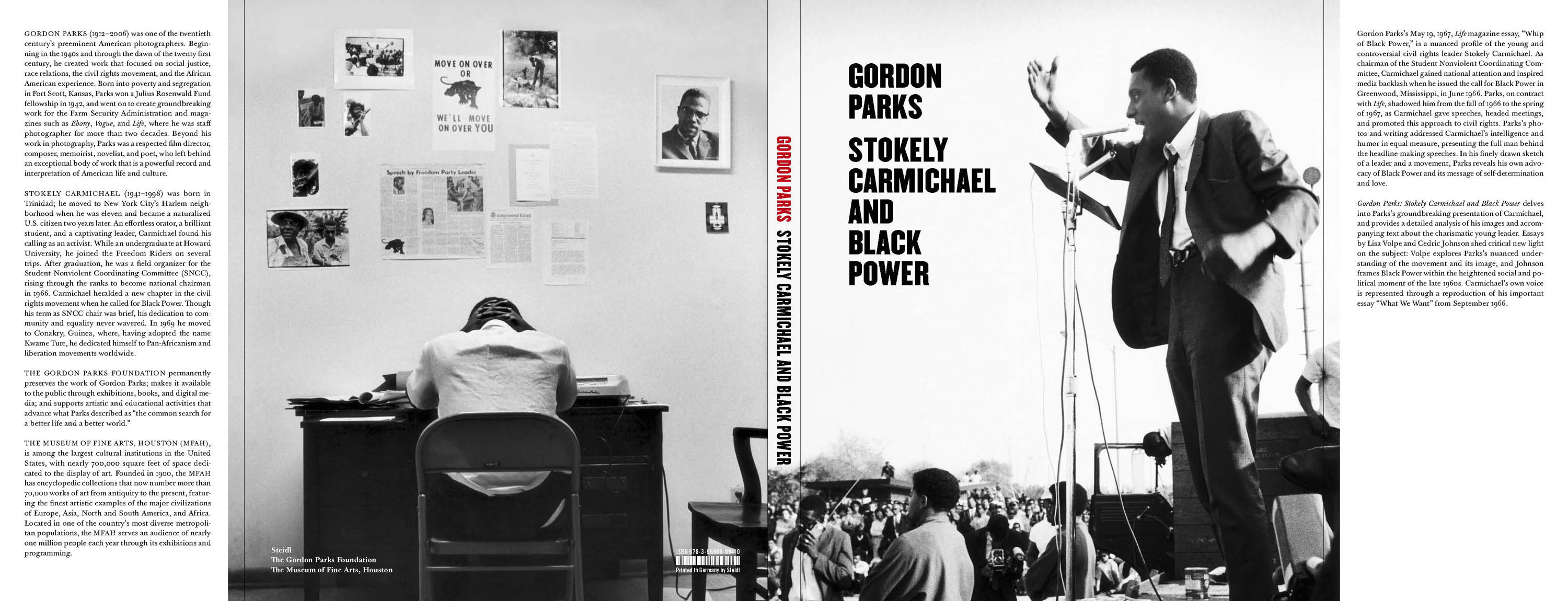


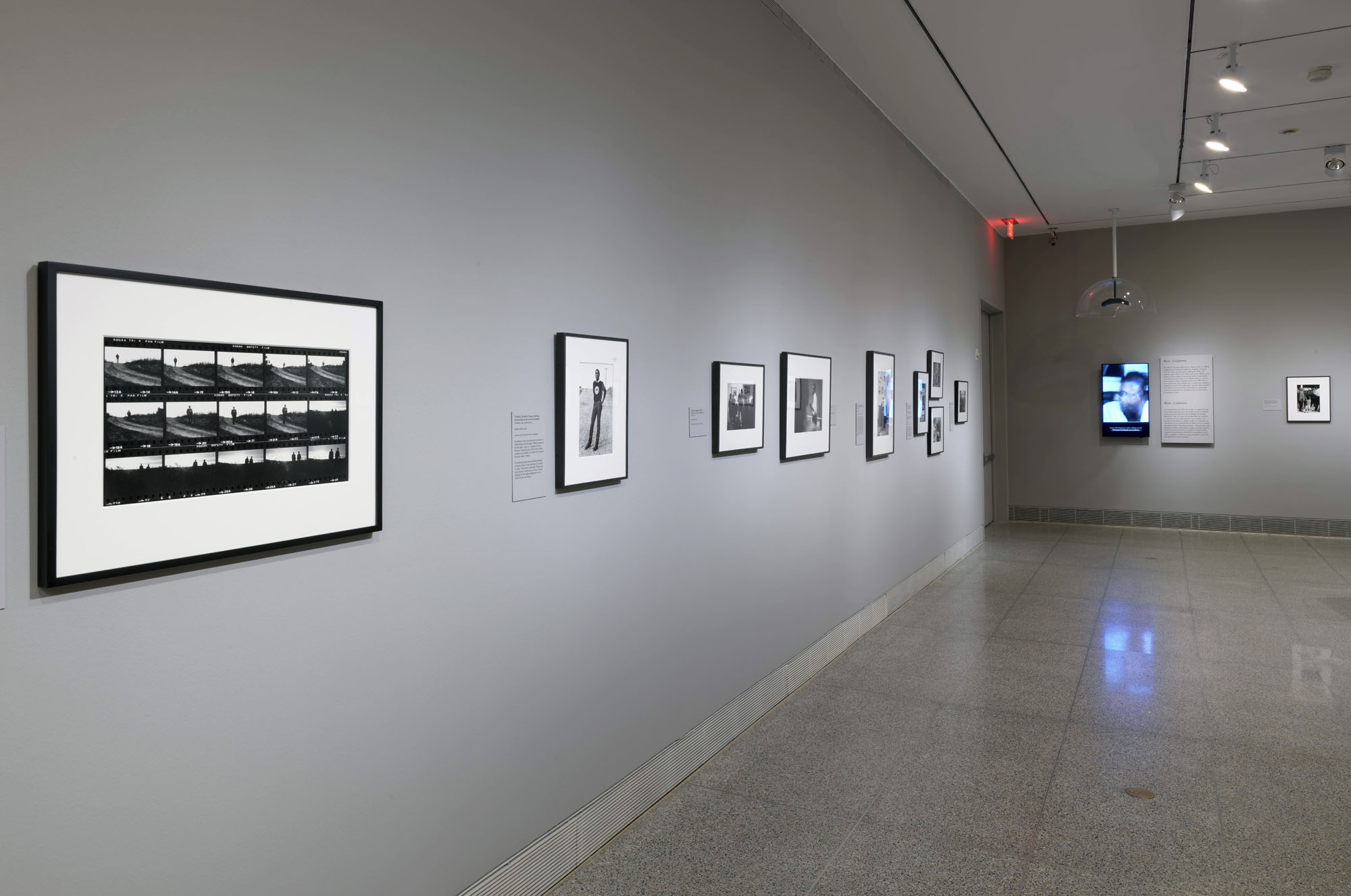


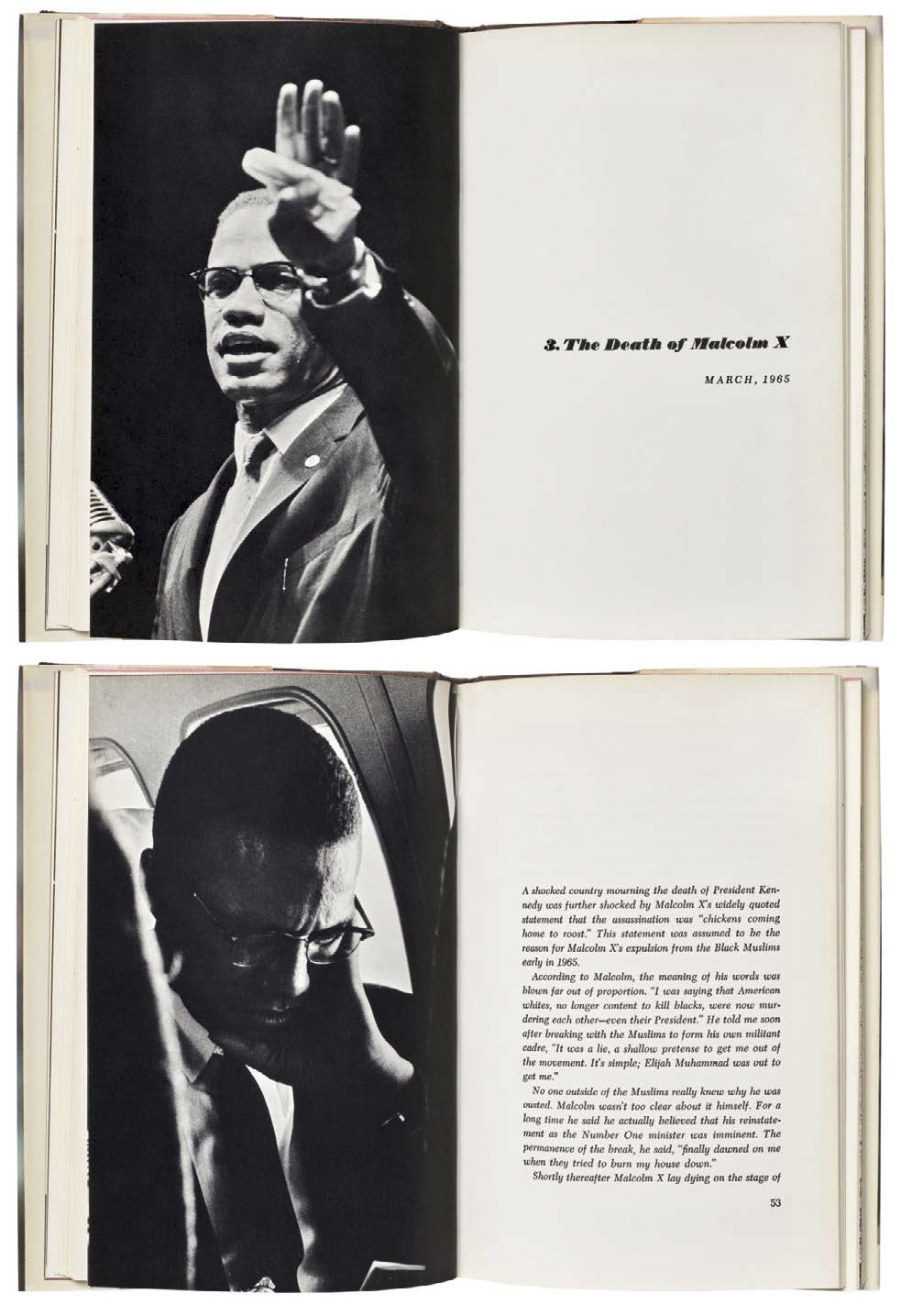

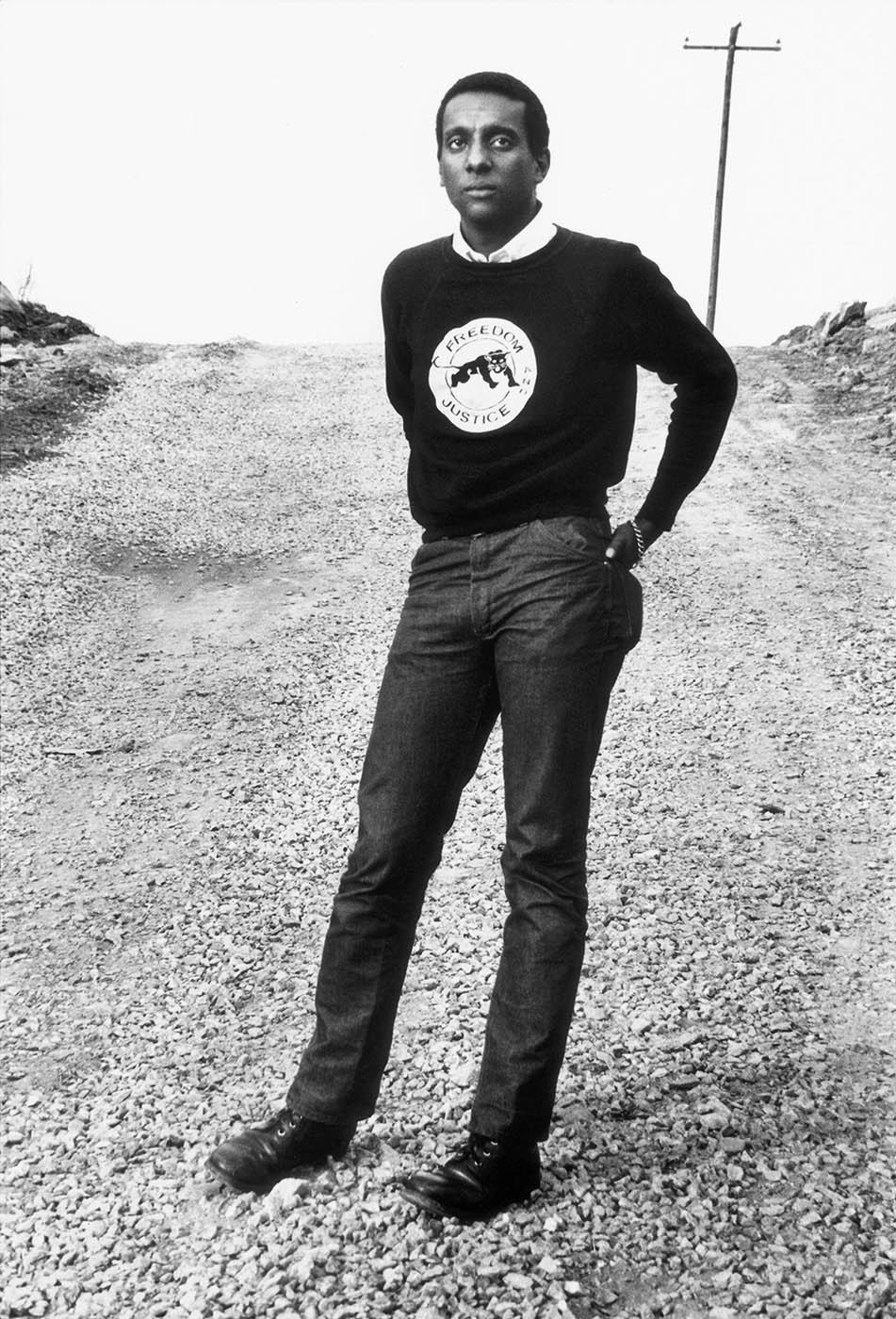
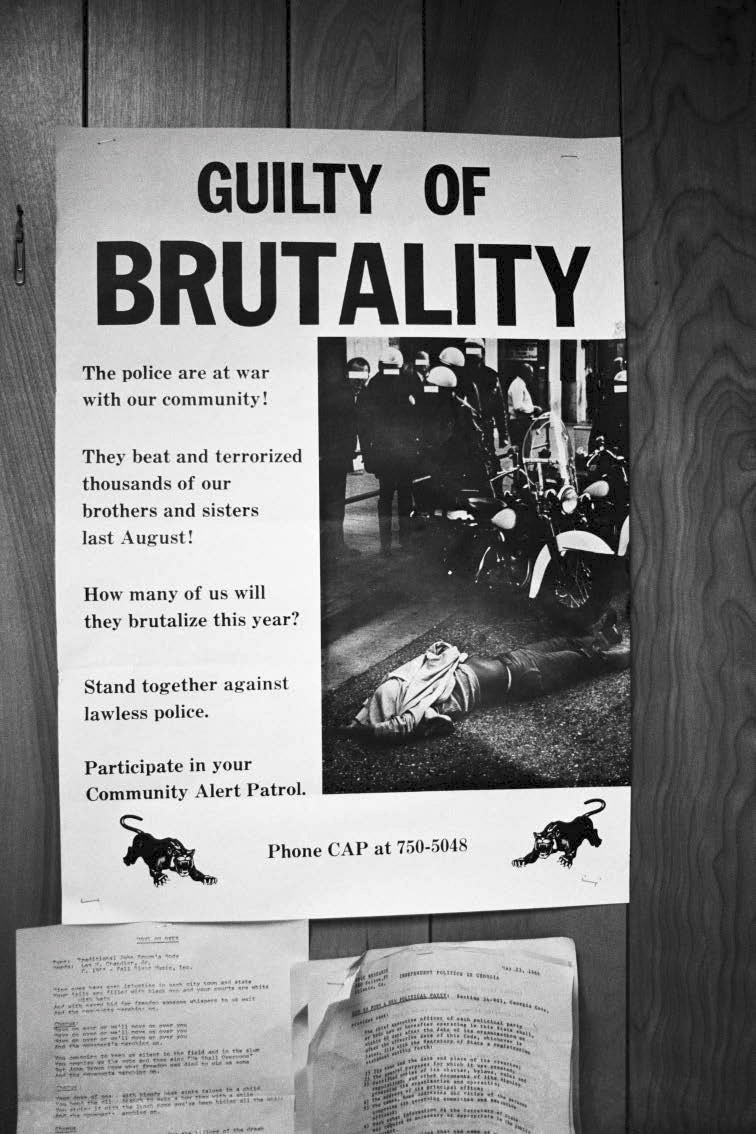


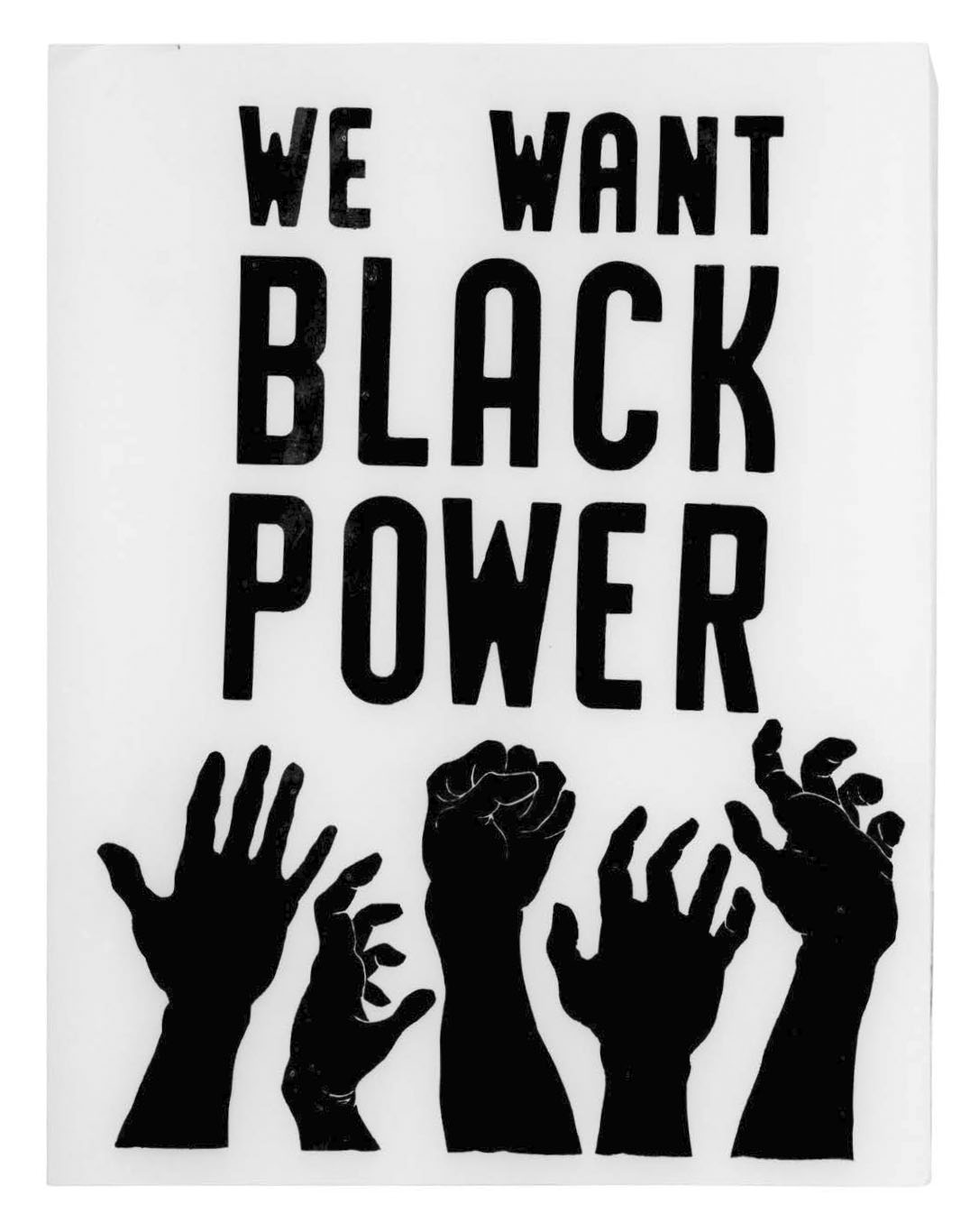
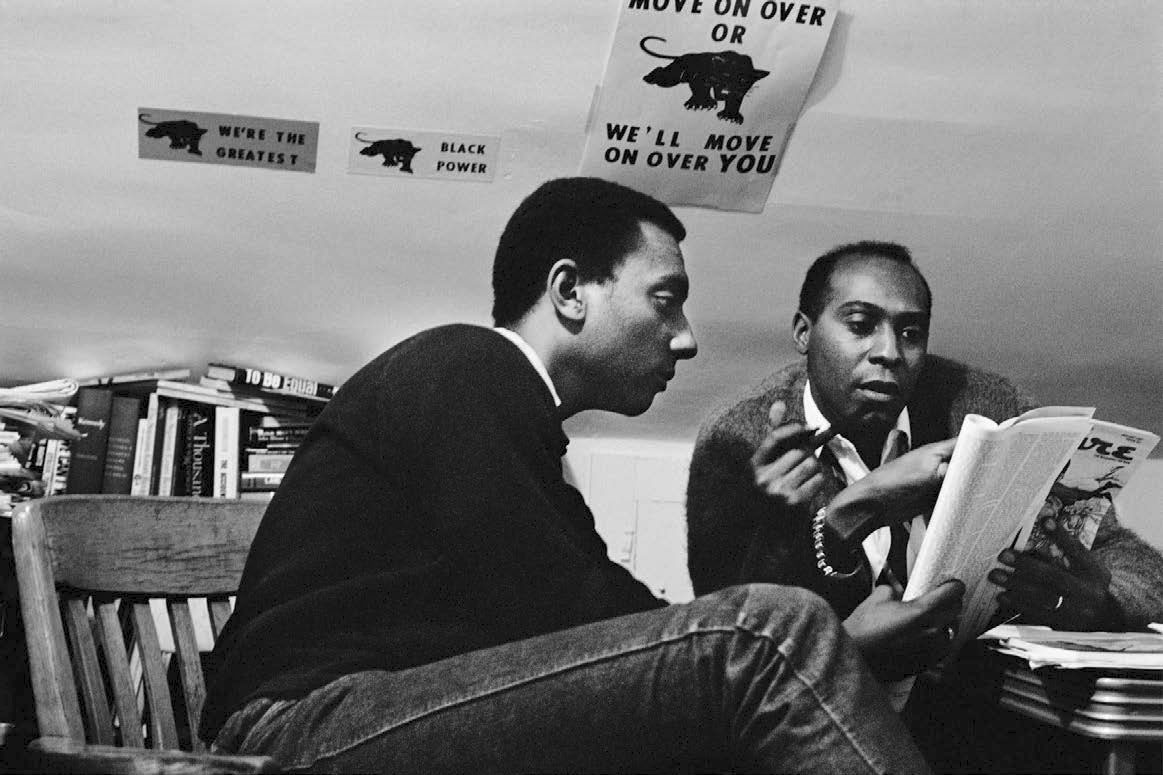


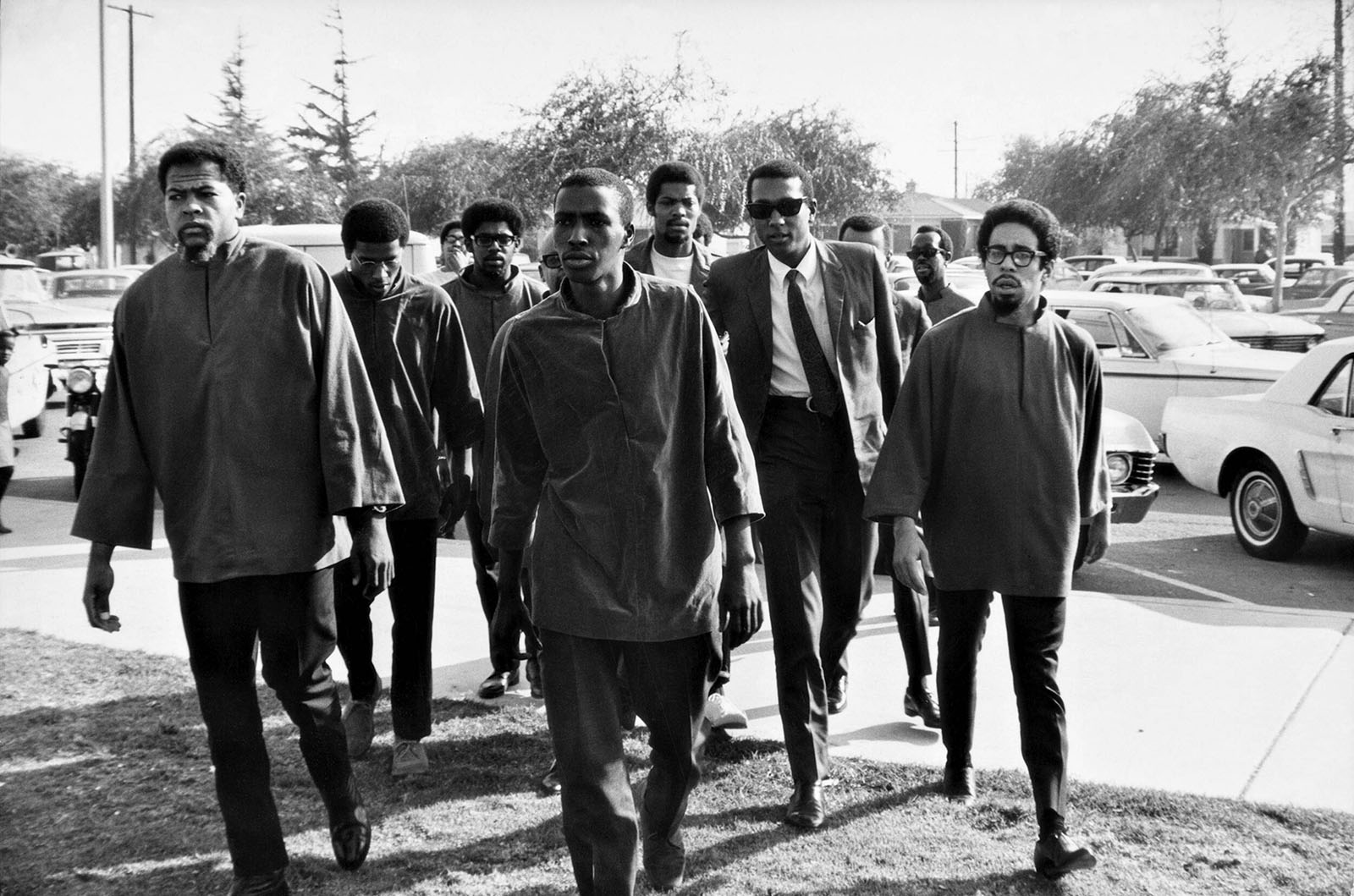

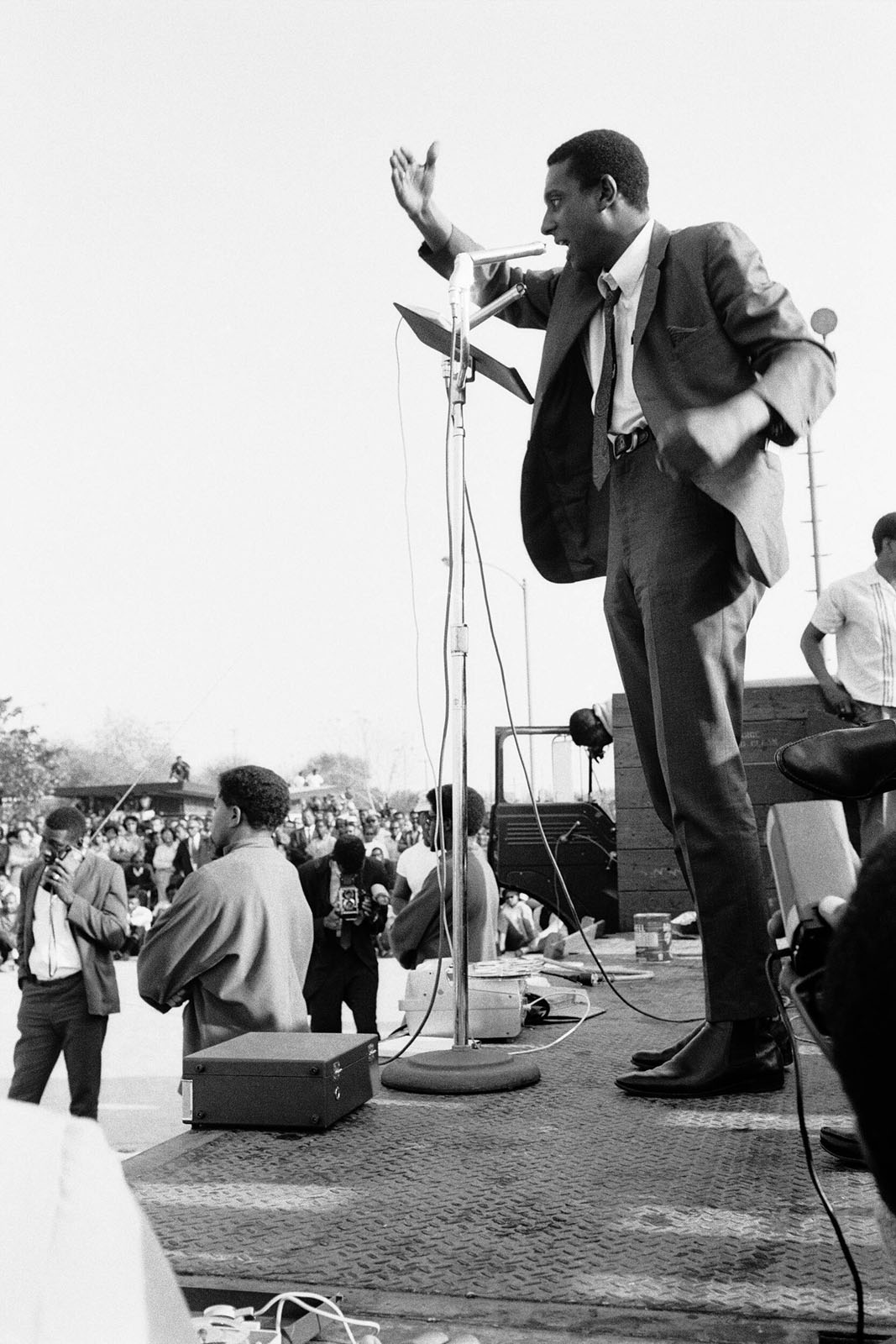


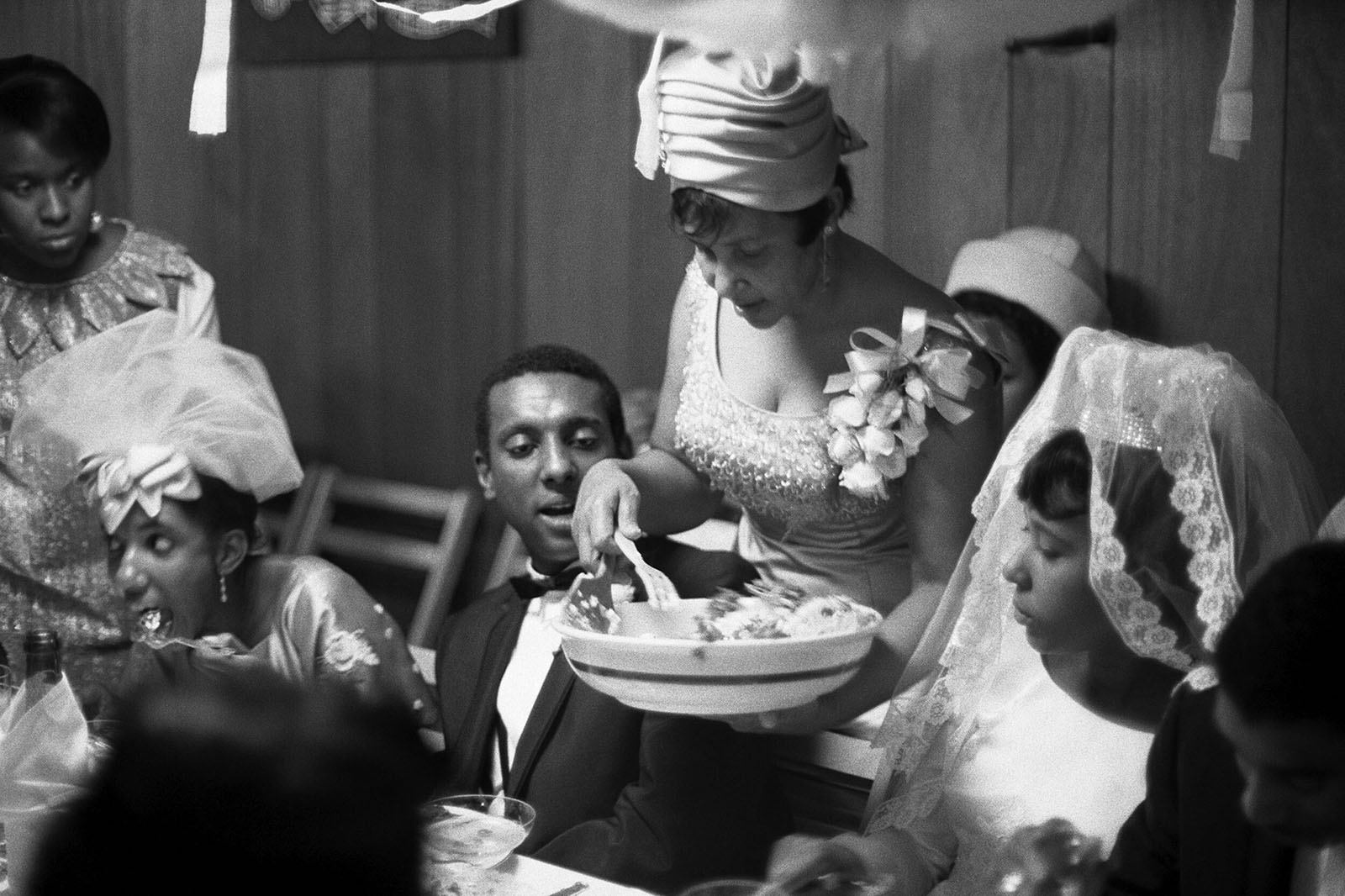

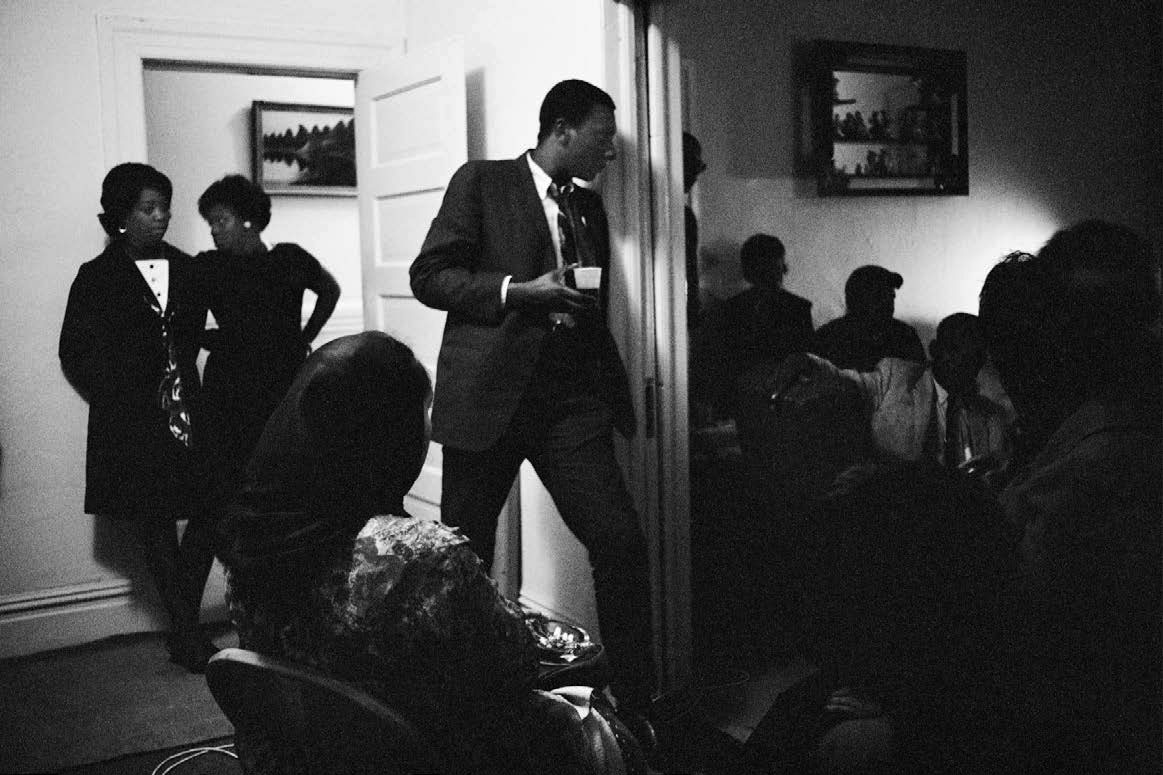
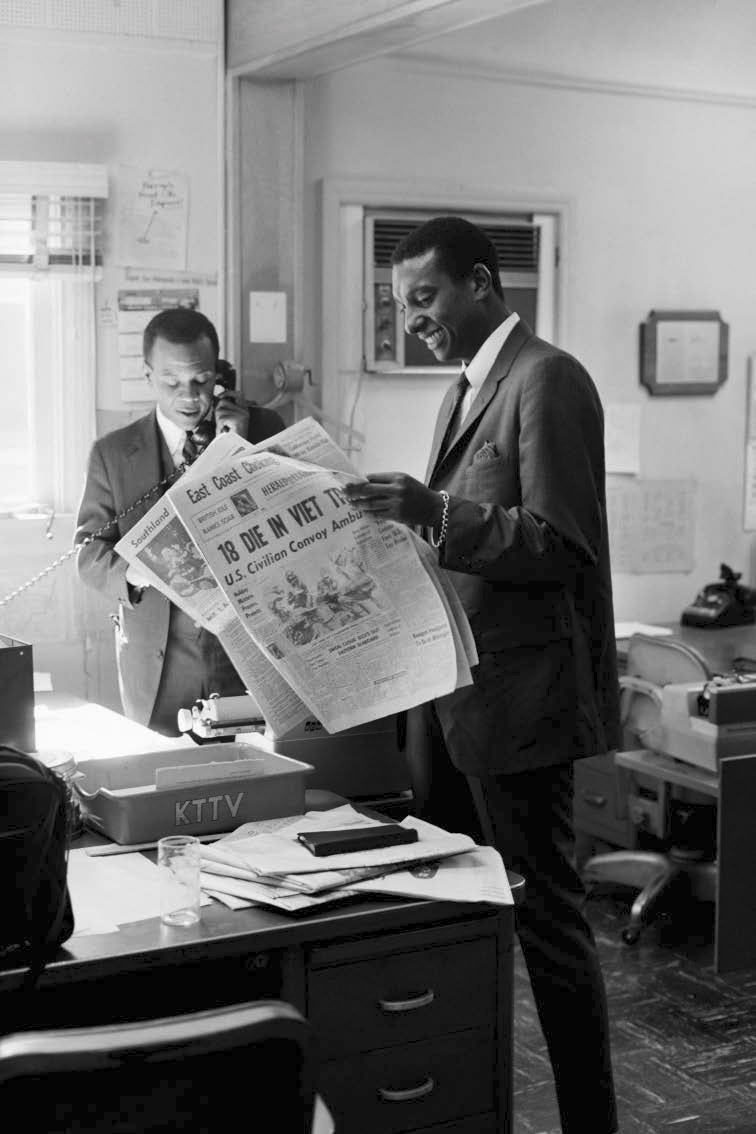
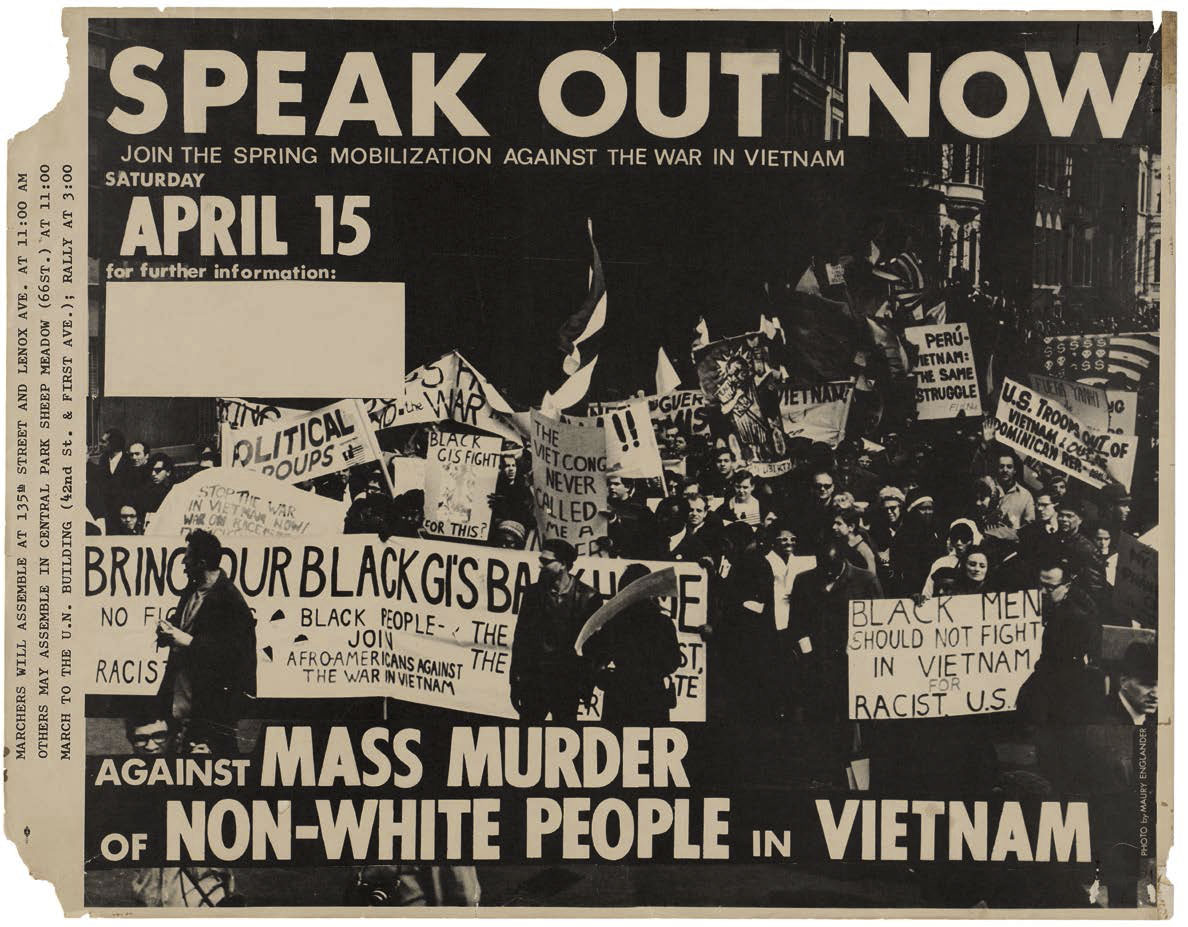


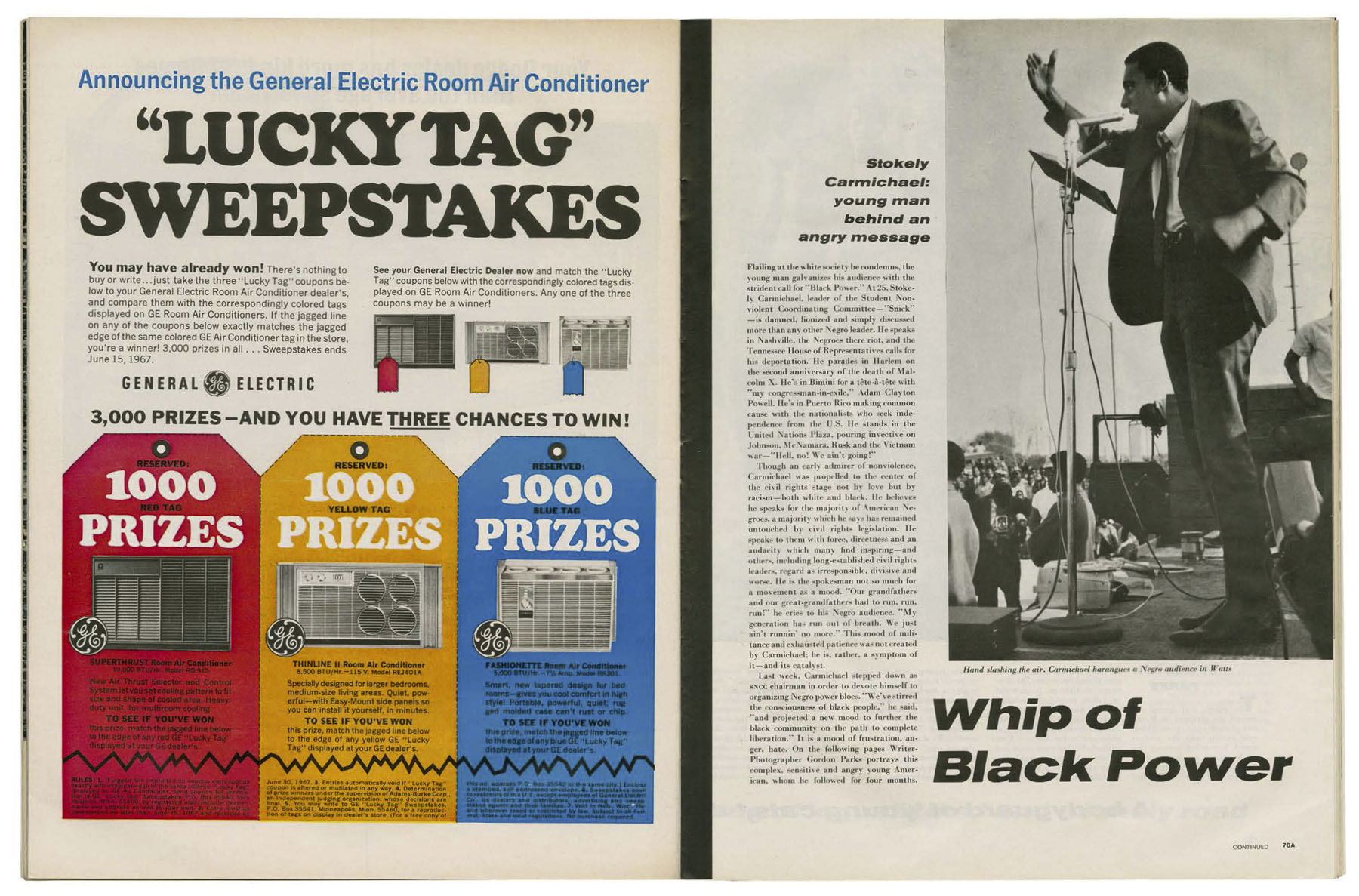





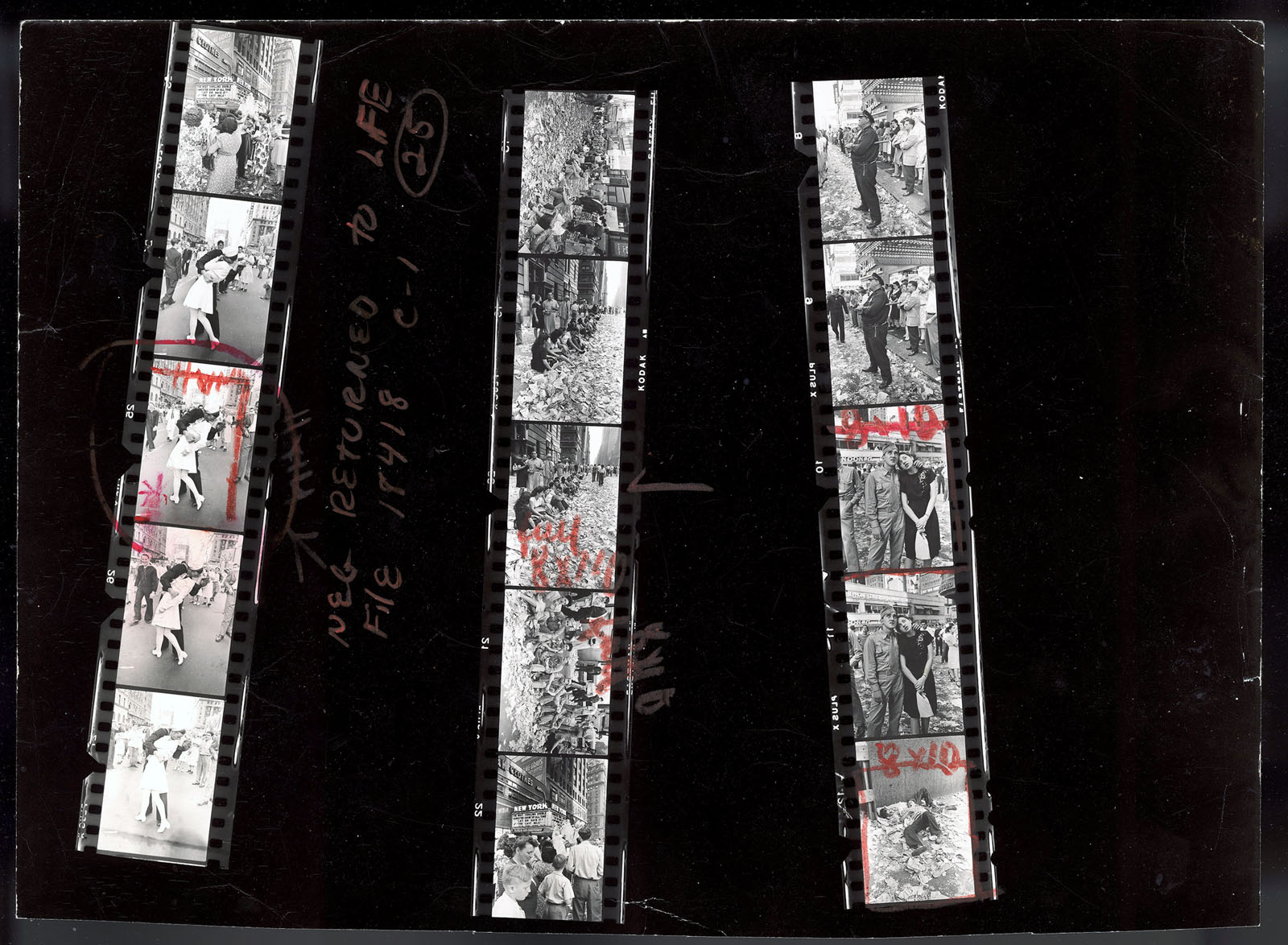


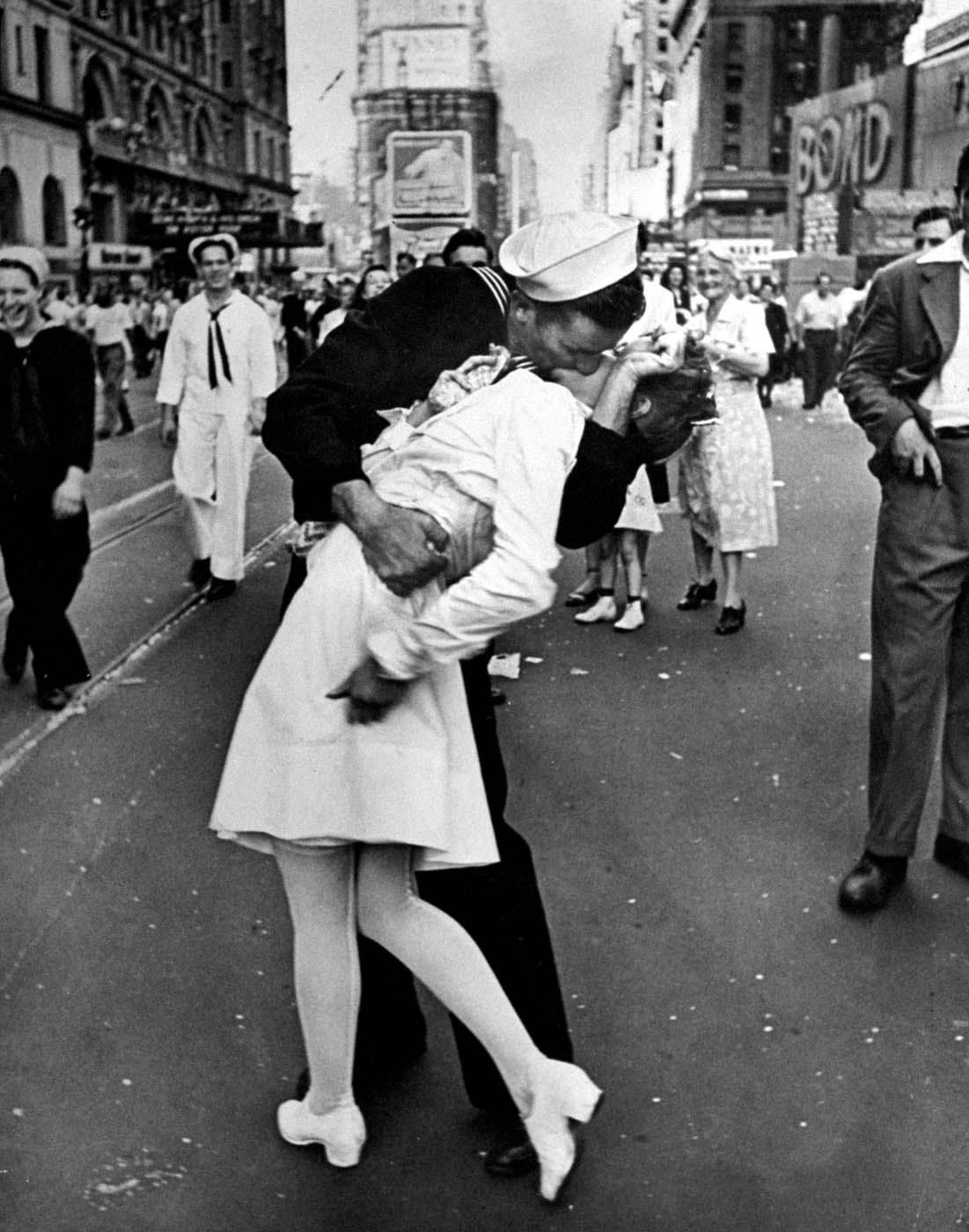

![Life Magazine (1883-1972) '[Harlem Gang Leader opening spread]' 1948](https://artblart.com/wp-content/uploads/2022/12/15_p.-96_97-harlem-gang-leader-opening-spread.jpg "Life Magazine (1883-1972) '[Harlem Gang Leader opening spread]' 1948")

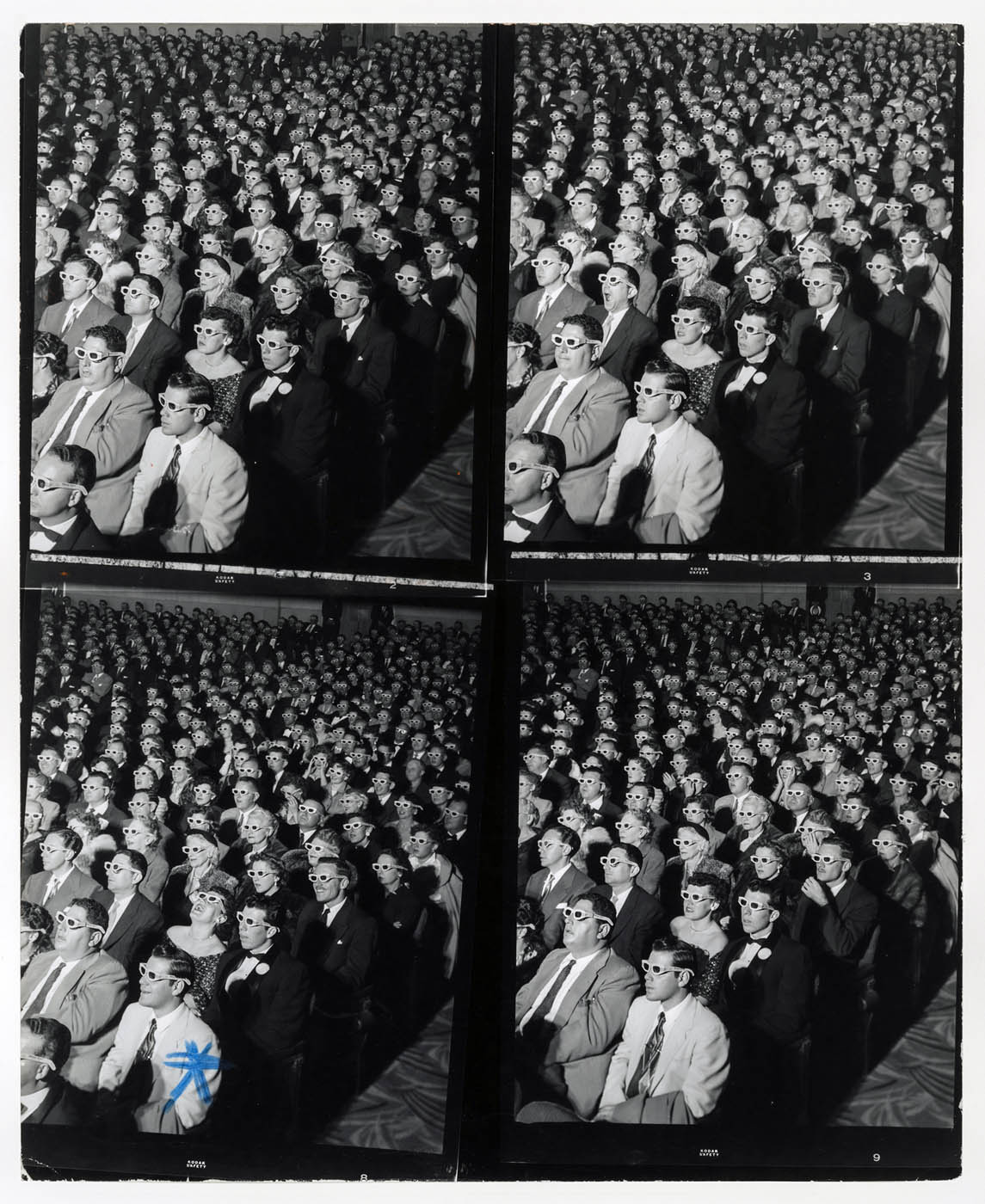
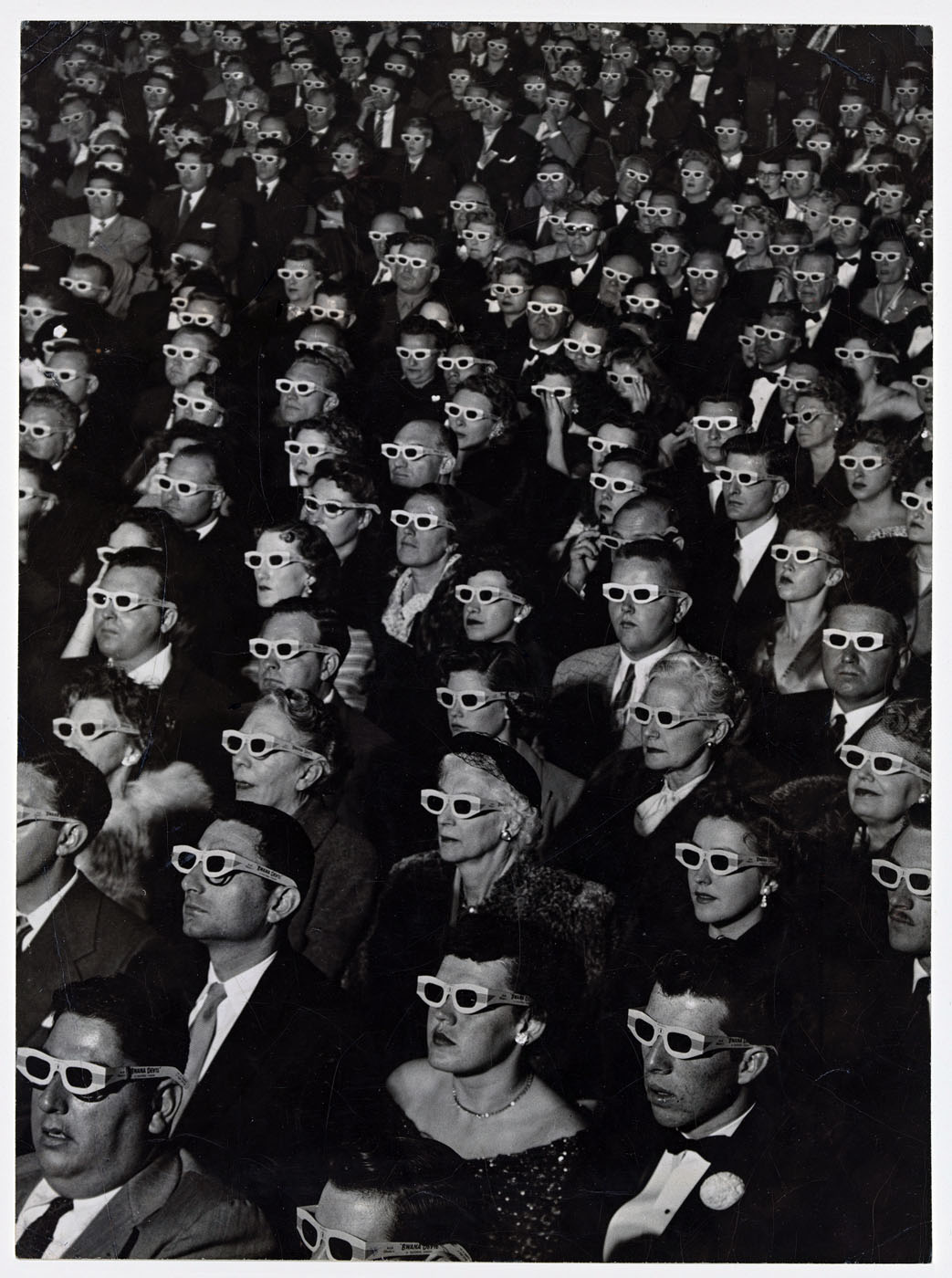











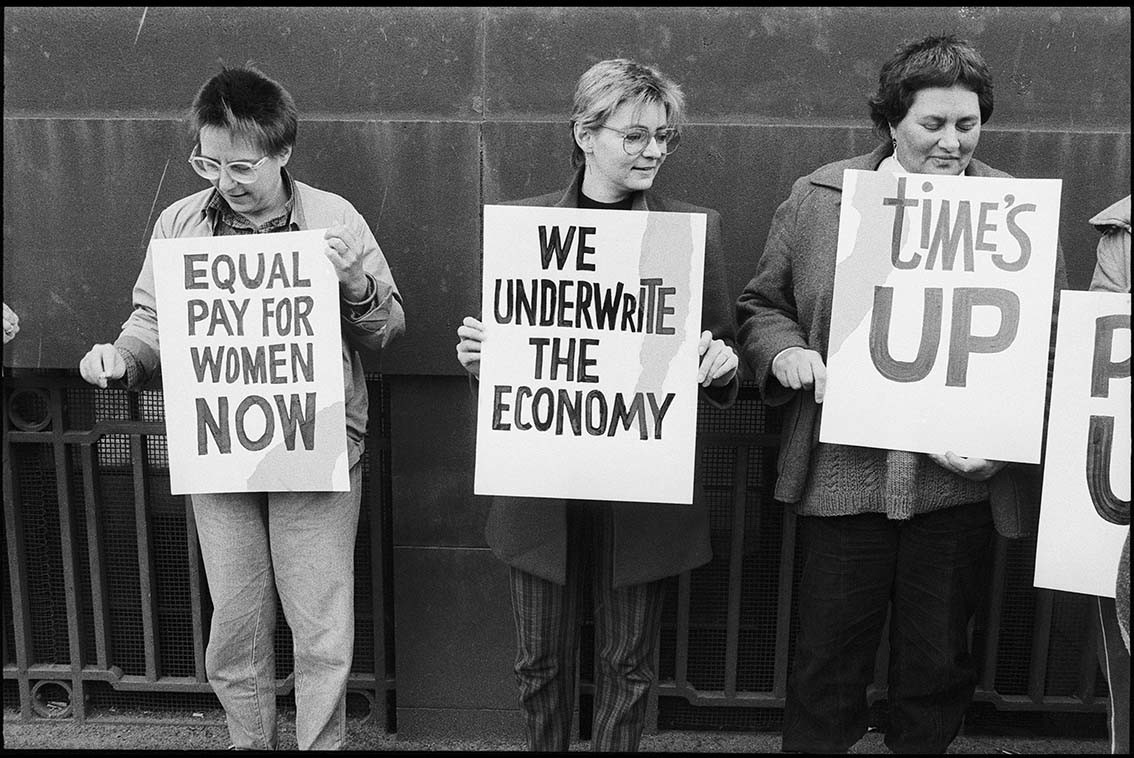
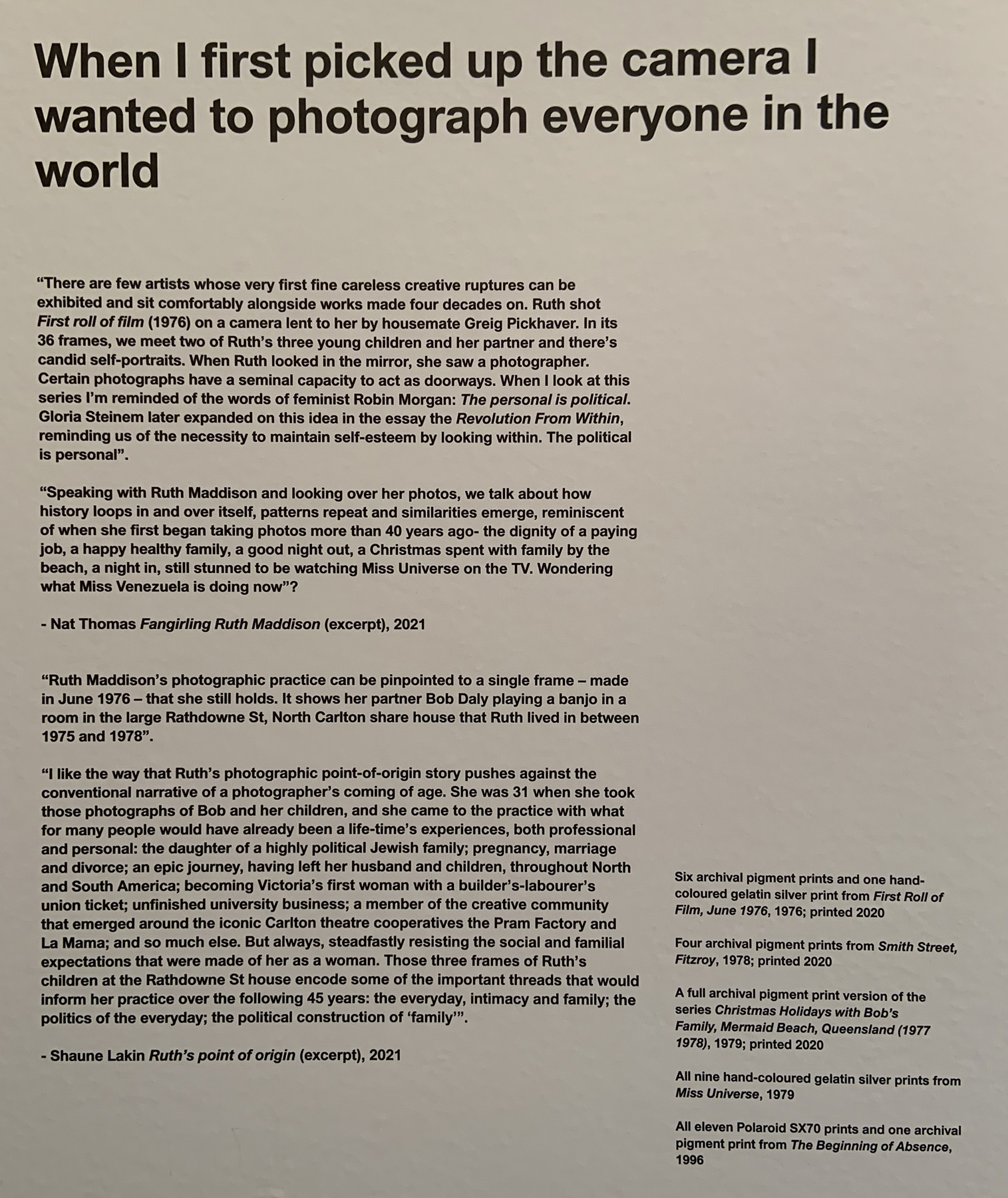
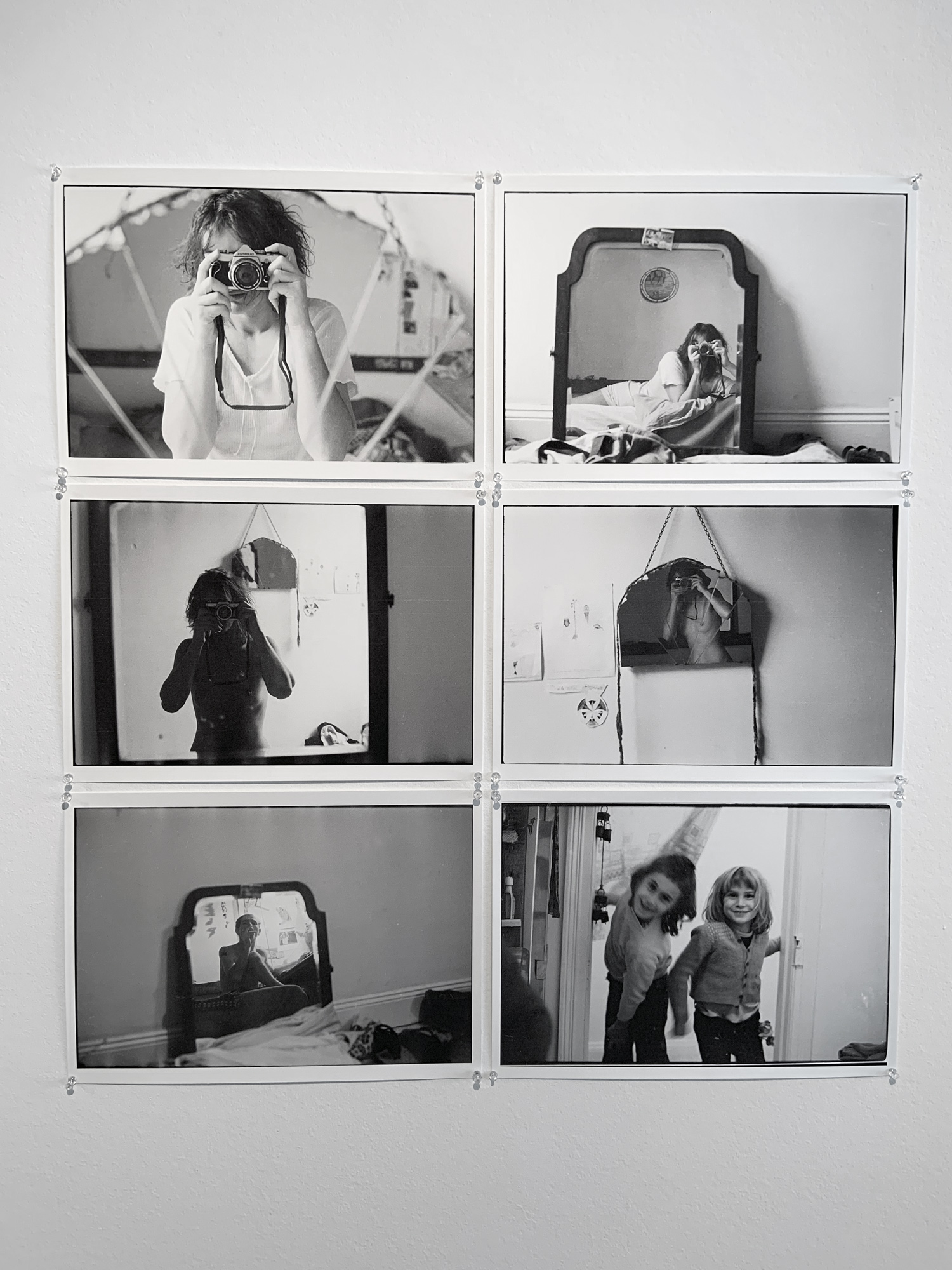
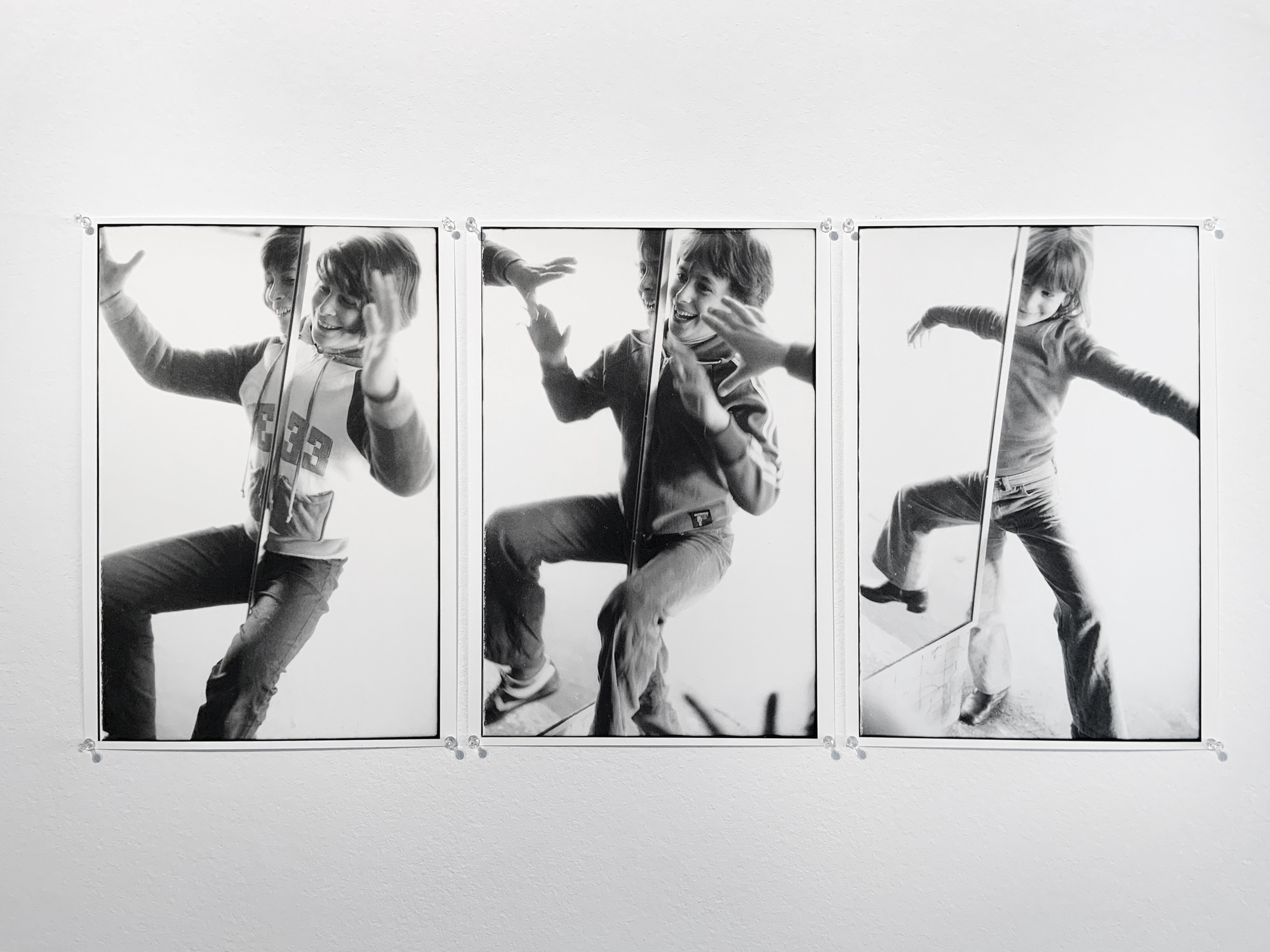
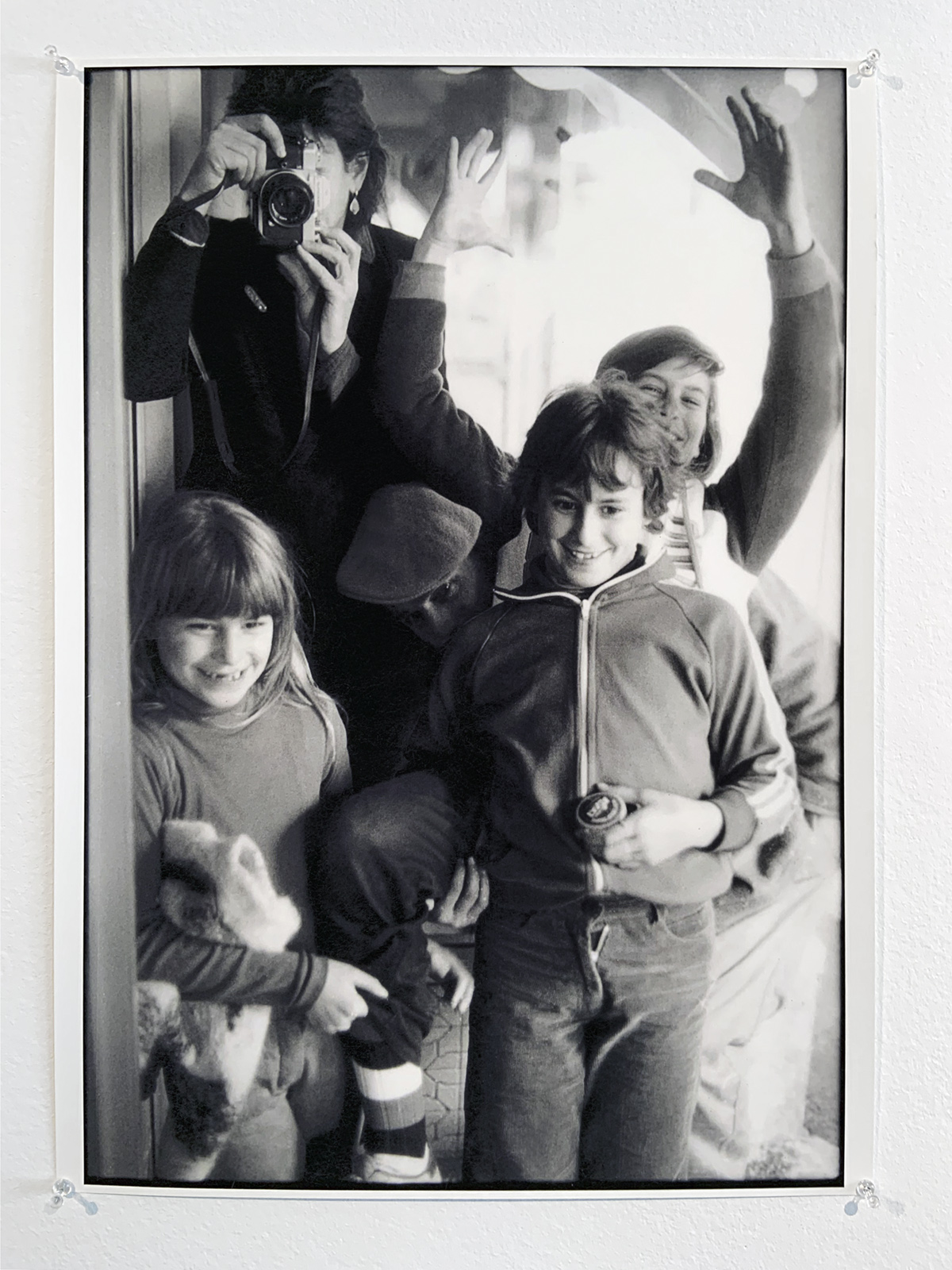
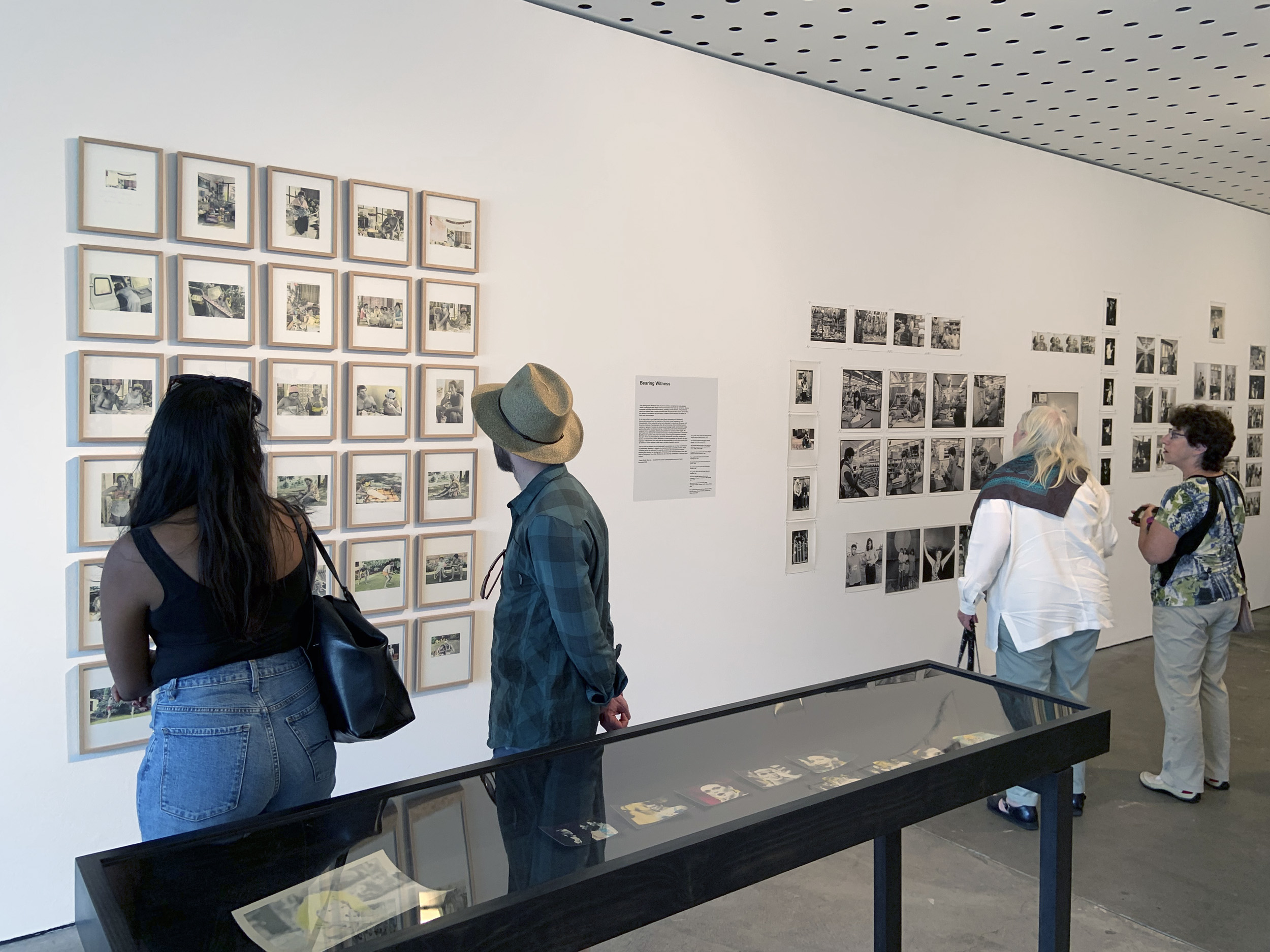
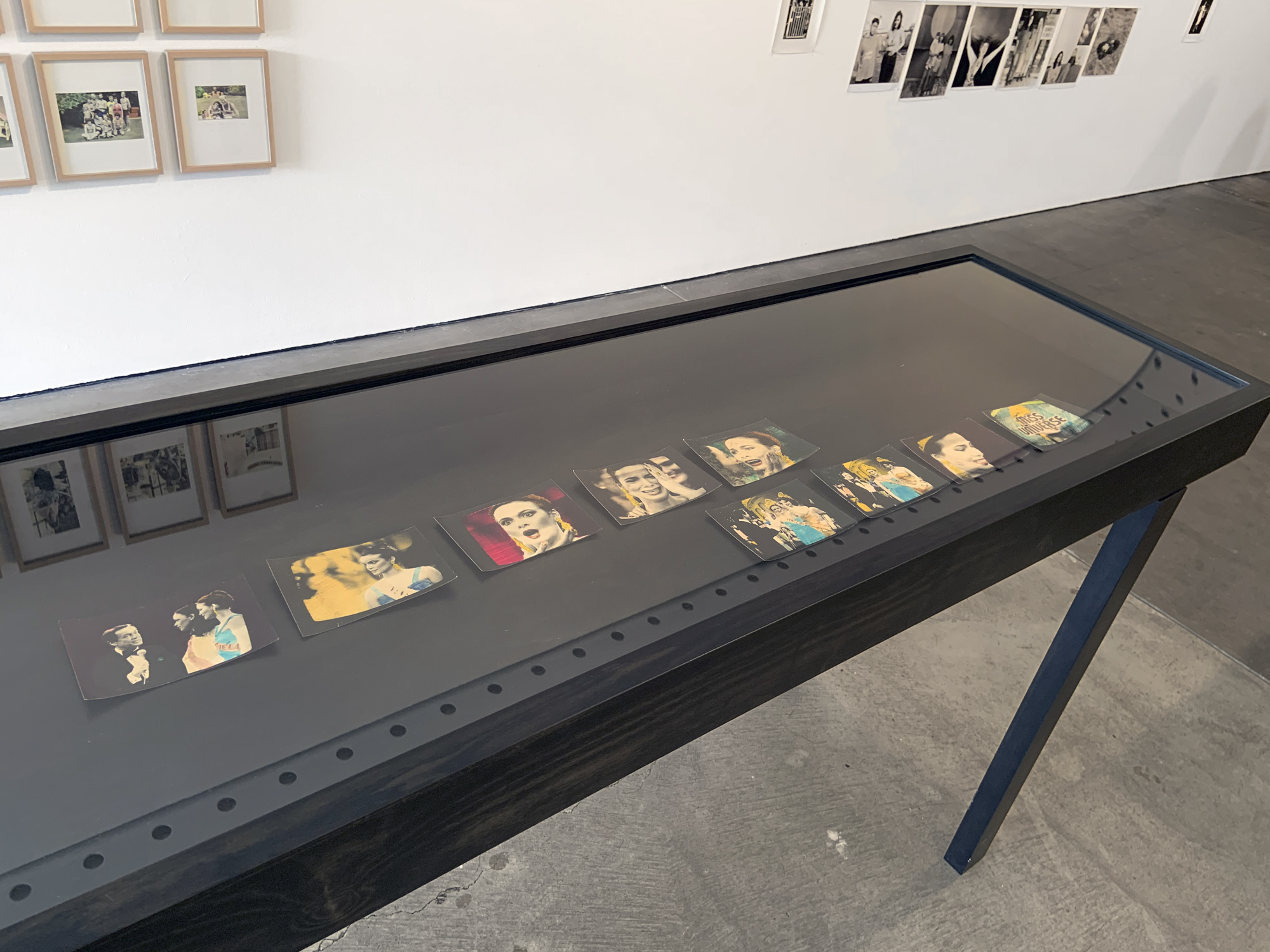
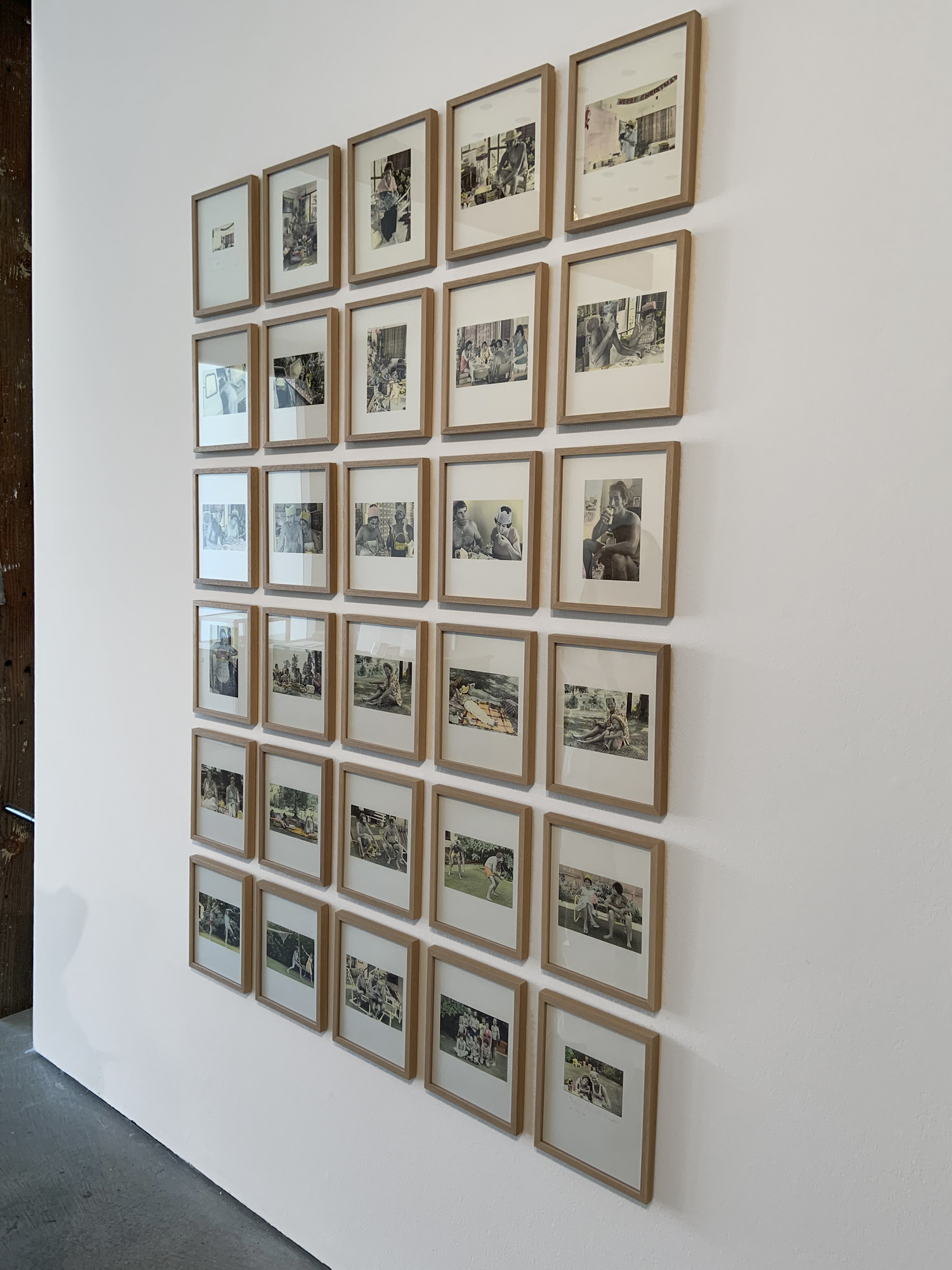
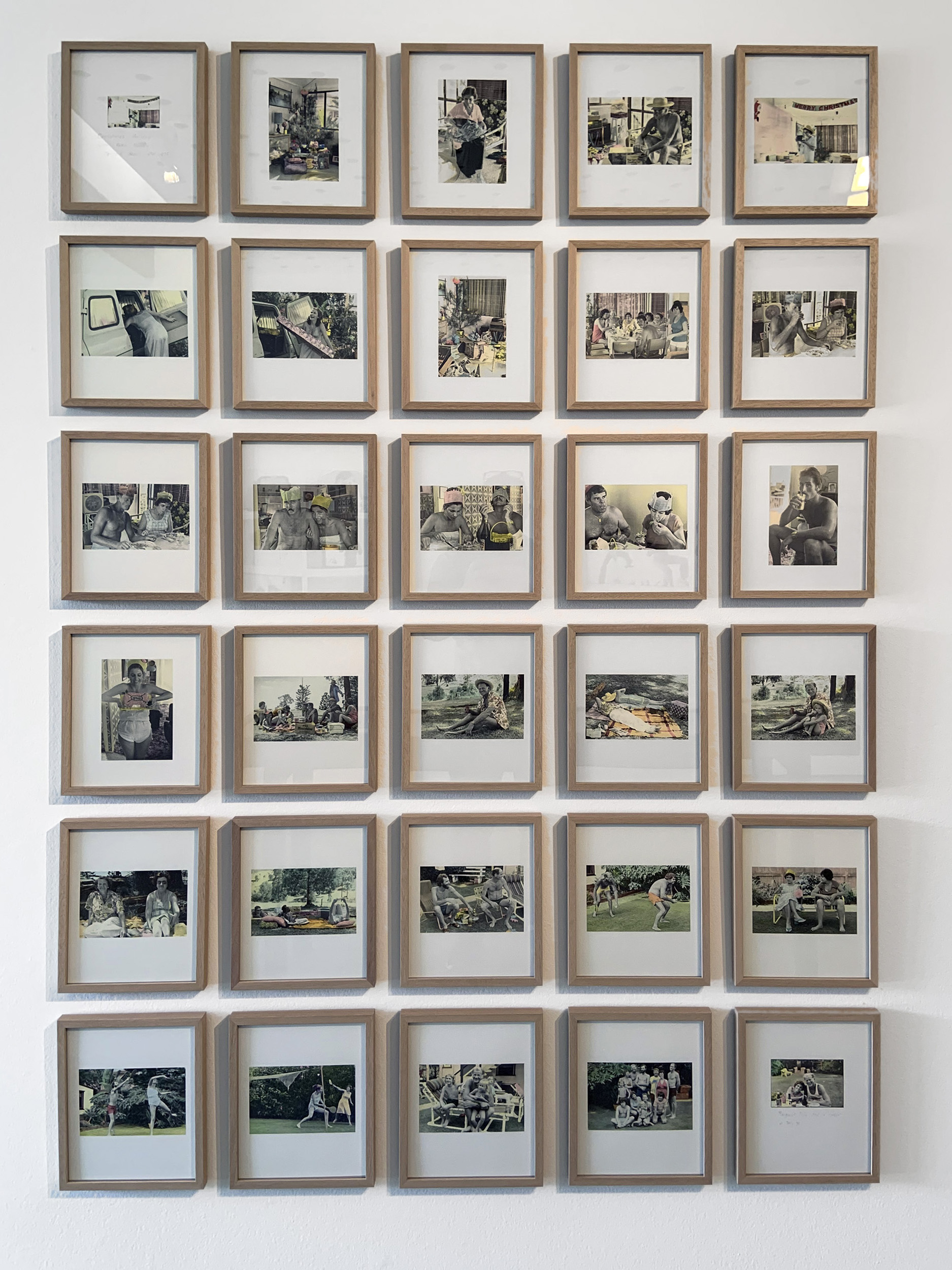

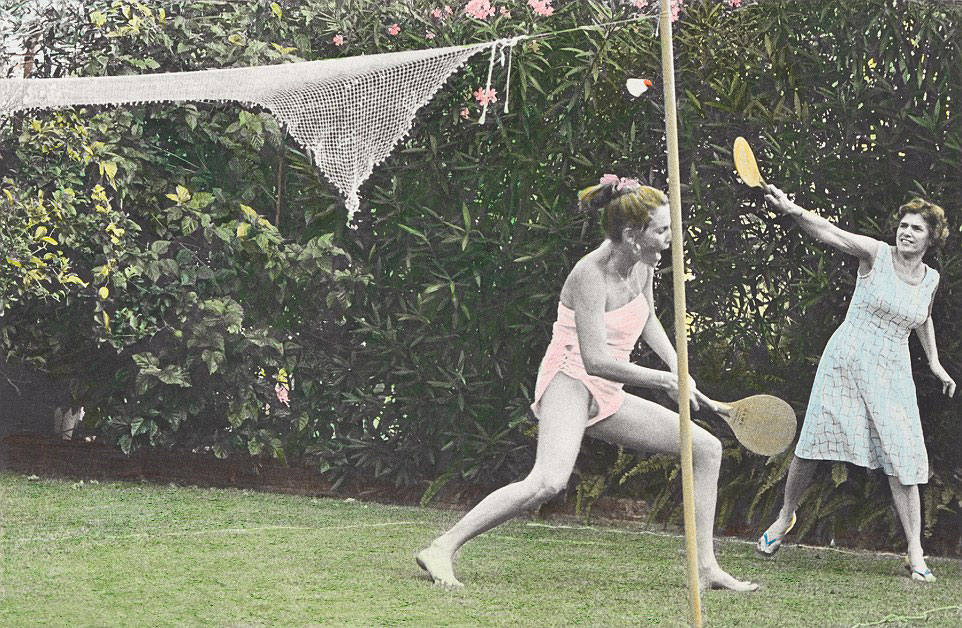
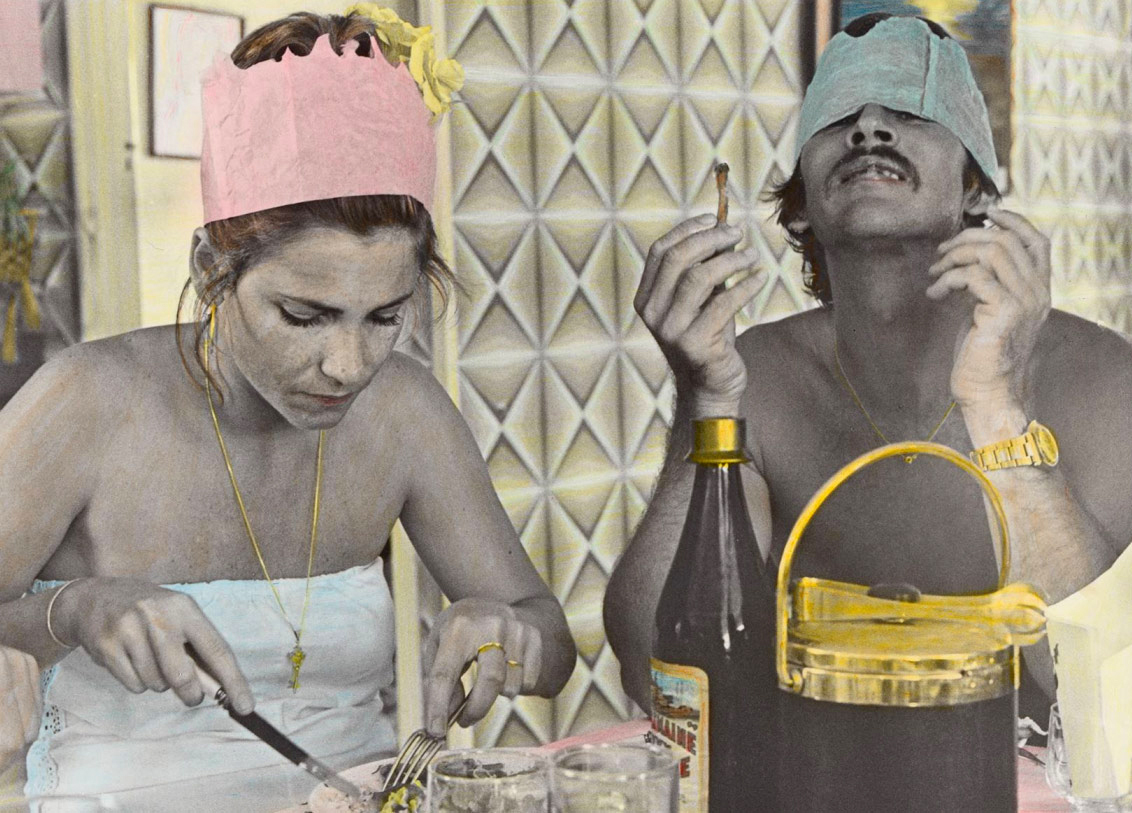
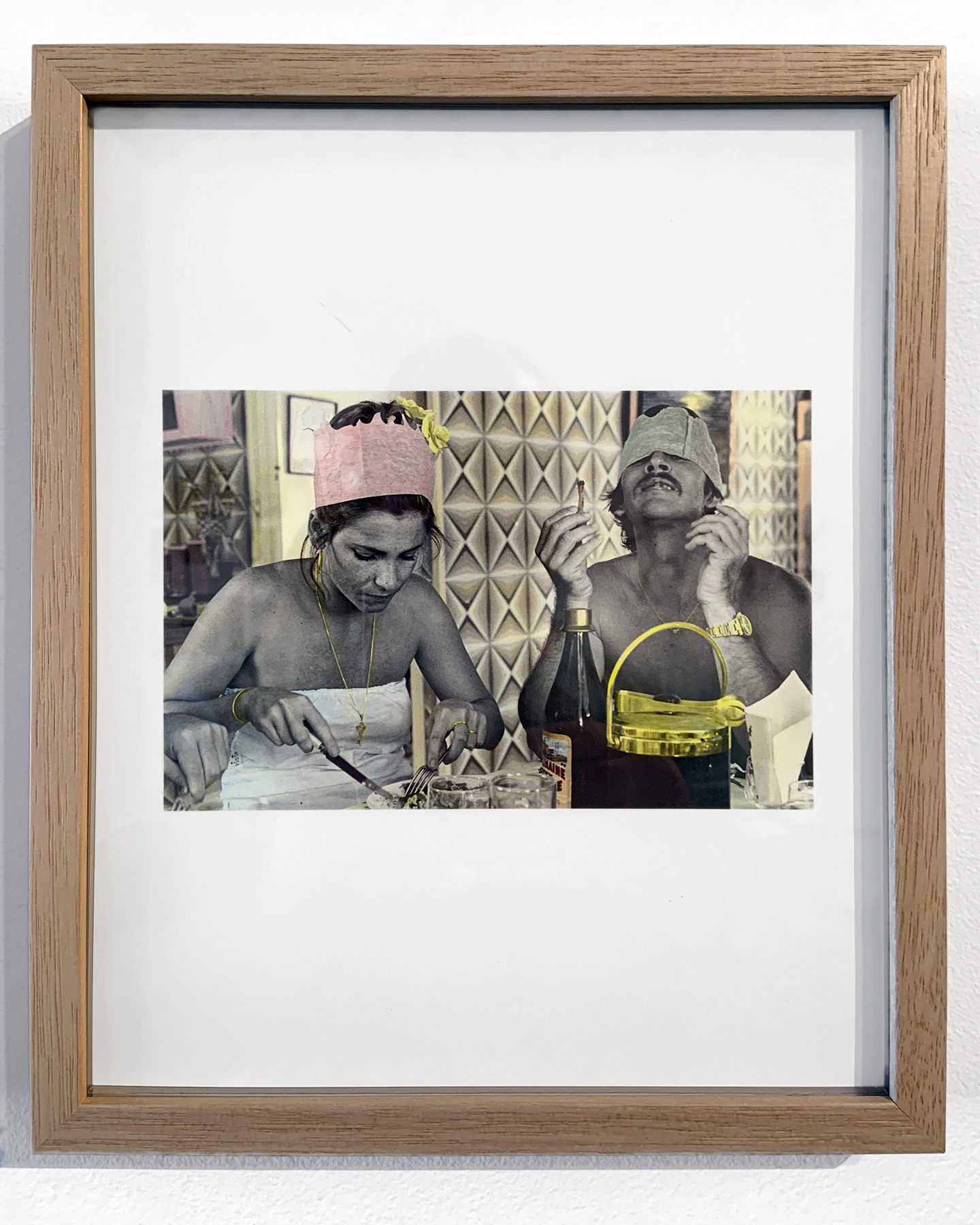
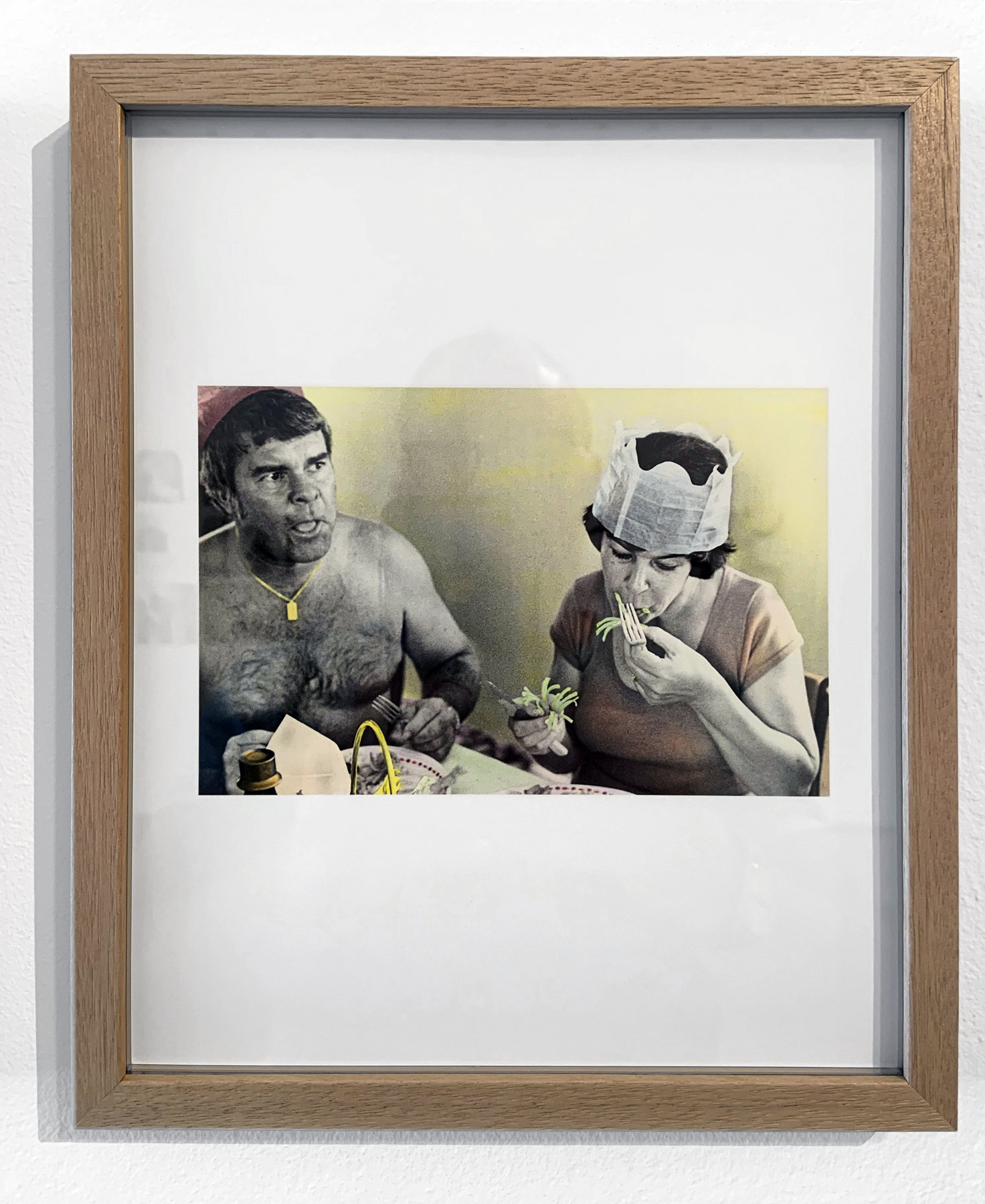
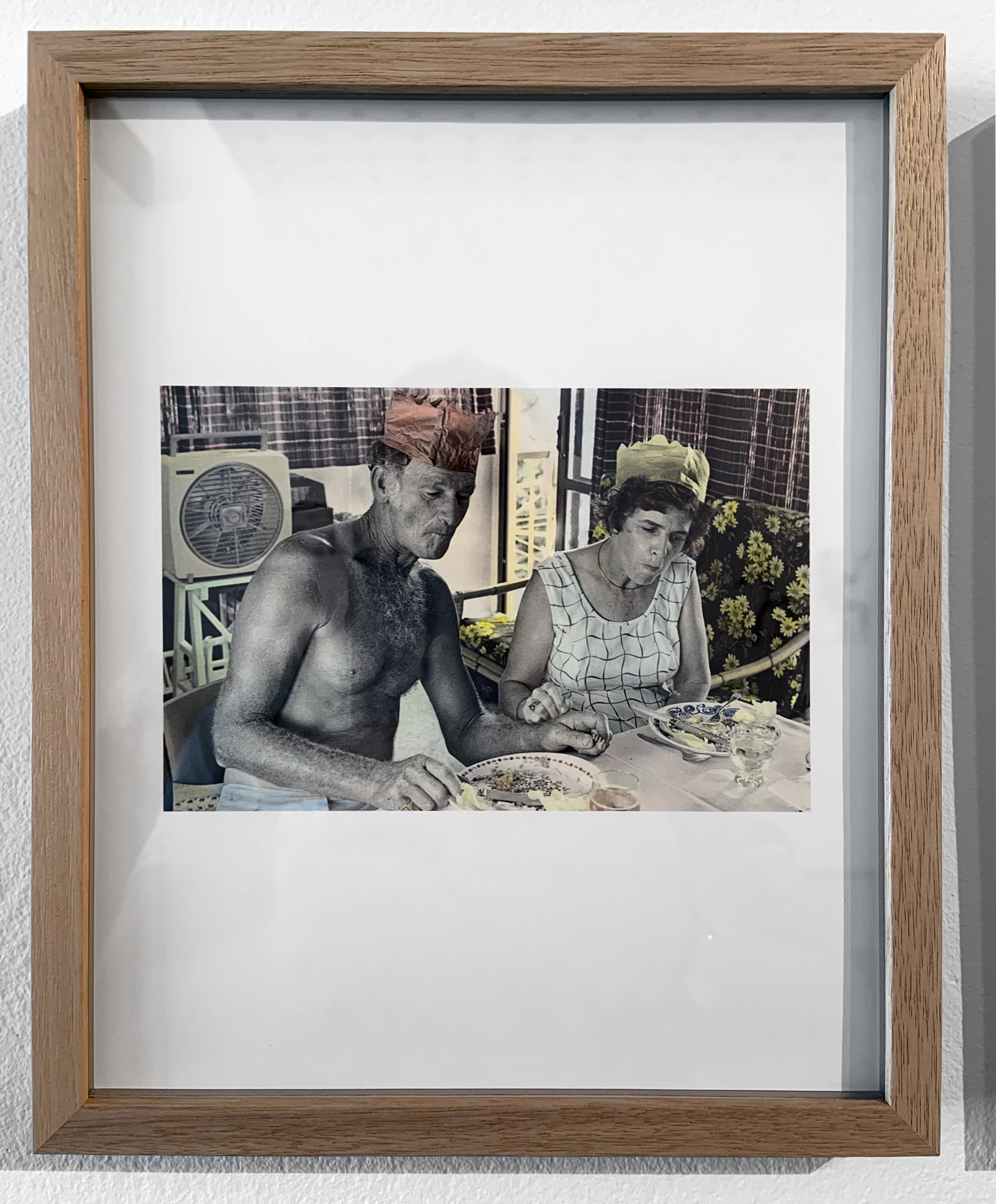
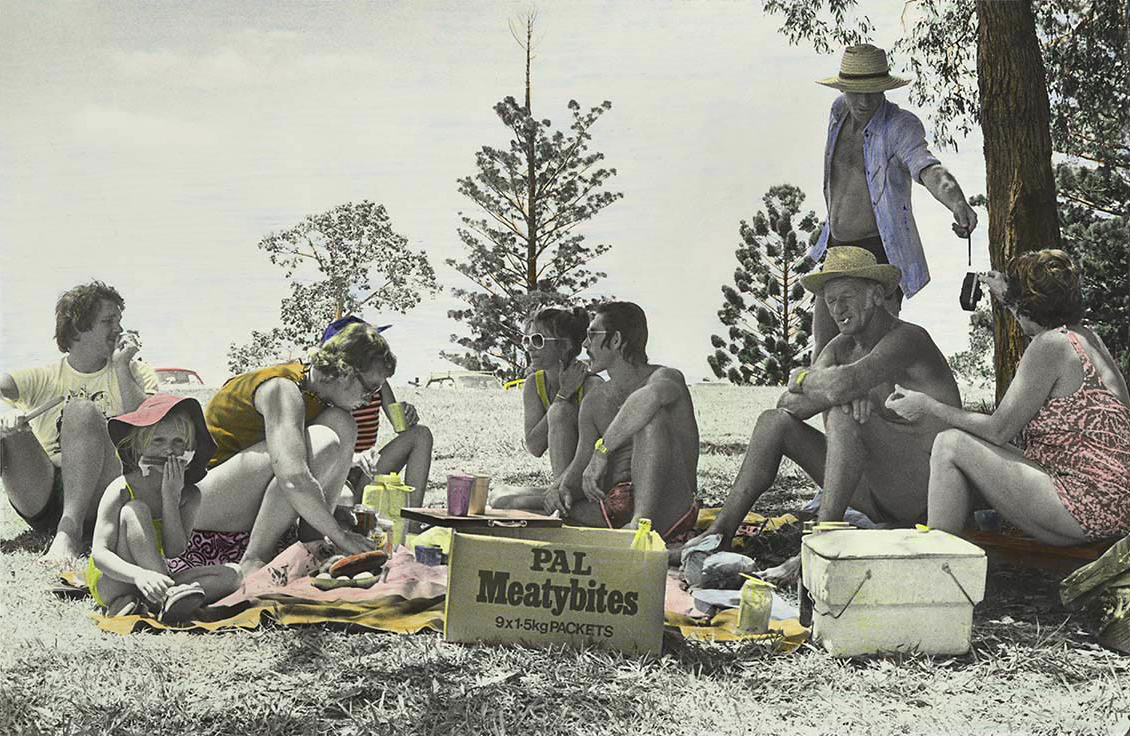
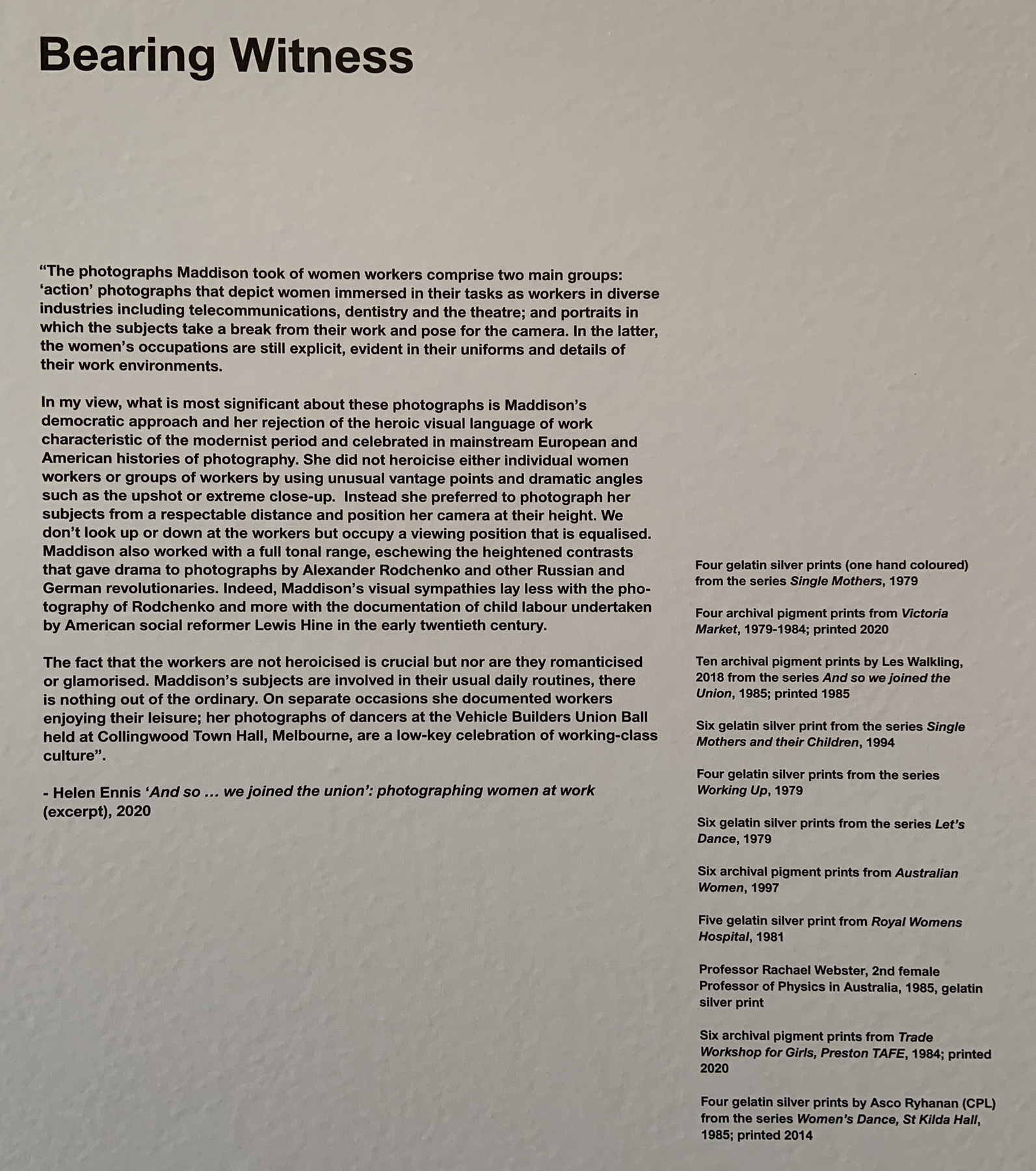
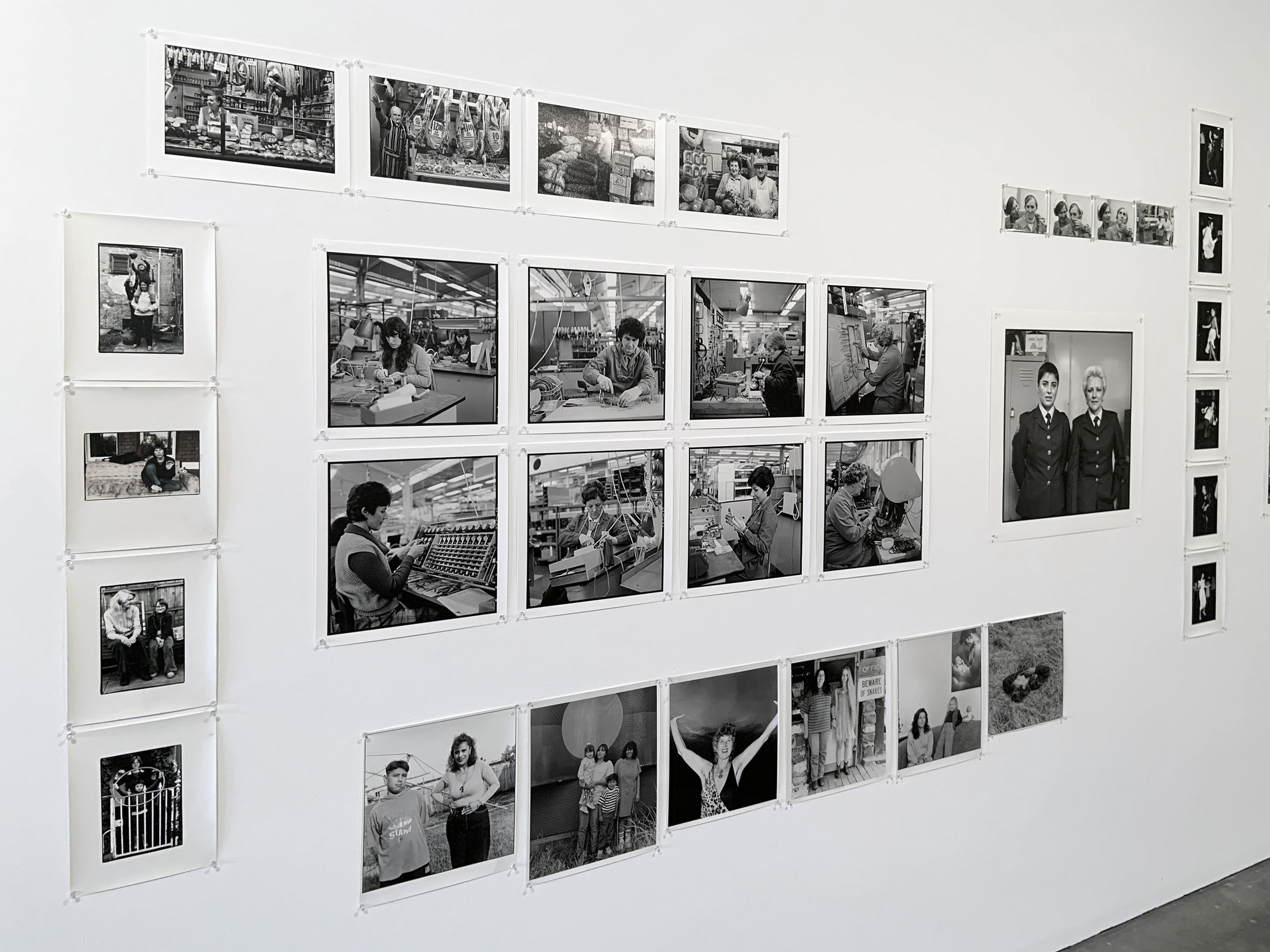

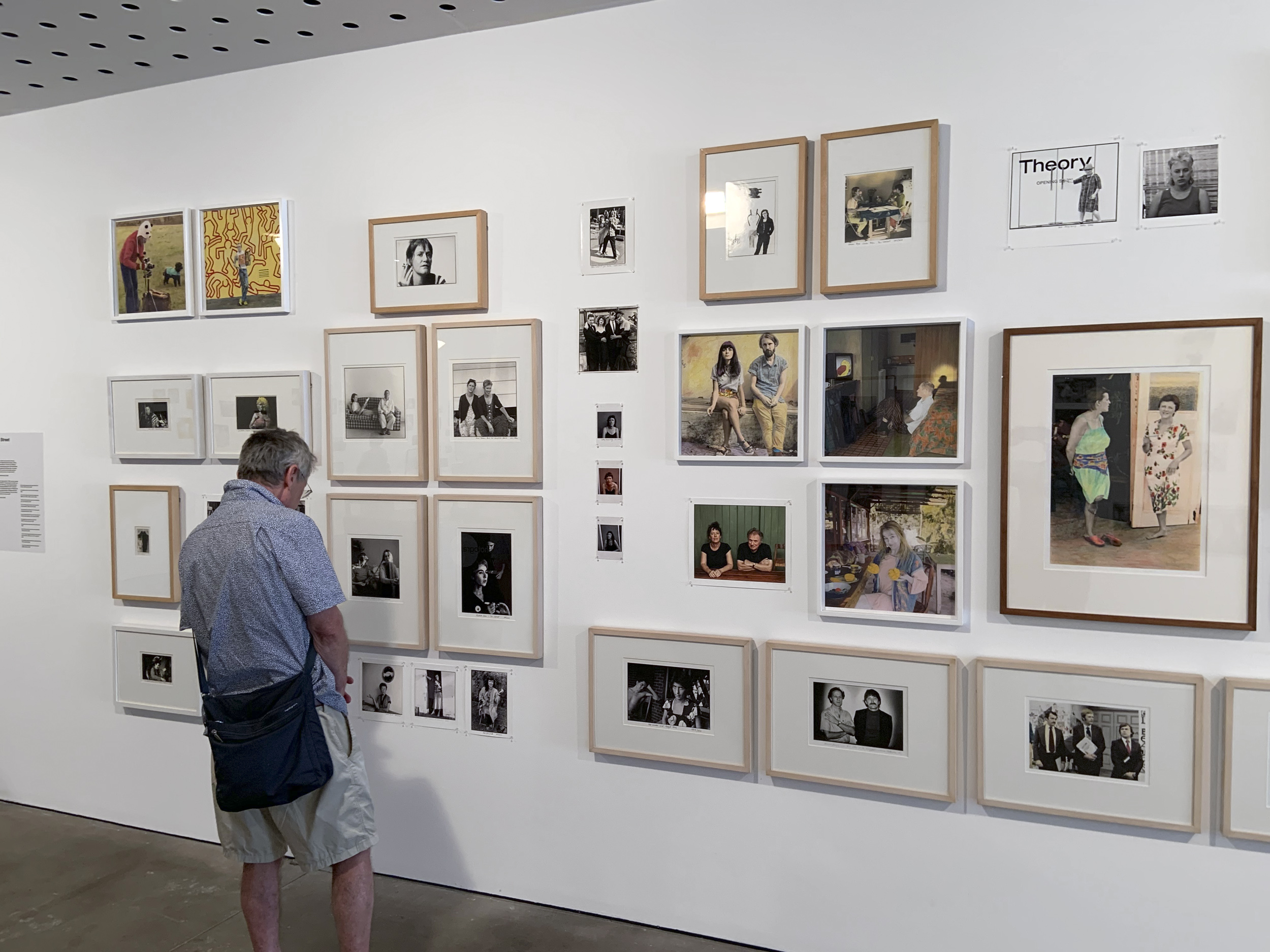
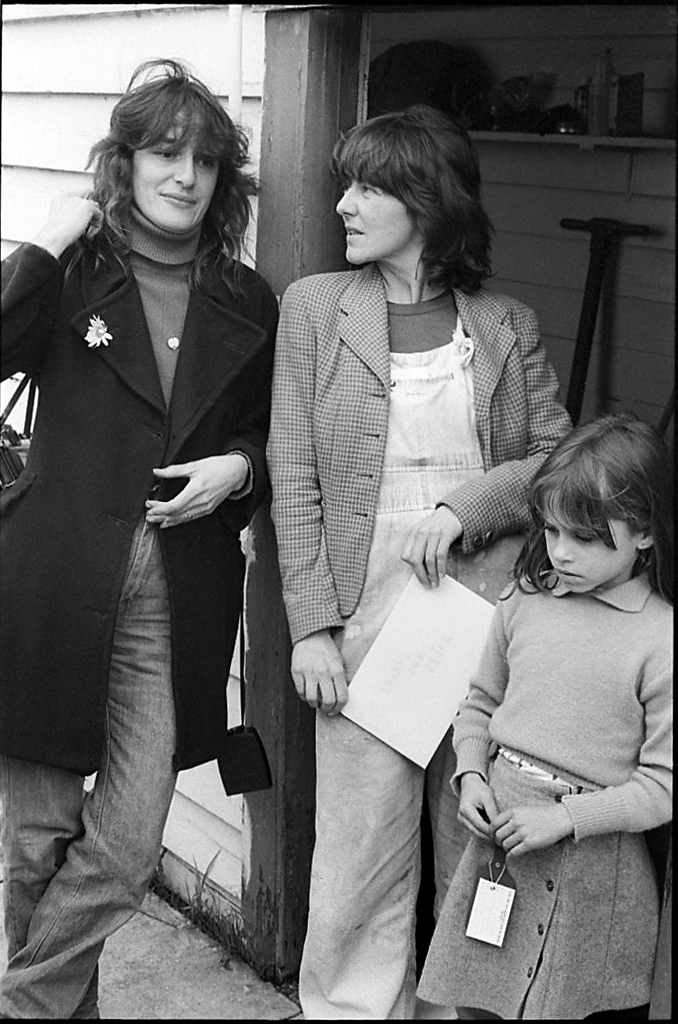
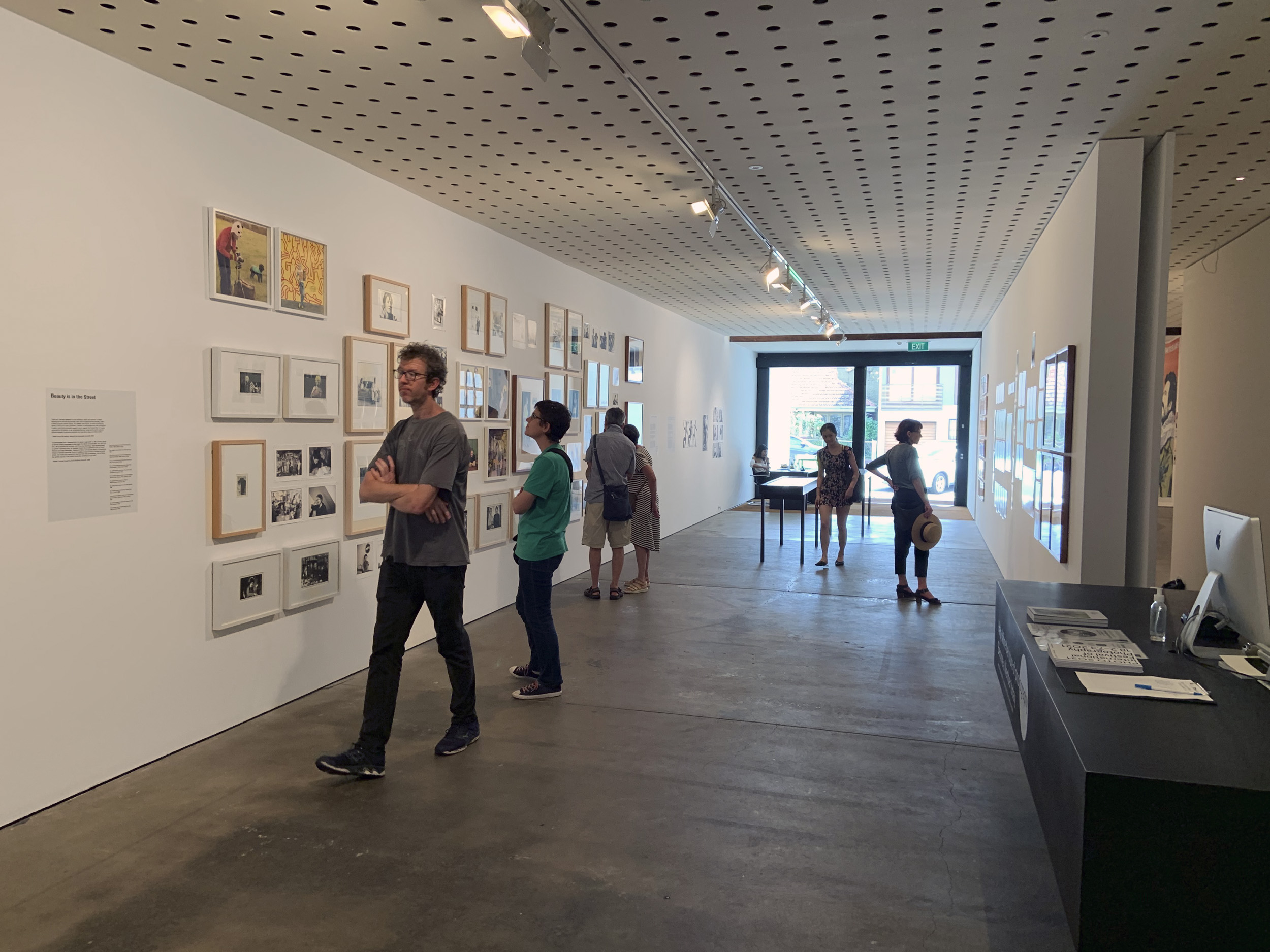
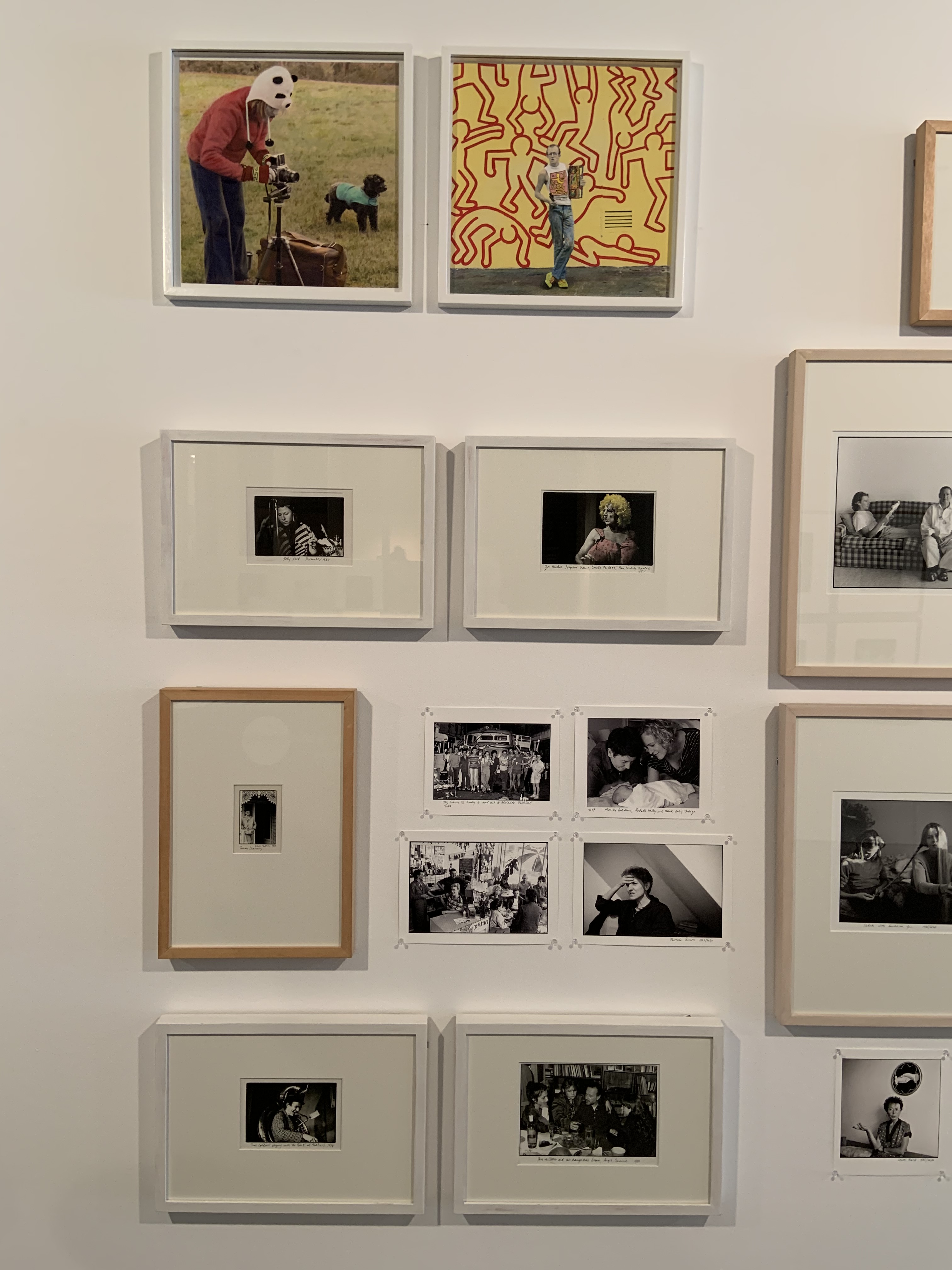
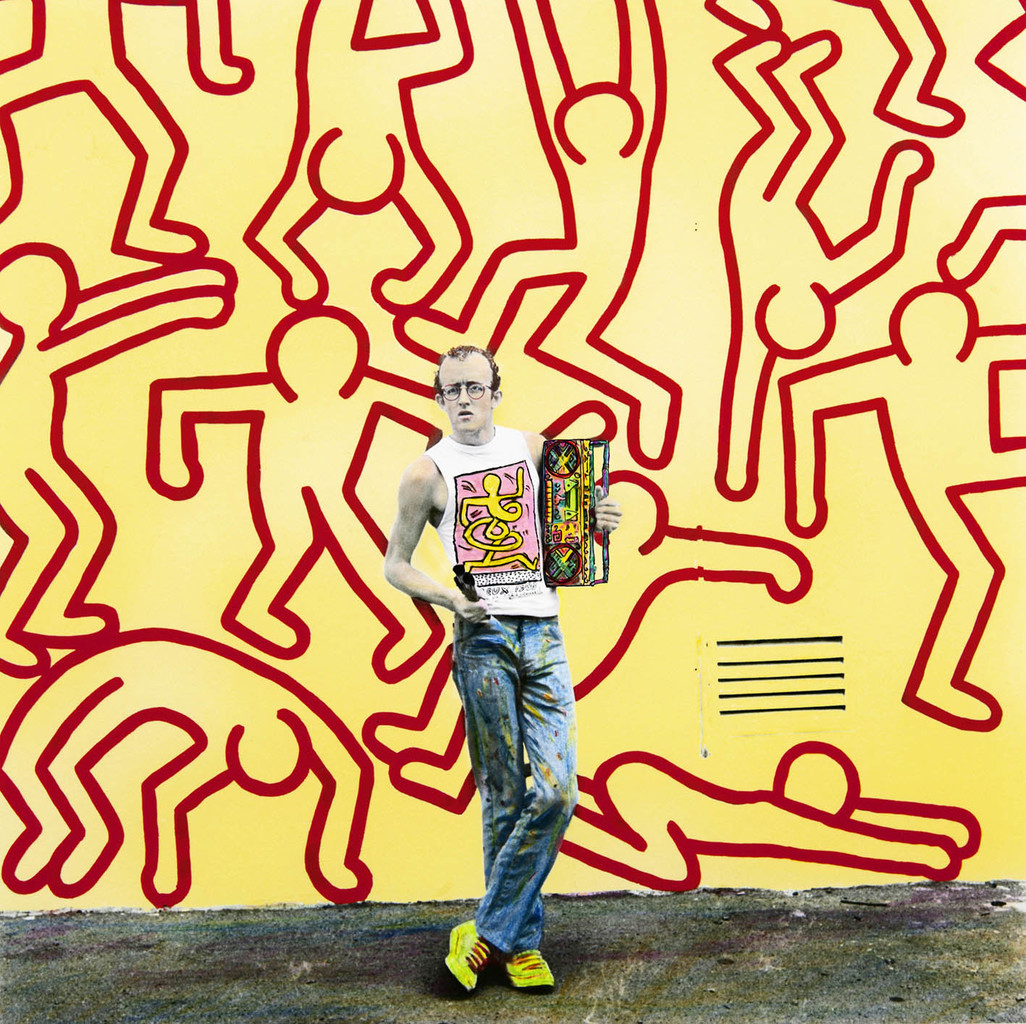
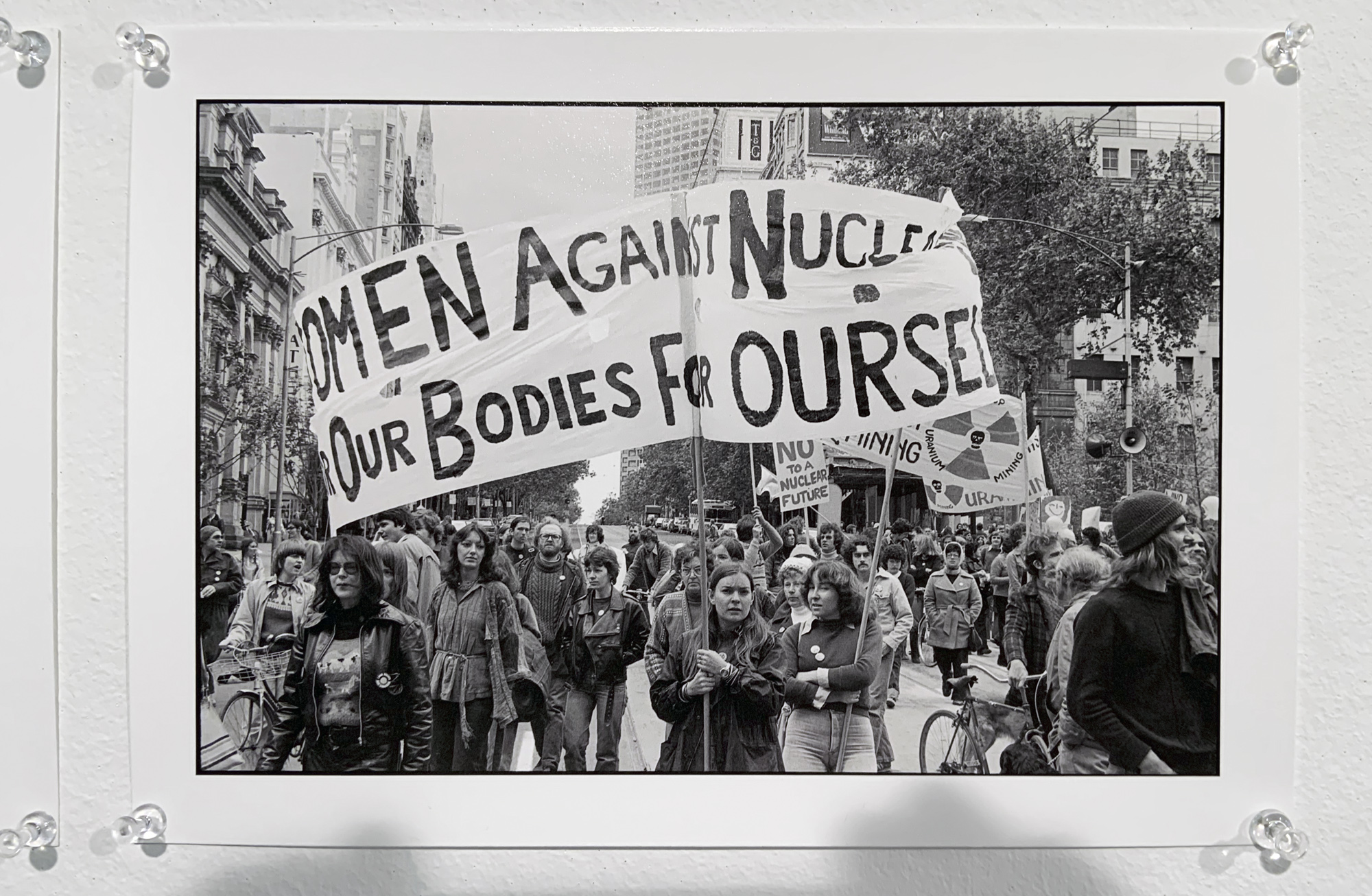
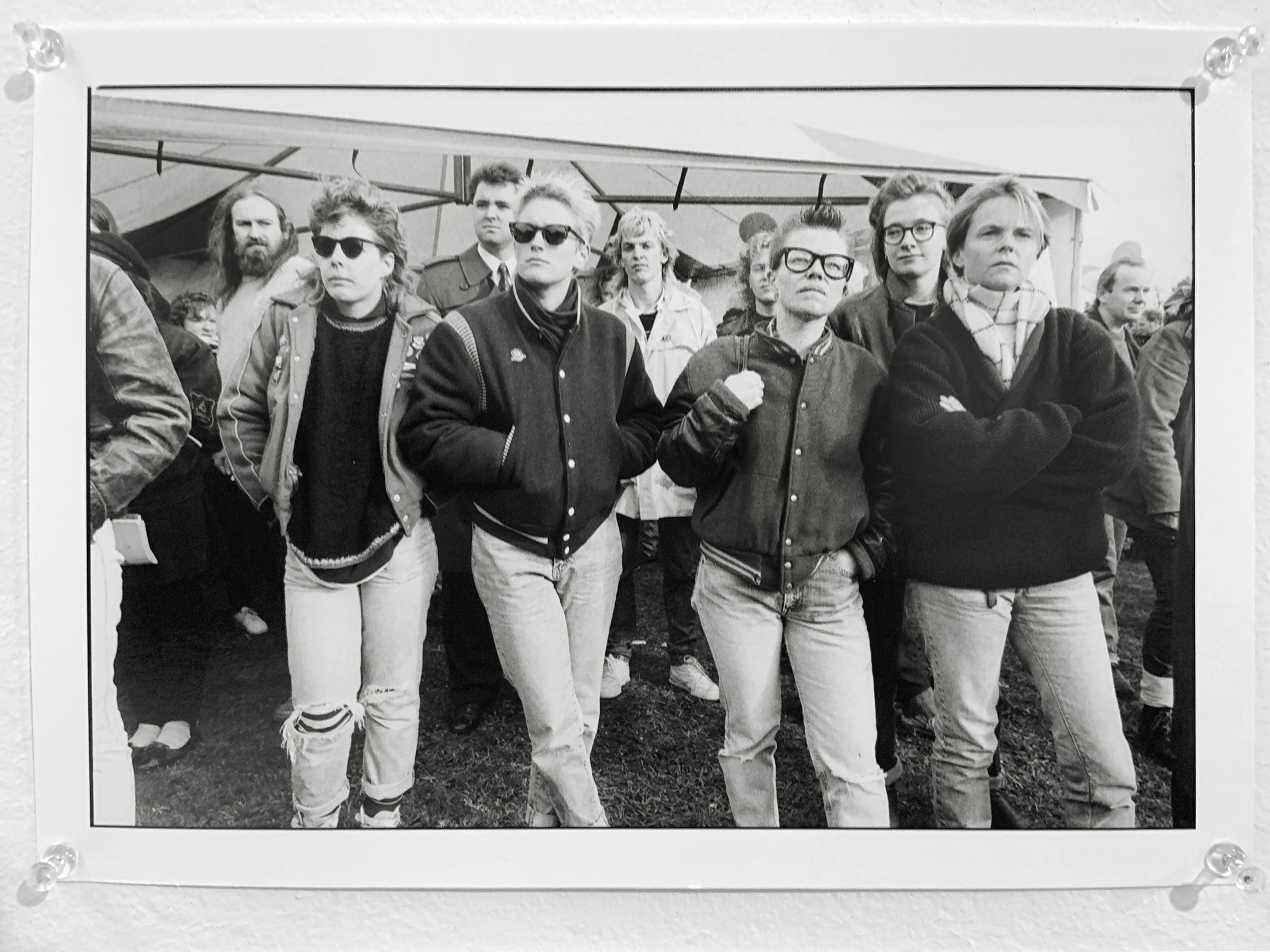
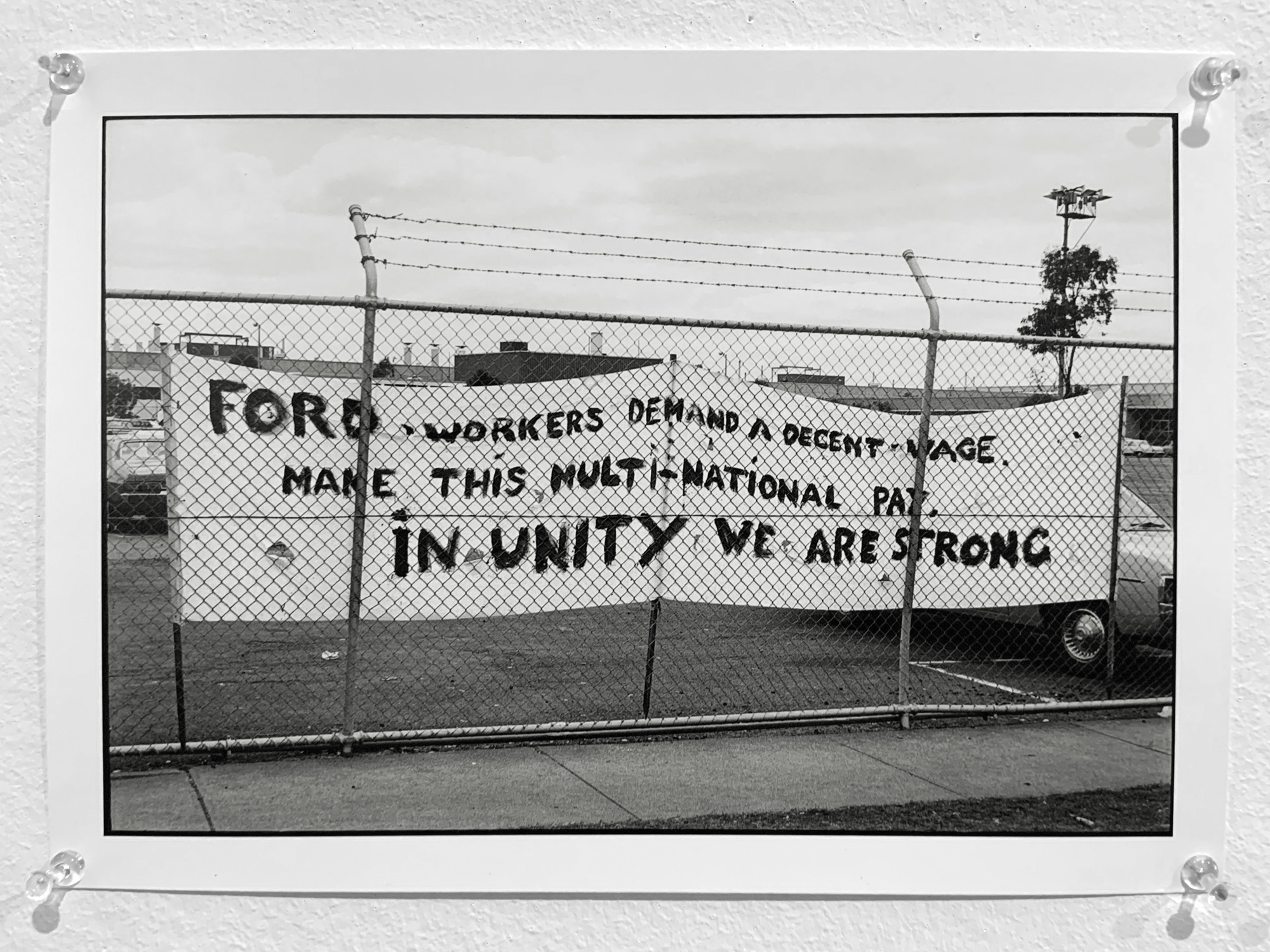
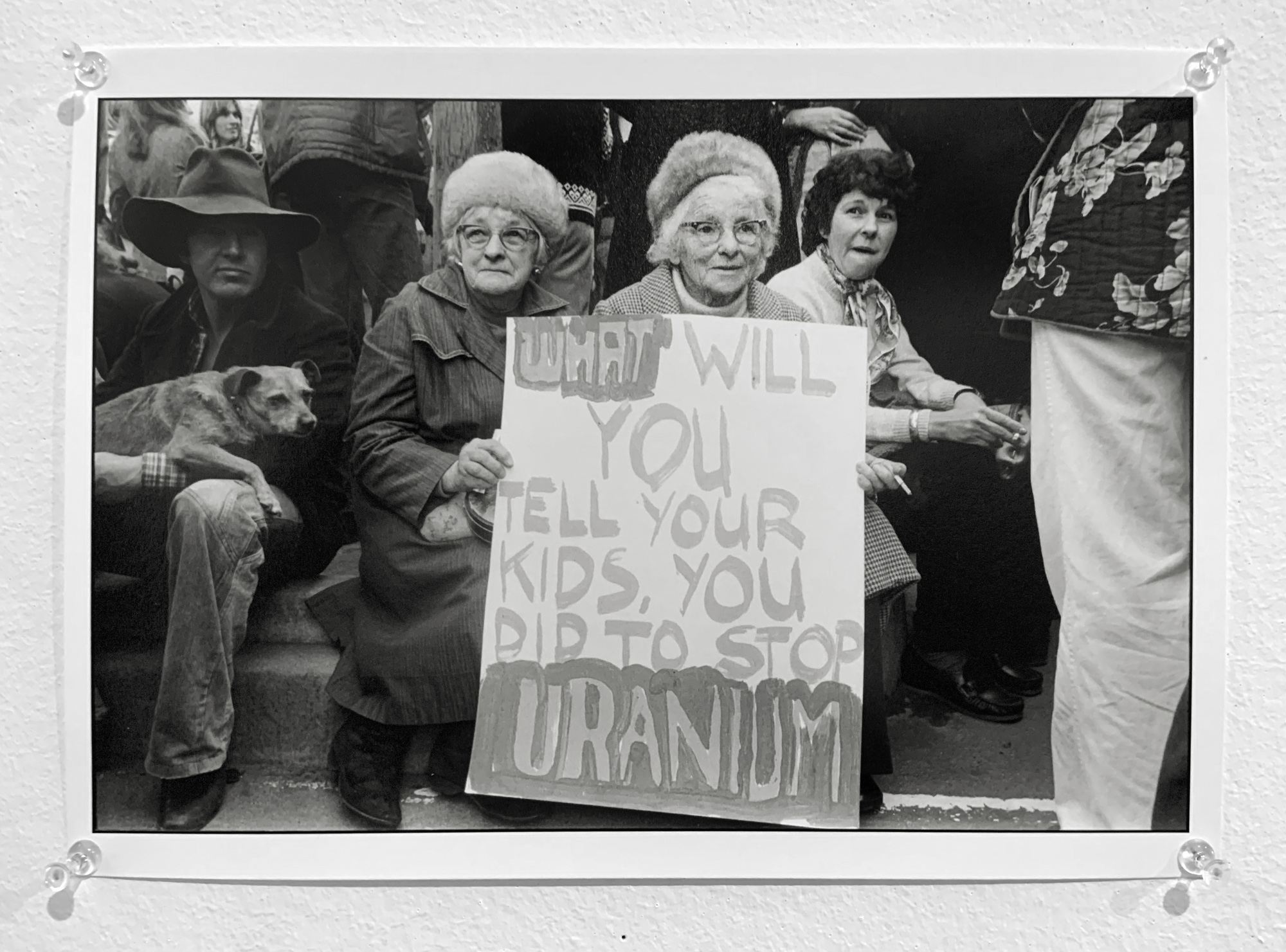
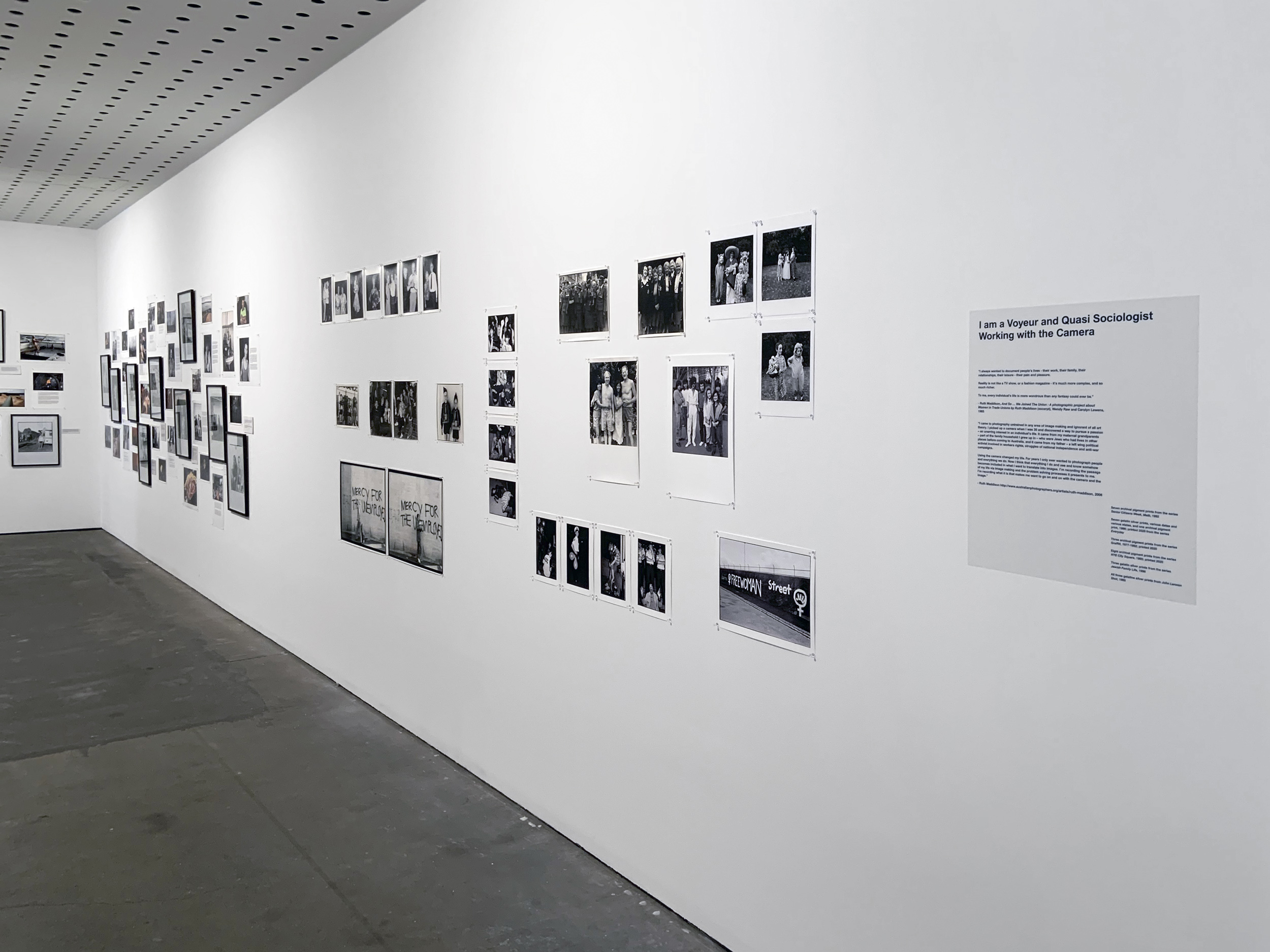
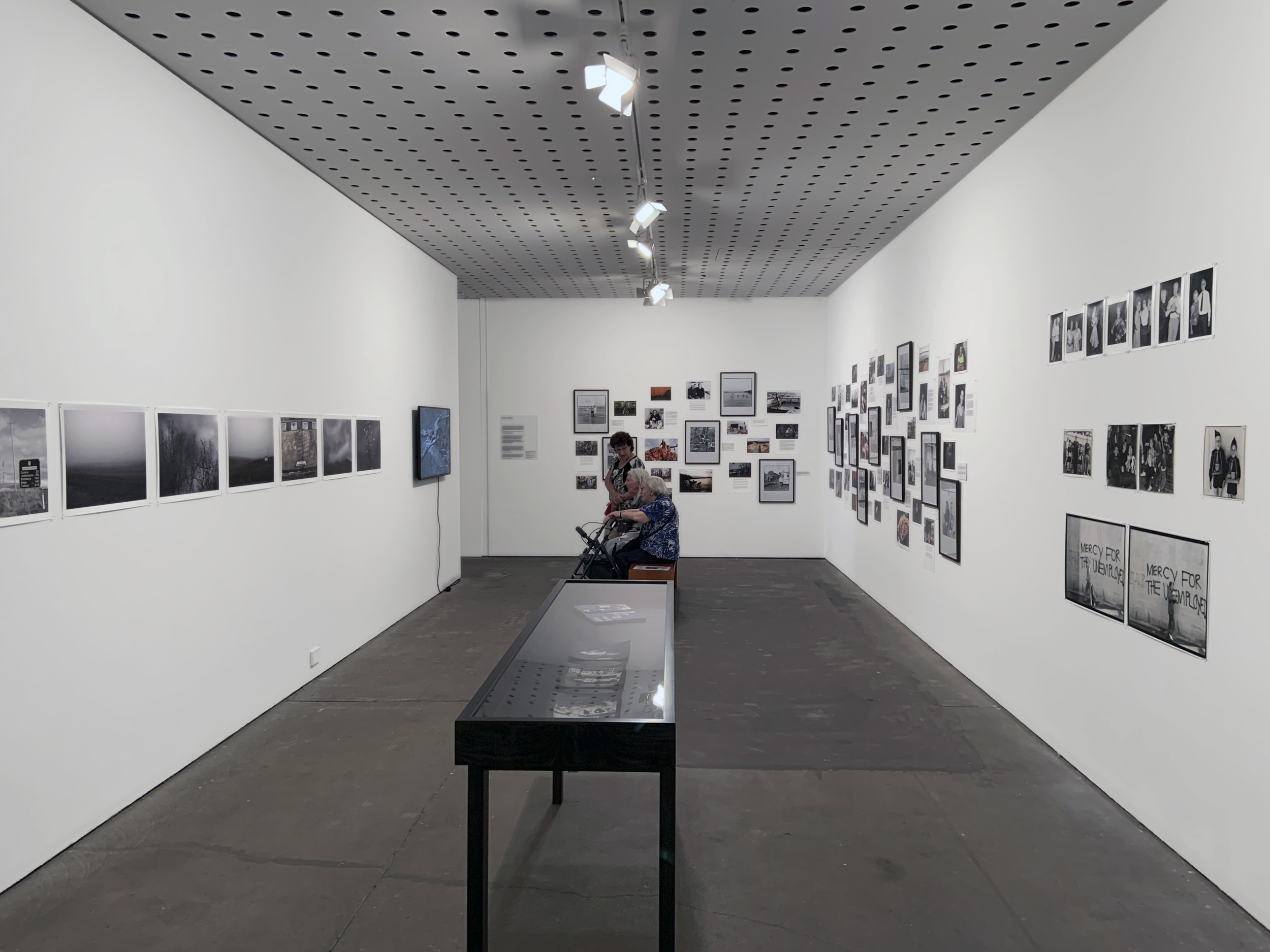
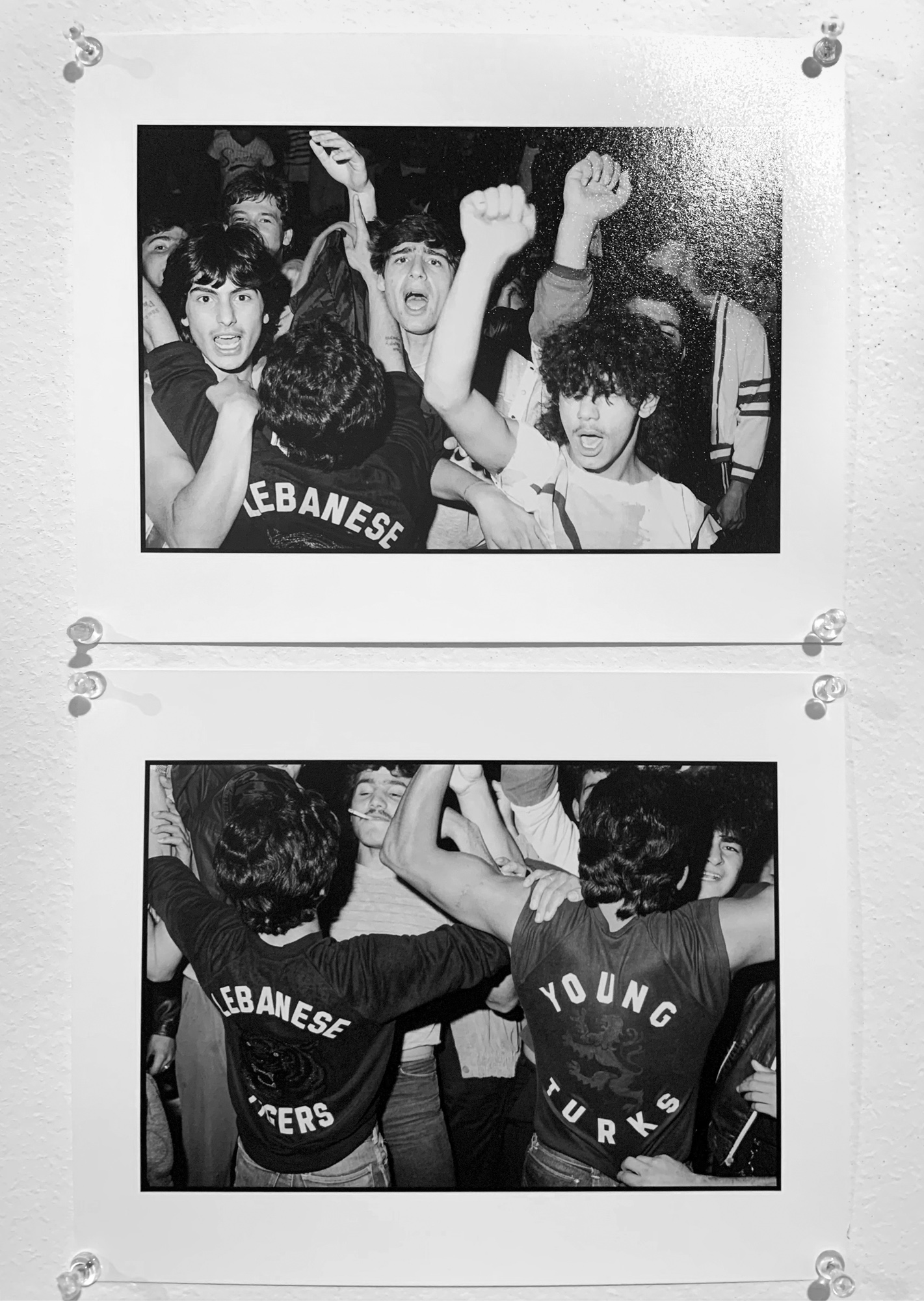
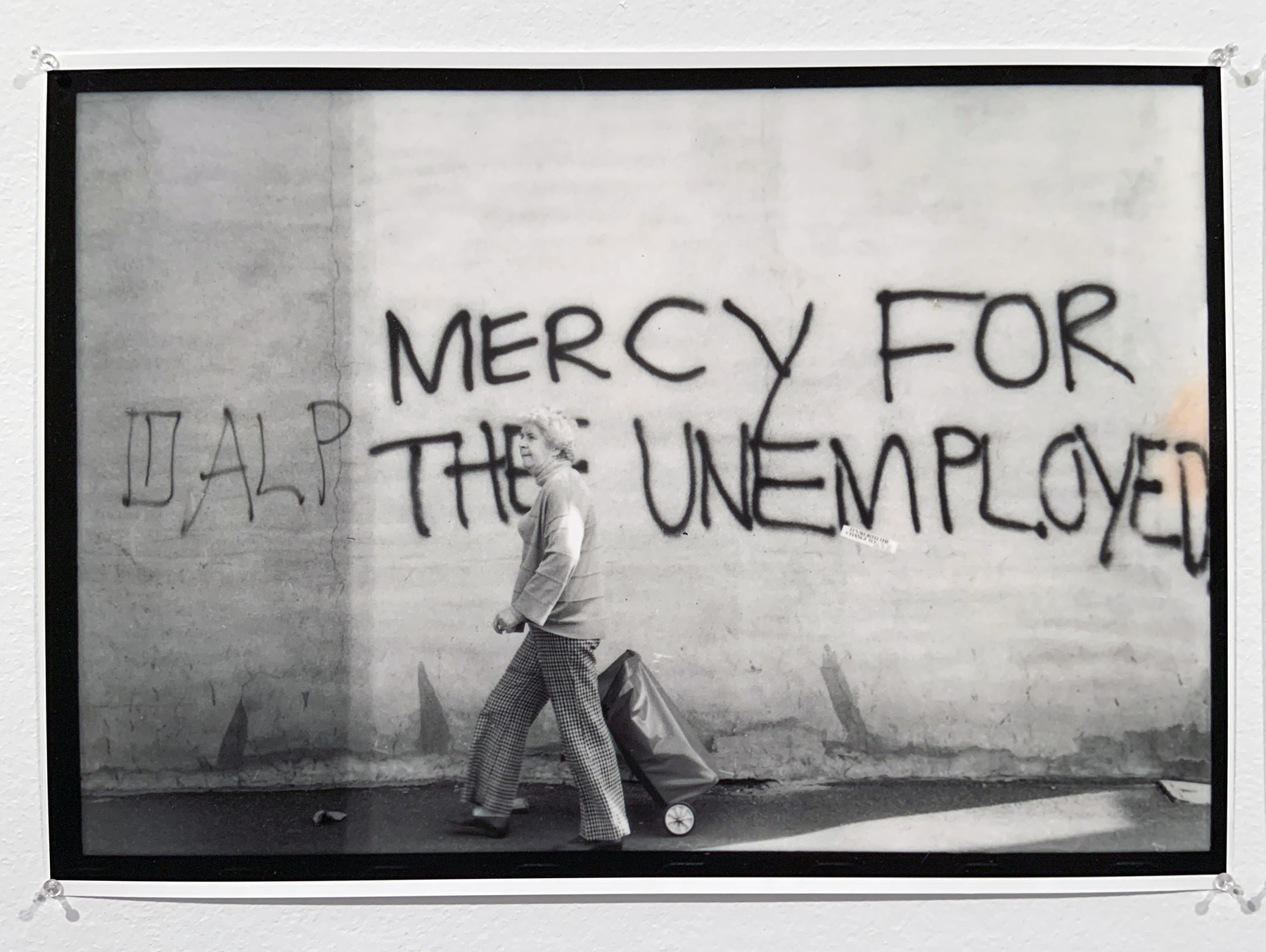
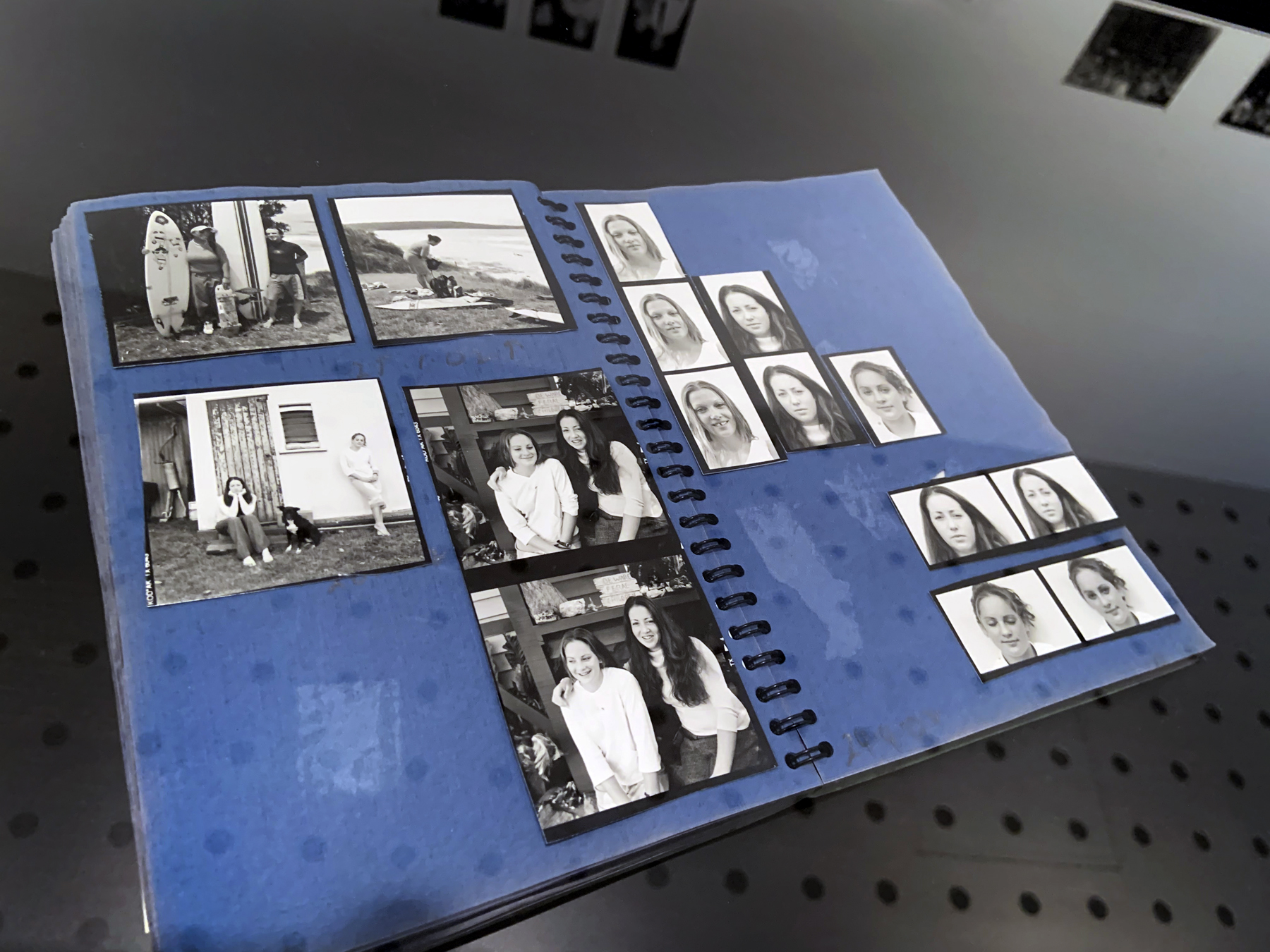
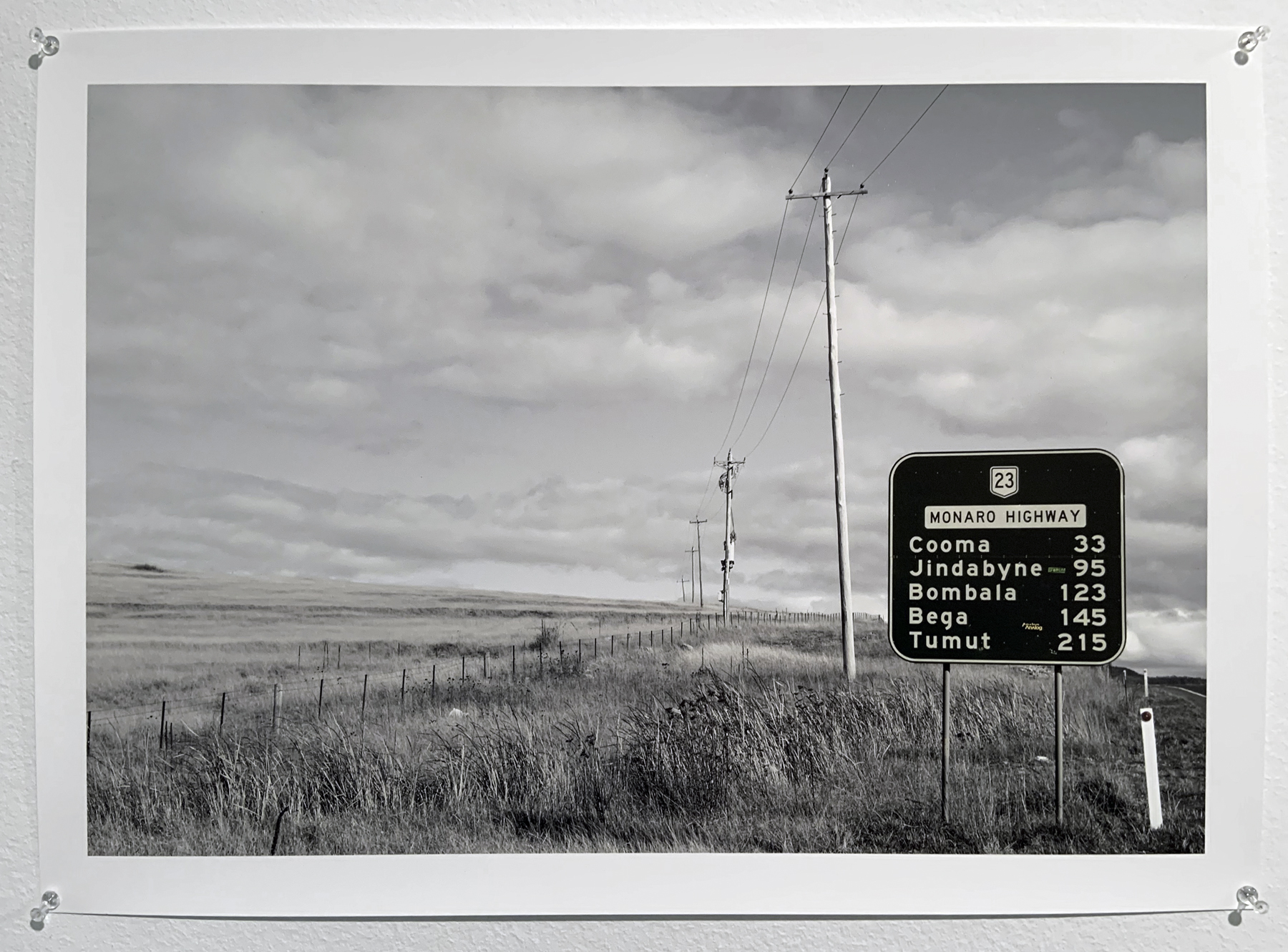
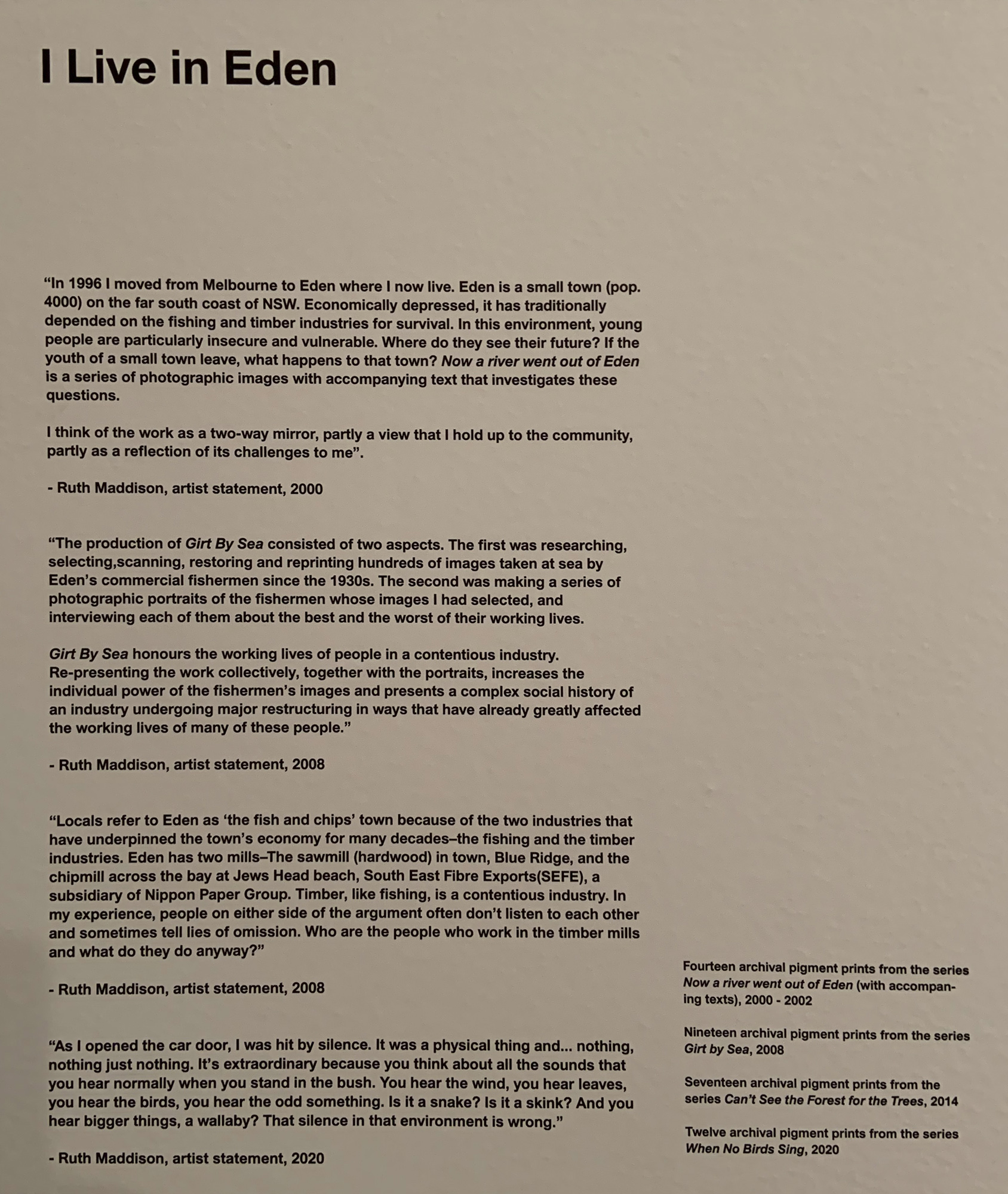
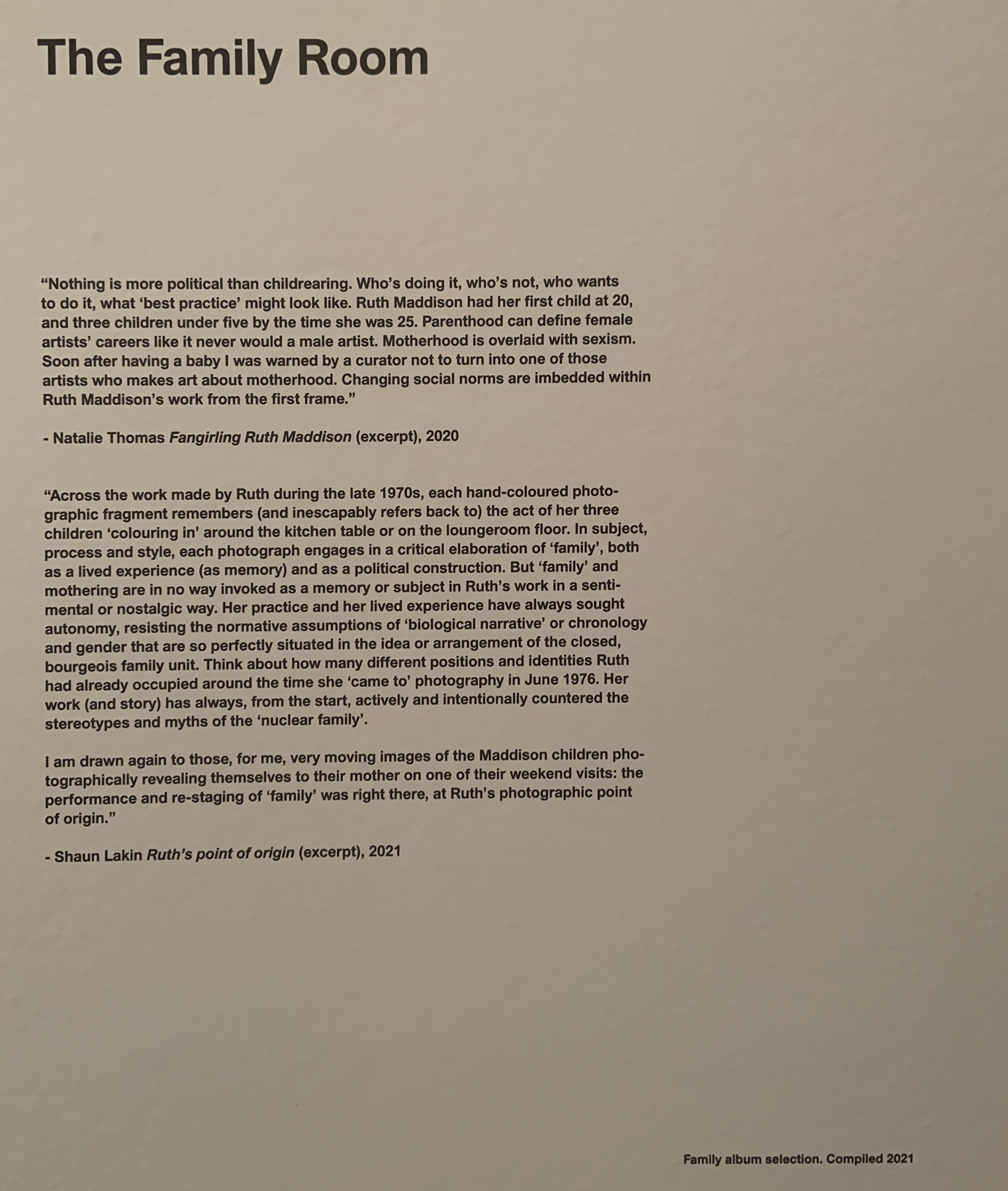
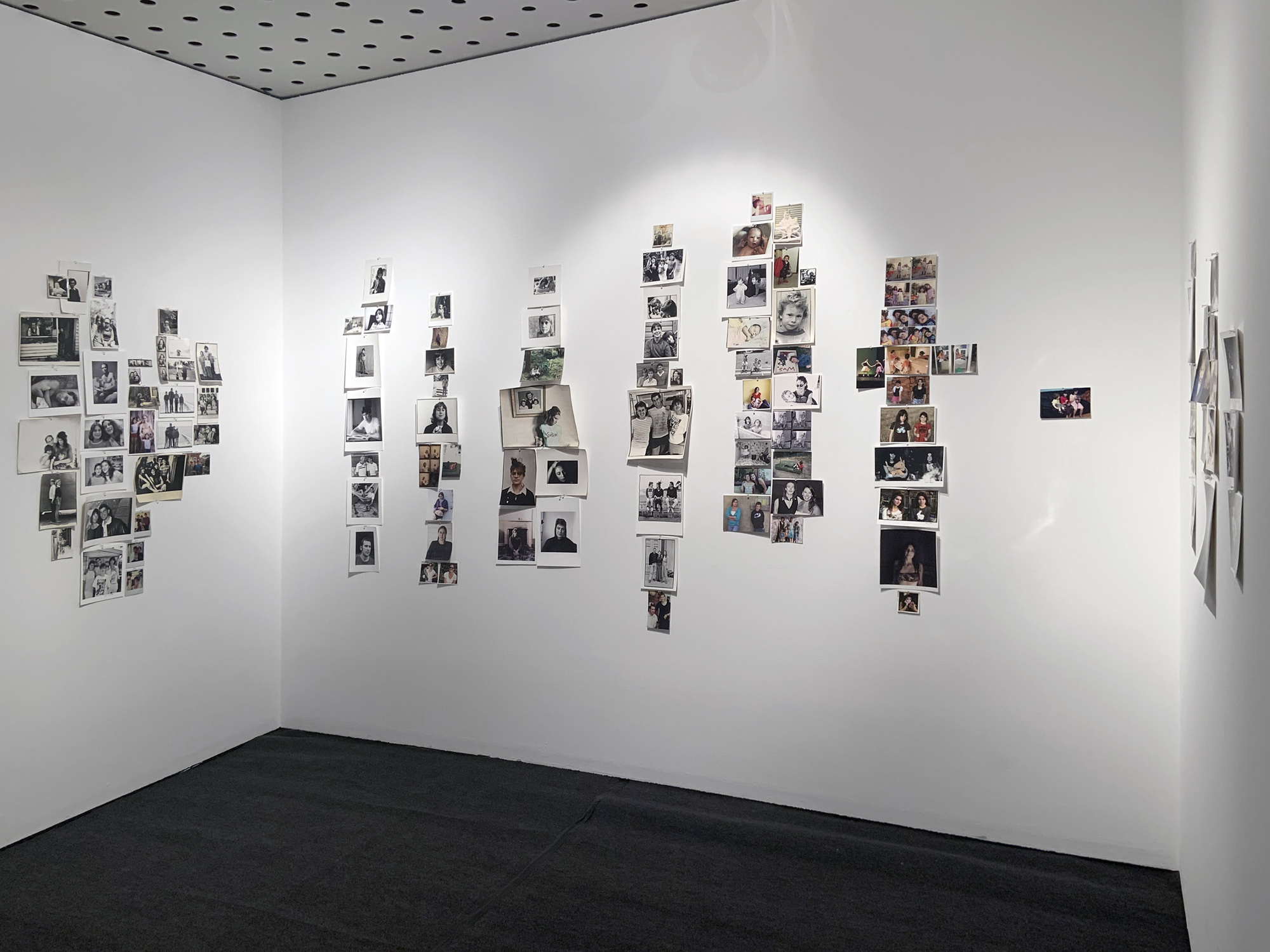
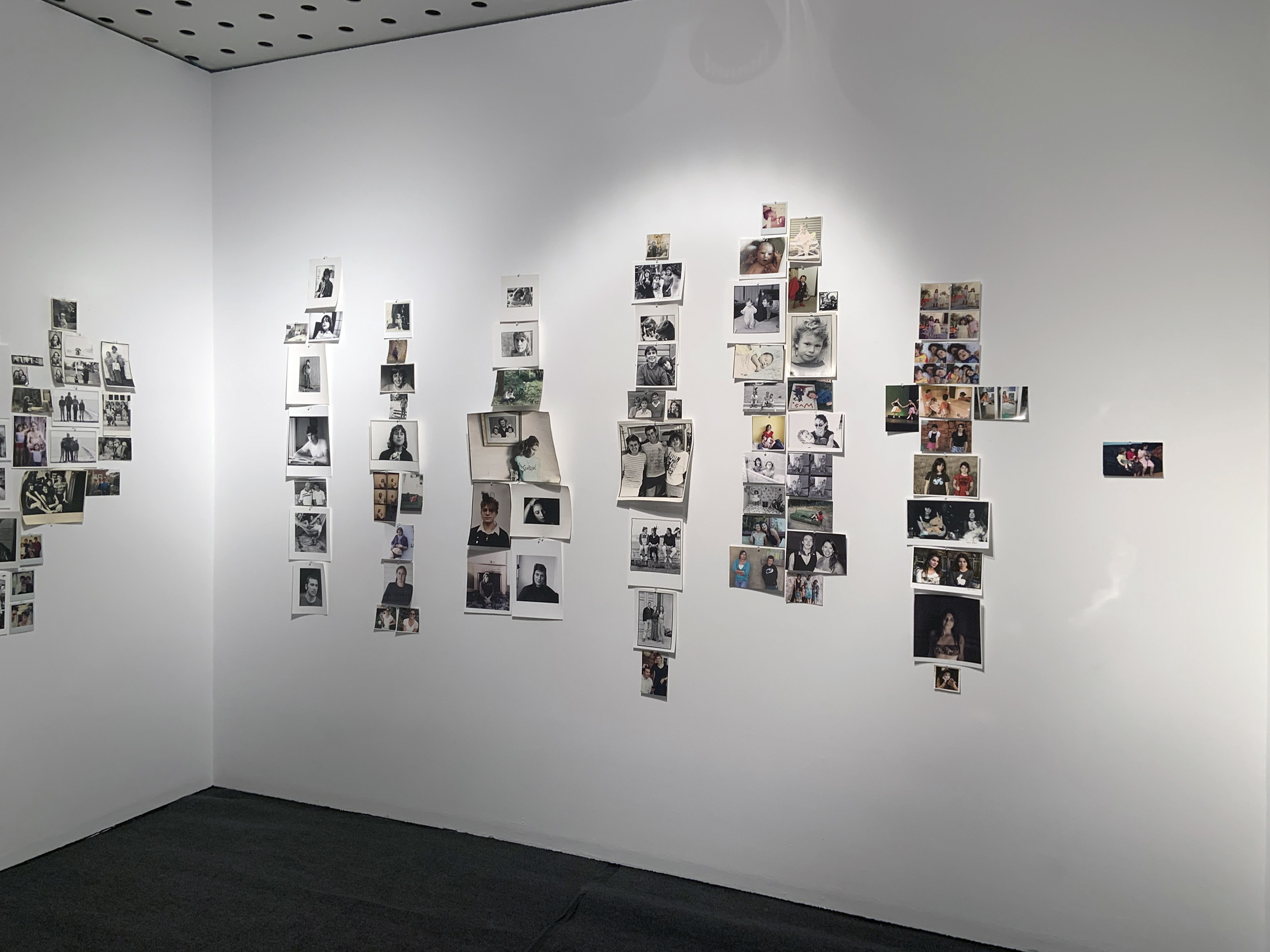
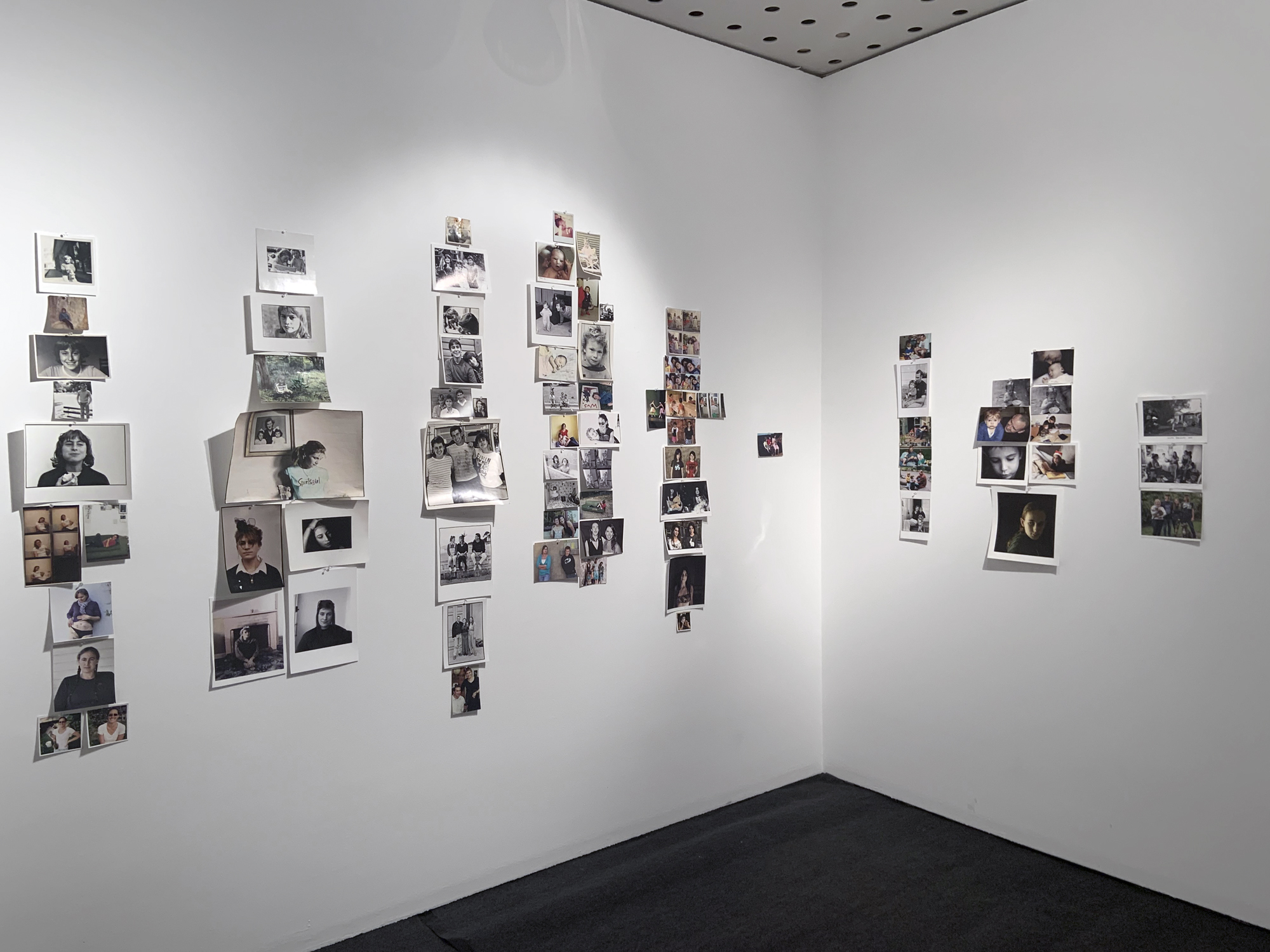
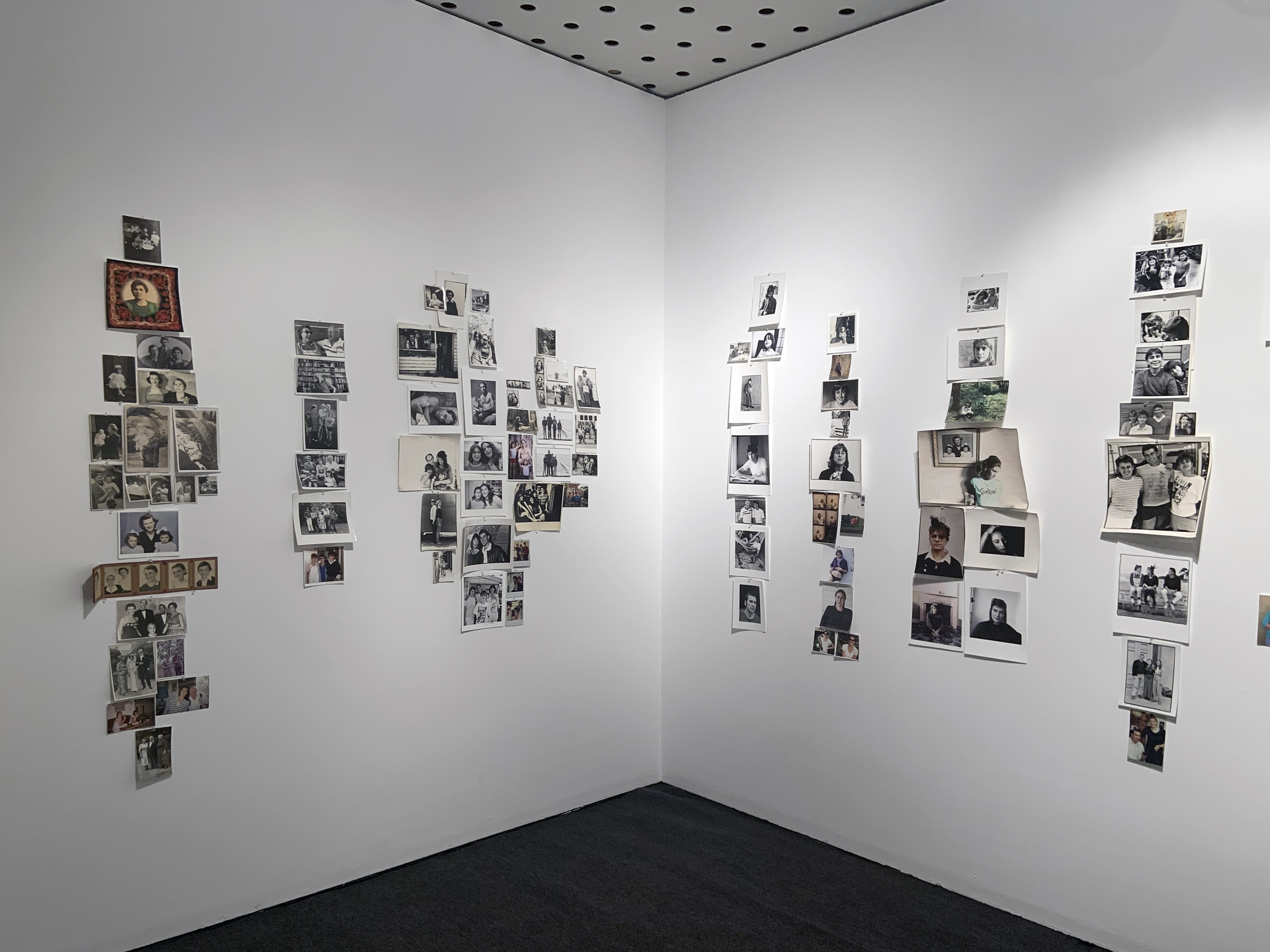
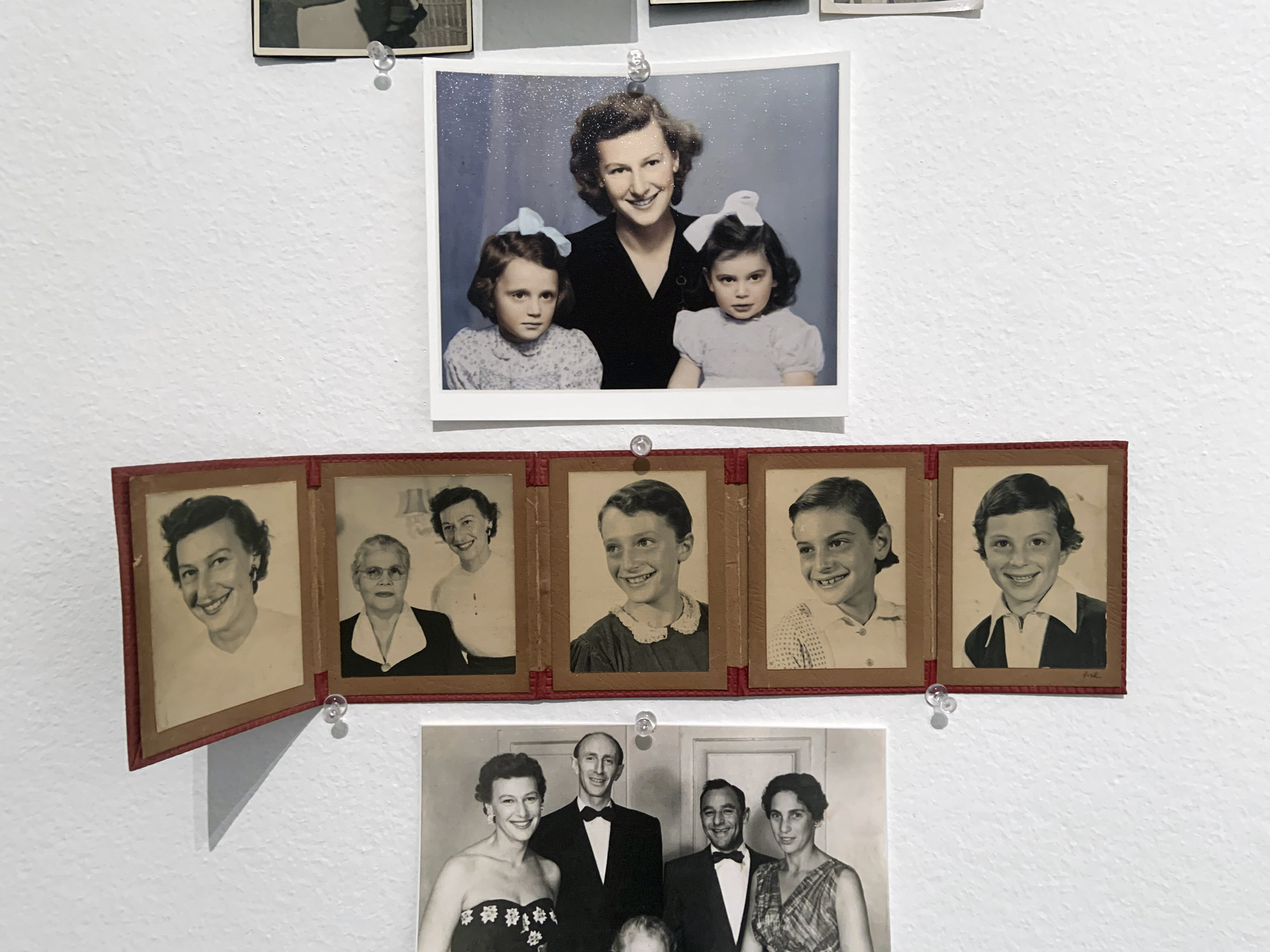
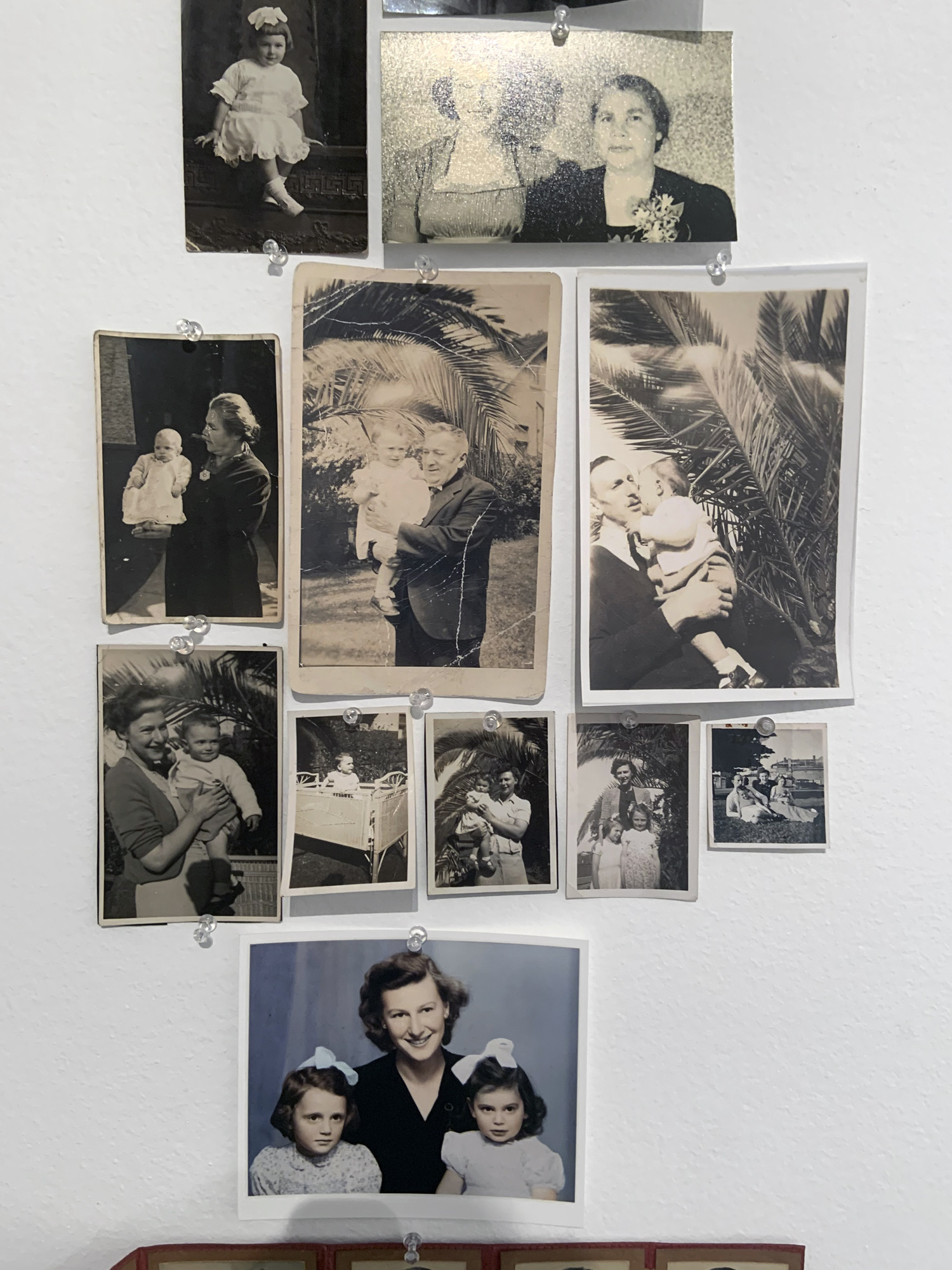
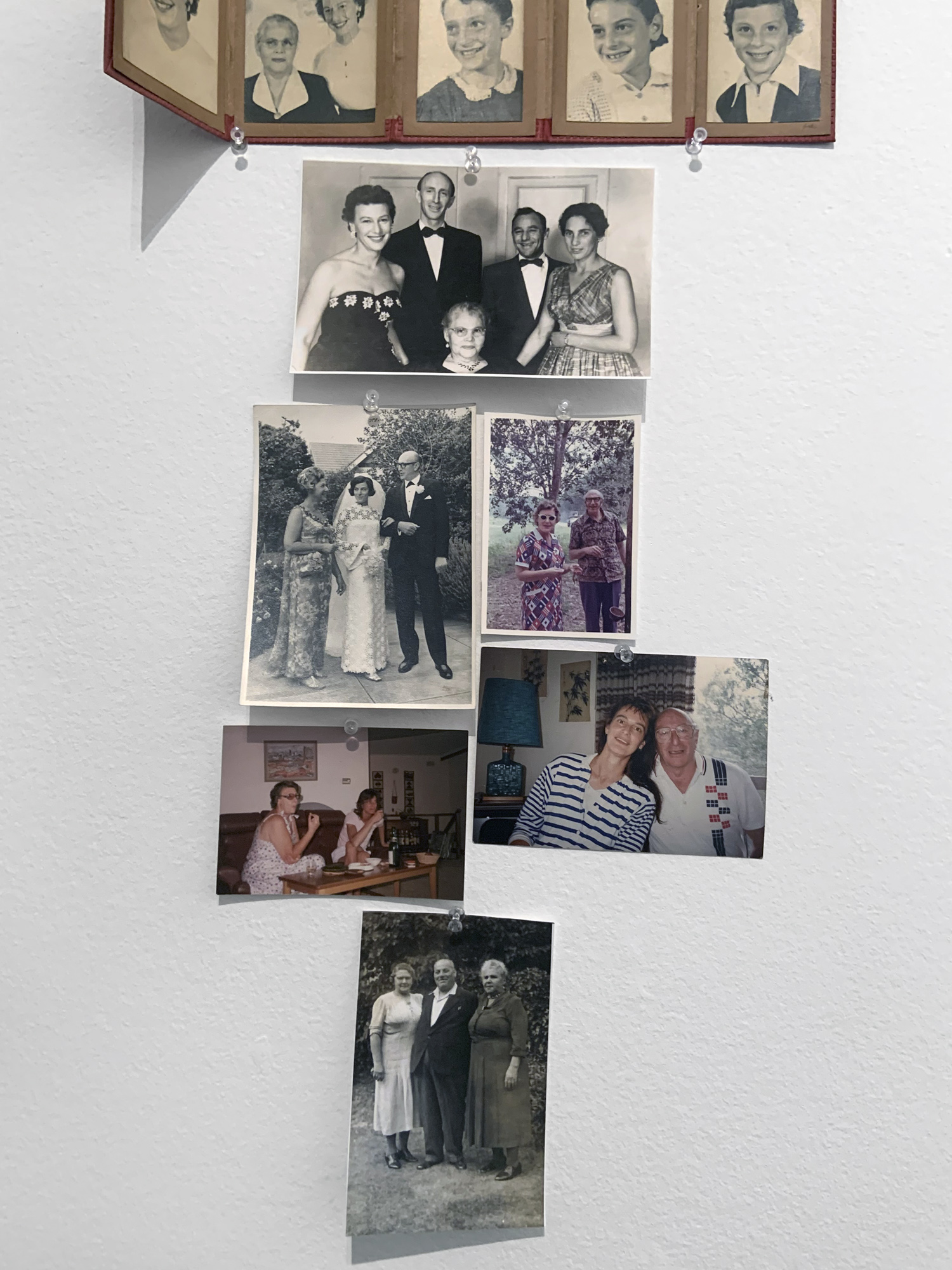
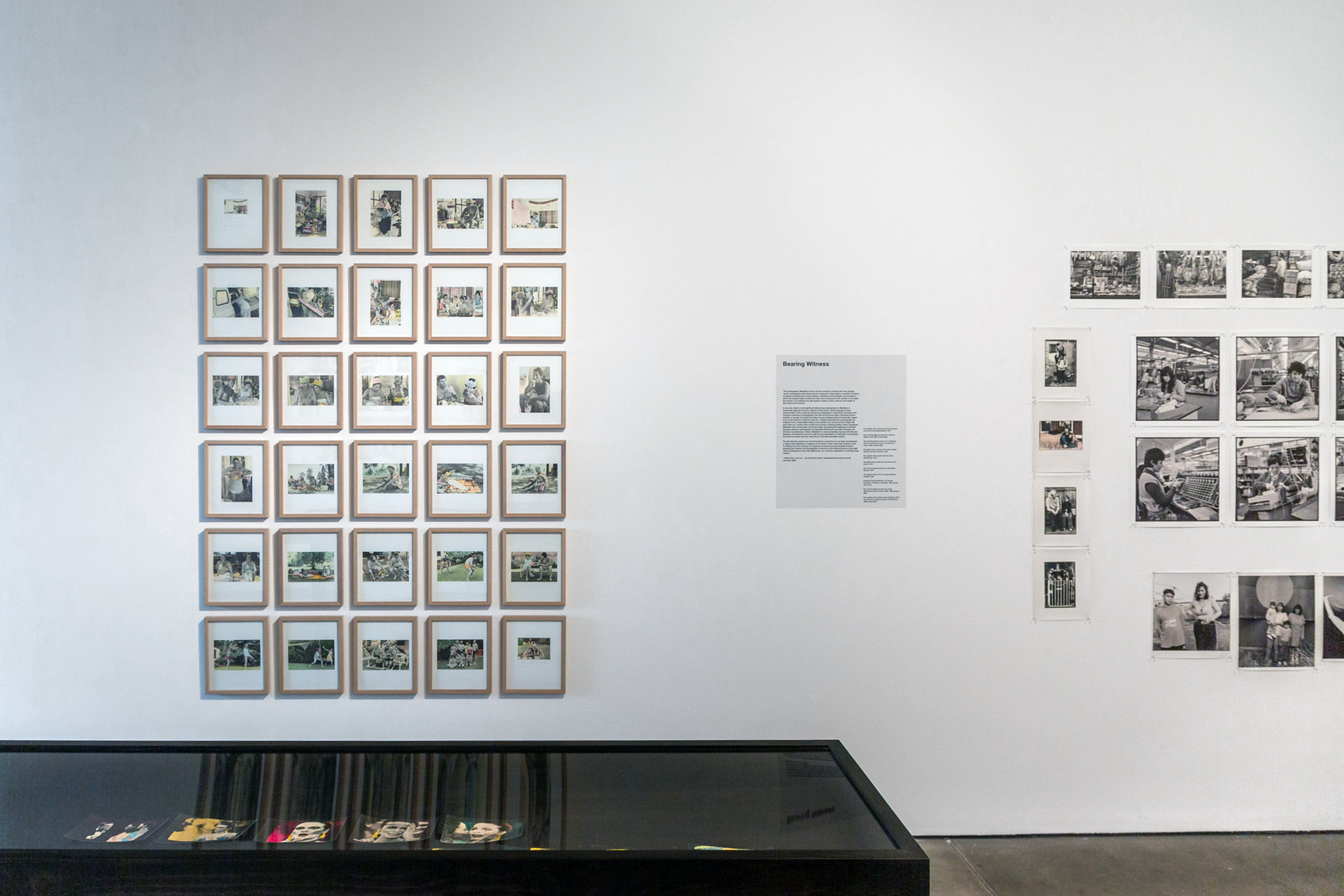
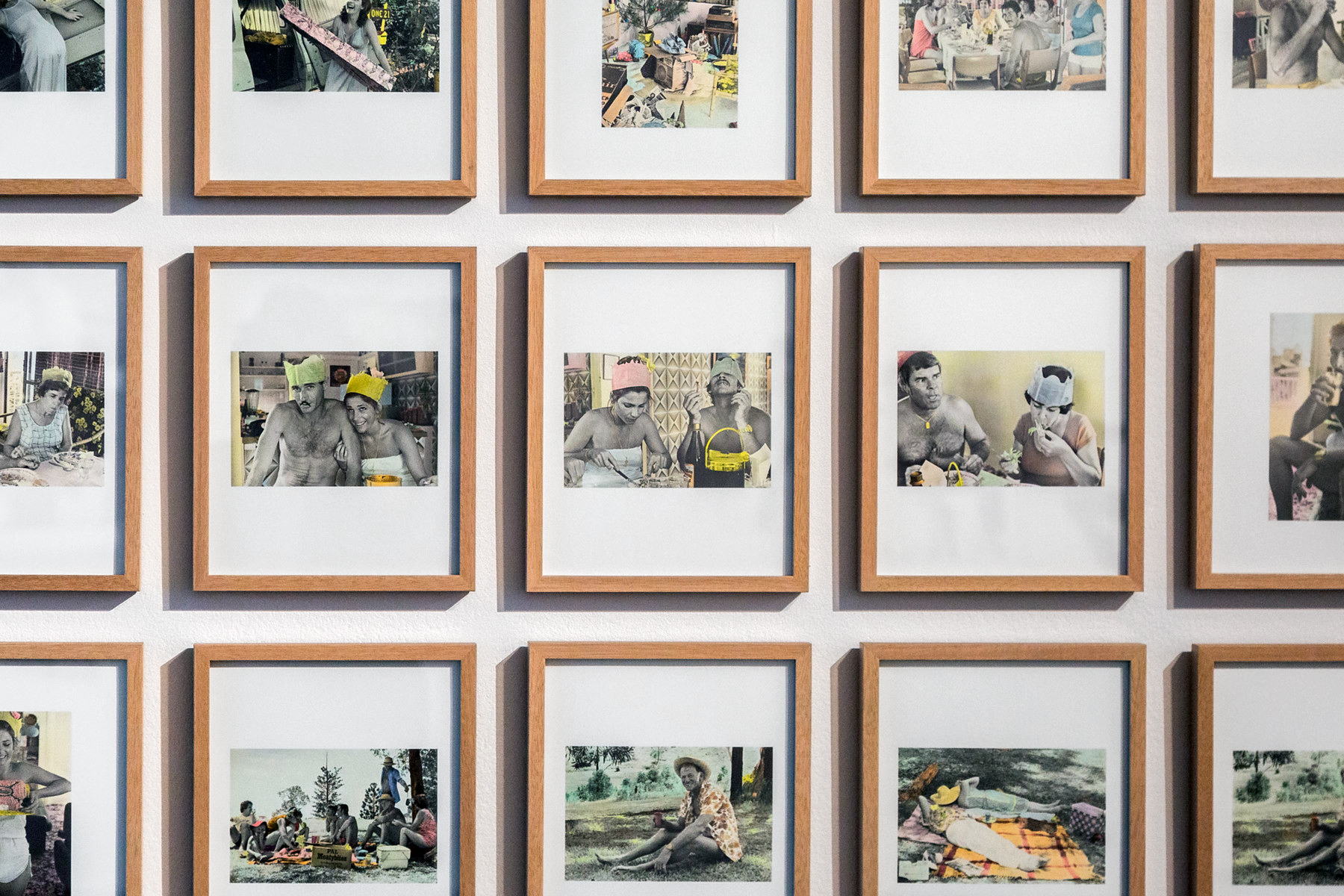
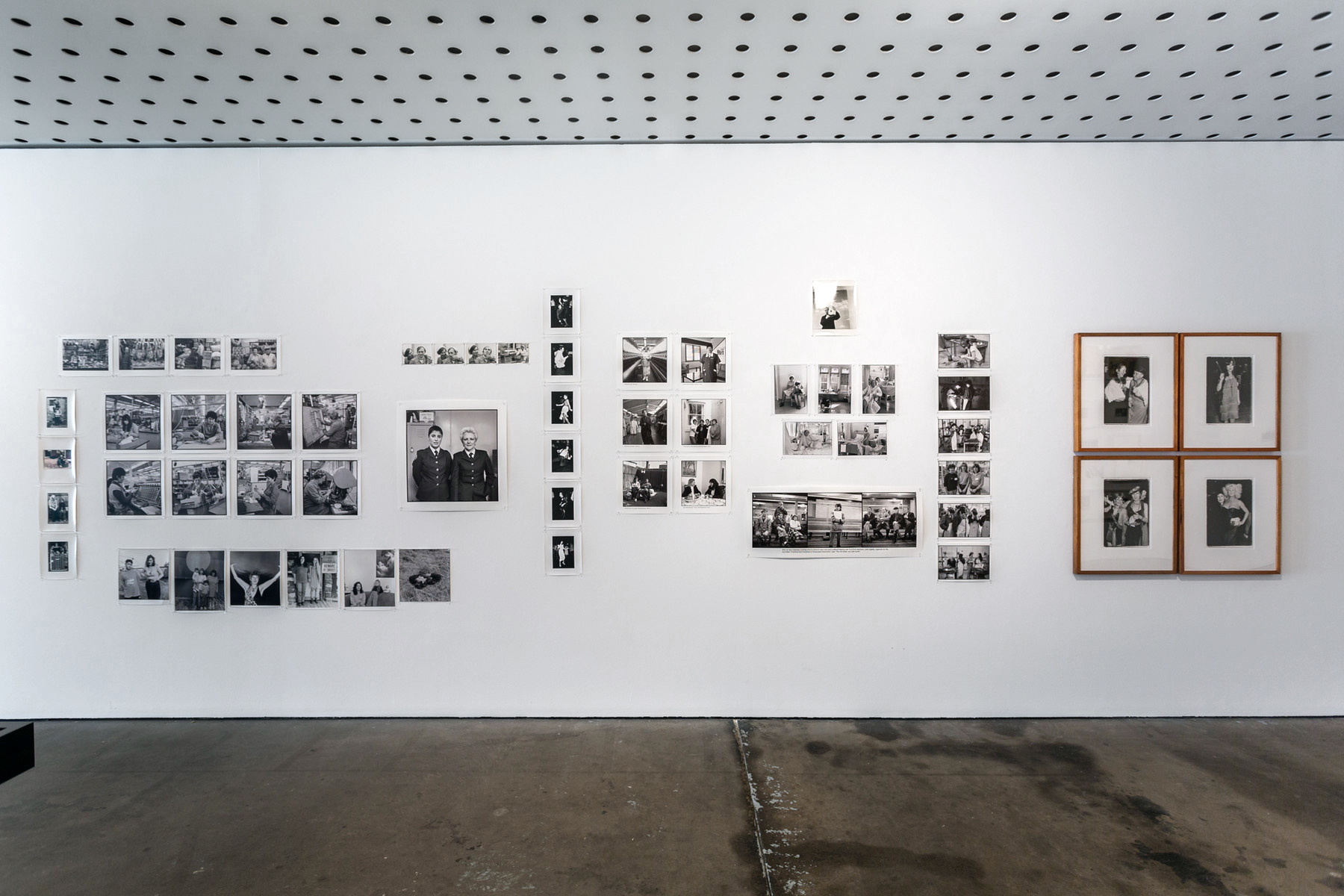
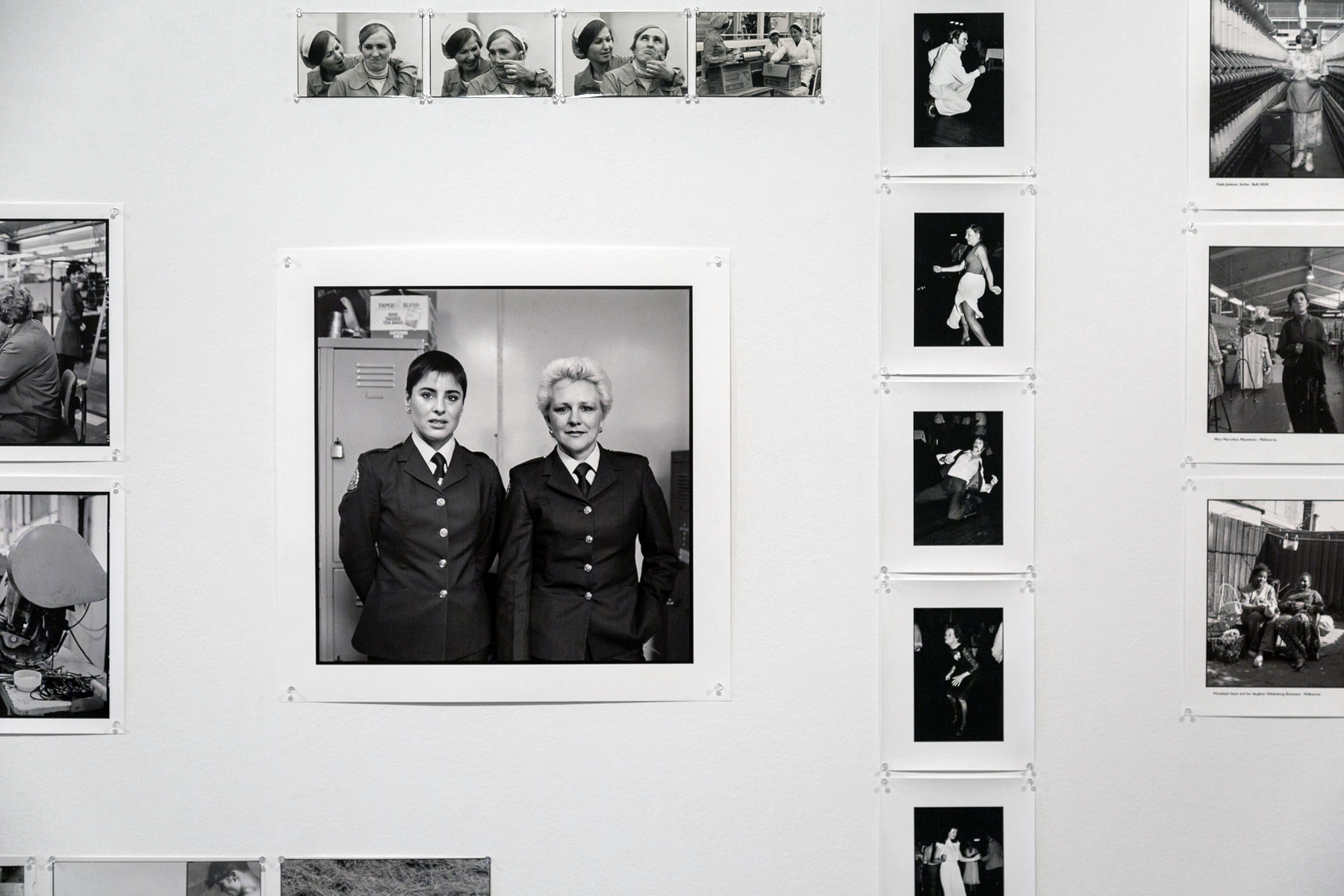
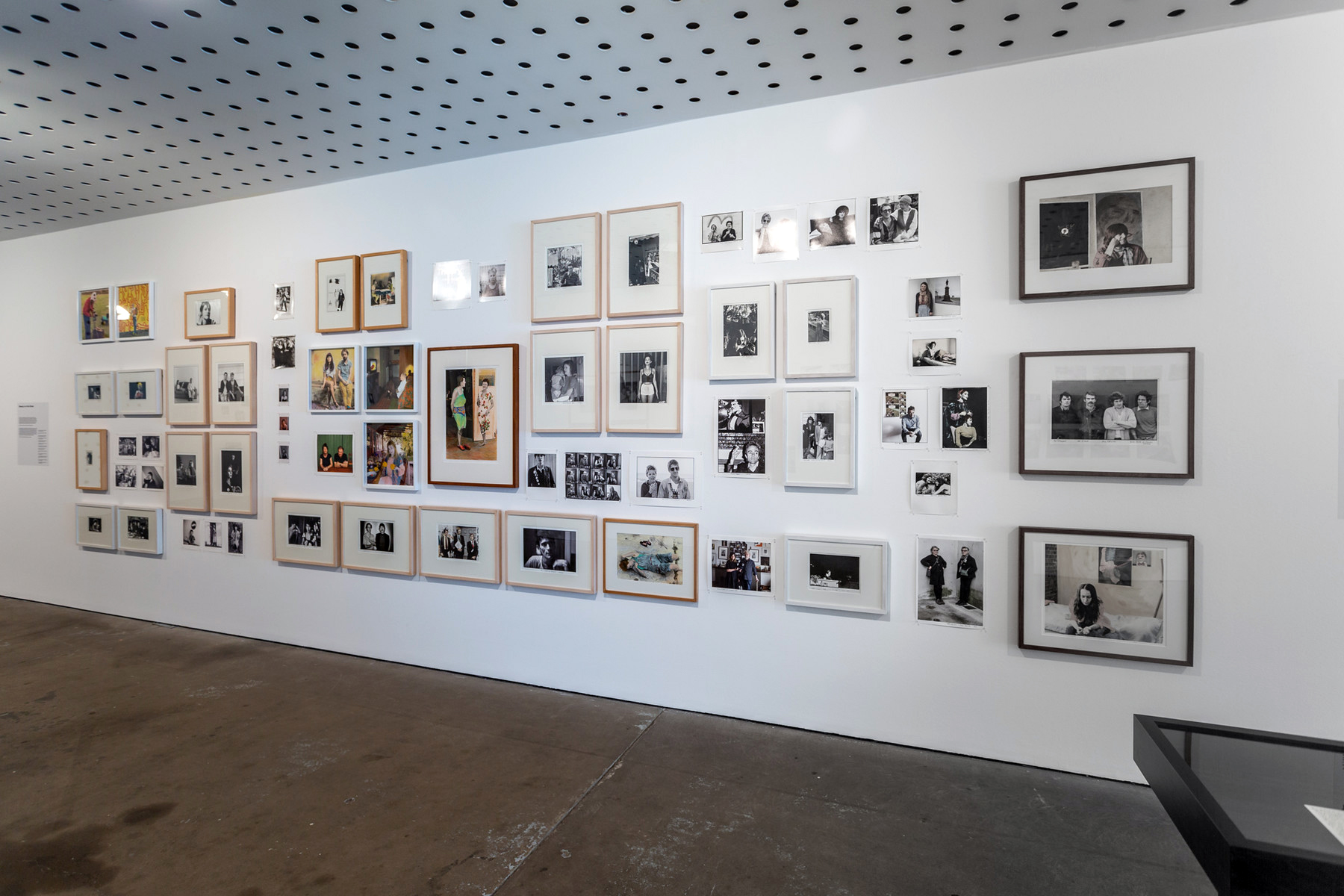
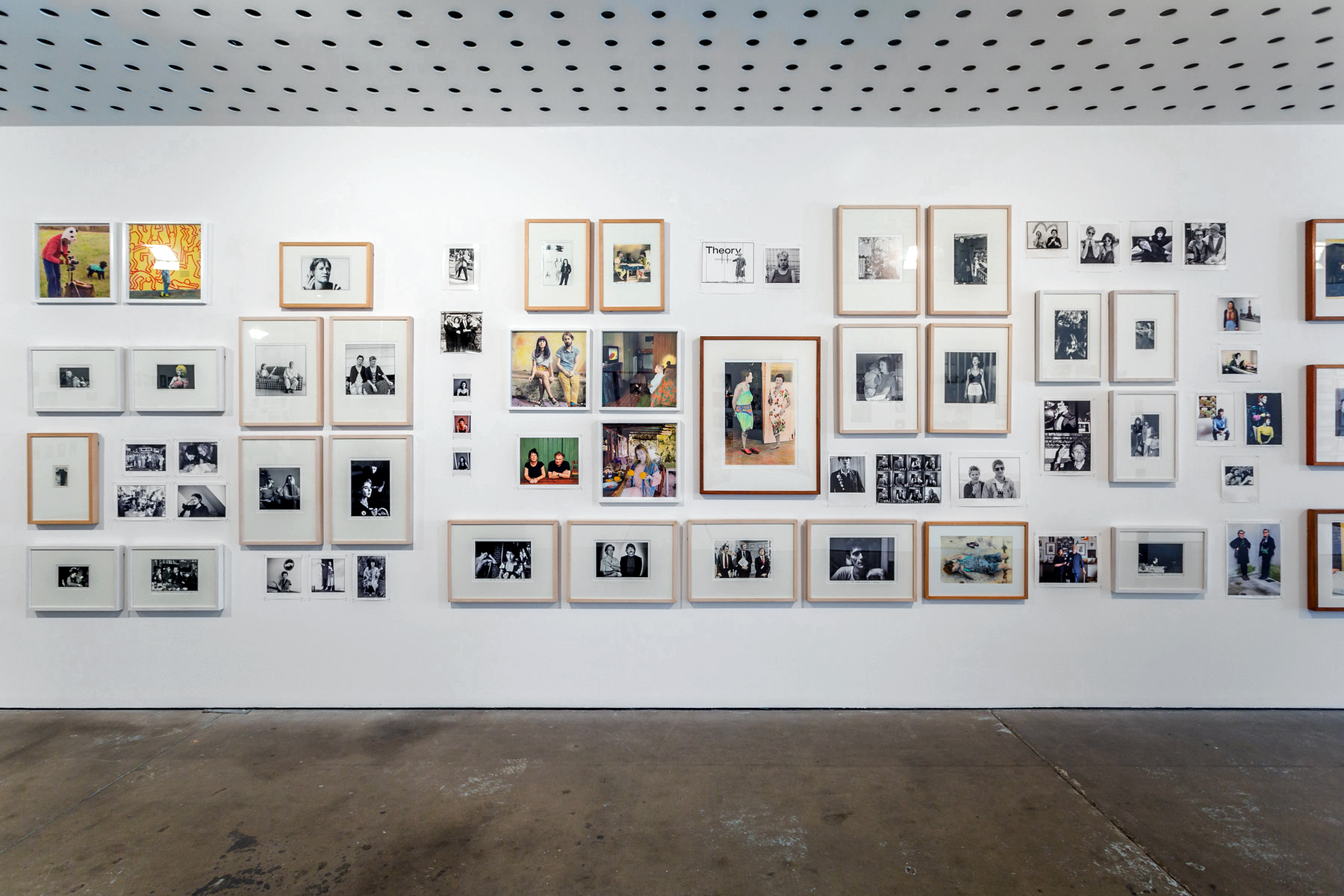
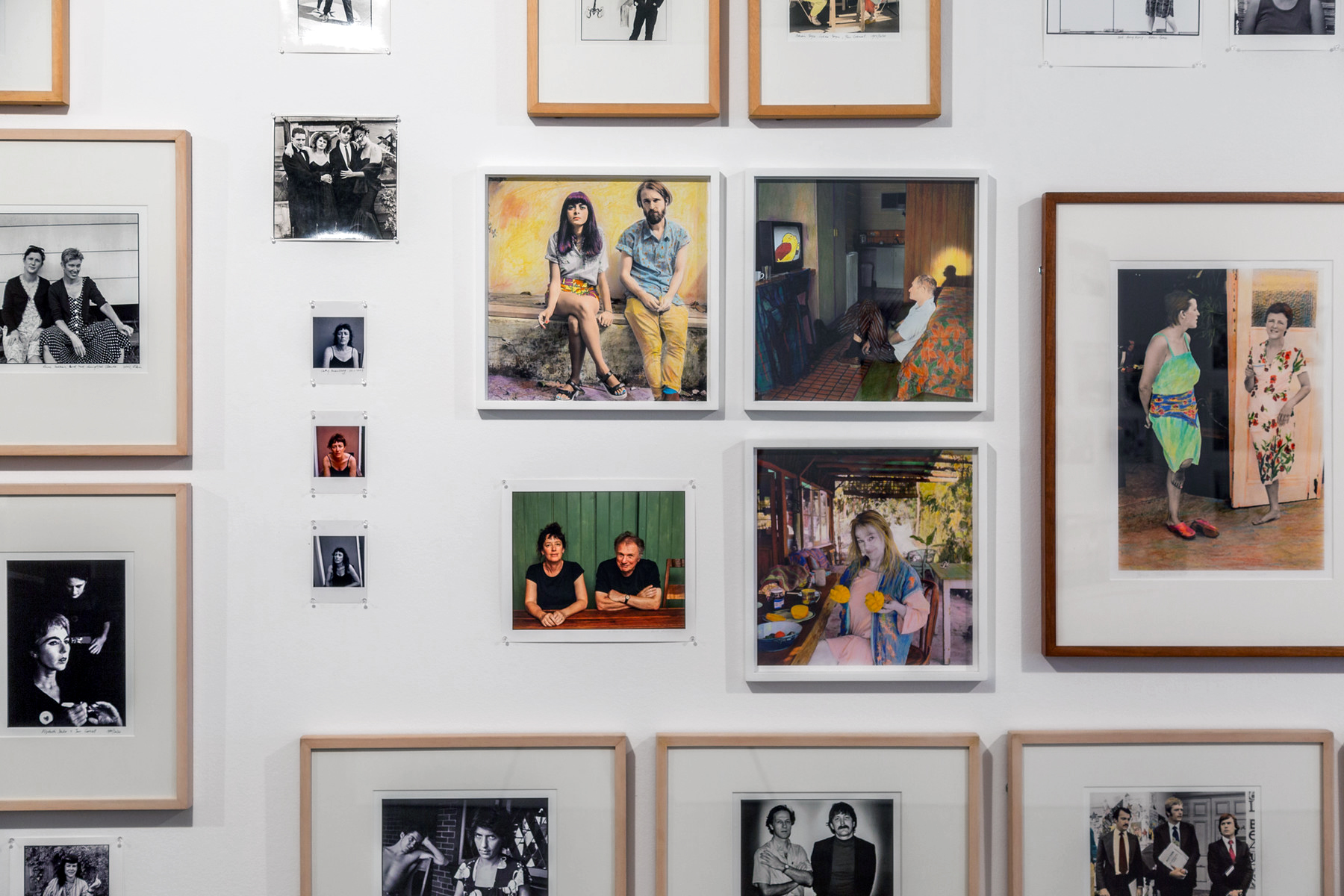
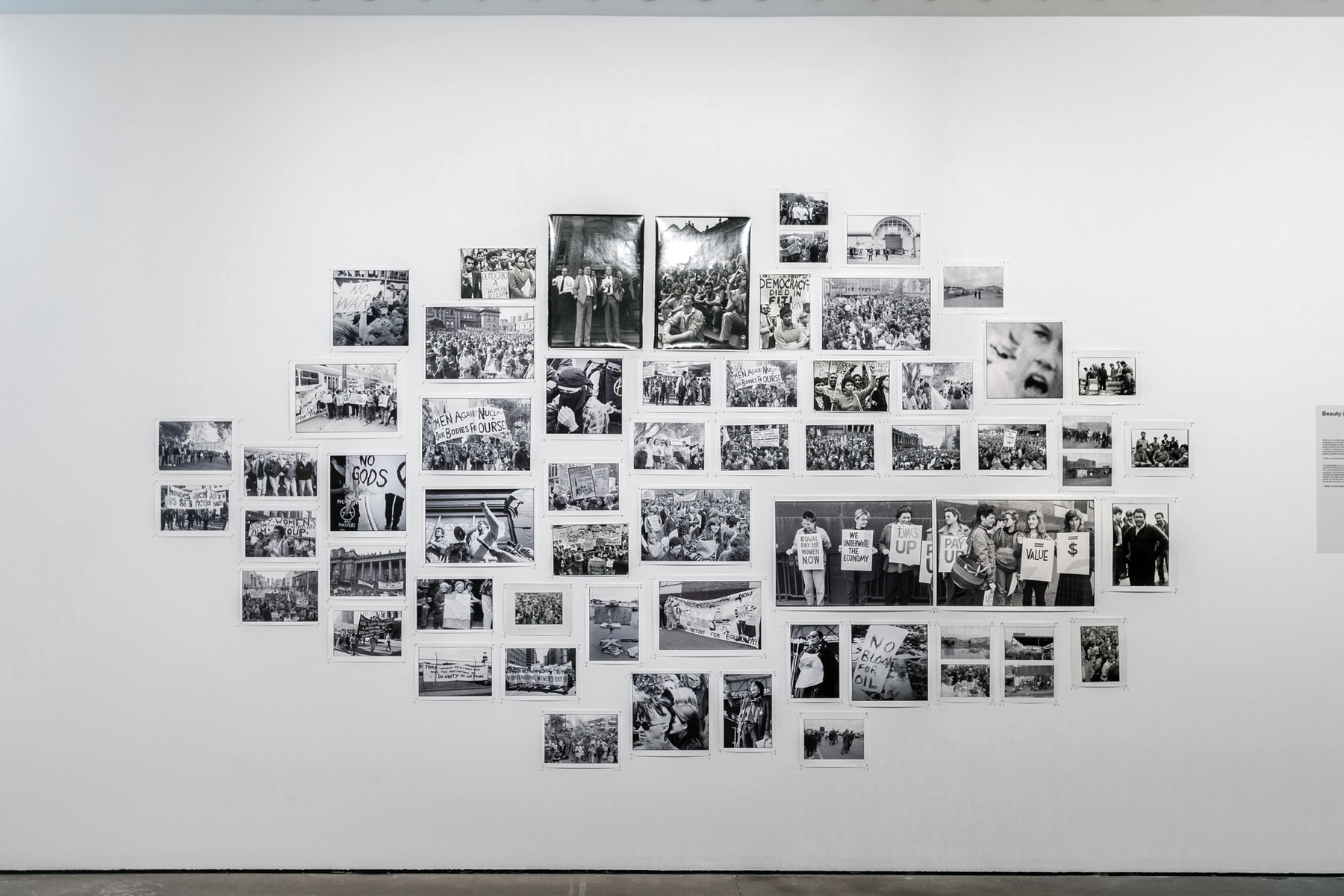
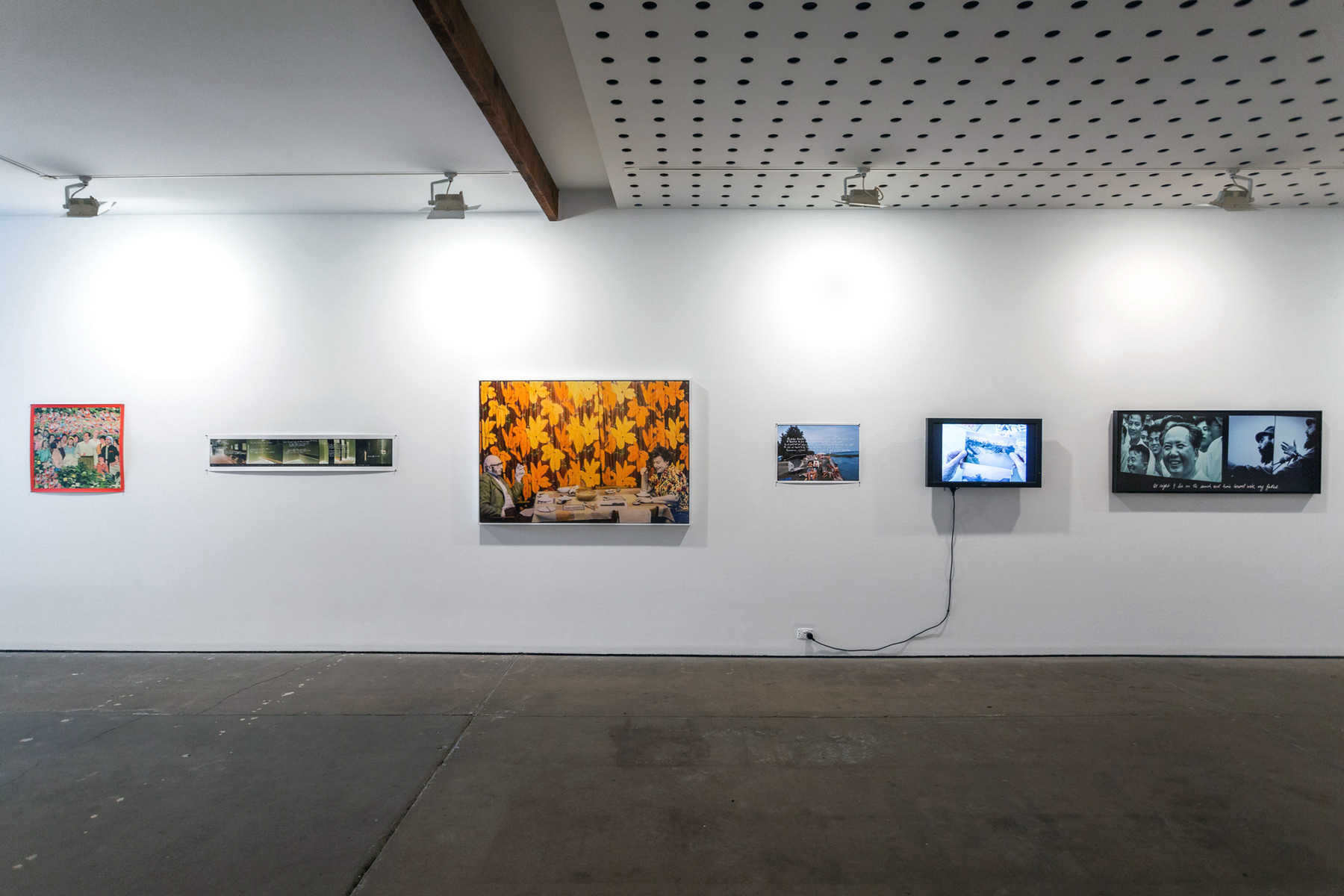
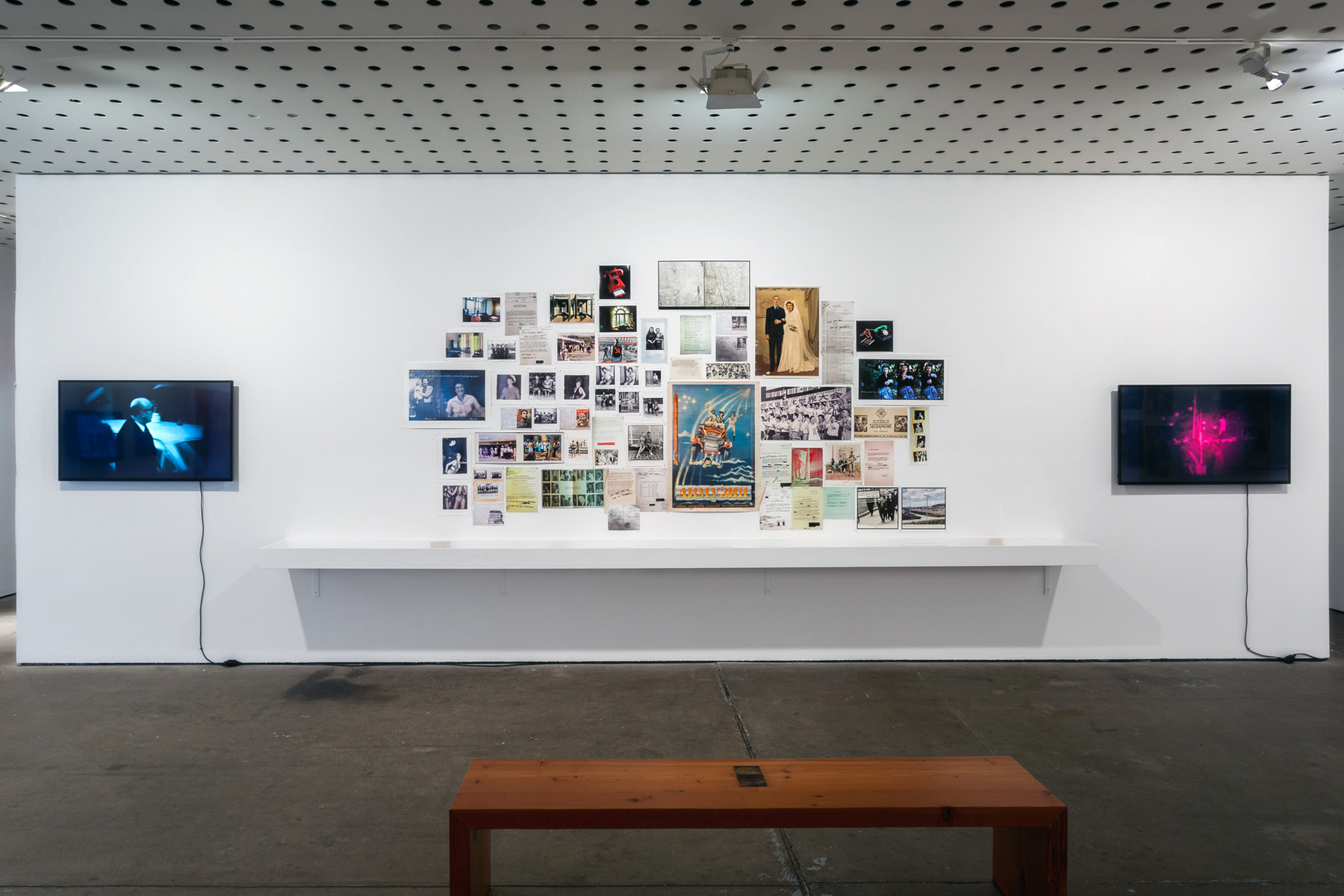
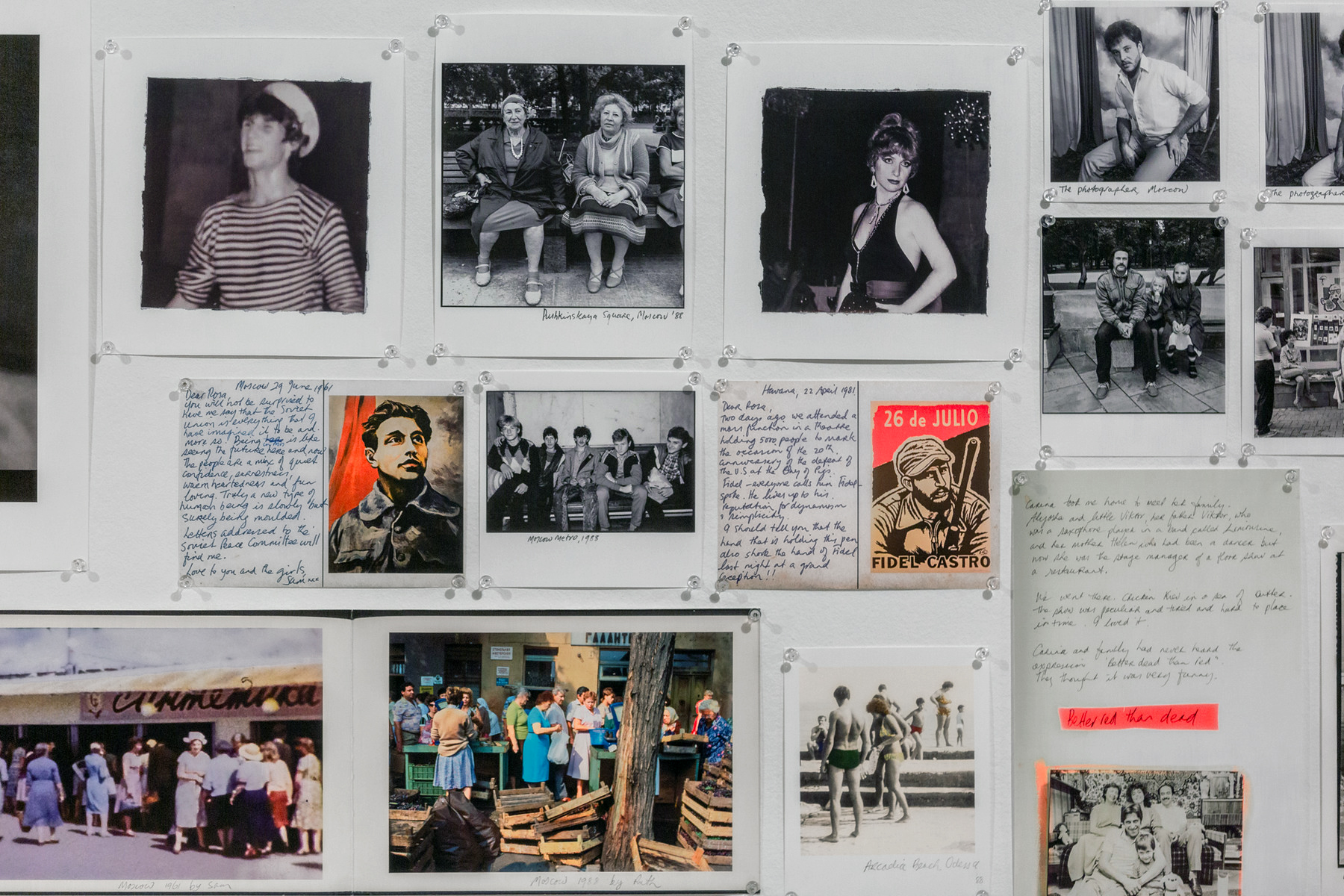
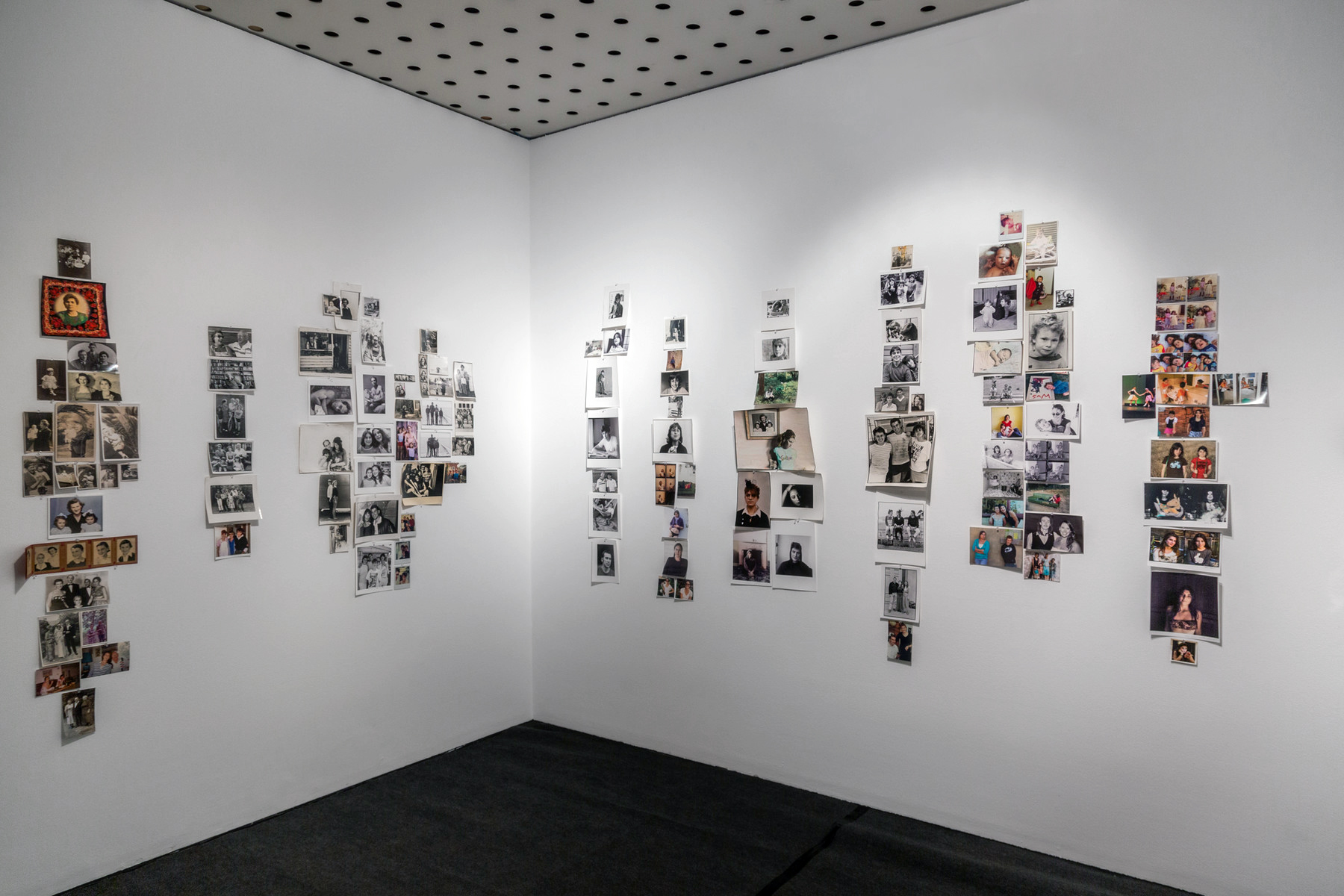
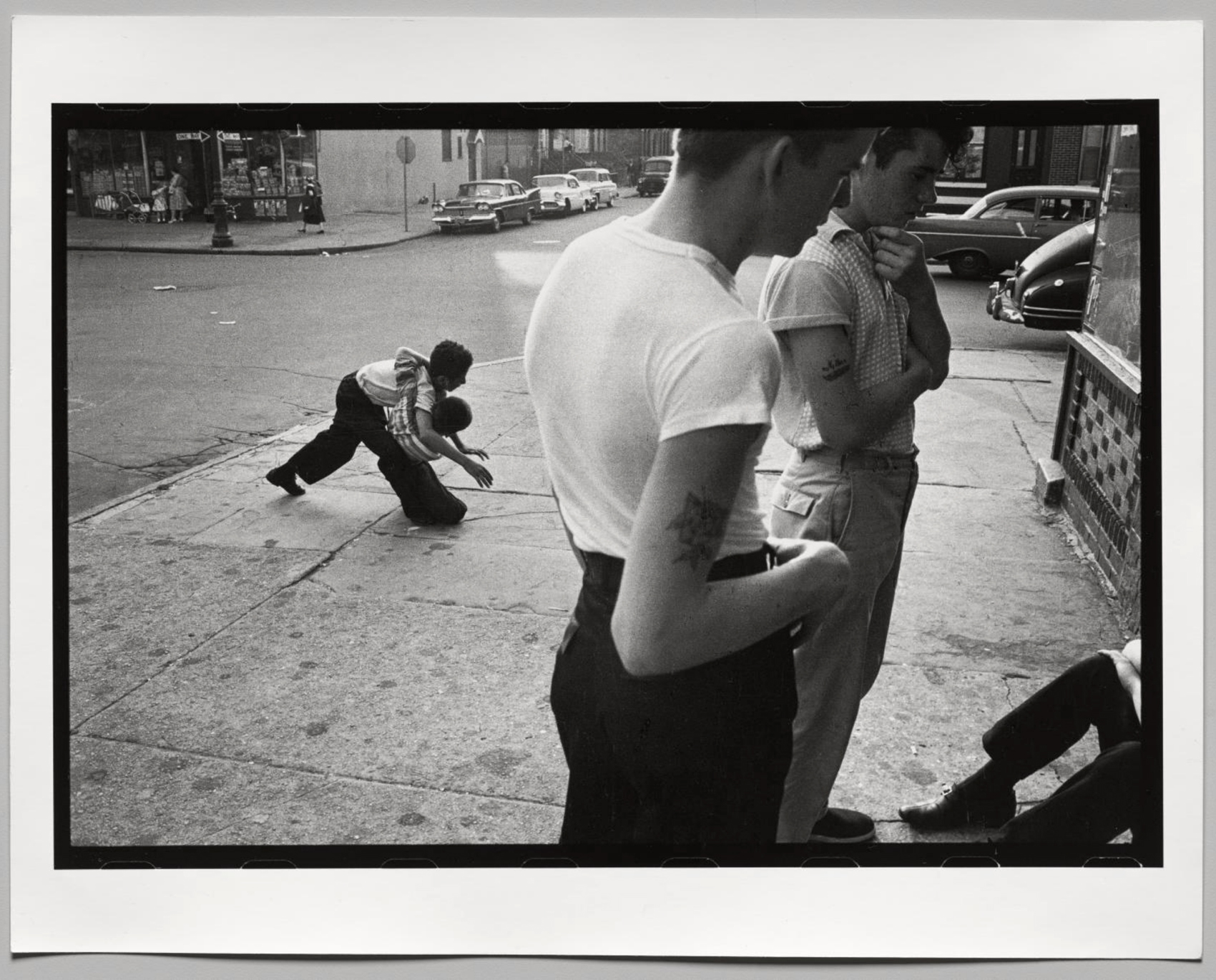
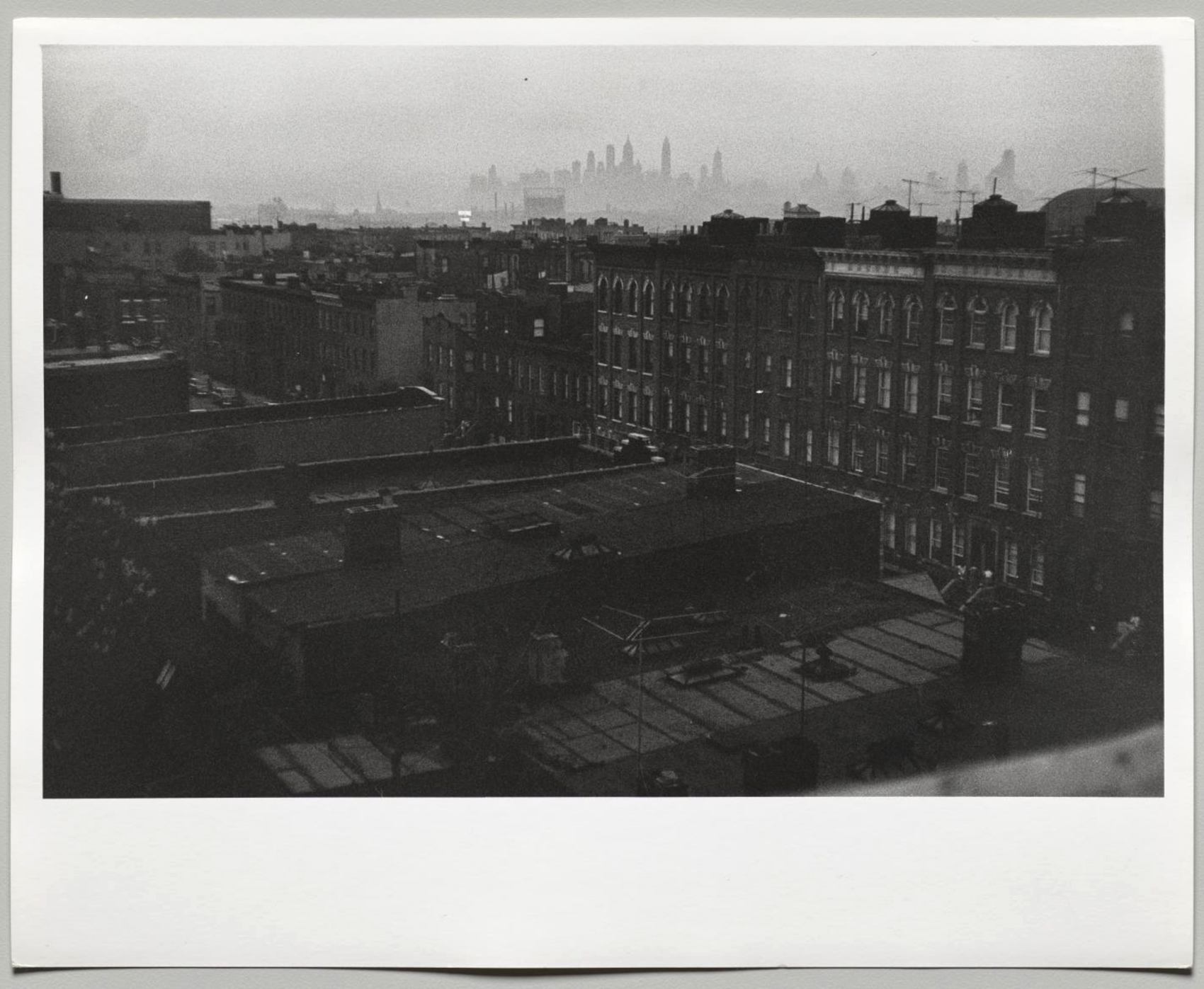
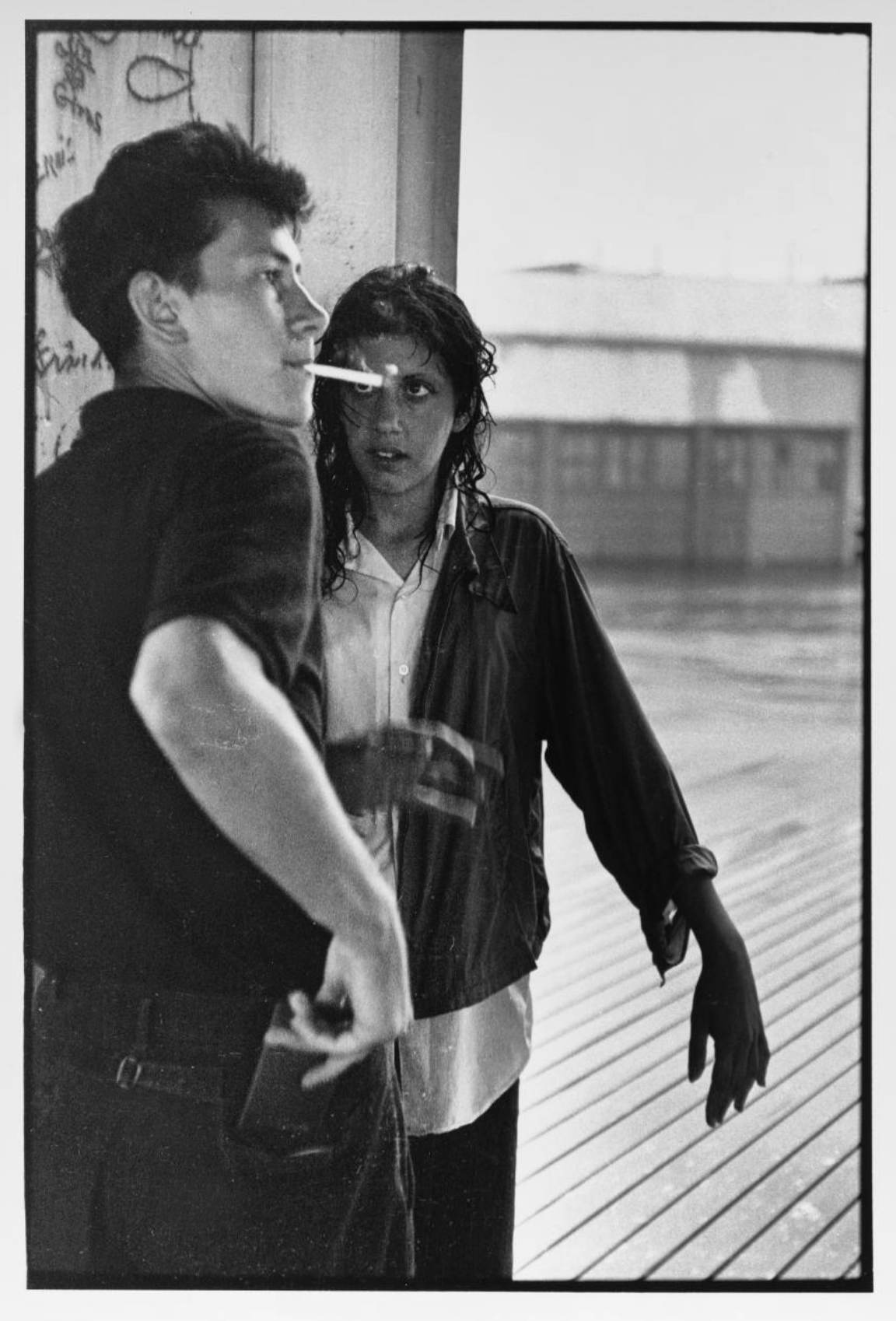
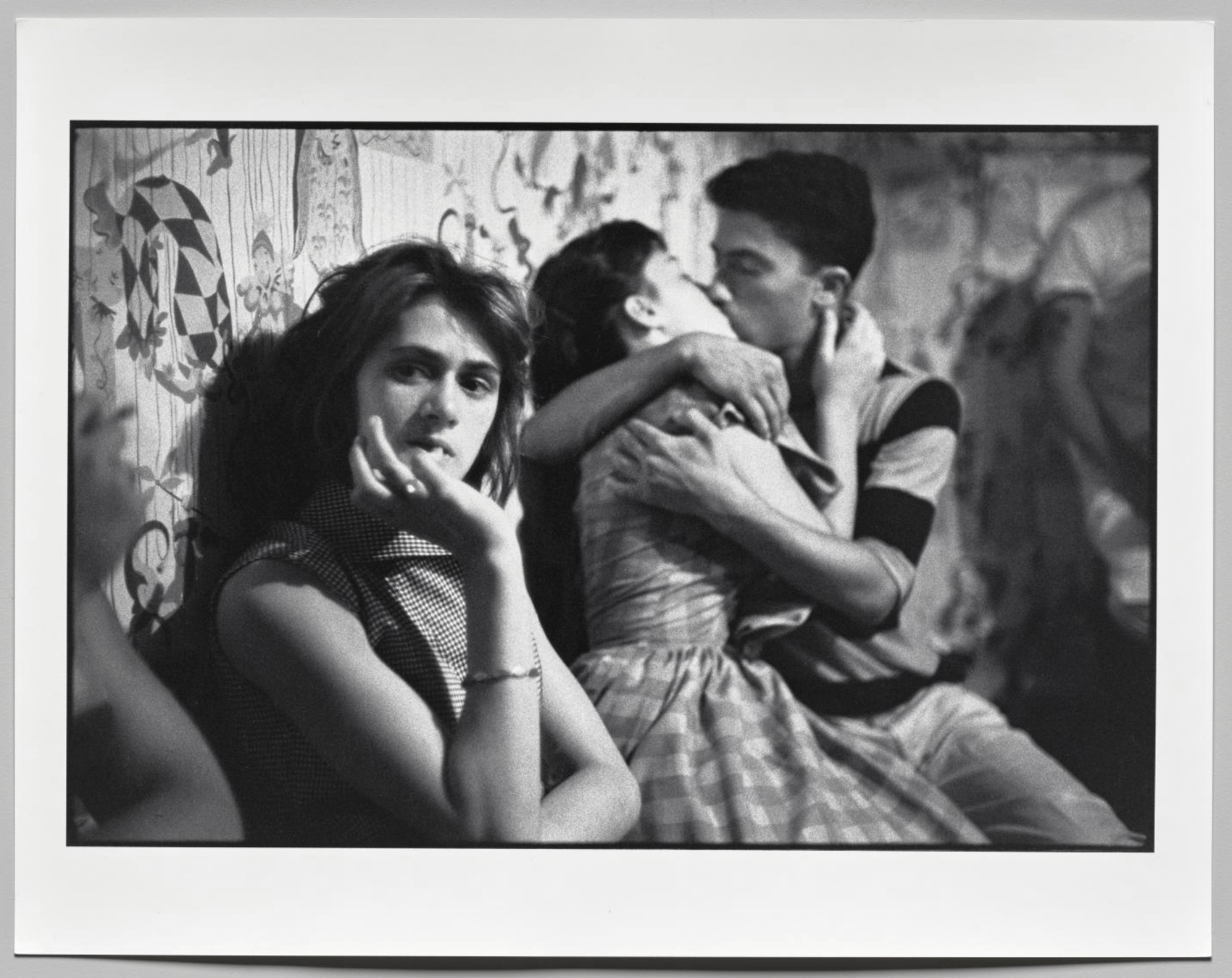
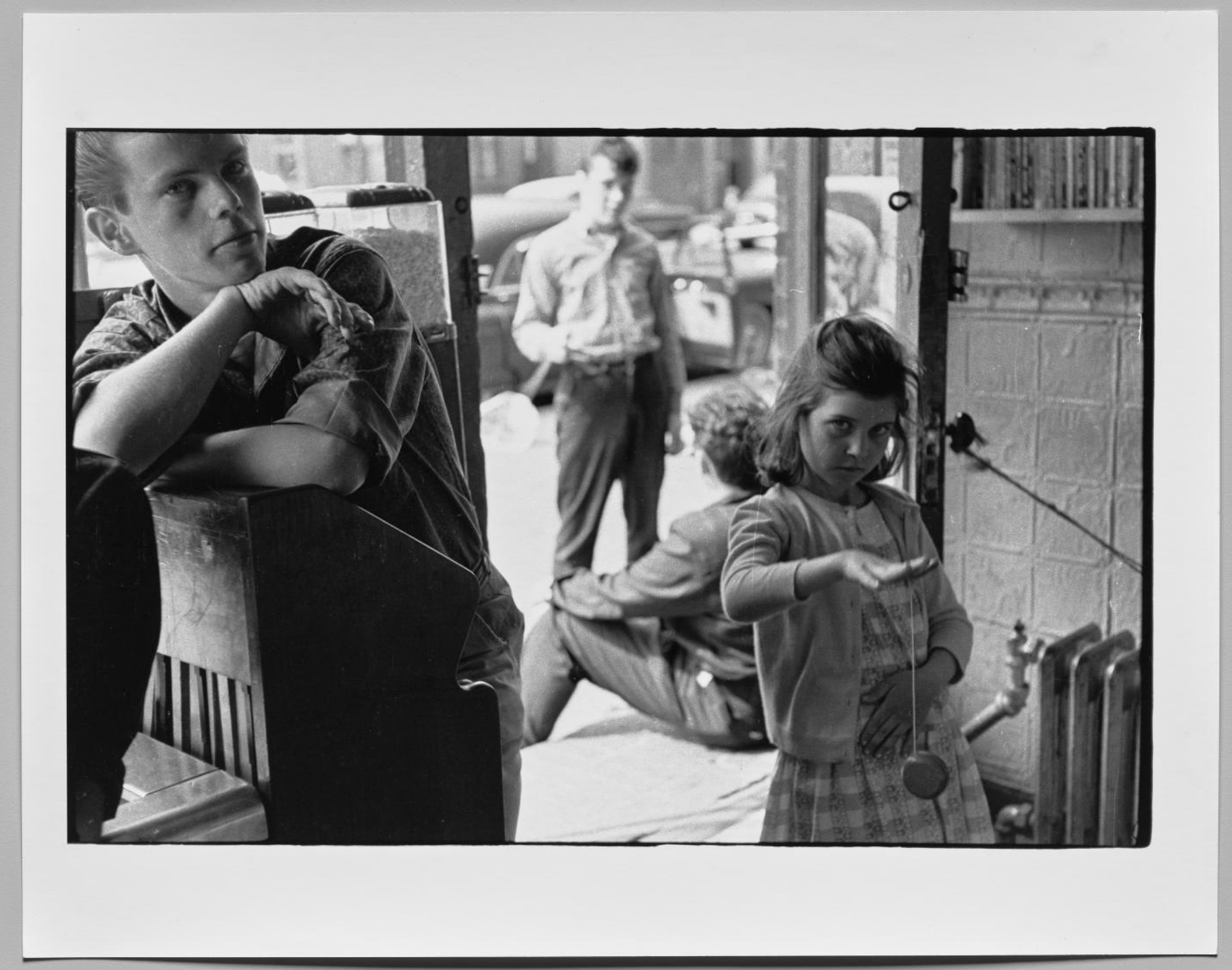
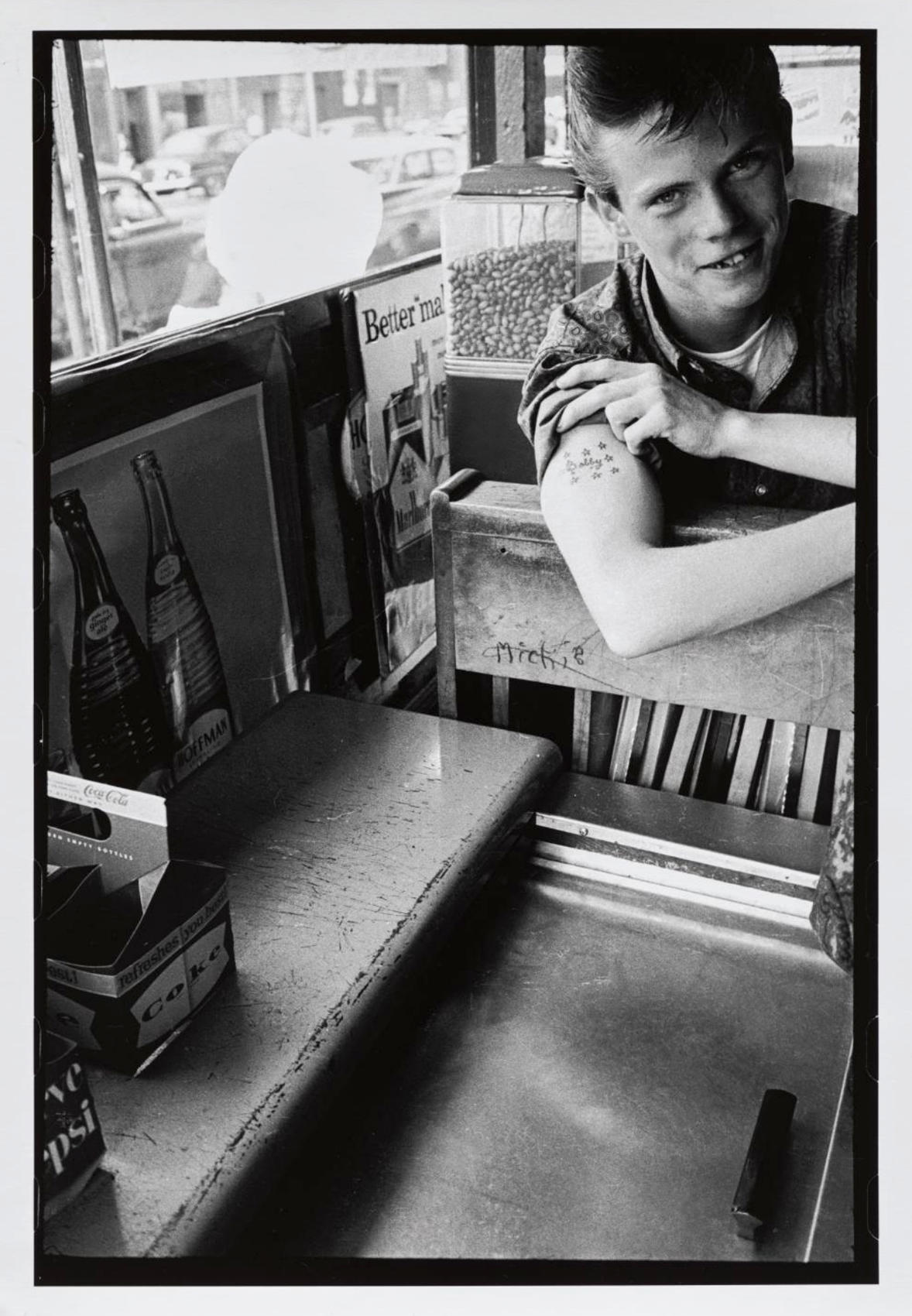
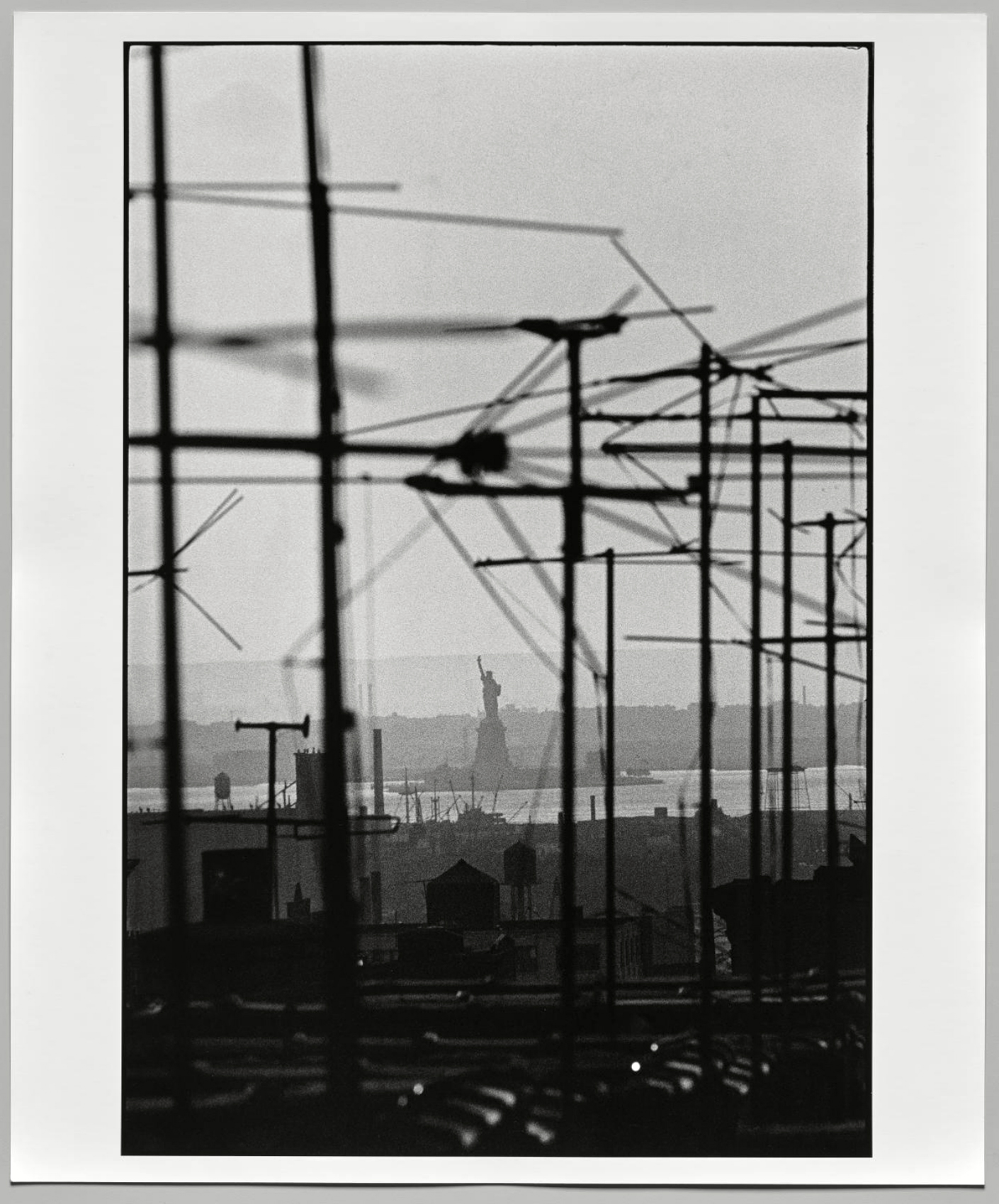
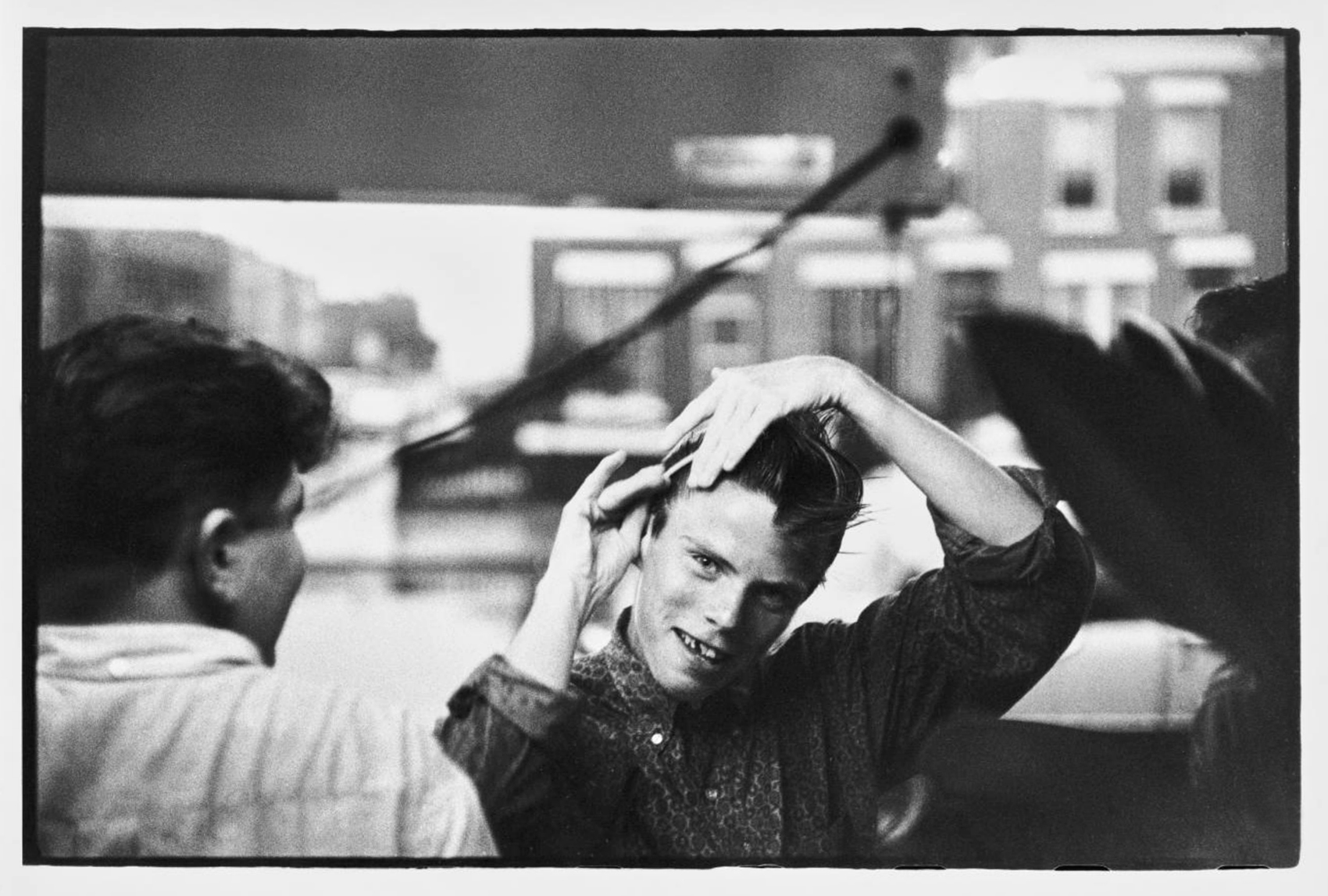
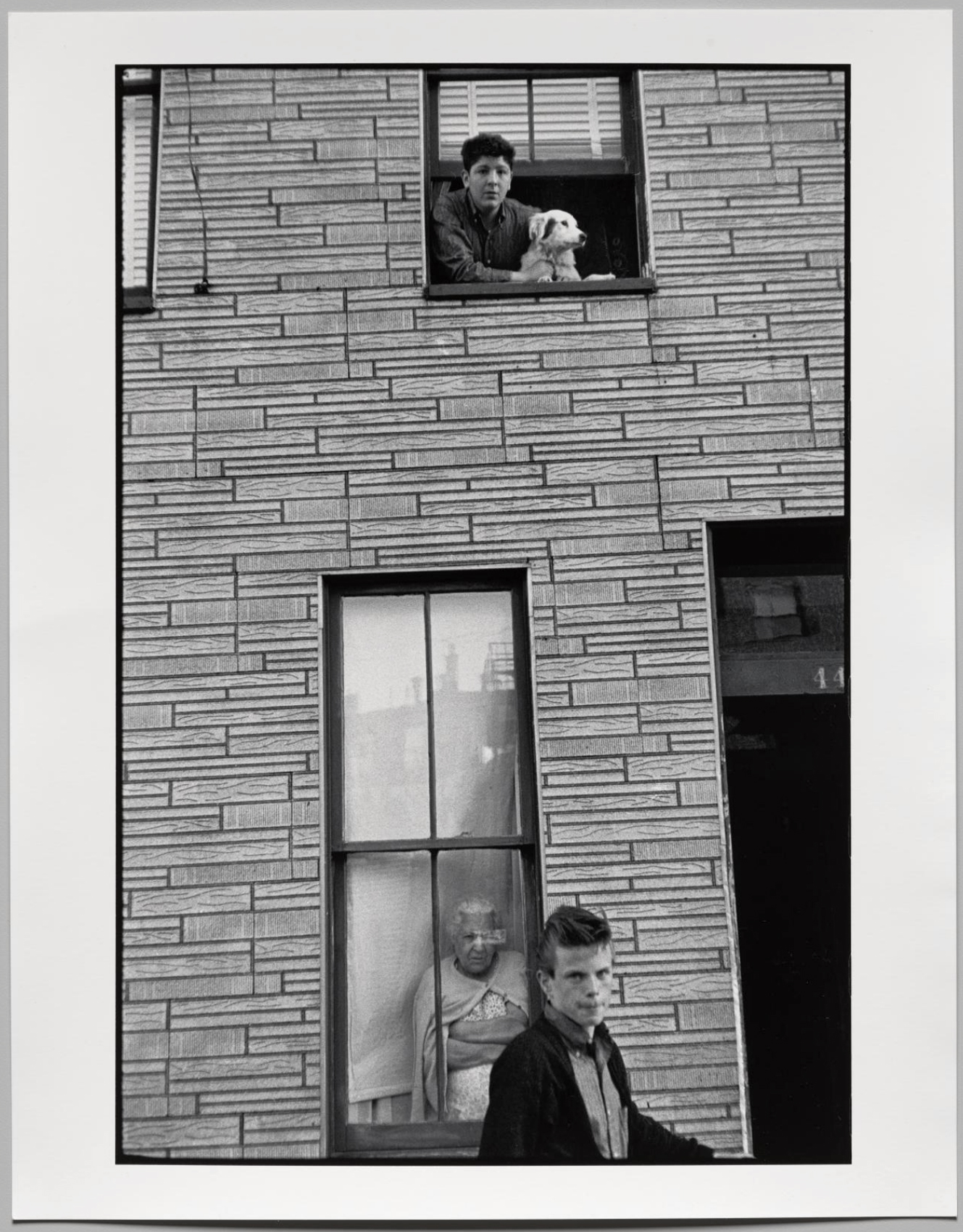


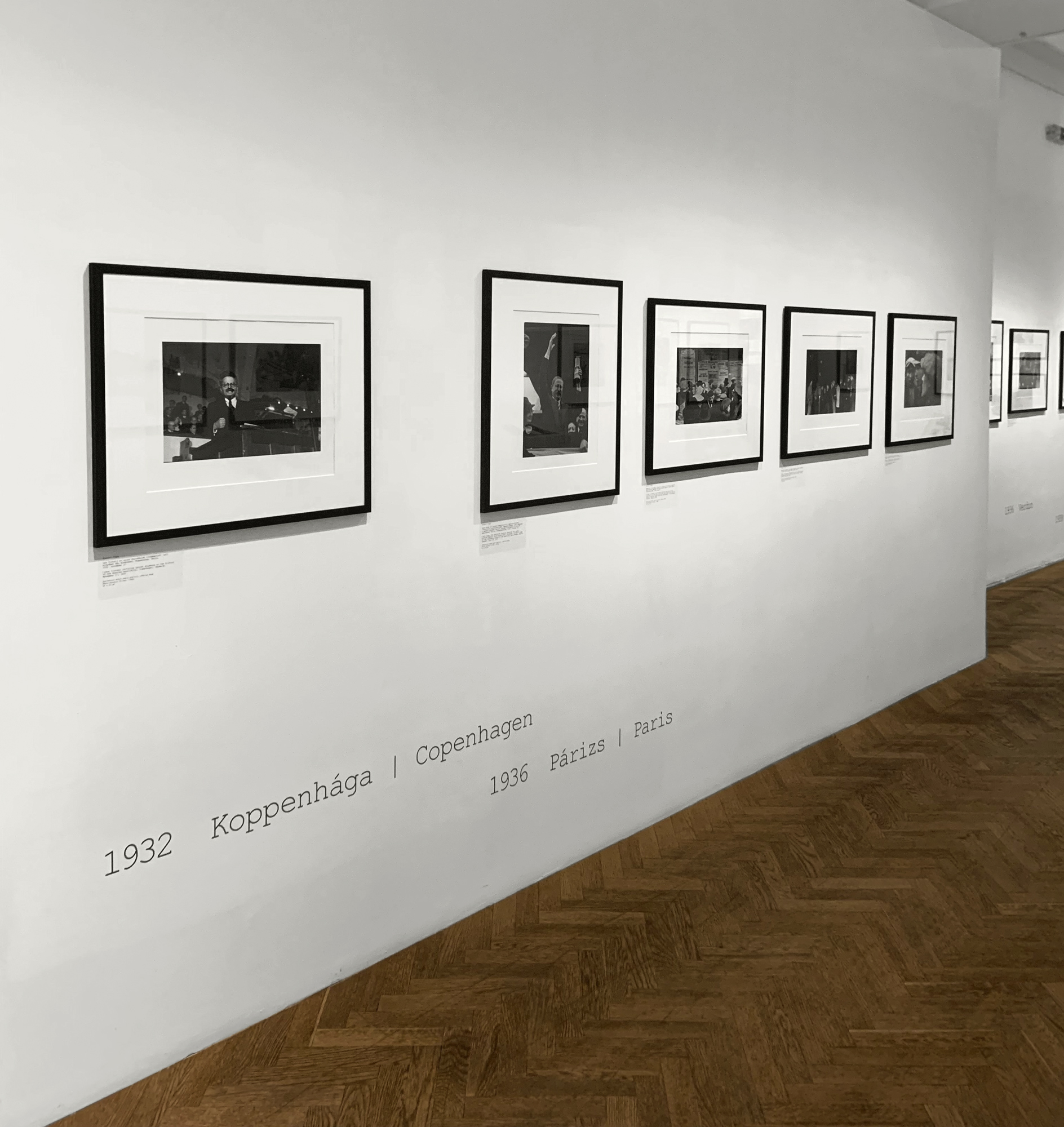


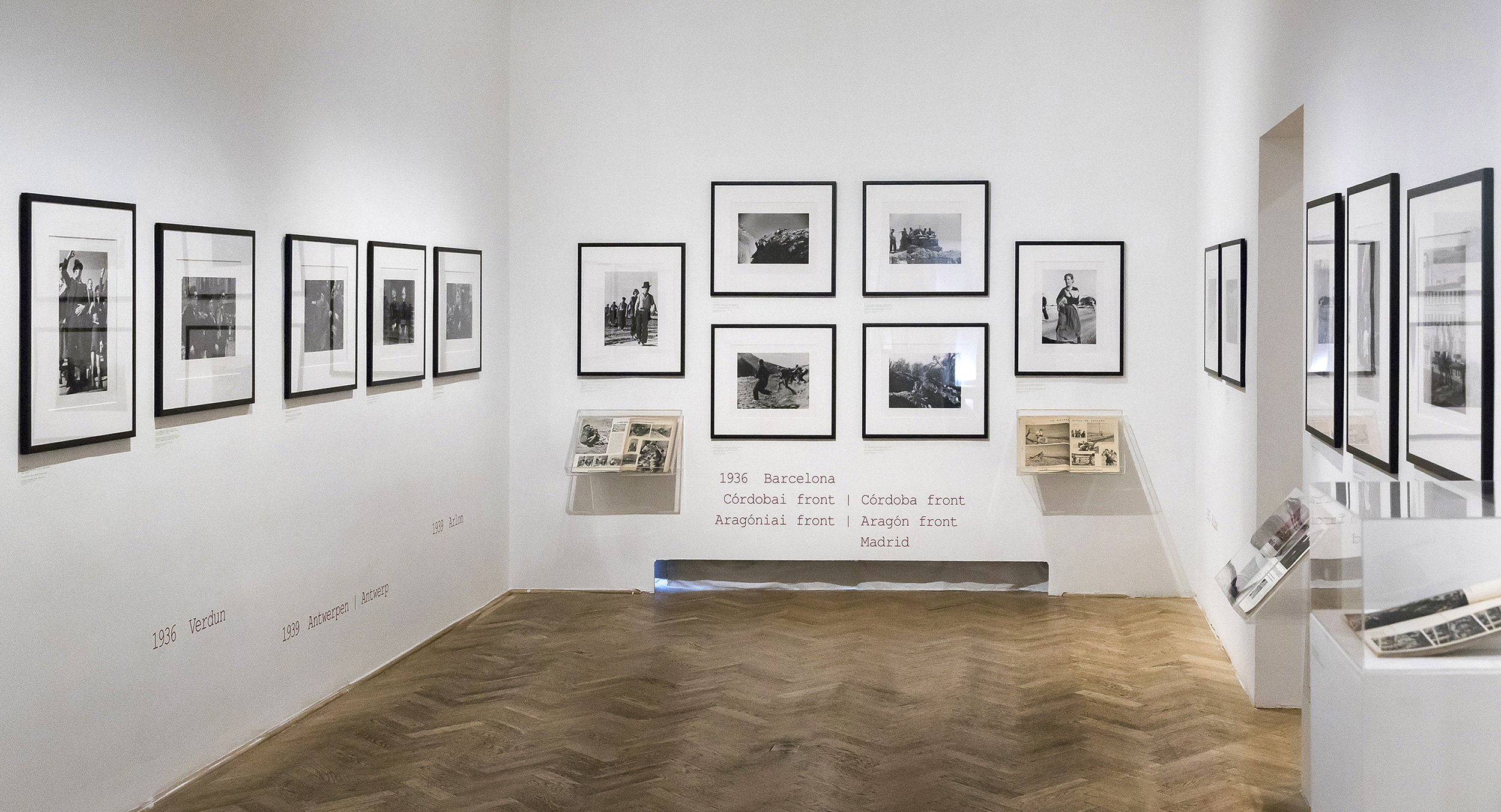
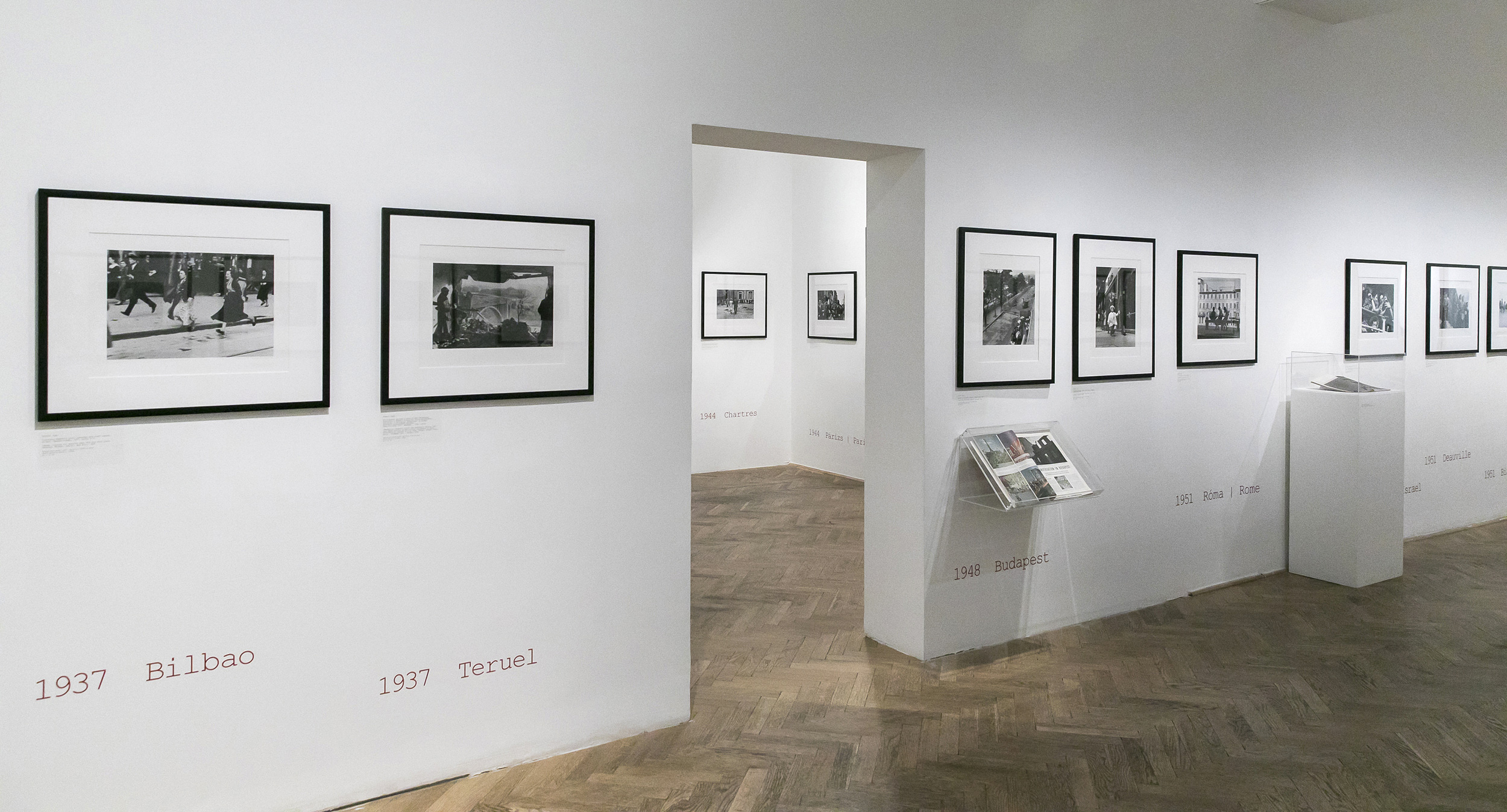


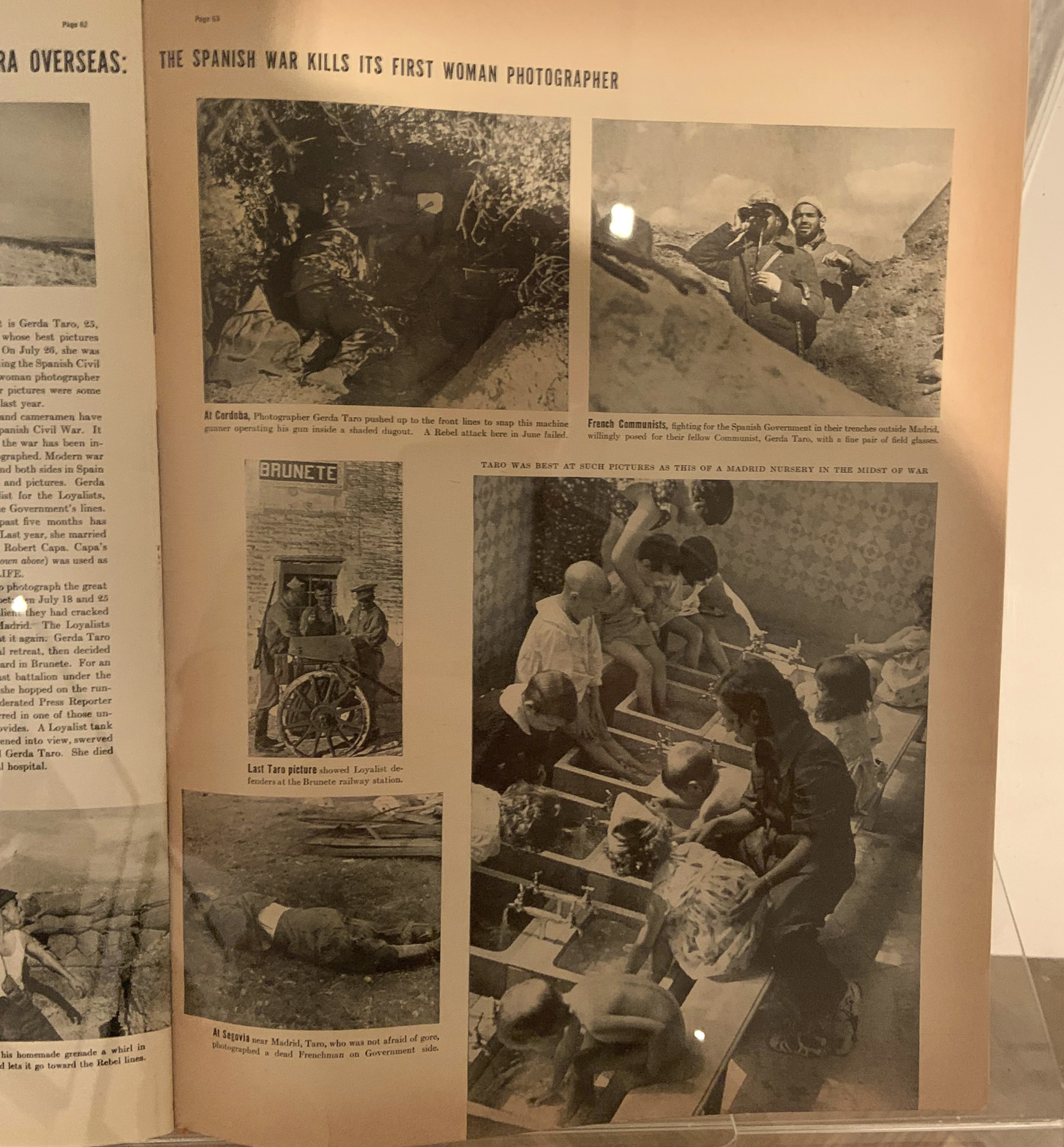
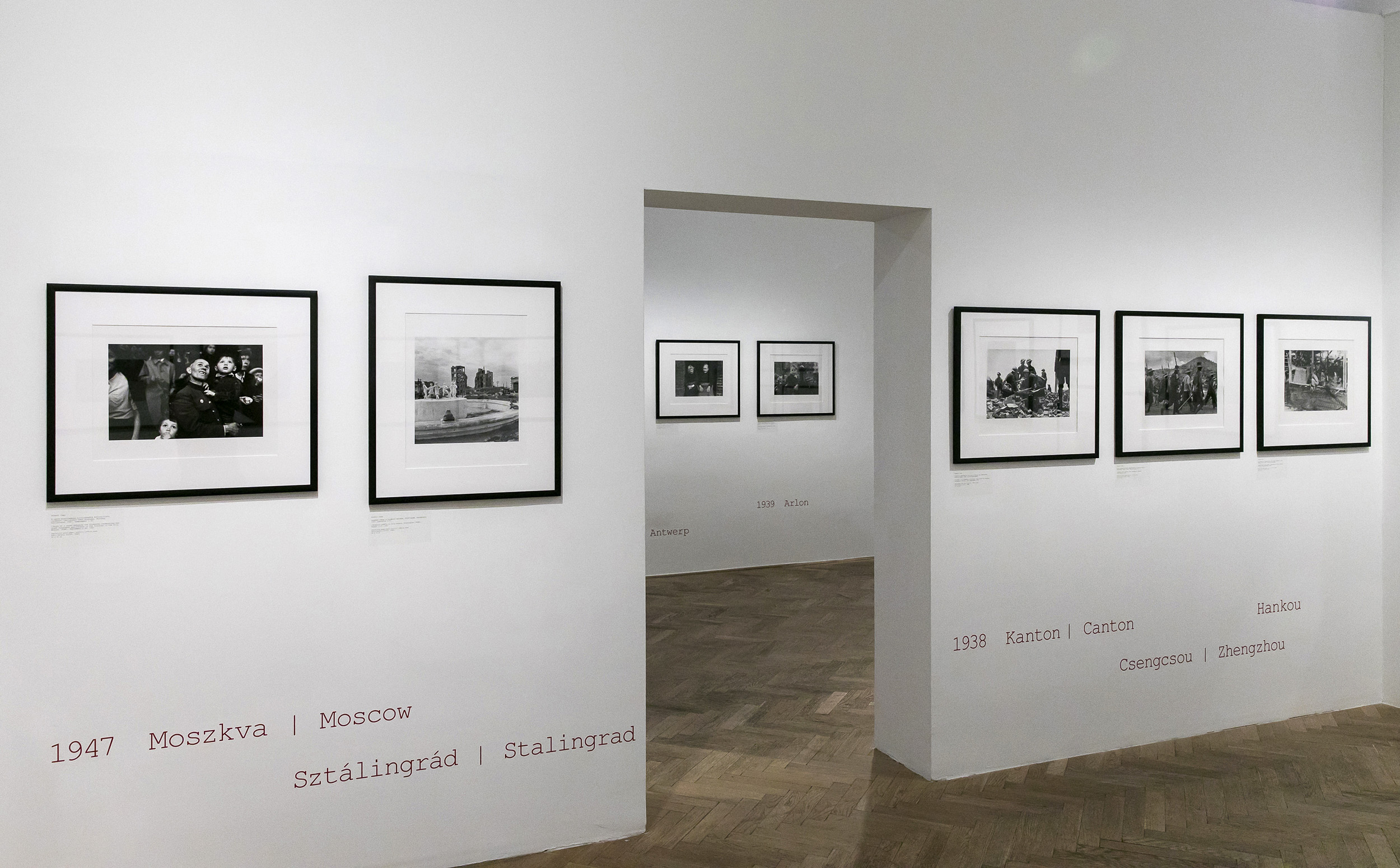


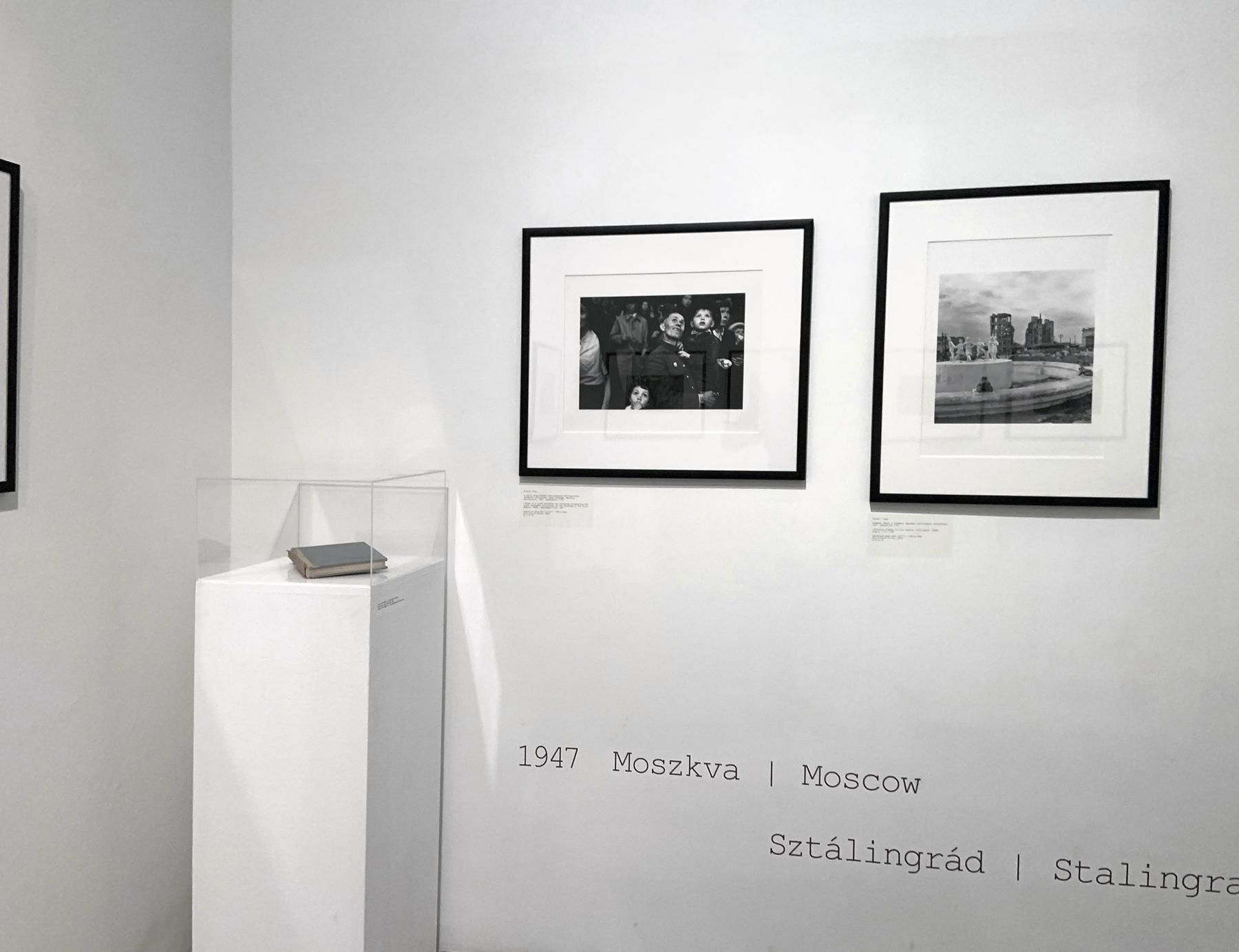

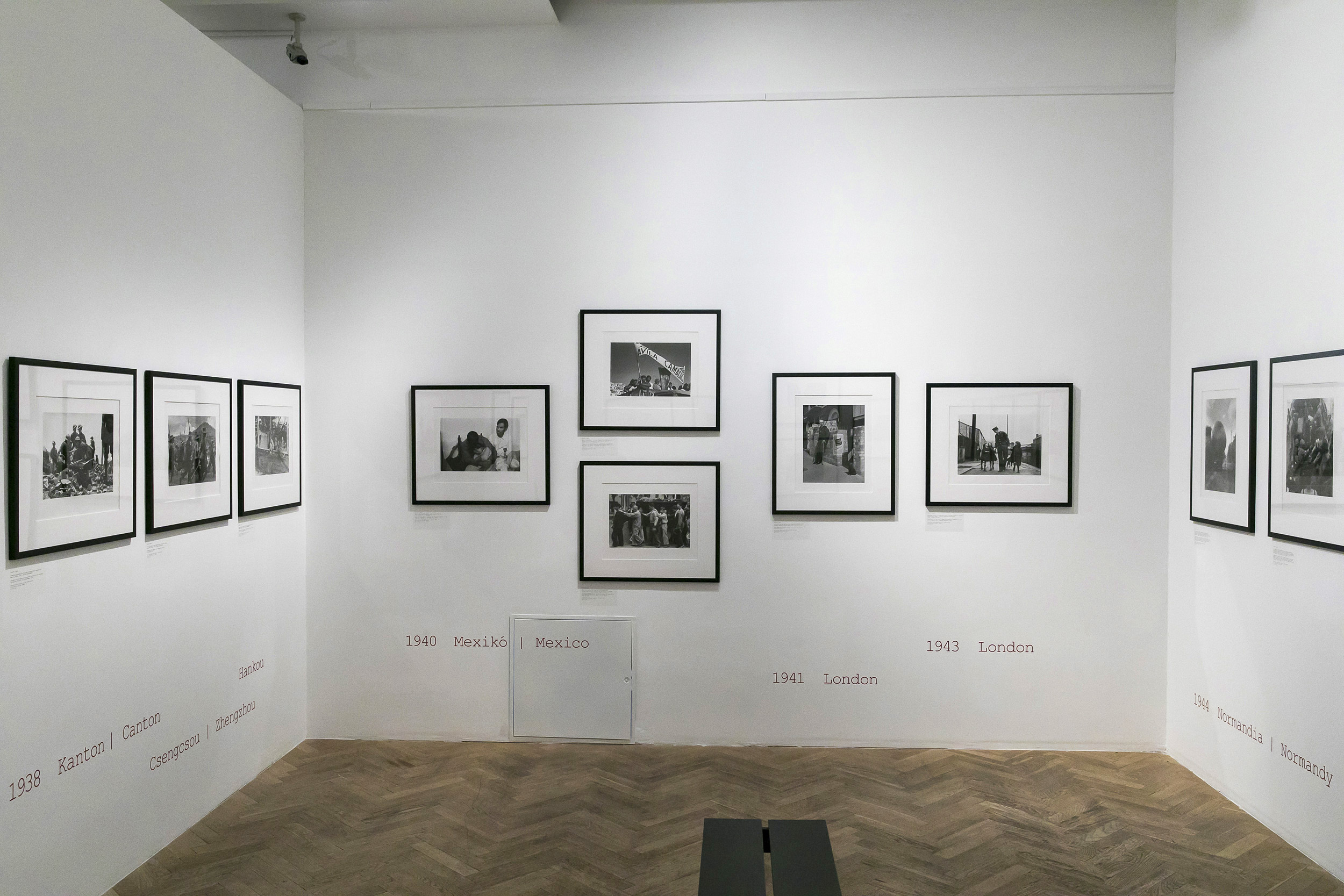





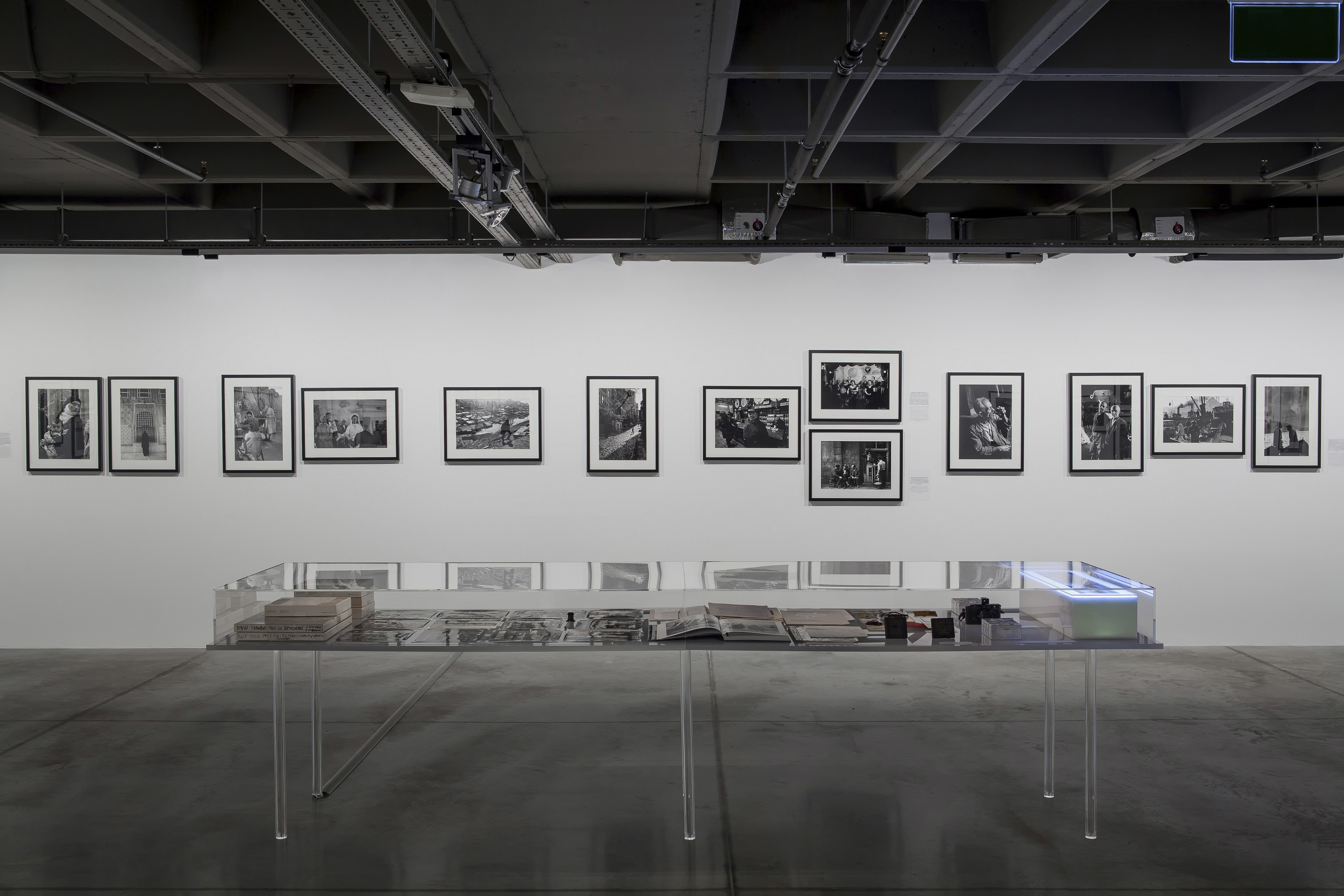
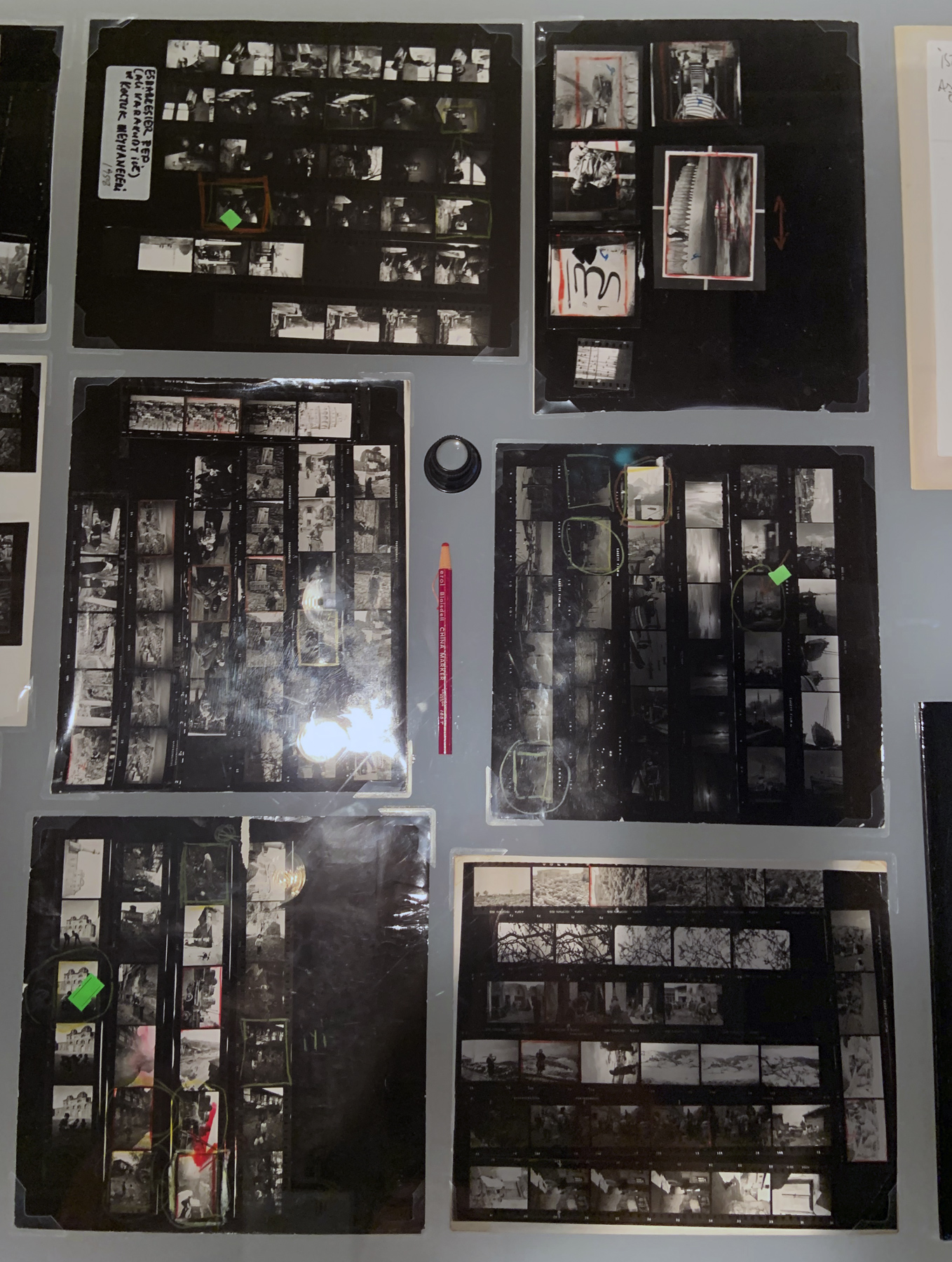

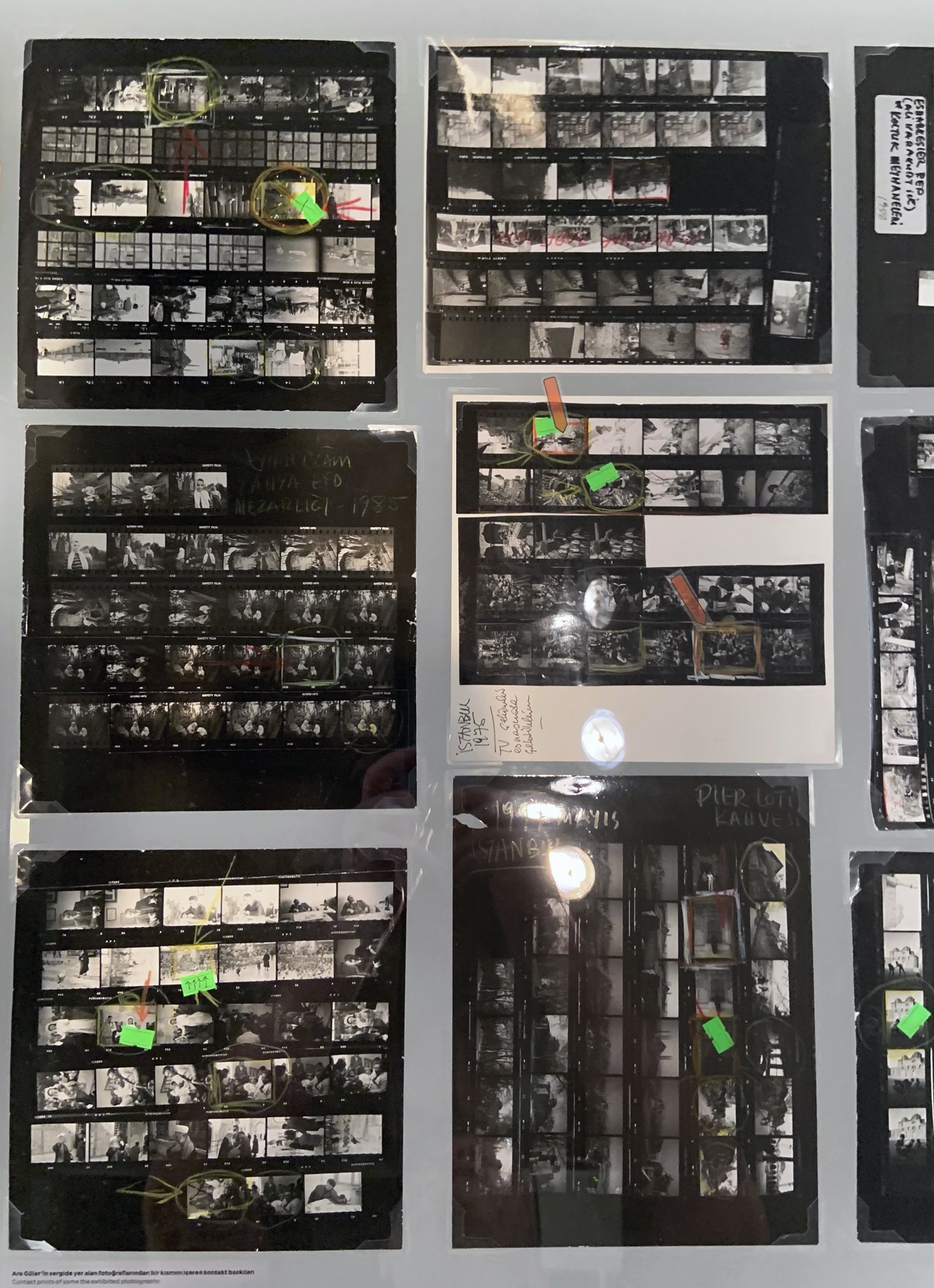
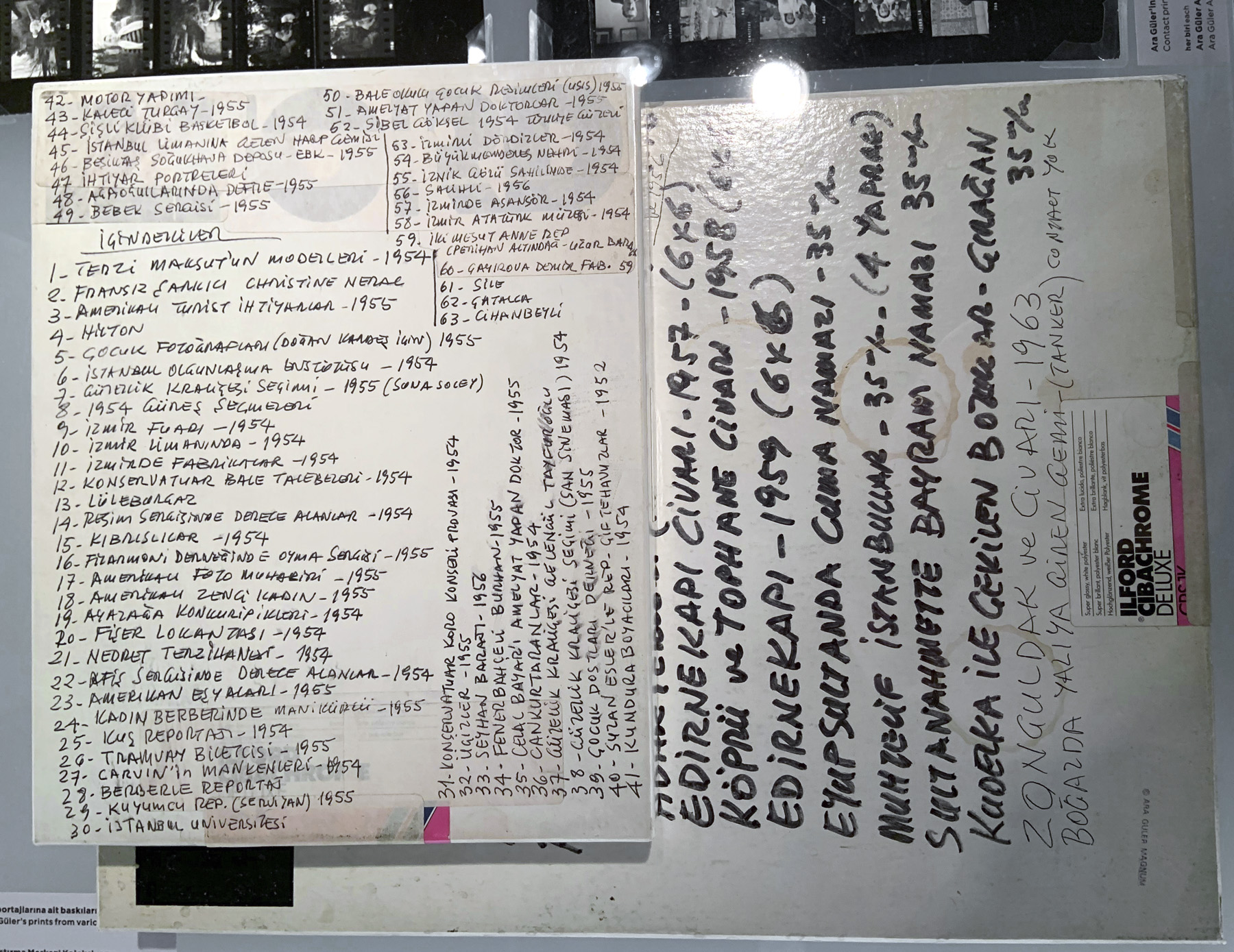

![Ara Güler (Turkish, 1928-2018) 'Hallç, Vapuru'nda [In the Golden Horn Ferry]' 1969 (installation view)](https://artblart.com/wp-content/uploads/2019/10/guller-x-web.jpg "Ara Güler (Turkish, 1928-2018) 'Hallç, Vapuru'nda [In the Golden Horn Ferry]' 1969 (installation view)")

![Ara Güler (Turkish, 1928-2018) 'Persembe Pazan, Karaköy [Thursday Market, Karaköy]' 1957 (installation view)](https://artblart.com/wp-content/uploads/2019/10/guller-v-web.jpg "Ara Güler (Turkish, 1928-2018) 'Persembe Pazan, Karaköy [Thursday Market, Karaköy]' 1957 (installation view)")
![Ara Güler (Turkish, 1928-2018) 'Persembe Pazan, Karaköy [Thursday Market, Karaköy]' 1957](https://artblart.com/wp-content/uploads/2019/10/guller-v2-web.jpg "Ara Güler (Turkish, 1928-2018) 'Persembe Pazan, Karaköy [Thursday Market, Karaköy]' 1957")

![Ara Güler (Turkish, 1928-2018) 'Hazzopulo Pasajl, Beyoglu [Hazzopulo Passage, Beyoglu]' 1958 (installation view)](https://artblart.com/wp-content/uploads/2019/10/guller-t-web.jpg "Ara Güler (Turkish, 1928-2018) 'Hazzopulo Pasajl, Beyoglu [Hazzopulo Passage, Beyoglu]' 1958 (installation view)")
![Ara Güler (Turkish, 1928-2018) 'Hazzopulo Pasajl, Beyoglu [Hazzopulo Passage, Beyoglu]' 1958](https://artblart.com/wp-content/uploads/2019/10/guler-hazzopulo-pasajl-beyoglu-web.jpg "Ara Güler (Turkish, 1928-2018) 'Hazzopulo Pasajl, Beyoglu [Hazzopulo Passage, Beyoglu]' 1958")
![Ara Güler (Turkish, 1928-2018) 'Eyüp Sultan Camii [Eyüp Sultan Mosque]' 1965 (installation view)](https://artblart.com/wp-content/uploads/2019/10/guller-p-web.jpg "Ara Güler (Turkish, 1928-2018) 'Eyüp Sultan Camii [Eyüp Sultan Mosque]' 1965 (installation view)")
![Ara Güler (Turkish, 1928-2018) 'Eyüp Sultan Camii [Eyüp Sultan Mosque]' 1965](https://artblart.com/wp-content/uploads/2019/10/guler-eyucc88p-sultan-camii-web.jpg "Ara Güler (Turkish, 1928-2018) 'Eyüp Sultan Camii [Eyüp Sultan Mosque]' 1965")

![Ara Güler (Turkish, 1928-2018) 'Sokollu Mehmet Paşa Camii, Kadirga [Sokollu Mehmet Pasha Mosque, Kadirga]' 1988 (installation view)](https://artblart.com/wp-content/uploads/2019/10/guller-a-web.jpg "Ara Güler (Turkish, 1928-2018) 'Sokollu Mehmet Paşa Camii, Kadirga [Sokollu Mehmet Pasha Mosque, Kadirga]' 1988 (installation view)")
![Ara Güler (Turkish, 1928-2018) 'Kandilli [A Bosphorus passenger boat leaving the European shores of Istanbul for the Asian shore]' 1965](https://artblart.com/wp-content/uploads/2019/10/guler-kandilli-web.jpg "Ara Güler (Turkish, 1928-2018) 'Kandilli [A Bosphorus passenger boat leaving the European shores of Istanbul for the Asian shore]' 1965")


![Ara Güler (Turkish, 1928-2018) 'Kapaliçarsi [The Grand Bazaar]' 1972 (installation view)](https://artblart.com/wp-content/uploads/2019/10/guller-e-web.jpg "Ara Güler (Turkish, 1928-2018) 'Kapaliçarsi [The Grand Bazaar]' 1972 (installation view)")


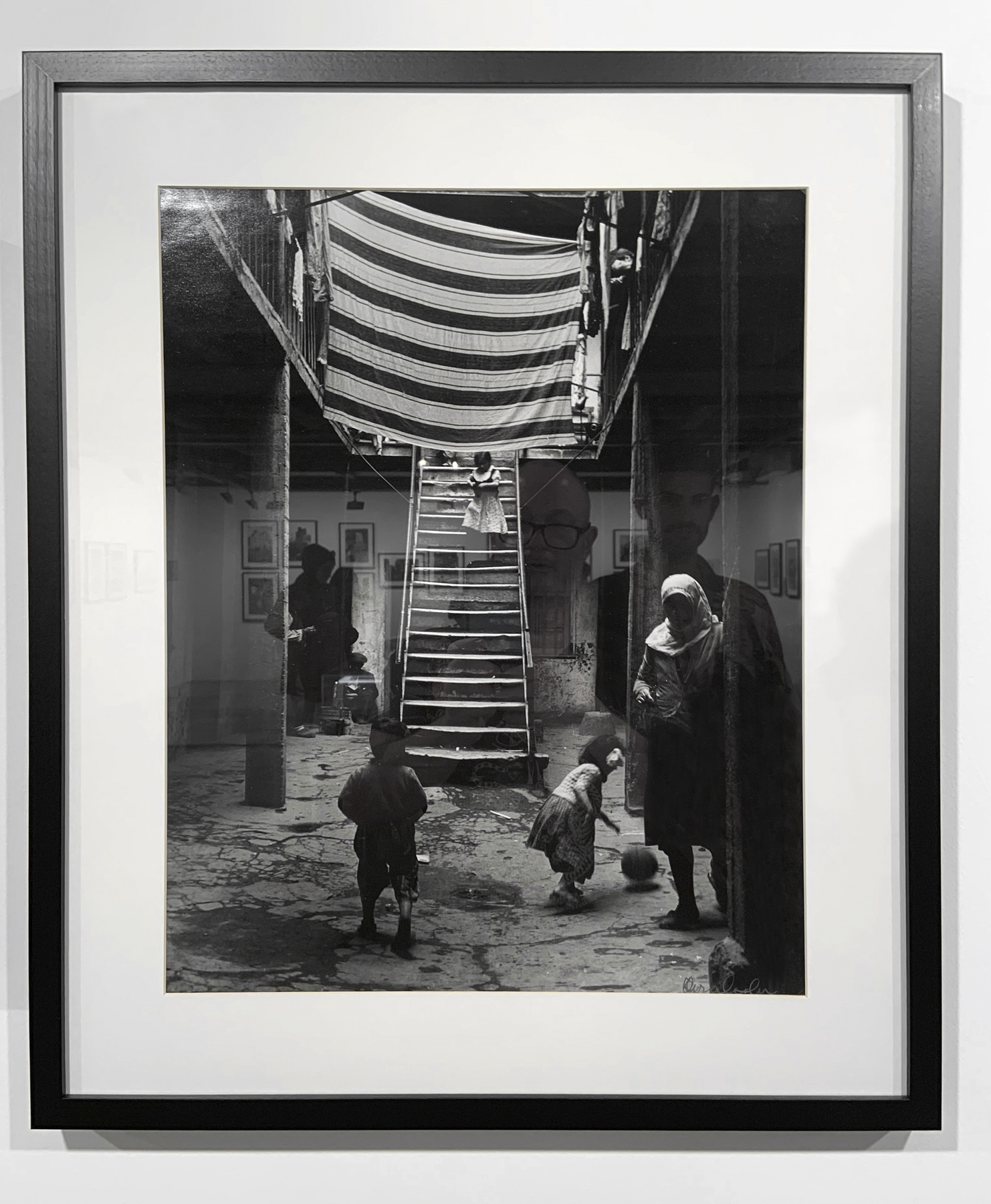
![Ara Güler (Turkish, 1928-2018) 'Tophane [Atrium of a house]' 1954](https://artblart.com/wp-content/uploads/2019/10/guler-tophane-web.jpg "Ara Güler (Turkish, 1928-2018) 'Tophane [Atrium of a house]' 1954")
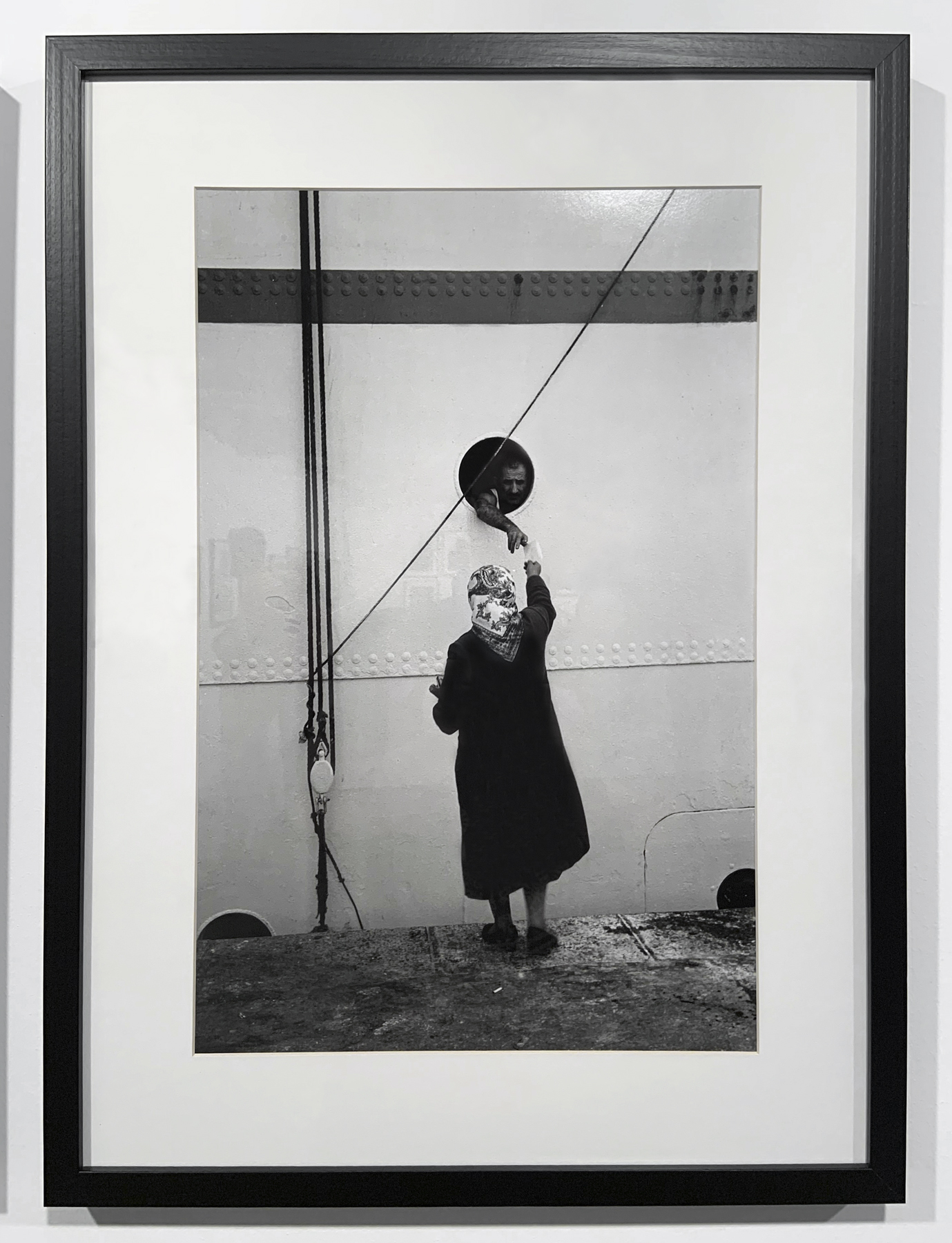
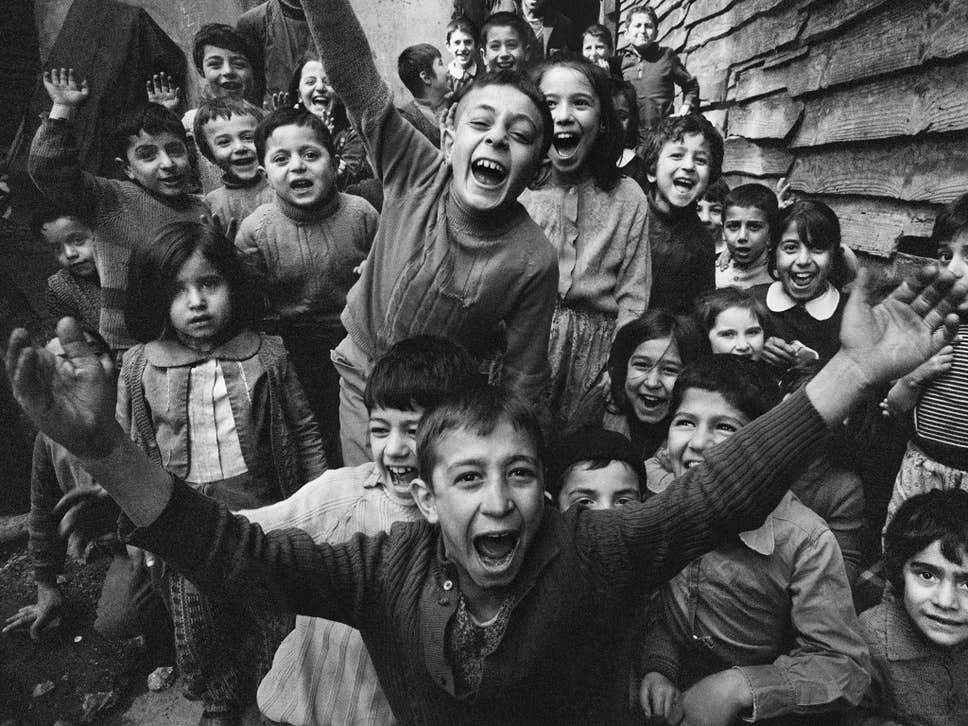














 Art Blart _ art and cultural memory archive
You must be logged in to post a comment.