This is the most successful, long running group portrait series in the history of photography. I have always liked the images because of their stunning clarity, delicate tonality and wonderful arrangement of the figures. Much as they shield their privacy, as a viewer I feel like I have grown up with these women, the sisters I never had. Some images are more successful than others, but as a body of work that focuses on the “face” we present to the world, they are without peer.
Just imagine being these women (and being the photographer), taking on this project and not knowing where it would lead, still not knowing where it will lead. There is a fascinating period in the photographs between 1986 and 1990, as we see the flush of youth waning, transitioning towards the beginning of middle age. As they grow older and closer I feel that I know their characters. I look for that inflection and nuance of presentation that make them more than just faces, more than just photographic representation. The lines on their faces are the handwriting of their travails and I love them all for that.
In each photograph they are as beautiful as the next, not in a Western sense, but in the sense of archetypal beauty, the Platonic form of all beauty – the beauty of women separated from the individuality of the object and considered by itself. In each of these images you can contemplate that form through the faces of these women – they are transcendent and pure. It is as if they live beyond space and time, that the photographs capture this sense of the sublime. Usually the sublime is regarded as beyond time… but not here.
A simply magnificent series.
Dr Marcus Bunyan
PS. Let’s hope that there are more images from the series that we can eventually see and that there are some platinum prints being produced. The images deserve such a printing.
Many thankx to MoMA for allowing me to publish the photographs in the posting. Please click on the photographs for a larger version of the image.
“Throughout this series, we watch these women age, undergoing life’s most humbling experience. While many of us can, when pressed, name things we are grateful to Time for bestowing upon us, the lines bracketing our mouths and the loosening of our skin are not among them. So while a part of the spirit sinks at the slow appearance of these women’s jowls, another part is lifted: They are not undone by it. We detect more sorrow, perhaps, in the eyes, more weight in the once-fresh brows. But the more we study the images, the more we see that ageing does not define these women. Even as the images tell us, in no uncertain terms, that this is what it looks like to grow old, this is the irrefutable truth, we also learn: This is what endurance looks like. …
These subjects are not after attention, a rare quality in this age when everyone is not only a photographer but often his own favourite subject. In this, Nixon has pulled off a paradox: The creation of photographs in which privacy is also the subject. The sisters’ privacy has remained of utmost concern to the artist, and it shows in the work. Year after year, up to the last stunning shot with its triumphant shadowy mood, their faces and stances say, Yes, we will give you our image, but nothing else.”
Susan Minot. “Forty Portraits in Forty Years: Photographs by Nicholas Nixon,” on the ‘New York Times’ website, October 2014 [Online] Cited 01/01/2015. No longer available online. Used under fair use conditions for the purposes of education and research
In August 1974, Nicholas Nixon made a photograph of his wife, Bebe, and her three sisters. He wasn’t pleased with the result and discarded the negative. In July 1975 he made one that seemed promising enough to keep. At the time, the Brown sisters were 15 (Mimi), 21 (Laurie), 23 (Heather), and 25 (Bebe). The following June, Laurie Brown graduated from college, and Nick made another picture of the four sisters. It was after this second successful picture that the group agreed to gather annually for a portrait, and settled on the series’ two constants: the sisters would always appear in the same order – from left to right, Heather, Mimi, Bebe, and Laurie – and they would jointly agree on a single image to represent a given year. Also significant, and unchanging, is the fact that each portrait is made with an 8 x 10″ view camera on a tripod and is captured on a black-and-white film negative.
The Museum has exhibited and collected the Brown Sisters from the beginning; since 2006, acquiring the series both as lusciously tactile contact prints and as striking 20 x 24″ enlargements (a new scale for Nixon). This installation – featuring all 40 images – marks the first time the Museum has displayed these larger prints.
In his first published statement about photography, written the year he made the first of the Brown Sisters portraits, Nixon remarked, “The world is infinitely more interesting than any of my opinions about it.” If he was modest about his opinions, though, his photographs clearly show how the camera can capture that infinitely interesting world. And to the attentive viewer, these silent records, with their countless shades of visual and emotional grey, can promote a new appreciation of an intangible part of it: the world of time and age, of commitment and love.
I loved Sugimoto’s time lapse movie screens, where the exact length of a movie was captured by the open lens of the camera, the substance of time and space evidenced by a seemingly empty screen. There was something wonderfully poetic and transformational about that gesture, about the notion of compressing the narrative, reality and action of a movie into a single frame of light: “the ‘annihilation of time and space’ as a particular moment in a dynamic cycle of rupture and recuperation enables a deliberate focus on the process of transition.”1 The process of transition in the flow of space and time.
Sugimoto’s art since that ground breaking body of work has been a bit of a let down. Where the movie theatres photographs were transubstantiationalist, the three series presented here – Dioramas (1975-1994), Portraits (1999) and his newest series, Photogenic Drawings (2008-present) play, if that is the right word, with the re/animation of death. The stuffed animals, the wax figures, the redrawing of William Henry Fox Talbot photogenic drawings, the redrawing of a light already past, just seem DEAD to me – a kind of double death or even triple death – the death of the animal / the death of the photograph, the unreality (the undead) of the wax figures and their death in the photograph, the death of the plant, their capture not once but twice by the death of the photograph. We know exactly what Sugimoto is doing, but the images are stilted and lifeless and I am not convinced by them.
The diorama images are just OK – almost good undergraduate work but nothing more. My problem with the waxworks images and the pencil of nature is “other images”. We all know Cindy Sherman and her images of historical figures, and we know the work of William Henry Fox Talbot. Somehow these earlier images crowd Sugimoto’s work in a way that doesn’t often happen. Winogrand never crowded Friedlander or vice versa – and you can think of many other examples where comparing is actually beneficial… but not here.
I’m not saying Sugimoto is derivative but because of these other works, they don’t have much room to move. Indeed, they hardly move at all. They are so frozen in attitude that all the daring transcendence of light, the light! of space time travel, the transition from one state to another, has been lost. The Flame of Recognition (Edward Weston) – has gone.
Dr Marcus Bunyan
1/ McQuire, Scott. The Media City. London: Sage Publications, 2008, p. 14.
Many thankx to the J. Paul Getty Museum for allowing me to publish the photographs in the posting. Please click on the photographs for a larger version of the image.
Since the mid-1970s, Hiroshi Sugimoto (Japanese, born 1948) has used photography to investigate how history pervades the present. Featuring photographs of habitat dioramas, wax portraits, and early photographic negatives, Hiroshi Sugimoto: Past Tense, on view February 4 – June 8, 2014 at the J. Paul Getty Museum, Getty Center, brings together three separate bodies of work that present objects of historical and cultural significance in the collections of various museums. By photographing subjects that reimagine or replicate moments from the distant past and diverse geographical locations, Sugimoto critiques the medium’s presumed capacity to portray history with accuracy.
“This exhibition presents work that inventively reframes objects from the collections of a variety of museums, including from our extensive holdings of prints from the early days of photography,” explains Timothy Potts, director of the J. Paul Getty Museum. “Mr. Sugimoto has generously donated eighteen prints from his recent Photogenic Drawings series, which reprise a selection of important experiments by William Henry Fox Talbot that are in the Getty Museum’s collection.”
Sugimoto’s meticulously crafted prints are the result of a rigorous working method that includes extensive preparatory research, the use of a large-format view camera, and long exposures. Each of his projects is rooted in a sustained exploration of a singular motif and often carried out over many years. The exhibition will present a selection of prints from three bodies of work, Dioramas (1975-1994), Portraits (1999) and, his newest series, Photogenic Drawings (2008-present).
Dioramas
The diorama was first introduced in Paris in 1822 by the stage designer Jacques Louis Mandé Daguerre (French, 1787-1851), who later developed the daguerreotype photographic process. Situated in a darkened room, the first diorama consisted of a large painted scene on a semi-transparent curtain that was illuminated by the opening and closing of skylights and the constant shifting or dimming of lamps to create the impression of movement. In the early 20th century, habitat dioramas in natural history museums became popular, staging creatures in their faithfully replicated “natural” environments.
Sugimoto first encountered elaborate animal dioramas at the American Museum of Natural History after moving to New York in 1974, and began to focus his camera on individual scenes shortly thereafter. Omitting the educational text surrounding each display, the works heighten the illusion that animals such as manatees, wapiti, and sea lions were photographed in their natural habitats. While each photograph appears to be a candid moment captured by an experienced nature photographer, the subjects are – in actuality – depicted in poses they hold indefinitely.
Wax Portraits
While waxworks have a long history, contemporary wax museums can be traced to the French sculptor Marie Grosholz (French, 1761-1850), who achieved success in the Parisian entertainment market by creating waxworks of popular politicians and cultural figures. After moving to London in 1802, she established a commercial enterprise under the name Madame Tussaud, specialising in the production and display of full-length wax figures modelled after commissioned portraits.
Posed against pitch-black backdrops and framed by the camera in a manner suggesting old master portrait-painting traditions, each of Sugimoto’s subjects was captured with a nine-minute exposure that illuminates the finely modelled expressions and the sumptuous costumes. These life-size photographs record likenesses that have been distilled through multiple reproductions of the original sitter. The source material for the wax figures of Henry VIII and his wives is based on 16th-century panel paintings, while the portrait of Queen Victoria’s likeness is taken from a photograph of her from the 1890s, around the time of her Diamond Jubilee celebration.
“Hiroshi Sugimoto’s photographic practice is deeply rooted in a tradition of image making that was developed and perfected during the 19th century,” explains Arpad Kovacs, assistant curator in the Department of Photographs at the J. Paul Getty Museum and curator of the exhibition. “By employing century-old techniques and turning his lens to subjects and compositions that recreate or simulate moments from the past, Sugimoto intimately connects himself to the historical moments depicted.”
Photogenic Drawings
In the early 1830s, William Henry Fox Talbot (English, 1800-1877) began trying to create pictures without the aid of a pencil. After coating small pieces of writing paper with a salt solution and silver nitrate, he successfully captured the outlines of leaves and lace placed on the paper and exposed to sunlight. He continued his experiments with a camera obscura, placing a sheet of paper in this precursor to the camera to produce the first negatives, with highlights and shadows reversed. Talbot called the results of these experiments photogenic drawings.
In 2007, Hiroshi Sugimoto visited the J. Paul Getty Museum to study the earliest photographs in the collection. After photographing some of Talbot’s photogenic drawing negatives, he produced large-scale prints and coloured them with toning agents during the processing to replicate the often-bright hues of the original sheets. The scale of the enlarged prints reveals the fibres of the original writing paper, which create subtle and delicate patterns embedded in the images.
The artist’s gift of eighteen gelatin silver prints from his Photogenic Drawings series significantly enhances the Museum’s holdings of work by Sugimoto. His photographic practice, rooted in a serial approach and primarily concerned with the medium’s relationship to the passage of time, has long been an important source of influence for a younger generation of artists. The prints greatly enhance the Getty Museum’s growing collection of contemporary photographs.
Hiroshi Sugimoto: Past Tense is on view February 4 – June 8, 2014 at the J. Paul Getty Museum, Getty Center. The exhibition will run concurrently in the Center for Photographs with A Royal Passion: Queen Victoria and Photography, an exhibition featuring rare private and public photographs from the Victoria era.
Press release from the J. Paul Getty Museum website
A very strange conglomeration of artists in this exhibition. Individually some interesting work, but not sure what the rationale was of putting them together…
Dr Marcus Bunyan
Many thankx to Huis Marseille – Museum for Photography for allowing me to publish the photographs in the posting. Please click on the photographs for a larger version of the image.
After years of reporting on the Caucasus, Central Asia and other hotbeds of unrest in the former Soviet Union, the Russian photographer Oleg Klimov went in search of the country’s ancient, but still unsettled relationship with water. In terms of land area, Russia remains the largest country in the world. Rivers and canals have been the most efficient transport routes since time immemorial, not only for traders and soldiers who had to traverse the country, but also for those whom tsars and, later, party leaders wanted to see exiled to its furthest reaches. Russians always sought ice-free harbours and seas from which to spread their wings still further. Nevertheless, having found open water they seldom crossed it, preferring to regard the coasts and shores as the fringes of their enormous realm. In recent years Klimov travelled by boat, or in his own yacht, along Russian waterways and seas. He visited the historic Gulag of the Siberian north, the fishermen of Kamchatka, the Pacific Ocean in the far east, the first Stalinist forced-labour camps below the White Sea, and settlements and military bases along the Volga. Klimov photographed playing children, burly fishermen, and those ‘typically Russian’ figures lying at the water’s edge that he says ‘are the epitome of unguardedness and openness – some of them are just drunk, though’.
Oleg Klimov (Tomsk/ Siberia, 1964) studied astrophysics at the University of Kazan but worked from 1991 onwards as a war photographer, including for the NRC Handelsblad. In 2004 Huis Marseille exhibited Oleg Klimov’s Legacy of an Empire. In December 2013, IKON TV will broadcast Letters to myself, a documentary by the Dutch/Russian film-maker Maja Novikova about Oleg Klimov’s life as a former war photographer.
Olga Chernysheva (Russian, b. 1962) On duty 2007 Courtesy of DIEHL Berlin
Olga Chernysheva (Russian, b. 1962) On duty 2007 Courtesy of DIEHL Berlin
Olga Chernysheva (Russian, b. 1962) On duty 2007 Courtesy of DIEHL Berlin
Olga Chernysheva: Windows and On Duty
With her gift for delicate, empathic observation Olga Chernysheva reveals art in the everyday. Her subjects are simple and unspectacular; they concern ordinary people and objects, and are devoid of any satirical or cynical commentary. Chernysheva’s work represents a new kind of realism. On Duty (2007) is a series of portraits of Moscow subway attendants, people who are ‘seen but not noticed’. It is their blank expressions – directed inward and sometimes upward – which particularly fascinated the artist. The video installation Windows (2007) – sixteen glimpses of interiors through the windows of Russian houses – is shown on iPads. Chernysheva examines the relationship between objects and figures, particularly in the ways people enter uneasy relationships with the spaces they occupy. For her, art is “a little office that conducts research into the poetic truth of life.”
Olga Chernysheva (Moscow, 1962) studied at the Gerassimov Institute for Cinematography in Moscow from 1981 to 1986 and at the Rijksakademie van beeldende kunsten in Amsterdam from 1995 to 1996. In 2013 she was given a solo exhibition, Compossibilities, at the Kunsthalle Erfurt.
Former restaurant at the Black Sea coast in the centre of Sukhumi, capitol of Abkhazia. The restaurant was destroyed during the Georgian-Abkhazian conflict in 1992-1993.
The school hostage crisis in Beslan (North Ossetia) in 2004 caused 334 deaths, including 186 children. An unwashed shirt smeared with blood has been kept as a last physical memory to one of the children.
Employee preparing fish in the cement factory’s canteen.
Golden Years / Rob Hornstra’s Russia
In the wake of an eventful Netherlands-Russia year, from 14 December 2013 Huis Marseille is devoting several of its exhibition galleries to a photographic examination of the intrinsically Russian soul. The Dutch photographer Rob Hornstra lays bare the Russian soul in a thousand details: the erratically-applied false eyelashes on the flamboyant Natalya Shorogova, floor supervisor at Hotel Zhemchuzhina in Sochi; the educational ‘Cosmonautics’ museum at Orlyonok, a children’s summer camp; in nostalgic found photos, or the simple image of plate of prison food.
After his exhibition in Moscow was cancelled a few weeks ago, photographer Rob Hornstra’s Sochi Project has been continuously in the news. Since it was announced that the 2014 Winter Olympics would be held in Sochi, this subtropical Black Sea resort has turned into a huge building site; the 2014 Winter Olympics have already been declared the most expensive ever. This makes Sochi the perfect subject for Rob Hornstra, whose preference is for long-term projects that allow him, first and foremost, to tell stories and overturn prejudices. Together with writer and film-maker Arnold van Bruggen, Hornstra has spent five years documenting this region of the Caucasus. But controversial Sochi is only one of Hornstra’s Russian projects. Huis Marseille will be showing a large retrospective of his work in Russia over the last ten years. While Hornstra’s photographs are in the documentary tradition, he has an entirely original style and his images are marked by a narrative and painterly character. In illustrative themes, the typical inhabitants of various Russian regions are paraded before us: veterans, junkies, artisans, patients, prostitutes, Muslims, children, lovers, housewives, and artists. It is the documentation of a love-hate relationship with a colourful country and its remarkable people.
Rob Hornstra (b. 1975) made his name with long-term projects in Iceland, the Netherlands, Russia and elsewhere. In 2004 he graduated cum laude from the HKU with his book Communism & Cowgirls [Tsjeljabinsk-Russia], whose independent print run also won him the Dutch Photo Academy Award. With the help of crowdfunding, Hornstra is now working together with writer Arnold van Bruggen on a number of books connected with The Sochi Project. The last of these publications, An Atlas of War and Tourism in the Caucasus (Aperture), will be for sale in the museum shop in November 2013.
Text from the Huis Marseille – Museum for Photography website
Brothers Zashrikwa (17) and Edrese (14) pose proudly with a Kalashnikov on the sofa in their aunt and uncle’s house. They live in a remote mountainous region on the border between Abkhazia and Georgia.
Interview with Rob Hornstra
Nanda van den Berg: Why Russia?
Rob Hornstra: When I was at the academy I was interested in Russia because at that time the country was undergoing rapid transition. In the late 1990s Russia was broke, literally bankrupt, and people stood in lines for a piece of bread; by 2004 the country was going all out for hard-core capitalism and making a mint out of its natural resources. The transition from being a country in ruins to being a country rebuilding itself at a crazy speed, with young people suddenly having access to the rest of the world – something their parents and forefathers had never had – I thought that was interesting. I decided to research into it, and especially to look into how the youngest generation, in their early 20s, were reacting to the new developments. The fact that I then spent ten years working there is probably more because of my own aberrant nature; wherever I go, I get more and more interested in it. There were more subjects I wanted to research in Russia, so I went back, and every time I went back there were more things I wanted to know about it. So I just got deeper and deeper into the material, and it turned into ten years’ work. This might be the end of it, though.
NvdB: Did you always have a writing partner, like Arnold [van Bruggen]?
RH: In 2003, my last academic year but one, when I made the first trip to Russia, I went on my own and wrote everything myself. The first book I made, Communism and Cowgirls, has some text; the photographs are interspersed with quotes from students in Chelyabinsk. I was working the same way as I do now, really, but without a writer, because I couldn’t afford one, and no-one wanted to come along. Obviously, I’d only just started out. In 2007 I went on my own as well. It’s only on the the last two trips, for the book 101 Billionaires, that was completed in 2008, that I did it together with someone else.
NvdB: How long does that kind of trip last?
RH: The first one, in 2003, took exactly a month, all 31 days in May. And for the Sochi project, too, Arnold and I were travelling for about three and a half weeks. For 101 Billionaires I made trips that lasted three or four weeks. So the trips always take about a month, and that’s a period that has a sort of maximum energy and concentration span for me. At the end of the month I’m utterly exhausted, and I have a huge pile of undeveloped films and stuff like that, so I just have to go home.
NvdB: So how many of those months can you fit into a year? You work in projects, don’t you – what about repeat visits?
RH: For the Sochi project we made two big trips a year. Every now and then there was a small research trip, maybe ten days, for a magazine or a newspaper, but in principle we made two big, proper trips a year. That said, in 2007 I went to Russia four times.
NvdB: Is there a fixed pattern to those journeys? I see certain lines developing in your work. You return to certain places and people. How does that work?
RH: The whole month is just work, work, work. That’s all we do, and it’s how it started in 2003. I would go somewhere and realise that every second I had there was costing loads of money, so the only thing to do was work. Even if ‘work’ meant sitting at a table socialising. It might seem like relaxing, but in fact it’s all part of the work, because we use everything we encounter. Once I’m in Russia my radar never switches off. I try to see everything in the light of the documentary we’re making. And we plan our days. The last year of the Sochi project – and we’d planned that in 2009 – was the year of ‘revisiting people’. In 2013 we looked up many of those we’d met earlier in the project, to see how they were doing. That’s a really important part of our work – documenting the course of time, because it says something about the region or the area you’re working in.
NvdB: And how do you approach the people you’d like to have pose for you? Is it easy?
RH: Well, people do say no sometimes, even in Russia. But in practice we’ll be out and about and we’ll just start chatting to people. It’s not like we have a plan or a gimmick… I think in our case it’s just about giving it a go, getting out and about, knocking on doors and approaching lots of people. Bit by bit you make progress, and a lot of it is by word of mouth. We’ll often make early contact with students from the local university. Then we’ll go to the English classes and meet local youngsters and they’re generally happy to put us in touch with granddads and grandmas and there’s usually a party going on somewhere. It boils down to just going everywhere; the rest pretty much happens by itself.
NvdB: So do the students mediate for you?
RH: A student can also be an assistant, and arrange all sorts of thing for us, but then of course we have to pay them. We’re always looking for local assistants, and they can be students. We once had an English teacher, who took two weeks’ holiday so he could go everywhere with us. But as long as they speak English and want to help, it could be anyone.
NvdB: Do neither of you speak Russian, then?
RH: I speak reasonably good Russian – but speaking Russian is harder than understanding it, and we both understand it reasonably well. We like to keep that under our hats – it’s very useful to be able to know what people are saying about you, particularly if you’ve been arrested and you’re in a police station. We don’t use our Russian to have conversations. It’s not good enough for that, and we’d much rather have a local intermediary anyway.
NvdB: So you’ve made your contacts. How do you approach your work? You practice ‘slow photography’ and use heavy cameras, right?
RH: I always work with two cameras, one medium-format camera and one large-format camera, together with a large studio flash: a really solid, powerful piece of equipment. The assistant or Arnold carries the flash, and that’s what makes it ‘portable’ and means it can go everywhere with us. Then I choose which camera I’m going to use. There’s no real pattern to that; I make landscape photos in medium format and in large format, but I also make portraits in medium format and in large format. When you work with such a big flash, and a medium-format or large-format camera, then you’re obviously present in the crowd, or in someone’s home, and there’s absolutely no way people won’t see you as a photographer. I’m so conspicuously present that it’s simply impossible to ignore me or pretend that I can’t be seen. And the idea behind that – that’s why I use such a big studio flash, and use studio cameras too, actually – is that I see the place I’m in as a sort of studio. In fact I use the world as a studio space, and the people I want to take pictures of as my models. What I’m trying to achieve with this working method is that the photograph rises above the level of a snapshot or visual document, and – I know this sounds a bit vague – that it becomes a really strong image, one that endures, and intrigues people. I’m trying to get more and more people interested in the story behind the image. And I’m convinced that if you use really powerful photographs – if you use photography in the right way – then you can interest new people in photography, but above all, in the stories behind the photographs, and that’s actually my main aim.
NvdB: Did you develop this method mostly in Russia, or did it arise earlier, in your study years?
RH: It developed during my time at the art academy. My project Communism and Cowgirls was made using the same materials, the same equipment, in the same style, and with the same underlying ideology. I’ve noticed that the way I look at things has gradually changed, but that hasn’t affected my intentions, or my convictions about what you can do with photography, at all. The reason I became a photographer is the same, but the way I look at things has changed.
NvdB: In what way?
RH: I think I mentioned that when I was in Russia in 2003 I made absolutely no landscape photos, and only one photograph in landscape mode. The whole book was filled with photos in portrait mode. The ratio is now 50:50 but that was never a conscious decision; I never made an effort to make that happen. Perhaps you change as a person, or something arises in you which brings about changes by itself.
NvdB: Many of the photos in your series supply contextual information – like the plate of food, for instance – so wouldn’t landscapes do the same sort of thing, to show where these people lived?
RH: Yes, and the strange thing is that in 2003 I was already making many photographs of interiors, and yes, of lots of small objects, but no landscapes – and I couldn’t say why. It just didn’t occur to me. If I look back now, I miss the landscapes that I didn’t take for the 2003 series. But the fact is that the landscapes came later, perhaps in Iceland. I think landscapes can sometimes say an enormous amount about a region, or about the people who live there. And that can make a significant contribution. But I just didn’t make any, and I took all my photos in portrait mode. Right now I couldn’t say why.
NvdB: Then there’s the rest of your aesthetic: your use of colour, the fact that they’re always printed on matt paper… How did that come about? Did you have any examples you wanted to copy, or photographers whose work you particularly admired?
RH: I do admire a number of photographers, and have done so since my time at the art academy, so my style may have had its roots there. I’d found my style by the time I graduated, but a funny thing happened in 2003 when I got back from my first trip to Russia. I went to the academy to make some contacts prints. I was standing in the colour darkroom making the prints when a classmate came by and said “Your work looks a lot Adam Broomberg and Oliver Chanarin’s.” Now in the meantime their work has changed a lot, but they came out of a hardcore documentary tradition… well, perhaps ‘hardcore’ isn’t quite the right word. Are you familiar with their background? They ran Colors Magazine for a long time, until 2005, and only after that did they go in an entirely autonomous direction; up to that point they did just what I’m doing now, more or less. My classmate knew about Colors Magazine and said: you should check it out, because your work really looks like theirs. So I saw Colors Magazine, and I bought their books, and I thought: this is really weird, it’s exactly what I want to do. Everything those two had made, I thought it was terrific. And there’s a little book called Mister Mkhize’s portrait and other stories from the new South Africa – something like that, I’d have to look it up – very cheap book, you can buy it anywhere on the internet for ten or twenty euros. I thought that book was great, because of its beautiful rhythm and the balance between photography and text. The text is continuous, and the photography also forms a continuous story, and the funny thing is that from time to time the text links directly to a photograph; but sometimes the text is opposite the appropriate photograph, and sometimes the text just goes its own way. And I thought: that’s what I want to do, they’re doing just what I’ve got in mind. So they were a source of inspiration from that moment on, in everything I did.
NvdB: But you don’t seem to have had the classic heroes – Walker Evans, or August Sander, or…
RH: Well, I was actually a bit of a difficult customer at the academy. The teachers rolled out the icons, people like Walker Evans and Cartier Bresson, and I did my level best to feel admiration for them. And I do think Walker Evans is a fantastic photographer. But right from the start I didn’t like Cartier Bresson at all. I thought then, and I think now, that his work is heavily overrated. I thought Walker Evans was definitely very good, but for some reason I have a problem with black and white photography when there is a large time interval – I have a problem identifying with it. That’s why it can’t be an inspiration to me, although it doesn’t change the fact that Walker Evans is definitely a hero of mine, and Diane Arbus is an even bigger hero. There are some older photographers amongst them who I think are really good, people like William Eggleston. Perhaps those photographers were an inspiration… but I would rather name some of today’s photographers.
NvdB: Do you think that if you go somewhere new to take photographs – and perhaps you will, because you already said that you might be finished with Russia – that you might start developing a new idiom, or start including new elements? Do you think your style is strongly inspired by Russia itself?
RH: No, because I also have the same style in Iceland or in the Netherlands. I don’t consciously employ a specific style; I just have the idea that what I do closely reflects who I am as a person, and that any other style would come less naturally to me. The country I happen to be in has absolutely no influence on that, but I do think that small changes in style can occur, because as a person you also go through occasional changes. In the year to come I want to have the time to reflect on what I’m doing. I can’t imagine I’ll be making any great changes. Things just happen more gradually with me. For instance, I was fascinated to see how Broomberg & Chanarin made documentary work in 2004-2005 and then suddenly switched to autonomous work. That’s when I think: what’s happening to them? I think my own trajectory is a more gradual one.
NvdB: So do you have any ideas where your trajectory might be headed in the future?
RH: That’s a rather difficult choice, because analogue photography seems to be dying out – I’m increasingly coming round to that idea – and if it doesn’t disappear altogether it’s going to be a very expensive business. I don’t make all that much money, so it’s going to be hard to keep doing analogue photography, and I’m not all that keen on digital photography. I’m rather inclined to go even more extreme with the analogue work, like with an 8 x 10 inch camera, and focus only on even more powerful, more extreme, stronger images, and let the rest go.
NvdB: And the subject?
RH: I’m still thinking hard about that. I can see myself just staying and working here in the Netherlands for a while. For ages I’ve wanted to do something with my own family, with the area they come from, south-west Friesland; that would be an interesting place to comb through. On the other hand I’d like to go back to Russia and head towards South East Asia, through Central Asia, with all those authoritarian regimes in Uzbekistan and Kirgizia. You end up in China, Vietnam, Cambodia, those sorts of countries, and that’s a fascinating part of the world. So I’ve got different places in mind, some close to home and some a long way away. Anything goes, really. The world’s my oyster.
NvdB: And new subjects are always possible.
RH: I don’t want to make any hasty decisions. Over the last three or four years I’ve been non-stop running, I’ve had to keep going, keep going, keep going. I’d really like to have some time again to see new books, visit exhibitions, get lots of new inspiration and ideas. I don’t want to start out by keeping up this tempo. I think it would be much healthier to take it easy for a while.
NvdB: The Sochi project was rather inclined towards ‘commentary’. Perhaps you’d like to do something with less commentary – or are you in fact always looking for it?
RH: Yes, I’m afraid that’s exactly what I want! I think there are already far too many people who never comment, and I feel the lack, I miss the nuance and the depth. I think people shout a lot but say very little, and I think there is too little investigative journalism. Art and investigative journalism are both dying out for lack of funding, and I think that puts the world at a great risk. People – and governments – don’t seem to understand the importance of free artistic expression and the freedom to carry out in-depth journalism, and that it’s a real threat to democracy if they no longer take place. These days all these things are being swept into a corner and then thrown away, especially in journalism, but also in the arts, and that worries me. So if you’re asking me whether I want to make less comment in the future, then the answer’s no, absolutely not. I want to stay involved, stay concerned about everything that’s happening in the world. I think it’s important to get people thinking, and I think it’s essential to sometimes confirm preconceived ideas and sometimes to totally negate them. I don’t think that’ll ever disappear from my life.
NvdB: Is there anything you’d like to add?
RH: Yes, and it has to do with the fact that I work in the Netherlands and live in a Vogelaarwijk, an official ‘problem neighbourhood’, and started observing my neighbours. Because the assumption is that only antisocial types live in a Vogelaarwijk, and that bothers me. I want to ask them: ever been there for yourself? Ever knock on one of their doors? It’s the same with Islam. Lots of people have a low opinion of Muslims, but go and knock on a door, go and have a look in a mosque – they invariably welcome you with open arms. That’s want I want to do with my work. I have a huge ambition to get people thinking and to confront them, acquaint them with other habits and customs; with things they might never have expected, or had never seen before. In Sochi, the project we did in the North Caucasus, you can see this very clearly. If we hadn’t done it, there would probably have been precious little interest in its violation of human rights and that sort of thing. I want to keep adding to that knowledge, and I think it’s very important to stay focussed on it.
Interview from the Huis Marseille – Museum for Photography website
Sarkis (Turkish, b. 1938) Galadriel 2008 C-print 30 x 45cm Courtesy of Galerie De Zaal, Delft
Sarkis (Turkish, b. 1938) Gimli 2008 C-print 30 x 45cm Courtesy of Galerie De Zaal, Delft
Sarkis (Turkish, b. 1938) Legolas 2008 C-print 30 x 45cm Courtesy of Galerie De Zaal, Delft
Sarkis (Turkish, b. 1938) The Witch-king of Angmar 2008 C-print 30 x 45cm Courtesy of Galerie De Zaal, Delft
Sarkis: Portraits of the Ring
The elves, orcs, magicians and hobbits populating J.R.R. Tolkien’s saga The Lord of the Rings form a unique culture in which the forces of good and evil are engaged in a constant struggle for supremacy. This good and evil are also depicted in the expressions given to the tiny, mass-produced figurines of Ring characters, so the expressions of these figurines allow others to communicate the nature of the struggle between good and evil. Sarkis collected Ring figurines and used them to create a series of 54 Ring portraits, photographing them in an analytic manner so as to sublimate their powers. Sarkis focuses on their faces, which gaze downwards; we cannot see what they see. This fusion of the exotic and the contemporary is characteristic of Sarkis’ entire oeuvre. Huis Marseille is showing 30 of his Ring portraits; the rest can be seen in a video, made specially for this exhibition by Emma van der Put, which describes the seeds from which these artworks first grew.
Sarkis (Istanbul, 1938, lives and works in Paris) was invited by the Museum Boijmans van Beuningen in 2012 to transform the Submarine Wharf in Rotterdam harbour into a new experiential world, Ballads. Sarkis’ work has been exhibited internationally since the 1970s, including at the Venice Biennale and in Istanbul. Over the last four months the young video artist Emma van der Put (1988, Den Bosch) also made four videos of the last stages of Huis Marseille’s rebuilding activities and its preparations for the exhibition The rediscovery of the world.
Willie Doherty (Northern Ireland, b. 1959) TO THE BORDER From the series A Fork In The Road 1986-2012 Black and white fibre photograph mounted on aluminium 122 x 183cm Collection Huis Marseille
Willie Doherty (Northern Ireland, b. 1959) Seepage 2011 C-print mounted on aluminium faced with non-reflective Plexiglas 122 x 152cm Collection Huis Marseille
Willie Doherty and the Huis Marseille collection
The museum galleries devoted to Huis Marseille’s own collection include two large, recently-acquired works by the Northern Ireland photographer Willie Doherty (Derry, 1959). At this year’s Art Basel Doherty was represented by his compelling video Remains (2013), drawn from ‘a body of work that meditates upon the irrefutable traces of past events that will not disappear, that resurfaces and cannot be forgotten.’ The two photographs, Seepage and To the Border, A Fork in the Road, were made at the end of the last century but first printed only very recently. Here, along the fracture line of escalating violence between Irish Catholics and Protestants, Doherty traces and articulates the scars in the city and the country in an understated but powerful way. Willie Doherty is currently the subject of a retrospective exhibition in Derry, Unseen, which will be shown in Tilburg’s De Pont museum of contemporary art in 2015.
Huis Marseille – Museum for Photography Keizersgracht 401 1016 EK Amsterdam
Exhibition dates: 30th September 2013 – 10th January 2014
Brett Weston (American, 1911-1993)
[Air vents, New York] 1945 Image: 10 3/4 x 13 13/16 in. (27.3 x 35.1cm)
Gelatin silver print
Gift of the Brett Weston Archive, from the collection of Christian Keesee, 2003
Out of the 84 images online on eMuseum I have picked just 13 from the exhibition for this posting. While the press release is loquacious in its praise for these 8 x 10 view camera photographs – and Weston’s subjective and abstract view of the city with it’s flattened and abstracted deep space “distinguished by an attention to the formal values of linearity, depth, and contrast” – only the few that I have focused on here really work to any considerable degree.
Most of the photographs seem mundane, prosaic experiments in form, shape and detail. Church door, Bowery, New York and Wrought iron fence, New York (both c. 1945, below) are better examples of detail photographs by Weston, but other than their formal qualities they are pretty boring images. More interesting is the photograph Stoop with broom, arrow, and pushcart, New York (1944, below) with its cacophony of shapes and angles, form, light and shadow.
While most photographs in the posting have some interesting qualities, the only real show stopper is Air vents, New York (1944, below). This is a beautifully resolved modernist image which contrasts the air vents as sculptural objects with the city skyline beyond. Here Weston manipulates deep space (without deep focus / large depth of field) as part of the mise en scène, placing the significant props in different planes of the picture while successfully flattening the whole tableau vivant at the same time. The rendition of light is handsomely controlled, the air vents becoming Brancussi-like sculptures or some form of alien creature.
Dr Marcus Bunyan
Many thankx to the International Center of Photography and the Avenue of the Americas Art Gallery for allowing me to publish the photographs in the posting. Please click on the photographs for a larger version of the image.
Brett Weston (American, 1911-1993) [42nd Street at First Avenue, New York] c. 1945 Image: 7 3/4 x 9 3/4 in. (19.7 x 24.8cm)
Gelatin silver print
Gift of the Brett Weston Archive, from the collection of Christian Keesee, 2003
Brett Weston (American, 1911-1993)
[Oceano Dunes, California] 1934 Image: 10 5/8 x 13 13/16 in. (27 x 35.1cm)
Gelatin silver print
Gift of the Brett Weston Archive, from the collection of Christian Keesee, 2003
Brett Weston (American, 1911-1993)
[Stoop with broom, arrow, and pushcart, New York] 1944 Image: 10 1/4 x 13 5/8 in. (26 x 34.6cm)
Gelatin silver print
Gift of the Brett Weston Archive, from the collection of Christian Keesee, 2003
Brett Weston (American, 1911-1993)
[Airshafts, New York] c. 1945 Image: 13 13/16 x 10 11/16 in. (35.1 x 27.1cm)
Gelatin silver print
Gift of the Brett Weston Archive, from the collection of Christian Keesee, 2003
Brett Weston (American, 1911-1993) [Courtyard, New York] c. 1945 Image: 19 x 15 1/4 in. (48.3 x 38.7cm)
Gelatin silver print
Gift of the Brett Weston Archive, from the collection of Christian Keesee, 2003
Brett Weston (1911-1993) is widely regarded as one of the leading photographers of the 20th century. He is known primarily for his bold compositions based on Western landscapes and natural forms, and for his extraordinary printing style. Weston was among a small group of California photographers in the 1930s, known as the Group f/64, who favoured large-format view cameras, straight and uncropped images, and stark black-and-white prints, often contact printed. This group included Ansel Adams and Brett Weston’s father, Edward Weston. But Brett Weston’s style became even more radical when he was drafted into the army during World War II, and, in 1944, sent to the Army Pictorial Center in New York. There, in addition to routine Army work, Weston explored the streets of New York with his large 8 x 10 view camera. Over the next two years, Weston took over 300 photographs, each distinguished by an attention to the formal values of linearity, depth, and contrast. Turning away from the documentary style that characterised much of the photography of New York in the preceding decade, notably Berenice Abbott’s project Changing New York (1939), Weston pioneered a highly subjective and abstract view of the city, often focusing on details such as the finial on an iron railing or ivy on the side of a building. In pictures like Air Vents (1944) and Whelans Drugstore (1944), Weston flattened and abstracted the deep space of the New York cityscape creating rich, two-dimensional black-and-white images. This approach would govern the most prolific period of Weston’s work in the late 1940s and 1950s, when he utilised this highly polished style to photograph Western dunes, beaches, rocks, and vegetation.
This exhibition includes over 100 photographs, drawn largely from the collection of the International Center of Photography. The exhibition is a collaboration between the International Center of Photography, the Brett Weston Archive, and the host Gallery of the Americas. It is organised by Brian Wallis, Chief Curator at the International Center of Photography, and Julie Maguire, Director of the Brett Weston Archive.
Please note that this exhibition is at the 1285 Avenue of the Americas Art Gallery between 51st and 52nd Streets.
Press release from the ICP website
Brett Weston (American, 1911-1993) [House, Ewing Street, Staten Island, New York] c. 1945 Image: 10 x 8 in. (25.4 x 20.3cm) Paper: 10 x 8 in. (25.4 x 20.3cm)
Gelatin silver print
Gift of the Brett Weston Archive, from the collection of Christian Keesee, 2003
Brett Weston (American, 1911-1993) [Sutton Place, New York] c. 1945 Image: 10 x 8 in. (25.4 x 20.3cm) Paper: 10 x 8 in. (25.4 x 20.3 cm)
Gelatin silver print
Gift of the Brett Weston Archive, from the collection of Christian Keesee, 2003
Brett Weston (American, 1911-1993) [Skylight and fences, Midtown, New York] c. 1945 Image: 10 x 8 in. (25.4 x 20.3cm)
Gelatin silver print
Gift of the Brett Weston Archive, from the collection of Christian Keesee, 2003
Brett Weston (American, 1911-1993)
[Wrought iron fence, New York] c. 1945 Image: 9 9/16 x 6 13/16 in. (24.3 x 17.3cm)
Gelatin silver print
Gift of Christian K. Keesee, 2012
Brett Weston (American, 1911-1993)
[Church door, Bowery, New York] c. 1945 Image: 9 1/2 x 7 9/16 in. (24.1 x 19.2cm)
Gelatin silver print
Gift of the Brett Weston Archive, from the collection of Christian Keesee, 2003
Brett Weston (American, 1911-1993)
[Pillars and tree, New York] 1944 Image: 10 x 8 in. (25.4 x 20.3cm)
Gelatin silver print
Gift of the Brett Weston Archive, from the collection of Christian Keesee, 2003
Brett Weston (American, 1911-1993)
[St. Francis Grocery & Fruit, New York]
c. 1945 Image: 9 1/2 x 7 9/16 in. (24.1 x 19.2cm)
Gelatin silver print
Gift of Christian K. Keesee, 2012
International Center of Photography
79 Essex Street, New York, NY 10002
between Delancey Street and Broome Street
Published by Cosgrove Editions, Johsel Namkung • A Retrospective is a collection of one hundred exquisite images selected from a remarkable career in photography spanning six decades.
Johsel Namkung (Korean American, 1919-2013) Big Meadow, Washington Pass, Washington September, 2000
2000
“I like to give my viewers questions, not answers. Let them find beauty in the most mundane things, like roadside wildflowers and tumbled weeds.”
Johsel Namkung
“When we can find the abstract in nature we find the deepest art.”
Mark Tobey
“Photographs give us information; it seems that they give us information that is very packaged and they give us the information that we are already prepared to recognise obviously. It’s as if the words don’t have the weight they should have, so that one of the statements being made by any photograph is: “This really exists.” The photograph is a kind of job for the imagination to do something that we should have been able to do if we were not so disturbed by so many different kinds of information that are not really absorbed. Photographs have this authority of being testimony, but almost as if you have some direct contact with the thing, or as if the photograph is a piece of the thing; even though it’s an image, it really is the thing.”
Susan Sontag. Excerpt from a speech, Wellesley College photographic symposium, April 21, 1975
This is a superlative book by Cosgrove Editions that celebrates the sixty-year life in photography of the now 94-year-old Johsel Namkung. Rather than a retrospective I see this book as testimony to Johsel Namkung’s vision as an artist and the photographs, as Susan Sontag observes above, as testaments that allow the viewer to have some direct contact with the things that Johsel photographed, to see and feel with him the places that he visited and the things that he saw.
Some of the photographs in this book take your breath away. Taken with a large format camera Johsel’s compositions are heavily influenced by music and are almost fugue-like in their structure. They vibrate and sing like few other landscape photographs that I have ever seen. There is the absence of a horizon, so that his photographs seem to agree with the picture-plane rather than with the world at large.1 Rather, Johsel lets his images flow and in that flow he creates patterning that distinctly creates layers of landscape. The juxtaposing of lines on the landscape is reinforced in the sequencing of the book, where binary opposites are paired on facing pages: feminine / masculine, yang / ying, macro / micro. For example Rainy Pass, Washington July, 1989 is printed opposite Picture Lake, Mount Baker, Washington July 1979 (feminine / masculine); Steptoe Butte, Washington January, 1989 is printed opposite Oak Creek, Washington March, 1991 (yang / ying); and the vast Denali National Park, Alaska September, 1987 is printed opposite the almost Japanese-like delicacy of Arrigetch, Alaska September, 1980 (macro / micro). Although there are links to Abstract Expressionist painters such as Jackson Pollock and Mark Toby and photographers Ansel Adams, Minor White and Eliot Porter this work is wholly Johsel’s in its compositional structure – the position that the photographer puts himself in, both physically and mentally, to obtain these most beautiful of images.
Johsel has a love of small triangular shapes within the pictorial frame. They act like small punctum or pizzicato in musical terms and these given details are intended as such by the photographer. The little punctum in Johsel’s individual works become an accumulation of small punctum that resonate throughout the whole testimony of his work – through the placement of rocks and twigs, the use of triangles and layers whose presence Johsel so loves within the photograph. In this sense (that the photograph is written by the photographer), these are photographs of the mind as much as they are of the landscape. Working in the manner of Minor White (photographing in meditation, creating a pathway from the self to the object, from the object through the camera and back to the self, forming a circle), harmonising all elements (visual, physical, elemental, spiritual), Johsel exposes himself as much as the landscape he is photographing. This is his spirit in relation to the land, to the cosmos, even. Like Monet’s paintings of water lilies these photographs are a “small dreaming” of his spirit with a section of the land not necessarily, as in Aboriginal art, a dreaming and connection to the whole land.
As Minor White observes of the “recognition” of such dreaming when working with the view camera,
“First, there is a store of images, experience, ego problems, ideals, fears, which the man brings to his seeing at the start. Second, during the activity of seeing they are matched against the images in the visual world, like matching colours. This is done with some conscious effort and a great deal of unconscious participation. At the moment of matching or “recognition” there is a feeling of important at least, and sometimes a merciless impact. This in turn is secured by exposure – like a sudden gust of wind drops a ripe apple. So we can say “recognition” is the trigger of exposure. In view camera work the lapse between recognition and exposure may be relatively long. There is time for analysis and criticism of image and idea, and exposure sums up the entire experience.”2
Like the sudden gust of wind drops the ripe apple.
Oh the joy Johsel must have found when he recognised such invocations, by being aware of his surroundings and his relationship to the earth. I know from my own experience that when you find such a place and recognise it for what it is, it is then an entirely different matter to capture it on film for the camera imparts its own perspective. It is almost as if Johsel and the camera are one, and that the camera itself has disappeared into the landscape (I like the way that you can nearly see his camera but it is actually hidden in the photograph at the bottom of the posting). I get the feeling that Johsel is quite consciously working within an adopted aesthetic – sort of like a tea ceremony – and just making things purposefully and having faith that it is some sort “of way” of doing things. At no point is there any sense of difficulty here – it has all been removed. Yet there was so much physical effort: climbing, walking, waiting, patience, no trace of it. What a heroic act this is!
Johsel approaches a metaphysics of the Real, creating authentic visualisations of the world – an idealised, abstracted Real tending towards a (mental) s(t)imulation. In other words, he photographs the world not to reveal a specific place but a particular state of mind. Is the link to indexicality broken? No, but there is no ultimate truth or origin here, for his is an art of transformation (theatricality) through structure (modernism) which is the essence of aesthetic arts.
“This strategy rejects the search for an origin or ultimate Truth and instead interprets reality as composed, contingent and intersubjective; reality is, therefore, theatrical… Theatricality is made of this endless play and of these continuous displacements of the position of desire, in other words, of the position of the subject in process with an imaginary constructive space.”3
In Johsel’s photographs desire is displaced, ego is removed and his photographs become images of the mind as much as they are of the landscape. This is Johsel at play recognising, becoming these imaginary, constructive spaces. He is in the zone, he becomes the zone, even. Finally we can say: his photographs and his life are transformational; his imagination is the representation of possibility; his work is testimony to that representation.
Dr Marcus Bunyan
1/ Adapted from Robert Nelson commenting on the painting of Monet. “Impressionist’s ode to beauty trips into light fantastic,” The Age newspaper, Wednesday May 22nd 2013, p. 42
2/ White, Minor. “Exploratory Camera,” 1949 in Bunnell, Peter C. (ed.,). Aperture Magazine Anthology – The Minor White Years 1952-1976. Aperture, 2013, p. 64
3/ Féral, Josette. “Performance and Theatricality: The Subject Demystified,” in Modern Drama 25 (March) 1982, p. 177
Many thankx to Johsel Namkung, Dick Busher and Cosgrove Editions for allowing me to publish the text and photographs in the posting. Dick Busher allowed me to pick the photographs that I wanted to illustrate this posting and for that I am most grateful. Please click on the photographs for a larger version of the image.
The book has recently taken top honours in two different award competitions among independent publishers for photography books: The Independent Book Publishers Association’s Benny Awards, and the Independent Publishers IPPY Awards.
PS. I think that photographer is very aware of: “Let the subject generate its own composition” (MW) – coming from Weston’s “Composition is the strongest way of seeing.”
Johsel Namkung (Korean American, 1919-2013) Cougar Lake, Oregon June 1991
1991
Johsel Namkung (Korean American, 1919-2013) Picture Lake, Mount Baker, Washington July 1979
1979
In his photography Johsel brings attention and importance to elements of nature that most people pass by on their way to the grand vistas. One of my favourite locations in Washington is the Palouse as seen from Steptoe Butte; Johsel’s interpretations of the undulating wheat fields just greening with new growth are sensuous and impressionistic. One feels the slope of the earth, the texture of the tilled fields rather than seeing it. The sophisticated simplicity of his vision is highlighted in a simple composition of a dark pond surface, afloat with delicate grasses; the fine lines flowing this way and that give a sense of constant movement, yet it is a still photograph. In a twig reaching out of the snow, the subtle reflection on a pond in late afternoon light, delicate frozen ripples of ice clinging to river rock, the geometric chaos of tree branches covered in snow, the rich patina of weather-beaten stone, Johsel celebrates the minute in a grand way; it becomes the symbol for the greater whole. Textures, rhythm of line and movement become the foremost elements in his work. Some of Johsel’s images are quiet and abstract, singing a single note, while others are full-out symphonies in a celebration of the rhythms. In particular I find his Korean landscapes extraordinary. In winter the alpine hillsides bare their architecture; ridge after ridge, speckled with leafless birch and pyramidal conifers, they overlap in a crescendo of natural beauty.
Art Wolfe, Introduction to Johsel Namkung • A Retrospective
Photography as a medium is still relatively young. Introduced publicly in 1839, its definition has remained complicated in discourse and practice, oscillating between practical application – whether scientific illustration, family record, or aid to commerce – and aesthetic or expressive concerns. Debates that arose shortly after its invention, contesting whether photography could be an artistic medium, remained heated a century later and beyond, resolving only after Photoshop and other types of photographic manipulation became commonplace. Questions about the role of the photographer, the relative merits of colour versus black-and-white, truth to the original shot versus darkroom manipulation, investigations about canon, hierarchy, and genre have continued to multiply, as have the social organisations – art schools, technical assistance and supplies, professional and amateur societies, regular shows and publications – that foster photographic work. Becoming a photographer in the middle of the twentieth century, Johsel Namkung emerged at the intersection of all these social and conceptual shifts. Taking advantage of this opening, he made several unconventional choices: deciding to work in colour although it was black and white that signified art photography until the 1970s or later; working abstractly, but hewing to the dictates of straight photography: available light, no darkroom manipulation, print the full negative.
From the acquisition of his first camera, Namkung developed high standards for his photographic practice, recalling to interviewer Alan Lau, “I always had a confidence in myself… I had a sort of a vision toward my photographic future. I knew I was going to be something.”1 Trained first as a musician, from the beginning Namkung defined photography in abstract terms, approaching his motifs in terms of rhythms, tonal relationships, pattern, and texture. Individual works reveal specific affinities. The calligraphic grasses in Lizzard Lake, Stampede Pass, WA, August 1976 suggests Harry Callahan’s images of reeds, which are associated with Abstract Expressionist photography. The lichen-covered stone in Blue Mountain, Olympic National Park, WA, September 1976 resembles Jackson Pollock or the famed White Paintings of Namkung’s friend Mark Tobey. The screen of regular tree trunks in Sherman Pass, WA, August 1993, recalls the hatched lines representing driving rain in modern Japanese printmaking. Like limpid watercolor strokes, the rolling hills of the Palouse – distinct in each version of Steptoe Butte, of 1976, 1977, and 1983 – allude to Morris Louis’s colour field paintings.
Namkung’s preface here recounts how successive unusual jobs supplied him with professional training as a photographer. Seattle in the postwar boom years also provided a rich and supportive context for his art. Skilled artists from the ranks of first- and second-generation immigrants, from Japan, China, Korea, and the Philippines, gathered in the International District but worked and showed farther afield. Art photography had a popular following and many innovative practitioners; Pictorialism – promoted by annual exhibitions like those organised by the Seattle Camera Club – encouraged aesthetic and technical exploration with cameras. The so-called Northwest Mystics represented only one of several artistic communities exploring abstraction, some emphasising its expressive potential, others seeking formal invention. Creativity was equally celebrated beyond fine art. Rarefied technical challenges were tackled and mastered at The Boeing Company as well as the scientific laboratories of the University of Washington. The richness of this cultural ecology fostered the unique development of Namkung’s career. In return, his thoughtful production has nourished local and international audiences for over four decades.
Elizabeth Brown, Former Chief Curator, Henry Art Gallery, Introduction to Johsel Namkung • A Retrospective
1/ Alan Chong Lau interview of Johsel Namkung conducted in Seattle, Washington, on October 5, 1989, for the Archives of American Art Northwest Asian American Project.
Johsel Namkung (Korean American, 1919-2013) Shi Shi Beach Buoy, Olympic National Park, Washington August, 1981
1981
Johsel Namkung (Korean American, 1919-2013) Bissell, Washington December, 1981
1981
Johsel Namkung (Korean American, 1919-2013) Alaska Lichens, Date Unknown
Nd
Johsel Namkung (Korean American, 1919-2013) Blue Mountain, Olympic National Park, Washington September, 1976
1976
Johsel Namkung (Korean American, 1919-2013) Weston Beach, Point Lobos, California May, 1988
1988
Johsel Namkung (Korean American, 1919-2013) Frenchman Coulee, Washington May, 2002
2002
Johsel Namkung (Korean American, 1919-2013) Kalaloch Beach, Olympic National Park, Washington October, 1984
1984
Joshel Namkung on Hurricane Ridge, photographed by his friend Ken Levine
Cosgrove Editions is an independent publisher of books on photography. We also provide production and printing assistance for artists who self publish their work. Many of our projects have won some of the highest international awards for printing quality.
Exhibition dates: 17th November – 27th November 2011
David Ashley Kerr (Australian, b. 1986) I hear the River
2009
Lightjet photographic print
80 x 140cm
Congratulations to David-Ashley Kerr on his first solo exhibition: the photographs and concept are very interesting.
Marcus
Many thankx to David for allowing me to publish the photographs in the posting. Please click on the photographs to see a larger version of the image.
David Ashley Kerr (Australian, b. 1986) I hear the Sea
2010
Lightjet photographic print
80 x 140cm
David Ashley Kerr (Australian, b. 1986) I hear the Wind
2010
Lightjet photographic print
80 x 140cm
Although rückenfigur is popularly associated with the German romantic painter Caspar David Friedrich, its appearances in art very much pre-date his time. Early forms of it were attributed to Giotto but it became a more substantial style in the 15th century, creeping into the works of painters such as Jan van Eyck and later with Allaert van Everdingen and Jan Luiken.
Often these uses were simply to direct the viewer to behold the landscape in the scene. Friedrich’s approach transfigured this into a different concept, sometimes referred to as “the halted traveller”, where the lonely wanderer has appeared to have been “stopped” by the view of the landscape. This implies to us as a viewer that there is perhaps more to the landscape than we see, but those thoughts may remain unknown to us… privately contained in the mind of the rückenfigur in the scene.
It appears to me that in looking at rückenfigur art, there are two distinct thematic conveyances. The first is the aforementioned “halted traveller” lost in the contemplation of the landscape. In gazing upon the landscape, the rückenfigur is quite separate from the scene being viewed. Although s/he is anonymous and without identity, there is still a distinct identity from that of the landscape.
The second appears, to me at least, to be quite the opposite. Another form of rückenfigur seems to be where the figure(s) are distantly placed deep within the landscape itself. You’ve still got “back figures” in contemplation, but the composition makes them part of the landscape rather than separate. While we still identify with them as a viewer, the identity of the figures are very much subsumed into the grandeur of the landscape, maybe even biblically so.
David Ashley Kerr (Australian, b. 1986) I hear Them
2010
Lightjet photographic print
80 x 140cm
David Ashley Kerr (Australian, b. 1986) Territory
2010
Lightjet photographic print
80 x 140cm
David Ashley Kerr is a Melbourne based visual artist working with large-format photography. This is his first Australian solo show, a selection of landscape studies completed since 2009 that began as a photographic investigation of the Rückenfigur, or back figure. This visual device is commonly associated with German Romantic painter Caspar David Friedrich. It involves depicting a human figure that does not engage the viewer, introspectively contemplating the natural world or landscape before them.
David Ashley Kerr’s photographic practice is a visual inquiry into the relationship between cultural identity and physical environment, site, or place. He currently investigates the use of a staged lone figure in contemporary landscape photography, attempting a symbolic representation of belonging to ‘place’ in a national context, in relation to both indigenous and non-indigenous Australian ownership and connection to land.
David Ashley Kerr completed a Bachelor of Contemporary Art at Deakin University (2009) and a Master of Fine Art at RMIT University (2010). He is currently undertaking a PhD at Monash University on an Australian Postgraduate Award Scholarship, his research inquiring into place theory through photography, investigating the visual relationship between Australian cultural identity and physical environment.
Text from the Dear Patti Smith website
David Ashley Kerr (Australian, b. 1986) Ore
2010
Lightjet photographic print
80 x 140cm
David Ashley Kerr (Australian, b. 1986) Trash
2010
Lightjet photographic print
80 x 140cm
David Ashley Kerr (Australian, b. 1986) Game
2009
Lightjet photographic print
80 x 140cm
Scott McFarland (Canadian, b. 1975) Fallen Oak Tree 2008 From the series Hampstead Inkjet print 27 x 24 inches (68.6 x 61cm) Edition of 5
Variations on a theme
Whether McFarland’s photographs are “straight” or composites, there always seems to an unnerving feel to them, a formal frontality that empowers the viewer into trying to unlock the photographs secret, like an enigmatic puzzle. Everything is presented front on, square to the camera, no oblique angles, relying in the straight photographs on the scale of the accumulated blocks of information, and in the composites, in the very unlikely, even theatrical, staging of the people within the mise en scène.
These are very cinematic photographs, some, literally, with their panoramic aesthetic, others built by assembling their scudding skies and stiff, neatly placed people. Too neatly placed in my opinion but that’s McFarland’s hook, his aesthetic cough which prompts the viewer to question the veracity of the image, its link to the photographs indexical reality. His multiple exposures push the boundaries of truth or dare, hyperreal solutions to a disengaged world. Personally, I prefer his straight photographs which are built on a fabulous eye, a masterful understanding of pictorial space (monumental elements held in balance) and wonderful previsualisation. You don’t need anything more.
Dr Marcus Bunyan
Many thankx to Regen Projects for allowing me to publish the photographs in the posting. Please click on the photographs for a larger version of the image.
Scott McFarland (Canadian, b. 1975) The Admiral’s House as seen from the Upper Garden at Fenton House 2006 From the series Hampstead Inkjet print Edition of 5
“Regen Projects is pleased to announce an exhibition of new work by Canadian artist Scott McFarland. This exhibition will feature new photographs including 3 large panorama works, smaller works from the “Hampstead” series, and introduce the new “Niagara” series.
Scott McFarland’s photography reconsiders the traditional concept of a photograph as the depiction of a single captured moment in time. Through digital means he is able to manipulate composition, colour, light, space, shape, and form. McFarland’s photographs combine multiple negatives to represent simultaneous temporalities and interweave selected elements into a cohesive whole. Several different moments are packed into what appears to be one densely constructed instant. The photographs are meticulously crafted illusions created within the formal language of documentary photography.
McFarland’s consideration of photography and the built picture was brought about by the artist’s own understanding of the artificial “nature” found in built environments such as gardens and zoos. Taking the relationship of the constructed space/constructed image one step further, McFarland has photographed a modernist architectural landmark: the Berthold Lubetkin designed penguin pool at the London zoo. Through two very distinct works, McFarland investigates the elliptical structure of the famous penguin pool vis-à-vis the elliptical / arcing motion of his camera rotating on a tripod. One photograph is an objective colour rendering where the camera has been left level while rotating; the other is a larger black and white version where the camera arcs along a non-level plane distorting and altering the curve of the structure from right to left.
The new square format photographs from McFarland’s “Niagara” series have a rough unfinished quality unlike any photographs he has taken to date. These softer focus images with odd shifts in light and glare are location studies for the large panorama A Horse Drawn Hearse, Queens Royal Tours, 174 Anne, Niagara on the Lake, Ontario (2009, below). This work depicts an old carriage business and its surroundings during the dead of Canadian winter. In this visually captivating work, a black funeral carriage contrasts against the white snow. The acreage, surrounded by newer suburban homes, evokes the question of how long can this structure resist the modern urban pressures it faces. These straight photographs presented alongside his precise digitally mastered compositions illustrate how the photographic process and the history of art and photography have always informed McFarland’s work.
“Over the last decade, Scott McFarland has produced bodies of work that engage with different aspects of photography … McFarland’s approach is both descriptive and metaphoric … The images, rich in cultural significance, express the complementary workings of conceptual and aesthetic factors all the while holding various characteristics of art and photography in ambiguous relation.”
Andrea Kunard. Scott McFarland: A Cultivated View, published by the National Gallery of Canada, Ottawa, 2009, p. 12.
Text from the Regen Projects press release [Online] Cited 16/06/2009. No longer available online.
Scott McFarland (Canadian, b. 1975) A Horse Drawn Hearse, Queens Royal Tours, 174 Anne, Niagara on the Lake, Ontario 2009 From the series Niagara Inkjet print 59.5 x 124 inches (151.1 x 315cm) Edition of 5
Scott McFarland (Canadian, b. 1975) Boathouse with Moonlight 2002 From the series Boathouse Digital C-print 71 x 91 inches (180 x 231cm) Edition of 5, 2 AP
“Boathouse with Moonlight” is an exploration of the technical advancements afforded by digital photography, created by assembling multiple exposures taken over the space of two hours under the light of a full moon. Unlike traditional photography, this image does not represent one specific moment captured at a particular site; rather, it shows an accumulation of moments that have been manipulated and layered to create a revised version of the boathouse and its surroundings. McFarland’s use of multiple exposures to produce the final image emphasises not only the duration of the photographic act, but also the many facets of the boathouse’s character. This type of building on British Columbia’s “Sunshine Coast” is disappearing with the construction of new, suburban-style retirement housing.
Text from the National Gallery of Canada website [Online] Cited 02/03/2019
Scott McFarland (Canadian, b. 1975) Gorse and Broom, West Heath, Hampstead 2006 From the series Hampstead Inkjet print Edition of 5
Scott McFarland (Canadian, b. 1975) Women Drying Laundry on the Gorse, Vale of Health, Hampstead Heath 2007 From the series Hampstead Inkjet print 29 x 45 inches (73.7 x 114.3cm) Edition of 5
Scott McFarland (Canadian, b. 1975) Inspecting, Allan O’connor Searches for Botrytis cinerea 2003 From the series Gardens Digital C-print 40 x 48 inches (102 x 122cm) Edition of 7
Scott McFarland (Canadian, b. 1975) Orchard View with the Effects of Seasons (Variation #1) 2003-2006 From the series Gardens Digital C-print 42 x 122 inches (106.7 x 309.9cm) Edition of 3
Scott McFarland (Canadian, b. 1975) [Huntington Botanical Gardens in San Marino, Calif] 2005 From the series Empire Inkjet print
Scott McFarland (Canadian, b. 1975) Echinocactus grusonii [Huntington Botanical Gardens in San Marino, Calif] 2006 From the series Empire Inkjet print 24.5 x 27.5 inches (62 x 70cm) Edition of 3 Private collection/Vancouver Art Gallery
This picture comes from Empire, a series on desert vegetation shot in the Huntington Botanical Gardens in San Marino, Calif. Henry E. Huntington, an art collector who made his fortune building railroads, founded the garden in 1919.
“The plantings [of the garden] are dense, and the soil is mostly hidden beneath the thriving vegetation,” writes Grant Arnold in a catalogue essay for the exhibition, “the fullness of the planting continually reminding the visitor of Huntington’s beneficence.” To many gallery visitors, however, these images of lush desert vegetation will simply be appealing to the eye.
Scott McFarland (Canadian, b. 1975) The Granite Bowl in the Berlin Lust Garden 2006 Inkjet print 43 x 62 inches (109.2 x 157.5cm) Edition of 5
At first the photograph appeared to be a simple scene, one of no importance. The two young children, obviously related based on their similar physical features, seemed a bit awkward and posed, but otherwise, I thought it to be a snapshot, much like the one I took of the bowl while in Berlin. Upon learning how McFarland created this and many of his other photographs, I learned how complex of a scene this really is. McFarland uses multiple negatives, often taken over a matter of days, weeks, and even months, and combines them digitally into a seamless print. His interest is in breaking through the concept of a photograph being an image of a single instant in time and space.
A fuller narrative is created as well. With just one negative, there may only be one or two people depicted. We may just have the dog with his owner half shown, or even only half of the brother-sister group. But by overlapping the various negatives, Mr McFarland manipulates his work into a greater piece. We can now ask ourselves, why are the brother and sister so psychologically distant? Or, who is the small girl with the accordion and where is her mother? Is her mother the woman with the baby carriage? How long has that man been sleeping under the bowl? These are all questions that can be asked together because the negatives are combined that couldn’t be asked if we had just the single frame.
Scott McFarland (Canadian, b. 1975) View of Vale of Health, looking towards Hampstead 2007 From the series Hampstead Inkjet print 27 x 42.5 inches (68.6 x 108 cm) Edition of 5
With the stiff figures of a historical painting, Scott McFarland’s View of Vale of Health, Looking Towards Hampstead muddles ideas of what’s real and what’s not.
From the get-go, painting and photography have been inextricably bound together. The Pictorialists tried to make their photographs look like paintings. The Futurists, in their paintings, mimicked the blurred and segmented movement found in Etienne-Jules Marey’s chronophotographs. The photorealists created paintings whose subject was the photograph itself. And in his large-scale, backlit photo-transparencies, Jeff Wall has alluded to paintings by Nicolas Poussin, Edouard Manet, and Paul Cézanne, among others. The digital age has done nothing to diminish each medium’s obsession with the other.
This continued entwining of art forms is evident in Scott McFarland’s computer-montaged photographs, on view at the Vancouver Art Gallery. So is the parallel entanglement of nature and culture. Both conditions are conspicuous in his 2006 series, “Hampstead”, inspired by the landscapes of the early-19th-century English painter John Constable. McFarland’s colour photos, shot in various locations around London’s immense Hampstead Heath, pay homage to Constable’s attraction to the same place. They also play variations on that painter’s rendering of multiple versions of the same scene, and on his open-air studies of the changing effects of light and weather. …
Over the past decade, McFarland’s working methods have changed from straightforward analog photography to the creation of highly manipulated images in which he digitally splices together multiple segments of the same landscape or structure, shot over a period of days, weeks, or even months. In both variations of Orchard View With the Effects of the Seasons, for instance, the blossoms and foliage of spring, summer, and fall are contained within the same seamless panorama.
The digital assist means that there are no constraints of time, space, or documentary veracity in McFarland’s work: he can build whatever impossible pictures he wants and they will look “real”. At least until they’re closely scrutinised, revealing incongruities of light, shadow, time, and figuration. In this sense, his art challenges our understanding of the nature of the photograph and its relationship with the truth. There’s nothing really new about this project – as long as photography’s been around, it’s been manipulated by its practitioners. Photoshop, however, has added a vast digital dimension to the darkroom antics of earlier photo artists.
Edward Burtynsky (Canadian, b. 1955) Silver Lake Operations #1, Lake Lefroy, Western Australia 2007 2007
One of the great photographers of the world.
Enjoy some of his images and for more photographs please visit his website.
Many thankx to The Whyte Museum of the Canadian Rockies for allowing me to publish the photographs in the posting. Please click on the photographs for a larger version of the image.
Edward Burtynsky (Canadian, b. 1955) Tanggu Port, Tianjin, China 2005 2005
Nature transformed through industry is a predominant theme in my work. I set course to intersect with a contemporary view of the great ages of man; from stone, to minerals, oil, transportation, silicon, and so on. To make these ideas visible I search for subjects that are rich in detail and scale yet open in their meaning. Recycling yards, mine tailings, quarries and refineries are all places that are outside of our normal experience, yet we partake of their output on a daily basis.
These images are meant as metaphors to the dilemma of our modern existence; they search for a dialogue between attraction and repulsion, seduction and fear. We are drawn by desire – a chance at good living, yet we are consciously or unconsciously aware that the world is suffering for our success. Our dependence on nature to provide the materials for our consumption and our concern for the health of our planet sets us into an uneasy contradiction. For me, these images function as reflecting pools of our times.
Edward Burtynsky quoted on The Whyte Museum website
Edward Burtynsky (Canadian, b. 1955) Oxford Tire Pile #8, Westley, California 1999 1999
Edward Burtynsky (Canadian, b. 1955) Nickel Tailings #30, Sudbury, Ontario, 1996 1996
Edward Burtynsky (Canadian, b. 1955) Nickel Tailings #31, Sudbury, Ontario 1996 1996
Edward Burtynsky (Canadian, b. 1955) Feng Jie #4, Three Gorges Dam Project, Yangtze River, 2002 2002
These images are meant as metaphors to the dilemma of our modern existence; they search for a dialogue between attraction and repulsion, seduction and fear,” said Edward Burtynsky, photographer. “We are drawn by desire – a chance at good living, yet we are consciously or unconsciously aware that the world is suffering for our success. Our dependence on nature to provide the materials for our consumption and our concern for the health of our planet sets us into an uneasy contradiction. For me, these images function as reflecting pools of our times.
Speaking of his “Quarries” series, Burtynsky has said, “The concept of the landscape as architecture has become, for me, an act of imagination. I remember looking at buildings made of stone, and thinking, there has to be an interesting landscape somewhere out there, because these stones had to have been taken out of the quarry one block at a time. I had never seen a dimensional quarry, but I envisioned an inverted cubed architecture on the side of a hill. I went in search of it, and when I had it on my ground glass I knew that I had arrived.”
Text from The Whyte Museum of the Canadian Rockies
Edward Burtynsky (Canadian, b. 1955) Shipbreaking #1, Chittagong, Bangladesh, 2000 2000
Edward Burtynsky (Canadian, b. 1955) Bao Steel #2, Shanghai, China, 2005 2005
Edward Burtynsky (Canadian, b. 1955) Iberia Quarries #3, Bencatel, Portugal, 2006 2006
Edward Burtynsky (Canadian, b. 1955) China Quarries #8, Xiamen, Fujian Province, 2004 2004
Edward Burtynsky (Canadian, b. 1955) Dam #6, Three Gorges Dam Project, Yangtze River, 2005 2005
Trailer for the film Manufactured Landscapes in which Jennifer Baichwal documents Edward Burtynsky doing what artists do – making art, in this case photographing Bangladesh and China as he observes the “manufacturer to the world”.
Edward Burtynsky Manufactured Landscapes
The Whyte Museum of the Canadian Rockies 111 Bear Street, Banff, Alberta T1L 1A3 Canada Phone: 1 403 762 2291

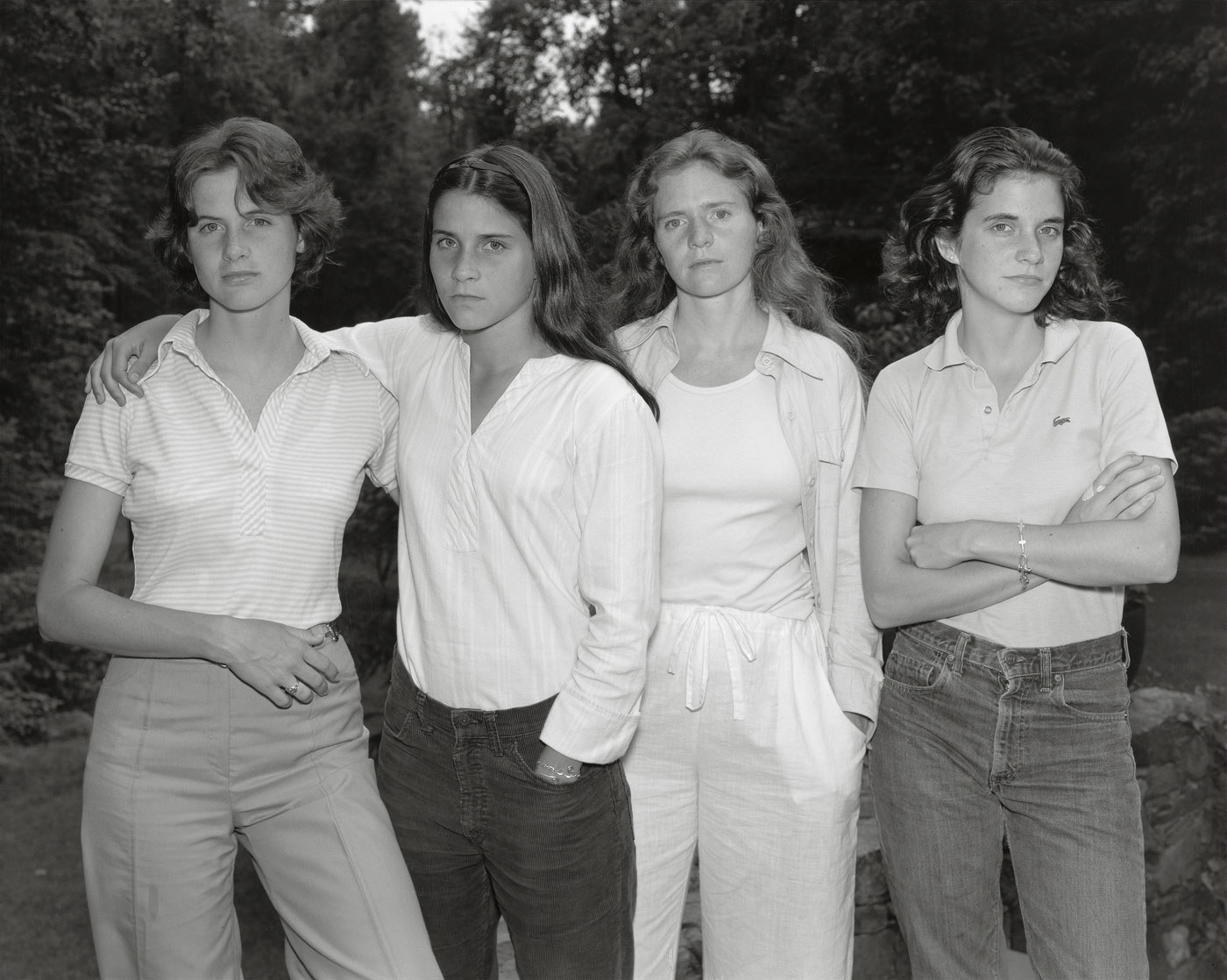


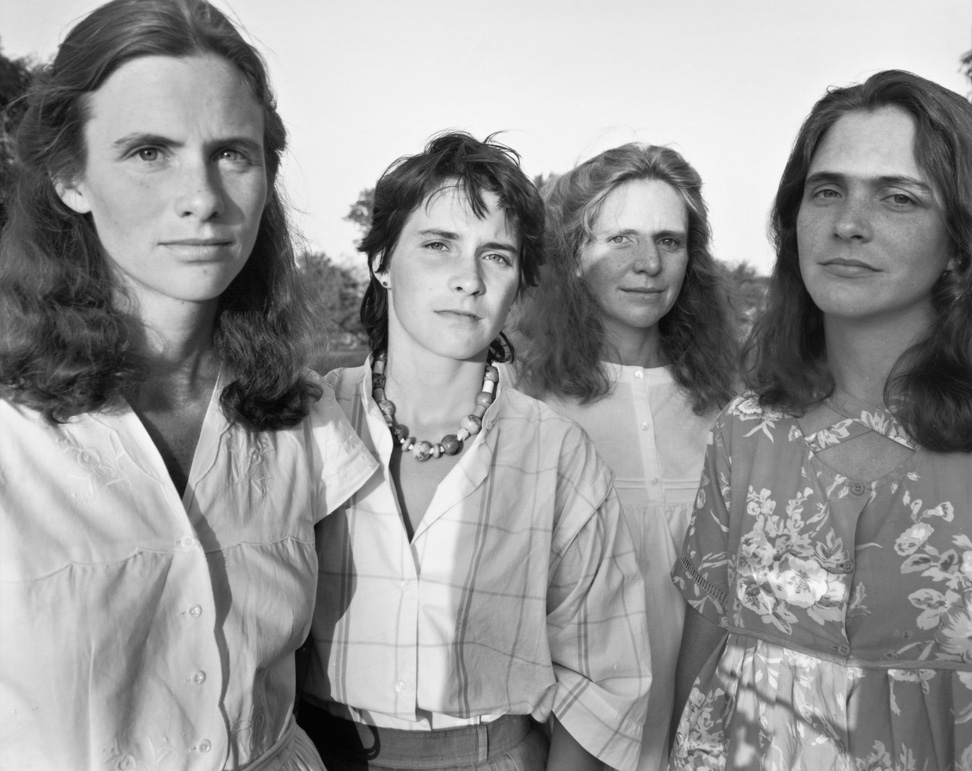

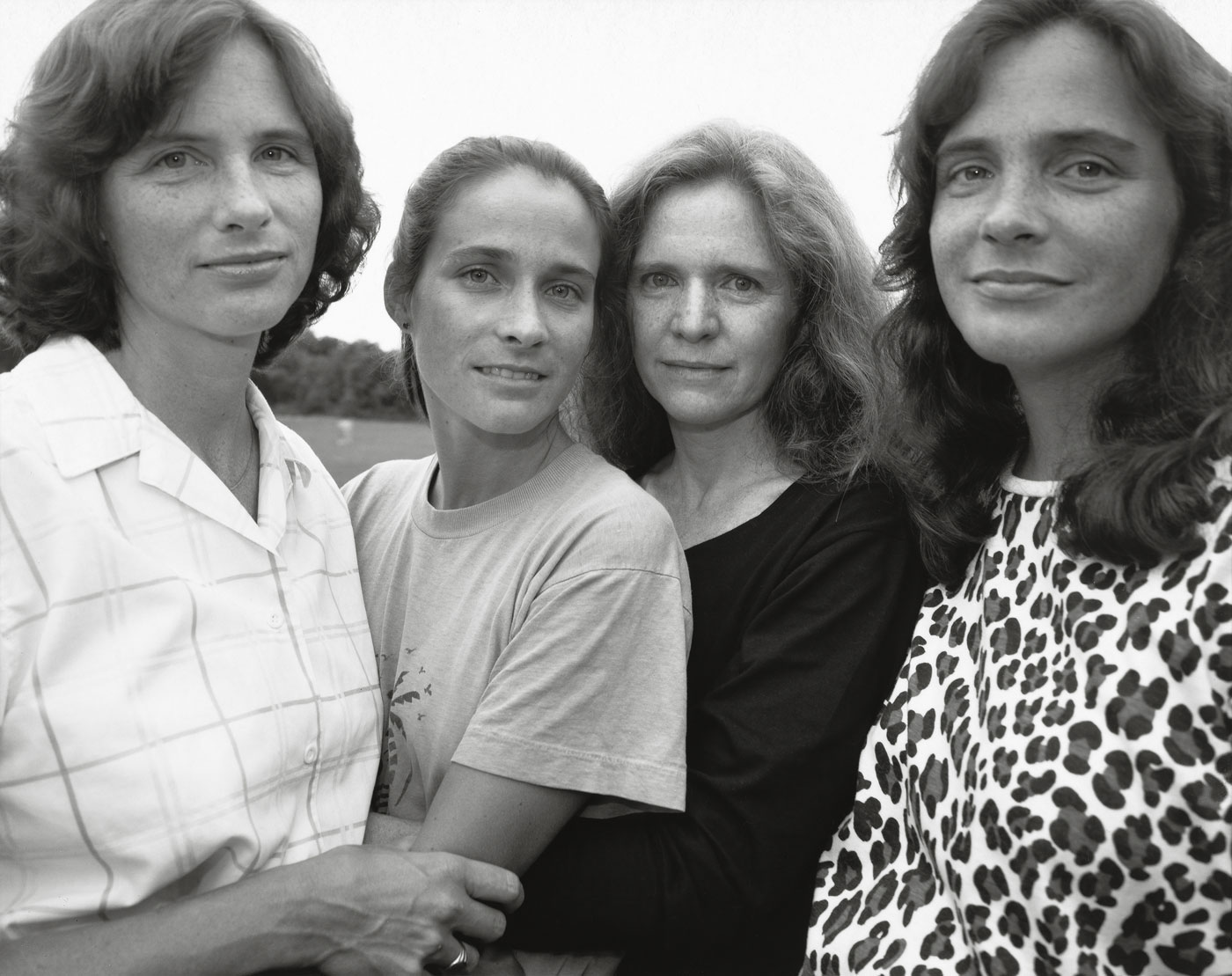
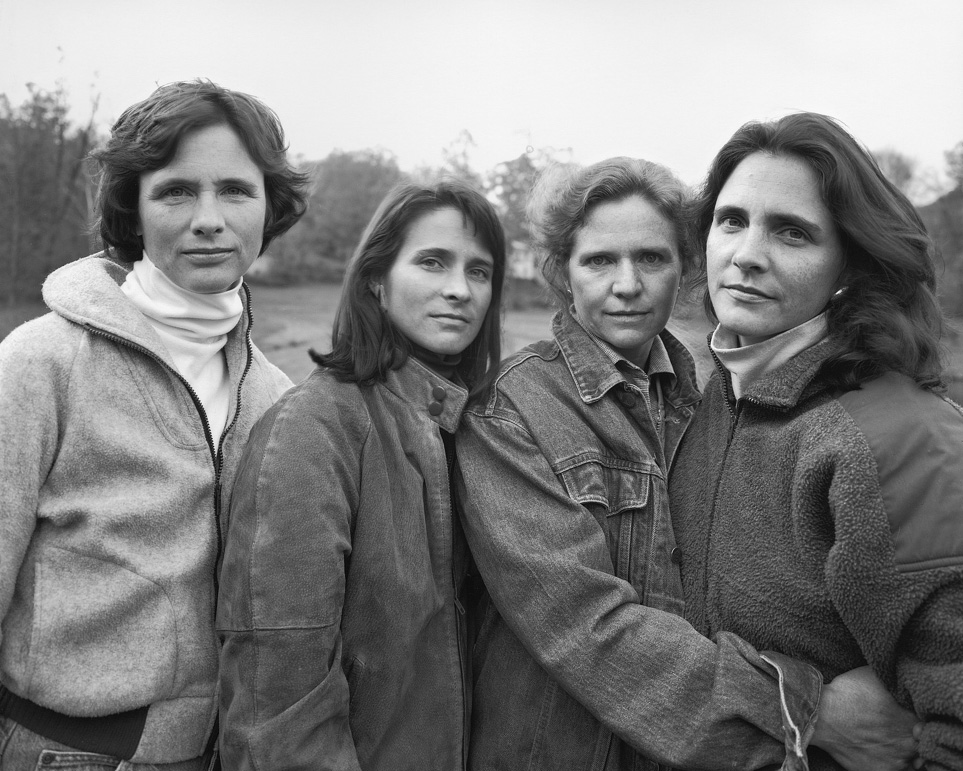


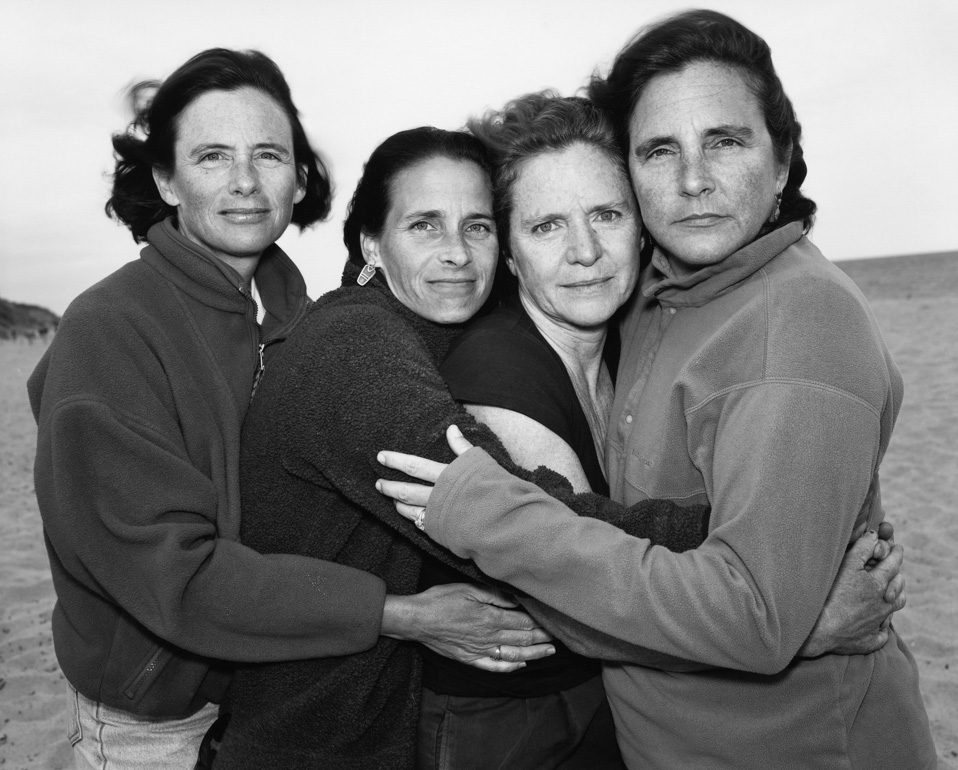


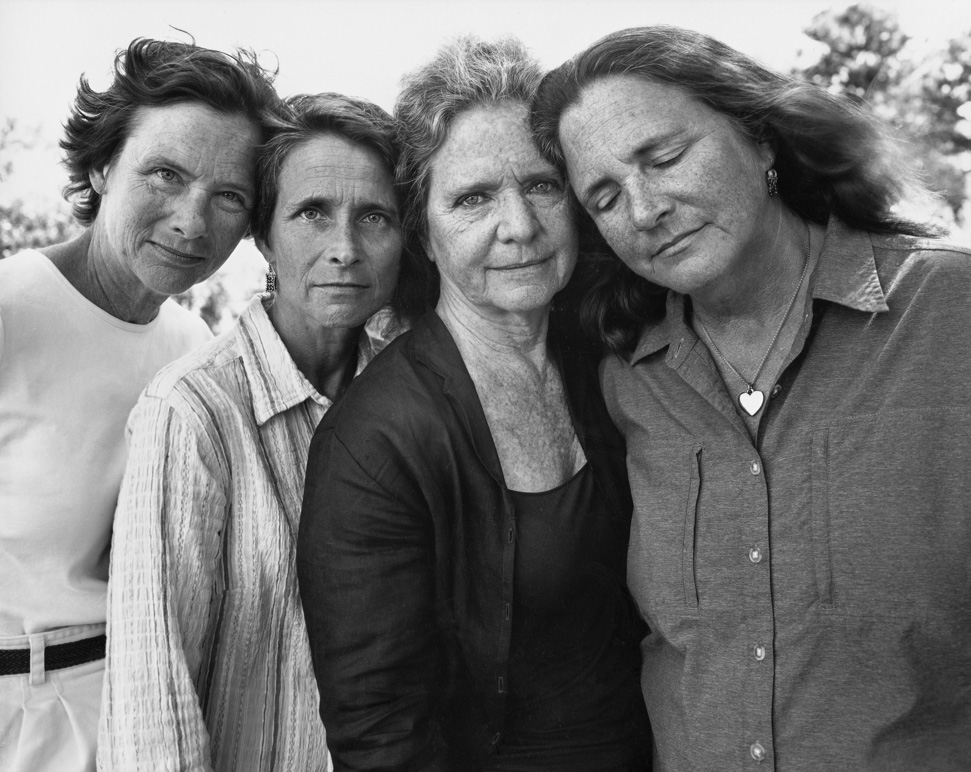
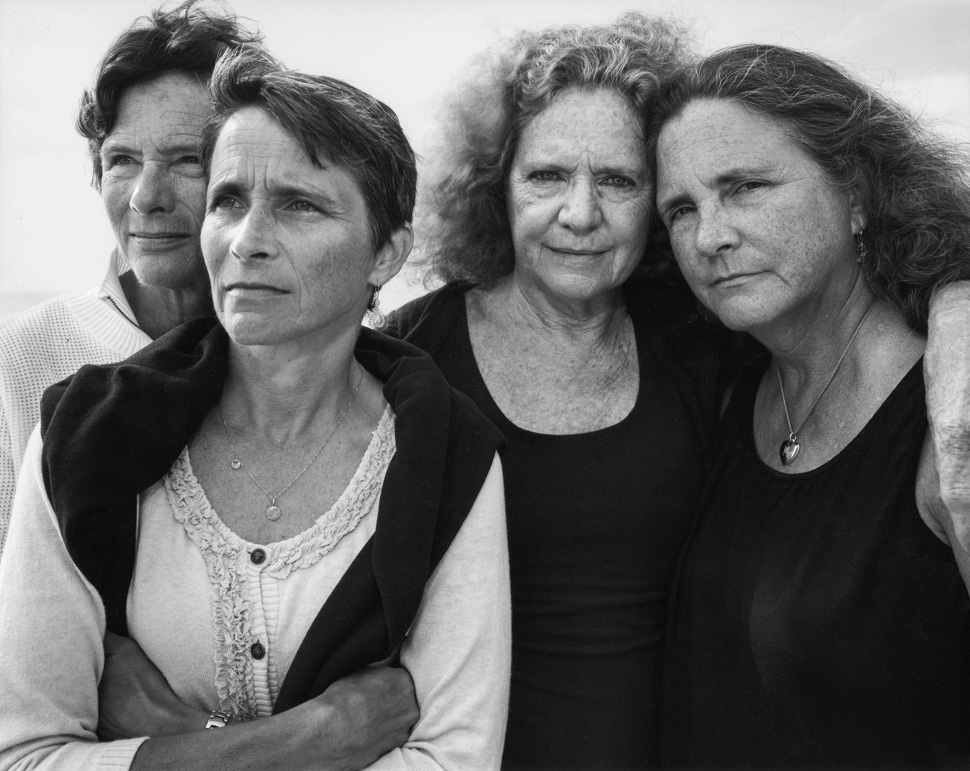


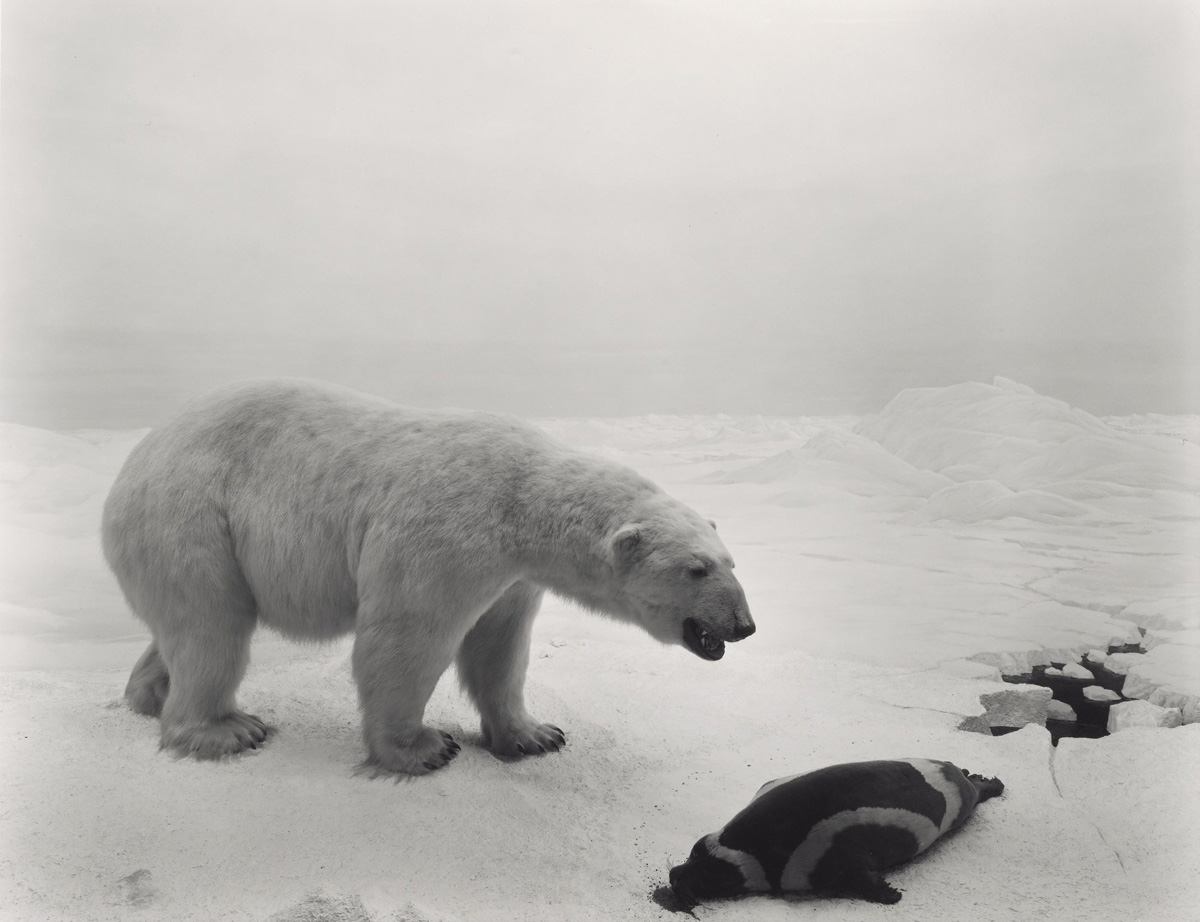


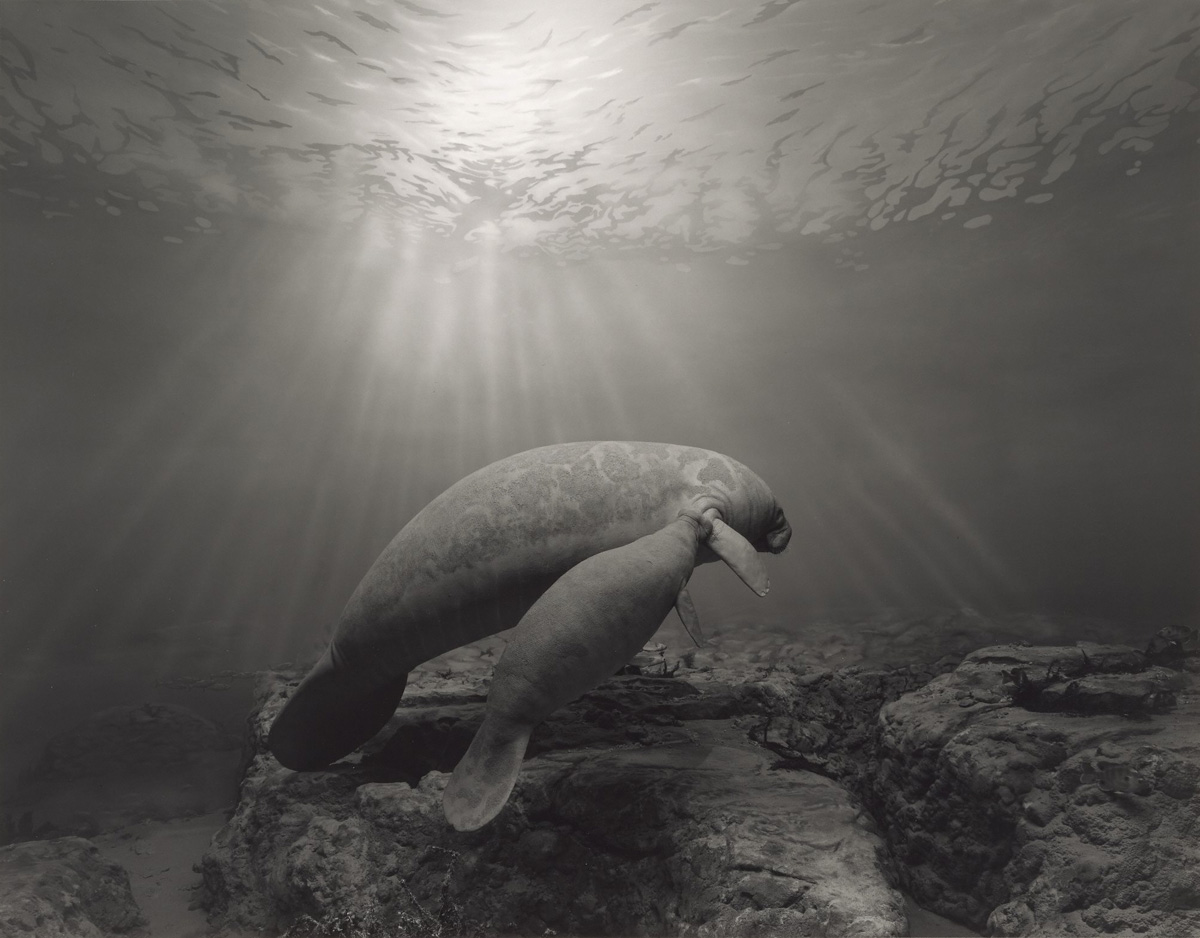
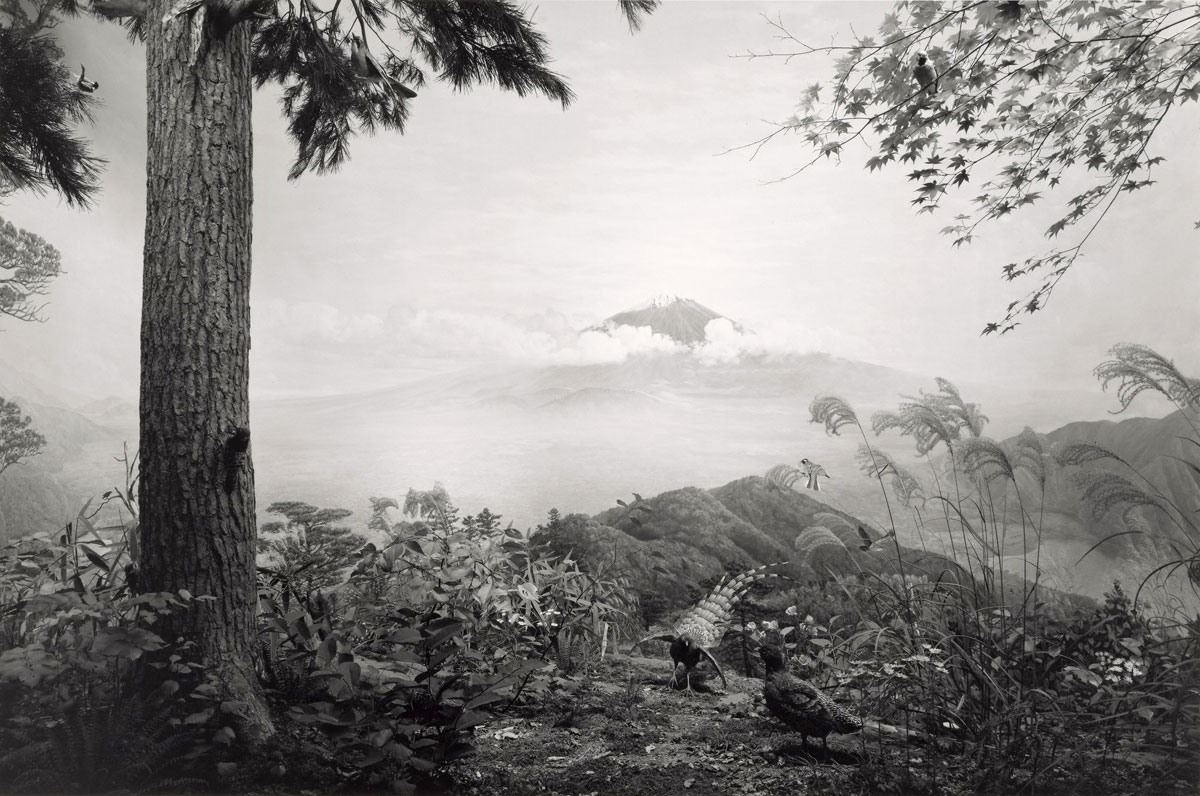


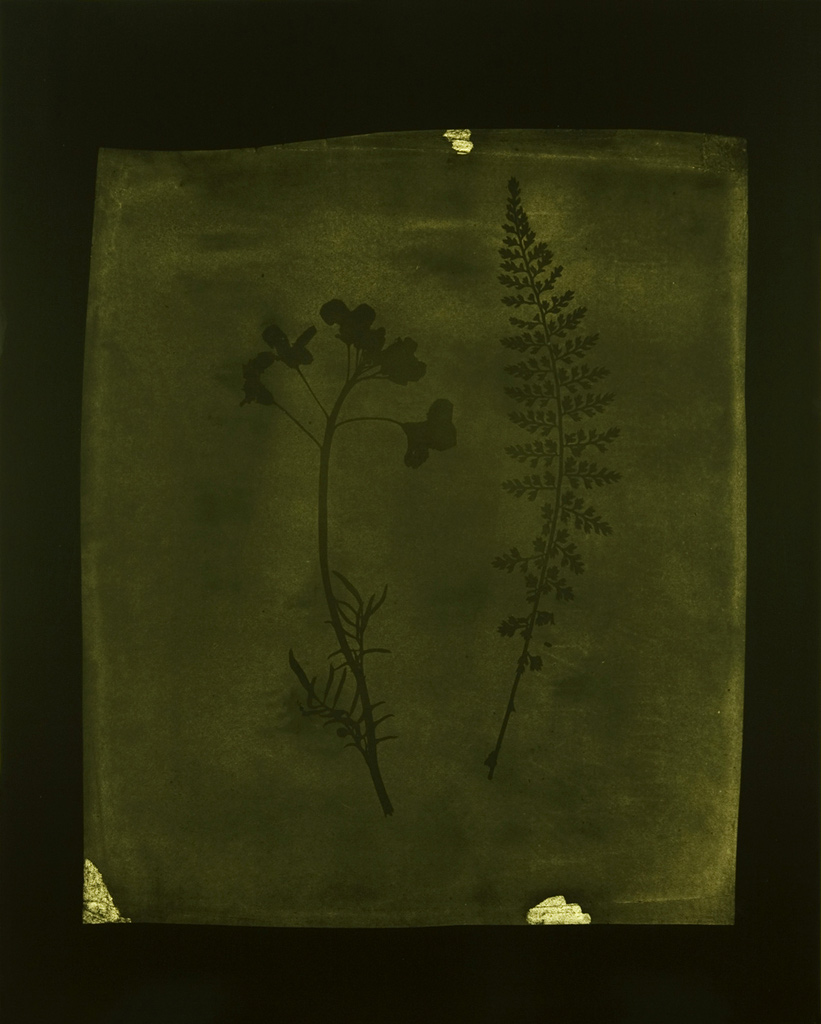

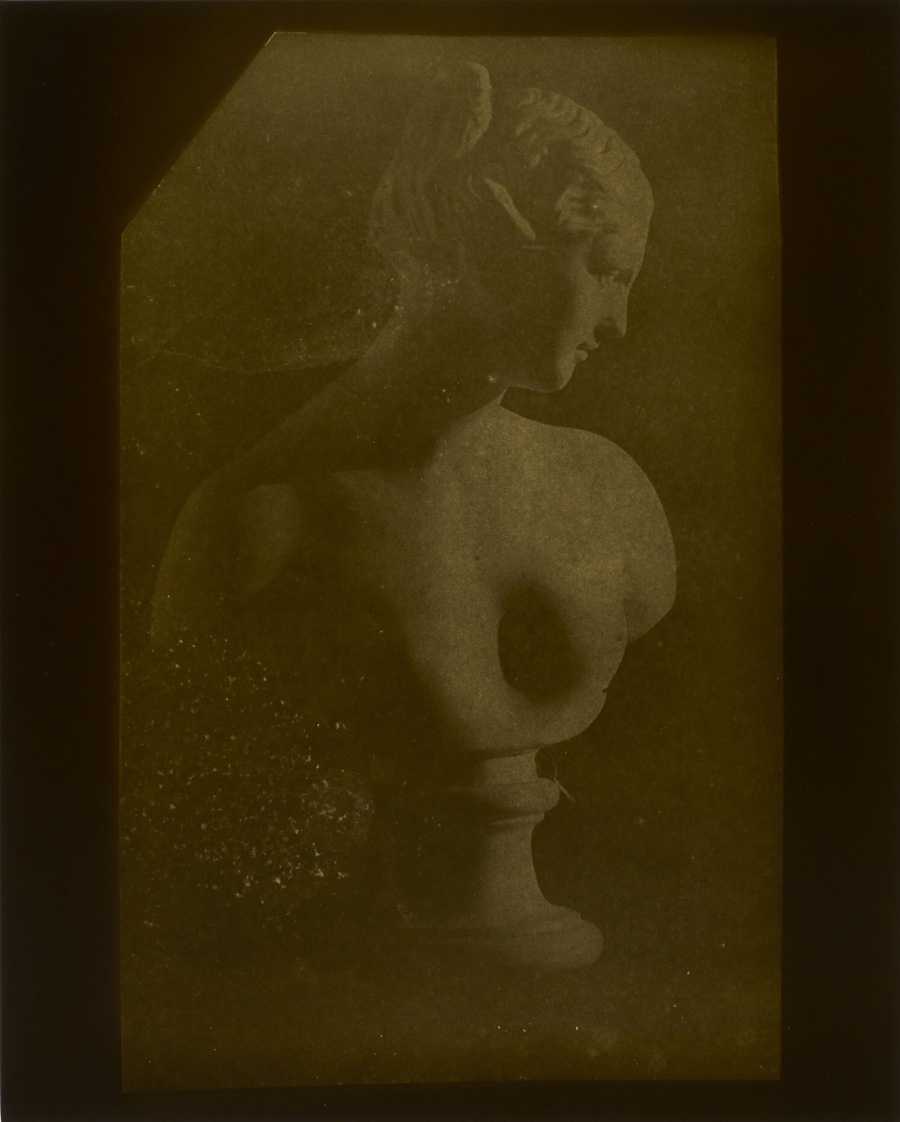


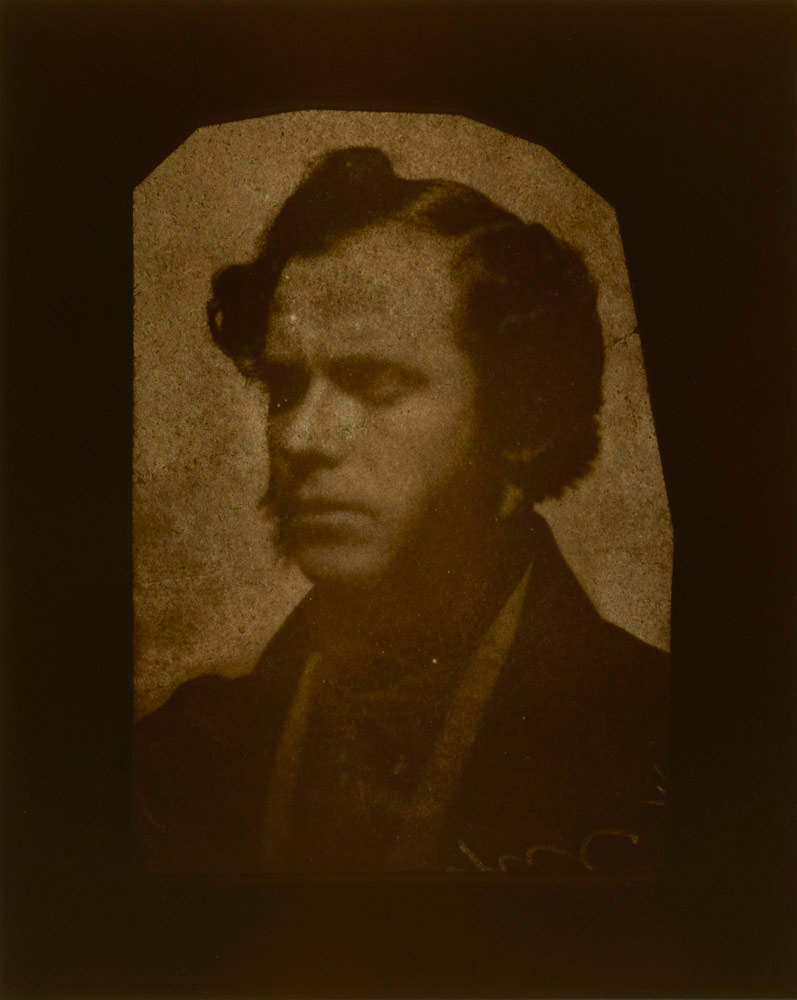

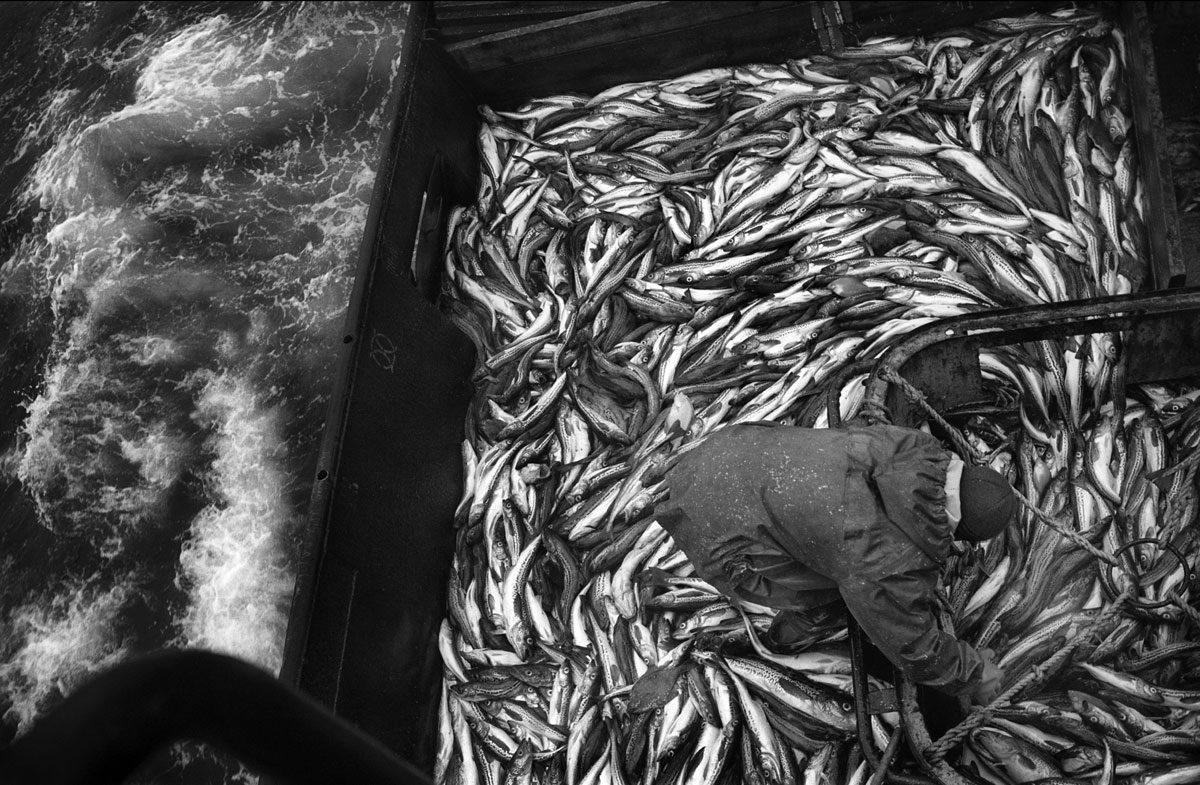


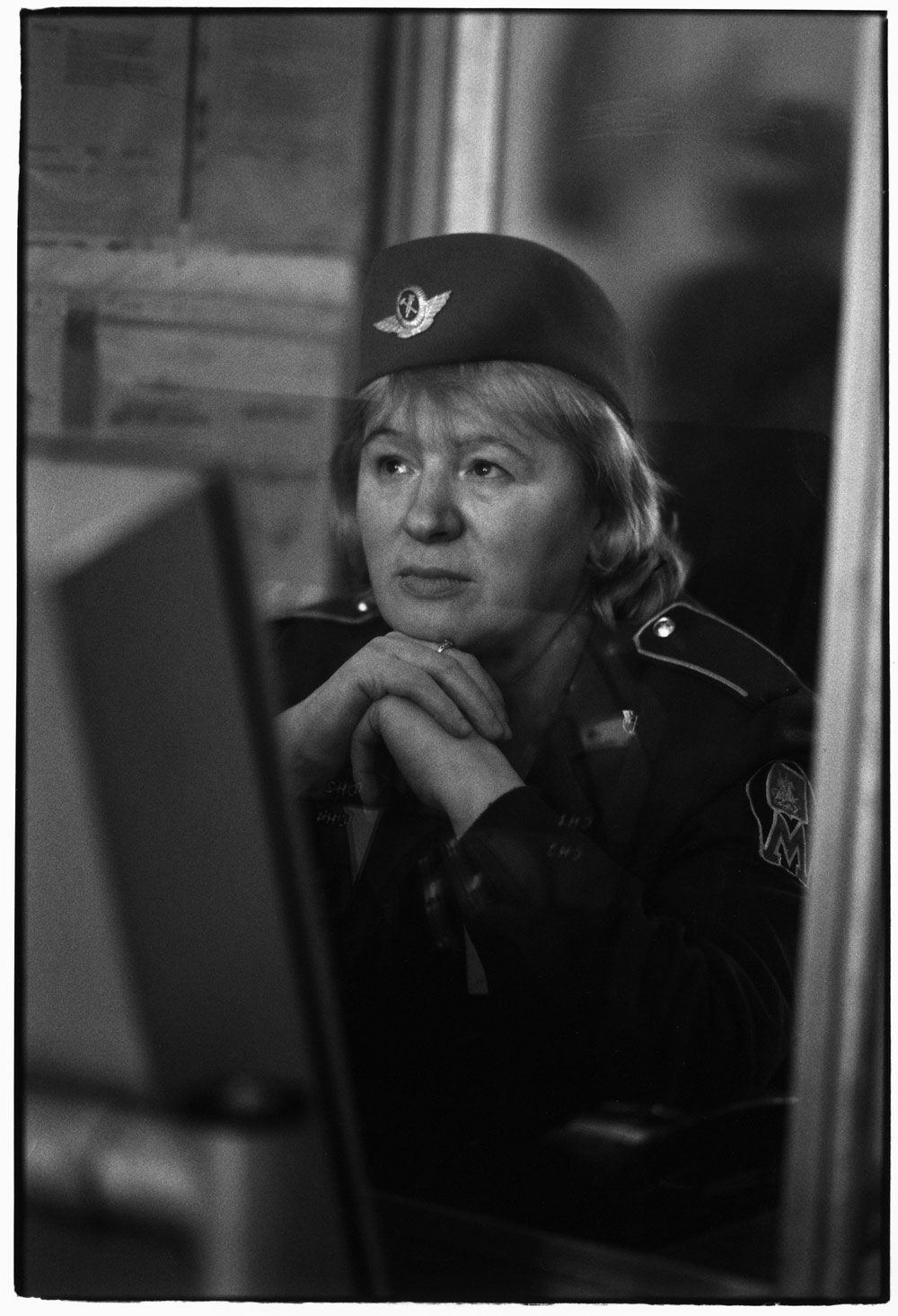
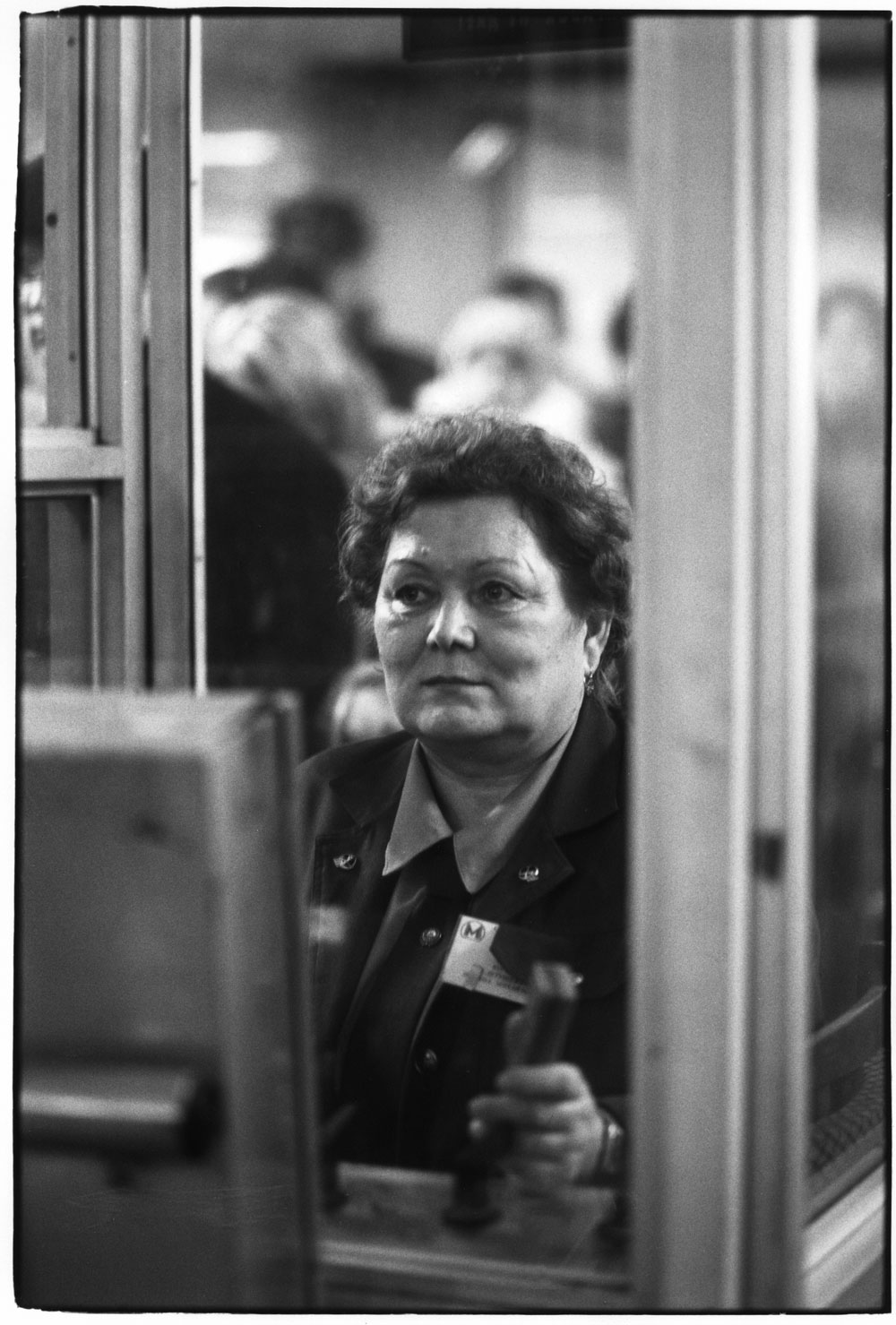
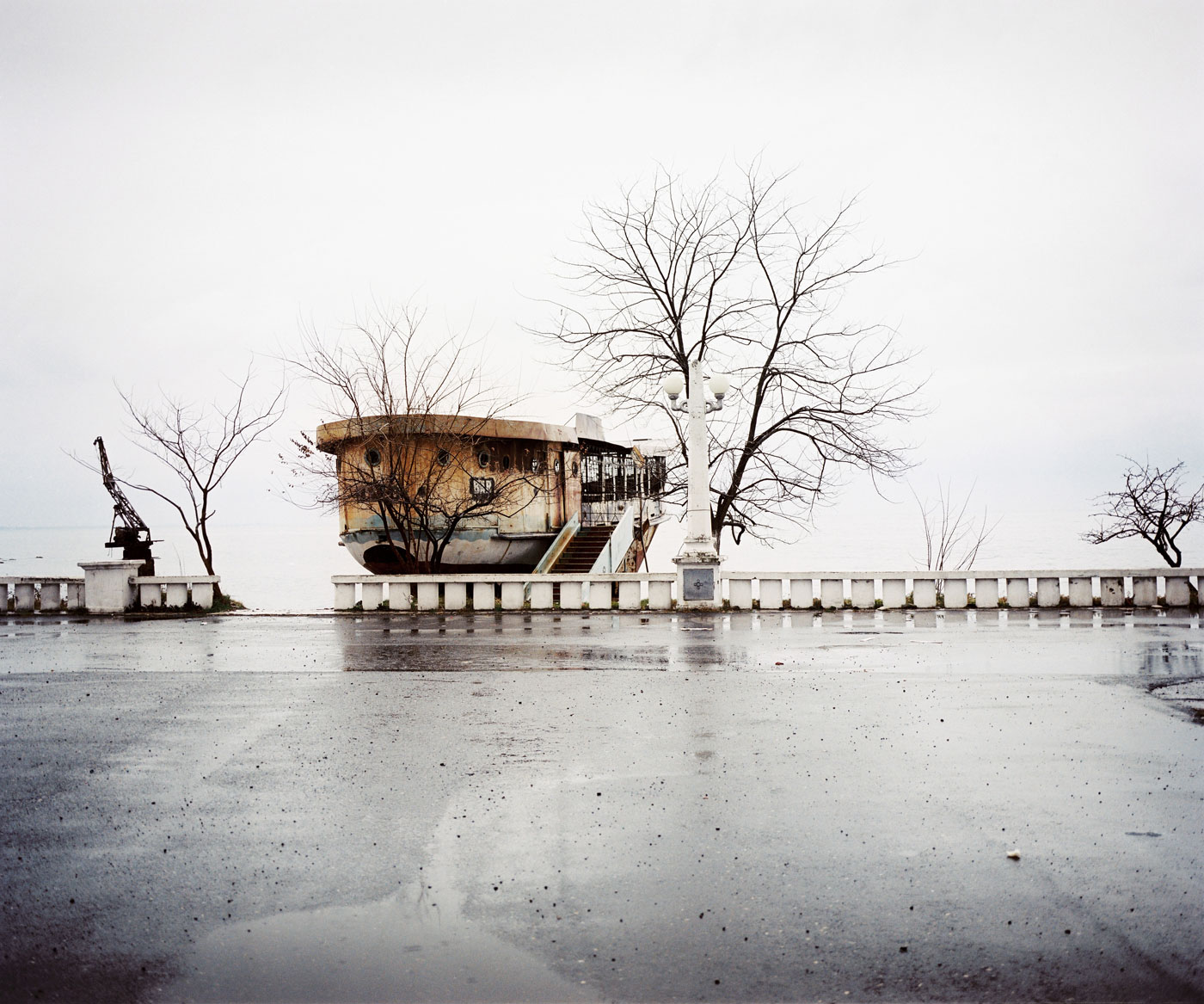

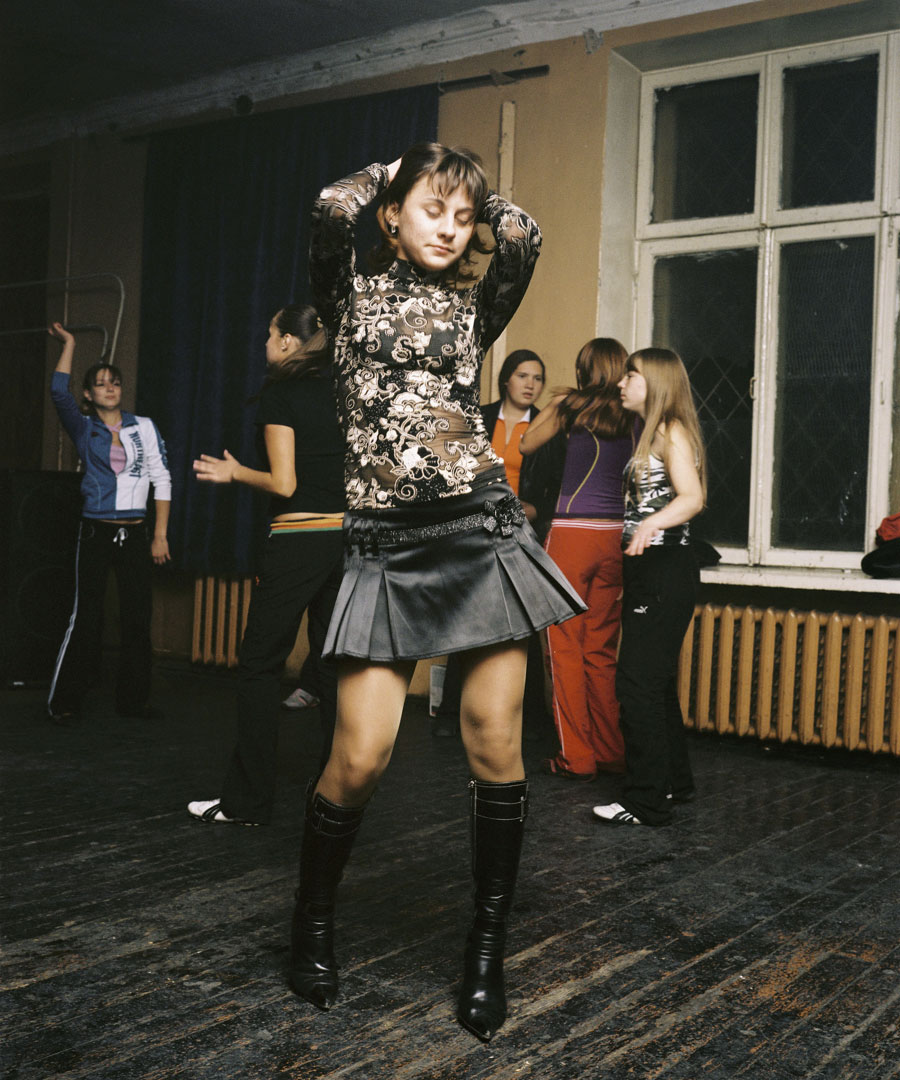
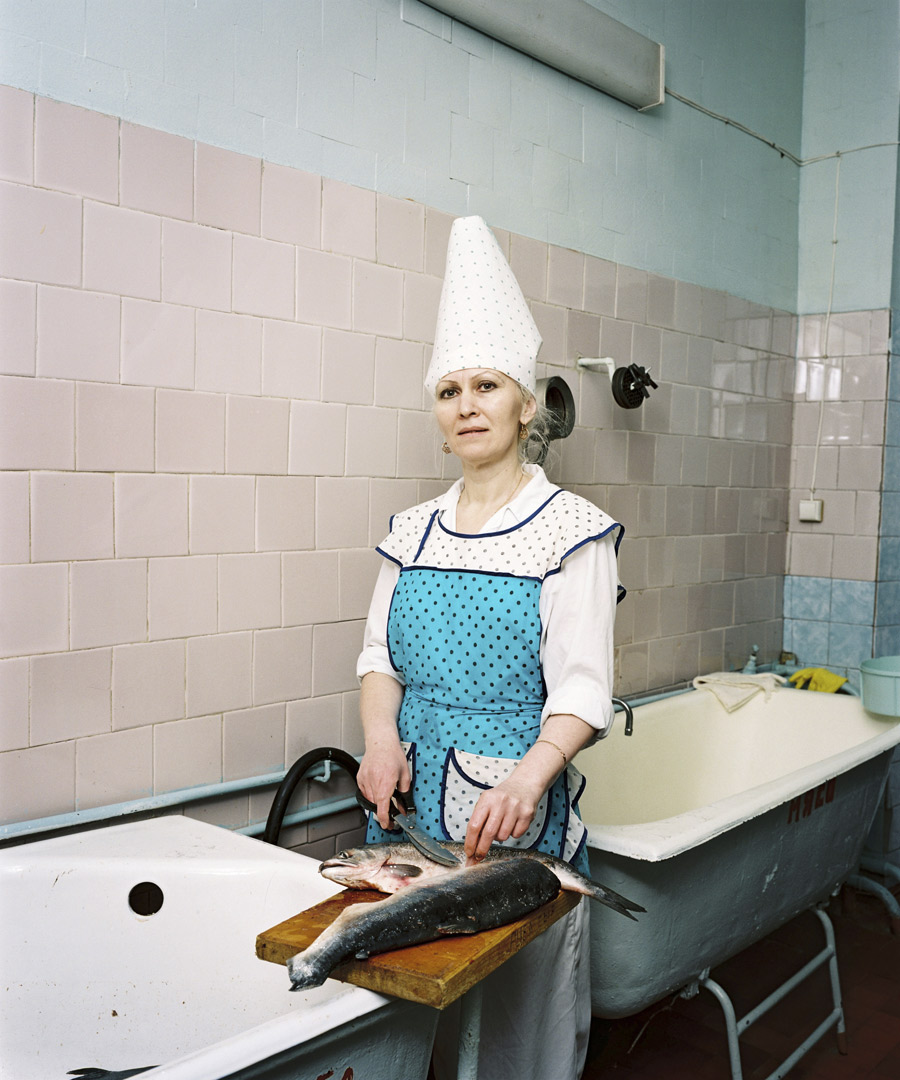

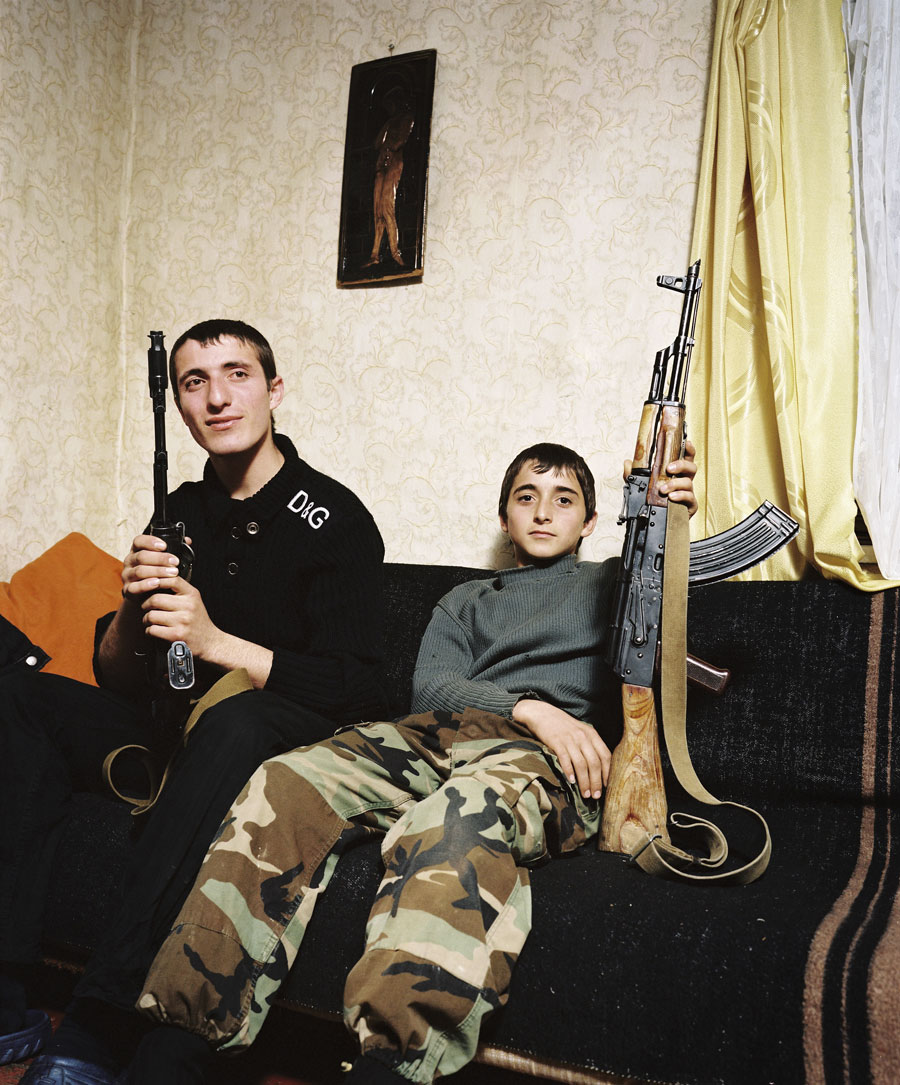
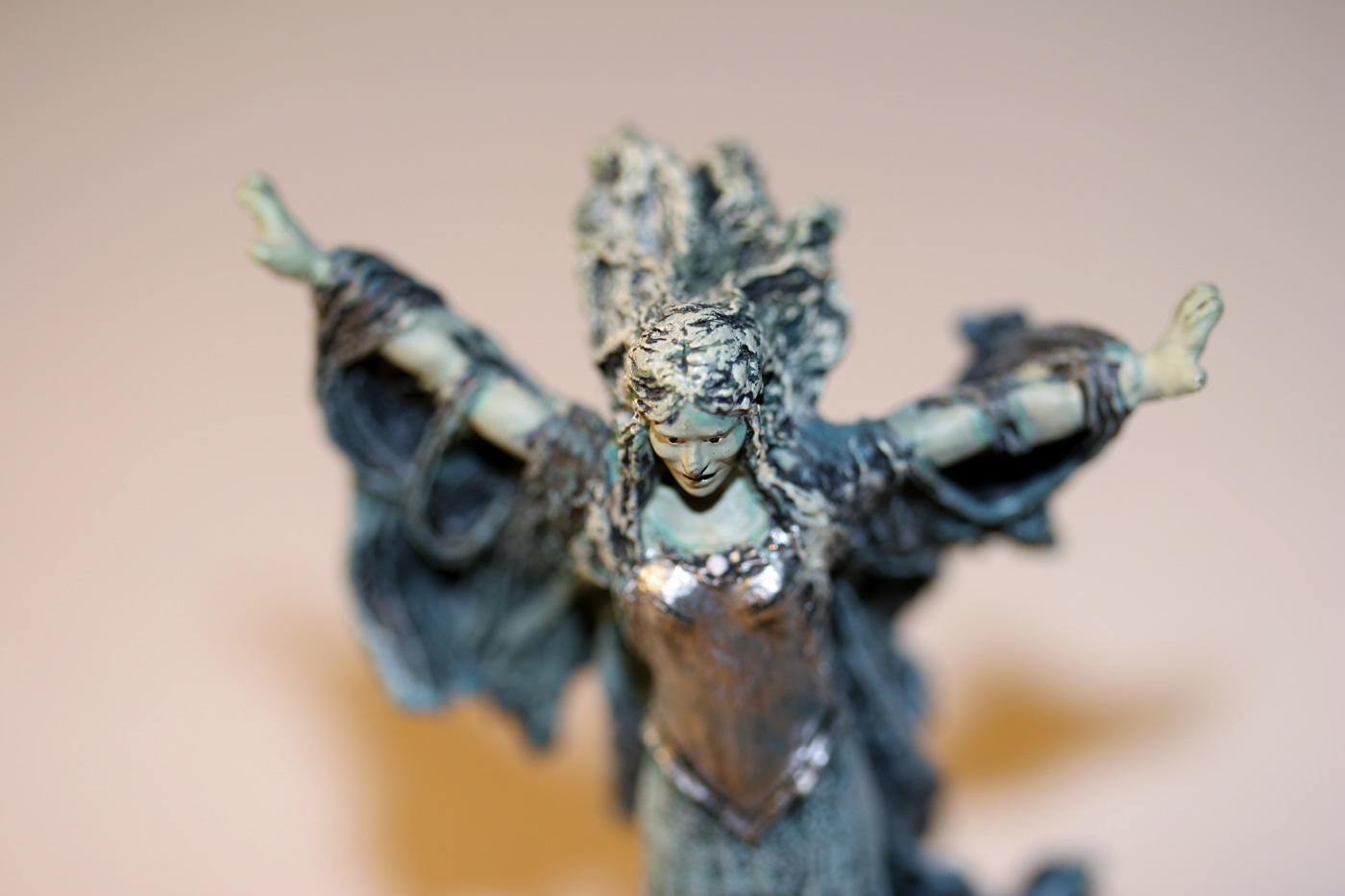


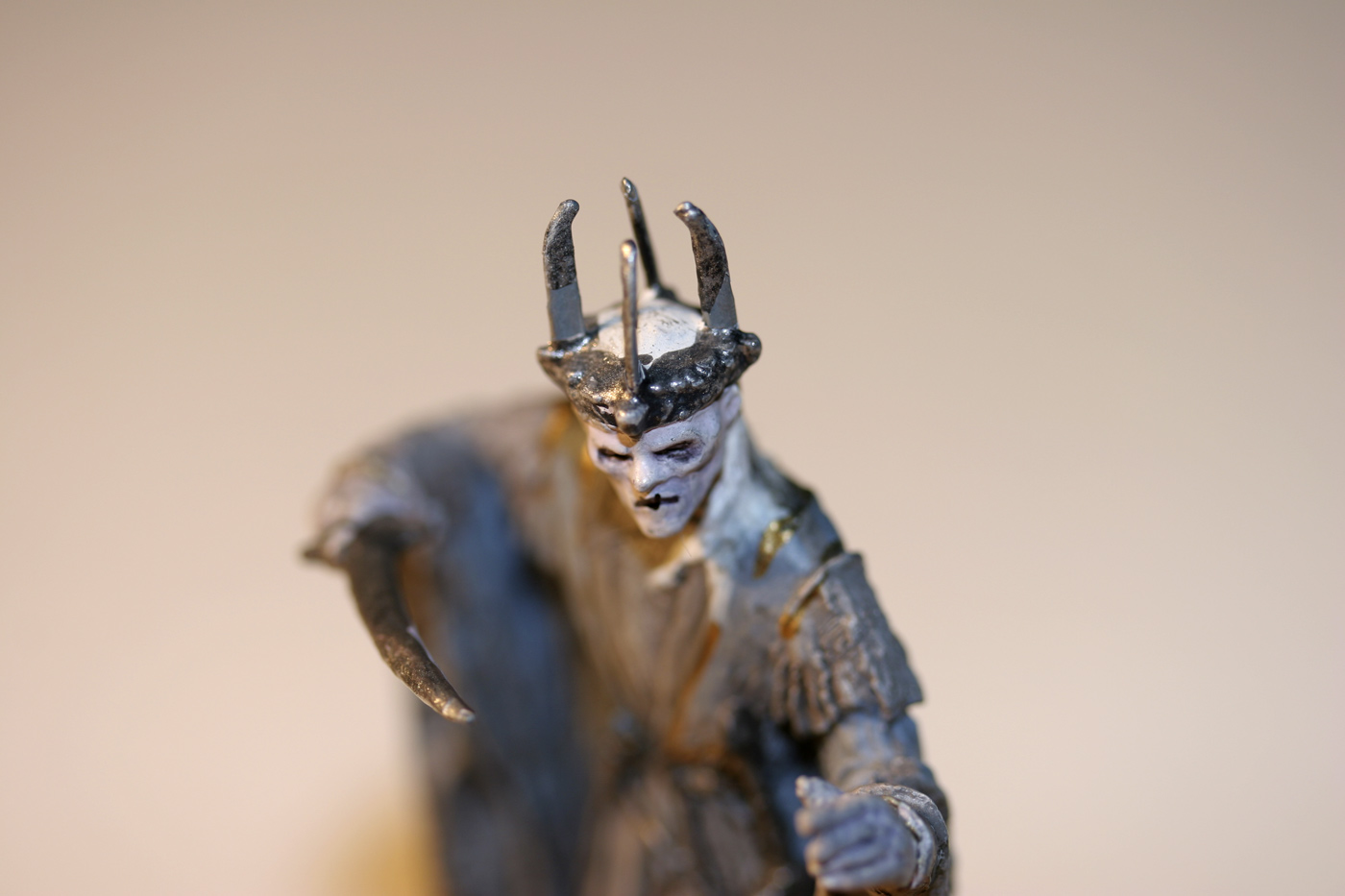


![Brett Weston (American, 1911-1993) '[Air vents, New York]' 1945](https://artblart.com/wp-content/uploads/2014/01/air-vents-web.jpg "Brett Weston (American, 1911-1993) '[Air vents, New York]' 1945")
![Brett Weston (American, 1911-1993) '[42nd Street at First Avenue, New York]' c. 1945](https://artblart.com/wp-content/uploads/2013/12/42nd-street-at-first-avenue-web.jpg "Brett Weston (American, 1911-1993) '[42nd Street at First Avenue, New York]' c. 1945")
![Brett Weston (American, 1911-1993) '[Oceano Dunes, California]' 1934](https://artblart.com/wp-content/uploads/2013/12/oceano-dunes-california-web.jpg "Brett Weston (American, 1911-1993) '[Oceano Dunes, California]' 1934")
![Brett Weston (American, 1911-1993) '[Stoop with broom, arrow, and pushcart, New York]' 1944](https://artblart.com/wp-content/uploads/2013/12/stoop-with-broom-web.jpg "Brett Weston (American, 1911-1993) '[Stoop with broom, arrow, and pushcart, New York]' 1944")
![Brett Weston (American, 1911-1993) '[Airshafts, New York]' c. 1945](https://artblart.com/wp-content/uploads/2014/01/airshafts-web.jpg "Brett Weston (American, 1911-1993) '[Airshafts, New York]' c. 1945")
![Brett Weston (American, 1911-1993) '[Courtyard, New York]' c. 1945](https://artblart.com/wp-content/uploads/2013/12/courtyard-web.jpg "Brett Weston (American, 1911-1993) '[Courtyard, New York]' c. 1945")
![Brett Weston (American, 1911-1993) '[House, Ewing Street, Staten Island, New York]' c. 1945](https://artblart.com/wp-content/uploads/2013/12/house-ewing-street-web.jpg "Brett Weston (American, 1911-1993) '[House, Ewing Street, Staten Island, New York]' c. 1945")
![Brett Weston (American, 1911-1993) '[Sutton Place, New York]' c. 1945](https://artblart.com/wp-content/uploads/2014/01/sutton-place-web.jpg "Brett Weston (American, 1911-1993) '[Sutton Place, New York]' c. 1945")
![Brett Weston (American, 1911-1993) '[Skylight and fences, Midtown, New York]' c. 1945](https://artblart.com/wp-content/uploads/2013/12/skylight-and-fences-web.jpg "Brett Weston (American, 1911-1993) '[Skylight and fences, Midtown, New York]' c. 1945")
![Brett Weston (American, 1911-1993) '[Wrought iron fence, New York]' c. 1945](https://artblart.com/wp-content/uploads/2013/12/wrought-iron-fence-web.jpg "Brett Weston (American, 1911-1993) '[Wrought iron fence, New York]' c. 1945")
![Brett Weston (American, 1911-1993) '[Church door, Bowery, New York]' c. 1945](https://artblart.com/wp-content/uploads/2013/12/church-door-web.jpg "Brett Weston (American, 1911-1993) '[Church door, Bowery, New York]' c. 1945")
![Brett Weston (American, 1911-1993) '[Pillars and tree, New York]' 1944](https://artblart.com/wp-content/uploads/2013/12/pillars-and-tree-web.jpg "Brett Weston (American, 1911-1993) '[Pillars and tree, New York]' 1944")
![Brett Weston (American, 1911-1993) '[St. Francis Grocery & Fruit, New York]' c. 1945](https://artblart.com/wp-content/uploads/2013/12/st-francis-grocery-and-fruit-web.jpg "Brett Weston (American, 1911-1993) '[St. Francis Grocery & Fruit, New York]' c. 1945")
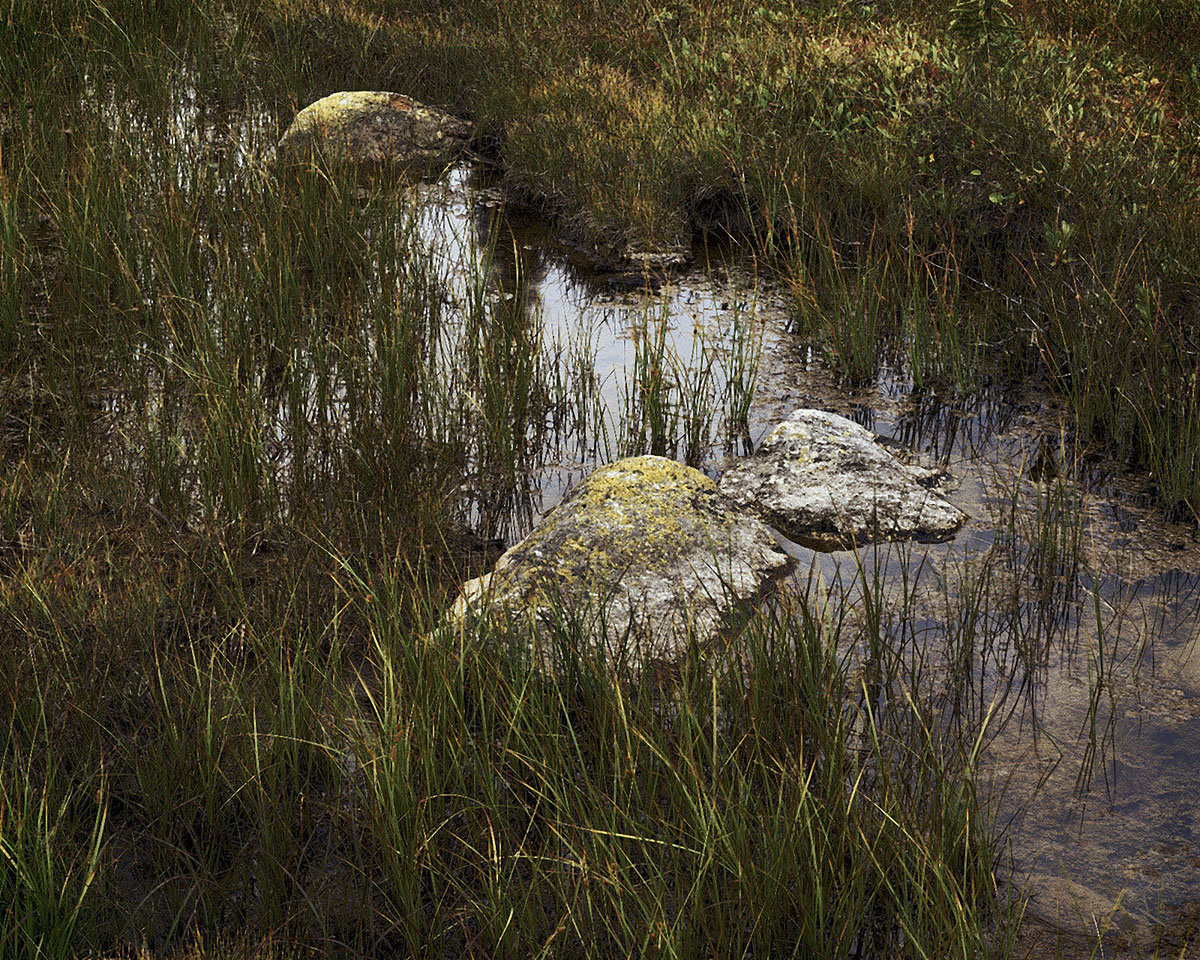
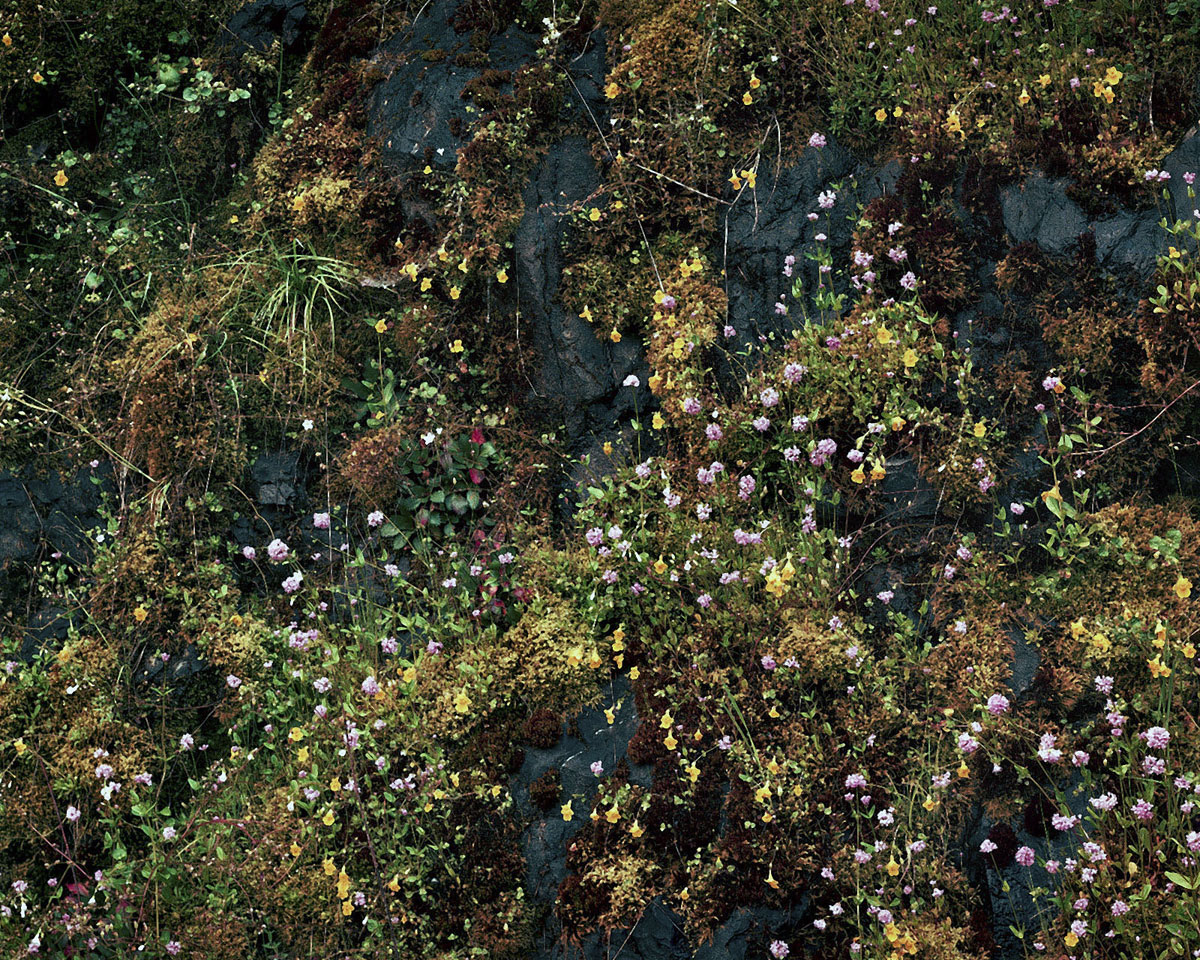
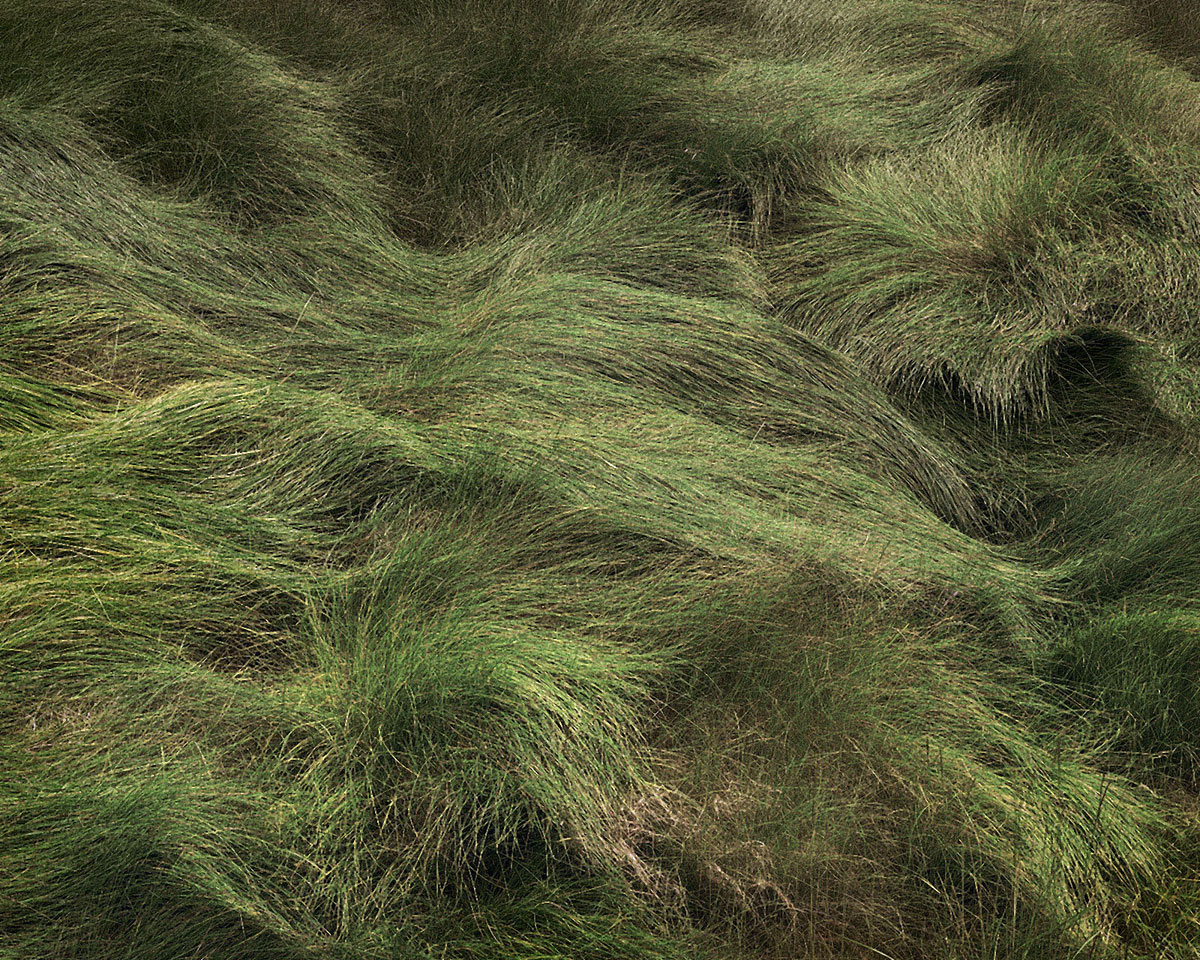

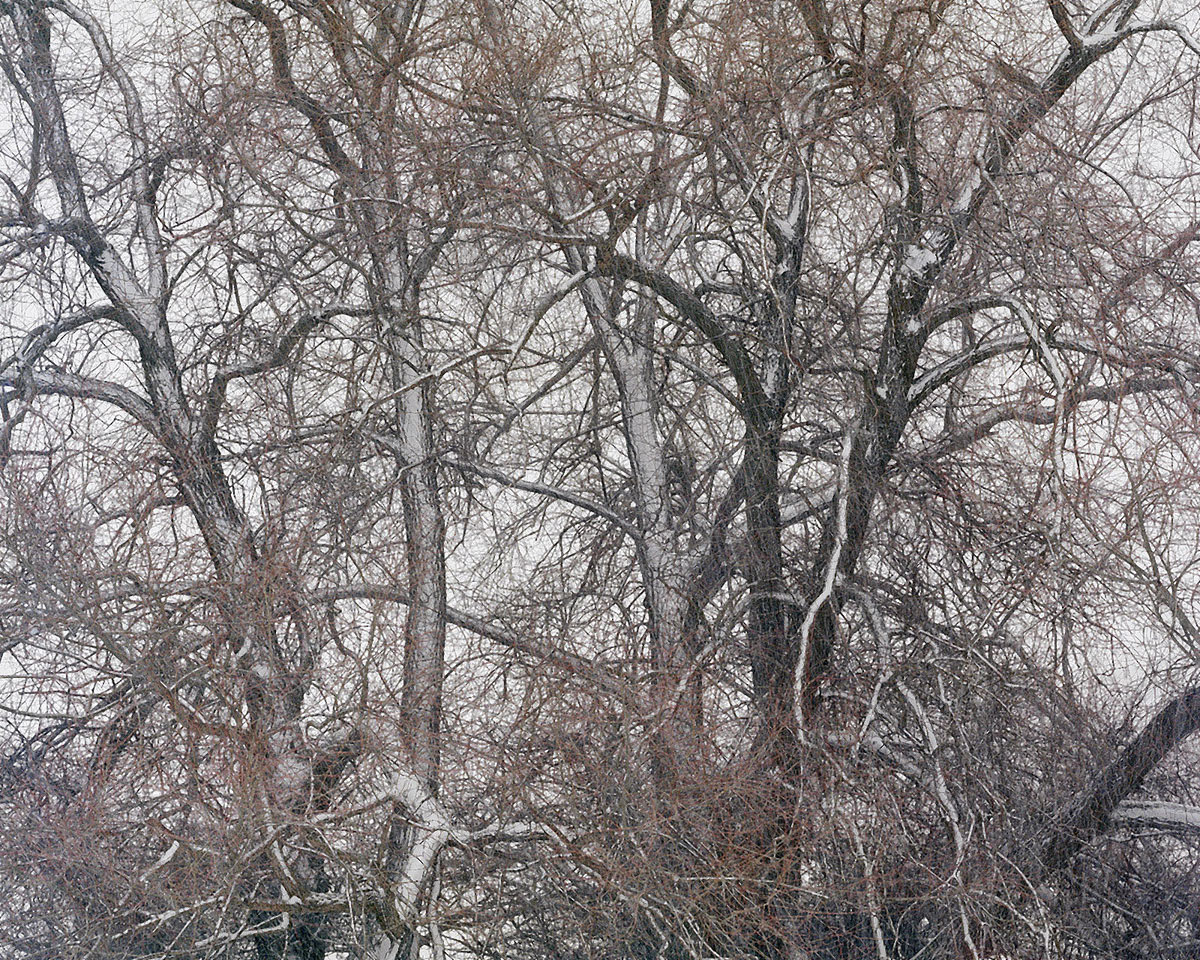
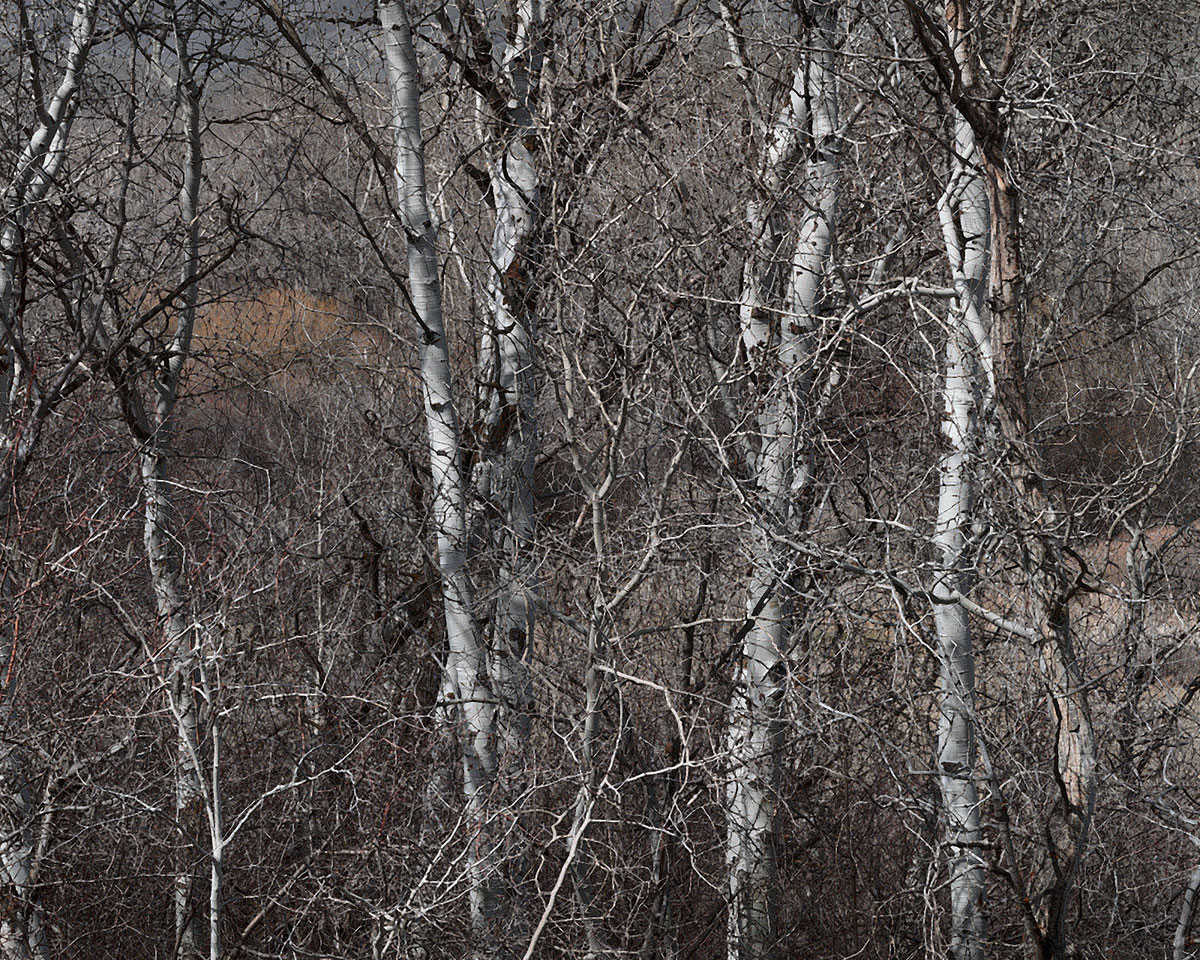
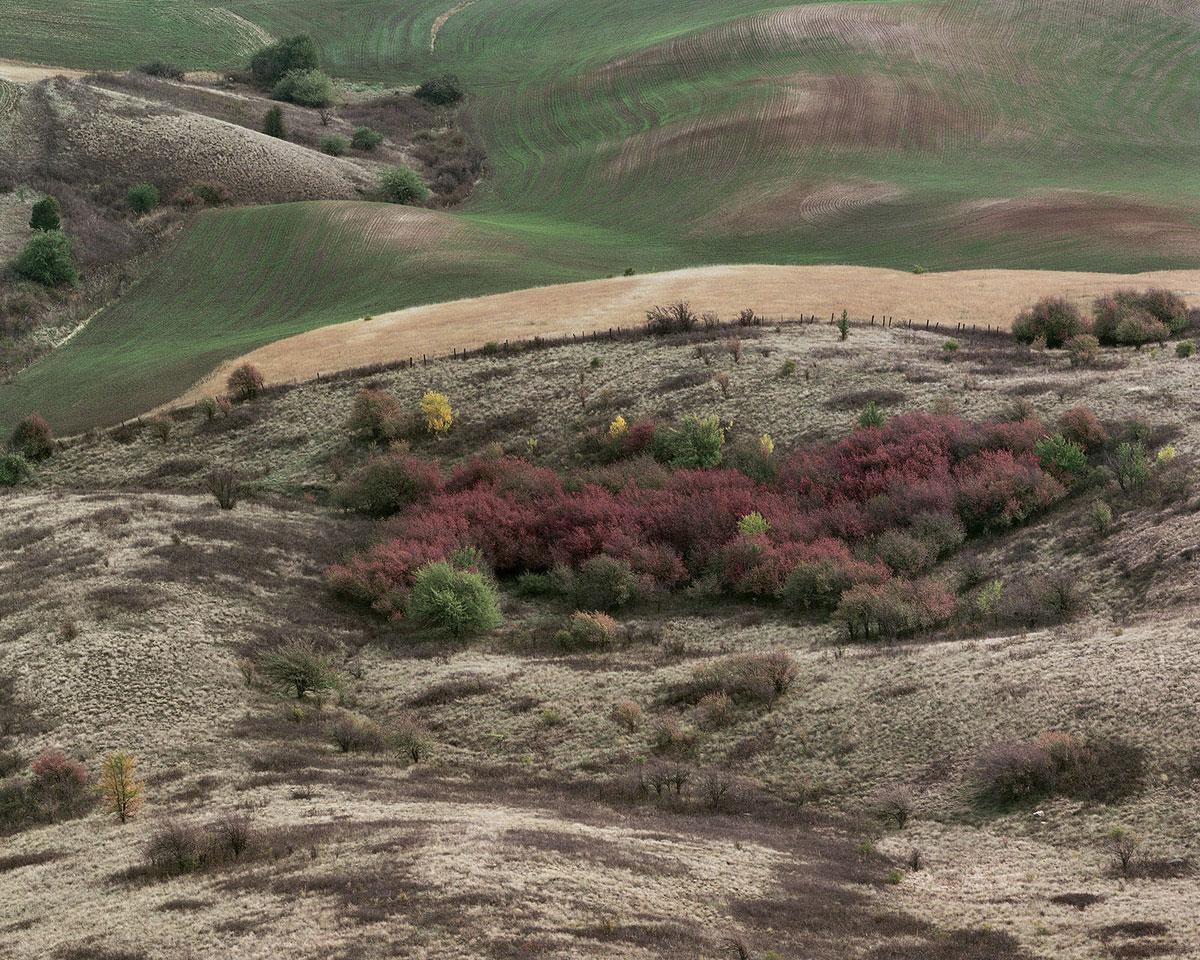
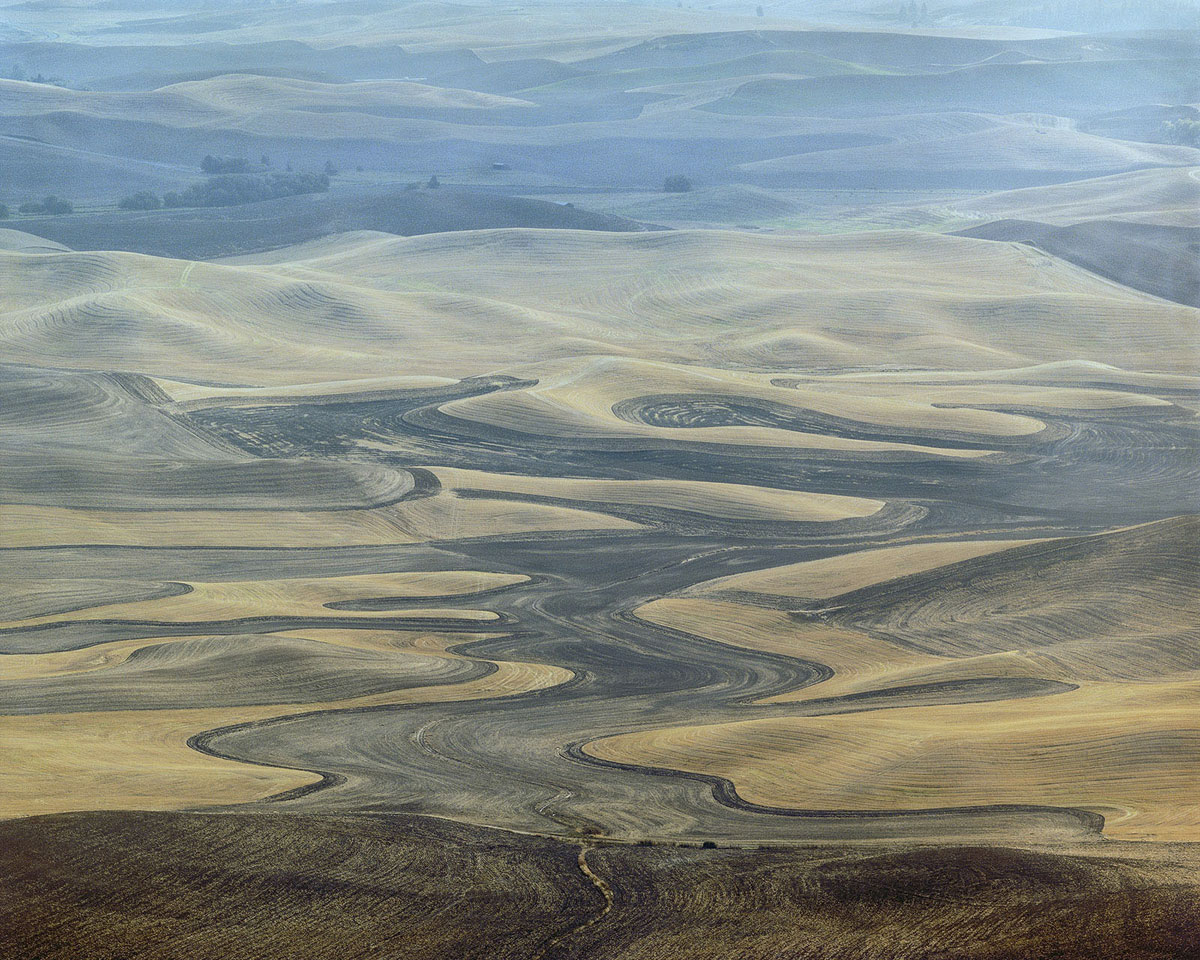
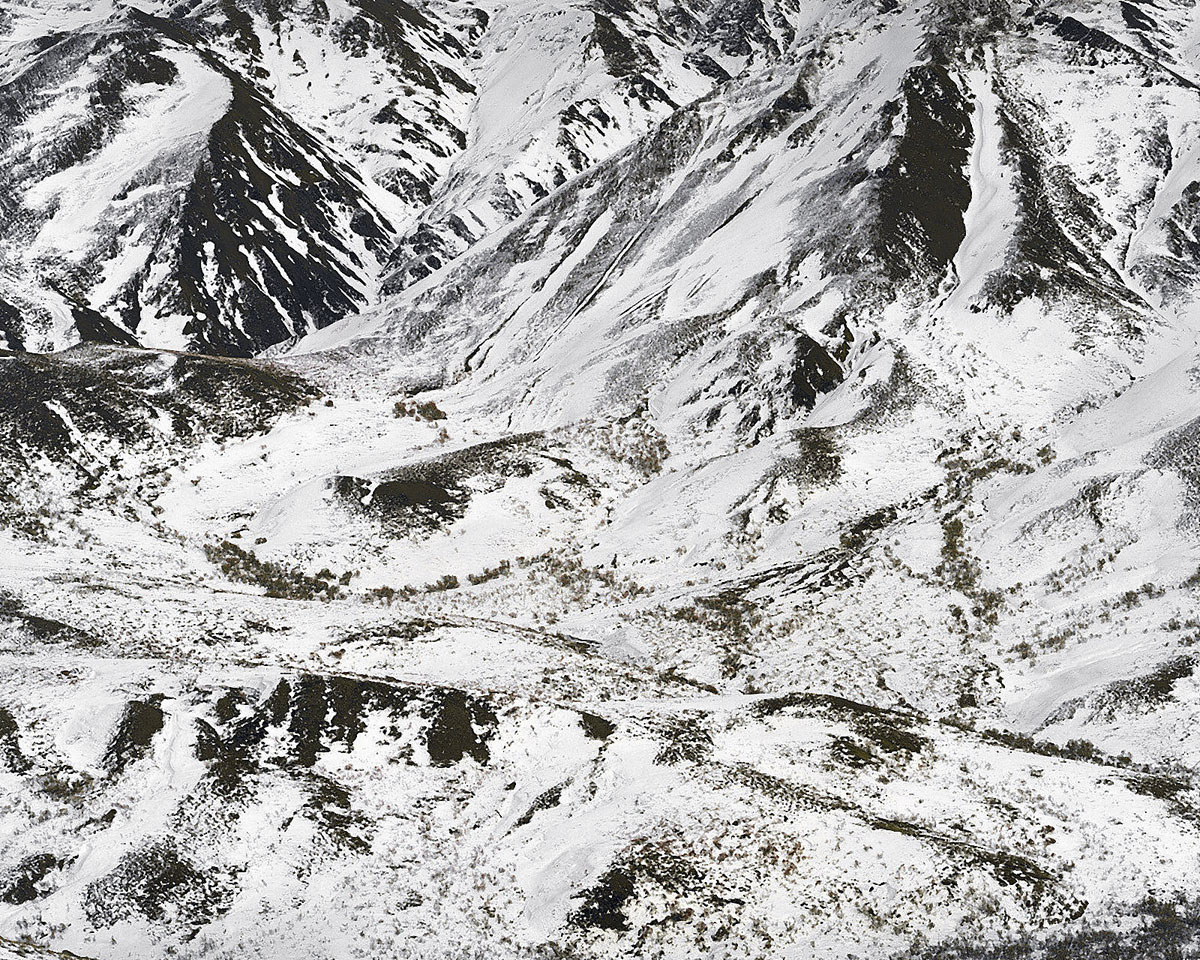
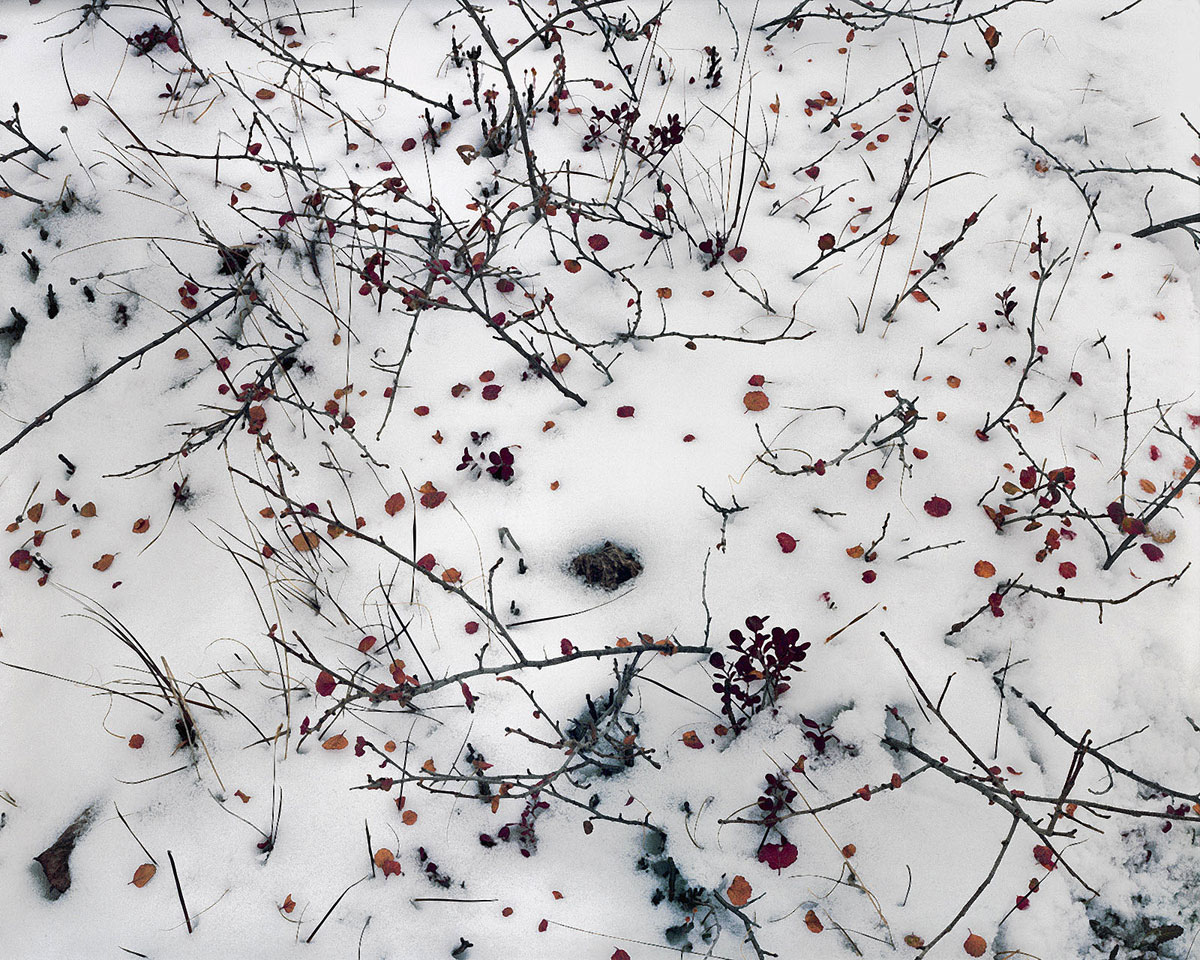
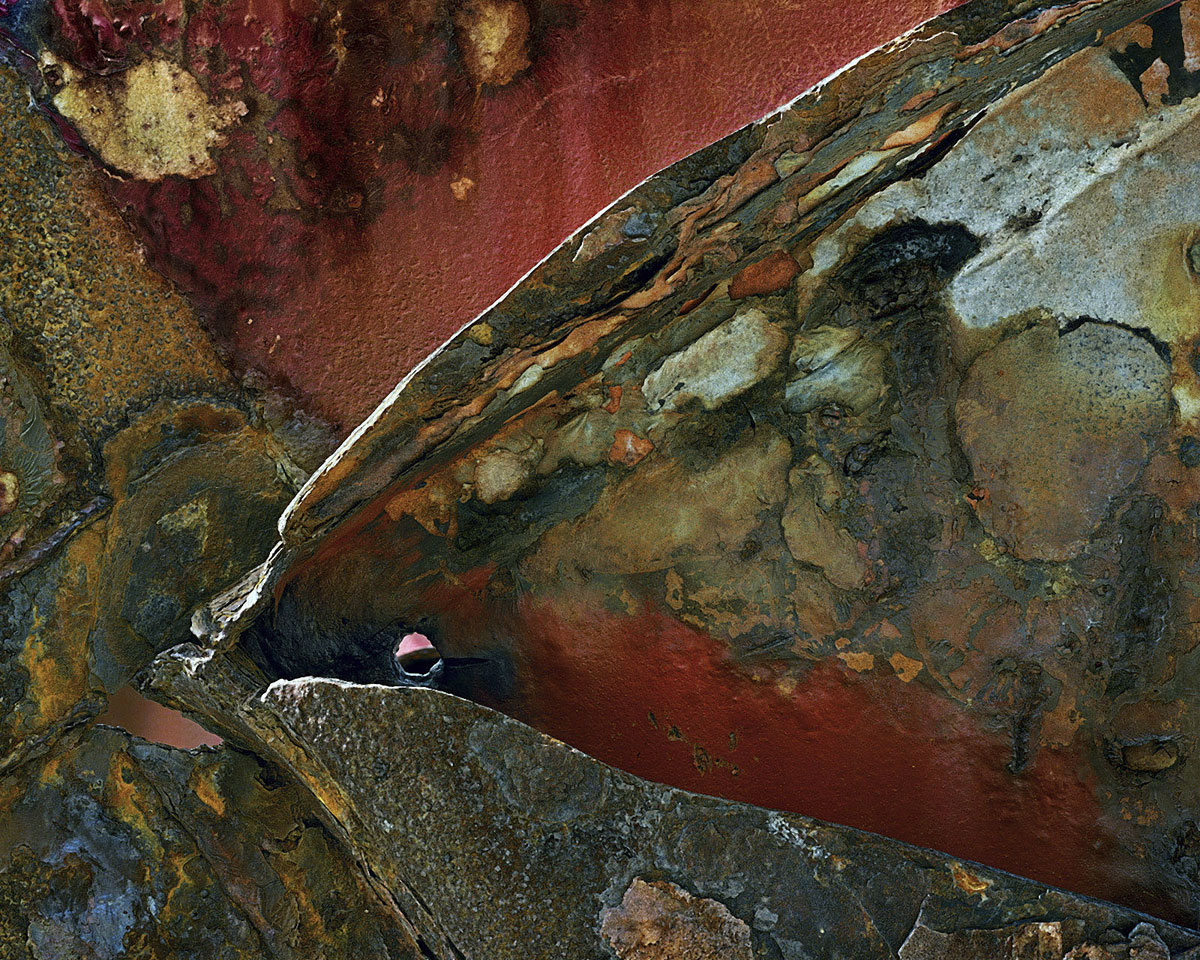


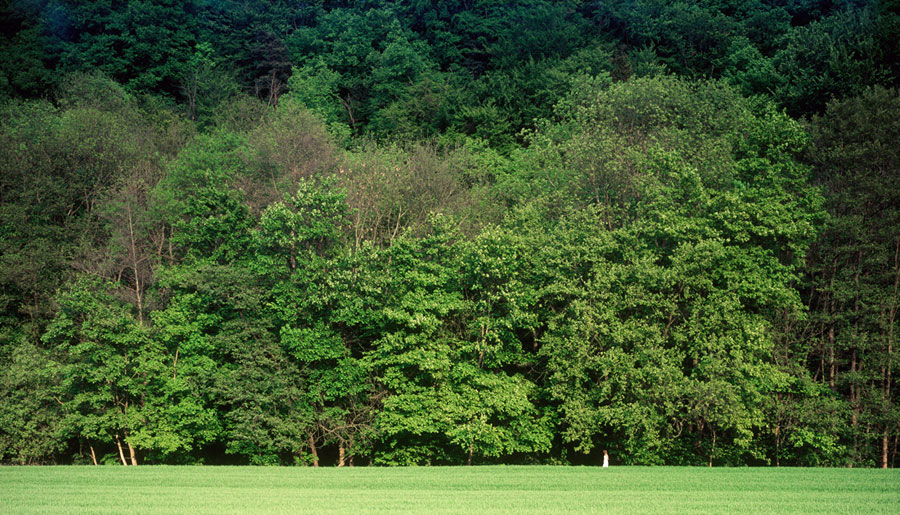
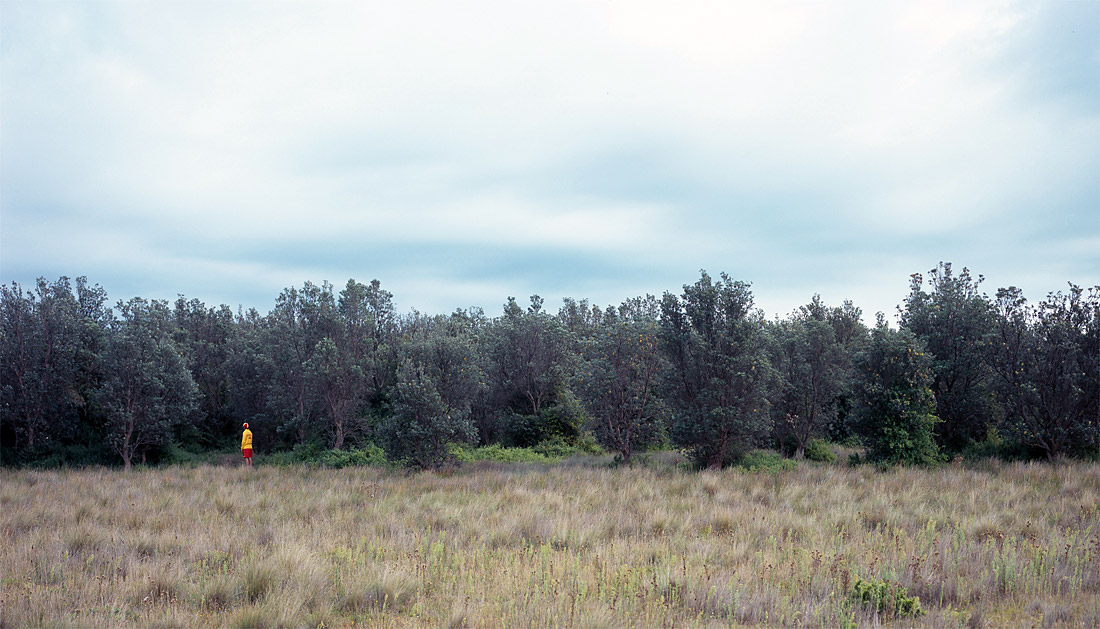
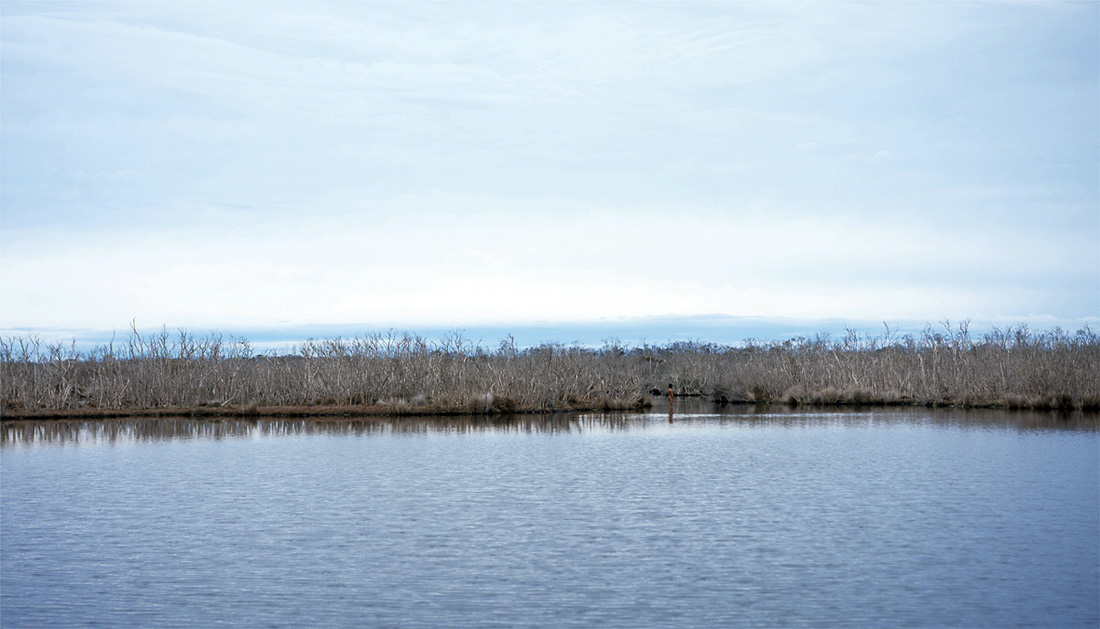
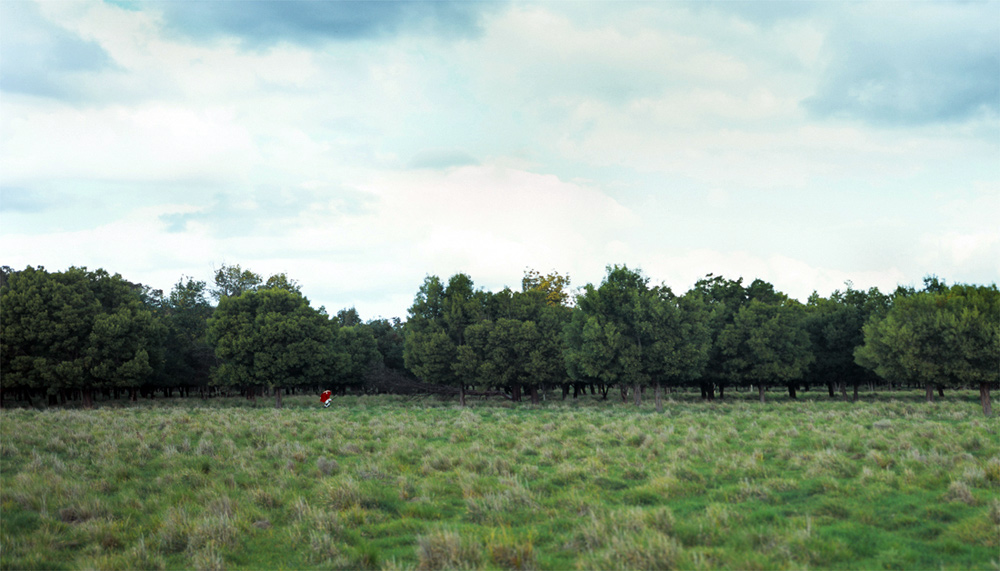
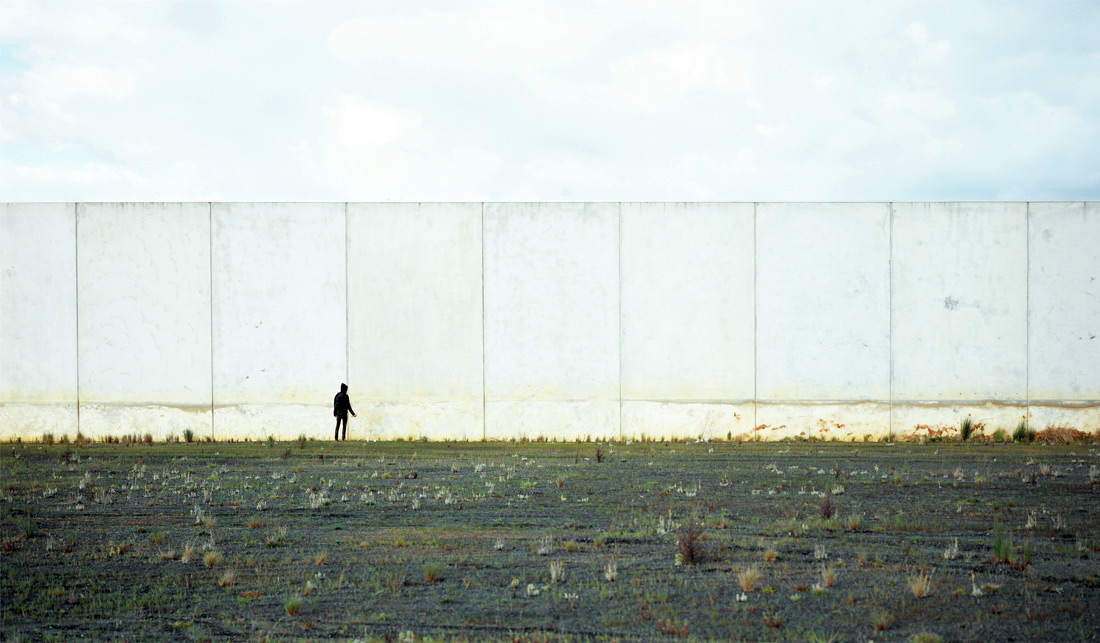
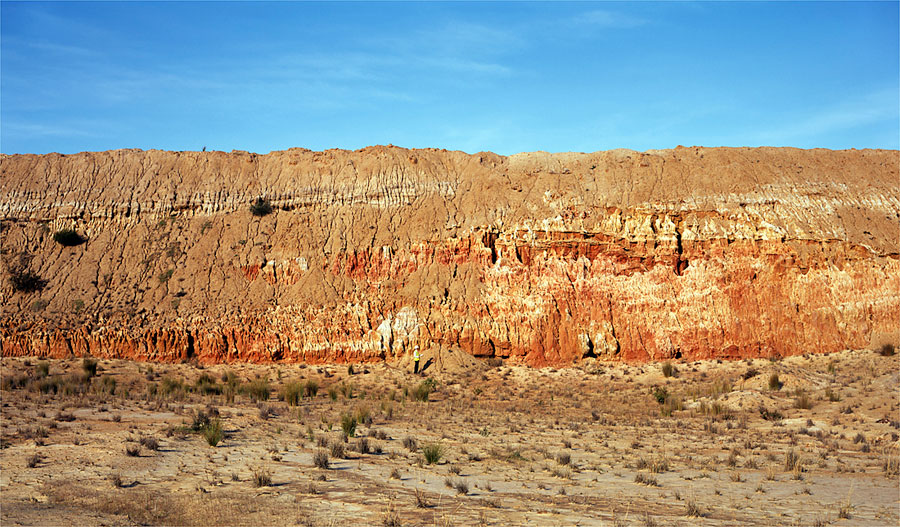
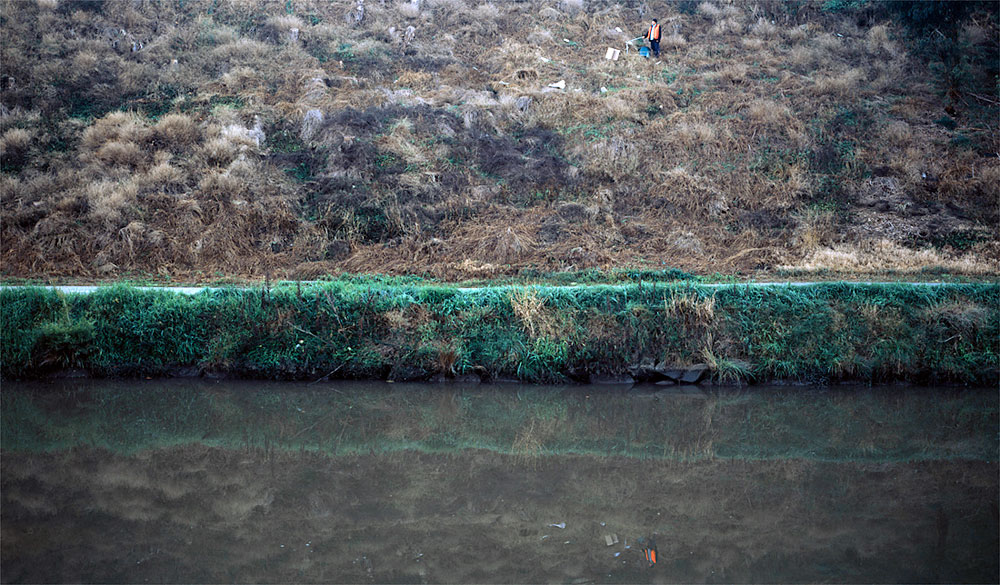
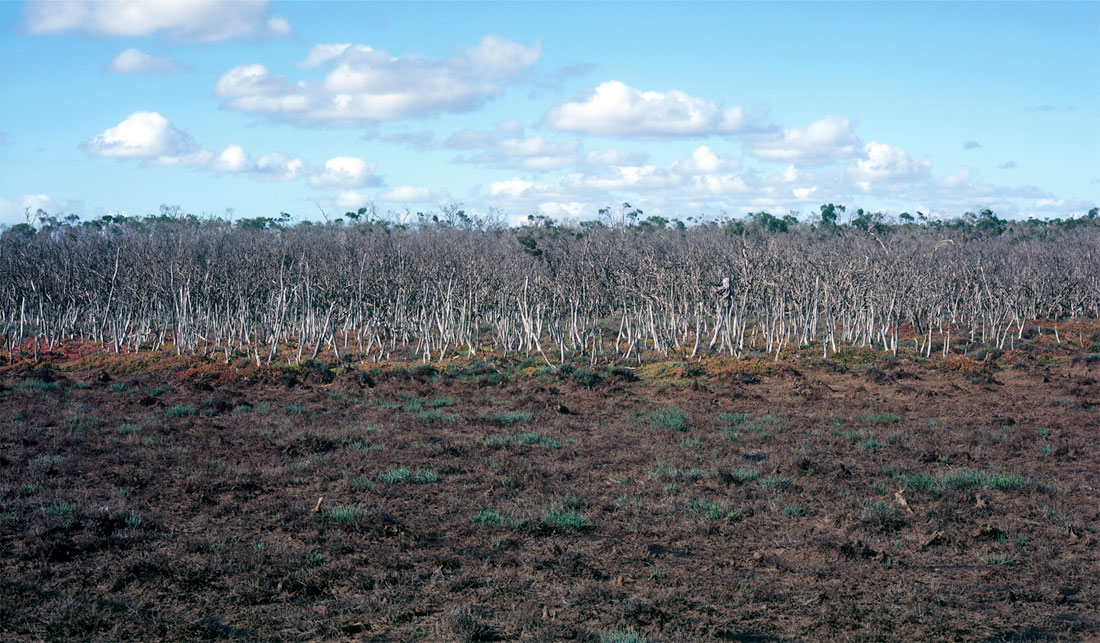

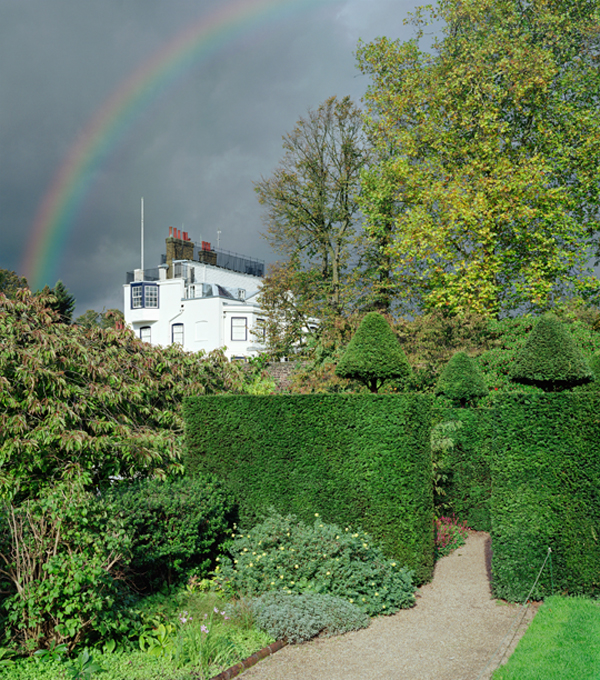


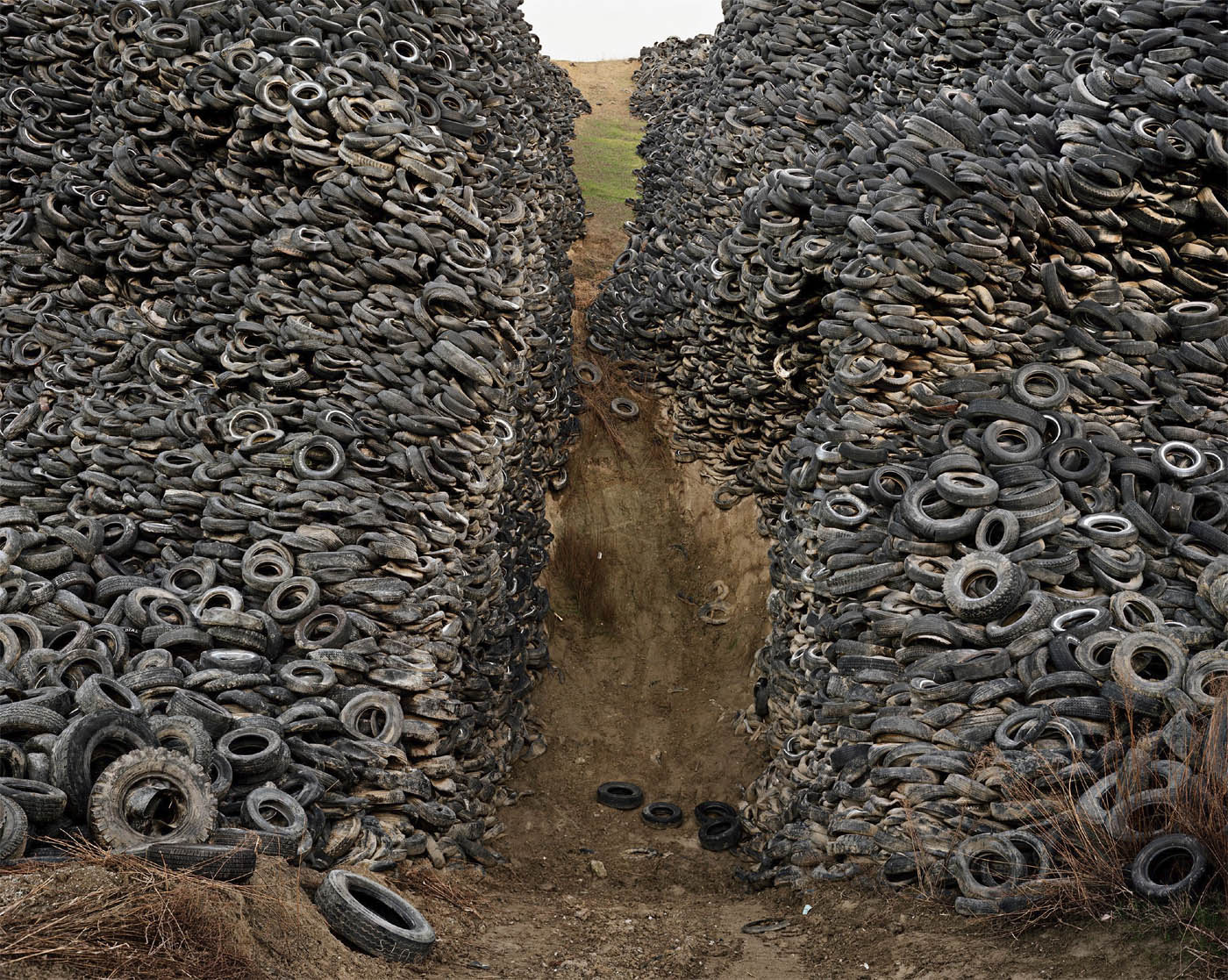


 Art Blart _ art and cultural memory archive
You must be logged in to post a comment.