Stephen Salmieri (American, b. 1945) Coney Island 1968 Vintage gelatin silver print
I love these photographs!
What’s not to like… generously sympathetic photographs that exhibit no pretension, containing interesting backgrounds and wonderful characters. The incongruity of a muscle man in leopard skin bathers in a snowy landscape at Coney Island … no worries!
“In the images, storefront booths, midway games, carnival architecture, and the shoreline provide the backdrop to Salmieri’s descriptive and engaging portraits.”
I particularly like the wonderful photograph of the large gentleman with tattoos in a white singlet sitting at a table surrounded by a halo of light bulbs. I also like how Salmieri gives some of his portraits context by including background information in his photographs.
The artist joins a rite of passage for many American photographers in taking photographs at Coney Island – that is, to capture the magic and mystique of this theatrical, carnivalesque place – one full of history, ceremony, community, tradition, fun, drama, people, sun and sand.1
Luminaries to have photographed there include Diane Arbus, Robert Frank, Weegee, Garry Winogrand, Bruce Davidson, Lisette Model, Walker Evans, Leon Levinstein, Arlene Gottfried, Harold Feinstein and Edward J. Kelty to name just a few.
Stephen Salmieri’s charismatic photographs are strong enough to join this pantheon of stars and the “vaunted tradition” of picturing Coney Island.
Dr Marcus Bunyan
1/ Bakhtin’s idea of the carnivalesque and the carnival paradigm accords to certain patterns of play where “the social hierarchies of everyday life… are profaned and overturned by normally suppressed voices and energies.”
“The carnival offers the chance to have a new outlook on the world, to realise the relative nature of all that exists, and to enter a completely new order of things.”
Bakhtin, Mikhail. Rabelais and his World (trans. Hélène Iswolsky). Bloomington: Indiana University Press, 1984, p. 34.
Many thankx to the Joseph Bellows Gallery for allowing me to publish the photographs in the posting. Please click on the photographs for a larger version of the image.
“These spare and emotional first images of a forgotten community, now lost in time, allowed me to forge a vision at a pivotal moment in my young life.”
Stephen Salmieri
Stephen Salmieri (American, b. 1945) Coney Island 1968 Vintage gelatin silver print
Stephen Salmieri (American, b. 1945) Coney Island 1971 Vintage gelatin silver print
Stephen Salmieri (American, b. 1945) Coney Island 1968 Vintage gelatin silver print
Stephen Salmieri (American, b. 1945) Coney Island 1969 Vintage gelatin silver print
Stephen Salmieri (American, b. 1945) Coney Island 1969 Vintage gelatin silver print
Stephen Salmieri (American, b. 1945) Coney Island 1969 Vintage gelatin silver print
Stephen Salmieri (American, b. 1945) Coney Island 1969 Vintage gelatin silver print
Stephen Salmieri (American, b. 1945) Coney Island 1969 Vintage gelatin silver print
Stephen Salmieri (American, b. 1945) Coney Island 1969 Vintage gelatin silver print
Stephen Salmieri (American, b. 1945) Coney Island 1969 Vintage gelatin silver print
Joseph Bellows Gallery is pleased to present an online exhibition of Stephen Salmieri’s photographs of Coney Island. Made between 1967 and 1972 with an array of cameras and black and white film, these images portray a cast of beachgoers and amusement park locals within the surrounding environment of one of America’s earliest and most illustrious seashore amusement parks.
The exhibition showcases Salmieri’s finely crafted vintage black and white prints. In the images, storefront booths, midway games, carnival architecture, and the shoreline provide the backdrop to Salmieri’s descriptive and engaging portraits. In a published statement on the photographs, the artist explains his process and motivation:
“The world of Coney Island has changed dramatically since I made these photographs. It was my first self-assigned project at twenty years of age, having just graduated from the School of Visual Arts. In choosing my subject I gravitated naturally to the familiar destination of my adolescent bike adventures.
I made the hour ride to Coney Island with all my cameras in tow all year round. I carried a 4 x 5 field camera, a 6 x 6 cm and a 35 mm format, and lots of Tri-X film.
In 1969, CAMERA magazine approached me at my first exhibition at the Underground Gallery. In my naivety, I did not realise that Coney Island was also the choice territory for such luminaries as Robert Frank, Lisette Model, Leon Levinstein, and Weegee. It wasn’t until the magazine published these photographs as part of their seminal Coney Island issue in 1971 that I realised I had become part of a vaunted tradition.
These spare and emotional first images of a forgotten community, now lost in time, allowed me to forge a vision at a pivotal moment in my young life.”
Salmieri’s photographs from this body of work were also featured in the exhibition Forever Coney: Photographs from the Brooklyn Museum Collection.
Salmieri’s work is included in the collections of the Museum of Modern Art, New York, Brooklyn Museum, New York, Smithsonian Institute, Washington D.C., Cooper-Hewitt National Design Museum, New York, Flint Institute, Michigan, the Museum of the City of New York, the Nelson-Atkins Museum, and the J. Paul Getty Museum. Publications include “American Grilles” (1978, Hartcourt-Brace) and “Cadillac: An American Icon” (1985, Rizzoli).
Text from the Joseph Bellows Gallery website
Stephen Salmieri (American, b. 1945) Coney Island 1970 Vintage gelatin silver print
Stephen Salmieri (American, b. 1945) Coney Island 1971 Vintage gelatin silver print
Stephen Salmieri (American, b. 1945) Coney Island 1971 Vintage gelatin silver print
Stephen Salmieri (American, b. 1945) Coney Island 1972 Vintage gelatin silver print
Stephen Salmieri (American, b. 1945) Coney Island 1967-1972 Vintage gelatin silver print
Robert Frank (American, 1924-2019) Coney Island 4th of July, 1958 Gelatin silver print
Edward J. Kelty (American, 1888-1967) Harlem Black Birds, Coney Island 1930
Walker Evans (American, 1903-1975) Couple at Coney Island, New York 1928 Gelatin silver print
Weegee (Arthur Fellig) (American born Ukraine, 1899-1968) Afternoon Crowd at Coney Island July 21st 1940
Garry Winogrand (American, 1928-1984) Coney Island, New York City, N.Y. 1952 Gelatin silver print
Leon Levinstein (American, 1910-1988) Coney Island 1955 Gelatin silver print
Diane Arbus (American, 1923-1971) Man in hat, trunks, socks and shoes, Coney Island, N.Y. 1960 1960 Gelatin silver print
Bruce Davidson (American, b. 1933) Two Youths, Coney Island 1958 From the series Brooklyn Gang
Joseph Bellows Gallery 7661 Girrard Avenue La Jolla, California Phone: 858 456 5620
Opening hours: Tuesday – Saturday 11am – 5pm and by appointment
Grant Mudford (Australian, b. 1944) El Paso, Texas 1976 Vintage gelatin silver print 16 x 20 inches Joseph Bellows Gallery
Let There Be Light
For so long I have wanted to do a posting on the Australian photographer Grant Mudford (b. 1944) and finally the time is here. Mudford has lived in the United States of America since his final move to the Los Angeles area in mid-1977 but I still think of him as Australian.
Between 1974 – 1977 he undertook an intensive program of travel and work in the United States before his final move. In 1977 he had major exhibitions at the Australian Centre for Photography, Sydney; The Photographers’ Gallery, London; and Light Gallery, New York and is represented in major collections such as The J. Paul Getty Museum, Los Angeles; Los Angeles County Museum of Art, Los Angeles; International Museum of Photography, George Eastman House; and the National Gallery of Australia, Canberra which holds sixty six of his photographs in their collection.
Mudford’s mature style – capturing in beautiful, minimalist black and white photographs the essence and reality of the built landscape envisioned without people, usually working with common, generally uncelebrated subject-matter – emerged at a time that was parallel to that of the groundbreaking exhibition of contemporary landscape photography New Topographics: Photographs of a Man-Altered Landscape held at the George Eastman House’s International Museum of Photography, October 1975 – February 1976.
This important exhibition proposed a new way of looking at the American landscape, a concept that was historically grounded in the Neue Sachlichkeit (New Objectivity) – new order – movement of Germany in the 1920s, developed further and most importantly by the German artists Bernd and Hiller Becher in the late 1960s – early 1970s.
The New Topographics photographers (including the Bechers) “documented built and natural landscapes in America, often capturing the tension between natural scenery and the mundane structures of post-war America: parking lots, suburban homes, crumbling coal mines. The photographs, stark and documentary, are often devoid of human presence. William Jenkins [curator of the New Topographics exhibition] described the images as “neutral” in style, “reduced to an essentially topographic state, conveying substantial amounts of visual information but eschewing entirely the aspects of beauty, emotion, and opinion”.1
As I have argued elsewhere I believe that the photographs of the Bechers and alike are just as much about the beauty of the subject as they are their topographic state.
“Despite protestations to the contrary (appeals to the objectivity of the image, eschewing entirely the aspects of beauty, emotion and opinion; the rigorous frontality of the individual images giving them the simplicity of diagrams, while their density of detail offers encyclopaedic richness) these are subjective images for all their objective desire. The paradox is the more a photographer strives for objectivity, the more ego drops away, the more the work becomes their own: subjective, beautiful, emotive.”2
At least Mudford is honest enough to own up to desiring beauty. “I am deeply interested in the relationship between man-made structures and the landscape,” says Mudford. “Photography allows me to capture that intersection, where design meets nature, light, and texture. I strive to create images that reflect both beauty and complexity.” (Text from the Joseph Bellows website)
Evidence of the development of his later mature style can be seen in photographs taken in Australia such as Jenolan (1972, below) and Woolloomooloo (Stop sign) (1973, below) which already contain a minimalist, paired back, topographic yet beautiful aesthetic. But it was his move to Los Angeles, and above all the LIGHT and TEXTURE of the new world, that seem to have brought forth the best within this artist.
While, as Foucault observes, texts “are caught up in a system of references to … other texts, other sentences: it is a node within a network … Its unity is variable and relative”3 – in other words there is a close relationship between the work of Mudford and the New Topographics movement – his work is very much his own.
There is a crispiness, frontality and seeming simplicity to Mudford’s photographs and yet also almost a painterly aspect, that belies the complexity of these well resolved and beautiful images. He captures “the emotional resonance of a moment, whether it be the play of light on a building’s surface or the dynamic contrasts found in nature.” (Text from the Joseph Bellows website) And unlike the huge photographs of Dawoud Bey in an upcoming posting – which seem to me completely at odds with the spirit of the subject being captured – Mudford’s 16 x 20 inches photographs allow the viewer to focus on the images inherent qualities of beauty, nature, light and texture.
Finally, it is beyond me why Grant Mudford has not received greater recognition in the country of his birth. Forget that he has lived for years in the United States of America, Mudford is a magnificent photographer par excellence and his worldwide achievement should be celebrated at a national level. Perhaps it is time that a gallery such as the National Gallery of Australia or the Museum of Australian Photography should put on a major retrospective of this artist’s work… before it is too late!
We are loosing too many great photographers from this era already.
Dr Marcus Bunyan
1/ New Topographics: Photographs of a Man-Altered Landscape was a groundbreaking exhibition of contemporary landscape photography held at the George Eastman House’s International Museum of Photography (Rochester, New York) from October 1975 to February 1976. The show, curated by William Jenkins, had a lasting impact on aesthetic and conceptual approaches to American landscape photography. The New Topographics photographers, including Robert Adams, Lewis Baltz, Bernd and Hilla Becher, Frank Gohlke, Nicholas Nixon, and Stephen Shore, documented built and natural landscapes in America, often capturing the tension between natural scenery and the mundane structures of post-war America: parking lots, suburban homes, crumbling coal mines. The photographs, stark and documentary, are often devoid of human presence. Jenkins described the images as “neutral” in style, “reduced to an essentially topographic state, conveying substantial amounts of visual information but eschewing entirely the aspects of beauty, emotion, and opinion”.
3/ Foucault, Michel. The Order of Things: An Archeology of the Human Sciences.New York: Vintage, 1973 quoted in Thumlert, Kurt. Intervisuality, Visual Culture, and Education. [Online] Cited 10/08/2006. www.forkbeds.com/visual-pedagogy.htm (link no longer active)
Many thankx to Joseph Bellows Gallery for allowing me to publish the photographs in the posting. Please click on the photographs for a larger version of the image.
“Photographs reveal unexpected mysteries within the familiarities of our existence. We over familiarise ourselves with our surroundings and after become unaware and insensitive to the forces of the essence or reality before us. It is that essence or reality which I strive to photograph.”
Grant Mudford quoted in Graham Howe (ed.,). New Photography Australia. Paddington, N.S.W.: Australian Centre for Photography, 1974, p. 8
“I think it is incredibly difficult to define a building with photographs. Space and spatial relationships within and around a building are not fully experienced from photographs. The photograph imposes its own sense of these relationships, which to me are abstract representations having little to do with architecture or reality. So what I am interested in are the photographic manifestations of what buildings and structures can present when specifically scrutinised as a photograph. To extend this transformation, I prefer to work with common, generally uncelebrated subject-matter”
Grant Mudford in Archetype Magazine Spring 1981 quoted in Reimund Zunde. Photography: An Approach For Secondary Schools. Education Department of Victoria, Curriculum Services Unite, in association with the Secondary Art/Craft Standing Committee, 1982
Grant Mudford (Australian, b. 1944) Jenolan 1972 Gelatin silver print 34.5 h x 38.8 w cm National Gallery of Australia Gift of the artist, 1985
Grant Mudford (Australian, b. 1944) Woolloomooloo (Stop sign) 1973 Gelatin silver print 34.5 h x 38.4 w cm National Gallery of Australia Gift of the artist, 1985
Grant Mudford (Australian, b. 1944) Houston, Texas 1975 Gelatin silver print 33.8 h x 49.8 w cm National Gallery of Australia Gift of the Phillip Morris Arts Grant 1982
Graham Howe (ed.,). New Photography Australia. Paddington, N.S.W.: Australian Centre for Photography, 1974, p. 8.
Reimund Zunde. Photography: An Approach For Secondary Schools. Education Department of Victoria, Curriculum Services Unite, in association with the Secondary Art/Craft Standing Committee, 1982
Renowned photographer Grant Mudford had made his mark in the art world with a distinctive vision, capturing anonymous structures with a profound sense of space, light, texture and form. With a career spanning several decades, Mudford’s work remains a testament to his unique ability to meld the art of photography with the subtle intricacies of design, nature, and human influence.
Mudford’s photographic style is known for its dramatic compositions and meticulous attention to detail. Whether focusing on the clean lines of modern architecture or the rugged textures of natural landscapes, his work consistently transcends traditional photographic boundaries. His images invite viewers to engage with the built environment and the natural world in new and thought-provoking ways.
His work has been described by Keith Davis in An American Century of Photography as “an appreciation for both the alienations and incongruities of the urban landscape.”
“I am deeply interested in the relationship between man-made structures and the landscape,” says Mudford. “Photography allows me to capture that intersection, where design meets nature, light, and texture. I strive to create images that reflect both beauty and complexity.”
Mudford’s approach to photography is marked by his commitment to capturing the emotional resonance of a moment, whether it be the play of light on a building’s surface or the dynamic contrasts found in nature. His work not only documents his subjects but also engages viewers in a deeper conversation about the spaces they inhabit.
Mudford’s photographs have been exhibited internationally in solo and group exhibitions since the mid 1970’s; beginning this history with a solo show at the notable Light Gallery. His photographs are in numerous private and public collections, including the Los Angeles County Museum of Art, the J. Paul Getty Museum, the Museum of Modern Art, the George Eastman House, the Nelson-Atkins Museum, and the National Museum of American Art. In 2014, Mudford received the Julius Shulman Institute Excellence in Photography Award. His photographs have been featured in publications such as Architectural Digest, The New York Times, and Artforum, solidifying his place as one of the most respected photographers of his generation.
Grant Mudford’s photography is more than just an aesthetic experience; it is an invitation to reconsider how we perceive the world around us. His lens captures what is often overlooked – the powerful simplicity of everyday structures and the quiet majesty of the natural world. Through his work, Mudford encourages viewers to find beauty in both the grand and the subtle, offering a fresh perspective on the environments we encounter.
Text from the Joseph Bellows Gallery website
Grant Mudford (Australian, b. 1944) Los Angeles, CA 1977 Vintage gelatin silver print 16 x 20 inches
Grant Mudford (Australian, b. 1944) Los Angeles, CA 1976 Vintage gelatin silver print 16 x 20 inches
Grant Mudford (Australian, b. 1944) Irvine, CA 1976 Vintage gelatin silver print 16 x 20 inches
Grant Mudford (Australian, b. 1944) Los Angeles, CA 1976 Vintage gelatin silver print 16 x 20 inches
Grant Mudford (Australian, b. 1944) Los Angeles, CA 1977 Vintage gelatin silver print 16 x 20 inches
Grant Mudford
b. 1944
Grant Mudford (b. 1944) is a Sydney-born, Los Angeles-based photographer renowned for his large-format, abstract depictions of the urban landscape and built environment. Mudford developed an interest in photography as a child, and turned the laundry into a darkroom at the age of ten. For several years in his teens he photographed children on Santa Claus’ lap at Christmas. After studying architecture at the University of NSW for two years from 1964-1964, he chose to focus on photography, opening his own studio. In the 1960s and early 1970s he photographed for a range of advertising, fashion and theatre clients, as well as working as a cinematographer on short films. Mudford held his first solo show at Bonython Gallery in Sydney in 1972 and shortly after received funding from the Australia Council for the Arts, enabling him to travel throughout the USA and Mexico between 1975 and 1977. He then settled in Los Angeles, where he worked for various American and international publications including Harper’s Bazaar, Esquire, Architectural Digest, Vanity Fair, the LA Times and the New York Times. The Museum of Contemporary Art in Los Angeles commissioned him as photographer for the exhibition and book, Louis I. Kahn: In the Realm of Architecture (1991). Mudford’s work is in many American and international collections including the Museum of Modern Art, the J. Paul Getty Museum and Los Angeles County Museum of Art, Art Gallery of NSW and National Gallery of Australia.
Exhibition dates: 22nd October – 10th December, 2022
Baldwin Lee (Chinese-American, b. 1951) Vicksburg, Mississippi 1983 Vintage gelatin silver print 16 x 20 inches
“The work of two contemporary photographers, Bill Brandt of England and the American, Walker Evans, have influenced me. When I first looked at Walker Evans’ photographs, I thought of something Malraux wrote: “To transform destiny into awareness.” One is embarrassed to want so much for oneself. But, how else are you going to justify your failure and your effort?”
Robert Frank, ‘U.S. Camera Annual’, 1958, p. 115
In terms of training as a photographer, Baldwin Lee couldn’t have done much better than study with those two photographic greats, Minor White and Walker Evans. His work is suffused with their glow, especially the influence of Walker Evans. Lee’s works continues that wonderful tradition of documenting with frankness, things that are placed before the lens. In his photographs of “Black Americans: at home, at work, and at play, in the street, and among nature”, Lee responds with understanding and a “a sensitive eye for both poverty and dignity” to the plight of the lower echelons of American society, in work that “exposes the violence of poverty inherited from the plantation-economy past.” And though his photographs he tries to transform the destiny (of a race) into awareness (of their plight).
“In 1983, Baldwin Lee (Chinese-American, b. 1951) left his home in Knoxville, Tennessee, with his 4 × 5 view camera and set out on the first of a series of road trips to photograph the American South.” Lee received a Guggenheim Fellowship in 1984, and a National Endowment for the Arts Fellowship in 1984 and 1987 to continue his project until the end of the decade. The resultant photographs show “attentiveness to the composure of his subjects that is echoed masterfully in the composition of his shots” … “Lee’s graceful pictures from this project perfectly balance the photographer’s presence and the subject’s will, honouring both through the resulting, beautifully printed 16 x 20-inch black-and-white photographs.”
At their best, Lee’s photographs (such as Vicksburg, Mississippi, 1983 above) have an incisive presence which illuminates the human condition through a revelation of spirit, the spirit of a people with the strength to survive and flourish against the forces of tyranny, discrimination and oppression. The proud stare of the child, the placement in of his hands, his large belt buckle, and the attitude of the father make this photograph a masterpiece of observation and composition. Other powerful photographs such as New Orleans, Louisiana (1984, below), Columbia, South Carolina (1984, below), Valdosta, Georgia (1984, below) and Valdosta, Georgia (1986, below) intimately capture the inter-generational strength that courses through generations of survivors – survivors of life, of hardship, of disenfranchisement. And then we must place those portraits in a historical context for their wider import to be understood: Vicksburg, Mississippi and its political and racial unrest after the Civil War; Montgomery, Alabama and the bus boycott that changed a nation; Mobile, Alabama and its race riots during the Second World War and the desegregation of the school system in 1964. And so it still goes…
Other photographs, such as Montgomery, Alabama (1984, below), Lula, Mississippi (1984, below), Natchez, Mississippi (1984, below) and Garnett, South Carolina (1985, below) are an extension of the work of Walker Evans. They really have no signature of the individual artist but continue the tradition, the story, of documentary photography in America. In the camera magazines of the mid- 60s to mid- 70s the photographer who was published would also have a small image check-list in the last pages of the magazine with technical information – aperture / developer / paper etc… Instead, for these pages, Minor White would say: “For technical information, the camera was faithfully used.” And one could imagine this artist saying the same thing, for there are no attempts at obfuscation or anything that would alter the intensity of his vision.
Of the remaining photographs in the posting… I have rather ambivalent feelings about them. All of the photographs possess a calmness and quietness to them, have balanced (perhaps too balanced) composition, but some leave me feeling rather cold. It’s almost as if I am looking at a “scene” from reality, rather than reality itself. Much like Edward S. Curtis and his storytelling of the First Nations peoples, that is, the myth that he wanted to tell of a “vanishing race” – some of Lee’s photographs are too staged, to constructed by the photographer that real life gets put in the deep freeze. A good example of this is the photograph Canton, Mississippi (1985, below). Imagine the time it would have taken Lee to set up his large format camera, to check the light, to focus the ground glass, and then to place the figures in such a deliberate arrangement. Did the subjects have a say in how they wanted to be portrayed? With this arrangement, especially the figure at left with her hand in the air, I suspect not… it’s all just so stilted and unmoving, particularly the spacing between the figures. Certainly, in this one particular photograph, the image does not balance photographer’s presence and the subject’s will. It’s a story that the photographer wants to tell in a particular way.
Other photographs teeter either side of this line, between seemingly spontaneous and obviously staged compositions. I don’t believe Vicksburg, Mississippi (1984, below) whereas I do feel Walls, Mississippi (1984, below), mainly because of the too stiff pose of the standing boy in the former and the languid pose and look of the girl in the latter. I believe in the direct stares of the children in Boyle, Mississippi (1985, below) and yet in the photograph below (Columbia, South Carolina 1984, below), that trust is dissolved. It is so difficult with a large format camera to stop the images becoming a facsimile of real life… something that appeals to the direction of the photographer but is a creation of their imagination, not a portrait of the real life of the subjects. In other words, the images do not go into that world with equal drama (usually the feeling is modified by Walker Evans directness), for there is a range of using this “drama” trope.
Here I am not appealing for something close to Cartier-Bresson’s “decisive moment” for that is almost impossible with a large format camera, but rather something more akin to the work of Minor White than that of Walker Evans – more a revelation of spirit rather than a humanist “family of man”. As with any portrait, whether it is in the objective but slightly surreal portraits by August Sander or the dynamic exposures by Diane Arbus, it is the ability of the photographer to reveal the Self behind the mask that creates memorable portraits.
This is why Lee’s photograph Vicksburg, Mississippi 1983 stands head and shoulders above all the other photographs in this posting. The portrait challenges our preconceptions of what is it to live this life, to be Black in America, and with fierce resolve that echoes down through the generations, it says, we will survive and flourish… for we are whole and free.
Dr Marcus Bunyan
PS. Sometimes we say something about an image which is “after the case” of its place in the world. Knowing the boundaries of when this stops and starts is the big challenge…
Many thankx to Joseph Bellows Gallery for allowing me to publish the photograph in the posting. Please click on the photographs for a larger version of the image.
Baldwin Lee (Chinese-American, b. 1951) Vicksburg, Mississippi 1983 Vintage gelatin silver print 16 x 20 inches
Baldwin Lee (Chinese-American, b. 1951) Vicksburg, Mississippi 1984 Gelatin silver print 16 x 20 inches
Baldwin Lee (Chinese-American, b. 1951) Vicksburg, Mississippi 1984 Vintage gelatin silver print 16 x 20 inches
Vicksburg, Mississippi
Civil War
During the American Civil War, the city finally surrendered during the Siege of Vicksburg, after which the Union Army gained control of the entire Mississippi River. The 47-day siege was intended to starve the city into submission. Its location atop a high bluff overlooking the Mississippi River proved otherwise impregnable to assault by federal troops. The surrender of Vicksburg by Confederate General John C. Pemberton on July 4, 1863, together with the defeat of General Robert E. Lee at Gettysburg the day before, has historically marked the turning point of the Civil War in the Union’s favour.
From the surrender of Vicksburg until the end of the war in 1865, the area was under Union military occupation. The Confederate president, Jefferson Davis, was based at his family plantation at Brierfield, just south of the city.
Political and racial unrest after Civil War
In the first few years after the Civil War, white Confederate veterans developed the Ku Klux Klan, beginning in Tennessee; it had chapters throughout the South and attacked freedmen and their supporters. It was suppressed about 1870. By the mid-1870s, new white paramilitary groups had arisen in the Deep South, including the Red Shirts [white supremacist paramilitary terrorist groups that were active in the late 19th century] in Mississippi, as whites struggled to regain political and social power over the black majority. Elections were marked by violence and fraud as white Democrats worked to suppress black Republican voting.
In August 1874, a black sheriff, Peter Crosby, was elected in Vicksburg. Letters by a white planter, Batchelor, detail the preparations of whites for what he described as a “race war,” including acquisition of the newest guns, Winchester 16 mm. On December 7, 1874, white men disrupted a black Republican meeting celebrating Crosby’s victory and held him in custody before running him out of town. He advised blacks from rural areas to return home; along the way, some were attacked by armed whites. During the next several days, armed white mobs swept through black areas, killing other men at home or out in the fields. Sources differ as to total fatalities, with 29-50 blacks and 2 whites reported dead at the time. Twenty-first-century historian Emilye Crosby estimates that 300 blacks were killed in the city and the surrounding area of Claiborne County, Mississippi. The Red Shirts were active in Vicksburg and other Mississippi areas, and black pleas to the federal government for protection were not met.
At the request of Republican Governor Adelbert Ames, who had left the state during the violence, President Ulysses S. Grant sent federal troops to Vicksburg in January 1875. In addition, a congressional committee investigated what was called the “Vicksburg Riot” at the time (and reported as the “Vicksburg Massacre” by northern newspapers.) They took testimony from both black and white residents, as reported by the New York Times, but no one was ever prosecuted for the deaths. The Red Shirts and other white insurgents suppressed Republican voting by both whites and blacks; smaller-scale riots were staged in the state up to the 1875 elections, at which time white Democrats regained control of a majority of seats in the state legislature.
Under new constitutions, amendments and laws passed between 1890 in Mississippi and 1908 in the remaining southern states, white Democrats disenfranchised most blacks and many poor whites by creating barriers to voter registration, such as poll taxes, literacy tests, and grandfather clauses. They passed laws imposing Jim Crow [laws enforcing racial segregation in the Southern United States] and racial segregation of public facilities.
20th century to present
The exclusion of most blacks from the political system lasted for decades until after Congressional passage of civil rights legislation in the mid-1960s. Lynchings of blacks and other forms of white racial terrorism against them continued to occur in Vicksburg after the start of the 20th century. In May 1903, for instance, two black men charged with murdering a planter were taken from jail by a mob of 200 farmers and lynched before they could go to trial. In May 1919, as many as a thousand white men broke down three sets of steel doors to abduct, hang, burn and shoot a black prisoner, Lloyd Clay, who was falsely accused of raping a white woman. From 1877 to 1950 in Warren County, 14 African Americans were lynched by whites, most in the decades near the turn of the century…
Particularly after World War II, in which many blacks served, returning veterans began to be active in the civil rights movement, wanting to have full citizenship after fighting in the war. In Mississippi, activists in the Vicksburg Movement became prominent during the 1960s.
Baldwin Lee (Chinese-American, b. 1951) Montgomery, Alabama 1984 Vintage gelatin silver print 16 x 20 inches
Montgomery, Alabama
In the post-World War II era, returning African-American veterans were among those who became active in pushing to regain their civil rights in the South: to be allowed to vote and participate in politics, to freely use public places, to end segregation. According to the historian David Beito of the University of Alabama, African Americans in Montgomery “nurtured the modern civil rights movement.” African Americans comprised most of the customers on the city buses, but were forced to give up seats and even stand in order to make room for whites. On December 1, 1955, Rosa Parks was arrested for refusing to give up her bus seat to a white man, sparking the Montgomery bus boycott. Martin Luther King Jr., then the pastor of Dexter Avenue Baptist Church, and E.D. Nixon, a local civil rights advocate, founded the Montgomery Improvement Association to organise the boycott. In June 1956, the US District Court Judge Frank M. Johnson ruled that Montgomery’s bus racial segregation was unconstitutional. After the US Supreme Court upheld the ruling in November, the city desegregated the bus system, and the boycott was ended.
In separate action, integrated teams of Freedom Riders rode South on interstate buses. In violation of federal law and the constitution, bus companies had for decades acceded to state laws and required passengers to occupy segregated seating in Southern states. Opponents of the push for integration organised mob violence at stops along the Freedom Ride. In Montgomery, there was police collaboration when a white mob attacked Freedom Riders at the Greyhound Bus Station in May 1961. Outraged national reaction resulted in the enforcement of desegregation of interstate public transportation.
Martin Luther King Jr. returned to Montgomery in 1965. Local civil rights leaders in Selma had been protesting Jim Crow laws and practices that raised barriers to blacks registering to vote. Following the shooting of a man after a civil rights rally, the leaders decided to march to Montgomery to petition Governor George Wallace to allow free voter registration. The violence they encountered from county and state highway police outraged the country. The federal government ordered National Guard and troops to protect the marchers. Thousands more joined the marchers on the way to Montgomery, and an estimated 25,000 marchers entered the capital to press for voting rights. These actions contributed to Congressional passage of the Voting Rights Act of 1965, to authorise federal supervision and enforcement of the rights of African Americans and other minorities to vote.
The Montgomery bus boycott was a political and social protest campaign against the policy of racial segregation on the public transit system of Montgomery, Alabama. It was a foundational event in the civil rights movement in the United States. The campaign lasted from December 5, 1955 – the Monday after Rosa Parks, an African-American woman, was arrested for her refusal to surrender her seat to a white person – to December 20, 1956, when the federal ruling Browder v. Gayle took effect, and led to a United States Supreme Court decision that declared the Alabama and Montgomery laws that segregated buses were unconstitutional. …
Background
Before the bus boycott, Jim Crow laws mandated the racial segregation of the Montgomery Bus Line. As a result of this segregation, African Americans were not hired as drivers, were forced to ride in the back of the bus, and were frequently ordered to surrender their seats to white people even though black passengers made up 75% of the bus system’s riders. Many bus drivers treated their black passengers poorly beyond the law: African-Americans were assaulted, shortchanged, and left stranded after paying their fares.
The year before the bus boycott began, the Supreme Court decided unanimously, in the case of Brown v. Board of Education, that racial segregation in schools was unconstitutional. The reaction by the white population of the Deep South was “noisy and stubborn”. Many white bus drivers joined the White Citizens’ Council as a result of the decision.
Although it is often framed as the start of the civil rights movement, the boycott occurred at the end of many black communities’ struggles in the South to protect black women, such as Recy Taylor, from racial violence. The boycott also took place within a larger statewide and national movement for civil rights, including court cases such as Morgan v. Virginia, the earlier Baton Rouge bus boycott, and the arrest of Claudette Colvin for refusing to give up her seat on a Montgomery bus. …
History
Under the system of segregation used on Montgomery buses, the ten front seats were reserved for white people at all times. The ten back seats were supposed to be reserved for black people at all times. The middle section of the bus consisted of sixteen unreserved seats for white and black people on a segregated basis.[22] White people filled the middle seats from the front to back, and black people filled seats from the back to front until the bus was full. If other black people boarded the bus, they were required to stand. If another white person boarded the bus, then everyone in the black row nearest the front had to get up and stand so that a new row for white people could be created; it was illegal for white and black people to sit next to each other. When Rosa Parks refused to give up her seat for a white person, she was sitting in the first row of the middle section.
Often when boarding the buses, black people were required to pay at the front, get off, and reenter the bus through a separate door at the back. Occasionally, bus drivers would drive away before black passengers were able to reboard. National City Lines owned the Montgomery Bus Line at the time of the Montgomery bus boycott. Under the leadership of Walter Reuther, the United Auto Workers donated almost $5,000 (equivalent to $51,000 in 2021) to the boycott’s organising committee.
White backlash against the court victory was quick, brutal, and, in the short term, effective. Two days after the inauguration of desegregated seating, someone fired a shotgun through the front door of Martin Luther King’s home. A day later, on Christmas Eve, white men attacked a black teenager as she exited a bus. Four days after that, two buses were fired upon by snipers. In one sniper incident, a pregnant woman was shot in both legs. On January 10, 1957, bombs destroyed five black churches and the home of Reverend Robert S. Graetz, one of the few white Montgomerians who had publicly sided with the MIA.
The City suspended bus service for several weeks on account of the violence. According to legal historian Randall Kennedy, “When the violence subsided and service was restored, many black Montgomerians enjoyed their newly recognised right only abstractly … In practically every other setting, Montgomery remained overwhelmingly segregated …” On January 23, a group of Klansmen (who would later be charged for the bombings) lynched a black man, Willie Edwards, on the pretext that he was dating a white woman.
The city’s elite moved to strengthen segregation in other areas, and in March 1957 passed an ordinance making it “unlawful for white and colored persons to play together, or, in company with each other … in any game of cards, dice, dominoes, checkers, pool, billiards, softball, basketball, baseball, football, golf, track, and at swimming pools, beaches, lakes or ponds or any other game or games or athletic contests, either indoors or outdoors.”
Later in the year, Montgomery police charged seven Klansmen with the bombings, but all of the defendants were acquitted. About the same time, the Alabama Supreme Court ruled against Martin Luther King’s appeal of his “illegal boycott” conviction. Rosa Parks left Montgomery due to death threats and employment blacklisting. According to Charles Silberman, “by 1963, most Negroes in Montgomery had returned to the old custom of riding in the back of the bus.”
Baldwin Lee (Chinese-American, b. 1951) Shreveport, Louisiana 1985 Vintage gelatin silver print 16 x 20 inches
Baldwin Lee (Chinese-American, b. 1951) Walls, Mississippi 1984 Gelatin silver print 16 x 20 inches
Baldwin Lee (Chinese-American, b. 1951) Lula, Mississippi 1984 Vintage gelatin silver print 16 x 20 inches
Baldwin Lee (Chinese-American, b. 1951) Lula, Mississippi 1984 Vintage gelatin silver print 16 x 20 inches
Baldwin Lee (Chinese-American, b. 1951) Helena, Arkansas 1986 Vintage gelatin silver print 16 x 20 inches
Baldwin Lee (Chinese-American, b. 1951) Natchez, Mississippi 1984 Vintage gelatin silver print 16 x 20 inches
Joseph Bellows Gallery is pleased to announce its upcoming exhibition, Baldwin Lee. The exhibition will open with a reception for the artist on Saturday, the 22nd of October, from 4 – 6pm, and continue through December 10th. This will be the second solo exhibition of the photographer’s work presented by Joseph Bellows Gallery. The gallery first showcased Lee’s epic project online, from April 18th – June 26, 2020.
The upcoming show will present a remarkable selection of vintage prints from this critically acclaimed and highly celebrated body of work taken within Black communities in the South, that began in 1983, and continued throughout that decade. The resulting collection of images from this seven-year period contains nearly ten thousand black-and-white negatives taken with a 4 x 5-inch view camera. Lee’s graceful pictures from this project perfectly balance the photographer’s presence and the subject’s will, honouring both through the resulting, beautifully printed 16 x 20-inch black-and-white photographs. The esteemed photography curator Joshua Chuang has noted that, “The pictures stand apart, not because they are depictions of Black subjects by a first-generation Chinese-American, but because they were made by a photographer of rare perception and instinct.”
Baldwin Lee studied photography with Minor White at the Massachusetts Institute of Technology, receiving a Bachelor of Science degree in 1972. Lee then continued his education at Yale University, where he studied with Walker Evans. He received a Master of Fine Arts in 1975. After school, Lee began teaching photography at the Massachusetts College of Art and then at Yale, while creating his own photographs, which at the time were rooted in the exploration of the contemporary built environment. Lee’s later work from the early to late-1980s entitled, Black Americans in the South (from which this exhibition is drawn), is a compelling and empathic portrait that represents its subjects within their rural environments, expressing the joys of childhood, the gravity of adult life, and the places in between. Images from Lee’s Southern work were featured in Aperture Magazine, Issue 115, ‘New Southern Photography: Between Myth and Reality’ (1989), and now form the newly published monograph, Baldwin Lee (Hunters Point Press, 2022).
Lee’s work has been exhibited at the Museum of Modern Art, New York, the Chrysler Museum of Art, the Knoxville Museum of Art, the Southeast Center for Contemporary Art, and the Museum of Contemporary Art of Georgia. His photographs are in the permanent collections of the Museum of Modern Art, the Virginia Museum of Fine Arts, the University of Michigan Museum of Art, the University of Kentucky Art Museum, the Yale University Art Gallery, The Morgan Library, and the Museum of the City of New York. He has been honoured with fellowships from the John Simon Guggenheim Foundation (1984) and the National Endowment for the Arts (1984 and 1990).
Text from the Joseph Bellows Gallery website [Online] Cited 28/10/2022
Baldwin Lee (Chinese-American, b. 1951) Boyle, Mississippi 1985 Vintage gelatin silver print 16 x 20 inches
Baldwin Lee (Chinese-American, b. 1951) Columbia, South Carolina 1984 Gelatin silver print 16 x 20 inches
Baldwin Lee (Chinese-American, b. 1951) Rosedale, Mississippi 1985 Vintage gelatin silver print 16 x 20 inches
Baldwin Lee (Chinese-American, b. 1951) Monroe, Louisiana 1985 Gelatin silver print 16 x 20 inches
Baldwin Lee (Chinese-American, b. 1951) Mobile, Alabama 1983 Vintage gelatin silver print 16 x 20 inches
Mobile, Alabama
20th century
The turn of the 20th century brought the Progressive Era to Mobile. The economic structure developed with new industries, generating new jobs and attracting a significant increase in population.[50] The population increased from around 40,000 in 1900 to 60,000 by 1920. During this time the city received $3 million in federal grants for harbour improvements to deepen the shipping channels. During and after World War I, manufacturing became increasingly vital to Mobile’s economic health, with shipbuilding and steel production being two of the most important industries.
During this time, social justice and race relations in Mobile worsened, however. The state passed a new constitution in 1901 that disenfranchised most blacks and many poor whites; and the white Democratic-dominated legislature passed other discriminatory legislation. In 1902, the city government passed Mobile’s first racial segregation ordinance, segregating the city streetcars. It legislated what had been informal practice, enforced by convention. Mobile’s African-American population responded to this with a two-month boycott, but the law was not repealed. After this, Mobile’s de facto segregation was increasingly replaced with legislated segregation as whites imposed Jim Crow laws to maintain supremacy.
In 1911 the city adopted a commission form of government, which had three members elected by at-large voting. Considered to be progressive, as it would reduce the power of ward bosses, this change resulted in the elite white majority strengthening its power, as only the majority could gain election of at-large candidates. In addition, poor whites and blacks had already been disenfranchised. Mobile was one of the last cities to retain this form of government, which prevented smaller groups from electing candidates of their choice. But Alabama’s white yeomanry had historically favoured single-member districts in order to elect candidates of their choice. …
A race riot broke out in May 1943 of whites against blacks. ADDSCO management had long maintained segregated conditions at the shipyards, although the Roosevelt administration had ordered defence contractors to integrate facilities. That year ADDSCO promoted 12 blacks to positions as welders, previously reserved for whites; and whites objected to the change by rioting on May 24. The mayor appealed to the governor to call in the National Guard to restore order, but it was weeks before officials allowed African Americans to return to work, keeping them away for their safety.
In the late 1940s, the transition to the postwar economy was hard for the city, as thousands of jobs were lost at the shipyards with the decline in the defence industry. Eventually the city’s social structure began to become more liberal. Replacing shipbuilding as a primary economic force, the paper and chemical industries began to expand. No longer needed for defence, most of the old military bases were converted to civilian uses. Following the war, in which many African Americans had served, veterans and their supporters stepped up activism to gain enforcement of their constitutional rights and social justice, especially in the Jim Crow South. During the 1950s the City of Mobile integrated its police force and Spring Hill College accepted students of all races. Unlike in the rest of the state, by the early 1960s the city buses and lunch counters voluntarily desegregated. …
In 1963, three African-American students brought a case against the Mobile County School Board for being denied admission to Murphy High School. This was nearly a decade after the United States Supreme Court had ruled in Brown v. Board of Education (1954) that segregation of public schools was unconstitutional. The federal district court ordered that the three students be admitted to Murphy for the 1964 school year, leading to the desegregation of Mobile County’s school system.
The civil rights movement gained congressional passage of the Civil Rights Act of 1964 and Voting Rights Act of 1965, eventually ending legal segregation and regaining effective suffrage for African Americans. But whites in the state had more than one way to reduce African Americans’ voting power. Maintaining the city commission form of government with at-large voting resulted in all positions being elected by the white majority, as African Americans could not command a majority for their candidates in the informally segregated city. …
Mobile’s city commission form of government was challenged and finally overturned in 1982 in City of Mobile v. Bolden, which was remanded by the United States Supreme Court to the district court. Finding that the city had adopted a commission form of government in 1911 and at-large positions with discriminatory intent, the court proposed that the three members of the city commission should be elected from single-member districts, likely ending their division of executive functions among them. Mobile’s state legislative delegation in 1985 finally enacted a mayor-council form of government, with seven members elected from single-member districts. This was approved by voters. As white conservatives increasingly entered the Republican Party in the late 20th century, African-American residents of the city have elected members of the Democratic Party as their candidates of choice. Since the change to single-member districts, more women and African Americans were elected to the council than under the at-large system.
Baldwin Lee (Chinese-American, b. 1951) New Orleans, Louisiana 1984 Vintage gelatin silver print 16 x 20 inches
Baldwin Lee (Chinese-American, b. 1951) Canton, Mississippi 1985 Vintage gelatin silver print 16 x 20 inches
Baldwin Lee (Chinese-American, b. 1951) Plain Dealing, Louisiana 1985 Vintage gelatin silver print 16 x 20 inches
Plain Dealing is a town in Bossier Parish, Louisiana, United States. The population was 893 in 2020.
Baldwin Lee (Chinese-American, b. 1951) Columbia, South Carolina 1984 Vintage gelatin silver print 16 x 20 inches
Baldwin Lee (Chinese-American, b. 1951) Quitman, Georgia 1984 Vintage gelatin silver print 16 x 20 inches
Quitman is a city in and the county seat of Brooks County, Georgia, United States. The population was 3,850 at the 2010 census.
Baldwin Lee (Chinese-American, b. 1951) Valdosta, Georgia 1984 Vintage gelatin silver print 16 x 20 inches
Valdosta, Georgia
Valdosta is a city in and the county seat of Lowndes County, Georgia, United States. As of 2019, Valdosta had an estimated population of 56,457.
On May 16, 1918, a white planter named Hampton Smith was shot and killed at his house near Morven, Georgia, by a black farm worker named Sidney Johnson who was routinely mistreated by Smith. Johnson also shot Smith’s wife but she later recovered. Johnson hid for several days in Valdosta without discovery. Lynch mobs formed in Valdosta ransacking Lowndes and Brooks counties for a week looking for Johnson and his alleged accomplices. These mobs lynched at least 13 African Americans, among them Mary Turner and her unborn eight-month-old baby who was cut from her body and murdered. Mary Turner’s husband Hazel Turner was also lynched the day before.
Sidney Johnson was turned in by an acquaintance, and on May 22 Police Chief Calvin Dampier led a shootout at the Valdosta house where he was hiding. Following his death, a crowd of more than 700 castrated Johnson’s body, then dragged it behind a vehicle down Patterson Street and all the way to Morven, Georgia, near the site of Smith’s murder. There the body of Johnson was hanged and burned on a tree. That afternoon, Governor Hugh Dorsey ordered the state militia to be dispatched to Valdosta to halt the lynch mobs, but they arrived too late for many victims. Dorsey later denounced the lynchings, but none of the participants were ever prosecuted.
Following the violence, more than 500 African Americans fled from Lowndes and Brooks counties to escape such oppressive conditions and violence. From 1880 to 1930, Brooks County had the highest number of lynchings in the state of Georgia. By 1922 local chapters of the Ku Klux Klan, which had been revived starting in 1915, were holding rallies openly in Valdosta.
Baldwin Lee (Chinese-American, b. 1951) Valdosta, Georgia 1986 Vintage gelatin silver print 20 x 16 inches
Baldwin Lee (Chinese-American, b. 1951) Garnett, South Carolina 1985 Vintage gelatin silver print 20 x 16 inches
In 1983, Baldwin Lee (Chinese-American, b. 1951) left his home in Knoxville, Tennessee, with his 4 × 5 view camera and set out on the first of a series of road trips to photograph the American South. The subject of his pictures were Black Americans: at home, at work, and at play, in the street, and among nature. This project would consume Lee – a first-generation Chinese American – for the remainder of that decade, and it would forever transform his perception of his country, its people, and himself. The resulting archive from this seven-year period contains nearly ten thousand black-and-white negatives. This monograph, Baldwin Lee, presents a selection of eighty-eight images edited by the photographer Barney Kulok, accompanied by an interview with Lee by the curator Jessica Bell Brown and an essay by the writer Casey Gerald. Arriving almost four decades after Lee began his journey, this publication reveals the artist’s unique commitment to picturing life in America and, in turn, one of the most piercing and poignant bodies of work of its time.
“A new book – the first-ever collection of [Baldwin] Lee’s work – and a solo exhibition in New York make the case that he is one of the great overlooked luminaries of American picture-making. It’s not often that a body of photography is hoisted up from obscurity and straight into the canon.”
~ Chris Wiley, The New Yorker
“The warmth and soulfulness of his work is not the result of intellectual effort; it’s grounded in understanding, a combination of intensity and restraint, and, surely, a shared sense of otherness.”
~ Vince Aletti, Photograph Magazine
“… Walker Evans was one of Lee’s teachers. Like Evans, Lee has a sensitive eye for both poverty and dignity. But Lee’s southern exposure wasn’t overwhelmingly white, as it was in Evans’s classic “Let Us Now Praise Famous Men.” Quite the contrary, Lee is a witness to those at the bottom of U.S. stratification, and their refusal to swallow that status. … The work is political, because it exposes the violence of poverty inherited from the plantation-economy past. But it is most of all attentiveness to the composure of his subjects that is echoed masterfully in the composition of his shots. …We are a motley assortment of people in the United States. Our relations are not tidy, not in their beauty, nor in their disastrous disaffection and cruelty. “
~ Imani Perry, The Atlantic
Baldwin Lee (Chinese-American, b. 1951) Untitled 1983-1989 Vintage gelatin silver print 16 x 20 inches
Baldwin Lee (Chinese-American, b. 1951) Untitled 1983-1989 Vintage gelatin silver print 16 x 20 inches
Baldwin Lee (Chinese-American, b. 1951) Untitled 1983-1989 Vintage gelatin silver print 16 x 20 inches
Baldwin Lee (Chinese-American, b. 1951) Untitled 1983-1989 Vintage gelatin silver print 16 x 20 inches
Baldwin Lee (Chinese-American, b. 1951) Untitled 1983-1989 Vintage gelatin silver print 16 x 20 inches
Baldwin Lee (Chinese-American, b. 1951) Untitled 1983-1989 Vintage gelatin silver print 16 x 20 inches
Baldwin Lee (Chinese-American, b. 1951) Untitled 1983-1989 Vintage gelatin silver print 16 x 20 inches
Baldwin Lee (Chinese-American, b. 1951) Untitled 1983-1989 Vintage gelatin silver print 16 x 20 inches
Baldwin Lee (Chinese-American, b. 1951) Untitled 1983-1989 Vintage gelatin silver print 16 x 20 inches
Baldwin Lee (Chinese-American, b. 1951) Untitled 1983-1989 Vintage gelatin silver print 20 x 16 inches
Baldwin Lee (Chinese-American, b. 1951) Untitled 1983-1989 Vintage gelatin silver print 20 x 16 inches
Joseph Bellows Gallery 7661 Girrard Avenue La Jolla, California Phone: 858 456 5620
Opening hours: Tuesday – Saturday 11am – 5pm and by appointment
Gary Krueger (American, b. 1945) Los Angeles, 1975 1975 8 x 10 inches Vintage gelatin silver print Signed, titled and dated in pencil on verso
Fallen Angels
Love these.
Krueger’s street photography inverts the normal meaning of bathos… in that a silly or very ordinary subject suddenly changes to a beautiful or important one.
For no reason that we can see, a clown stands in sunlight next to a tree on a street in Los Angeles. What is he doing there? How did he get there? The incongruity of the scene takes on an importance and pathos that is hard to decipher. A pair of 76’s; a snarling dog in a Mustang; the legs of a man on a contraption doing god knows what; and a “majorette” captured mid-air: was she pushed, did she trip, will she fall or recover from this impossible angle, this suspended aerobatic display silently watched by the camera lens and two parked School Buses.
There is black humour aplenty in these photographs, as they picture the happenstance anachronisms of a major American city. They make me think, they make me laugh in that small, tight way when you are not sure you should be laughing at all. The banana on roller skates, the hairy jacket and the man covered in Band Aids, his head wrapped in bandages. What the hell!
Remember what was happening in 1971-80 in Los Angeles. A 6.6-magnitude earthquake centred in Sylmar causes 65 deaths and $505 million in damage; an oil tanker explodes in Los Angeles Harbor killing five people and injuring 50; Los Angeles passes its gay and lesbian civil rights bill; Eula Love, a 39-year-old African-American mother was shot and killed on January 3, 1979 by Los Angeles Police Department (nothing changes!); the Skid Row Stabber (who has never been found) kills 11 homeless people; Los Angeles experiences severe flooding and mudslides; and in 1981 the first case of AIDS appears in Los Angeles County. The man with the Band AIDS seems rather prescient now.
“Through the 20th century, immigrants were attracted by a promised paradise: endless orange groves, a temperate climate and money to be made, as described by aggressively promoted booster campaigns. Families were told to leave the cold, increasingly crowded cities of the east and midwest far behind – the City of Angels was portrayed as a heaven on Earth.” While Neil Simon once described Los Angeles as “like paradise with a lobotomy,” Krueger’s bizarre photographs depict ‘the City of Angels’ as everything and anything but, a utopian paradise.
Dr Marcus Bunyan
Many thankx to Joseph Bellows Gallery for allowing me to publish the photographs and the text (reproduced with permission) in the posting. Please click on the photographs for a larger version of the image.
“It’s not what I put into a photo;
it’s what I take out of a photo.”
Gary Krueger
Gary Krueger (American, b. 1945) Los Angeles, 1976 1976 8 x 10 inches Vintage gelatin silver print Signed, titled and dated in pencil on verso
Gary Krueger (American, b. 1945) Los Angeles, 1973 1973 8 x 10 inches Vintage gelatin silver print Signed, titled and dated in pencil on verso
Gary Krueger (American, b. 1945) Los Angeles, 1973 1973 8 x 10 inches Vintage gelatin silver print Signed, titled and dated in pencil on verso
Gary Krueger (American, b. 1945) Hollywood, 1971 1971 8 x 10 inches Vintage gelatin silver print Signed, titled and dated in pencil on verso
Gary Krueger (American, b. 1945) Los Angeles, 1971 1971 8 x 10 inches Vintage gelatin silver print Signed, titled and dated in pencil on verso
Gary Krueger (American, b. 1945) Los Angeles, 1973 1973 8 x 10 inches Vintage gelatin silver print Signed, titled and dated in pencil on verso
Gary Krueger (American, b. 1945) Los Angeles, 1974 1974 8 x 10 inches Vintage gelatin silver print Signed, titled and dated in pencil on verso
Joseph Bellows Gallery is pleased to present Gary Krueger’s City of Angels, 1971-1980, a collection of sometimes frenetic and often bizarre photographs of Los Angeles, California. Krueger’s curiosity and instincts helped to create a remarkable body of street photography that he describes as “split-second juxtapositions in life.” After graduating High School in 1963, Gary Krueger (1945- ) drove his 1954 Ford west from Cleveland, Ohio, to study graphic design and photography at the Chouinard Art Institute in Los Angeles from 1964 to 1967. Later Cal Arts, Chouinard was a professional art school founded in 1921 by Nelbert Murphy Chouinard. In 1961, Walt and Roy Disney guided the merger of Chouinard and the Los Angeles Conservatory of Music to establish the California Institute of the Arts. Notable alumni include Ed Ruscha, Larry Bell, Robert Irwin, Joe Goode, and Allen Ruppersberg, with whom Krueger collaborated on Ruppersberg’s narrative photo works, including 23 Pieces (1969) and 24 Pieces (1970). Upon graduation from Chouinard, Krueger was hired by WED, Disney’s “Imagineering” Division to photograph the Park and its events. He eventually left WED to pursue a successful career as a commercial and editorial photographer.
“Gary Krueger’s plain ol’ photographs (unless I’m missing a point) – small, tough, and sharp – are good, granite reportage. Baldessari’s “Fables” and Krueger’s no-nonsense photos cut like a hot ripsaw through the cool, marshmallow quality of both exhibitions.” – Peter Plagens, from a 1973 ARTFORUM review of the exhibition, Southern California: Attitudes 1972, at the Pasadena Art Museum.
Krueger’s work is represented in The Minneapolis Institute of Art, Museum of Fine Arts, Houston, Center for Creative Photography, Tucson, AZ, the Los Angeles County Museum of Art, and the Santa Barbara Museum of Art.
Press release from the Joseph Bellows Gallery [Online] Cited 28/02/2021
Gary Krueger (American, b. 1945) Los Angeles, 1972 1972 8 x 10 inches Vintage gelatin silver print Signed, titled and dated in pencil on verso
Gary Krueger (American, b. 1945) Los Angeles, 1970 1970 8 x 10 inches Vintage gelatin silver print Signed, titled and dated in pencil on verso
Gary Krueger (American, b. 1945) Los Angeles, 1974 1974 8 x 10 inches Vintage gelatin silver print Signed, titled and dated in pencil on verso
Gary Krueger (American, b. 1945) Los Angeles, 1971 1971 8 x 10 inches Vintage gelatin silver print Signed, titled and dated in pencil on verso
Gary Krueger (American, b. 1945) Los Angeles, 1971 1971 8 x 10 inches Vintage gelatin silver print Signed, titled and dated in pencil on verso
Gary Krueger (American, b. 1945) Hollywood, CA, 1971 1971 8 x 10 inches Vintage gelatin silver print Signed, titled and dated in pencil on verso
Gary Krueger (American, b. 1945) Los Angeles, 1973 1973 8 x 10 inches Vintage gelatin silver print Signed, titled and dated in pencil on verso
Gary Krueger (American, b. 1945) Los Angeles, 1976 1976 8 x 10 inches Vintage gelatin silver print Signed, titled and dated in pencil on verso
Gary Krueger (American, b. 1945) Los Angeles, 1979 1979 8 x 10 inches Vintage gelatin silver print Signed, titled and dated in pencil on verso
Gary Krueger (American, b. 1945) Los Angeles Zoo, 1971 1971 8 x 10 inches Vintage gelatin silver print Signed, titled and dated in pencil on verso
Gary Krueger (American, b. 1945) Los Angeles, 1980 1980 8 x 10 inches Vintage gelatin silver print Signed, titled and dated in pencil on verso
Gary Krueger (American, b. 1945) Hollywood, 1971 1971 8 x 10 inches Vintage gelatin silver print Signed, titled and dated in pencil on verso
Gary Krueger (American, b. 1945) Los Angeles, 1980 1980 8 x 10 inches Vintage gelatin silver print Signed, titled and dated in pencil on verso
Gary Krueger (American, b. 1945) Los Angeles, 1975 1975 8 x 10 inches Vintage gelatin silver print Signed, titled and dated in pencil on verso
Joseph Bellows Gallery 7661 Girrard Avenue La Jolla, California Phone: 858 456 5620
Opening hours: Tuesday – Saturday 11am – 5pm and by appointment
Exhibition dates: 5th November – 13th December, 2019
John Pfahl (American, 1939-2020) Wave, Lave, Lace, Pescadero Beach, California 1978 Archival pigment print 16 x 20 inches
I like these photographs, I like them a lot.
Unlike most conceptual art where you have to read a heavy tome of text to understand, actually, the work is about very little and means even less – here, there is humour, wit, intelligence and insight into the condition of our existence on this earth.
Using the optics of the large format camera to enhance perspective, Pfahl projects (his) music into the cosmos. The mark making is lightly made on the landscape, as in Triangle, Bermuda or Australian Pines, Fort DeSoto, Florida. Imagine having the impulse, the creativity, to make that gesture, to wrap silver foil around the trees in the latter image at just that height. A brilliant intervention into the “natural” (i.e. constructed) scene. Often used in his photographs is the Sowilō or the s-rune, the runic symbol ϟ meaning “sun”.
In 1981, Peter C. Bunnell observes in his Introduction to James Alinder’s book Altered Landscapes: The Photographs of John Pfahl, “Our momentary, fragmented and captured vision of disorder and emotion has been replaced by a cool rendering of purposefulness as if to accord another dimension of positivism to the moving force of contemporary human awareness. Pfahl’s work is an attack on the problems of space and, ultimately, existence from a rational point of view.”
Forty years later, these photographs seem not so much rational, or picturesque, as spiritual. The human construction touches the earth lightly, almost reverentially. As Pfahl notes, utmost care is taken not to alter the actual subject in a way he would consider harmful to his positivist respect for nature. In this delicate footprint, these photographs are very prescient of the dangers of our own Anthropocene – of climate change, of raging bushfires, drought, flood and bio-exinction. We are literally destroying this planet and its creatures. Bunnell states, “Pfahl’s imagery is a sure manifestation of the belief that society can produce an art suitable to its nature and, in this case, a specific kind of photographic presence that expresses current societal values.”
Unfortunately, it’s all too late. The lesson has not been learned.
Dr Marcus Bunyan
Many thankx to Joseph Bellows Gallery for allowing me to publish the photographs and the text (reproduced with permission) in the posting. Please click on the photographs for a larger version of the image.
John Pfahl (American, 1939-2020) Moonrise over Pie Pan, Capitol Reef National Park 1977 Archival pigment print 16 x 20 inches
John Pfahl (American, 1939-2020) Haystack Cone, Freeport, Maine 1976 Vintage dye transfer print 7 3/4 x 10 inches
John Pfahl (American, 1939-2020) Pink Rock Rectangle, Lewiston, New York 1975 Vintage dye transfer print 7 3/4 x 10 inches
John Pfahl (American, 1939-2020) Triangle, Bermuda 1975 Archival pigment print 16 x 20 inches
John Pfahl (American, 1939-2020) Australian Pines, Fort DeSoto, Florida 1977 Vintage dye transfer print 7 3/4 x 10 inches
Joseph Bellows Gallery is pleased to announce its upcoming solo exhibition, John Pfahl Altered Landscapes. The exhibition will open November 5th and continue thru December 13th, 2019. A reception is scheduled for November 23rd, from 5-8 pm. The exhibition will present a selection of vintage dye transfer colour photographs that the artist printed in the late 1970s, as well as larger archival pigment prints of the series most celebrated images.
In his series Altered Landscapes, Pfahl physically changes the environment, fabricating the view to question our perception of the landscape through added elements that reference mark-making devices associated with photographs, maps, plans, and diagrams. These gestures sometimes repeat strong formal components; fill in information suggested by the scene, or act upon information external to the photograph itself. The picturesque scenes are at once interrupted and completed by the artist’s involvement in creating the photograph.
John Pfahl was born in 1939 in New York, New York and raised in New Jersey. He studied art at Syracuse University, receiving a B.F.A. in 1961 and a M.A. from the School of Communications of the same university in 1968. His position in photography has been one of both a celebrated artist and an important educator. Pfahl taught photography for over decade at the Rochester Institute of Technology, educating many now important contemporary photographers and has served as a longtime adjunct professor in the Visual Studies department of the University of Buffalo. In 2009, he was the Honored Educator of the Year by the Society for Photographic Education. Other honours include two National Endowment for the Arts, Photographer’s Fellowships.
His work is in numerous prominent collections, including: Albright-Knox Art Gallery, J. Paul Getty Museum, Los Angeles County Museum of Art, San Francisco Museum of Modern Art, Metropolitan Museum of Art, George Eastman House, Museum of Fine Arts, Houston, The Museum of Modern Art, Center for Creative Photography, Princeton University Art Museum, among others.
Monographs on Pfahls’s work include Altered Landscapes: The Photographs of John Pfahl (Friends of Photography 1982), Picture Windows (New York Graphic Society 1987), A Distanced Land (UNM/Albright-Knox Gallery 1990), Permutations on the Picturesque (Lightwork 1997) and Waterfall (Nazraeli Press 2000), and Extreme Horticulture (Verlag 2003).
Press release from the Joseph Bellows Gallery [Online] Cited 09/11/2019
John Pfahl (American, 1939-2020) Slanting Forest, Lewiston, New York 1975 Vintage dye transfer print 7 3/4 x 10 inches
John Pfahl (American, 1939-2020) Live Oak Lightning, Lompoc, California 1978 Vintage dye transfer print 7 3/4 x 10 inches
John Pfahl (American, 1939-2020) Tracks, Bonneville Salt Flats, Utah 1977 Archival pigment print 16 x 20 inches
John Pfahl (American, 1939-2020) Monument Valley with Red String, Monument Valley, Utah 1977 Archival pigment print 16 x 20 inches
Exhibition dates: 15th February – 12th April, 2019
Arnold Kramer (American, 1944-2017) Interior view 1977 Gelatin silver print 11 x 14 inches
I really like these.
While I disagree with some of the statements in the press release – I don’t see much Minor White in these photographs except for the occasional door / window, some small whiteness in these photographs, and his negatives aren’t that good – these photographs evidence Arnold Kramer’s unique way of seeing the world.
A dash of Walker Evans, a little Lewis Baltz (with the added smooth high values and distinct cool drama of a cold light head enlarger), a bit of Diane Arbus and her settings, and very much New Topographics for the interior space, they capture an original vision of these domestic scenes.
It’s the concept, high key, light, use of flash, wide angle lens and clinical presence that gets me in. As the press release correctly observes, “Kramer has a unique way of creating a three dimensional scene within the sheet of a two dimensional photographic paper: In his photographs of rooms, objects and patterns that can appear to look haphazard and random are flattened out and pieced together to create a marvellous kind of collage effect.”
This piecing together can be seen in the last photograph in the posting, where I analyse Kramer’s construction of pictorial space. He loves shapes thrusting in from the bottom of the image, or falling from the top, creating this complex assemblage flattened on the page. Very frontal, formal, banal as beauty (or the other way round), structured.
Ralph Gibson says: “I’m lucky to have a subconscious really” – Weston, Evans, and White can join in on that. But not Kramer. He doesn’t need the subconscious… for these images, with their paired back aesthetic, are almost scientific in their analytical probing. It’s as though the subconscious has been banished to be replaced by the cerebral.
A gesture of denial and concern at one and the same time – denial of the actual human inhabitants, and concern for their in/habitation – their habits and habitats.
Dr Marcus Bunyan
Many thankx to Joseph Bellows Gallery for allowing me to publish the photographs in the posting. Please click on the photographs for a larger version of the image.
Arnold Kramer (American, 1944-2017) Interior view 1977 Gelatin silver print 11 x 14 inches
Arnold Kramer (American, 1944-2017) Interior view 1977 Gelatin silver print 11 x 14 inches
Arnold Kramer (American, 1944-2017) Interior view 1977 Gelatin silver print 11 x 14 inches
Arnold Kramer (American, 1944-2017) Interior view 1977 Gelatin silver print 11 x 14 inches
Arnold Kramer (American, 1944-2017) Interior view 1977 Gelatin silver print 11 x 14 inches
Arnold Kramer (American, 1944-2017) Interior view 1977 Gelatin silver print 11 x 14 inches
These black and white photographs, with their sharp eye for the pattern and details of domestic settings, established Kramer as a distinct talent whose avoidance of “romantic bombast” and “emphasis on formal clarity,” made his pictures particularly fresh, when they were exhibited by Jane Livingston at the Corcoran Gallery of Art in 1978. In their emphasis on emotionally restrained, frontal views of rooms they look back and reference the work of Walker Evans, especially Evans’ Message From the Interior. In their attention to pattern and line as visual motifs within everyday spaces, he reveals his bond with another 20th century photographic master, his mentor Minor White.
Kramer has a unique way of creating a three dimensional scene within the sheet of a two dimensional photographic paper: In his photographs of rooms, objects and patterns that can appear to look haphazard and random are flattened out and pieced together to create a marvellous kind of collage effect. “I try to strike a balance between commitment to craft and commitment to seeing,” Kramer once explained.
The impact of this thinking is evident in his seductive series of interiors, which began with pictures made in the Baltimore home of his wife’s parents. The range of interiors expanded to include settings in homes of friends, family and others that spanned Baltimore, Washington and his hometown of Boston/Cambridge.
“These places transcend their own banality to become rather fabulously beautiful,” Kramer aptly asserted. For Kramer, meeting Minor White was pivotal. He enrolled in one of White’s classes while earning a Master’s Degree in Electric Engineering at the Massachusetts Institute of Technology (completed in 1968). On the basis of some pictures he had made for his high school yearbook, White allowed him to enter his advanced class in photography at M.I.T. and ultimately became Kramer’s mentor. He studied with White for five years beginning in 1967 and it was White’s insistence that his students strive for original vision in their work as much as excellent technique that was crucial to Kramer’s development as an artist.
He was the recipient of fellowships from the National Endowment for the Arts in both 1975 and 1979. From 1970 until 1981, Kramer was on the faculty of the School of Architecture at the University of Maryland, teaching undergraduate and graduate courses in still photography. During the 1980s, he also had a flourishing practice as an architectural and commercial photographer in Washington, D.C. He has served on the staff of the United States Holocaust Memorial Museum since 1987, heading up its Information Office and overseeing its technological initiatives for exhibitions and national outreach, as well as creating photographs for its archives and exhibits. Among collections in which Arnold Kramer is represented include: Birmingham Museum of Art, Corcoran Gallery of Art, National Museum of American Art, Addison Gallery of American Art and The Baltimore Museum of Art.
Press release from the Joseph Bellows Gallery Cited 04/03/2019
Arnold Kramer (American, 1944-2017) Interior view 1977 Gelatin silver print 11 x 14 inches
Arnold Kramer (American, 1944-2017) Interior view 1977 Gelatin silver print 11 x 14 inches
Arnold Kramer (American, 1944-2017) Interior view 1977 Gelatin silver print 11 x 14 inches
Arnold Kramer (American, 1944-2017) Interior view 1977 Gelatin silver print 11 x 14 inches
Arnold Kramer (American, 1944-2017) Interior view 1977 Gelatin silver print 11 x 14 inches
Arnold Kramer (American, 1944-2017) Interior view 1977 Gelatin silver print 11 x 14 inches
Arnold Kramer (American, 1944-2017) Interior view 1977 Gelatin silver print 11 x 14 inches
Arnold Kramer (American, 1944-2017) Interior view 1977 Gelatin silver print 11 x 14 inches
Arnold Kramer (American, 1944-2017) Interior view 1977 Gelatin silver print 11 x 14 inches
Arnold Kramer (American, 1944-2017) Interior view 1977 Gelatin silver print 11 x 14 inches
Arnold Kramer (American, 1944-2017) Interior view 1977 Gelatin silver print 11 x 14 inches
Arnold Kramer picture construction graphic
Joseph Bellows Gallery 7661 Girrard Avenue La Jolla, California Phone: 858 456 5620
Opening hours: Tuesday – Saturday 11am – 5pm and by appointment
Exhibition dates: 21st October – 30th November, 2017
Wayne Sorce (American, b. 1946) Vinegar Hill, New York 1985 Digital chromogenic print 20 x 24 inches
These remind me very strongly of the 1970s urban Americana colour work of Stephen Shore. Most of them are successful, well seen, well photographed colour images that evince a certain period in the American cultural landscape.
When they work – as in the formal Vinegar Hill, New York (1985, above) or the more abstract Vinegar Hill, New York (1985, below); the colourful, planar Varick Street, New York (1984); the duo-chromatic L.B. Oil, New York (1984); the magnificently shadowed, geometric Halsted Street, Chicago (1978); and my particular favourite (because of the light), Under the EL, Chicago (1978) – they work superbly. When they don’t work – as in Blankets, New York (1986) or Barbers, New York (1985) – they feel a bit flat.
It’s so hard to put a body of photographs together where each image is as strong (but not necessarily the same) as the next and they form a holistic group. Most photographers can put together four images well enough, but the skill is to be able to narrativise a larger body of work, and then do that over a longer period of time.
I believe that over the lifetime of a photographic artist, you can count on the fingers of two hands the truly memorable images they will make, if they are lucky. Other images are valuable in their own right… while others should be quietly singed.
Dr Marcus Bunyan
Many thankx to the Mike and Joseph Bellows Gallery for allowing me to publish the photographs in the posting. Please click on the photographs for a larger version of the image.
Wayne Sorce (American, b. 1946) Vinegar Hill, New York 1985 Digital chromogenic print 20 x 24 inches
Wayne Sorce (American, b. 1946) Varick Street, New York 1984 Digital chromogenic print 20 x 24 inches
Wayne Sorce (American, b. 1946) Halsted Street, Chicago 1978 Digital chromogenic print 20 x 24 inches
Wayne Sorce (American, b. 1946) L.B. Oil, New York 1984 Digital chromogenic print 20 x 24 inches
Wayne Sorce (American, b. 1946) Spiral Fire Escape, Chicago 1975 Digital chromogenic print 20 x 24 inches
Wayne Sorce (American, b. 1946) No Left, Vinegar Hill 1988 Digital chromogenic print 20 x 24 inches
Wayne Sorce (American, b. 1946) Dave’s Restaurant, New York 1984 Digital chromogenic print 20 x 24 inches
Wayne Sorce (American, b. 1946) EL Platform, Chicago 1978 Digital chromogenic print 20 x 24 inches
Wayne Sorce (American, b. 1946) Bee Gee’s, New York 1984 Digital chromogenic print 20 x 24 inches
Wayne Sorce (American, b. 1946) Fort Dearborn Coffee, Chicago 1977 Digital chromogenic print 20 x 24 inches
Wayne Sorce (American, b. 1946) East Chicago 1977 Digital chromogenic print 20 x 24 inches
Wayne Sorce (American, b. 1946) Chock Full of Nuts, New York 1984 Digital chromogenic print 20 x 24 inches
Joseph Bellows Gallery is pleased to announce its upcoming solo exhibition,Wayne Sorce: Urban Color. The exhibition will open on October 21st and continue through November 30th, 2017. In conjunction with Sorce’s exhibition will be a group show relating to the city as subject.
Urban Color will present a remarkable selection Sorce’s large-scale colour photographs of urban environments taken in the late 1970’s and early 1980’s in both Chicago and New York City. His urban landscapes describe with a formal exactitude, the light, structures, and palette of these cities within a certain era. For Sorce, the urban landscape is both still and transitory; people appear in the photographs as both inhabitants of the city, as well as sculptural forms relating to a larger composed scene.
Sorce’s photographs are held within the collections of the Art Institute of Chicago, the George Eastman Museum, the Armand Hammer Museum of Art, National Museum of American Art, at the Smithsonian Institution, and the Museum of Modern Art. Complementing Sorce’s exhibition will be a collection of photographs by his contemporaries that describe the city as subject. Work by Bob Thall, George Tice, Bevan Davies, Grant Mudford, and others will be included.
Press release from the Joseph Bellows Gallery
Wayne Sorce (American, b. 1946) Under the EL, Chicago 1978 Digital chromogenic print 24 x 20 inches
Wayne Sorce (American, b. 1946) Blankets, New York 1986 Digital chromogenic print 24 x 20 inches
Wayne Sorce (American, b. 1946) Barbers, New York 1985 Digital chromogenic print 24 x 20 inches
Wayne Sorce (American, b. 1946) Greyhound Station c. 1970’s Digital chromogenic print 24 x 20 inches
Joseph Bellows Gallery 7661 Girrard Avenue La Jolla, California Phone: 858 456 5620
Opening hours: Tuesday – Saturday 11am – 5pm and by appointment
Exhibition dates: 15th November – 30th December, 2016
Lewis Baltz (American, 1945-2014) Reno Sparks, Looking South (1) 1977 Silver gelatin print
I love this man’s work. Elegant, formalist, classical photographs of man altered landscapes and their environs.
New Topographics.
From the lineage of Carleton E. Watkins, Timothy O’Sullivan and Eadweard Muybridge in the 19th century through until today, these “modern and postmodern photographic landscapes mark a progressively disquieting understanding of humanity’s relationship to the natural universe.” First there was exploration and documentation, now there is the glare of blown-out skies, broken fluorescent tubes and soulless, tract homes.
The brooding mountain behind Model Home; the evanescent light of Night Construction falling into imperishable darkness; and the twinkling, star studded wall of New Construction, Shadow Mountain. Light-filled space traced onto film producing timeless, twisted dioramas. Landscape as conceptual performance.
Dr Marcus Bunyan
Many thankx to the Mike and Joseph Bellows Gallery for allowing me to publish the photographs in the posting. Please click on the photographs for a larger version of the image.
“In Nevada, Lewis Baltz alternates unbuilt views with home construction, trailer parks, and roads in a documentation of a rapidly changing landscape in the desert valleys surrounding Reno, an area he once described as “landscape-as-real-estate.” Baltz, like Joe Deal and Harold Jones, whose works are on view in this gallery, developed projects as portfolios, believing that a single photograph cannot capture a complete portrait of a place. In Baltz’s series, a multifaceted, occasionally contradictory image of Nevada emerges through the accumulation of photographs.”
“Once continental expansion had reached its limits, however, and no existential threats to white settlement remained, American landscape images began to reflect a new criticality – at turns romantic and realistic – that persists to this day. Indeed, for the last century, landscape photography has consistently mirrored Americans’ anxieties about nature, or rather its imminent loss, whether due to industrialization, pollution, population growth, real estate profiteering, or bioengineering. Alternately portraying nature as a balm for the alienated modern soul or a dystopian fait accompli, modern and postmodern photographic landscapes mark a progressively disquieting understanding of humanity’s relationship to the natural universe.”
Deborah Bright. Photographing Nature, Seeing Ourselves 2012 in America in View: Landscape Photography 1865 to Now catalogue, p.32
Lewis Baltz (American, 1945-2014) Hidden Valley, Looking South (2) 1977 Silver gelatin print
Lewis Baltz (American, 1945-2014) Hidden Valley, Looking Southeast (3) 1977 Silver gelatin print
Lewis Baltz (American, 1945-2014) US 50, East of Carson City (5) 1977 Silver gelatin print
Lewis Baltz (American, 1945-2014) New Construction, Shadow Mountain (6) 1977 Silver gelatin print
Lewis Baltz (American, 1945-2014) Night Construction (7) 1977 Silver gelatin print
Joseph Bellows Gallery is pleased to announce its upcoming exhibition, NEVADA by the late American photographer, Lewis Baltz (1945-2014). NEVADA will present the entire portfolio of 15 black and white photographs created by Baltz in 1977. The exhibition will open on November 15th and continue through December 30th, 2016.
Nevada is a central work of Baltz’s continued interest in the American West and its changing landscape. The photographs describe the development of the desert region of Nevada, near Reno: construction sites and their artefacts, vistas of newly built tract communities, and the desert environments that surround their imprint are traced with the high-key light of the western sun or glow of artificial light illuminating the darkness of night.
Biography
Lewis Baltz was born in Newport Beach, California in 1945. He received his BFA from the San Francisco Art Institute in 1969 and his MFA from Claremont Graduate School in 1971. That same year he was included in The Crowed Vacancy: Three Los Angeles Photographers, an exhibition that also included Anthony Hernandez and Terry Wild.
Baltz’s photographs of the transforming American landscape defined a central role in 1970’s landscape photography and influenced forthcoming generations of photographic practice. He, along with other notable photographers including Frank Gohkle, Robert Adams, Stephen Shore and John Schott came to prominence through their inclusion in the groundbreaking and influential exhibition, New Topographics: Photographs of a Man-altered Landscape, an exhibition organised at the George Eastman House in 1975.
Baltz’s serial work often took the form of published portfolios relating to a particular landscape theme or geographic location. Portfolios include: The New Industrial Parks Near Irvine, California (1974), Nevada (1978), Park City (1980), San Quentin Point (1985) and Candlestick Point (1989). Baltz received two National Endowment for the Arts grants in 1973 and 1977 and a Guggenheim Fellowship in 1977. His photographs have been the subject of over 50 one-person exhibitions and seventeen monographs.
Press release from the Joseph Bellows Gallery
Lewis Baltz (American, 1945-2014) Model Home, Shadow Mountain (8) 1977 Silver gelatin print
Lewis Baltz (American, 1945-2014) B Street, Sparks (9) 1977 Silver gelatin print
Lewis Baltz (American, 1945-2014) Lemmon Valley, Looking North (11) 1977 Silver gelatin print
Lewis Baltz (American, 1945-2014) Lemmon Valley, Looking Northeast (12) 1977 Silver gelatin print
Lewis Baltz (American, 1945-2014) Lemmon Valley, Looking Northwest, Toward Stead (13) 1977 Silver gelatin print
Lewis Baltz (American, 1945-2014) Nevada 33, Looking West (14) 1977 Silver gelatin print
Exhibition dates: 10th September – 28th October, 2016
George Tice (American, b. 1938) Jimmy’s Bar and Grill and Conmar Zipper Company, Newark, NJ, 1973 1973 Silver gelatin print
An American iconography
George Tice is a master photographer and an exceptional artist. Using a large format 8 x 10 camera this craftsman has created a “deeply-penetrating” photographic record of the American urban landscape, mainly based around the city of New Jersey where he has lived for most of his life.
Tice’s ongoing epic visual poem is at its strongest in his early period, from 1973-74. While his later 1990s work is qualified by simplified imagery and semiotic statements (for example Dorn’s Photoshop, Red Bank, NJ, 1999 and Lakewood Manor Motel, Lakewood, NJ, 1998, below) it is this early work that produces “attentive and quotidian descriptions of the everyday structures and places that define the American cultural landscape.” There seems to be a greater personal investment in these earlier images. Tice’s recognition of subject matter that mere mortals pass by is translated into beautiful, serene, tonal and dare I say, sensual images, that belie the complexity of their previsualisation. You only have to look at two images, Houses and Water Towers, Moorestown, NJ, 1973 and Hudson’s Fish Market, Atlantic City, NJ, 1973 (below) to understand that these photographs are visually complex, slightly surreal, affectionate images of places he personally knows so well. They possess a totally different feeling from the conceptual photography of the German school of Bernd and Hilla Becher. As Sanford Schwartz in The New York Times, on December 3, 1972 noted: “Tice’s pictures… show a remarkable blend of intimacy, affection and clear-sightedness.”
The almost tragic, objective renditions of a post-industrial landscape evidence a poetic intensity that has deep roots in the history of photography. Vivien Raynor, writing in The New York Times, said, “Finding precedents for Mr. Tice’s photography is easier than defining the personal qualities that make it so special. As others have remarked, his tranquil towns, usually deserted, could sometimes be those of Walker Evans updated; his industrial views are not unrelated to Charles Sheeler’s, and, for good measure, the stillness and silence of his compositions link him to Atget, the first great urban reporter.” Tice builds upon the lineage of other great artists but then, as any good artist should, he forges his own path, not reliant on the signature of others. As he himself observes, “… if you learn to see what photography is through one person’s eyes you become fixed in that one way of seeing.”
When I first started taking photographs in 1990, my heroes were Atget, Strand, Evans and Minor White. Looking at art, and looking at photographers, trained my eye. But as an artist, looking at the world is the most valuable education that you can have, for eventually you have to forge your own style, not copy someone else … and the signature that you create becomes your own. You know it’s a Mapplethorpe, just as you know it’s an Evans, or a Tice. Each piece of handwriting is unique. Nobody can teach that and it only comes with time and experience. As Paul Strand said, it takes 10 years to become an artist, 10 years to learn your craft, 10 years to drop ego away and find your own style. This is what the work of George Tice speaks to. He approaches the world with a clear mind, focused on a objective narrative that flips! exposing us (like his film), to a subjective, visceral charm all of his own making.
Dr Marcus Bunyan
Many thankx to the Joseph Bellows Gallery for allowing me to publish the photographs in the posting. Please click on the photographs for a larger version of the image.
“As I progressed further with my project, it became obvious that it was really unimportant where I chose to photograph. The particular place simply provided an excuse to produce work… you can only see what you are ready to see – what mirrors your mind at that particular time.”
“Documenting the place is principally what I do. The bulk of my photographs are of New Jersey. It may have been a subject series, like ice or aquatic plants, that could have been anywhere, but it was done in New Jersey. Most of my pictures are about place. I would say the Urban Landscape work is what is most distinctive about me.”
George Tice
George Tice (American, b. 1938) Houses and Water Towers, Moorestown, NJ, 1973 1973 Silver gelatin print
George Tice (American, b. 1938) Hudson’s Fish Market, Atlantic City, NJ, 1973 1973 Silver gelatin print
George Tice (American, b. 1938) Dorn’s Photoshop, Red Bank, NJ, 1999 1999 Silver gelatin print
George Tice (American, b. 1938) Lexington Avenue, Passaic, NJ, 1973 1973 Silver gelatin print
George Tice (American, b. 1938) Palace Funhouse, Asbury Park, 1995 1995 Silver gelatin print
George Tice (American, b. 1938) Railroad Bridge, High Bridge, NJ, 1974 1974 Silver gelatin print
George Tice (American, b. 1938) Route #440 Overpass, Perth Amboy, 1973 1973 Silver gelatin print
Joseph Bellows Gallery is pleased to announce an exhibition of photographs by one of the medium’s master photographers, George Tice. George Tice: Urban Landscapes will open with a book signing and reception with the artist on Saturday September, 10th from 6-8pm. The exhibition will continue through October 28th, 2016.
The exhibition will present a remarkable selection of forty exceptionally rare vintage 8 x 10 inch gelatin silver contact prints from the early period (1973-1974), of Tice’s ongoing epic visual poem of his native state of New Jersey. These unique vintage prints will be punctuated with larger photographs of some of artist’s most revered and significant images, as well as selections of more recent work from his extended New Jersey portrait.
Renowned for their attentive and quotidian descriptions of the everyday structures and places that define the American cultural landscape, Tice’s exquisitely printed photographs catalog a rich and layered journey that is both personal and universal. In the photographs that comprise Urban Landscapes, Tice defines a sense of America within a tradition rooted in the work of other American masters, namely Edward Hopper and Walker Evans. Tice’s photographs of New Jersey in the early to mid 1970’s describe a particular time and place; however, as the artist states, “It takes the passage of time before an image of a commonplace subject can be assessed. The great difficulty of what I attempt is seeing beyond the moment; the everydayness of life gets in the way of the eternal.” Now, with decades past, Tice’s observations have become even more poignant depictions, everlasting a specific era and landscape, as the artist intended.
As well as being one of the 20th Century’s most prominent photographers, Tice is revered as a master printer, having printed limited-edition portfolios of some of his favourite photographers, among them Edward Steichen, Edward Weston and Frederick H. Evans, as well as other important photographers including Francis Bruguiere, Ralph Steiner and Lewis Hine.
Press release from the Joseph Bellows Gallery
George Tice (American, b. 1938) Tenement Rooftops, Hoboken, NJ, 1974 1974 Silver gelatin print
George Tice (American, b. 1938) Steve’s Diner, Route 130, North Brunswick, 1974 1974 Silver gelatin print
George Tice (American, b. 1938) Ideal Diner, Perth Amboy, NJ, 1980 1980 Silver gelatin print
George Tice (American, b. 1938) White Castle, Route #1, Rahway, NJ, 1973 1973 Silver gelatin print
George Tice (American, b. 1938) Strand Theater, Keyport, NJ, 1973 1973 Silver gelatin print
George Tice (American, b. 1938) Industrial Landscape, Kearny, NJ, 1973 1973 Silver gelatin print
George Tice in conversation with Paul Caponigro
JPC You had said, “After a time you don’t want to have any photographic influences. It’s okay to be influenced by writers, poets, people in other fields but not okay by other photographers.”
GT You don’t want to be like anyone else. Like all those people who were influenced by Ansel Adams. I don’t think any of them will do better than he did.
JPC Not until they find their own voice. It’s impossible to successfully imitate someone else’s voice.
GT Right. And the natural landscape of the west, that’s not going to be better in the future, as the population increases and much of the wilderness gets erased. Timothy O’Sullivan probably had a better chance at it than Ansel Adams did. But you don’t want anyone to be too great an influence, like an apprenticeship. If I was to begin photography, study it, I wouldn’t want one teacher. I think one teacher is too great an influence. I’d rather have an education based on workshops. You draw some knowledge through every one of them. But if you learn to see what photography is through one person’s eyes you become fixed in that one way of seeing.
George Tice Conversations on the John Paul Caponigro “Illuminating Creativity” web page 07/01/1997 [Online] Cited 09/10/2016
George Tice (American, b. 1938) Jahos Brothers Clothing Store, Trenton, NJ, 1973 1973 Silver gelatin print
George Tice (American, b. 1938) Minnie’s Go-Go, Route 130, Merchantville, 1975 1975 Silver gelatin print
George Tice (American, b. 1938) Lakewood Manor Motel, Lakewood, NJ, 1998 1998 Silver gelatin print
George Tice (American, b. 1938) Esso Station and Tenement House, Hoboken, NJ, 1972 1972 Silver gelatin print
George Tice (American, b. 1938) Telephone Booth, 3 am, Railway, NJ, 1974 1974 Silver gelatin print
Joseph Bellows Gallery 7661 Girrard Avenue La Jolla, California Phone: 858 456 5620
Opening hours: Tuesday – Saturday 11am – 5pm and by appointment
Exhibition dates: 7th November – 23rd December, 2015
Wayne Gudmundson (American, b. 1949) Saizy, France #13 2014 Gelatin silver print 16 x 20 inches
There is a Cartier Bresson of a group of roadside trees that makes a heart. There is the photography of Wim Wenders in “Kings of the Road.” There is Robert Adams and a 19th century European sensibility (eg. Gustave Le Gray) all rolled into one.
The more expansive vistas such as #4 and #14 don’t really work for me, but the darker, more chthonic narratives such as #6-9 are excellent. They need some more “tiny work” – but they are very good.
The prints are 16 x 20 inch gelatin silver prints from a 4 x 5 view camera negative.
Dr Marcus Bunyan
Many thankx to Joseph Bellows Gallery for allowing me to publish the photographs in the posting. Please click on the photographs for a larger version of the image.
Henri Cartier-Bresson (French, 1908-2004) Brie, France, June 1968 1968 Silver gelatin print
Kings of the Road (German: Im Lauf der Zeit) is a 1976 German road movie directed by Wim Wenders.
Gustave Le Gray (French, 1820-1884) Trees along the Pavé de Chailly 1852 Salted paper print from paper negative 9-7/16 x 13 inches
Wayne Gudmundson (American, b. 1949) Saizy, France #3 2014 Gelatin silver print 16 x 20 inches
Wayne Gudmundson (American, b. 1949) Saizy, France #12 2014 Gelatin silver print 16 x 20 inches
Wayne Gudmundson (American, b. 1949) Saizy, France #6 2014 Gelatin silver print 16 x 20 inches
Wayne Gudmundson (American, b. 1949) Saizy, France #7 2014 Gelatin silver print 16 x 20 inches
Wayne Gudmundson (American, b. 1949) Saizy, France #8 2014 Gelatin silver print 16 x 20 inches
Wayne Gudmundson (American, b. 1949) Saizy, France #9 2014 Gelatin silver print 16 x 20 inches
Joseph Bellows Gallery is pleased to announce its upcoming exhibition, Wayne Gudmundson: Trees of Burgundy. This exhibition will open on November 7th and continue through December 23rd, 2015. Accompanying and complementing this solo exhibition will be a group themed show, entitled Regarding Trees. It will feature a remarkable collection of both vintage and contemporary tree images by a selection of the medium’s most celebrated photographers.
In the exhibition Trees of Burgundy, Gudmundson depicts the beauty of the French countryside through observing the tree-lined roads within Saizy, a small farming community in the Burgundy region of France. In his eloquently organised photographs, he shows the viewer how these trees interact with, and in some measure create the landscape to which they belong; a richly layered landscape that suggests the possibility of narrative, real or imagined.
Wayne Gudmundson is a highly regarded photographer whose work has been written about by such luminaries in the field as Robert Adams, Ben Lifson, and Frank Gohlke. His photographs have been featured in numerous books including his 2007 monograph, A Considered View: The Photographs of Wayne Gudmundson.
Serving as a counterpart to Gudmundson’s exhibition, Regarding Trees will comprise a diverse survey of exceptional tree photographs. The exhibition presents vintage and contemporary works that encompass many styles and processes of picture making. It will feature photographs by: Ansel Adams, Edward Weston, Paul Caponigro, John Szarkowski, Barbara Bosworth, Gregory Conniff, Linda Connor, Koichiro Kurita, Ben Nixon, Debbie Fleming Caffery, Rhondal Mckinney, Tom Zetterstrom and others.
Press release from the Joseph Bellows Gallery
Wayne Gudmundson (American, b. 1949) Saizy, France #14 2014 Gelatin silver print 16 x 20 inches
Wayne Gudmundson (American, b. 1949) Saizy, France #4 2014 Gelatin silver print 16 x 20 inches
Wayne Gudmundson (American, b. 1949) Saizy, France #1 2014 Gelatin silver print 16 x 20 inches
Wayne Gudmundson (American, b. 1949) Saizy, France #5 2014 Gelatin silver print 16 x 20 inches
Wayne Gudmundson (American, b. 1949) Saizy, France #2 2014 Gelatin silver print 16 x 20 inches
Joseph Bellows Gallery 7661 Girrard Avenue La Jolla, California Phone: 858 456 5620
Opening hours: Tuesday – Saturday 11am – 5pm and by appointment



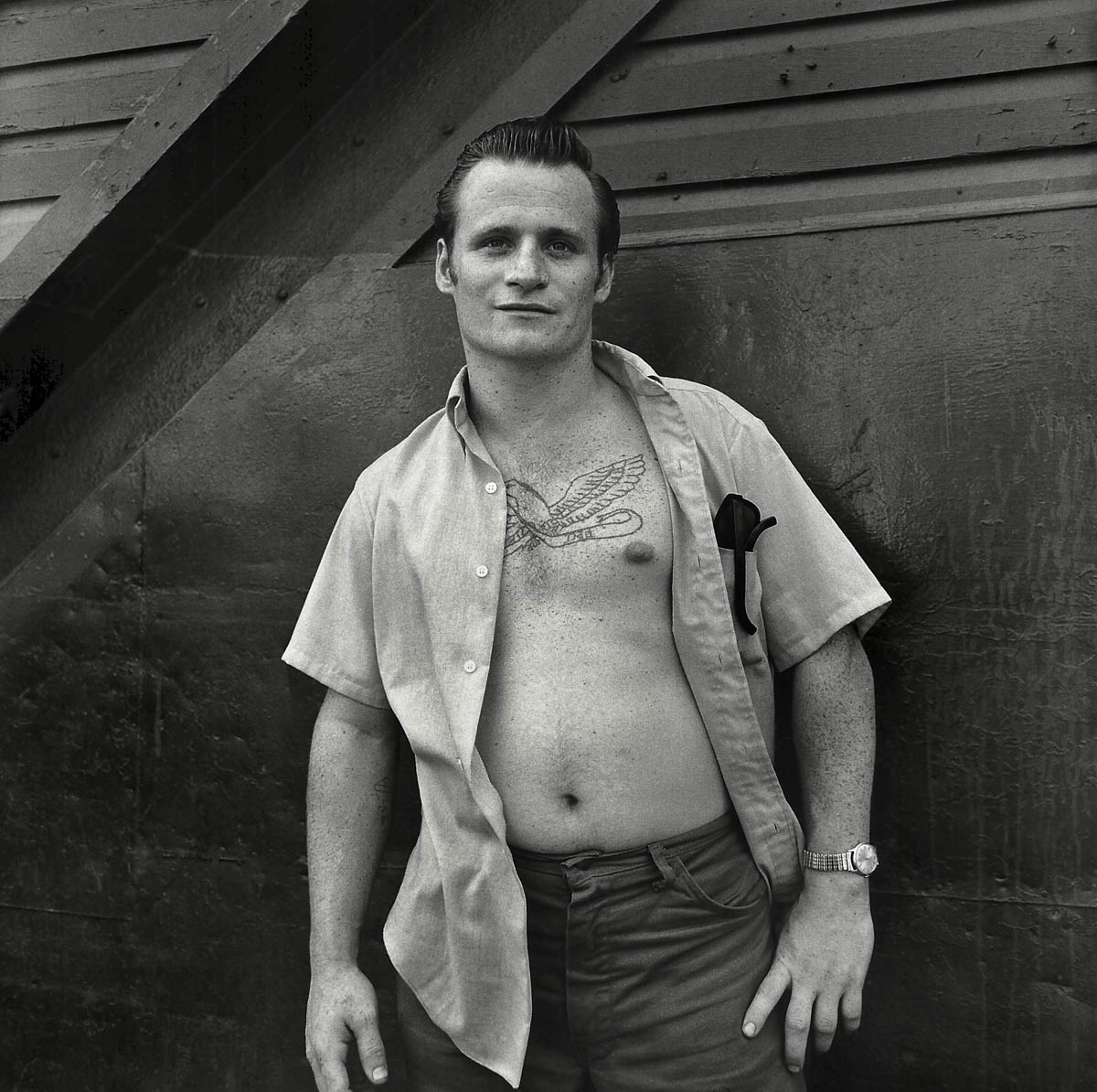


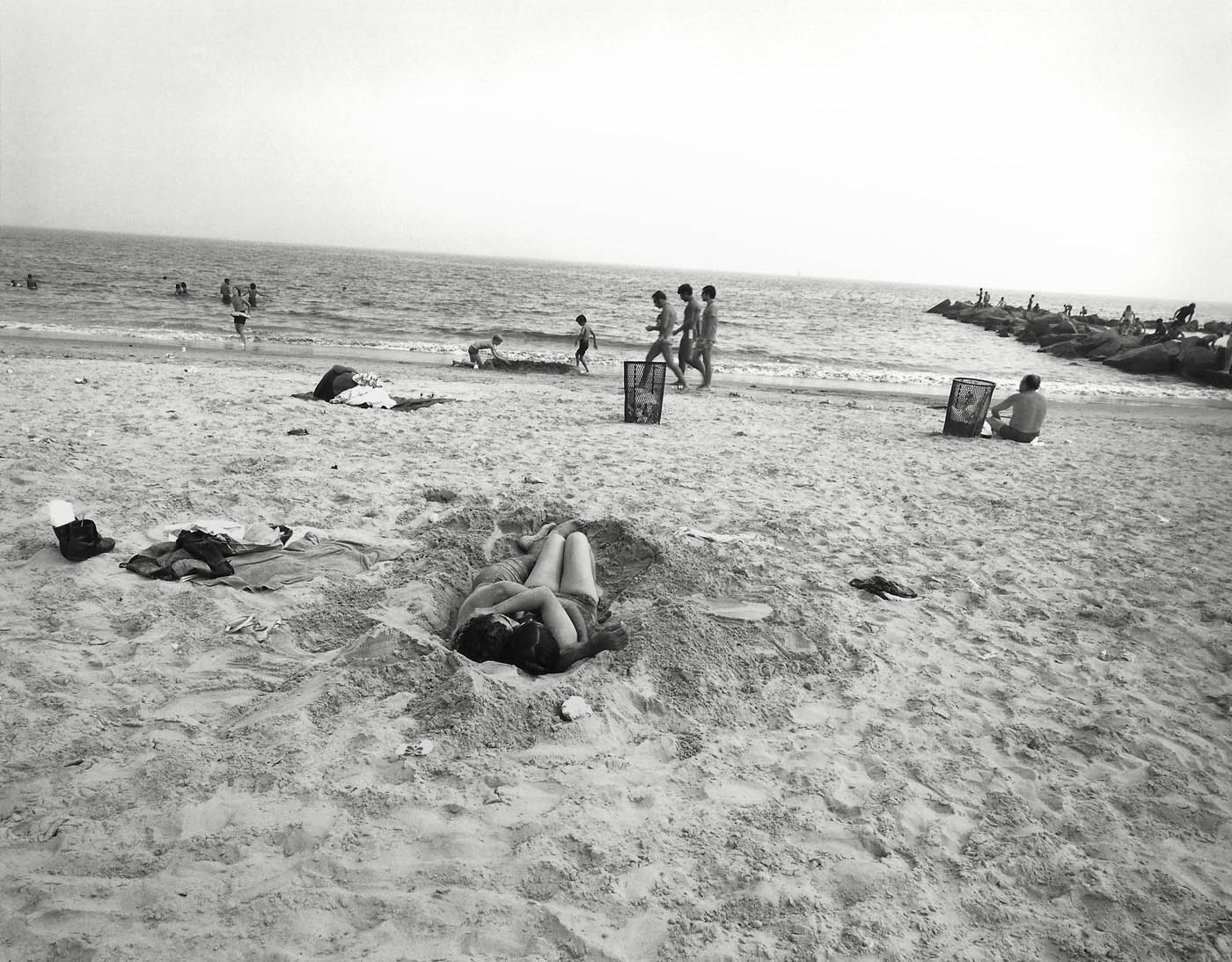


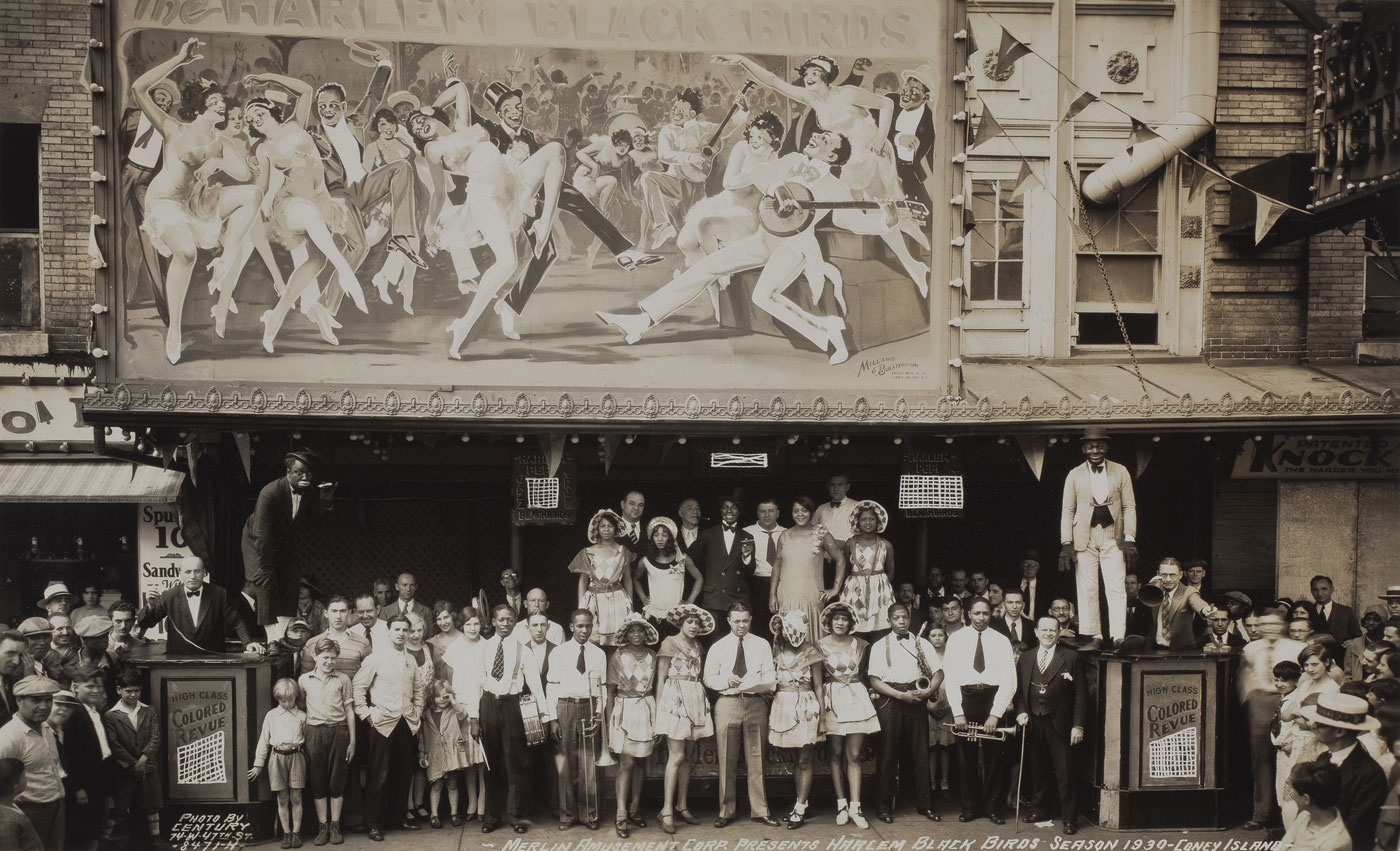
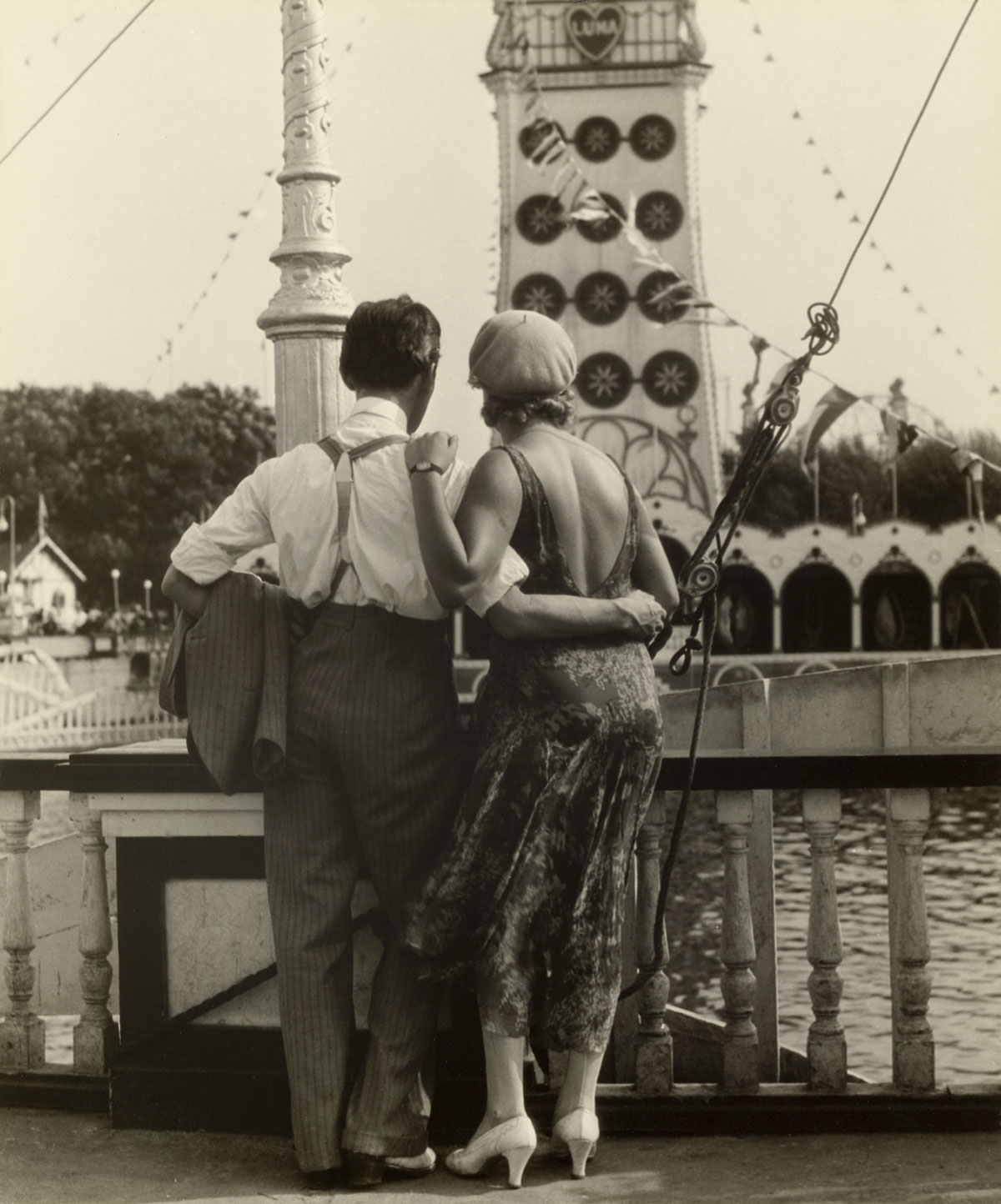

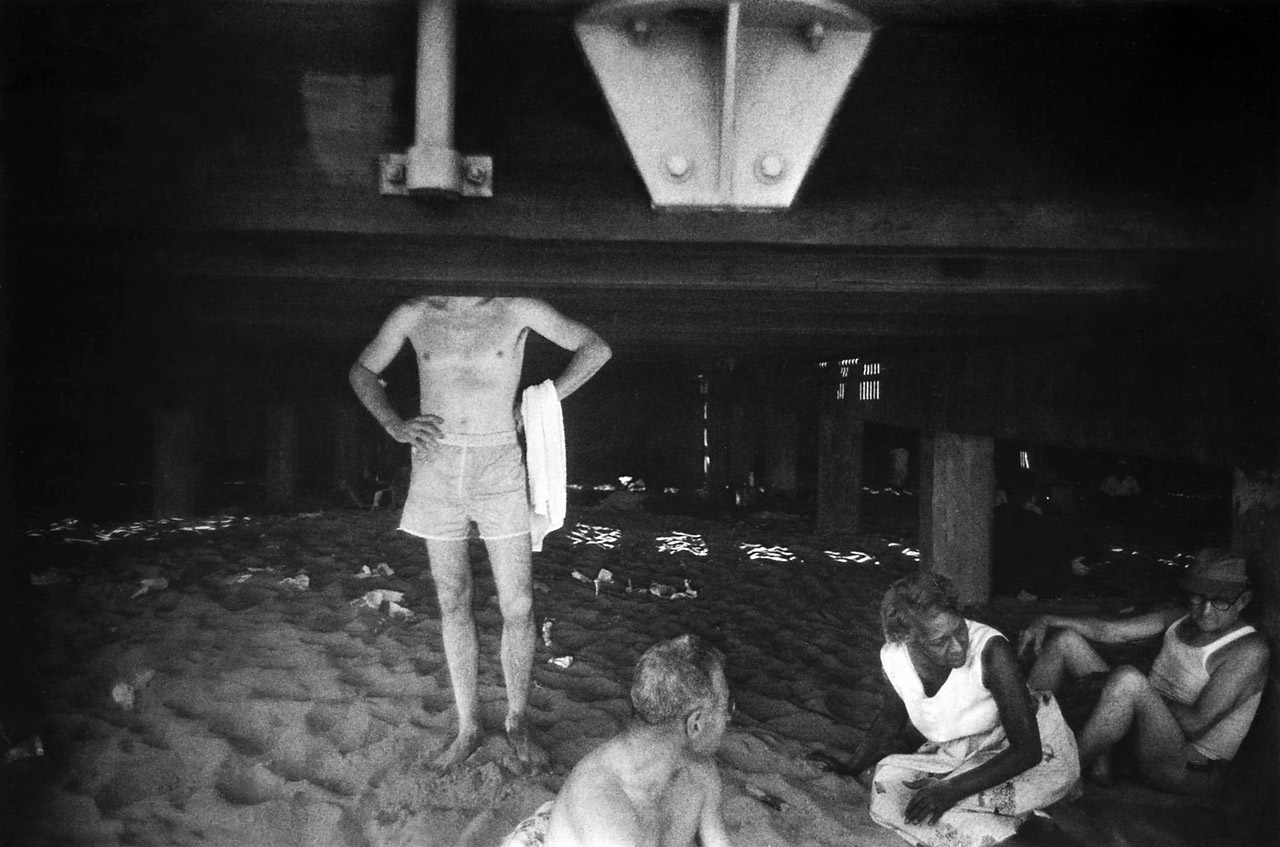
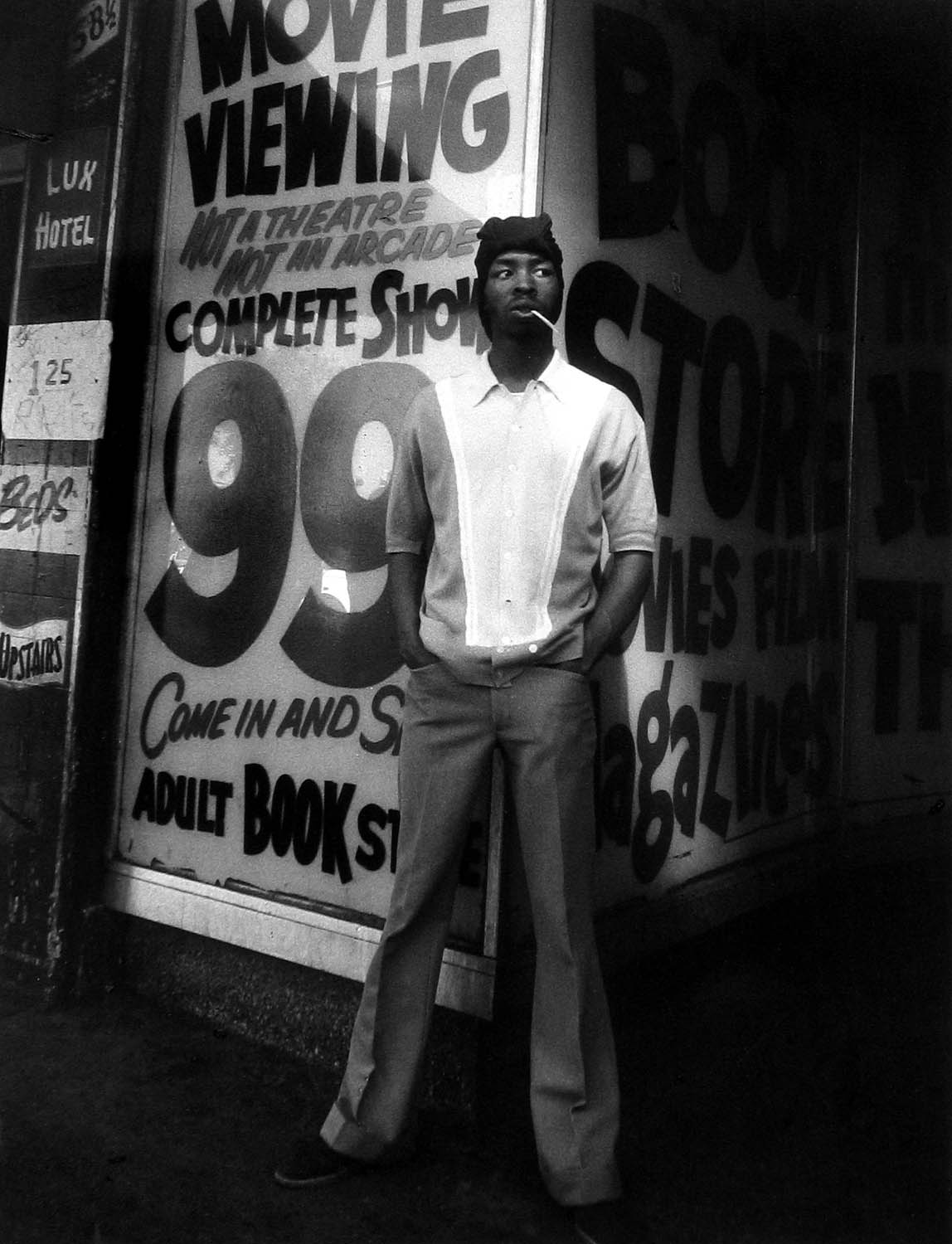
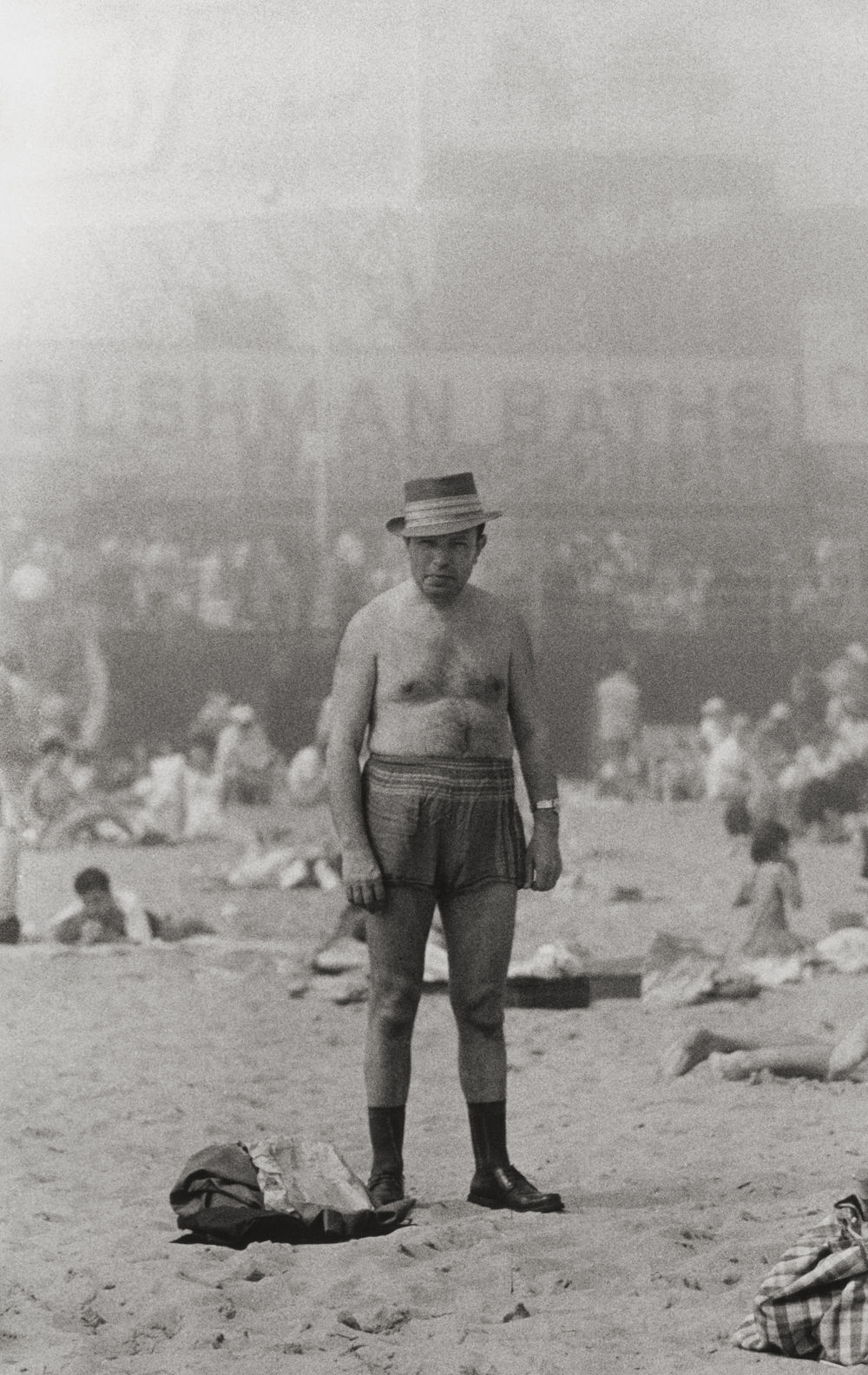
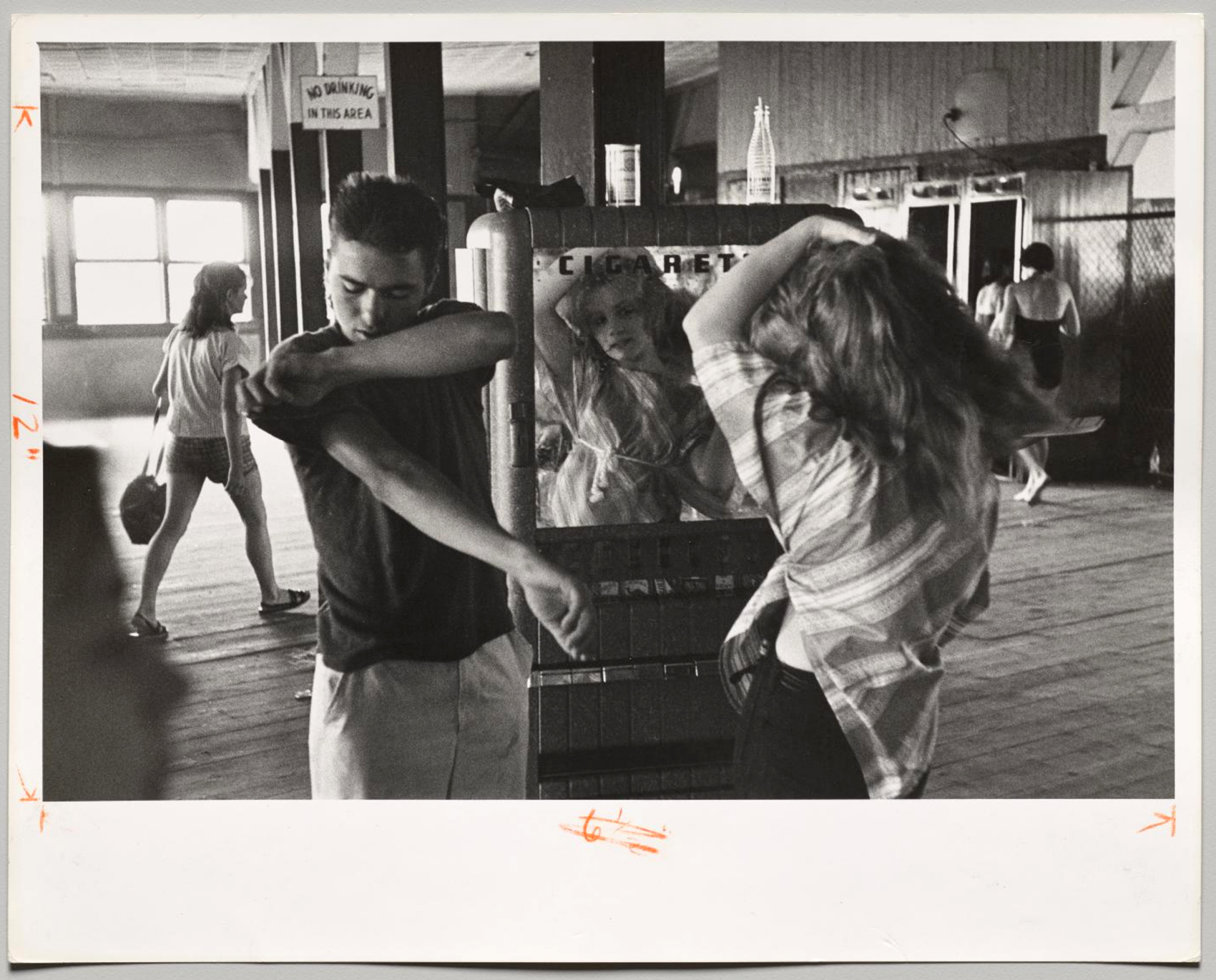

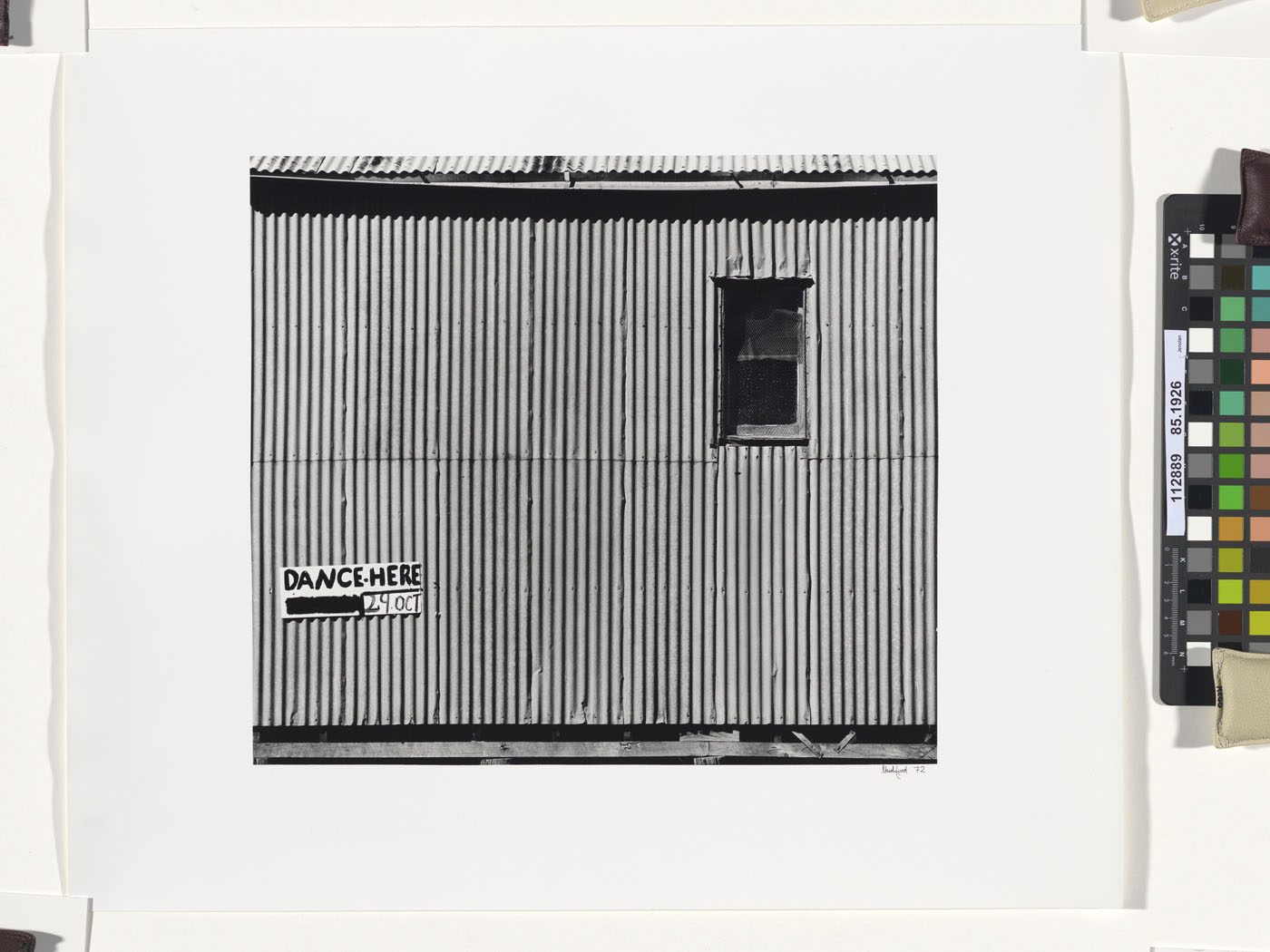
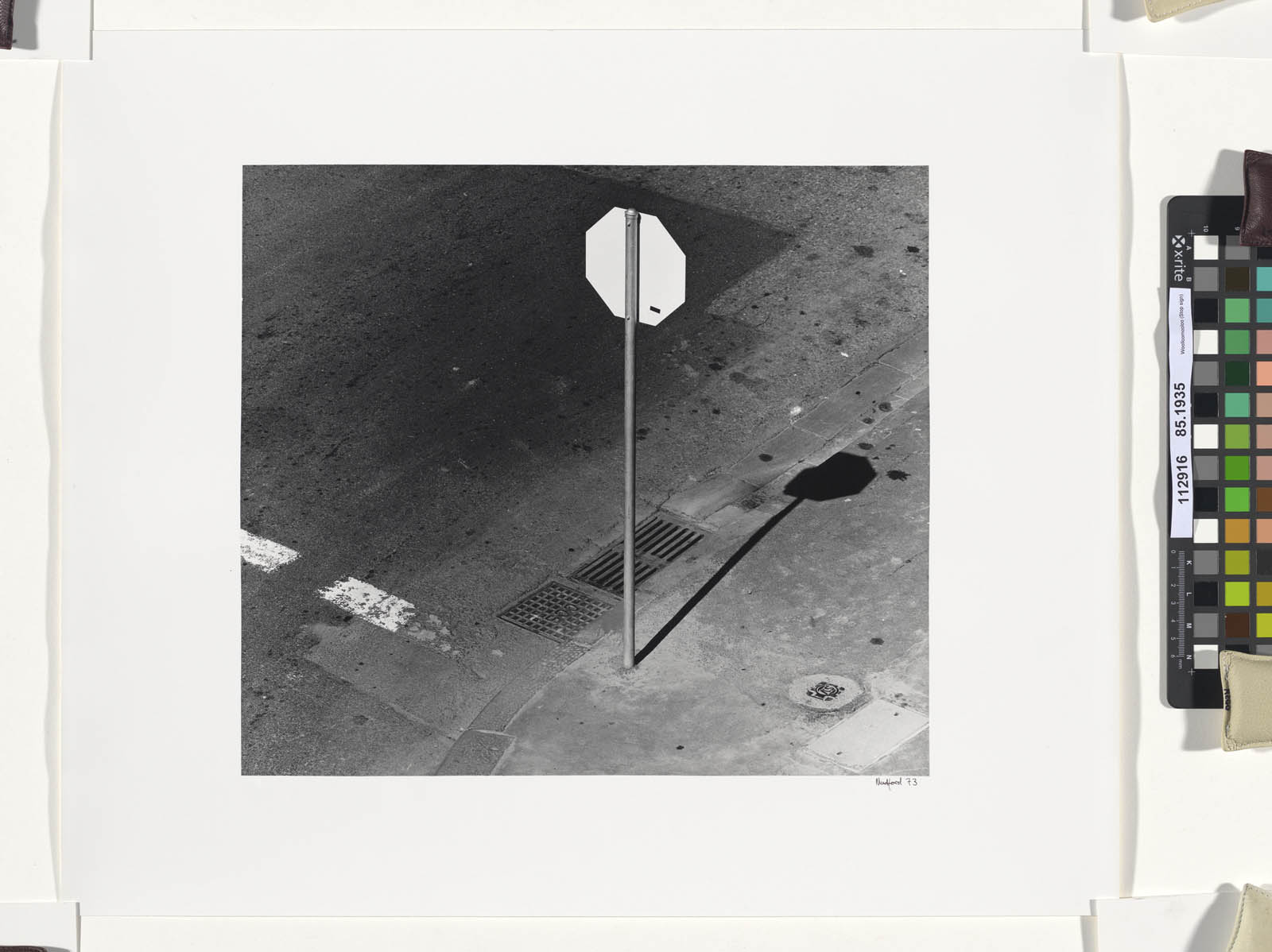
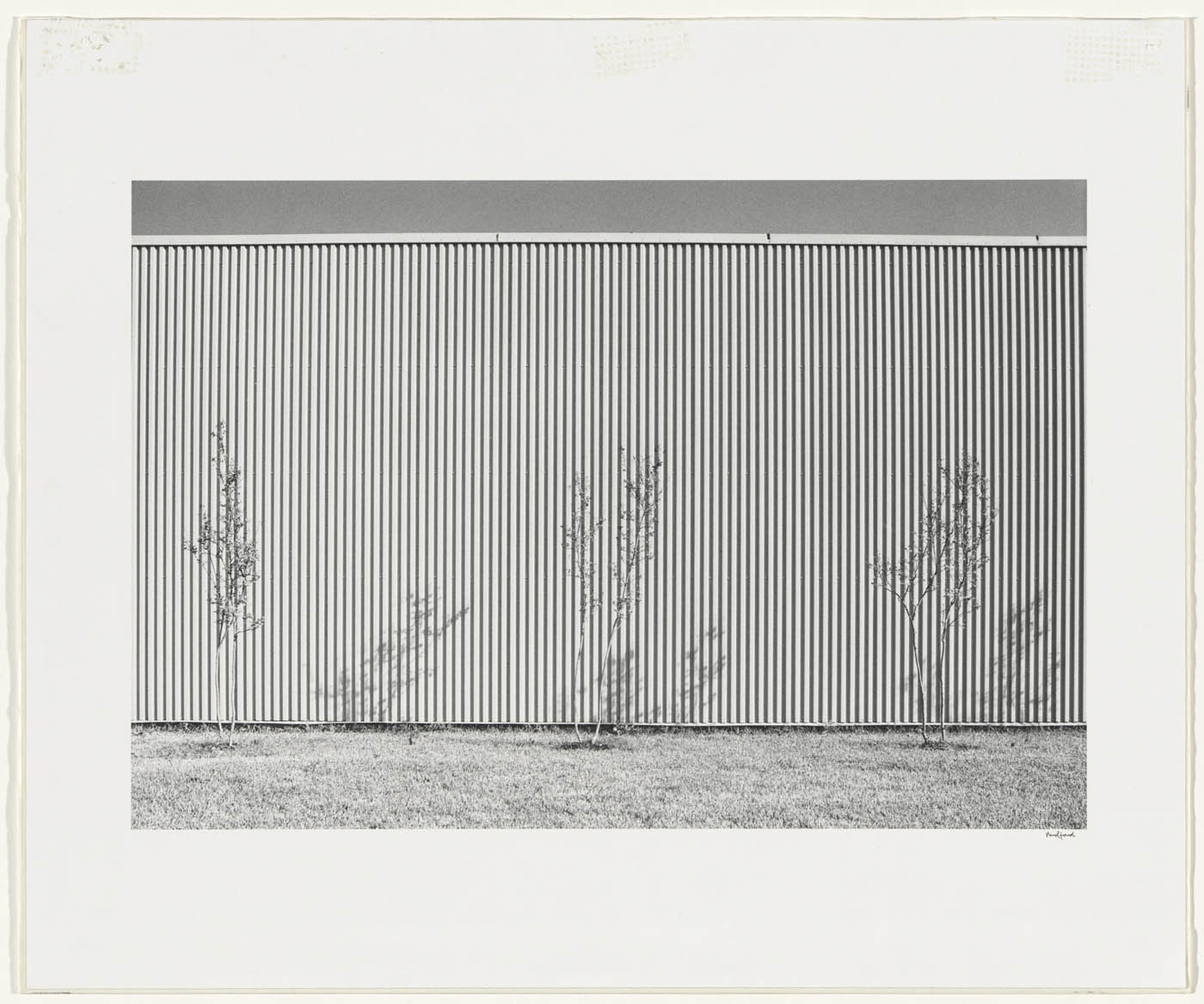
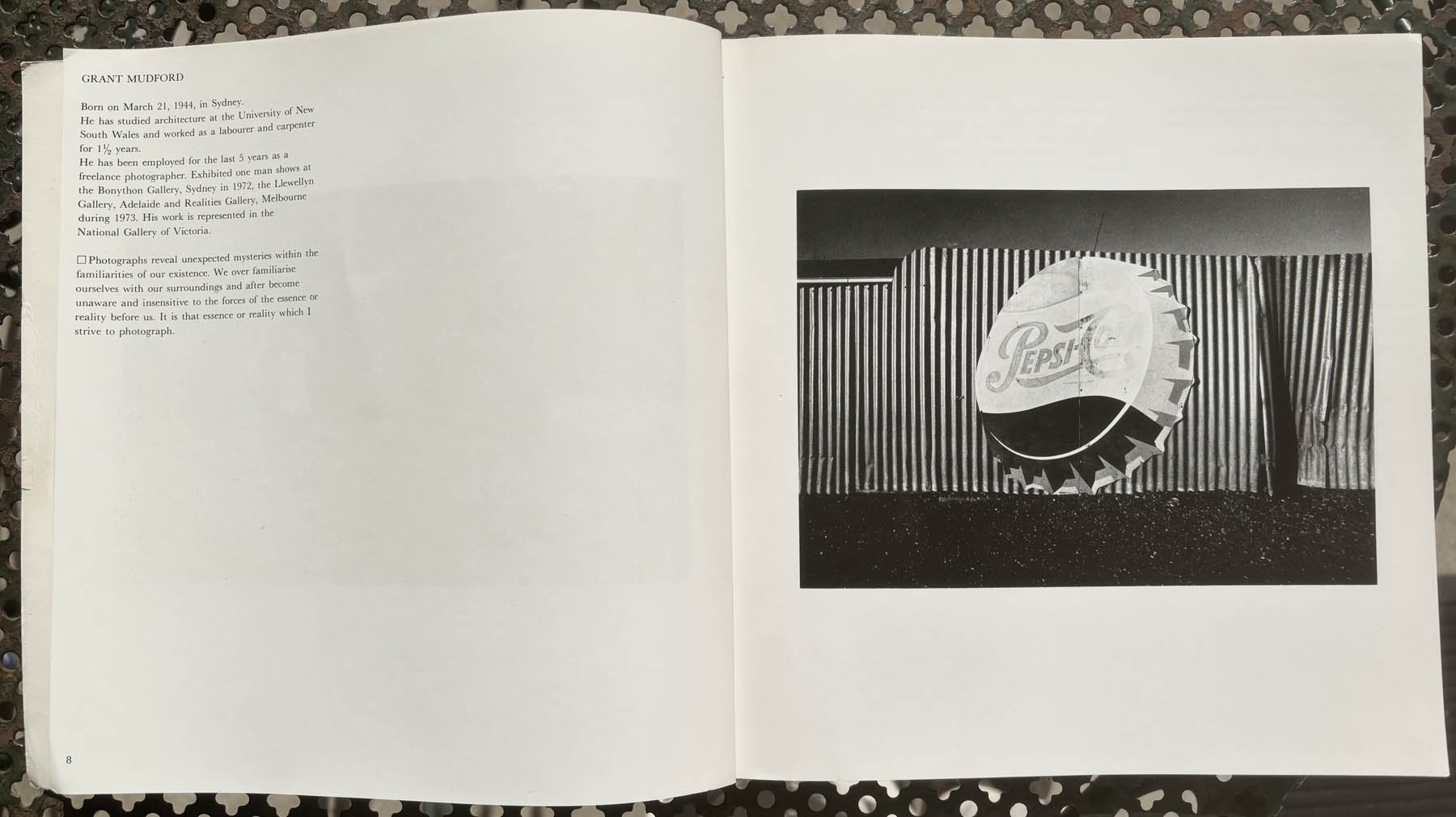
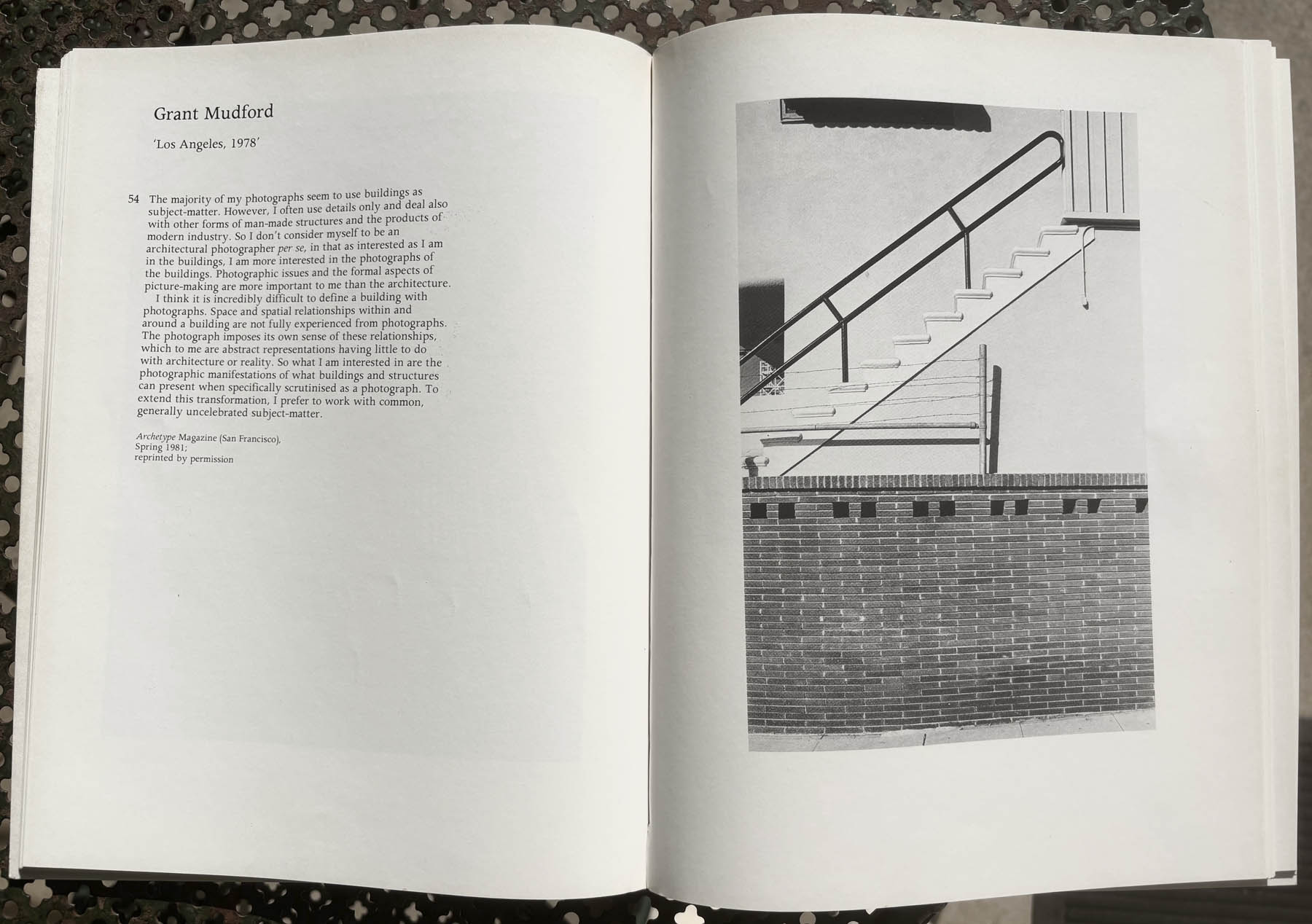
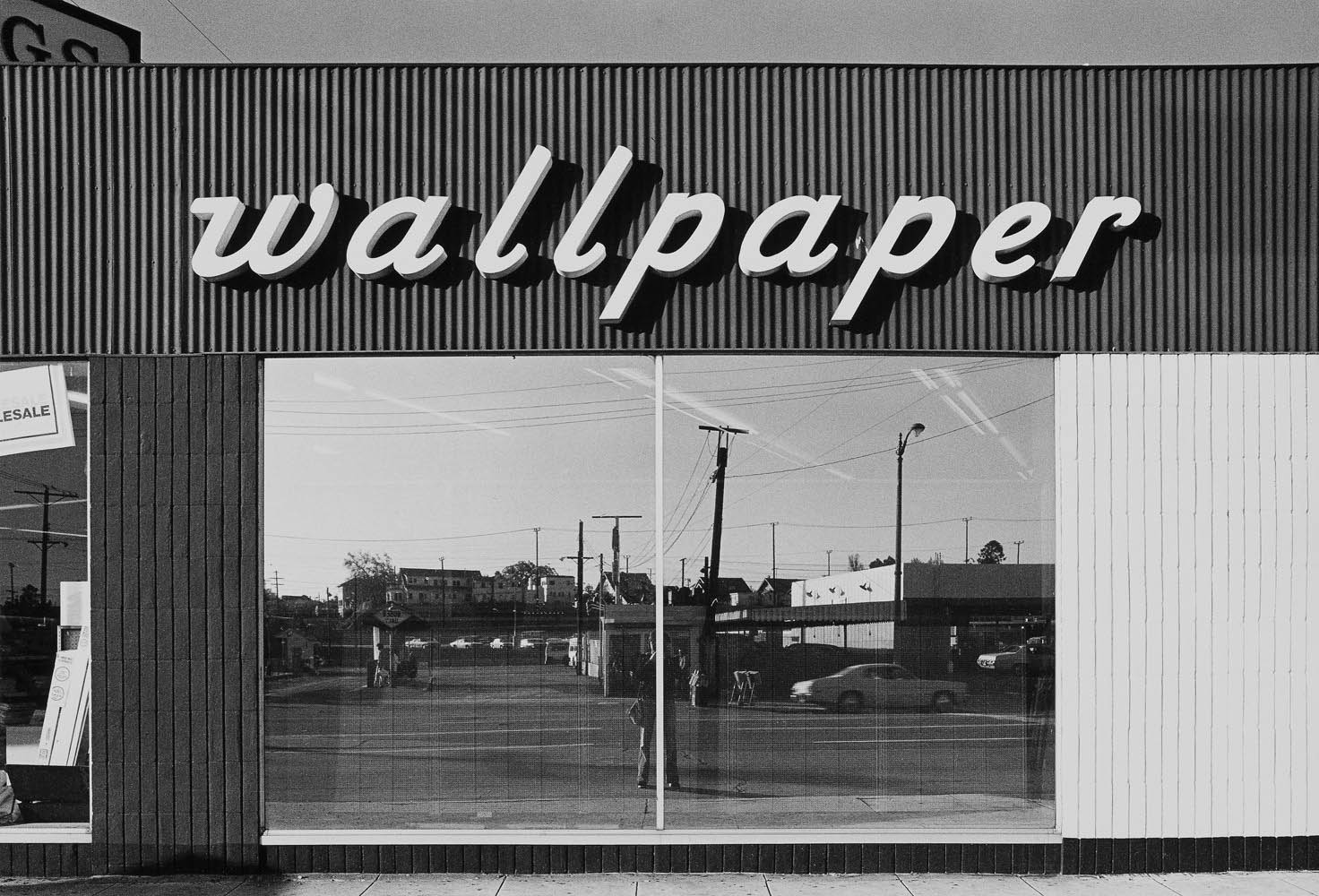
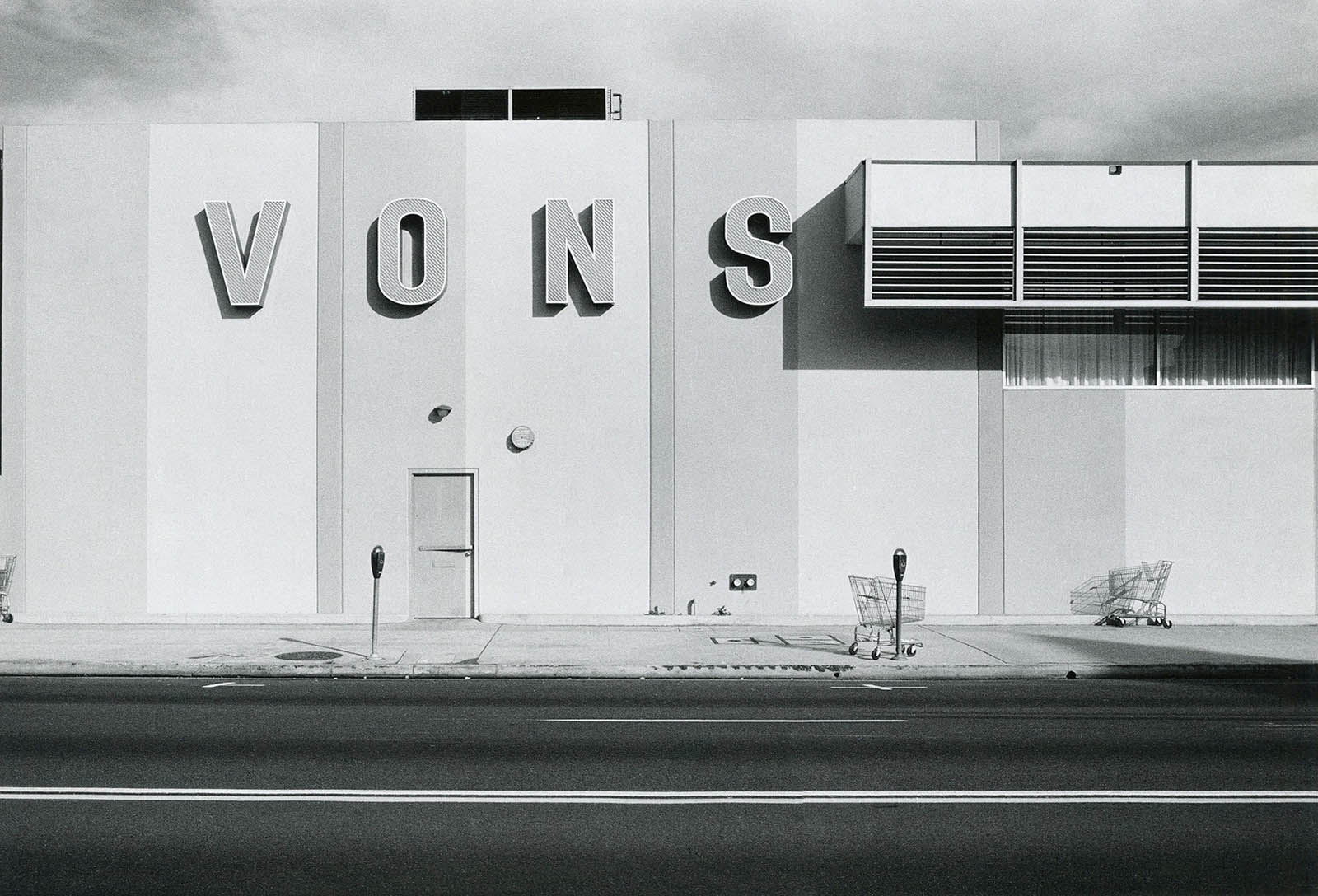
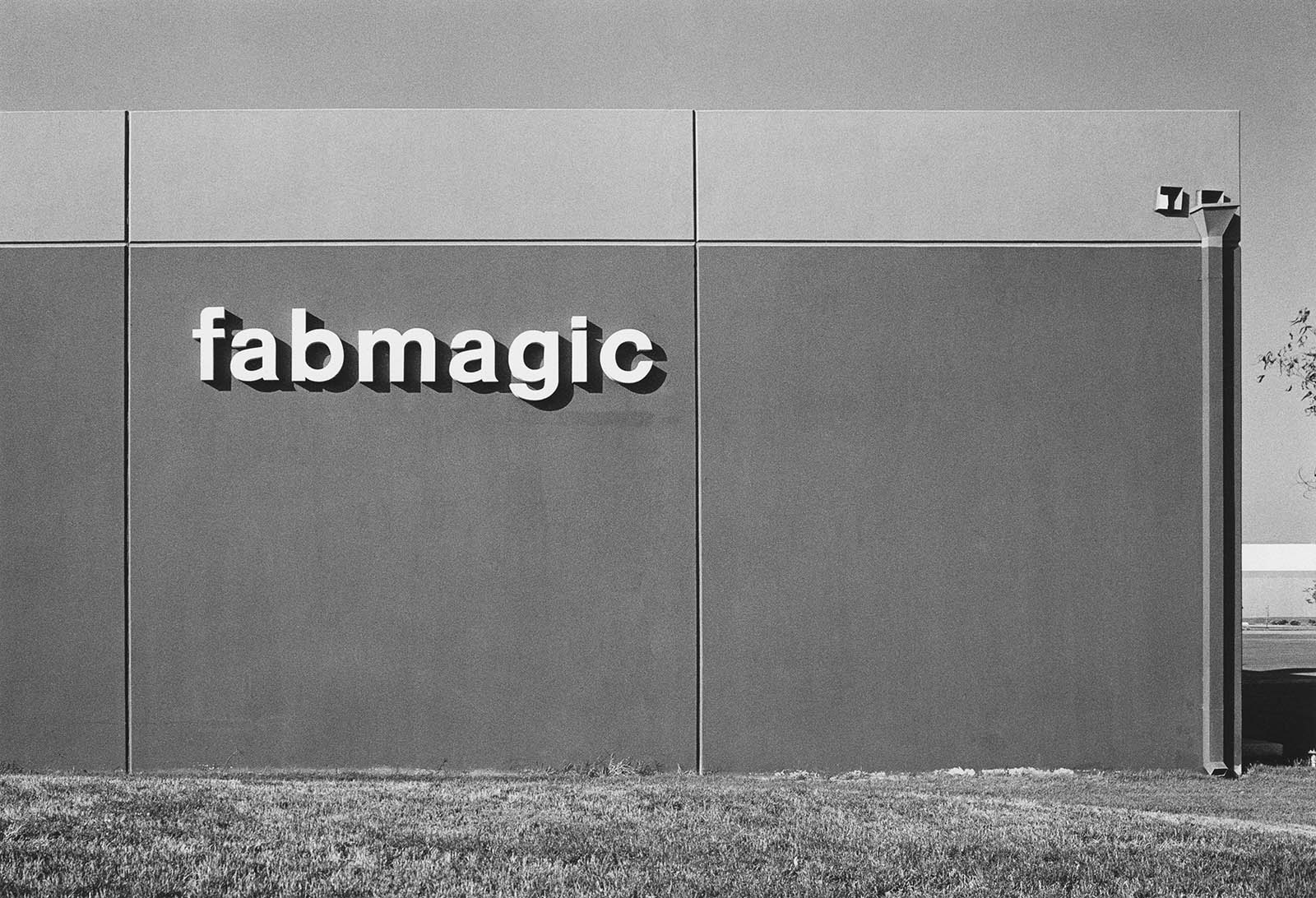
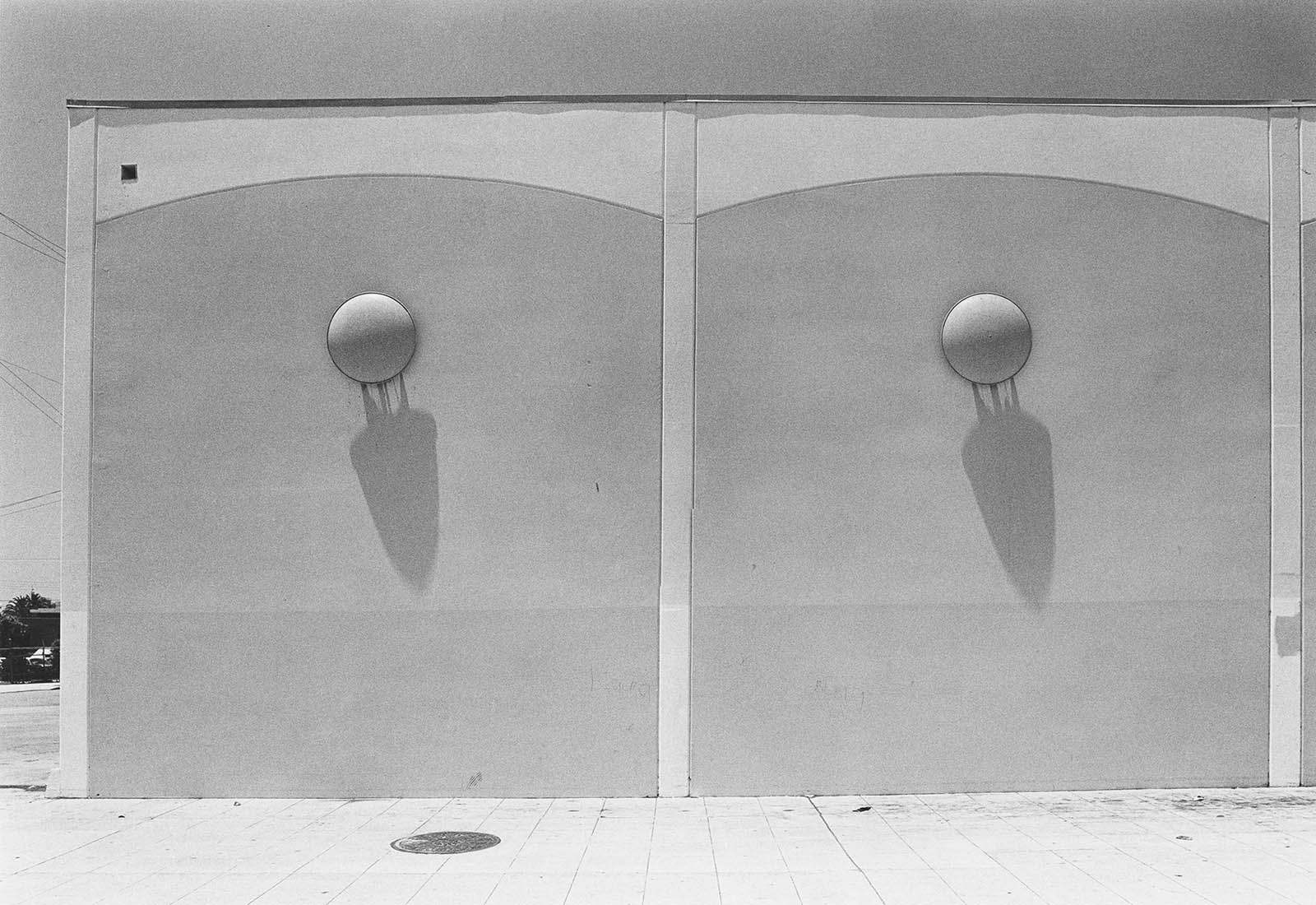
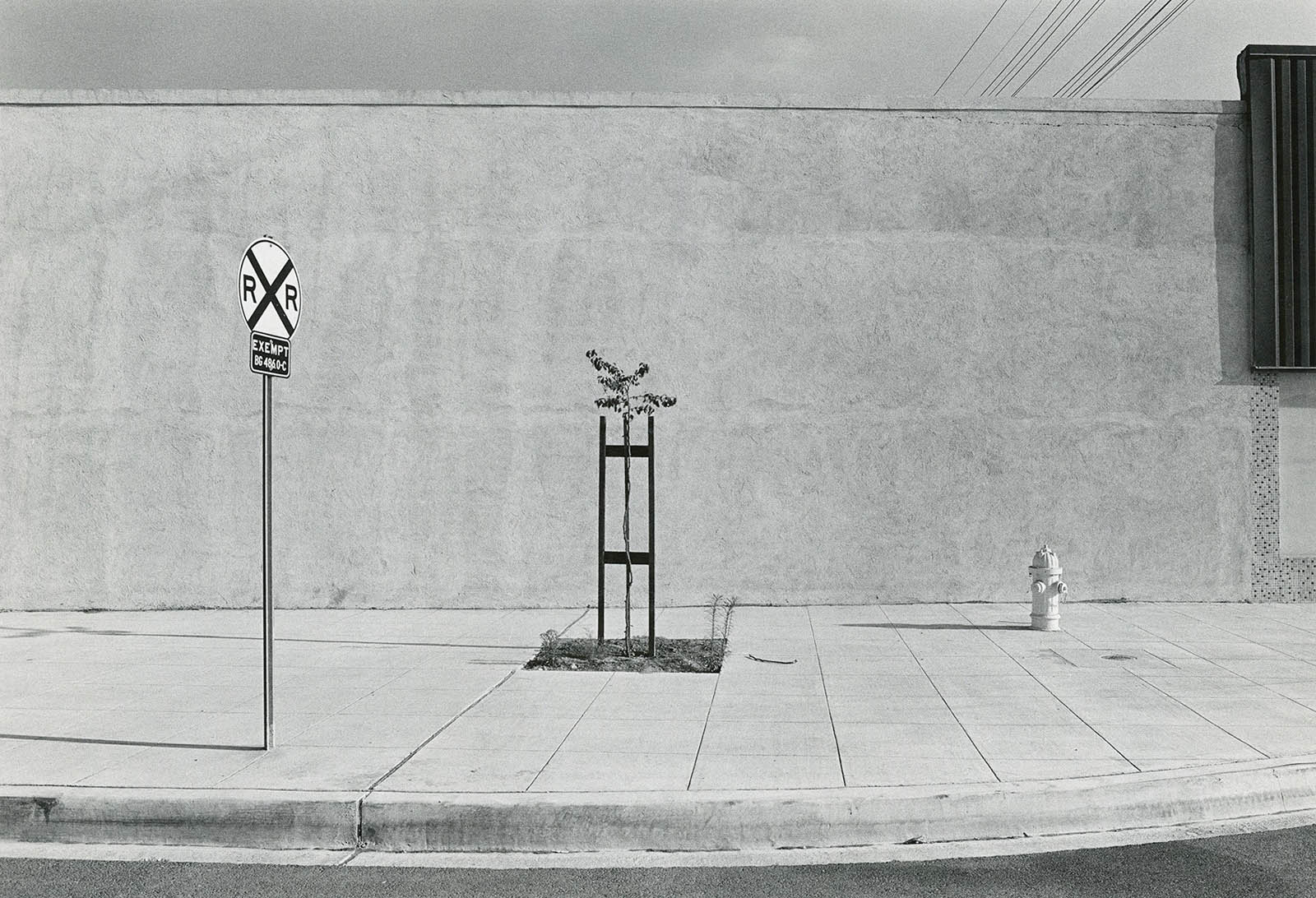
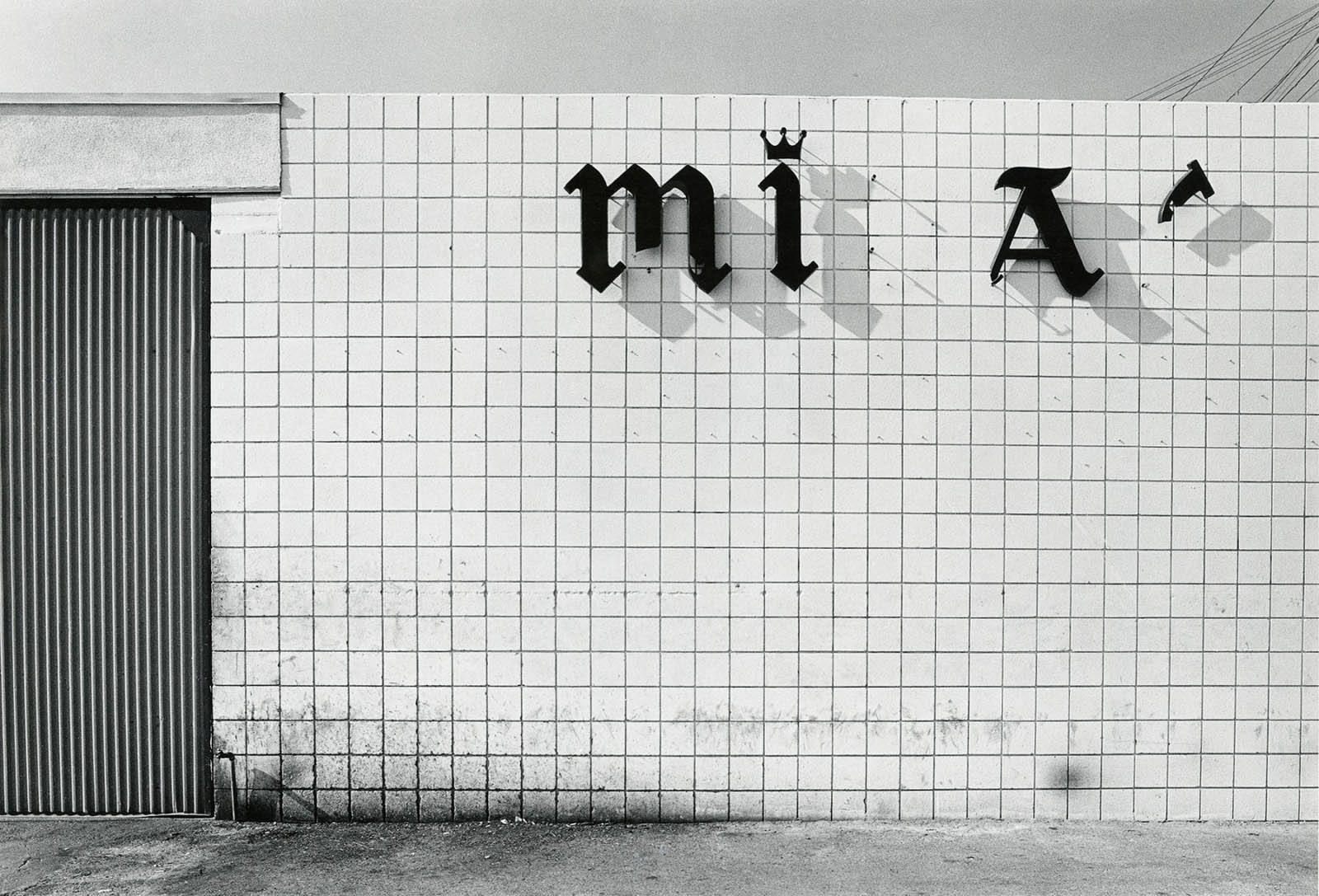
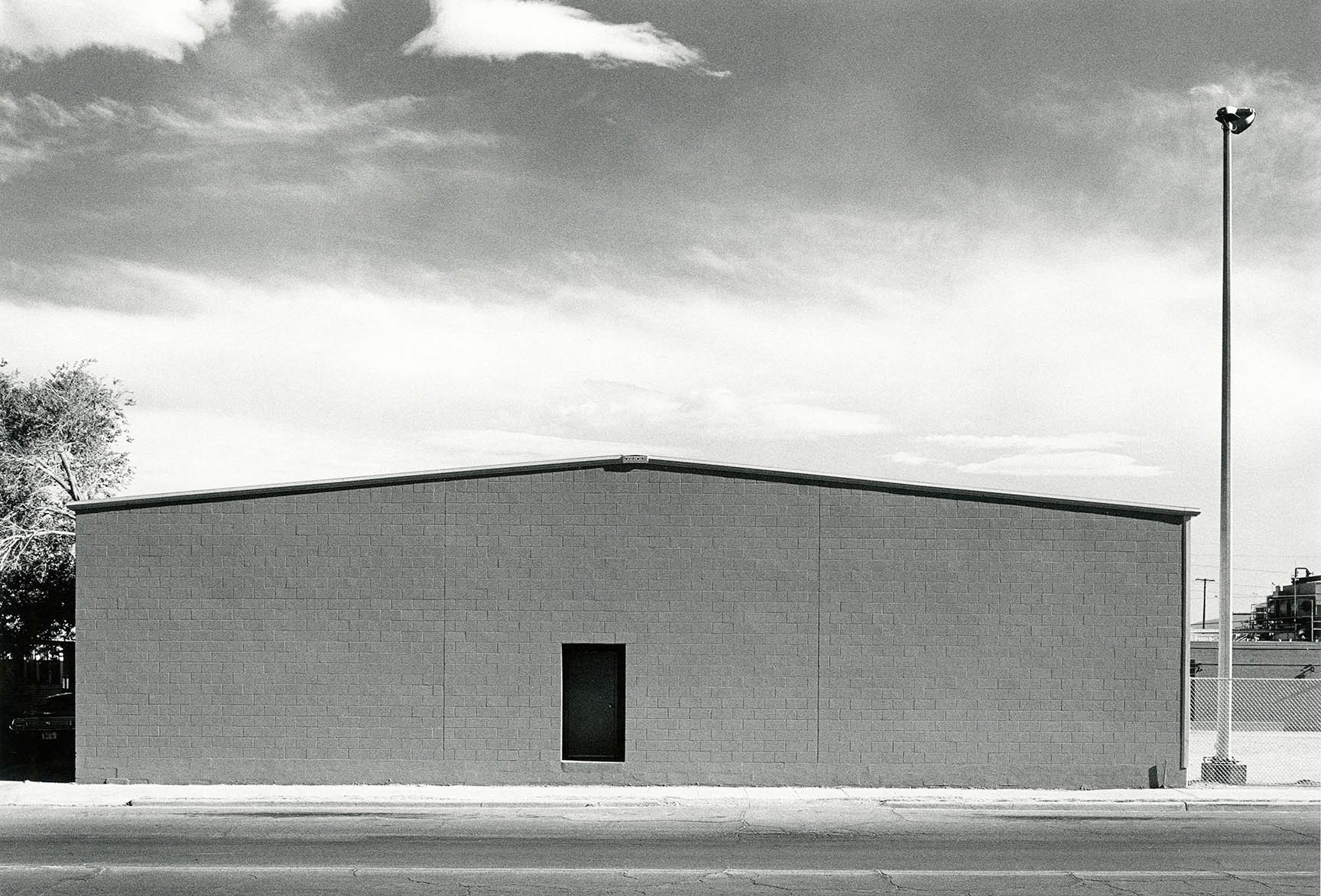
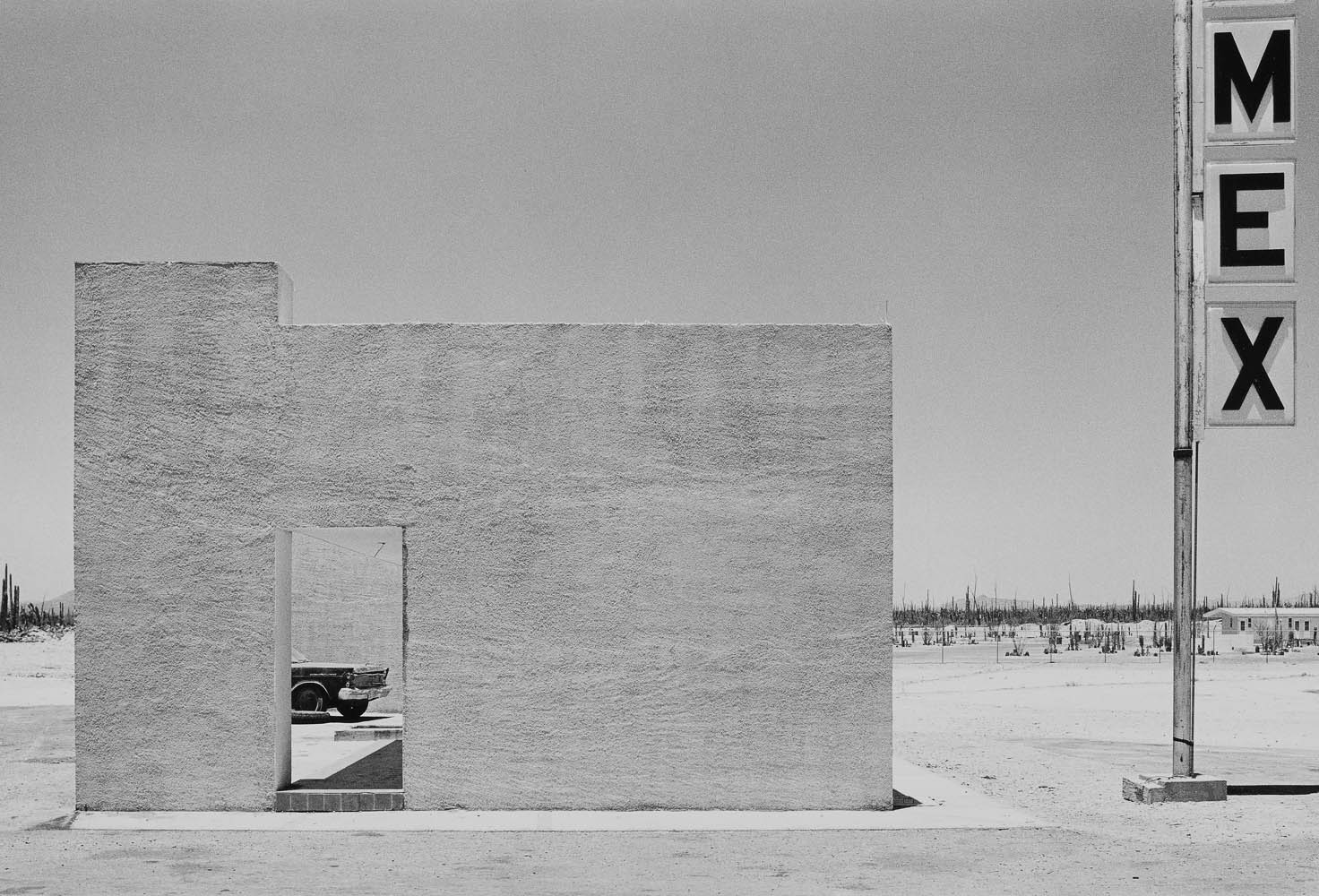
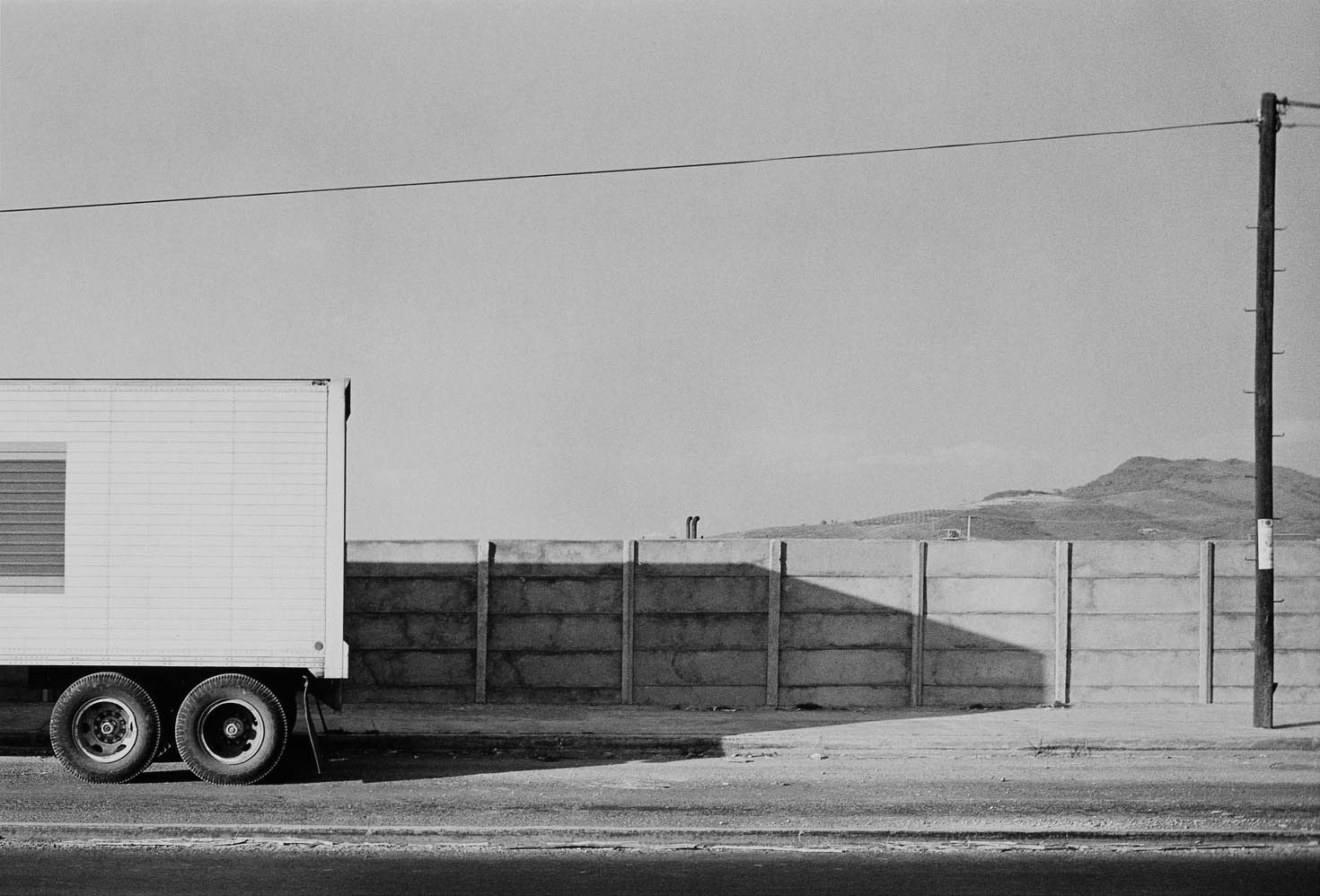
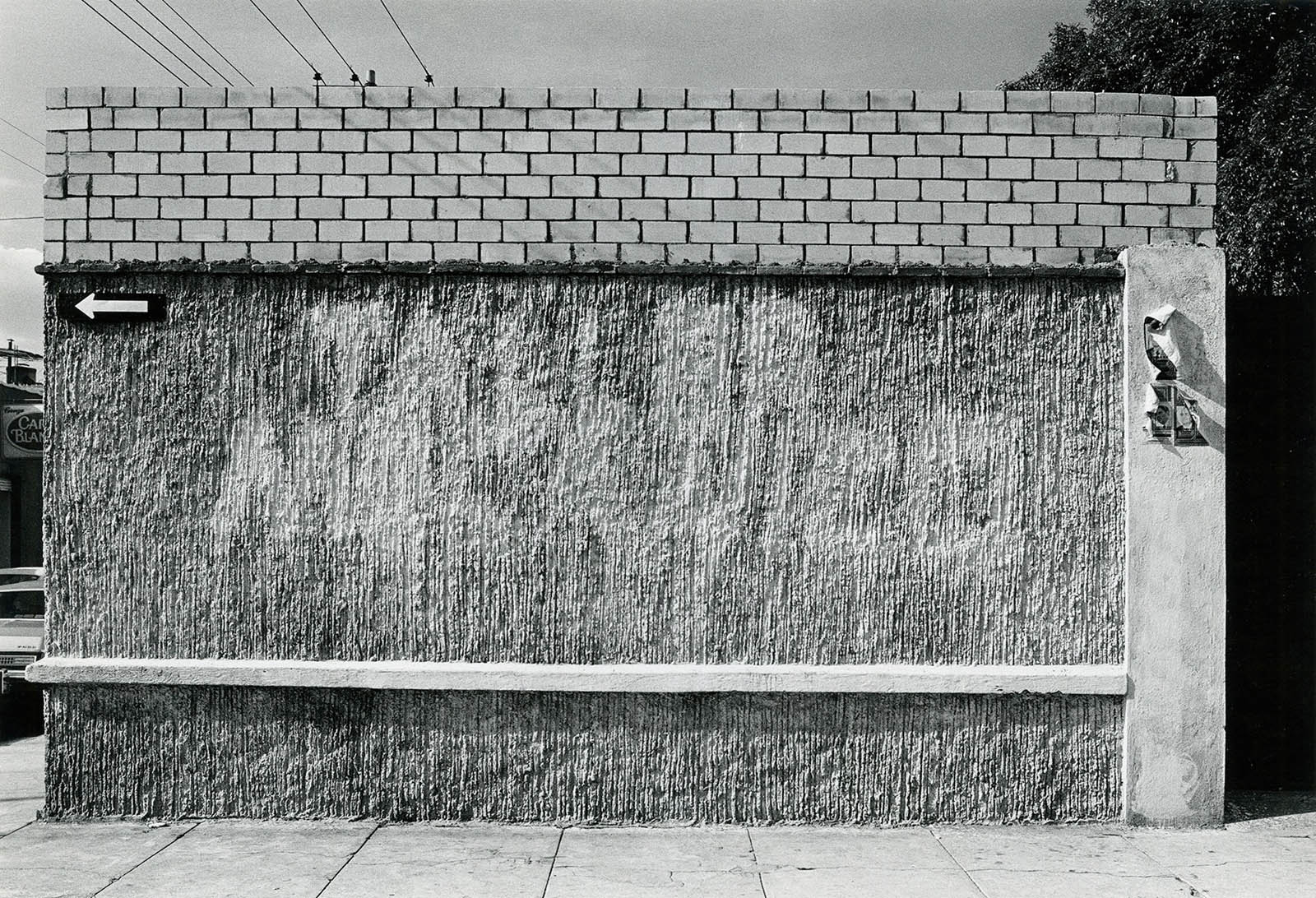
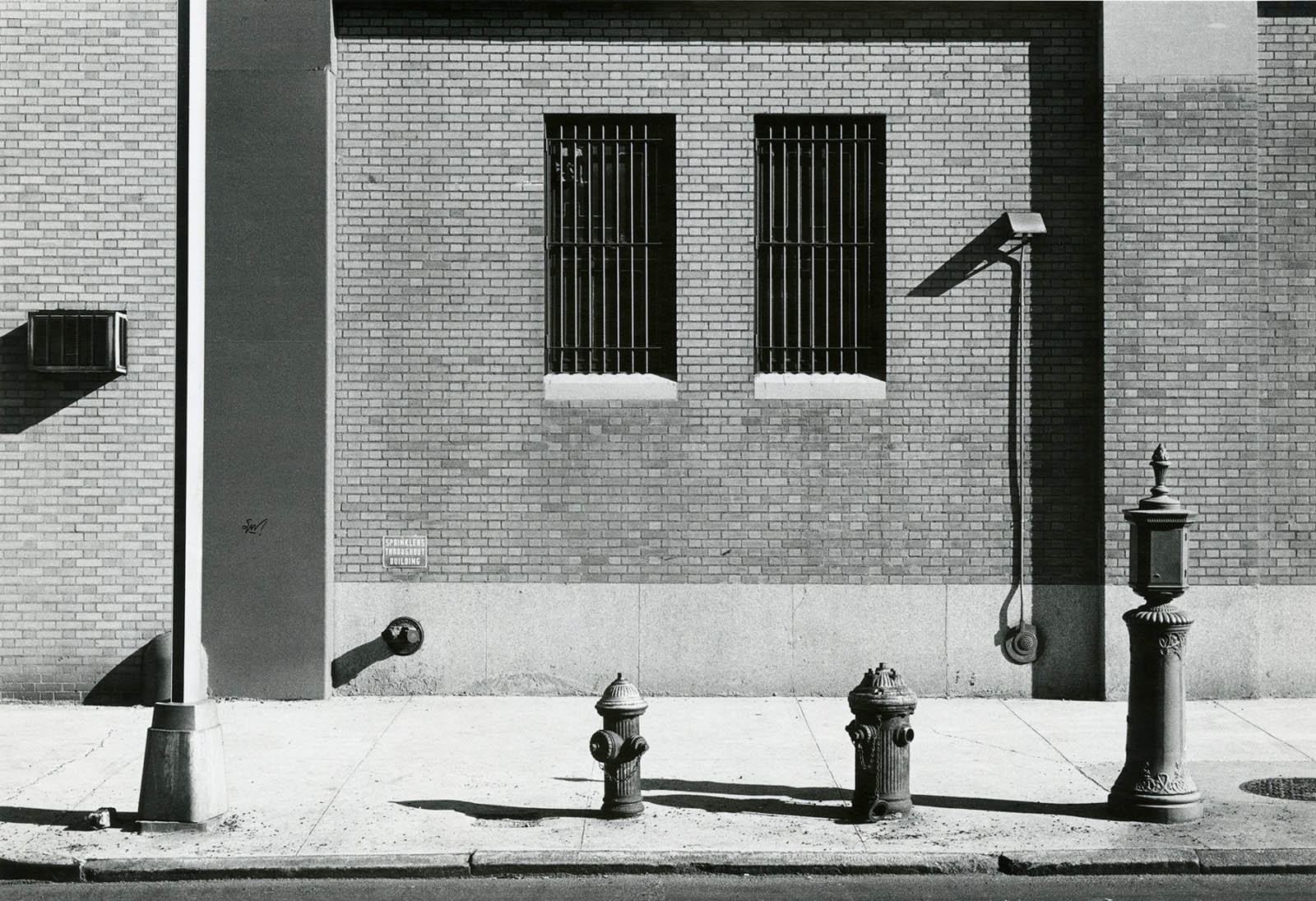
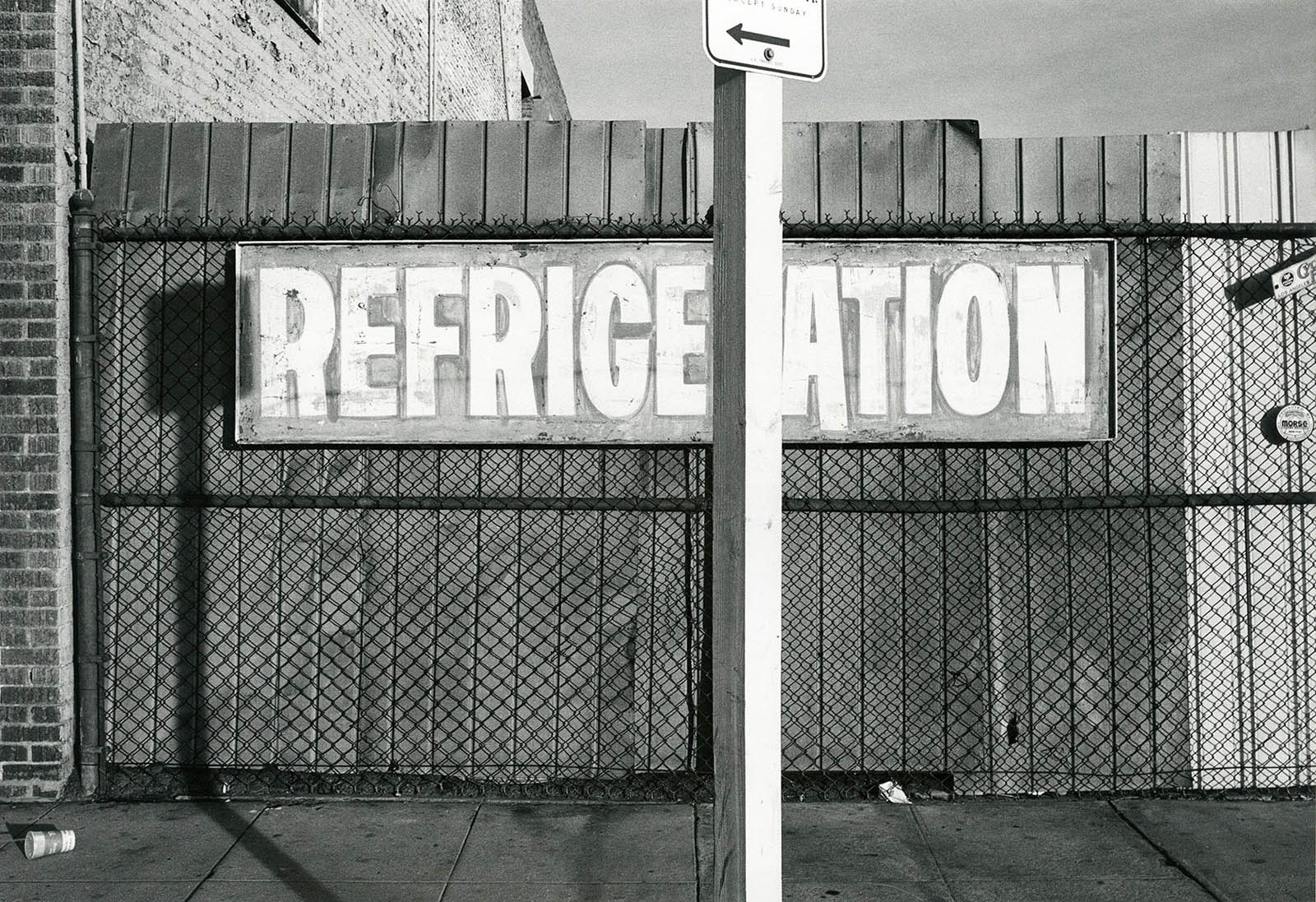
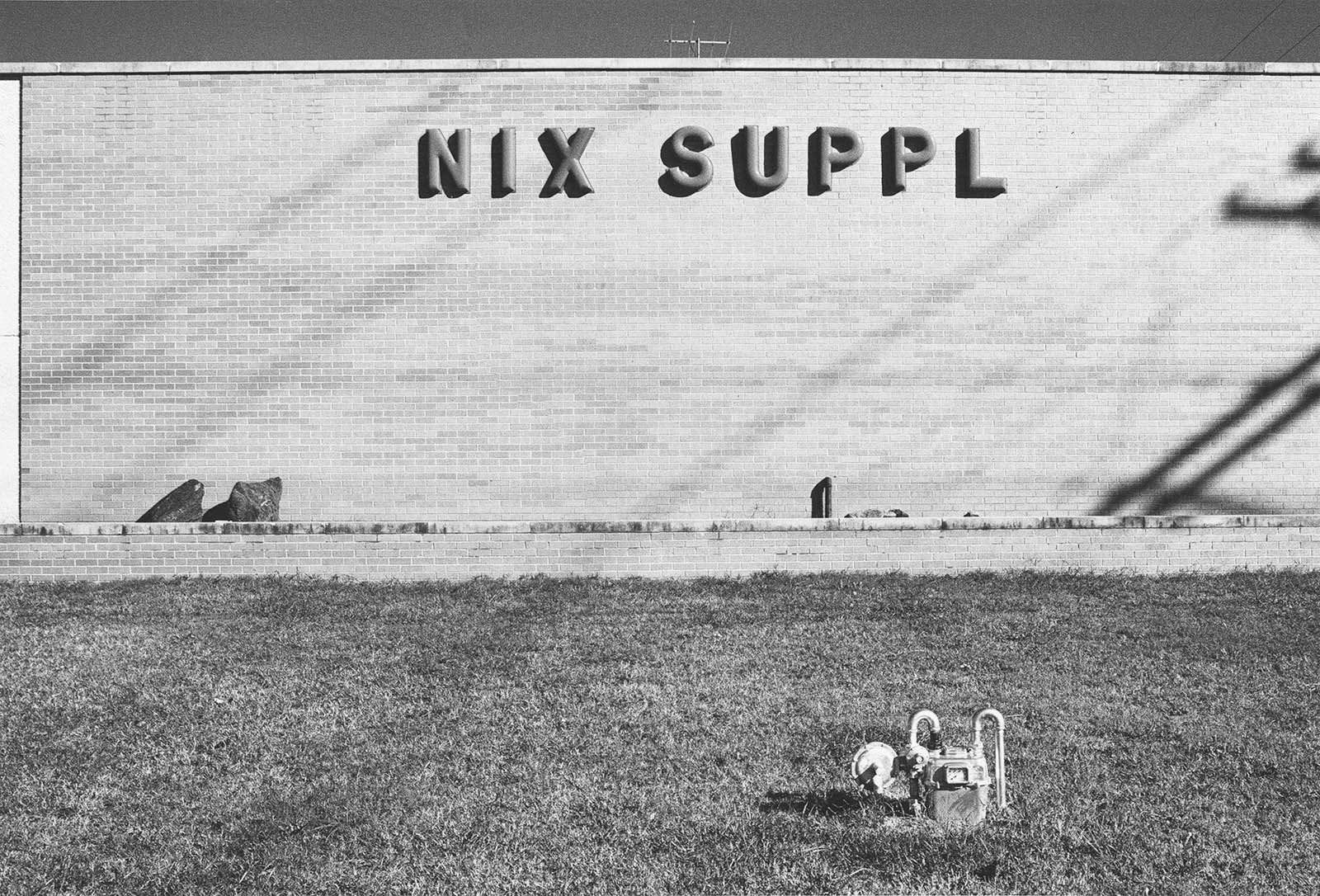
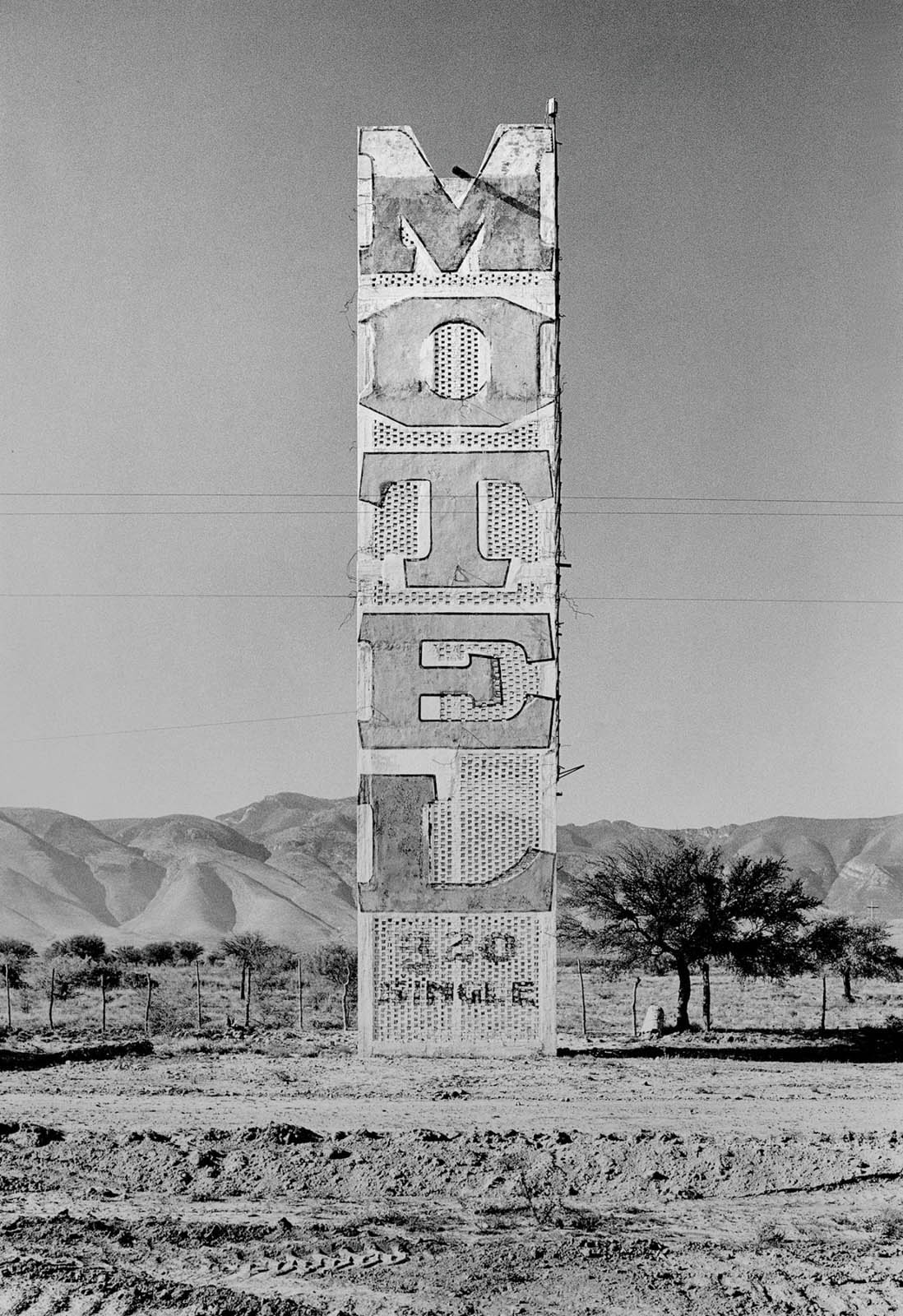
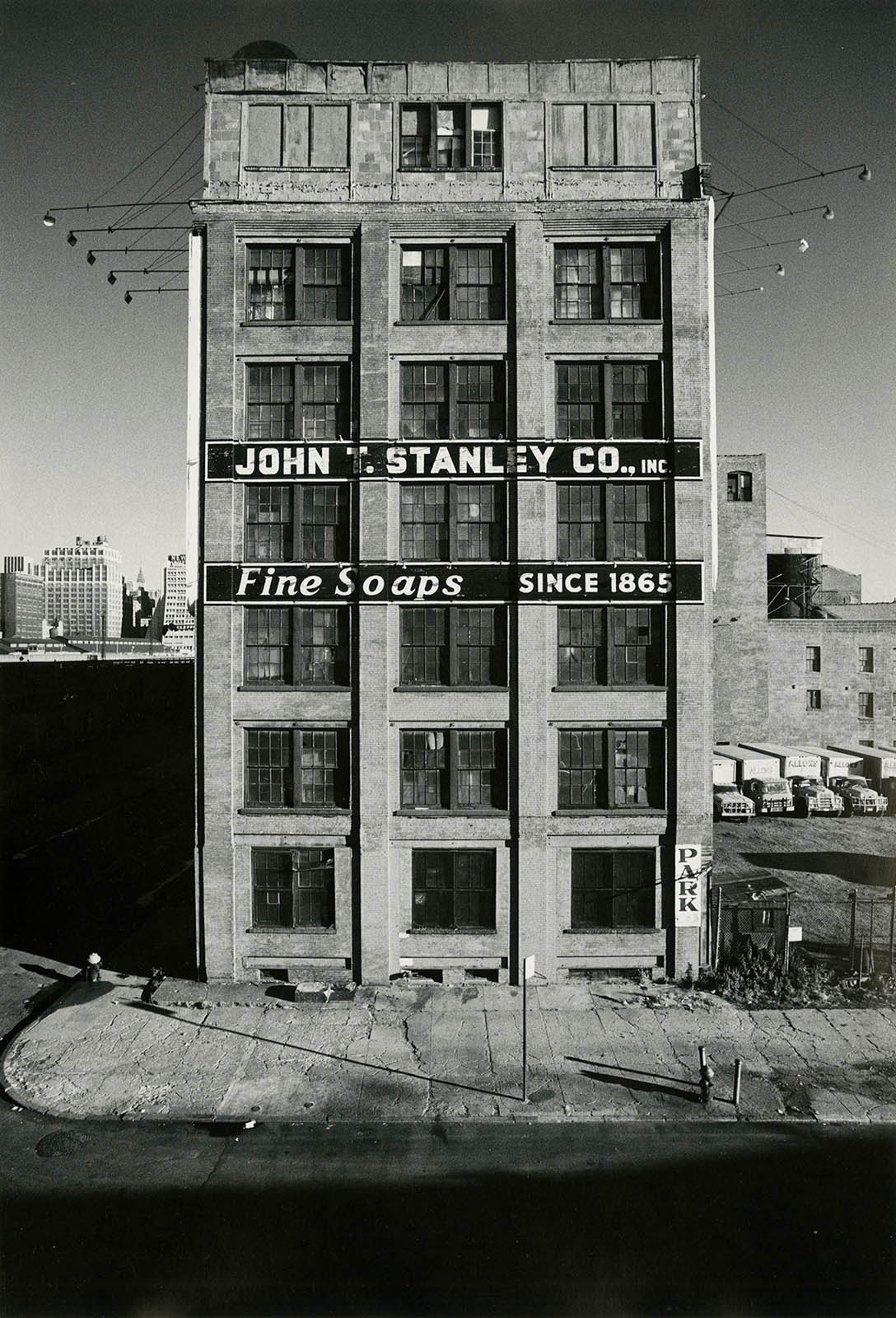
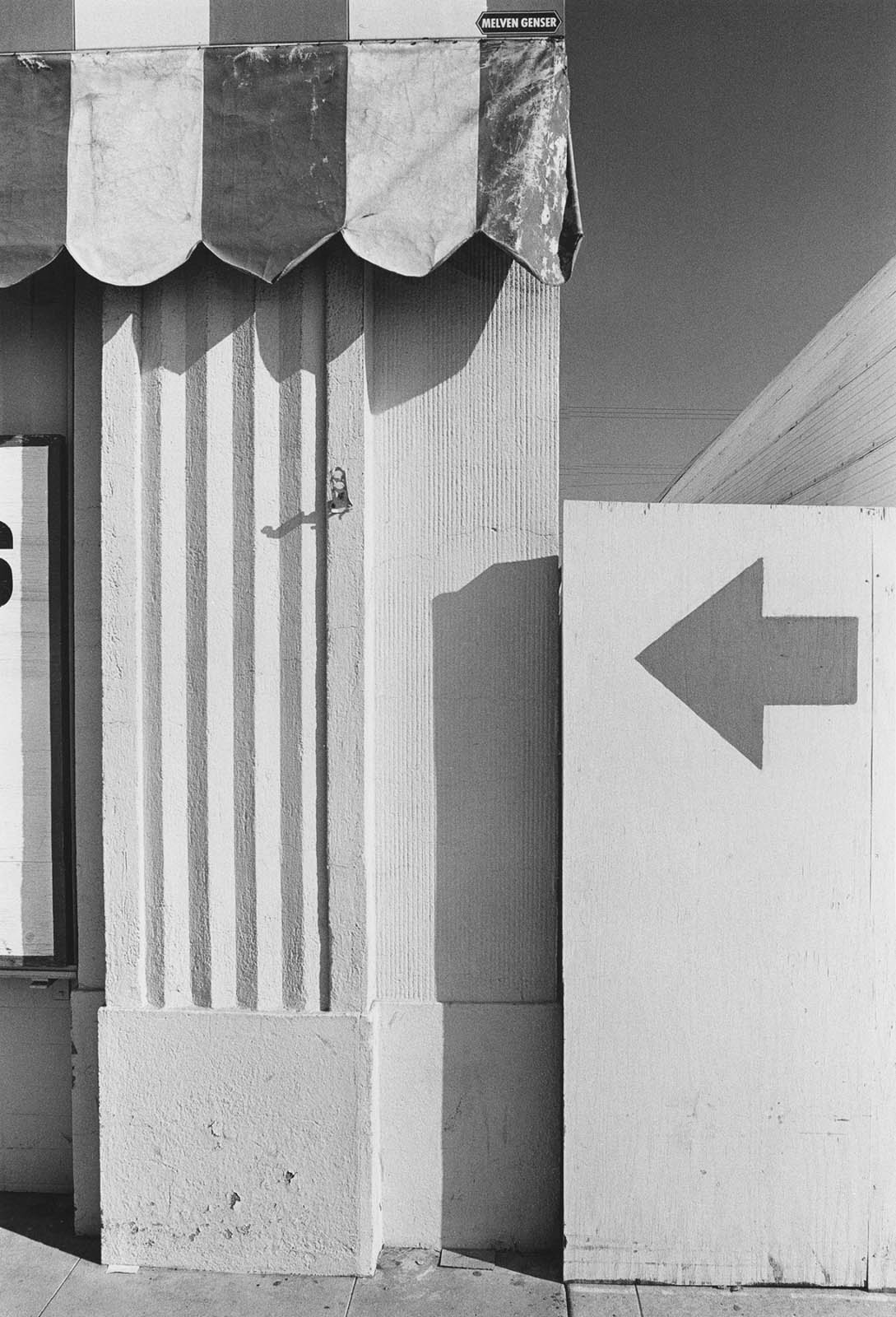
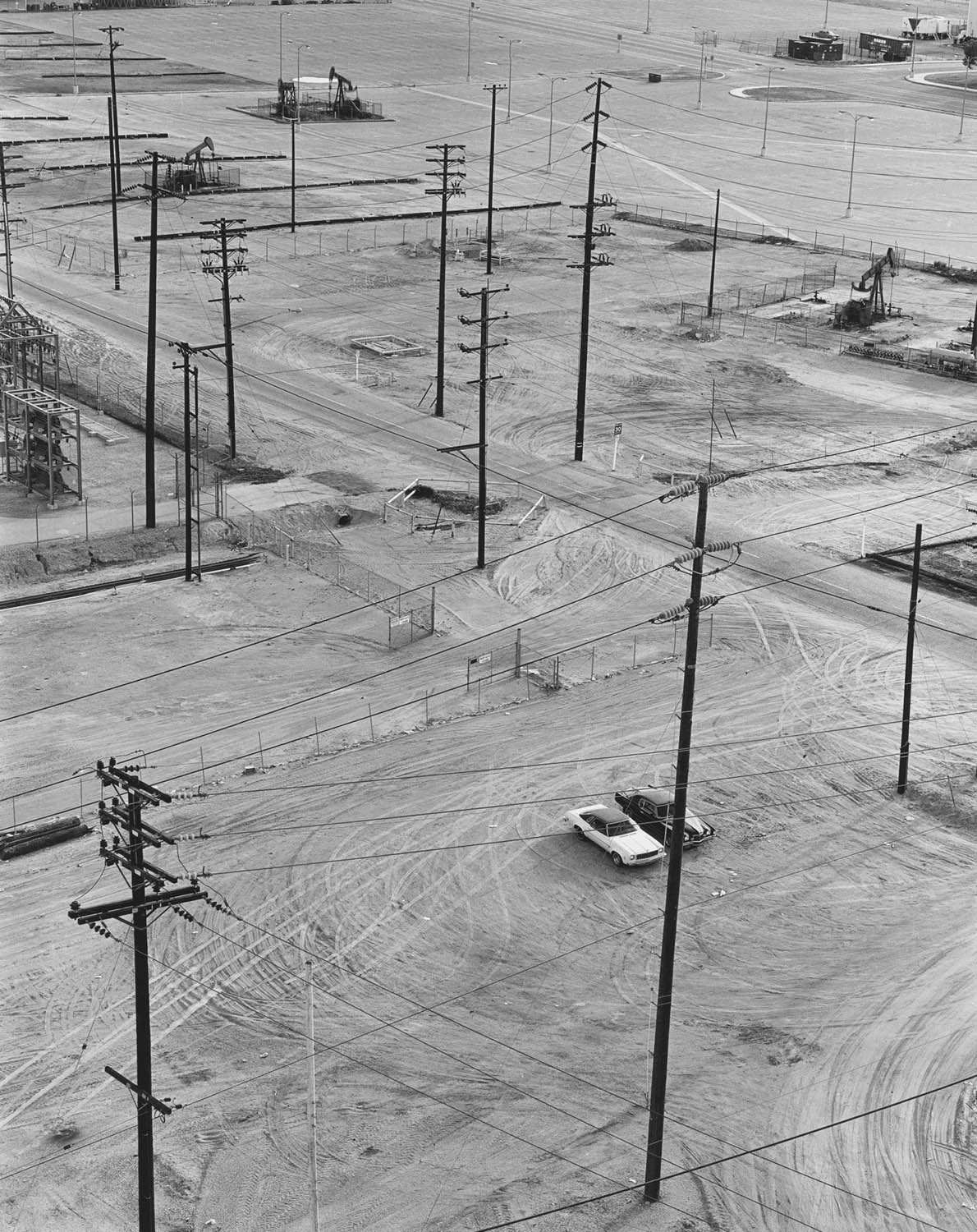
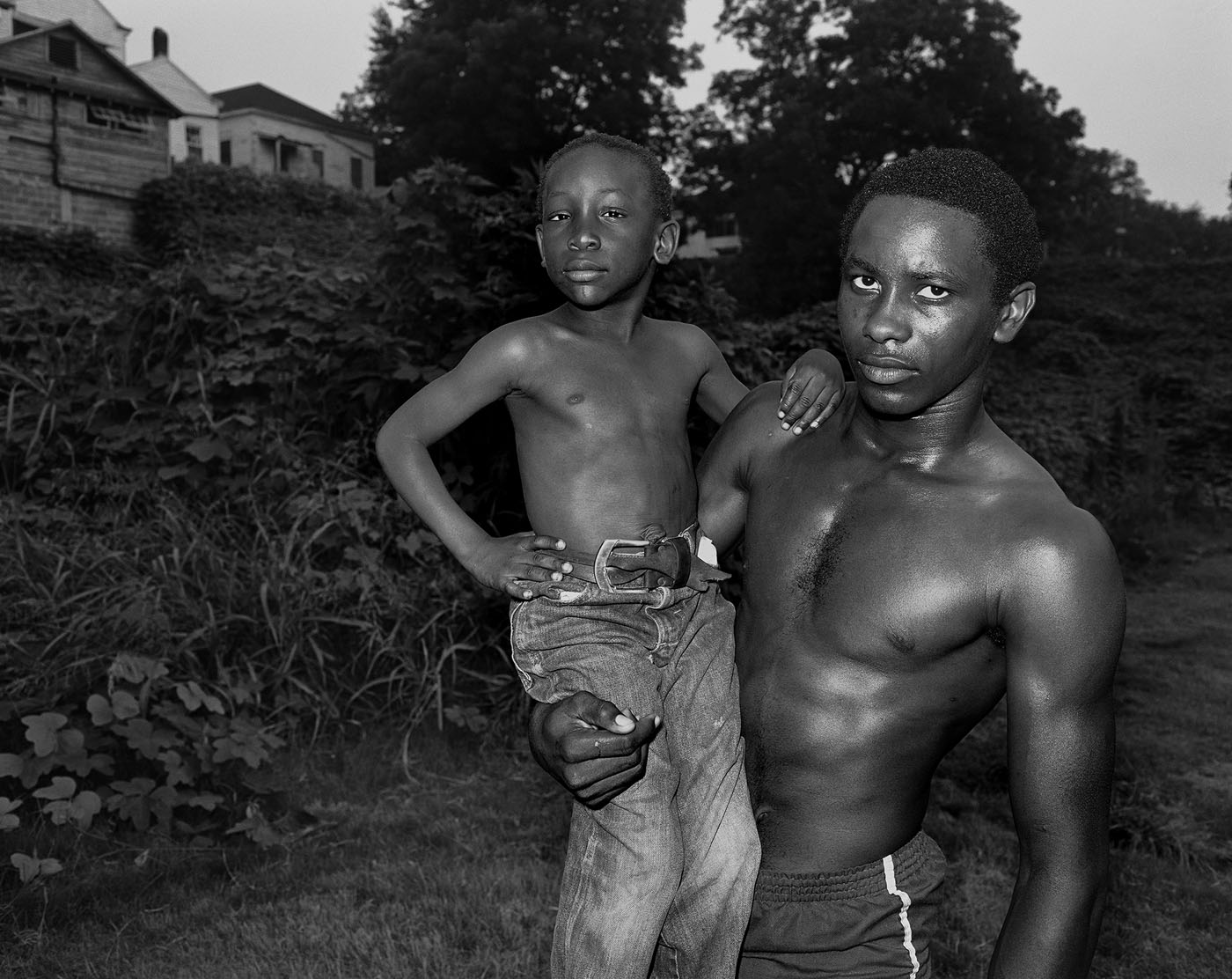
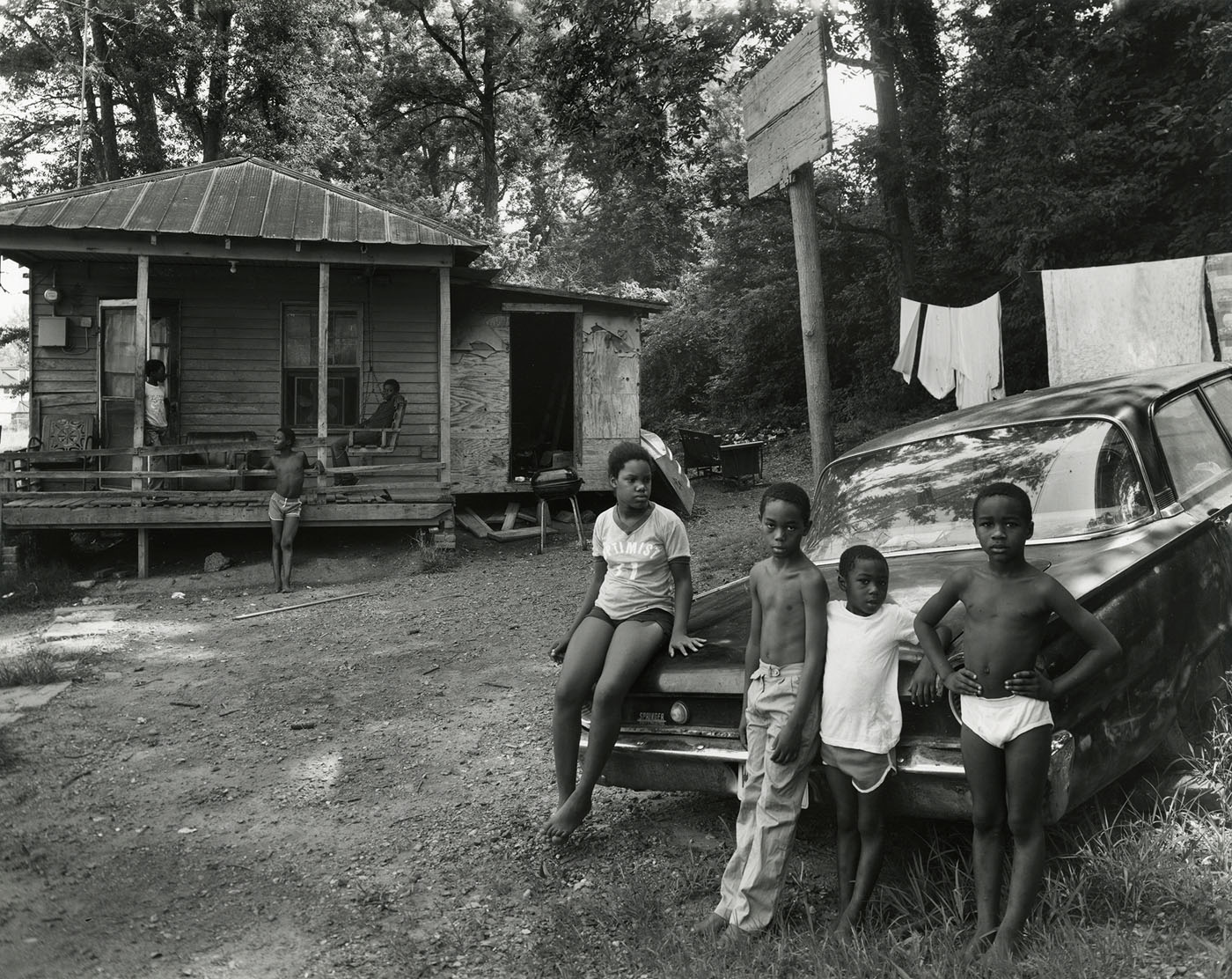
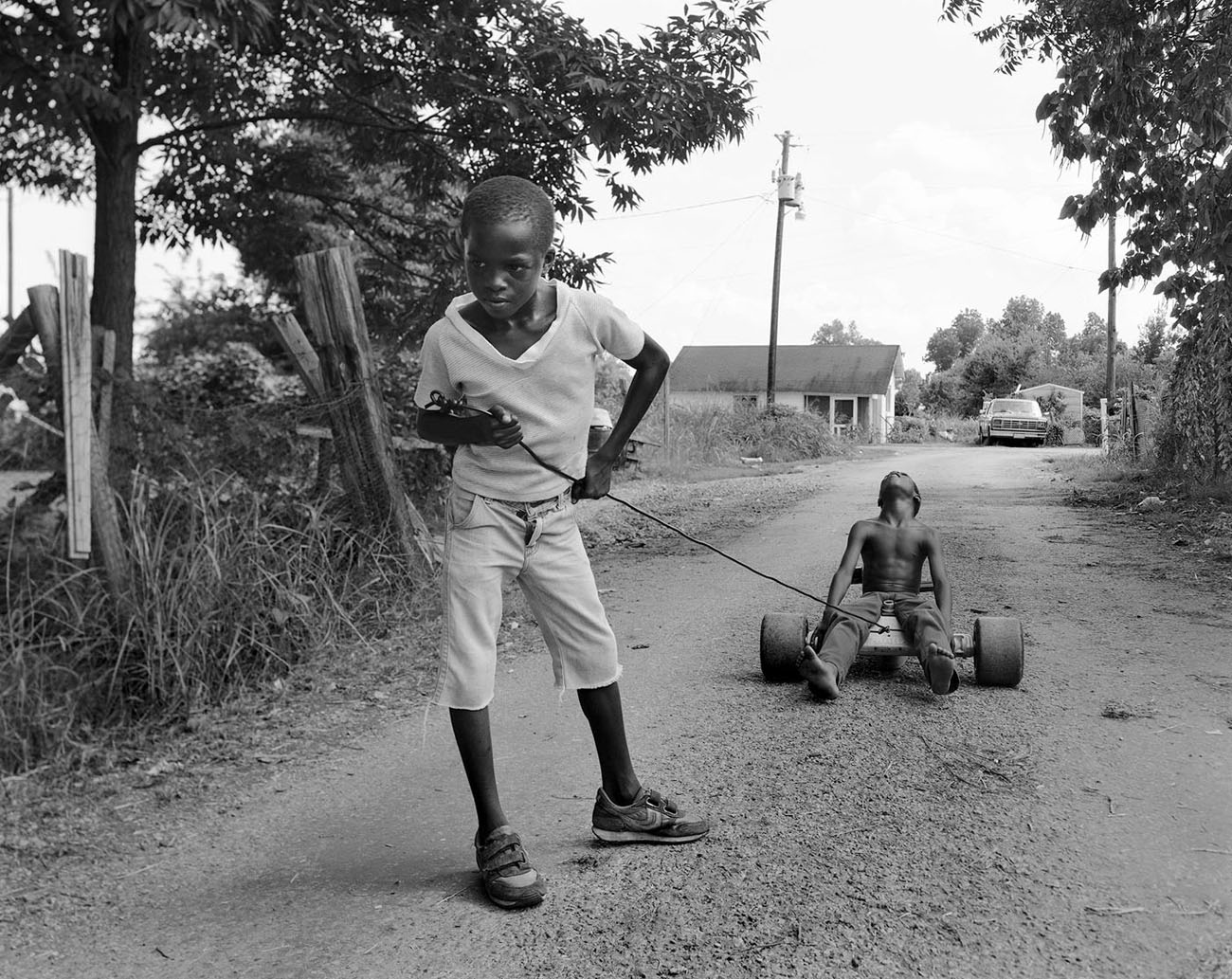
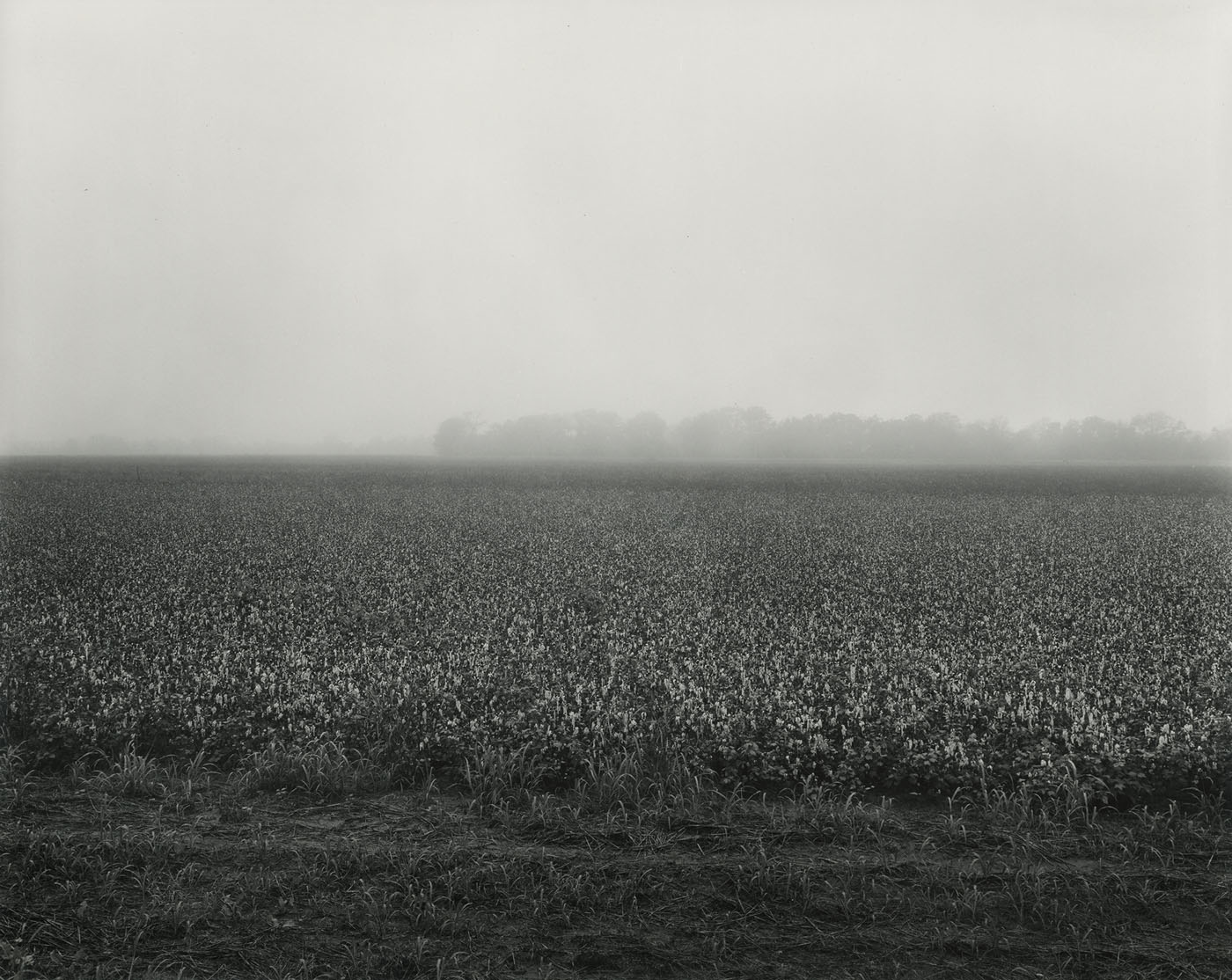
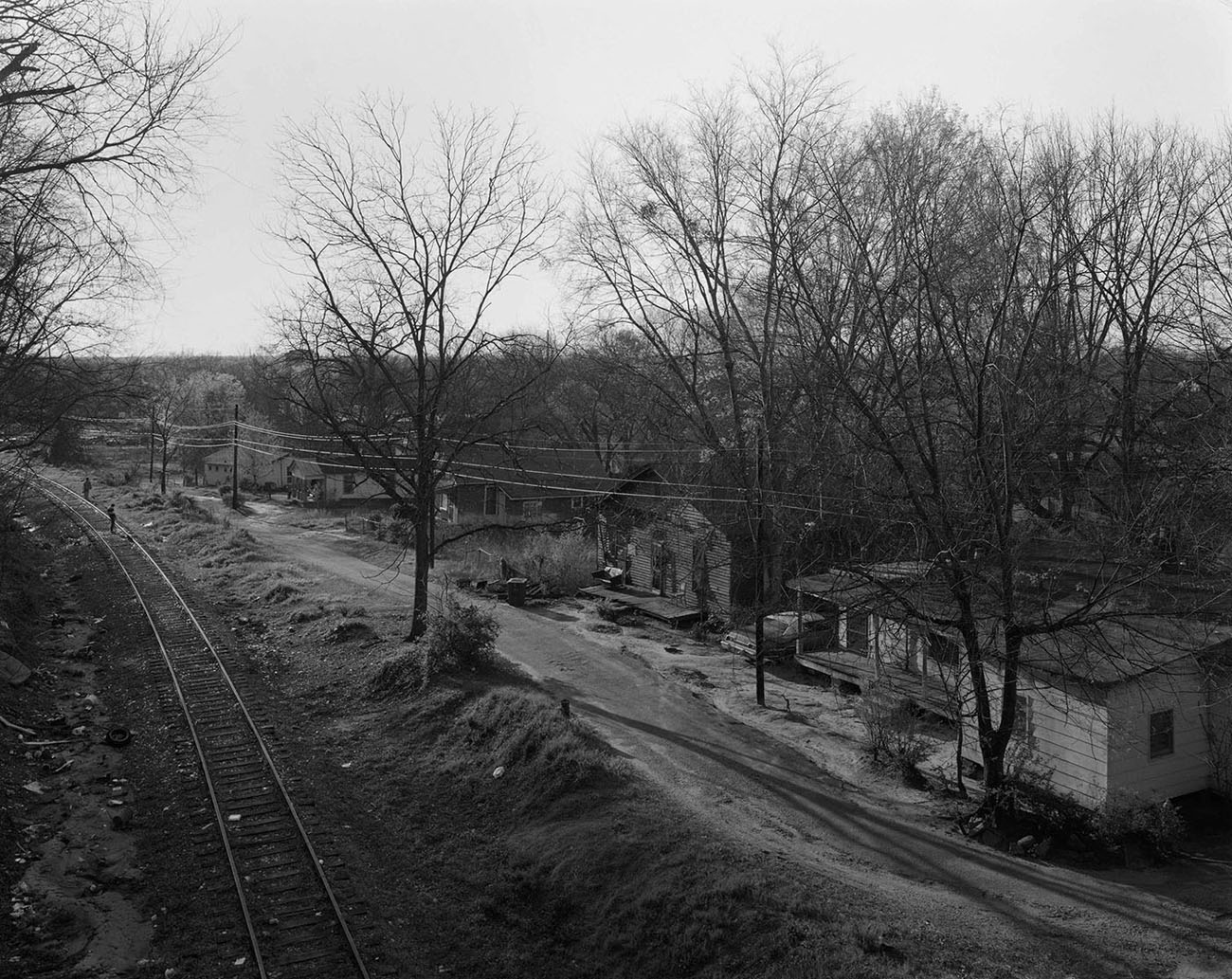
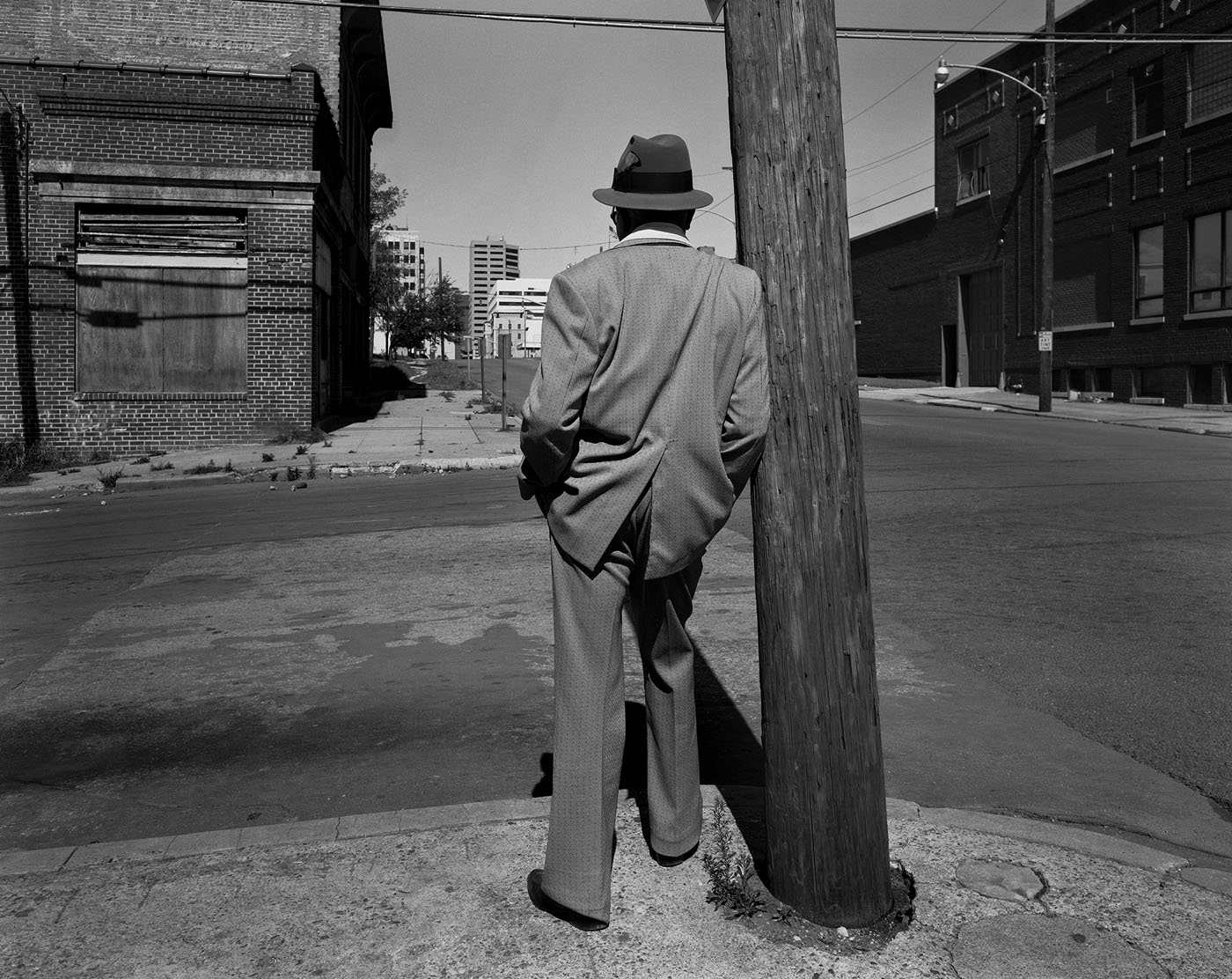
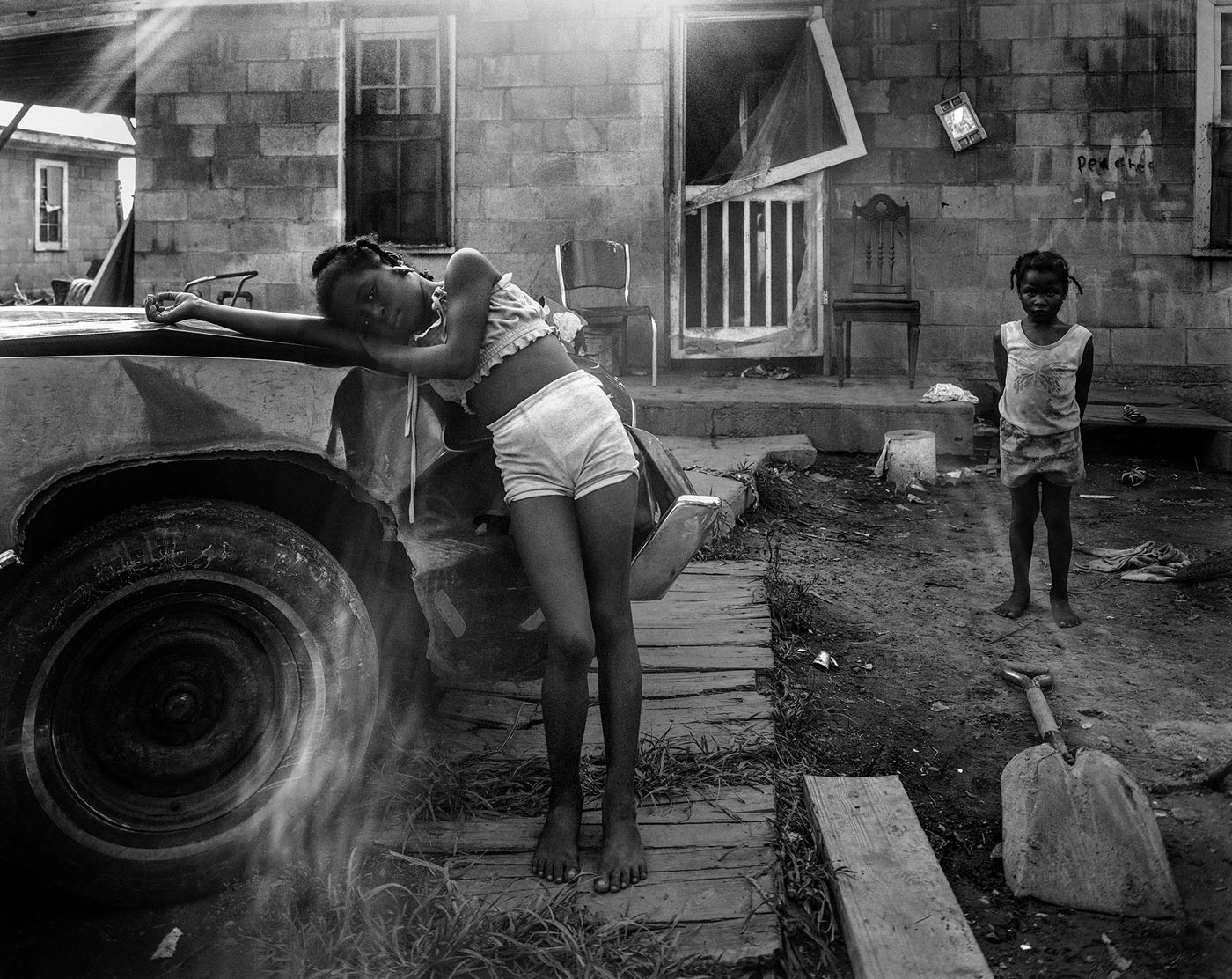
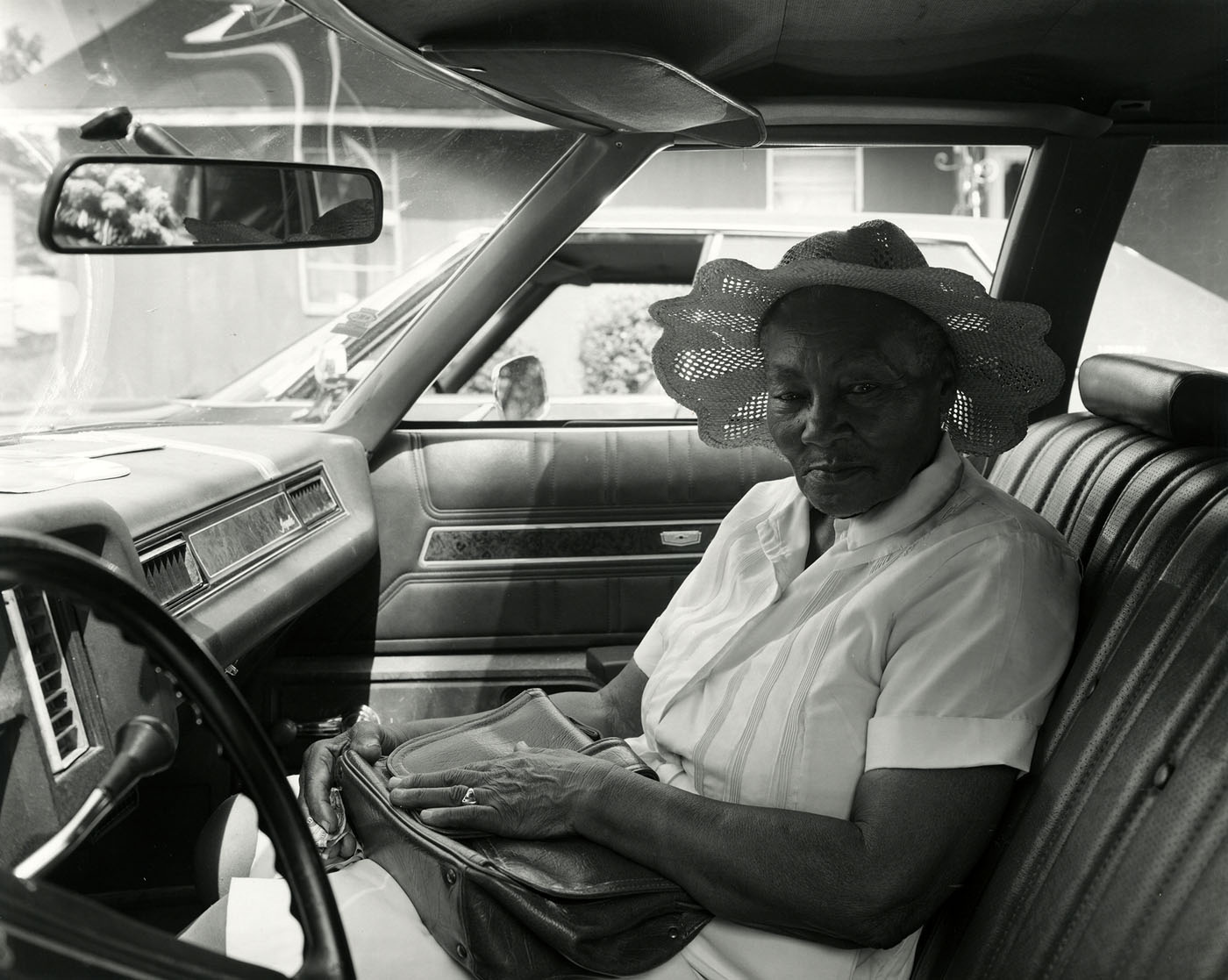
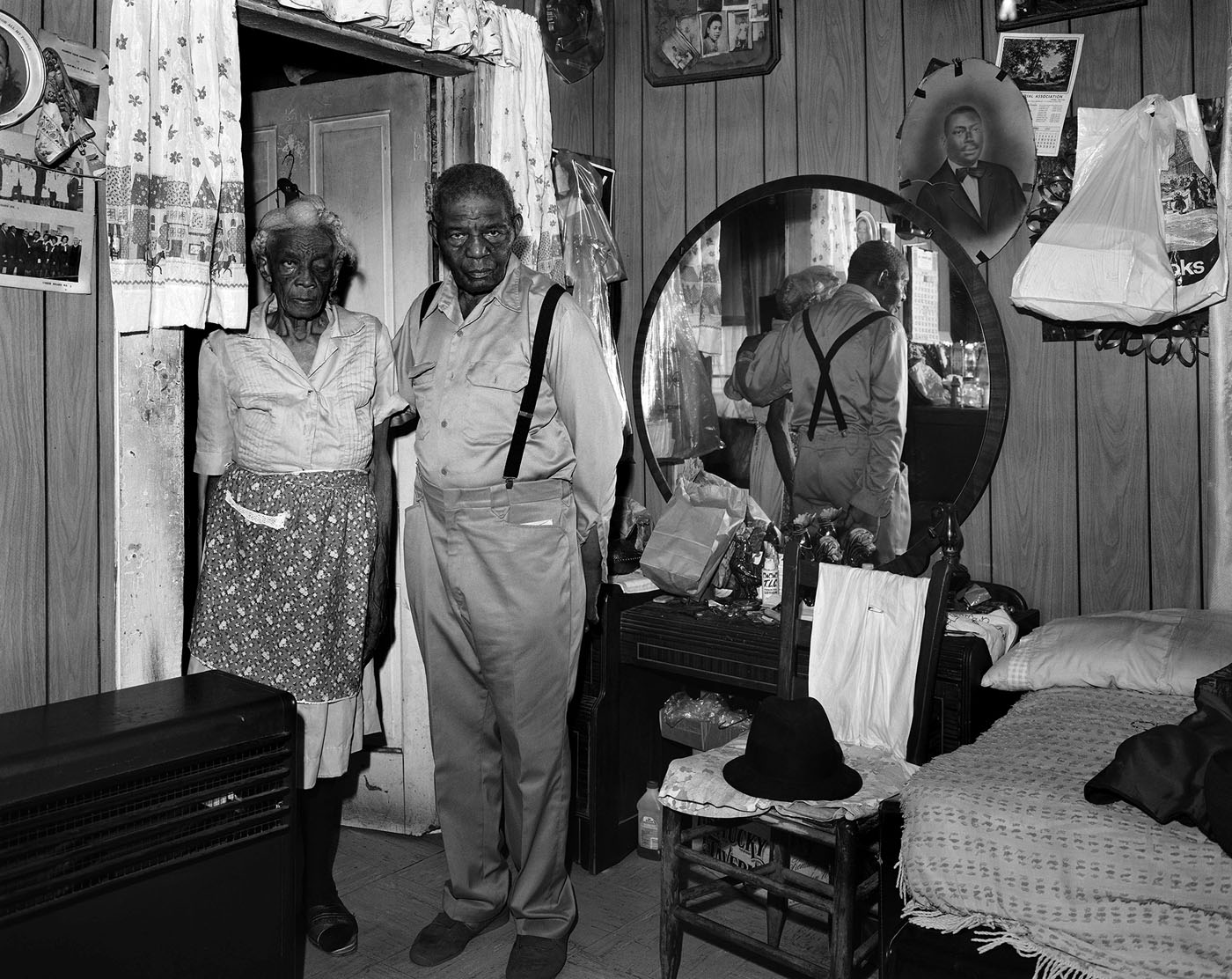
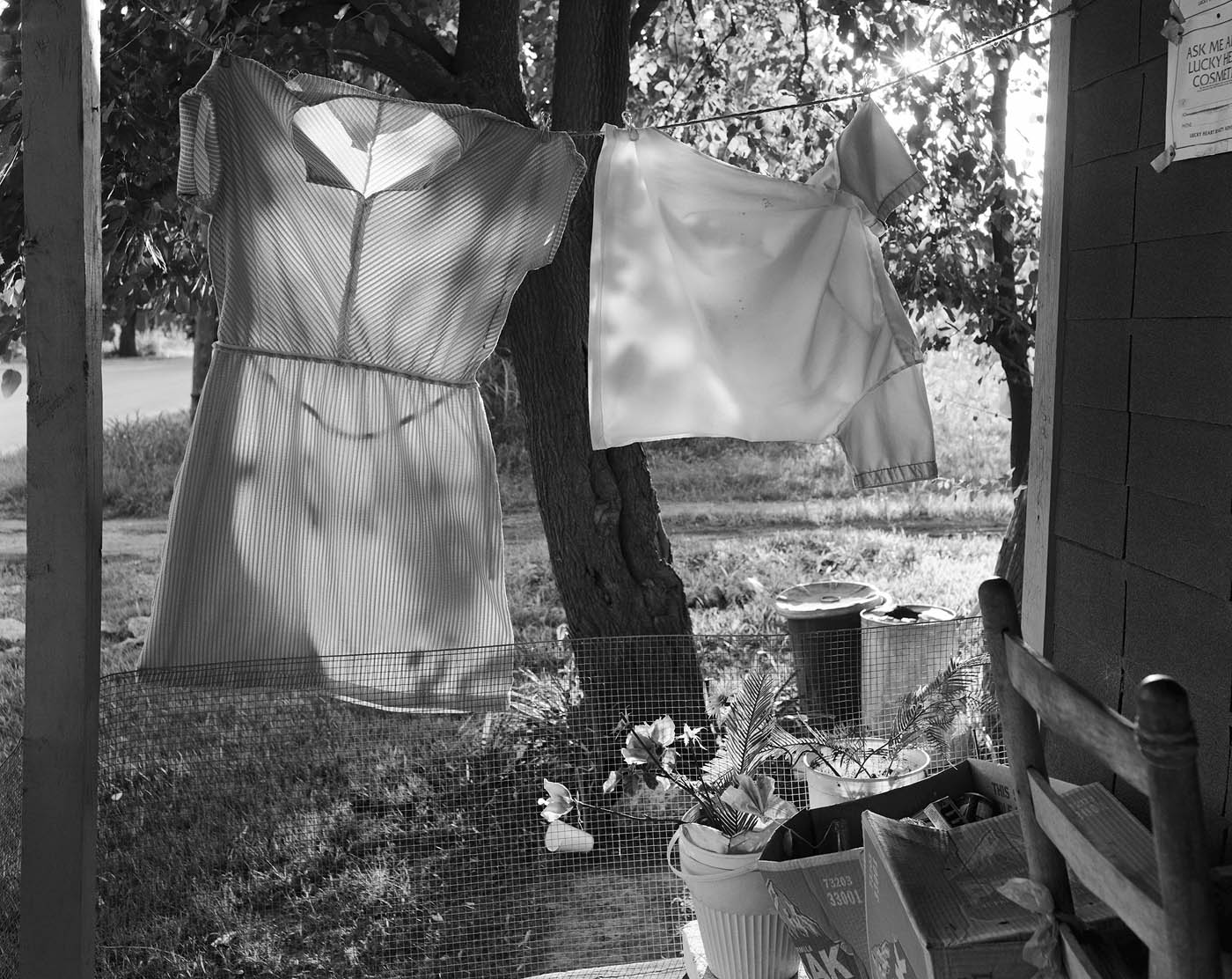
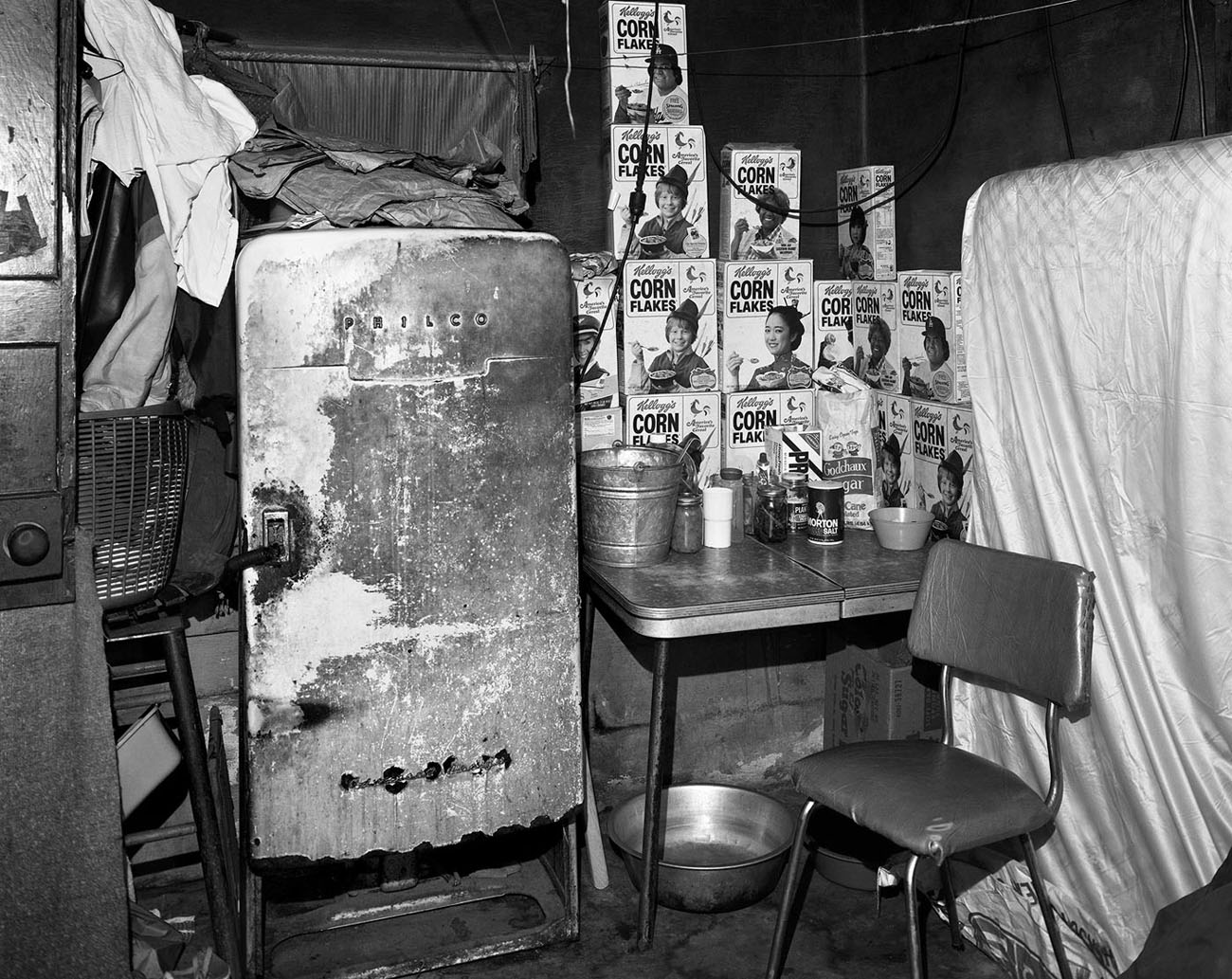
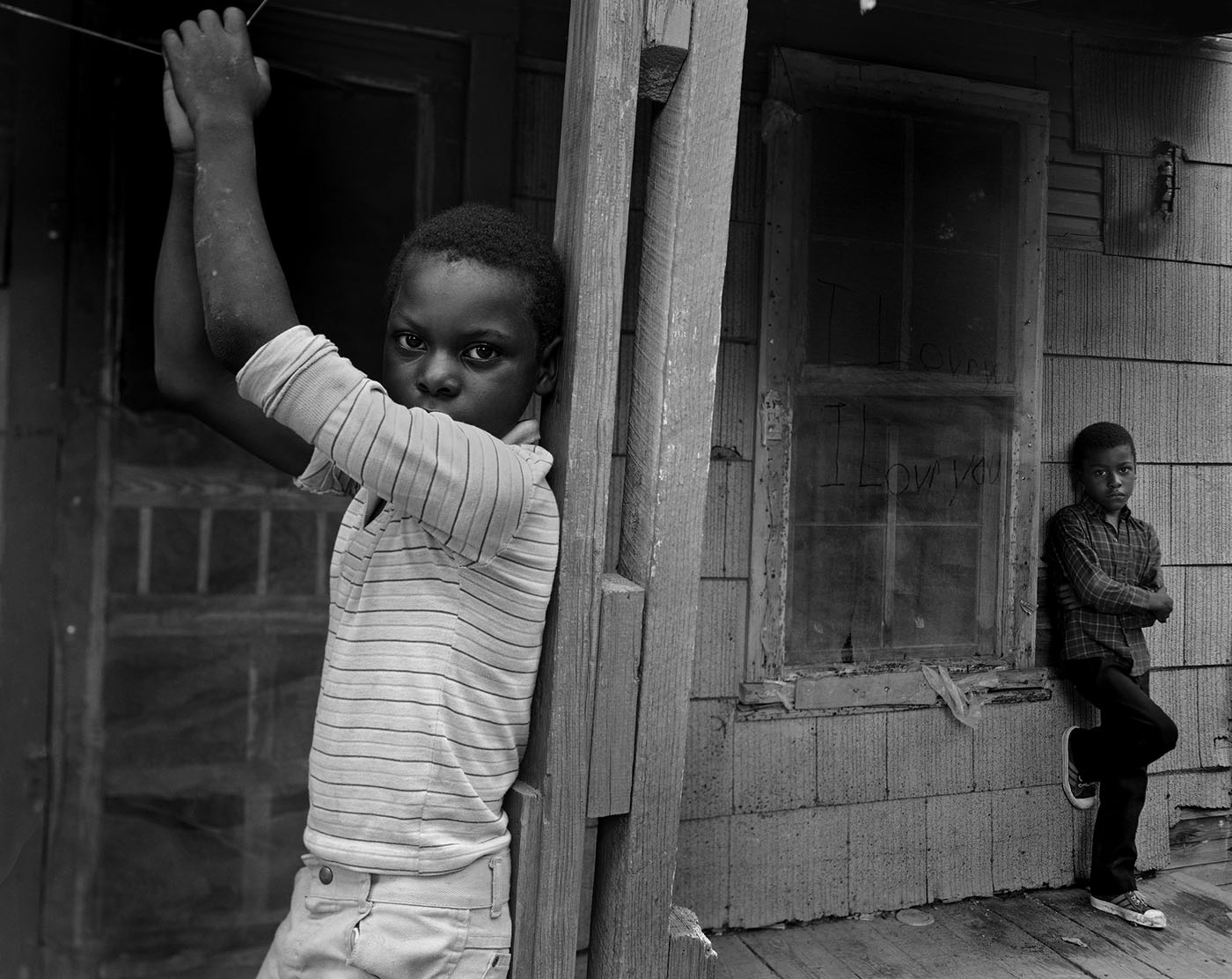
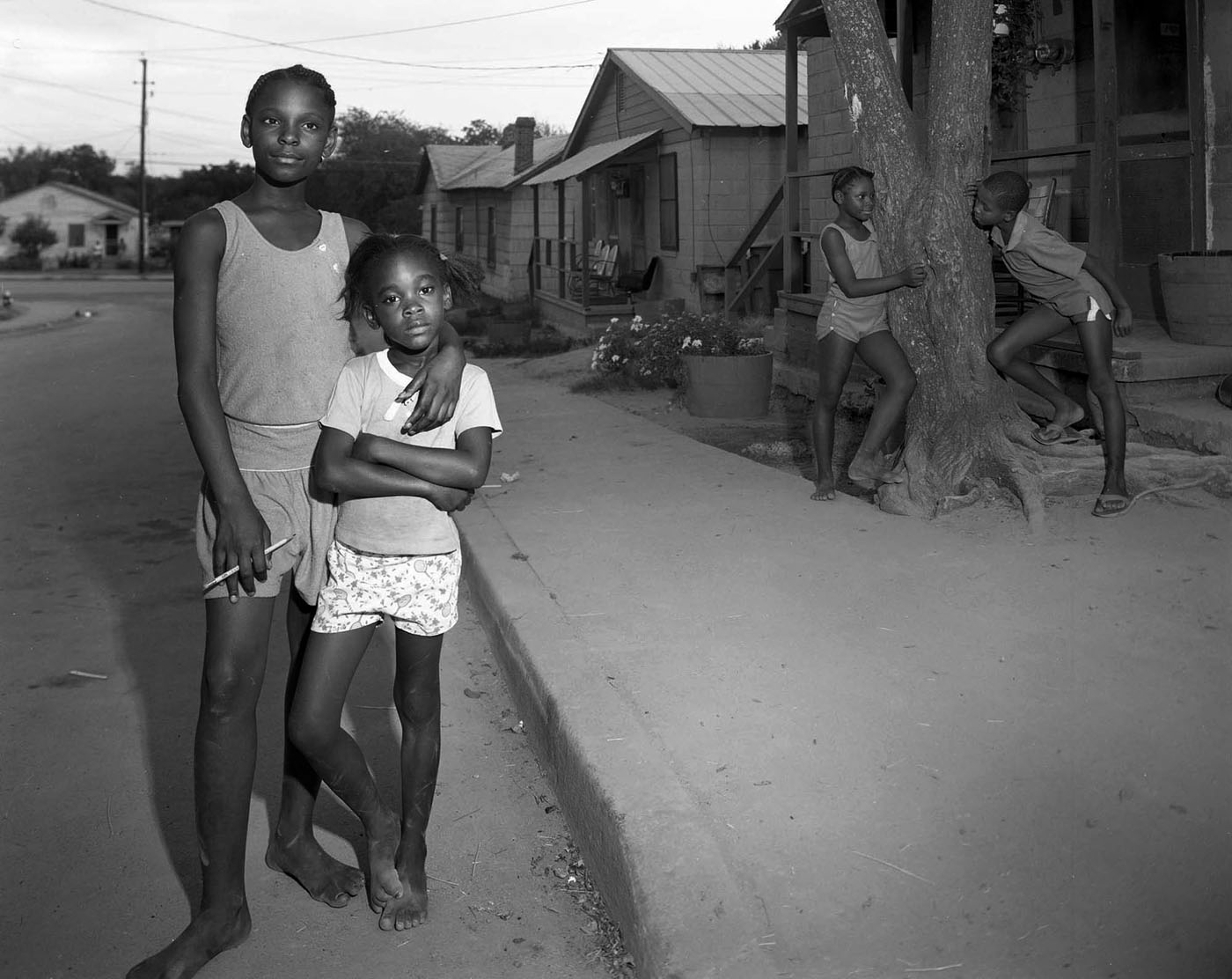
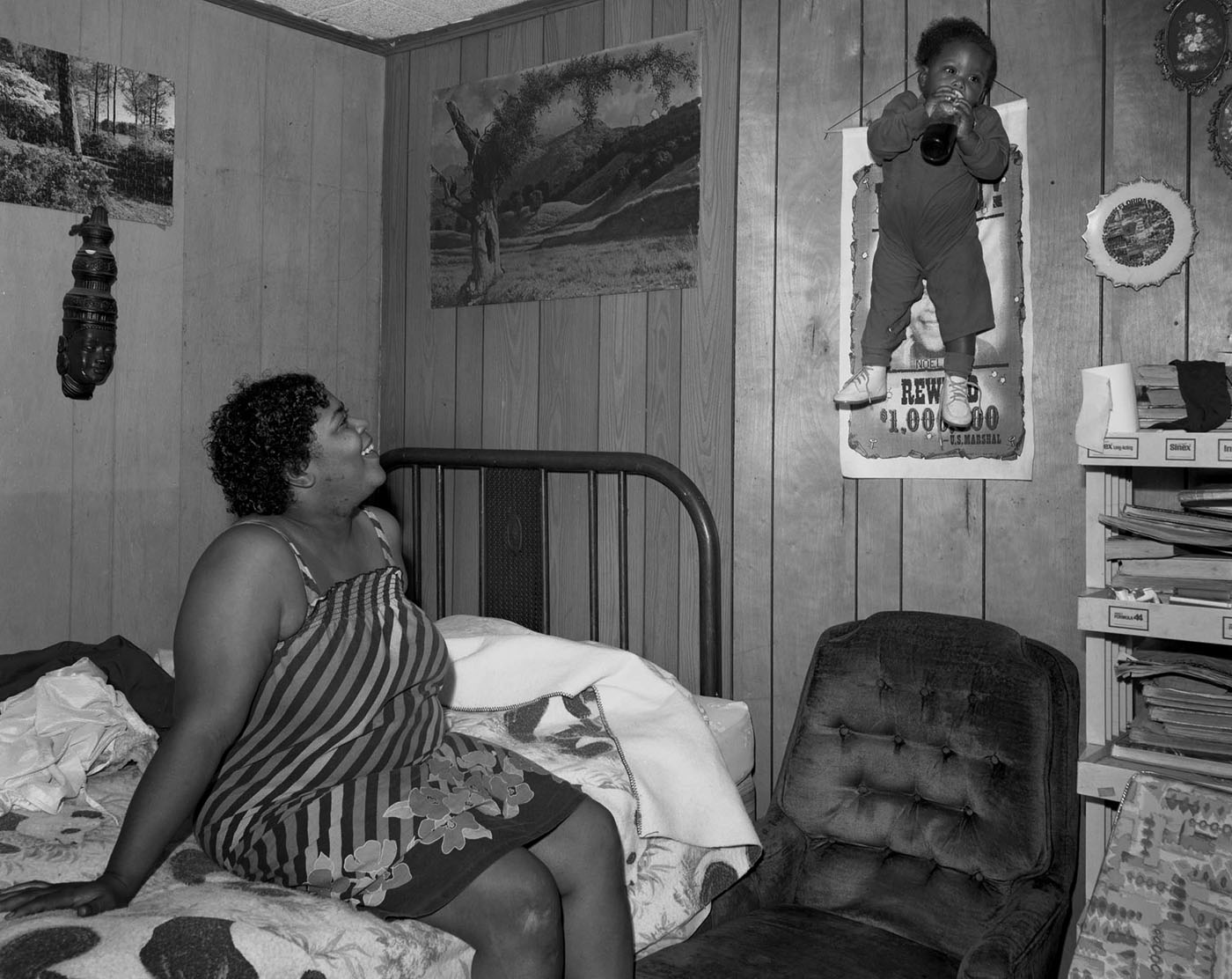
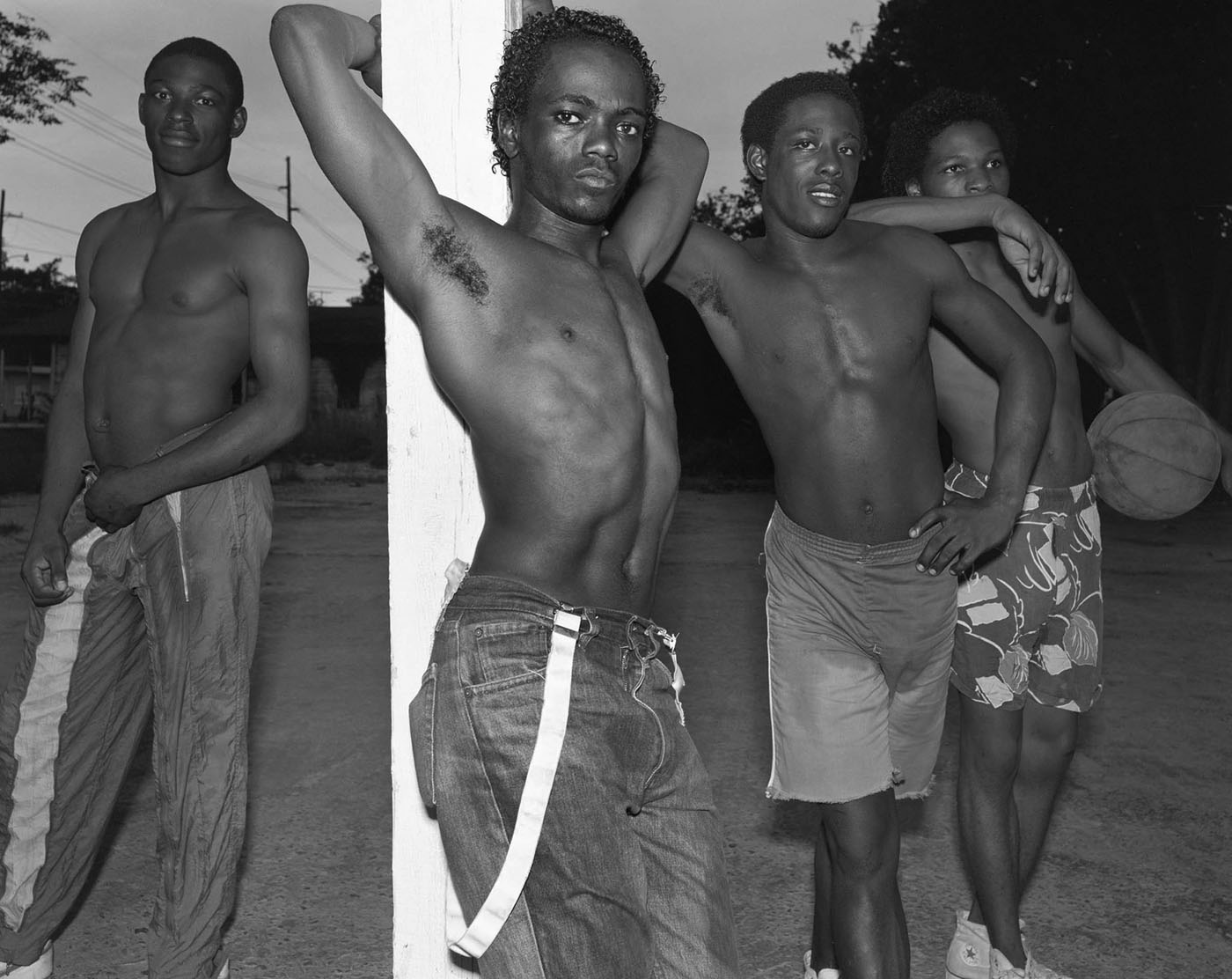
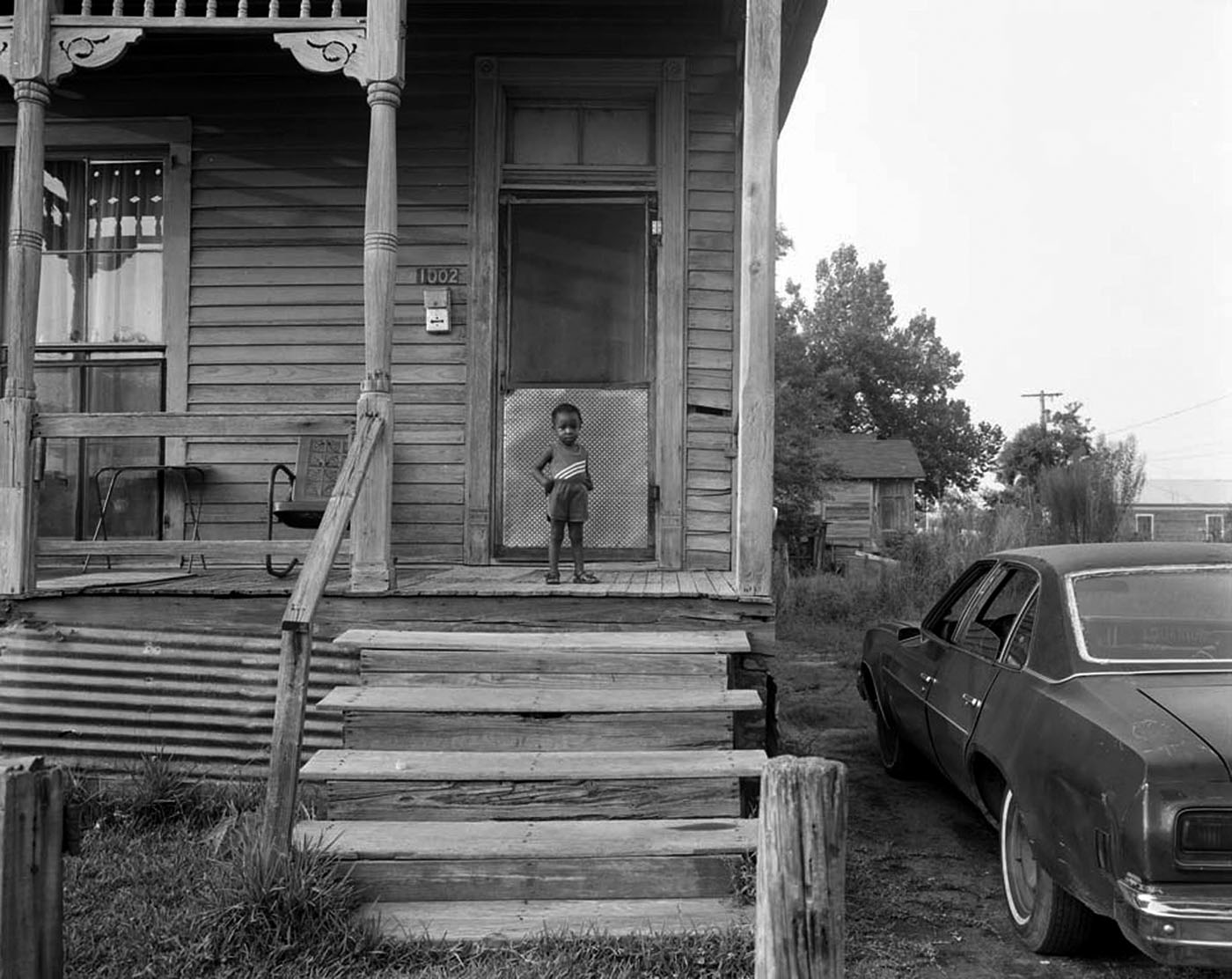
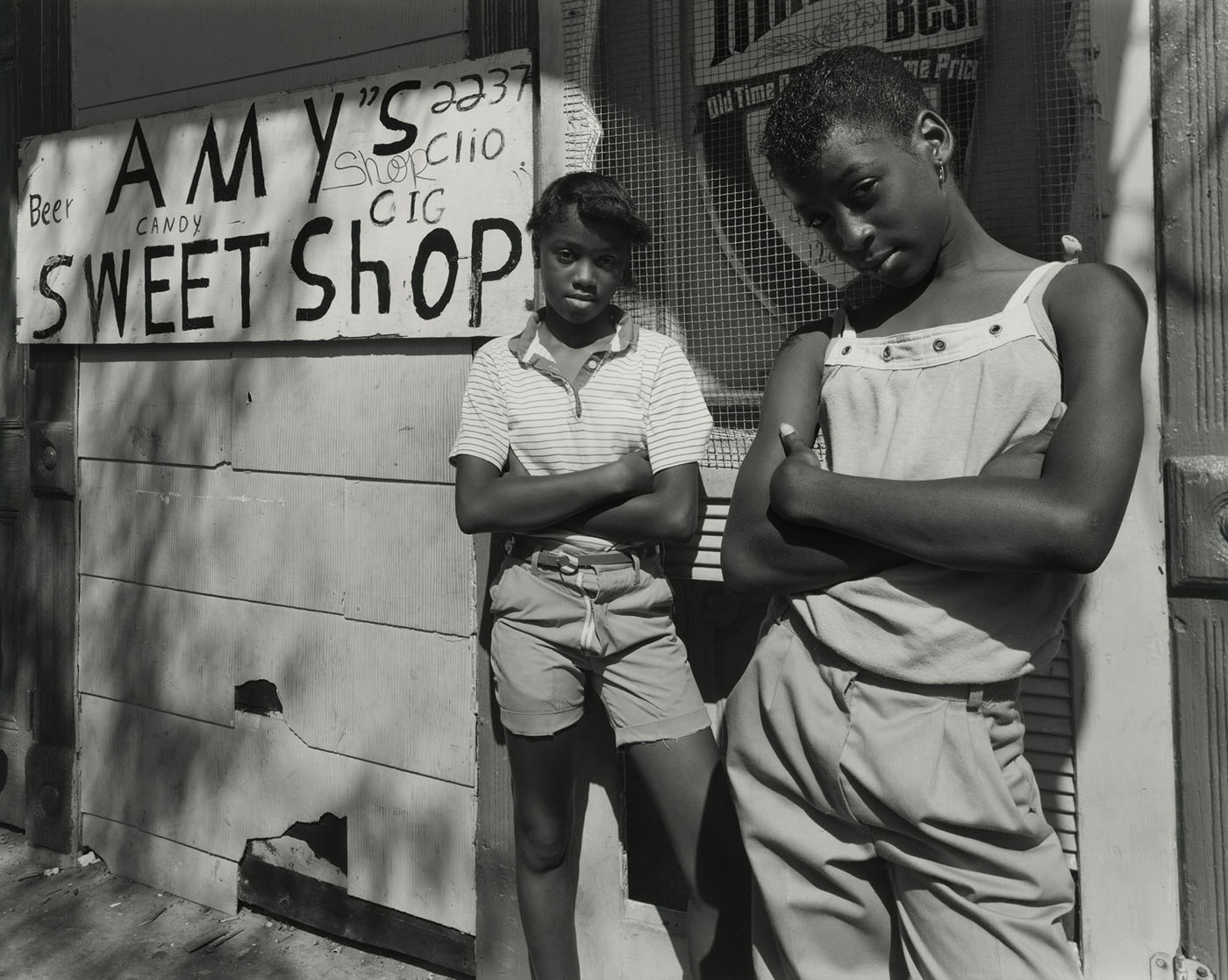
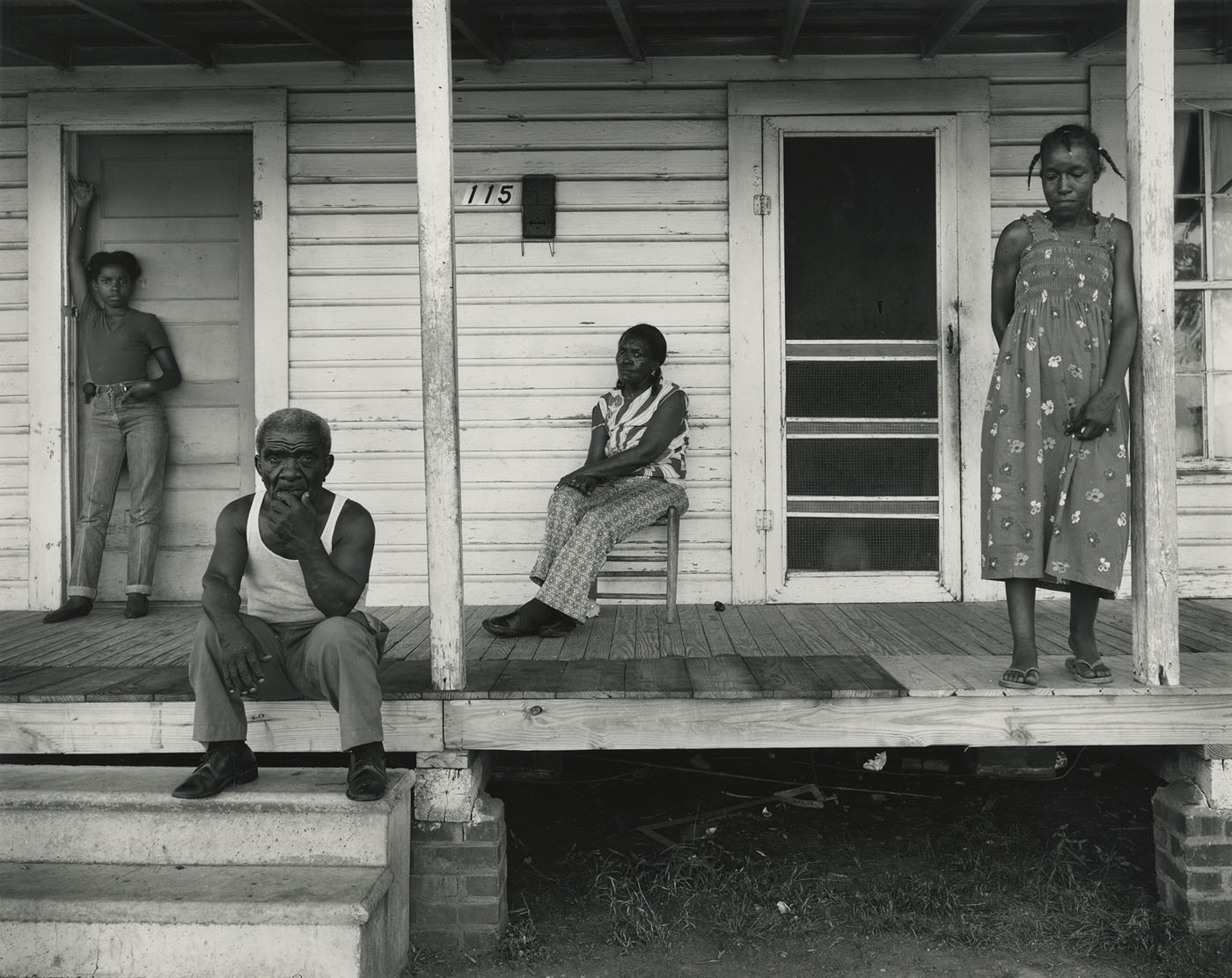
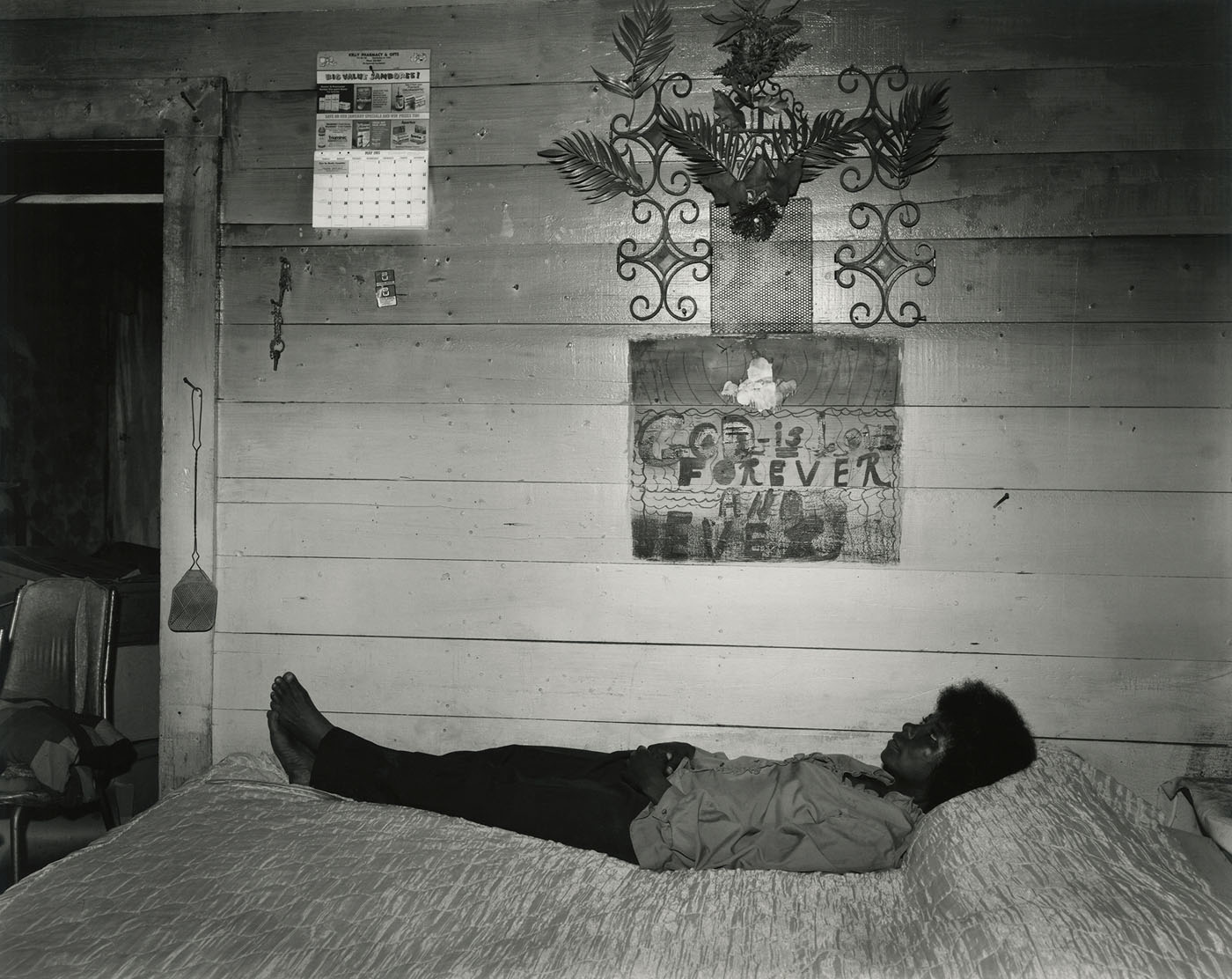
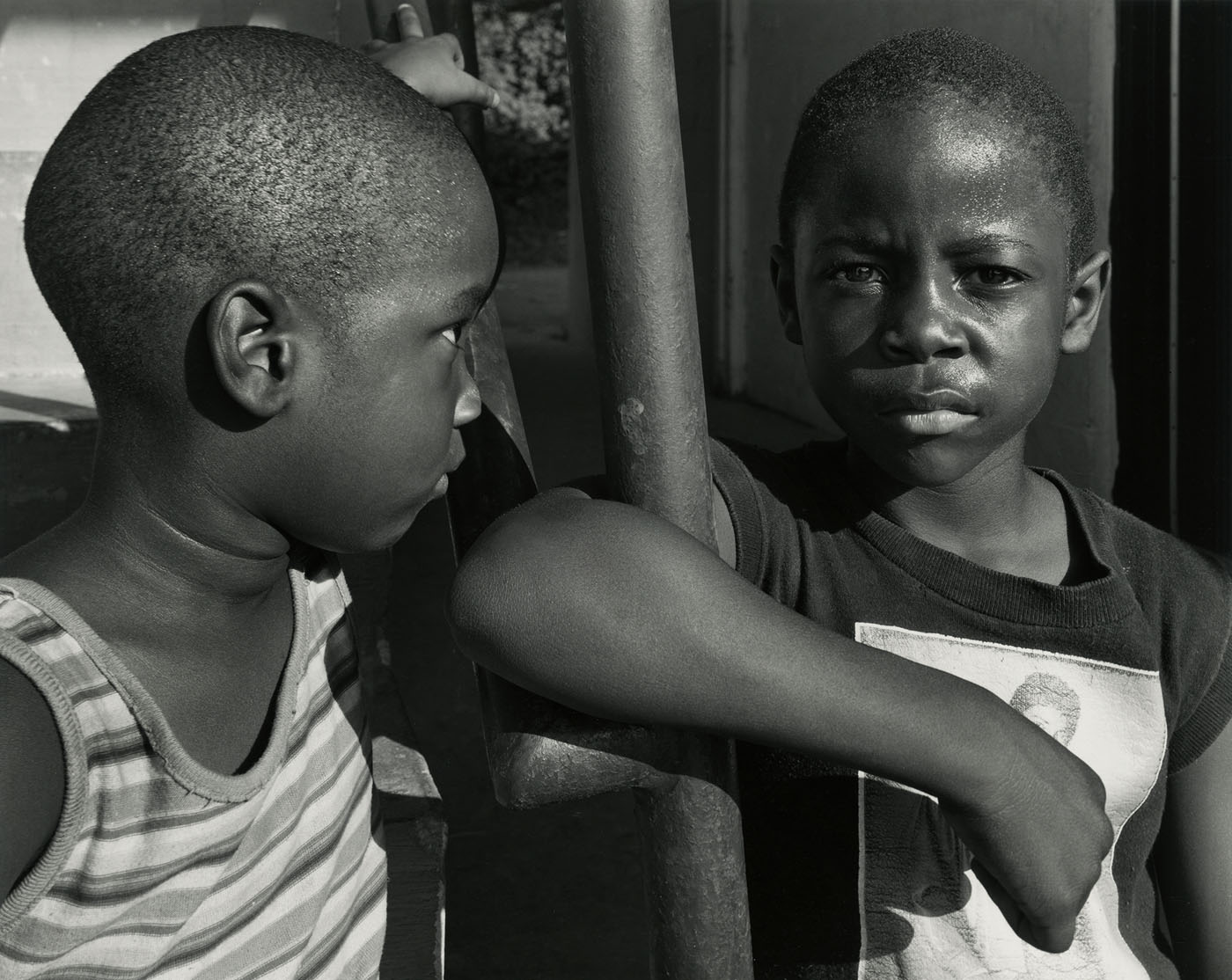
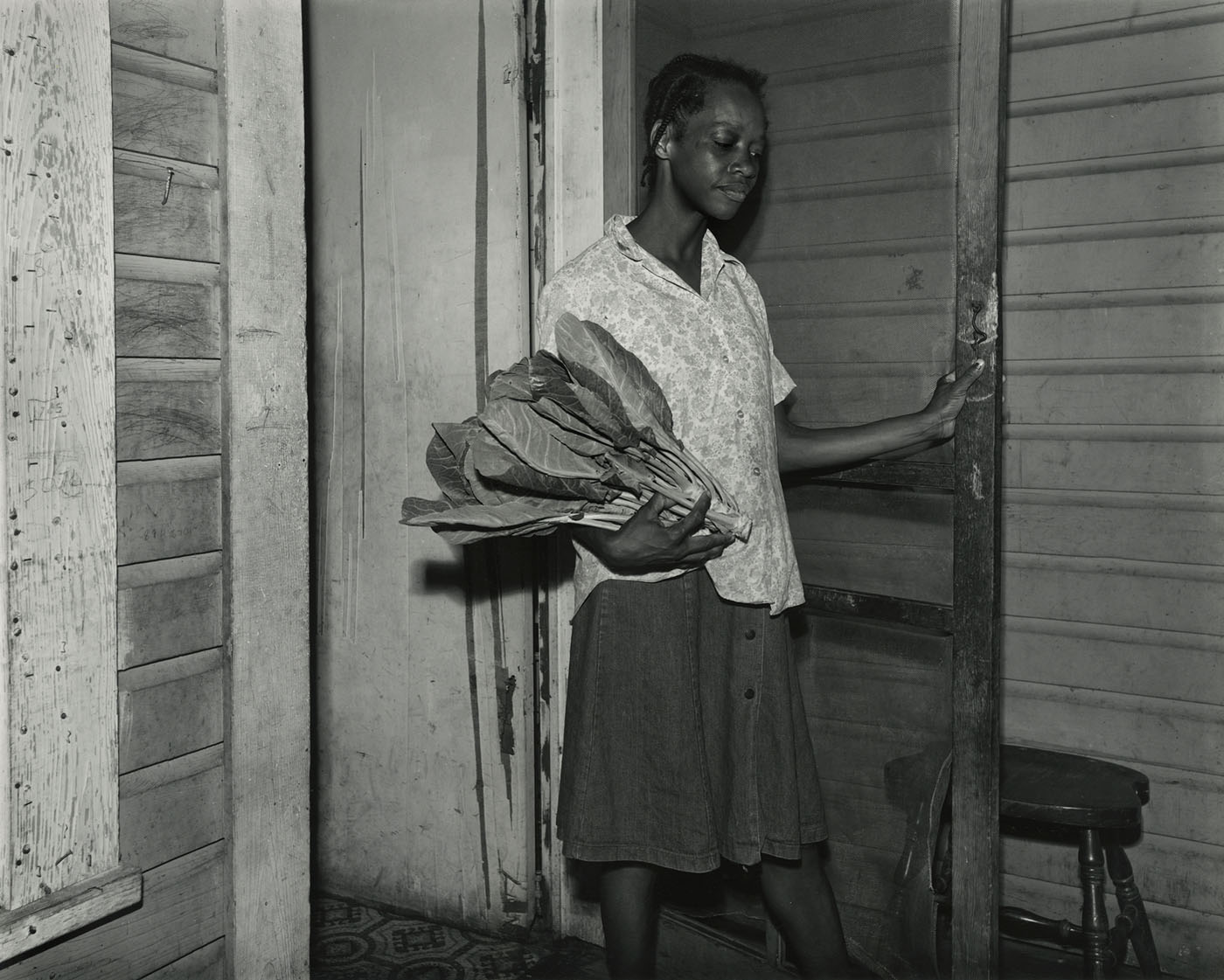
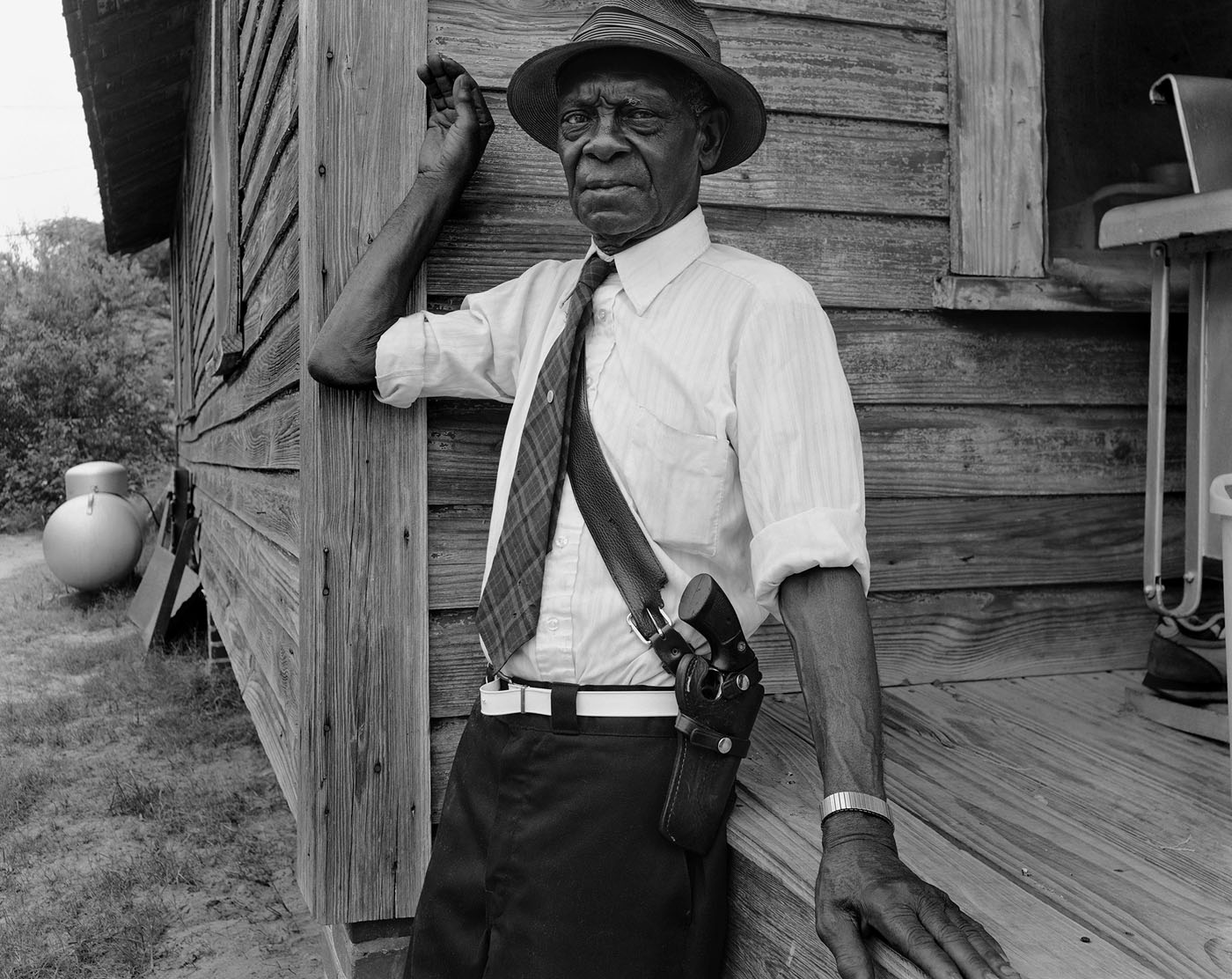
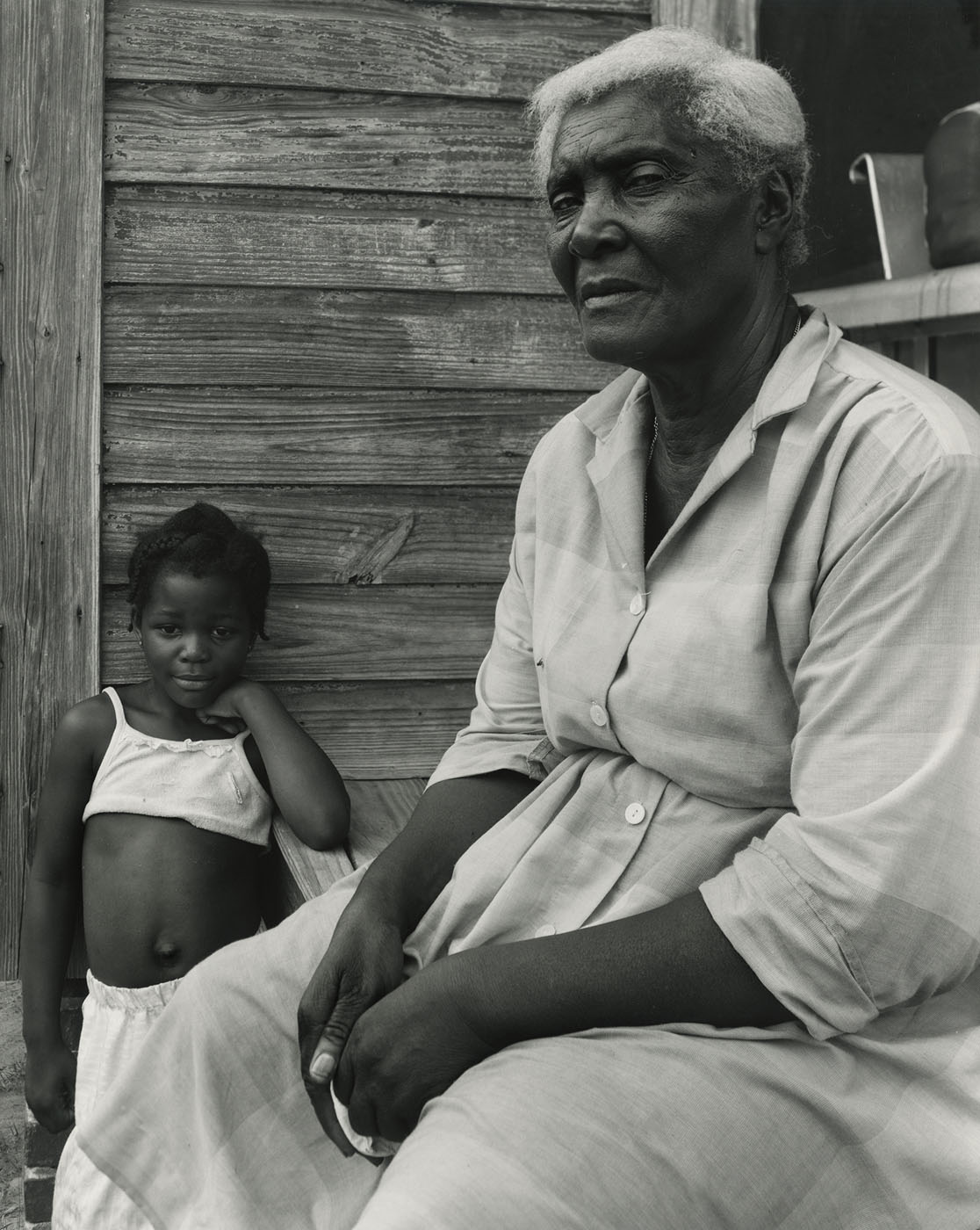
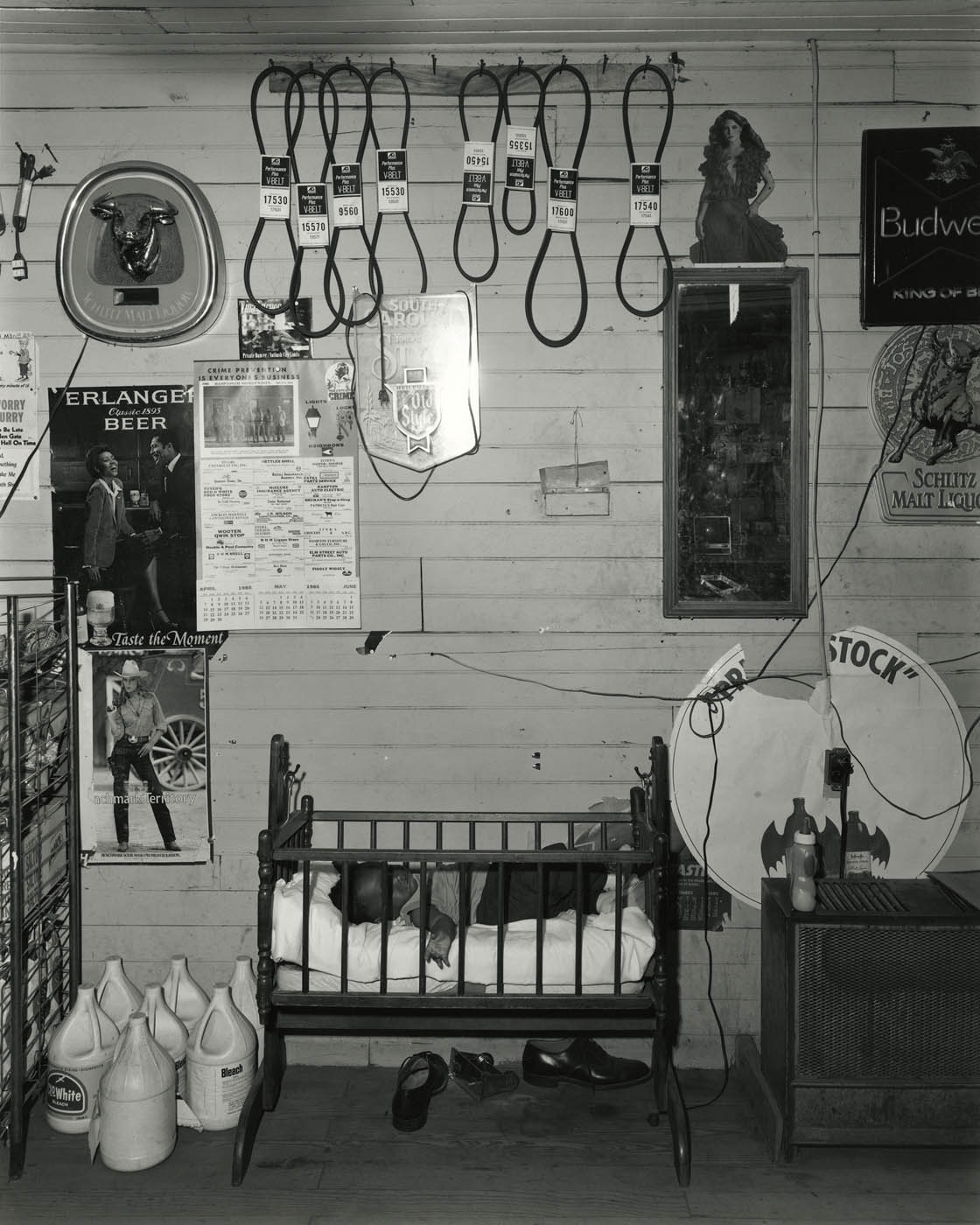

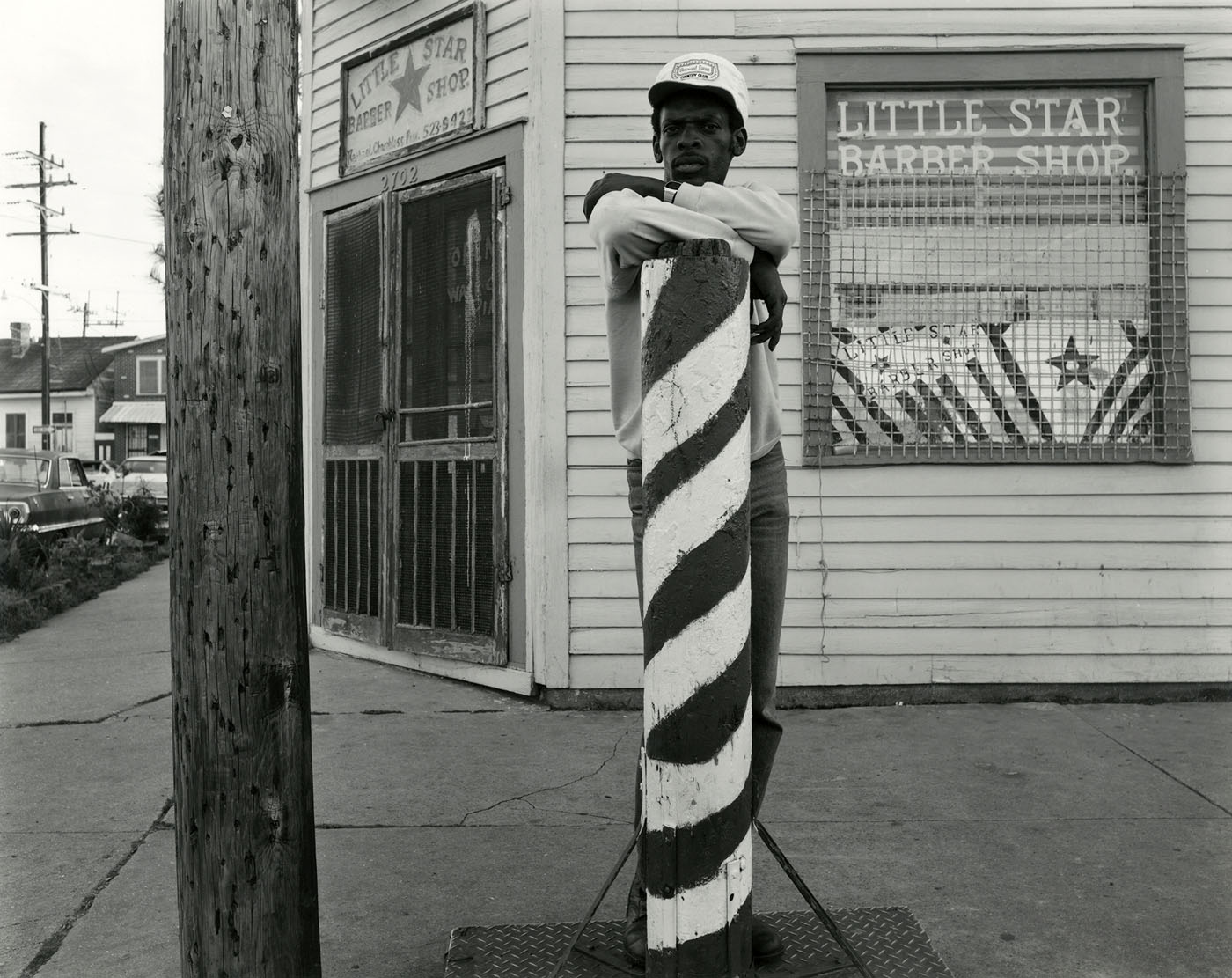
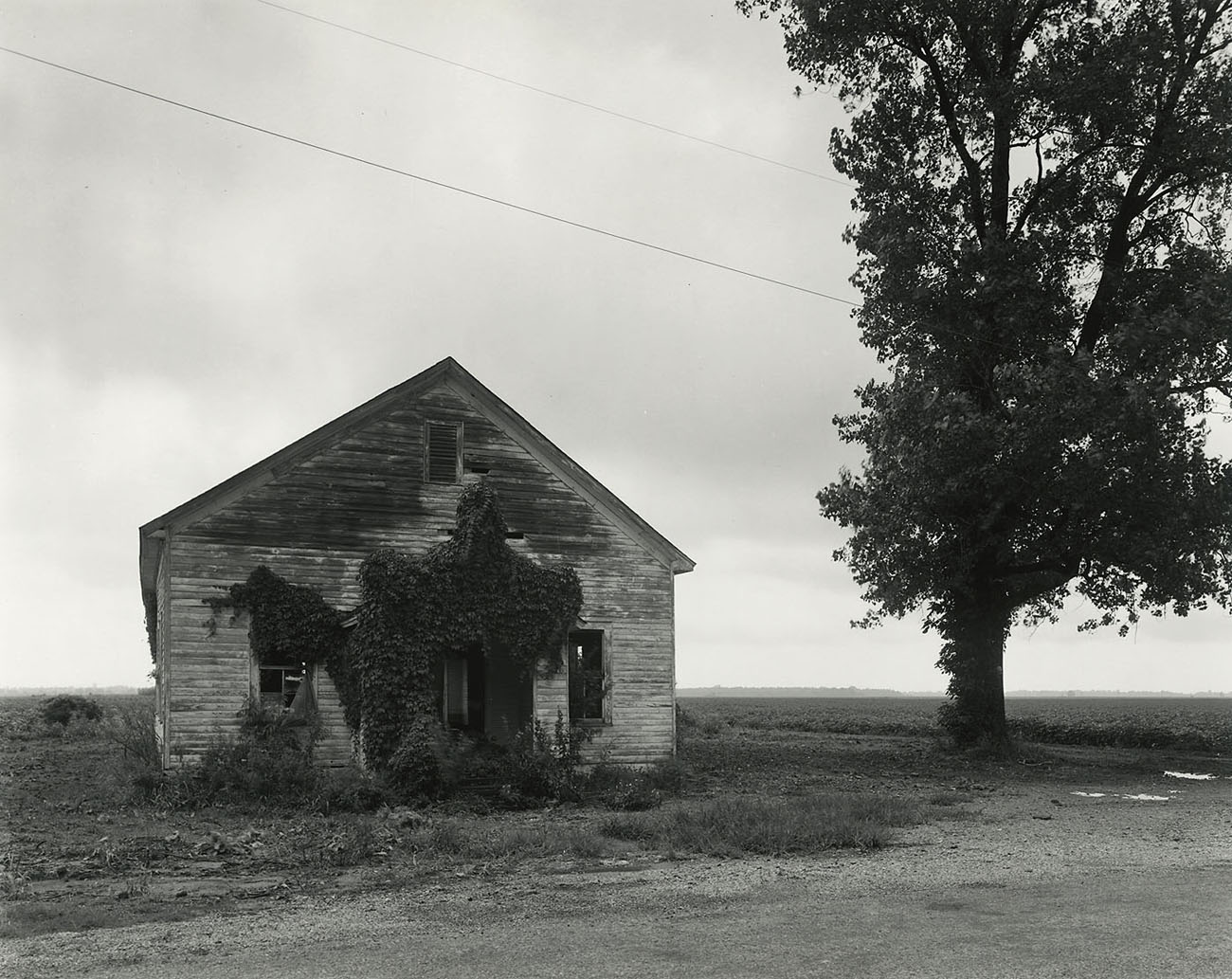
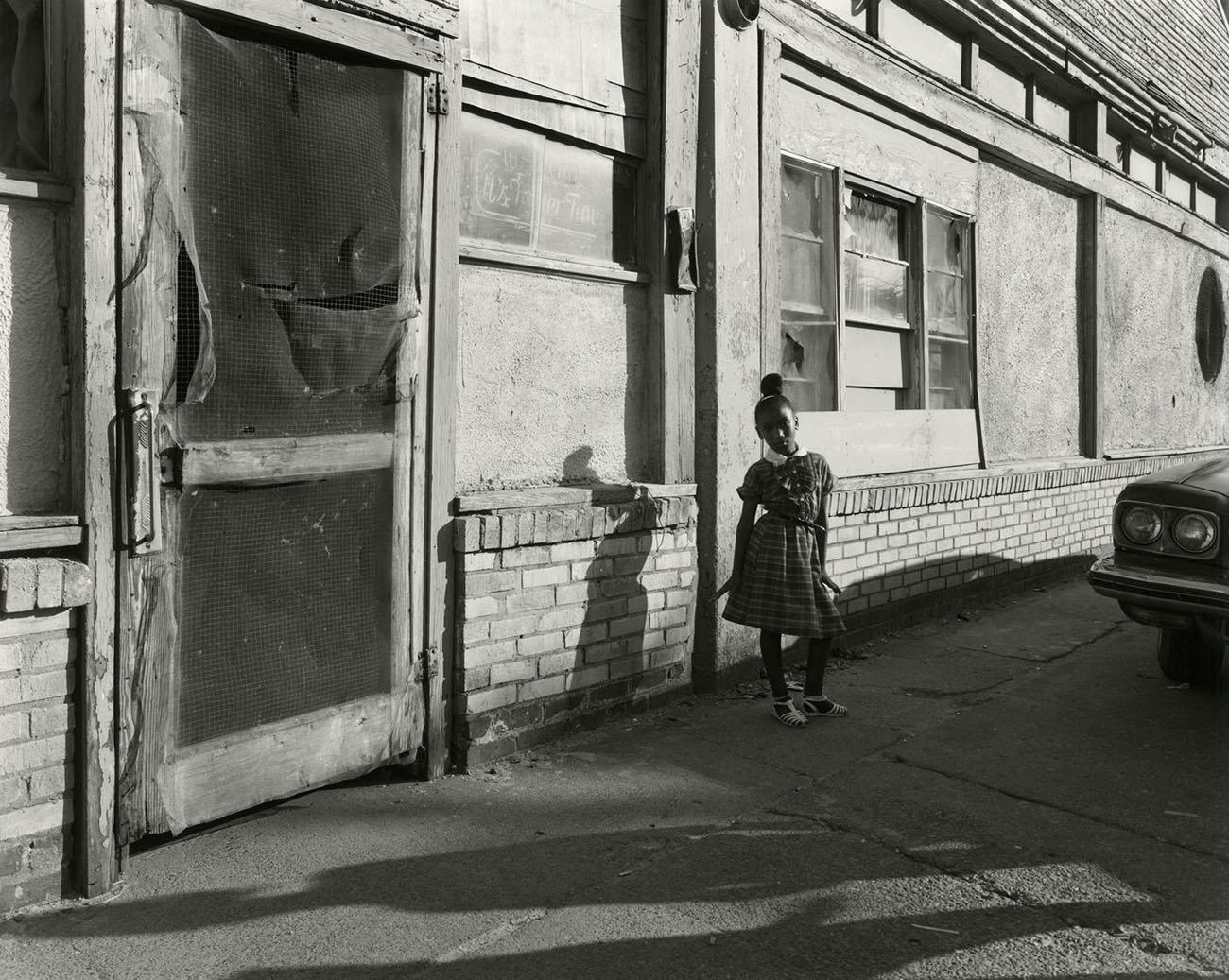
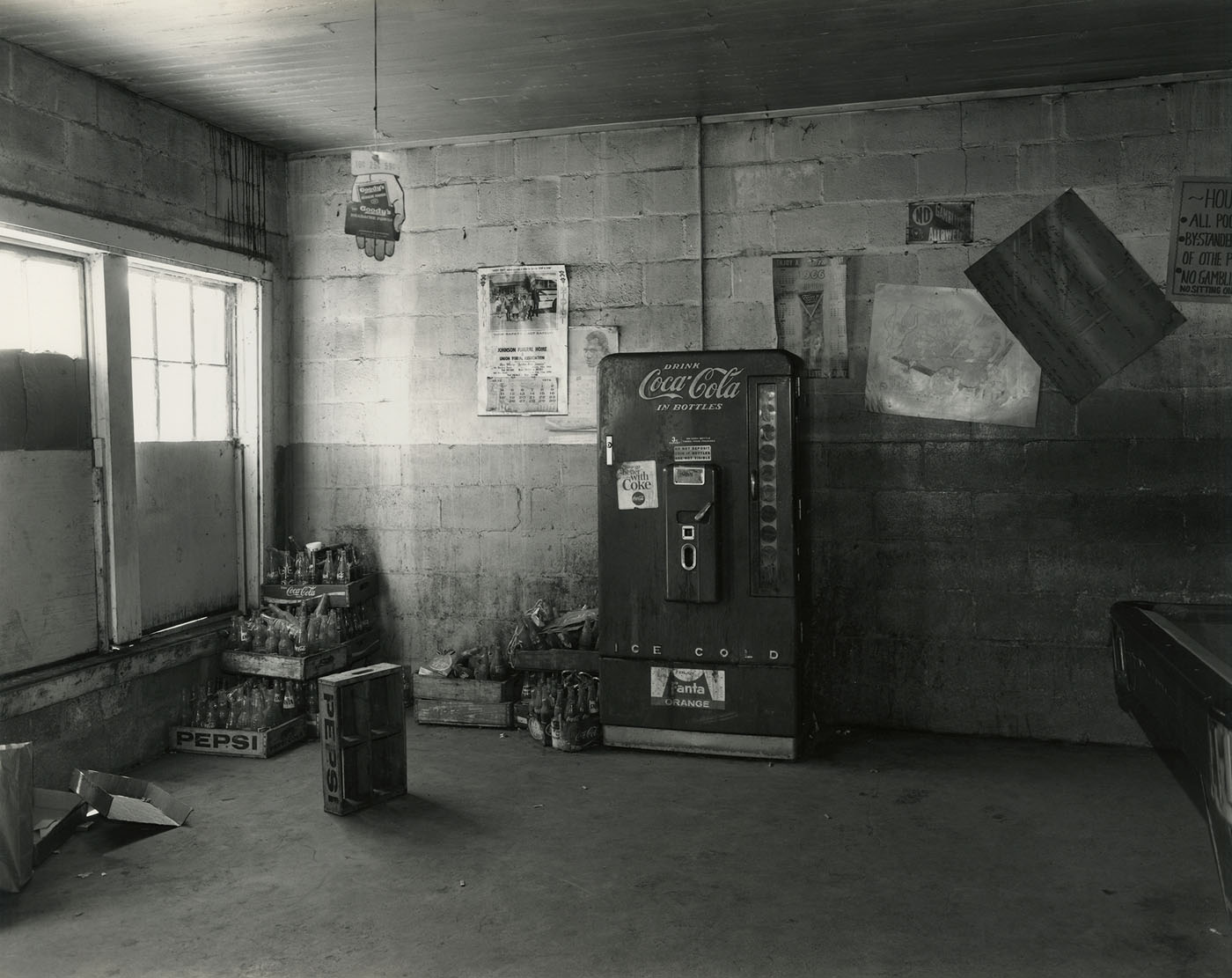
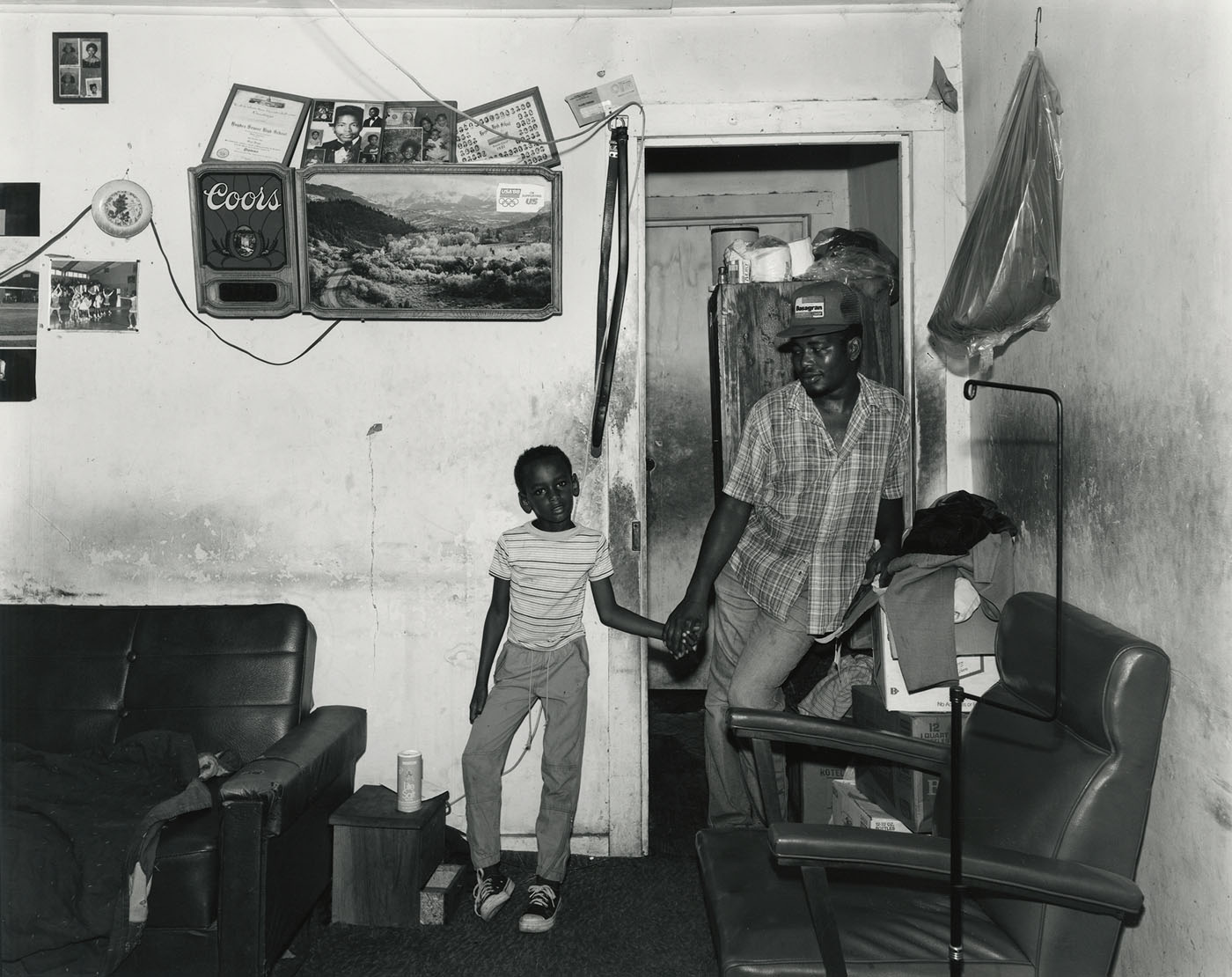
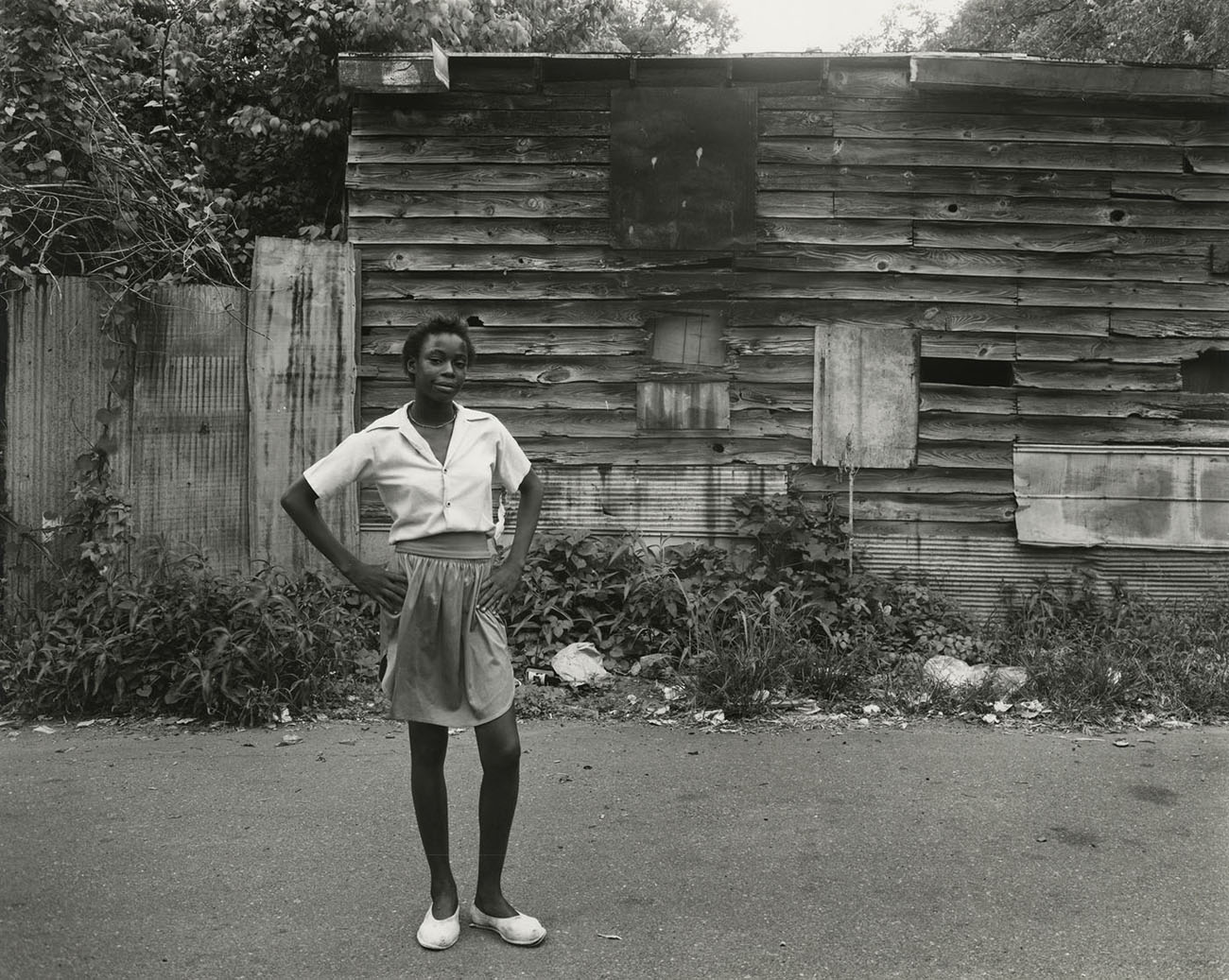
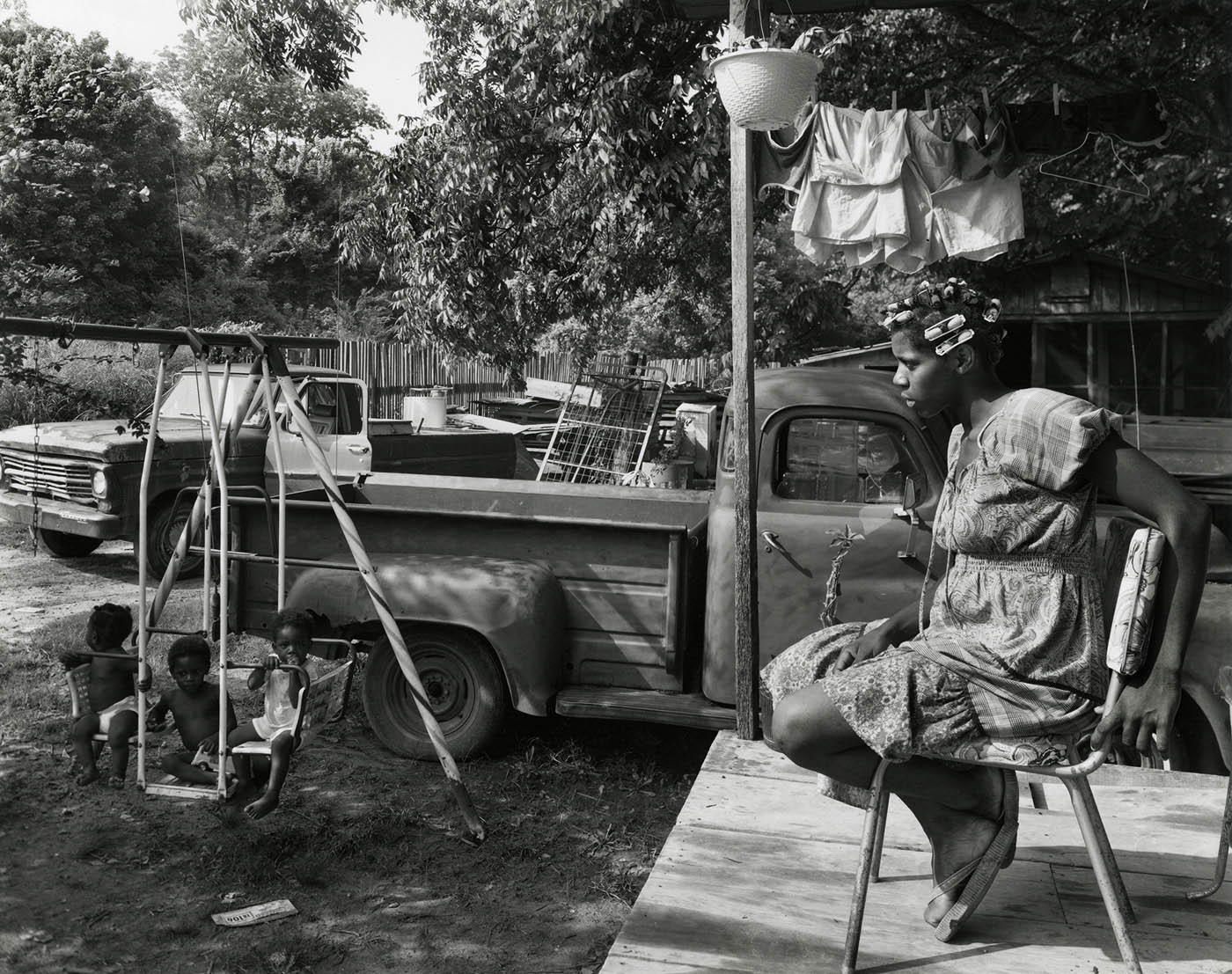
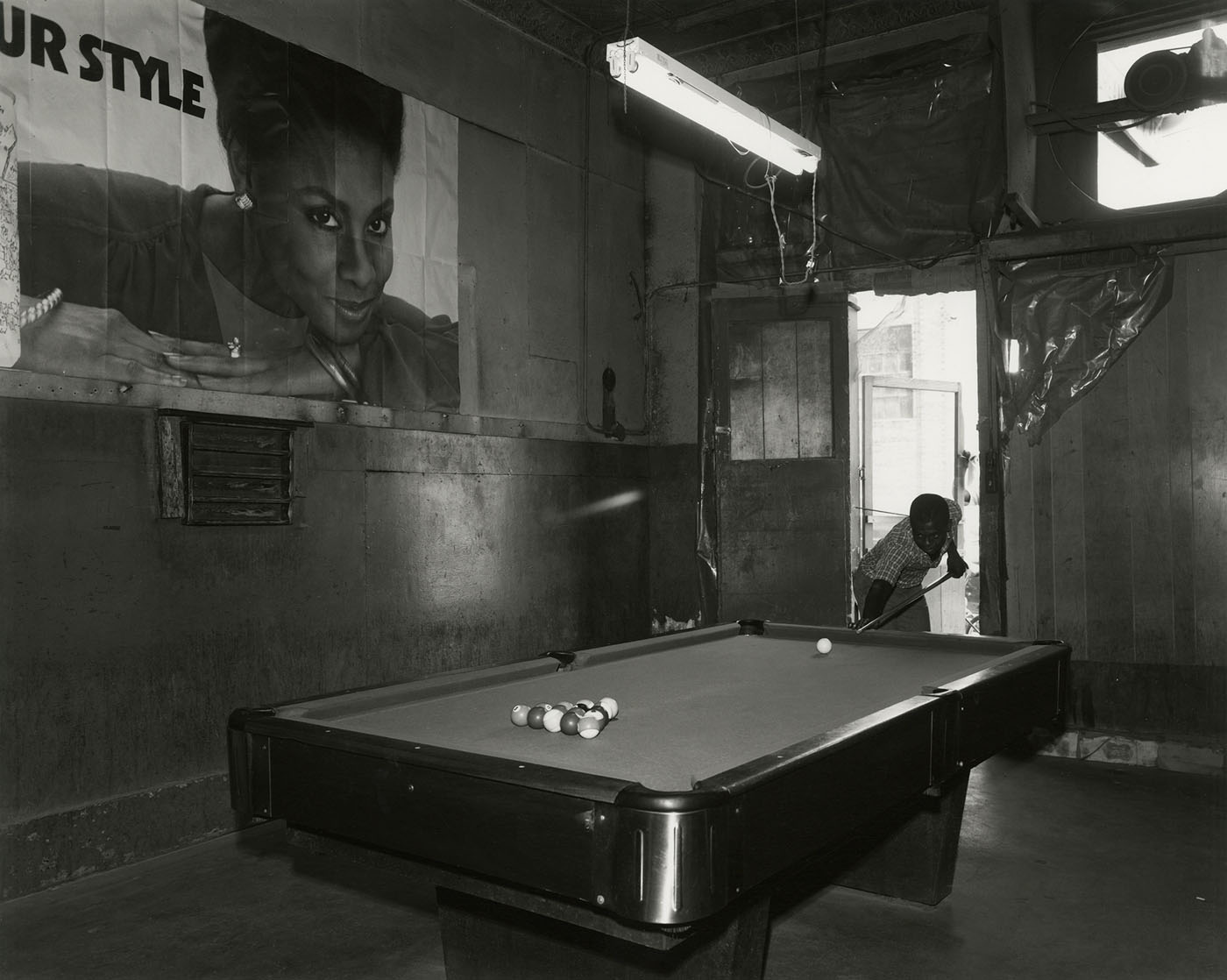
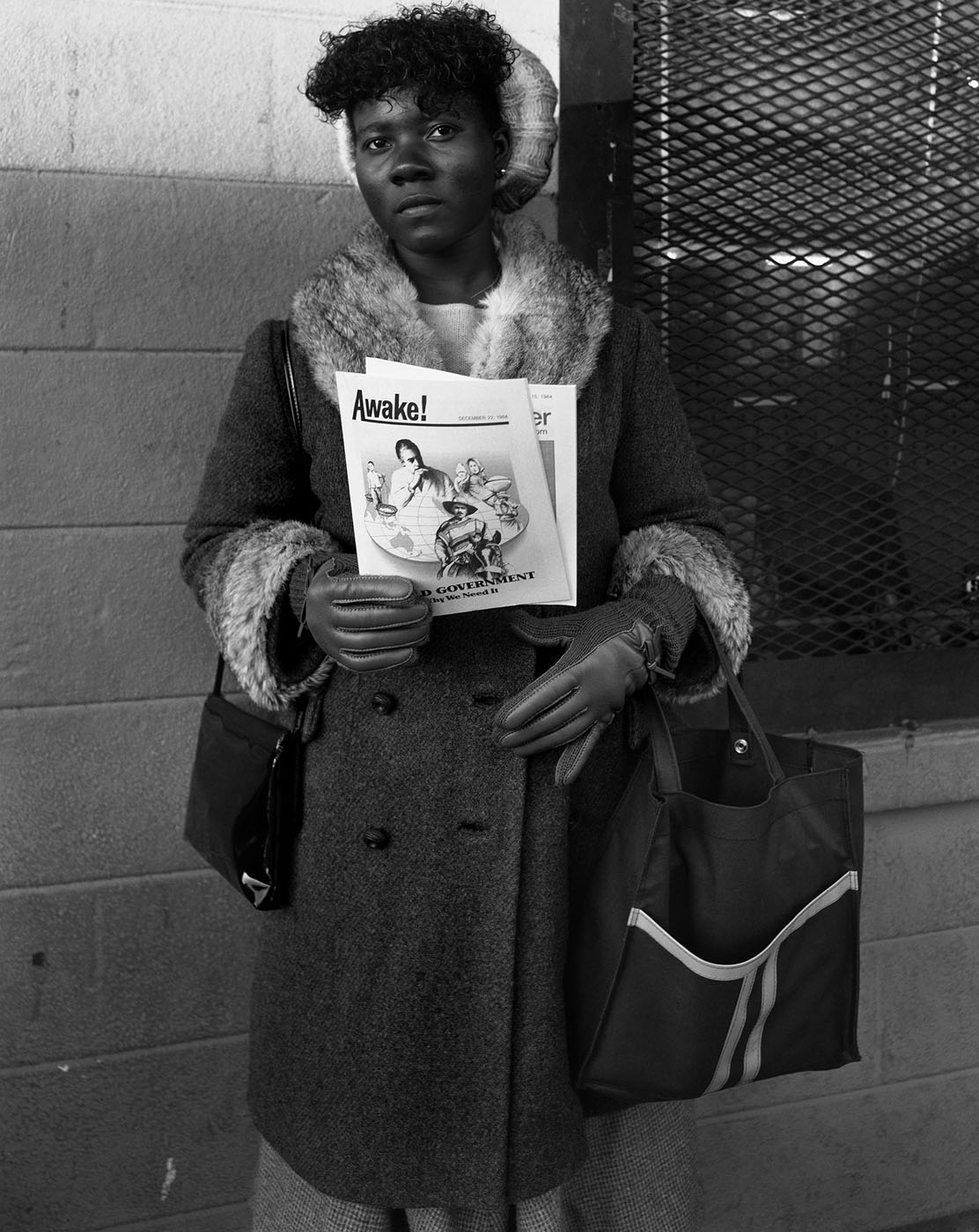
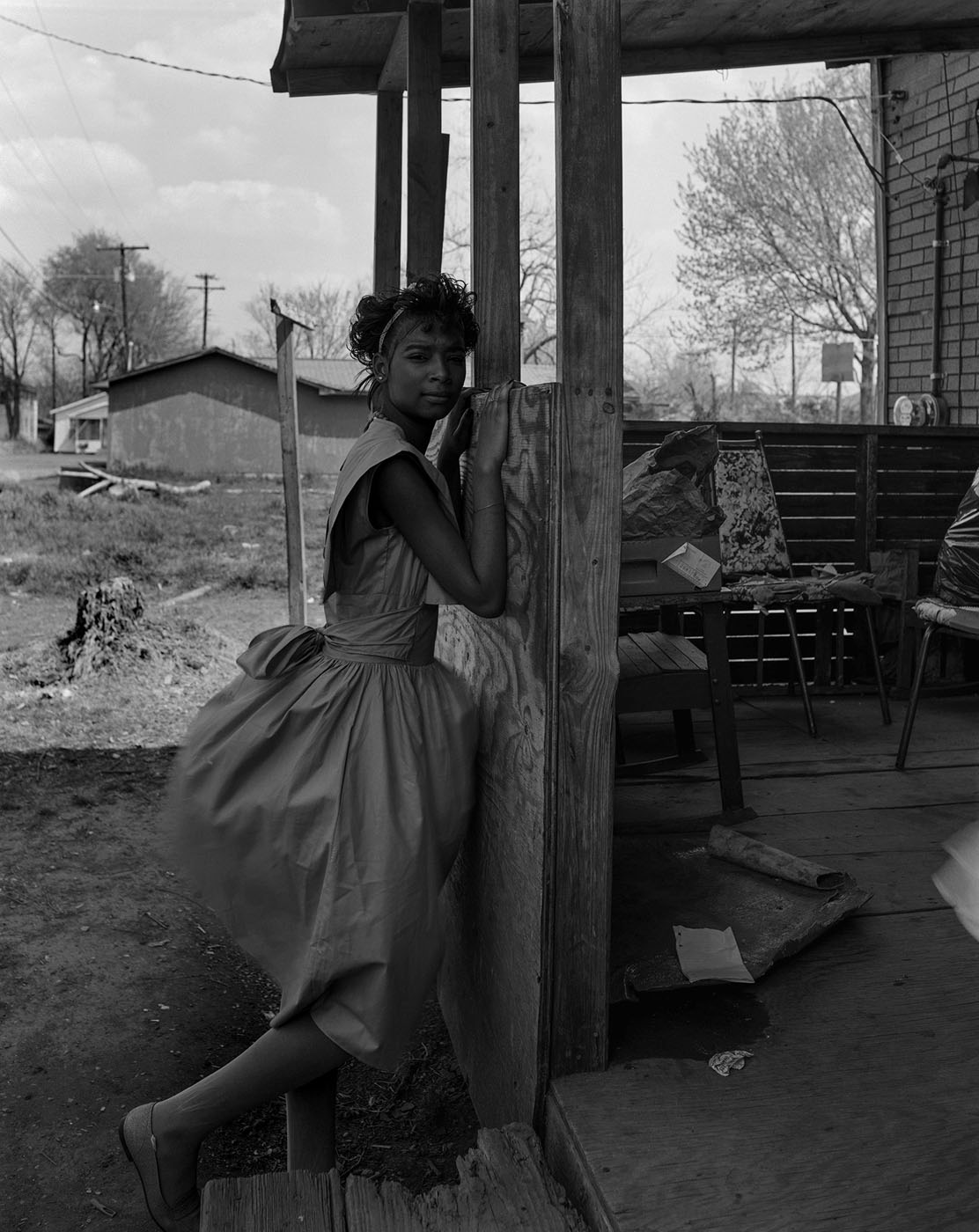

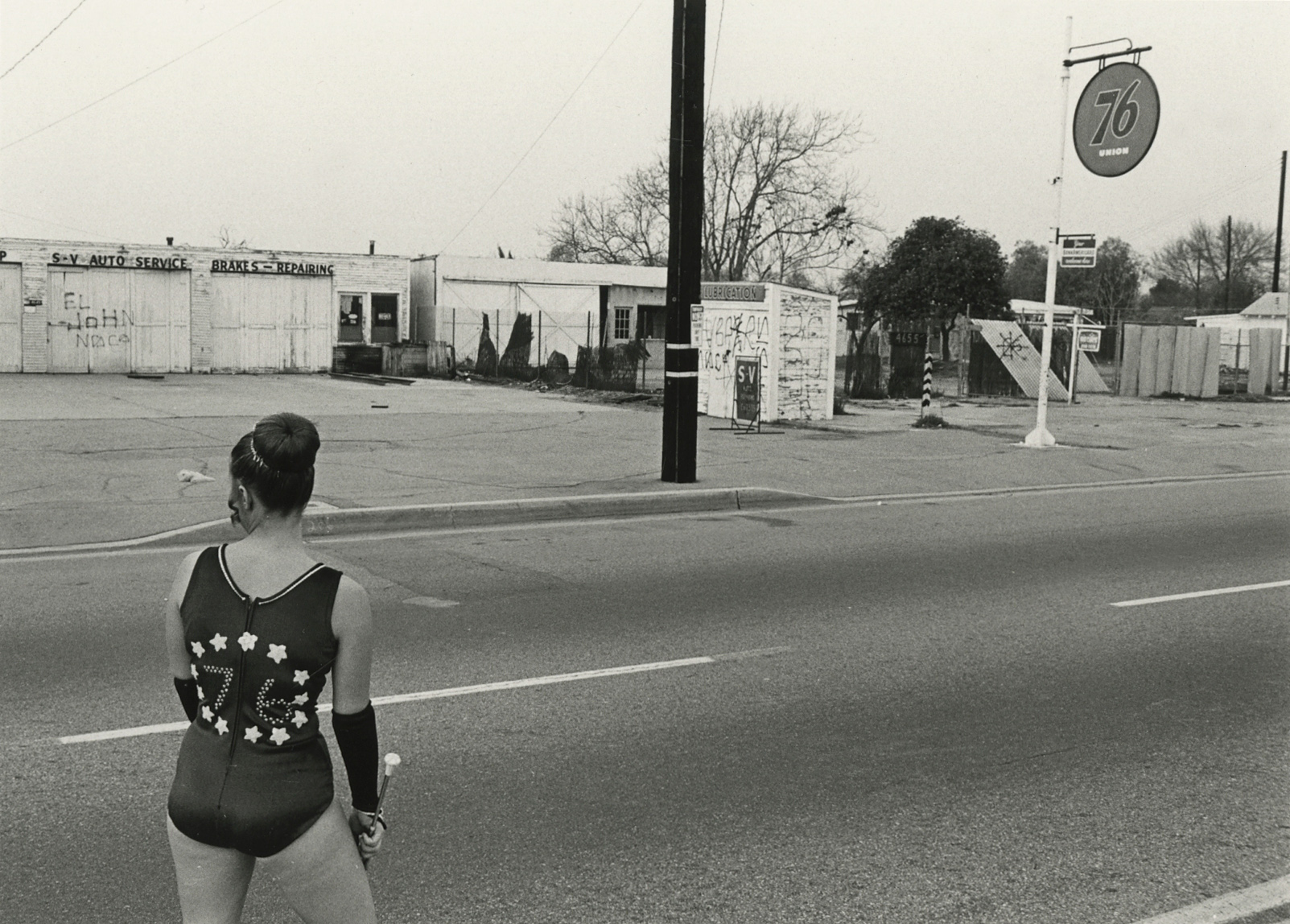
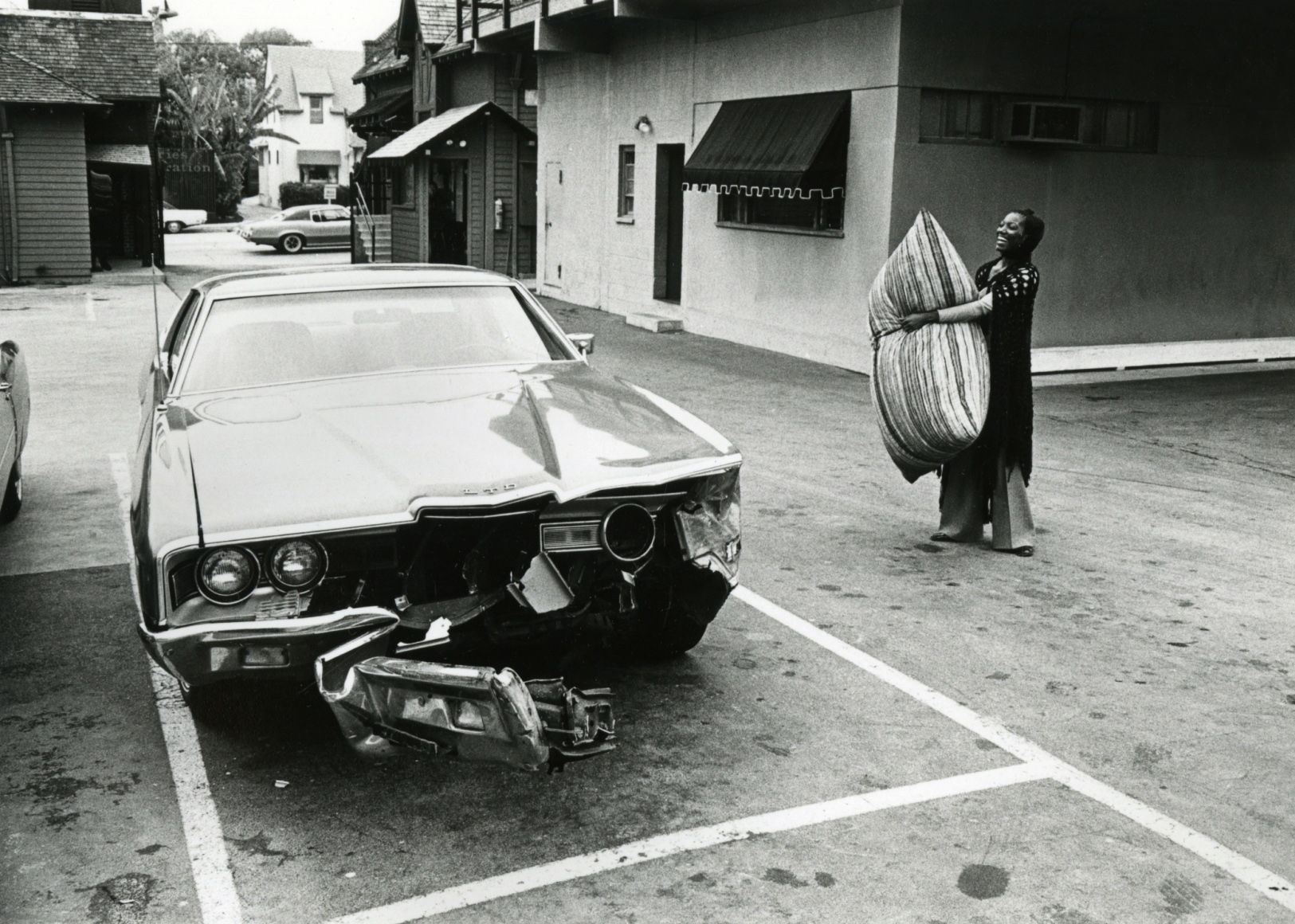


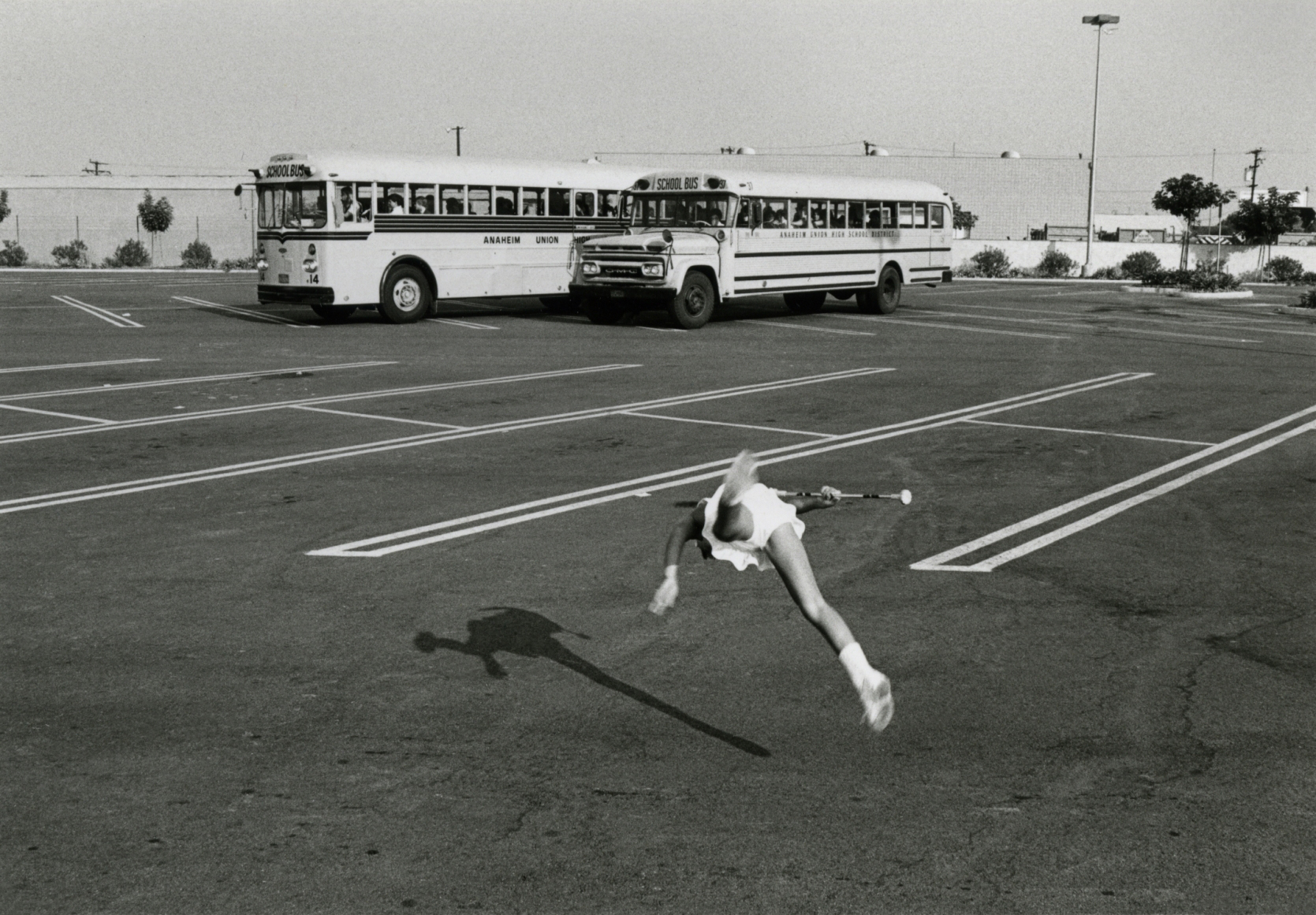

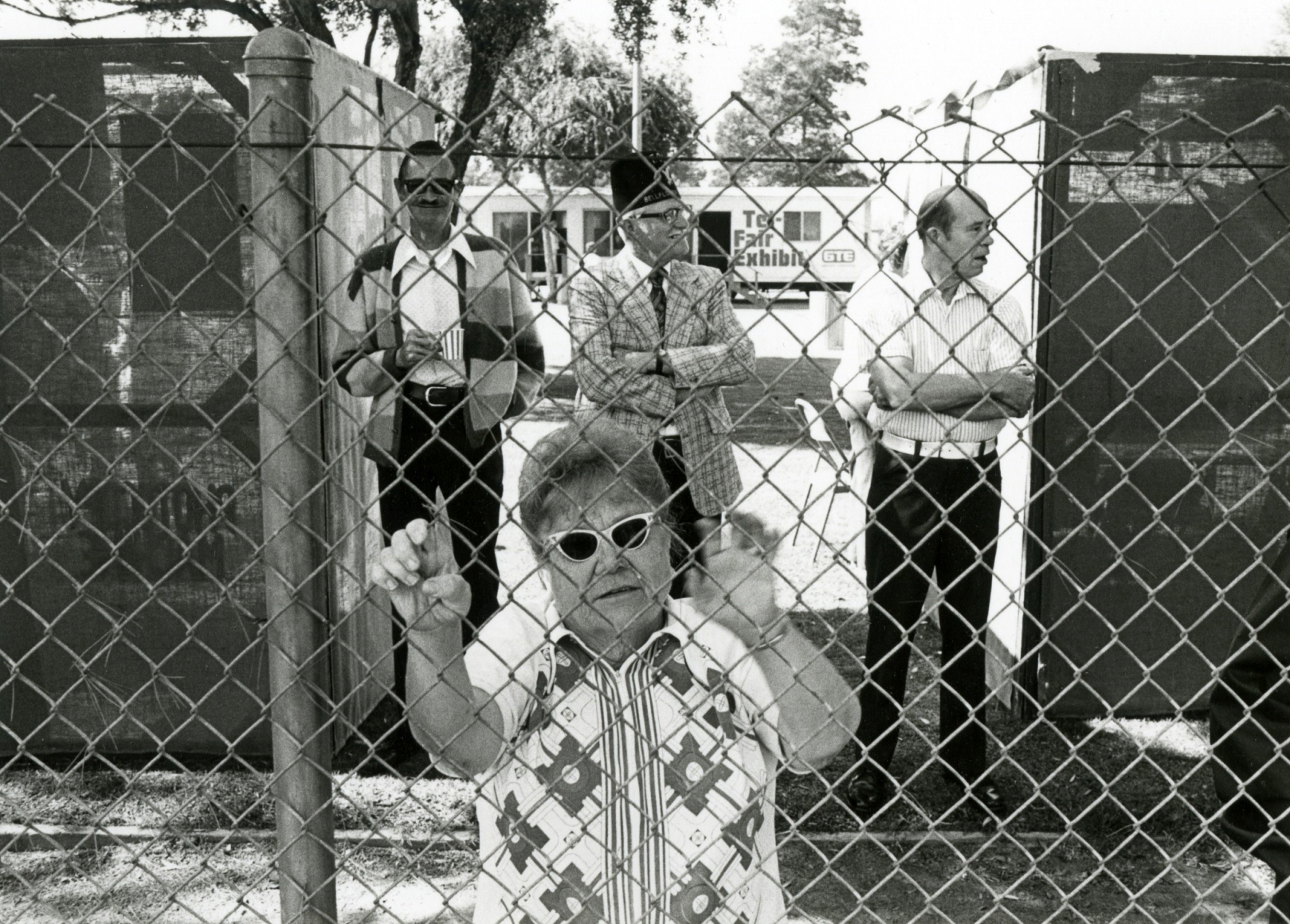


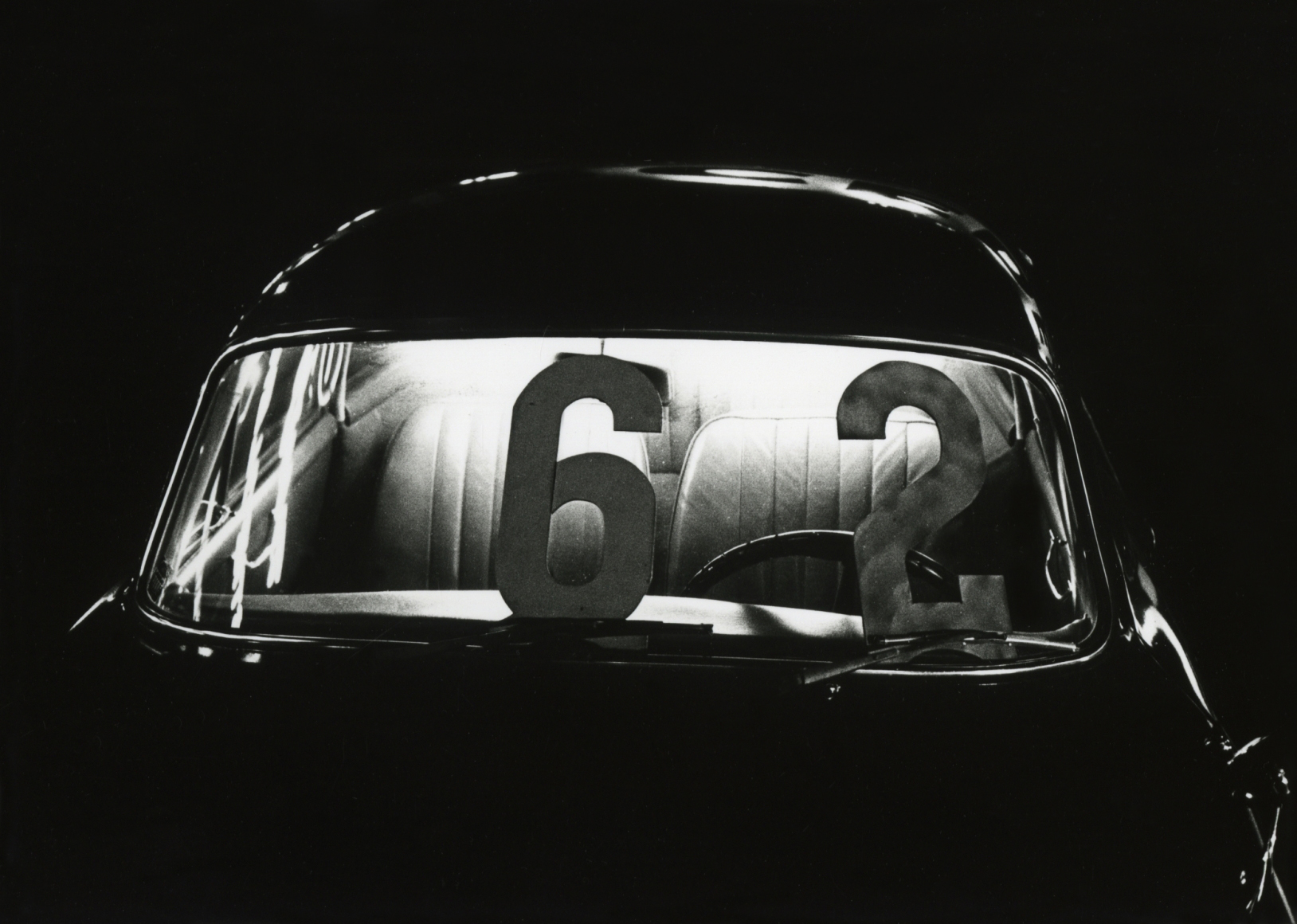


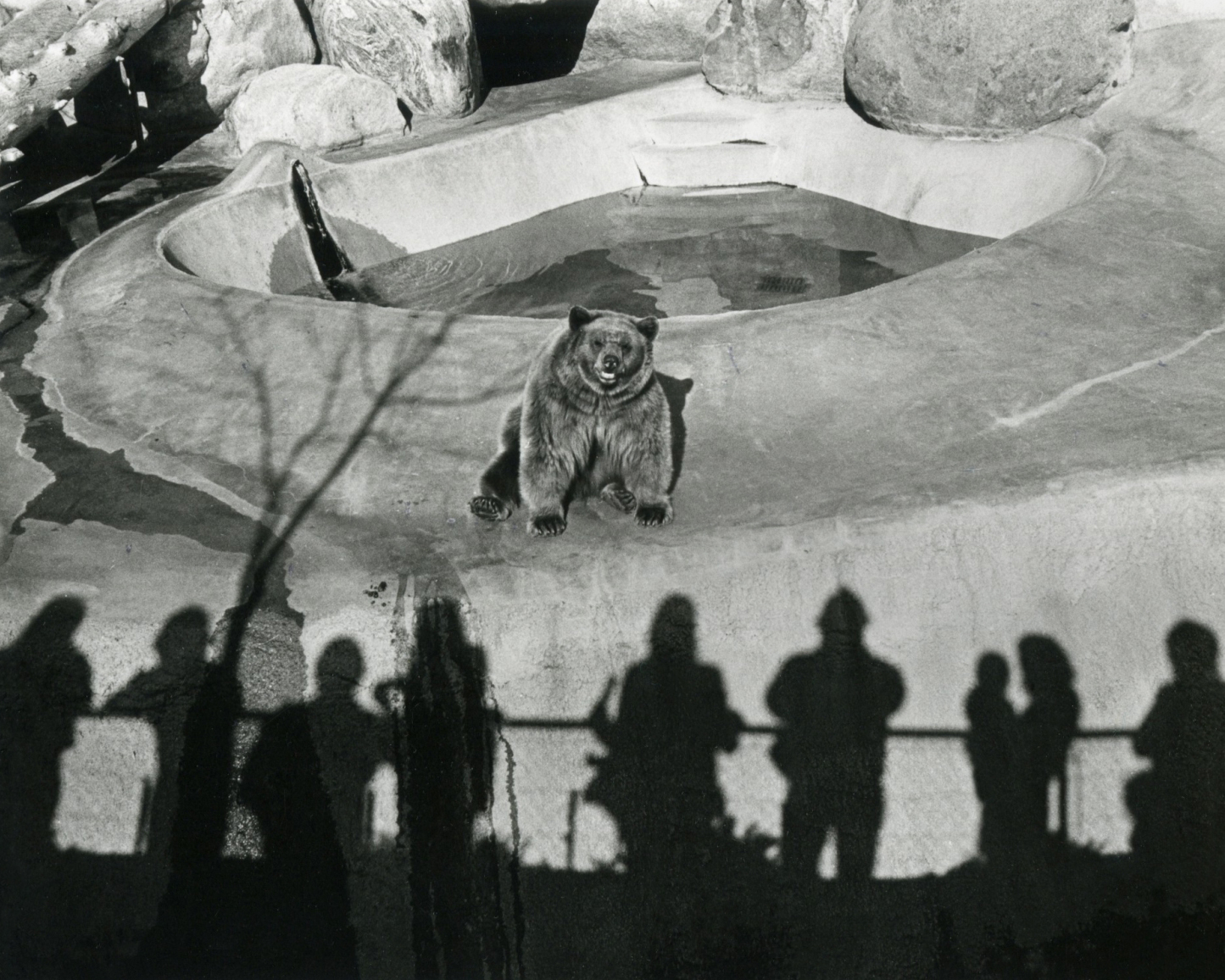
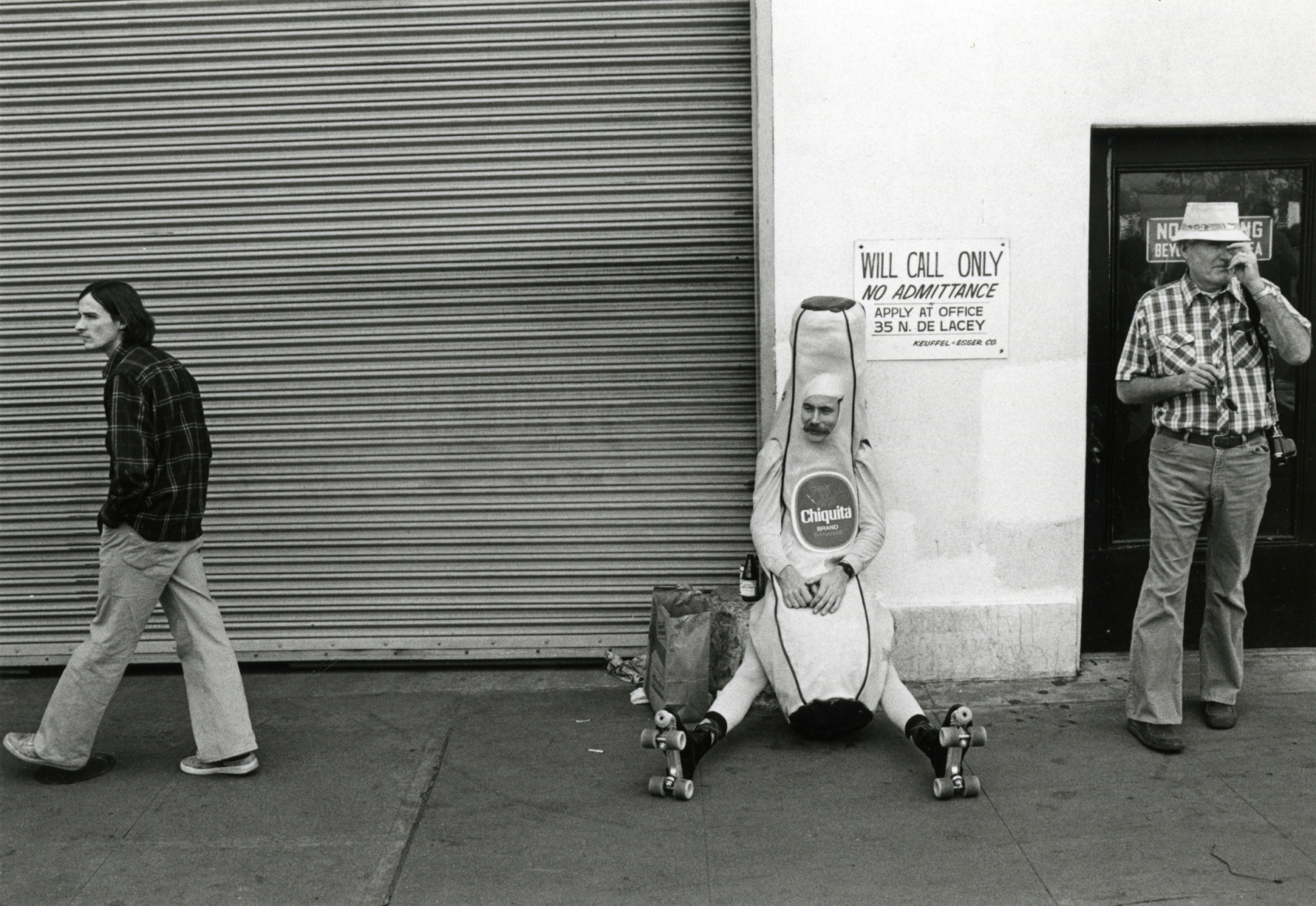
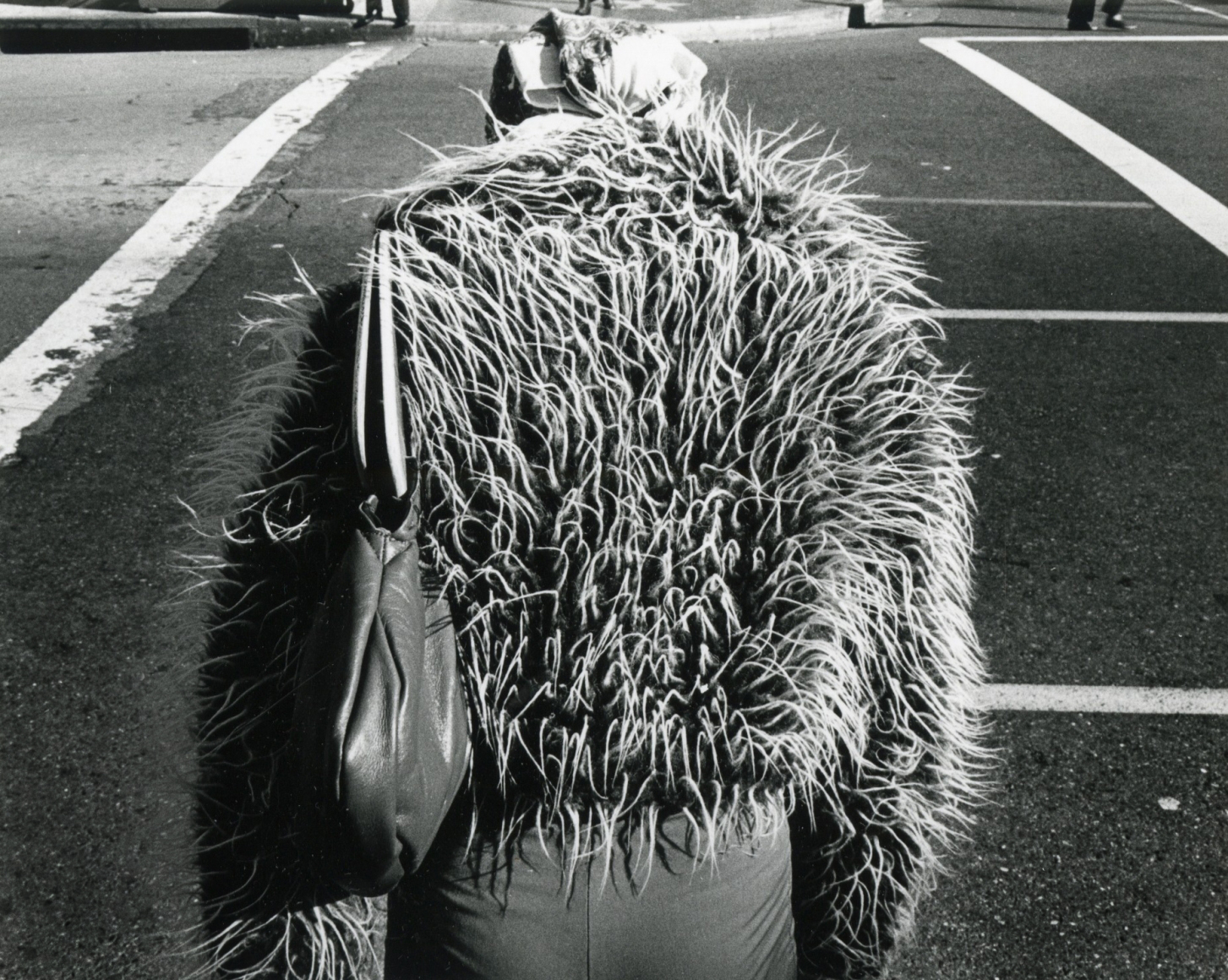
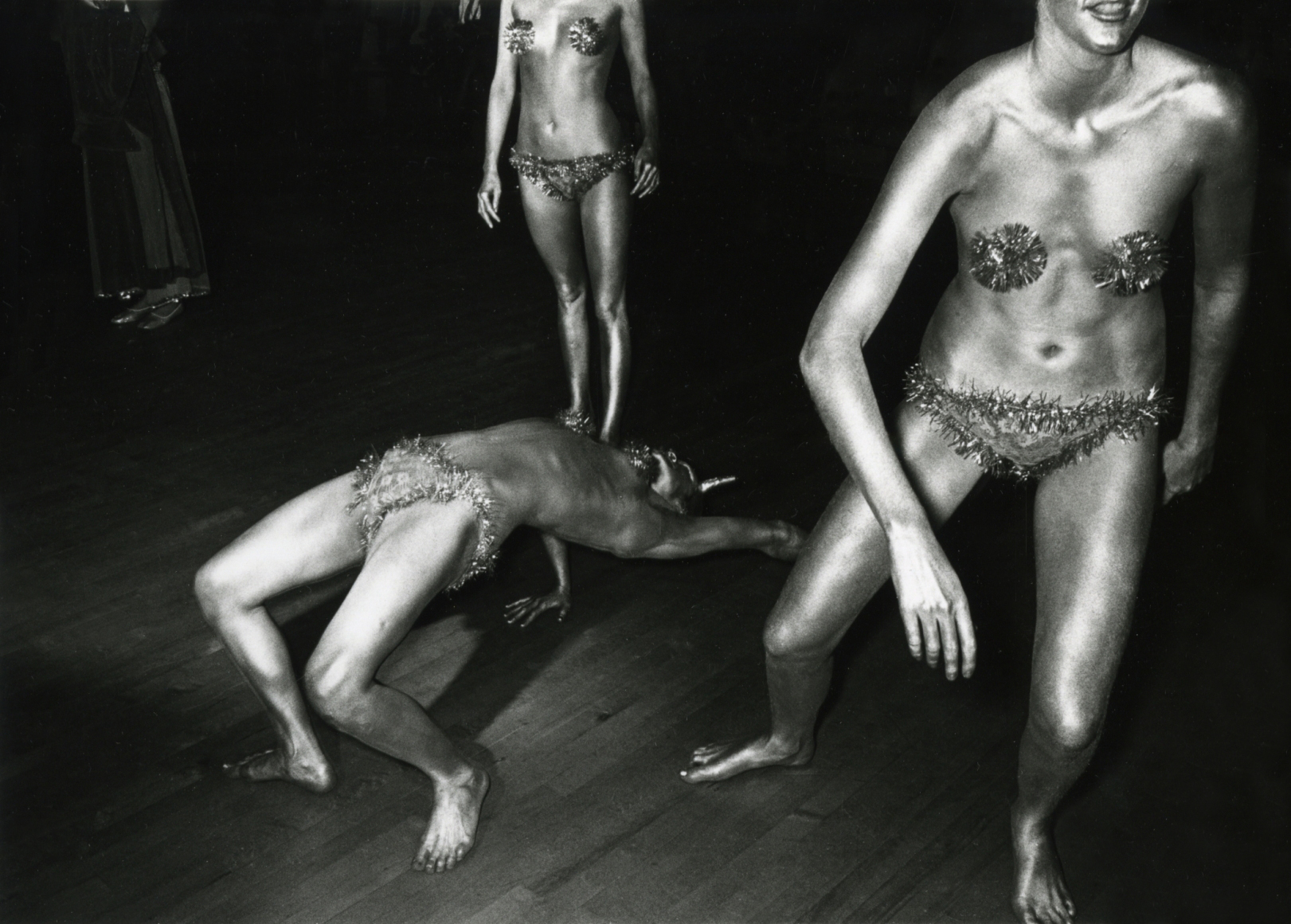

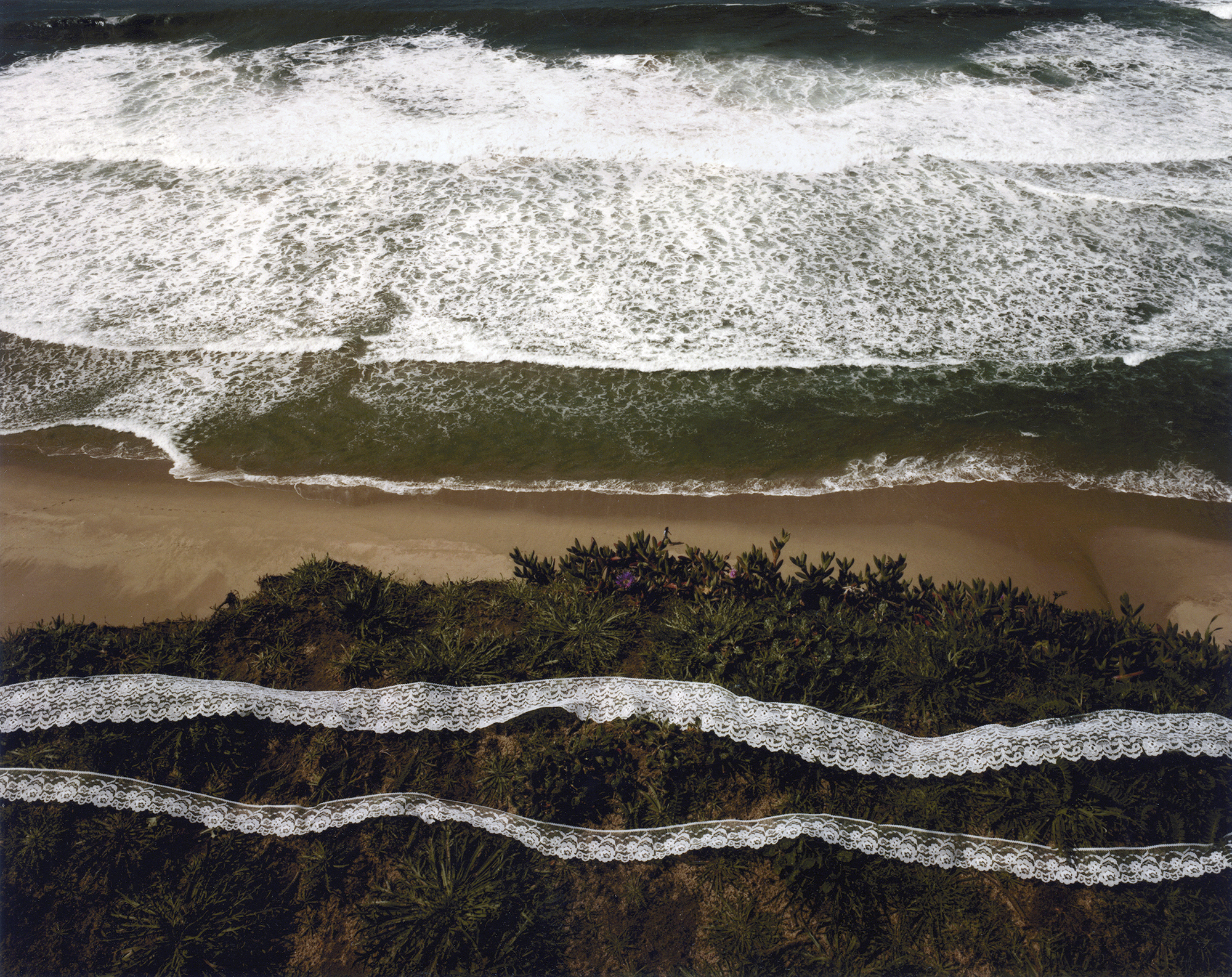
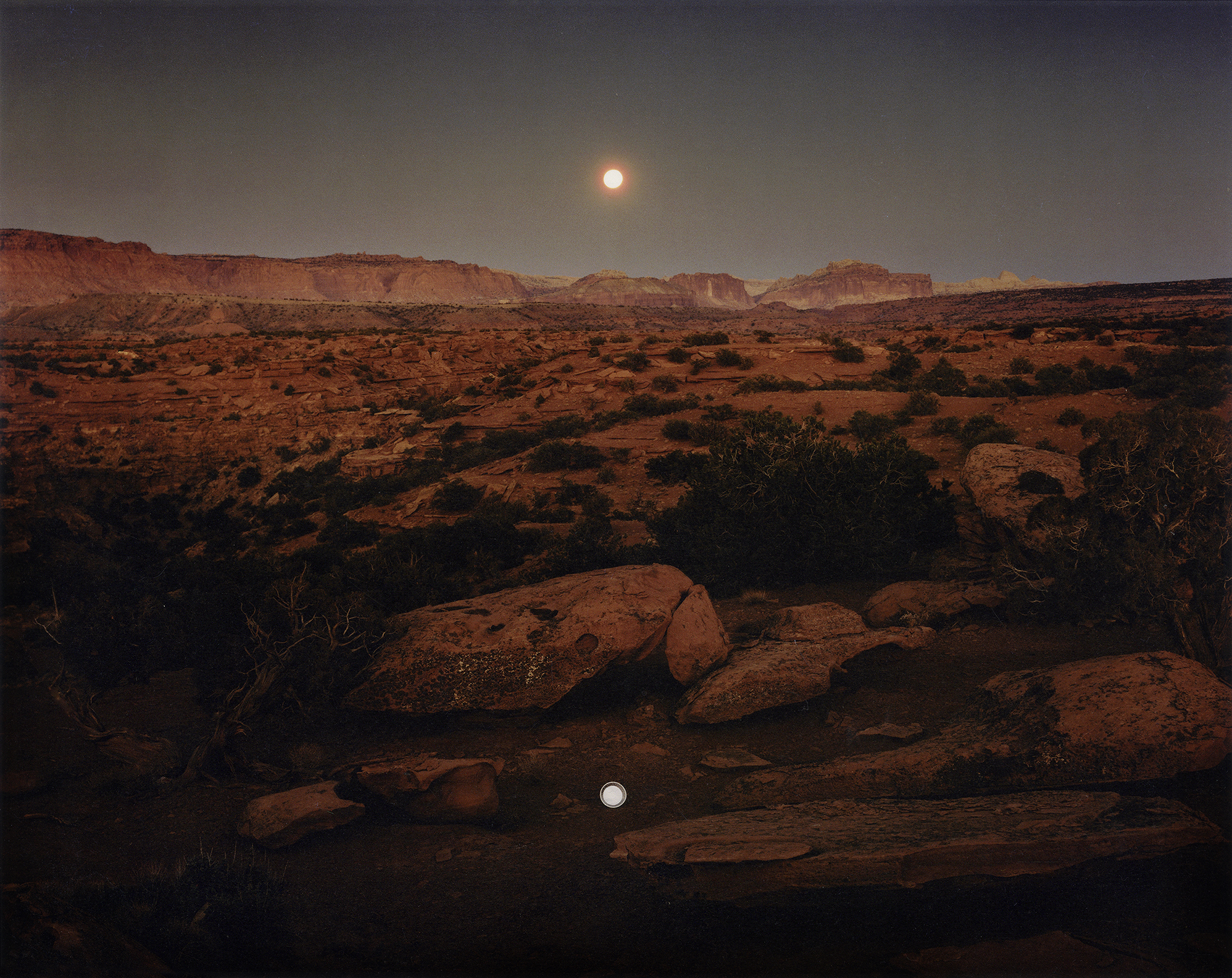
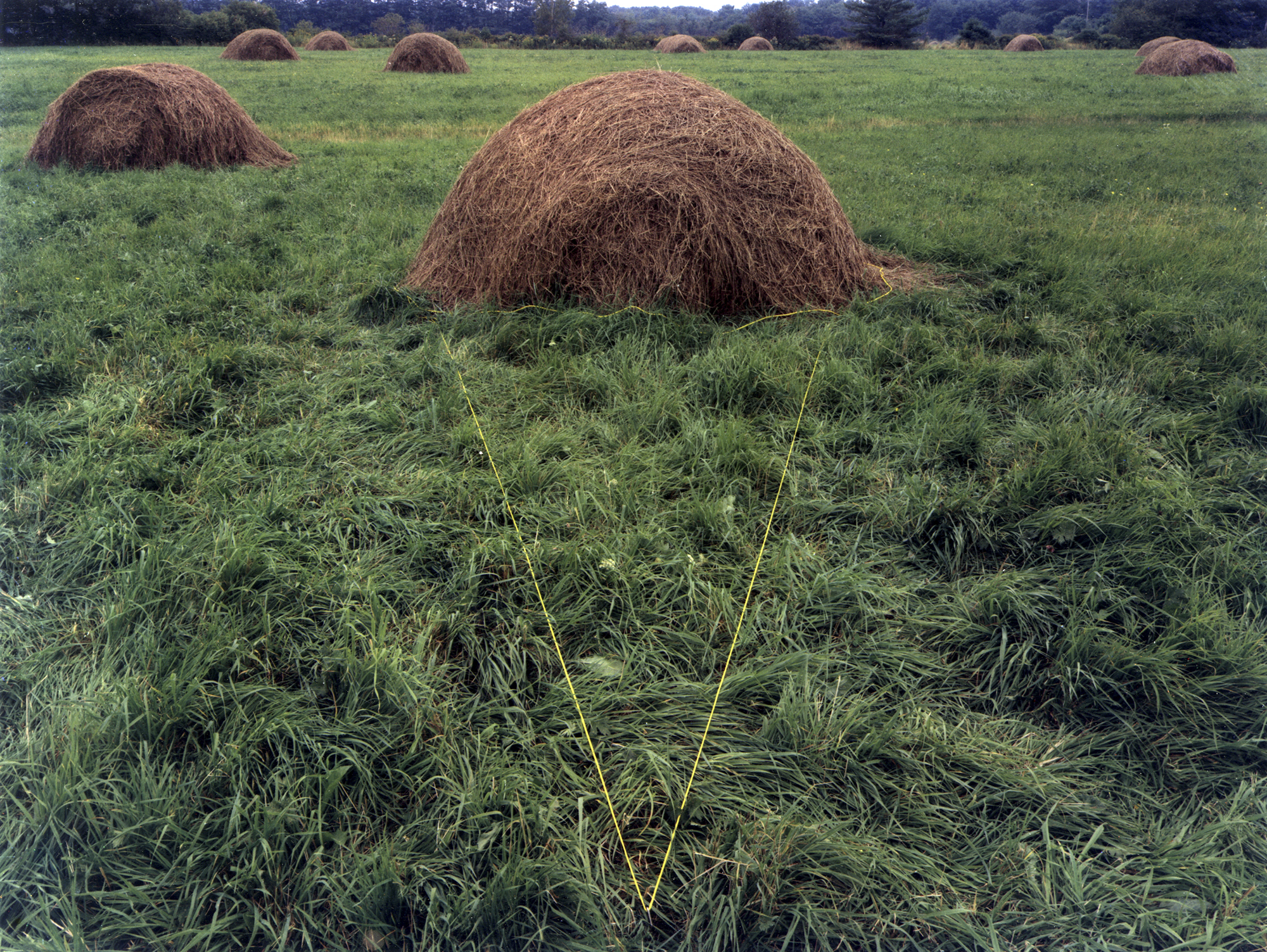
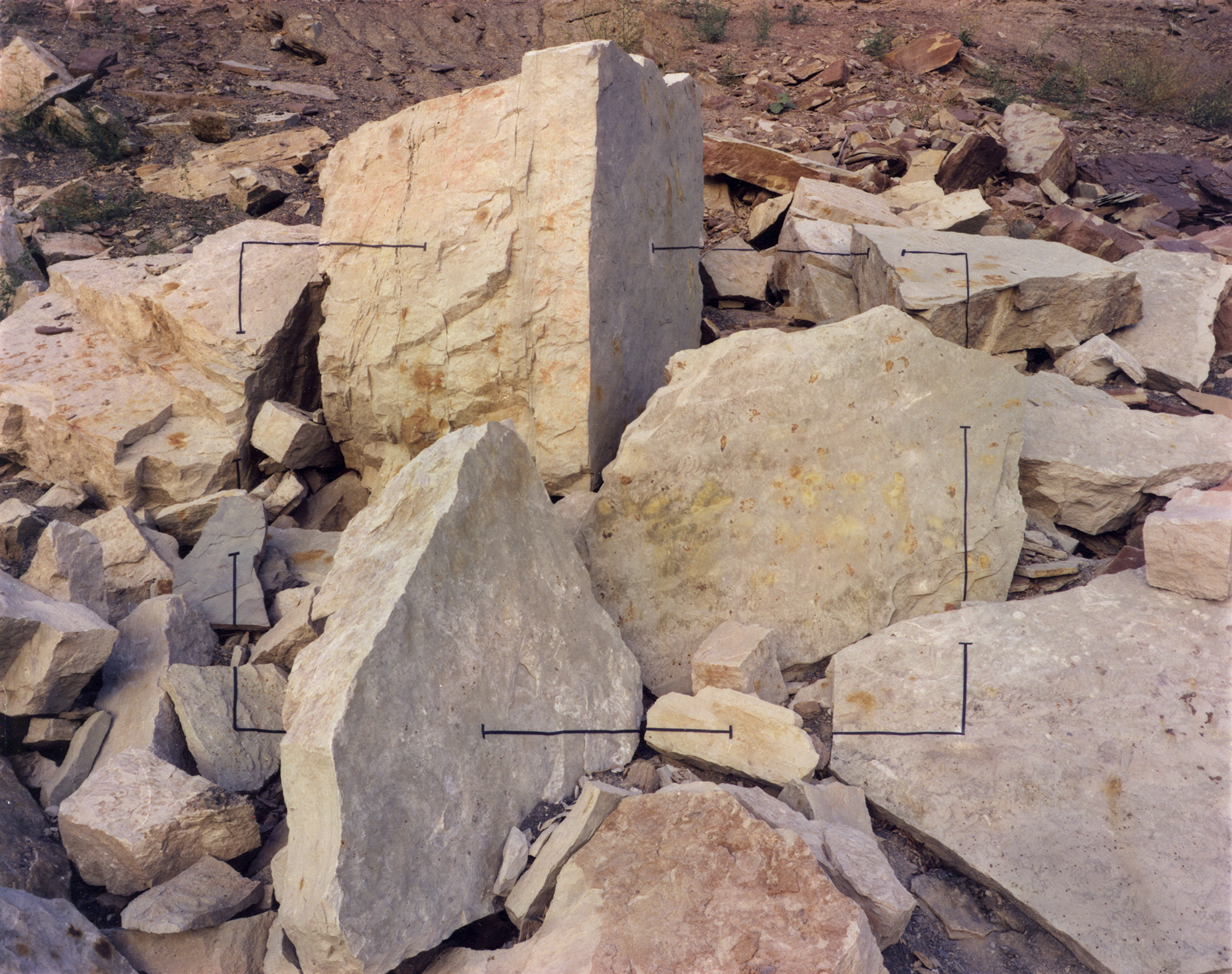
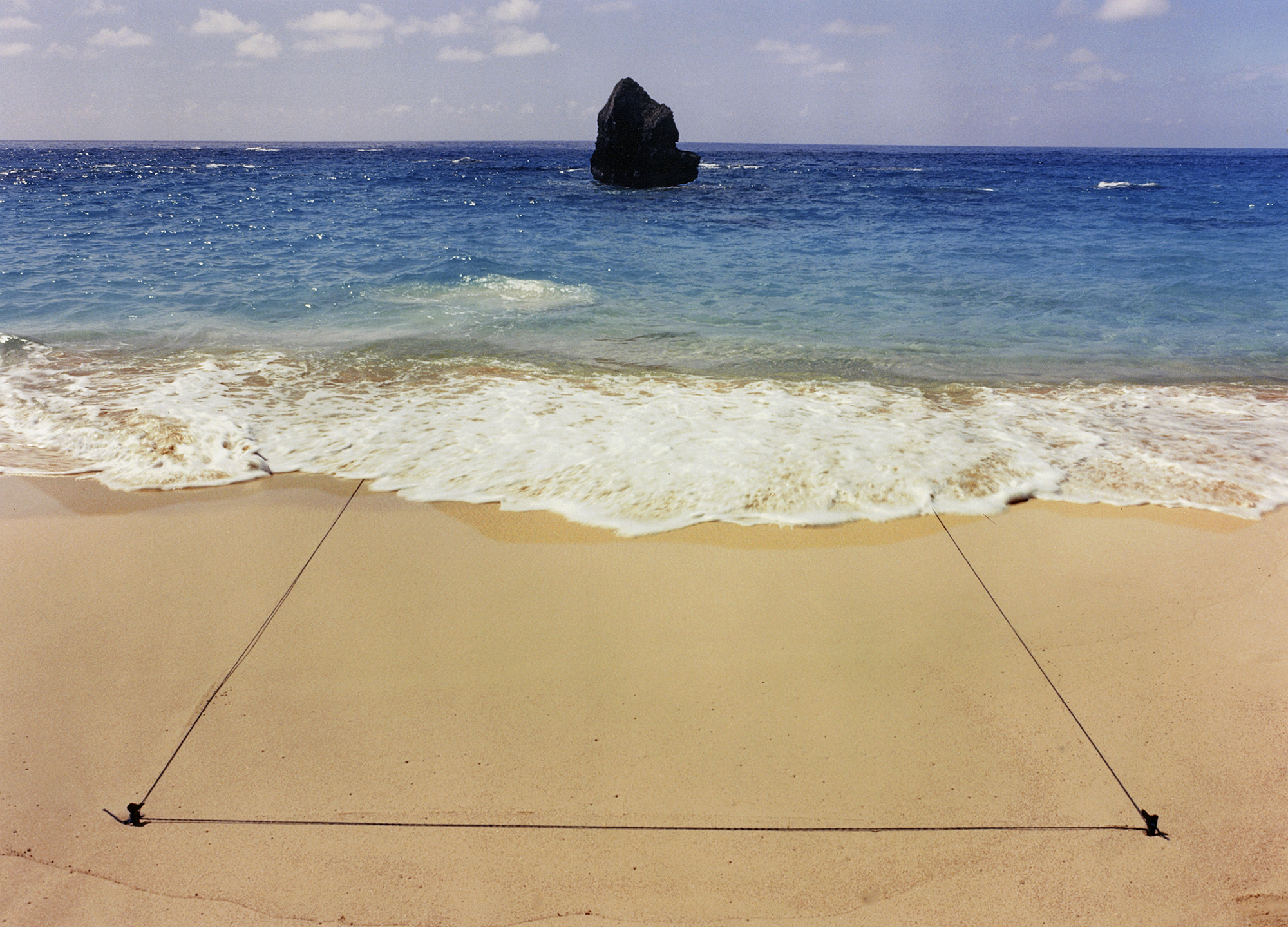
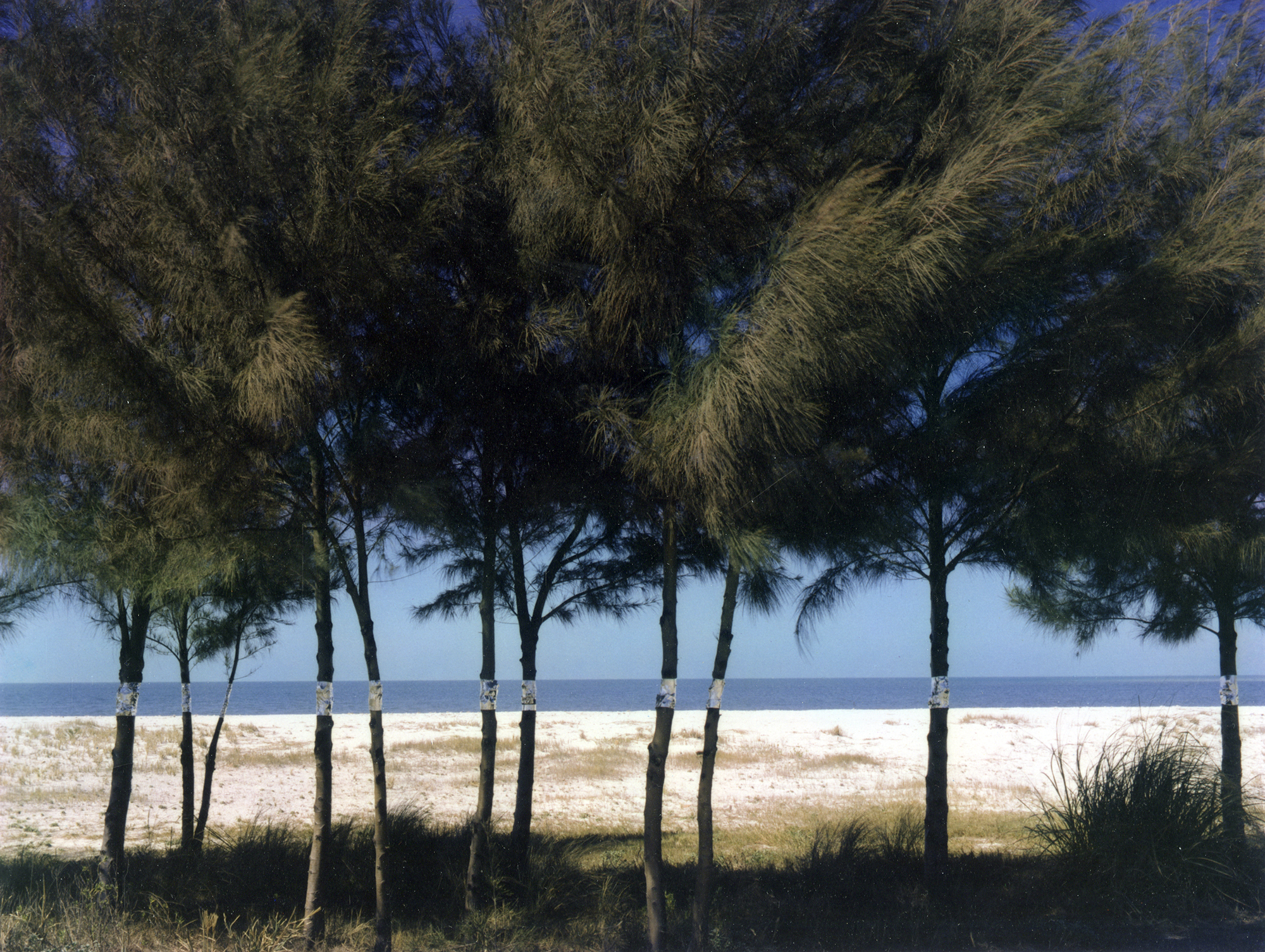
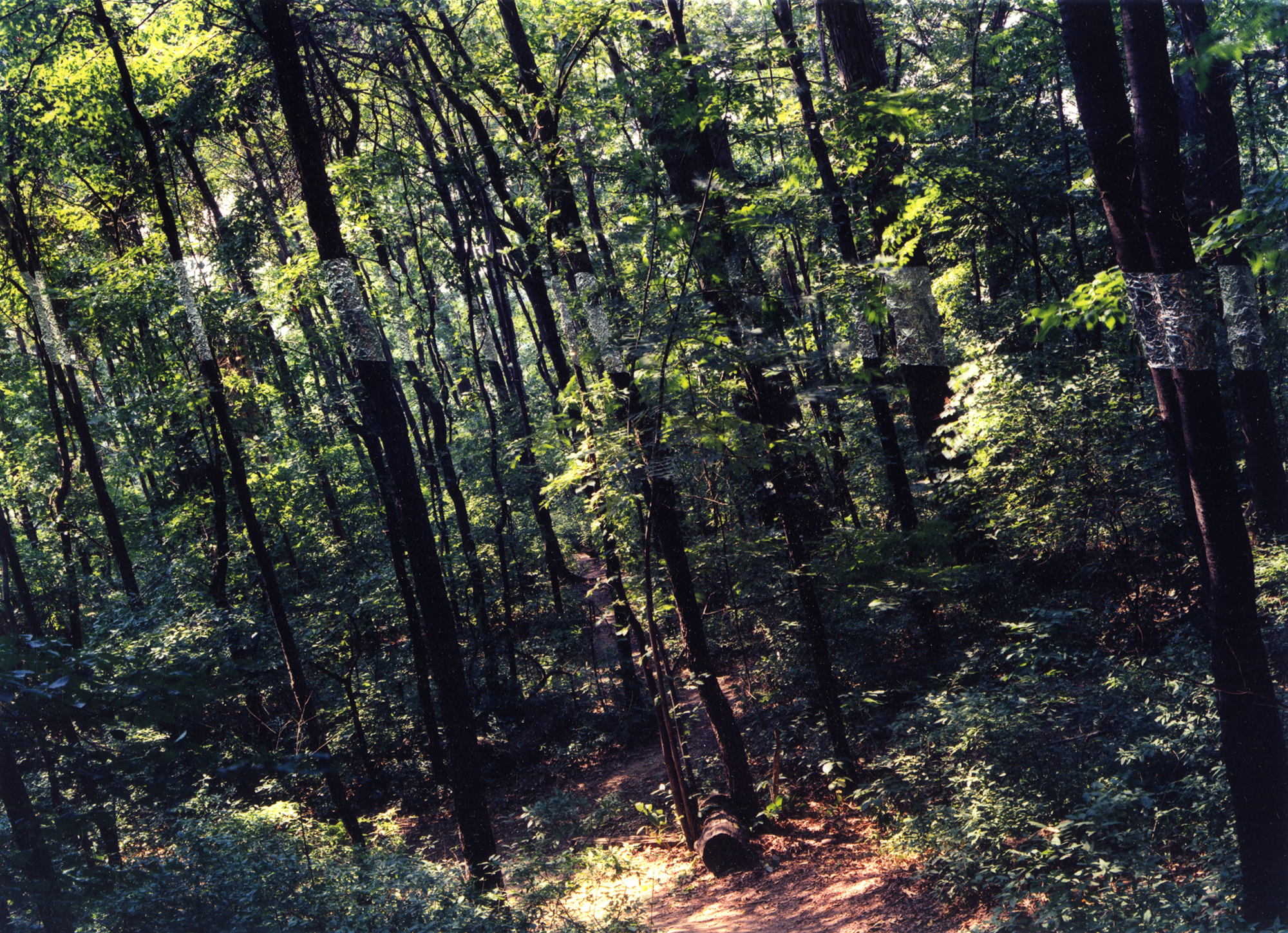
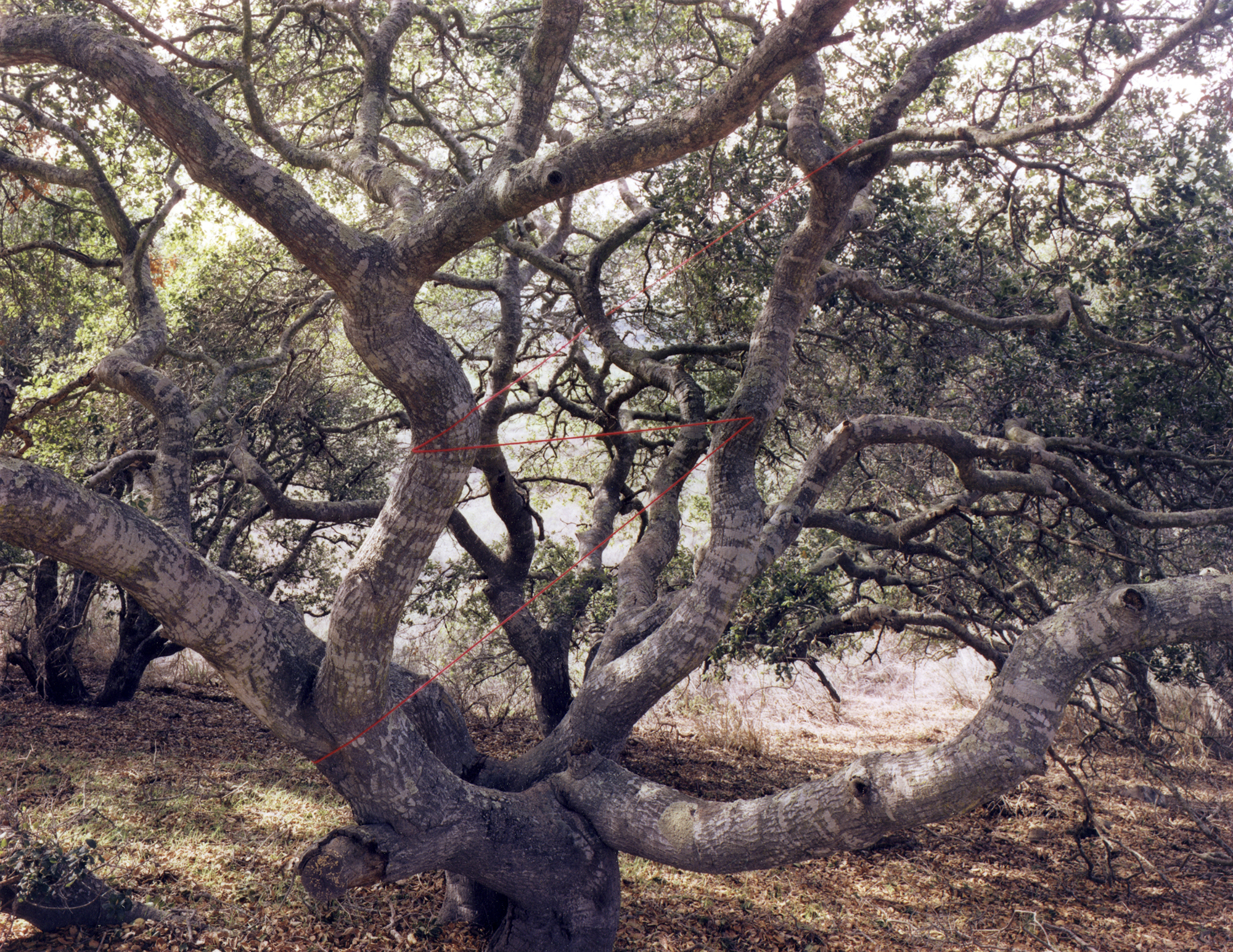
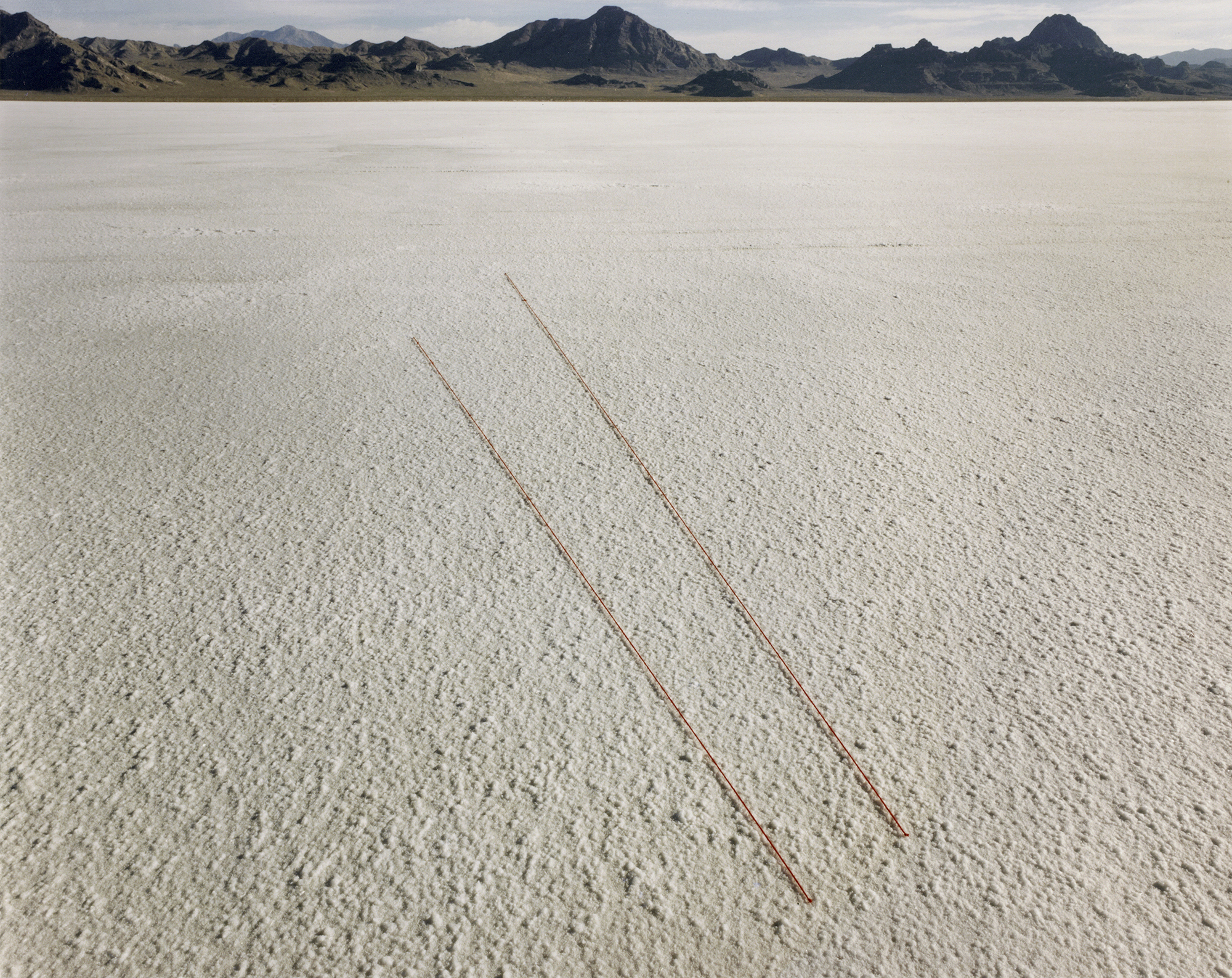
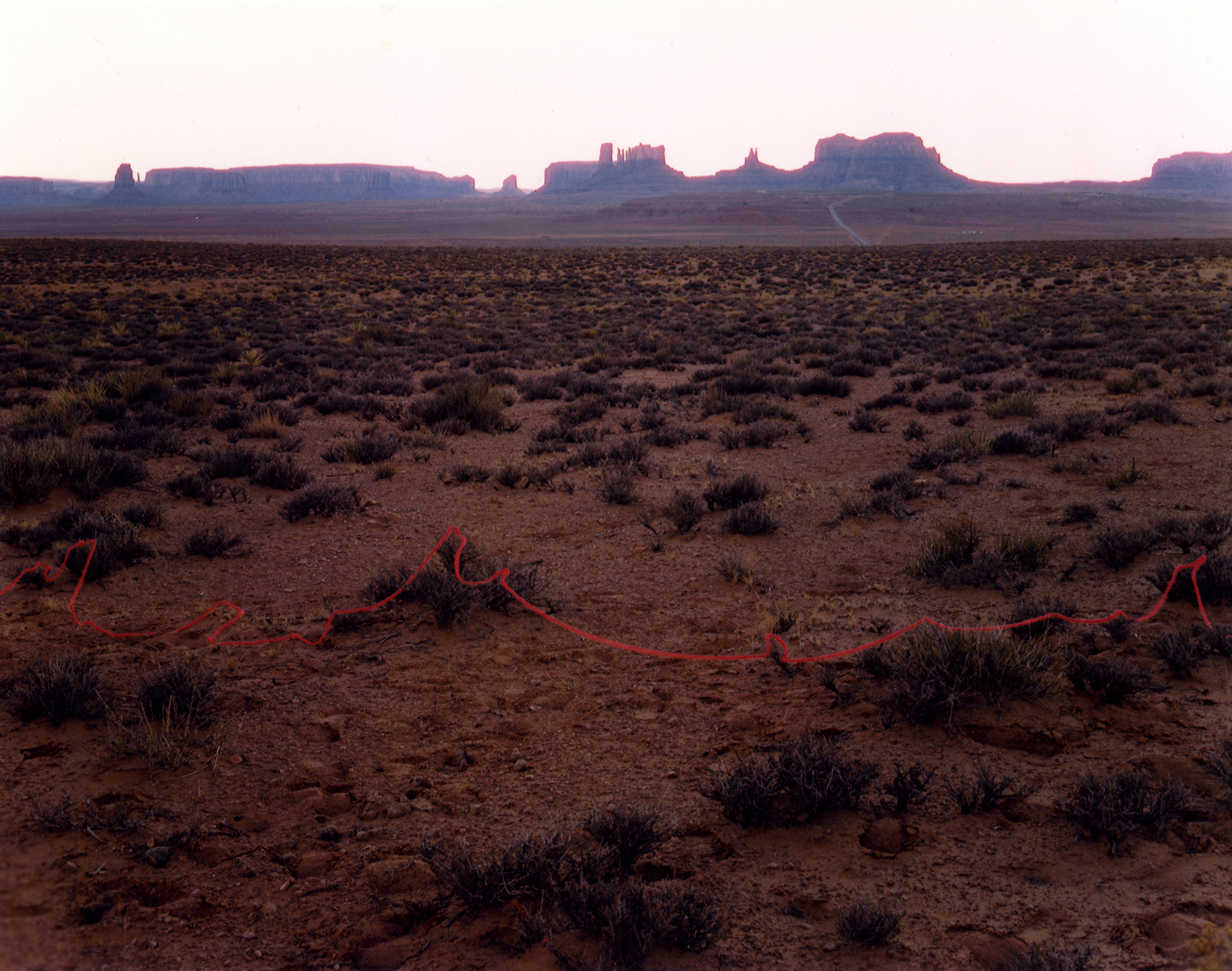
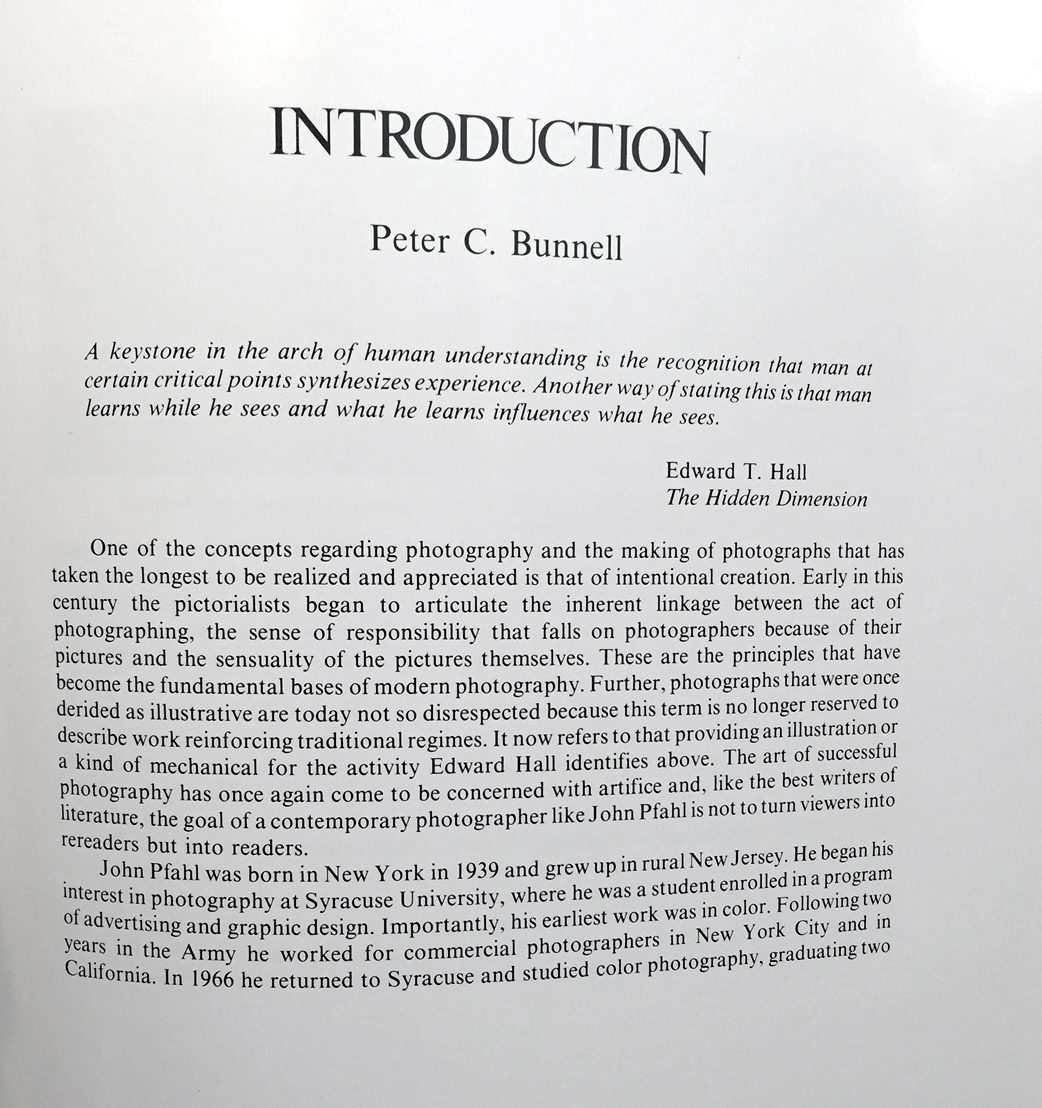
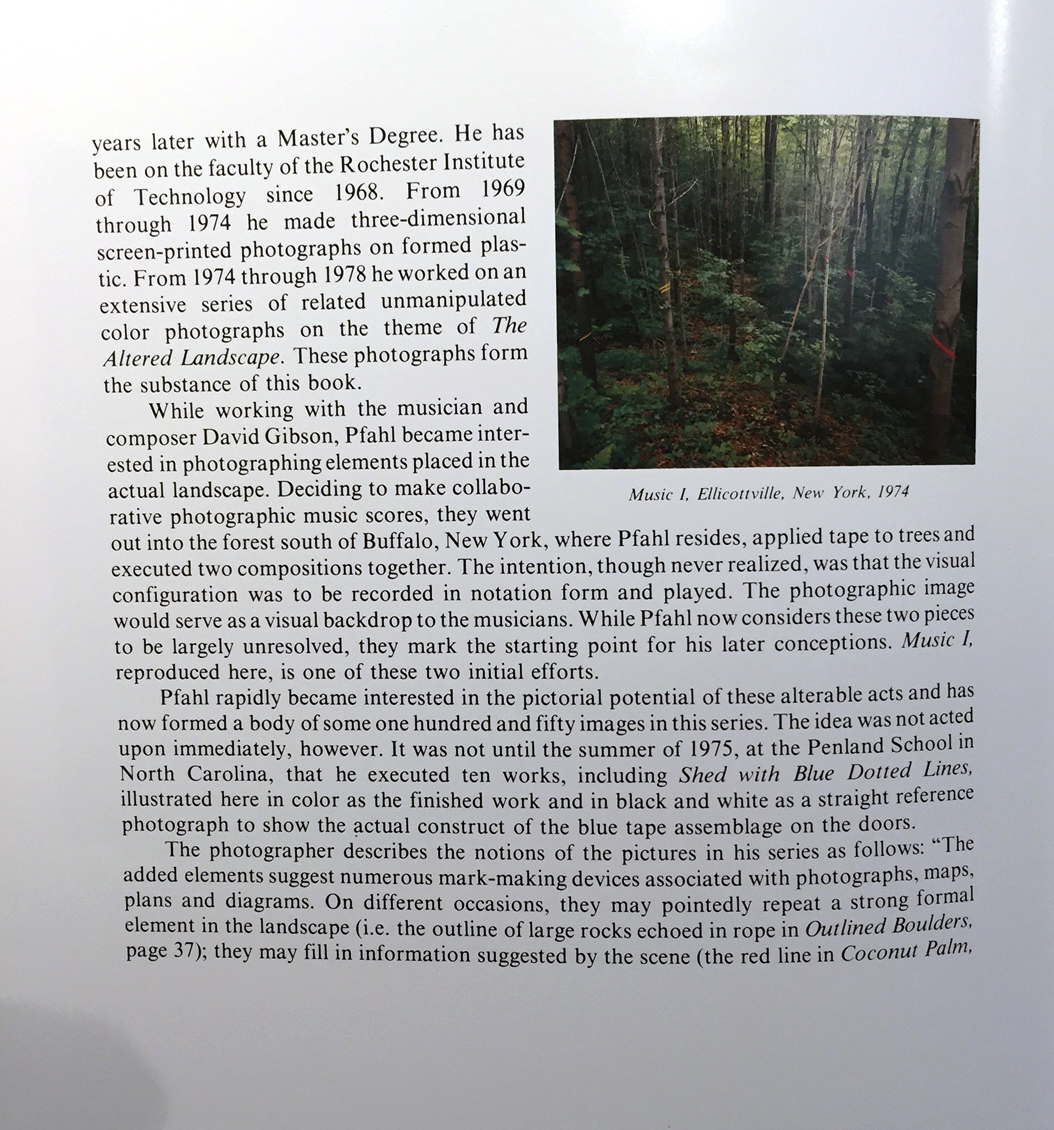
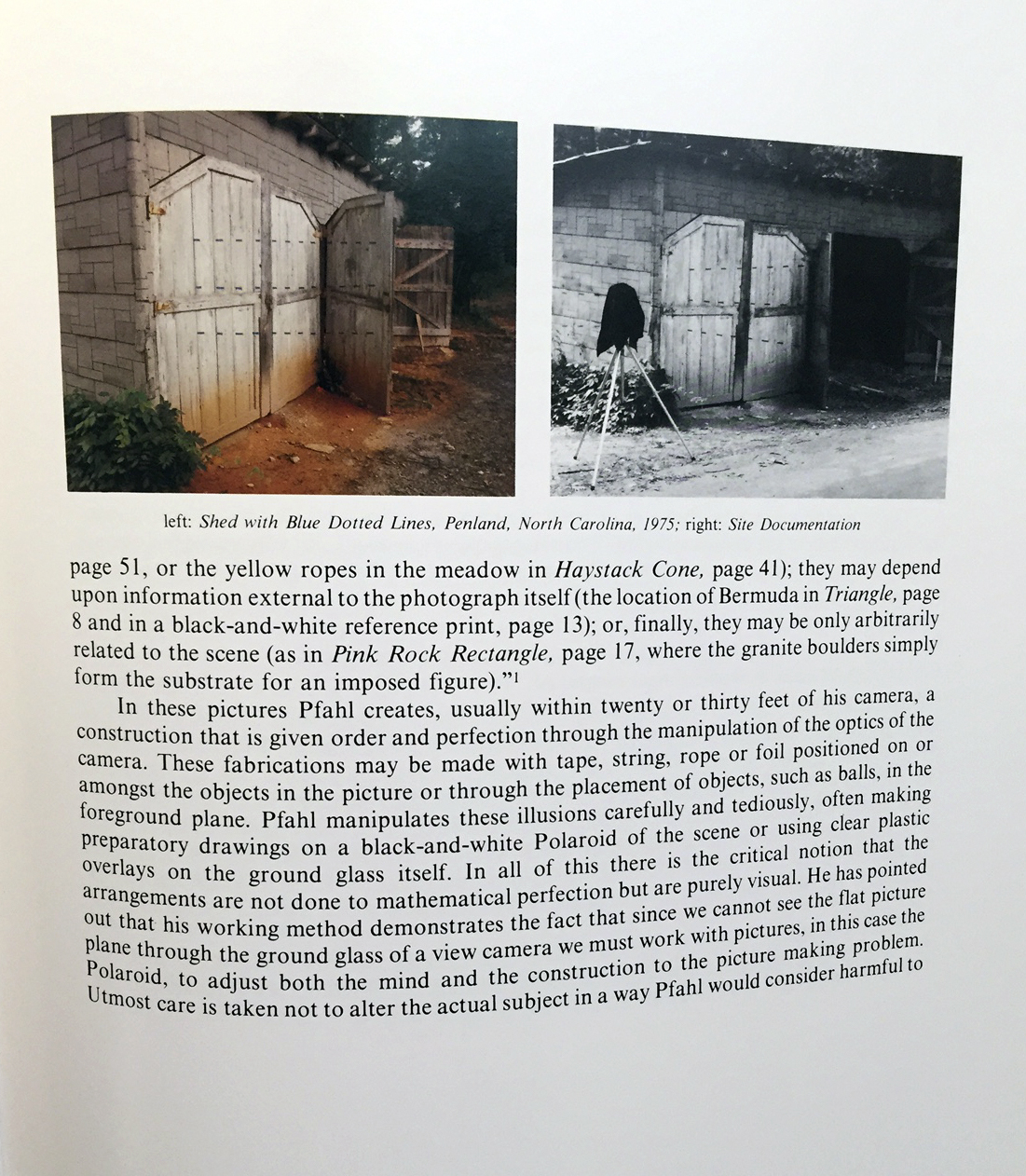
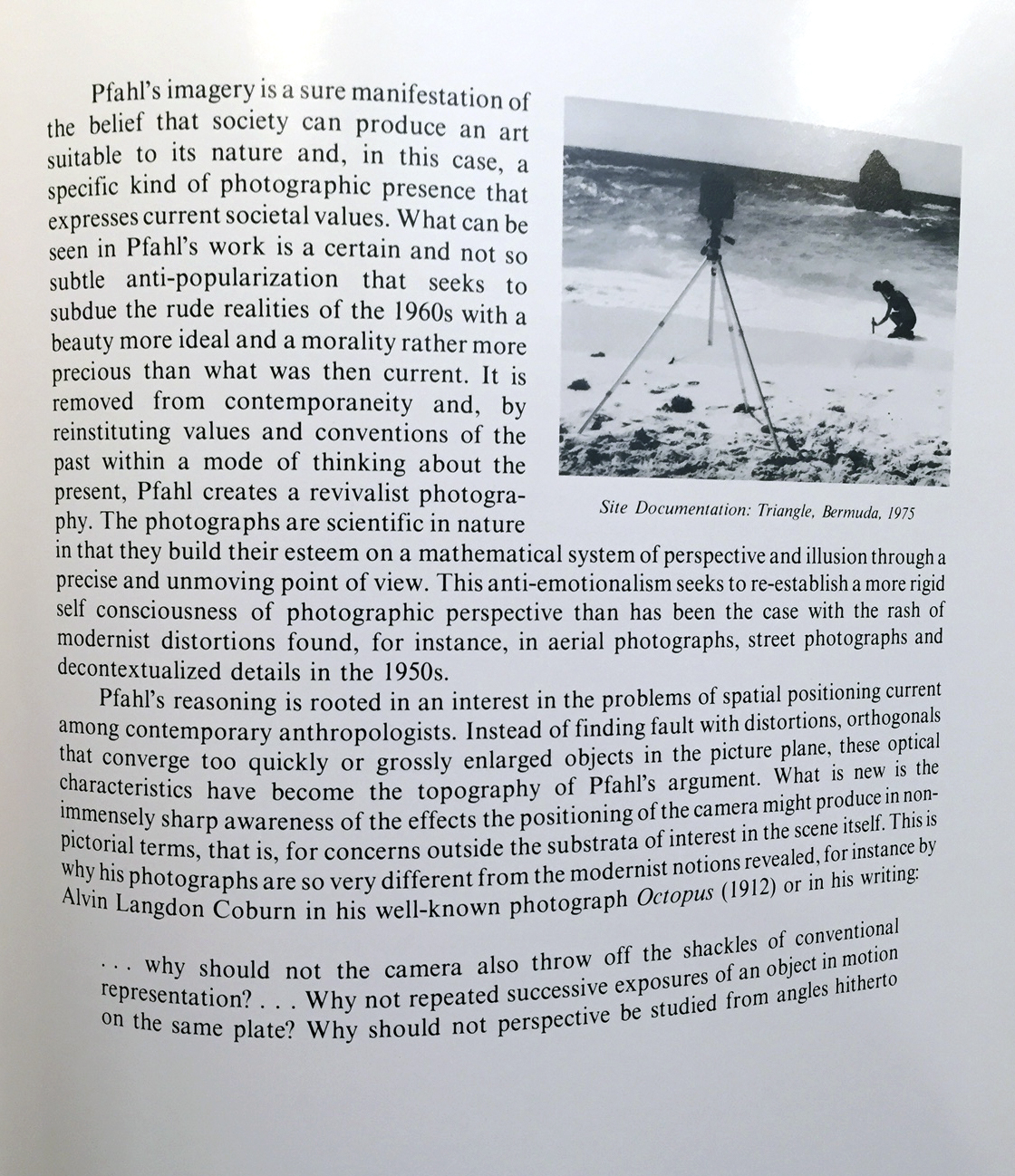
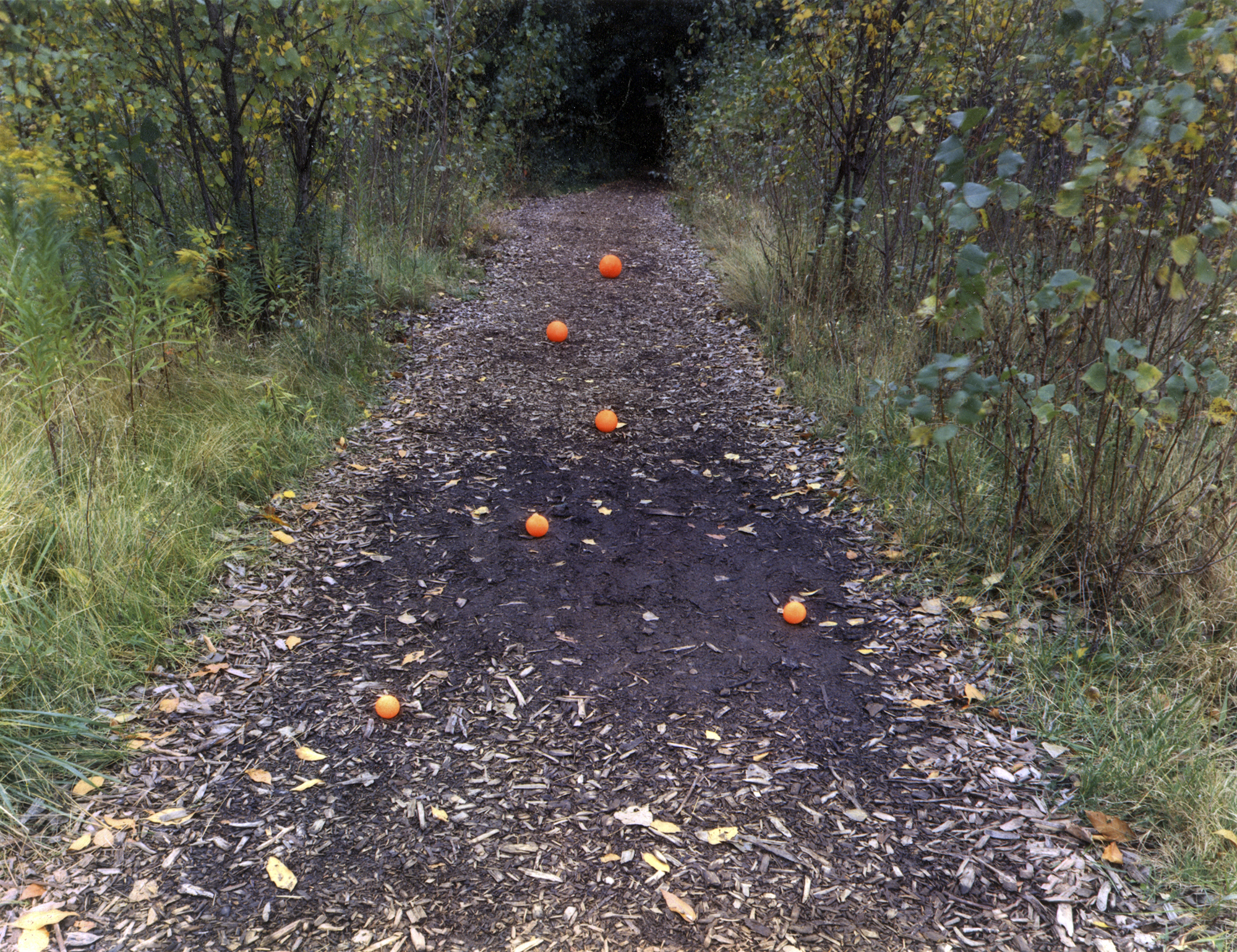
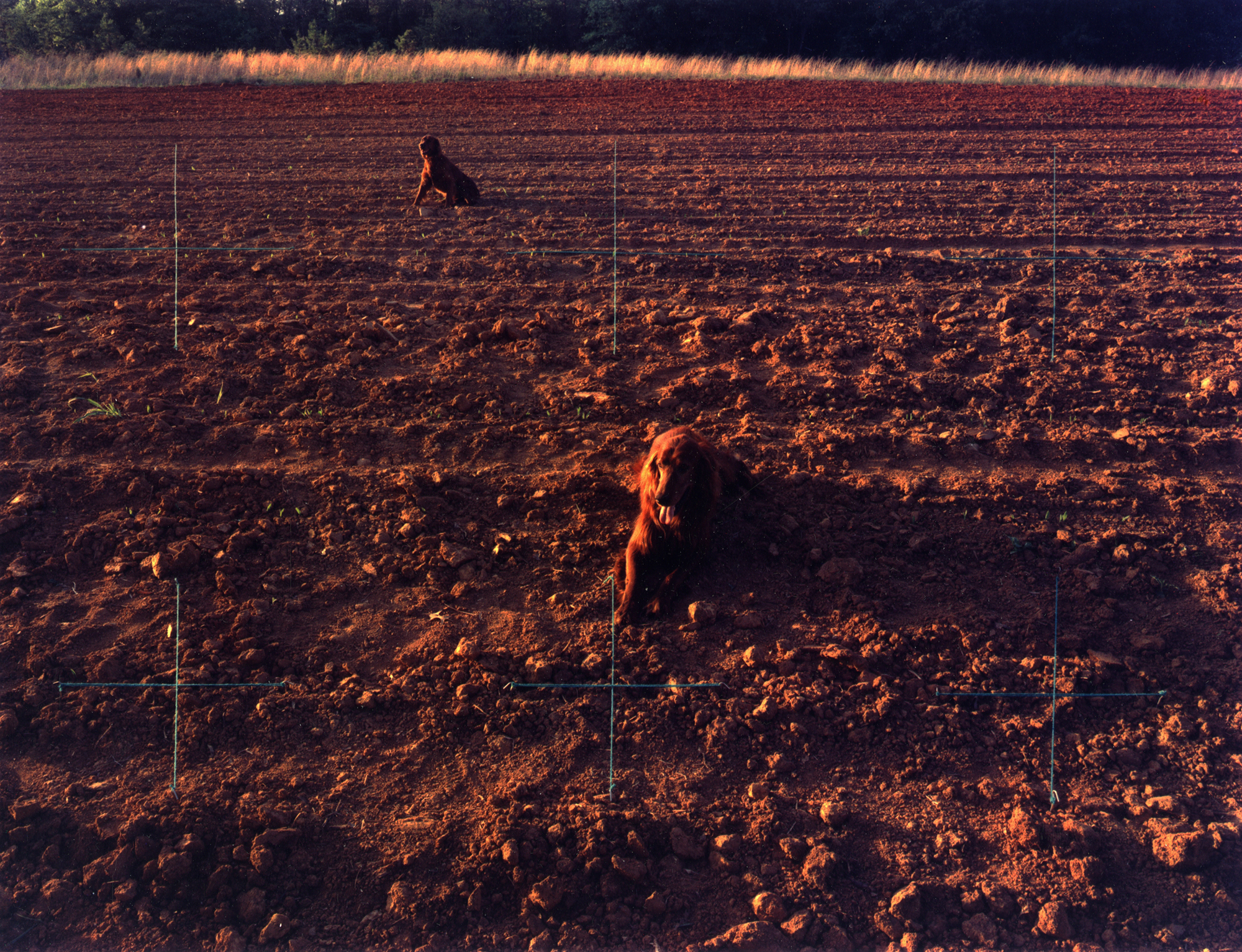
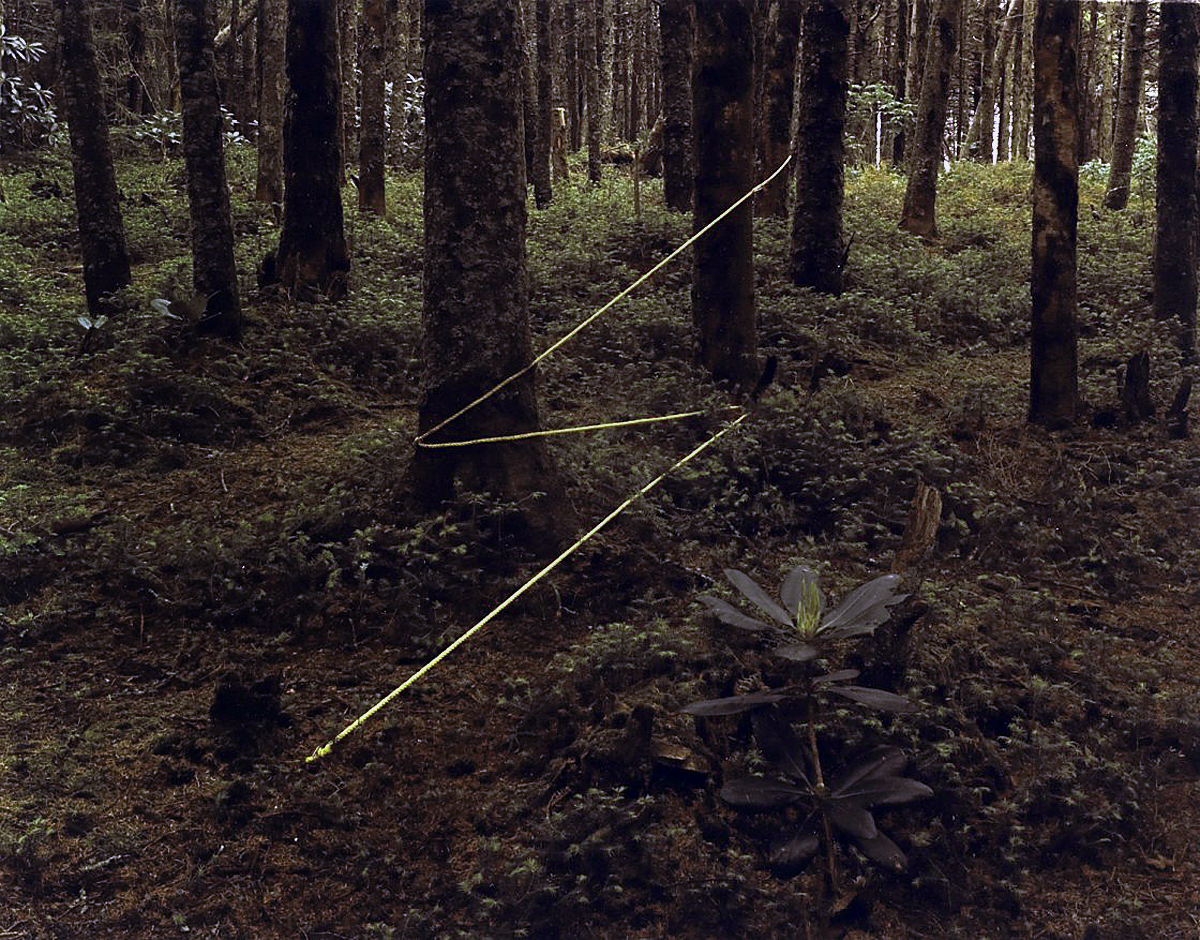
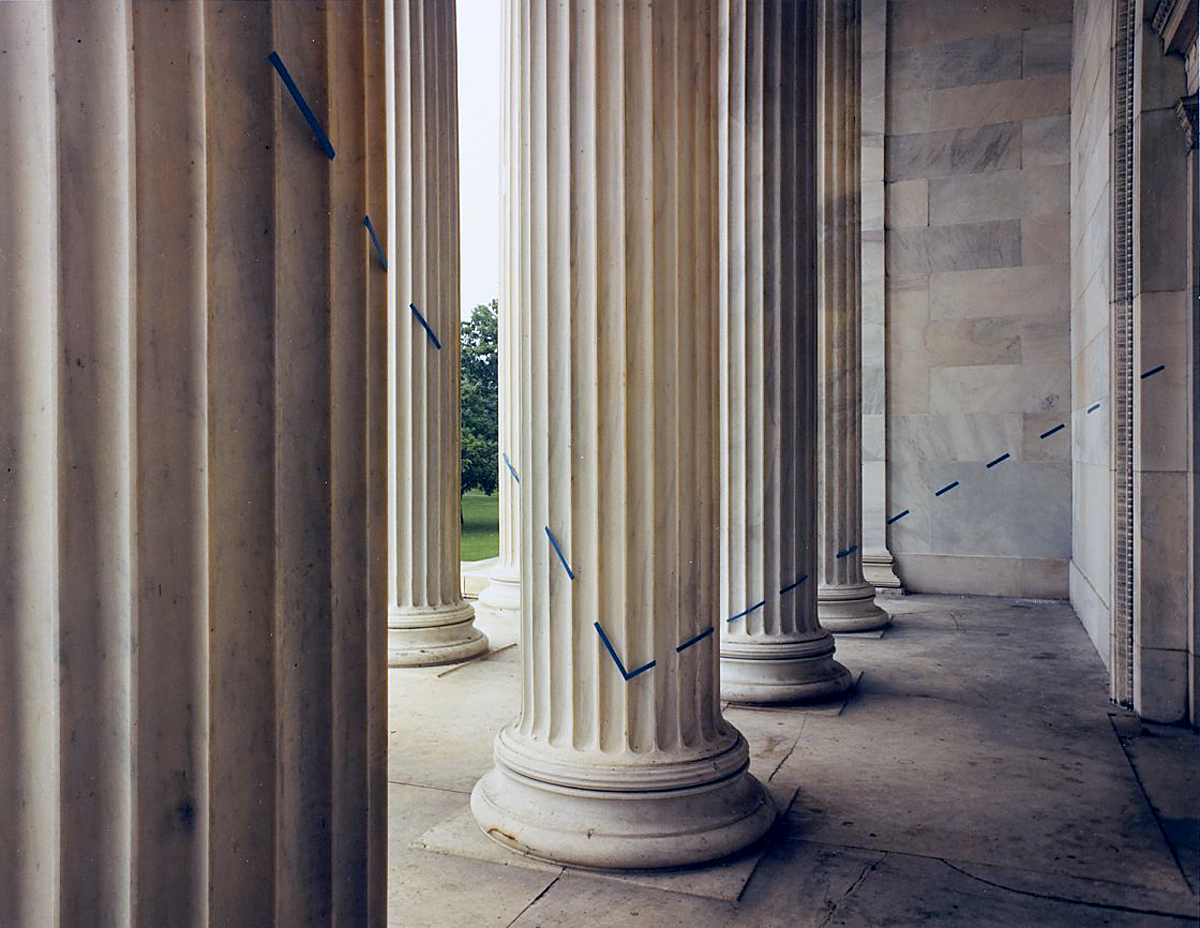
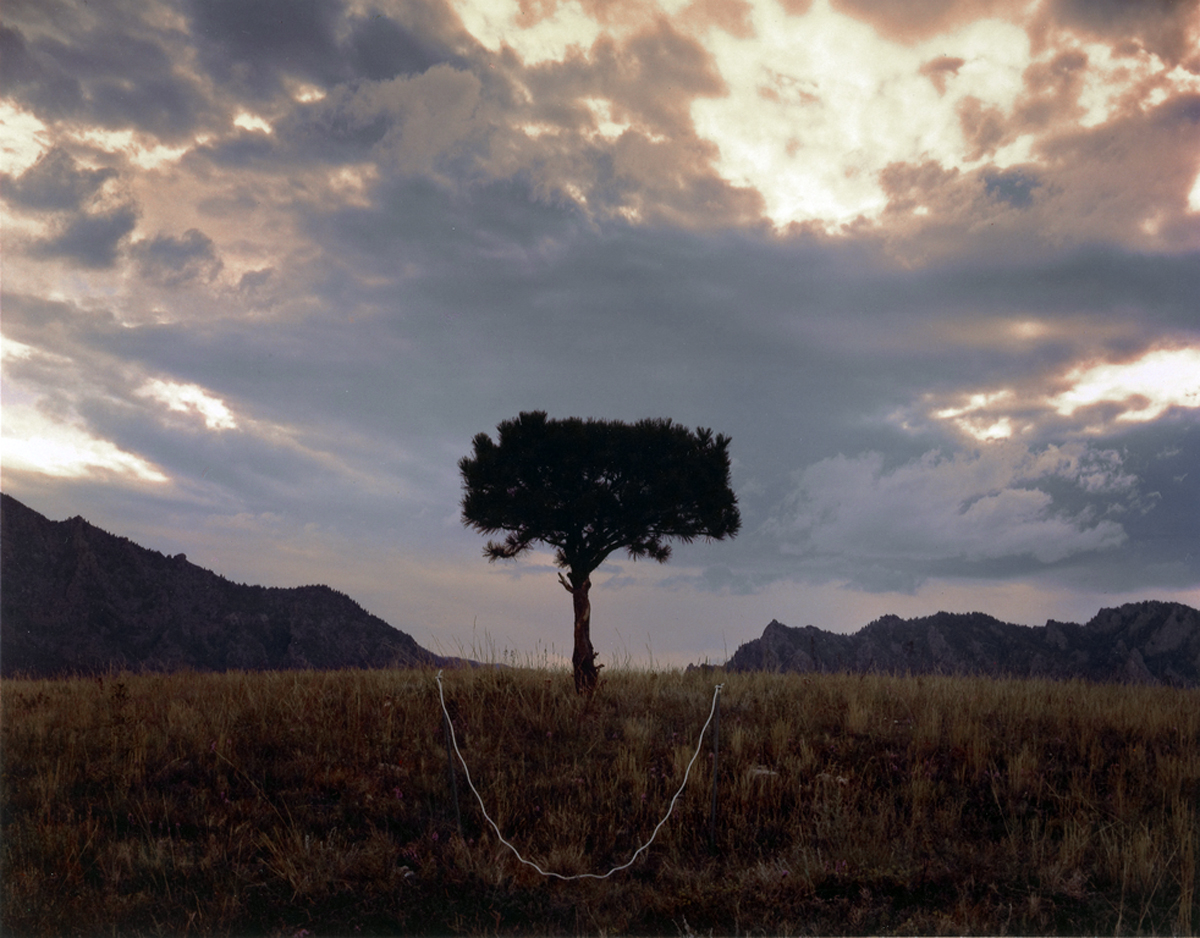
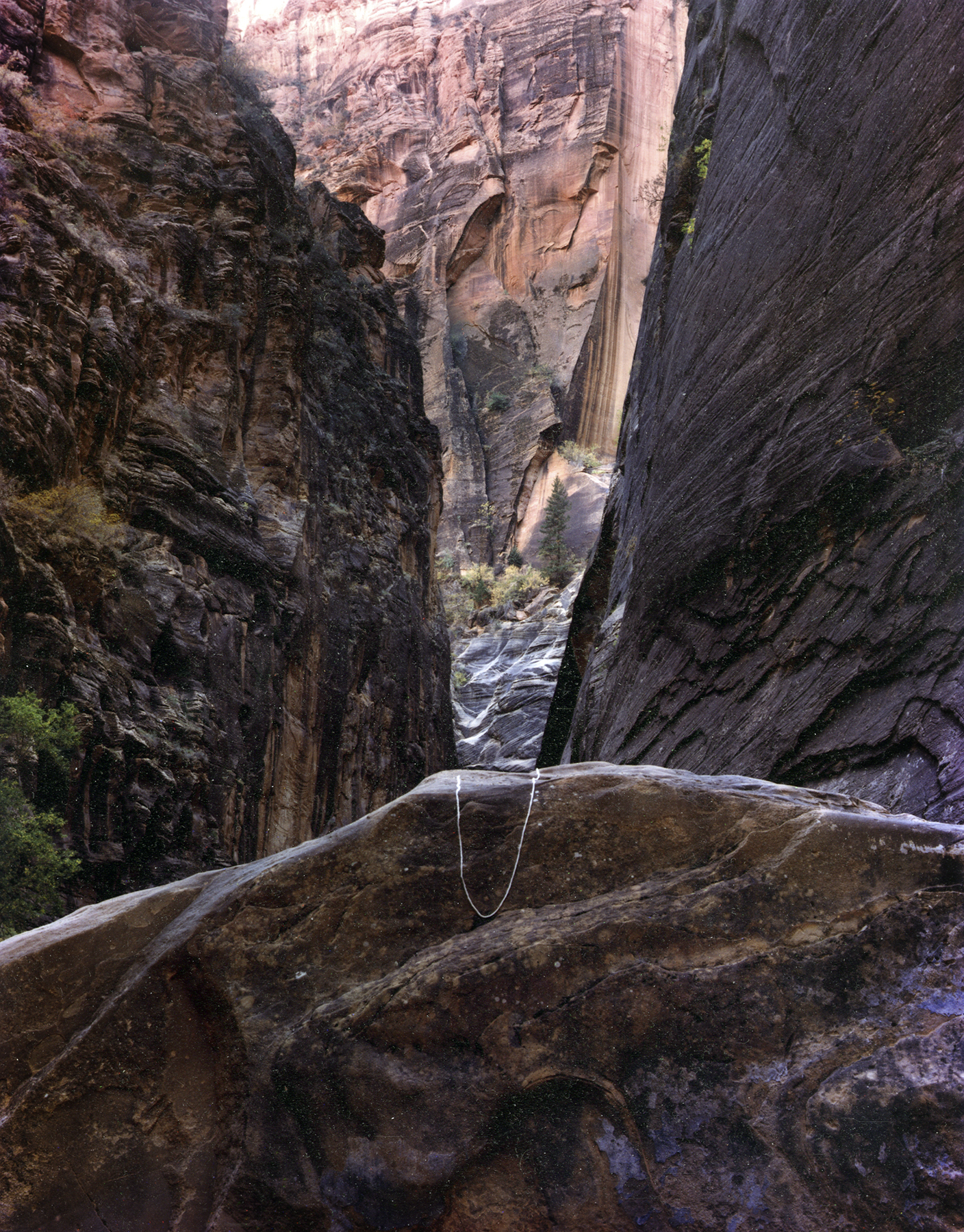
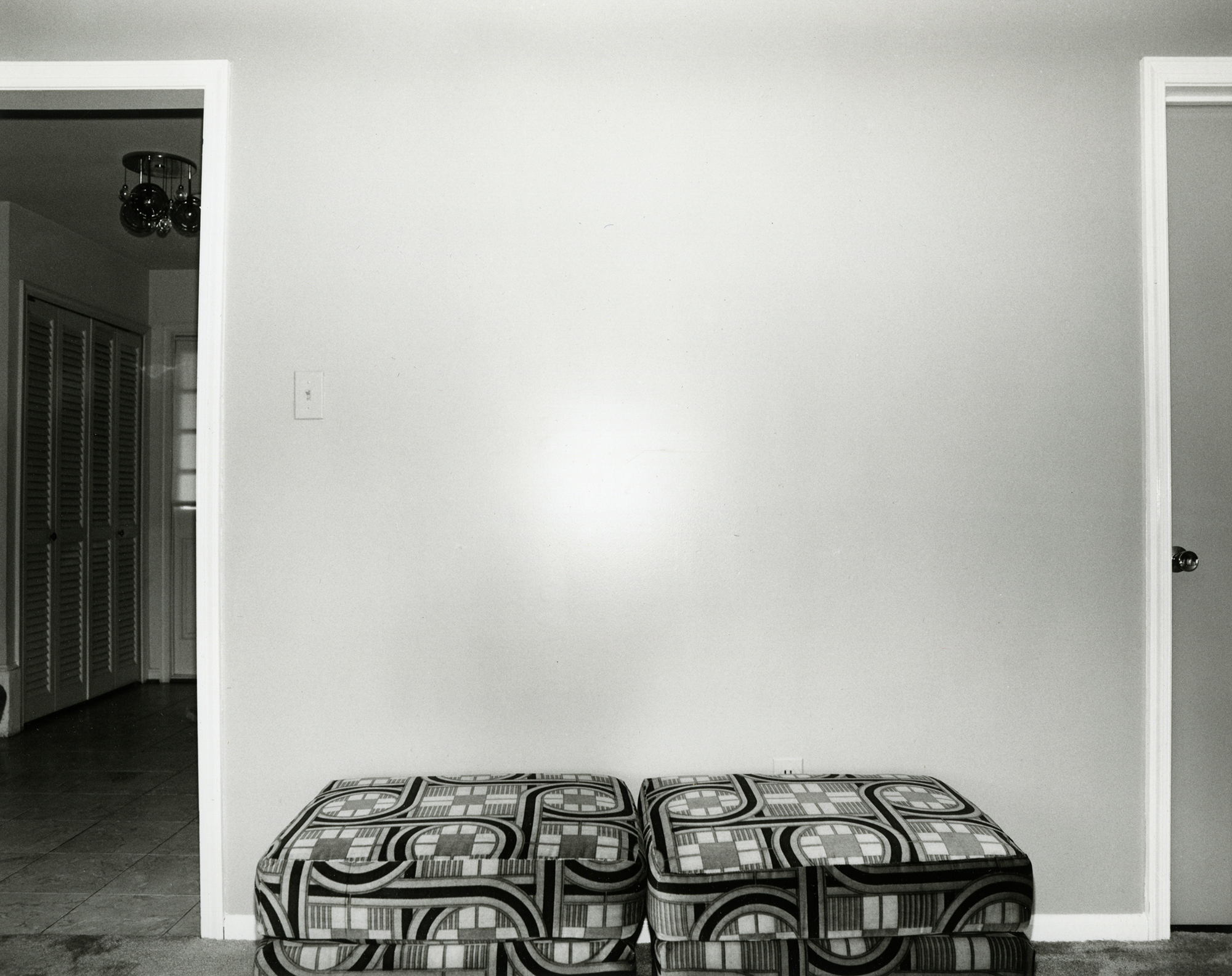
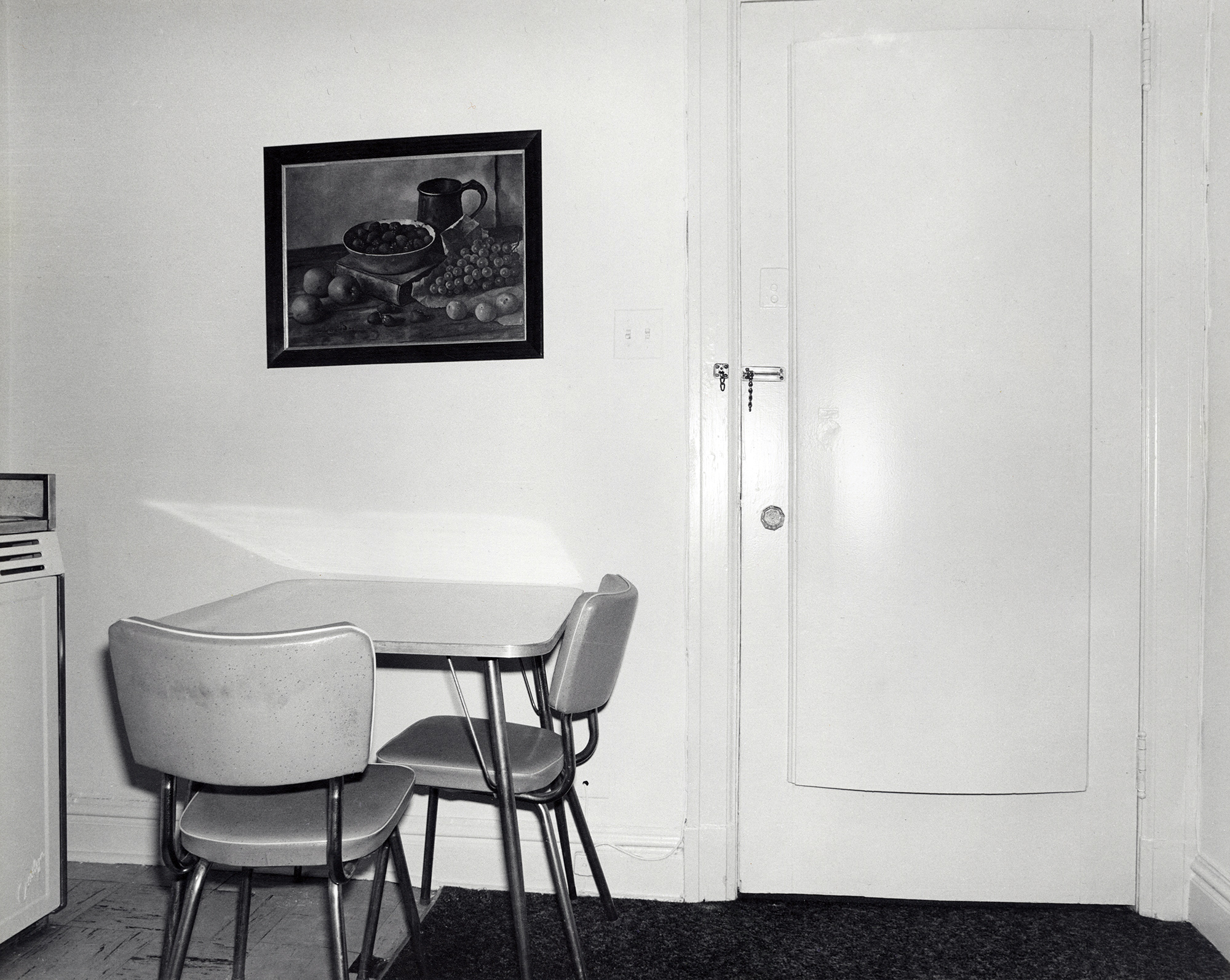
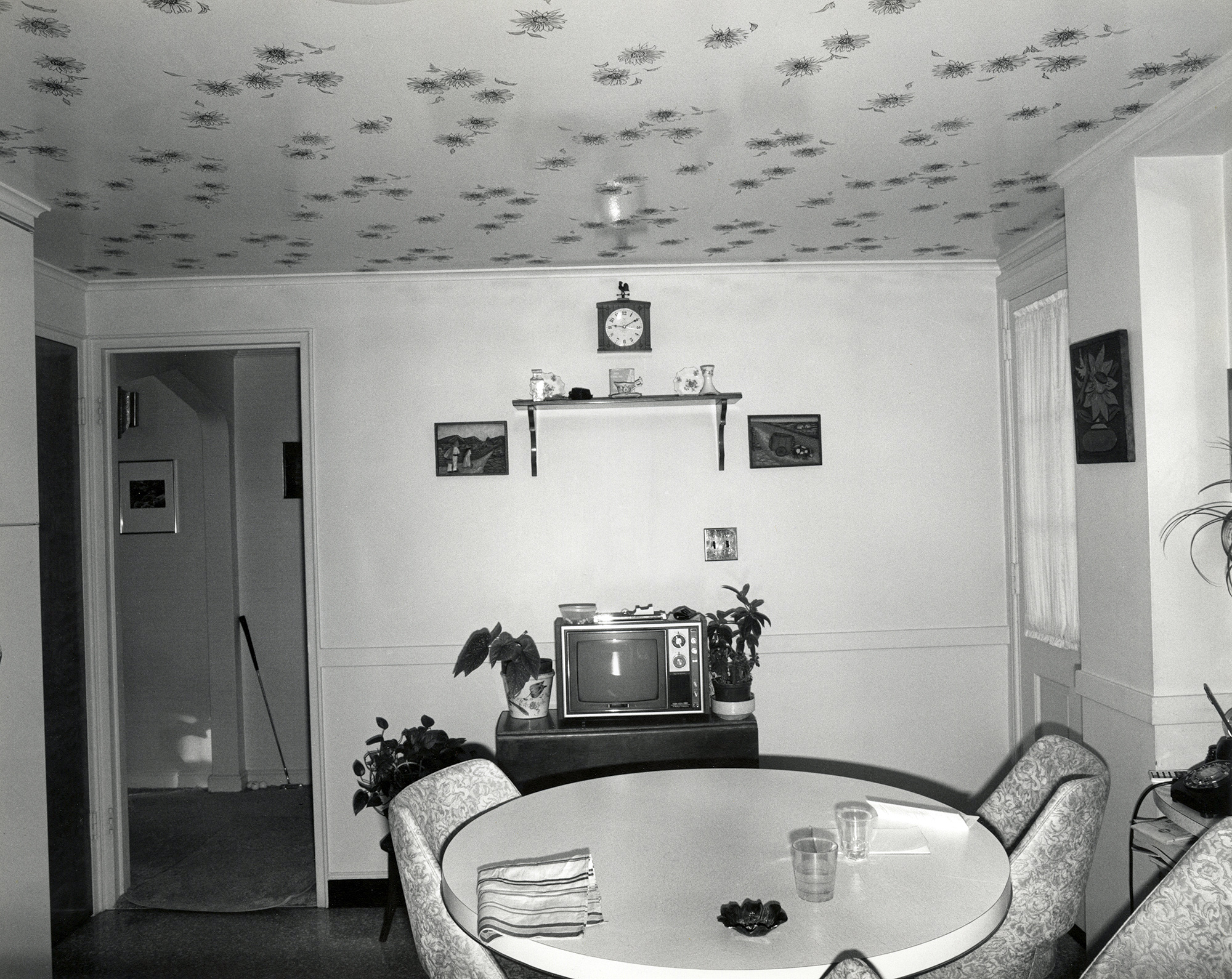
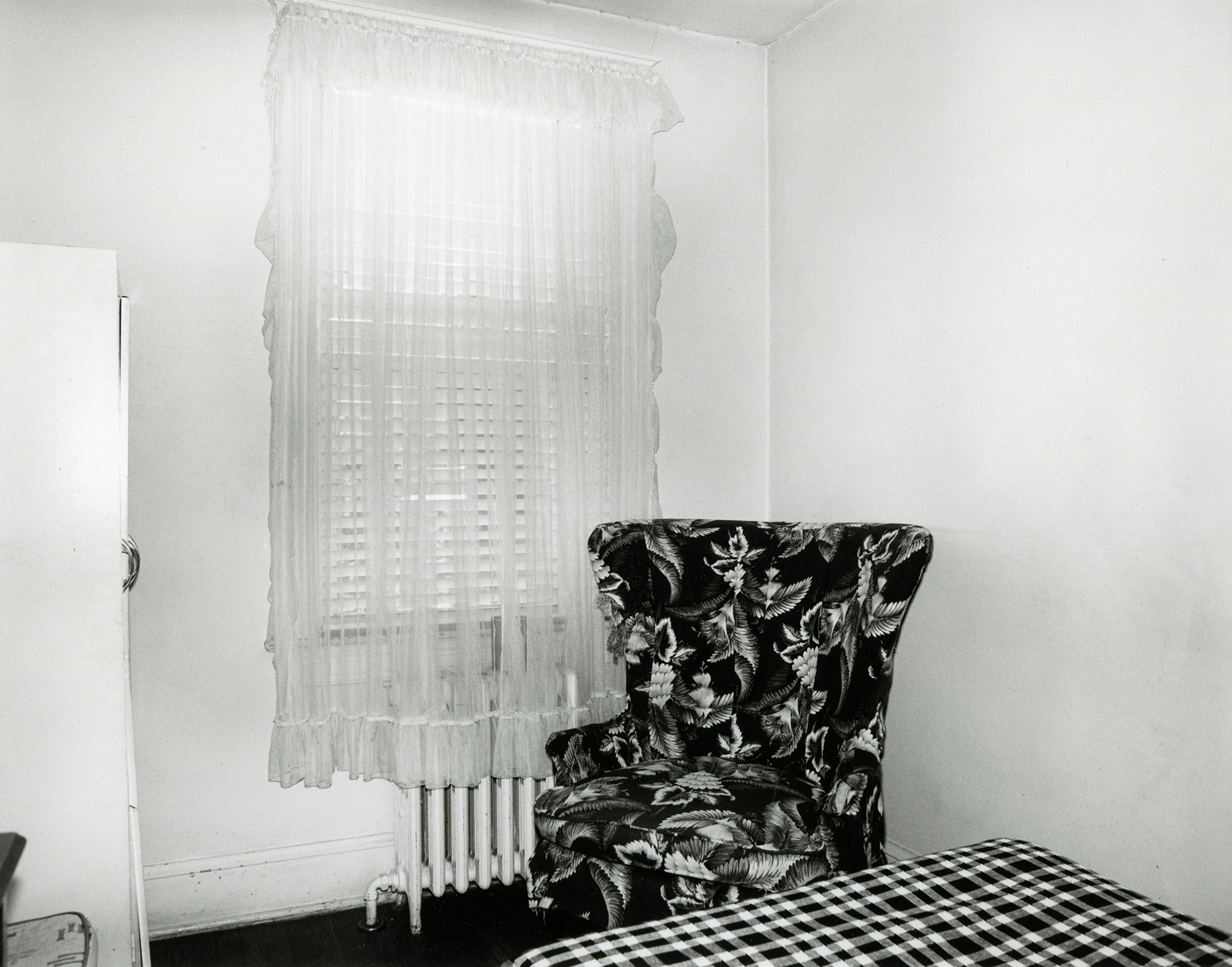
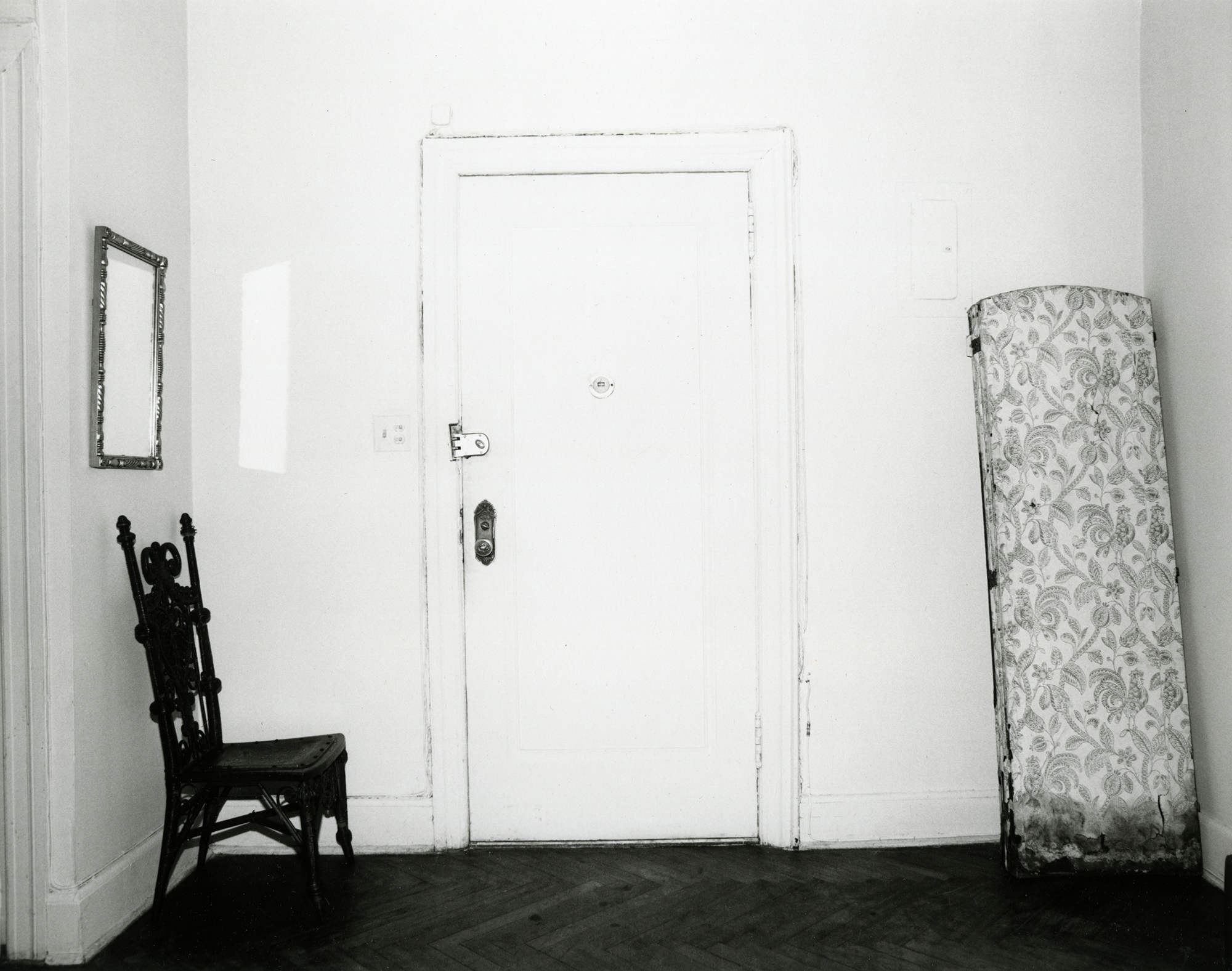
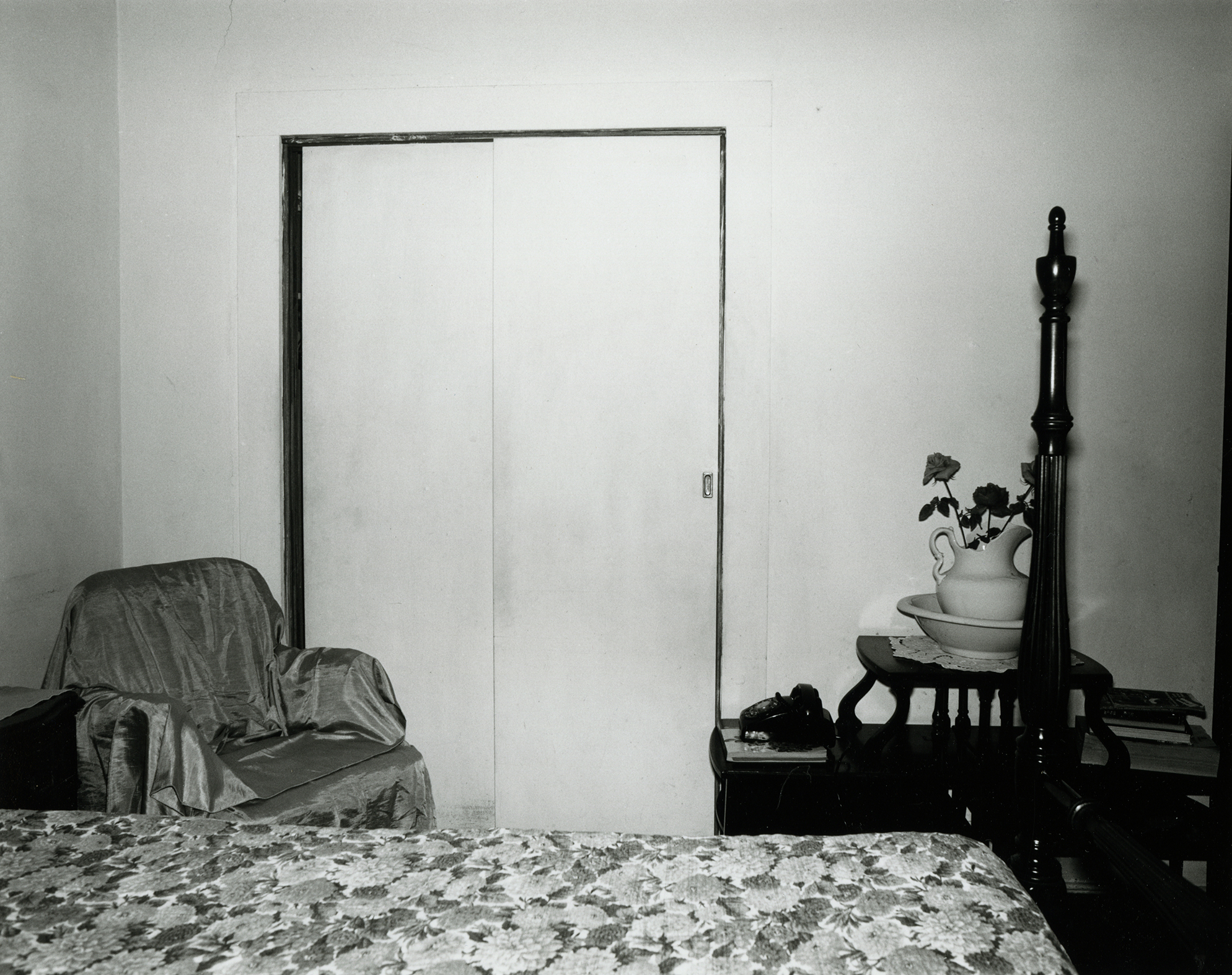
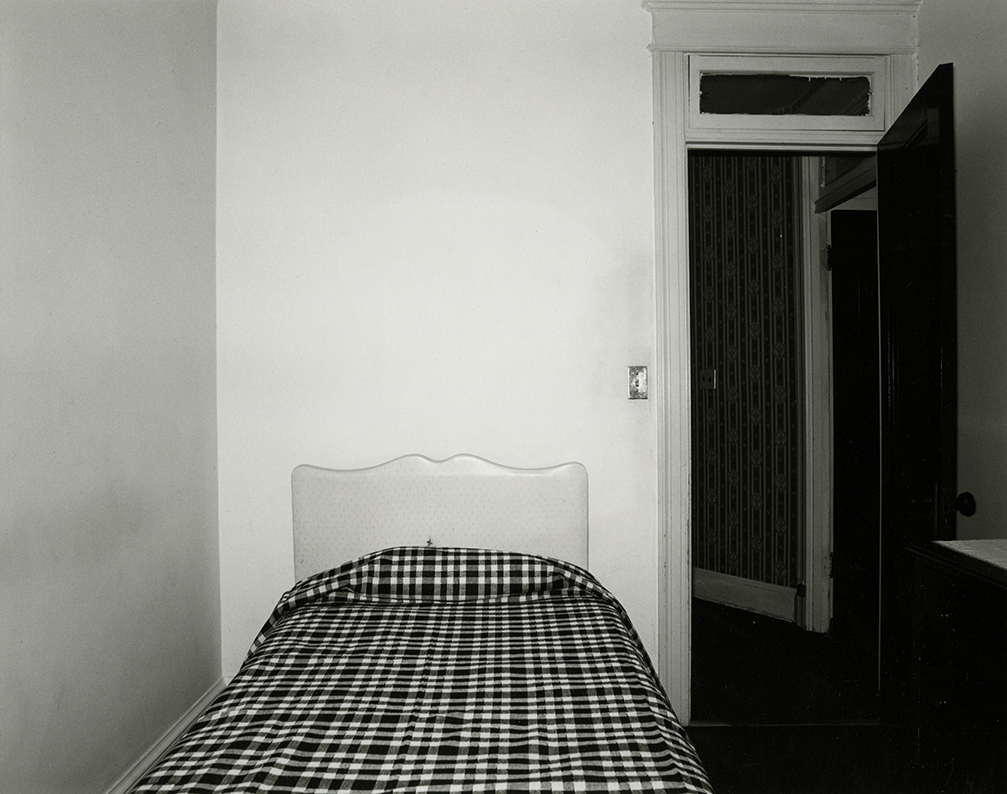
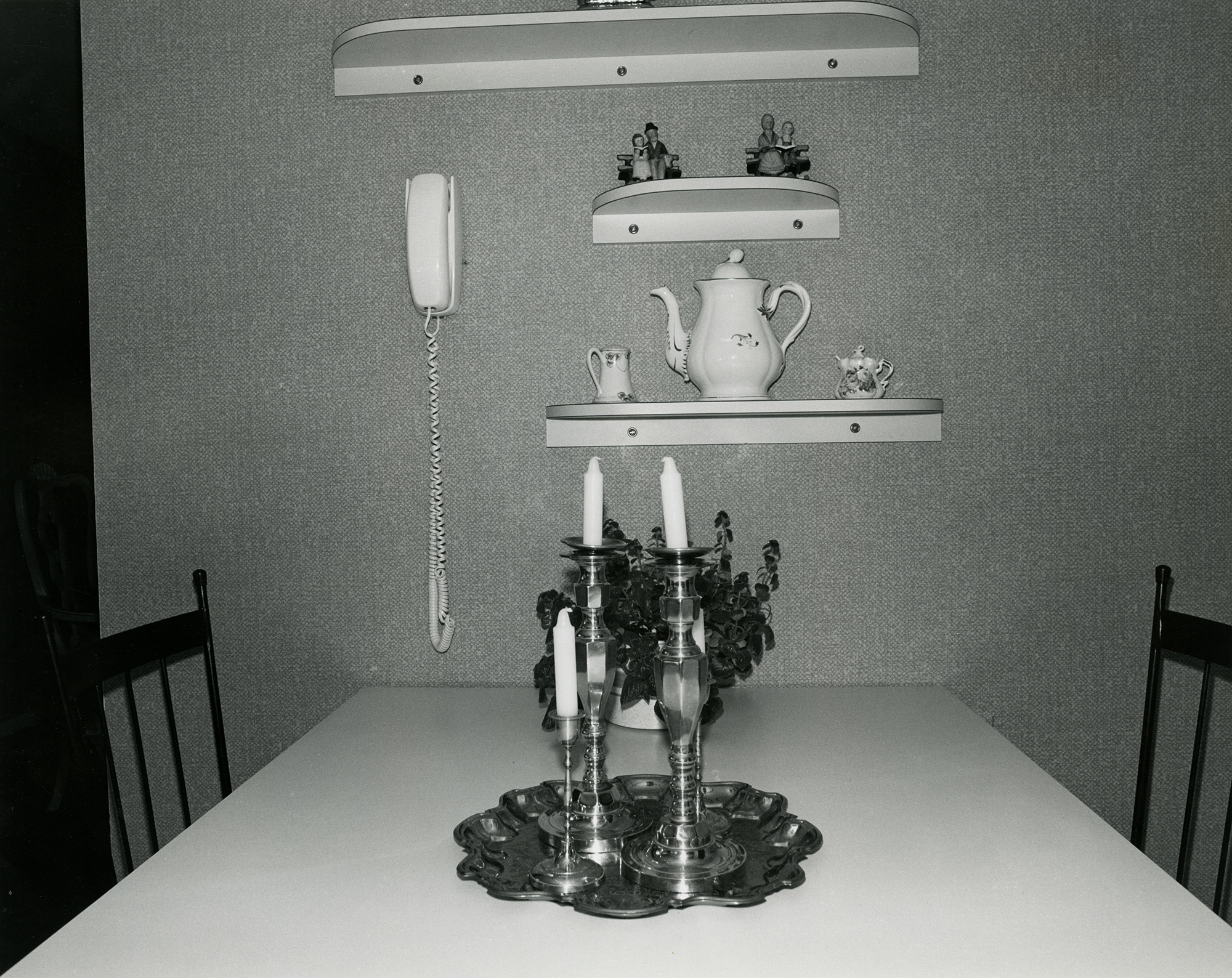
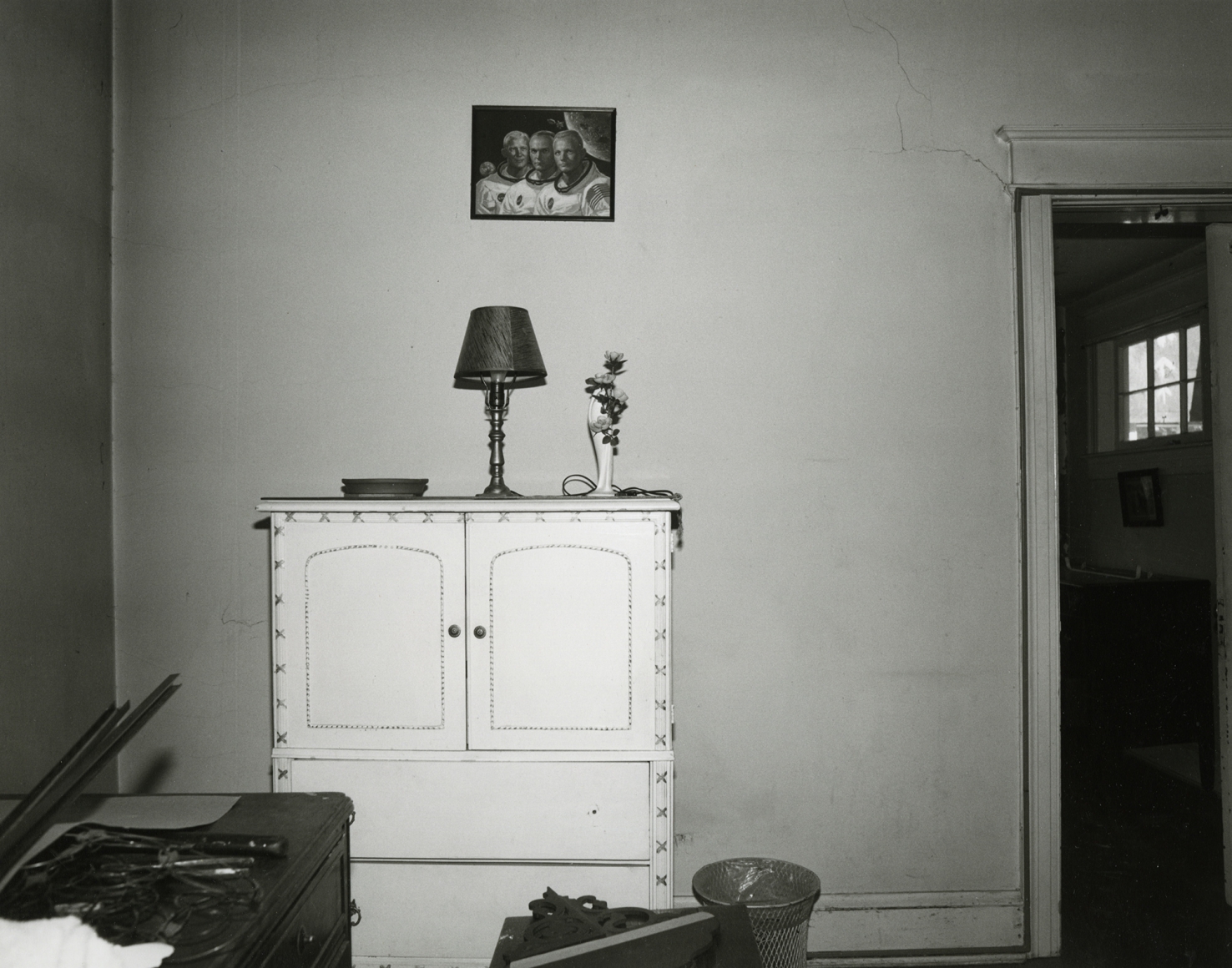
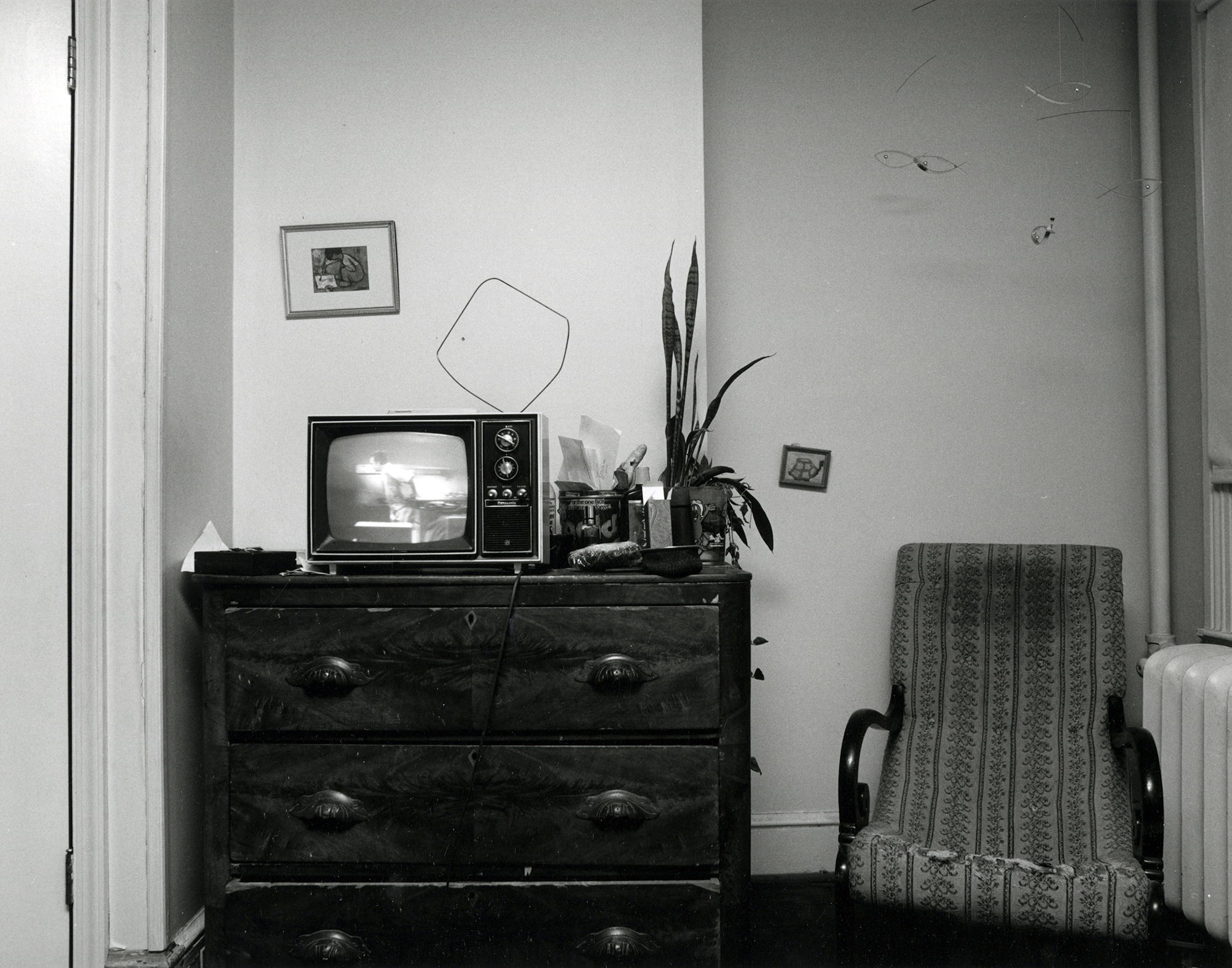
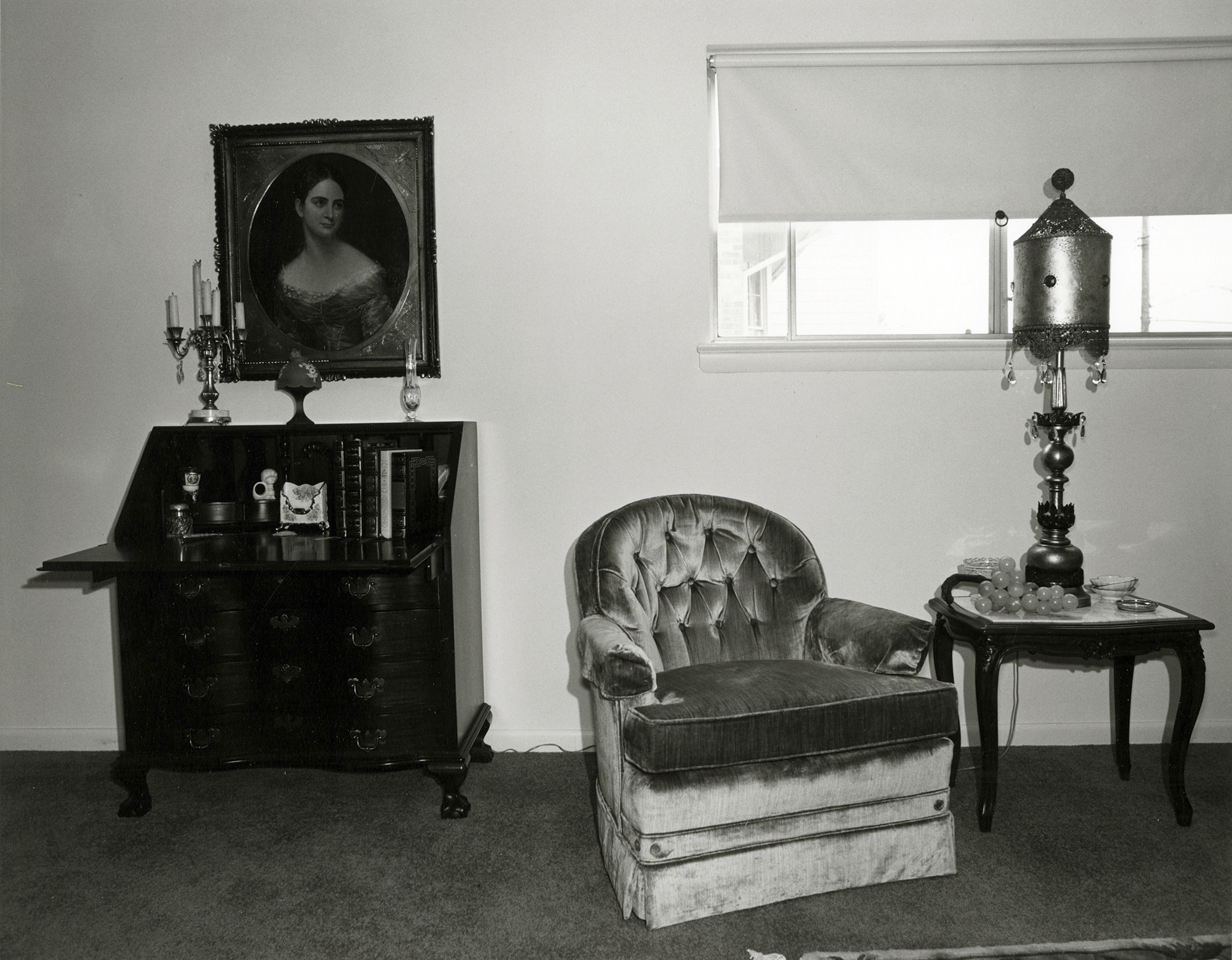
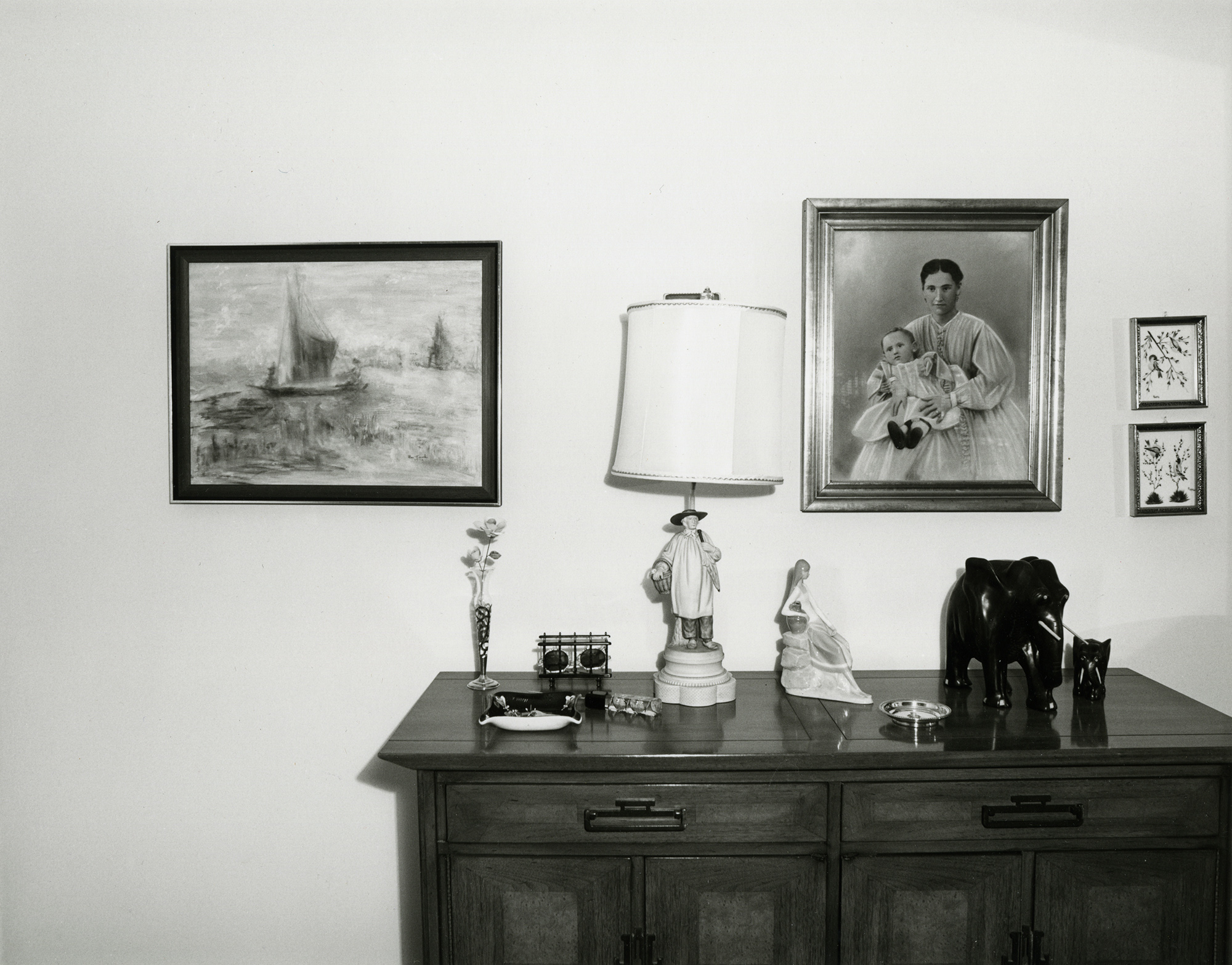
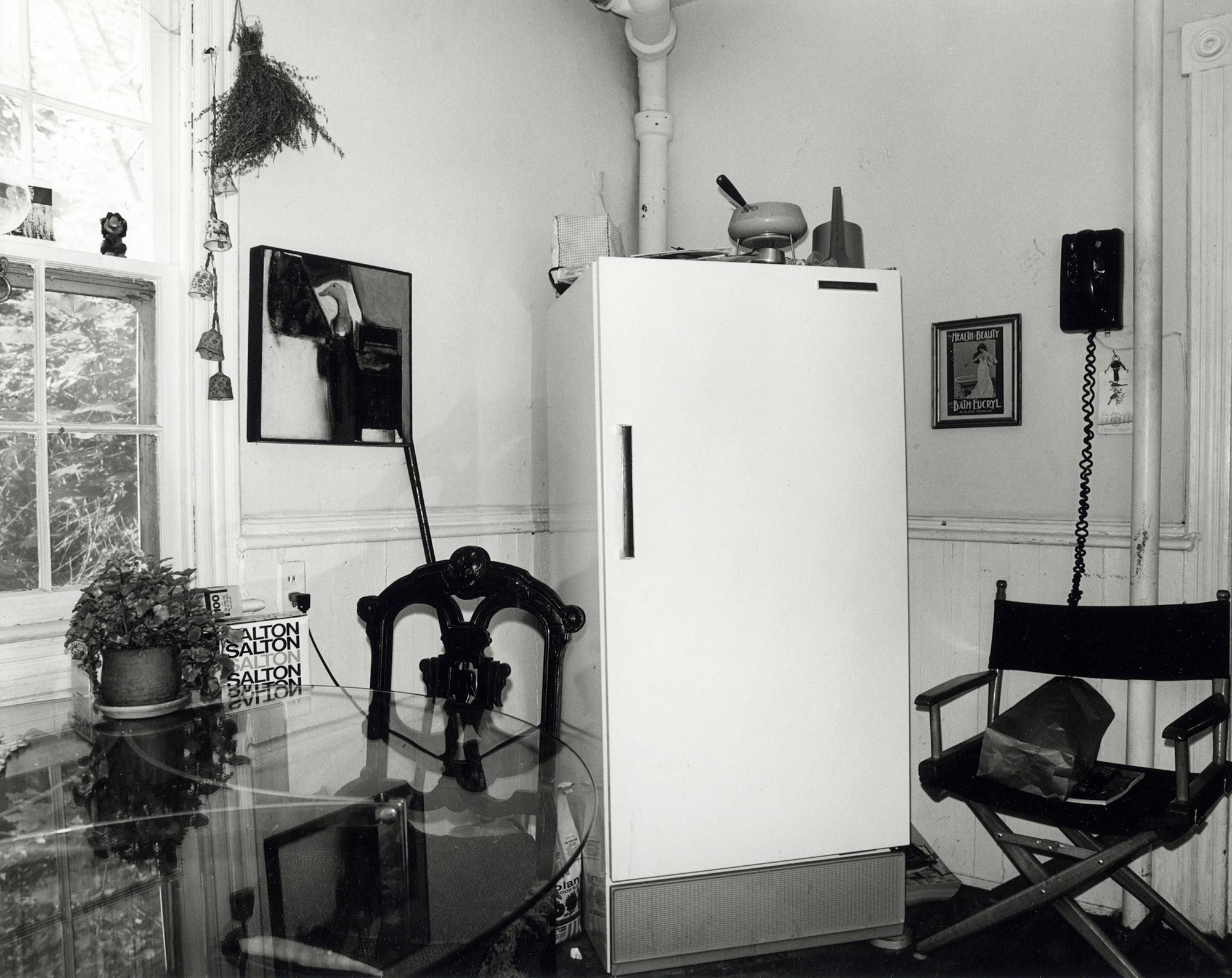
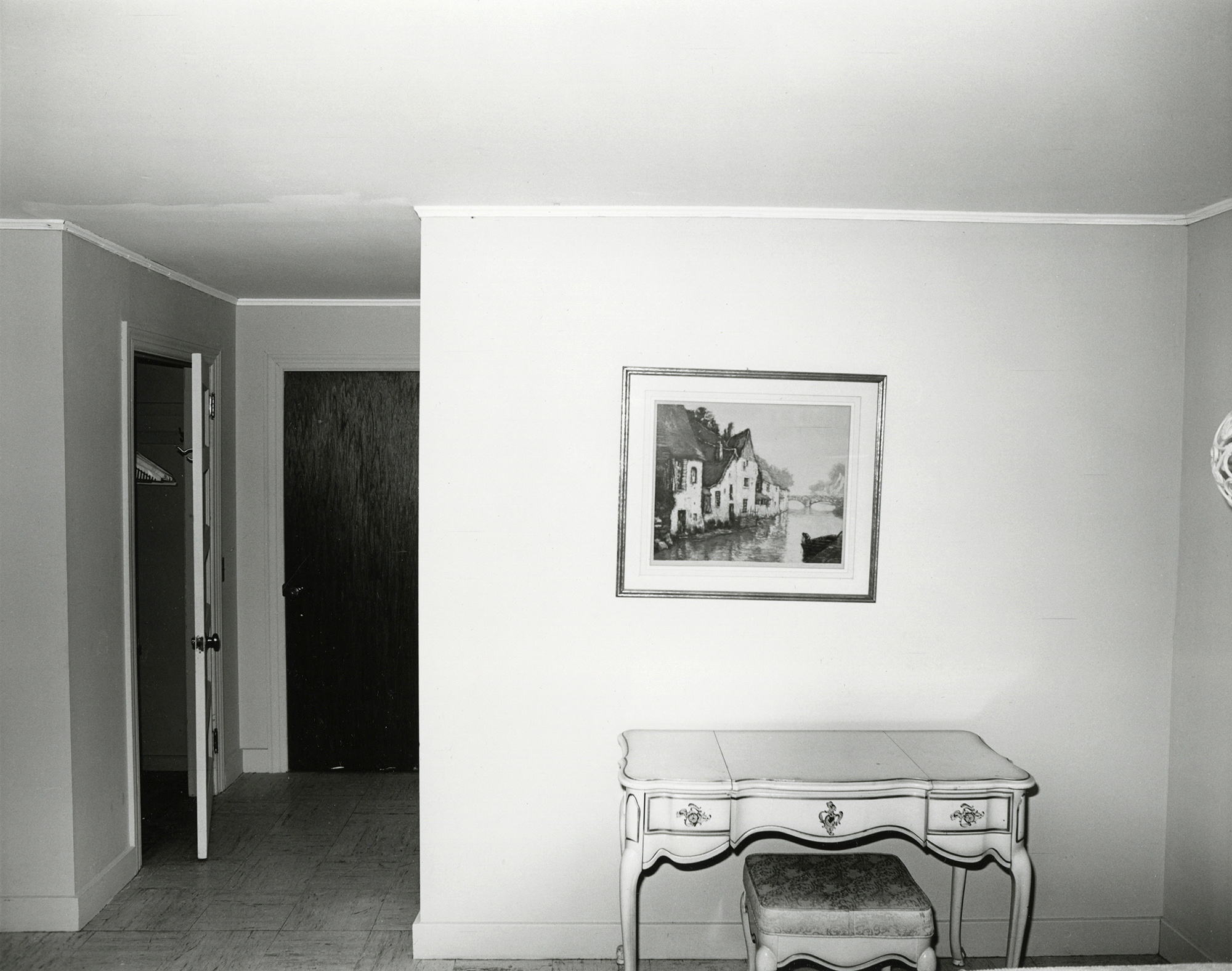
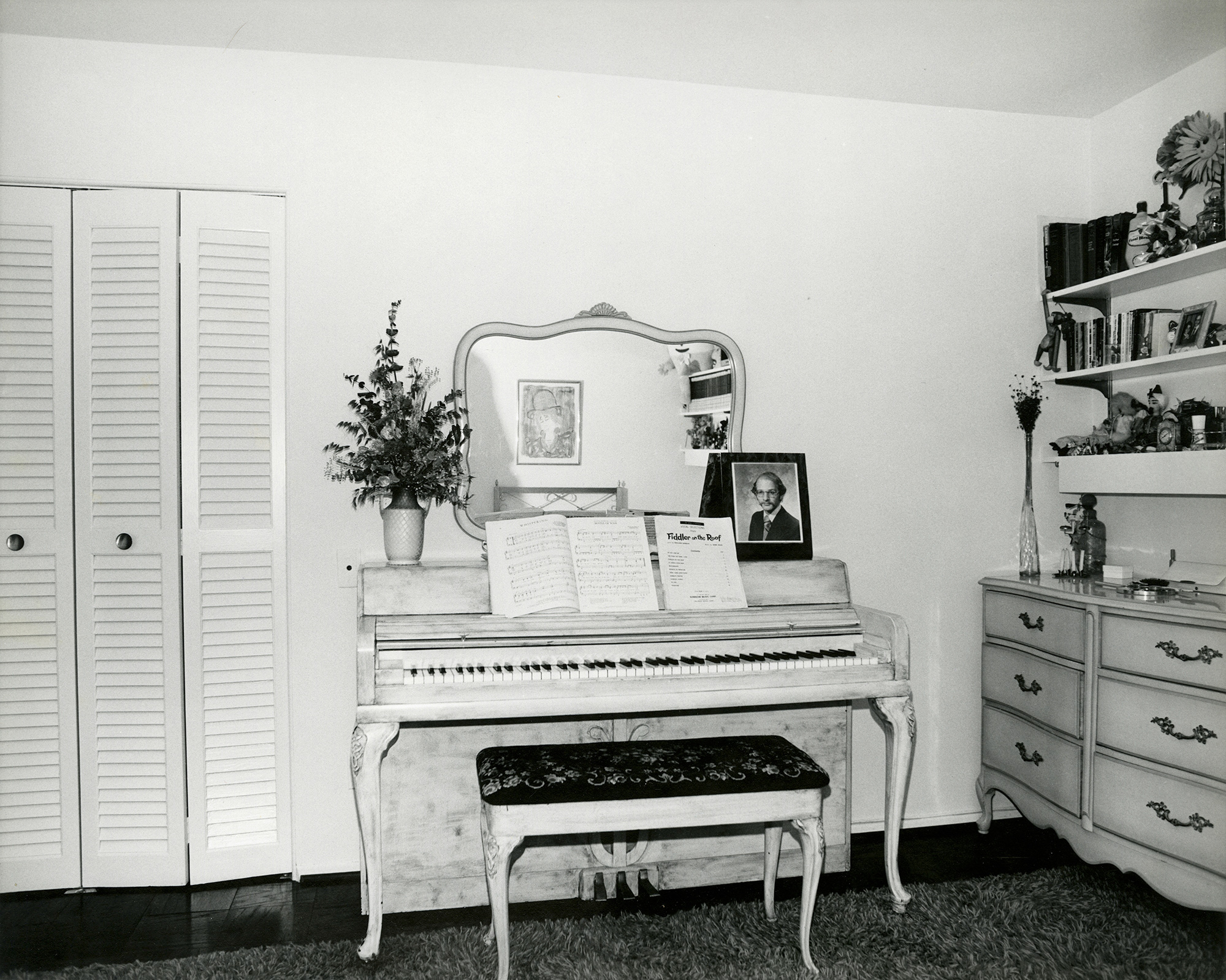
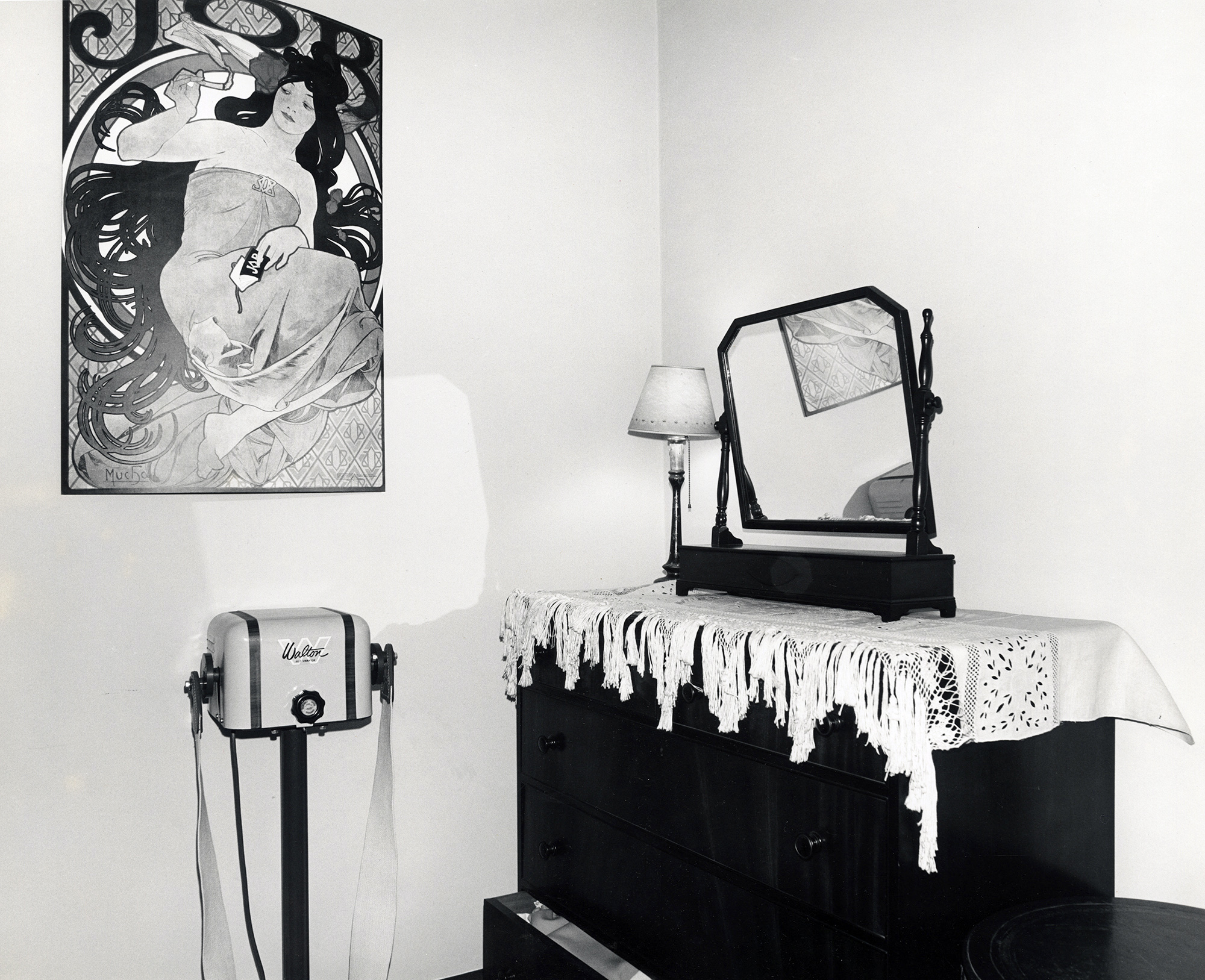
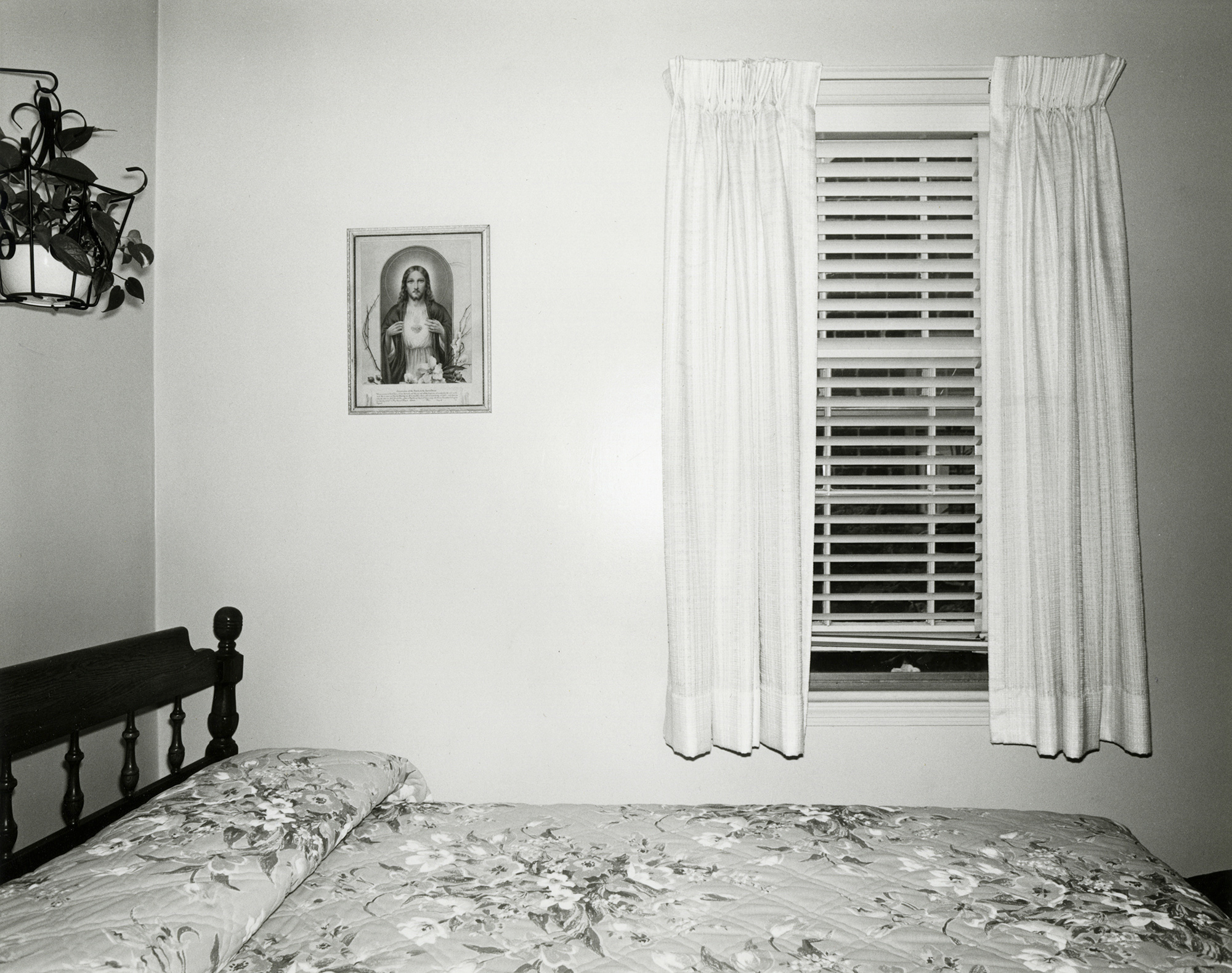
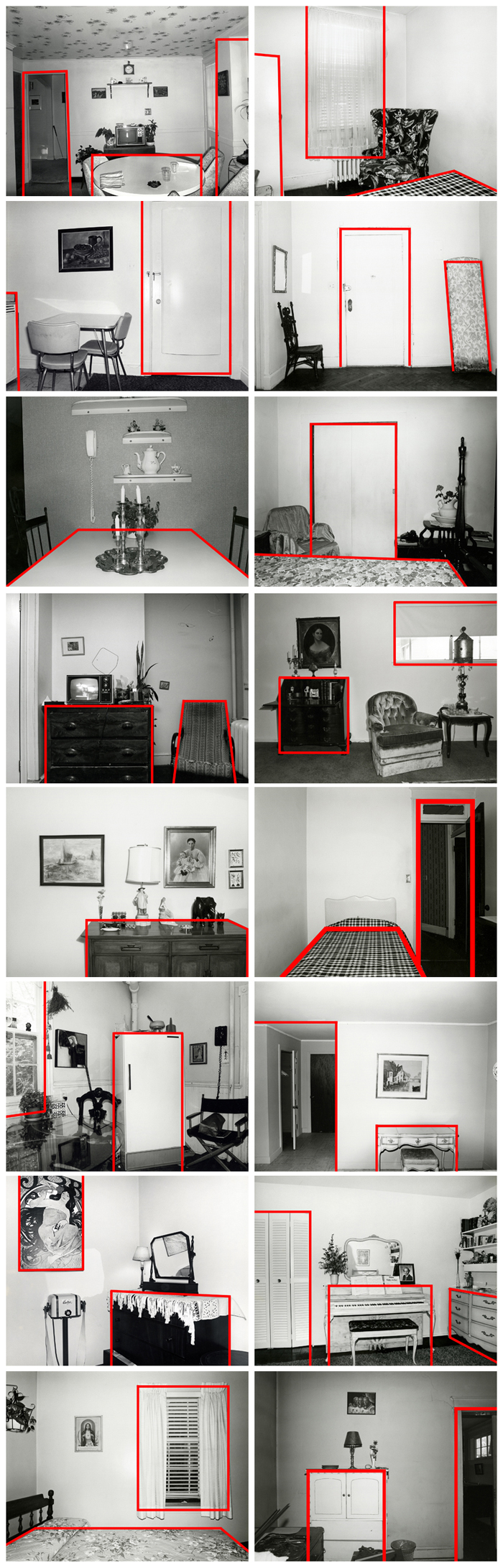


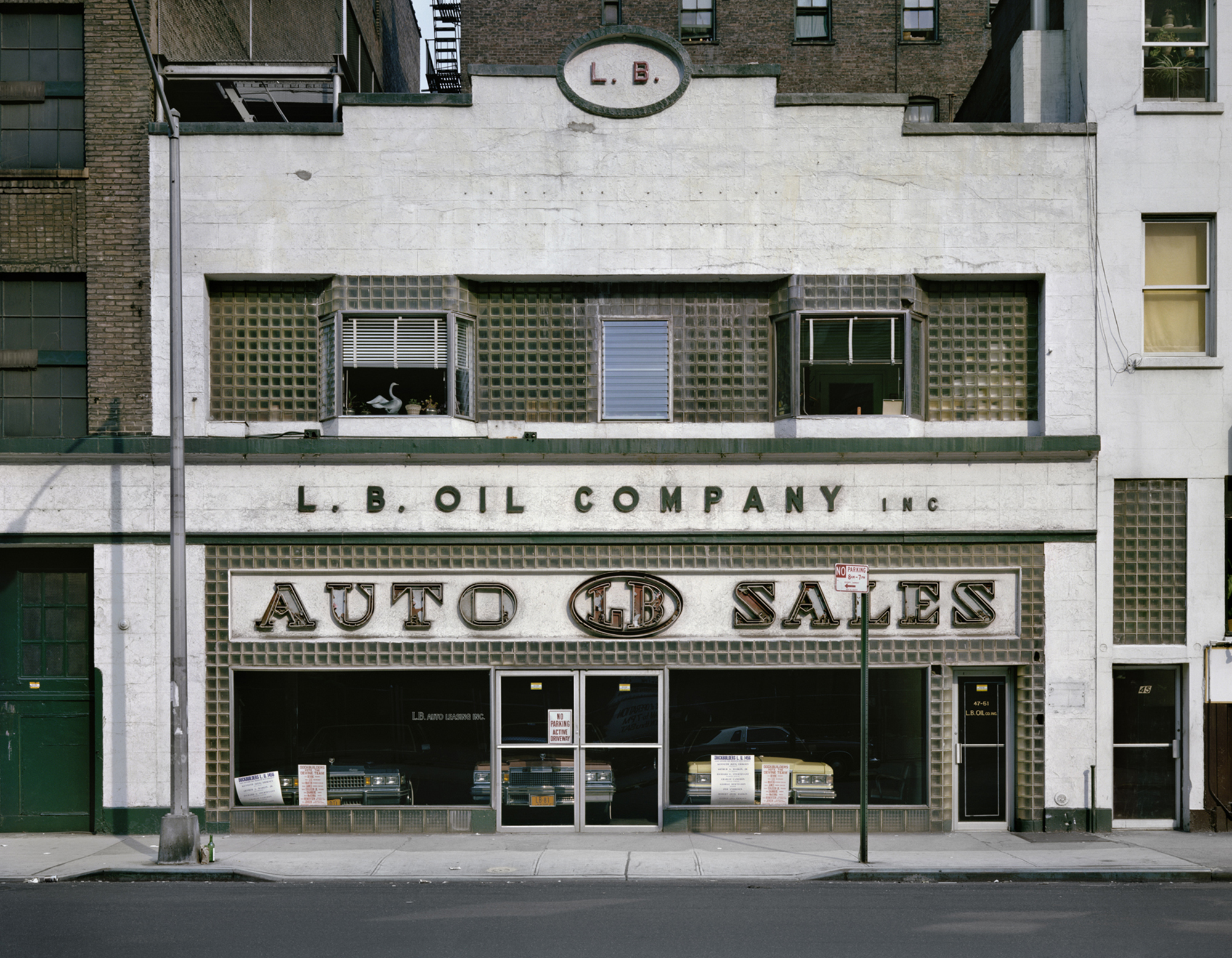


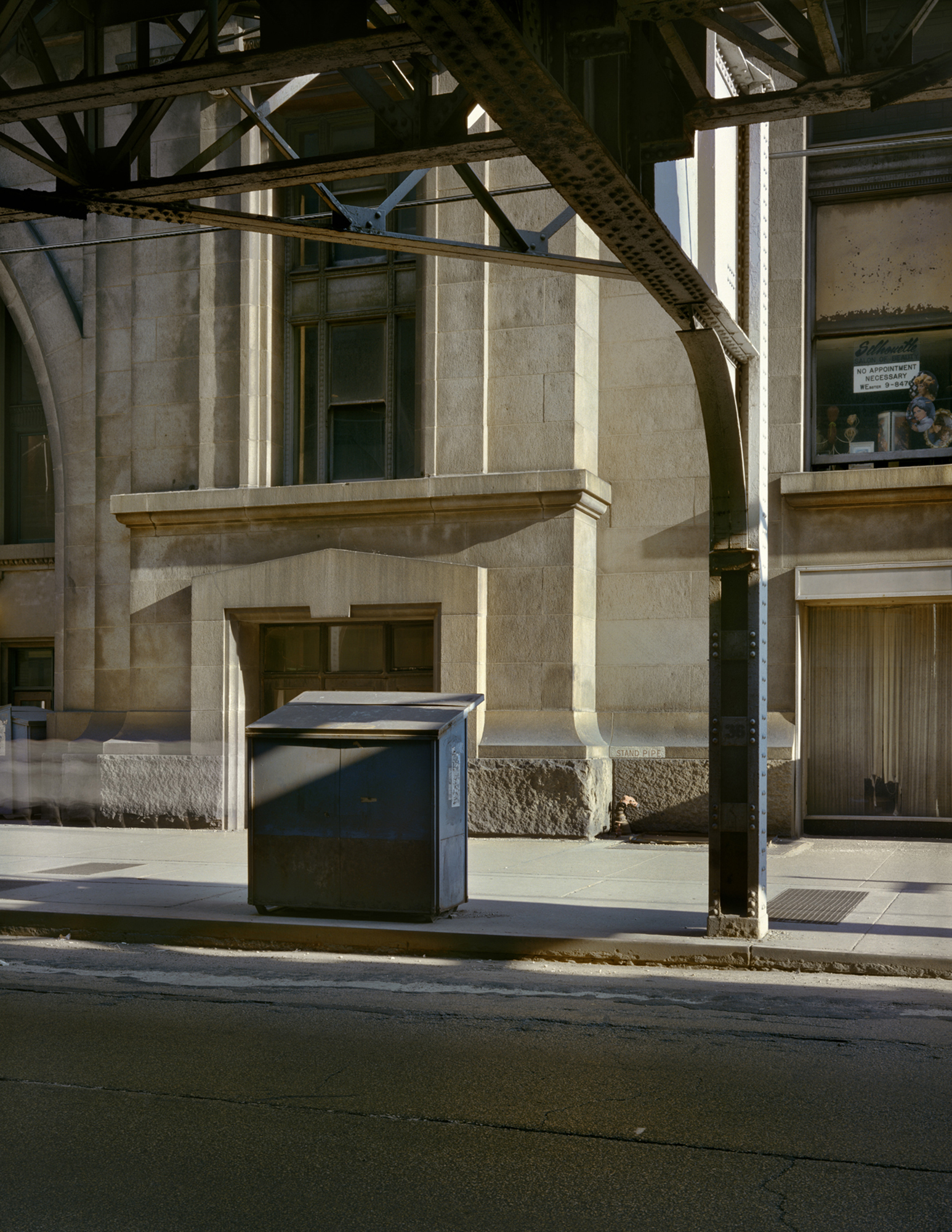


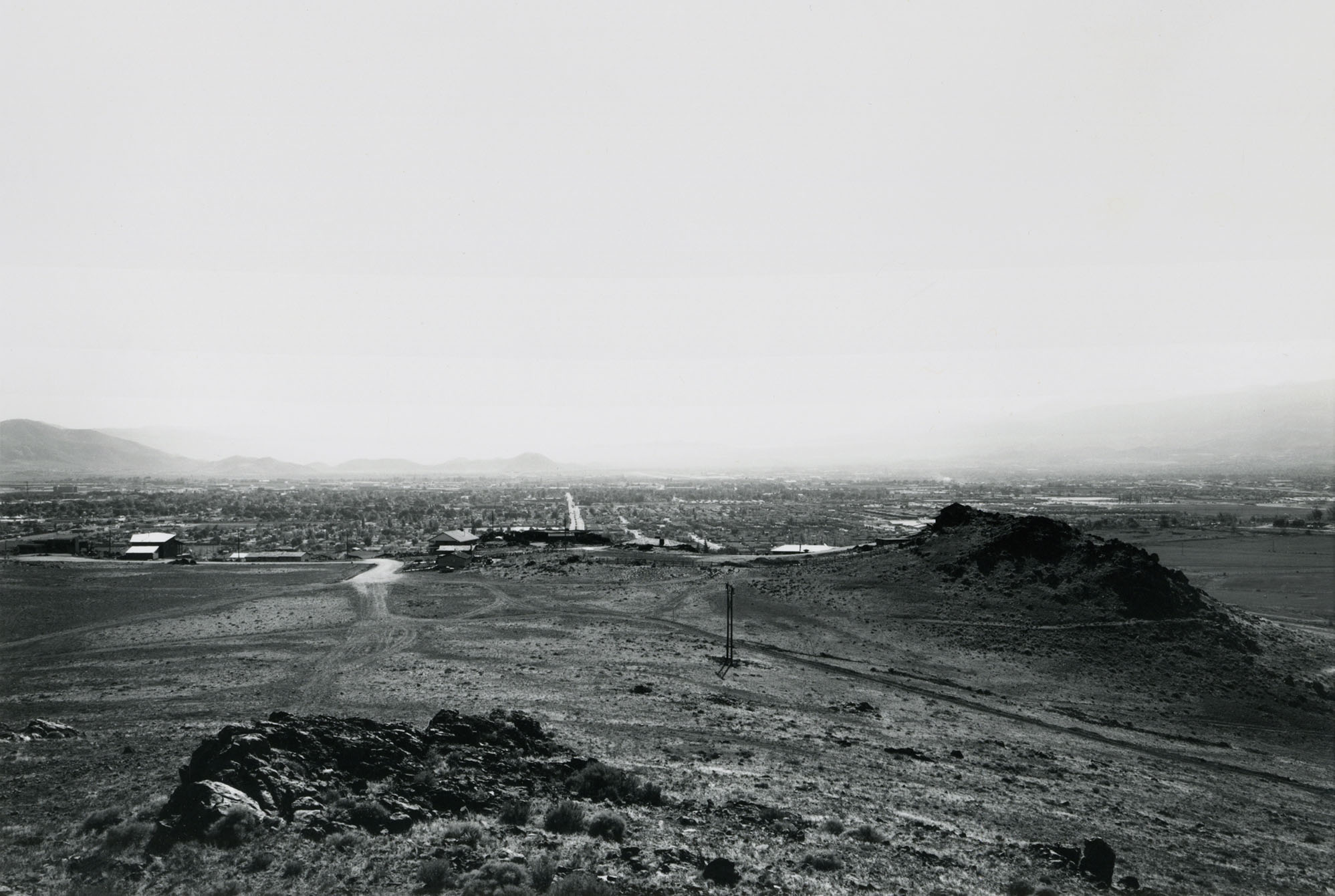

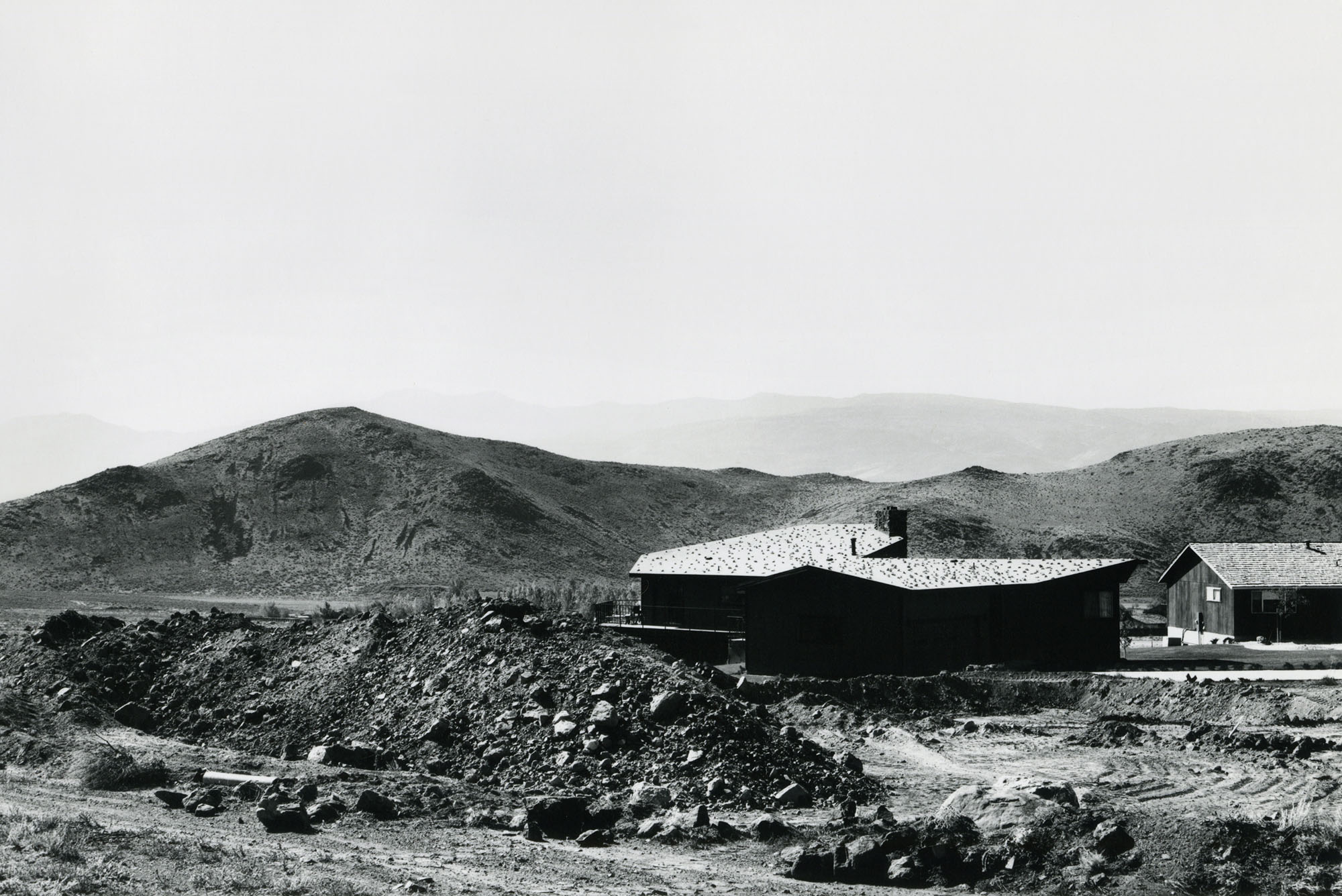

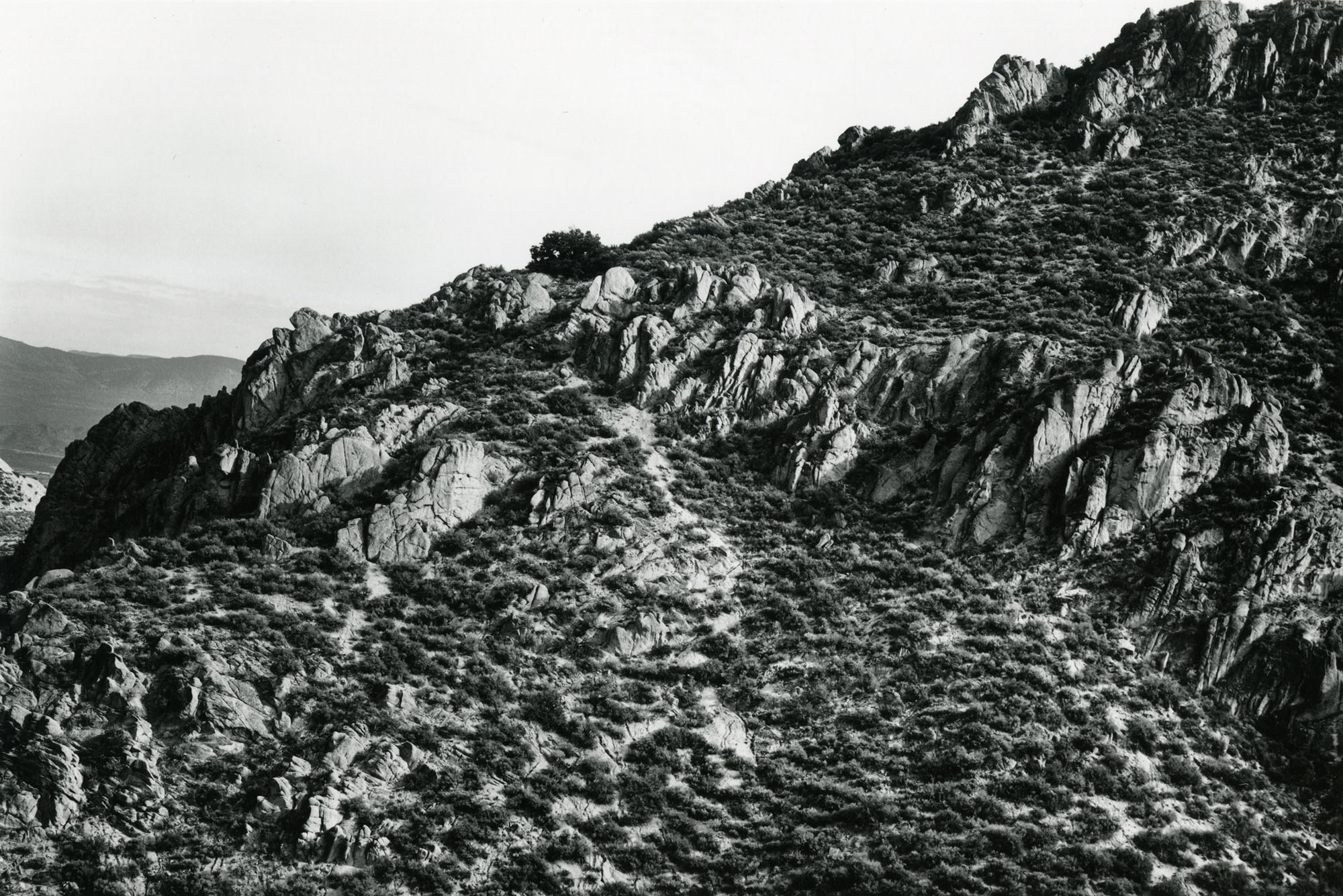


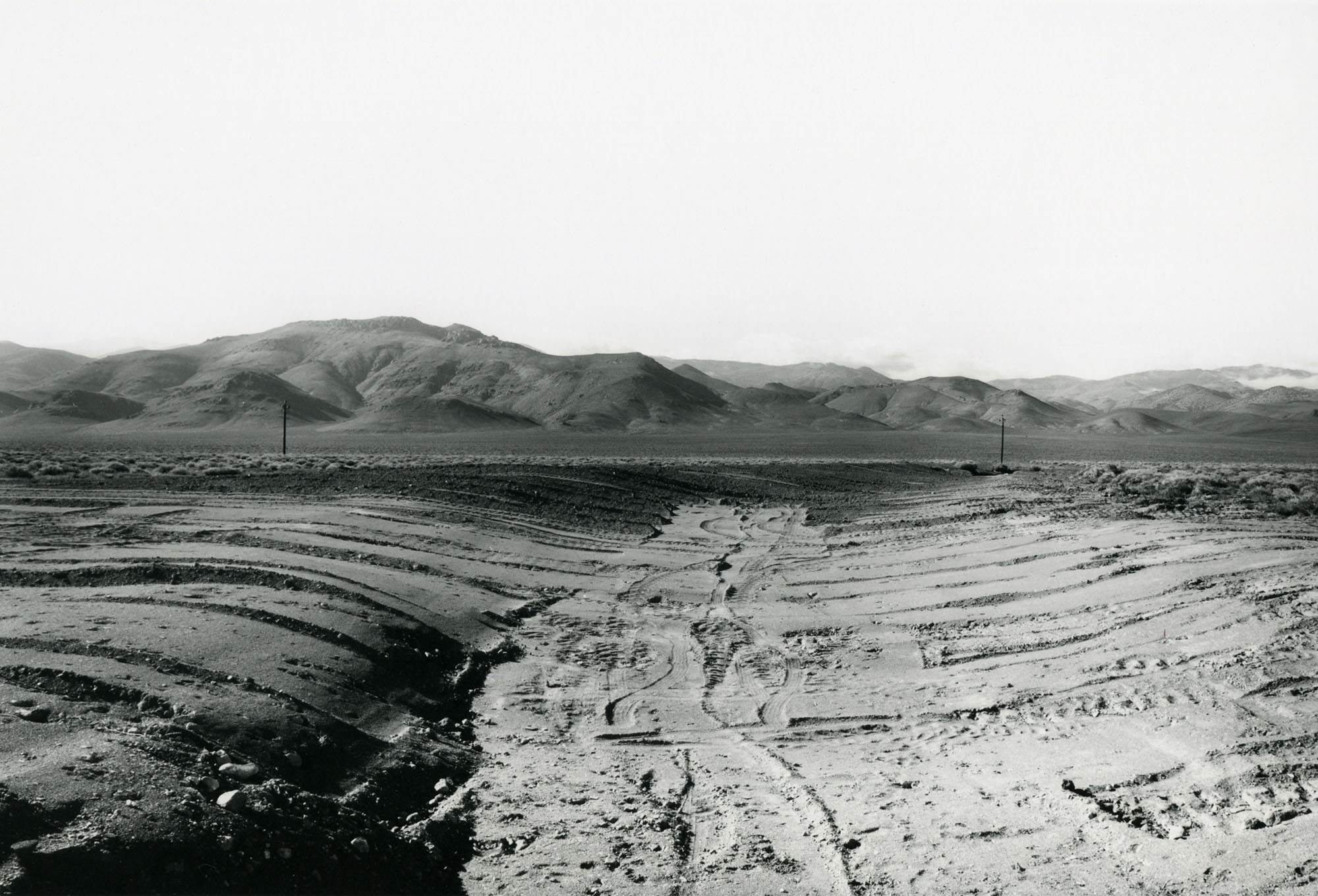

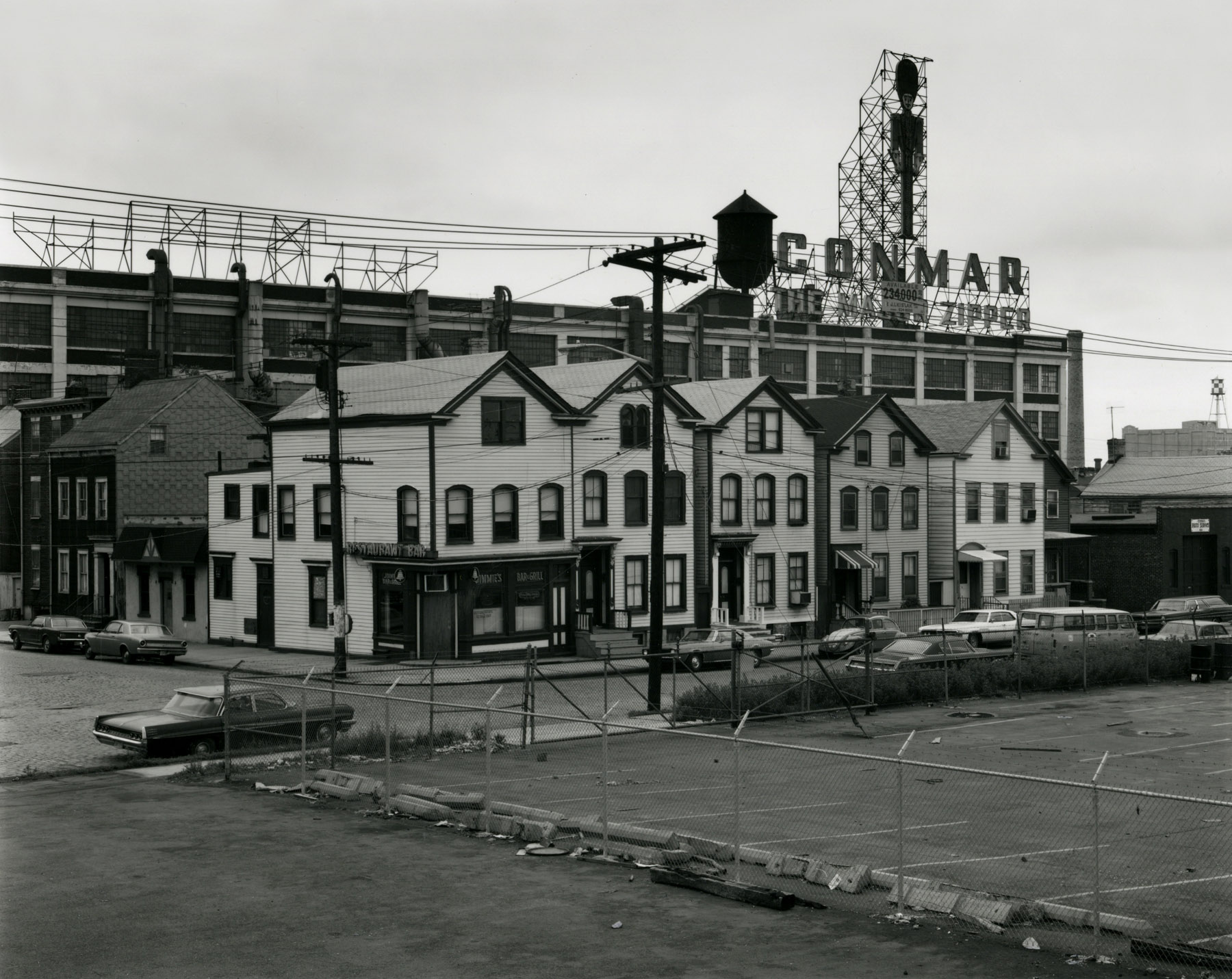

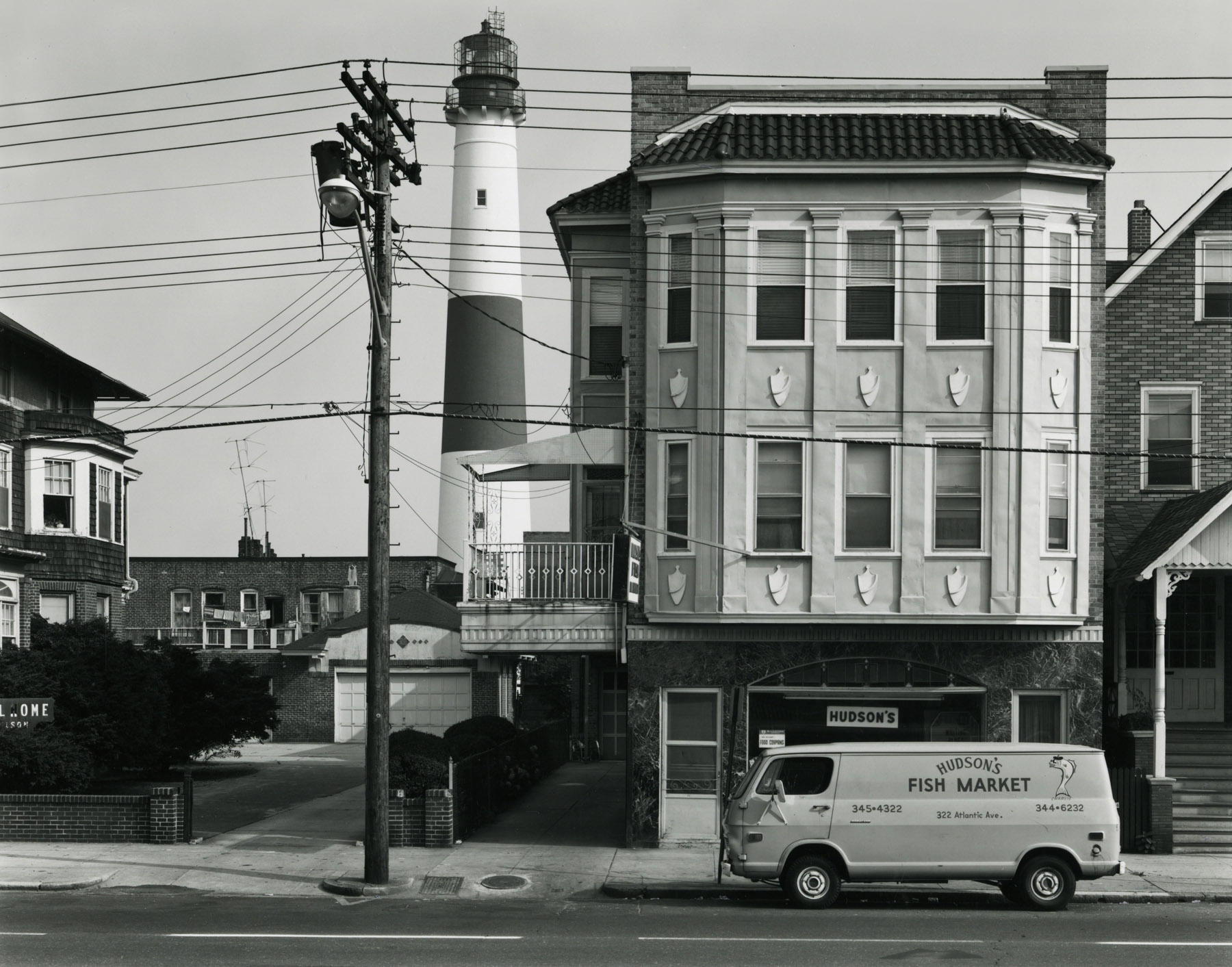
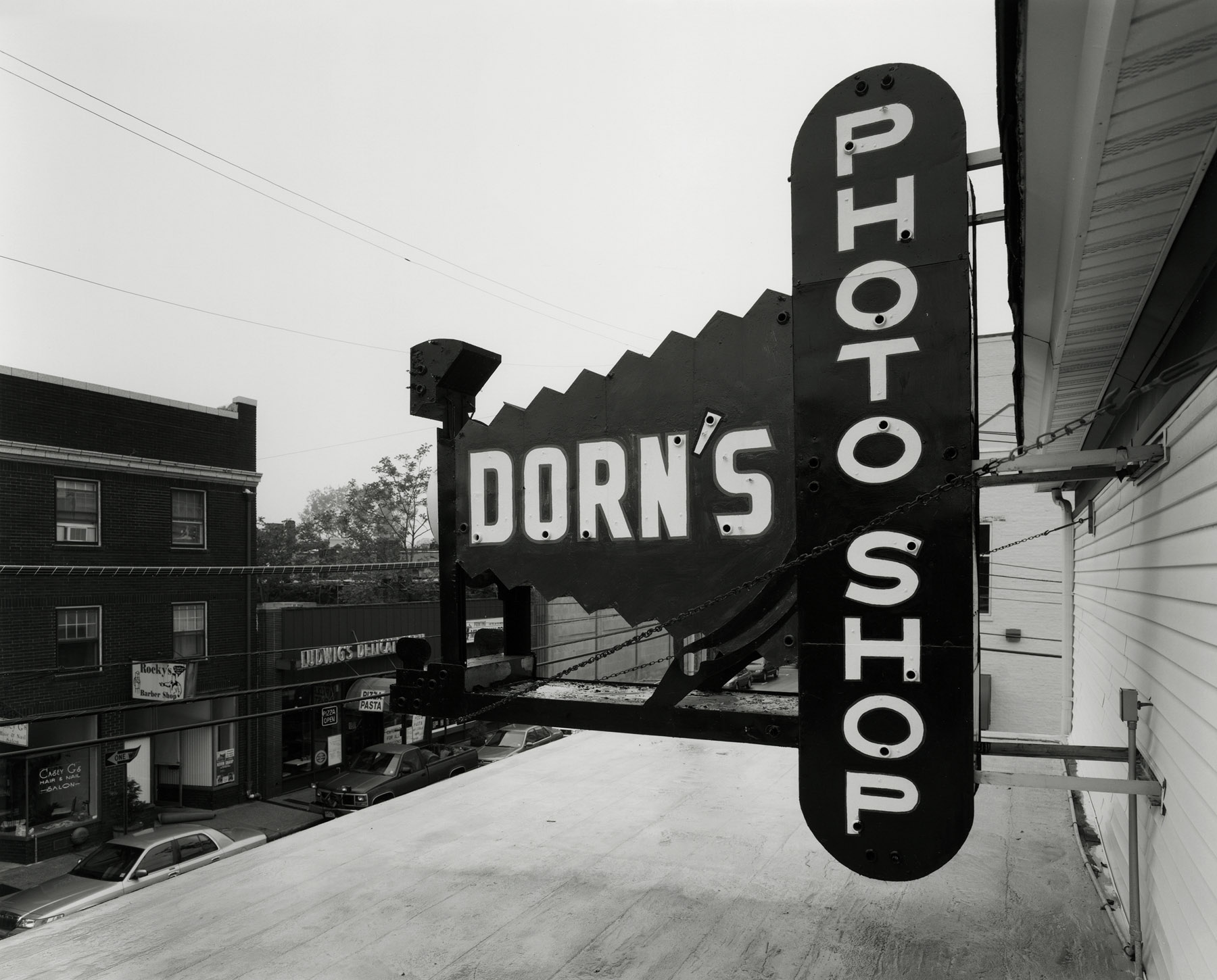

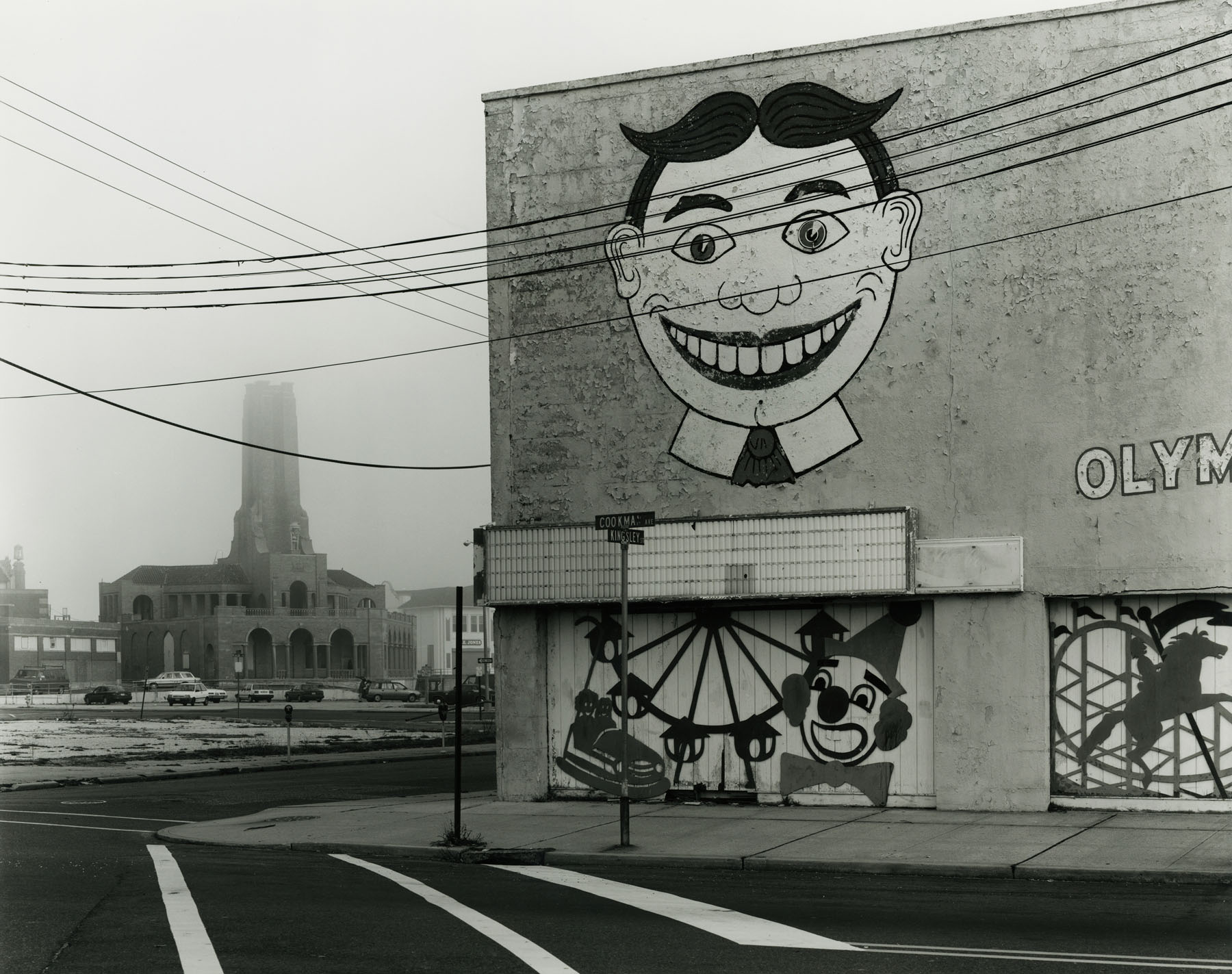

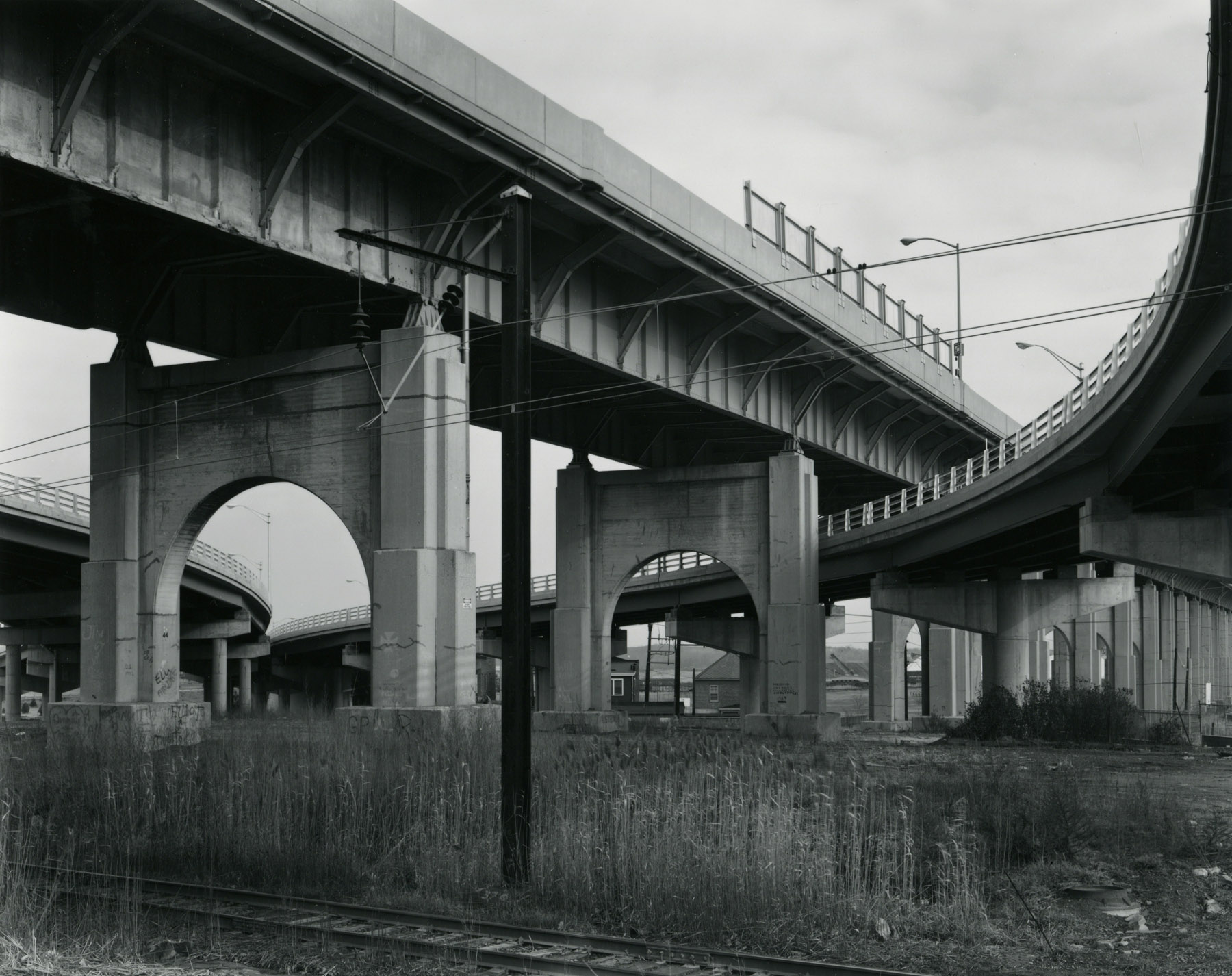
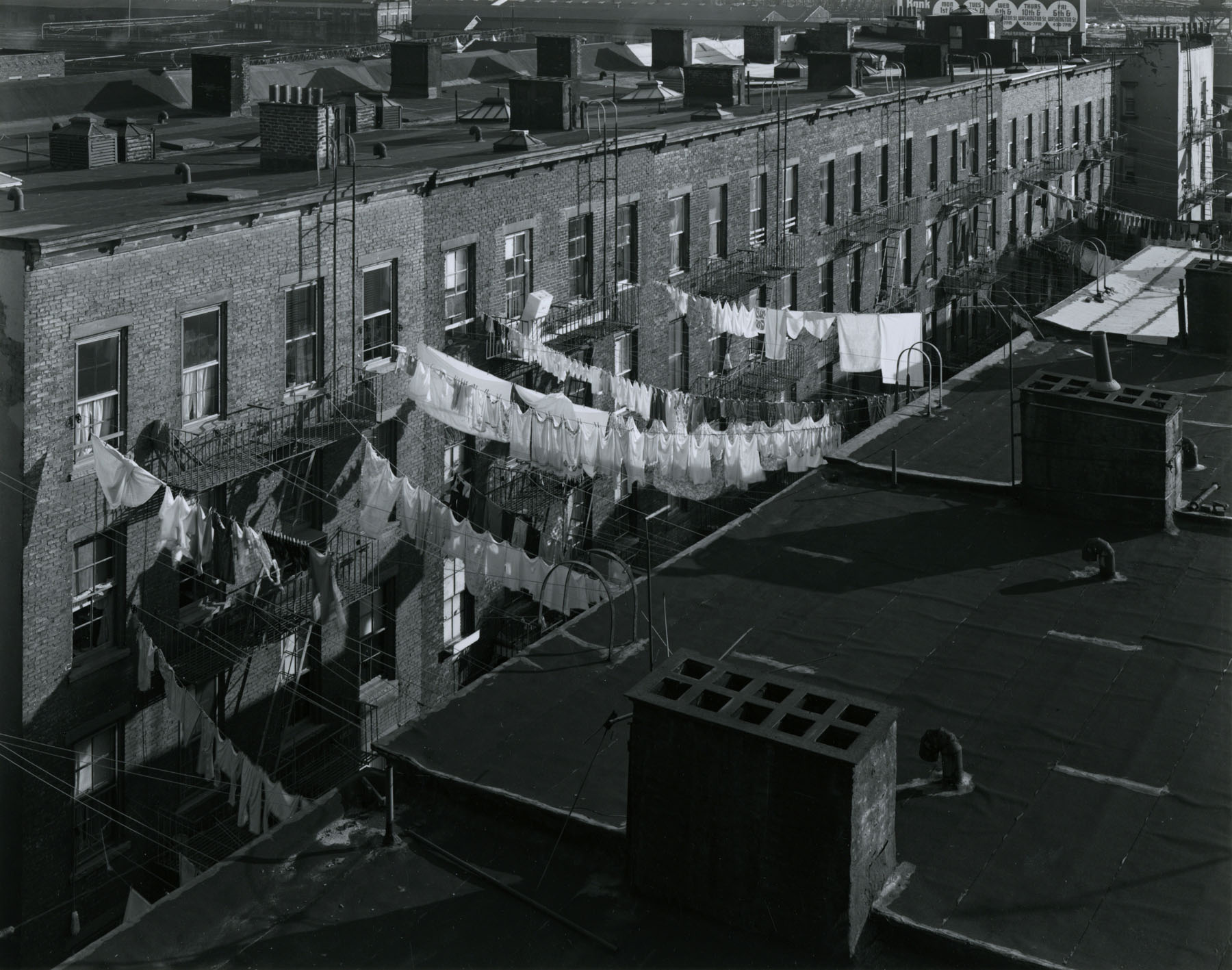

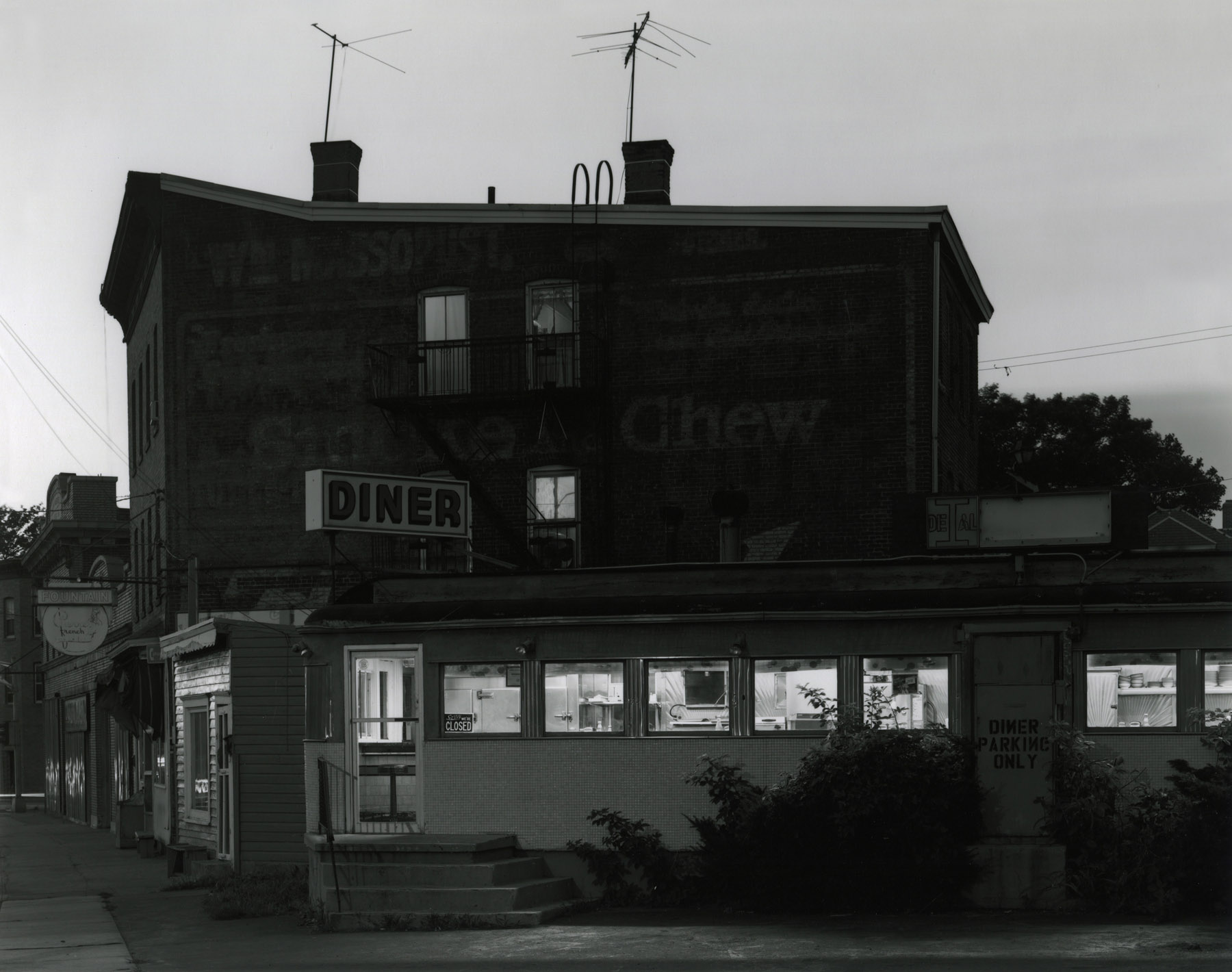
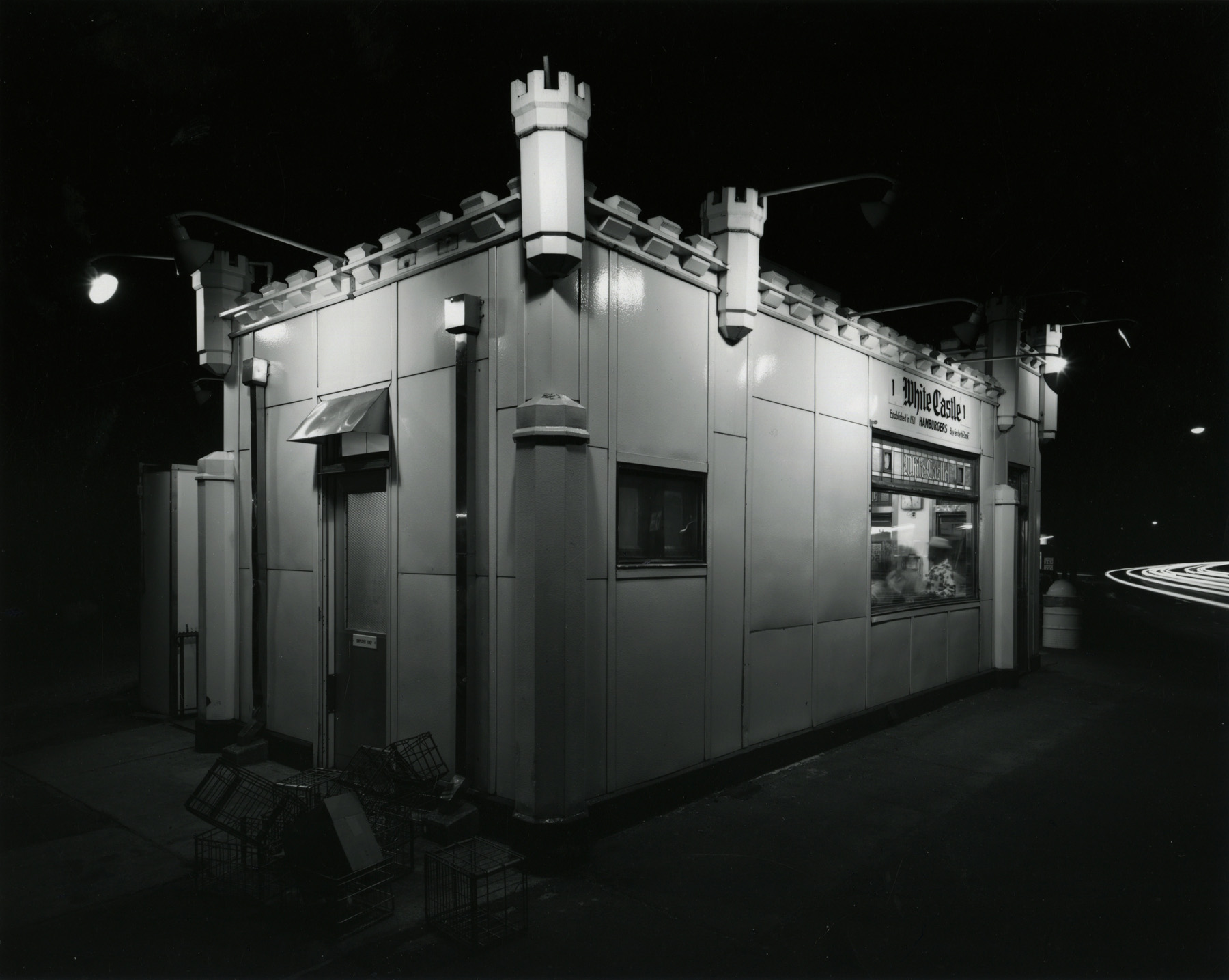

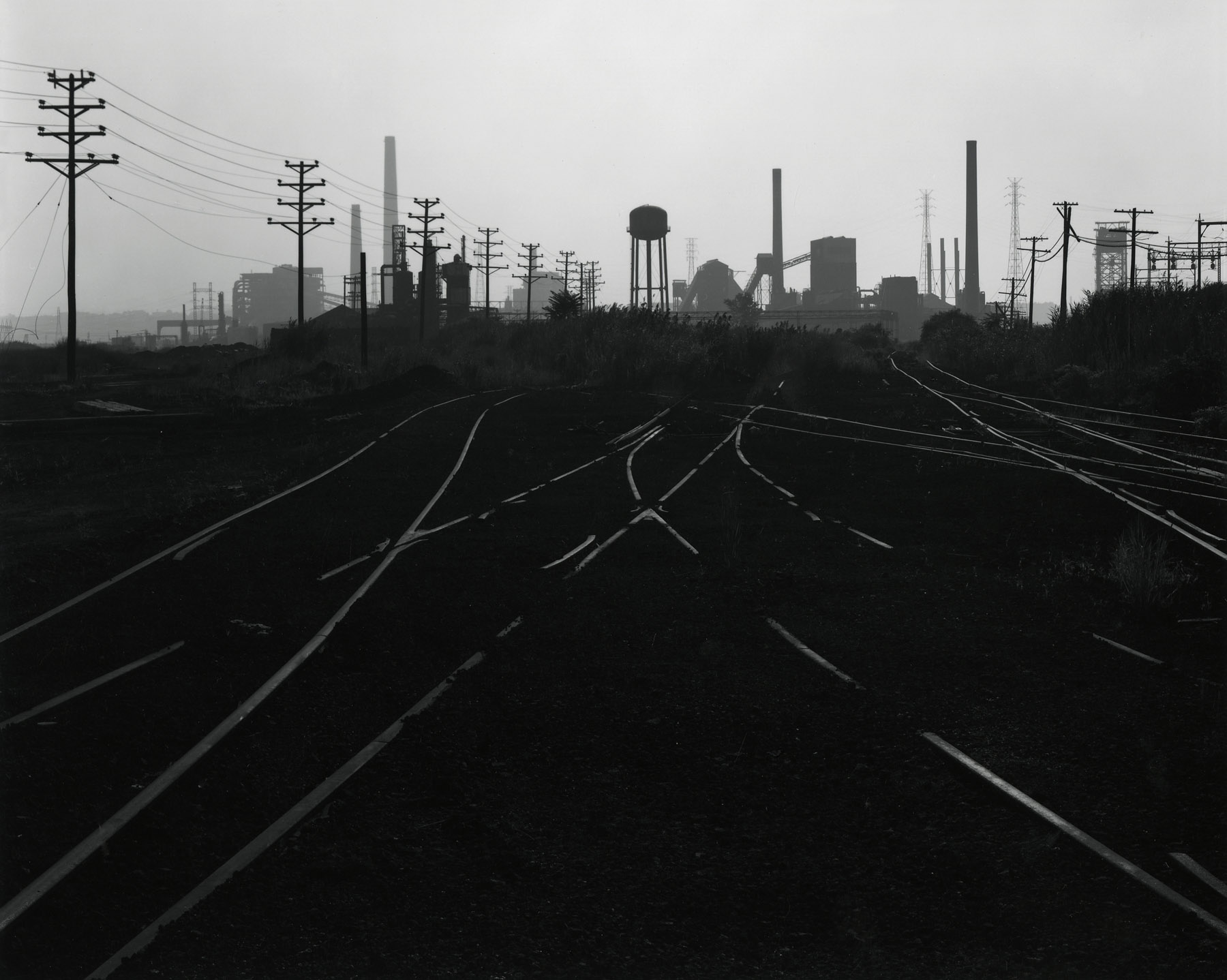


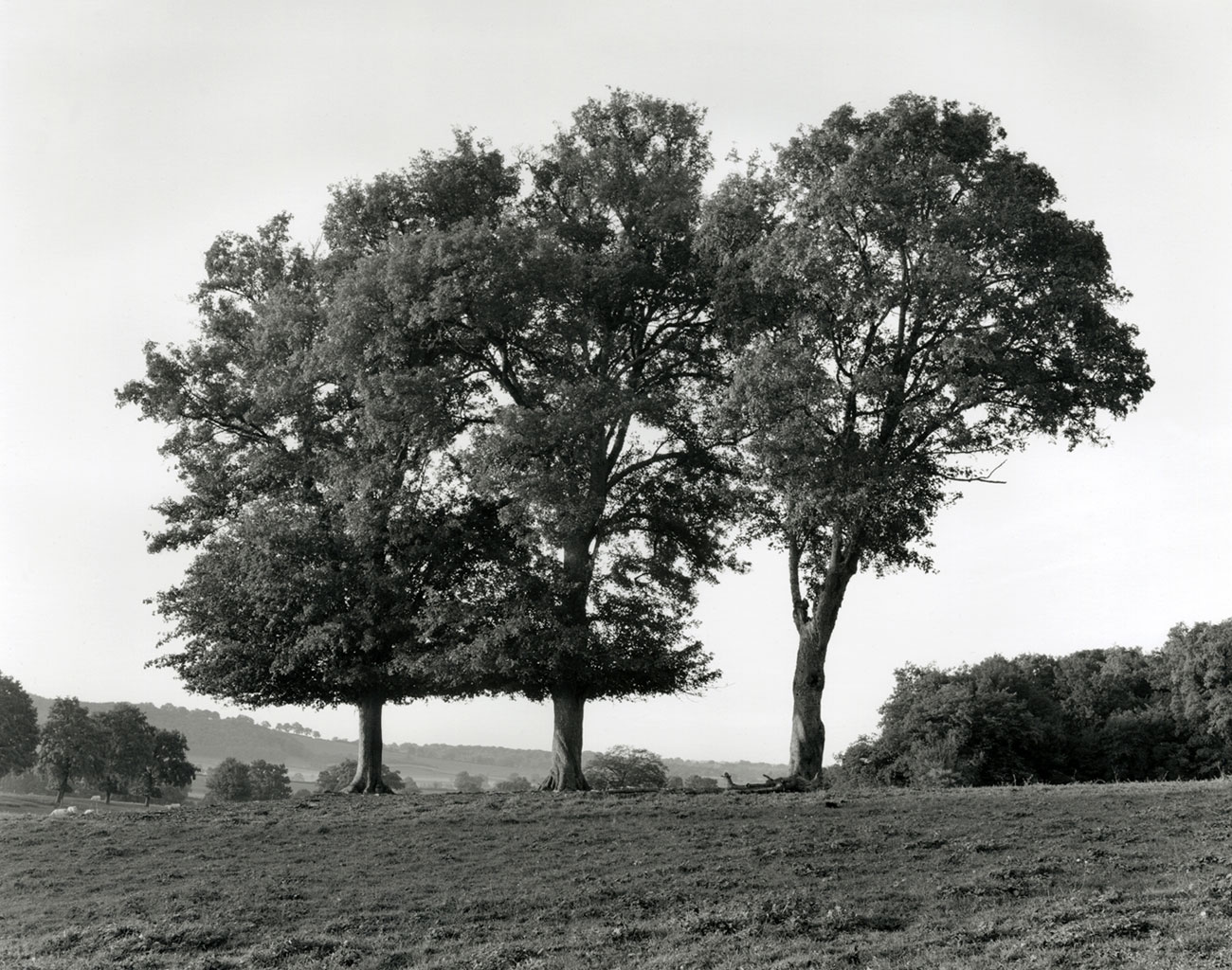
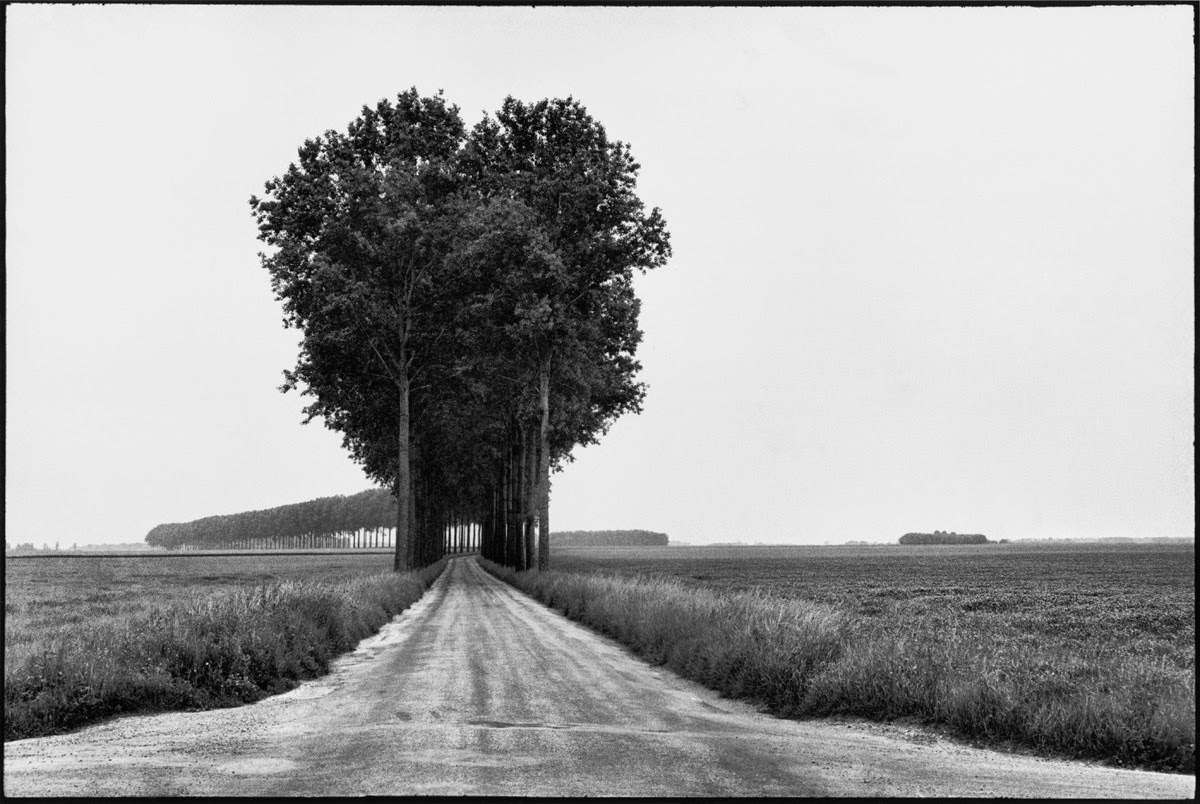
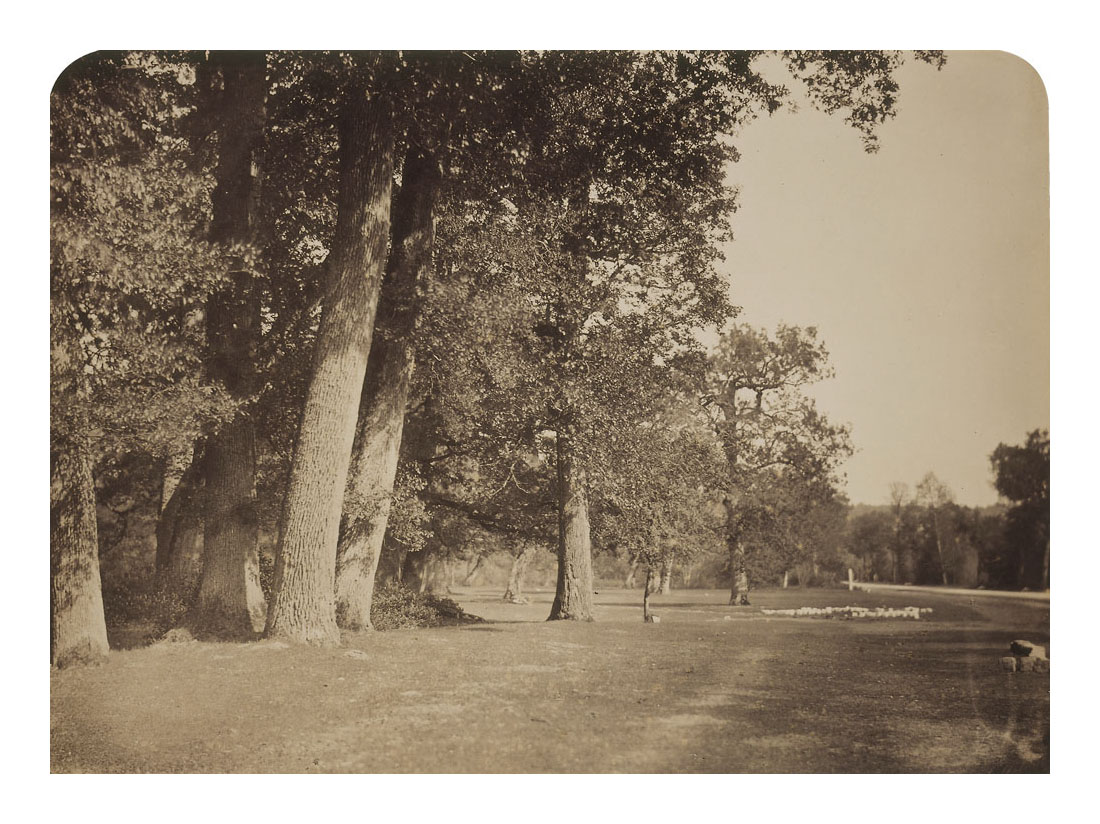
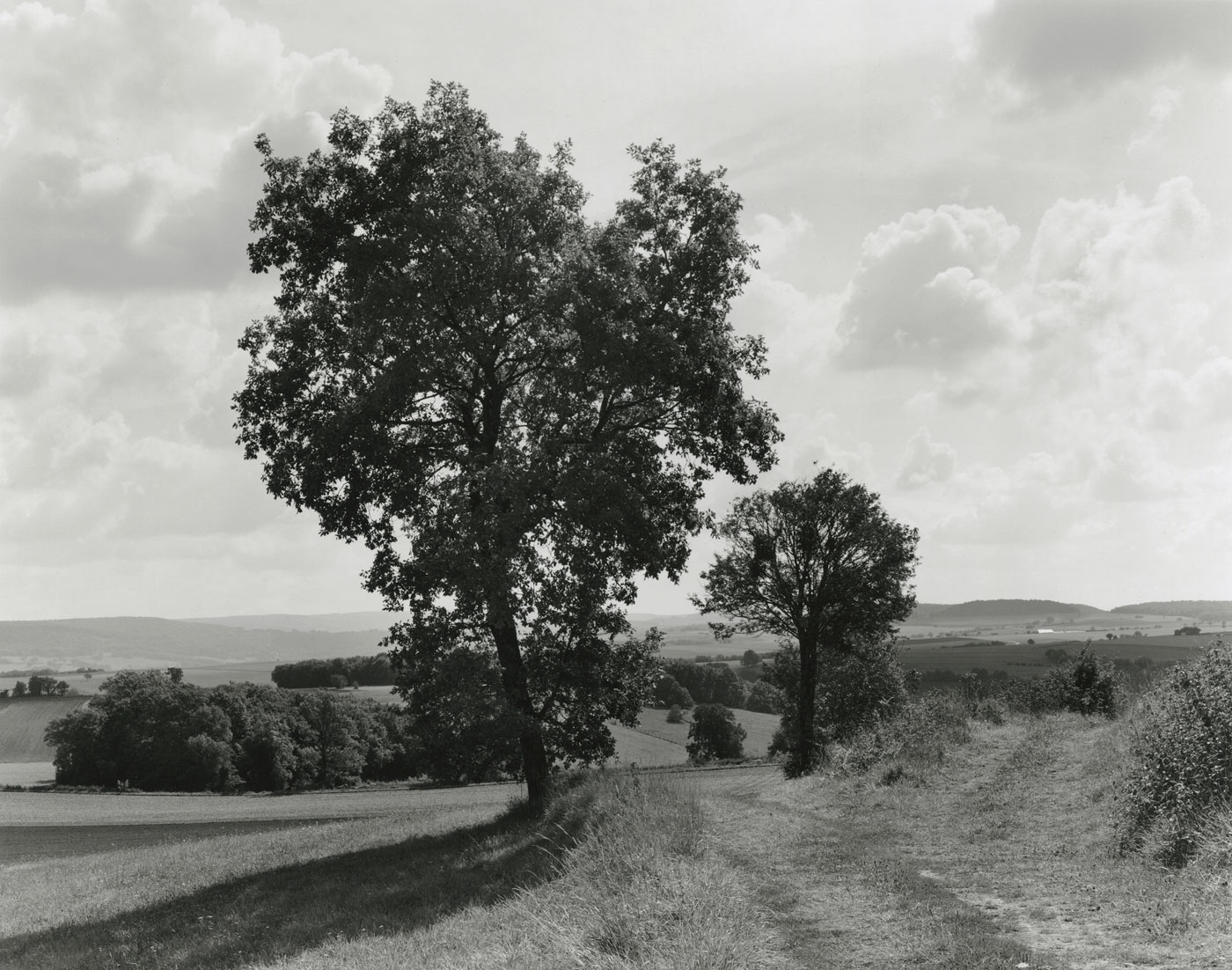
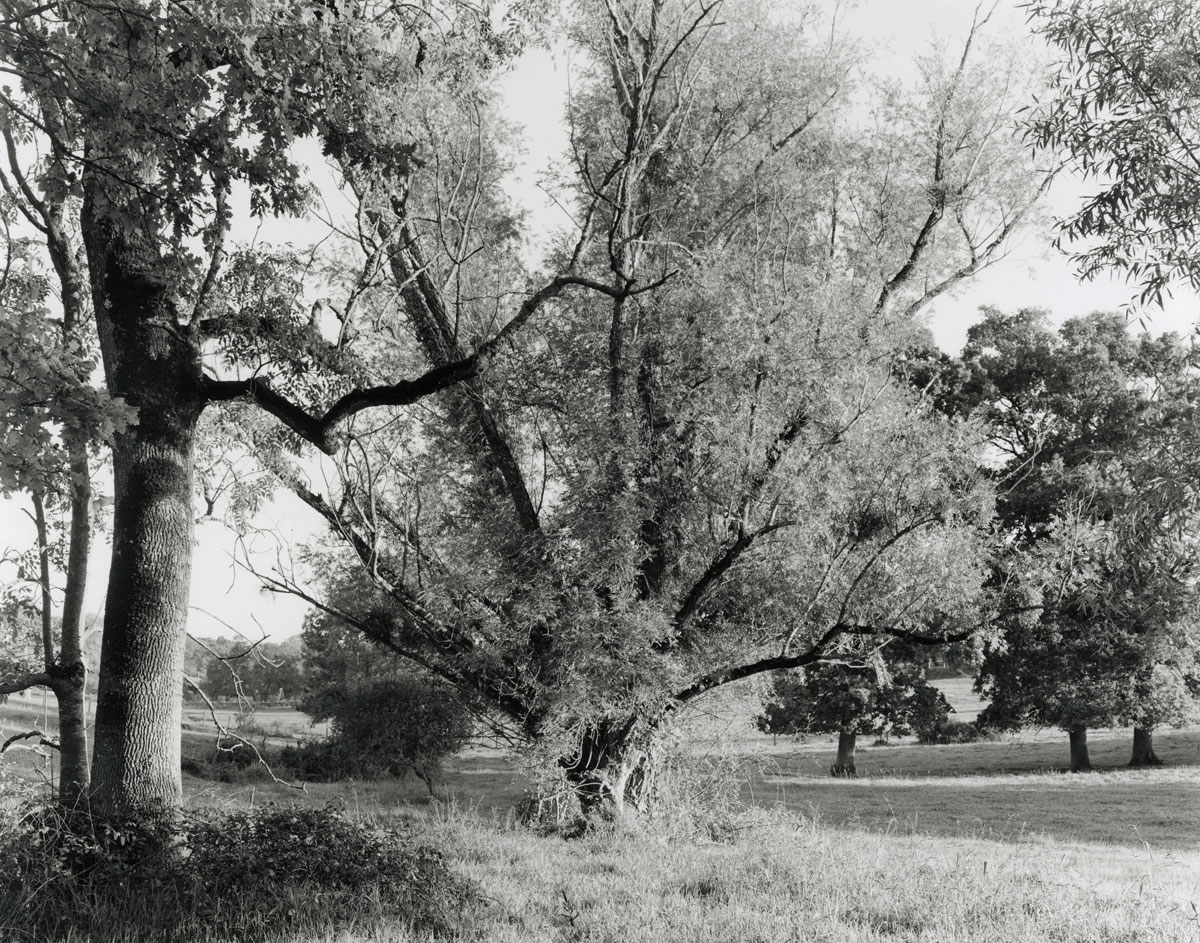
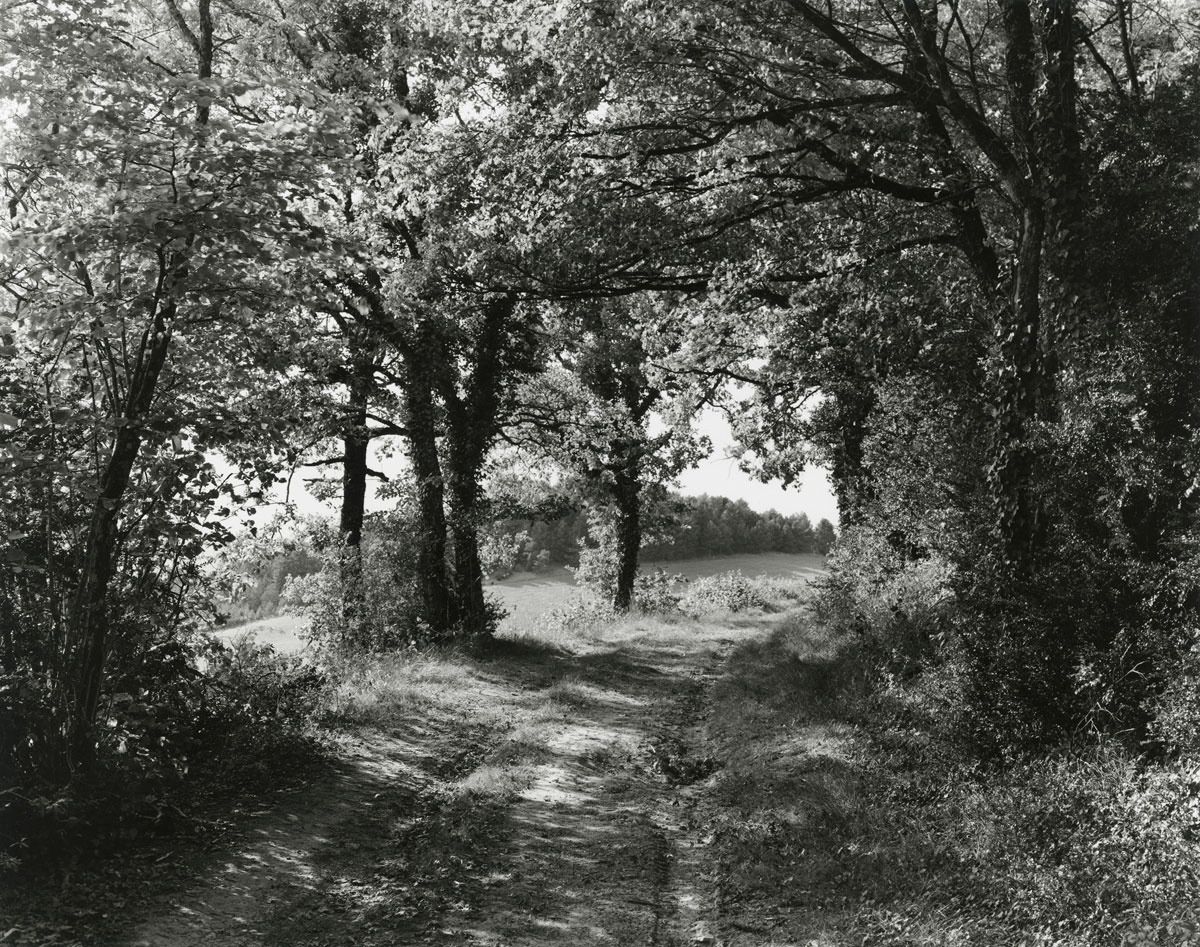
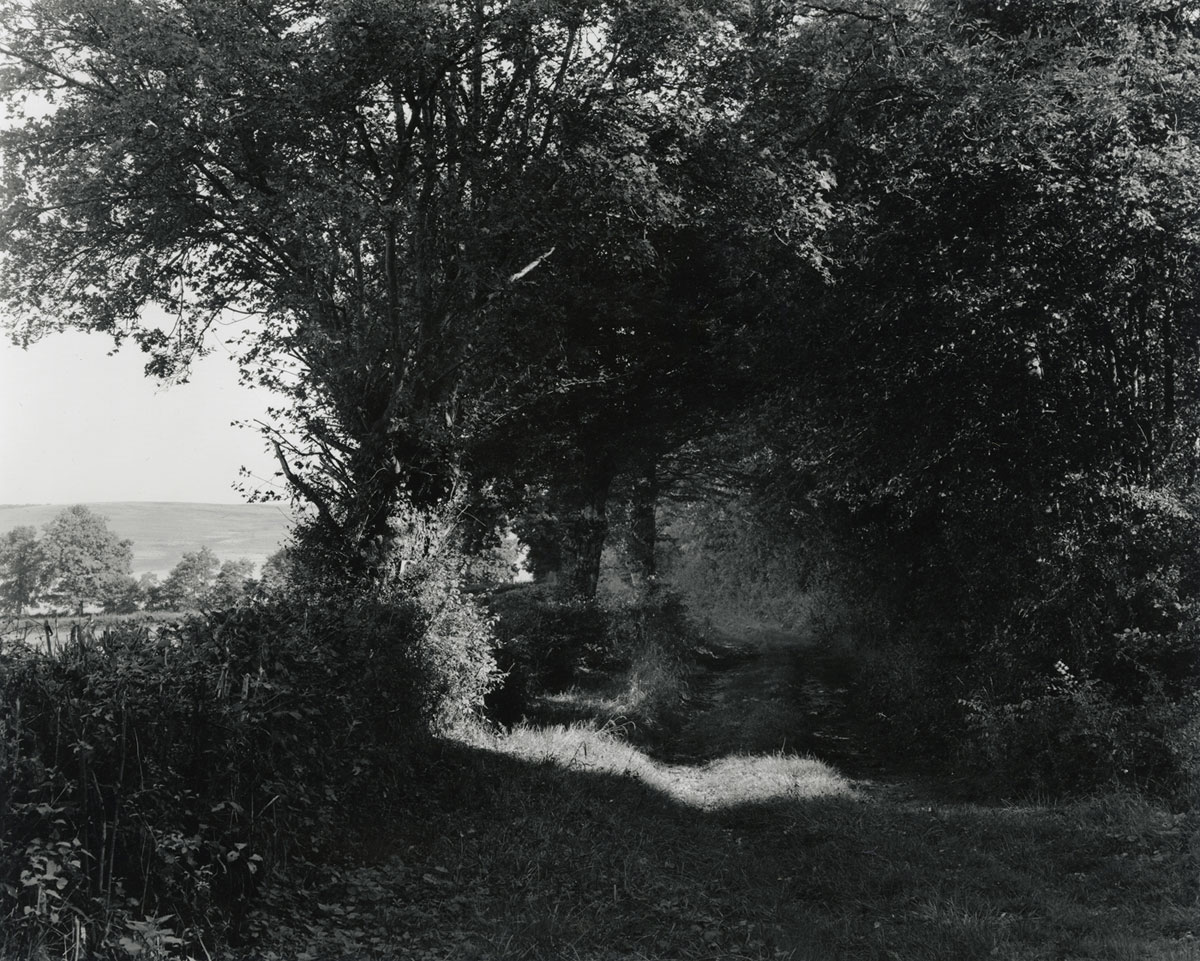
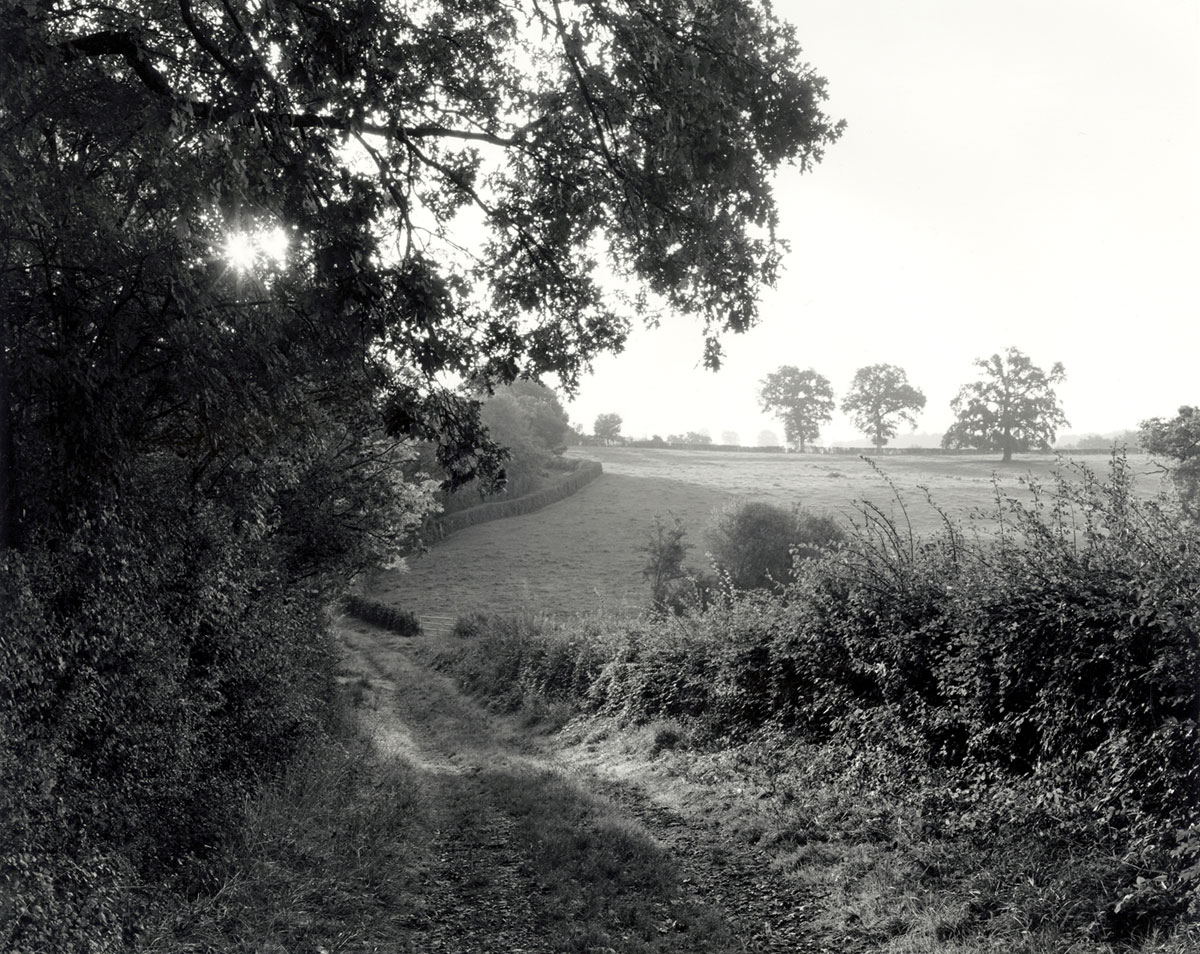
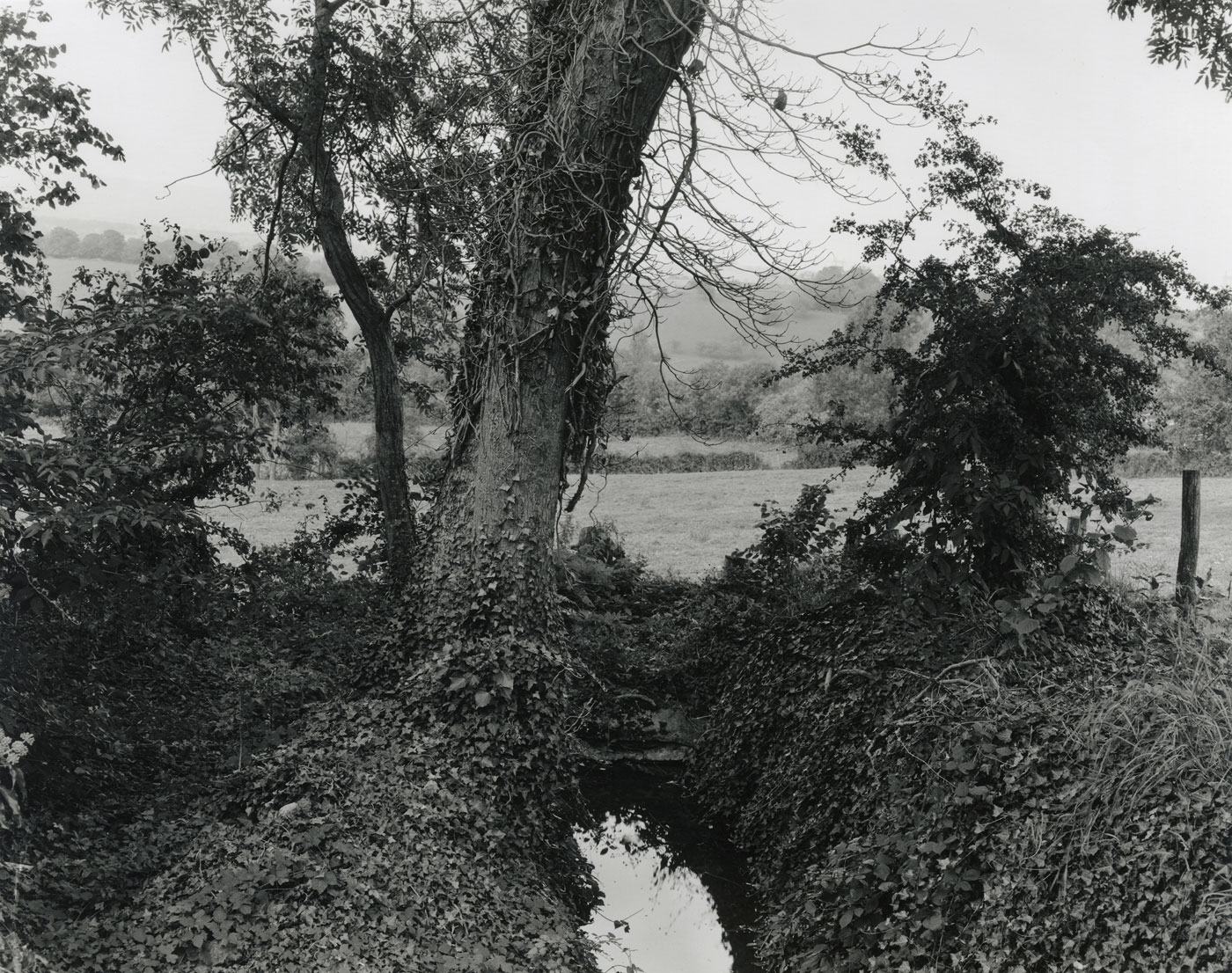
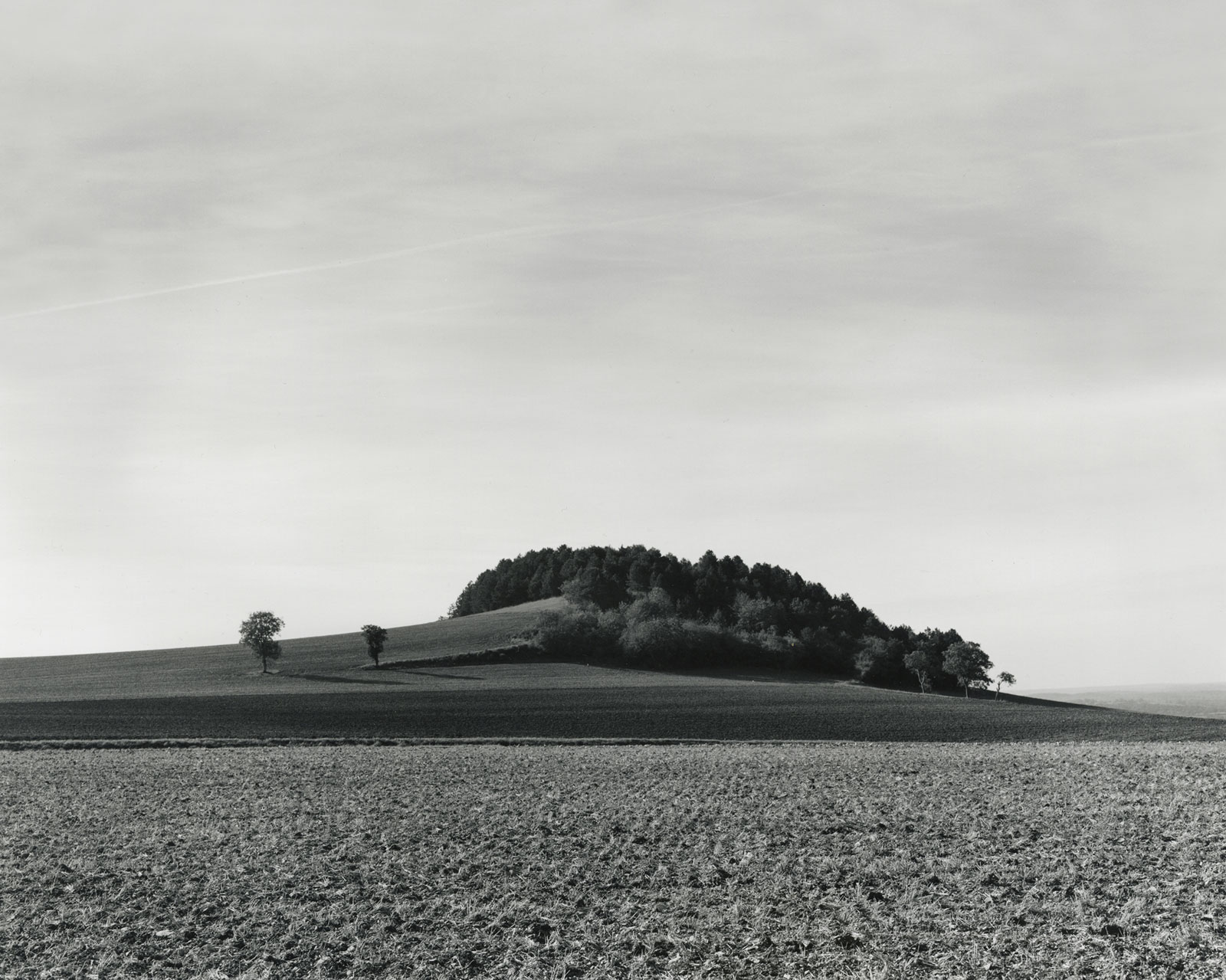
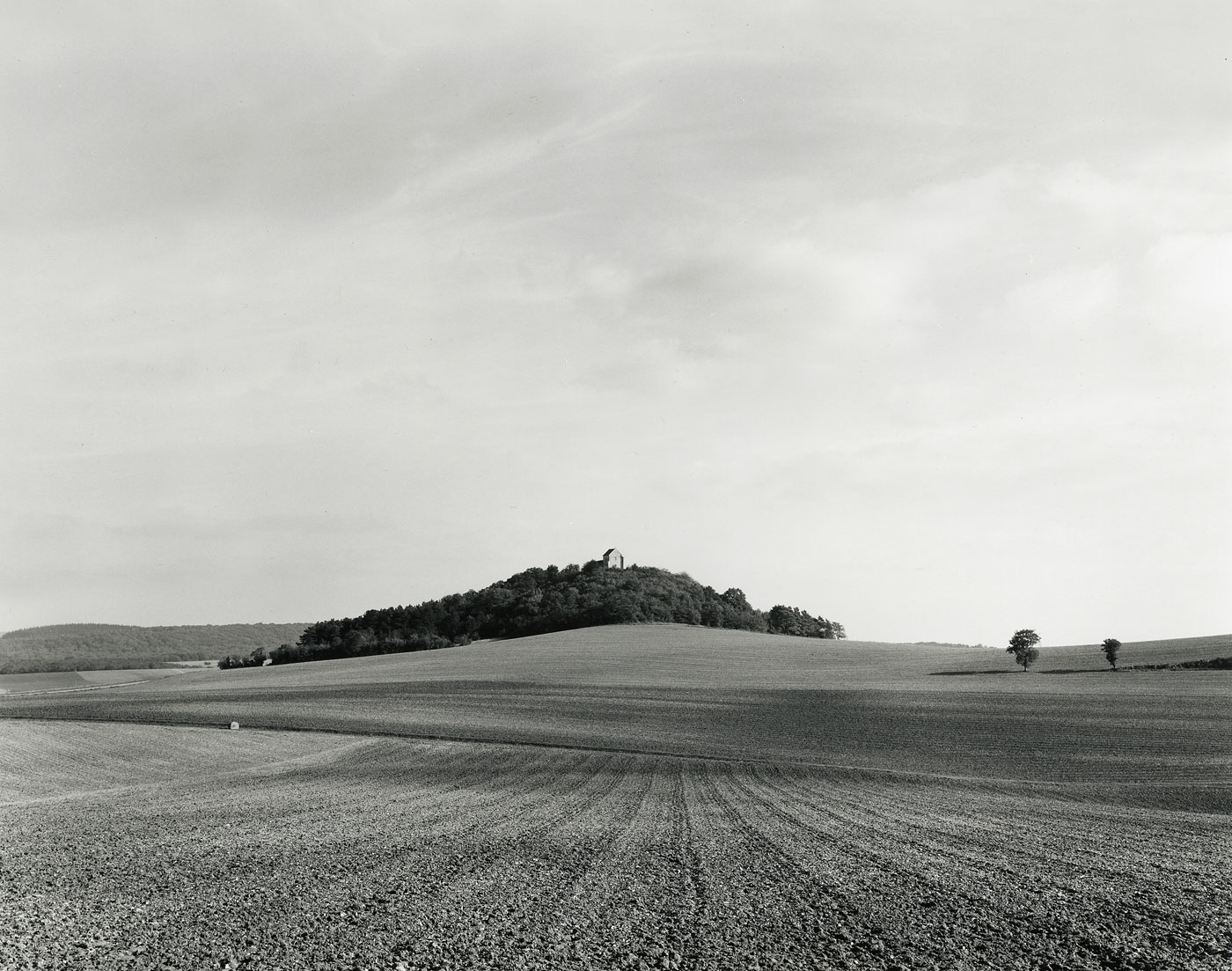
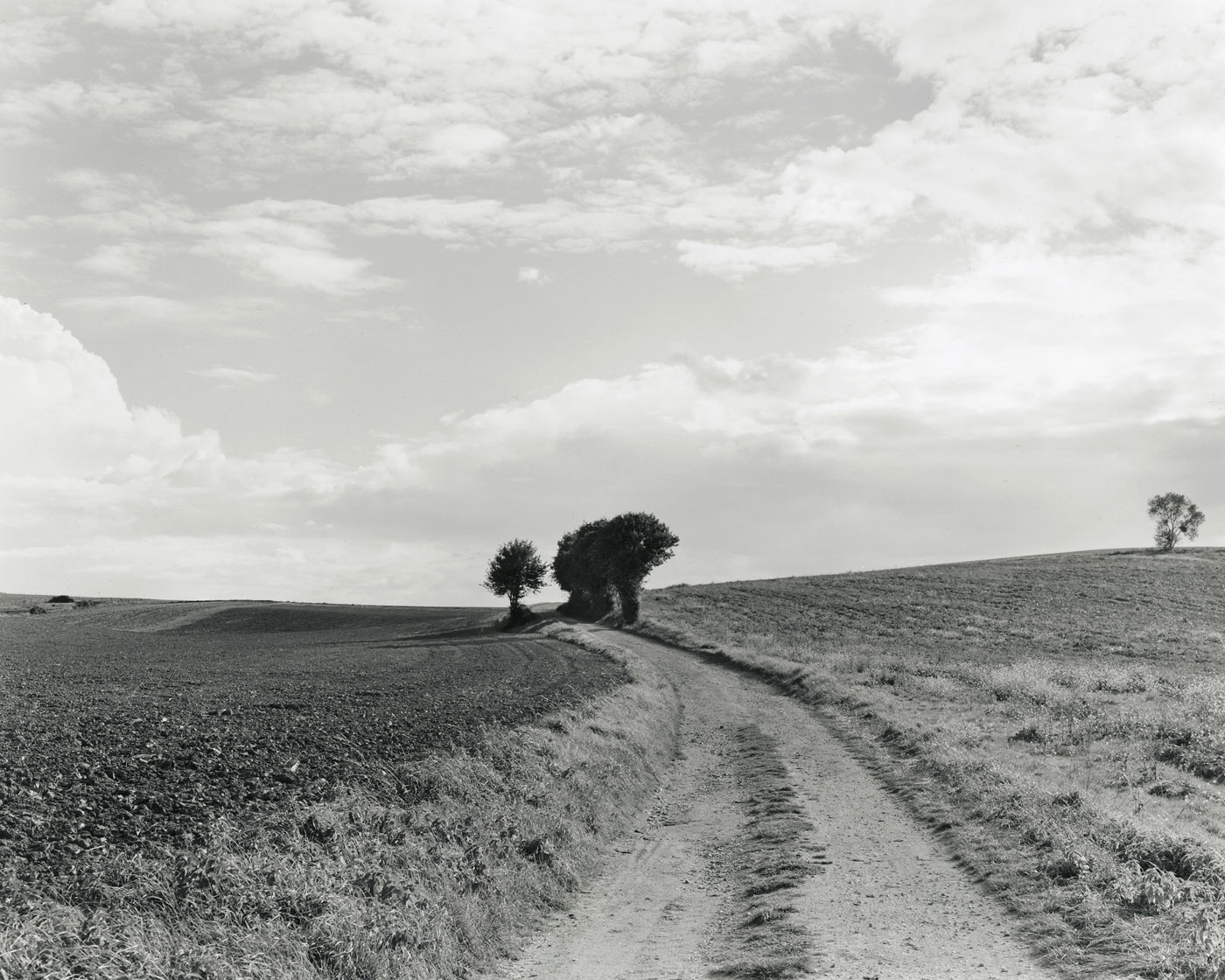
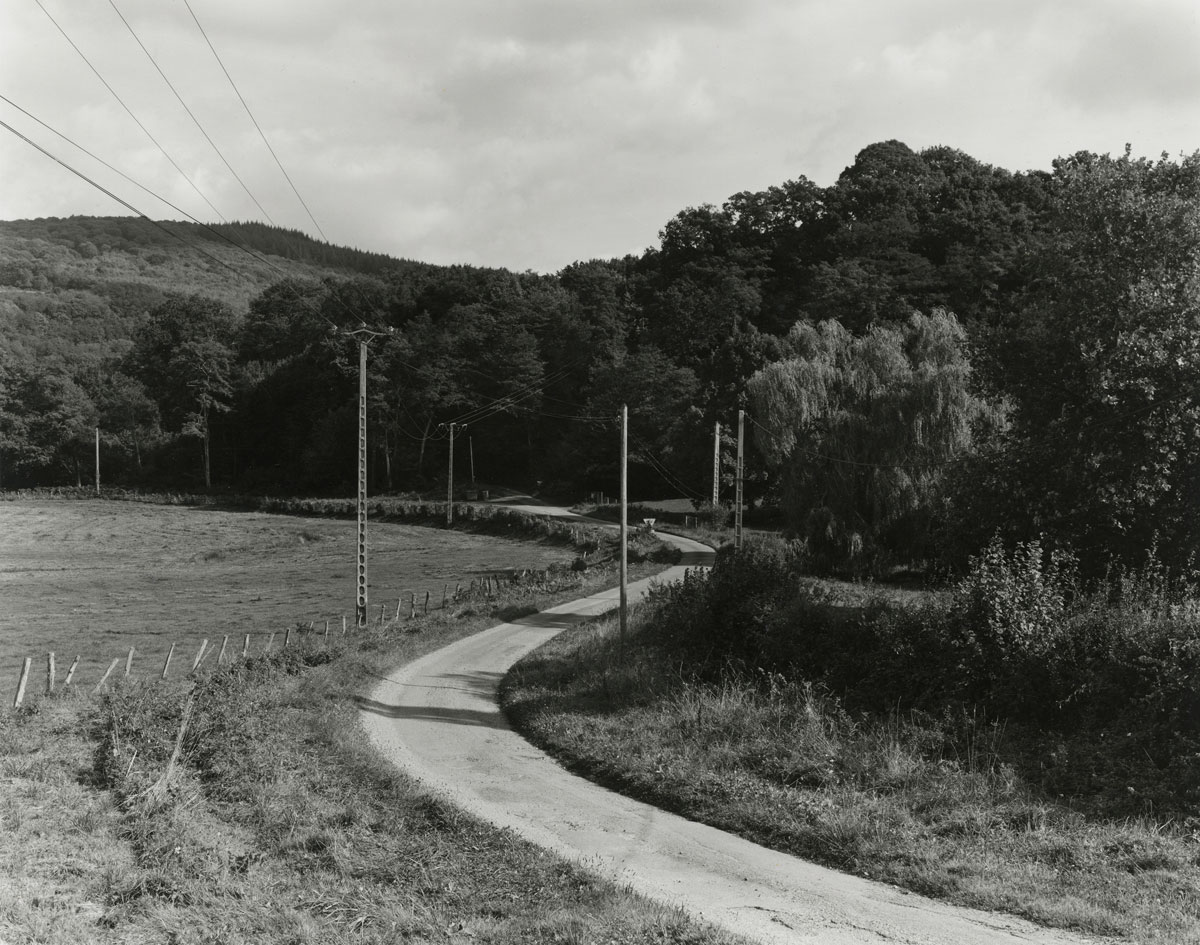
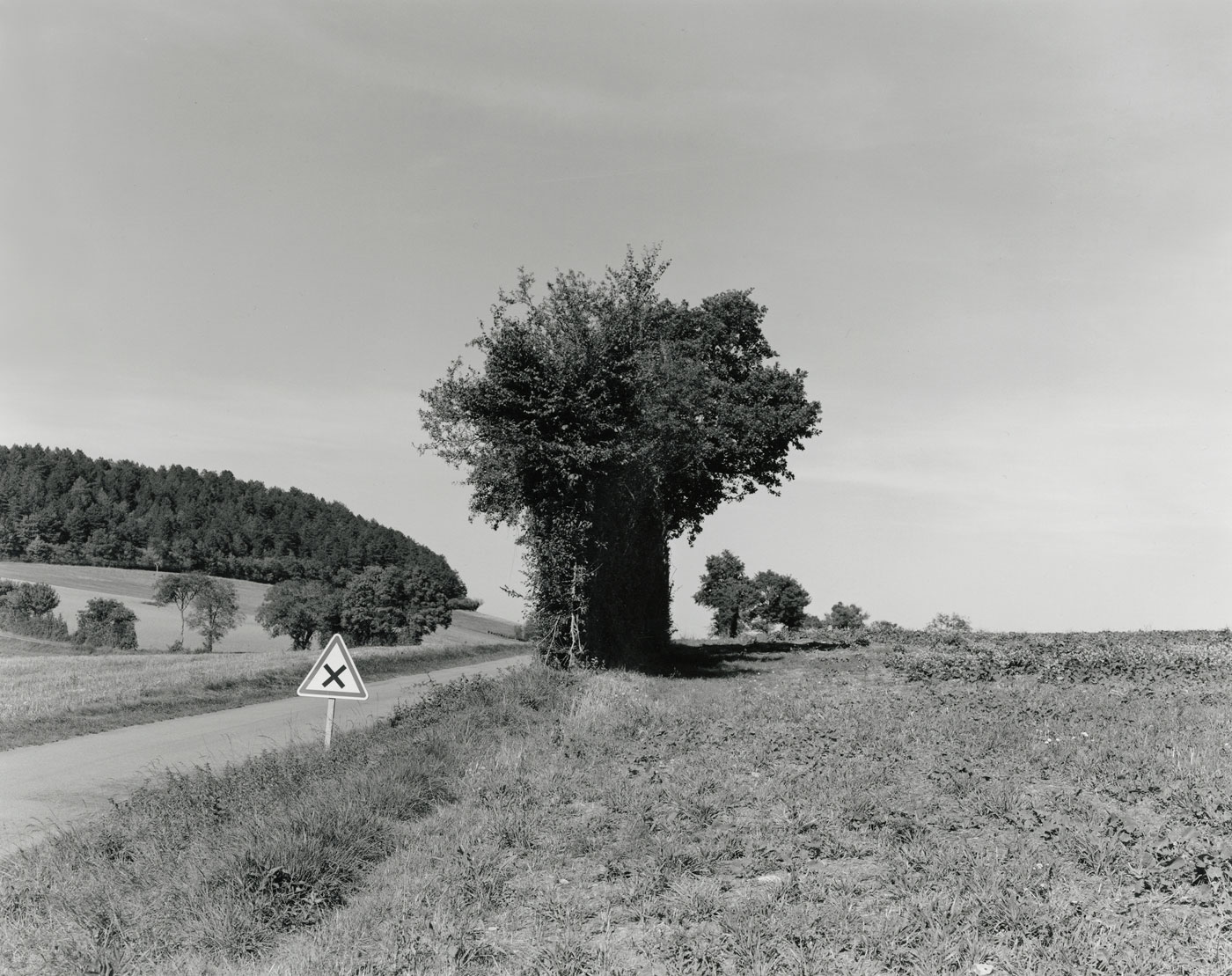
 Art Blart _ art and cultural memory archive
You must be logged in to post a comment.