Anna Reynolds Marcus / Mutilation of the soul October 1992 Phillip Institute, Melbourne Polaroid
I love Polaroid photography. As “instant” photography it can have immediacy, but it can also be used for conceptual work as can be see in this posting. You can manipulate the image while it is still developing, and you can also later reclaim the negative from the Polaroid itself, providing a useful scannable or printable negative for further experimentation.
The idea of “instant” photography bemuses me. Nothing is ever “instant”. For example, in the Polaroid image of me above (and in all of the images below), there was thought, an idea, a process, and imagination going on well before the photograph was taken, and during its development (the manipulation of the Polaroid around the figure). Even a simple, vernacular photograph of a family scene contains the fact that the person behind the camera made a conscious decision to capture something that they saw, and press the shutter at a particular moment. It is never a “snapshot” for the process of taking a photograph is always a sub / conscious, imaginative, exclamation of choice.
So there is this space and time of in/decision; there is also the space and time of waiting (and manipulating if so desired) for the Polaroid to develop. That is the magical part for me… to see the image develop not in the drip tray of the darkroom, but holding the image in your hand, watching it emerge from the ether right in front of your eyes. Instant no, unforgettable, yes.
Dr Marcus Bunyan
Many thankx to the Museum für Kunst und Gewerbe Hamburg for allowing me to publish the photographs in the posting. Please click on the photographs for a larger version of the image.
The Polaroid Project will shed light on the broad aesthetic spectrum made possible by the groundbreaking technology of instant photography, showcasing around 220 works by over 100 artists. Polaroid – a brand that has long since become a legend – revolutionised photography in a way that can still be felt today and which lives on in photo apps and on Instagram. The exhibition was developed by the Foundation for the Exhibition of Photography, Minneapolis / New York / Paris / Lausanne, the MIT Museum in Cambridge (Massachusetts), and WestLicht. Schauplatz für Fotografie (Vienna), in cooperation with MKG, and will be shown at numerous international museums.
In the exhibition The Polaroid Project, the Museum für Kunst und Gewerbe Hamburg presents for the first time the full scope of the phenomenon of the Polaroid photograph. Based on some 220 photos by over 100 artists, as well as 90 camera models and prototypes, the show sheds light on the whole aesthetic spectrum of instant photography and on the innovative technology that made this visual revolution possible. Polaroid stands for a technology, an industry, a company, and its products. Presented to the public for the first time in 1947 by Edwin Land in New York, instant camera film made the photo lab superfluous. As if by magic, the picture gradually appears before the eyes of the photographer and subject. Polaroid – a brand that has long since attained legendary status – thus transformed our handling of photography in a way that is still pervasive today, living on in photo apps and Instagram. In the heyday of the company in the mid-20th century, Polaroid sold its cameras and film to millions of amateurs and professionals. The technical and aesthetic qualities of the new medium, and above all the immediacy and spontaneity of the photos, made it an exciting field of experimentation for artists as well.
Polaroid itself has worked closely with photographers from the start. One of the earliest advisors to Edwin Land, inventor and founder of the Polaroid Corporation, was Ansel Adams, the godfather of American landscape photography. In its Artist Support Program, the company provides film and cameras to both established figures and nascent talents in the art and photography scene. In return, it receives not only feedback on its products but also selected works for the company collection. For artists, the inventions from Land’s company offer a playground for their own discoveries, one that provides fresh inspiration for their photography. It thus came about that the exponents of Pop Art – chief among them Andy Warhol – raised the status of the Polaroid photo to a whole new level with their excessive use of the medium, securing for it a place in the artistic sphere.
Press release from the Museum für Kunst und Gewerbe Hamburg
Early Cindy Sherman, very good; Francesca Woodman, wow; but Ana Mendieta, you are a star!
Dr Marcus Bunyan
Many thankx to the Hamburger Kunsthalle for allowing me to publish the photographs in the posting. Please click on the photographs for a larger version of the image.
Featuring 34 international women artists, this wide-ranging exhibition highlights the early days of the feminist art movement. With over 150 major works drawn from the SAMMLUNG VERBUND in Vienna, it documents how female artists in the 1970s began collectively reshaping the “image of woman” – something that had never happened before in the history of art. During this period, increasing numbers of women who had been born during or just after the Second World War had the opportunity to study at an art school or academy, enabling them to emancipate themselves from the traditional role of artist’s muse or model. Dr Gabriele Schor, director of the SAMMLUNG VERBUND, coined the term “feminist avant-garde” to highlight the pioneering role played by these artists.
The female artists have turned to new media such as photography, film or video, due to the fact that these are not laden with art-historical baggage; others employ performance or action-based art as their chosen means of expression. Along with artists such as VALIE EXPORT, Cindy Sherman and Martha Rosler whose work is familiar to a wide audience, the exhibition also provides a rare opportunity to discover some equally accomplished but less well-known members of the “feminist avant-garde”.
Featuring 34 international women artists, this wide-ranging exhibition highlights the early days of the feminist art movement. With over 150 major works drawn from the SAMMLUNG VERBUND in Vienna, it documents how female artists in the 1970s began collectively reshaping the “image of woman” – something that had never happened before in the history of art. During this period, increasing numbers of women who had been born during or just after the Second World War had the opportunity to study at an art school or academy, enabling them to emancipate themselves from the traditional role of artist’s muse or model. Dr Gabriele Schor, director of the SAMMLUNG VERBUND, coined the term “feminist avant-garde” to highlight the pioneering role played by these artists.
They went on to create works that challenged social norms and the mechanisms of the art business, developing radical new artistic practices and breaking with a male-dominated reality. Against the background of the civil rights movement and the women’s movement, feminist issues emerged as a matter of public debate: the personal was now political. Within a very short period of time, women began raising awareness and gaining public recognition by organising collective actions, demonstrations and independent exhibitions. The artists of the “feminist avant-garde” have examined how traditional images determine the perception of women and how they construct their own personal and social identity. Their work addresses a wide range of themes, such as the relegation of women to the one-dimensional role of housewife and mother, the use of one’s own body in art, female sexuality, notions of beauty and violence against women.
The female artists undermine the stereotype roles in a subversive way. Martha Rosler, for example, uses exaggeration and parody to criticise women’s traditionally domestic role, and Birgit Jürgenssen tied a cooker around her neck like an apron in her work Hausfrauen-Küchenschürze. By playing with the camera or employing masquerade and costumes as an effective means of self-representation, women artists have challenged conventional notions of identity or femininity and exposed these as social constructs. Cindy Sherman, Suzy Lake, Hannah Wilke and Martha Wilson cast themselves in a variety of roles for their photographic investigations into everyday and historical clichés. In a similar way, Lynn Hershman Leeson created a fictional alter ego as “Roberta Breitmore” and enacted this character for a number of years. While accepted cultural ideals of beauty and perfection play an important role for all of the artists mentioned above, these themes are specifically and impressively addressed in the work of Rita Myers and Ewa Partum.
Numerous women artists have turned to new media such as photography, film or video, due to the fact that these are not laden with art-historical baggage; others employ performance or action-based art as their chosen means of expression. VALIE EXPORT, for example, invited passers-by on Munich’s Stachus square to visit her Tapp-und Tastkino – meaning that they could put their hands inside a box she was wearing over her naked chest. Female artists have often exploited their own bodies as art material, whereby some – such as Ana Mendieta or Gina Pane – have pushed themselves to the very limits of physical endurance. Using humour, irony, subtlety and provocation, the artists of the “feminist avantgarde” have deconstructed the traditional female iconography.
Along with artists such as VALIE EXPORT, Cindy Sherman and Martha Rosler whose work is familiar to a wide audience, the exhibition also provides a rare opportunity to discover some equally accomplished but less well-known members of the “feminist avant-garde”.
The SAMMLUNG VERBUND was founded in 2004 in Vienna by VERBUND, Austria’s leading producer of electricity from hydropower. The collection focuses on international contemporary art from 1970 to the present day, with a unique emphasis on the Feminist Avant-garde of the 1970s.
Curators: Professor Hubertus Gaßner and Luisa Pauline Fink
Installation view of Feuerbach’s Muses – Lagerfeld’s Models at Hamburger Kunsthalle
Don’t give up your day job
From the sublime (Feuerbach) to the downright awful (Lagerfeld).
From gorgeous, sensitive portrait paintings of women, full of detail and texture, colour and stillness to what I would term soft-cock porn. Fashion influenced, hyper airbrushed faces; Saint Sebastian poses referencing classical ideals of male beauty (done so much more authentically and grittily by Baron Wilhelm von Gloeden), all staged in sylvan settings. Then printed onto silver- and gold-coloured fabric. Can’t wait to see that…
Not absolutely fabulous, just absolutely hideous.
Dr Marcus Bunyan
Many thankx to Hamburger Kunsthalle for allowing me to publish the art work and photographs in the posting. Please click on the photographs for a larger version of the image.
Installation views of Feuerbach’s Muses – Lagerfeld’s Models at Hamburger Kunsthalle
Iphigenia (Greek mythology) the daughter of Clytemnestra and Agamemnon; Agamemnon was obliged to offer her as a sacrifice to Artemis when the Greek fleet was becalmed on its way to Troy; Artemis rescued her and she later became a priestess.
From February 2014 the Hamburger Kunsthalle is presenting an unusual double exhibition on beauty, eroticism and the adoration of muses and models that brings together paintings by Anselm Feuerbach and hit her to unseen photographs by Karl Lagerfeld. In a similar way both Feuerbach and Lagerfeld seek an actualisation of an ideal of timeless beauty founded in the ancient world. The exhibition examines the cult of beauty, which stylises the model to an icon. Over forty works by Feuerbach, most of them from the years 1860-70, will be on show. They are loans from the Feuerbachhaus Speyer and from numerous German, Swiss and Austrian museums ad private collections. Karl Lagerfeld has created a series of around sixty black-and-white photographs specially for the exhibition. Mostly in large formats, they have been printed in a complex procedure onto silver- and gold-coloured fabric.
Anselm Feuerbach (1829-80) one of the most important German painters of the late nineteenth century, lived in Rome from 1856 onwards. The city, with its magnificent architecture and heroic surrounding landscape, was a place of yearning that seemed eligible like no other to revive the classical ideal of ancient times. Feuerbach devoted himself to antique subject matter, which he filled with imagination and personal feeling. This is most excitingly shown in the series of unique portraits, begun in 1860, which portray Feuerbach’s model and muse, Anna Risi, known as Nanna. Feuerbach painted Nana in a wide variety of roles and sensitively staged settings that reveal an almost cultic veneration for his model. When Nanna left Feuerbach in 1865, she was followed by Lucia Brunacci. Similarly to Nanna she matched the classical ideal of beauty of the time, with her Greek profile and thick dark hair. Lucia inspired Feuerbach to impressive portrayals of mythological themes that form the highpoint of his ouevre.
‘Happy is he whom the muses love’, wrote the Greek poet Hesiod, and so the muses are a symbol of the higher power that is needed, according to the ancients, to be creative. The photographic series Modern Mythology (2013) by Karl Lagerfeld, explores the love story of Daphnis and Chloe, and shows models such as Baptiste Giabiconi and Bianca Balti, who have accompanied Lagerfeld in his work for several years. The story, by the poet Longus, tells of a boy and a girl who grow up without parents among shepherds and over the years develop a strong affection for one another. The narration has been taken up many times since the Renaissance. Lagerfeld’s photographs belong to a series of works by Pierre Bonnard, François Boucher or Aristide Maillol which present the ancient text as a symbol of the idyllic life. Karl Lagerfeld’s stagings were shot against the picturesque natural background of the South of France, and are the actualisation of an ancient theme.
The exhibition is accompanied by two publications: the catalogue on Anselm Feuerbach is published jointly with the Museum Wiesbaden and introduces Feuerbach’s paintings and drawings from an art-historical perspective; the second book combines Karl Lagerfeld’s photographs and Longus’s mythological narrative of Daphnis and Chloe in a bibliophile volume that will be elaborately produced by the publisher Gerhard Steidl.
Curators: Professor Hubertus Gaßner and Luisa Pauline Fink
Press release from the Hamburger Kunsthalle website
The Chanel Legend exhibition dates: 28th February – 18th May, 2014 New Women exhibition dates: 28th February – 27th July, 2014
Yva (German, 1900-1944) Silk stockings Nd Silver gelatin print Museum für Kunst und Gewerbe Hamburg
Yva (26 January 1900 – 31 December 1944) was the professional pseudonym of Else Ernestine Neuländer-Simon who was a German Jewish photographer renowned for her dreamlike, multiple exposed images. She became a leading photographer in Berlin during the Weimar Republic. When the Nazi Party came to power, she was forced into working as a radiographer. She was deported by the Gestapo in 1942 and murdered, probably in the Majdanek concentration camp during World War II.
Do you feel like a new woman?
Do you feel like a god?
You, in the oft mentioned (ten times in the accompanying texts) LBD (Little Black Dress) or Chanel Suit (ten times as well)
It’s like the ten commandments.
And ~ on we go… say after me,
“Sashay! Shantay!”
PS some of the photos ain’t half bad tho!
Dr Marcus Bunyan
Many thankx to the Museum für Kunst und Gewerbe Hamburg for allowing me to publish the photographs in the posting. Please click on the photographs for a larger version of the image.
‘Sleeping with the Enemy, Coco Chanel and the Secret War’ written by Hal Vaughan further solidifies the consistencies of the French intelligence documents released by describing Coco as a “vicious anti-Semite” who praised Hitler.
World War II, specifically the Nazi seizure of all Jewish-owned property and business enterprises, provided Chanel with the opportunity to gain the full monetary fortune generated by Parfums Chanel and its most profitable product, Chanel No. 5. The directors of Parfums Chanel, the Wertheimers, were Jewish. Chanel used her position as an “Aryan” to petition German officials to legalise her claim to sole ownership.
“On 5 May 1941, she wrote to the government administrator charged with ruling on the disposition of Jewish financial assets. Her grounds for proprietary ownership were based on the claim that Parfums Chanel “is still the property of Jews” and had been legally “abandoned” by the owners”. …
Chanel was not aware that the Wertheimers, anticipating the forthcoming Nazi mandates against Jews had, in May 1940, legally turned control of Parfums Chanel over to Félix Amiot, a Christian French businessman and industrialist. At war’s end, Amiot returned “Parfums Chanel” to the hands of the Wertheimers.
During the period directly following the end of World War II, the business world watched with interest and some apprehension the ongoing legal wrestle for control of Parfums Chanel. Interested parties in the proceedings were cognisant that Chanel’s Nazi affiliations during wartime, if made public knowledge, would seriously threaten the reputation and status of the Chanel brand. Forbes magazine summarised the dilemma faced by the Wertheimers: [it is Pierre Wertheimer’s worry] how “a legal fight might illuminate Chanel’s wartime activities and wreck her image – and his business.”
Aenne Biermann (German, 1898-1933) Self-Portrait with silver ball 1931 Silver gelatin print Museum für Kunst und Gewerbe, Hamburg
Aenne Biermann (German, 1898-1933)
Aenne Biermann (March 8, 1898 – January 14, 1933), born Anna Sibilla Sternfeld, was a German photographer of Ashkenazi origin. She was one of the major proponents of New Objectivity, a significant art movement that developed in Germany in the 1920s.
Major exhibitions of her work include the Munich Kunstkabinett, the Deutscher Werkbund and the exhibition of Folkwang Museum in 1929. Other important exhibitions include the exhibition entitled Das Lichtbild held in Munich in 1930 and the 1931 exhibition at the Palace of Fine Arts (French: Palais des Beaux Arts) in Brussels.
Horst P. Horst (German-American, 1906-1999) Coco Chanel 1937 Silver gelatin print Museum für Kunst und Gewerbe Hamburg
Horst P. Horst(German-American, 1906-1999)
Horst Paul Albert Bohrmann (August 14, 1906 – November 18, 1999), who chose to be known as Horst P. Horst, was a German-American fashion photographer. …
Horst is best known for his photographs of women and fashion, but is also recognised for his photographs of interior architecture, still lifes, especially ones including plants, and environmental portraits. One of the great iconic photos of the Twentieth-Century is “The Mainbocher Corset” with its erotically charged mystery, captured by Horst in Vogue‘s Paris studio in 1939. Designers like Donna Karan continue to use the timeless beauty of “The Mainbocher Corset” as an inspiration for their outerwear collections today. His work frequently reflects his interest in surrealism and his regard of the ancient Greek ideal of physical beauty.
His method of work typically entailed careful preparation for the shoot, with the lighting and studio props (of which he used many) arranged in advance. His instructions to models are remembered as being brief and to the point. His published work uses lighting to pick out the subject; he frequently used four spotlights, often one of them pointing down from the ceiling. Only rarely do his photos include shadows falling on the background of the set. Horst rarely, if ever, used filters. While most of his work is in black & white, much of his colour photography includes largely monochromatic settings to set off a colourful fashion. Horst’s colour photography did include documentation of society interior design, well noted in the volume Horst Interiors. He photographed a number of interiors designed by Robert Denning and Vincent Fourcade of Denning & Fourcade and often visited their homes in Manhattan and Long Island. After making the photograph, Horst generally left it up to others to develop, print, crop, and edit his work.
One of his most famous portraits is of Marlene Dietrich, taken in 1942. She protested the lighting that he had selected and arranged, but he used it anyway. Dietrich liked the results and subsequently used a photo from the session in her own publicity.
Boris Lipnitzki (1887-1971) was a Ukrainian-born French photographer of the arts; ballet, fashion, cinema, visual art, writing and music.
Haim Efime Boris Lipnitzki (or Lipnitzky) was born into a Jewish family in Oster, in Chernihiv Province of the Russian Empire (now Ukraine) on 4 February 1887. He died in Paris on 6 July 1971, aged 84, and is buried in Pere Lachaise cemetery.
Lipnitzki first worked for a photographer in Odessa, then opened his own studio in Pultusk. He arrived in Paris in the early 1920s. There, he established a studio at 40 rue du Colisée, where he photographed many of the artistic personalities of the 20th century from the 1920s-1960s, as well as picturing them in their own surroundings. His friendship with fashion designer Paul Poiret, with whom he would stay to photograph in Biarritz, provided an entrée into these circles.
His subjects included Maurice Ravel, René Hubert, Albert Camus, Blaise Cendrars, Jean Cocteau, Otto Preminger, Igor Strawinsky, Arthur Honegger, Leonid Massine, Serge Lifar, Paul Poiret, Coco Chanel, Olga Spessivtseva, Nyota Inyoka, Tamara Karsavina, Serge Gainsbourg, Les Six, Marc Chagall, Pablo Picasso, as well as Josephine Baker of whom in 1926 he made a famous series of nude photographs.
In the 1920s Coco Chanel chiefly influenced the type of the “new woman”. She established skirts that reached just below the knee, encouraged women to wear trousers and represents functional ladies wear. In the photographs by among others Yva, Franz Roth, Lotte Jacobi and Hein Gorny presented here, women show legs in silk stockings, wear cropped hair, drive motorbikes or automobiles and play tennis or go into baths. In this period women begin to take charge of their lives. Being a photographer offered the opportunity to express this new notion of the self in images and in life. The special display of the Photography Department coincides with the exhibition The Chanel Legend.
The Chanel Legend
Coco Chanel (1883-1971) is one of the most eminent couturières of the twentieth century. She already appears as an advocate of simple, comfortable clothes in the years just after 1910, thus helping to pave the way for a style which has retained its major importance in the fashion world till today. Such outstanding fashion classics as the “little black dress”, the Chanel Suit and the Chanel handbag are inseparably linked with her person. Since her start-up in 1913, Chanel has built up an international and, till the present day, astoundingly successful fashion empire. It is not until 1983, in the shape of Karl Lagerfeld, that a personality with anything like her charisma and influence becomes her successor. Coco – her real name was Gabrielle – Chanel launched her perfume Chanel N° 5, whose overwhelming commercial success guaranteed her a financial independence which was to last all her life, at the beginning of the 1920s. She combined fashion jewellery and genuine gemstones with surefooted confidence and had herself portraited by celebrity photographers such as Man Ray or Horst P. Horst.
The Chanel Legend investigates why it is that the person of Coco Chanel and the brand she established have attracted such huge attention up to and including the present. It will turn the spotlight both on the fashion designer’s biography and the image which she created for herself, as well as the brilliant achievement of Karl Lagerfeld (b. 1933) in combining this legacy with the fluctuating currents of contemporary taste since 1983. The exhibition shows a total of more than 200 objects from eminent collections, including women’s suits, accessoires, jewellery, advertising graphic, historical photographs and over 75 fashion magazines spanning a period from 1920 to1971. Besides more than 54 original garments, among them 38 created by Coco Chanel, and some 50 jewellery creations, over 35 adaptions of the Chanel classics can be seen for the first time, which in their own individual way give us a new appreciation of the “Chanel Legend”.
The exhibition approaches the “Chanel Legend” in three chapters. The first documents, with 38 original garments, accessoires and more than 50 items of fashion jewellery from the period between 1925 and 1971 the fashion designer’s oeuvre. Designs for evening and day wear and the perfume Chanel N° 5, of which an original flacon is on show, belong to Chanel’s pre-Second World War creative phase. After her return to Paris in 1954, Chanel continued to lead her firm up to her death in 1971. The exhibition shows, among other items from this period, some 10 garments which Chanel designed for the actress and singer Marlene Dietrich, including day wear and garments for representative occasions. On top of this, a large quantity of pieces of fashion jewellery can be seen, supplemented by original photographs.
The second chapter throws light on the Chanel classics, which have retained their fascination till today. Thus historical original examples of the Chanel Suit are juxtaposed with some 20 different adaptations of it, including models from other fashion houses, unknown ateliers and garment manufacturers. The procession of “lookalikes” and “distant cousins” by no means comes to an end with Chanel’s lifetime, but integrates aspects of contemporary fashion. A selection of the endless variations on the theme of the “little black dress” from the 1920s till the present will also be on show, some of them by designers such as Yves Saint Laurent, Max Heyman and Issey Miyake or Nina Ricci. They should by no means be seen as just copies of Chanel models. The short black dress was in keeping with the modern, dynamic lifestyle of the 1920s. Later the “little black dress” is an indispensable requisite in every woman’s wardrobe and, in the Fifties and Sixties, the epitome of Parisian chic.
In the third section, the focus is on Karl Lagerfeld’s creations for the House of Chanel. He succeeded in modernising the brand without sacrificing the features which were typical for it. The exhibition shows in particular items which quote the Chanel classics, or pay homage to his revered predecessor in some of their details. This selection, too, is complemented by fashion jewellery. The development comes full circle here, since Lagerfeld’s present winter collection for 2013-14 playfully quotes references to Coco Chanel’s legendary initial phase in the 1920s. More than 100 historical fashion magazines spanning a period from 1920 to 1971 can also be seen in the exhibition, including an issue of the American Vogue dated 1st October 1926 in which the “little black dress” is shown. Magazines were the most important medium for the propagation and reception of Chanel’s fashion. Visitors can leaf through them on the tablet computers provided.
Press release from the Museum für Kunst und Gewerbe Hamburg website
Aenne Biermann (German, 1898-1933) Portrait of Anneliese Schiesser 1929 Silver gelatin print Museum für Kunst und Gewerbe, Hamburg
Hein Gorny (German, 1904-1967) Portrait of a Woman c. 1930/1972 Silver gelatin print, Reprint ofHeinrich Riebesehl Museum für Kunst und Gewerbe, Hamburg
Hein Gorny (German, 1904-1967)
Hein Gorny (1904-1967) was a highly versatile photographer. Self-taught, he had extensive, in-depth knowledge of photographic techniques and was specialised both in photographic and darkroom processes. He photographed a broad range of subject matter, including portraits, architecture, and animals as well as images used in industrial, commercial, and illustrational contexts. In addition he created experimental photographs, primarily working with macrophotography. Advertising photography was the field in which Hein Gorny carried out numerous commissions and was most well-known. He was primarily active in Hanover and Berlin. Hein Gorny is described by Heinrich Riebesehl as a “pioneer of modern commercial photography” in a catalogue published in conjunction with the Spectrum Photogalerie’s inaugural exhibition of 1972. He was masterful in his groundbreaking ability to fuse the photographic spirit of his time with the demands of advertising photography.
“Especially in his early work, the joy of experimentation and the openness to everything new and unusual is clearly visible. His positive attitude towards life, his carefree, almost exuberant way of using the medium of photography made him – consciously or unconsciously – adopt the taste of the times.”
~ Heinrich Riebeseh
Atelier Benda/d’Ora The actress Marlene Dietrich with beret 1927 Silver gelatin print Museum für Kunst und Gewerbe Hamburg
Madame D’Ora / Dora Philippine Kallmus (Austrian, 1881-1963) The fashion designer Coco Chanel About 1927 Silver gelatin print Museum für Kunst und Gewerbe Hamburg
Dora Philippine Kallmus (Austrian, 1881-1963)
Dora Philippine Kallmus (20 March 1881 – 28 October 1963), also known as Madame D’Ora or Madame d’Ora, was an Austrian fashion and portrait photographer.
She became interested in the photography field while assisting the son of the painter Hans Makart, and in 1905 she was the first woman to be admitted to theory courses at the Graphische Lehr- und Versuchsanstalt (Graphic Training Institute). That same year she became a member of the Association of Austrian photographers. At that time she was also the first woman allowed to study theory at the Graphischen Lehr- und Versuchsanstalt, which in 1908 granted women access to other courses in photography.
In 1907, she established her own studio with Arthur Benda in Vienna called the Atelier d’Ora or Madame D’Ora-Benda. The name was based on the pseudonym “Madame d’Ora”, which she used professionally. D’ora and Benda operated a summer studio from 1921 to 1926 in Karlsbad, Germany, and opened another gallery in Paris in 1925. She was represented by Schostal Photo Agency (Agentur Schostal) and it was her intervention that saved the agency’s owner after his arrest by the Nazis, enabling him to flee to Paris from Vienna.
Her subjects included Josephine Baker, Coco Chanel, Tamara de Lempicka, Alban Berg, Maurice Chevalier, Colette, and other dancers, actors, painters, and writers.
Roger Schall was a photographer during the interwar period, a contemporary of Brassaï. He excelled in photojournalism, in which he was one of the pioneers, as well as in the photographic disciplines of fashion and portraits. In the early 30s, the “revolution” Leica and Rolleiflex allowed him to fulfill his passion for images taken on the spot. Paris was his main exploration ground, where the night allowed him to capture and expose with strength and delicacy the particular shapes of a city made of diversities.
Text from the Artsper website [Online] Cited 25/03/2021. Used under fair use conditions for the purposes of education and research
During World War II, Schall secretly documented the Nazi occupation of Paris. He also produced fashion photography for the fetish clothing company Diana Slip.
Gabrielle Chanel, who grew up in humble circumstances, opened her first Couture Salon in Paris in 1913, after she had already set up in business in 1908 as a modiste. In 1919 she moved to the Rue Cambon 31, which is still the address of the House of Chanel today. Coco Chanel’s first creative phase ended with the outbreak of war in 1939. Her fashion house stayed shut for 15 years before she dared a comeback in 1954, at the age of 70. The exhibition shows creations by Chanel from both periods. The “little black dress” becomes her trademark. Further models of day and evening wear show to what extent the fashion designer had her finger on the pulse of her time, and at the same time bear witness to the high quality of her models both in design and execution. In the 1950s and 1960s it is her women’s suits which cause a furore, first and foremost the “Chanel Suit”, which she first presented at a fashion show in 1957. Her celebrated quilted handbag, launched in February 1955 and called, simply, “2.55”, has long since attained the status of a classic and is a must in every collection of the luxury label. Her collections were always supplemented by matching fashion jewellery. Till today, Coco Chanel appears as an enigmatic and fascinating personality, and has been the theme of many films and books. Fierce controversy also surrounds her links to decision-makers of the Third Reich too, however, up to the present day.
The “little black dress” and suits by Chanel – their reception
he reception of Coco Chanel’s fashion and her style is already very widespread in her lifetime. A comparison with other contemporary couturiers reveals that Coco Chanel operated a very tolerant policy as regards the copyright for her models: The fashion designer allowed her models to be copied up to a certain point with her consent. For her, it was an acknowledgement of her eminence if women all over the world dressed in her style – an aspect whose influence on the “Chanel Legend” should not be underestimated, and which is investigated in this exhibition for the first time. In October 1926, the American Vogue magazine described a short black dress by Chanel as “The Chanel Ford – the frock that all the world will wear”. This drew a parallel between Chanel’s dress in its universality and modernity and one of the most important inventions of the time and prophesied a great future for it.
This is the birth of the “little black dress”. And although Chanel was not the first couturier to design simple black dresses for day wear it nevertheless remains inseparably linked with her name. Even the perhaps most celebrated “little black dress”, that worn by Audrey Hepburn in the film classic “Breakfast at Tiffany’s”, is often wrongly attributed to Chanel. The exhibition traces the development of the fashion classic from the 1920s till today. Another model which has gone down as an icon in fashion history is the “Chanel Suit” with its boxy, collarless jacket and often contrasting braided edgings. The term “Chanel Suit” is even quoted as a reference in the Duden. The exhibition shown here also document the fact that Coco Chanel produced a whole range of women’s suits which were adapted by other fashion houses or even home dressmakers. It is mostly no longer possible today to reconstruct whether individual models were made under licence or whether they were freely interpreted or simply copied. Irrespective of this, however, it is certain that all these models also made their contribution to the “Chanel Legend”.
Press release from the Museum für Kunst und Gewerbe Hamburg website
Great to see some early colour photographs from this master.
Marcus
Many thankx to the House of Photography, Deichtorhallen Hamburg for allowing me to publish the photographs in the posting. Please click on the photographs for a larger version of the image.
“I wish that people felt that photography was an adventure the same as life itself and felt that their individual feelings were worth expressing.”
Harry Callahan (1912-1999) is regarded as one of the most innovative and influential artists in the history of 20th-century US photography. Deichtorhallen Hamburg is taking the artist’s creative intensity, the aesthetic standing his oeuvre enjoys in the context of 20th-century US photography and the fact that 2012 marked the 100th anniversary of his birth as an opportunity to present his oeuvre in an extensive retrospective with over 280 works from March 22 through June 9, 2013. The exhibition is to date the most extensive show of his work, and includes both his black-and-white gelatin silver prints and his colour works produced using the dye-transfer process.
Harry Callahan was one of the first to overcome the prevailing aesthetics of Realism by advancing the New Vision, which László Moholy-Nagy had established in the New Bauhaus in Chicago, and Ansel Adams’ so-called “straight photography” in an innovative, highly sensitive way. Between 1946 and 1997 the Museum of Modern Art in New York alone honoured Callahan’s photographic oeuvre in a total of 38 exhibitions. Together with the painter Richard Diebenkorn, Callahan represented the USA at the 1978 Venice Biennale, the first photographer ever to do so. Nonetheless, in Europe Callahan’s multifaceted work is still considered a rarity in the history of photography.
In addition to photographs of nature and landscapes, Callahan’s oeuvre, spanning a period of nearly 60 years as of 1938, embraces pictures of his daily strolls through cities such as Detroit, Chicago, Providence, Atlanta, and New York. Portrayed frequently in very intense light, his leitmotifs were streets, shop windows, buildings and pedestrians hurrying past. Very early on he regarded photography as a purely artistic medium, and saw himself as an art photographer rather than a representative of applied photography. In later years other works, in which his wife Eleanor and daughter Barbara were the focal point, were superseded by another major experiment: the photographs he took on numerous trips to France, Italy, Morocco, Portugal, and Ireland. His works document the emergence of Modernism, which was taking an ever-greater hold on everyday life. Relating to his three main themes, nature, the familiar figure of his wife Eleanor, and cities, Callahan’s images reflect his life in ever-new references that become increasingly less interwoven with one another. At the same time they trace the social and cultural transformation in the USA discreetly, elegantly, and with a tendency to abstraction, recording the changes as a seismograph does earth tremors. In his images Callahan consistently reflects on both his own and the camera’s way of seeing.
Compiled by Sabine Schnakenberg, the exhibition at the House of Photography continues the series of major photographic retrospectives of internationally renowned representatives of photographic history previously staged at the Deichtorhallen in Hamburg, including Martin Munkacsi (2005), Lillian Bassman, Paul Himmel (2009), and Saul Leiter (2012). The exhibition is based on loans from two generous lenders, namely the Estate of Harry Callahan together with the Pace / MacGill Gallery in New York, and the extensive selection of Callahan’s images from F.C. Gundlach’s photographic collection, both those on permanent loan to Deichtorhallen as well as those in the collection of the F.C. Gundlach Foundation.
“Fredric Jameson wrote that in the postmodern world, the subject is not alienated but fragmented. He explained that the notion of alienation presumes a centralized, unitary self who could become lost to himself or herself. But if, as a postmodernist sees it, the self is decentred and multiple, the concept of alienation breaks down. All that is left is an anxiety of identity. The personal computer culture began with small machines that captured a post-1960s utopian vision of transparent understanding. Today, the personal computer culture’s most compelling objects give people a way to think concretely about an identity crisis. In simulation, identity can be fluid and multiple, a signifier no longer points to a thing that is signified, and understanding is less likely to proceed through analysis than by navigation through virtual space.”
Sherry Turkle 1
As we navigate these (virtual) worlds a signifier no longer points to a thing that is signified. In other words there is a split between referent and (un)known reality = a severance of meaning and its object.
“The image has nothing to do with signification, meaning, as implied by the existence of the world, the effort of truth, the law and the brightness of the day. Not only is the image of an object not the meaning of that object and of no help in comprehending it, but it tends to withdraw it from its meaning by maintaining it in the immobility of a resemblance that it has nothing to resemble.”2
Such is the case in these photographs. In their isolation each becomes the simulacra, the restaged models that are Thomas Demand’s photographs. That they do not allow any true reference to reality means that they become the image of memory in the present space. As the press release notes, “What happens to real places if a space loses its usual significance and can be experienced on a virtual plane?”
Kenneth Gergen observes, “The current texts of the self are built upon those of preceding eras, and they in turn upon more distant forms of discourse. In the end we have no way of “getting down to the self as it is.” And thus we edge toward the more unsettling question: On what grounds can we assume that beneath the layers of accumulated understandings there is, in fact, an obdurate “self” to be located? The object of understanding has been absorbed into the world of representations.”3
So we return to the split between referent and reality, a severance of meaning and its object in representation itself. These photographs, our Self and our world are becoming artefacts of hyperreality, of unallocated (un/all/located) space in which a unitary self/world has always been “lost.”
Dr Marcus Bunyan
Many thankx to the Hamburger Kunsthalle for allowing me to publish the photographs in the posting. Please click on the photographs for a larger version of the image.
In recent years, photography has reached a new peak in artistic media. Starting with the Düsseldorf School, with artists such as Andreas Gursky, Thomas Struth, Thomas Ruff or Candida Höfer, a young generation of artists developed that adopted different approaches by which to present the subject-matter of “space” and “place” in an era of historic change and social crises. With the exhibition Lost Places, the Hamburger Kunsthalle art museum dedicates itself to these new approaches, which document a wide range of different places and living spaces and their increasing isolation through the media of photography, film and installation works.
Joel Sternfeld’s documentary photographs depict places that were crime scenes. Thomas Demand restages real crime scenes, initially as models in order to then photograph them. In turn, in her large-scale photographs, Beate Gütschow constructs cityscapes and landscapes that are reminiscent of well-known places, but that do not allow any true reference. Sarah Schönfeld illustrates “the image of memory in the present space” in her photographs. She visits old places from her GDR childhood and captures these in their present state, whereby both points in time collide. In his fictional video installation Nostalgia, Omer Fast recounts the story of illegal immigrants from three different perspectives.
In his book The collective memory, French philosopher Maurice Halbwachs pointed out the significance of “spatial images” for the memory of social communities. Today the reliable spatial contextualisation of objects and memories (also due to digital photography) is under threat, hence this pretence begins to crumble. What happens to real places if a space loses its usual significance and can be experienced on a virtual plane?
The exhibition comprises about 20 different approaches of contemporary photography and video art with many loans from museums and private collections. The exhibition features the following artists: Thomas Demand (b. 1964), Omer Fast (b. 1972), Beate Gütschow (b. 1970), Andreas Gursky (b. 1955), Candida Höfer (b. 1944), Sabine Hornig (b. 1964), Jan Köchermann (b. 1967), Barbara Probst (b. 1964), Alexandra Ranner (b. 1967), Ben Rivers (b. 1972), Thomas Ruff (b. 1958), Gregor Schneider (b. 1969), Sarah Schönfeld (b. 1979), Joel Sternfeld (b. 1944), Thomas Struth (b. 1954), Guy Tillim (b. 1962), Jörn Vanhöfen (b. 1961), Jeff Wall (b. 1946) and Tobias Zielony (b. 1973).
Press release from the Hamburger Kunsthalle website
Joel Sternfeld (American, b. 1944) Mclean, Virginia
1978
Thomas Demand restages real crime scenes, initially as models, in order to photograph them. Haltestelle (2009) is a large-scale photograph of a life-size paper model resembling a space of significant cultural meaning. It is a non-descript rural German bus stop that happens to be located just outside of Magdeburg, where the pop sensation Tokio Hotel used to wait for their school bus every morning. Much to the residents’ anger, the bus stop became a worshipping ground for die-hard fans. To solve the problem of the influx of teenagers, they auctioned the bus stop online, not thinking about the fact that Tokio Hotel’s fans wouldn’t be able to afford such an expensive souvenir. In a slight alteration of the plan, they sawed the structure apart and sold the constituent parts online, with great success. Like much of Demand’s work, this image tests our reception of visual media and explores its influences on the structures of memory.
Anonymous. “The Narrative of Location,” in Aesthetica magazine August/September 2012, p. 22 online on the Aesthetica magazine website [Online] Cited 23/08/2024
Wim Wenders (German, b. 1945) Walled In
2005
Digital C-print
131 x 125cm
Courtesy Wenders Images
I’m not a great fan of these “moody,” “simple, composed with clean lines and brilliant colours and mostly unpopulated” photographs. Essentially, I want photography to show me something, some essence of life that I have not seen, and then let the photograph speak to me again and again, to reveal itself over weeks and years. This doesn’t happen with these photographs. They are such derivate photographs (of, for example, the great Stephen Shore) and they certainly don’t take me places that are strange and quiet.
Wenders should learn how to frame a photograph properly. The bottom left hand corner of Sun Bather, Palermo (2007, below) is just an empty negative space that simply falls out the photograph. There is no containment here, no tensioning of the diagonal of the rocks and the line of the sun beds. The photographer has even tried to “burn in” the pavement to hold up this area of image (notice how the contrast has increased!), to no avail. A poorly visualised photograph. The same can be said for the left hand side of Open Air Screen, Palermo (2007, below). The photographer simply shows no understanding of how to construct a photograph, not a film.
One photograph that takes me to a strange and quiet place is the early image Dinosaur and Family, California (1983, below). Now this really works, the light, the family, the dinosaur, the eeriness and stillness. Yes. The other photograph I really like is The Painter’s Palette, Onomichi 2005 (below), a beautifully visualised rendering of colour and form, so painterly in its affect, so unsettling in its pictorial presence.
Usually I don’t say a harsh word in my postings but not in this case. Wim Wenders, you might be a great film director but please, stay away from photography. There are more interesting places for people to go, more deserving of their energy than looking at these overrated images.
Dr Marcus Bunyan
Many thanx to Sammlung Falckenberg and Deichtorhallen Hamburg for allowing me to publish the photographs in the posting. Please click on the photographs for a larger version of the image.
Wim Wenders (German, b. 1945) The Chopper
2005
Digital C-print
124.5 x 125cm
Courtesy Wenders Images
Wim Wenders (German, b. 1945) Cowboy Clown, Brisbane
2006
C-print
132 x 148cm
Courtesy Wenders Images
Wim Wenders (German, b. 1945) Moscow Back Yard
2006
C-print
Courtesy Wenders Images
Wim Wenders (German, b. 1945) Policeman, Heiligendamm
2007
C-print
132 x 148cm
Courtesy Wenders Images
The Falckenberg Collection presents in cooperation with Wenders Images Berlin an exhibition of photographs by the internationally renowned filmmaker and artist Wim Wenders (b. 1945). Bringing together almost 60 images, taken from 1983 to 2011, this show entitled “Places, strange and quiet” will feature many photographs not yet exhibited in Germany including several very recent works.
For “Places, strange and quiet” Wenders has assembled a fascinating series of large scale photographs taken in countries around the world from Salvador, Brazil; Palermo, Italy; Onomichi, Japan to Berlin, Germany; Brisbane, Australia, Armenia and the United States. From his iconic images of exteriors and buildings to his panoramic depictions of towns and landscapes, the exhibition will present the full range of Wenders’ work, exploring how he created and honed remarkable images that continue to resonate powerfully.
In his own words, “When you travel a lot, and when you love to just wander around and get lost, you can end up in the strangest spots. I have a huge attraction to places. Already when I look at a map, the names of mountains, villages, rivers, lakes or landscape formations excite me, as long as I don’t know them and have never been there … I seem to have sharpened my sense of place for things that are out of place. Everybody turns right, because that’s where it’s interesting, I turn left where there is nothing! And sure enough, I soon stand in front of my sort of place. I don’t know, it must be some sort of inbuilt radar that often directs me to places that are strangely quiet, or quietly strange.”
Wim Wenders is a multi-faceted artist: a painter, actor, writer and one of the most successful contemporary filmmakers. He first made his name as a leading director of the New German Cinema in the 1970s, and became a cult figure on the international film scene by the mid 1980s. It was in 1983, while scouting for locations for Paris, Texas (1984) that he began to use photography as an art medium in its own right. Wim Wenders was born in Düsseldorf in 1945. After two years of studying medicine and philosophy and a yearlong stay in Paris as a painter he attended the University of Television and Film in Munich from 1967 to 1970.
One of the most important figures to emerge from the “New German Cinema” period in the 1970s, he was a founding member of the German film distribution “Filmverlag der Autoren” in 1971 and he established his own production company “Road Movies” in Berlin in 1975. Alongside directing atmospheric auteur films Wenders works with the medium of photography, and his poignant images of desolate landscapes engage themes including memory, time and movement. A major survey of his photography, “Pictures from the surface of the Earth,” was exhibited in museums and art institutions worldwide. Wim Wenders has published numerous books with essays and photographs.”
Press release from the Deichtorhallen Hamburg website
Wim Wenders (German, b. 1945) Dinosaur and Family, California
1983
C-print
127.7 x 168.3 x 5cm
Courtesy Wenders Images
Wim Wenders (German, b. 1945) Black Square
2002
C-print
Courtesy Wenders Images
In Black Square (2002, New Mexico), the hues of blue and red contrast with, even highlight more saliently, the decaying wall and tatty old advert, which poignantly includes the words Why Not Now. This photograph shows a deft painterly skill with colour and composition, as does Street Corner in Butte (2003, Montana), with its sharp vertical and horizontal lines and stark contrasts that render the shadows almost black. With the bleak isolation and uncanny feel here, this could be a scene from an Edward Hopper (1924-67) painting; and Wenders’ nod to Hopper is clear in films like The End of Violence (1997), in which one scene recreates the painting Nighthawks (1946).
Wim Wenders (German, b. 1945) Street Corner Butte, Montana
2003
C-print
186 x 224cm
Courtesy Wenders Images
These massive pictures work best when they serve Wenders’ painterly eye. So much contemporary colour photography is neutrally descriptive, offering a bland, flat, digital obviousness. Intensely expressive colour gives Wenders’ most involving images a super-reality that becomes an aspect of their strangeness and quietness. On the roof of a skyscraper in São Paolo, waiting for a helicopter taxi, he notices the spectacularly vivid greens of the air-conditioning units – something soft, green, alien and slightly alarming is growing inside, around one of the rims. In a secluded back yard in Moscow, he chances upon a framed painting of a stag done in orange, green and yellow, which is in curious, almost too perfect harmony with the walls and fallen leaves. In a Hopperesque return to an empty street corner in Butte, Montana, he finds broad strokes of yellow, ochre, brown, pale green and blue; at this inflated, painterly scale, every last brick registers as a lustrous dab of pigment.
Many thankx to the Museum für Kunst und Gewerbe Hamburg for allowing me to publish the photographs in the posting. Please click on the photographs for a larger version of the image.
Apple Macintosh Classic
1990
Museum für Kunst und Gewerbe Hamburg Photo: Roman Raacke
Apple 20th Anniversary Macintosh
1997
Museum für Kunst und Gewerbe Hamburg Photo: Roman Raacke
Apple eMate 300
1997
Museum für Kunst und Gewerbe Hamburg Photo: Roman Raacke
Apple iMac Bondi Blue
1998
Museum für Kunst und Gewerbe Hamburg Photo: Roman Raacke
The Museum für Kunst und Gewerbe Hamburg is showing the exhibition Stylectrical – On Electro-Design That Makes History from 26th August 2011 until 15th January 2012. The exhibition takes a look at the complex process of industrial product design in the context of cultural studies. Once again the Museum is taking up a highly topical and socially relevant subject. The focus is on the design of Jonathan Ive (b. 1967), Senior Vice President of Industrial Design at Apple, and responsible for creating all of the devices of the California based company. His products are of incomparable popularity on account of their extremely consistent and recognisable design. A quarter of the approximately 400 exhibits are products by Apple, which are shown for the first time in a comprehensive overview.
The exhibition traces a retrospective of works as well as of the company’s internal development of design, and provides a comprehensive insight into research questions of design history by means of this popular design. Along with the products designed by Jonathan Ive, numerous exhibits from the collection of the Museum für Kunst und Gewerbe Hamburg will be shown, among them works by Herbert Hirche, Hans Gugelot, Dieter Rams, Peter Raacke, Michele De Lucchi, Hadi Teherani and Tobias Grau. The economic and environmental significance of design will be examined in cooperation with the red dot institute and the Environmental Protection Encouragement Agency (EPEA).
To give a product its shape goes well beyond Luis Sullivan’s often-quoted phrase “form follows function”. Various demands such as material, form, aesthetics, function, handling and usage must be taken into account during the design process and combined. Stylectrical reveals the complex steps and procedures of product design on the basis of the collected works of Jonathan Ive, it thus grants an insight into important discourses on the subject and points to new perspectives on modern design.
The exhibition is the first to show all products that were created since Ive is in charge of design at Apple. Among the exhibits are rarely seen devices such as the eMate300, a laptop from 1997 designed to be used in schools, the iMac Blue Dalmatian, and the company’s first flat screen. New products such as the iPhone 4, the MacBook Air, and the iPad 2 will also be shown. The exhibition lets the visitor trace the company’s design process of the past 14 years. Moreover, by means of these innovative products, it opens a discussion on questions of design theory about form, about use of material and about the manufacturing process. One excursus is devoted to the history of the company’s product development since its founding, with the intention to highlight the working method and special position of the design team within the company. Exhibits of the designers Hartmut Esslinger and Robert Brunner will be shown in this context, and the so-called “Snow White Design Language” will be discussed.
After the return of company founder Steve Jobs in 1997, Apple was restructured and the young designer Jonathan Ive became Senior Vice President of Industrial Design. Before long, Ive and his team caused a stir with their innovative iMac, the iBook and the Power Macintosh G3, which were all milestones of a modernised electronics design in the late 1990’s. Ive’s team turned its back on the established, uniform grey beige as a colour for computers of the past decades, and developed a colourful design made of translucent plastics.
Stylectrical shows the formal links between Jonathan Ive’s design and the works of leading creators of electronics’ design history, and it thoroughly addresses the close relation to products of the German company Braun. In this context the Museum für Kunst und Gewerbe Hamburg will be showing some first-rate items from its own comprehensive collection of post-war industrial design. Early works of the designers Hans Gugelot, Herbert Hirche and Dieter Rams, but also works from recent decades by Michele De Lucchi and Tobias Grau will be on display. After the evolution of design in Germany had come to a near halt during the Second World War, there were various attempts in the 1950s to pick up again where the programmatic developments of the Weimar period had left off. The probably most significant initiative was called into life in 1953 by the founders of the Ulm School of Design. Otl Aicher, Inge Aicher-Scholl and Max Bill adopted for this school the approach of the Bauhaus, which had been closed by the National Socialists. When Max Bill left the institution in 1957, the so-called “Ulm-Model” took the place of the original concept of the school. It had three relevant criteria: a new and systematic methodology of design, the promotion of interdisciplinary teamwork, and a close cooperation with the industry. Important approaches evolved during this time, which are being pursued to this day. Amongst others, the Ulm school worked for electronics’ manufacturers. The cooperation with the Kronberg-based company Braun is especially relevant; the designers from Ulm developed important guidelines that influenced the design of Braun until the 1990s, when Dieter Rams was the chief designer.
The significance of Jonathan Ive’s and his team’s ideas for the history of American industrial design, as well as their influence on all industrial products, are another focus of the exhibition. By means of the outstanding example of Apple it is possible to show how consistent design can sustainably determine the image of a company and contribute significantly to its economic success, as well as influence 21st century society and culture.
Press release from the Museum für Kunst und Gewerbe Hamburg
Apple iPod
2001
Museum für Kunst und Gewerbe Hamburg Photo: Roman Raacke
Apple Power Mac
2003
Museum für Kunst und Gewerbe Hamburg Photo: Roman Raacke
Braun Radio-phone combination SK4
1956
Museum für Kunst und Gewerbe Hamburg Photo: Roman Raacke
Braun Television set HF 1
1958
Museum für Kunst und Gewerbe Hamburg Photo: Roman Raacke
Nintendo Portable game console Gameboy
1995
Museum für Kunst und Gewerbe Hamburg Photo: Roman Raacke
Sony Walkman TPS-L2
1979
Museum für Kunst und Gewerbe Hamburg Photo: Roman Raacke
Braun Transistor radio T3
1958
Museum für Kunst und Gewerbe Hamburg Photo: Roman Raacke
Braun Record player PS1000
1956
Museum für Kunst und Gewerbe Hamburg Photo: Roman Raacke
Museum für Kunst und Gewerbe Hamburg
Steintorplatz, 20099 Hamburg
Many thankx to Michaela Hille for her help and to Museum für Kunst und Gewerbe, Hamburg for allowing me to publish the photographs in the posting. Please click on the photographs to view a larger version of the image.
Hermann Biow (German, 1804-1850) Heinrich Jakob Venedey
1848
Daguerreotype
20.8 x 15.4cm
Museum für Kunst und Gewerbe, Hamburg
Hermann Biow was an important German daguerreotypist in the early days of photography. Biow became known through his portrait photography during his lifetime. He portrayed politicians, celebrities and wealthy citizens, including Franz Liszt, Alexander von Humboldt and Friedrich Wilhelm IV. He is also known for his parliamentarian portraits of the first German National Assembly in the Paulskirche in Frankfurt in 1848/1849. Today Biow is primarily seen as the founder of German documentary photography.
A daguerreotype of Heinrich Jakob Venedey from 1848 made by Hermann Biow in Frankfurt. Venedey (1805-1871) was a member of the German National Assembly in Frankfurt’s Paulskirche in 1848/1849 as a deputy for Hessen-Homburg. The lawyer belonged to the factions Deutscher Hof and Westendhall of the National Assembly.
Text translated by Google Translate from the German Wikipedia website
Hermann Biow (German, 1804-1850) Heinrich Joseph Gerhard Compes
1848
Daguerreotype
20.4 x 14.8cm
Museum für Kunst und Gewerbe, Hamburg
A daguerreotype of Heinrich Joseph Gerhard Compes (that’s Gerhard Compes) from 1848 by Hermann Biow in Frankfurt. Compes was a member of the German National Assembly in Frankfurt’s Paulskirche in 1848/1849 as a deputy for the 19th province of Rhineland (Siegburg). The Cologne lawyer belonged to the Württemberger Hof faction of the National Assembly.
Text translated by Google Translate from the German Wikipedia website
The first section of People of the Twentieth Century is dedicated to the farmer. It begins with a Stammappe, or portfolio of archetypes. Usually three-quarter-length portraits, the photographs depict old farming men, women, and couples seated in their homes or against a natural backdrop. Each is captioned to suggest the fundamental role played by the individual in a balanced society. Sander referred to this farmer as the “earthbound man.” Other archetypes include the “philosopher,” the “fighter or revolutionary,” and the “sage.” All had female counterparts, while couples were labeled as “propriety and harmony.”
Identifying this figure as the “earthbound man,” Sander forged an implicit reference to the soil as a source of livelihood. The farmer’s hands grasp the cane, which keeps him upright and connected to the earth.
Text from the J. Paul Getty Museum website [Online] Cited 04/02/2020
The portraits in Lerski’s Everyday Heads show unemployed workers whom the photographer met at a Berlin job centre where he hired them to sit for him. Old Working Woman from Germany 1928-1931 is a close-up shot of a woman’s face, eyes down and mouth shut as though she is quietly contemplating something outside of the picture’s frame (left, above). It is impossible to tell whether this meditative look, a common feature of his portraits, was suggested by Lerski but it is evident that he was in control of nearly every aspect of his pictures. An experienced movie cameraman, he used artificial light reflected by mirrors and screens to give his models an aura and monumentality that people would be familiar with from expressionist feature films. Oblique angles, in line with modernist sensibilities, helped to reinforce the impression of grandeur. He also cropped the images and introduced extra screens so as to eliminate the space around his models heads, and any details from what remained of the background. This also served on occasions to compromise the integrity of the subject’s face though, in other cases, he preferred to blur the contours of the face using strong shadows, as can be seen in Beggar from Saxony 1928-1931 (right, above). The results produced a general notion of everyday people rather than an endorsement of individuality as praised in traditional portraiture. Like Sander and Retzlaff, Lerski only gave the individuals’ professions in the captions, and was keen not to exemplify their class affiliation or social rank. The pictures provide no information about either, focusing instead on the face. In this way Lerski enhanced the common human dignity normally ignored in ‘everyday’ faces, and more especially in those humiliated by unemployment during the post-1929 economic crisis.
Wolfgang Brückle. “Face-Off in Weimar Culture: The Physiognomic Paradigm, Competing Portrait Anthologies, and August Sander’s Face of Our Time,” in Tate Papers No.19 Spring 2013 [Online] Cited 04/20/2020
Heinrich Riebesehl (German, 1938-2010) Menschen im Fahrstuhl (People in the elevator)
1969
Gelatin silver print
Heinrich Riebesehl (German, 1938-2010) Menschen im Fahrstuhl (People in the elevator)
1969
Gelatin silver print
The exhibition comprises 400 exhibits and reflects on important artistic positions in photographic portraiture. During the eventful 20th century portrait photography continually redefines itself, between dissolution of the traditional concept of the subject in the masses and the pursuit of individuality and identity – culturally, socially and in terms of gender. Portraiture is one of the traditional genres in art and was one of the driving forces behind the invention of photography in the 19th century. The image of the human being is subject to constant change, which is also reflected in photography. In postmodern society mass media create ever-changing ideals according to various requirements in tune with a quick succession of trends. Art photography responds to the changes and reflects the development sometimes with spectacular results while it questions the medium of photography itself. The exhibition presents 35 carefully chosen international artists, who through history have opened up a dialogue among themselves; they are referencing each other’s work, and are received and interpreted in ever new contexts. On show are works by Diane Arbus, Hans-Peter Feldmann, Lee Friedlander, Nan Goldin, Roni Horn, Jurgen Klauke, Annie Leibovitz, Helmar Lerski, Irving Penn, Judith Joy Ross, Thomas Ruff, August Sander, Cindy Sherman, Andy Warhol and others. An exhibition in cooperation with the Sammlung Niedersächsische Sparkassenstiftung on the occasion of the 5th Photography Triennial in Hamburg.
“The PORTRAIT-PHOTOGRAPH is a closed field of forces. Four image-repertoires intersect here, oppose and distort each other. In front of the lens, I am at the same time: the one I think I am, the one I want others to think I am, the one the photographer thinks I am, and the one he makes use of to exhibit his art.” (Roland Barthes, Camera Lucida, London, 1984, p. 13). The photographic portrait does indeed combine contrary interests. The relationship between photographer and sitter is crucial. The third factor is the viewer, who is already being considered during the process of photographing. In the knowledge of the particular psychological situation resulting from the presence of a camera, Richard Avedon laconically stated: “A photographic portrait is a picture of someone who knows he is being photographed.” The sitters’ reactions to the camera differ, depending on how experienced they are. Fact is: It is not possible to not communicate, as Paul Watzlawick’s research on communication shows. People demean themselves, even if they withdraw or turn away.
The confrontation climaxes in the principle of frontality, which remains valid today although it is constantly being tried and questioned. The project Serial Portraits invites the visitor on a journey through time starting from the beginnings with Hermann Biow’s (1804-1850) daguerreotypes, David Octavius Hill’s (1802-1870) and Robert Adamson’s (1821-1848) talbotypes up to the digital present with Michael Najjar’s (b. 1966) cyborgs, and wondering whether classical portraiture has come to its end.
The beginning includes a model case, where due to the long exposure necessary the models do not live out of the moment but into the moment, as Walter Benjamin said (Little History of Photography, 1931). Thirty-Minute Dialogue by Kyungwoo Chun (b. 1969) from 2000 is examining the synthesis of expression, which is necessitated by the models’ keeping still for so long. An exposure time of half an hour allows the work to penetrate the depths of the pictorial space.
The creativity of the 1920s and the New Vision inspires a “visual vocabulary” appropriate for modernity. Its different forms can be seen in the individual responses of photographers such as August Sander (1876-1964). Being a typical studio photographer, he works on a typology of “man of the 20th century”, beginning with the agricultural type, his Stammappe (engl.: Germinal Portfolio) being a memorial to the latter. Helmar Lerski (1871-1956) takes a different stance; having originally worked in film, he is photographing his Everyday Heads in extreme close-ups. Making use of effective lighting in his studio, he invites unknown sitters from the street and fashions characteristic heads.
Sander’s oeuvre represents a turning point for comparative vision as a genuine principle in series. Considering photography of the 1920s and questioning the photographer’s position as well as the medium itself, author-photography in the 1970s is developing a new idea of documentary. Thomas Ruff (b. 1958) is testing the limits, when he presupposes that photography can merely reflect the surface of things. Bernhard Fuchs is adding a personal touch when he is seeking out the places of his own past. The great portrait photographer Irving Penn is cornering his celebrities in a corner of his studio and allows them to find their place, according to their inclinations and abilities to self-represent.
Diane Arbus (1923-1971) is holding a one-sided dialog, certainly not giving equal weight to the photographer’s interests and that of her models. While the frontality signals the conventionally due deference, the complex composition of her pictures is dominated by the superior gaze directed at the supposedly others, the freaks of bourgeois society. Until now Arbus is misinterpreted as a documentary photographer. It is being ignored that photography inevitably presents a specific view of reality and that the viewer’s position has been carefully constructed within the picture.
Only pictures that have been taken without the awareness of those represented document a found situation at the same time as they present a monologue. Heinrich Riebesehl (1938-2010) chose this method for his series Menschen im Fahrstuhl (engl.: People in an Elevator), which he completed in just one day. In a moment of pause people can reflect and are not forced to react to being observed. In his pictures the photographer respects their individuality without judging social differences.
Examples for comparability as principle in a series can be found early on. Hermann Biow’s (1804-1850) daguerreotypes as unique copies of the members of parliament in the Paulskirche in Frankfurt from 1848/1849 were later reproduced as lithographs and distributed in portfolios. These politicians were the direct successors to the galleries of ancestral portraits in stately homes, whereby the new medium was democratic. Rudolph Duhrkoop’s Hamburgische Männer und Frauen amAnfang des XX. Jahrhunderts (engl.: Men and Women of Hamburg in the Early XXth Century) represent the citizens in this tradition.
Since 1975 Nicholas Nixon (b. 1974) is extending the series The Brown Sisters every year. His study is observing changes, while Hans-Peter Feldmann (b. 1941) is representing a century through 101 average people in his sequence 100 Jahre (engl.: 100 Years). It is fascinating, how the uniqueness of each person even if they remain anonymous is transported in the photographic portrait. Judith Joy Ross’ (b. 1946) series Protesting the U. S. War in Iraq documents a seriousness in the sitters’ faces, the political dimension of which can only be fully grasped with the information on the context. As with every photograph the title or accompanying text is part of the message.
Press release from the Museum für Kunst und Gewerbe, Hamburg website
Thomas Ruff (German, b. 1958) Portrait (T. Ruff)
1983
Colour Print
24 x 18cm
Thomas Ruff/VG Bild-Kunst, Bonn 2011
Niedersachsische Sparkassenstiftung, Hannover
Michael Najjar (German, b. 1966) Stephan_2.0 from the nexus project part I
1999
Hybrid photography, archival pigment print, aludibond, diasec
140 x 100cm / 56 x 40 in, edition of 6
Nexus Project
The series “nexus project part I” investigates the implications of the future enhancement of the human brain with miniaturised computer chips, infiltrated in the neuronal structures of the human organism.
Such a development will give birth to a new form of life – the cyborg, a hybrid compound of human and machine. A new set of questions are raised concerning issues of difference and identification between biologically correct beings and technically or genetically enhanced humans.
This development brings with it a host of new concerns: What impact will neuro-implants have on human consciousness? How will society cope with this kind of being, and what implications will they have for our social and cultural interaction?
“nexus project part I” consists of eight photographic portraits. These have undergone a digital modification of the iris, which gives the portrait faces an intimidating, almost inhuman look whilst at the same time it exerts a strong direct fascination on the viewer.
The highly charged poles of tensions and cross-tensions between fascination and intimidation also shape the para-meters in which the future development of human being to hybrid organism will take place.
Text from the Michael Najjar website [Online] Cited 04/02/2020
Judith Joy Ross (American, b. 1946) Jane C. Keller, Protesting the U.S. War in Iraq, Williamsport, Pennsylvania, from the series Protest the War 2006
Gelatin silver print
Judith Joy Ross (American, b. 1946) Lynn Estomin, Protesting the U.S. War in Iraq, Williamsport, Pennsylvania, from the series Protest the War 2006
Gelatin silver print
Nicholas Nixon (American, b. 1947) The Brown Sisters, East Greenwich, R.I.
1980
Gelatin silver print
Nicholas Nixon (American, b. 1947) The Brown Sisters, Boston
2012
Gelatin silver print
Museum für Kunst und Gewerbe Hamburg
Steintorplatz, 20099 Hamburg
“We are unhealthy, middle-aged, dirty-minded, depressed, cynical, empty, tired-brained, seedy, rotten, dreaming, badly-behaved, ill-mannered, arrogant, intellectual, self-pitying, honest, successful, hard-working, thoughtful, artistic, religious, fascistic, blood-thirsty, teasing, destructive, ambitious, colourful, damned, stubborn, perverted and good. We are artists.”
Gilbert & George, 1980
More from the Jack Freak picture show!
Marcus
Many thankx to Deichtorhallen Hamburg for allowing me to publish the photographs in the posting. Please click on the photographs for a larger version of the image.
According to the writer Michael Bracewell, “the Jack Freak Pictures are among the most iconic, philosophically astute and visually violent works that Gilbert & George have ever created.” The dominant pictorial element is the Union Jack, itself an internationally familiar, abstract, geometric pattern and a socially and politically charged symbol whose significance spans the cultural spectrum from contemporary fashion to aggressive national pride. Equally prominent, and linking the Jack Freak Pictures to almost every work previously created by the artists, are Gilbert & George themselves in a variety of guises: dancing, gurning, howling, watching, waiting. Sometimes their bodies seem complete; other times they have been fragmented or contorted. Invariably they feature as both subject and object, artwork and artist; they are players in the epic and complex pictorial drama they have created.
Set in the East End of London where Gilbert & George have lived and worked for over forty years, the Jack Freak Pictures bring numerous aspects of the modern world to life. Medals, flags, maps, street-signs, graffiti and other less immediately obvious motifs jostle for attention with the brickwork, buildings and even foliage of the contemporary urban environment in works that are densely layered and complexly nuanced to evoke (and sometimes conflate) a sense of past, present and future. They raise fundamental and rudimentary questions about religion, identity, politics, economics, sexuality and death. The Jack Freak Pictures reaffirm Gilbert & George’s status as pre-eminent Modernists and underline Robert Rosenblum’s observation that “of the singularity of their duality in life as art, there is little doubt.” Michael Bracewell’s view that they are “visionary artists in the lineage of William Blake” rings truer now than ever before.
Text from the White Cube website [Online] Cited 12/05/2011 no longer available online
With its major spring show, Deichtorhallen Hamburg is once again bringing stars of the international art world to Hamburg. Gilbert & George (born 1943 and 1942) have long since been acknowledged icons of contemporary art.
The exhibition will present the latest, wide-ranging group of pictures they have ever created. Called the “Jack Freak Pictures”. They will be on display in the cathedral-like setting of the large Deichtorhalle from February 25 to May 22, 2011 for the first time more or less in its entirety – some 120 pictures will be on view.
Gilbert & George’s large-format pictures present decidedly sacred and secular themes. In this case, Gilbert & George have created a group around the British national symbol, the Union Jack, with all its different connotations, from symbol of national pride through to the cult symbol of the British Pop Music world and countercultures. Surrounded by medals and amulets, the streets of London and the red, blue and white design of the British flag, as in their previous art here Gilbert & George are not only the creators of their own world of images, but also act as protagonists in it.
The “Jack Freak Pictures” are among the most symbolic, philosophically most elaborate and visually striking art Gilbert & George have ever created. Within Gilbert & George’s oeuvre as a whole they constitute the powerful concentration of the themes and emotions that the artists have now been exploring in their art for more than 40 years. In these pictures, the artists play the roles of both victim and monster, puppets of a cosmic revue, sleepless guardians of empty big-city streets and crazy-looking talking heads, as Michael Bracewell outlines in his essay in the exhibition catalog. The large pictures, do not address the individual constitution of the two artists but instead point up states of human existence and can be read as a description of the modern world from the artists’ point of view.
The exhibition is being organised by Deichtorhallen Hamburg and the British Council and will move on from Hamburg, albeit it on a smaller scale, to Lentos Kunstmuseum, Linz, Austria. Hatje Cantz Verlag has brought out a catalog with an essay by Michael Bracewell and colour illustrations of all 153 works in the series.


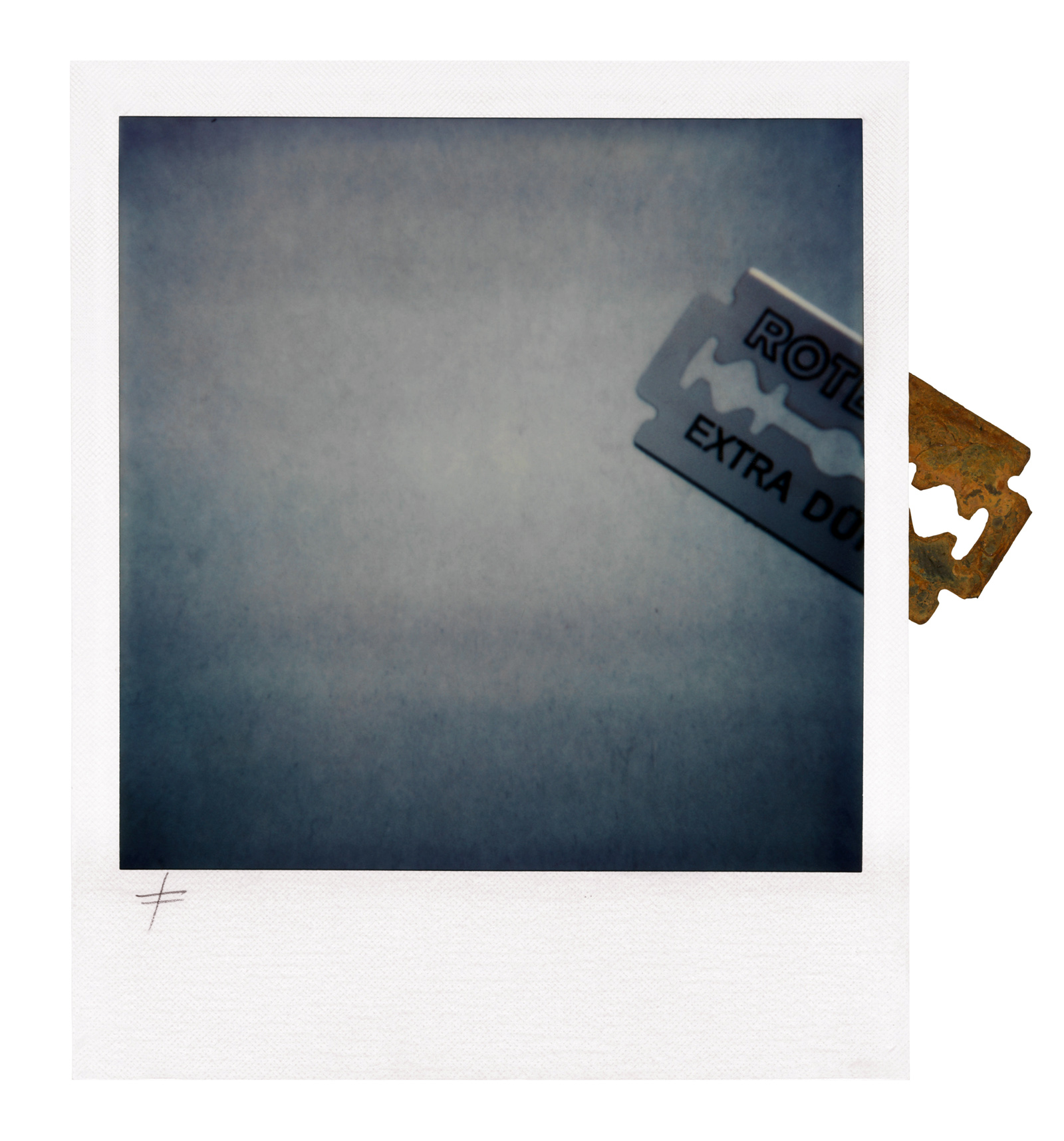


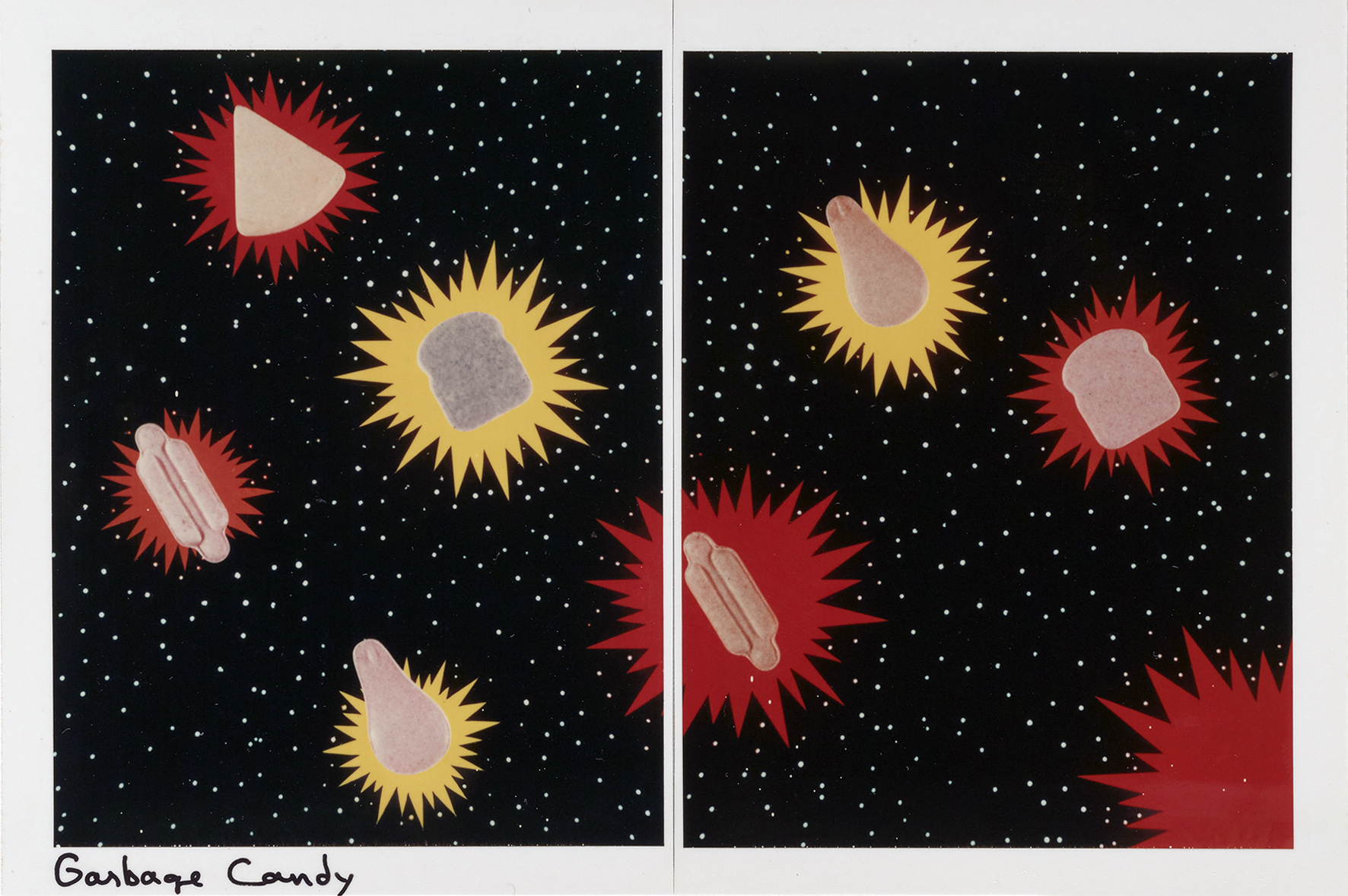
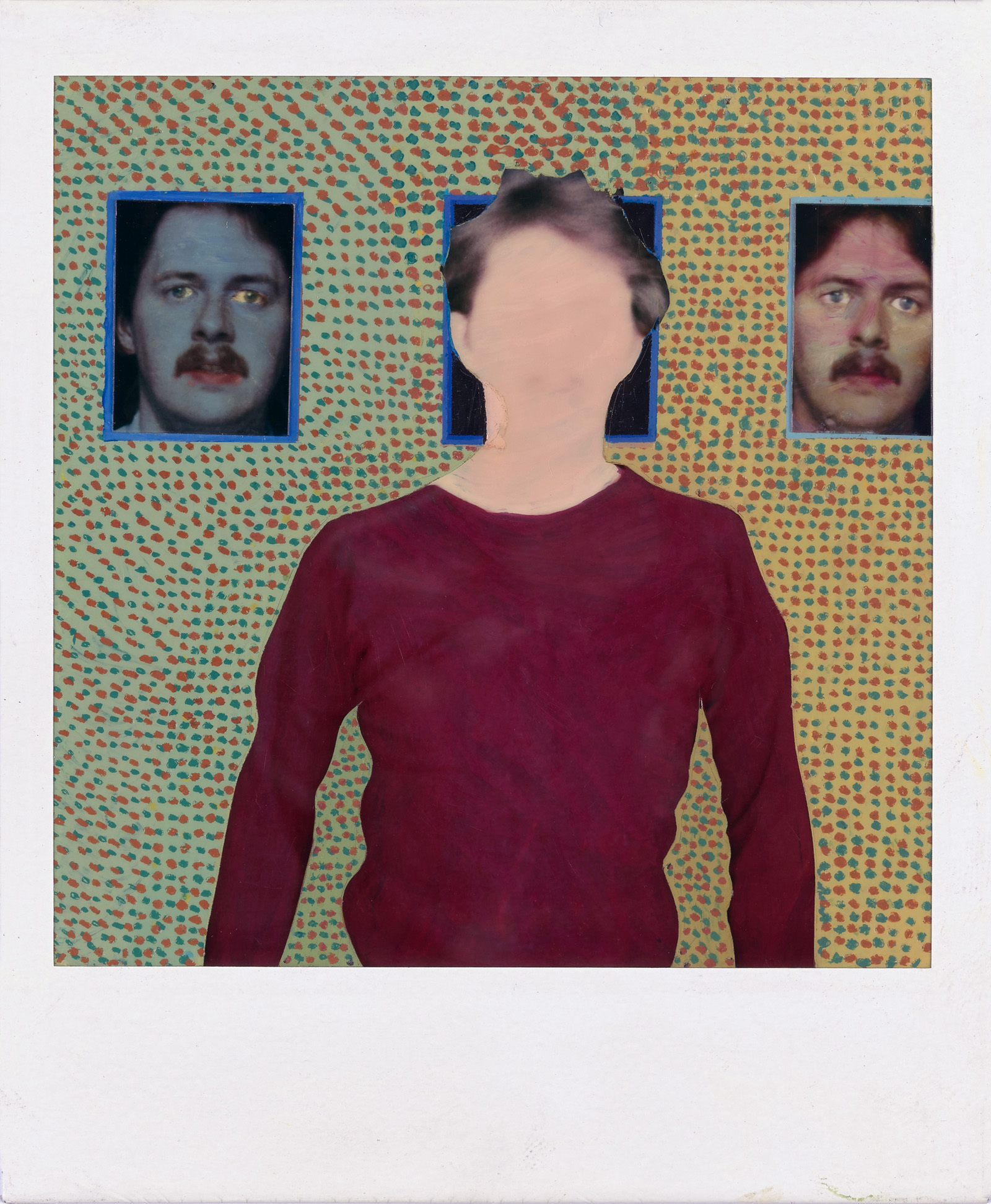
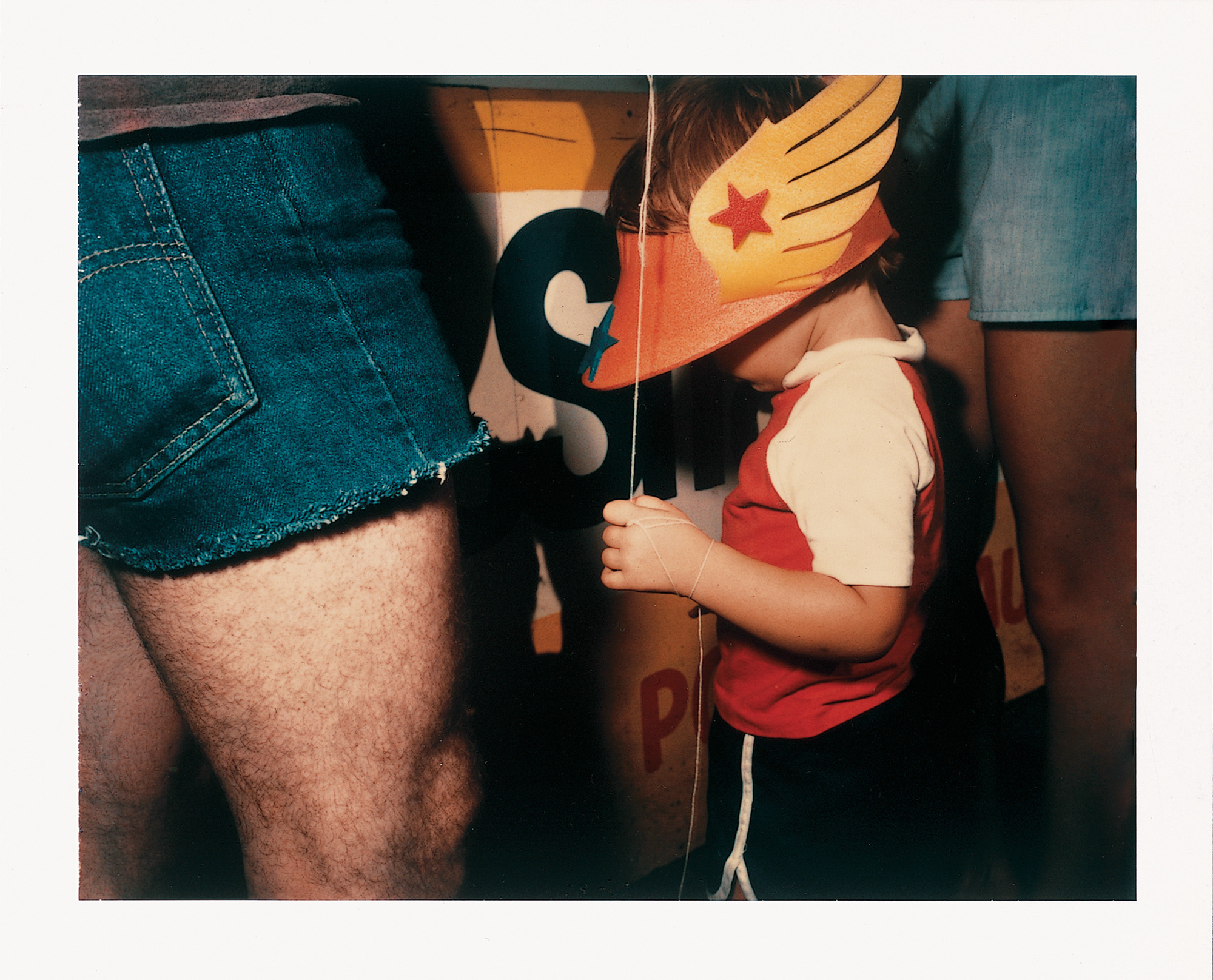
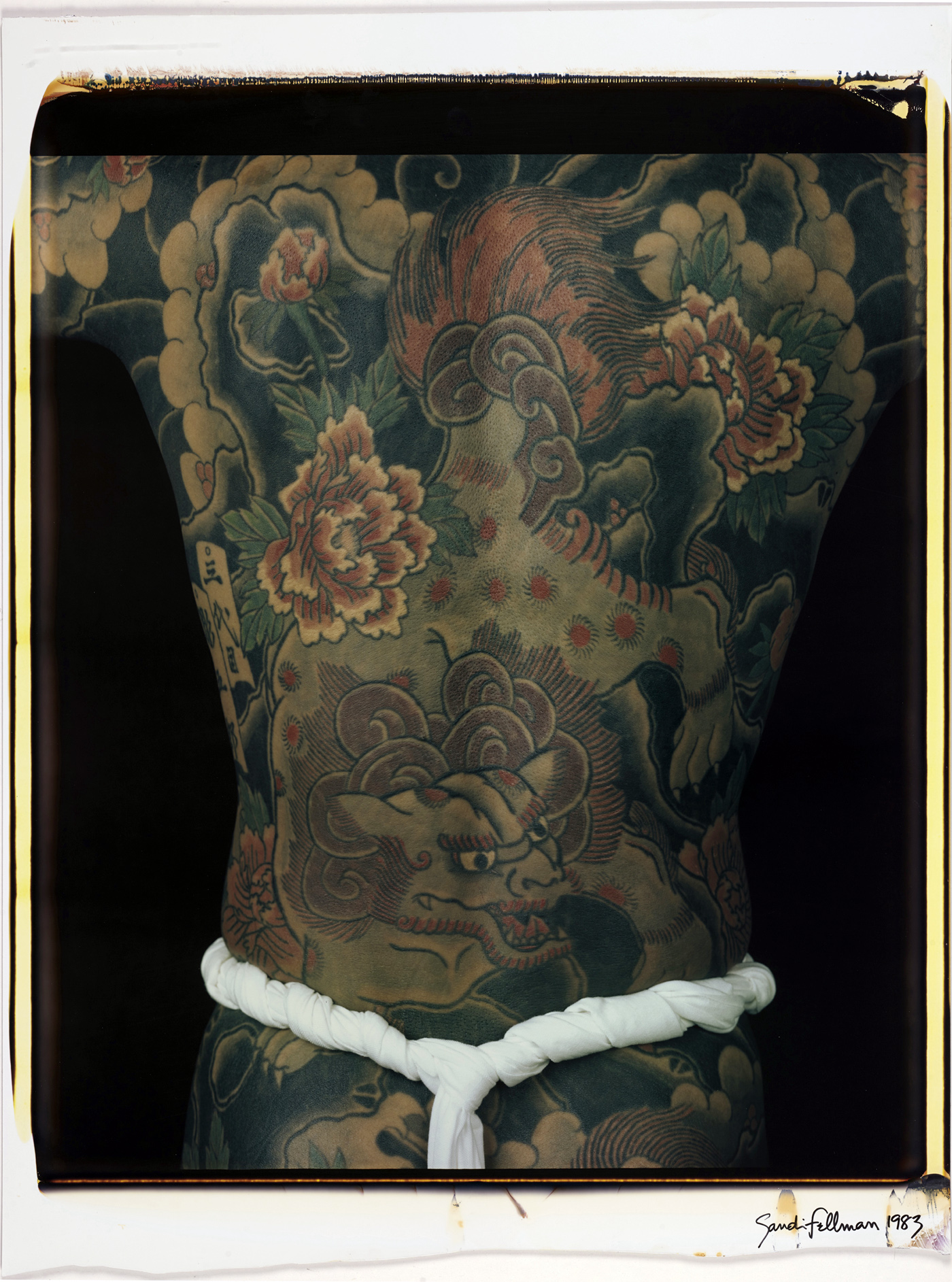
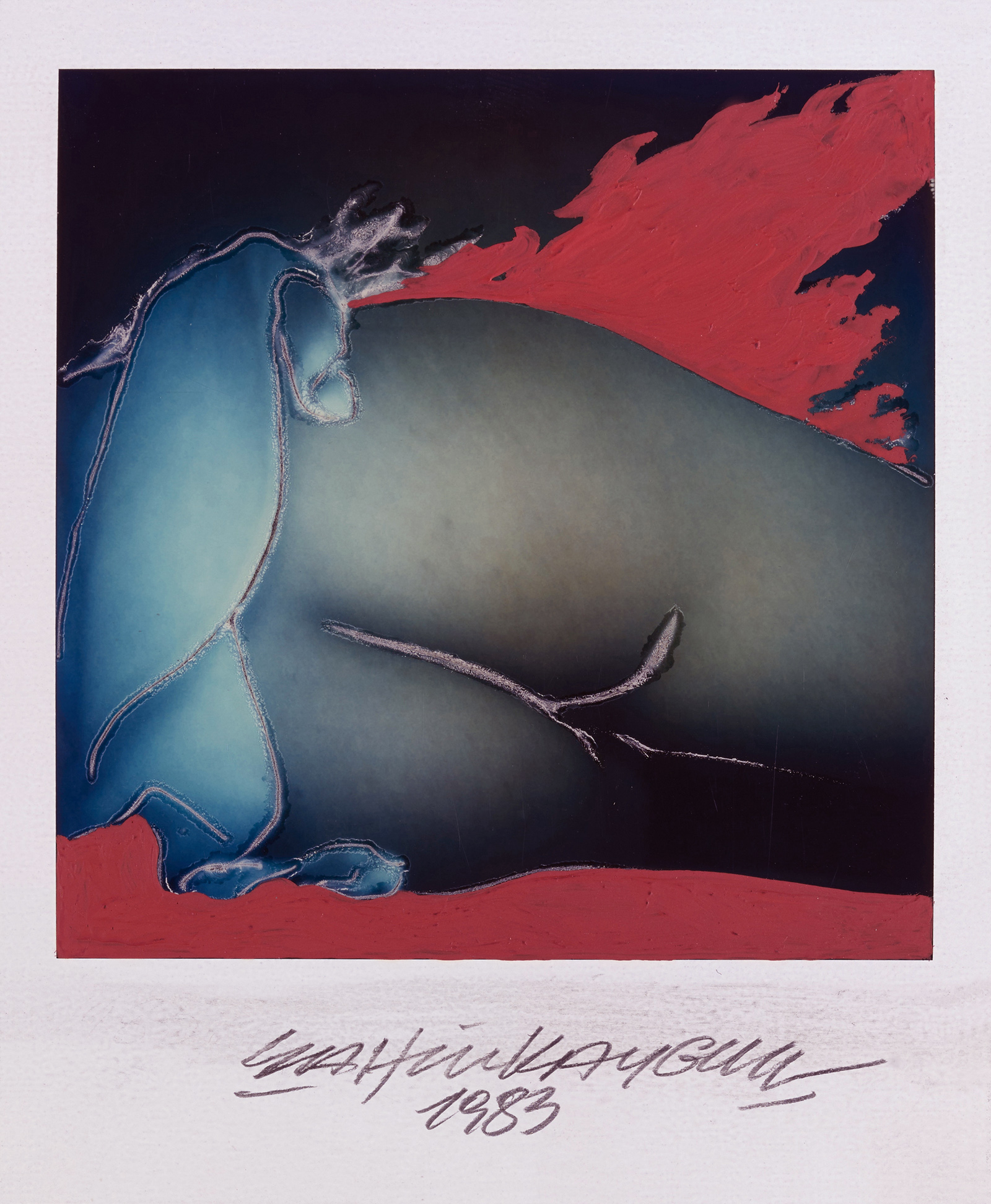
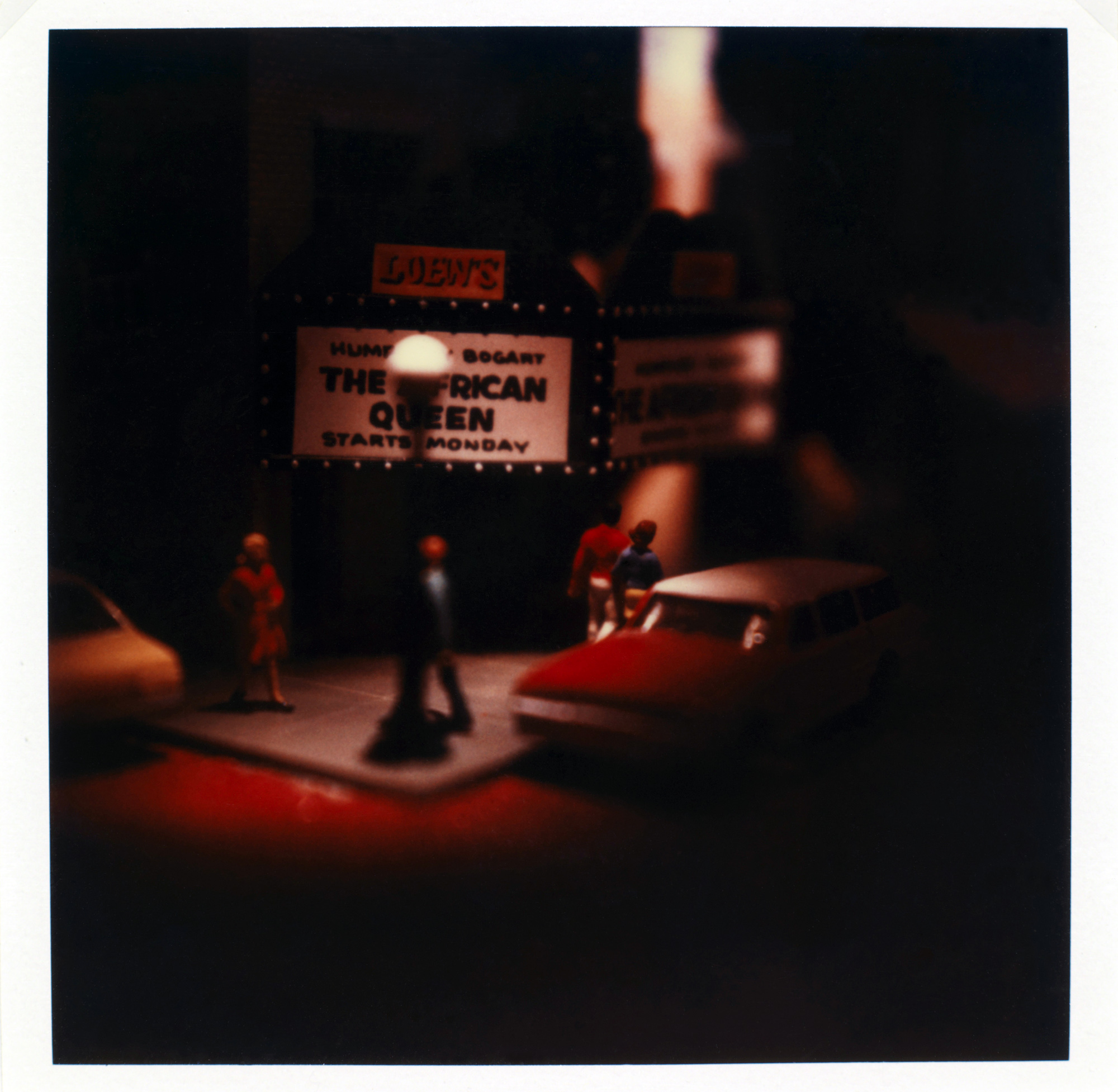
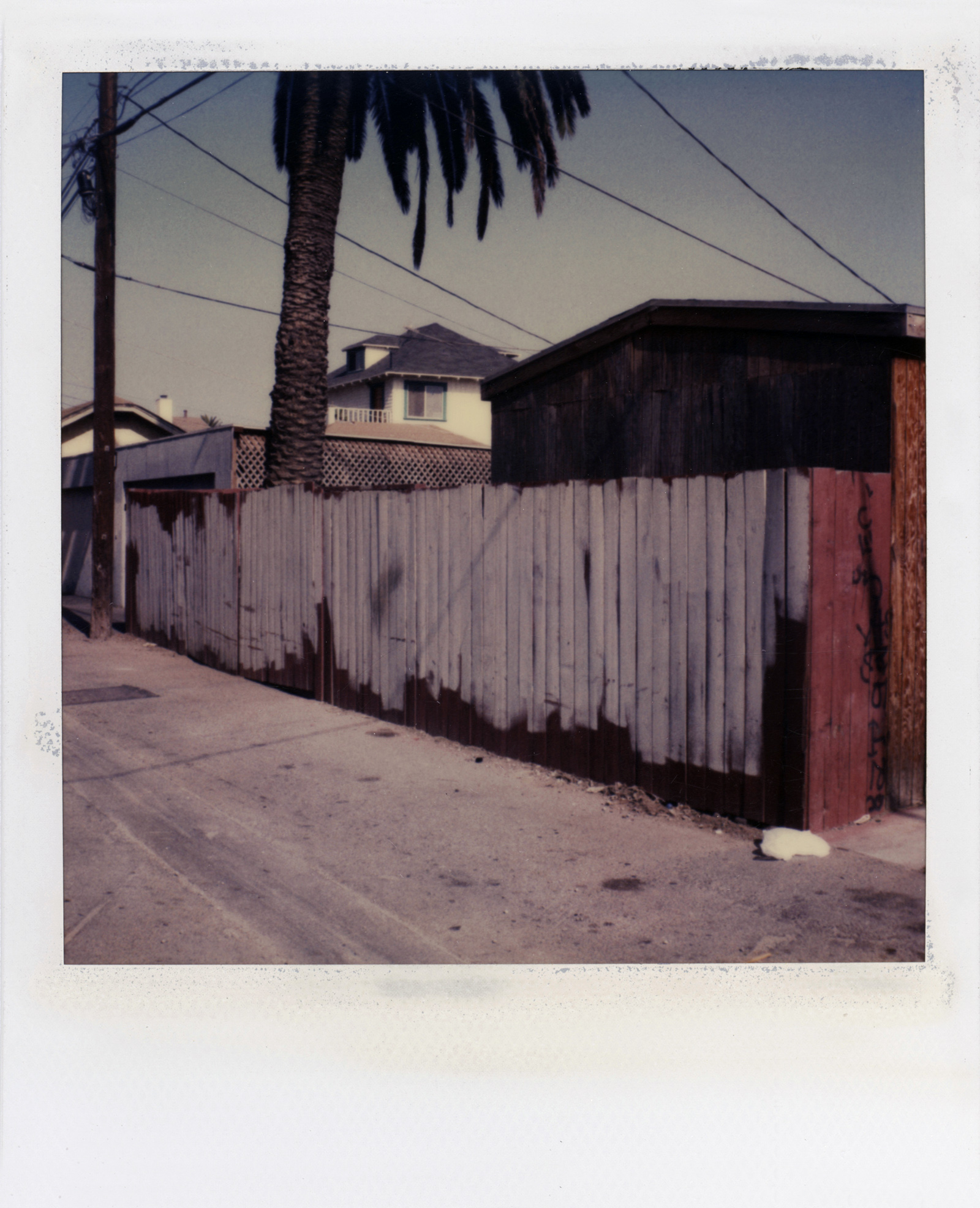
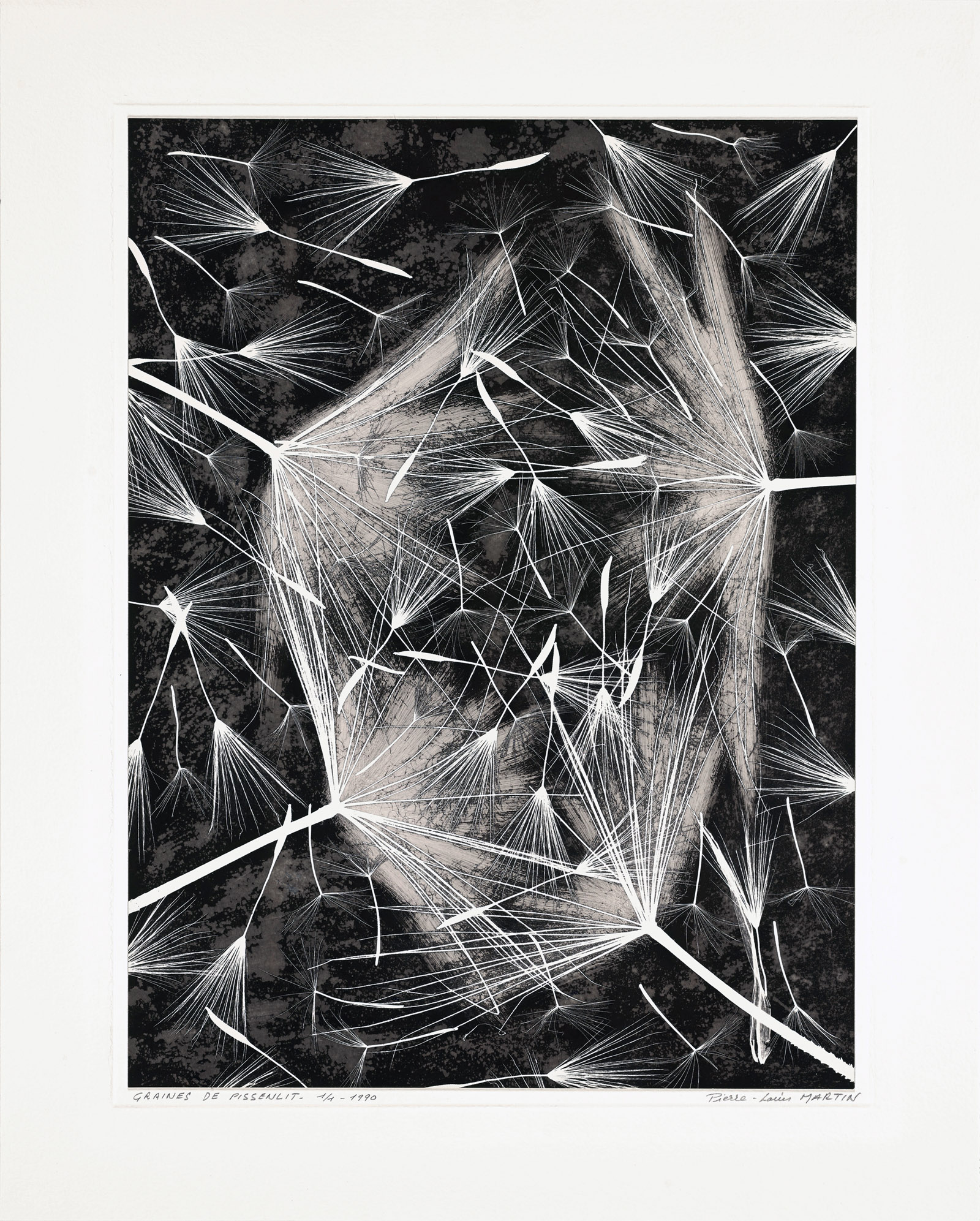

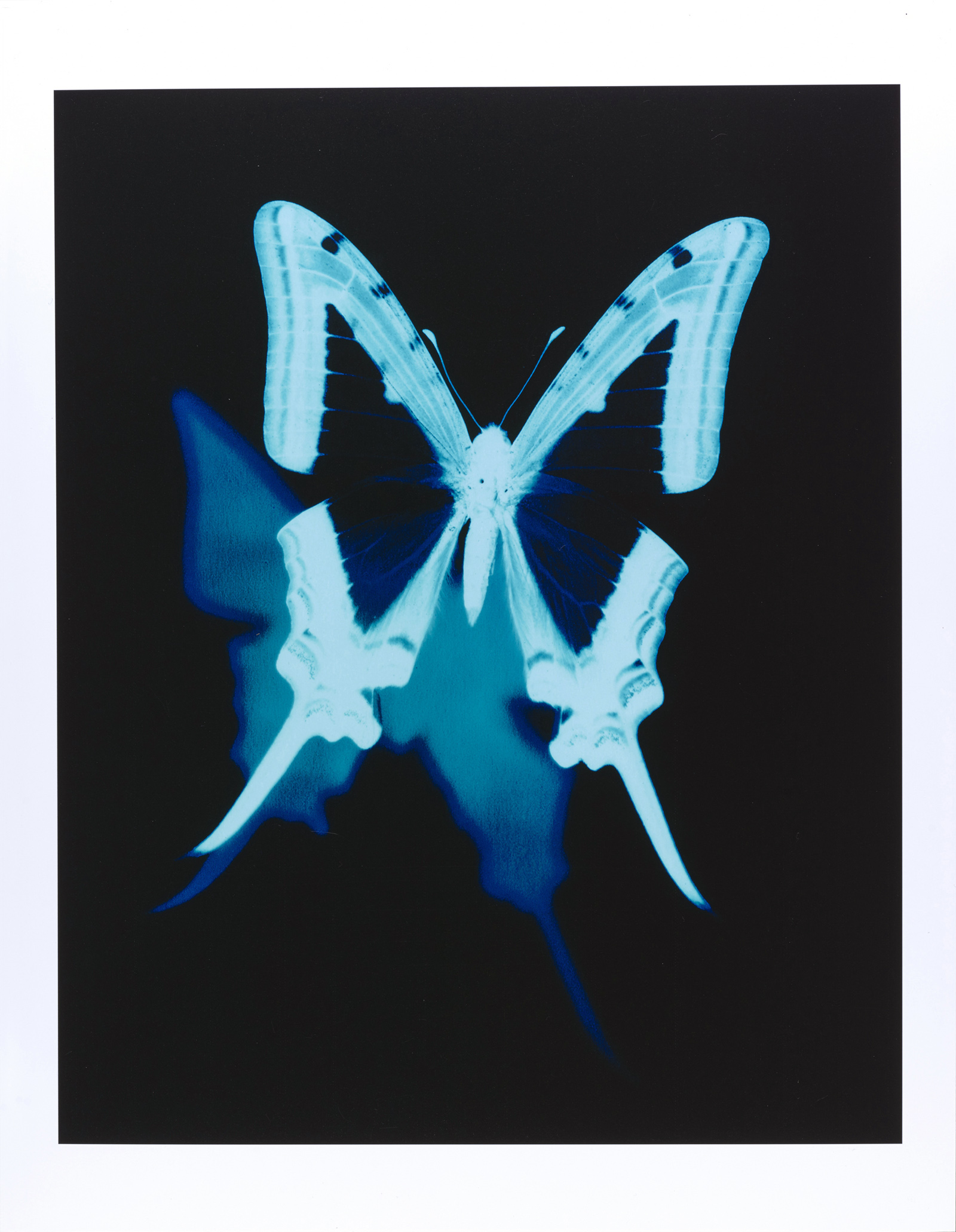


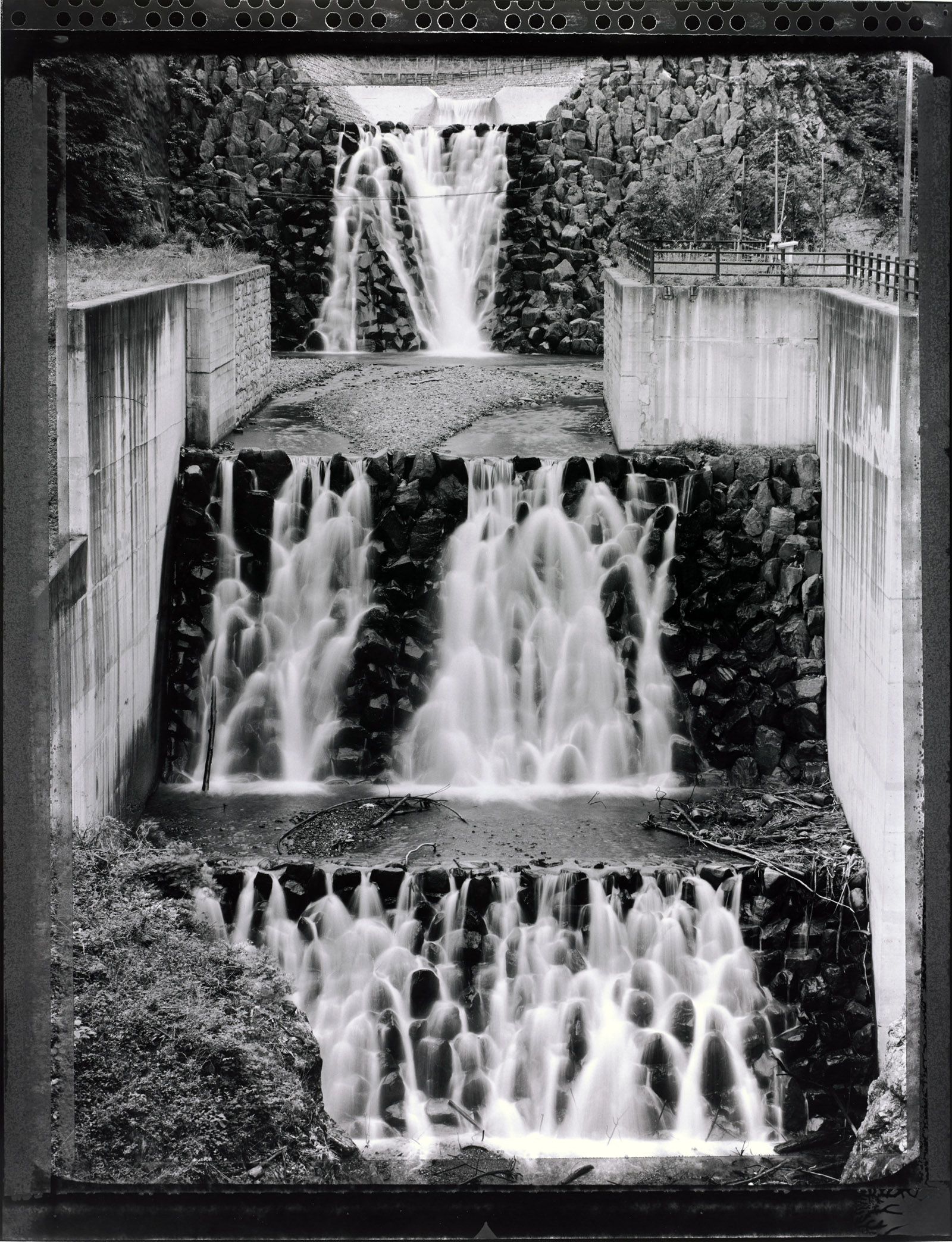
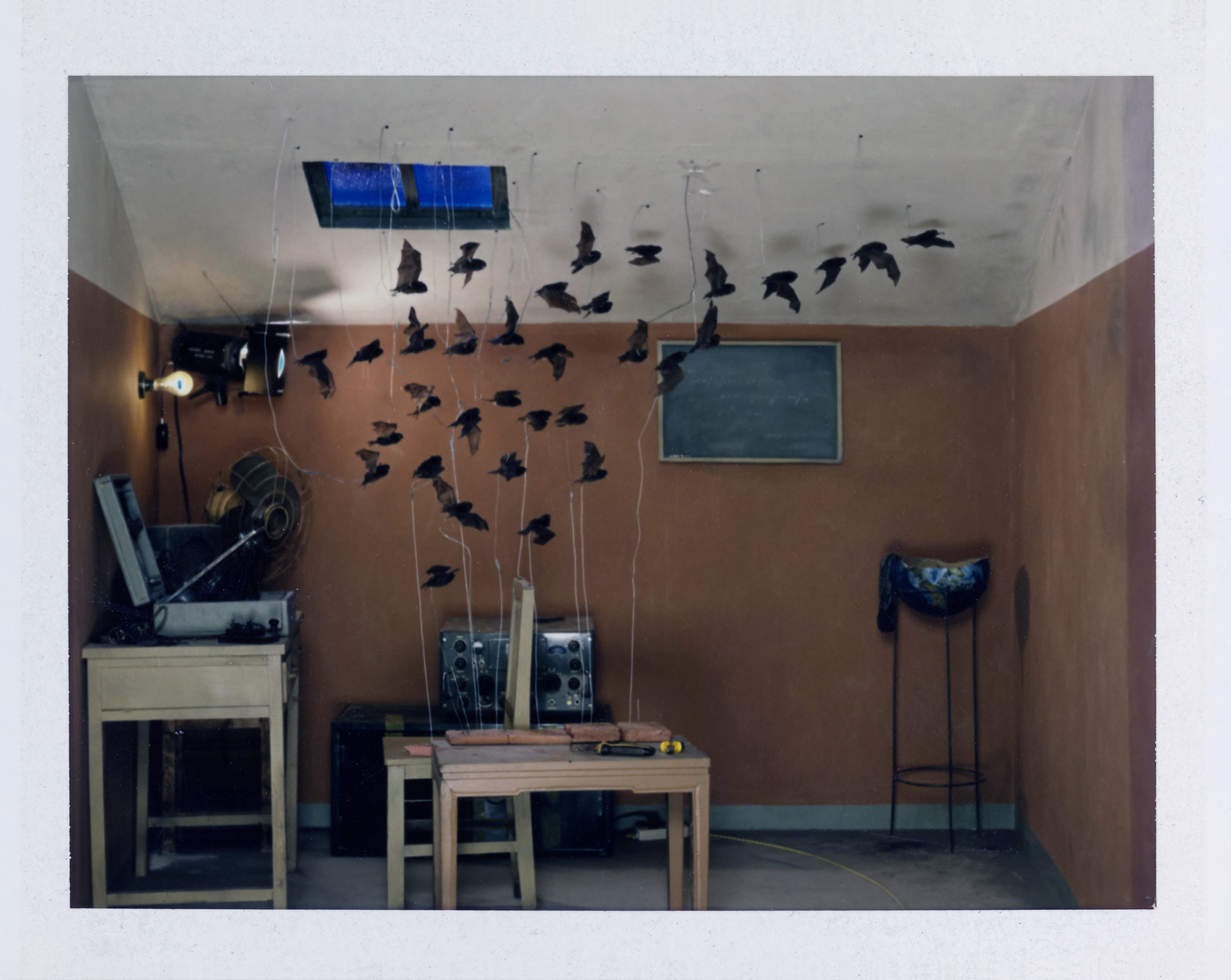
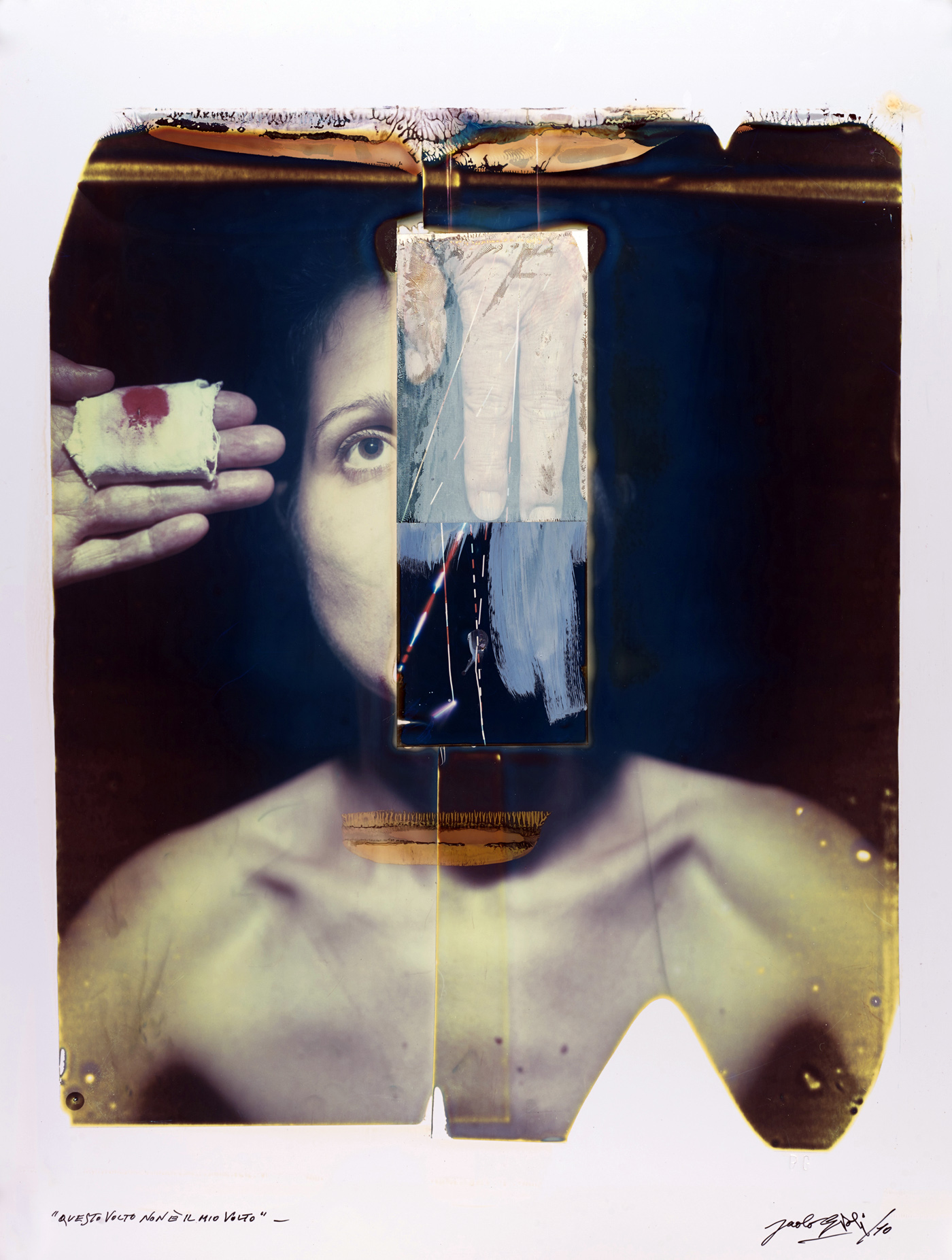


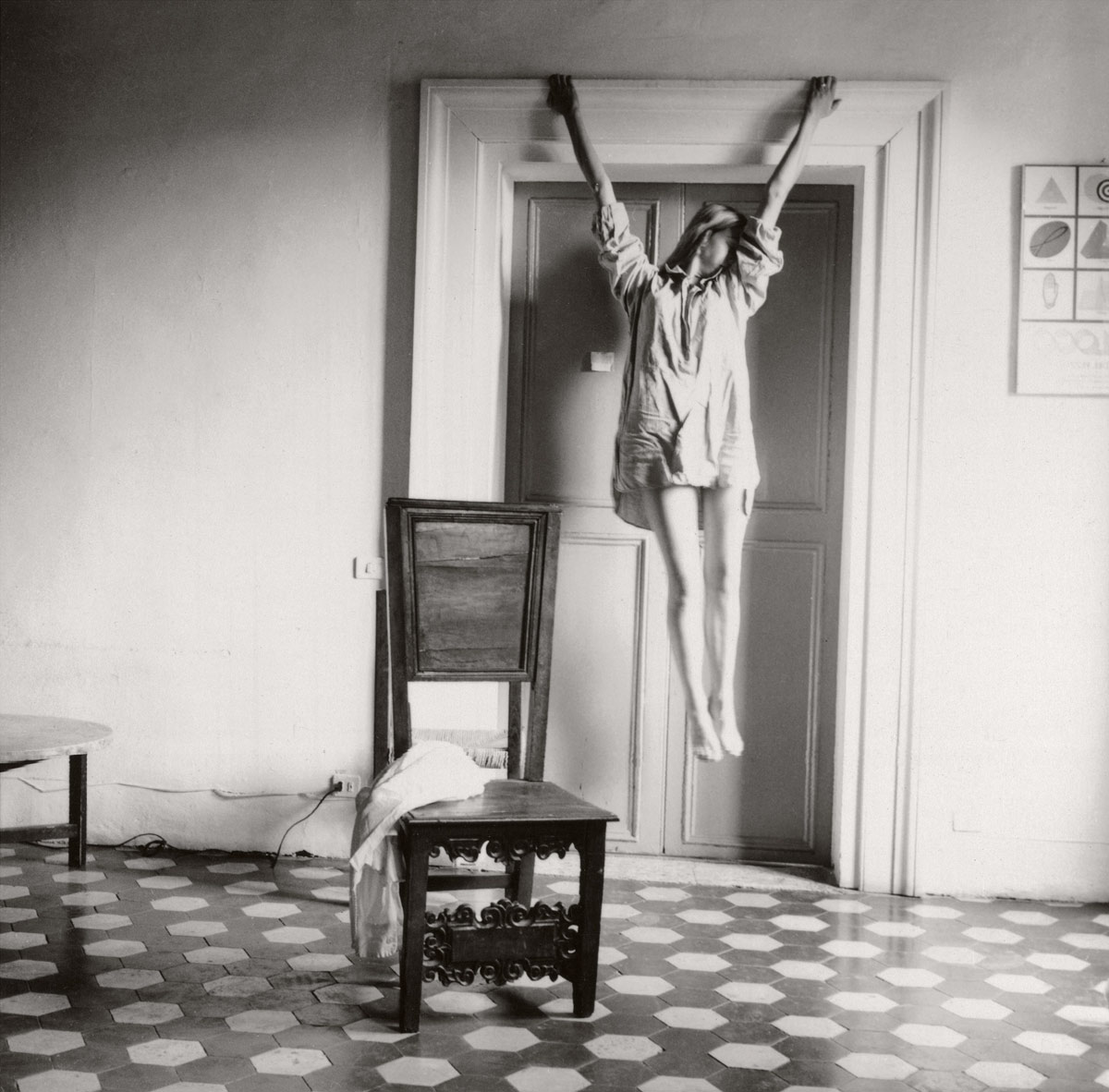
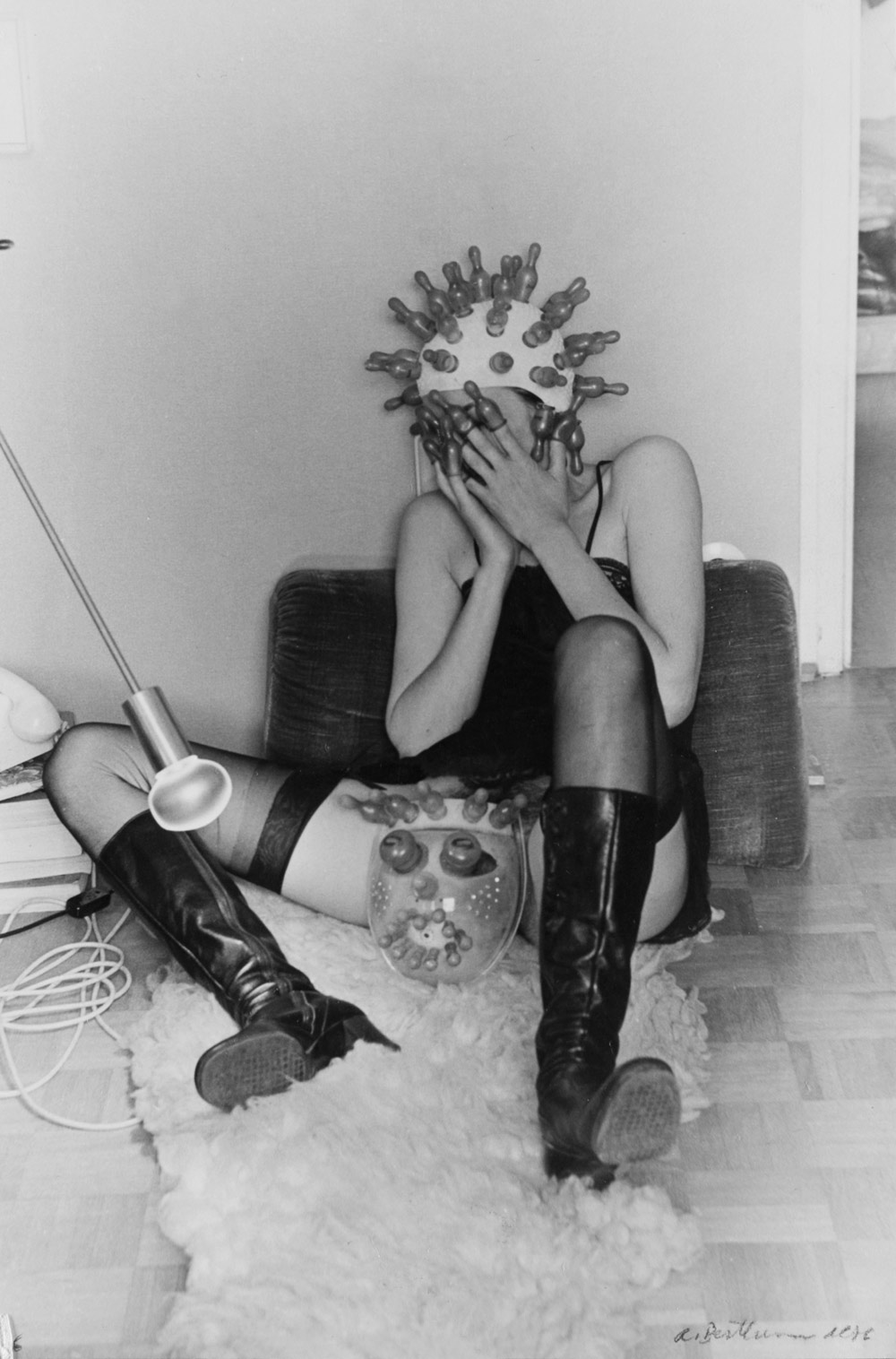


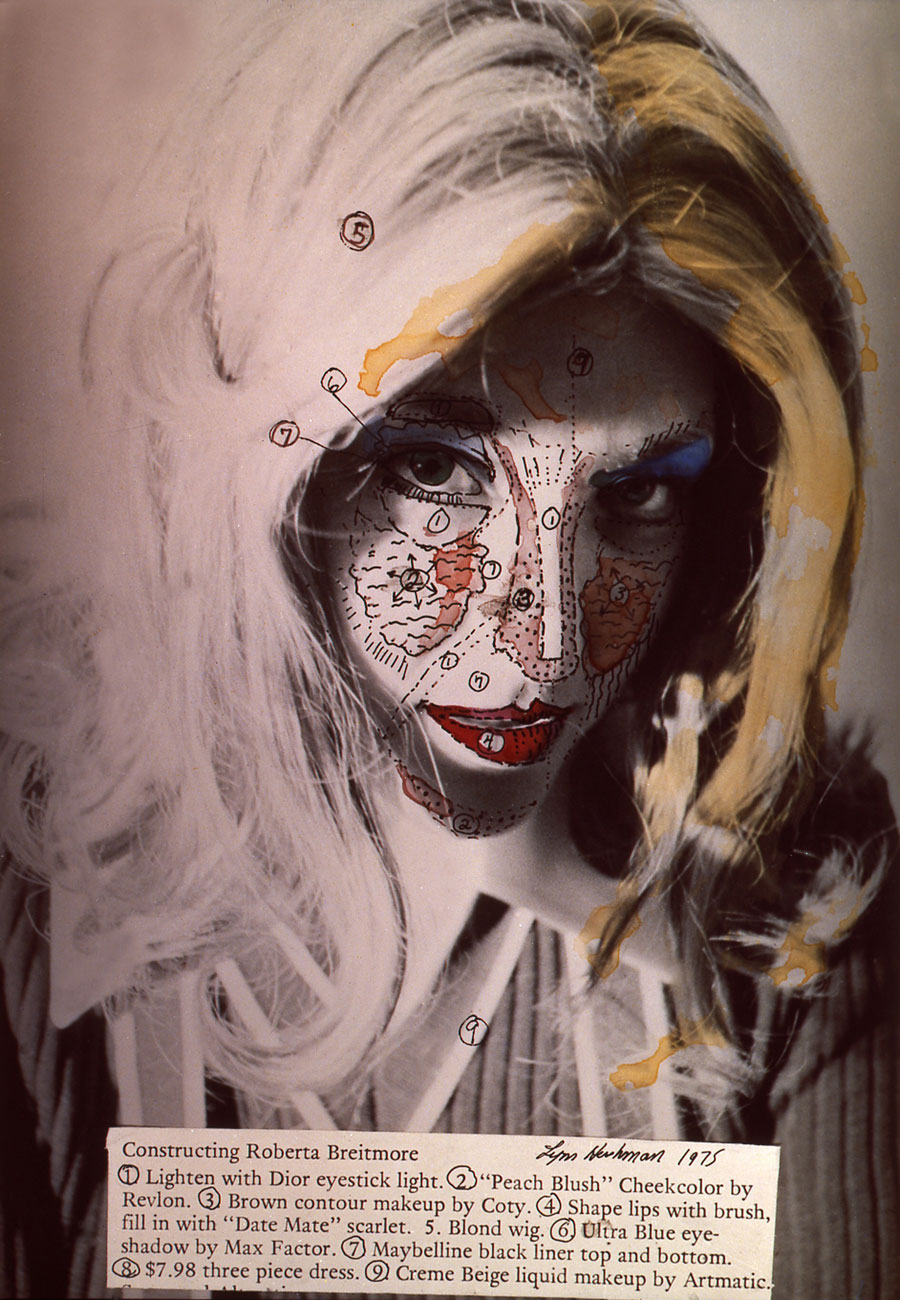
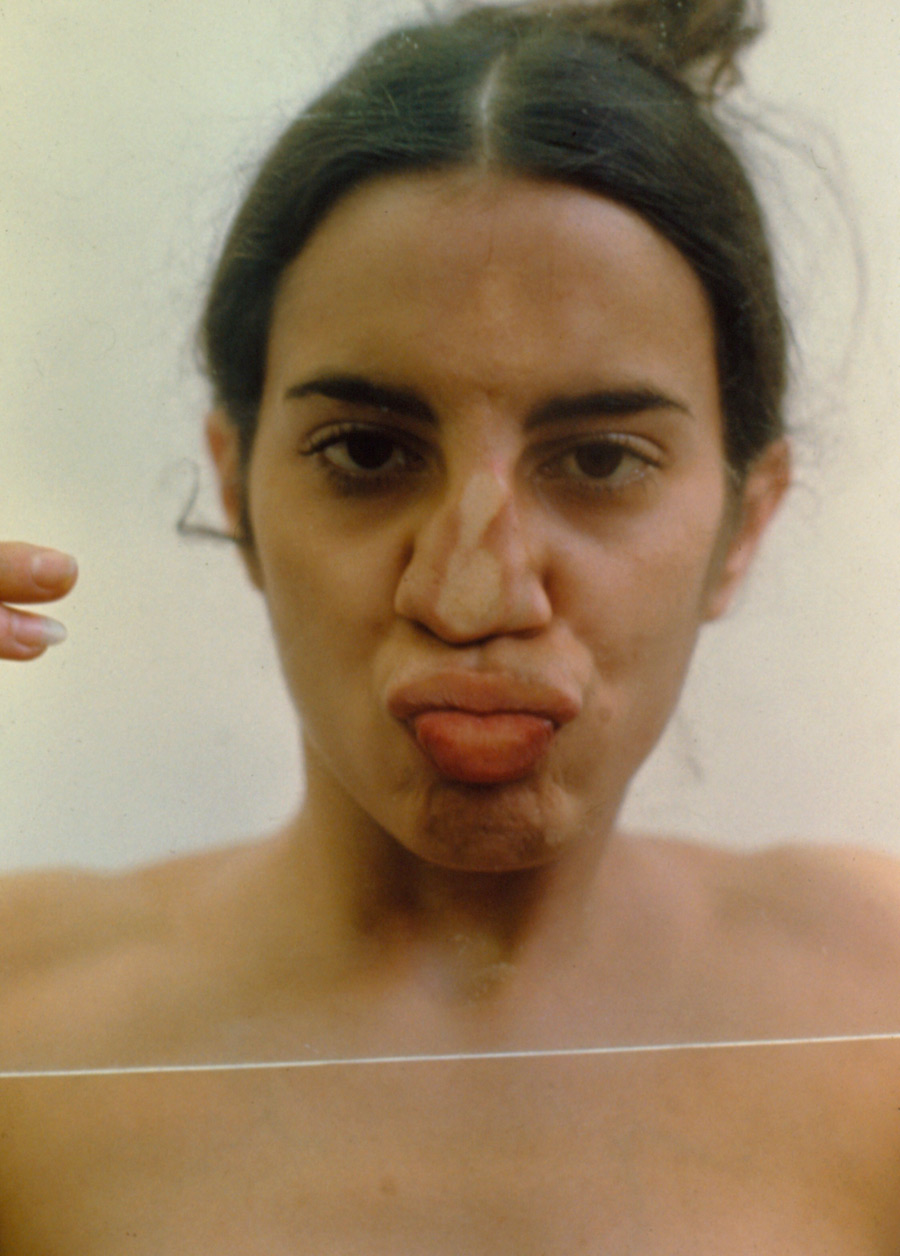

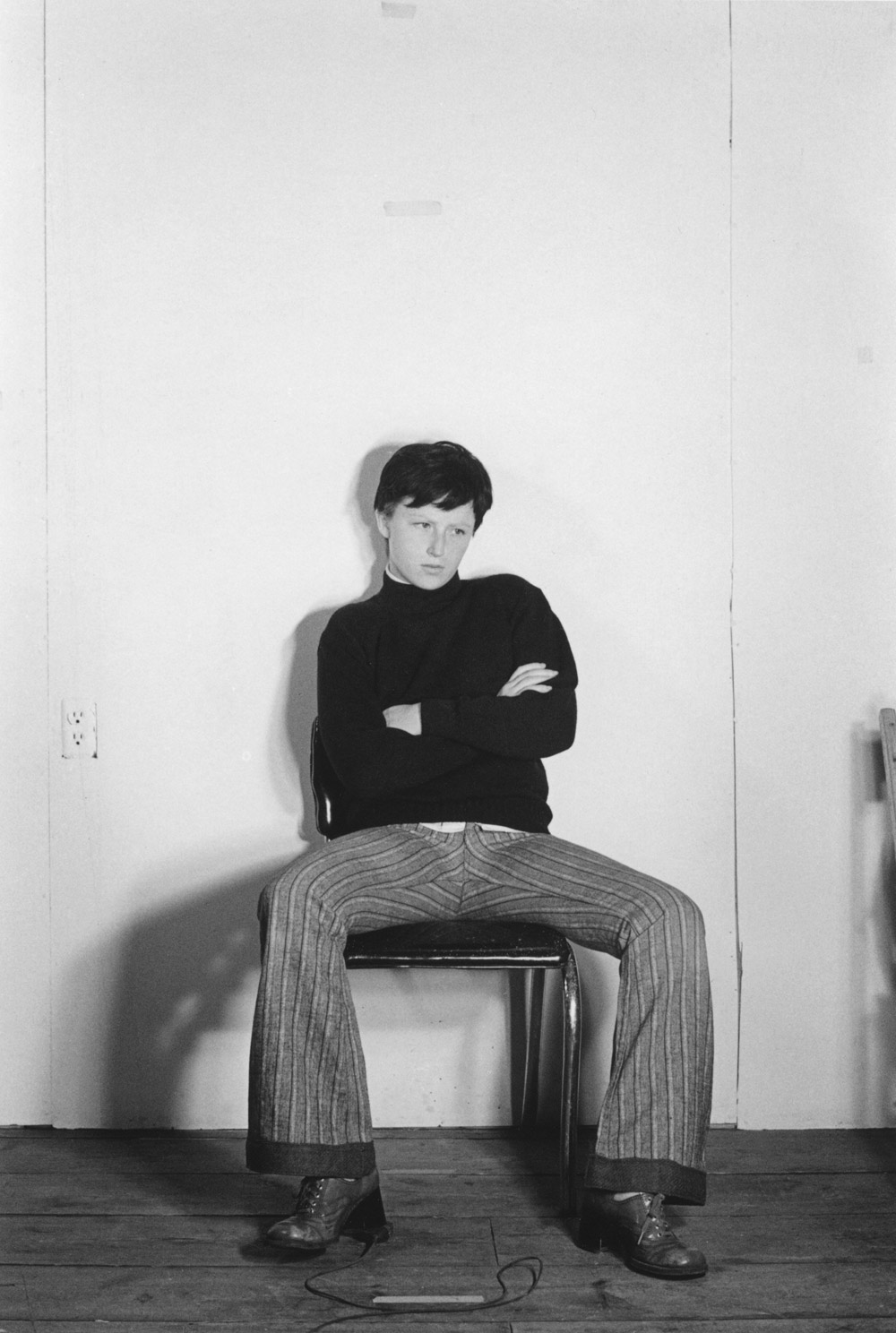
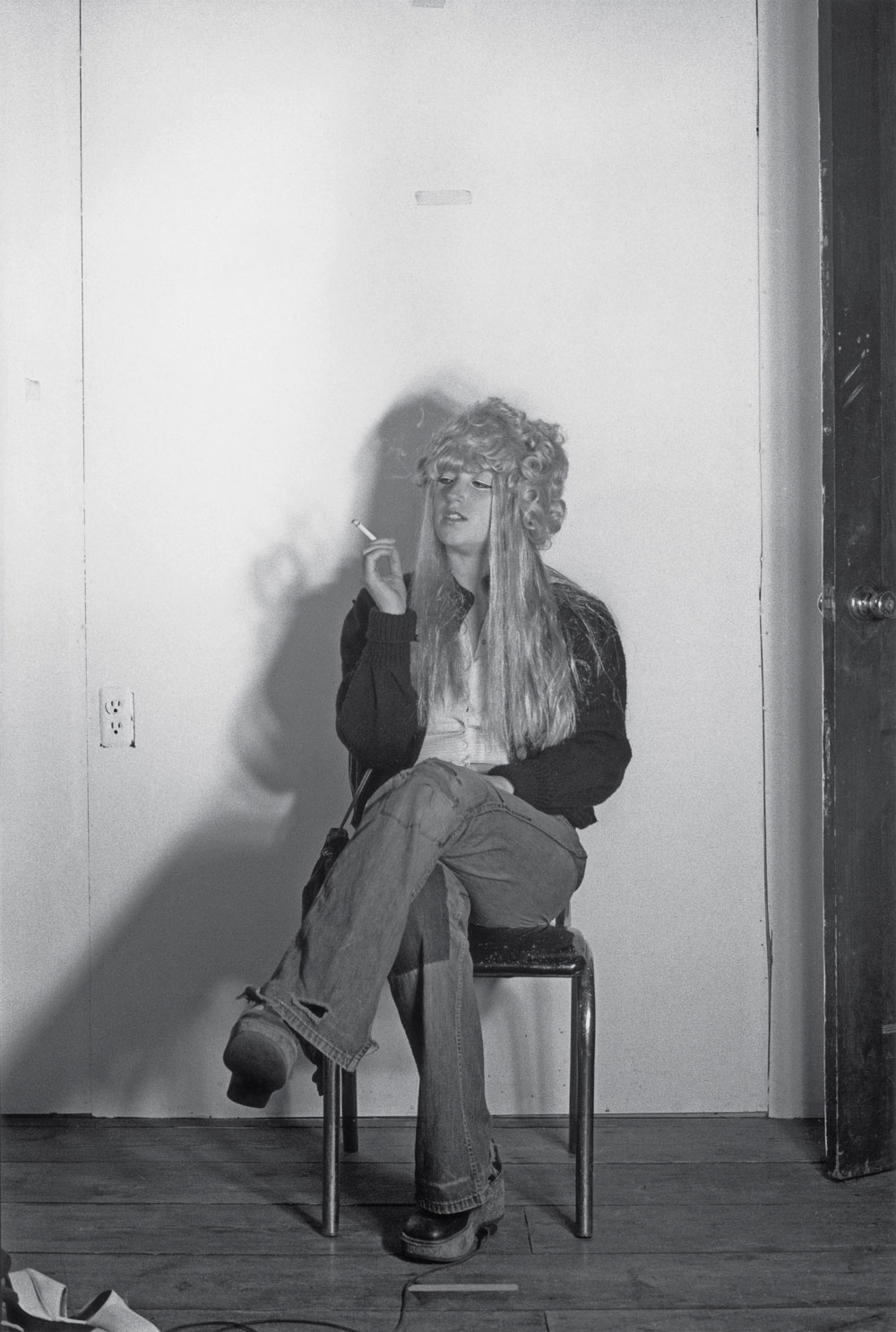


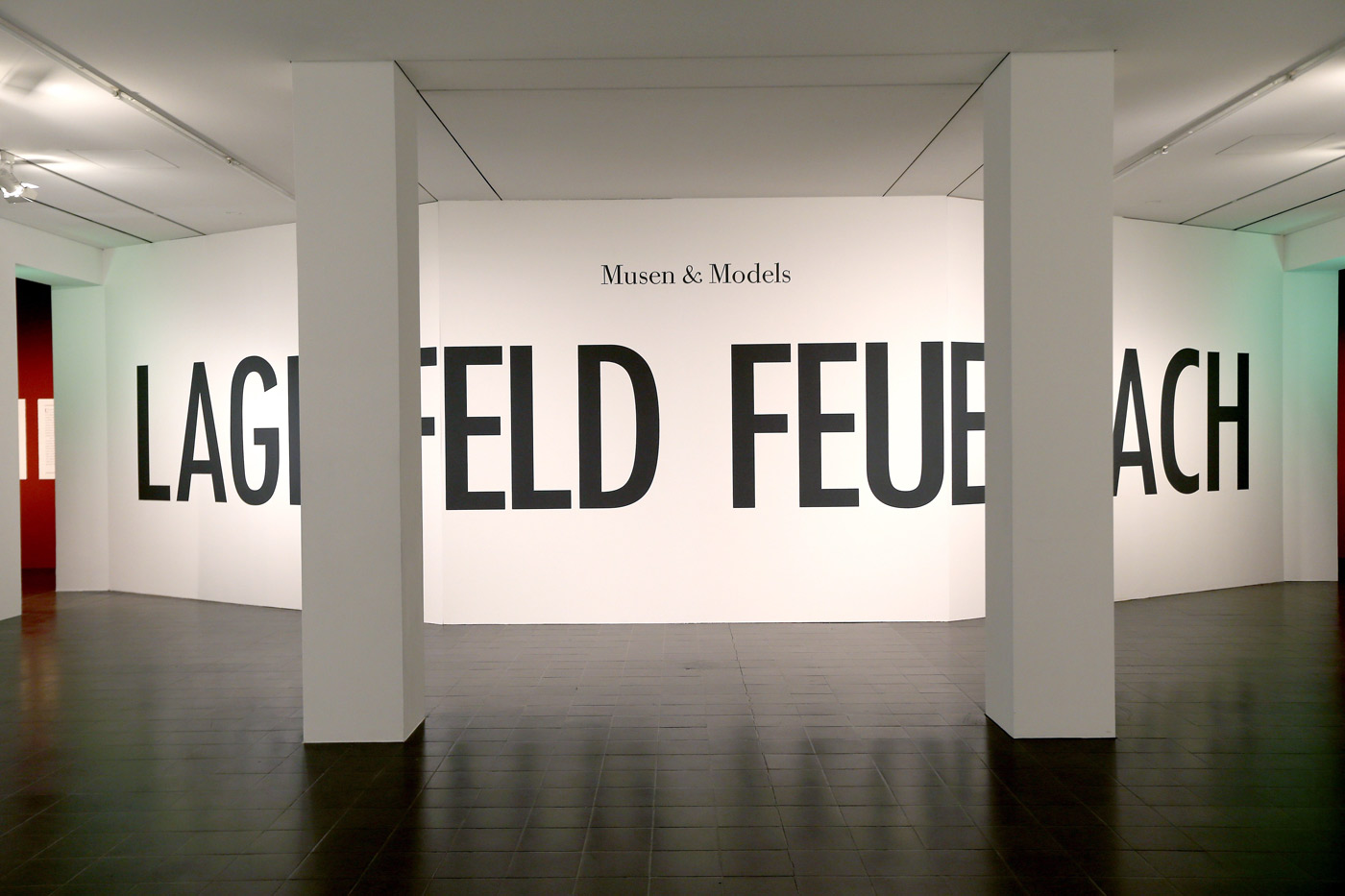
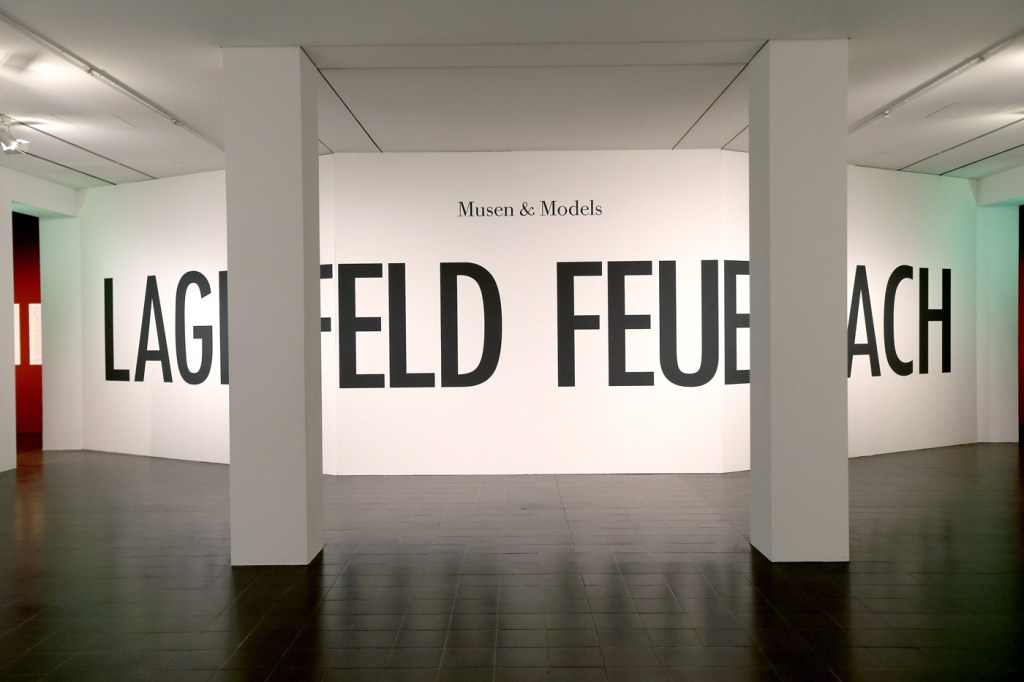
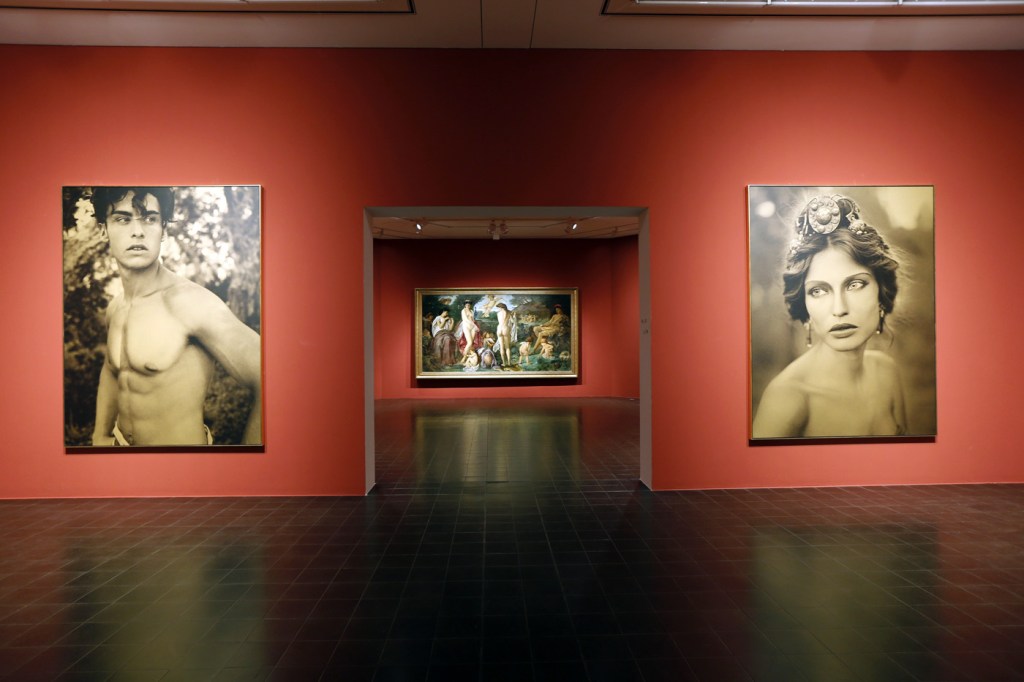
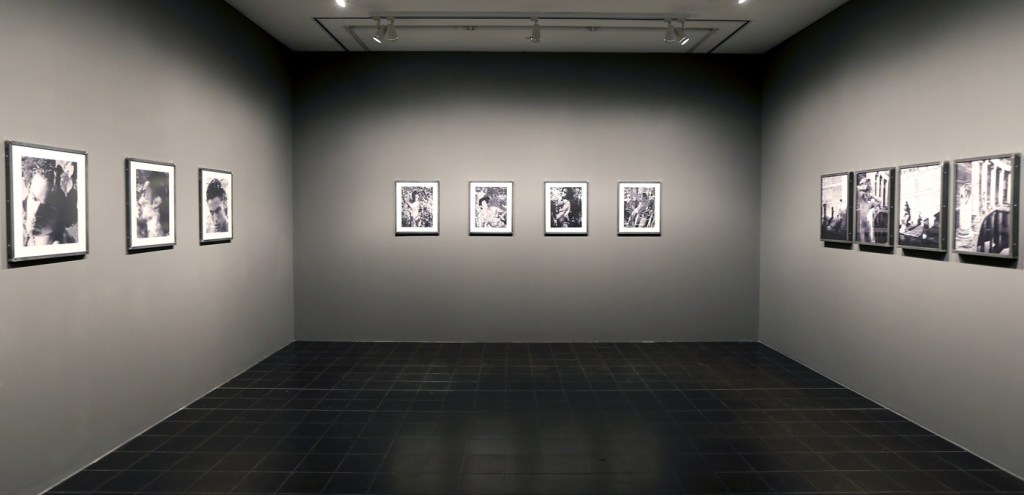
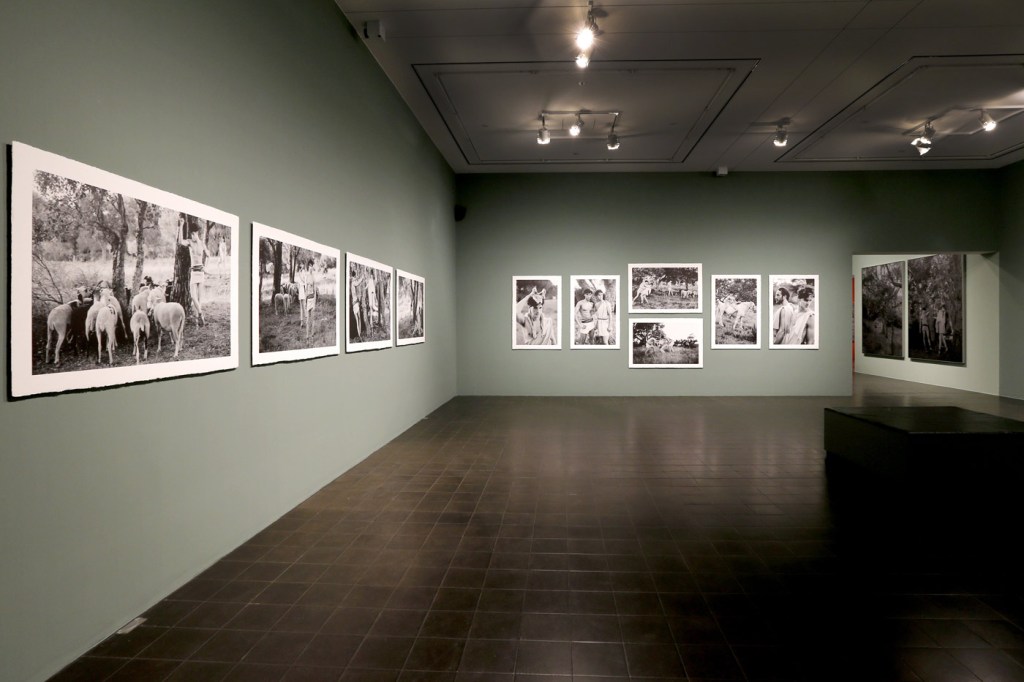
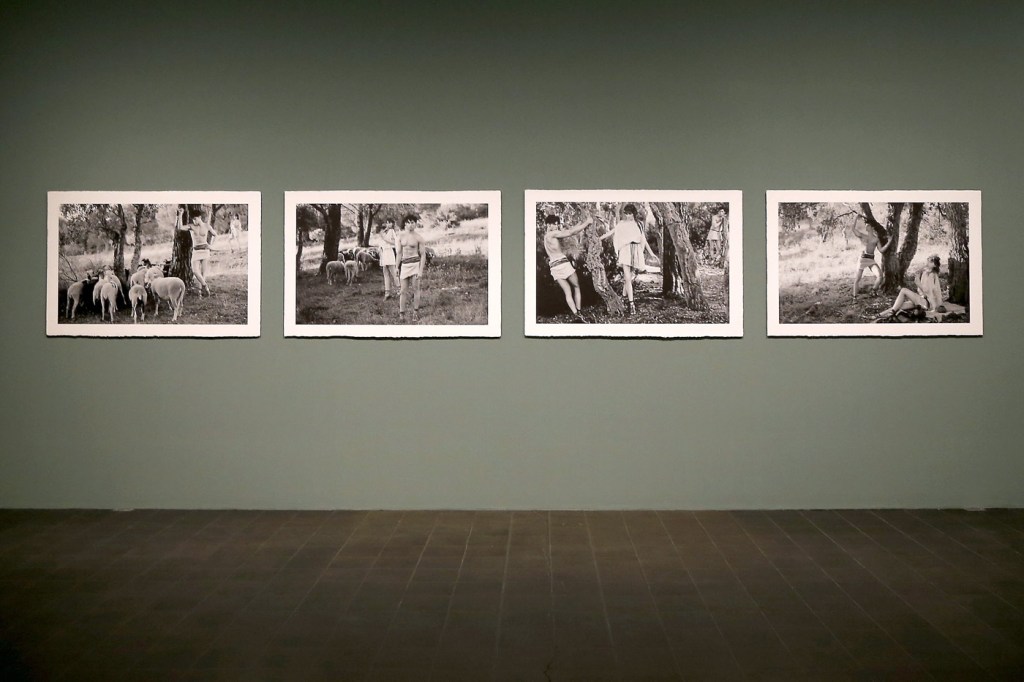
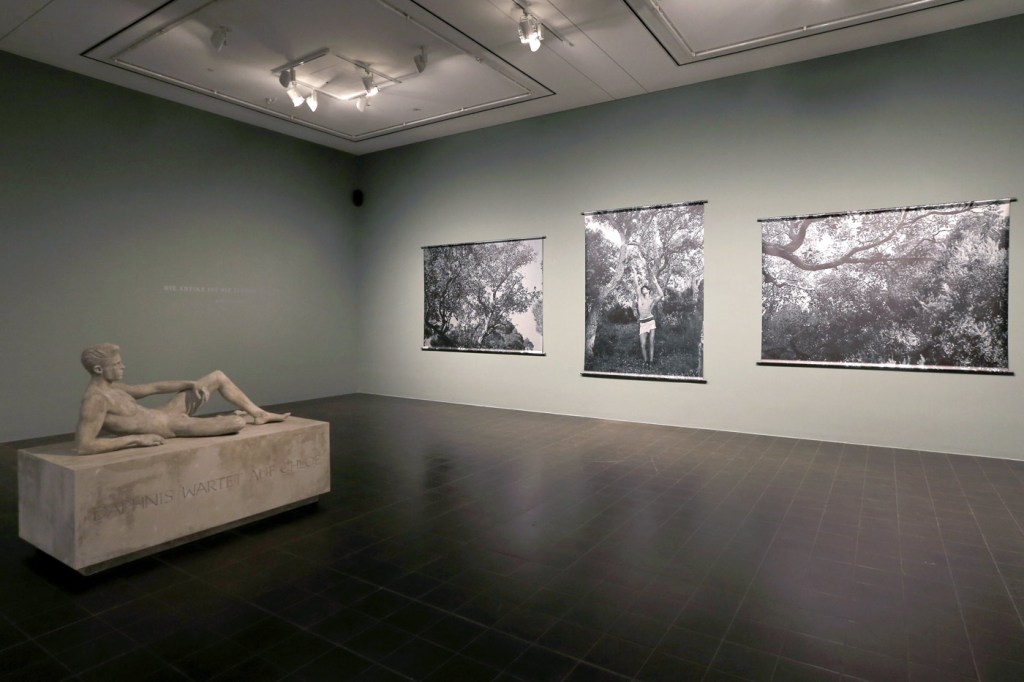

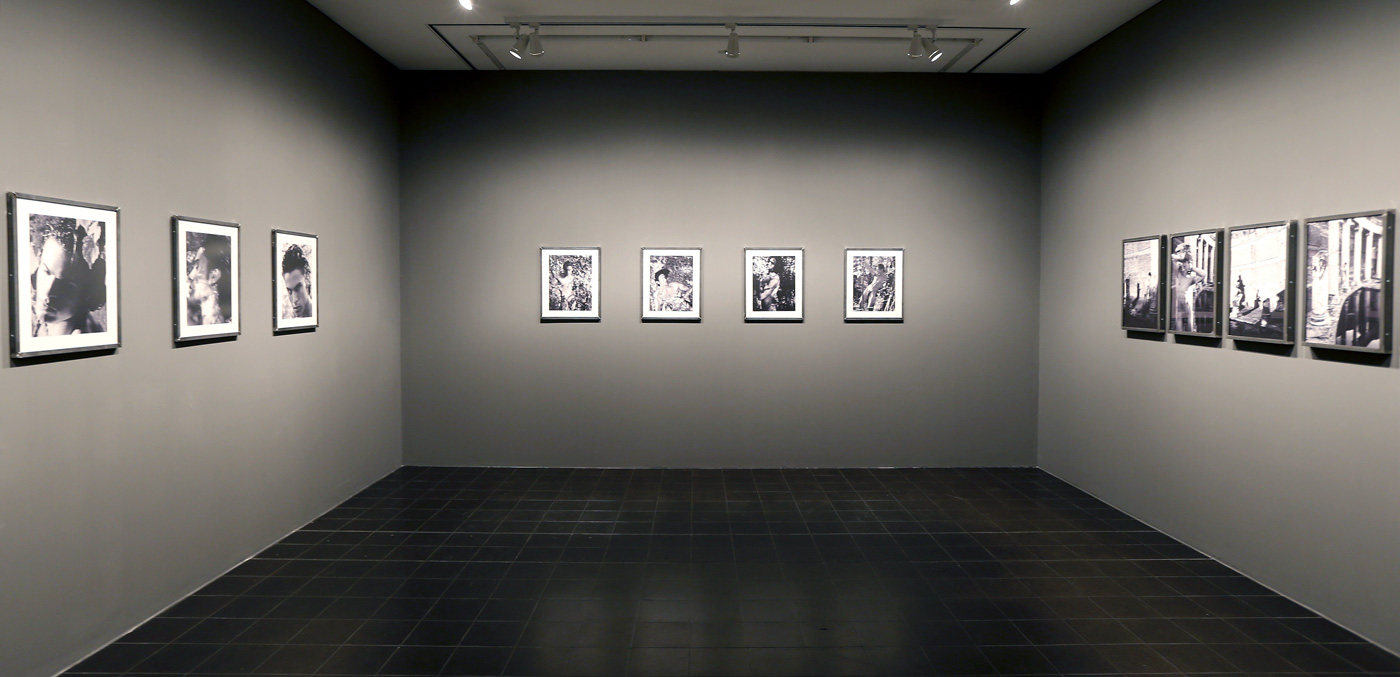
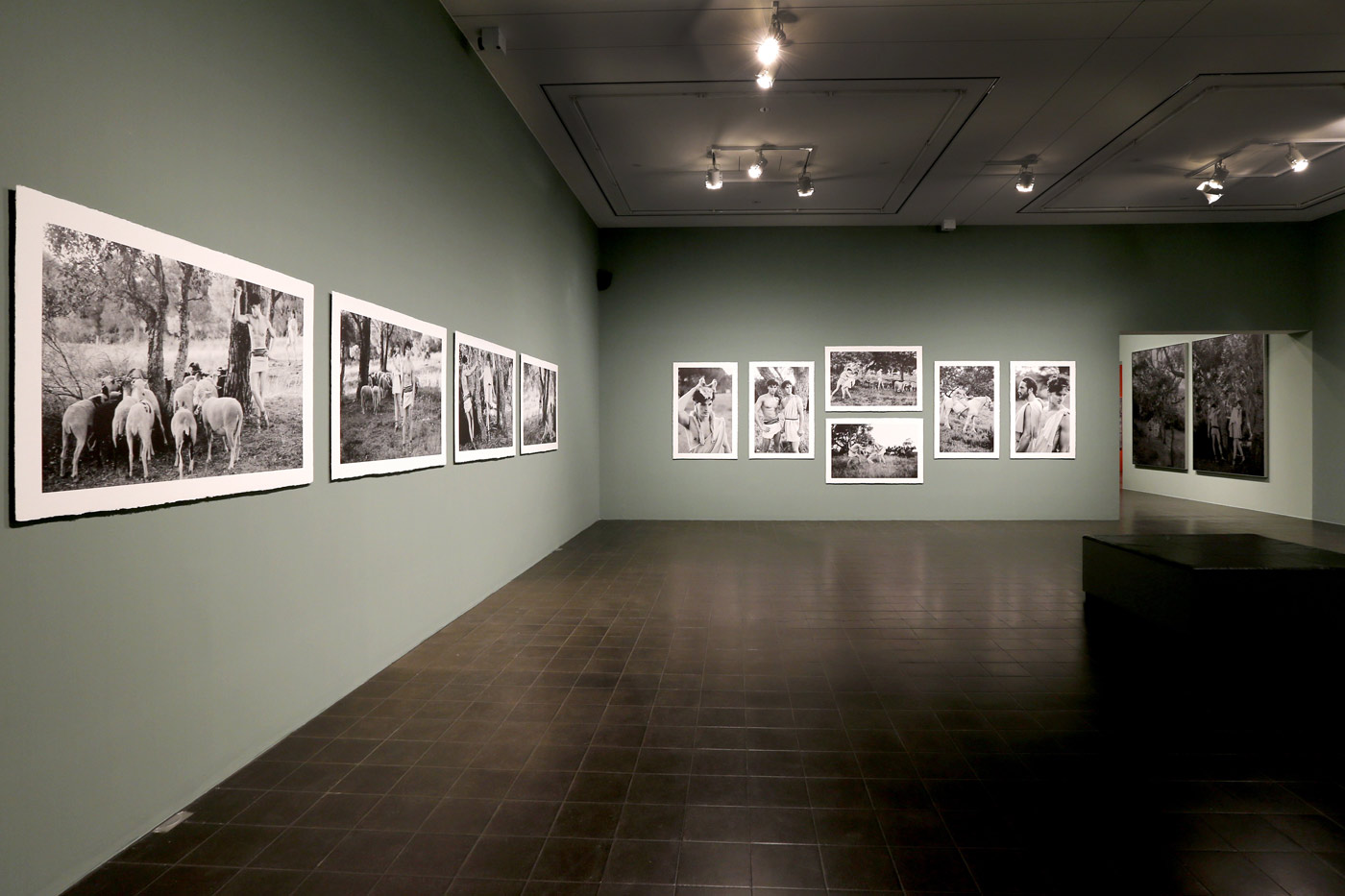
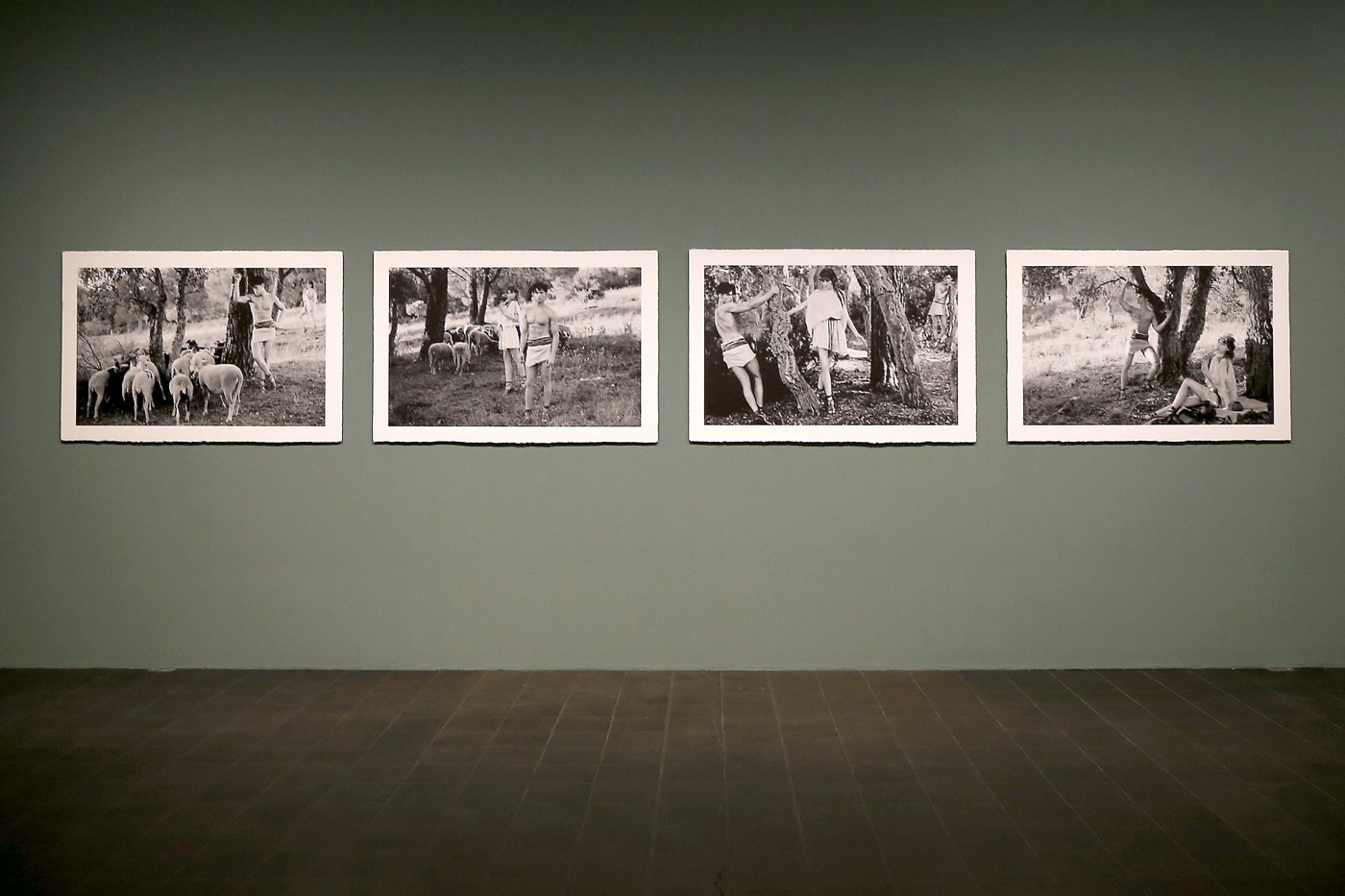


![Anselm Feuerbach (German, 1829-1880) 'Studienkopf zur Stuttgarter Iphigenie [Study of a Head for Stuttgart Iphigenia]' 1870](https://artblart.com/wp-content/uploads/2014/05/feuerbach_studienkopf-web.jpg "Anselm Feuerbach (German, 1829-1880) 'Studienkopf zur Stuttgarter Iphigenie [Study of a Head for Stuttgart Iphigenia]' 1870")
![Anselm Feuerbach (German, 1829-1880) 'Poesie, Zweite Fassung [Poetry, Second Version]' 1863](https://artblart.com/wp-content/uploads/2014/05/feuerbach_poesie-web.jpg "Anselm Feuerbach (German, 1829-1880) 'Poesie, Zweite Fassung [Poetry, Second Version]' 1863")
![Anselm Feuerbach (German, 1829-1880) 'Lucrezia Borgia, Bildnis einer Römerin in weißer Tunika und rotem Mantel [Lucrezia Borgia, Portrait of a roman in white tunic and red cloak]' 1864/1865](https://artblart.com/wp-content/uploads/2014/05/feuerbach_borgia-web.jpg "Anselm Feuerbach (German, 1829-1880) 'Lucrezia Borgia, Bildnis einer Römerin in weißer Tunika und rotem Mantel [Lucrezia Borgia, Portrait of a roman in white tunic and red cloak]' 1864/1865")

![Anselm Feuerbach (German, 1829-1880) 'Das Urteil des Paris [The Judgement of Paris]' 1870](https://artblart.com/wp-content/uploads/2014/05/feuerbach_paris-web.jpg "Anselm Feuerbach (German, 1829-1880) 'Das Urteil des Paris [The Judgement of Paris]' 1870")
![Anselm Feuerbach (German, 1829-1880) 'Ruhende Nymphe [Resting Nymph]' 1870](https://artblart.com/wp-content/uploads/2014/05/feuerbach_nymphe-web.jpg "Anselm Feuerbach (German, 1829-1880) 'Ruhende Nymphe [Resting Nymph]' 1870")
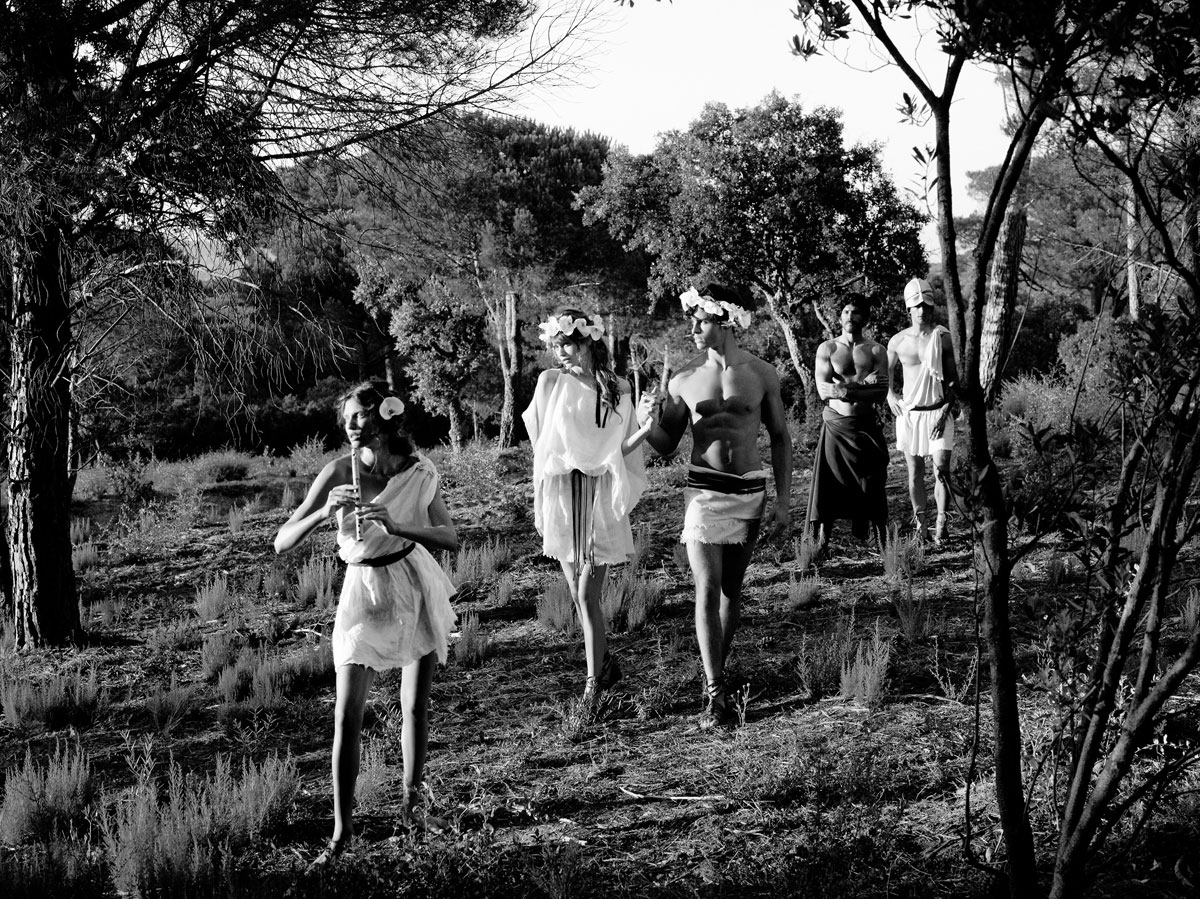
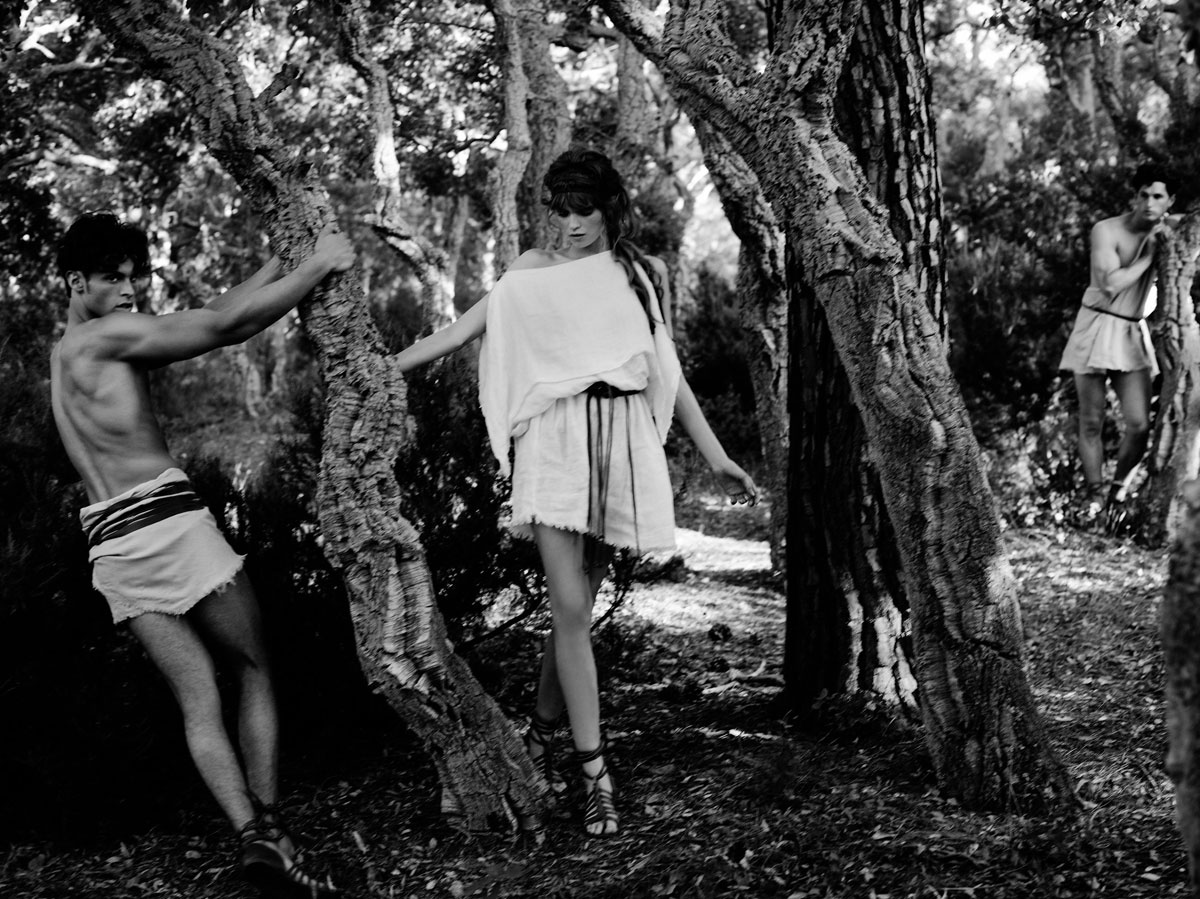
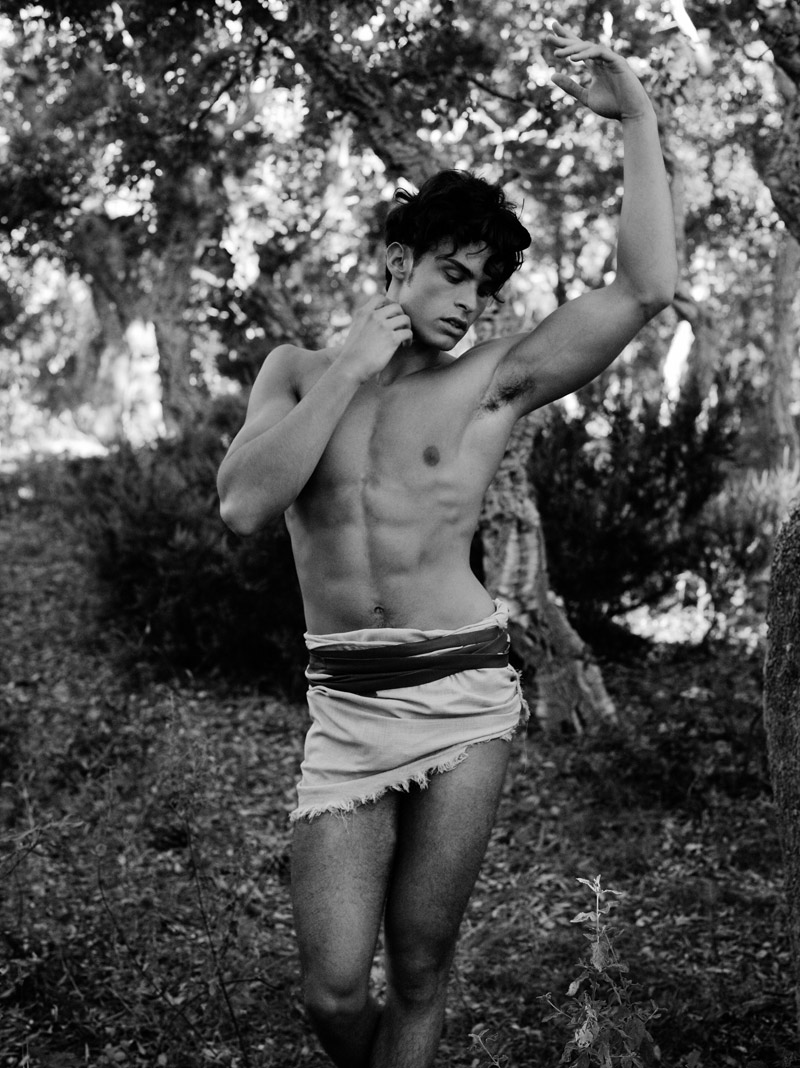

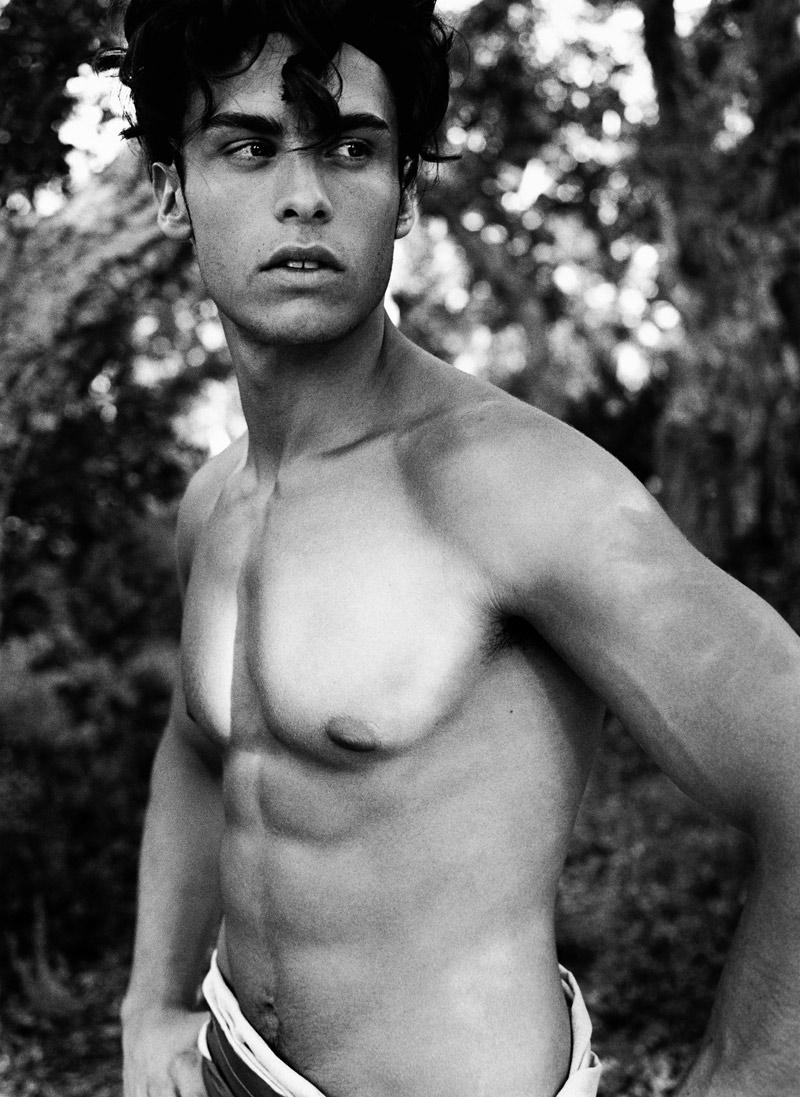

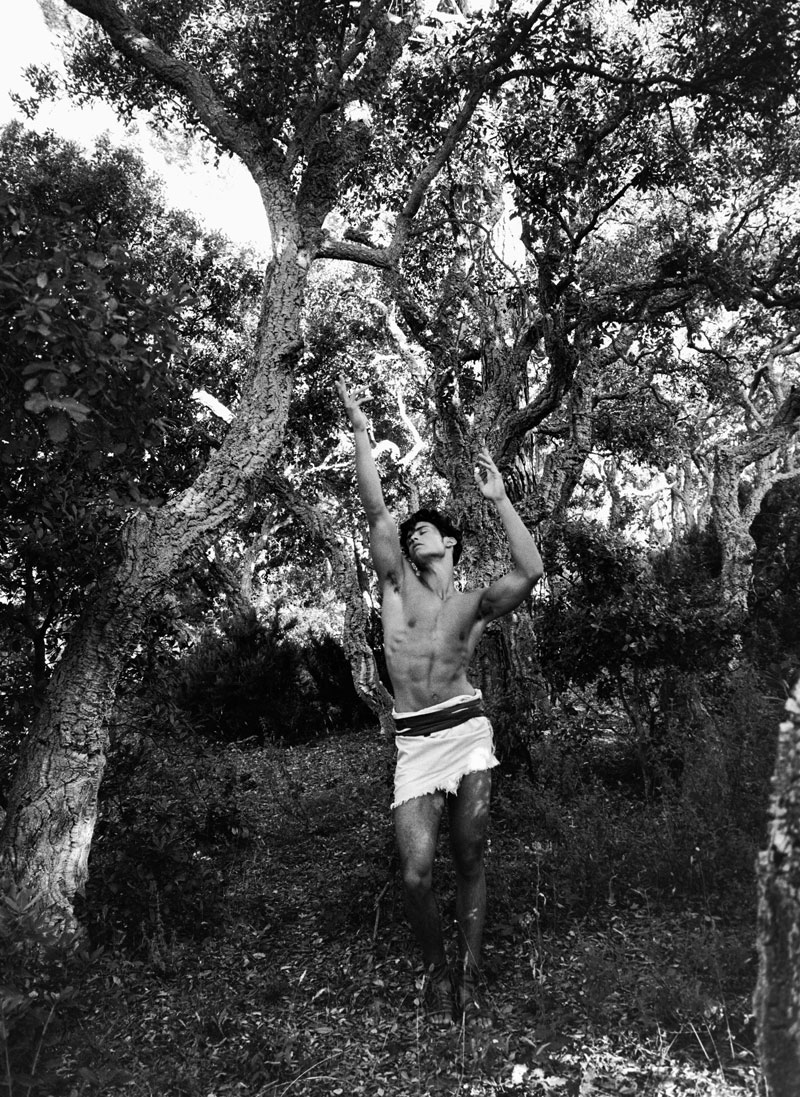


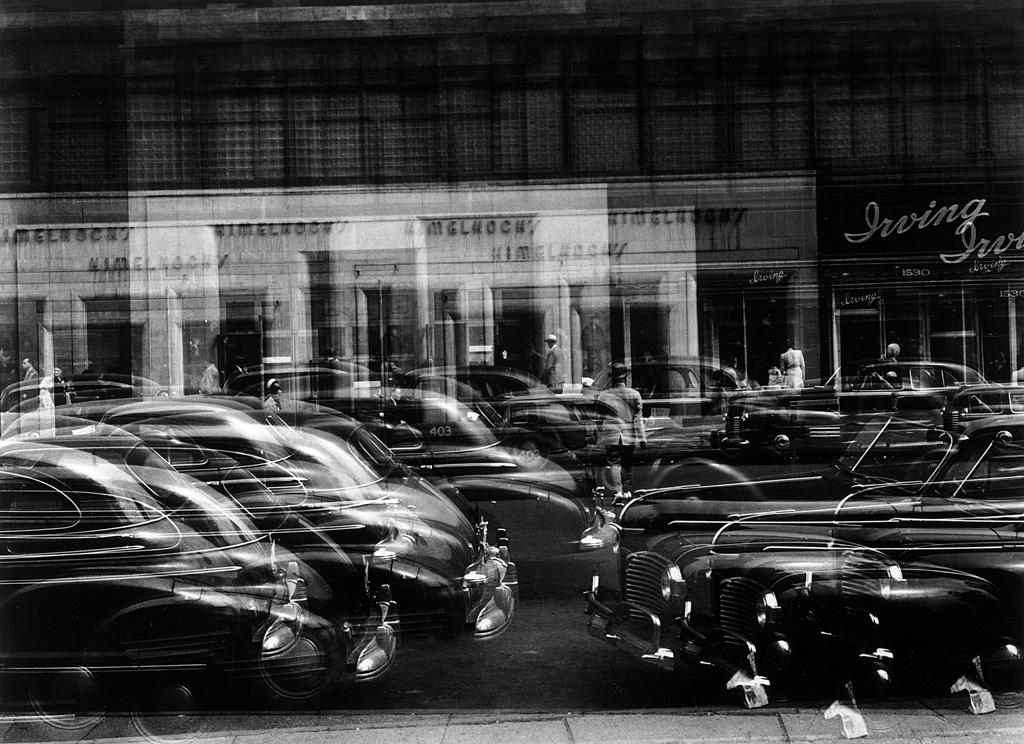

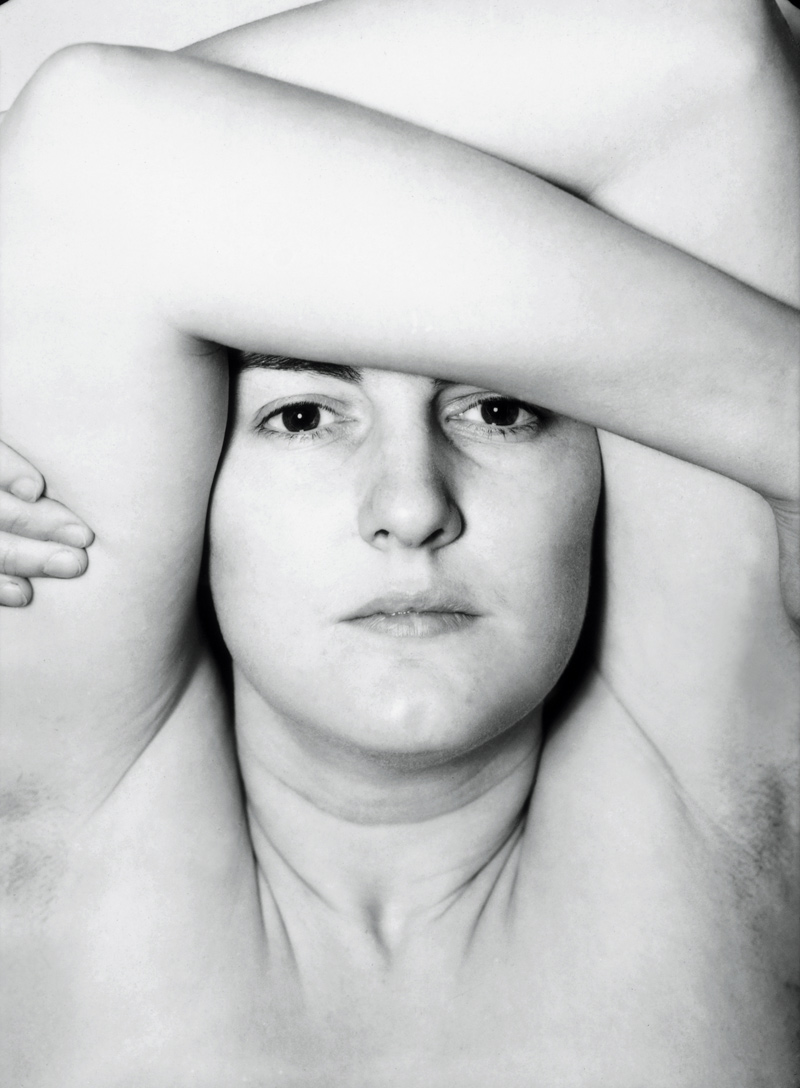


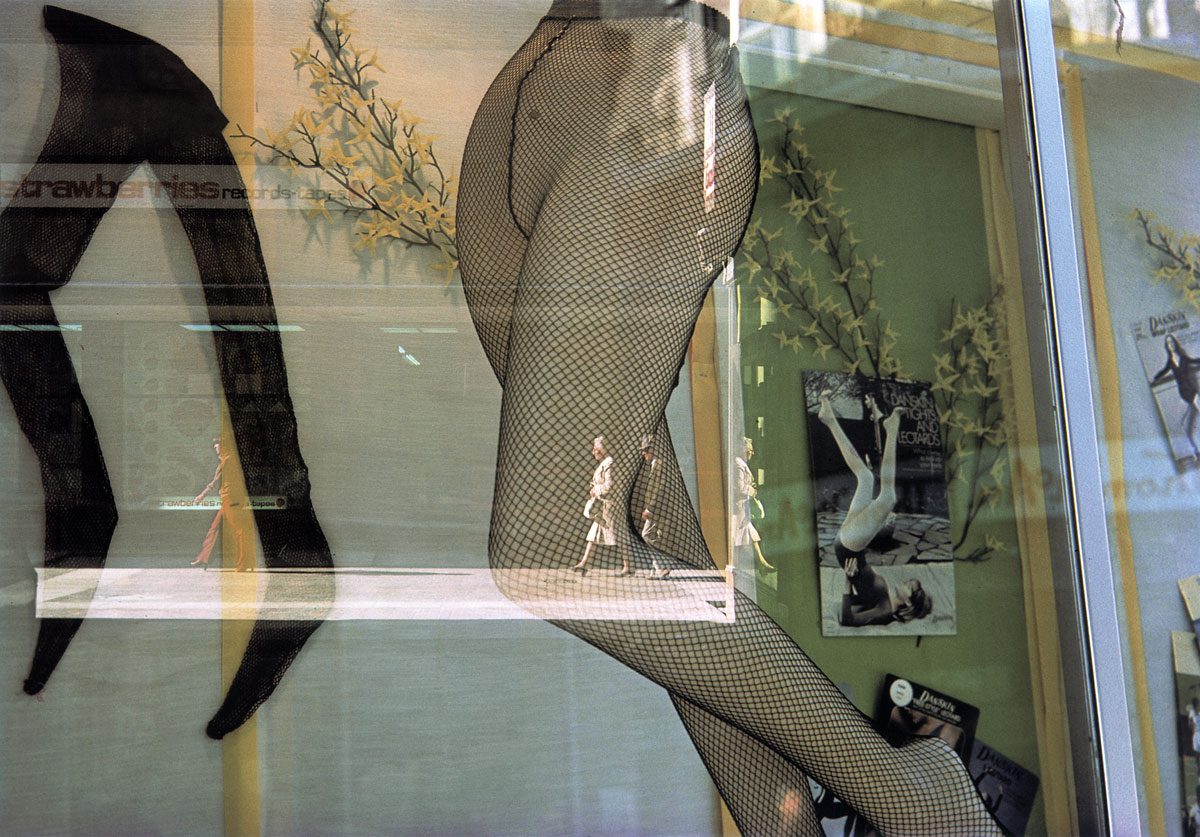


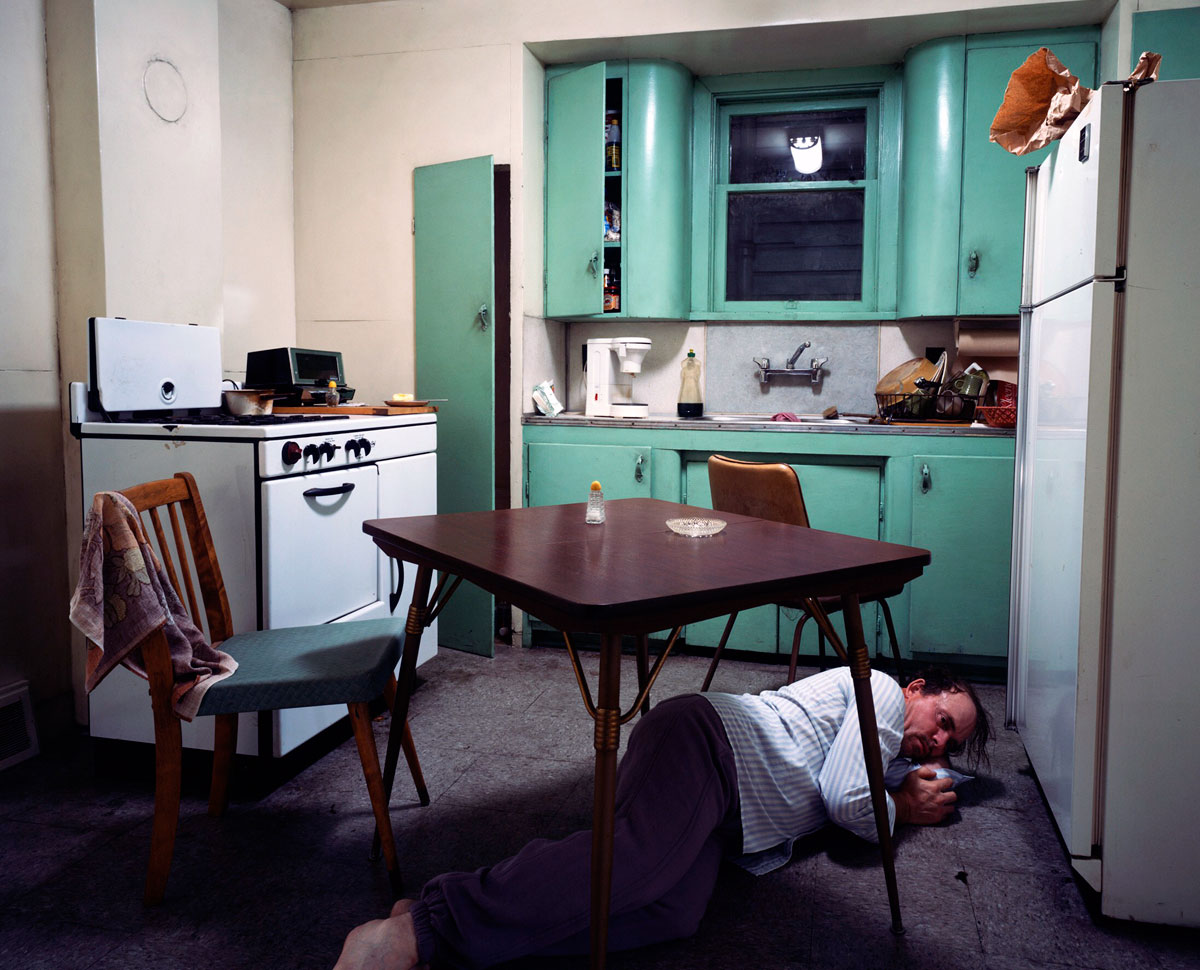


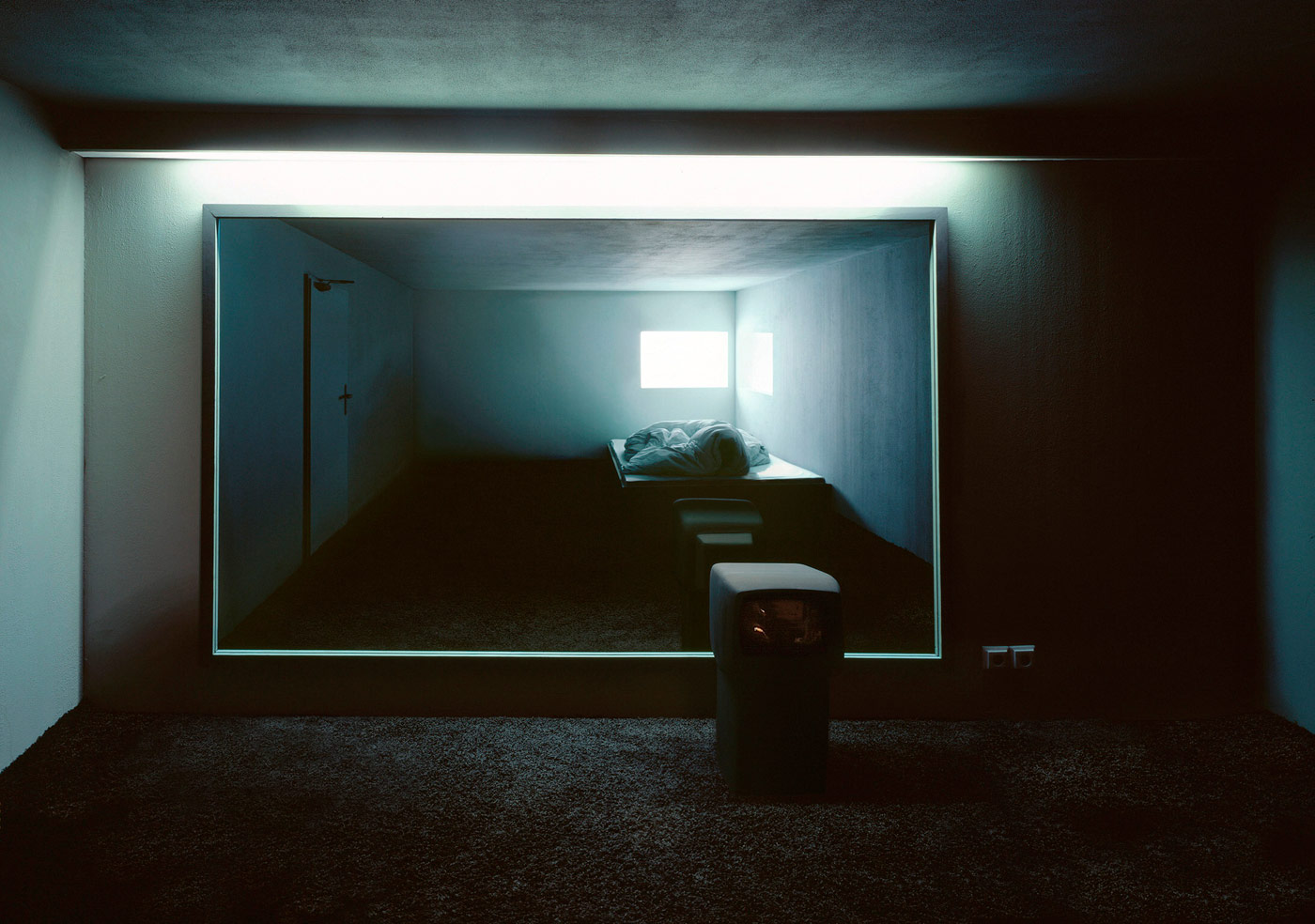


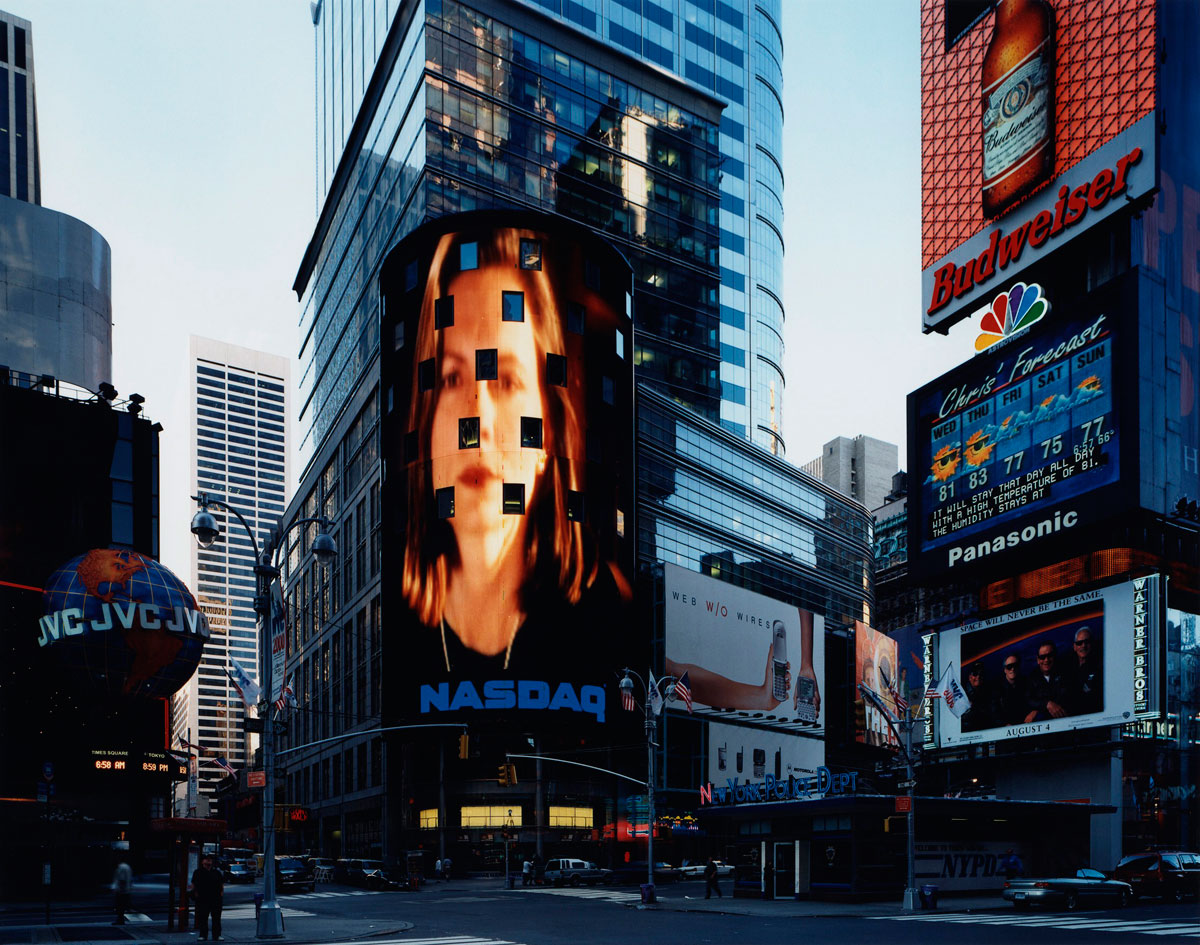


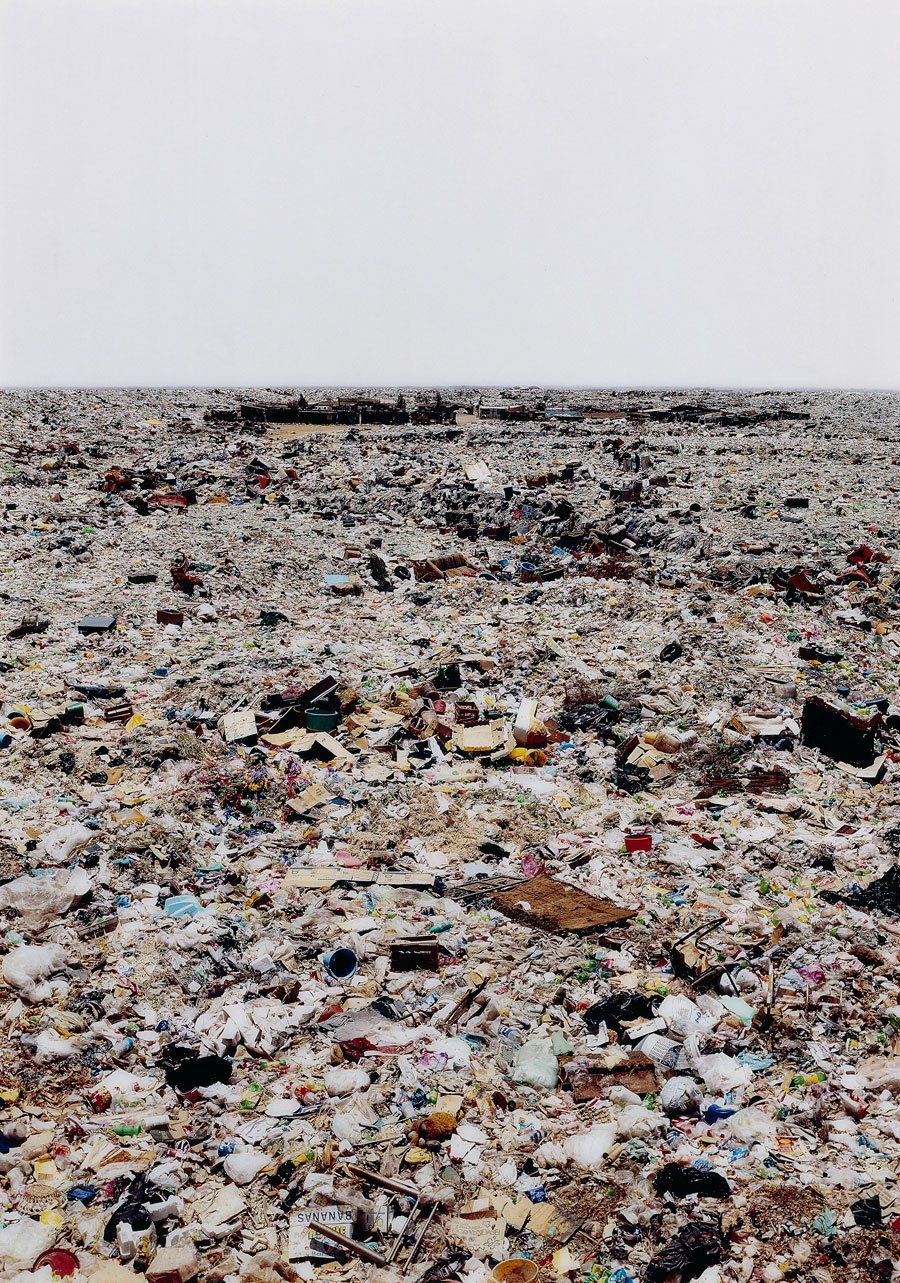


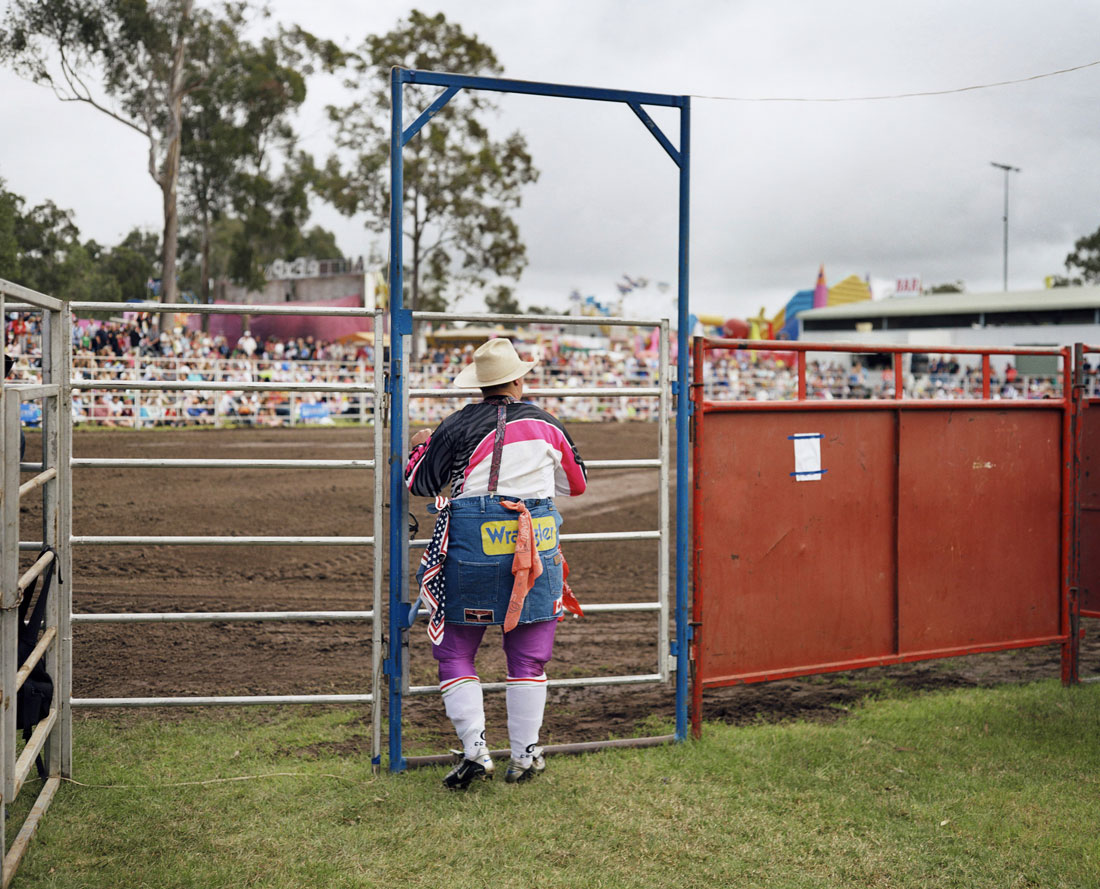
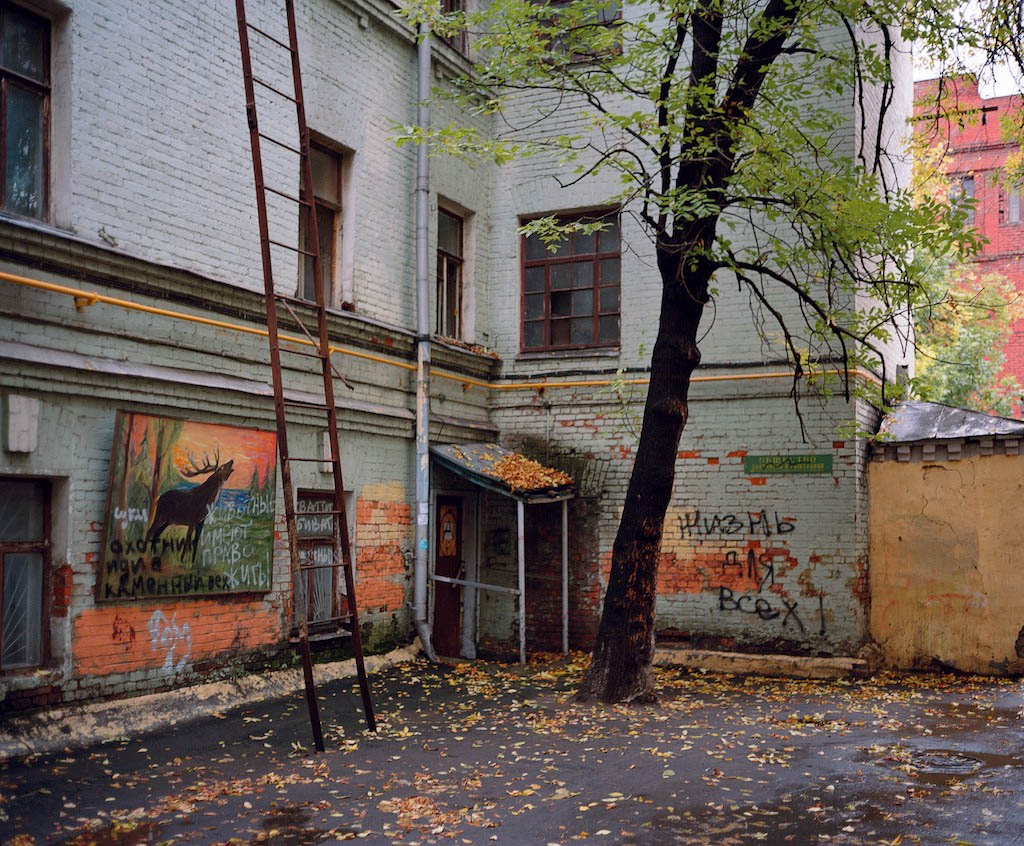
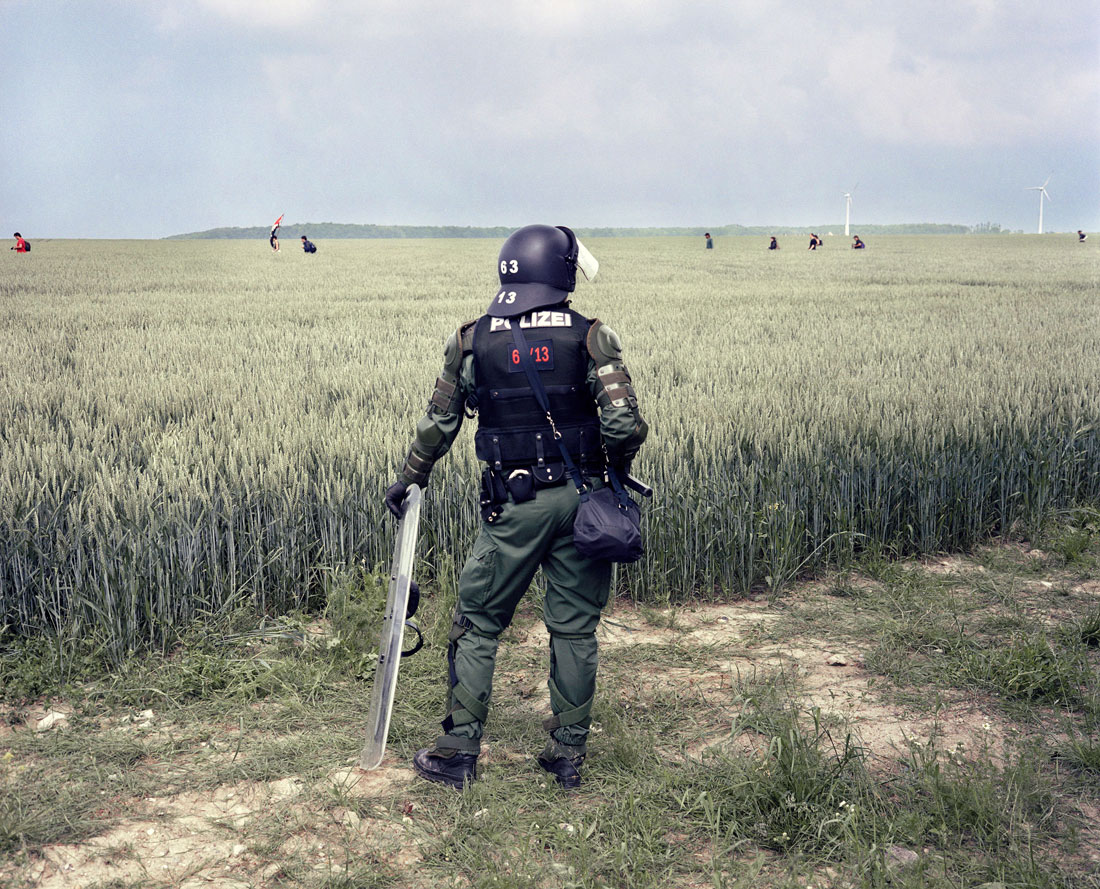
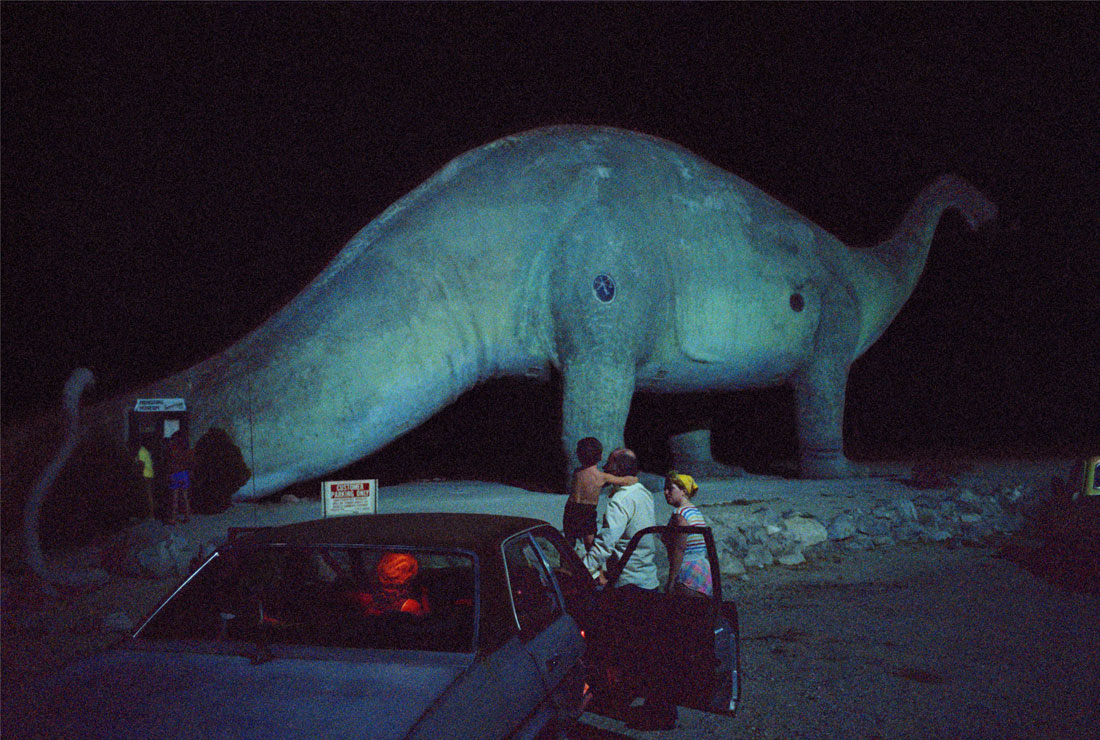

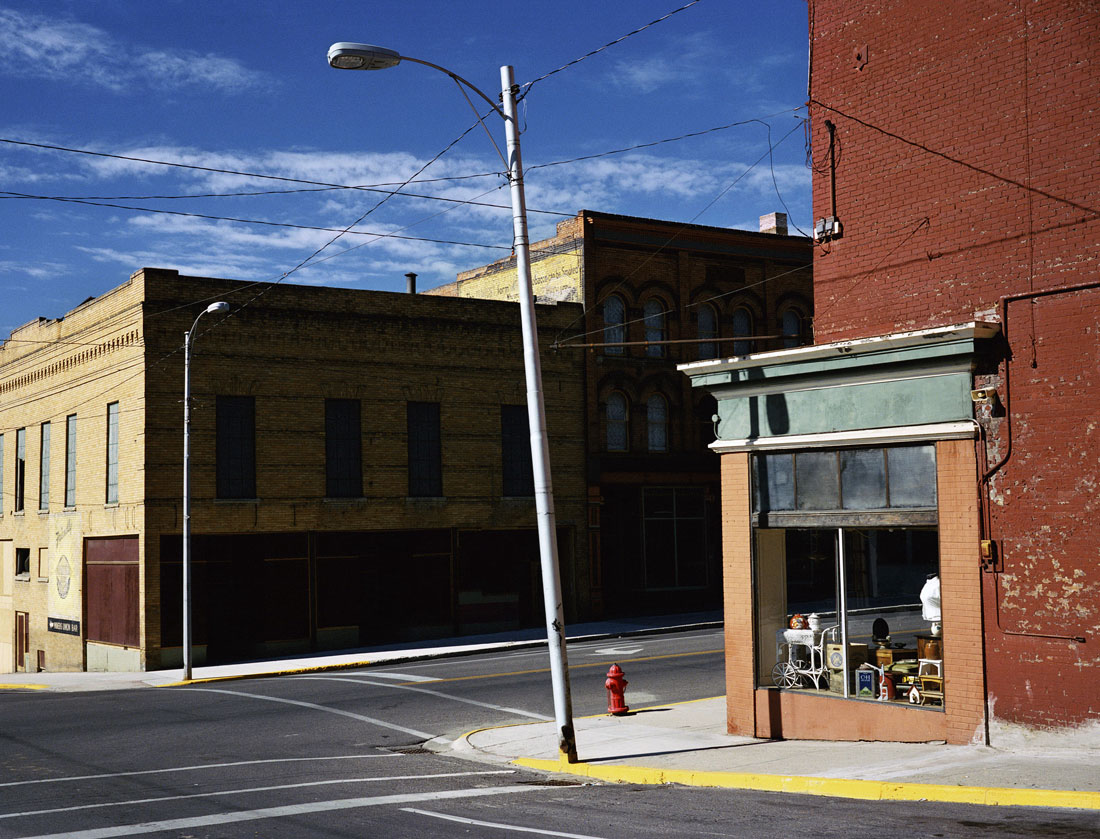

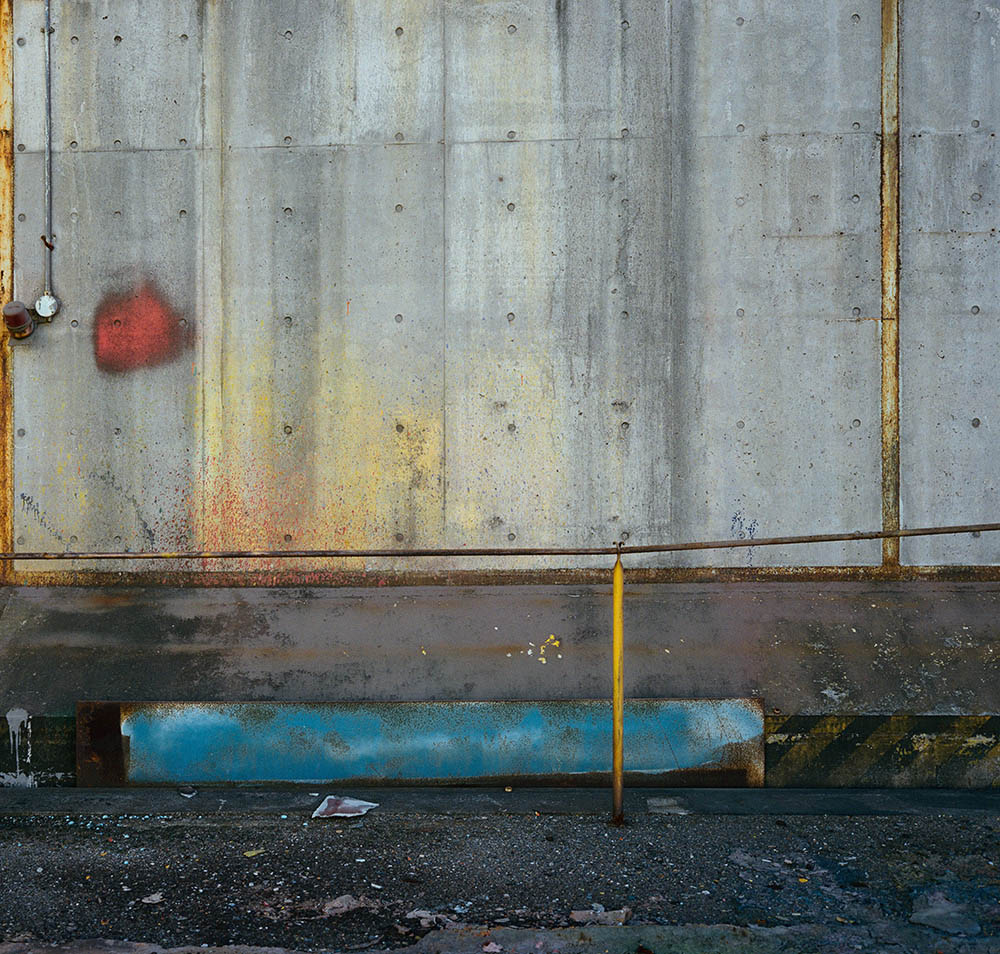

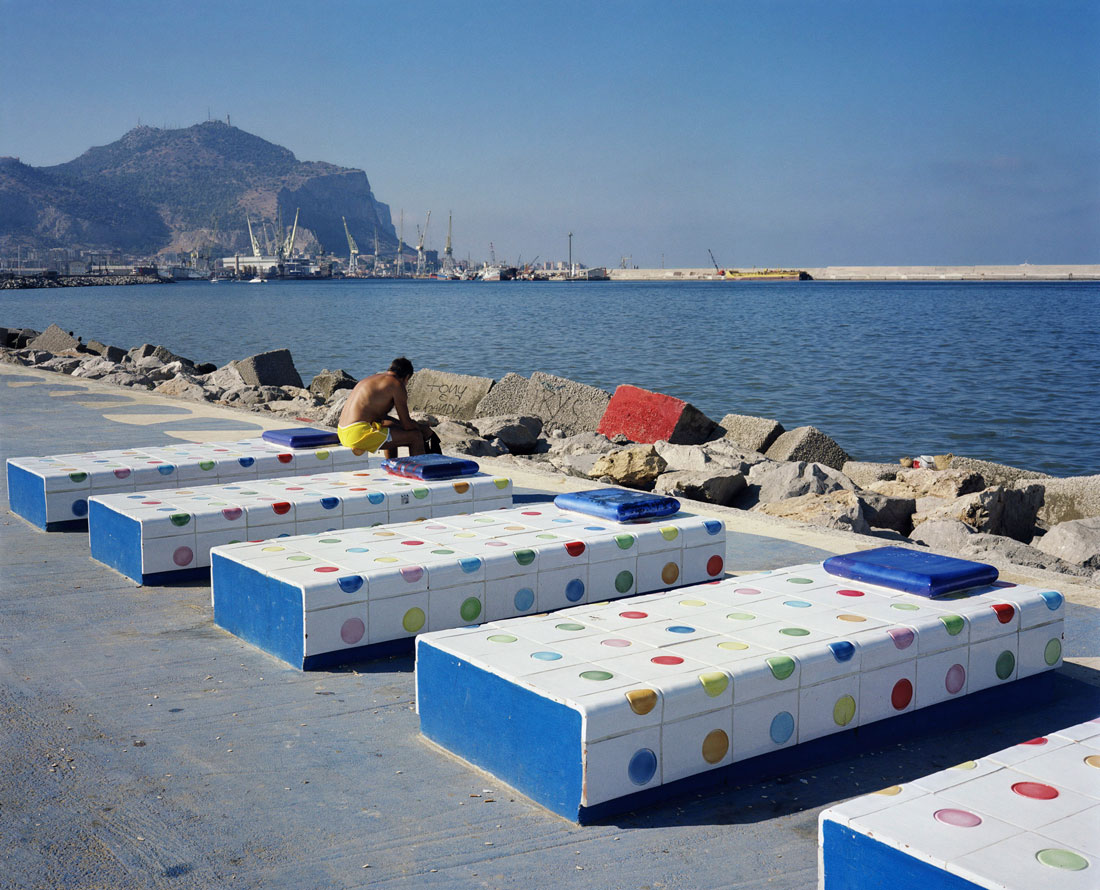
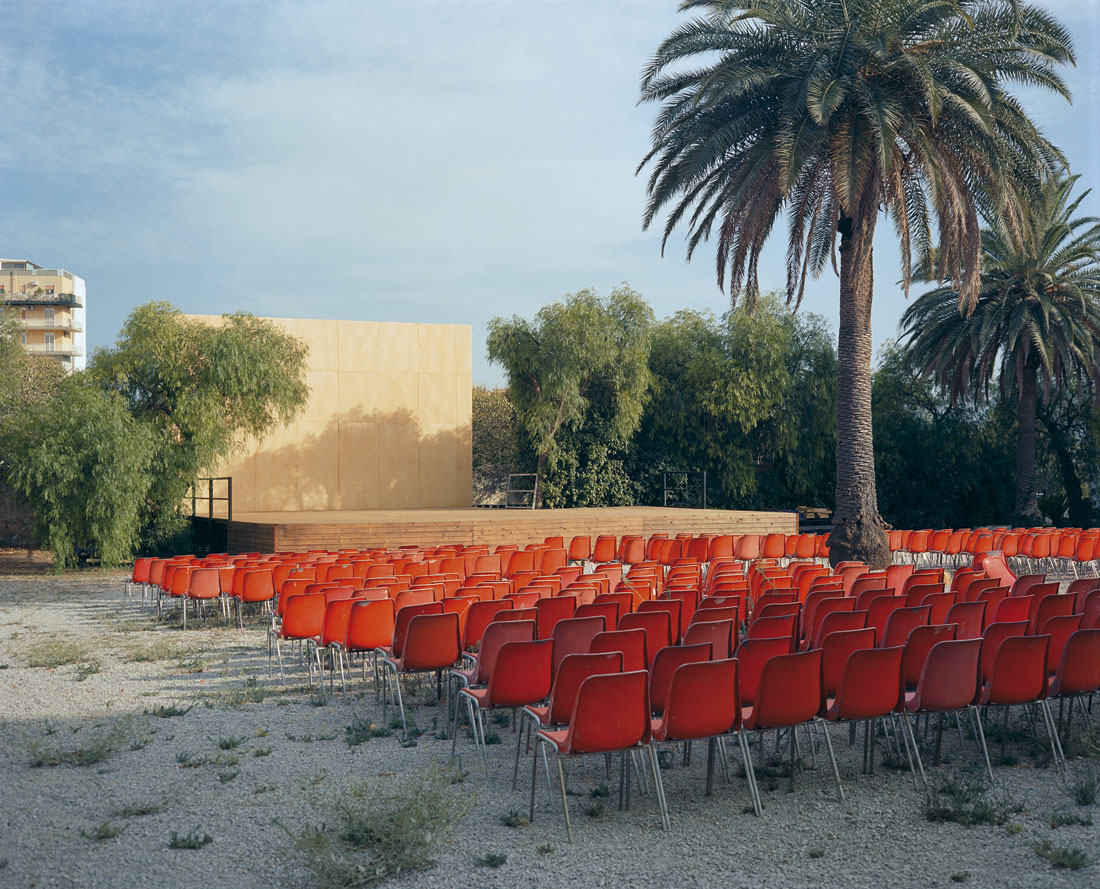
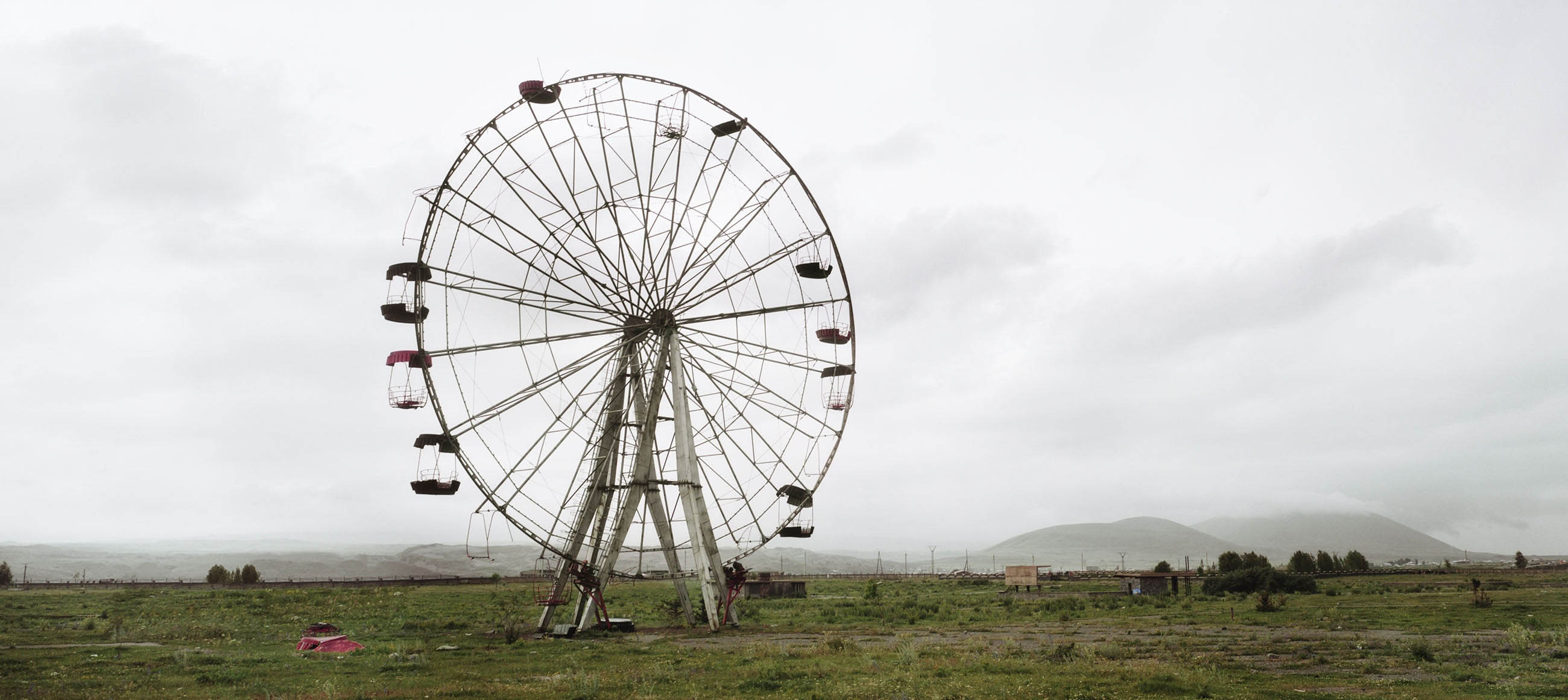
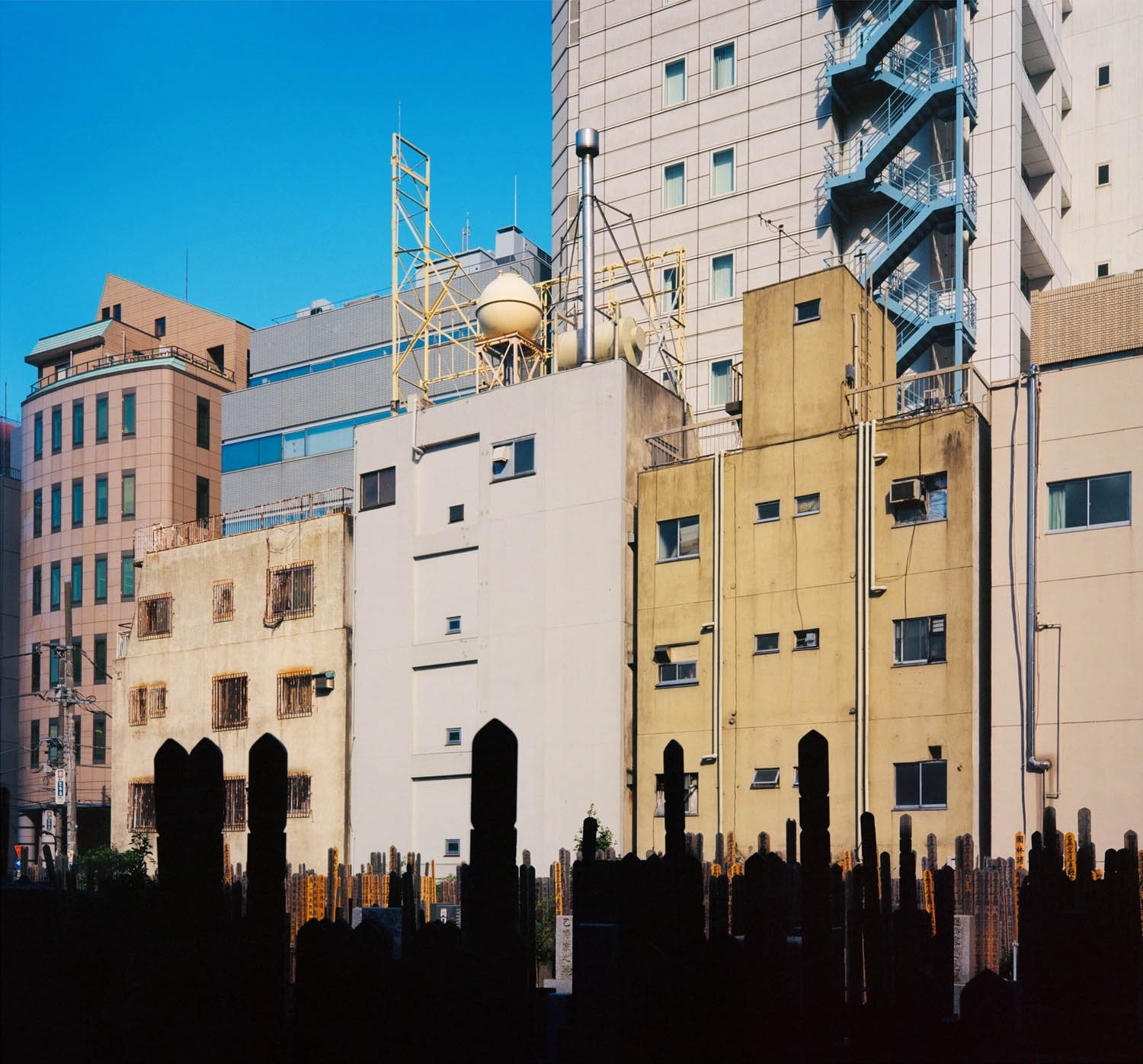






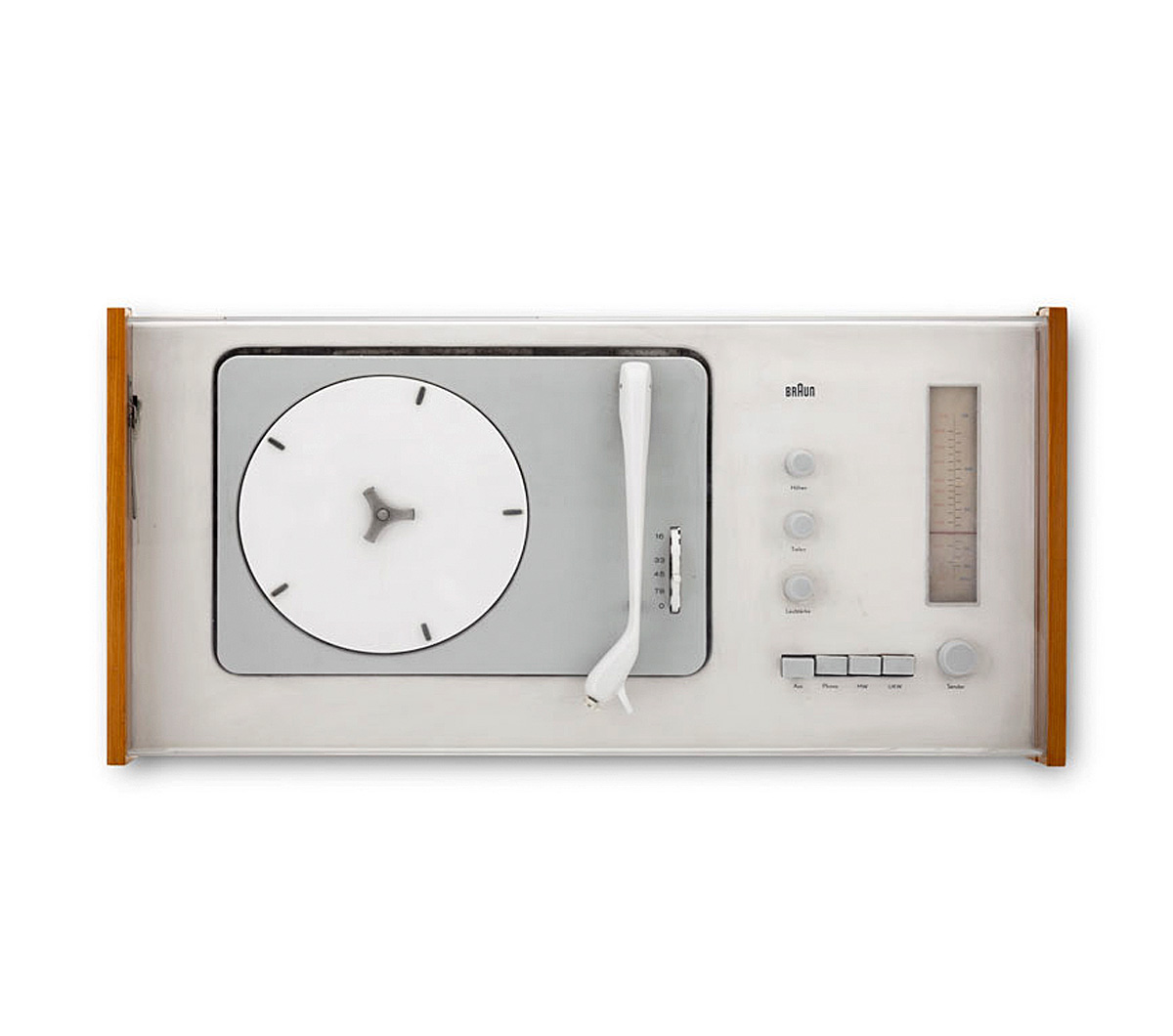




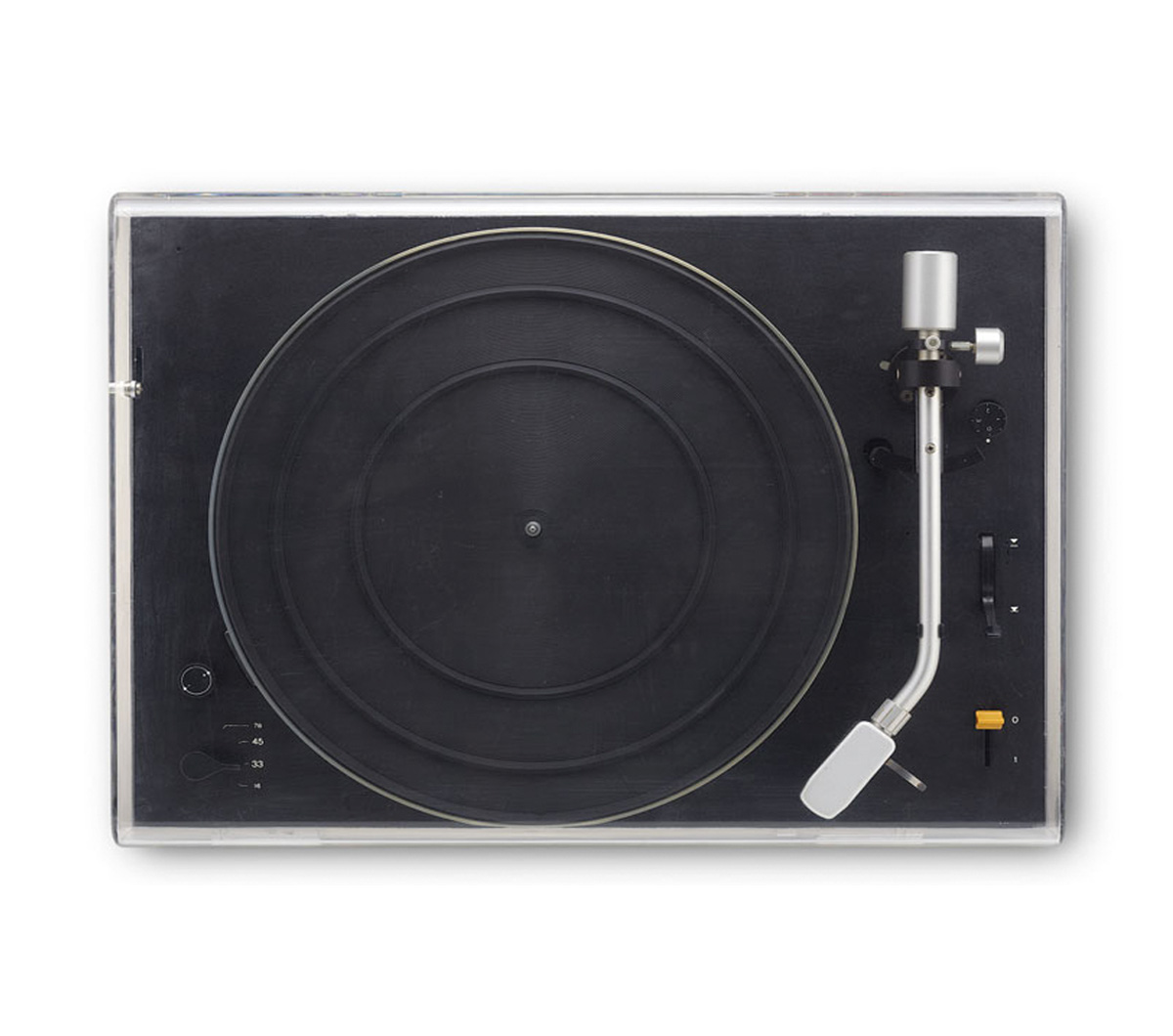

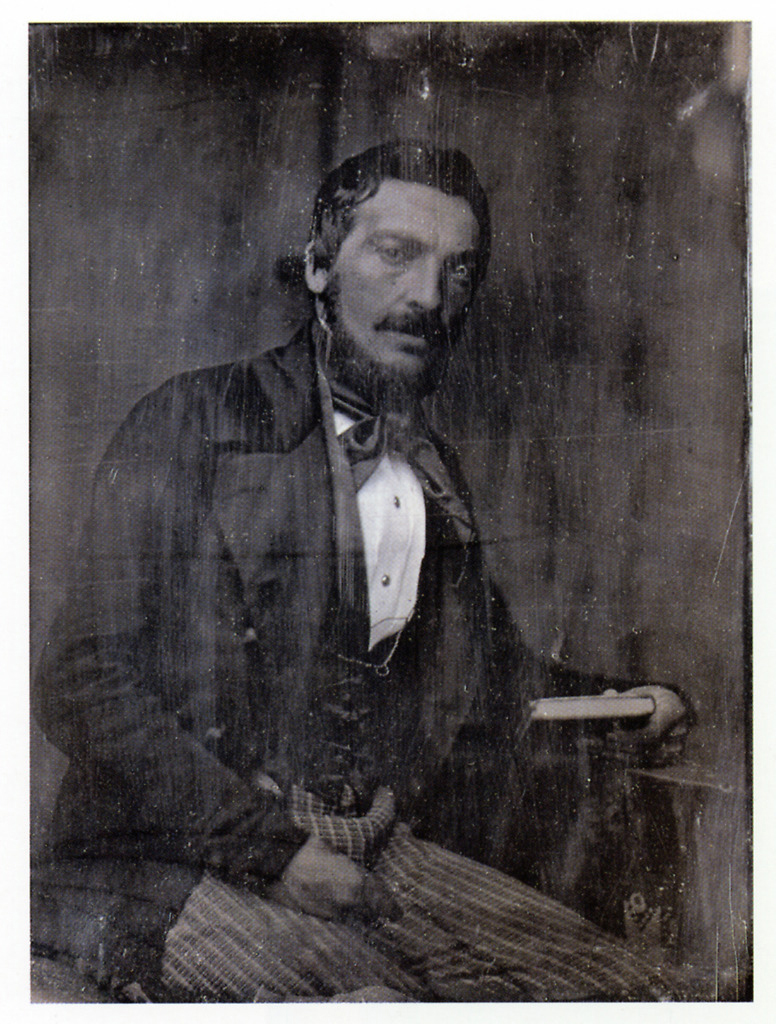
![August Sander (German, 1876-1964) [Farmer, Westerwald (Bauer, Westerwald)] 1910](https://artblart.com/wp-content/uploads/2011/06/sander-farmer.jpg "August Sander (German, 1876-1964) [Farmer, Westerwald (Bauer, Westerwald)] 1910")


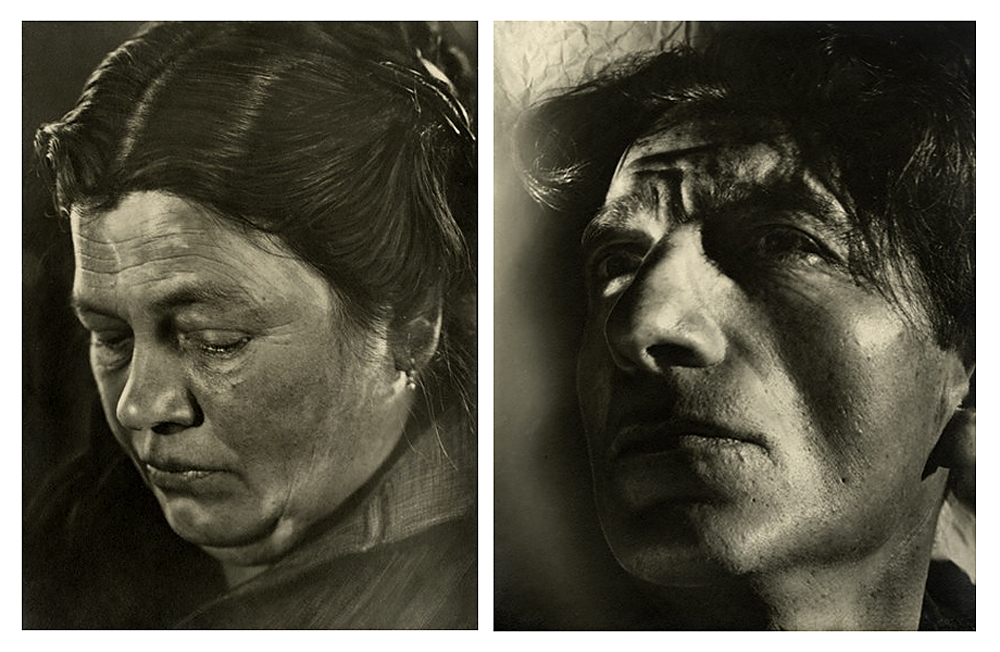
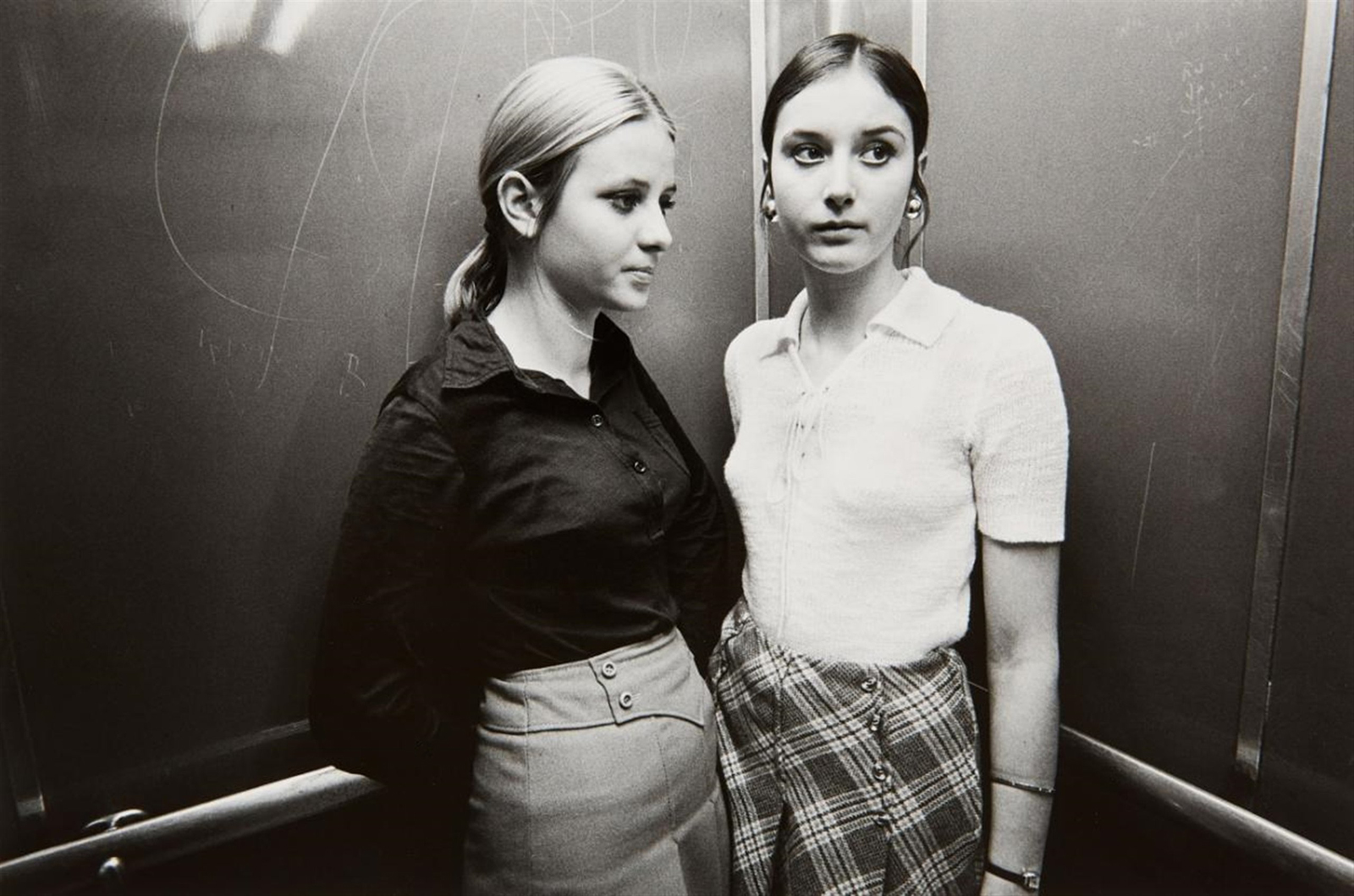


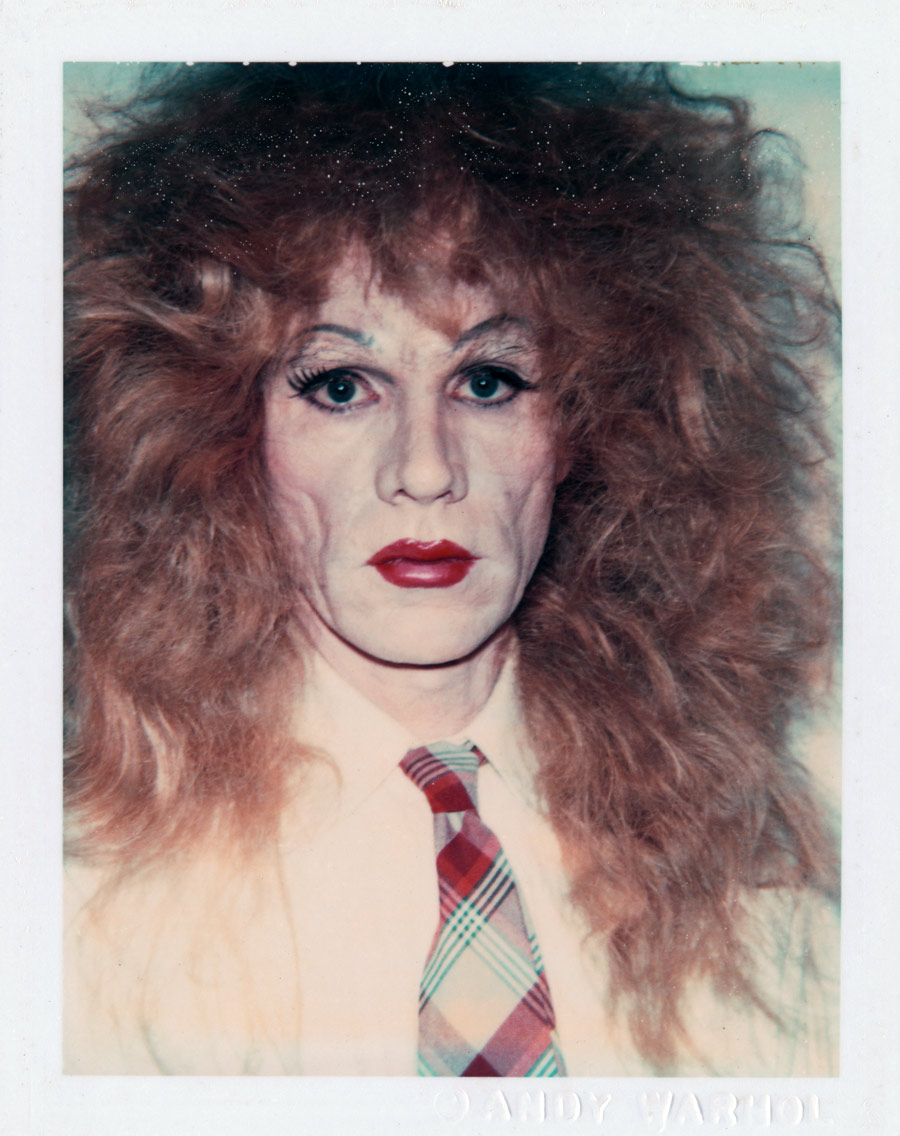
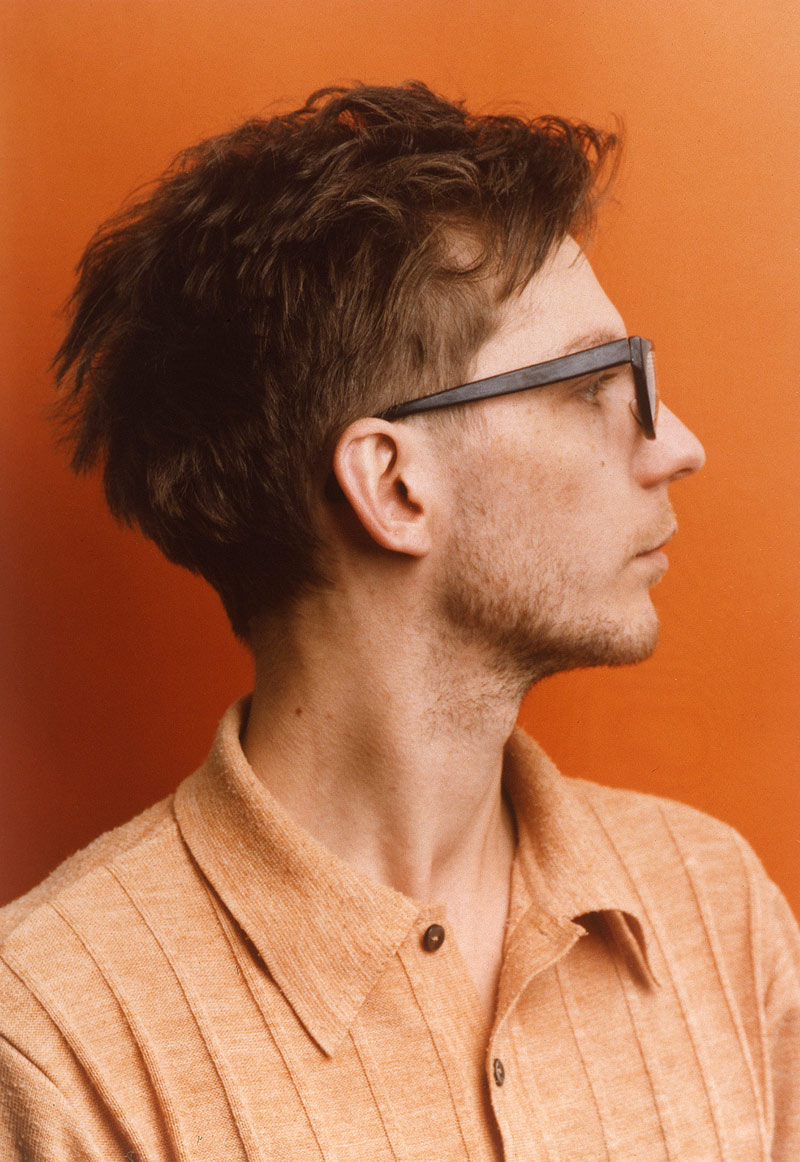

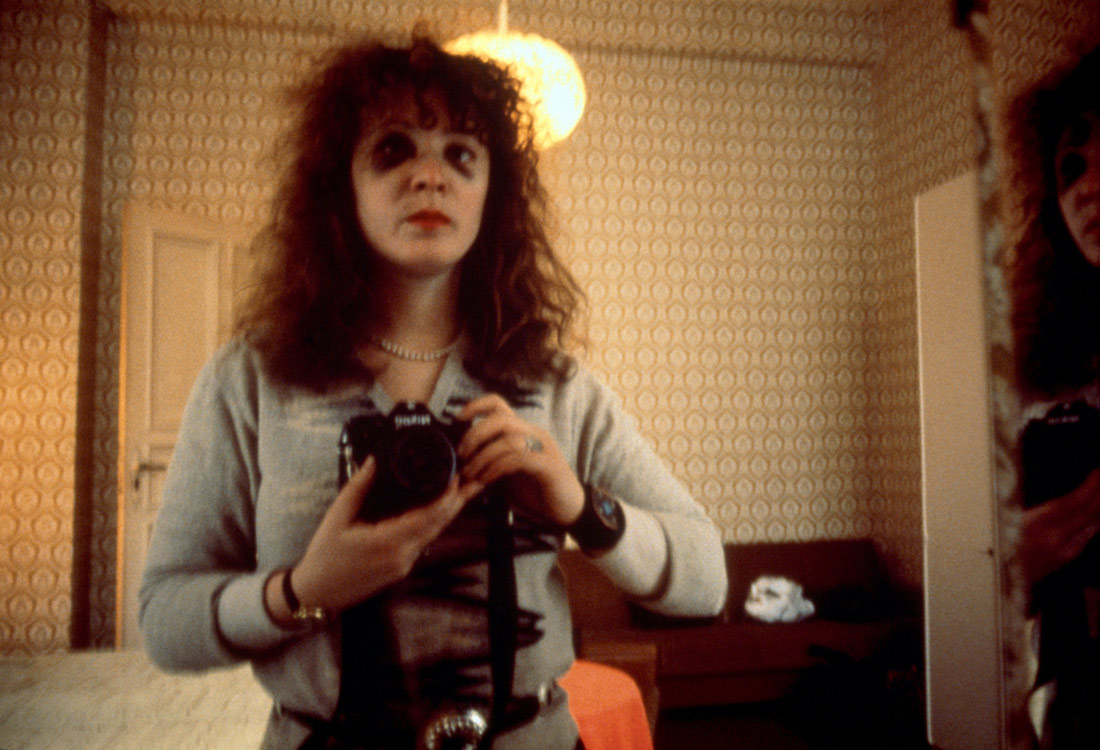
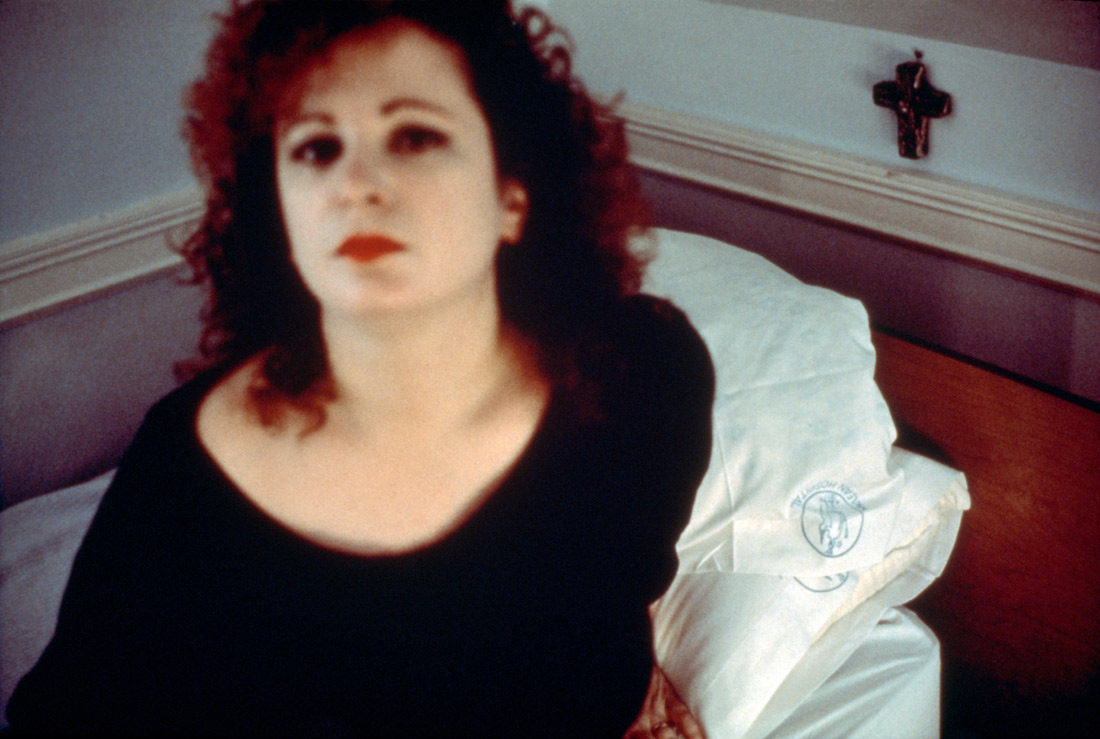

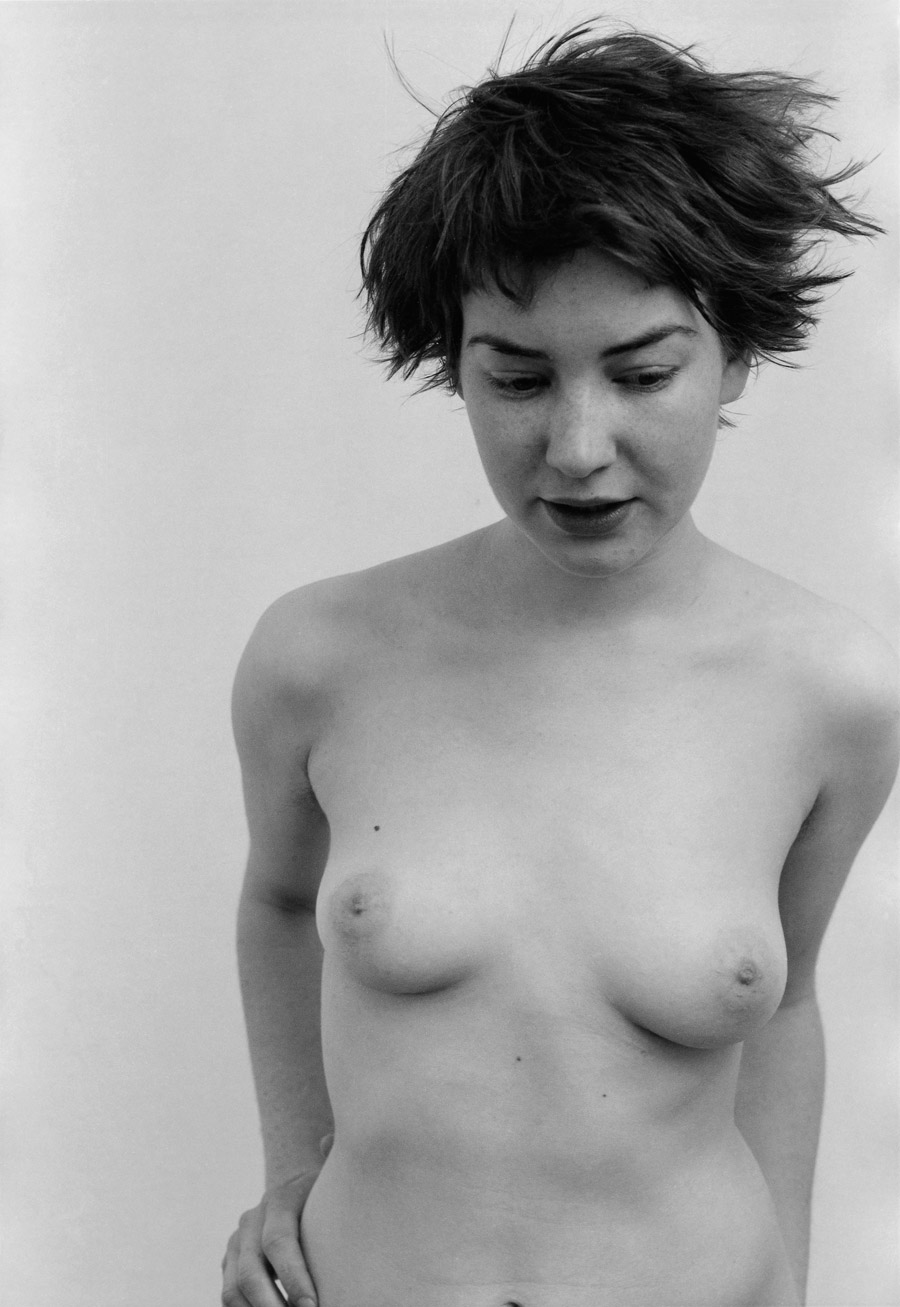
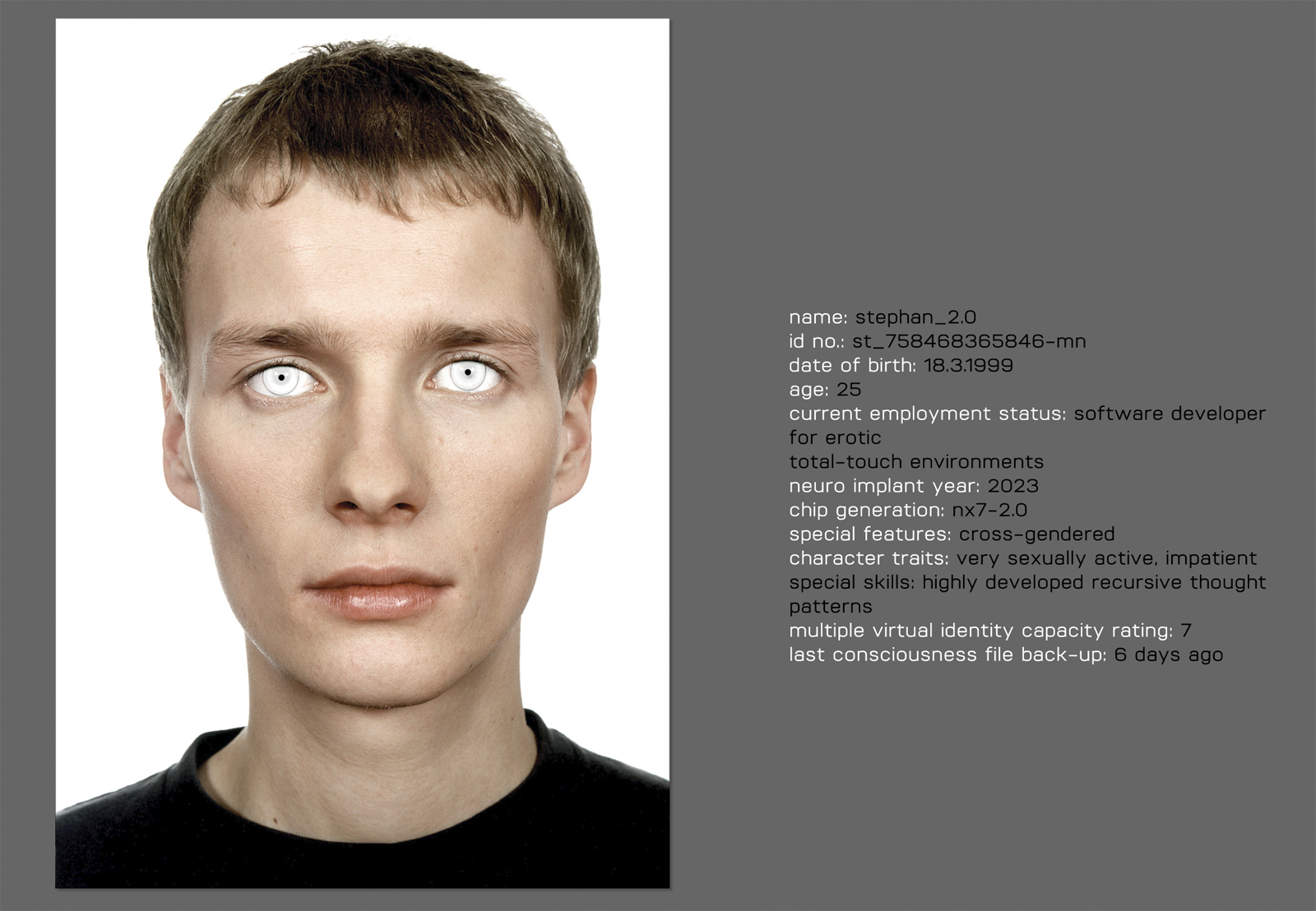


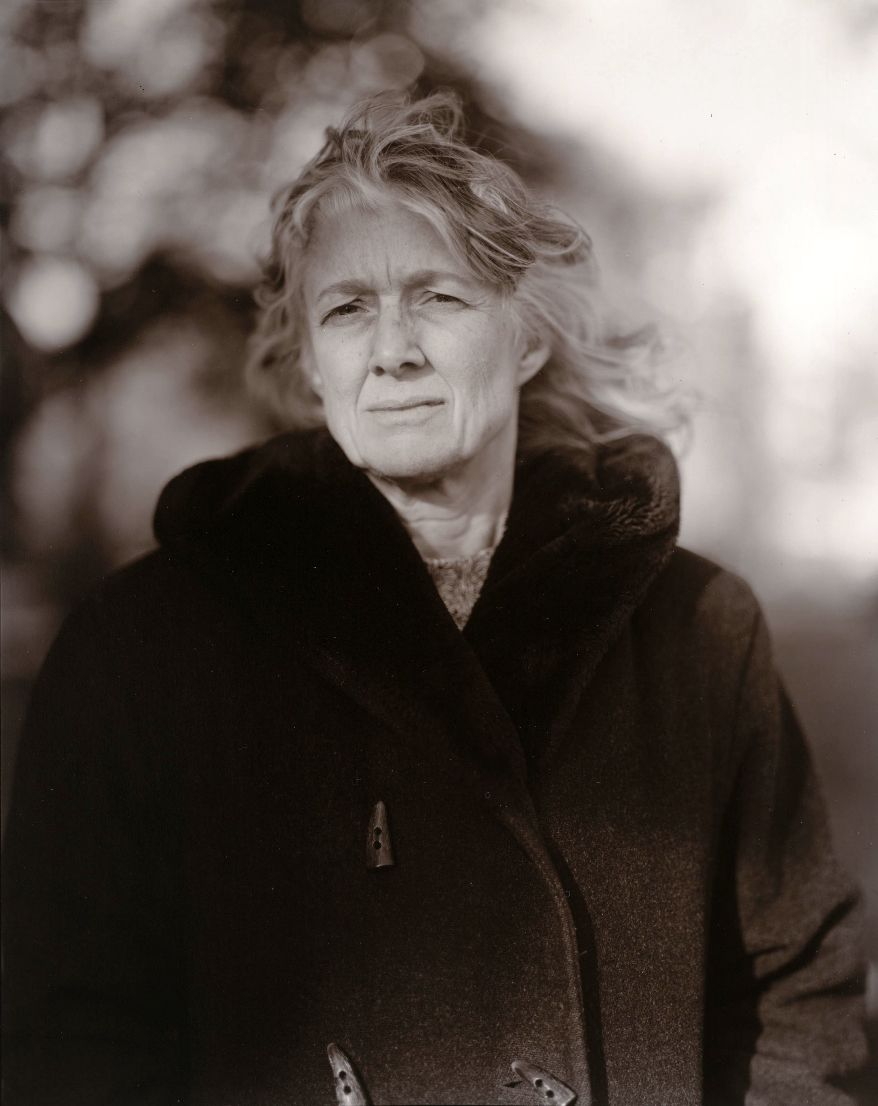
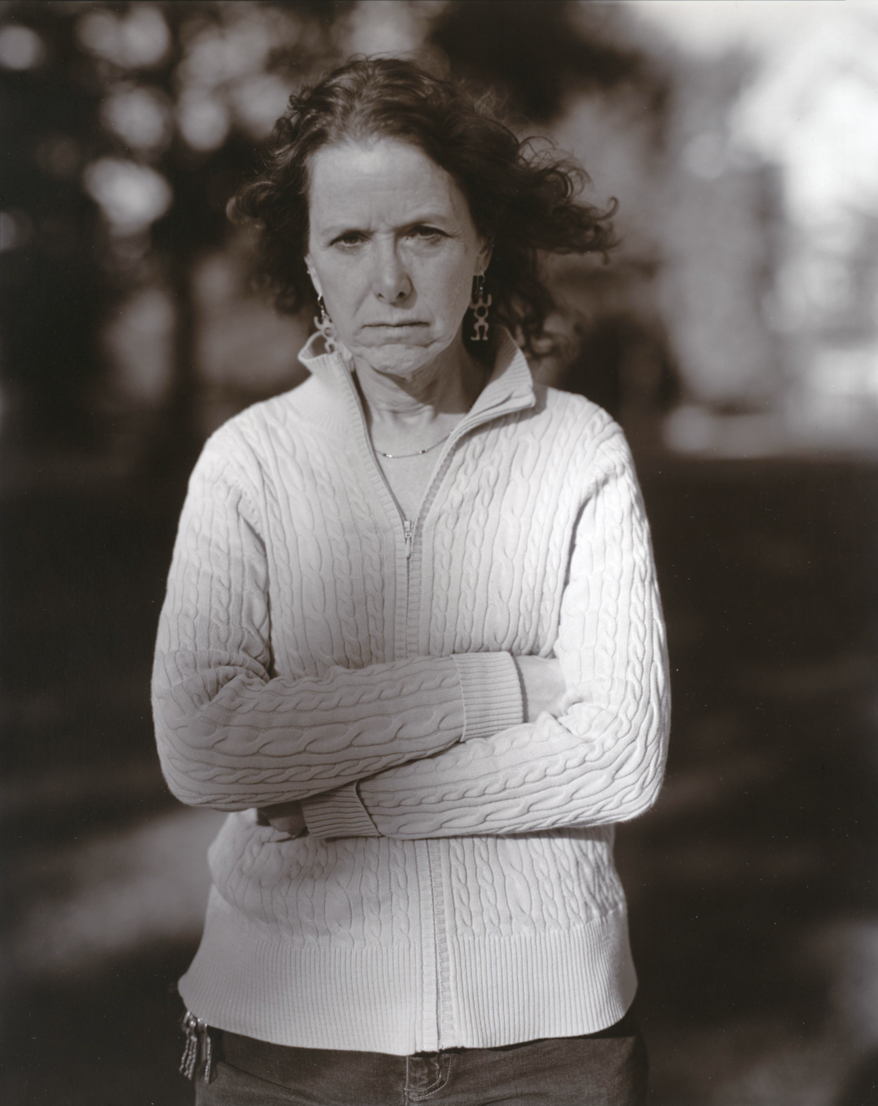


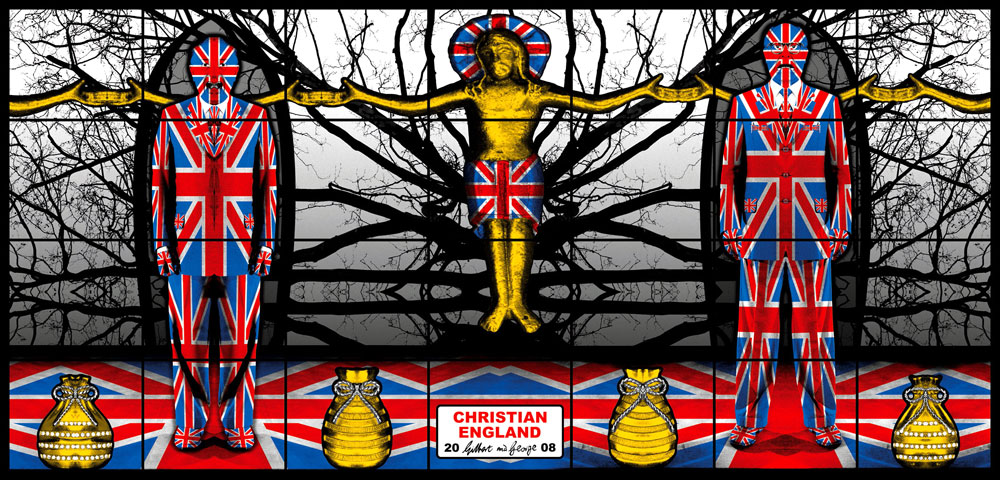


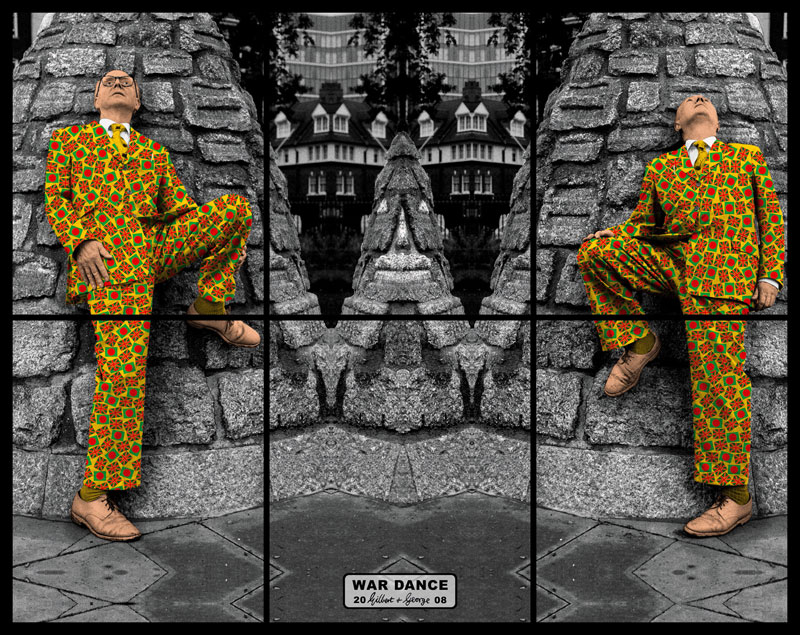
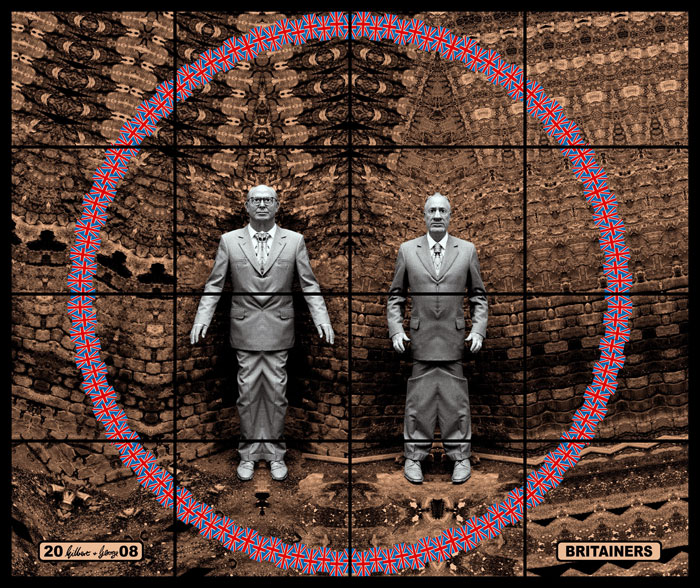



 Art Blart _ art and cultural memory archive
You must be logged in to post a comment.