Many thankx to Kicken Berlin for allowing me to publish the photographs in this post. Please click on the photographs for a larger version of the image.
Mahler was born in 1949 in Bad Berka, Thuringia. She studied at the School for Graphic and Book Arts in Leipzig and has been a professor at the University of Applied Sciences in Hamburg since 2000. She lives in Hamburg and Lehnitz, near Berlin
Kicken Berlin will devote its first exhibition of 2010 to a selection of East German photographers. Represented in East Side Stories: German Photographs 1950s-1980s are Ursula Arnold, Sibylle Bergemann, Arno Fischer, Ute und Werner Mahler, Roger Melis, Helga Paris, Evelyn Richter as well as Gundula Schulze Eldowy – committed art photographers who achieved their own modes of expression outside the official aesthetic. F.C. Gundlach’s fashion photography from 1950s and 1960s West Berlin will be on view in the exhibition space Kicken II.
Up until the early 1970s, the cultural officers of the German Democratic Republic viewed photography not as an art medium but rather as a means of providing affirmative and idealised images of life. Personal viewpoints were not welcome. Photography that forcefully “grew out of the self-assigned task of documenting what (one) felt was worth capturing,” as Evelyn Richter put it, had to remain secret.
Arno Fischer (1927-2011) and Evelyn Richter (1930-2021) belong to those who pointed the way toward a subjective-narrative, human-centered photography in the 1950s. Key figures in the East German art photography scene, opinion shapers, and teachers at Leipzig’s Hochschule für Grafik und Buchkunst / Academy of Visual Arts, they influenced a form of art photography oriented toward the social-documentary “human interest” tradition. Their stance combined social participation with a commitment to critical observation from a personal point of view – as in Fischer’s series Situation Berlin (1953-1960), with its symbolically dense snapshots of the divided city.
Important influences on the development of independent photography in East Germany included the work of the Magnum agency (from 1947 on), Edward Steichen’s exhibition The Family of Man (1955) as well as Robert Frank’s radically subjective street photography.
Pictures of people and portraits are at the exhibition’s core. Ursula Arnold (1929-2012) observed her sometimes melancholy, sometimes odd contemporaries on the streets of Berlin and Leipzig, and on Berlin’s S-Bahn. She gave up working as a photojournalist early in order to avoid having to make concessions to the dictates for enthusiasm imposed from above. Helga Paris (b. 1938) took portraits of rebellious Berliner Jugendliche / Berlin Youths (1981-1982), approaching her subjects with seriousness and thoughtfulness, and concentrating fully on them as individuals. She, too, had the self-professed goal of depicting people authentically in their everyday contexts.
Sibylle Bergemann (1941-2010) made a name for herself as a sensitive portraitist, fashion photographer, and observer of the urban landscape. Das Denkmal / The Monument (1977-1986), her long-term study of the assembly of the Marx-Engels sculpture, appears, with its hovering, headless sculptural fragments to emblematically anticipate the collapse of communism.
In the Berlin of the late 1970s and early 1980s Gundula Schulze Eldowy (b. 1954) found the setting for scenes that are as drastic as they are quotidian in the series Berlin. In einer Hundenacht / Berlin: in a Dog’s Night (1977-1989) and Aktportraits / Nude Portraits (1983-1986), as no other East German photographer before her, she shows with unsparing frankness the loneliness and vulnerability of her subjects but also their dignity and self confidence. Her early photographs reveal an aesthetic and thematic debt to the work of Diane Arbus.
Independent of each other, Ute and Werner Mahler turned their unpretentious gazes on the East German way of life. Ute Mahler (b. 1949) thematised family arrangements and group dynamics in her series Zusammen Leben / Living Together (1972-1986). Werner Mahler (b. 1950) documented a year in the Thuringian village Berka (1977) – and repeated his studies in the late 1990s after reunification. An additional focus of both photographers was fashion photography (published for the most part in the magazine for fashion and culture Sibylle) that offered opportunities for “productively expanding the genre” (Bernd Lindner).
In the 1950s and 1960s in Berlin and Hamburg, F.C. Gundlach achieved a modern way to stage fashion in pictures. A small selection from the great fashion photographer’s oeuvre, F.C. Gundlach, will be on view in the exhibition space Kicken II and coincides with the comprehensive retrospective at the Martin Gropius Bau.
Press release from the Kicken Berlin website [Online] Cited 04/04/2010 no longer available online
Evelyn Richter (German, 1930-2021) ND (Neues Deutschland) print shop c. 1960-1962 Gelatin silver print Evelyn Richter Archiv der Ostdeutschen
Ursula Arnold (German, 1929-2012) Berlin, S-Bahn 1965 Gelatin silver print
Sibylle Bergemann (German, 1941-2010) Alexanderplatz, Berlin 1967 Gelatin silver print
Sibylle Bergemann (German, 1941-2010) Schöneweide, Berlin 1972 Gelatin silver print, printed c. 1972 22.8 x 34cm
Mahler started her project Zusammenleben (‘living together’) to move away from set photography. She said: ‘I carried out this work freely, at liberty; it was very personal in nature and not commissioned’.
Zusammenleben was started more than 45 years ago. Through it, Mahler intended to depict the unsaid in a subtle way. Zusammenleben subtly depicted the reality of everyday life in the communist state of East Germany.
Evelyn Richter (German, 1930-2021) Pförtnerin im Rathaus, Leipzig (Receptionist in the Town Hall, Leipzig) c. 1975 Gelatin silver print
Sibylle Bergemann (German, 1941-2010) Berlin, Palast der Republik 1978 Gelatin silver print
Gundula Schulze Eldowy (German, b. 1954) Berlin 1989 Gelatin silver print
Many thankx to the Pinakothek Der Moderne for allowing me to publish the photographs in the posting. Please click on the photographs for a larger version of the image.
Over the past fifteen years, the Frankfurt-based photographer Peter Loewy (b. 1951) has gained prominence with a number of powerful series of works. His first book of photographs, Jüdisches (Jewish), was published in 1996, showing details taken from inside the family homes of both famous and unknown Jewish families in Frankfurt. This was followed by the volume Lèche-vitrine, as well as series on the IG Farben Building in Frankfurt and intimate pictures of the working environment of internationally acclaimed artists (Private Collection).
Loewy’s photographs of drawings by well and lesser-known artists from centuries past form a new cycle that is to be exhibited for the first time in the showcase passage at the Staatliche Graphische Sammlung München in the Pinakothek der Moderne.
Quite by chance the photographer came across a book on ethnography and was fascinated by the ‘photographic’ accuracy, use of perspective and shading of drawings of people from the most varied of cultures, depicted in their respective local dress. He switched off the automatic focus option, zoomed in so closely that only a detail could be seen, and selected a filter and distance that went against any standard logic until he achieved a rich blurred image. “I was thrilled”, writes Loewy. “On my display I had a picture that was out of focus, not a drawing. I felt as if I had brought the person back to life – that’s how full of himself a photographer can be compared to a draughtsman. … As a lover of drawings I felt I had to rummage through the history of art as well, or rather masses of books, and revive people from across the centuries in the form of photos. That’s how a mass of portraits of famous and unknown people came about. I also produced a collection of famous and unknown artists, too, who I enshrouded in a misty blurredness.”
Exhibition dates: November 20th 2009 – March 14th, 2010
Many thankx to Marie Skov and Martin-Gropius-Bau for allowing me to reproduce the photographs in this posting. Please click on the photographs for a larger version of the image.
Marcus
F.C. Gundlach (German, 1926-2021) The Whole Day on the Beach Gizeh/Egypt 1966 in Brigitte, Issue 8/1966
F. C. Gundlach
F. C. Gundlach (Franz Christian Gundlach; 16 July 1926 – 23 July 2021) was a German photographer, gallery owner, collector, curator und founder. In 2000 he created the F.C. Gundlach Foundation, since 2003 he has been founding director of the House of Photography – Deichtorhallen Hamburg.
His fashion photographs of the 1950s, 1960s and 1970s, which in many cases integrated social phenomena and current trends in the visual arts, have left their context of origin behind and found their way into museums and collections. Since 1975 he also curated many internationally renowned photographic exhibitions. On the occasion of the reopening of the House of Photography in April 2005, he curated the retrospective of the Hungarian photographer Martin Munkácsi. Here, the exhibitions A Clear Vision, The Heartbeat of Fashion and Maloney, Meyerowitz, Shore, Sternfeld. New Color Photography of the 1970s from his collection were presented since 2003. Most recently he curated the exhibitions More Than Fashion for the Moscow House of Photography and Vanity for the Kunsthalle Wien 2011.
F.C. Gundlach (German, 1926-2021) Erich von Stroheim during the shooting of “Alraune”, Munich 1952 Gelatin silver print
The Bloody Pit of Horror: Alraune (1952) film poster
Erich von Stroheim
Erich Oswald Hans Carl Maria von Stroheim (born Erich Oswald Stroheim; September 22, 1885 – May 12, 1957) was an Austrian-American director, actor and producer, most noted as a film star and avant garde, visionary director of the silent era. His masterpiece adaptation of Frank Norris’s McTeague titled Greed is considered one of the finest and most important films ever made. After clashes with Hollywood studio bosses over budget and workers’ rights issues, von Stroheim was banned for life as a director and subsequently became a well-respected character actor, particularly in French cinema. For his early innovations as a director, von Stroheim is still celebrated as one of the first of the auteur directors. He helped introduce more sophisticated plots and noirish sexual and psychological undercurrents into cinema. He died in 1957 in France of prostate cancer at the age of 71. Beloved by Parisian neo-Surrealists known as Letterists, he was honoured by Letterist Maurice Lemaitre with a 70-minute 1979 film entitled “Erich von Stroheim.”
Alraune is a 1952 West German science fiction directed by Arthur Maria Rabenalt and starring Hildegard Knef and Erich von Stroheim. The film involves a scientist (von Stroheim), who creates a woman who is beautiful and yet soulless, lacking any sense of morality.
F.C. Gundlach (German, 1926-2021) Cary Grant. A Star goes to the Ball Berlin 1960 in Film und Frau, Issue 16/1960 Gelatin silver print
Jean-Luc Godard (born 3 December 1930) is a French-Swiss film director, screenwriter and film critic. He rose to prominence as a pioneer of the 1960s French New Wave film movement.
Like his New Wave contemporaries, Godard criticised mainstream French cinema’s “Tradition of Quality”, which “emphasised craft over innovation, privileged established directors over new directors, and preferred the great works of the past to experimentation.” As a result of such argument, he and like-minded critics started to make their own films. Many of Godard’s films challenge the conventions of traditional Hollywood in addition to French cinema. In 1964, Godard described his and his colleagues’ impact: “We barged into the cinema like cavemen into the Versailles of Louis XV.” He is often considered the most radical French filmmaker of the 1960s and 1970s; his approach in film conventions, politics and philosophies made him arguably the most influential director of the French New Wave. Along with showing knowledge of film history through homages and references, several of his films expressed his political views; he was an avid reader of existential and Marxist philosophy. Since the New Wave, his politics have been much less radical and his recent films are about representation and human conflict from a humanist, and a Marxist perspective.
In a 2002 Sight & Sound poll, Godard ranked third in the critics’ top-ten directors of all time (which was put together by assembling the directors of the individual films for which the critics voted). He is said to have “created one of the largest bodies of critical analysis of any filmmaker since the mid-twentieth century.” He and his work have been central to narrative theory and have “challenged both commercial narrative cinema norms and film criticism’s vocabulary.” In 2010, Godard was awarded an Academy Honorary Award, but did not attend the award ceremony. Godard’s films have inspired many directors including Martin Scorsese, Quentin Tarantino, Brian De Palma, Steven Soderbergh, D. A. Pennebaker, Robert Altman, Jim Jarmusch, Wong Kar-wai, Wim Wenders, Bernardo Bertolucci, and Pier Paolo Pasolini.
Charlotte Rohrbach (German, 1902-1981) F. C. Gundlach photographing for German magazine Film und Frau (Film and Woman) in Berlin 1955, model Grit Hübscher, stole by Staebe-Seger 1955 Gelatin silver print
F.C. Gundlach (German, 1926-2021) Grit Hübscher. White atlas coat by Sinaida Rudow Berlin 1954
F.C. Gundlach (German, 1926-2021) Berlinale. Elsa Maxwell and Gina Lollobrigida, film ball in the Palais am Funkturm, X Berlinale 1960 in Film und Frau, Issue 16/1960 Gelatin silver print
Elsa Maxwell
Elsa Maxwell (May 24, 1883 – November 1, 1963) was an American gossip columnist and author, songwriter, and professional hostess renowned for her parties for royalty and high society figures of her day.
Maxwell is credited with the introduction of the scavenger hunt and treasure hunt for use as party games in the modern era. Her radio program, Elsa Maxwell’s Party Line, began in 1942; she also wrote a syndicated gossip column. She appeared as herself in the films Stage Door Canteen (1943) and Rhapsody in Blue (1945), as well as co-starring in the film Hotel for Women (1939), for which she wrote the screenplay and a song.
Gina Lollobrigida
Luigina “Gina” Lollobrigida (born 4 July 1927) is an Italian actress, photojournalist and sculptor. She was one of the highest profile European actresses of the 1950s and early 1960s, a period in which she was an international sex symbol. As her film career slowed, she established second careers as a photojournalist and sculptor. In the 1970s, she achieved a scoop by gaining access to Fidel Castro for an exclusive interview.
She has continued as an active supporter of Italian and Italian American causes, particularly the National Italian American Foundation (NIAF). In 2008, she received the NIAF Lifetime Achievement Award at the Foundation’s Anniversary Gala. In 2013, she sold her jewellery collection, and donated the nearly $5 million from the sale to benefit stem cell therapy research.
Texts from the Wikipedia website
F.C. Gundlach (German, 1926-2021) Op Art Silhouette. Jersey coat by Lend Paris 1966 in Brigitte, Issue 4/1966 Gelatin silver print
From November 2009 the Martin-Gropius-Bau presents the definitive retrospective of F.C. Gundlach’s extensive photographic work with the exhibition F.C. Gundlach – Photographic Work. F.C. Gundlach is one of the most famous fashion photographers worked for the most important magazines and publications from the middle of the 1950’s to 1990. Among other many famous pictures the most comprehensive presentation of F.C. Gundlach’s work shows many fameless facets of F.C. Gundlach’s work to date. After years of research, the curators Klaus Honnef, Hans-Michael Koetzle, Sebastian Lux and Ulrich Rüter present for the first time numerous unknown images as vintage prints alongside F.C. Gundlach’s famous photo icons.
The intention of the exhibition is to present the unique aesthetics of F.C. Gundlach’s photography, his roots in photojournalism, his focus on series and sequences, his narrative approach. Furthermore, the exhibition alludes to social and cultural issues over several decades.
The exhibition includes the experimental photography of his early years, especially those from Paris during the 1950’s, his remarkable portraits of German and international movie stars and film-directors as well as F.C. Gundlach’s early photo reportages and photographs of children.
For the first time, F.C. Gundlach’s work for magazines is presented on a larger scale. Magazine covers and a comprehensive collection of double-page spreads show his photographs within the magazines’ context, especially in Film und Frau (1951-1965) and Brigitte (1963-1986). Among photographs, title pages and a comprehensive selection of double pages of his pictures will be shown in context of the magazines. The exhibition illustrates that Gundlach has always been open to technical innovations in photography (35mm cameras, flash or colour photography).
His fashion productions took him both to Paris and New York and to Egypt and Morocco. This multiple printed photographs were been to special motifs in his work. F.C. Gundlach’s impressive travel reportages occurred amongst others in Argentina, Brazil, Peru, Japan, Cambodia, Thailand, Vietnam and will be present in Berlin the first time. Original documents of his vita illustrate the life of the photographer. Moreover, the show illustrates the internationalisation of his work due to extensive traveling. Documents and archival material give a brief outline of the artist’s life and work.
F.C. Gundlach himself has commented his functioning in a 60 min. interview-film, which was exclusively produced for the exhibition by filmmaker Reiner Holzemer. The exhibition presents: a life’s work of photography between documentary representation and staged artificiality, between practical and experimental photography.
F.C. Gundlach, born in 1926 in Heinebach (Hesse), is considered the most significant fashion photographer of the young Federal Republic of Germany. For more than four decades of fashion photography, he wrote fashion history with his work and shaped the perception of fashion in Germany decisively. He set the stage for the ever-changing vogues, defined postures and gestures of models, chose props and locations and thus reflected the ideals of beauty and the history of fashion against a changing social background. F.C. Gundlach worked on assignment for various magazines. His first publications were reportages, theatre- and movie reports. Through his work for the magazine Film und Frau he became a fashion photographer. His photographs have been published in many distinguished magazines such as: Deutsche Illustrierte, Stern, Revue, Quick, Elegante Welt, Film und Frau, Annabelle, Brigitte, Twen and Deutsch. For Brigitte alone F.C. Gundlach photographed more than 5500 pages as well as about 180 magazine covers.
Press release from the Martin-Gropius-Bau website [Online] Cited 05/03/2010. No longer available online
F.C. Gundlach (German, 1926-2021) Slow. Karin Mossberg Nairobi/Kenia 1966 in Brigitte, Issue 9/1966 Gelatin silver print
Karin Mossberg was born on January 1, 1947 in Linkoping, Ostergotland, Sweden as Agneta Anna Karin Mossberg. She is an actress, known for The Big Cube (1969), La vida nueva de Pedrito de Andía (1965) and Les pianos mécaniques (1965).
F.C. Gundlach (German, 1926-2021) Simone d’Aillencourt. Sheath dress by Horn Berlin 1957 in Film und Frau, Issue Spring/Summer 1957 Gelatin silver print
Simone D’Aillencourt
Simone D’Aillencourt or d’Aillencourt (née Daillencourt, born 22 September 1930) is a retired French model. Her career in modelling, during which she achieved significant success, took place from the mid-1950s to the late 1960s. She is best known as the subject of Melvin Sokolsky’s “Bubble” photographic series taken in Paris for Harper’s Bazaar in 1963. She had two daughters during her marriage to José Bénazéraf.
Simone D’Aillencourt was born on 22 September 1930 in Vizille, the daughter of Leon and Anna Daillencourt.
Her activities in the modeling profession began in England. D’Aillencourt began her successful career in Edinburgh in 1954 after a visit by Lucie Clayton. She posed for the British magazine Vogue and then went back and forth between Britain and France. She worked regularly for Pierre Cardin, sometimes for Jacques Heim, and posed for various magazines such as Elle, L’Officiel, Vogue Paris or also Le Jardin des Modes. Due to her job, she traveled many times, posing for William Klein for whom she would become one of his favourites, Irving Penn, John French, Richard Avedon, or also French photographer Georges Dambier or Jeanloup Sieff, who “often photographed” according to him. Independent while the agencies are then little developed, she was contacted by Eileen Ford and invited to New York. She then met the influential Diana Vreeland, which further propelled her career.
In early 1963, D’Aillencourt was selected by Melvin Sokolsky for his “Bubble” series for Harper’s Bazaar. She had her test shot in colour taken in New York, which the staff of Harper’s Bazaar approved. She flew to Paris on 20 January 1963 to have her photos taken by Sokolsky. During the shoot, the Bubble that D’Aillencourt was in was lowered too far into the Seine, which damaged the designer shoes that she was wearing.
D’Aillencourt made her final series of photographs in India, with photographer Henry Clarke, in 1969 after a successful career of 15 years. Throughout her career, she always kept with the trends over time, from the sophistication of the 1950s to the greatest freedom of clothing the following decade. Some time after she stopped modelling, she founded a modelling agency in Paris, Model International, which quickly grew, and then a second agency of a more modest size, Image. She was married to José Bénazéraf, their second daughter Béatrice also having integrated modeling as a booker. In 2008, D’Aillencourt attended the festival at Hyères to celebrate the exhibitions of Sokolsky’s work.
F.C. Gundlach (German, 1926-2021) Op Art Swimsuit. Brigitte Bauer, Op Art swimsuit by Sinz Vouliagmeni Greece 1966 Gelatin silver print
F.C. Gundlach (German, 1926-2021) Rainweather, party sunshiny. Three poplin coats by Staebe-Seger Berlin 1955 Gelatin silver print
F.C. Gundlach (German, 1926-2021) Romy Schneider Hamburg 1961 in Film und Frau, Issue 11/1962 Gelatin silver print
Romy Schneider
Romy Schneider (23 September 1938 – 29 May 1982) was a film actress and voice actress born in Vienna and raised in Germany who held German and French citizenship. She started her career in the German Heimatfilm genre in the early 1950s when she was 15. From 1955 to 1957, she played the central character of Empress Elisabeth of Austria in the Austrian Sissi trilogy, and later reprised the role in a more mature version in Visconti’s Ludwig. Schneider moved to France, where she made successful and critically acclaimed films with some of the most notable film directors of that era.
Many thankx to the Neue Nationalgalerie for allowing me to publish the photographs in the posting. Please click on the photographs for a larger version of the image.
The Nationalgalerie presents Thomas Demand’s show National Gallery Berlin. From September 18, 2009, the Nationalgalerie – Staatliche Museen zu Berlin devotes a comprehensive solo show to one of the internationally most influential artists of our time: Thomas Demand. It is so far the largest presentation of his work in this country. However, the exhibition National Gallery is not designed as an overall retrospective but it is firmly dedicated to only one subject, which is perhaps the most important in Demand’s multi-facetted oeuvre: Germany.
Living in Berlin since 1996 Thomas Demand is an artist known for his large-format photographs, which explore the blank domain between reality and the ways it is being represented. He is undoubtedly regarded as one of the most renowned artists of his generation. Using paper and cardboard he builds three-dimensional, usually life-size models of places which often make references to pictures found in the mass media. By taking photographs of the scenery created in this way, he produces artefacts of a kind of their own which play with the beholder’s ideas of fiction and reality.
Until January, 17, 2010, about 40 works by the artist will be on display in the glass hall of the Neue Nationalgalerie built by Mies van der Rohe. There is hardly a location which is more suitable to convey to the beholder the panorama of a nation’s history than the large glass hall of the Neue Nationalgalerie, which is not only regarded as an incunabulum of post-war architecture but also as a symbol for the self-image of the Federal Republic of Germany at the former border between East and West. The exceptional exhibition architecture of the firm, Caruso St. John, London, forms an ideal link between Demand’s works and Mies van der Rohe’s bright hall.
Each picture shown in the exhibition is accompanied by a specific caption written by Botho Strauß which does not so much explain or define Demand’s work but rather creates a space between the pictures and the texts to allow new versions of interpretation.
Text from the New National Gallery website [Online] Cited 01/11/2009 no longer available online
Archiv / Archive, 1995, C-Print/ Diasec, 183,5 x 233 cm Attempt, 2005, C-Print/ Diasec, 166 x 190 cm Badezimmer / Bathroom, 1997, C-Print/ Diasec, 160 x 122 cm Balkone / Balconies, 1997, C-Print/ Diasec, 150 x 128 cm Brennerautobahn, 1994, C-Print/ Diasec, 150 x 118 cm Büro / Office, 1995, C-Print/ Diasec, 183.5 x 240 cm Campingtisch / Camping Table, 1999, C-Print/ Diasec, 85 x 58 cm Copyshop, 1999, C-Print/ Diasec, 183.5 x 300 cm Drei Garagen / Three Garages, 1995, C-Print/ Diasec, 108 x 223 cm Fabrik (ohne Namen), 1994, C-Print/ Diasec, 120 x 185 cm Fassade / Facade, 2004, C-Print/ Diasec, 178 x 250 cm Fenster / Window, 1998, C-Print/ Diasec, 183.5 x 286 cm Fotoecke, 2009, C-Print/ Diasec, 180 x 198 cm Gangway, 2001, C-Print/ Diasec, 225 x 180 cm Grube / Pit, 1999, C-Print/ Diasec, 229 x 167 cm Haltestelle, 2009, C-Print/Diasec, 240 x 330 cm Heldenorgel, 2009, C-Print/Diasec, 240 x 380 cm Hinterhaus, 2005, C-Print/ framed, 26.9 x 21.5 cm Kabine, 2002, C-Print/ Diasec, 180 x 254 cm Kinderzimmer /Nursery, 2009, C-Print/Diasec, 140 x 230 cm Klause 1 / Tavern, 2006, C-Print/ Diasec, 275 x 170 cm Klause 2 / Tavern, 2006, C-Print/ Diasec, 178 x 244 cm Klause 3 / Tavern, 2006, C-Print/ Diasec, 199 x 258 cm Klause 4 / Tavern, 2006, C-Print/ Diasec, 103 x 68 cm Klause 5 / Tavern, 2006, C-Print/ Diasec, 197 x 137 cm Labor (77-E-217), 2000, C-Print/ Diasec, 180 x 268 cm Lichtung / Clearing, 2003, C-Print/ Diasec, 192 x 495 cm Modell / Model, 2000, C-Print/ Diasec, 164,5 x 210 cm Paneel / Peg Board, 1996, C-Print/ Diasec, 160 x 121 cm Parlament / Parliament, 2009, C-Print/ Diasec, 180 x 223 cm Raum / Room, 1994, C-Print/ Diasec, 183.5 x 270 cm Sprungturm / Diving Board, 1994, C-Print/ Diasec, 150 x 118 cm Spüle / Sink, 1997, C-Print/ Diasec, 52 x 56.5 cm Studio, 1997, C-Print/ Diasec, 183.5 x 349.5 cm Rasen / Lawn, 1998, C-Print/ Diasec, 122 x 170 cm Terrasse / Terrace, 1998, C-Print/ Diasec, 183.5 x 268 cm Treppenhaus / Staircase, 1995, C-Print/ Diasec, 150 x 118 cm Wand /Mural, 1999, C-Print/ Diasec, 183.5 x 270 cm Zeichensaal / Drafting Room, 1996, C-Print/ Diasec, 183.5 x 285 cm
Demand’s work is based on pre-existing images from the media, often of sites of political or cultural interest. He translates these images into life-size models using paper and cardboard, and photographs the resulting tableaux. These five photographs [of which the above is just one] depict a tavern in the German village of Burbach where a young boy was kidnapped, held hostage and ultimately murdered in 2001. His body was never recovered. The case was covered extensively in the German press, and images of the tavern became imbued with the public’s horrified imagination of the crime. Demand’s photographs investigate the traces these mediated images leave in the collective memory.
Exhibition dates: 24th September – 14th November, 2009
Exhibition artists: Peter Bialobrzeski, Stephane Couturier, DoDo Jin Ming, Toshio Shibata
Many thankx to Laurence Miller Gallery for allowing me to publish the photographs in the posting. Please click on the photographs for a larger version of the image.
DoDo Jin Ming (Chinese, b. 1955) Behind My Eyes 2nd Movement, Plate I 2002
DoDo Jin Ming (Chinese, b. 1955) Behind My Eyes 2nd Movement, Plate VIII 2003
DoDo Jin Ming (Chinese, b. 1955) Free Element, Plate XXX 2002
Stéphane Couturier (French, b. 1957) Olympic Parkway No. 1 2001
Stéphane Couturier (French, b. 1957) Proctor Valley No. 1 2004
Laurence Miller is pleased to present, as its opening show for the fall, The Abstracted Landscape, featuring the work of four midcareer international artists: Peter Bialobrzeski, from Hamburg; Stephane Couturier, from Paris; DoDo Jin Ming from Beijing and New York; and Toshio Shibata, from Tokyo.
These four photographers each translate the landscape into a poetic and abstract vision, utilising techniques and processes unique to photography to create scenes that remain sufficiently recognisable yet unobtainable through the naked eye. Peter Bialobrzeski, in his series Lost in Transition, photographs rapid urbanisation and industrialisation by taking very long exposures, which create other-worldly colours and lighting not visible to the naked eye. Stéphane Couturier embraces the camera’s monocularity in his series from Havana to flatten our normal reading of space and render totally ambiguous the walls of a decaying interior. DoDo Jin Ming, in her series Behind My Eyes, applies the technique of negative printing to render mysterious and foreboding fields of sunflowers. And Toshio Shibata wields his large view camera, with multiple tilts and swings, to look straight down the side of a dam, creating a vertigo-inducing viewpoint we would be unable (and perhaps unwilling) to see directly with our own eyes.
Abstraction in the landscape has a rich tradition within the history of photography. Felix Teynard’s Egyptian views from the mid-1850’s are wonderfully abstract, as are those of J.B. Greene and August Salzmann. Timothy O’Sullivan, Carlton Watkins and William Henry Jackson each made views of the American west from the 1806’s through the 1880’s, that were equally rich in detail and minimal in composition. In the 20th century there are many examples, from George Seeley to Paul Strand, through Moholy Nagy and the Bauhaus to Edward Weston’s glorious sand dunes.
Text from the Laurence Miller Gallery website [Online] Cited 12/10/2009. No longer available online
Toshio Shibata (Japanese, b. 1949) Kashima Town, Fukushima Prefecture 1990
Toshio Shibata (Japanese, b. 1949) Grand Coulee Dam, Douglas County, WA 1996
Peter Bialobrzeski (German, b. 1961) Transition #33 from the series Lost in Transition 2005
Peter Bialobrzeski (German, b. 1961) Transition #20 from the series Lost in Transition 2005
Peter Bialobrzeski (German, b. 1961) Transition #23 from the series Lost in Transition 2005
Laurence Miller Gallery
Laurence Miller Gallery is now operating as a private dealer and consultant.
Exhibition dates: 3rd September – 3rd October, 2009
Many thankx to the Gagosian Gallery for allowing me to publish the photographs in the posting.
Florian Maier-Aichen (German, b. 1973) Der Watzmann 2009
Florian Maier-Aichen brings a contemporary sensibility to bear on a range of historical references, from German Romantic painting to 19th-century photographs of the American West. The German-born photographer shoots images with a large-format camera then alters them digitally by combining negatives, adding computer-drawn elements or otherwise changing the originals. The effects are painterly and the works large-scale (the biggest one in this show, all but one of them C-prints, was around 8 by 71⁄3 feet). In one untitled print (2009), a digitally created brushstroke cuts diagonally across a snowy mountainside. Alluding to the trails ploughed across mountains to prevent avalanches, the photograph also suggests the black-and-white paintings of Abstract Expressionist Franz Kline. The sky above a dark mountainous outcropping in Der Watzmann (2009) references the Caspar David Friedrich painting of the same name (Maier-Aichen appropriated the image of the peak from the painting itself), while the sky suggests an airbrush version of the aurora borealis in red-orange and blue-green.
Der Watzmann may be the most direct reference to 19th-century German Romanticism and the sublime, but these are themes that Maier-Aichen frequently evokes, only to upend them.
Jean Dykstra. “Florian Maier-Aichen,” on the Art in America website May 4, 2009 [Online] Cited 24/09/2019
Florian Maier-Aichen (German, b. 1973) Untitled 2008
Snow Machine by Florian Maier-Aichen installation views at Gagosian Gallery, Britannia Street, London
“Florian Maier-Aichen’s images reinterpret landscape photography for the 21st century. Often shot at obscure angles or from aerial views, his estranged vantage points are both alien and familiar; a sensation enhanced by his subtle manipulation of the images. Conceiving the representation of sites with a sense of dislocation, Maier-Aichen’s work addresses issues of globalisation and virtual perception. In Untitled, Maier-Aichen’s coastline is far from postcard perfect: a virgin beach lined with superhighway and luxury homes expanding into the misty distance. Tinting the surrounding forest in an unnatural shade of red, he casts an apocalyptic glow over the seascape, framing wilderness and human intervention as a scene of science fiction portent.”
Florian Maier-Aichen (German, b. 1973) Untitled 2009
“I have always been interested in the making of things. Most products and materials conceal their process of manufacture. It’s the same with photography, which turned from a discipline that was subject to the mastery of the few (alchemists) into a readily available industrial mass product, too transparent and too technical.”
Florian Maier-Aichen
Gagosian Gallery is pleased to present an exhibition of recent photographs by Florian Maier-Aichen. This is the artist’s first solo exhibition in London.
A photographer schooled on both sides of the Atlantic, Maier-Aichen’s work reflects on the dual influences of the history of photography and the history of painting, whether drawing on such dichotomies as German Romantic painting and the pioneers of German “objective” photography, or applying his post-factum experience of American frontier art – from the Hudson River School and Abstract Expressionism to Land Art and West Coast conceptualism – to his own topographical depictions of landscape subjects. He focuses on the camera’s consummate power to establish typologies of thought, perception, and feeling, producing images that, in mining the past, come to embody a matrix of issues salient to recent photographic practice.
Approaching the photographic field like a painter approaches a canvas, Maier-Aichen does for the contemporary image-world what pictorial photographers attempted in the nineteenth and early twentieth centuries, using the strategies and motifs of Romantic and Luminist painting. Unnaturally high-keyed or delicately tinted images of soaring mountain ranges, moody seas, and the industrial architecture of bridges, waterways, and dams carving through the natural landscape are all emanations of a rich and diverse imagination where a keen and critical grasp of art history coexists with more pronounced literary and cinematic conceits.
In a creative process that is as intensive as it is subtle and opaque, Maier-Aichen combines an exhaustive range of staged effects and traditional photographic techniques – albumen, silver-gelatin, and c-printing – with drawing and current computer-imaging processes. Weaving together often disparate elements from distinct sources, he applies myriad creative adjustments to each in order to produce seamless photographs that do not betray their intricate and layered compositions. Multiple negatives, digital manipulation, and elaborate studio techniques are employed to produce seemingly straightforward photographic landscape subjects while other images that engage the most conventional photographic techniques may themselves be subjects of pure fabrication.”
Text from the Gagosian Gallery website [Online] Cited 20/09/2009. No longer available online
Florian Maier-Aichen (German, b. 1973) Untitled 2009
Florian Maier-Aichen (German, b. 1973) Untitled 2009
Florian Maier-Aichen (German, b. 1973) Untitled (St. Francis Dam) 2009
Gagosian Gallery 6-24 Britannia Street London WC1X 9JD Phone: 44.207.841.9960
An exhibition of the work of the renowned photographer Thomas Ruff that concentrates on his new Cassini and Zycles series. His clinical photographs with their catatonic rigidity promote stupor in the viewer. The viewer becomes complicit in a platonic relationship (of forms) with the non-reality presented by the camera, directed by Ruff’s ironic, surgical gaze. Ruff corrupts and disturbs traditional binaries of presence / absence, truth / reality, surfaces / depths to challenge the very basis of seeing, the very basis of photography’s link to indexicality and presence in a contemporary digital world, something that William Eggleston seems to have lost the art of doing (please see the previous post).
As Maurice Blanchot has observed,
“The image has nothing to do with signification, meaning, as implied by the existence of the world, the effort of truth, the law and the brightness of the day. Not only is the image of an object not the meaning of that object and of no help in comprehending it, but it tends to withdraw it from its meaning by maintaining it in the immobility of a resemblance that it has nothing to resemble.”1
There is no single truth; there are only competing narratives and interpretations of a world that cannot be wholly, accurately described.2 In the splitting apart of image and meaning there is a crisis in control: it becomes illusory and is marked by doubt.
In Ruff’s photographs the relationship between image and context, between cause and effect becomes further layered until the very act of seeing is no longer framed or presupposed through relations of distance or perspective.3 Ruff’s photographs become a struggle of and for positionality in the physical, mental and emotional conflicts evidenced in the viewer as we look, askance? with a paradoxical intent? at these unemotional images.
Dr Marcus Bunyan
1/ Blanchot, Maurice. The Gaze of Orpheus. New York: Barrytown, 1981, p. 85
2/ Townsend, Chris. Vile Bodies: Photography and the Crisis of Looking. Munich: Prestel, 1998, p. 10
3/ Burnett, Ron. Cultures of Vision: Images, Media, & the Imaginary. Bloomington: Indiana University Press, 1995, pp. 137-138
Many thankx to Kunsthalle Wien for allowing me to publish the photographs in the posting. Please click on the photographs for a larger version of the image.
Yet Ruff has always treated the medium of photography with skepticism: for him, the photographic surface is a thin foil which tricks the viewer with its illusion of extreme realism and at the same time reveals the fundamental impossibility of experiencing the world in our digital age. Ruff’s images seem emphatically to deny photography’s main attribute – that is, the offer of a reliable record of reality. Instead, through his mute images devoid of all emotion, Ruff presents us with a contemporary subjectivity defined by amnesia.
Text from the Castello di Rivoli website [Online] Cited 24/05/2009. No longer available online
During the late 1980s Ruff photographed his fellow students at the Düsseldorf Academy of Art, combining the typological mode of his teacher Bernd Becher with the serial progressions and primary structures of Minimalism. The large scale and technical perfection of Ruff’s portraits refer to both the museum and the street – to billboards and heroic painting – while elevating the anonymous sitter to the stature and visibility of a public figure. Instead of presuming to depict the transcendent, individual essence of the sitter, however, Ruff’s portraits deliberately assume the neutrality of the mug shot, physiognomic study, and identity card, and, by extension, the entire brightly lit world of surveillance in which his subjects were raised. The age and milieu of his sitters are crucial to the pictures’ meaning: these young media-savvy people are not threatened by the camera eye but adjust themselves comfortably yet firmly to its probing vision. The results are both seductive and subtly disquieting, like studying a human specimen whose every pore and hair is available for careful study, yet whose thoughts and feelings are always just out of reach.
“The reality in front of the camera is reality of the first degree, the representation of the reality in front of the camera is reality of the second degree, and then come any number of possible gradations and distortions.”
“The difference between my predecessors and me is that they believed to have captured reality and I believe to have created a picture. We all lost, bit by bit, the belief in this so-called objective capturing of real reality.”
Thomas Ruff
“To try to see more and better is not a matter of whim or curiosity or self-indulgence. To see or to perish is the very condition laid upon everything that makes up the universe, by reason of the mysterious gift of existence.”
Teilhard de Chardin, “Seeing” 1947
The work of Thomas Ruff, who numbers among today’s most important photographers, focuses our attention on such diverse everyday subjects as people, architecture, the universe, and the Internet. With its extensive solo presentation with a total of about 150 exhibits from 11 groups of works, Kunsthalle Wien offers a first comprehensive survey of the artist’s manifold oeuvre in Austria.
Thomas Ruff studied at the Dusseldorf Academy of Arts, graduating as a student of Bernd and Hilla Becher besides Andreas Gursky, Candida Höfer, Axel Hütte, and Thomas Struth, all of them celebrating an international career these days. The photographer strikes us as a sharp and concentrated observer of his motifs. To him, objectivity is nothing neutral though, but has to be redefined with each new photograph. The series of large-scale portraits which Ruff started working on in 1986 and for which he became known internationally, for example, fascinates us because of the determined detachment with which he captured his models that were mostly acquainted with him. This approach makes for a hyper-precise, chirurgic gaze reproducing everything down to the last detail as equivalent. It also demonstrates the degree of the artist’s interest in the history of photography, how critically he considers its subject, and the skeptical attitude he sometimes adopts toward the medium.
From his stereoscopic views of the urban development myth of Brasilia and his apparently anti-essayistic architectural photographs of buildings by Herzog & de Meuron, which are based on instructions, to his digital processing of images of the planet Saturn available free of charge on the NASA website, the artist explores the concepts of the exemplary, of objectivity, of reality, and of zeitgeist. Based on half of his about twenty thematic groups of works created so far, the exhibition examines the concept pair surface / depth, which seems to be quite simple at first sight, but reveals itself as strongly discursive on closer inspection, and focuses the attention on formal aspects one comes upon again and again in his entire oeuvre.
Right in time for the International Year of Astronomy 2009, Thomas Ruff presents works from his most recent series Cassini – subtly manipulated pictures of Saturn and its moons taken by the Cassini spacecraft. It was the Italian astronomer Galileo Galilei who opened a window to the skies with his telescope 400 years ago. He thus revolutionised man’s image of himself in regard to the universe, but also his understanding of and his way of dealing with the concepts of nearness and distance, surface and depth.
Thomas Ruff. Surfaces, Depths conveys what these concepts, translated into pictures, do to the viewer on a phenomenological level and how they challenge him. The curves of Ruff’s zycles, distorted into the three-dimensional sphere, unfold the sensory experience of roaming virtual depths only reserved to the human eye. Yet, gazing at the represented motifs also elucidates the artist’s contextual objective of providing a critical comment on the various possibilities of the photographic apparatus to depict and manipulate reality.
Press release from the Kunsthalle Wien website [Online] Cited 24/05/2009. No longer available online
Thomas Ruff numbers among today’s most important photographers, his oeuvre encompassing such diverse subject areas as people, architecture, the universe, and the Internet. With its extensive solo exhibition presenting a total of about 150 works, the Kunsthalle Wien offers the first comprehensive survey of the artist’s manifold production in Austria.
Thomas Ruff strikes us as a sharp and concentrated observer rendering his motifs with a hyper-precise, chirurgic gaze. To him, the objective representation of reality is no neutral process, but something questioned with each new photograph. Running through the exhibition like a thread is the apparent pair of opposites of surface and depth and its highly variable manifestations. Next to his series of large-format portraits from the 1980s, for which Ruff received international acclaim, and his architectural photographs of buildings by Herzog & de Meuron, which are based on instructions, the show focuses on his most recent cassini and zycles series. Digitally processing images of the planet Saturn and its moons from the NASA website, the artist explores the notions of the exemplary, of reality, and of zeitgeist. Also depicting the pair of concepts surfaces/depths, the seemingly three-dimensional curves of Ruff’s zycles unfold the sensory experience of roaming virtual depths reserved to the human eye alone.
Thomas Ruff first became known through his portraits of houses and factory buildings, as well as the night sky, portrayed in a natural and objective manner. Ruff photographed the buildings either in strict frontality or at right angles to one another, always paying attention to regular sharpness and neutral lighting, and from the same standpoint. With his controversially discussed nudes of erotic, sometimes pornographic scenes from the Internet, which he projected onto unsharp large formats, he expanded the borders of photography in 1999. Since then, his Internet blow-ups with clearly emphasised pixel structures have been regarded as his ‘trademark’. Thomas Ruff started concerning himself with the medium of the image at the very beginning of his artistic career. In addition to self-produced analogue and digital photographs, he worked from the basis of existing pictures. He liked working with unspectacular, historically typical motifs and elaborated the images on the computer, whereby he was particularly interested in the technical side of photography. Often, a new group of works would start with the choice of a specific technique, for example, the night sky pictures from 1992 to 1995 which were made with the help of a camera and a night vision enhancer. Since the night vision enhancer is a visual instrument developed for the Gulf War, this series is a subliminal play on the medial dimension created by this war.
After digitally creating the Substrat series of 2002 abstract, psychedelic colour images from Manga comics, he began his latest zycles series, in which he worked with far more complexly abstract dimensions. These consisted of large-format inkjet prints on canvas that already created a furore at this year’s Art Unlimited in Basel. It is hard to believe that these compositions, which consisted of curved lines and were spread all over the image, originated in mathematics, or more precisely, in antiquated 19th century books on electro-magnetism that portrayed magnetic fields on copperplates. Thomas Ruff was particularly interested in translating these drawings into three-dimensional space. For this he used a 3D computer programme that translated mathematic formulas into complex, three-dimensional linear structures. Ruff recorded different detailed views from these virtually produced linear structures. The weave of lines developed in front of an open space of unspecified depth, sometimes filigree, sometimes accentuated. Their dynamics are reminiscent of the lines of magnetic fields, but also of informal line drawings. Either way, they invite the viewers to play with their own perceptions.
Text by Dominique von Burg; translation: Maureen Oberli-Turner from the Mai 36 Galerie website [Online] Cited 24/05/2009. No longer available online
Thomas Ruff (German, b. 1958) Jpeg icbm05 2007 Chromogenic print
Kramer has argued that appropriating images helps Ruff draw attention to the materiality of pictures, writing in his introduction to his book that doing so accentuates “the conceptual knowledge gain, since it is not the ‘artistic’ picture, but the structures and characteristics of the medium itself that come into focus.” Ruff, for his part, says appropriating images allows him to investigate contemporary photographic practice, in an era where images are more numerous, and more easily shared, than ever before. He started his nudes in 1999, for example, just as the internet was coming into more widespread usage, bringing online pornography into the mainstream.
“What I always want to do is comment on the state of where photography is right now,” he says. “So if the structure of photography changes from grain to pixel, yes I will make a research on the structure of the image. But if you have the pixel as the smallest element the construction of a picture, you also have [the fact that] if you compress the image you can send it easily out into the world via email. So we have the distribution too. We not only have the structure of the image, there are several issues to pull out. That’s one of the things I want to make obvious or visible.”
Diane Smyth. “From the BJP Archive: Thomas Ruff,” originally published April 2012 on the British Journal of Photography website 27th September, 2017 [Online] Cited 14/07/2025
Thomas Ruff (German, b. 1958) Jpeg rl104 2007 Chromogenic print
I greatly admire this series of work. It takes a very special artist and a very special person to look at the world – and specifically how the world is represented and presented to us in scrappy, low quality jpgs – and recognise a different perspective, an alternate reality that is staring us in the face, that is confronting us every single day. No body but Ruff did.
Great artists are always ahead of their time, always probing beyond, offering up a mirror to an inchoate, uninformed society. Robert Frank did it with The Americans in the 1950s, and the Americans didn’t like what they were being shown by an outsider, a foreigner. Lee Friedlander did it in the 1970s with his segmented images and reflections, his informality and perspicacity. Now Ruff abstracts an already abstracted and distracted world, a world flooded with meaningless images. He makes giant the landscape, war, eruption, disruption and destruction until when we approach too close… the image dissolves before our eyes. Into nothingness. We retreat in confusion.
He is aware, while so many of us are unaware. He is fully conscious and observant of the processes and effects of contemporary digital photography. And yet. And yet, these fractured images approach the sublime in some mysterious way.
“How much visual information is needed for image recognition? A pretty small quantity of data will go a long way for the brain and the computer, both of which take shortcuts for the sake of speedy comprehension. In the Jpegs series, German photographer Thomas Ruff exploits this imprecision in digital technology, locating online jpegs and enlarging them until the pixels emerge in a chessboard pattern of near abstraction. A closer look at these images reveals that, in addition to the degeneration of the image into a digital grid, the colour and brightness generated by the algorithms of the compression also become visible. Many of Ruff’s works in this series focus on idyllic, seemingly untouched landscapes, or conversely, on scenes of war and nature disturbed by human manipulation – subjects ill suited to disruptive pixelation, and therefore perfect for Ruff’s purposes. Taken together, these images constitute an encyclopaedic compendium of contemporary visual culture that also engages the history of landscape painting. A fittingly deluxe and oversize volume, Jpegs is the first monograph dedicated exclusively to this monumental series.”
Thomas Ruff is among the most important international photographers to emerge in the last fifteen years, and one of the most enigmatic and prolific of Bernd and Hilla Becher’s former students, a group that includes Andreas Gursky, Thomas Struth, Candida Höfer, and Axel Hutte. In 2007, Ruff completed his monumental and very timely Jpegs series in which he explores the distribution and reception of images in the digital age. Starting with images he culls primarily from the Web, Ruff enlarges them to a gigantic scale, which exaggerates the pixel patterns, until they become sublime geometric displays of colour. A fittingly deluxe and oversized volume, Jpegs (Aperture, June 2009) is the first monograph dedicated exclusively to the publication of Ruff’s remarkable series.
When viewed up close the images in Jpegs look abstract; as you move away they merge into decipherable photographic images. Like Impressionistic paintings, Ruff’s photographs require the viewer’s active participation and shift in perspective in order to make a complete assessment of the image content. The work ranges from idyllic, seemingly untouched landscapes and popular tourist spots, to scenes of war and nature disturbed by human manipulation. Places and global events that have defined the visual media world of recent decades are represented, including the familiar, almost iconic pictures of atomic bomb tests; 9/11; scenes of warfare in Baghdad, Beirut, and Grozny; the killing fields of Cambodia; and the ravaged Asian coasts after the 2004 tsunami, among others. Taken together, these masterworks create an encyclopaedic compendium of contemporary visual culture that also actively engages the history of landscape painting. Jpegs is a testament to the effects of the digital age on the medium of photography.
Many thankx to the Die Photographische Sammlung/SK Stiftung Kultur for allowing me to publish the photographs in the posting. Please click on the photographs for a larger version of the image.
Karl Blossfeldt (German, 1865-1932) Acanthus – Bear’s breech before 1928 Gelatin silver print Karl Blossfeldt Collection at the University of the Arts Berlin
Die Photographische Sammlung presents Plant Studies by Karl Blossfeldt and Related Works, an exhibition presented by Die Photographische Sammlung/SK Stiftung Kultur, Cologne in co-operation with the Berlin University of the Arts, compiled by Gabriele Conrath-Scholl, Rajka Knipper and Claudia Schubert. The exhibition will present for the first time in this volume the famous and influential plant studies by Karl Blossfeldt (1865-1932) from the collection of the Berlin University of the Arts as original prints. Blossfeldt’s photographs will be accompanied by the artist’s herbaria and sculptures based on plants, the latter produced in cooperation with his teacher Moritz Meurer.
The amalgamation and presentation of the various groups of work from the Berlin Blossfeldt collection provides detailed insight into the working style of the artist, who taught the study of natural forms in Berlin for over thirty years. His plant photographs were used primarily as reference aids during lessons in his classes. It was only towards the end of his working life that his photographs became known to the larger public through an exhibition at the Galerie Nierendorf in Berlin in 1926.The publication of the book Art Forms in Nature in 1928 led to an ongoing appreciation of his photographs. Karl Blossfeldt developed in year-long concentration on one theme a highly aesthetic picture language which up until today still fascinates the viewer with its clarity and focus on the object.
The exhibition highlights the topic of plant studies against a background of research into form and structure using selected historical and contemporary works. They mirror the development and technical possibilities of the medium, as well as the artistic reflection into their characteristics and decorative aspects. Thus the scope of the 300 exhibits reaches from detailed analyses of the form of individual botanical structures to the documentation of complex natural and populated areas, up to a symbolic contemplation of plants.
The exhibition is the result of years of cooperation between the Universität der Künste Berlin and Die Photographische Sammlung / SK Stiftung Kultur, two institutions committed to the ongoing academic study and extensive public presentation of the Karl Blossfeldt collection in the possession of the Universität der Künste.
The presentation gives Die Photographische Sammlung once again an opportunity to draw attention to its own institutional orientation. In addition to the co-operation on the work by Karl Blossfeldt these include avant-garde objective and conceptual photographic works, which developed in particular in line with the sense of a new era in the 1920s and the 1960s / 1970s or are artistically related to them. Works which the Cologne institution purchased during the past years in connection with the botanical subject or were obtained as permanent loans, are now part of the current presentation. They include works by Pietro Guidi, August Kotzsch, Paul Dobe, works from the Folkwang-Auriga Verlag, by Fred Koch, Albert Renger-Patzsch, Else Thalemann, August Sander, Ruth Lauterbach-Baehnisch, Ruth Hallensleben, Dr. Herbert W. Franke and Lawrence Beck. Although works by the younger artists Natascha Borowsky and Simone Nieweg are already part of the collection, in light of their more recent work both artists have made photographs from their own collections available for the show.
The current show is a thematically oriented insight into Die Photographische Sammlung’s collection which ranges from the historical to the contemporary and in the last few years has been extended by a number of corresponding groups of photographic works. In order to provide a comprehensive, but lively background to Karl Blossfeld’s work and to display illuminative positions, which were frequently mentioned in connection with the reception of Blossfeldt’s work, but were rarely, if ever, presented together in exhibitions, and also to permit new assessments and links, important loans have been integrated into the exhibition. They have been borrowed from the Karl-Blossfeldt-Archiv / Ann and Jürgen Wilde, Zülpich, which contains the largest collection of original photographs by the artist.
Karl Blossfeldt received essential support from Moritz Meurer (1839-1916) who worked as a graphic artist and painter, and for whom Blossfeldt worked as an assistant in Rome from 1892 to 1895. On the basis of Meurer’s concept, reference aids in the form of sculptures and drawings, as well as photographs, were developed for later use in lessons. Meurer’s idea, to take the basic forms in nature, which could be seen in the composition of a plant, as models for architecture, artistic and craftwork objects or ornaments, was integrated by Blossfeldt into his photographs.
According to the records, attention was drawn to Karl Blossfeldt’s work in particular by the fact that the Berlin gallerist Karl Nierendorf heard about his work and presented the first exhibition of his photographs outside the school context in 1926. The plant photographs, still under the influence of the ornamental art nouveau although more as a reaction to it were highly appreciated in the early days of New Objectivity. These studies seemed to put into practice the newly formed principles contained in the art of the 1920s, in which there was a demand for things to be presented without artistic digression, in a clear, authentic pictorial language, at the same time providing insight into their nature. It is therefore even more surprising that Blossfeldt was able to achieve this so easily, considering that he accomplished it seemingly uninfluenced by questions of artistic or photographic history categories. His motivation stemmed from his didactic and pragmatic aims to depict plant forms with precise accuracy, in order to provide flawless reference aids which would encourage his students to transform them artistically. His straightforward, passionate concentration on one theme, which he almost endlessly varied within a limited field, opened it up for comparative viewing. In particular since the 1970s, in the light of a new-orientation of the medium, his work was highly regarded and gained indirect influence on contemporary art, to the extent that knowledge of his images influences today s viewing perspectives.
On the occasion of the exhibition Plant Studies by Karl Blossfeldt and Related Works Die Photographische Sammlung / SK Stiftung Kultur is presenting on its website a directory they have created of all 631 photographs, 39 herbaria and 57 sculptures from the Universität der Künste’s Karl Blossfeldt collection together with documents from the University archive. A distinctive feature of the research is the fact that every photograph is accompanied not only by a concordance of primary and secondary literature but also Blossfeldt negatives and transparencies from the Deutsche Fotothek in Dresden and, in the near future, from the Karl Blossfeldt Archive/Ann and Jürgen Wilde. The website provides a text forum on the topic, which uses selected documents to illustrate Blossfeldt’s teaching work in the context of the history of the University and includes various aspects of his reception in publications and exhibitions.
Press release from Die Photographische Sammlung
Karl Blossfeldt (German, 1865-1932) Cucurbita – Pumpkin tendrils before 1928 Gelatin silver print Karl Blossfeldt Collection at the University of the Arts Berlin
Karl Blossfeldt (German, 1865-1932) Allium ostrowskianum – garlic plant before 1928 Gelatin silver print Karl Blossfeldt Collection at the University of the Arts Berlin
“In 1928 Karl Blossfeldt (1865-1932) published the now legendary photographic book “Art Forms in Nature.” Brought together were a selection of images of plants that this craftsman had photographed only as illustrative material for his students at the college in Berlin. He photographed the plants isolated in front of a neutral background, their blossoms, buds, stems, umbels and seed capsules often greatly magnified to serve as a distinct model for the decorative art forms of the Art Nouveau movement, whose own bloom period was already fading …
It is quite clearly the particular combination of subject matter and photographic style that gives the works a classic timelessness, allowing them to be discovered “afresh” again and again. So the isolating, monumental and formalistic approach to nature not only tied in well with concepts of New Functionalism, but was also successively interpreted as illustrating the relationship between Art and Nature and as a precursor of Conceptual Art.”
Text from the Karl Blossfeldt Archive website
Karl Blossfeldt (German, 1865-1932) Chrysanthemum segetum – Feverfew before 1928 Gelatin silver print Karl Blossfeldt Collection at the University of the Arts Berlin
Karl Blossfeldt (German, 1865-1932) Dipsacus laciniatus – Cutleaf Teasel before 1928 Gelatin silver print Karl Blossfeldt Collection at the University of the Arts Berlin
Karl Blossfeldt (German, 1865-1932) Thorned Bulbous Plant before 1928 Gelatin silver print Karl Blossfeldt Collection at the University of the Arts Berlin
“He photographed plants by the thousands – photographs which feature flowers, buds, branched stems, clusters or seed capsules shot directly from the side, seldom from an overhead view, and rarely from a diagonal perspective. He usually placed the subjects of his photographs against white or grey cardboard, sometimes against a black background. Hardly ever can details of the rooms be detected. The light for his shots was obtained from northern windows, making it diffuse, but it fell from the side, creating volume. The technique and processing conditions were very simple; only the medium size of the negative format was somewhat out of the ordinary. Nothing detracted from the subject. This man produced such pictures for over thirty years.
The man’s name was Karl Blossfeldt, and his life’s achievement occupies a firm place in the history of 20th-century art, although the aims of his undertaking place him firmly within the 19th century. Blossfeldt shares this bridging of two centuries with other great collectors in the history of photography, such as the Parisian Eugene Atget, and it is to this bridging of two centuries that his influence may be attributed today …
The plant photographs were produced by simple means. Legend has it that a relatively straight-forward homemade camera was used, one common in its time and not very large, with a format of 9 x 12cm. The glass plates which served as negatives were coated with inexpensive but not completely neutral-coloured orthochromatic emulsion, and occasionally – after 1902, as they became more widely available – with panchromatic emulsions, making possible a neutral reproduction of the colour red in halftones. Since the first emulsion was thin and therefore enabled high contrast with extremely sharp edges, it served especially to stress the structural elements. It was thus used primarily for photographs with white or grey backgrounds. The rarer photos with panchromatic emulsions were used to illustrate entire clusters or beds of flowers with a wider variation of chromatic values or halftones.”
Text by Rolf Sachse from the book Karl Blossfeldt Benedikt Taschen Verlag (April 1997) available on Amazon.
Karl Blossfeldt (German, 1865-1932) Papaver orientale – Oriental Poppy before 1928 Gelatin silver print Karl Blossfeldt Collection at the University of the Arts Berlin
Originally developed from a practice at the Unterrichtsanstalt des Königlichen Kunstgewerbemuseums Berlin [Institute of the Berlin Royal Arts and Crafts Museum] at the end of the 19th century and designed specifically for use as teaching materials, Karl Blossfeldt’s plant photographs rank today among the classic works of art and photography history.
Blossfeldt taught “Modelling from Live Plants” from 1899 to 1930, first at the Unterrichtsanstalt des Königlichen Kunstgewerbemuseums, later at the Vereinigte Staatsschulen für Freie und Angewandte Kunst [United State Schools for Fine and Applied Arts] that emerged from the Unterrichtsanstalt’s amalgamation with the Hochschule für Bildende Künste [University of the Visual Arts] – predecessors of the present-day Berlin University of the Arts. A major role in the introduction of that subject was played by Moritz Meurer, for whom Karl Blossfeldt worked as a scholarship-holder in Rome from 1892 to 1895. There, prepared plant specimens, sculptures, castings, drawings and photographs were made as models for classroom use. Blossfeldt took up and systematically developed Meurer’s idea of using the basic natural forms inherent in the structure of a plant for the design of architectural, art or craft objects and ornaments.
A letter written to the director of the Arts and Crafts Museum in 1906 shows that Blossfeldt was already in possession of thousands of photographs, from which he intended gradually to make prints. The plan to enlarge the images came about for a number of reasons:
~ The plants that Blossfeldt collected for his students underwent relatively rapid change, either because they grew or because they wilted and withered. Captured in a photograph, they became a lasting model
~ Photographic enlargements allowed even the tiniest natural forms to be made out
~ Photographic enlargements offered the opportunity to present “unadulterated nature” – in contrast to sketched enlargements, which Blossfeldt contended “always contain a subjective element”
~ Blossfeldt wanted his material seen as a specimen collection that would also be available for future generations of students
There is no detailed record showing the technical facilities at Karl Blossfeldt’s disposal. The Karl Blossfeldt Archive/Ann and Jürgen Wilde and the Deutsche Fotothek in Dresden have preserved glass plates and transparencies of various formats (6/6.5 x 9cm, 9 x 12cm, 9 x 18cm and 13 x 18cm). Blossfeldt’s camera – or cameras, because he may have had several – is known to have been an entirely or partly home-made affair. The work collages in the collection of the Karl Blossfeldt Archive / Ann and Jürgen Wilde give a good idea of his negatives because the images that appear in them are from contact prints made by Blossfeldt.
The fact that Karl Blossfeldt became a major celebrity was due to the fortunate circumstance that his photographs came to the attention of the Berlin gallerist Karl Nierendorf. He staged the first exhibition of Blossfeldt’s work in a non-school context in 1926, presenting it alongside sculptures from Africa and New Guinea and work by the artist Richard Janthur. In 1928, in another Nierendorf initiative, Urformen der Kunst [Art Forms in Nature] was published with 120 plates of plants by Blossfeldt. The book was given such a rapturous reception that the following years saw more editions published and foreign-language editions launched in English, French and Swedish. These studies were very much in tune with the new maxim of 1920s art that called for things to be represented authentically, with no artistic frills, in a clear visual idiom designed to explore and reveal their nature. The fact that Blossfeldt succeeded in this is all the more astonishing since he started out working with no thoughts of pushing forward any boundaries in art or photography. He was primarily motivated by a didactic and pragmatic intention to produce highly accurate plant images which, as models for study, would reveal natural forms to the human eye and inspire students to turn them into art.
With his passionate concentration on a single subject, addressed in close-up in almost infinite variations and thus revealed for comparative examination, Blossfeldt became a highly respected figure, especially after the re-think on photography in the 1970s. As a result, he has had an indirect influence on contemporary art and knowledge of his work helps shape the way we view art today. Karl Blossfeldt did not experience his success for long. He died in December 1932, the year in which his second book Wundergarten der Natur (Art Forms in Nature) was published. The largest collections of his photographs are in the Karl Blossfeldt Archive/Ann and Jürgen Wilde, the Archive of the Berlin University of the Arts and the Deutsche Fotothek Dresden.
Text from the Die Photographische Sammlung/SK Stiftung Kultur website [Online] Cited 25/03/2009. No longer available online
Karl Blossfeldt (German, 1865-1932) Papaver Orientalis – Oriental Poppy capsules before 1928 Gelatin silver print Karl Blossfeldt Collection at the University of the Arts Berlin
Karl Blossfeldt (German, 1865-1932) Dryopteris filix mas – Common male fern before 1928 Gelatin silver print Karl Blossfeldt Collection at the University of the Arts Berlin
Die Photographische Sammlung/SK Stiftung Kultur Im Mediapark 7 50670 Cologne Phone: 0049-(0)221-88895 300
Opening hours: Open daily 14 – 19hrs Closed Wednesdays
I have never known the filmography of Romy Schneider, never come across this actress before sad to say. But now I do. What great photographs. What a beautiful woman: sensitive, vivacious, stunning. A soul I would have liked to have known.
Marcus
Many thankx to the Museum für Kunst Und Gewerbe for allowing me to publish the photographs in the posting. Please click on the photographs for a larger version of the image.
Romy Schneider (German: born Rosemarie Magdalena Albach; 23 September 1938 – 29 May 1982) was a German-French actress. She began her career in the German Heimatfilm genre in the early 1950s when she was 15. From 1955 to 1957, she played the central character of Empress Elisabeth of Austria in the Austrian Sissi trilogy, and later reprised the role in a more mature version in Luchino Visconti’s Ludwig (1973). Schneider moved to France, where she made successful and critically acclaimed films with some of the most notable film directors of that era.
Born in Berlin, Peter Brüchmann trained to be a photographer with the fashion and portrait photographer Lotte Söhring and subsequently completed a traineeship at the German press agency dpa. In the 1950s and 1960s he worked for well-known magazines, such as Schöner Wohnen, Stern and Bild am Sonntag. Brüchmann is primarily known for his portraits of celebrities of the movie and music industry. In 2008 the photographer participated in the group exhibition Die Erinnerung ist oft das Schönste – Fotografische Porträts von Romy Schneider, an exhibition comprising portraits of the famous Franco-German actress Romy Schneider, held at the Stiftung Opelvillen Rüsselheim, Germany. Today Peter Brüchmann works as a freelance photographer for several national and international magazines. Numerous of his photographs are among the collections of the German Historical Museum in Berlin.
Roger Fritz (German, 1936-2021) Romy Schneider, Paris, 1961 1961 Gelatin silver print
Herbert List, Max Scheler, Roger Fritz, F. C. Gundlach, Will McBride, Peter Brüchmann, Werner Bokelberg, Helga Kneidl and Robert Lebeck took photos of Romy Schneider in quite different ways, as a young girl, in her film roles, together with her children, apparently unobserved in everyday situations or in set poses and dressed up in various costumes, merry or pensive, beautiful and fragile. More than 140 pictures will be on show, of which about 40 are being exhibited for the first time.
Hardly any other star has left us with so many different and conflicting images as Romy Schneider. She was photographed thousands of times – and yet she always remained enigmatic. Some of the photographers whose work is presented in this exhibition only met Romy once – Herbert List, for instance, captured her as a teenager around 1954 on pictures which remained unknown until recently – or accompanied her throughout her life, like Robert Lebeck, who succeeded in taking disturbingly personal pictures of her from the 1950s through to shortly before her death.
These snapshots conjure up once again the legend that was Romy, while at the same time making a powerful statement which reveals the transitoriness of existence. Because that is the core of what a photo does: it creates an image in order to bear lasting witness to an event which happened – yet at the very moment of capturing the image on film, it is no more than the proof that the fleeting moment has passed.
The photos by Herbert List, Werner Bokelberg, Peter Brüchmann, Roger Fritz and Max Scheler are being shown publicly for the first time. This also applies to the majority of the photos by F. C. Gundlach and Will McBride. The pictures by Helga Kneidl and Robert Lebeck have already appeared in books about Romy Schneider. These volumes are however now out of print.
Text from the Museum für Kunst Und Gewerbe website
Herbert List (German, 1903-1975) Romy Schneider, Munich, 1954 1954 Gelatin silver print
Herbert List
Herbert List (7 October 1903 – 4 April 1975) was a German photographer, who worked for magazines, including Vogue, Harper’s Bazaar, and Life, and was associated with Magnum Photos. His austere, classically posed black-and-white compositions, particularly his homoerotic male nudes, taken in Italy and Greece being influential in modern photography and contemporary fashion photography.
Photographer
In 1929 he met Andreas Feininger who inspires his greater interest in photography and who gives him a Rolleiflex camera. From 1930 he began taking portraits of friends and shooting still life, is influenced by the Bauhaus and artists of the surrealist movements, Man Ray, Giorgio De Chirico and Max Ernst, and creates a surrealist photograph titled Metaphysique in a style he called fotografia metafisica in homage to De Chirico, his most important influence during this period. He used male models, draped fabric, masks and double-exposures to depict dream states and fantastic imagery. He has explained that his photos were “composed visions where [my] arrangements try to capture the magical essence inhabiting and animating the world of appearances.”
In 1936, in response to the danger of Gestapo attention to his openly gay lifestyle and his Jewish heritage, List left Germany for Paris, where he met George Hoyningen-Huene with whom he travelled to Greece, deciding then to become a photographer. During 1937 he worked in a studio in London and held his first one-man show at Galerie du Chasseur d’Images in Paris. Hoyningen-Huene referred him to Harper’s Bazaar magazine, and 1936-1939 he worked for Arts et Metiers Graphiques, Verve, Vogue, Photographie, and Life. List was unsatisfied with fashion photography. He turned back to still life imagery, continuing in his fotografia metafisica style.
From 1937 to 1939 List traveled in Greece and took photographs of ancient temples, ruins, sculptures, and the landscape for his book Licht über Hellas. In the meantime he supported himself with work for magazines Neue Linie, Die Dame and for the press from 1940-1943, and with portraits which he continued to make until 1950. In List’s work the revolutionary tactics of surrealist art and a metaphysical staging of irony and reverie had been honed in an the fashion industry that relied on illusion and spectacle which after World War II returned to a classical fixation on ruins, broken male statuary and antiquity.
F. C. Gundlach (German, 1926-2021) Romy Schneider, Hamburg, 1961 1961 Gelatin silver print
F. C. Gundlach
F. C. Gundlach (Franz Christian Gundlach; born 16 July 1926 in Heinebach, Hesse; died 23 July 2021, Hamburg, Germany) is a German photographer, gallery owner, collector, curator und founder. In 2000 he created the F.C. Gundlach Foundation, since 2003 he has been founding director of the House of Photography – Deichtorhallen Hamburg.
His fashion photographs of the 1950s, 1960s and 1970s, which in many cases integrated social phenomena and current trends in the visual arts, have left their context of origin behind and found their way into museums and collections. Since 1975 he also curated many internationally renowned photographic exhibitions. On the occasion of the reopening of the House of Photography in April 2005, he curated the retrospective of the Hungarian photographer Martin Munkácsi. Here, the exhibitions A Clear Vision, The Heartbeat of Fashion and Maloney, Meyerowitz, Shore, Sternfeld. New Color Photography of the 1970s from his collection were presented since 2003. Most recently he curated the exhibitions More Than Fashion for the Moscow House of Photography and Vanity for the Kunsthalle Wien 2011.
The fashion photographer
F. C. Gundlach attended the Private Lehranstalt für Moderne Lichtbildkunst (Private School for Modern Photography) under Rolf W. Nehrdich in Kassel from 1946 to 1949. Subsequently, he began publishing theatre and film reports in magazines such as Deutsche Illustrierte, Stern, Quick and Revue as a freelance photographer.
His specialisation in fashion photography began in 1953 with his work for the Hamburg-based magazine Film und Frau, for which he photographed German fashion, Parisian haute couture and fur fashion campaigns. Additionally he photographed portraits of artists such as Romy Schneider, Hildegard Knef, Dieter Borsche and Jean-Luc Godard. For Film und Frau, but also for Stern, Annabelle, Twen and other magazines, F. C. Gundlach has since made fashion and reportage trips to the Near, Middle and Far East as well as to Central and South America. Under an exclusive contract with the magazine Brigitte, he photographed many of the trendsetting fashion pages until 1983, a total of more than 160 covers and 5,000 pages of editorial fashion. In the 1970s and 1980s he worked in South America, Africa, but above all in New York and on the American west coast.
His retrospective solo exhibitions, such as ModeWelten (1985), Die Pose als Körpersprache (1999), Bilder machen Mode (2004) or F. C. Gundlach. The photographic work (2008) were shown in many museums and galleries in Germany and abroad.
“He is a photographer whose images show the knowledge of the dominant role of fashion as a cultural social factor. For this reason, he rarely presented the phenomena of fashion in isolation, but rather linked them to the phenomenology of everyday reality and placed them in the socio-cultural context from which they ultimately originated. F. C. Gundlach proves to be a photographic artist with a will to style, a mastery of staging and the ability to shape the photographic image at his leisure, who arranges his models in ever new formal constellations: as a photographer of extraordinary aesthetic quality.”
~ Klaus Honnef
“As a fashion photographer who makes use of a recording medium, the photographer must live, think and feel entirely in his time. Fashion photographs are always interpretations and stagings. They reflect and visualise the zeitgeist of the present and anticipate the spirit of tomorrow. They offer projection screens for identification, but also for dreams, wishes and desires. And yet fashion photographs say more about a time than documentary photographs pretending to depict reality.”

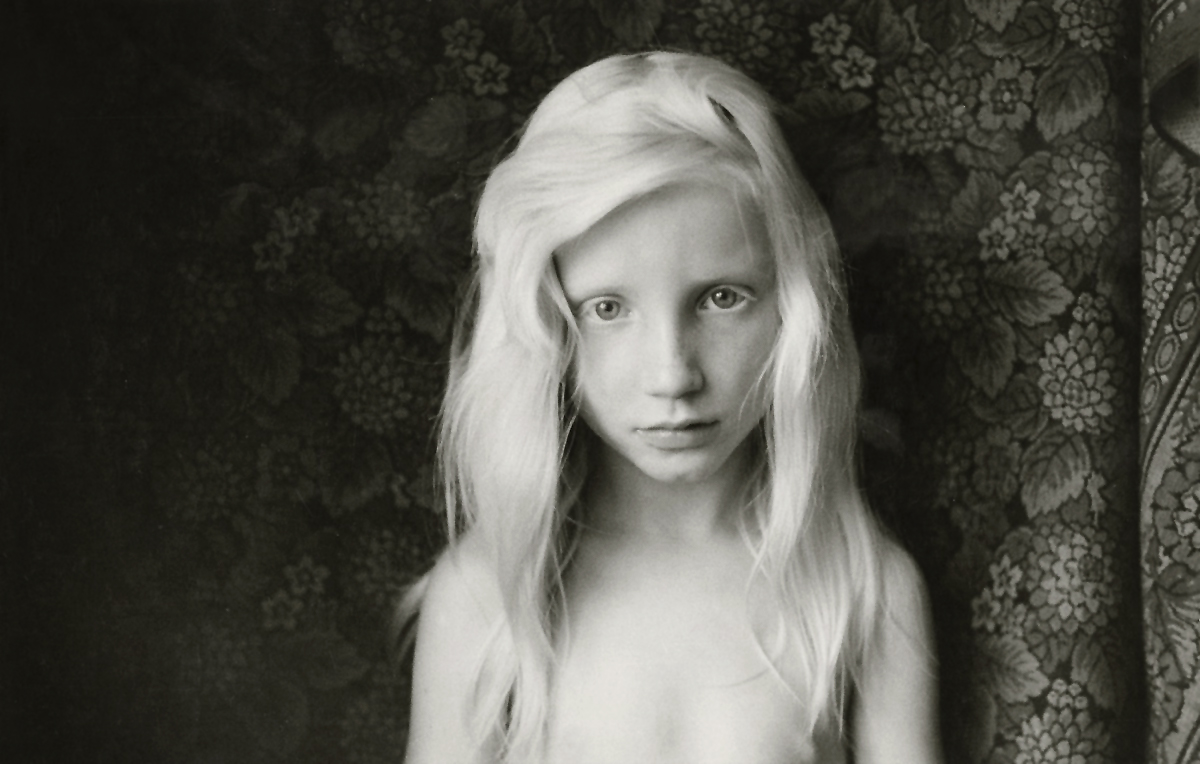


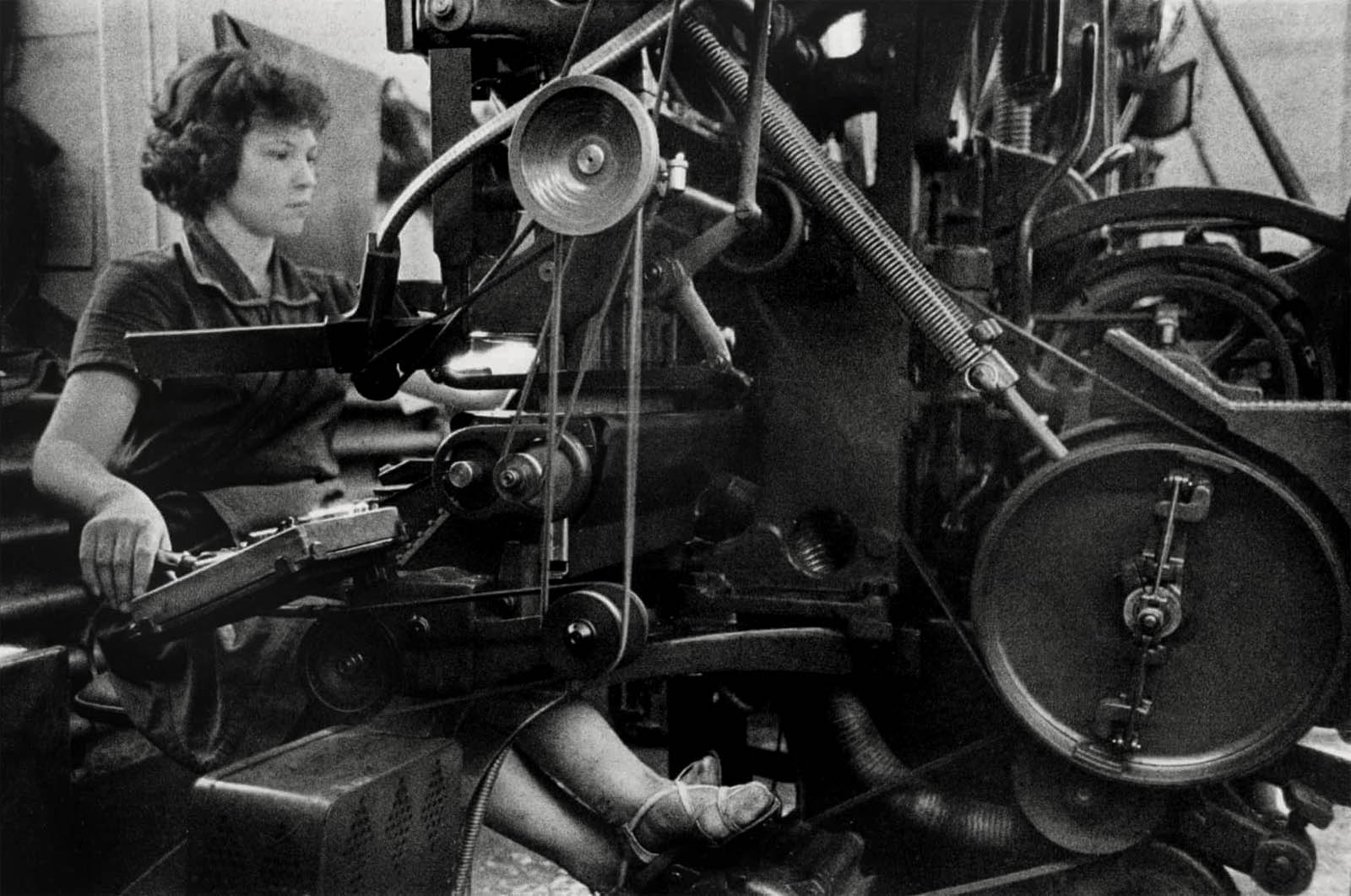

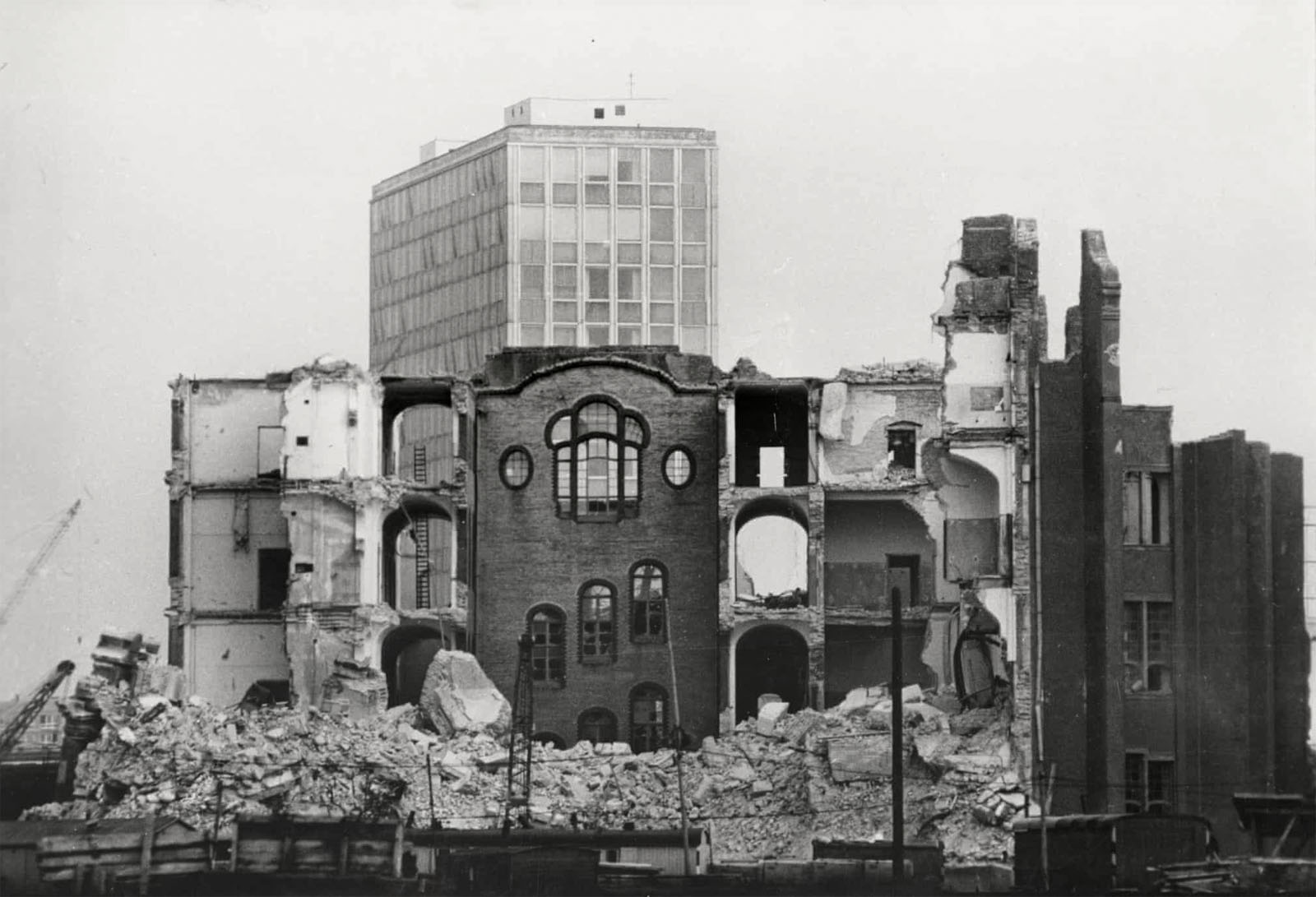
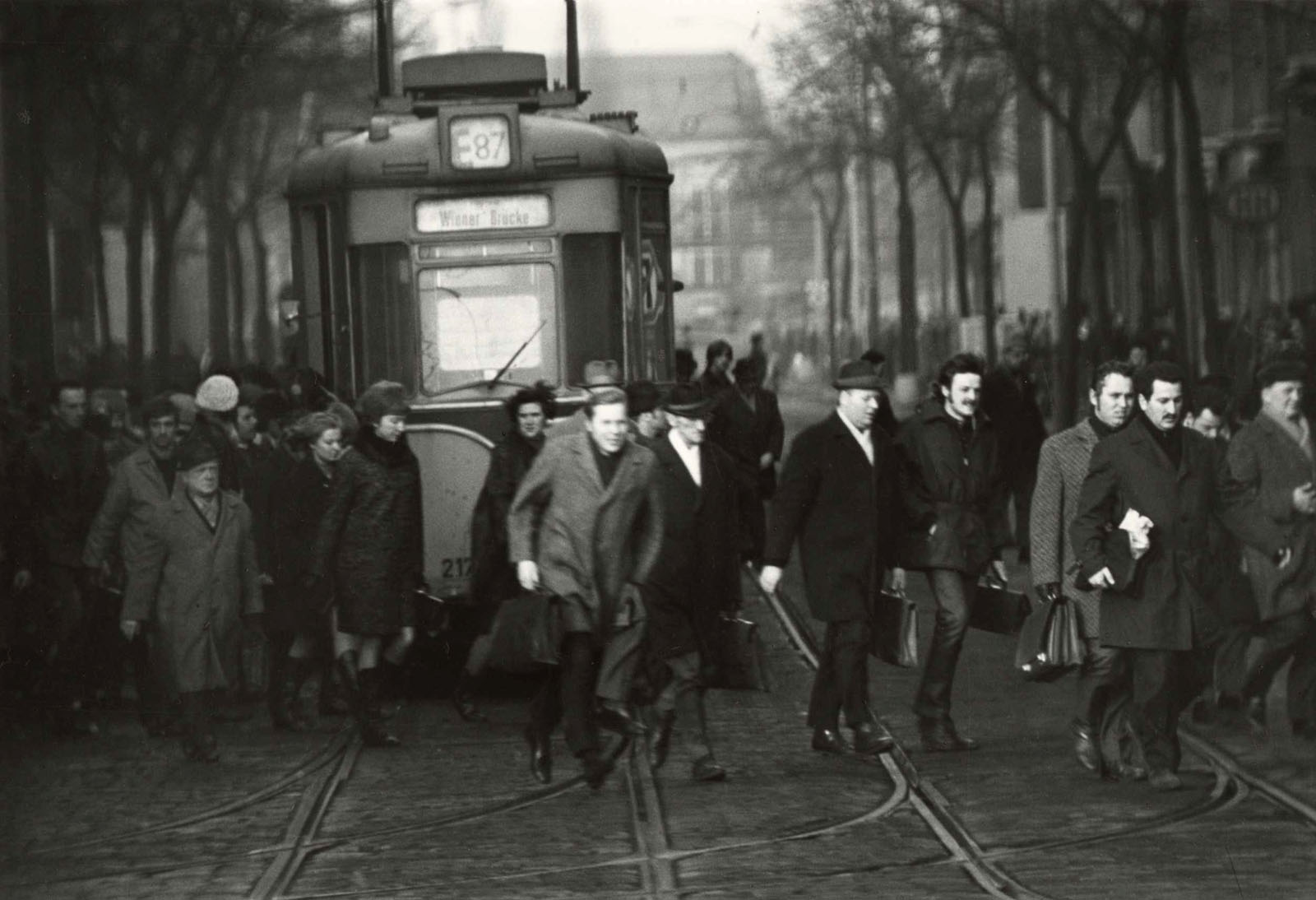
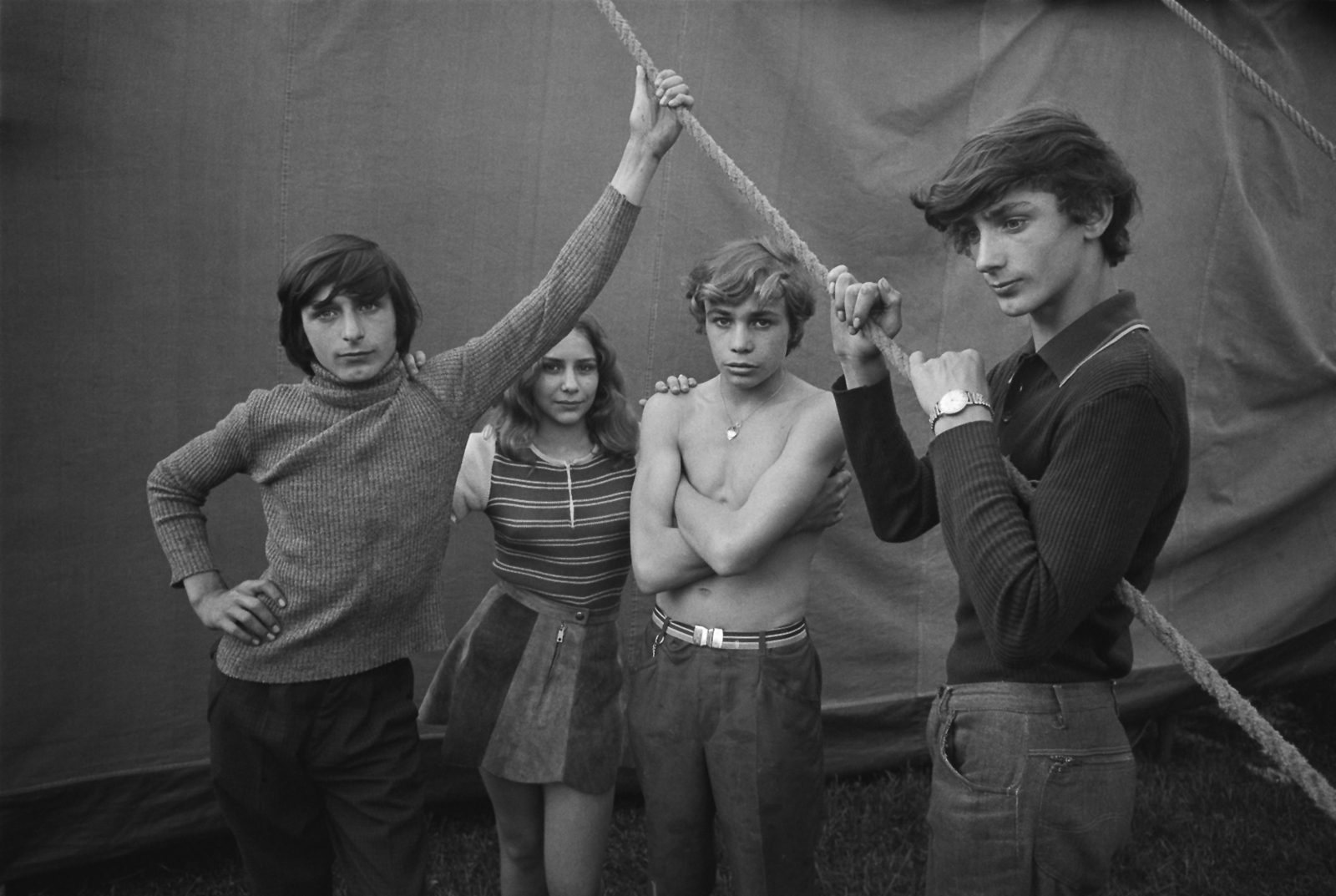

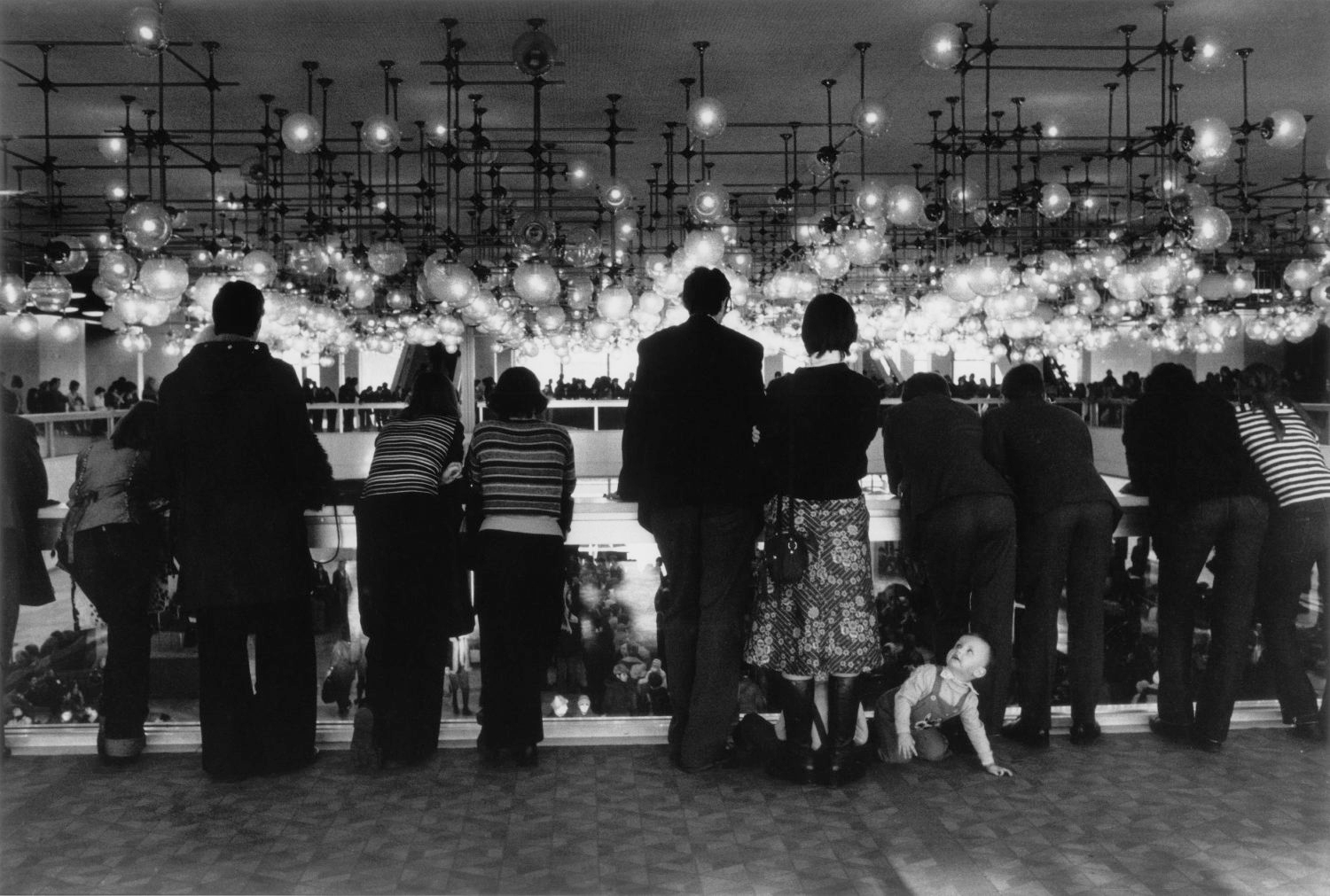
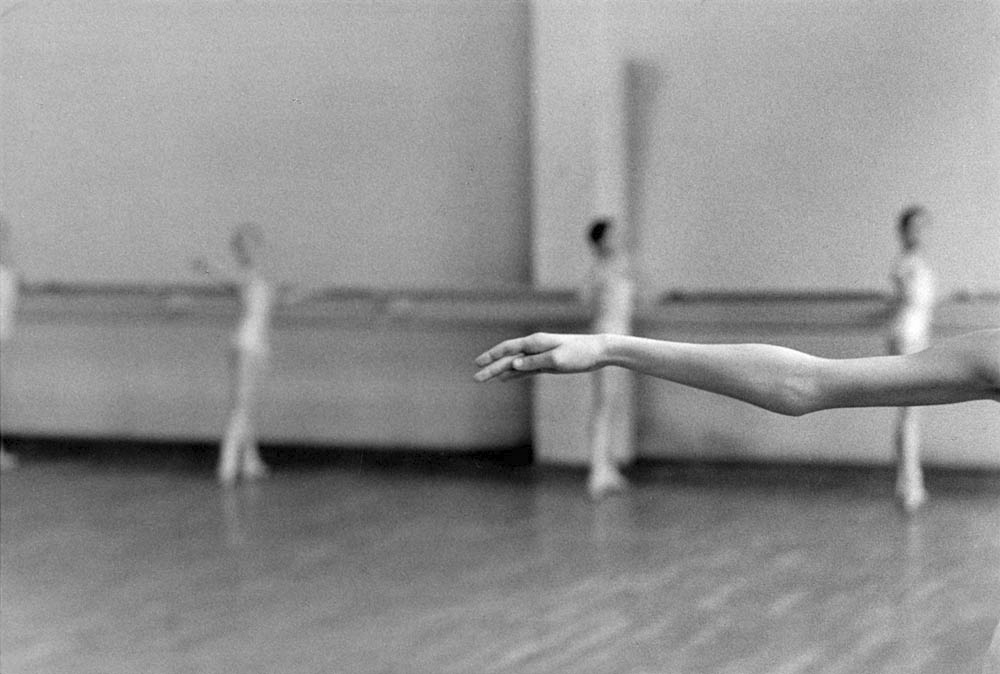
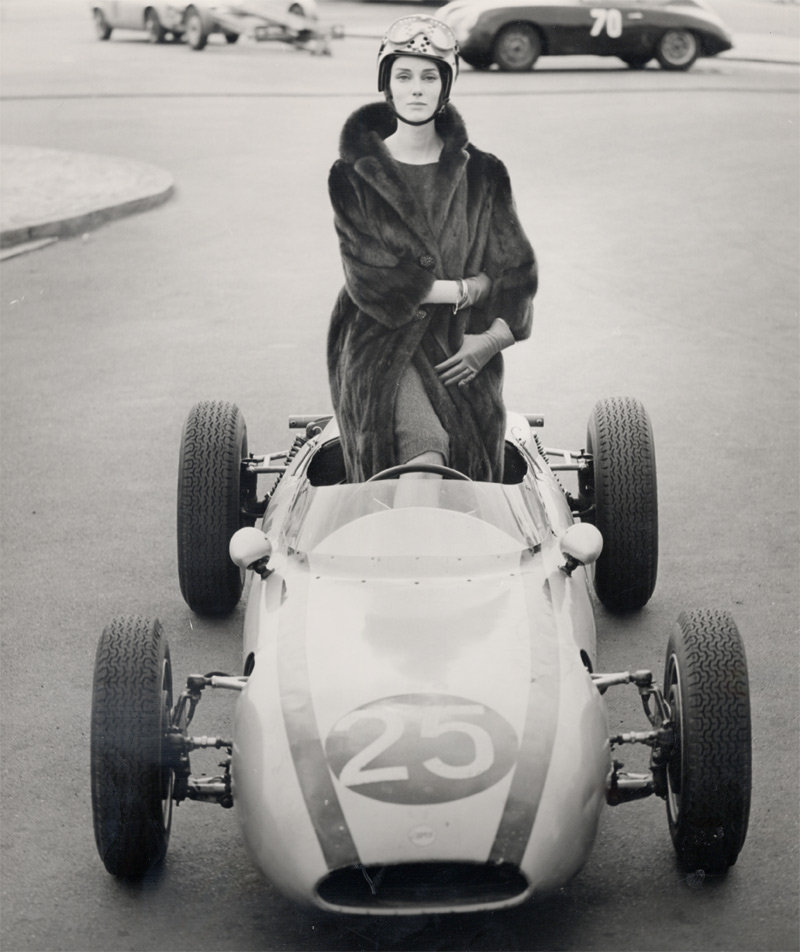





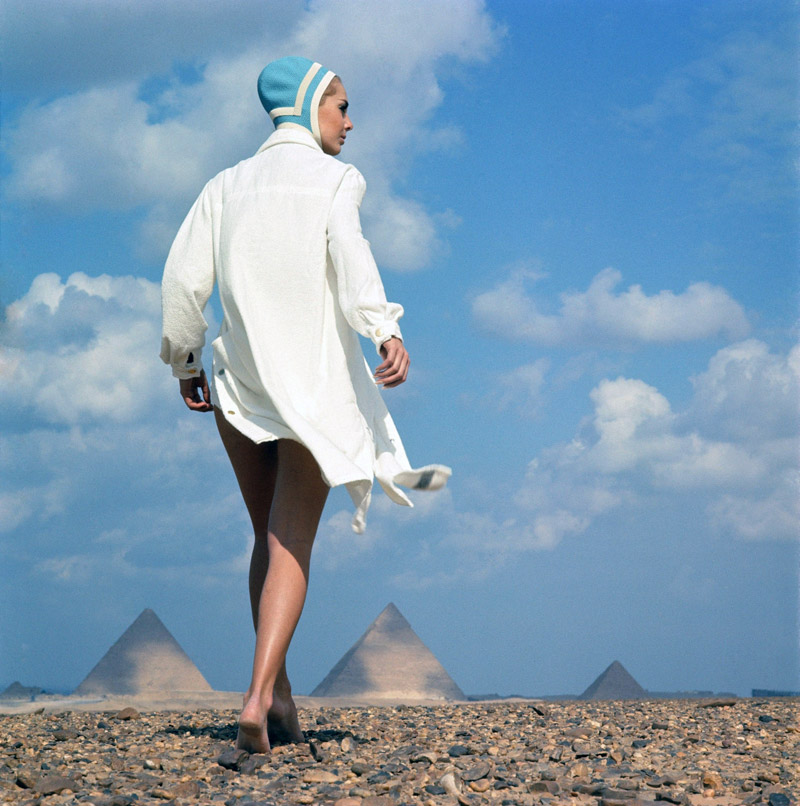


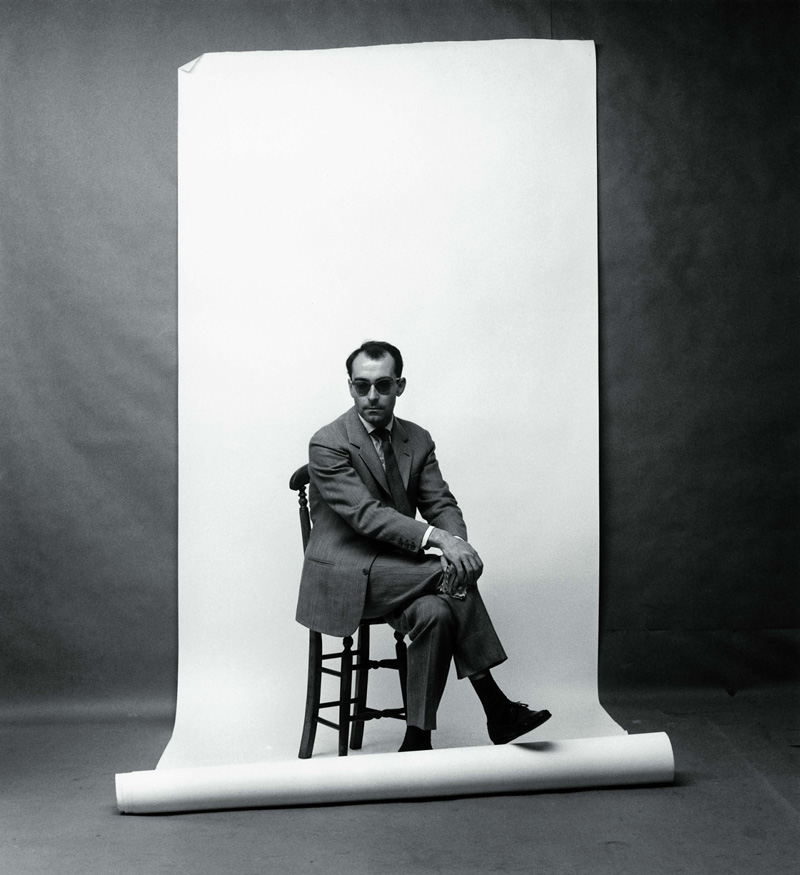
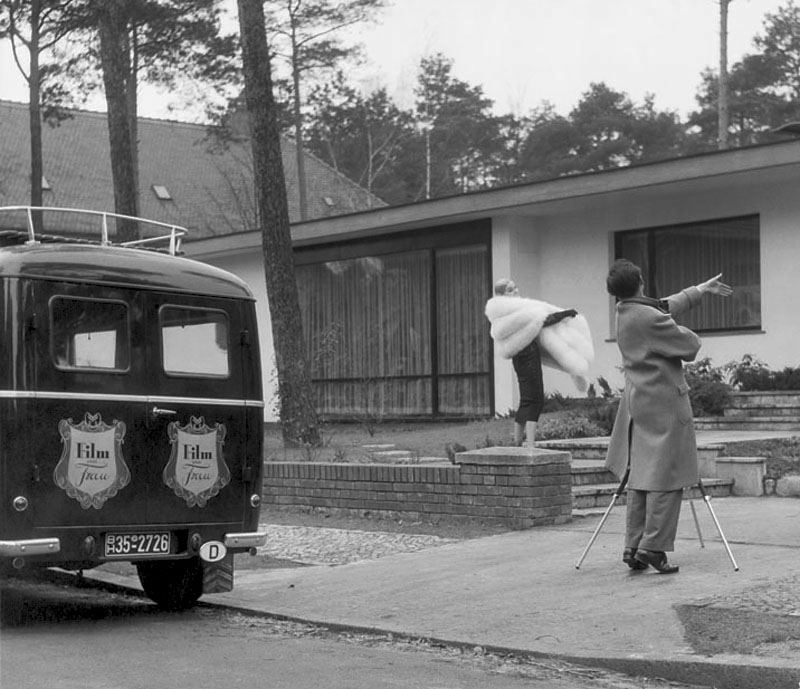
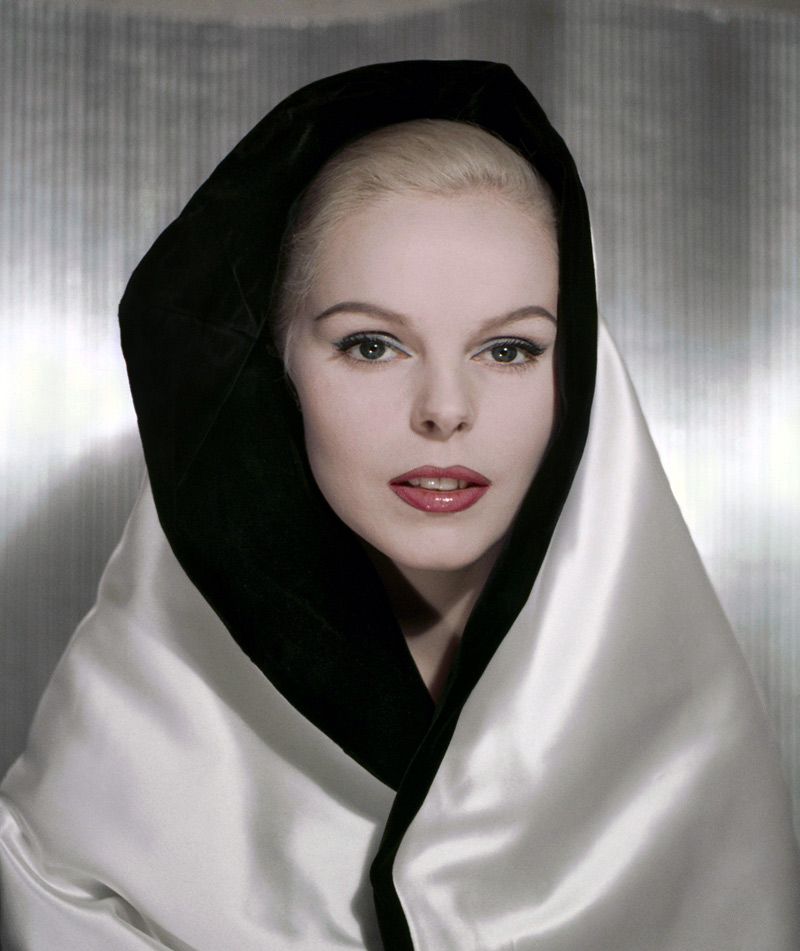
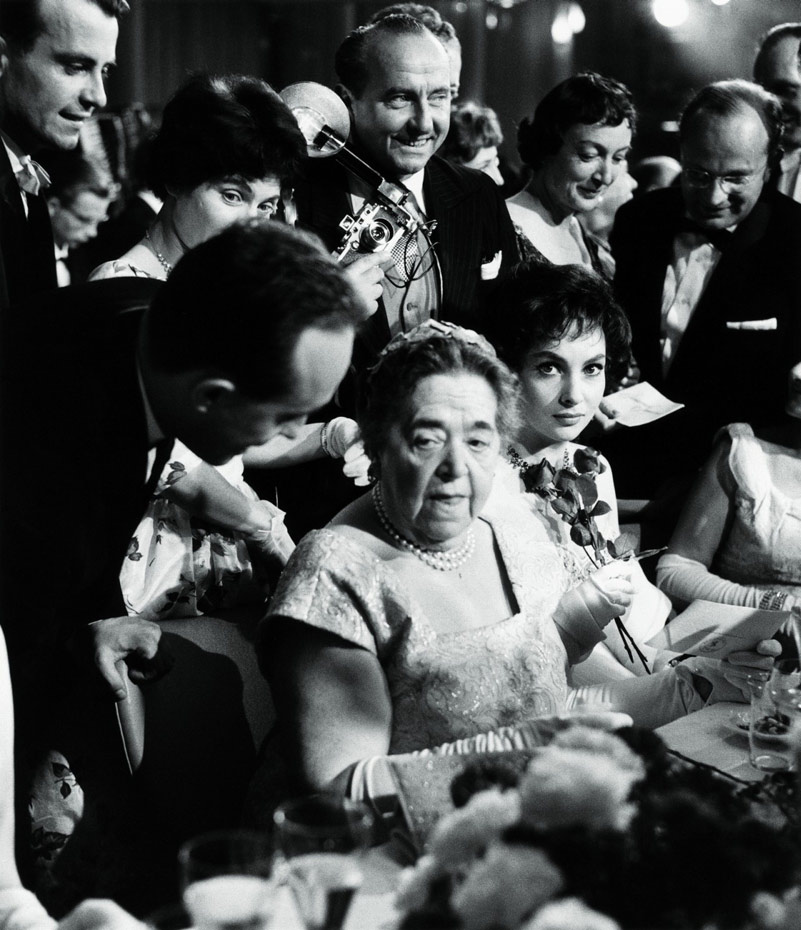

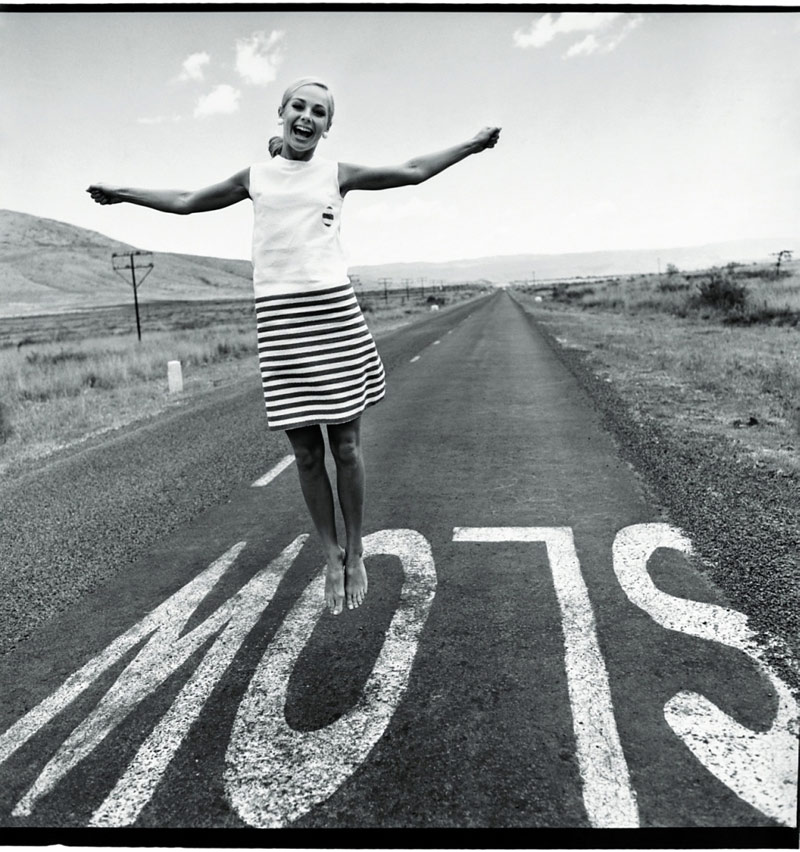

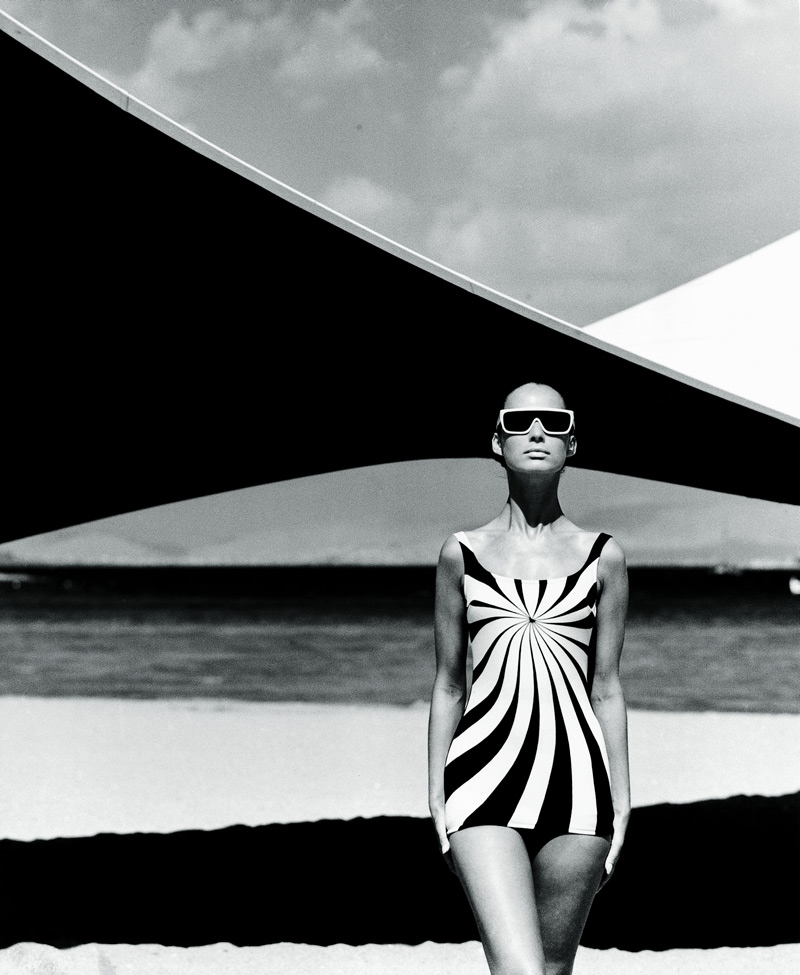
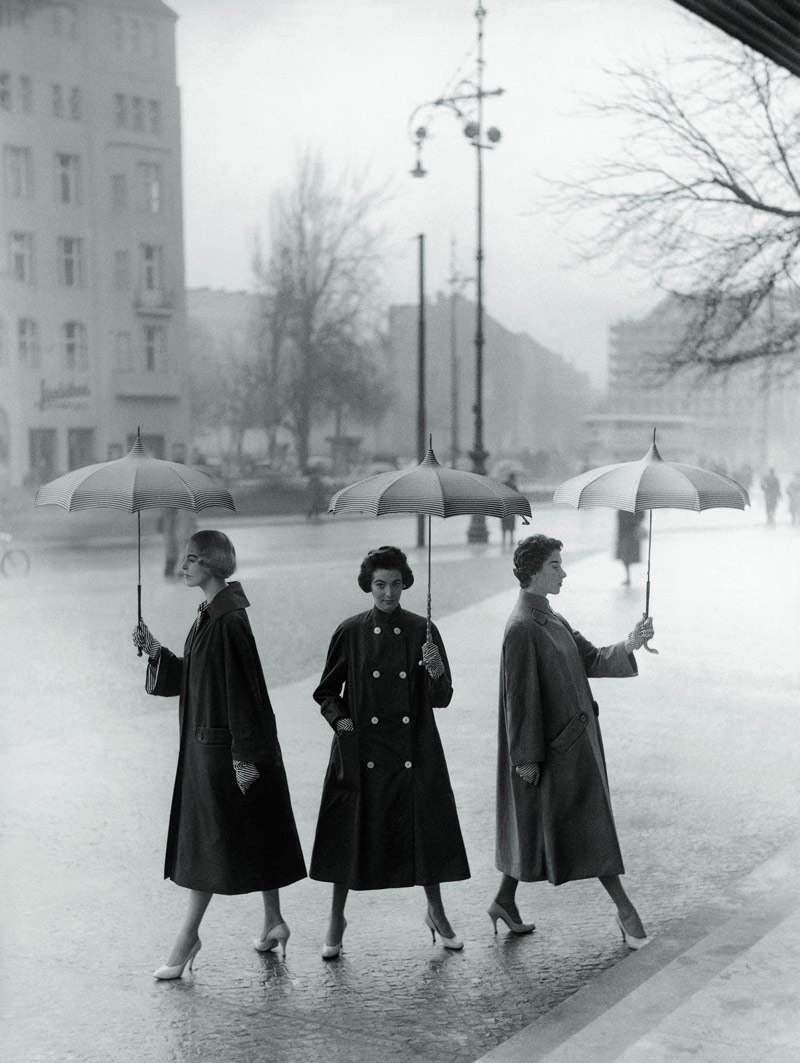


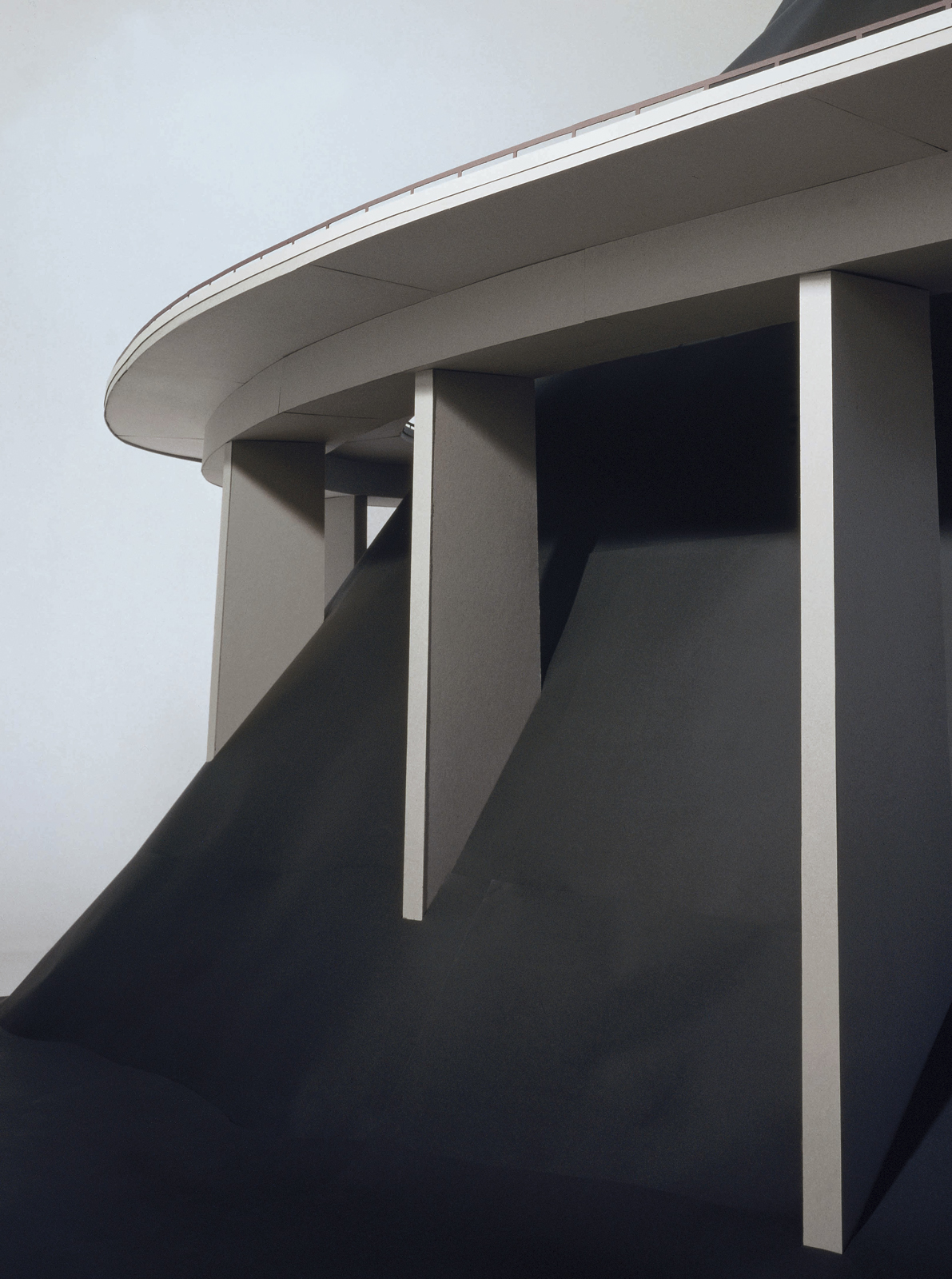
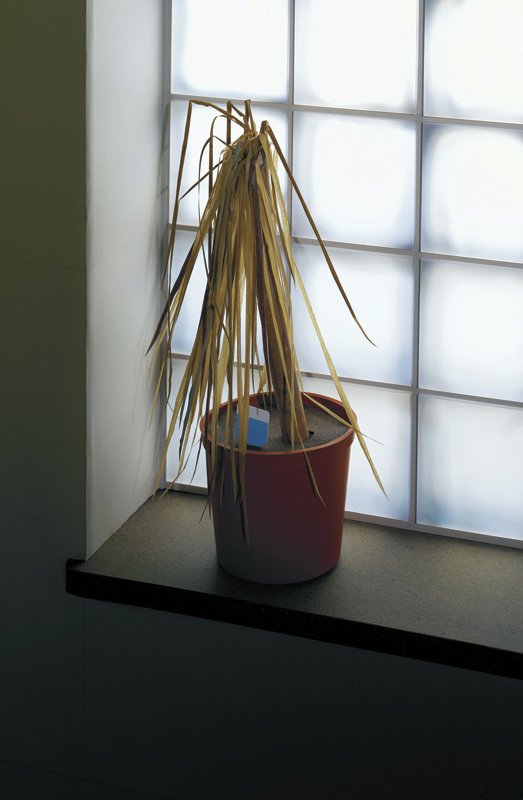
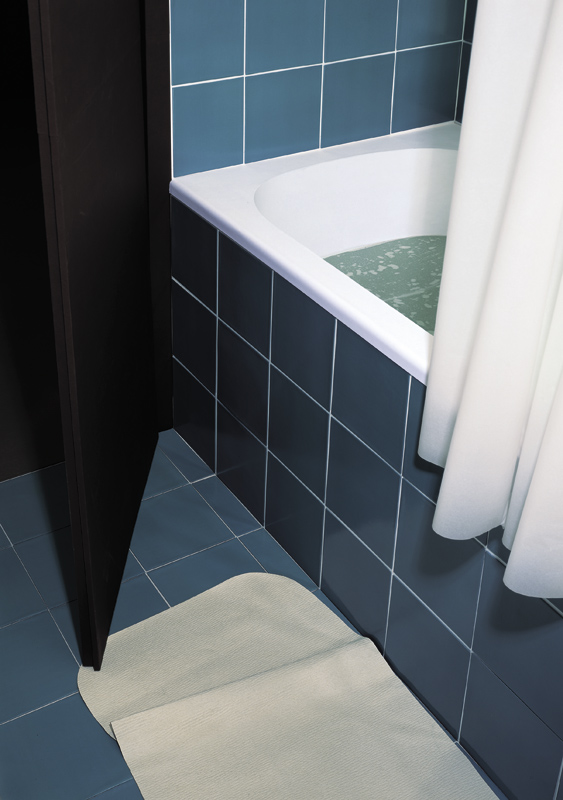


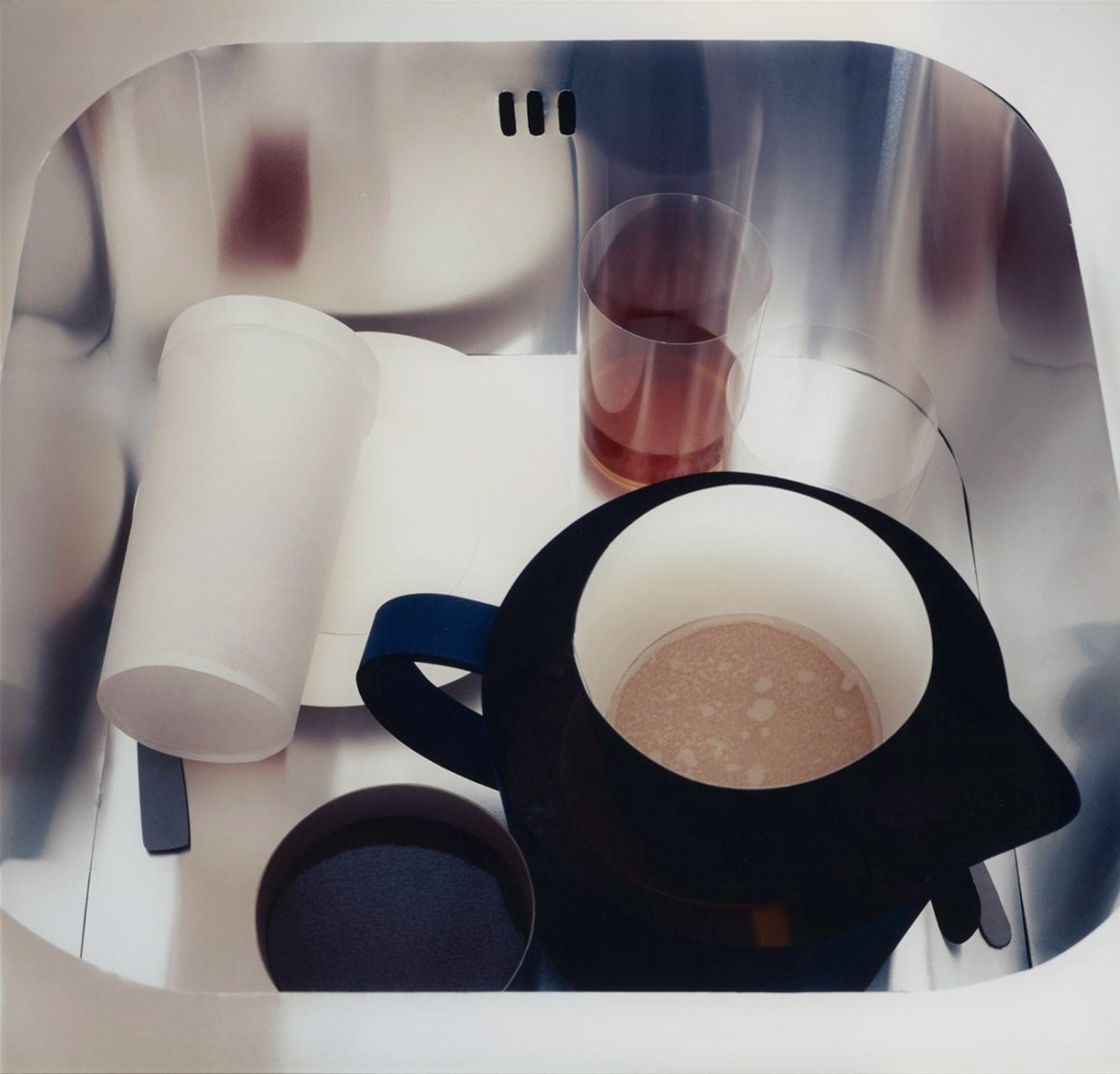
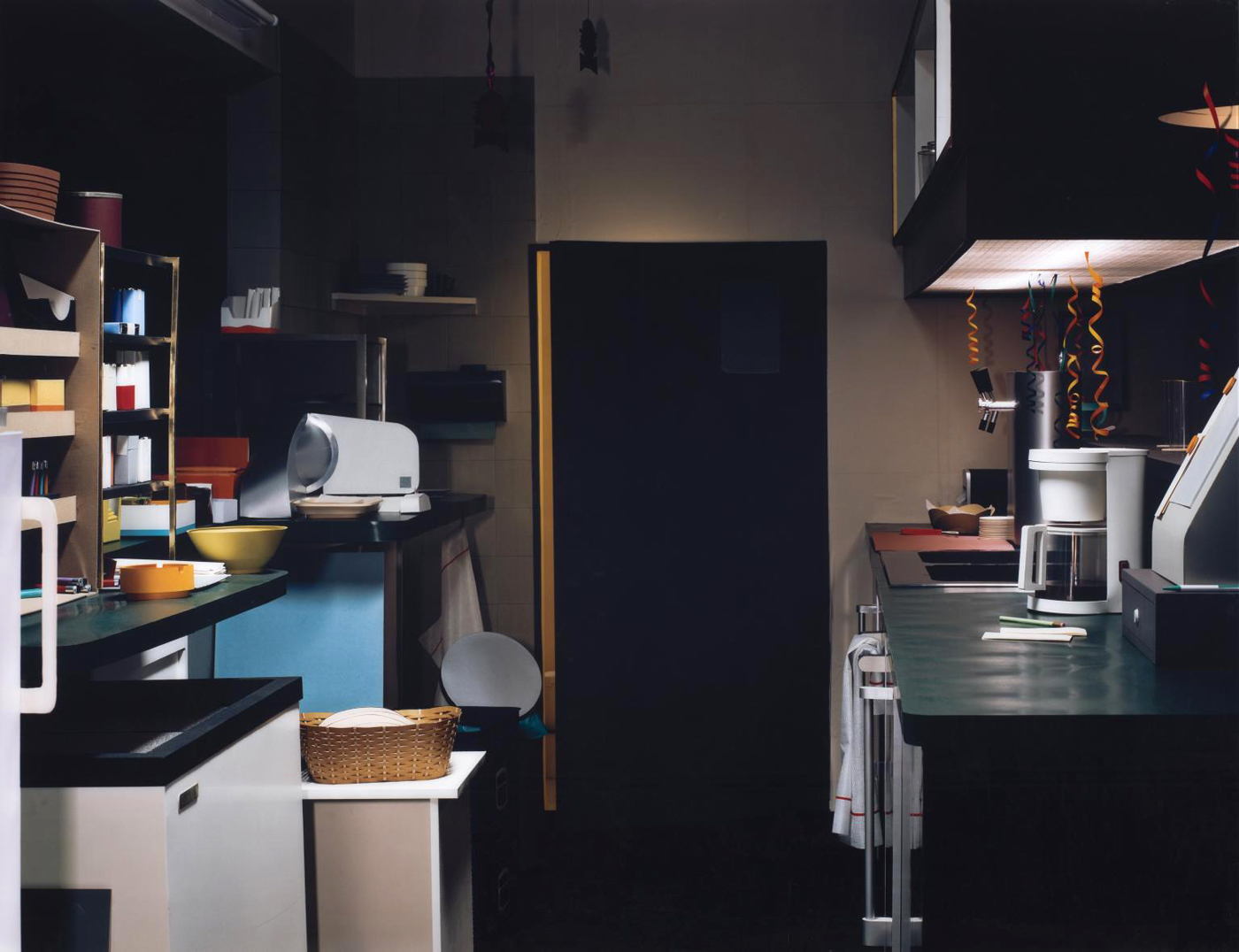
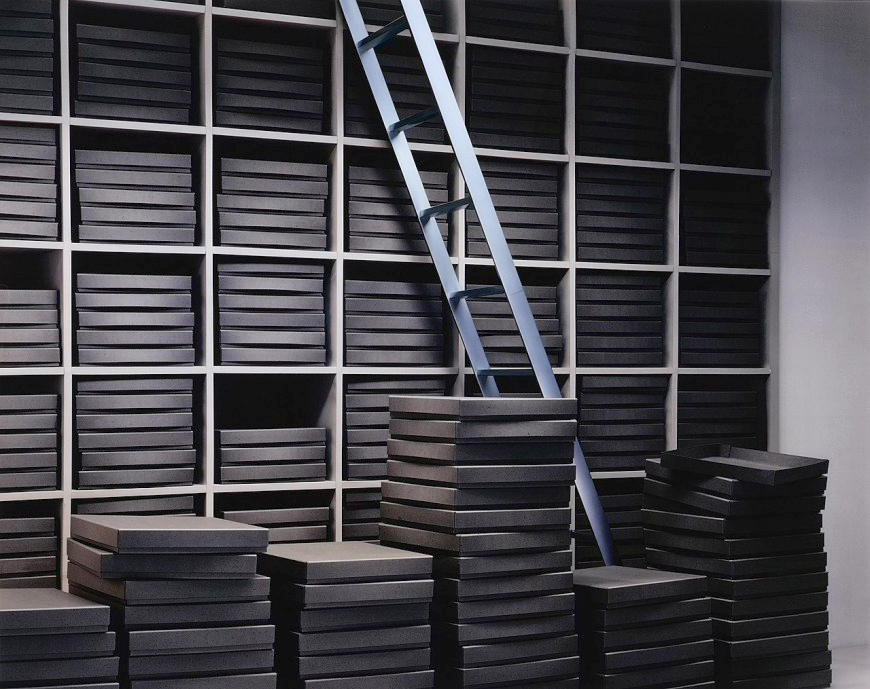
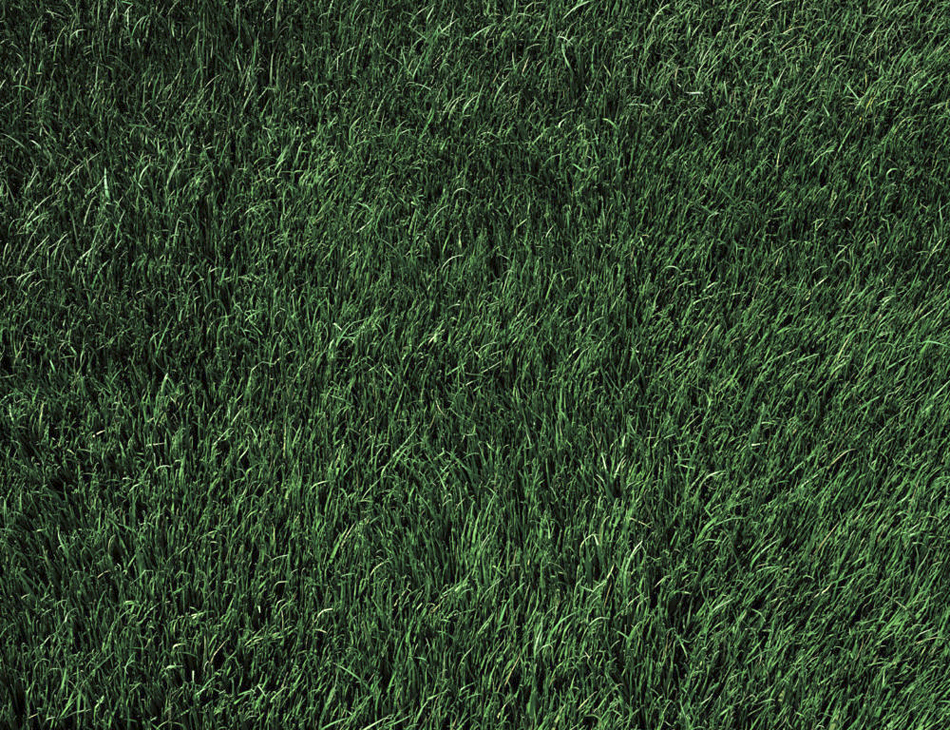


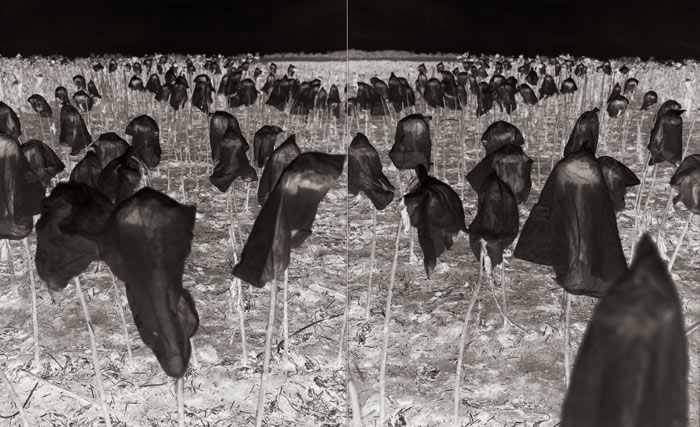


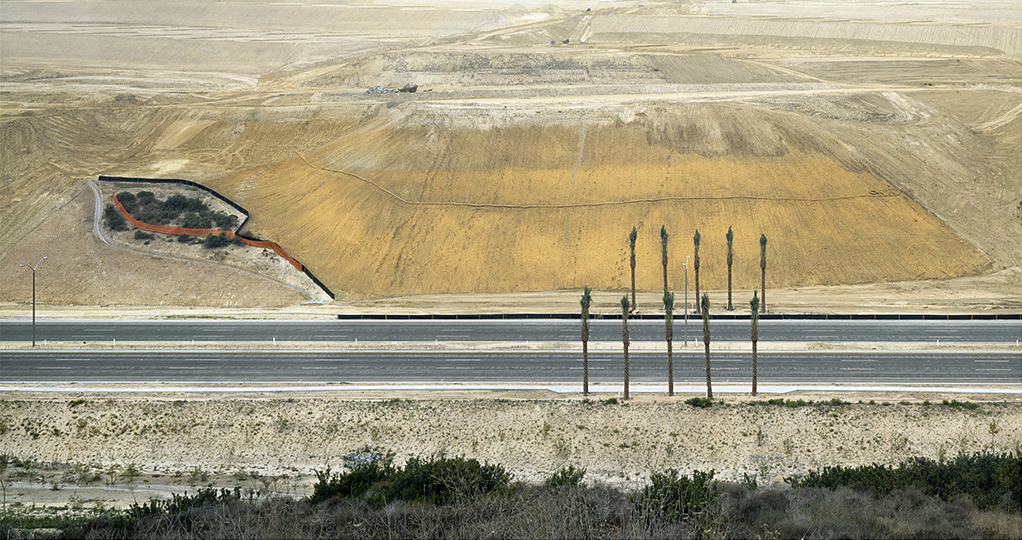
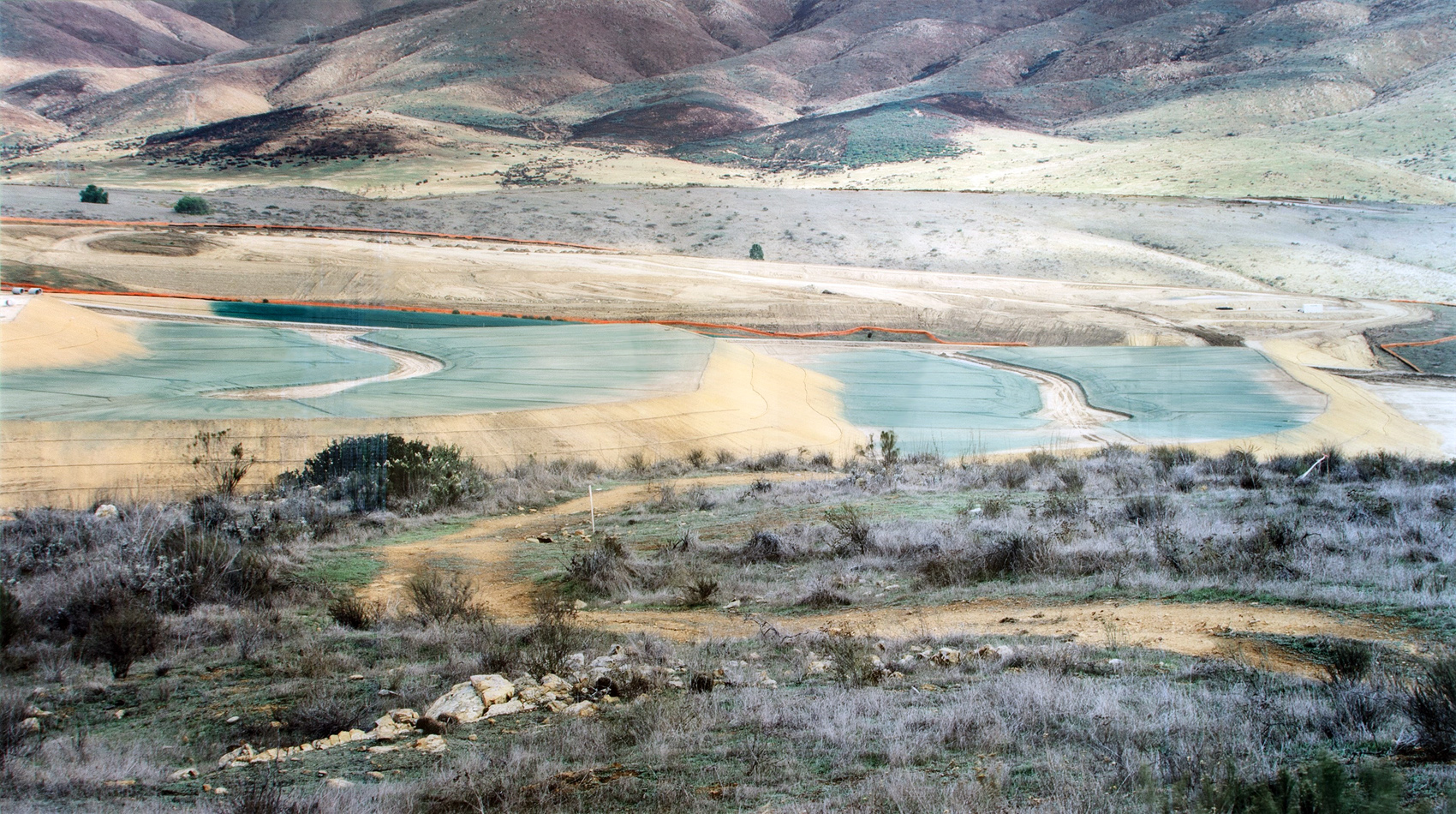
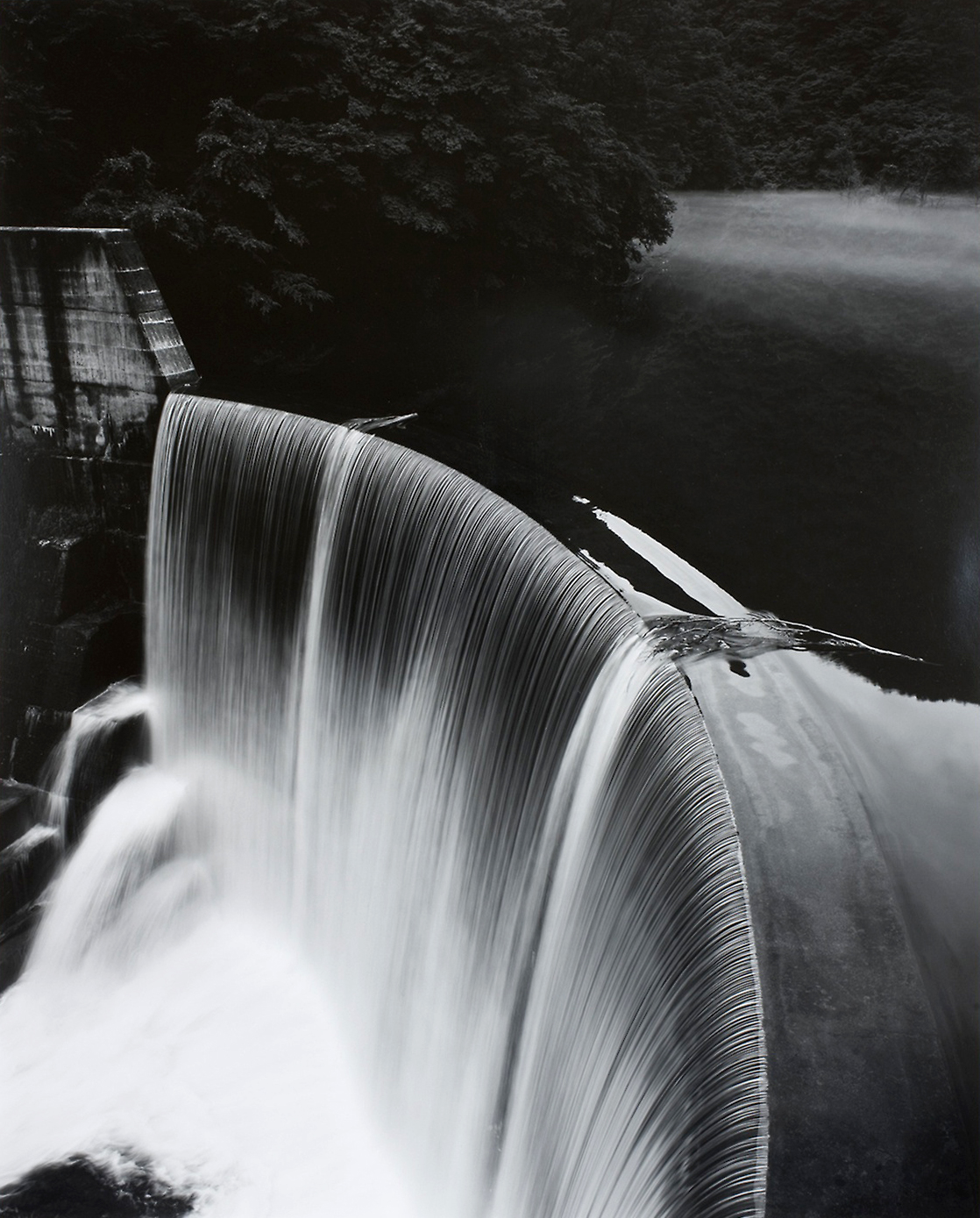
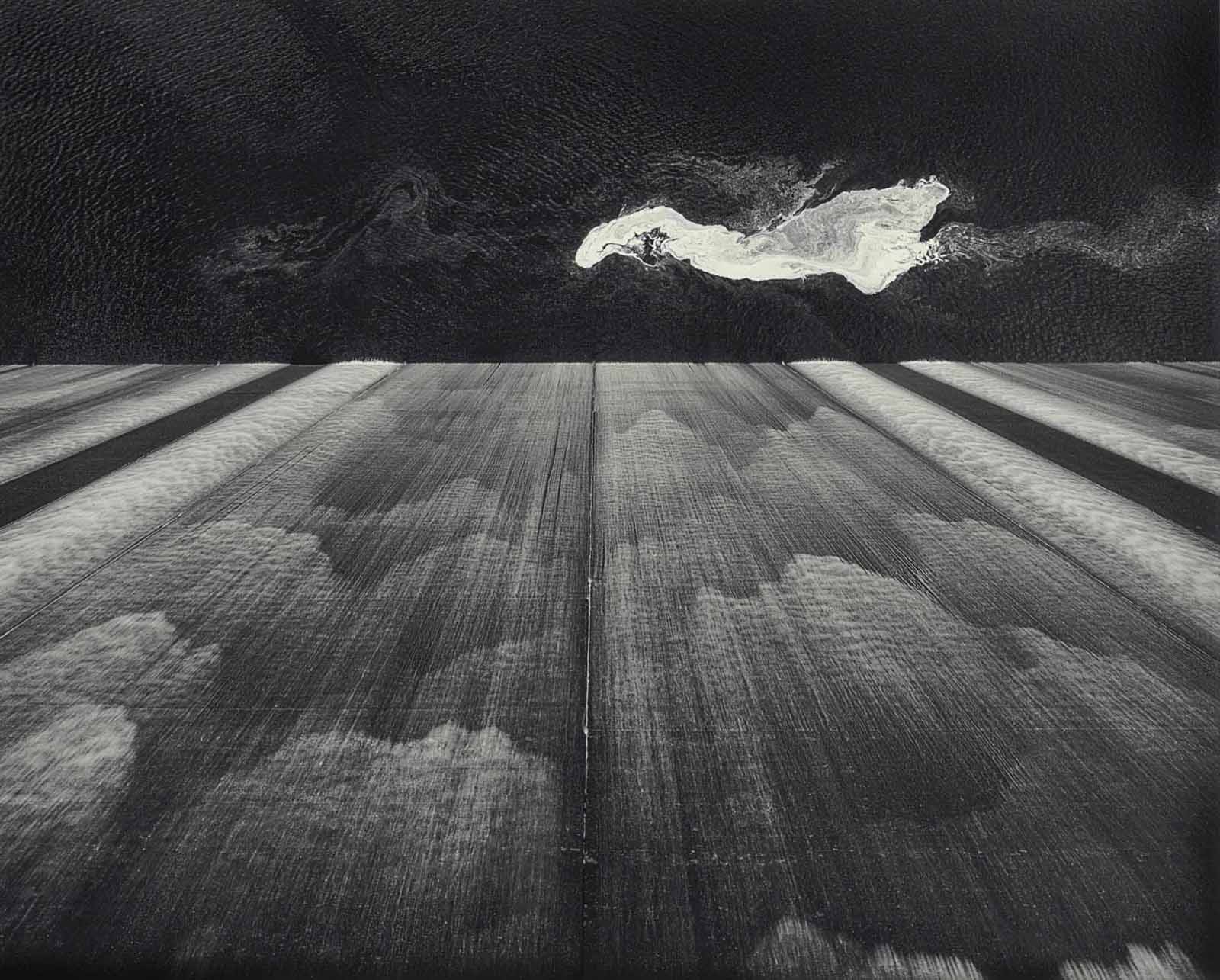
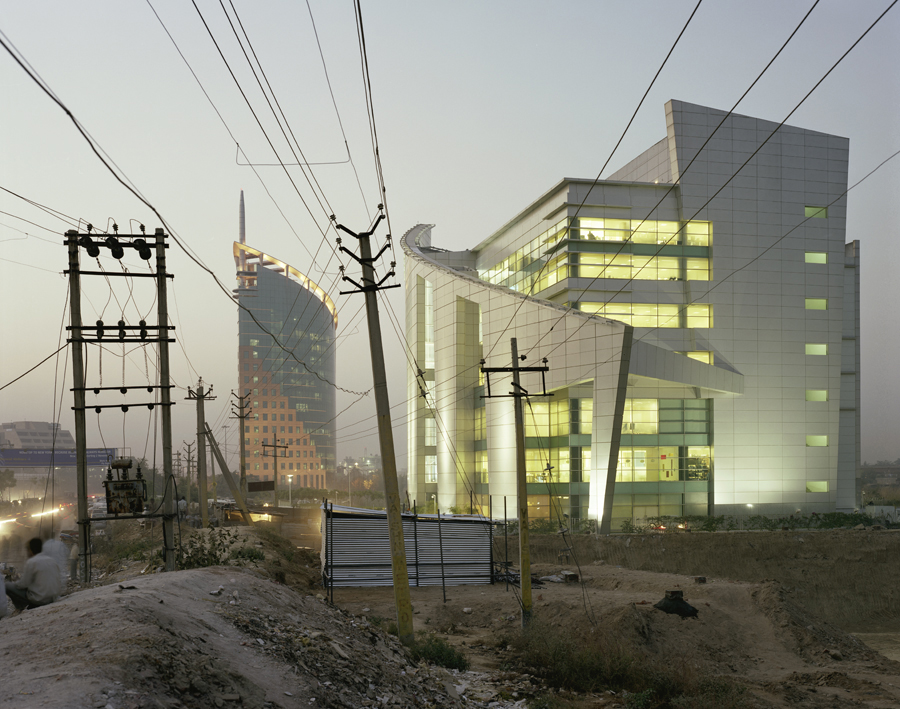
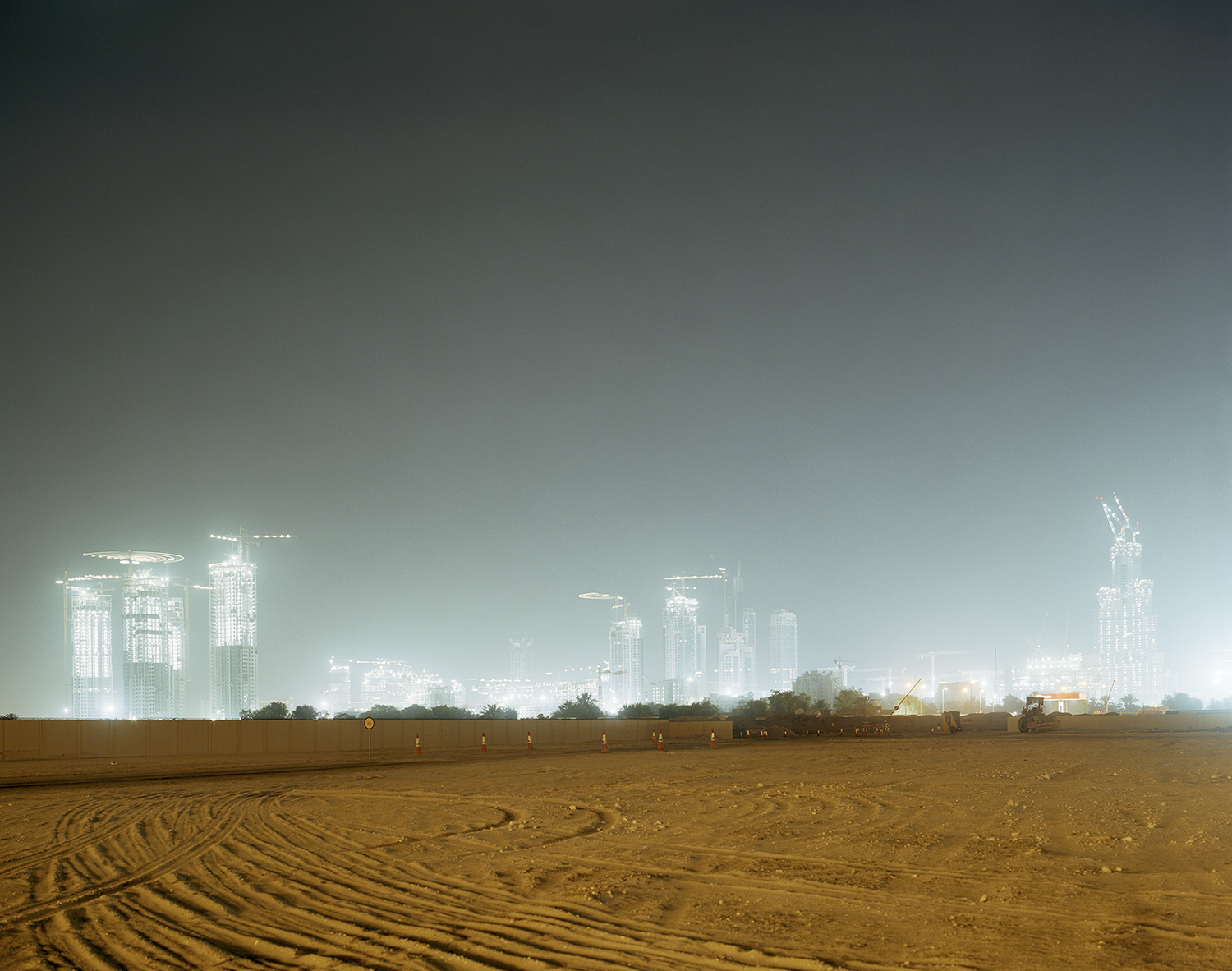
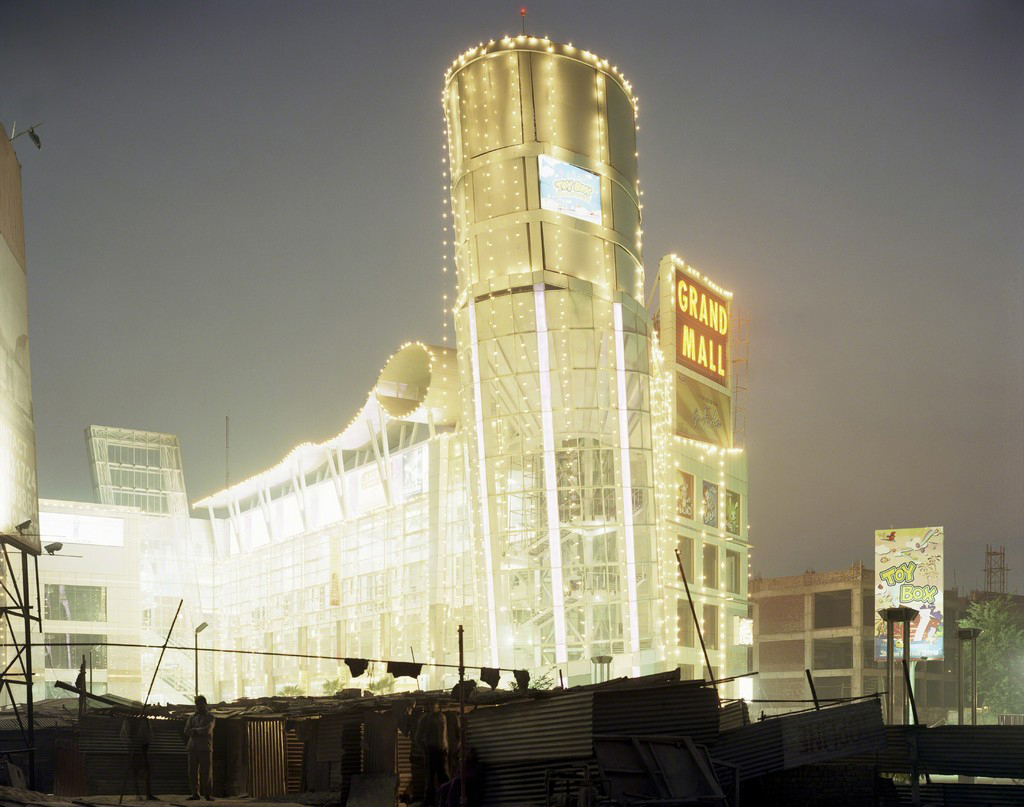
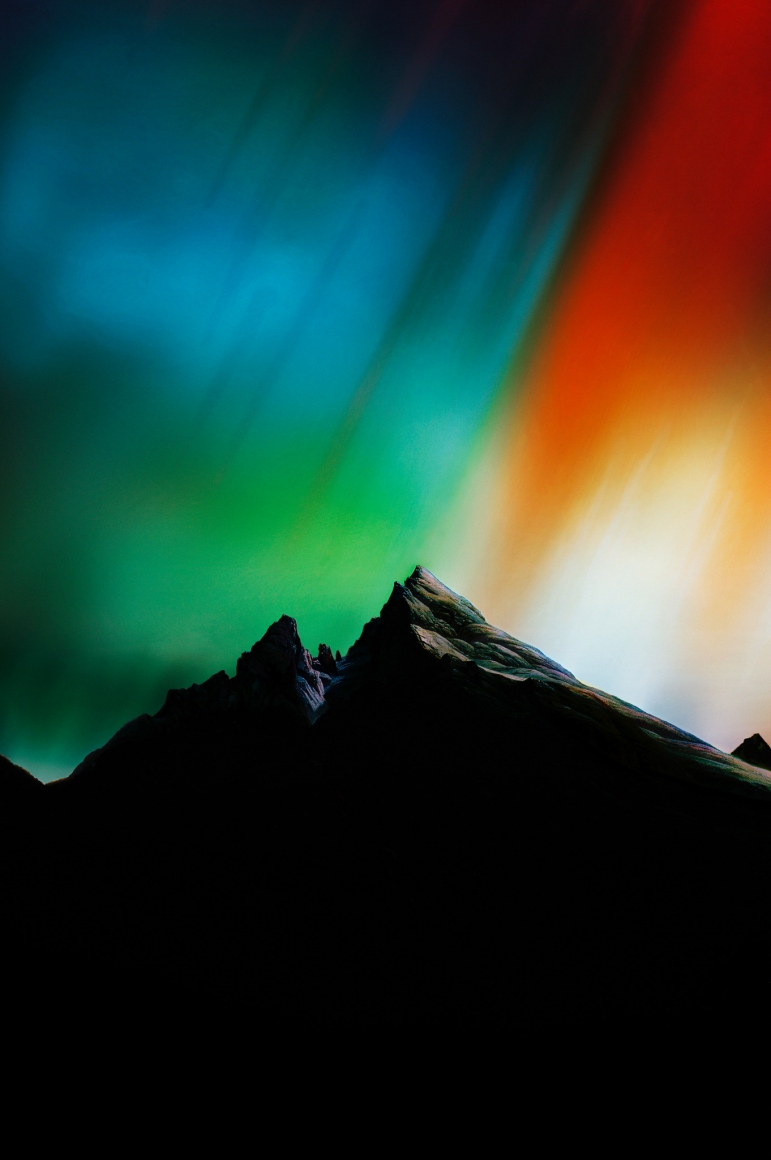
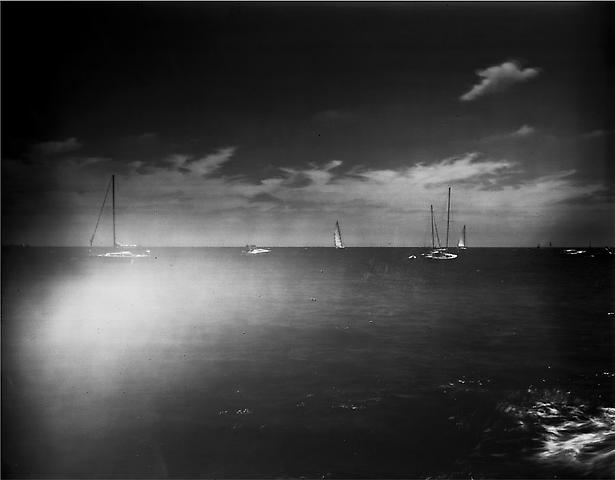
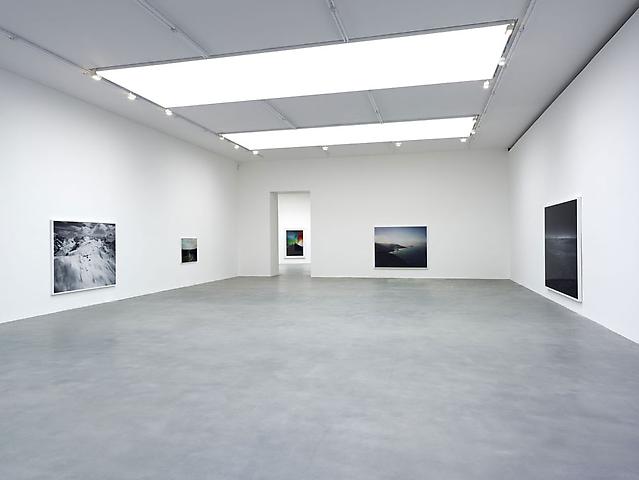
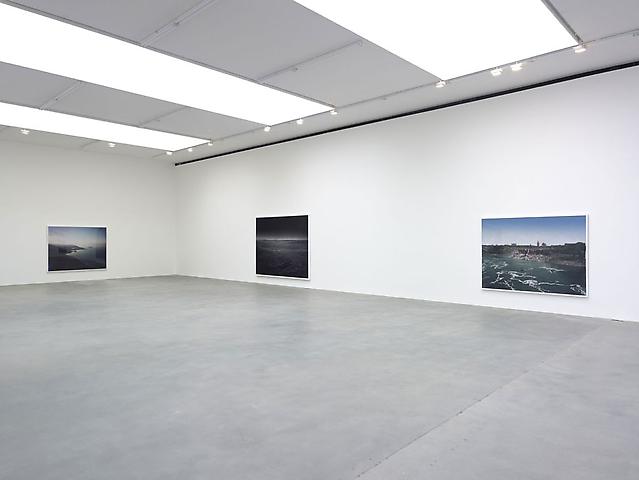
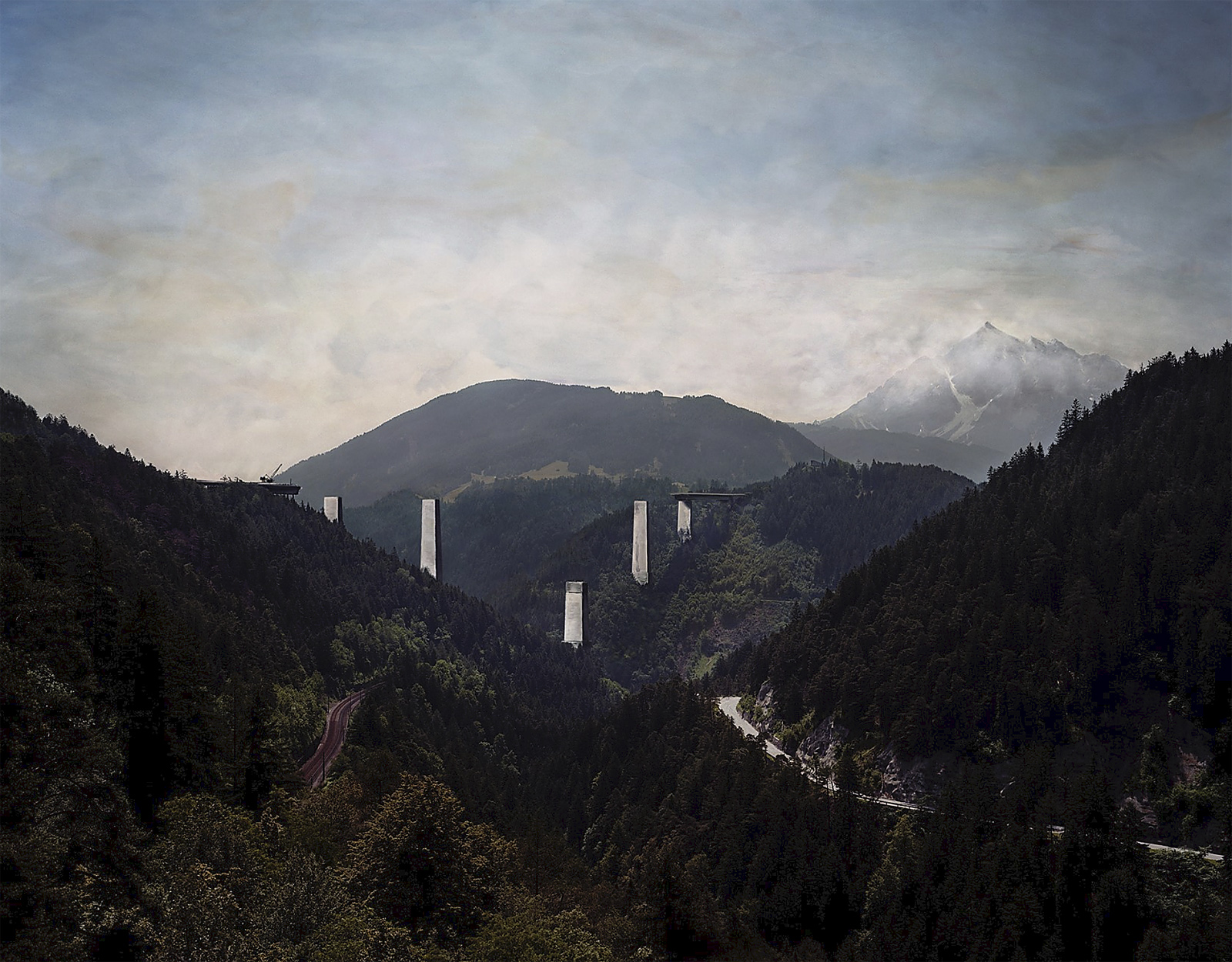
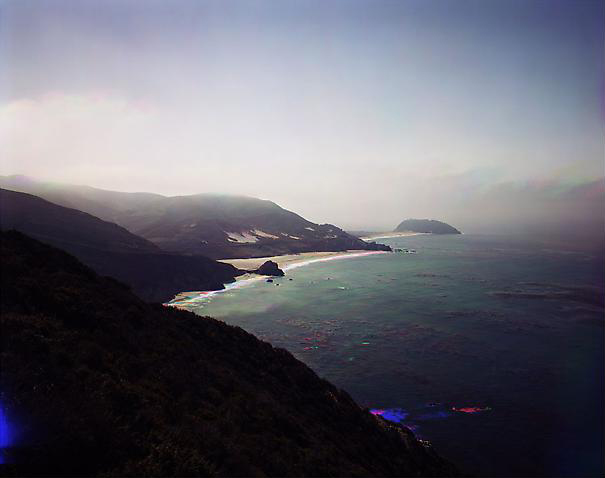
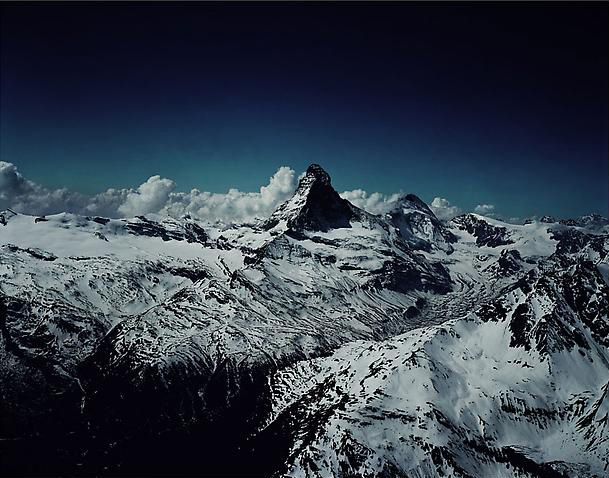
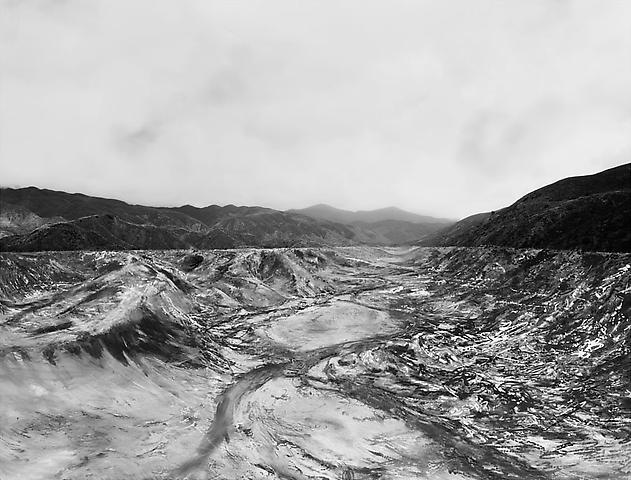





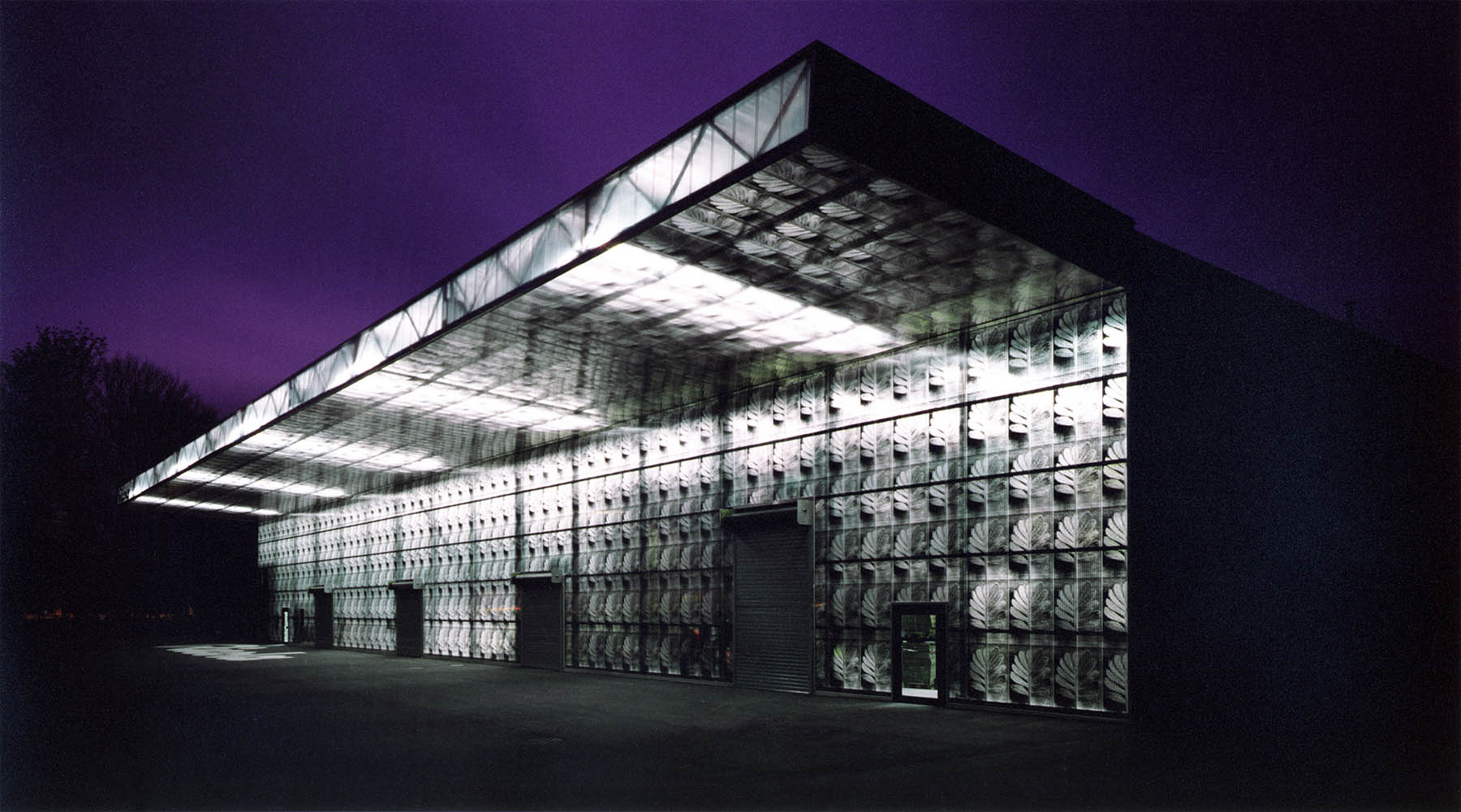
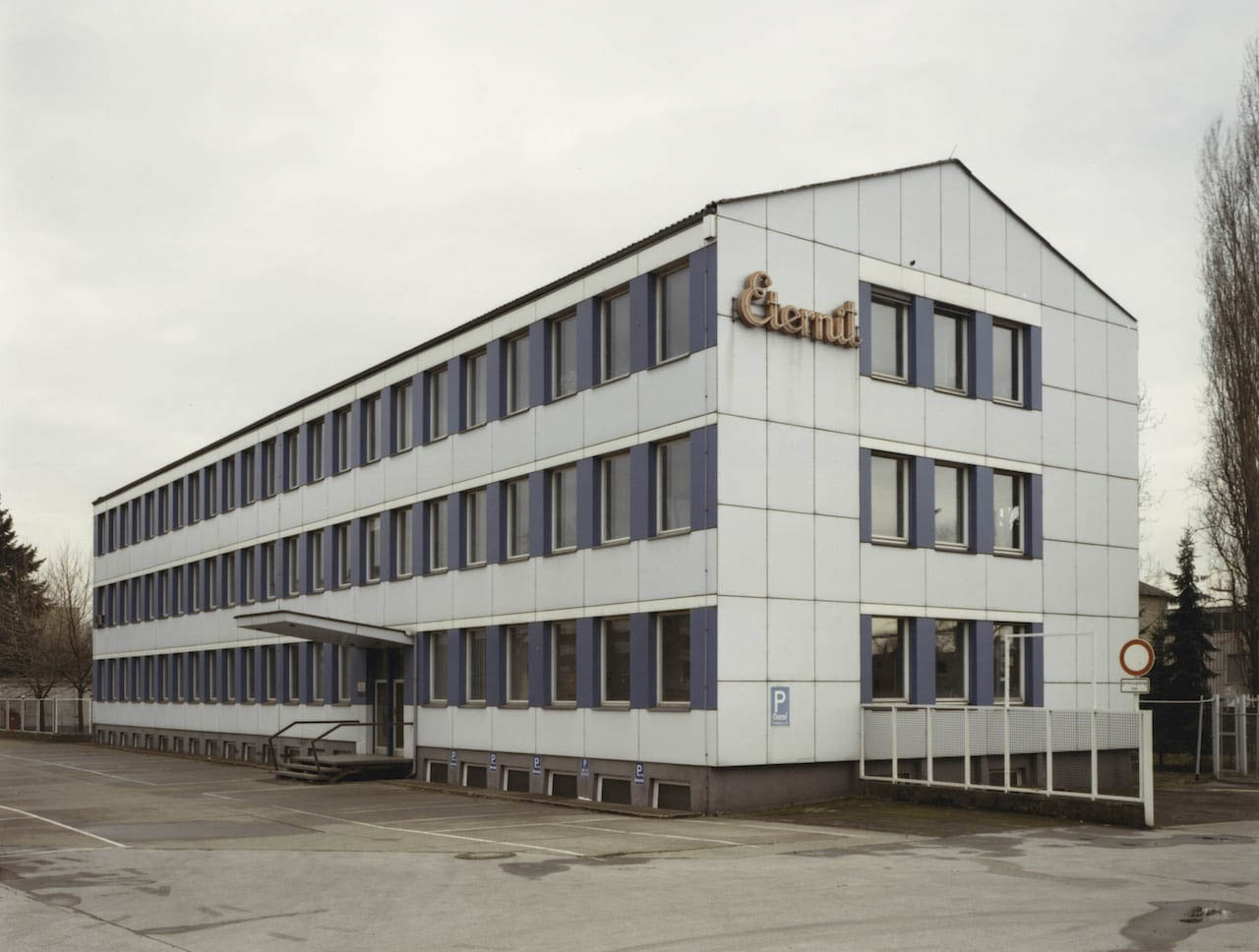






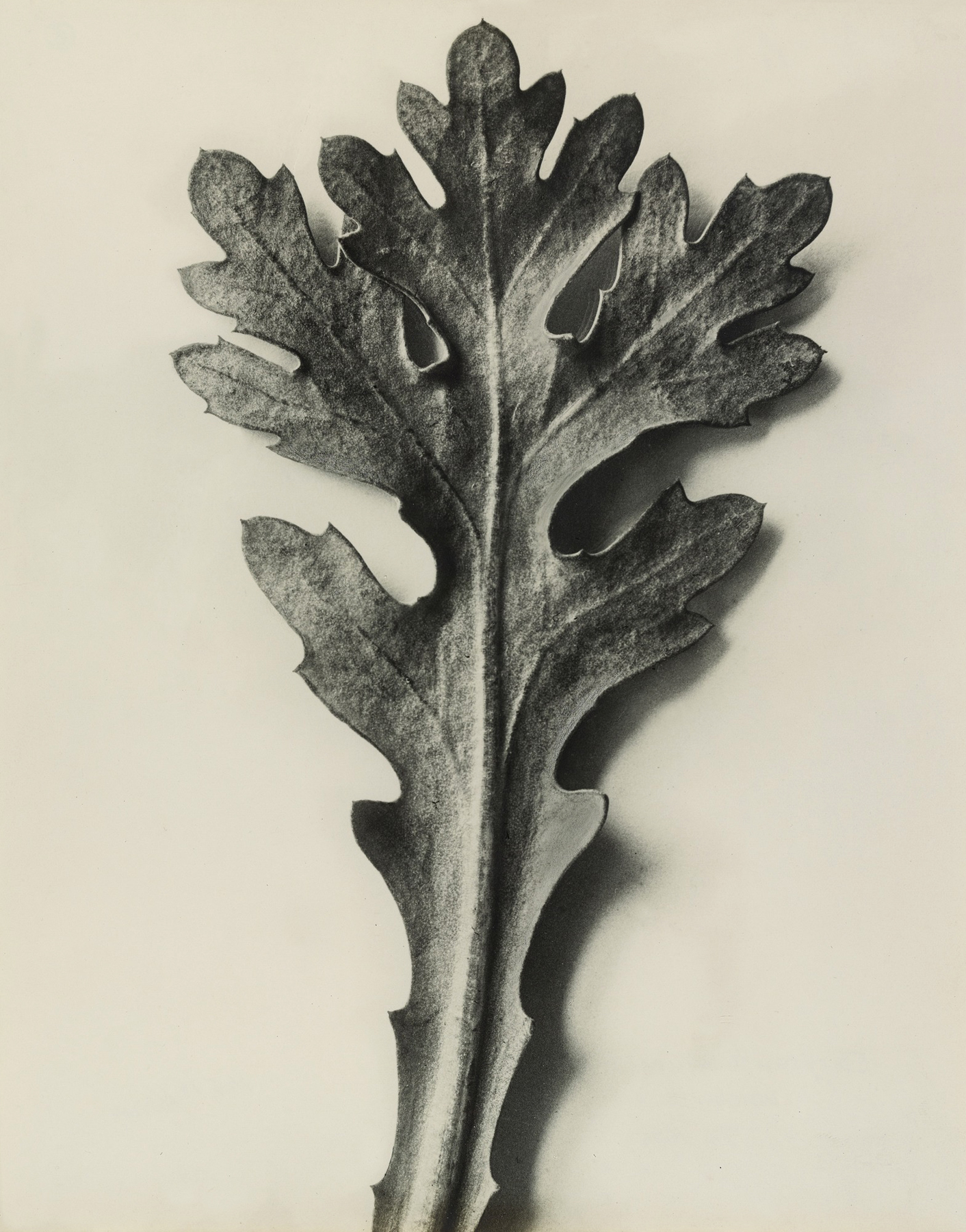


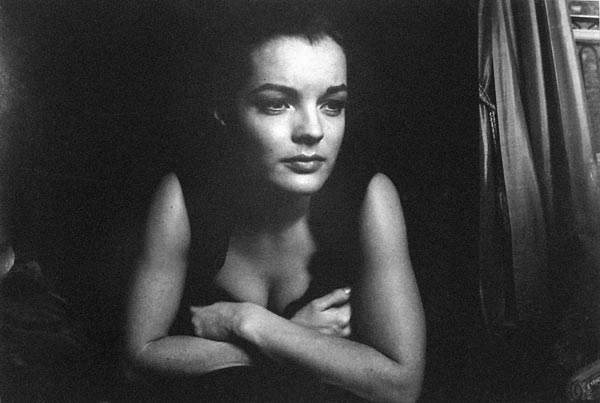
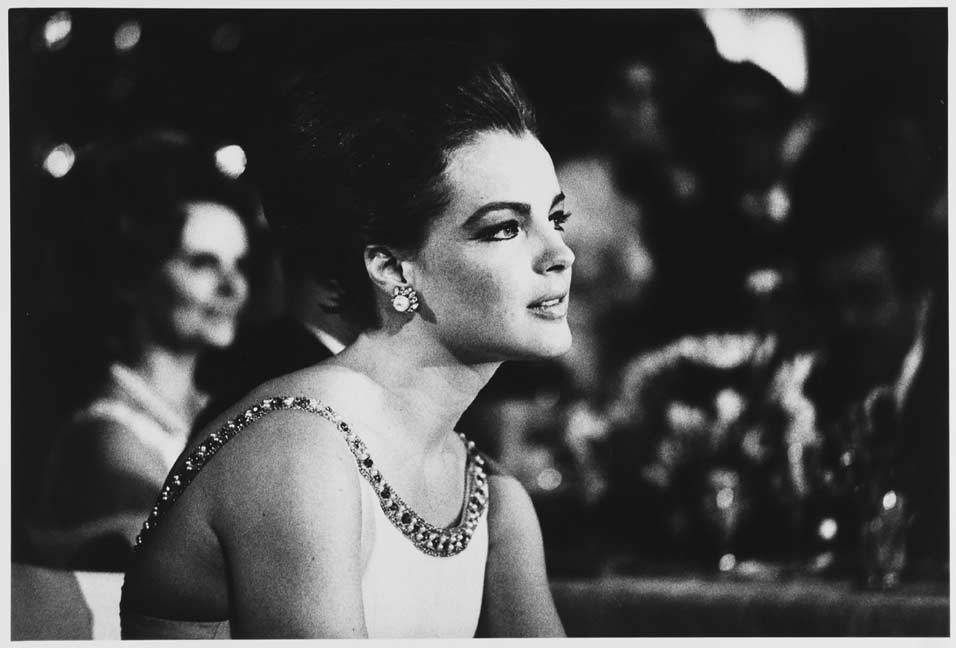
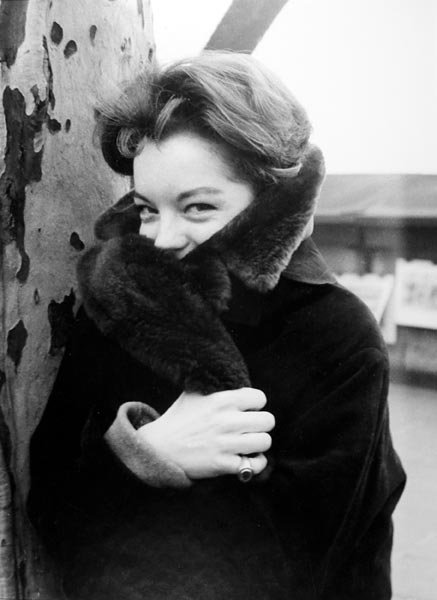


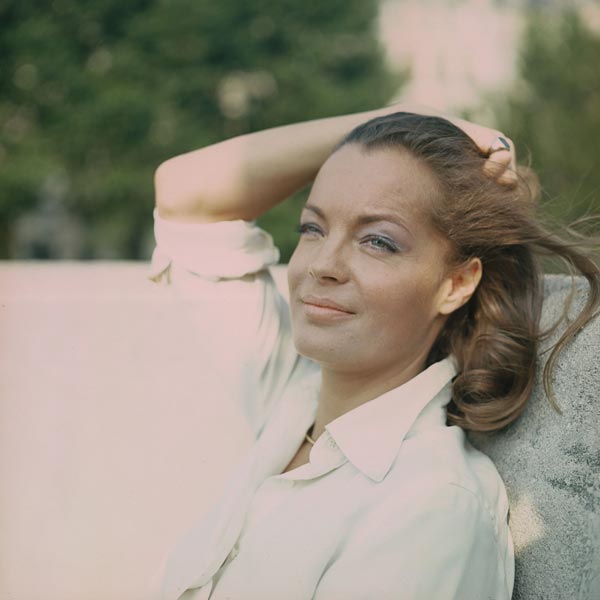

 Art Blart _ art and cultural memory archive
You must be logged in to post a comment.