Tom Goldner (Australian, b. 1984) Valley 2015-2016 Silver gelatin print
It is such a pleasure to be able to walk into a gallery – in this case, one located in the recently restored Young Husband Wool Store in Kensington: a building originally built in the late 1800s which is now home to a vibrant community of artists, musicians, designers and makers – to view strong, fibre-based analogue black and white photographs printed by the artist from medium format negatives. No worrying about crappy, digital ink-jet prints which don’t do the tableau justice. Just the pure pleasure of looking at the wondrous landscape.
Goldner is working in the formalist way of modernist photographers and in a long tradition of mountain photography – a combination of travel, mountaineering and fine-art photography. As the text from the recent exhibition at the Musée de l’Elysée Vertical No Limit: Mountain Photography observes: “… photography invented the mountain landscape by revealing it to the eyes of the world. Photography is heir to a certain idea of the mountains and of the sublime, closely linked to pictorial romanticism.” In Goldner’s work, this romanticism is subdued but still present: reflection in lake, mist over treetop, and the capture of human figures in the landscape to give scale to the great beyond, a feature of Victorian landscape photography, mountain or otherwise.
However, the photographs contain a certain innocence: not the romantic, isn’t the world grand BUT this is the world. Goldner celebrates photography by allowing the camera to do what it does best – capture reality. He takes things as they are. There is no waiting for a particularly dramatic sky, the artist just takes what he sees. In this sense his everyday skies undercut the dramatic romanticism of place by allowing the possibility that these images (or variations of them) could be taken day after day, year after year. This is the natural state of being of these places and he pushes no further.
This is where the title of the exhibition and words supporting it are confusing. There is nothing transitional, transnational, or transient about these images – no movement from one state to another as in a “passage” – and certainly no discernible difference from one year to the next. Goldner’s photographs show the everyday, just how it is. That is their glorious strength: their clarity of vision, their ability to celebrate the here and now, which can be witnessed every day in the passes and peaks around the Mont Blanc regions of France, Italy and Switzerland. And then I ask, is that innocence enough?
Dr Marcus Bunyan
Many thankx to Tom Goldner for allowing me to publish the photographs in the posting. Please click on the photographs for a larger version of the image.
Tom Goldner (Australian, b. 1984) Passage 2015-2016 Silver gelatin print
Tom Goldner (Australian, b. 1984) Lake 2015-2016 Silver gelatin print
The world around us is perpetually changing – ice melts, glaciers shift, weather changes and time passes. Nowhere stays the same, and neither do we.
Passage captures a transitional time in Tom Goldner’s photography practice. In 2015 and 2016, Tom made two physical expeditions around the Mont Blanc regions of France, Italy and Switzerland. Ever-conscious of the changing nature of the landscape – the fact that you could stand in the same spot one year later and find everything had changed – he shot fleeting moments on medium format film.
Back in Melbourne, Tom painstakingly developed and printed each photograph by hand in his darkroom. The experience reawakened his love of manual photography, and he saw parallels between the physical exertion of actually taking the pictures and the intense concentration needed in producing the series of atmospheric silver gelatin prints.
Artist’s statement
Tom Goldner (Australian, b. 1984) Pines 2015-2016 Silver gelatin print
Tom Goldner (Australian, b. 1984) Rocks 2015-2016 Silver gelatin print
Tom Goldner (Australian, b. 1984) Window (a) 2015-2016 Silver gelatin print
Tom Goldner (Australian, b. 1984) Window (b) 2015-2016 Silver gelatin print
Tom Goldner (Australian, b. 1984) Hill 2015-2016 Silver gelatin print
Tom Goldner (Australian, b. 1984) Col de la Seigne 2015-2016 Silver gelatin print
Tom Goldner (Australian, b. 1984) Aiguille du Midi 2015-2016 Silver gelatin print
Edward J. Steichen (American born Luxembourg, 1879-1973) Moonrise, Mamaroneck, New York 1904, printed 1981 Photogravure Oklahoma City Museum of Art Museum purchase with funds provided by Ms. Frances Kerr
Not a great selection of media images… I would have liked to have seen more photographs from what is an interesting premise for an exhibition: the idea of the uncanny as a sense of displacement, as a difficulty in reconciling the familiar with the unknown.
The three haunting – to haunt, to be persistently and disturbingly present in (the mind) – images by Wyn Bullock are my favourites in the posting.
Dr Marcus Bunyan
Many thankx to the Oklahoma City Museum of Art for allowing me to publish the the photographs in the posting. Please click on the photographs for a larger version of the image.
The Unsettled Lens
William A. Garnett (American, 1916-2006) Sand Bars, Colorado River, Near Needles, California 1954 Silver gelatin print Oklahoma City Museum of Art
Since the early twentieth-century, photographers have crafted images that hinge on the idea of the uncanny, a psychological phenomenon existing, according to psychoanalysis, at the intersection between the reassuring and the threatening, the familiar and the new. The photographs in this exhibition build subtle tensions based on the idea of the uncanny as a sense of displacement, as a difficulty in reconciling the familiar with the unknown. By converting nature into unrecognisable abstract impressions of reality, by intruding on moments of intimacy, by weaving enigmatic narratives, and by challenging notions of time and memory, these images elicit unsettling sensations and challenge our intellectual mastery of the new. This exhibition showcases new acquisitions in photography and photographs from the permanent collection, stretching from the early twentieth-century to the year 2000.
Text from the Oklahoma City Museum of Art website
Elliott Erwitt (American, 1928-2023) Cracked Glass with Boy, Colorado 1955, printed 1980 Gelatin silver print Oklahoma City Museum of Art Gift of Raymond W. Merritt
Wynn Bullock (American, 1902-1975) Navigation Without Numbers 1957 Gelatin silver print Collection of Mr. and Mrs. Nicholas V. Duncan
In “Navigation Without Numbers,” photographer Wynn Bullock comments on life’s dualities and contradictions through imagery and textures: the soft, inviting bed and the rough, rugged walls; the bond of mother and child, and the exhaustion and isolation of motherhood; and the illuminated bodies set against the surrounding darkness. The book on the right shelf is a 1956 guide on how to pilot a ship without using mathematics. Its title, Navigation Without Numbers, recalls the hardship and confusion of navigating through the dark, disorienting waters of early motherhood.
Wynn Bullock (American, 1902-1975) Child in Forest 1951 Gelatin silver print Collection of Mr. and Mrs. Nicholas V. Duncan
Wynn Bullock (American, 1902-1975) Child on Forest Road 1958, printed 1973 Gelatin silver print Oklahoma City Museum of Art Lent by Mr. and Mrs. Nicholas V. Duncan
“Child on Forest Road,” which features the artist’s daughter, brings together a series of dualities or oppositions in a single image: ancient forest and young child, soft flesh and rough wood, darkness and light, safe haven and vulnerability, communion with nature and seclusion. In so doing, Bullock reflects on his own attempt to relate to nature and to the strange world implied by Einstein’s newly theorised structure of the universe.
Ruth Bernhard (American born Germany, 1905-2006) In the Box – Horizontal 1962 Gelatin silver print Oklahoma City Museum of Art Museum purchase
Brett Weston (American, 1911-1993) Untitled (dead bird and sand) 1967 Gelatin silver print Oklahoma City Museum of Art Gift of the Christian Keesee Collection
Edward J. Steichen (American born Luxembourg, 1879-1973) Balzac, The Open Sky – 11 P.M. 1908 Photogravure Oklahoma City Museum of Art Museum purchase with funds provided by Ms. Frances Kerr
Edward Steichen, who shared similar artistic ambitions with Symbolist sculptor, Auguste Rodin, presented Rodin’s Balzac as barely decipherable and as an ominous silhouette in the shadows. In Steichen’s photograph, Balzac is a pensive man contemplating human nature and tragedy, a “Christ walking in the desert,” as Rodin himself admiringly described it. Both Rodin and Steichen chose Balzac as their subject due to the French writer’s similar interest in psychological introspection.
Ralph Gibson (American, b. 1939) Untitled (Woman with statue) 1974, printed 1981 Gelatin silver print Oklahoma City Museum of Art Gift of Carol and Ray Merritt
William A. Garnett (American, 1916-2006) Two Trees on Hill with Shadow, Paso Robles, CA 1974 Silver gelatin print Oklahoma City Museum of Art
Thomas Harding (American, 1911-2002) Barbed Wire and Tree 1987 Platinum print Oklahoma City Museum of Art Museum purchase with funds provided by Mr. Jack Coleman
Zeke Berman (American, b. 1951) Untitled (Web 2) 1988 Gelatin silver print Oklahoma City Museum of Art Museum purchase
In “Untitled,” New York sculptor and photographer Zeke Berman sets up a still life in the Dutch tradition – the artist presents a plane in foreshortened perspective, sumptuous fabric, and carefully balanced objects – only to dismantle it, and reduce it to a semi-abandoned stage. Spider webs act as memento mori (visual reminders of the finitude of life), while the objects, seemingly unrelated to each other and peculiarly positioned, function as deliberately enigmatic signs.
Stan Douglas (Canadian, b. 1960) Roof of the Ruskin Plant 1992 Chromogenic print Oklahoma City Museum of Art Gift of the Christian Keesee Collection
Oklahoma City Museum of Art 415 Couch Drive Oklahoma City, OK 73102
Exhibition dates: 29th October, 2016 – 7th May, 2017
Curators: Quentin Bajac, the Joel and Anne Ehrenkranz Chief Curator of Photography, with Katerina Stathopoulou, Curatorial Assistant, Department of Photography, MoMA
Roger Fenton (British, 1819-1869) Greek Hero c. 1857 Salted-paper print from a wet-collodion glass negative 13 7/16 × 10 3/16″ (34.2 × 25.8cm) The Museum of Modern Art, New York Robert and Joyce Menschel Fund
Photography is … a language for asking questions about the world. The Shape of Things imbues this aphorism with a linear taxonomy in its written material (while the installation “occasionally diverges from a strict chronological progression”), no matter that each “moment” in the history of photography – historical, modern, contemporary – is never self contained or self sufficient, that each overlaps and informs one another, in a nexus of interweaving threads.
Charles Harry Jones’ Peapods (c. 1900) are as modern as Bernd and Hilla Becher’s Cooling Towers (1973); Margaret Watkins’ Design Angles (1919) are as directorial as Jan Groover’s Untitled (1983) or Charles Harry Jones’ Onions (c. 1900). And so it goes…
The ideation “the shape of things” is rather a bald fundamental statement in relation to how we imagine and encounter the marvellous. No matter the era, the country or the person who makes them; no matter the meanings readable in photographs or their specific use value in a particular context – the photograph is still the footprint of an idea and, as John Berger asks, a trace naturally left by something that has past? That flicker of imagination in the mind’s eye which has no time.
As Sartre says in Being and Nothingness, “Temporality is only a tool of vision.”
Dr Marcus Bunyan
Many thankx to MoMA for allowing me to publish the photographs in posting. Please click on the photographs for a larger version of the image.
The Shape of Things presents a compact and non-comprehensive history of photography, from its inception to the early twenty-first century, in one hundred images. The exhibition is drawn entirely from the 504 photographs that have entered The Museum of Modern Art’s collection with the support of Robert B. Menschel over the past forty years, including a notable selection of works from his personal collection that were given in 2016 and are being shown here for the first time.
“Photography is less and less a cognitive process, in the traditional sense of the term, or an affirmative one, offering answers, but rather a language for asking questions about the world,” wrote the Italian photographer and critic Luigi Ghirri in 1989. Echoing these words, the exhibition presents the history of the medium in three parts, emphasising the strengths of Menschel’s collection and mirroring his equal interest in historical, modern, and contemporary photography. Each section focuses on a moment in photography’s history and the conceptions of the medium that were dominant then: informational and documentary in the nineteenth and early twentieth centuries, more formal and subjective in the immediate postwar era, and questioning and self-referential from the 1970s onward. The installation occasionally diverges from a strict chronological progression, fuelled by the conviction that works from different periods, rather than being antagonistic, correspond with and enrich each other.
The exhibition The Shape of Things: Photographs from Robert B. Menschel presents a compact history of photography, from its inception to the early 21st century, in 100 images. On view from October 29, 2016, through May 7, 2017, the exhibition is drawn entirely from the 504 photographs that have entered The Museum of Modern Art’s collection over the past 40 years with the support of longtime Museum trustee Robert B. Menschel. It includes a notable selection of works from his personal collection that were given in 2016 and are being shown here for the first time. The Shape of Things is organised by Quentin Bajac, the Joel and Anne Ehrenkranz Chief Curator of Photography, with Katerina Stathopoulou, Curatorial Assistant, Department of Photography, MoMA.
Borrowing its title from the eponymous work by Carrie Mae Weems (American, b. 1953), the exhibition presents the history of the medium in three parts, emphasising the strengths of Menschel’s collection and mirroring his equal interest in historical, modern, and contemporary photography. Each section focuses on a moment in photography’s history and the conceptions of the medium that were dominant then: informational and documentary in the 19th and early 20th centuries, more formal and subjective in the immediate postwar era, and questioning and self-referential from the 1970s onward. The installation occasionally diverges from a strict chronological progression, fuelled by the conviction that works from different periods, rather than being antagonistic, correspond with and enrich each other.
Historical
From 1840 to 1900, in photography’s infancy as a medium, artists principally sought to depict truthful representations of their surrounding environments. This primal stage is distinguished by a debate on the artistic-versus-scientific nature of the invention. Photographers engaged with the aesthetic and technical qualities of the medium, experimenting with tone, texture, and printing processes. The exhibition begins with seminal photographs such as William Henry Talbot Fox’s (British, 1800-1877) 1843 picture Rue Basse des Remparts, Paris, taken from the windows of the Hôtel de Douvres. Also on view is the astronomer Jules Janssen’s (French, 1824-1907) masterpiece L’Atlas de photographies solaires (Atlas of solar photographs), published in 1903. Summing up a quarter-century of daily photography at Janssen’s observatory in Meudon, France, the volume on view contains 30 images of the photosphere, demonstrating photography’s instrumental role in advancing the study of science. Other artists included in this section are Louis-August and Auguste-Rosalie Bisson (Bisson brothers), Eugène Cuvelier, Roger Fenton, Hugh W. Diamond, Charles Marville, and Henri Le Secq.
Modern
As photographers grappled with war and its aftermath, they began to turn their focus away from documenting the world around them and toward capturing their own personal experiences in a more formal, subjective way. A selection of works from 1940 to 1960 explores this theme, including works by two artists whose images Menschel collected extensively: Harry Callahan (American, 1912-1999) and Aaron Siskind (American, 1903-1991). A selection from Callahan’s quintessential photographs of urban environments – from Chicago and New York to Aix-en Provence and Cuzco, Peru – double exposures of city views, and portraits of his wife Eleanor and daughter Barbara, underscore the breadth of his oeuvre. In the summer of 1951, while teaching alongside Callahan at Black Mountain College in North Carolina, Siskind began the series of pictures of the surfaces of walls for which he is best known. One of the early works in the series on view, North Carolina 30 (1951), shows the bare legs of a woman framed by the words “IN” and”AND” amid layers of peeling layers of posters. In their planarity and graphic quality, these pictures also have a kinship with paintings by the Abstract Expressionists, alongside whom Siskind began exhibiting in the late 1940s. Other artists in this section include Berenice Abbott, Robert Frank, Lee Friedlander, John Gossage, André Kertész, Clarence John Laughlin, and Dora Maar.
Contemporary
From the 1970s onward, photographers began working in what A. D. Coleman defined as “The Directorial Mode,” wherein the photographer consciously creates events for the sole purpose of making images. John Coplans (British, 1920-2003) took his own body, naked and with the head invisible, as the subject of his work – both carrying on and contradicting the tradition of the self-portrait centred on the face – as seen in Self-Portrait (Back with Arms Above) (1984). Joan Fontcuberta’s (Spanish, b. 1955) series Herbarium appears at first glance to be a collection of botanical studies, depicting plants with new and distinctive contours and rigorously scientific names. However, as revealed by his fictional character Dr Hortensio Verdeprado (“green pasture” in Spanish), the “plants” are actually carefully composed by the photographer using scrap picked up in industrial areas around Barcelona. Made of bits of paper and plastic, small animal bones, and other detritus, these forms are not only non-vegetal – there is almost nothing natural about them at all. Fontcuberta is interested in the way data assumes meaning through its presentation and in the acceptance of the photographic image as evidence of truth. Other artists in this section include Jan Groover, David Levinthal, An-My Lê, Michael Spano, JoAnn Verburg, and William Wegman.
Press release from the Museum of Modern Art
Hugh W. Diamond (British, 1809-1886) Untitled c. 1852-55 Albumen silver print from a glass negative 6 1/2 x 5 5/16″ (16.6 x 13.5cm) Horace W. Goldsmith Fund through Robert B. Menschel
William Henry Fox Talbot (British, 1800-1877) Rue Basse des Remparts, Paris May 1843 Salted paper print 6 11/16 × 6 3/4″ (17 × 17.2cm) Promised gift of Robert B. Menschel
Charles Marville (French, 1816-1879) Pont Neuf 1870s Albumen silver print 14 1/8 x 8 1/4″ (36 x 23.5cm) Horace W. Goldsmith Fund through Robert B. Menschel
Charles Marville (French, 1816-1879) Rue des Prêtres-Saint-Germain-l’Auxerrois c. 1866 Albumen silver print 11 13/16 × 10 1/2″ (30 × 26.6cm) Promised gift of Robert B. Menschel
Charles Marville (French, 1816-1879) Rue du Cygne c. 1865 Albumen silver print from a glass negative 11 3/4 x 10 9/16″ (29.9 x 26.9cm) Horace W. Goldsmith Fund through Robert B. Menschel
Alfred Stieglitz (American, 1864-1946) The Terminal 1893 Photogravure mounted to board 10 × 13 3/16″ (25.4 × 33.5cm) Promised gift of Robert B. Menschel
Truthful representations, 1840-1930
“One advantage of the discovery of the Photographic Art will be, that it will enable us to introduce into our pictures a multitude of minute details which add to the truth and reality of the representation, but which no artist would take the trouble to copy faithfully from nature.
Contenting himself with a general effect, he would probably deem it beneath his genius to copy every accident of light and shade; nor could he do so indeed, without a disproportionate expenditure of time and trouble, which might be otherwise much better employed.
Nevertheless, it is well to have the means at our disposal of introducing these minutiae without any additional trouble, for they will sometimes be found to give an air of variety beyond expectation to the scene represented.”
William Henry Fox Talbot, The Pencil of Nature, 1844-1846
“I was interested in a straightforward 19th-century way of photographing an object. To photograph things frontally creates the strongest presence and you can eliminate the possibilities of being too obviously subjective. If you photograph an octopus, you have to work out which approach will show the most typical character of the animal. But first you have to learn about the octopus. Does it have six legs or eight? You have to be able to understand the subject visually, through its visual appearance. You need clarity and not sentimentality.”
Hilla Becher, in “The Music of the Blast Furnaces: Bernhard and Hilla Becher in Conversation with James Lingwood,” Art Press, no. 209 (1996)
Charles Harry Jones (British, 1866-1959) Peapods c. 1900 Gelatin silver printing-out-paper print 6 5/16 x 8 1/4″ (16 x 20.9cm) Promised gift of Robert B. Menschel
Berenice Abbott (American, 1898-1991) Gunsmith, 6 Centre Market Place, Manhattan February 4, 1937 Gelatin silver print 9 5/8 x 7 9/16″ (24.4 x 19.1cm) Gift of the Robert and Joyce Menschel Foundation
Bernd Becher (German, 1931-2007), Hilla Becher (German, 1934-2015) Hannover Mine 1/2/5, Bochum-Hordel, Ruhr Region, Germany 1973 Gelatin silver print 18 7/16 x 22 11/16″ (46.9 x 57.6cm) Horace W. Goldsmith Fund through Robert B. Menschel
Bernd Becher (German, 1931-2007), Hilla Becher (German, 1934-2015) Duisburg-Bruckhausen, Ruhr Region, Germany 1999 Gelatin silver print 19 5/16 x 24″ (49.1 x 60.9cm) Horace W. Goldsmith Fund through Robert B. Menschel
Louis-Auguste Bisson (French, 1814-1876) Cathedral of Notre Dame, Paris (detail of facade) c. 1853 Albumen silver print from a glass negative 14 7/16 x 17 13/16″ (36.6 x 45.3cm) Acquired through the generosity of Robert B. Menschel
Germaine Krull (Dutch born Germany, 1897-1985) Rails c. 1927 Gelatin silver print 15 7/16 x 10 3/8″ (39.2 x 26.3cm) Horace W. Goldsmith Fund through Robert B. Menschel
Germaine Krull (Dutch born Germany, 1897-1985) Le Metal Inspirateur d’Art (Metal Inspiration of Art) 1930 Gelatin silver print 6 5/8 x 8 7/16″ (16.8 x 21.5cm) Promised gift of Robert B. Menschel
Personal experiences, 1940-1960
“As photographers, we must learn to relax our beliefs. Move on objects with your eye straight on, to the left, around on the right. Watch them grow large as you approach, group and regroup themselves as you shift your position. Relationships gradually emerge, and sometimes assert themselves with finality. And that’s your picture.
What I have just described is an emotional experience. It is utterly personal: no one else can ever see quite what you have seen, and the picture that emerges is unique, never made and never to be repeated. The picture – and this is fundamental – has the unity of an organism. Its elements were not put together, with whatever skill or taste or ingenuity. It came into being as an instant act of sight.”
Aaron Siskind, “The Drama of Objects,” Minicam Photography 8, no. 9 (1945)
“The business of making a photograph may be said in simple terms to consist of three elements: the objective world (whose permanent condition is change and disorder), the sheet of paper on which the picture will be realised, and the experience which brings them together. First, and emphatically, I accept the flat plane of the picture surface as the primary frame of reference of the picture. The experience itself may be described as one of total absorption in the object. But the object serves only a personal need and the requirements of the picture. Thus rocks are sculptured forms; a section of common decorated ironwork, springing rhythmic shapes; fragments of paper sticking to a wall, a conversation piece. And these forms, totems, masks, figures, shapes, images must finally take their place in the tonal field of the picture and strictly conform to their space environment. The object has entered the picture in a sense; it has been photographed directly. But it is often unrecognisable; for it has been removed from its usual context, disassociated from its customary neighbours and forced into new relationships.”
Aaron Siskind, “Credo,” Spectrum 6, No. 2 (1956)
Weegee (Arthur Fellig) (American born Austria, 1899-1968) The Gay Deceiver c. 1939 Gelatin silver print 13 x 10 1/4″ (33 x 26cm) Promised gift of Robert B. Menschel
Harry Callahan (American, 1912-1999) Chicago 1951 Dye transfer print 10 5/16 x 15 11/16″ (26.2 x 39.9cm) Promised gift of Robert B. Menschel
Clarence John Laughlin (American, 1905-1985) Spectre of Coca-Cola 1962 Gelatin silver print, printed 1981 13 1/4 x 10 3/8″ (33.6 x 26.4cm) Robert B. Menschel Fund
Harry Callahan (American, 1912-1999) Siena 1968 Gelatin silver print 9 × 8 7/8″ (22.9 × 22.5cm) Promised gift of Robert B. Menschel
Harry Callahan (American, 1912-1999) Chicago c. 1952 Dye transfer print 8 3/4 × 13 7/16″ (22.3 × 34.1cm) Promised gift of Robert B. Menschel
Harry Callahan (American, 1912-1999) Chicago c. 1949 Gelatin silver print 7 11/16 x 9 9/16″ (19.5 x 24.3cm) Gift of Robert and Joyce Menschel
Harry Callahan (American, 1912-1999) Eleanor and Barbara, Chicago 1953 Gelatin silver print 7 11/16 x 9 11/16″ (19.5 x 24.6cm) Gift of Robert and Joyce Menschel
Harry Callahan (American, 1912-1999) Providence 1974 Gelatin silver print 6 9/16 × 6 7/16″ (16.6 × 16.3cm) Promised gift of Robert B. Menschel
André Kertész (American born Hungary, 1894-1985) New York August 10, 1969 Gelatin silver print 13 11/16 x 9 3/4″ (34.7 x 24.7cm) Promised gift of Robert B. Menschel
Directorial modes, 1970s and beyond
“Here the photographer consciously and intentionally creates events for the express purpose of making images thereof. This may be achieved by intervening in ongoing ‘real’ events or by staging tableaux – in either case, by causing something to take place which would not have occurred had the photographer not made it happen.
Here the authenticity of the original event is not an issue, nor the photographer’s fidelity to it, and the viewer would be expected to raise those questions only ironically. Such images use photography’s overt veracity by evoking it for events and relationships generated by the photographer’s deliberate structuring of what takes place in front of the lens as well as of the resulting image. There is an inherent ambiguity at work in such images, for even though what they purport to describe as ‘slices of life’ would not have occurred except for the photographer’s instigation, nonetheless those events (or a reasonable facsimile thereof) did actually take place, as the photographs demonstrate.
… This mode I would define as the directorial.”
A. D. Coleman, “The Directorial Mode: Notes Towards a Definition,” Artforum 15, No. 1 (1976)
Aaron Siskind (American, 1903-1991) Chicago 30 1949 Gelatin silver print 14 x 17 13/16″ (35.6 x 45.3cm) Gift of Robert and Joyce Menschel
Aaron Siskind (American, 1903-1991) North Carolina 30 1951 Gelatin silver print 13 1/16 × 9 11/16″ (33.2 × 24.6cm) Promised gift of Robert B. Menschel
Lee Friedlander (American, born 1934) Glenwood Springs, Colorado 1981 Gelatin silver print 8 5/8 x 12 15/16″ (21.9 x 32.8cm) Horace W. Goldsmith Fund through Robert B. Menschel
Jan Groover (American, 1943-2012) Untitled 1983 Gelatin silver print 10 3/16 x 13 1/2″ (25.9 x 34.3cm) Promised gift of Robert B. Menschel
Margaret Watkins (Canadian, 1884-1969) Design Angles 1919 Gelatin silver print 8 5/16 x 6 3/8″ (21.1 x 16.2cm) Acquired through the generosity of Robert B. Menschel
Charles Harry Jones (British, 1866-1959) Onions c. 1900 Gelatin silver printing-out-paper print 5 7/8 x 8 1/4″ (15 x 21cm) Promised gift of Robert B. Menschel
Aaron Siskind (American, 1903-1991) Jalapa 30 (Homage to Franz Kline) 1973 Gelatin silver print 9 1/2 x 9 15/16″ (24.1 x 23.6cm) Gift of Robert and Joyce Menschel
Aaron Siskind (American, 1903-1991) Jalapa 38 (Homage to Franz Kline) 1973 Gelatin silver print 9 1/2 x 8 15/16″ (24.1 x 22.8cm) Gift of Robert and Joyce Menschel
Aaron Siskind (American, 1903-1991) Lima 89 (Homage to Franz Klein) 1975 Gelatin silver print 10 3/16 × 9 5/8″ (25.9 × 24.4cm) Promised gift of Robert B. Menschel
John Gossage (American, b. 1946) Monumentenbricke 1982 Gelatin silver print 12 3/16 x 9 11/16″ (30.9 x 24.6cm) Promised gift of Robert B. Menschel
Frederick Sommer (American born Italy, 1905-1999) I Adore You 1947 Gelatin silver print 7 9/16 × 9 1/2″ (19.2 × 24.1 cm) The Museum of Modern Art, New York Promised gift of Robert B. Menschel
John Coplans (British, 1920-2003) Self-Portrait (Back with Arms Above) 1984 Gelatin silver print 19 13/16 × 15″ (50.4 × 38.1cm) Promised gift of Robert B. Menschel
Joan Fontcuberta (Spanish, b. 1955) Giliandria Escoliforcia 1983 Gelatin silver print 10 9/16 x 8 1/2″ (26.8 x 21.5cm) Robert and Joyce Menschel Fund
Joan Fontcuberta (Spanish, b. 1955) Mullerpolis Plunfis 1983 Gelatin silver print 10 9/16 x 8 1/2″ (26.8 x 21.5cm) Robert and Joyce Menschel Fund
David Levinthal (American, b. 1949) Untitled from the series Hitler Moves East 1975 Gelatin silver print 10 9/16 x 13 7/16″ (26.8 x 34.1cm) The Fellows of Photography Fund and Horace W. Goldsmith Fund through Robert B. Menschel
William Wegman (American, b. 1943) Contemplating the Bust of Man Ray from the portfolio Man Ray 1976 Gelatin silver print 7 5/16 × 6 7/8″ (18.5 × 17.5cm) Promised gift of Robert B. Menschel
Michael Spano (American, b. 1949) Photogram-Michael Spano 1983 Gelatin silver print 57 7/8 x 23 15/16″ (145.2 x 60.8cm) (irregular) Robert B. Menschel Fund
Carrie Mae Weems (American, b. 1953) The Shape of Things 1993 Gelatin silver prints a) 26 7/8 x 26 15/16″ (68.2 x 68.4 cm) b) 26 15/16 x 26 7/8″ (68.5 x 68.3 cm) Gift of Robert B. Menschel
The Museum of Modern Art 11 West 53 Street New York, NY 10019 Phone: (212) 708-9400
Opening hours: 10.30am – 5.30pm Open seven days a week
Curator: Keith F. Davis, Senior Curator, Photograph
Dave Heath (Canadian born United States, 1931-2016) Carl Dean Kipper, Korea 1953-1954 Gelatin silver print 6 3/4 x 9 3/4 inches The Nelson-Atkins Museum of Art, Kansas City, Missouri Gift of Hallmark Cards, Inc.
Triumph of the spirit
Abandoned by both parents at age 4, he grew up in foster homes and an orphanage in Philadelphia.
High contrast images – burnt in backgrounds and then bleached back faces.
Raw, loneliness, love, sadness, homesick, Christ figure (Carl Dean Kipper) bringing out emotion.
Establishment of relationships contrasted with isolation and loneliness.
Sense of inner self – faces and forms. Sensitivity. Unpretentious.
A deeply humane approach to being witness to the human condition.
The condition of becoming.
Dr Marcus Bunyan
Many thankx to the The Nelson-Atkins Museum of Art for allowing me to publish the photographs in the posting. Please click on the photographs for a larger version of the image.
Heath has always, and instinctively, understood the power of sympathetic vision. His photographs of people are infused with a special emotional directness and power. They reflect a fundamental, and almost tactile, need to connect.
Keith F. Davis, Senior Curator, Photography at The Nelson-Atkins Museum of Art
Dave Heath (Canadian born United States, 1931-2016) Central Park, New York City 1957 Gelatin silver print 6 3/8 x 9 1/2 inches The Nelson-Atkins Museum of Art, Kansas City, Missouri Gift of the Hall Family Foundation
Dave Heath (Canadian born United States, 1931-2016) Rochester, New York 1958 Gelatin silver print 6 1/2 x 9 3/4 inches The Nelson-Atkins Museum of Art, Kansas City, Missouri Gift of Hallmark Cards, Inc.
Dave Heath (Canadian born United States, 1931-2016) Washington Square, New York City 1958 Gelatin silver print 12 1/2 x 8 3/8 inches The Nelson-Atkins Museum of Art, Kansas City, Missouri Gift of Hallmark Cards, Inc.
Dave Heath (Canadian born United States, 1931-2016) Seven Arts Coffee Gallery, New York City 1958 Gelatin silver print 9 3/4 x 6 5/8 inches The Nelson-Atkins Museum of Art, Kansas City, Missouri Gift of Hallmark Cards, Inc.
Dave Heath (Canadian born United States, 1931-2016) New York City c. 1960 Gelatin silver print 9 1/4 x 7 3/8 inches The Nelson-Atkins Museum of Art, Kansas City, Missouri Gift of the Hall Family Foundation
Dave Heath (Canadian born United States, 1931-2016) New York City 1962 Gelatin silver print 11 1/16 x 8 1/2 inches The Nelson-Atkins Museum of Art, Kansas City, Missouri Gift of the Hall Family Foundation
Dave Heath (Canadian born United States, 1931-2016) Erin Freed, New York City 1963 Gelatin silver print 7 1/4 x 8 3/4 inches The Nelson-Atkins Museum of Art, Kansas City, Missouri Gift of the Hall Family Foundation
A major exhibition showcasing the work of Dave Heath, one of the most original photographers of the last half of the 20th century, opened at The Nelson-Atkins Museum of Art in Kansas City on Nov. 19. Multitude, Solitude: The Photographs of Dave Heath is curated by Keith F. Davis, Senior Curator, Photography, who wrote a widely acclaimed catalogue of the same title to accompany the exhibition. The Nelson-Atkins has the largest holding of Heath’s work in the United States, and the exhibition was entirely assembled from the museum’s collection. A smaller version of the show opened at the Philadelphia Museum of Art in September 2015 to critical praise.
“Dave Heath has had one of the most important careers in modern photography,” said Julián Zugazagoitia, Menefee D. and Mary Louise Blackwell CEO and Director of the Nelson-Atkins. “With little formal training, he applied his determination and curiosity to learning about photography and the history of art. And we see the result in this exhibition: the flowering of one of the greatest talents of his generation.”
The exhibition spans the full breadth of Heath’s creative career, from the late 1940s into the 21st-century. It begins with his earliest pictures, his first book prototypes, his first audio-visual artistic work (“Beyond the Gates of Eden,” 1969), and concludes with his colour street pictures of 2001-2007. The exhibition centres on Heath’s 1965 photo-book A Dialogue with Solitude, a sequence of 82 photographs widely considered his defining achievement.
Heath’s photographs are a powerful expression of his emotional life, his concern for interpersonal contact and communion. Abandoned by both parents at age 4, he grew up in foster homes and an orphanage in Philadelphia. This experience shaped his creative vision, an expression of a profound sense of pain, loneliness, alienation, longing, joy, and hope. Guided by an entirely personal expressive need, Heath used the camera to understand himself and the society around him.
“Heath has always, and instinctively, understood the power of sympathetic vision,” said Davis. “His photographs of people are infused with a special emotional directness and power. They reflect a fundamental, and almost tactile, need to connect.”
Heath’s interest in photography was sparked in 1947, when he saw Ralph Crane’s photo-essay “Bad Boy’s Story”, about an alienated boy in an orphanage, in Life magazine. He identified with Crane’s subject and grasped the power of the photograph to transcend simple reportage. Largely self-taught, Heath studied for a year at the Philadelphia College of Art before working for a commercial photo studio in Chicago. He came to national attention after his move to New York City in 1957. He was awarded a Guggenheim Fellowship in 1963 and his work was included in major exhibits at the Museum of Modern Art, the Art Institute of Chicago, and elsewhere. He taught from 1965 to 1996, with 36 of those years spent at Ryerson University, Toronto, Ontario.
Heath died on his 85th birthday, June 27, 2016, knowing that his work had reached wider audiences and recognised for his individual and powerful voice.
Press release from The Nelson-Atkins Museum of Art
Dave Heath (Canadian born United States, 1931-2016) Vengeful Sister, Chicago 1956 Gelatin silver print 7 3/16 x 8 7/8 inches The Nelson-Atkins Museum of Art, Kansas City, Missouri Gift of the Hall Family Foundation
Dave Heath (Canadian born United States, 1931-2016) Chicago 1956 Gelatin silver print 12 1/2 x 8 1/2 inches The Nelson-Atkins Museum of Art, Kansas City, Missouri Gift of the Hall Family Foundation
Dave Heath, (Canadian born United States, 1931-2016) Greenwich Village, New York City 1957 Gelatin silver print 12 1/2 x 9 1/2 inches The Nelson-Atkins Museum of Art, Kansas City, Missouri Gift of the Hall Family Foundation
Dave Heath, (Canadian, born United States, 1931-2016) Santa Barbara, California 1964 Gelatin silver print 5 x 7 9/16 inches The Nelson-Atkins Museum of Art, Kansas City, Missouri Gift of the Hall Family Foundation
Dave Heath, (Canadian born United States, 1931-2016) Berkeley, California 1964 Gelatin silver print 4 5/8 x 6 13/16 inches The Nelson-Atkins Museum of Art, Kansas City, Missouri Gift of Elizabeth and Jeffrey Klotz and family
Dave Heath, (Canadian born United States, 1931-2016) Kansas City, Kansas 1967 Gelatin silver print 7 3/8 x 10 3/4 inches The Nelson-Atkins Museum of Art, Kansas City, Missouri Gift of the Hall Family Foundation
Dave Heath, (Canadian born United States, 1931-2016) New York City September 19, 2004 (printed January 25, 2008) Inkjet print 11 7/8 × 18 1/16 inches Gift of the Hall Family Foundation
Dave Heath, (Canadian born United States, 1931-2016) New York City October 5, 2005 (printed January 25, 2008) Inkjet print 11 7/8 × 18 1/16 inches Gift of the Hall Family Foundation
Dave Heath, (Canadian born United States, 1931-2016) Toronto October 20, 2007 Inkjet print (printed December 18, 2007) 11 7/8 × 18 1/16 inches Gift of the Hall Family Foundation
The Nelson-Atkins Museum of Art 4525 Oak Street Kansas City, MO 64111
Marcus Bunyan (Australian, b. 1958) Untitled 1994 from the series Études Silver gelatin print
Studies taken at Newport railway workshops, Melbourne in 1994 with my Mamiya RZ67.
I am scanning my negatives made during the years 1991-1997 to preserve them in the form of an online archive as a process of active memory, so that the images are not lost forever. These photographs were images of my life and imagination at the time of their making, the ideas I was thinking about and the people and things that surrounded me.
Please remember these are just straight scans of the prints, all full frame, no cropping!
Photographs are available from this series for purchase. As a guide, a vintage 8″ x 10″ silver gelatin print costs $700 plus tracked and insured shipping. For more information please see my Store web page.
Marcus Bunyan (Australian, b. 1958) Untitled 1994 from the series Études Silver gelatin print
Marcus Bunyan (Australian, b. 1958) Untitled 1994 from the series Études Silver gelatin print
Marcus Bunyan (Australian, b. 1958) Untitled 1994 from the series Études Silver gelatin print
Marcus Bunyan (Australian, b. 1958) Untitled 1994 from the series Études Silver gelatin print
Marcus Bunyan (Australian, b. 1958) Untitled 1994 from the series Études Silver gelatin print
Marcus Bunyan (Australian, b. 1958) Untitled 1994 from the series Études Silver gelatin print
Marcus Bunyan (Australian, b. 1958) Untitled 1994 from the series Études Silver gelatin print
Marcus Bunyan (Australian, b. 1958) Untitled 1994 from the series Études Silver gelatin print
Marcus Bunyan (Australian, b. 1958) Untitled 1994 from the series Études Silver gelatin print
Marcus Bunyan (Australian, b. 1958) Untitled 1994 from the series Études Silver gelatin print
Marcus Bunyan (Australian, b. 1958) Untitled 1994 from the series Études Silver gelatin print
Marcus Bunyan (Australian, b. 1958) Untitled 1994 from the series Études Silver gelatin print
Marcus Bunyan (Australian, b. 1958) Untitled 1994 from the series Études Silver gelatin print
Marcus Bunyan (Australian, b. 1958) Untitled 1994 from the series Études Silver gelatin print
Marcus Bunyan (Australian, b. 1958) Untitled 1994 from the series Études Silver gelatin print
Marcus Bunyan (Australian, b. 1958) Jim Black, artist 1994 from the series Études Silver gelatin print
Josef Sudek (Czech, 1896-1976) St. Vitus cathedral, Prague, Czech Republic c. 1926 Silver gelatin print
A poetry of the everyday
Josef Sudek, a one-armed man lugging around a large format camera, is one of my top ten photographers of all time.
His photographs, sometimes surreal, always sensitive, have a profound sensibility that affect the soul. Melancholy and mysterious by turns, they investigate the inner life of objects which stand as metaphors for the inner life of the artist. A form of healing after his horrific injuries and the loss of his arm during the First World War, the photographs purportedly look outwards upon the world but are actually interior meditations on life, death and the nature of being. Light emerges from the darkness; understanding from tribulation; and Sudek, in Jungian terms, integrates his ego into his soul through the process of (photographic) individuation – whereby the personal and collective unconscious (his hurt and damage) are brought into consciousness (eg. by means of dreams, active imagination, or free association) to be assimilated into the whole personality. It is a completely natural process necessary for the integration of the psyche and, in Sudek’s life, was integral to his healing from the vicissitudes of war.
Using Pictorialism as the starting point for his exploration of the world, Sudek never abandons the creation of “atmosphere” in his photographs, even as the images become modernist, surrealist and offer a new way of seeing the world. Having myself photographed extensively at night, and from the interior of my flat, I can understand Sudek’s fascination with both locations: the quiet of night, the stillness, the clarity of vision and thought; the interior as exterior, the projection of interior thoughts onto an external surface reflected back into the camera lens. “Nature, architecture, streets and objects are magnified by his sensitivity and mastery of the effects of light, contrasting with the impenetrable cloak of darkness.” Except the cloak of darkness is not impenetrable, as light cannot exist without darkness.
Pace, his photographs are breath / taking. They are exhalations of the spirit.
Sudek’s ability to transcend the literal, his ability to transform the objectal quality of photography ranks him as one of the top photographers of all time. He synthesises a poetry of objects, a poetry of the everyday, and projects the folds of his mind onto the visual field (through “tears” of condensation on the window, through labyrinths of paper and glass, such as in Labyrinth on my table, 1967, below). As a form of self-actualisation – the desire to become everything that one is capable of becoming – Sudek’s photographs interrogate that chthonic darkness that lurks in the heart of everyone of us, our dark night of the soul.
In that process of discovery (who am I, what kind of human being am I, how can I heal myself), he finds redemption.
Dr Marcus Bunyan
Many thankx to Jeu de Paume for allowing me to publish the photographs in the posting. Please click on the photographs for a larger version of the image.
“I like to tell stories about the life of inanimate objects, to relate something mysterious: the seventh side of a dice. Everything around us, dead or alive, in the eyes of a crazy photographer mysteriously takes on many variations, so that a seemingly dead object comes to life through light or by its surroundings.”
Josef Sudek
Josef Sudek at Jeu de Paume
“The Intimate World of Josef Sudek”, exhibition at Jeu de Paume Paris, from 07 June 2016 until 25 September 2016
Entitled “The Intimate World of Josef Sudek”, this exhibition is the first of this scale to revisit the life and work of Josef Sudek (Kolin, 1896 – Prague, 1976) within its socio-geographical and historical context: Prague during the first half of the twentieth century, at a time when the Czech capital was a veritable hub of artistic activity.
The exhibition features a selection of 130 works spanning the totality of Sudek’s career, from 1920 to 1976, and allows the public to examine the extent to which his photography was a reflection of his personal relationship to the surrounding world. On display are works that are the result of Sudek’s photographic experiments carried out within the privacy of his own studio, images of the garden seen from his window, and photographs of adventures further afield. The artist enjoyed meandering through the streets of Prague and its surrounding suburbs, and made frequent excursions to the nearby countryside.
Sudek’s enduring fascination with light, and its absence, is at the root of some of the most haunting photographs of the twentieth century. Nature, architecture, streets and objects are magnified by his sensitivity and mastery of the effects of light, contrasting with the impenetrable cloak of darkness.
Text from the Jeu de Paume Vimeo website
On display are works that are the result of Sudek’s photographic experiments carried out within the privacy of his own studio, images of the garden seen from his window, and photographs of adventures further afield. The artist enjoyed meandering through the streets of Prague and its surrounding suburbs, and made frequent excursions to the nearby countryside. Sudek’s enduring fascination with light, and its absence, is at the root of some of the most haunting photographs of the twentieth century. Nature, architecture, streets and objects are magnified by his sensitivity and mastery of the effects of light, contrasting with the impenetrable cloak of darkness.
As a photographer, Sudek was particularly concerned with the quality of the photographic print, an essential component in terms of the expressive potential of an image. His mastery of the pigment printing process enabled him to produce highly atmospheric and evocative images, thereby reaping all of the reflective and descriptive power of the gelatin silver print. The exhibition presents work from Sudek’s early career, but also features photographs from a pivotal period of experimentation and innovation, beginning in the 1940s. Focusing on the technical and formal aspects of the medium of photography, Sudek created pigment prints, halftone prints, puridlos (photographs between two windows) and veteše (photographs inserted into old frames), techniques which allowed him to transform the objectal quality of photography.
The loss of his right arm during the First World War and the difficulties he now encountered in transporting his view camera did not dampen his passion for photography. Sudek’s studio window became an object of abiding fascination – rather like the surface of a canvas – reflecting moments of exquisite tenderness and hope when a flowering branch brushed against its pane, or of poignant melancholy when he observed the world beyond his window transformed by the playful infinity of mist. His room with a view allowed him to capture, on film, his love of Prague. His photographs demonstrate both a precision and a depth of feeling, fitting odes to the rich history and architectural complexity of the Czech capital.
Like many artists of his generation marked by their experience of war, Sudek expresses a particularly acute awareness of the dark and tormented aspects of human existence – feelings that would inspire some of his most melancholy and most moving pictures. A photograph taken at night, through the glass pane of his window, shows a city plunged into darkness during the Occupation of the Second World War, and communicates a sentiment of unspeakable despair – a dramatic illustration of Sudek’s technical ability to transcend the literal.
The first part of the exhibition features images that herald the photographer’s later work, showing his early landscapes, portraits of fellow patients at Invalidovna, the Prague hospice for war invalids like Sudek, his hesitant foray into modernism, and his interior shots of St. Vitus Cathedral. Through images that recount the narrative of his life, the viewer gains access to Sudek’s inner world, and an insight into his immediate environment, the views and objects he loved, his studio and garden. His endless walks in Prague found expression in the views of the city and its surroundings, as well as in photographs of its more sordid “suburbs”, a subject explored by other Prague artists. The eastern and northern areas of Bohemia, the Beskid Mountains and the Mionší forest were other destinations close to the photographer’s heart. The exhibition “The Intimate World of Josef Sudek” provides a fascinating panorama of the work of this unique artist.
Text from the Jeu de Paume website
Beginnings
Sudek’s first photographic prints – small and largely assembled in albums – were mainly views of the countryside taken along the Elbe River when he travelled from Prague to Kolín to visit his mother between 1916 and 1922.
Using processes such as gelatin silver and bromoil he showed a talent for printing his pictures in a style that favoured soft edges and broad swathes of tone. Here Sudek was not so much studying the effects of light as he was observing the conventions of Pictorialism, a photography movement that straddled the last decade of the nineteenth century and the first decades of the twentieth century, and was based on a strong Romantic ethos. Pictorialist photographers enhanced atmospheric effects with such processes as carbon and gum bichromate. Sudek began using the carbon process regularly and in a personally expressive manner in the late 1940s.
His Invalidovna and St. Vitus Cathedral series in Prague, begun in the first half of the 1920s, show him exploring interior spaces where light emphasises both the profane and the sacred. The play of bands of sunlight and darkness is a central feature of the composition and, indeed, of the life of the photograph.
“… [Sudek] referred to photography as meteorology to describe the significance of the atmosphere, and how a photographer must predict the right conditions for photographing and enlarging prints. His work became sharper with richer tones, and his compositions became more illusive. The foregrounds and backgrounds of his photographs, particularly in his “Window” series began to oscillate. These achievements were perhaps made more attainable by his focus on inanimate objects over which he had more control than living things. Most of his cityscapes became deserted, as he directed his camera at statues or replaced what would have been a living subject with such emulative sculptures.
In effect, Sudek’s substitution of the inanimate for the animate brought the objects he photographed to life in his mind. He called the enormous decaying trees in the woods of Bohemia “sleeping giants” and would take portraits of masks and statuary heads, transforming them into frozen, worn grotesqueries. His personification of objects is even more vivid in his studio photography, particularly after 1939, the oncoming of World War II and the Nazi occupation of Prague. As the city was oppressed by German troops, the artist retreated into his studio and insulated himself sentimentally with still lifes. To an interviewer, he explained, “I love the life of objects. When the children go to bed, the objects come to life. I like to tell stories about the life of inanimate objects.” He devoted endless hours to arranging and photographing the everyday – apples, eggs, bread, and shells – and special objects given to him by friends, such as feathers, spectacles, and watches, which he called “remembrances” of that person. A photograph from his series “Remembrances of Architect Rothmayer, Mr. Magician,” for example, portrays objects respectfully placed in a row on a desk, as if artifacts from an archeological site, from which the history of a life or character of a man could be divined.
“Everything around us, dead or alive, in the eyes of a crazy photographer mysteriously takes on many variations,” Sudek said, “so that a seemingly dead object comes to life through light or by its surroundings.” This statement is perhaps telling of Sudek’s relationship to death and life, as a result of the loss of his arm and the manner in which he suffered the loss. In the 1963 film, “Zit Svuj Zivot” (Living Your Life), a documentary portrait of Sudek by Evald Strom, we see a sensitive man describing his efforts to photograph the reality of the objects around him, not as if he were bringing the objects to life, but as if it was his purpose to represent the lives of objects as they truly are. Of the image of a vase of wildflowers, he says “This is a photograph of wildflowers, my attempt to photograph wildflowers,” and of an old lamp, “This is a celebrated lamp; it holds a lot of memories.””
Ashley Booth Klein, “Josef Sudek and The Life of Objects,” in Obelisk Vol. 2 Issue 1, Winter 2015 [Online] Cited 18/09/2016. No longer available online
“Josef Sudek: The World at My Window” is the first exhibition in France since 1988 to cover Sudek’s entire career and spotlight the different phases of his work. Coming in the wake of several exhibitions at the Jeu de Paume devoted to Eastern European photographers of the early twentieth century, among them André Kertész and Francois Kollar, this one comprises some 130 vintage prints by the Czech artist. Bringing to bear a vision at once subjective and timeless, Sudek captures the ongoing changes in Prague’s natural world and landscapes.
His early profession as a bookbinder came to an abrupt halt when he was conscripted into the Austro-Hungarian army in Bohemia and sent to the Italian front. After the First World War he came back to Prague wounded; the loss of his right arm meant abandoning bookbinding, and he turned to photography. After revisiting the battlefield in Italy once more he returned, in despair, to Prague: “I found the place,” he recounted, “but my arm wasn’t there. Since then I’ve never gone anywhere. I didn’t find what I was looking for.”
A study grant enabled him to train at the state-run school of graphic arts in Prague, where he mixed with practitioners of Pictorialism, a photographic movement aiming at achieving colour and texture effects similar to those of painting. He started concentrating on architectural details, always waiting until the light was absolutely perfect. Little by little he gave up the Pictorialist ambiences of his views of St Vitus’s cathedral, opting for a pure, straightforward approach which the American photographer Alfred Stieglitz summed up as “maximum detail for maximum simplification”.
During the Second World War Sudek began photographing the window giving onto his garden, the result being the celebrated Window of My Studio series. He then shifted his focus to the accumulated jumble of objects in the studio, producing a further series titled Labyrinths. Light was an inexhaustible theme in his work, orchestrating the seasons, making the invisible visible and transporting us into another world. As if to escape the leaden context of the War and then of Communism, Sudek took refuge in music, especially that of his compatriot Leoš Janáček. A true music lover, he gradually built up a substantial collection of recordings which he played to his friends during improvised concerts in his studio.
The second half of his career saw Sudek abandon photography’s traditional subjects as he explored the outskirts of Prague with his black view camera on his shoulder. Known as “the poet of Prague”, he became an emblematic figure in the Czech capital. Discreet and solitary, he gradually withdrew from the city’s art scene, leaving his studio only to prowl the streets at night with his imagination as his guide.
Sudek’s photographs rarely include people; his focus was more on empty urban and rural spaces. Fascinated by the streets of Prague, the city’s deserted parks and public gardens, and the wooded Bohemian landscapes his mastery of light rendered sublime, he preferred the un-enlarged contact print as a means of preserving all the detail and authenticity of the places he roamed through. His work moved towards experiments with light. In photographs shot through with simplicity and sensitivity, Sudek foregrounds a kind of poetry of the everyday, using the interplay of light and shade to achieve a kind of fluctuation between interior and exterior.
Sudek was not content with making single, unrelated images. He generally worked in projects or series, creating extended visual explorations of the phenomena and scenes he viewed – often from the closed window of his studio, which separated his private studio-home from the exterior world. In the series From My Window it was the endlessly varying states of transformation of droplets of water that he watched streaming down his windowpane. His images invite us to contemplate, with great fascination, the physical cycles of water and the phenomenon of rivulets coursing down a surface – like human tears. Reminding us even of [Paul] Verlaine’s “There is weeping in my heart like the rain upon the city…” Sometimes the melancholy mood of these images is leavened by a rose in a vase on the windowsill or tendrils of leaves announcing the arrival of spring.
There is weeping in my heart like the rain falling on the town. What is this languor that pervades my heart?
Oh the patter of the rain on the ground and the roofs! For a heart growing weary oh the song of the rain!
There is weeping without cause in this disheartened heart. What! No betrayal? There’s no reason for this grief.
Truly the worst pain is not knowing why, without love or hatred, my heart feels so much pain.
Sudek’s preoccupation with darkness dates to the Nazi Occupation of Prague from March 1939 until the end of the war. Experiencing his city plunged into nights of enforced darkness Sudek explored the absence of light in his pictures. We know that this was more than a technical exercise, for he wrote “Memories” and “Restless Night” on the verso of one nocturnal photograph dated 1943.
The curfews imposed on citizens at the time made it unlikely that Sudek ventured out into the city after dark during wartime. Neither agile nor inconspicuous with his large-format camera slung over his increasingly hunched back, Sudek would have risked his life had he done so. The small courtyard of his studio on Ujezd street was hidden from the road, however, and one or two lights in neighbouring apartments served as beacons. Well after sundown he would photograph the syncopated play of blurs of light against the wall of impenetrable blackness.
The spirit of place
Sudek visited and photographed places that held either personal or spiritual significance for him: the landscape along the Elbe River, Invalidovna, St. Vitus Cathedral, his studio, Prague’s complex streets and open squares, the majestic Prague Castle, the city’s surrounds, and Frenštát pod Radhoštĕm where he spent summers with friends. Hukvaldy, home of Leoš Janaček, the composer whose music he loved, was a particularly favoured haunt. This was true also of the ancient Mionší Forest where he navigated his way through dense brush and forests by way of shortcuts that he created and playfully named. The Beskid Mountains also served as spiritual retreat. Although he was an urbanite in many respects, Sudek’s love of nature and sense of despair for its desecration is strongly expressed in Sad Landscapes, his series of images made in the Most region where industrialisation ravaged the countryside in the 1950s.
The life of objects
Sudek collected everything. Today he would be known as a hoarder. But his obsession served him well, for out of the chaos of his small studio and living spaces he carefully selected a variety of these objects to photograph. From delicate feathers to crumpled paper and tinfoil, multi-faceted drinking glasses, flowers, fruit, seashells, envelopes, flasks, frames, prisms, candelabras, string and shoe moulds, the subjects ranged from the mundane to the exotic. Once chosen, the set-up was lovingly composed – often in subtly changed configurations with other objects – and carefully lit before being memorialised in either pigment or gelatin silver prints.
Entitled “The Intimate World of Josef Sudek”, this exhibition is the first of this scale to revisit the life and work of Josef Sudek (Kolín, 1896 – Prague, 1976) within its socio-geographical and historical context: Prague during the first half of the twentieth century, at a time when the Czech capital was a veritable hub of artistic activity. The exhibition features a selection of 130 works spanning the totality of Sudek’s career, from 1920 to 1976, and allows the public to examine the extent to which his photography was a reflection of his personal relationship to the surrounding world. On display are works that are the result of Sudek’s photographic experiments carried out within the privacy of his own studio, images of the garden seen from his window, and photographs of adventures further afield. The artist enjoyed meandering through the streets of Prague and its surrounding suburbs, and made frequent excursions to the nearby countryside. Sudek’s enduring fascination with light, and its absence, is at the root of some of the most haunting photographs of the twentieth century. Nature, architecture, streets and objects are magnified by his sensitivity and mastery of the effects of light, contrasting with the impenetrable cloak of darkness.
As a photographer, Sudek was particularly concerned with the quality of the photographic print, an essential component in terms of the expressive potential of an image. His mastery of the pigment printing process enabled him to produce highly atmospheric and evocative images, thereby reaping all of the reflective and descriptive power of the gelatin silver print.
The exhibition presents work from Sudek’s early career, but also features photographs from a pivotal period of experimentation and innovation, beginning in the 1940s. Focusing on the technical and formal aspects of the medium of photography, Sudek created pigment prints, halftone prints, puridlos (photographs between two windows) and veteše (photographs inserted into old frames), techniques which allowed him to transform the objectal quality of photography. The loss of his right arm during the First World War and the difficulties he now encountered in transporting his view camera did not dampen his passion for photography.
Sudek’s studio window became an object of abiding fascination – rather like the surface of a canvas – reflecting moments of exquisite tenderness and hope when a flowering branch brushed against its pane, or of poignant melancholy when he observed the world beyond his window transformed by the playful infinity of mist. His room with a view allowed him to capture, on film, his love of Prague. His photographs demonstrate both a precision and a depth of feeling, fitting odes to the rich history and architectural complexity of the Czech capital.
Like many artists of his generation marked by their experience of war, Sudek expresses a particularly acute awareness of the dark and tormented aspects of human existence – feelings that would inspire some of his most melancholy and most moving pictures. A photograph taken at night, through the glass pane of his window, shows a city plunged into darkness during the Occupation of the Second World War, and communicates a sentiment of unspeakable despair – a dramatic illustration of Sudek’s technical ability to transcend the literal.
Through images that recount the narrative of his life, the viewer gains access to Sudek’s inner world, and an insight into his immediate environment, the views and objects he loved, his studio and garden. His endless walks in Prague found expression in the views of the city and its surroundings, as well as in photographs of its more sordid “suburbs”, a subject explored by other Prague artists. The eastern and northern areas of Bohemia, the Beskid Mountains and the Mionší forest were other destinations close to the photographer’s heart.
Text from Jeu de Paume
New ways of seeing
Although more influenced by prevailing photographic conventions in the beginning, Sudek came to show an openness to experimenting with new ways of composing and printing his images. In the late 1920s, Sudek photographed objects designed by modernist Ladislav Sutnar, thus creating angled views of furniture with reflective surfaces and ceramics of pure form.
Sudek’s most successful foray into modernism is his experimentation with grotesque (surreal) subjects such as mannequins, decaying sculptures and the accoutrements of the architect Otto Rothmayer’s garden. There is little doubt that in the fragmented figurative sculptures Sudek was recalling some of the human devastation that he witnessed on the battlefields of the First World War.
Pictorialism, Surrealism and Modernism: Light, geometry and atmosphere
This is the quintessential hung “on the line” exhibition from the National Gallery of Australia which features the work of two well respected Australian photographers, Max Dupain and Olive Cotton, showing over three gallery spaces at The Ian Potter Museum of Art, Melbourne. Of its type, it is a superb exhibition which rewards repeated viewing and contemplation of the many superb photographs it contains.
While Dupain may be the more illustrious of the two featured artists – notable for taking the most famous photograph in Australian photographic history (Sunbaker, 1937, below); for being the first Australian photographer to embrace Modernism; and for bringing a distinctly Australian style to photography (sun, sea, sand) – it is the artist Olive Cotton’s work that steals almost every facet of this exhibition through her atmospheric images.
Dupain’s importance in the history of Australian photography cannot be underestimated. He dragged Australian photography from Pictorialism to Modernism in a few short years and met fierce resistance from the conservative camera clubs, stuck in the age of Pictorialism, because of it. He was the first to understand what Modernism meant for the medium in Australia, and how photographers would in future picture the country. He wanted to see the world through ‘modern’ eyes. As he observed, ‘(photography) belongs to the new age … it is part and parcel of the terrific and thrilling panorama opening out before us today – of clean concrete buildings, steel radio masts, and the wings of the air line. But its beauty is only for those who themselves are aware of the ‘zeitgeist’ – who belong consciously and proudly to this age, and have not their eyes forever wistfully fixed on the past.’ Dupain’s awareness of the ‘zeitgeist’ of modernity was coupled with a keen eye for composition, light and form (what Dupain later termed ‘passing movement and changing form’), and an understanding of photography’s expressive potential. Over the next 50 years he captured many memorable images, some of the most famous images ever taken of this sun burnt country.
Dupain started to hit his straps with his early cross-over images which contained elements of both Pictorialism and Modernism. His 1930s series of three photographs of Fire Stairs at Bond Street Studio (one of which is feature in the exhibition), and images such as Design – suburbia (1933, below) and Still life (1935, below) still possess that soft, raking light that was so beloved by Pictorialists, coupled with an implicit understanding of form, geometry and light. As fellow photographer David Moore observes, by the time of photographs such as Pyrmont silos (1935, below) and Through the Windscreen (1935), ‘any return to sentimental Pictorialism was precluded’. That sense of the European avant-garde, the aesthetics of contemporary European photography, the strength of industrial forms, imbues Dupain’s photographs with a crisp, clean decisiveness, that ‘symphony of forms and textures’. Whether it be the monumentalism of silos, or the monumentalism of bodies (such as in the classic Bondi, 1939), Dupain relished the opportunity to merge aesthetics with representation, pushing the boundaries of what was thought possible within the medium, believing that both representation and aesthetics could exist within the same frame. Evidence of this merging of can be seen in photographs such as Untitled [Factory chimney stacks] (1940, below) and Backyard, Forster, New South Wales (1940, below). These images are silent in their formalism… they are very quiet, and still, and rather haunting, beautiful in their tonality (with lots of yellow in the 8 x 10 and perhaps even small prints).
Dupain and Cotton both revel “in photography’s great capacity to make sense of the relations of light, texture and form as they exist in the present,” and evidence “a modernist concern with line, form and space; documentary photography’s interest in realism and ‘the living moment’; and the pictorial and formal attributes of commercial photography.” But as the press release insightfully observes, “Comparisons articulate and make apparent Dupain’s more structured – even abstracted – approach to art and to the world; similarly, comparisons highlight Cotton’s more immersive relationship to place, with a particularly deep and instinctual love of light and its ephemeral effects.” And this is where the photographs of Olive Cotton are so much more engaging, and alive, than those of Max Dupain.
While Dupain was busy running a commercial studio (with Cotton his assistant and for a couple of years his wife), Olive seems to have had more freedom to experiment, to express herself in a less structured way than her erstwhile husband. Walking around this exhibition my initial thoughts were wow, Olive Cotton, you are an absolute star. Photographs such as The way through the trees (1938, below), while not possessing the technical brilliance of a Dupain, possess something inherently more appealing – a sensitivity and feeling for subject that nearly overwhelms the senses. Truly here is a symphony of texture, light and form. The composition is a subtle paean, a song of praise to the natural and modern world – a world of geometry, textures, light and form. The rendition of this image, a performance of interpretation, is simply magnificent in its sensitivity to subject matter. The print is also glorious in its delicacy and colour. For me, this is what is so appealing about the work of Olive Cotton, an innate sensitivity that all of her photographs seem to possess – in composition, in proportion, in printing and in colour. Cotton maintained an independent vision forged out of experimentation, creating spaces for erotic imaginings, spaces for action and spaces for quiet contemplation. Her use of light and shade, of body and shadow, of classical and modernist motifs … is superlative. While Dupain’s photographs are more structured and more dazzling in a technical sense, Cotton’s photographs possess more “atmosphere”, a complex and insightful way of seeing and imaging the world which has few equals in the annals of Australian photography.
Below is a short transcription of a voice memo I made on my phone as I toured around the exhibition for the third time:
“What a great show this is, the photographs of Max Dupain and Olive Cotton. But it is the photographs of Olive Cotton that are the wonder of this exhibition. Photographs such as Orchestration in light (1937, below), Sky submerged (c. 1937) and especially The way through the trees (1938, below) are just masterpieces of complex seeing. A sort of… mmmm … an intimate previsualisation where there are hints of Pictorialism – dappled light, moss on the trees – and yet there is a geometric form to the composition that marks it as definitively Modernist. As the wall text states, “this exceptional landscape appears at first glance like a classic Pictorialist view of the Australian bush but typical of Cotton’s best pictures, this landscape merges Pictorialism’s stylistic and formal codes with those of a cosmopolitan modernist sensibility. Cotton pays particular attention to the similarly angled tree trunks, as well as the all over pattern of the spotted gums and the dapples of light, not bound or hemmed in dogma, Cotton created a view of being completely immersed in the landscape.” The colour of the print, there are hints of pinks and greens and beiges. When was it taken and printed, it must have been an early one, 1938 … and then again the beautiful tonality of it. Wow!
As with all of her best work Cotton is constructing her environment – through music, through geometry, through light. Over the city (1940, below), the light over the city, the shadow of the city, the silhouette of the city in outline, followed by Grass at sundown (1939, below) shooting contre jour, into the light. In Max after surfing (1937, below) there is evidence of Cotton’s understanding of the play of form, of light, of shadow and the composition of the pictorial plane into triangles, horizontals and verticals. This creates a sense of mystery within the four walls of the photograph. As art historian Tim Bonyhady observes, it ‘is not just one of the most erotic Australian photographs, but possibly the first sexually charged Australian photograph by a woman of a man’. The sensuality and atmosphere of the Cotton’s are just gorgeous. Olive Cotton just has such a marvellous grasp of the construction of the picture plane using form, texture and shadow… and feeling. If had a choice I would take away most of the Cotton’s (laughs), because I think they are just amazing…”
There are so many great images in this exhibition, from both Cotton and Dupain, that is hard to know where to start. I haven’t even mentioned images such as Dupain’s sensual but commercial Jean with wire mesh (c. 1935, below), his seminal Street at Central (1939, below) with its raking light and abstraction, or Cotton’s most famous image Teacup ballet (1935, below). I could go on and on. The only disappointment with the exhibition is that, for the uninitiated, there is little to place both photographers works in the context of their time and place, other than a few The Home magazines in a couple of display cases and the wall text. There is little sense of what a tumultuous period this was in Australian history – between two world wars, during a depression, with the advent of modernity, freedom of movement through cars, White Australia policy in full swing, meat and four veg on the table, women’s place in the home, the rise of vitalism and the cult of the bronzed Aussie body and the worship of nature and the outdoors, mateship and the beach as a place of socialisation. But that is the nature of such a classic, hung “on the line” exhibition. It would have been great to see some large photographs, floor to ceiling, of the environment from which all these nearly contextless (as in a particular time and place) images emerged but this is a minor quibble. In the end, I restate that this is a stunning exhibition that is a must see for any aficionado of great Australian photography. Go see it before it closes.
“I like few people … to go into a room of strangers is a chore for me … I can effect a relationship, but afterwards, I think: was it worth it?”
Max Dupain
“Looking at the work of these two great Australian photographers together is enlightening; they were often shooting the same subjects, or pursuing subjects and pictorial effects in similar ways. Rarely do we get to see two great Australian artists working side-by-side in this way. And while Max Dupain’s reputation might now stand well above most other Australian photographers, this exhibition shows that Olive Cotton had a significant role to play in his development as a photographer, and was in many ways his equal.”
Olive Cotton (1911-2003) and Max Dupain OBE (1911-1992) were pioneering modernist photographers. Cotton’s lifelong obsession with photography began at age eleven with the gift of a Kodak Box Brownie. She was a childhood friend of Dupain’s and in 1934 she joined his fledgling photographic studio, where she made her best-known work, Teacup Ballet, in about 1935. Throughout the 1930s, Dupain established his reputation with portraiture and advertising work and gained exposure in the lifestyle magazine The Home. Between 1939 and 1941, Dupain and Cotton were married and she photographed him often; her Max After Surfing is frequently cited as one of the most sensuous Australian portrait photographs. While Dupain was on service during World War II Cotton ran his studio, one of very few professional women photographers in Australia. Cotton remarried in 1944 and moved to her husband’s property near Cowra, New South Wales. Although busy with a farm, a family, and a teaching position at the local high school, Cotton continued to take photographs and opened a studio in Cowra in 1964. In the 1950s, Dupain turned increasingly to architectural photography, collaborating with architects and recording projects such as the construction of the Sydney Opera House. Dupain continued to operate his studio on Sydney’s Lower North Shore until he died at the age of 81. Cotton was in her seventies when her work again became the subject of attention. In 1983, she was awarded a Visual Arts Board grant to reprint negatives that she had taken over a period of forty years or more. The resulting retrospective exhibition in Sydney in 1985 drew critical acclaim and has since assured her reputation.
Olive Cotton (Australian, 1911-2003) Only to taste the warmth, the light, the wind c. 1939 Gelatin silver photograph
PHOTOGRAPH NOT IN EXHIBITION
Only to taste the warmth, the light, the wind appears to have been the only print Cotton made of this image. It was found in the late 1990s and has been shown only once, in an exhibition at the AGNSW in 2000 where it was also used on the catalogue cover. It was unusual for Cotton to print so large, yet it is entirely fitting that this monumental head and shoulder shot of a beautiful young woman should be presented in this way. The subject was a model on a fashion shoot at which Cotton was probably assisting. Cotton often took her own photographs while on such shoots and used them for her private portfolio. The photograph transcends portraiture, fashion and time to become a remarkable image of harmony with the elements.
Cotton took the title for this photograph from an 1895 poem by English poet Laurence Binyon, ‘O summer sun’:
O summer sun, O moving trees! O cheerful human noise, O busy glittering street! What hour shall Fate in all the future find, Or what delights, ever to equal these: Only to taste the warmth, the light, the wind, Only to be alive, and feel that life is sweet?1
A photographer whose work straddles pictorialism, modernism and documentary, Cotton maintained an independent vision throughout her working life, based on the close observation of nature. Her understanding of the medium of photography was not to do with capture, but rather ‘drawing with light’.
1. 1915, ‘Poems of today’, English Association, London p 96
Olive Cotton (Australian, 1911-2003) Max c. 1935 Gelatin silver photograph 14.8 x 14.5cm National Gallery of Australia, Canberra Purchased 1998
In this highly abstracted portrait, Cotton seems to present Dupain as an athlete – perhaps, with his strangely extended arms, a hammer thrower, in an image that predates by at least two years Dupain’s own photographs of athletes outdoors. It is likely that Cotton photographed her friend in this way because of the graphic pictorial effect she wished to achieve. Cotton exploits the shape of the Rolleiflex camera’s square-format film: Dupain’s body cuts across the right-hand corner of the picture, from which his overstretched forearms (the shape and tone of which were the result of much dodging and burning in the darkroom) create a diagonal oblique angle that is classically modernist. A similar conflation of diagonal lines, which was common to the ways that modern life in Australia at the time was represented in advertising and architectural photography, can also be seen in pictures such as Surf’s edge and Teacup ballet.
Max Dupain put his lack of clannishness down to a temperament which inclined to the stoic and an early life as an only child. He relished the solitude of his darkroom, familiar places and routines and the early morning calm of Sydney Harbour, where he rowed his scull until prevented by ill health in the early 1990s. He was not a joiner or follower of teams; he was republican in politics and agnostic. Philosophically, Dupain mixed rationalism and a less defined alliance with the passionate exhortation to live directly in one’s environment, body and heart. This philosophy was espoused by poets and writers such as D.H Lawrence, from the movement known in the 1920s and 1930s as Vitalism.
Although he acknowledged that he was a bit of a loner by temperament, portraiture was a significant part of Max Dupain’s personal and professional work. He included some dozen or so portraits in his selection for his 1948 monograph, fifty plates showing ‘my best work since 1935’. Dupain’s images, including many portraits especially of the 1930s to 1960s, have stamped the public image of this era of rapid progress and increasing cultural sophistication in Australia. Portraiture was at the top stratum of Dupain’s first three decades of work but volume decreased markedly from the 1960s, when Max Dupain and Associates, his business, began to specialise in architectural and industrial commissions.
‘Vintage Max’ by Gael Newton, 1 June 2003
Max Dupain (Australian, 1911-1992) Sunbaker 1937 Gelatin silver photograph 37.7 x 43.2cm National Gallery of Australia, Canberra Gift of the Philip Morris Arts Grant 1982
Olive Cotton (Australian, 1911-2003) The photographer’s shadow (Olive Cotton and Max Dupain) c. 1935 Gelatin silver photograph 16.6 x 15.2cm National Gallery of Australia, Canberra
Olive Cotton (Australian, 1911-2003) The sleeper 1939 Gelatin silver photograph 29.2 x 25.0cm National Gallery of Australia, Canberra Purchased 1987
The sleeper 1939, Olive Cotton’s graceful study of her friend Olga Sharp resting while on a bush picnic, made around the same time as Max Dupain’s Sunbaker, presents a different take upon the enjoyment of life in Australia. The woman is relaxed, nestled within the environment. The mood is one of secluded reverie.
Max Dupain (Australian, 1911-1992) Untitled [Olive Cotton in Wheat Fields] Nd (probably late 1930s) Gelatin silver photograph
PHOTOGRAPH NOT IN EXHIBITION
Olive Cotton (Australian, 1911-2003) Max 1939 Gelatin silver photograph National Gallery of Australia, Canberra
Cotton shot this portrait of fellow Australian photographer, Max Dupain during their brief marriage at their home in Longueville on Sydney’s lower north shore. Dupain is captured affectionately in the portrait, represented as at once casual through pose and, as industrious on account of his rolled up sleeves and the Rolleiflex TLR camera which hangs from his neck. It is indicative of the combination of a working and personal relationship Cotton and Dupain shared during the late 1930s when they operated a commercial studio together. The couple separated in 1941 but Cotton went on to manage the Dupain Studio while Max was away serving as a camouflage officer during the Second World War 1.
1. Ennis H 2005, ‘Olive Cotton: photographer’, National Library of Australia, p. 6
Olive Cotton (Australian, 1911-2003) Max after surfing 1937 Gelatin silver photograph National Gallery of Australia, Canberra Purchased 2006
This intimate study of Dupain, who Cotton was romantically involved with at the time, first appeared in the mid-1990s; Cotton did not include it in her reassessment of her oeuvre in the mid-1980s that involved making prints of her best images. For many commentators, this remains a radical image in the history of Australian photography. For the art historian Tim Bonyhady, it ‘is not just one of the most erotic Australian photographs, but possibly the first sexually charged Australian photograph by a woman of a man’. This is the only known vintage print of the image, which inexplicably carries the signature and a message from the fashion photographer George Hoyningen‑Huene, who visited Sydney in December 1937 and spent time with Dupain. It suggests perhaps that Hoyningen-Huene was present when Cotton made the print.
Max after surfing is a portrait of Dupain taken in 1939, around the time of their brief marriage. While the photograph was taken indoors, the sharply delineated contrast and the dramatic interplay between light and shade evoke harsh sunlight. The work is loaded with suggestion and emotional intimacy. As art historian and curator Helen Ennis noted in 2000, the close vantage point and the tension between visible form and dense shadow ‘creates a space for erotic imaginings’.
A photographer whose work straddles Pictorialism, modernism and documentary, Cotton maintained an independent vision throughout her working life, based on the close observation of nature. Her understanding of the medium of photography was not to do with capture, but rather ‘drawing with light’.
Max Dupain (Australian, 1911-1992) Jean with wire mesh c. 1935 Gelatin silver photograph 46.0 x 34.5cm National Gallery of Australia, Canberra Purchased 2006
This portrait of Jean Lorraine, a close friend of Cotton, was one of many taken of her by Cotton and Dupain. This photograph is notable for its technical virtuosity – Dupain’s control of the variegated light across Jean’s body, beautifully lyrical and sensuous, is masterful. It also reflects Dupain’s active interest in the work of Man Ray, whose earlier Shadow patterns on Lee Miller’s torso (1930) was no doubt an influence. Like Man Ray’s image of his lover, Dupain’s portrait of Jean is also notable for its eroticism. While Dupain might have argued that this photograph was a study of light falling on surfaces, the light and shade take particular pleasure in the form of Jean’s naked torso. This eroticism has been underplayed throughout the history of the picture, not surprising given the nature of the relationships involved: when it was published in The Home in February 1936, Jean with wire mesh was known simply as a Photographic study. Dupain printed at least two versions of this shot, another with Jean’s eyes open.
Olive Cotton (Australian, 1911-2003) Girl with mirror 1938 Gelatin silver photograph Image 31.7 x 29.9cm Sheet 32.6 x 30.6cm Purchased 1987
The photographs Cotton took while attending Dupain’s fashion shoots often focussed on the graphic effects created by light rather than fashion or the dynamics of the shoot itself. Cotton’s role as assistant left her free to explore personal interests, without the imperative of getting a shot for the assignment. This image of a model attending to her make-up, seemingly absorbed in her own image, is primarily concerned with the patterns created by light falling on sand dunes and the way they contrast with the decorative print of her clothing. It is notable that the image we see in the mirror is not the model’s face, but the patterns created by light hitting the sand. As Cotton later remembered, ‘I took it mostly because I really liked the pattern in the sand and the contrasting pattern in the left-hand corner’, which includes a series of diagonal shadows cast by Dupain’s tripod.
Max Dupain (Australian, 1911-1992) The floater 1939 Gelatin silver photograph National Gallery of Australia Purchased 1976
Two versions of this image of a woman floating in water were printed by Dupain, so like Sunbaker it held particular interest for him. It acknowledges one of the great moments in avant-garde photography, André Kertész’s iconic study of underwater distortion Underwater swimmer (1917). As with Kertész, Dupain’s interest was with the visual effects created by light hitting the water and the impact of this on the contours of the swimmer. In his personal copy of the anthology Modern Photography (1931), Dupain highlighted the writer G.H. Saxon Mills’ claim that photography’s value existed in both its capacity to record the world and the optical effects it found or created – ‘its … symphony of forms and textures.’
Wall text
Olive Cotton (Australian, 1911-2003) Fashion shot, Cronulla sandhills (Max Dupain photographing model) 1937 Cronulla, Sydney, New South Wales, Australia Gelatin silver photograph Image 30.4 x 38.5cm Sheet 40.2 x 48.7cm National Gallery of Australia, Canberra Purchased 1988
As the studio assistant, Cotton accompanied Dupain on fashion shoots to attend to models, doing their make-up and helping with costume changes. She often used these opportunities to take her own photographs, including this wonderful image of Dupain photographing the model Noreen Hallard for David Jones. As well as producing a striking image of Dupain and Hallard at work, Cotton was interested in the landscape in which they operated, paying particular attention to the pattern created by their footsteps in the sand.
Olive Cotton and Max Dupain are key figures in Australian visual culture. They shared a long and close personal and professional relationship. This exhibition looks at their work made between 1934 and 1945, the period of their professional association; this was an exciting period of experimentation and growth in Australian photography, and Cotton and Dupain were at the centre of these developments.
This is the first exhibition to look at the work of these two photographers as they shared their lives, studio and professional practice. Looking at their work together is instructive; they were often shooting the same subjects, or pursuing subjects and pictorial effects in similar ways. Comparisons articulate and make apparent Dupain’s more structured – even abstracted – approach to art and to the world; similarly, comparisons highlight Cotton’s more immersive relationship to place, with a particularly deep and instinctual love of light and its ephemeral effects.
This exhibition focuses on the key period in each of their careers, when they made many of their most memorable images. Keenly aware of international developments in photography, Cotton and Dupain experimented with the forms and strategies of modernist photography, especially Surrealism and the Bauhaus, and drew upon the sophisticated lighting and compositions of contemporary advertising and Hollywood glamour photography.
They brought to these influences their own, close association with the rich context of Australian life and culture during the 1930s and ’40s. Their achievement can be characterised, borrowing terms they used in discussions of their work, as the development of a ‘contemporary Australian photography’: a modern photographic practice that reflected their own, very particular relationships to the world and to each other.
Lives
Cotton and Dupain’s friendship stretched back to childhood summers spent at Newport Beach, NSW, where their families spent summer holidays. They were both given their first cameras – Kodak Box Brownies – by relatives as young teenagers, and spent days together wandering around taking photographs. They shared a similar commitment to photography as teenagers and young adults: both made and published or exhibited photographs while at school, and in 1929 they became members of the Photographic Society of New South Wales. But their approach to achieving the ‘professional life’ of a photographer took different paths: Dupain undertook a formal apprenticeship with the Pictorialist master Cecil Bostock between 1930-33, while Cotton studied arts at Sydney University with the idea of becoming a teacher and photographed after hours.
Cotton and Dupain became romantically involved in 1928 and married in 1939; they separated in 1941 and eventually divorced in 1944. In spite of these personal vicissitudes, Cotton and Dupain remained professionally connected. Cotton managed the Dupain studio from late 1941-45, while he worked with the Department of Home Security’s Camouflage Unit during the Second World War. On his return, Cotton left Sydney and spent the rest of her life in relative isolation near Cowra, NSW, where she raised her family of two with husband Ross McInerney and, between 1964 and 1983, operated a small studio. And while Dupain returned from the war to develop his reputation and significance as Australia’s most recognised twentieth-century photographer, his work was deeply affected by his experience of the war and took on a completely different complexion to his work from the previous decade.
Studio
In 1934, Dupain opened a studio in a rented room at 24 Bond Street, Sydney; Cotton joined him as his assistant soon after. By 1936, the Dupain studio’s business had expanded to the extent that it moved into larger premises in the same building, before relocating in early 1941 to a whole floor of a building at 49 Clarence Street.
Their positions at the Dupain studio were clearly defined – he was the photographer, she the studio assistant. Even so, Cotton and Dupain each maintained distinct but in some ways closely aligned practices, both in and out of the studio. Cotton did not tend to take photographs commercially until after she took over the management of the Dupain studio in late 1941, when photographs were circulated in her name. Before then, she made use of the studio’s equipment after hours, including Dupain’s large Thornton Pickard camera; her work was exhibited and published on occasion, both locally and internationally.
At the same time, Dupain’s photographs became increasingly widely-seen and influential. Sydney Ure Smith’s iconic monthly magazine The Home regularly published Dupain’s portraits, documentary work, social photographs (often actually taken by Cotton), and fashion and product photographs made for clients such as David Jones. When Dupain went to war, the studio continued to operate successfully under Cotton’s management. While some long-standing clients such as David Jones took their business elsewhere, Cotton took some of her most important pictures in the early 1940s, and her increasing confidence at this time can be identified across images of the city, industry and labour.
Dialogue
Cotton and Dupain were active members of Sydney’s network of young artists and photographers, of which the Dupain studio was a centre. Along with their contemporaries, including figures like Geoffrey Powell, Damien Parer and Lawrence Le Guay, they staked a claim for photography as a vital part of contemporary culture, exhibiting photographs alongside other artworks at venues like Sydney’s David Jones Gallery.
Their networks included members of Sydney’s progressive architectural, design, publishing and advertising communities, with whom they often collaborated. The threads of influence within this complex network of making, exhibiting, publishing and commissions were intricate. It is possible, for example, to see Dupain’s strong visual style affect those around him. His interest in surrealist style, which really took hold in 1935, can be identified in work by other, often lesser photographers working at the time, and indeed in the design of The Home, which published his work in editorial and advertisements. There were also times when Cotton indicated certain directions for Dupain. For example, her images of bodies outdoors, which cleverly pulled together classical and modernist motifs, predate similar images by Dupain.
It is clear also that Cotton and Dupain were engaging in dialogue within their own work. Their shared interest in photographing form, texture and shadow is seen across many pictures throughout the mid- to late 1930s. Their pictures also engage critically with photography as a medium, in images that draw attention to the photograph as a double of its subject, and in pictures that seem to play with photograph’s stillness. As Dupain later remembered, together they ‘shared the problems of photography’.
Contemporary Australian Photography
What were ‘the problems of photography’ that Dupain and Cotton sought to settle? In the most straightforward sense, they involved the assumption that Australian photographers were yet to completely embrace or realise the medium’s potential, which rested in careful attention to its aesthetic possibilities, recognition of its mechanical origins, and negotiation of the particular way the medium engaged notions of objectivity and subjectivity. Their solution to these problems involved a progressive photographic practice that intended to release photography from the shackles of history and orthodoxy, and to revel in photography’s great capacity to make sense of the relations of light, texture and form as they exist in the present.
Cotton’s and Dupain’s solution to ‘the problems of photography’ was to make work that made a feature of the medium’s modernity, and the strange way that mechanics, physics and aesthetics come together in modern photography to look at the world and to find beauty in it. They did this in a way that remained firmly footed in their own, very particular place in the world and history. In terms of style, their solution integrated legacies of Pictorialism – especially its interest in the atmospheric effects found in landscape – with a range of other, often competing modes and styles: a modernist concern with line, form and space; documentary photography’s interest in realism and ‘the living moment’; and the pictorial and formal attributes of commercial photography.
It is possible that, for the first time, Australian photography found in the work of Cotton and Dupain a contemporary expression: a photographic practice that emerged from, responded to and expressed the mood, ambitions and sensibility of its time.
Press release from The Ian Potter Museum of Art
Max Dupain (Australian, 1911-1992) Street at Central 1939 Gelatin silver photograph 45.6 x 37.5cm National Gallery of Australia, Canberra Purchased 1976
Max Dupain (Australian, 1911-1992) Street at Central 1939 Gelatin silver photograph 45.6 x 37.5cm National Gallery of Australia, Canberra Purchased 1976
Two different versions of this photograph. Notice the different cropping and colour of each image, and how it adds emphasis to the light and to the shadows of the people.
Olive Cotton (Australian, 1911-2003) Teacup ballet 1935 Gelatin silver photograph 37.5 x 29.5cm National Gallery of Australia, Canberra Purchased 1983
‘This picture evolved after I had bought some inexpensive cups and saucers from Woolworths for our studio coffee breaks to replace our rather worn old mugs. The angular handles reminded me of arms akimbo, and that led to the idea of making a photograph to express a dance theme.
When the day’s work was over I tried several arrangements of the cups and saucers to convey this idea, without success, until I used a spotlight and realised how important the shadows were. Using the studio camera, which had a 6 ½ x 4 ½ inch ground glass focusing screen, I moved the cups about until they and their shadows made a ballet-like composition and then photographed them on a cut film negative. The title of the photograph suggested itself.
This was my first photograph to be shown overseas, being exhibited, to my delight, in the London Salon of Photography in 1935.’ Olive Cotton 1995 1
Olive Cotton and Max Dupain were childhood friends and, although she graduated in English and mathematics from the University of Sydney in 1934, her interest in photography led her to work in Dupain’s studio from this year. Cotton was employed as a photographer’s assistant in the studio, however she worked assiduously on her own work and continued to exhibit in photography salon exhibitions. Tea cup ballet is one of Cotton’s most well-known photographs and yet it is somewhat eccentric to her main practice, being at first glance typically modernist with its dramatic lighting and angular shapes. Her longstanding interest in organic forms provides a deeper reading. The abstraction of form by the lighting and the placement of the cups and saucers enables the relationship to dancers on a stage to become clear.
1. Ennis H 1995, ‘Olive Cotton: photographer’, National Library of Australia, Canberra p. 25
Among Cotton’s most famous photographs, Teacup ballet has very humble origins. It was taken after hours in the Dupain studio and used a set of cheap cups and saucers Cotton had earlier bought from a Woolworths store for use around the studio. As she later recounted: ‘Their angular handles suggested to me the position of “arms akimbo” and that led to the idea of a dance pattern’. The picture uses a range of formal devices that became common to Cotton’s work, especially the strong backlighting used to create dramatic tonal contrasts and shadows. The picture achieved instant success, and was selected for exhibition in the London Salon of Photography for 1935.
Olive Cotton (Australian, 1911-2003) Shasta daisies 1937 Gelatin silver photograph National Gallery of Australia, Canberra Purchased 1987
Celebrated Australian photographer Olive Cotton was given her first Box Brownie by her family for her eleventh birthday (1922) and continued to experiment with taking and developing pictures throughout the 1920s. By the early 1930s Cotton had mastered the Pictorialist style so popular at the time and was on her way to establishing her own approach which also incorporated Modernist principles. The recurrent themes of landscape and plant-life are important to the photographer’s approach, which photography scholar Helen Ennis describes as Cotton’s concern for the ‘potential for pattern-making’.
Shasta daisies is an interesting and rare combination of natural form and a highly-constructed scenario, the flowers having been photographed in Cotton’s studio and carefully arranged for the camera. Cotton, in the 1995 book, wrote of the photograph: “I chose to photograph these in the studio because out of doors I would have had less control of the lighting and background. I examined the composition very carefully through the studio camera’s large ground glass focussing screen and – the view from the camera’s position being slightly different to my own – made as many rearrangements to the flowers as seemed necessary. I then used (apart from a background light) one source of light to try and convey a feeling of outdoors.” Shasta daisies is important within Cotton’s oeuvre for uniting her interest in plants in their natural ‘outdoors’ environment with her enquiry into photographic form and space.
Text from the Art Gallery of New South Wales website
Max Dupain (Australian, 1911-1992) Homage to D.H. Lawrence 1937 Gelatin silver photograph 45.8 x 33.9cm National Gallery of Australia, Canberra Purchased 1982
Dupain admired vitalist philosophies, which argued that modern identity had become fragmented and asserted the importance of the integration of body and emotion, of sensual and emotional experience. He was attracted to the work of British writer D.H. Lawrence, especially his insistence on the ‘thingness’ of things as a way of embodying a properly integrated mind and body. This photograph uses surrealist juxtaposition to draw together a copy of Lawrence’s Selected poems, a flywheel (representing the modern world) and a classical bust, recalling the idealised relationship of natural and sensual worlds in ancient Greece and Rome. Other images incorporating classical busts appeared in the pages of the Modern Photography annuals, but Dupain makes them his own, lifted above mere pastiche.
Olive Cotton (Australian, 1911 – 2003) Orchestration in light 1937 Gelatin silver photograph Image 24.1 x 27.4cm Sheet 25.4 x 28.2cm Purchased with assistance from the Helen Ennis Fund National Gallery of Australia, Canberra
Cotton took this landscape early one morning at Wullumbi Gorge in the New England tablelands, during a camping trip with Dupain. It is remarkable for both the way the light transforms the landscape into quivering energy and the way Cotton makes sense of that enigmatic experience in pictorial form. As its title suggests, the photograph recalled for Cotton – who trained as a musician as a girl – a musical composition, particularly ‘the beautiful graduation in tone going from a bass tone to a high treble at the top of the picture’.
Olive Cotton (Australian, 1911-2003) The patterned road 1938 Gelatin silver photograph 24.6 x 28.8cm National Gallery of Australia, Canberra Purchased 1983
Max Dupain (Australian, 1911-1992) Bawley Point landscape 1938 Gelatin silver photograph 29 x 26.6cm National Gallery of Australia, Canberra Purchased 1982
This landscape, one of many taken by Dupain on the south coast of New South Wales, was made in the same year as Cotton’s similar study of shadow and landscape, The patterned road (above). These two landscapes share an interest in what Dupain later termed ‘passing movement and changing form’. Although Dupain rarely published or circulated his landscapes at this time, pictures such as Bawley Point landscape certainly relate to a broad range of other images, perhaps most notably still lifes and nudes, that articulated an Australian modernist photography through the interplay of light passing through openings. These images find monumental stillness in movement and strong shadows, which quite literally ‘double’ their subject.
Olive Cotton (Australian, 1911-2003) Over the city 1940 Gelatin silver photograph 32.2 x 30.3cm National Gallery of Australia, Canberra Purchased 1987
Olive Cotton (Australian, 1911-2003) Grass at sundown 1939 Gelatin silver photograph Primary Insc: Signed and dated l.l. pencil, “Olive Cotton ’39”. Titled l.r. pencil, “Grass at sundown”. Printed image 28.9 x 30.8cm Sheet 30.0 x 31.6cm National Gallery of Australia, Canberra Gift of the artist 1987
Max Dupain (Australia, 1911-1992) Design – suburbia 1933 Gelatin silver photograph 29.4 x 23.6cm National Gallery of Australia, Canberra Purchased 1982
This early image proudly displays the influence of the work of pictorialist photographers that Dupain knew well, most notably the Sydney-based photographer, Harold Cazneaux. At the time Dupain made this image, he was serving an apprenticeship in the commercial studio of Cecil Bostock, a Pictorialist and founding member with Cazneaux of the Sydney Camera Circle in 1916. Dupain’s interest in the pictorial effects created by light passing through apertures (here, the posts and beams of a suburban fence) seems to remember similar images of light streaming through blinds and pergolas by Cazneaux, who Dupain called ‘the father of modern Australian photography’. The fascination with capturing light as it passes through openings will stay with Dupain throughout his life, though the focus will sharpen as he moves away from the diffused effects favoured by art photographers in the early decades of the century.
Max Dupain (Australia, 1911-1992) Still life 1935 Gelatin silver photograph 29.0 x 20.8cm Purchased 1982
While the subject of this photograph seems to be a simple, lidded pail (which featured in a number of Dupain’s still lifes) seen in morning light, it is actually an exercise in abstraction. Of most interest to Dupain is the complex network of diagonal lines created by light, shadow and timber boards. The picture reflects the pleasure Dupain took in the pictorial effects created by light (he was fond of quoting the Belgian photographer Léonard Misonne’s dictum, ‘the subject is nothing, light is everything’), and at the same time expresses the fundamental principle upon which his photographic practice was always based. While the image of light passing through apertures is an analogy for the way the camera operates, the still life also embodies photography’s expressive potential. As Dupain later stated, ‘with still-life you can arrange or rearrange or do what you like, it becomes a very, very personal exercise that you have total control over’.
Max Dupain (Australian, 1911-1992) Pyrmont silos 1935 Gelatin silver photograph Printed image 25.2 x 19.2cm Sheet 31.2 x 26.2cm Mount 42.4 x 32.0 National Gallery of Australia, Canberra Purchased 1976
Max Dupain was the first Australian photographer to embrace Modernism, and took a number of photographs of Pyrmont silos in the 1930s. There were no skyscrapers in Sydney until the late 1930s so the silos, Walter Burley Griffin’s incinerators and the Sydney Harbour Bridge were the major points of reference for those interested in depicting modern expressions of engineering and industrial power. Olive Cotton’s Drainpipes 1937 shows the precisely formed circles and curves of the pipes, interspersed with slivers of light and long shadows.
In almost text-book fashion, this image reflects Dupain’s assimilation of the aesthetics of contemporary European photography, which he encountered in publications such as the Das Deutsche Lichtbild [The German photograph] and Modern Photography annuals, the 1932 edition of which was edited by Man Ray. While Dupain’s relationship to the contemporary world was complicated, he nonetheless advocated for the latest photographic trends out of Europe and America, and for photographing modern, industrial subjects; as he asserted in 1938, ‘great art has always been contemporary in spirit’. Writing in 1975 about this image for Dupain’s retrospective at the Australian Centre for Photography, fellow photographer David Moore, who had worked with Dupain in the late 1940s, saw it as a turning point in Dupain’s career, believing that here ‘his awareness of the strength of industrial forms was confirmed with confident authority … From this moment any return to sentimental Pictorialism was precluded’.
Pyrmont silos is one of a number of photographs that Dupain took of these constructions in the 1930s. In all cases Dupain examined the silos from a modernist perspective, emphasising their monumentality from low viewpoints under a bright cloudless sky. Additionally, his use of strong shadows to emphasise the forms of the silos and the lack of human figures celebrates the built structure as well as providing no sense of scale. Another photograph by Dupain in the AGNSW collection was taken through a car windscreen so that the machinery of transport merges explicitly with industrialisation into a complex hard-edge image of views and mirror reflections. There were no skyscrapers in Sydney until the late 1930s so the silos, Walter Burley Griffin’s incinerators and the Sydney Harbour Bridge were the major points of reference for those interested in depicting modern expressions of engineering and industrial power.
Dupain was the first Australian photographer to embrace modernism. One of his photographs of the silos was roundly criticised when shown to the New South Wales Photographic Society but Dupain forged on regardless with his reading, thinking and experimentation. Some Australian painting and writing had embraced modernist principles in the 1920s, but as late as 1938 Dupain was writing to the Sydney Morning Herald:
“Great art has always been contemporary in spirit. Today we feel the surge of aesthetic exploration along abstract lines, the social economic order impinging itself on art, the repudiation of the ‘truth to nature criterion’ … We sadly need the creative courage of Man Ray, the original thought of Moholy-Nagy, and the dynamic realism of Edouard [sic] Steichen.”1
1. Dupain, M 1938, “Letter to the editor,” in Sydney Morning Herald, 30 March
Max Dupain (Australian, 1911-1992) Backyard, Forster, New South Wales 1940 Gelatin silver photograph 30.5 x 30.5cm National Gallery of Australia, Canberra Purchased 1983
This highly formal view of the backyard of a hotel in the coastal town of Forster embodies Dupain’s sense of Australian modernist photography. The picture’s frontalism and overriding use of horizontals and verticals acknowledge that the camera faced its subject face-to-face and that the view has been consciously framed. But as the title of the photograph makes clear, it is also a record of a particular place. In his personal copy of G.H. Saxon Mills’ essay ‘Modern photography’, which greatly assisted Dupain to conceptualise his own sense of a contemporary photographic practice, Dupain highlighted and annotated with a question mark the following statement: ‘”modern” photography means photography whose aim is partly or wholly aesthetic, as opposed to photography which is merely documentary or representational.’ Dupain believed that both were possible within the same frame.
Max Dupain (Australian, 1911-1992) [Factory chimney stacks] 1940 Gelatin silver photograph 49.0 x 38.4cm National Gallery of Australia, Canberra Purchased 1983
Dupain highlighted the writer G.H. Saxon Mills’ claim that photography’s value existed in both its capacity to record the world and the optical effects it found or created – ‘its … symphony of forms and textures.’
These factory chimney stacks are reduced to their most simple and direct form, which is shown free of any distraction. As Dupain noted, borrowing from the great American architectural historian Lewis Mumford, the ‘mission of the photograph is to clarify the subject’. The choice of subject matter was influenced by an essay by the English journalist, G.H. Saxon Mills, written in 1931 and read by Dupain soon after: ‘(photography) belongs to the new age … it is part and parcel of the terrific and thrilling panorama opening out before us today – of clean concrete buildings, steel radio masts, and the wings of the air line. But its beauty is only for those who themselves are aware of the ‘zeitgeist’ – who belong consciously and proudly to this age, and have not their eyes forever wistfully fixed on the past.’
Olive Cotton (Australian, 1911-2003) The way through the trees 1938 Gelatin silver photograph 29.6 x 29.0cm National Gallery of Australia, Canberra Gift of the artist 1987
Max Dupain (Australian, 1911-1992) An old country homestead, Western Australia 1946 Gelatin silver photograph
PHOTOGRAPH NOT IN EXHIBITION
The Ian Potter Museum of Art The University of Melbourne, Corner Swanston Street and Masson Road Parkville, Victoria 3010
I finally got around to scanning some more of my black and white archive, this time further photographs from a trip to England in 1994 forming a new sequence. The photographs picture my now ageing mother (these were taken over 20 years ago), an English fair, medieval tiles and Highgate Cemetery, among other subjects.
The image of my mother plays off against a land that is noting an absence – maybe an absence of a certain type of yang force… even the “strong draught horse” seems to come from another time.
My friend and mentor Ian Lobb said of the sequence: “Wow – that is really good Marcus”. Praise I value highly indeed.
The photographs form a sequence and should be viewed horizontally. Please click on the long small image below to see them in this format, and then click again to enlarge the images.
Unfortunately, WordPress only allows vertical presentations of images in this blog format that I am using – but I have still presented them for you to see in the posting below in horizontal form.
Please click on the first image below to see the spacing of the sequence, and click again to enlarge the sequence.
Dr Marcus Bunyan
I am scanning my negatives made during the years 1991-1997 to preserve them in the form of an online archive as a process of active memory, so that the images are not lost forever. These photographs were images of my life and imagination at the time of their making, the ideas I was thinking about and the people and things that surrounded me.
Photographs are available from this series for purchase. As a guide, a vintage 8″ x 10″ silver gelatin print costs $700 plus tracked and insured shipping. For more information please see my store web page.
Marcus Bunyan (Australian, b. 1958) England 1994 Second sequence
Marcus Bunyan (Australian, b. 1958) Maman 1994 Gelatin silver print
Marcus Bunyan (Australian, b. 1958) Bridge, Chatsworth House 1994 Gelatin silver print
Marcus Bunyan (Australian, b. 1958) Covered figure with graves 1994 Gelatin silver print
Marcus Bunyan (Australian, b. 1958) IOTA, 1893, Napoli, Cantanese Domenico, age 14 with gravestones 1994 Gelatin silver print
December 20th 1893, a mounted messenger galloped into Boscastle with news that a large ship was driving ashore, but by 4 pm the 1000-ton iron barque IOTA of Naples had crashed under the great Lye rock off Bossiney Cove. Her crew leapt for the rocks, but two fell and were crushed under the barque’s bilges, while Domenico Cantanese, aged fourteen, was swept away… Only the body of the young cabin boy was recovered from the sea, he’s buried in the windswept graveyard of St Materiana Church Tintagel, where a wooden cross and a lifebuoy bearing his name and ‘Iota, Napoli, 1893’ still marks his grave.
Marcus Bunyan (Australian, b. 1958) An English fair 1994 Gelatin silver print
Marcus Bunyan (Australian, b. 1958) Medieval tiles 1994 Gelatin silver print
Marcus Bunyan (Australian, b. 1958) Esther 1994 Gelatin silver print
Marcus Bunyan (Australian, b. 1958) Three crosses four graves, Highgate Cemetery 1994 Gelatin silver print
Marcus Bunyan (Australian, b. 1958) An English fair 1994 Gelatin silver print
Marcus Bunyan (Australian, b. 1958) Death’s pathway 1994 Gelatin silver print
Marcus Bunyan (Australian, b. 1958) Descending 1994 Gelatin silver print
Marcus Bunyan (Australian, b. 1958) Landscape, Chatsworth House 1994 Gelatin silver print
Marcus Bunyan (Australian, b. 1958) An English fair 1994 Gelatin silver print
Marcus Bunyan (Australian, b. 1958) Two graves, Highgate Cemetery 1994 Gelatin silver print
Marcus Bunyan (Australian, b. 1958) Five angels 1994 Gelatin silver print
Marcus Bunyan (Australian, b. 1958) An English fair 1994 Gelatin silver print
Marcus Bunyan (Australian, b. 1958) Medieval tiles 1994 Gelatin silver print
Marcus Bunyan (Australian, b. 1958) Covered figure with flowers 1994 Gelatin silver print
Marcus Bunyan (Australian, b. 1958) An English fair 1994 Gelatin silver print
Marcus Bunyan (Australian, b. 1958) Tree, Highgate Cemetery 1994 Gelatin silver print
Marcus Bunyan (Australian, b. 1958) Lake District, England 1994 Silver gelatin print
I finally got around to scanning some more of my black and white archive, this time from a trip to England in 1994. Beautiful, poignant and funny (people wearing their solidarity with people living with HIV/AIDS, with ribbons on their crotch), these images make me laugh and reflect at the same time. To all those that we have lost, we remember them.
Dr MarcusBunyan
I am scanning my negatives made during the years 1991-1997 to preserve them in the form of an online archive as a process of active memory, so that the images are not lost forever. These photographs were images of my life and imagination at the time of their making, the ideas I was thinking about and the people and things that surrounded me.
Photographs are available from this series for purchase. As a guide, a vintage 8″ x 10″ silver gelatin print costs $700 plus tracked and insured shipping. For more information please see my store web page.
Marcus Bunyan (Australian, b. 1958) Lake District, England 1994 Silver gelatin print
Marcus Bunyan (Australian, b. 1958) Lake District, England 1994 Silver gelatin print
Marcus Bunyan (Australian, b. 1958) Manchester Mardi Gras 1994 Silver gelatin print
Marcus Bunyan (Australian, b. 1958) Manchester Mardi Gras 1994 Silver gelatin print
Marcus Bunyan (Australian, b. 1958) Untitled 1994 Silver gelatin print
Marcus Bunyan (Australian, b. 1958) Lake District, England 1994 Silver gelatin print
Marcus Bunyan (Australian, b. 1958) Lake District, England 1994 Silver gelatin print
Marcus Bunyan (Australian, b. 1958) Untitled 1994 Silver gelatin print
Marcus Bunyan (Australian, b. 1958) Manchester Mardi Gras 1994 Silver gelatin print
Marcus Bunyan (Australian, b. 1958) Manchester Mardi Gras 1994 Silver gelatin print
Marcus Bunyan (Australian, b. 1958) Manchester Mardi Gras 1994 Silver gelatin print
Marcus Bunyan (Australian, b. 1958) Manchester Mardi Gras 1994 Silver gelatin print
Marcus Bunyan (Australian, b. 1958) Untitled 1994 Silver gelatin print
Marcus Bunyan (Australian, b. 1958) Manchester Mardi Gras 1994 Silver gelatin print
Marcus Bunyan (Australian, b. 1958) Untitled 1994 Silver gelatin print
Marcus Bunyan (Australian, b. 1958) Manchester Mardi Gras 1994 Silver gelatin print
Marcus Bunyan (Australian, b. 1958) Untitled 1994 Silver gelatin print
Marcus Bunyan (Australian, b. 1958) Lake District, England 1994 Silver gelatin print
Marcus Bunyan (Australian, b. 1958) Manchester Mardi Gras 1994 Silver gelatin print
Berenice Abbott (American, 1898-1991) Fifth Avenue Houses (5th Avenue and 8th Street) 1936, printed later Silver gelatin print
A selection of interesting images.
The Vanishing Race by Edward S. Curtis is simple, yet one of the best. Their shadows seem more substantial than their owners.
Any photographer worth their salt would recognise the light on the foliage in a certain location that they know, but the chance of it being as perfect as this are about a billion to one. Notice how the original frame extends the synthesis of man and landscape as well. Such a great amalgam of image and frame, such a perfect marriage where one complements the other without the frame being overpowering, as though the frame were an extension of the image (and organic nature of the landscape).
The line of the riders in the image … they would have virtually ridden over the photographer and the tripod if they had kept that line! And the outrider – magnificent!!
Marcus
Please click on the photographs for a larger version of the image.
Edward S. Curtis (American, 1868-1952) The Vanishing Race – Navaho 1904 Orotone (in original frame)
“The passing of every old man or woman means the passing of some tradition, some knowledge of sacred rites possessed by no other… consequently the information that is to be gathered, for the benefit of future generations, respecting the mode of life of one of the great races of mankind, must be collected at once or the opportunity will be lost for all time.”
Paul Caponigro (American, 1932-2024) Redding Stream, Redding, Connecticut 1968, printed later Gelatin silver print
Paul Caponigro (American, 1932-2024) Nautilus Shell, Ipswich, Mass 1960 Silver gelatin print
Paul Caponigro (American, 1932-2024) Two Leaves, Brewster, New York 1963 Silver gelatin print
Harry Callahan (American, 1912-1999) Eleanor, Port Huron c. 1954 Silver gelatin print
With her raven hair and ripe figure, Eleanor Callahan is one of the most recognisable models in the history of 20th-century photography, an inseparable part of both the life and work of one of its most renowned artists. Clothed and standing among trees in a public park, or nude and turned to the wall while clutching a radiator in an empty room, she served as a formal element within Mr. Callahan’s austere compositions as well as a symbol of womanhood. From 1941 to his death in 1999, she allowed herself to be photographed by him, without complaint, hundreds of times…
“He just liked to take the pictures of me,” she told an interviewer in 2008. “In every pose. Rain or shine. And whatever I was doing. If I was doing the dishes or if I was half asleep. And he knew that I never, never said no. I was always there for him. Because I knew that Harry would only do the right thing.”
Text from Richard B. Woodward. “Eleanor Callahan, Photographic Muse, Dies at 95,” on the New York Times website 28th February 2012. Used under fair use conditions for the purposes of education and research
Dorothea Lange (American, 1895-1965) Potato truck in the field near Shafter, California 1937 Ferrotyped silver print
Walker Evans (American, 1903-1975) Fish Market near Birmingham, Alabama 1936 Silver gelatin print
Robert Doisneau (French, 1912-1994) Le gardien des géants du Nord Nd Silver gelatin print
Berenice Abbott (American, 1898-1991) Christopher Street Shop late 1940s Silver gelatin print
Francesca Woodman (American, 1958-1981) But Lately I Find a Sliver of a Mirror is Simply to Slice an Eyelid 1979-1980 Silver gelatin print
André Kertész (Hungarian, 1894-1985) Fan, December 1937 1937 Silver gelatin print
“I am an amateur and I intend to stay that way for the rest of my life.”
~ André Kertész
Margaret Bourke-White (American, 1904-1971) Fort Peck Dam, Montana 1936 Silver gelatin print
This photograph became an icon of the machine age, not only because it was printed as the cover of the first issue of Life magazine (November 23, 1936), but also because it showed the power of modern technology to dwarf humankind. The giant buttresses and what seem to be crenellated battlements (actually the supports for an elevated highway) are meant to be as raw and impressive as the towering walls of ancient monuments. The engineers on the spillway provide the necessary indication of scale.
Margaret Bourke-White (American, 1904-1971) Terminal Tower [Cleveland] c. 1928 Silver gelatin print
“I stood on the deck to watch the city [Cleveland] come into view. As the skyline took form in the morning mist, I felt I was coming to my promised land … columns of machinery gaining height as we drew toward the pier, derricks swinging like living creatures. Deep inside I knew these were my subjects.”
~ Margaret Bourke-White 1927
François Kollar (Hungarian, 1904-1979) Double-impression of the Eiffel Tower 1931 Solarised silver gelatin print
In this unique and widely-reproduced photograph, the French modernist photographer has overlaid positive and negative images of the magnificent Eiffel Tower. The iconic structure is depicted from an unusual perspective, thrusting upward, with Kollar’s special solarised effect.
Edward J. Kelty (American, 1888-1967) X-ray of Ajax, the sword swallower 1928 Silver print 18 × 11 inches (45.7 × 27.9cm) With a New York X-ray lab credit in the negative
Edward J. Kelty (American, 1888-1967) Marcellus Golden Models 1933 Silver print 11 1/4 × 8 7/8 inches (28.6 × 22.5cm) With Kelty’s credit and title in the negative

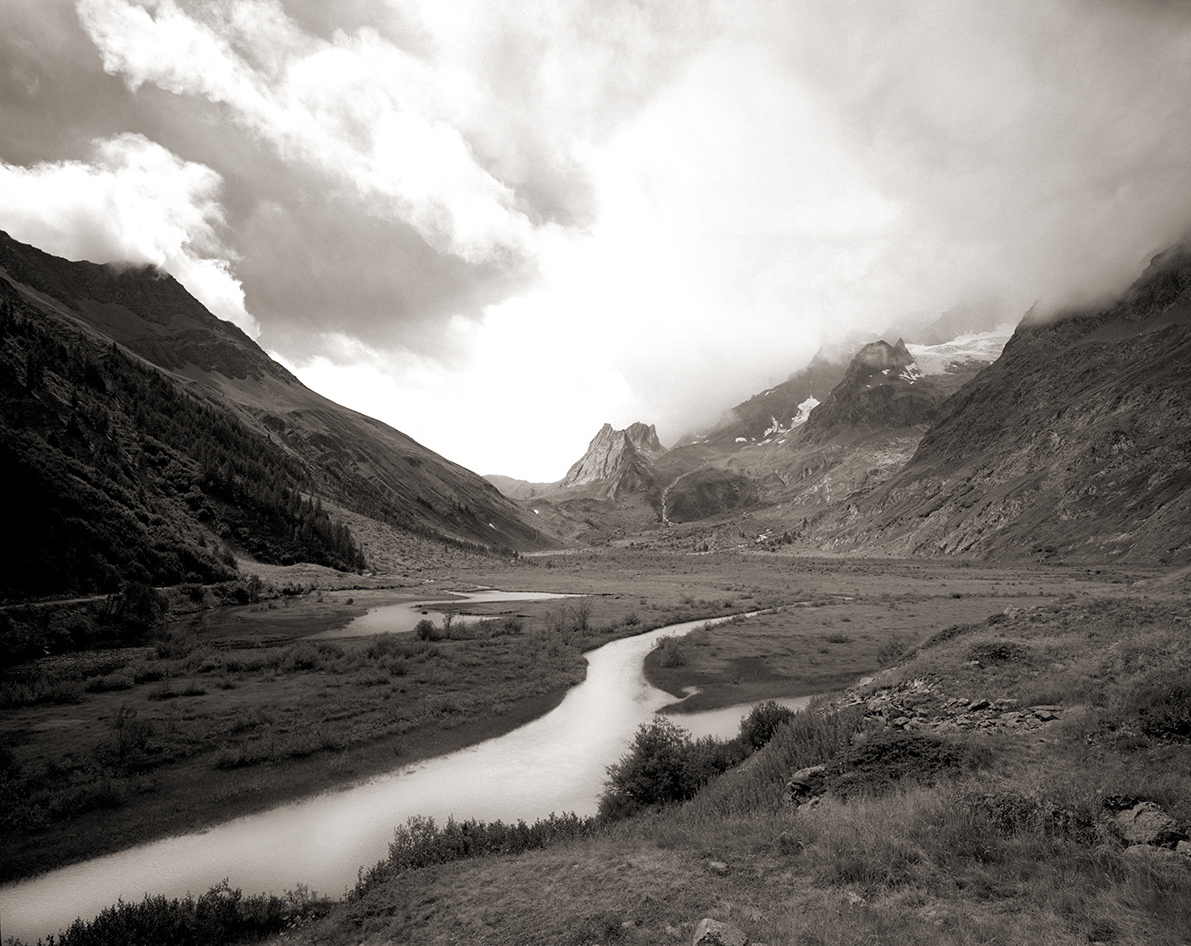

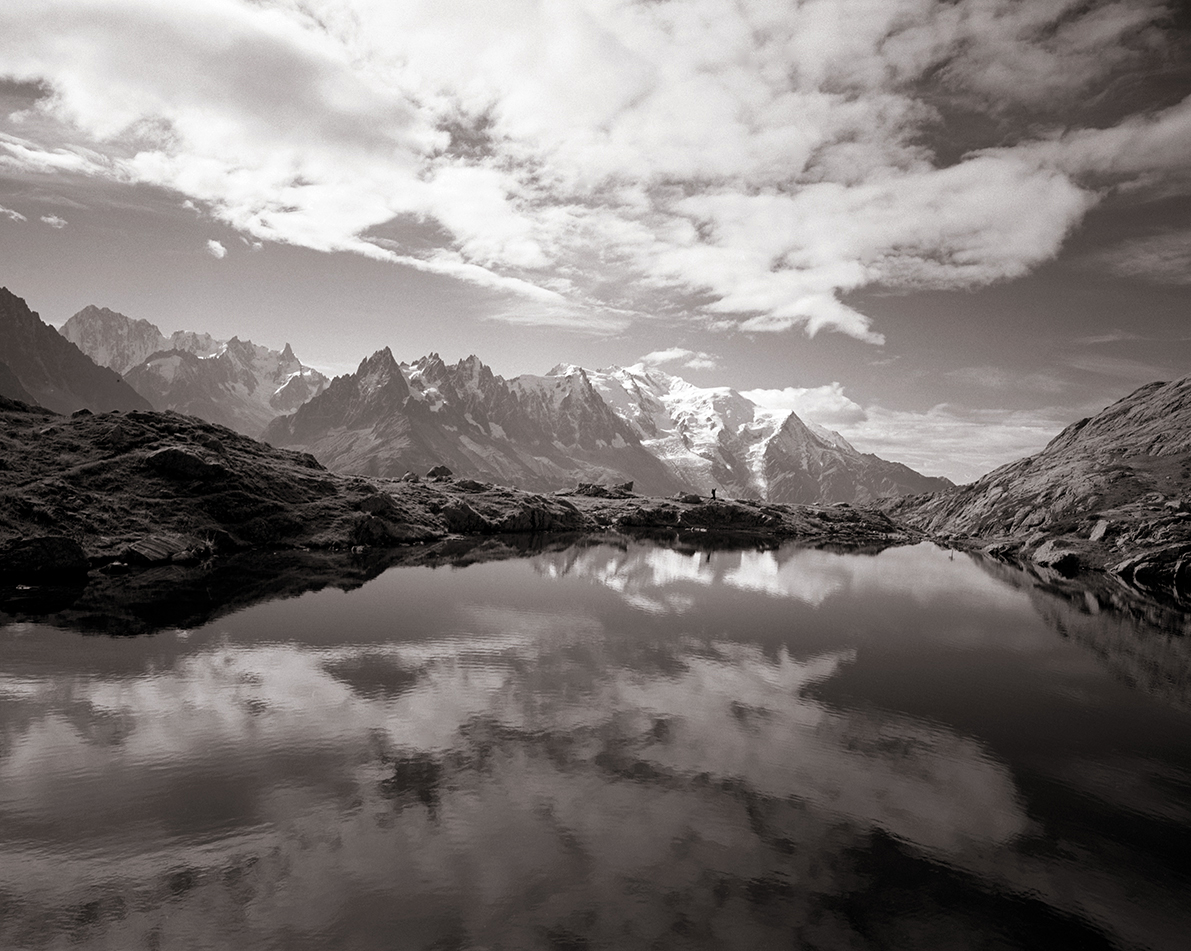
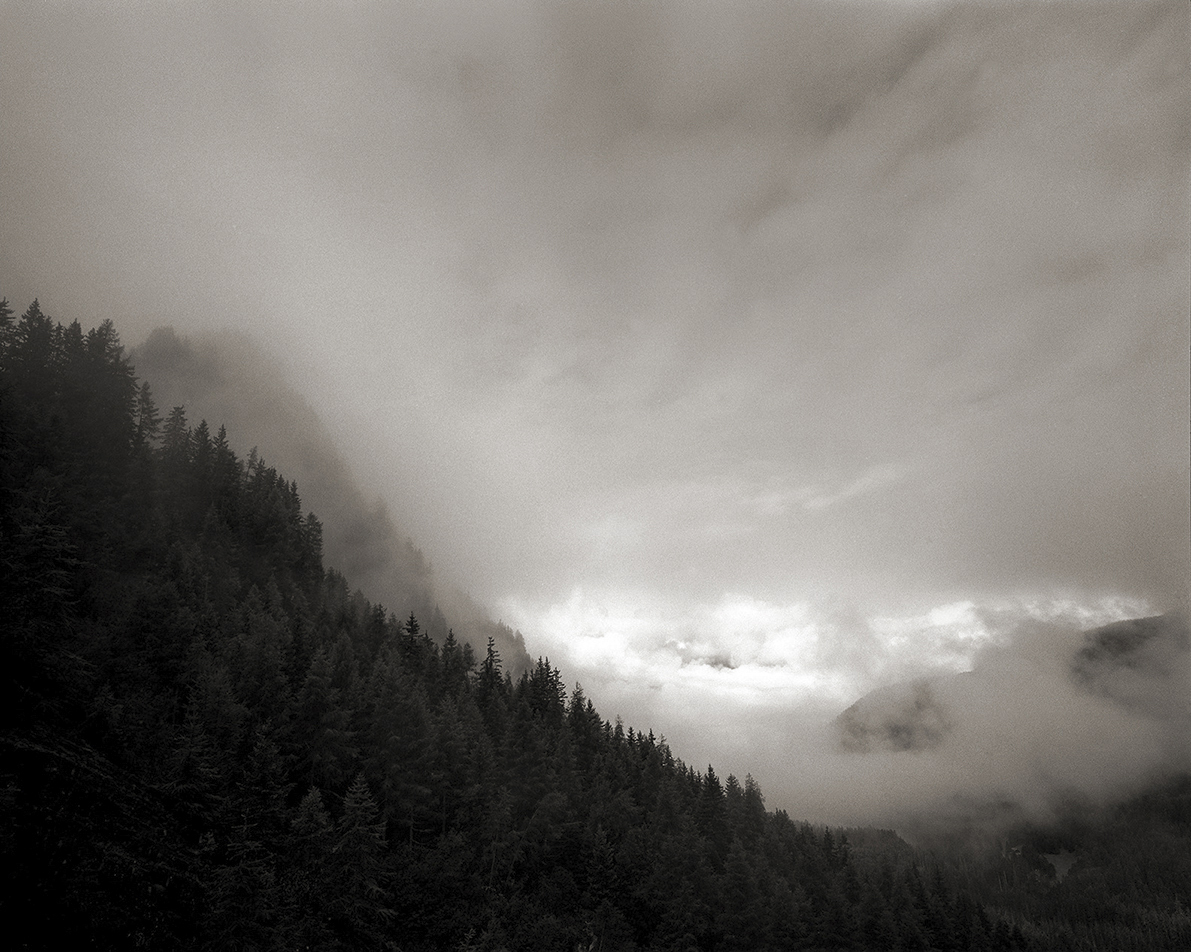
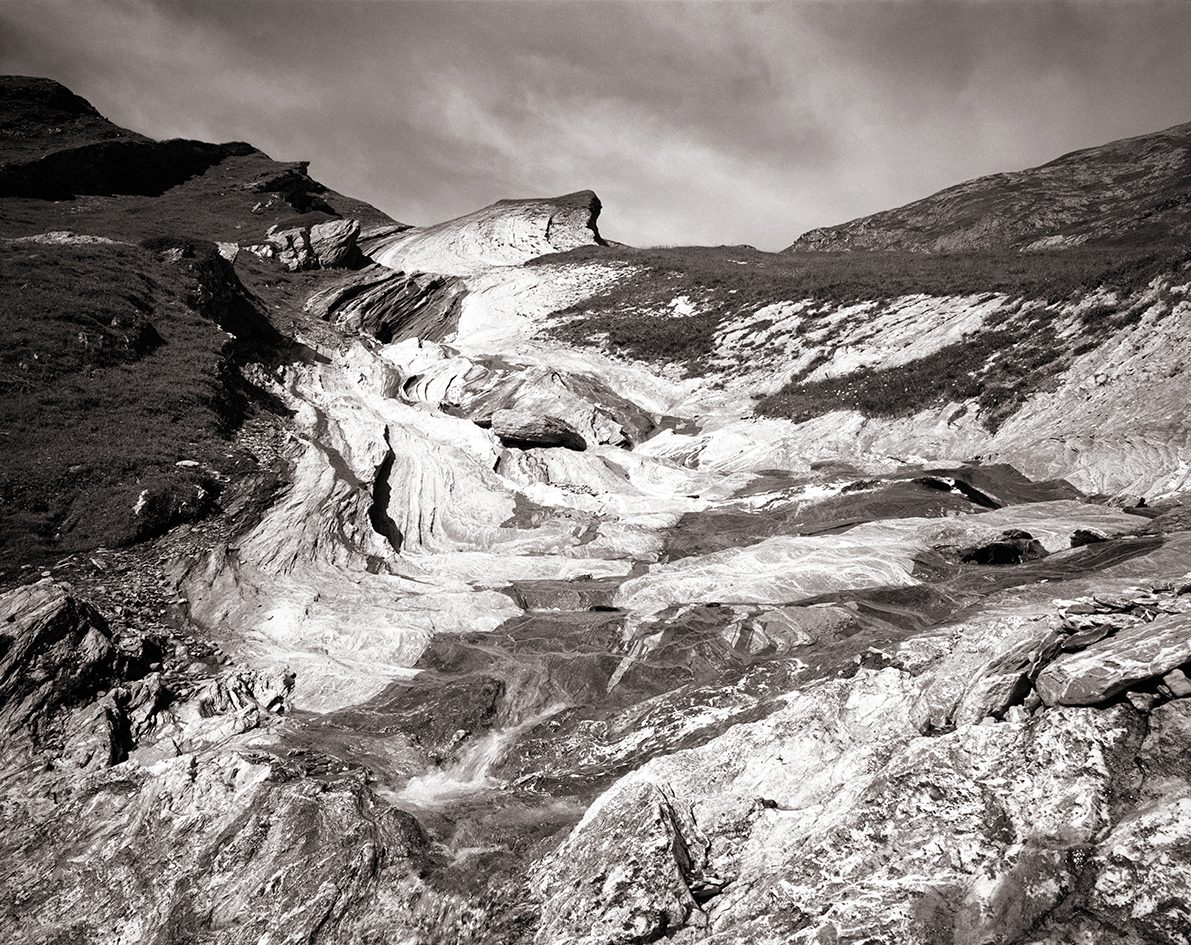

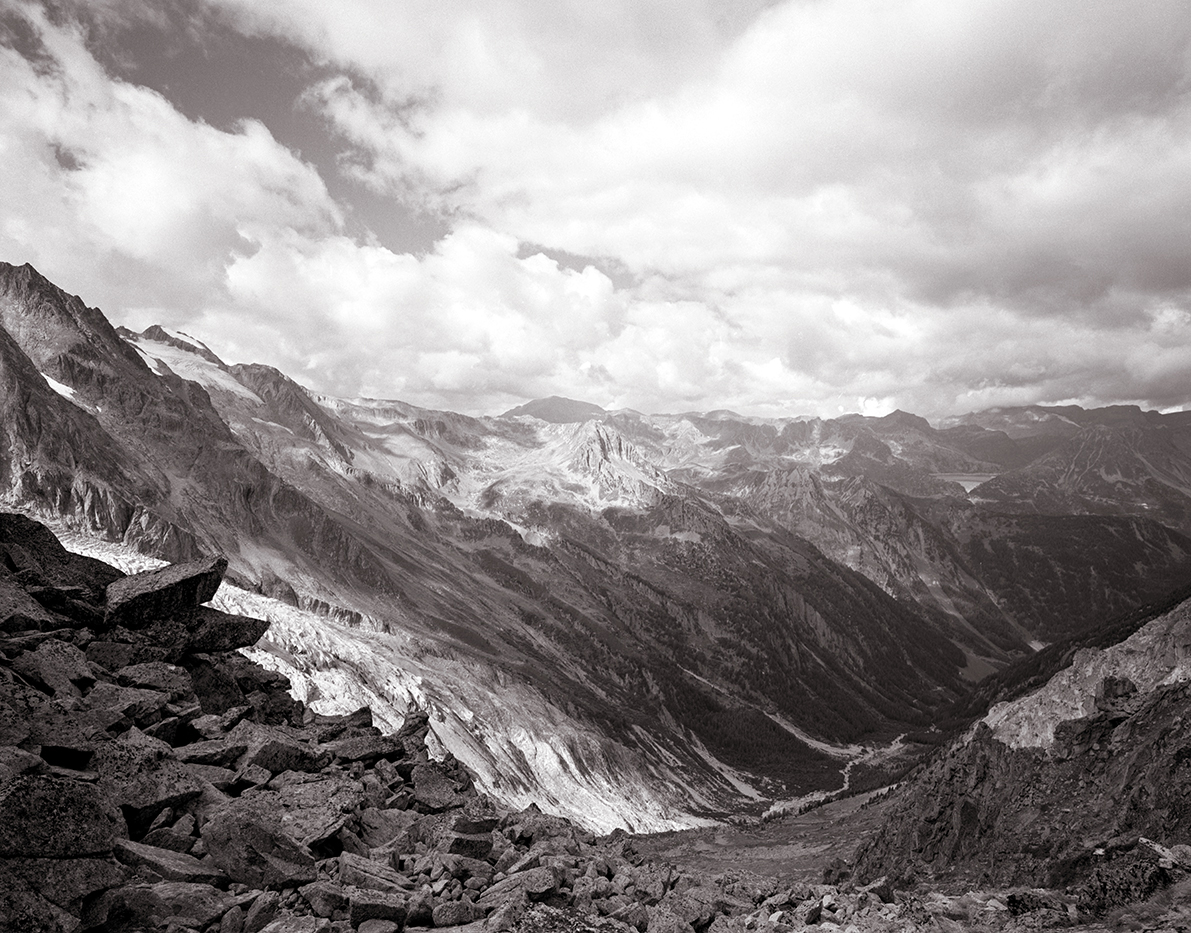
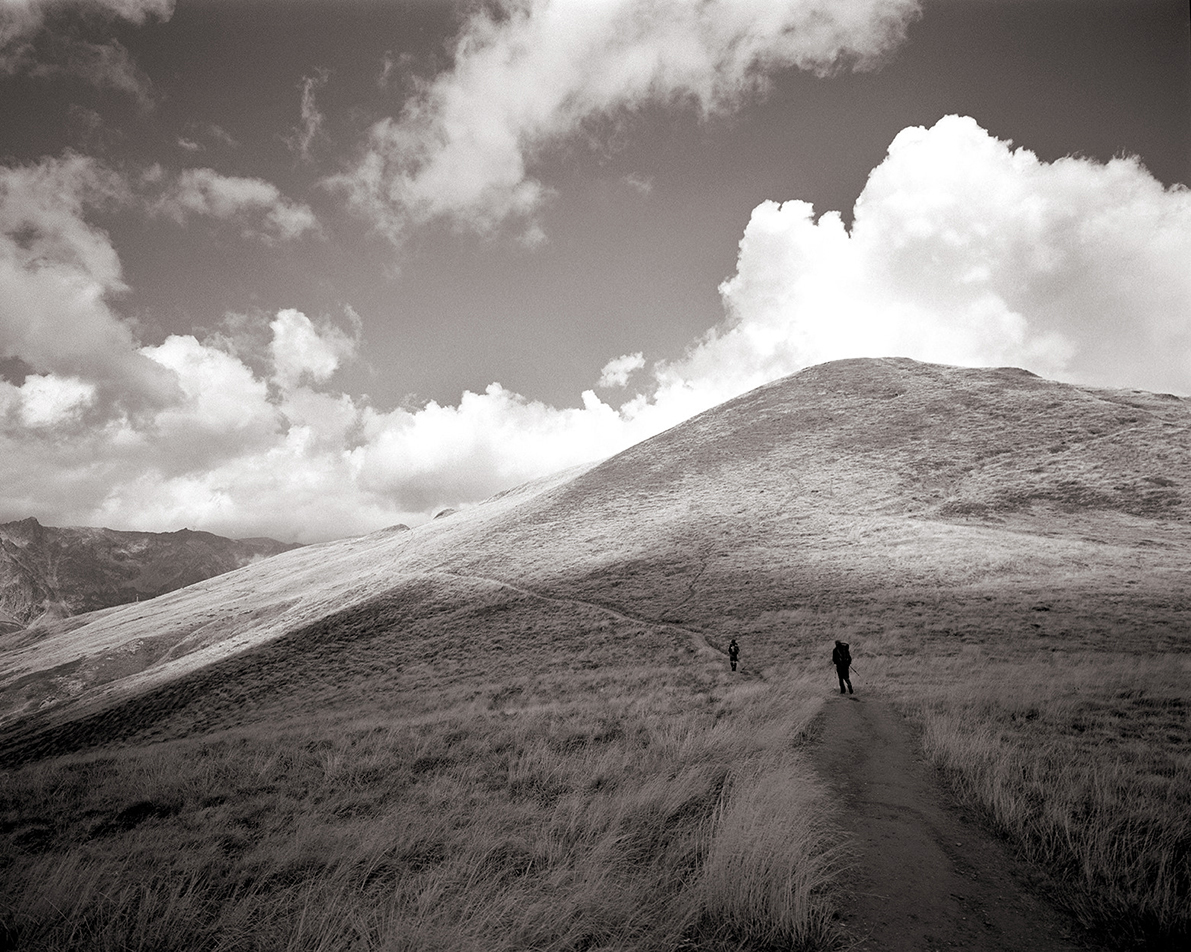


![Brett Weston (American, 1911-1993) 'Untitled [dead bird and sand]' 1967](https://artblart.com/wp-content/uploads/2017/04/okcmoa_2012-020_001-web.jpg "Brett Weston (American, 1911-1993) 'Untitled [dead bird and sand]' 1967")
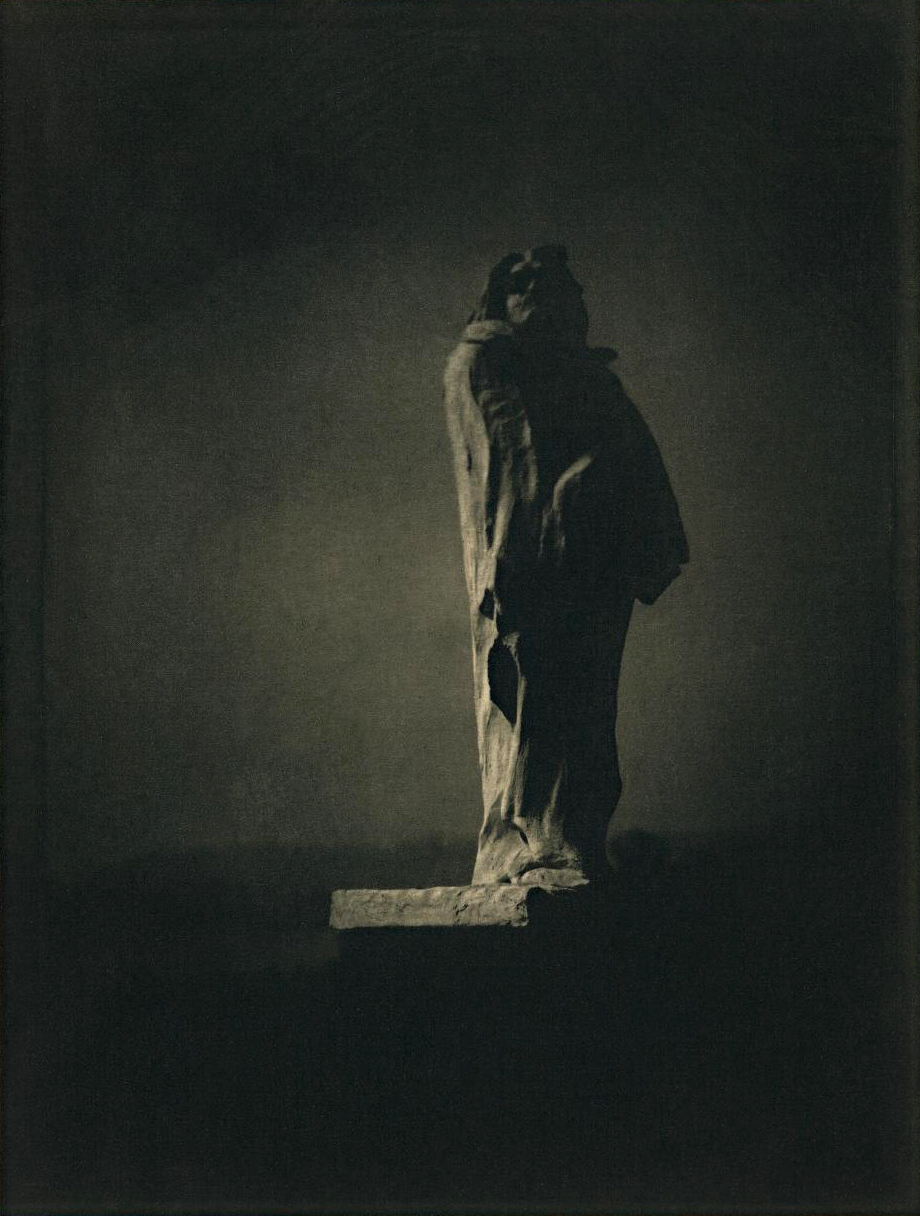

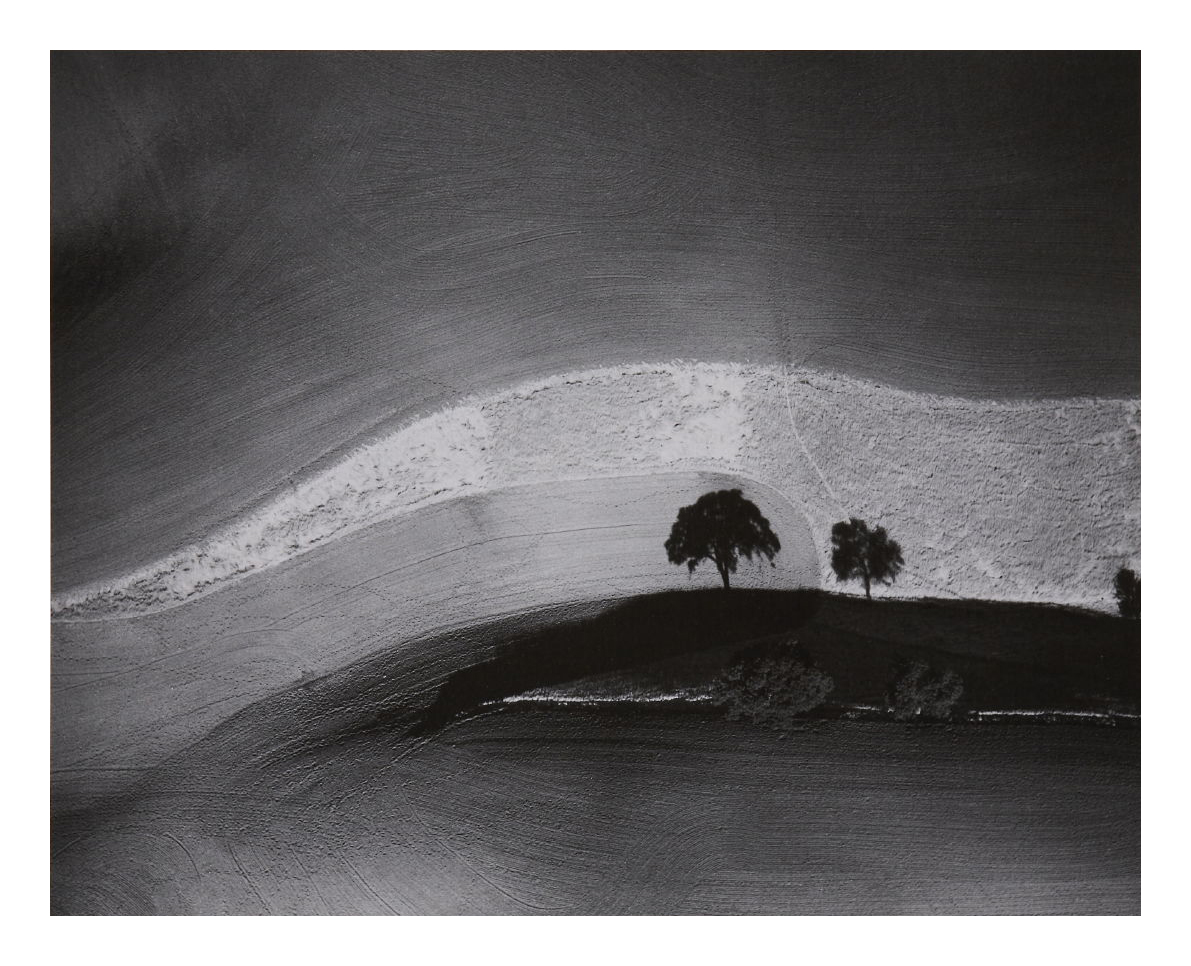
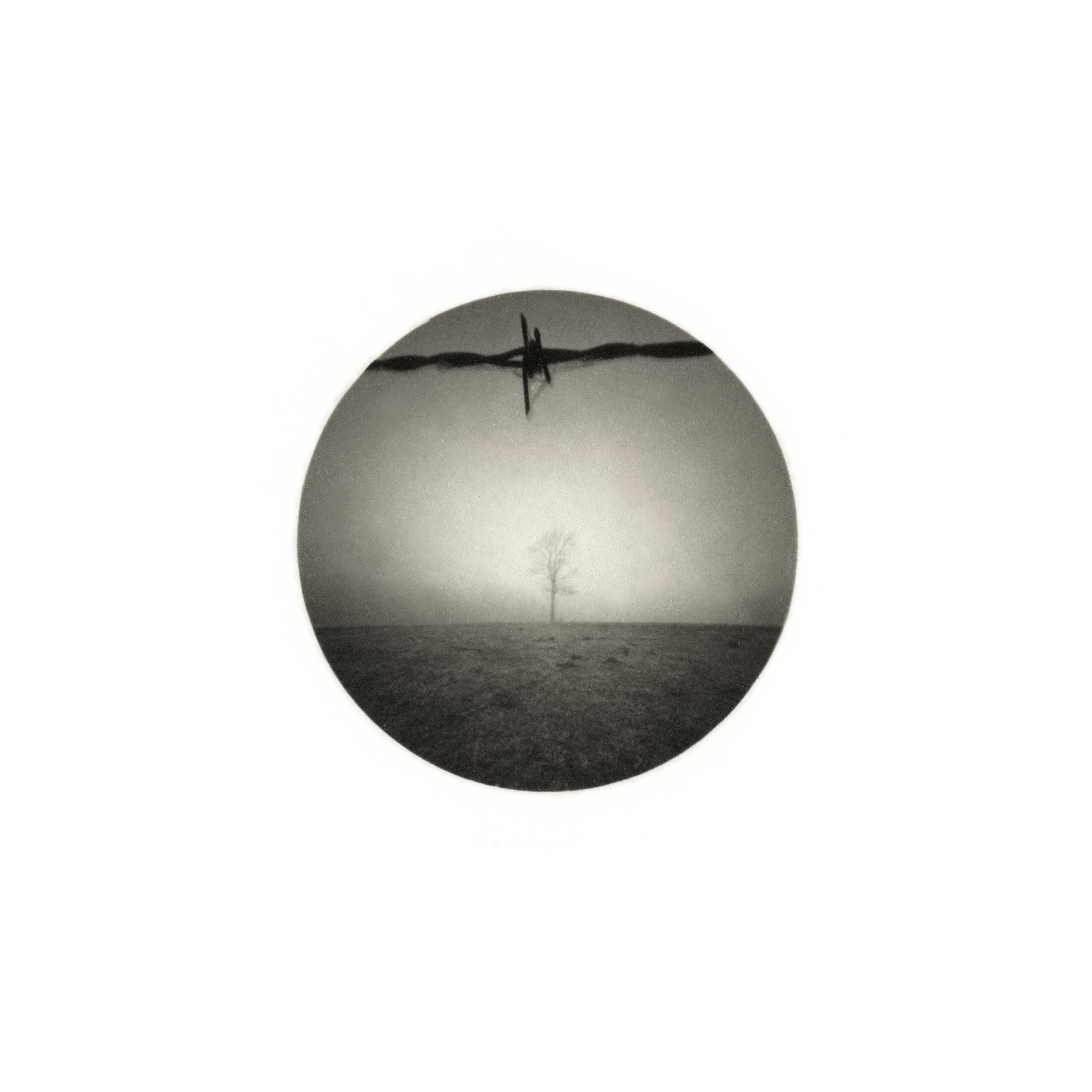

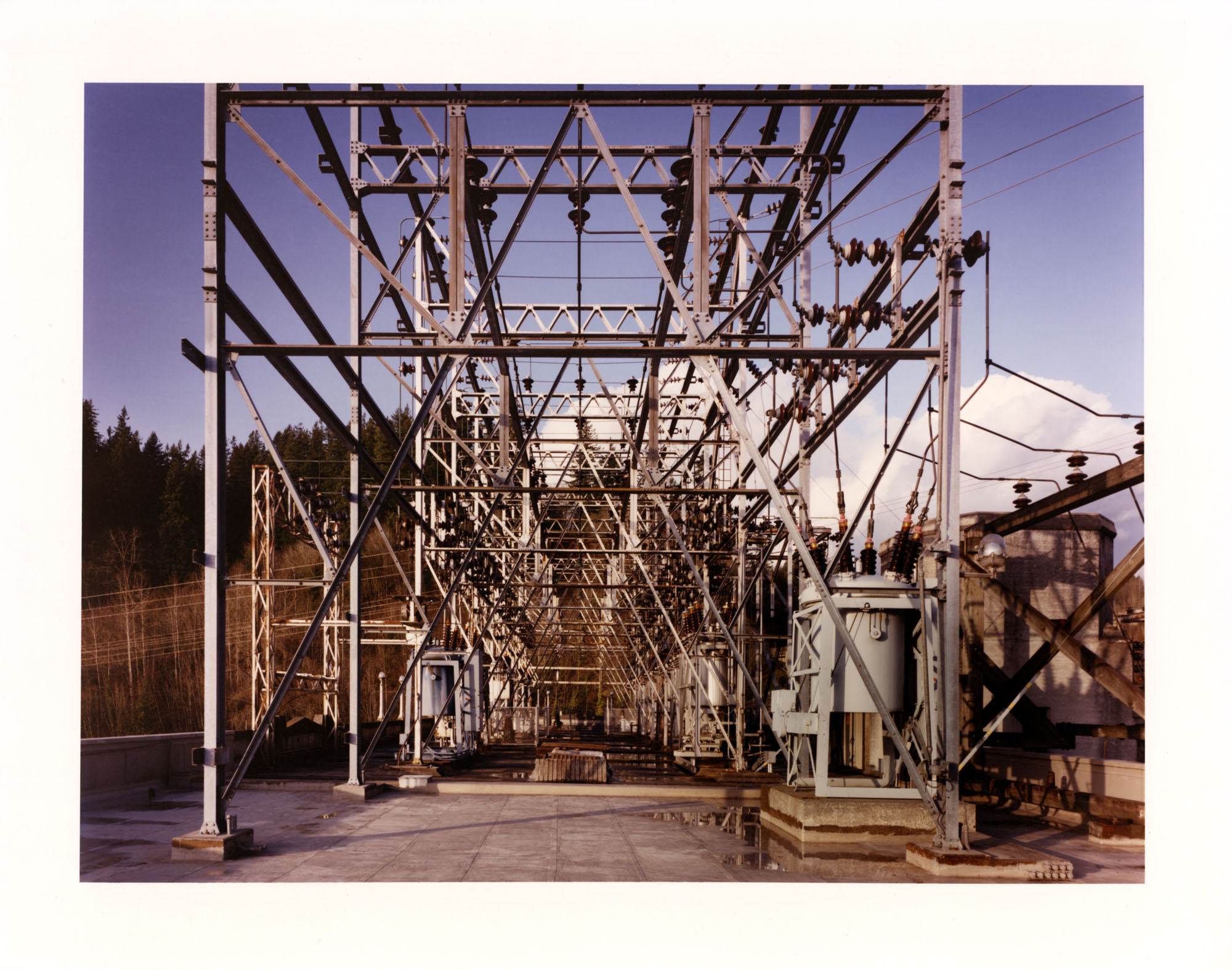


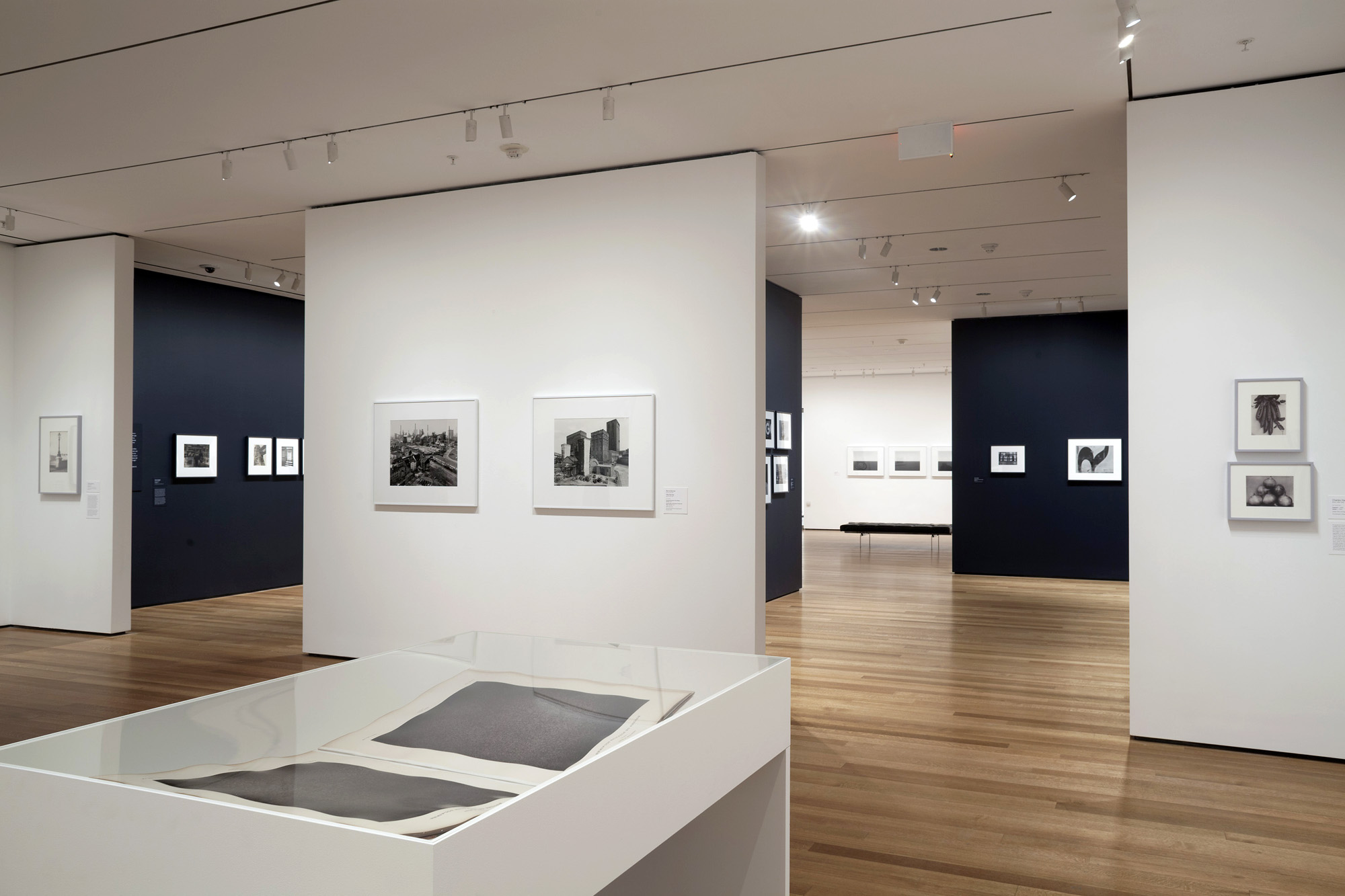


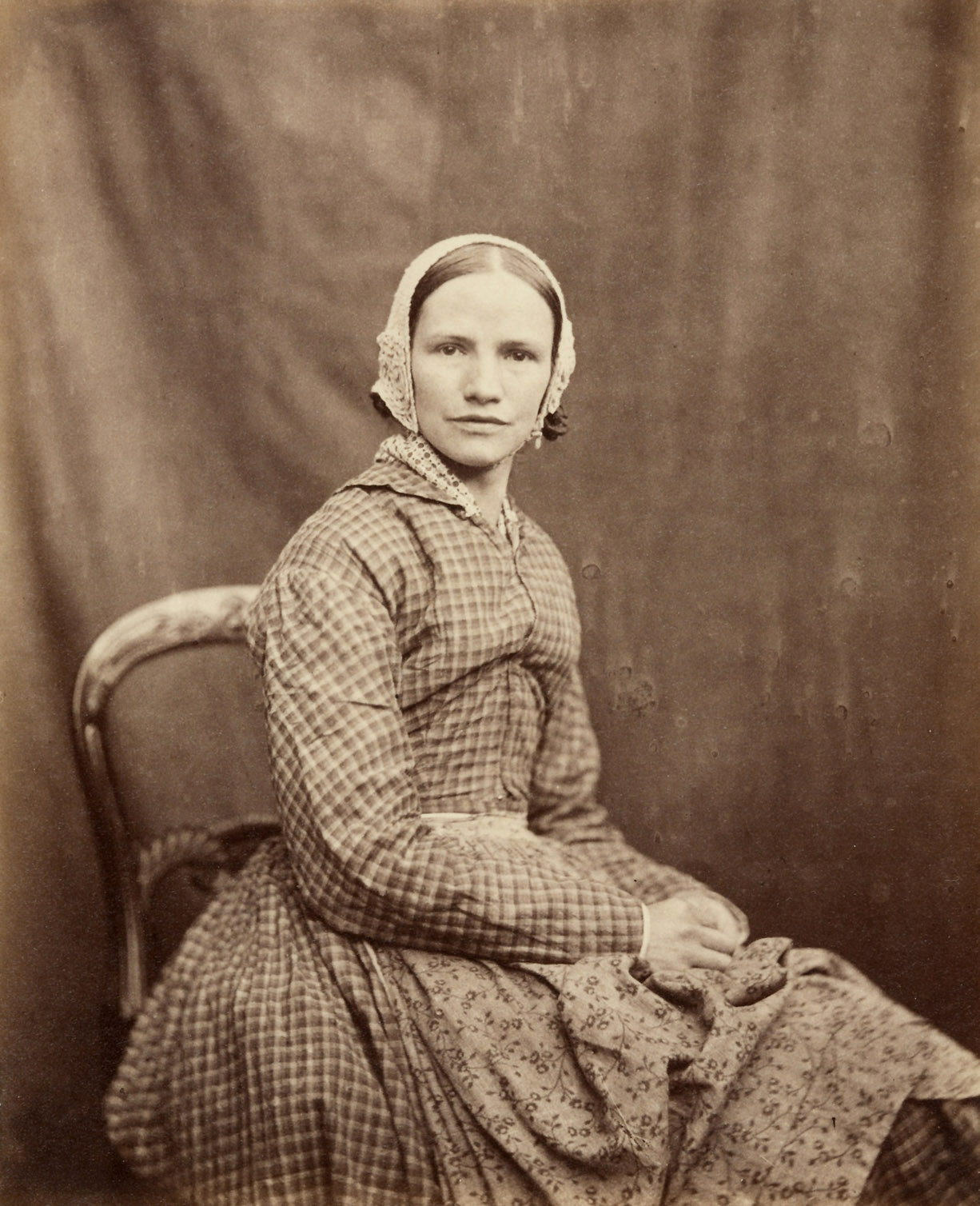
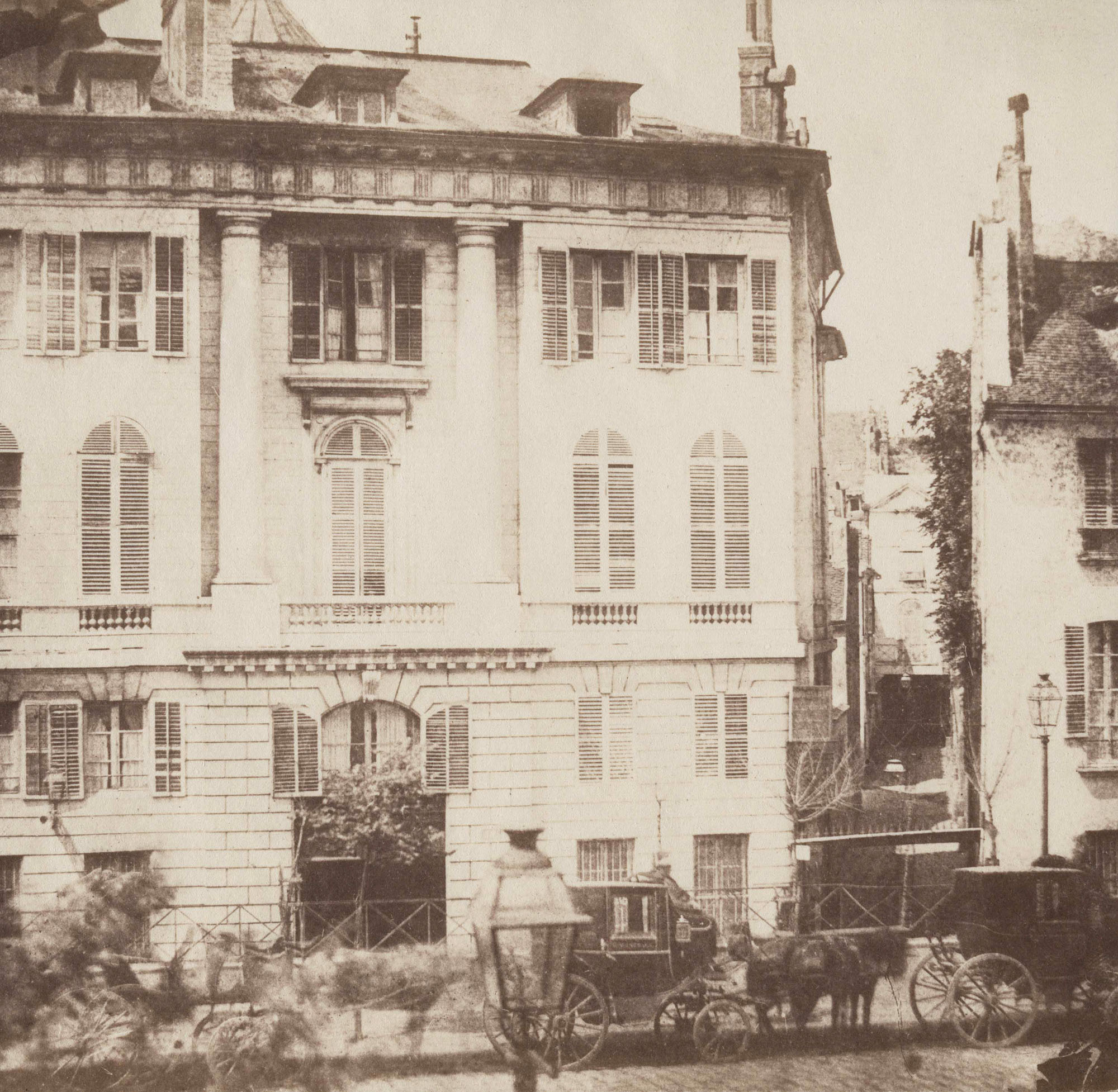


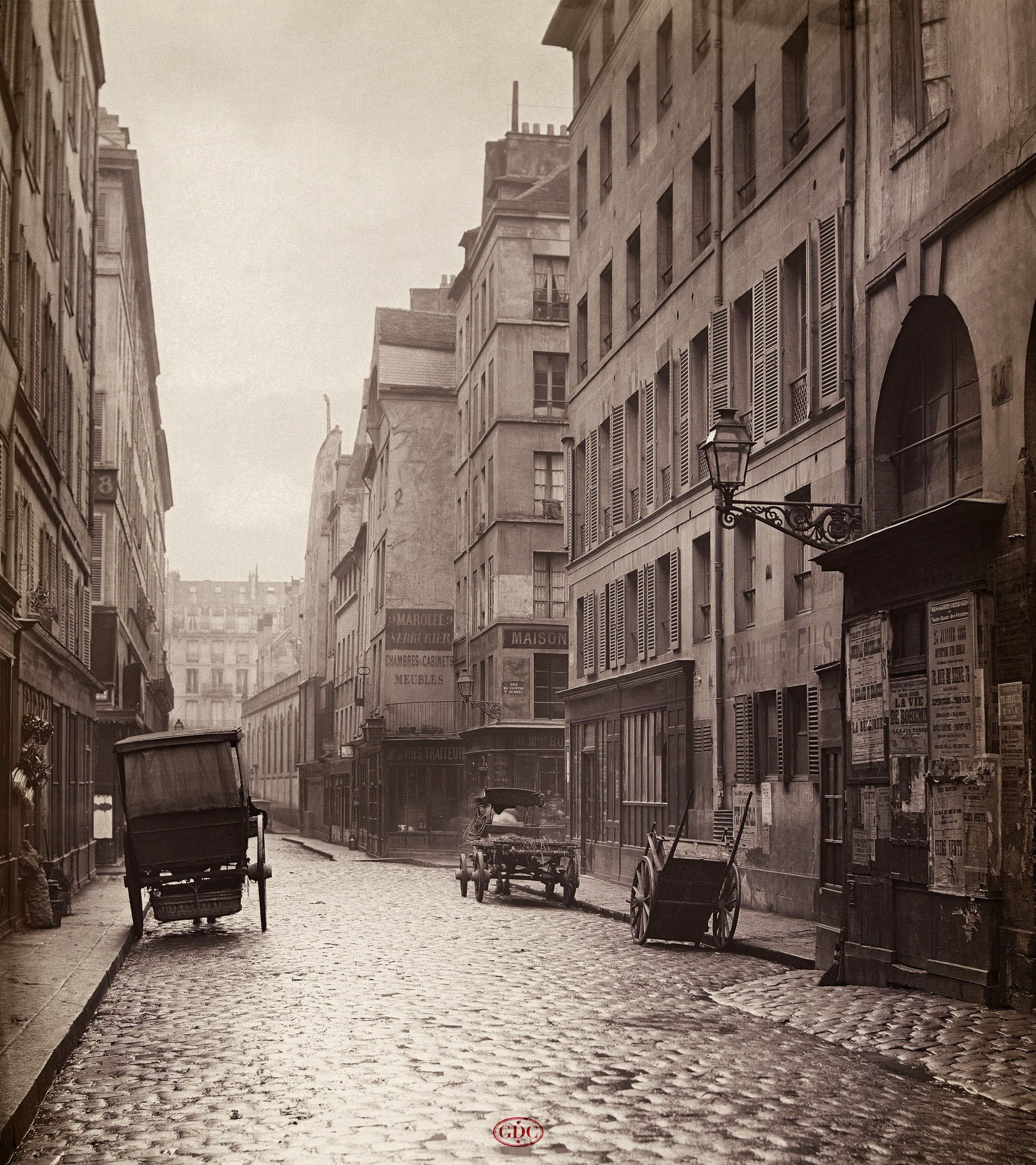


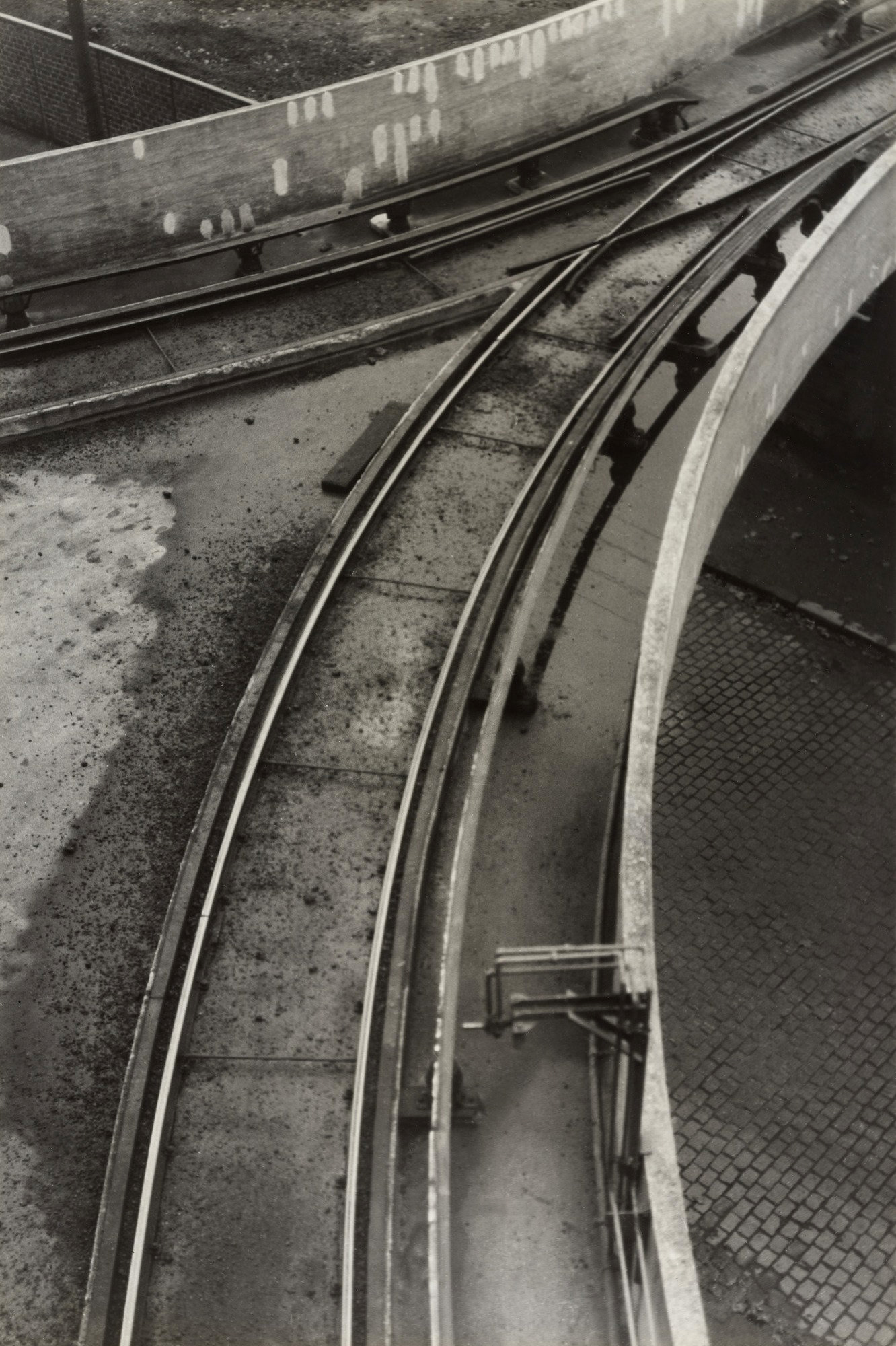


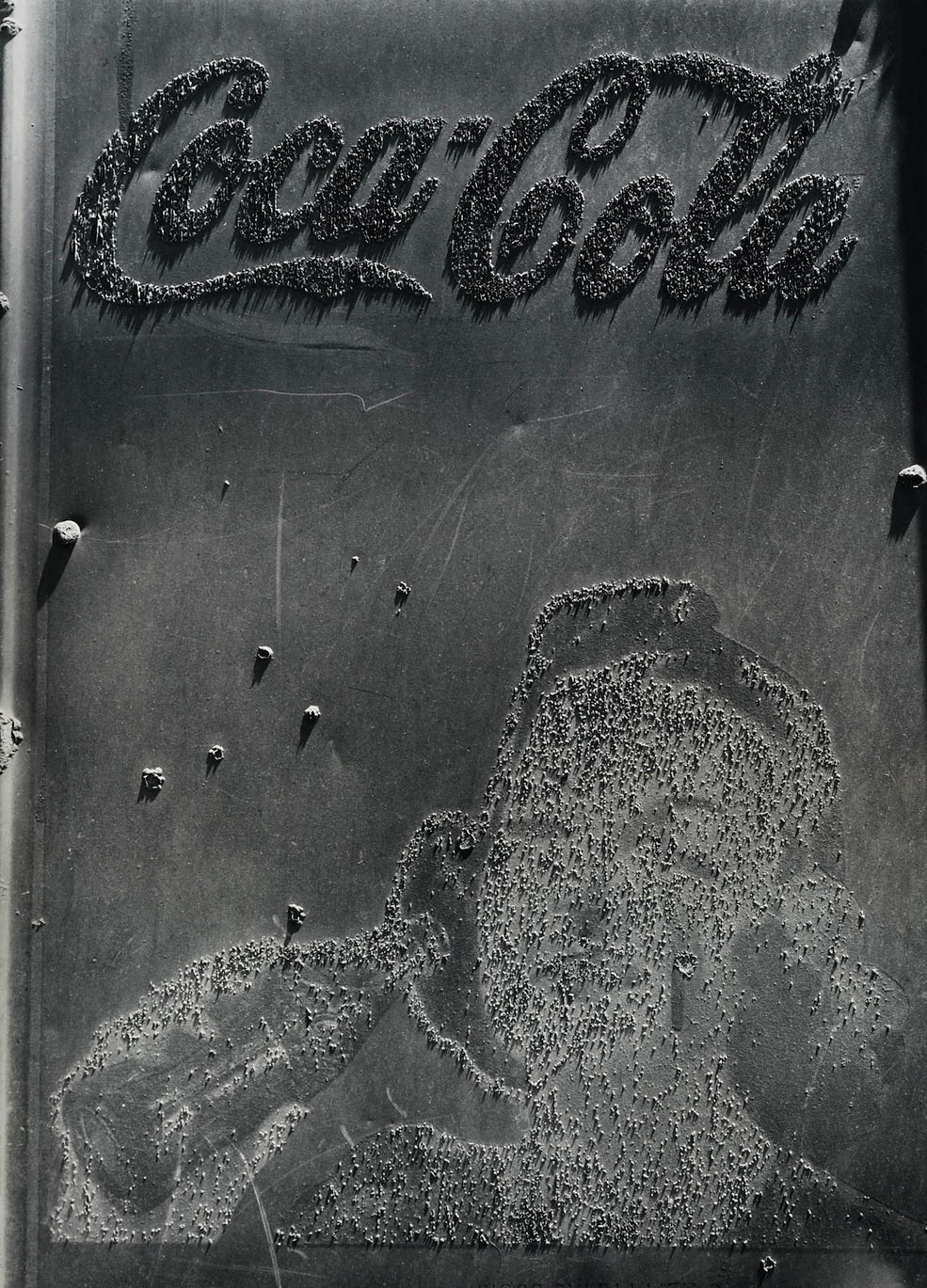


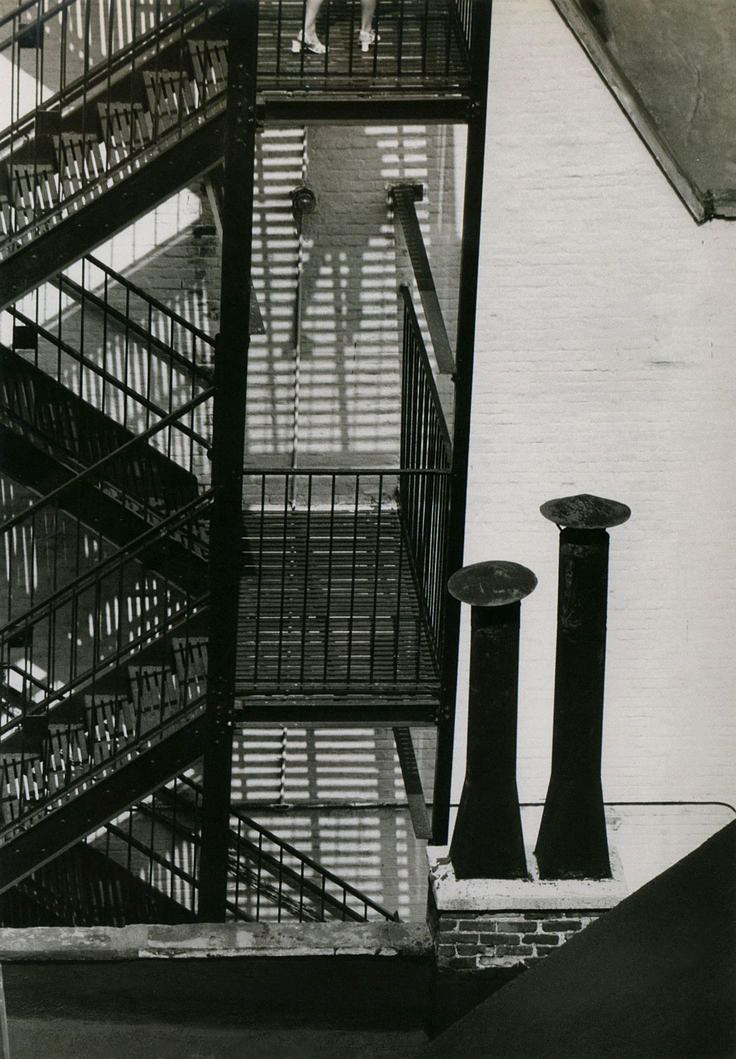
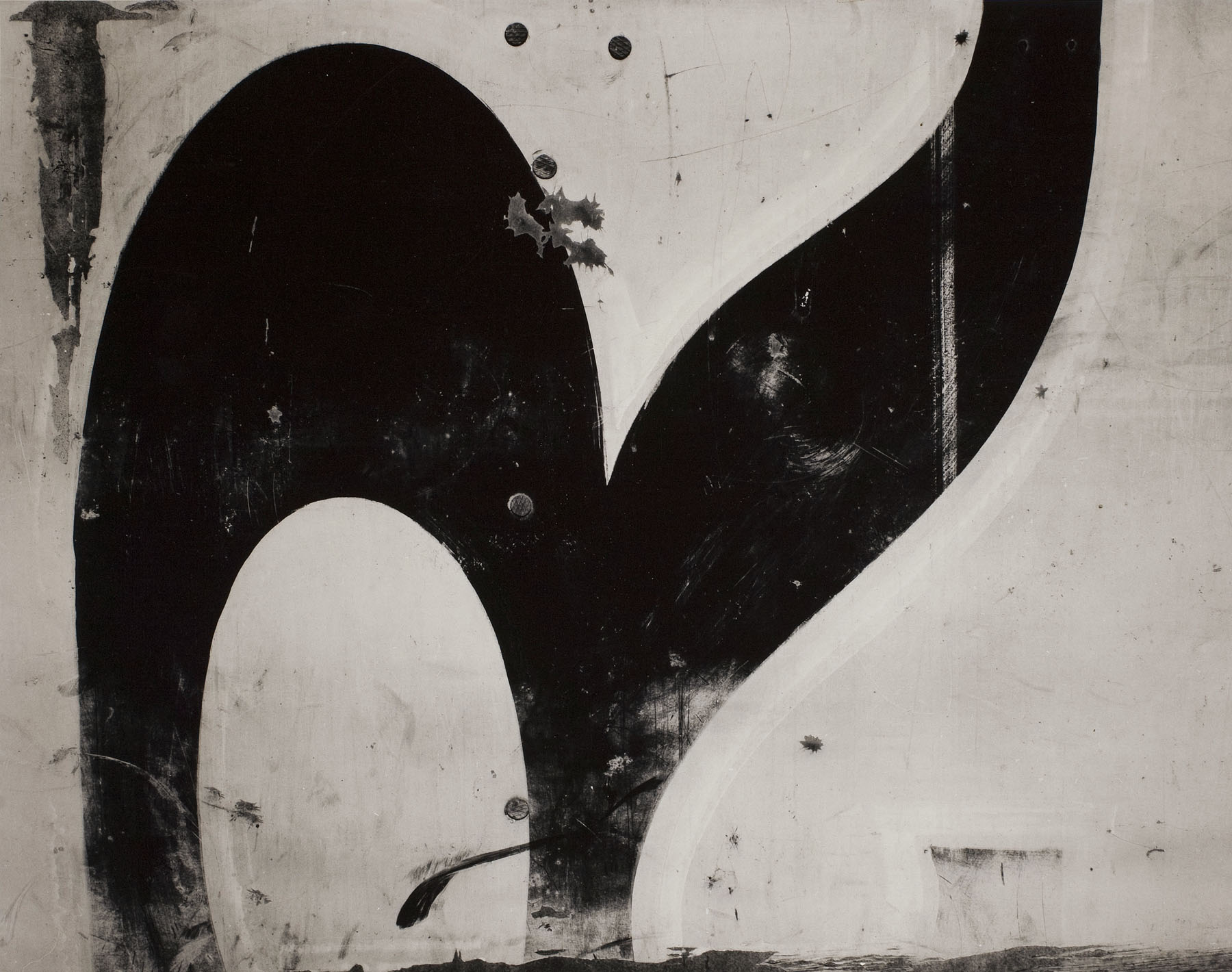
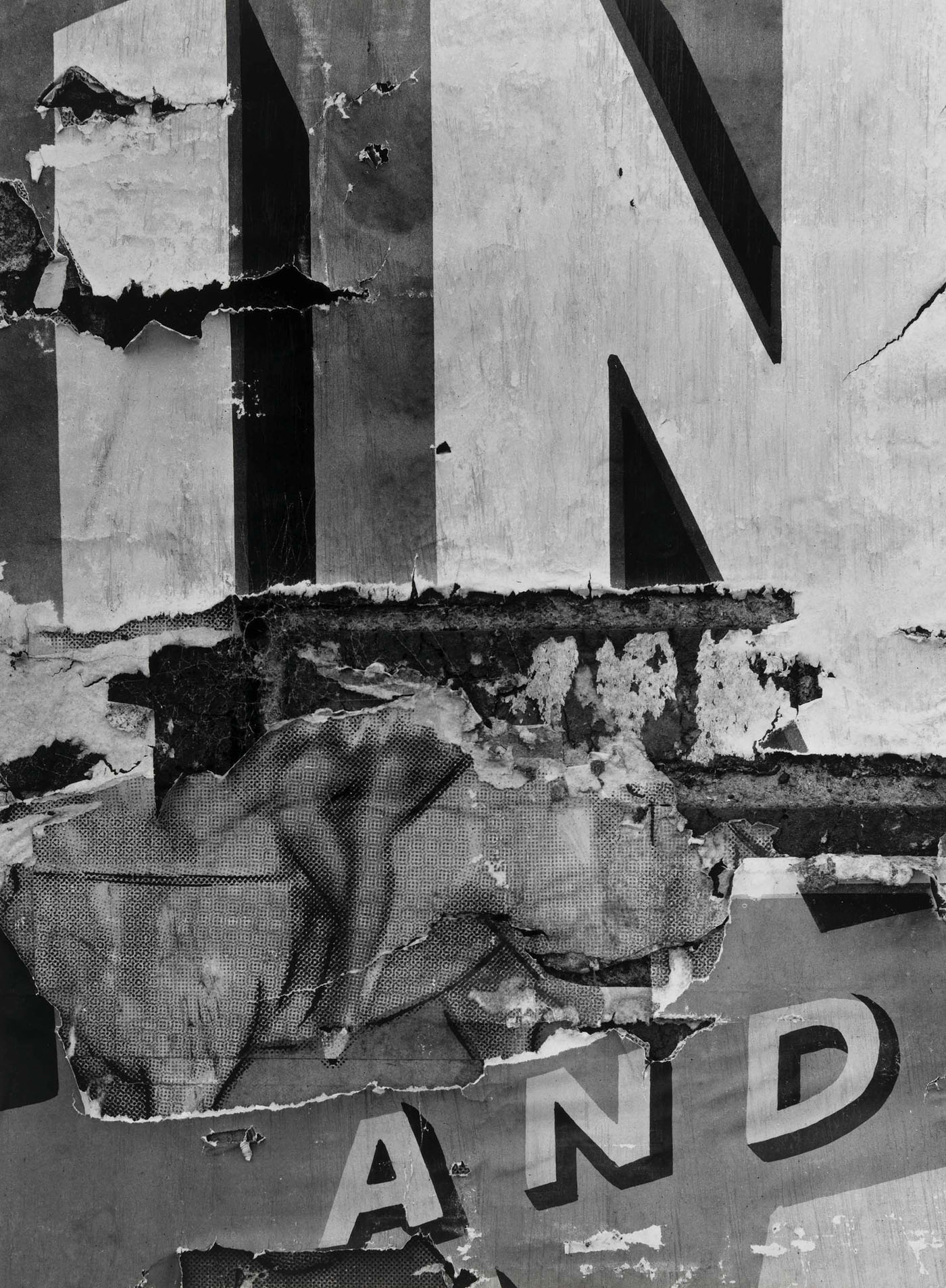


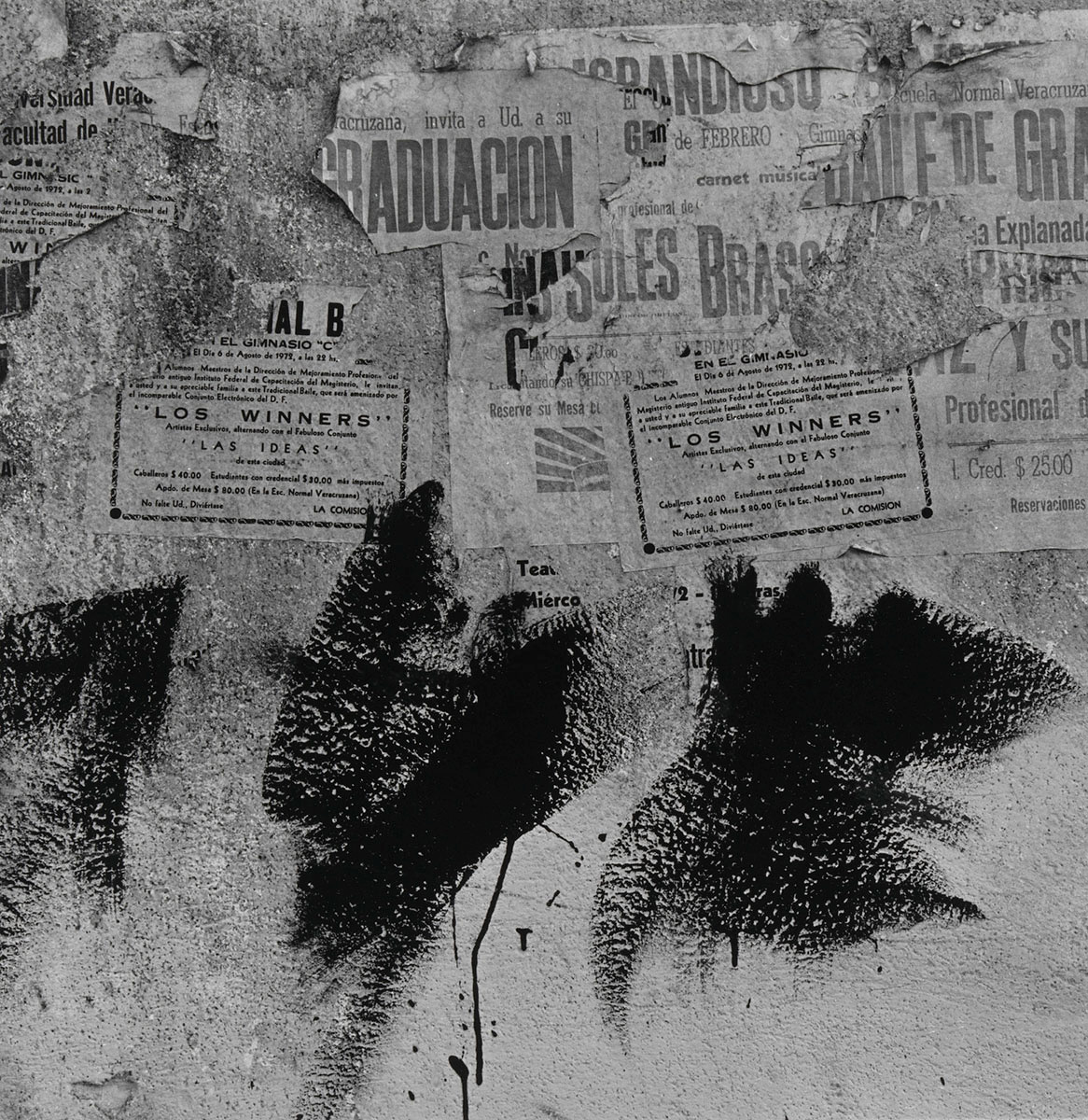
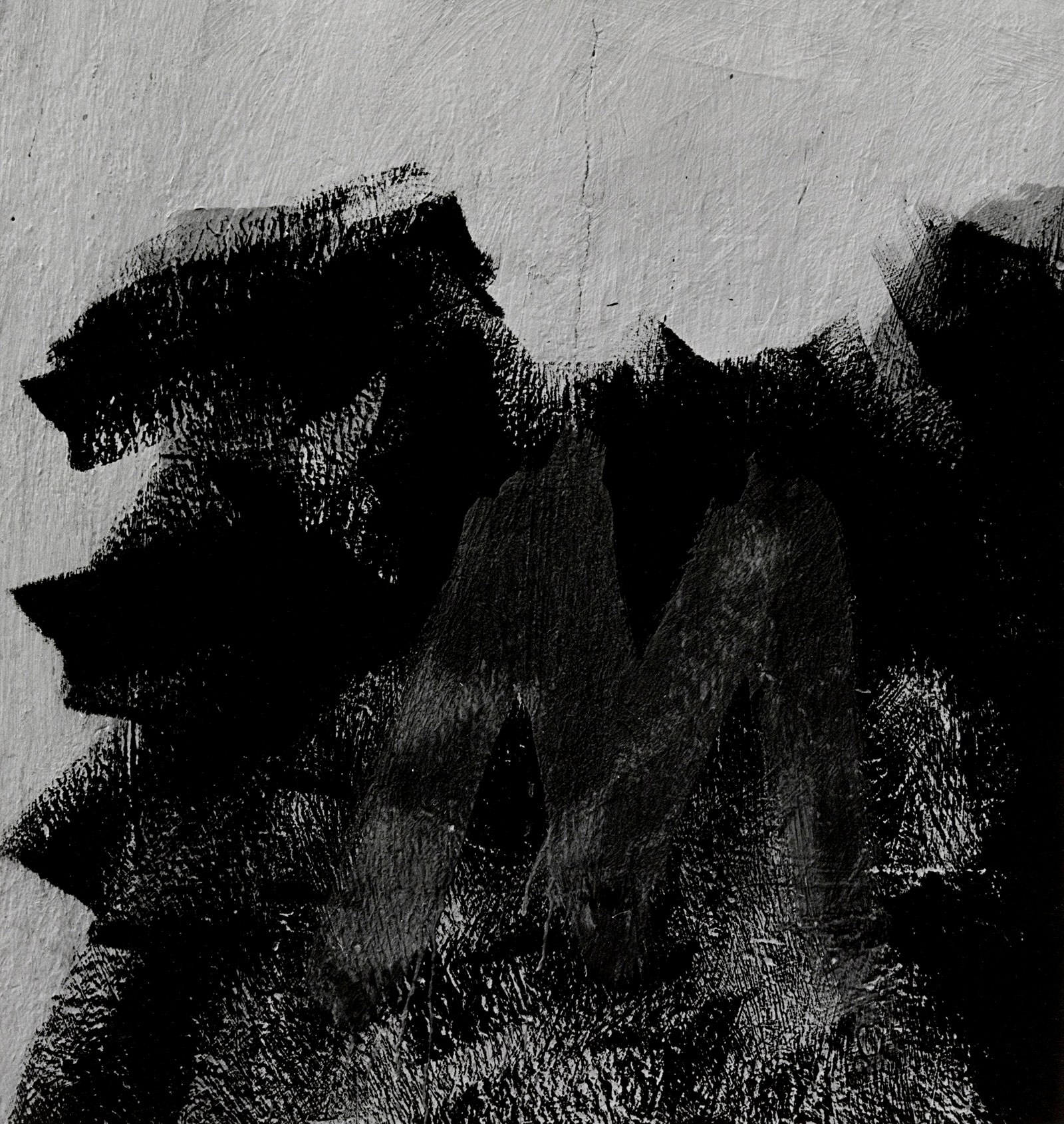


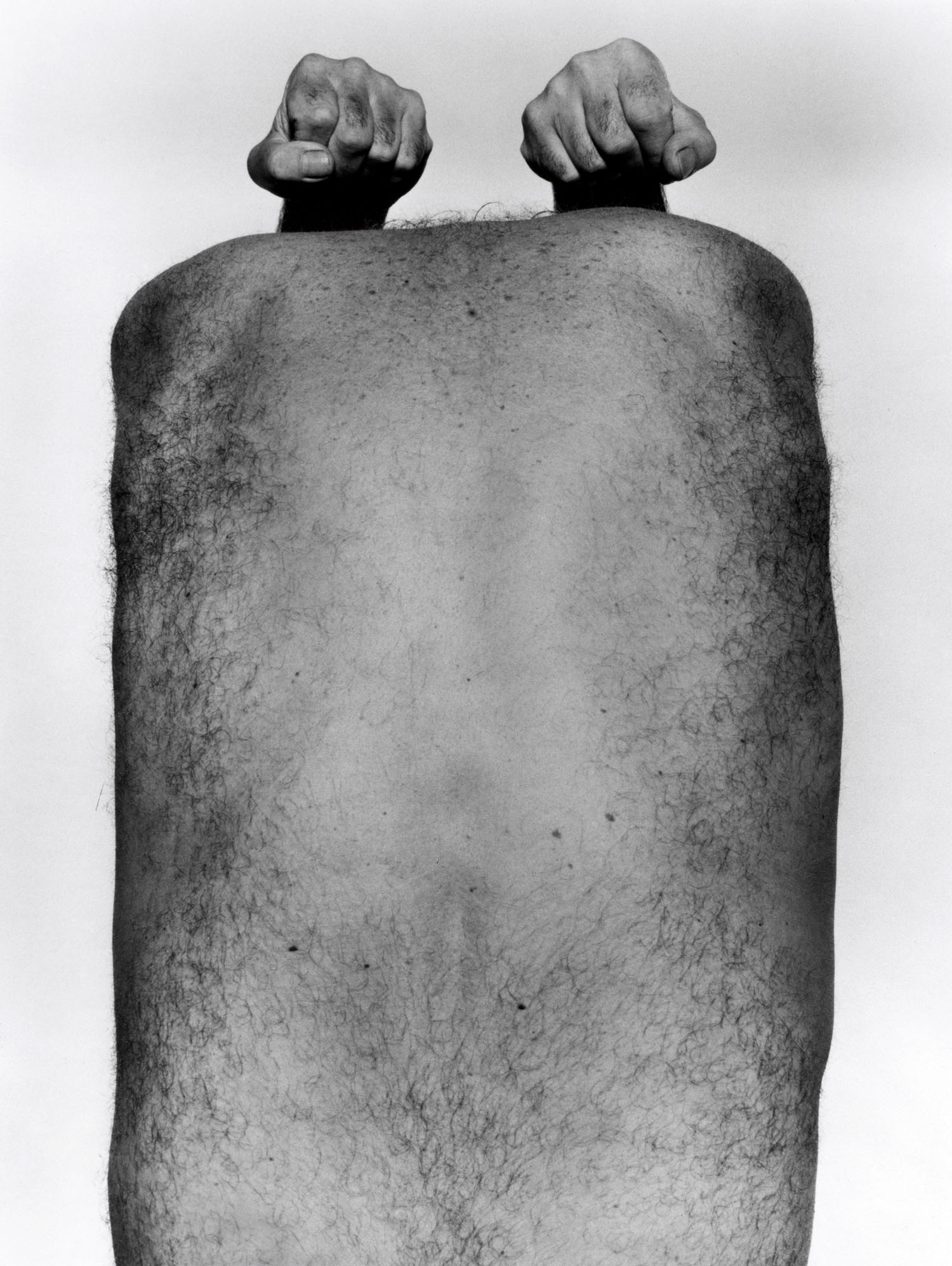
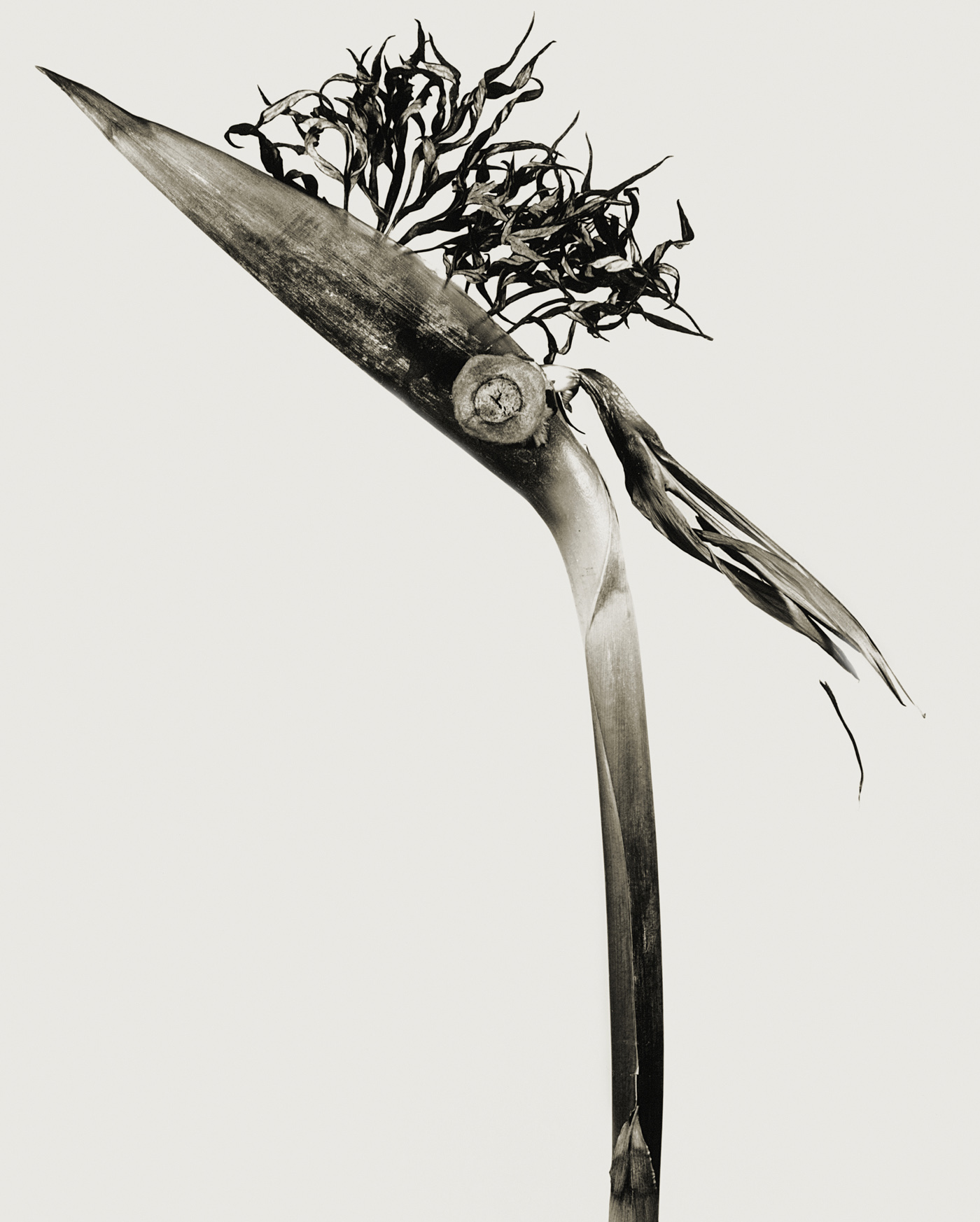
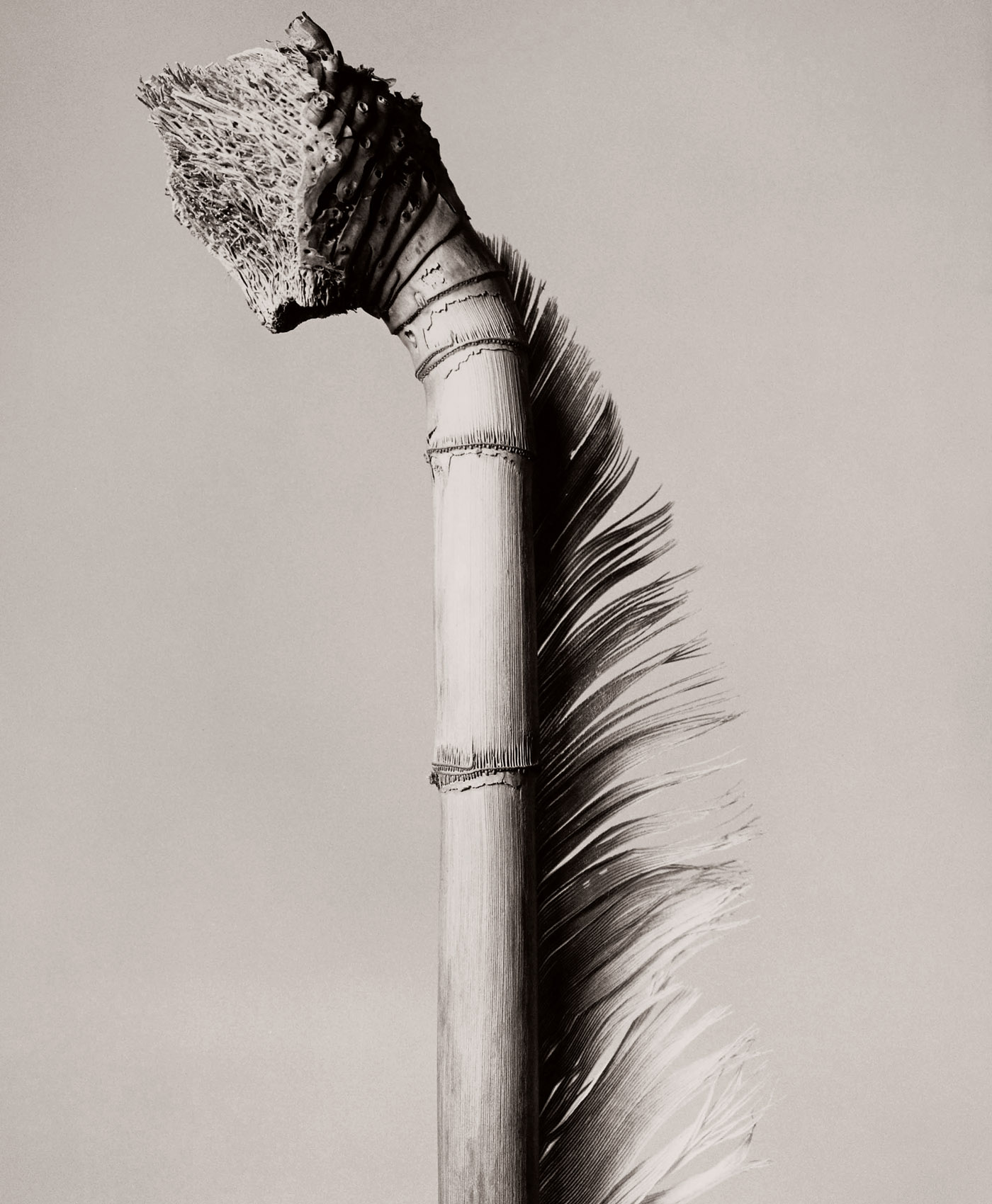
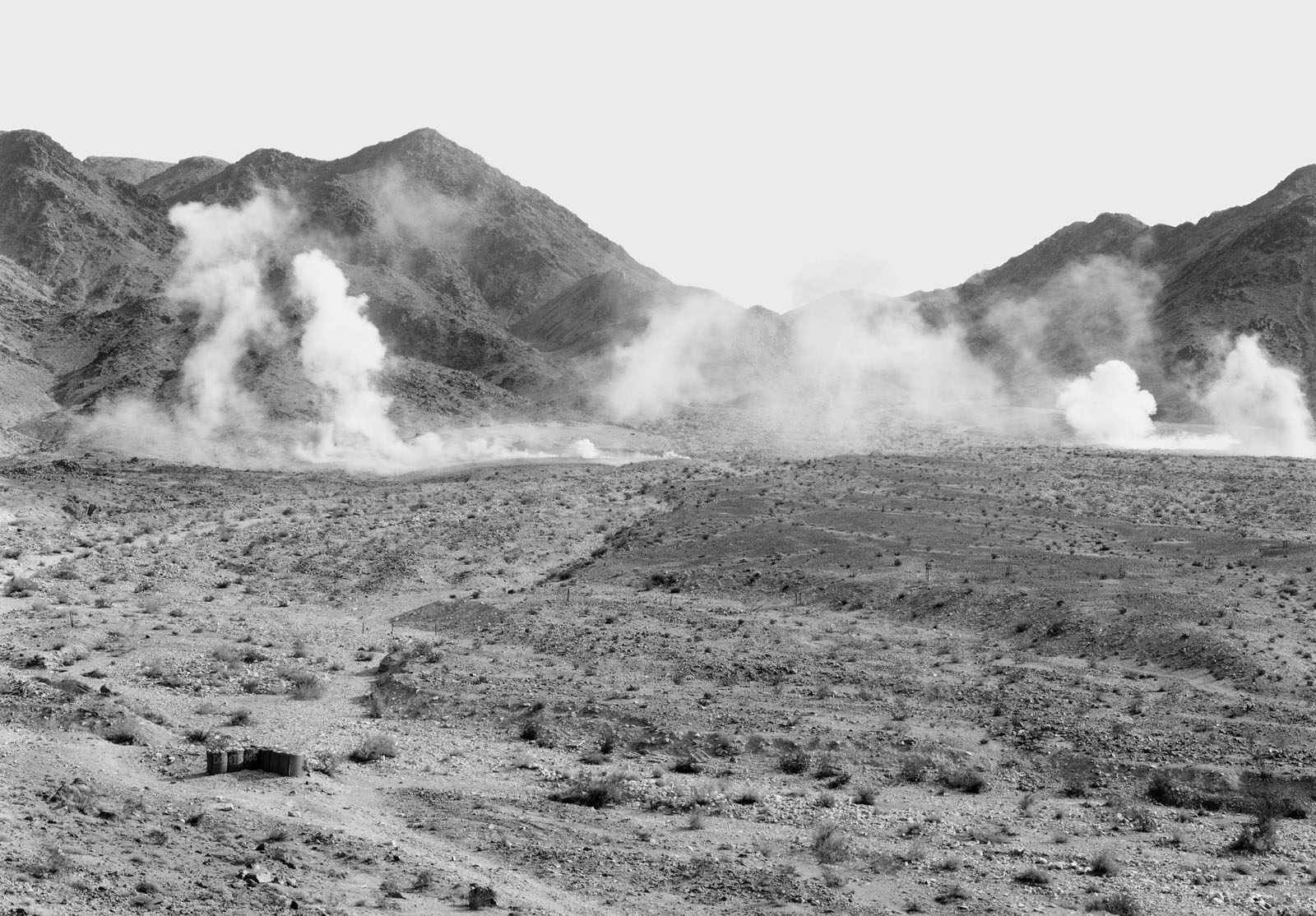

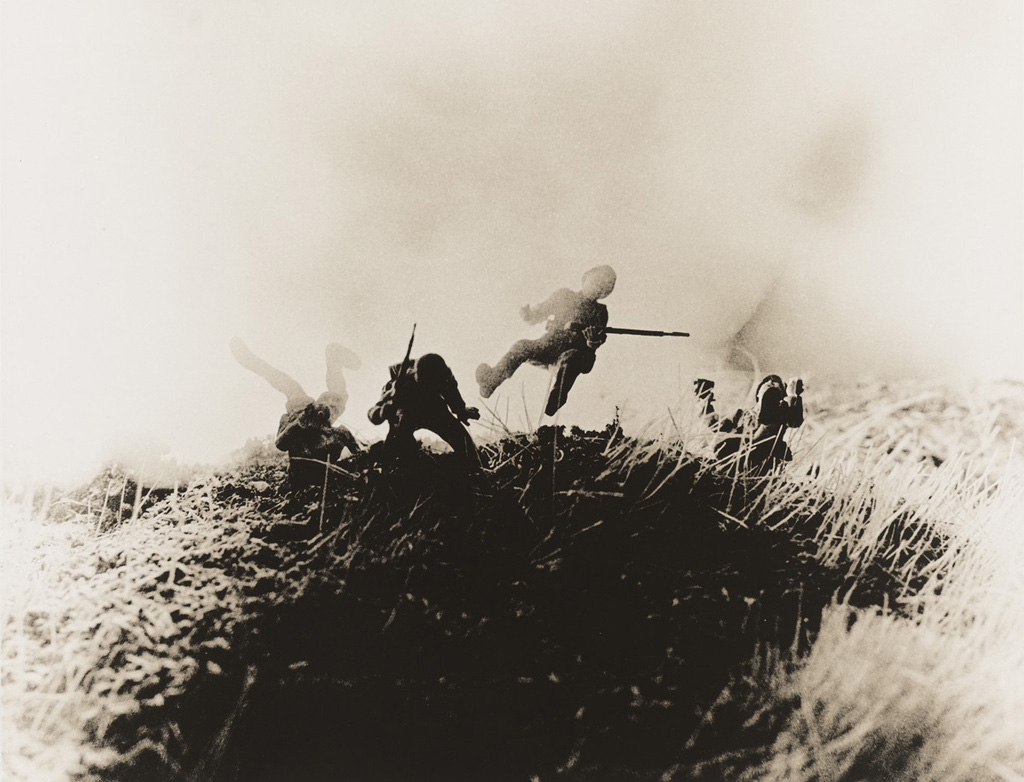


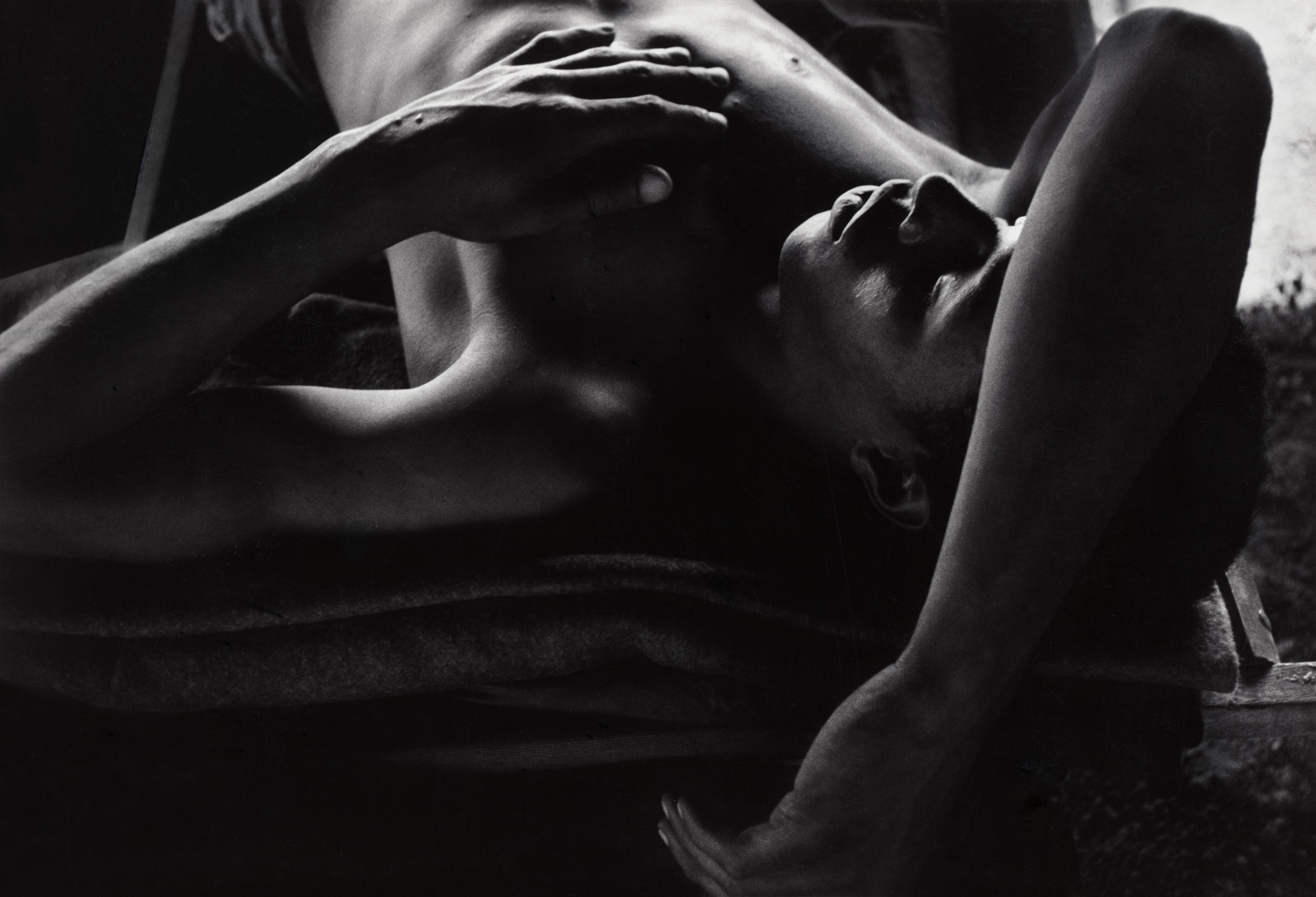
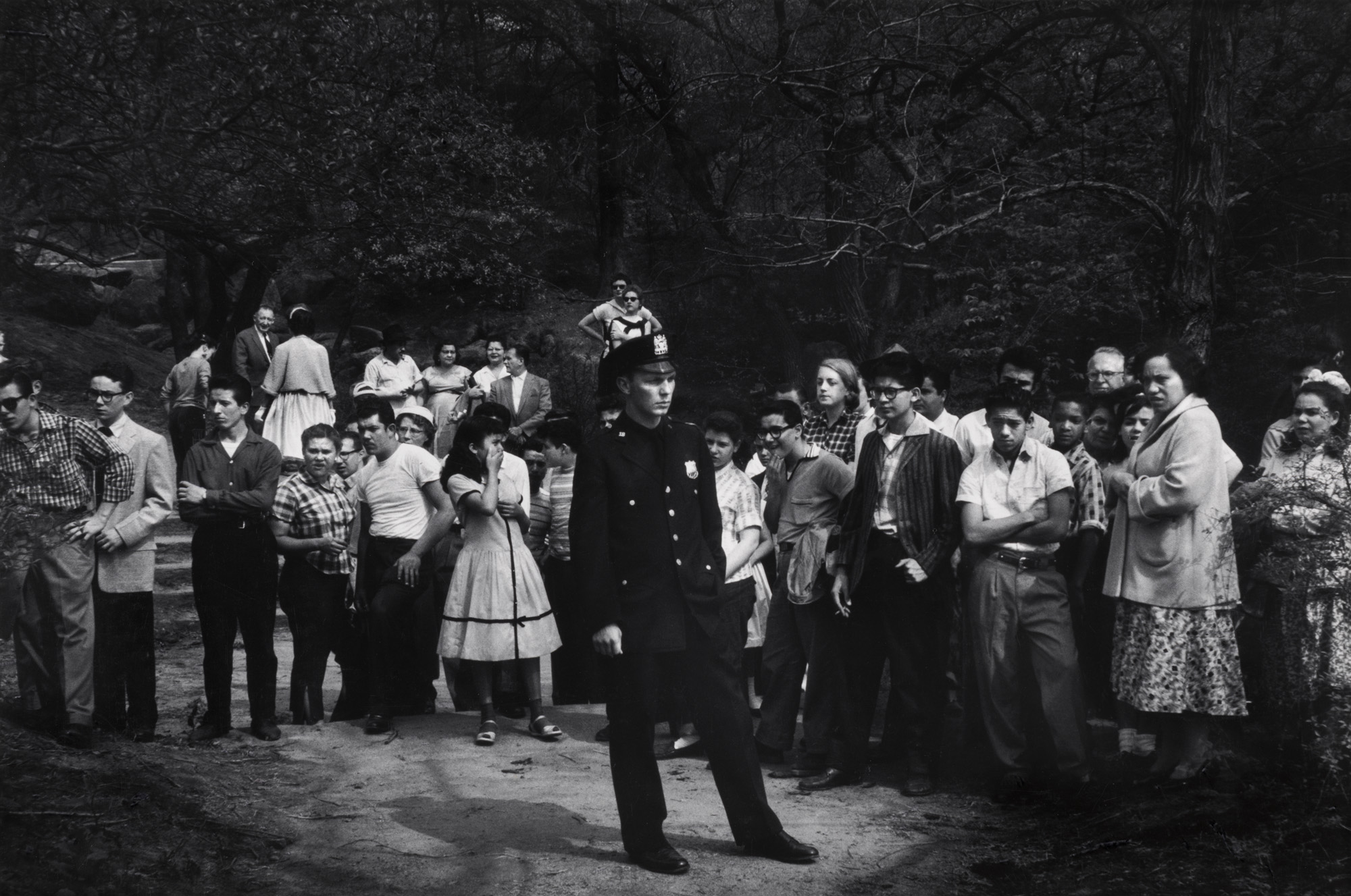
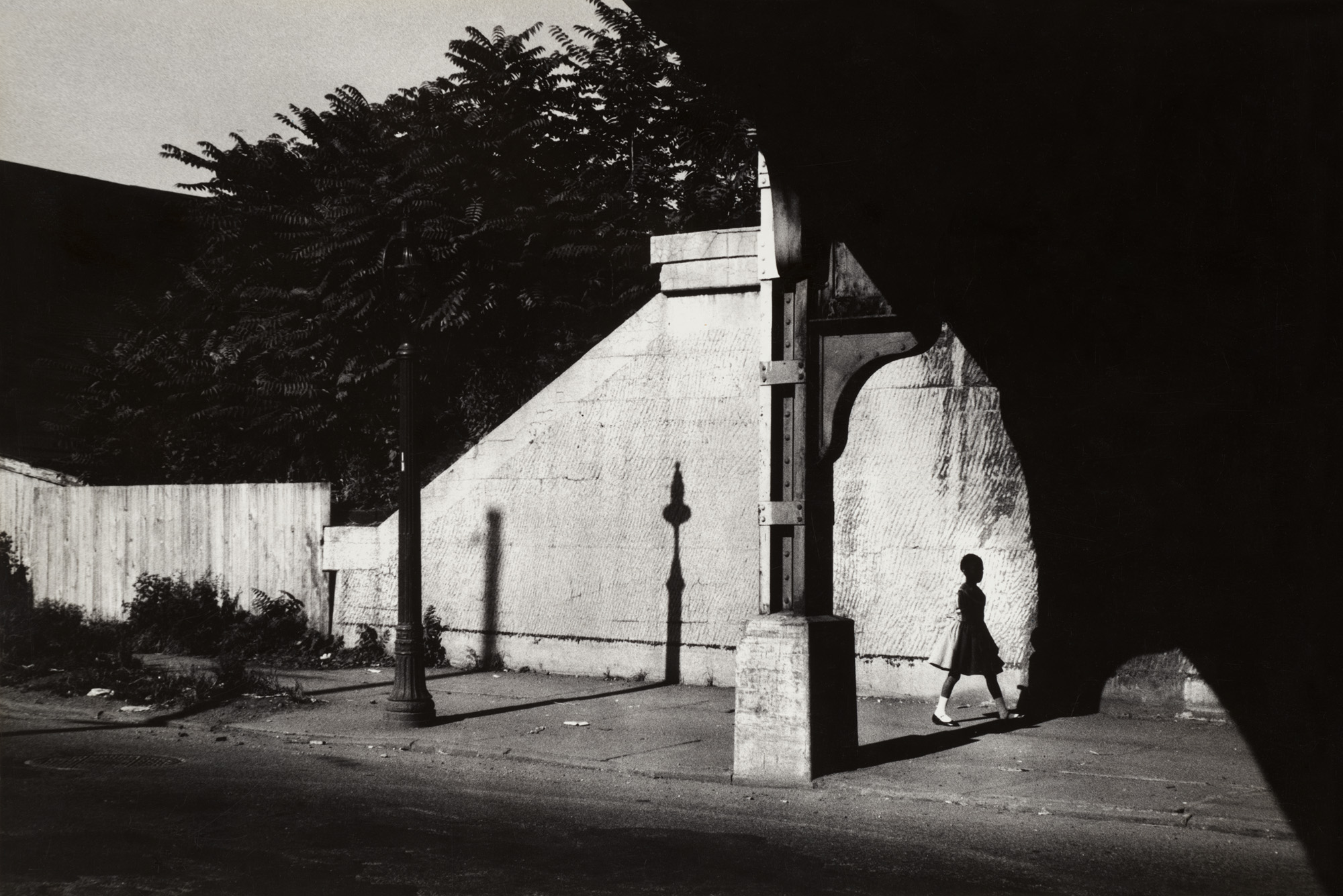
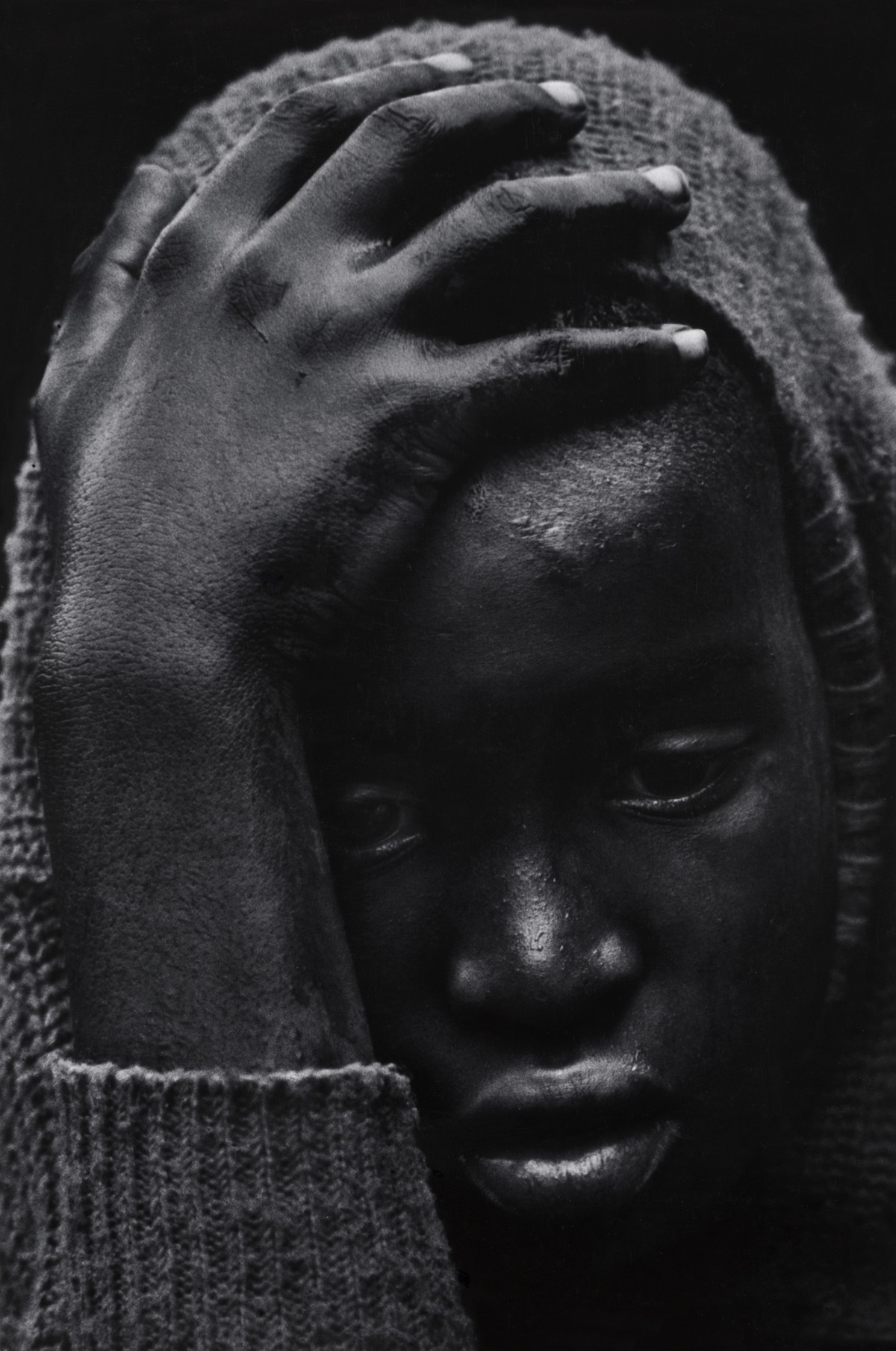
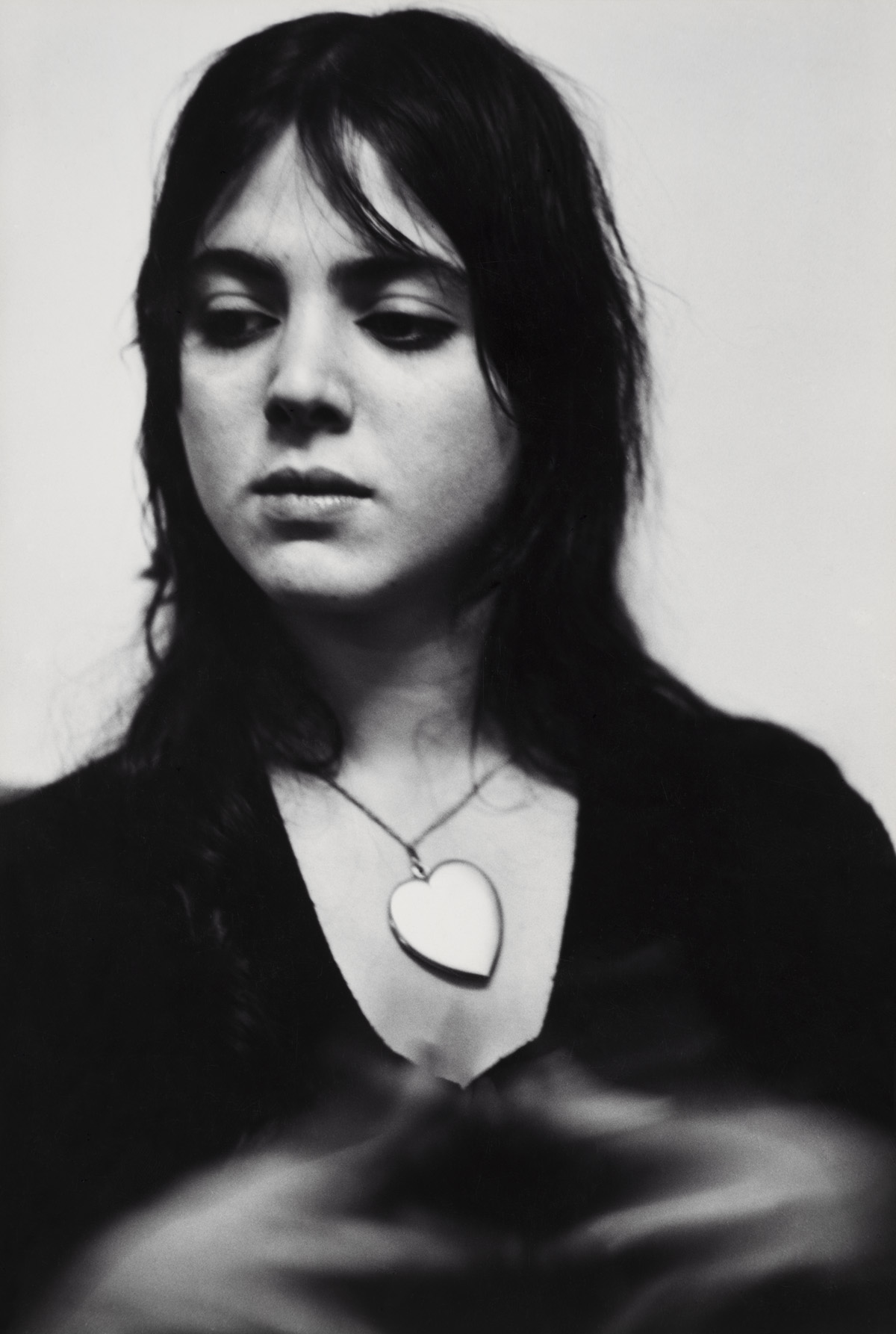
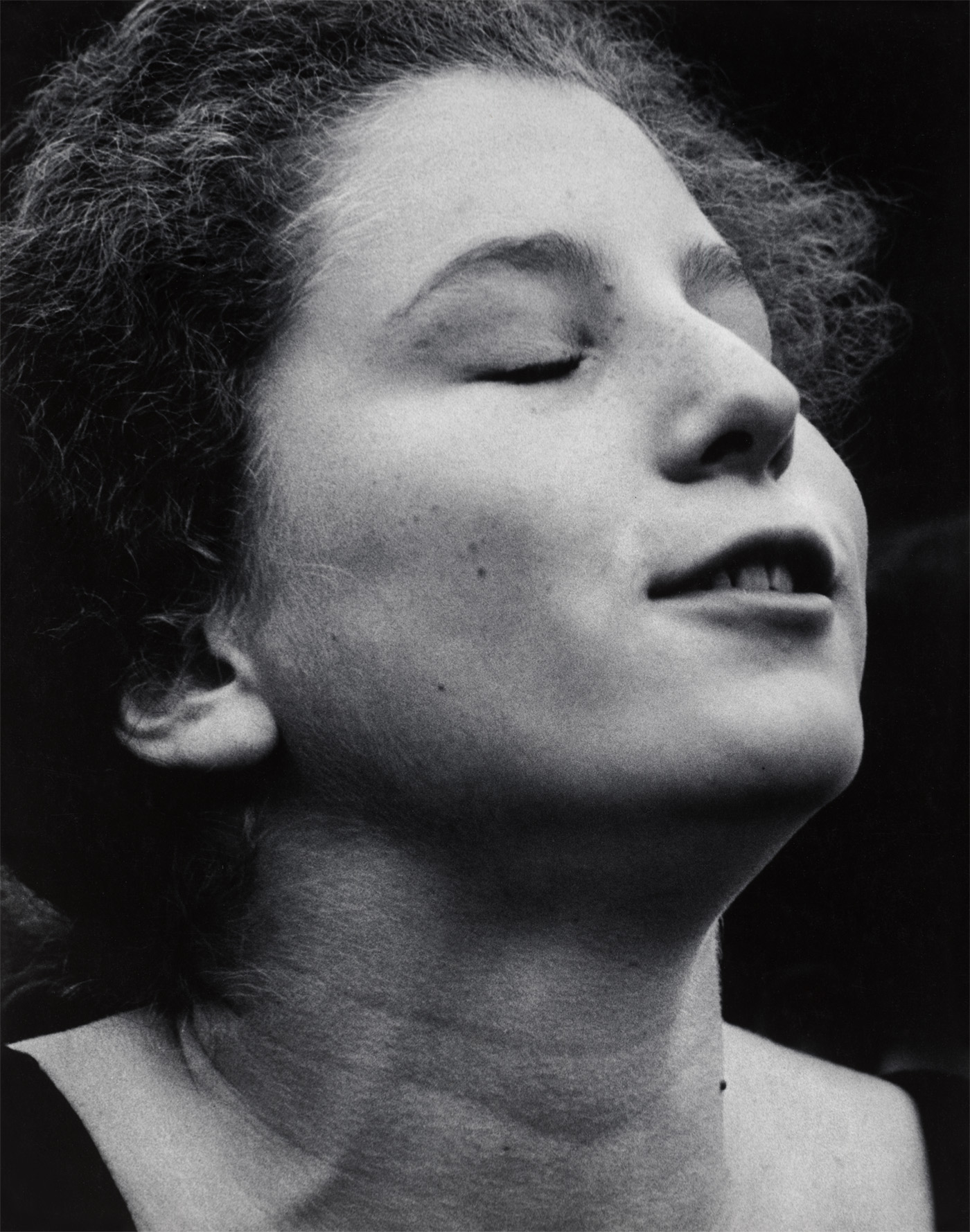
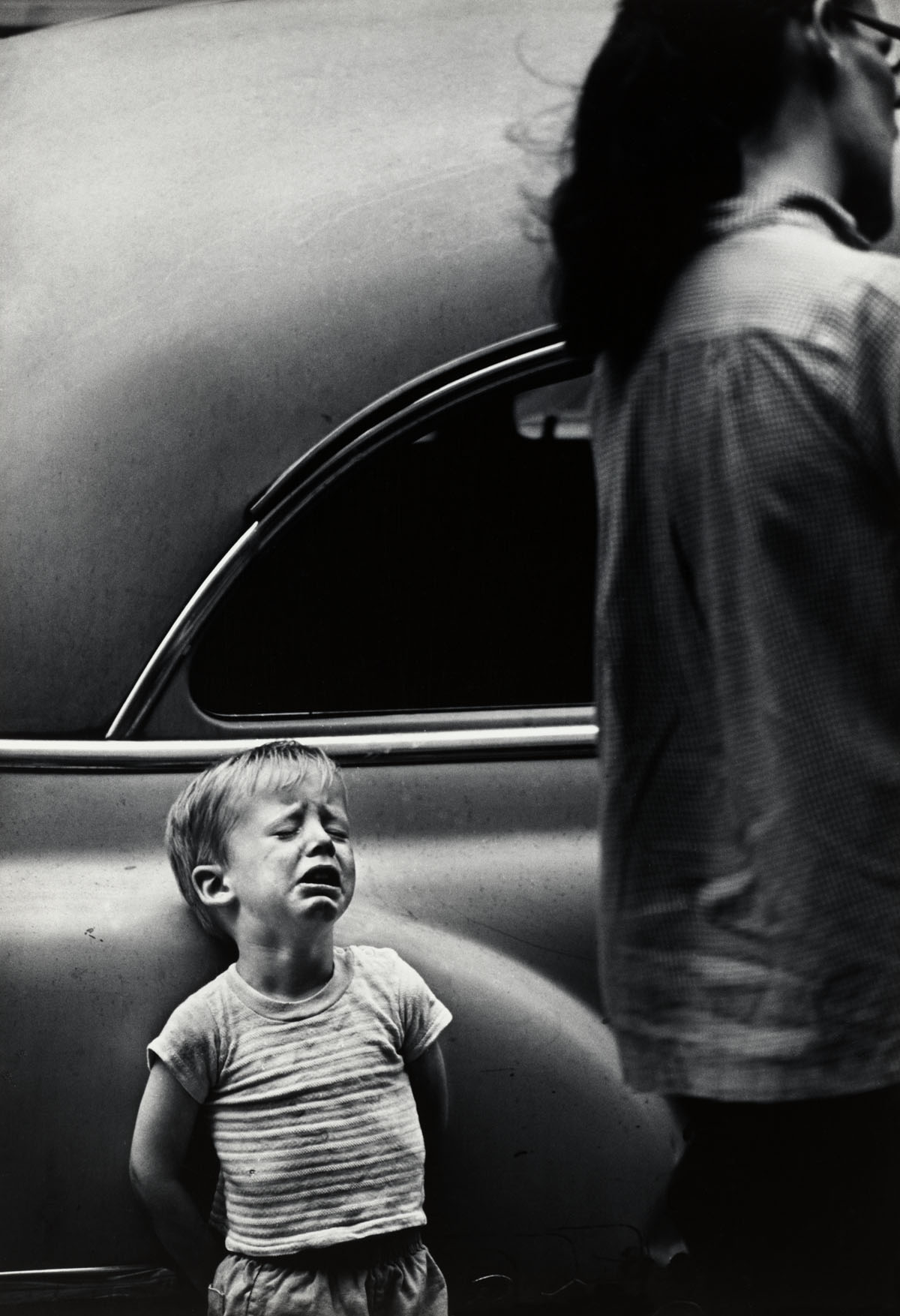
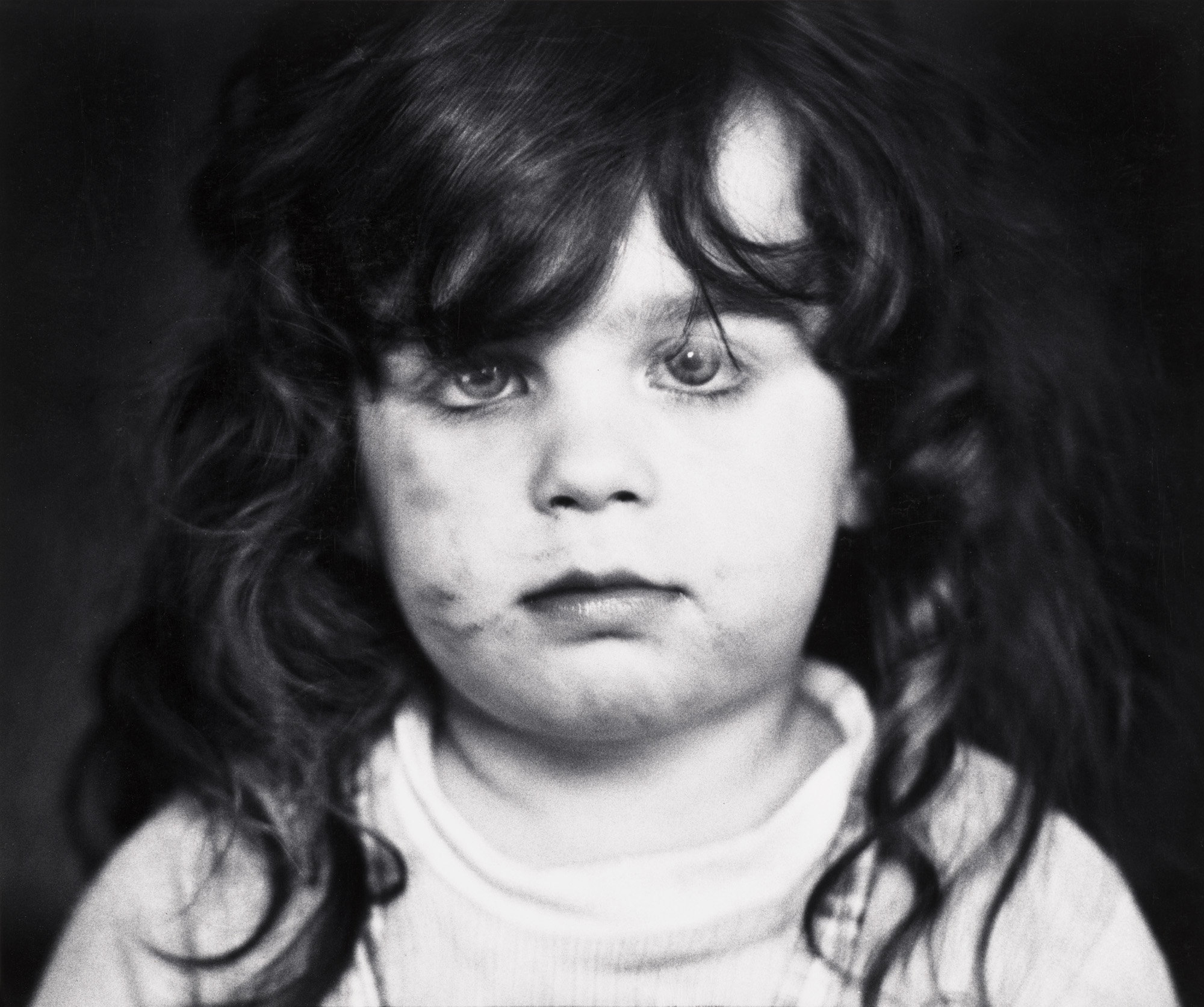
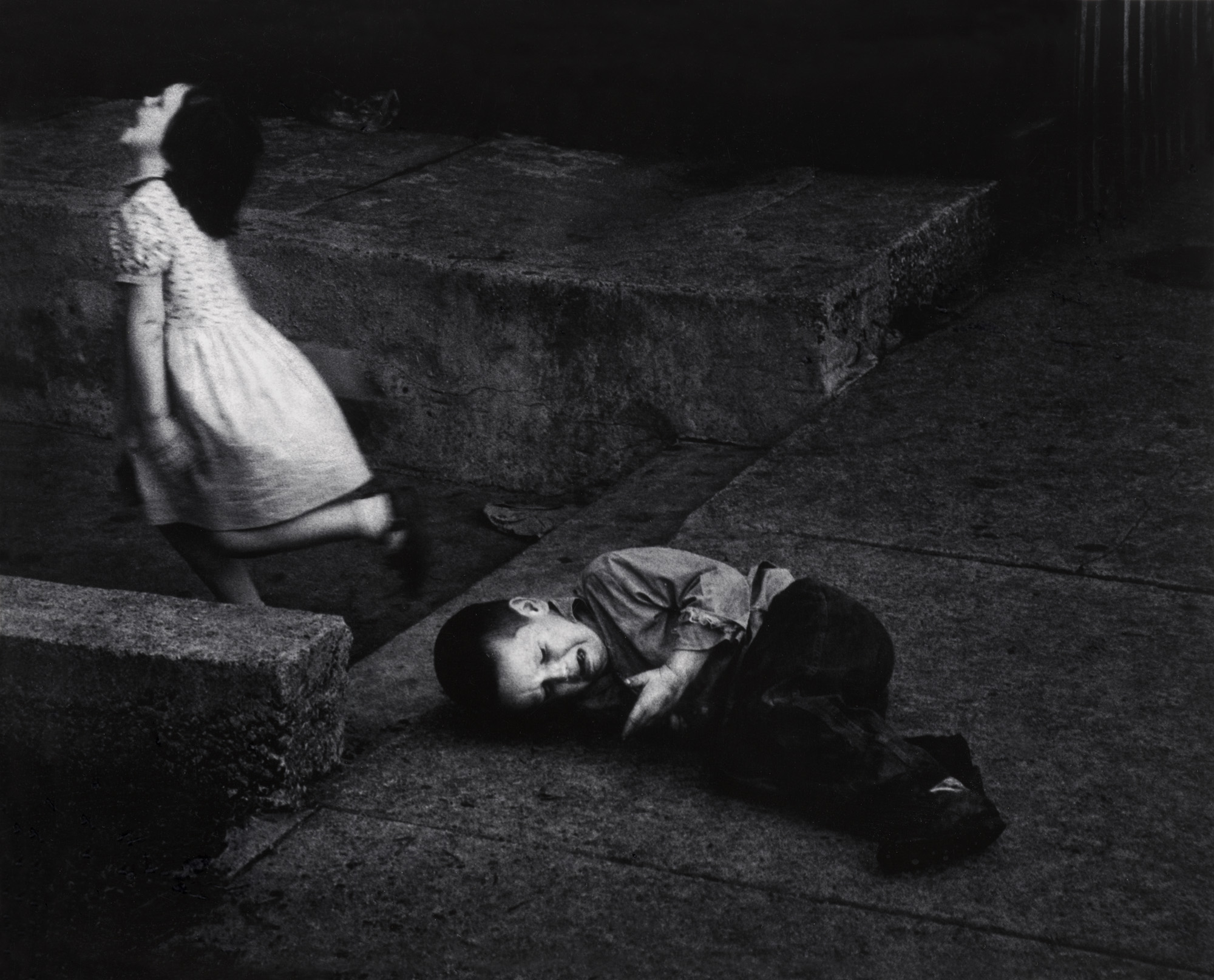
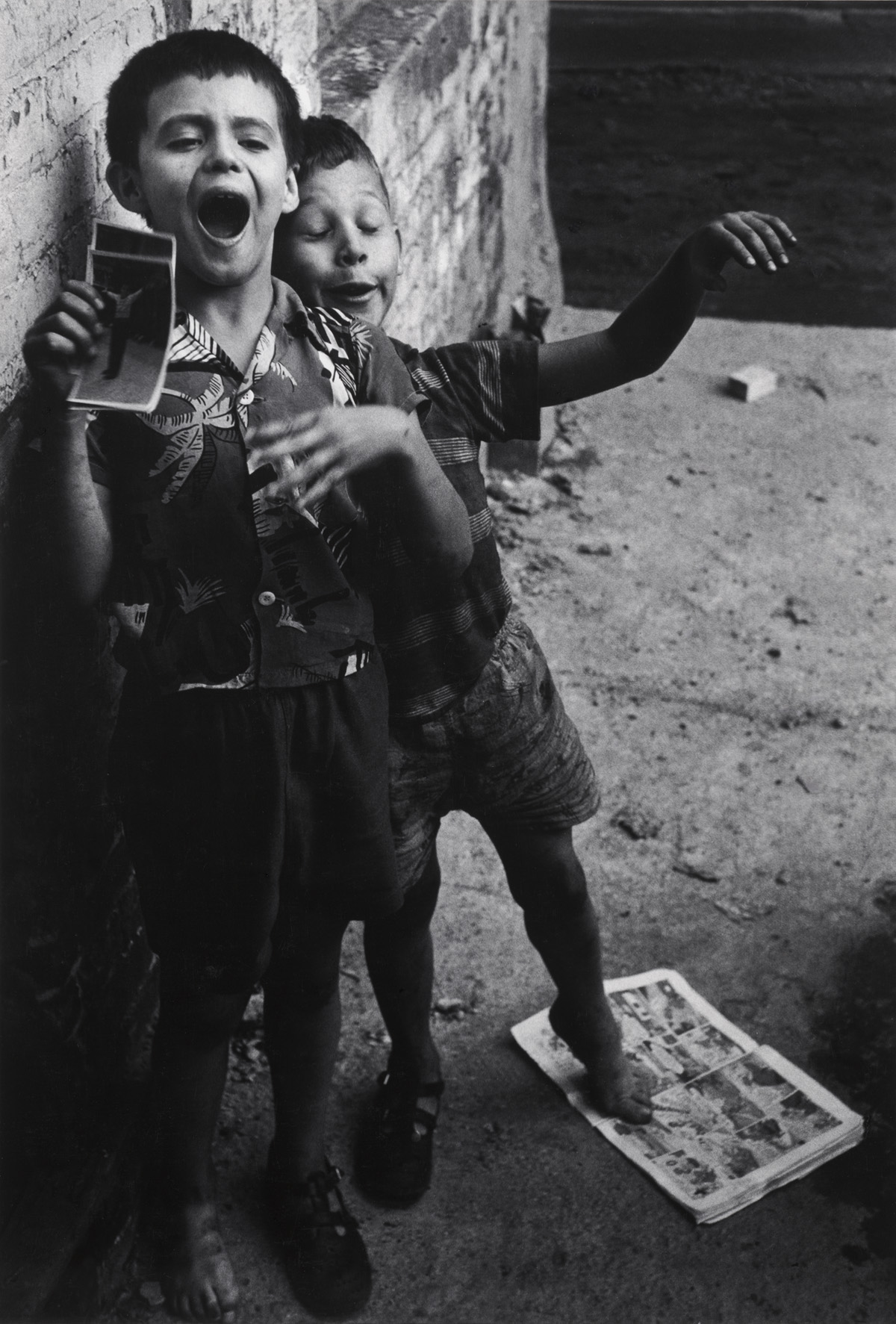
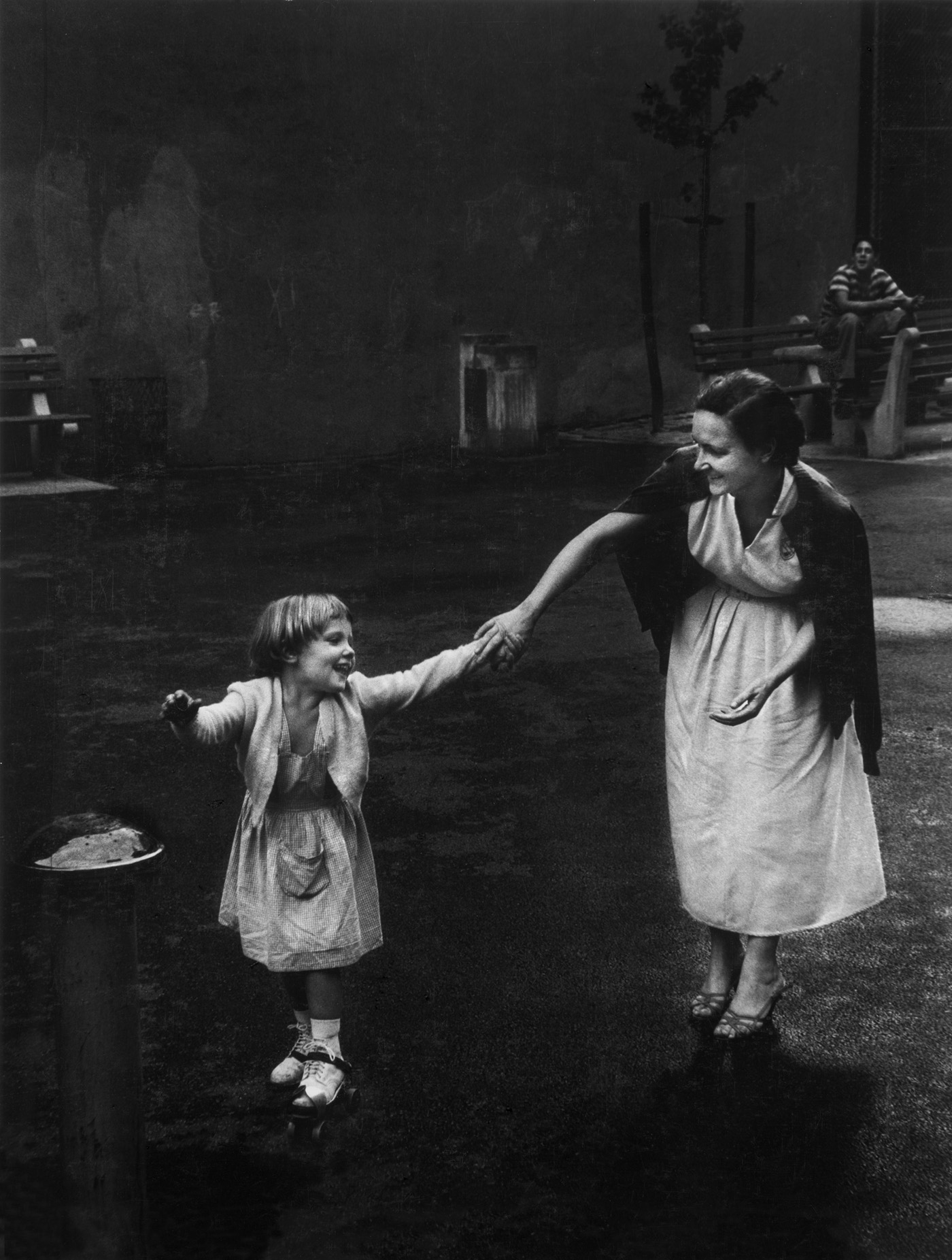
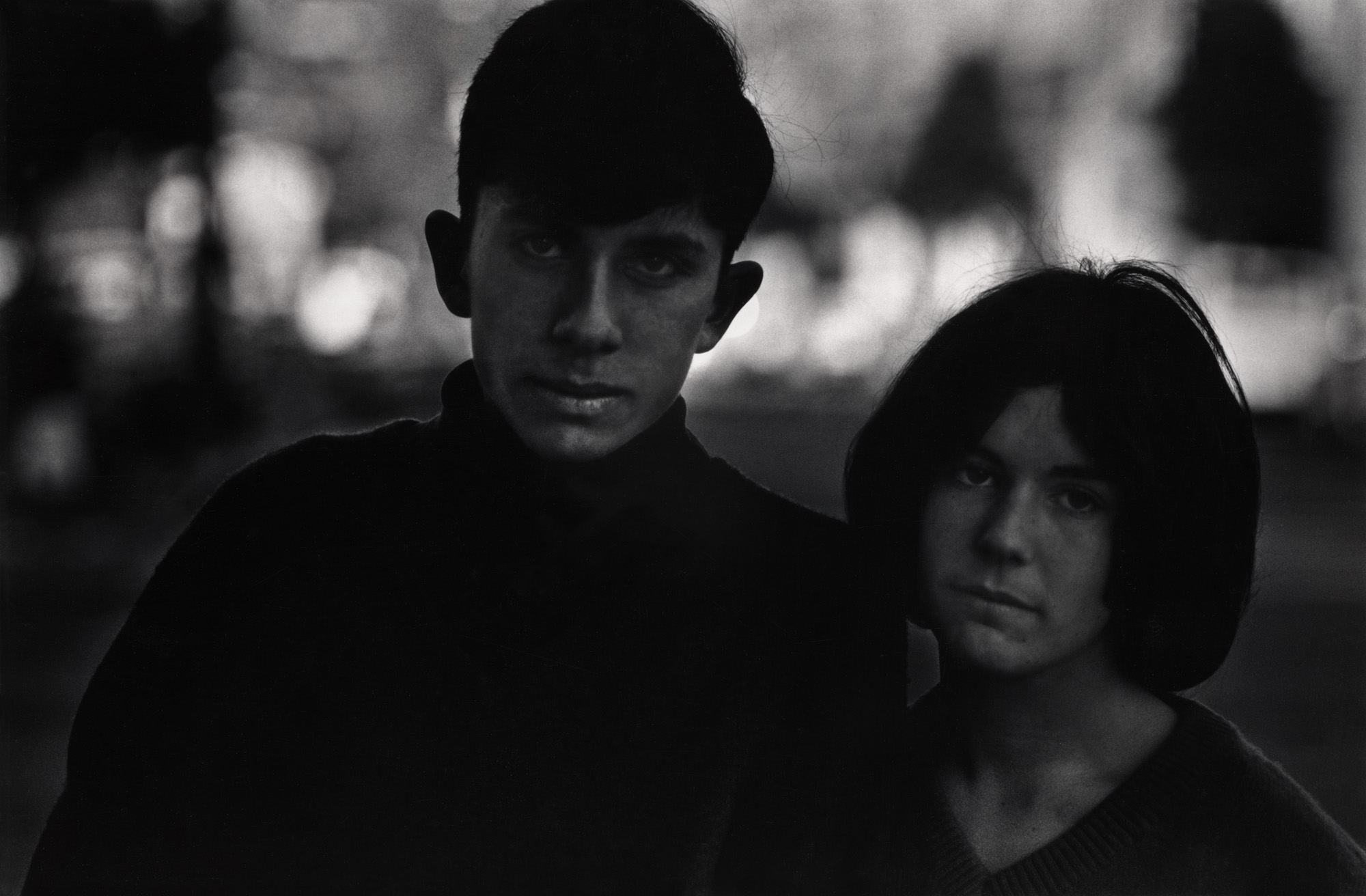
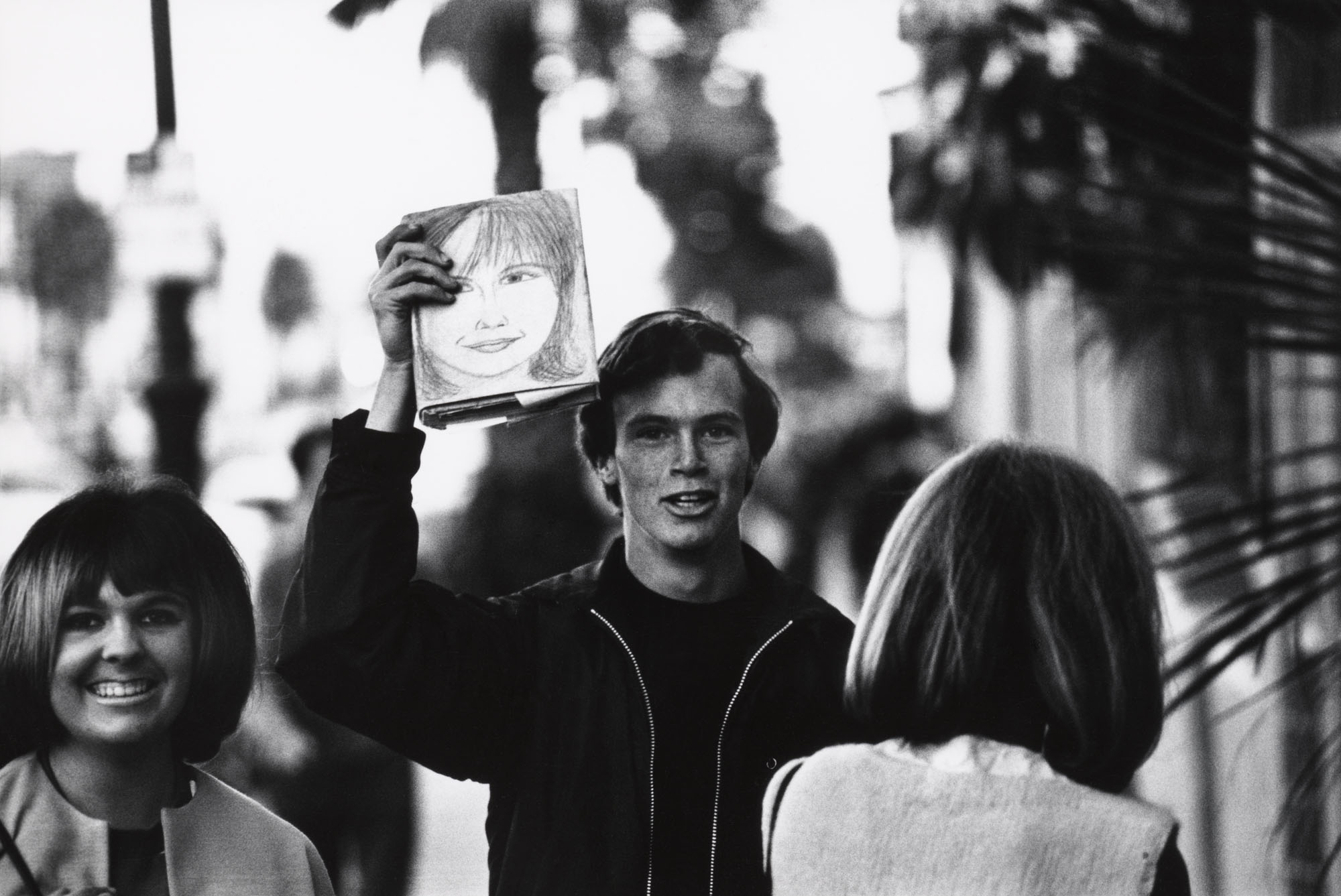
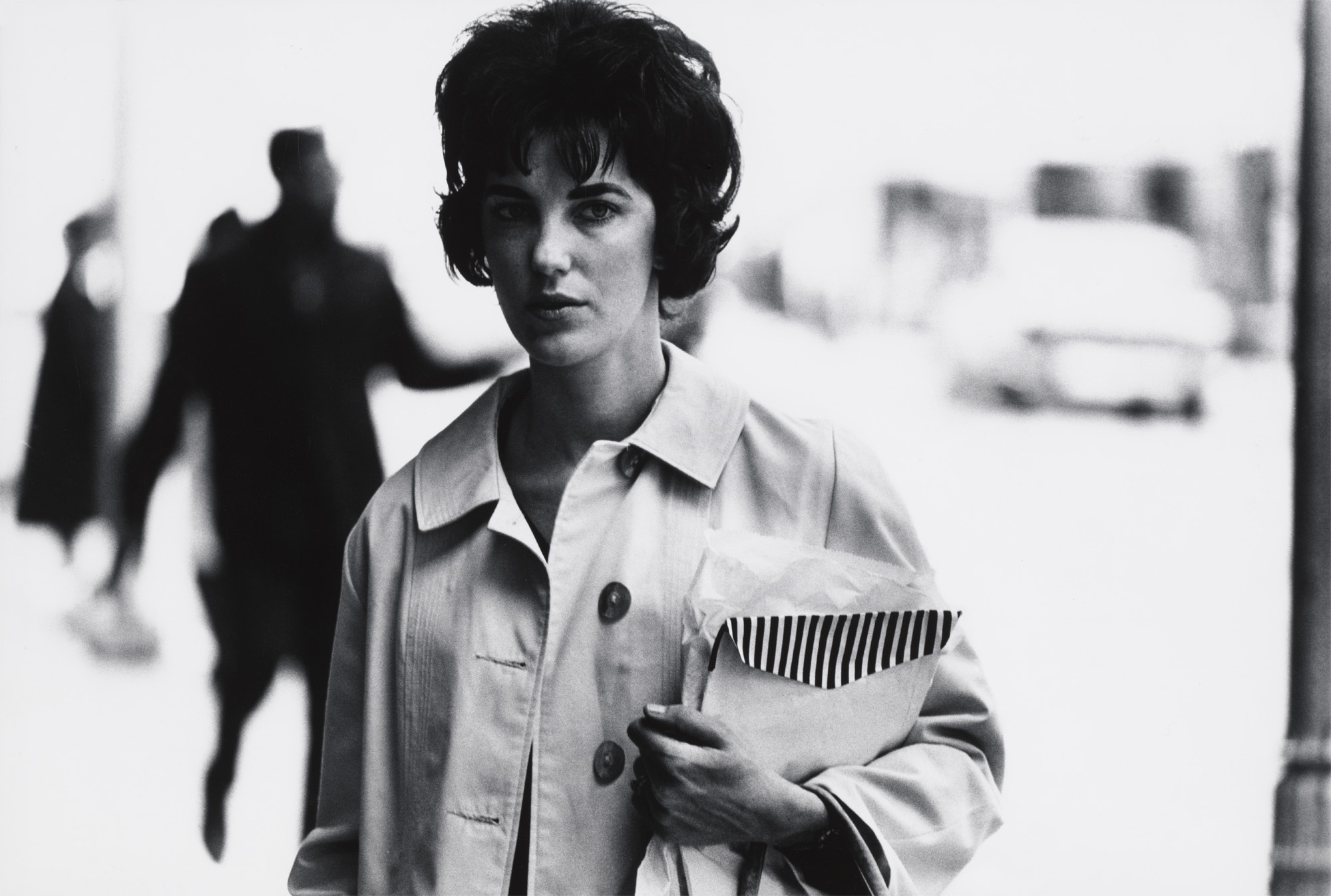
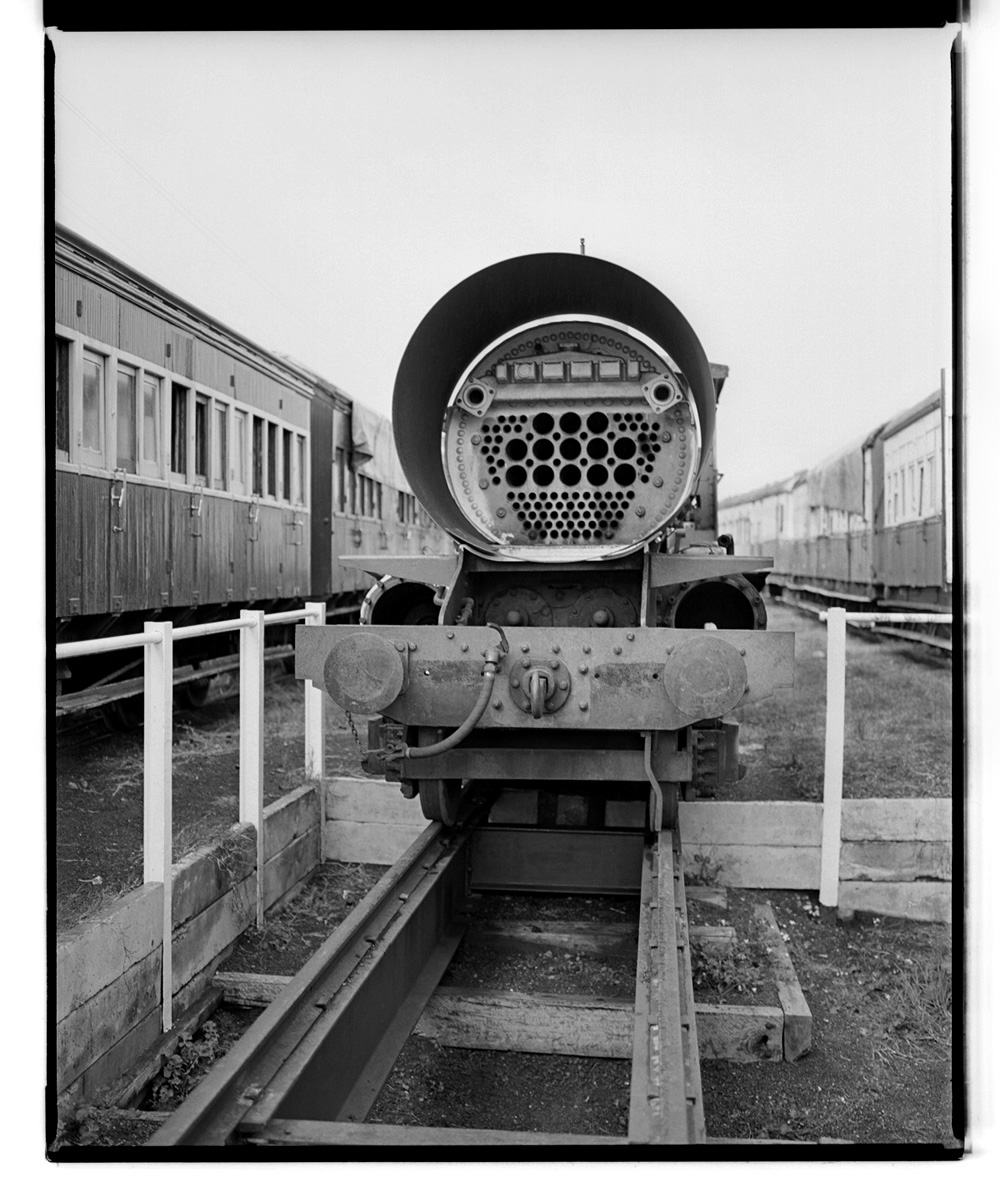
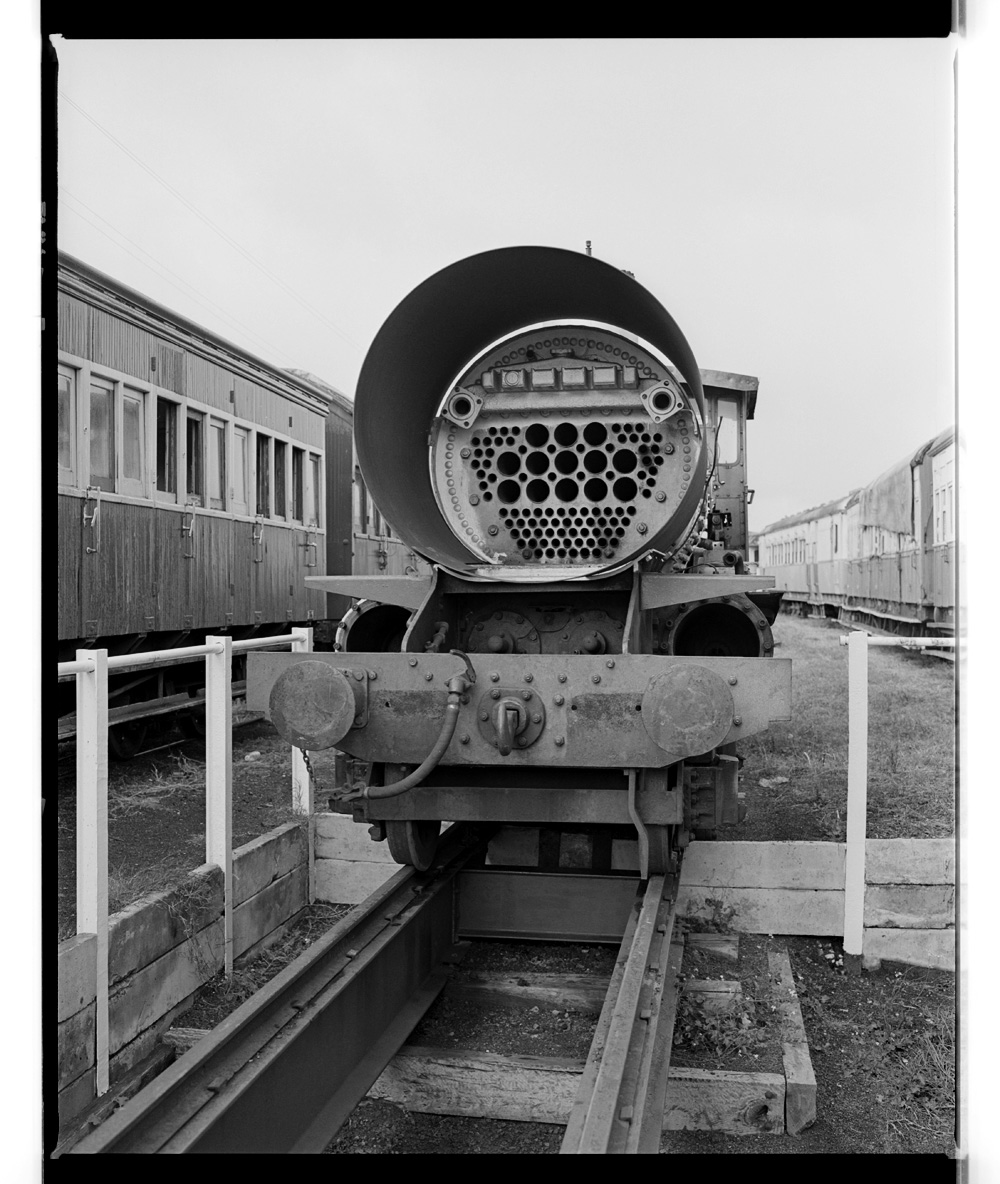
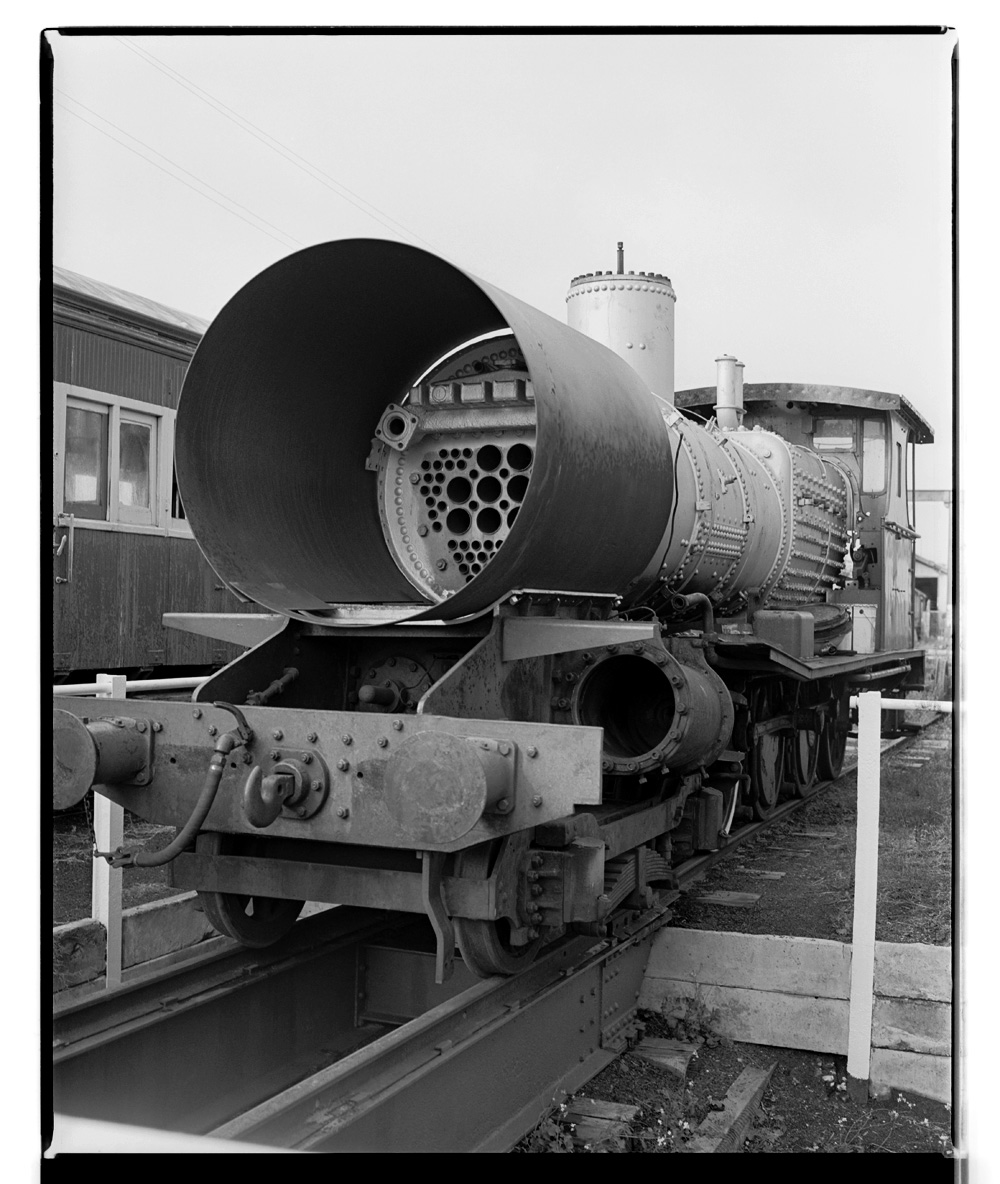
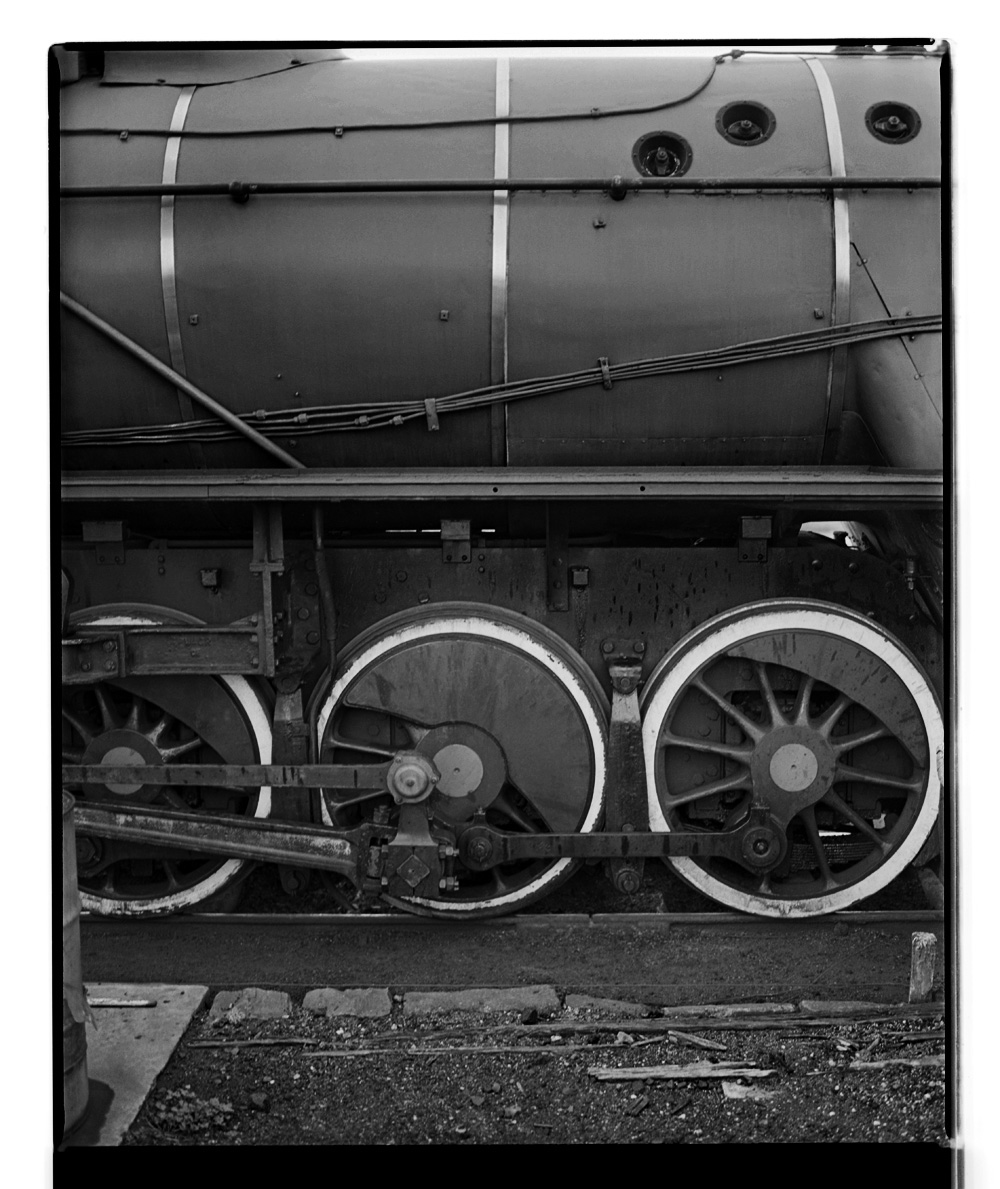
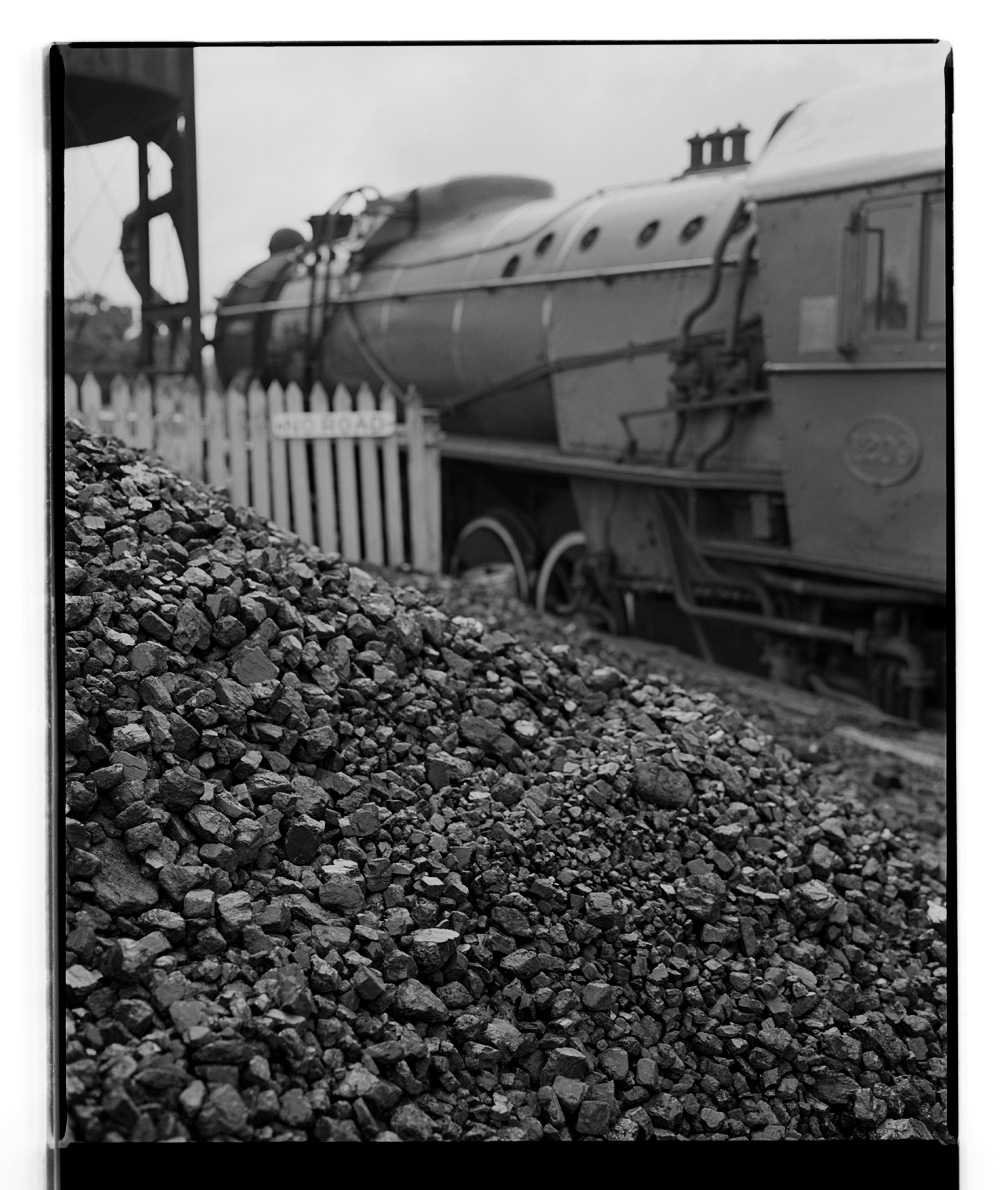
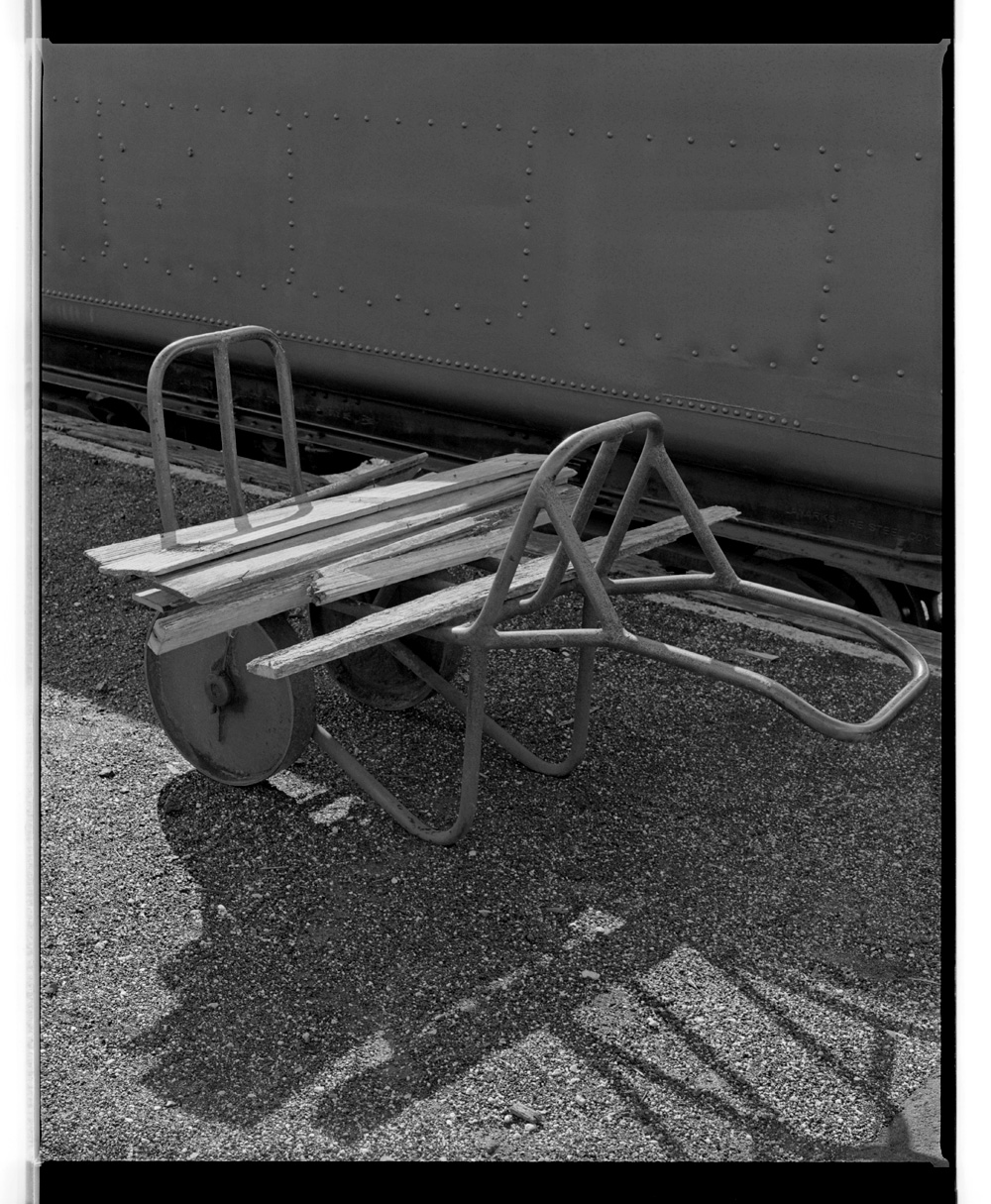
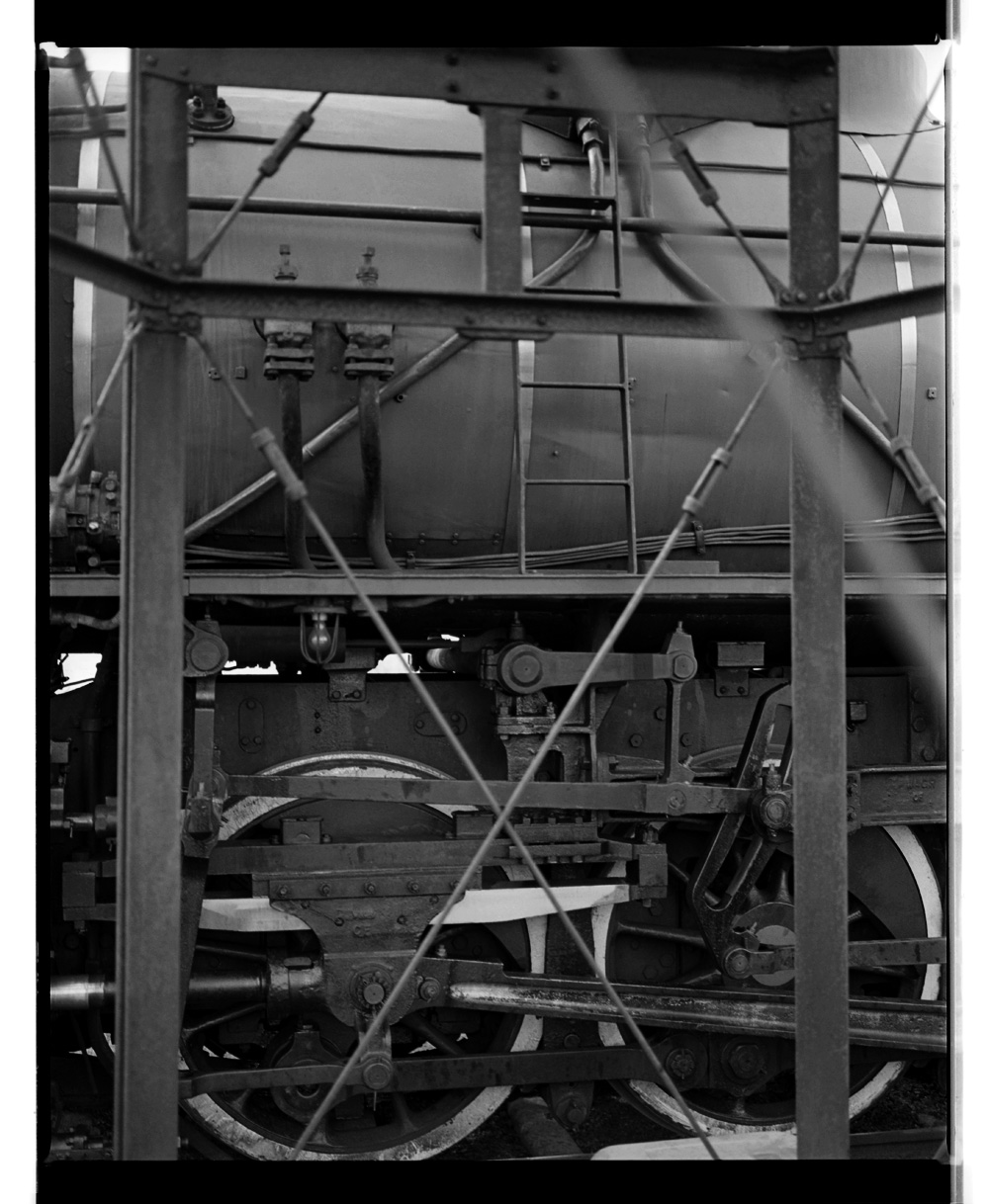
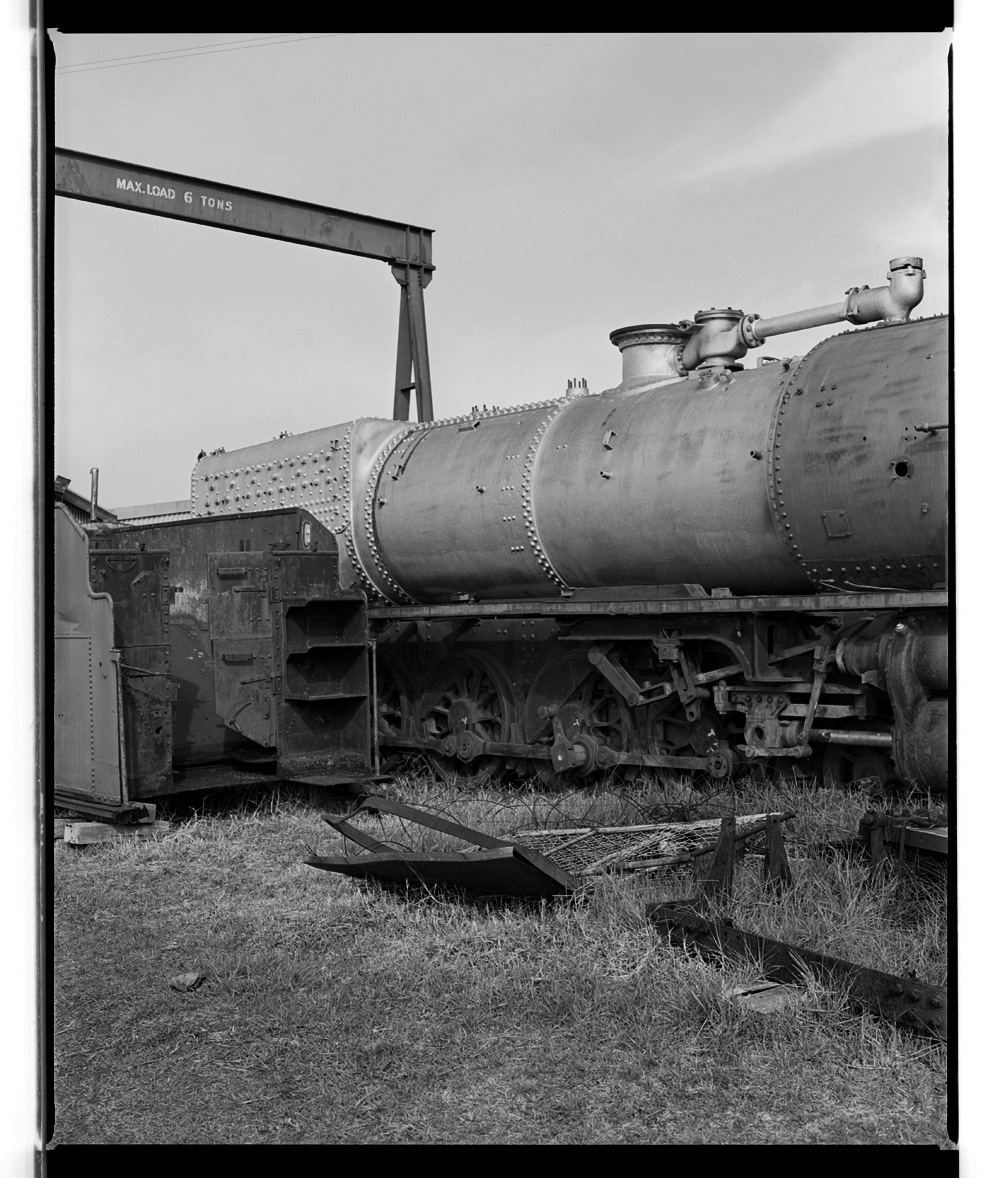
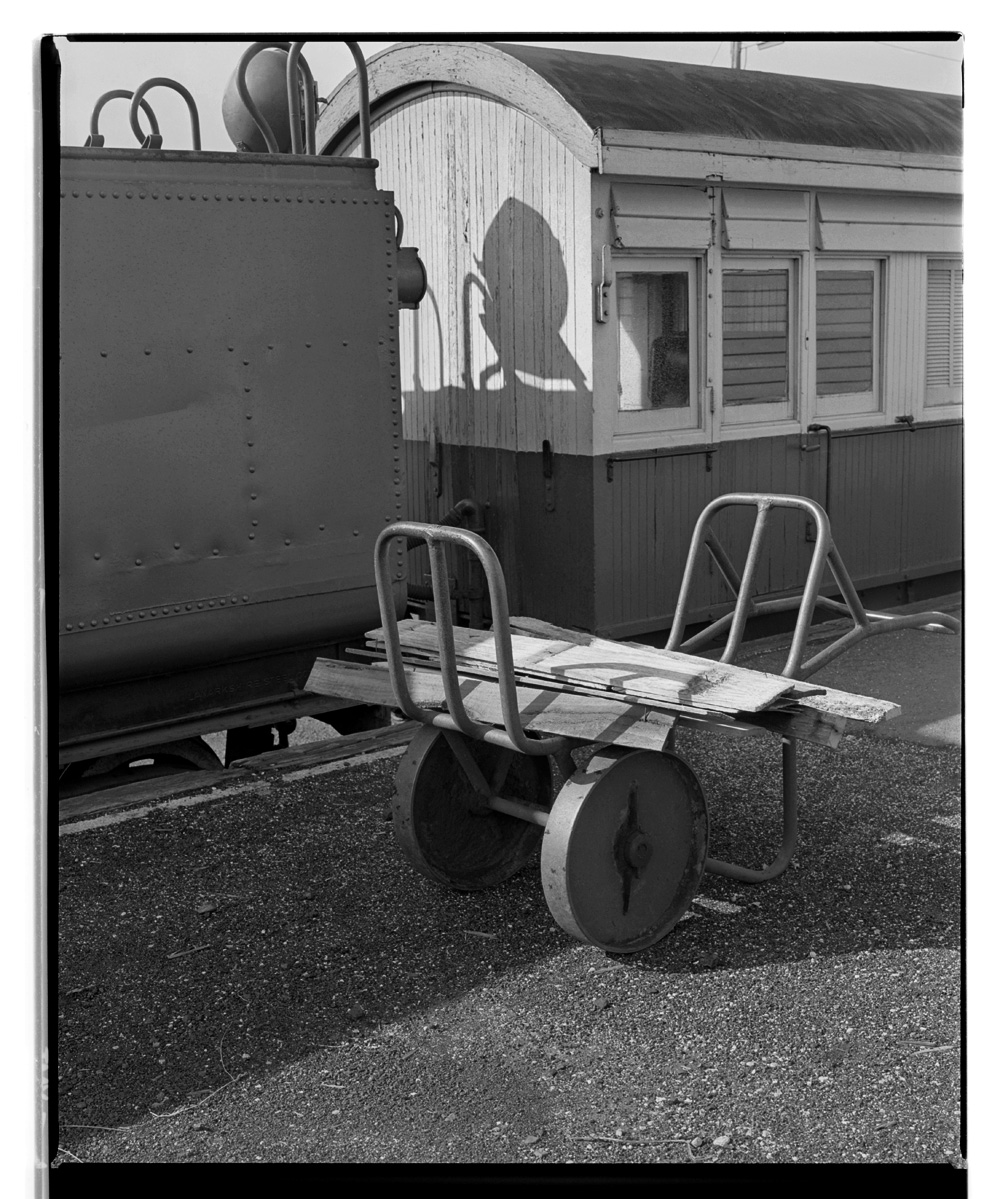
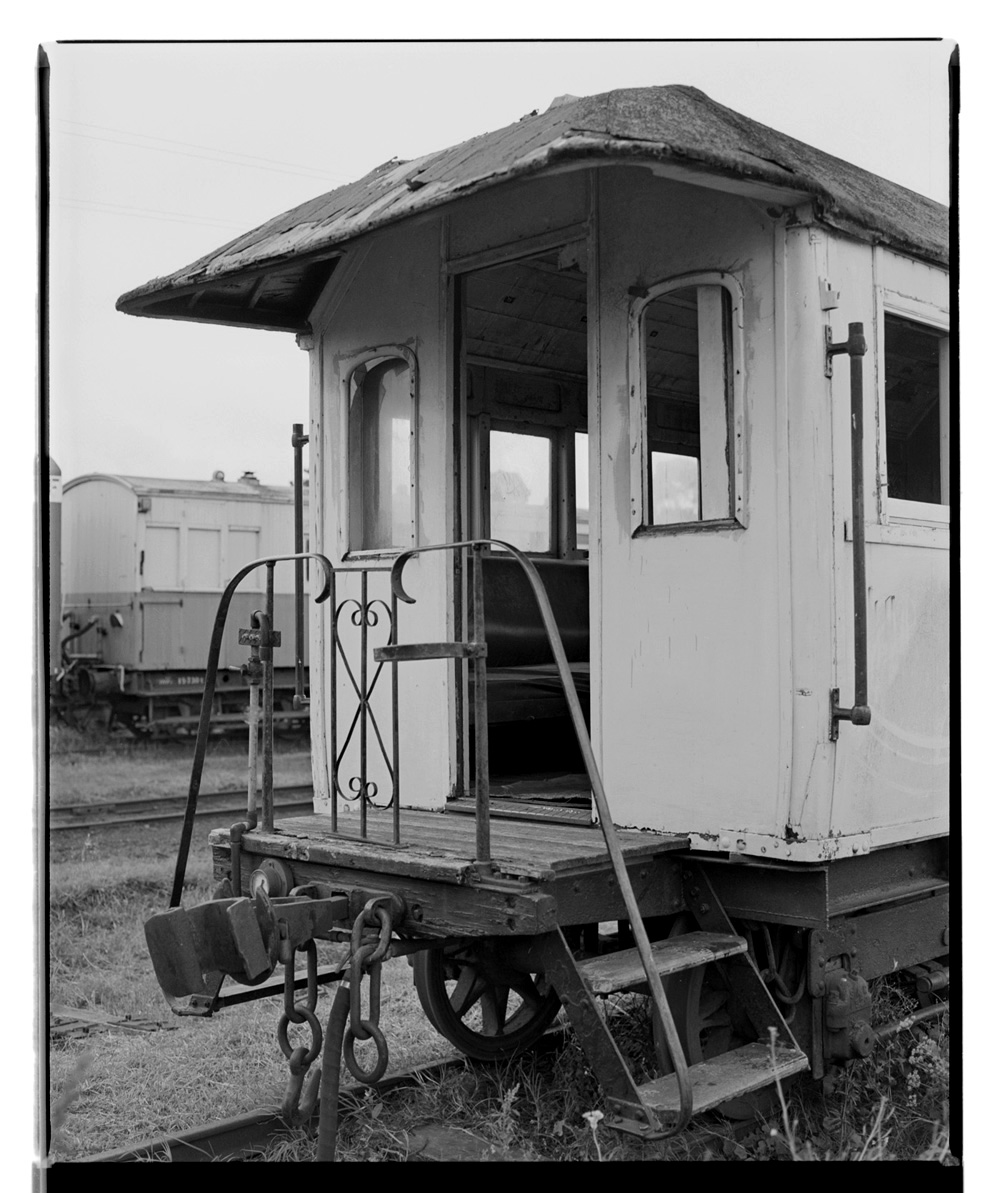
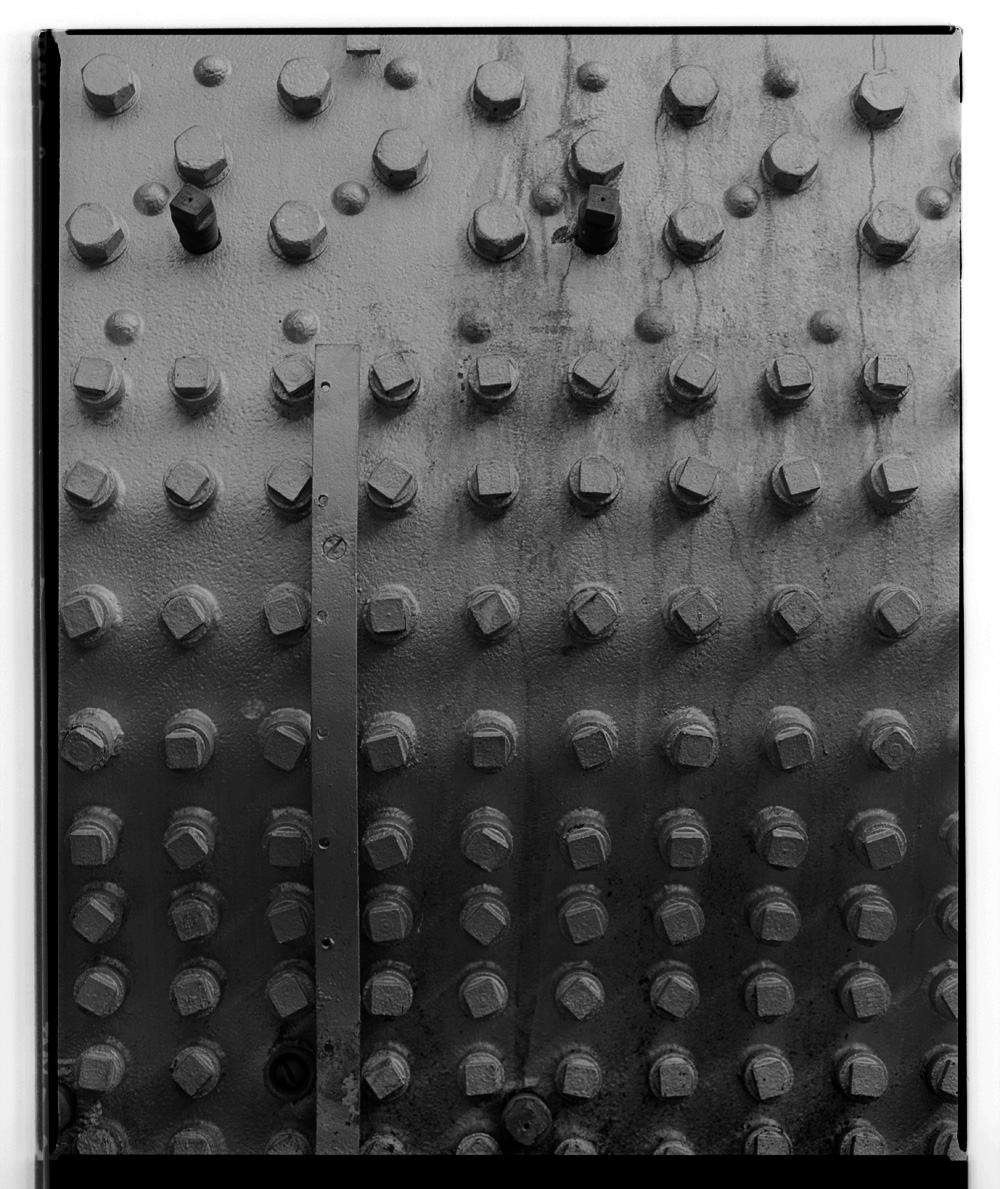
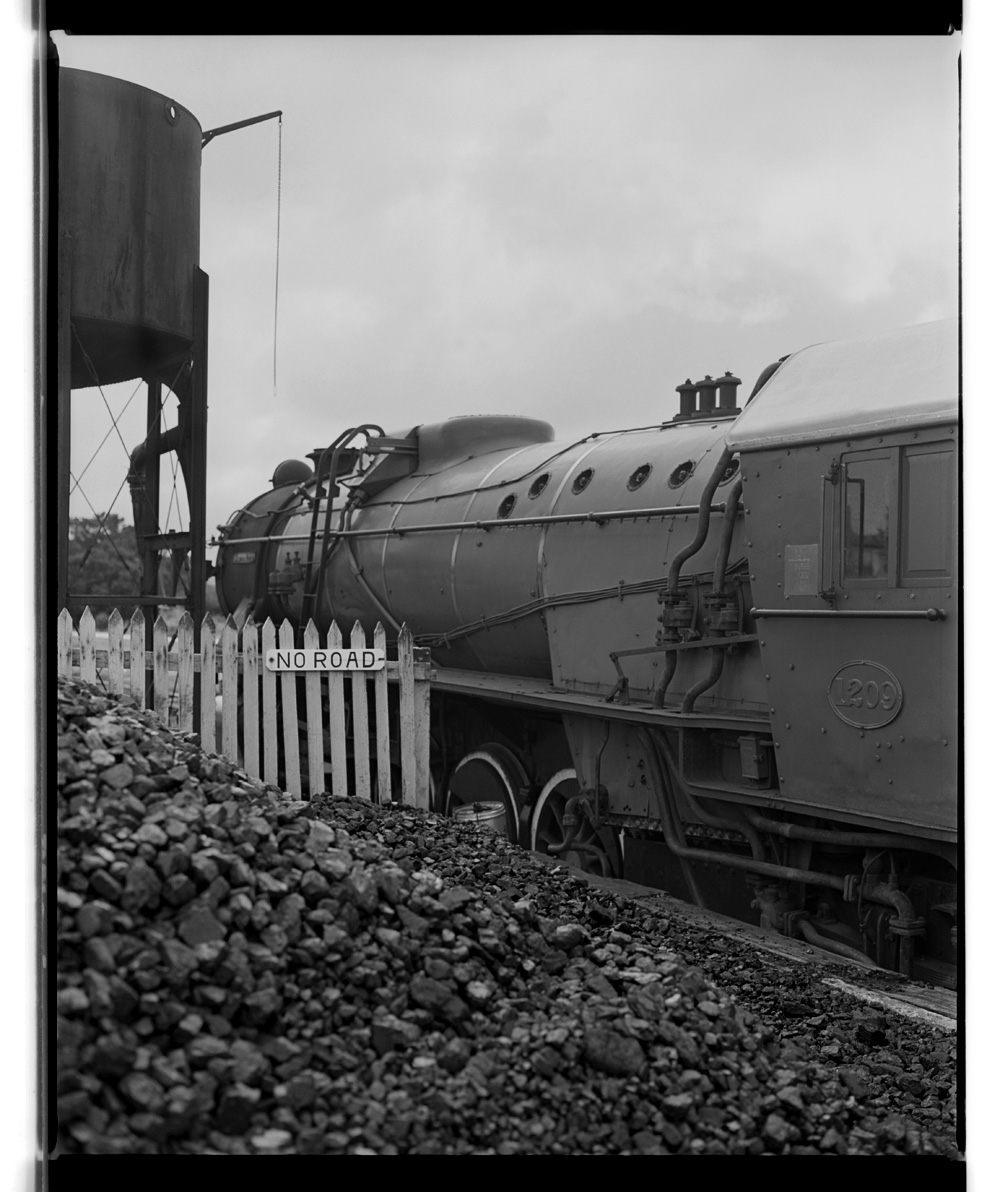
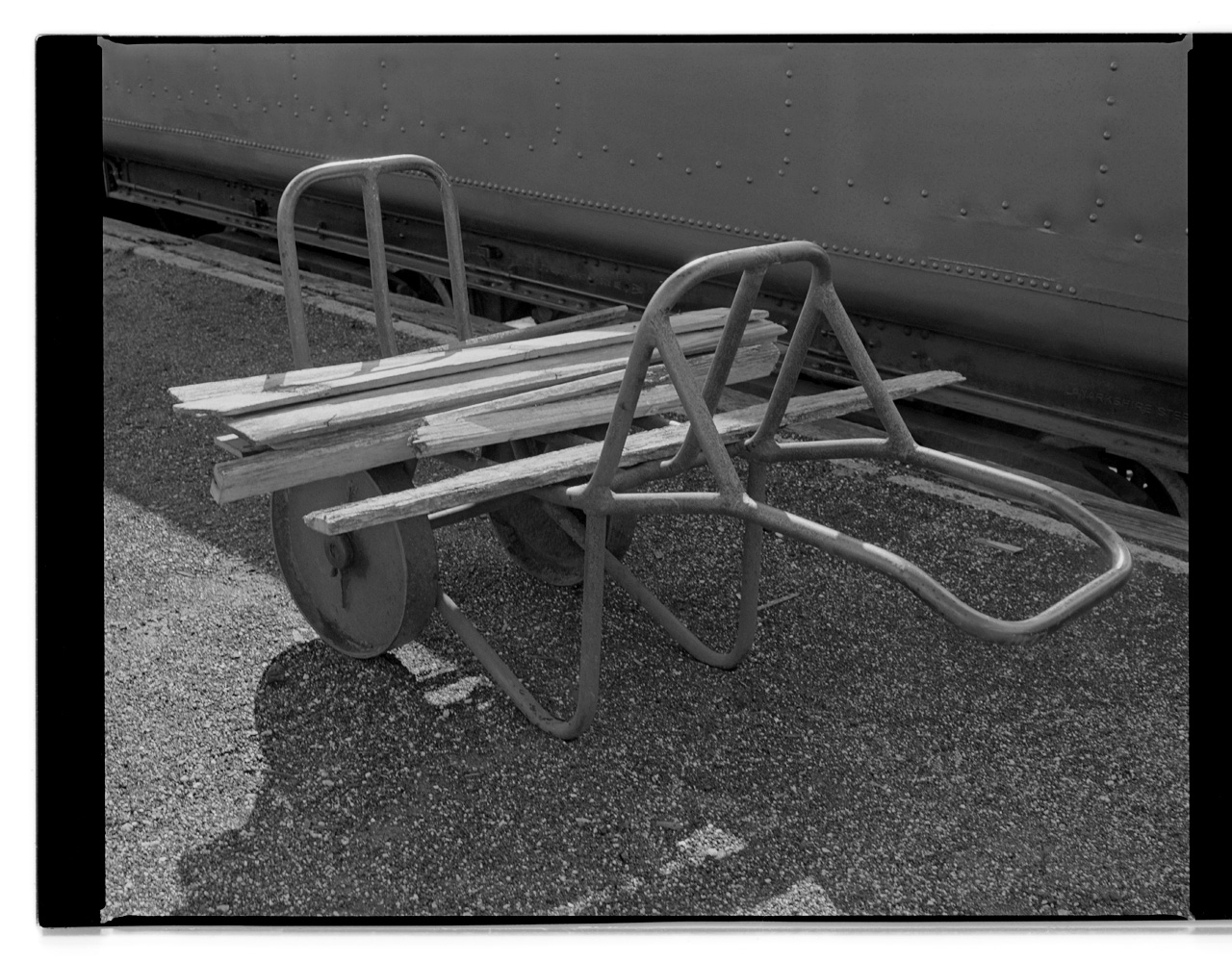
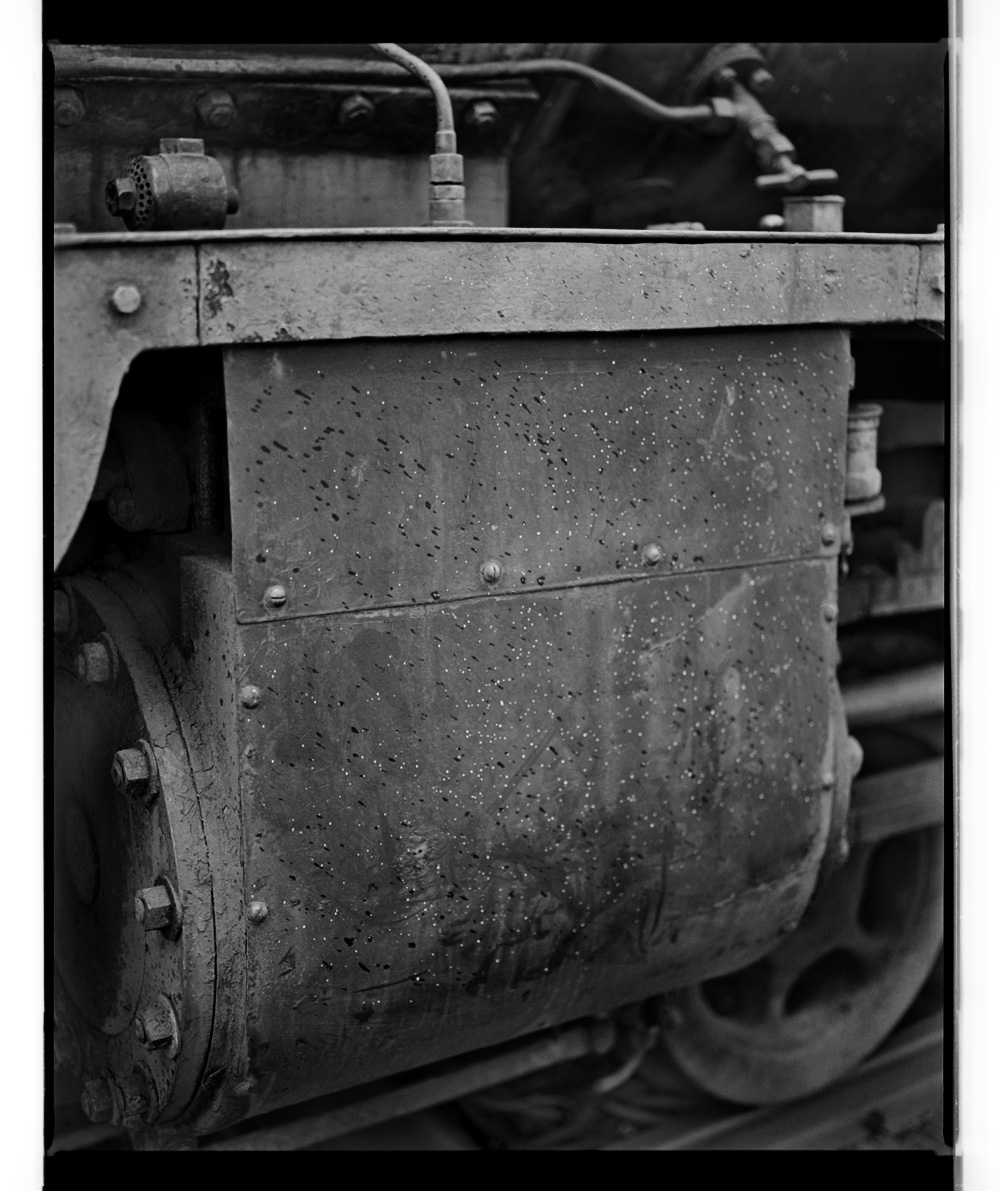
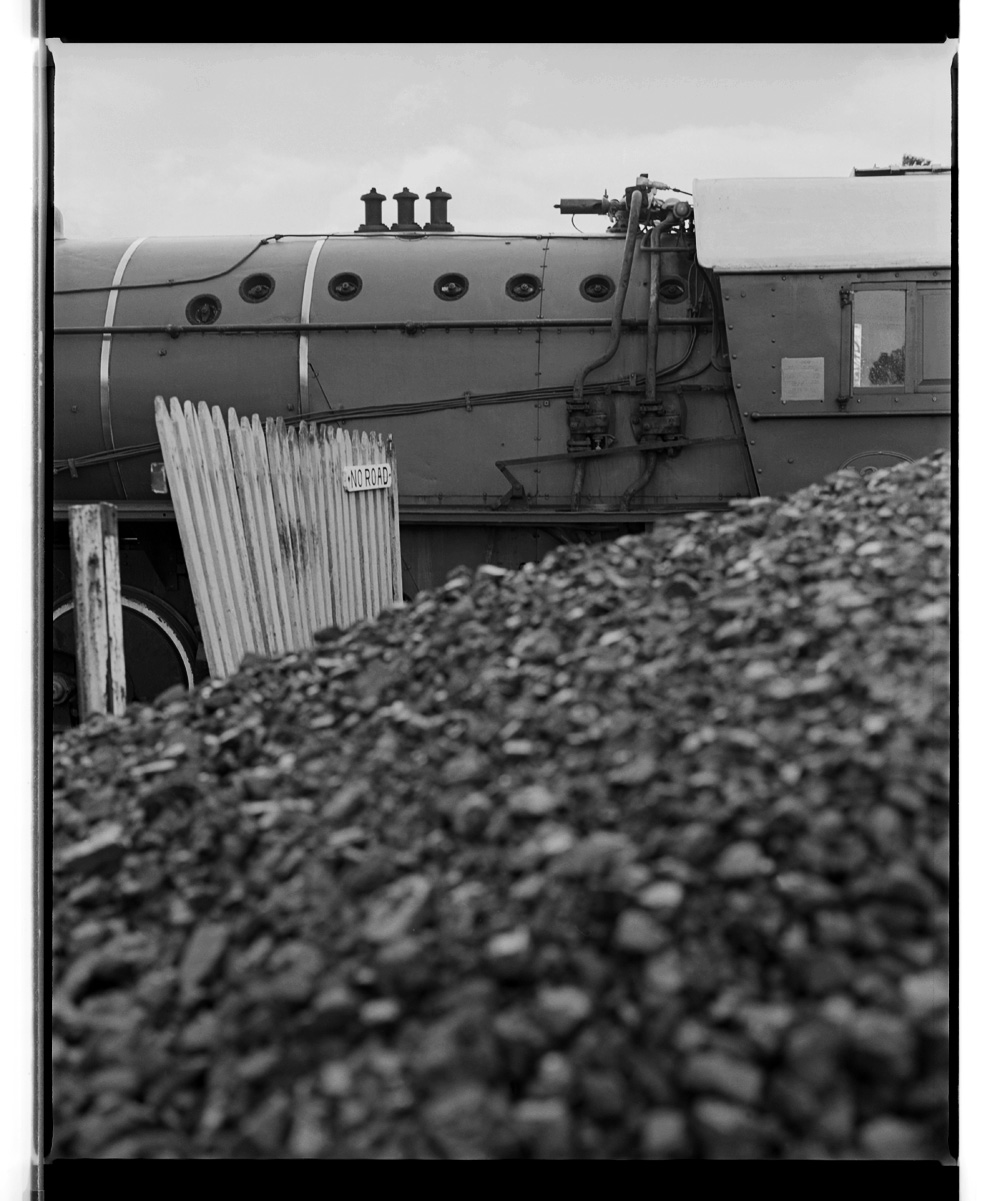
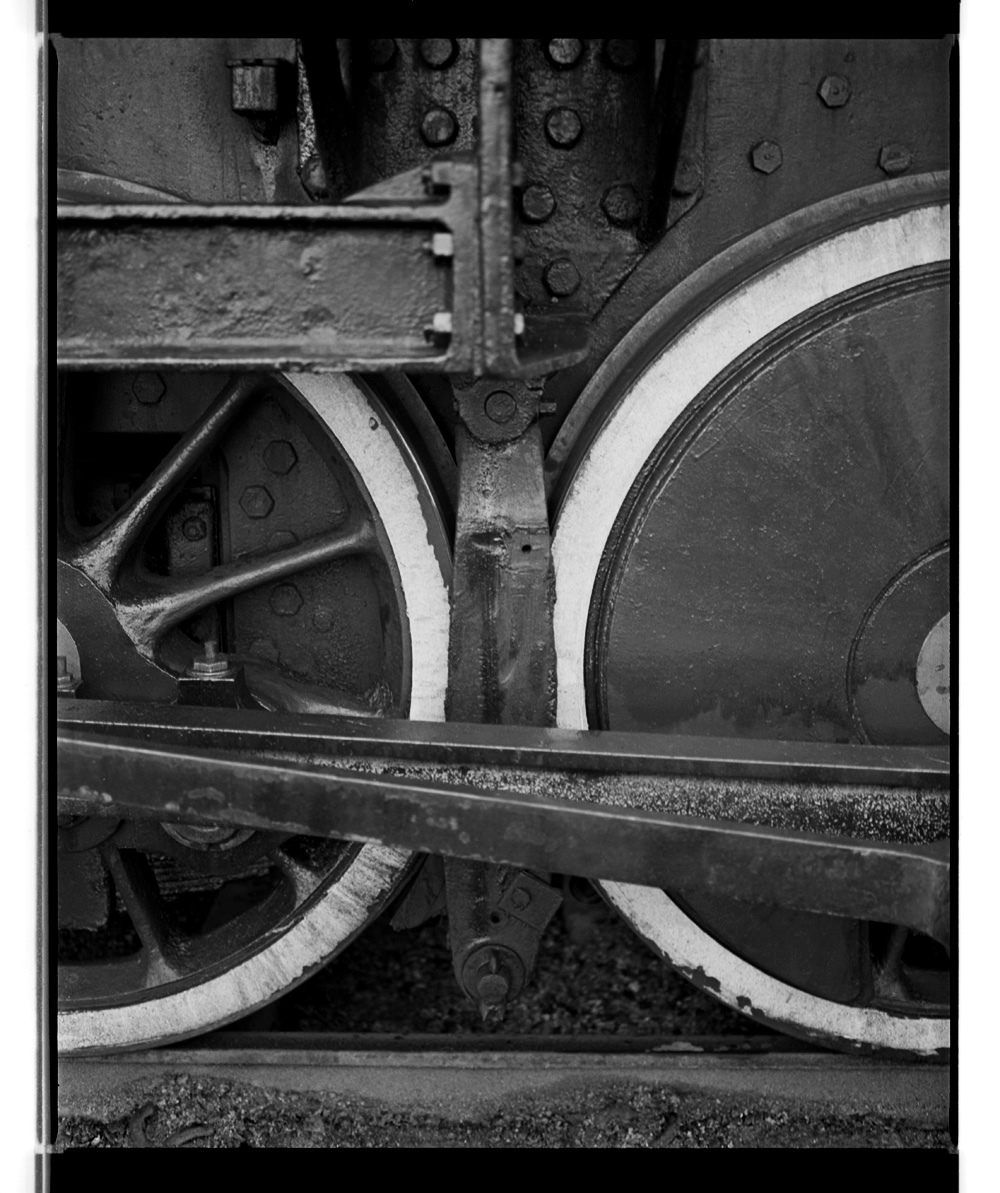
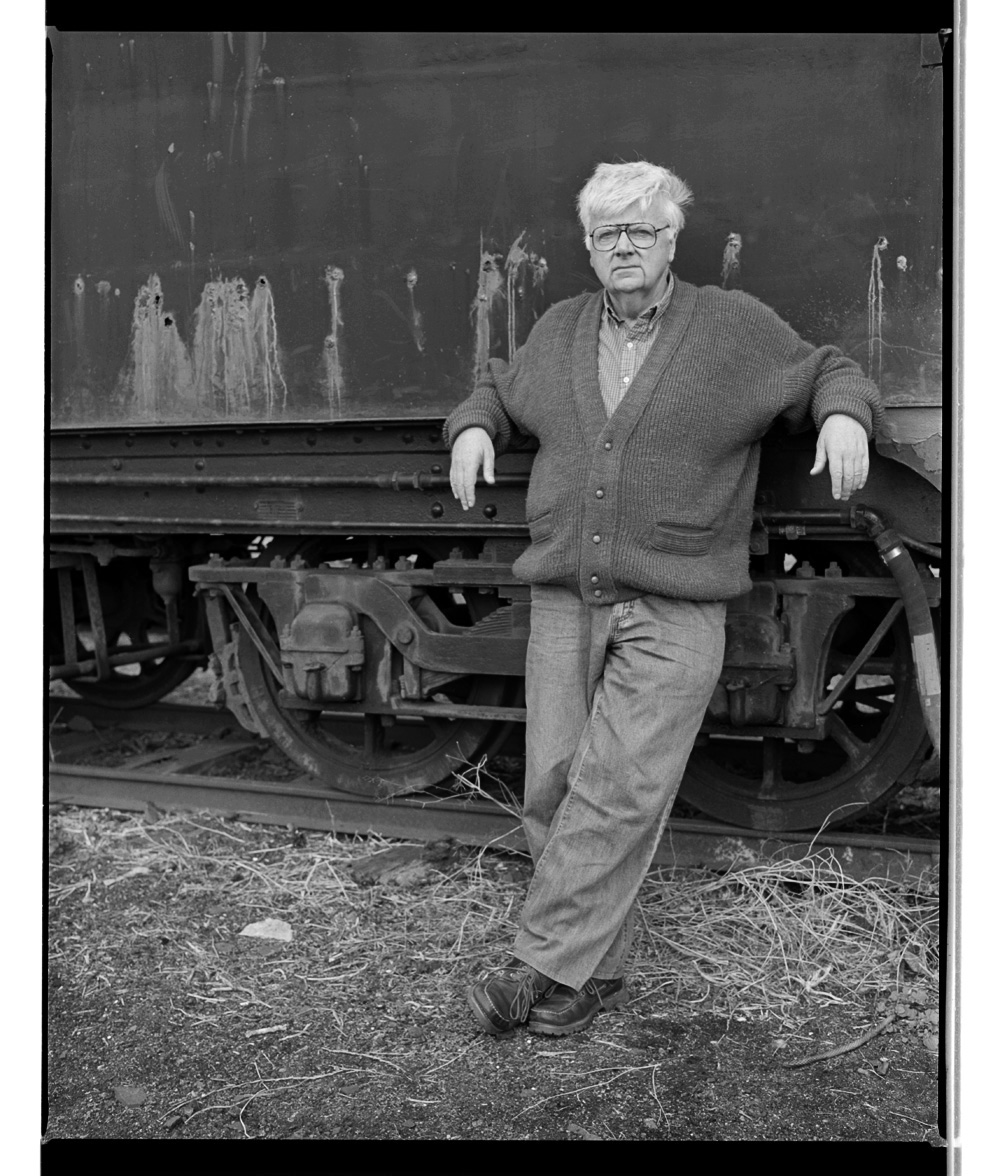
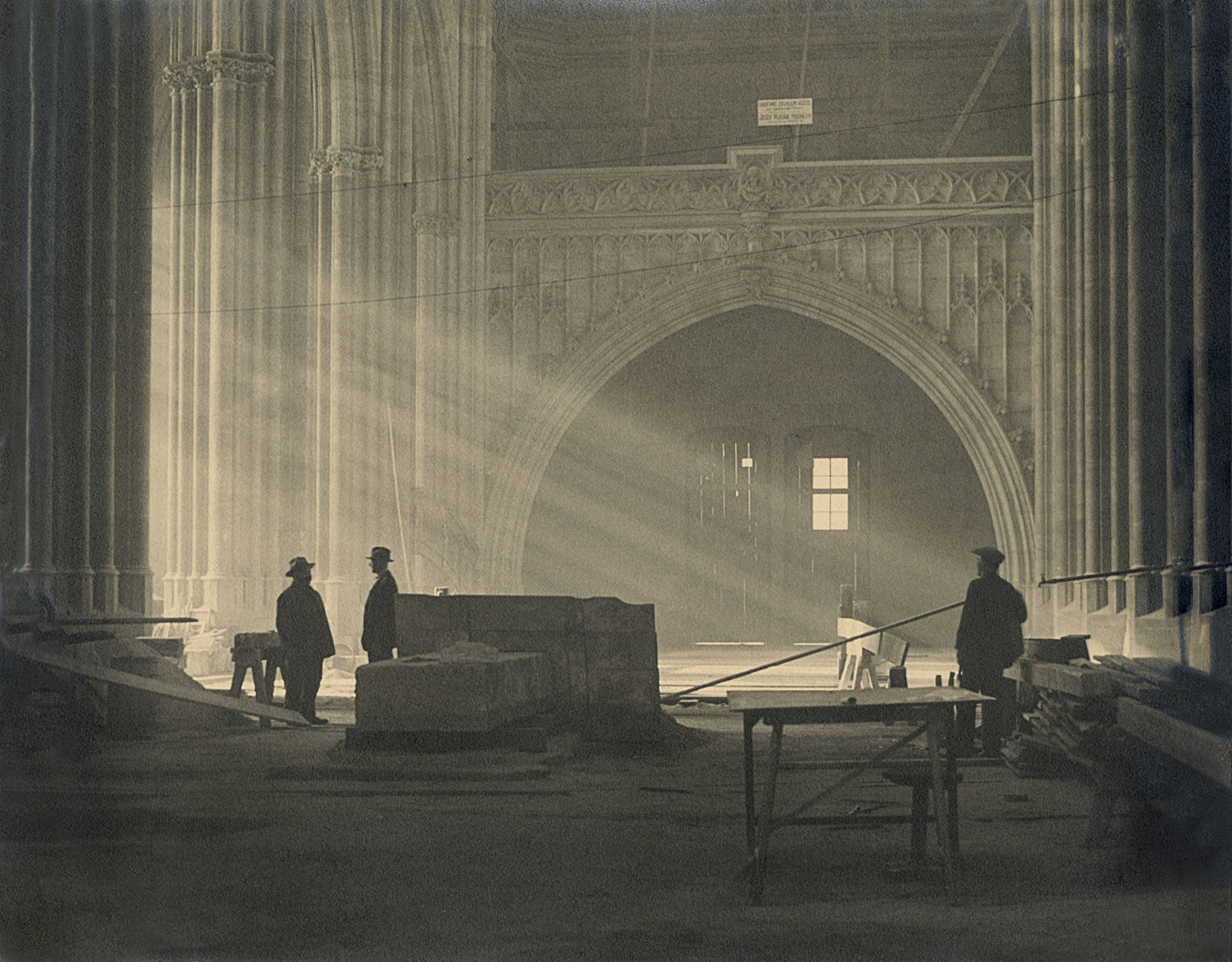
![Josef Sudek (Czech, 1896-1976) 'Dimanche après-midi à l'île Kolín' [Sunday afternoon at Kolín island] c. 1922–1926](https://artblart.com/wp-content/uploads/2016/09/sudek-dimanche-aprc3a8s-midi-c3a0-l_c3aele-kolc3adn-vers-1922e280931926-web1.jpg "Josef Sudek (Czech, 1896-1976) 'Dimanche après-midi à l'île Kolín' [Sunday afternoon at Kolín island] c. 1922–1926")
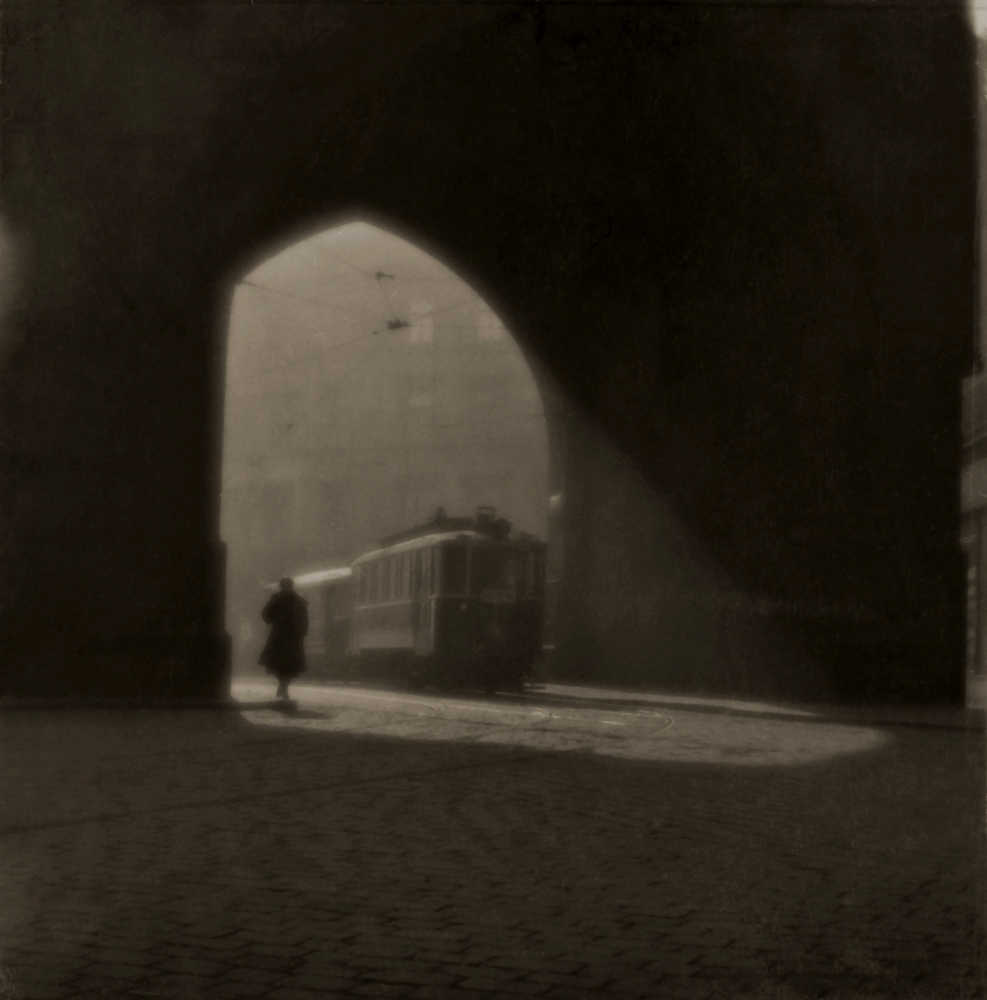
![Josef Sudek (Czech, 1896-1976) 'Portrait de mon ami Funke' [Portrait of my friend Funke] 1924](https://artblart.com/wp-content/uploads/2016/09/sudek-portrait-de-mon-ami-funke-1924-web1.jpg "Josef Sudek (Czech, 1896-1976) 'Portrait de mon ami Funke' [Portrait of my friend Funke] 1924")
![Josef Sudek (Czech, 1896-1976) 'La Fenêtre de mon atelier' [The window of my studio] c. 1940-1948](https://artblart.com/wp-content/uploads/2016/09/sudek-la-fenc3aatre-de-mon-atelier-vers-1940e280931948-web1.jpg "Josef Sudek (Czech, 1896-1976) 'La Fenêtre de mon atelier' [The window of my studio] c. 1940-1948")
![Josef Sudek (Czech, 1896-1976) 'La Fenêtre de mon atelier' [The window of my studio] c. 1940–1954](https://artblart.com/wp-content/uploads/2016/09/josef-sudek-la-fenc3aatre-de-mon-atelier-vers-1940e280931954-web1.jpg "Josef Sudek (Czech, 1896-1976) 'La Fenêtre de mon atelier' [The window of my studio] c. 1940–1954")
![Josef Sudek (Czech, 1896-1976) 'La Fenêtre de mon atelier' [The window of my studio] c. 1940-1950](https://artblart.com/wp-content/uploads/2016/09/josef-sudek-la-fenc3aatre-de-mon-atelier-vers-1940e280931950-web1.jpg "Josef Sudek (Czech, 1896-1976) 'La Fenêtre de mon atelier' [The window of my studio] c. 1940-1950")
![Josef Sudek (Czech, 1896-1976) 'Quatre saisons: l'été' [Four seasons: summer] c. 1940-1954](https://artblart.com/wp-content/uploads/2016/09/josef-sudek-quatre-saisons-l_c3a9tc3a9-vers-1940e280931954-web1.jpg "Josef Sudek (Czech, 1896-1976) 'Quatre saisons: l'été' [Four seasons: summer] c. 1940-1954")
![Josef Sudek (Czech, 1896-1976) 'La Dernière Rose' [The Last Rose] 1956](https://artblart.com/wp-content/uploads/2016/09/sudek-la-dernic3a8re-rose-1956-web1.jpg "Josef Sudek (Czech, 1896-1976) 'La Dernière Rose' [The Last Rose] 1956")
![Josef Sudek (Czech, 1896-1976) 'Le Jardin Royal' [The Royal Garden] c. 1940-1946](https://artblart.com/wp-content/uploads/2016/09/sudek-le-jardin-royal-vers-1940e280931946-web1.jpg "Josef Sudek (Czech, 1896-1976) 'Le Jardin Royal' [The Royal Garden] c. 1940-1946")
![Josef Sudek (Czech, 1896-1976) 'Prague pendant la nuit' [Prague at night] 1950](https://artblart.com/wp-content/uploads/2016/09/sudek-prague-pendant-la-nuit-1950-web1.jpg "Josef Sudek (Czech, 1896-1976) 'Prague pendant la nuit' [Prague at night] 1950")
![Josef Sudek (Czech, 1896-1976) 'Prague pendant la nuit' [Prague at night] c. 1950-1959](https://artblart.com/wp-content/uploads/2016/09/sudek-prague-pendant-la-nuit-vers-1950e280931959-web1.jpg "Josef Sudek (Czech, 1896-1976) 'Prague pendant la nuit' [Prague at night] c. 1950-1959")
![Josef Sudek (Czech, 1896-1976) 'Prague pendant la nuit' [Prague at night] c. 1950-1959](https://artblart.com/wp-content/uploads/2016/09/josef-sudek-prague-pendant-la-nuit-vers-1950e280931959-web1.jpg "Josef Sudek (Czech, 1896-1976) 'Prague pendant la nuit' [Prague at night] c. 1950-1959")
![Josef Sudek (Czech, 1896-1976) 'Le Jardin de Rothmayer' [The Rothmayer Garden] 1954-1959](https://artblart.com/wp-content/uploads/2016/09/sudek-le-jardin-de-rothmayer-1954e280931959-web1.jpg "Josef Sudek (Czech, 1896-1976) 'Le Jardin de Rothmayer' [The Rothmayer Garden] 1954-1959")
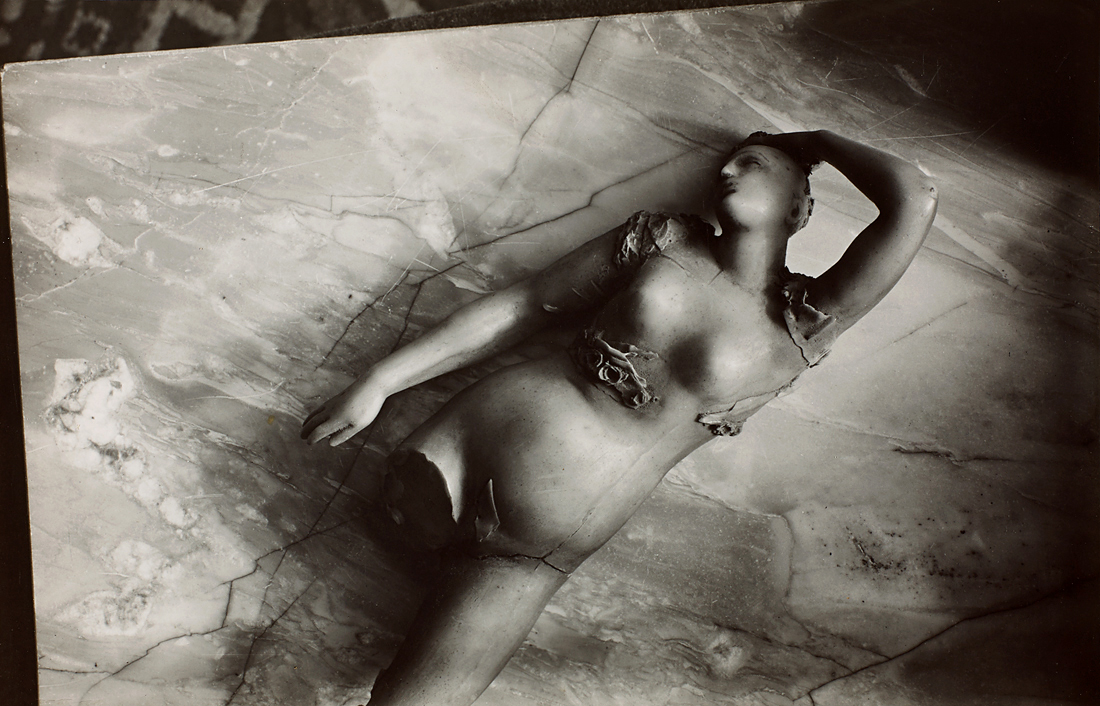
![Josef Sudek (Czech, 1896-1976) 'Dans le jardin' [In the garden] 1954-1959](https://artblart.com/wp-content/uploads/2016/09/sudek-dans-le-jardin-1954e280931959-web1.jpg "Josef Sudek (Czech, 1896-1976) 'Dans le jardin' [In the garden] 1954-1959")
![Josef Sudek (Czech, 1896-1976) 'Labyrinthe sur ma table' [Labyrinth on my table] 1967](https://artblart.com/wp-content/uploads/2016/09/sudek-labyrinthe-sur-ma-table-1967-web1.jpg "Josef Sudek (Czech, 1896-1976) 'Labyrinthe sur ma table' [Labyrinth on my table] 1967")
![Josef Sudek (Czech, 1896-1976) 'Labyrinthe de verre' [Glass Maze] around 1968-1972](https://artblart.com/wp-content/uploads/2016/09/sudek-labyrinthe-de-verre-vers-1968e280931972-web1.jpg "Josef Sudek (Czech, 1896-1976) 'Labyrinthe de verre' [Glass Maze] around 1968-1972")
![Josef Sudek (Czech, 1896-1976) 'Sans titre (Nature morte sur le rebord de la fenêtre)' [Untitled (Still life on the windowsill)] 1951](https://artblart.com/wp-content/uploads/2016/09/josef-sudek-sans-titre-nature-morte-sur-le-rebord-de-la-fenc3aatre-1951-web1.jpg "Josef Sudek (Czech, 1896-1976) 'Sans titre (Nature morte sur le rebord de la fenêtre)' [Untitled (Still life on the windowsill)] 1951")


![Installation view of the exhibition 'Max and Olive: The photographic life of Olive Cotton and Max Dupain' at The Ian Potter Museum of Art, Melbourne showing at left, Max Dupain's 'Bawley Point landscape' (1938) and at middle, Dupain's 'Untitled [Factory chimney stacks]', 1940](https://artblart.com/wp-content/uploads/2016/07/installation-h.jpg "Installation view of the exhibition 'Max and Olive: The photographic life of Olive Cotton and Max Dupain' at The Ian Potter Museum of Art, Melbourne showing at left, Max Dupain's 'Bawley Point landscape' (1938) and at middle, Dupain's 'Untitled [Factory chimney stacks]', 1940")




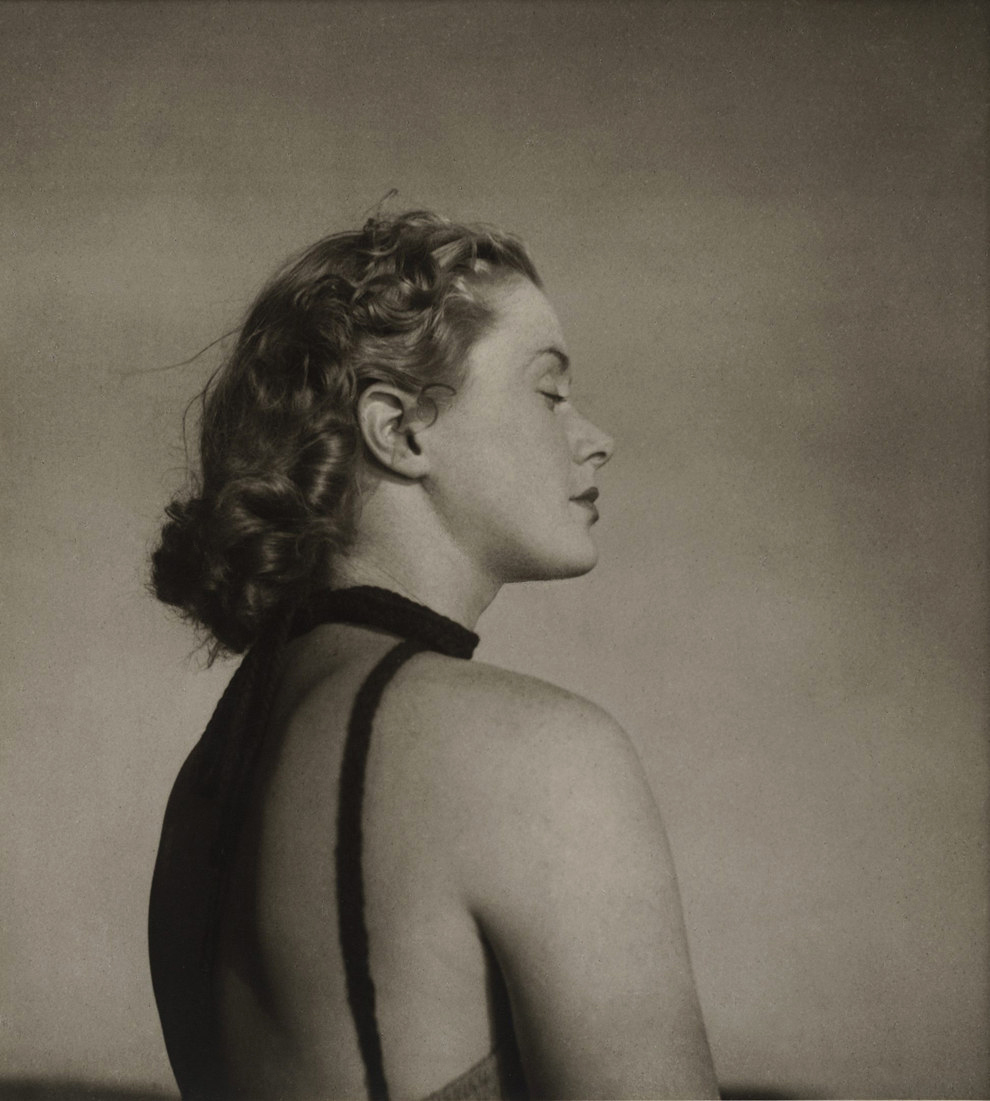
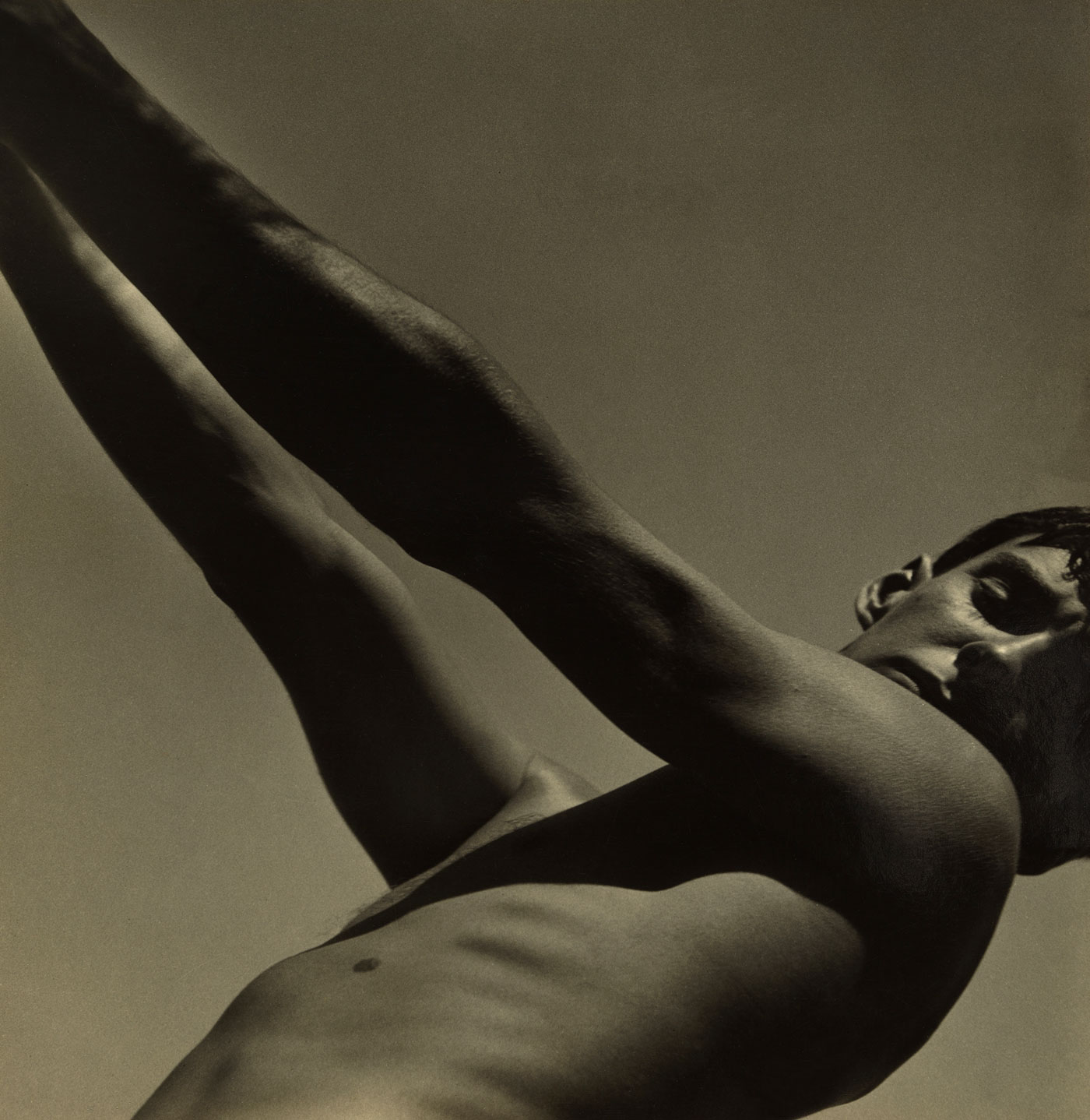
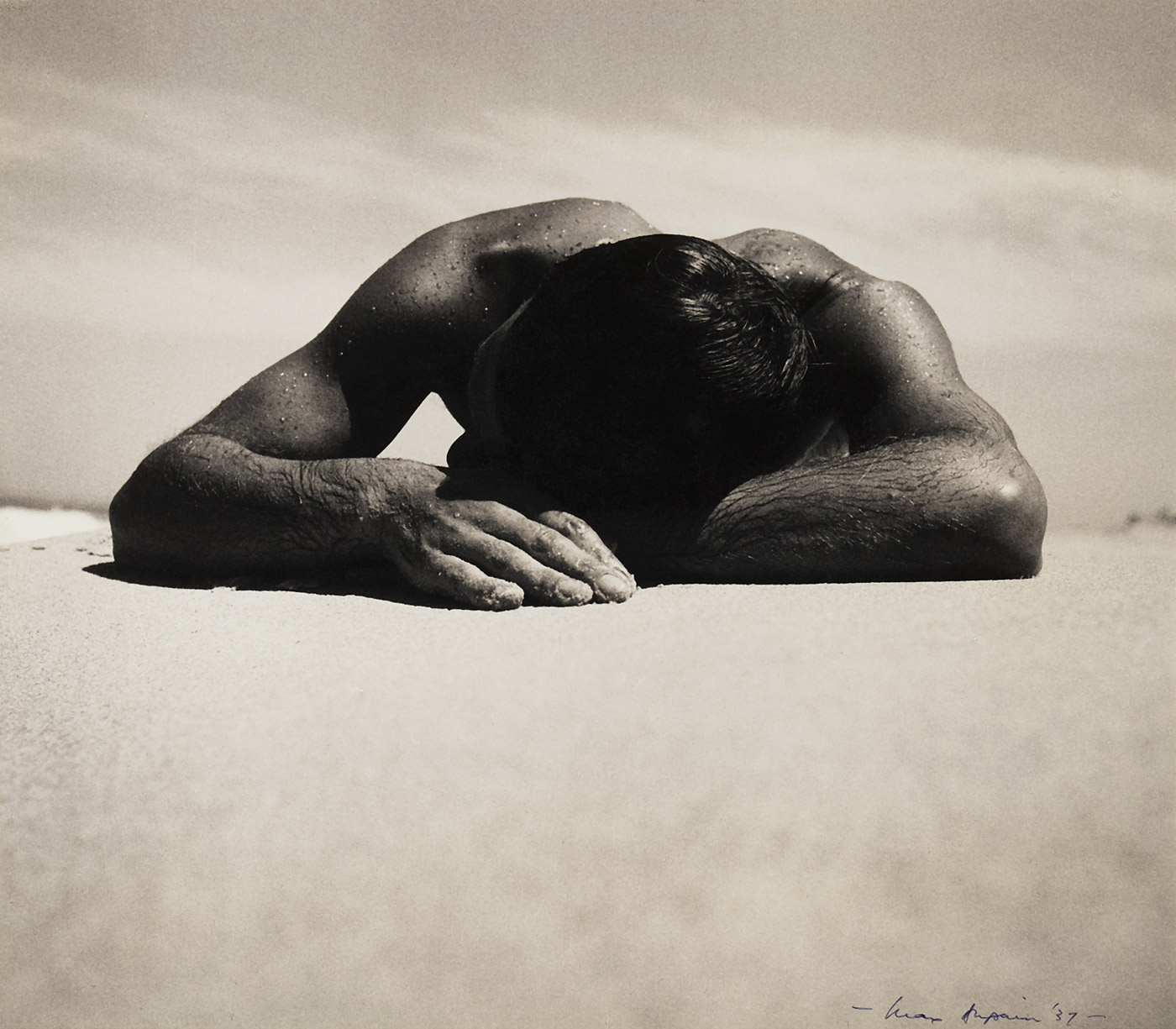

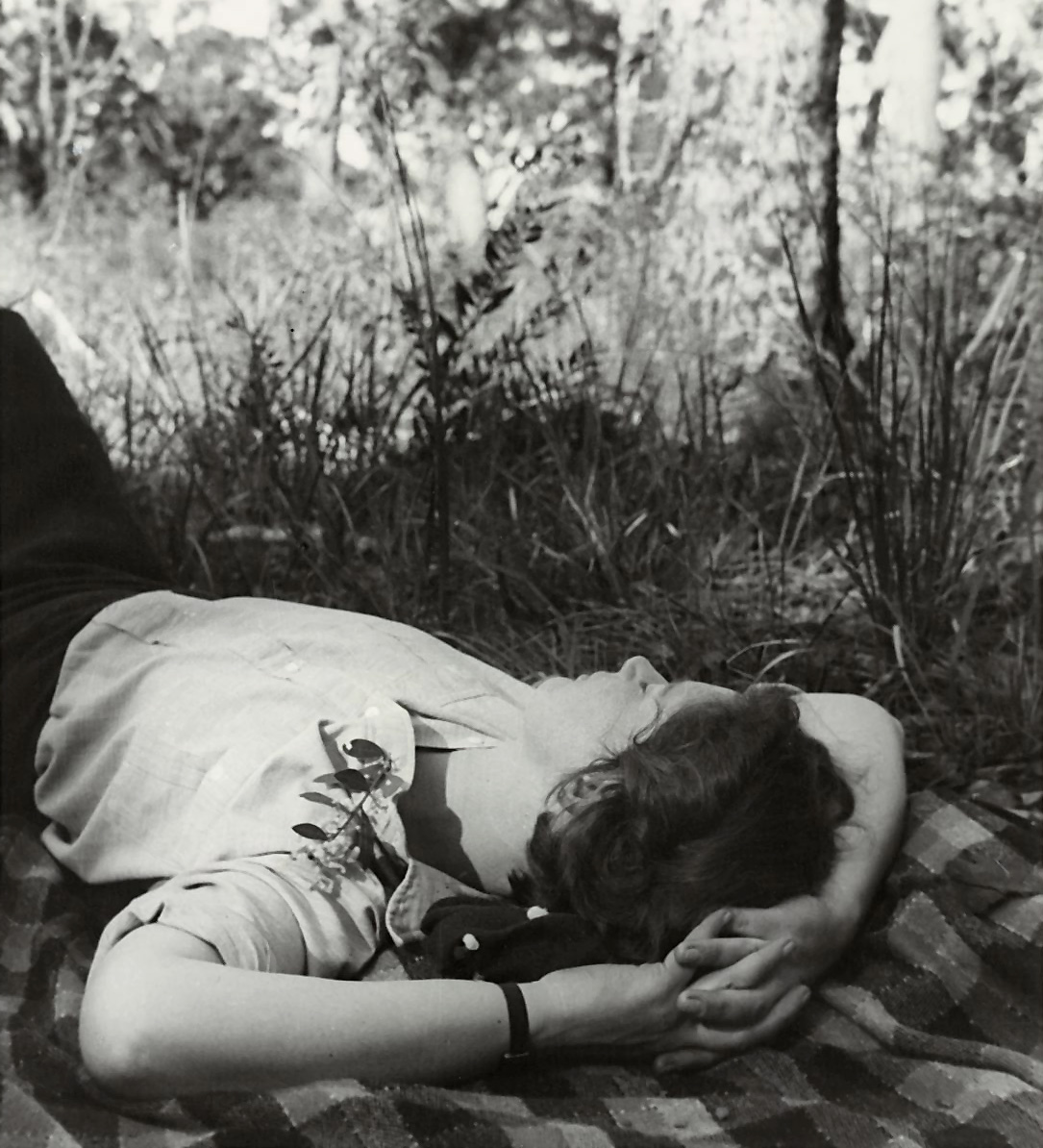
![Max Dupain (Australian, 1911-1992) 'Untitled [Olive Cotton in Wheat Fields]' Nd (probably late 1930s)](https://artblart.com/wp-content/uploads/2016/07/dupain-olive-cotton-in-wheat-fields-nd-web.jpg "Max Dupain (Australian, 1911-1992) 'Untitled [Olive Cotton in Wheat Fields]' Nd (probably late 1930s)")


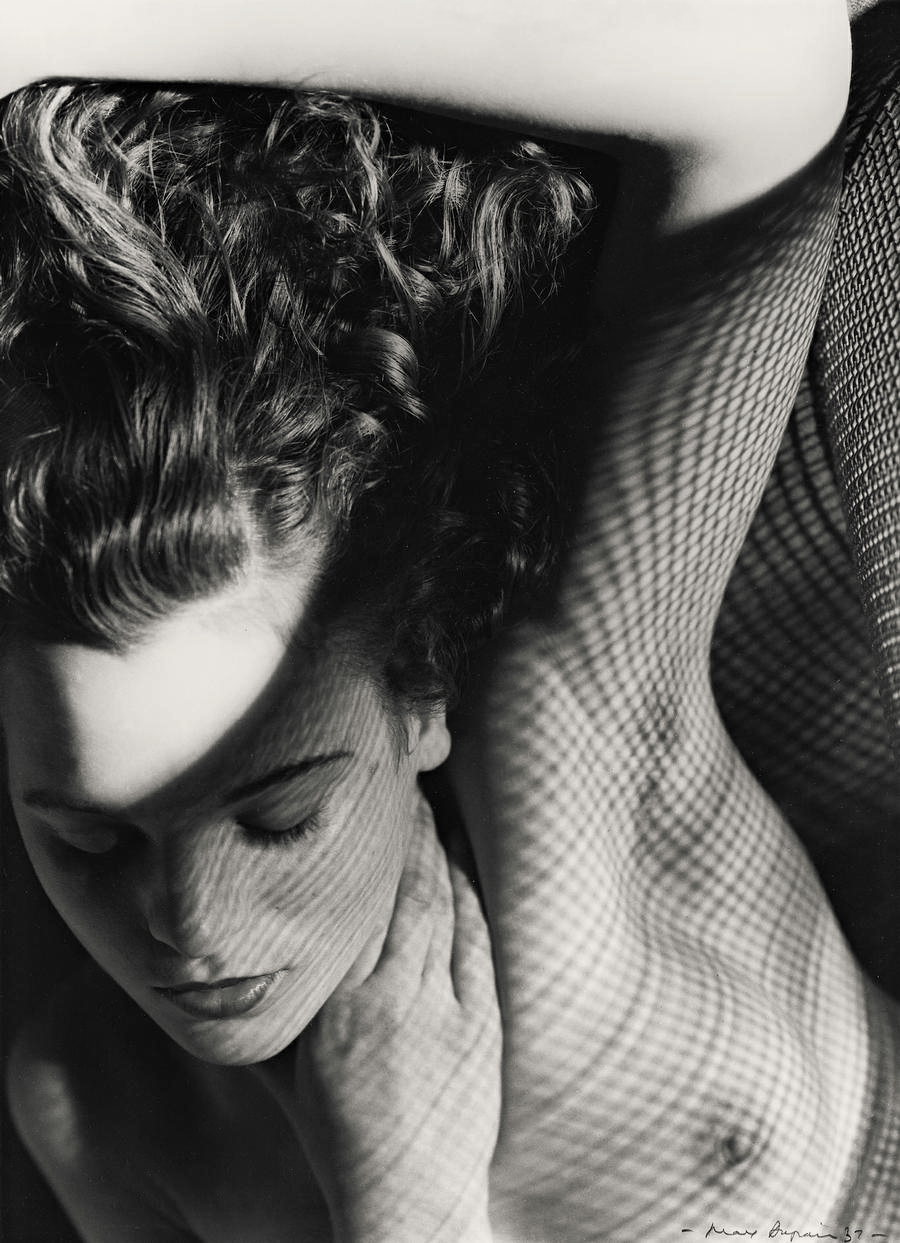
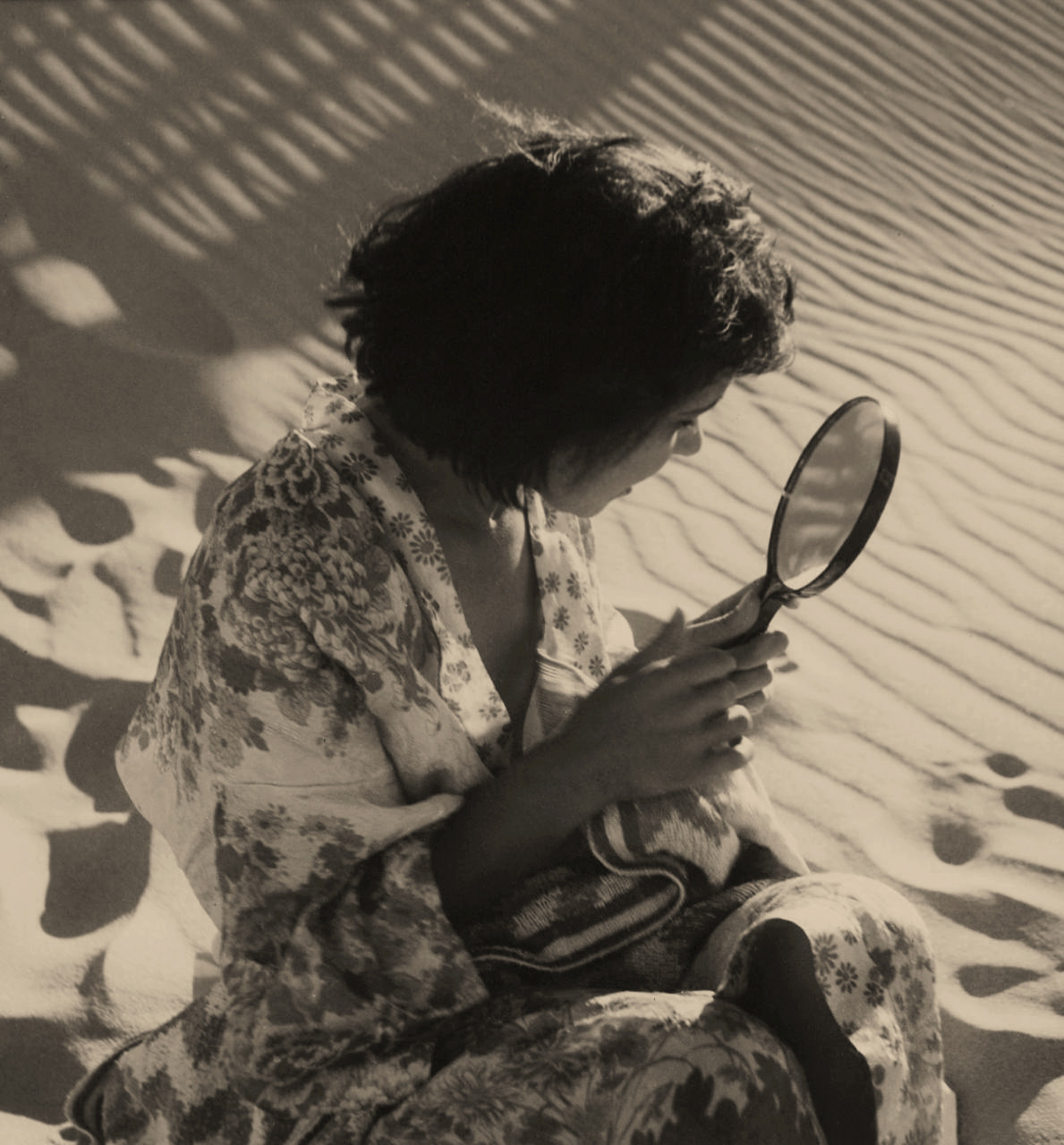

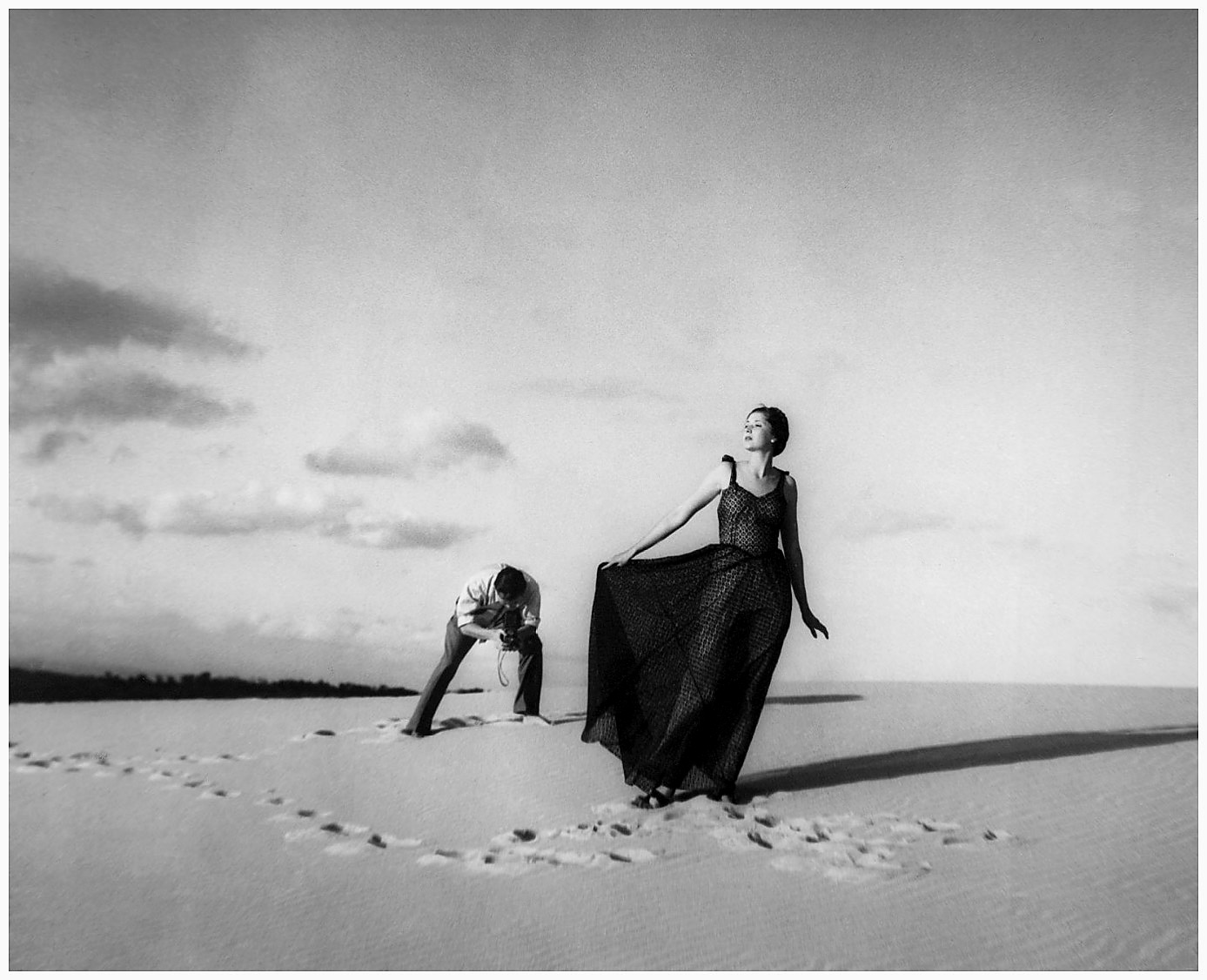
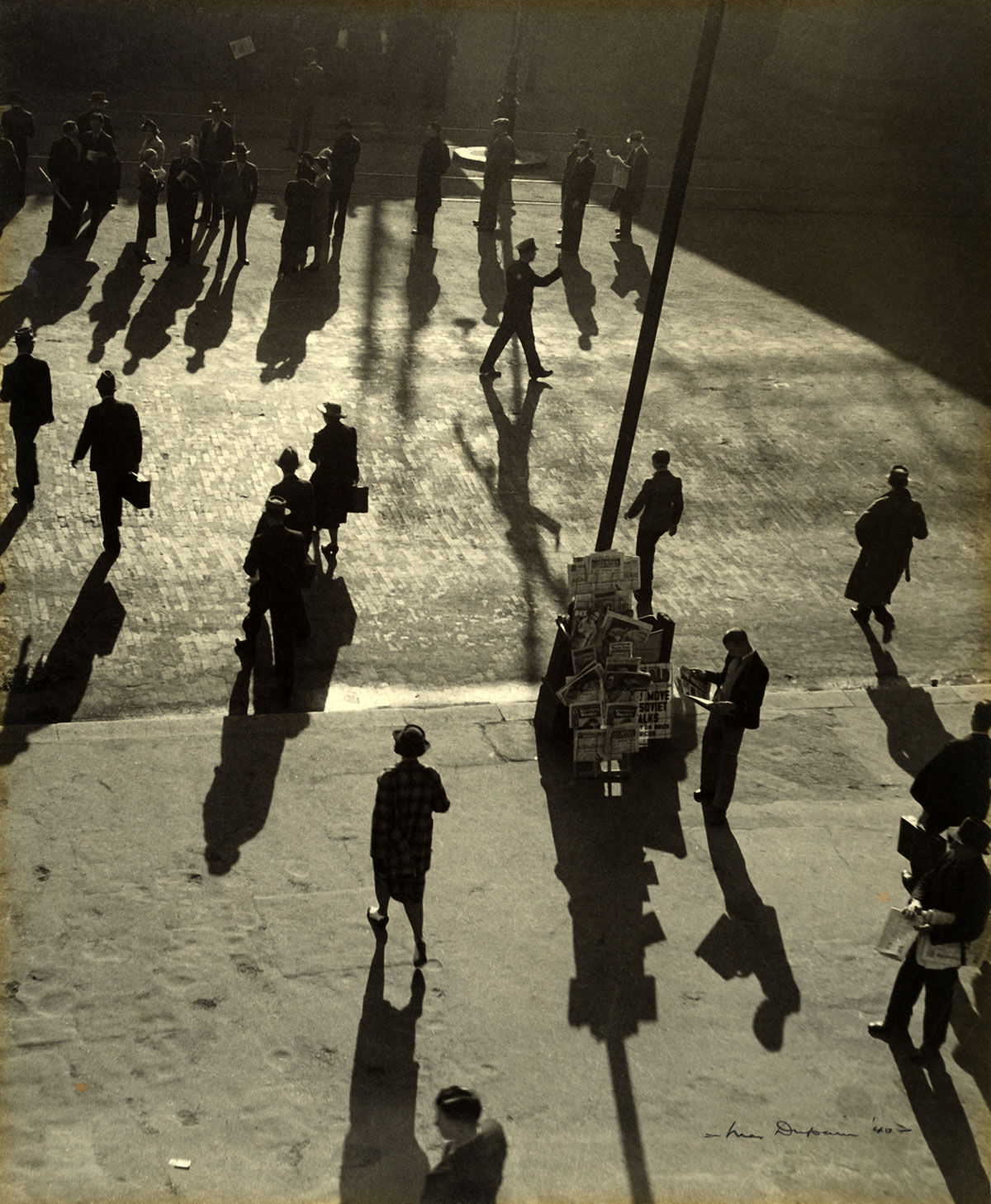


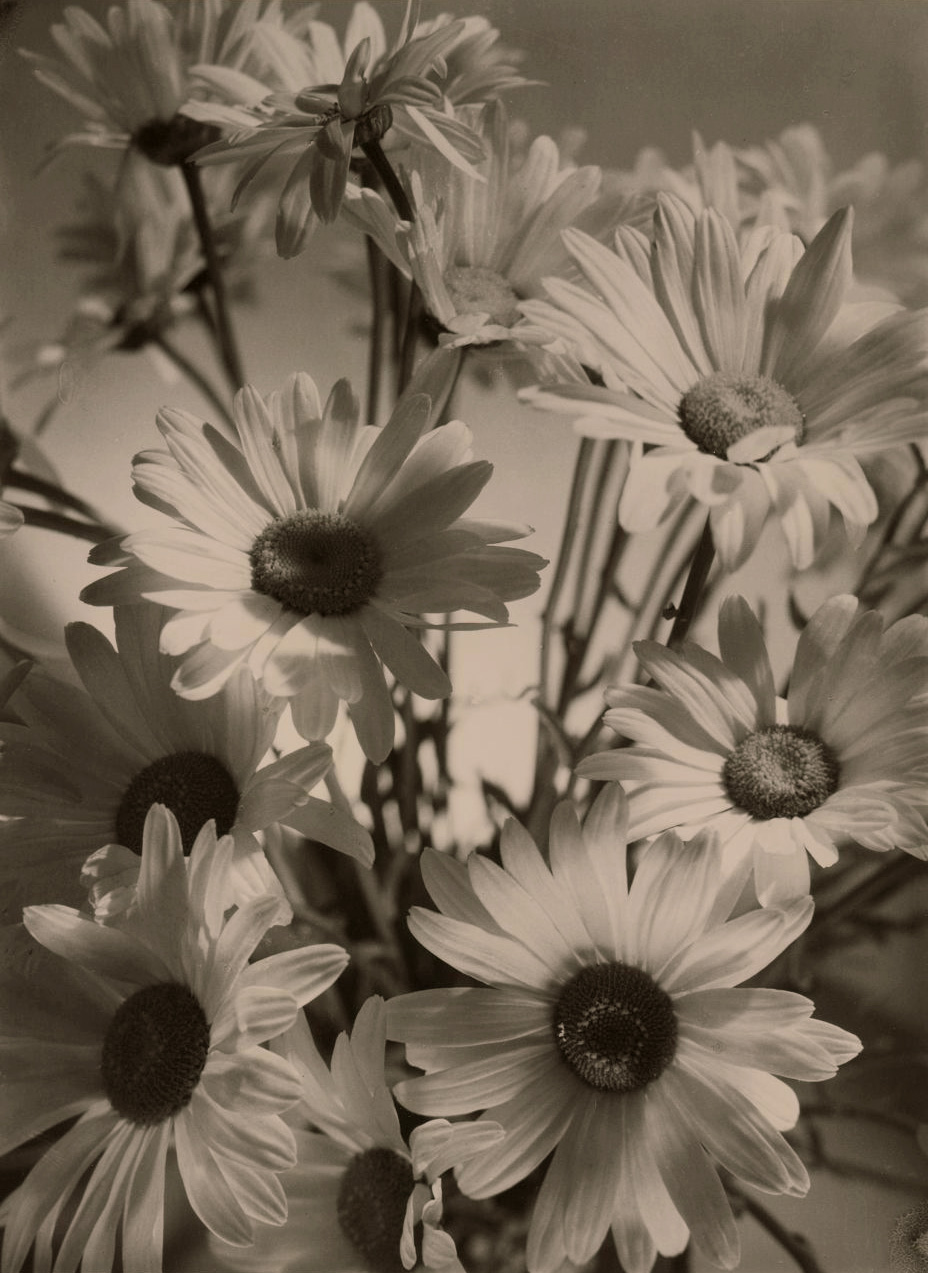
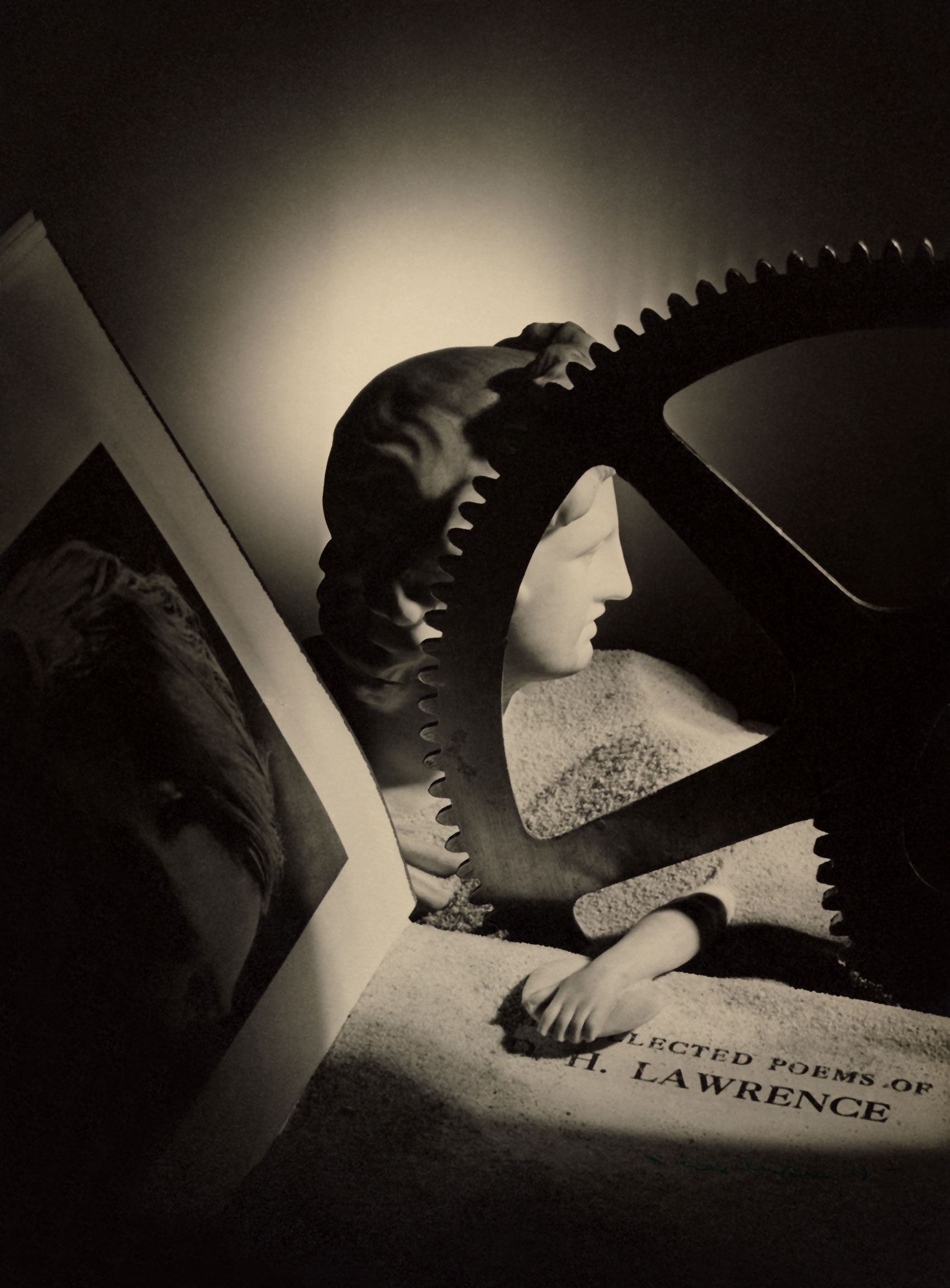

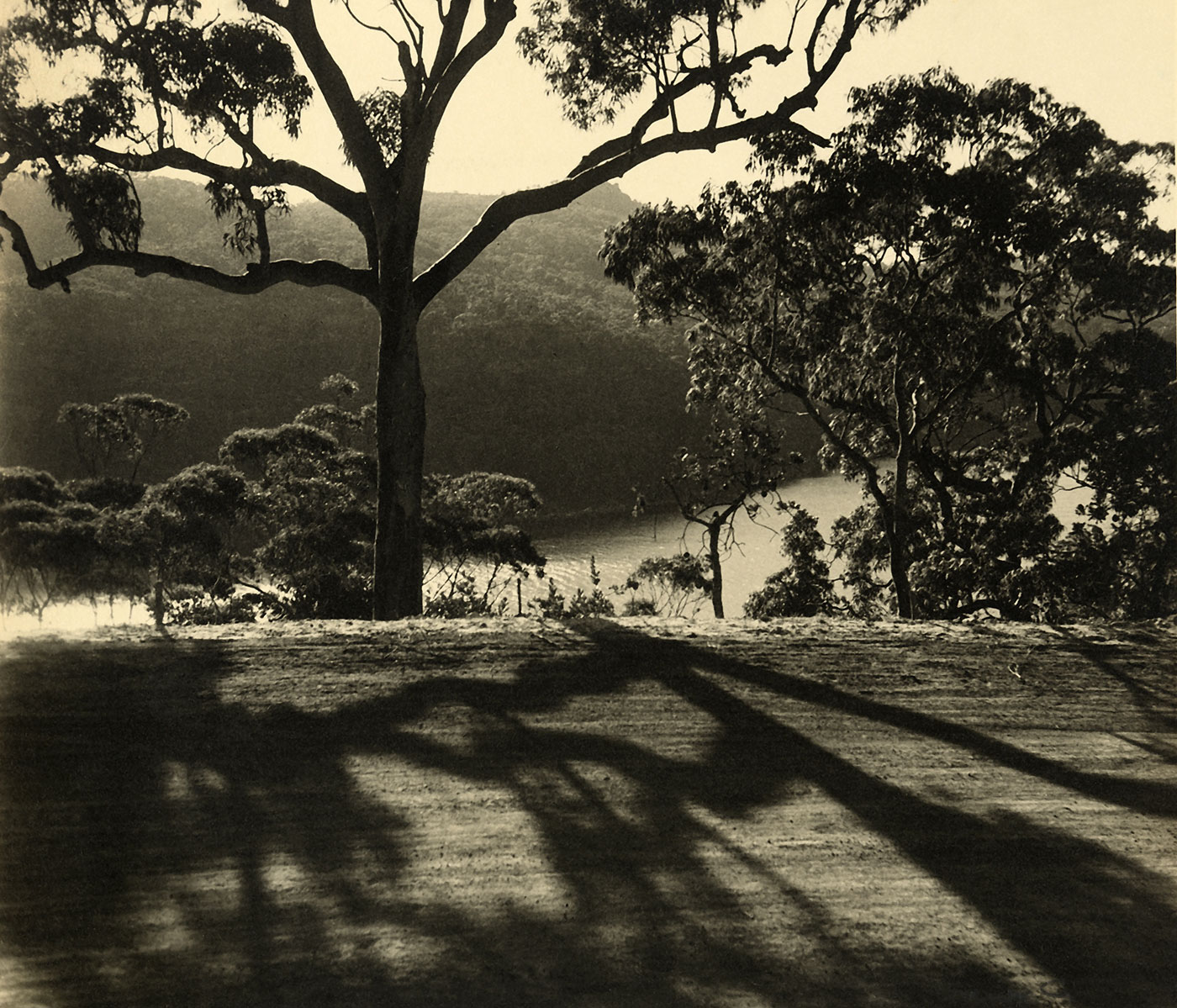
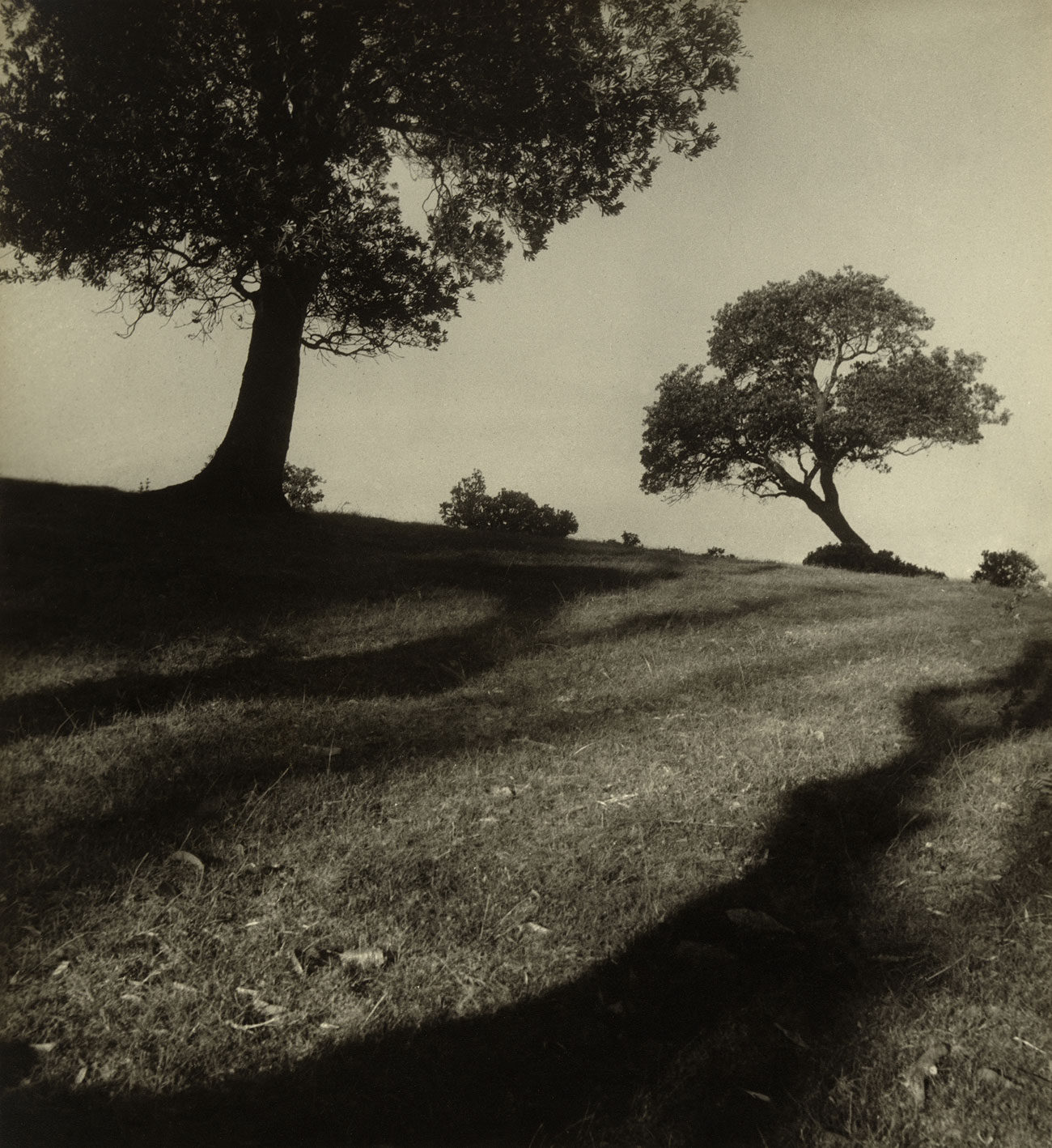


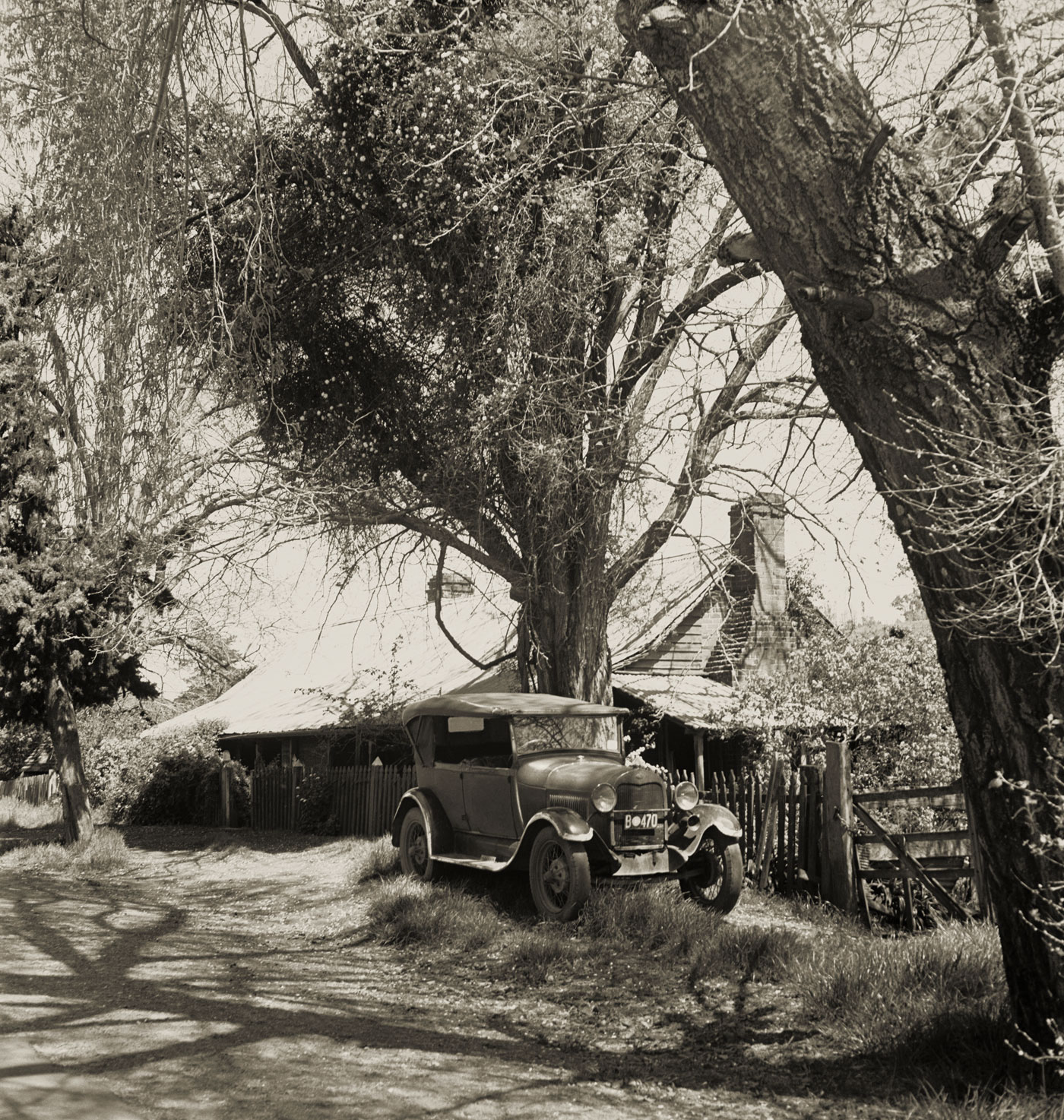

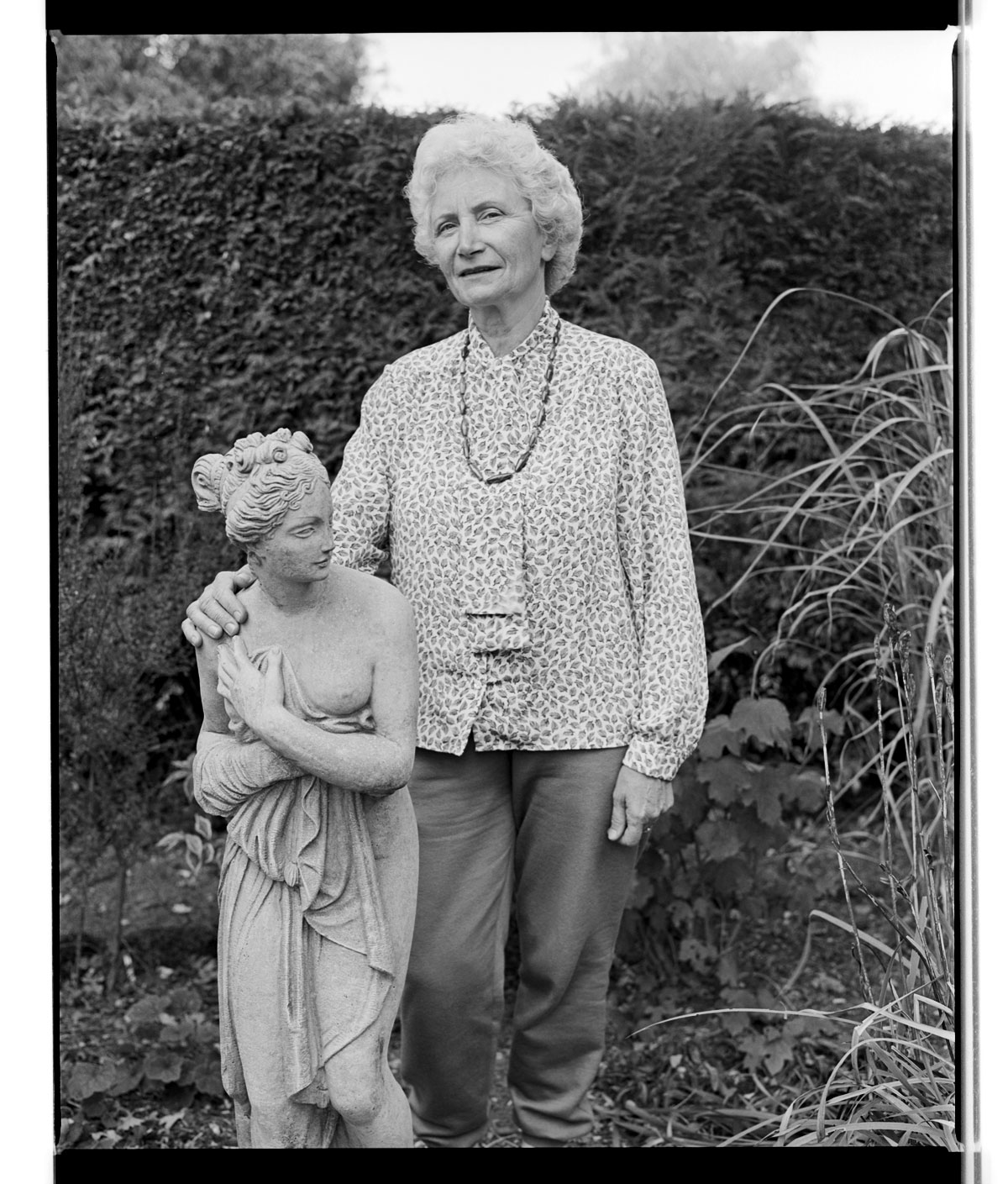
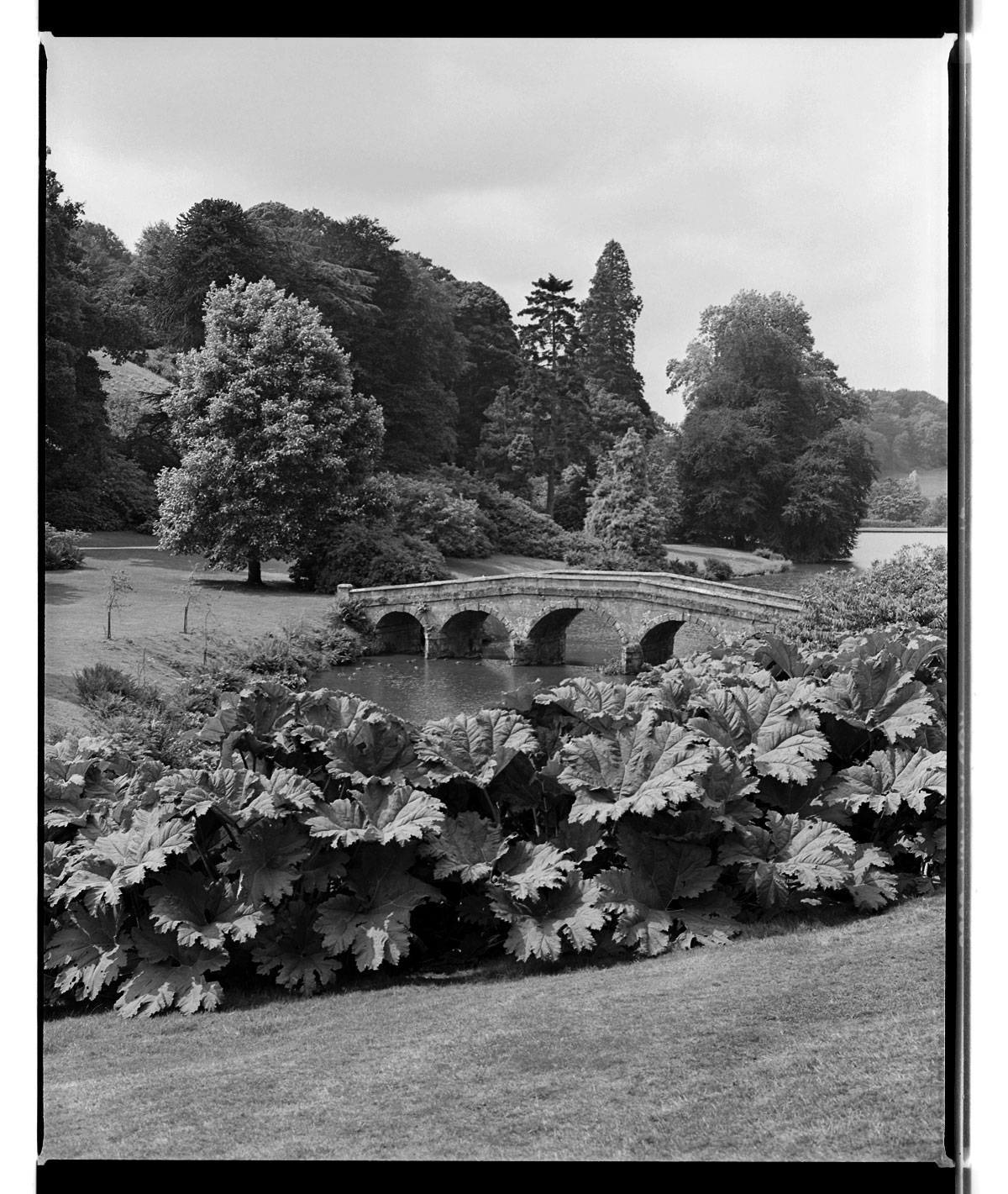
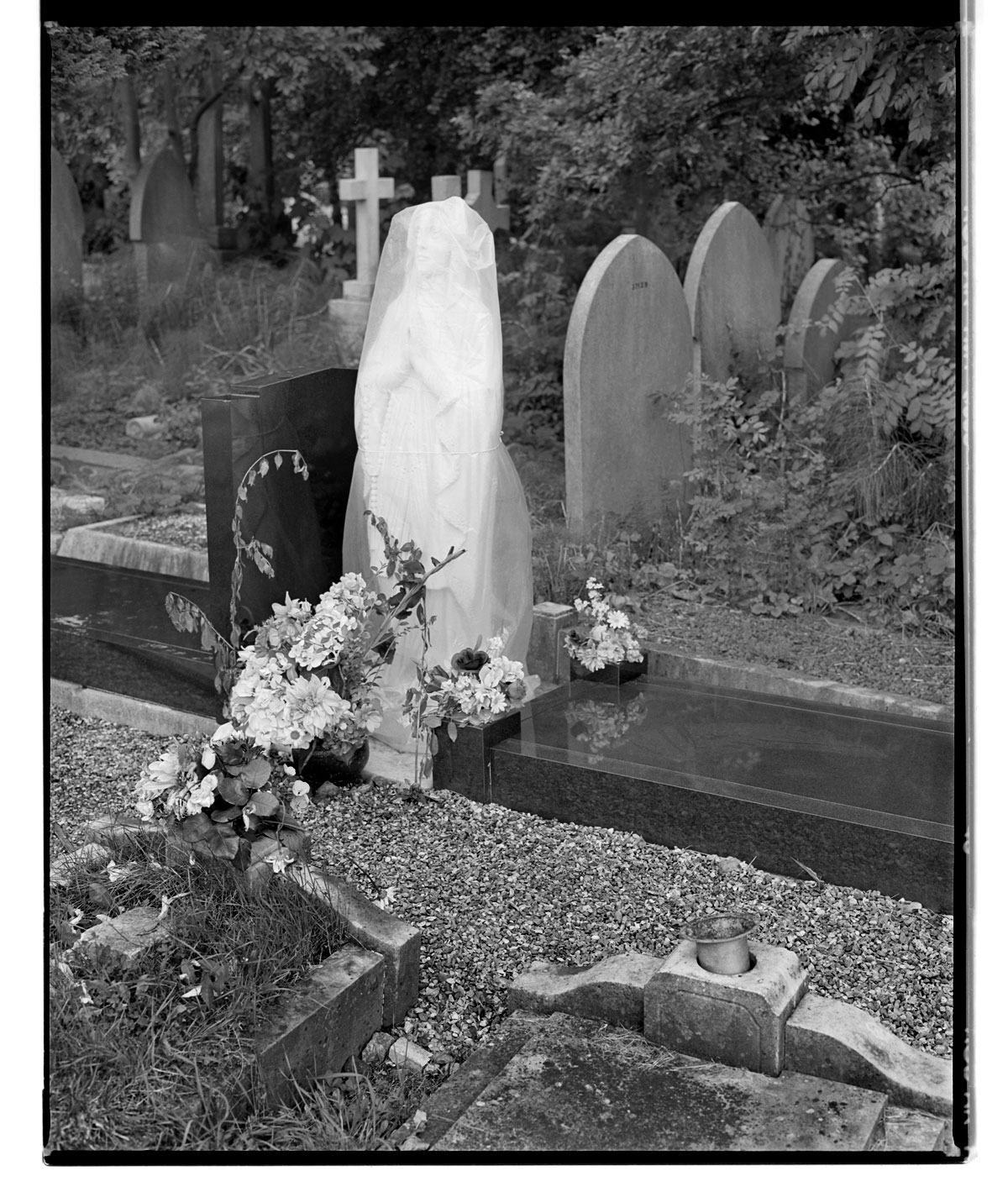

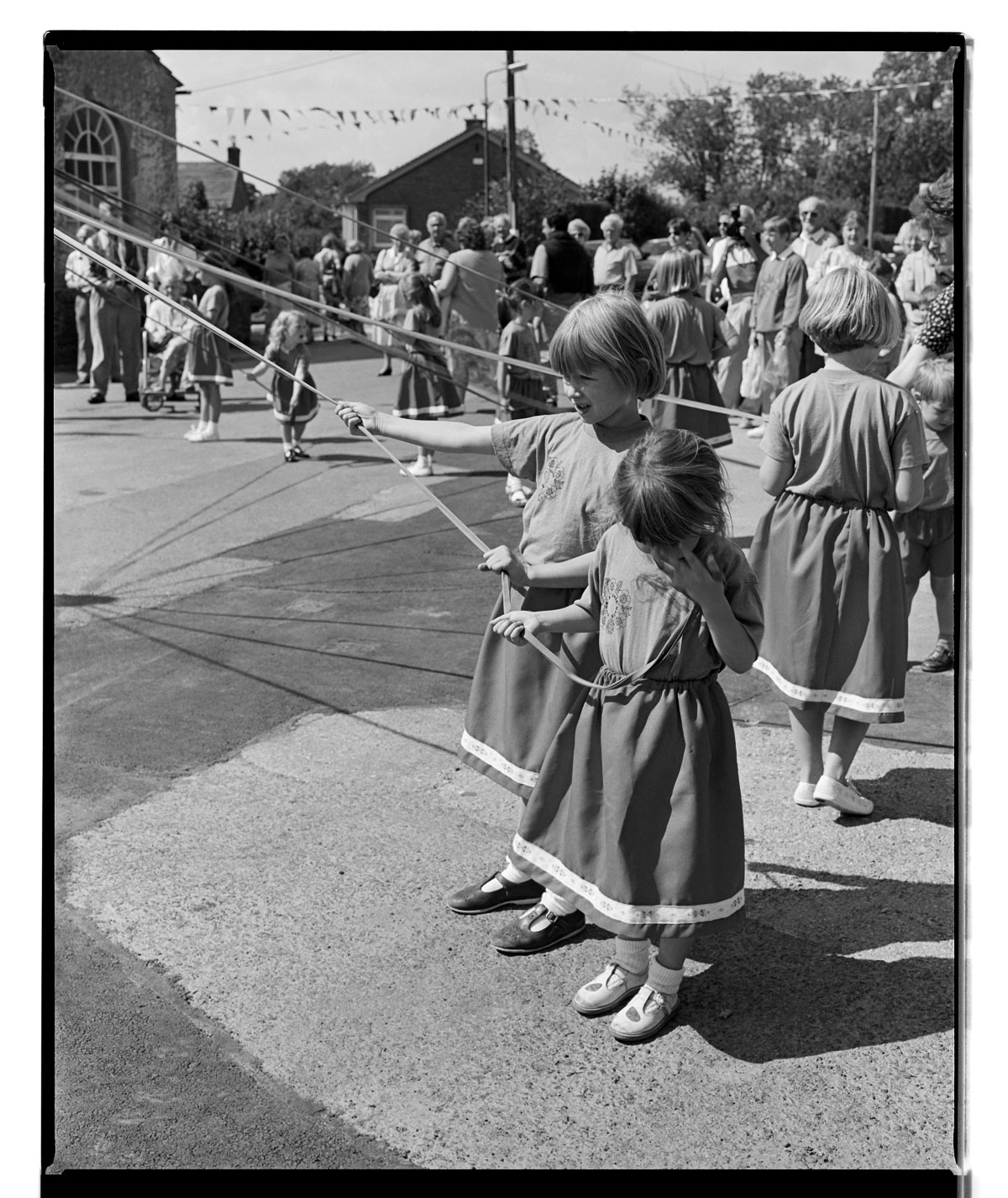
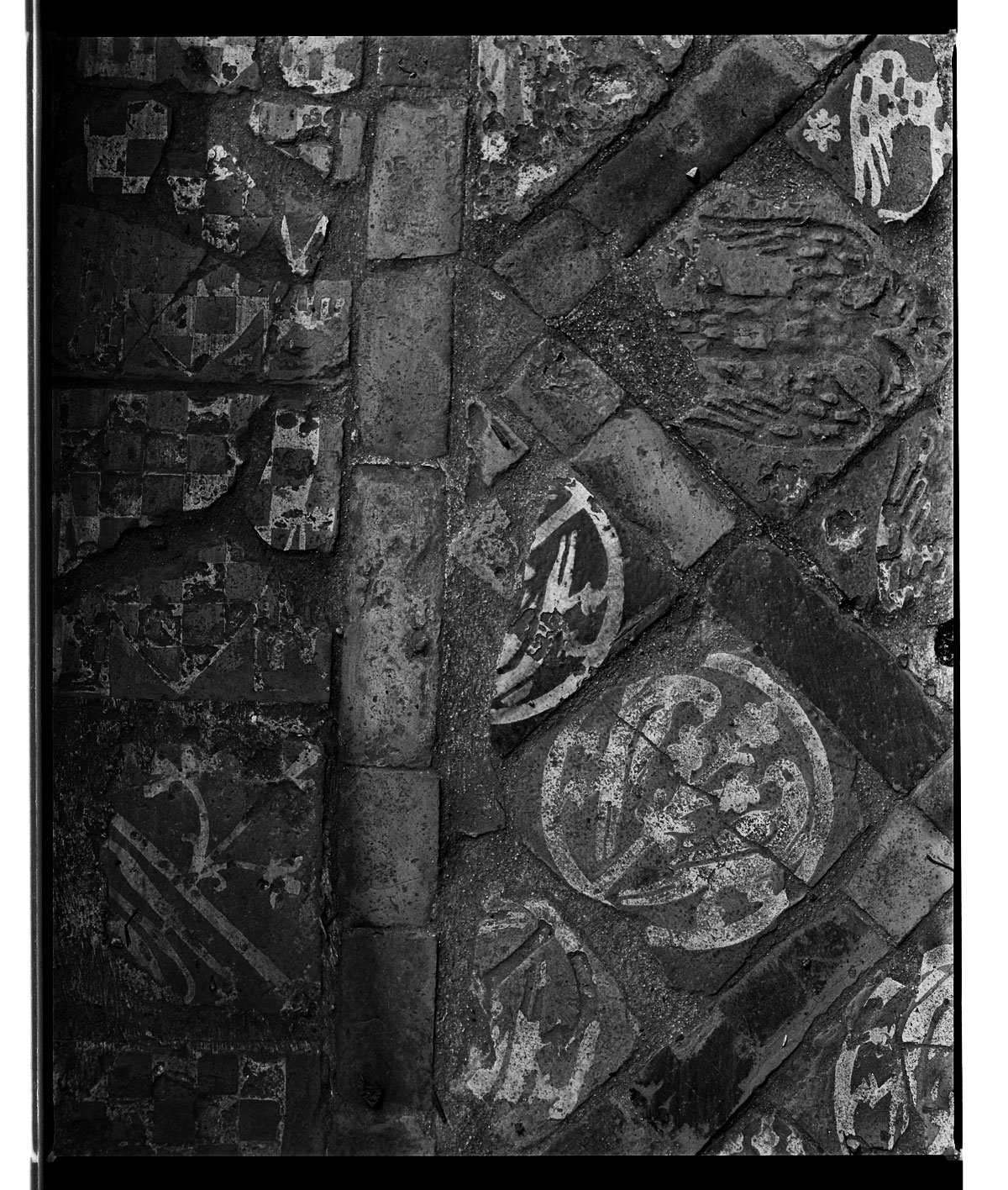
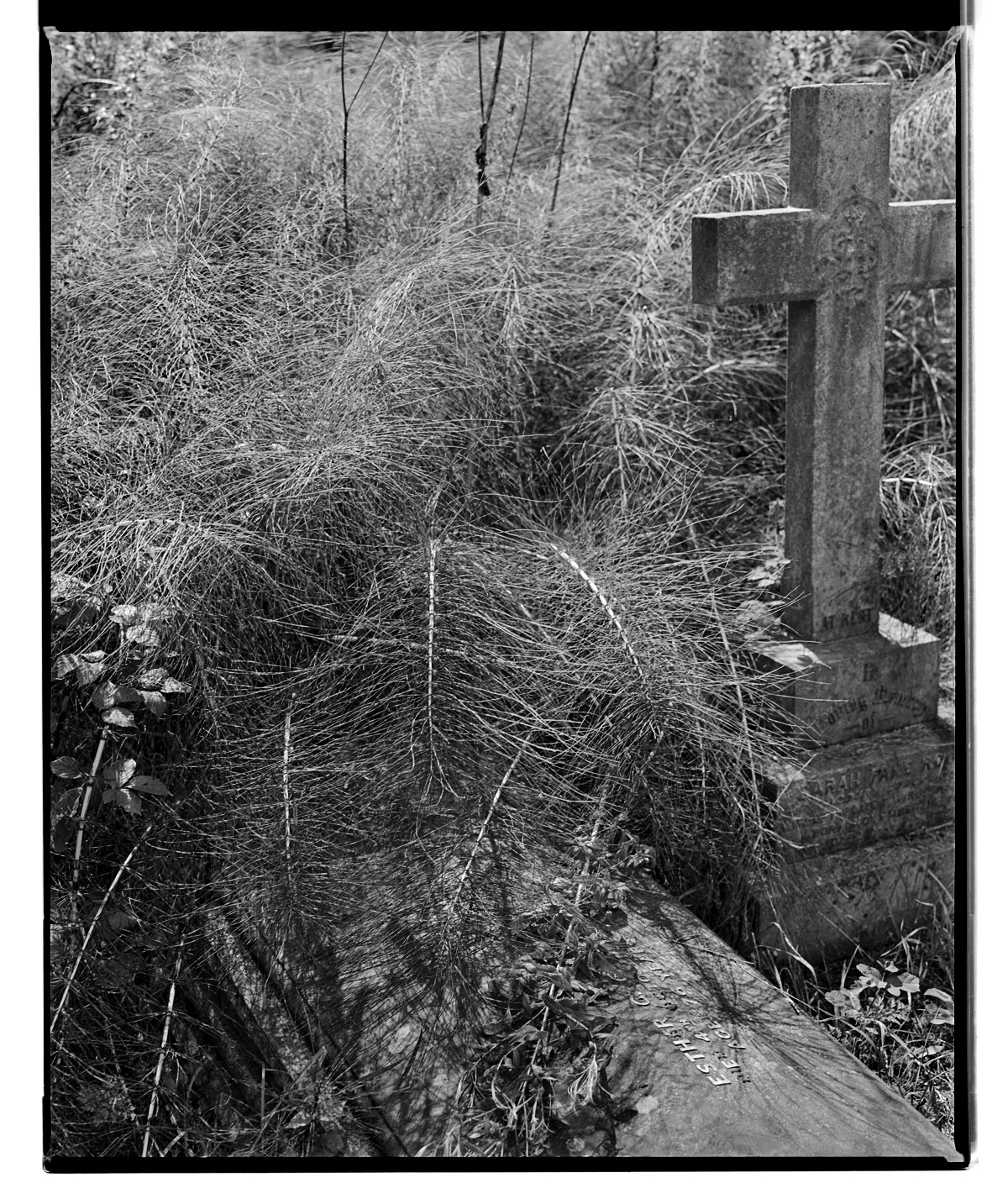
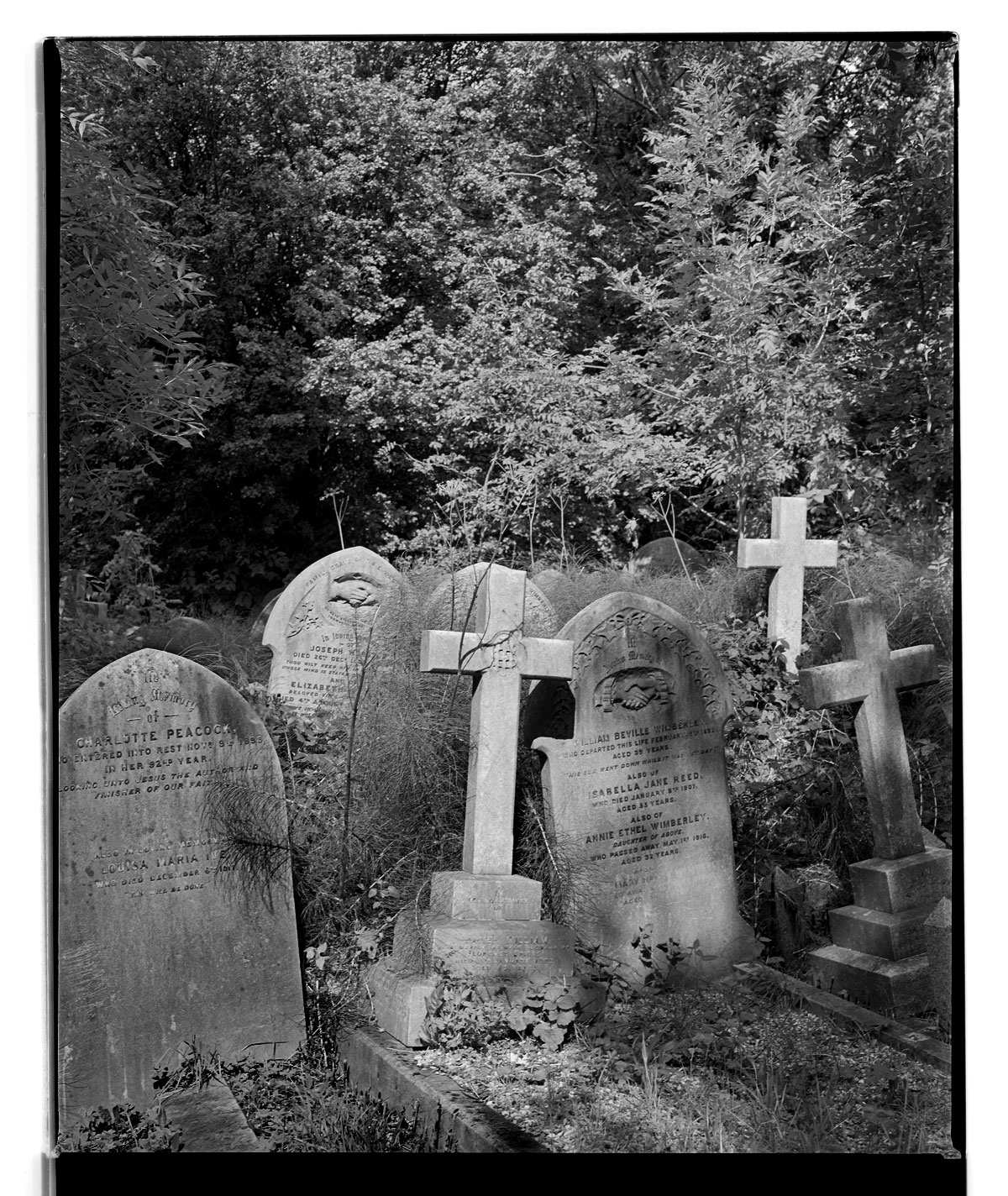
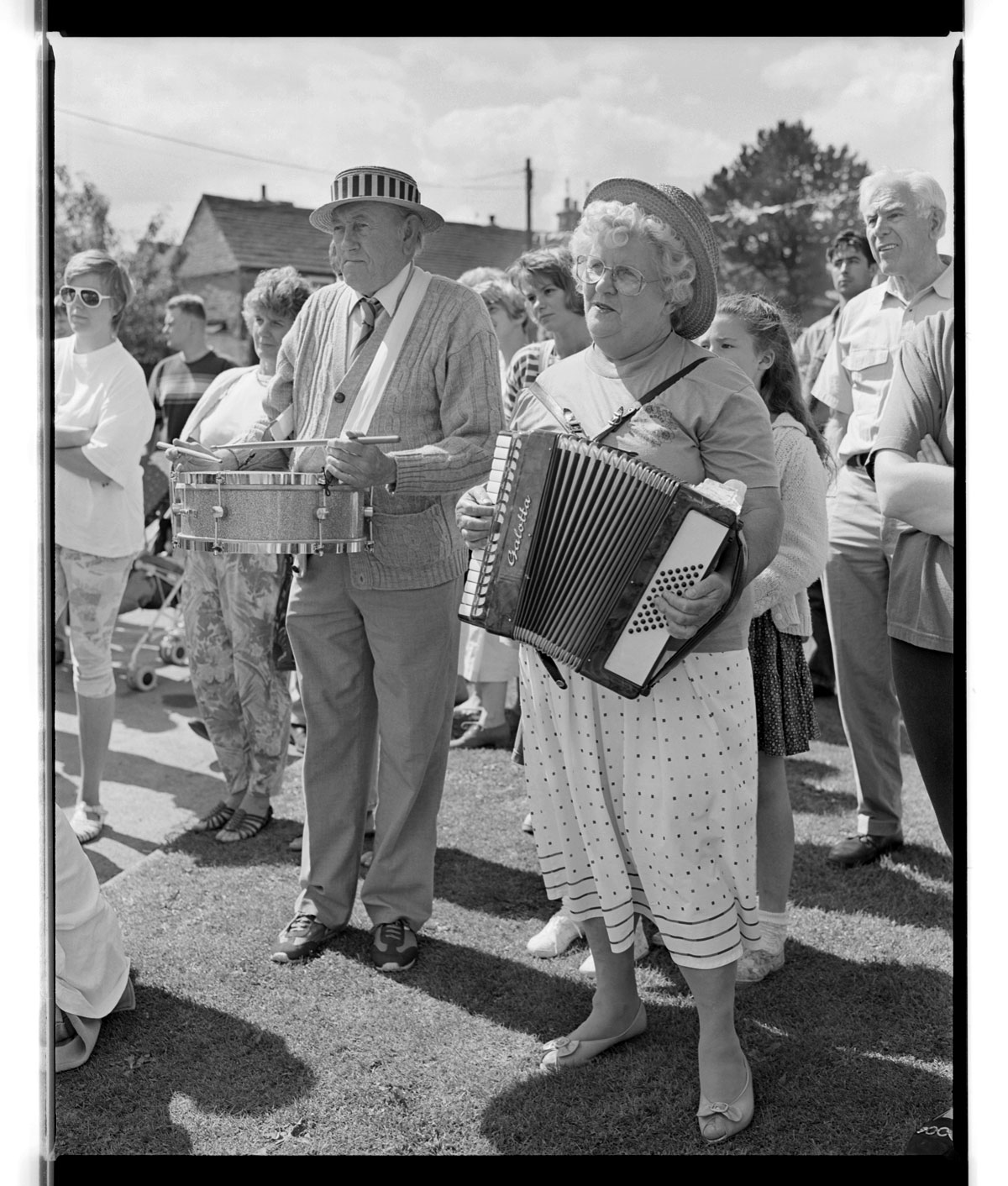
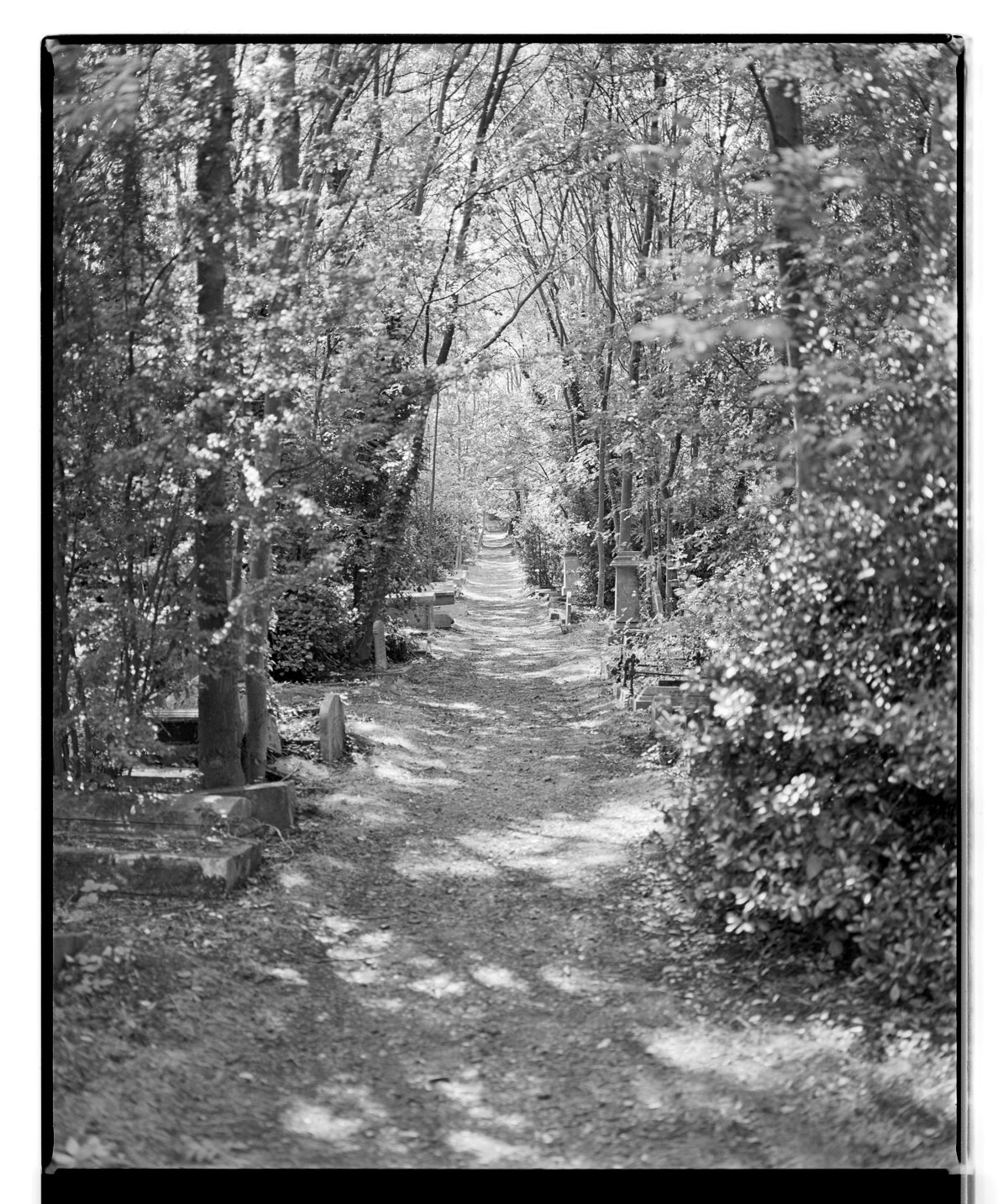
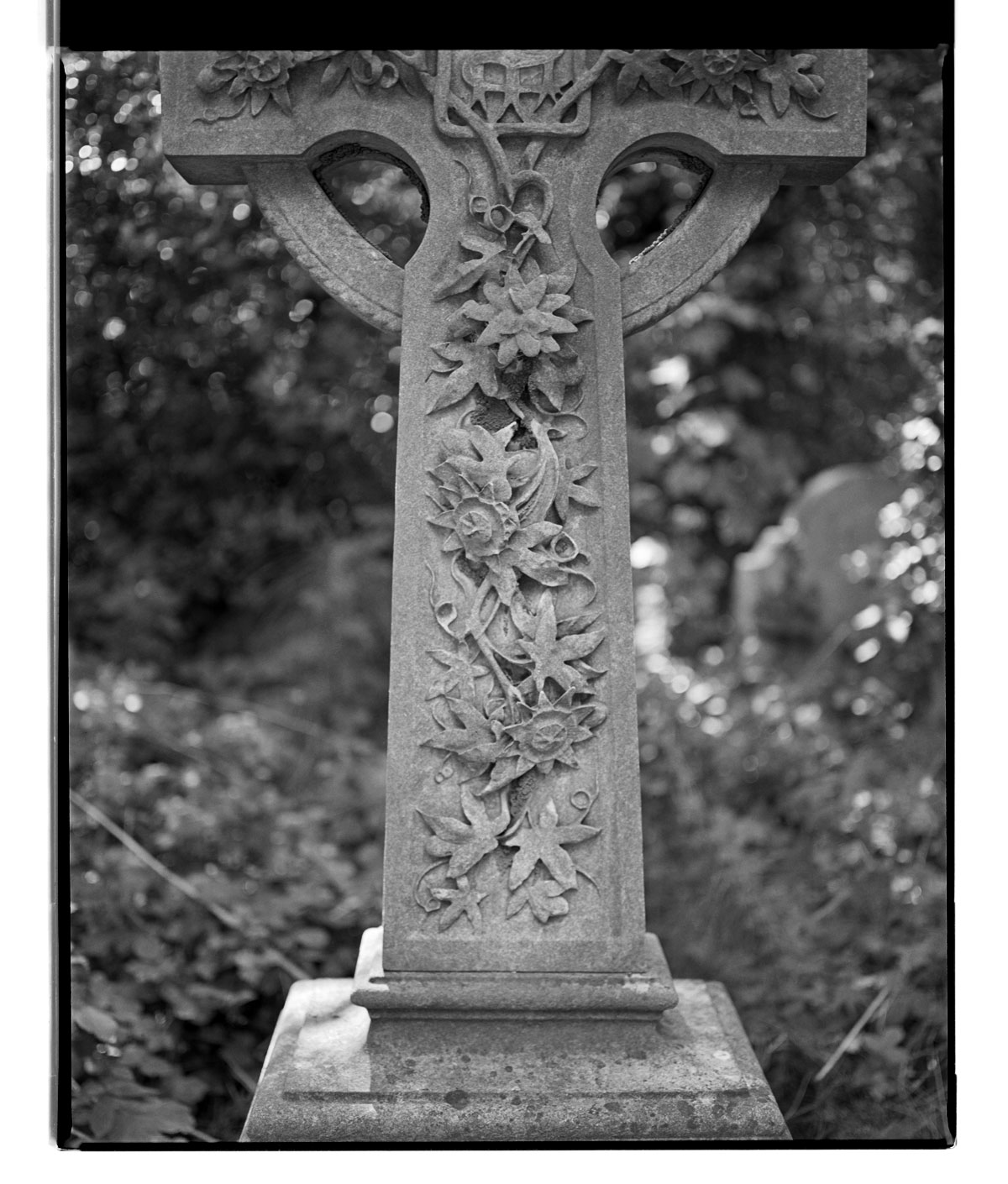
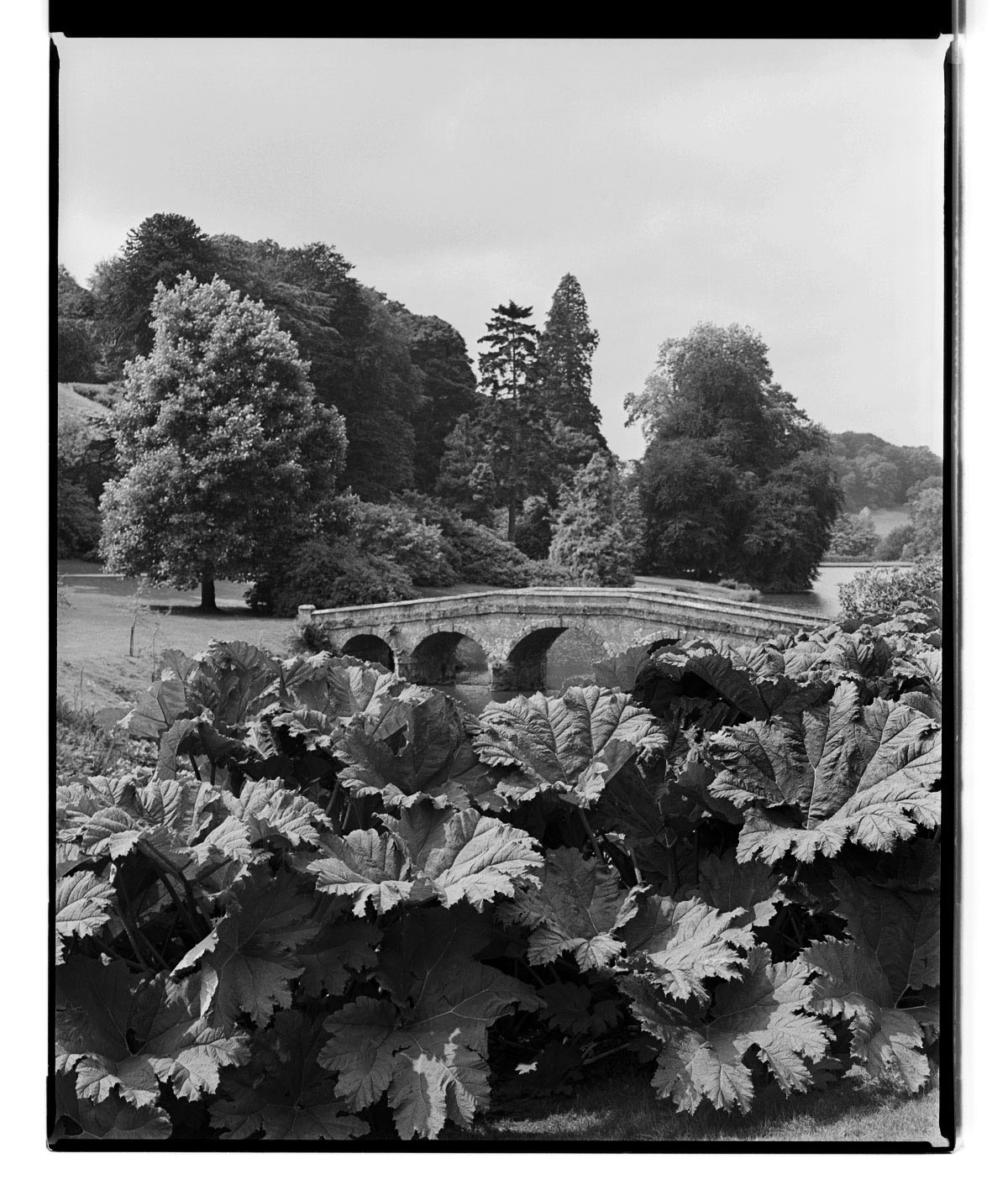

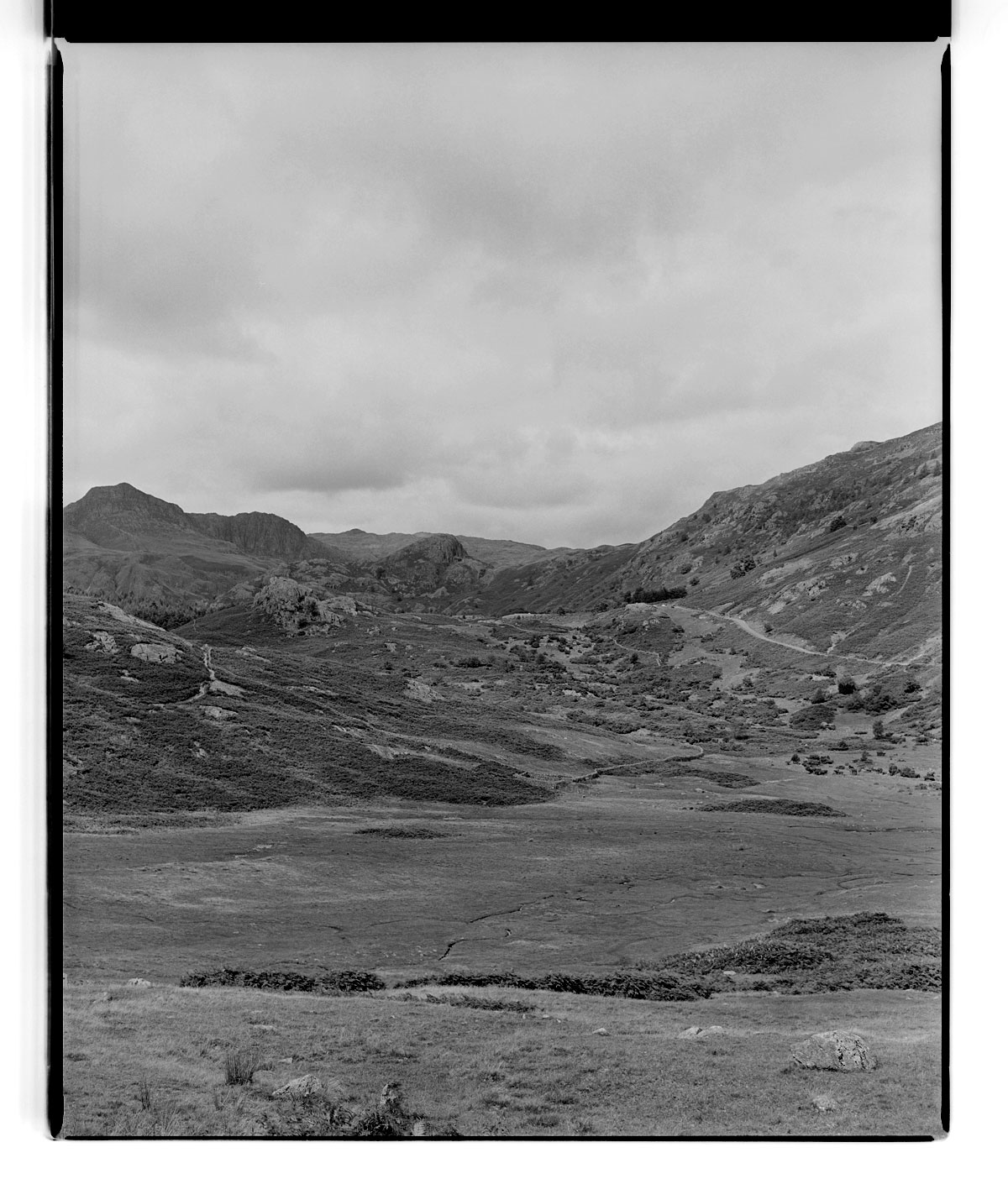


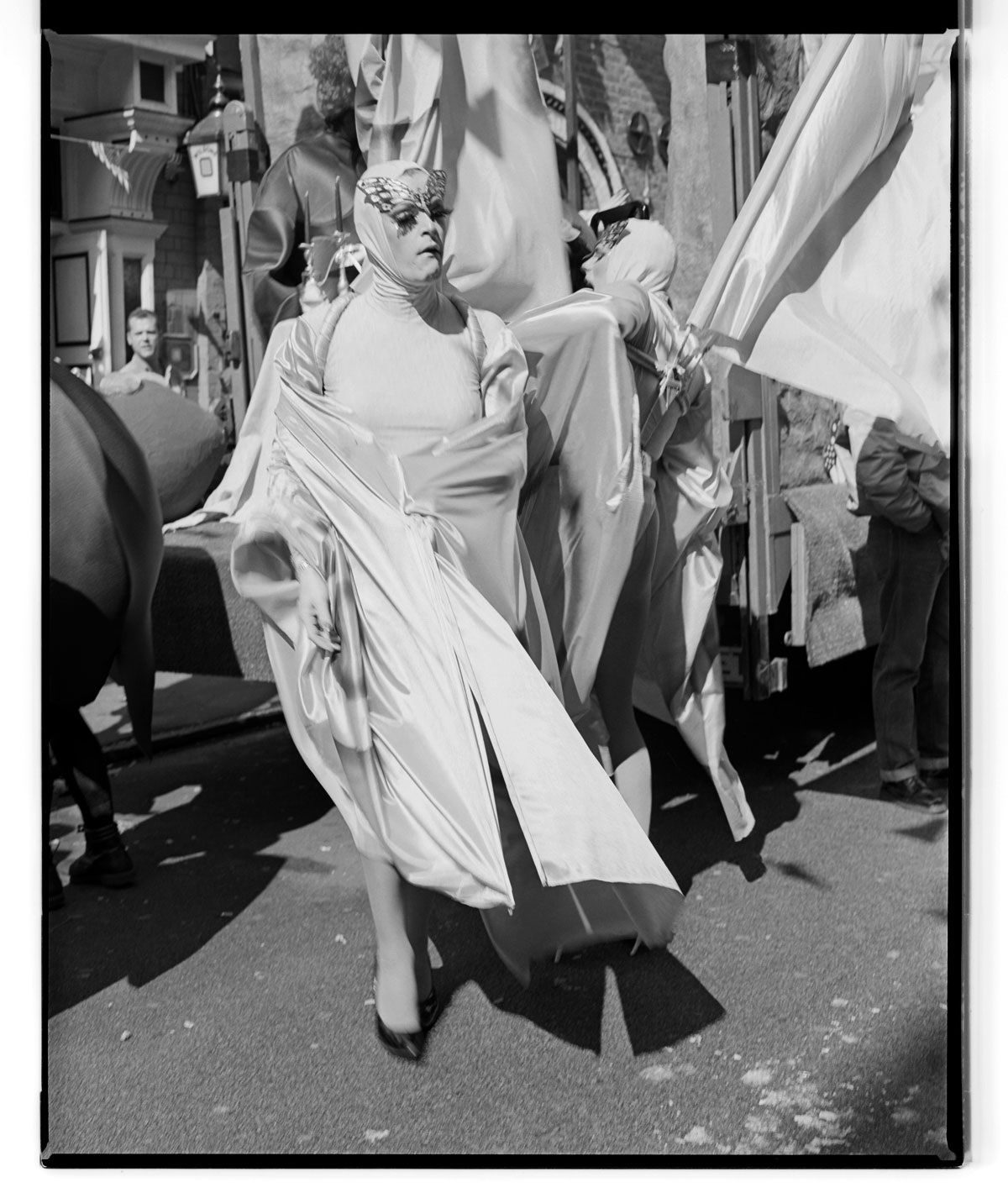
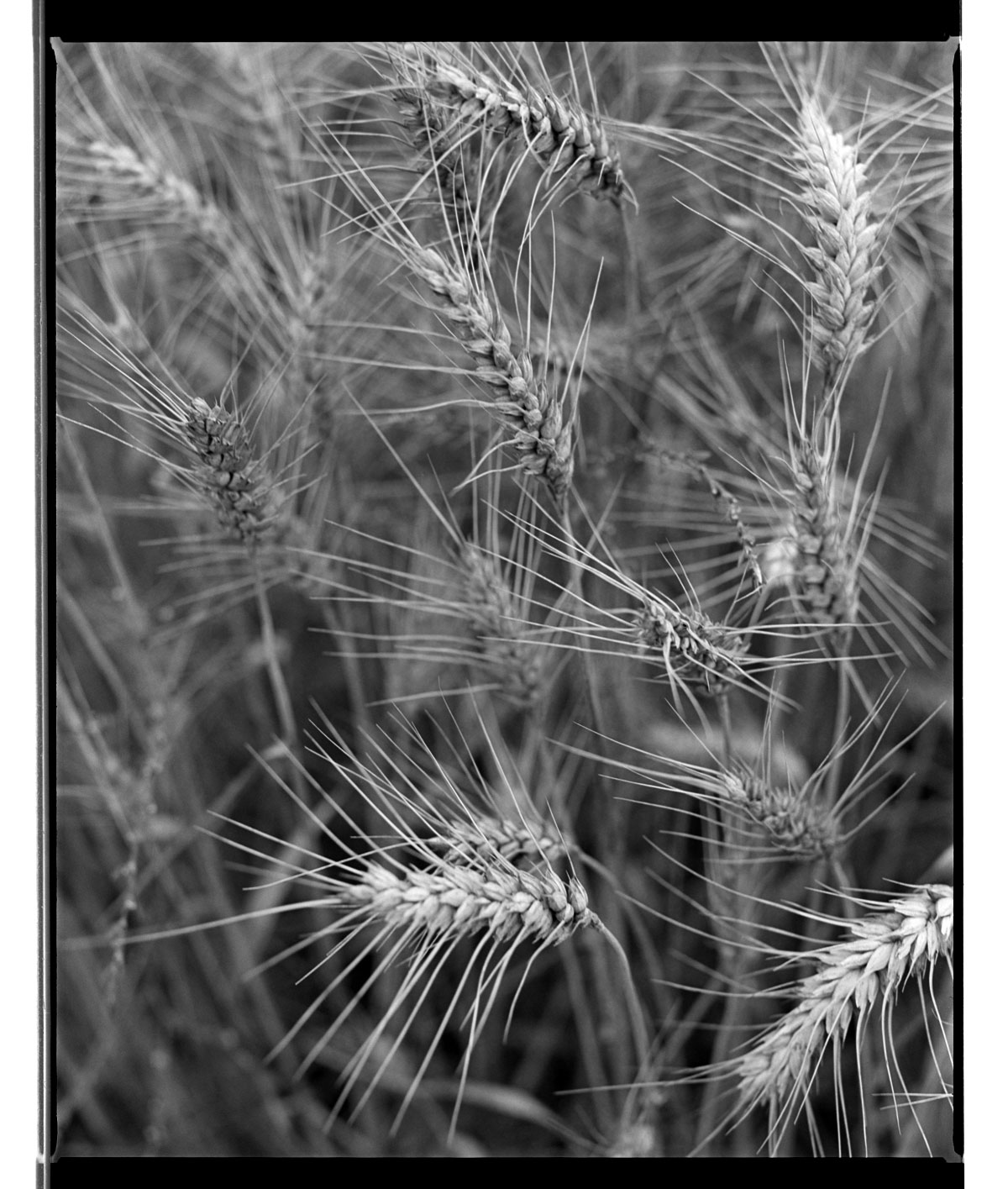
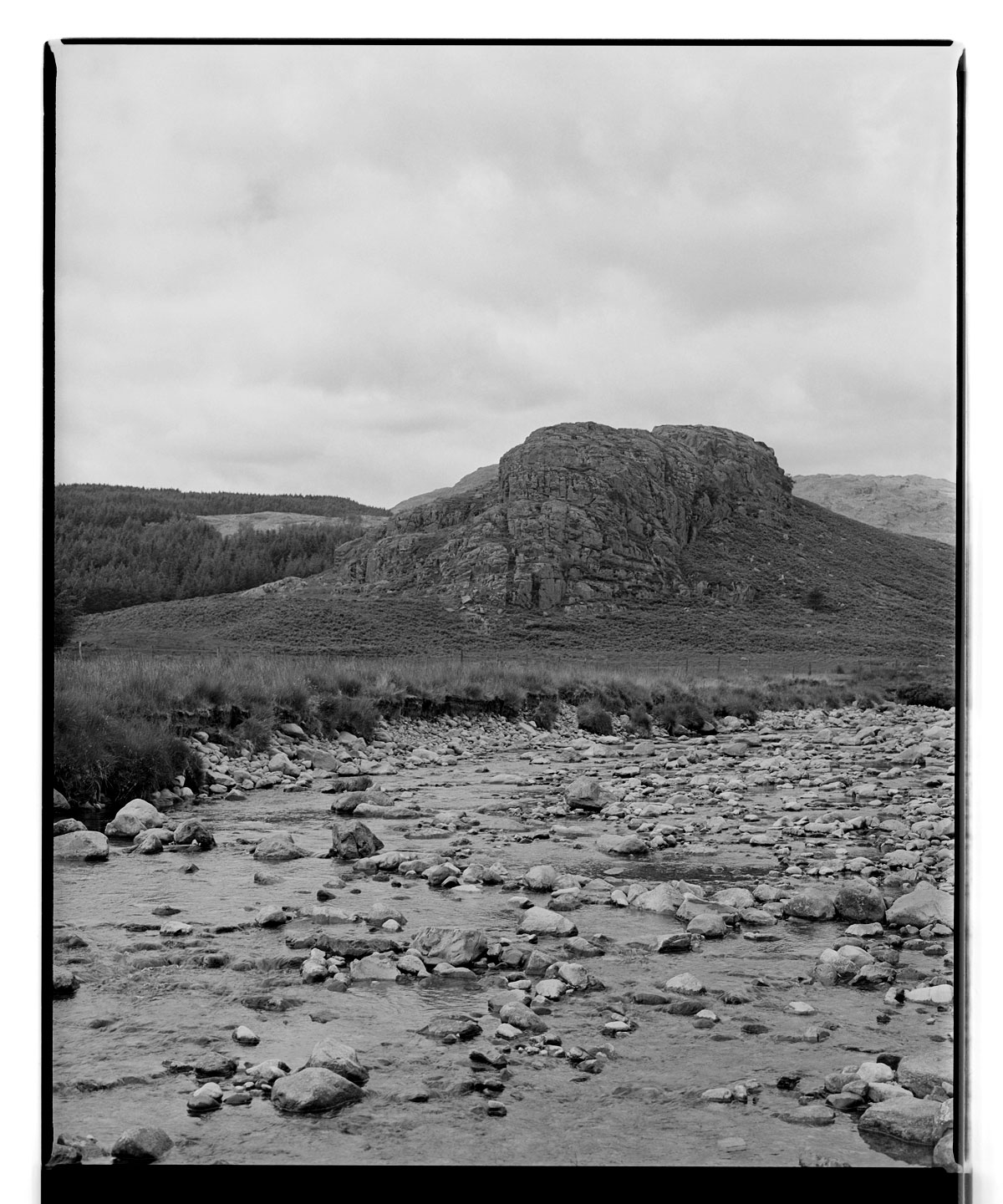
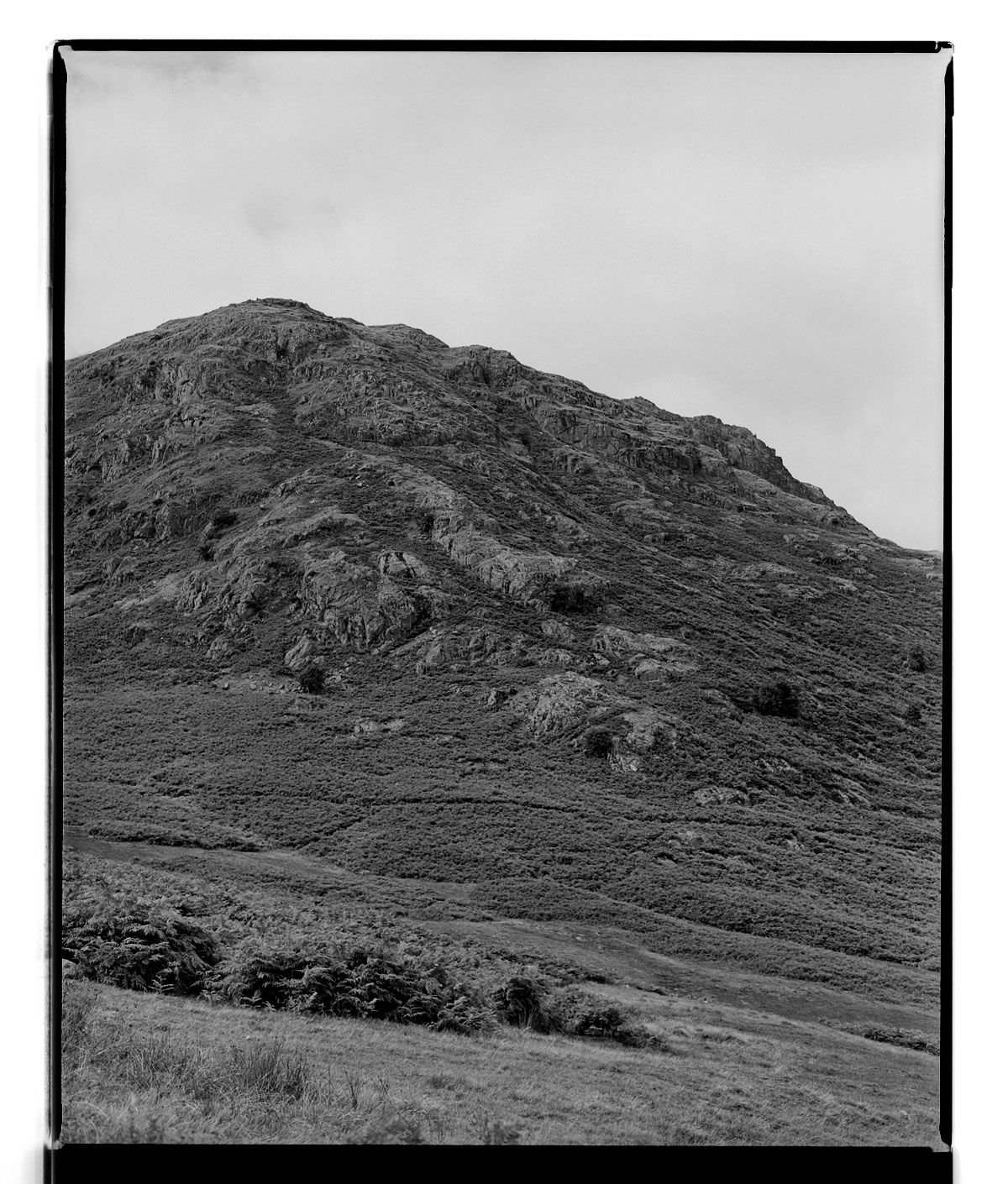
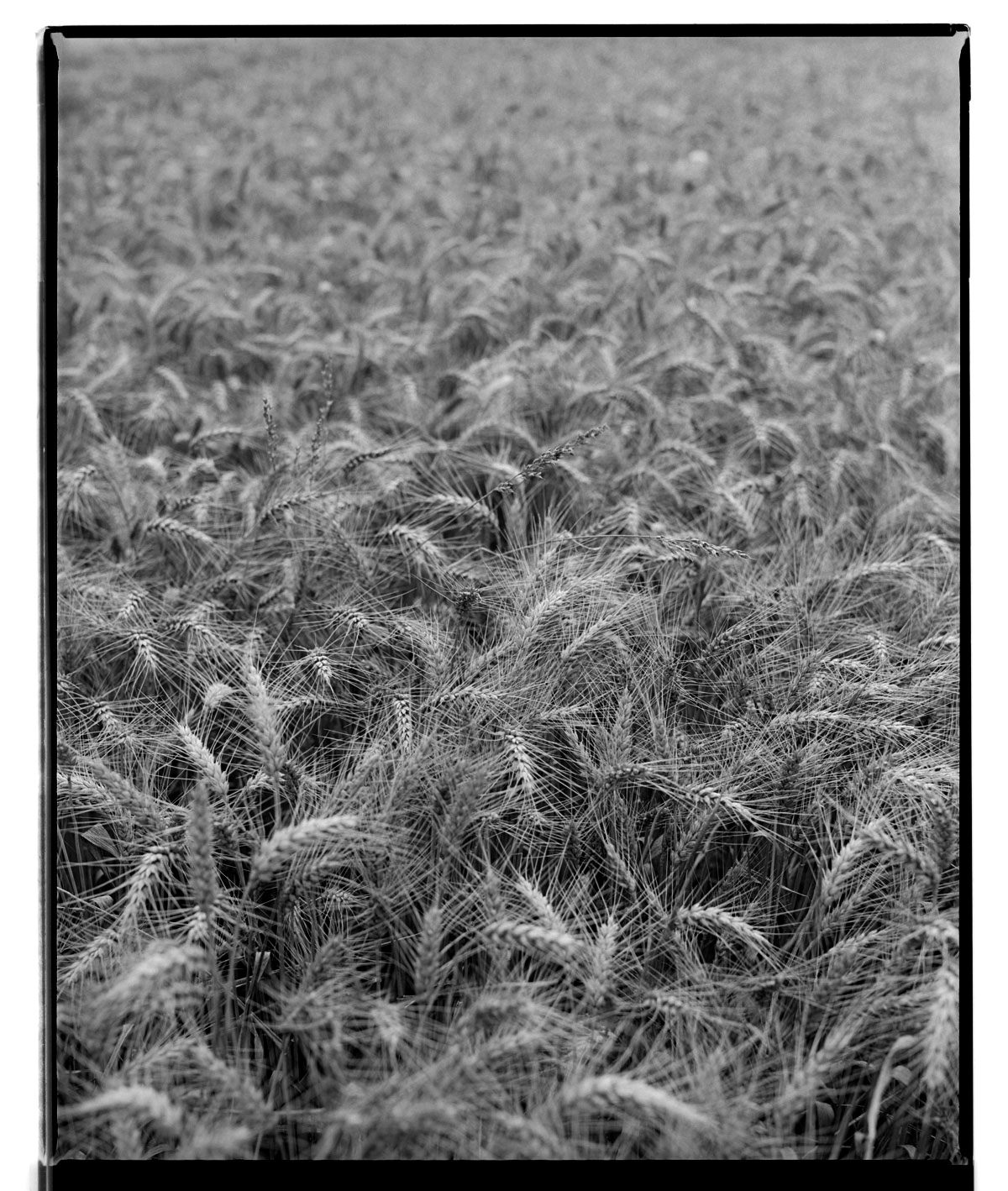
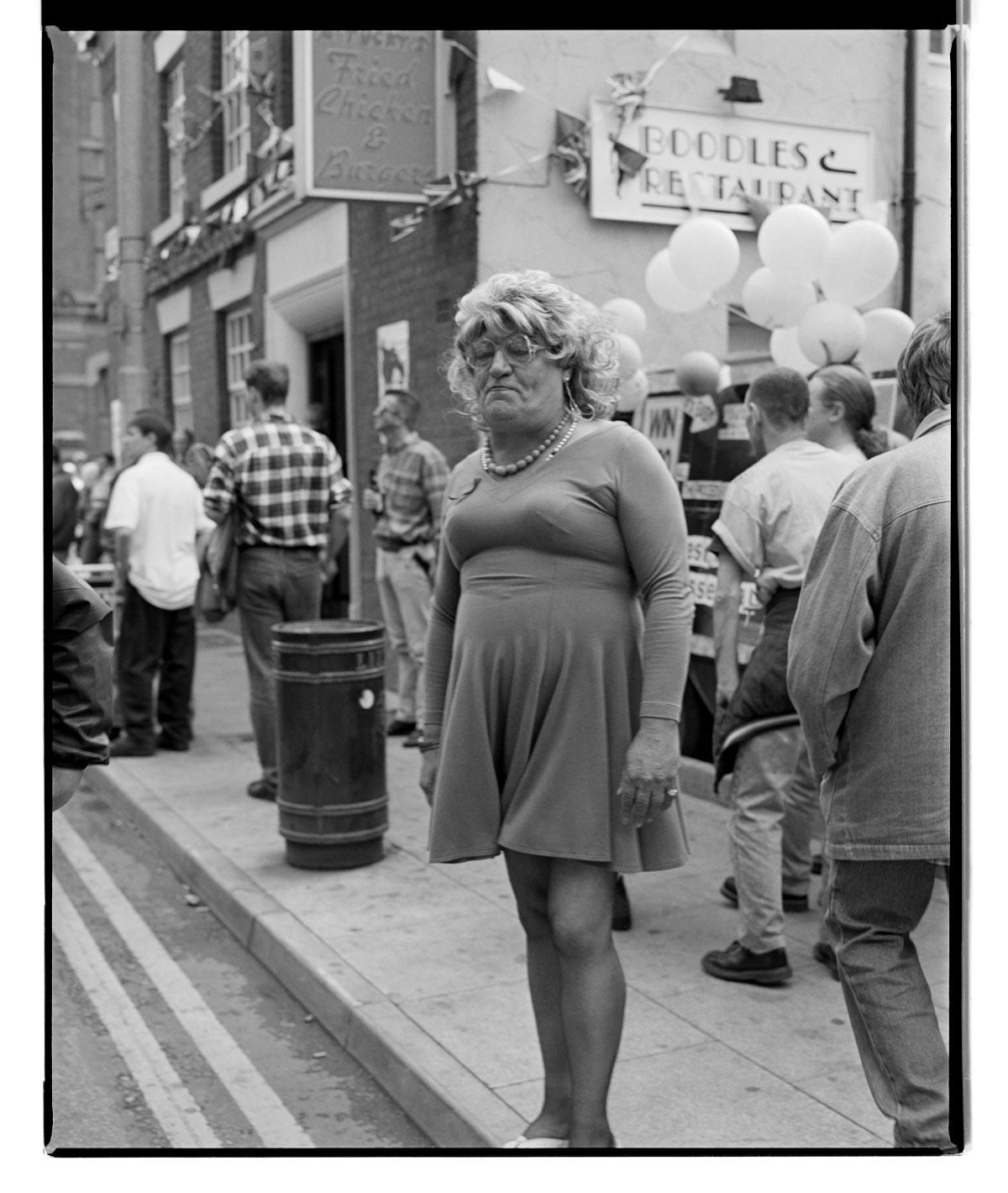
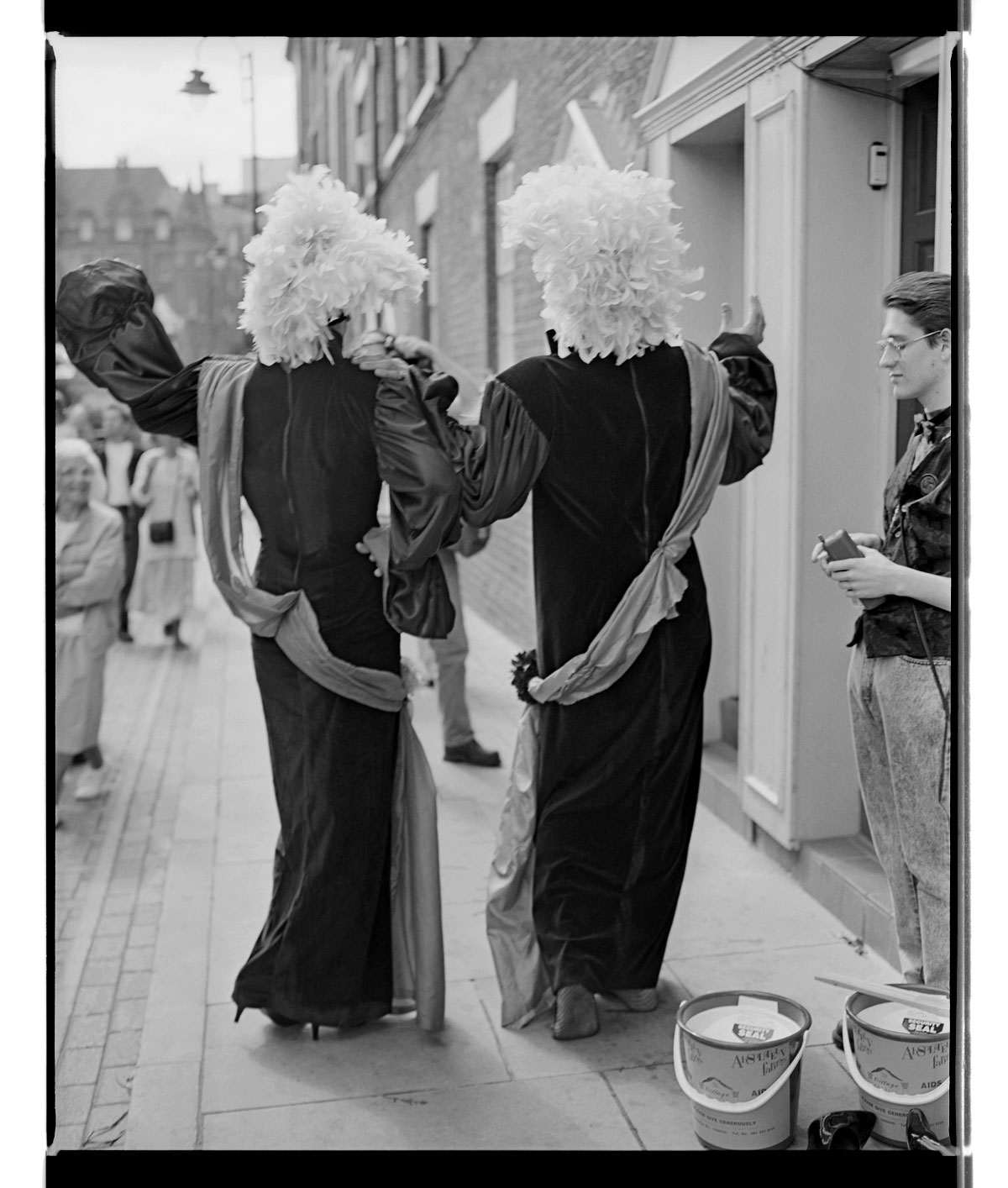

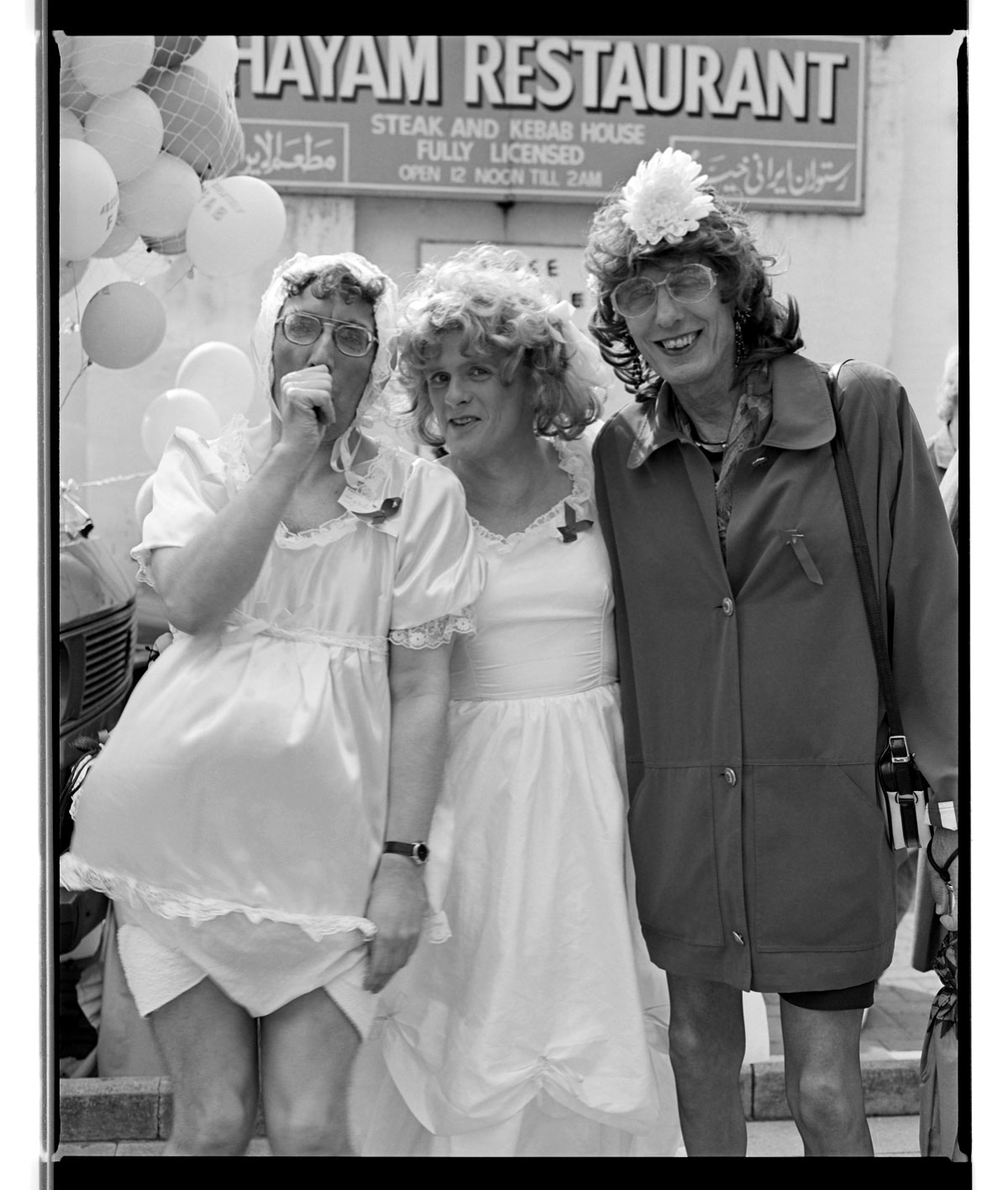

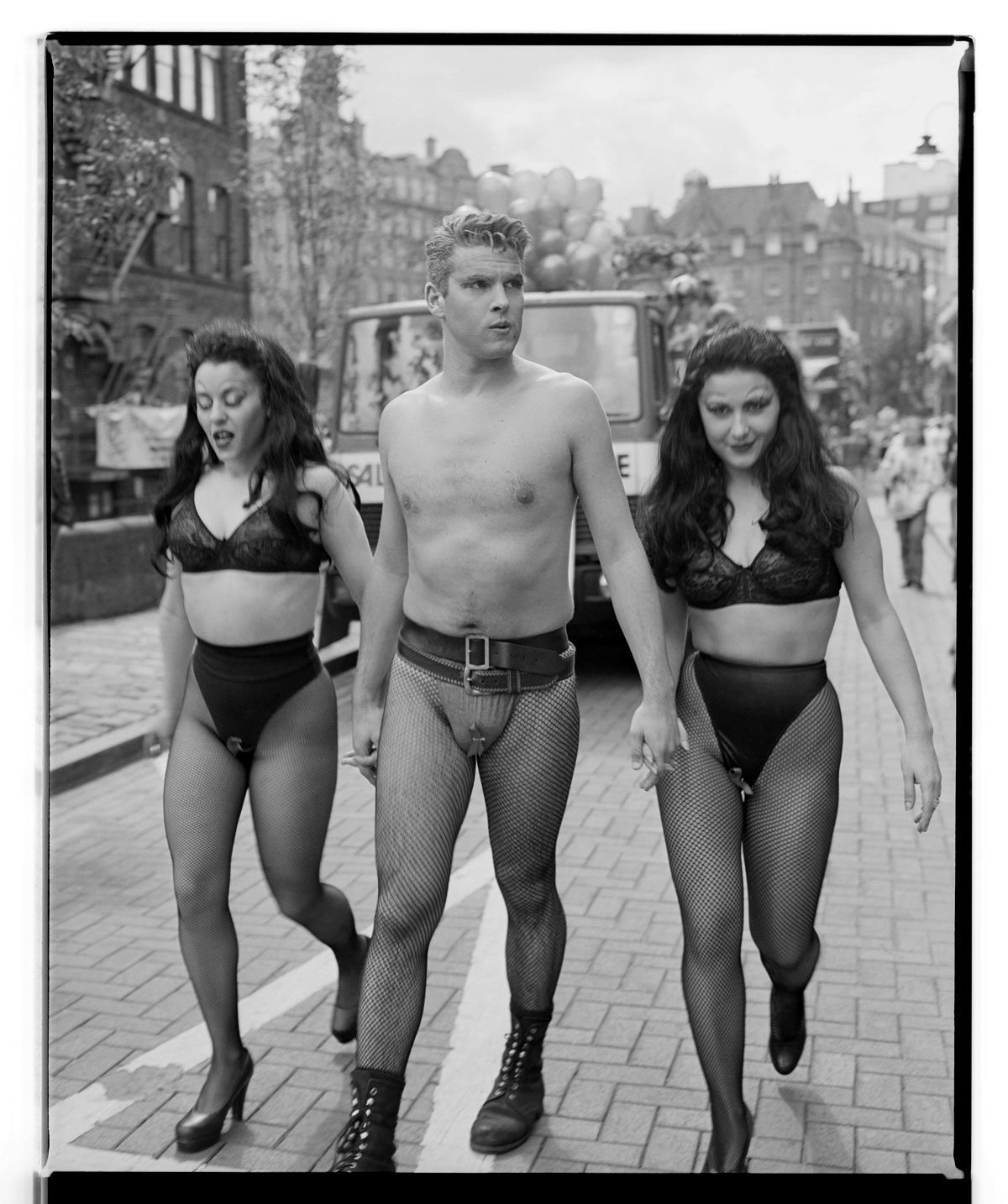
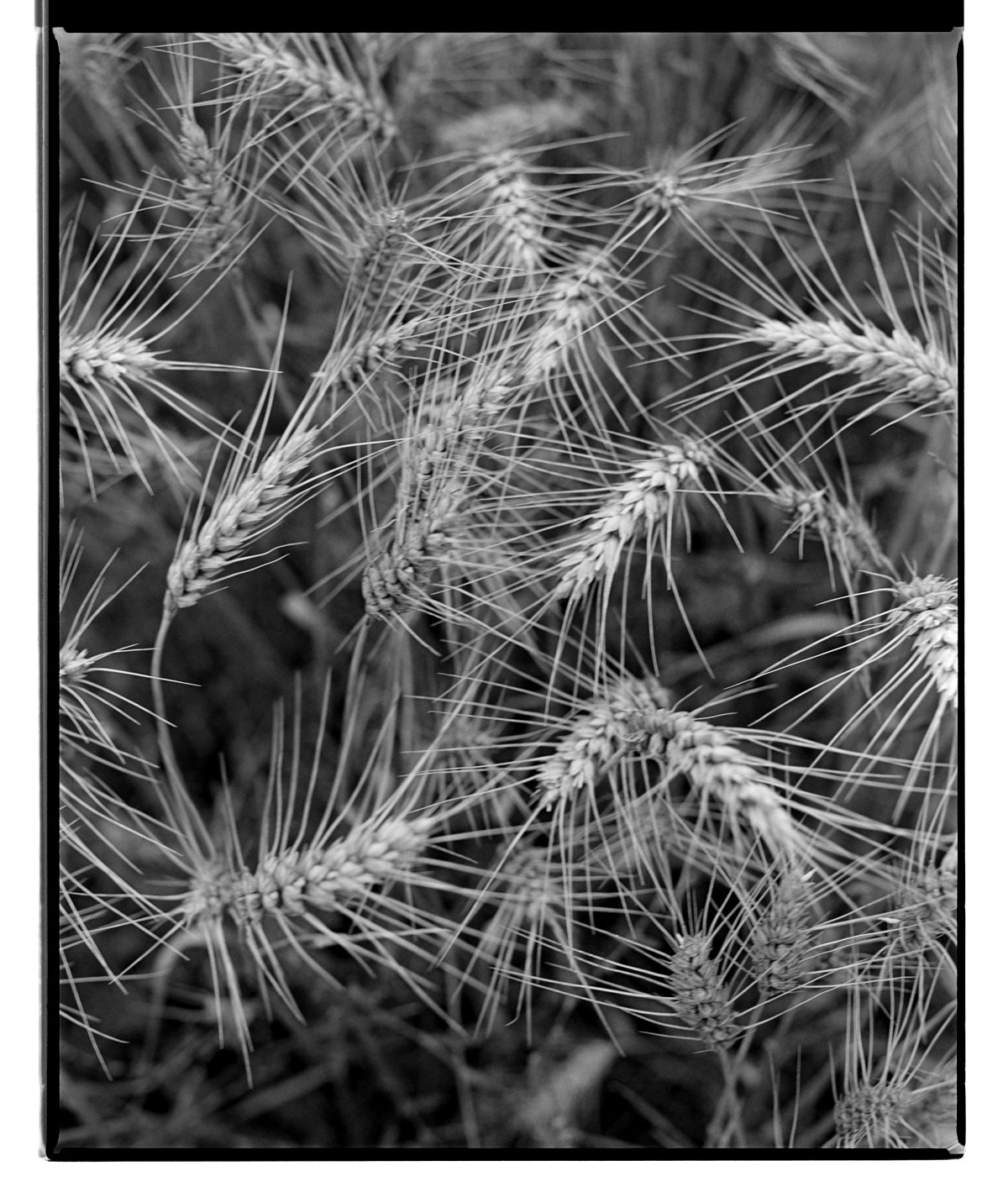
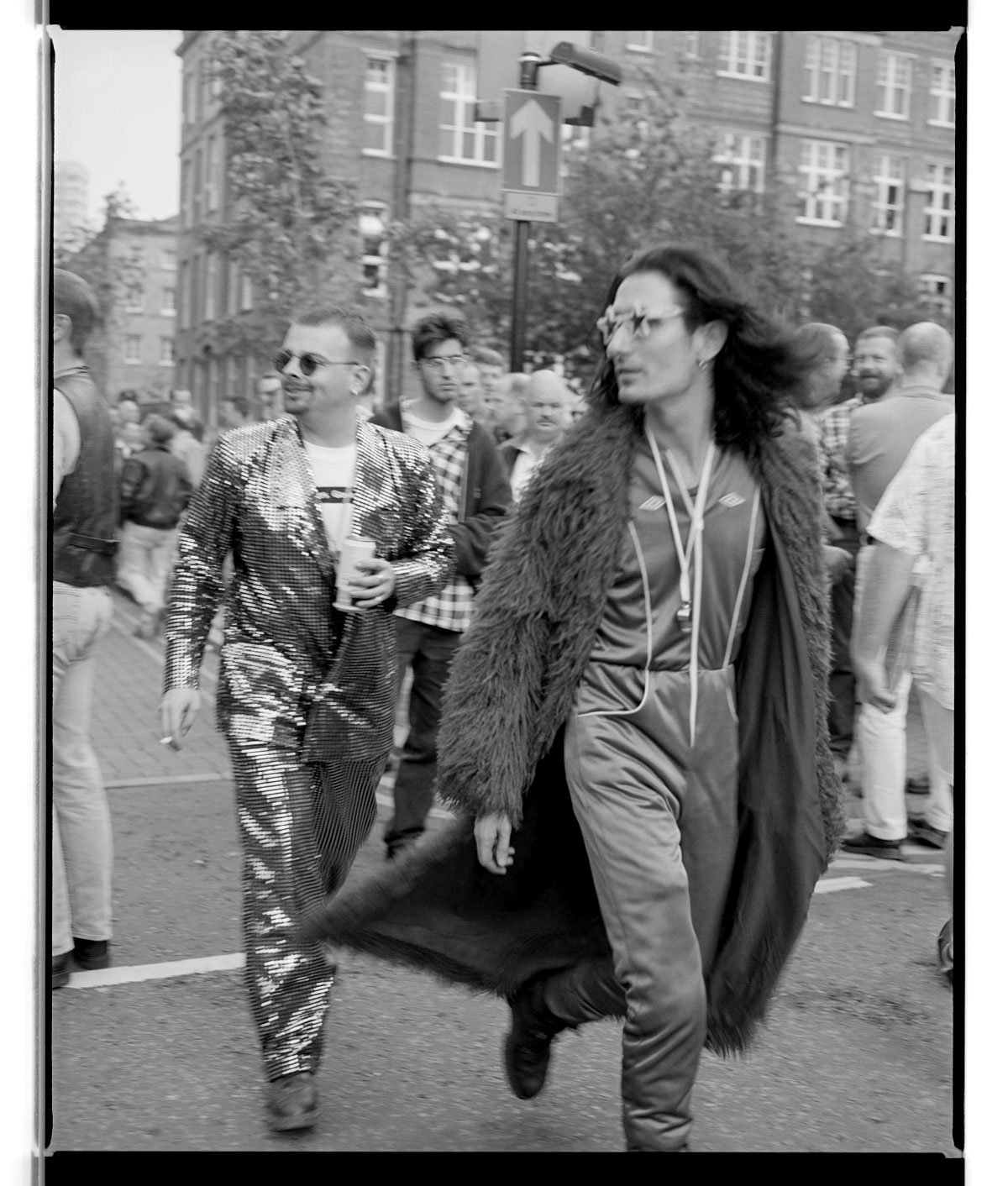
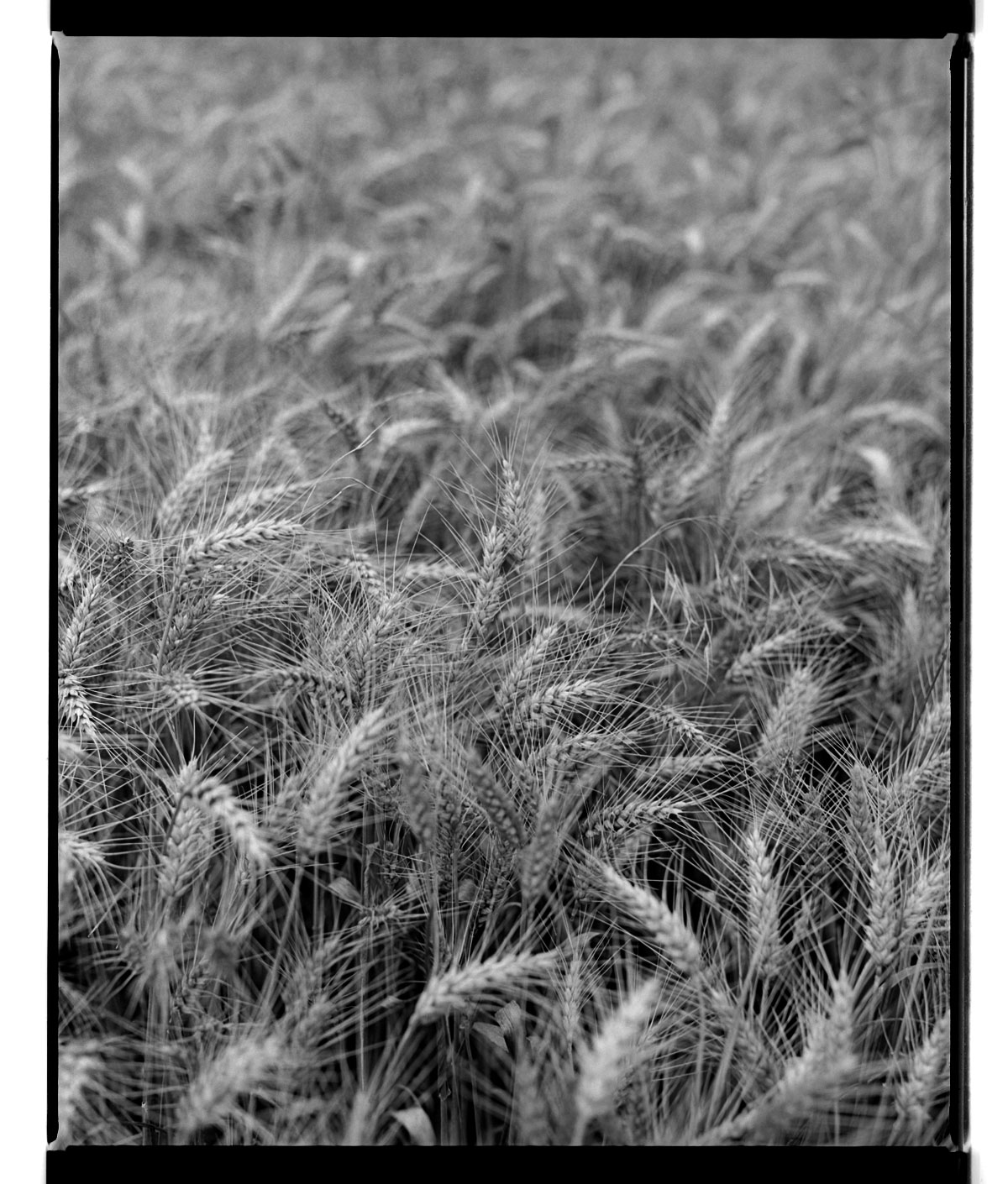

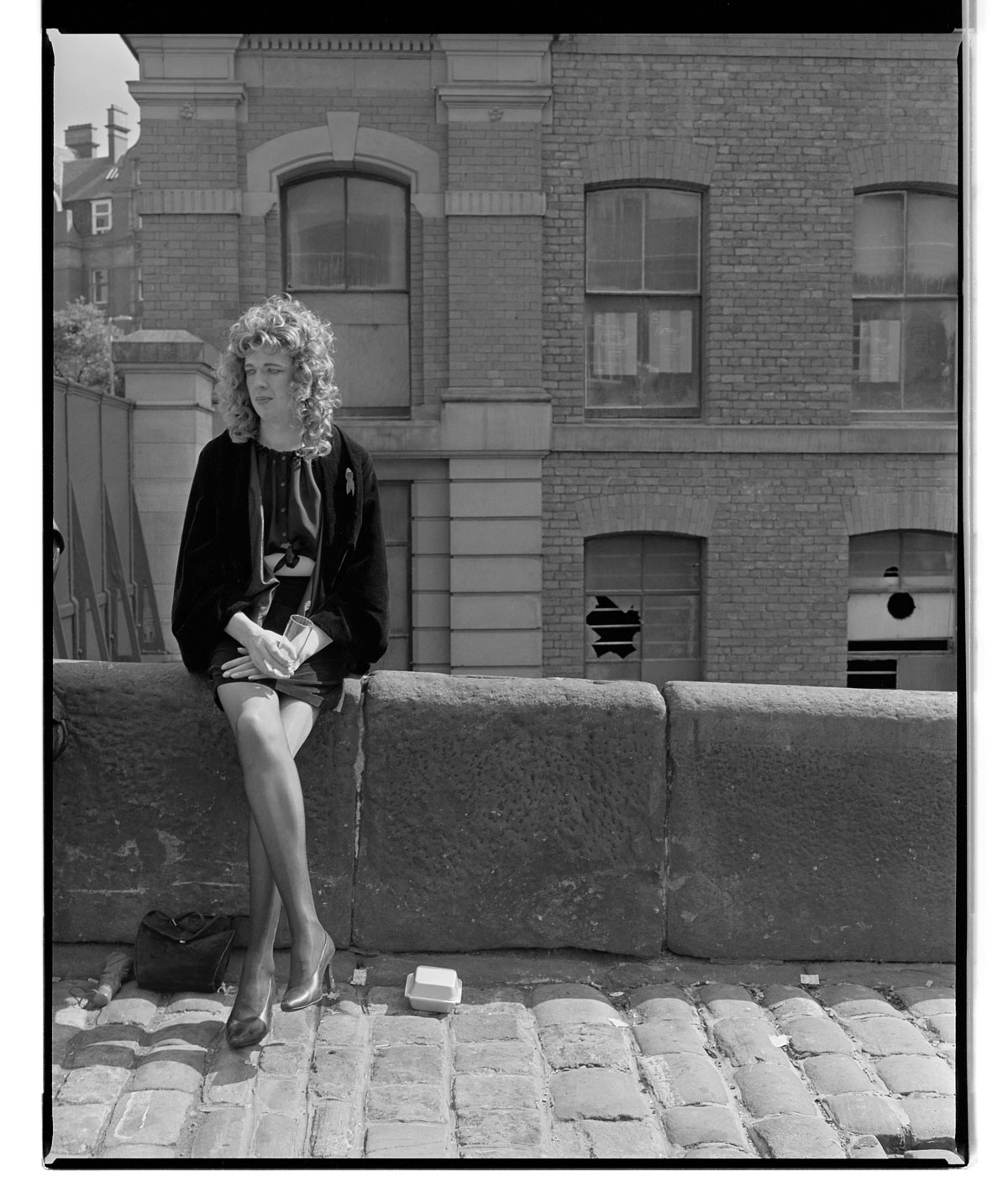
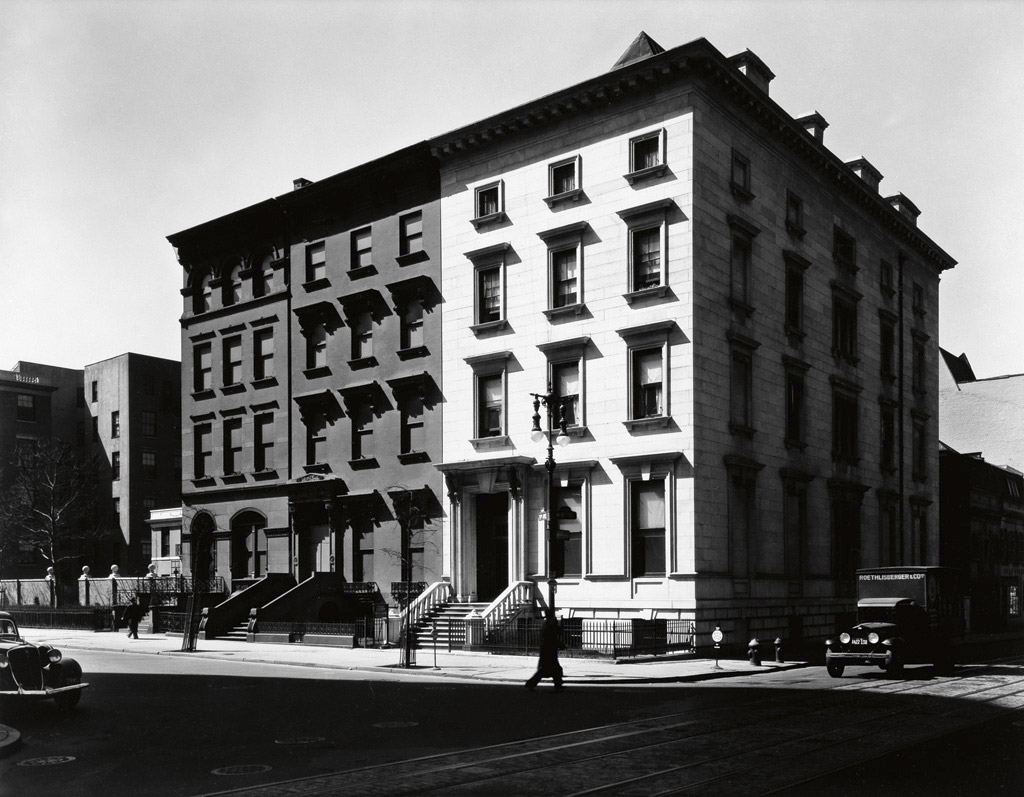


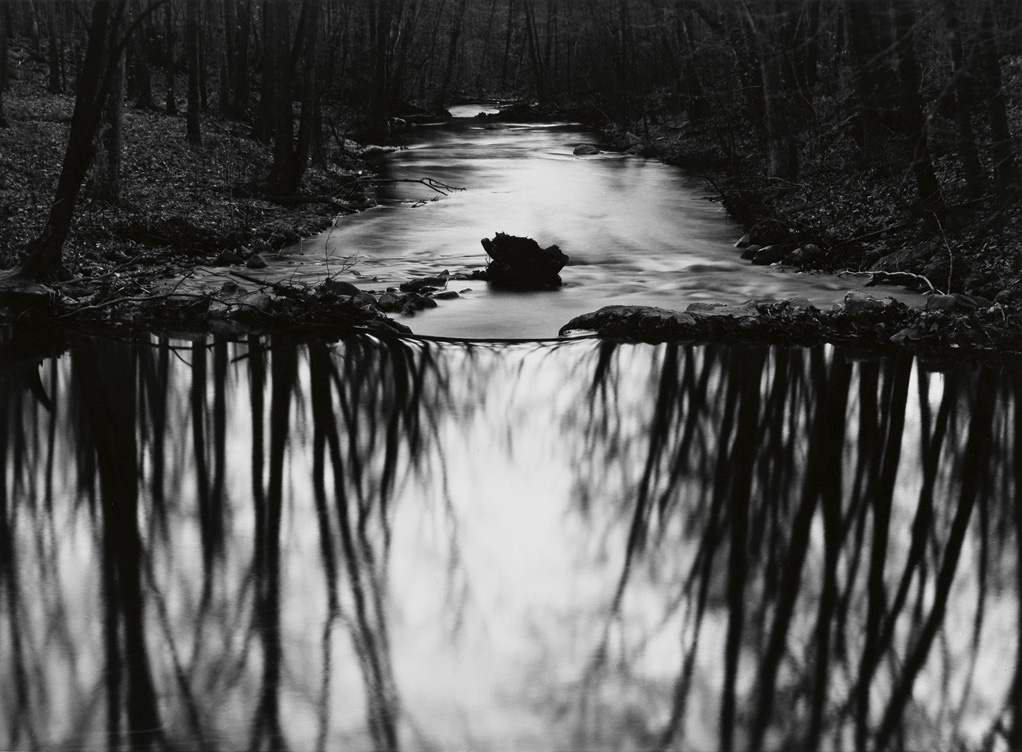
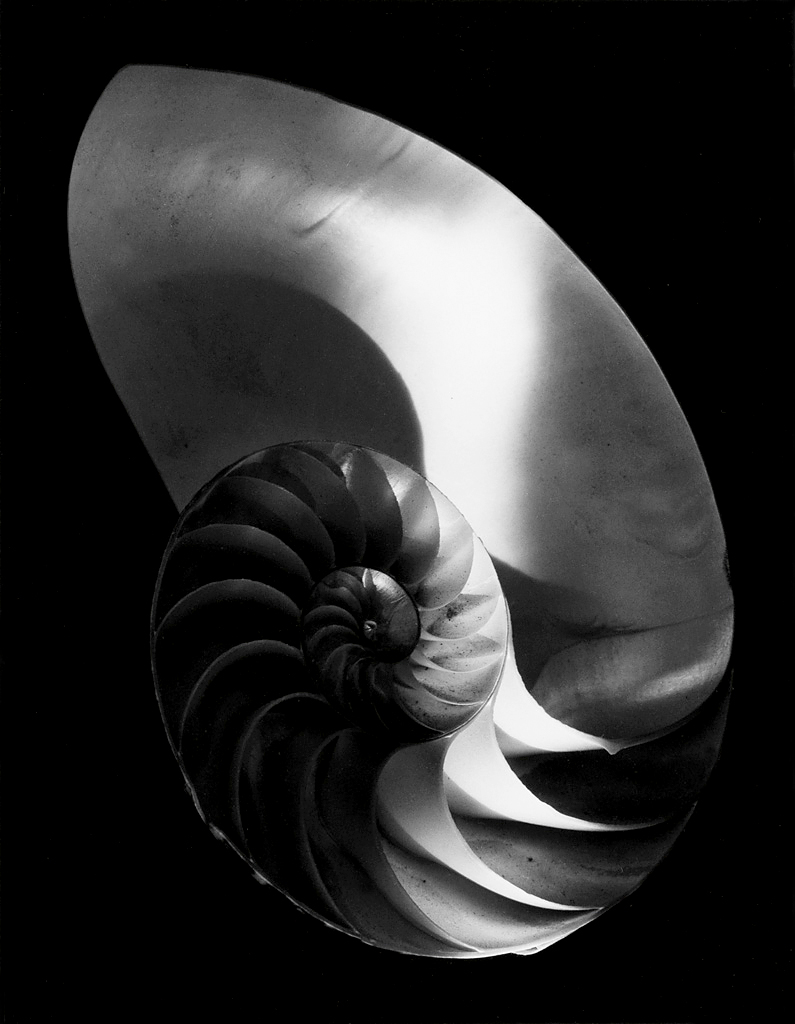
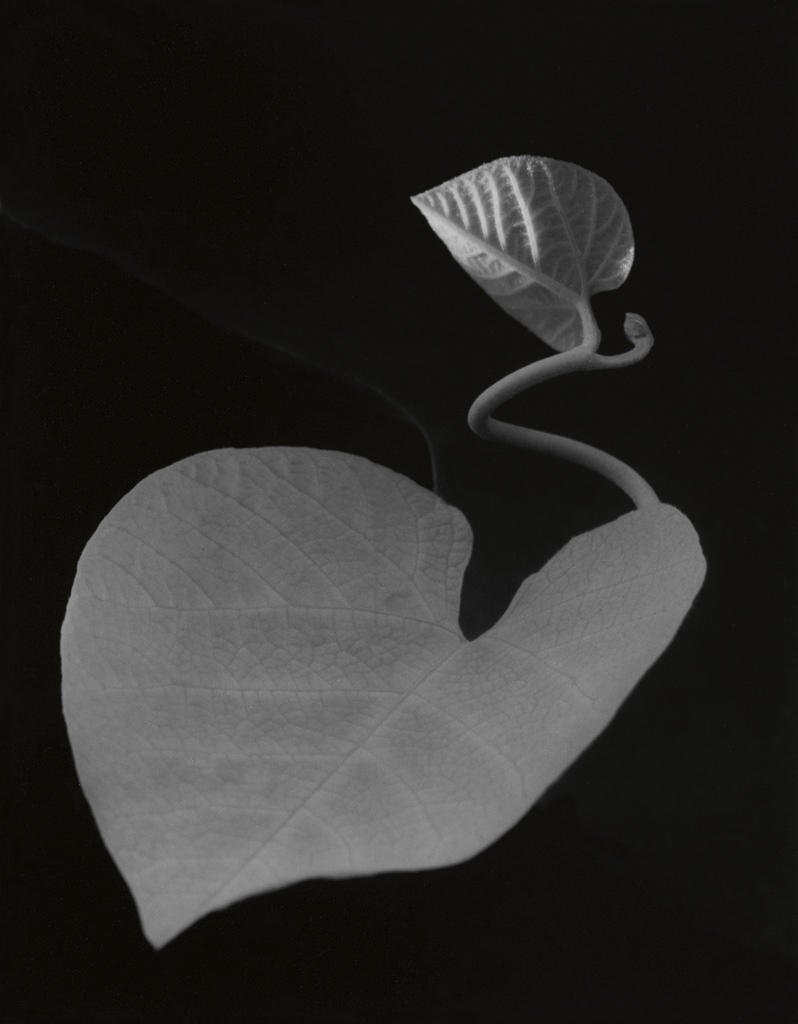
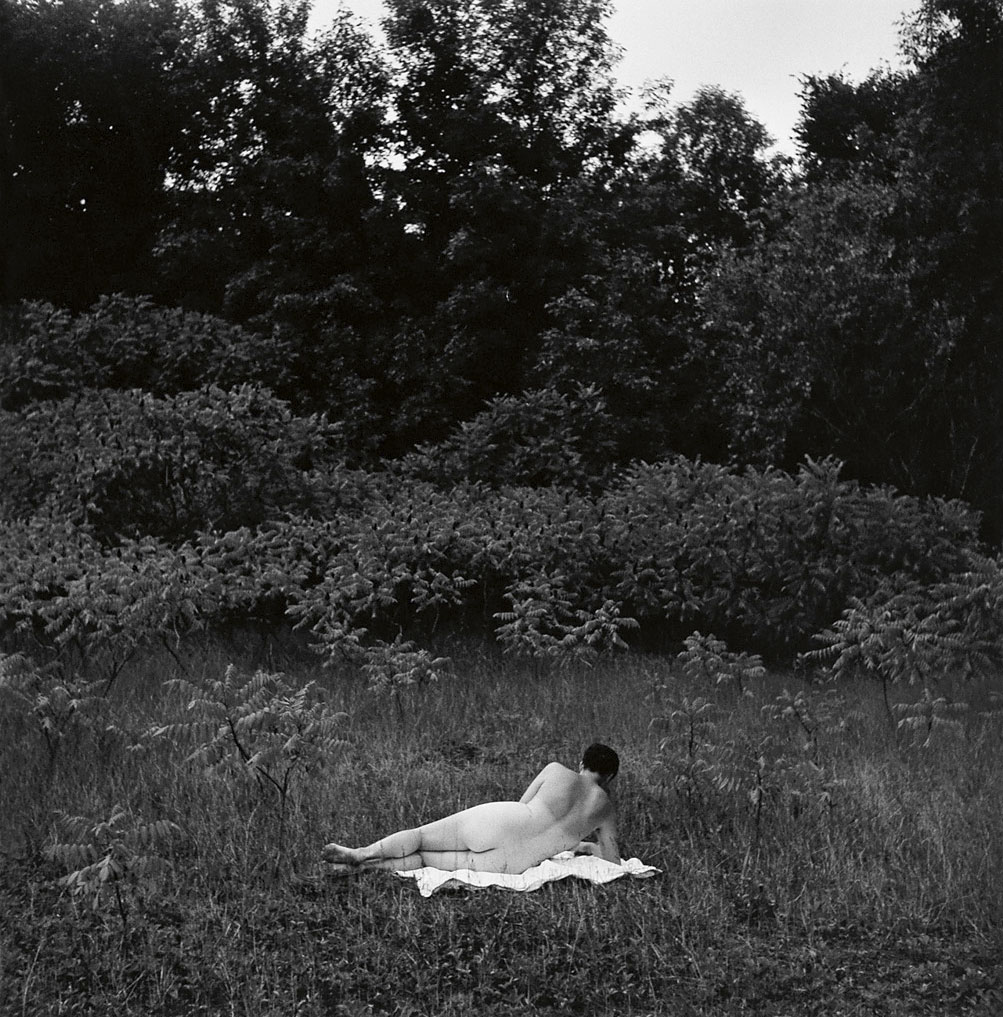
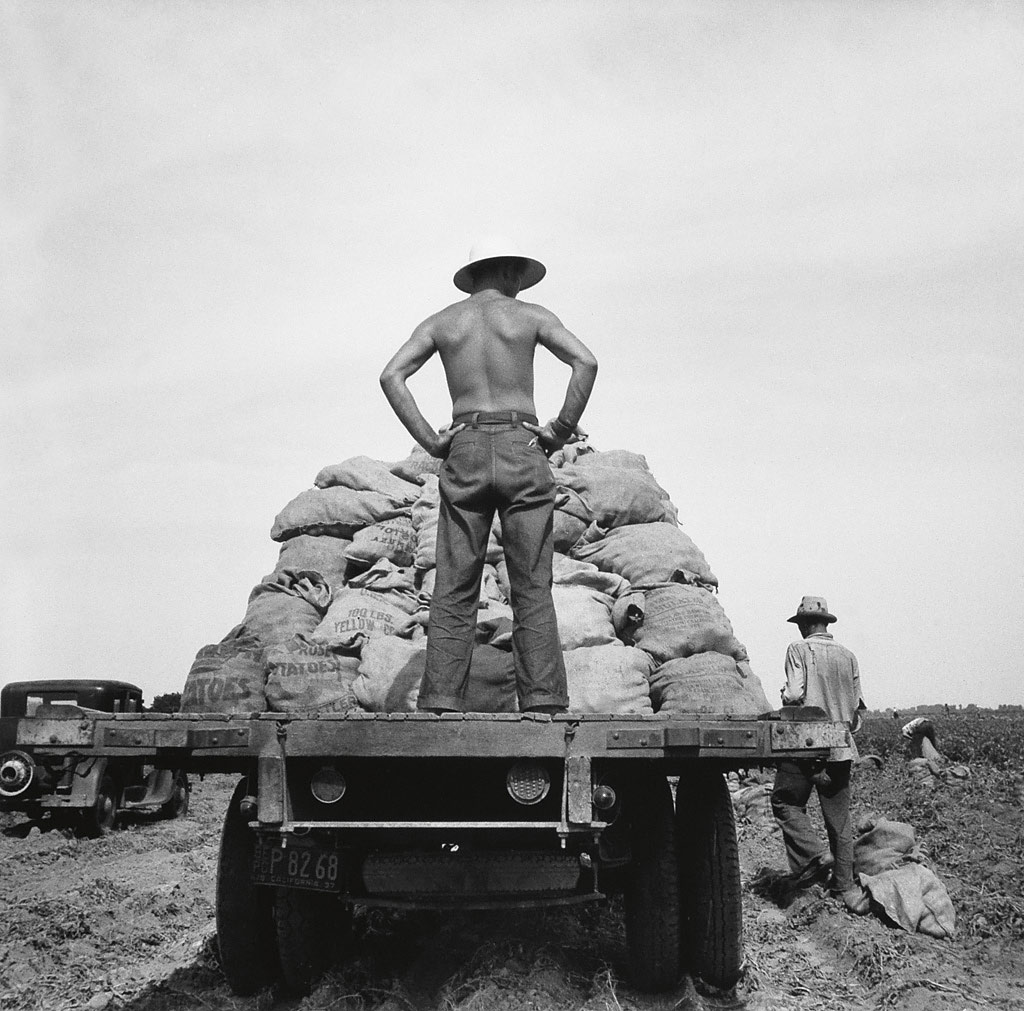

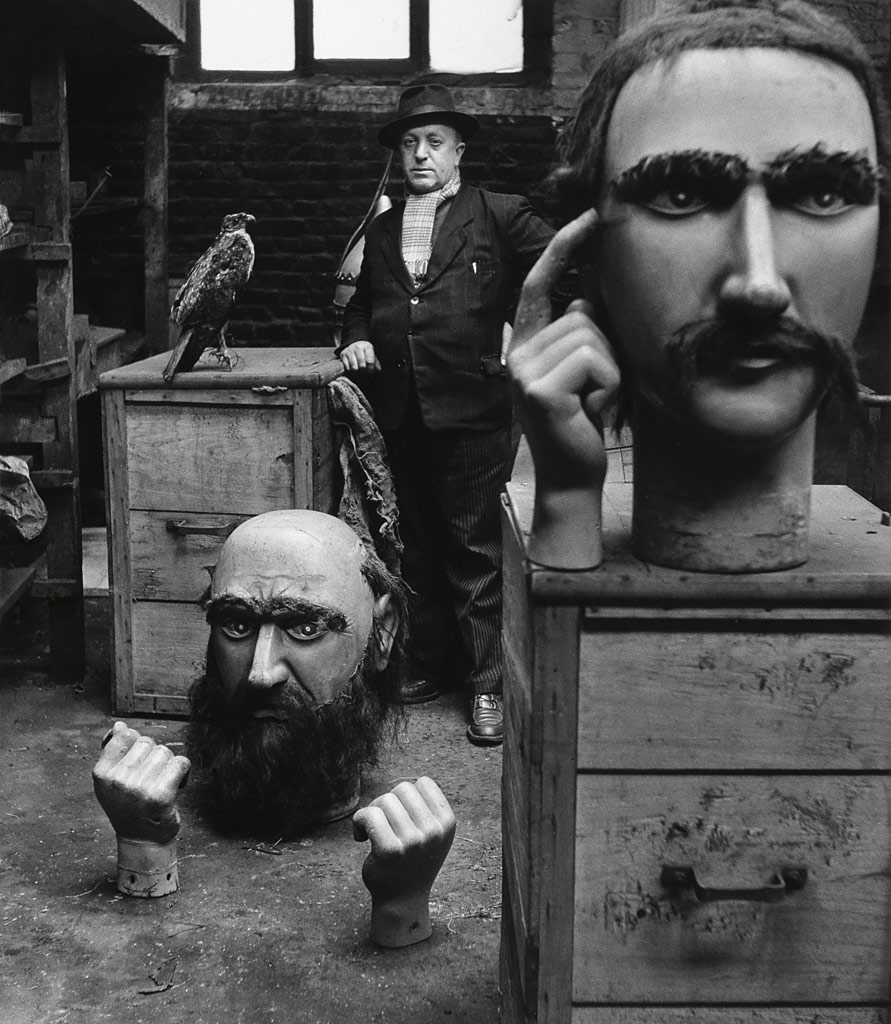
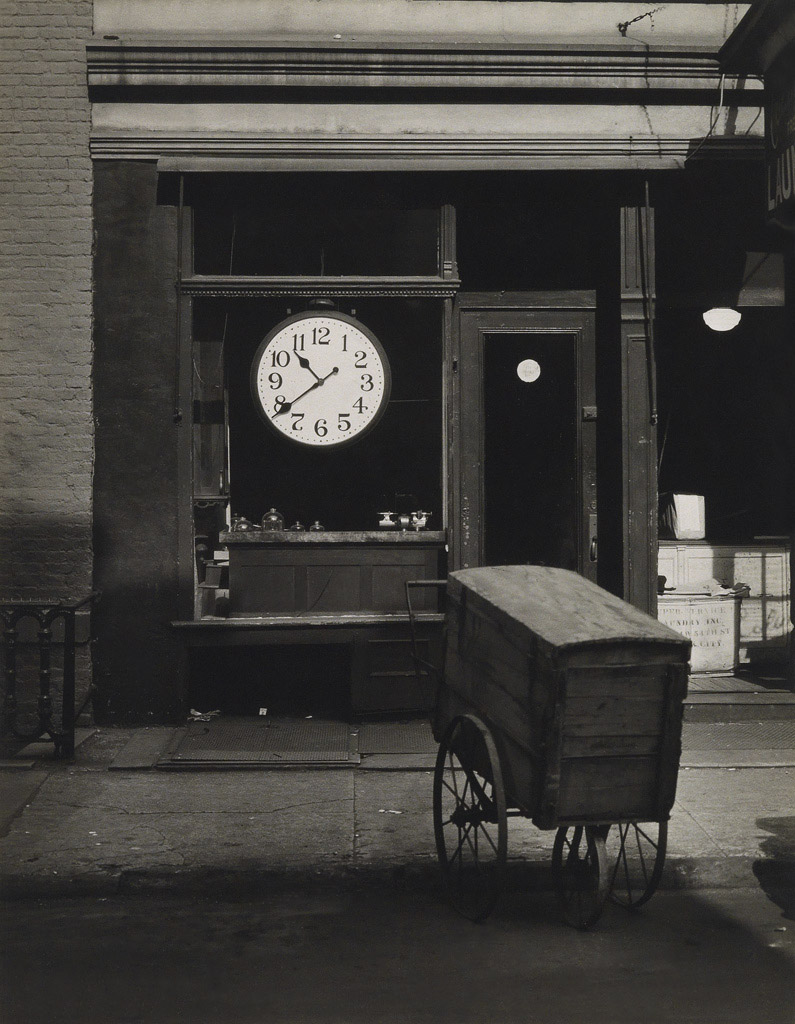
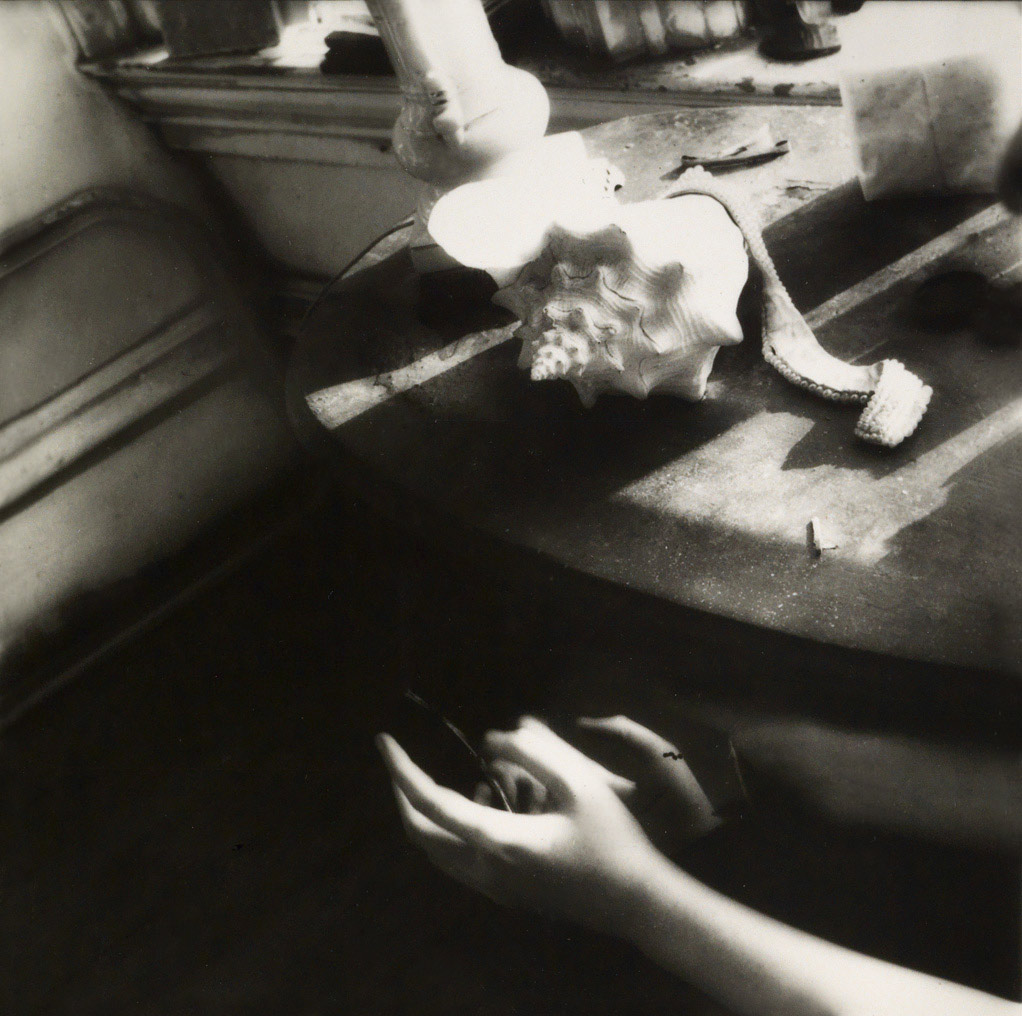
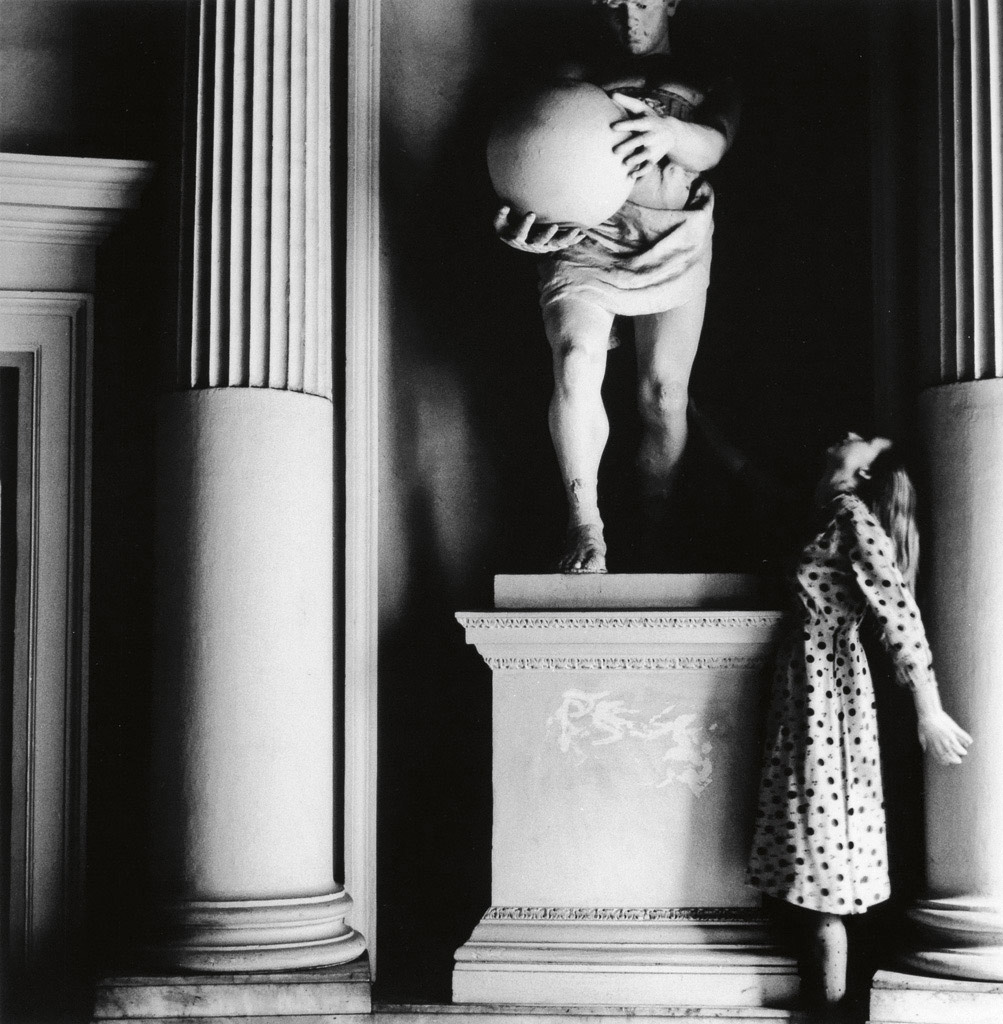
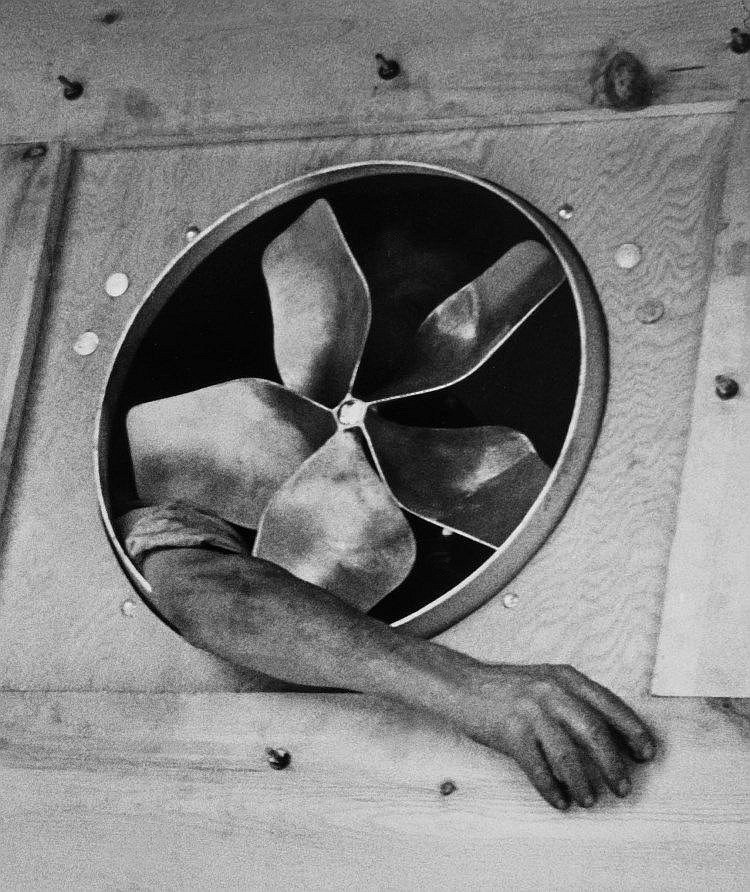
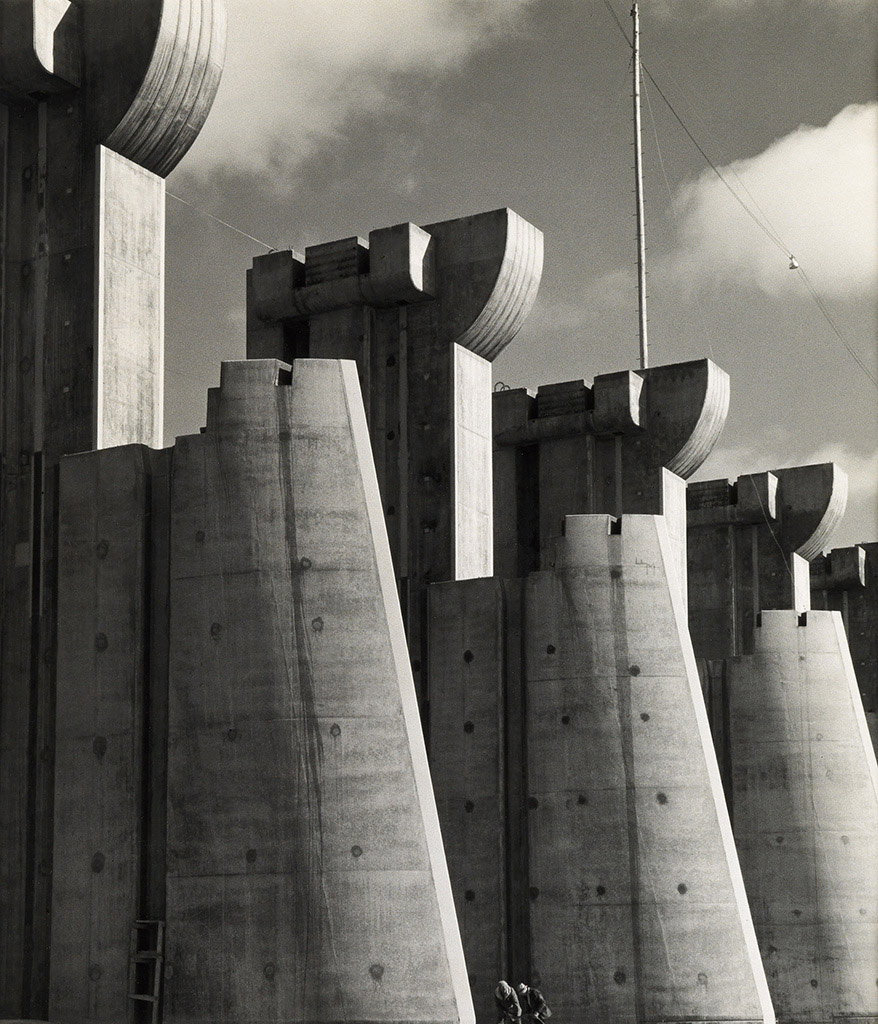
![Margaret Bourke-White (American, 1904-1971) 'Terminal Tower [Cleveland]' c. 1928](https://artblart.com/wp-content/uploads/2015/03/margaret-bourke-white-terminal-tower-cleveland-web.jpg "Margaret Bourke-White (American, 1904-1971) 'Terminal Tower [Cleveland]' c. 1928")
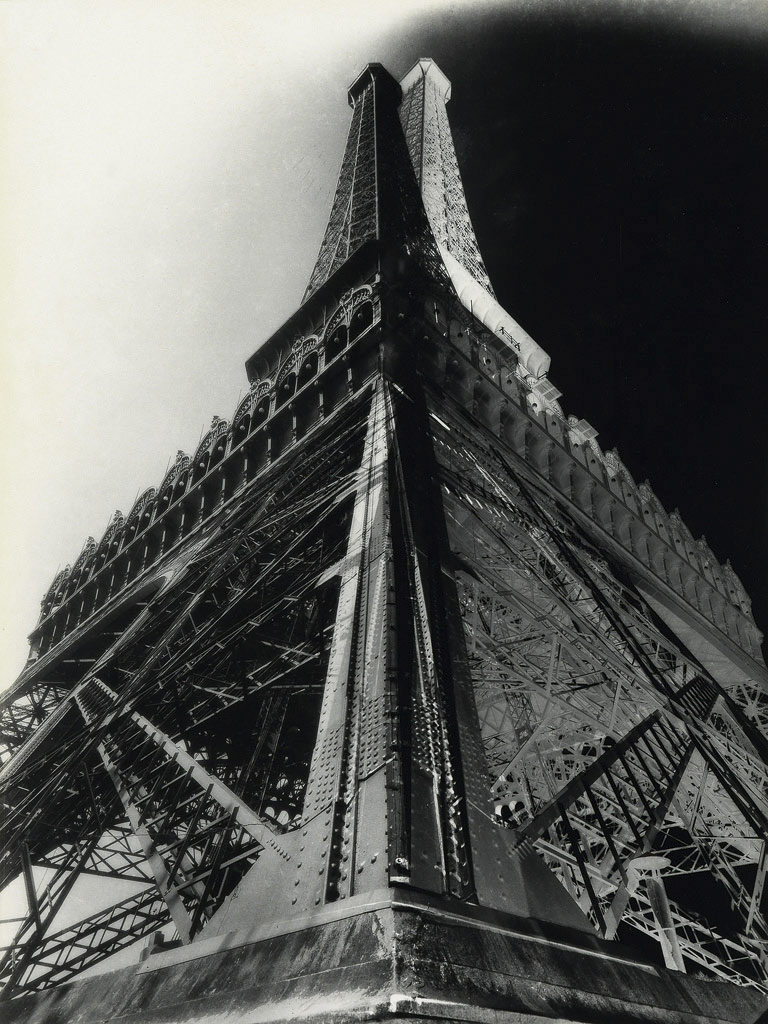
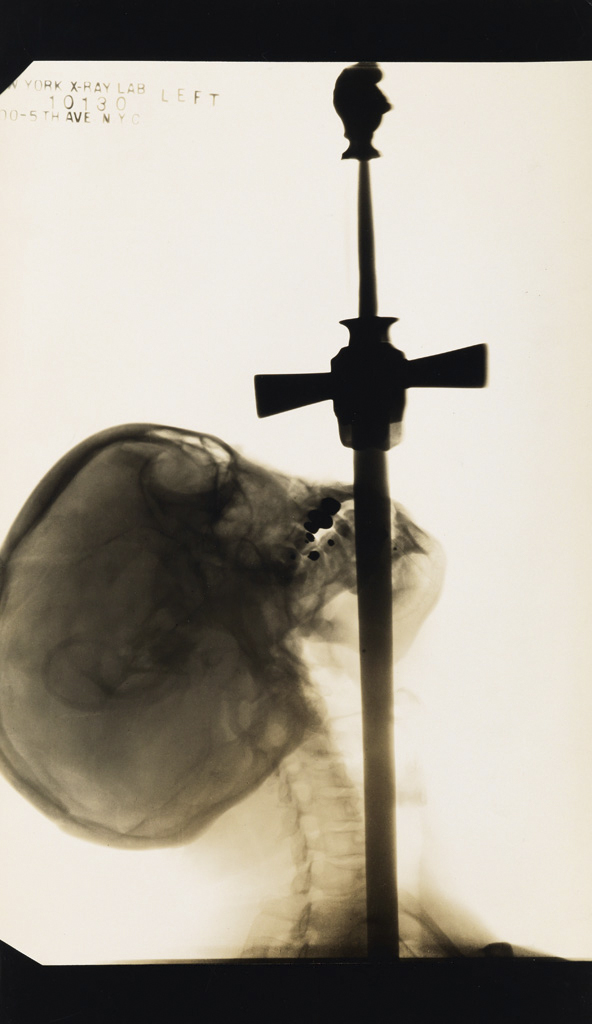


You must be logged in to post a comment.