The heroes of this posting (I don’t know about the exhibition for I haven’t seen it!) are the photographs of Ron McCormick (English, b. 1947) which are deeply rooted in the traditions of photography and the community from which they emanate.
They picture an era of change in the East End of London in the 1970s with all the working class grittiness that area was renowned for. I remember going to Brick Lane market in the mid-1970s and it was a rough area. At that time, the East Enders seemed to be a throw back to a vanishing race born out of the Second World War: flat hats, heavy overcoats and a toughness to just carry on regardless. But things were changing.
“As the docks closed, and wholesale slum clearance replaced old neighbourhoods, many communities were being transformed beyond recognition… Yet a different East End was also coming into being, as new migrant communities created a space for themselves,” one that has become equally as British as previous white iterations. The narrow definition of an “East Ender” was gradually replaced with something more multicultural.
McCormick’s photographs picture such a transformation: Jewish, White, Muslim, Indian, Black, etc., all mixing together in a potpourri of ethnicities, “a vibrant cultural landscape with a variety of traditions, languages, and backgrounds existing together,” while his photographs are rooted in strong social documentary traditions.
In his work I can feel (the critical observation) the influence of Lewis Hine and Walker Evans, more recently that of Lisette Model and the interior photographs of Diane Arbus, Roman Vishniac’s photographs of Jewish life in Eastern Europe between the two World Wars, possibly even the contemporaneous portraits by Milton Rogovin.
Undoubtedly this blending of influences in his photographs ultimately reveals McCormick’s insightful eye and generous spirit: his love for the people he is photographing and his embeddedness in local social networks, deeply influenced by the social and cultural environment from which they emerge – a community in a time of rapid transition and social change.
Dr Marcus Bunyan
Many thankx to Four Corners for allowing me to publish the photographs in the posting. Please click on the photographs for a larger version of the image.
Four Corners’ autumn exhibition captures a unique moment of change in London’s East End.
As the docks closed, and wholesale slum clearance replaced old neighbourhoods, many communities were being transformed beyond recognition. Yet a different East End was also coming into being, as new migrant communities created a space for themselves.
A new generation of photographers were drawn to document ordinary people’s lives and give visibility to working-class experiences. They showed their photographs in everyday spaces where local people could view images of themselves and their own communities.
The exhibition features remarkable photographs by Ron McCormick and the Exit Photography collective of Nicholas Battye, Diane Bush, Alex Slotzkin, and Paul Trevor, alongside work by Ian Berry, John Donat, David Hoffman, Jessie Ann Matthews, Dennis Morris, Val Perrin, and Ray Rising.
With many thanks to Tower Hamlets Local History Library and Archives, Hackney Museum, the Royal Institute of British Architects, and Spectrum Photographic.
Brought together for the first time, these rarely seen photographs document a now-disappeared world. Bengali migrants live side-by-side with elderly Jewish shopkeepers and artisans, dockers socialise in Wapping’s clubs and pubs, neighbours and children celebrate at a raucous, multicultural Stepney festival.
But the images reveal streetscapes and communities in upheaval. Desolation hangs over the soon-to-be demolished streets, dock cranes stand lifeless over empty quays awaiting speculative redevelopment. Amid this apparent wasteland a different East End was coming into being. New migrant communities were creating a space for themselves as economic decline displaced earlier neighbourhoods.
A young generation of photographers were drawn to record ordinary people’s lives at this moment of rapid transition and to advocate for social change. Their exhibitions at the Half Moon Gallery attracted people to view images of themselves and their neighbours. At a time when photography was largely unrecognised by the art world, these photographers mounted ‘guerrilla’ exhibitions in launderettes, on estate walls, and even on portable sandwich boards. They were part of a flourishing community arts scene that gave a voice to local people, including at pioneering shows at the Whitechapel Art Gallery.
A World Apart features photographs by Ron McCormick and Exit Photograph – Nicholas Battye, Diane Bush, Alex Slotzkin, and Paul Trevor – alongside work by Ian Berry, John Donat, David Hoffman, Jessie Ann Matthews, Dennis Morris, Val Perrin, and Ray Rising.
These remarkable photographs celebrate the people of the East End, an area whose identity has been defined by centuries of migration. In an age of increasing social division and intolerance, its strong community history is ever more important today.
A World Apart is made possible through a National Lottery Heritage Fund project, which is helping build Four Corners’ archive collection and opening up its history to new audiences. The exhibition celebrates the early history of the Half Moon Gallery, Britain’s second independent photography gallery, as part of Four Corners 50th anniversary programme in 2025.
Photographers
Ron McCormick is a self-taught photographer who has exhibited and published for fifty years. His early photographs of Whitechapel were first shown alongside the poetry of east London schoolchildren in the controversial book Stepney Words produced by school teacher Chris Searle. He taught at the renowned School of Documentary Photography in Newport, where he ran the NEWPORT SURVEY, an annual record of the community life. A dynamic contributor to the revitalisation of British photography of the 1970s and 1980s, he was the second director the Half Moon Gallery, and the founding director of Side Gallery, Newcastle on Tyne. He runs Communimedia, a community design and production enterprise in South Wales. He has exhibited widely at the Institute of Contemporary Art, Whitechapel Art Gallery, Serpentine Gallery, Photographers Gallery, Barbican, MIT Cambridge USA; La Photo Galeria, Madrid, among others.
Exit was a collective of four photographers, Nicholas Battye, Diane Bush, Alex Slotzkin, and Paul Trevor. Their first project, Down Wapping, focused on Wapping’s working class community that was threatened by the closure of the docks and imminent redevelopment. It was shown at the E1 Festival in Stepney in 1973, and at the Photographers Gallery later that year. A booklet of the photographs was designed by Exit and published by the East End Docklands Action Group in 1974. After some changes, Paul Trevor, Nicholas Battye and Chris Steele-Perkins went on to create Survival Programmes from 1974-79, a significant study of social and economic poverty in Britain’s inner-cities. A with. Side Gallery in Newcastle toured the exhibition around the country, and a book of the work was published by Open University Press in 1982. Find out more
Ian Berry is a Magnum photojournalist who worked for Drum magazine in South Africa, where he was the only photographer to document the Sharpeville massacre in 1960. In 1972 he was commissioned by the Whitechapel Art Gallery to photograph the changing local community, creating work which contributed to his book The English (1978). He has worked internationally, covering the invasion of Czechoslovakia, the Irish Troubles, famine in Ethiopia, and conflicts in Israel, Vietnam, and the Democratic Republic of Congo. His work is represented in Black and Whites: L’Afrique du Sud (1988) and Living Apart (1996). His project Water focused on the disaster of climate change, and was published by GOST in 2023.
John Donat (1933-2004) was one of Britain’s foremost architectural photographers of his generation. After studying architecture, he took up photography full-time. His early images can be seen in Crete 1960 (Crete University Press, 1999). Donat captured the built environment with a social documentary, almost photojournalistic approach. He was commissioned by the Whitechapel Art Gallery to capture change taking place in the area for the exhibition This is Whitechapel in 1972, although the focus of the show became the work of another important photographer, Ian Berry.
David Hoffman is a documentary photographer of protest and social issues. Living in a squat in Fieldgate Mansions, east London in the 1970s, he recorded homelessness, anti-racism and protest. In particular, he documented homeless people at St Botolph’s refuge in Aldgate. He has covered many of the key moments in contemporary British protest – from Brixton in 1981 and Broadwater Farm in 1985, to the poll tax riots and the Occupy movement. Recent books are A Place to Live, Endurance and Joy in Whitechapel, published by Spitalfields Life Books and accompanied by a exhibition at The Museum of the Home in 2024; and Protest!, published by Image and Reality, 2025.
Jessie Ann Matthew was born in 1952 and educated at the Central School of Art and Design, London. She worked as a portrait photographer for the Scottish National Portrait Gallery, including The Seven Poets (1981) with paintings by Alexander Moffat. She participated in Men Photographed by Women at Half Moon Gallery in 1975, and Gaining Momentum: 8 women photograph women, a Half Moon touring show in 1981. More recently, Matthew has been making with texiles, in particular wall-hangings and paintings.
British-Jamaican photographer Dennis Morris is world-renowned for his images of music icons such as Bob Marley and Marianne Faithfull. Growing up in Dalston, east London, he started his career aged just eleven. His early documentary photographs include powerful work such as Growing Up Black, Southall and This Happy Breed, images that show everyday life and Black British culture which capturing the pride and resilience of London’s communities. While still a teenager, he showed his early work, Dalston Photographs at the Half Moon Gallery in 1973.
Ray Rising is an ex-docker and self-taught photographer, whose exhibition Redundant River was shown at the Half Moon Gallery in 1973. He went on to be a reportage photographer for Report Digital, covering issues such as the 1984 miners’ strike, the death of Colin Roach in police custody in 1983, anti-racist protests, CND campaigns, among others.
Exhibition dates: 21st November, 2024 – 5th May, 2025
Curators: Yasufumi Nakamori, former Senior Curator of International Art (Photography) Tate Modern, Helen Little, Curator, British Art, Tate Britain and Jasmine Chohan, Assistant Curator, Contemporary British Art, Tate Britain with additional curatorial support from Bilal Akkouche, Assistant Curator, International Art, Tate Modern; Sade Sarumi, Curatorial Assistant, Contemporary British Art, Tate Britain and Bethany Husband, Exhibitions Assistant, Tate Britain
List of artists: Keith Arnatt; Zarina Bhimji; Derek Bishton; Sutapa Biswas; Tessa Boffin; Marc Boothe; Victor Burgin; Vanley Burke; Pogus Caesar; Thomas Joshua Cooper; John Davies; Poulomi Desai; Al-An deSouza; Willie Doherty; Jason Evans; Rotimi Fani-Kayode; Anna Fox; Simon Foxton; Armet Francis; Peter Fraser; Melanie Friend; Paul Graham; Ken Grant; Joy Gregory; Sunil Gupta; John Harris; Lyle Ashton Harris; David Hoffman; Brian Homer; Colin Jones; Mumtaz Karimjee; Roshini Kempadoo; Peter Kennard; Chris Killip; Karen Knorr; Sirkka-Liisa Konttinen; Grace Lau; Dave Lewis; Markéta Luskačová; David Mansell; Jenny Matthews; Don McCullin; Roy Mehta; Peter Mitchell; Dennis Morris; Maggie Murray; Tish Murtha; Joanne O’Brien; Zak Ové; Martin Parr; Ingrid Pollard; Brenda Prince; Samena Rana; John Reardon; Paul Reas; Olivier Richon; Suzanne Roden; Franklyn Rodgers; Paul Seawright; Syd Shelton; Jem Southam; Jo Spence; John Sturrock; Maud Sulter; Homer Sykes; Mitra Tabrizian; Wolfgang Tillmans; Paul Trevor; Maxine Walker; Albert Watson; Tom Wood; Ajamu X.
A humungous posting that, much like the exhibition itself, cannot do justice to the photographs and issues of an entire decade – the flow on effects of which are still being felt today.
From distant Australia and having not seen the exhibition myself, I cannot do justice – now there is an apposite word for the decade – to the flow of the exhibition, the many included or neglected artists involved or not, the bodies of work displayed or their commentary on the many disparate, competing and complex political, economic and social cataclysms (def: a sudden violent political or social upheaval) of the decade: including but not limited to, race, gender, identity, representation, activism, neoliberalism, Thatcher, The Miners’ Strike, Clause 28, HIV/AIDS, feminism, racism, class, patriarchy, money, greed, hedonism, humanism, subcultures, unemployment, strikes, poverty, luxury, consumer culture, war (Falklands) and riots, for example the Brixton riots of 1981.
I lived those years in the UK before emigrating to Australia in 1986. What I remember is the terrible weather, the cold and the damp, the vile Thatcher, and the poor quality of living. I lived in Stockwell (or Saint Ockwell as we used to call it) near Brixton in the early 80s before moving to Shepherd’s Bush were all the Mods gathered on their scooters on the roundabout as part of the mod revival.
I worked at a fish and chip restaurant called Geales just off Notting Hill Gate working double shifts, 10.30 – 3pm, 5.30 – 12, five days a week. The restaurant served fish and chips with French champagne and wines. The mostly gay floor staff were paid a pittance but we earnt our money off the tips we received from the celebrities that inhabited the place, people such as Bill Connolly, John Cleese, Divine and Kenny Everett. They loved us gay boys.
We worked hard and partied harder, often going out from Friday night to Sunday night to the clubs with a rest day on Monday. We were young. We ran from place to place living at a hundred miles an hour, not realising the ruts in London are very deep and you were spending as much as you made just to pay the rent, to eat at dive cafe (I lived on Mars bars, fish and chips, braised heart, mashed potatoes and bullet peas to name a few and I was as thin as a rake), and to go out partying, to have fun, visiting the alternative clubs in Kings Cross, Vauxhall, Brixton and the East End.
And then there was the spectre of HIV/AIDS raising its ugly head. I had my first HIV test in 1983. I had my blood taken and I went back 2 weeks later for the result. I sat outside the doctor’s room and if they called you in and said you had it, you were dead. To look death in the face at 25. The was no treatment. I survived but many of my friends, both here and in Australia, didn’t. We partied harder.
There are so many perspectives on the 80s that it is an impossible task for one exhibition to cover all of the issues. Reviews have noted that the exhibition is “a meandering look at pomp, protest” (Guardian); “exhaustive and exhausting… [the exhibition] makes for a dogged viewing experience that confuses as much as it enlightens” (Guardian); “a sense of fatigue and depletion as it went on and on … it could have been more engaging, more pleasurable” (1000 Words); and “the critical reception of the show has been rather lukewarm” (The Brooklyn Rail).
Most writer’s observe that the exhibition illuminates the way photography shifts “from monochrome to colour, from photojournalism to a more detached style of documentary” featuring “constructed, studio-based and appropriationist work.” The exhibition distils “the curatorial thrust of this sprawling exhibition, which, as its subtitle suggests, is more about photography’s often conceptually based responses to the 1980s than the turbulent nature of the decade itself.”1
Further, Bartolomeo Sala observes that the meandering view of the 1980s is consistent with the curatorial approach to the exhibition, “that is, to present eighties Britain not as a ossified relic but rather a container of multitudes, a country animated by competing, clashing energies and defying coherent description in a way that feels very reminiscent of today. A neoliberal hellhole, a nightmare of petit bourgeois conformity and cheapness, and at the same time an increasingly tolerant, multicultural, and open society, which finds its motor and pride in diversity and the endless project of self-fashioning.”2
Forty plus years on we are still paying the price for Thatcher’s neoliberal hellhole, with the loss of community, and the lack of compassion and empathy for others. I often think it was a more vibrant, more alive time in the 1980s despite all of its inherent problems. While we may have become a more tolerant, multicultural society, fascism and the right, disenfranchisement and loss of rights lurk ever closer to the surface. While we have pride we also have arrogance and self-aggrandisement, self-entitlement. While then we seemingly had freedom and love we now have surveillance and control. In some ways then I disagree with today being a more “open” society.
What social documentary and conceptual photography pictured so strongly and conscientiously in 1980s Britain was the vibrant madness of the age. The passions and the prejudices. Half your luck that you go and see this exhibition in London, that you have a chance to breathe in these photographs, for in Australia the chance of seeing such an exhibition of photographs from the 1980s by a state or national gallery would be zero.
Many thankx to Tate Britain for allowing me to publish the photographs in the posting. Please click on the photographs for a larger version of the image.
Installation view of the exhibition The 80s: Photographing Britain at Tate Britain, London showing at left, the work of Jason Evans and Simon Foxton from the series Strictly 1991 (below); and at centre left top, Wolfgang Tillmans’ Love (Hands in Air) 1989 (below) Courtesy of Tate Britain
Installation view of the exhibition The 80s: Photographing Britain at Tate Britain, London showing at rear, photographs from Maud Sulter’s series Zabat 1989 Courtesy of Tate Britain
Maud Sulter produced the Zabat series for Rochdale Art Gallery in 1989, the 150th anniversary of the invention of photography. It was a direct response to the lack of a black presence at other celebratory events and exhibitions. Here we see the conventions of Victorian portrait photography under the command of a black woman photographer. The backdrop, props and pose are all retained but the image is transformed with African clothes, non-European objects and, most importantly, by the resolute black woman at its centre.
The title ‘Zabat’ also signifies Maud Sulter’s call for a repositioning of black women in the history of photography: the word describes an ancient ritual dance performed by women on occasions of power.
Installation view of the exhibition The 80s: Photographing Britain at Tate Britain, London showing at left the work of Paul Graham Courtesy of Tate Britain
Installation view of the exhibition The 80s: Photographing Britain at Tate Britain, London Courtesy of Tate Britain
Wolfgang Tillmans (German, b. 1968) Love (Hands in Air) 1989
“Depending on where you stood in terms of race, gender, or class, the 1980s would seem a time of unprecedented economic expansion, an era defined by the triumph of consumerism and a particularly brass form of hedonism, or else an era of widening disparities, rising unemployment, and generalized economic crisis; a time defined by the booming of the housing market or the return of homelessness; a time of general disaffection and disillusionment toward the prospects of organized politics or an era defined by political activism and struggle, often hyperlocal in nature, as well as successive waves of discontent that at different points rocked the nation. …
In general, the critical reception of the show has been rather lukewarm. Many broadsheet commentators have lamented the meandering nature of the exhibition, while one critic noted the programmatic downplaying of the decade’s heavy-hitters. (Don McCullin and Chris Killip get a handful of photographs each, while virtuoso of political photomontage Peter Kennard is relegated to display cases.) Such assessments feel a little unfair and condescending to the excellent artists who do get a good showing, and in any case this curatorial approach is consistent with the intention of the exhibition – that is, to present eighties Britain not as a ossified relic but rather a container of multitudes, a country animated by competing, clashing energies and defying coherent description in a way that feels very reminiscent of today. A neoliberal hellhole, a nightmare of petit bourgeois conformity and cheapness, and at the same time an increasingly tolerant, multicultural, and open society, which finds its motor and pride in diversity and the endless project of self-fashioning.”
Syd Shelton (British, b. 1947) Skinheads, Petticoat Lane, East London 1979, printed 2012 Gelatin silver print on paper 417 x 281 mm Tate Gift Eric and Louise Franck London Collection 2016
Skinheads, known for their shaved heads and heavy boots, emerged as a working-class subculture in the 1960s. Initially non-political, some became associated with extreme nationalism. Others took an anti-racist position aligned with two-tone, a musical movement blending Jamaican ska and British punk. One of Syd Shelton’s photographs shows two members of Skins Against the Nazis proudly displaying a Rock Against Racism badge. The other was taken after an argument about racism. ‘I saw the guy at the front clenching his fists’, notes Shelton, ‘so I took the shot, said thanks and legged it as fast as I could.’
Wall text from the exhibition
Syd Shelton (British, b. 1947) Anti-racist Skinheads, Hackney, London 1979, printed 2012 Gelatin silver print on paper 417 x 282 mm Tate Gift Eric and Louise Franck London Collection 2016
In 1977, 500 National Front (NF) members attempted to march through Lewisham, an area in southeast London with a significant Black population. Thousands ignored a police blockade to hold a peaceful counter-demonstration that led to the NF abandoning their march. Protestors clashed with police and were met by riot shields, baton charges and mounted officers. The events became known as the Battle of Lewisham. Shelton’s photographs contrast the chaos of the streets with the resolve of the protestors. ‘Politics was one of the reasons that I became a photographer’, notes Shelton, ‘the idea of the objective photographer is nonsense.’
Explore one of the UK’s most critical decades, the 1980s. This exhibition traces the work of a diverse community of photographers, collectives and publications – creating radical responses to the turbulent Thatcher years. Set against the backdrop of race uprisings, the miner strikes, section 28, the AIDS pandemic and gentrification – be inspired by stories of protest and change.
At the time, photography was used as a tool for social change, political activism, and artistic and photographic experiments. See powerful images that gave voice and visibility to underrepresented groups in society. This includes work depicting the Black arts movement, queer experience, South Asian diaspora and the representation of women in photography.
This exhibition examines how photography collectives and publications highlighted these often-unseen stories, featured in innovative photography journals such as Ten.8 and Cameraworks. It will also look at the development of Autograph ABP, Half Moon Photography Workshop, and Hackney Flashers.
Visitors will go behind the lens to trace the remarkable transformation of photography in Britain and its impact on art and the world.
Text from the Tate Britain website
The 80s: Photographing Britain
David Preshaah and Helen Little curator of The 80s: Photographing Britain at Tate Britian discuss the show running 21st November, 2024 – 5th May, 2025. See powerful images that gave voice and visibility to underrepresented groups in society. This includes work depicting the Black arts movement, queer experience, South Asian diaspora and the representation of women in photography
On 4 May 1978, Altab Ali, a 24-year-old Bangladeshi textile worker, was murdered in a racially motivated attack. During police interviews, the three teenagers responsible casually described the regularity of their racist violence. The Bangladeshi community in east London mobilised in response. 7,000 people marched from Bethnal Green’s Brick Lane to Downing Street, following a vehicle carrying Ali’s coffin. Protestors rallied in Hyde Park chanting, ‘Who killed Altab Ali? Racism, racism!’
Paul Trevor was a member of Half Moon Photography Workshop and helped produce Camerawork magazine. He contributed to an issue on the 1978 Battle of Lewisham in southeast London. While photographing the violent clashes between police and anti-fascist protestors, Trevor recalls, ‘A woman – appealing for help – shouted at me in desperation “What are you taking pictures for?” Good question, impossible to answer in that melee.’ The special issue of Camerawork, ‘What are you taking pictures for?’ was devoted to that question.
Wall text from the exhibition
Don McCullin (British, b. 1935) Jean, Whitechapel, London Late 1970s Gelatin silver print Tate Gift Eric and Louise Franck London Collection 2011
Photojournalist and war photographer Don McCullin spent nearly twenty years photographing people living on the streets of Aldgate and Whitechapel in east London. He documented people living at the edge of the city’s wealthy financial centre. In the late 1970s, unprofitable psychiatric institutions in the area had begun to close, leaving many residents homeless. These photographs of Jean show how closely McCullin worked with the people he photographed. Of his British social documentary work, McCullin notes: ‘Many people send me letters in England saying “I want to be a war photographer”, and I say, go out into the community you live in. There’s wars going on out there, you don’t have to go halfway around the world.’
Wall text from the exhibition
This autumn, Tate Britain will present The 80s: Photographing Britain, a landmark survey which will consider the decade as a pivotal moment for the medium of photography. Bringing together nearly 350 images and archive materials from the period, the exhibition will explore how photographers used the camera to respond to the seismic social, political, and economic shifts around them. Through their lenses, the show will consider how the medium became a tool for social representation, cultural celebration and artistic expression throughout this significant and highly creative period for photography.
This exhibition will be the largest to survey photography’s development in the UK in the 1980s to date. Featuring over 70 lens-based artists and collectives, it will spotlight a generation who engaged with new ideas of photographic practice, from well-known names to those whose work is increasingly being recognised, including Maud Sulter, Mumtaz Karimjee and Mitra Tabrizian. It will feature images taken across the UK, from John Davies’ post-industrial Welsh landscape to Tish Murtha’s portraits of youth unemployment in Newcastle. Important developments will be explored, from technical advancements in colour photography to the impact of cultural theory by scholars like Stuart Hall and Victor Burgin, and influential publications like Ten.8 and Camerawork in which new debates about photography emerged.
The 80s will introduce Thatcher’s Britain through documentary photography illustrating some of the tumultuous political events of the decade. History will be brought to life with powerful images of the miners’ strikes by John Harris and Brenda Prince; anti-racism demonstrations by Syd Shelton and Paul Trevor; images of Greenham Common by Format Photographers and projects responding to the conflict in Northern Ireland by Willie Doherty and Paul Seawright. Photography recording a changing Britain and its widening disparities will also be presented through Anna Fox’s images of corporate excess, Paul Graham’s observations of social security offices, and Martin Parr’s absurdist depictions of Middle England, displayed alongside Markéta Luskačová and Don McCullin’s portraits of London’s disappearing East End and Chris Killip’s transient ‘sea-coalers’ in Northumberland.
A series of thematic displays will explore how photography became a compelling tool for representation. For Roy Mehta and Vanley Burke, who portray their multicultural communities, photography offers a voice to the people around them, whilst John Reardon, Derek Bishton and Brian Homer’s Handsworth Self Portrait Project 1979, gives a community a joyous space to express themselves. Many Black and South Asian photographers use portraiture to overcome marginalisation against a backdrop of discrimination. The exhibition will spotlight lens-based artists including Roshini Kempadoo, Sutapa Biswas and Al-An deSouza who experiment with images to think about diasporic identities, and the likes of Joy Gregory and Maxine Walker who employ self-portraiture to celebrate ideas of Black beauty and femininity.
Against the backdrop of Section 28 and the AIDS epidemic, photographers also employ the camera to assert the presence and visibility of the LGBTQ+ community. Tessa Boffin subversively reimagines literary characters as lesbians, whilst Sunil Gupta’s ‘Pretended’ Family Relationships 1988, juxtaposes portraits of queer couples with the legislative wording of Section 28. For some, their work reclaims sex-positivity during a period of fear. The exhibition will spotlight photographers Ajamu X, Lyle Ashton Harris and Rotimi Fani-Kayode who each centre Black queer experiences and contest stereotypes through powerful nude studies and intimate portraits. It will also reveal how photographers from outside the queer community including Grace Lau were invited to portray them. Known for documenting fetishist sub-cultures, Lau’s series Him and Her at Home 1986 and Series Interiors 1986, tenderly records this underground community defiantly continuing to exist.
The exhibition will close with a series of works that celebrate countercultural movements throughout the 80s, such as Ingrid Pollard and Franklyn Rodgers’s energetic documentation of underground performances and club culture. The show will spotlight the emergence of i-D magazine and its impact on a new generation of photographers like Wolfgang Tillmans and Jason Evans, who with stylist Simon Foxton pioneer a cutting-edge style of fashion photography inspired by this alternative and exciting wave of youth culture, reflective of a new vision of Britain at the dawn of the 1990s.
Markéta Luskačová’s London Street Musicians series includes photographs taken between 1975 and 1990. They document the lives of street musicians performing at London markets. Her photographs reveal the humanity and resilience of these often-solitary musicians. ‘The street musicians themselves were often quite lonely men, yet their music lessened the loneliness of the street, the people in it and my own loneliness’, she recalls. For Luskačová, photography is ‘a tool for trying to understand life … to remember the people and things that I photograph. I want them to be remembered.’
Chris Killip first visited the seacoaling community at Lynemouth Beach in Northumberland in 1976. ‘The beach beneath me was full of activity with horses and carts backed into the sea’, Killip recalls. ‘Men were standing in the sea next to the carts, using small wire nets attached to poles to fish out the coal from the water beneath them. The place confounded time.’ In 1982, Killip started photographing the community, living alongside them from 1983 to 1984. ‘I wasn’t getting close enough, so I bought a caravan and moved into the place and that made a very big difference.’
Killip used a large format plate camera to capture his subjects. ‘It’s not a casual thing’, he notes. ‘I think it works to your advantage. They know this is going to live after this moment. It’s not ephemeral.’
These images are from Remodelling Photo History, a collaboration between Jo Spence and Terry Dennett. The work was originally published as a sequence of 13 photographs in which Spence and Dennett both act as photographer and photographic subject. The series was devised as a critique of standard histories of photography and particularly the depiction of women in art. It employs a practice Spence called ‘photo-theatre’. Each photograph emphasises its staging and construction in order to challenge and ‘make strange’ the assumed ‘naturalism’ of photography. Spence commented ‘it is obvious that a vast amount of work still needs to be done on the so-called history of photography, and on the practices, institutions and apparatuses of photography itself, and the function they have had in constructing and encouraging particular ways of viewing and telling about the world.’
Joy Gregory’s early interest in colour photography began as student at Manchester Polytechnic. The university was known for its emphasis on the technical and chemical aspects of photography. Gregory’s education taught her the craft of commercial photography but she set out to use these skills like a painter. Her early experiments informed an ongoing interest in stillness, space and light. This series of colour transparencies presents models and still lifes in a painted studio interior. By using multiple exposures and layering images, Gregory suggests a spectral presence in the works. Her focus on the painterly qualities of colour and light here are typical of her practice. She employs languages of beauty and seduction in small textured prints that invite close inspection.
Wall text from the exhibition
John Harris (British, b. 1958) Mounted Policeman attacking Lesley Boulton at the Battle of Orgreave 1984, printed 2024
John Harris’s photographs from the 1984 Battle of Orgreave challenged government portrayals of miners as aggressors. In 1984, the National Union of Miners identified Orgreave coking plant in South Yorkshire as a key site for picketing. From May to June, strikers attempting to disrupt deliveries were met by growing police presence. Tensions came to a head on 22 June when an estimated 6,000 officers clashed with pickets. One of Harris’s images captures Lesley Boulton cowering beneath the truncheon of a mounted officer. It became an emblem of the strike, appearing on badges, banners and posters.
From 1984 to 1986, Paul Graham documented Northern Irish locations featured in news reports of the Troubles. During his first visit, Graham was stopped by a British military patrol suspicious of his camera. As they left, he took a shot with his camera hanging from his neck. The photograph became a ‘gateway’ for Graham’s Troubled Land series. He felt his other images of rioting, murals and destruction, ‘weakly echoed what I saw in the newspapers. This one image did not’. ‘There were people walking to shops and driving cars – simply going about their day, but then there was a soldier in full camouflage, running across the roundabout.’ For Graham, the image ‘reintegrated the conflict into the landscape … it was a conflict photograph masquerading as a landscape photograph.’
Wall text from the exhibition
Pogus Caesar (British born St. Kitts, b. 1953) Handsworth Riots: Birmingham, United Kingdom September 1985, printed 2020 Gelatin silver print Martin Parr Foundation Collection
These photographs capture two days of uprisings in Handsworth, Birmingham, following the arrest of a Black man over a parking violation and a police raid on a pub on the Lozells Road. The photographer, Handsworth resident Pogus Caesar, notes: ‘Where possible it was vital to document.’ He explains: ‘The media has a way of portraying these type of events, I needed to document my truth.’ Caesar’s insider perspective allowed him to capture a range of images, such as artist John Akomfrah reading a sensationalist newspaper account of the two days of violence between the police and local communities.
The 80s: Photographing Britain explores a critical decade for photography in the UK. It highlights the work of artists who were radically reconsidering the possibilities of the medium and its role in society.
The exhibition traces developments in photographic art from 1976 to 1993. It follows artists working against a backdrop of high unemployment, industrial action and civil rights activism. Many were part of local photographic communities that developed around key photography schools and collectives. Yet, through innovative publications and independent galleries, they reached national and international audiences.
The artists included in the exhibition expanded photographic practice in Britain. They often collaborated, shared ideas and debated theory. Some were inspired by the activism of the period’s protest movements, using their cameras to provide new ways of looking at society. Others embraced technical developments to push the boundaries of fine art photography. Their work highlights the medium’s range, from landscapes to self-portraiture, and social documentary to conceptual photography.
The 80s: Photographing Britain invites us to reflect on photography’s political and artistic potential. It acknowledges that the diversity of contemporary photographic practice is indebted to the groundbreaking photographers of the 1980s.
Room 1
Documenting the decade
This room documents a period of significant social and political upheaval in the UK. It features protests, uprisings and acts of violence photographed through an activist lens. These photographers challenged dominant narratives and amplified marginalised voices. Some photographed their own communities, giving them access an outsider might not be granted. Others, free from the violence and oppression their subjects faced, turned to photography as an act of solidarity.
The exhibition begins in 1976, the year Jayaben Desai walked out of Grunwick Film Processing Laboratories in London, starting a two-year strike for the right to union representation. The Grunwick dispute typifies the events explored in this room. It was led by an activist whose intersecting identities were the root of her cause. When thousands took to the streets in solidarity it revealed the power of collective action. But it is also an example of failed industrial action, hardline policing and racist media coverage.
In 1979, following months of industrial disputes during the so-called ‘Winter of Discontent’, James Callaghan’s Labour government lost the general election. When Conservative prime minister Margaret Thatcher took office, she promised to reverse the country’s ‘decline’. The answer, she argued, was free markets, traditional values and British nationalism. Her political philosophy became known as Thatcherism. It helped UK financial markets thrive but led to growing class division and inequalities.
Within this context, socially engaged photographers joined the fight for change. They documented protests and the hardline police tactics designed to silence them. Their images reveal a range of documentary practices and photography’s ability to uncover events that might otherwise remain hidden.
Anti-racist movements
The 1948 British Nationality Act allowed everyone born in Britain or its Empire to become a ‘Citizen of the United Kingdom and Colonies’. The act encouraged people from Britain’s current and former colonies to move to the UK to address labour shortages, help facilitate post-war reconstruction and build the welfare state. Yet, on arrival, citizens of colour faced hostility and racial discrimination. It marked the beginning of decades of racist rhetoric, rioting and civil rights activism.
In 1968, Conservative MP Enoch Powell delivered his ‘Rivers of Blood’ speech in Birmingham, criticising immigration and emboldening the far-right. That same year, writer Obi Egbuna founded the British Black Panthers to defend Black communities against racism and discrimination. By the mid-1970s, the far-right, anti-immigration National Front was England’s fourth largest political party. They capitalised on the perception that white workers were losing jobs to immigrants rather than government failures to address unemployment levels. Their far-right ideology was opposed by anti-fascist and anti-racist campaign groups whose members vastly outnumbered the National Front. Throughout the 1980s, high-profile uprisings in Bristol, Leeds, London, Manchester, Liverpool and Birmingham revealed the strength of anti-racist feeling across the country.
The Miners’ Strike
Following the First World War, there were 1 million miners in the UK. By the beginning of the 1980s, there were 200,000. In March 1984, the National Coal Board announced plans to close 20 collieries, putting 20,000 jobs at risk. The National Union of Mineworkers, led by Arthur Scargill, responded with a series of year-long strikes. Observed across England, Scotland and Wales, the strikes were a national issue.
Determined to disable labour movements across the UK, Margaret Thatcher took steps to break the miners’ union and limit their power. The government stockpiled coal, mobilised police forces, brought legal challenges, and made media statements heavily criticising the union and striking workers.
Journalists challenged the government’s portrayal of miners as aggressors and agitators. Photographers helped evidence instances of excessive and often unprovoked violence by law enforcement. But the government’s plans to take down miners, one of the strongest unionised workforces in the country, had worked. On 3 March 1985, after 362 days, the National Union of Mineworkers accepted defeat. Union members voted to end the strike. The strike put industrial issues and workers’ rights on the national agenda and had a profound impact on the politics of the period.
Brenda Prince was a member of Format Photographers Agency. Started by Maggie Murray and Val Wilmer in 1983, Format was set up as an agency for women. Prince joined in 1984. ‘We were all documentary photographers’, Prince notes. ‘We would work on our own stories and my miners’ strike images came out of that.’ ‘The miners’ strike gave me the opportunity to document working class people who were really struggling to keep their jobs and keep their communities alive’, Prince explains. She spent eighteen months in Nottinghamshire’s mining communities. Her works highlight the vital role women played in sustaining the strike.
On 5 September 1981, a group of women marched from Cardiff to the Royal Air Force base at Greenham Common in Berkshire. The site was common land, loaned to the US Air Force by the British Government during the Second World War and never returned. The group called themselves Women for Life on Earth. They were challenging the decision to house 96 nuclear missiles at the site. On arrival, they delivered a letter to the base commander stating: ‘We fear for the future of all our children and for the future of the living world which is the basis of all life.’ When their request for a debate was ignored, they set up camp. Others joined and the site became a women-only space.
Over the next 19 years, Greenham Common Women’s Peace Camp became a site of protest and home to thousands of women. Some stayed for months, others for years, and many visited multiple times. Greenham women saw their anti-nuclear position as a feminist one. They used their identities as mothers and carers to fight for the protection of future generations and inspired protest movements across the world.
In 1987, Soviet President Mikhail Gorbachev and US President Ronald Reagan signed a treaty which paved the way for the removal of cruise missiles from Greenham. Gorbachev has since paid tribute to the role ‘Greenham women and peace movements’ played in this historic agreement. By 1992, all missiles sited at Greenham had been removed and the US Air Force had left the base. The Peace Camp remained until 2000 as a protest against nuclear weapons.
Format Photographers Agency (1983-2003), featuring Maggie Murray, Melanie Friend, Brenda Prince and Jenny Matthews, played a crucial role in documenting social movements. Their photographs of the Greenham Common Women’s Peace Camp capture this landmark protest against nuclear missiles. They record the activism, daily life and personal stories of the women involved, highlighting their strength and creativity. They also reveal contrast between the women’s camp and their non-violent resistance and the militarised environment they were protesting.
The Gay Rights Movement
In 1967, the Sexual Offences Act partially decriminalised sexual acts between two men. It was the result of decades of campaigning but the act did nothing to address the discrimination LGBTQ+ communities faced. In 1970, the first meeting of the Gay Liberation Front took place. They wrote a manifesto outlining how gay people were oppressed and mapped out a route to liberation through activism and consciousness-raising. In the 1980s, the Gay Rights movement continued to grow. Queer communities came together in opposition to homophobia fuelled by Conservative ‘family values’ campaigns and fear of the HIV/ AIDS epidemic.
The first cases of Gay-Related Immune Deficiency (GRID) in the UK were identified in 1981. In 1982, GRID was renamed Acquired Immune Deficiency Syndrome (AIDS) and Britain saw its first deaths from the disease. By 1987, AIDS was a worldwide epidemic, with around 1,000 recorded cases in the UK. The public focus was largely on gay men, who were being infected in much greater numbers, fuelling anti-gay rhetoric in politics and the press.
In 1988, the government passed Section (formerly Clause) 28 of the Local Government Act. The legislation stated local authorities ‘shall not intentionally promote homosexuality’ or ‘promote the teaching in any maintained school of the acceptability of homosexuality as a pretended family relationship’. Section 28 forced many LGBT groups to disband and saw literature depicting gay life removed from schools and libraries. But it also galvanised the Gay Rights movement. People took to the streets in a series of marches and protests, and set up organisations to lobby for change.
Poll Tax
The community charge, commonly known as the ‘poll tax’, was introduced by Margaret Thatcher’s Conservative government in 1989 in Scotland, and 1990 in England and Wales. This flat-rate tax on every adult replaced previous taxation based on property value. The tax was accused of benefitting the rich and unfairly targeting the poor.
The national anti-poll tax movement began on the streets of Glasgow and led to a series of anti-poll tax actions across the UK. Many demonstrations saw clashes between police and protestors, and resulted in rioting. The fallout from the tax triggered leadership challenges against the prime minister and, in 1990, Thatcher resigned. In 1991, following vehement national opposition, John Major’s Conservative government announced the poll tax would be replaced by council tax.
The Troubles
The Troubles was a 30-year conflict in Northern Ireland between Protestant Ulster loyalists, who believe Northern Ireland should remain part of the United Kingdom, and Catholic Irish republicans, who believe in an independent united Ireland. The roots of the conflict date back to the twelfth century, when English settlers displaced Irish landholders and colonised areas of Ireland. In the seventeenth century, in an attempt strengthen British rule over the Catholic population, Britain moved protestants from Scotland and England to the north of Ireland. This caused sectarian divisions that continue to this day.
During the 1920 Irish War of Independence against British rule, a treaty was signed dividing the island into two self-governing areas. The majority Catholic counties, primarily in the south, formed the Irish Free State. The six majority Protestant counties in the north became a region of the United Kingdom. Catholics living in Northern Ireland faced discrimination and police harassment and, in the late 1960s, they organised civil rights marches challenging their treatment. Activists were met by counter-demonstrators and violent suppression by the almost exclusively Protestant police force. Riots ensued and the Troubles began. In 1969, the British Army was deployed to restore order in the region, but instead violence escalated. Paramilitary organisations on both sides took up arms and employed guerrilla tactics. More than 3,500 people had been killed by the time the Good Friday Agreement was signed in 1998, ending 30 years of violence.
Room 2
The cost of living
These photographs spotlight UK class dynamics in the 1980s. Images of social security waiting rooms and people living on the streets, sit alongside office workers, Conservative Party functions and gallery private views.
Margaret Thatcher believed, ‘whatever your background, you have a chance to climb to the top’. She presented social mobility as the reward for those who worked hard enough. The government encouraged people to become part of the property-owning middle classes. The 1980 Housing Act gave 5 million council house tenants the right to buy at discounted prices. But Thatcherism also advocated for limited government controls, privatisation of industry, low taxes and free markets. Conservative economic philosophy made the wealthiest in society richer. While young urban professional ‘yuppies’ in financial centres thrived, the gap between classes increased.
In the 1970s, a global economic recession and increased mechanisation had led to deindustrialisation. By the 1980s, working-class communities centred around heavy industries were greatly affected. Specialised machines replaced workers and manufacturing moved to countries where wages were lower. The government introduced legislation to limit the influence of trade unions and allow employers to sack striking workers. Thousands were left unemployed. The foundations of working-class identity were being eroded while the prospect of middle-class affluence remained out of reach for many.
The photographers in this room produced work that highlights these class dynamics. Some revealed the human stories behind the policies and statistics, others helped cement stereotypes.
Room 3
Landscape
The photographs in this room highlight different political and social narratives embedded in the landscape of the British Isles. They reveal the impact of human endeavour on the land and the effect of the land and its borders on people.
While these photographs depict a particular part of the world, they also explore how landscapes are constructed in our imaginations. As artist Jem Southam notes, ‘When we look at a photograph of a landscape, we’re looking as much at a projection of the cultural, social, historical, literary connections we have with that place, as we are with an actual physical landscape.’ Southam describes his work as ‘a description of a culture, and of a place, but also an investigation of how we carry imagery in our minds’.
Some of the featured photographers drew on the history of British landscape painting to produce nostalgic images of sublime natural vistas. Others parodied or subverted the romantic notion of a green and pleasant land, revealing British landscapes as sites of decay, conflict, deindustrialisation and racism. Several artists produced photographs that immerse us in their chosen scenes, treating industrial ruins with the same careful attention as natural phenomena. Those working with large format cameras and slow exposure times gave their chosen scenes a painterly quality. Others utilised photography’s ability to record the everyday. They embraced a medium some didn’t consider high art to capture landscapes many didn’t consider worthy of documenting.
Room 4
Image and text
Conceptual art prioritises the idea (or concept) behind an artwork. The photographs in this room focus on photography’s ability to carry ideas. They challenge the notion of the photograph as a window on the world and use text to complicate the medium’s relationship with reality.
Artist and academic, Victor Burgin wrote that our most common encounters with photographs – in advertisements, newspapers and magazines – are all mediated by text. Informed by semiotics, the study of signs and symbols, Burgin highlighted our reliance on existing systems of codes and social meanings to ‘read’ photographs. By making work that combines image and text he was ‘turning away from concerns inherited from “art” and towards everyday life and its languages, which are invariably composed of image/text relations’. Burgin used image and text to ‘dismantle existing communication codes’ and ‘generate new pictures of the world.’
Burgin’s art and ideas influenced the photographers in this room, several of whom he taught. They used text borrowed from literature, film, parliamentary speeches and journalism to expose hidden meanings, heighten emotion and confuse. The resulting artworks expanded contemporary photographic practice while offering new ways of viewing the world.
Room 5
Remodelling history
The personal and intimate photographs of Jo Spence and Maud Sulter remodel the history of representation. Their artworks and writings challenge photography’s sexist and colonial past, and its relationship to class politics. Rather than using the camera to stereotype, categorise, objectify or commodify, they used it to reclaim agency.
For both artists, their collaborative approach to image-making was key to the politics of their practice. Sulter and Spence worked closely with other artists and their subjects. Through collaboration, they discovered new ways of seeing and being seen.
For Spence, this meant ‘putting myself in the picture’. She recognised the power of having control over her representation and, together with artist Rosy Martin, developed photo-therapy. Spence noted: ‘I began to use the camera to explore links that I had never approached before, links between myself, my identity, the body, history and memory’. Known for her unflinching gaze and use of satire, Spence challenged social expectations. She questioned common visual representations of beauty, health and womanhood, as well as women’s place in society.
Sulter’s photography explores absence and presence. She was interested in the ways that ‘Black women’s experience and Black women’s contribution to culture is so often erased and marginalised’. Whether rephotographing personal family photographs or producing portraits, Sulter ‘put Black women back in the centre of the frame – both literally within the photographic image, but also within the cultural institutions where our work operates’. Sulter saw her practice as a contribution to ‘archival permanence’. As she noted: ‘Survival is visibility.’
Room 6
Reflections on the Black experience
This room examines the influence of Reflections of the Black Experience, which opened at Brixton Art Gallery in south London in 1986. The exhibition was organised by the Greater London Council’s Race Equality Unit. It invited artists ‘from a diversity of cultural/political backgrounds’ to collectively ‘challenge the existing and inadequate visual histories of the black experience’. In the 1980s, the term ‘political blackness’ was used as an organising tool to encourage people of colour to come together in the fight against racism. Reviews noted the range of practices on display and that the exhibition set ‘a new agenda where black people can begin to trace a history of representation of ourselves by ourselves’. Yet they also warned: ‘If seen as definitive representations / reflections in photographic imagery the exhibition becomes very limited.’
D-MAX: A Photographic Exhibition was a response to this possible containment of Black photographic practice. Three of the photographers featured had exhibited work in Reflections of the Black Experience. The exhibition opened at Watershed in Bristol in 1987 and toured to the Photographers’ Gallery in London and Chapter Arts Centre in Cardiff. It attempted to free Black photographers from the burden of representation and the restrictions of documentary practice.
Both exhibitions played an important role in the development of the Association of Black Photographers, now Autograph ABP. Established in 1988, its mission was to advocate for the inclusion of historically marginalised photographic practices. Working from a small office in Brixton, the agency delivered an ambitious programme of exhibitions, publications and events. Autograph ABP developed alternative models of producing and sharing photography without defining Black photographic practice or the Black experience.
Although the focus of Reflections of the Black Experience was on young photographers, the exhibition also included a tribute to Armet Francis, who was already well-established. Francis’s photographs focus on the areas of Notting Hill and Brent in west London, documenting the lives of people in the African and Caribbean diasporas. His images capture elements of everyday life, like school and church, as well as shining a light on Black community activism. Francis provided a crucial early articulation of Black identity and political presence in British photography.
Room 7
Self-portraiture
Whether putting themselves in the frame or handing the shutter release to their subjects, the photographers in this room understood the importance of people of colour having control over their image.
In the nineteenth century, photography was a valuable tool for colonial powers. Ethnographic images of Indigenous Peoples and landscapes were distributed through postcards and magazines. They ‘othered’ subjects and created racist stereotypes that legitimised the mission of empire. The photographs on display here challenge this colonial gaze. They present nuanced, multi-dimensional representations of Black and Asian British selfhood.
These artists used different photographic and post-production techniques to complicate the idea of representation and identity. The diversity of their images enhances our understanding of what it means to capture the ‘self’. By adding text, highlighting objects and layering images through projection and photomontage, they remind us that identity isn’t a fixed entity.
Three of the photographers shown here took part in Autoportraits, Autograph ABP’s first exhibition, held at Camerawork in east London in 1990. The exhibition took self-portraiture as its theme. Cultural theorist, Stuart Hall, wrote an essay for the catalogue. In ‘Black Narcissus’, he defended the use of ‘self-images’ by contemporary Black photographers. Far from ‘a narcissistic retreat to the safe zone of an already constituted “self”‘, Hall notes that self-portraiture presents a ‘strategy … of putting the self-image, as it were, for the first time, “in the frame”, on the line, up for grabs. This is a significant move in the politics and strategies of black representation.’
Room 8
Community
The photographs in this room are contributions to a people’s history. They focus on communities whose stories were often absent from the visual arts of the period. To tell these stories with integrity, photographers attempted to document communities from within. Some formed collectives, brought together by shared interests and common goals. They encouraged photographers to move to live alongside their subjects and to build relationships with local people to better represent them. Others documented their own lives and those of their local communities. Their images challenged prevailing narratives and aimed to bring about social change.
Here, photographs of everyday life are presented through a different lens. By the 1970s, most people expected to be photographed in colour, using roll film in point-and-shoot cameras. By producing black-and-white prints, these photographers appear to reference fine art and documentary practice. They invite us to view their subjects as part of the history of photography.
These photographers recorded different social pressures: inadequate housing, disproportionate unemployment, aggressive policing and stereotypical framing in the media. They also highlighted the joy, pride and humour within these communities. By working with their subjects and photographing their own experiences, they produced works that provide insight, build connections and encourage empathy.
Room 9
Colour
These photographers challenged the expectation that ‘art’ photography had to be black and white. At a time when the market for colour photography was still young, they subverted and appropriated colour’s associations with the commercial worlds of fashion and snapshot photography. They used burgeoning colour technologies to create a new visual language that became emblematic of the period. Their images offered new ways of seeing British life and culture.
Britain’s first exhibition of photography taken on colour film was Peter Mitchell’s 1979 show at Impressions Gallery in York. By this time, colour had almost entirely replaced black-and-white film in amateur photography. But many professional photographers were looking for greater nuance than the saturated results of commercially available film stock.
Across the decade, small technical leaps allowed for greater creativity in colour image-making. Kodachrome, the first commercially available colour negative film, was the most commonly used of the period. It provided rich and naturalistic colours, remarkable contrast and extraordinary sharpness. New papers such as Cibachrome II allowed artists to produce high-quality colour prints with greater permanence. Around 1984, Fuji introduced a new colour negative film offering even punchier, brighter saturation. Used with new cameras such as the Plaubel Makina 67 and daytime flash, photographers could produce detailed images in vivid colour.
Photographers exploited these technical advances. They used the camera like a painter, highlighted the garish excesses of consumer society and invented new forms of documentary. By December 1985, Creative Camera journal had announced ‘from today, black and white is dead’.
Room 10
Black Bodyscapes
The photographs of Rotimi Fani-Kayode, Ajamu X and Lyle Ashton Harris explore masculinity, sexuality and Blackness. Their staged portraits highlight the artists’ technical skills while challenging essentialist ideas of identity.
Fani-Kayode was described by Ajamu X as ‘the most visible, out, Black, queer photographer’ of the 1980s. His photographs interrogate a perceived tension between his heritage, spirituality and gay identity. Fani-Kayode commented: ‘On three counts I am an outsider: in terms of sexuality; in terms of geographical and cultural dislocation; and in the sense of not having become the sort of respectably married professional my parents might have hoped for.’ For Fani-Kayode the position of ‘outsider’ produced ‘a sense of freedom’ that he felt opened up ‘areas of creative enquiry which might otherwise have remained forbidden’.
Ajamu X’s desire to document ‘the whole of Black queer Britain’ has been dubbed ‘Pleasure Activism’. ‘There is a reluctance to talk about sex and pleasure’, he notes. ‘To me, the act of pleasure has to … be part of the conversation around making work.’ For Ajamu X, the materiality of his photography is as important as his subject. ‘I still get excited by the magic alchemy of being in the darkroom’, he reflects. ‘Process is key to my practice – in some cases, much more than the photographic image itself.’
Harris, a US photographer, was included in Autograph ABP’s first exhibition, 1990’s Autoportraits. He describes his photographs as a celebration of ‘Black beauty and sensuality’. Harris notes: ‘I think it’s important to understand that my work is not so much about trying to unpack identity as it is about relationally exploring my positionality to what has gone before and to what is unfolding in our present day lives, as a way to imagine a future to come.’
Room 11
Celebrating subculture
By the end of the decade, previous distinctions between commercial and art photography had begun to break down. Launched in 1980, popular magazines like The Face and i-D brought together fashion, art and advertising. They employed cutting-edge photographers to capture the youth movements that set trends and defined contemporary culture.
Many of the photographs in this final room of the exhibition document subcultures. They feature young people resisting dominant values and beliefs, and challenging the policies and rhetoric that informed them. Section 28 of the Local Government Act was one such policy. Passed in 1988, it prohibited local authorities from ‘promoting homosexuality’. Schools and libraries banned literature, plays and films referencing same-sex relationships and arts organisations faced censorship. Yet, in the face of discrimination, gay and lesbian communities mobilised. The government had put queer culture in the spotlight and, with great courage, many gay and lesbian photographers produced work that changed public discourse.
These artists embraced a range of photographic practices. They combined street photography with saturated colour to challenge stereotypes. They produced highly staged portraits exploring social justice issues, and they captured underground club scenes using the principles of community photography.
The photographs in this room offered a new vision of the UK. One that is both politically engaged and celebratory. They highlight the importance of self-expression, give agency to the photographic subject and make overlooked perspectives visible. Across style, format and subject, these artists asserted photography’s role in society: to document, interrogate and celebrate.
Martin Parr took his first colour photographs as a student at Manchester Polytechnic in 1971 and has worked exclusively in colour since 1982. These photographs are from his series The Last Resort. They document the Merseyside seaside resort of New Brighton at a time of economic decline. The series features Parr’s characteristic use of daytime flash and saturated colour to produce satirical images exploring leisure and consumption. Parr was ‘interested in showing how British society is decaying; how this once great society is falling apart.’ Of the series’ reception, Parr notes, ‘People thought it was exploitation, you know – middle-class guy photographing a working-class community, that sort of stuff. The thing is, it was shown first in Liverpool and no one batted an eyelid … middle-class people [in London] don’t know what the north of England’s like.’
“Deregulation of the banking system meant credit was easy to come by and consumer spending rose fast. Shopping malls were the new cathedrals of consumption and retail parks with supermarkets and furniture stores the parish churches. Shopping became leisure”
~ Paul Reas
Inspired by the use of colour in advertising, Paul Reas dedicated his first series of colour photographs to the post- industrial consumer boom in the UK in the 1980s. These works, taken with a medium-format camera and a large flashgun, present everyday scenes at US-style retail parks, supermarkets and the new housing estates fast becoming a feature of British towns and villages. Reas’s images consider the impact of these ‘new cathedrals of consumption’. Reas has described how Margaret Thatcher’s belief in a free-market economy and individualism moved British society from a ‘we’ to a ‘me’ mentality. As he explains: ‘Although I was photographing people, I never really think about my photographs as being totally about people. They’re about the systems that we’re all subjected to.’
“Thatcher was a powermonger and her favourite phrase, ‘there is no such thing as society, just individuals’ saw the end of a culture of community support and a rise in the pursuit of wealth for individuals – primarily white men. Compared to now, things in some ways were more straightforward, and as artists we knew what we were making work about – there was a positive sense that we could change things; we criticised society with hope fueling us…
I made two key bodies of work in this period, including Work Stations – a study of London office life with found texts, creating satirical commentary on a very conservative Britain. I was interested in how consumerism was sweeping the floor with us and how money ruled. There were hardly any documentary images made of office life, it wasn’t considered a valid subject and this interested me. All documentary images change as time passes – design and style become more fascinating as they age – and I am so pleased these images have stayed in people’s imagination. They are a significant record of a particular time and they bring up a lot of memories of what it was like to live and work in it.”
In her Work Stations series, Anna Fox captures London office life in the late 1980s. ‘I was attracted to it because it’s such an ordinary subject and hardly anyone had ever photographed office life’, she says. The photographs combine colour, on-camera flash and snapshot style compositions to create hard shadows and emphasise the immediacy of each scene. The unusual framing and off-kilter camera angles give them a spontaneous and humorous feel. Fox repurposed text from business articles and magazines to loosely pair with each image in the series. They reveal the intense competition, stress and absurdities of corporate culture in Thatcher-era Britain.
While working on her 1987-1988 series Work Stations exploring office life, Anna Fox came across the phenomenon of paintballing. Learning that corporate sales teams often took part in outdoor paintball games to encourage team spirit and competitiveness, she wanted to capture these ‘weekend wargames’ in action. In her series Friendly Fire, Fox plays the role of war photographer just as the participants play at being soldiers. This image depicts a paint-splattered cardboard cutout of Margaret Thatcher used for target practice. Taken in the aftermath of the Falklands War, Fox’s work explores the connections and contrasts between these sites of simulated conflict and the experiences of military personnel.
Grace Lau employs colour to explore fetish subcultures from a feminist perspective. This series was produced following an invitation to document a London cross-dressing community. Lau’s portraits are often set in private, domestic spaces where fantasies and alternative lifestyles could be acted out more openly. As the artist explains: ‘When I started making portraits of cross-dressers, many projected their alter-identities with such joyous style that I felt black-and-white could not do justice to their vibrant characters. Colour seemed to express their proud desire to project subliminal identities and these images with their saturated, bright colours, reflect my subjects’ multi-layered personalities; their bright red lipstick, glamorous dresses and jewellery blazing into life in colour transparency film.’
Did the 80s really last from 1976-94? This exhibition thinks it did – resulting in a show replete with gems, but in need of a tight edit…
The exhibition starts out along thematic lines. The opening room is dedicated to protest, from the Grunwick strike led by British/South Asian workers in Brent, through clashes between pickets and the police at the Orgreave coking plant, and marches opposing the homophobic Section 28 legislation. In a gallery dedicated to money and the growing divide between haves and have-nots, Paul Graham’s grimly atmospheric pictures of DHSS waiting rooms face off against Martin Parr’s snarky snaps of garden parties and gallery openings. In the next section, the lens is turned on the landscape, and the transformations wrought both by industry and its removal. …
The closing section Celebrating Subcultures bypasses those usually associated with the 1980s (punks, goths, rude boys, new age travellers) but includes an entire wall of 1990s photographs by Wolfgang Tillmans, most of which were shot in Germany and Greece…
The art world of the 1980s speaks strongly to our own, in particular, the shared interest in identity and representation. In short supply here is the punky irreverence of an era in which taking the piss was practically a national hobby.
For all that, I left this show feeling slightly beleaguered by the overload of images and attendant theory. The foregrounding of emerging visual strategies, from activist reportage to nascent conceptualism to identity-driven self-portraiture, is brave but often bewildering rather than enlightening. The final room, Celebrating Subculture, is a case in point, being a cursory nod to a decade that saw the emergence of the style-conscious youth culture that echoes through fashion, music and indeed everyday life until this day.
If your image of the 80s is predicated on memories of The Face magazine, or the blossoming of extravagant tribal subcultures such as goths and New Romantics in clubs such as the Batcave and Blitz, you may be as baffled as I was not to encounter a single image by the likes of Juergen Teller, Nigel Shafran or Derek Ridgers. Instead, there are four street portraits of stylish young men by Jason Evans and a recreation of Wolfgang Tillmans’s first photo installation, which mainly comprises images first published in i-D magazine. A portrait of the 80s, then, but one that at times seems determinedly out of focus.
Roy Mehta (British, b. 1968) From the series Revival, London 1989-1993 C-print on paper Courtesy of the artist and LA
Roy Mehta’s Revival, London, series focusses on Caribbean and Irish communities in Brent northwest London, where he lived in the 1980s. Much of Mehta’s practice engages with the complexity of identity and belonging.
Mehta invites us ‘to share in the atmosphere of the subject’s internal world by illustrating the gentle essence of our shared humanity through images of empathy, faith and tenderness’. He notes: ‘I wanted the work to depict compassion and solidarity, along with reflections of the everyday. I felt these were absent from some mainstream representations of diasporic identities at that time in the 1980s.’
Ajamu X (British, b. 1963) Body Builder in Bra 1990 Gelatin silver print on paper Tate Presented by Tate Members 2020
When asked about the photoshoot for this image, Ajamu said: ‘we went to the local market here in Brixton, bought a bra and played around with it. This was one of the first shots.’ This spontaneity is contrasted with the carefully framed close-up of the sitter’s back. Bodybuilding has long been an area of interest for Ajamu. Although it represents ‘an archetypal image of the male body’, he describes how his practice is ‘a consistent attempt to subvert, re-think, play with these limited modes of representations around particular bodies in a multi-dimensional way.’
“This work was made in collaboration with Simon Foxton. It takes the head-to-toe ‘straight up’ documentary approach to street style as a point of departure, however they’re entirely constructed. We saw fashion photography as a political space where we could create something that pushed back at the media stereotypes of young Black men. This is a Trojan horse exercise, intended to disrupt the white supremacist media project. For many, it may be hard to imagine how racist the UK felt then, which, especially with hindsight, makes today’s politics all the harder to witness.”
Al-An deSouza (Kenyan, b. 1958) Junglee, Indian Aphorisms series 1992/2024 Courtesy Al-An deSouza and Talwar Gallery, New York and New Delhi
In Indian Aphorisms, Al-An deSouza combines self-portraits with introspective reflections. Through the series, the artist attempts to reclaim and redefine their identity. Each work portrays the tension between public perception and private reality, illustrating the ways in which personal identity is continually negotiated and reshaped. DeSouza’s photographs reveal their struggle to separate reality from yearning and imagining. ‘I don’t know which of my memories are my own remembrance, which are tales whispered to me secretly as I lay in my bed, or which are ghostly after images, effigies petrified between the tissue leaves of photo albums’, the artist explains.
Wall text from the exhibition
Related publications
The 80s: Photographing Britain
Edited by Yasufumi Nakamori, Helen Little and Jasmine Chohan
Featuring contributions by Bilal Akkouche, Geoffrey Batchen, Derek Bishton, Jasmine Chohan, Taous Dahmani, Helen Little, Yasufumi Nakamori, Mark Sealy, Noni Stacey
Roger Mayne (British, 1929-2014) Southam Street Group, North Kensington, London
1956
Vintage gelatin silver print
55.5 x 80.4cm
Courtesy Victoria & Albert Museum
In vivid and completely natural un/reality
As readers of Art Blart over the years will know, I love a committed social documentary photographer, an artist with a heart and an informed social consciousness, one who is aware of the right or wrong actions (conscience).
Roger Mayne is one such photographer. Others in the pantheon include Helen Levitt, Chris Killip, Don McCullin, Edith Tudor-Hart, Bill Brandt, Tony Ray-Jones, Syd Shelton, Neil Kenlock, Lewis Hine, Jacob Riis, Daniel Meadows, Gordon Parks, Milton Rogovin, Teenie Harris, and Dave Heath to name just a few.
Mayne’s portrait of the working class areas of London life, his gritty black and white images of a “crumbling post-war Britain” and the “modernisation of working class neighbourhoods after the war” picture – as Colin MacInnes author of the “cult 1959 novel Absolute Beginners, a lively account of the emergence of teen culture and attitude in the late 1950s” (wall text) states – “a rotting slum of a sharp, horrible vivacity.”1
What a turn of phrase!
But what MacInnes forgets is that there was community in those very slums, that there was a culture of supporting each other through the tough times, especially after the deprivations of the Second World War and the ongoing rationing which lasted until mid-1954 in the United Kingdom. I vividly remember as a child visiting my grandmother in a small town in suburban Hertfordshire in the 1960s and recall the drabness of the identical houses cheek by jowl, the washing hung in the backyard and the outdoor loo, and the dampness, darkness of the house. And the cold and the rain. But then there were the children playing in the streets, the smiles and the joy of freedom despite the poverty.
Mayne’s photographs push further than mere documentary reportage on these communities. As he himself says, photography becomes art through a “particular mixture of reality and unreality” and the photographers power to select what they are photographing. They become art through the photographers consciousness.
Here I believe that the mixture of reality and unreality and previsualisation (selection of what to photograph and how to frame the image) in Mayne’s photographs can be seen as a form of “magic realism” which is “a style or genre of fiction and art that presents a realistic view of the world while incorporating magical elements, often blurring the lines between fantasy and reality.”2 Matthew Strecher (1999) defines it as “what happens when a highly detailed, realistic setting is invaded by something too strange to believe.”3
Indeed, if we look at Mayne’s photograph Southam Street Group, North Kensington, London(1956, above) there is something so magical and strange about the atmosphere of this image – the out of focus girl in the foreground, boy with his hand to his neck, self absorbed girl on the steps looking out, peeling paint of the building, young children watching the man holding the bicycle and a second, orphaned larger wheel (what is it doing there?), the small child being propped on the too large bicycle, bulky pram lurking, hunkering at the side of the image – it is as though the image was part of a fable, a story about mythical characters and streetscapes that can never happen again.
This magic realism is repeated again and again in Mayne’s images: that sense of the extra/ordinary, of the super/natural – the spacing of the figures in Southam Street Corner, North Kensington, London (1957, below); the zoomorphic characteristics of the figures in Girls doing a Handstand, Southam Street(1956, below); the contrast between the stiff-legged boy and arms folded screaming girl in Screaming Child, Southam St. (North Kensington) (1956, below); and the lean of the whole photograph … the women, reaching out to touch the man child in Nottingham, St Ann’s (1969, below). And on we could go, each image taking us out of ourselves into strange new (old) worlds.
Roger Mayne was truly a magnificent, poetic artist. His subjects, though never appearing “posed,” confront the spectator in vivid and completely natural un/reality.4 Spirits who still inhabit London’s deliquescent urban spaces.
Dr Marcus Bunyan
1/ Colin MacInnes (British, 1914-1976) Poverty and poetry in W.10 c. 1961
3/ Strecher, Matthew C. 1999. “Magical Realism and the Search for Identity in the Fiction of Murakami Haruki.” Journal of Japanese Studies 25(2): 263–98. p. 267 quoted in “Magic realism,” on the Wikipedia website
4/ Adapted from Colin MacInnes Op. cit.,
Many thankx to the Courtauld Gallery for allowing me to publish the photographs in the posting. Please click on the photographs for a larger version of the image.
Colin MacInnes (British, 1914-1976) Poverty and poetry in W.10
c. 1961
Used under fair use for the purposes of education and research
“Photography involves two main distortions – the simplification into black and white and the seizing of an instant in time. It is this mixture of reality and unreality, and the photographer’s power to select, that makes it possible for photography to be an art.”
Roger Mayne
“[Mayne] understood how to compose images in the camera to create what he described to Peace News in 1960 as a “particular mixture of reality and unreality.”
“The photographer’s power to select…makes it possible for photography to be an art,” Mayne continued. “Whether it is good art depends on the power and truth of the artist’s statement.””
Installation views of the exhibition Roger Mayne: Youth at the Courtauld Gallery, London
Acclaimed British photographer Roger Mayne (1929-2014) was famous for his evocative documentary images of young people growing-up in Britain in the mid-1950s and ’60s.
This exhibition, of around 60 almost exclusively vintage photographs, includes many of his iconic street images of children and teenagers, alongside an almost entirely unknown selection of intimate and moving later images of his own family at home in Dorset, as well as those taken on his honeymoon in Spain in 1962.
Self-taught and influential in the acceptance of photography as an art form, Mayne was passionate about photographing human life as he found it. This is the first exhibition of his work since 2017.
Text from the Courtauld website
Playing in the Street
Installation view of the exhibition Roger Mayne: Youth at the Courtauld Gallery, London showing at left, Mayne’s Goalie, Brindley Road, Paddington, London (1956, below); at second left, Southam Street Group, North Kensington, London (1956, above); at centre, Girl on the steps, St. Stephen’s Gardens (1957, below); and at second from right, Southam Street Corner, North Kensington, London (1957, below)
Roger Mayne (British, 1929-2014) Southam Street Corner, North Kensington, London
1957
Vintage gelatin silver print mounted on board
43 x 58cm
Courtesy Victoria & Albert Museum
Roger Mayne (British, 1929-2014) Children in a Bombed Building, Bermondsey, London 1954
Vintage gelatin silver print
28 x 19.5cm
Courtesy the Roger Mayne Archive
Don McCullin (British, b. 1935) The Guv’nors, Finsbury Park, London
1958
Gelatin silver print
Used under fair use for the purposes of education and research
This photograph is not in the exhibition
Roger Mayne (British, 1929-2014) Girls doing a Handstand, Southam Street
1956
Modern print (printed in 1987)
30 x 23cm
Courtesy the Roger Mayne Archive
Roger Mayne (British, 1929-2014) Goalie, Brindley Road, Paddington, London
1956
Modern print (printed in 2002)
38 x 30cm
Courtesy the Roger Mayne Archive
Roger Mayne (British, 1929-2014) Girl on the steps, St. Stephen’s Gardens
1957
Vintage gelatin silver print mounted on board
49.3 x 34.5cm
Courtesy Victoria & Albert Museum
In the case:
Roger Mayne (British, 1929-2014) Screaming Child, Southam St. (North Kensington)
1956
From the ‘Southam Street’ Album 1956-1961, 5 May 1956
Vintage gelatin silver print mounted in an album
36.4 x 54.8cm
Courtesy Victoria & Albert Museum
Dave Heath (Canadian born United States, 1931-2016) Vengeful Sister, Chicago
1956
Gelatin silver print
7 3/16 x 8 7/8 inches
The Nelson-Atkins Museum of Art, Kansas City, Missouri
Gift of the Hall Family Foundation
Used under fair use for the purposes of education and research
This photograph is not in the exhibition
The summer season at The Courtauld Gallery in London has opened with a major exhibition of photographs by the acclaimed post-war photographer, Roger Mayne.
The first-ever photography exhibition at The Courtauld, Roger Mayne: Youth (14 June – 1 September 2024) reassesses the importance of Roger Mayne (1929-2014), through the lens of his evocative black and white images of young people. The exhibition brings together the works of the 1950s and early 1960s for which he is famous, alongside lesser-known images of his own children. The exhibition and accompanying catalogue positions Mayne as crucially important in the emergence of documentary photography as an art form in Britain in the years after the war.
A self-taught photographer, having discovered the medium while studying chemistry at Balliol College, Oxford, Mayne moved to London in 1953. Inspired by the work of the artist Nigel Henderson, among others, he became passionate about photographing human life as he found it. He quickly achieved widespread recognition for his powerful images of communities struggling with poverty against a backdrop of dereliction in London and across the UK. Renowned for his sustained portrayal of Southam Street, now long gone but then located on the northern fringes of Notting Hill, Mayne’s dedication to photographing this one locale over a six-year period – from 1956 to 1961 – was, and still is, extraordinary in the history of photography.
Mayne’s photography in the 1950s and early ’60s captured an exuberance and an uneasiness that embodied both the scars and hopes of post-war Britain. In documenting the lives of young people growing up in Britain, his images highlight the significance of children’s play and the identity formation of the teenager in the post-war years, revealing the tectonic shifts in society at that time. Highlights include Children in a Bombed Building, Bermondsey, London (1954) and one of his most famous images, A Girl Jiving in Southam Street (Eileen Sheekey), London (1957).
In 1962 a new chapter opened in Roger Mayne’s personal life, when he married Ann Jellicoe, a pioneering and well-established playwright. Their honeymoon in Spain left Mayne feeling creatively nourished by the vitality of the people he encountered there. With children and young people still at the forefront of this fresh strand of image-making, he judged the photographs from this trip to be ‘the best series of photographs I have yet done.’ Following the birth of his own children and a move to the Dorset countryside in the mid-1960s, family life and the local bucolic landscape became a new backdrop for Mayne’s lens. The imagery of the street was replaced by that of a growing and adored family.
This exhibition, curated by Jane Alison in close collaboration with Mayne’s daughter, Katkin Tremayne, features over 60 vintage photographs, some never exhibited before. While the two bodies of work, street and family, have a different tenor, they are united by Mayne’s radical empathy with his youthful subjects and his desire to create photographic images that enjoy a lasting impact, produced with great sensitivity and artistic integrity. With Mayne’s post-war subjects now in their more senior years, and today’s younger generation facing a myriad crises, Mayne’s deliberations on growing up, childhood, adolescence and family feel especially poignant and timely.
Press release from the Courtauld
Society at Large
Roger Mayne (British, 1929-2014) Nottingham, St Ann’s
1969
Modern print
16 x 23cm
Courtesy the Roger Mayne Archive
In the case
Nine Pelican and Penguin paperback books including:
Adolescent Boys of East London, by Peter Willmott, Pelican, 1969 with Roger Mayne’s Street football, Southam St., North Kensington, 1958 (detail) on the cover
Relative Deprivation and Social Justice: A study of attitudes to social inequality in twentieth-century England, W. G. Runciman, Pelican, 1972 book cover
Poverty: The Forgotten Englishman, Ken Coates and Richard Silburn, Pelican, 1970 book cover
The Spanish Honeymoon
Installation view of the exhibition Roger Mayne: Youth at the Courtauld Gallery, London showing at left, Mayne’s Costa del Sol (1962); at centre, Girl in a Market, Almunecar, Costa del Sol (1962, below); at top right, Footballer Jumping, Almuneca, Costa del Sol (1962); and at bottom right, Girls by a Fountain, Almunecar, Costa del Sol (1962)
Roger Mayne (British, 1929-2014) Girl in a Market, Almunecar, Costa del Sol
1962
Vintage gelatin silver print mounted on board
59.5 x 91.5cm
Gelatin silver print
Teenage Takeover
Installation view of the exhibition Roger Mayne: Youth at the Courtauld Gallery, London showing at left, Mayne’s Teenagers, Soho Fair, London (17 July 1958, below); at centre, Teenage Couple, Absolute Beginners photo-shoot (26 April 1959, below); and at right, Men and boys, Southam Street, London (1959, below)
Installation view of the exhibition Roger Mayne: Youth at the Courtauld Gallery, London showing at left, Mayne’s Teenage Couple, Absolute Beginners photo-shoot (26 April 1959, below); at centre, Men and boys, Southam Street, London (1959, below); and at right, Teddy Girls, Battersea Funfair (1956, below)
Roger Mayne (British, 1929-2014) Teenagers, Soho Fair, London
17 July 1958
Vintage gelatin silver print
24 x 36cm
Courtesy Wilson Centre for Photography
Roger Mayne (British, 1929-2014) Men and boys, Southam Street, London
1959
Vintage gelatin silver print
18.5 x 27cm
Courtesy the Roger Mayne Archive
Roger Mayne (British, 1929-2014) Beaulieu Jazz Festival
1961
Vintage gelatin silver print
18 x 27cm
Courtesy the Roger Mayne Archive
Roger Mayne (British, 1929-2014) A Girl Jiving in Southam Street (Eileen Sheekey) London, 1957
Vintage gelatin silver print
36.5 x 25.2cm
Courtesy Victoria & Albert Museum
The moving girl may have been living her best life, but this wasn’t peak prosperity for her. The street she lived on was the most densely populated street in London (according to a 1961 survey), a place where children played in the streets because there were no green spaces available….
Roger Mayne didn’t foreground this poverty. He photographed Southam Street in a way that was in some ways nostalgic. He wrote, “Empty, the streets have their own kind of beauty, a kind of decaying always great atmosphere… My reason for photographing the love on them, and the life on them. … [I]t may be warm and friendly on a sunny spring weekend when the street is swarming with children playing.”
At the same time, he doesn’t avoid the signs of poverty, the indicators of decay, and not does he romanticism them. When brickwork crumbles, you know it is a sing of neglect and not some kind of shabby working-class chic. His pictures also show the changes these communities are going through. Stephen Brooke wrote that the immediacy of Mayne’s images helped him “capture the dynamism of working-class life and chronicle new actors on the urban stage such as teenagers and African and West Indian immigrants.” …
It’s a world that is nostalgic in some ways, but is also a reminder of what we have lost. The public sites Mayne photographed, the spaces of the street, have been taken over by cars or commodified and securitized. And when we wonder at the nostalgia of it all, it might be a nostalgia tinged with mourning, not at what we have lost in our striving for affluence but at what has been taken from us.”
Roger Mayne (British, 1929-2014) Teddy Girls, Battersea Funfair
1956
Vintage gelatin silver print
58.3 x 43.8cm
Courtesy Victoria & Albert Museum
Roger Mayne (British, 1929-2014) Teenage Couple, Absolute Beginners photo-shoot
26 April 1959
Vintage gelatin silver print
25.6 x 18.2cm
Courtesy Victoria & Albert Museum
Absolute beginners
26 April 1959
Mayne was commissioned to photograph the cover image for Colin MacInnes cult 1959 novel Absolute Beginners, a lively account of the emergence of teen culture and attitude in the late 1950s. The young Mod couple that Mayne photographed for the book cover effectively announced the birth of “cool” in the UK. One of over 80 images that Mayne took on the day of the shoot, we know that this image was preferred by Mayne to the one on the cover, most likely due to the fact that he thought it looked less staged, which was something that he vehemently disliked.
Victoria and Albert Museum, London
Wall text from the exhibition
In the case
Colin MacInnes’s Absolute Beginners 1959 book cover
Soho, Notting Hill… a world of smoky jazz clubs, coffee bars and hip hang-outs in the center of London’s emerging youth culture. The young and restless – the Absolute Beginners – were creating a world as different as they dared from the traditional image of England’s green and pleasant land. Follow our young photographer as he records the moments of a young teenager’s life in the capital – sex, drugs and rock ‘n’ roll, the era of the first race riots and the lead-up to the swinging sixties.
A twentieth-century cult classic, Absolute Beginners remains the style bible for anyone interested in Mod culture and paints a vivid picture of a changing society with insight and sensitivity.
The novel is written from the first-person perspective of a teenage freelance photographer, who lives in a rundown yet vibrant part of West London he calls Napoli. The area is home to a large number of Caribbean immigrants, as well as English people on the margins of society, such as homosexuals and drug addicts.
The themes of the novel are the narrator’s opinions on the newly formed youth culture and its fixation on clothes and jazz music, his love for his ex-girlfriend Crêpe Suzette, the illness of his father, and simmering racial tensions in the summer of the Notting Hill race riots.
Plot summary
The novel is divided into four sections. Each details a particular day in the four months that spanned the summer of 1958.
In June takes up half of the book and shows the narrator meeting up with various teenaged friends and some adults in various parts of London and discussing his outlook on life and the new concept of being a teenager. He also learns that his ex-girlfriend, Suzette, is to enter a marriage of convenience with her boss, a middle-aged gay fashion designer called Henley.
In July has the narrator taking photographs by the river Thames, seeing the musical operetta H.M.S. Pinafore with his father, has a violent encounter with Ed the Ted and watches Hoplite’s appearance on Call-Me-Cobber’s TV show.
In August has the narrator and his father take a cruise along the Thames towards Windsor Castle. His father is taken ill on the trip and has to be taken to a doctor. The narrator also finds Suzette at her husband’s cottage in Cookham.
In September is set on the narrator’s 19th birthday. He sees this, symbolically, as the beginning of his last year as a teenager. He witnesses several incidents of racial violence, which disgust him. His father also dies, leaving him four envelopes stuffed with money. Suzette has separated from Henley, but still seems uncertain as to whether she should resume her relationship with the narrator. The narrator decides to leave the country and find a place where racism doesn’t exist. At the airport, he sees Africans arriving and gives them a warm welcome.
Roger Mayne (British, 1929-2014) Girls Dancing at Richmond Jazz Festival
1962
Vintage gelatin silver print mounted on board
61 x 91.5cm
Installation view of the exhibition Roger Mayne: Youth at the Courtauld Gallery, London showing in the background at left, Girls Dancing at Richmond Jazz Festival (1962, above); and in the case the texts below
The Family Albums
The arrival of Roger Mayne’s own children, Katkin and Tom, prompted an ambitious documentary project entitled ‘Daughter and Son’, 1966-1974, for which he planned a comprehensive book of images accompanied by detailed behavioural observations. An earlier devotion to the youth of Southam Street was here replaced by an adoration of his own family. The images that Mayne took, along with later ones of his grandchildren, are collected in more than a dozen albums, four of which are featured here. A further album, made as a keepsake for the children’s great uncle, juxtaposed photographs with drawings by both children. These are prefigured by a much earlier album, which includes images of families.
Mayne sought to bring an unwavering gaze to the nature of human’s experiences. The act of giving birth and the emergence of new life presented itself to Mayne as an opportunity to bring sensitivity and authenticity as well as compositional flair and originality to these unique moments. As such, the group of images that Mayne took of his wife Ann giving birth to Katkin are unlike other childbirth photographs, which are typically taken from behind the mother’s head and without such a direct view of the emerging baby.
Cabinet display text from the exhibition
Early Work Album Vol II
This album of the photographer’s most important early images was brought together by Mayne and presented tot he Victoria and Albert Museum. The left-hand image of a family friend is marked by a wry humour that came to characterise much of Mayne’s mature work, whereas the image on the right-hand side, with the riot of closely, cropped and tangled bodies, foreshadows some of his best photographs of children in unruly abandon in London’s Southam Street. The right-hand image was taken on a trip to Victoria Park Lido with the artist Nigel Henderson’s family and friends.
Cabinet display text from the exhibition
Roger Mayne (British, 1929-2014) Three children at Nigel Henderson’s: Drusilla (Jo) and Justin Henderson, with a friend, Bethnal Green
1953
Vintage gelatin silver print
21 x 20cm
Courtesy the Roger Mayne Archive
Roger Mayne (British, 1929-2014) Tom, Trafalgar Square
1970
Vintage gelatin silver print
27 x 17cm
Courtesy the Roger Mayne Archive
The Courtauld Gallery
Somerset House, Strand,
London WC2R 0RN
Photographers: the exhibition features work by Katalin Arkell, Peter Arkell, Cyril Arapoff, Chris Bethell, A.R. Coster, Firmin, John Galt, David Granick, Bert Hardy, Brian Harris, Hawkins, Nick Hedges, David Hoffman, Tom Learmonth, Steve Lewis, Jack London, Marketa Luskacova, Anthony Luvera, MacGregor, Monty Meth, Douglas Miller, Moyra Peralta, Ray Rising, Reg Sayers, Andrew Scott, Alex Slotzkin, Norah Smyth, Humphrey Spender, Andrew Testa, Paul Trevor, Edith Tudor-Hart, as well as several unknown photographers.
1902: a policeman disturbs a rough-sleeping youth in Whitechapel, one of many photographs by the American author Jack London that illustrated his book The People of the Abyss.
Another insightful, socially-minded (ie. actively interested in social welfare or the well-being of society as a whole) exhibition from Four Corners who champion creative expression, education and empowerment and build upon almost 50 years of radical, socially-engaged approaches to photography and film.
“This timely exhibition draws shocking comparisons with today’s housing precarity, high rents and homelessness. From Victorian slums and the first model estates, to the mass postwar council house construction and the subsequent demolition of many tower blocks, it ends with post-Thatcherite gentrification and its impact on affordable housing.” (Press release)
I have included bibliographic information on the artists in the posting where possible.
Dr Marcus Bunyan
PS. For more information on slum photography and urban poverty please see the essay by Sadie Levy Gale. “Exposed,” on the AEON website 21 August 2023 [Online] Cited 31/08/2023
Many thankx to Four Corners for allowing me to publish the photographs in the posting. Please click on the photographs for a larger version of the image.
Jack London (American, 1876-1916) Homeless people in Itchy Park, Spitalfields 1902 From People of the Abyss
NOTE: Photograph not in the exhibition
Images of housing, homelessness and resistance in London’s East End
Our summer exhibition explores how photographers have represented conditions of housing and homelessness for over a century. From workhouses to slums, damp council flats to Thatcherite gentrification, images reveal the systemic poverty that East Londoners have endured and how the medium of photography has been used to campaign for change. We are delighted to feature new artwork by Anthony Luvera, which addresses economic segregation in Tower Hamlets’ housing developments, a phenomenon known as ‘poor doors’. Created with a forum of local residents, this examines the rise of market-driven ‘affordable’ housing and the state of social housing today.
This exhibition is supported using public funding by the National Lottery through Arts Council England and the National Lottery Heritage Fund. We particularly thank Getty Images Hulton Archive and Tower Hamlets Local History Library and Archives for their generous contributions which made this exhibition possible. We are grateful for the kind support of Report Digital.
Text from the Four Corners website
Jack London (American, 1876-1916) View in Hoxton 1902 From People of the Abyss
NOTE: Photograph not in the exhibition
Jack London (American, 1876-1916) Homeless women in Spitalfields Garden 1902 From People of the Abyss
NOTE: Photograph not in the exhibition
Not many people know that the famous American author Jack London was also a skilled documentary photographer and photojournalist. He took thousands of pictures over the years from the slums of London’s East End to the islands of the South Pacific.
In 1902 Jack London visited his namesake city London where he took pictures of its people and their everyday life. In the book “The People of the Abyss”, London describes this first-hand account by living in the East End (including the Whitechapel District) for several months, sometimes staying in workhouses or sleeping on the streets. The conditions he experienced and wrote about were the same as those endured by an estimated 500,000 of the contemporary London poor.
Even before, Jack London had talked about a book on the London slums with George Brett, one of his publishers. Thus, the writer knew what he was ought to expect ‘down there’: “He meant to expose the underside of imperialism, the degradation of the workers…”. The “evolutionary Socialist” wanted to find “the Black Hole of capitalism”.
With this preconceived vision in his mind, he disguised himself as an American sailor who had lost his ship and went into the East End taking pictures and experiencing their life. To be more precise, he wandered about Whitechapel, Hoxton, Spitalfields, Bethnal Green, and Wapping to the East India Docks. Jack London disguised as one of the working-class poor and pretended to be one of them, which made it easier for him to get to know the conditions of their everyday life. …
In his 1903 “The People of the Abyss”, the American gives this description of the poor Londoners: “the air he breathes, and from which he never escapes, is sufficient to weaken him mentally and physically, so that he becomes unable to compete with the fresh virile life from the country hastening on to London Town… It is incontrovertible that the children grow up into rotten adults, without virility or stamina, a weak-kneed, narrow-chested, listless breed, that crumples up and goes down in the brute struggle for life with the invading hordes from the country.”
1914: residents of a street in Bow, photographed by the activist and suffragette Norah Smyth. A street in Bow in 1914 where the East London Federation of the Suffragettes (ELFS) took care of children during the first world war. Smyth documented children in Bow through a series of intimate street photographs.
Norah Smyth
Smyth, a suffragette, socialist and pioneering female photographer was a founding member of the East London Federation of Suffragettes (ELFS) and right-hand woman to Sylvia Pankhurst, who set up the federation in 1914.
Her years of activism included a spell as a prominent member of the Communist Workers’ Party (CWP) during the 1920’s. Her active participation in the international socialist movement came to an end with the dissolution of the CWP. After twelve years in the East End of London, it was time to move on. Smyth decided to join brother Maxwell in Florence, where she took up a post at the British Institute.
1920: a poverty-stricken family make a meal from a loaf of bread in Shadwell, traditionally an area of slum housing where the population lived in closely packed tenements.
Exhibition reveals East End’s history of poor housing and homelessness
Opening at Four Corners Gallery this month, Conditions of Living: Home and Homelessness in London’s East End takes a visual journey from workhouses to slums, damp tower blocks to homeless shelters, exploring how photographers have represented these conditions for over a century. It sheds light on little-known histories: the tenants’ rent strikes of the 1930s, post-war squatting, and ‘bonfire corner’, a meeting place for homeless people at Spitalfields Market for more than twenty years.
This timely exhibition draws shocking comparisons with today’s housing precarity, high rents and homelessness. From Victorian slums and the first model estates, to the mass postwar council house construction and the subsequent demolition of many tower blocks, it ends with post-Thatcherite gentrification and its impact on affordable housing.
The exhibition features new work by the artist Anthony Luvera, which addresses the rise of economic segregation in recent housing developments across Tower Hamlets, a phenomenon commonly known as ‘poor doors’. Also titled Conditions of Living, this socially engaged artwork by Luvera is built upon extensive research into the social, political, and economic contexts behind the rise of market-driven ‘affordable’ housing provision and the state of social housing today, and is created in collaboration with a community forum of local residents who live in the buildings themselves. This new work builds upon Luvera’s twenty-year career dedicated to working collaboratively with people who have experienced homelessness, and addressing issues of housing precarity and housing justice.
Anthony Luvera says: ‘London is one of the world’s last major cities still to ban the practice of allowing property developers to build ‘poor doors’, despite proclamations by successive governments and mayors about stopping the appalling practice. My work with people experiencing homelessness began twenty years ago in Spitalfields. To be back in Tower Hamlets creating this new work about economic segregation in housing developments and the broken social housing system feels urgent, especially at a time when the costs of living crisis has sunk its claws into the lives of ordinary working people.’
Carla Mitchell, Artistic Director at Four Corners says: ‘this is a highly relevant exhibition, given the extortionate London rents which create forms of social cleansing for long established local communities. We were inspired by Four Corners’ own building, which was a Salvation Army working men’s hostel.’
Four Corners
We are a cultural centre for film and photography, based in East London for fifty years. Our exhibitions explore unknown social histories that might not otherwise be told.
Tower Hamlets Local History Library and Archives
THLHLA holds outstanding resources for the study of the history of London’s East End. Run by the London Borough of Tower Hamlets, collections cover the areas of Bethnal Green, Poplar and Stepney. Explore the changing landscape and lived experiences of individuals and communities in Tower Hamlets through original documents, images and reference books.
1932: portrait of an impoverished family in Stepney. Edith Tudor-Hart was one of the most significant documentary photographers of the period. Closely affiliated with the Communist party, she recorded the conditions of the working class.
Edith Tudor-Hart
Edith Tudor-Hart, née Suschitzky, was one of the most significant documentary photographers working in Britain in the 1930s and 1940s. Born in Vienna, she grew up in radical Jewish circles. Edith married Alex Tudor-Hart, a British doctor, and the pair moved to England. There she worked as a documentary photographer, closely associated with the Communist Party, compiling a remarkable archive of images of working people in London and later, the south of Wales. Although still active in the 1950s, the difficulties of finding work as a woman photographer led eventually to Tudor-Hart abandoning photography altogether.
1940: a couple carry their salvaged belongings after bomb damage to their home, photographed by photojournalist Bert Hardy, best known for his work for Picture Post
Bert Hardy
If one photographer sums up the spirit and sheer brilliance of the seminal British newsweekly Picture Post, it is Bert Hardy (1913-1995). Alongside Bill Brandt and Don McCullin, former Victoria & Albert curator Mark Haworth-Booth regarded Hardy as one of the three greatest British photojournalists from the genre’s Golden Age. Indeed, Hardy stands alongside Cartier-Bresson, Robert Capa and Werner Bischoff as the giants of 20th-century photography.
London born and entirely self-taught, Hardy was one of the UK’s first professionals to embrace the 35mm Leica in favour of a traditional large-format press camera. The smaller camera and faster film suited his instinctual shooting style and allowed him to consistently create something unique even in high-pressure situations. His confidence and courage enabled him to produce some of the most memorable images of the Blitz and postwar England and Europe. An inspiration to a generation of photojournalists, Hardy was often greeted as warmly by his subjects as he was by his peers – so much so one dubbed him the ‘professional Cockney’.
Anonymous. “Bert Hardy,” on the Getty Images Gallery website Nd [Online] Cited 04/08/2023
1951: workers stand on the ruins of Trinity church in Poplar, which was destroyed during the Blitz, and overlook new housing built in the wake of slum clearances.
Monty Meth
Monty was born above a barber’s shop in Bethnal Green, east London, the youngest of three sons of Millie Epstein, a domestic servant, and Max Meth, a Czech Jewish immigrant who found intermittent work as a bread roundsman and tailor.
Educated at the local Mansford St Central school, Monty learned photography at the Cambridge and Bethnal Green boys’ club, which he credited with rescuing him from teenage pilfering, and at 14 went to work as a messenger for the Fleet Street picture agency Photopress, then on to the Topical Press agency. He returned after second world war service in the Navy to become a prize-winning photographer and photojournalist.
Martin Adeney. “Monty Meth obituary,” on The Guardian website Sun 28 Mar 2021 [Online] Cited 03/08/2023
1961: the now demolished Stifford Estate in Tower Hamlets, built in the late 1950s to replace slum housing, and comprised of three 17-storey tower blocks. Photographed by lifelong Stepney resident David Granick, who recorded the East End pre-gentrification.
David Granick
David Granick (1912-1980) was a photographer who lived in the East End his whole life. His colour slides laid untouched until 2017 when a local photographer, Chris Dorley-Brown, examined them at Tower Hamlets Local History Library & Archives. These images capture the post-war streets of Stepney, Whitechapel, Spitalfields and beyond in the warm hues of Kodachrome film at a time when black and white photography was the norm.
David Granick was born in 1912 and lived his whole life in Stepney. A Jew, a keen photographer and a long-serving member of the East London History Society, he gave lectures on various local history themes illustrated with colour slides taken by himself or his fellow members of the Stepney Camera Club. Bequeathed to Tower Hamlets Local History Library & Archives after his death in 1980, where they have been preserved ever since, these photographs show the East End on the cusp of social change.
The London East End In Colour 1960-1980 David Granick 2019 Hoxton Mini Press
Photojournalist David Hoffman has spent more than 40 years photographing the happenings on the streets of London, with a particular focus on his East End hometown, and with his lens predominantly focused on those less fortunate than most.
His subjects have included the homeless, the addicted, and the enraged, and spanned slums, shelters, and the streets, in good spirits and bad.
‘Really, my work is about oppression,’ he explains, ‘It’s not about class, but how people’s lives are constrained and shaped by society. And that’s most visible at the bottom of society. You and I are constrained, too, but in far less, and far less damaging, ways.’ Besides, he adds, ‘No one’s going to get a feature published on how the middle class is having a tough time.’
What defines his work, Hoffman says, is that ‘I’m always looking for extremes.’
Hoffman’s first photographic training came from a course at the University of York, where, with Chris Steele-Perkins, he set up a Student Union-sponsored darkroom. Steele-Perkins went on to work for Magnum Photos and become their president. In contrast, after two years Hoffman ‘slung the course in at the same time that they slung me’.
He moved back to London in 1969, to the East End in 1970, and worked ‘rubbish jobs’ to support his photography.
‘I did van driving and jobs like that. I would work to save up money, and then take time off to do photography (until my money ran out).’ A polytechnic course helped: ‘It was a poor course and taught me nothing but I had three years being supported on grants so I could really put some effort into my photography’, and squatting ‘meant that I didn’t have to spend my time working to raise the rent and could build my photography into a survivable income.’
1975: homeless men in Spitalfields, photographed by the Czech documentarist Markéta Luskačová.
Marketa Luskacova
Marketa Luskacova’s work is marked by her own lived experiences. Themes like cultural identity and social behaviour are at the core of her candid photographs. Born in Prague in 1944 during the communist regime, Luskacova graduated from Charles University with a degree in Sociology in 1967 and studied Photography at FAMU (1967-1969). Around this time, she began to take photographs as a means to document local traditions in some of the poorest communities of Slovakia.
She moved to London in 1975, where she continued her career as a photographer. She began to document her surroundings, producing captivating portraits of everyday life in some of the least privileged areas of the city. She felt particularly drawn towards the cultural atmosphere of Brick Lane and Spitalfields street markets, where she used to buy her own groceries.
‘I was poor and I needed to do my shopping there as it was the cheapest place to buy things. I could identify with the people in Brick Lane because they were immigrants and they were in need of cheap goods. Once I had done my shopping, I would leave my bag with a stall holder while I took my photographs.’
In her series London Street Markets, Luskacova documents daily life in the city, capturing powerful and emphatic portraits of its people and their traditions and offering a glimpse into the diverse cultural fabric of London East End’s society in the seventies.
‘I don’t go to Brick Lane regularly anymore, sometimes six months pass between one visit and another … I photographed what I saw there and what I thought it was good to record, be it a face or a smile, an animal or a shoe. I believe in the evidential quality of photography, and I know that unless things are done in a visually interesting way they are not remembered.’
1976: children play on rubble on waste ground on Usher Road, Tower Hamlets.
Tom Learmonth
Born in Liverpool but brought up in England, Wales, India and Australia, he studied on the first BA degree in photographic arts in the UK, at the Polytechnic of Central London. “There I developed a social and political view of what photography could and should do,” he says. “My work concentrated on the community in the East End of London. After graduating I worked in community photography projects in the East End and freelanced as a photojournalist in the wide sense of the word; I wrote as well as photographed.”
1978: Mrs Baldwin on the balcony of her flat on the Mansford Street Estate, Bethnal Green. The estate of more than 700 homes was built over 20 years from 1957.
1994: bailiffs move along rooftops towards protesters as they evict occupants of Claremont Road on the route of the M11 motorway, prior to the demolition of the houses.
2004: assisted self-portrait of Ruben Torosyan by Anthony Luvera. Luvera started the project in 2001, helping homeless people to document their lives and experiences.
Anthony Luvera
Anthony Luvera (born 1974) is an Australian artist, writer and educator, living in London. He is a socially engaged artist who works with photography on collaborative projects, which have included working with those who have experienced homelessness and LGBT+ people. Luvera is an Associate Professor of Photography at Coventry University… Luvera has worked extensively with people who have experienced homelessness. Many of these projects use his “assisted self-portrait” methodology, where the subject of the photograph, assisted by Luvera, makes and selects the pictures.
I had never wanted to photograph homeless people before. I’d read the (de)constructive writings by photo critics on ‘others’, poverty and representation. I knew about the complexities of the find-a-bum school of photography trounced by Martha Rosler. So in December 2001, when it was put to me by a friend to get involved as a photographer at Crisis Open Christmas, the annual event for homeless people in London, the invitation threw me. “I’d much prefer to see what the people I met would photograph.”
Over the following months, the conversation with my friend about photography and homelessness bounced louder in the back of my head. I became extremely interested in how homeless people have been represented and in questions about the process of representation itself. To what degree could the apparently fixed proximities between photographer, subject and camera be dismantled and reconfigured? How could a ‘subject’ become actively involved in the creation of a representation? What use, if any, would all this serve in the meanings offered in the final presentation?
I sourced 1,000 cameras and processing vouchers, and spent every day and many late nights at the following Crisis Open Christmas…
Between 25 and 40 people dropped in to each following weekly session. Around a big communal table, we gathered to look at the photos, to show and tell the stories held in the images, and to drink endless cups of tea. The sessions were high-energy, swarming with vibrant personalities. The youngest participant was 19 and the oldest was nearing 90. Different people got involved for different reasons. Some wanted to make snapshots of their special times, favourite places, friends and family. While others had ideas about art and concepts to explore with photography. I explained how to use the cameras and listened to each participant’s ambitions, encouraging everyone to simply go and do it. I never brought along photography books or showed my own photographs, nor did I tell any of the participants how or what to photograph. When looking at the photographs I asked each participant to pull out their favourites, or the images that best represented what they wanted to show. With permission I took scans of these photographs and held the negatives in a file. Release forms and licenses were provided, written especially for the project by specialist intellectual property copyright lawyers. Permission was not always given, which was always completely respected.
I never asked why anybody was homeless. Though over time stories came out with the photographs. In the four years the sessions have taken place I have worked with over 250 people. Every person I’ve met has a very different and particular story to tell. Some are entirely abject, while others are remarkable for their ordinariness. All are compelling in their own way. And while there may be commonalities between the experiences of particular individuals, not one situation of any participant could be seen as being broadly representative of the cause or experience of homelessness.
Ruben Torosyan
Ruben Torosyan left Georgia in the late 1980’s when the country was still under harsh Soviet rule. Not issued a birth certificate and unable to get a passport, Ruben was determined to get to the capitalist West to create a better life for himself. He spent over five years traveling across Europe attempting to obtain political asylum in over 15 different countries. In every place he was unsuccessful, largely for the same bureaucratic reasons, boiling down to the incredible fact that Ruben has absolutely no official way of proving who he is or where he comes from. In Spain Ruben smuggled himself on to a shipping freight container. Squished in with bottles and bags for his excrement, and packets of biscuits to eat, he travelled for 35 nights in complete darkness to get to New York. After failing to get legal rights to remain there, and escaping detainment, he struggled on the streets of Brooklyn in conditions worse than back home in Georgia. After two years, determined not to go back to Georgia, Ruben did the same shipping container trip to Ireland to get to London, where shortly after we met.
Ruben came to the sessions with a very clear idea about what he wanted to use the cameras to photograph in making his contribution to the archive; the discrepancy between what he expected London to be and what, in his experience, it actually was. Ruben’s depictions of dirty, litter strewn streets (serendipitously replete with the newspaper headline, “I Feel Used”), a naked man with mental health issues running down the road, people begging and a poor woman walking by without shoes, are for him, depictions of the filthy, hostile, brutal and ugly place that is London. Where there is “no mercy and the food is rubbish”.
Anthony Luvera. “Photographs and Assisted Self-Portraits,” in Source, Issue 47 2006 published on the Anthony Luvera website [Online] Cited 03/08/2023 (with permission of the author)
Four Corners 121 Roman Road, Bethnal Green, London E2 0QN Nearest tube: Bethnal Green, Central Line
Opening hours: Tuesday to Saturday 11am – 6pm Thursday 11am – 8pm (July and on 31 Aug)
Curator: The exhibition is curated by Kara Felt, assistant curator of art at the Denver Botanic Gardens and a former Andrew W. Mellon Postdoctoral Curatorial Fellow in the department of photographs at the National Gallery of Art, with the organisational assistance of Diane Waggoner, Curator of Photographs, National Gallery of Art.
Gilles Peress (French, b. 1946) NORTHERN IRELAND. Belfast. Summer evening 1989 Gelatin silver print Corcoran Collection Museum Purchase with funds donated by the Marlin Miller, Jr. Family Foundation and by exchange: John Bryant and Patricia Bauman
I lived through these years in Britain.
Strikes, unemployment, high inflation and economic failure New Right, monetarist ideas and the free market economy The Troubles The Winter of Discontent The queens silver jubilee Glam Rock, punk and then New Romantics; disco and then HiNRG Aston Martin, Triumph TR7, two door Capri and MGB GT Falklands War Charles and Diana 1984-1985 miners’ strike Recession North-South divide Gay Liberation, women’s liberation Clause 28 HIV/AIDS Brixton Riots (September 1985) Racism and the National Front Victorian values and moral behaviour vs the permissive society
and Margaret Thatcher
That one name still sends shivers down my spine.
The photographs in this posting capture the grittiness of those years… and the surreality of the lived experience. From my perspective, I worked really hard and partied even harder at clubs such as Scandals, Adams, Bang and Heaven. I spent as much as I earnt and careered around London in my beloved Mini 1275 GT as fast as I could, listening to David Bowie, Barry White and the Love Unlimited Orchestra, Pink Floyd, and the inimitable Grace Jones.
In black and white, Graham Smith’s Bennetts Corner (Giro Corner), the Erimus Club and Commercial Pub, South Bank, Middlesbrough (1982, below) perfectly encapsulates the depressive, dank mood of the country during these years. The meaning of “Giro corner” in the title references a place where people would go, in this case two pubs, to spend their Giro cheque: an unemployment or income support payment by giro cheque, posted fortnightly.
In colour, Martin Parr’s two photographs of New Brighton, Merseyside(1984, below) reference the absurdity of the British at play: leisure time in “new” Brighton on Mersyside in North West England (many miles from the affluent Brighton on the south coast of England) – eating surrounded by rubbish and relaxing on a hard concrete ramp with crying baby, while other artists capture the isolation of individuals, their working class lives and middle class pretensions.
Dr Marcus Bunyan
Many thankx to the National Gallery of Art for allowing me to publish the photographs in the posting. Please click on the photographs for a larger version of the image.
Profound changes in British society in the 1970s and 1980s inspired a revolution in British photography. This Is Britain highlights the socially conscious photographers who captured this moment in time, among them Vanley Burke, Pogus Caesar, Anna Fox, Paul Graham, Sunil Gupta, Chris Killip, Sirkka-Liisa Konttinen, and Martin Parr. The exhibition features some 45 newly acquired prints in the National Gallery of Art’s collection. It brings together works by photographers who explored the national identity as Britain grappled with deindustrialisation, uprisings in inner cities, the Troubles in Northern Ireland, and the controversial policies of Prime Minister Margaret Thatcher. The exhibition also includes Handsworth Songs (1986, below), a 59-minute film on the uprisings that rocked London and Birmingham in 1985. It was produced by the Black Audio Film Collective and directed by John Akomfrah. The exhibition is organised by the National Gallery of Art.
Text from the National Gallery of Art website
Anna Fox (British, b. 1961) Advertising Agency, Docklands Enterprise Zone 1988 From the series Work Stations Chromogenic print Image (visible): 44.5 x 54.8 cm (17 1/2 x 21 9/16 in.) Framed: 68.5 x 83.8 cm (26 15/16 x 33 in.) National Gallery of Art, Washington, Alfred H. Moses and Fern M. Schad Fund
Anna Fox (British, b. 1961) Conference and Exhibitions Organiser, Euston. Personal Assistant to the Director 1988, printed later From the series Work Stations Chromogenic print Image (visible): 44.5 x 54.8cm (17 1/2 x 21 9/16 in.) Framed: 68.5 x 83.8cm (26 15/16 x 33 in.) National Gallery of Art, Washington, Alfred H. Moses and Fern M. Schad Fund
Anna Fox (British, b. 1961) Cafe, the City. Salesperson 1988 From the series Work Stations Chromogenic print Image (visible): 44.5 x 54.8cm (17 1/2 x 21 9/16 in.) Framed: 68.5 x 83.8cm (26 15/16 x 33 in.) National Gallery of Art, Washington, Alfred H. Moses and Fern M. Schad Fund
Britain experienced profound changes in the 1970s and 1980s, when it was racked by deindustrialization, urban uprisings, the controversial policies of Prime Minister Margaret Thatcher, and the Troubles in Northern Ireland. Photography became a central form of creative expression during this period, supported and disseminated through new schools, galleries, artists’ collectives, magazines, and government funding.
This Is Britain brings together the work of a generation of photographers who were commenting on the deep unrest of these pivotal decades. Vanley Burke, Pogus Caesar, Anna Fox, Paul Graham, Sunil Gupta, Chris Killip, Sirkka-Liisa Konttinen, Martin Parr, and others pictured communities, traditions, and landscapes affected by Britain’s shifting social and economic realities. Together, they photographed a nation redefining what it meant to be British and, ultimately, modern.
Text from the National Gallery of Art website
Profound changes in British society in the 1970s and 1980s inspired a revolution in British photography. This Is Britain: Photographs from the 1970s and 1980s highlights the work of socially conscious photographers who captured this period of unrest. The exhibition features some 45 newly acquired prints by Vanley Burke, Pogus Caesar, Anna Fox, Paul Graham, Sunil Gupta, Chris Killip, Sirkka-Liisa Konttinen, Martin Parr, and others. It brings together photographers who examined national identity as Britain grappled with deindustrialisation, uprisings in inner cities, the Troubles in Northern Ireland, and the sometimes controversial policies of Prime Minister Margaret Thatcher. On view on the Ground Floor of the National Gallery’s West Building from January 29 through June 11, 2023, the exhibition also features the film Handsworth Songs (1986). The 59-minute film, produced by the Black Audio Film Collective and directed by John Akomfrah, explores uprisings in London and Birmingham in 1985. Reece Auguiste, a member of the Black Audio Film Collective, is the guest curator for an accompanying film program.
Beginning in the 1970s, photography gained its contemporary prominence in Britain, with a rapidly expanding network of galleries, artists’ collectives, schools, and magazines dedicated to promoting the medium. Immigrants and artists of colour, reflecting Britain’s growing multiculturalism, introduced fresh perspectives, as did the many women who entered the field. A generation of young photographers moved from largely black-and-white, documentary styles to more conceptual and often humorous projects in colour in the 1980s. As photographers forged new directions, they pictured a country redefining what it meant to be British and, ultimately, modern.
“This Is Britain tells history on an intimate scale, highlighting stories we may have otherwise missed. The addition of these photographs to the National Gallery’s collection allows us to reflect on two decades of artistic innovation and celebrate the talented, diverse group of creators who captured them. We hope that this exhibition inspires visitors, as they contemplate some of the highs and lows experienced by British citizens in the ’70s and ’80s,” said Kaywin Feldman, director of the National Gallery of Art.
Exhibition overview
This Is Britain: Photographs from the 1970s and 1980s focuses on the work of photographers who recorded ways of life that were under threat or disappearing in those tumultuous decades. John Davies’s expansive view of Agecroft Power Station, Salford (1983) emphasises the displacement of industrial structures. Paul Graham’s elegiac series A1: The Great North Road (1982) examines the shift away from the A1 – a major thoroughfare from London to Edinburgh – to the newer, more direct M1 motorway, resulting in businesses along the former highway to suffer. With their forlorn colours and barren spaces, his pictures challenged the expectation that photography on social themes should be in black and white. Reflecting Britain’s growing immigration and multiculturalism during this period of modernisation, Vanley Burke’s Boy with Flag, Winford in Handsworth Park (1970) pictures a Black youth proudly displaying the Union Jack from his bike.
Many artists in the 1980s continued exploring colour photography, using intense hues inspired by advertising to poke fun at the rise of leisure activities, consumerism, and corporate greed. The series The Last Resort (1983-1986) by Martin Parr, arguably Britain’s most influential living photographer, surveys seaside tourists in New Brighton with acerbic wit. Chris Steele-Perkins’s decade-long project The Pleasure Principle (1980-1989) captures Margaret Thatcher’s England through surreal images, such as Hypnosis Demonstration, Cambridge University Ball. Six photographs from Anna Fox’s Work Stations (1987-1988) signal the competition and stress of London office life in the late 1980s. Sunil Gupta strikes a more polemical tone in his series “Pretended” Family Relationships (1988) by responding to Thatcher’s policy prohibiting the promotion of gay and lesbian lifestyles.
The final room presents Handsworth Songs (1986, 59 minutes), a landmark nonfiction film that connects the civil unrest in London and the Handsworth section of Birmingham in 1985 with Britain’s colonial past, weaving contemporary reports and interviews with historical footage and photographs. The film, produced by the Black Audio Film Collective and directed by the acclaimed filmmaker John Akomfrah, features a soundtrack that mixes reggae and post-punk with industrial noises and voiceovers.
Press release from the National Gallery of Art, Washington
Punk Rock, record unemployment, urban uprisings, Margaret Thatcher, the Troubles in Northern Ireland: profound changes shook British society and inspired a revolution in photography in the 1970s and 1980s. A generation of young photographers used their cameras to comment on the deep unrest of these pivotal decades. With a keen eye for social critique and a spirit of rebellion, they photographed a country redefining what it meant to be British and, ultimately, modern.
Photography during this period became a central form of creative expression, fuelled by a rapidly expanding network of galleries, museum departments, artists’ collectives, schools, and magazines dedicated to the medium. Immigrants and artists of colour, reflecting the nation’s growing multiculturalism, introduced new perspectives, as did the many women who entered the field.
Moving from largely black-and-white, documentary styles toward more conceptual projects in colour, photographers adopted new strategies to examine national identity. In the face of severe economic dislocation, widespread civil disorder, and Prime Minister Thatcher’s controversial policies, these artists declared: This is Britain.
Documenting the Deindustrial Revolution
The decline of British heavy industry in the 1970s led to labor disputes and high unemployment in the early 1980s. As the country prioritised modern technologies and greater efficiency, photographers recorded the communities, structures, and ways of life that were under threat or disappearing. Graham Smith and Vanley Burke portrayed people they had known for decades, while Chris Killip, Sirkka-Liisa Konttinen, and Gilles Peress undertook long-term projects to create intimate yet often bleak photographs of life on the margins of society. Paul Graham and John Davies explored England’s uneasy embrace of the future by showing the people and places being left behind. While these photographers held no real hope of inspiring change, they shared an earnest concern for who and what was being lost as the nation modernised.
Picturing Absurdity in the Thatcher Years
As the leader of the Conservative Party from 1975 and as prime minister from 1979 to 1990, Margaret Thatcher was a polarising figure in Britain. She oversaw the development of an American-style free market economy, the resurgence of British nationalism, and major cutbacks to public spending (famously declaring that “there is no such thing” as society). During the Thatcher years, photographers Martin Parr and Anna Fox used the brash colours of advertising to poke fun at the rise of leisure activities, consumerism, and corporate greed. Combining text and image, Karen Knorr and Sunil Gupta considered how traditional English institutions sidelined women, people of colour, and gay and lesbian communities. Their works openly satirise long-held traditions and question emerging values in British society.
Wall text from the exhibition
Tony Ray-Jones (English, 1941-1972) Butlin’s Holiday Camp, Scarborough 1968 Gelatin silver print Image: 15.8 x 24.8cm (6 1/4 x 9 3/4 in.) Sheet: 35.8 x 28cm (14 1/8 x 11 in.) National Gallery of Art, Washington, Alfred H. Moses and Fern M. Schad Fund
Karen Knorr (American born Germany, b. 1954) A mood of Highly Coloured Naturalism 1983 From the series Country Life Gelatin silver print mounted on board Image: 40.2 x 40.9cm (15 13/16 x 16 1/8 in.) Sheet: 60.7 x 51cm (23 7/8 x 20 1/16 in.) National Gallery of Art, Washington, Alfred H. Moses and Fern M. Schad Fund
Karen Knorr (American born Germany, b. 1954) Newspapers are no longer ironed, Coins no longer boiled So far have Standards Fallen 1981-1983, printed 2015 From the series Gentlemen Gelatin silver print Image: 40.6 × 40.5cm (16 × 15 15/16 in.) Sheet: 61.5 × 50.7cm (24 3/16 × 19 15/16 in.) Mat: 71 × 55.8cm (27 15/16 × 21 15/16 in.) National Gallery of Art, Washington, Alfred H. Moses and Fern M. Schad Fund
Karen Knorr (American born Germany, b. 1954) We owe it to the Free world not to Allow Brutal Forces to succeed. When the Rule of law Breaks down, the World takes a further Step towards Chaos 1981-1983, printed 2015 From the series Gentlemen Gelatin silver print Image: 40.5 x 40.7cm (15 15/16 x 16 in.) Sheet: 60.8 x 50.5cm (23 15/16 x 19 7/8 in.) National Gallery of Art, Washington, Alfred H. Moses and Fern M. Schad Fund
Chris Killip (Isle of Man, 1946-2020) Margaret, Rosie, and Val, Seacoal Camp, Lynemouth, Northumberland 1983 Gelatin silver print Image: 40.5 x 50.5cm (15 15/16 x 19 7/8 in.) Sheet: 47.8 x 57.6cm (18 13/16 x 22 11/16 in.) National Gallery of Art, Washington, Alfred H. Moses and Fern M. Schad Fund
Colin Jones (English, 1936-2021) The Black House, London 1973-1976 Gelatin silver print Image: 33.8 x 49.1cm (13 5/16 x 19 5/16 in.) Sheet: 41 x 50.8cm (16 1/8 x 20 in.) National Gallery of Art, Washington, Alfred H. Moses and Fern M. Schad Fund
Vanley Burke (British born Jamaica, b. 1951) Young Men on See-Saw, Handsworth Park, Birmingham 1984, printed 2021 Gelatin silver print Image: 30.1 x 45.4cm (11 7/8 x 17 7/8 in.) Sheet: 40.4 x 50.5cm (15 7/8 x 19 7/8 in.) National Gallery of Art, Washington, Alfred H. Moses and Fern M. Schad Fund
Vanley Burke (British born Jamaica, b. 1951) Boy with Flag, Winford in Handsworth Park 1970, printed 2022 Gelatin silver print National Gallery of Art, Washington, Alfred H. Moses and Fern M. Schad Fund
Sirkka-Liisa Konttinen (Finland, b. 1948) Young Couple in a Backyard on a Summer’s Day 1975, printed 2012 Gelatin silver print Image: 36.1 × 39.3cm (14 3/16 × 15 1/2 in.) Sheet: 40.4 × 50.5cm (15 7/8 × 19 7/8 in.) National Gallery of Art, Washington, Alfred H. Moses and Fern M. Schad Fund Courtesy L. Parker Stephenson Photographs
John Davies (British, b. 1949) Agecroft Power Station, Salford 1983 Gelatin silver print Image: 37.6 × 56.1cm (14 13/16 × 22 1/16 in.) Sheet: 50.5 × 60.4cm (19 7/8 × 23 3/4 in.) National Gallery of Art, Washington, Alfred H. Moses and Fern M. Schad Fund Courtesy L. Parker Stephenson Photographs
Graham Smith (British, b. 1947) Bennetts Corner (Giro Corner), the Erimus Club and Commercial Pub, South Bank, Middlesbrough 1982, printed 2008 Gelatin silver print Image: 37.4 x 47cm (14 3/4 x 18 1/2 in.) Sheet: 47.7 x 57.4cm (18 3/4 x 22 5/8 in.) National Gallery of Art, Washington, Alfred H. Moses and Fern M. Schad Fund
Paul Graham (British, b. 1956) Café Assistants, Compass Café, Colsterworth, Lincolnshire November 1982 Chromogenic print Image: 19.4 x 24cm (7 5/8 x 9 7/16 in.) Sheet: 27.4 x 35cm (10 13/16 x 13 3/4 in.) National Gallery of Art, Washington, Alfred H. Moses and Fern M. Schad Fund
Tom Wood (Irish, b. 1951) Between Chester and Birkenhead 1989 Vintage gelatin silver print Image: 17.2 x 26.1cm (6 3/4 x 10 1/4 in.) Sheet: 27.9 x 35.2cm (11 x 13 7/8 in.) National Gallery of Art, Washington, Alfred H. Moses and Fern M. Schad Fund
Tom Wood (Irish, b. 1951) Lime Street 1995, printed 1997 Analogue hand print Image: 19 x 25.6 cm (7 1/2 x 10 1/16 in.) Sheet: 19.8 x 27.2cm (7 13/16 x 10 11/16 in.) National Gallery of Art, Washington, Alfred H. Moses and Fern M. Schad Fund
Sunil Gupta on Community and Activism
Sunil Gupta, photographer, curator, writer, and activist has maintained a visionary approach to photography, producing bodies of work with keen social and political commentary. Gupta’s diasporic experience of multiple cultures informs a practice dedicated to themes of race, migration, and queer identity. His photographic projects – born from a desire to see himself and others like him represented in art history – draw upon his own life as a point of departure.
The Arnold Newman Lecture Series on Photography provides a forum for leading photographers, primarily known for portraits, to discuss contemporary issues in the medium. Arnold Newman (1918-2006) is acknowledged as one of the great masters of the twentieth and twenty-first centuries whose work changed portraiture. The Arnold and Augusta Newman Foundation generously supported this series to make such conversations available to the public.
A landmark in nonfiction filmmaking, Handsworth Songs was the first film directed by the Ghanaian-born artist John Akomfrah. It was produced by the Black Audio Film Collective (1982-1998), a group of experimental Black artists who examined the diasporic African and Asian experience in Britain. The film weaves archival footage with scenes, interviews, and pictures from contemporary events, including photographs by Vanley Burke, with a haunting soundtrack that mixes reggae and post-punk music with industrial noises and voiceovers. This layered structure connects Britain’s colonial past with unrest in London’s Tottenham and Brixton neighbourhoods and Birmingham’s Handsworth area in 1985. Today, Handsworth Songs reveals the solidarity shared by Britons of African and Asian descent in the face of inequality as it brings historical perspective to civil disturbances in the 1980s.
This film includes depictions of police violence and the use of racial slurs. Viewer discretion is advised.
Wall text from the exhibition
Chris Steele-Perkins (British, b. 1947) Hypnosis Demonstration, Cambridge University Ball 1980-1989 Silver dye bleach print Image: 25.4 × 38.1cm (10 × 15 in.) Sheet: 30.2 × 40.4cm (11 7/8 × 15 7/8 in.) National Gallery of Art, Washington, Alfred H. Moses and Fern M. Schad Fund
Paul Reas (British, b. 1955) Constable County, Flatford Mill, Suffolk c. 1992 From the series Flogging a Dead Horse Inkjet print image: 41 x 50.5cm (16 1/8 x 19 7/8 in.) Sheet: 50.5 x 61cm (19 7/8 x 24 in.) National Gallery of Art, Washington, Alfred H. Moses and Fern M. Schad Fund
National Gallery of Art National Mall between 3rd and 7th Streets Constitution Avenue NW, Washington
Bill Brandt: master of photography, master of reinvention
“I’m 70% sure this was a reality not a dream”
In 12 years of writing this archive, this is the first chance I have had to assemble a posting and really think about the work of Bill Brandt, one of the most significant and inventive photographers of the 20th century. Brandt exhibitions are few and far between.
Son of a British father and German mother, Bill Brandt was born in Hamburg in 1904. As an adolescent he contracted tuberculosis and spent much of his youth in a sanatorium in Davos, Switzerland. In 1927 he travelled to Vienna, “to see a lung specialist and then decided to stay and find work in a photography studio. There, in 1928, he met and made a successful portrait of the poet Ezra Pound, who subsequently introduced Brandt to the American-born, Paris-based photographer Man Ray. Brandt arrived in Paris to begin three months of study as an apprentice at the Man Ray Studio in 1929 … his work from this time shows the influence of André Kertész and Eugène Atget, as well as Man Ray and the Surrealists.”1
“For any young photographer at that time, Paris was the centre of the world. Those were the exciting early days when the French poets and surrealists recognised the possibilities of photography.” ~ Bill Brandt
Having visited London in 1928, upon his return to London, in 1931, Brandt was well versed in the language of photographic modernism. In 1933 Brandt settled permanently in North London with his wife. With the rise of Nazism in Germany, Brandt Anglicised his name and disowned his German background and would claim he was born in South London. “He adopted Britain as his home and it became the subject of his greatest photographs.” Here is his first reinvention: the obfuscation of his German heritage, but he could not hide that heritage in his photographs.
As a photojournalist working for magazines such as News Chronicle, Weekly Illustrated, Lilliput, Harper’s Bazaar and Picture Post, Brandt documented all levels of British society. In his first book, The English at Home (1936), “comprising sixty-three photographs, Brandt traversed the country to make a pictorial survey of sorts, moving across the social classes, and between rural life and the urban city.”2 In the book Brandt pairs upper and lower class photographs across double page spreads, mixing joy (girl dancing in the street) with sobriety (the parlourmaids). As David Campany observes in his excellent writing on the artist, “There is nothing overtly angry or revolutionary in the generally restrained tone of Brandt’s book. However it was unusual in bringing different classes into one volume, leaving the viewer to reconcile the social contradictions and inequities.”3
“The extreme social contrast, during those years before the war, was, visually, very inspiring for me. I started by photographing in London, the West End, the suburbs, the slums.” ~ Bill Brandt
The book was not a success. Much like Robert Frank’s The Americans (published in France in 1958), another book by an émigré photographing as an outsider a foreign country, the British did not understand the book and probably did not like the mirror that was being held up to their society – much as the Americans hated Frank’s book for the pointed insights its probing images revealed of their fractured society, which had never been shown to them before. Campany notes, “In the 1930s Brandt was drawn to the rituals and customs of daily life, with what he saw as the deeply unconscious ways people inhabit their social roles and class positions. For him, to photograph these minutiae was not simply to document but to estrange through a heightened sense of atmosphere, theatrical artifice and a dreamlike sensibility. As an outsider he seemed to see English behaviour as bordering on passive automatism.”4
In the midst of the Great Depression of the 1930s, the photographs would have made the English feel very uncomfortable. Through their social commentary and poetic resonance, through their direct, modernist gaze and Surrealist dances (the women washing the blackened coal miner, a man sheltering in a coffin), Brandt squeezes (conflates?) documentary and art together, seeing the familiar and unfamiliar at the same time. Through reinvention he recasts the very nature of his characters, finding out what else is essential in the photographs, challenging the viewer to understand the complexities of the image as it moves across time and from documentary to art. Often this left the viewer perplexed and grasping at the mystery, the unknown.
Other bodies of work and books followed. In 1937, Brandt visited the North of England for the first time, photographing the desperate plight of the poor scavenging for coal on the slag-heaps. In 1938 Brandt published A Night in London which was based on Paris de Nuit (1936) by Brassaï, photographing pubs, common lodging houses at night, theatres, Turkish baths, prisons and people in their bedrooms. By 1939, he was back in London, photographing the blackout and people sheltering from the Blitz in the London Underground.
“In 1939, at the beginning of the war, I was back in London photographing the blackout. The darkened town, lit only by moonlight, looked more beautiful than before or since.” ~ Bill Brandt
And so it went, on through Literary Britain (1951) which combined brooding, atmospheric landscapes and photographs of William Wordsworth’s room at Dove Cottage, Shaw’s Corner, Glamis Castle from Macbeth, and the scene of Oscar Wilde’s imprisonment at Reading Gaol opposite British poetry and prose; from the 1940s onwards, portraits of the notable and creative, made during the 1960s using a wide-angle lens; and perspectives on nudes made from 1944 onwards using a 1931 Kodak mahogany and brass camera with a wide-angle lens used by the police for crime scene records, which allowed him to see, he said, ‘like a mouse, a fish or a fly’.
“The nudes reveal Brandt’s intimate knowledge of the École de Paris – particularly Man Ray, Picasso, Matisse and Arp – together with his admiration for Henry Moore. He published Perspective of Nudes in 1961. It featured nudes in domestic interiors and studios, and on the beaches of East Sussex and northern and southern France. He used a Superwide Hasselblad for the beach photographs. In 1977-1978 Brandt added further nudes, published in Nudes, 1945-1980.”5
Through all of this there is the reinvention… reinvention of the portrait where the sitter is now part of the whole scenario (the surroundings), reinvention of the landscape where the landscape emerges from chthonic darkness, and reinvention of the nude where Brandt transplants Brassai’s Distortions into domestic interiors and exterior beaches – where the Surrealist, distorted, enigmatic fragment, like an ear or a big toe, comes to stand for the whole embedded in an alien landscape. Finally, there was the big reinvention in the 1960s, where Brandt began to reprint his earlier photojournalist images with a much harsher contrast (see various comparison images in this posting) in order to enhance their (Surrealist) art credentials and keep them relevant in an Abstract Expressionist, Pop Art world.
As David Campany states, “In the 1960s there were two major changes in his work and its reception. Both were related to his emerging position in art photography. He began to print his negatives much more harshly, sacrificing the mid-tones for more modish graphic blocks of black and white. The rich descriptive information in his negatives would be subsumed, even obliterated in his new aesthetic… While his latest photography was pursued more openly as art, notably his nudes (published as a book in 1960), his expressionism was released anew upon his earlier work. His books from the 1960s are printed with graphic extremes of black and white.”6
These are the images that are now famous, these graphic reinventions of the work and the Self. The reinvention of the old into the new. Through rethinking, recalculating and reimagining his old photographs and how they looked (“the way in which the artist interpreted a single negative had changed over time”), Brandt opened up his way of seeing and opened up new matter… ‘in rerum natura‘: in the nature of things; in the realm of actuality; in existence. Perhaps never before in the history of photography had the negative just been a step in the production of an ever changing image.
It was in the totality of this new work that his eloquent eye emerged. To me Brandt is like a Zen master. Whether it be socio-documentary, portrait, landscape or nude, it was his ability to focus on a particular subject at any one time – to concentrate on seeing subjects and ideas clearly – that became a hallmark of his later artistic creation. Through bodies of work that mix reality and dream the artist challenges straight photographic seeing in order for us to understand that enigmatic fragments can stand alone from each other while at the same time combining to make the whole. While A snicket in Halifax (1937, below) may not be present in Unemployed miner returning home from Jarrow (1937, below), it is when they combine that the circle is closed. It is in the entirety of his imaged (imagined) world, in the entirety of his vision, when all fragments combine, that Brandt emphasises that the whole of anything is greater than its parts.
Dr Marcus Bunyan
Footnotes
1/ “Bill Brandt.” Introduction by Mitra Abbaspour, Associate Curator, Department of Photography, 2014 on the MoMA website Nd [Online] Cited 22/08/2021
5/ Anonymous. “Bill Brandt Biography,” archived from the original on the V&A website Nd [Online] Cited 22/08/2021
6/ Campany, op cit.,
Many thankx to Fundación Mapfre for allowing me to publish the photographs in the posting. Please click on the photographs for a larger version of the image.
Fundación MAPFRE is presenting the first retrospective in Spain on Bill Brandt (1904-1983), considered one of the most influential British artists of the 20th century. The exhibition brings together 186 photographs developed by Brandt himself who, over the course of five decades, made use of almost all the photographic genres: social documentary, portraiture, the nude and landscape.
“Each of Brandt’s well-known images aims for a tight formal organisation, its content given dramatic charge and dense psychological resonance. As documents they aim unapologetically to exceed visual description. In this sense what served him ill as a photojournalist was just what predisposed his images toward posterity via art. …
In the 1950s he continued to work professionally but concentrated on the more established genres of portraiture and landscape. In the 1960s there were two major changes in his work and its reception. Both were related to his emerging position in art photography. He began to print his negatives much more harshly, sacrificing the mid-tones for more modish graphic blocks of black and white. The rich descriptive information in his negatives would be subsumed, even obliterated in his new aesthetic. It was a technique that looked backward through German expressionist cinema to art photography’s Pictorialist preference for deep shadows and chiaroscuro, but it also connected with the emerging Pop sensibility.
While his latest photography was pursued more openly as art, notably his nudes (published as a book in 1960), his expressionism was released anew upon his earlier work. His books from the 1960s are printed with graphic extremes of black and white. …
The reprinting of Parlourmaid and under-parlourmaid ready to serve dinner was never too harsh. Brandt knew well that the force of this photograph resided in its details as much as its bold graphic organisation. Shadow of Light even improved on its past reproductions allowing new layers of meaning to emerge. …
While some meanings of Brandt’s photograph have been buried as the image has moved across time and from documentary to art, new meanings have come to the surface, meanings entirely dependent on art’s demand for superior qualities of reproduction.
As with many photographers who were discovered by a wider audience later in life, Brandt found himself regarded as a ‘figure from the past’ and as a contemporary artist at the same time. Layered on top of this was what looked like a shift from documentarist to artist. The reality, as always, was more complicated. At his best Brandt was a ‘documentary artist’ with all the paradoxes and interpretative difficulties that entails. There could never be any simple distinction between his artistry and his documentary description. The two are inextricable and give us no clear answers. And in the end these tensions are at the heart of his work and its success.”
David Campany. Extract from “The Career of a Photographer, the Career of a Photograph – Bill Brandt’s Art of the Document,” on the David Company website [Online] Cited 10/06/2021. First published in the Tate Liverpool exhibition catalogue ‘Making History: Art and documentary in Britain from 1929-Now’, 2006
An apprentice in the studio of Man Ray and influenced in his origins by artists such as Brassaï, André Kertész or Eugène Atget, Bill Brandt (Hamburg, 1904 – London, 1983), one of the founders of modern photography, conceives the photographic language as a powerful means of contemplation and understanding of reality, but always from a primacy of aesthetic considerations over documentaries. Published in the press or in books, some of his photographs quickly became iconic pieces, indispensable to understanding mid-century English society.
His work also expresses a permanent attraction for the strange , for that which causes as much attraction as it is strange and causes unease. His aesthetics are thus close to the concept of “the sinister”, understood as something opposite to the idea of the familiar, of the usual. This element will act as a plot line for a professional and artistic production that, at first, seems erratic and dispersed.
His late work shows a more experimental facet, a search for innovation through cropping and framing, present above all in nude images.
The exhibition brings together 186 photographs made by Bill Brandt himself, who throughout the almost five decades of his career did not stop addressing any of the great genres of the photographic discipline: social reporting, portraiture, nude and landscape .
The tour, divided into six sections (“First photographs”, “Up and down”, “Portraits”, “Described landscapes”, “Nudes” and “In Praise of imperfection”), tries to show how all these aspects – in the that identity and the concept of “the sinister” become protagonists – they come together in the work of this eclectic artist who was considered, above all, a flâneur, a “stroller” in terms similar to those of his admired Eugene Atget, whom he always considered one of his teachers. One hundred and eighty-six photographs that are complemented by writings, some of his cameras and various documentation (among which the interview he gave to the BBC shortly before his death stands out), as well as illustrated publications of the time. All thanks to the courtesy of the Bill Brandt Archive in London and the Edwynn Houk Gallery in New York.
Four keys
Surrealist beginnings
After starting his foray into photography in Vienna, where he made the famous portrait of the poet Ezra Pound in 1928, Bill Brandt went to Paris to enter as an assistant, for a short period of time, in the studio of Man Ray, which prompted him to blend in with the surrealist atmosphere of the French capital, which will permeate all of his work from then on. This influence, together with that of his admiration for Eugène Atget, the photographer who documented “old Paris” and for whom Fundación MAPFRE also organised an exhibition in 2011, led to images where the disturbing was already making an appearance: street scenes and Parisian nights are some of the most frequent motifs in the artist’s images during this period.
Concealment of German heritage
Together with his partner and future wife, Eva Boros, he also made numerous trips to the Hungarian steppe, to his native Hamburg and to Spain, where they visited Madrid and Barcelona, before moving to London in 1934. It was in this city when Brandt got rid of his German roots, eliminating all reference to them, a concealment due to the growing animosity towards Germany that followed the rise of Nazism. Brandt invented a British birth, creating an artistic corpus in which the United Kingdom that is at the core of his identity.
The portrait
After having made several portraits in the early days of his career, starting in the 1940s – a period in which he worked for magazines such as Picture Post, Liliput and Harper’s Bazaar – Bill Brandt approached this genre in a professional way. Some of the portraits represented a break with tradition, such as those that appeared in the aforementioned Lilliput in 1941, illustrating the article “Young Poets of Democracy”, which included some of the most representative faces of the writers and poets of the Auden Generation.
In Praise of Imperfection
In his introduction to Camera in London, the book on the British capital published in 1948, Bill Brandt noted: ‘I consider it essential that the photographer make his own copies and enlargements. The final effect of the image depends to a large extent on these operations, and only the photographer knows what he intends. For the artist, work in the laboratory was essential and, at the beginning of his career, he learned a whole range of artisan techniques: from magnification to enlargement, the use of brushes, scrapers or other tools.’ This manual retouching sometimes gave his photographs that somewhat crude aspect that can be associated with the aforementioned Freudian concept of the “unheimlich”: the sinister.
Text from the Fundación Mapfre website translated from the Spanish by Google Translate
Born Hermann Wilhelm Brandt in Hamburg in 1904 to a wealthy family of Russian origin, after a period living in Vienna and Paris Brandt decided to settle in London in 1934. Within the context of growing hostility to all things German due to the rise of Nazism, he attempted to erase all traces of his origins to the point of stating that he was British by nationality. This concealment and the creation of a new personality enveloped Brandt’s life in an aura of mystery and conflict that is directly reflected in his works.
This aspect combines with the photographer’s interest in psychoanalysis, which he underwent during his youth in Vienna. A few years earlier, in 1919, Sigmund Freud had published the essay Das Unheimliche in which he analysed this term, which is generally translated as “the uncanny” in the sense of something that produces unease. Almost all Brandt’s photographs, both the pre-war social documentary type and those from his subsequent more “artistic” phase, possess a powerful poetic charge as well as that very typical aura of strangeness and mystery in which, as in his own life, reality and fiction are always mixed.
The structure of the exhibition, which is divided into six sections, reveals how all these qualities – in which identity and the concept of “the uncanny” become the principal ones – blend together in the work of this eclectic artist. Above all Brandt was considered a flâneur or stroller in a way comparable to his admired Eugène Atget, whom he always considered one of his masters. The exhibition also reveals the relationship between Brandt’s images and Dada and Surrealism. This interest is reflected in clear references to psychoanalytical issues, expressed through increasingly sombre tones and an obsession with collecting found objects.
The exhibition is completed with a range of documentation, a number of Brandt’s cameras and examples of the illustrated press of the period that published some of his most iconic images. All this has been made possible courtesy of the Bill Brandt Archive in London and the Edwynn Houk Gallery in New York.
Considered one of the most influential British photographers of the 20th century and one of the artists who, together with Brassaï, Henri Cartier-Bresson and others, laid the foundations of modern photography, Bill Brandt’s oeuvre can be considered an eclectic one, reflecting a career of nearly five decades during which he encompassed almost all the photographic genres: social documentary, portraiture, the nude and landscape.
Born Hermann Wilhelm Brandt in Hamburg in 1904 to a wealthy family of Russian origin, after a period living in Vienna and Paris Brandt decided to settle in London in 1934. Within the context of growing hostility to all things German due to the rise of Nazism, he attempted to erase all traces of his origins to the point of stating that he was British by nationality. This concealment and the creation of a new personality enveloped Brandt’s life in an aura of mystery and conflict that was directly reflected in his work. His images aim to construct a vision of the country that he embraced as his own, although not of the real country but rather of the idea that he had created of it during his childhood through reading and from stories told by relatives.
Brandt had tuberculosis as a child and it was seemingly in the Swiss sanatoriums at Agra and Davos where his family sent him to convalesce that he first became interested in photography. After some years in Switzerland he moved to Vienna to undergo an innovative treatment for tuberculosis based on psychoanalysis. Imbued with a post-Romantic air, Brandt’s photography always seems to be located on the edge, provoking simultaneous attraction and rejection. It can be related to the concept of unheimlich, a term first used by Sigmund Freud in 1919. The adjective unheimlich – generally translated as “the uncanny”, “the sinister” or “the disturbing”, and which according to Eugenio Trías “constitutes the condition and limit of the beautiful” – is one of the characteristic traits that remains present throughout Brandt’s career. Psychoanalytical theories were among the fundamental pillars of Surrealism and their influence extended to the entire Parisian cultural scene in the 1930s. Brandt and his first partner, Eva Boros, moved to the French capital in 1930 where he worked as an assistant in Man Ray’s studio. It was at this point that he assimilated the ideas circulating in a city filled with young artists, many of them immigrants looking to make their way in the professional art world. His images of this initial period suggest a catalogue of psychoanalytical “themes”, clearly reflecting the influence of Surrealism on him even though he never actively participated in any of the historic avant-garde groups.
Almost all Brandt’s images, both the pre-war social documentary type and those from his subsequent more “artistic” phase, possess a powerful poetic charge as well as that very typical aura of strangeness and mystery in which, as in his own life, reality and fiction are always combined.
Bill Brandt died in London in 1983.
Ramón Esparza, curator
Early photographs
Following his apprenticeship as a photographer in Vienna, Brandt left for Paris in order to work for a brief period as an assistant in Man Ray’s studio, an activity that allowed him to move in the city’s Surrealist circles. Nonetheless, his photographs of this period are closer to those of his admired Eugène Atget. Brandt followed Atget, becoming a stroller or flâneur whose images of Parisian nightlife and street scenes anticipate his subsequent work and possess an already palpable sense of unease.
Brandt and his partner Eva Boros travelled on numerous occasions to the Hungarian steppes, to his native Hamburg and to Spain, where they visited Madrid and Barcelona among other cities and with the plan of spending their holidays in Majorca before moving to London in 1934. It was in London that Brandt shed his German origins and created a body of work in which the United Kingdom – a country marked by significant social inequality at that time – established itself as the core of his identity.
During his years in Paris Brandt established connections with the Surrealist circle and with groups of photographers who aimed to make the camera both a means of expression and of earning a living. He never followed the principal trends and focused his attention on the daily life of the suburbs rather than on events of the day. Brandt’s photographs of this period reveal how he increasingly assimilated Surrealist concepts into his way of seeing. This dressmaker’s dummy found on the street is a metaphor for the idea of the double. Other images from these years, such as the hot air balloon flying over the skies of Paris, allow his early work to be seen as a type of catalogue of the principal themes of Surrealism.
Upstairs downstairs
The growing antipathy on the part of the British towards Nazi Germany meant that many immigrants who had arrived from the latter country changed their name. Brandt went even further than this as he completely concealed his origins and for more than twenty-five years passed himself off as a British citizen.
The 1930s was the decade of the great social protest movements and of strikes over working conditions following the 1929 financial crash. It was within this context that in 1936 Brandt published his first book, The English at Home, produced in a wide, album format. He employed a design particularly favoured by Central European graphic publications based on the combination of opposites in order to achieve a significant contrast between each pair of photographs. With these double-page spreads Brandt aimed to juxtapose two opposing social social classes, thus generating two parallel narrative discourses without mixing them together.
Following the outbreak of World War II Brandt started to work for the Ministry of Information. It was at this point that he produced two of his most famous series of images: his photographs of Londoners sleeping in Underground stations converted into improvised shelters; and his images of the city at ground level, showing a ghostly London lit only by the moon as protection against the air raids. Brandt abandoned the class differences that he had previously portrayed in favour of other types of scenes which denounced the effects of the war on the civilian population.
Following in the wake of Brassaï and the success of his book Paris de nuit (1932), Brandt began to elaborate his own version of London at night. To do this he made regular use of friends and relatives who posed for him to create the scene he wished to photograph. In this case the “accosted” woman is his sister-in-law Ester Brandt and the man in the hat is his brother Rolf. The image allows for different interpretations but the reference to the genre of crime thrillers or simply to prostitution is clear.
The 1930s were economically harsh and politically turbulent years in Europe. The 1929 financial crash led the United Kingdom to close its mines and steelworks, resulting in unemployment rising to more than 2.5 million people. Activities such as collecting pieces of coal from mining waste on the beach became a way of life for many families. Brandt’s photograph shows one of these former miners, exhausted after an unproductive day’s labour and pushing his bicycle loaded with a sack of coal, the result of his efforts.
This photograph was taken for a reportage published in Picture Post on 29 July 1939 with the title “The Perfect Parlourmaid” [but it never appeared in the Picture Post photo story of that name in July 1939]. Following his habitual practice, Brandt turned to his own family, in this case making use of his uncle Henry’s house. Pratt the parlourmaid waits in the dining room for the family members and their guests to be seated for dinner before starting to serve the food and attend the diners. This could be a classic image of social documentary photography except for the fact that Brandt very probably sat down at the table with the rest of the family after taking his shot. The image, however, reveals far more. The faces and poses of the two maids convey the difference between the gaze of the senior parlourmaid, which suggests both experience and assimilation of her social role, and that of her assistant, which seems to wander vaguely around the room.
“In his marvellous photograph the two house parlourmaids, prepared to wait at table, have eyes loaded like blunderbusses. Their starched caps and cuffs, their poker backs, mirror the terrible rectitude of learned attitudes. They have the same irritated loathing in defence of caste that shows in portraits of Evelyn Waugh.”
Mark Haworth-Booth cites Henderson in his introduction to the second edition of Brandt’s book Shadow of Light, Gordon Fraser, London 1977, p. 17.
“… Brandt’s parlourmaids image is unusual in that something of those social contrasts is at play within its frame and so the image doesn’t lend itself to juxtaposition in the same way.
We see a dressed dinner table of a well-to-do household and the attendant women. The head parlourmaid seems at first glance to express a stern resentment mixed with weariness and professional discipline, but there is a kind of blankness about her too. Her junior has the vacant expression of an adolescent, not yet able to grasp the social forces that will shape her, perhaps. A reading of the image made by the photographer Nigel Henderson is similar but more pointed:
“In his marvellous photograph the two house parlourmaids, prepared to wait at table, have eyes loaded like blunderbusses. Their starched caps and cuffs, their poker backs, mirror the terrible rectitude of learned attitudes. They have the same irritated loathing in defence of caste that shows in portraits of Evelyn Waugh.”
Rhetorically, this is an image of doubles and differences. Its economy of form and content forces us to see in opposites, tapping into and reinforcing a general understanding of the social structures of class and service. It is as barbed as The English at Home gets. There is nothing overtly angry or revolutionary in the generally restrained tone of Brandt’s book. However it was unusual in bringing different classes into one volume, leaving the viewer to reconcile the social contradictions and inequities.”
David Campany. Extract from “The Career of a Photographer, the Career of a Photograph – Bill Brandt’s Art of the Document,” on the David Company website [Online] Cited 10/06/2021. First published in the Tate Liverpool exhibition catalogue Making History: Art and documentary in Britain from 1929-Now, 2006
Isidore Ducasse, who used the grandiloquent nom de plume of “the Comte de Lautréamont” for his poetic output, wrote one of the most frequently quoted definitions of Surrealist beauty: “As beautiful as the chance meeting, on a dissecting table, of a sewing machine and an umbrella.” Locating incongruence and transforming it into a work of art was one of Surrealism’s key strategies. By adding a dash of well-developed humour to this formula Brandt brought off the recipe with aplomb. At the height of the war, with German bombing raids nightly assailing a London whose inhabitants took shelter in the Underground and in basements, Bill Brandt photographed this man. Poor and working-class, to judge from his appearance, he is seen peacefully asleep in an open tomb in a crypt in clear defiance of death itself and of the terror it supposedly arouses.
Portraits
As a portraitist, a genre to which he devoted himself professionally from 1943, Bill Brandt considered that the photographer’s aim should be that of capturing a “suspended” moment rather than just the appearance: “I think a good portrait ought to tell something about a subject’s past and suggest something about their future”; in other words, achieving an image that asks questions and raises issues about both the sitter and the viewer. Some of Brandt’s portraits mark a break from tradition, such as the ones published in the magazine Lilliput in 1941 to accompany the article “Young Poets of Democracy”, which includes images of some of the leading names of the Auden generation.
Brandt subsequently began to distort the space in his portraits, for example Francis Bacon on Primrose Hill, London (1963). He also produced a new series of portraits of eyes of clearly Surrealist inspiration. The eyes of Henry Moore, Georges Braque and Antoni Tàpies are among the examples of gazes that transformed the way of seeing and representing the world.
“I always take portraits in my sitter’s own surroundings. I concentrate very much on the picture as a whole and leave the sitter rather to himself. I hardly talk and barely look at him.” ~ Bill Brandt
Brandt’s portraits evolved over time. Some mark a break with tradition, such as the images published in Lilliput in 1941 to accompany the article “Young Poets of Democracy”, which included some of the most famous faces of the writers and poets of the Auden generation. He subsequently began to distort the space in his images, as evident in Francis Bacon on Primrose Hill, London (1963), and also produced a new series of portraits of eyes of clearly Surrealist inspiration. The eyes of Henry Moore, Georges Braque and Antoni Tàpies are among the examples of gazes that transformed the way of seeing and representing the world.
One of several portraits of Francis Bacon by Brandt, here the photographer used the camera he had bought for his nudes on the beach. The notably wide angle lens, which produces a sense of space distorted in depth, and the chosen moment, just after sunset with the last light of day blending with the artificial light, give the scene a strange “atmosphere” (a term Brandt considered fundamental in his images). The familiar setting of an English park becomes disturbing with the dark sky, the curiously small and bent street light and Bacon, either indifferent or engaged, who turns his back on it all.
The friendship and professional relations between Bill Brandt and the sculptors Henry Moore and Barbara Hepworth was a lifelong one and they frequently collaborated. Moore accompanied Brandt on his visits to the night shelters in the London Underground and drew while his friend took photographs. Their work is being exhibited at The Hepworth Wakefield in 2020. The mutual influence between the two artists is evident in this portrait of Moore alongside one of his sculptures. The biomorphic forms that Moore has created from the wood recall those of Brandt’s nudes.
The writer Graham Greene appears in this photograph next to a window which gives onto the interior courtyard of his London flat. Brandt, however, transformed a view of a simple courtyard into a type of labyrinth of lines in which it is difficult to discern what belongs to the window, what to the triangular shape located immediately next to Greene and what to the construction in the background. This confusion, the repetition of triangles and the mixture of lines can be seen as mimicking the author’s complex plots in his novels, while the harsh light that illuminates his face, falling from the upper right downwards, imbues his figure with a theatrical aura of mystery.
In the early 1960s Brandt embarked on a photographic series in which he reduced the sitter’s face to a foreground shot of one of the eyes. The subjects photographed in this manner were some of the leading visual artists of the day: Ernst, Braque, Vasarely, Moore, Tàpies, Arp, Dubuffet and Giacometti. The series aims to make the viewer reflect on the role of the gaze in art. Once the imperative of resemblance is rejected, what makes a painting powerful and interesting is the artist’s gaze, the way he or she has to look at and represent reality, or simply to produce a visible reality that does not refer to any other, as in the case of Victor Vasarely and Jean Arp. The camera, that glass eye which reflected the world in the 20th century, is used here to depict the instrument through which artists have seen and interpreted that world. To be exact, however, it should be acknowledged that both the camera and the eye are mere tools and that the essence of the process takes place “further back”, in the mind.
This closely cropped eye belongs to the artist Jean Dubuffet. Brandt made ten photographs of notable visual artists; a few seem to have been taken at the same session as a published portrait, although none appear to be enlargements from other known works. They are striking departures from Brandt’s typical practice, mysterious despite their clarity of description, and they underscore the photographer’s experimental impulse, even late in his career. There is no record of their ever being published in a magazine.
MoMA gallery label from Bill Brandt: Shadow and Light, March 6 – August 12, 2013.
Landscapes described
Following his engagement with portraiture Brandt introduced landscape into his repertoire, thus encompassing all the categories traditionally considered to constitute the classic artistic genres. In his landscapes he aimed to introduce an atmosphere that connects with the viewer in order to provoke an emotional response from contemplation of the work. In this sense it would seem that Brandt did not merely aim to represent a place but to capture its very essence in a single image, as in Halifax; “Hail Hell & Halifax” (1937) and Cuckmere River (1963). When these landscapes started to include stone constructions such as tombs and crosses Brandt considered that he had achieved his aim: “Thus it was I found atmosphere to be the spell that charged the commonplace with beauty. … I only know it is a combination of elements … which reveals the subject as familiar and yet strange.”
It should be remembered that for Brandt the concept of landscape was deeply rooted in painting and the photographic tradition but also in literature. Literary Britain, which was published in 1951, makes this relationship clear. Brandt used images already published in other weekly magazines as well as photographs specially taken for this book, accompanying them with extracts from works by British authors.
In the social portrait that Brandt created of England in the 1930s the northern industrial cities made an inevitable appearance. Coal mining and steel production, both affected by a major crisis during this period, gave cities like Halifax and Newcastle a dark, sombre appearance which Brandt masterfully conveyed in his images. The photograph’s title refers to a verse from a popular 17th century poem by John Taylor: “From Hell, Hull and Halifax, Good Lord, deliver us!”, referring to the harshness of justice in those two cities.
The reputation of the great British documentary photographer Bill Brandt rests in large part on his capacity to manage the tension between black and white in a photograph. For Brandt, strong tonal contrast came to represent the social and cultural experience of Britain between the wars – a place of vast contrasts between rich and poor, worker and elite, urban and rural. But strong tonal contrast, and blackness in particular, carried other, more metaphysical associations. For Brandt, blackness represented the forces and mysteries at work in the world, a place of power and tragedy. Blackness in a photograph also introduced ‘a new beauty’ to the subject, one that intensified the visual and emotional experience of it.
Brandt saw this gull’s nest on a sunny afternoon during his trip to photograph northern Scotland. The light was too flat so he decided to return later. This was close to the time of year of the midnight sun. As Brandt wrote: “When I approached the nest on an isolated outpost of rocks, an enormously large gull which had been sitting on the eggs flew off and circled low around my head, barking like a dog. It was windstill, the mountains of the Scottish mainland were reflected in the sea – the light was now just right for the picture.”
In 1944 Brandt returned to the theme of the nude. For the artist, documentary photography had become a widely extended fashion while the old Great Britain with its marked class divisions was now something of the past. It should also be remembered that the nude is one of the traditional themes of painting and as such signals Brandt’s evolution from documentary photography to the social status of “artist”.
In the 1950s he visited the French Channel Coast beaches in order to make a series of portraits of the painter Georges Braque. Seeing those pebble beaches led to a change of direction and he started to photograph stones and parts of the female body as if they were stones themselves. He combined flesh and rock, heat and cold, hardness and softness in a single formal discourse.
The distortions are often so pronounced that the parts of the body have lost any reference point but they nonetheless produce sensations that are more poetic or profound. It may be that for Brandt these “fragments” of the human body in comparison or communion with natural forms represented primordial forms of some type through which we can perceive “the totality of the world”, as with the Urformen of the Gestalt School and its theory of perception.
Brandt’s nudes of the late 1970s bear no relation to his earlier ones. They transmit a certain sense of violence which reveals the alienation of an artist who no longer felt himself part of the world in which he lived.
“Instead of photographing what I saw, I photographed what the camera was seeing. I interfered very little, and the lens produced anatomical images and shapes which my eyes had never observed.” ~ Bill Brandt
The Kodak camera that Brandt found in a second-hand shop near Covent Garden was designed to produce a clear image of an interior space without any major technical complications. It offered an unusual vision of the motif, creating a space that evokes a dreamlike mood. Most of Brandt’s photographs of nudes in interiors were taken with this old wooden camera which imbues the scene with a sensation of both beauty and disquiet. The repetition of specific visual elements such as windows, which are always in the background of the scene, half-open doors and different pieces of furniture, including the two chairs in this image, suggests issues such as absence, the desire to escape or a complex representation of desire stripped of the object (equivalent to reducing it to its most primary sense).
While walking on the Channel Coast beaches, Brandt’s attention was caught by the rounded forms of the rocks on the beach and their resemblance to some forms of the human body. This idea gave rise to his series of nudes photographed outdoors. For this project he abandoned his old Kodak plate camera in favour of a Hasselblad with a wide angle lens and his much used Rolleiflex. The formal interplay that he began to develop in this photograph is closely related to the constructivist nature of what the theoreticians of the Gestalt school (the German psychology movement which began to analyse the bases of human perception in the early 20th century) called Urformen or primordial forms. The combination of both elements, rock and flesh, hard and soft, produces a series of relationships that can be associated with Henry Moore and Barbara Hepworth’s sculpture.
In Praise of Imperfection
In the introduction to Camera in London, his book on that city published in 1948, Brandt wrote: “I consider it essential that the photographer should do his own printing and enlarging. The final effect of the finished print depends so much on these operations. And only the photographer himself knows the effect he wants.”
For the artist, hands-on work in the photographic lab was essential for ensuring control over the final image, which in most cases was the stage prior to the publishing process when the image appeared in a book or magazine. At the outset of his career Brandt had learned a wide range of traditional techniques, including blow-up, enlarging and the use of brushes, scrapers and other tools.
These manual retouchings sometimes gave his photographs that rather crude look which can be associated with the above-mentioned Freudian concept of unheimlich or “sinister”. Many of them clearly show brushstrokes of black wash on the surface, for example At Charlie Brown’s, Limehouse (1946), displayed in this section of the exhibition.
In the background of this image, taken in one of London’s East End pubs, is another one: a poster issued by the military Red Cross and referring to that organisation’s work on the battlefields during World War I. It is not known why, in the second version of the image, Brandt partly obscured the poster with black wash, the medium he most commonly used to retouch his photographs.
In 1951 Brandt started to develop his photographs using a high contrast paper in order to obtain very dark and light zones in the same image. This led him to develop some of his best known images again, including A snicket in Halifax. In contrast to the earlier prints of that photograph, in which the details of the façade of the building on the left are perfectly visible, he now reinterpreted the image with the façade totally blackened and thus strongly contrasting with the glint on the ramp’s cobblestones while adding a plume of black smoke in the sky.
As early as 1997 Nigel Warburton, an art historian who has undertaken some of the best work on Brandt, questioned the concept of authenticity in this photograph in one of his texts, reflecting on the changes that Brandt had introduced in the prints of his images. Warburton asked which is the most “authentic”, emphasising the fact that the way in which the artist interpreted a single negative had changed over time and rejecting the idea that the simple distinction between what are known as “vintage” prints and later reprints resolves this issue.
In contrast to photographic purists such as Edward Weston, Brandt had no objection to retouching his images, cropping them or reversing the negative in accordance with his preferences or to meet the requirements of its layout on the printed page. Here we see two versions of the same image with the negative flipped in the enlarger. This is not a unique case and there are other examples in the exhibition: Policeman in a dockland alley, Bermondsey was published in two versions, while Behind the restaurant is a photograph that was always printed in reverse, as evident from the lettering on the boxes.
This photograph was included in Brandt’s book Literary Britain (1951) and he recalled how he visited the place various times in order to take it, considering it one of the settings that best conveyed the world of Emily Brontë’s works. The farm, now a ruin, is supposedly the place that inspired her novel Wuthering Heights.
For the painter David Hockney, a great admirer of Brandt, this was one of his favourite photographs but he was extremely disappointed to discover that it is in fact a composite image and that the storm filled clouds, which descend almost to the ground, were taken from another negative and added in the photography lab. The other photograph, taken from higher up on the hill, provides the reverse shot on a foggy winter day.
Bill Brandt employed a wide range of retouching techniques on his prints, which was common practice in analogue photography, in which tiny scratches on the negative or specks of dust that cannot be completely removed leave marks on the photographic paper. In addition, Brandt often attempted to conceal imperfections in the individuals or objects photographed. The most widely used materials for this were watercolour, Conté crayon and even lead pencil. Brandt, however, also frequently used a scraper and Indian ink.
In this photograph the outline of the barmaid’s face, her eye and eyebrows have been reinforced with a metal point to define the lines, while the use of watercolour and Conté crayon allows various imperfections in the area of the left arm to be concealed.
Bill Brandt
Born Hermann Wilhelm Brandt in Hamburg in 1904 to a wealthy family of Russian origin, after a period living in Vienna and Paris in 1934 Brandt decided to settle in London. Within the context of growing hostility to all things German due to the rise of Nazism, he attempted to erase all traces of his origins to the point of stating that he was British by nationality. This concealment and the creation of a new personality enveloped Brandt’s life in an aura of mystery and conflict that was directly reflected in his work. His images aim to construct a vision of the country that he embraced as his own, although not of the real country but rather of the idea that he had created of it during his childhood through reading and from stories told by relatives.
Brandt had tuberculosis as a child and it was seemingly in the Swiss sanatoriums at Agra and Davos where his family sent him to convalesce that he first became interested in photography and where he made many of his literary discoveries: Fyodor Dostoyevsky, Gustave Flaubert, Franz Kafka, Guy de Maupassant, Ernest Hemingway and Charles Dickens. After some years in Switzerland he moved to Vienna to undergo an innovative treatment for tuberculosis based on psychoanalysis. Imbued with a post-Romantic air, Brandt’s photographs always seems to be located on the edge, provoking simultaneous attraction and rejection.
As the exhibition’s curator Ramón Esparza has noted, they can be related to the concept of unheimlich, a term first used by Sigmund Freud in 1919. The adjective unheimlich – generally translated as “the uncanny”, “the sinister” or “the disturbing”, and which according to Eugenio Trías “constitutes the condition and limit of the beautiful” – is one of the characteristic traits that remains present throughout Brandt’s career. Psychoanalytical theories were one of the fundamental pillars of Surrealism and their influence extended to the entire Parisian cultural scene in the 1930s. Brandt and his first partner, Eva Boros, moved to the French capital in 1930 where he worked as an assistant in Man Ray’s studio. Without ever actively participating in any of the historic avant-garde movements, he undoubtedly assimilated the ideas that circulated in a city filled with young artists, many of them immigrants looking to make their way in the professional art world. Brandt’s images of this period suggest a catalogue of psychoanalytical “themes”, clearly reflecting the influence of Surrealism on him.
Almost all Brandt’s images, both the pre-war social documentary type and those from his subsequent more “artistic” phase, possess a powerful poetic charge as well as that very typical aura of strangeness and mystery in which, as in his own life, reality and fiction are always mixed.
The exhibition
Fundación MAPFRE is delighted to be presenting the first retrospective in Spain on Bill Brandt (Hamburg 1904 – London, 1983), considered one of the most influential British photographers of the 20th century. The exhibition, together with Paul Strand. Fundación MAPFRE Collections, inaugurates the KBr Fundación MAPFRE, our new Photography Centre in Barcelona.
The exhibition presents 186 photographs developed by Brandt himself who, over the course of nearly five decades of professional activity, encompassed almost all the principal photographic genres: reportage, portraiture, the nude and landscape, as noted by his biographer Paul Delany in Bill Brandt. A Life, 2004.
The structure of the exhibition, which is divided into six sections, reveals how all these qualities – in which identity and the concept of “the uncanny” become the principal ones – blend together in the work of this eclectic artist. Above all Brandt was considered a flâneur or stroller in a way comparable to his admired Eugène Atget, whom he always considered one of his masters.
The early photographs
After initiating his activities as a photographer in Vienna, where he produced the famous and widely praised portrait of the poet Ezra Pound in 1928, Bill Brandt left for Paris in order to work for a short period as an assistant in Man Ray’s studio. In the French capital Brandt encountered Surrealism, which would influence his work from that point onwards. Some of his images, such as Balloon flying over the northern suburbs of Paris (1929), can be related to the psychoanalytical theories of Freud, who considered a hot air balloon in a dream to be a symbol of the masculine. Brandt’s photographs of this period are also closely related to the earlier work of his admired Eugène Atget; like him, Brandt photographed street scenes and Parisian nightlife (images that precede his subsequent, better known work) in which the above-mentioned notion of the disturbing makes its appearance.
Brandt and his partner Eva Boros (another of Man Ray’s students who had previously studied with André Kertész) travelled on numerous occasions to the Hungarian steppes, to his native Hamburg and to Spain, where they visited Madrid and Barcelona among other cities and with the plan of spending their holidays in Majorca before moving to London in 1934. It was at this point that Brandt shed his German origins, even to the point of inventing British nationality for himself and creating a body of work in which the United Kingdom – a country marked by significant social inequality at that time – established itself as the core of his identity.
Upstairs, downstairs
“Bill Brandt was a man who loved secrets, and needed them. The face he presented to the world was that of an English-born gentleman, someone who could easily blend in with the racegoers at Ascot whom he liked to photograph. [A] façade which he would defend with outright lies if he had to […]. Today, many people are eager to discover their roots and make an identity from them. Brandt did the exact opposite: he buried his true origins and presented himself as a completely different person from the one he had been, in reality, for the first twenty-five years of his life.”
Paul Delany starts his biography of Bill Brandt with these lines. According to that author, Brandt not only wanted to live in England but to become English, which was understandable in the context of the growing British antipathy to Nazi Germany and to the events that followed Hitler’s rise to power and the outbreak of World War II. In the London art world it was habitual practice for emigrants arriving from Germany to change their name. Among those who had done so were Stefan Lorant, a Hungarian who had been the editor-in-chief of the Münchner Illustrierte Presse, and two of his photographers, Hans Baumann and Kurt Hübschmann, who anglicised their names to Felix Man and Kurt Hutton, just as Brandt changed his first name to Bill.
In February 1936, two years after his arrival in London, Brandt published his first book, The English at Home. Despite their natural, spontaneous appearance, the scenes reproduced in the book were carefully prepared in advance. For this first book Brandt opted for a wide, album format and made use of one of the design formats most commonly employed in Central European graphic publications: the combination of opposites in order to create a significant contrast between each pair of photographs. Brandt aimed to juxtapose and counterbalance two different social classes on each double-page spread, developing two parallel narrative discourses but without mixing them together. We thus see family scenes of the upper classes out strolling or dining, followed by the same activities undertaken by working-class and mining families. Two years after the publication of The English at Home Brandt published A Night in London, which represents a type of replica of a work by Brassaï, one of the photographers he most admired, whose book Paris de nuit had appeared in France six years earlier. A Night in London can be seen as Brandt’s contribution to the photographic and cinematographic genre that some art historians have termed “the symphony of the metropolis.”
Elephant and Castle underground station during WWII. 1942. Deep underground at Elephant and Castle Underground station, Bill Brandt photographed many hundreds sleeping as they sought shelter from the Blitz overhead.
Following the outbreak of World War II, Brandt started to work for the Ministry of Information, producing two of his most celebrated series. The first comprises photographs of hundreds of Londoners sleeping in Underground stations converted into improvised shelters, while the second portrays the city on the surface; a ghostly London lit only by moonlight as a safety precaution due to the air raids. The United Kingdom had become a single country united against the enemy. Brandt abandoned the class differences that he had previously portrayed in favour of other types of scenes which denounced the effects of the war on the civilian population.
Portraits
While Brandt produced photographs on an independent basis that he would subsequently group together for his different books, much of his output appeared in publications and magazines such as Picture Post, as well as in Lilliput and in the American edition of Harper’s Bazaar, for which he started to work in 1943. It was at this point that he turned to portraiture as a professional activity. His first reference to his portraits, of which more than 400 are known, was published in Lilliput in 1948. In Brandt’s words: “André Breton once said that a portrait should not only be an image but an oracle one questions, and that the photographer’s aim should be a profound likeness, which physically and morally predicts the subject’s entire future. […] The photographer has to wait until something between dreaming and action occurs in the expression of a face.”
Brandt’s portraits evolved over time. Some mark a break with tradition, such as the images published in Lilliput in 1941 to accompany the article “Young Poets of Democracy”, which included some of the most famous faces of the writers and poets of the Auden generation. He subsequently began to distort the space in his images, as evident in Francis Bacon on Primrose Hill, London (1963), and also produced a new series of portraits of eyes of clearly Surrealist inspiration. The eyes of Henry Moore, Georges Braque and Antoni Tàpies are among the examples of gazes that transformed the way of seeing and representing the world.
Landscape described
Following his focus on portraiture, Brandt introduced landscape into his repertoire, thus encompassing all the categories traditionally considered to constitute the classic artistic genres. In his landscapes he aimed to introduce an atmosphere – a term that for Brandt seems to involve an entire series of aesthetic references associated with both the pictorial and the literary traditions – which connects with the viewer in order to provoke an emotional response from contemplation of the image. In this sense it would seem that Brandt did not aim to merely represent a place but to capture its very essence in a single image, as in Halifax; “Hail Hell & Halifax” (1937) and Cuckmere River (1963). When these landscapes started to include stone constructions such as tombs and crosses Brandt considered that he had achieved his aim of capturing the atmosphere.
It should be remembered that for Brandt the concept of landscape was deeply rooted in painting and the photographic tradition but also in literature. Literary Britain, which was published in 1951, makes this relationship clear. Using images already published in other weekly magazines as well as photographs specially taken for this book, Brandt accompanied his photographs with extracts from works by British authors. It is here that an explanation of his somewhat imprecise concept of “atmosphere” can be found: the moment when the different elements that make up the landscape (nature, light, viewpoint, weather conditions) converge in an aesthetic canon rooted in a cultural tradition.
Nudes
When Brandt focused again on the theme of the nude in 1944 he seemed to feel the need to return to a more poetic type of image. For the artist, documentary photography had become a widely extended fashion while the old Great Britain with its marked class divisions was now something of the past. It should also be remembered that the nude is one of the traditional themes of painting and as such signals Brandt’s evolution from documentary photography to the social status of “artist”. For this transition he made use of an old plate camera with a lens that produced an effect of broad spatiality and depth, transforming the everyday space of a room into a dreamlike setting.
In the 1950s Brandt visited the beaches of Normandy in order to make a series of portraits of the painter Georges Braque. Seeing those pebble beaches led to a change of direction and he started to photograph stones and parts of the female body as if they were stones themselves. He combined flesh and rock, heat and cold, hardness and softness in a single formal discourse. The distortions are often so pronounced that the parts of the body have lost any reference point but they nonetheless produce sensations that are more poetic or profound. It may be that for Brandt these “fragments” of the human body in comparison or communion with natural forms represented primordial forms of some type through which we can perceive “the totality of the world”, as with the Urformen of the Gestalt School and its theory of perception.
In the late 1970s Brandt again returned to the theme of the nude but these images bear no relation to his earlier ones. They transmit a certain sense of violence which reveals the alienation of an artist who no longer felt himself part of the world in which he lived.
In Praise of Imperfection
In the introduction to Camera in London, his book on that city published in 1948, Brandt wrote: “I consider it essential that the photographer should do his own printing and enlarging. The final effect of the finished print depends so much on these operations. And only the photographer himself knows the effect he wants.” Brandt was far more concerned than many other photographs with the actual developing of his analogue photographs. He considered working in the photographic lab to be essential and he could spend hours there in order to ensure complete control over the final image, which in most cases was the stage prior to the publishing process when the image appeared in a book or magazine. At the outset of his career he had learned a wide range of traditional techniques, including blow-up, enlarging and the use of brushes, scrapers and other tools, as can be seen in the works displayed in the case in this room, which include various prints of the same image retouched in different ways. These manual retouchings sometimes gave his photographs that rather crude look which can be seen in the context of the above-mentioned Freudian concept of unheimlich or “the uncanny”. A large number of these images clearly show brushstrokes of black wash on the surface. Another example is Top Withens, West Riding, Yorkshire of 1945, an image taken for Brandt’s book Literary Britain. It includes clear signs that the stormy sky which gives the landscape a more threatening appearance was added later in the lab.
The catalogue
The catalogue that accompanies the exhibition includes reproductions of all the works on display, in addition to a principal essay by the project’s curator, Ramón Esparza, doctor of Communication Sciences and professor of Audiovisual Communication at the Universidad del País Vasco, and another by Maud de la Forterie, doctor in Art History at the Sorbonne, whose doctoral thesis was devoted to the work of Bill Brandt. The catalogue also features an essay by Nigel Warburton on the artist, originally published in 1993 and revised for the present edition, and Bill Brandt’s text “A Statement” which was published in the magazine Album in March 1970.
FUNDACIÓN MAPFRE – Instituto de Cultura Paseo de Recoletos, 23 28004 Madrid, Spain Phone: +34 915 81 61 00
Opening hours: Monday (except holidays) from 2.00pm – 8.00pm Tuesday to Saturday from 11am – 8pm Sundays and holidays from 11am – 7pm
Publisher: Ernst Wasmuth A.G. / Berlin With an Introduction by Charles F. G. Masterman
E. O. Hoppé (British born Germany, 1878-1972) 145: Market Cross, Castlecoombe, Wiltshire 1926
Part 3 of my humungous posting on photographs from E.O. Hoppé’s book Picturesque Great Britain: Its Architecture and Landscape 1926.
I found a little more information about Hoppé’s process:
“He travelled across many countries including Great Britain, Germany, Czechoslovakia, the United States, India, Africa, Australia and New Zealand for projects such as the Orbis Terrarum book series for the Berlin-based publishing company Ernst Wasmuth Verlag, and devoted months, often a year or more, of his careful, meticulous attention to each of these countries in order to, as he himself once wrote, eventually select from 5000 negatives 300 images that could together with a text for the respective country, represent the selected topic and be published.”
Over a year in time, taken from 5000 negatives, to select 300 images. This means that Hoppé was working on a ratio of using about 6% of all the photographs of a subject that he took. From my personal experience I always work on 10% of what I take being “good” images, with about 5% actually being usable in a series, sequence or body of work.
As in the earlier postings, we can again see many of his compositional devices at work: double vanishing points (189: Norwich Cathedral, Norfolk), occlusion of foreground looking at subject in distance (186: Castle Rising, Norfolk; 199: Hop Poles & Oast Houses, Kent), superb use of “near far” (185: The Harbour, Kings Lynn, Norfolk; 190: The Broads at Wrexham, Norfolk), modernity and the geometric construction of the image plane (169: Caius Cambridge, Cambridge), strong elements holding up one side of the image and leading the eye into the subject (156: Pangbourne, Berkshire; 183: Walberswick, Suffolk); and wonderful use of light and chiaroscuro to picture atmosphere and emotion in the archaic and modern (218: The Canal, Manchester, Lancashire; 219: Warehouses, Manchester, Lancashire; 221: Steelworks, Sheffield, Yorkshire; 227: Evening, York).
Boy, would I like to see the ones he rejected!
Dr Marcus Bunyan
Please click on the photographs for a larger version of the image. These photographs are published under fair use conditions for educational purposes only. See Part 1; Part 2; and Part 4 of the posting.
This magnificent set of pictures displays, with all the art of genius both in selection and technical skill, the beauty of the British Isles. I know of no similar collection which could give alike to the foreigner who wonders what England is like, to the Englishman who has wandered from his native land into all the great dominions of the world, and to the man who has remained behind, that particular sense of pleasure mingled with pain which all beauty excites, and excites especially a passionate love in the vision of home.
This is an introduction to pictures of the landscapes and the works of man; these latter ennobled by the associations of time, and in some cases by time’s decay. They open vistas through which one may gaze at the history of England for a thousand years.
Charles F. G. Masterman
E. O. Hoppé (British born Germany, 1878-1972) 147: At Hatfield, Hertfordshire 1926
Emil Otto Hoppé (born 1878 in Munich, died 1972 in England) was an exciting and mysterious phenomenon. During his lifetime, especially in the 1910s, 20s, 30s and 40s, he was one of the most famous photographers in the world and a highly-respected portrait photographer in London, with a large house and studio in South Kensington (Millais House, which had 27 rooms on four floors and had previously been inhabited by the renowned Victorian painter John Everett Millais) as well as a clientele comprising the most important politicians, businessmen, artists, dancers, poets, writers, philosophers and of course the English nobility, including Queen Mary and King George V. For many years he was a dedicated travel photographer. He travelled across many countries including Great Britain, Germany, Czechoslovakia, the United States, India, Africa, Australia and New Zealand for projects such as the Orbis Terrarum book series for the Berlin-based publishing company Ernst Wasmuth Verlag, and devoted months, often a year or more, of his careful, meticulous attention to each of these countries in order to, as he himself once wrote, eventually select from 5000 negatives 300 images that could together with a text for the respective country, represent the selected topic and be published. “Romantic America”, “Picturesque Great Britain: The Architecture and the Landscape”, “Romantik der Kleinstadt”, “The Fifth Continent” [Australia] and “Deutsche Arbeit” are the titles of just some of the 20 books he published in his lifetime. …
The first task in the development of the history of photography was to build as simple a framework as possible and to gain a recognisable, nameable overview of the key movements. The work of Emil Otto Hoppé perhaps simply did not to fit in; instead his diversity and attitude must have been unsettling. On the one hand, he threw quite a modern look on the people, villages, landscapes and especially industries. At the same time he was for long periods wont to print his pictures in more tonal and soft-focus ways. His black-and-white pictures are often characterised by a particularly dense and colourful tonality, while his portraits (and other genres) are often soft and almost a little out-of-focus. He himself describes printing his portraits as follows in his autobiography “Hundred Thousand Exposures: The Success of a Photographer” from 1945: “I use a soft-focus lens in the enlarger. I begin the exposure with the smallest stop considered advisable. During the exposure the iris diaphragm is slowly opened and closed. The effect is calculated by dividing the estimated exposure by the smallest stop used in the process and closing the iris diaphragm for fractions of the period which are approximately 1/5, 1/20, 3/4 (…) The final effect is a roundness which I have not found it possible to obtain by another method.” …
In a speech delivered by E.O. Hoppé to the Royal Photography Society in 1946, he addressed some of these issues himself. For example: “The function of the camera here would be to make a simple, straightforward picture, which probably would not be accepted by any Salon of Photography. No tricks of exposure, angle or printing would have a place.” […] “The search for the most effective angle is the prime task of the photographer, and his success will largely be judged by his success in that search. The harm comes when he does not look for the most effective angle but for the most bizarre and peculiar.” […] “I see no reason to think a man a better artist because he ignores public taste, despises supply and demand and has dirty finger-nails.” […] “Similarly, I cannot agree with the intellectual snobbishness which declares that a man who wears a clean shirt and has a bank account is necessarily a tradesman and cannot be an artist.” His line of argument seems to address some reasons why his work was for a long time forgotten vis-à-vis a romantic image of the artist and the search for an approach that could be precisely isolated and named.
Anonymous. “Emil Otto Hoppé: Unveiling a Secret Industrial Photographs, 1912-1937,” on the Urs Stahel website January 2015 [Online] Cited 18 May 2020
E. O. Hoppé (British born Germany, 1878-1972) 148: The Spires of Oxford, Oxfordshire 1926
E. O. Hoppé (British born Germany, 1878-1972) 150: The Cloisters, New College, Oxford 1926
E. O. Hoppé (British born Germany, 1878-1972) 156: Pangbourne, Berkshire 1926
E. O. Hoppé (British born Germany, 1878-1972) 157: West Hagbourne, Berkshire 1926
E. O. Hoppé (British born Germany, 1878-1972) 164: Trinity Gates, Cambridge 1926
E. O. Hoppé (British born Germany, 1878-1972) 169: Caius Cambridge, Cambridge 1926
E. O. Hoppé (British born Germany, 1878-1972) 171: Old Inn & Hostelry, Cambridge 1926
E. O. Hoppé (British born Germany, 1878-1972) 172: Haddenham, Cambridgeshire 1926
E. O. Hoppé (British born Germany, 1878-1972) 175: Housetops, Cathedral Close, Ely, Cambridgeshire 1926
E. O. Hoppé (British born Germany, 1878-1972) 177: Ely Cathedral, Cambridgeshire 1926
E. O. Hoppé (British born Germany, 1878-1972) 178: Ely Cathedral, Cambridgeshire 1926
E. O. Hoppé (British born Germany, 1878-1972) 181: Fine Specimens of Ancient Domestic Architecture, Plastered Houses at Ipswich, Suffolk 1926
E. O. Hoppé (British born Germany, 1878-1972) 182: Near Walberswick, Suffolk 1926
E. O. Hoppé (British born Germany, 1878-1972) 183: Walberswick, Suffolk 1926
E. O. Hoppé (British born Germany, 1878-1972) 184: Market House, Wymondham, Norfolk 1926
E. O. Hoppé (British born Germany, 1878-1972) 185: The Harbour, Kings Lynn, Norfolk 1926
E. O. Hoppé (British born Germany, 1878-1972) 186: Castle Rising, Norfolk 1926
E. O. Hoppé (British born Germany, 1878-1972) 187: Cottage at Southery, Norfolk 1926
E. O. Hoppé (British born Germany, 1878-1972) 189: Norwich Cathedral, Norfolk 1926
E. O. Hoppé (British born Germany, 1878-1972) 190: The Broads at Wrexham, Norfolk 1926
E. O. Hoppé (British born Germany, 1878-1972) 193: An Essex Landscape 1926
E. O. Hoppé (British born Germany, 1878-1972) 195: Beeleigh Abbey, Essex 1926
E. O. Hoppé (British born Germany, 1878-1972) 196: Plastered House, Safron Walden, Essex 1926
E. O. Hoppé (British born Germany, 1878-1972) 198: The Friars, Aylesford, Kent 1926
E. O. Hoppé (British born Germany, 1878-1972) 199: Hop Poles & Oast Houses, Kent 1926
E. O. Hoppé (British born Germany, 1878-1972) 200: Staplehurst, Kent 1926
E. O. Hoppé (British born Germany, 1878-1972) 201: Allington Castle, Kent 1926
E. O. Hoppé (British born Germany, 1878-1972) 202: Allington Castle, Maidstone, Kent 1926
E. O. Hoppé (British born Germany, 1878-1972) 203: Allington Castle, Maidstone, Kent 1926
E. O. Hoppé (British born Germany, 1878-1972) 205: The Old Smithy, Penhurst, Kent 1926
E. O. Hoppé (British born Germany, 1878-1972) 207: Penhurst, Kent 1926
E. O. Hoppé (British born Germany, 1878-1972) 208: Cobham Hall, Gravesend, Kent 1926
E. O. Hoppé (British born Germany, 1878-1972) 211: Canterbury Cathedral, Kent 1926
E. O. Hoppé (British born Germany, 1878-1972) 213: The Weavers, Cantebury, Kent 1926
E. O. Hoppé (British born Germany, 1878-1972) 215: Tideswell Cathedral, Derbyshire 1926
E. O. Hoppé (British born Germany, 1878-1972) 218: The Canal, Manchester, Lancashire 1926
E. O. Hoppé (British born Germany, 1878-1972) 219: Warehouses, Manchester, Lancashire 1926
E. O. Hoppé (British born Germany, 1878-1972) 221: Steelworks, Sheffield, Yorkshire 1926
E. O. Hoppé (British born Germany, 1878-1972) 222: Steelworks, Sheffield, Yorkshire 1926
E. O. Hoppé (British born Germany, 1878-1972) 224: Bolton Abbey, Yorkshire 1926
E. O. Hoppé (British born Germany, 1878-1972) 227: Evening, York 1926
E. O. Hoppé (British born Germany, 1878-1972) 228: Galilee Chapel, Durham Cathedral 1926
E. O. Hoppé (British born Germany, 1878-1972) 229: Durham Cathedral, Durham 1926
E. O. Hoppé (British born Germany, 1878-1972) 231: In Durham Cathedral 1926
E. O. Hoppé (British born Germany, 1878-1972) 232: The Cloisters, Durham Cathedral 1926
Publisher: Ernst Wasmuth A.G. / Berlin With an Introduction by Charles F. G. Masterman
E. O. Hoppé (British born Germany, 1878-1972) Publisher Ernst Wasmuth A.G. / Berlin Picturesque Great Britain: Its Architecture and Landscape cover 1926 304 photoprints
E. O. Hoppé
Now there’s a name to conjure with!
I found this book in a charity shop, for $5. I couldn’t believe my luck. Here is a book, published in 1926, by one of the most underrated and oft forgotten of the great master photographers of the early twentieth century. It contains 304 photoprints of his journey around Great Britain – “picturesque” photographs – with all the implications that this name brings forth, with its link to Pictorialist photography.
Except, some of these photographs are far from “picturesque” ((of a place or building) visually attractive, especially in a quaint or charming way.) In fact, for the time, they can be seen as downright modern in their composition. Hoppé’s construction of the pictorial frame is exquisite. A wonderful sense of balance and proportion, use of chiaroscuro, low depth of field, geometric form, and a shear sense of space pervade these images. His use of near / far is a joy to behold, as he holds the foreground while drawing the viewers gaze into the distance, to an attendant bridge or dome of St Paul’s cathedral.
In this, the first of a four-part posting, what also strikes one is the rich tonality of these photogravure-like photoprints, with their dark, inky shadows and the sfumato blending of mid tones and highlights. Just look at Plate 33, Hoppé’s photograph of Stonehenge (below) and be swept away by this masters voice. In this photograph, as in many of the photographs, there is an almost abstract quality to them coupled with a wistful romanticism for time and place, for the history of the country he is photographing. Just imagine, hiring a car (or possibly a van) and travelling through a summer around Great Britain taking many many photographs, before whittling them down to the final 300 or so. Did he develop the film in the back of the van after each days shooting, before piling into bed at the local hotel? I don’t know, but I want to go on that road journey!
Being British, these photographs have a great pull and nostalgia for me. I love the British countryside and miss it dearly. What particularly strikes me about them is the absence of people and cars in the photographs, and how archaic and ancient this land seems. Despite being the head of the British Empire, despite being the leader of the Industrial Revolution (pictured throughout the book with pictures of Manchester and the Northern industrial cities), you cannot imagine that this country, a mere 14 years after these photographs were taken, would be on its knees after the withdrawal from Dunkirk, facing invasion from the Nazis… and yet, somehow, hold out, and eventually win the Second World War with the help of Russia and America.
These photographs portray Great Britain as an almost medieval country complete with castle and moat, cathedral and henge, fog descending over the Thames, horse and plough tilling the fields with nere a tractor in sight. People in one’s and two’s tramp the deserted streets, while thatched cottages silently await the rushing conflagration. How Great Britain, pictured here in all its beauty and serenity, survived the coming Armageddon – can perhaps be seen in these photographs very essence, their sense of history and place, of steadfastness and Britishness.
Dr Marcus Bunyan
Please click on the photographs for a larger version of the image. These photographs are published under fair use conditions for educational purposes only. See Part 2; Part 3; and Part 4 of the posting.
This magnificent set of pictures displays, with all the art of genius both in selection and technical skill, the beauty of the British Isles. I know of no similar collection which could give alike to the foreigner who wonders what England is like, to the Englishman who has wandered from his native land into all the great dominions of the world, and to the man who has remained behind, that particular sense of pleasure mingled with pain which all beauty excites, and excites especially a passionate love in the vision of home.
This is an introduction to pictures of the landscapes and the works of man; these latter ennobled by the associations of time, and in some cases by time’s decay. They open vistas through which one may gaze at the history of England for a thousand years.
Charles F. G. Masterman
E. O. Hoppé (British born Germany, 1878-1972) Publisher Ernst Wasmuth A.G. / Berlin Picturesque Great Britain: Its Architecture and Landscape title page 1926 304 photoprints
E. O. Hoppé (British born Germany, 1878-1972)
Emil Otto Hoppé (14 April 1878 – 9 December 1972) was a German-born British portrait, travel, and topographic photographer active between 1907 and 1945. Born to a wealthy family in Munich, he moved to London in 1900 to train as a financier, but took up photography and rapidly achieved great success.
He was the only son of a prominent banker, and was educated in the finest schools of Munich, Paris and Vienna. Upon leaving school he served apprenticeships in German banks for ten years, before accepting a position with the Shanghai Banking Corporation. He never arrived in China. The first leg of his journey took him to England where he met an old school friend. Hoppé married his old school friend’s sister, Marion Bliersbach, and stayed in London. While working for the Deutsche Bank, he became increasingly enamored with photography, and, in 1907, jettisoned his commercial career and opened a portrait studio. Within a few years, E.O. Hoppé was the undisputed leader of pictorial portraiture in Europe. To say that someone has a “household name” has become a cliché, yet in Hoppé’s case the phrase is apt. Rarely in the history of the medium has a photographer been so famous in his own lifetime among the general public. He was as famous as his sitters. It is difficult to think of a prominent name in the fields of politics, art, literature, and the theatre who did not pose for his camera.”
Although Hoppé was one of the most important photographic artists of his era and highly celebrated in his time, in 1954, at the age of 76, he sold his body of photographic work to a commercial London picture archive, the Mansell Collection. In the collection, the work was filed by subject in with millions of other stock pictures and no longer accessible by author. Almost all of Hoppé’s photographic work – that which gained him the reputation as Britain’s most influential international photographer between 1907 and 1939 – was accidentally obscured from photo-historians and from photo-history itself. It remained in the collection for over thirty years after Hoppé’s death, and was not fully accessible to the public until the collection closed down and was acquired by new owners in the United States.
In 1994 photographic art curator Graham Howe retrieved Hoppé’s photographic work from the picture library and rejoined it with the Hoppé family archive of photographs and biographical documents. This was the first time since 1954 that the complete E.O. Hoppé Collection was gathered together. Many years were spent in cataloguing, conservation, and research of the recovered work.
Some of the earlier photographs in this posting from the 19th and early 20th century are bold and striking. They also make me feel incredibly sad.
Human beings subjugated, brought to Britain, displayed, exoticised and exhibited for the delectation of royalty and the white masses. Exiled to Britain never to see their homeland again except for a few brief, controlled visits; presented to Queen Victoria, as if a gift, from King Gezo of Dahomey; or made a servant of an explorer. And the fate of most of these people is disease, dis-ease, and an early death.
As documentary evidence, the photographs attest to the lives of the disenfranchised. They mark the lives of individual people as that most valuable thing, a human life. In this sense they are important. But I find this photographic documentation of Britain’s imperial history of empire and expansion quite repugnant, both morally and spiritually. Where the “Sir Johns” and “Sir Roberts” are named, but the pygmies are displayed anonymously all dressed up in Western attire: “Pygmies of Central Africa.”
As Caroline Molloy observes, while standing as testament to cultural diversity in the late 19th/early 20th century, “the historical colonial connotations of the photographic exhibition strategies used in the Expansion and Empire gallery cannot be ignored.” The taxonomic ordering of individual sitters identified by name, status, biography, by group portraits of racial type and status. Basically a white patriarchy in which a standard of male supremacism is enforced through a variety of cultural, political, and interpersonal strategies. Super/racism.
“Colonialism is the establishment of a colony in one territory by a political power from another territory, and the subsequent maintenance, expansion, and exploitation of that colony. The term is also used to describe a set of unequal relationships between the colonial power and the colony and often between the colonists and the indigenous peoples.” (Wikipedia)
Unequal relationships; exploitation; and the probing gaze of the camera to document it all.
Dr Marcus Bunyan
PS George Hurrell’s photographs are a knockout!
Many thankx to the National Portrait Gallery for allowing me to publish the photographs in the posting. Please click on the photographs for a larger version of the image.
‘There is an umbilical connection. There is no understanding Englishness without understanding its imperial and colonial dimensions.’
Portraits of black Britons unearthed after 125 years in new exhibition
Photographs uncovering Britain’s black history before the Windrush Generation have been unveiled in a new exhibition at the National Portrait Gallery. Curator Renée Mussai explains the history behind the Black Chronicles collection.
Sir (John) Benjamin Stone (British, 1838-1914) Four Hausa Gun Carriers of the South Nigerian Regiment 1902 Platinum print, 1902 6 1/8 in. x 8 in. (157mm x 203mm) Given by House of Commons Library, 1974
The Southern Nigeria Regiment was a British colonial regiment which operated in Nigeria in the early part of the 20th century. The Regiment was formed out of the Niger Coast Protectorate Force and part of the Royal Niger Constabulary. The Lagos Battalion or Hausa Force was absorbed into the Regiment in May 1906 and became the Regiment’s second battalion. On 1 January 1914 the Southern Nigeria Regiment’s two battalions were merged with those of the Northern Nigeria Regiment to become simply the Nigeria Regiment.
Sir (John) Benjamin Stone (British, 1838-1914) Sergeant and three Privates of the King’s African Rifles 1902 Platinum print, 1902 6 1/8 in. x 8 in. (156mm x 203mm) Given by House of Commons Library, 1974
The King’s African Rifles (KAR) was a multi-battalion British colonial regiment raised from Britain’s various possessions in British East Africa in the present-day African Great Lakes region from 1902 until independence in the 1960s. It performed both military and internal security functions within the colonial territory, and later served outside these territories during the World Wars. The rank and file (askaris) were drawn from native inhabitants, while most of the officers were seconded from the British Army. When the KAR was first raised there were some Sudanese officers in the battalions raised in Uganda, and native officers were commissioned towards the end of British colonial rule.
Sir (John) Benjamin Stone (British, 1838-1914) Pygmies of Central Africa 1905 Platinum print, 1905 6 1/8 in. x 8 in. (157mm x 203mm) Given by House of Commons Library, 1974
Sir John Benjamin Stone (9 February 1838 – 2 July 1914), known as Benjamin, was a British Conservative politician, and noted photographer. …
He was a prolific amateur documentary photographer who travelled widely in pursuit of his hobby. He made 26,000 photographs and wrote books as he travelled to Spain, Norway, Japan and Brazil. Amongst his published works were A Summer Holiday in Spain (1873), Children of Norway (1882), and a fairy tale called The Traveller’s Joy. He also made an invaluable record of the folk customs and traditions of the British Isles, which influenced later photographers of note, including Homer Sykes, Daniel Meadows, Anna Fox and Tony Ray-Jones. Stone wrote of his purpose as being “to portray for the benefit of future generations the manners and customs, the festivals and pageants, the historic places and places of our times.”
Stone travelled with a scientific expedition to northern Brazil to see the 1893 total solar eclipse. Notable images taken by Stone include those of the deposition of governor José Clarindo de Queirós of the then province of Ceará in Brazil, in which he prevented the rebels from firing at the governor’s palace until he had taken photographs of them beside their guns.
The Benjamin Stone Photographic Collection housed in the Library of Birmingham contains many thousands of examples of his work. In 1897 he founded the National Photographic Record Association, of which he became president. The National Portrait Gallery holds 62 of his portraits and many photographs of people and places in and around Westminster. His amateur career culminated in 1911 with his appointment as official photographer to the coronation of King George V. He became president of the Birmingham Photographic Society, a Justice of the Peace, and a member of the Society of Antiquaries and of the Geological Society.
Sir (John) Benjamin Stone (British, 1838-1914) African Pygmies in London (including William Hoffman) 1905 Platinum print, 9 August 1905 8 in. x 6 1/8 in. (203mm x 156mm) Given by House of Commons Library, 1974
“There’s nothing like a photograph for reminding you about difference. There it is. It stares you ineradicably in the face”
~ Professor Stuart Hall, 2008
Black Chronicles showcases over forty photographs that present a unique snapshot of black lives and experiences in nineteenth and early twentieth-century Britain. Developed in collaboration with Autograph ABP, this intervention in three gallery spaces includes some of the earliest photographs in the Gallery’s Collection alongside recently rediscovered photographs from the Hulton Archive, a division of Getty Images.
These portraits of individuals of African and Asian heritage bear witness to Britain’s imperial history of empire and expansion. They highlight an important and complex black presence in Britain before 1948, a watershed moment when the Empire Windrush brought the first large group of Caribbean immigrants to Britain. Research is ongoing and new information emerges continuously.
This display is part of Autograph ABP’s The Missing Chapter, an ongoing archive research programme supported by the Heritage Lottery Fund. Autograph ABP is a London-based arts charity that works internationally in photography and film, race, representation, cultural identity and human rights.
The portrait of the younger members of the choir, Albert Jonas and John Xiniwe, is a playful take on the photographic process, as they pose for each other while posing for us. The large camera is as much a subject as the aspiring photographer. It also shows the natural exuberance and curiosity of young people towards new technology. The photographer has sought to create the appearance of a snapshot, despite the image being as carefully staged as the portraits of the adult subjects.
Krysia Kitch. “Back In Black,” on the National Portrait Gallery website 6 March 2017 [Online] Cited 31/03/2024
The African Choir were a group of young South African singers that toured Britain between 1891 and 1893. They were formed to raise funds for a Christian school in their home country and performed for Queen Victoria at Osborne House, a royal residence on the Isle of Wight. At some point during their stay, they visited the studio of the London Stereoscopic Company to have group and individual portraits made on plate-glass negatives.
Eleanor Xiniwe, a member of the African Choir who toured London from 1891 to 1893.
On his return to South Africa, choir member Paul Xiniwe (1857-1902) became a leader in Imbumba Yama Nyama (South African Aborigines Association), an organisation that sought to unite African people in their struggle for political rights. He and his wife Eleanor were members of a small group of educated African elite that were involved in national politics, working towards social change and self-government.
Krysia Kitch. “Back In Black,” on the National Portrait Gallery website 6 March 2017 [Online] Cited 31/03/2024
Peter Jackson, 2 December 1889, London. Born in 1860 in St Croix, then the Danish West Indies, Jackson was a boxing champion who spent long periods of time touring Europe. In England, he staged the famous fight against Jem Smith at the Pelican Club in 1889. In 1888 he claimed the title of Australian heavyweight champion.
Musa Bhai travelled to England in 1888 as part of the Booth family, who founded the Salvation Army.
The National Portrait Gallery in partnership with Autograph ABP presents a unique ‘snapshot’ of black lives and experiences in Britain. An important display of photographs, which will reveal some of the stories of Black and Asian lives in Britain from the 1860s through to the 1940s, opens in May at the National Portrait Gallery. Black Chronicles: Photographic Portraits 1862-1948 will bring together some of the earliest photographs of Black and Asian sitters in the National Portrait Gallery’s Collection.
These will be exhibited alongside recently discovered images from the Hulton Archive, a division of Getty Images. The display of over 40 photographs will highlight an important and complex black presence in Britain before 1948, a watershed moment when the Empire Windrush brought the first group of Caribbean migrants to Great Britain. In addition, Black Chronicles: Photographic Portraits 1862-1948 will highlight new acquisitions including a series of portraits by Angus McBean, of Les Ballets Nègres, Britain’s first all-black ballet company and a selection of photographs of the pioneer of classical Indian dance in Britain, Pandit Ram Gopal, by George Hurrell.
Individuals with extraordinary stories, from performers to dignitaries, politicians and musicians, alongside unidentified sitters, will collectively reveal the diversity of representation within 19th and 20th century photography and British society, often absent from historical narratives of the period. They will include the celebrated portraits by Camille Silvy of Sarah Forbes Bonetta, one of the earliest photographic portraits of a black sitter in the Gallery’s Collection. Born in West Africa of Yoruba descent, Sarah was captured at the age of five during the Okeadon War. She was thought to be of royal lineage and was presented to Queen Victoria, as if a gift, from King Gezo of Dahomy. As Queen Victoria’s protégée, Sarah was raised among the British upper class and educated in both England and Sierra Leone. In 1862, she married the merchant and philanthropist James Pinson Labulo Davies.
Black Chronicles: Photographic Portraits 1862-1948 will also feature Samuel Coleridge-Taylor, a celebrated British composer of English and Sierra Leonean descent who was once called the ‘African Mahler’; Dadabhai Naoroji, the first British Indian MP for Finsbury in 1892; members of the African Choir, a troupe of entertainers from South Africa who performed for Queen Victoria in 1891; international boxing champion Peter Jackson a.k.a ‘The Black Prince’ from the island of St Croix; and Ndugu M’Hali (Kalulu), the ‘servant’ of British explorer Sir Henry Morton Stanley, who inspired Stanley’s 1873 book My Kalulu, Prince, King and Slave: A Story of Central Africa.
Black Chronicles: Photographic Portraits 1862-1948 will include original albumen cartes-de-visite and cabinet cards from the Gallery’s permanent Collection, presented alongside a series of large-scale modern prints from 19th century glass plates in the Hulton Archive’s London Stereoscopic Company collection, which were recently unearthed by Autograph ABP for the first time in 135 years and first shown in the critically acclaimed exhibition ‘Black Chronicles II’ at Rivington Place in 2014.
Dr Nicholas Cullinan, Director, National Portrait Gallery, London says: “We are delighted to have the opportunity to collaborate with Autograph ABP and present this important display – bringing together some of the earliest photographs from our Collection alongside new acquisitions and striking images from Hulton Archive’s London Stereoscopic Company collection.”
Renée Mussai, Curator and Head of Archive at Autograph ABP, says: “We are very pleased to share our ongoing research with new audiences at the National Portrait Gallery. The aim of the Black Chronicles series is to open up critical inquiry into the archive to locate new knowledge and support our mission to continuously expand and enrich photography’s cultural histories. Not only does the sitters’ visual presence in Britain bear direct witness to the complexities of colonial history, they also offer a fascinating array of personal narratives that defy pre-conceived notions of cultural diversity prior to the Second World War.
McPhail Hall’s reference to the cause and effect of colonialism resonates with all of the life stories represented in the exhibition, but perhaps none more poignantly than that of Ndugu M’Hali (c. 1865-1877). M’Hali was only about seven years old when he was given as a slave to the journalist Sir Henry Morton Stanley, who was in Africa in search of the legendary Dr David Livingston. Stanley renamed the young boy ‘Kalulu’, and he became Stanley’s personal servant, accompanying him in his travels across the globe. M’hali died with four others when their canoe overturned navigating rapids in the Lualaba River in the Congo. Stanley named them ‘Kalulu Falls’ in his honour. There were several photographs of M’hali in the exhibition – two from the series with Stanley ‘recreating’ scenes from the search for Livingstone, with painted backdrop and rocks and vegetation strategically placed in the foreground. M’hali is clearly depicted as servant to his master, serving him tea in one image and carrying his second gun in another. In the solo portrait he is standing, leaning lightly on a heavy chair, his sombre face a sharp contrast to his casual stance. His slightly crumpled three-piece suit adds to the relaxed style of the portrait, yet it still feels staged – M’hali conveys a sense of caution rather than ease.
Krysia Kitch. “Back In Black,” on the National Portrait Gallery website 6 March 2017 [Online] Cited 31/03/2024
Ndugu M’Hali (c. 1865-1877) was the personal servant to explorer and journalist Sir Henry Morton Stanley. As a slave he was given to Stanley by an Arab merchant in present day Tanzania during the explorer’s quest to find the missing Dr David Livingstone. Named ‘Kalulu’ by Stanley, he was educated in London and accompanied Stanley on his travels to Europe, America and the Seychelles. He died during an expedition in 1877 in the Lualaba River, the headstream of the River Congo, Stanley named these rapids ‘Kalulu Falls’ in his memory.
Samuel A. Walker (British, 1841-1922) Farina’s Friendly Zulus 1879 Albumen carte-de-visite Courtesy of Michael Graham Stewart collection
This man was brought to Britain with a Zulu troupe during the Anglo-Zulu War of 1879 and was part of explorer Guillermo Antonio Farini’s exhibition of ‘Friendly Zulus’ in London, 1879.
Advert for the Lion Troupe of Ashante Warriors, the Wonders of the World c. 1890 Courtesy of Michael Graham Stewart collection
In the centre of the gallery is an original cartes-de-visite day book from the Camille Silvy archive, open on a page with portraits of a finely dressed Sarah Forbes Bonetta (1862). Bonetta, goddaughter to Queen Victoria, was born of royal Yoruba blood, captured and enslaved as a child. She was gifted to Queen Victoria, who arranged for her fostering and education. The Bonetta photographs exemplify the strength of the research, and succeed in complicating colonial narratives.
The additional intervention into the National Portrait archive to compliment the Hulton Archive studio portrait photographs are exhibited in galleries 23 and 31. They are more complex responses to Black Chronicles. Drawing from existing NPG archive material, the photographs and paintings selected use different registers to evidence historical Black and Asian contributions to British history. The inclusion of Angus McBean’s distinct black and white photographs of the Ballets Negres in gallery 31 are notable in their historical context. McBean’s photographs document the first black ballet company. The cartes-de-viste photographs in gallery 23 are displayed as original photographs in a glass cabinet in the centre of the Expansion and Empire room. The individual sitters are identified by name, status and biography, the group portraits by racial type, status and having visited the House of Commons. Whilst these images stand testament to cultural diversity in the late 19th / early 20th century, the historical colonial connotations of the photographic exhibition strategies used in the Expansion and Empire gallery cannot be ignored.
Sarah Forbes Bonetta (1843-1880) was a Yoruba woman, thought to be of royal lineage, captured during a slave raid when she was only five. King Gezo of Dahomey (in present-day Benin) sent her as a gift to Queen Victoria, who arranged for her education. The Queen maintained an interest in the young woman, and was particularly impressed by her academic and musical abilities. Sarah became a regular visitor to Windsor Castle and an admired member of the royal court. Shortly after she married the businessman and philanthropist James Pinson Labulo Davies (1829-1906), they moved to Sierra Leone. Queen Victoria was godmother to their first child Victoria.
Krysia Kitch. “Back In Black,” on the National Portrait Gallery website 6 March 2017 [Online] Cited 31/03/2024
Camille Silvy, considered one of the greatest French photographers of the nineteenth century, established many of the conventions of early portrait photography. Under the patronage of Queen Victoria, he photographed members of the upper echelons of society, as well as the aspiring middle classes, from his studio in Bayswater. The National Portrait Gallery London has twelve of Silvy’s Daybooks in its collection, examples of every studio session set out chronologically, and all sitters documented by number and name. Sarah Davies (formerly Forbes Bonetta) and James Pinson Labulo Davies appear in Daybook volume nine, photographed separately and together on the occasion of their marriage in 1862.
Krysia Kitch. “Back In Black,” on the National Portrait Gallery website 6 March 2017 [Online] Cited 31/03/2024
Born in west Africa of Yoruba descent, Sarah Forbes Bonetta (1843-1880) was captured at the age of five during the Okeadon War. She was thought to be of royal lineage and was presented to Queen Victoria, as if a gift, from King Gezo of Dahomey. She was named after Captain Frederick E. Forbes of the Royal Navy, who brought her to England, onboard his ship HMS Bonetta. As Queen Victoria’s protégée, Sarah was raised among the British upper class, and educated in both England and Sierra Leone. She became an accomplished pianist and linguist.
In 1862 at St Nicholas’s Church in Brighton she married the merchant and philanthropist James Pinson Labulo Davies (1829-1906). These photographs were taken to mark their marriage. James was born in Sierra Leone to Nigerian parents, and enlisted with the British Navy. He is credited with pioneering cocoa farming in West Africa. The couple returned to Africa soon after their wedding. Queen Victoria was godmother to their first child, Victoria who later attended Cheltenham Ladies College. The photographs are pasted into one of the daybooks that record the work of Camille Silvy, one of the most successful portrait photographers in London at the time.
Album 1-12: Camille Silvy Daybooks
A collection of twelve albums representing the output of Camille Silvy’s (1834-1910) photographic portrait studio based at 38 Porchester Terrace, Bayswater, London. Compiled by the studio, each album is arranged almost entirely chronologically and in sitter number order. Each page is divided into a grid of four sections with each section featuring one cartes-de-visite sized albumen print from the sittings, pasted beneath the sitter number and a handwritten identification of the photograph’s subject.
Sitters range from royalty, peers and the landed gentry to London’s thriving migrant merchant community, and as a result, the Daybooks paint a unique view of London society and its visitors during the 1860s. In addition to studio portraits, there are a number of equestrian and post-mortem portraits. Non-portrait material includes copies of various paintings, such as the ‘Windsor Beauties’ by Sir Peter Lely, and other works of art, such as Marochetti’s sculptures, and reproductions from the Marquis d’Azeglio’s ‘Manuscrit Sforza’ and the ‘Manuscript d’Avalos’. There are also several views of the exterior of Silvy’s photographic establishment, as well as many portraits of Silvy himself, his family, and his business partner Auguste Renoult.
Camille Silvy (French, 1834-1910) Sarah Forbes Bonetta Brighton, 1862 Albumen print Courtesy of Paul Frecker collection/The Library of Nineteenth-Century Photography
Samuel Ajayi Crowther (c. 1809 – 31 December 1891) was a linguist and the first African Anglican bishop in Nigeria. Born in Osogun (in what is now Iseyin Local Government, Oyo State, Nigeria), Crowther was a Yoruba who also identified with Sierra Leone’s ascendant Creole ethnic group…
Crowther was also a close associate and friend of Captain James Pinson Labulo Davies [husband of Sarah Forbes Bonetta featured above], an influential politician, mariner, philanthropist and industrialist in colonial Lagos. Both men collaborated on a couple of Lagos social initiatives such as the opening of The Academy (a social and cultural center for public enlightenment) on October 24, 1866 with Crowther as the 1st patron and Captain J.P.L Davies as 1st president.
Crowther was selected to accompany the missionary James Schön on the Niger expedition of 1841.Together with Schön, he was expected to learn Hausa for use on the expedition. The goal of the expedition was to spread commerce, teach agricultural techniques, spread Christianity, and help end the slave trade. Following the expedition, Crowther was recalled to England, where he was trained as a minister and ordained by the Bishop of London. This after Schön had written to the Church Missionary Society noting Crowther’s usefulness and ability on the expedition, recommending them to prepare him for ordination.He returned to Africa in 1843 and with Henry Townsend, opened a mission in Abeokuta, in today’s Ogun State, Nigeria.
Crowther began translating the Bible into the Yoruba language and compiling a Yoruba dictionary. In 1843, a grammar book which he started working on during the Niger expedition was published; and a Yoruba version of the Anglican Book of Common Prayer followed later. Crowther also compiled A vocabulary of the Yoruba language,including a large number of local proverbs, published in London in 1852. He also began codifying other languages. Following the British Niger Expeditions of 1854 and 1857, Crowther produced a primer for the Igbo language in 1857, another for the Nupe language in 1860, and a full grammar and vocabulary of Nupe in 1864.
In 1864, Crowther was ordained as the first African bishop of the Anglican Church; he was consecrated a bishop on St Peter’s day 1864, by Charles Longley, Archbishop of Canterbury at Canterbury Cathedral.He later received the degree of Doctor of Divinity from the University of Oxford.
Martha Ann Erskine Ricks (1816-1901) began life as a slave in Tennessee, until her father bought the whole family’s freedom in 1830, whereupon they moved to Liberia. She was an industrious woman and prospered in her new country. Later in her life, Ricks designed and made an intricate cotton silk quilt depicting a Liberian coffee tree with over three hundred pointed green leaves with bright red coffee berries, all hand appliquéd onto white fabric. It is thought that the material is a combination of Liberian cotton silk and cotton, interwoven as if representing two strands of her life experience. The quilt took her over twenty-five years to make, and, in 1892, she travelled to Britain hoping to present it to Queen Victoria. Through the efforts of the Liberian ambassador she was granted an audience with the queen at Windsor Castle, thus achieving her long-standing desire. In her portrait, Ricks is very smartly and fashionably dressed – it would be fascinating to know whether her outfit was her own creation.
Krysia Kitch. “Back In Black,” on the National Portrait Gallery website 6 March 2017 [Online] Cited 31/03/2024
Martha Ann Erskine Ricks (1816-1901) had been enslaved on a Tennessee plantation. She settled in Liberia in 1830, as did many freed American slaves, after her father bought the family’s freedom. In 1892, Ricks travelled to Britain to fulfil her dream of presenting Queen Victoria with a quilt depicting a Liberian coffee tree in bloom, which took twenty-five years to make. With the help of the Liberian ambassador, Edward Blyden, she gained an audience with the queen at Windsor Castle. During her time in London, Ricks met John Archer, the first black mayor of a London borough.
Antoine Claudet (French, 1797-1867) Maharajah Duleep Singh 1860s Albumen carte-de-visite 3 1/2 in. x 2 1/4 in. (89mm x 57mm) acquired Clive Holland, 1959
Maharaja Duleep Singh, GCSI (6 September 1838 – 22 October 1893), also known as Dalip Singhand later in life nicknamed the Black Prince of Perthshire, was the last Maharaja of the Sikh Empire. He was Maharaja Ranjit Singh’s youngest son, the only child of Maharani Jind Kaur.
After the assassinations of four of his predecessors, he came to power in September 1843, at the age of five. For a while, his mother ruled as Regent, but in December 1846, after the First Anglo-Sikh War, she was replaced by a British Resident and imprisoned. Mother and son were not allowed to meet again for thirteen and a half years. In April 1849 ten-year-old Duleep was put in the care of Dr John Login.
He was exiled to Britain at age 15 and was befriended and much admired by Queen Victoria, who is reported to have written of the Punjabi Maharaja: “Those eyes and those teeth are too beautiful”.The Queen was godmother to several of his children. In 1856, he tried to contact his mother, but his letter and emissaries were intercepted by the British in India, and did not reach her. However, he persisted and, with help from Login, was allowed to meet her on 16 January 1861 at Spence’s Hotel in Calcutta and return with her to the United Kingdom.During the last two years of her life, his mother told the Maharaja about his Sikh heritage and the Empire which once had been his to rule. …
Duleep Singh died in Paris in 1893 at the age of 55, having seen India after the age of fifteen during only two brief, tightly-controlled visits in 1860 (to bring his mother to England) and in 1863 (to scatter his mother’s ashes). Duleep Singh’s wish for his body to be returned to India was not honoured, in fear of unrest, given the symbolic value the funeral of the son of the Lion of the Punjab might have caused, given growing resentment of British rule. His body was brought back to be buried according to Christian rites, under the supervision of the India Office in Elveden Church beside the grave of his wife Maharani Bamba, and his son Prince Edward Albert Duleep Singh. The graves are located on the west side of the Church.
A life-size bronze statue of the Maharaja showing him on a horse was unveiled by HRH the Prince of Wales in 1999 at Butten Island in Thetford, a town which benefited from his and his sons’ generosity.
Antoine François Jean Claudet (August 18, 1797 – December 27, 1867), was a French photographer and artist who produced daguerreotypes. He was born in La Croix-Rousse son of Claude Claudet, a cloth merchant and Etiennette Julie Montagnat, was active in Great Britain and died in London. He was a student of Louis Daguerre.
Having acquired a share in L. J. M. Daguerre’s invention, he was one of the first to practice daguerreotype portraiture in England, and he improved the sensitising process by using chlorine (instead of bromine) in addition to iodine, thus gaining greater rapidity of action. He also invented the red (safe) dark-room light, and it was he who suggested the idea of using a series of photographs to create the illusion of movement. The idea of using painted backdrops is also attributed to him.
From 1841 to 1851 he operated a studio on the roof of the Adelaide Gallery (now the Nuffield Centre), behind St. Martin’s in the Fields church, London. He opened subsequent studios at the Colosseum in Regent’s Park (1847-1851) and at 107 Regent Street (1851-1867).
Antoine Claudet (French, 1797-1867) Maharani Duleep Singh 1860s Albumen carte-de-visite 3 1/2 in. x 2 1/4 in. (88mm x 57mm) acquired Clive Holland, 1959
Maharani Bamba Duleep Singh (born Bamba Müller; July 6, 1848 – September 18, 1887) was the wife of Maharaja Duleep Singh. Brought up by Christian missionaries, she married Duleep Singh and became Maharani Bamba, wife of the last Maharaja of Lahore.Her transformation from illegitimate girl living in a Cairo mission to a Maharani living a life of luxury with the “Black Prince of Perthshire” has been compared to the “Cinderella” story.
On his return from Bombay Duleep passed through Cairo and visited the missionaries there on 10 February 1864. He visited again a few days later and was taken around the girls’ school, where he first met Bamba Müller, who was an instructor. She was the only girl there who had committed herself to a Christian life. On each visit Duleep made presents to the mission of several hundreds of pounds.
Duleep Singh wrote to the teachers at the missionary school at the end of the month in the hope that they would recommend a wife for him as he was to live in Britain and he wanted a Christian wife of Eastern origin. Queen Victoria had told Duleep that he should marry an Indian princess who had been educated in England, but he desired a girl with less sophistication. The final proposal had to be done via an intermediary as Duleep did not speak Arabic, Müller’s only language. The missionaries discussed this proposal with Müller. She was unsure whether to accept the proposal offered via the missionaries. Her first ambition was to rise to teach children in a missionary school. Her father was consulted but he left the choice to his daughter. Müller eventually made her decision after praying for guidance. She decided that the marriage was God’s call for her to widen her ambitions. Singh made a substantial contribution of one thousand pounds to the school and married Müller on 7 June 1864 in the British Consulate in Alexandria, Egypt. …
The couple had three sons and three daughters whom they brought up at Elveden Hall in Suffolk, England. Her six children were: Victor Albert Jay (1866-1918), Frederick Victor (1868-1926), Bamba Sophia Jindan (1869-1957), Catherina Hilda(1871-1942), Sophia Alexandra (1876-1948), and Albert Edward Alexander (1879-1893) … In 1886 her husband resolved to return to India. On his way there he was arrested in Aden and forced to return to Europe. Bamba died on September 18, 1887 and was buried at Elveden. Her husband went on to marry again in 1889 to Ada Douglas Wetherill and had two more children. Her son Albert Edward Alexander Duleep Singh died aged thirteen in Hastings on May 1, 1893 and was buried next to his mother. When Bamba’s husband died, his body has brought back to England and buried with his wife and son at Elveden.
Henry Joseph Whitlock (British, 1835-1918) Photographer; son of Joseph Whitlock and older brother of Frederick Whitlock
Henry’s father Joseph Whitlock was the first person to establish a permanent photographic studio in Birmingham, in 1843. In 1852 Henry Whitlock joined the family firm, and three years later he left Birmingham to set up his own studio in Worcester. He returned to Birmingham in 1862, after the death of both his parents, and founded the firm H.J. Whitlock & Sons of Birmingham and Wolverhampton.
Keshab Chandra Sen (Bengali: কেশবচন্দ্র সেন, Keshob Chôndro Shen) (19 November 1838 – 8 January 1884) was an Indian Bengali Hindu philosopher and social reformer who attempted to incorporate Christian theology within the framework of Hindu thought. Born a Hindu, he became a member of the Brahmo Samaj in 1856but founded his own breakaway “Brahmo Samaj of India” in 1866while the Brahmo Samaj remained under the leadership of Maharshi Debendranath Tagore (who headed the Brahmo Samaj till his death in 1905).In 1878 his followers abandoned him after the underage child marriage of his daughter which exposed his campaign against child marriage as hollow.Later in his life he came under the influence of Ramakrishna and founded a syncretic “New Dispensation” or Nôbobidhan inspired by Christianity, and Vaishnavbhakti, and Hindu practices.
Dadabhai Naoroji (1825-1917) was an educator, social reformer and political leader active in India and Britain. He was the first Indian elected to the House of Commons, and was a Liberal MP from 1892 to 1895. The portrait was made in the year that he was elected, and depicts him with relaxed yet pensive countenance. Despite humble beginnings, Naoroji achieved outstanding academic results and became the first Indian professor at the prestigious Elphinstone College in Mumbai, teaching mathematics and natural philosophy. Naoroji moved to London in 1855, taught Gujurati at University College London, and founded the London Zoroastrian Association in 1861. He played a leading role in establishing the Indian National Congress and was president three times. The organisation was a precursor to the Indian Nationalist Movement.
Krysia Kitch. “Back In Black,” on the National Portrait Gallery website 6 March 2017 [Online] Cited 31/03/2024
Dadabhai Naoroji (1825-1917) was the first Indian MP to be elected to the House of Commons. Born near Mumbai, the son of a Parsi priest, he was educated at Elphinstone College where he became the first Indian professor of mathematics and natural philosophy. He travelled to London in 1855, becoming professor of Gujurati at University College London and founding the London Zoroastrian Association (1861). He campaigned to open the Indian Civil Service to Indians and formulated the ‘drain theory’, outlining how British rule drained the financial resources of India. He was elected Liberal MP for Finsbury in 1892 and financially supported the Pan-African Conference in 1900.
Julia Margaret Cameron (British, 1815-1879) Dejazmatch Alamayou Tewodros on the Isle of Wight 1868 Albumen print Courtesy of Jenny Allsworth collection
Dejazmatch Alemayehu Tewodros, often referred to as HIH Prince Alemayehu or Alamayou of Ethiopia (23 April 1861 – 14 November 1879) was the son of Emperor Tewodros II of Ethiopia. Emperor Tewodros II committed suicide after his defeat by the British, led by Sir Robert Napier, at the Battle of Magdala in 1868. Alemayehu’s mother was Empress Tiruwork Wube.
The young prince was taken to Britain, under the care of Captain Tristram Speedy. The Empress Tiruwork had intended to travel to Britain with her son following the death of her husband, but died on the way to the coast leaving Alemayehu an orphan. Initially, Empress Tiruwork had resisted Captain Speedy’s efforts to be named the child’s guardian, and had even asked the commander of the British forces, Lord Napier, to keep Speedy away from her child and herself. After the death of the Empress however, Napier allowed Speedy to assume the role of caretaker. Upon the arrival of the little Prince’s party in Alexandria however, Speedy dismissed the entire Ethiopian entourage of the Prince much to their distress and they returned to Ethiopia.
While staying at Speedy’s home on the Isle of Wight he was introduced to Queen Victoria at her home at Osborne House. She took a great interest in his life and education. Alamayehu spent some time in India with Speedy and his wife, but the government decided he should be educated in England and he was sent to Cheltenham to be educated under the care of Thomas Jex-Blake, principal of Cheltenham College. He moved to Rugby School with Jex-Blake in 1875, where one of his tutors was Cyril Ransome (the future father of Arthur Ransome). In 1878 he joined the officers’ training school at the Royal Military College, Sandhurst, but he was not happy there and the following year went to Far Headingley, Leeds, West Yorkshire, to stay with his old tutor Cyril Ransome. Within a week he had contracted pleurisy and died after six weeks of illness, despite the attentions of Dr Clifford Allbutt of Leeds and other respected consultants.
Queen Victoria mentioned the death of the young prince in her diary, saying what a good and kind boy he had been and how sad it was that he should die so far from his family. She also mentioned how very unhappy the prince had been, and how conscious he was of people staring at him because of his colour.
Queen Victoria arranged for Alamayehu to be buried at Windsor Castle. The funeral took place on 21 November 1879, in the presence of Cyril Ransome, Chancellor of the Exchequer Stafford Northcote, General Napier, and Captain Speedy. A brass plaque in the nave of St George’s chapel commemorates him and bears the words “I was a stranger and ye took me in”, but Alamayehu’s body is buried in a brick vault outside the chapel.Emperor Haile Selassie of Ethiopia arranged for second plaque commemorating the Prince to be placed in the chapel as well.
Angus McBean (8 June 1904 – 9 June 1990) was a Welsh photographer, set designer and cult figure associated with surrealism.
… [Ivor] Novello was so impressed with McBean’s romantic photographs that he commissioned him to take a set of production photographs as well, including young actress Vivien Leigh. The results, taken on stage with McBean’s idiosyncratic lighting, instantly replaced the set already made by the long-established but stolid Stage Photo Company. McBean had a new career and a photographic leading lady: he was to photograph Vivien Leigh on stage and in the studio for almost every performance she gave until her death thirty years later.
McBean resultantly became one of the most significant portrait photographers of the 20th century, and was known as a photographer of celebrities. In the Spring of 1942 his career was temporarily ruined when he was arrested in Bath for criminal acts of homosexuality. He was sentenced to four years in prison and was released in the autumn of 1944. After the Second World War, McBean was able to successfully resume his career.
In 1945, not sure whether he would find work again, McBean set up a new studio in a bomb-damaged building in Endell Street, Covent Garden.He sold his Soho camera for £35, and bought a new half-plate Kodak View monorail camera to which he attached his trusted Zeiss lenses. McBean was commissioned first by the Stratford Memorial Theatre to photograph a production of Anthony and Cleopatra, and all his former clients quickly returned. Through the late 1940s and 50s he was the official photographer at Stratford, the Royal Opera House, Sadler’s Wells, Glyndebourne, the Old Vic and at all the productions of H. M. Tennent, servicing the theatrical, musical and ballet star system. (An example of his work in this genre from 1951 can be seen on the page about Anne Sharp, whom he photographed in a role in one of Benjamin Britten’s operas.) Magazines such as The Sketch and Tatler and Bystander vied to commission McBean’s new series of surreal portraits. In 1952 he photographed Pamela Green as Botticelli’s Venus, with David Ball his boyfriend as Zephyrus.
Despite the decline in demand for theatre and production art during the 1950’s, McBean’s creative and striking ideas provided him with work in the emergent record cover business with companies such as EMI, when he was commissioned to create Cliff Richard’s first four album sleeves. McBean’s later works included being the photographer for the cover of The Beatles’ first album Please Please Me, as well as commissions by a number of other performers. In 1969 he returned with the Beatles to the same location to shoot the cover for their album Get Back. This later came out as Let It Be with a different cover, but McBean’s photo was used (together with an outtake from the Please Please Me cover shoot) for the cover of the Beatles’ 1962-1966 and 1967-1970 compilations in 1973.In his later years he became more selective of the work he undertook, and continued to explore surrealism whilst taking portrait photographs of individuals such as Agatha Christie, Audrey Hepburn, Laurence Olivier and Noël Coward. Both periods of his work (pre and post war) are now eagerly sought by collectors and his work sits in many major collections around the world.
Berto Pasuka(1911-1963), Jamaican dancer and choreographer. The co-founder of ground-breaking dance troupe Les Ballets Negre.
Born Wilbert Passerley in Jamaica, Pasuka ignored his family’s wishes for him to become a dentist, instead following his own passion to dance. He studied classical ballet in Kingston, where he first saw a group of descendants of runaway slaves dancing to the rhythmic beat of a drum. Feeling inspired to take black dance to new audiences, he moved to London in 1939, enrolling at the Astafieva dance school to polish off his choreography skills. Following his work on the movie Men of Two Worlds he and fellow Jamaican dancer Richie Riley, decided to create their own dance company. Les Ballet Negres was born in the 1940’s bringing traditional and contemporary black dance to the UK and Europe with sell-out tours.
Pandit Ram Gopal (1912-2003), Dancer, choreographer and teacher
Dancer, choreographer and teacher. The pioneer of classical Indian dance in this country, Ram Gopal was born in Bangalore, and initially trained in the classical Indian dance style of Kathakali. After the War he starred in a number of Hollywood epics made on location, such as The Purple Plain (1954), and William Dieterle’s Elephant Walk (1954), for which he had also choreographed the dance sequences. After a series of successful world tours he settled in this country in 1954 in London. In the 1960s Gopal was a partner of Alicia Markova, having appeared with her at the Prince’s Theatre in 1960, in a duet – Radha-Krishna – choreographed by him, which transferred to the Edinburgh Festival later that year.
“I love to move, to leap, to float … well, just let the spirit seize me at the sound of drums or music.”
~ Ram Gopal, Rhythm in the Heavens, 1957
Ram Gopal was an international pioneer of Indian classical dance. Gopal’s skill in Bharata Natyam and Kathakali learnt from leading teachers was recognised early. Born in Bangalore, he defied the wishes of his father, a Rajput lawyer and his Burmese mother, to take up dance. He was supported by the Yuvaraja of Mysore and in the 1930s began touring extensively overseas, first with American dancer La Meri.
Gopal made his celebrated London debut in 1939, performing to a full house at the Aldwych Theatre. His performances received glowing reviews from dancers and critics alike. During the Second World War, Gopal returned to India to help the British war effort by dancing for the Entertainments National Service Association (ENSA). He settled in London in the 1950s but continued to tour internationally. The dance historian Cyril Beaumont wrote, “I should doubt if any male dancer has travelled more than he, and always with success and a request to return.” Widely recognised for his work as a dancer and choreographer, Gopal also enjoyed a successful career in America, directing dance sequences for Hollywood epics and appearing in films such as Elephant Walk (1954). His best-known creations are the Legend of the Taj Mahal, Dance of the Setting Sun and Dances of India of which he wrote, “I feel I have justified the past while keeping in touch with the present.”
In 1960 the English ballerina Dame Alicia Markova collaborated with Gopal to create the duet Radha-Krishna. Gopal spoke frequently of the ways ballet and Indian dance could complement each other, bringing together diverse cultural experiences. He hoped that through dance “the highest cultures of the East and the West will be drawn together and will work towards a true culture which is above all distinctions of race, nation, and faith.” In 1990 Gopal was given the honorific Indian title of Pandit and was appointed OBE in 1999. Five vintage photographs by Carl Van Vechten, Madame D’Ora and George Hurrell show Gopal in various costumes and dances.
Anonymous text. “Black Chronicles: Photographic Portraits 1862-1948,” on the National Portrait Gallery website [Online] Cited 30/10/2021. No longer available online
National Portrait Gallery St Martin’s Place London, WC2H 0HE
Exhibition dates: 11th September – 11th October 2013
Tony Ray-Jones (British, 1941-1972) Lady’s Day
c. 1967
Vintage Gelatin Silver Print
12 x 20cm (5 x 8 inches)
What a loss to the world when this photographer died aged just thirty. His eye was magnificent. He seems to have instinctively known how to capture the quintessential British at work, rest and play in all that societies class-ridden glory – the fag hanging out of the mouth in Lady’s Day (c. 1967) combining beautifully with the aura of the patterned dresses; the isolation of the figures and their stop-frame movement in Day at the Races (c. 1967), a wonderfully balanced composition caught in the moment; and the orchestral ensemble that is the cast of Bacup, Lancashire, 1968 (1968), each figure playing its part in the overall tension of the picture plane: the brothers at right in matching duffle coats, the boy walking forward down the incline with head thrown sideways balanced at rear by another boy with hands in pockets tossing his head into the wind. Magical.
Just to see this image, to visualise it and have the camera ready to capture its “nature”, its undeniable presence for that one split second, then to develop and find this image on a proof sheet, what joy this would have been for the artist. Equally illustrious is the feeling of Bournemouth, 1969 (1969) with the nuanced use of shadow and light, the occlusion of the figure behind the screen with the turn of the head, and the placement of the two white tea cups at right. Ray-Jones wasn’t afraid to place figures in the foreground of his compositions either as can be seen in Brighton Beach, 1967 (1967) to great effect, framing the mise en scène behind.
These photographs take me way back to my childhood in the 1960s in England, going to Butlin’s Clacton-on-Sea and Bournemouth for our family holidays. Even the name says it all: Clacton “on sea” as though they have to remind people visiting that they are actually at the sea. The photographs perfectly capture the mood of the country in this utilitarian era where holidays at a seaside resort were often dour affairs, punctuated by stony beaches, bad weather and regulated activities. The freedom of the 1970s had yet to arrive and us kids went whether we liked it or not: Mablethorpe, 1967 (1967) perfectly epitomises such an environment, with the long days of pleasure / torture stretching off into the distance much as the sea wall in Ray-Jones’ photo.
Dr Marcus Bunyan
Many thankx to James Hyman for allowing me to publish these magnificent photographs. Please click on the photographs for a larger version of the image.
Tony Ray-Jones (British, 1941-1972) Day at the Races
c. 1967
Vintage Gelatin Silver Print
13 x 20cm (5 x 8 inches)
Tony Ray-Jones (British, 1941-1972) A Day at Richmond Park
c. 1967
Vintage Gelatin Silver Print
17.5 x 25.6cm (7 x 10 inches)
Tony Ray-Jones (British, 1941-1972) Chatham May Queen, 1968
1968
Vintage Gelatin Silver Print
17.5 x 26.2cm (7 x 10 inches)
Tony Ray-Jones (British, 1941-1972) Bacup, Lancashire, 1968
1968
Vintage Gelatin Silver Print
17.5 x 26.5cm (7 x 10 inches)
James Hyman is delighted to stage an exhibition of rare, vintage photographs by Tony Ray-Jones to coincide with the opening exhibition of the Science Museum Media Space, Only in England, Photographs by Tony Ray-Jones and Martin Parr, in September 2013.
Tony Ray-Jones had a short life. He died in 1972 aged just thirty. But the pictures that he left behind are some of the most powerful British photographs of the twentieth century. His work of the late 1960s and early 1970s documents English culture and identity and brilliantly captures this period in English public life. Inspired by what he learnt in America in the mid-1960s, from photographers such as Lee Friedlander and Joel Meyerowitz, Ray-Jones was keen to make ‘new’ photographs of English life, which did not read simply as documentary, but also as art objects. As he explained in Creative Camera in 1968: “the spirit and the mentality of the English, their habits, and the way they do things, partly through tradition and the nature of their environment and mentality.”
The acclaim that Ray-Jones received after his death, especially from other photographers, testifies to the respect of his elders and his contemporaries. Bill Brandt praised the “very pronounced style all of his own” and lamented that “his death, at such a young age, is a terrible loss to British photography.” Jacques Henri-Lartigue praised Tony Ray-Jones as a “fantaisiste”: “young, free and whimsical with, in addition, a very sound technique and a vision of fire that was full of humour, truth and a sense of poetry” and Paul Strand praised his “remarkable formal organisation” and declared: “I found the photographs of Tony Ray-Jones very outstanding. In them I find that rather rare concurrence when an artist clearly attaining mastery of his medium, also develops a remarkable way of looking at the life around him, with warmth and understanding.”
These tributes are to be found in the most important book of Tony Ray-Jones work, A Day Off. An English Journal, published in 1974. They are included in a beautiful essay in which Ainslie Ellis, one of the photographer’s earliest champions, addresses not only the photographs but also Ray-Jones’s photographic process. Ellis stresses that what mattered to Ray-Jones was not just taking the picture, but also the creative process of deciding which pictures on a contact strip to print, and then making a master-print, from which all subsequent prints would be matched. We are, therefore, delighted that this exhibition should include many of the pictures reproduced in this celebrated book and that it present exclusively vintage prints, which, in a number of identifiable cases, are the actual photographs that Tony Ray-Jones exhibited in his lifetime.
Often playful and sometimes despondent, what Ray-Jones produced was unlike anything which came before, and was the catalyst for a generation of New British Photographers.
Press release from the James Hyman website
Tony Ray-Jones (British, 1941-1972) Bournemouth, 1969
1969
Vintage Gelatin Silver Print
16 x 25cm (6 x 10 inches)
Tony Ray-Jones (British, 1941-1972) Brighton Beach, 1967
1967
Vintage Gelatin Silver Print
17.5 x 26.5cm (7 x 10 inches)
Tony Ray-Jones (British, 1941-1972) Mablethorpe, 1967
1967
Vintage Gelatin Silver Print
14 x 21cm (6 x 8 inches)
Tony Ray-Jones (British, 1941-1972) Waxworks, Eastbourne, 1968
1968
Vintage Gelatin Silver Print
14 x 21cm (6 x 8 inches)
Tony Ray-Jones (British, 1941-1972) Durham Miners’ Gala
1969
Vintage Gelatin Silver Print
14 x 22.5cm (6 x 9 inches)
Tony Ray-Jones (British, 1941-1972) Sunday Best
c. 1967
Vintage Gelatin Silver Print
30.5 x 20cm (12 x 8 inches)
Tony Ray-Jones (British, 1941-1972) Blackpool, 1968
1968
Vintage Gelatin Silver Print
21 x 14.5cm (8.25 x 5.70 ins)
James Hyman Gallery
16 Savile Row
London W1S 3PL Phone: 020 7494 3857

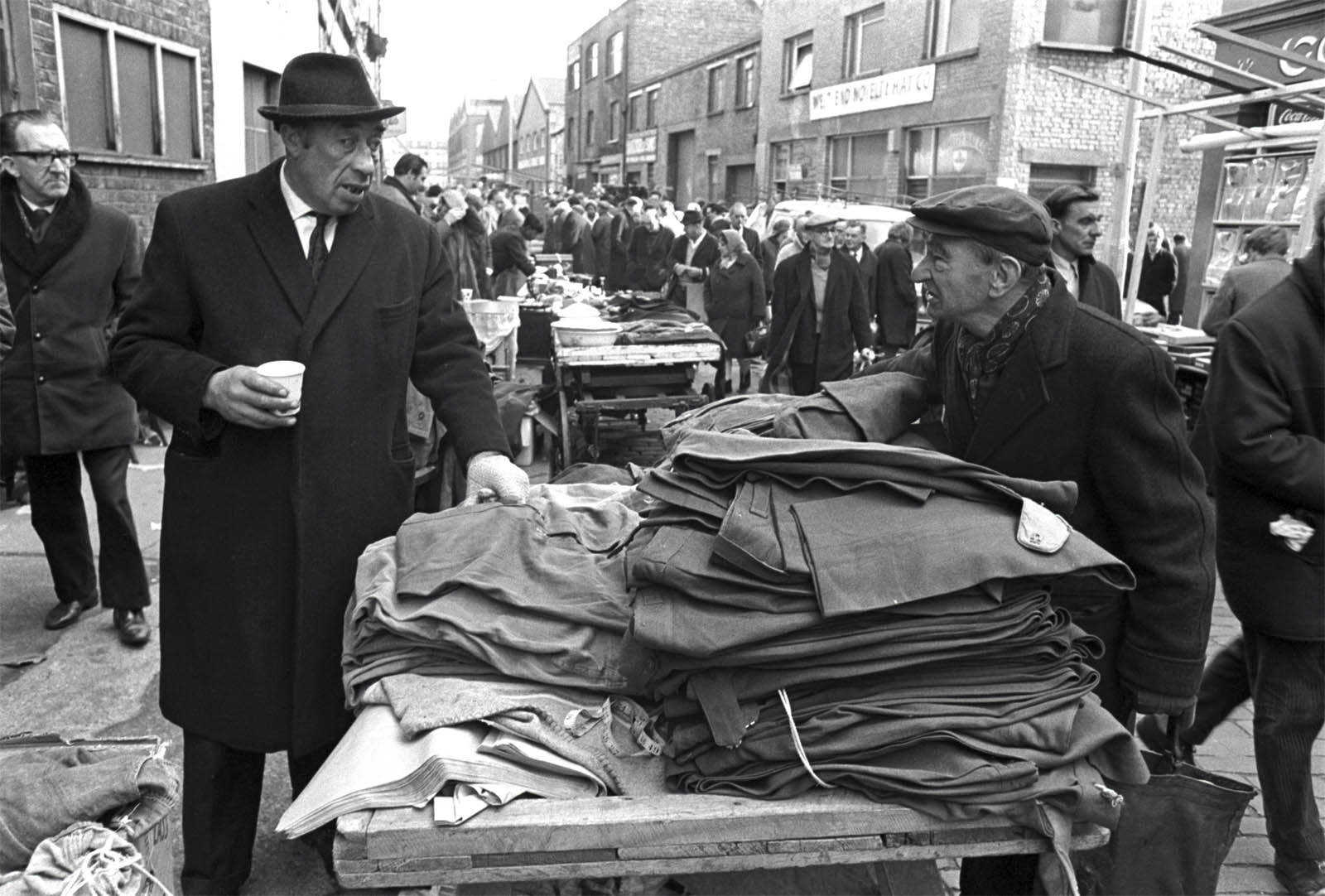
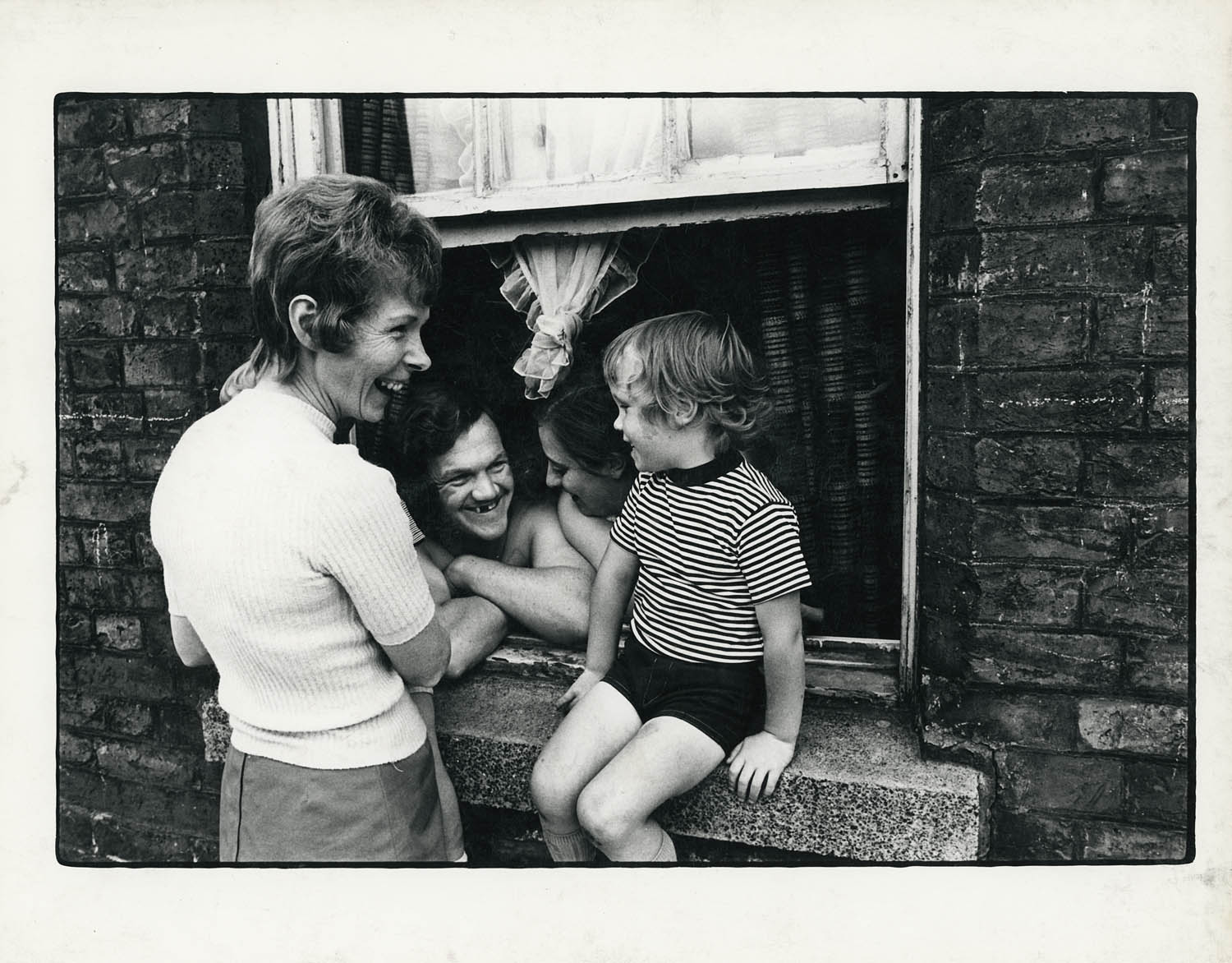

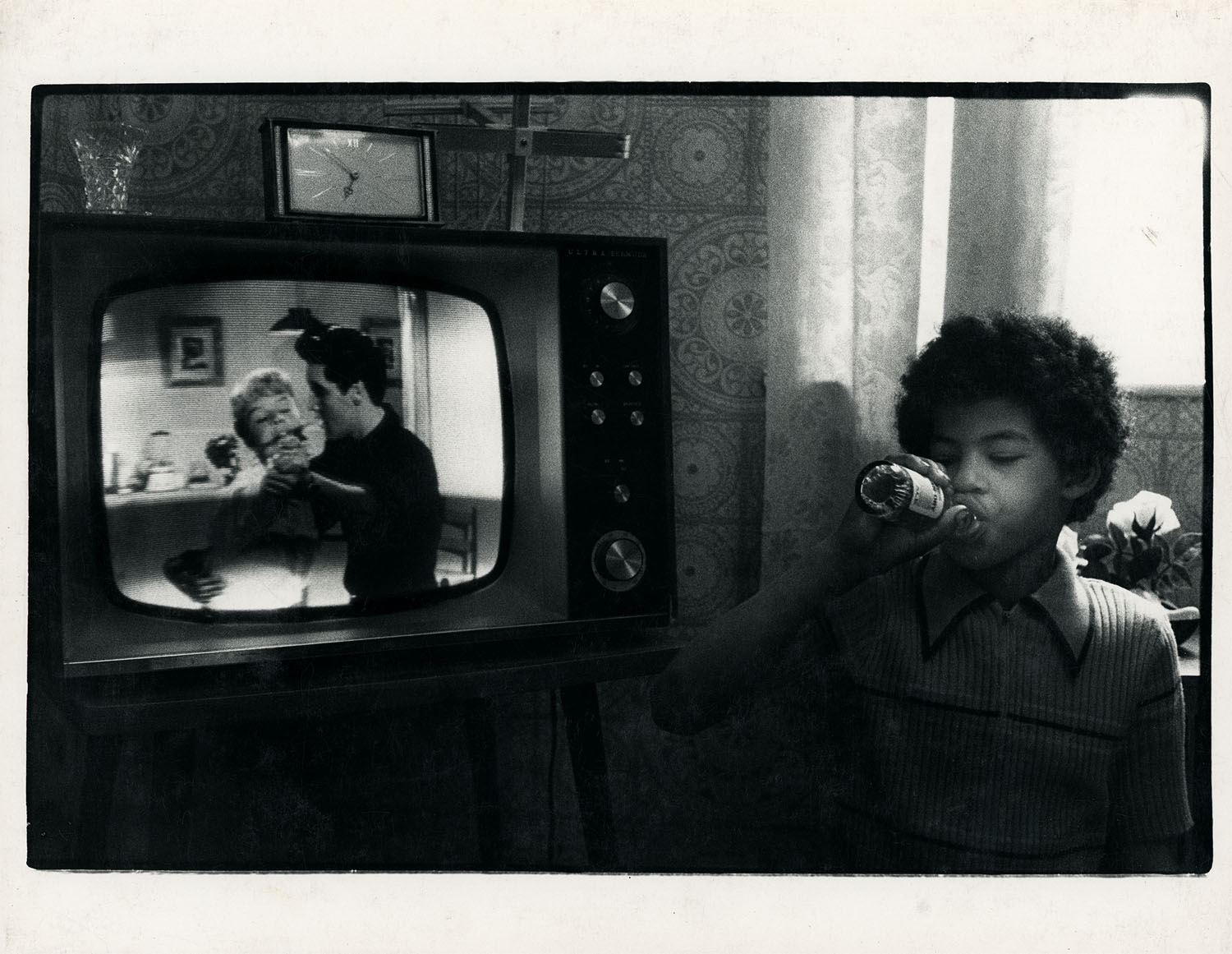
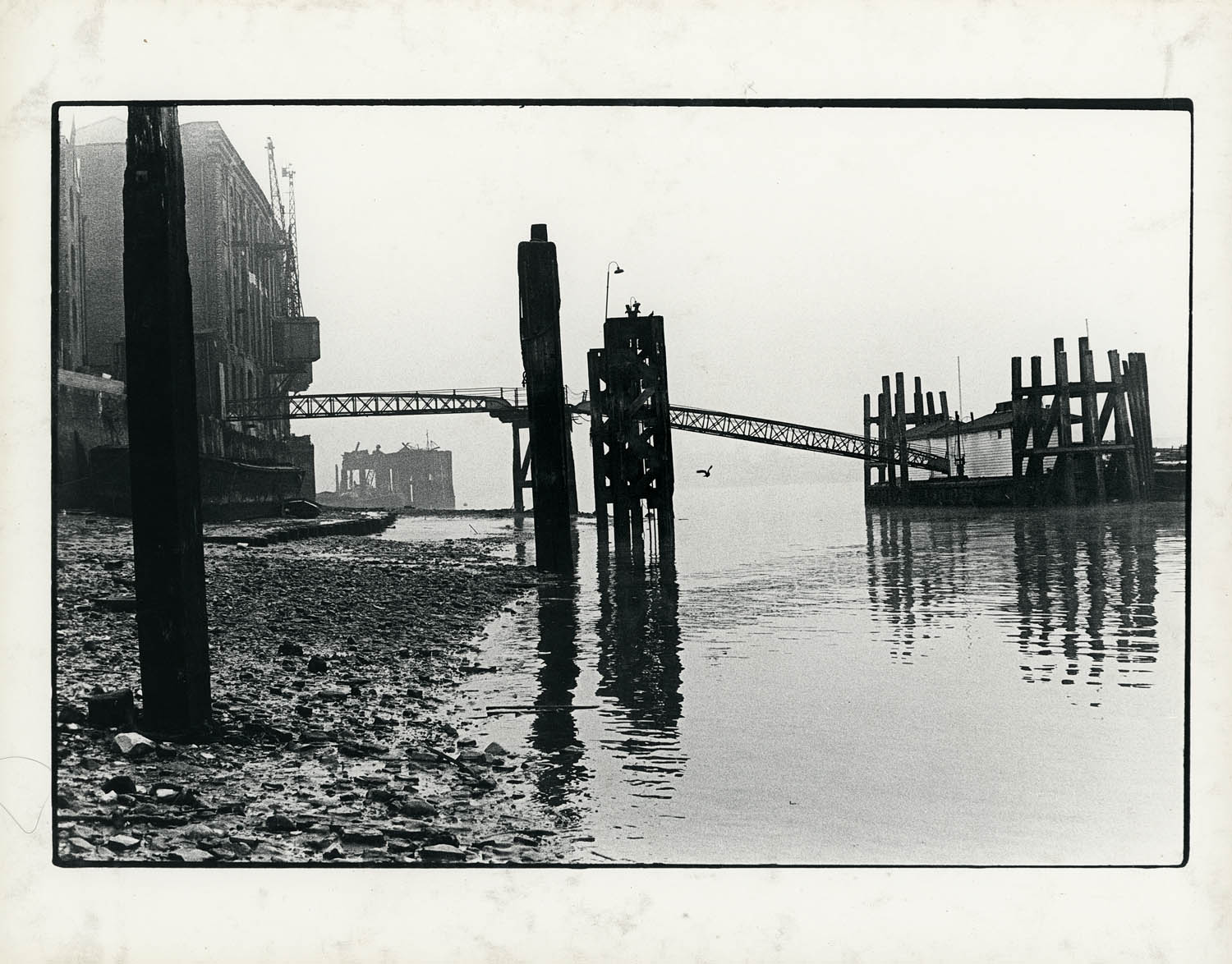
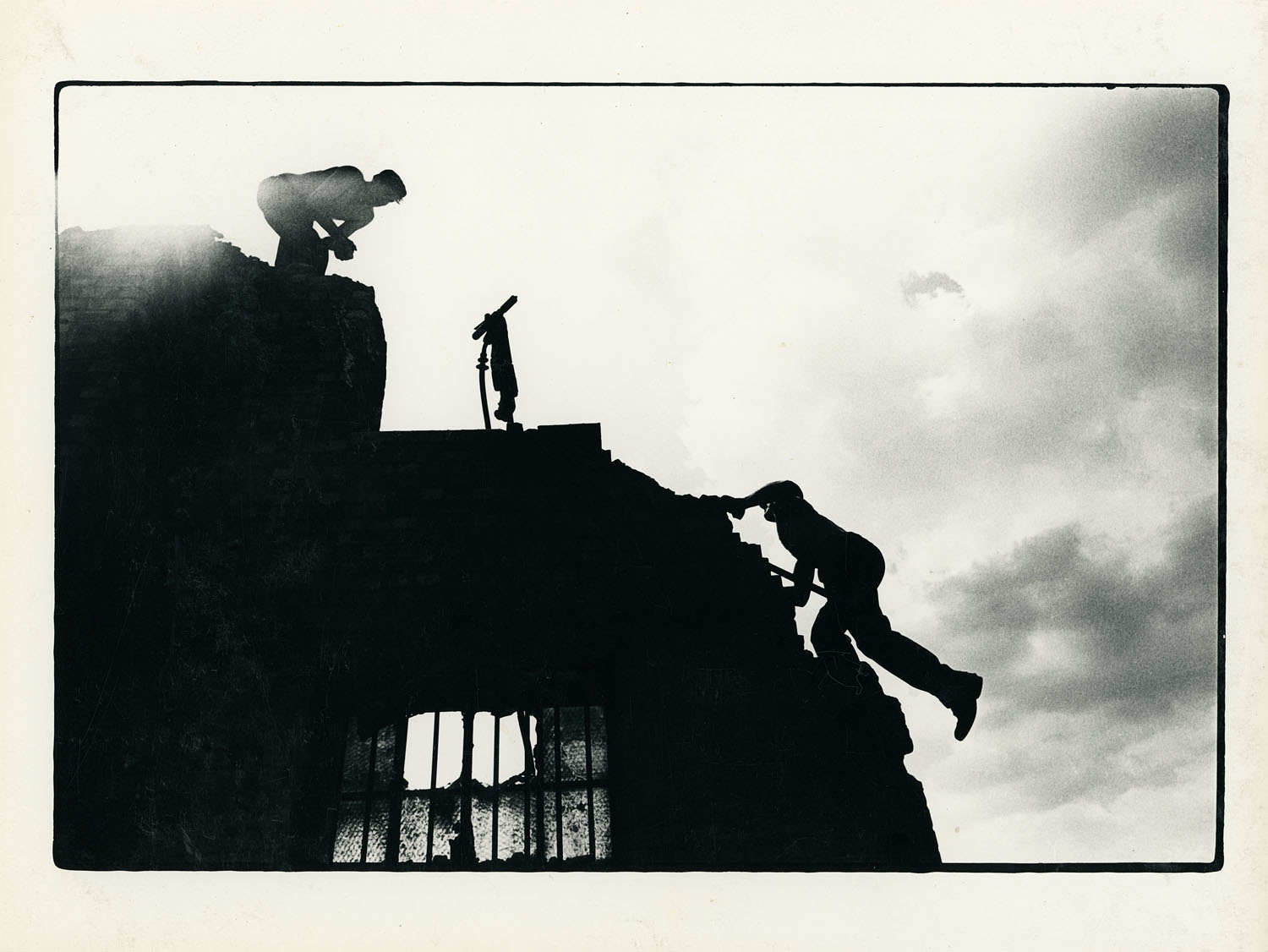
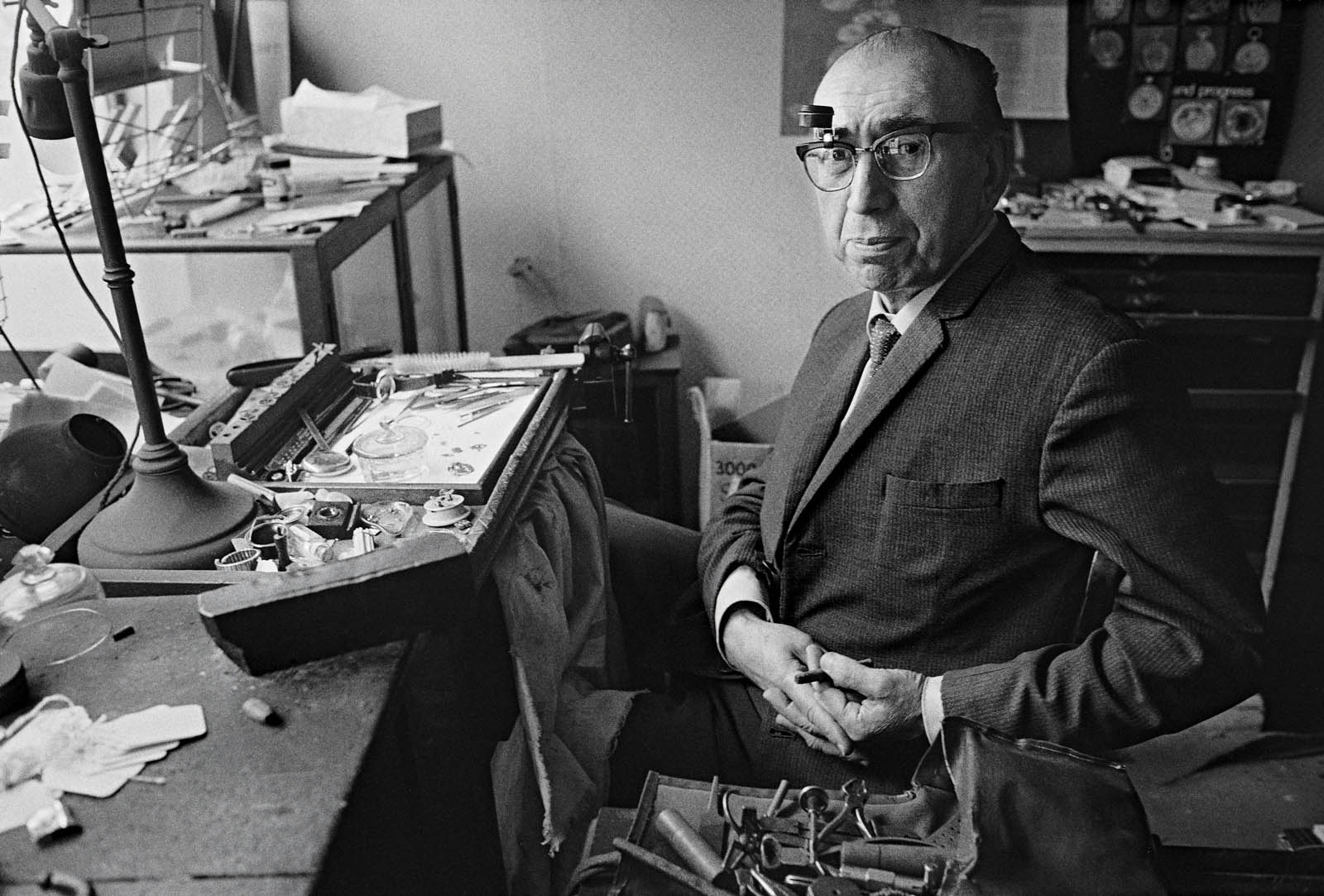
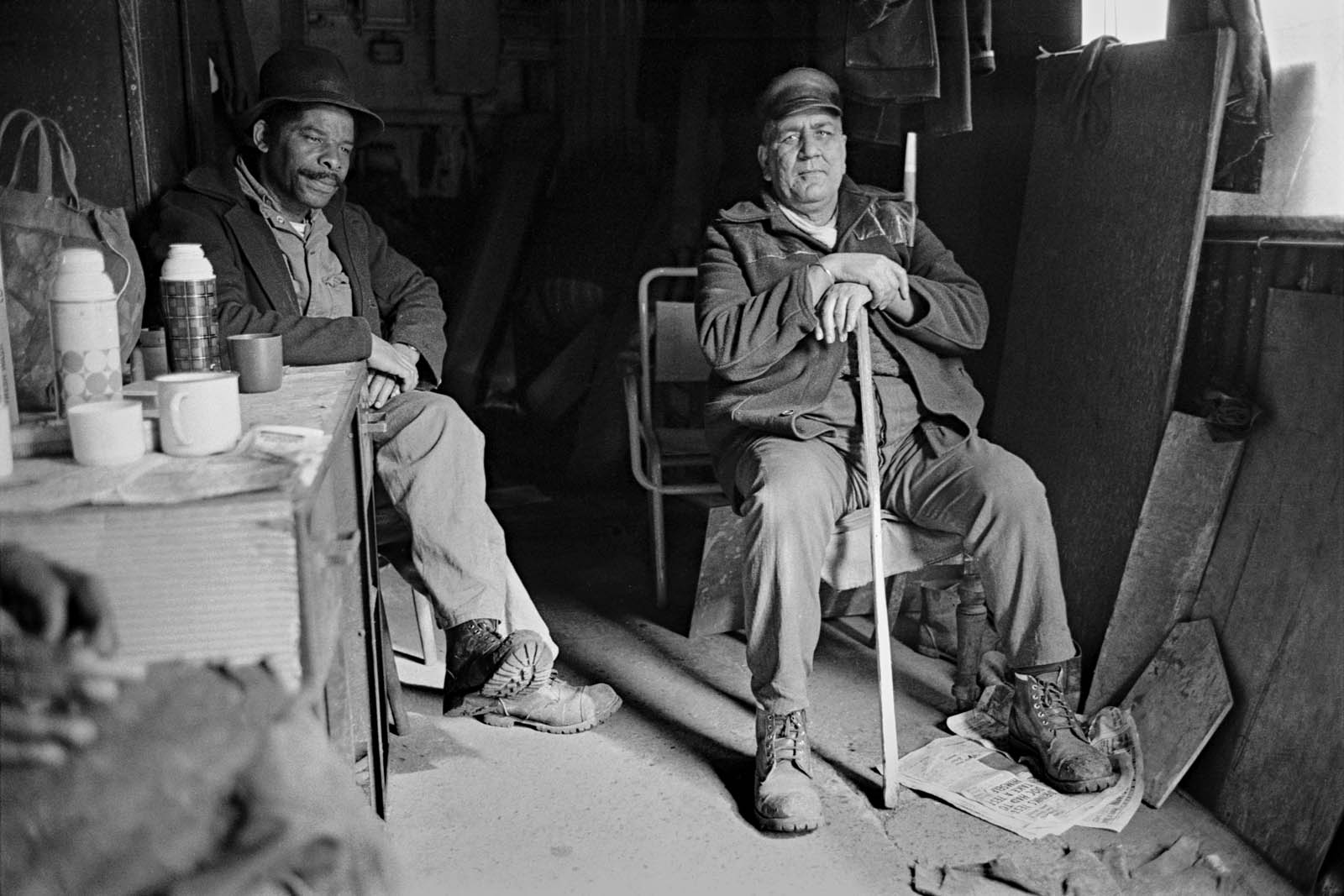
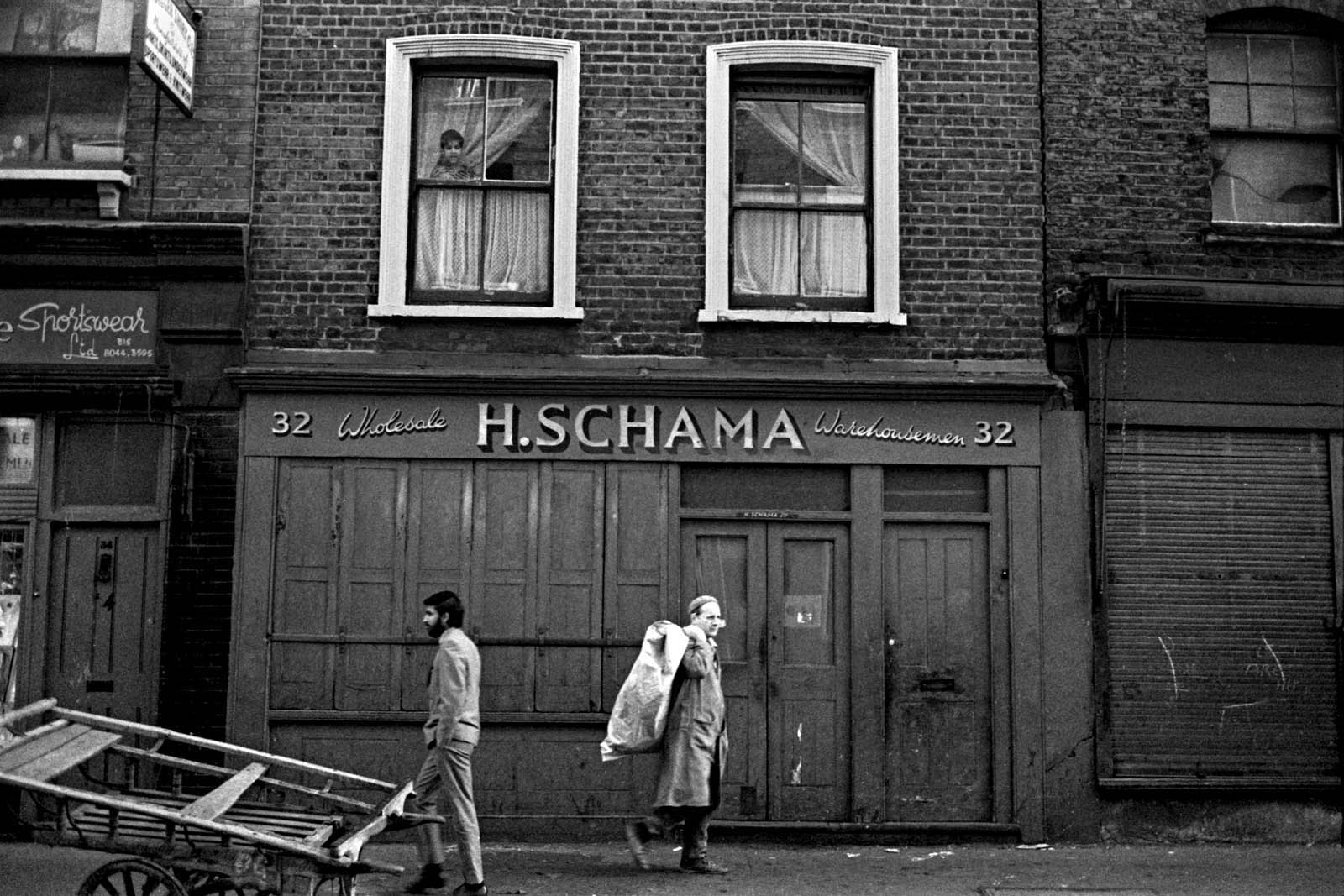
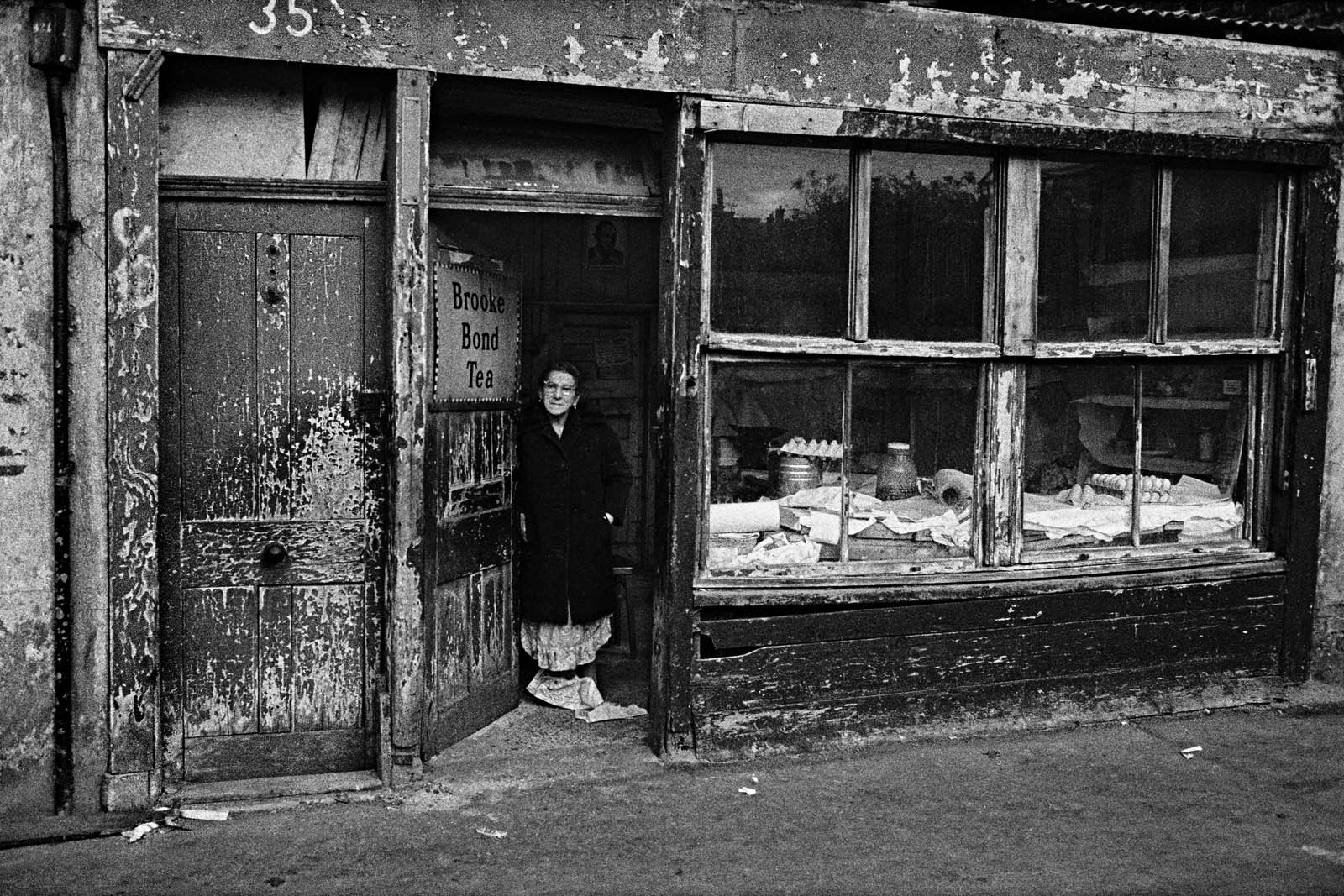
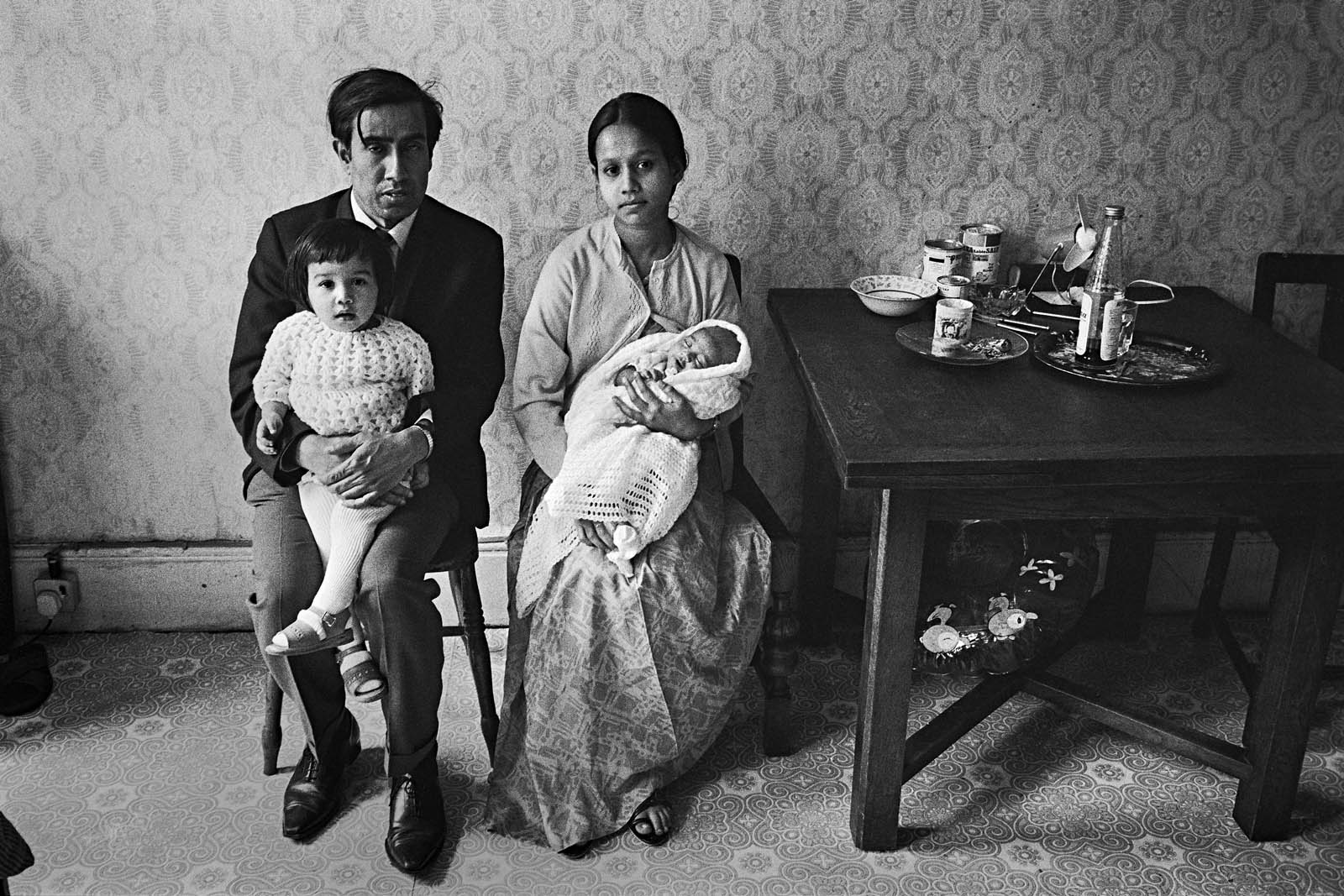
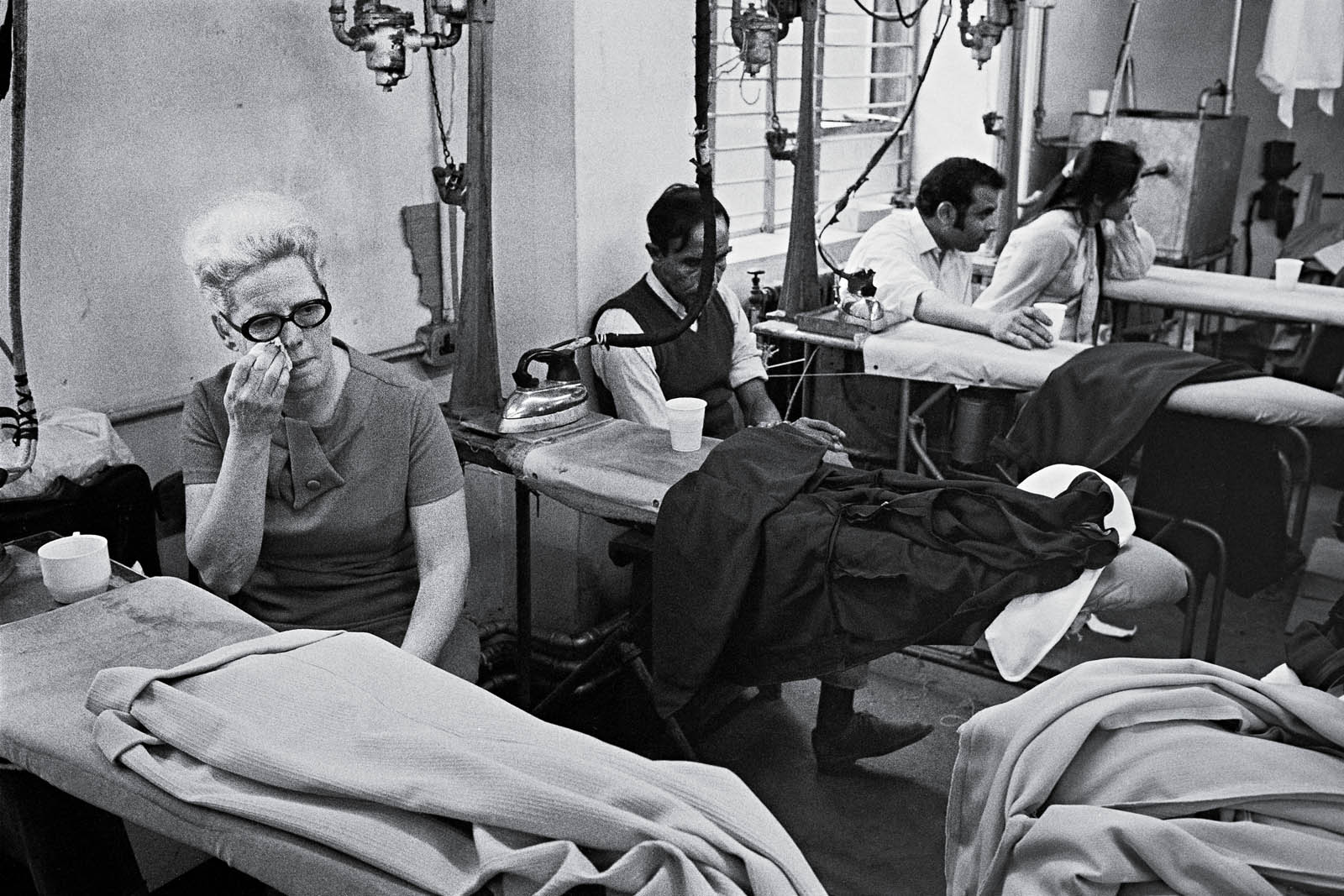
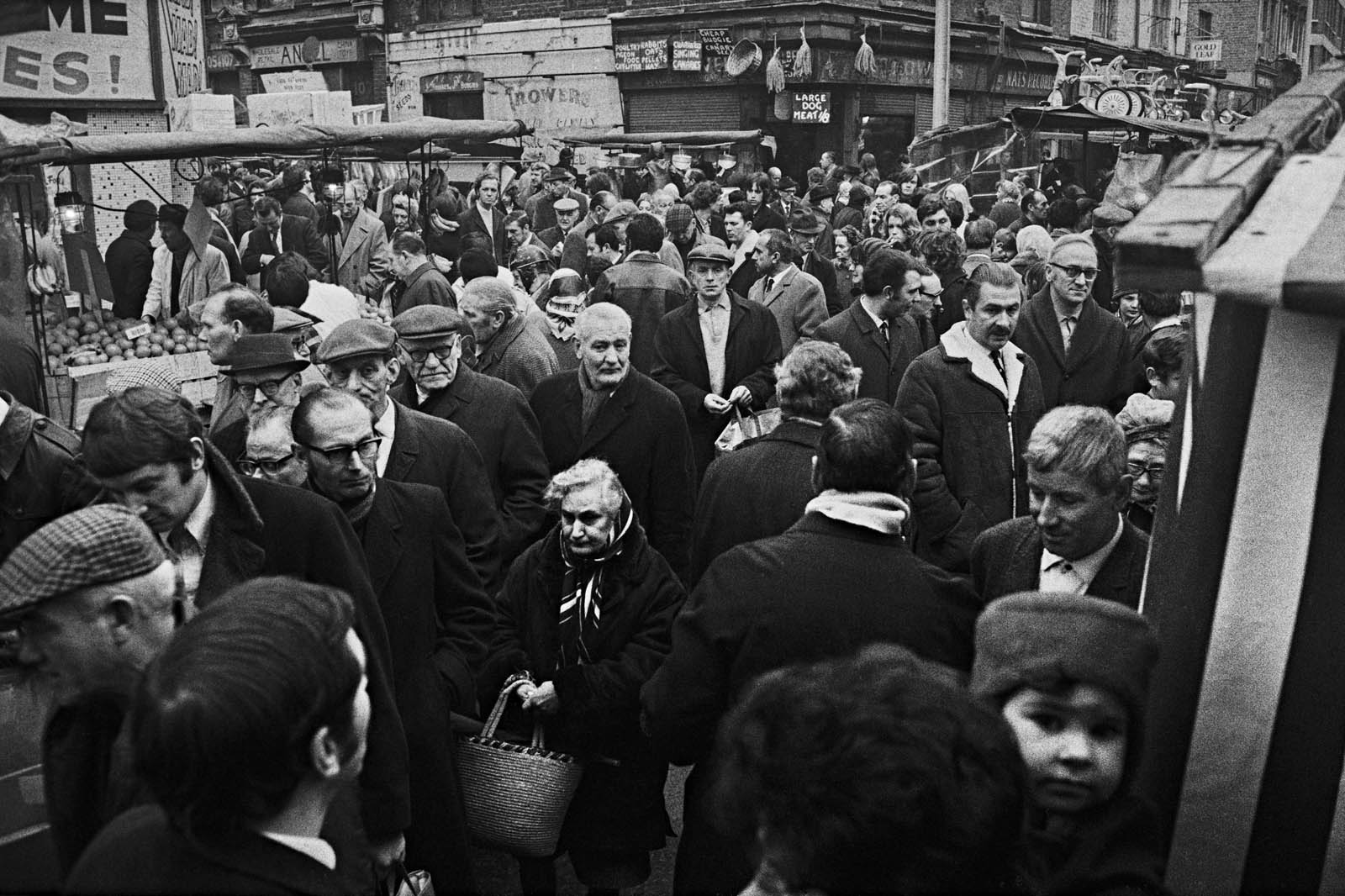
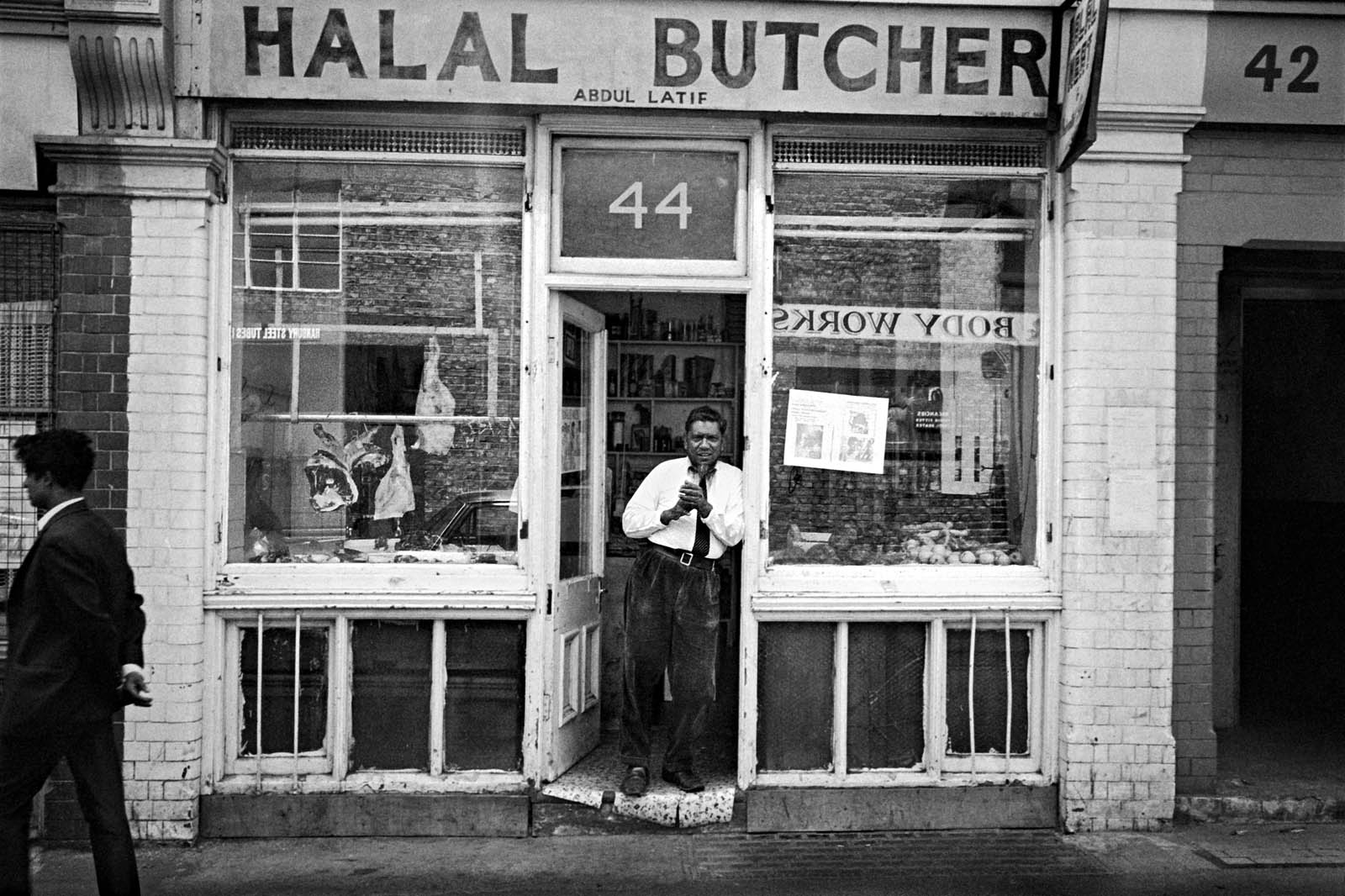
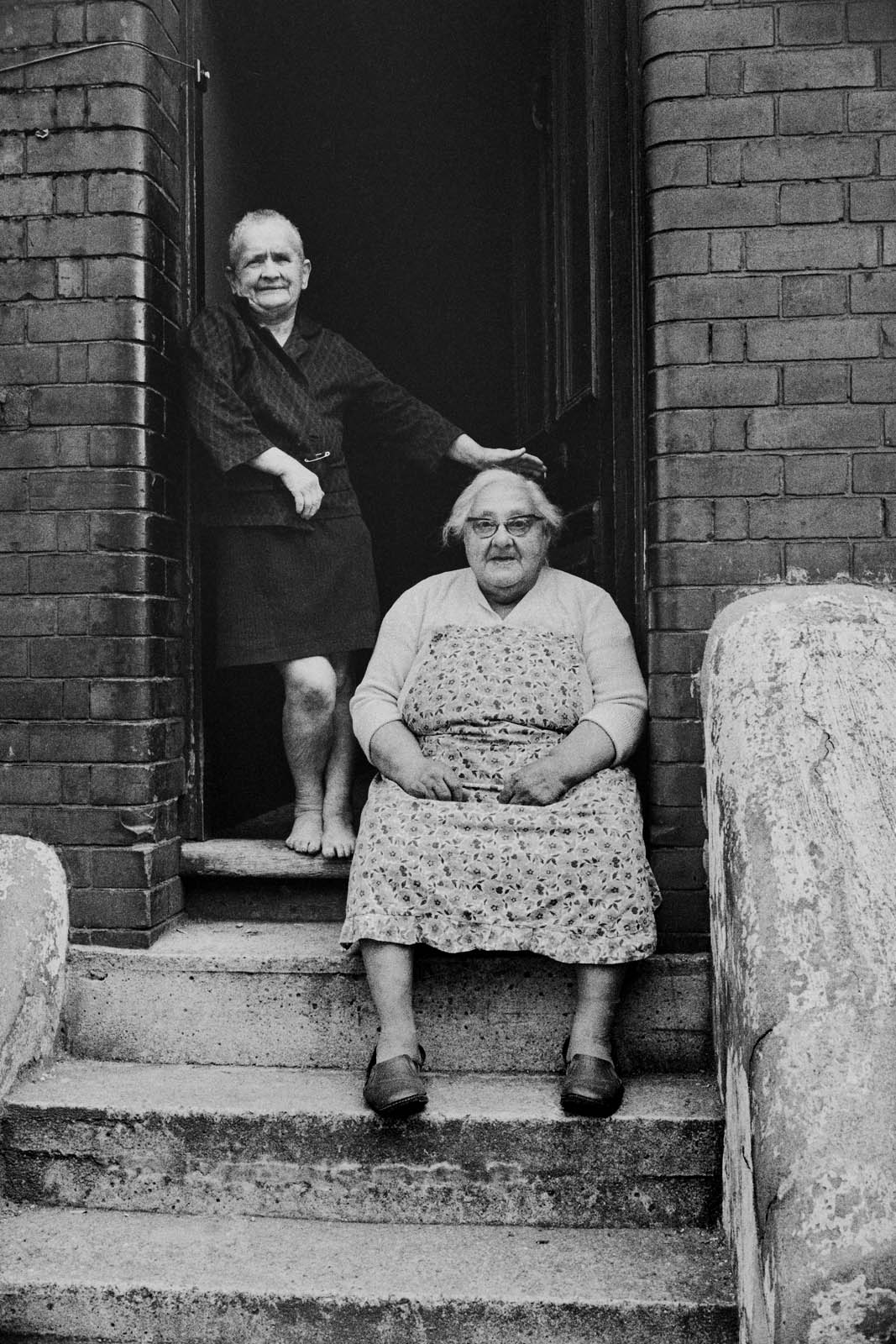
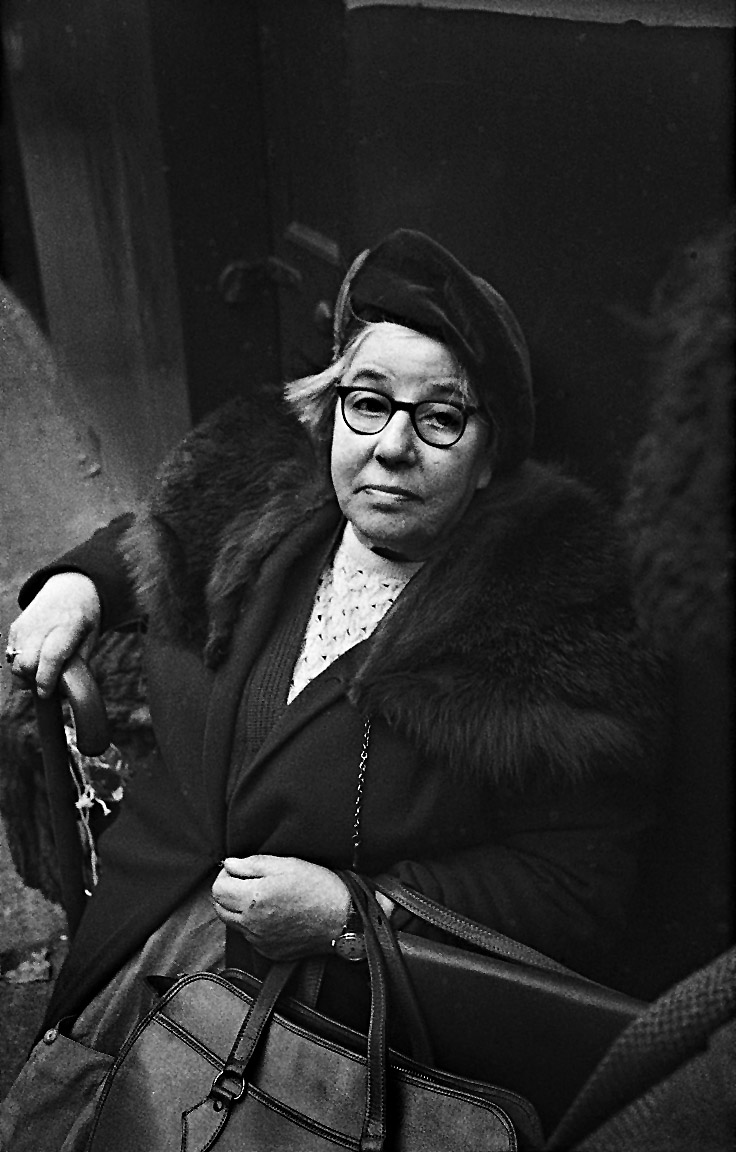
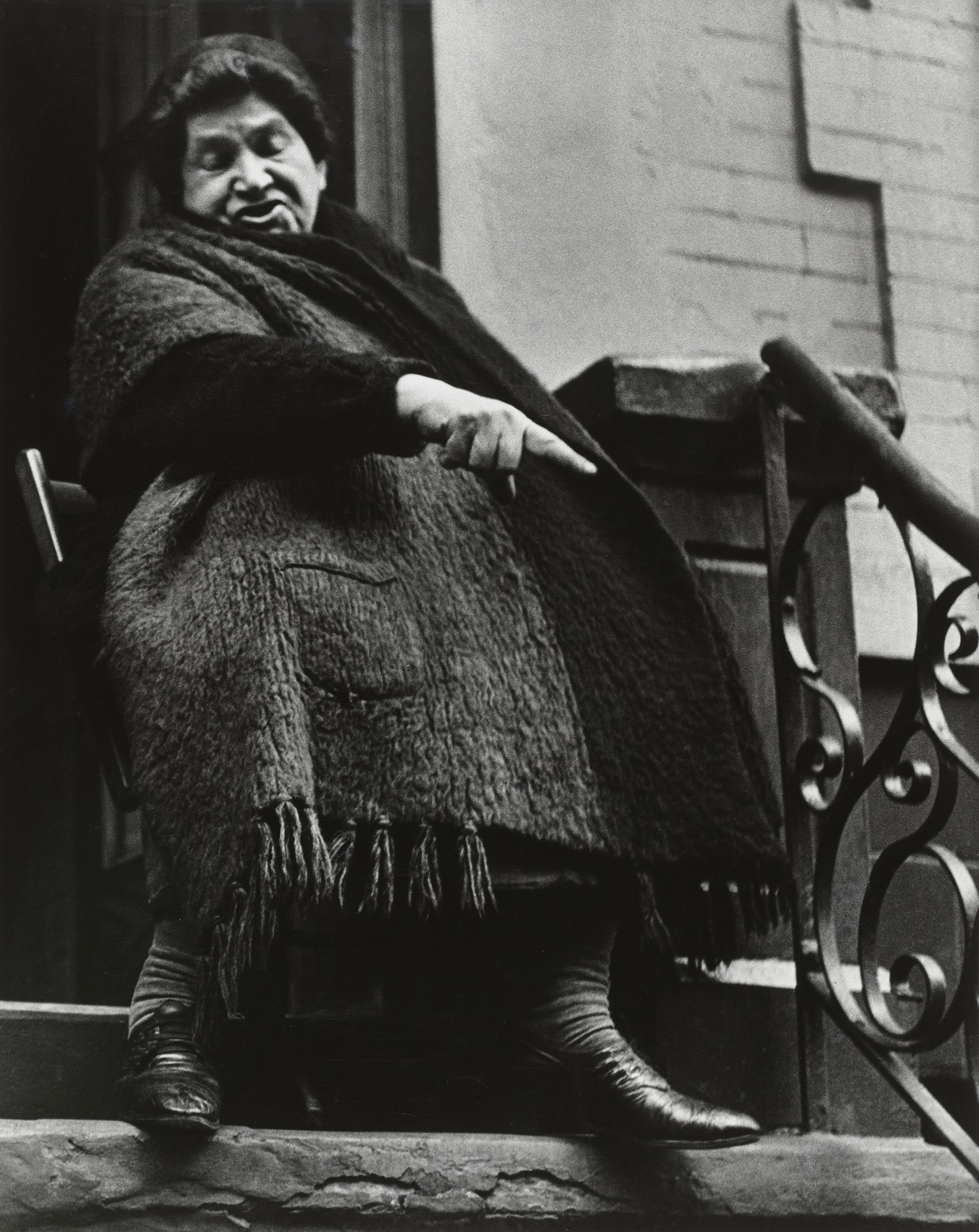
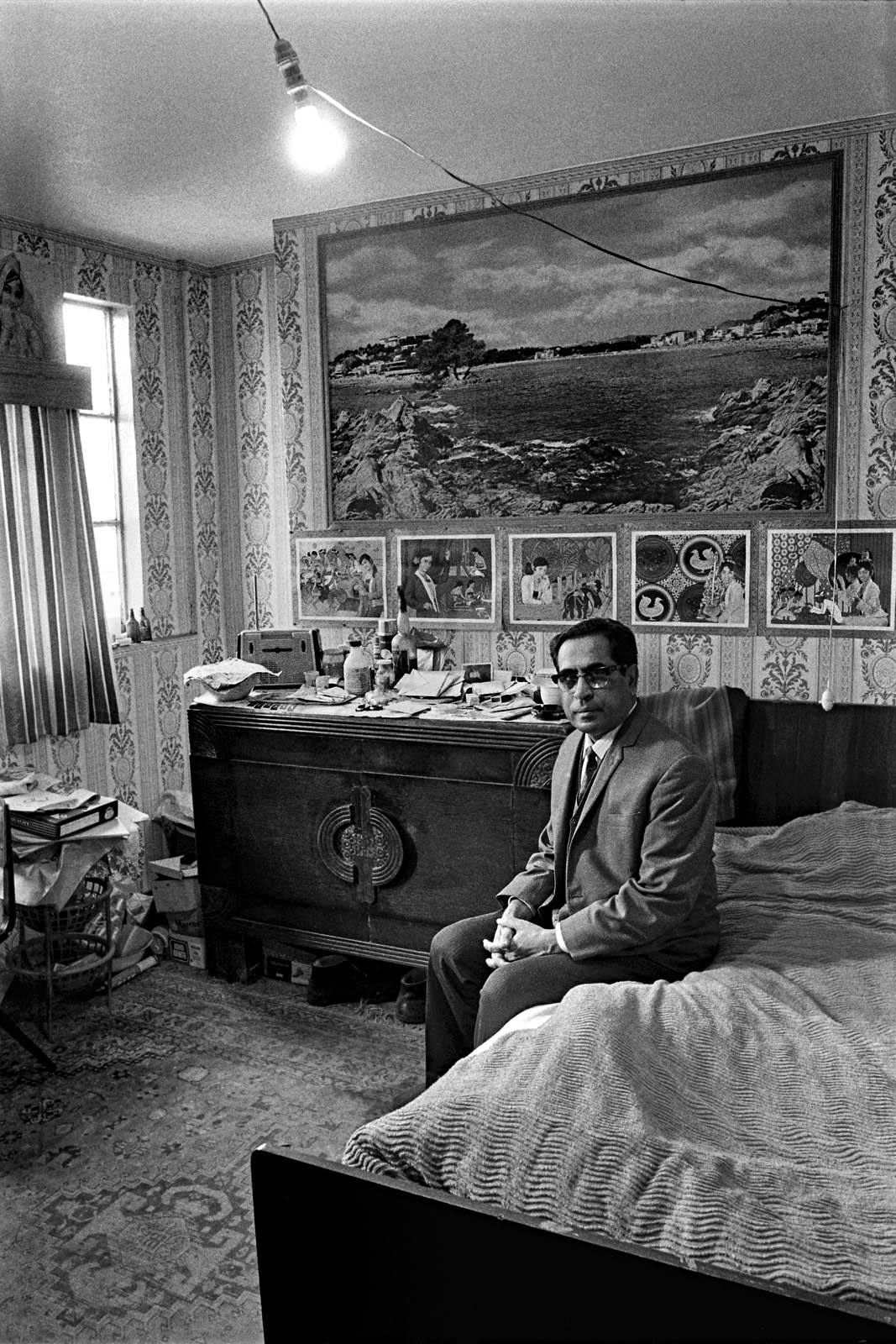
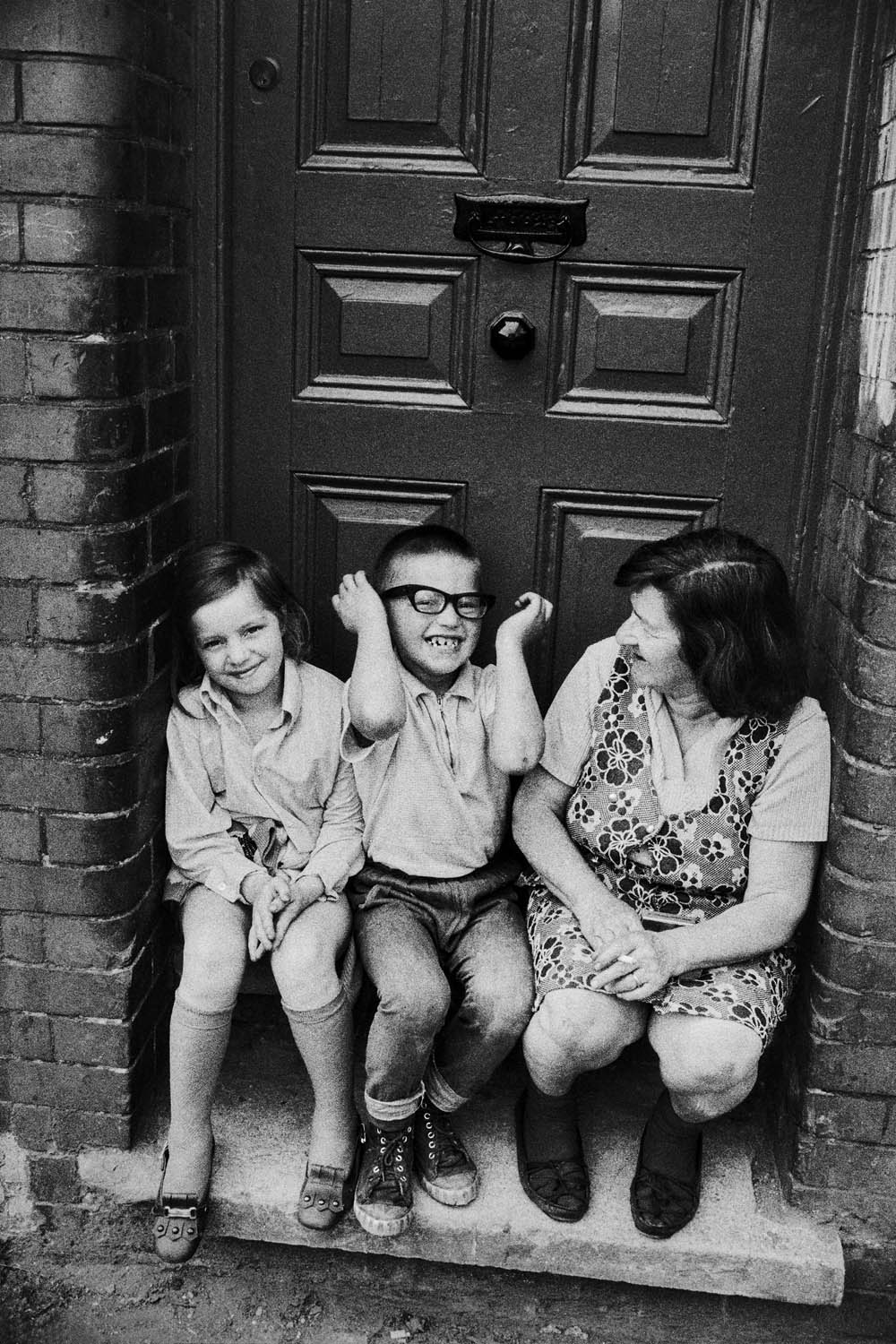
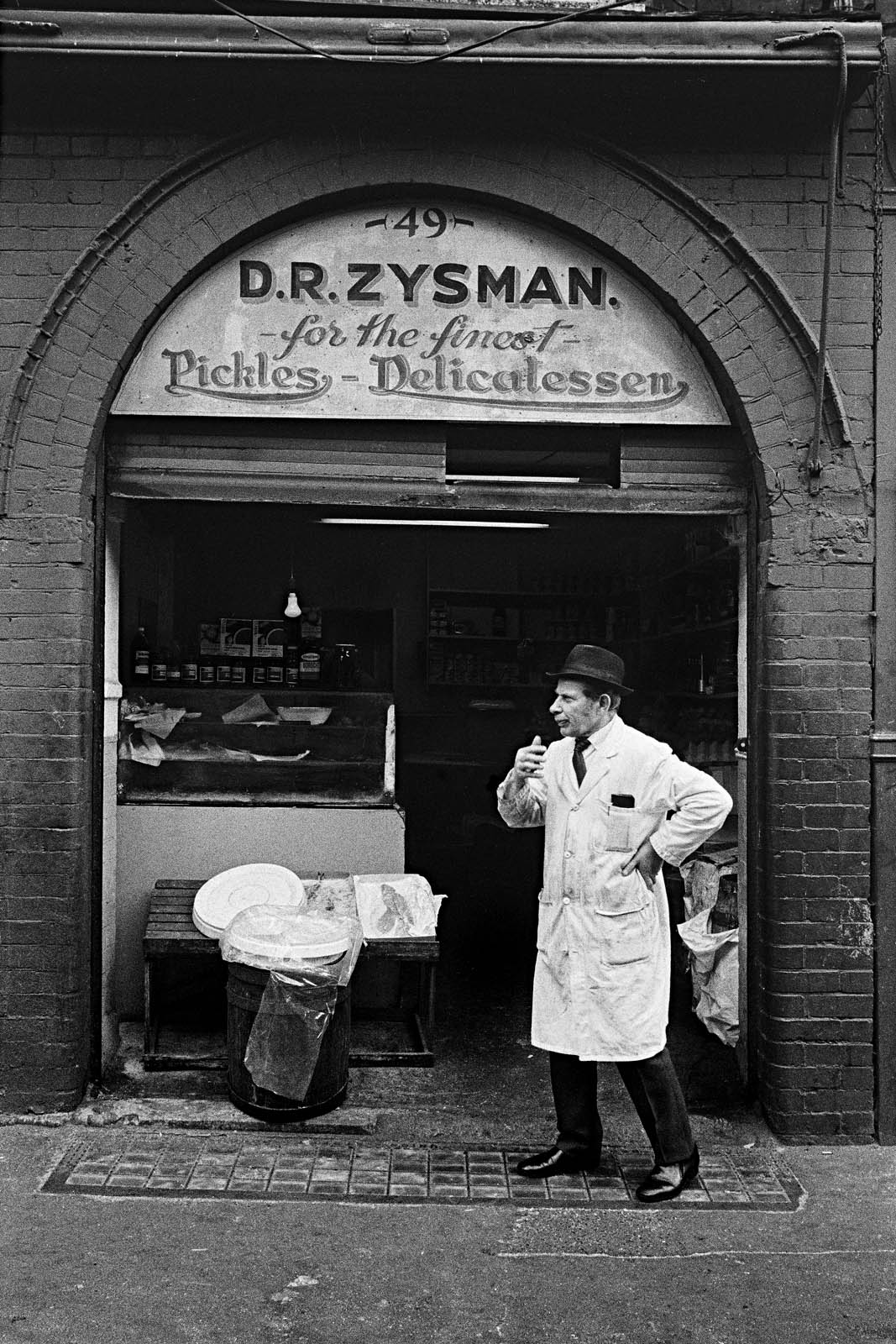
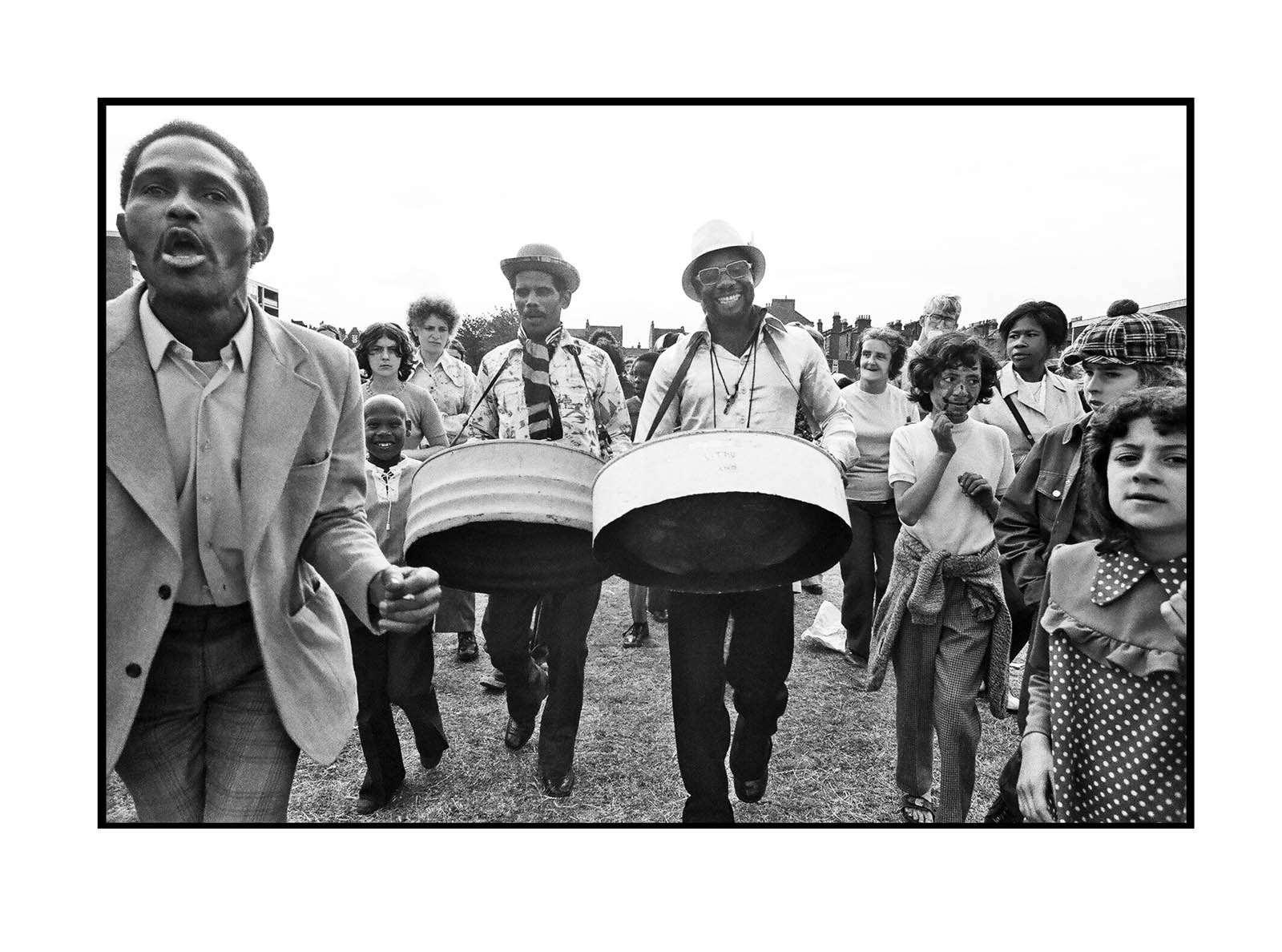
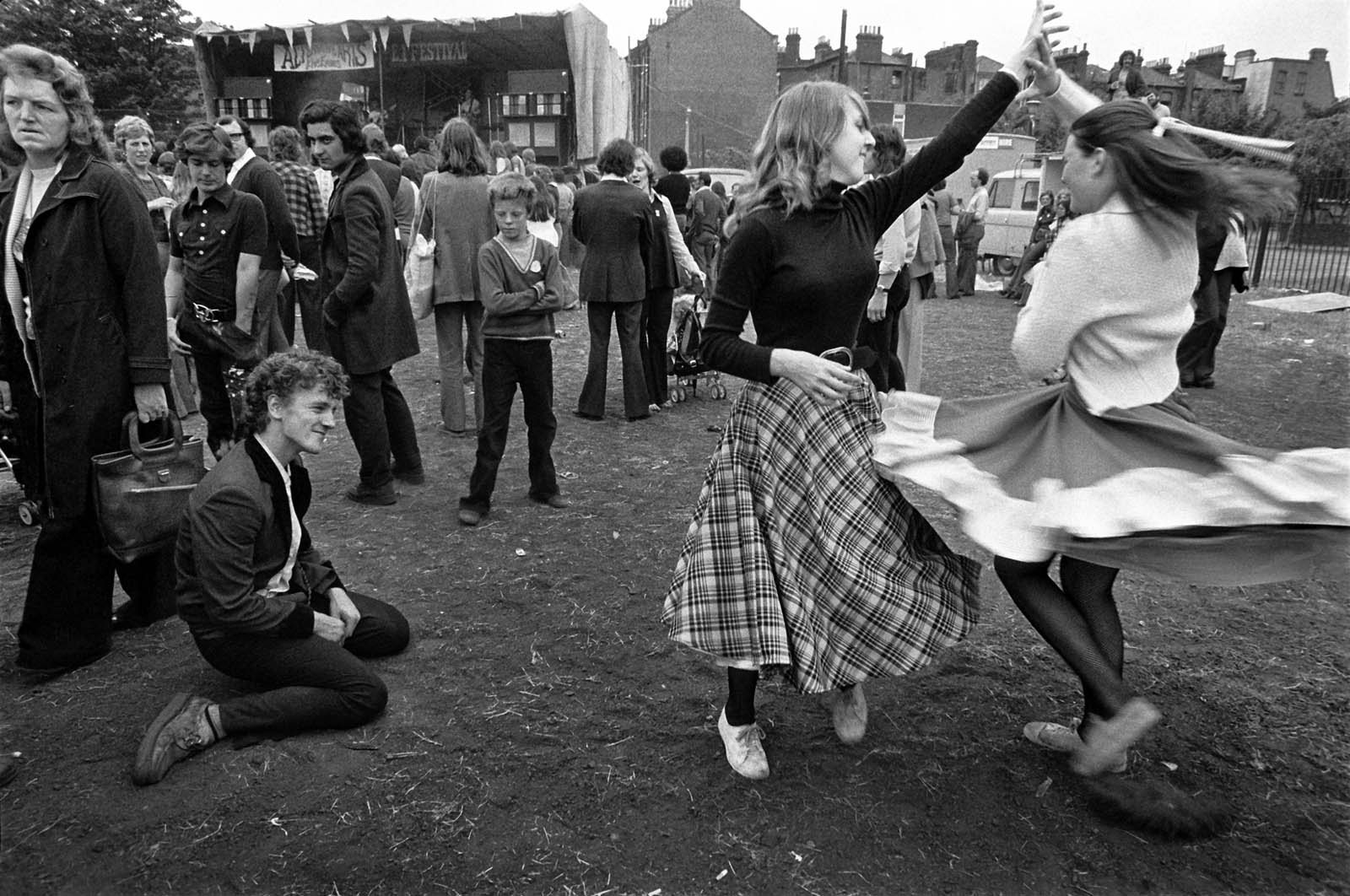

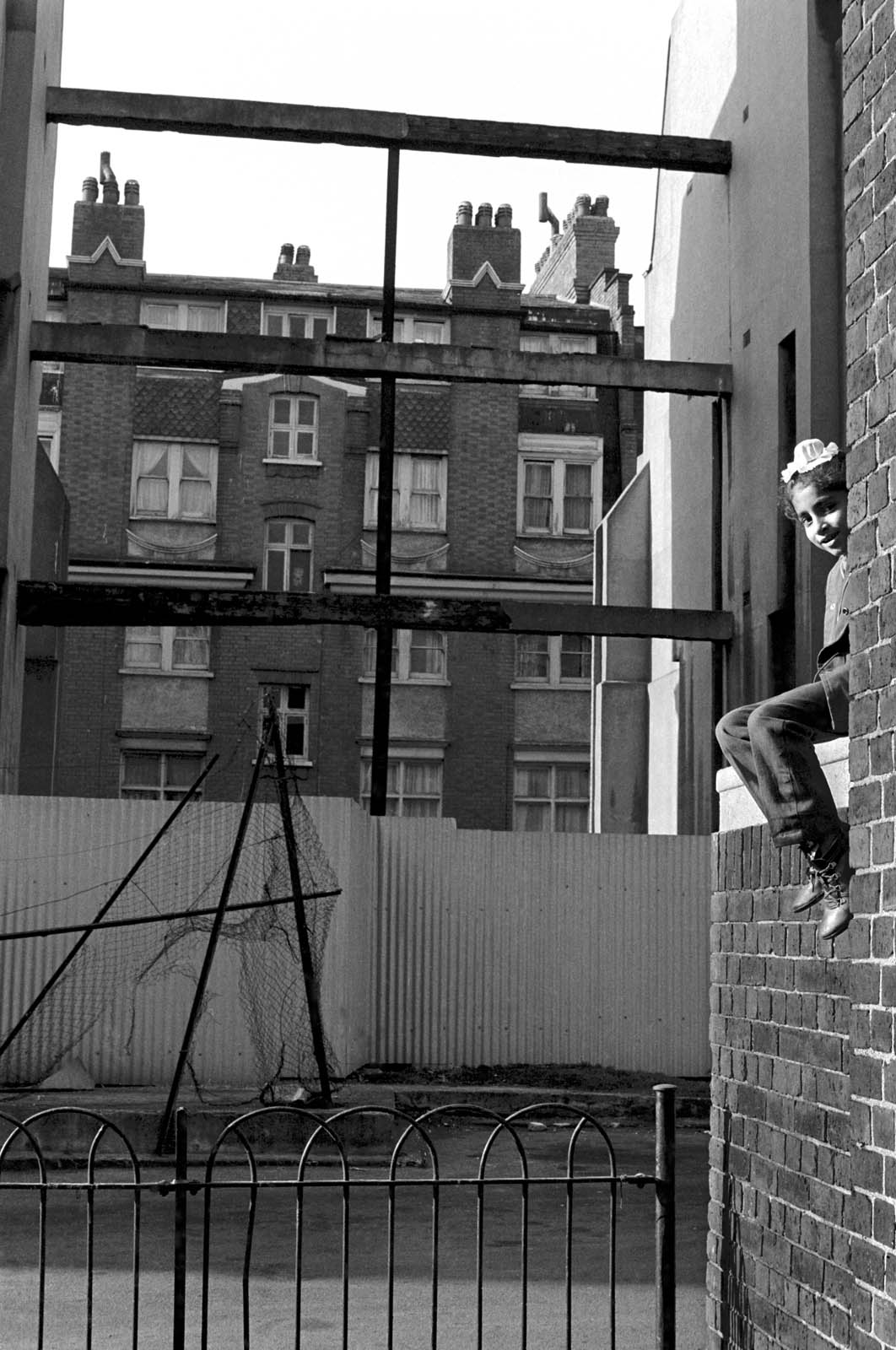


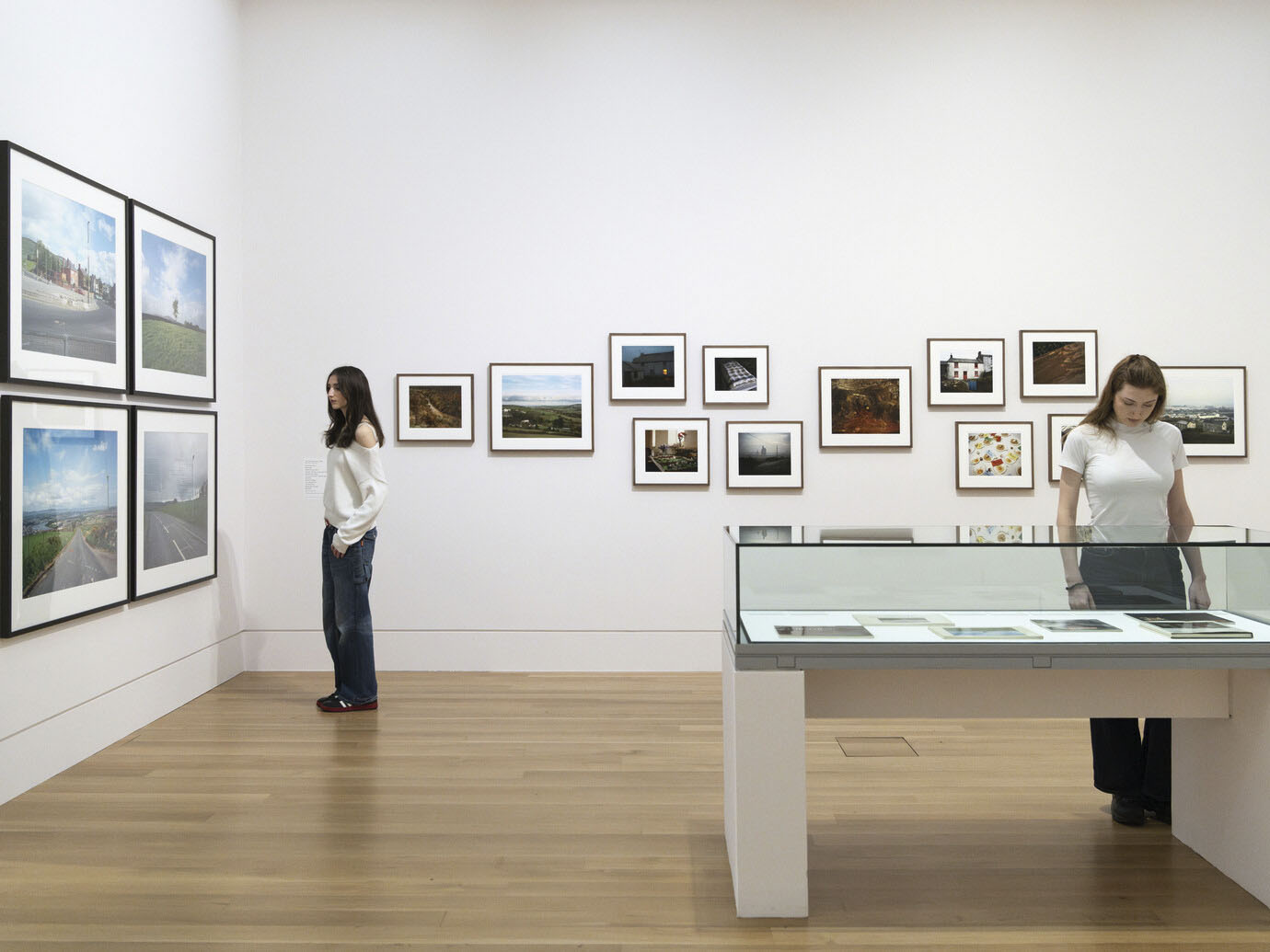


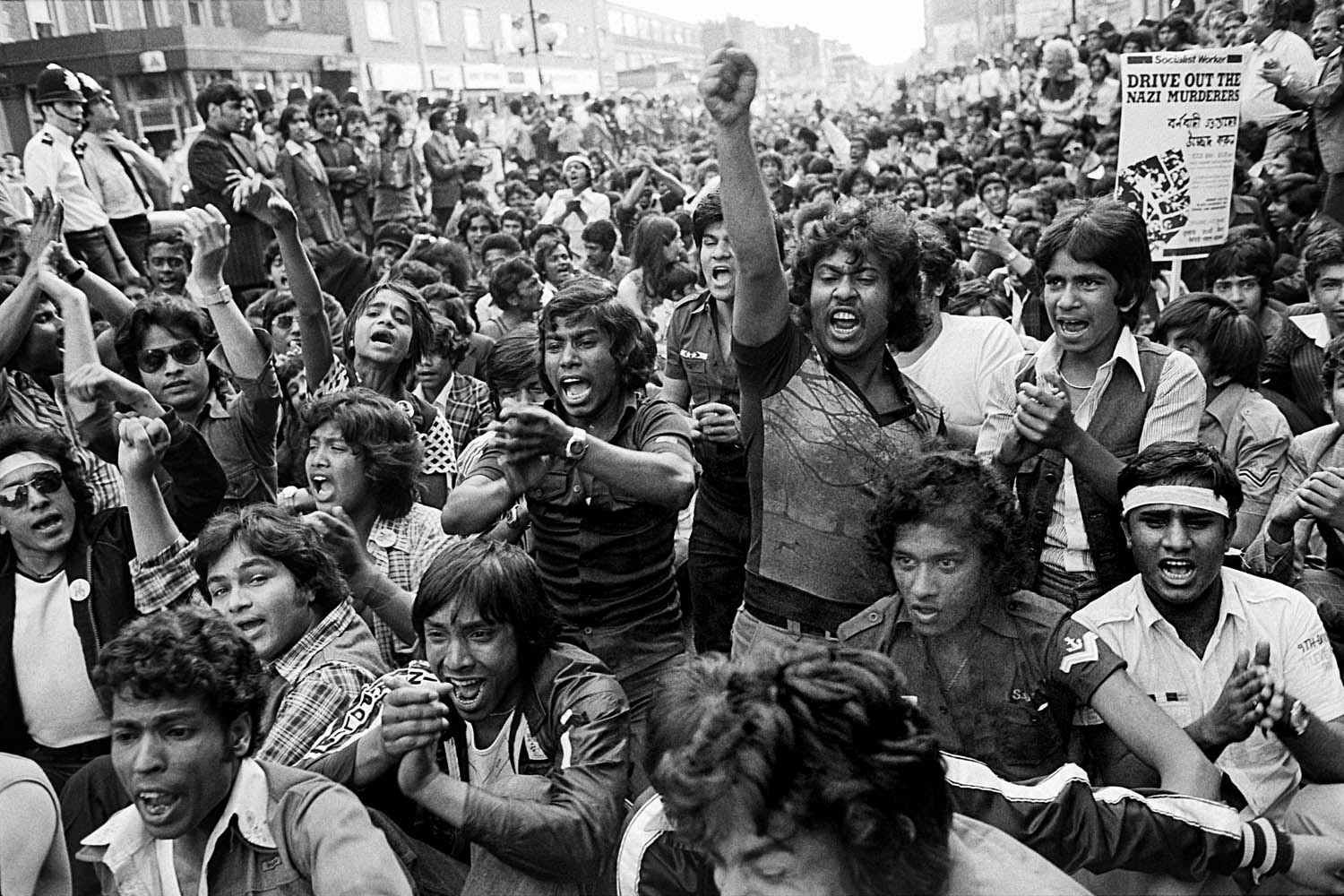

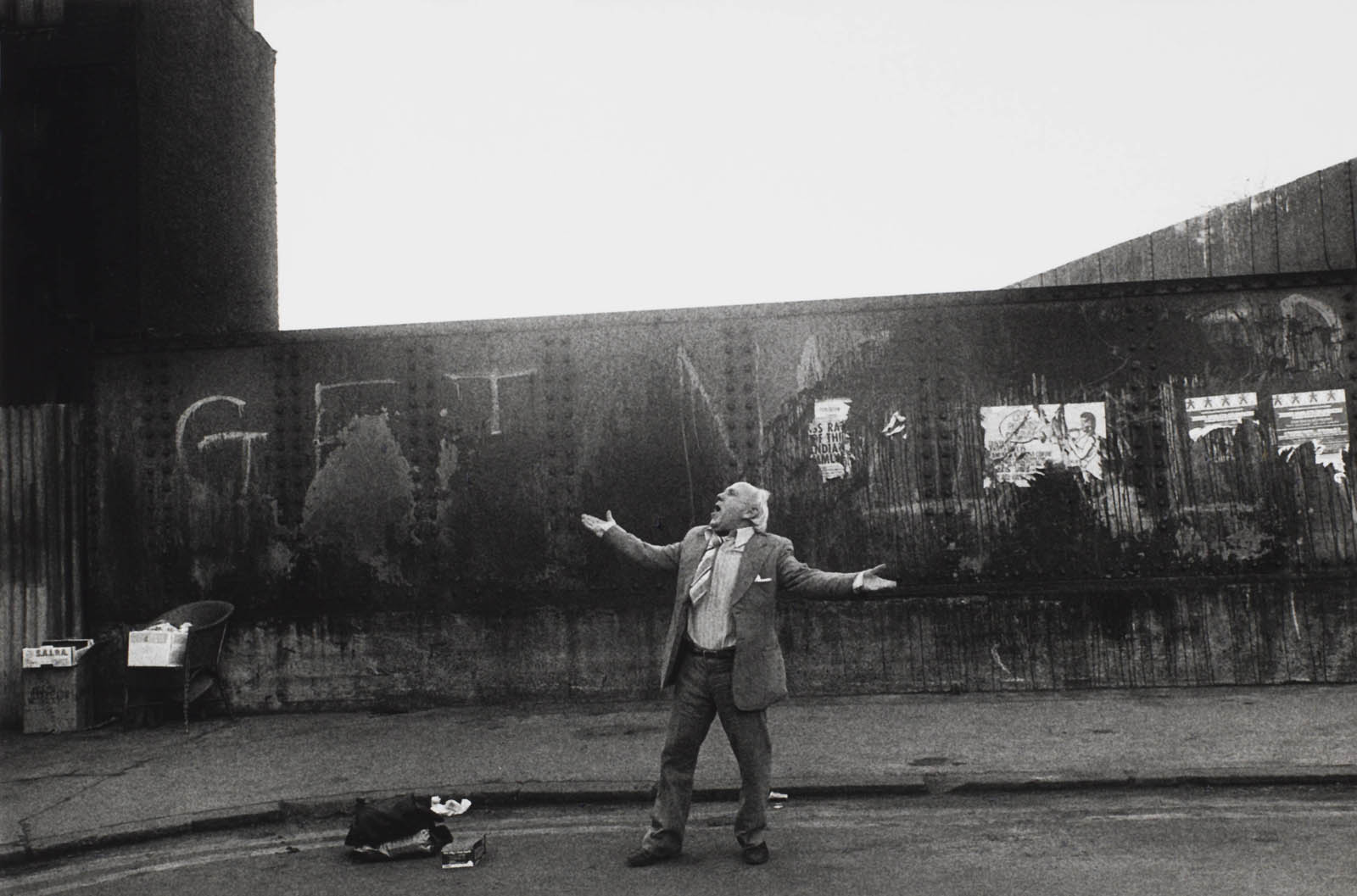


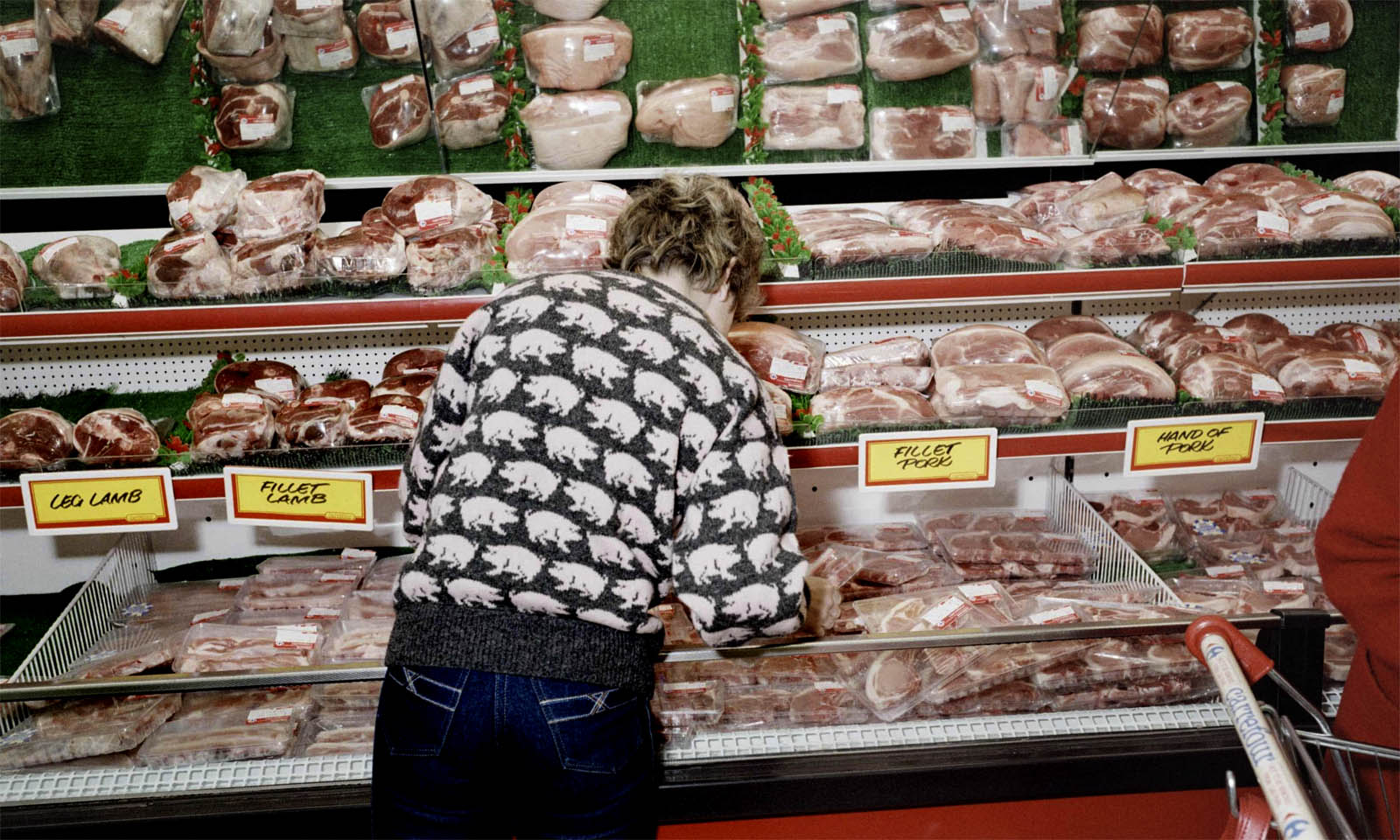
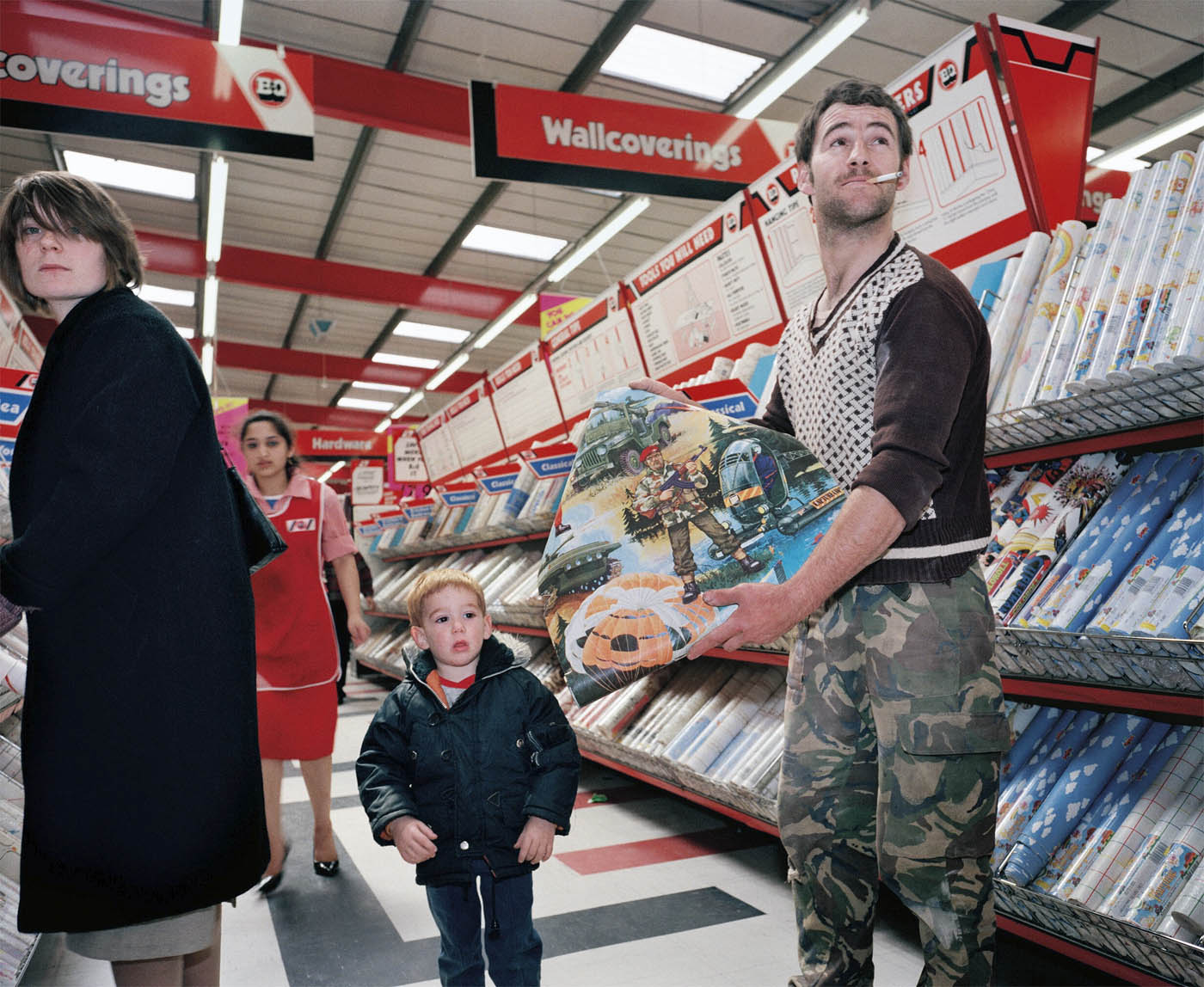
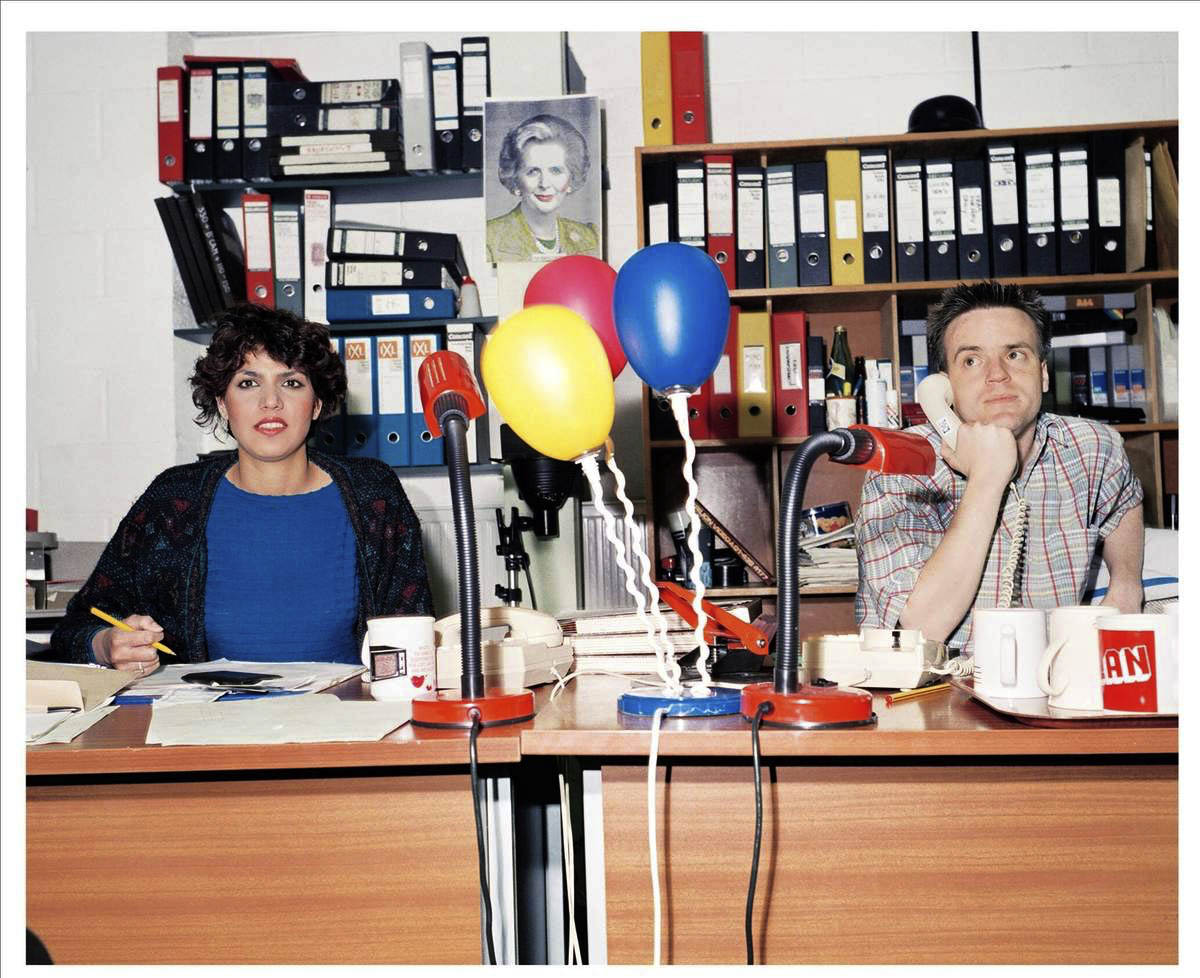

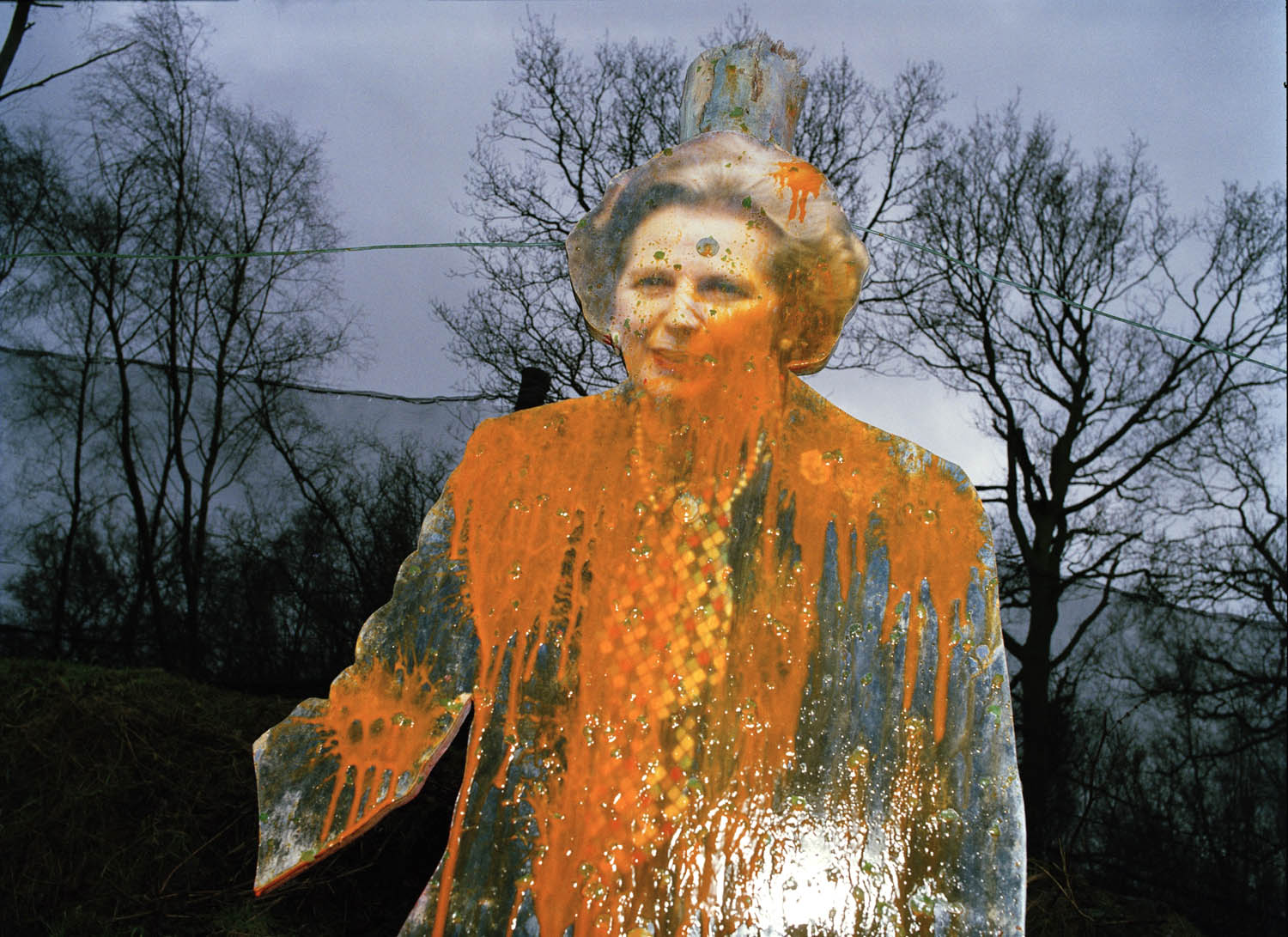


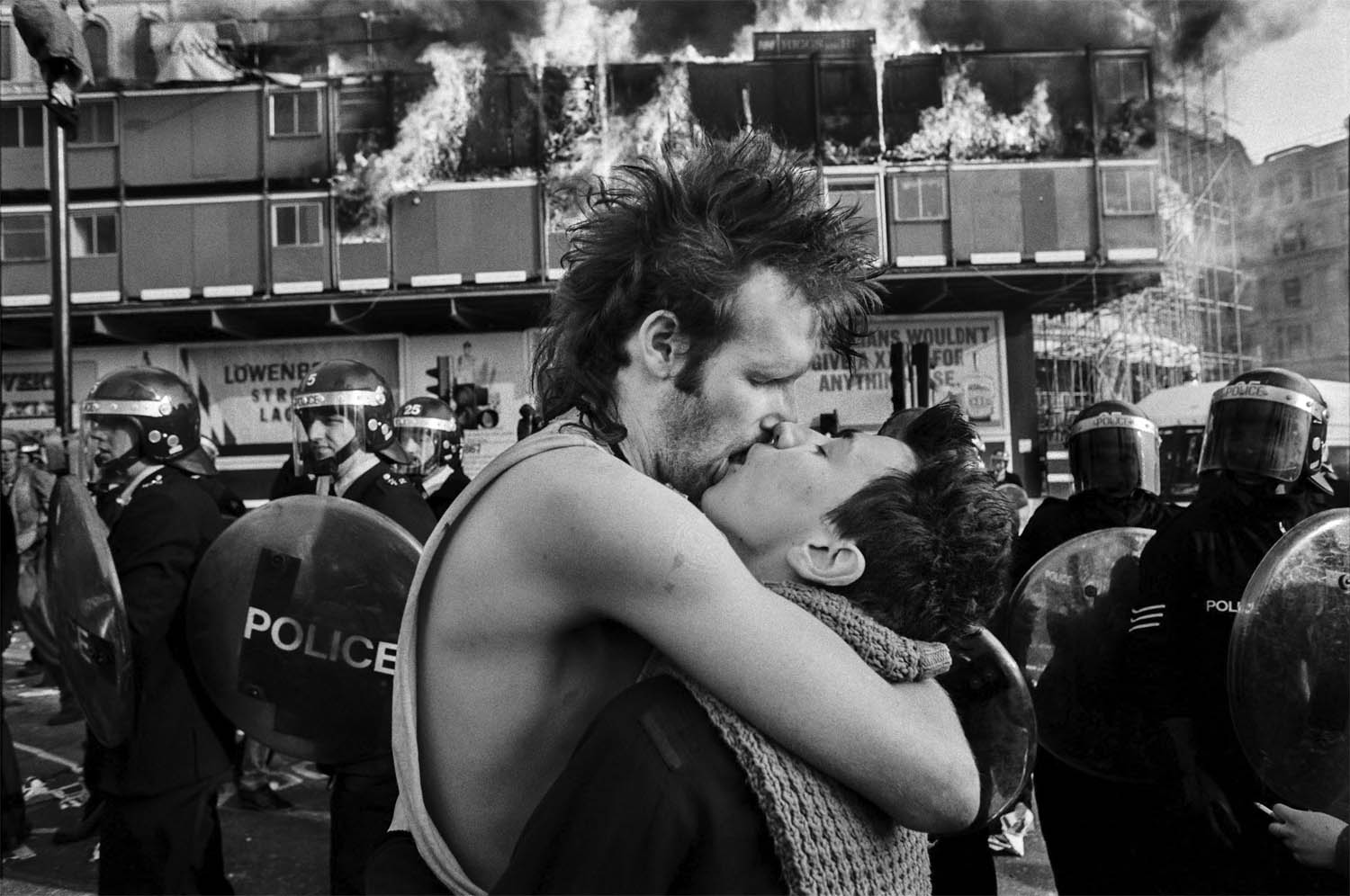
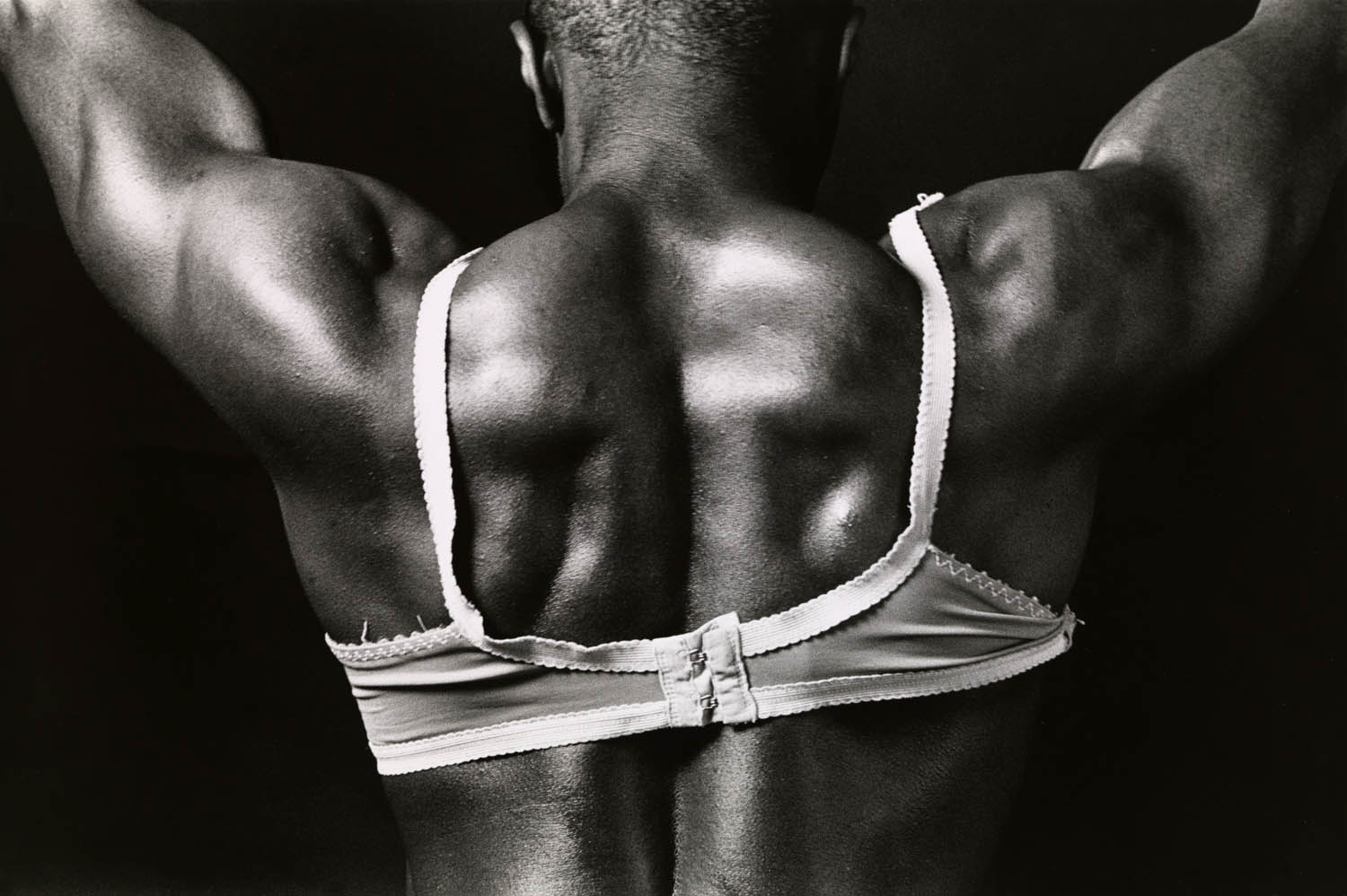


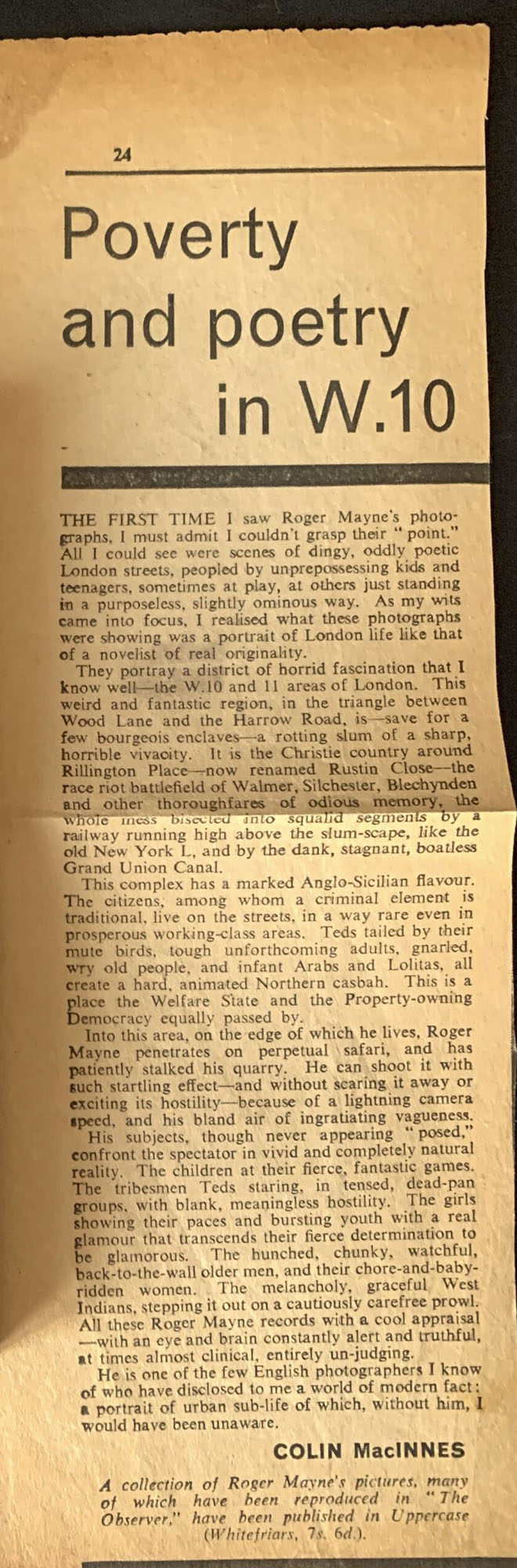
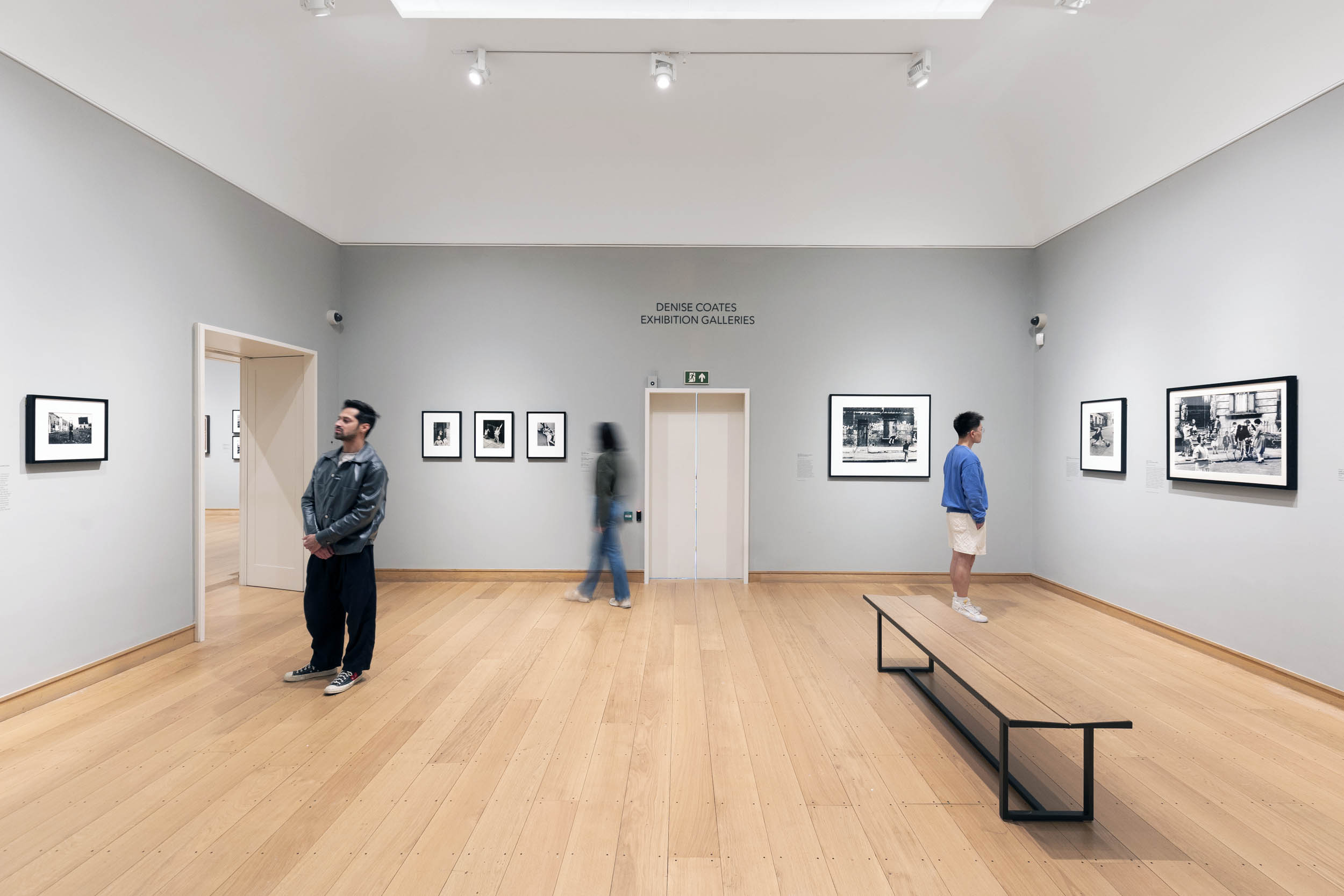
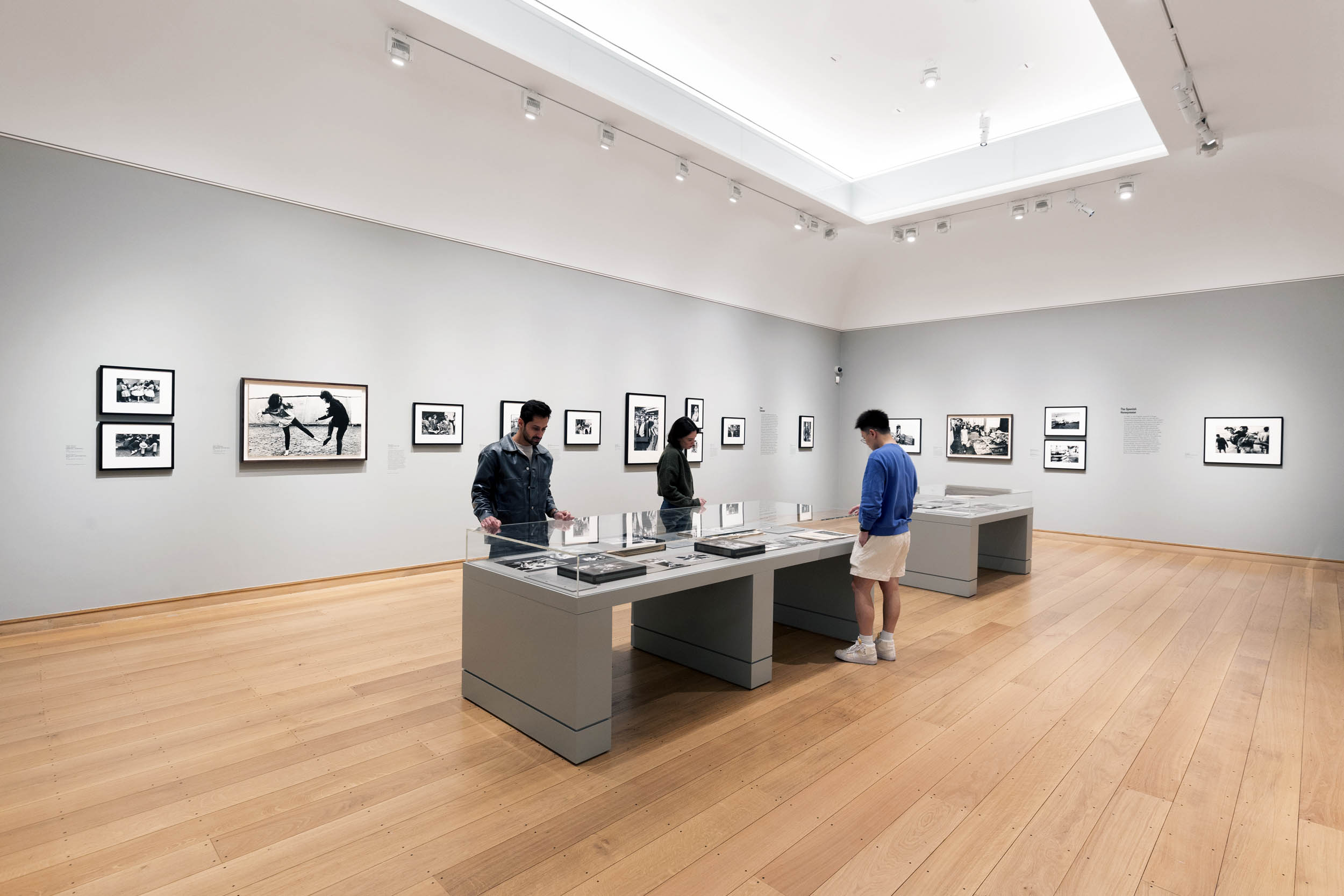
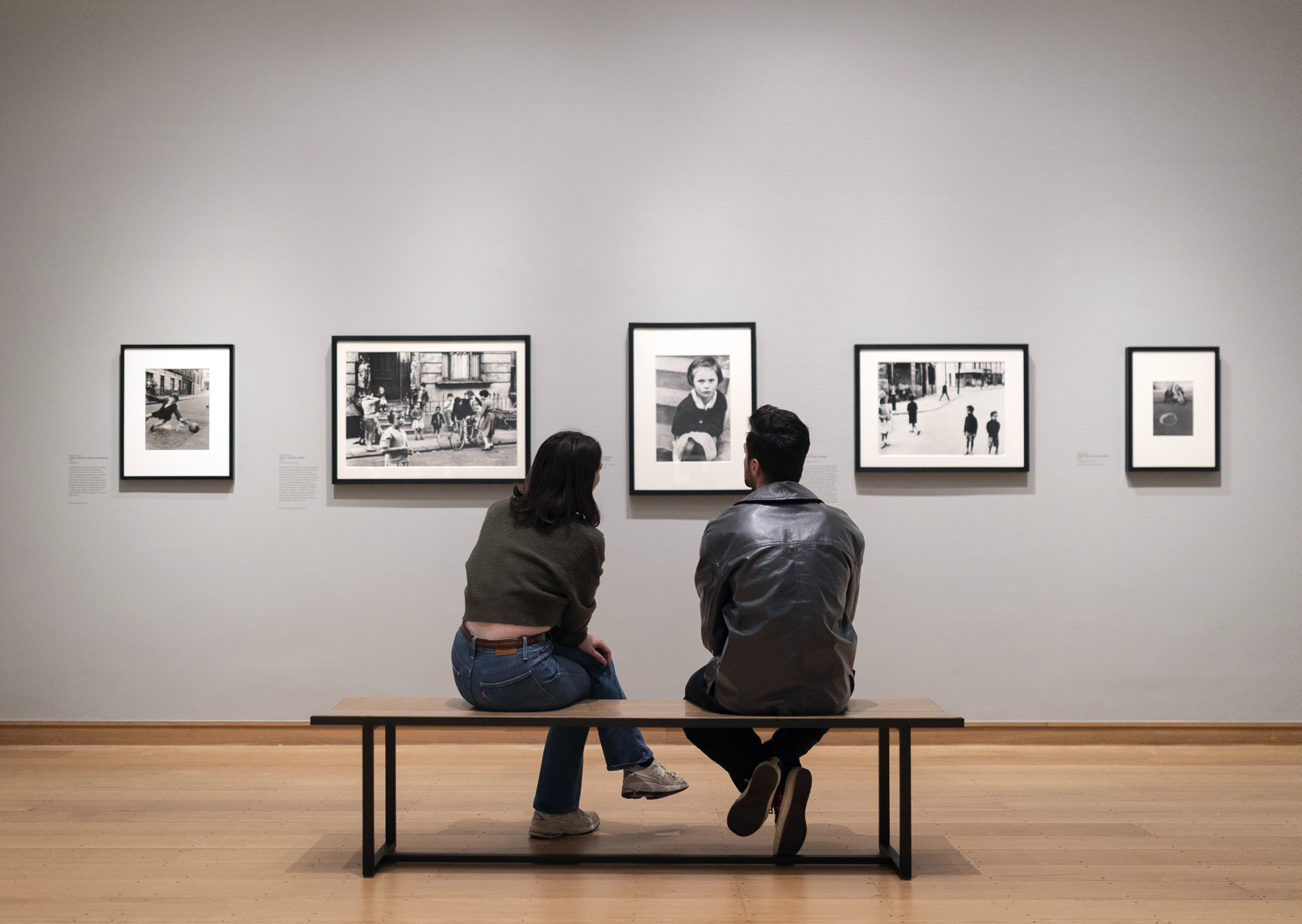
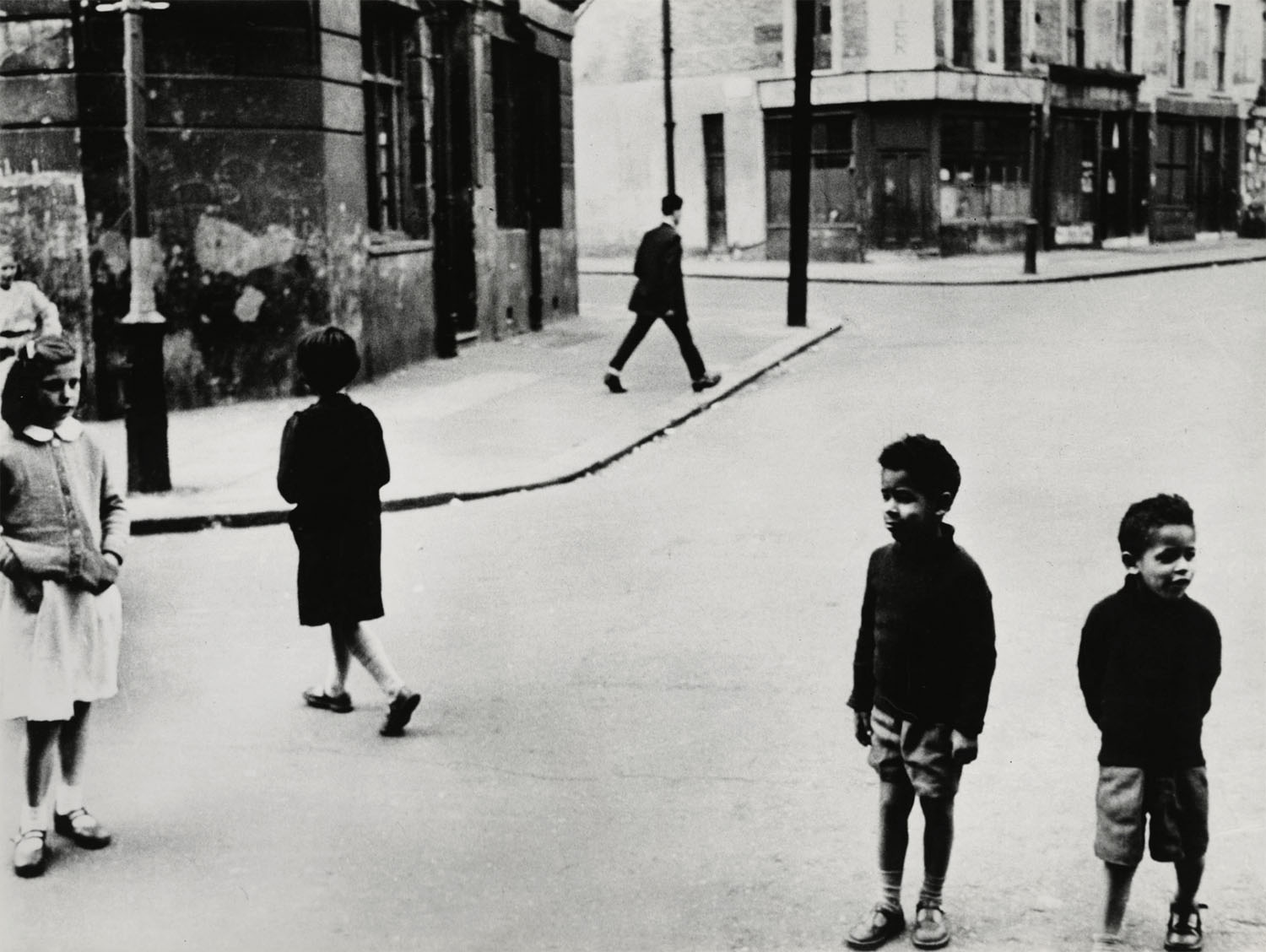
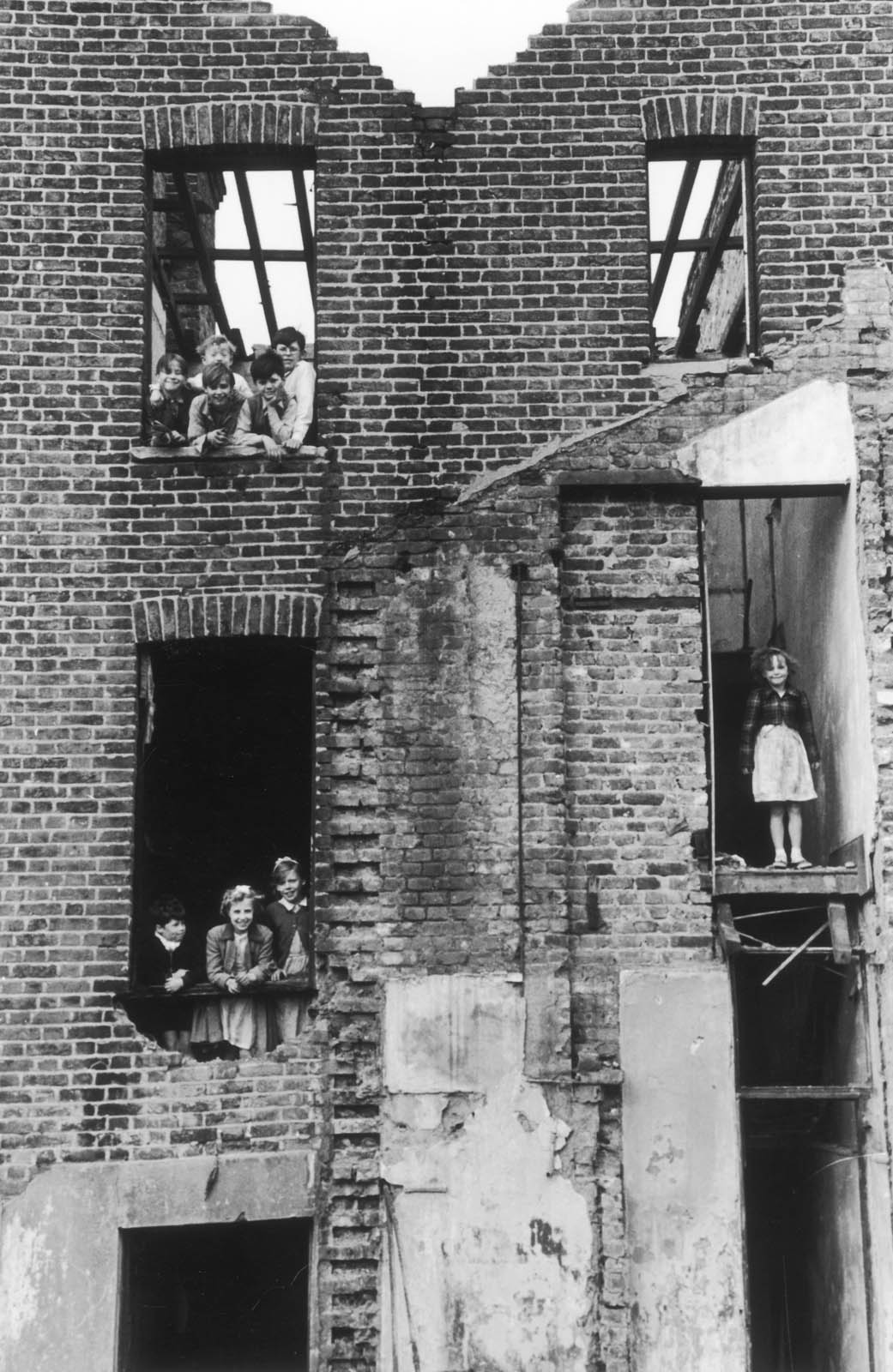

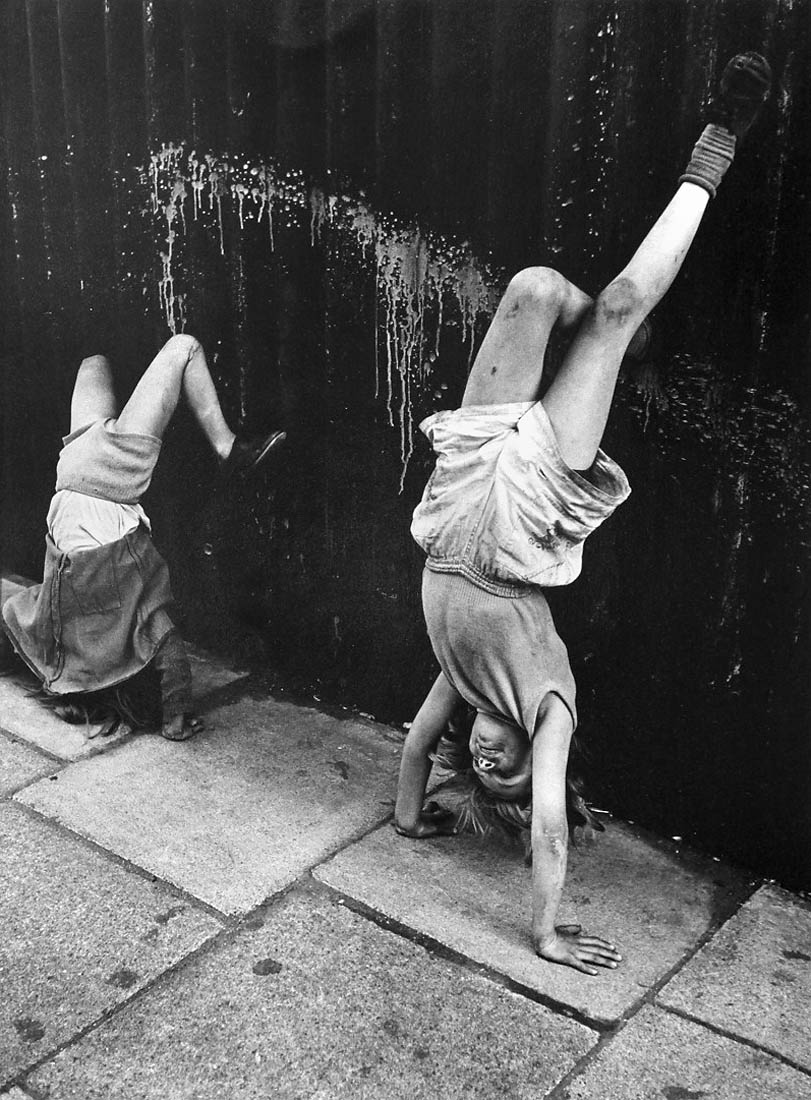
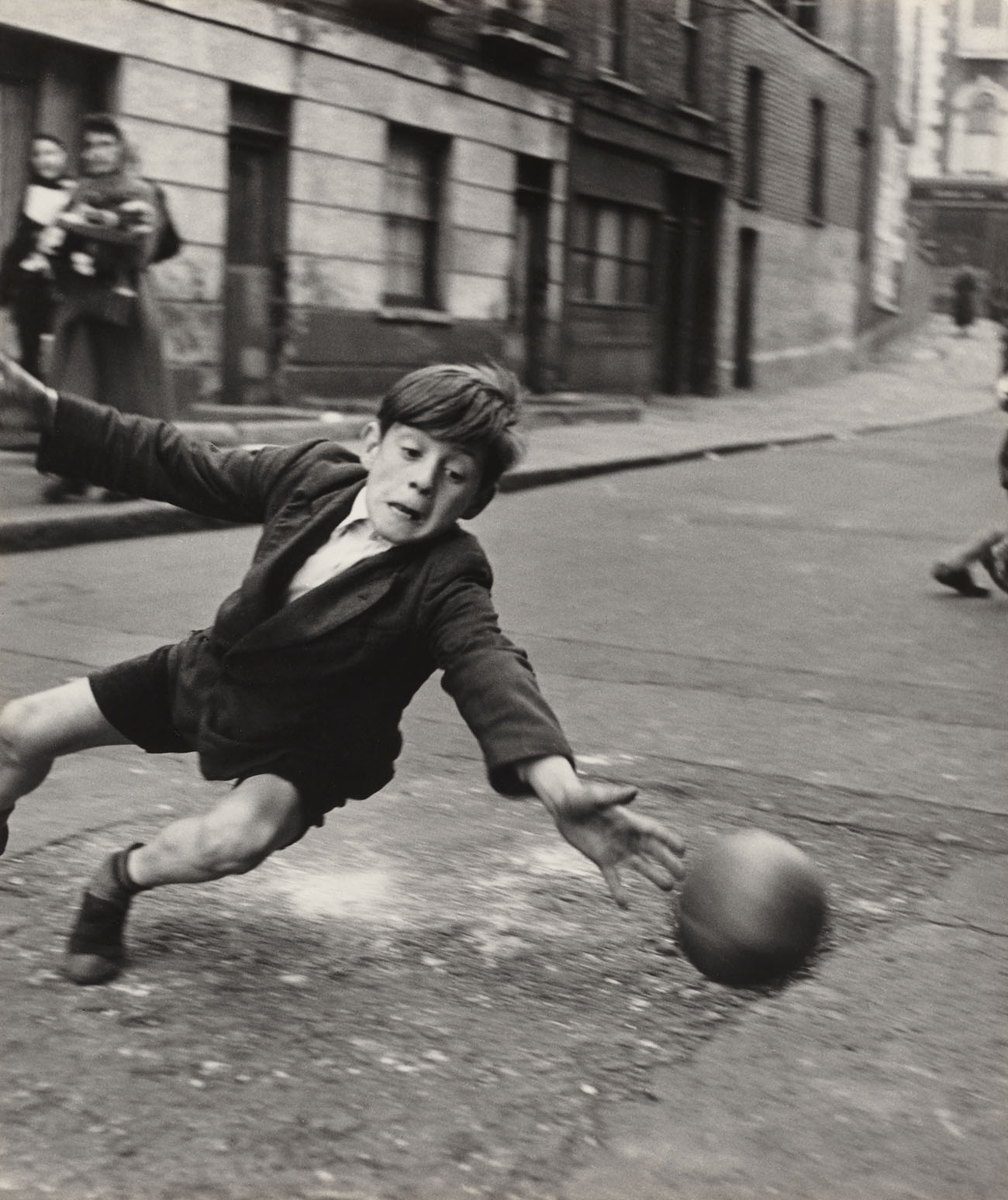

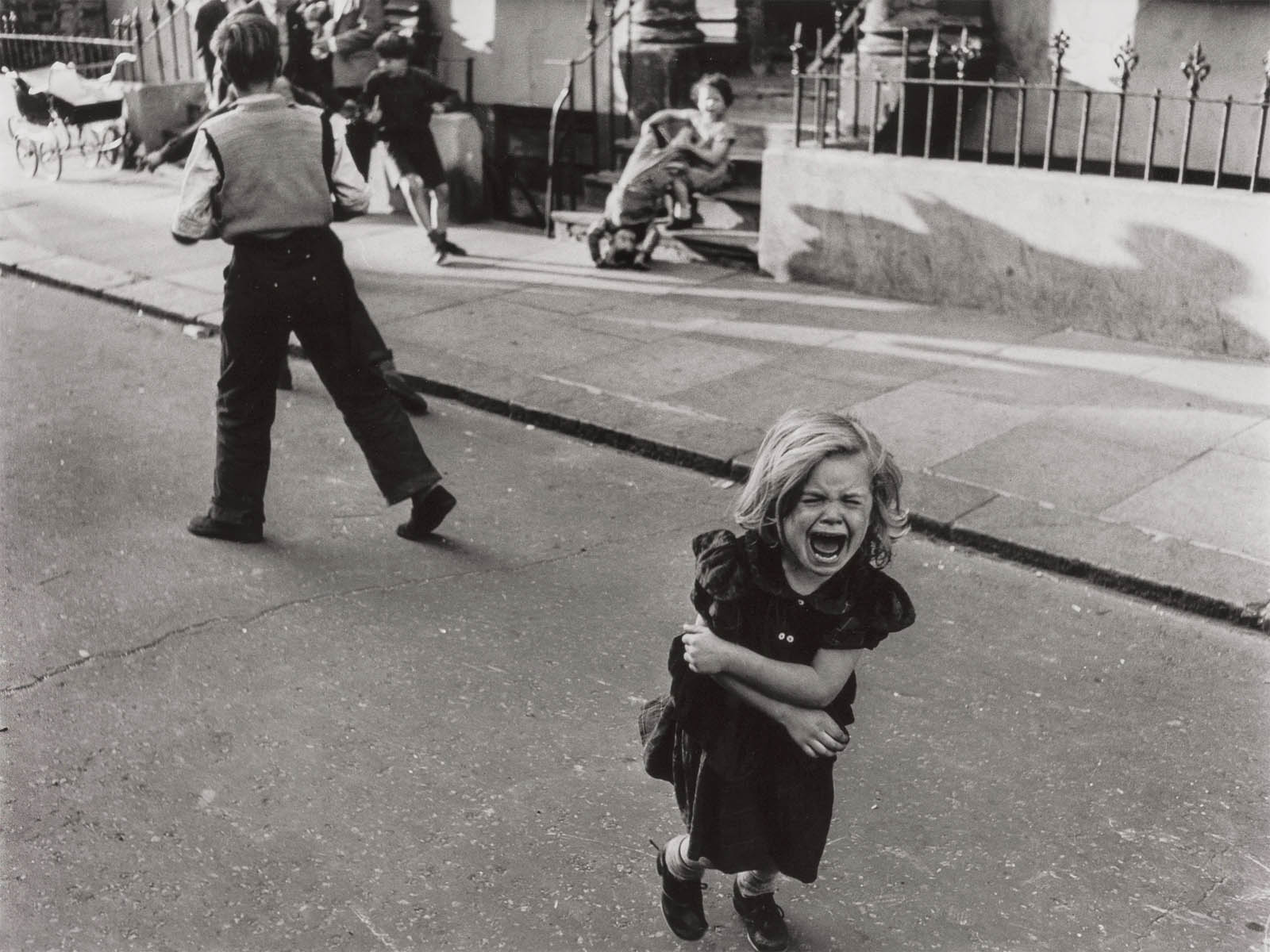
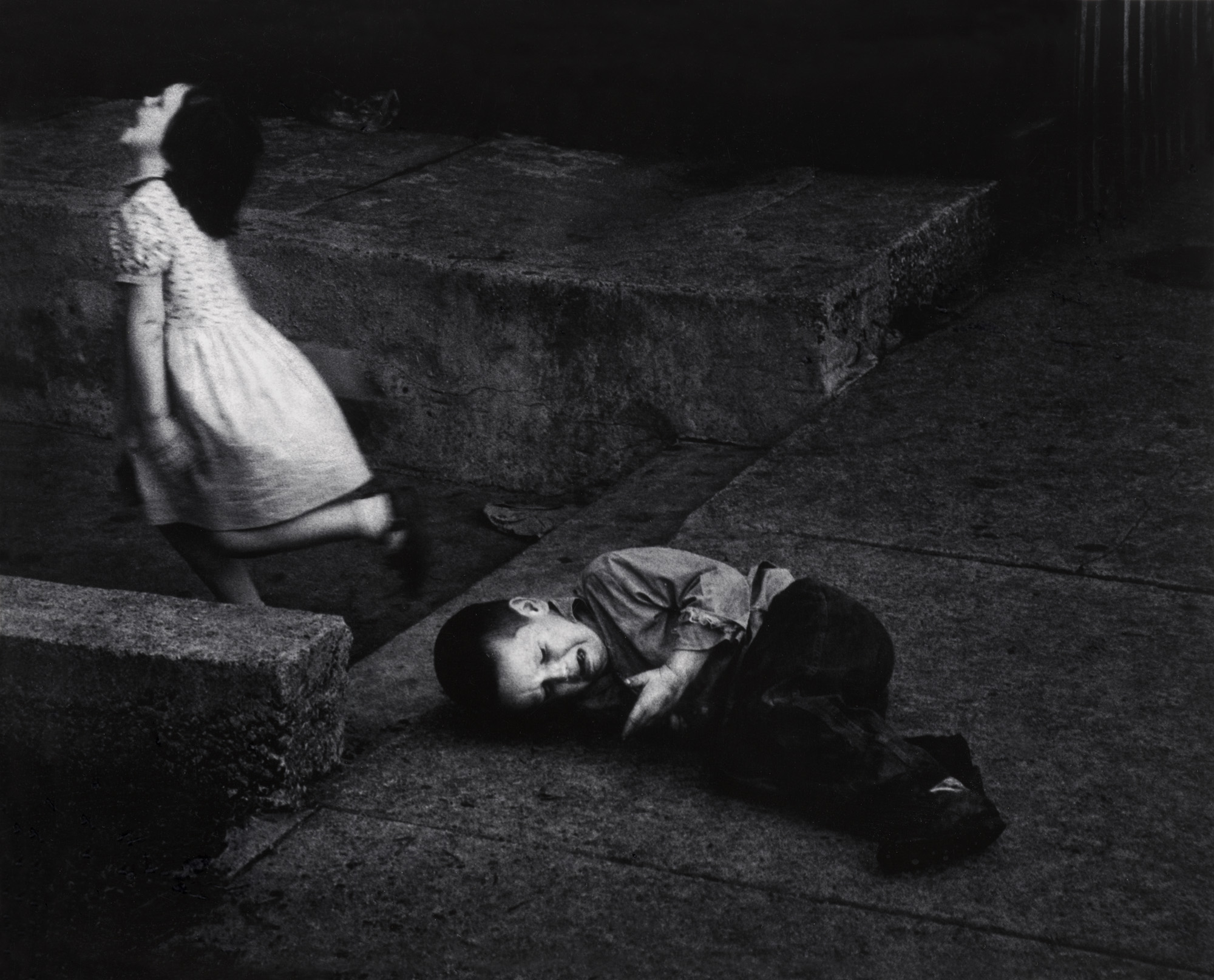
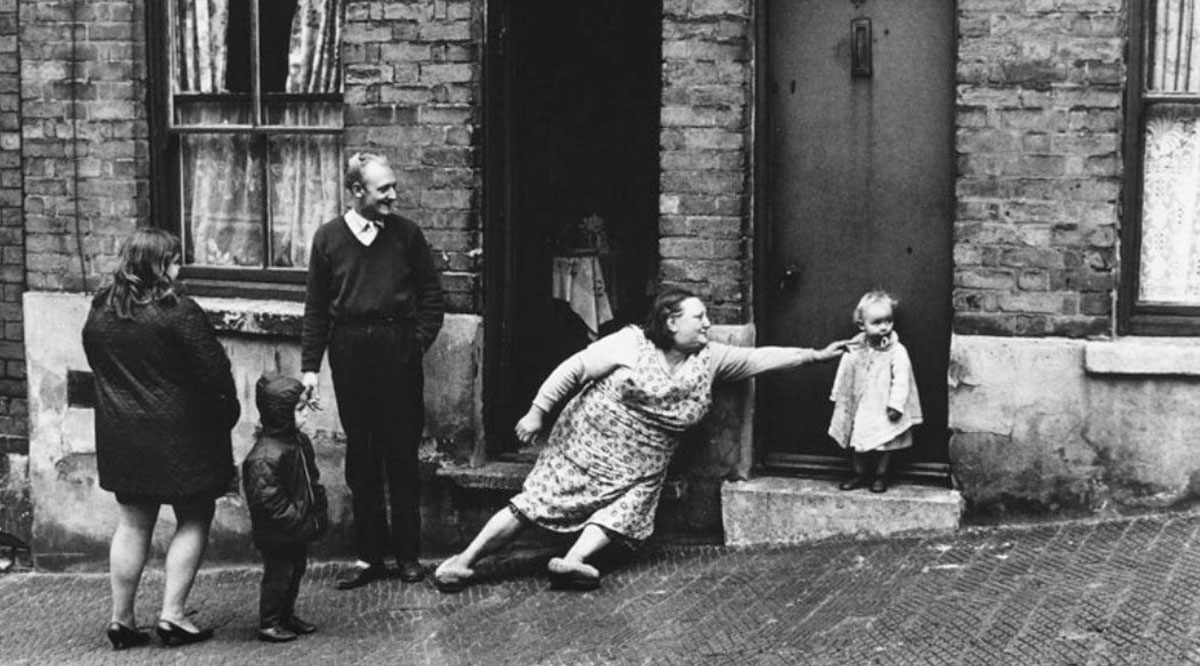
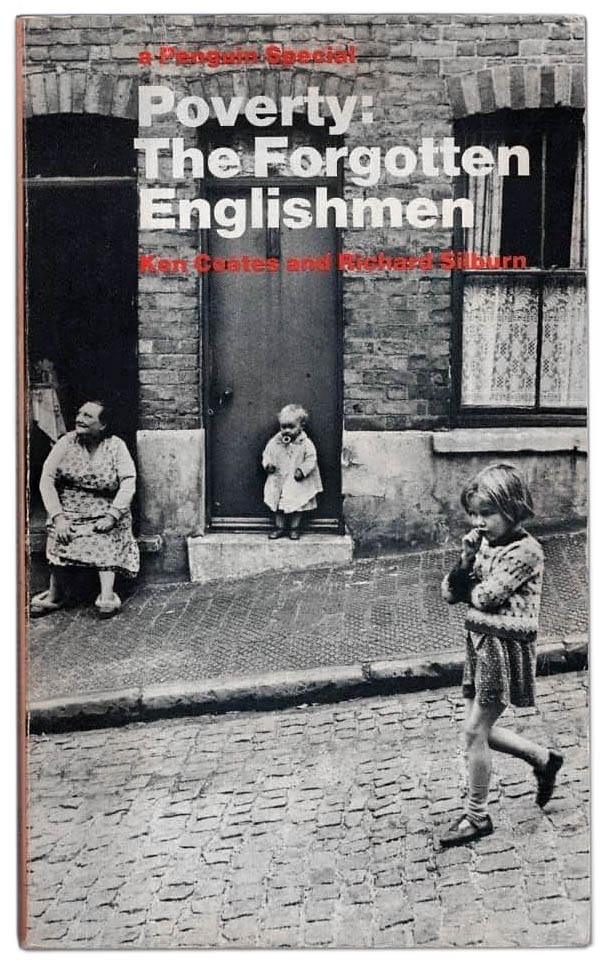
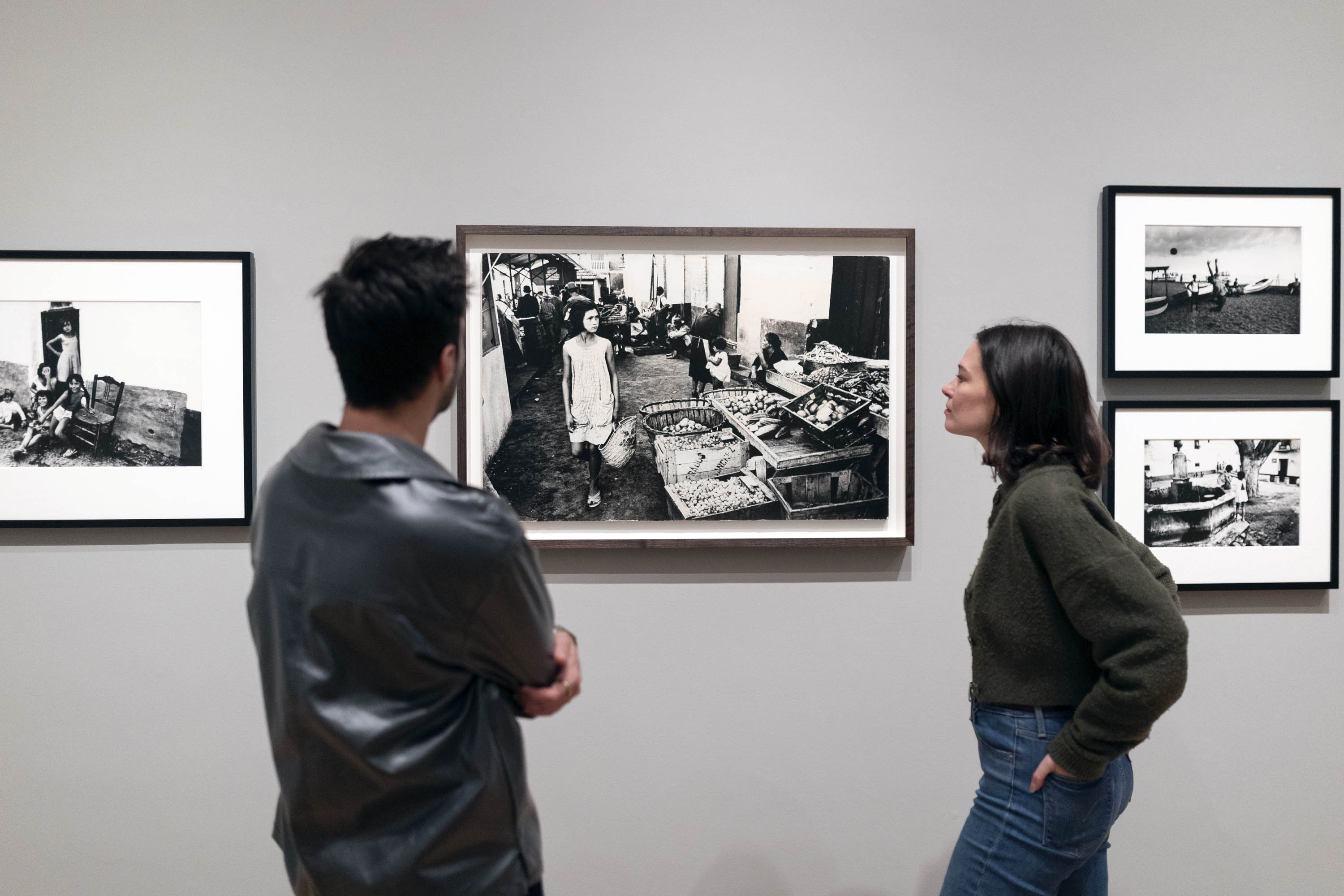
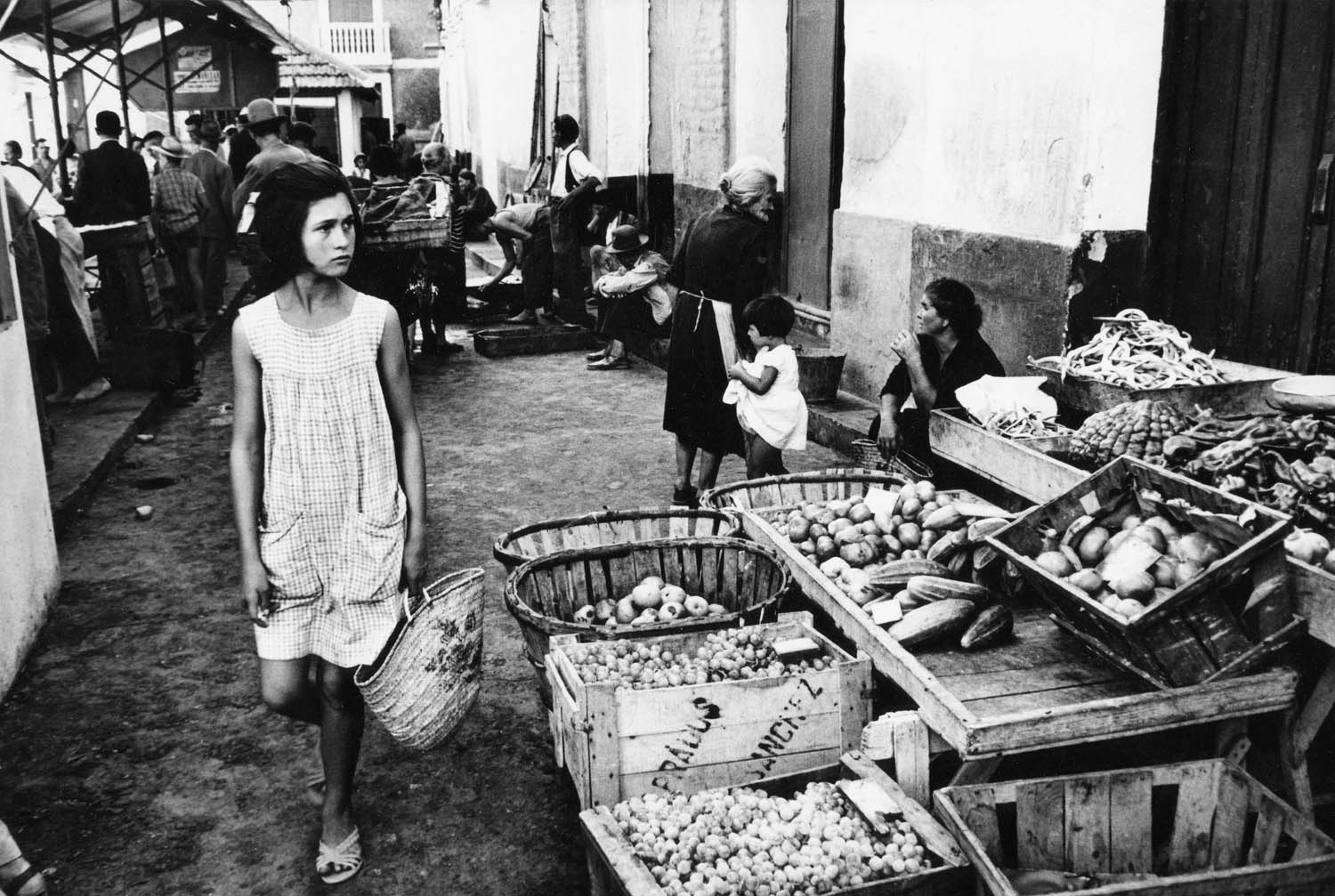
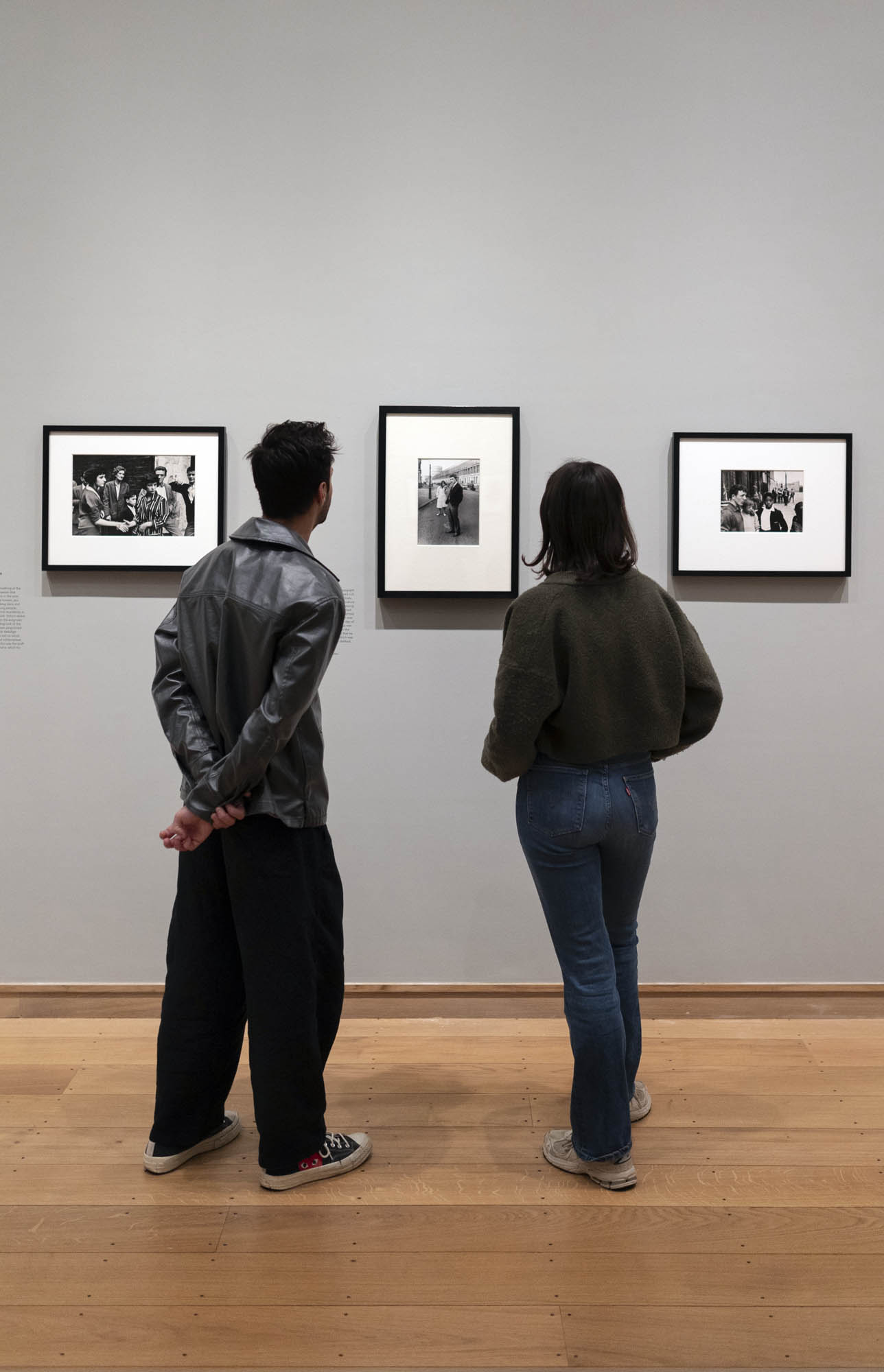
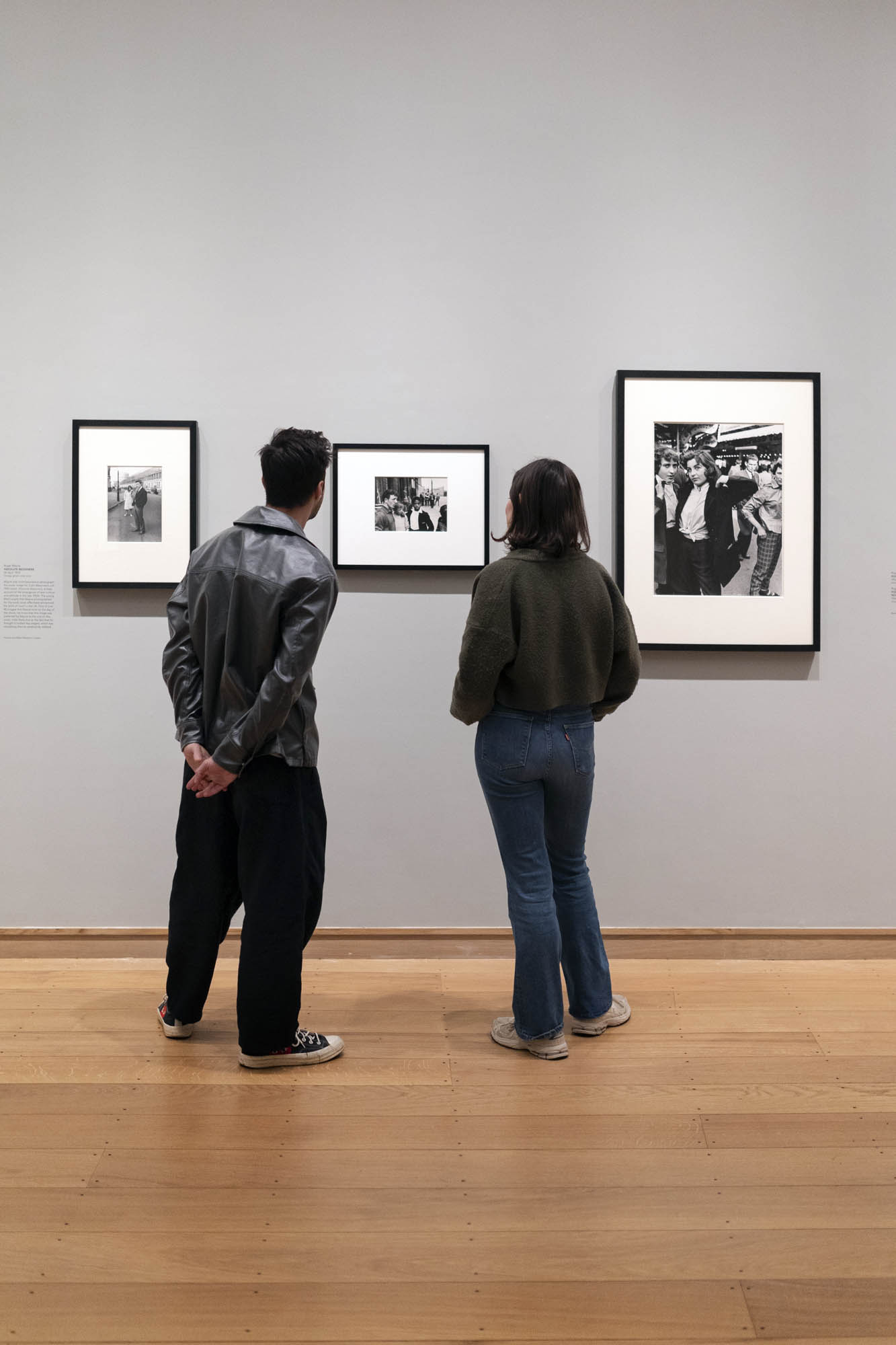
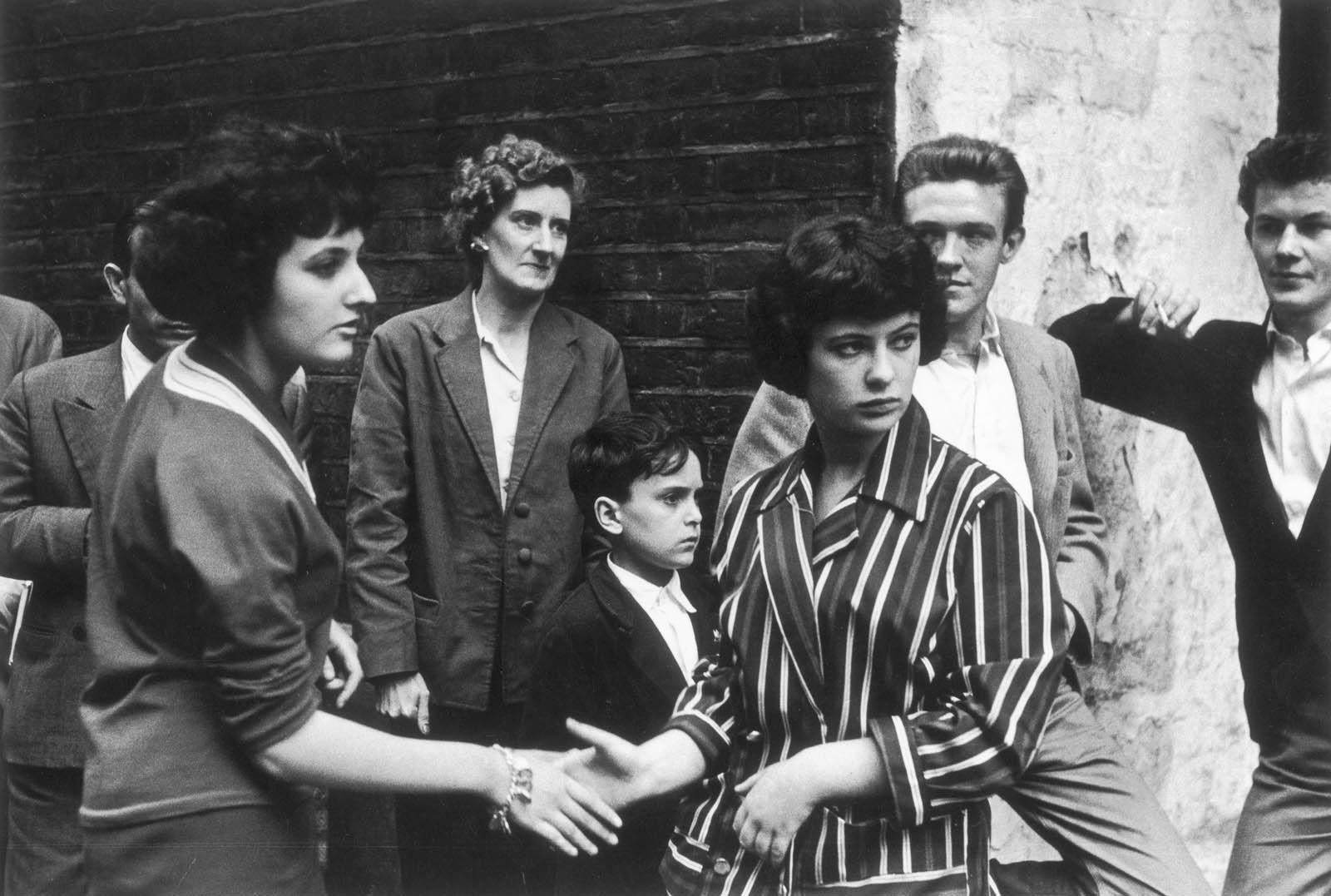
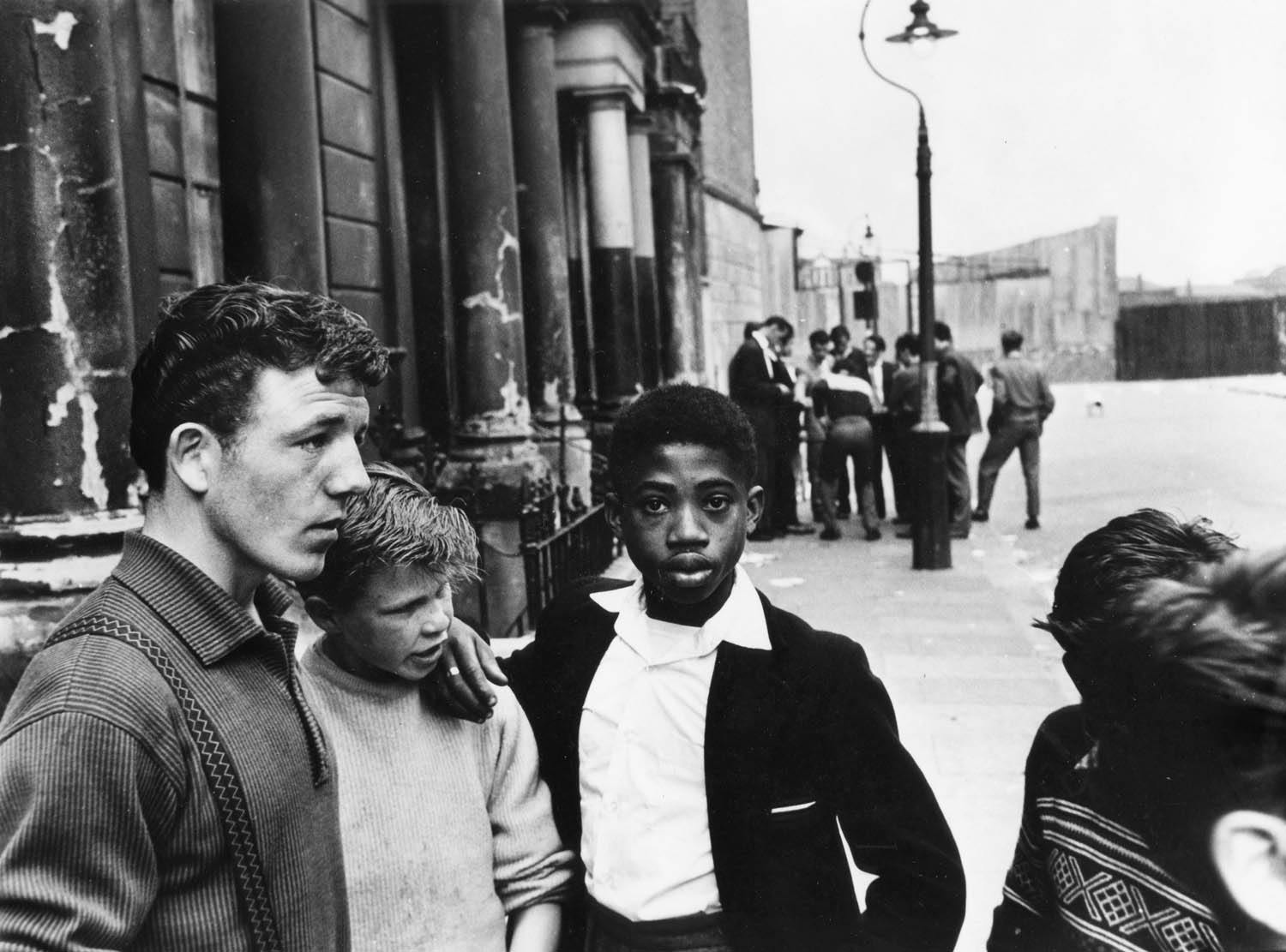
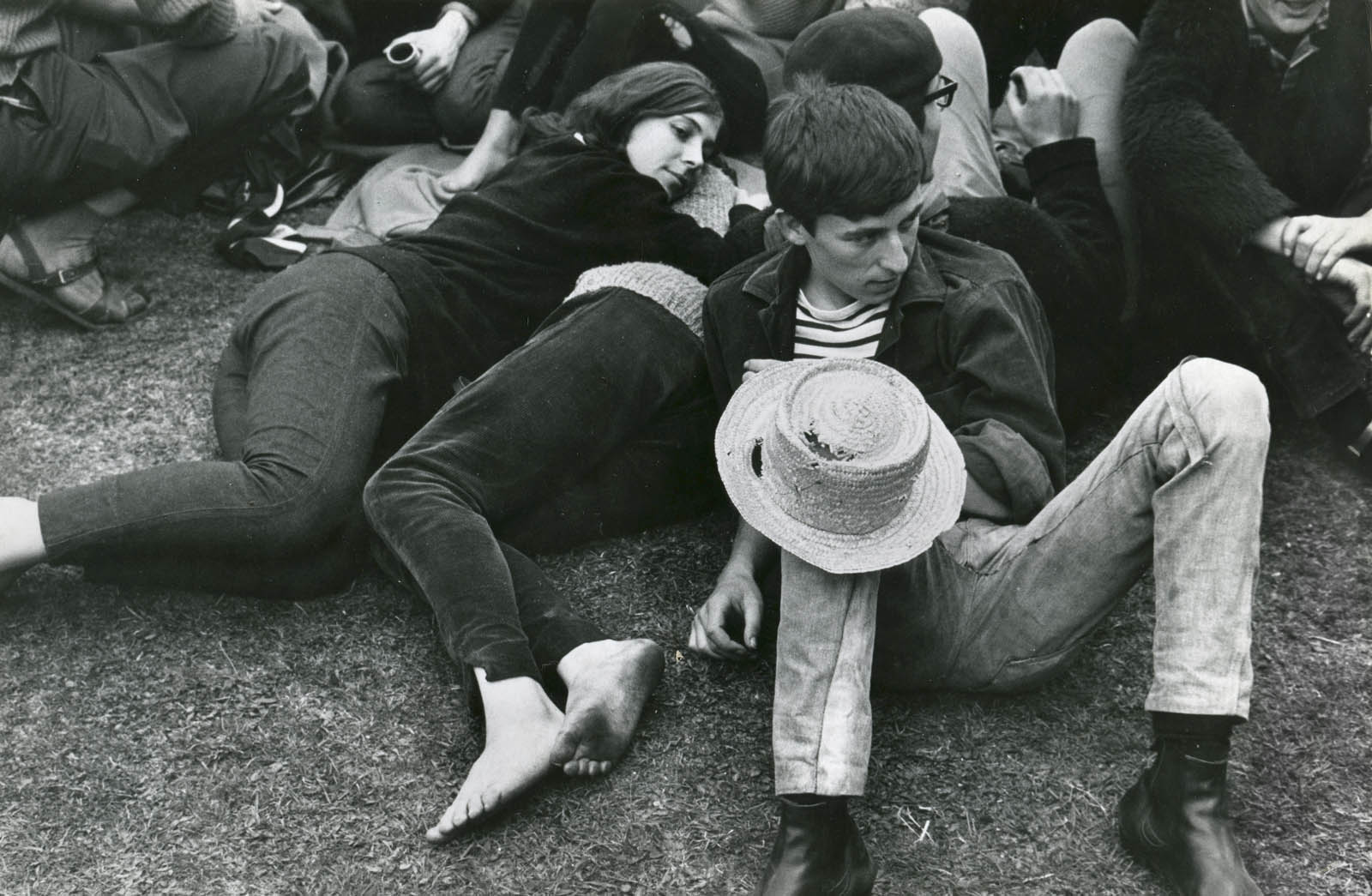

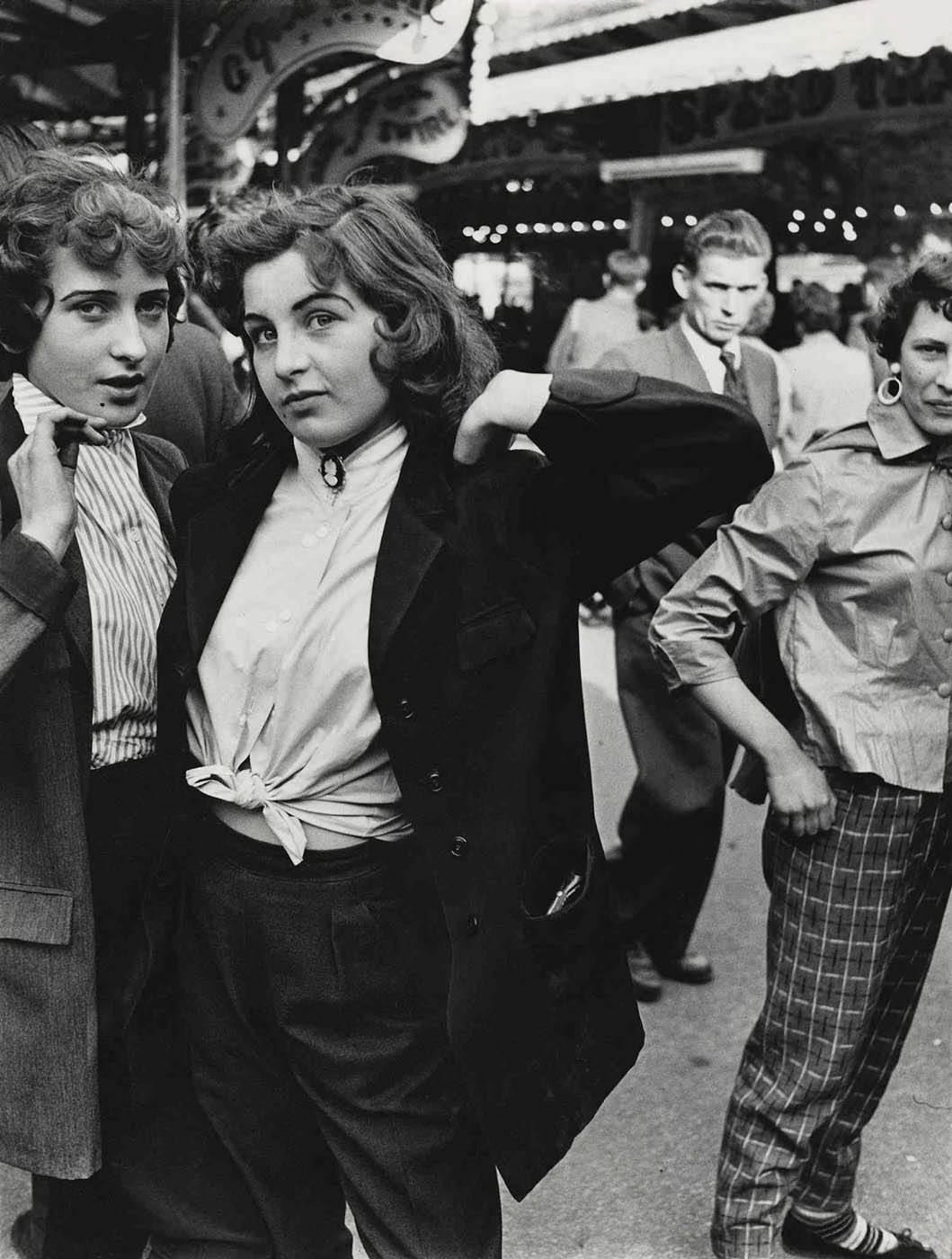
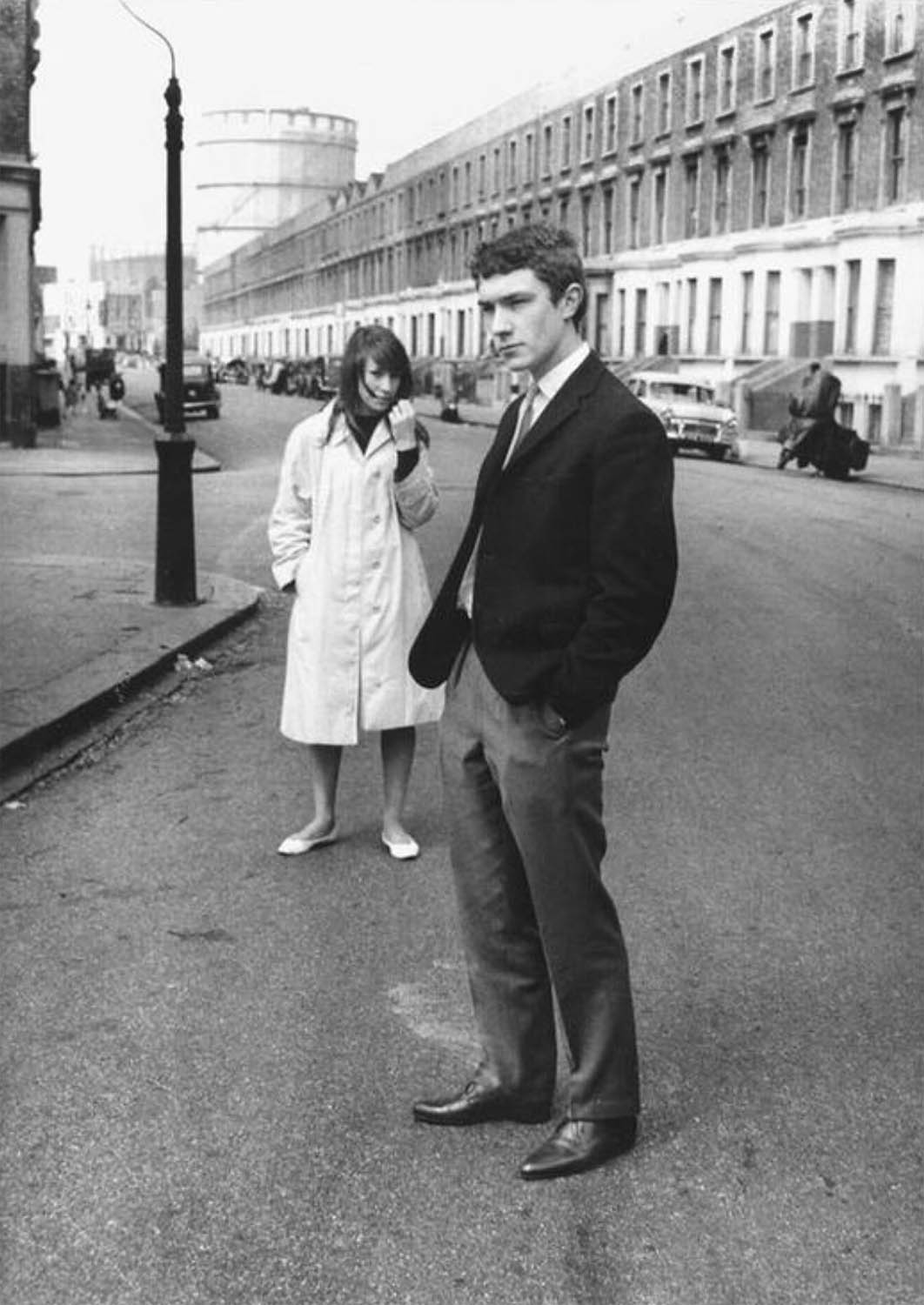
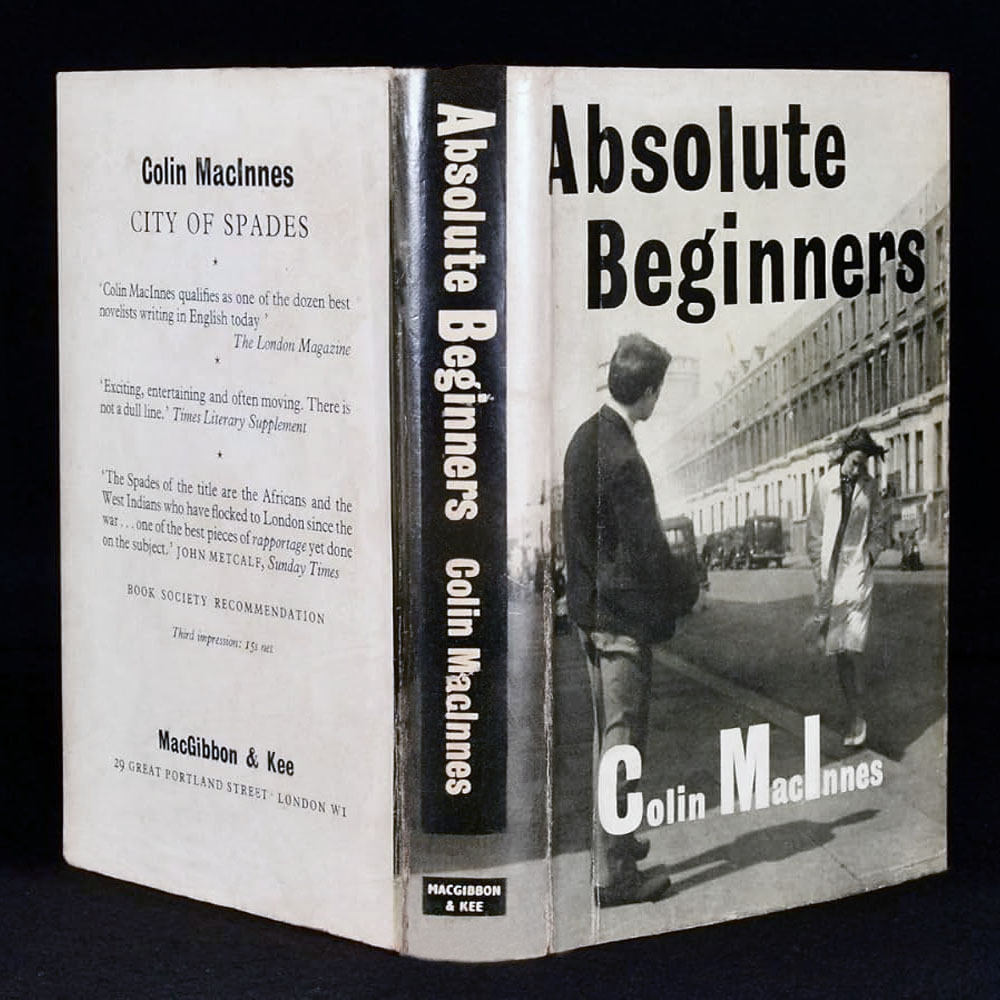

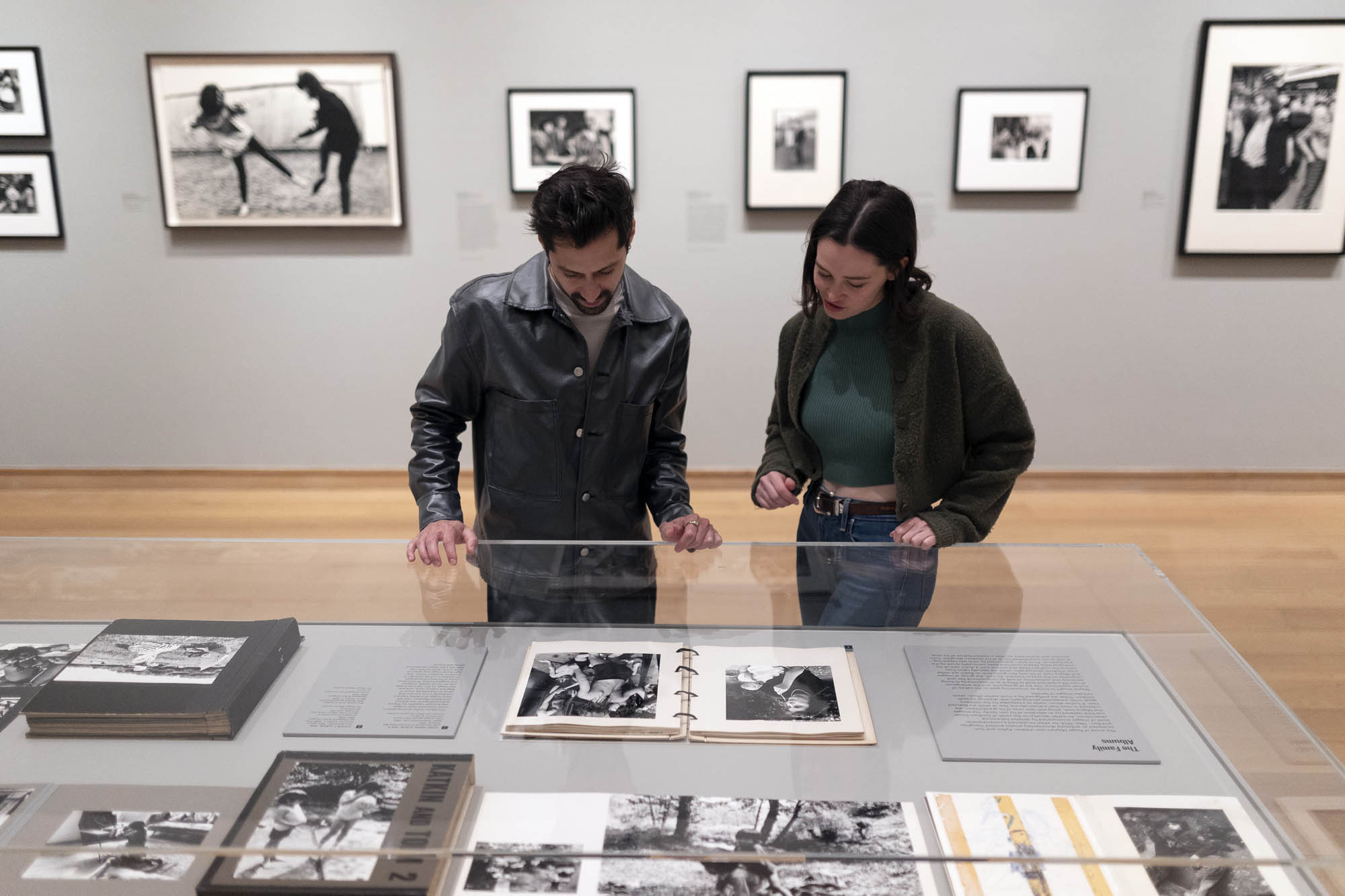
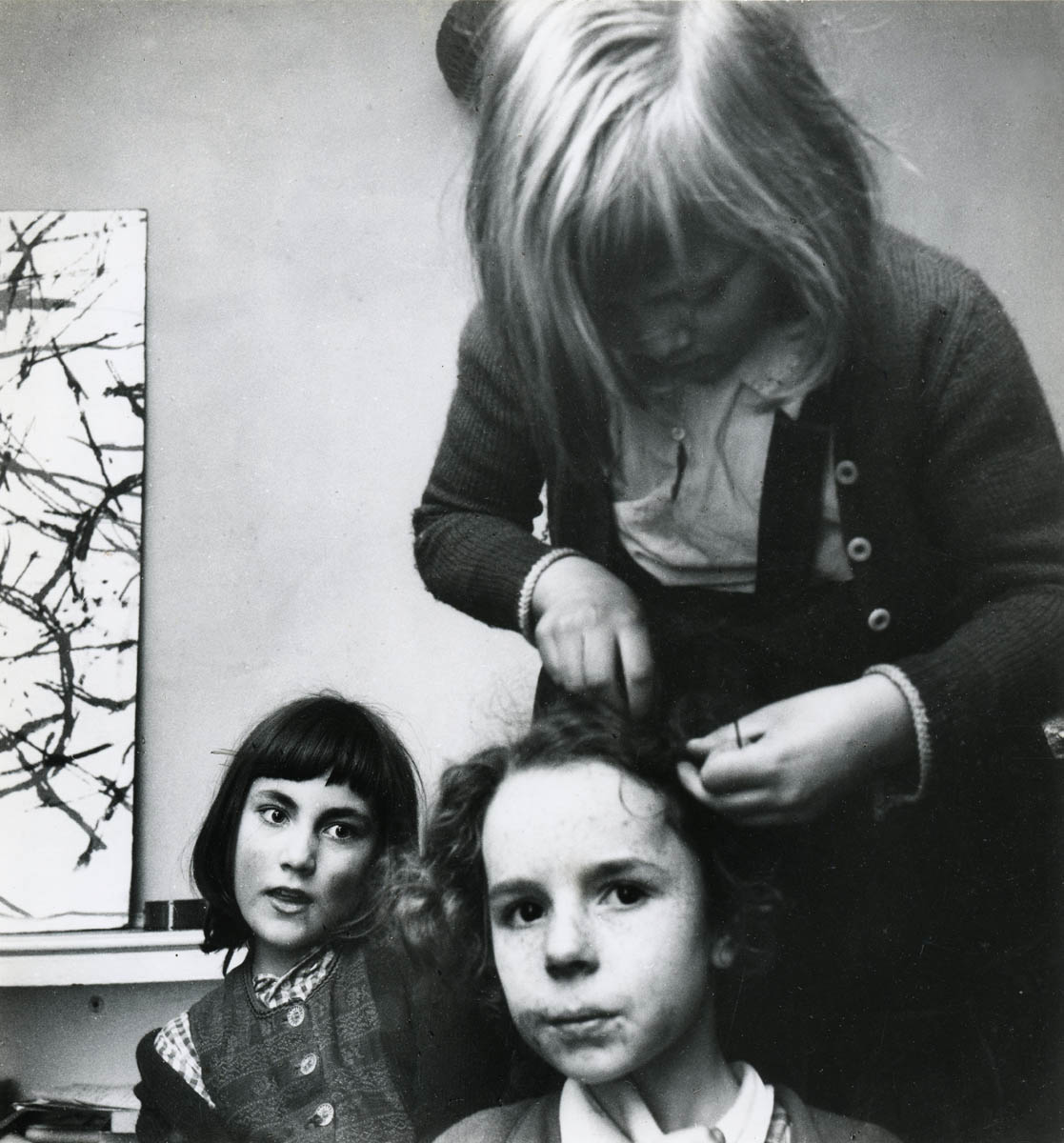
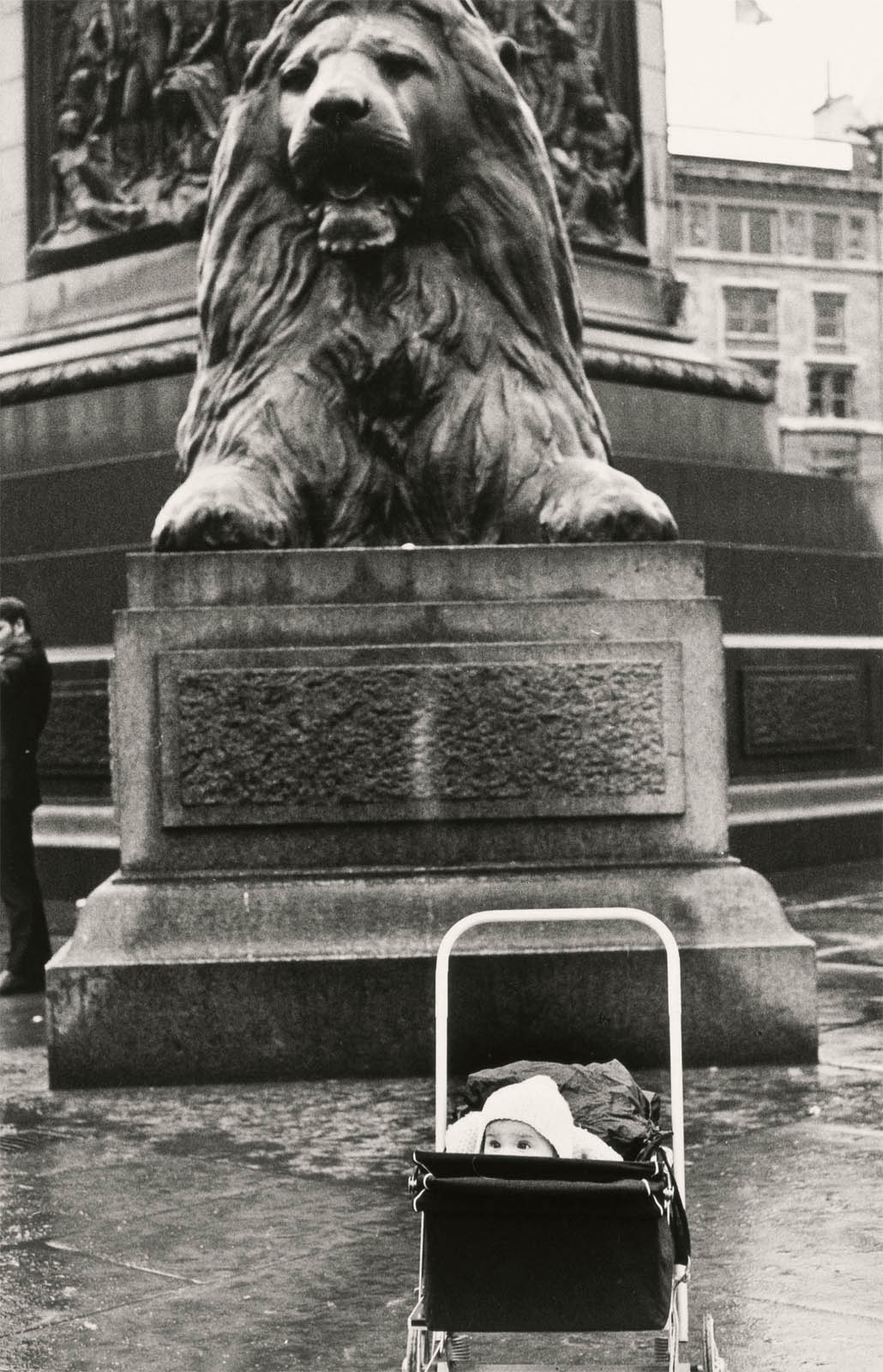


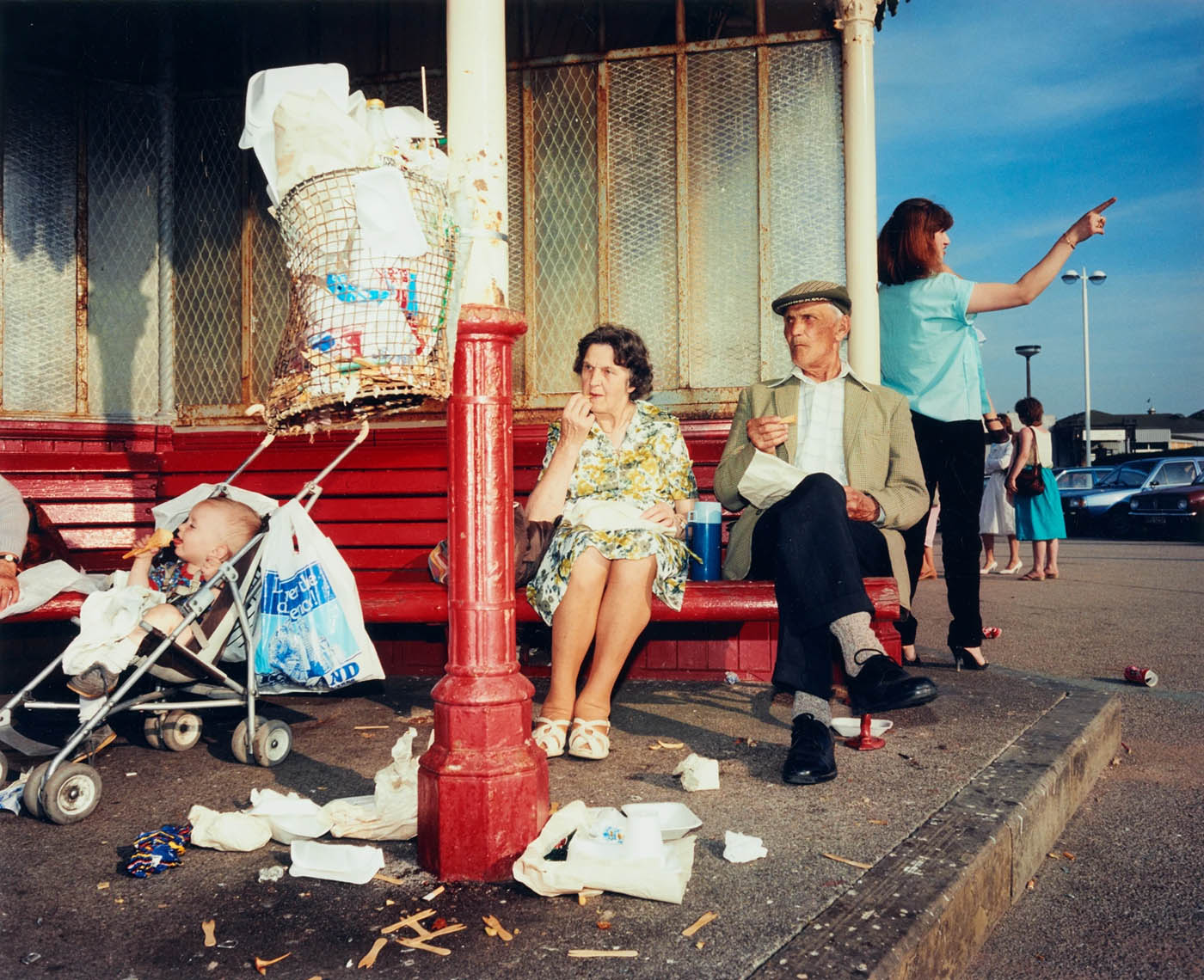
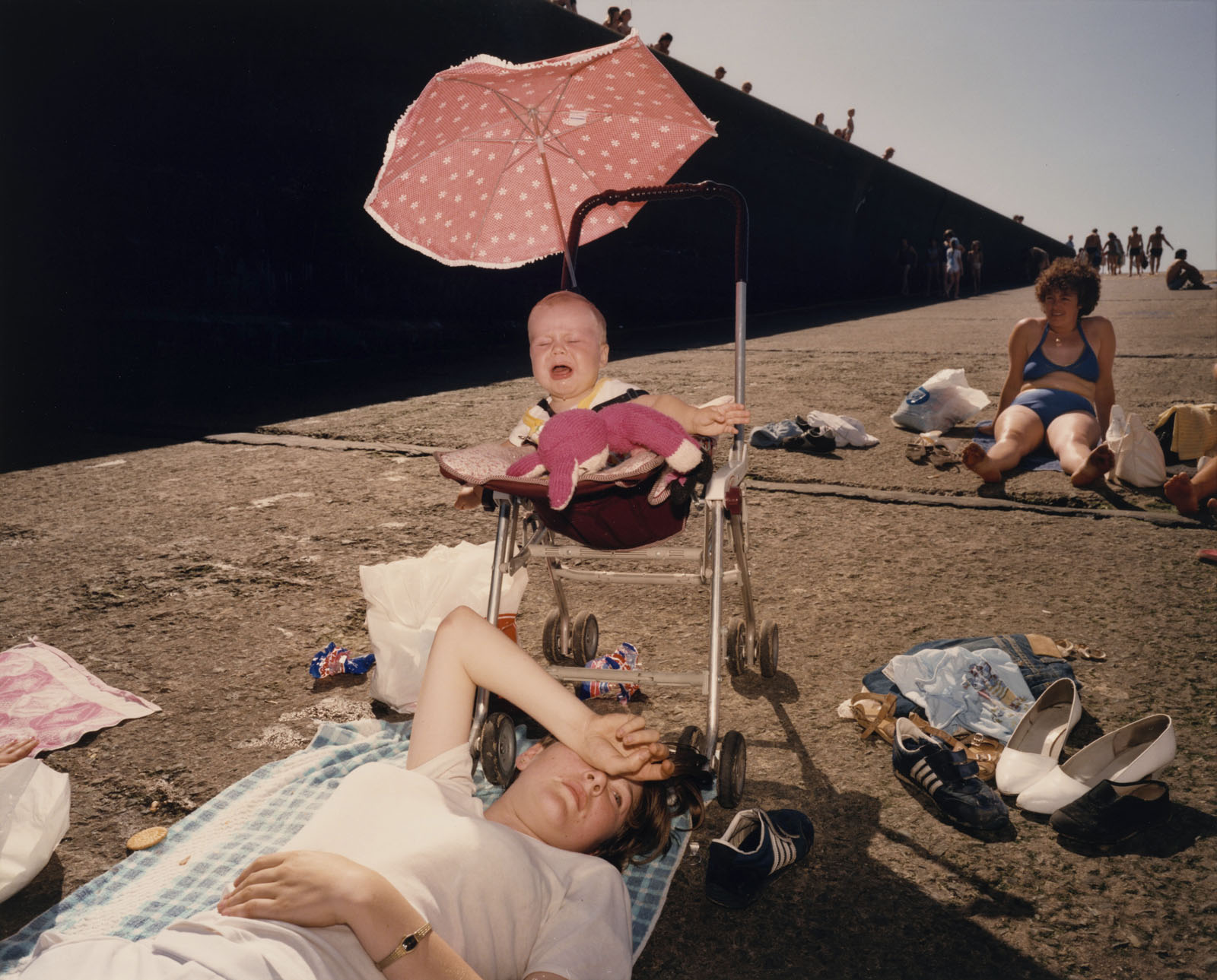


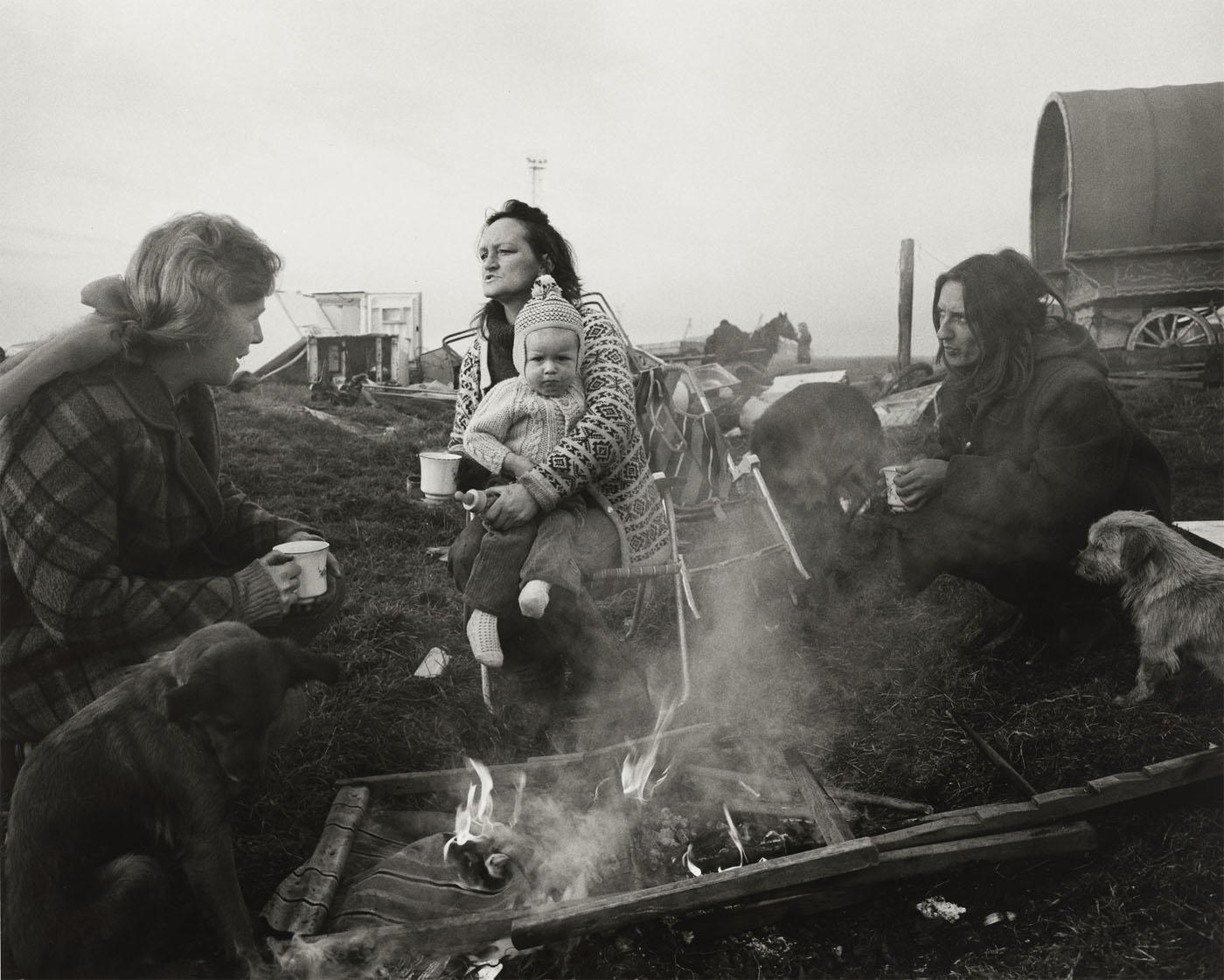


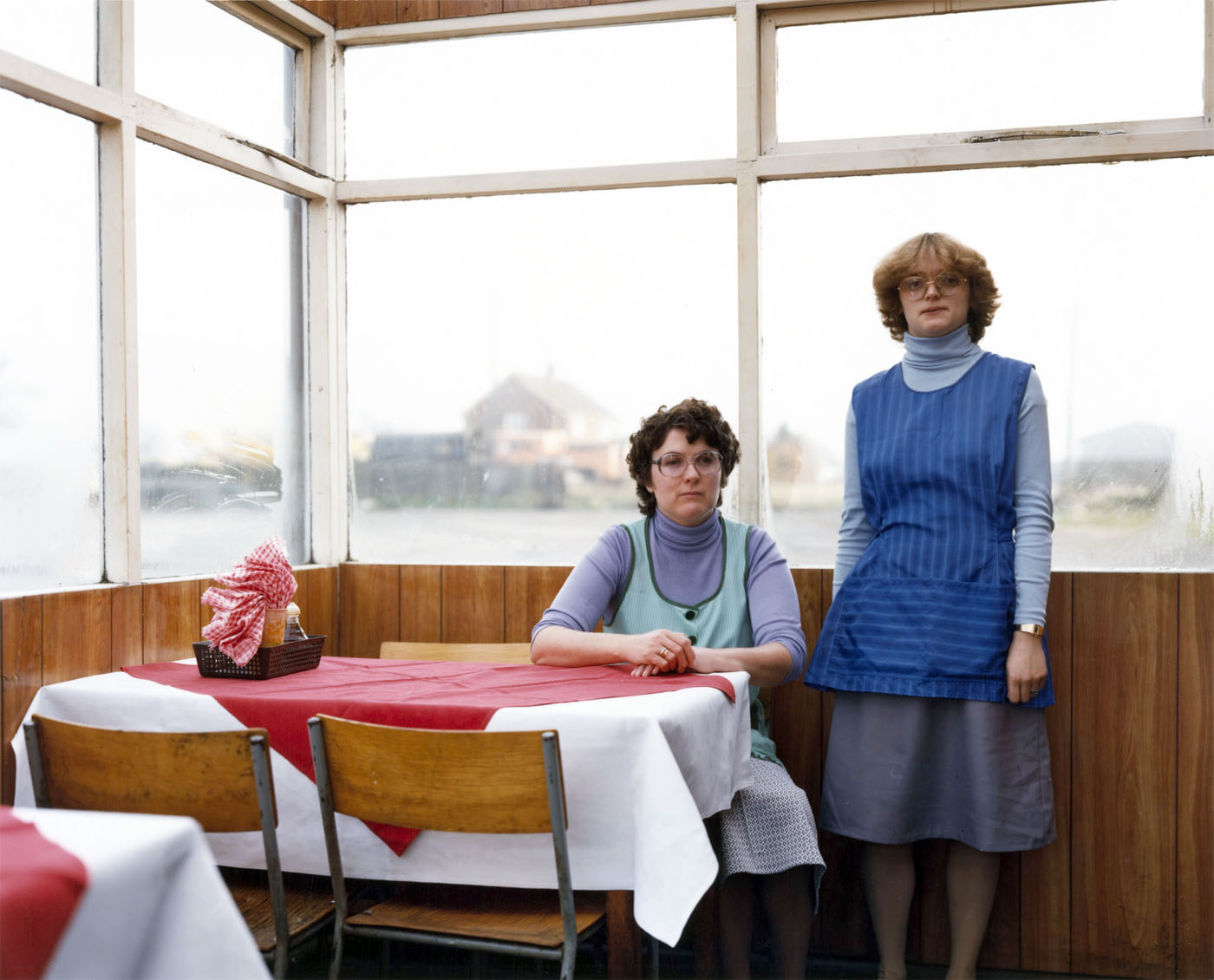


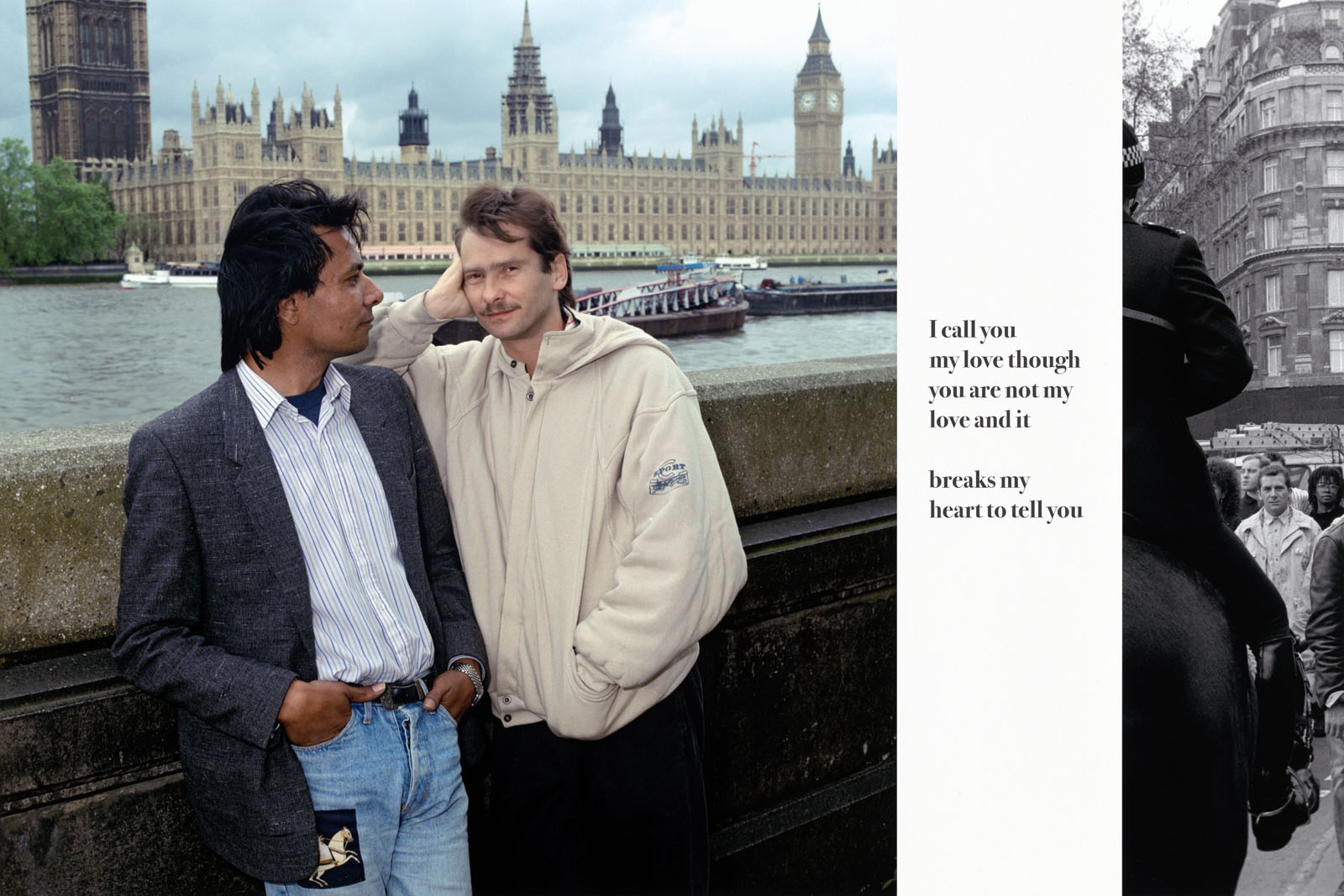


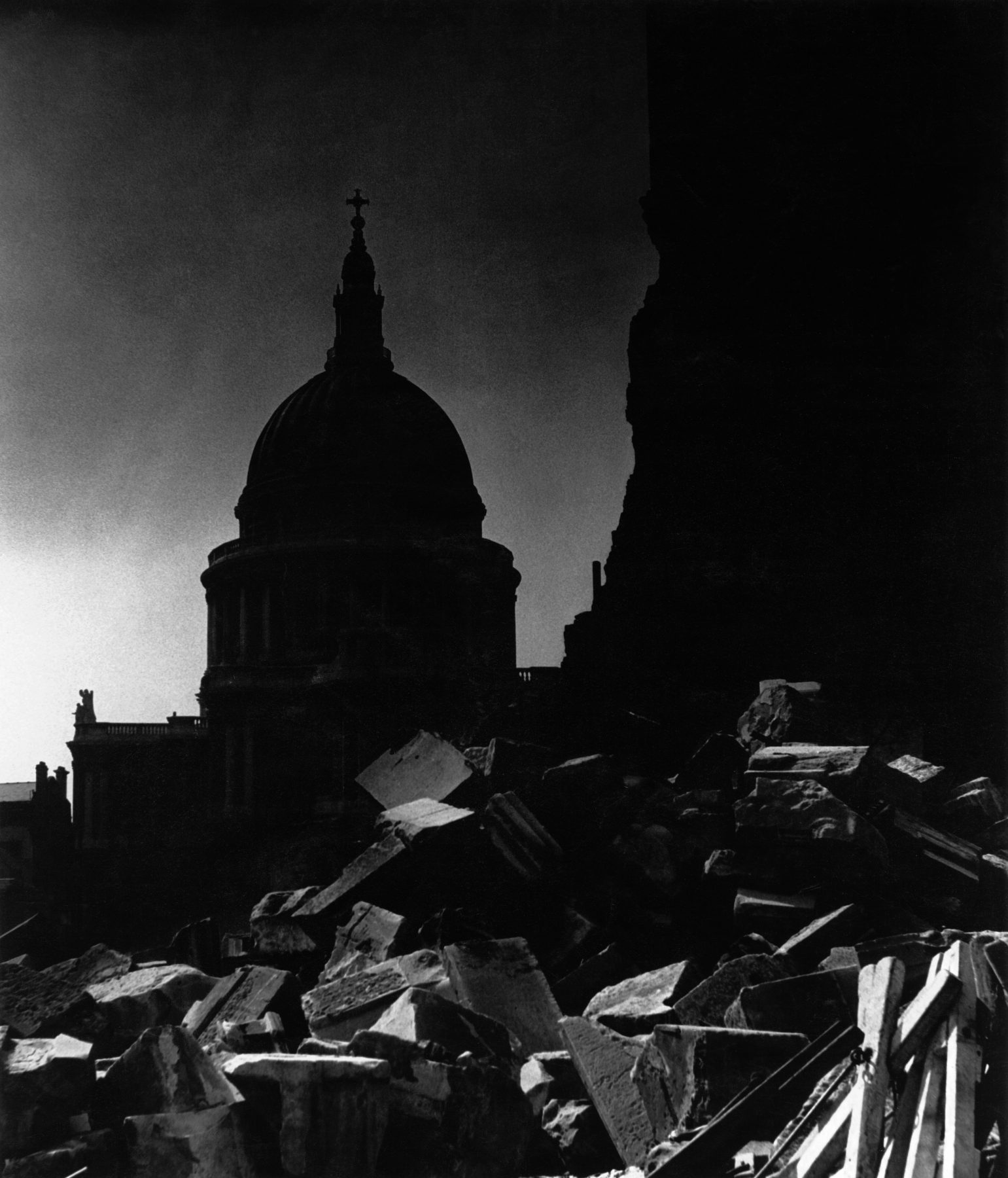


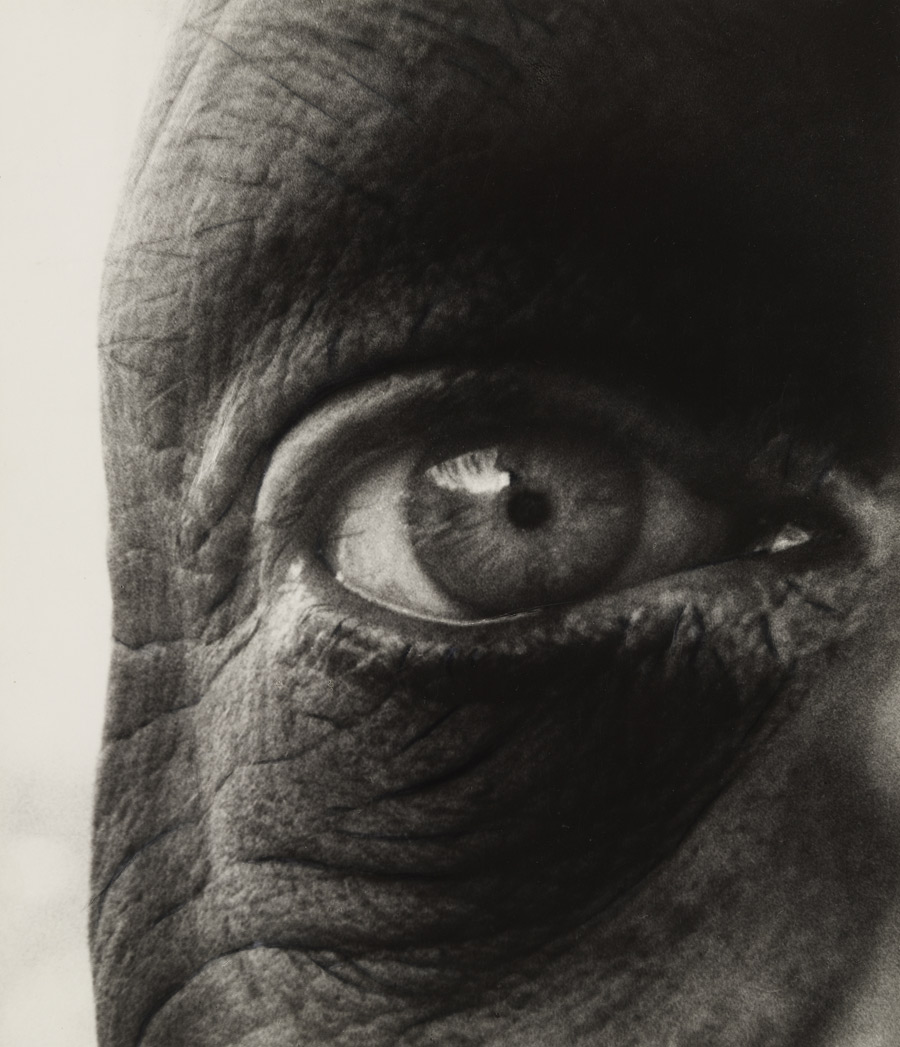


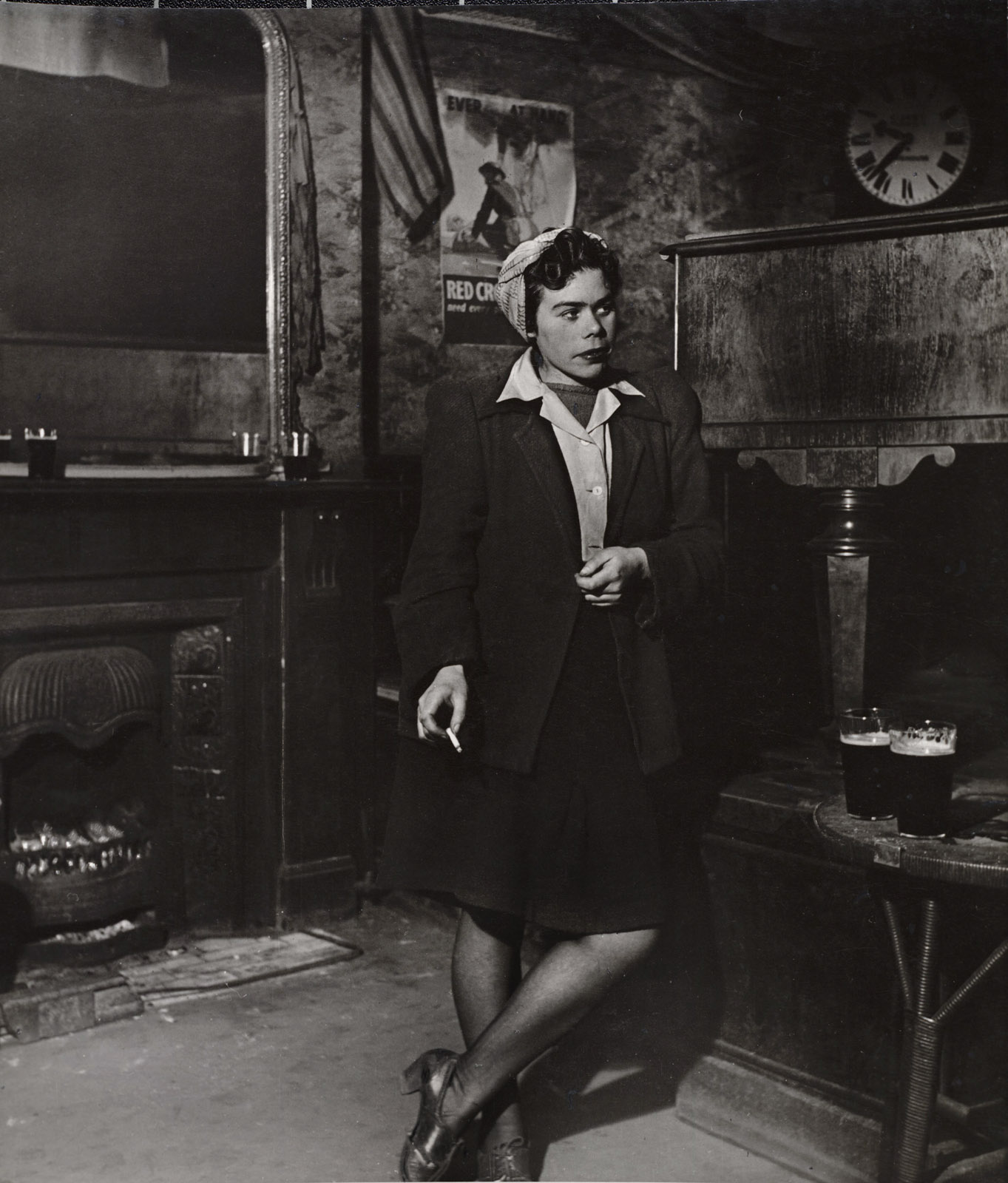


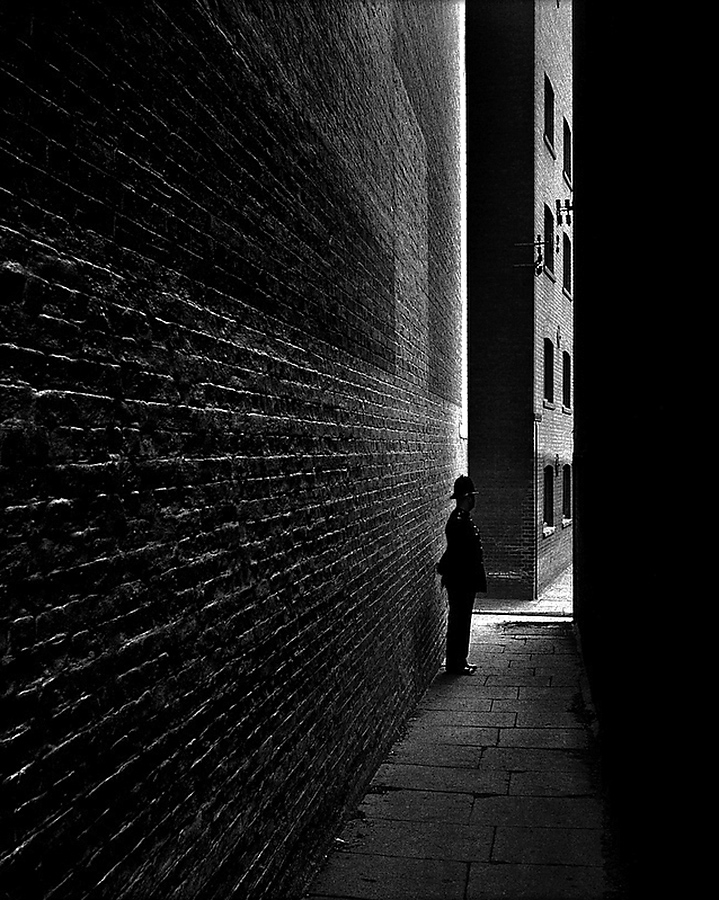

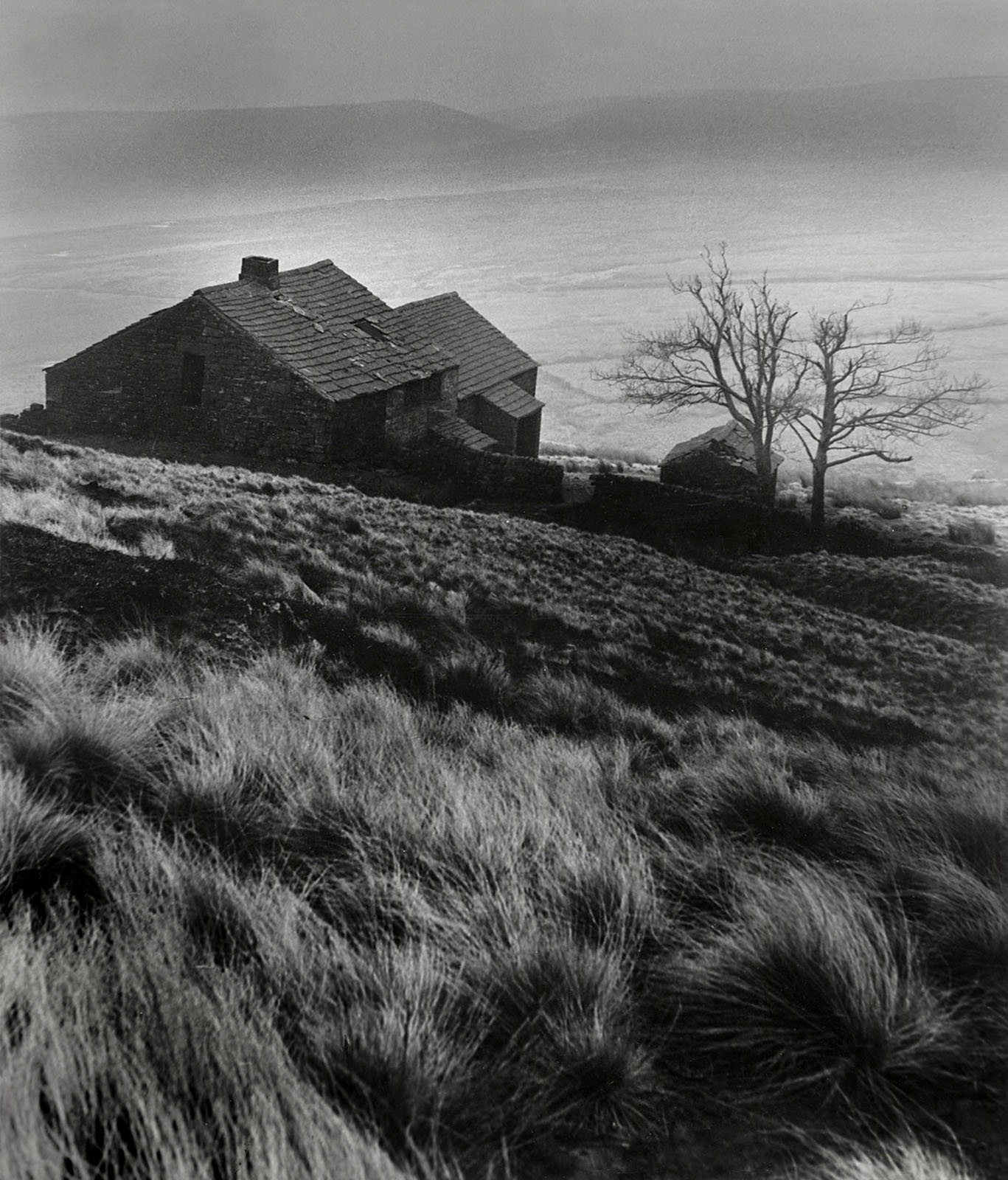


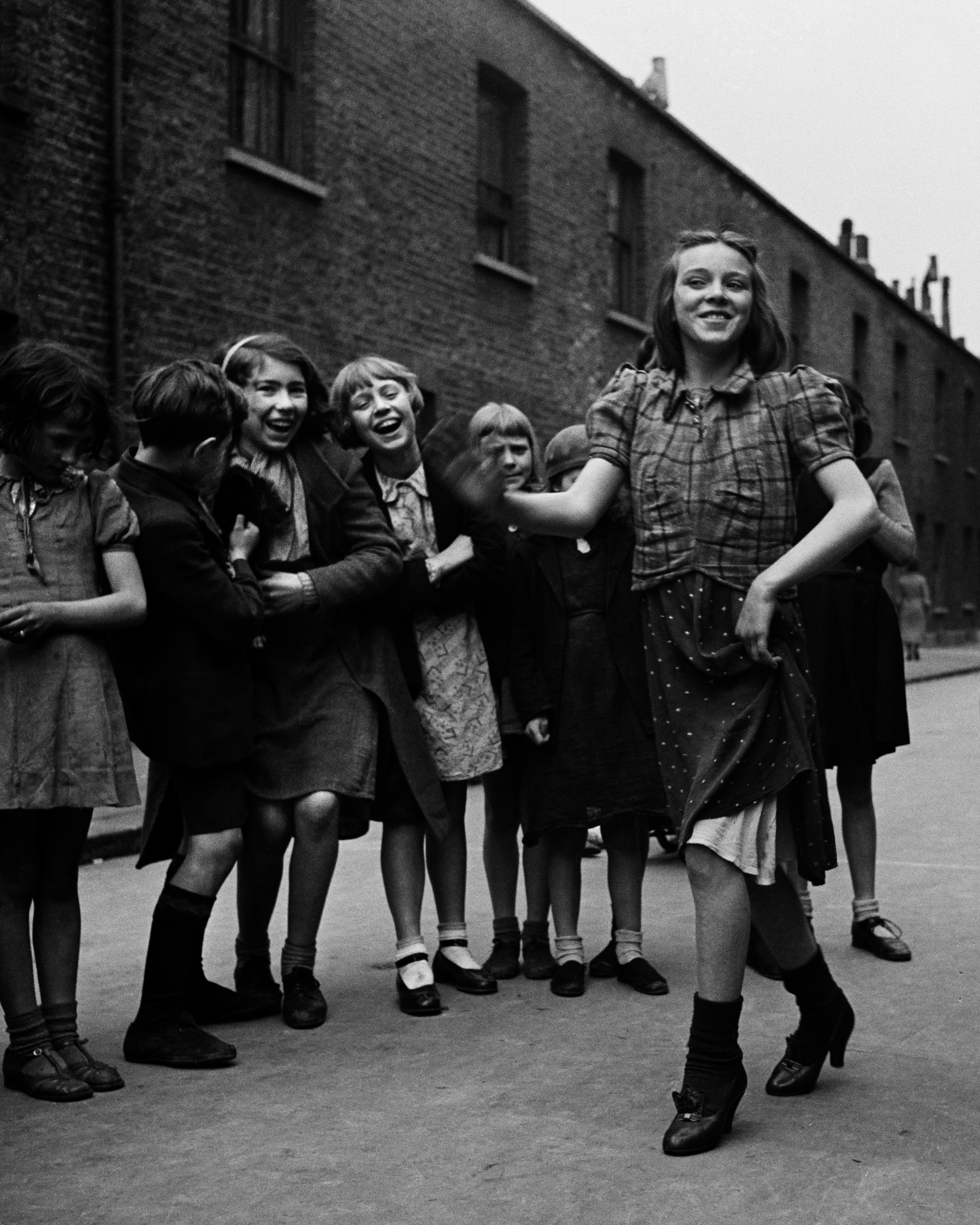
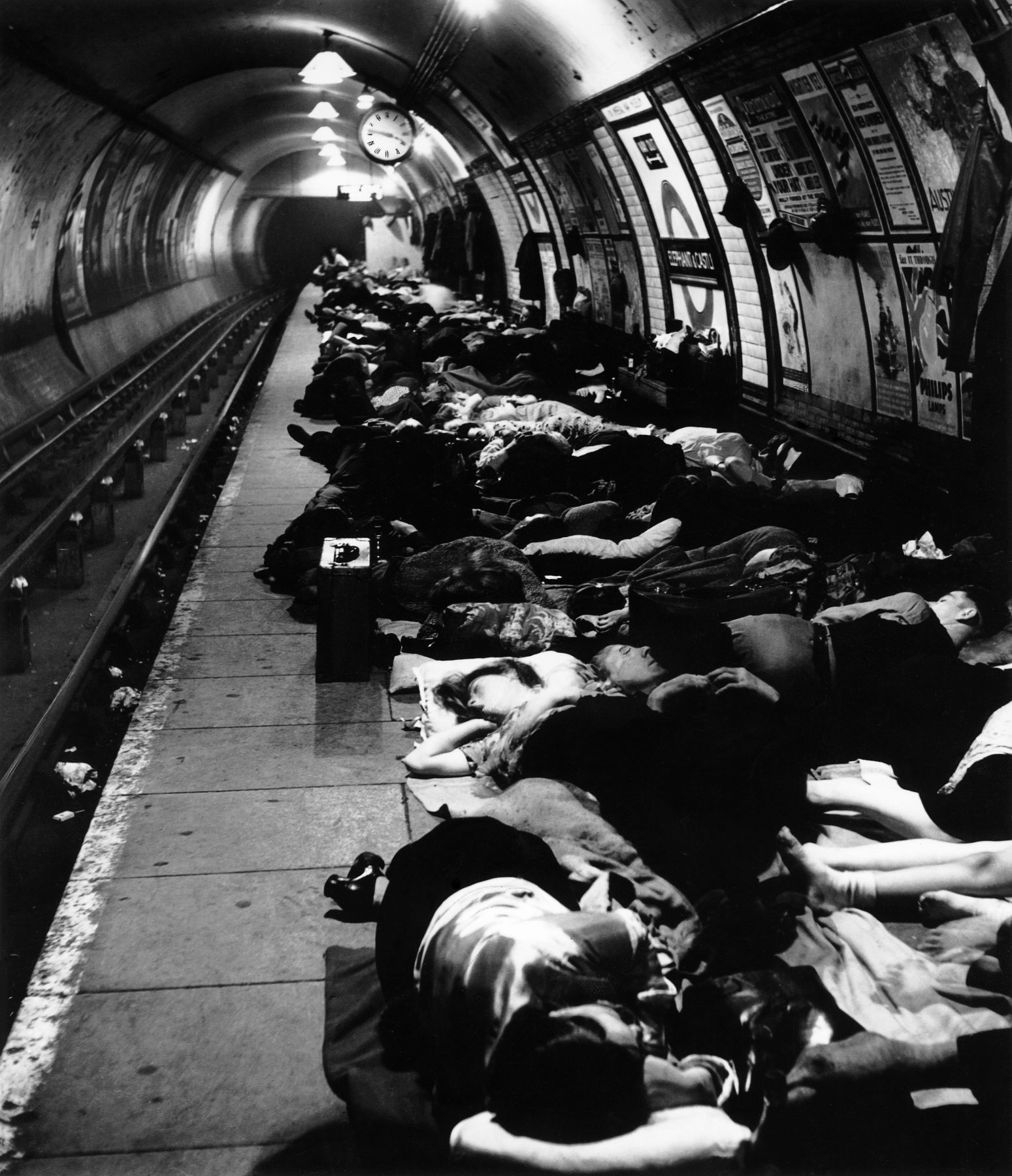


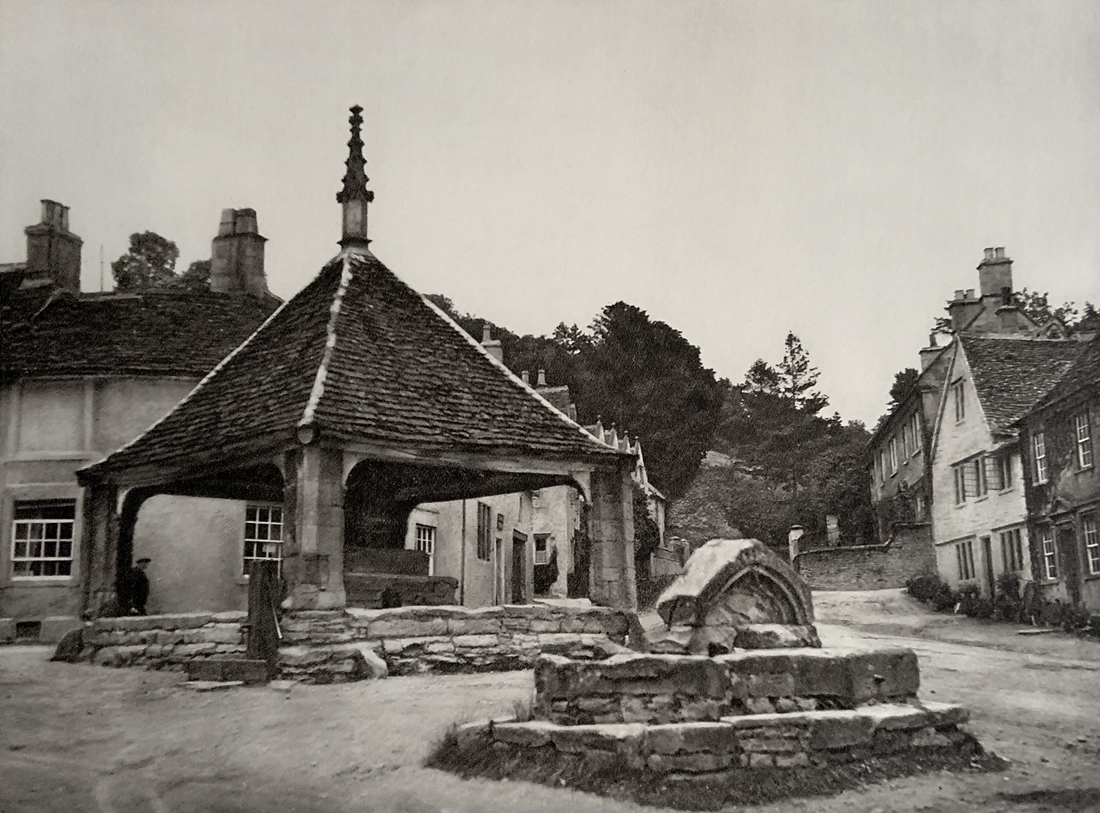
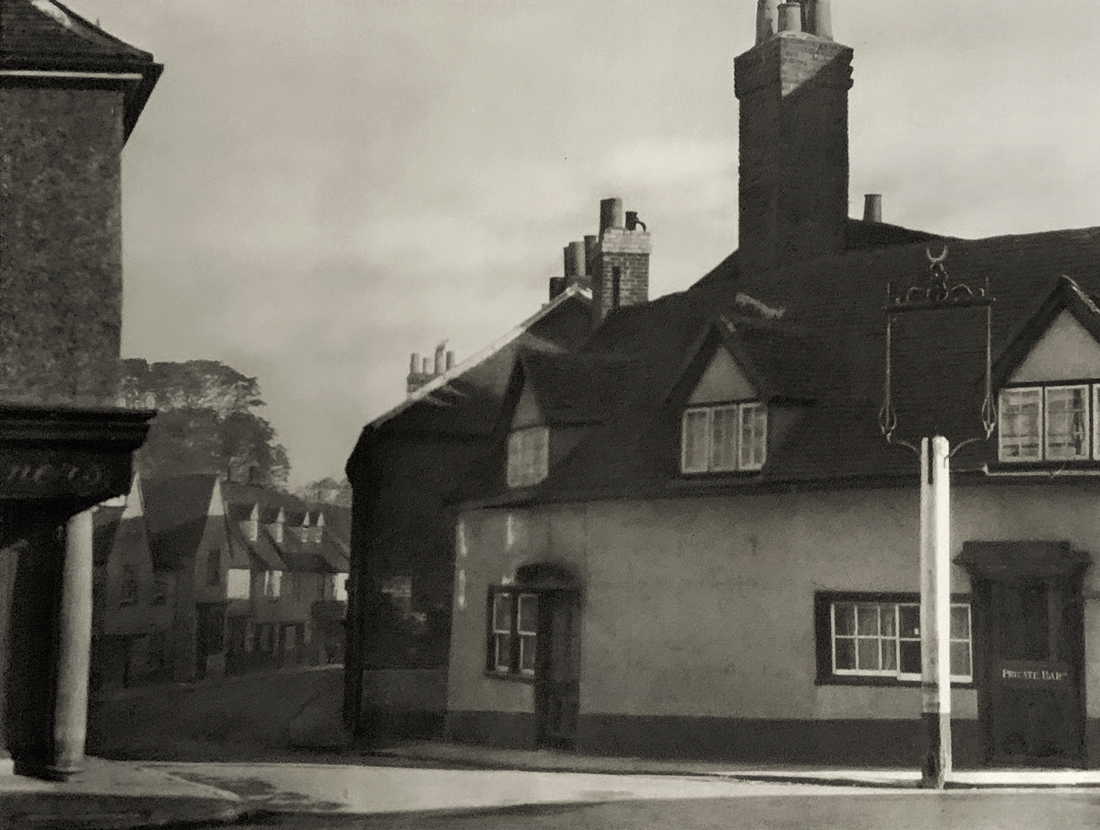



















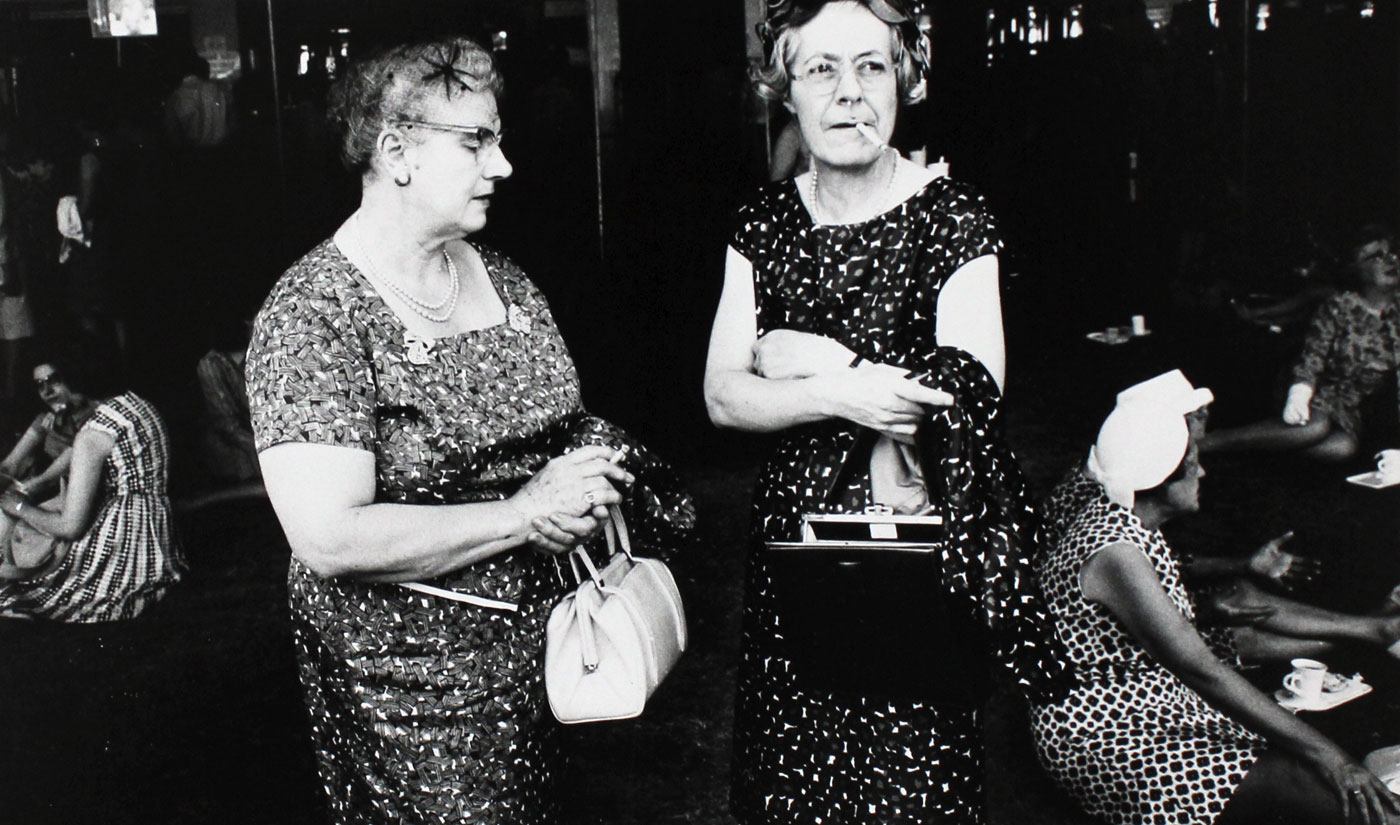
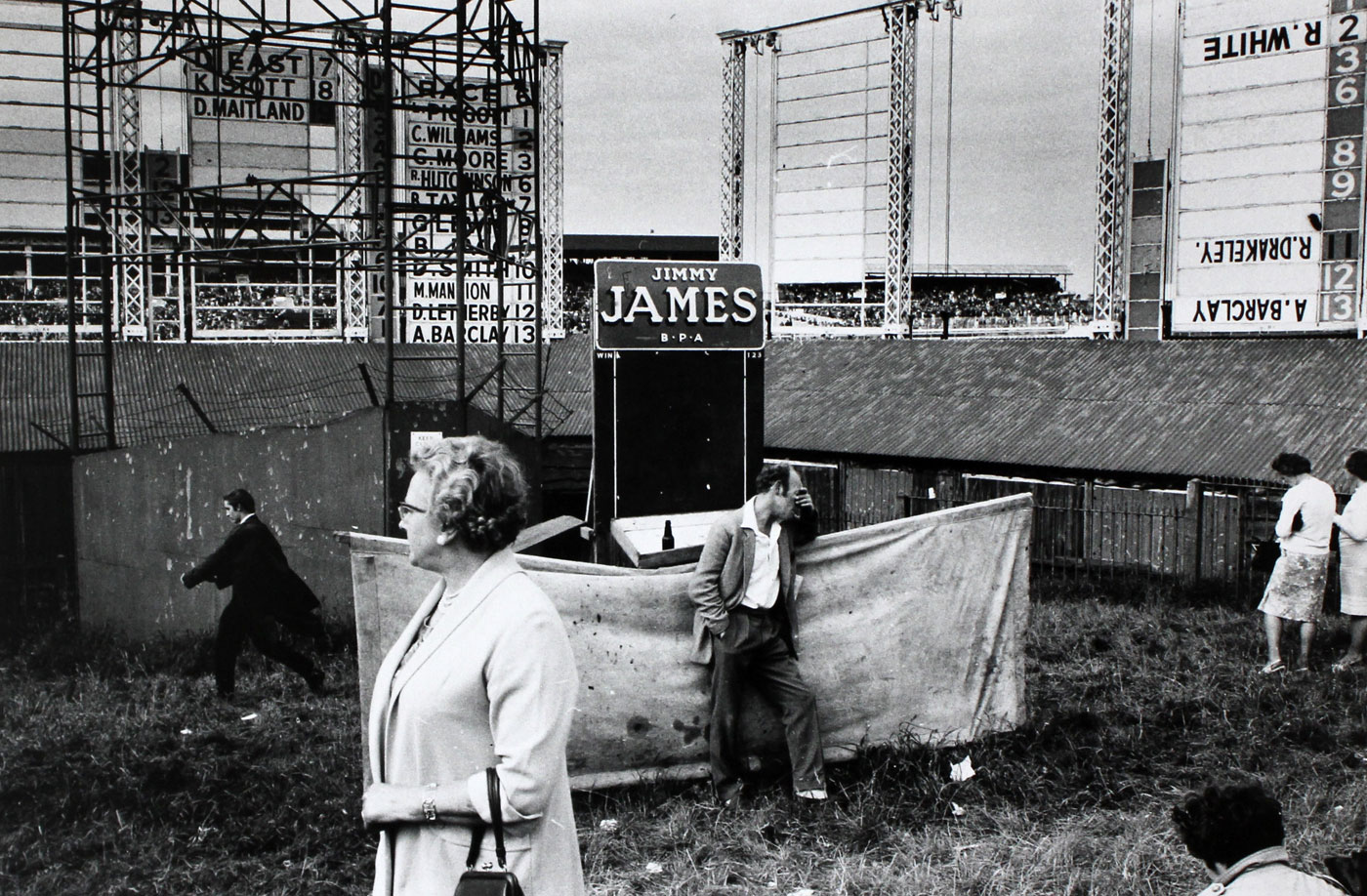
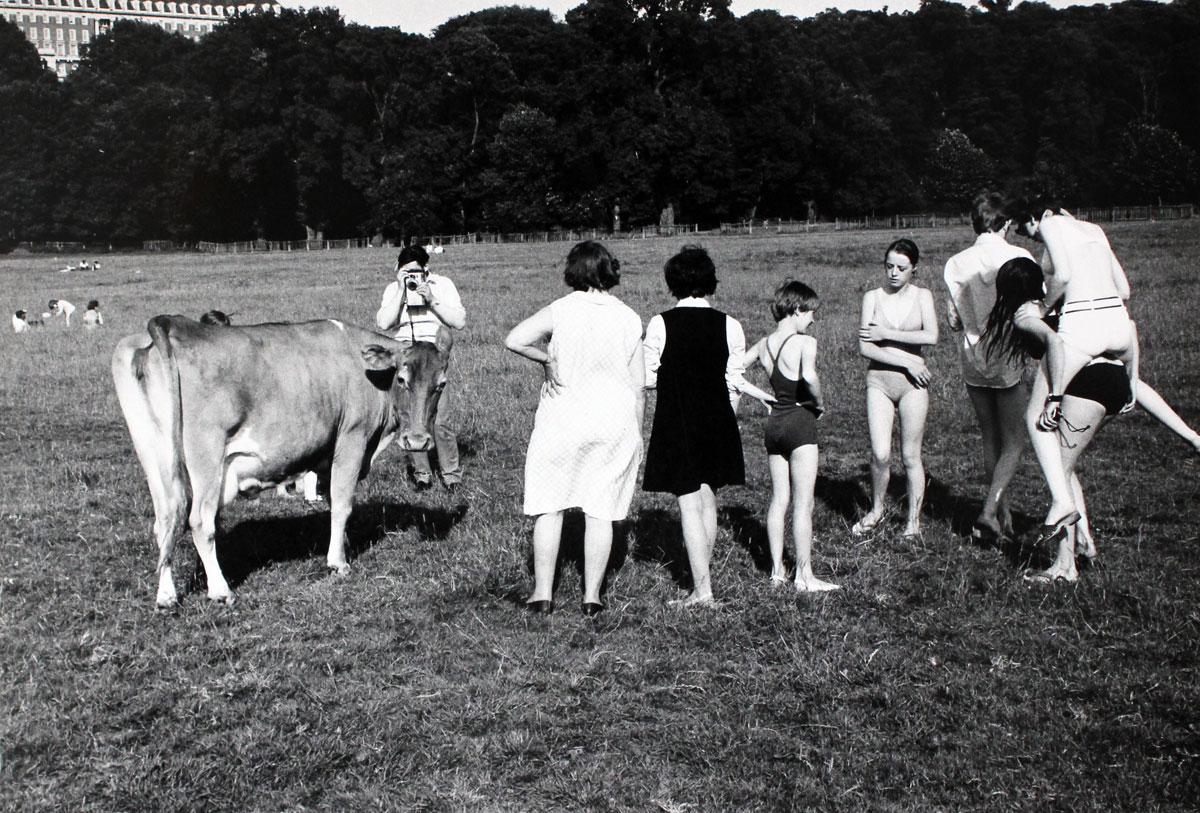
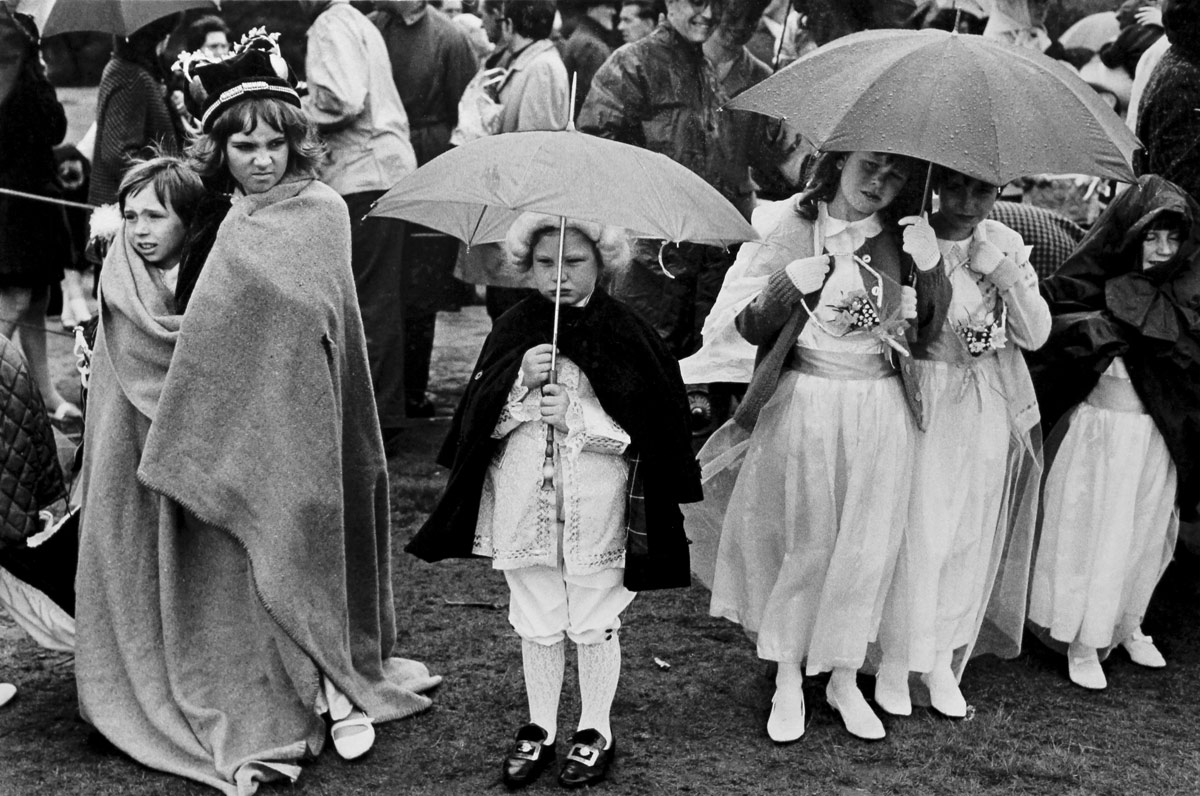

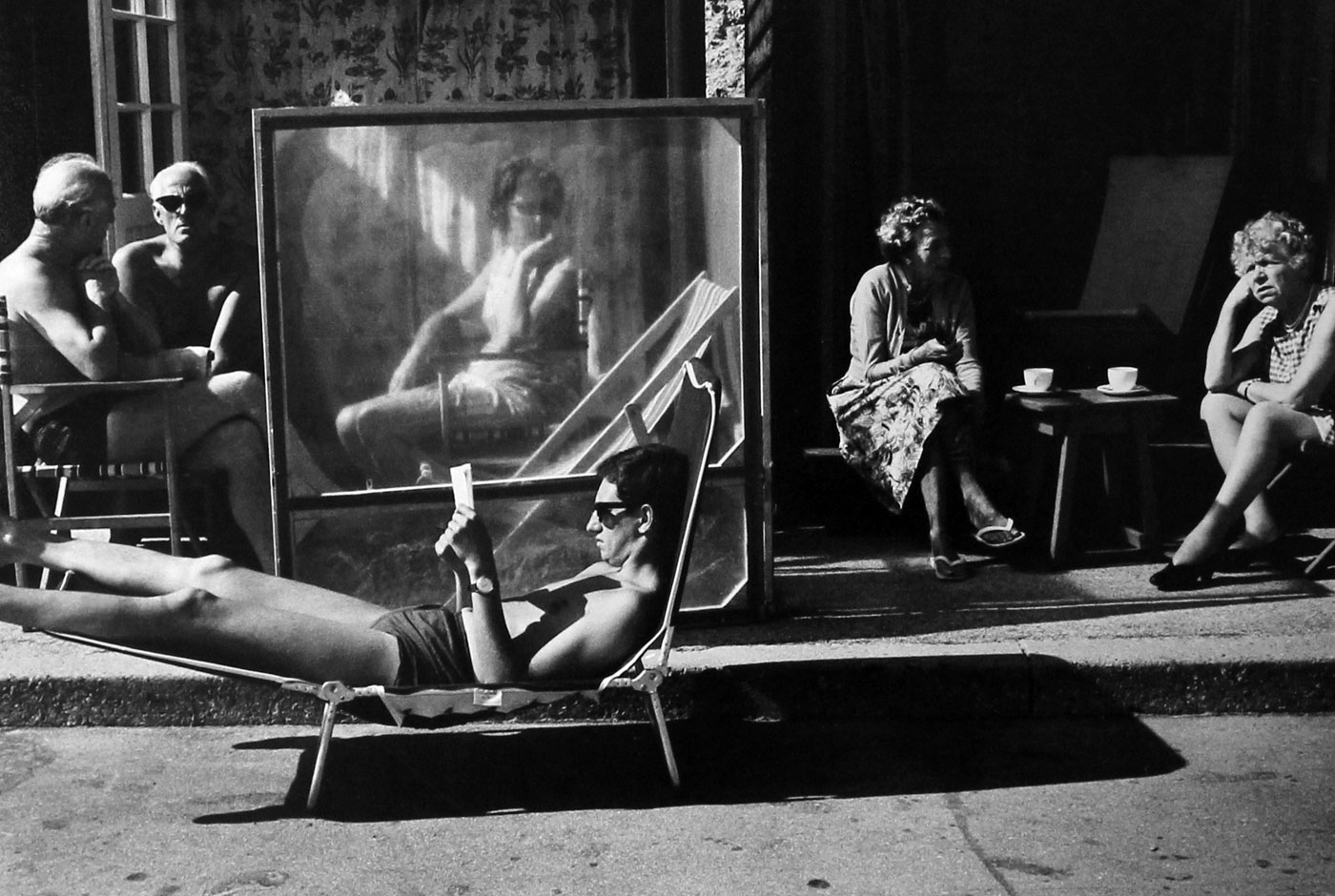
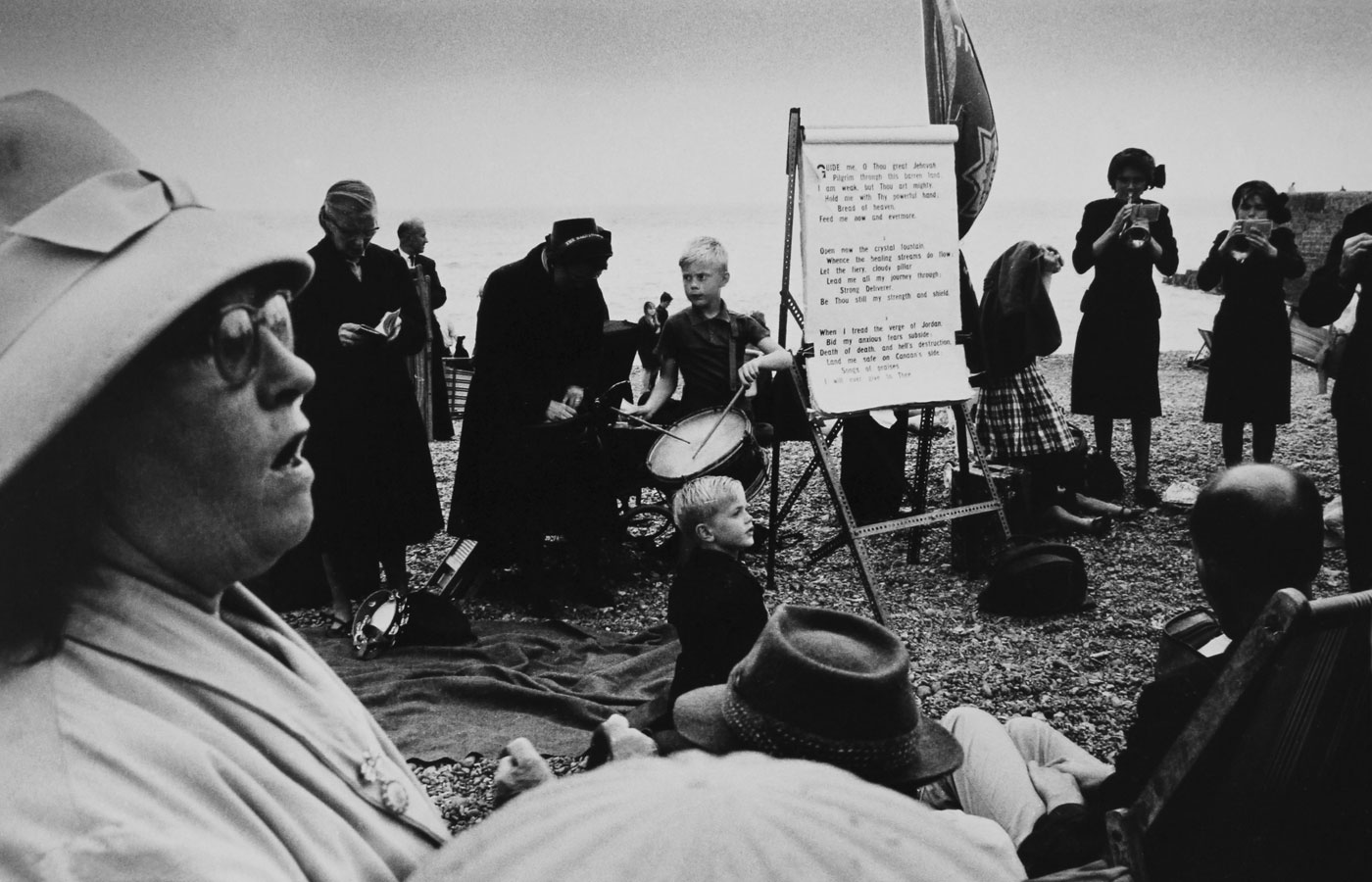

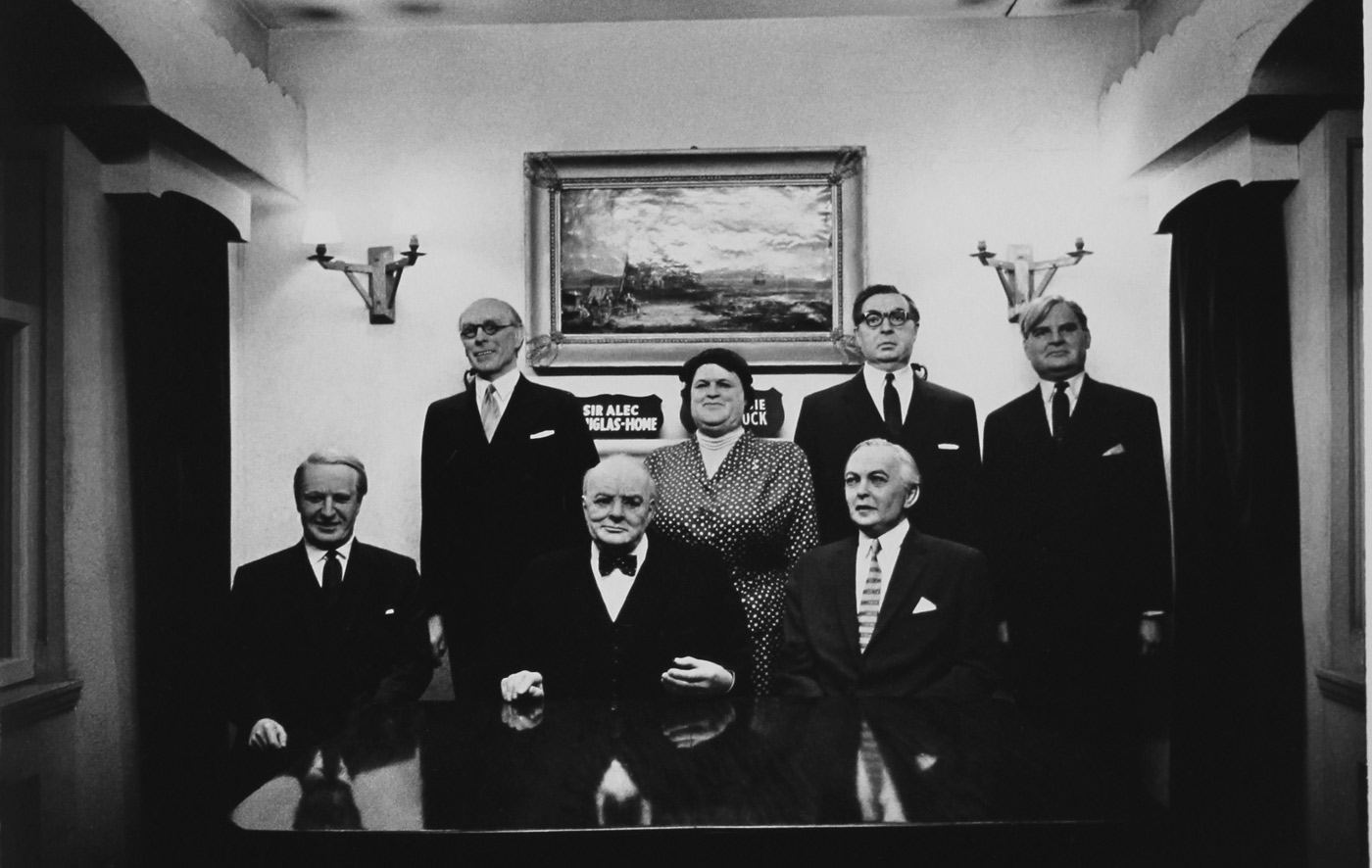
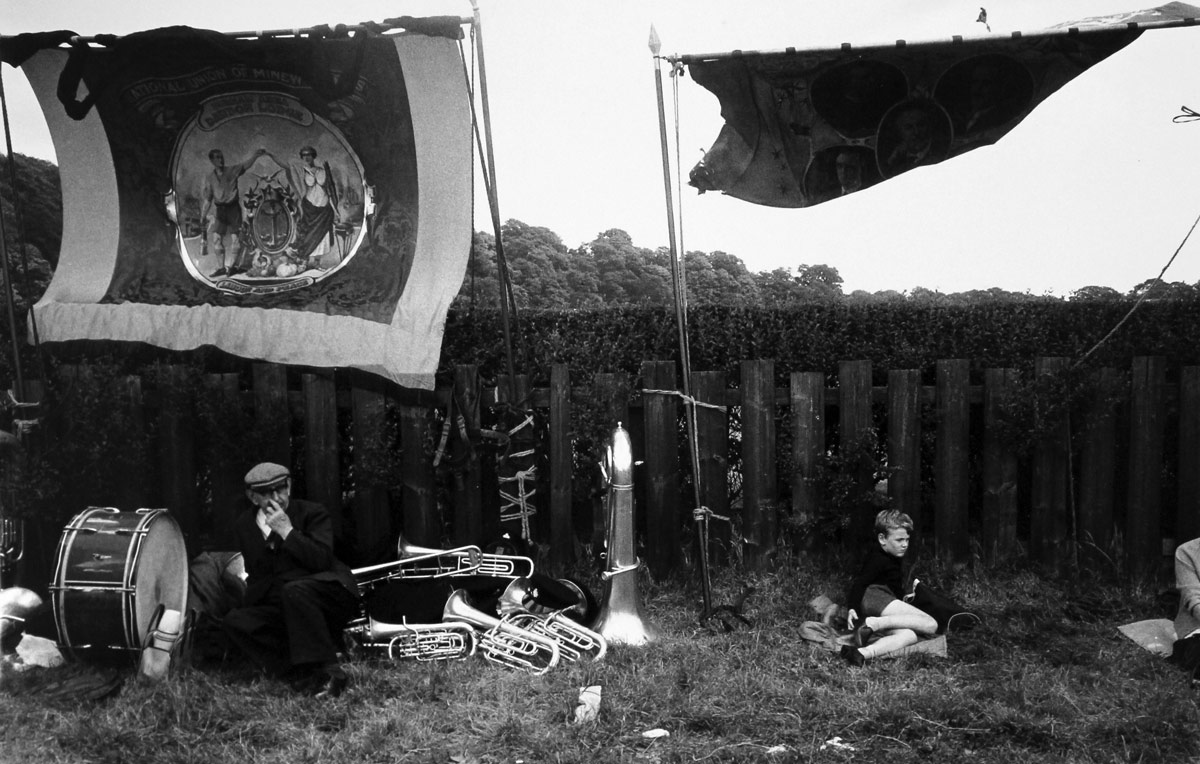
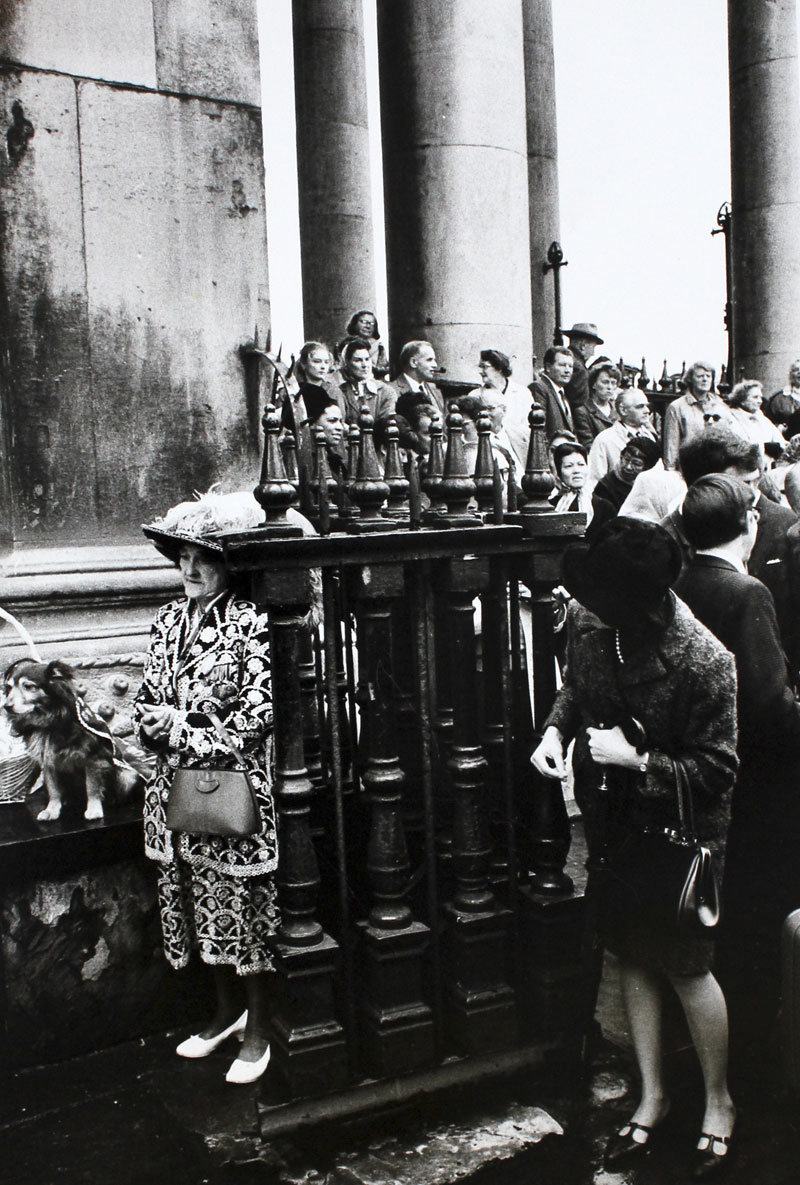
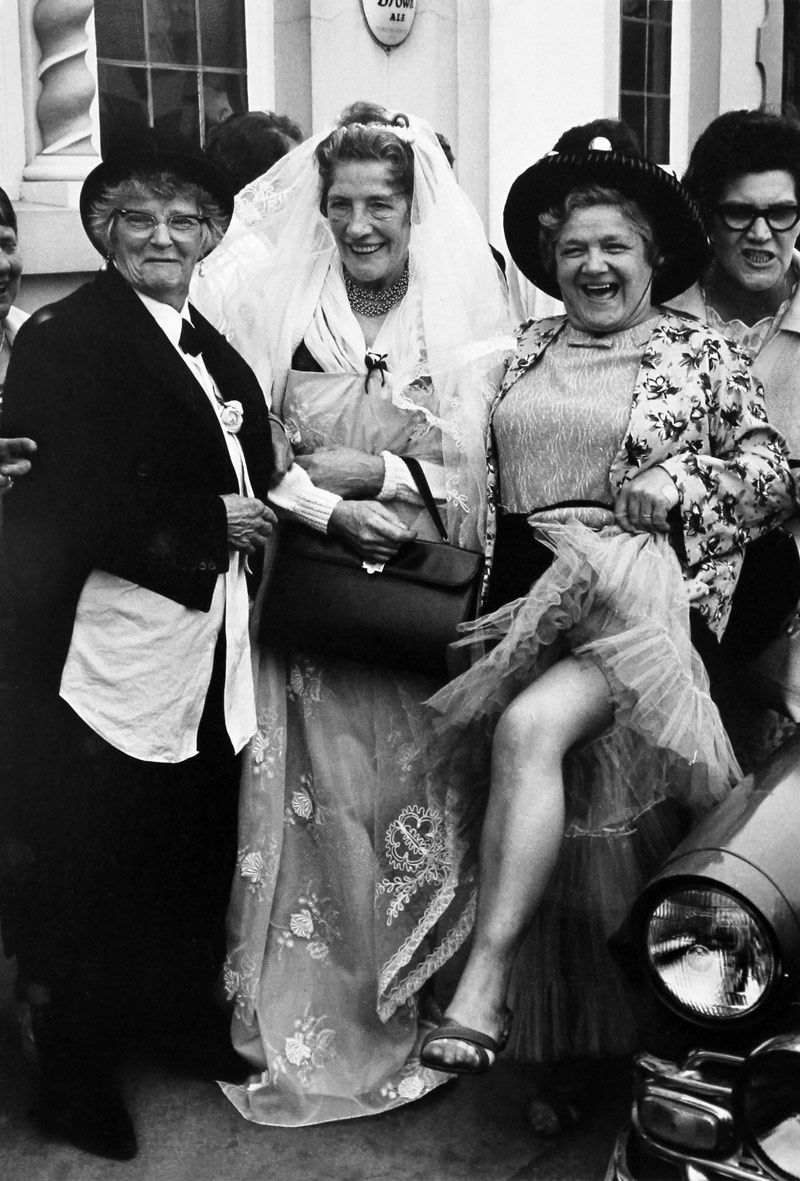
 Art Blart _ art and cultural memory archive
You must be logged in to post a comment.