Exhibition dates: 12th August – 4th September 2011
Patricia Piccinini (Australian, b. 1965) Library, 8.45pm 2011 Type C photograph 100 x 160cm Courtesy the artist; Tolarno Galleries, Melbourne; Roslyn Oxley9 Gallery, Sydney; and Haunch of Venison, New York
A wonderful suite of photographs by Patricia Piccinini. When you see them “in the flesh” so to speak, five out of the six works (except for the last image below, Sitting Room, 2.30pm) are suffused with a beautiful, rich, dark honey-coloured light, even more so than the reproductions. This tonality adds to the romantic notion of the imaginary animals Piccinini creates – genetically modified, mutant child creatures and “Bottom Feeder” (for that is their name) rubbish scouring pets. The ordinariness of the environs that surround the mise-en-scènes supplements this feeling: books and bedrooms, workshops and sitting rooms allaying our fears, increasing our empathy. The humour is also delicious. Note the squirrel light in Bedroom, 10.30pm : inspired!
Of as much interest was Piccinini’s source material shown in the front gallery. I wrote most of the books, magazines and subjects of the photographs down because I was fascinated to see the inspiration for this artist:
~ Motorised chairs ~ Knots ~ Nests ~ American Native Indian hair (Edward S. Curtis) ~ Claws ~ Walruses ~ Skulls ~ Skeletons ~ Pupae ~ Scientific specimens ~ Birds covered in oil ~ Mammals of Australia ~ Darwin ~ Voyages of Discovery by Dr Tony Rice ~ Hiroshima Mon Amour by Marguerite Duras ~ Mag wheels ~ Big rigs (trucks) ~ Vespas ~ Custom cars and trucks ~ Morphed racing helmets ~ Photograph from Hitchcock’s The Birds ~ Braindead movie ~ Frankenstein by Mary Shelley ~ Newsweek: The Meaning of Michael (Jackson) July 13th, 2009 ~ Rare breeds (sheep) ~ Simians, Cyborgs, and Women: The Reinvention of Nature by Donna ~ Haraway ~ Louise Bourgeois ~ Macro/Hall by Erwin Wurm ~ Le Cere del Museo dell Instituto Fiorentino di Anatonia Patalogia deformatives
Great work and a wonderful gesture by artist and galleries to support the Centre for Contemporary Photography.
Dr Marcus Bunyan
Many thankx to Karra Rees for her help and to the CCP for allowing me to publish the photographs in the posting. Please click on the photographs for a larger version of the image.
Patricia Piccinini (Australian, b. 1965) Alley, 11.15am 2011 Type C photograph 100 x 160cm Courtesy the artist; Tolarno Galleries, Melbourne; Roslyn Oxley9 Gallery, Sydney; and Haunch of Venison, New York.
Patricia Piccinini (Australian, b. 1965) Bedroom, 10.30pm 2011 Type C photograph 100 x 160cm Courtesy the artist; Tolarno Galleries, Melbourne; Roslyn Oxley9 Gallery, Sydney; and Haunch of Venison, New York.
Patricia Piccinini (Australian, b. 1965) Street, 3.10am 2011 Type C photograph 100 x 160cm Courtesy the artist; Tolarno Galleries, Melbourne; Roslyn Oxley9 Gallery, Sydney; and Haunch of Venison, New York.
Patricia Piccinini (Australian, b. 1965) Workshop, 7.00pm 2011 Type C photograph 100 x 160cm Courtesy the artist; Tolarno Galleries, Melbourne; Roslyn Oxley9 Gallery, Sydney; and Haunch of Venison, New York
To mark Centre for Contemporary Photography’s 25th Anniversary Patricia Piccinini has made a new series of work, never seen before. Entitled The Fitzroy Series, the exhibition of Piccinini’s new body of work, accompanied by video work and a display of her source material, is the major event in the celebrations of CCP’s 25th Anniversary in 2011.
CCP is delighted to be offering this exciting new series for the CCP 25th Anniversary Limited Edition Print fundraiser, each image in the series is generously provided in a limited edition of 4 + 1AP.
Eighty percent of funds raised through Limited Edition Prints enable CCP to support the practice and presentation of contemporary photography through provision of exhibitions, publications, education and public programs, with the artist retaining twenty percent.
What: CCP 25th Anniversary Limited Edition Print Price: $9,320 each framed by Neo Frames (inc. gst on frame) The first 12 prints are available at the CCP fundraiser price of $9,320 each framed by Neo Frames (inc. GST on frame) NB. Credit card purchases attract a 1.5% merchant fee. Prints are accompanied by a signed, numbered certificate and are provided courtesy of the artist; Tolarno Galleries, Melbourne; Roslyn Oxley9 Gallery, Sydney; and Haunch of Venison, New York. Free Artist Floortalk: midday 27 August 2011
Patricia Piccinini (Australian, b. 1965) Sitting Room, 2.30pm 2011 Type C photograph 100 x 160cm Courtesy the artist; Tolarno Galleries, Melbourne; Roslyn Oxley9 Gallery, Sydney; and Haunch of Venison, New York.
Exhibition dates: 11th August – 3rd September, 2011
John Bodin (Australian) I Was Far Away From Home
2009
Type C print on metallic paper
80 x 110cm
Reprinted below is the speech I gave at the opening. Beautiful work (shot mostly in Tasmania from the passenger seat of a moving car). Many thanx to Anita and John for asking me to speak at the opening – it was fun!
Opening night speech
I want to preface what I am about to say by noting that I am interested in how these photographs, as physical objects, might speak to what is not physical, what is intangible and ineffable about the spaces they display.
I saw a fantastic documentary about the pianist Artur Rubenstein recently on SBS. When he was playing in concert he believed that he recognised in the audience a person that was more attuned to the nuances of his phrasing and performance than others and he played for them – he wanted to show them something new, insightful and challenging. This made him play better, taking more risks for greater reward, for himself and for the audience. These moments have the possibility of becoming moments in eternity (or to introduce the analogy of the road, milestones). For us it is the recognition of these moments in eternity (or to keep the analogy going, a journey), the unenclosed and apparently insignificant. The material world’s strange mixture of familiarity and otherness, ‘humanness’ and non-humanness.
Where these ideas share a quality with the photographs by John is a recognition of the fluid energy flowing through these spaces, like infinite ribbons of consciousness. For me this is not an escapement nor contentment but a point of stillness within self – an awareness and balance at that moment, at that point in time, in that line of sight when the photograph was taken. A stillness within self that acknowledges the journey taken and the journey to be taken – something that is beyond language and goes to the most intimate place of our being.
The photographs become the surface of the body, stitched together with lines, markers pointing the way – they are encounters with the things that we see before us but also the things that we carry inside of us. It is the interchange between these two things, how one modulates and informs the other. It is this engagement that holds our attention: the dappled light, ambiguity, unevenness, the winding path that floats and bobs before our eyes looking back at us, as we observe and are observed by the body of these landscapes.
One of the fundamental qualities of the photographs is that they escape our attempts to rationalise them and make them part of our understanding of the world, to quantify our existence in terms of materiality. I have an intimate feeling with regard to these sites of engagement. They are both once familiar and unfamiliar to us; they possess a sense of nowhereness. A sense of groundlessness and groundedness. A collapsing of near and far, looking down, looking along, a collapsing of the constructed world.
Why here? Why this particular angle? This section of the visible, this turn in the road. Not quite knowing where we are, we are neither here nor there, within nor without. It is an experience of being between the two – a potential space, a “between” that is formed only in the simultaneous presence of the two. As Donald Winnicott has observed in the book In/different Spaces by Victor Burgin, it is “the potential space between the subjective object and the object objectively perceived” that becomes the location of cultural experience.
“Those things of which I can perceive the beginnings and the end are not my self.” Grimm says. Like the road in these photographs there is no self just an infinite time that has no beginning and no end. The time before my birth, the time after my death. We are just in the world, just being somewhere. Life is just a temporary structure on the road from order to disorder. “The road is life,” writes Jack Kerouac in On the Road.
John’s skill as a photographer is to make visible the not really seen, potential spaces that we could have not have imagined otherwise. And for that, John, I am grateful.
Dr Marcus Bunyan
John Bodin (Australian) Into the Mystic
2009
Type C print on metallic paper
80 x 110cm
John Bodin (Australian) Into Timeless Shadows
2009
Type C print on metallic paper
80 x 110 cm
John Bodin (Australian) Remembrance of Some Lost Bliss
2009
Type C print on metallic paper
80 x 110 cm
John Bodin So Ghostly Easy
2009
Type C print on metallic paper
80 x 110 cm
John Bodin (Australian) Somewhere Along the Line the Pearl would be Handed to Me
2009
Type C print on metallic paper
80 x 110 cm
John Bodin (Australian) The One Distinct Moment of My Life
2009
Type C print on metallic paper
80 x 110 cm
Anita Traverso Gallery
PO Box 7001, Hawthorn North 3122 Phone: 0408 534 034
I am scanning my negatives made during the years 1991-1997 to preserve them in the form of an online archive as a process of active memory, so that the images are not lost forever. These photographs were images of my life and imagination at the time of their making, the ideas I was thinking about and the people and things that surrounded me.
Photographs are available from this series for purchase. As a guide, a vintage 8″ x 10″ silver gelatin print costs $700 plus tracked and insured shipping. For more information please see my store web page.
1991
At Newport series
This series of photographs was taken in Melbourne at the old Victorian Railway’s Newport Workshops and formed the second part of my first solo exhibition, Of Magic, Music and Myth held in 1991 at a hairdressing salon in High Street, Prahran, Melbourne. Some of the titles e.g. Fords are a Joke, GMH are shit (1991, below) are taken from the graffiti scrawled on various surfaces. All are silver gelatin photographs on fibre-based paper.
Marcus Bunyan (Australian, b. 1958) Fords are a Joke, GMH are shit
1991
From the At Newport series
Gelatin silver print
Marcus Bunyan (Australian, b. 1958) Harrys got a…
1991
From the At Newport series
Gelatin silver print
Marcus Bunyan (Australian, b. 1958) Screened figure
1991
From the At Newport series
Gelatin silver print
Marcus Bunyan (Australian, b. 1958) Heavy springs
1991
From the At Newport series
Gelatin silver print
Marcus Bunyan (Australian, b. 1958) Untitled (Torro)
1991
From the At Newport series
Gelatin silver print
Marcus Bunyan (Australian, b. 1958) I, Robot
1991
From the At Newport series
Gelatin silver print
Marcus Bunyan (Australian, b. 1958) Large Anvil
1991
From the At Newport series
Gelatin silver print
Marcus Bunyan (Australian, b. 1958) Spring, Turrets, Keep and Ladder
1991
From the At Newport series
Gelatin silver print
Marcus Bunyan (Australian, b. 1958) Big Cogs
1991
From the At Newport series
Gelatin silver print
Marcus Bunyan (Australian, b. 1958) Coronation
1991
From the At Newport series
Gelatin silver print
Marcus Bunyan (Australian, b. 1958) Frank’s Apron
1991
From the At Newport series
Gelatin silver print
Marcus Bunyan (Australian, b. 1958) Hand is fucked, Farm is flooded, Caravan drifted away I
1991
From the At Newport series
Gelatin silver print
Marcus Bunyan (Australian, b. 1958) Hand is fucked, Farm is flooded, Caravan drifted away II
1991
From the At Newport series
Gelatin silver print
Marcus Bunyan (Australian, b. 1958) Untitled
1991
From the At Newport series
Gelatin silver print
Marcus Bunyan (Australian, b. 1958) Hoe with Surging Rainwater
1991
From the At Newport series
Gelatin silver print
Marcus Bunyan (Australian, b. 1958) Forms I
1991
From the At Newport series
Gelatin silver print
Marcus Bunyan (Australian, b. 1958) Forms II
1991
From the At Newport series
Gelatin silver print
Marcus Bunyan (Australian, b. 1958) Forms III
1991
From the At Newport series
Gelatin silver print
Marcus Bunyan (Australian, b. 1958) Forms IV
1991
From the At Newport series
Gelatin silver print
Murray Fredericks (Australian, b. 1970) Salt 271
2011
150 x 120cm
Pigment print on cotton rag
“Photographers tell me what I already know. The recognition of the beautiful, bizarre, or boring (the three photographic B’s) is not the problem. You would have to be a refrigerator not to be moved by the beauty of Yosemite. The problem is to deal with one’s total experience, emotionally as well as visually. Photographers should tell me what I don’t know.”
Duane Michals Real Dreams1
“While we cannot describe its appearance (the equivalent), we can define its function. When a photograph functions as an Equivalent we can say that at that moment, and for that person the photograph acts as a symbol or plays the role of a metaphor for something that is beyond the subject photographed.”
Minor White
Fredericks new infrared panoramic works show the strength of nature at it’s finest (9 out of 10 to nature especially when see through this type of filtration), excellent technical skills and good printing but somehow any revelation of spirit in the sublime has been lost in these photographs.
The photographer does not take me anywhere, there is no new space to step into, another view of the world that I want to spend time with. The relationship between the two series is also nebulous, the critical ice / fire space between the works adding little frisson to the exhibition.
I ask: Is it sufficient to use a digital scientific infrared back, if for no other reason that it is there? Is it sufficient to know that these climatic conditions take place in the same area each day, at the same time, place the camera down and just capture the scene? Is there really a non-decisive moment in these photographs, a poetic insight, or is this just what was, literally, hanging around so to speak?
The answer to all three questions I leave up to the reader.
Personally, I need photography to push the boundaries of elusiveness through an understanding in revelation, not just through an understanding of space and form, light and colour. I believe that conventional patterns of perception are there to be broken in ways that disrupt the technologies of the self – the self-regulating of our senses, the conventions of cultural capital – but too what do we open ourselves up to?
As Minor White says: ‘The sound of one hand clapping’.
While the photographs have the weight of serious equipment and professional acumen behind them after the initial awe on viewing they fall to earth, like the rainstorms they portray. As with my earlier review of Salt they seem to be more about the photographer than any revelation of the thing being photographed.
Duane Michals observes that, “The best artists give themselves in their work” but this giving is ego-less, the dropping away of the bells and whistles to let an’other’ emerge: in this sense I do not feel the total experience, emotionally as well as visually.
Paul Strand said that it took him 10 years to start to become an artist, to let go of ego in his work; paradoxically after this the work became more his own.
For me, these photographs never become a metaphor for something that is beyond the subject being photographed.
Dr Marcus Bunyan
1/ Michals, Duane. Real Dreams 1976 [Online] Cited 08/06/2011, on longer available online.
Many thankx to Angela Connor for her help and to Arc One Gallery for allowing me to publish the photographs in the posting. Please click on the photographs for a larger version of the image.
Murray Fredericks (Australian, b. 1970) Salt 272
2010
Pigment print on cotton rag
150 x 120cm
Murray Fredericks (Australian, b. 1970) Salt 273
2011
Pigment print on cotton rag
150 x 120cm
Salt began in 2003 and is a series of photographs of vast empty landscapes. Each image in the series is connected by the placement of the horizon running across the lower third of the frame. The horizon is the only referential form, breaking the void and providing the viewer with an element that paradoxically ‘defines’ the space. These new works add another dimension to Salt, with the water from last year’s rains now creating scenes diametrically opposed to the work occupying the adjacent walls as Hector.
Hector draws its title from an affectionately name atmospheric phenomenon that produces some of the world’s biggest thunderstorms. These new black and white works employ Murray’s methodical consistency of composition with distinctly different outcomes to the Zen-like vistas of Salt. In these works the expanse of the storm is consciously contained and forced into a barometric battle with the invisible air at its limits for the place of subject within the photograph…
By juxtaposing these series, each viewer is at once placed outside the containers which harbour these landscapes of remote territories – one calm and one facing the eye of the storm – and at the same time place in the centre of Murray’s minimal, ethereal representations of these places. In this way we can trace his exploration into these subjects – capturing the moment is our witness to a reverence to land and country.
Text from Arc One Gallery
Joseph Mallord William Turner (English, 1775-1851) Valley of Aosta: Snowstorm, Avalanche, and Thunderstorm
1836/37
Oil on canvas
36 1/4 x 48 in. (92.2 x 123cm)
The Art Institute of Chicago: Frederick T. Haskell Collection
Murray Fredericks (Australian, b. 1970) Hector 10
2011
220 x 120cm
Pigment print on cotton rag
Murray Fredericks (Australian, b. 1970) Hector 11
2011
204 x 120cm
Pigment print on cotton rag
Arc One Gallery
45 Flinders Lane
Melbourne, 3000 Phone: (03) 9650 0589
Sue Ford (Australian, 1943-2009) Self-portrait 1968 1968, printed 2011 From the series Self-portrait with camera (1960-2006) Selenium toned gelatin silver 22.8 x 24 cm Courtesy Sue Ford Archive
“Choosing to photograph oneself, one’s life and one’s time exemplified the now well-worn slogan ‘the person is political’. Ford’s self-examination across the decades is unflinching and exacting. As Janine Burke wrote in 1980, her ‘psychological history [is] etched in her face for everyone to see’. Burke concluded that Ford’s self-portraits are ‘as honest as one can ever be about oneself’.”
Helen Ennis. Faces are Maps: Sue Ford and Portraiture.1
“The search for the self is a journey into a mental labyrinth that takes random courses and ultimately ends at impasses. The memory fragments recovered along the way cannot provide us with a basis for interpreting the overall meaning of the journey. The meanings that we derive from our memories are only partial truths, and their value is ephemeral. For Foucault, the psyche is not an archive but only a mirror. To search the psyche for the truth about ourselves is a futile task because the psyche can only reflect the images we have conjured up to describe ourselves. Looking into the psyche, therefore, is like looking into the mirror image of a mirror. One sees oneself reflected in an image of infinite regress. Our gaze is led not toward the substance of our beginnings but rather into the meaninglessness of previously discarded images of the self.”
Patrick Hutton. Foucault, Freud, andthe Technologies of the Self.2
This is a solid exhibition of the work of beloved Australian photographer Sue Ford, essential looking for anyone wanting to have an overview of Australian photography.
The beautifully hung exhibition flows like music, interweaving up and down, the photographs framed in thin, black wood frames. It features examples of Ford’s black and white fashion and street photography; a selection of work from the famous black and white Time series (being bought for their collection by the Art Gallery of New South Wales) – small, snapshot size double portraits, the first portraits taken during the 1960’s, the second around 1974, formalist portraits in which the sitter is closely cropped around head and shoulders with the photographer using the camera as objectively as possible, the double portrait used to display changes in identity over time; a selection of Photographs of Women – modern prints from the Sue Ford archive that are wonderfully composed photographs with deep blacks that portray strong, independent, vulnerable, joyous women (see last four photographs below); and the most interesting work in the exhibition, the posthumous new series Self-portrait with camera (1960-2006) that evidence, through a 47 part investigation using colour prints from Polaroids, silver gelatin prints printed by the artist, prints made from original negatives and prints from scanned images where there was no negative available, a self-portrait of the artist in the process of ageing (see the two photographs above and below this review).
One of my favourite photographs in the exhibition was Margaret with Emma, Redcliffs, Queensland, 1971. The black and white photograph features a grandmother with her granddaughter, close to each other, both wearing floral dresses of different pattern, both staring intently out of the image at what is possibly a television with a weatherboard backdrop. A dark form hovers at the upper left of the photograph adding a disturbing note to the image but it is the look on the grandmother’s face – a look of shock, enthralment, blankness with eyes wide, that is matched by the intensity on the granddaughter’s face as she stares intently – that transcends the distance between photograph and viewer, between grandmother and granddaughter across time and space. The process of looking and ageing captured by the ‘time machine’, the camera, in one single image. The viewer understands this photograph for we all experience the evidence of our bodies, our mortality. We relate intimately to how the photograph reanimates in the present this moment from the past, the momenti mori of the photograph, the little death becoming our future death.
This notion is particularly poignant in the series Self-portrait with camera (1960-2006), a work that Sue Ford was actively engaged with before her death. Smaller colour prints from negatives and Polaroids are here interspersed with black and white photographs up to about 8″ x 10″ in size: the series contains 12 chromogenic photographs, 7 silver gelatin photographs, 6 dye fusion photographs and 22 selenium-toned photographs (printed 2011). In dark, contrasty prints the artist has photographed herself looking down into the camera shooting into a mirror, looking directly into the mirror with camera, with the camera on a timer, with the camera in/visible, being shot by other people with the camera pointed directly at her, with the camera perpendicular to the artist shot by someone else, with Ford behind a movie camera, with multiple refractions in mirrors. Sometimes Ford even becomes the camera (as in the 1986 self-portrait below: I am the camera, the camera is me).
Ford becomes the “one who looks” knowingly at herself, sometimes the author of that observation, sometimes oblivious to it (until later when she has collected these images). As Burke and Ennis note, these photographs of self-examination across the decades are as honest as one can ever be about oneself. This a deeply political but also deeply psychoanalytical investigation: not to “take care of yourself” as a form of knowing as in Greco-Roman antiquity but “knowing yourself” as the fundamental principle of understanding yourself: a procedure of objectification and subjection in which the photograph ‘marks’ our status and the passage of time, that makes us who we are – photographs as vital techniques in the constitution of the self as subject.3
The mirror is frequently used in these photographs to portray the self. While it is true that these are strong, intimate, unflinching and exacting images, in the use of the mirror the im(pose)tures of life are singled / doubled / tripled – a reflection of the psyche that lead to discarded images of the self that are of little use in understanding the substance of our beginnings … or the overall interpretation of the journey. What they do offer is cumulative evidence of a deep, personal conviction into the inquiry: who am I?
Rembrandt famously painted, drew and etched himself hundreds of times in the process of ageing; Ford has likewise done the same. If, as Victor Burgin observes, “An identity implies not only a location but a duration, a history,”4 then the nature of photography (including Ford’s self-reflexive project), concerned as it is with space and time, becomes the mirror in a search for identity. Photography as a mirror on the world constantly repeats moments of illumination in a re/vision of eternal recurrence, a performance that is a hybrid site: both a homogenous (the same “I”) and heterogenous (a different “I”) site of self-representation, different every time we look. To that end I would like you to look at the self-portrait from 1976 (below). The artist is completely absent, her silhouette, her dark shadow swallowed whole by the blank photographic plate on the left hand side of the image as though Ford, the camera and an image of infinite regress have become one, eternally engulfed by space-time but open to re/view at any time.
Whether looking down, looking toward or looking inward these fantastic photographs show a strong, independent women with a vital mind, an élan vital, a critical self-organisation and an understanding of the morphogenesis of things that will engage us for years to come. Essential looking.
Dr Marcus Bunyan
1/ Burke, Janine. Self-portrait/self-image 1980-1981. Melbourne: Australian Directors’ Council, 1981. p. 4 quoted in Ennis, Helen. “Faces are Maps: Sue Ford and Portraiture,” in Lakin, Shaune (ed.,). Sue Ford: Self-portrait with camera (1960-2006). Melbourne: Monash Gallery of Art, 2011, np.
2/ Hutton, Patrick. “Foucault, Freud, and the Technologies of the Self,” in Martin, Luther and Gutman, Huck and Hutton, Patrick (eds.,). Technologies of the Self: A Seminar with Michel Foucault. London: Tavistock Publications, 1988, p. 139
3/ Foucault, Michel. Discipline and Punish, quoted in Gutman, Huck. “Rousseau’s Confessions: A Technology of the Self,” in Martin, Luther and Gutman, Huck and Hutton, Patrick (eds.,). Technologies of the Self: A Seminar with Michel Foucault. London: Tavistock Publications, 1988, p. 99
4/ Burgin, Victor. In/Different Spaces: Place and Memory in Visual Culture. Berkeley: University of California Press, 1995, p. 36
Many thankx to Mark Hislop for his help and the Monash Gallery of Art for allowing me to publish the photographs in the posting. Please click on the photographs for a larger version of the image.
Sue Ford (Australian, 1943-2009) Self-portrait 1986 1986 From the series Self-portrait with camera (1960-2006) Gelatin silver print, printed 2011 8.4 x 6.5cm Courtesy Sue Ford Archive
Sue Ford (Australian, 1943-2009) Self-portrait 1976 1976, printed 2011 From the series Self-portrait with camera (1960-2006) Selenium toned gelatin silver print 24 x 18cm Courtesy Sue Ford Archive
Sue Ford (Australian, 1943-2009) Self-portrait 1974 1974, printed 2011 From the series Self-portrait with camera (1960-2006) Selenium toned gelatin silver print 19.9 x 18cm Courtesy Sue Ford Archive
On 16 April 2011, the first major exhibition of the work of the late Sue Ford for two decades will open at Monash Gallery of Art.
Sue Ford (1943-2010) was one of Australia’s most important photographers and filmmakers. Ford studied photography at RMIT and in 1974 was the first Australian photographer to be given a solo exhibition at the National Gallery of Victoria.
Ford passed away in 2009. Before her death, she was working with Monash Gallery of Art on an exhibition of her work which would feature her final major project Self-portrait with camera (1960-2006). This series of 47 photographs has never been shown before, and presents a compelling self-portrait of an artist. It underscores the central role the camera played in Ford’s life. Self-portrait with camera will be shown alongside a survey of Ford’s black-and-white photographs from the 1960s and 70s and examples of her most iconic work, Time series (1960s-1970s).
The exhibition describes a period when photography was charged with political and personal meaning. As photographic historian and contributor to the publication accompanying the exhibition Helen Ennis states: “Ford’s approach to art making has always been straightforward … She does not cultivate a mysterious artistic persona [since] … her art practice is purposeful; it is the outcome of her view of art as a political activity that is democratic, liberating and relevant to contemporary society.”
As MGA Director and curator of the exhibition Shaune Lakin states: “This exhibition provides a great opportunity for Australian audiences to reassess the work of this important photographer, whose work was always at once political, beautiful and elegiac. In an era when the photograph has become a highly disposable thing, it is important to acknowledge its role as an agent of change and memory.”
Press release from the Monash Gallery of Art
Sue Ford (Australian, 1943-2009) Helen, 1962; Helen, 1974 1974 From the series Time series Gelatin silver prints 11.0 x 8.0cm; 11.5 x 8.3cm Museum of Australian Photography, City of Monash Collection Acquired with assistance from the Robert Salzer Foundation and the Friends of MGA Inc 2020
Sue Ford (1943-2009) was one of Australia’s most important twentieth-century photographers, and Time series is her most iconic body of work, widely recognised as a key moment in the history of Australian photography. First exhibited at the NGV and Brummels Gallery of Photography in 1974, the series highlights Ford’s interest in the camera’s ability to record the effects of time and history. To create this series, Ford made portraits of her friends and acquaintances during the early to mid-1960s then rephotographed the sitters around a decade later, showing the second portraits beside the first. In some cases Ford later added third and fourth portraits to create Time series II, which she made for exhibition at the 1982 Sydney Biennale. Ford described the camera as a ‘time machine’ and the works in these series bracket periods in the lives of her subjects. With a tender pathos, they evoke the inevitability of time’s passing along with the processes of human ageing and constant change.
Sue Ford (Australian, 1943-2009) Annette 1962; Annette 1974 1974 From the Time series Gelatin silver prints 11.1 x 20.1cm National Gallery of Victoria, Melbourne Purchased with the assistance of the Visual Arts Board and the KODAK (Australasia) Pty Ltd Fund, 1974
Sue Ford (Australian, 1943-2009) Jim, 1964; Jim, 1969; Jim, 1974; Jim, 1979 1982 From the series Time series Gelatin silver prints 11.0 x 7.6cm (each) Museum of Australian Photography, City of Monash Collection donated by the Sue Ford Archive 2020
Sue Ford (Australian, 1943-2009) Lynne and Carol 1962, printed 2011 Selenium toned gelatin silver print 38.0 x 38.0cm Courtesy Sue Ford Archive
Sue Ford (Australian, 1943-2009) Carol, Little Collins St studio 1962, printed 2011 Selenium toned gelatin silver print 37.9 x 38.1cm Courtesy Sue Ford Archive
Sue Ford (Australian, 1943-2009) St Kilda 1963, printed 2011 Selenium toned gelatin silver print 38.0 x 38.0cm Courtesy Sue Ford Archive
Sue Ford (Australian, 1943-2009) Untitled [Bliss at Yellow House, King’s Cross, Sydney] c. 1972-3, printed 2011 Selenium toned gelatin silver print 47.9 x 34.2cm Courtesy Sue Ford Archive
Monash Gallery of Art 860 Ferntree Gully Road, Wheelers Hill Victoria 3150 Australia phone: + 61 3 8544 0500
Opening hours: Tue – Fri 10am – 5pm Sat – Sun 10pm – 4pm Mon/public holidays closed
After undertaking an Issues in Art Conservation subject for my Master of Art Curatorship at the University of Melbourne I have become more aware of the fragility of my black and white fibre-based prints and negatives. I have therefore decided to scan my medium format negatives (taken on my trusty Mamiya RZ67) and made during the years 1991-1997, to preserve them in the form of an online archive as a process of active memory, so that the images are not lost forever.
These photographs were images of my life and imagination at the time of their making, the ideas I was thinking about and the people that surrounded me. As such they form part of life – of Melbourne, of Australia and of humanity in general. The preservation of such moments in time are vital to the continuing enrichment of culture. See more of my early black and white photographs on the Marcus Bunyan black and white archive 1991-1997 page.
Photographs are available from this series for purchase. As a guide, a vintage 8″ x 10″ silver gelatin print costs $700 plus tracked and insured shipping. For more information please see my store web page.
Bill Henson (Australian, b. 1955) Image No. 9 from an Untitled sequence 1977 1977 Gelatin silver print
This is an exquisite exhibition by one of Australia’s preeminent artists. Like Glenn Gould playing a Bach fugue, Bill Henson is grand master in the performance of narrative, structure, composition, light and atmosphere. The exhibition features thirteen large colour photographs printed on lustre paper (twelve horizontal and one vertical) – nine figurative of adolescent females, two of crowd scenes in front of Rembrandt paintings in The Hermitage, St. Petersburg (including the stunning photograph that features The return of the prodigal son c. 1662 in the background, see below) and two landscapes taken off the coast of Italy. What a journey this exhibition takes you on!
Throughout his career Henson has carefully and thoughtfully mined the history of art to create personal mythologies that have wider universal implications. His work is a spiral feeding back into itself. As it ascends so it expands. His inquiry has been consistent and persuasive – themes and techniques that were evident in the very first photographs still appear many years later. For example, the very early photograph Image No.9 from an Untitled sequence 1977 (above) features a Mannerist-influenced elongated body, a form that appears in the latest exhibition in several of the works. Other influences have been, in early work, the Baroque (Untitled 1983/84, below), Rembrandt’s use of chiaroscuro in the Paris Opera Project (Untitled 21/51, below), the Pre-Raphaelite (used in most of his figurative work, especially in the faces, see below). In the current exhibition the influence of Caravaggio on the form of the body and the relationship between a work and Leonardo da Vinci’s Head of Christ (c. 1494-1495, below) is evident as is the implementation of a flattened perspective that is opposed to the principles of linear perspective, used in Dutch still life of the 17th century (see ‘The Art of Describing’1) that Henson employed in early photographs of crowds (Untitled 1980/82, below) – now reappearing in the two photographs taken in front of the Rembrandt paintings.
Henson’s vulnerable bodies have always been marked, bruised and subject to distress, emerging into the light in fragments – unsure in their relationship to life, spirit and mortality. His naked adolescent subjects occupy interstitial spaces: the gap between spaces full of structure, between childhood and adulthood – fluid spaces of adventure, exploration and problematic transience. Using this metaphor the photographs invite the viewer to examine their own social identity for this is never fixed and stable, is always in a state of flux; we, the viewer, have an intimate relationship to this period in our life not as some distant memory but with a sense of wonder and appreciation.
The new photographs, with their languorous, limpid figures have a certain malaise to them – the disintegrating body, the surface of the skin all blotchy hues of blue, pink and purple as if diseased – are translucent like a chrysalis … the inner light seeming to magically emerge from under the skin. As John McDonald in his excellent article (an essential read!) in The Age comments,
“The bodies of teenagers are transformed into living sculptures, infused with a slivery-blue sheen, every bruise and blemish captured in unsettling detail. Henson does not provide us with fantasy objects; he makes us feel how lonely it can be within our own skins. These are disturbing images but not because they feature naked adolescents. They are disturbing because they have the beauty of old master paintings or antique statuary but depict beings of flesh and blood. They are disturbing because they touch parts of the psyche we might prefer to avoid, stripping away the social self, leaving us as defenceless as a snail without its shell.”2
As McDonald notes, these bodies are more melancholy than erotic although they do possess, powerfully, that ability to image “the primeval deity who embodies not only the force of love but also the creative urge of ever-flowing nature, the firstborn Light for the coming into being and ordering of all things in the cosmos.”3 In this sense they emerge from darkness into the (dying of the) Light and possess a foreboding sense of death as well as elegiac sensuality: the placement of a hand, the hair of a person enveloped in darkness languidly resting on an exposed stomach, easily missed if not being attentive to the image.
Henson’s photographs have been said by many to be haunting but his images are more haunted than haunting. There is an indescribable element to them (be it the pain of personal suffering, the longing for release, the yearning for lost youth or an understanding of the deprecations of age), a mesmeric quality that is not easily forgotten. The photographs form a kind of afterimage that burns into your consciousness long after the exposure to the original image has ceased. Haunted or haunting they are unforgettable.
Dr Marcus Bunyan
1/ See Alpers, Svetlana. The Art of Describing: Dutch Art in the Seventeenth Century. University Of Chicago Press, 1984
2/ McDonald, John. “Bill Henson,” in The Age newspaper. April 9th 2011 [Online] Cited 17/04/2011
3/ Anon. “Eros,” on Wikipedia [Online] Cited 17/04/2011
All photographs published other than the ones supplied by Tolarno Galleries are published under fair dealing for the purposes of criticism or review (Commonwealth of Australia Consolidated Acts: Copyright Act 1968 – Sect 41).
Bill Henson (Australian, b. 1955) Untitled 1980/1982 Gelatin silver photograph 28 × 47cm
David Bailly (Dutch, 1584-1657) Self-Portrait with Vanitas Symbols c. 1651 Oil on canvas
Bill Henson (Australian, b. 1955) Untitled 1983/84 1983-1984 Triptych Type C colour photograph Each 98.3 x 73.6cm
Bill Henson (Australian, b. 1955) Untitled 21/51 1990-1991 Paris Opera Project Type C photograph 127 × 127cm Series of 50 Edition of 10 + 2 A/Ps
Bill Henson (Australian, b. 1955) Untitled #125 2000/2003 LMO SH163 N15A Type C photograph 127 × 180cm Edition of 5 + 2 A/Ps
Sir John Everett Millais (English, 1829-1896) Ophelia 1851-1852 Oil on canvas Tate Britain
Tolarno Galleries is pleased to present Bill Henson’s most recent body of work.
Comprising 13 photographs depicting glowing interiors, stunning landscapes and softly lit figures, this exhibition shows, as David Malouf declared in 1988, that ‘Bill Henson is a maker of magic.’
Henson’s spellbinding new works push photography into the realm of painting. His masterly compositions, captured at twilight, remind us of Caravaggio. Hauntingly beautiful, they express a palpable tenderness through subtle gestures and exquisite modulations of colour. Such photographs tell us why Bill Henson is one of Australia’s leading contemporary artists.
Born in Melbourne, he had his first solo exhibition, at the age of 19, at the National Gallery of Victoria in 1975. Since then he has exhibited extensively in Australia and internationally. In 1995 he represented Australia at the Venice Biennale with his celebrated series of cut-screen photographs.
In 2003 his work appeared in Strangers: The First ICP Triennial of Photography and Video at the International Center of Photography, New York.
A major survey of his work was held at the Art Gallery of New South Wales and the National Gallery of Victoria in 2005. This landmark exhibition attracted record visitor numbers for a contemporary art exhibition in Australia. The following year he exhibited a major body of work in Twilight: Photography in the magic Hour at the Victoria and Albert Museum, London.
Press release from Tolarno Galleries
Bill Henson (Australian, b. 1955) Untitled 2010/2011 NH SH346 N10B Archival inkjet pigment print 127 x 180cm Edition of 5
Bill Henson (Australian, b. 1955) Untitled 2009/2010 CL SH733 N35B Archival inkjet pigment print 127 x 180cm Edition of 5
Bill Henson (Australian, b. 1955) Untitled 2009/2010 CL SH767 N17B Archival inkjet pigment print 127 x 180cm Edition of 5
Bill Henson (Australian, b. 1955) Untitled 2009/2010 NH SH353 N33D Archival inkjet pigment print 127 x 180cm Edition of 5
Leonardo da Vinci (Italian, 1452-1519) Study for the head of Christ for The Last Supper [Testa di Cristo] c. 1494-1495 Drawing on paper 40 x 32cm Pinacoteca di Brera, Milano
Tolarno Galleries Level 4, 104 Exhibition Street Melbourne VIC 3000 Australia Phone: 61 3 9654 6000
Arthur Wigram Allen (Australian, 1894-1967) We left Medlow at 10.15 am & drove through Blackheath & Mt Victoria to Bathurst Nd Mitchell Library, State Library of New South Wales
Arthur Wigram Allen (Australian, 1894-1967) AWA & Boyce at lunch Nd Mitchell Library, State Library of New South Wales
Arthur Wigram Allen (Australian, 1894-1967) Kitty and Katha working at the drawn work Nd Mitchell Library, State Library of New South Wales
Family and friends
Arthur Allen spent many hours recording his home life and outings with family and friends. The Allens’ circle comprised a large extended family and a close-knit group of friends, who came and went as they liked and were always welcome at the various Allen households. They often stayed at the Allens’ properties on the coast and in country New South Wales, as did visiting celebrities, particularly those from the theatre.
While the social and legal status of Australian women improved toward the end of the 19th century, the Allen girls, their cousins and a small group of friends were still taught by governesses. This in turn helped to foster close ties between the members of their social class.
Sydney society among the wealthy classes was like a big, familiar club of relatives and friends, with a continual round of visiting, parties and picnics that also included, for example, visiting naval officers. There were also lively, large-scale social events organised to coincide with special occasions, such as the visit of the Duke of York in 1901, and charity fundraisers for causes in Australia and abroad, including annual Red Cross charity balls and local functions to support soldiers serving in the war.
Arthur Allen owned many cars but drove only one type – Detroit Electric broughams, one of which is now in the Powerhouse Museum, Sydney. Its batteries needed charging every 60 kilometres, but the recharging device was formidable.
Arthur Wigram Allen (Australian, 1894-1967) Wedding Group at ‘Merioola’, Saturday 23rd December 1911. Wedding Group consisting of Lieutenant Knowles (best man), Joyce Pat and Kitty, Alex Leeper’s two daughters Valentine and Molly [Kitty’s half-sisters] December 1911 PX*D596 Negative 240 Mitchell Library, State Library of New South Wales
Arthur Wigram Allen (Australian, 1894-1967) 11 November 1917 Mrs Frank Osborne and Miss Catterall wait in the back of one of Arthur Allens Detroit Electric broughams 1917 Mitchell Library, State Library of New South Wales
An Edwardian Summer, a new book and an exhibition opening 11th December 2010 at the Museum of Sydney showcases for the first time an extraordinary collection of photographs that capture Sydney at the turn of the century at one of the most rapidly changing times in Australia’s history.
A talented amateur photographer, lawyer and Sydney identity Arthur Wigram Allen was fascinated by the social and technological changes that occurred during his lifetime, 1862-1941. Allen created 51 albums now held by the State Library of NSW.
In 1885 after the sudden death of his father and uncle and at the age of just 23, Allen was thrust into the role of heading up the family law firm founded by his grandfather George Allen, known internationally today as Allens Arthur Robinson. While Allen’s photographs span 1890-1934, the book and exhibition concentrate on the Edwardian years, 1890s-1915, a brief often overlooked but important period in Australia’s history that heralded a new century of significant inventions and social changes, including powered flight, the rise of the motorcar and a new federated Australia.
Through Allen’s lens, we see the first mixed bathing on Sydney beaches, sporting events, pageants and processions, dramatic shipwrecks, the latest fashions as well as intimate family events such as motoring and harbour excursions and bush picnics. Meticulously captioned by Allen, his exquisitely personal and beautiful photographs capture a time of optimism and new ideas as Sydney emerged from the strict moral codes of the Victorian era.
Both the book and exhibition feature art works from the era by Australian artists including Arthur Streeton, Rupert Bunny, Grace Cossington Smith and Theodore Penleigh Boyd. The exhibition will also showcase items from the Historic Houses Trust collection and from the Powerhouse Museum, including examples of Edwardian fashion, children’s dress up costumes, jewellery and accessories and furniture.
Text from the Sydney Museum website [Online] Cited 08/04/2011 no longer available online
Sydney lawyer and identity Arthur Wigram Allen, a tirelessly enthusiastic photographer, was fascinated by the social and technological changes occurring during his lifetime. His talent for amateur photography produced extraordinary pictures that offer a fresh insight into the Edwardian years in Sydney.
The Edwardian era was sandwiched between the great achievements of the Victorian age and the global catastrophe of World War I. The death of Queen Victoria in January 1901 heralded a new century of significant inventions and social changes, including powered flight, the rise of the motorcar and a new federated Australia.
An Edwardian Summer will present a selection of Arthur Allen’s beautiful images, depicting intimate moments with family and friends, motoring and harbour excursions, theatrical celebrities, bush picnics, the introduction of surf bathing on Sydney beaches, processions, pageants and mass celebrations, and new freedoms in fashion. Most have never before been published, and they form an unrivalled personal pictorial record of these rapidly changing times.
The exhibition will also include artworks by Rupert Bunny, Ethel Carrick Fox, Arthur Streeton and Grace Cossington Smith, examples of male and female fashion including evening and day wear, motoring ensembles and children’s dress-up costumes, jewellery and accessories, furniture and decorative embellishments characteristic of the Edwardian era.
Installation views of the exhibition An Edwardian Summer: Sydney & beyond through the lens of Arthur Wigram Allen at the Museum of Sydney, December 2010 – April 2011
Arthur Wigram Allen
Sydney lawyer and identity Arthur Wigram Allen, a tirelessly enthusiastic photographer, was fascinated by the social and technological changes occurring during his lifetime. His talent for amateur photography produced extraordinary pictures that offer a fresh insight into the Edwardian years in Sydney.
Arthur Wigram Allen was born in 1862 into a large family of wealthy Sydney solicitors. One of 11 children and third in a line of six boys he attended Sydney Grammar School before moving to Melbourne in 1880 to study law at Trinity College at the University of Melbourne. In 1885 after the sudden death of his two elder brothers Arthur assumed control of the familíes Sydney firm and many business interests.
Allen married Ethel Lamb in 1891 and they went on to have four children: Ethel Joyce, born in 1893, Arthur Denis Wigram in 1894, Ellice Margaret in 1896 and Marcia Maria in 1905.
Fascinated by the new inventions of the era, he became interested in photography, purchasing the latest cameras. He soon proved to be a talented amateur photographer, capturing images of his family and friends, the city and its surrounds.
Arthur died in 1941, aged 79; his photographs, taken from the 1890s through to 1934, provide a detailed photographic record of a changing society and the emergence of the great city of Sydney.
A man of extraordinary vitality, Allen was fascinated by the times in which he lived, and tried to photograph everything he saw: family and friends; visiting ships and theatrical celebrities; bush picnics; the first mixed bathing on Sydney beaches; dramatic shipwrecks; processions, pageants and mass celebrations; coal miners; domestic life and fashion; house interiors; and sporting events. These photographs, contained in 51 albums, are now held by the Mitchell Library, State Library of New South Wales, and provide a view of the dramatic changes that took place in Edwardian Sydney.
Arthur Allen’s photographs span 1890 to 1934, but the Edwardian Summer exhibition and book concentrate on those depicting the Edwardian years, a brief, often-overlooked but important period in Australia’s history. The photographs, most of them never published before, form an unrivalled personal pictorial record of these rapidly changing times.
Arthur Wigram Allen (Australian, 1894-1967) Self-portrait August – October 1890 PX*D 562 negative 162 Mitchell Library, State Library of New South Wales
Arthur Wigram Allen (or AWA as he often referred to himself) was a man of many interests and a talented amateur photographer, capturing images of family and friends, city and surrounds. He is seen here on the steps of Wantabadgery homestead, site of a famous siege in 1879 between police and the gang of bushranger Captain Moonlight.
Arthur Wigram Allen (Australian, 1894-1967) Album 05: Photographs of the Allen family August 1890 – October 1890 PX*D 562 FL576221 / FL576430 Mitchell Library, State Library of New South Wales
Arthur Wigram Allen (Australian, 1894-1967) Cecil Healy in the dinghy, ‘Port Hacking’, October 16 1904 1904 PX*D 575 negative 858 Mitchell Library, State Library of New South Wales
Cecil Healy (1881-1918) found fame as the captain of Manly Surf Club and a champion swimmer; he won gold and silver medals in the 1912 Stockholm Olympics.
Cecil Patrick Healy (28 November 1881 – 29 August 1918) was an Australian freestyle swimmer of the 1900s and 1910s, who won silver in the 100 m freestyle at the 1912 Summer Olympics in Stockholm. He also won gold in the 4 × 200 m freestyle relay. He was killed in the First World War at the Somme during an attack on a German trench. Healy was the second swimmer behind Frederick Lane to represent Australia in Swimming and has been allocated the number “2” by Swimming Australia on a list of all Australians who have represented Australia at an Open International Level.
Arthur Wigram Allen (Australian, 1894-1967) [Roller skating on the verandah at Moombara] Nd PX*D575 negative 836 Mitchell Library, State Library of New South Wales
Roller skating on the verandah at Moombara, September 24, 1904. “Ethel and I and the children came down this afternoon for the Michaelmas holidays bringing Janet & Bob Rabete also. Immediately on arrival Joyce, Denis & Bob began to skate on the verandah and they used Janet & Margaret as horses to pull them along. Margaret also had some splendid rides on her tricycle”
Perhaps the greatest joy for the Allen children was the family’s waterfront holiday house, Moombara, where they played, swam, rode horses and roller skated around the verandah. Roller skating was a popular pastime of the era, with numerous rinks being built from the inner city to the beaches in the late 1880s. The Sydney Skating Club was formed in 1906 and skating displays were a common form of entertainment.
The four Allen children had a happy home life. Their somewhat reserved Victorian mother was balanced by their gregarious father, and as in many affluent families of the era they had numerous domestic helpers, including a nurse, Florence, who remained with the family until the children were almost grown.
The family enjoyed many excursions to local Sydney attractions as well as seaside visits, picnics and journeys further afield, including to their beach property at Port Hacking. The children celebrated birthdays with elaborate parties and were dressed in the latest fashions, which were still very much influenced by Britain. Little girls had to contend with layers of petticoats, profuse frills and, during the 1890s and 1900s, increasingly wide-brimmed hats; and neither boys nor girls could be seen in public without hats, gloves, coats and shoes.
Public education in New South Wales, established in the 1860s, also grew steadily towards the century’s end. The three Allen girls, however, like many children from wealthier families, were tutored at home by a governess. The only boy, Denis, attended a private boarding school and was then sent to England to complete his schooling.
Arthur Wigram Allen (Australian, 1894-1967) This afternoon Marcia Lamb [centre] and I took Lord Orford and Lady Dorothy Walpole [right], also Nell Knox [left] for a drive to South Head, Bondi and Coogee February 22, 1911 PX*D594 negative 4188 Mitchell Library, State Library of New South Wales
Brief stop on a drive to South Head, Bondi and Coogee, February 22, 1911. As Sydneysiders embraced the outdoors, they began picnicking at every opportunity, flocking to local beauty spots or favourite retreats such as Coogee Beach. Although the beach was thronged with bathers and spectators, Coogee’s headland provided a quieter spot for picnicking and, for Arthur Allen, taking photographs. Seen here is his camera equipment, including the box of his Guardia and Newman camera that took 5 x 4 inch (13 x 10 cm) photographic plates. The women are wearing elaborate motoring hats with scarves, which were also useful for securing their hats on a windy cliff to prevent their hair from blowing out of style.
The pleasures of sea-bathing had been discouraged in colonial Sydney on the grounds of both risk and indecency, and early laws prohibited bathing during daylight hours. People gradually defied the daylight bathing laws and by 1900 there were reports in the press of whole families bathing. In 1902, a male swimmer at Manly Beach entered the water at midday. Although arrested, he was not charged, and by 1903 new laws were introduced that permitted surf bathing but required neck-to-knee outfits and prohibited the sexes to mingle. Mixed bathing soon followed, but swimming attire continued to be stringently regulated for some years to come.
Sydneysiders increasingly flocked to the coast to enjoy the cooling summer breezes and the glorious ocean views. The ‘pleasure palaces’ near many beaches provided popular entertainment for all ages. For picnics, families sought out Clark Island, quiet beaches around Middle Harbour or the popular Manly Beach.
Bondi and Coogee beaches in Sydney’s east were connected to the city by public transport and provided the ideal day-trip for large crowds of visitors. With growing numbers of people taking to the surf, the dangers of beach bathing became apparent, and in 1906 the first surf lifesaving club in the world was founded at Bondi Beach.
Arthur Wigram Allen (Australian, 1894-1967) Sea bathing: Coogee January 27, 1900 PX*D 582 negative 2563 Mitchell Library, State Library of New South Wales
The immense and immediate popularity of sea bathing: Coogee Beach on a summer’s day. The boy in the tie and straw boater contrasts with the enthusiastic swimming groups clad in simple black singlets and shorts or cut-down dresses. In truth, most are just paddling, as few had learnt to swim properly.
Arthur Wigram Allen (Australian, 1894-1967) Wonderland city near Bondi December 26, 1906 PX*D580 negative 2002 Mitchell Library, State Library of New South Wales
Wonderland city near Bondi (there were 26 000 people there today). Wonderland city, a large amusement park, the Royal Aquarium and Pleasure Grounds at Tamarama near Bondi, December 26, 1906. By 1901, Bondi Beach was already a fashionable tourist destination. A tramline had been built to the beach in 1894, and a large amusement park, the Royal Aquarium and Pleasure Grounds, had opened at nearby Tamarama in 1887. Wonderland City – promoted as ‘Sydney’s Great Playground’ – opened in December 1906, also at Tamarama. Described as the Coney Island of Australia, its 50 major attractions were ‘designed by artists in architecture and landscape gardening’, with ‘no expense spared in achieving the highest standard of excellence’.1 The wooded slopes featured pleasure palaces, brightly coloured sideshows, a switchback (roller-coaster), scenic railway, slippery dips and underground rivers.
1/ Caroline Mackaness (ed.), An Edwardian Summer: Sydney and Beyond through the Lens of Arthur Wigram Allen, Historic Houses Trust, Sydney, 2010
Arthur Wigram Allen (Australian, 1894-1967) Walter resting after lunch November 19, 1898 PX*D566 negative 3649 Mitchell Library, State Library of New South Wales
Rex Walter and I went to day to Bulli mainly to see some land which had been offered to us to purchase but also to show Walter (Who had never been to Illawarra) the scenery. We lunched at the fig tree not far from the Pass Road at the Bulli “B” pit.
Renowned for its beauty, the Illawarra district was home to towering forests of turpentine and fig trees and tangled, dense stands of ferns and cabbage palms, tinted by the conspicuous red flowers of the Illawarra flame tree. Arthur Allen, his brother Walter and brother-in-law Rex travelled in a horsedrawn wagonette to Bulli, a small coal-mining town in the northern Illawarra, via the steep Bulli Pass road, which was built in 1867. The journey down the Bulli Pass afforded many spectacular views of the south coast.
In the later 19th century, city dwellers’ attitudes to the Australian bush changed. Formerly a foreign wilderness, it now became a place of Arcadian bliss, offering something peculiarly Australian and very different from the more familiar urban landscapes.
Nationalism increased in the 1890s, and with it the Australian bush legend was born. Artists such as Tom Roberts and Frederick McCubbin created nostalgic bush scenes, depicting rural life as a simplistic and uniquely Australian ideal. Writers such as Banjo Paterson and Henry Lawson fashioned similar impressions in poetry and prose, strengthening the link between the bush and the Australian national identity.
By the early 1900s, the attributes of bush life were seen as an intrinsic part of the nation’s greatness. Bush characters were imbued with the same pioneering qualities as the diggers on the goldfields. By World War I these characteristics would be identified as uniquely Australian traits in our soldiers.
Expanded road and railway networks in the second half of the 19th century opened the bush to city visitors. Roads were cut to link sights of interest, and clear tracks were carved into the bush to allow access to vantage points. Swathes of descriptive tourist guides promoted the state’s many health, holiday and tourist resorts.
Arthur Wigram Allen (Australian, 1894-1967) Crossing a creek, Belmore Falls, south of Robertson, on the edge of the Illawarra escarpment February 13, 1899 PX*D567 negative 3822 Mitchell Library, State Library of New South Wales
The Belmore Falls, south of Robertson, are on the edge of the Illawarra escarpment at the headwaters of Barrengarry Creek. They cascade into the Barrengarry Creek Valley, with the main fall dropping a spectacular 78 metres. A road from Robertson was cut through the scrub in 1887, making the falls accessible to tourists, who had been arriving in increasing numbers since the Southern Highlands railway to Mittagong was opened in 1867. The picturesque scenery and cooler climate of the Southern Highlands had made the region a popular summer holiday retreat for well-to-do Sydneysiders. Guesthouses and country homes were built from the 1870s, encouraging the expansion of road networks to connect various sights of interest.
Arthur Wigram Allen (Australian, 1894-1967) “Lunch at the head of the river” Royal National Park. Frida, Herbert, Ethel, William Wate, Jack, Hilda Nd PX*D566 negative 3656 Mitchell Library, State Library of NSW, November 26, 1898
In 1879, an area 32 kilometres south of Sydney was dedicated as Australia’s first national park. It could be reached by road or rail, and swiftly became ‘a national pleasure ground’1 and a popular destination for Sydneysiders on a day-trip. Picnic sites were fashioned throughout the park, rustic bridges and furniture decorated the landscape and imported flora and fauna enhanced the native scenery. By 1886 a boatshed and jetties had been established, enabling visitors to hire boats and explore the park via its waterways. Parties of ladies and gentlemen favoured the freshwater river above the dam, rowing to suitable locations for a relatively informal picnic on the rocky banks by the water.
Arthur Wigram Allen (Australian, 1894-1967) One of the new boilers just installed at the mine November 22, 1907 PX*D581 negative 2403 Mitchell Library, State Library of New South Wales
One of the new boilers just installed at the mine. November 22, 1907.
Mt Kembla was one of a series of towns established in the Illawarra region in the mid 19th century after coal mining began at nearby Mt Keira in 1848. The first coal export from the Illawarra left Wollongong harbour in 1849 destined for Sydney. Coal was mined at Mt Kembla from 1865, and in 1880 the Mount Kembla Coal and Oil Company was formed, building a loading wharf at Port Kembla in 1883 and installing a rail link from Mount Kembla to Port Kembla in 1886. By 1900, the Illawarra mines employed 2300 men. In 1902 a disastrous gas explosion, caused by the naked flames of the miners’ torches, killed 94 men.
During the Edwardian era, touring became immensely popular. With the introduction of better working conditions and shorter working hours many people had more leisure time, and took every opportunity to enjoy it. Even before the arrival of the motorcar, a growing love of the outdoors led the people of Sydney to flock to beauty spots in the Blue Mountains and Southern Highlands. Rural and waterside retreats around Sydney were as popular then as they are now, and the Allen family and their friends spent many weekends and vacations at their holiday houses at Port Hacking and Burradoo in the Southern Highlands.
To escape the hectic and at times unhealthy city, Sydneysiders sought the more relaxed lifestyle offered in rural locations. People began to enjoy the physical pleasures of life outdoors and the benefits of sun and clean air, and this was reflected in the way they behaved and dressed away from the confines of the city.
People who lacked their own transport could still enjoy tourism via the ever-expanding railway network. For those with private carriages and later motorcars, the ability to travel was only limited by the condition of the roads. The coming of the motorcar changed both the physical development of Sydney and the way people spent their leisure time, as they toured ever further.
Arthur Wigram Allen (Australian, 1894-1967) Florence and the children on the lawn at Moombara July 1903 PX*D 572 negative 6 Mitchell Library, State Library of New South Wales
One of the most important people in the lives of the Allen children was their nurse, Florence, who remained with the family until the children were almost grown. She is shown here relaxing with her charges on the lawn at Moombara, the family holiday home that Arthur Allen purchased in 1903. Located between the unspoilt landscape of the Royal National Park and the beaches of Cronulla, it was built on a steep slope with a magnificent view over the river and pristine bushland. Soon after Allen bought the property, a second storey was added to accommodate the family and their many visitors. It was a popular place for family and friends to spend their honeymoon, and came to be nicknamed ‘Honeymoombara’.
Arthur Wigram Allen (Australian, 1894-1967) ‘Moombaha’. 5.45 pm on the wharf, Jacob having just caught a large conger eel, Little Turriell Bay at Port Hacking December 7, 1904 PX*D 575 negative 921 Mitchell Library, State Library of New South Wales
Moombara was located on Little Turriell Bay at Port Hacking. In 1901-02 nearly a third of a million tonnes of sand had been removed from the Simpsons Bay area of the estuary to create access to a fish hatchery in Cabbage Tree Basin. This helped to make the area more navigable for boating and better for fishing, both pastimes that the Allens and their friends enjoyed. With increasing numbers of residential subdivisions, the area’s waterways became popular for recreational use.
Arthur Wigram Allen (Australian, 1894-1967) Joyce preparing to dive 15 January 1905 1905 Mitchell Library, State Library of New South Wales
Out and about
Edwardian Sydney offered entertainment for every taste. Apart from the large-scale parades, military displays and massed bands that accompanied public celebrations, annual events such as the Royal Easter Show and the Public Schools’ Amateur Athletics Association carnival drew crowds from all walks of life. Expanding tram and rail networks carried passengers to venues such as the Zoo (then at Moore Park), Sydney Stadium at Rushcutters Bay and the Glaciarium Skating Rink, which operated at Ultimo from 1907.
Among the more popular leisure activities was horse racing, with racecourses as far afield as Randwick, Canterbury, Moorefield and Warwick Farm. The annual amateur picnic race held at Bong Bong, near Moss Vale, was as popular with Sydneysiders as with locals.
The growth in international sporting competition also provided spectacles for large crowds. Due to Australia’s success in rowing, the world championship sculling contest was regularly held on the Parramatta River, while in 1909 the Davis Cup tennis tournament came to Rose Bay. Cricket, cycling, athletics and football were also popular, with the Sydney Cricket Ground a versatile venue.
Arthur Wigram Allen (Australian, 1894-1967) Ladies double championship rowing race held on the Parramatta River between Abbotsford and Mortlake Saturday 4 August 1906 PX*D 579 negative 1817 Mitchell Library, State Library of New South Wales
On Saturday 4 August 1906, eager onlookers crowded the banks of the Parramatta River and hundreds of launches, boats and steamers plied the water in anticipation of the veteran scullers’ handicap and the ladies’ double sculling championship, contested by a field of ten crews. One week earlier, Stanbury and Towns had competed for stakes of £500 each plus a lucrative share of the steamer takings, but on this day the ladies rowed for a more modest £20. On the 1.5-mile (2.4-km) course between Abbotsford and Mortlake, the Newcastle team of Mrs Hyde and Mrs Woodbridge narrowly beat Misses G and K Lewis of North Sydney for first place.
Arthur Wigram Allen (Australian, 1894-1967) Joyce and Denis at the ostrich farm 15 November 1903 PX*D 573 negative 580 Mitchell Library, State Library of New South Wales
Children hold baby Emus at Ostrich Farm at South Head, 15 November 1903. Joseph Barracluff’s Ostrich Farm at South Head was established in 1889, when ostrich feathers were a popular women’s fashion accessory for boas, hats and fans. Arriving in Australia from Lincolnshire in 1884, Barracluff originally established a small business selling feathers from a shop on Elizabeth Street, before setting up the farm with birds reportedly imported from South Africa and Morocco. A trip to Barracluff’s farm soon became a popular excursion, and patrons could select feathers to be cut directly from a flock of 100 birds. In 1901, as a memento of her visit, the women of Sydney presented the Duchess of Cornwall and York with a gold mirror and fan embellished with tortoiseshell and Barracluff’s feathers, grown and curled on site.
Arthur Wigram Allen (Australian, 1894-1967) The ‘Electra’ … T. H. Kelly, Denis, Miss Kelly, Joyce, W. Kelly. The children’s first experience of yachting Arthur Allen. The children’s first experience of yachting 14 April 1901 PX*D 571 negative 95 Mitchell Library, State Library of New South Wales
Yachting built up a strong following among the wealthy during the Edwardian years, with boats from the Royal Sydney Yacht Squadron regularly competing in organised races on the harbour. Joining Arthur Allen and his two elder children, Joyce and Denis, in this photo are members of the Kelly family: Thomas, William and their sister. Thomas Kelly was managing director of the family firm, the Sydney Smelting Company, and chairman of the Australian Alum Company; his brother William was a politician. Both brothers were considered dashing young men about town. The Kellys were keen yachtsmen and closely involved with Royal Sydney Yacht Squadron, founded in 1863.
A day on the harbour
Sydney’s waterways were the focus of both industry and pleasure in the Edwardian era. From its colonial foundations Sydney Cove had developed as the hub of a trading port and working harbour with a strong shipbuilding industry and other maritime trades.
During the Edwardian years, full-rigged ships gradually disappeared from Sydney Harbour, and after the bubonic plague arrived in 1900, large areas of residential and commercial buildings around Darling Harbour, Millers Point and The Rocks were resumed by the government and rebuilt.
By the early 1900s Circular Quay was dominated by ferry wharves and served as an interchange for all the traffic – pedestrian and vehicular – between Sydney and the north shore. This was the heyday of the harbour ferry, with commuter craft dominating the waters during peak hour. On weekends, the ‘great picnic trade’ ferried Sydney’s multitudes to the harbour’s pleasure destinations, many of which were owned and operated by the ferry companies.
Other Sydneysiders preferred to spend a day on the water, enjoying a leisurely steamer excursion, messing about in a small boat or sailing a yacht. Sporting events provided a further form of entertainment, with annual yachting and rowing regattas held on the harbour.
Arthur Wigram Allen (Australian, 1894-1967) Another who is not quite so sure Nd Mitchell Library, State Library of New South Wales
Arthur Wigram Allen (Australian, 1894-1967) The ‘Euryalus’ in dock 17 August 1905 PX*D 577 negatives 1279 Mitchell Library, State Library of New South Wales
HMS Euryalus was the flagship of the Australian station of the Royal Navy between 1904 and 1905. The 144-metre armoured cruiser was built in England in 1901, and Arthur Allen photographed it in August 1905, while it was being overhauled in the Sutherland Dock at Cockatoo Island.[1] Soon afterwards the Euryalus was replaced by HMS Powerful, and in 1920 it was broken up in Germany. On its completion in 1890, the Sutherland Dock was the world’s largest dry dock. The island’s smaller Fitzroy Dock had been built by convicts between 1839 and 1847. Cockatoo Island became the Commonwealth Naval Dockyard in 1913 and shipbuilding continued there until the dockyard closed in 1991.
Museum of Sydney cnr Bridge & Phillip Streets, Sydney
Installation photograph of one of the galleries in the exhibition NETWORKS (cells & silos) at the newly opened Monash University Museum of Art (MUMA) with Nick Mangan’s Colony (2005) in the foreground Photo: Marcus Bunyan
This is a vibrant and eclectic exhibition at MUMA, one of the best this year in Melbourne. The curator Geraldine Barlow has gathered together some impressive, engaging works that are set off to good effect in the new gallery spaces. I spent a long and happy time wandering around the exhibition and came away visually satiated and intellectually stimulated.
The exhibition “explores the connections between artistic representation of networks; patterns and structures found in nature; and the rapidly evolving field of network science, communications and human relations.” (text from MUMA)
Networks connect – they describe (abstract) connections between people and things. Networks map simple or complex systems and can be real or an abstract representation of those systems. Networks form a nexus, “a sort of concentrated nodal point among a series of chains of markers” that reveals the centralising structure of networks (such as Facebook and Google). Robert Nelson in his review of this exhibition in The Age notes, “Geert Lovink and Ned Rossiter [in their catalogue essay] describe the way networks paradoxically disorganise you, creating a disempowering messy grid of protocols that colonise your headspace … It’s commonplace to celebrate networks because they stimulate excitement about belonging, about extending your reach and joining in. These hopes are as pervasive as the networks themselves. But in structural terms, networks are also insidiously colonising and hierarchical, built on the principle of the rich becoming richer and the poor becoming more dependent.”1
I believe that networks can also be altruistic and non-heirarchical, offering a horizontal consciousness rather than a vertical one: points of view and perspectives on the world that open up these (virtual) spaces to fluidity, mutation, transgression and subversion. Catherine Lumby observes that,
“The contradictory, constantly shifting nature of contemporary information and image flows tends to erode the moral authority of any social order, patriarchal or otherwise. It is this very collapse which has arguably fuelled social revolutions such as feminism and gay and lesbian rights, but which equally disrupts attempts by some to ground them in identity politics.”2
Critical to understanding the construction of these constantly shifting networks in contemporary society are the concepts of weaving and intertexuality. Intertextuality is the concept that texts do not live in isolation, “caught up as they are in a system of references to other books, other texts, other sentences: it is a node within a network… Its unity is variable and relative (Foucault, 1973)“3. In other words the network is decentred and multiple allowing the possibility of transgressive texts or the construction of a work of art through the techniques of assemblage (Deleuze and Guattari) – a form of fluid, associative networking that is now the general condition of art production.4
Infection of the network (by viruses for example) disrupts the pattern/randomness binary and may lead to mutations, ‘differance’ in Derrida’s terminology, spaces that are both fluid and fixed at one and the same time;neither here nor there.
On to (some of) the work.
Masato Takasaka’s series of fibre-tipped pen and pencil on paper, Information Superhighway (2006-07), are wonderful, kaleidoscopic works – inventive and fun, full of rhizomic, multi-layered dimensionality. Nick Mangan’s mixed media sculpture Colony (2005, see photograph below) is a spiky, totemic, figurative creature made of axe, shovel and hammer handles and riddled with holes like driftwood that looks like a bizarre, Medieval torture instrument.
Bryan Spiers paintings Shadowmath and New descending (both 2010, see photograph below) are excellent, puzzle-like reinterpretations of delicate, Futuristic movements. As he describes them, “I think of my paintings as puzzles or visual toys. They are images to be manipulated by the viewer; reconfigured, recomposed, expanded upon. Trajectories of change are implied by repeated shapes and graded colour transitions. They describe a continuum to be followed to its logical conclusion outside of the picture plane. This leads to the dissolution of the image, proposing new images yet to be made.”
Heath Bunting’s 3 panel work from The Status project (all 2010) features interrelated data sets that reach a “level of absurdity in attempting to relate radically different but inter-related information.” This mind mapping schematic of connections (coloured connections with labels, markers and legends) based around Bristol, England has some unbelievable entries if you look really closely:
~ A1072 Able to provide natural person date of birth 2010 ~ A1073 Able to access the Internet ~ A1003 A terrorist ~ A1047 Providing instruction or training in the use of imaginary firearms such as sticks ~ A1088 Providing training in leopard crawling
Aaron Koblin’s beautiful video Flight patterns (2010) offers a mapping of thousands of plane journeys across the USA over time (based on East Coast time) so that the explosion of their frequency becomes like a fireworks display. Andrew McQualter’s fantastic acrylic paint wall drawings Three propositions, one example (2010-11), painted directly onto the gallery wall show various people, isolated from each other and from the viewer, talking and listening to their iPhones. As Robert Nelson comments, “They’re isolated individuals, all on their own plane, presumably doing social networking or communicating. If you walked past them, they wouldn’t respond because, with heads bowed, they’re absorbed in another reality. Their hands and minds are busy with a reality elsewhere.”
Present but not present, (not) here and there at the same time. This is a critical debate in contemporary culture: do these type of networks lessen our ability to build friendships and connections in the real world or are they just another element in our rhizomic network of associations that help with our interconnectivity: utopian or dystopian or equal measure of both? Does it really matter?
From the UK Kit Wise’s large digital print on aluminium series (including KTM SEA MOW RUH 2010, see below) are effective, offering solarised, negative, brightly coloured collages of seemingly atomised cities (the titles refer to the cities airport abbreviation codes). Mass Ornament (2009) by American artist Natalie Bookchin is one of my favourite works in the exhibition. In a horizontal panel of wall mounted screens play videos of people dancing in their bedroom. Bookchin has gleaned these gems from uploaded personal videos on YouTube – there are handstands, contortions, tap dancing, all manner of performances (some then deleted by the performer) – then collated by the artist and set to a Broadway-type music number. Mesmeric and amazing!
Koji Ryui’s spatial constructions Extended network towards the happy end of the universe (2007-2011, see photograph below) are made of bendy, plastic drinking straws of different colours, encased and moulded into cellular shapes (reminding me of the white of the Melbourne Recital Centre exterior). Trailing off these structures in different colours are airborne-like filaments similar to the plant Old Man’s Beard. “Ryui repeats and arranges these objects in space to create peculiar environments and accidental narratives. In his installations, relationships or spaces between objects are equally as important as the objects themselves.” Wonderful.
Last but not least my favourite work in the exhibition: heart of the air you can hear by Sandra Selig (2011, see photographs below). The photographs do not do the work justice. Made simply from spun polyester, nails and paint this Spirograph-like construction is beautiful in its resonance and colour, captivating in its complexity. Built into a corner of the gallery the work floats at eye level, twists and turns and changes intensity of colour when viewed from different angles. From the front it looks like a spaceship out of Star Wars woven by light!
There are many other excellent works in the exhibition that I have not mentioned. Some of the work disrupts the continual reiteration of norms by weaving a lack of fixity into the network’s existence. Other work visually makes comment on and reinforces the structure of such networks. Whichever it is this is a truly engaging exhibition that no single body, let alone a networked one, should miss.
Dr Marcus Bunyan
1/ Nelson, Robert. “Networks, Cells and Silos” review in The Age newspaper. Melbourne: Fairfax Media, 23/02/2011 [Online] Cited 23/03/2011
2/ Lumby, Catharine. “Nothing Personal: Sex, Gender and Identity in The Media Age,” in Matthews, Jill (ed.,). Sex in Public: Australian Sexual Cultures. St. Leonards: Allen and Unwin, 1997, pp. 14-15
3/ Foucault, Michel cited in Thumlert, Kurt. Intervisuality, Visual Culture, and Education. [Online] Cited 01/04/2011 no longer available online
4/ “To understand the production of art at the end of tradition, which in our lifetime means art at the end of modernism, requires, as the postmodern debate has shown, a careful consideration of the idea of history and the notion of ending. Rather than just thinking ending as the arrival of the finality of a fixed chronological moment, it can also be thought as a slow and indecisive process of internal decomposition that leaves in place numerous deposits of us, in us and with us – all with a considerable and complex afterlife. In this context all figuration is prefigured. This is to say that the design element of the production of a work of art, the compositional, now exists prior to the management of form of, and on, the picture plane. Techniques of assemblage, like montage and collage – which not only juxtaposed different aesthetics but also different historical moments, were the precursors of what is now the general condition of production.” Fry, Tony. “Art Byting the Dust,” in Hayward, Phillip. Culture, Technology and Creativity in the Late Twentieth Century. London: John Libbey and Company, 1990, pp. 169-170
Many thankx to Monash University Museum of Art for allowing me to publish the text and photographs in the posting. Please click on the photographs for a larger version of the image.
Kerrie Poliness (Australian, b. 1962) Blue Wall Drawing #1 2007-2011 Photo: Marcus Bunyan
Hilarie Mais (British/Australian, b. 1952) The waiting – anon 1986 Photo: Marcus Bunyan
An interview with the curator: Geraldine Barlow
Where did your interest in networks come from?
I’ve long been fascinated by network maps of human relationships – the graphical representation of something seemingly so complex and multi-layered. The structure of the brain and how this relates to theories of mind is also an area of personal interest. Our society, bodies and relationships are all made up of different kinds of networks, and artists have long been interested in mapping out these structures. I realised some time ago that the visual representation of networks might make for an interesting exhibition, from this point on I collected and ‘tested’ different ideas of what the exhibition might include.
How is this explored in the exhibition?
Human relationships feature in some of the works in the exhibition, but not all. I hope the exhibition offers a wide variety of links between people’s familiar world and daily experiences on the one hand, and more abstract ideas on the other.
There are a number of works from the Monash University Collection included in the exhibition. Can you tell us about these and why you selected them?
The Monash University Collection is a great source of inspiration, it is a wonderful collection, but also, I think any artwork considered closely and over time opens up in surprising ways and offers unexpected insights, working with the works in the collection over a period of years allows me to think about them in a long and slow way.
Dorothy Braund’s work Christ with the disciples listening 1966 was given to the University in 1974. It is a very beautiful formal painting of a series of shaded circles and ellipses. At first glance it is simple and seems to represent a ring of figures, their heads and bodies gathered together. On closer examination it is not so clear where one figure ends and another begins, as a whole the clustered forms seem to operate more like a cell. Historically this cell of men and the ideas attributed to them has had a profound impact, in their day they might have been seen as a kind of terrorist cell.
Through the sensitive composition and balance of abstract form, the artist has created a complex representation of the relationships between people: the ways in which we are both connected to each other, and yet might also circulate ideas in a tight ‘Chinese whispers’ type circle. This work was painted in 1966, long before our current awareness of social and telecommunications networks, but it can still offer us insights in our contemporary world and the way we relate to each other.
How did the new gallery space affect the installation of the exhibition?
The exhibition was slowly forming in my mind, even as Kerstin Thompson’s wonderful gallery space was being designed and built. The gallery has offered a wonderful armature and character for the exhibition to work with, hopefully in the manner of a conversation. Kerstin was been very interested in understand and reflecting the essential structure of the building, not building over what was pre-existing. The exhibition like-wise has an interest in structural models, geometries and patterns – in finding a balance between the regular and the slightly warped. In the central corridor which runs down the spine of the gallery, Thompson has chosen to leave the mechanical services exposed, to allow the essential structure of the building to be a form of ornament. Many of the artists in the exhibition also have an interest in the relationship between structure and ornament.
Sandra Selig (Australian, b. 1972) heart of the air you can hear 2011 Photo: Marcus Bunyan
Sandra Selig (Australian, b. 1972) heart of the air you can hear (detail) 2011 Photo: Marcus Bunyan
Koji Ryui (Australian/Japanese, b. 1976) Extended network towards the happy end of the universe 2007-2011 Photo: Marcus Bunyan
The connections between artistic representations of networks and the rapidly evolving field of network science are the subject of the latest exhibition at the Monash University Museum of Art (MUMA).
Presenting the work of Australian and international artists, NETWORKS (cells & silos) reflects the organising principles and dynamics of our increasingly networked society, and related patterns found in organic, social and engineered forms.
MUMA’s Senior Curator, Geraldine Barlow conceived and developed the exhibition as a way of continuing the dialogue about the role and effect of different networks in society.
“Art and aesthetics are often treated as very separate enclaves from science, physics and mathematics,” Barlow says. “But art offers us a way to re- contextualise our associations and interactions with the networks around us and look at the effect they have on us. I hope the exhibition will prompt people to think about the networks in their lives and how they mould and shape us.”
A key inspiration for the exhibition was Annamaria Tallas’ documentary, How Kevin Bacon Cured Cancer, which features the work of network scientist Albert-László Barabási.
“The documentary explores the thesis that all networks – both natural and man-made – conform to a similar mathematical formula, with the same patterns emerging over and again,” Barlow said.
The artworks featured in NETWORKS (cells & silos) explore networks as diverse as those found in urban planning and cities, biology, organisations, travel and of course social networks, as well as the dual qualities of hyper-connectedness and isolation that technology has heightened in modern life.
Extending the dialogue about the possibilities of networks is of great interest to MUMA Director, Max Delany, particularly in the university context.
“Within a university we have a vast array of specialist disciplines – science, technology, humanities – all having conversations about how the world is and where we want to be heading,” Delany says. “Often these conversations are held in isolation from each other, but considered together, and from the standpoint of artists, the possibilities of collaborative networks become very exciting.”
This collaboration can be seen in Kerrie Poliness’ work Blue Wall Drawing #1 (2007/2011). Students from Monash University have created the piece, following the formal and conceptual guidelines set out by the artist. Each version of Poliness’ work creates unique patterns and networks as the collaborative team choose how to implement the drawing rules which are structured to allow a different outcome in each space where they are applied.
The exhibition’s accompanying publication contains essays from curator Geraldine Barlow, network and social theorists Geert Lovink and Ned Rossiter, and science documentary filmmaker Annamaria Tallas, all exploring the exhibition’s theme. Digital and hard copies are available on request.
Press release from the Monash University Museum of Art
Bryan Spier (Australian) Shadowmath and New descending (installation view) both 2010 Photo: Marcus Bunyan
Kit Wise (Australian born England, b. 1975) KTM SEA MOW RUH 2010 Digital photograph
Monash University Museum of Art (MUMA) Ground Floor, Building F. Monash University Caulfield campus 900 Dandenong Road Caulfield East, VIC 3145 Phone: +61 3 9905 4217
Marcus Bunyan (Australian, b. 1958) Untitled 2011 From the series The Symbolic Order (cartes de visite) Digital photograph
The body of work The Symbolic Order (cartes de visite) 2011 is now online on my website. There are 23 images in the series of modulated fighter aircraft recognition cards that cycle through the colour wheel. Below is a selection of images from the series.
I hope you like the work!
Marcus
Please click on the photographs for a larger version of the image.
Photographs are available from this series for purchase. As a guide, a digital colour 16″ x 20″ costs $1000 plus tracked and insured shipping. For more information please see my Store web page.
All photographs: Untitled from the series The Symbolic Order (cartes de visite) 2011 by Marcus Bunyan

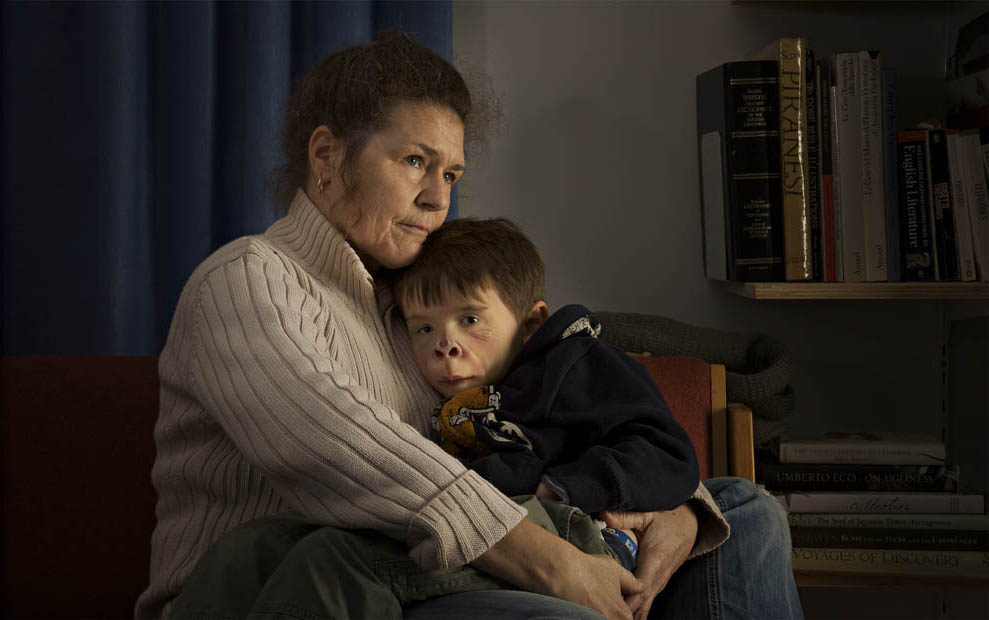
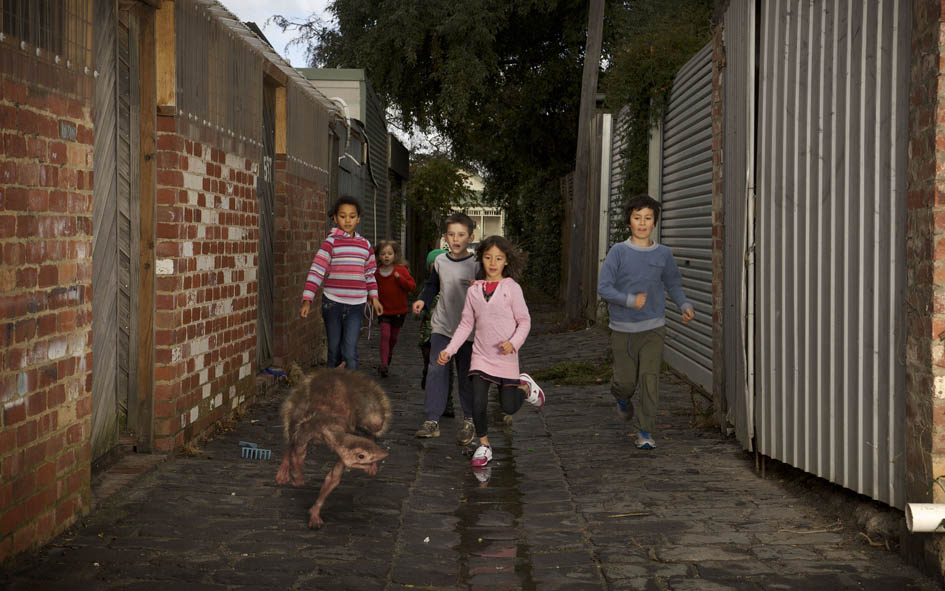
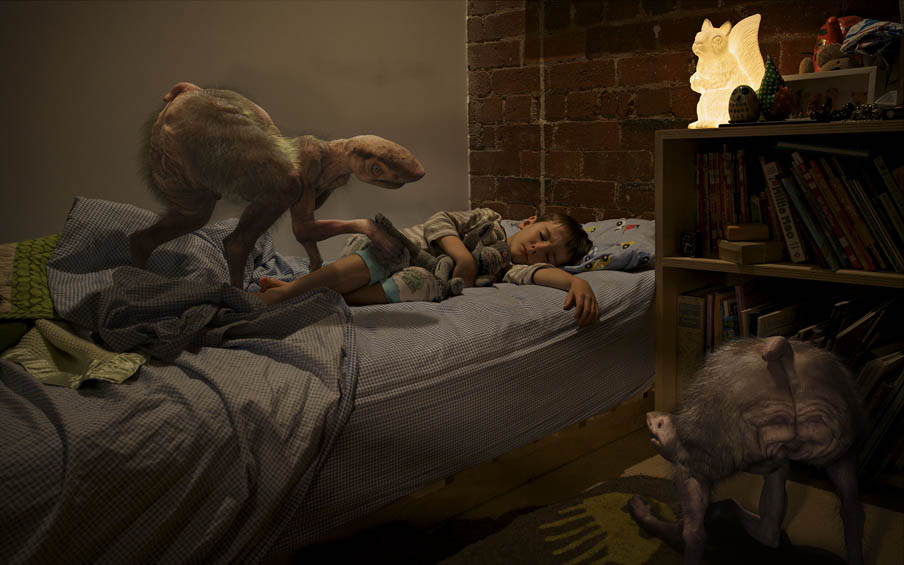
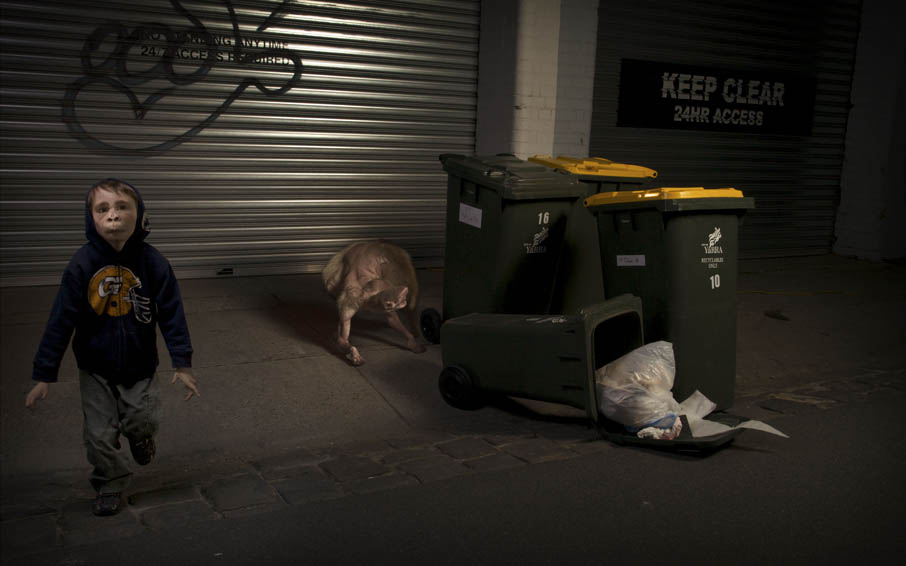
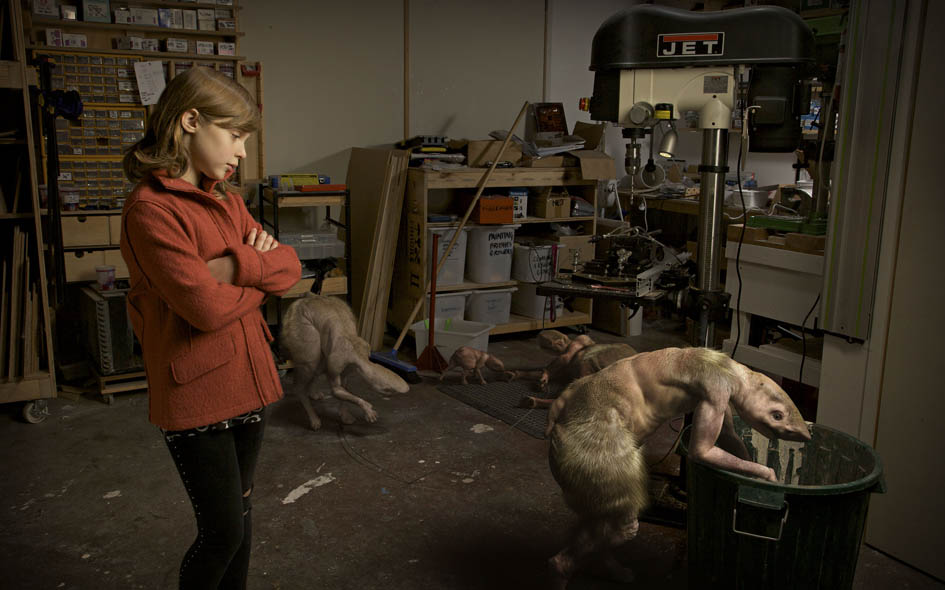
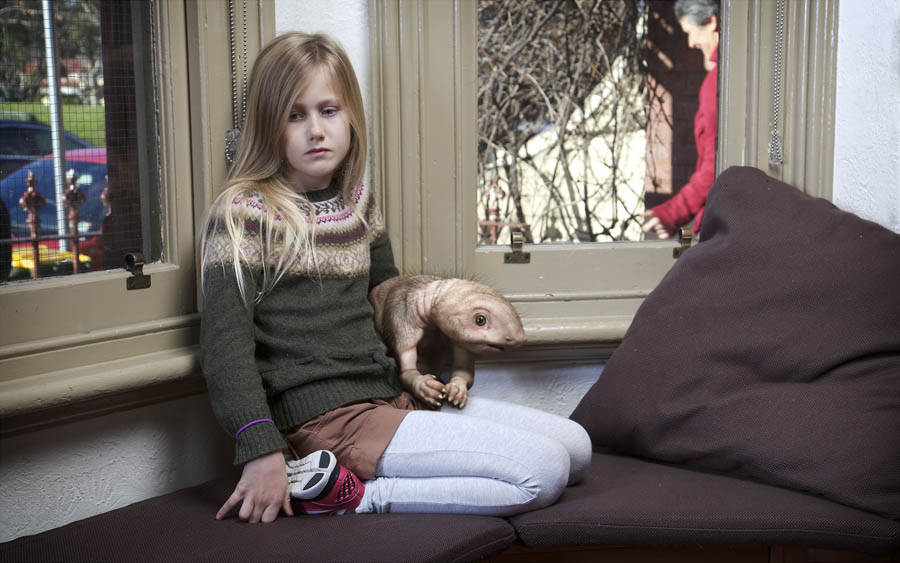
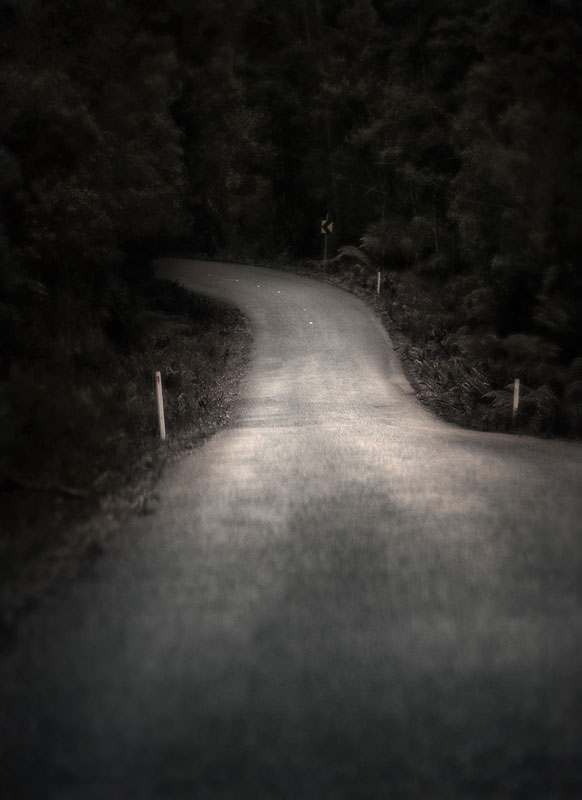
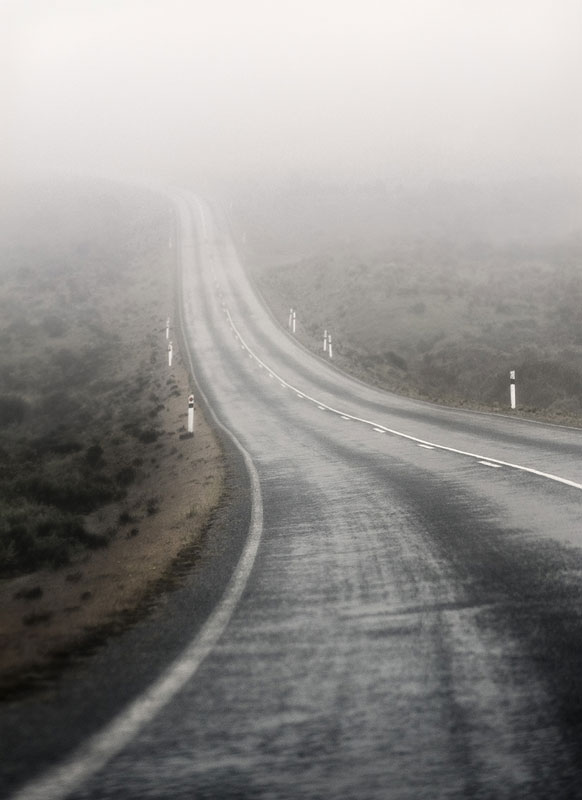
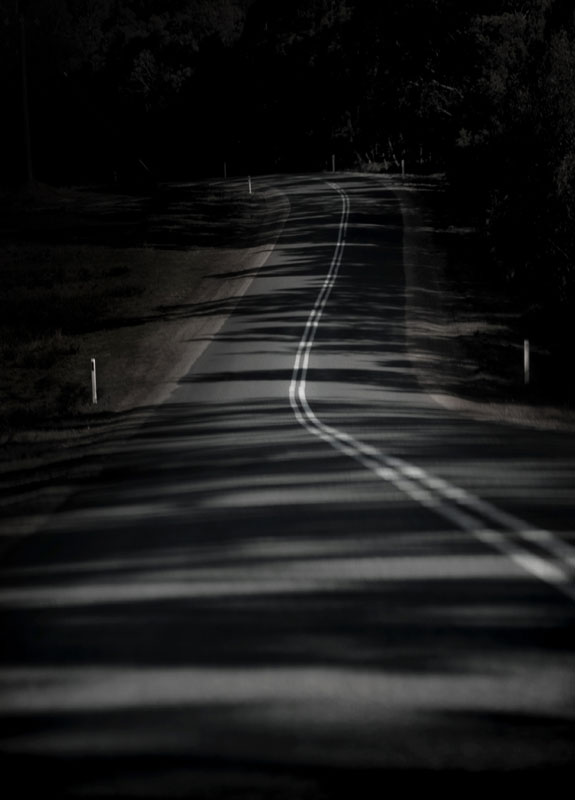
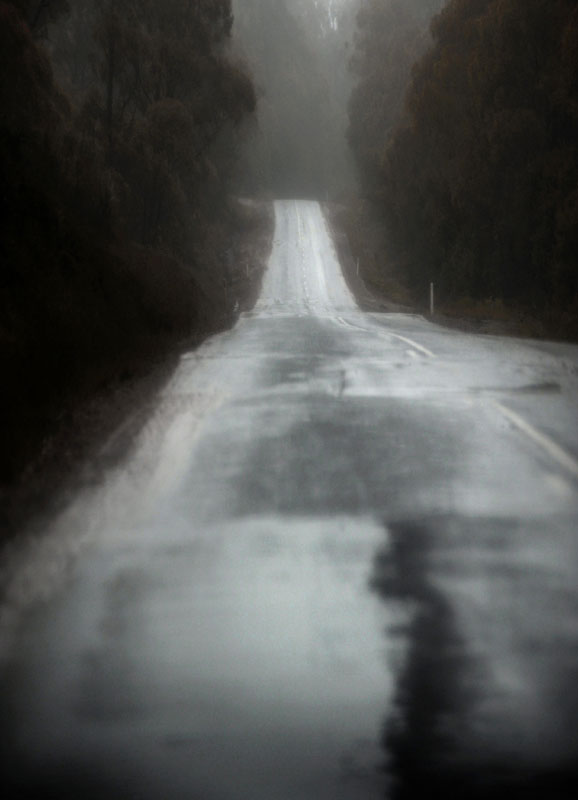
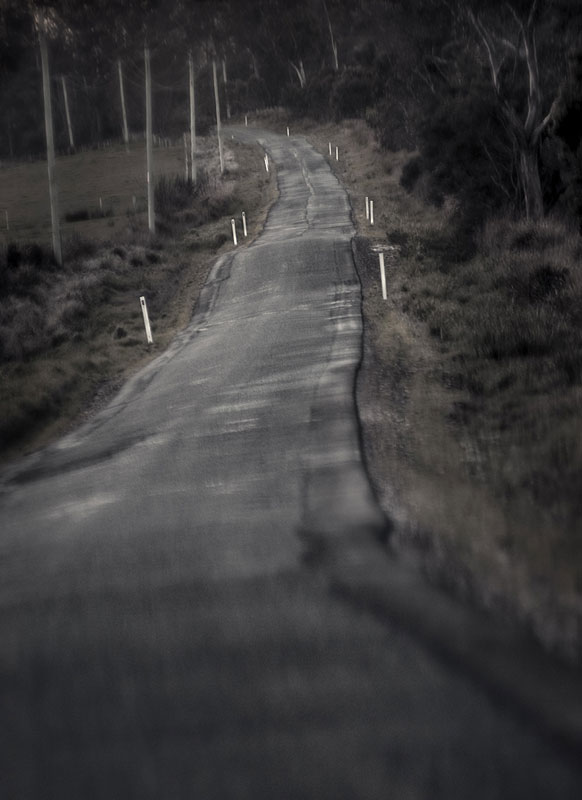
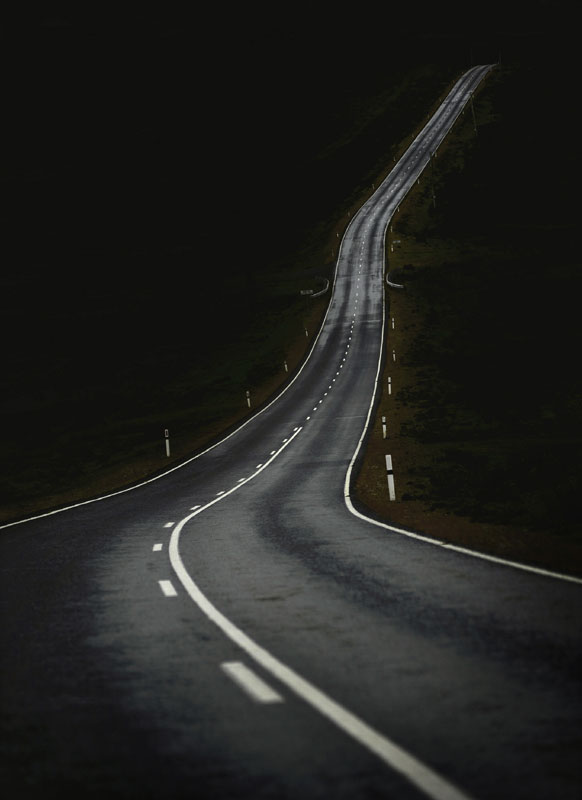
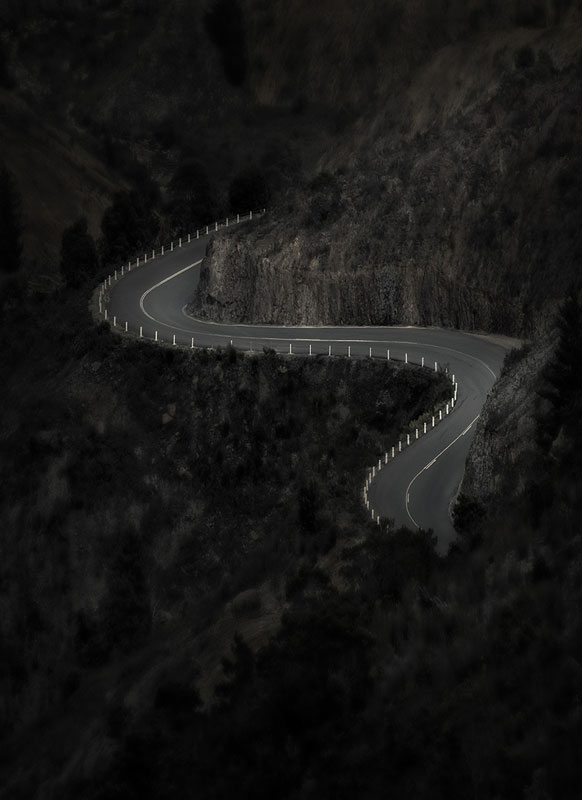

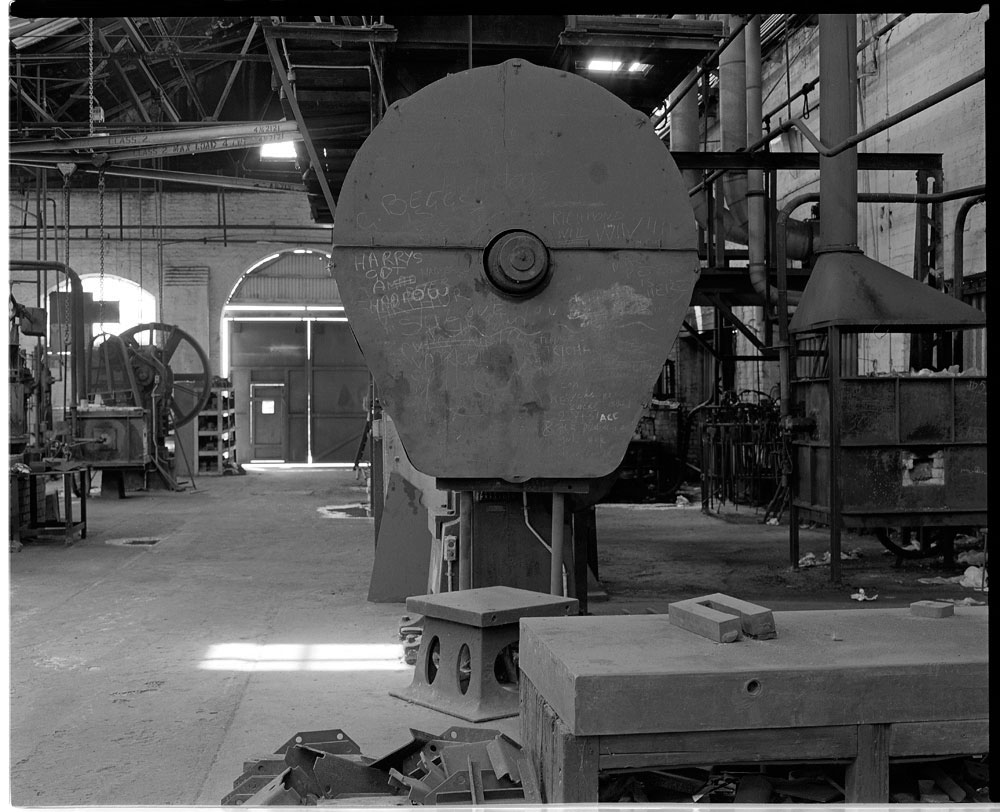

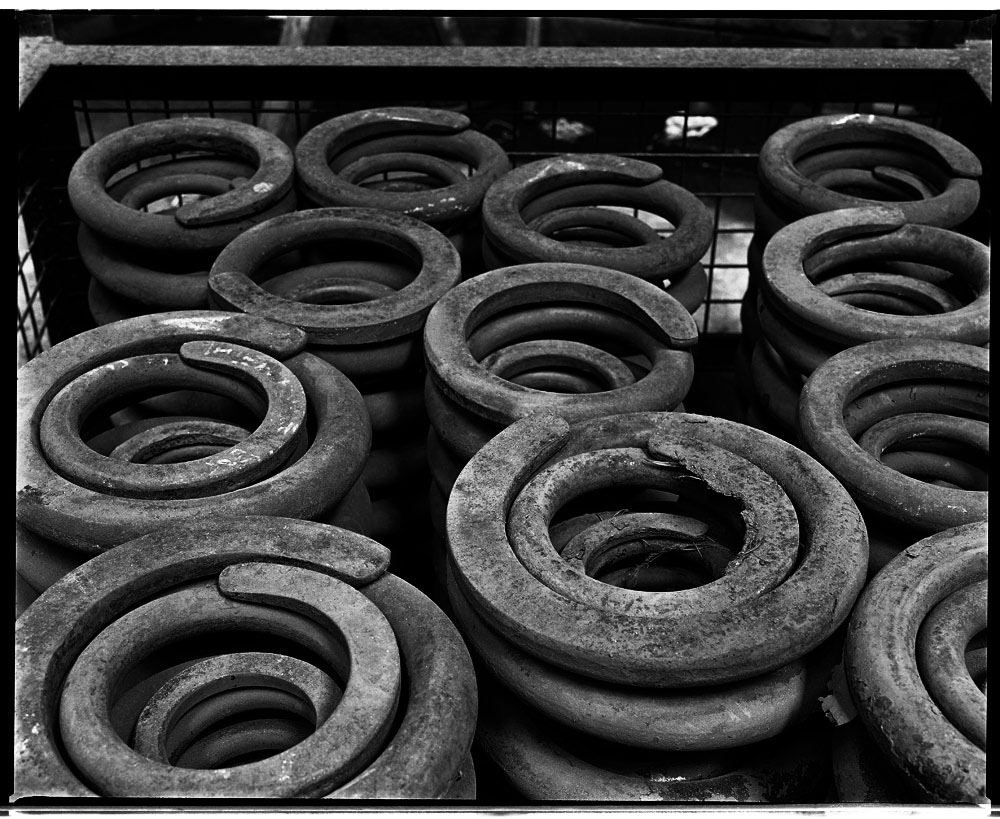
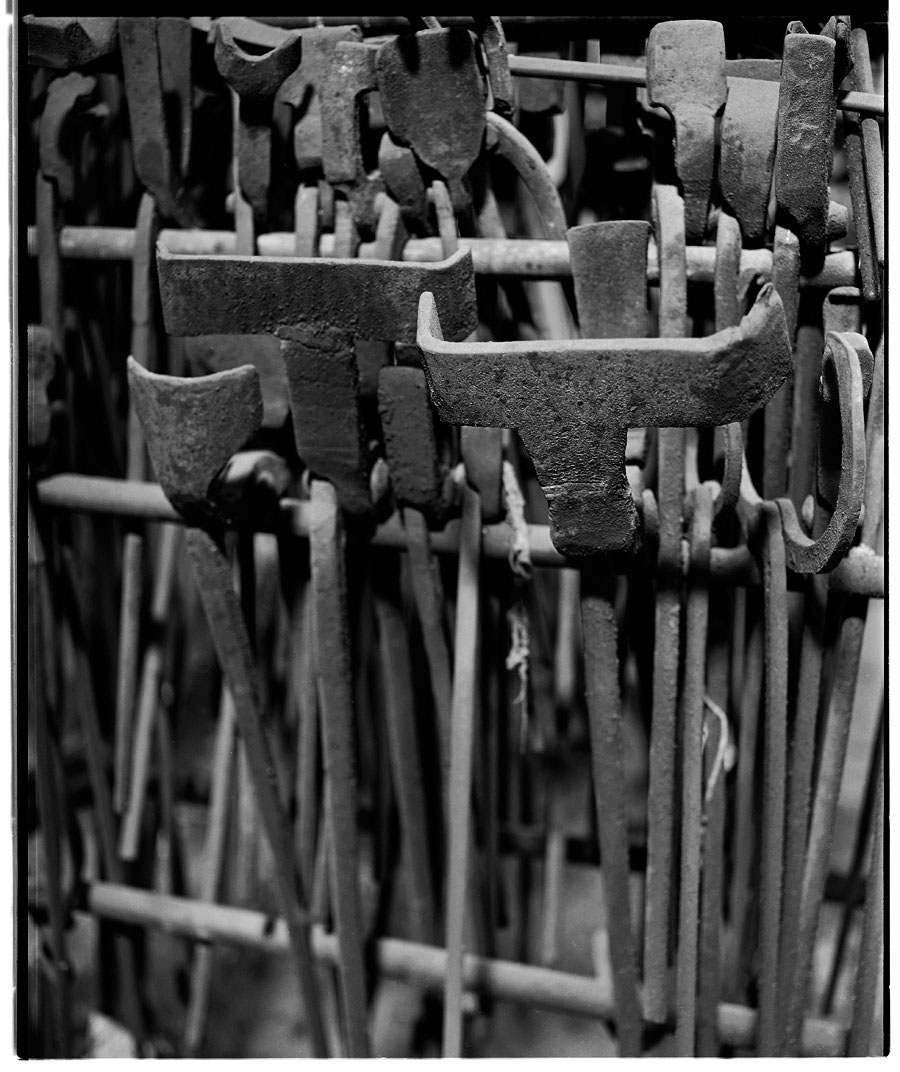

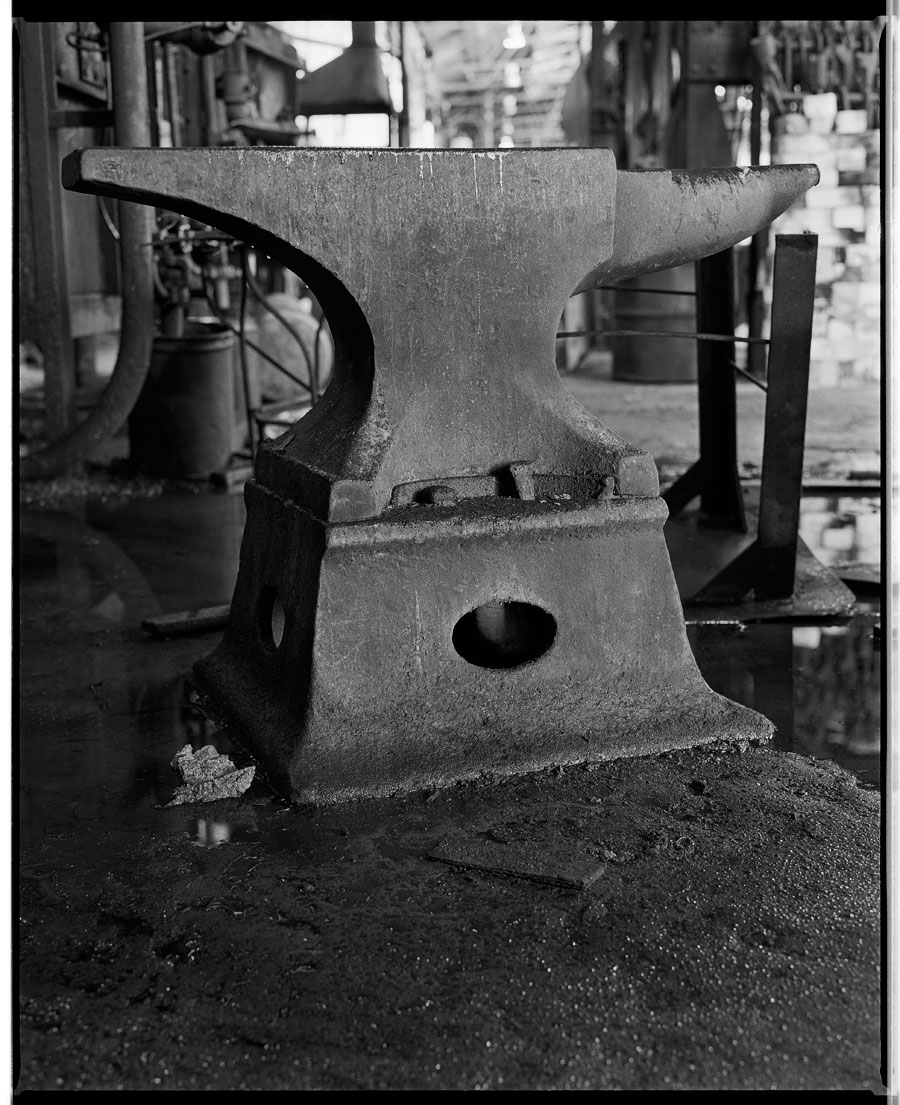

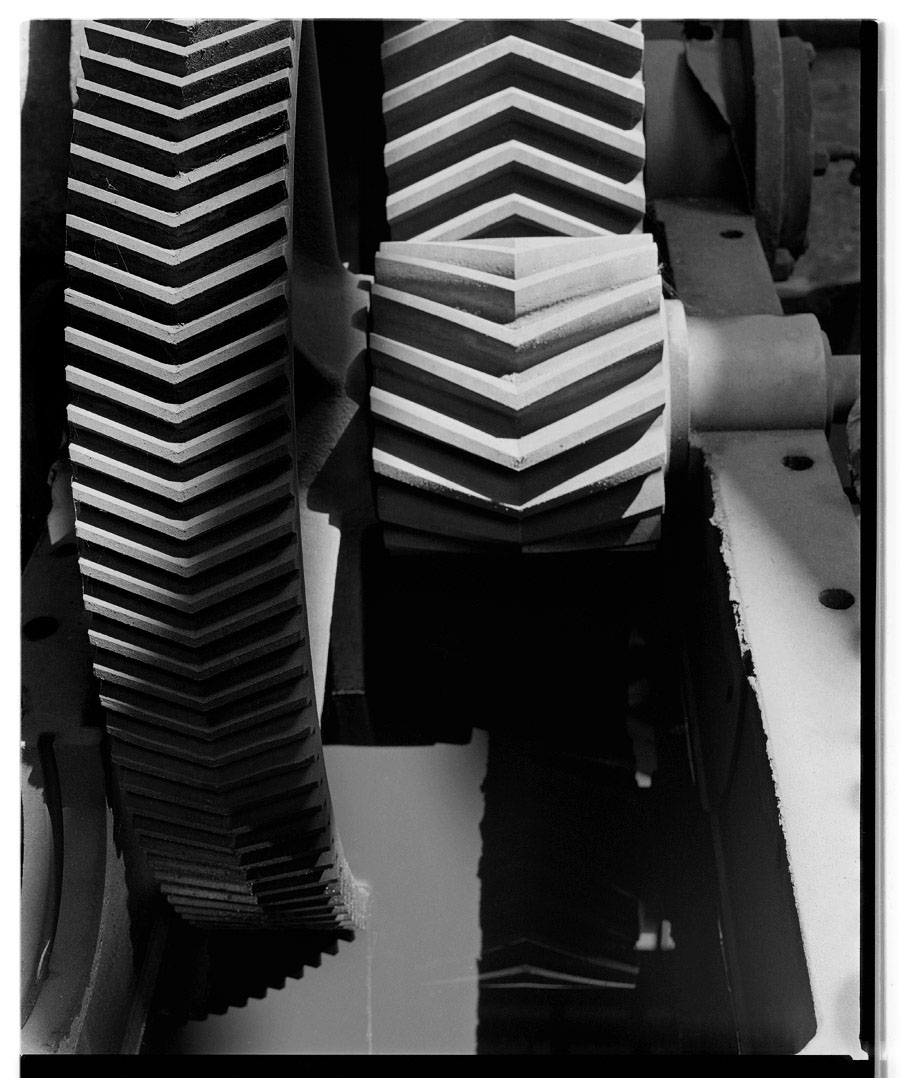


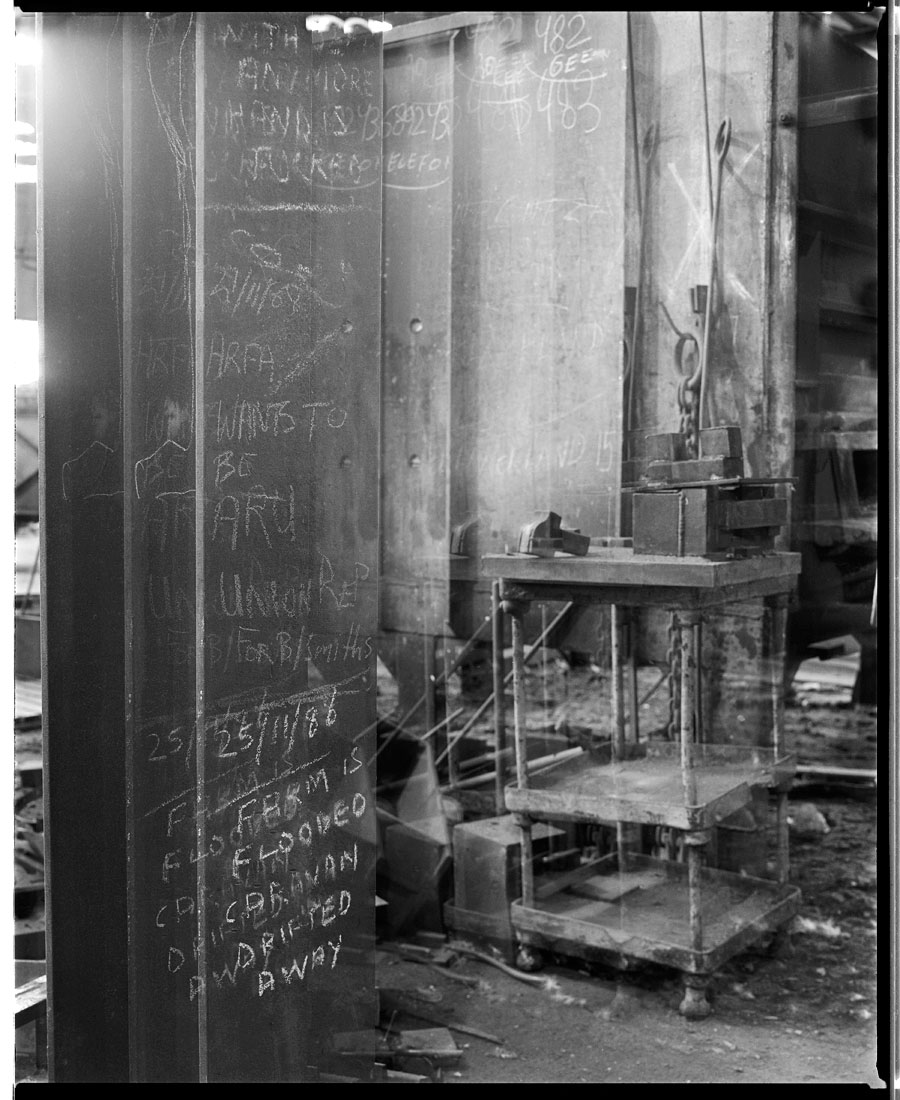
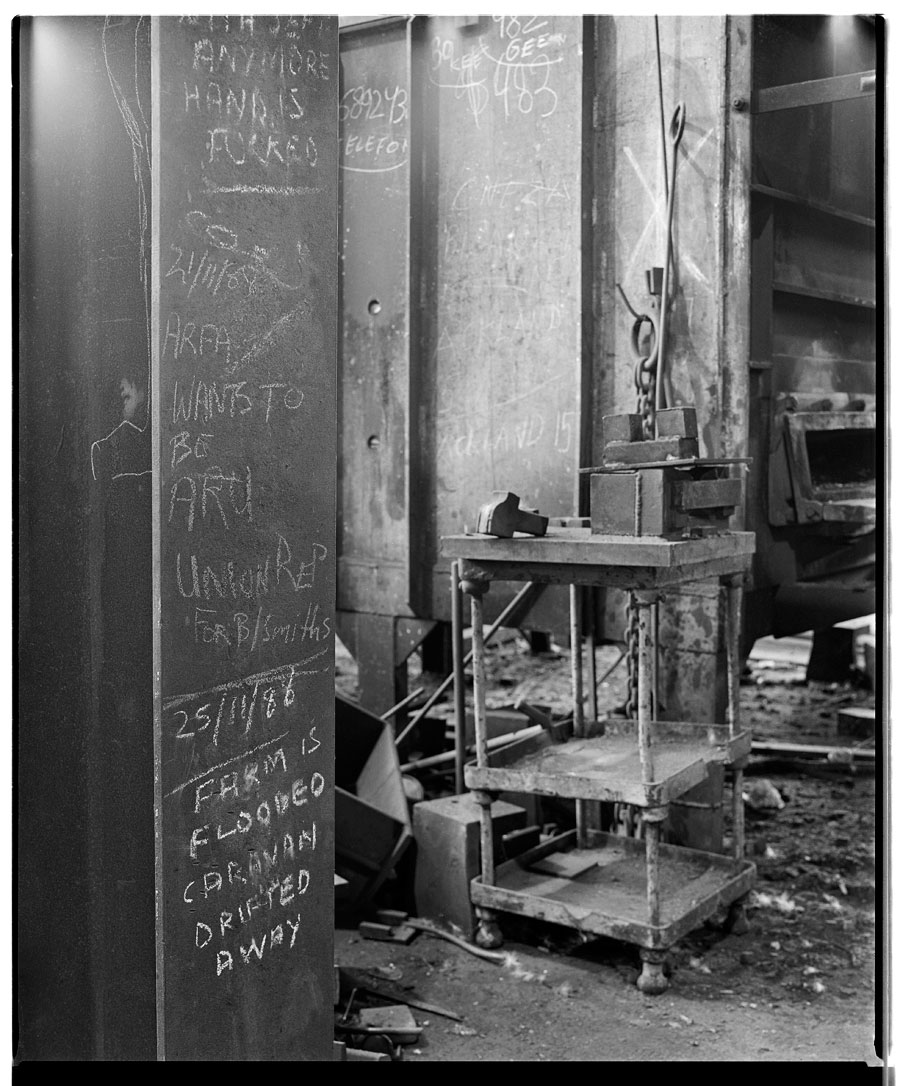

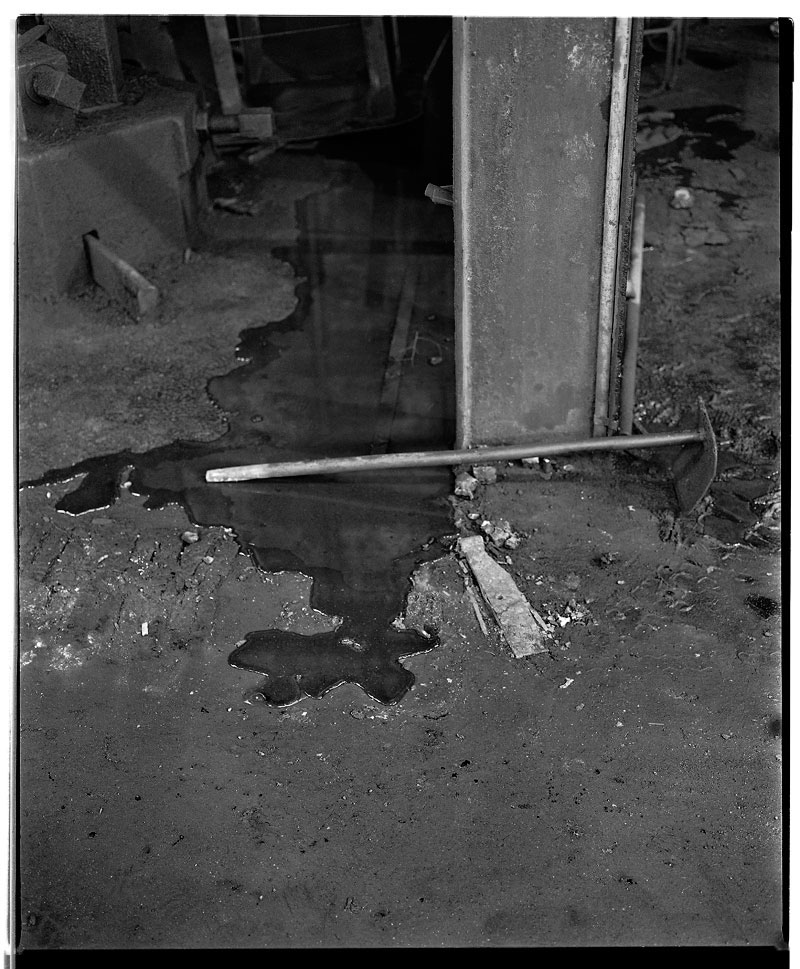


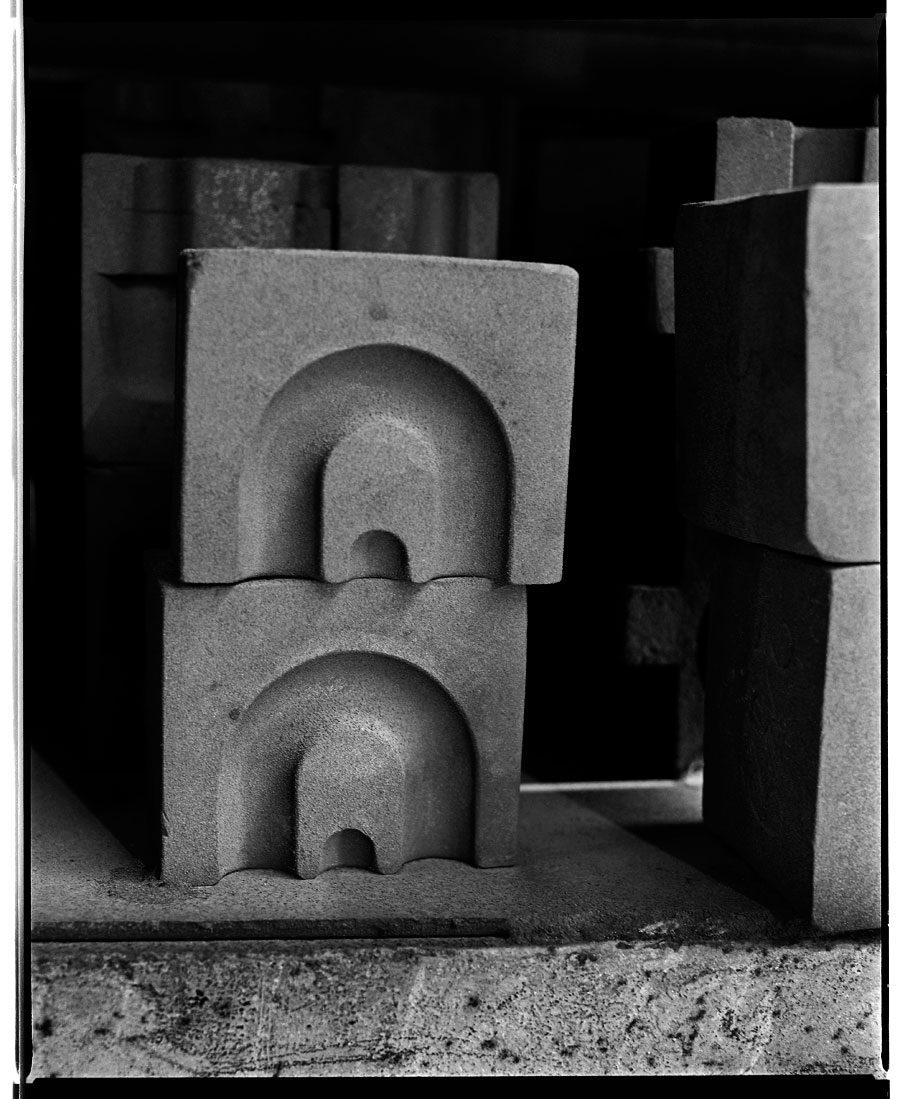

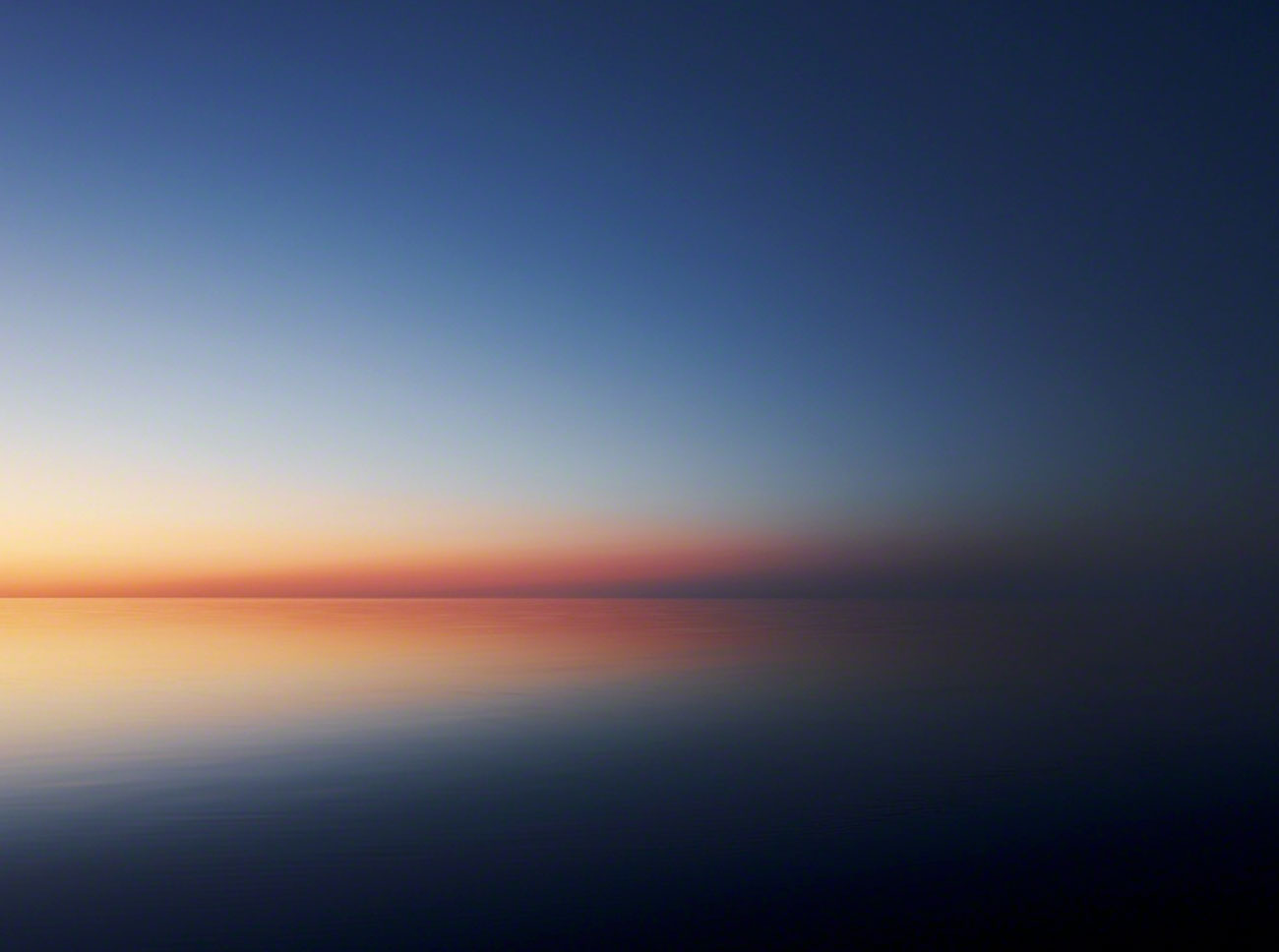

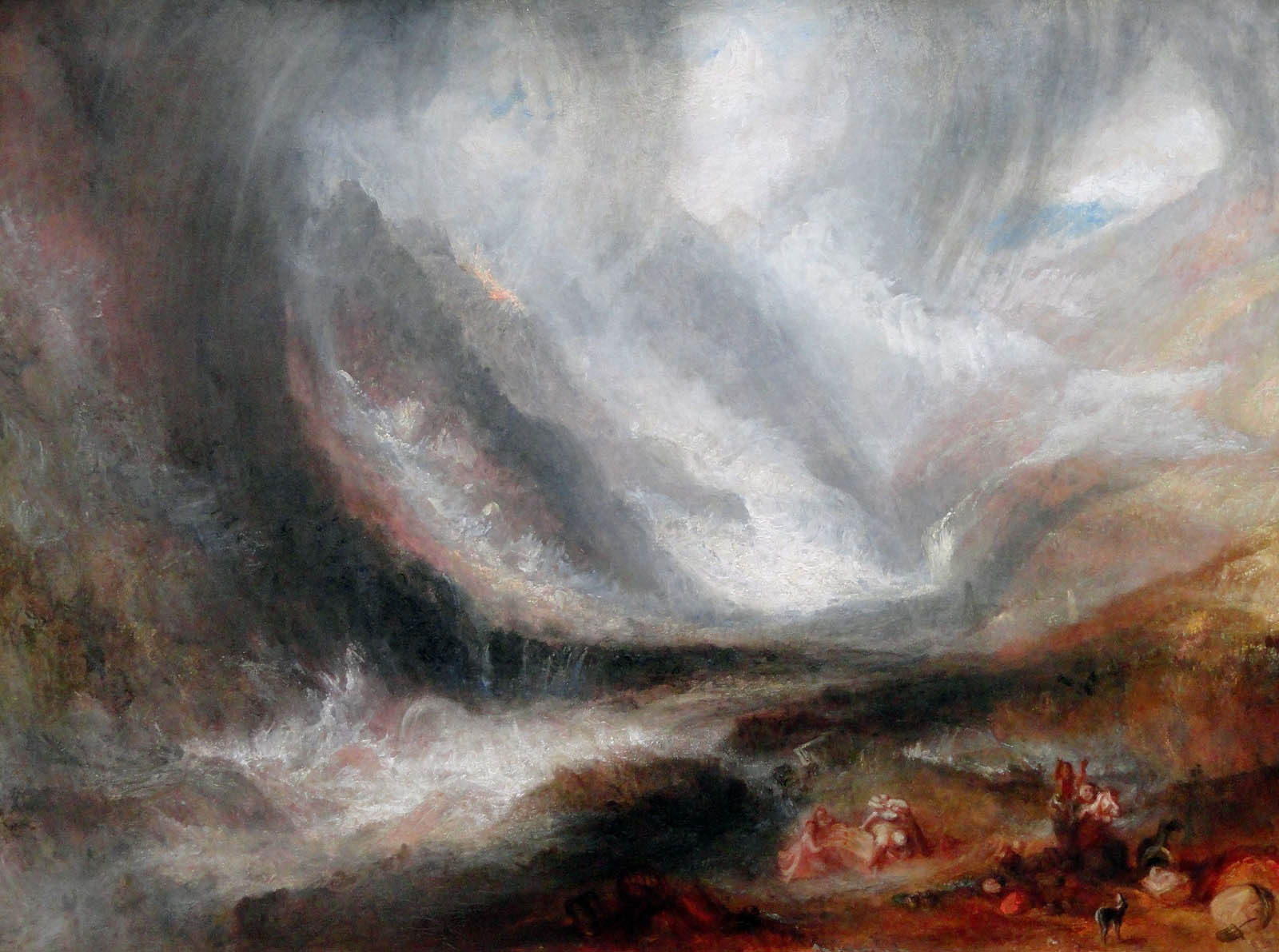


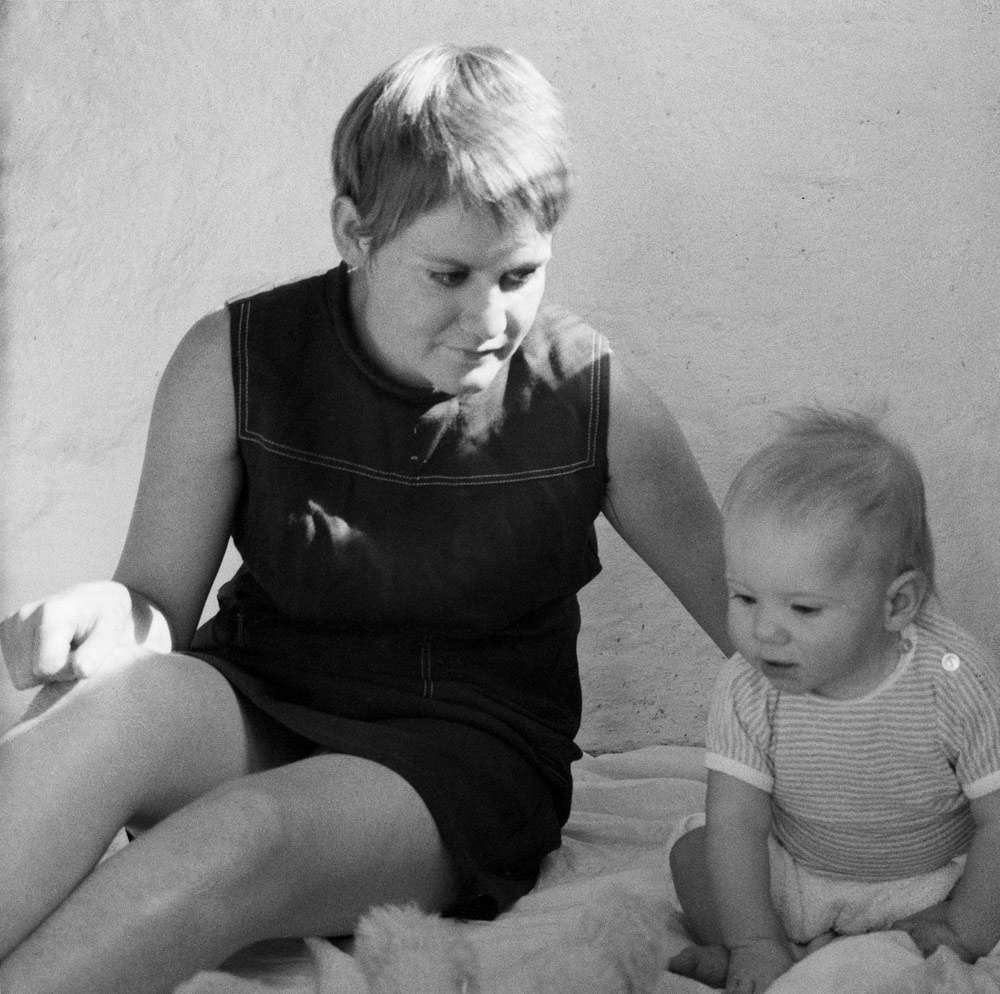
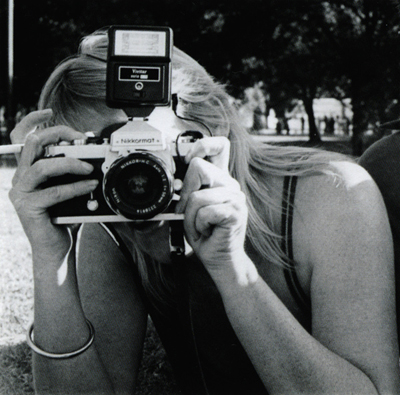
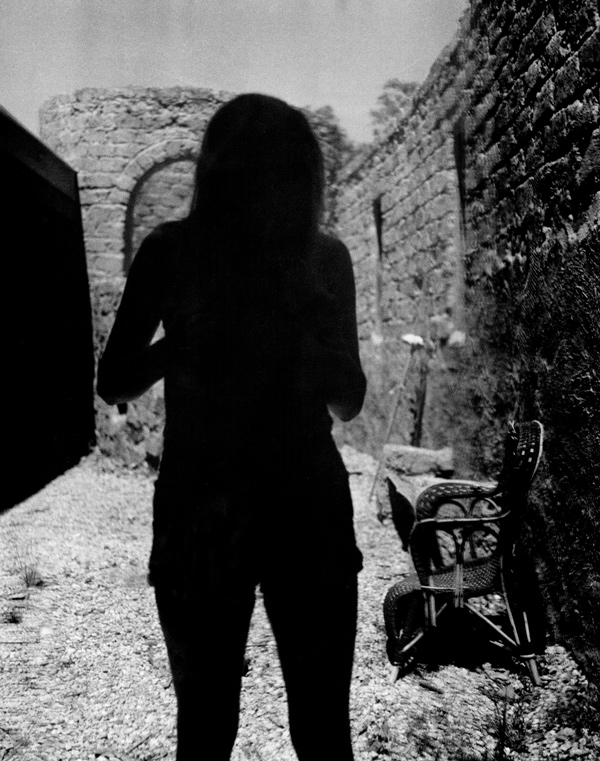
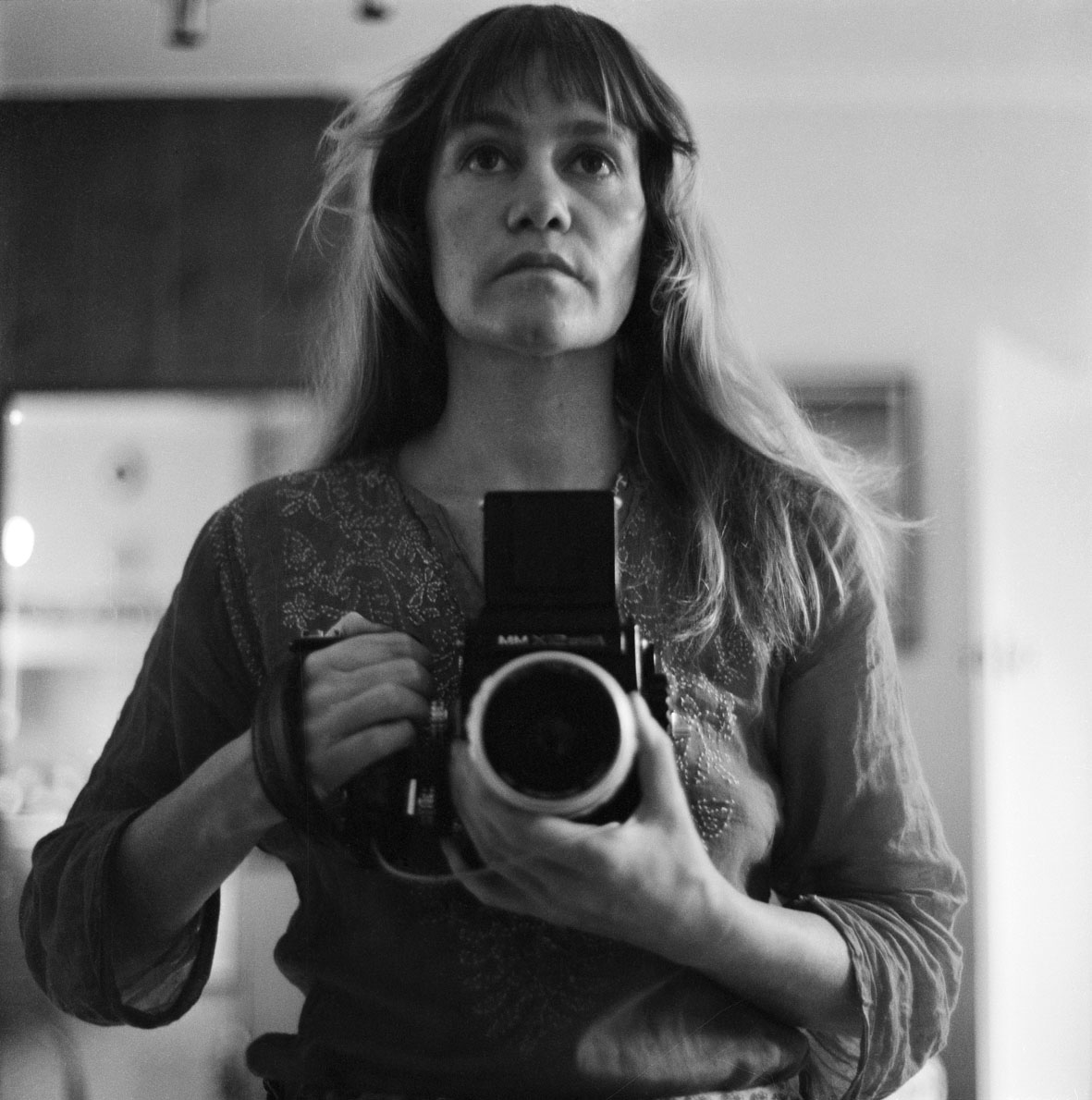

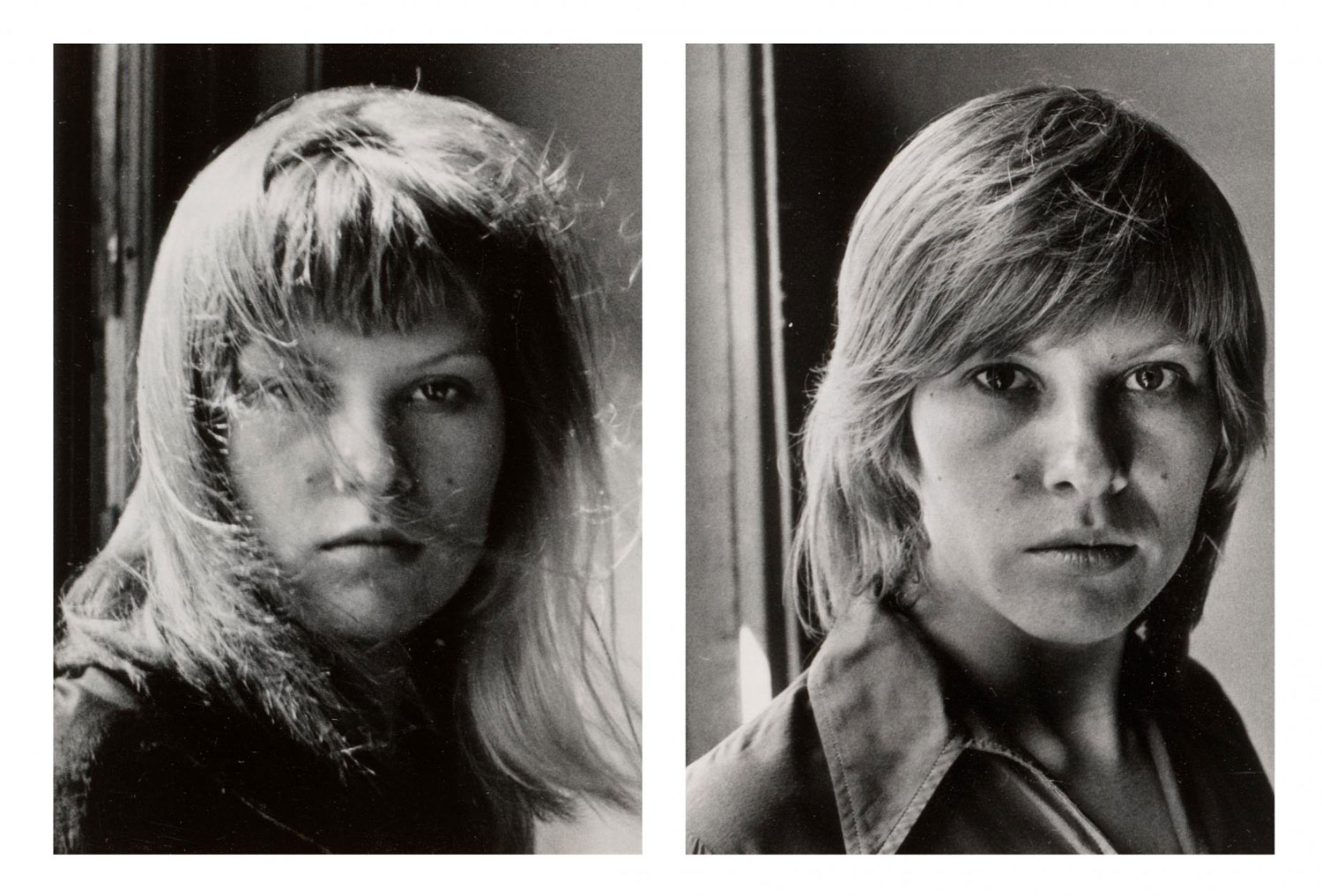
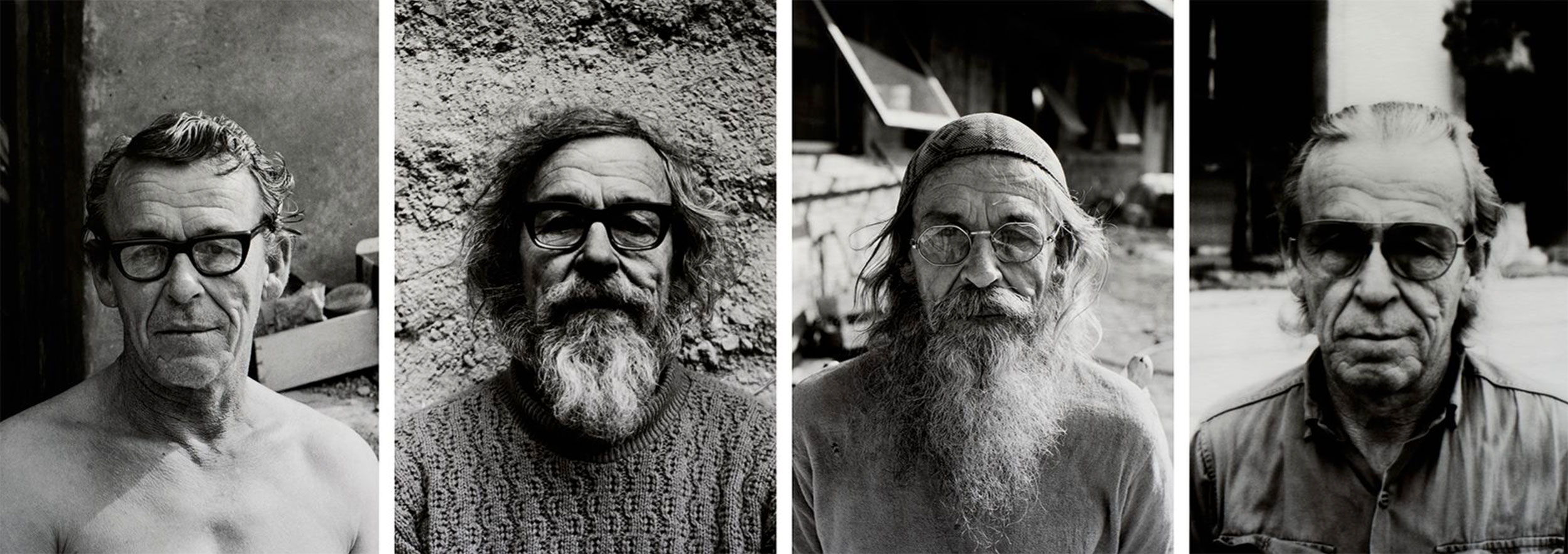

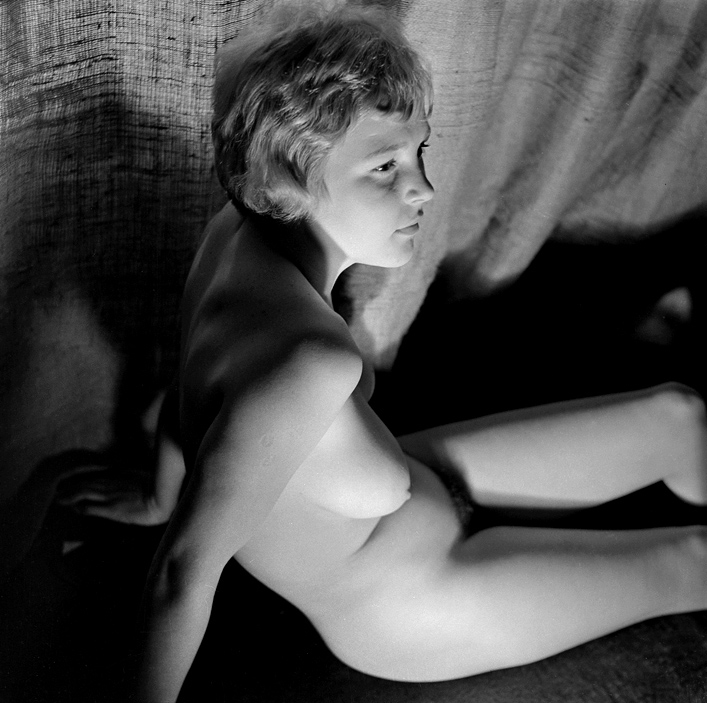
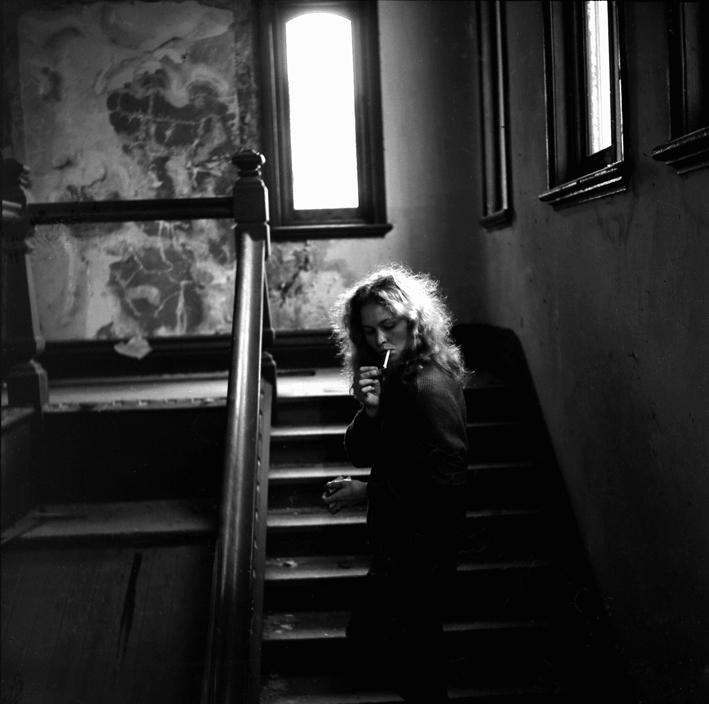
![Sue Ford (1943-2009) 'Untitled [Bliss at Yellow House, King's Cross, Sydney]' c. 1972–1973](https://artblart.com/wp-content/uploads/2011/06/008.jpg "Sue Ford (1943-2009) 'Untitled [Bliss at Yellow House, King's Cross, Sydney]' c. 1972–1973")







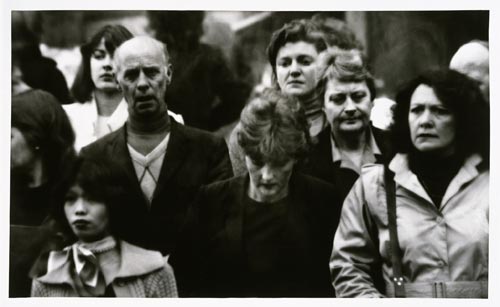


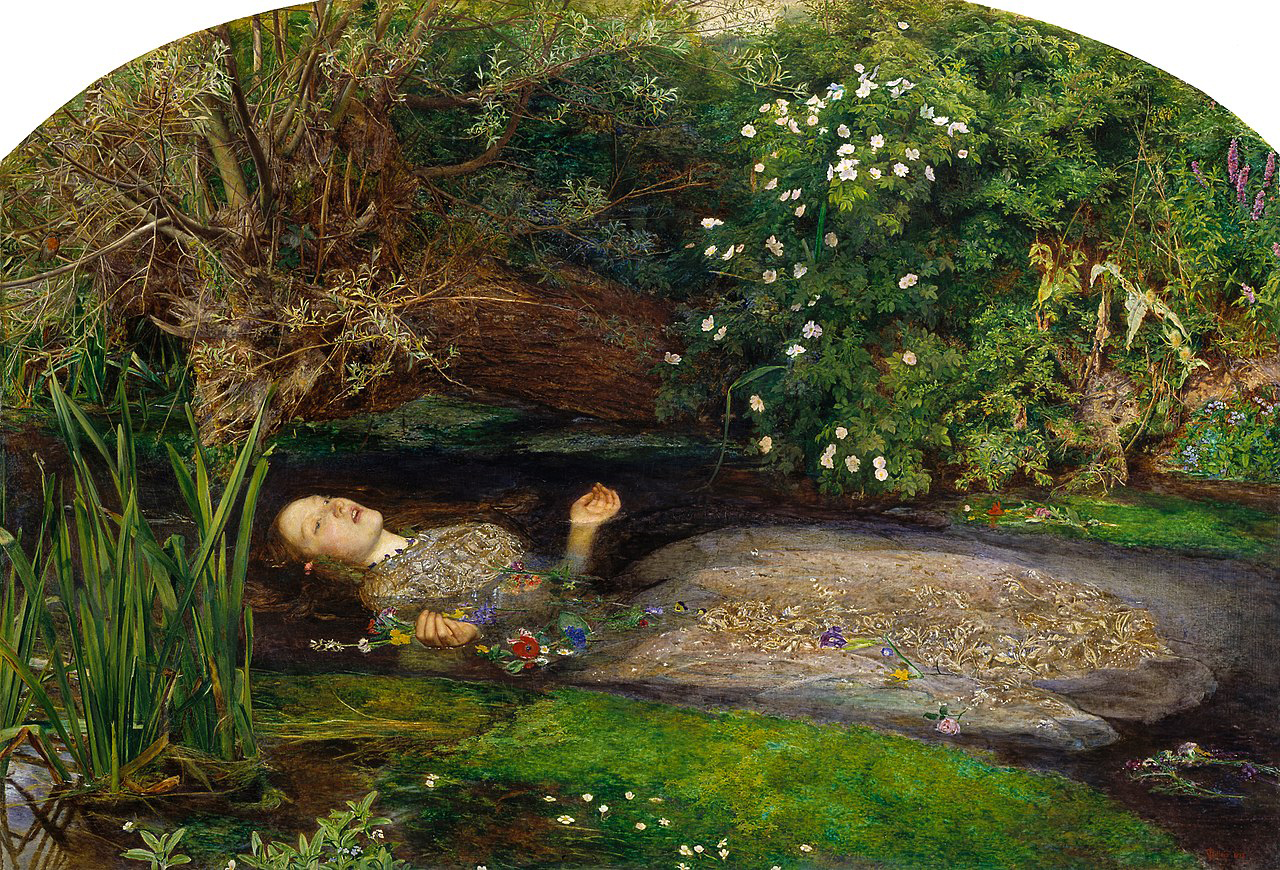


![Leonardo da Vinci (Italian, 1452-1519) 'Study for the head of Christ for The Last Supper [Testa di Cristo]' c. 1494-1495](https://artblart.com/wp-content/uploads/2011/04/leonardo_da_vinci_head_of_christ_c1494_5.jpg "Leonardo da Vinci (Italian, 1452-1519) 'Study for the head of Christ for The Last Supper [Testa di Cristo]' c. 1494-1495")
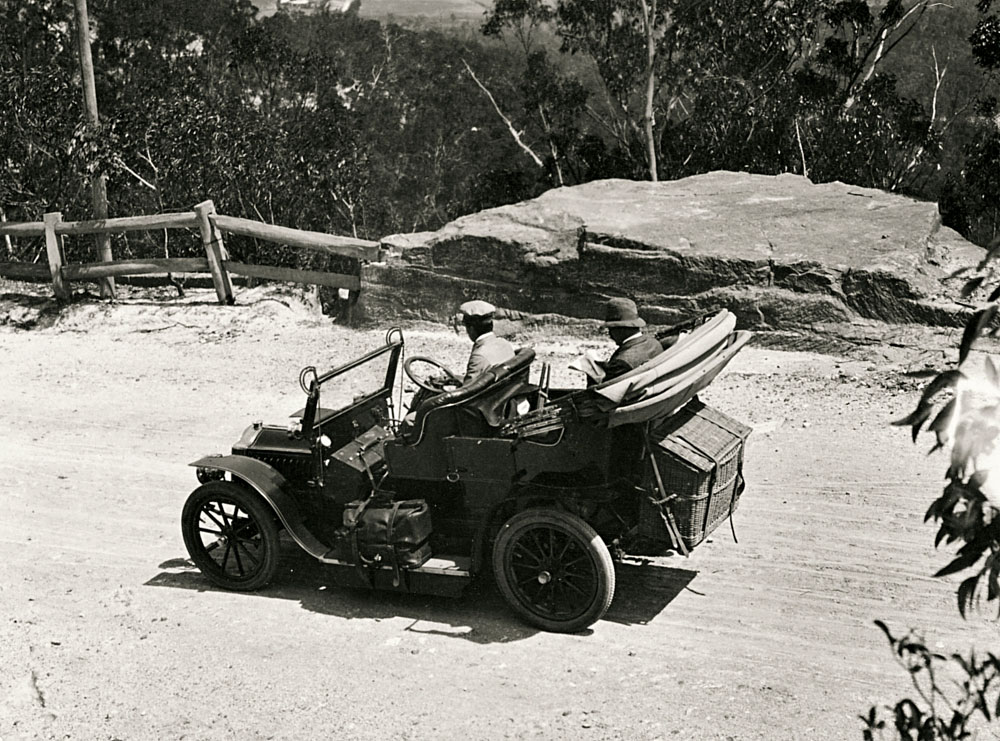
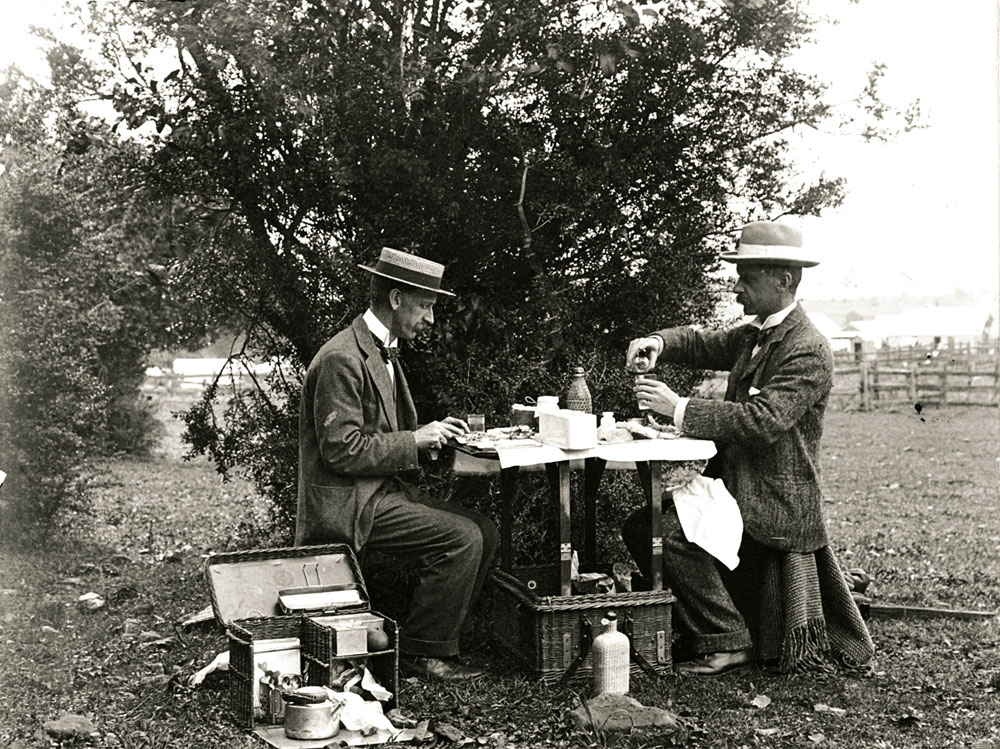
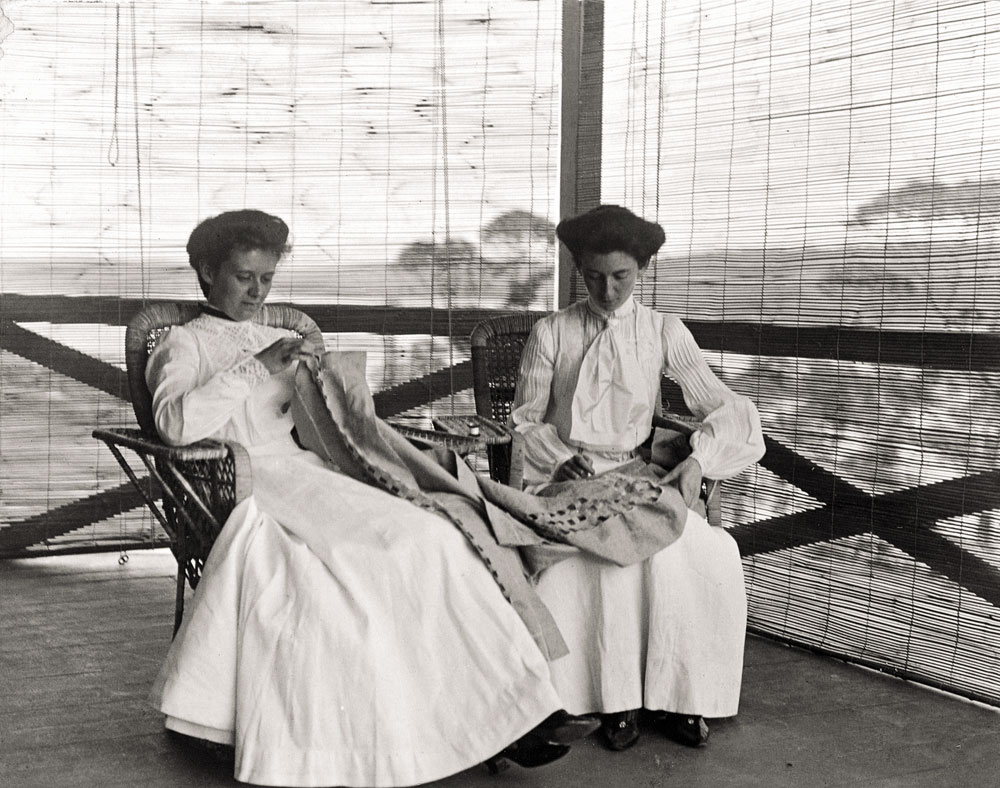
![Arthur Wigram Allen (Australian, 1894-1967) 'Wedding Group at 'Merioola', Saturday 23rd December 1911. Wedding Group consisting of Lieutenant Knowles (best man), Joyce Pat and Kitty, Alex Leeper's two daughters Valentine and Molly [Kitty's half-sisters]' December 1911](https://artblart.com/wp-content/uploads/2011/04/arthur-wigram-allen-wedding-group.jpg "Arthur Wigram Allen (Australian, 1894-1967) 'Wedding Group at 'Merioola', Saturday 23rd December 1911. Wedding Group consisting of Lieutenant Knowles (best man), Joyce Pat and Kitty, Alex Leeper's two daughters Valentine and Molly [Kitty's half-sisters]' December 1911")
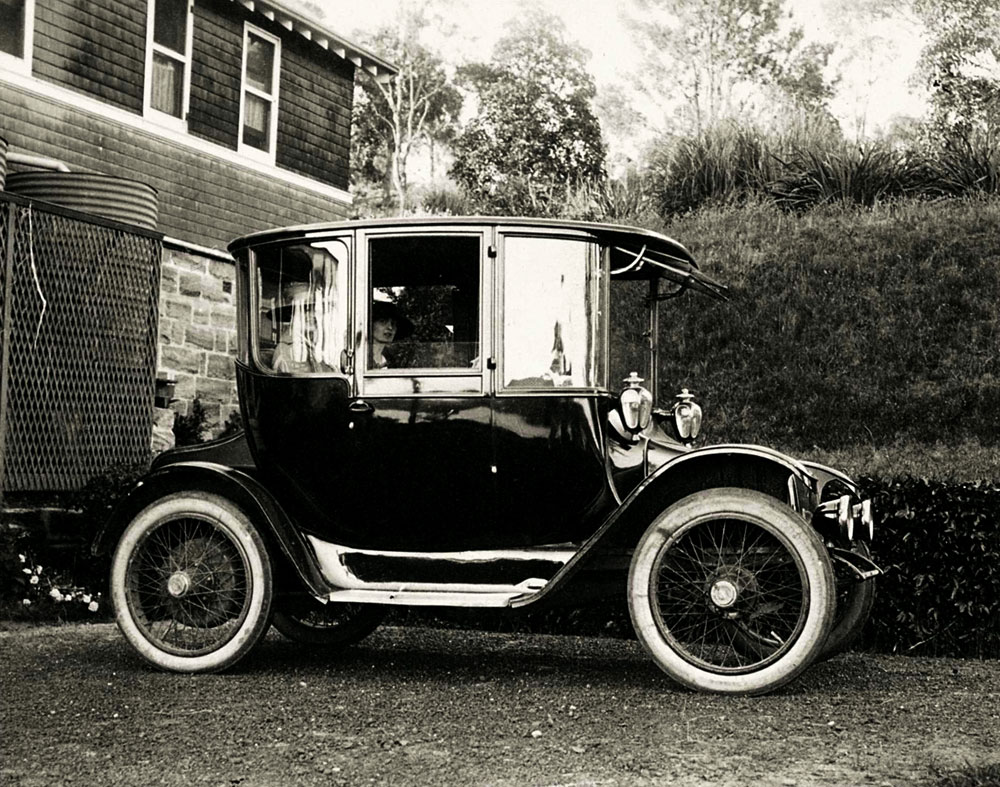
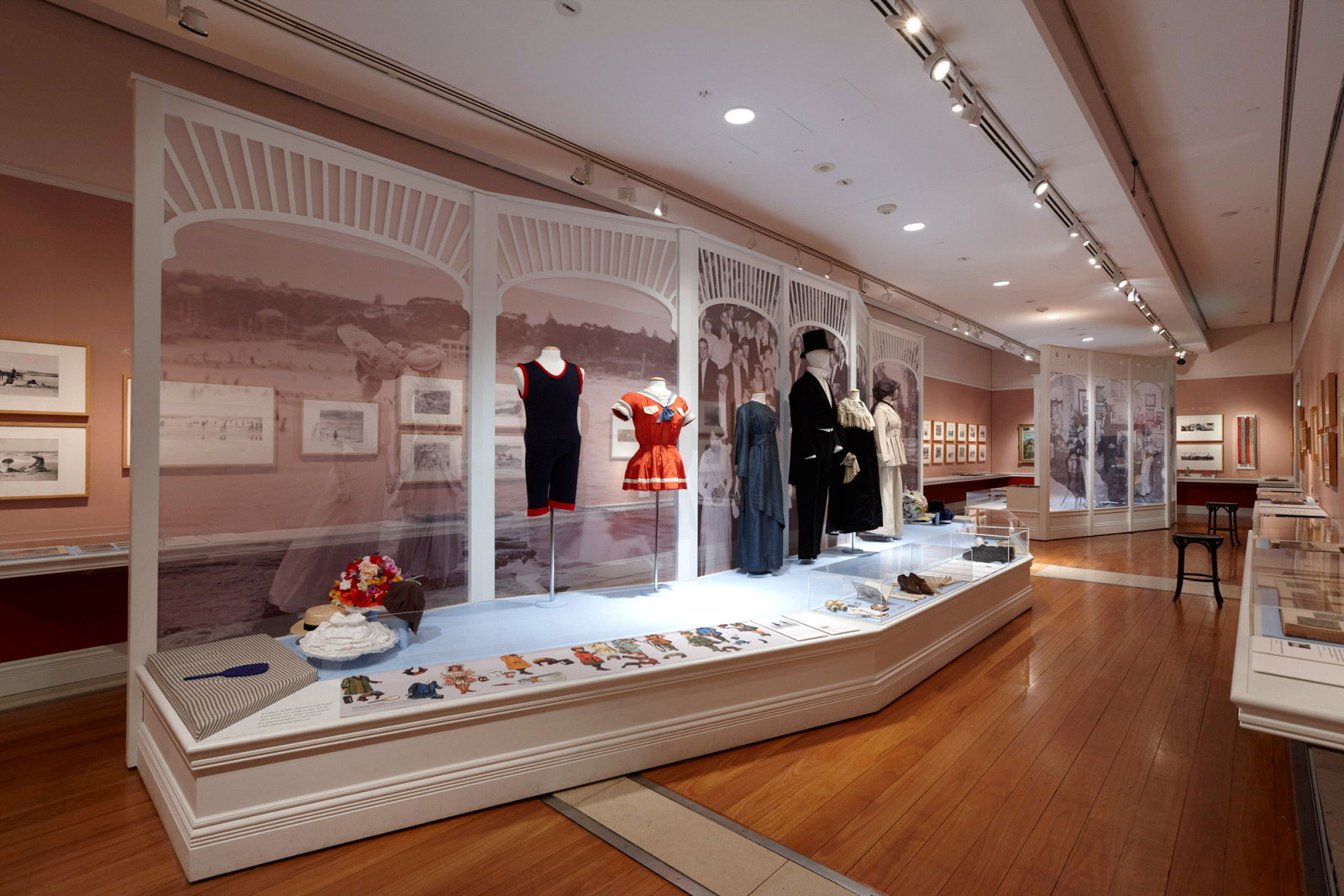
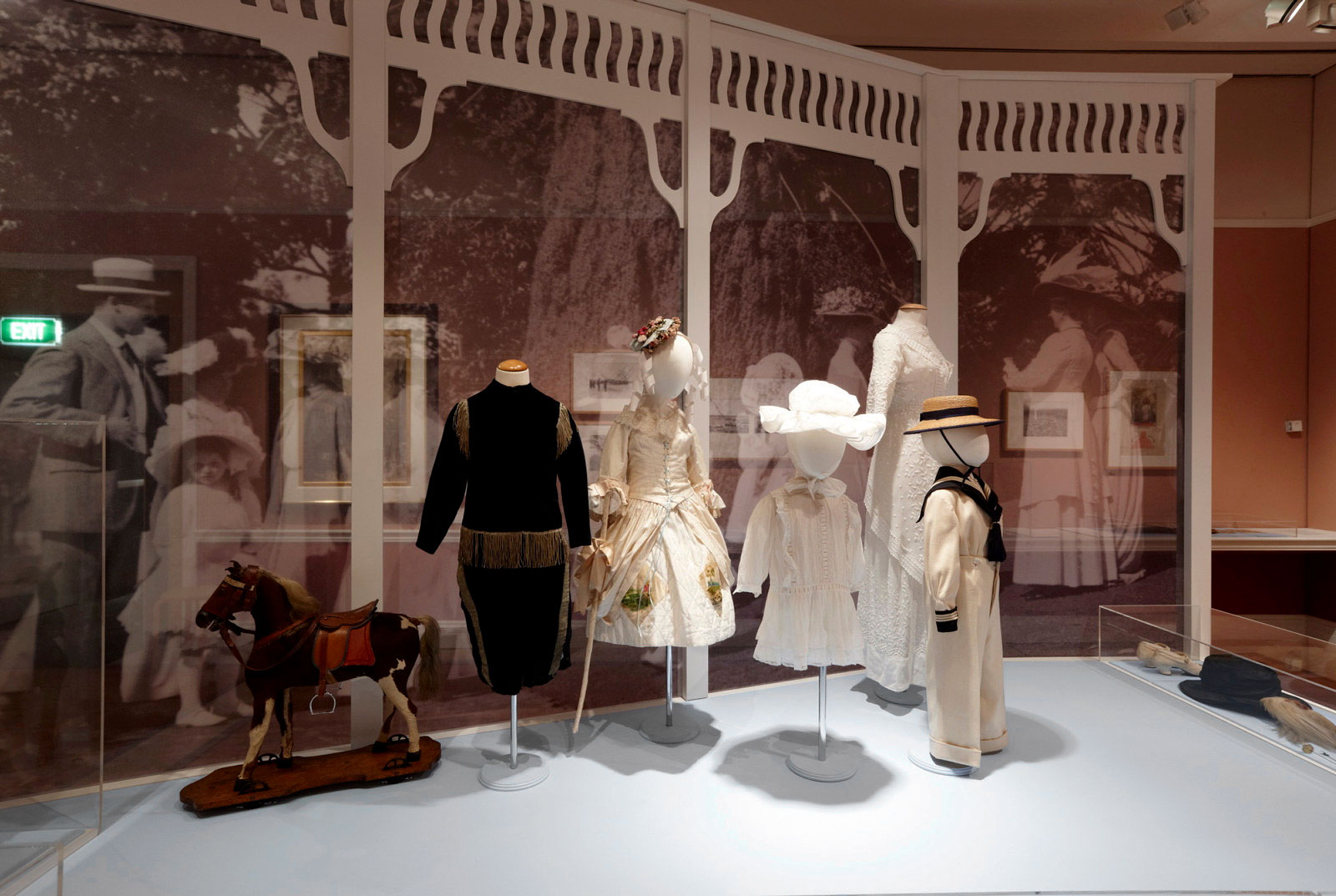
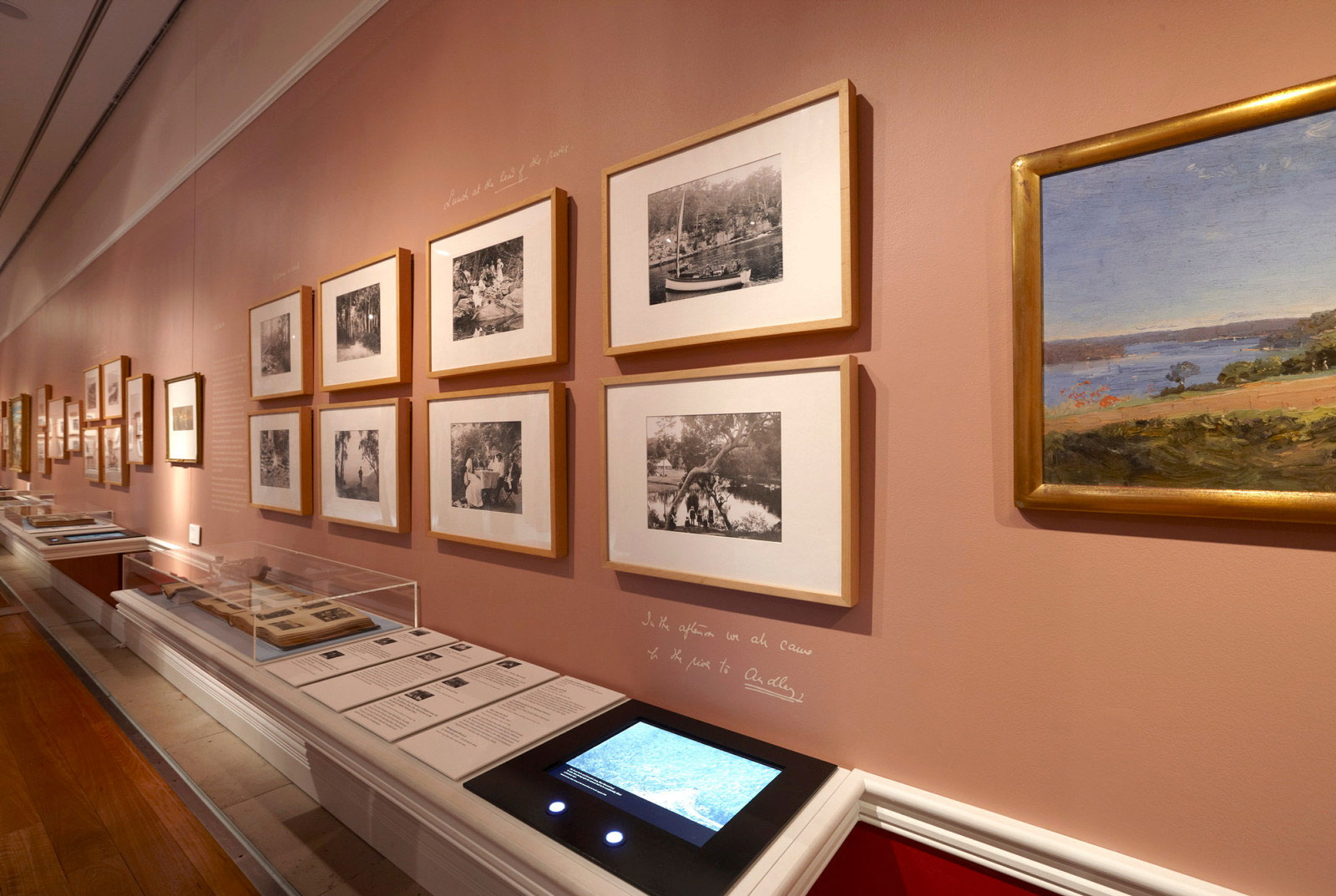
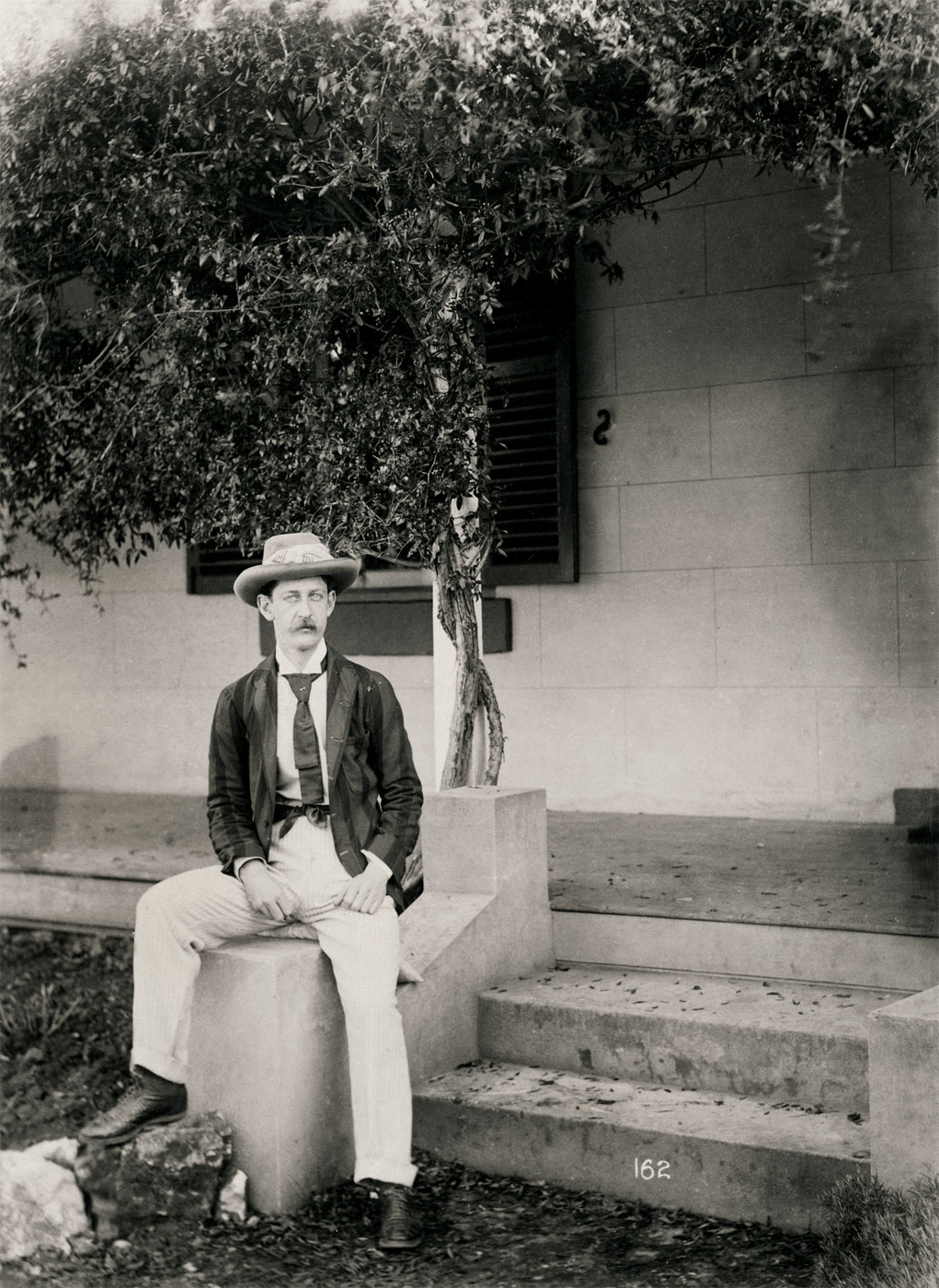
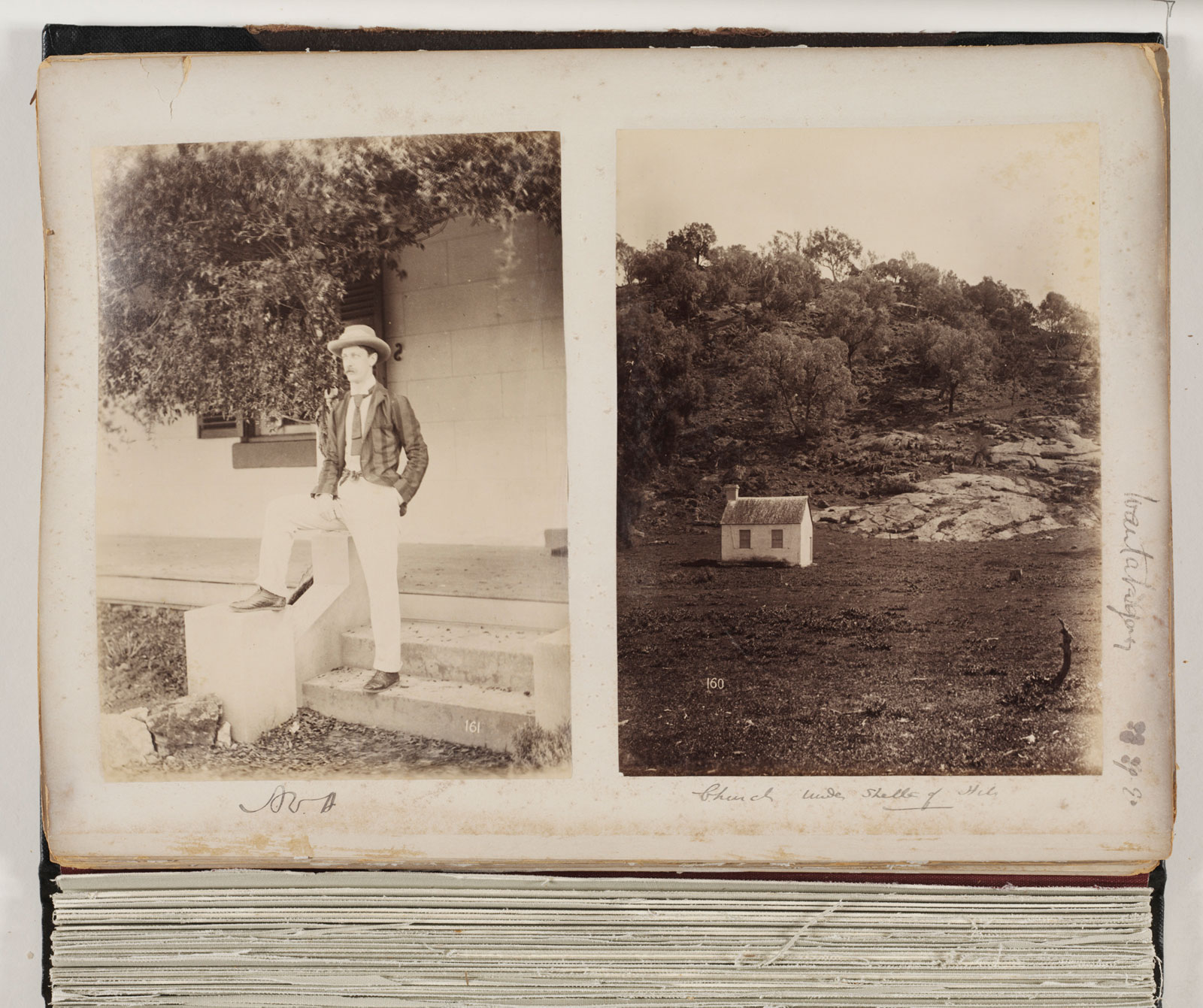
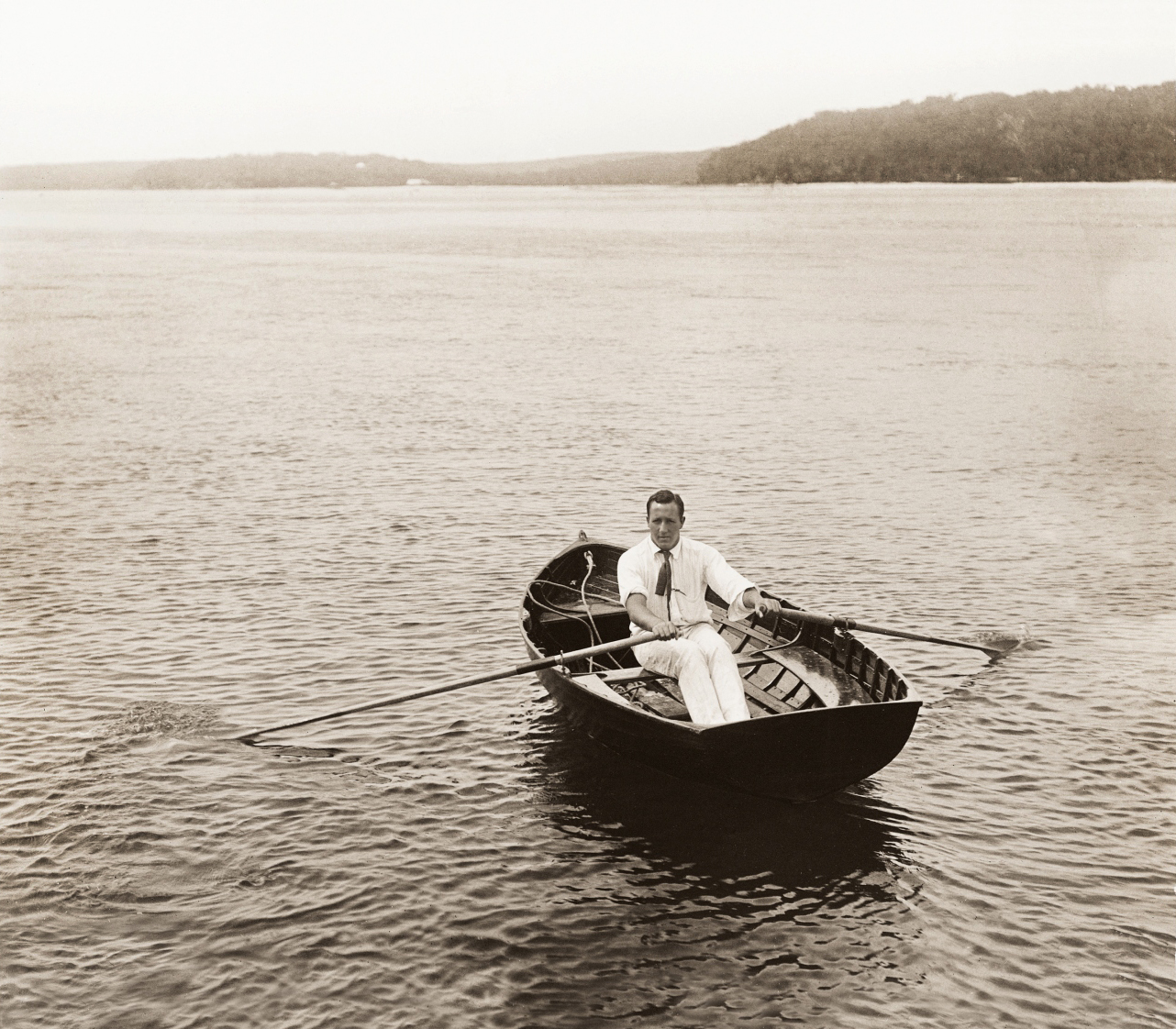
![Arthur Wigram Allen (Australian, 1894-1967) '[Roller skating on the verandah at Moombara]' Nd](https://artblart.com/wp-content/uploads/2011/04/allen-roller-skating.jpg "Arthur Wigram Allen (Australian, 1894-1967) '[Roller skating on the verandah at Moombara]' Nd")
![Arthur Wigram Allen (Australian, 1894-1967) 'This afternoon Marcia Lamb [centre] and I took Lord Orford and Lady Dorothy Walpole [right], also Nell Knox [left] for a drive to South Head, Bondi and Coogee' February 22, 1911](https://artblart.com/wp-content/uploads/2011/04/allen-afternoon.jpg "Arthur Wigram Allen (Australian, 1894-1967) 'This afternoon Marcia Lamb [centre] and I took Lord Orford and Lady Dorothy Walpole [right], also Nell Knox [left] for a drive to South Head, Bondi and Coogee' February 22, 1911")
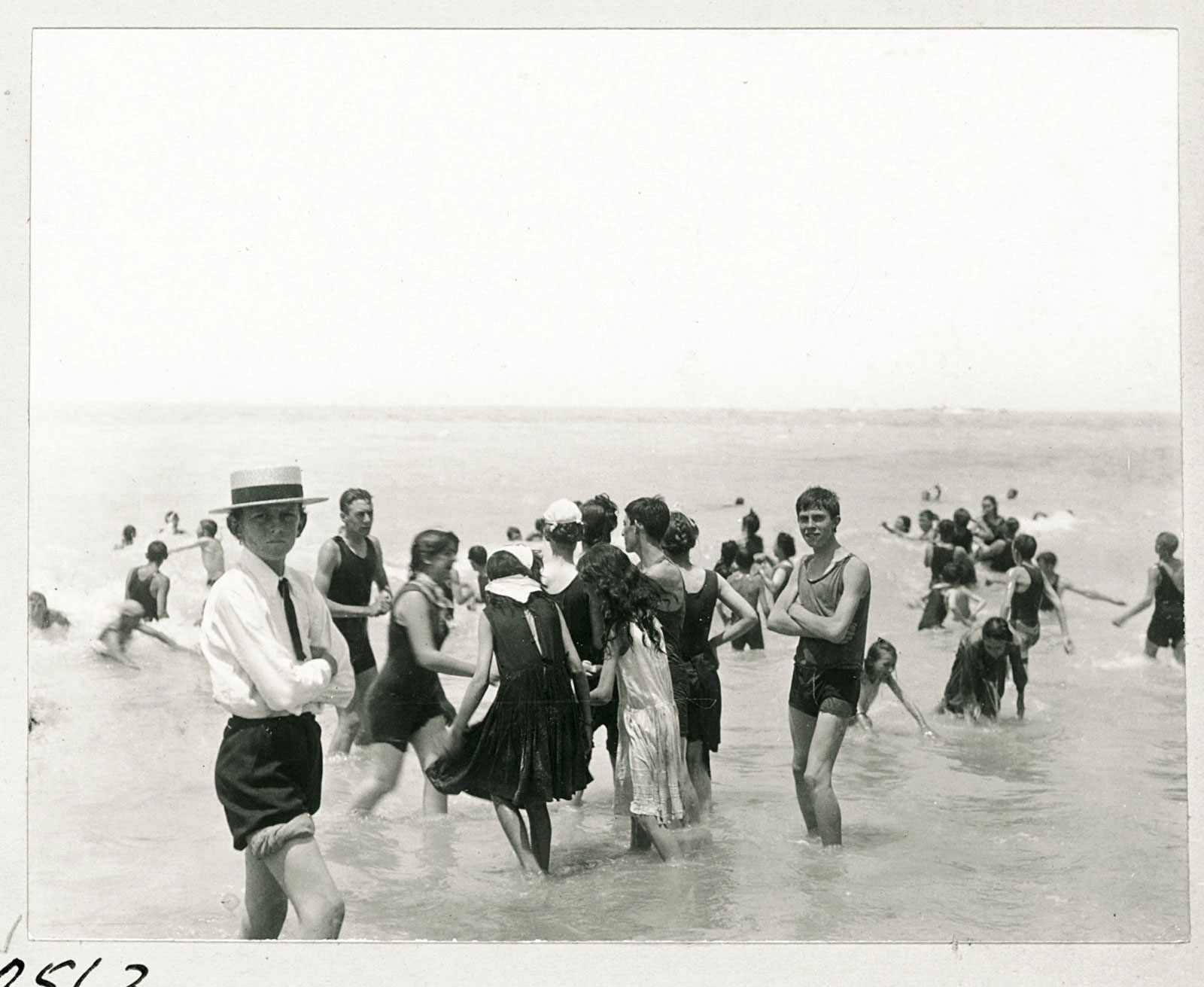
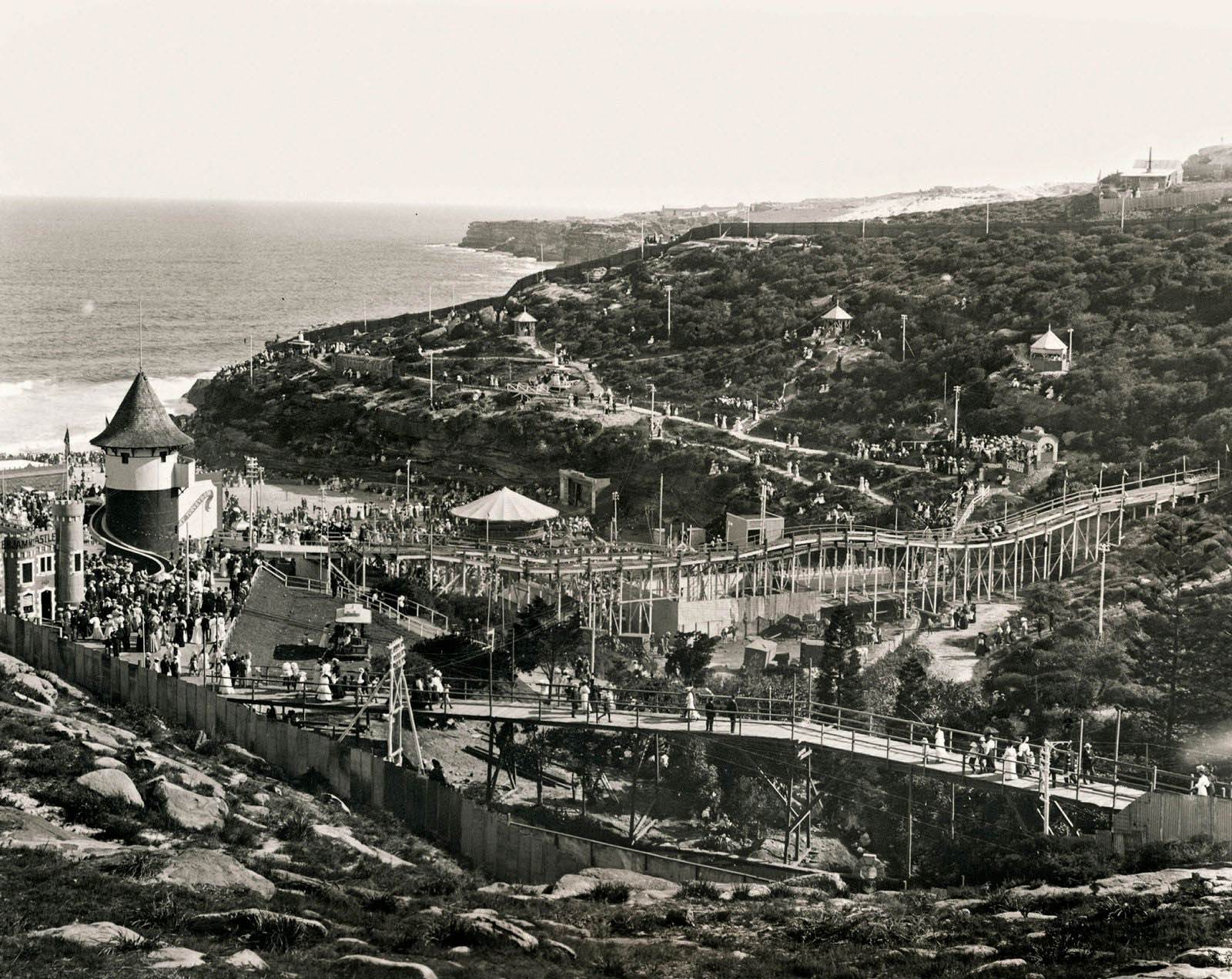
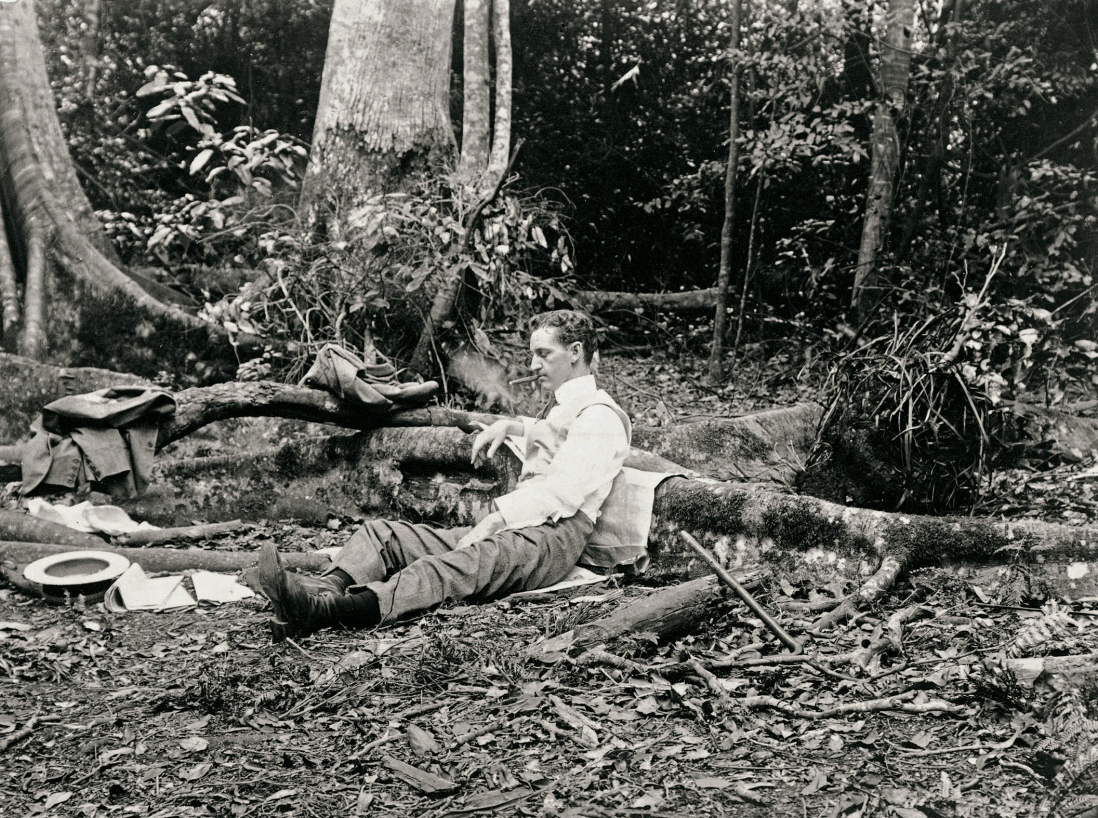
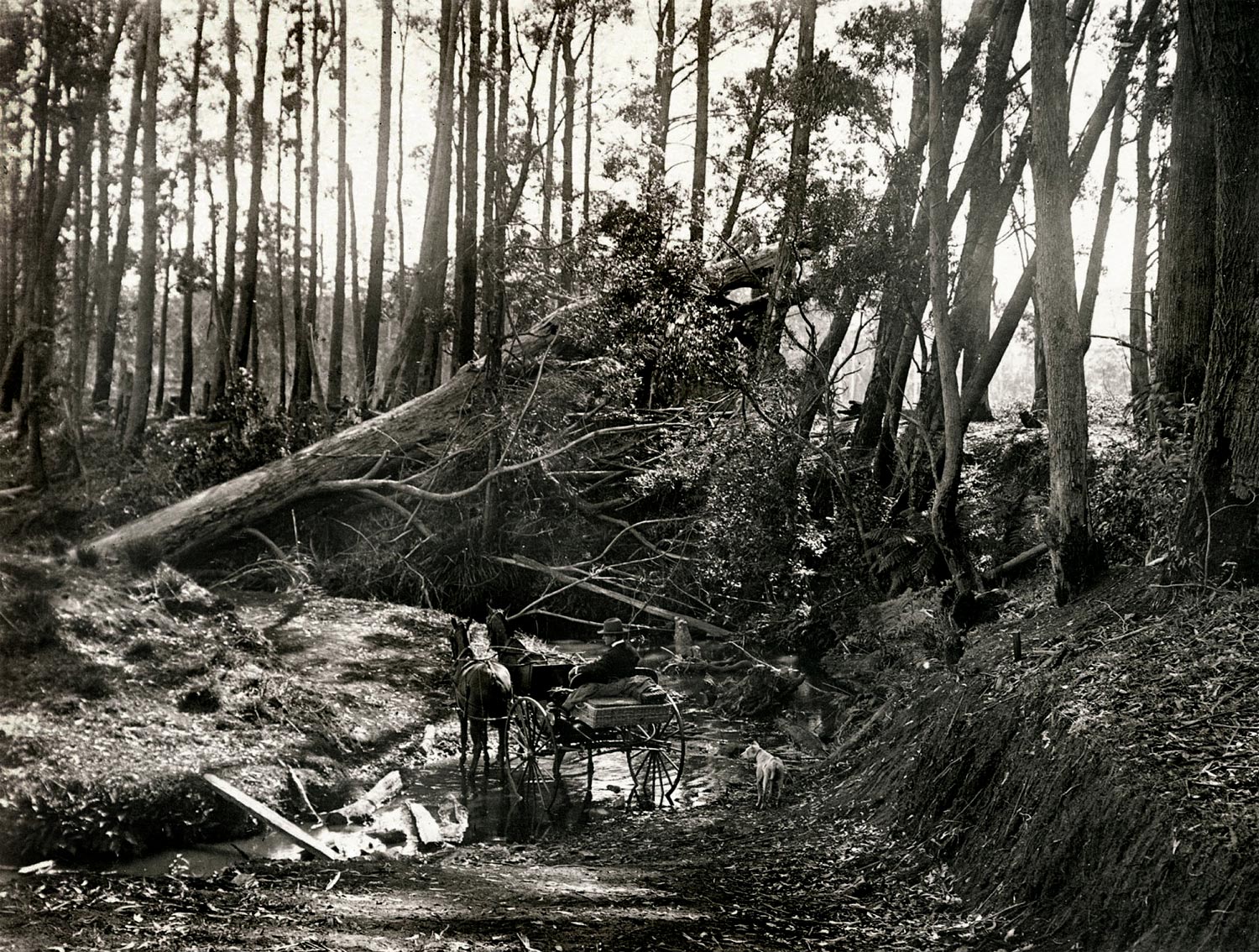
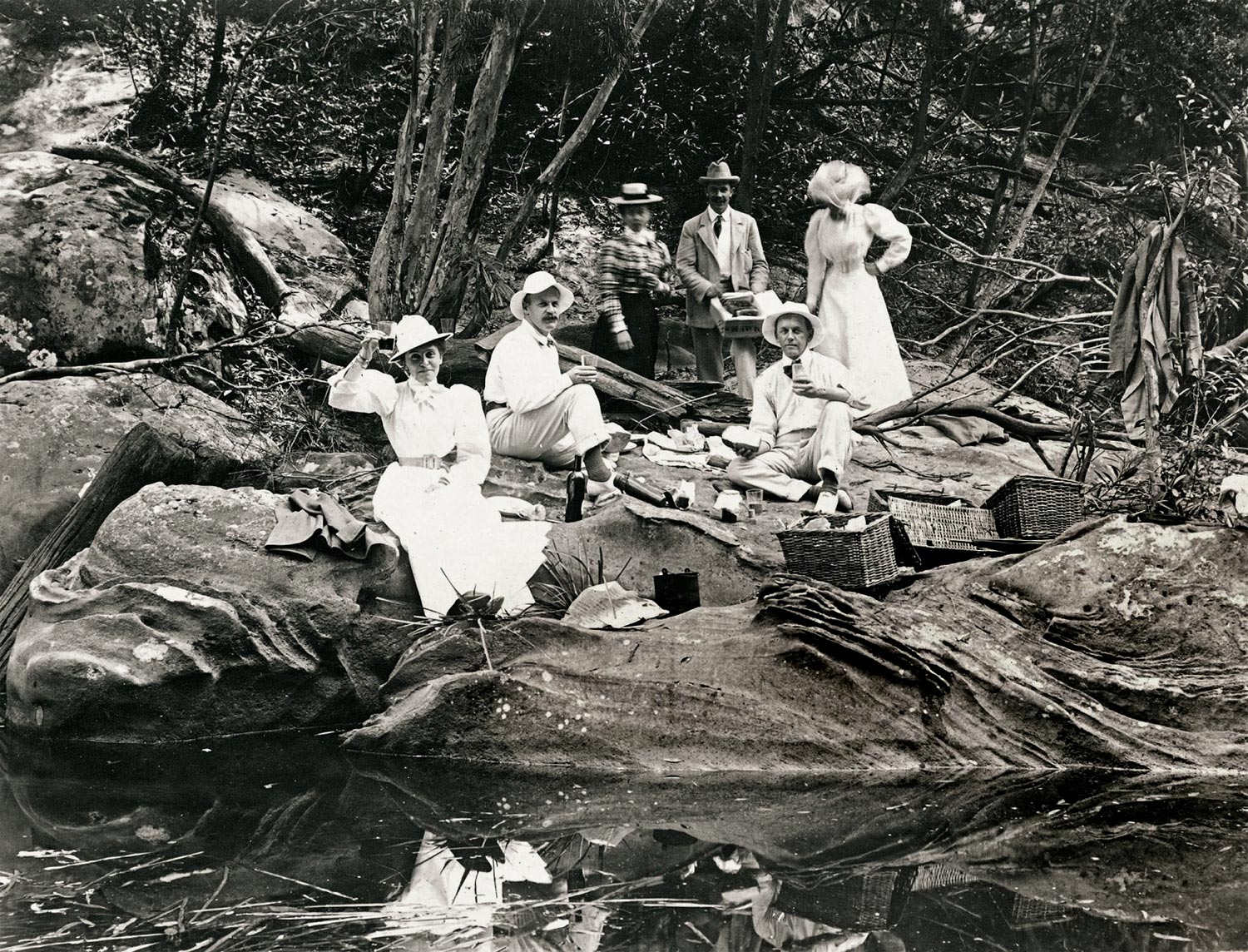
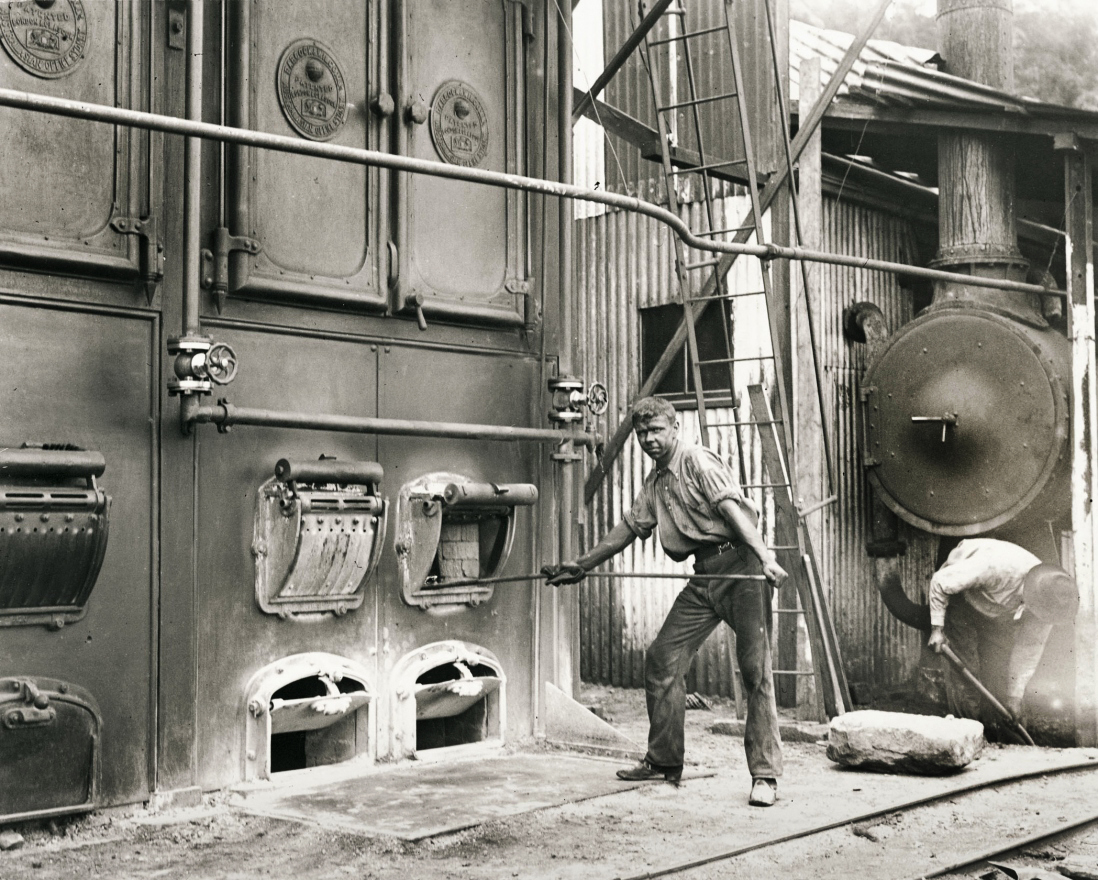
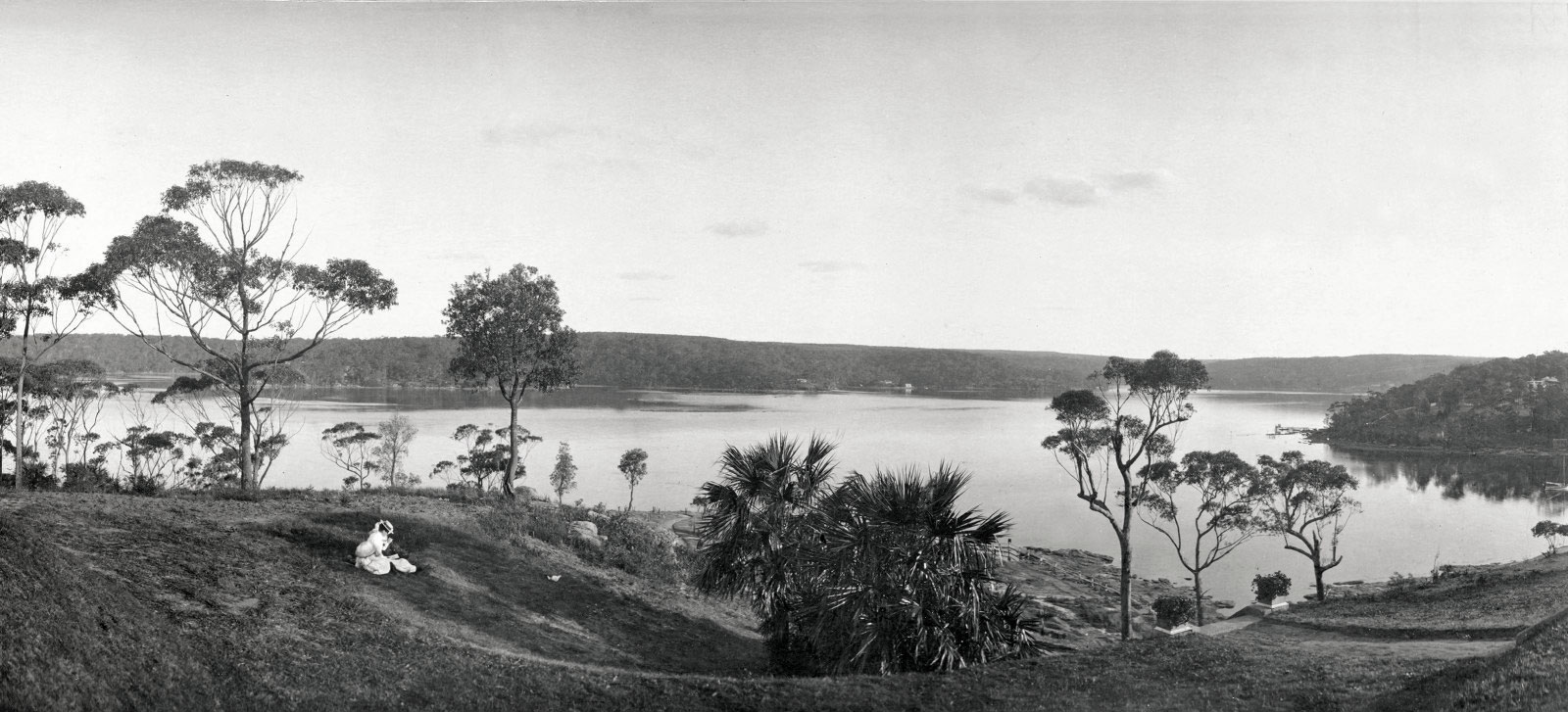
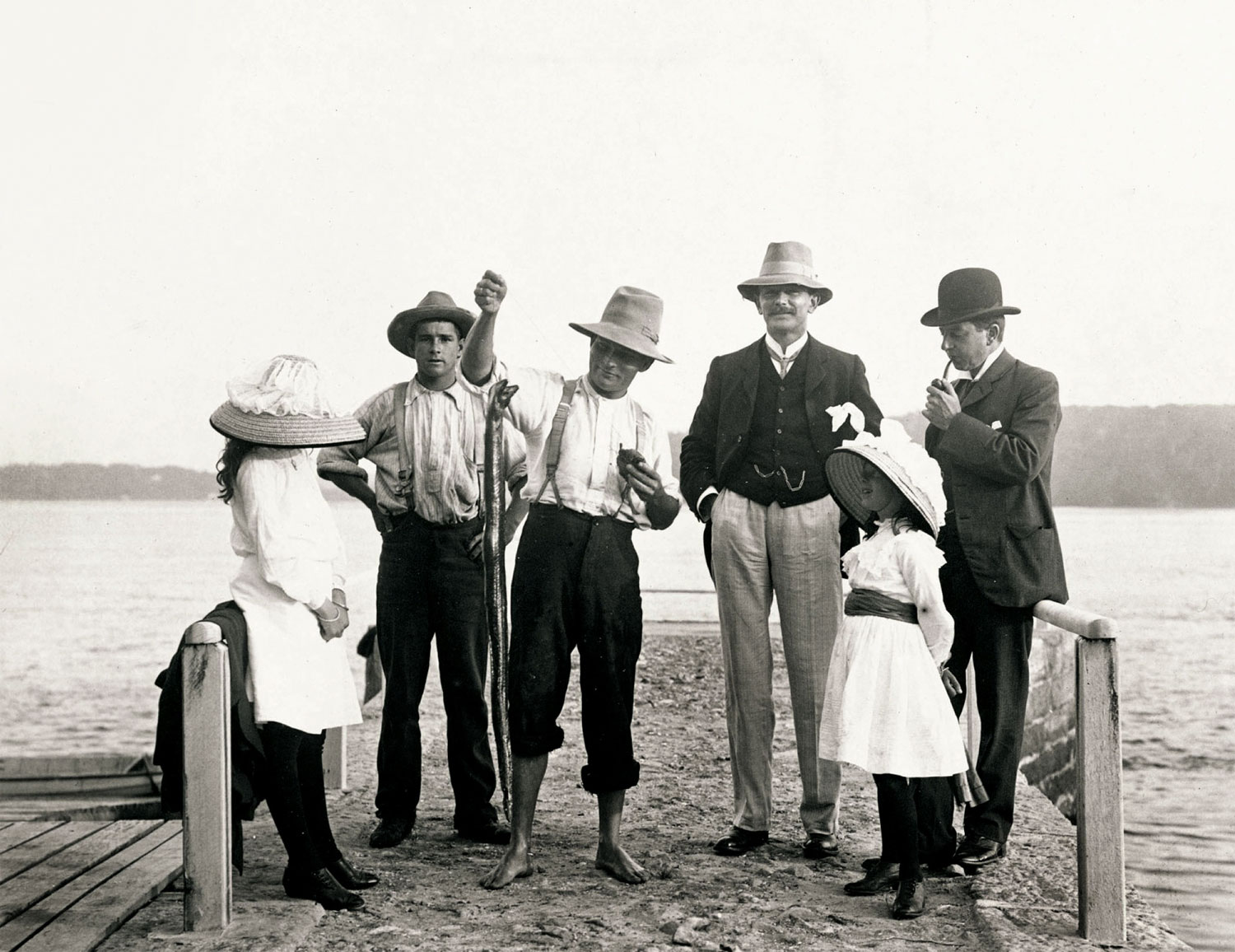
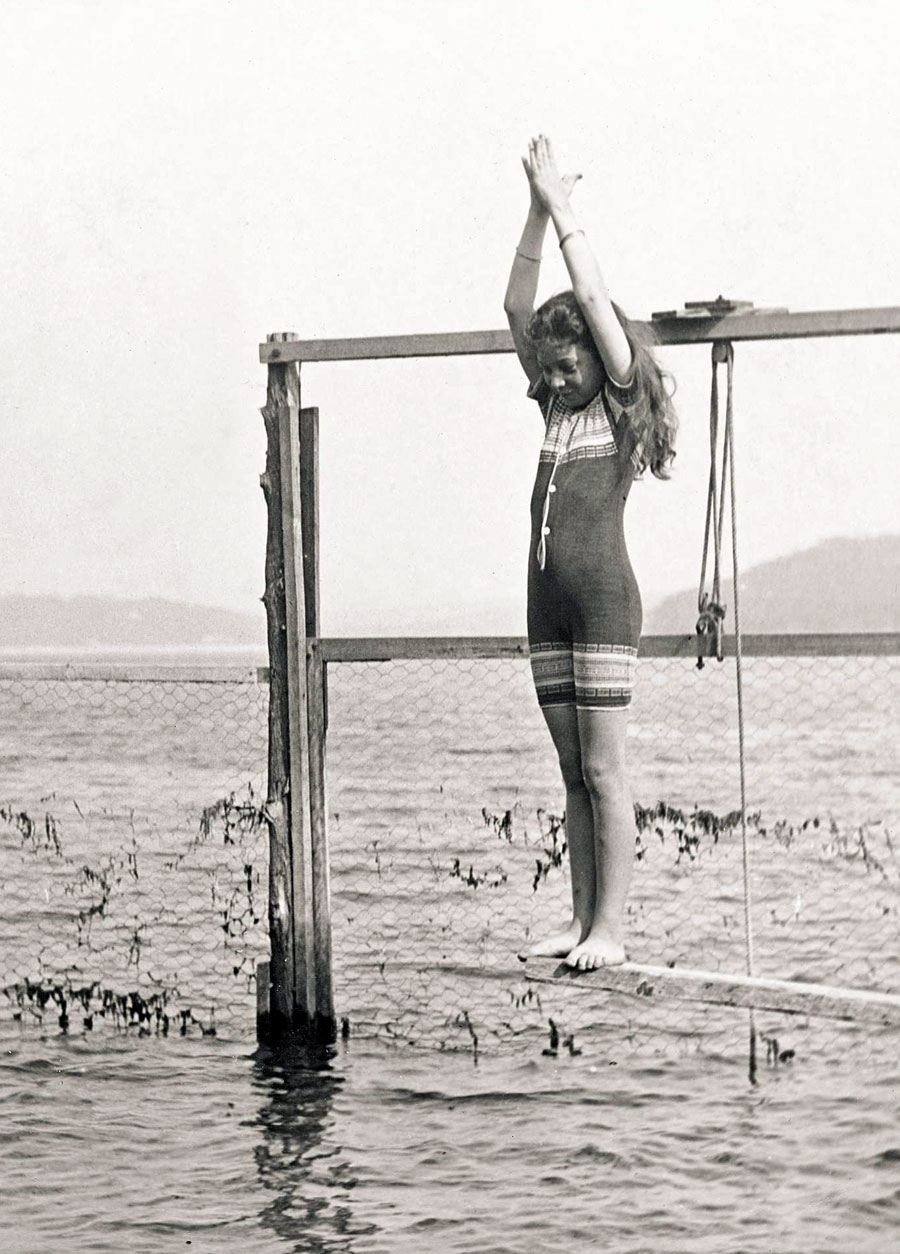
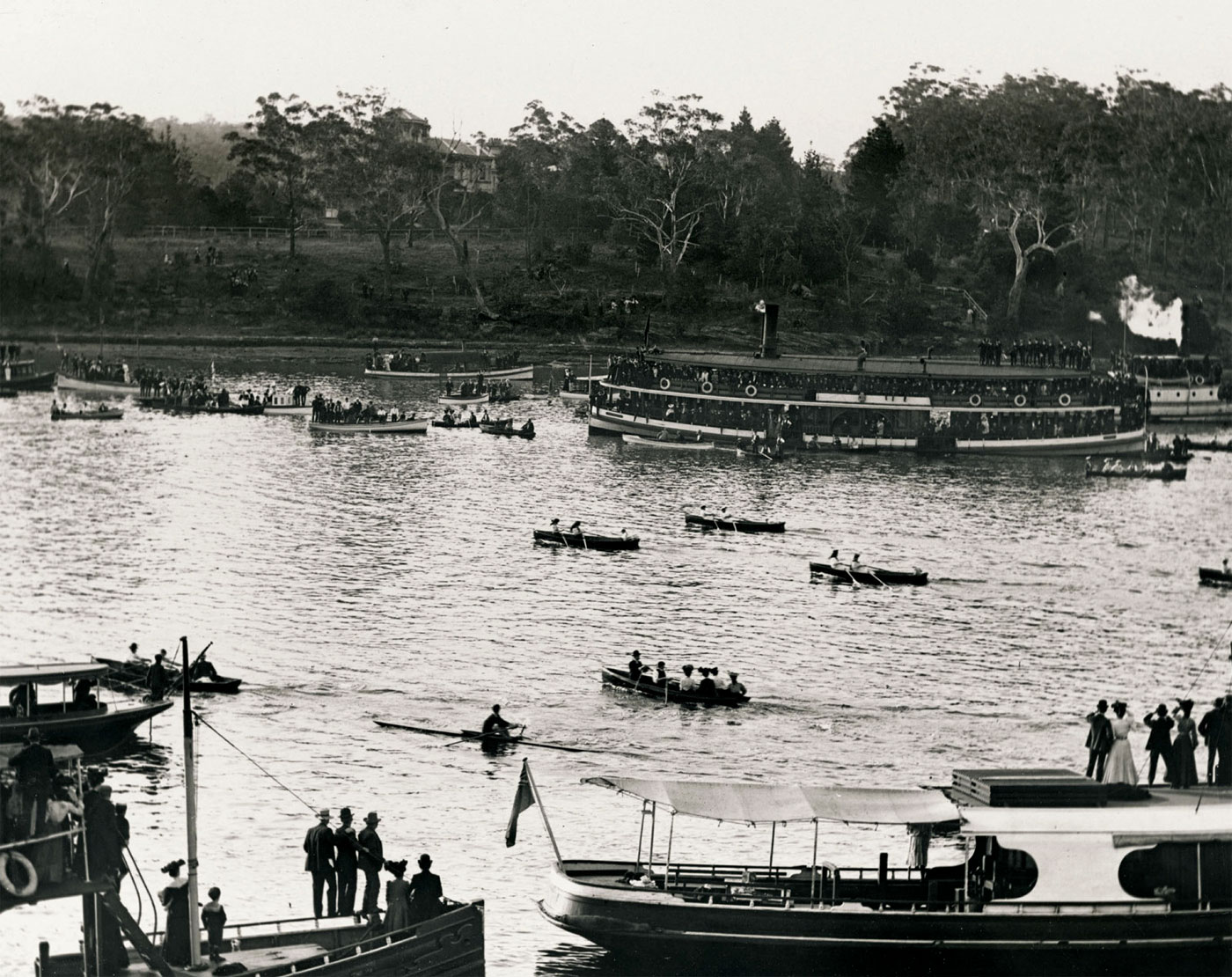
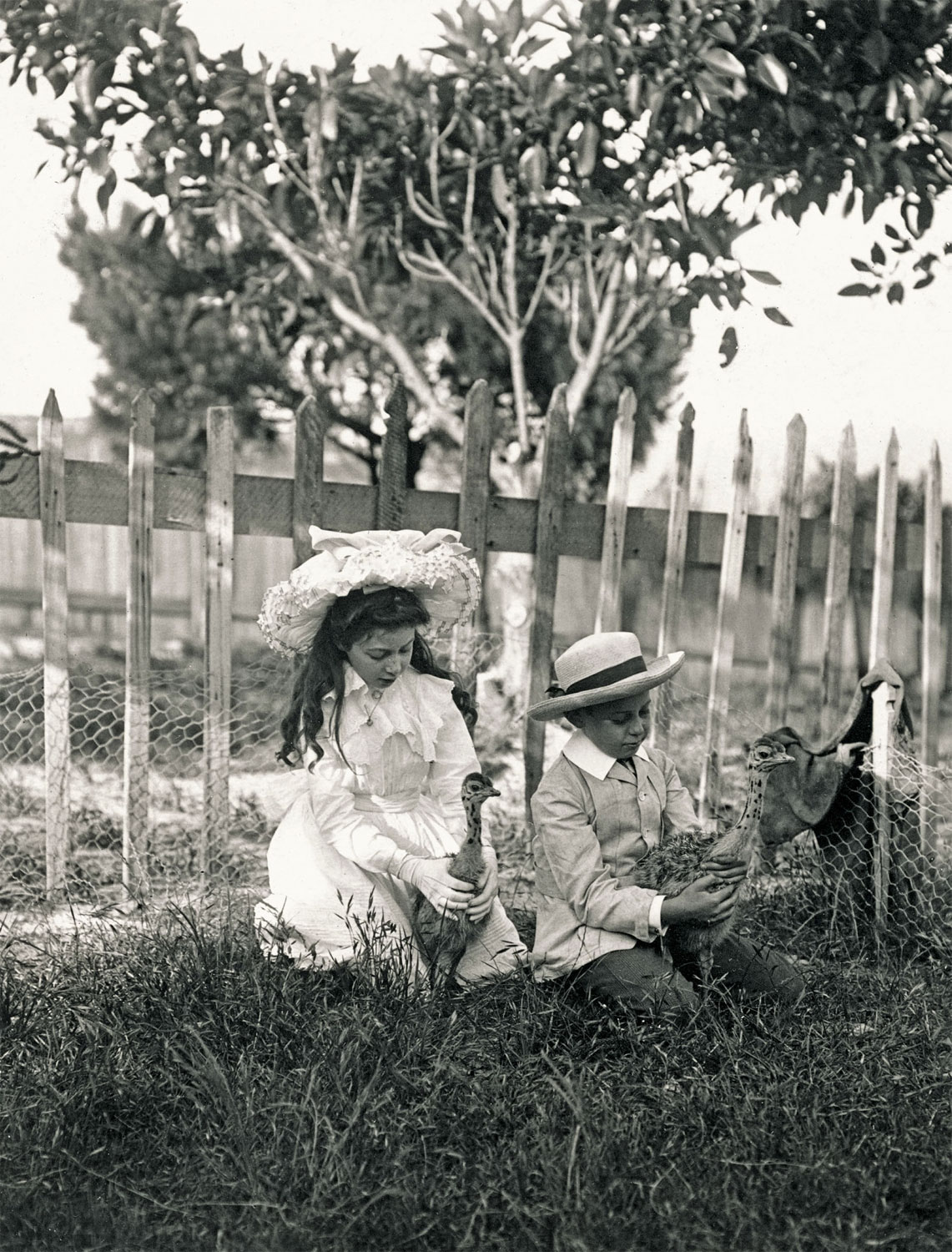

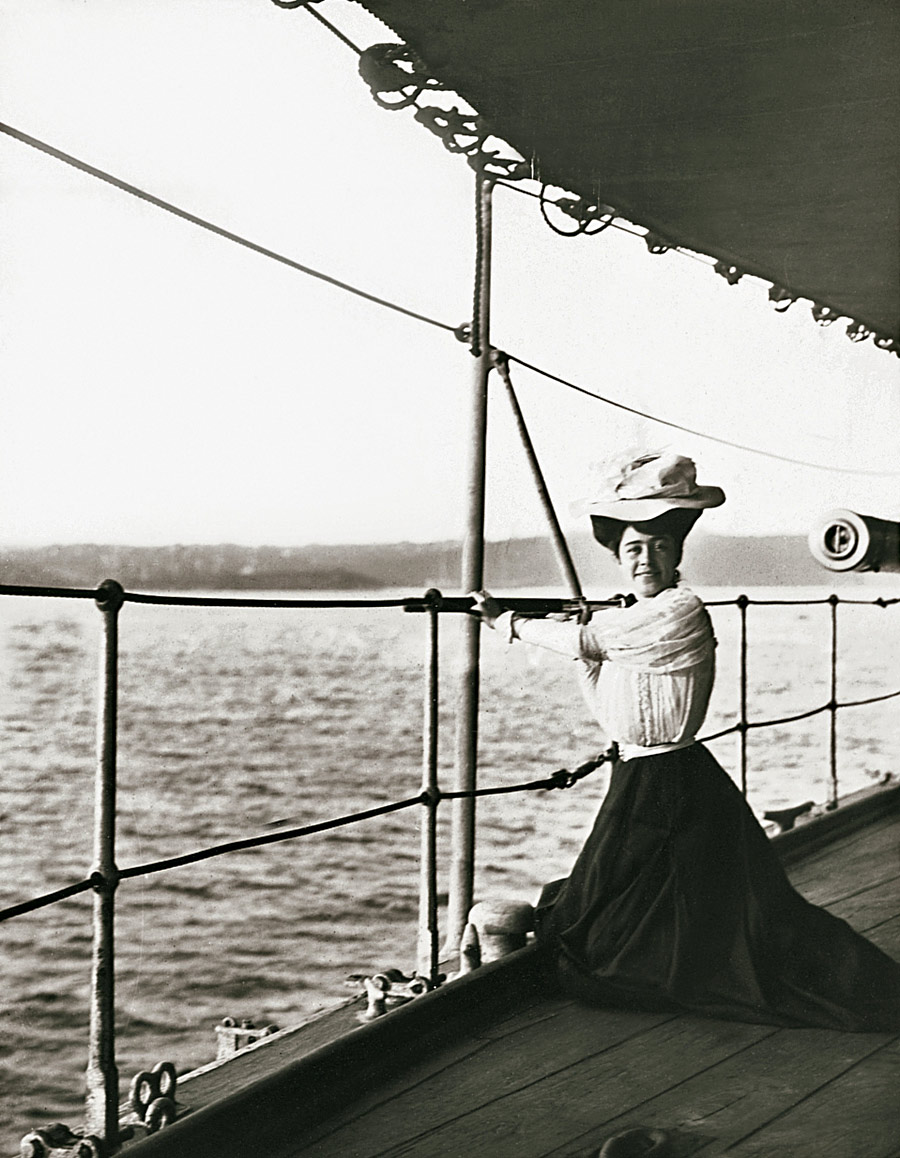
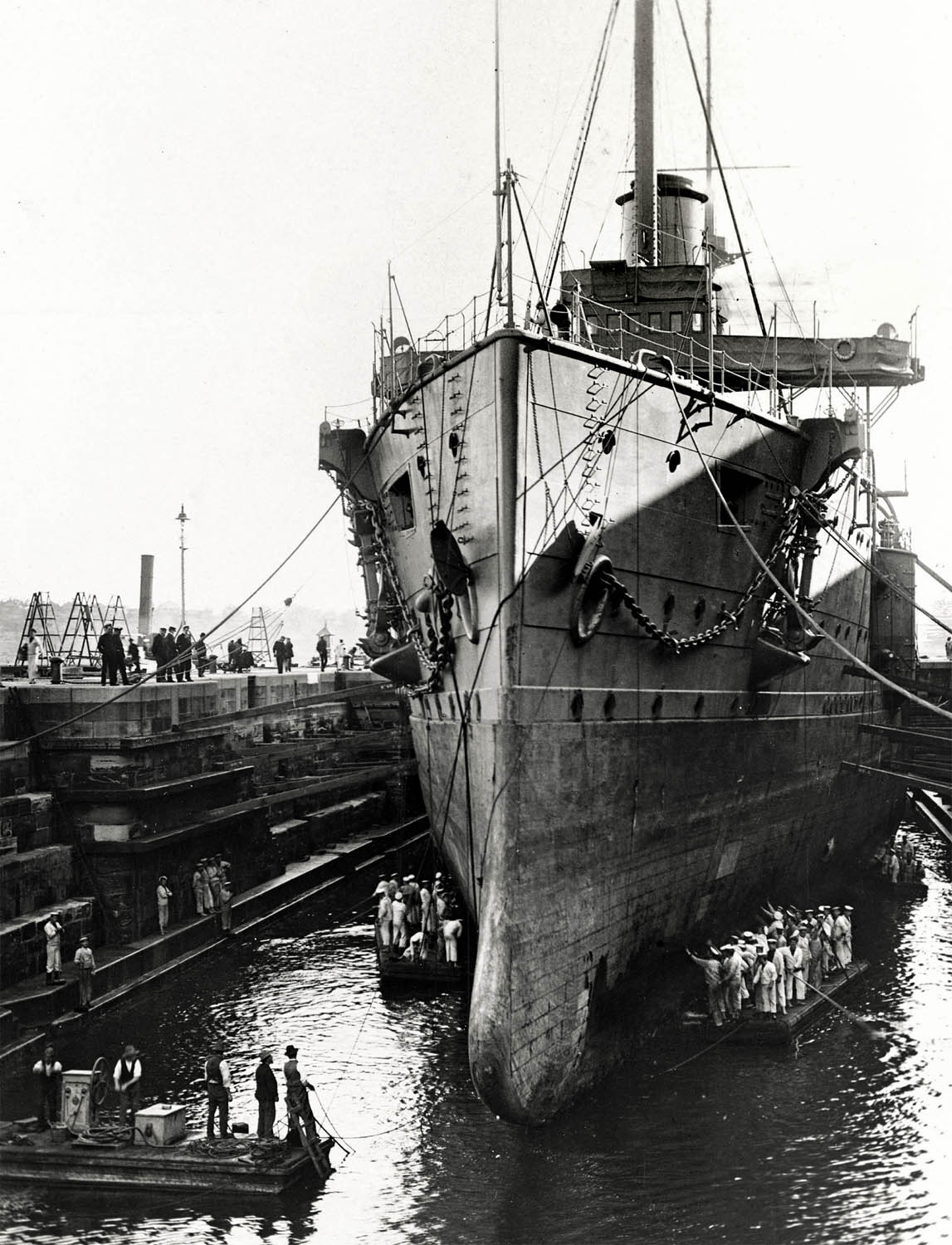




 Art Blart _ art and cultural memory archive
You must be logged in to post a comment.