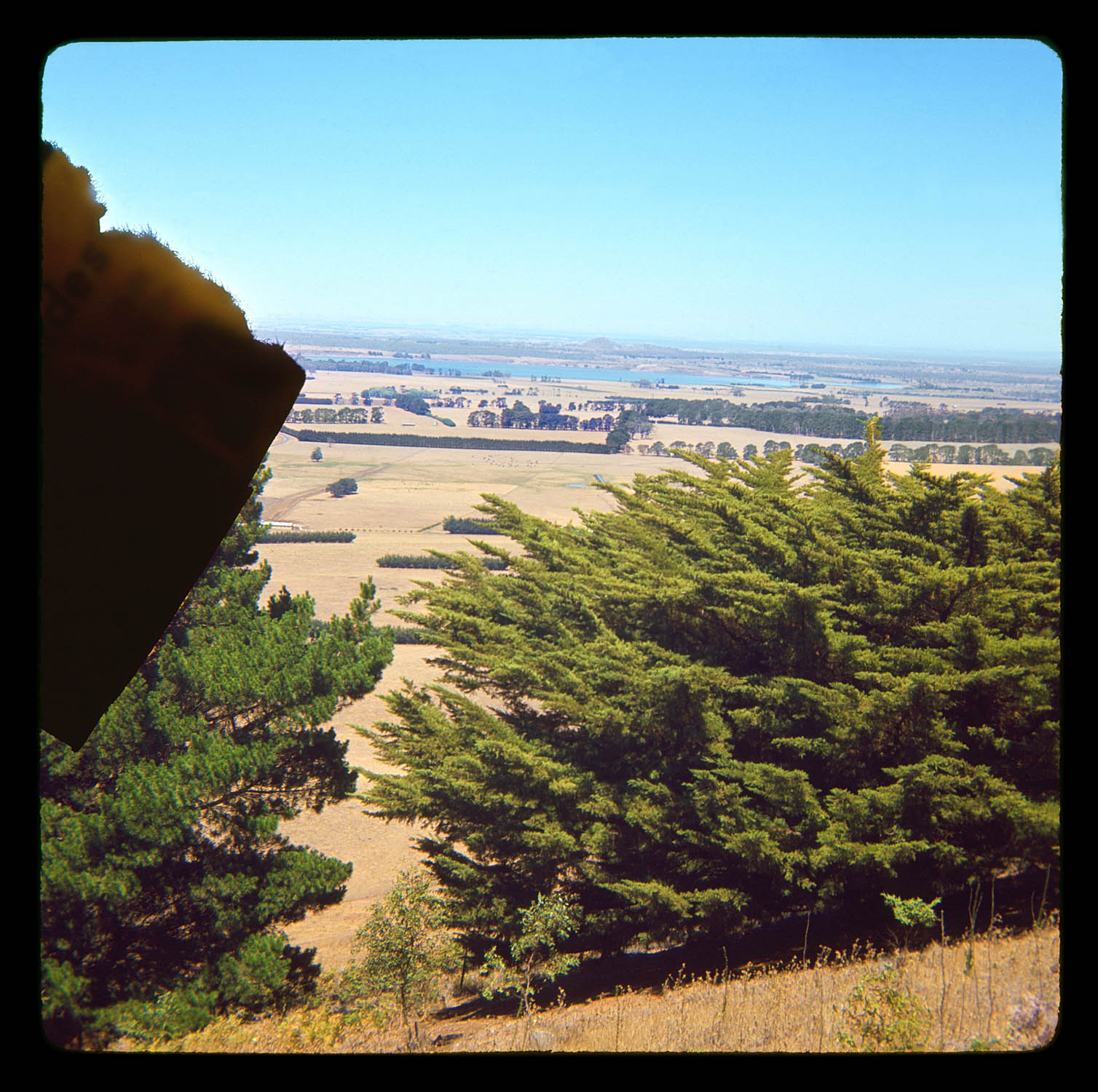
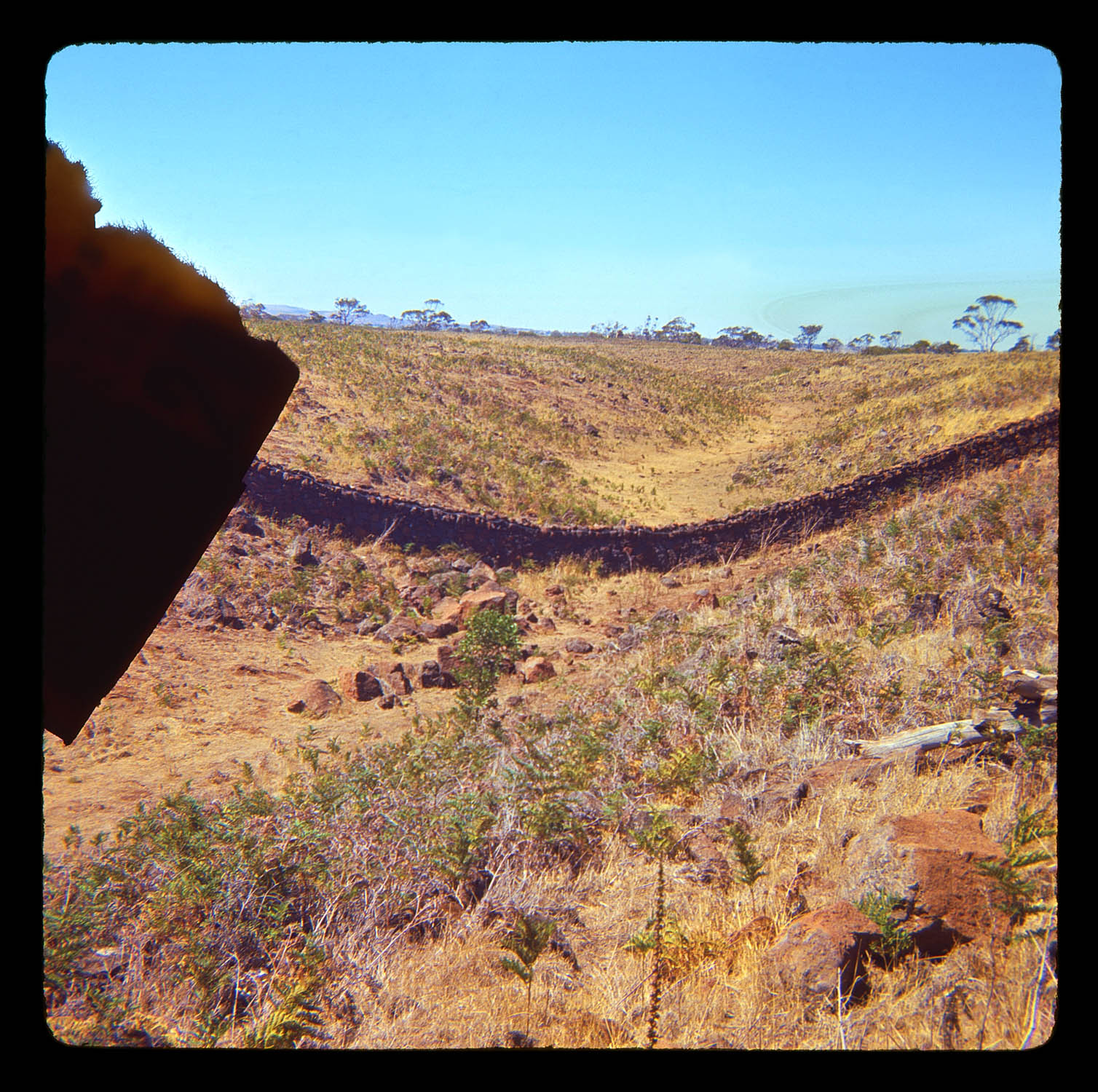
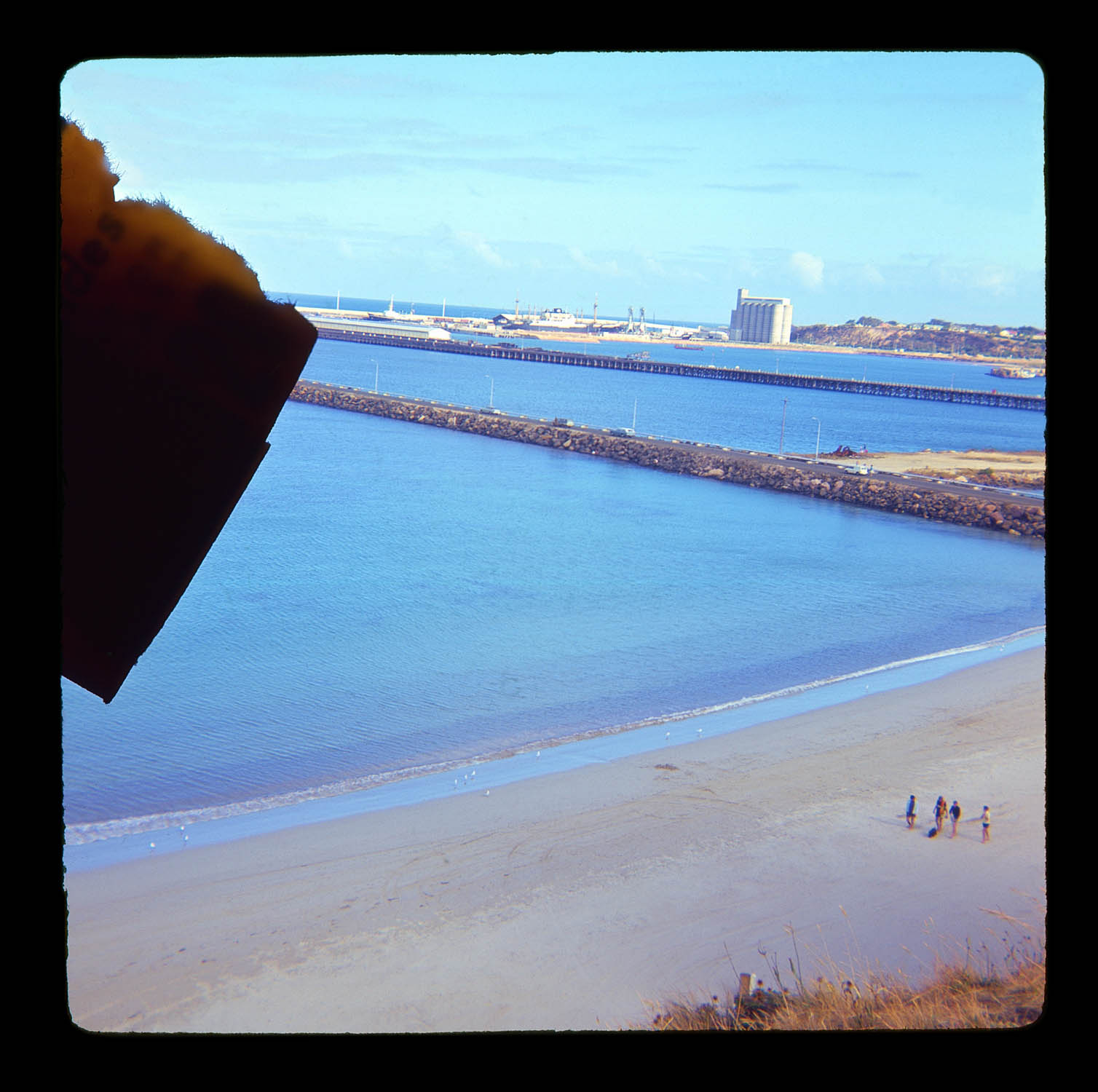
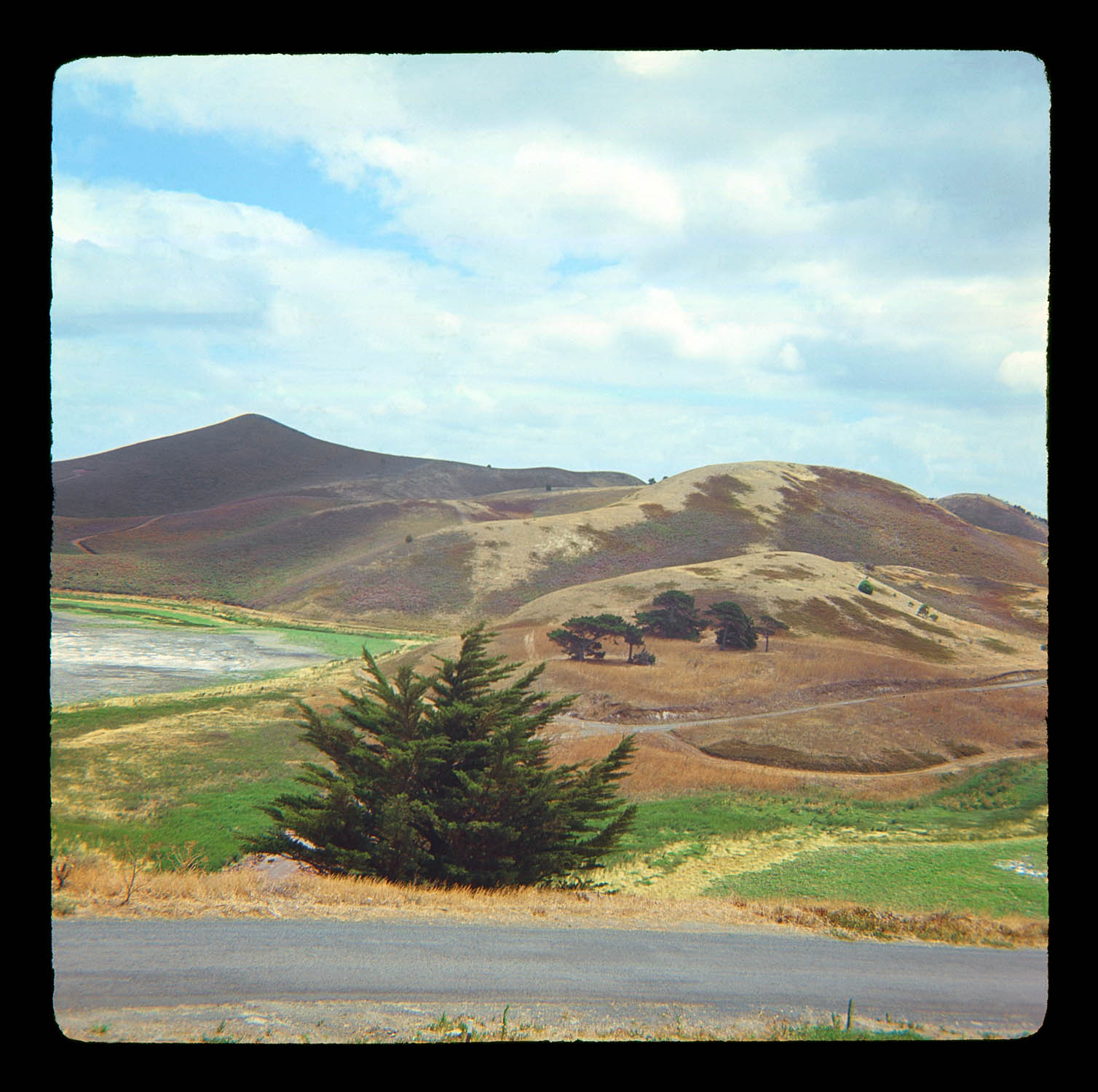
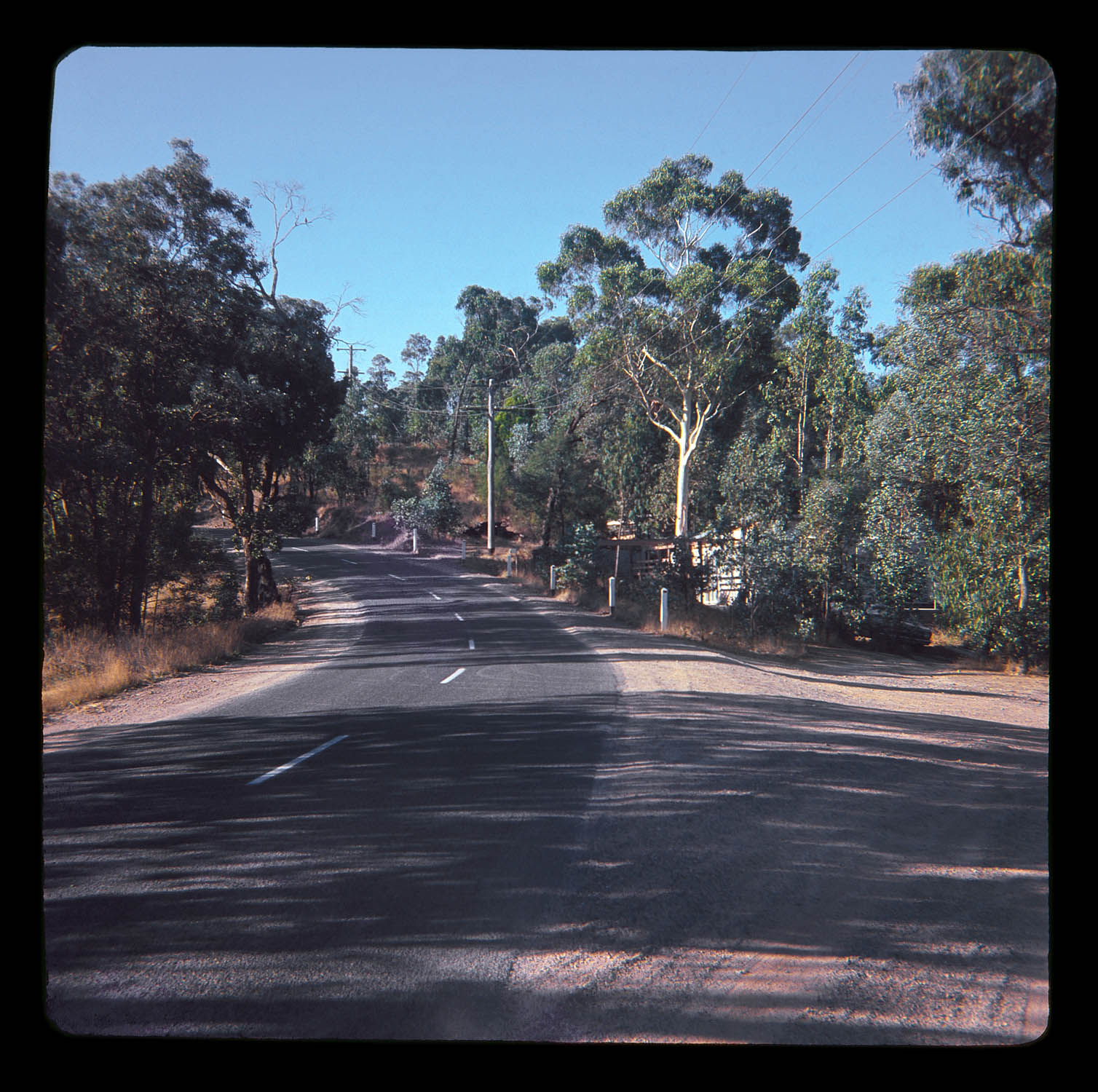
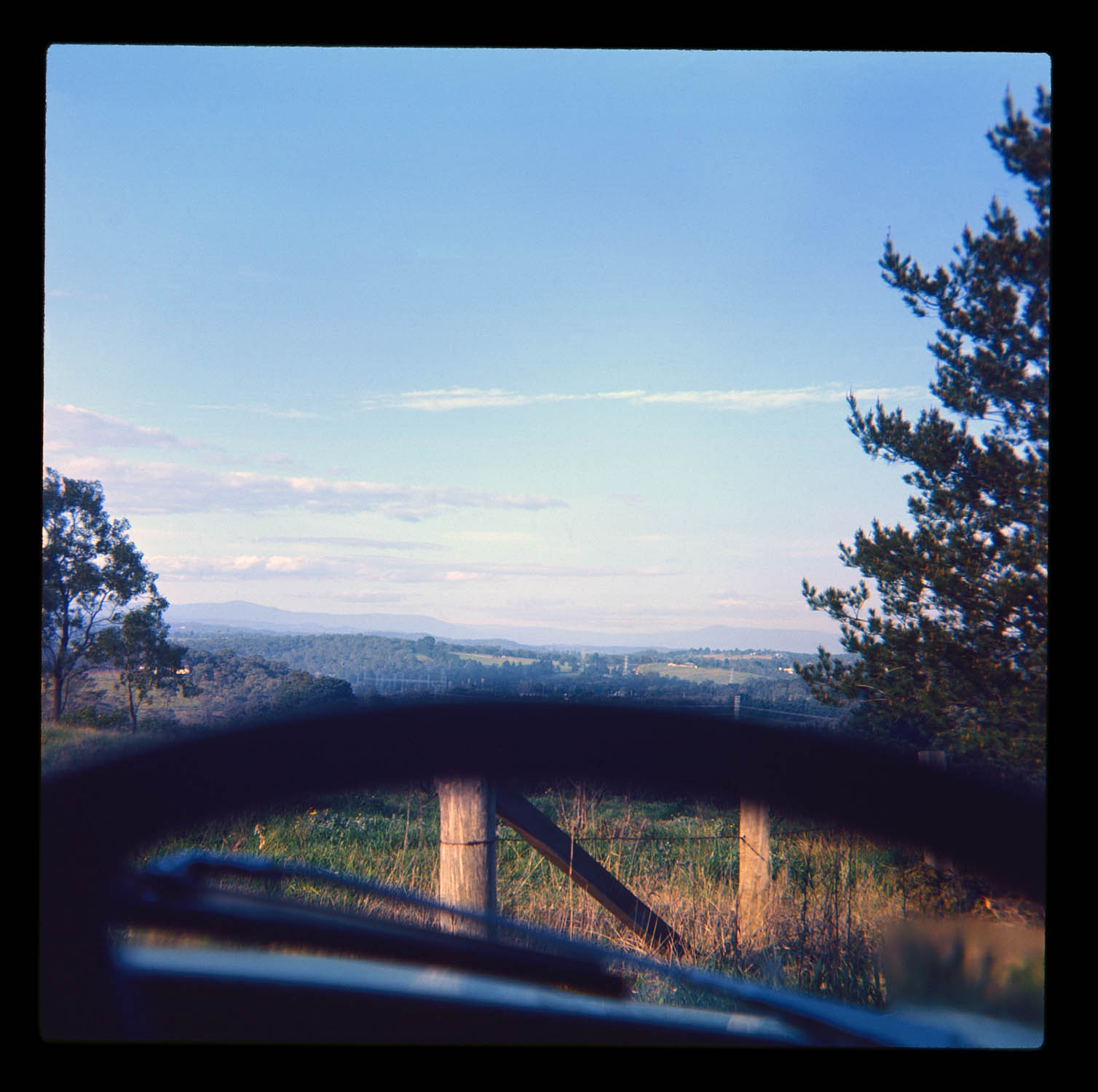
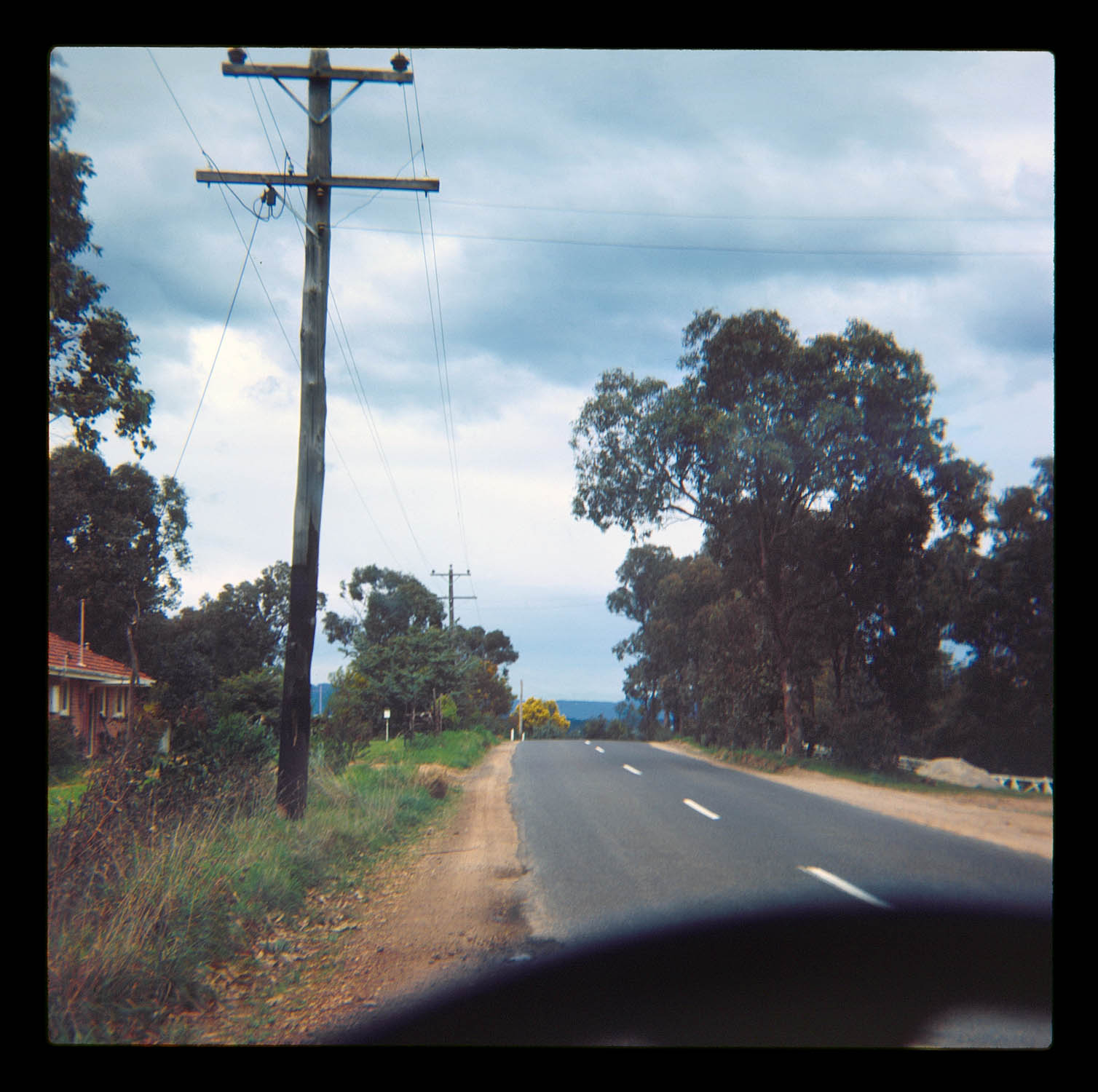
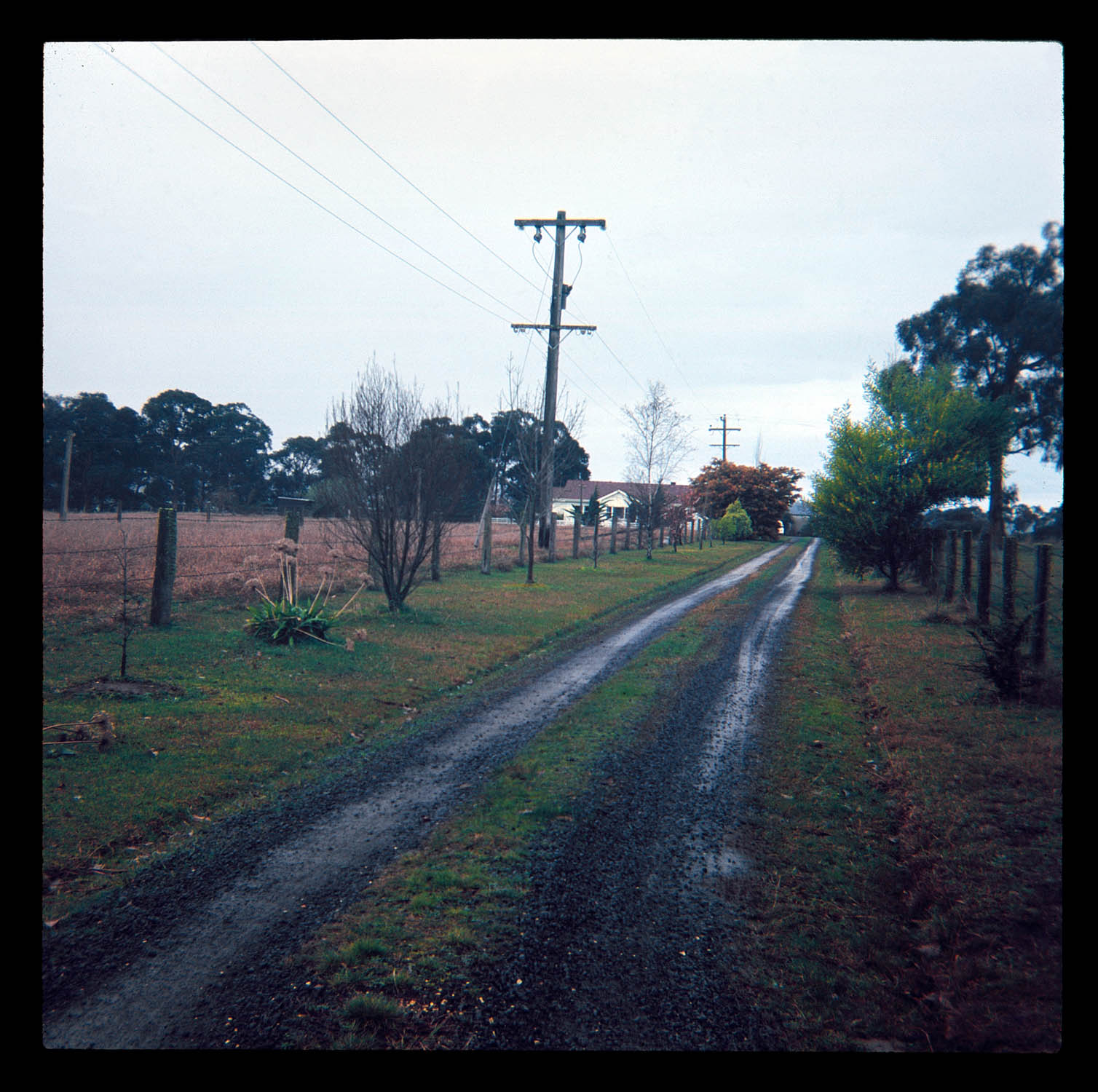
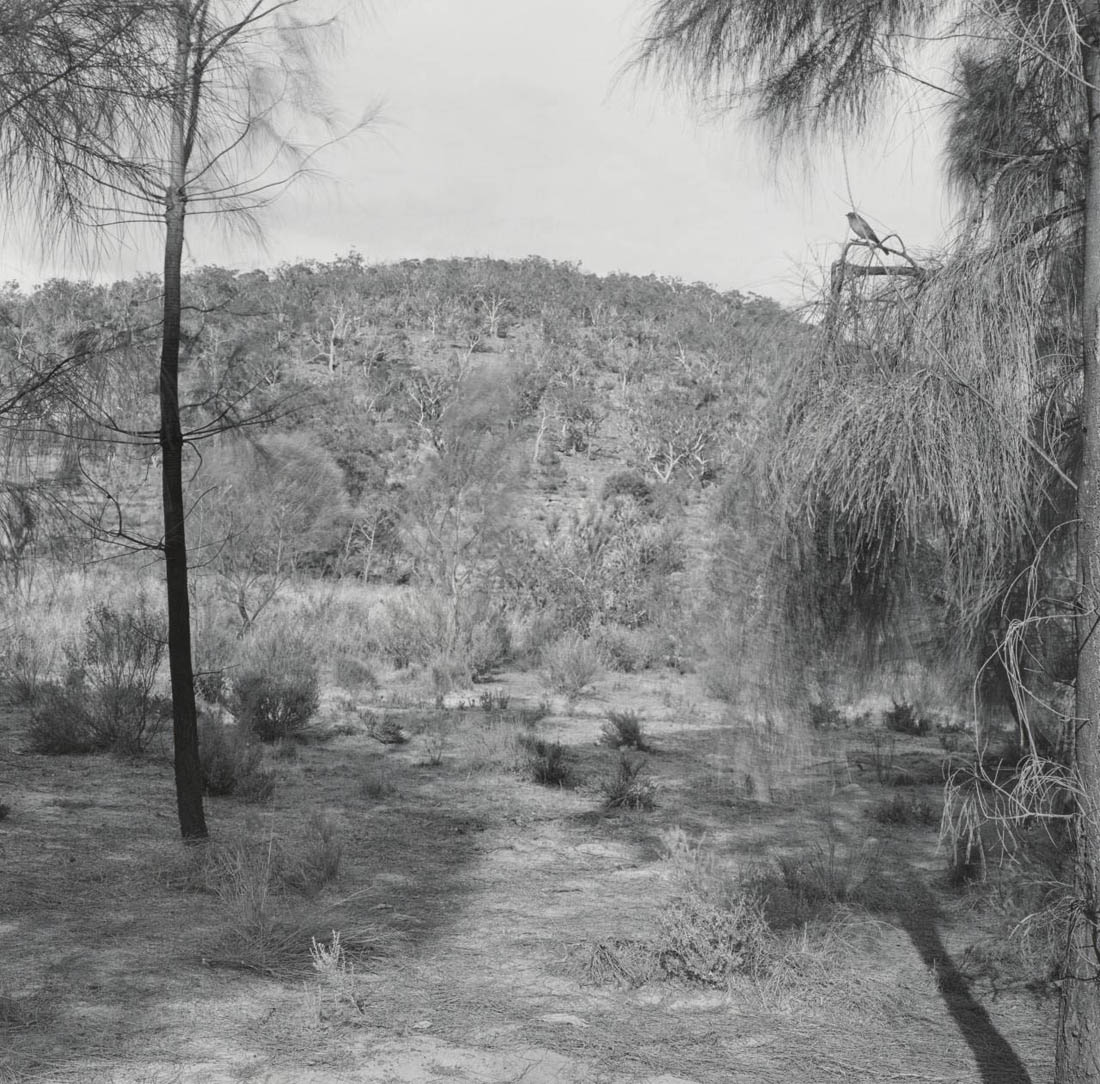
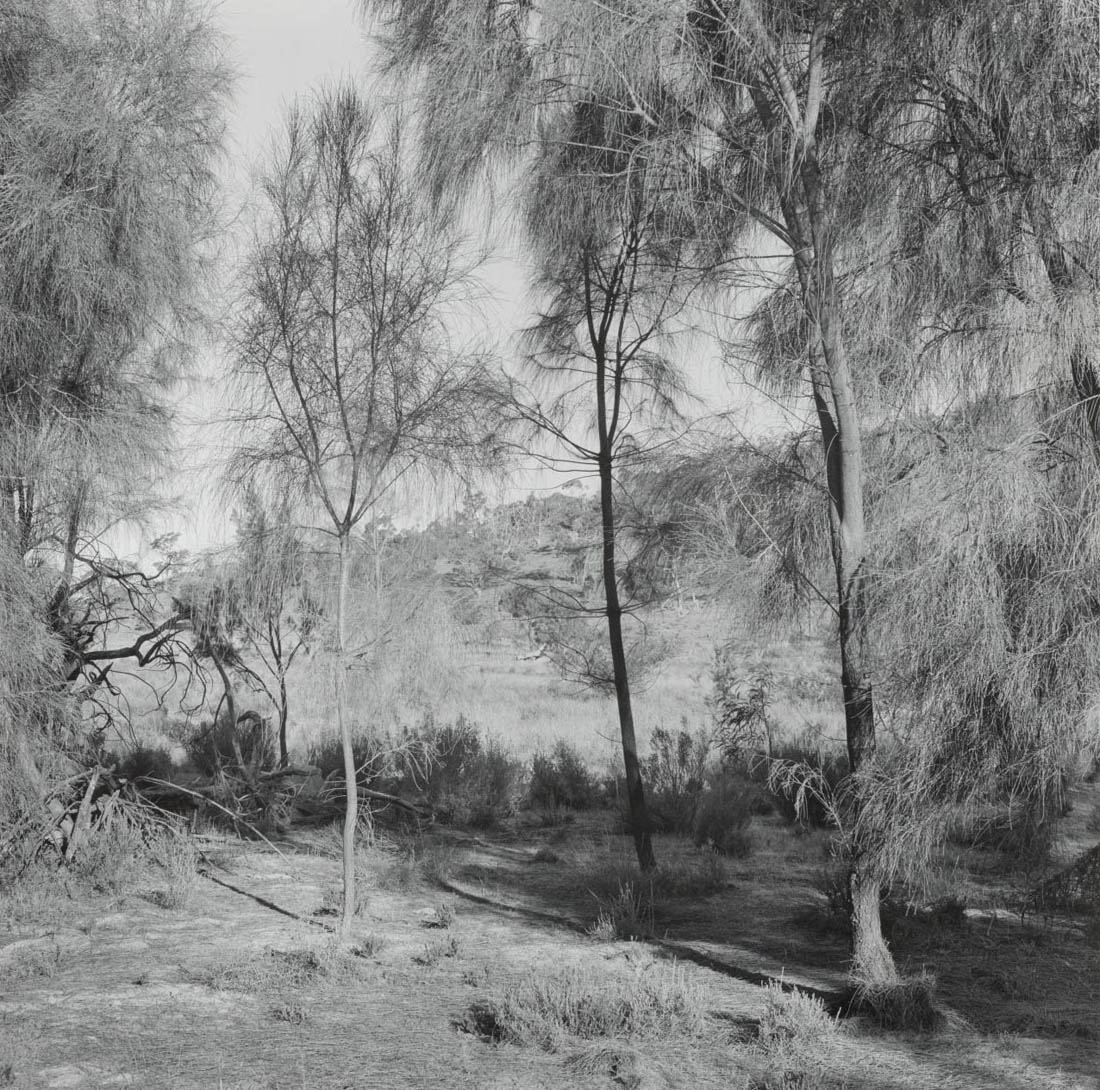
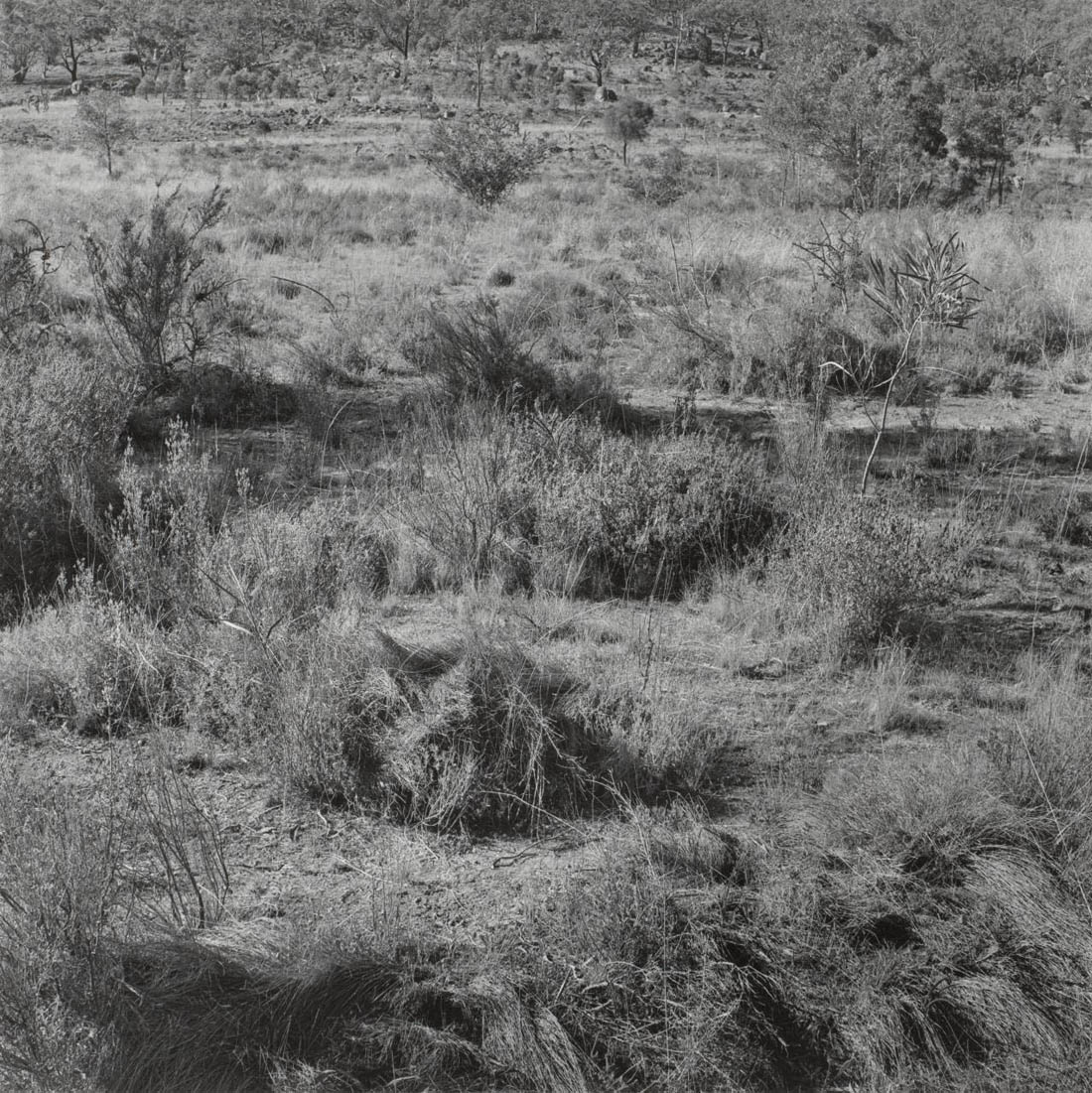
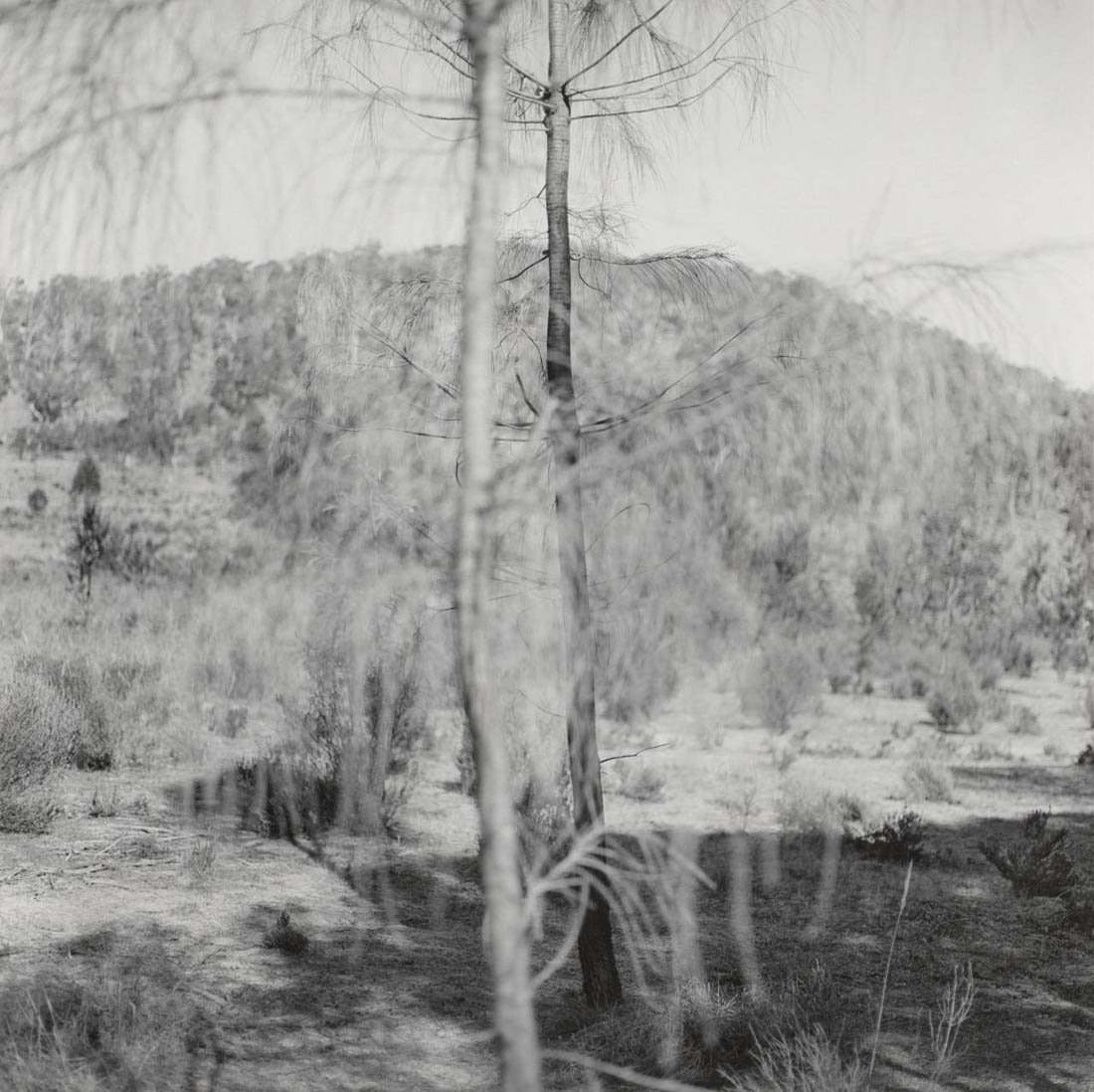
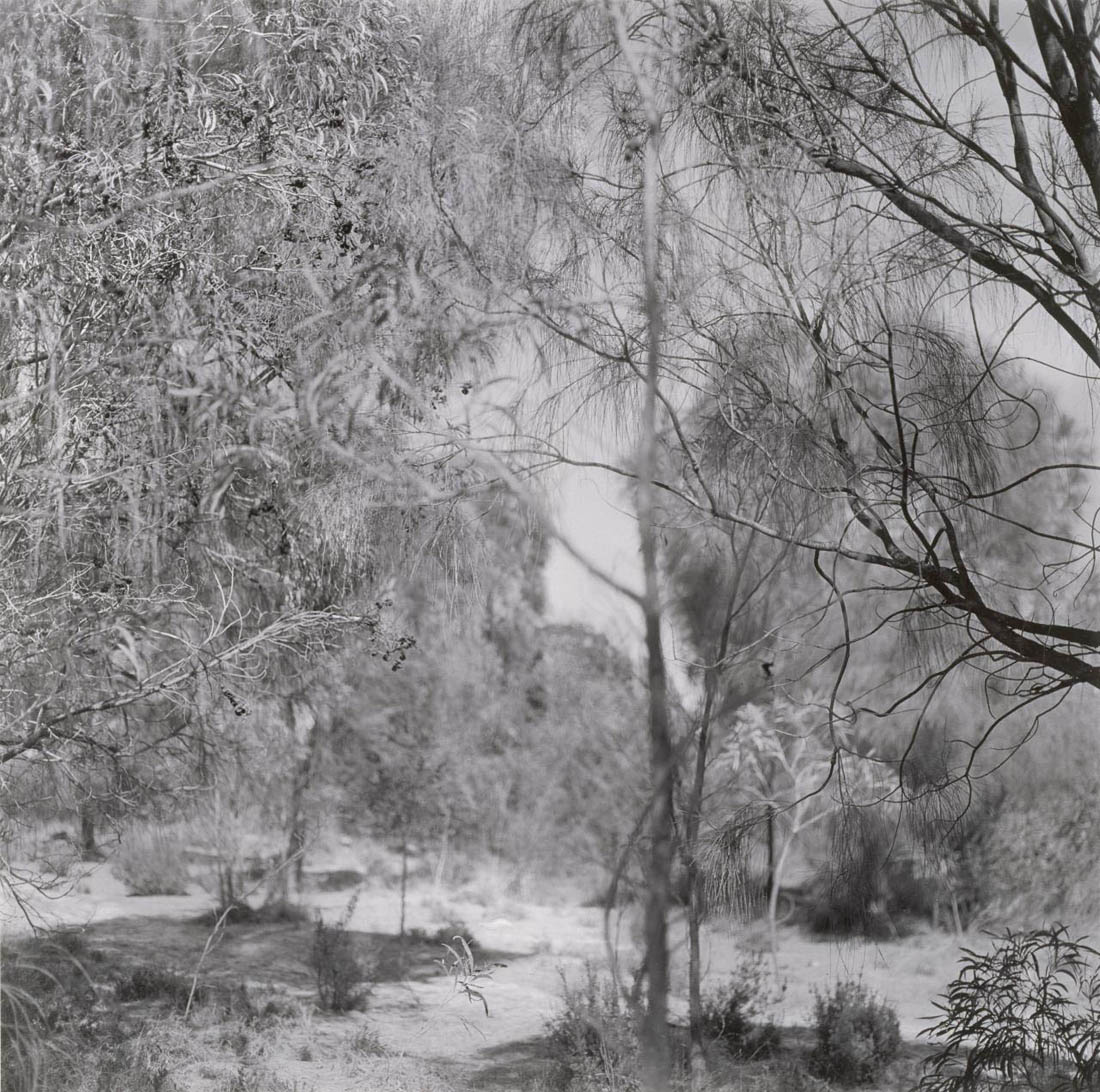
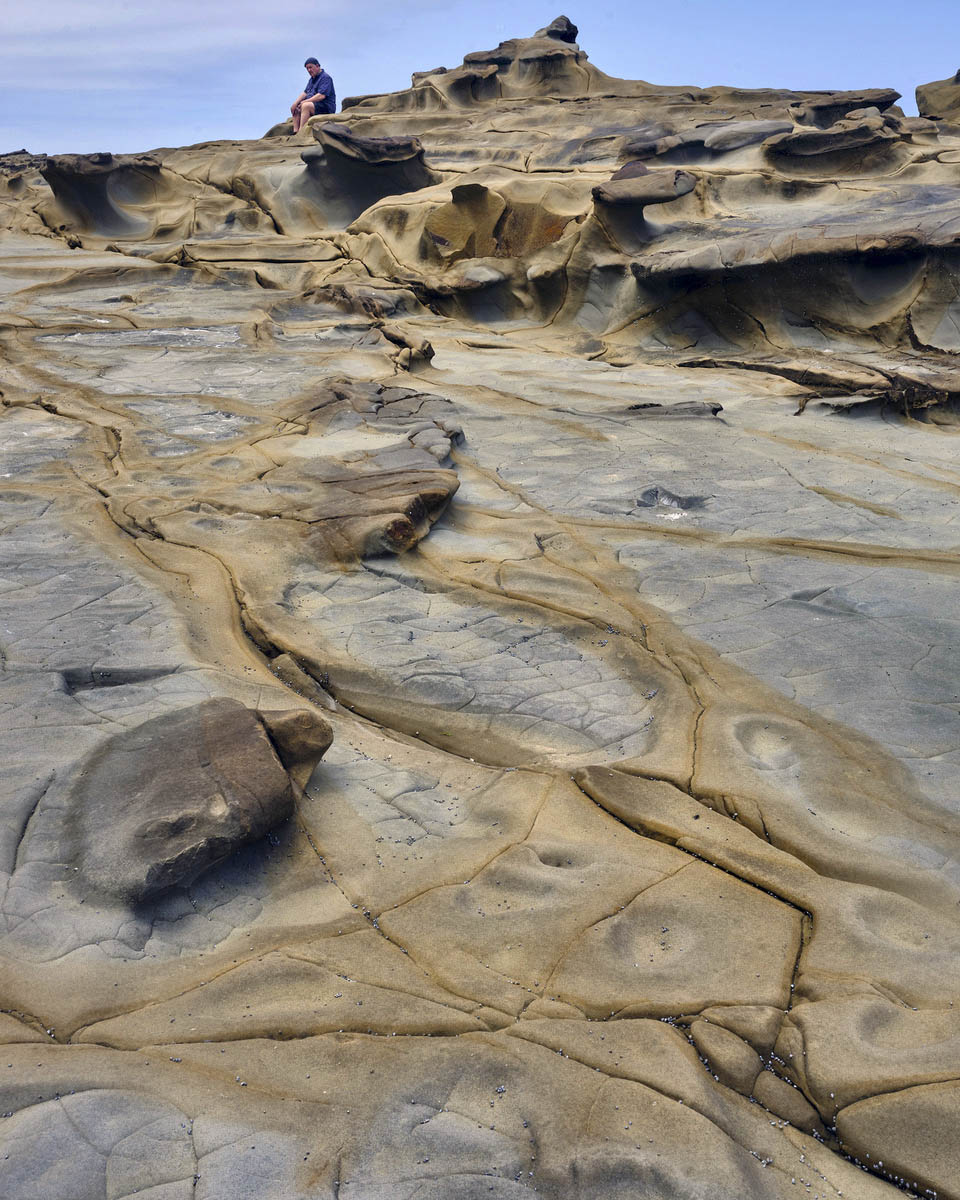
Photographs: Anonymous 1960s medium format Kodak Ektachrome slides of Australia

July 2025


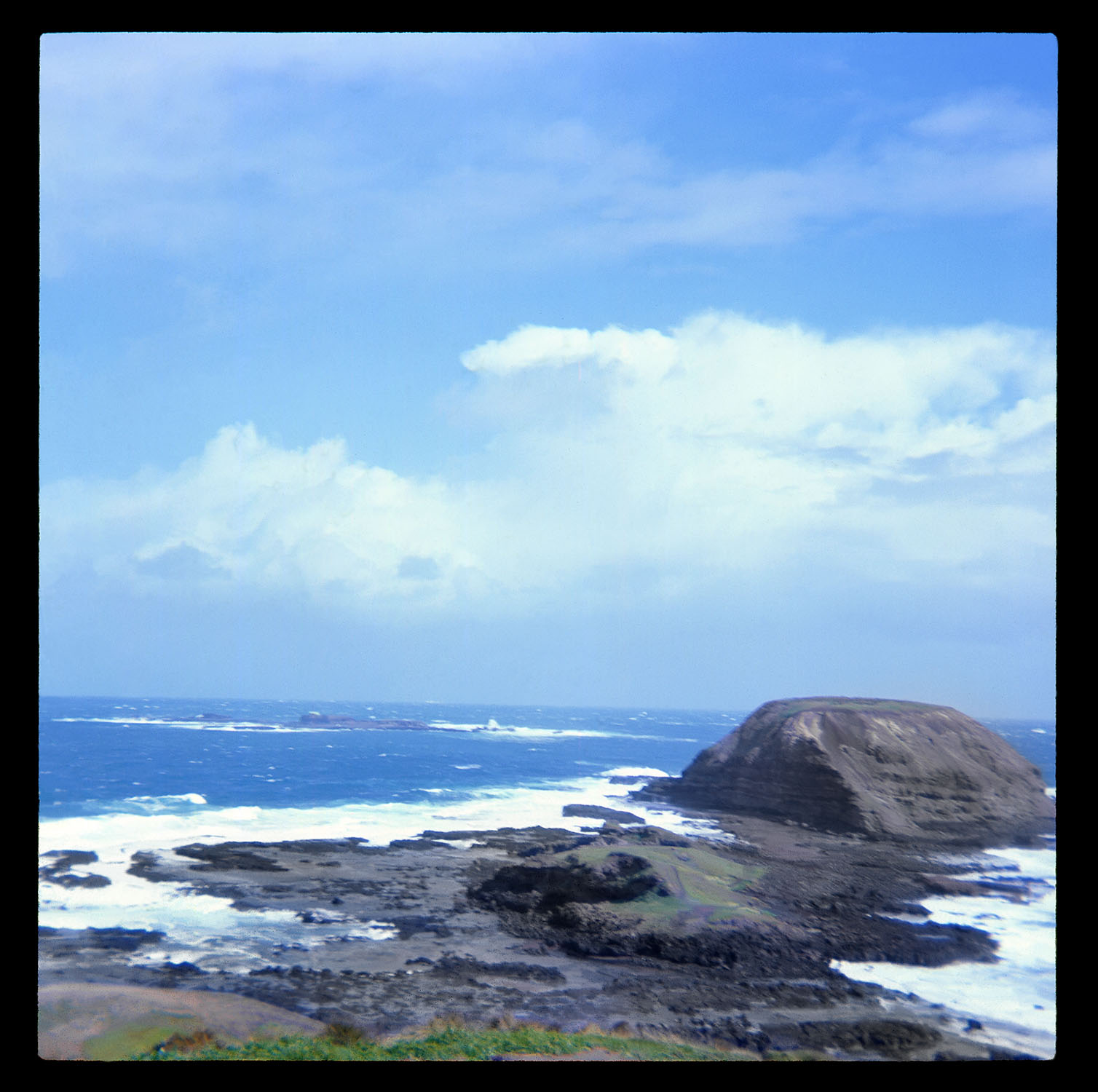
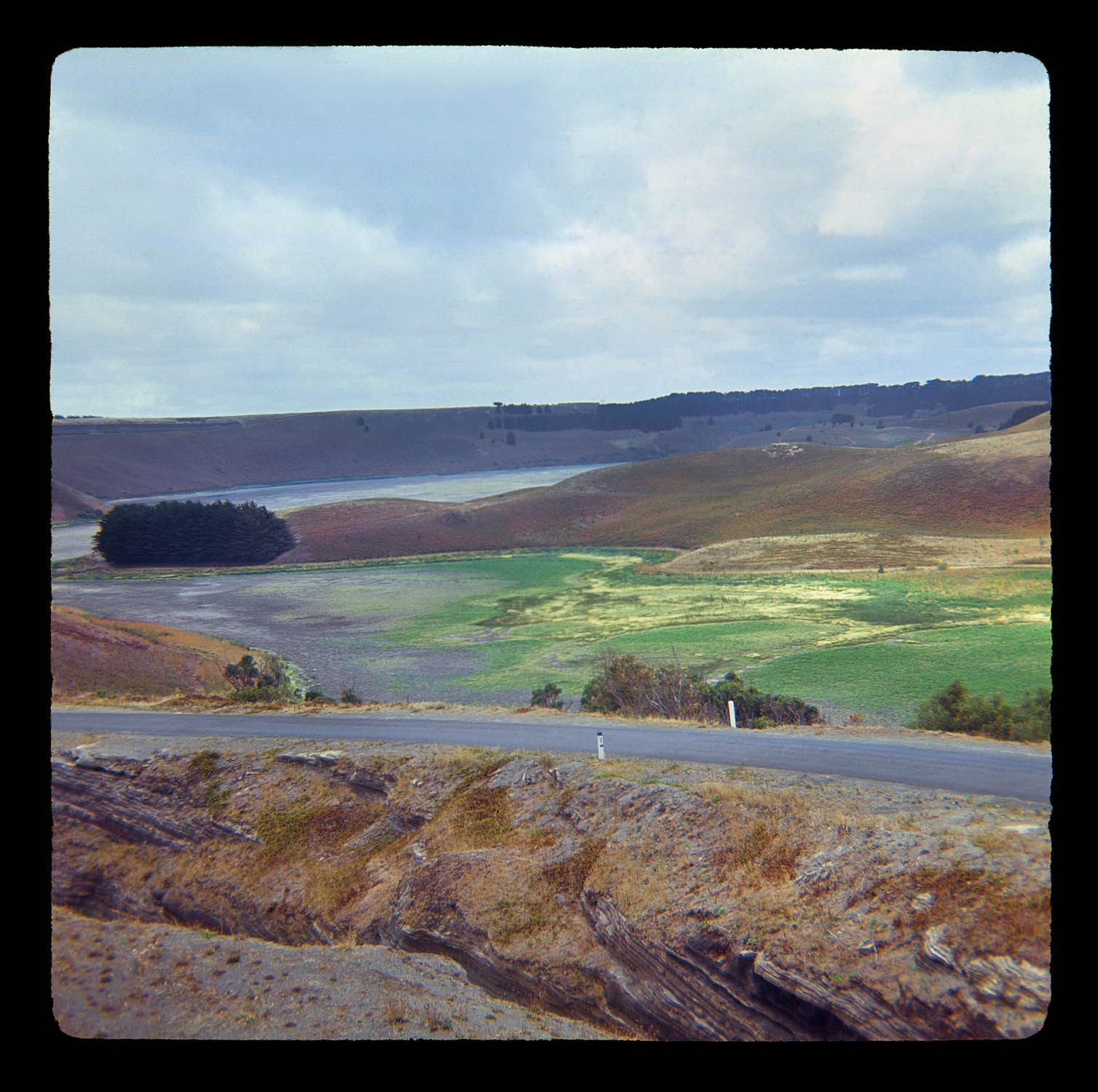
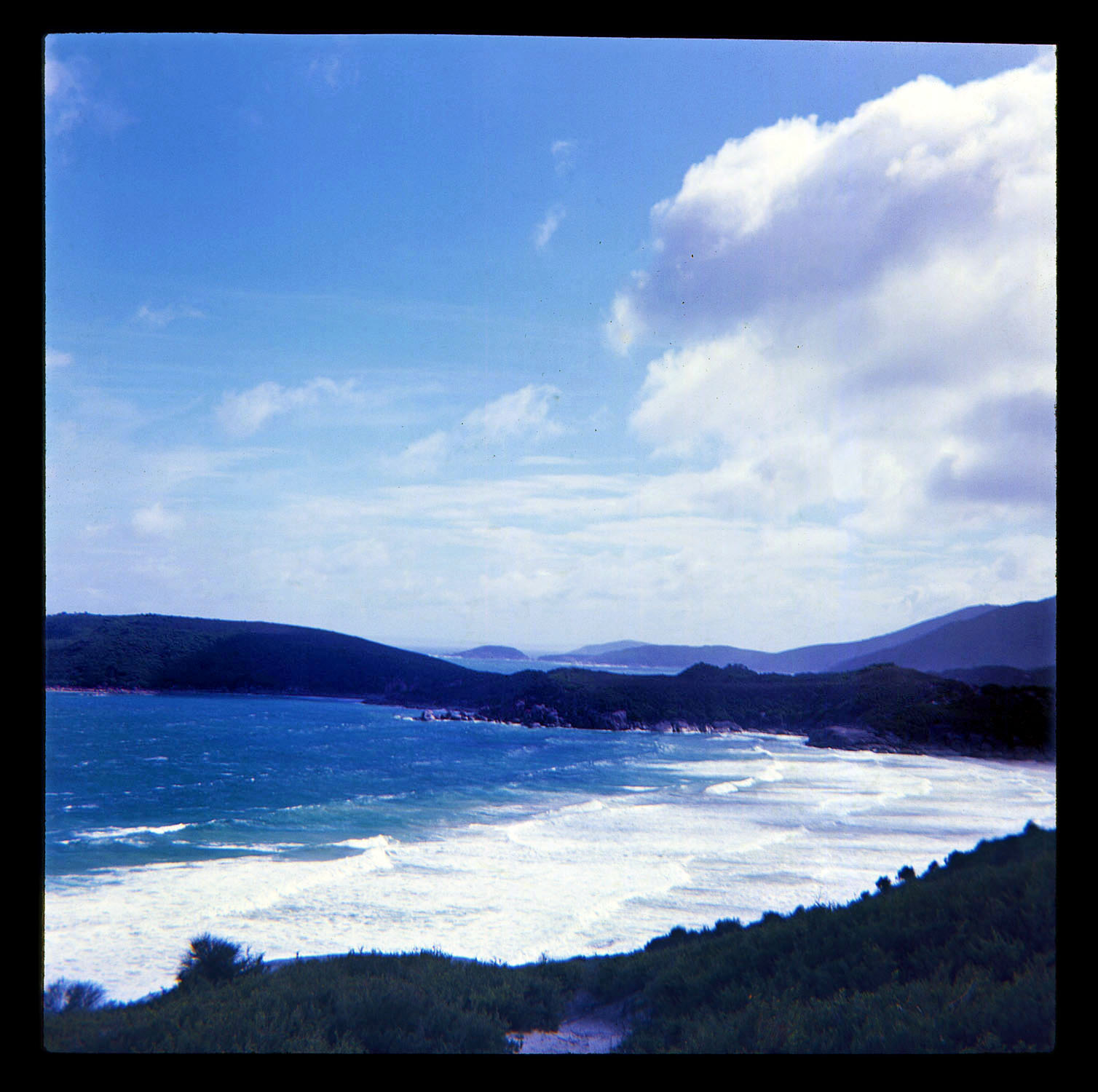
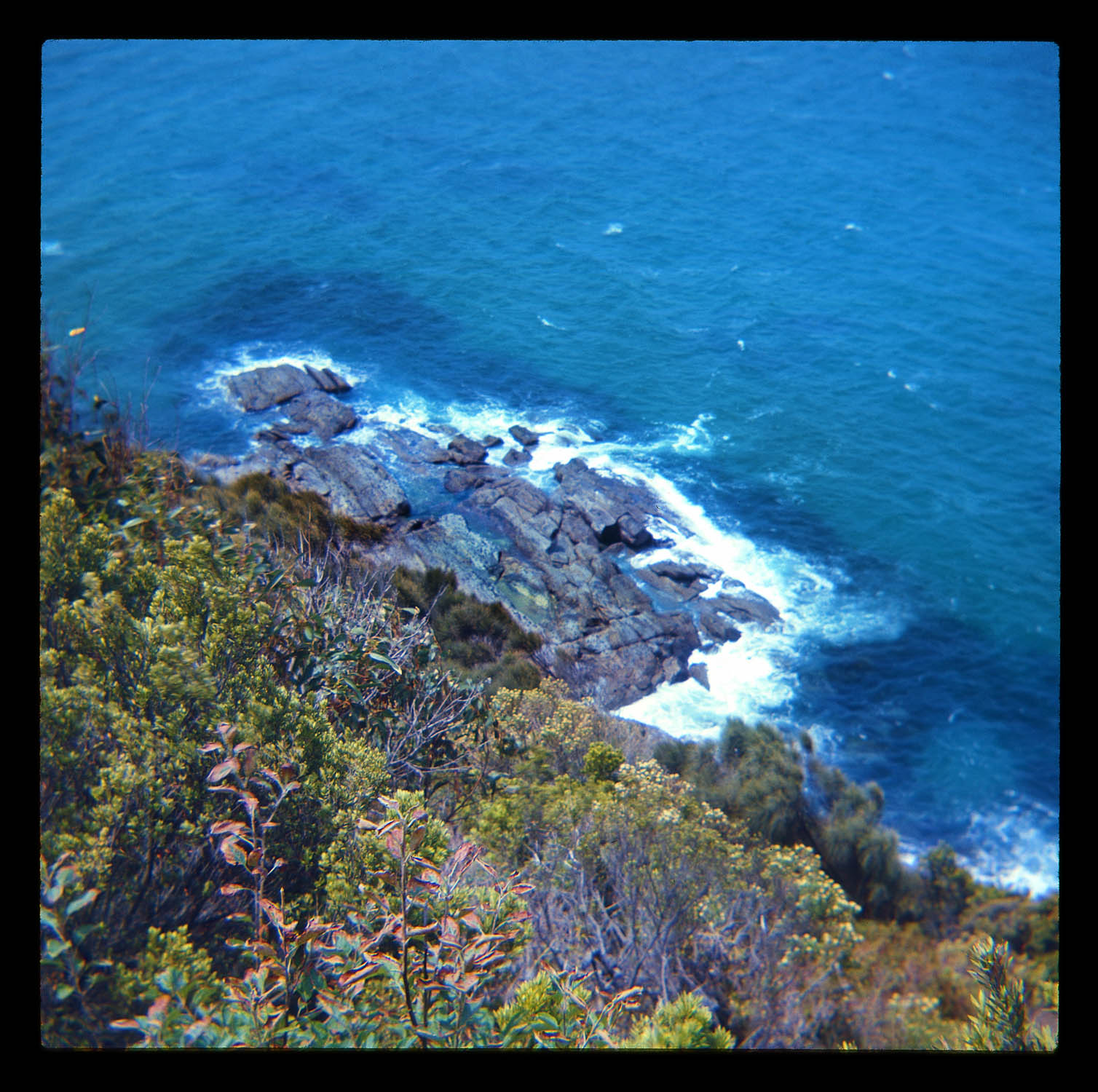
Unknown photographer (Australian) 'The Nobbies, Phillip Island, Victoria, Australia' 1960s


Unknown photographer (Australian)
The Nobbies, Phillip Island, Victoria, Australia
1960s
Ektachrome medium format transparency scanned


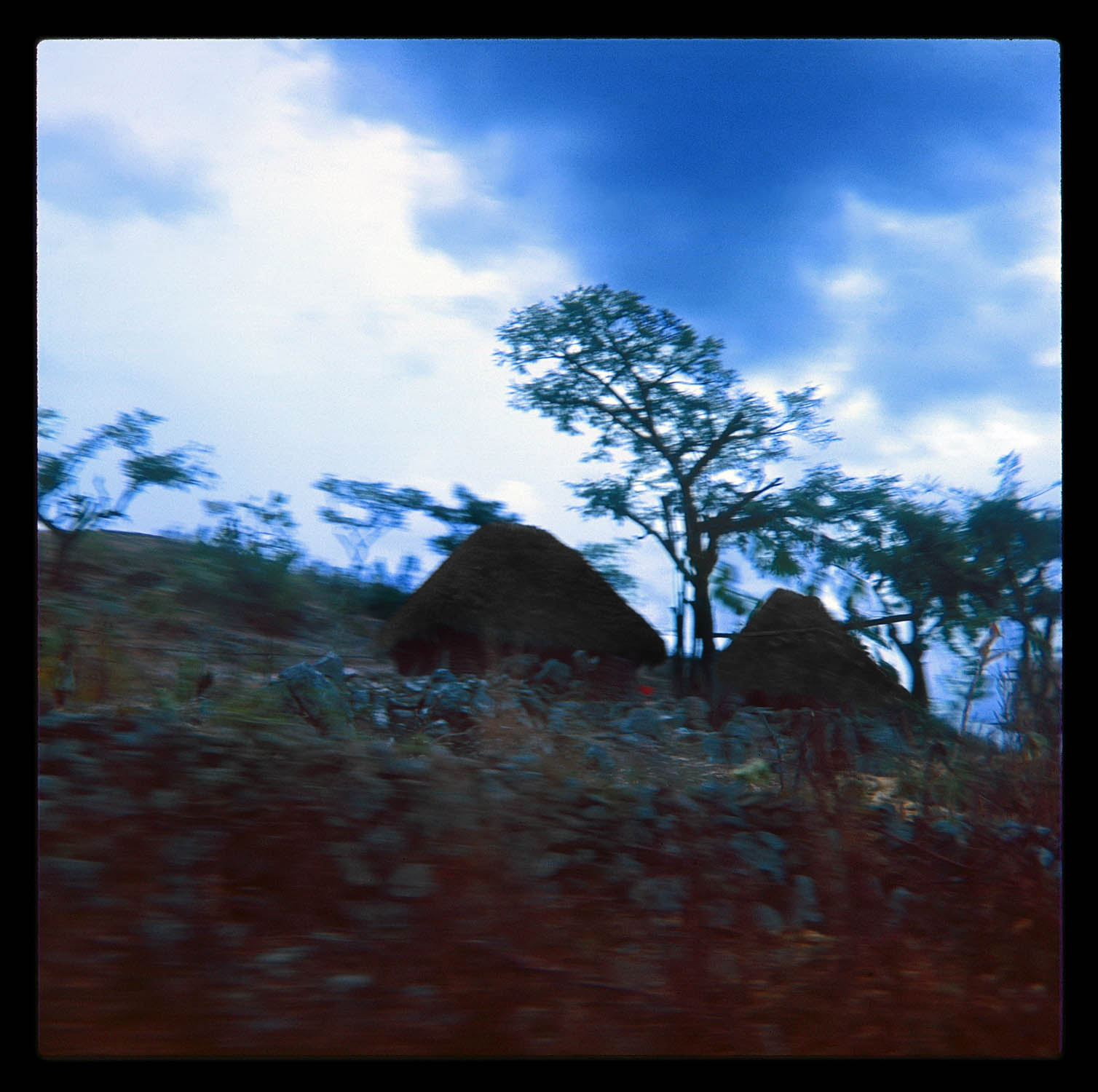
Further Australian photographs from scans of 73 medium format Kodak Ektakchrome slides found in a country town in Victoria, Australia taken in Australia, Mexico, United States of America and Canada in the mid-1960s. I believe that the photographer was an Australian who was on holiday in Mexico, United States of America and Canada.

In nearly 40 years of being a photographer I have never seen colour medium format slides from the 1960s. There was no colour fading to the slides. The person who took the photographs was shooting medium format colour in the 1960s so they would have been a photographic aficionado. Just by holding the slides up to the light I could see the photographs were compositionally very interesting. Whoever the photographer was they had a great eye!

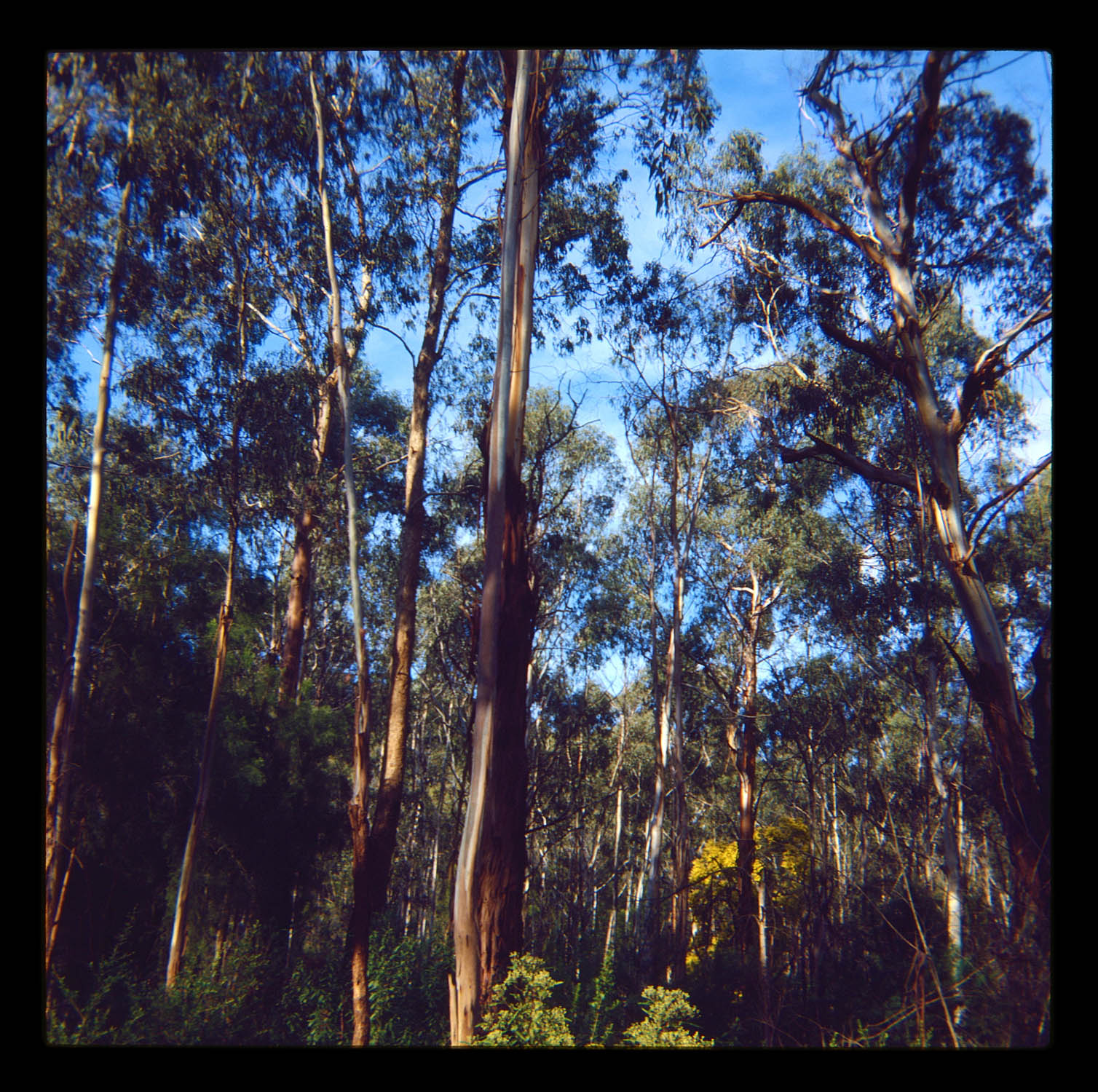
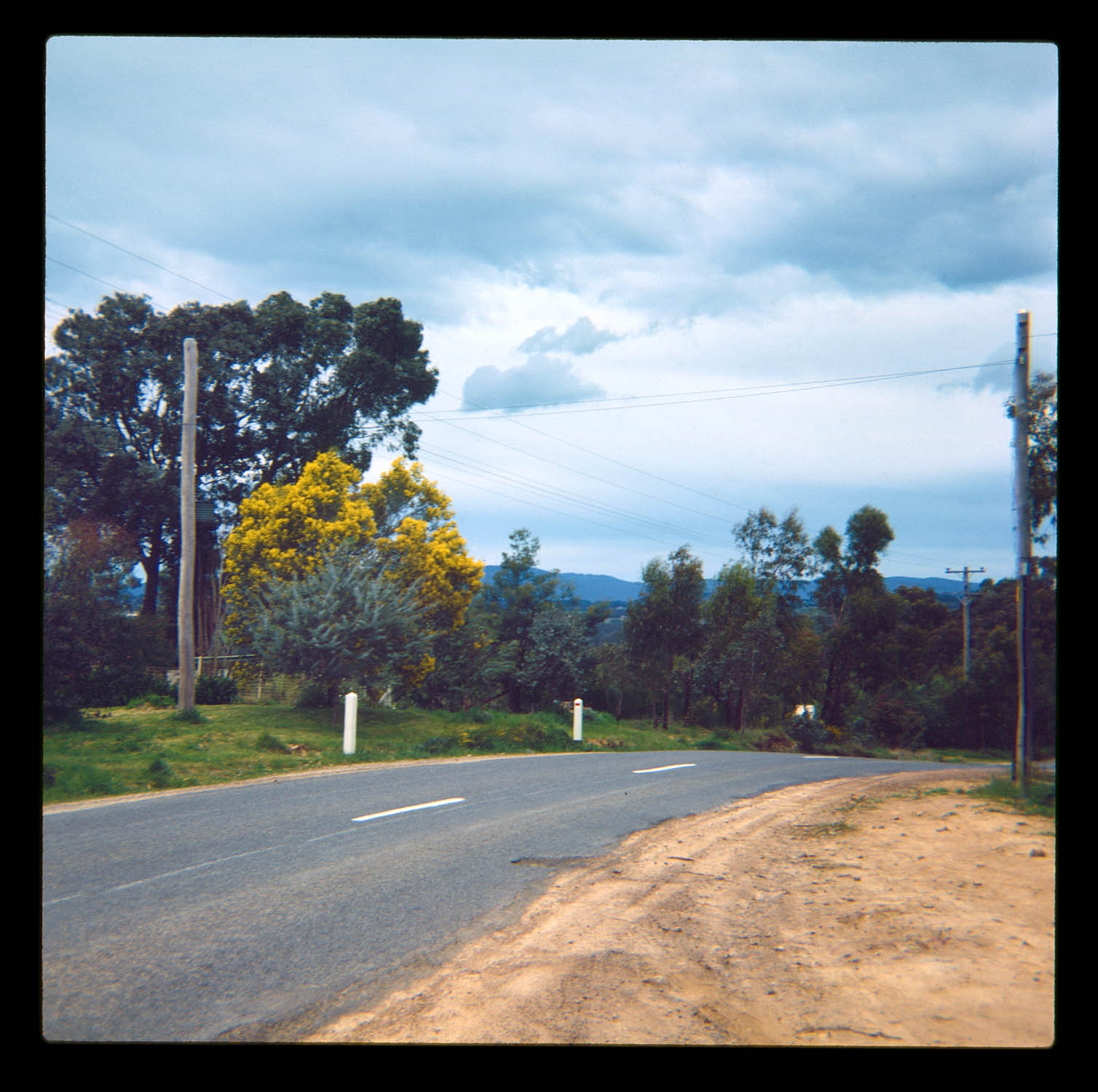
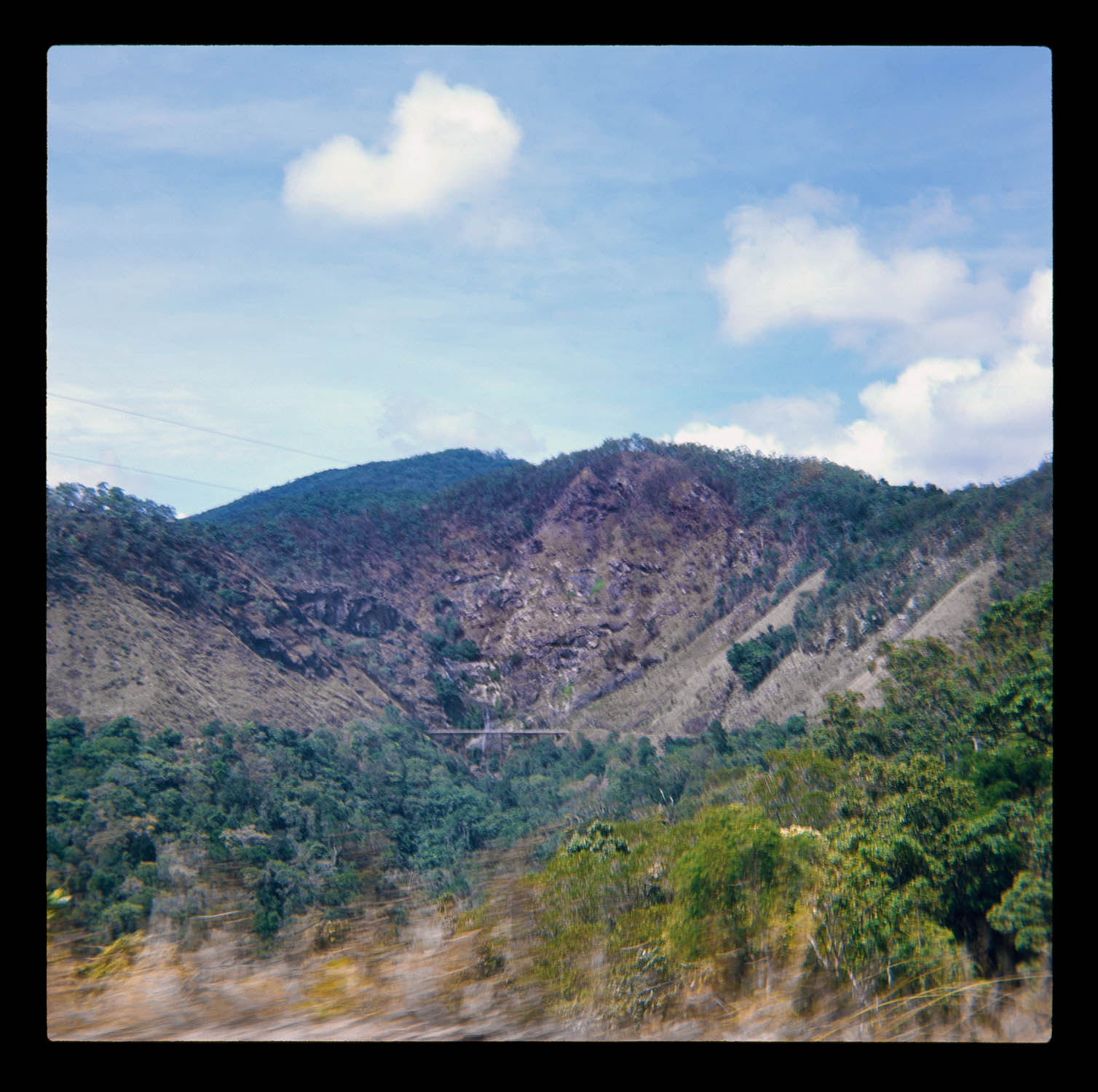
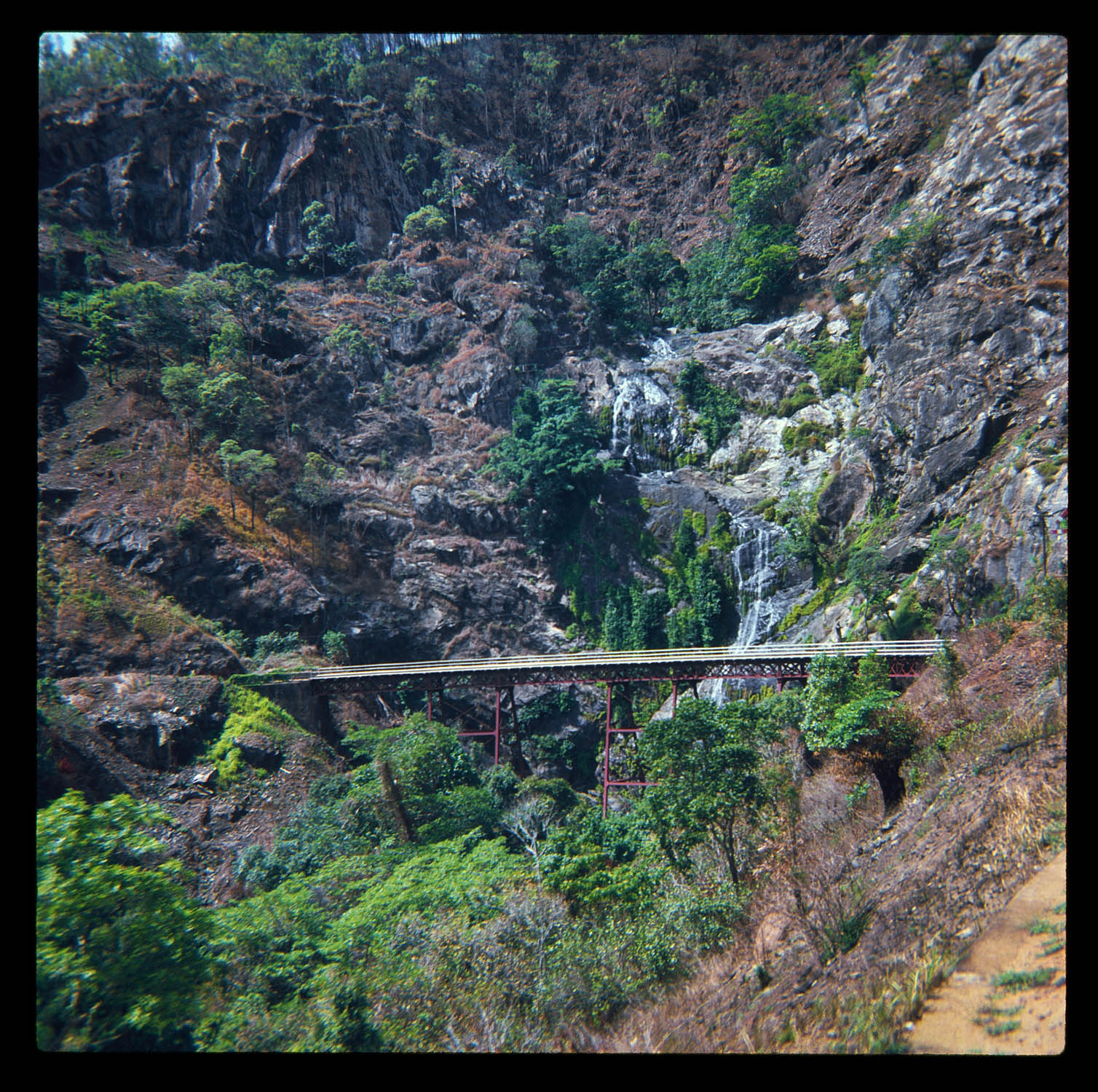
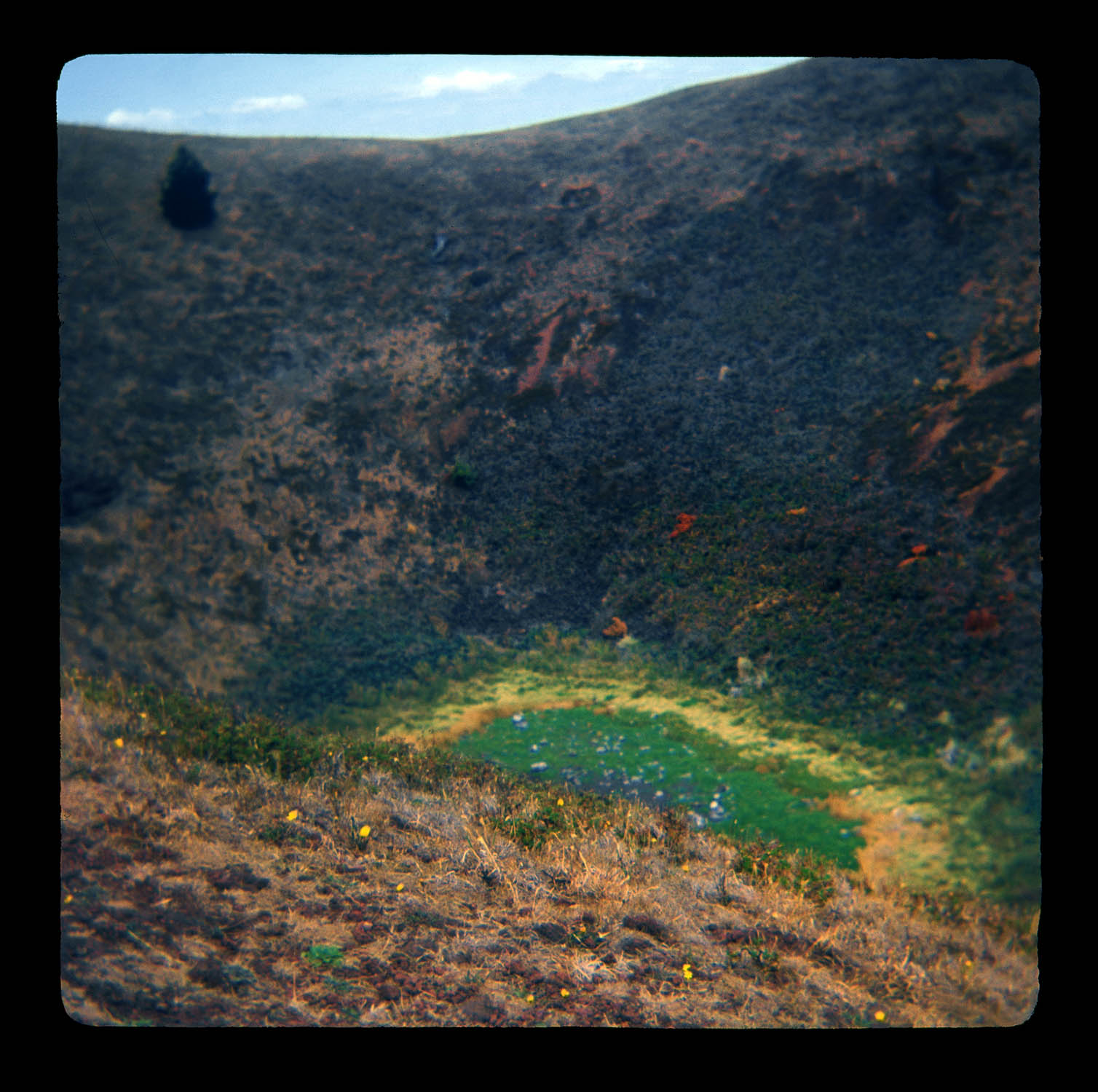
There are some beautiful photographs of the Australian landscape here. And the Australian “light” and colour are so different from the rest of the photographs (see part 1 of the posting).

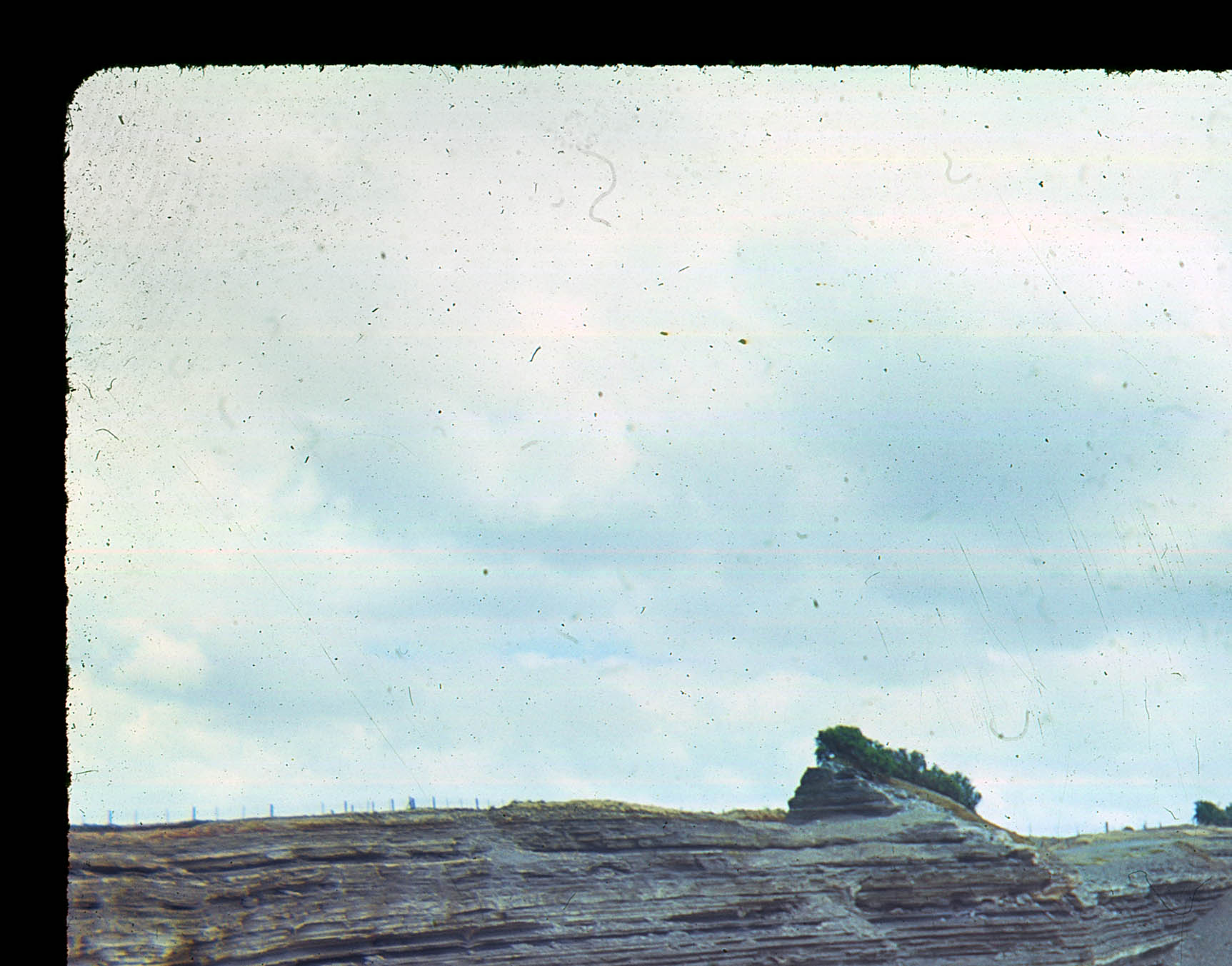
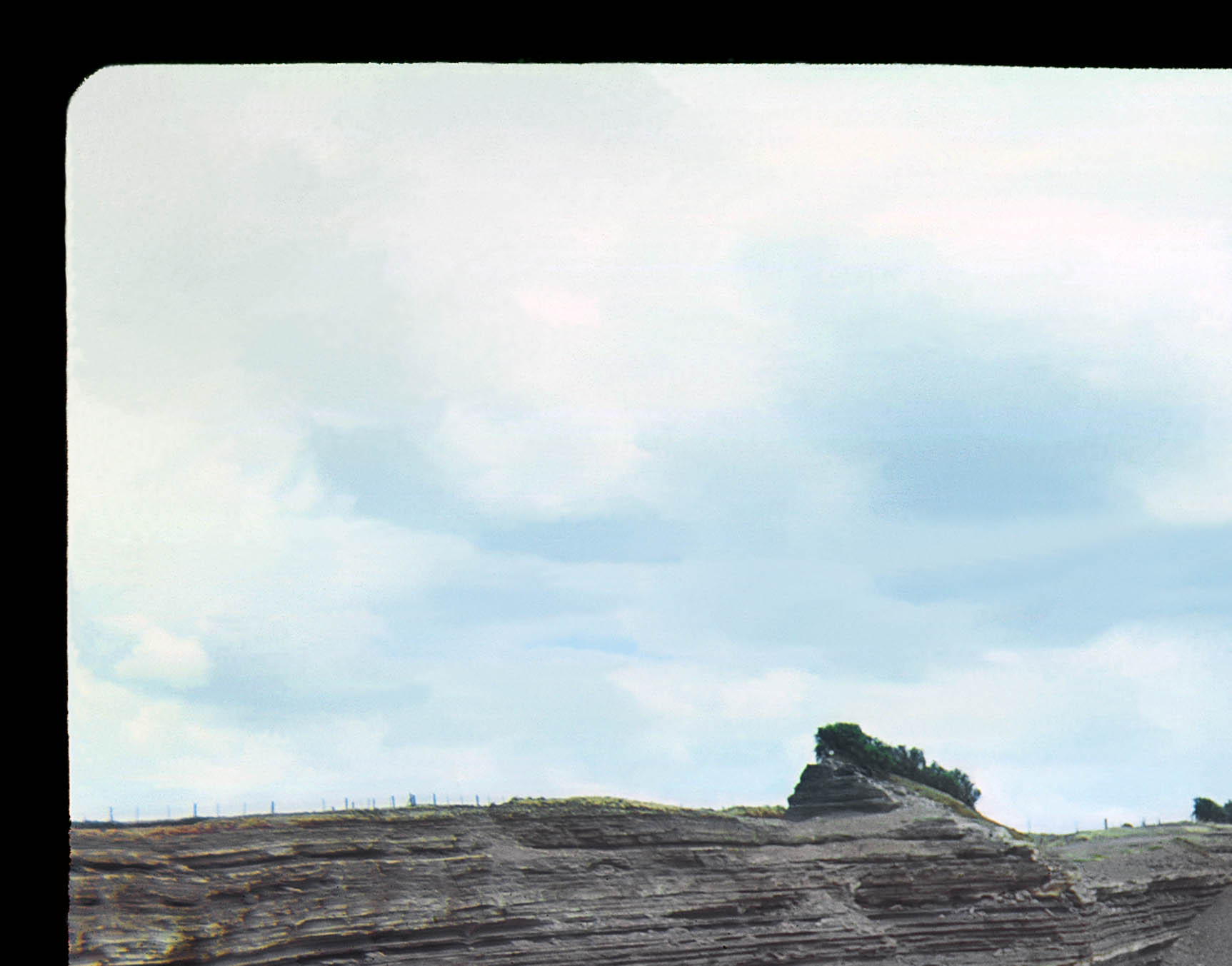
I have also included an example of how incredibly dirty these slides were, see Untitled (Australian landscape) (detail uncleaned and cleaned) 1960s (below), and note how much work and many hours were required to bring these images back into a state of grace … and preservation.

Dr Marcus Bunyan


All photographs © Marcus Bunyan. Please click on the photographs for a larger version of the image. See Part 1 of the posting.


Unknown photographer (Australian) 'Untitled (Australian landscape)' 1960s


Unknown photographer (Australian)
Untitled (Australian landscape)
1960s
Ektachrome medium format transparency scanned


The fault at left appears in several other slides in these Ektachromes and must have been in the camera as it’s not in the slide itself…


Unknown photographer (Australian) 'Untitled (Australian landscape)' 1960


Unknown photographer (Australian)
Untitled (Australian landscape)
1960s
Ektachrome medium format transparency scanned


Unknown photographer (Australian) 'Untitled (Australian landscape)' 1960


Unknown photographer (Australian)
Untitled (Australian landscape)
1960s
Ektachrome medium format transparency scanned


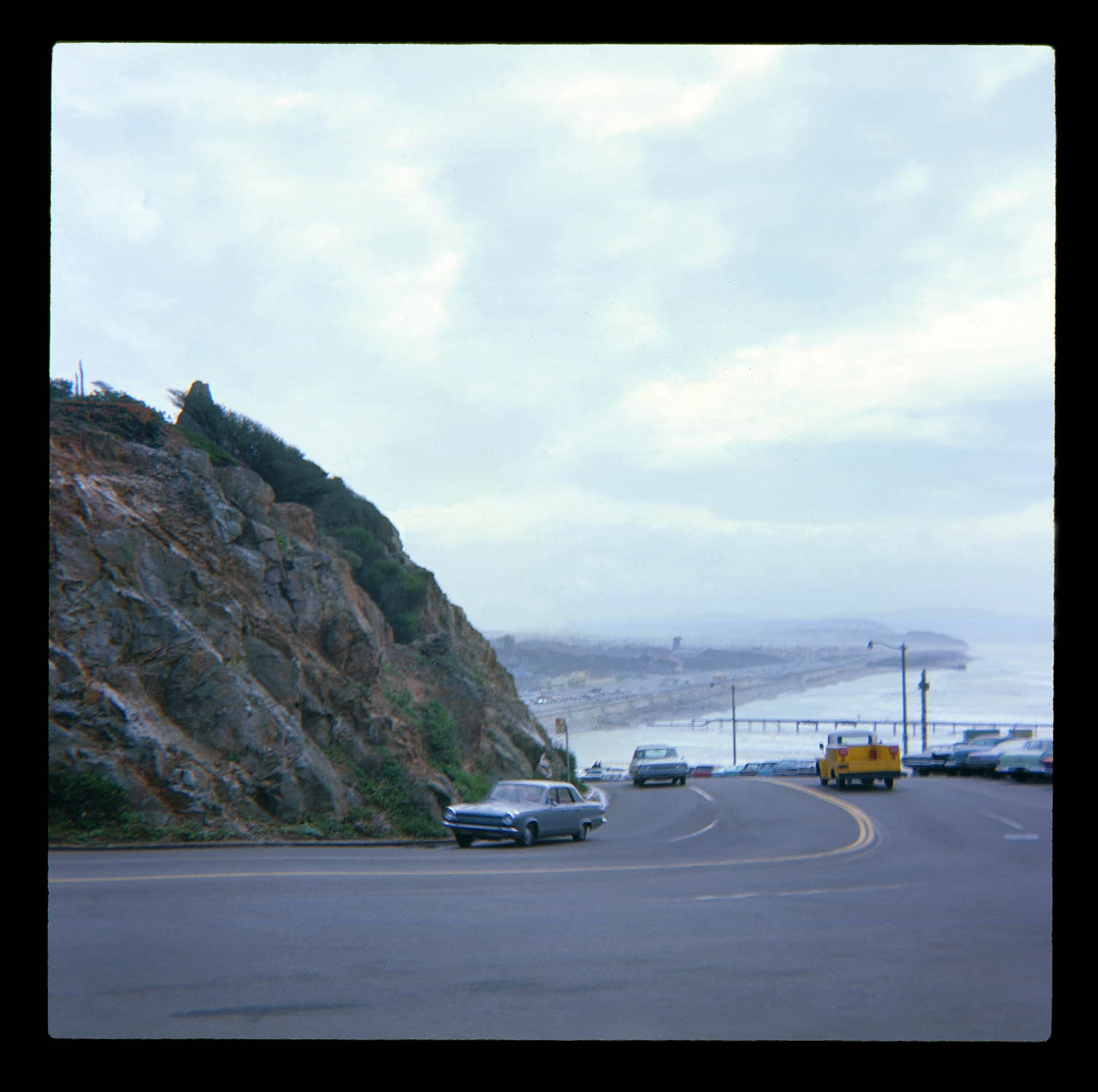
There is a Mini panel van on the causeway!


Unknown photographer (Australian) 'Untitled (Australian landscape)' 1960s


Unknown photographer (Australian)
Untitled (Australian landscape)
1960s
Ektachrome medium format transparency scanned


The same landscape as the two photographs below


Unknown photographer (Australian) 'Untitled (Australian landscape)' 1960


Unknown photographer (Australian)
Untitled (Australian landscape)
1960s
Ektachrome medium format transparency scanned


Unknown photographer (Australian) 'Untitled (Australian landscape)' 1960s


Unknown photographer (Australian)
Untitled (Australian landscape)
1960s
Ektachrome medium format transparency scanned


Unknown photographer (Australian) 'Untitled (Australian landscape)' 1960s (detail uncleaned and cleaned)


Unknown photographer (Australian)
Untitled (Australian landscape) (detail uncleaned and cleaned)
1960s
Ektachrome medium format transparency scanned


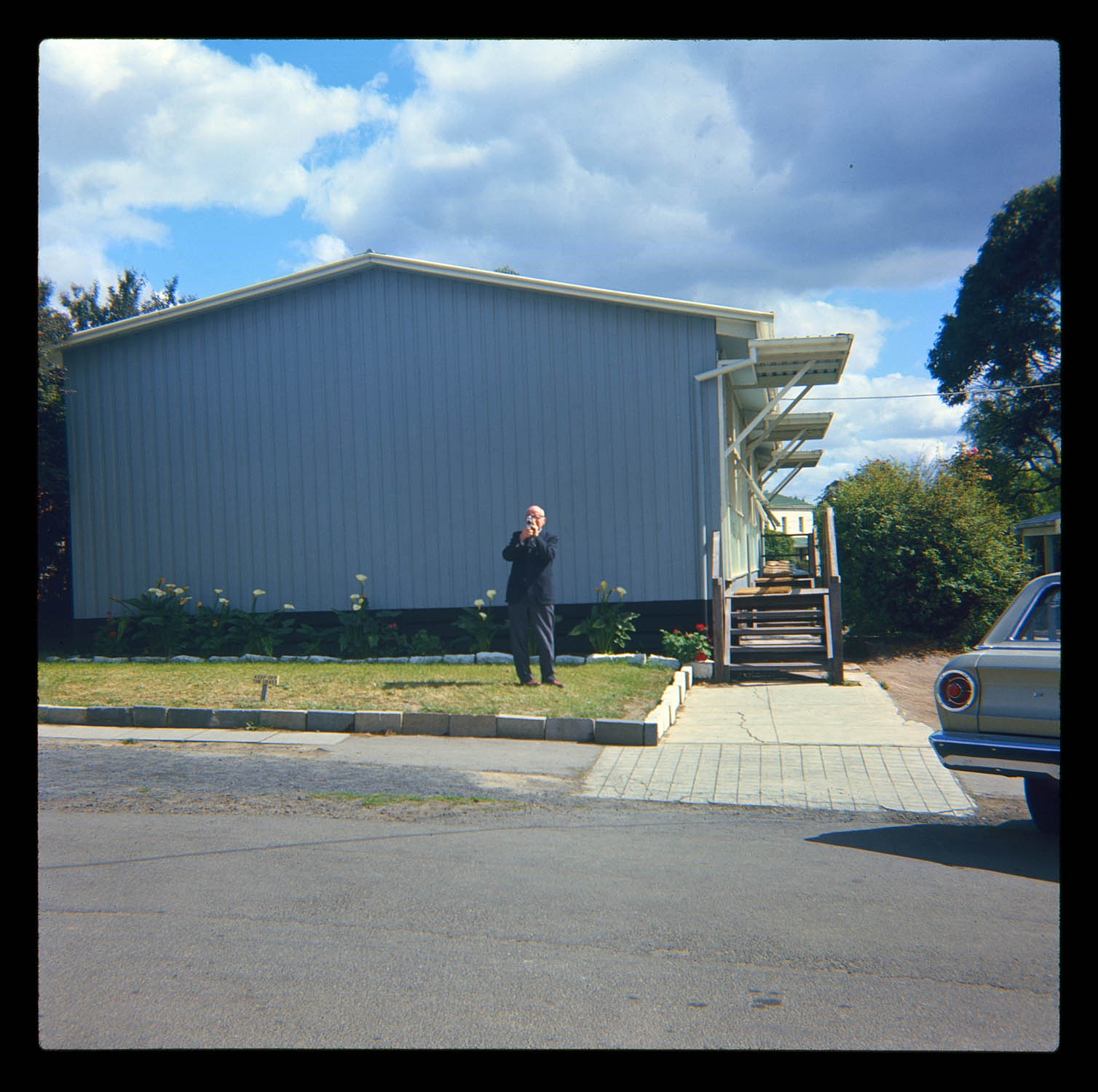
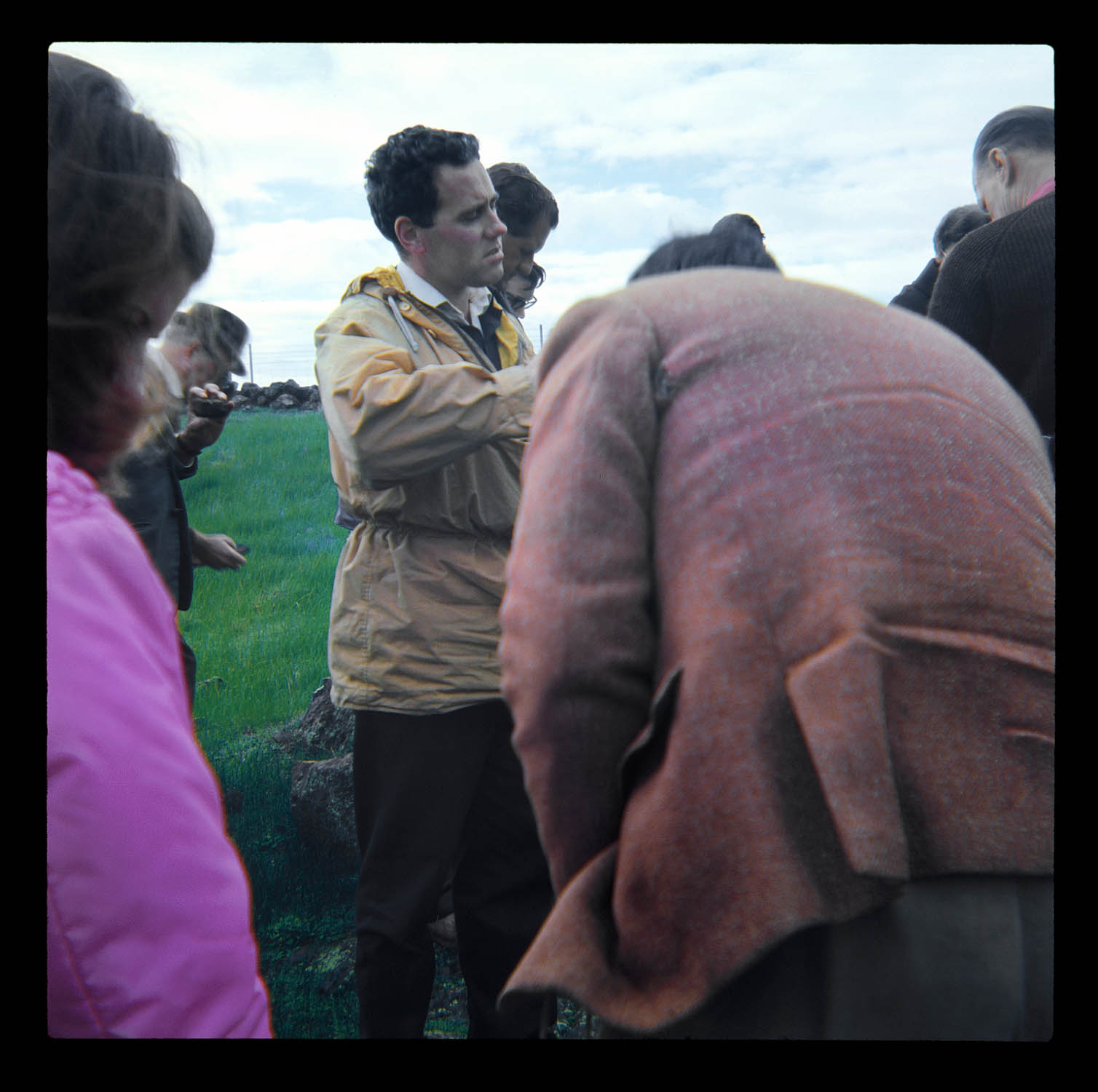
Unknown photographer (Australian) 'Untitled (Man holding his movie camera, Australia)' 1960s


Unknown photographer (Australian)
Untitled (Man holding his movie camera, Australia)
1960s
Ektachrome medium format transparency scanned


Australian built Ford XR Falcon station wagon


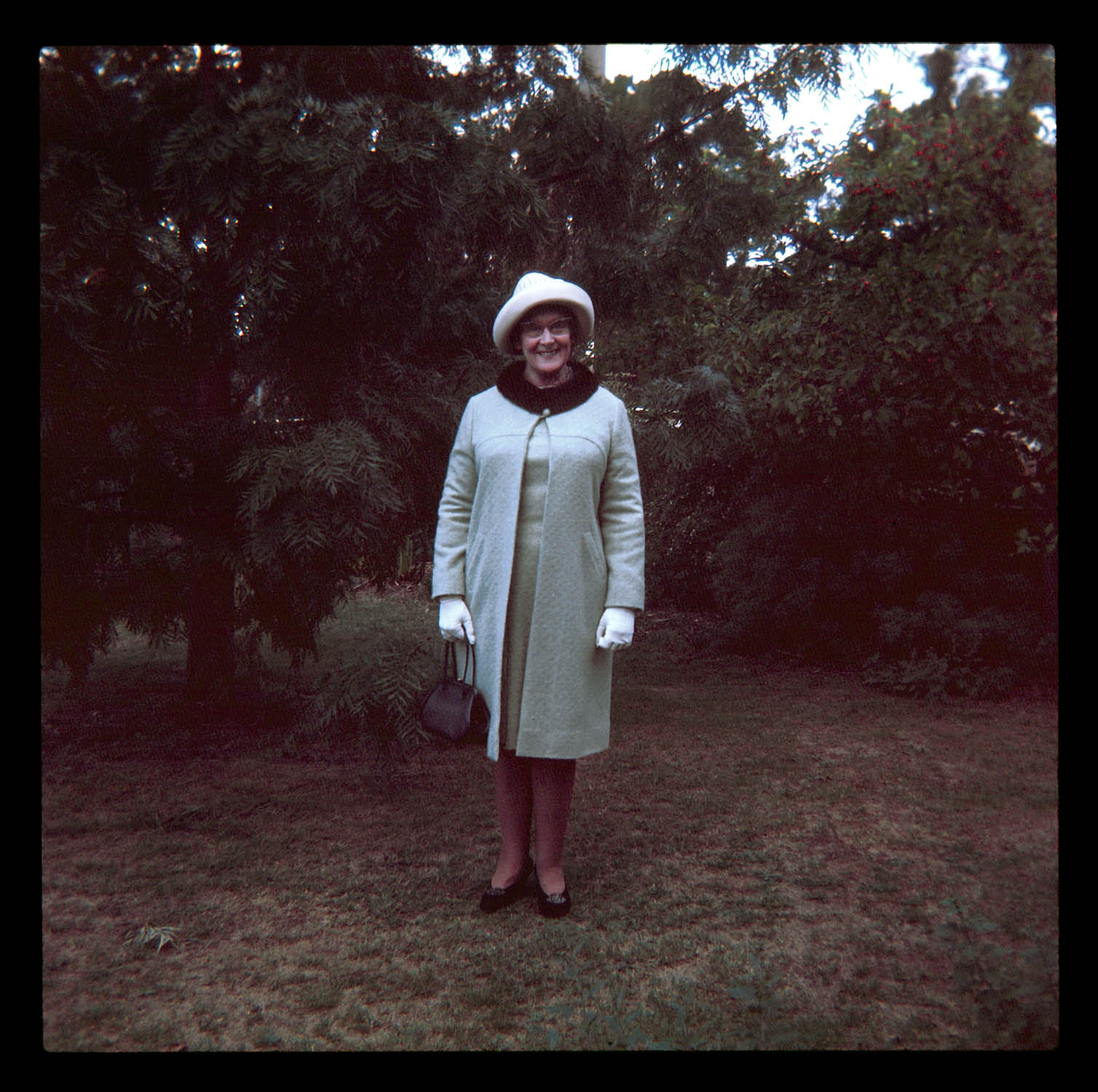
Unknown photographer (Australian) 'Unknown woman' 1960s


Unknown photographer (Australian)
Unknown woman
1960s
Ektachrome medium format transparency scanned


I don’t know where this is but it feels Australian to me, especially the fashion…


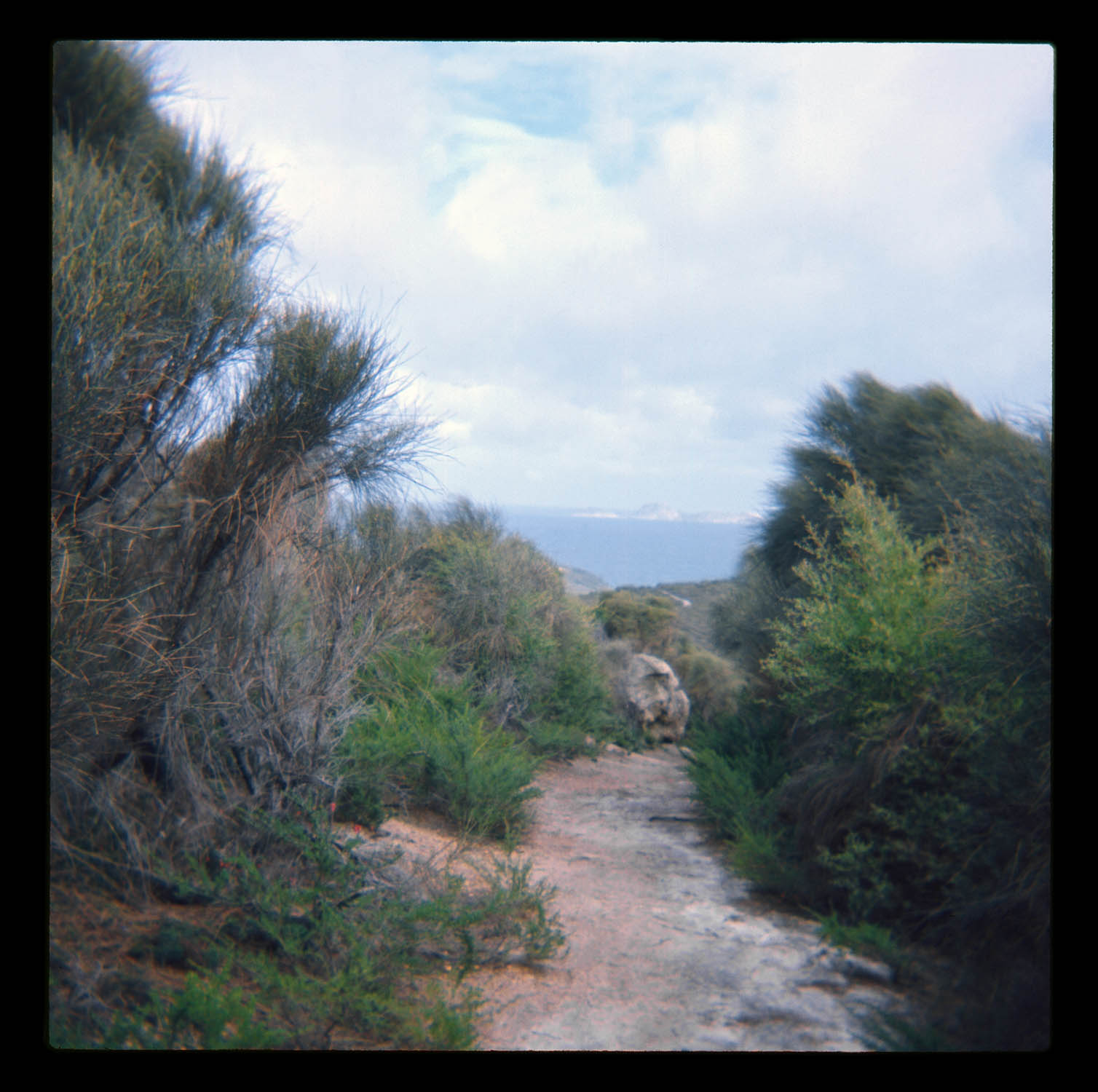
Unknown photographer (Australian) 'Untitled (Australian landscape, possibly South Point, Wilson's Prom, Victoria)'
1960s


Unknown photographer (Australian)
Untitled (Australian landscape, possibly South Point, Wilson’s Prom, Victoria)
1960s
Ektachrome medium format transparency scanned


Australian coastal she oak and tea tree.


Unknown photographer (Australian) 'Untitled (Australian landscape)' 1960s


Unknown photographer (Australian)
Untitled (Australian landscape)
1960s
Ektachrome medium format transparency scanned


Wonderful photograph of the Australian landscape…


Unknown photographer (Australian) 'Untitled (Australian landscape)' 1960


Unknown photographer (Australian)
Untitled (Australian landscape)
1960s
Ektachrome medium format transparency scanned


Unknown photographer (Australian) 'Untitled (Australian landscape)' 1960


Unknown photographer (Australian)
Untitled (Australian landscape)
1960s
Ektachrome medium format transparency scanned


Unknown photographer (Australian) 'Untitled (Australian landscape)' 1960


Unknown photographer (Australian)
Untitled (Australian landscape)
1960s
Ektachrome medium format transparency scanned


Max Dupain (Australian, 1911-1992) 'Silos through windscreen' 1935


Max Dupain (Australian, 1911-1992)
Silos through windscreen
1935
Gelatin silver print


Unknown photographer (Australian) 'Untitled (Australian landscape)' 1960


Unknown photographer (Australian)
Untitled (Australian landscape)
1960s
Ektachrome medium format transparency scanned


The second photograph taken through the windscreen of a car


Unknown photographer (Australian) 'Untitled (Australian landscape)' 1960


Unknown photographer (Australian)
Untitled (Australian landscape)
1960s
Ektachrome medium format transparency scanned


Unknown photographer (Australian) 'Untitled' 1960s


Unknown photographer (Australian)
Untitled
1960s
Ektachrome medium format transparency scanned


I’m not sure what they are doing or where this is (possibly Australia) but I like the photo!


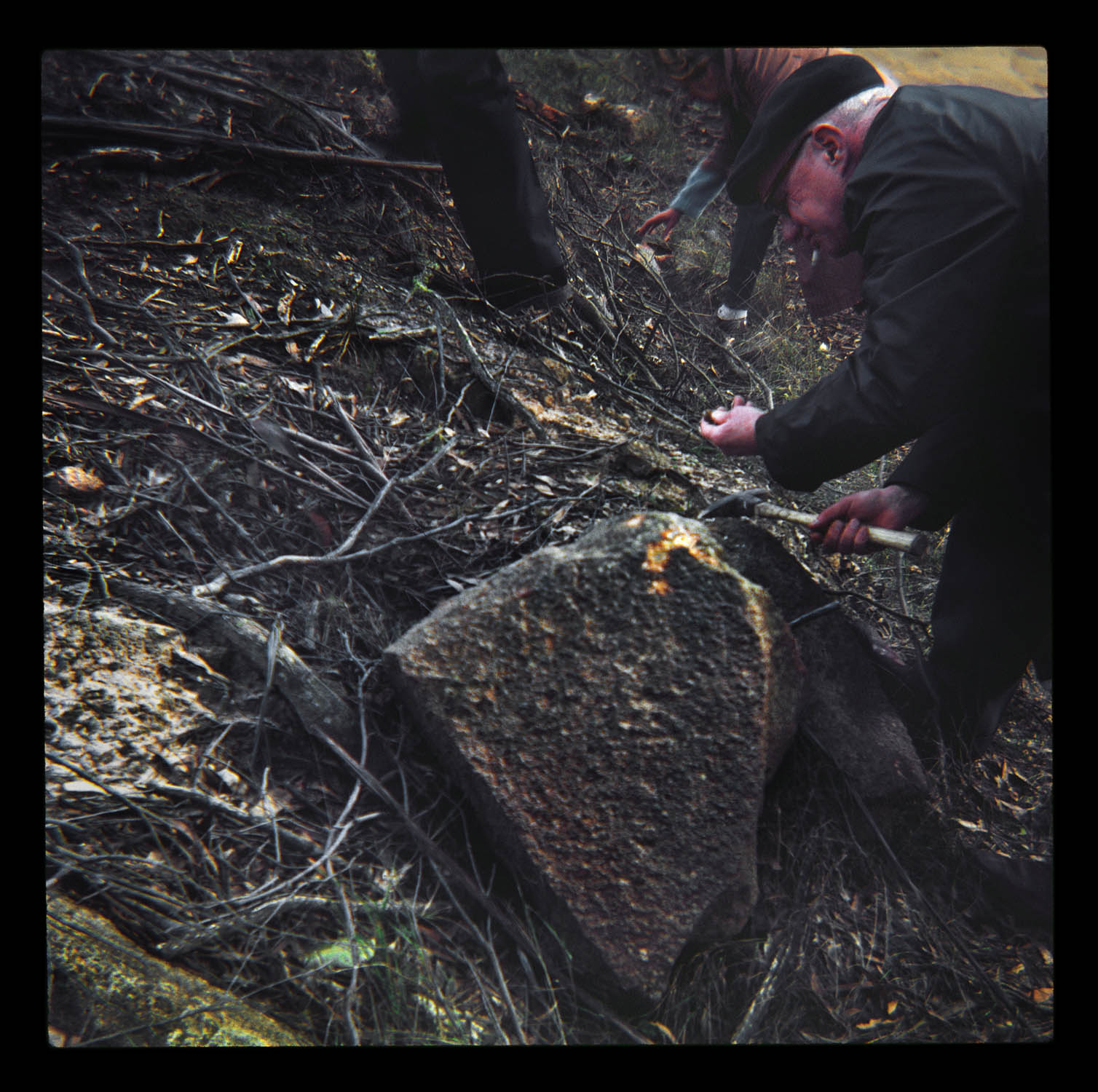
Unknown photographer (Australian) 'Untitled' 1960s


Unknown photographer (Australian)
Untitled
1960s
Ektachrome medium format transparency scanned


A geologist hammer in his hand?


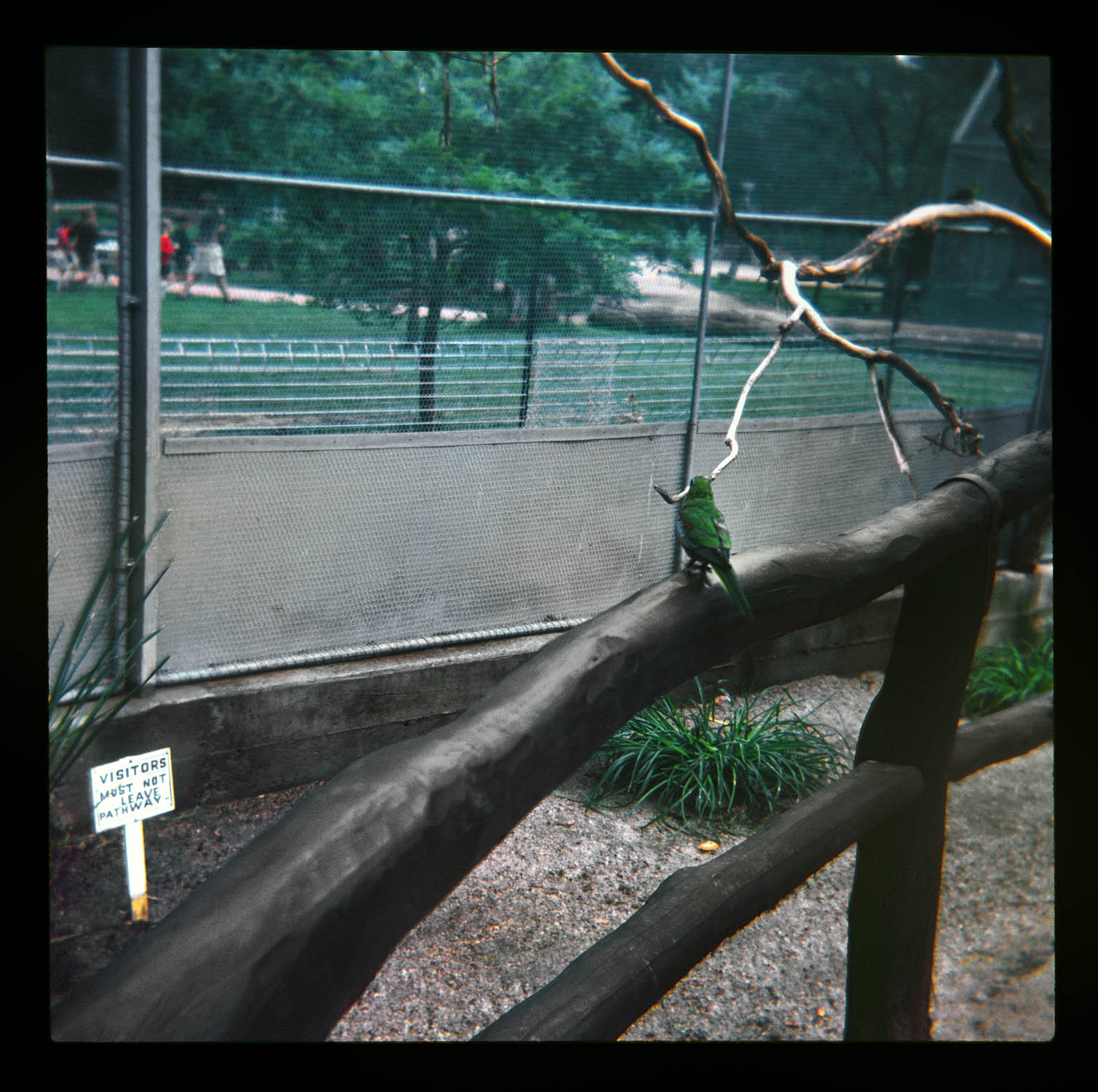
Unknown photographer (Australian) 'Untitled (Visitors must not leave pathway)' 1960s


Unknown photographer (Australian)
Untitled (Visitors must not leave pathway)
1960s
Ektachrome medium format transparency scanned


LIKE ART BLART ON FACEBOOK

Back to top

Photographs: Anonymous 1960s medium format Kodak Ektachrome slides of the United States of America, Canada and Mexico

July 2025


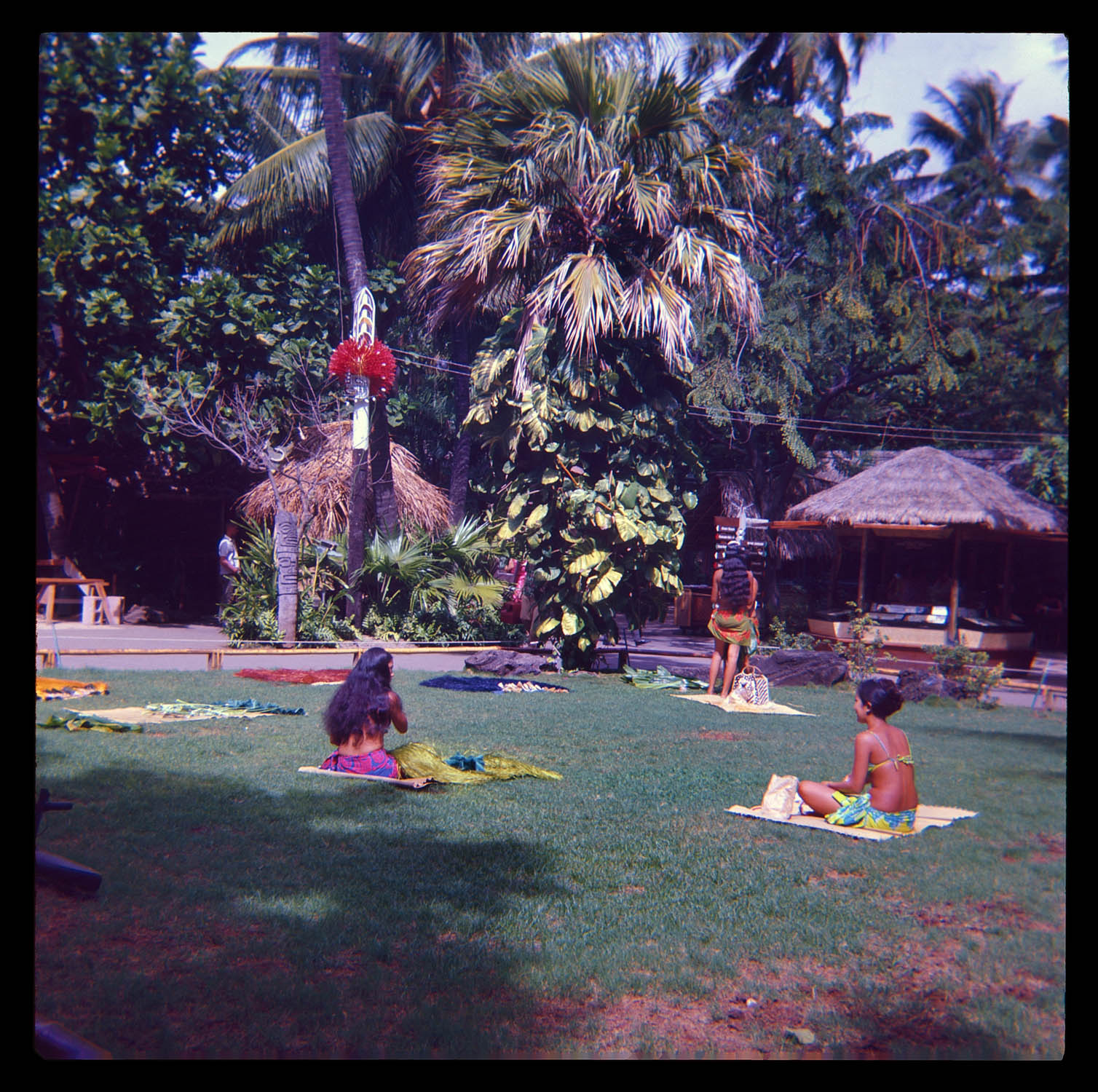
Unknown photographer (Australian) 'Hawaii' 1960s


Unknown photographer (Australian)
Hawaii
1960s
Ektachrome medium format transparency scanned


State of grace

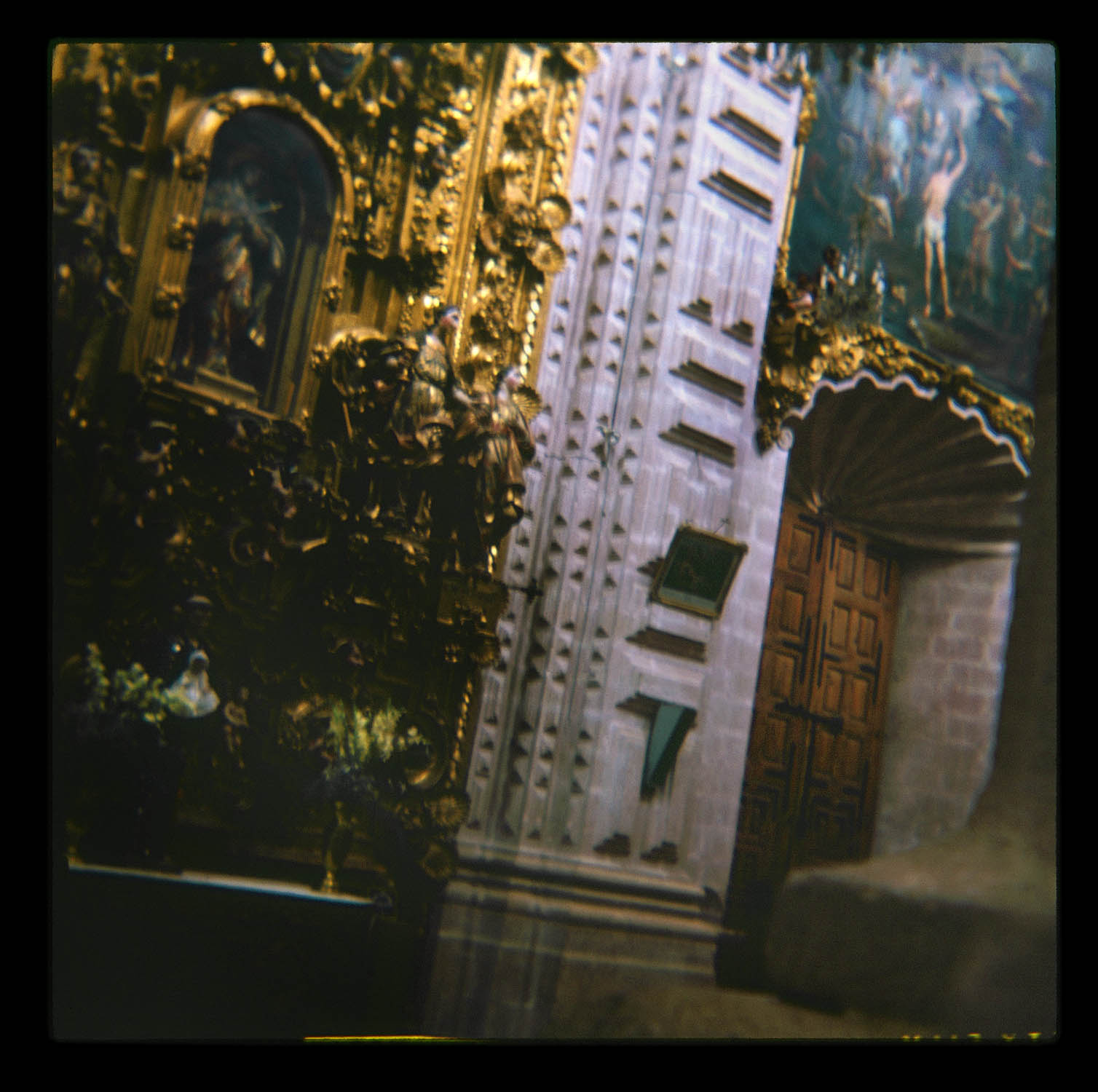
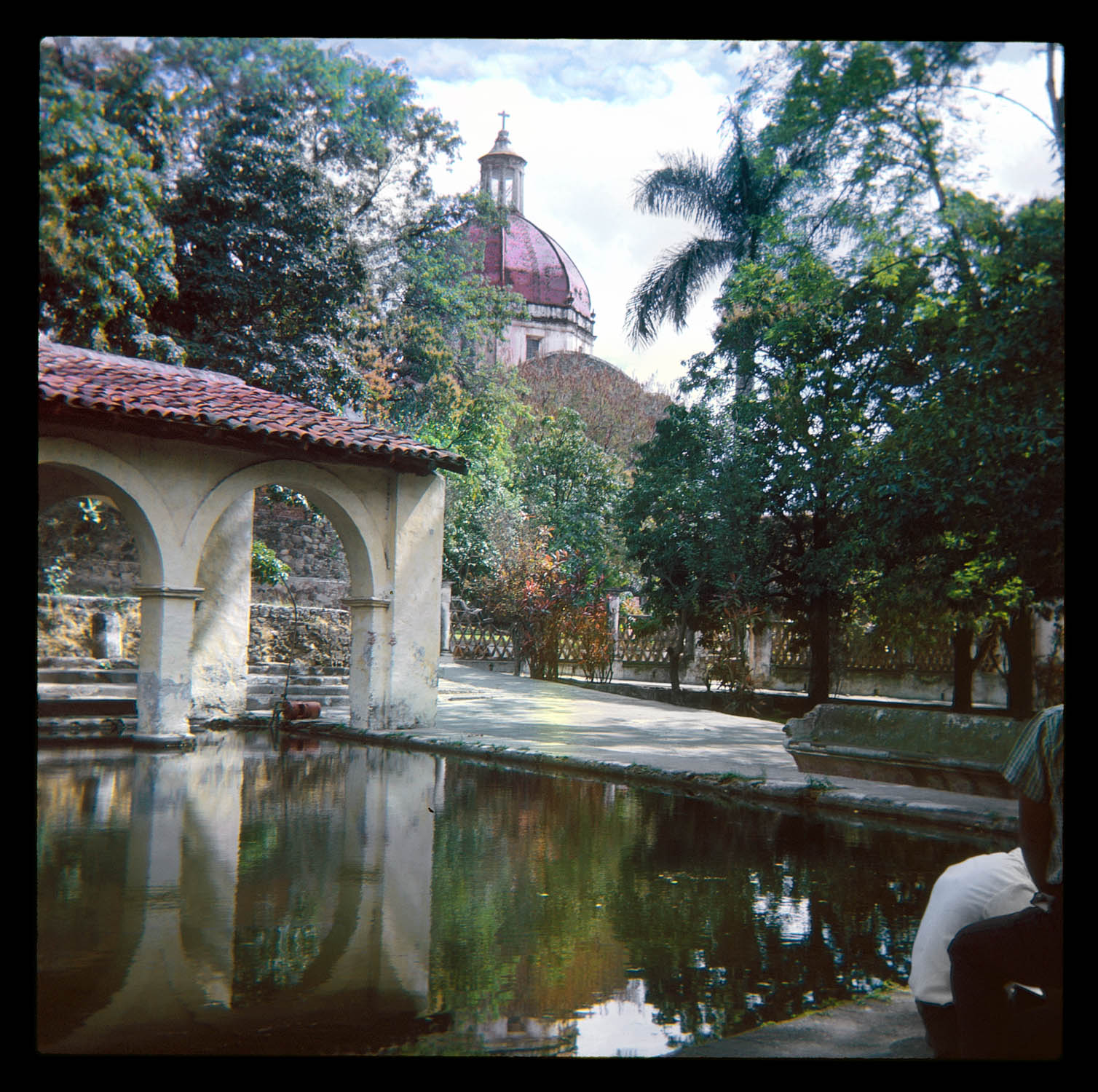
I was very excited by the discovery in a country town in Victoria, Australia of 73 medium format Kodak Ektakchrome slides taken in Australia, Mexico, United States of America and Canada in the mid-1960s. I believe that the photographer was an Australian who was on holiday in Mexico, United States of America and Canada.

In nearly 40 years of being a photographer I have never seen colour medium format slides from the 1960s. There was no colour fading to the slides. The person who took the photographs was shooting medium format colour in the 1960s so they would have been a photographic aficionado. Just by holding the slides up to the light I could see the photographs were compositionally very interesting. Whoever the photographer was they had a great eye!

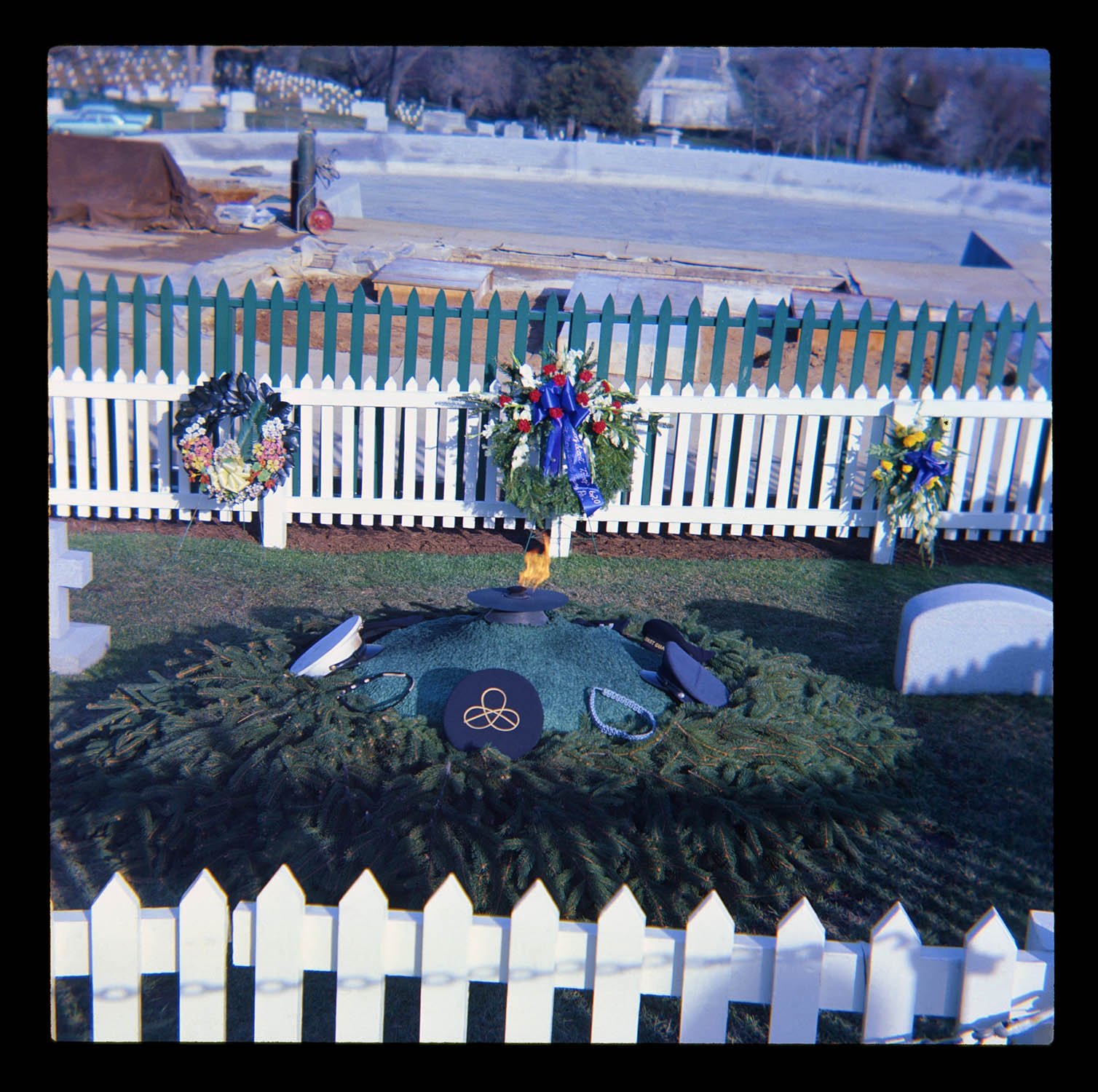
I can date the slides to late 1966 / early 1967. This is because of the unknown photograph of the construction of John F. Kennedy’s grave at Arlington National Cemetery (below). Construction began in 1965 and was completed on July 20, 1967. Since JFK’s grave is 2/3rds complete this would date the photograph to late 1966 / early 1967. This would also help date all the other Ektachrome slides that I have scanned as well.

The has been a journey of (self) discovery.

Firstly, I made the conscious decision not to look at the slides before scanning them but rather to randomly pick up whichever slide came next … then to take us on a journey in time and space from my studio in Melbourne – to Canada, Mexico, United States of America and different parts of Australia, in the mid-1960s.

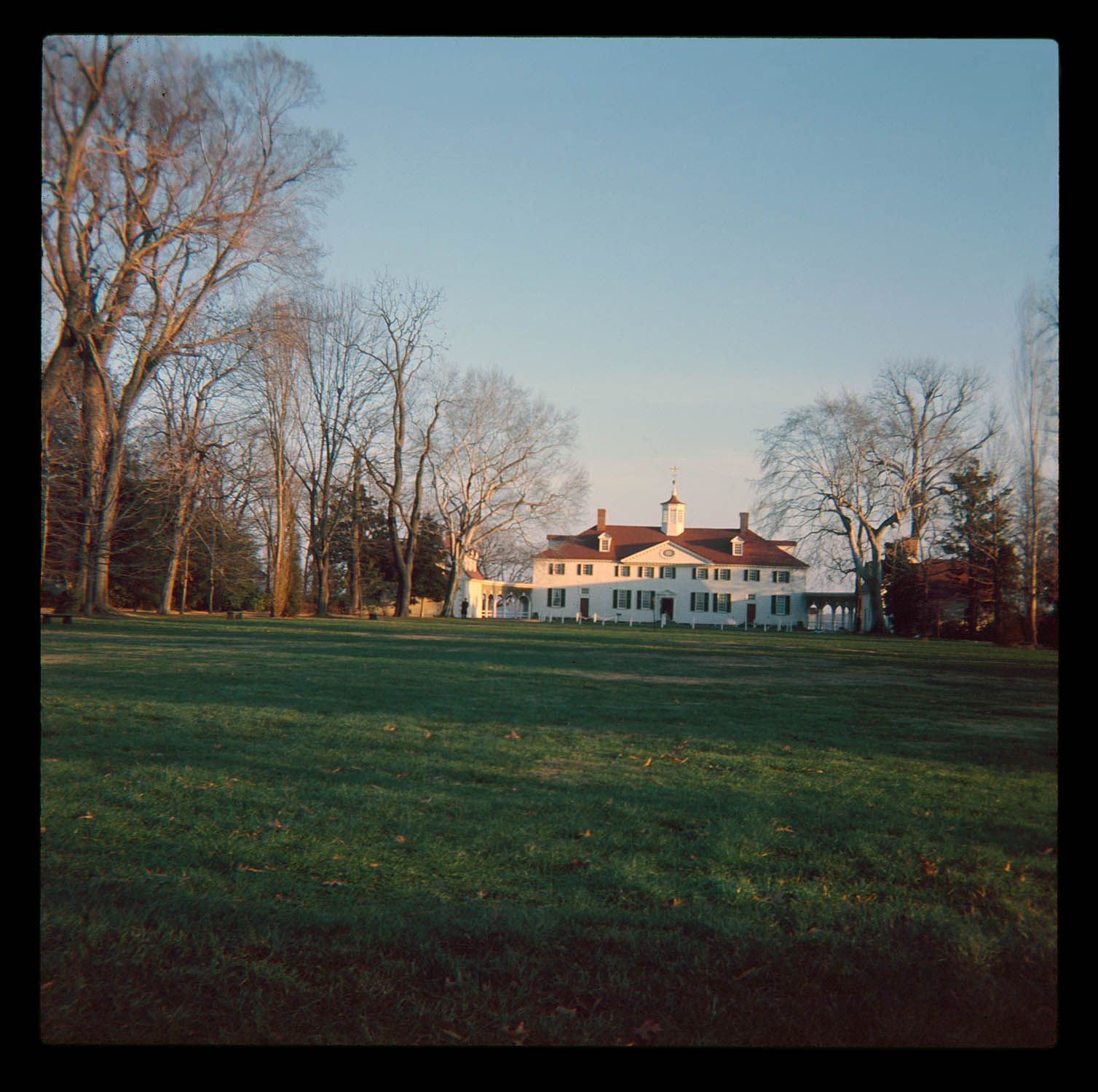
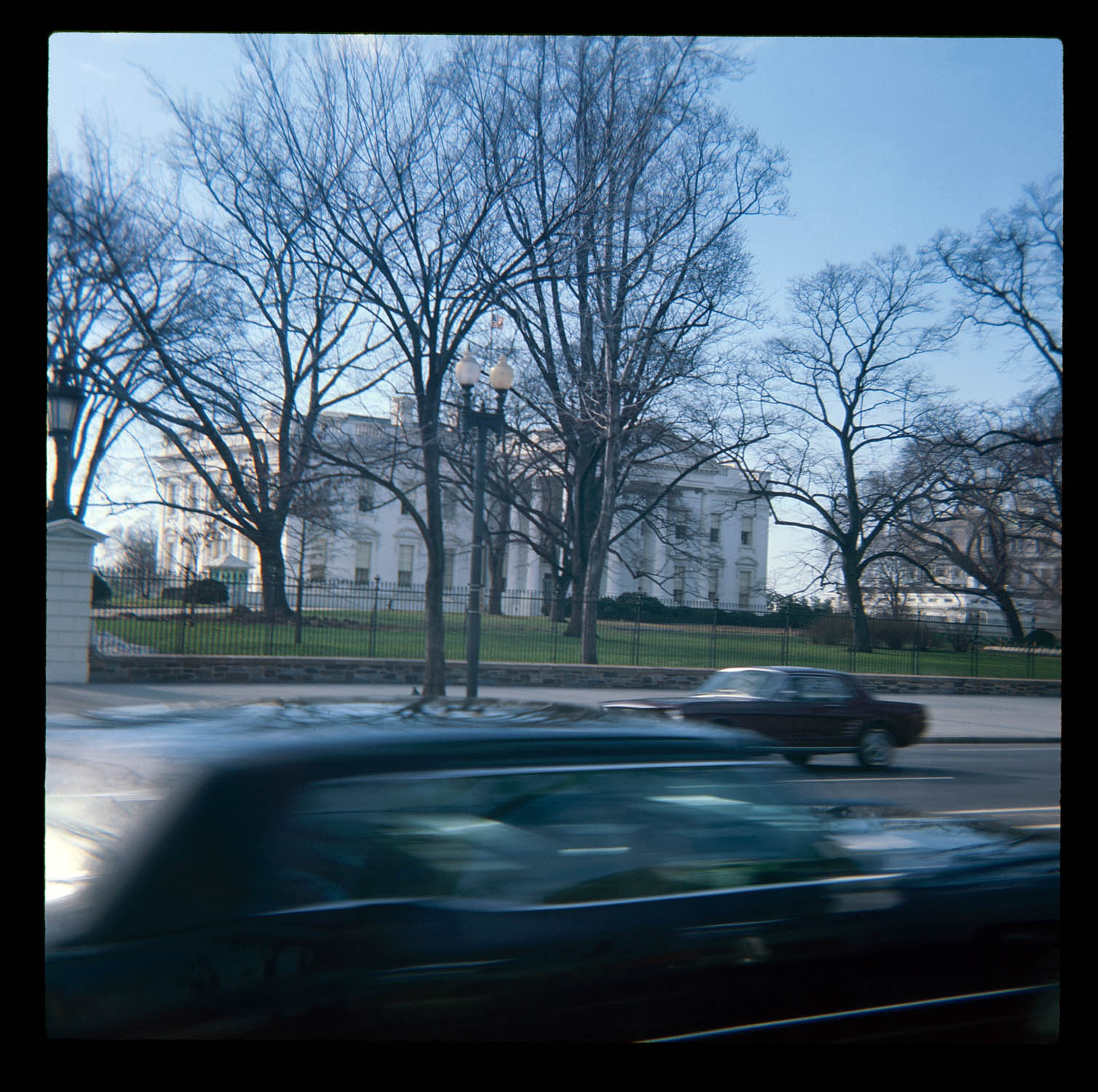
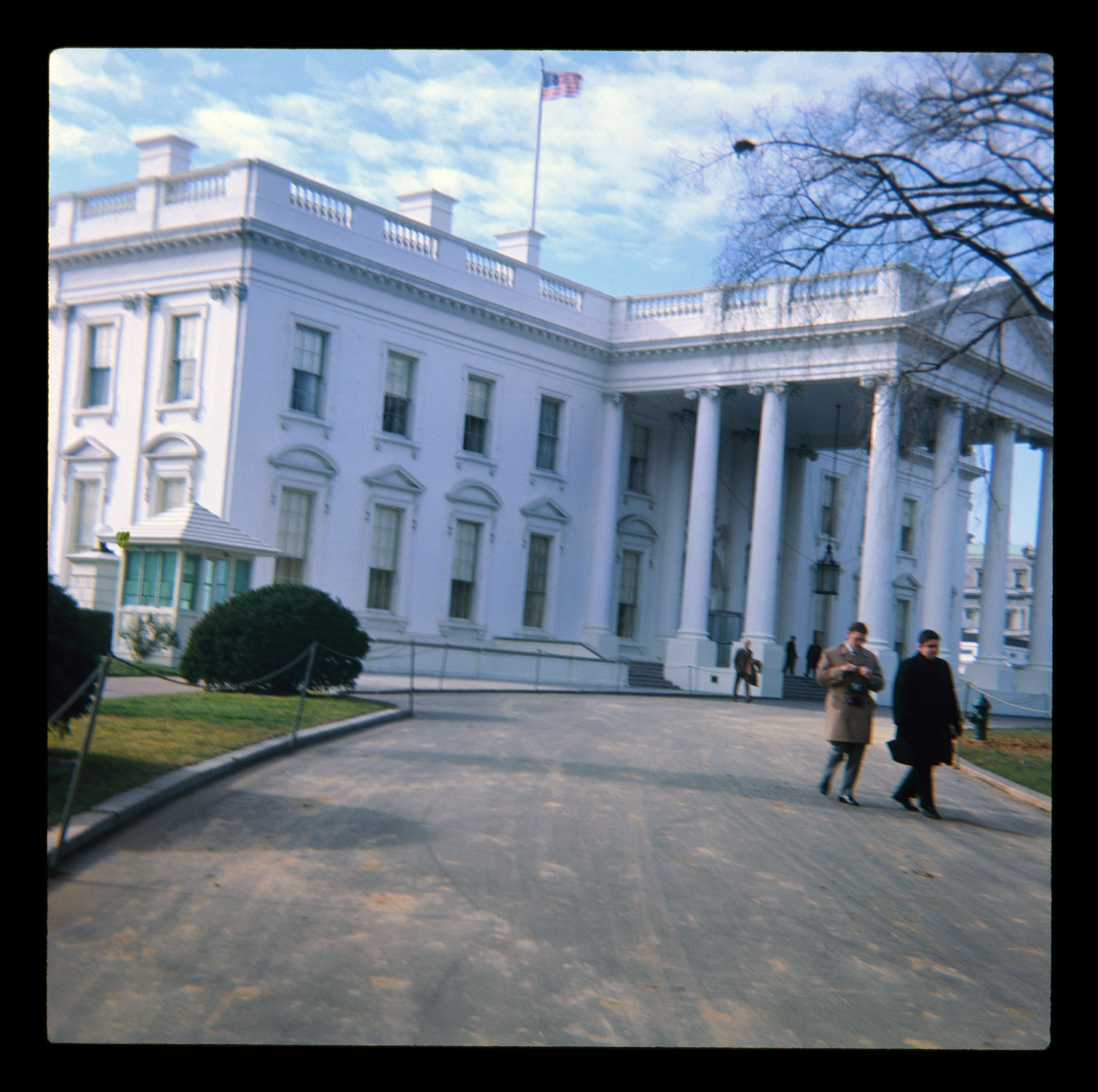
Together, through these photographs, we can travel the planet, traversing time back to the 1960s where we can witness historic places of that era – John F. Kennedy’s grave under construction; George Washington’s house in Mount Vernon; the White House closer than you can ever get today in our paranoid era of protection.

In some ways it was a more open society in those days, more trusting and available; in others, it was more prejudiced against, for example, women, migrants, colour and difference. War never changes. Not everything changes for the better, but some things do.

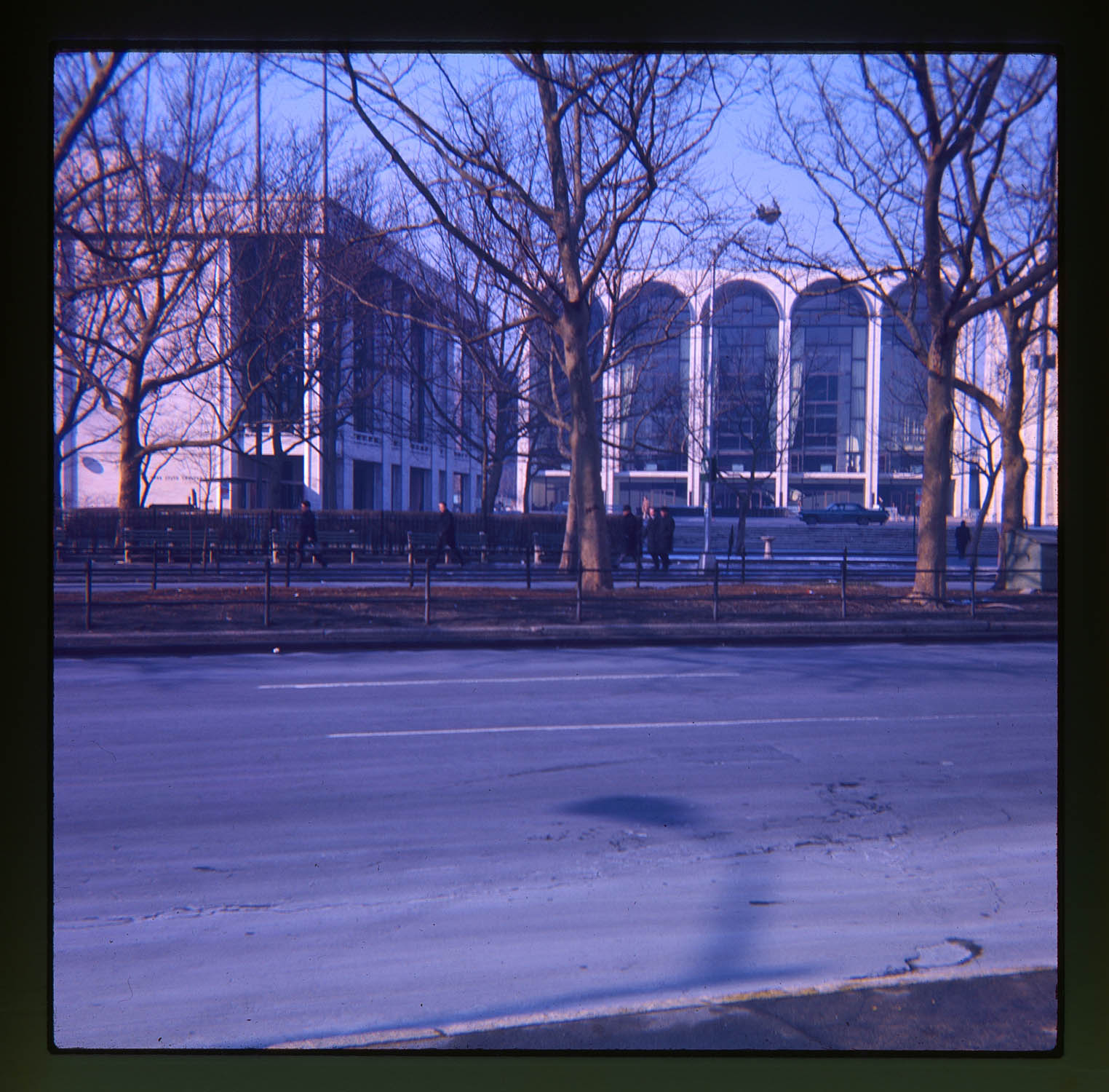
Scanning these slides was a journey of self discovery. I immersed myself in their worlds… staring for hours at the scans and at the dots and scratches on the screen – cleaning up the slides and colour balancing them (see Metropolitan Opera House, Lincoln Center, New York City 1960s below for an example) to make them presentable. It was as much a meditative practice and an acceptance of self to keep going that was so rewarding, especially for the peace it brings my bipolar and depression. Peace and self acceptance.

I lived and breathed these images back into existence after nobody had seen them for so many years. I saved them for prosperity, from the eternity of loss of all unseen images – to not have eyes look at them for that moment of recognition, when the language of the image can be decoded and understood. When the feeling of that image impacts the senses.

I hope you enjoy this series of images, that it reaches you in all its wonderful, effervescent glory. Whoever the photographer was I want to thank them for their vision – for they have taken us to places and times we could never have gone.

Dr Marcus Bunyan

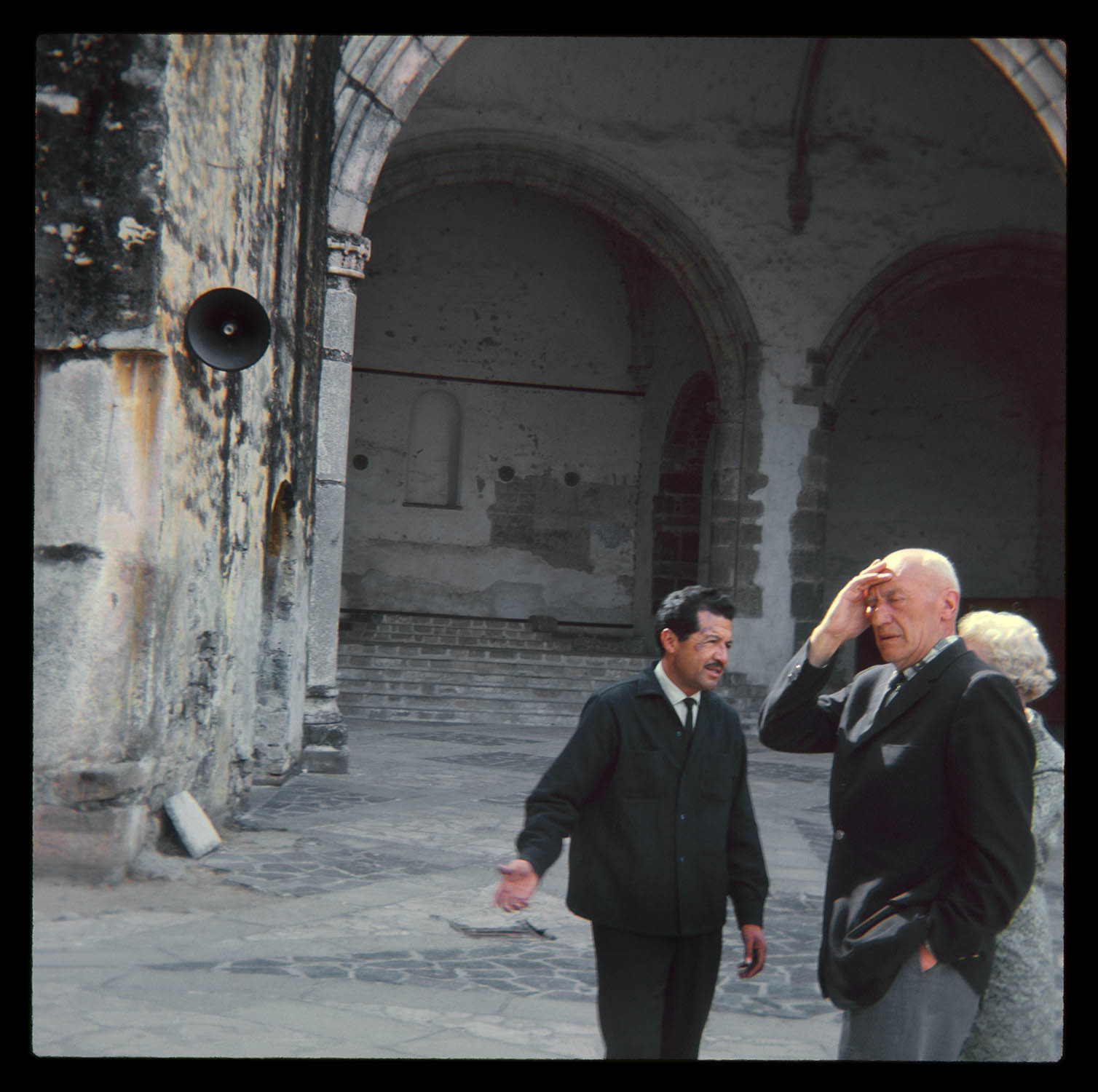
PS. Look at the two hands in the photograph Untitled (Mexican scene?) 1960s (below). It perfectly sums up a moment caught through the energy of the photographer, the camera … and the cosmos. The open hand, the shielded hand.

Just a bit about these scans: scanned at 1200dpi, 21.3Mb. Each image takes on average 1.5 hours of cleaning and balancing to achieve the end result. 300dpi jpg made from scans.


All photographs © Marcus Bunyan. Please click on the photographs for a larger version of the image. See Part 2 of the posting.


“A good image is created by a state of grace. Grace expresses itself when it has been freed from conventions, free like a child in his early discovery of reality. The game is then to organise the rectangle.” [or the square in this case!]


Sergio Larraín Echeñique


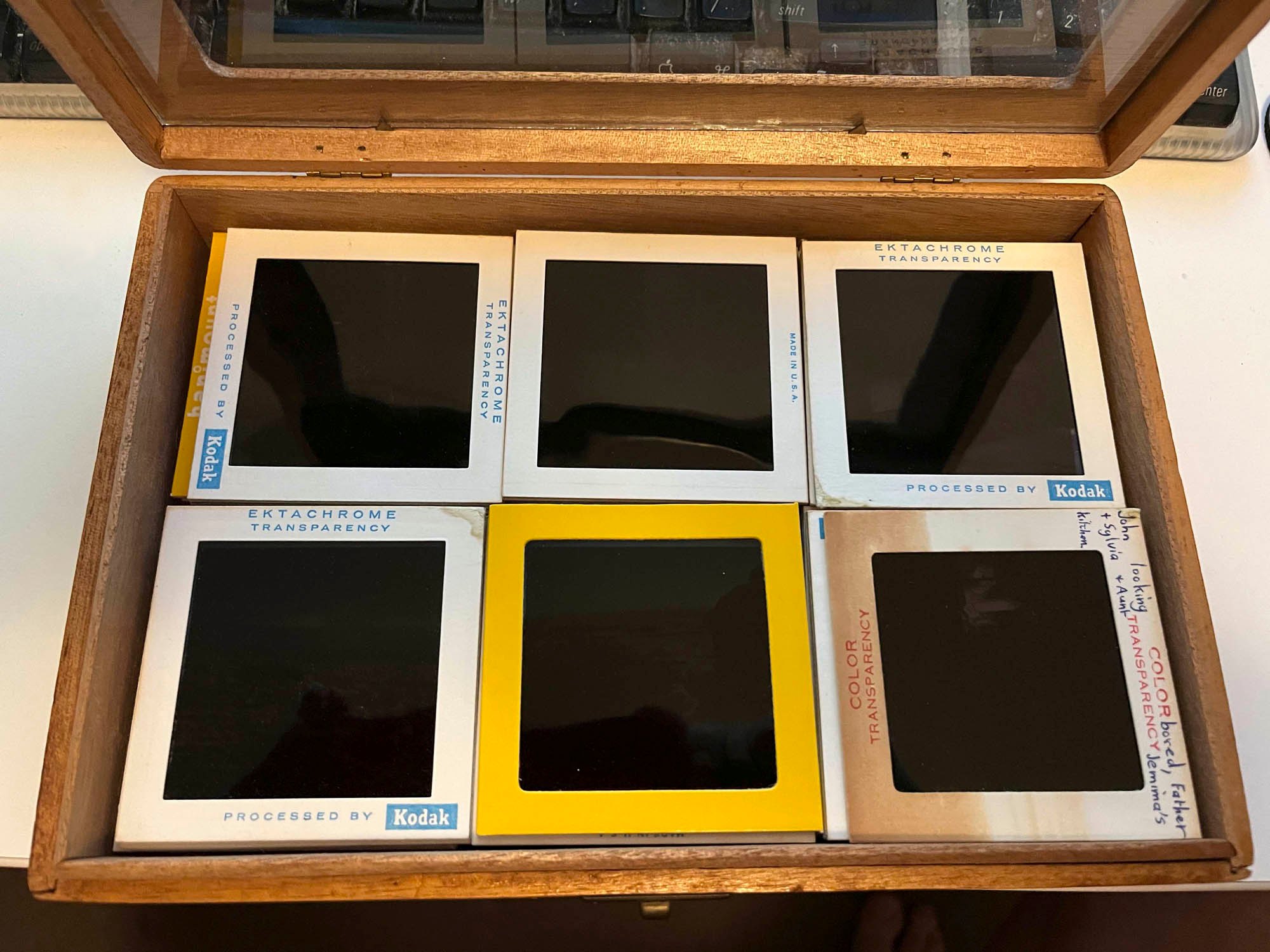
Ektachrome transparency box


Ektachrome transparency box


United States of America


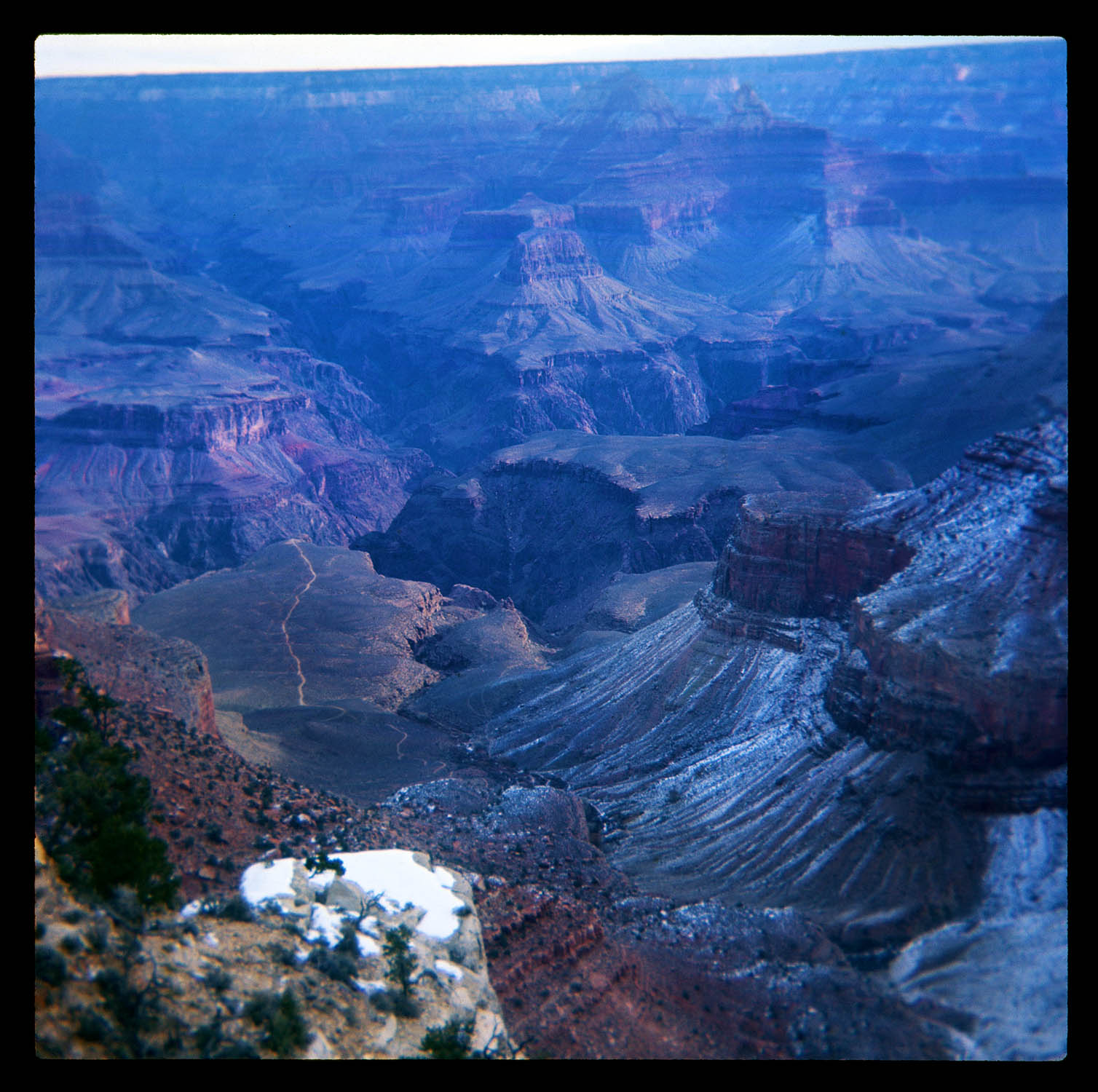
Unknown photographer (Australian) 'Grand Canyon' 1960s


Unknown photographer (Australian)
Grand Canyon
1960s
Ektachrome medium format transparency scanned


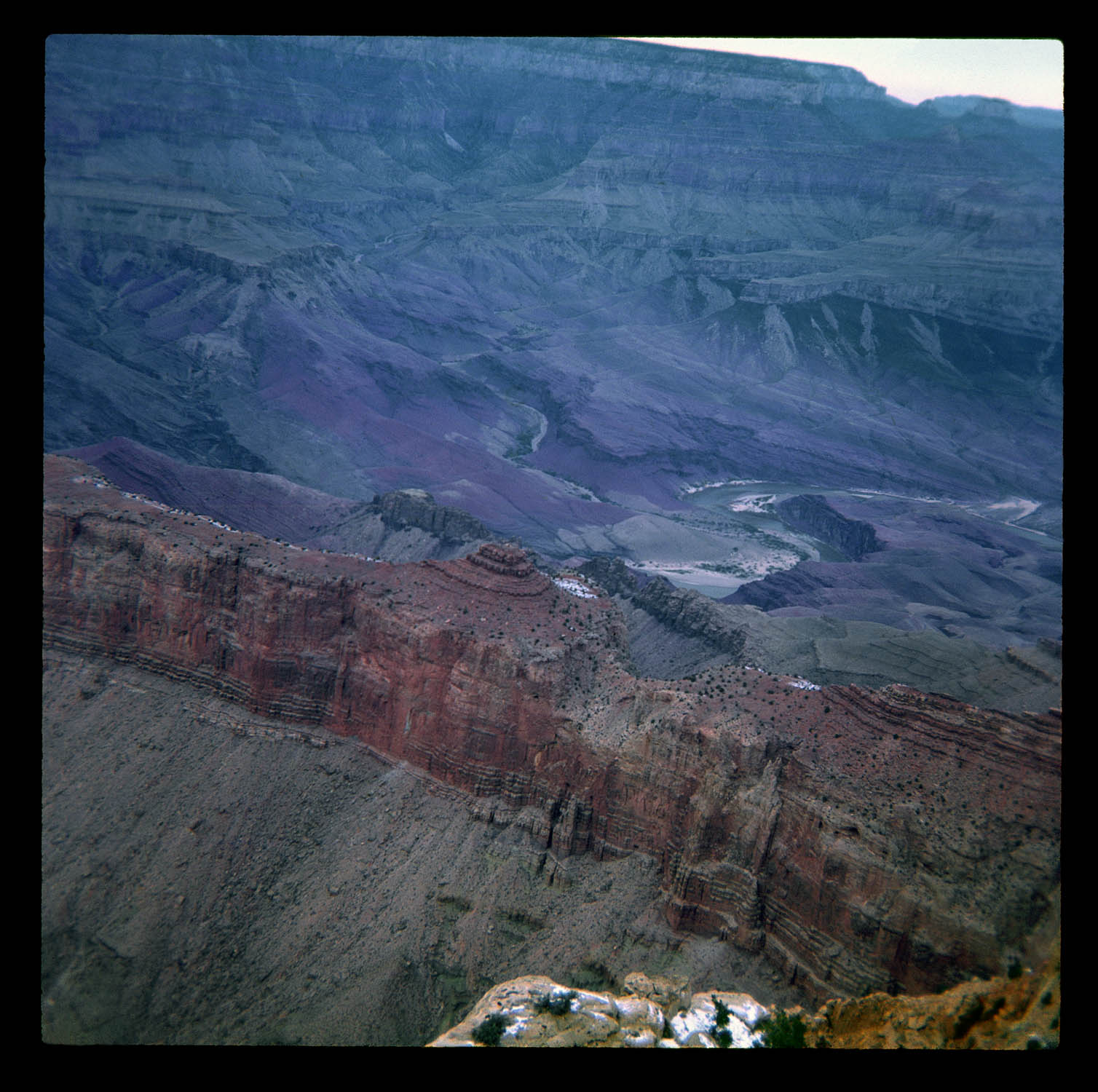
Unknown photographer (Australian) 'Snow in the Grand Canyon' 1960s


Unknown photographer (Australian)
Snow in the Grand Canyon
1960s
Ektachrome medium format transparency scanned


Unknown photographer (Australian?) 'Grand Canyon with snow' 1960s


Unknown photographer (Australian?)
Grand Canyon with snow
1960s
Ektachrome medium format transparency scanned


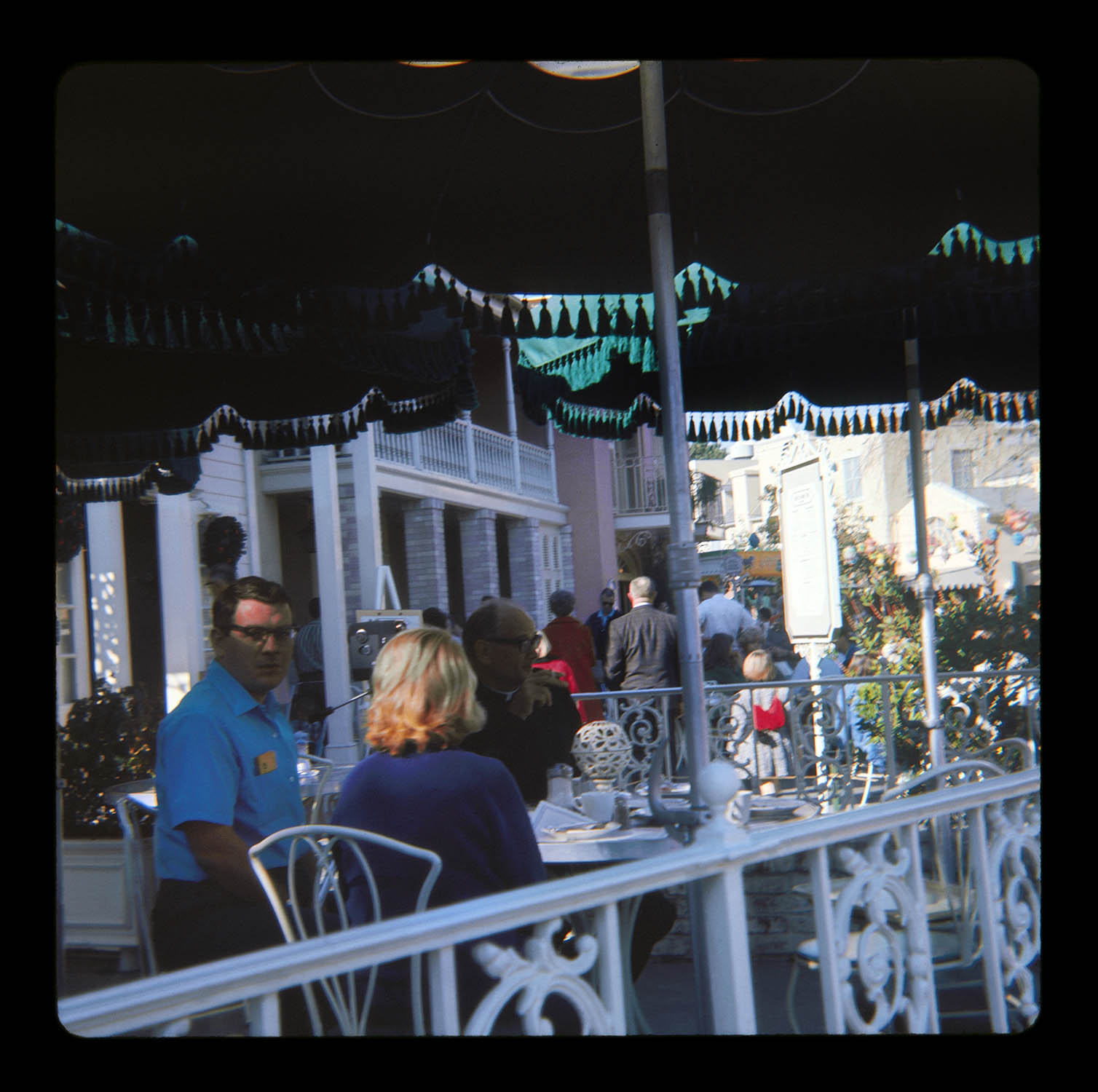
Unknown photographer (Australian) 'John looking bored, Father and Sylvia at Aunt Jemima's Kitchen, Disneyland' 1960s


Unknown photographer (Australian)
John looking bored, Father and Sylvia at Aunt Jemima’s Kitchen, Disneyland
1960s
Ektachrome medium format transparency scanned


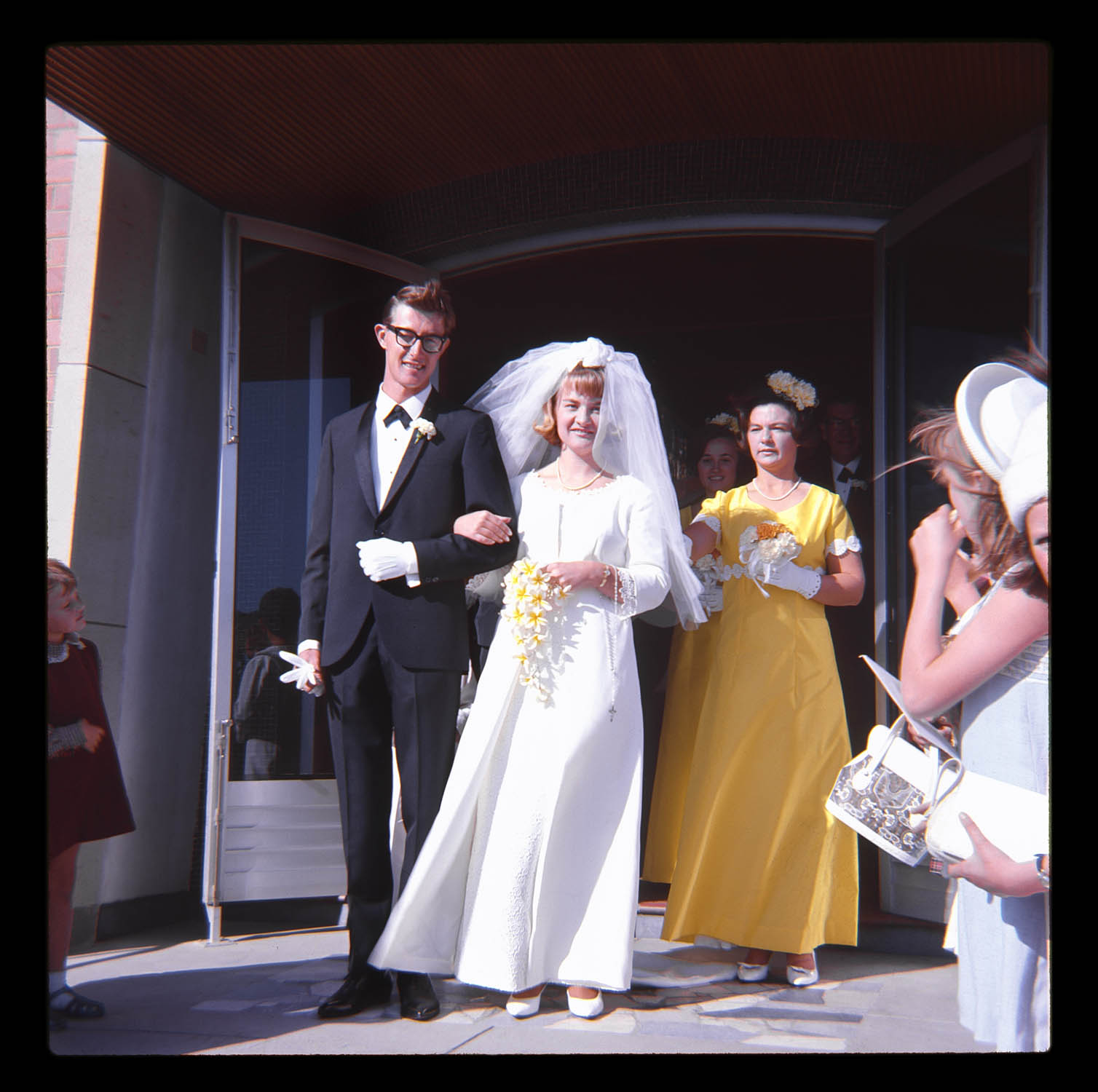
Unknown photographer (Australian) 'Wedding day (USA?)' 1960s


Unknown photographer (Australian)
Wedding day (USA?)
1960s
Ektachrome medium format transparency scanned


What a wonderful composition from a low vantage point. Not sure where it is but it feels USA to me…

The girl at left looking at the bride and groom, his white gloves one on one off, her yellow bride’s bouquet and the relationship to the yellow of the bridesmaid’s dress, and the two girls at right… one looking at the couple and one at the camera. Magic!

I wonder what happened to them, how long they were together. Was it a happy marriage? Did they had children and where are they now? And now all these years later to see this mnemonic device, this photograph of associations, designed to recover fragmentary memories of a happy time…


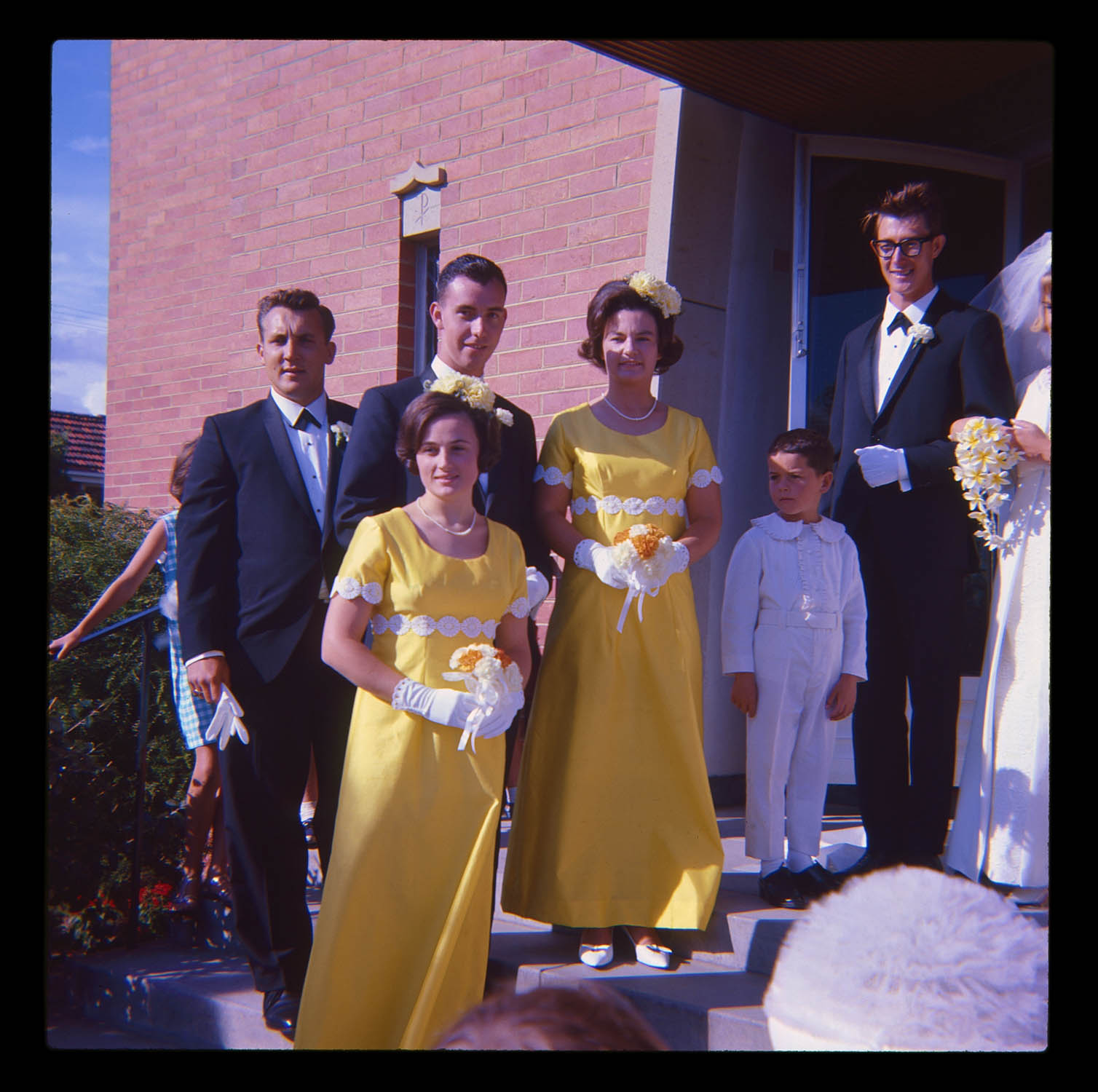
Unknown photographer (Australian) 'Wedding day (USA?)' 1960s


Unknown photographer (Australian)
Wedding day (USA?)
1960s
Ektachrome medium format transparency scanned


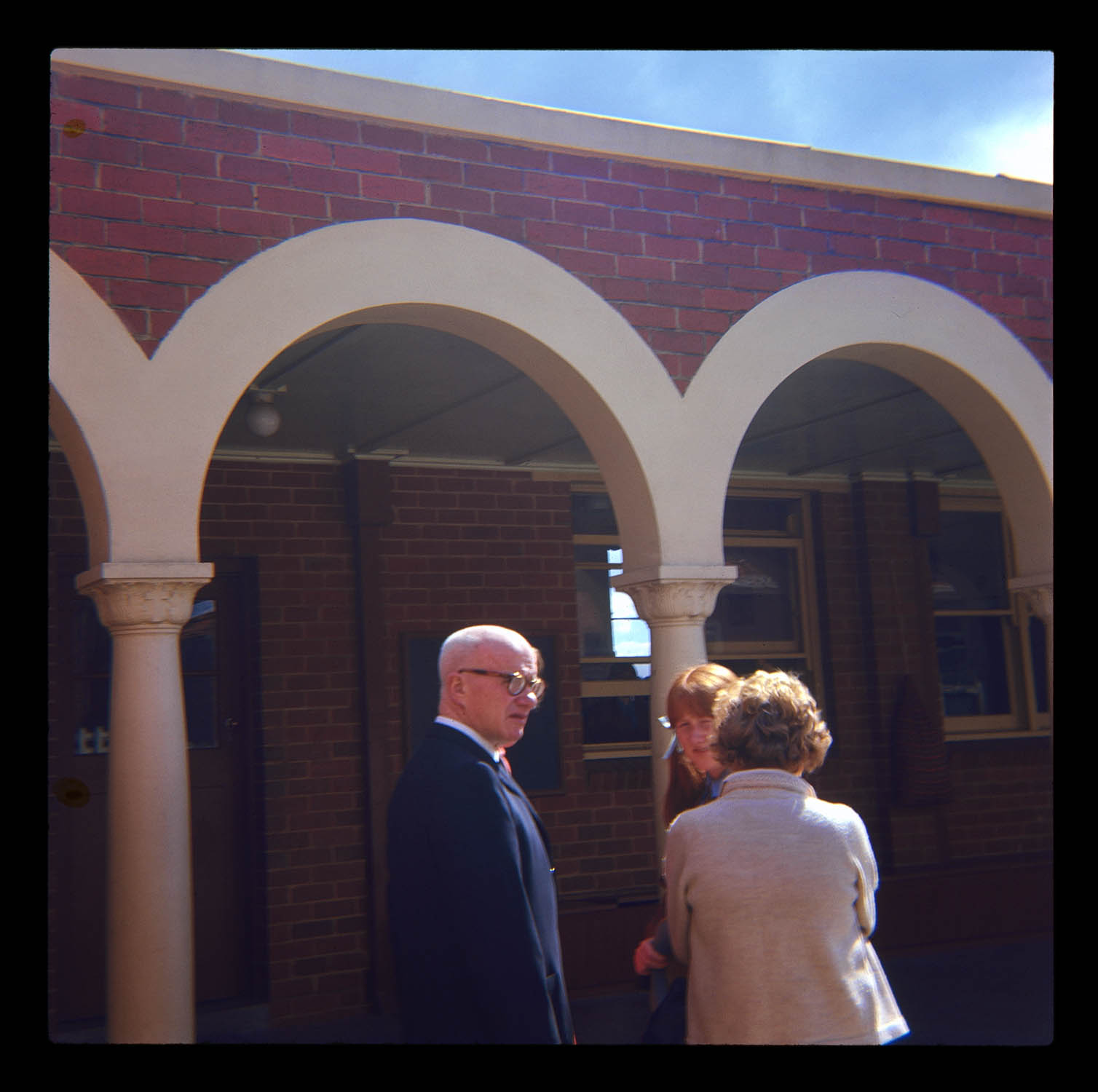
Unknown photographer (Australian) 'Untitled (USA)' 1960s


Unknown photographer (Australian)
Untitled (USA)
1960s
Ektachrome medium format transparency scanned


I am pretty sure this image is connected to the wedding photos above.


Unknown photographer (American) 'Hawaii? California? coastline' 1960s


Unknown photographer (American)
Hawaii? California? coastline
1960s
Ektachrome medium format transparency scanned


Definitely not Australia…


Unknown photographer (American) 'Hawaii? California? coastline' 1960s


Unknown photographer (American)
Hawaii? California? coastline
1960s
Ektachrome medium format transparency scanned


Unknown photographer (Australian) 'Untitled [coastline]' 1960s


Unknown photographer (Australian)
Untitled [coastline]
1960s
Ektachrome medium format transparency scanned


I think this is the Hawaiian or Californian coastline, but unsure… the telephone pole is definitely not Australian!


Unknown photographer (Australian) 'Untitled' 1960s


Unknown photographer (Australian)
Untitled
1960s
Ektachrome medium format transparency scanned


No idea where this is (not Australia!) or what the structures are. Obviously shot out of a moving car or possibly train/bus. An interesting image nonetheless.


Unknown photographer (Australian) 'Untitled [Desert scene, California?]' 1960s


Unknown photographer (Australian)
Untitled [Desert scene, California?]
1960s
Ektachrome medium format transparency scanned


Unknown photographer (Australian) 'Untitled [Desert scene, California?]' 1960s


Unknown photographer (Australian)
Untitled [Desert scene, California?]
1960s
Ektachrome medium format transparency scanned


A wonderful photograph shot contre-jour which is a photographic technique in which the camera is pointing directly toward a source of light.


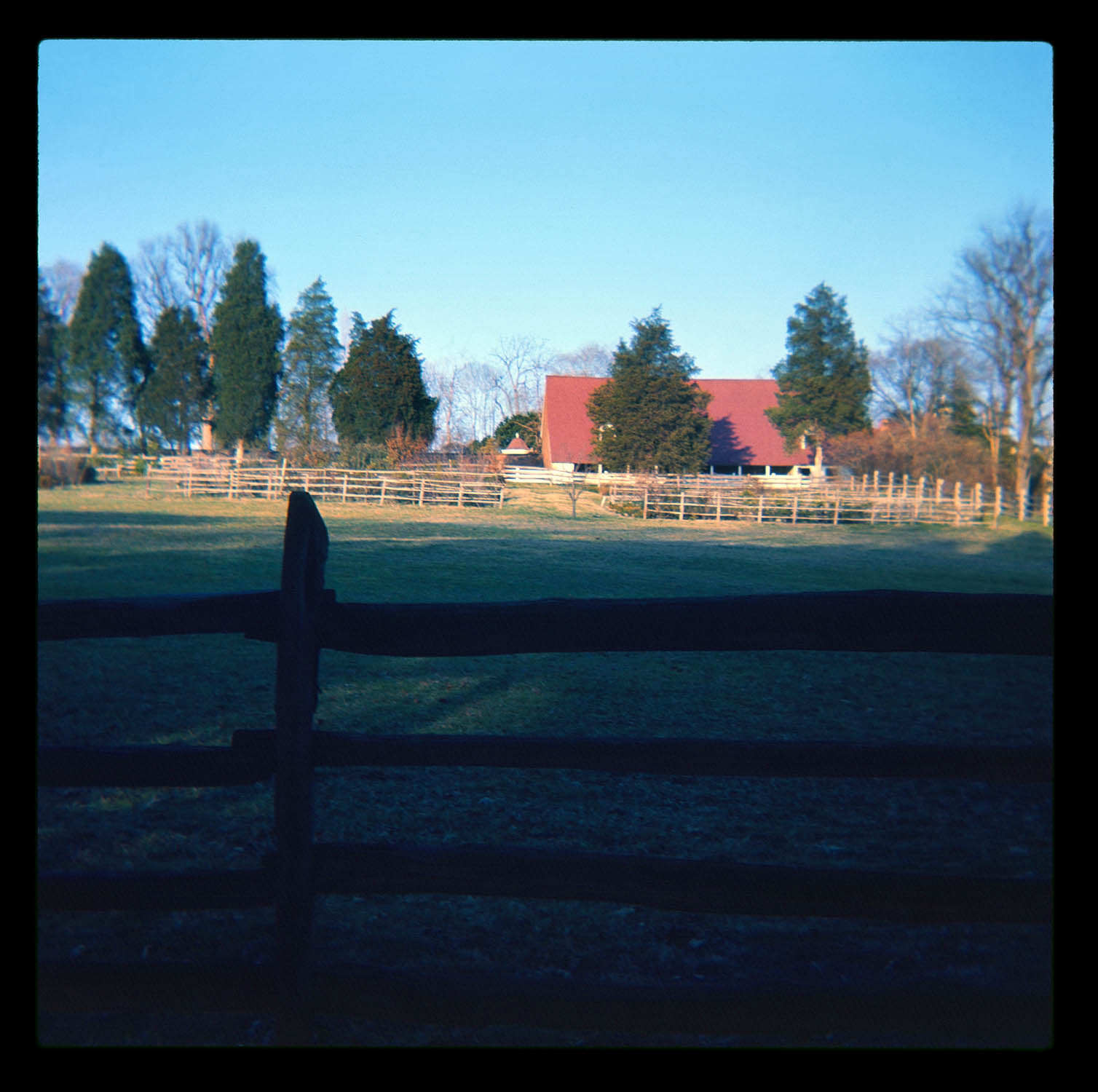
Unknown photographer (Australian) 'George Washington's home, Mount Vernon' 1960s


Unknown photographer (Australian)
George Washington’s home, Mount Vernon
1960s
Ektachrome medium format transparency scanned


Thank you to Colin Vickery who informed me this is George Washington’s home, Mount Vernon.


Unknown photographer (Australian) 'John F. Kennedy's gravesite under construction at Arlington Cemetery (foreground) with Memorial Bridge and the Lincoln Memorial in the background. View from Arlington House' Late 1966 / early 1967


Unknown photographer (Australian)
John F. Kennedy’s gravesite under construction at Arlington Cemetery (foreground) with Memorial Bridge and the Lincoln Memorial in the background. View from Arlington House
Late 1966 / early 1967
Ektachrome medium format transparency scanned


An important photograph! An unknown photograph of the construction of John F. Kennedy’s grave at Arlington National Cemetery.

Construction began in 1965 and was completed on July 20, 1967. Since JFK’s grave is 2/3rds complete this would date the photograph to late 1966 / early 1967. This would also help date all the other Ektachrome slides that I am scanning.


Unknown photographer (Australian) 'John F. Kennedy's gravesite under construction at Arlington Cemetery (foreground) with Memorial Bridge and the Lincoln Memorial in the background. View from Arlington House' Late 1966 / early 1967


Unknown photographer (Australian)
Grave of John F. Kennedy, Arlington National Cemetery, Washington
1960s
Ektachrome medium format transparency scanned


Another important photograph of the temporary grave of John F. Kennedy at Arlington National Cemetery with the construction of Kennedy’s new grave ongoing in the background.

Around the grave are the caps of the services with what I think are dog leads in between? In the background in the centre is a wreath from a Boy Scout Troop. And of course, the flame…


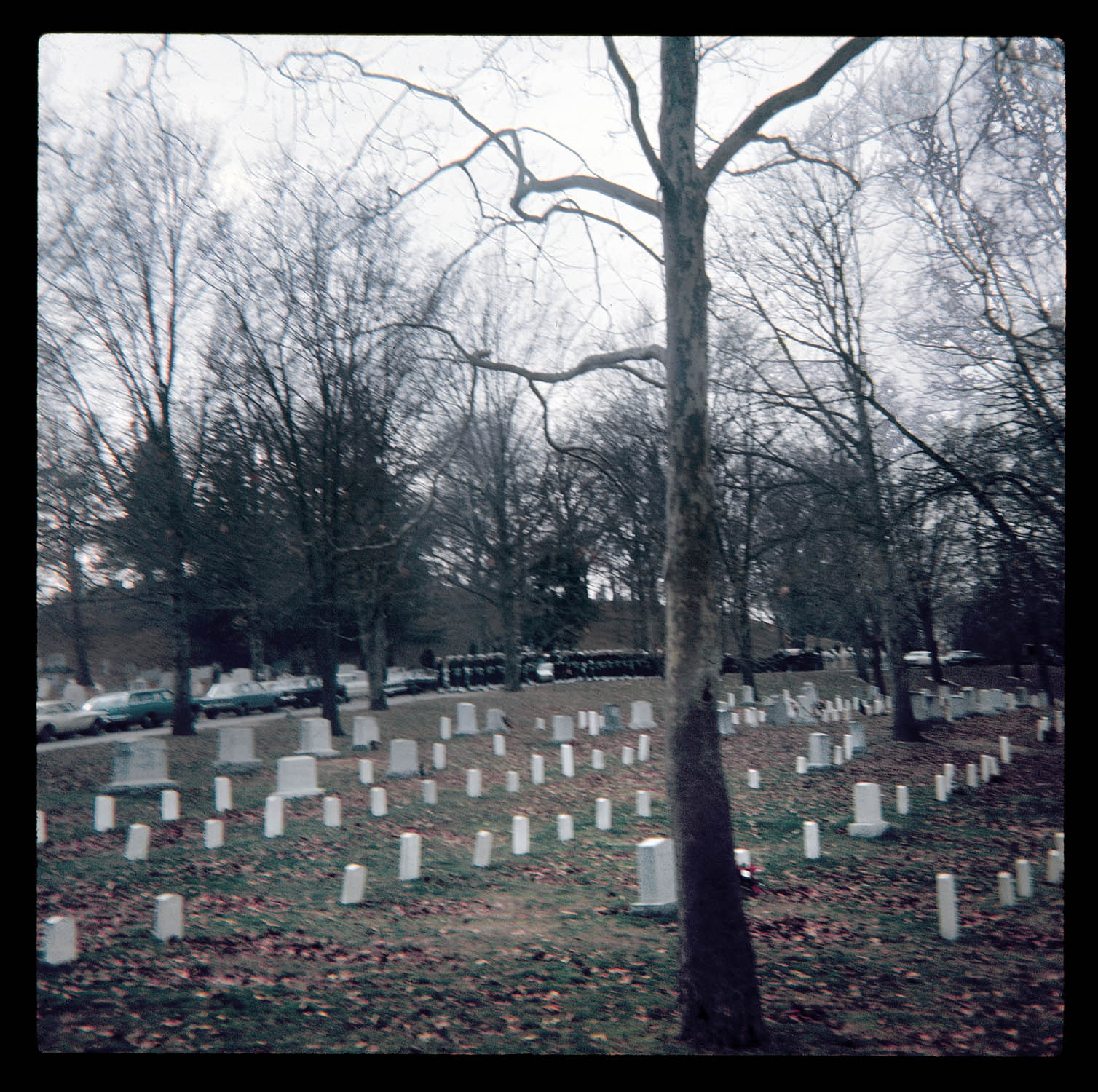
Unknown photographer (Australian) 'Arlington National Cemetery, Washington' 1960s


Unknown photographer (Australian)
Arlington National Cemetery, Washington
1960s
Ektachrome medium format transparency scanned


This was a poor exposure and about the best I could do with the scan.


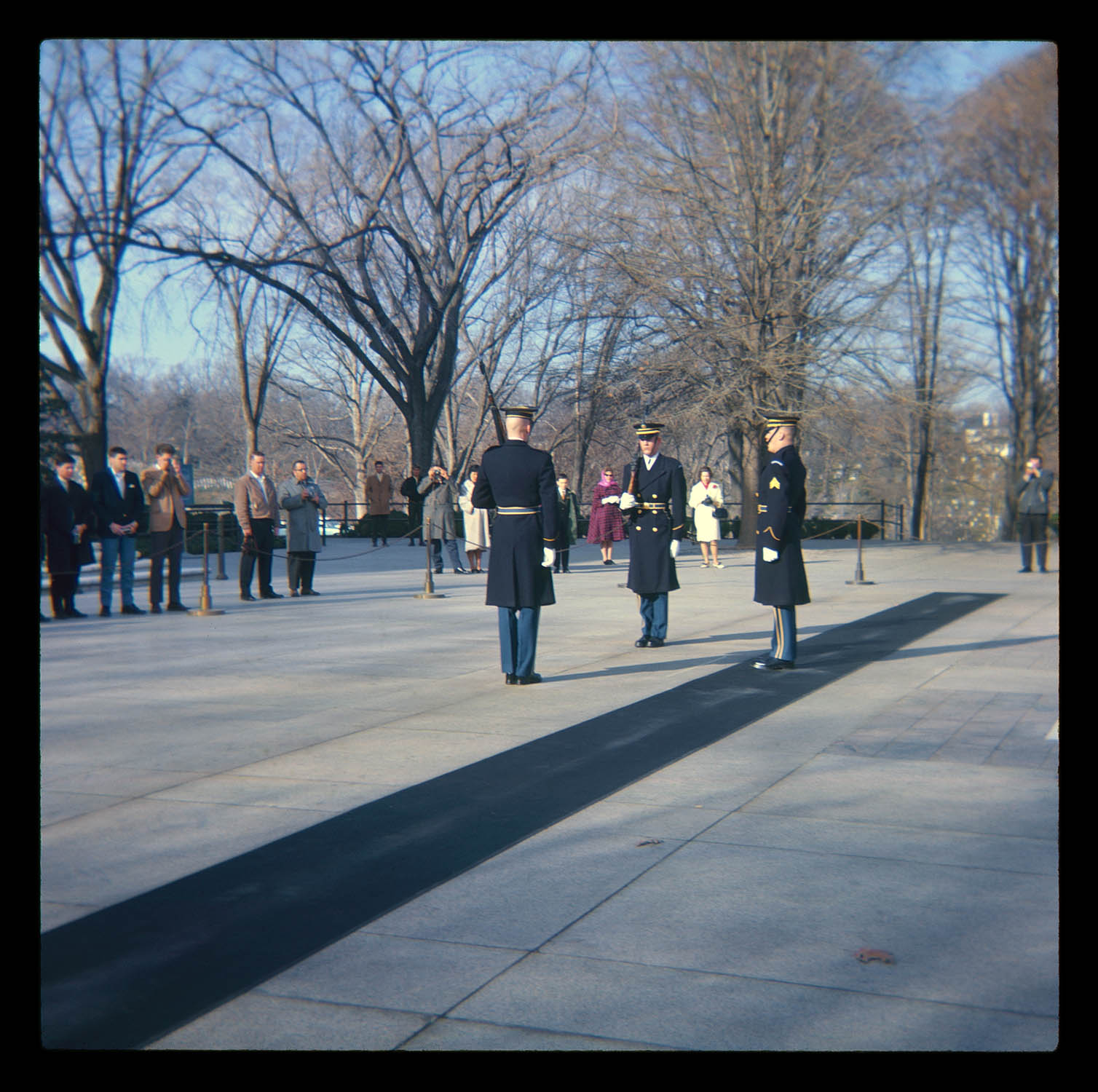
Unknown photographer (Australian) 'Arlington National Cemetery, Washington' 1960s


Unknown photographer (Australian)
Arlington National Cemetery, Washington
1960s
Ektachrome medium format transparency scanned


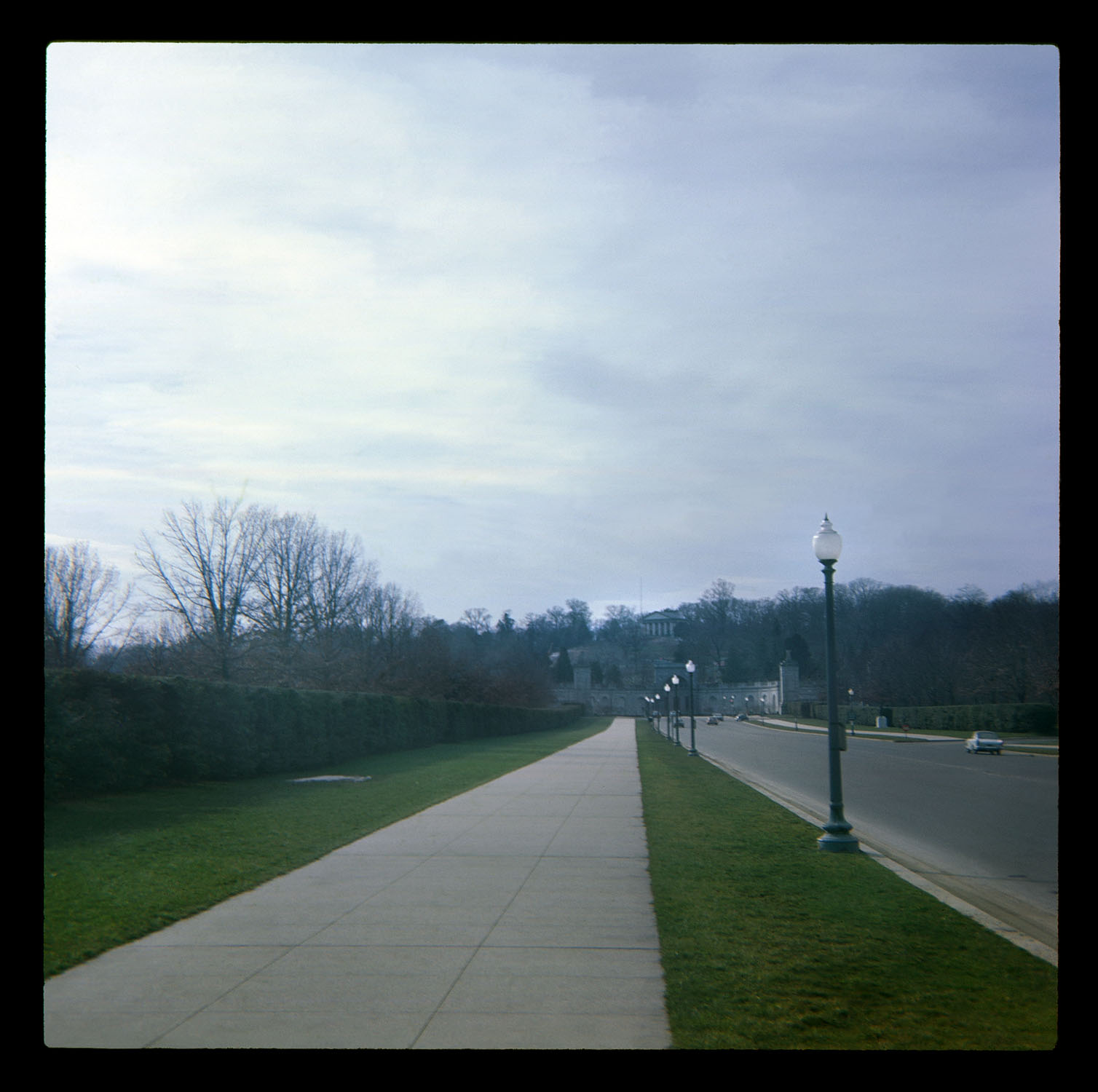
Unknown photographer (Australian) 'Road to Arlington National Cemetery, Washington' 1960s


Unknown photographer (Australian)
Road to Arlington National Cemetery, Washington
1960s
Ektachrome medium format transparency scanned


A wonderful vista with Arlington National Cemetery in the distance…


Unknown photographer (Australian) 'The White House, Washington, DC' 1960s


Unknown photographer (Australian)
The White House, Washington, DC
1960s
Ektachrome medium format transparency scanned


Unknown photographer (Australian) 'The White House, Washington, DC' 1960s


Unknown photographer (Australian)
The White House, Washington, DC
1960s
Ektachrome medium format transparency scanned


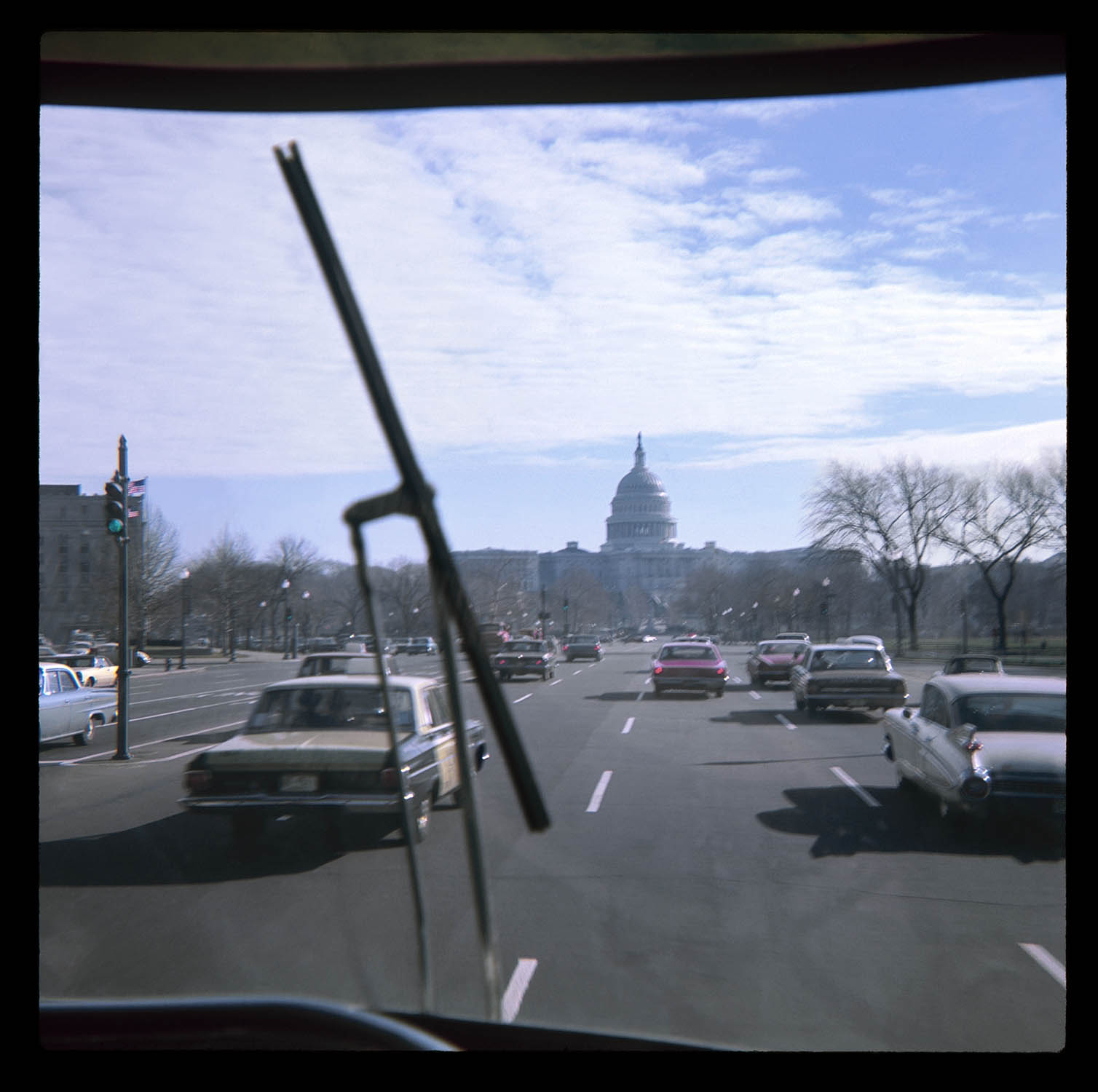
Unknown photographer (Australian) 'Untitled States Capitol, Washington, D.C.' 1960s


Unknown photographer (Australian)
Untitled States Capitol, Washington, D.C.
1960s
Ektachrome medium format transparency scanned


What a great image, shot out of the front of a bus driving towards the United States Capitol, love all the old cars!


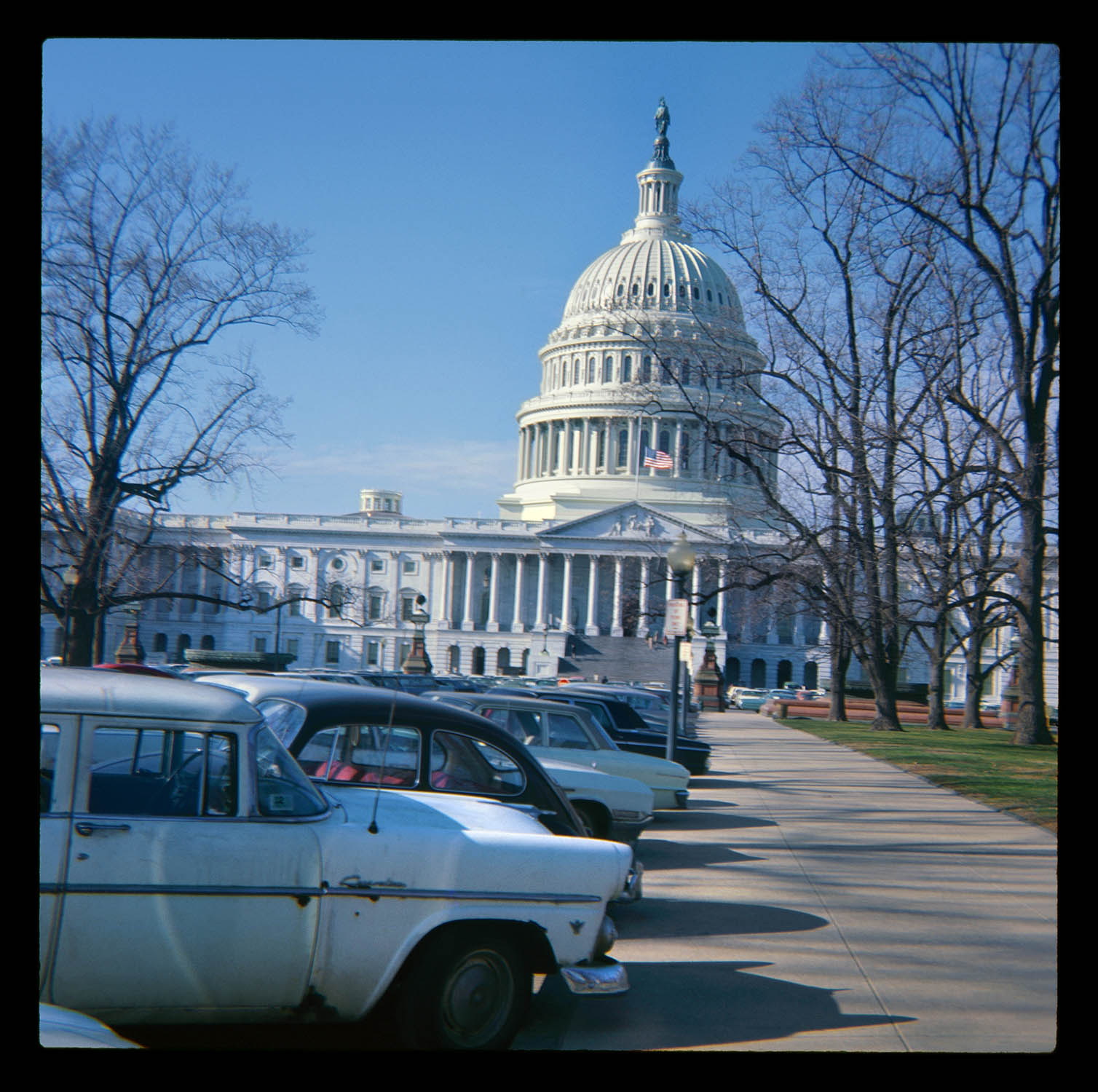
Unknown photographer (Australian) 'Untitled States Capitol, Washington, D.C.' 1960s


Unknown photographer (Australian)
Untitled States Capitol, Washington, D.C.
1960s
Ektachrome medium format transparency scanned


I love the perspective, the shadows of the old cars, the path leading the eye towards the building and the trees framing the vista.


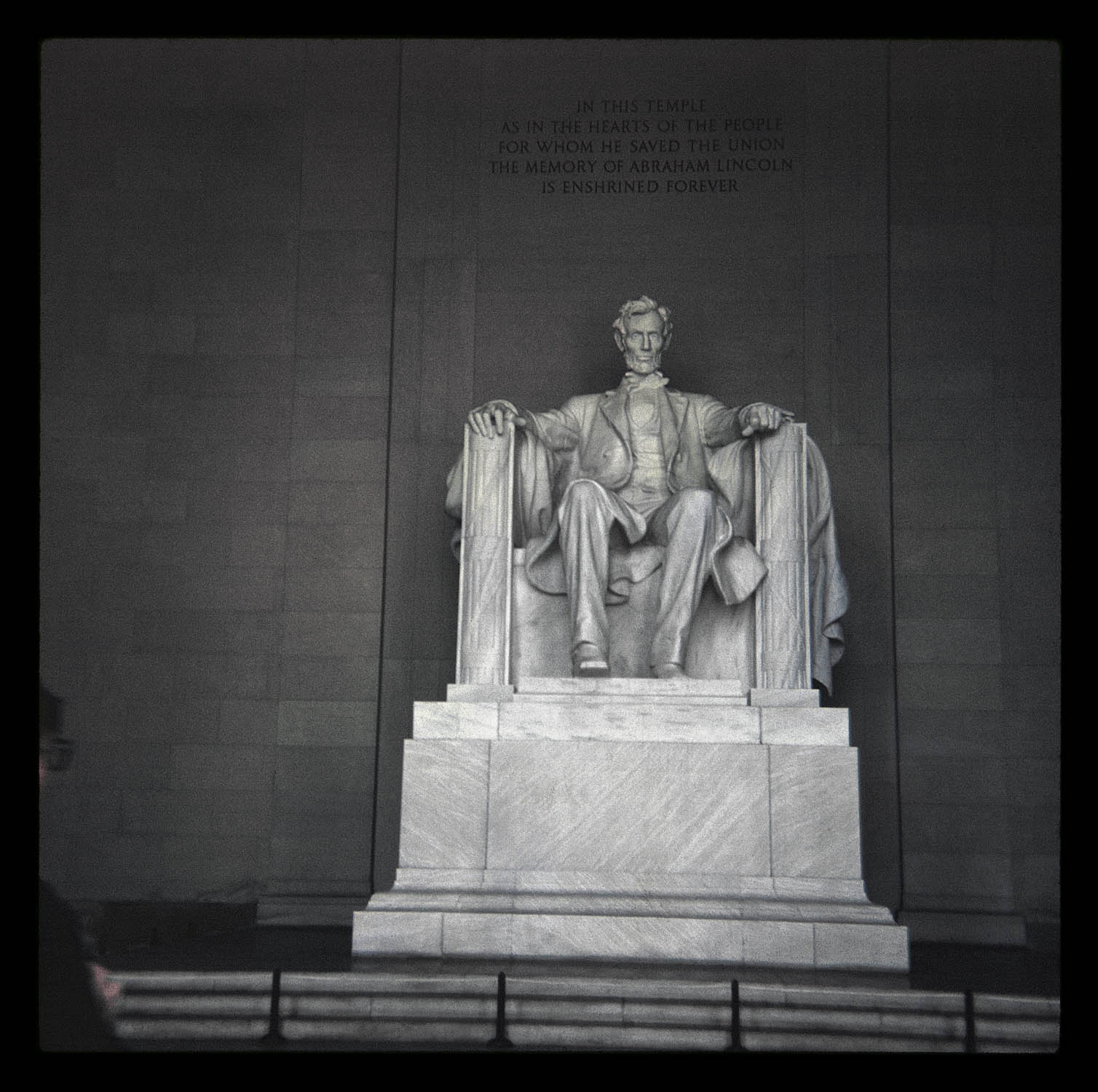
Unknown photographer (Australian) 'Abraham Lincoln, Lincoln Memorial, Washington, D.C.' 1960s


Unknown photographer (Australian)
Abraham Lincoln, Lincoln Memorial, Washington, D.C.
1960s
Ektachrome medium format transparency scanned


Unknown photographer (Australian) 'Metropolitan Opera House, Lincoln Center, New York City' 1960s


Unknown photographer (Australian)
Metropolitan Opera House, Lincoln Center, New York City
1960s
Ektachrome medium format transparency scanned


The top image has not been colour corrected, as scanned.


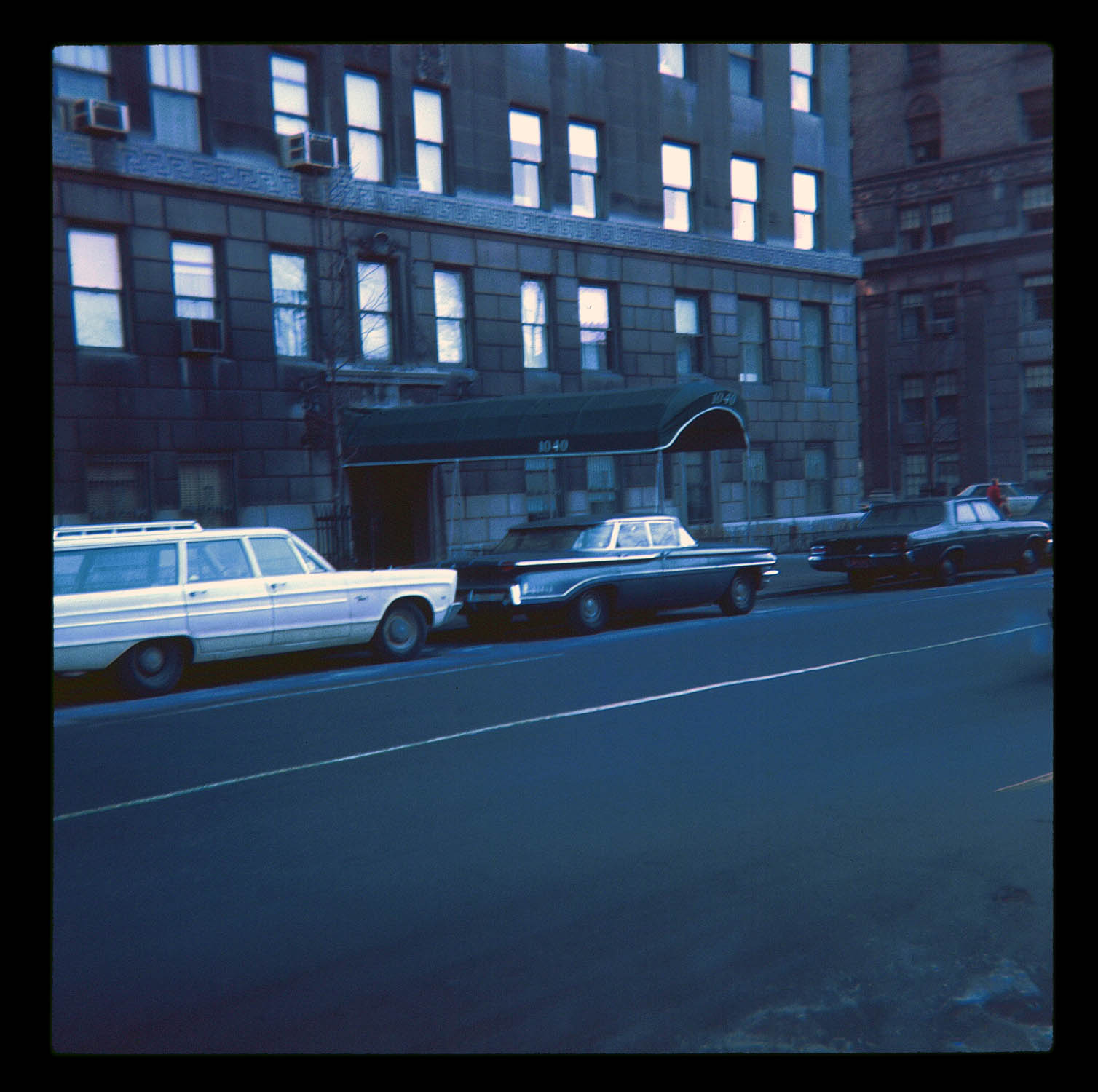
Unknown photographer (Australian) '1040 Fifth Avenue NY' 1960s


Unknown photographer (Australian)
1040 Fifth Avenue NY
1960s
Ektachrome medium format transparency scanned


Some photos are winners, some are losers… but they are all interesting. The fifteenth floor of 1040 Fifth Avenue NY was home to Jackie Onassis from 1964 to 1994.

The cars are a Super 88 Oldsmobile, 1965 Plymouth Fury Suburban S/W and 1964/65 Buick Special 4dr.

This slide was so underexposed it was very hard to get a usable scan. Colour correction was difficult.


Unknown photographer (Australian) 'Untitled (American landscape)' 1960s


Unknown photographer (Australian)
Untitled (American landscape)
1960s
Ektachrome medium format transparency scanned


A lovely image. Whoever took these photographs had a really good eye.


Unknown photographer (Australian) 'Untitled (American landscape)' 1960s


Unknown photographer (Australian)
Untitled (American landscape)
1960s
Ektachrome medium format transparency scanned


Unknown photographer (Australian) 'Untitled (American landscape)' 1960s


Unknown photographer (Australian)
Untitled (American landscape)
1960s
Ektachrome medium format transparency scanned


Unknown photographer (Australian) 'Untitled (American landscape)' 1960s


Unknown photographer (Australian)
Untitled (American landscape)
1960s
Ektachrome medium format transparency scanned


Unknown photographer (Australian) 'Untitled (California)' 1960s


Unknown photographer (Australian)
Untitled (California)
1960s
Ektachrome medium format transparency scanned


I think this is California?

A classic 1960s photograph. The photographer had a good eye. Los Castillo artesanos on the left hand side, a Kodak sign, and a Chevrolet if I’m not mistaken.


Unknown photographer (Australian) 'American landscape with cars, perhaps Malibu, California?' 1960s


Unknown photographer (Australian)
American landscape with cars, perhaps Malibu, California?
1960s
Ektachrome medium format transparency scanned


Great photo!


Unknown photographer (Australian) 'Main Str Cinema, Disneyland' 1960s


Unknown photographer (Australian)
Main Str Cinema, Disneyland, California
1960s
Ektachrome medium format transparency scanned


I don’t know what the fault is at top left, it’s in the transparency itself – so obviously something inside the camera got ‘recorded’ on film


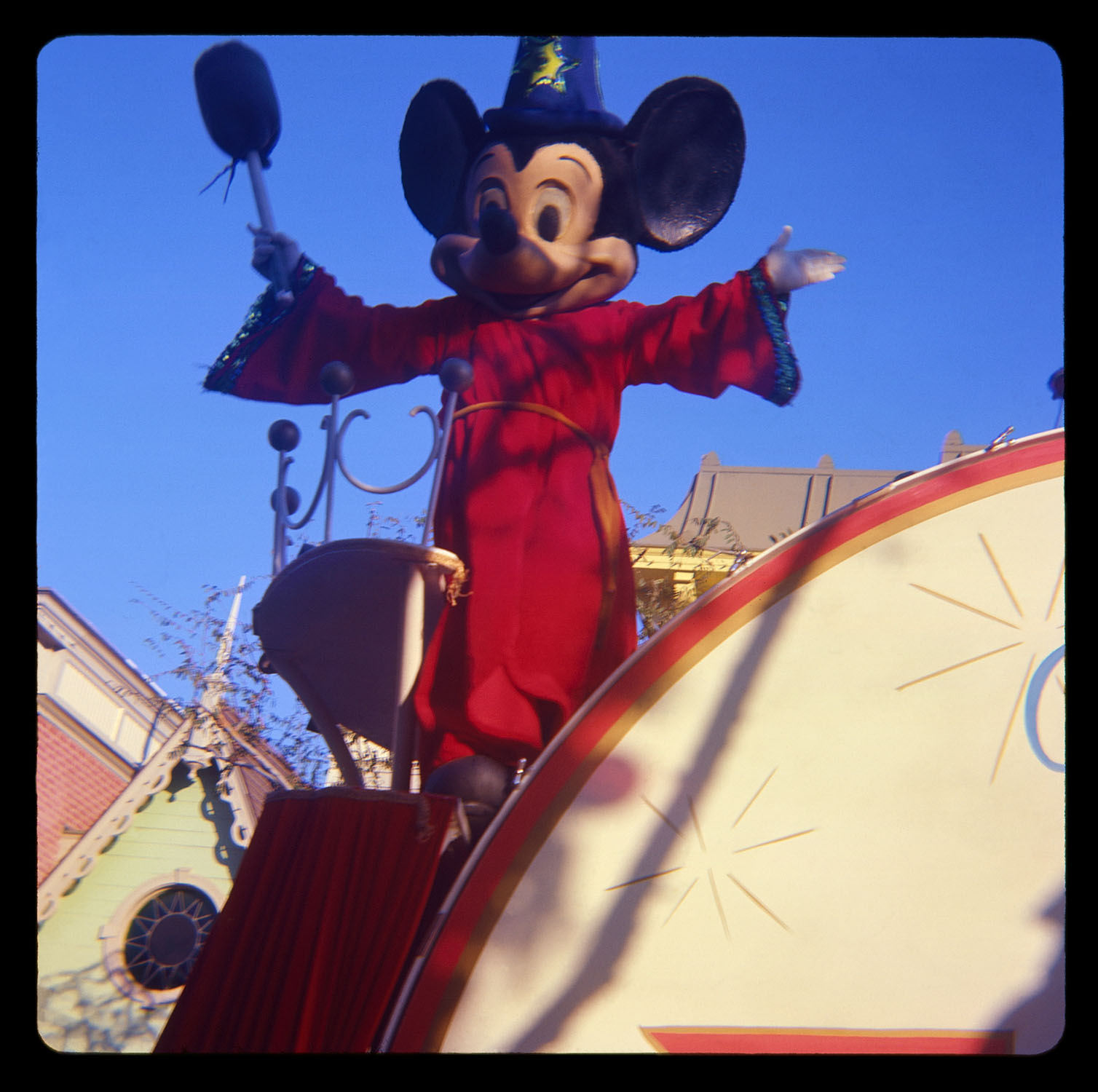
Unknown photographer (Australian) 'Mickey Mouse, Disneyland'
1960s


Unknown photographer (Australian)
Mickey Mouse, Disneyland, California
1960s
Ektachrome medium format transparency scanned


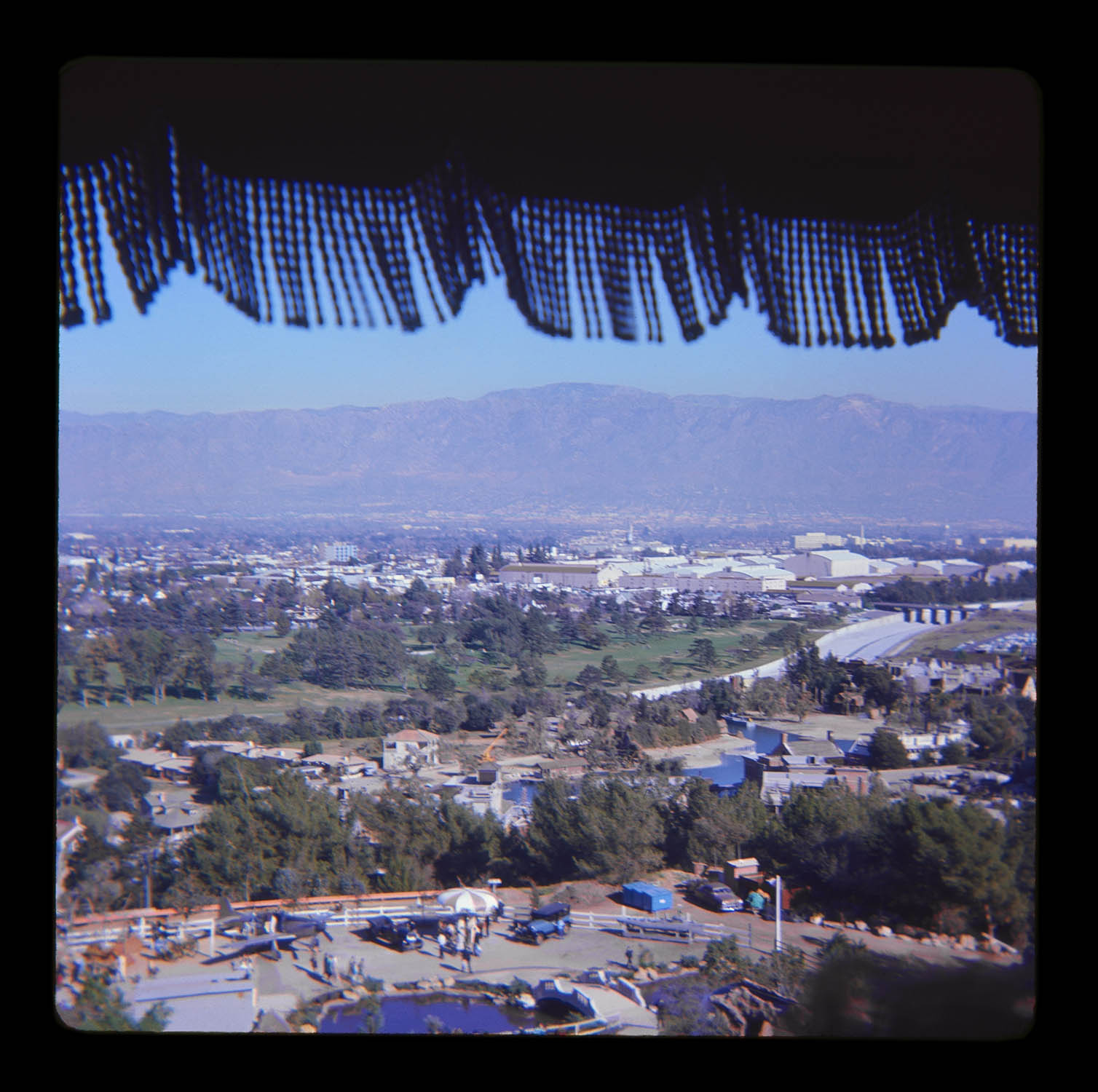
Unknown photographer (Australian) 'General view over Universal Studios including my plane, Tammy's houseboat, Warner Brothers in background, California' 1960s


Unknown photographer (Australian)
General view over Universal Studios including my plane, Tammy’s houseboat, Warner Brothers in background, California
1960s
Ektachrome medium format transparency scanned


The photograph was taken from a “Glamor Tram” travelling around the lot. These were introduced in July, 1964. “The iconic red and white Glamor Trams, with their ruffled awnings, were staged five times a day, each lasting just over two hours, Monday through Friday.”

The handwritten inscription on the slide reads:

“General view over Universal Studios including my plane, Tammy’s houseboat, Warner Brothers in background”

“My plane” seems to be a North American P-51 Mustang. According to John Lovaas on Facebook he is “pretty sure the green space is Lakeside Golf Club, and the plane and cars in the foreground are on Universal Studios property. How many P-51s has Universal ever had on their lot? A finite number!”

He states that the P-51 is most likely the plane 44-72739 N44727 “Man O War” which was the plane at Universal Studios between 1955-1970. I can’t see a houseboat at all!


Unknown photographer (Australian) ''Battle Hymn' North American P-51 Mustang' 1960s


Unknown photographer (Australian)
‘Battle Hymn’ North American P-51 Mustang
1960s
Ektachrome medium format transparency scanned


A closer look at the North American P-51 Mustang that featured at a distance in the slide above.

The text written on the slide reads: “Me and plane used in “Battle Hymn”.”

“‘Battle Hymn’ is a 1957 American war film directed by Douglas Sirk and starring Rock Hudson as Lieutenant Colonel Dean E. Hess, a real-life United States Air Force fighter pilot in the Korean War who helped evacuate several hundred war orphans to safety… Hess promises her he won’t see combat, since he will be the senior USAF advisor / Instructor Pilot to the Republic of Korea Air Force, only serving as a teacher and flying F-51D Mustangs. …

In order to replicate the ROK unit, the 12 F-51D Mustangs of 182nd Fighter Squadron, 149th Fighter Group of the Texas Air National Guard were enlisted by the USAF to provide the necessary authentic aircraft of the period. During filming, an additional surplus F-51 was acquired from USAF stocks to be used in an accident scene where it would be deliberately destroyed.”

Text from the Wikipedia website


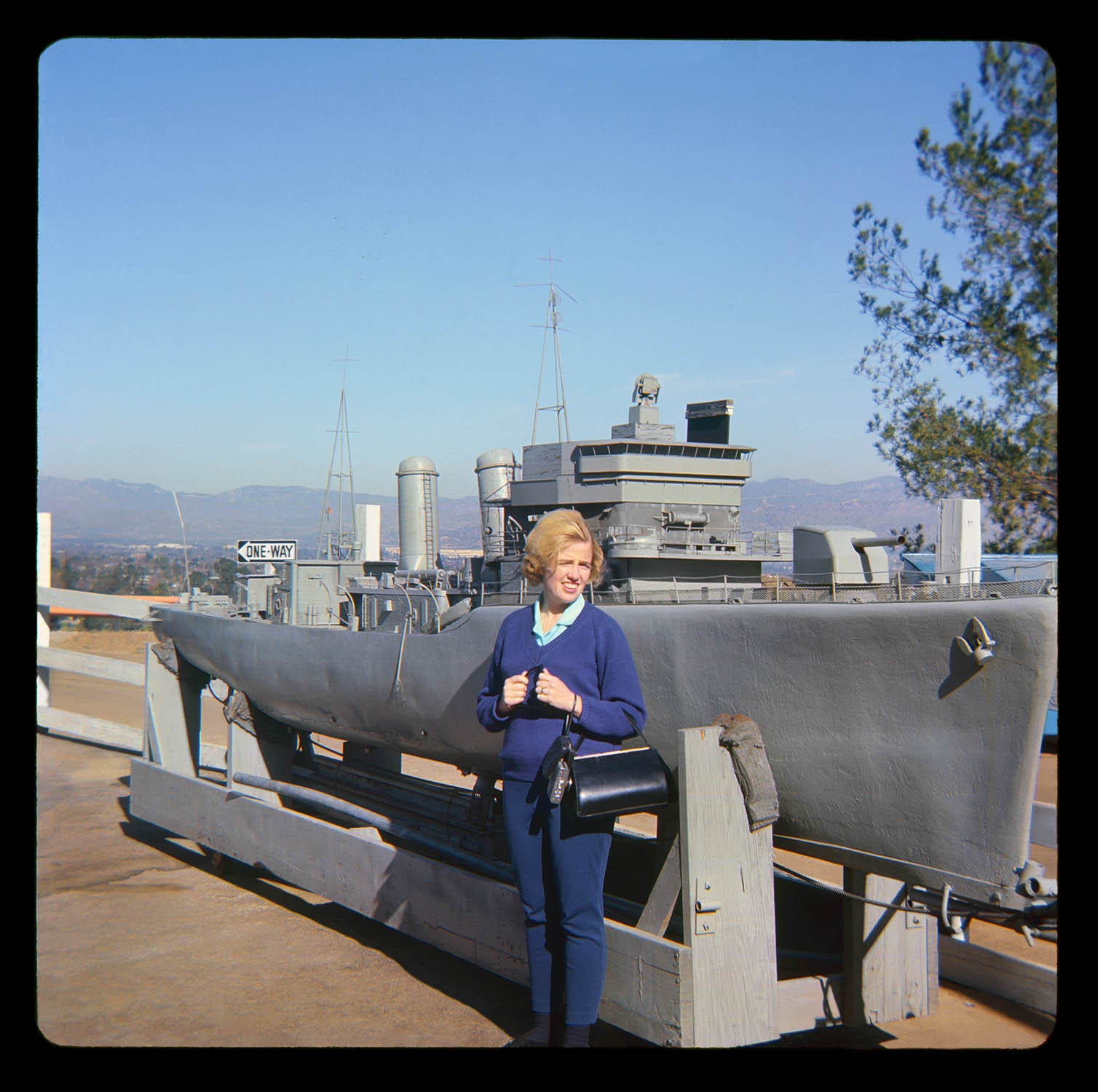
Unknown photographer (Australian) 'Sylvia and ship used for McHale's Navy, Universal Studios' 1960s


Unknown photographer (Australian)
Sylvia and ship used for McHale’s Navy, Universal Studios
1960s
Ektachrome medium format transparency scanned


The title was written on the slide.


Unknown photographer (Australian) 'San Francisco with Golden Gate Bridge' 1960s


Unknown photographer (Australian)
San Francisco with Golden Gate Bridge (in the background)
1960s
Ektachrome medium format transparency scanned


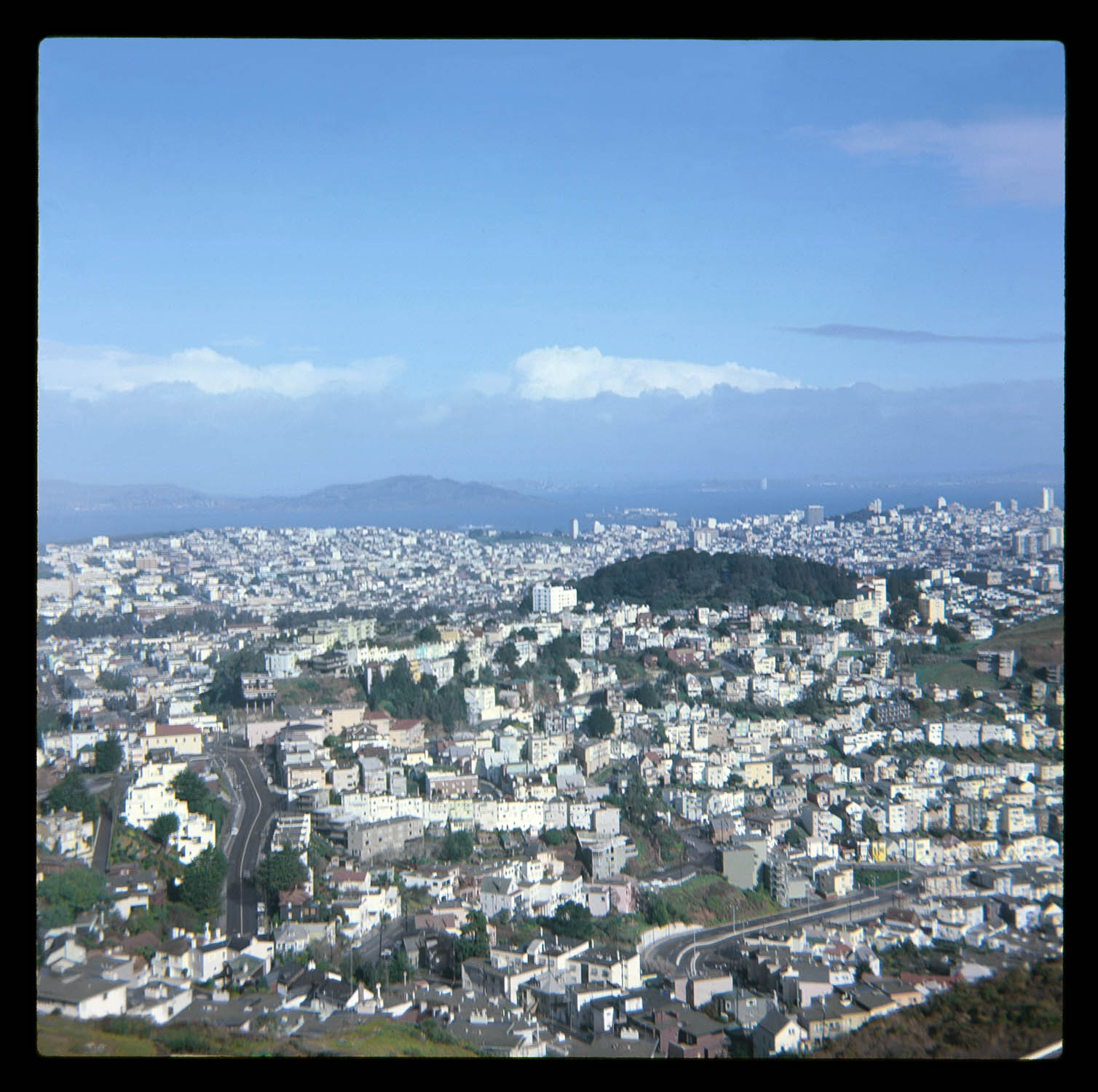
Unknown photographer (Australian) 'View over San Francisco' 1960s


Unknown photographer (Australian)
View over San Francisco
1960s
Ektachrome medium format transparency scanned


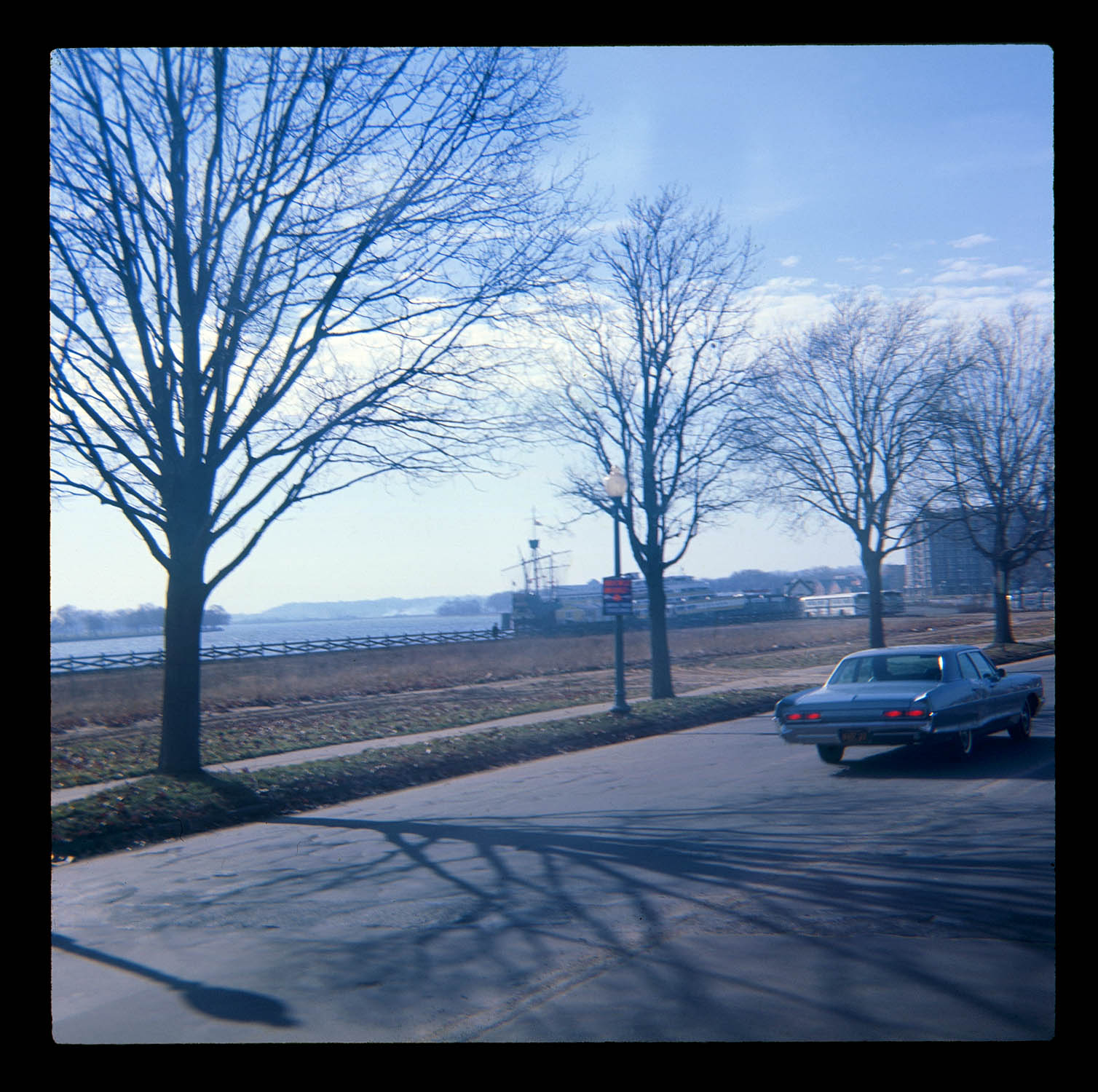
Unknown photographer (Australian) 'Untitled (Car and river, USA)' 1960s


Unknown photographer (Australian)
Untitled (Car and river, USA)
1960s
Ektachrome medium format transparency scanned


Lovely photo, great shadows. I have no idea where this is…


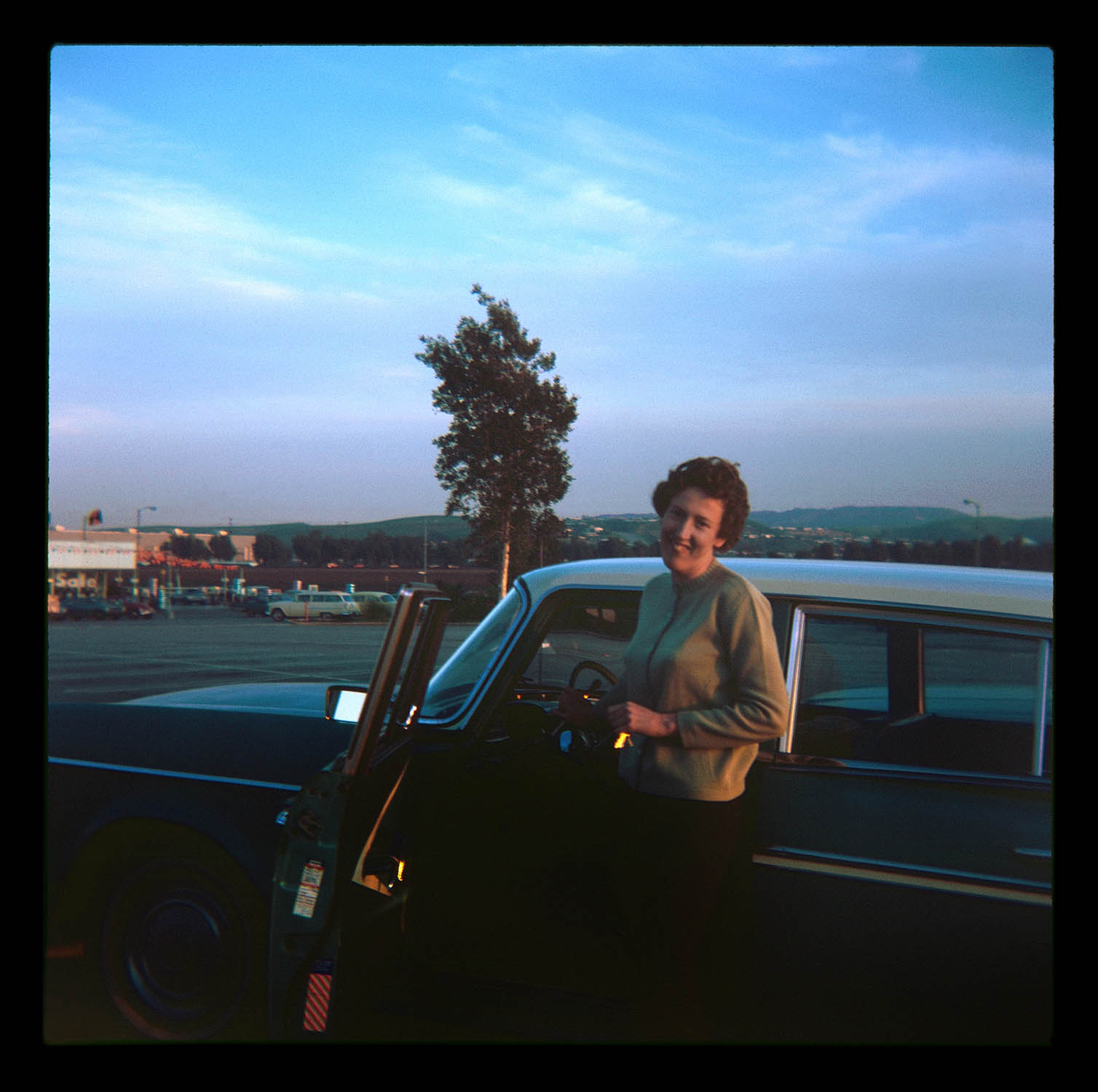
Unknown photographer (Australian) 'Untitled (woman and car)' 1960s


Unknown photographer (Australian)
Untitled (woman and car)
USA, 1960s
Ektachrome medium format transparency scanned


Left hand drive car so this must be the United States of America.


Canada


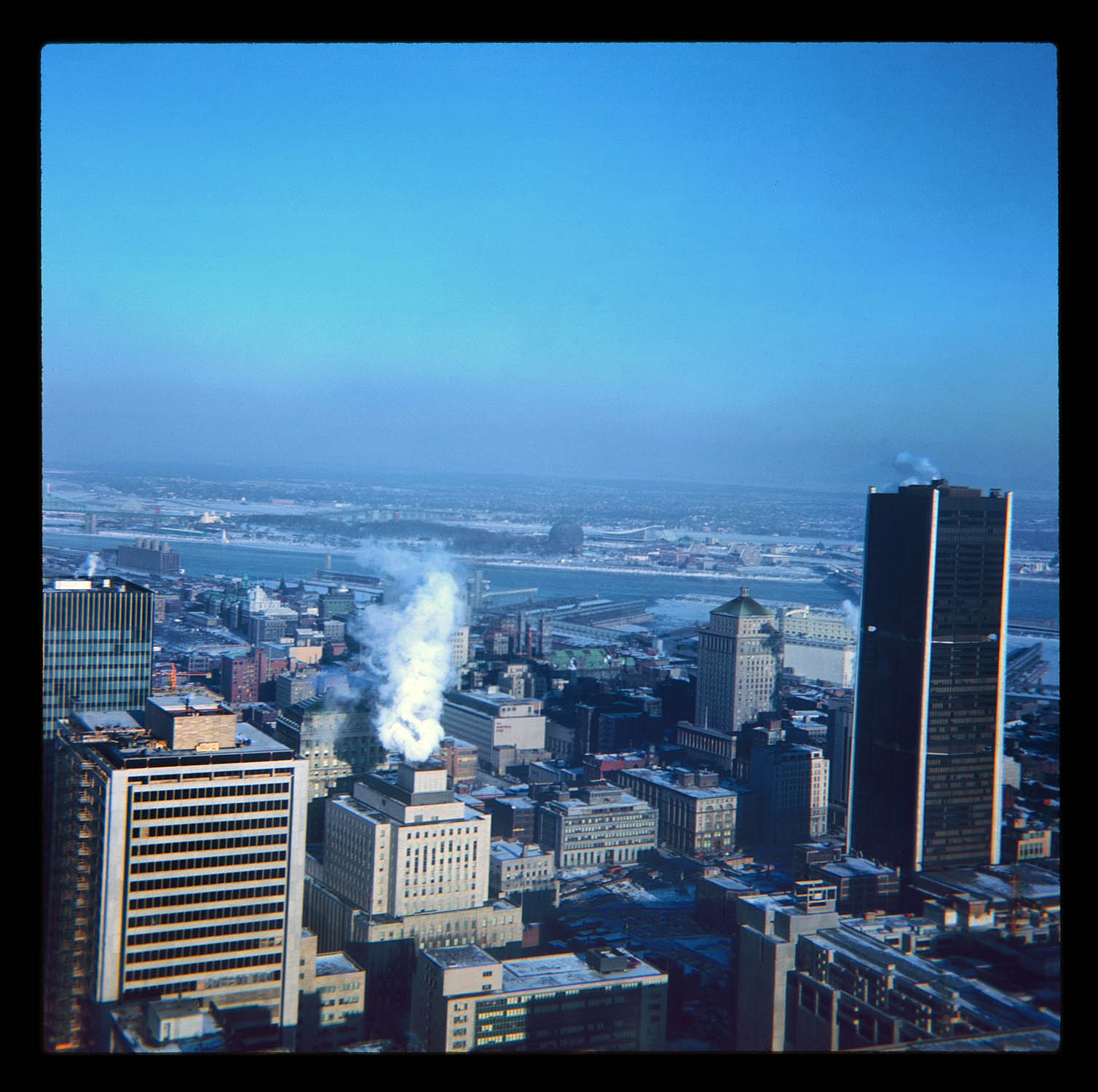
Unknown photographer (Australian) 'Place Ville Marie, Montreal' 1960s


Unknown photographer (Australian)
Place Ville Marie, Montreal
1960s
Ektachrome medium format transparency scanned


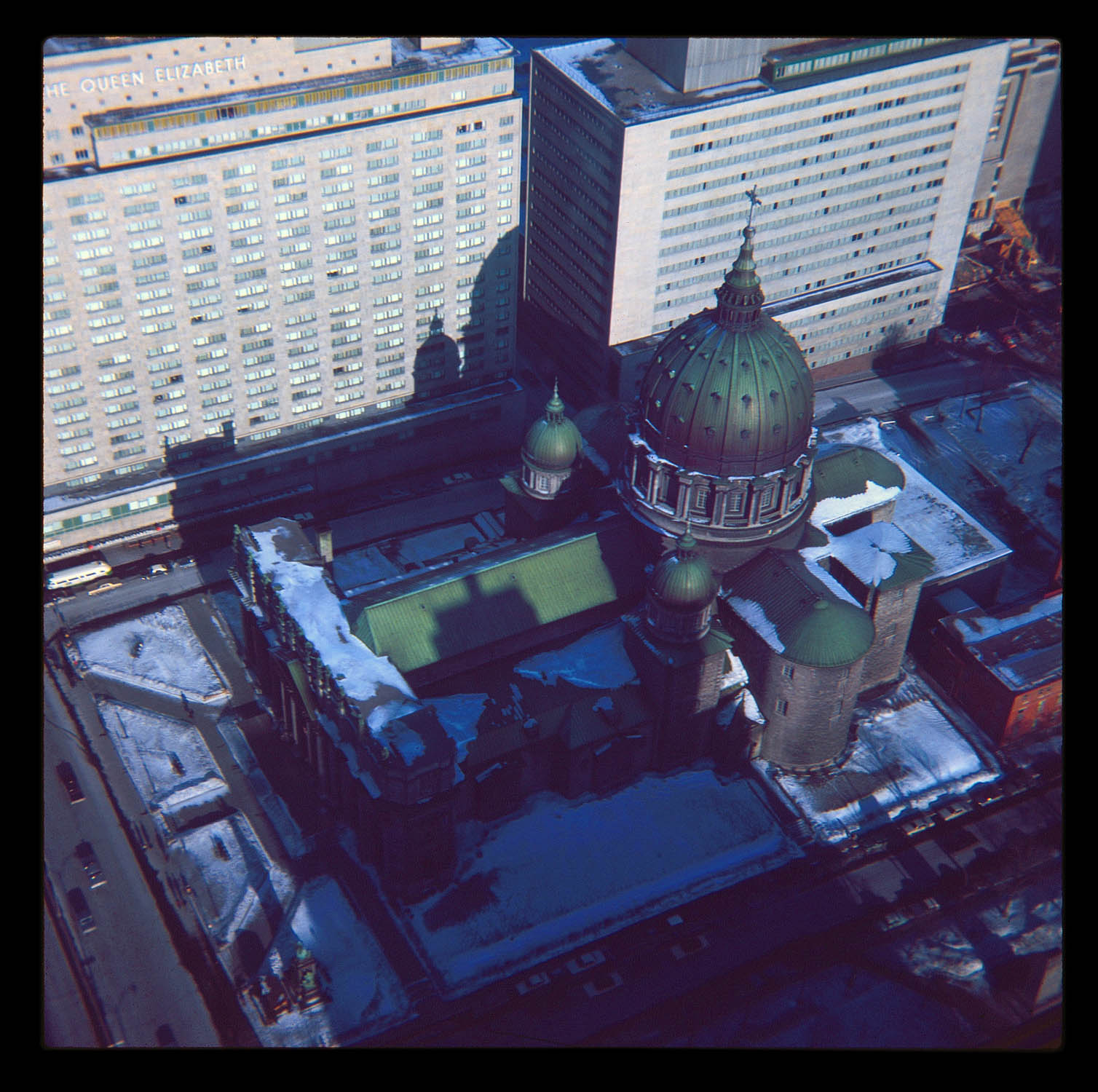
Unknown photographer (Australian) 'Cathédrale Basilique Marie Reine du Monde, Montreal' 1960s


Unknown photographer (Australian)
Cathédrale Basilique Marie Reine du Monde, Montreal
1960s
Ektachrome medium format transparency scanned


Unknown photographer (Australian) 'Cathédrale Basilique Marie Reine du Monde, Montreal' 1960s


Unknown photographer (Australian)
Cathédrale Basilique Marie Reine du Monde, Montreal
1960s
Ektachrome medium format transparency scanned


Unknown photographer (Australian) 'Interior, Cathédrale Basilique Marie Reine du Monde, Montreal' 1960s


Unknown photographer (Australian)
Interior, Cathédrale Basilique Marie Reine du Monde, Montreal
1960s
Ektachrome medium format transparency scanned


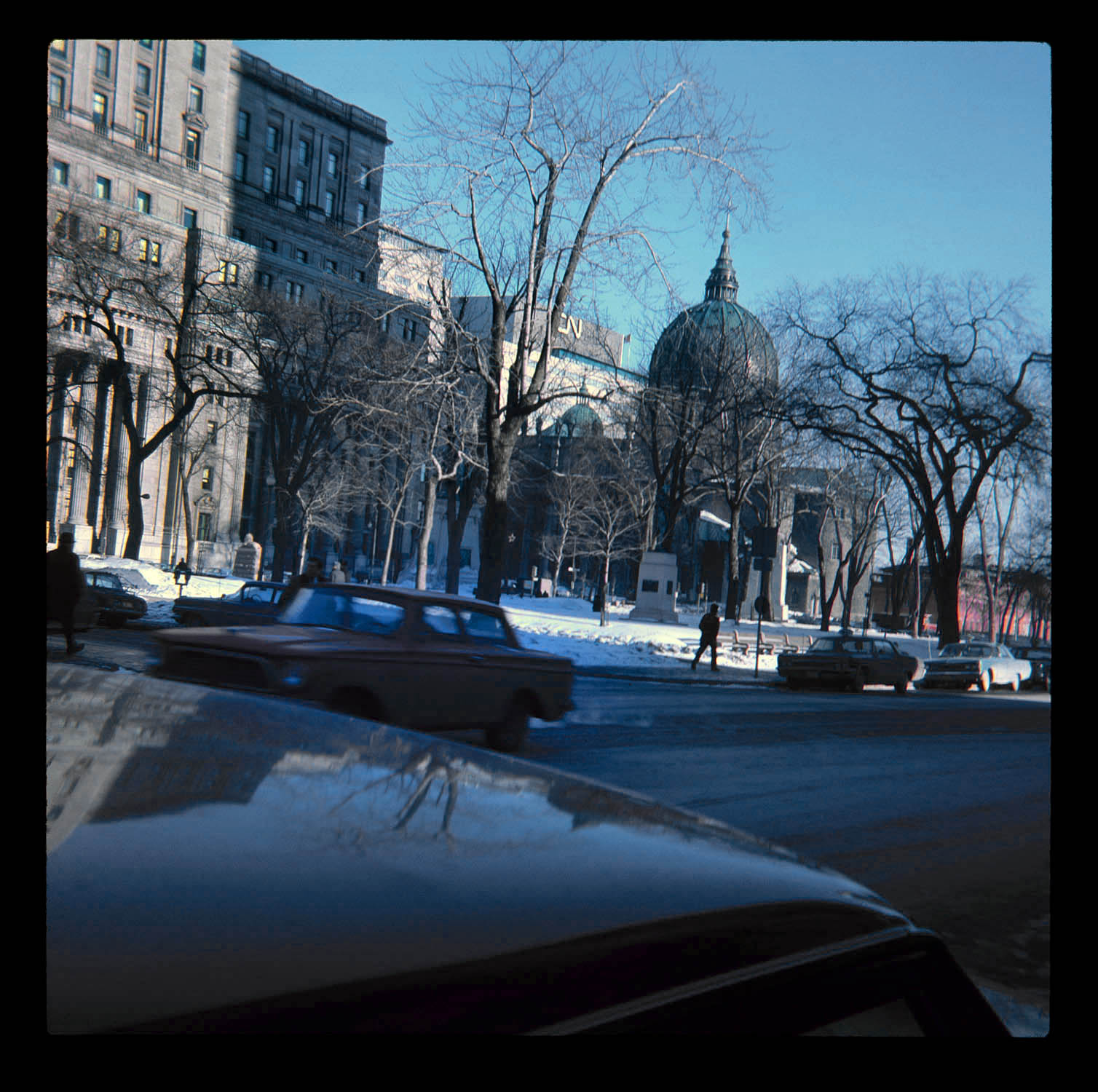
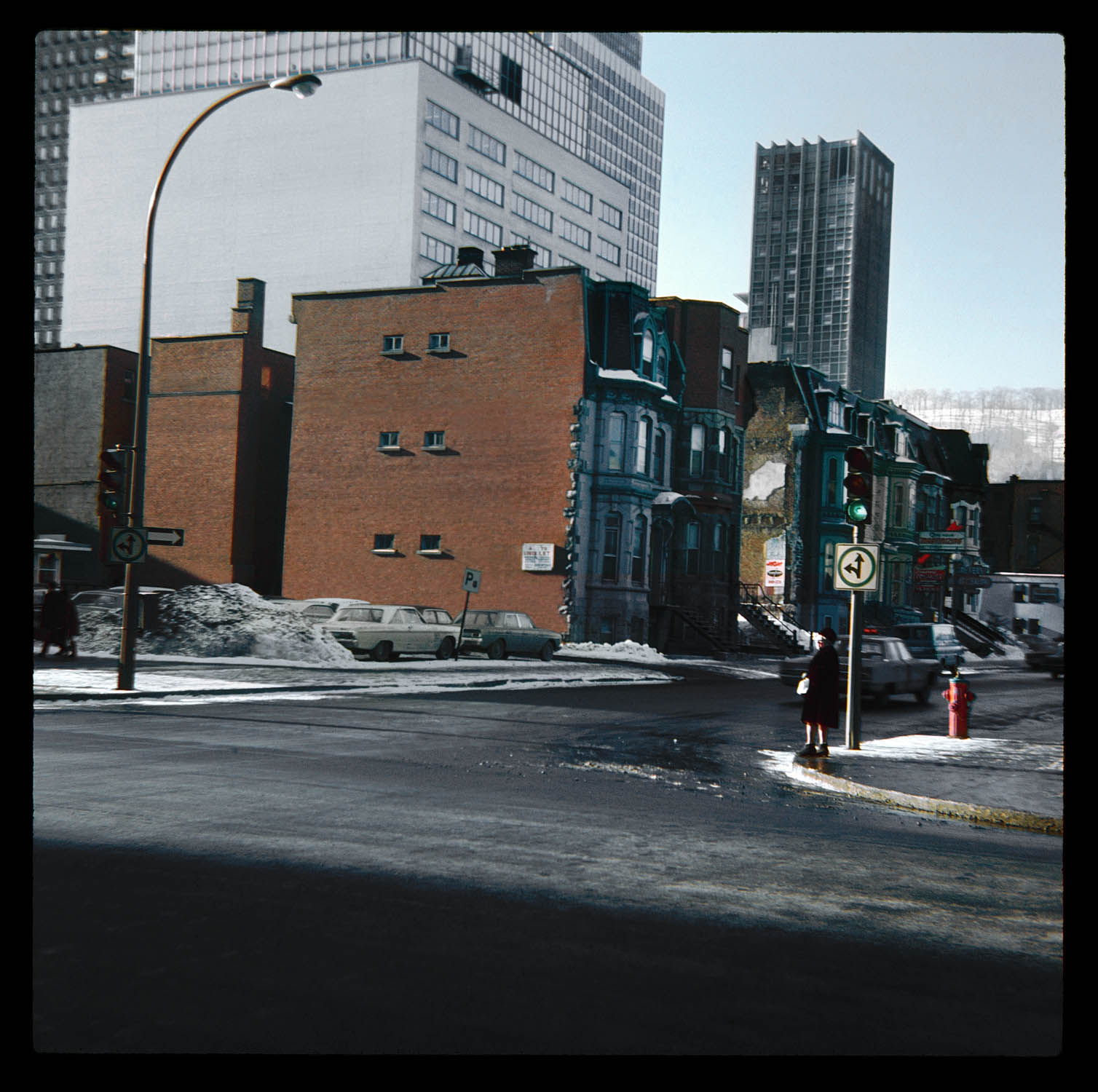
Unknown photographer (Australian) 'Downtown Montreal, intersection of Blvd de Maisonneuve Ouest and Metcalfe St, looking toward Mont Royal' 1960s


Unknown photographer (Australian)
Downtown Montreal, intersection of Blvd de Maisonneuve Ouest and Metcalfe St, looking toward Mont Royal
1960s
Ektachrome medium format transparency scanned


Mexico


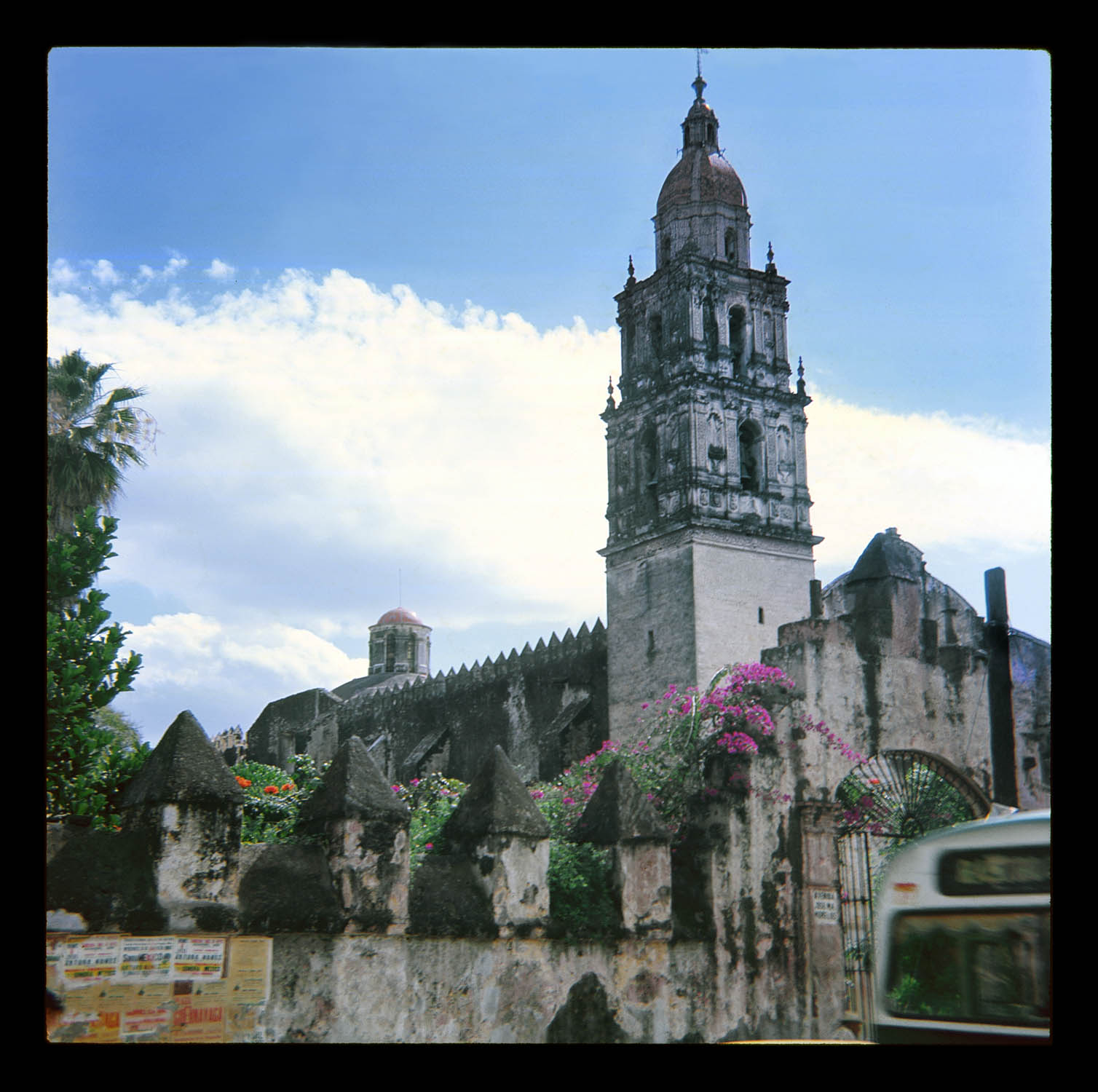
Unknown photographer (Australian) 'Cuernavaca Cathedral, Morelos, Mexico' 1960s


Unknown photographer (Australian)
Cuernavaca Cathedral, Morelos, Mexico
1960s
Ektachrome medium format transparency scanned


Unknown photographer (Australian) 'Chapultepec Castle, Mexico City' 1960s


Unknown photographer (Australian)
Chapultepec Castle, Mexico City
1960s
Ektachrome medium format transparency scanned


This is Chapultepec Castle, site of the National History Museum, México City. The soldiers are wearing Mexican helmets of the M1 pattern with regimental insignia on the front.


Unknown photographer (Australian) 'Untitled (Mexico)' 1960s


Unknown photographer (Australian)
Untitled (Mexico)
1960s
Ektachrome medium format transparency scanned


Unknown photographer (Australian) 'Untitled (Mexico)' 1960s


Unknown photographer (Australian)
Untitled (Mexico)
1960s
Ektachrome medium format transparency scanned


Unknown photographer (Australian) 'Hotel Borda, Cuernavaca' 1960s


Unknown photographer (Australian)
Hotel Borda, Cuernavaca
1960s
Ektachrome medium format transparency scanned


A view of the “Hotel Borda” which still exists in Cuernavaca a town just south of Mexico City.


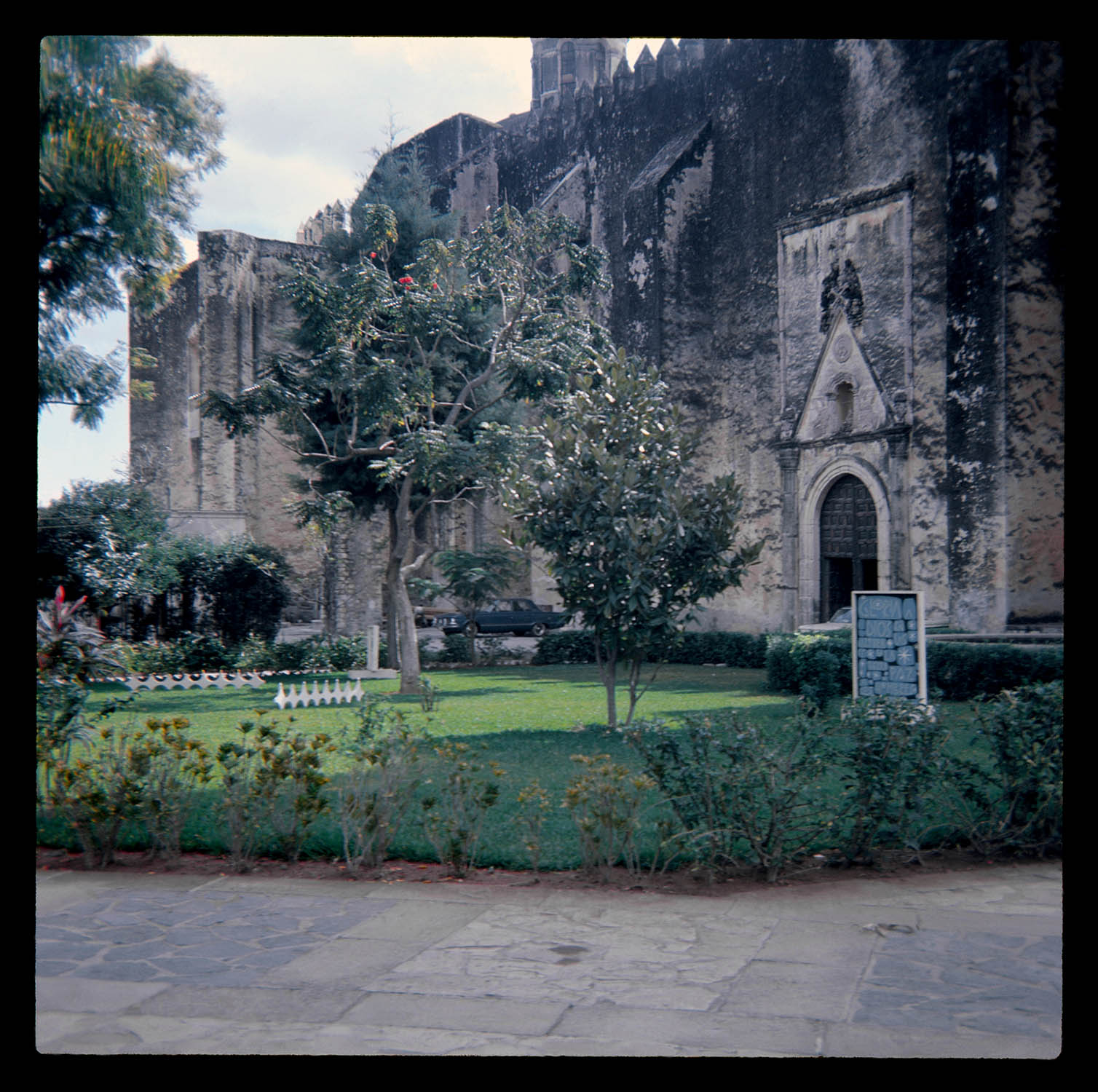
Unknown photographer (Australian) 'Untitled (Mexico)' 1960s


Unknown photographer (Australian)
Untitled (Mexico)
1960s
Ektachrome medium format transparency scanned


I can make out the words “Gloria”, “Dios”, and “Paz” in the sign on the right hand side.


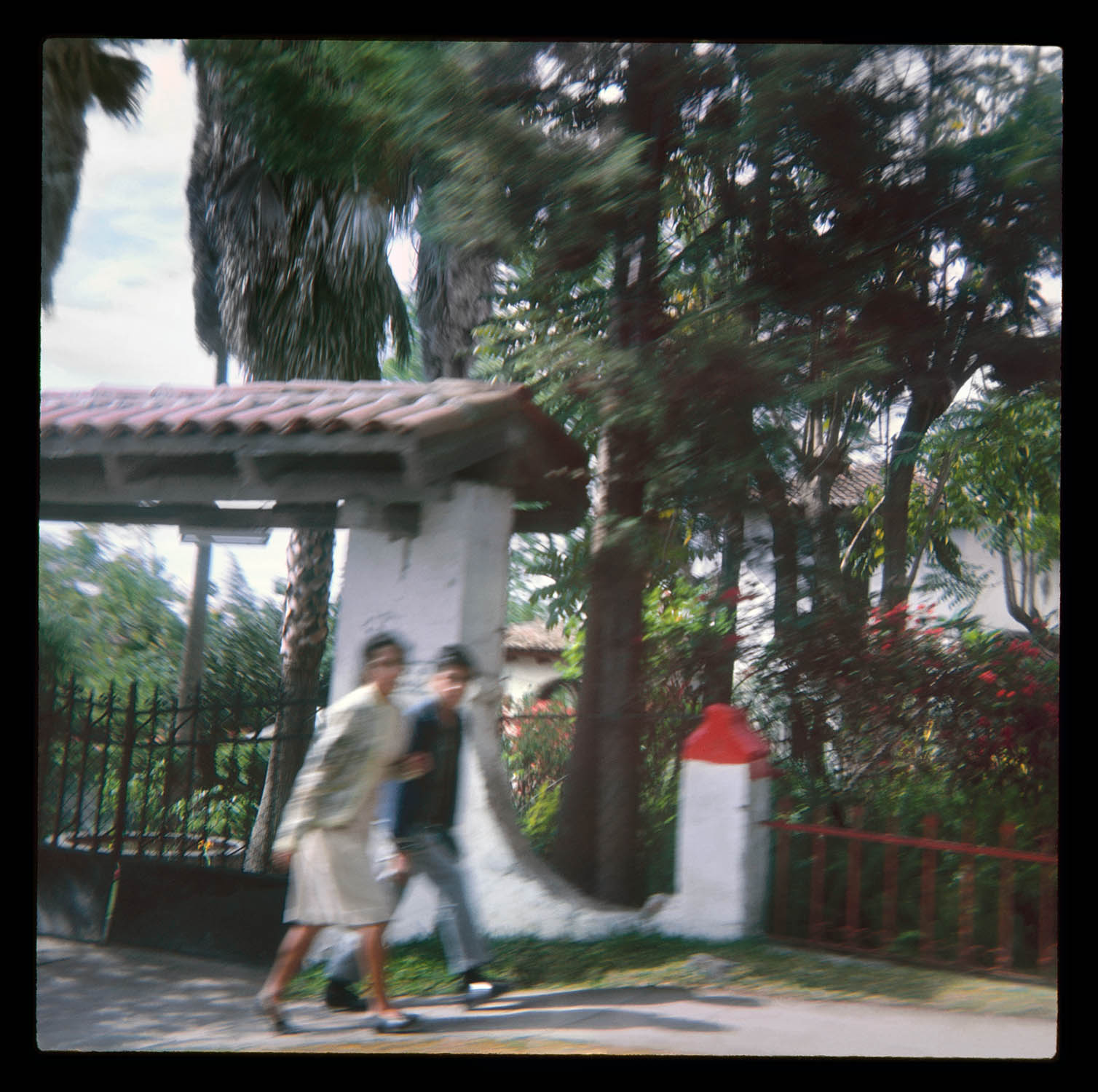
Unknown photographer (Australian) 'Untitled (Mexican scene?)' 1960s


Unknown photographer (Australian)
Untitled (Mexican scene?)
1960s
Ektachrome medium format transparency scanned


LIKE ART BLART ON FACEBOOK

Back to top


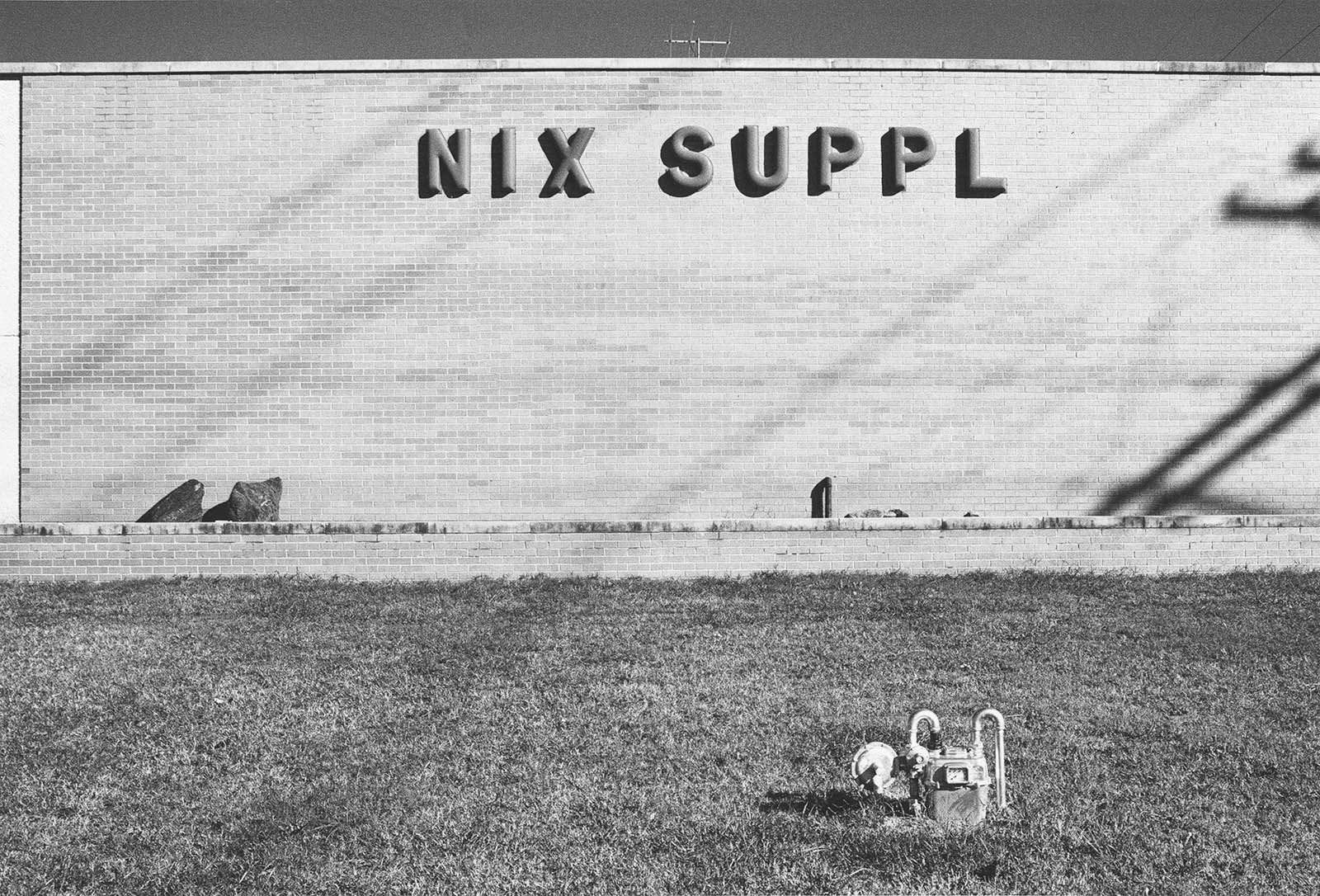
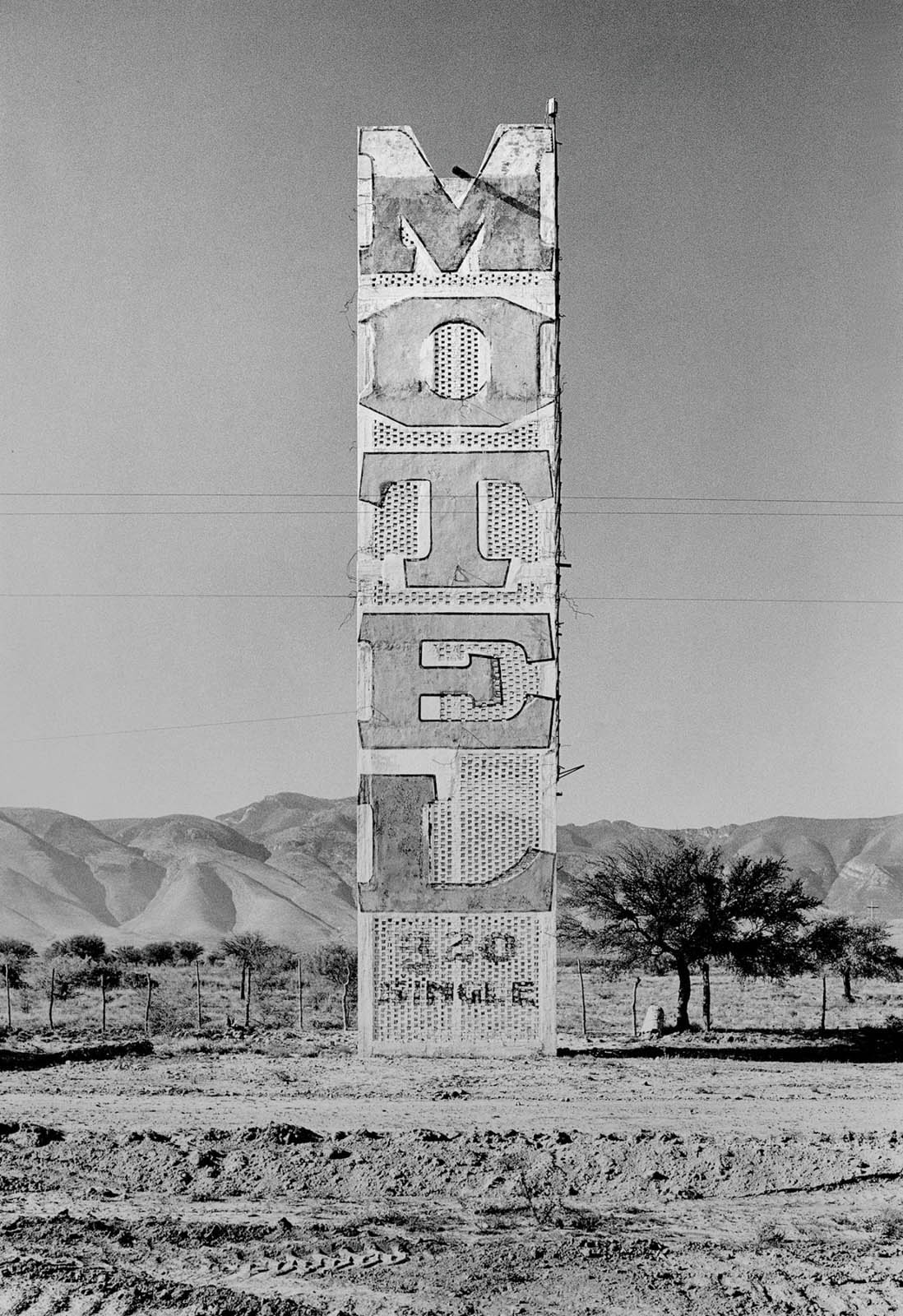
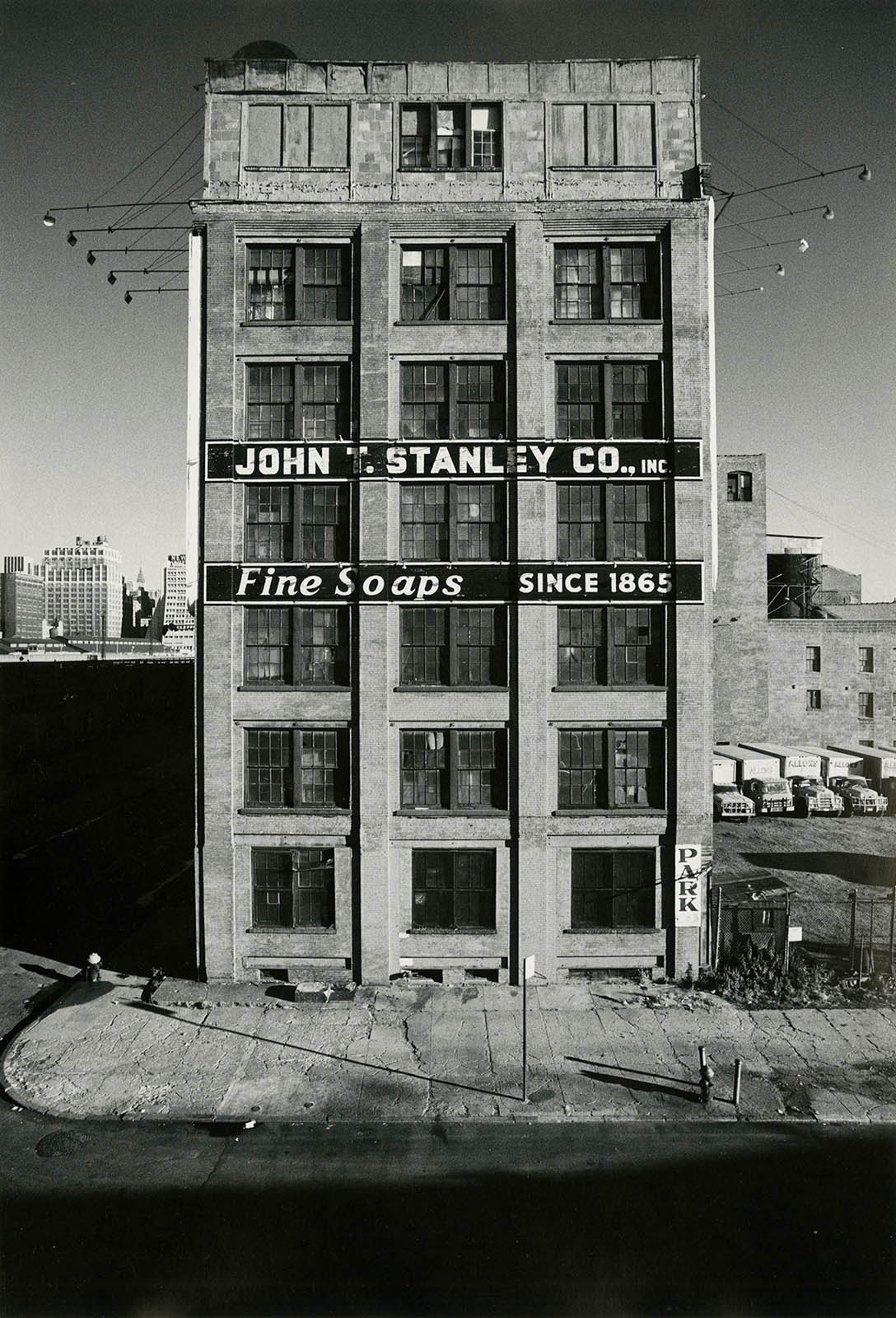
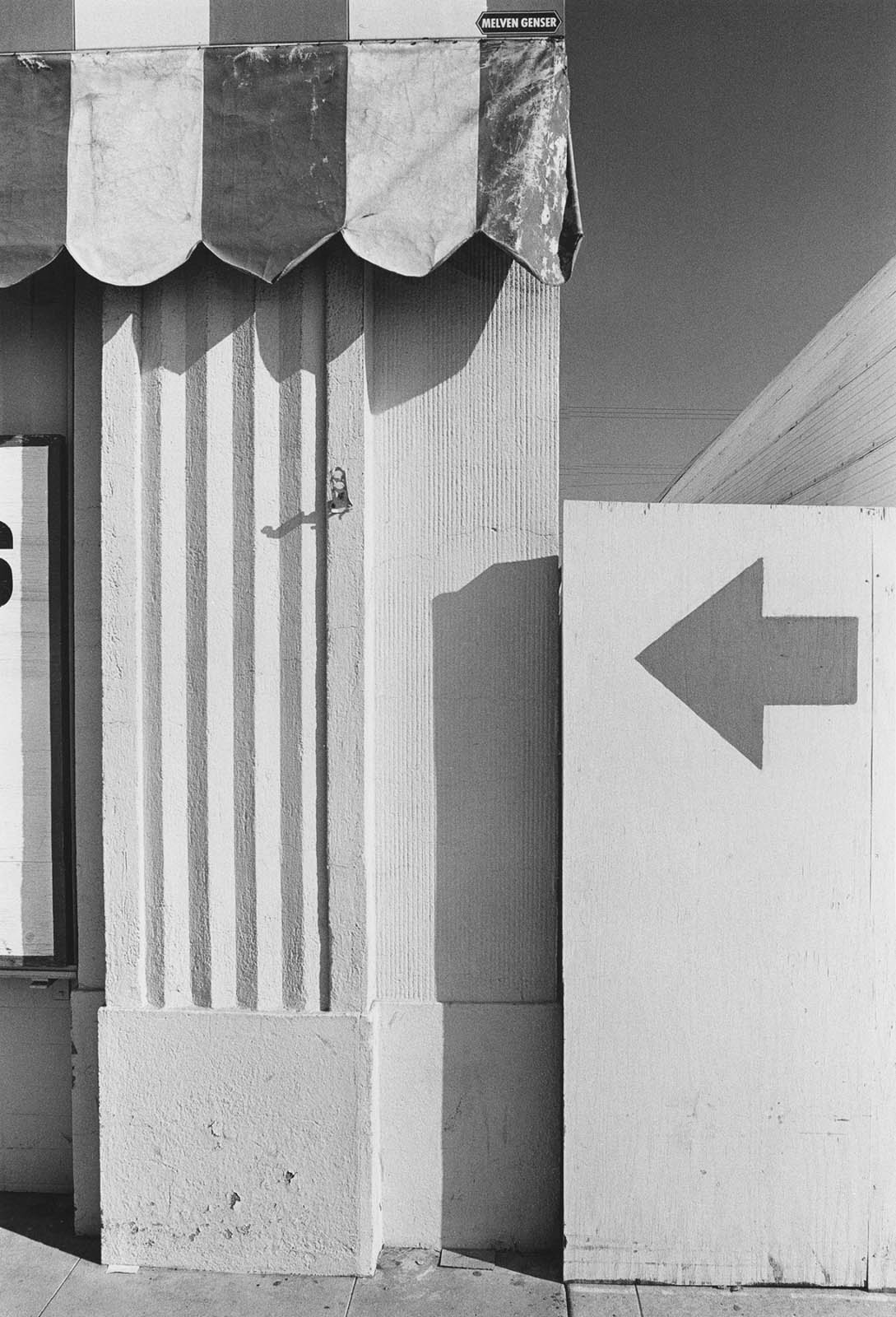
Review: ‘Grant Mudford: Attention to Detail’ at Joseph Bellows Gallery, La Jolla, California

March 2025

Online exhibition


Grant Mudford (Australian, b. 1944)
'El Paso, Texas' 1976


Grant Mudford (Australian, b. 1944)
El Paso, Texas
1976
Vintage gelatin silver print
16 x 20 inches
Joseph Bellows Gallery


Let There Be Light

For so long I have wanted to do a posting on the Australian photographer Grant Mudford (b. 1944) and finally the time is here. Mudford has lived in the United States of America since his final move to the Los Angeles area in mid-1977 but I still think of him as Australian.

Between 1974 – 1977 he undertook an intensive program of travel and work in the United States before his final move. In 1977 he had major exhibitions at the Australian Centre for Photography, Sydney; The Photographers’ Gallery, London; and Light Gallery, New York and is represented in major collections such as The J. Paul Getty Museum, Los Angeles; Los Angeles County Museum of Art, Los Angeles; International Museum of Photography, George Eastman House; and the National Gallery of Australia, Canberra which holds sixty six of his photographs in their collection.

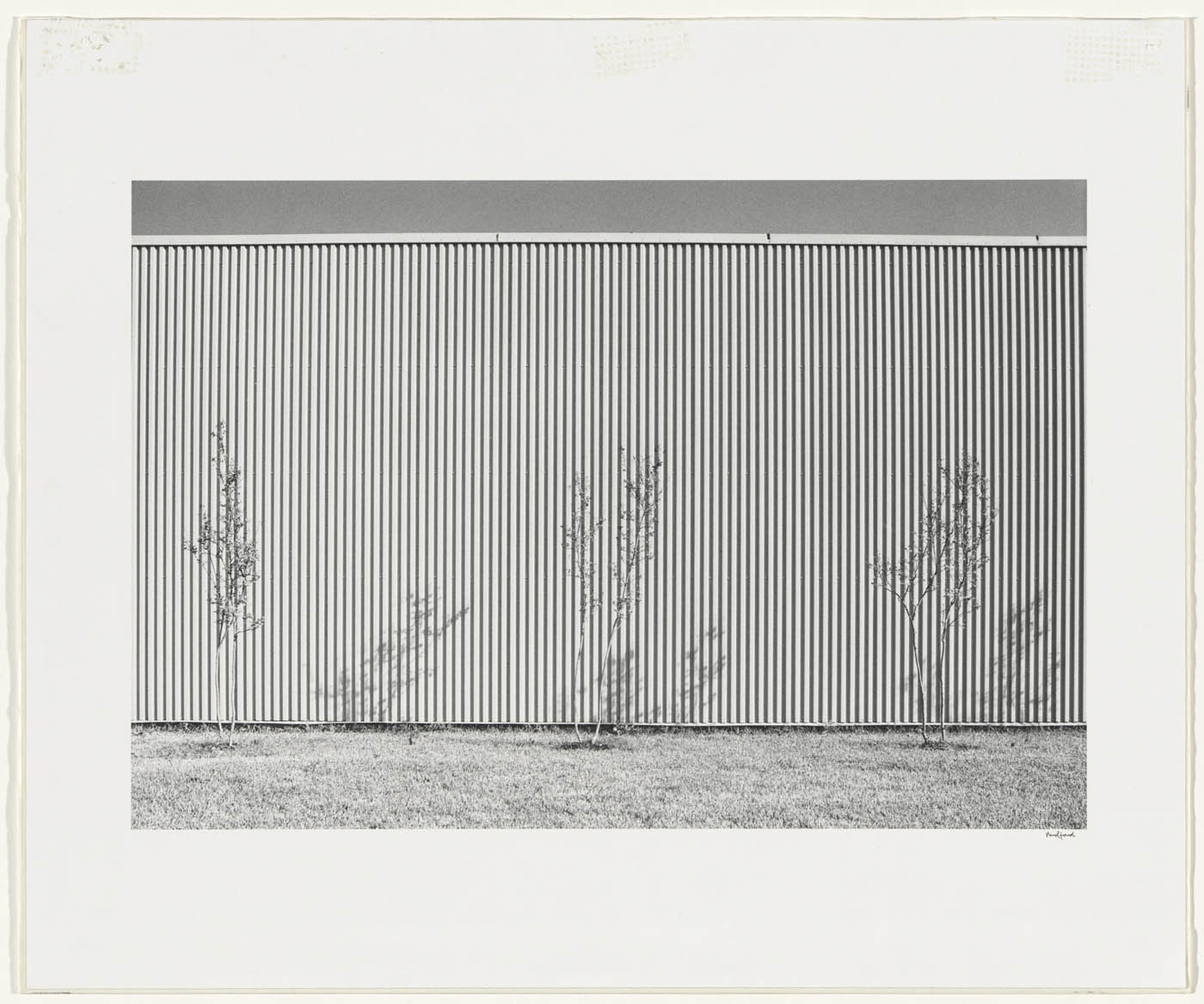
Mudford’s mature style – capturing in beautiful, minimalist black and white photographs the essence and reality of the built landscape envisioned without people, usually working with common, generally uncelebrated subject-matter – emerged at a time that was parallel to that of the groundbreaking exhibition of contemporary landscape photography New Topographics: Photographs of a Man-Altered Landscape held at the George Eastman House’s International Museum of Photography, October 1975 – February 1976.

This important exhibition proposed a new way of looking at the American landscape, a concept that was historically grounded in the Neue Sachlichkeit (New Objectivity) – new order – movement of Germany in the 1920s, developed further and most importantly by the German artists Bernd and Hiller Becher in the late 1960s – early 1970s.

The New Topographics photographers (including the Bechers) “documented built and natural landscapes in America, often capturing the tension between natural scenery and the mundane structures of post-war America: parking lots, suburban homes, crumbling coal mines. The photographs, stark and documentary, are often devoid of human presence. William Jenkins [curator of the New Topographics exhibition] described the images as “neutral” in style, “reduced to an essentially topographic state, conveying substantial amounts of visual information but eschewing entirely the aspects of beauty, emotion, and opinion”.1

As I have argued elsewhere I believe that the photographs of the Bechers and alike are just as much about the beauty of the subject as they are their topographic state.

“Despite protestations to the contrary (appeals to the objectivity of the image, eschewing entirely the aspects of beauty, emotion and opinion; the rigorous frontality of the individual images giving them the simplicity of diagrams, while their density of detail offers encyclopaedic richness) these are subjective images for all their objective desire. The paradox is the more a photographer strives for objectivity, the more ego drops away, the more the work becomes their own: subjective, beautiful, emotive.”2

At least Mudford is honest enough to own up to desiring beauty. “I am deeply interested in the relationship between man-made structures and the landscape,” says Mudford. “Photography allows me to capture that intersection, where design meets nature, light, and texture. I strive to create images that reflect both beauty and complexity.” (Text from the Joseph Bellows website)

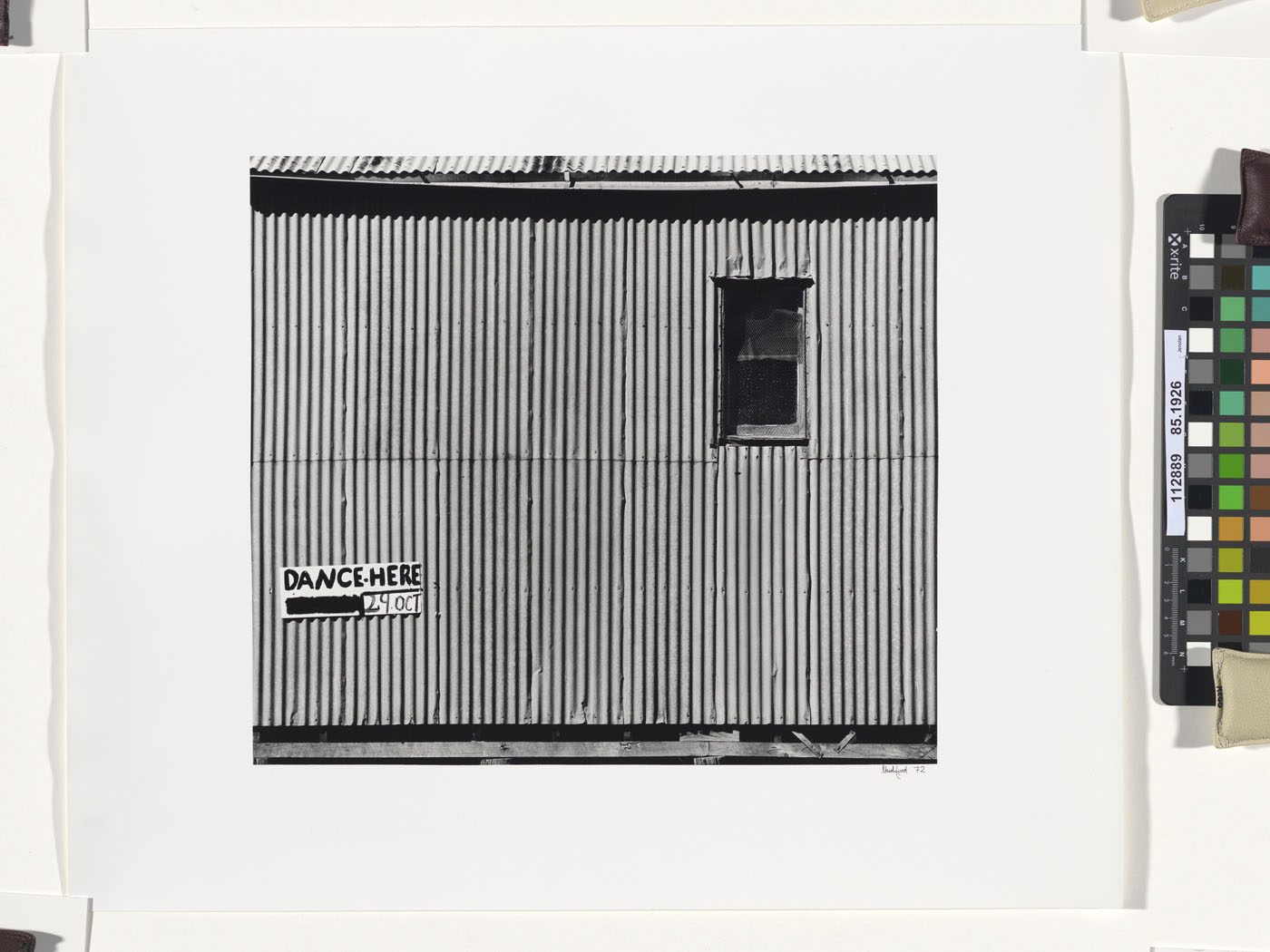
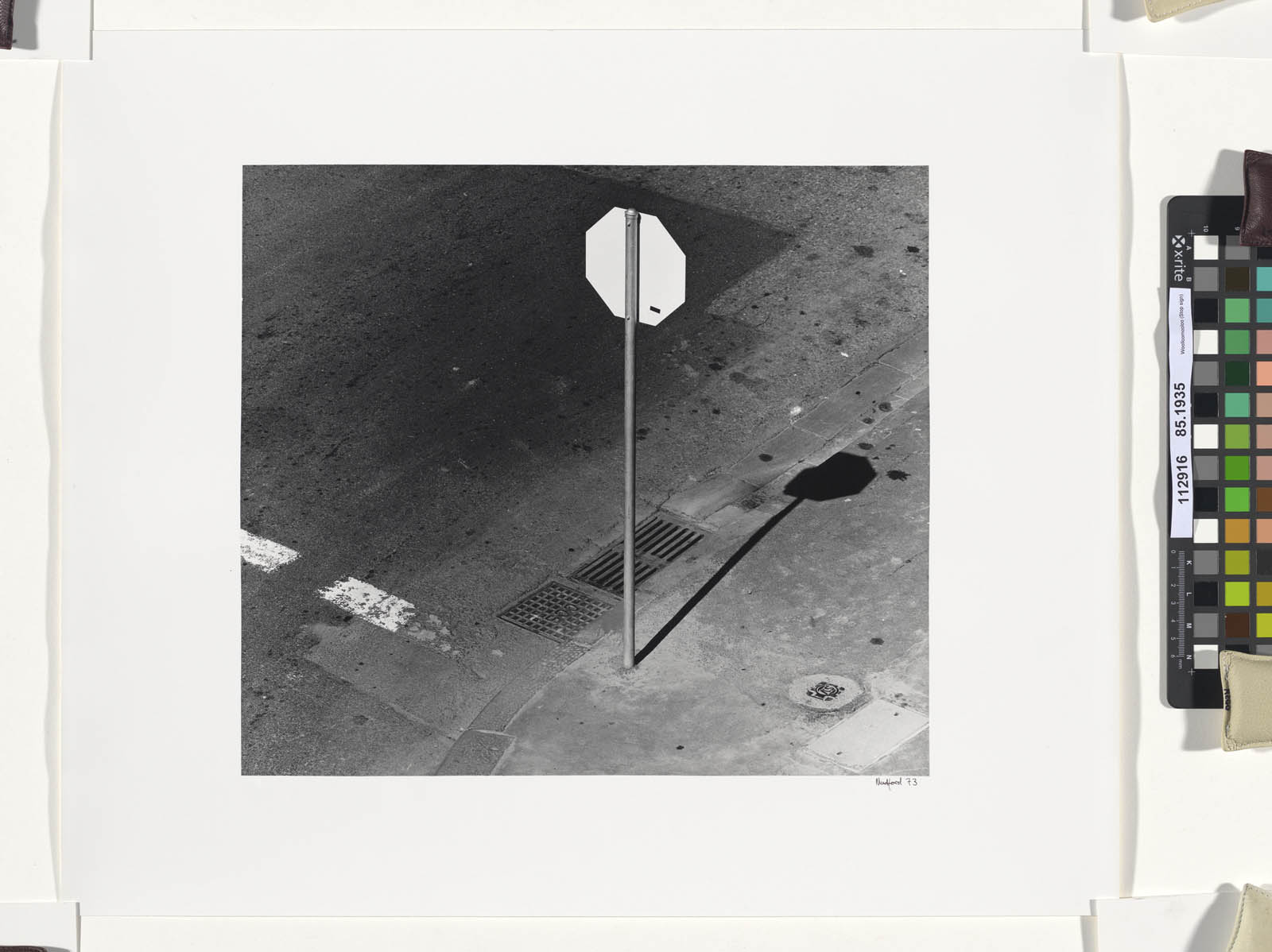
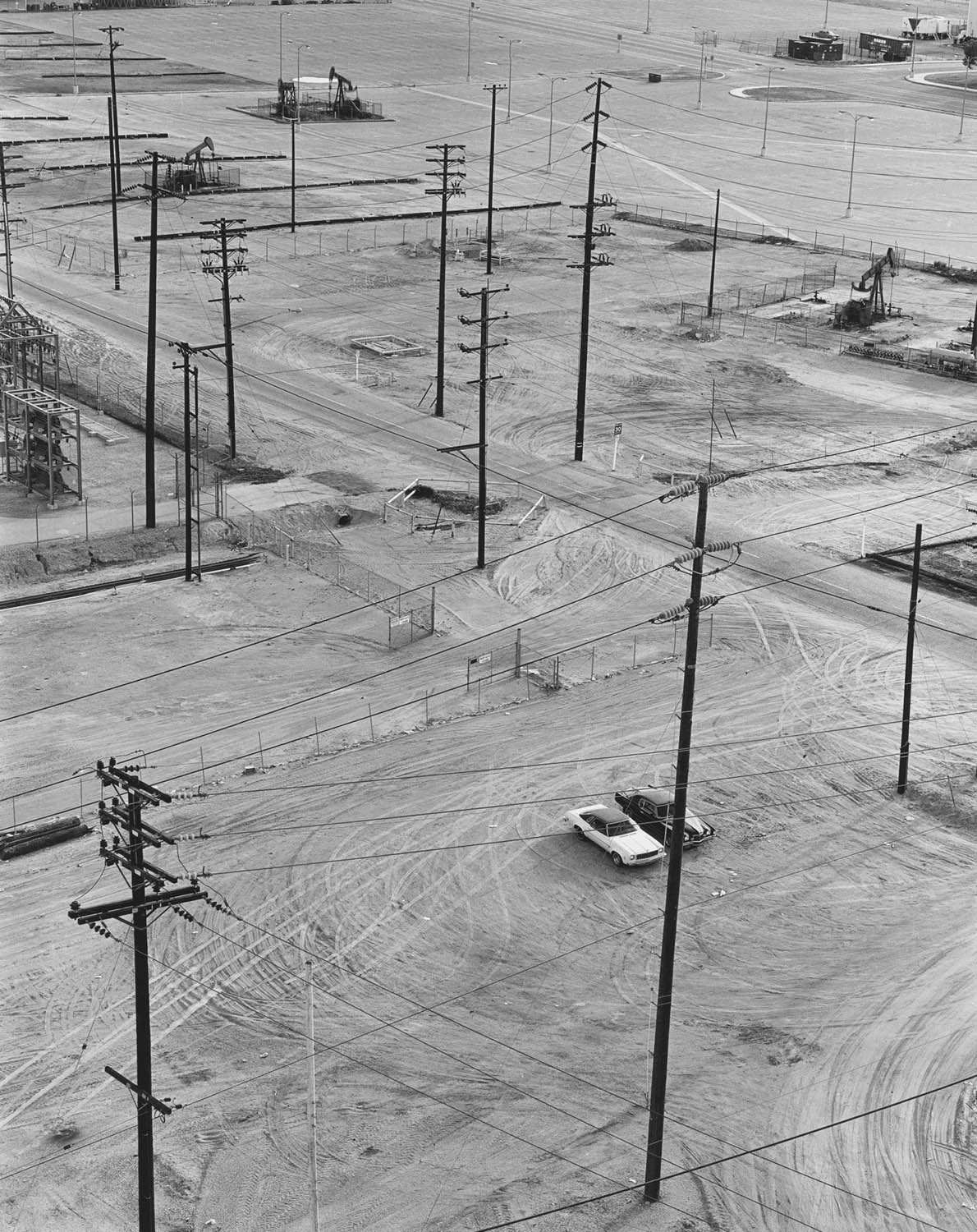
Evidence of the development of his later mature style can be seen in photographs taken in Australia such as Jenolan (1972, below) and Woolloomooloo (Stop sign) (1973, below) which already contain a minimalist, paired back, topographic yet beautiful aesthetic. But it was his move to Los Angeles, and above all the LIGHT and TEXTURE of the new world, that seem to have brought forth the best within this artist.

While, as Foucault observes, texts “are caught up in a system of references to … other texts, other sentences: it is a node within a network …  Its unity is variable and relative”3 – in other words there is a close relationship between the work of Mudford and the New Topographics movement – his work is very much his own.

There is a crispiness, frontality and seeming simplicity to Mudford’s photographs and yet also almost a painterly aspect, that belies the complexity of these well resolved and beautiful images. He captures “the emotional resonance of a moment, whether it be the play of light on a building’s surface or the dynamic contrasts found in nature.” (Text from the Joseph Bellows website) And unlike the huge photographs of Dawoud Bey in an upcoming posting – which seem to me completely at odds with the spirit of the subject being captured – Mudford’s 16 x 20 inches photographs allow the viewer to focus on the images inherent qualities of beauty, nature, light and texture.

Finally, it is beyond me why Grant Mudford has not received greater recognition in the country of his birth. Forget that he has lived for years in the United States of America, Mudford is a magnificent photographer par excellence and his worldwide achievement should be celebrated at a national level. Perhaps it is time that a gallery such as the National Gallery of Australia or the Museum of Australian Photography should put on a major retrospective of this artist’s work… before it is too late!

We are loosing too many great photographers from this era already.

Dr Marcus Bunyan


1/ New Topographics: Photographs of a Man-Altered Landscape was a groundbreaking exhibition of contemporary landscape photography held at the George Eastman House’s International Museum of Photography (Rochester, New York) from October 1975 to February 1976. The show, curated by William Jenkins, had a lasting impact on aesthetic and conceptual approaches to American landscape photography. The New Topographics photographers, including Robert AdamsLewis BaltzBernd and Hilla BecherFrank GohlkeNicholas Nixon, and Stephen Shore, documented built and natural landscapes in America, often capturing the tension between natural scenery and the mundane structures of post-war America: parking lots, suburban homes, crumbling coal mines. The photographs, stark and documentary, are often devoid of human presence. Jenkins described the images as “neutral” in style, “reduced to an essentially topographic state, conveying substantial amounts of visual information but eschewing entirely the aspects of beauty, emotion, and opinion”.

Text from the Wikipedia website

2/ Marcus Bunyan commenting on the exhibition Bernd and Hilla Becher: Mines and Mills – Industrial Landscapes at Fotomuseum Winterthur, Zurich, November 2011 – February 2012

3/ Foucault, Michel. The Order of Things: An Archeology of the Human Sciences.New York: Vintage, 1973 quoted in Thumlert, Kurt. Intervisuality, Visual Culture, and Education. [Online] Cited 10/08/2006. www.forkbeds.com/visual-pedagogy.htm (link no longer active)


Many thankx to Joseph Bellows Gallery for allowing me to publish the photographs in the posting. Please click on the photographs for a larger version of the image.


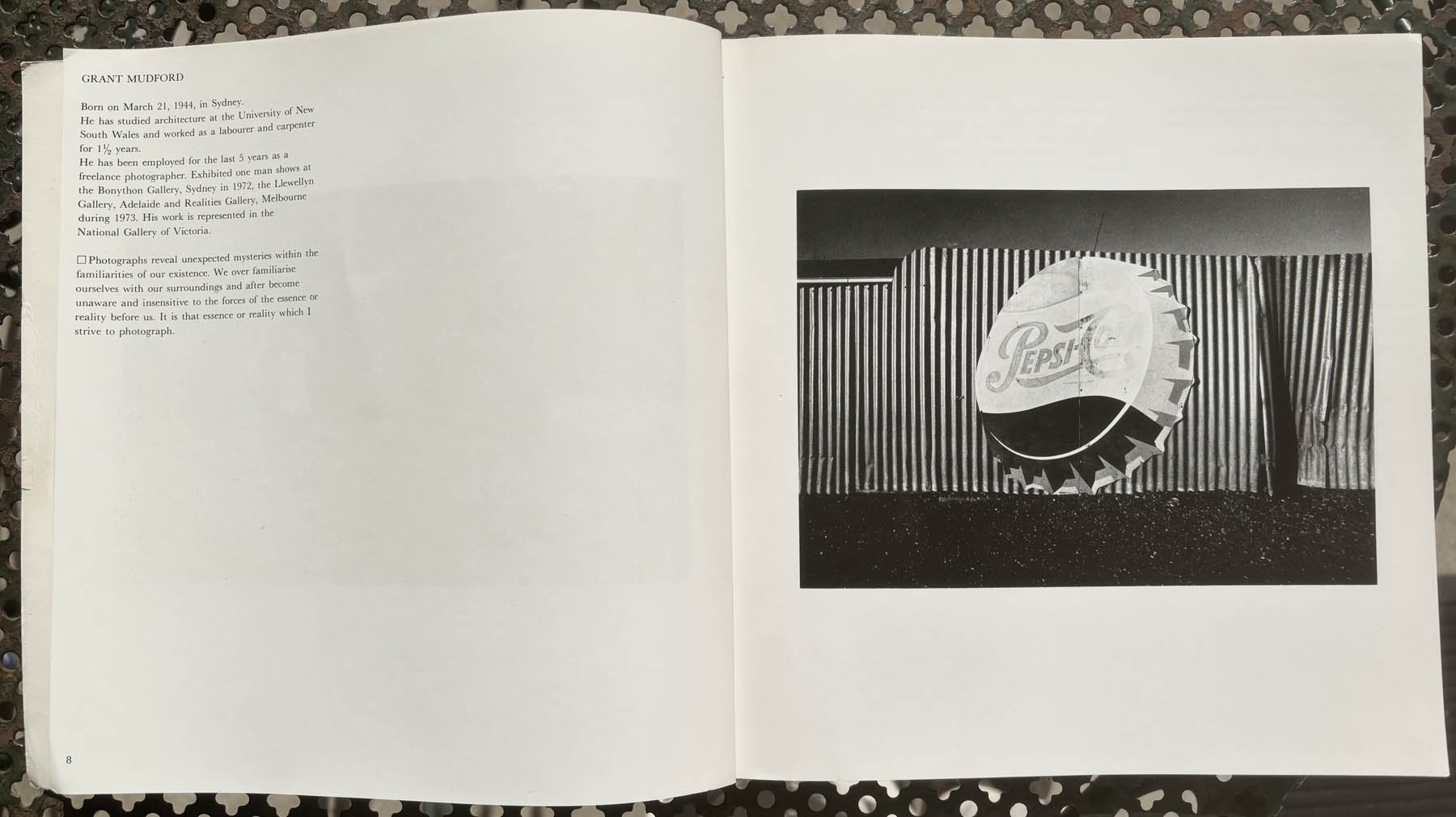
“Photographs reveal unexpected mysteries within the familiarities of our existence. We over familiarise ourselves with our surroundings and after become unaware and insensitive to the forces of the essence or reality before us. It is that essence or reality which I strive to photograph.”


Grant Mudford quoted in Graham Howe (ed.,). New Photography Australia. Paddington, N.S.W.: Australian Centre for Photography, 1974, p. 8


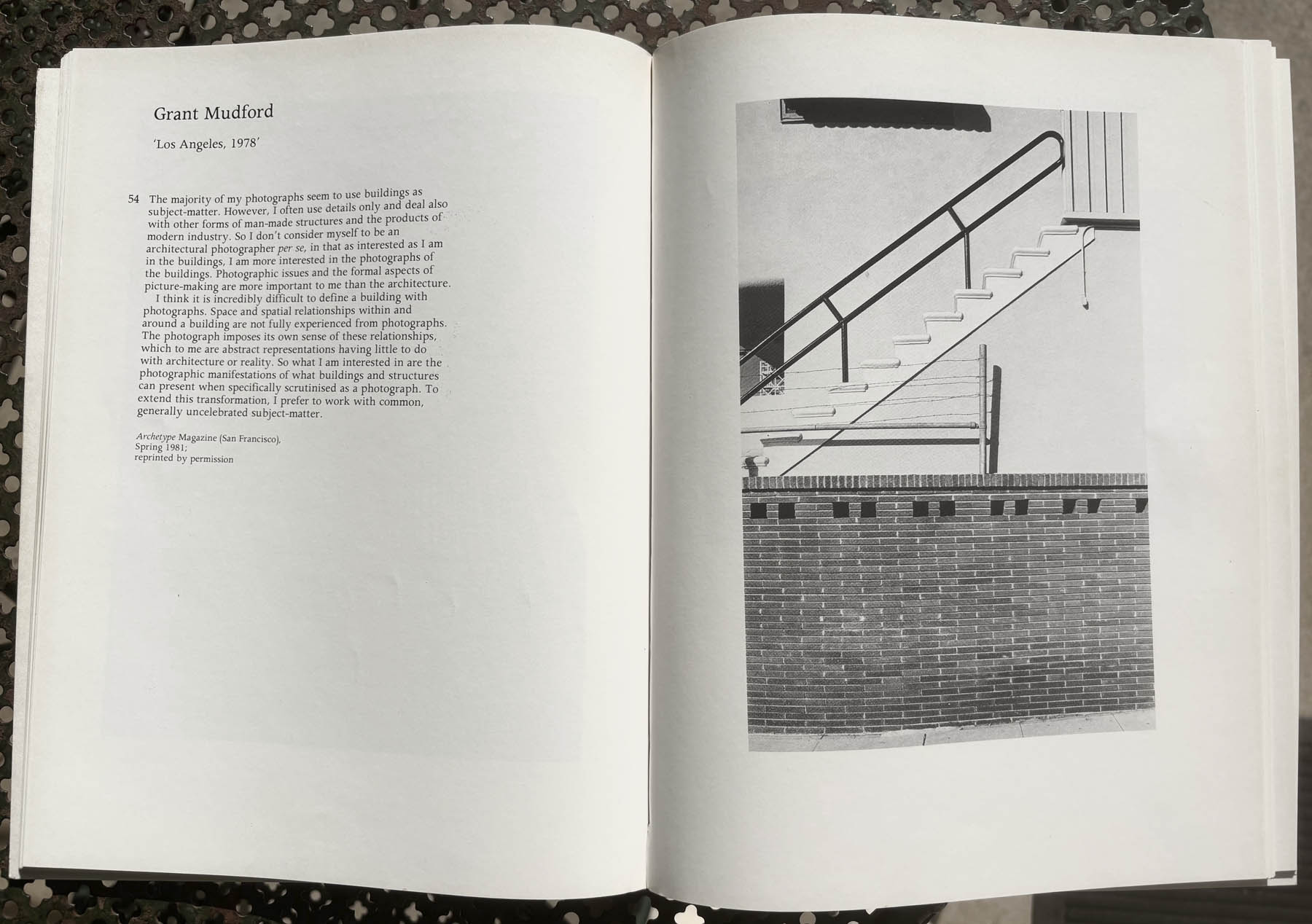
“I think it is incredibly difficult to define a building with photographs. Space and spatial relationships within and around a building are not fully experienced from photographs. The photograph imposes its own sense of these relationships, which to me are abstract representations having little to do with architecture or reality. So what I am interested in are the photographic manifestations of what buildings and structures can present when specifically scrutinised as a photograph. To extend this transformation, I prefer to work with common, generally uncelebrated subject-matter”


Grant Mudford in Archetype Magazine Spring 1981 quoted in Reimund Zunde. Photography: An Approach For Secondary Schools. Education Department of Victoria, Curriculum Services Unite, in association with the Secondary Art/Craft Standing Committee, 1982


Grant Mudford (Australian, b. 1944)
'Jenolan' 1972


Grant Mudford (Australian, b. 1944)
Jenolan
1972
Gelatin silver print
34.5 h x 38.8 w cm
National Gallery of Australia
Gift of the artist, 1985


Grant Mudford (Australian, b. 1944)
'Woolloomooloo (Stop sign)' 1973


Grant Mudford (Australian, b. 1944)
Woolloomooloo (Stop sign)
1973
Gelatin silver print
34.5 h x 38.4 w cm
National Gallery of Australia
Gift of the artist, 1985


Grant Mudford (Australian, b. 1944)
'Houston, Texas' 1975


Grant Mudford (Australian, b. 1944)
Houston, Texas
1975
Gelatin silver print
33.8 h x 49.8 w cm
National Gallery of Australia
Gift of the Phillip Morris Arts Grant 1982


Grant Mudford quoted in Graham Howe (ed.,). 'New Photography Australia'. Paddington, N.S.W.: Australian Centre for Photography, 1974, p. 8


Graham Howe (ed.,). New Photography Australia. Paddington, N.S.W.: Australian Centre for Photography, 1974, p. 8.


Grant Mudford in 'Archetype Magazine' Spring 1981 quoted in Reimund Zunde. 'Photography: An Approach For Secondary Schools'. Education Department of Victoria, Curriculum Services Unite, in association with the Secondary Art/Craft Standing Committee, 1982


Reimund Zunde. Photography: An Approach For Secondary Schools. Education Department of Victoria, Curriculum Services Unite, in association with the Secondary Art/Craft Standing Committee, 1982


Renowned photographer Grant Mudford had made his mark in the art world with a distinctive vision, capturing anonymous structures with a profound sense of space, light, texture and form. With a career spanning several decades, Mudford’s work remains a testament to his unique ability to meld the art of photography with the subtle intricacies of design, nature, and human influence.

Mudford’s photographic style is known for its dramatic compositions and meticulous attention to detail. Whether focusing on the clean lines of modern architecture or the rugged textures of natural landscapes, his work consistently transcends traditional photographic boundaries. His images invite viewers to engage with the built environment and the natural world in new and thought-provoking ways.

His work has been described by Keith Davis in An American Century of Photography as “an appreciation for both the alienations and incongruities of the urban landscape.”

“I am deeply interested in the relationship between man-made structures and the landscape,” says Mudford. “Photography allows me to capture that intersection, where design meets nature, light, and texture. I strive to create images that reflect both beauty and complexity.”

Mudford’s approach to photography is marked by his commitment to capturing the emotional resonance of a moment, whether it be the play of light on a building’s surface or the dynamic contrasts found in nature. His work not only documents his subjects but also engages viewers in a deeper conversation about the spaces they inhabit.

Mudford’s photographs have been exhibited internationally in solo and group exhibitions since the mid 1970’s; beginning this history with a solo show at the notable Light Gallery. His photographs are in numerous private and public collections, including the Los Angeles County Museum of Art, the J. Paul Getty Museum, the Museum of Modern Art, the George Eastman House, the Nelson-Atkins Museum, and the National Museum of American Art. In 2014, Mudford received the Julius Shulman Institute Excellence in Photography Award. His photographs have been featured in publications such as Architectural Digest, The New York Times, and Artforum, solidifying his place as one of the most respected photographers of his generation.

Grant Mudford’s photography is more than just an aesthetic experience; it is an invitation to reconsider how we perceive the world around us. His lens captures what is often overlooked – the powerful simplicity of everyday structures and the quiet majesty of the natural world. Through his work, Mudford encourages viewers to find beauty in both the grand and the subtle, offering a fresh perspective on the environments we encounter.

Text from the Joseph Bellows Gallery website


Grant Mudford (Australian, b. 1944)
'Los Angeles, CA' 1977


Grant Mudford (Australian, b. 1944)
Los Angeles, CA
1977
Vintage gelatin silver print
16 x 20 inches


Grant Mudford (Australian, b. 1944)
'Los Angeles, CA' 1976


Grant Mudford (Australian, b. 1944)
Los Angeles, CA
1976
Vintage gelatin silver print
16 x 20 inches


Grant Mudford (Australian, b. 1944)
'Irvine, CA' 1976


Grant Mudford (Australian, b. 1944)
Irvine, CA
1976
Vintage gelatin silver print
16 x 20 inches


Grant Mudford (Australian, b. 1944)
'Los Angeles, CA' 1976


Grant Mudford (Australian, b. 1944)
Los Angeles, CA
1976
Vintage gelatin silver print
16 x 20 inches


Grant Mudford (Australian, b. 1944)
'Los Angeles, CA' 1977


Grant Mudford (Australian, b. 1944)
Los Angeles, CA
1977
Vintage gelatin silver print
16 x 20 inches


Grant Mudford

b. 1944

Grant Mudford (b. 1944) is a Sydney-born, Los Angeles-based photographer renowned for his large-format, abstract depictions of the urban landscape and built environment. Mudford developed an interest in photography as a child, and turned the laundry into a darkroom at the age of ten. For several years in his teens he photographed children on Santa Claus’ lap at Christmas. After studying architecture at the University of NSW for two years from 1964-1964, he chose to focus on photography, opening his own studio. In the 1960s and early 1970s he photographed for a range of advertising, fashion and theatre clients, as well as working as a cinematographer on short films. Mudford held his first solo show at Bonython Gallery in Sydney in 1972 and shortly after received funding from the Australia Council for the Arts, enabling him to travel throughout the USA and Mexico between 1975 and 1977. He then settled in Los Angeles, where he worked for various American and international publications including Harper’s Bazaar, Esquire, Architectural Digest, Vanity Fair, the LA Times and the New York Times. The Museum of Contemporary Art in Los Angeles commissioned him as photographer for the exhibition and book, Louis I. Kahn: In the Realm of Architecture (1991). Mudford’s work is in many American and international collections including the Museum of Modern Art, the J. Paul Getty Museum and Los Angeles County Museum of Art, Art Gallery of NSW and National Gallery of Australia.

Text from the National Portrait Gallery of Australia website


Grant Mudford (Australian, b. 1944)
'Los Angeles, CA' 1977


Grant Mudford (Australian, b. 1944)
Los Angeles, CA
1977
Vintage gelatin silver print
16 x 20 inches


Grant Mudford (Australian, b. 1944)
'El Paso, Texas' 1976


Grant Mudford (Australian, b. 1944)
El Paso, Texas
1976
Vintage gelatin silver print
16 x 20 inches


Grant Mudford (Australian, b. 1944)
'Mexico' 1976


Grant Mudford (Australian, b. 1944)
Mexico
1976
Vintage gelatin silver print
16 x 20 inches


Grant Mudford (Australian, b. 1944)
'Mexico' 1976


Grant Mudford (Australian, b. 1944)
Mexico
1976
Vintage gelatin silver print
16 x 20 inches


Grant Mudford (Australian, b. 1944)
'Mexico' 1976


Grant Mudford (Australian, b. 1944)
Mexico
1976
Vintage gelatin silver print
16 x 20 inches


Grant Mudford (Australian, b. 1944)
'New York' 1978


Grant Mudford (Australian, b. 1944)
New York
1978
Vintage gelatin silver print
16 x 20 inches


Grant Mudford (Australian, b. 1944)
'Los Angeles, CA' 1975


Grant Mudford (Australian, b. 1944)
Los Angeles, CA
1975
Vintage gelatin silver print
16 x 20 inches


Grant Mudford (Australian, b. 1944)
'Oklahoma' 1975


Grant Mudford (Australian, b. 1944)
Oklahoma
1975
vintage gelatin silver print
16 x 20 inches


Grant Mudford (Australian, b. 1944)
'Saltillo, Texas' 1976


Grant Mudford (Australian, b. 1944)
Saltillo, Texas
1976
Vintage gelatin silver print
20 x 16 inches


Grant Mudford (Australian, b. 1944)
'New York' 1976


Grant Mudford (Australian, b. 1944)
New York
1976
Vintage gelatin silver print
20 x 16 inches


Grant Mudford (Australian, b. 1944)
'Los Angeles, CA' 1978


Grant Mudford (Australian, b. 1944)
Los Angeles, CA
1978
Vintage gelatin silver print
20 x 16 inches


Grant Mudford (Australian, b. 1944)
'From Oean Blvd., Long Beach, CA' 1979


Grant Mudford (Australian, b. 1944)
From Oean Blvd., Long Beach, CA
1979
Vintage gelatin silver print
24 x 20 inches


Joseph Bellows Gallery
7661 Girrard Avenue
La Jolla, California
Phone: 858 456 5620

Opening hours:
Tuesday – Saturday 11am – 5pm and by appointment

Joseph Bellows Gallery website

LIKE ART BLART ON FACEBOOK

Back to top

Photographs: Marcus Bunyan. ‘Dark Light’

from the series Travelling the wonderful loneliness 2019-2024

April 2024


Marcus Bunyan (Australian, b. 1958) 'The Two Towers' from the sequence 'Dark Light' 2019-2024
The Two Towers


This sequence (my favourite in my latest body of work), Dark Light, is one of the four sequences in the series collectively titled Travelling the wonderful loneliness (2019-2024). Traces of order / chaos seen clearly; previsualisation was strong.

My friend and mentor Ian Lobb said:

It all works brilliantly, and they are all like that – there are subtle things that can’t be traced: i.e. are they the photographer: or are they the camera or are they just inevitable in this world? It is a type of anti-spirituality meets spirituality… and any number of other meeting points.”


My friend Elizabeth Gertsakis said:

“Spatial as well as surface tactile. Fascinated randomness. The human figure appears as a singular frozen device. Post-apocalyptic as well.”


I said:

“The spirit has left the earth, the body; something is not quite right; ambiguous forces of the (under) world are at play.”


Dr Marcus Bunyan

50 images
© Marcus Bunyan 


Please click on the photographs for a larger version of the image. Other sequences in the series include Material Witness; Tell Me Why; and (How I) Wish You Were Here (all 2019-2024).


Marcus Bunyan (Australian, b. 1958) 'The Great Wave (Gustave Le Gray)' from the sequence 'Dark Light' 2019-2024
The Great Wave (Gustave Le Gray)


Marcus Bunyan (Australian, b. 1958) 'Untitled' from the sequence 'Dark Light' 2019-2024


Marcus Bunyan (Australian, b. 1958) 'Untitled' from the sequence 'Dark Light' 2019-2024


Marcus Bunyan (Australian, b. 1958) 'Soul marker' from the sequence 'Dark Light' 2019-2024


Marcus Bunyan (Australian, b. 1958) 'Untitled' from the sequence 'Dark Light' 2019-2024


Marcus Bunyan (Australian, b. 1958) 'JCB' from the sequence 'Dark Light' 2019-2024


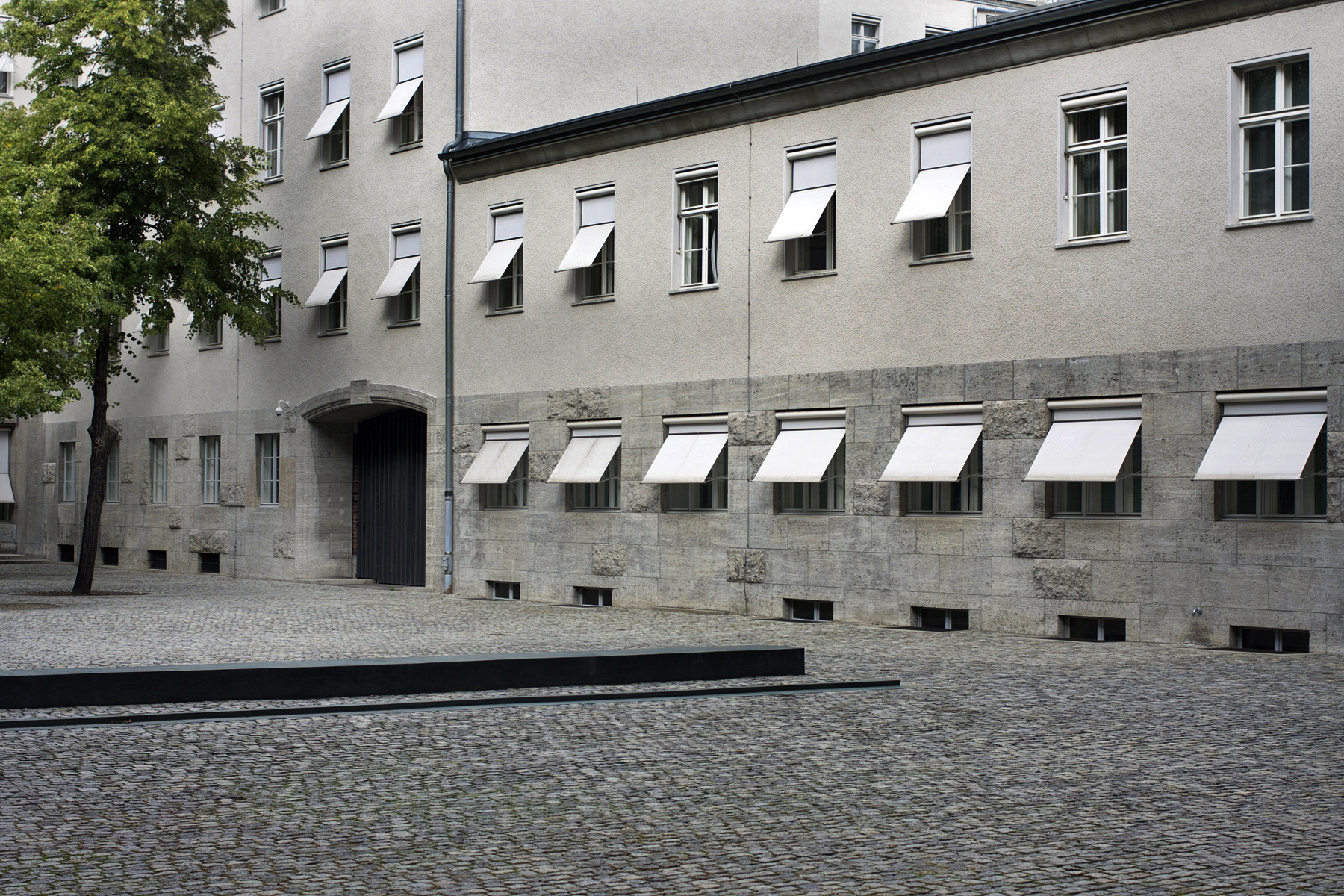
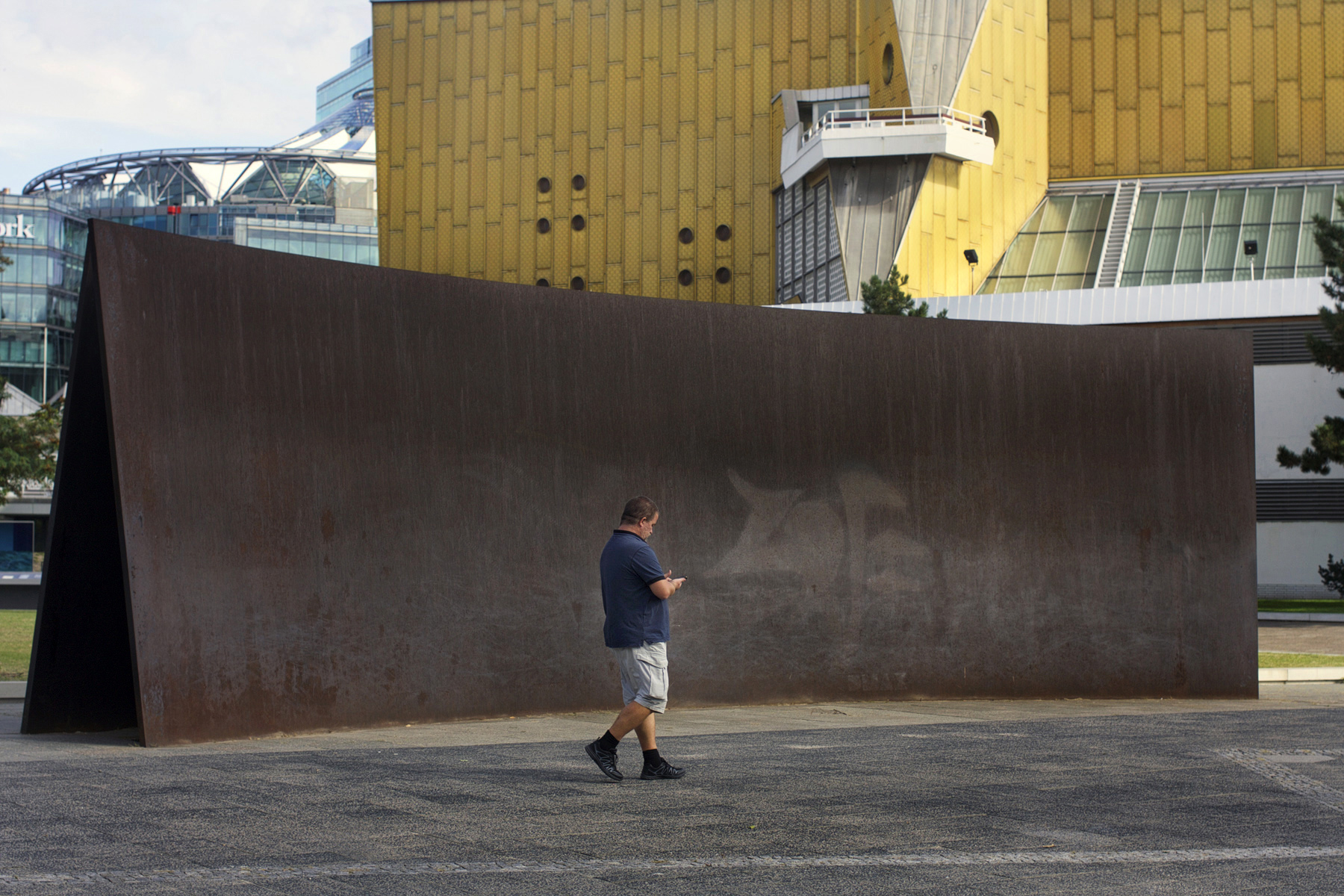
Marcus Bunyan (Australian, b. 1958) 'Sacrifice, Bendlerblock, Berlin' from the sequence 'Dark Light' 2019-2024
Sacrifice, Bendlerblock, Berlin


Marcus Bunyan (Australian, b. 1958) 'Untitled' from the sequence 'Dark Light' 2019-2024


Marcus Bunyan (Australian, b. 1958) 'Untitled' from the sequence 'Dark Light' 2019-2024


Marcus Bunyan (Australian, b. 1958) 'Dark City I' from the sequence 'Dark Light' 2019-2024


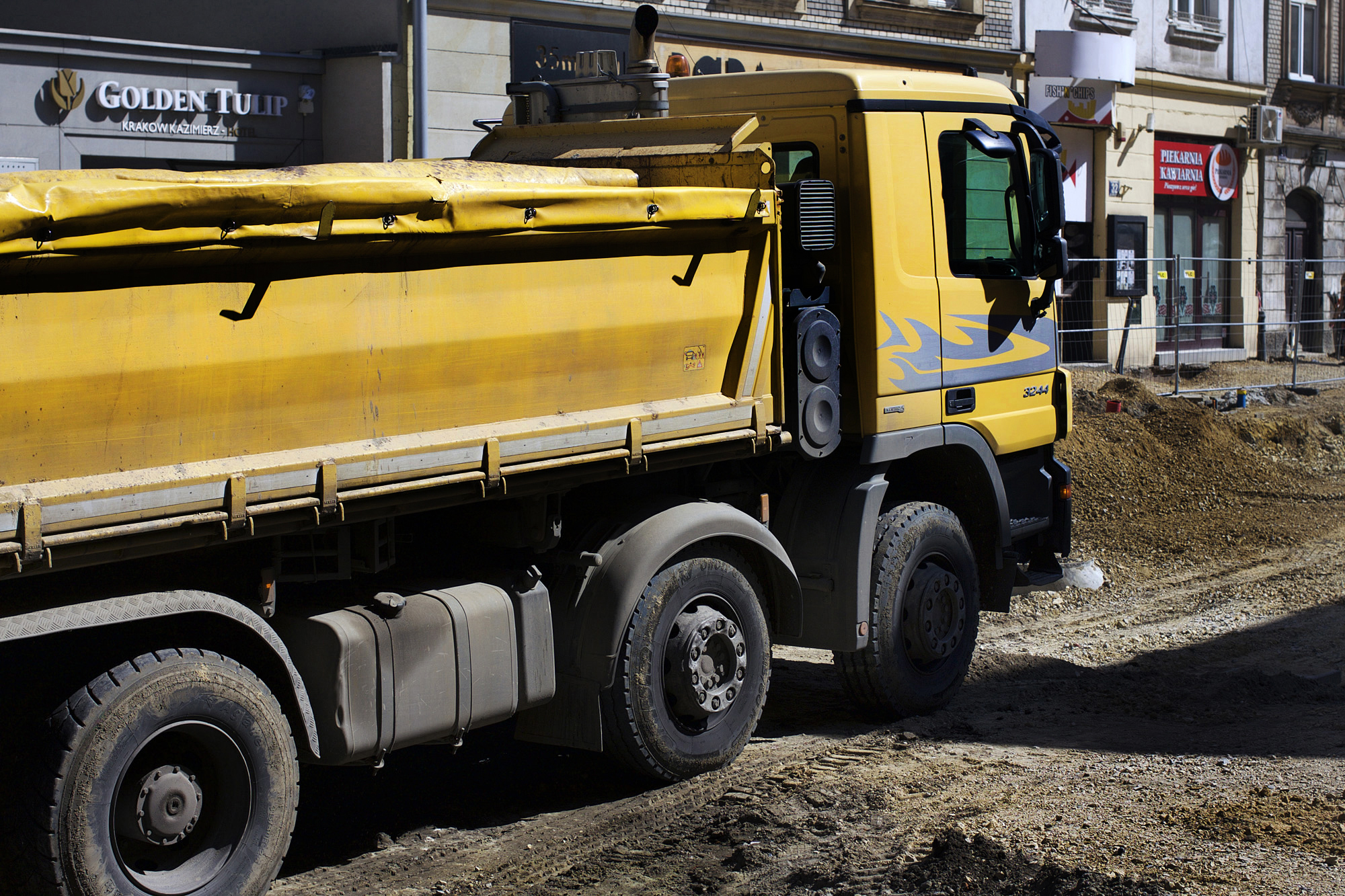
Marcus Bunyan (Australian, b. 1958) 'Golden Tulip' from the sequence 'Dark Light' 2019-2024


Marcus Bunyan (Australian, b. 1958) 'Monolith' from the sequence 'Dark Light' 2019-2024


Marcus Bunyan (Australian, b. 1958) 'Creature' from the sequence 'Dark Light' 2019-2024


Marcus Bunyan (Australian, b. 1958) 'Twenty / One' from the sequence 'Dark Light' 2019-2024


Marcus Bunyan (Australian, b. 1958) 'Tendril' from the sequence 'Dark Light' 2019-2024


Marcus Bunyan (Australian, b. 1958) 'Tribulation' from the sequence 'Dark Light' 2019-2024


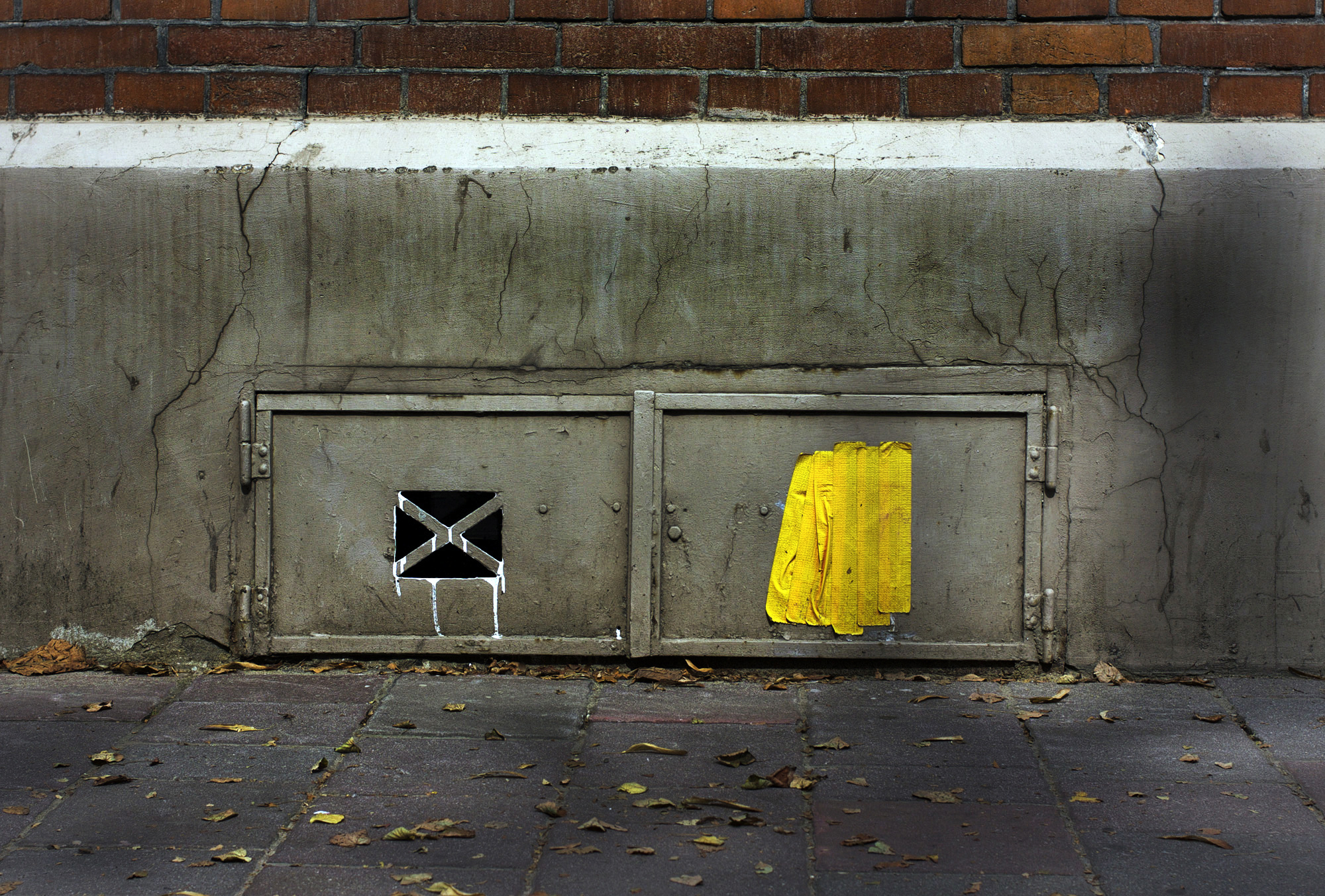
Marcus Bunyan (Australian, b. 1958) 'Yellow' from the sequence 'Dark Light' 2019-2024


Marcus Bunyan (Australian, b. 1958) 'Black Star' from the sequence 'Dark Light' 2019-2024


Marcus Bunyan (Australian, b. 1958) 'Duct' from the sequence 'Dark Light' 2019-2024


Marcus Bunyan (Australian, b. 1958) 'Wraith' from the sequence 'Dark Light' 2019-2024


Marcus Bunyan (Australian, b. 1958) 'Untitled' from the sequence 'Dark Light' 2019-2024


Marcus Bunyan (Australian, b. 1958) 'Benediction' from the sequence 'Dark Light' 2019-2024


Marcus Bunyan (Australian, b. 1958) 'Untitled' from the sequence 'Dark Light' 2019-2024


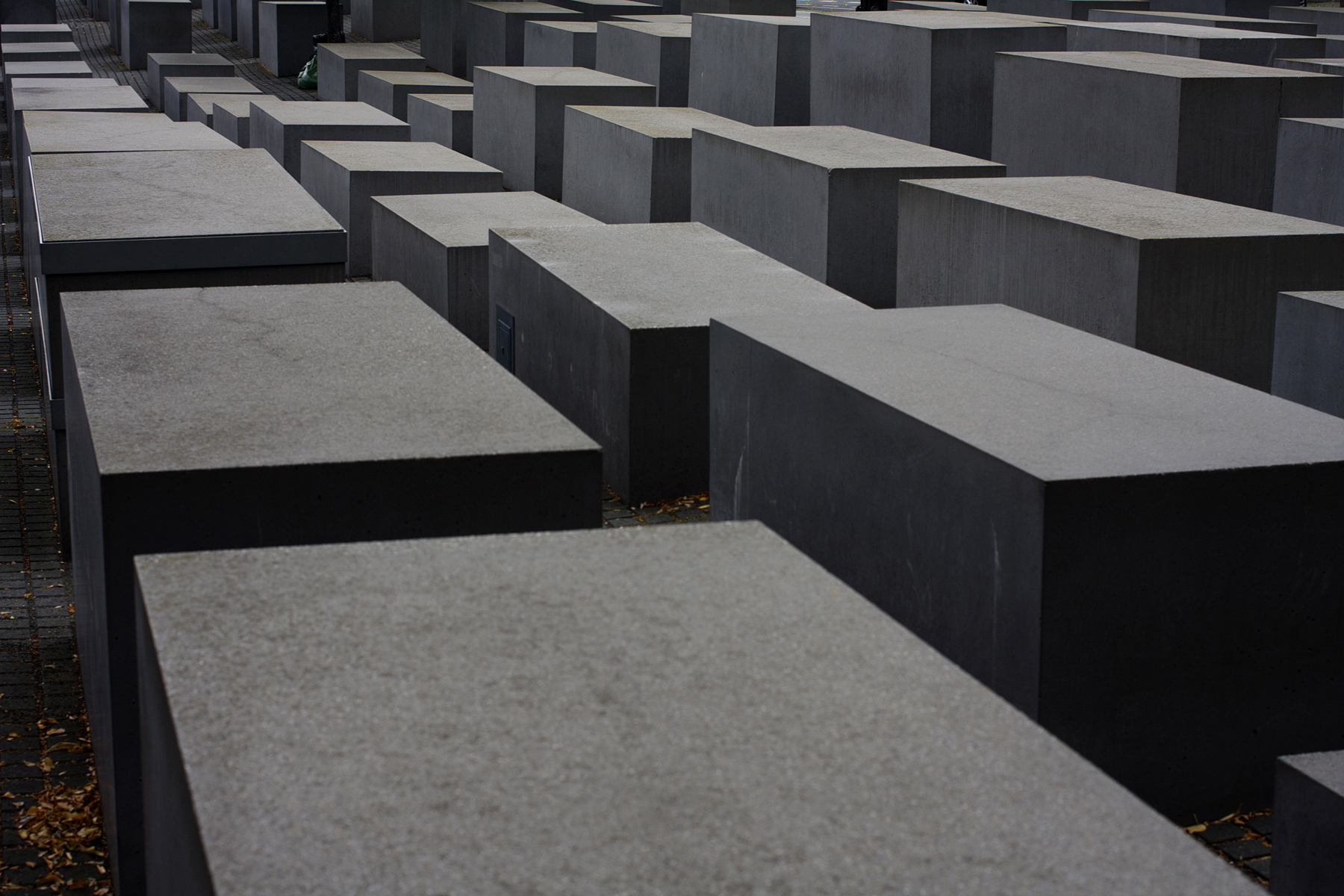
Marcus Bunyan (Australian, b. 1958) 'Memorial, Berlin' from the sequence 'Dark Light' 2019-2024


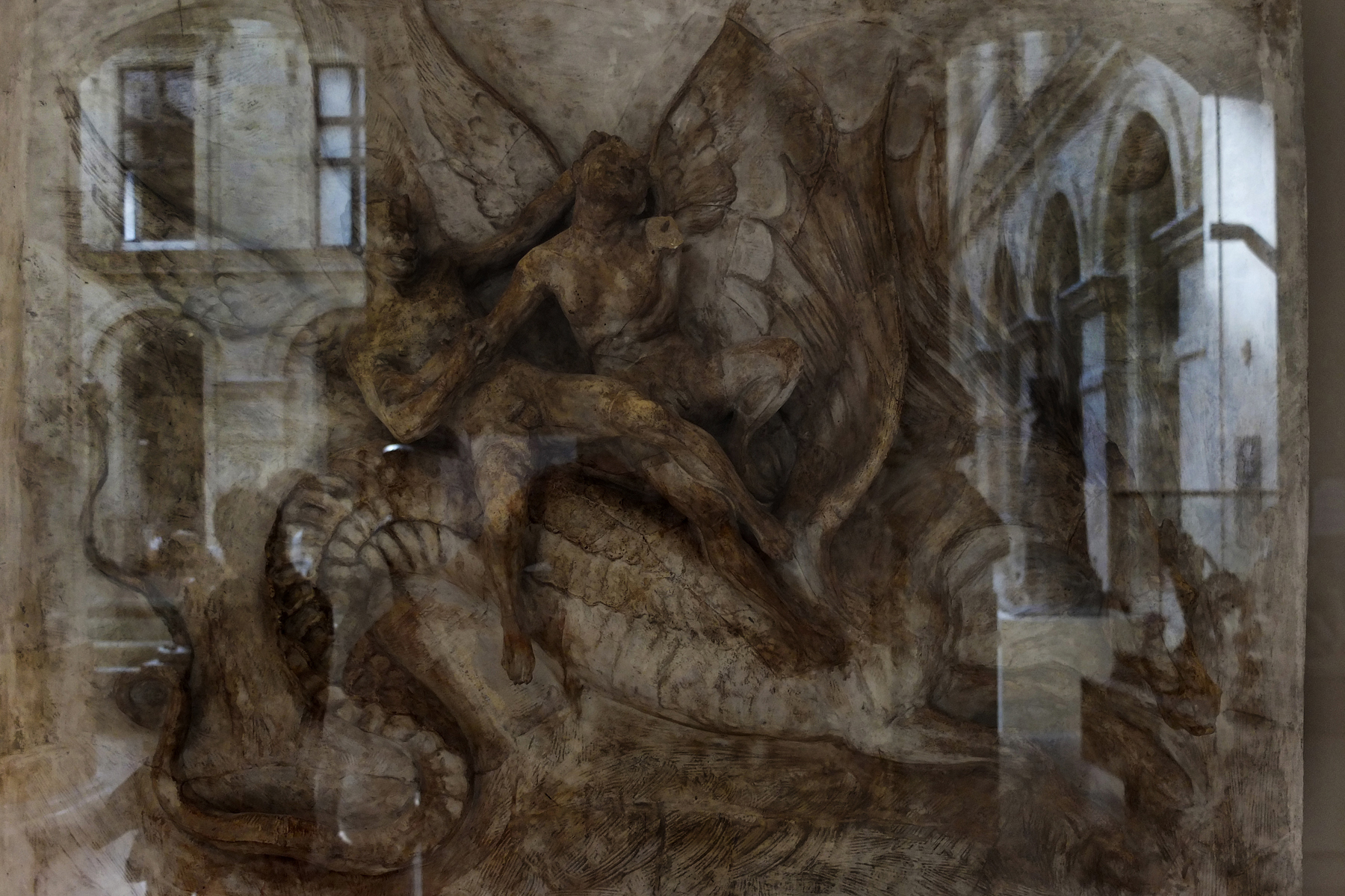
Marcus Bunyan (Australian, b. 1958) 'Medusa, Yerebatan Sarnici, Istanbul' from the sequence 'Dark Light' 2019-2024
Medusa, Yerebatan Sarnici, Istanbul


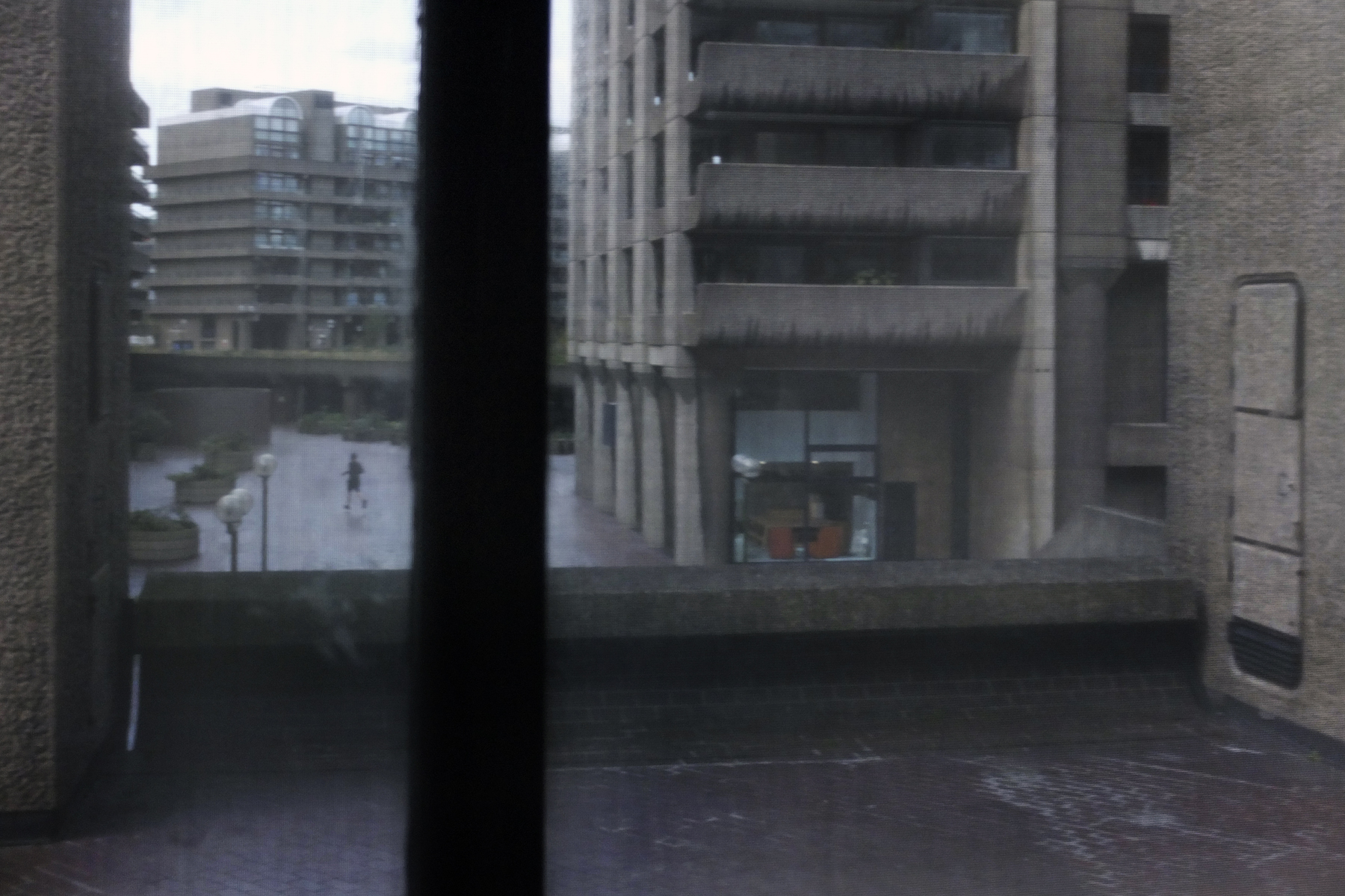
Marcus Bunyan (Australian, b. 1958) 'Running Man' from the sequence 'Dark Light' 2019-2024
Running Man


Marcus Bunyan (Australian, b. 1958) 'Untitled' from the sequence 'Dark Light' 2019-2024


Marcus Bunyan (Australian, b. 1958) 'Dark City II' from the sequence 'Dark Light' 2019-2024


Marcus Bunyan (Australian, b. 1958) 'In the darkness of forests' from the sequence 'Dark Light' 2019-2024
In the darkness of forests


Marcus Bunyan (Australian, b. 1958) 'Peeling' from the sequence 'Dark Light' 2019-2024
Peeling


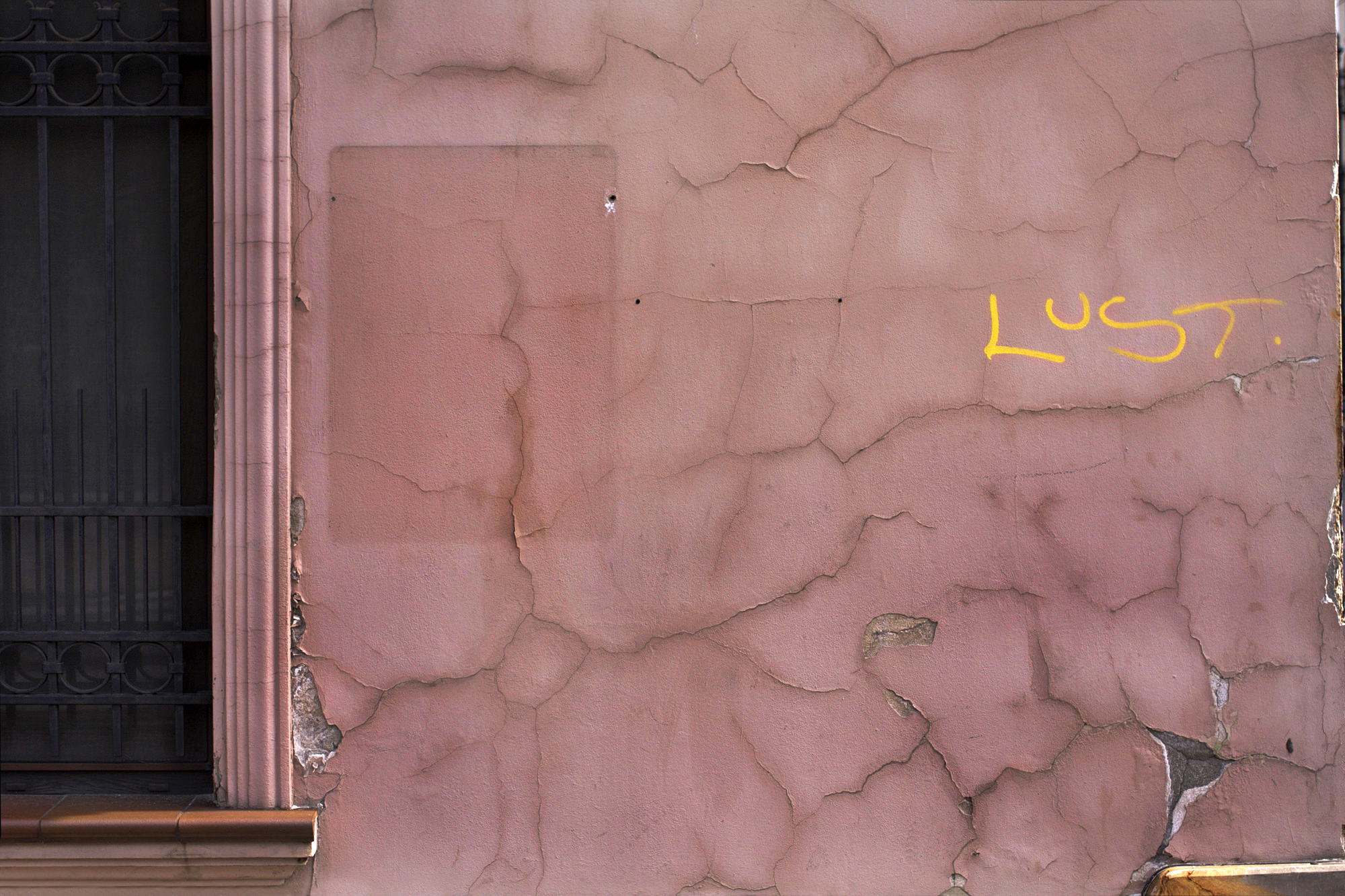
Marcus Bunyan (Australian, b. 1958) 'Lust' from the sequence 'Dark Light' 2019-2024


Marcus Bunyan (Australian, b. 1958) 'Pierce' from the sequence 'Dark Light' 2019-2024


Marcus Bunyan (Australian, b. 1958) 'Untitled' from the sequence 'Dark Light' 2019-2024


Marcus Bunyan (Australian, b. 1958) 'Conductor' from the sequence 'Dark Light' 2019-2024


Marcus Bunyan (Australian, b. 1958) 'Despair' from the sequence 'Dark Light' 2019-2024


Marcus Bunyan (Australian, b. 1958) 'Below Above' from the sequence 'Dark Light' 2019-2024


Marcus Bunyan (Australian, b. 1958) 'Parallel' from the sequence 'Dark Light' 2019-2024


Marcus Bunyan (Australian, b. 1958) 'Enclosure' from the sequence 'Dark Light' 2019-2024


Marcus Bunyan (Australian, b. 1958) 'Block' from the sequence 'Dark Light' 2019-2024


Marcus Bunyan (Australian, b. 1958) 'Old Jewish Cemetery, Prague' from the sequence 'Dark Light' 2019-2024
Old Jewish Cemetery, Prague


Marcus Bunyan (Australian, b. 1958) 'Untitled' from the sequence 'Dark Light' 2019-2024


Marcus Bunyan (Australian, b. 1958) 'Untitled' from the sequence 'Dark Light' 2019-2024


Marcus Bunyan (Australian, b. 1958) 'Untitled' from the sequence 'Dark Light' 2019-2024


Marcus Bunyan (Australian, b. 1958) 'Chaos' from the sequence 'Dark Light' 2019-2024


Marcus Bunyan (Australian, b. 1958) 'Approaching Thunderstorm' from the sequence 'Dark Light' 2019-2024
Approaching Thunderstorm


Marcus Bunyan (Australian, b. 1958) 'Entombment' from the sequence 'Dark Light' 2019-2024


Marcus Bunyan (Australian, b. 1958) 'Untitled' from the sequence 'Dark Light' 2019-2024


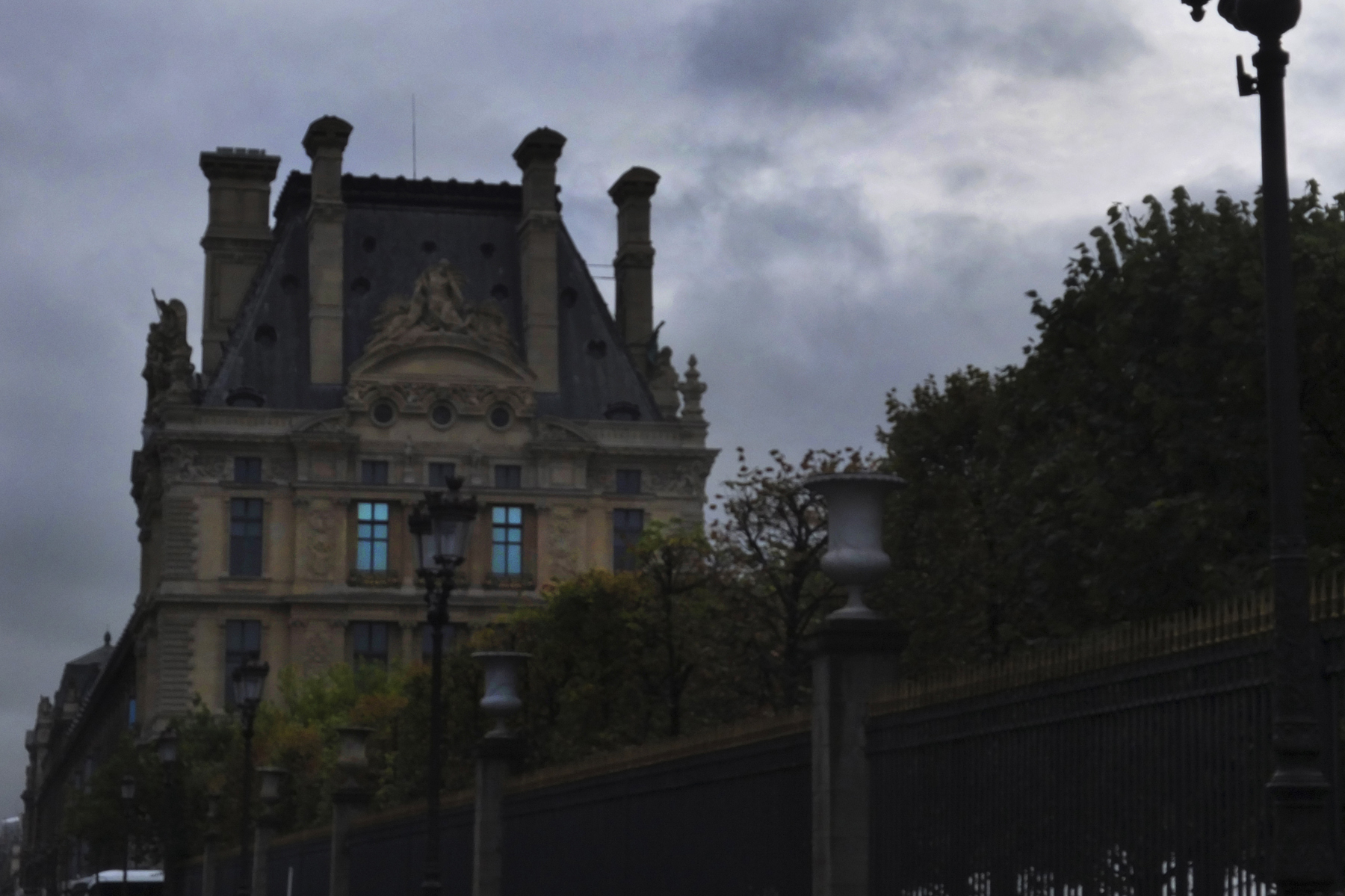
Marcus Bunyan (Australian, b. 1958) 'Dark Light, Pavillon de Marsan, Paris' from the sequence 'Dark Light' 2019-2024
Dark Light, Pavillon de Marsan, Paris


Marcus Bunyan (Australian, b. 1958) 'Fiat Lux (Let There Be Light)' from the sequence 'Dark Light' 2019-2024
Fiat Lux (Let There Be Light)


Photographs are available from this series for purchase. As a guide, a digital colour 16″ x 20″ print costs $1,000 plus tracked and insured shipping. For more information please see the Store web page.


Marcus Bunyan website

LIKE ART BLART ON FACEBOOK

Back to top

Photographs: Marcus Bunyan. ‘Tell Me Why’

from the series Travelling the wonderful loneliness 2019-2024

March 2024


Marcus Bunyan (Australian, b. 1958) 'Untitled' 2019 from the sequence 'Tell Me Why' 2019-2024


The third sequence from my new series.

Urban wandering, or travel as Hadjicostis writes, “more than any other activity
cultivates the art of asking questions.“1

During 2019 I took a photographic journey through Europe. The trip was an ascetic experience, hardly talking to anyone for 2 months, immersed in photography, taking almost 10,000 photographs on three digital cameras. I have whittled these photographs down to around 120 images in four sequences.

This sequence, Tell Me Why, is one of the four sequences in the series collectively titled Travelling the wonderful loneliness (2019-2024).

Other sequences in the series include (How I) Wish You Were Here; Material Witness; and Dark Light (all 2019-2024).

Dr Marcus Bunyan


1/ Nicos Hadjicostis. Destination Earth : A New Philosophy of Travel by a World-Traveler. Bamboo Leaf Press, 2016, p. 85 quoted in quoted in Olivia Schlichting. “Women in Cities & the Art of the Flaneuse,” in Urban Space & Women paper November 30, 2018, p. 11.

34 images
© Marcus Bunyan

Please click on the photographs for a larger version of the image.


Marcus Bunyan (Australian, b. 1958) 'Elongation' 2019 from the sequence 'Tell Me Why' 2019-2024


Marcus Bunyan (Australian, b. 1958) 'Untitled' 2019 from the sequence 'Tell Me Why' 2019-2024


Marcus Bunyan (Australian, b. 1958) 'The Red Car' 2019 from the sequence 'Tell Me Why' 2019-2024
The Red Car
Marcus Bunyan (Australian, b. 1958) 'Man in blue' 2019 from the sequence 'Tell Me Why' 2019-2024
Man in blue


Marcus Bunyan (Australian, b. 1958) 'The Green Man' 2019 from the sequence 'Tell Me Why' 2019-2024
The Green Man


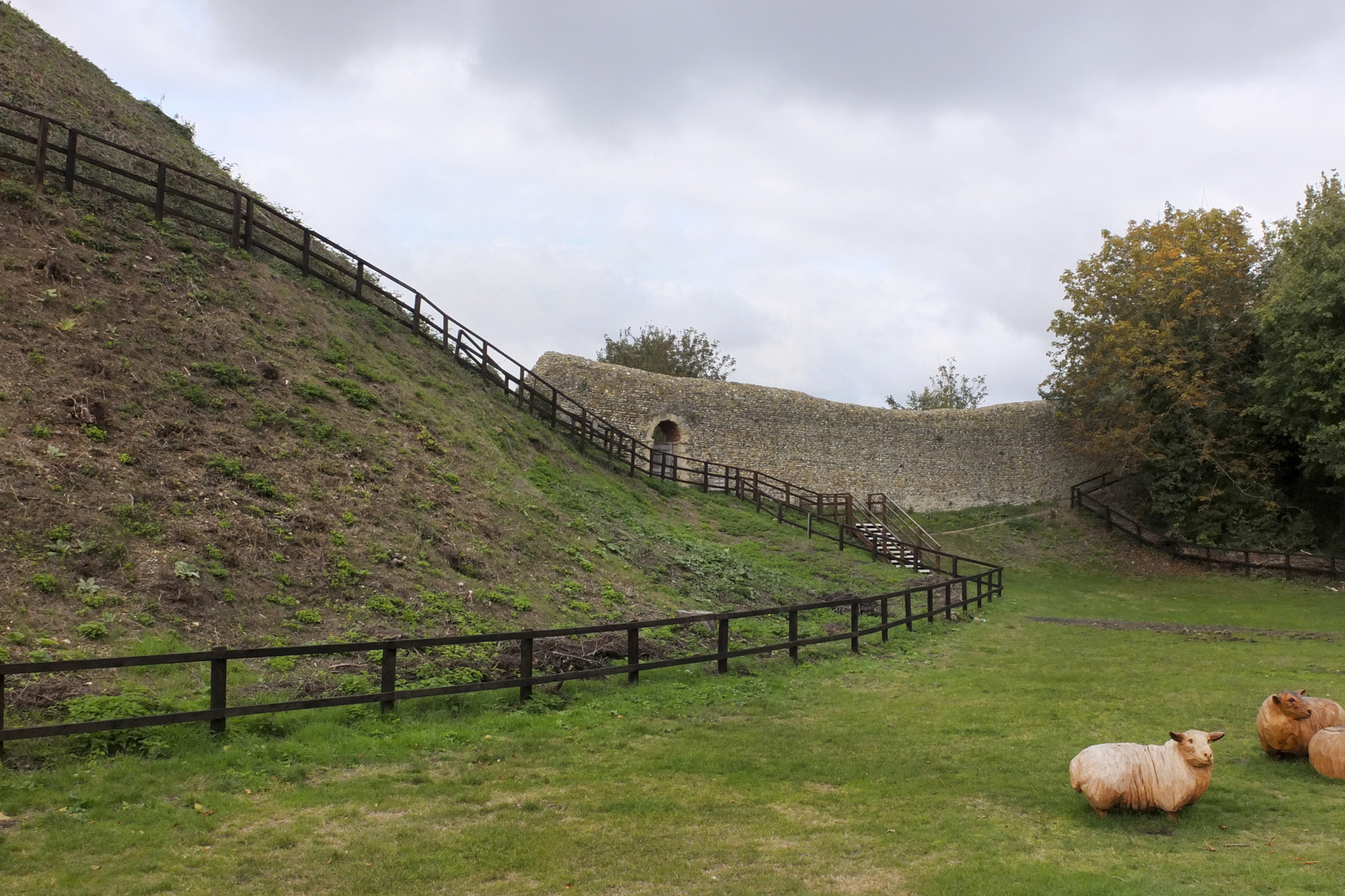
Marcus Bunyan (Australian, b. 1958) 'Clare Castle, England' 2019 from the sequence 'Tell Me Why' 2019-2024
Clare Castle, England


Marcus Bunyan (Australian, b. 1958) 'Suspension' 2019 from the sequence 'Tell Me Why' 2019-2024


Marcus Bunyan (Australian, b. 1958) 'Three cracked eggs' 2019 from the sequence 'Tell Me Why' 2019-2024
Three cracked eggs


Marcus Bunyan (Australian, b. 1958) 'Untitled' 2019 from the sequence 'Tell Me Why' 2019-2024


Marcus Bunyan (Australian, b. 1958) 'Silver' 2019 from the sequence 'Tell Me Why' 2019-2024


Marcus Bunyan (Australian, b. 1958) 'Southbound Northbound' 2019 from the sequence 'Tell Me Why' 2019-2024
Marcus Bunyan (Australian, b. 1958) 'Untitled' 2019 from the sequence 'Tell Me Why' 2019-2024


Marcus Bunyan (Australian, b. 1958) 'Push' 2019 from the sequence 'Tell Me Why' 2019-2024


Marcus Bunyan (Australian, b. 1958) 'Catch' 2019 from the sequence 'Tell Me Why' 2019-2024
Marcus Bunyan (Australian, b. 1958) 'Untitled' 2019 from the sequence 'Tell Me Why' 2019-2024


Marcus Bunyan (Australian, b. 1958) 'The profit of industry' 2019 from the sequence 'Tell Me Why' 2019-2024
The profit of industry


Marcus Bunyan (Australian, b. 1958) 'Untitled' 2019 from the sequence 'Tell Me Why' 2019-2024


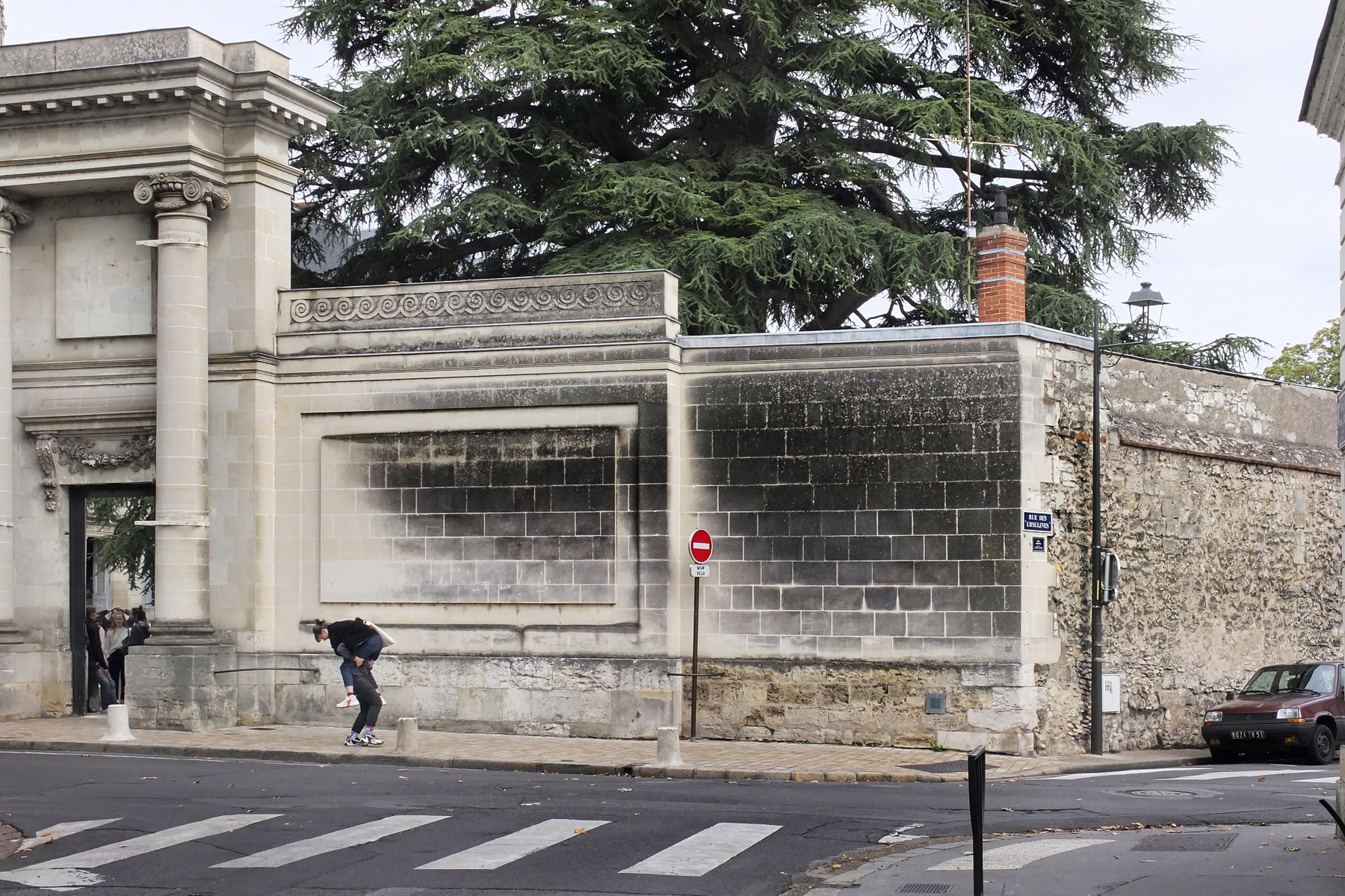
Marcus Bunyan (Australian, b. 1958) 'Rue des Ursulines, Paris' 2019 from the sequence 'Tell Me Why' 2019-2024
Rue des Ursulines, Paris


Marcus Bunyan (Australian, b. 1958) 'Untitled' 2019 from the sequence 'Tell Me Why' 2019-2024


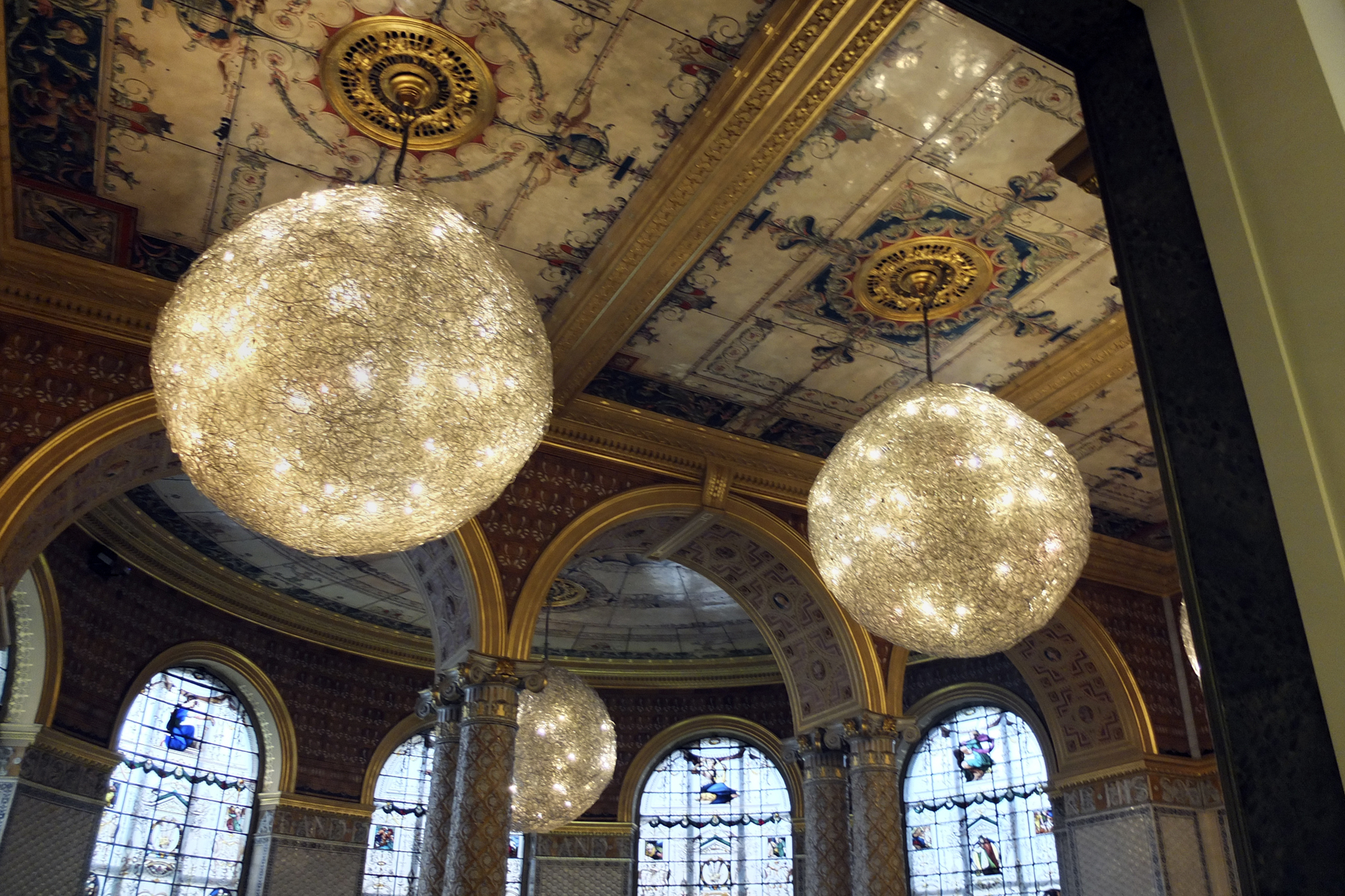
Marcus Bunyan (Australian, b. 1958) 'Photospheres' 2019 from the sequence 'Tell Me Why' 2019-2024
Photospheres
Marcus Bunyan (Australian, b. 1958) 'In Memory Of' 2019 from the sequence 'Tell Me Why' 2019-2024
In Memory Of
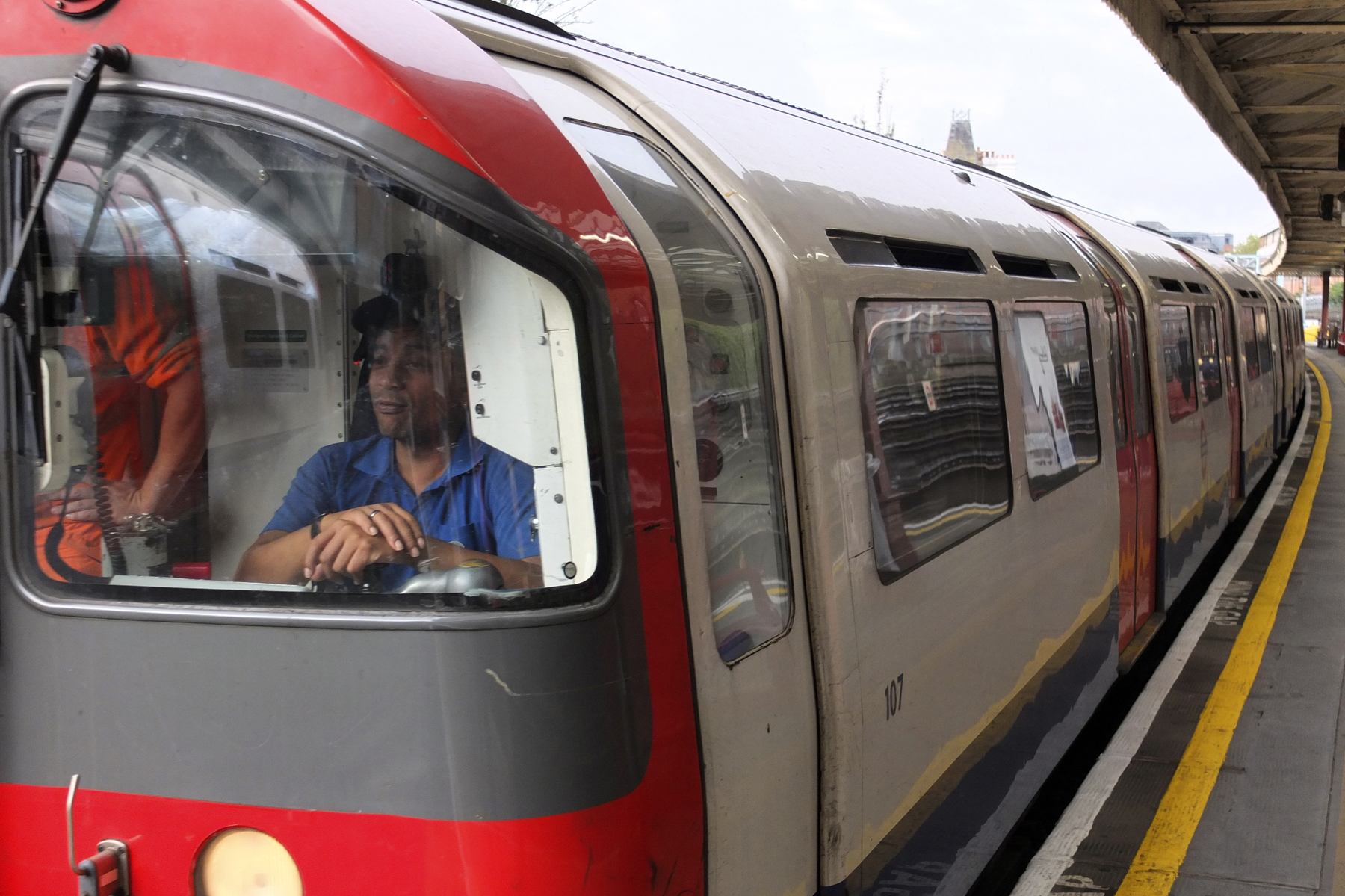
(In Memory of the forty three people who died as a result of the tragic accident at Moorgate Underground Station on the 28th February 1975)


Marcus Bunyan (Australian, b. 1958) 'Christmas in October' 2019 from the sequence 'Tell Me Why' 2019-2024
Christmas in October


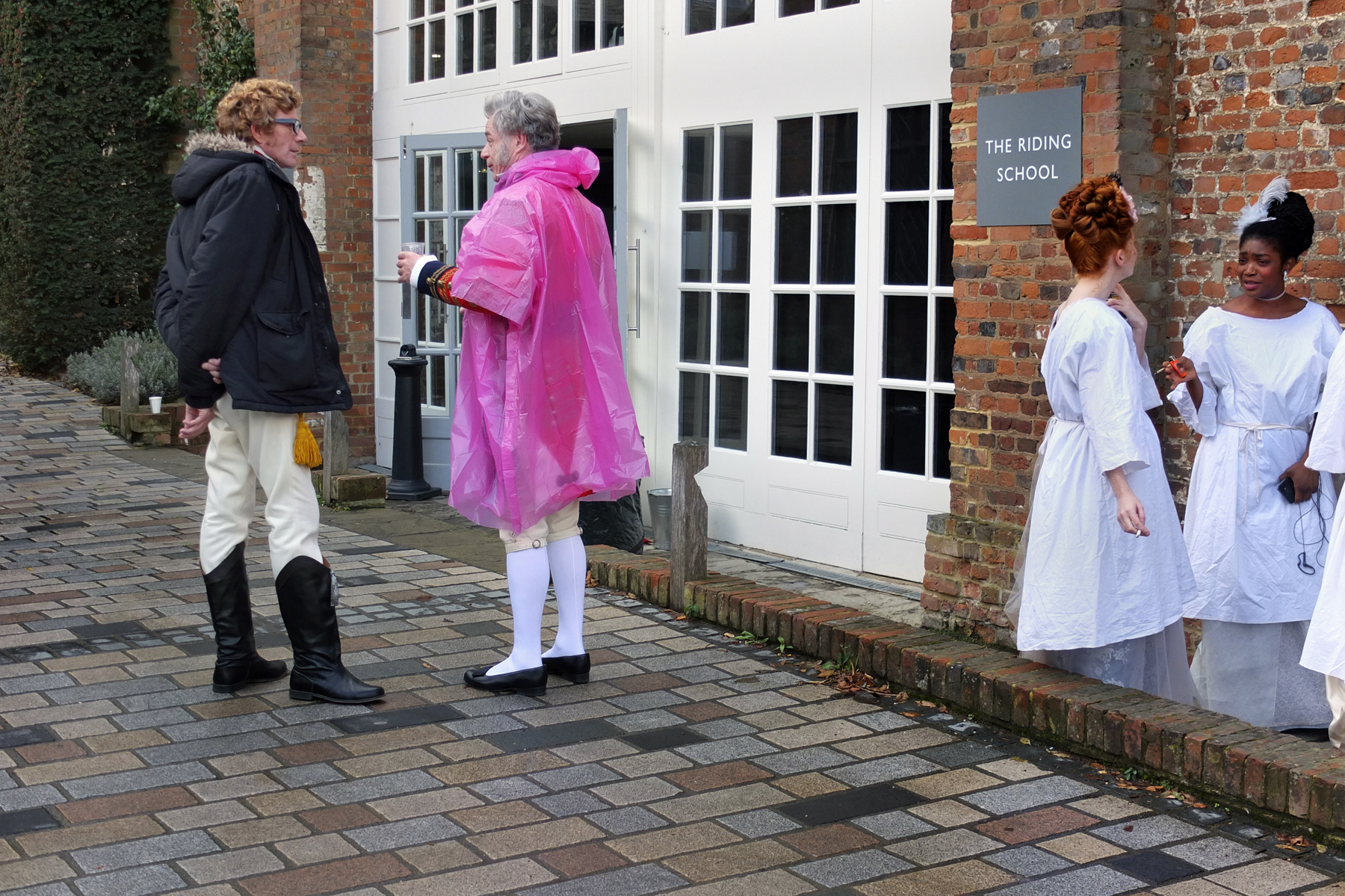
Marcus Bunyan (Australian, b. 1958) 'The Riding School, England' 2019 from the sequence 'Tell Me Why' 2019-2024
The Riding School, England


Marcus Bunyan (Australian, b. 1958) 'The Blue Fan' 2019 from the sequence 'Tell Me Why' 2019-2024
The Blue Fan


Marcus Bunyan (Australian, b. 1958) 'The Casualities of War' 2019 from the sequence 'Tell Me Why' 2019-2024
The Casualities of War


Marcus Bunyan (Australian, b. 1958) 'Untitled' 2019 from the sequence 'Tell Me Why' 2019-2024


Marcus Bunyan (Australian, b. 1958) 'Atget (colour)' 2019 from the sequence 'Tell Me Why' 2019-2024
Atget (colour)


Marcus Bunyan (Australian, b. 1958) 'Untitled' 2019 from the sequence 'Tell Me Why' 2019-2024


Marcus Bunyan (Australian, b. 1958) 'Untitled' 2019 from the sequence 'Tell Me Why' 2019-2024


Marcus Bunyan (Australian, b. 1958) 'Suspension' 2019 from the sequence 'Tell Me Why' 2019-2024


Marcus Bunyan (Australian, b. 1958) 'Untitled' 2019 from the sequence 'Tell Me Why' 2019-2024


Marcus Bunyan (Australian, b. 1958) 'Self-portrait with dog' 2019 from the sequence 'Tell Me Why' 2019-2024
Self-portrait with dog


Marcus Bunyan (Australian, b. 1958) 'After (Hokusai)' 2019 from the sequence 'Tell Me Why' 2019-2024
After (Hokusai)


Photographs are available from this series for purchase. As a guide, a digital colour 16″ x 20″ print costs $1,000 plus tracked and insured shipping. For more information please see the Store web page.


Marcus Bunyan website

LIKE ART BLART ON FACEBOOK

Back to top

Photographs: Marcus Bunyan. ‘(How I) Wish You Were Here’

from the series Travelling the wonderful loneliness 2019-2024

March 2024


Marcus Bunyan (Australian, b. 1958) 'My mother's apples' from the sequence '(How I) Wish You Were Here' 2019-2024
My mother’s apples


During 2019 I took a photographic journey through Europe. The trip was an ascetic experience, hardly talking to anyone for 2 months, immersed in photography, taking almost 10,000 photographs on three digital cameras. I have whittled these photographs down to around 120 images in four sequences.

This sequence, (How I) Wish You Were Here, is one of the four sequences in the series collectively titled Travelling the wonderful loneliness (2019-2024).

Other sequences in the series include Material Witness; Tell Me Why; and Dark Light (all 2019-2024).

Dr Marcus Bunyan

43 images
© Marcus Bunyan

Please click on the photographs for a larger version of the image.


Marcus Bunyan (Australian, b. 1958) 'EL 25' from the sequence '(How I) Wish You Were Here' 2019-2024


Marcus Bunyan (Australian, b. 1958) 'Untitled' from the sequence '(How I) Wish You Were Here' 2019-2024


Marcus Bunyan (Australian, b. 1958) 'Looking at you looking at me' from the sequence '(How I) Wish You Were Here' 2019-2024


Marcus Bunyan (Australian, b. 1958) 'Crossing' from the sequence '(How I) Wish You Were Here' 2019-2024


Marcus Bunyan (Australian, b. 1958) 'Crossing' from the sequence '(How I) Wish You Were Here' 2019-2024


Marcus Bunyan (Australian, b. 1958) 'Untitled' from the sequence '(How I) Wish You Were Here' 2019-2024


Marcus Bunyan (Australian, b. 1958) 'Dawn, Prague' from the sequence '(How I) Wish You Were Here' 2019-2024
Dawn, Prague


Marcus Bunyan (Australian, b. 1958) 'Untitled' from the sequence '(How I) Wish You Were Here' 2019-2024


Marcus Bunyan (Australian, b. 1958) 'Only You' from the sequence '(How I) Wish You Were Here' 2019-2024
Only You


Marcus Bunyan (Australian, b. 1958) 'Untitled' from the sequence '(How I) Wish You Were Here' 2019-2024


Marcus Bunyan (Australian, b. 1958) 'Untitled' from the sequence '(How I) Wish You Were Here' 2019-2024


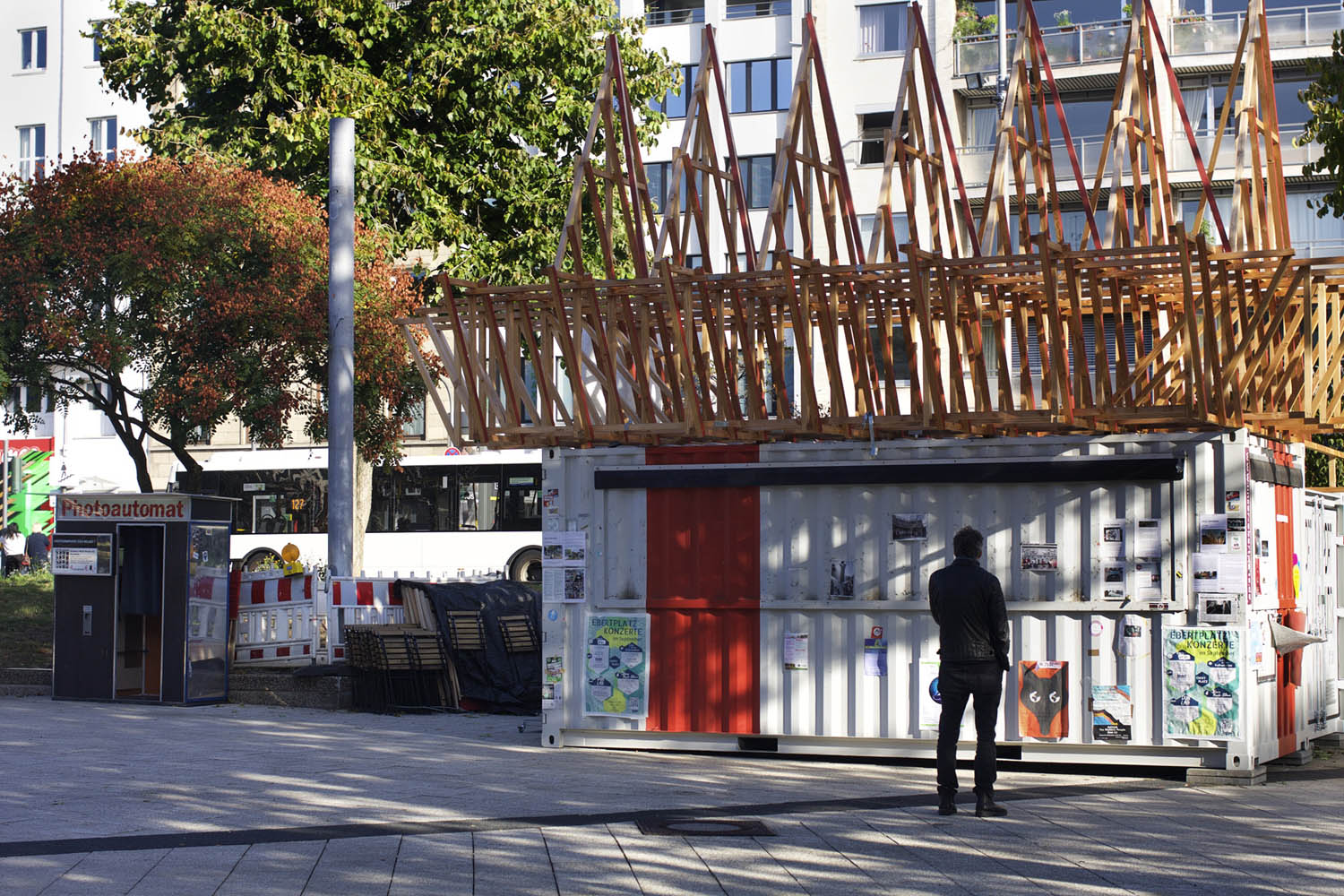
Marcus Bunyan (Australian, b. 1958) 'Photoautomat' from the sequence '(How I) Wish You Were Here' 2019-2024
Photoautomat


Marcus Bunyan (Australian, b. 1958) 'Imaginary friends' from the sequence '(How I) Wish You Were Here' 2019-2024


Marcus Bunyan (Australian, b. 1958) 'Ascending' from the sequence '(How I) Wish You Were Here' 2019-2024


Marcus Bunyan (Australian, b. 1958) 'Liberté, Egalité, Fraternité' from the sequence '(How I) Wish You Were Here' 2019-2024


Marcus Bunyan (Australian, b. 1958) 'Infinity, Centre Pompidou' from the sequence '(How I) Wish You Were Here' 2019-2024


Marcus Bunyan (Australian, b. 1958) 'Mr Skull is Not for sale!' from the sequence '(How I) Wish You Were Here' 2019-2024
Mr Skull is Not for sale!


Marcus Bunyan (Australian, b. 1958) 'Golden angel' from the sequence '(How I) Wish You Were Here' 2019-2024


Marcus Bunyan (Australian, b. 1958) 'Pastoral landscape, No. 2' from the sequence '(How I) Wish You Were Here' 2019-2024
Pastoral landscape, No. 2


Marcus Bunyan (Australian, b. 1958) 'Untitled' from the sequence '(How I) Wish You Were Here' 2019-2024


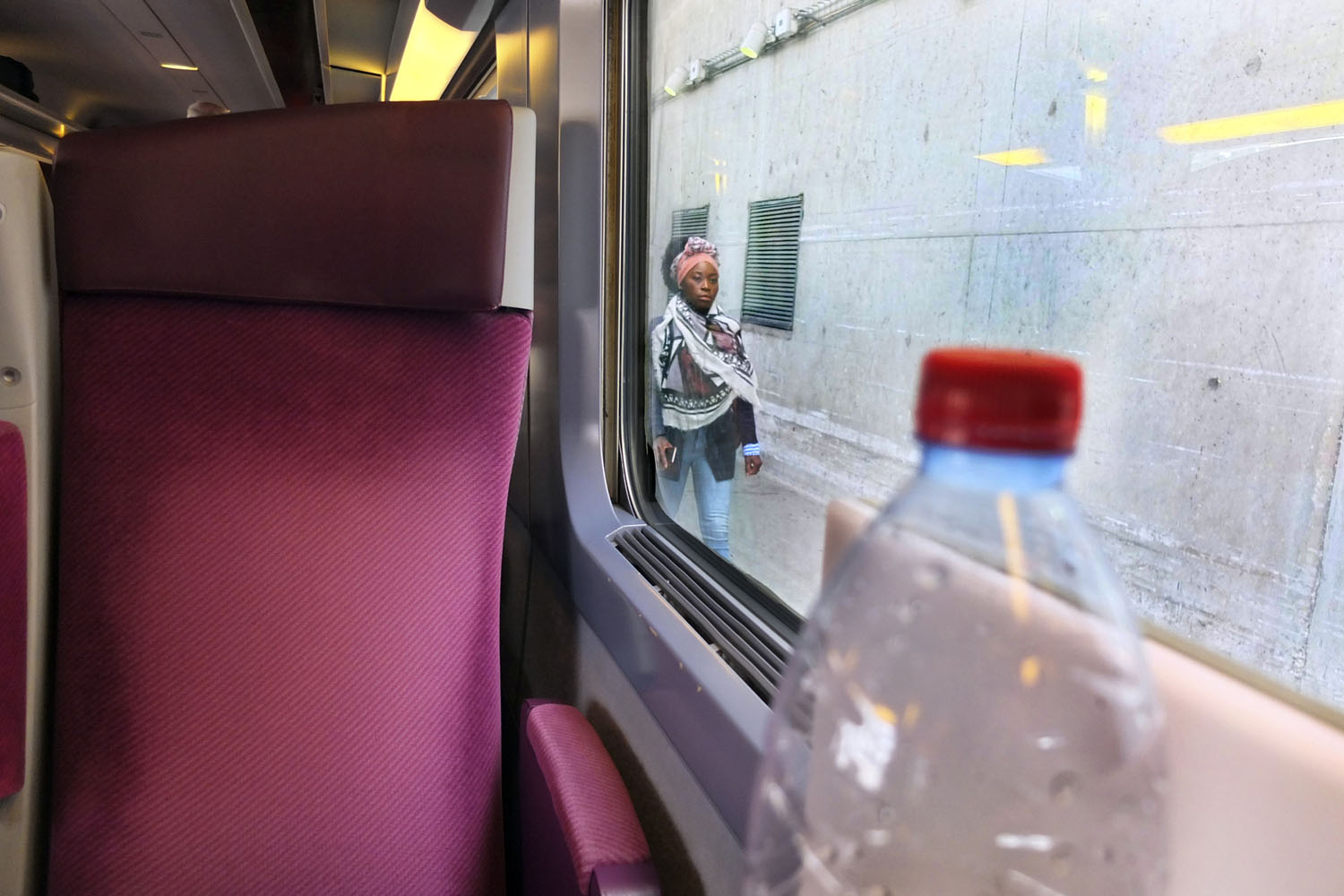
Marcus Bunyan (Australian, b. 1958) 'Purple chair' from the sequence '(How I) Wish You Were Here' 2019-2024
Purple chair


Marcus Bunyan (Australian, b. 1958) 'Untitled' from the sequence '(How I) Wish You Were Here' 2019-2024


Marcus Bunyan (Australian, b. 1958) 'Blue jeans' from the sequence '(How I) Wish You Were Here' 2019-2024


Marcus Bunyan (Australian, b. 1958) 'Untitled' from the sequence '(How I) Wish You Were Here' 2019-2024


Marcus Bunyan (Australian, b. 1958) 'White Coach' from the sequence '(How I) Wish You Were Here' 2019-2024


Marcus Bunyan (Australian, b. 1958) 'Love' from the sequence '(How I) Wish You Were Here' 2019-2024


Marcus Bunyan (Australian, b. 1958) 'Untitled' from the sequence '(How I) Wish You Were Here' 2019-2024


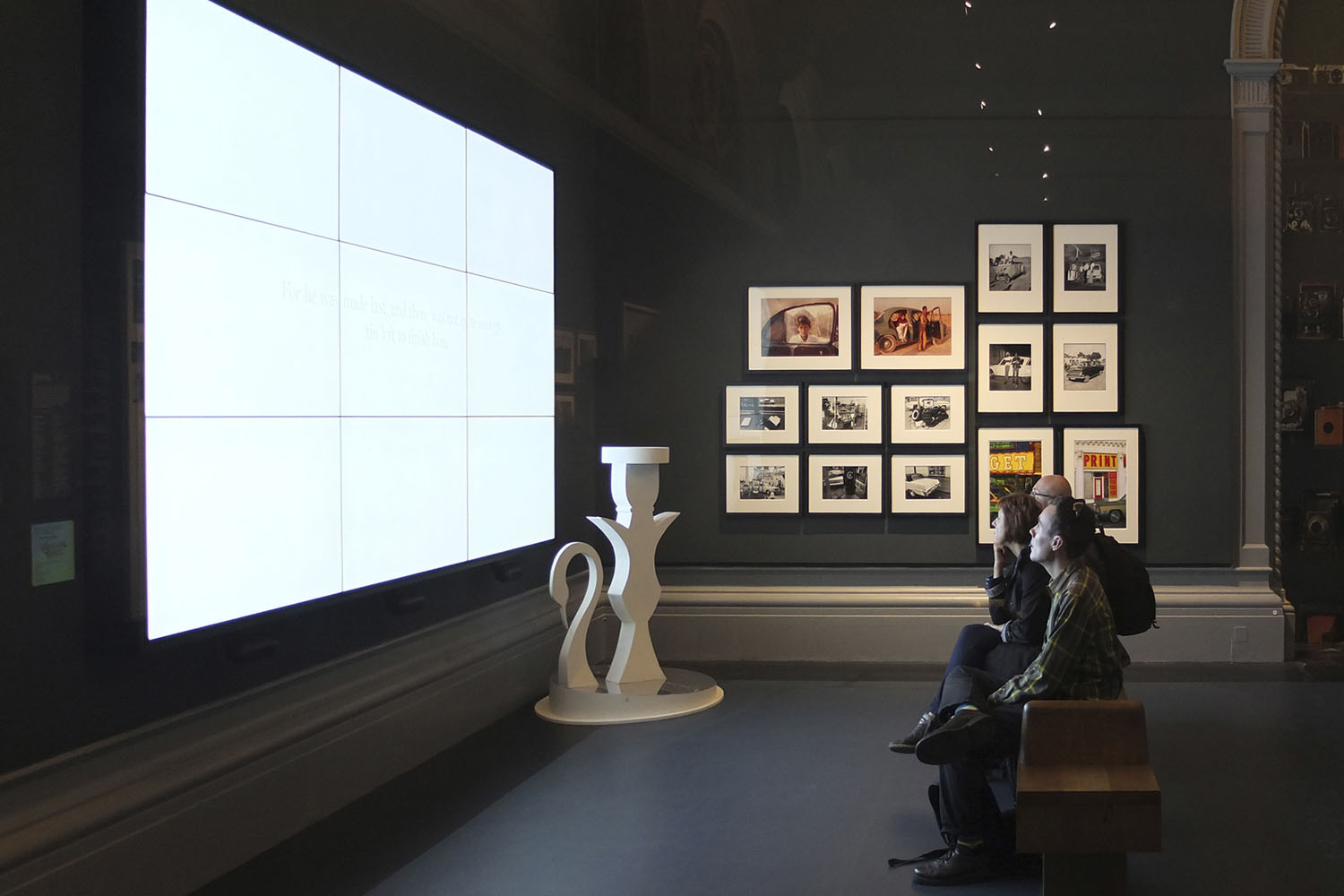
Marcus Bunyan (Australian, b. 1958) 'V&A Photography Centre, London' from the sequence '(How I) Wish You Were Here' 2019-2024
V&A Photography Centre, London


Marcus Bunyan (Australian, b. 1958) 'Dawn, Prague' from the sequence '(How I) Wish You Were Here' 2019-2024
Dawn, Prague


Marcus Bunyan (Australian, b. 1958) 'The Bell' from the sequence '(How I) Wish You Were Here' 2019-2024


Marcus Bunyan (Australian, b. 1958) 'An American in Amsterdam (Berenice Abbott)' from the sequence '(How I) Wish You Were Here' 2019-2024
An American in Amsterdam (Berenice Abbott)


Marcus Bunyan (Australian, b. 1958) 'C  D' from the sequence '(How I) Wish You Were Here' 2019-2024


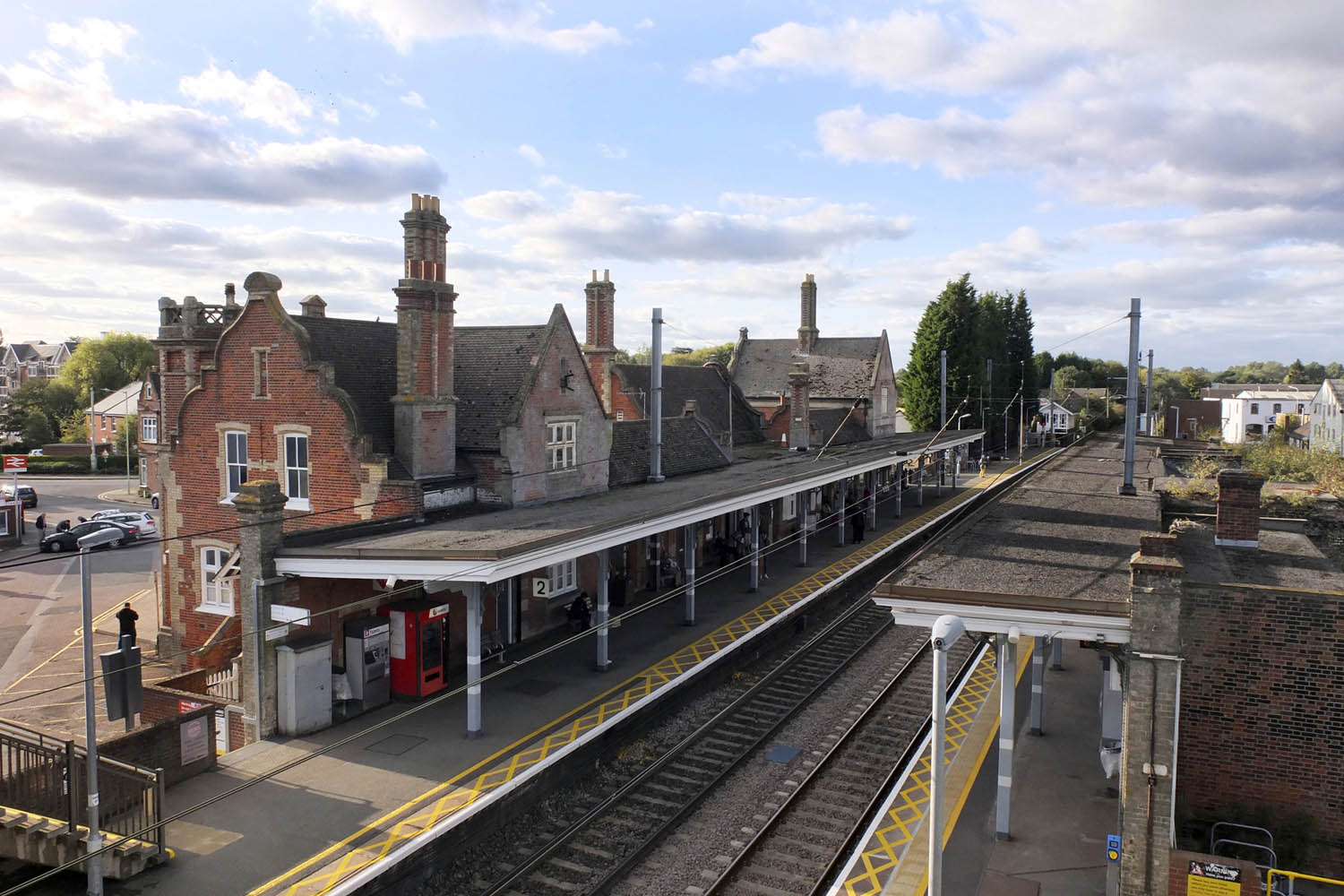
Marcus Bunyan (Australian, b. 1958) 'Arriving leaving, Stowmarket' from the sequence '(How I) Wish You Were Here' 2019-2024
Arriving leaving, Stowmarket


Marcus Bunyan (Australian, b. 1958) 'Untitled' from the sequence '(How I) Wish You Were Here' 2019-2024


Marcus Bunyan (Australian, b. 1958) 'Untitled' from the sequence '(How I) Wish You Were Here' 2019-2024


Marcus Bunyan (Australian, b. 1958) 'Untitled' from the sequence '(How I) Wish You Were Here' 2019-2024


Marcus Bunyan (Australian, b. 1958) 'Pink, blue and green' from the sequence '(How I) Wish You Were Here' 2019-2024


Marcus Bunyan (Australian, b. 1958) 'Untitled' from the sequence '(How I) Wish You Were Here' 2019-2024


Marcus Bunyan (Australian, b. 1958) 'Untitled' from the sequence '(How I) Wish You Were Here' 2019-2024


Marcus Bunyan (Australian, b. 1958) 'Ovule' from the sequence '(How I) Wish You Were Here' 2019-2024


Marcus Bunyan (Australian, b. 1958) 'Untitled' from the sequence '(How I) Wish You Were Here' 2019-2024


Marcus Bunyan (Australian, b. 1958) 'Heads I win tails you loose' from the sequence '(How I) Wish You Were Here' 2019-2024
Heads I win tails you loose


Photographs are available from this series for purchase. As a guide, a digital colour 16″ x 20″ print costs $1,000 plus tracked and insured shipping. For more information please see the Store web page.


Marcus Bunyan website

LIKE ART BLART ON FACEBOOK

Back to top

Exhibition: ‘Photography: Real & Imagined’ at The Ian Potter Centre: NGV Australia, Melbourne Part 1

Exhibition dates: 13th October 2023 – 4th February 2024

Warning: Aboriginal and Torres Strait Islander readers should be aware that this posting contains images and names of people who may have since passed away.
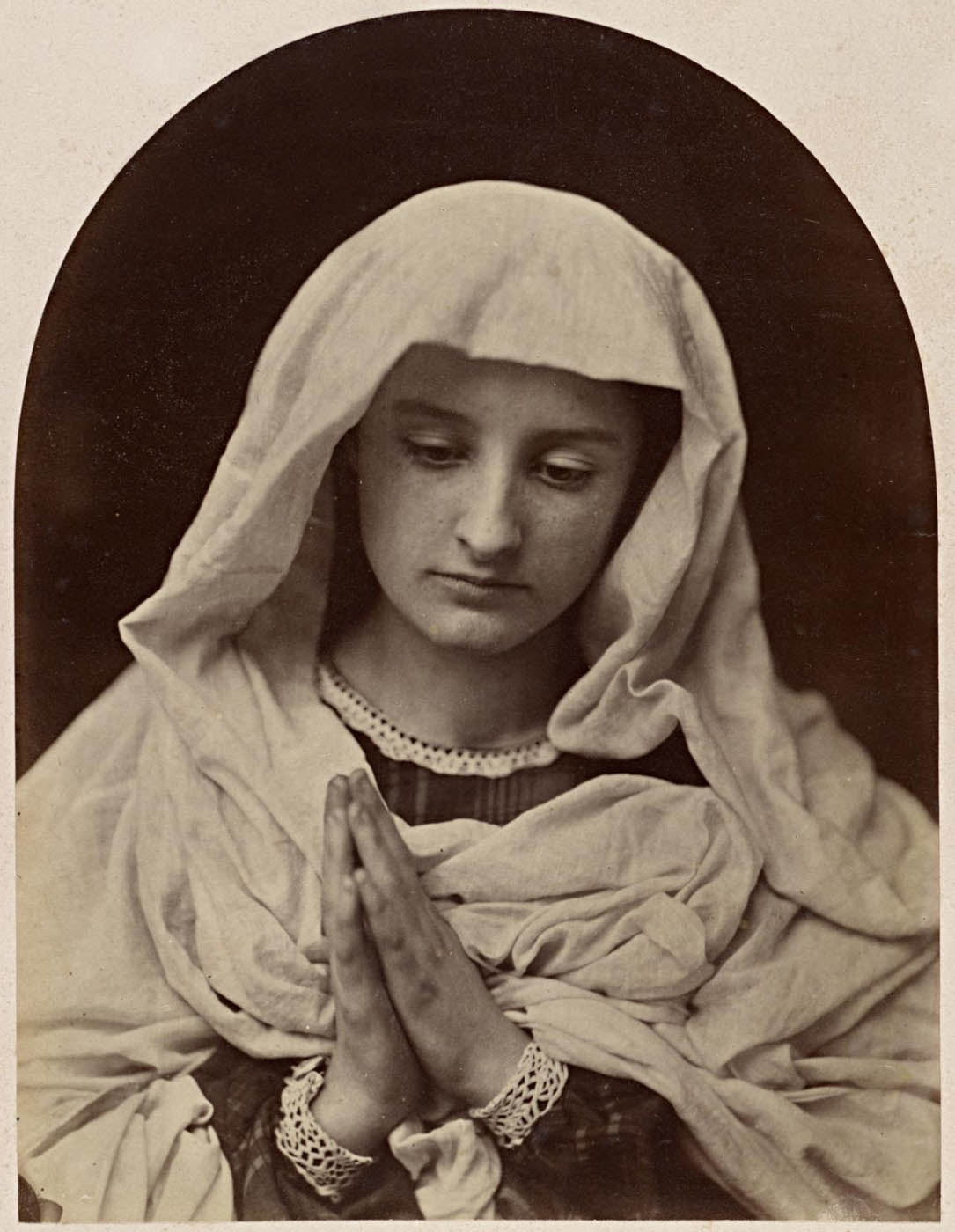
 

O. G. Rejlander (British born Sweden, 1813-1875) No title (The Virgin in prayer) c. 1858-1860


O. G. Rejlander (British born Sweden, 1813-1875)
No title (The Virgin in prayer)
c. 1858-1860
Albumen silver photograph
20.2 × 15.4cm irreg. (image and sheet)
National Gallery of Victoria, Melbourne
Purchased, 2002
Public domain


This is an ambitious, complex but flawed exhibition of photographic works from the NGV Collection. Further comment in Part 2 of the posting…

Dr Marcus Bunyan


Many thankx to the NGV for allowing me to publish the media images in the posting. Other photographs in the posting are public domain. All installation images are by Marcus Bunyan.


Photography: Real and Imagined examines two perspectives on photography; photography grounded in the real world, as a record, a document, a reflection of the world around us; and photography as the product of imagination, storytelling and illusion. On occasion, photography operates in both realms of the real and the imagined.

Highlighting major photographic works from the NGV Collection, including recent acquisitions on display for the very first time, Photography: Real and Imagined examines the complex, engaging and sometimes contradictory nature, of all things photographic. The NGV’s largest survey of the photography collection, the exhibition includes more than 300 works by Australian and international photographers and artists working with photo-media from the nineteenth, twentieth and twenty-first centuries.

Text from the NGV website
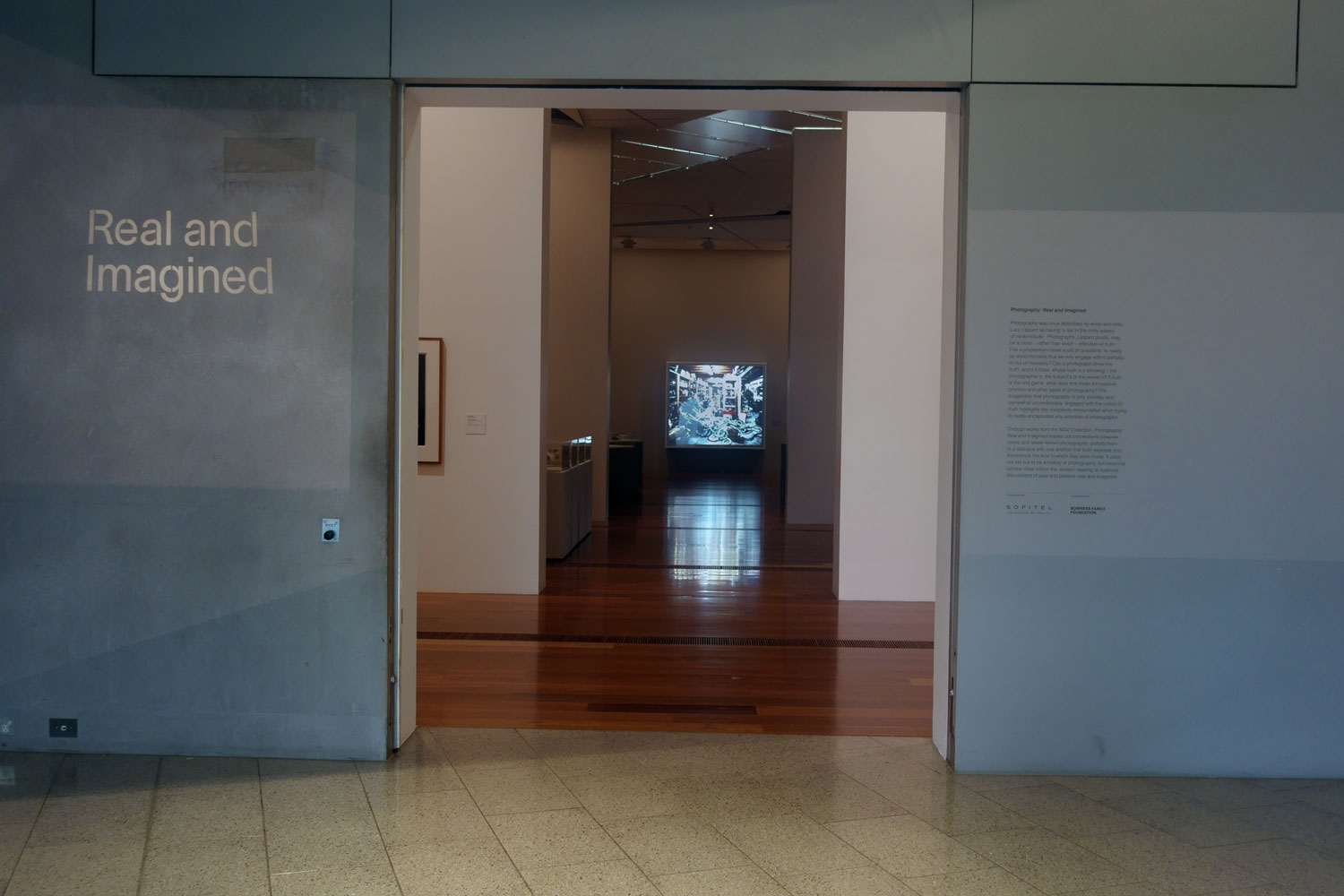
 

Installation view of the entrance to the exhibition 'Photography: Real & Imagined' at The Ian Potter Centre: NGV Australia, Melbourne


Installation view of the entrance to the exhibition Photography: Real & Imagined at The Ian Potter Centre: NGV Australia, Melbourne with introduction wall text to the right
Photo: Marcus Bunyan


Introduction

Photography was once described by writer and critic Lucy Lippard as having ‘a toe in the chilly waters of verisimilitude’. Photographs, Lippard posits, may be a close – rather than exact – reflection of truth. This proposition raises a raft of questions. Is reality so uncomfortable that we only engage with it partially, or out of necessity? Can a photograph show the truth, and if it does, whose truth is it showing – the photographer’s, the subject’s or the viewer’s? If truth is the end game, what does this mean for creative practice and other types of photography? The suggestion that photography is only partially, and somewhat uncomfortably, engaged with the notion of truth highlights the complexity encountered when trying to nearly encapsulate any selection of photographs.

Through works from the NGV Collection, Photography: Real and Imagined teases out connections between iconic and lesser known photographs, putting them in a dialogue with one another that both explores and transcends the time in which they were made. It dos not set out to be a history of photography, but historical context does inform the content, leading to nuanced discussions of past and present, real and imagined.

Introductory wall text from the exhibition


Installation view of the exhibition 'Photography: Real & Imagined' at The Ian Potter Centre: NGV Australia, Melbourne showing at right, Mike and Doug Starn's 'Invictus' (1992)


Installation view of the exhibition Photography: Real & Imagined at The Ian Potter Centre: NGV Australia, Melbourne showing at right, Mike and Doug Starn’s Invictus (1992); and at left works by John Kauffmann, Norman Deck and Edward Steichen (see below)
Photo: Marcus Bunyan


The sun was the light source that enabled the earliest photographs to be made in the 1830s. More than 150 years later the sun is the subject of this photographic sculpture by Mike and Doug Starn that embraces the possibilities of light and its potential effects on photography, in terms of both producing an image and as a force contributing to its irreparable damage. In the centre of their installation, the circular form of a sun seems to pulse and leach out of the layers of exposed orthographic film, which is stretched and layered across steel beams and held with pipe clamps and tape.

Wall text from the exhibition
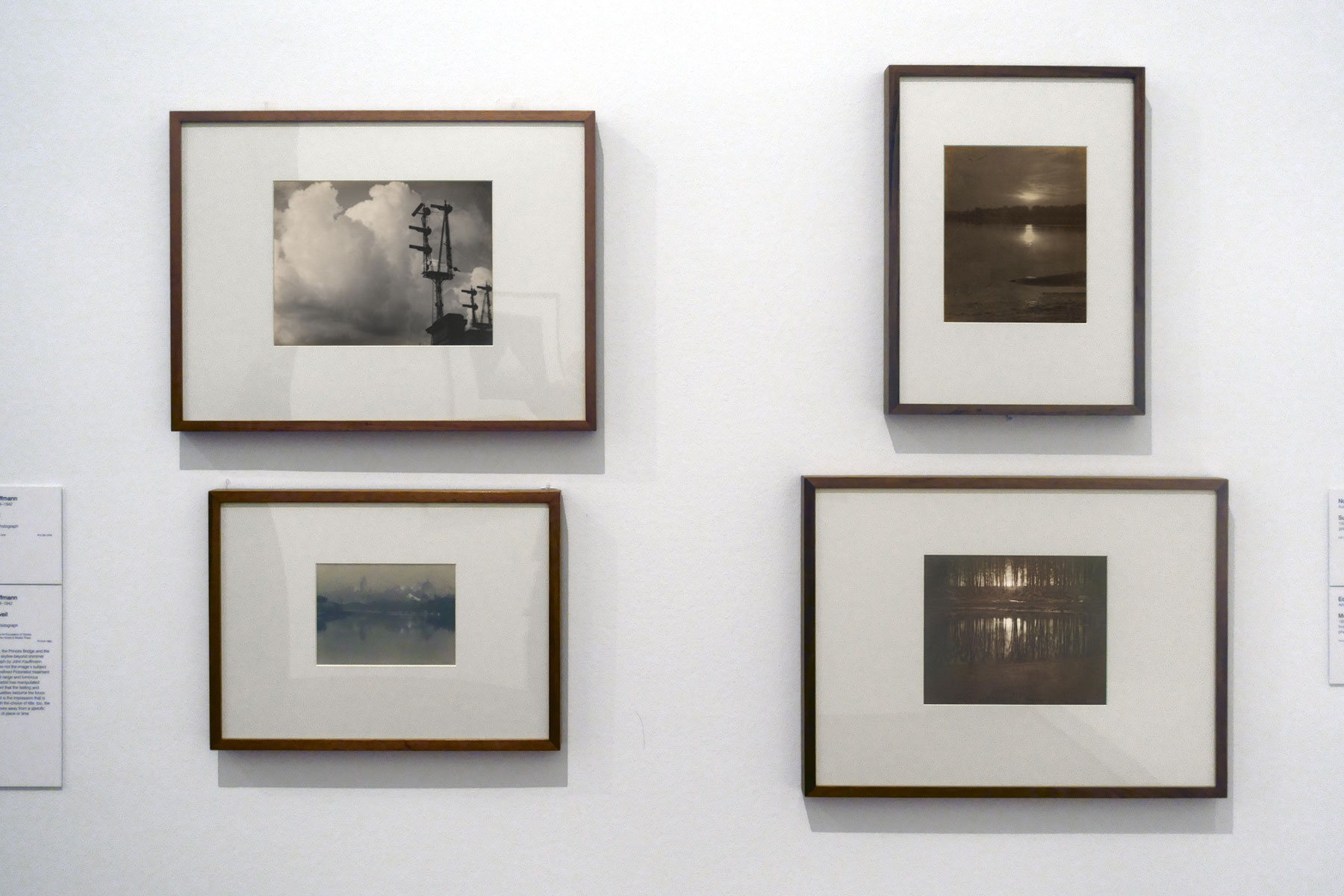
 

Installation view of the exhibition 'Photography: Real & Imagined' at The Ian Potter Centre: NGV Australia, Melbourne


Installation view of the exhibition Photography: Real & Imagined at The Ian Potter Centre: NGV Australia, Melbourne showing at top left, John Kauffmann’s The Cloud (c. 1905, below); at bottom left, Kauffmann’s The grey veil c. 1919; at top right, Norman Deck’s Sunset, Parramatta River (1909); and a bottom right, Edward Steichen’s Moonrise (1904)
Photo: Marcus Bunyan
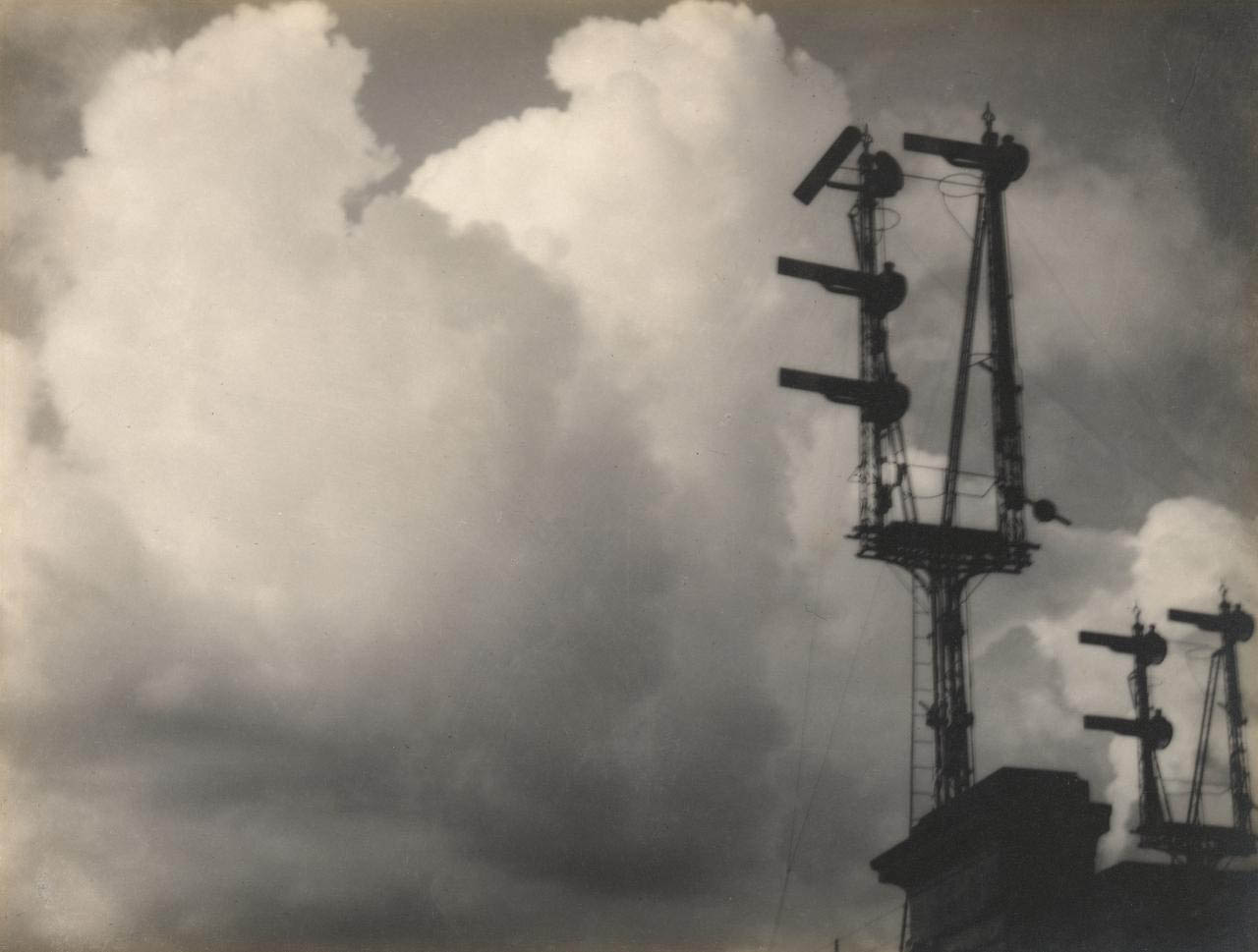
 

John Kauffmann (Australian, 1864-1942) 'The cloud' c. 1905


John Kauffmann (Australian, 1864-1942)
The cloud
c. 1905
Gelatin silver photograph
28.2 × 37.2cm
National Gallery of Victoria, Melbourne
Gift of Mr John Bilney, 1976
Public domain


John Kauffmann (Australian, 1864–1942) 'The grey veil' c. 1919


John Kauffmann (Australian, 1864-1942)
The grey veil
c. 1919
Gelatin silver photograph
National Gallery of Victoria, Melbourne
Purchased through The Art Foundation of Victoria with the assistance of the Herald & Weekly Times Limited, Fellow, 1990
Public domain


The Yarra River, the Princes Bridge and the Melbourne city skyline beyond shimmer in this photograph by John Kauffmann. And yet, they are not the image’s subject. Using a highly refined Pictorialist treatment, a reduced tonal range and luminous mid tones, the artist has manipulated light to the extent that the feeling and atmospheric qualities become the focus of the image – it is the impression that is paramount. With the choice of title, too, the photograph moves away from a specific documentation of place or time.

Wall text from the exhibition


Norman Deck (Australian 1882-1980) 'Sunset, Parramatta River' 1909


Norman Deck (Australian 1882-1980)
Sunset, Parramatta River
1909
Gelatin silver photograph
30.5 × 24.9cm
National Gallery of Victoria, Melbourne
Gift of Joyce Evans, 1993
Public domain
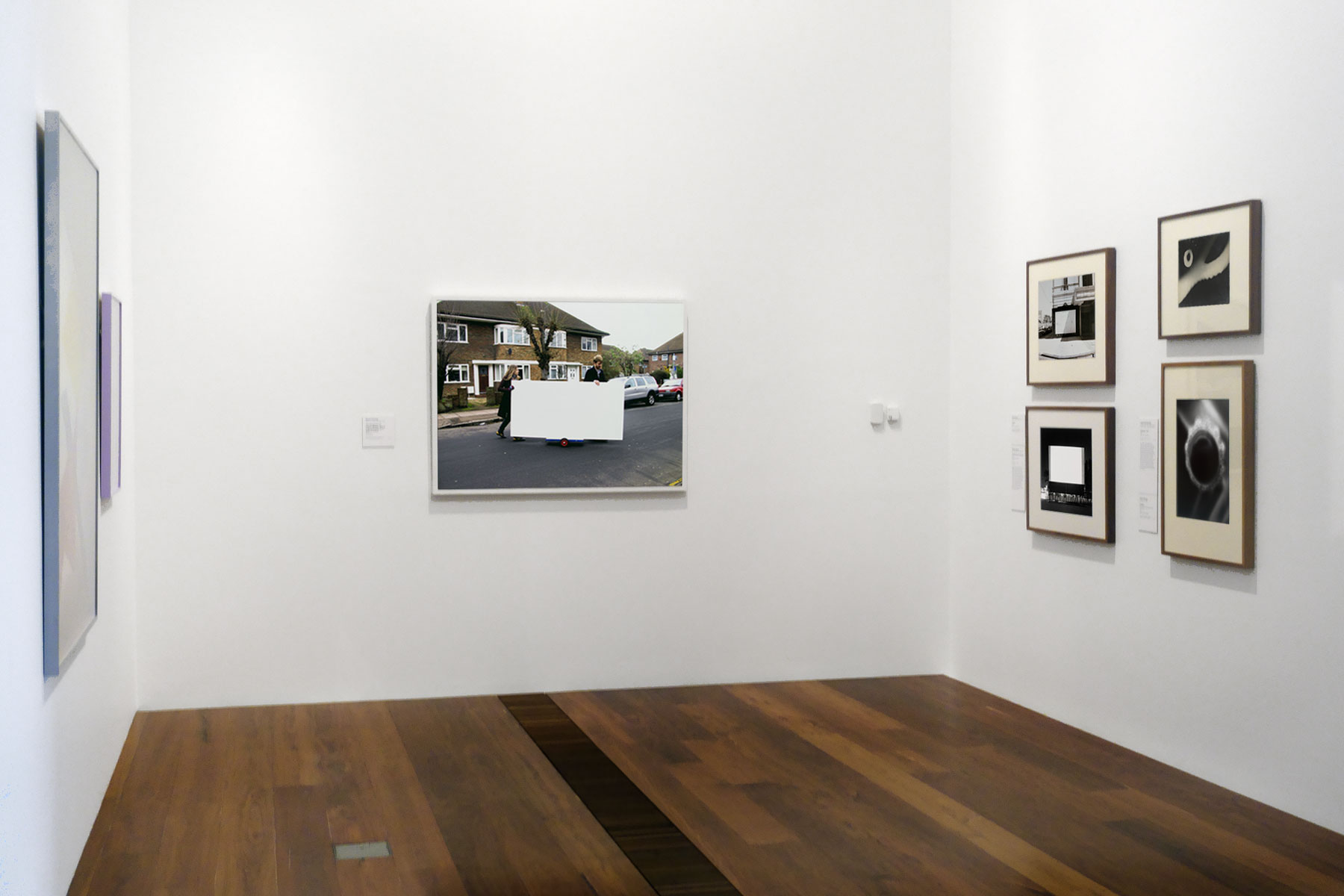
 

Installation view of the exhibition 'Photography: Real & Imagined' at The Ian Potter Centre: NGV Australia, Melbourne showing at centre, David Thomas' 'The Movement of Colour (White), Taking a Monochrome for a Walk (London)' (2010-2011)


Installation view of the exhibition Photography: Real & Imagined at The Ian Potter Centre: NGV Australia, Melbourne showing at centre, David Thomas’ The Movement of Colour (White), Taking a Monochrome for a Walk (London) (2010-2011), with at right works by David Noonan, Hiroshi Sugimoto, László Moholy-Nagy and Susan Fereday (see below)
Photo: Marcus Bunyan
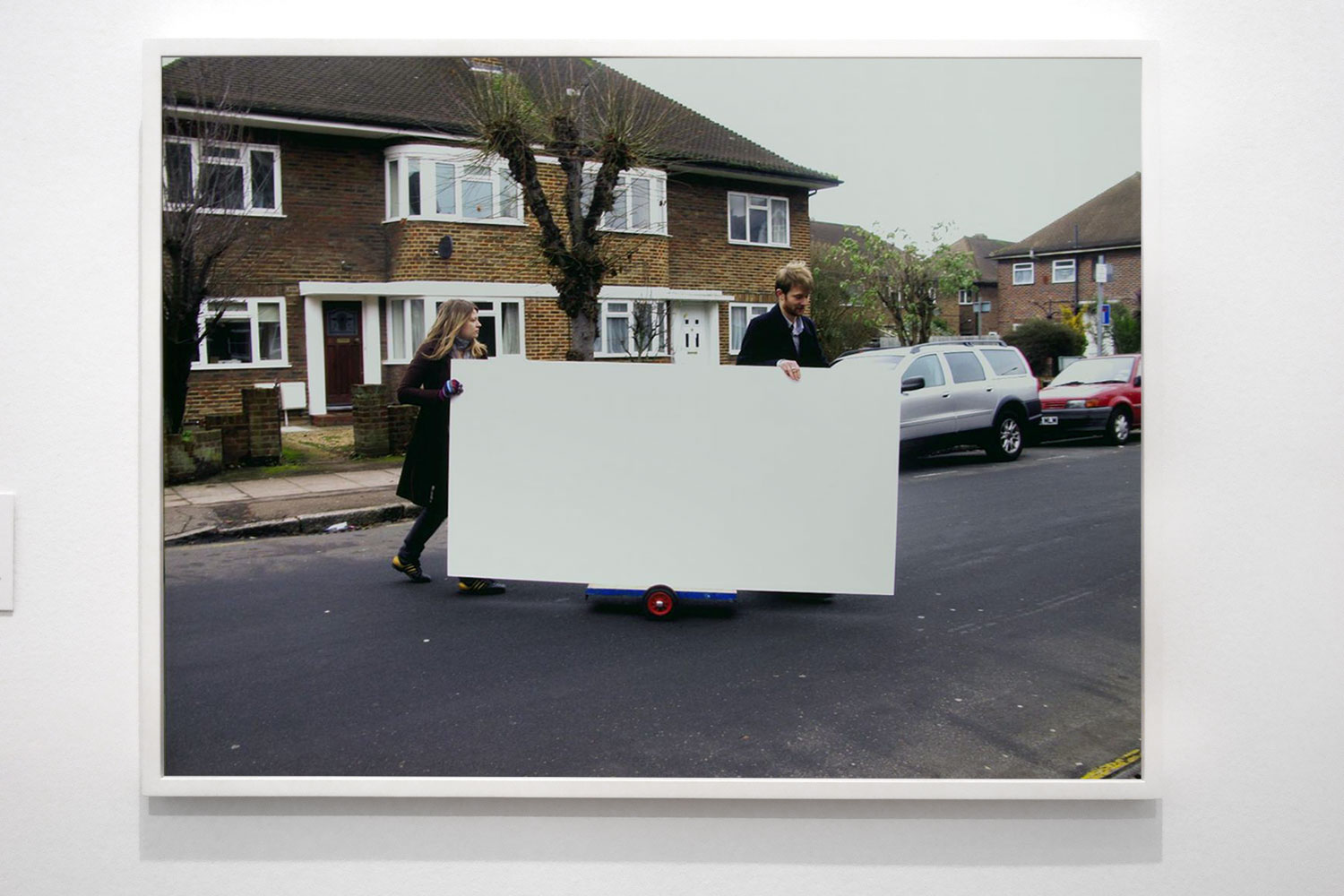
 

David Thomas (British, b. 1951, Australia 1958- ) 'The Movement of Colour (White), Taking a Monochrome for a Walk (London)' 2010-2011 (installation view)


David Thomas (British, b. 1951, Australia 1958- )
The Movement of Colour (White), Taking a Monochrome for a Walk (London) (installation view)
2010-2011
National Gallery of Victoria, Melbourne
Gift of an anonymous donor through the Australian Government’s Cultural Gifts Program 2015
Photo: Marcus Bunyan


“It was made during a residency at the Centre for Drawing Research at Wimbledon School of Art University of the Arts London… and plays on Paul Klee’s definition of drawing as taking a line for a walk on a page… this is taking a monochrome for a walk in the world where the monochrome becomes a key for seeing other colours… an interval in the world. It also suggests the ideas of movement in time and feelings of impermanence.”

~ David Thomas
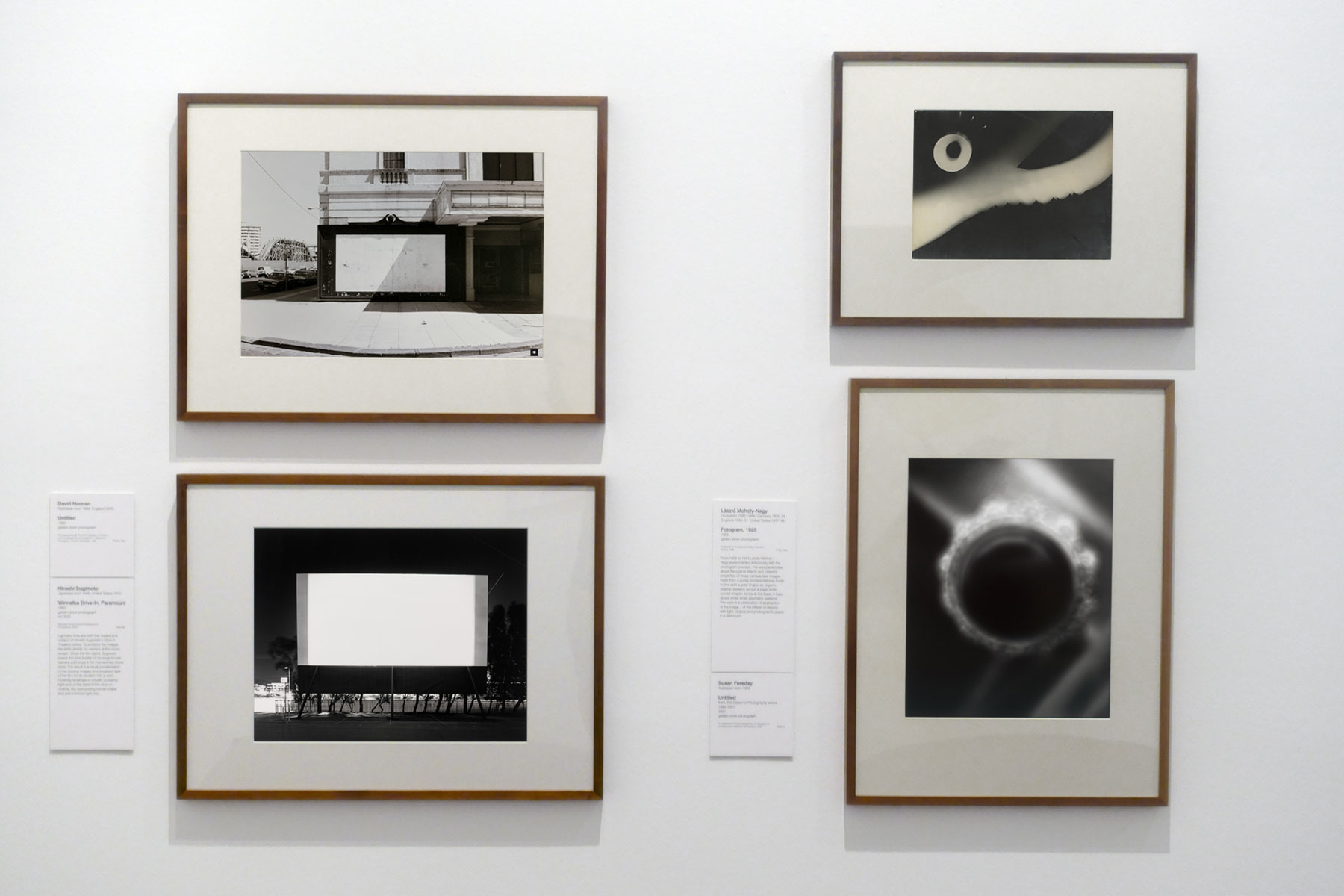
 

Installation view of the exhibition 'Photography: Real & Imagined' at The Ian Potter Centre: NGV Australia, Melbourne showing works by David Noonan, Hiroshi Sugimoto, Laslo Moholy-Nagy and Susan Fereday


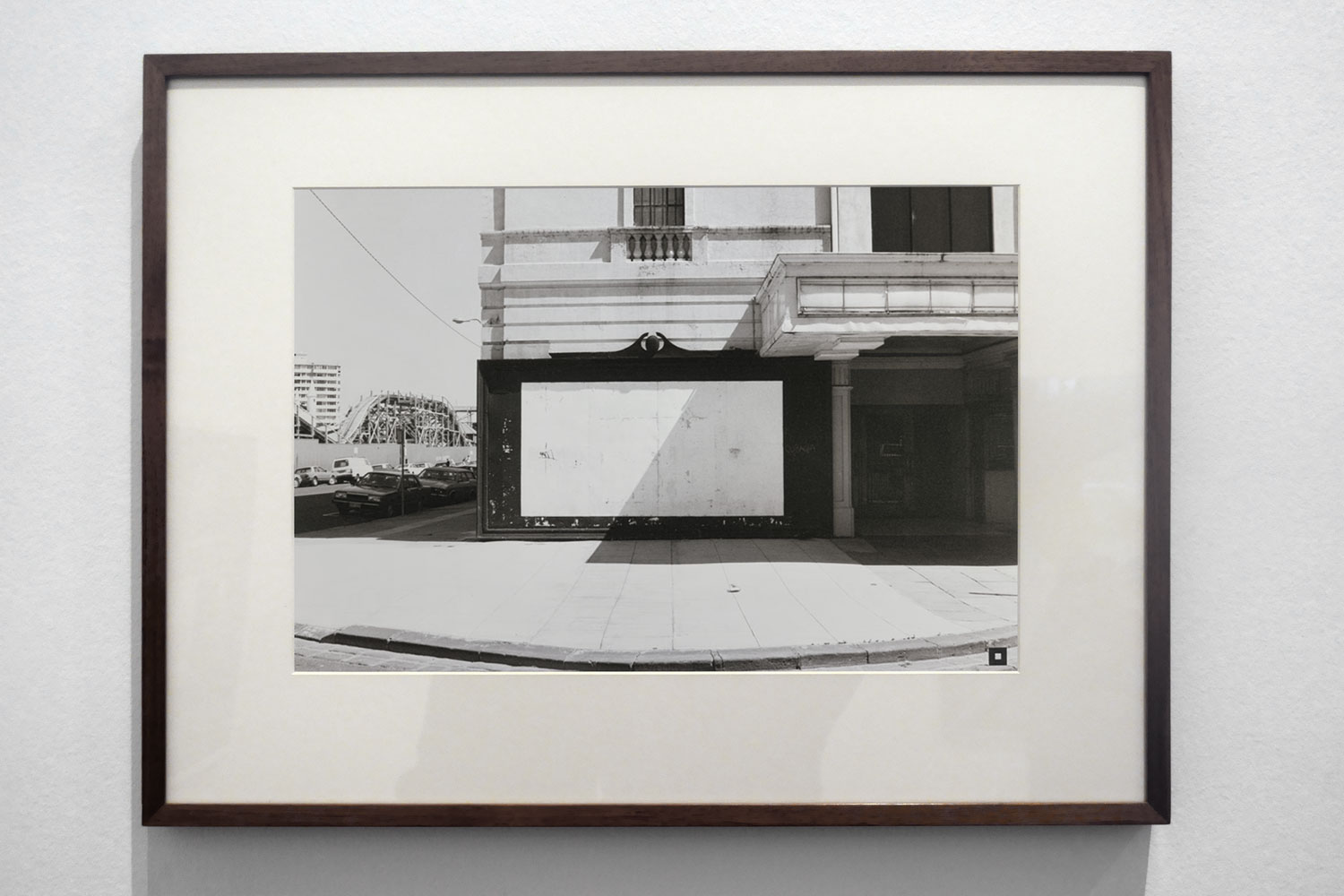
Installation view of the exhibition Photography: Real & Imagined at The Ian Potter Centre: NGV Australia, Melbourne showing at top right, David Noonan’s Untitled (1992); at bottom left, Hiroshi Sugimoto’s Winnetka Drive-In, Paramount (1993); at top right, László Moholy-Nagy’s Fotogram, 1925 (1925); and at bottom right, Susan Fereday’s Untitled (2001)
Photo: Marcus Bunyan


Light and time are both the means and subject of Hiroshi Sugimoto’s Drive-In Theaters series. To produce the images, the artist directs his camera at the movie screen. Once the film starts, Sugimoto opens the lens shutter of his large-format camera and shuts it the moment the movie ends. The result is a visual condensation of the moving images and projected light of the film for its duration into a vivid, hovering rectangle of virtually pulsating light and, in the case of this drive-in cinema, the surrounding human-made and astronomical light, too.

Wall text from the exhibition
 

Installation view of the exhibition 'Photography: Real & Imagined' at The Ian Potter Centre: NGV Australia, Melbourne showing David Noonan's 'Untitled' (1992)


Installation view of the exhibition Photography: Real & Imagined at The Ian Potter Centre: NGV Australia, Melbourne showing David Noonan’s Untitled (1992)
Photo: Marcus Bunyan


László Moholy-Nagy (Hungarian 1895-1946, Germany 1920-1934, England 1935-1937, United States 1937-1946) 'Fotogram, 1925' 1925


László Moholy-Nagy (Hungarian 1895-1946, Germany 1920-1934, England 1935-1937, United States 1937-1946)
Fotogram, 1925
1925
Gelatin silver photograph
National Gallery of Victoria, Melbourne
Presented by the National Gallery Society of Victoria, 1985
Public domain


From 1922 to 1943 László Moholy-Nagy experimented extensively with the photogram process – he was passionate about the optical effects and inherent properties of these camera-less images freed from a purely representational mode. In this work a pale shape, an organic swathe, streams across a page while curved shapes dance at the base. A halo above emits small geometric patterns. The work is a celebration of abstraction of the image – of the effects of playing with light, objects and photographic paper in a darkroom.

Wall text from the exhibition


Installation view of the exhibition Photography: Real & Imagined at The Ian Potter Centre: NGV Australia, Melbourne showing at left, Barbara Kasten's Composition 8T (2018); and at right, Lydia Wegner's Purple square (2017)


Installation view of the exhibition Photography: Real & Imagined at The Ian Potter Centre: NGV Australia, Melbourne showing at left, Barbara Kasten’s Composition 8T (2018, below); and at right, Lydia Wegner’s Purple square (2017, below)
Photo: Marcus Bunyan
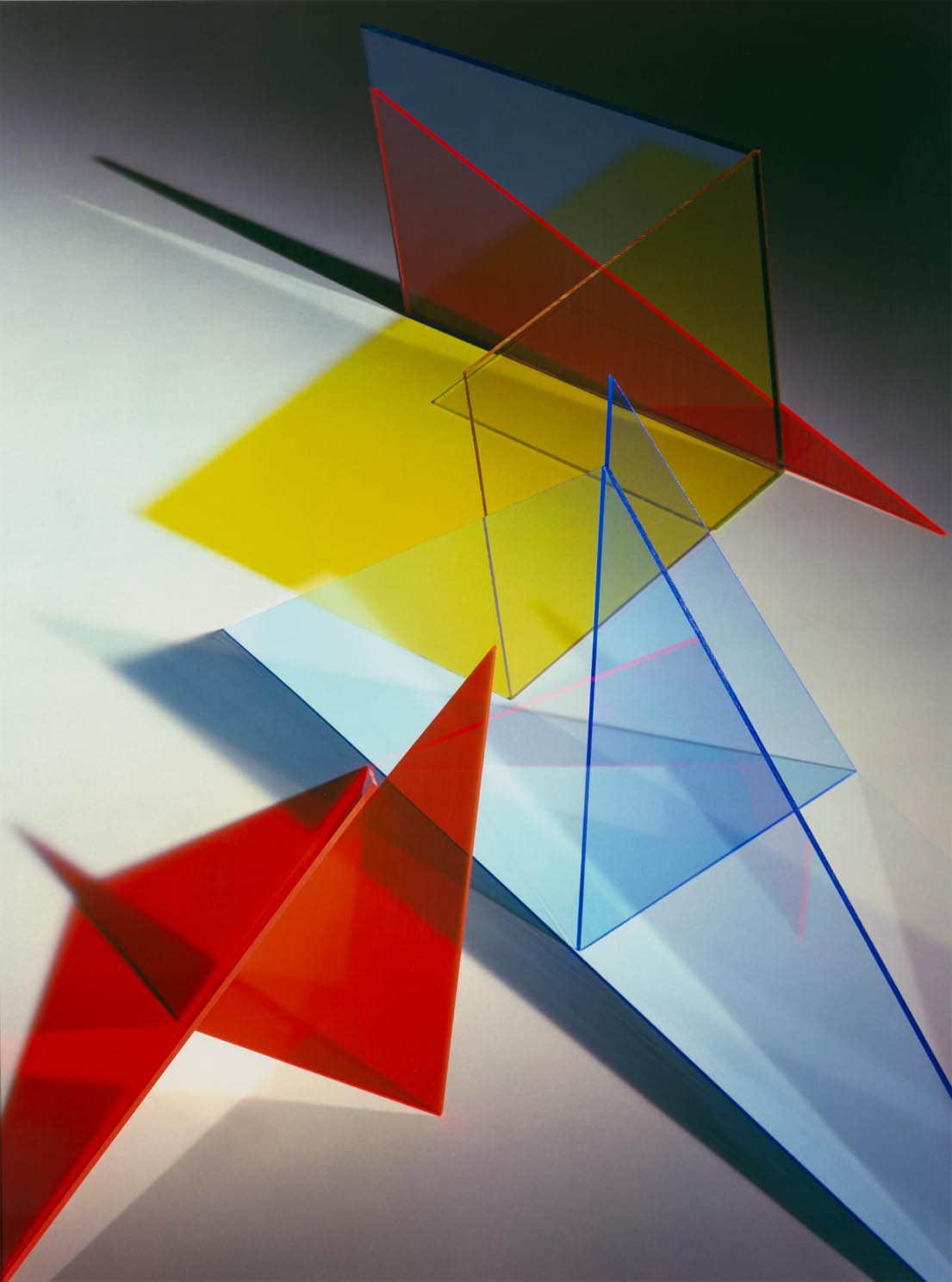
 

Barbara Kasten (American, b. 1936) 'Composition 8T' 2018


Barbara Kasten (American, b. 1936)
Composition 8T
2018
Digital type C print
160.0 x 121.9cm (image and sheet)
ed. 1/1
National Gallery of Victoria, Melbourne
Purchased NGV Foundation, 2018
© Barbara Kasten, courtesy Kadel Willborn, Düsseldorf


This photograph from Barbara Kasten’s Collisions/Compositions series continues her practice of creating architectural spaces in the studio using a range of materials, such as plexiglas and mirrors, which she lights and photographs at close range. Influenced by Constructivism and the teachings of the Bauhaus, specifically the work of László Moholy-Nagy, Kasten has experimented with the parameters of abstract photography for around five decades. She has written of her ongoing fascination with light in the creation and conceptual development of her photographs, saying, ‘The interdependency of shadow and light is the essence of photographic exploration and an inescapable part of the photographic process’.

Wall text from the exhibition


Installation view of the exhibition Photography: Real & Imagined at The Ian Potter Centre: NGV Australia, Melbourne showing Lydia Wegner's 'Purple square' (2017)


Installation view of the exhibition Photography: Real & Imagined at The Ian Potter Centre: NGV Australia, Melbourne showing Lydia Wegner’s Purple square (2017)
Photo: Marcus Bunyan


Installation view of the exhibition 'Photography: Real & Imagined' at The Ian Potter Centre: NGV Australia, Melbourne showing at left, Todd McMillan's 'Equivalent VIII' (2014); and at right, Sue Pedley's 'Sound of lotus 1' (2000)


Installation view of the exhibition Photography: Real & Imagined at The Ian Potter Centre: NGV Australia, Melbourne showing at left, Todd McMillan’s Equivalent VIII (2014); and at right, Sue Pedley’s Sound of lotus 1 (2000)
Photo: Marcus Bunyan


Installation view of the exhibition 'Photography: Real & Imagined' at The Ian Potter Centre: NGV Australia, Melbourne


Installation view of the exhibition Photography: Real & Imagined at The Ian Potter Centre: NGV Australia, Melbourne showing at back left, Thomas Ruff’s Portrait (V. Liebermann D) (1999); and at back second left, Ruff’s Portrait (A. Koschkarow) (2000)
Photo: Marcus Bunyan
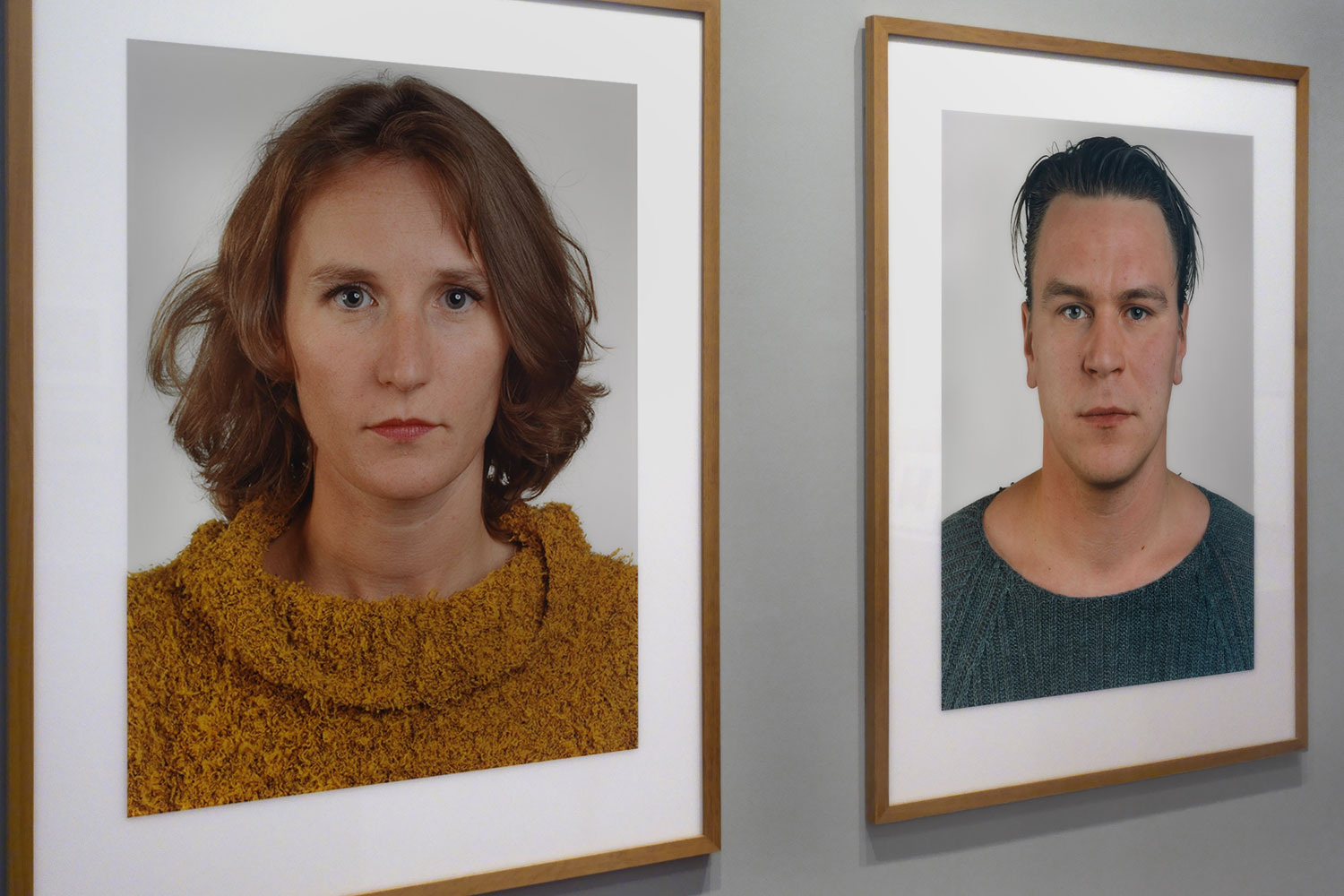
 

Installation view of the exhibition Photography: Real & Imagined at The Ian Potter Centre: NGV Australia, Melbourne showing at left, Thomas Ruff’s 'Portrait (V. Liebermann D)' (1999); and at right, Ruff's 'Portrait (A. Koschkarow)' (2000)


Installation view of the exhibition Photography: Real & Imagined at The Ian Potter Centre: NGV Australia, Melbourne showing at left, Thomas Ruff’s Portrait (V. Liebermann D) (1999); and at right, Ruff’s Portrait (A. Koschkarow) (2000)
Photo: Marcus Bunyan


The earnest gazes of the man and woman in these two monumental photographs by Thomas Ruff are so calm and serene that they bely the intense experience of viewing their enlarged faces. Applying a standardised approach – similar to a generic passport photograph – these portraits have a timeless quality that invites you to attempt to ‘read’ their faces and to search for clues as to the inner state of the person. Ruff, however, lets nothing slip. The faces are known to the artist but remain anonymous to the viewer.

Wall text from the exhibition


Installation view of the exhibition 'Photography: Real & Imagined' at The Ian Potter Centre: NGV Australia, Melbourne showing Robert Rooney's 'AM-PM: 2 Dec 1973-28 Feb 1974' (1973-1974) (detail)


Installation view of the exhibition Photography: Real & Imagined at The Ian Potter Centre: NGV Australia, Melbourne showing Robert Rooney’s AM-PM: 2 Dec 1973-28 Feb 1974 (1973-1974) (detail)
Photo: Marcus Bunyan


Featuring some of the most iconic photographs ever created alongside contemporary approaches to the photographic medium, Photography: Real & Imagined is the largest survey of the NGV’s Photography collection in the institution’s history and features more than 270 photographs by Australian and international practitioners.

Four years in the making, this landmark exhibition features photographs from across the 200-year period since the invention of photography in the 19th century, including work by leading international photographers including Man Ray, Cindy Sherman, Wolfgang Tillmans, Gilbert & George and Nan Goldin, alongside Australian photographers Max Dupain, Olive Cotton, Mervyn Bishop, Polly Borland, Destiny Deacon and Darren Sylvester.

Through twenty-one thematic sections, this large-scale exhibition explores the proposition that a photograph can be grounded in the real world, recording, documenting and reflecting the world around us; or be the product of imagination, storytelling and illusion; and on occasion operate in both realms. The thematic sections explore subject matter such as light, place and environment, consumption, conflict, community, and death.

Exhibition highlights include Mervyn Bishop’s important photograph of former Prime Minister of Australia, Gough Whitlam, pouring sand into the open palm of Gurindji Elder Vincent Lingiari. The 1975 image captures the historic meeting between these two figures where Lingiari received the crown lease of his ancestral lands. Also on display is Joe Rosenthal’s World War II photograph Raising the flag on Iwo Jima, 1945, in which American marines raise their country’s flag over the Japanese Island. Both Bishop and Rosenthal’s photographs were staged, or re-constructed for better pictorial effect, illustrating the fluid space between the real and imagined.

The exhibition also presents fashion and advertising photography, including key examples by Lilian Bassman, Athol Smith, Horst P. Horst and Dora Maar. These images showcase a world of designer fashion and high-end products, which set a standard in advertising that continues today. Ilse Bing’s Surrealist inspired photograph commissioned by Elsa Schiaparelli to launch her new perfume Salut in 1934 is a highlight of the exhibition.

Highlighting an area of focused collecting for the NGV, the exhibition recognises the work of women practicing in the early 20th century, including Barbara Morgan whose acclaimed photo montage City shell, 1938, shows an unexpected view of the then recently completed Empire State Building.

Through to the current day, Photography: Real & Imagined presents contemporary photographers of the 21st century including Zanele Muholi, Richard Mosse and Alex Prager. Highlights include Cindy Sherman’s celebrated self-portrait in the guise of Renaissance aristocrat. Also on display will be the oldest photographic work in the NGV Collection, an early 19th century portrait by Englishman William Henry Fox Talbot, one of the inventors of the medium, as well as examples of daguerreotypes, unique images on silver plated copper sheets that are amongst the earliest forms of photography.

The exhibition is accompanied by a major publication – the most ambitious book published on the NGV Photography Collection, generously supported by the Bowness Family Foundation. The publication comprises essays from NGV Senior Curator of Photography, Susan van Wyk, Susan Bright and David Campany; alongside texts by Curator of Photography, Maggie Finch and external authors from Australia, Europe, North America and Southeast Asia.

Regular introductory talks for students are held on weekdays during term times, and free drop-by guided tours each Thursday and Sunday at 10.30am during the exhibition period.

Tony Ellwood AM, Director, NGV, said: ‘This exhibition celebrates the collections and achievements of the NGV’s photography department, which has presented more than 180 exhibitions in its 55-year history. The exhibition is a testament to the strength of the NGV Collection, with so many key examples of the history of photography represented, from the earliest examples from the 19th century, through to contemporary images being produced right now in the twenty-first century. We are grateful for the support of the many donors and philanthropists, such as the Bowness Family Foundation, who have helped to grow and strengthen the NGV’s photography collection.’

Press release from the NGV


Installation view of the exhibition 'Photography: Real & Imagined' at The Ian Potter Centre: NGV Australia, Melbourne at top left, O. G. Rejlander's 'The Virgin in prayer' (c. 1858-1860); at bottom left, Henry Peach Robinson's 'Elaine watching the shield of Lancelot' (1859); at centre, Ruth Hollick's 'Thought' (1921); and at right Cindy Sherman's 'Untitled' (1988) from the 'History Portraits' series (1988-1990)


Installation view of the exhibition Photography: Real & Imagined at The Ian Potter Centre: NGV Australia, Melbourne at top left, O. G. Rejlander’s The Virgin in prayer (c. 1858-1860, below); at bottom left, Henry Peach Robinson’s Elaine watching the shield of Lancelot (1859); at centre, Ruth Hollick’s Thought (1921); and at right Cindy Sherman’s Untitled (1988) from the History Portraits series 1988-1990
Photo: Marcus Bunyan


Describing the complex conundrum presented by Cindy Sherman in this photograph, photographer and curator Patrick Pound once wrote: ‘Fake chested and with a face like a mask, here Cindy Sherman is costumed to the max. She stares out like a disapproving Renaissance figure who has just walked off set from a Peter Greenaway extravaganza. Here we have a photographer looking like a painting that walked out of a film. Sherman’s photographs speak of the fragilities of the visage in an image-saturated world where information and construction slip into foreplay. In Sherman’s photographic world gender and identity is a compilation album. There is a toughness to the excess that is all her own’.

Wall text from the exhibition
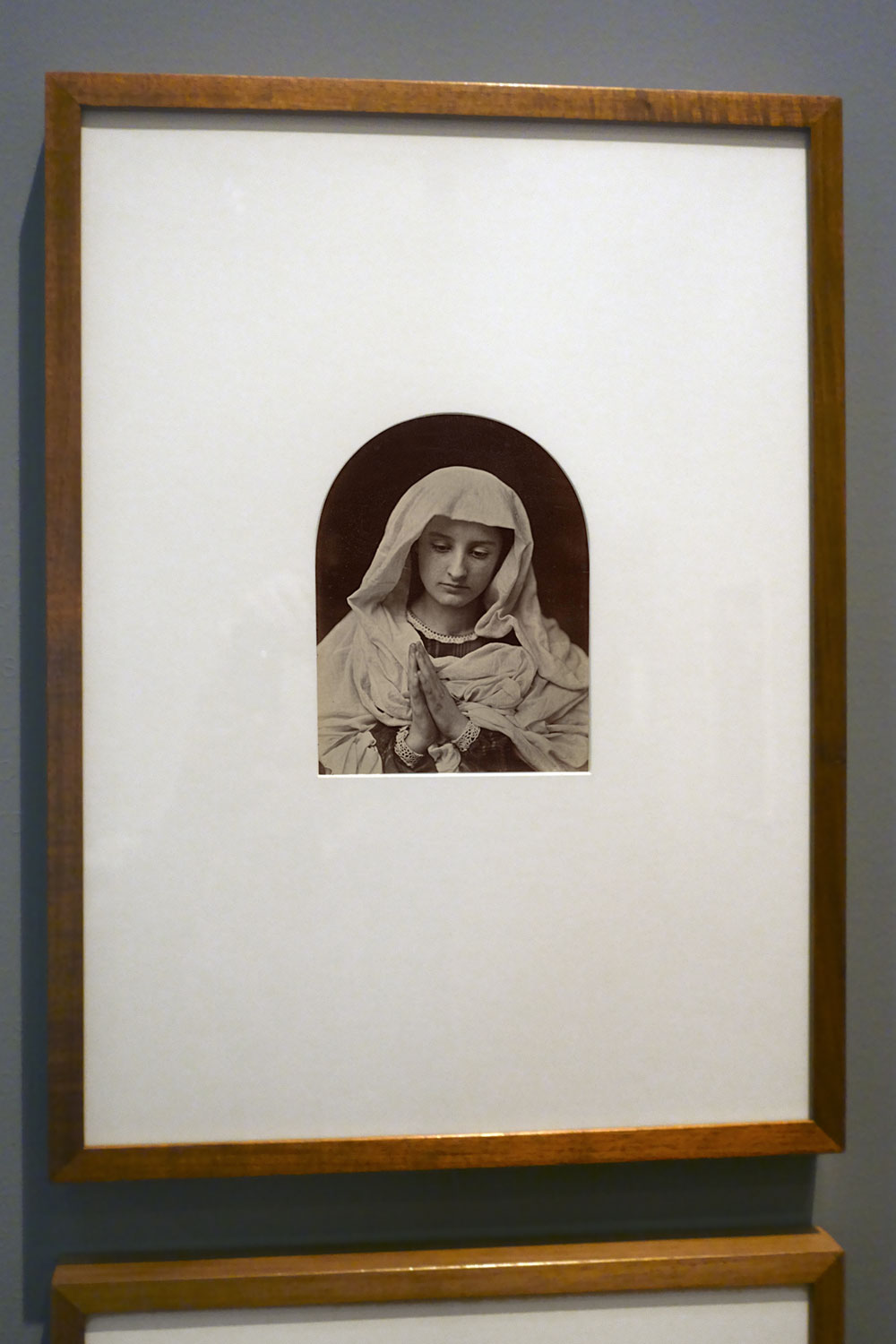
 

Installation view of the exhibition Photography: Real & Imagined at The Ian Potter Centre: NGV Australia, Melbourne showing O. G. Rejlander's 'The Virgin in prayer' (c. 1858-1860)


Installation view of the exhibition Photography: Real & Imagined at The Ian Potter Centre: NGV Australia, Melbourne showing O. G. Rejlander’s The Virgin in prayer (c. 1858-1860, below)
Photo: Marcus Bunyan
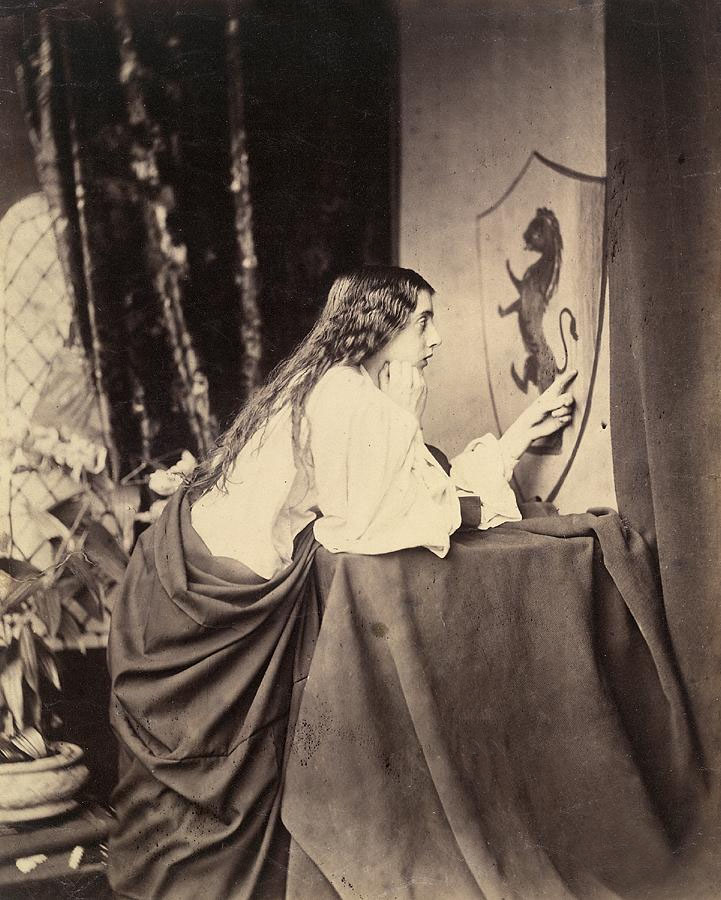
 

Henry Peach Robinson (English, 1830-1901) 'Elaine watching the shield of Lancelot' 1859


Henry Peach Robinson (English, 1830-1901)
Elaine watching the shield of Lancelot
1859
Albumen silver photograph
24.3 × 19.3cm (image and sheet)
National Gallery of Victoria, Melbourne
Purchased from Admission Funds, 1988
Public domain


In the 1850s Henry Peach Robinson was renowned for producing elaborately staged narrative images based on scenes from popular literary sources. He was particularly interested in Arthurian legends and drew upon these stories as inspiration for some of his most admired photographs. Elaine watching the shield of Lancelot is based on Alfred Tennyson’s version of the story of Lancelot and Elaine. Peach Robinson has recreated the scene in which the lovelorn Elaine gazes dreamily at the shield of Lancelot. She is shown as a woman who has shunned reason and propriety and abandoned herself to the intensity of her emotions, making this photograph both a tragic love story and a cautionary narrative.

Wall text from the exhibition
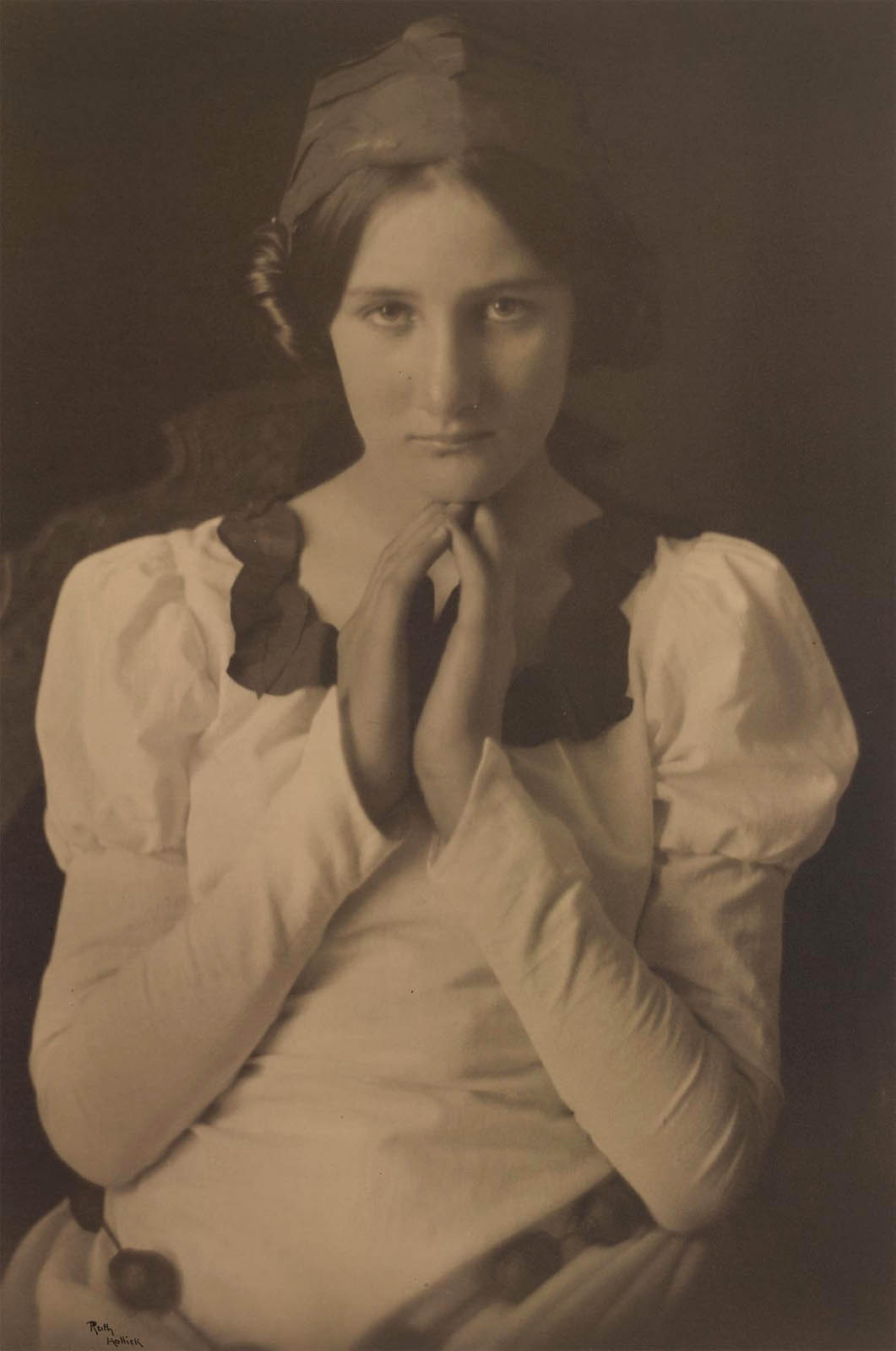
 

Ruth Hollick (Australian, 1883-1977) 'Thought' 1921


Ruth Hollick (Australian, 1883-1977)
Thought
1921
Gelatin silver photograph
37.4 × 25.3cm
National Gallery of Victoria, Melbourne
Presented through The Art Foundation of Victoria by Mrs Lucy Crosbie Morrison, Member, 1993
Public domain


Installation view of the exhibition 'Photography: Real & Imagined' at The Ian Potter Centre: NGV Australia, Melbourne


Installation view of the exhibition Photography: Real & Imagined at The Ian Potter Centre: NGV Australia, Melbourne
Photo: Marcus Bunyan
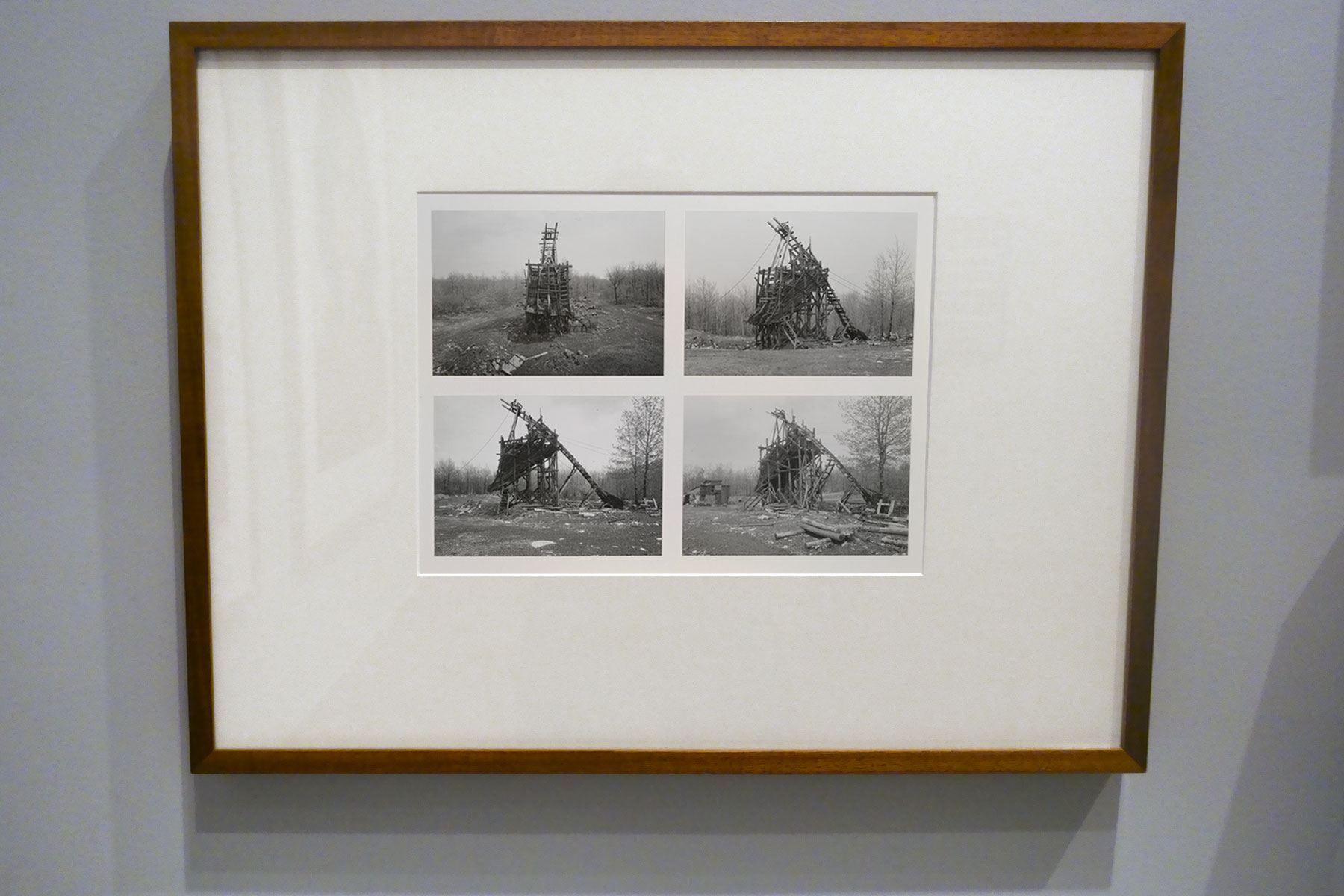
 

Installation view of the exhibition 'Photography: Real & Imagined' at The Ian Potter Centre: NGV Australia, Melbourne


Installation view of the exhibition Photography: Real & Imagined at The Ian Potter Centre: NGV Australia, Melbourne showing Bernd and Hilla Becher’s Coal tipple, Goodspring, Pennsylvania 1975 from the Artists and Photographs folio 1975
Photo: Marcus Bunyan


In 1959, German-born artists Bernd and Hilla Becher began travelling throughout Europe to create photographic typologies of vanishing industrial architecture (a practice they continued for more than four decades). While predominantly documenting German structures and landscapes, they occasionally worked overseas. This image, four views of a coal tipple, was taken on their first trip to North America in the mid 1970s. The Bechers constructed a system for comparing structures: photographed from a consistent angle, with virtually identical lighting conditions, printed at the same size and often displayed in grids.

Wall text from the exhibition
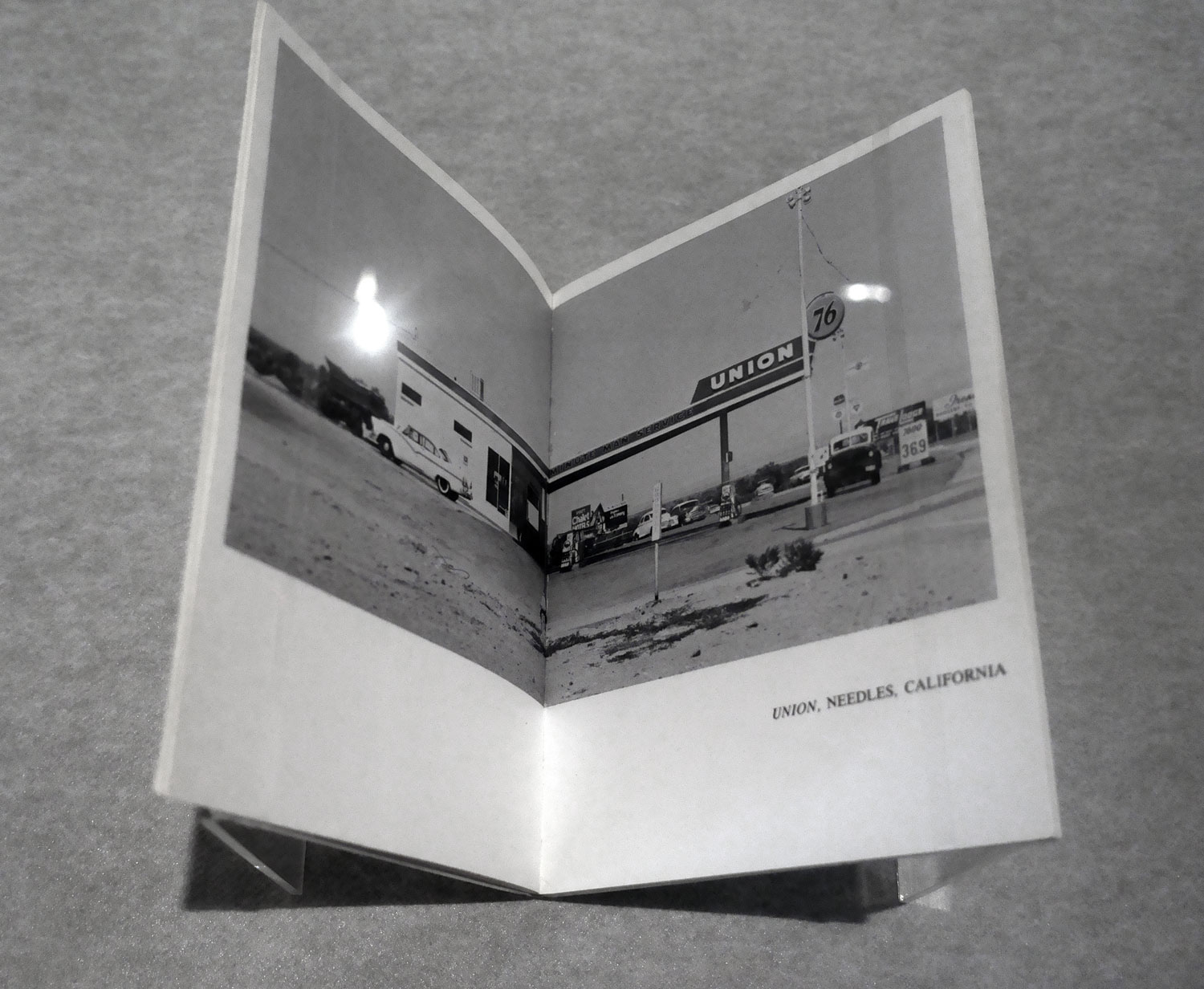
 

Edward Ruscha (American, b. 1937) 'Twentysix Gasoline Stations' 1963, published 1967 (installation view)

Edward Ruscha (American, b. 1937) 'Twentysix Gasoline Stations' 1963, published 1967 (installation view)


Edward Ruscha (American, b. 1937)
Twentysix Gasoline Stations (installation view)
1963, published 1967
Artist’s book: photo-offset lithograph and printed text, 48 pages, printed cover, glued binding
National Gallery of Victoria, Melbourne
Gift of Robert Rooney through the Australian Government’s Cultural Gifts Program, 2009
Photos: Marcus Bunyan


With the first publication of Twentysix Gasoline Stations, and his subsequent artist books, Edward Ruscha’s work was influential in initiating the widespread interest in photographic book publishing that continues today. Ruscha’s use of photographs as a means of recording – a seemingly unemotional, detached cataloguing of the world – and simply as a ‘device to complete the idea’ influenced the interest in serial imaging adopted by many conceptual artists. Ruscha’s use of the book format was also crucial, providing a transportable way of presenting art in varied contexts that existed as a type of ‘map’ to be read and interpreted, with the subject matter becoming less important than the documentation as a whole.

Wall text from the exhibition
 

John Baldessari (American 1931-2020) ‘Fable: A Sentence of Thirteen Parts (with Twelve Alternate Verbs) Ending in a Fable’ 1977 (installation view)

John Baldessari (American 1931-2020) ‘Fable: A Sentence of Thirteen Parts (with Twelve Alternate Verbs) Ending in a Fable’ 1977 (installation view)


John Baldessari (American 1931-2020)
Fable: A Sentence of Thirteen Parts (with Twelve Alternate Verbs) Ending in a Fable (installation views)
1977
Artist’s book: photo-offset lithography on concertina fold-out in cross formation, folded paper cover
9.8 × 14.0 × 1.8cm (closed) 70.0 × 126.5cm approx. (overall, opened)
National Gallery of Victoria, Melbourne
Purchased, Friends of the Gallery Library, 2017
Photos: Marcus Bunyan


Conceptual artist John Baldessari, is renowned for his often-playful investigations into ideas of language, image and authenticity, once said: ‘I was always interested in language. I thought, why not? … And then I also had a parallel interest in photography … I could never figure out why photography and art had separate histories. So I decided to explore both’. Taking art off the walls and requiring someone to unfold and activate it is a central idea of this artist’s book. A visual puzzle, it invites an interaction between looking and reading, creating your own fables as you jump from image to word to image again.

Wall text from the exhibition
 

Eve Sonneman (American, b. 1946) 'Real time' 1968-1974 (installation view)

Eve Sonneman (American, b. 1946) 'Real time' 1968-1974 (installation view)


Eve Sonneman (American, b. 1946)
Real time (installation view)
1968-1974, published 1976
Artist’s book: photo-offset lithograph and printed text, 46 folios, printed paper cover, glued binding
National Gallery of Victoria, Melbourne
Purchased NGV Supporters of Photography, 2021
Photos: Marcus Bunyan


Eve Sonneman’s photobook Real time includes paired photographs, each separated by a black line border. The diptychs allow for the occurrence of movement and gestures and changes between the artist’s camera clicks. The ordered presentation, however, takes the images away from a straight documentary reading and to a consideration of their ‘objectness’. After first showing the photographs at MoMA, New York, then photography curator, John Szarkowski, set up a mentorship for Sonneman with the photographer Diane Arbus. As Sonneman recalled: ‘[Arbus] loved my pictures and we got along great. For two years she helped me edit’. Sonneman then published the images through the newly established Printed Matter in New York in 1976.

Wall text from the exhibition


Installation view of the exhibition 'Photography: Real & Imagined' at The Ian Potter Centre: NGV Australia, Melbourne showing at top left, Carol Jerrems and Virginia Fraser's book 'A Book About Australian Women' (1974);  at top centre, Nan Goldin's book 'The Ballad of Sexual Dependency' (1986); and at bottom left, Tracey Emin's 'Exploration of the Soul' (1994) 


Installation view of the exhibition Photography: Real & Imagined at The Ian Potter Centre: NGV Australia, Melbourne showing at top left, Carol Jerrems and Virginia Fraser’s book A Book About Australian Women (published 1974);  at top centre, Nan Goldin’s book The Ballad of Sexual Dependency (published 1986); and at bottom left, Tracey Emin’s Exploration of the Soul (published 1994)
Photo: Marcus Bunyan


Installation view of the exhibition 'Photography: Real & Imagined' at The Ian Potter Centre: NGV Australia, Melbourne showing at bottom left, Harold Cazneaux's book 'The Bridge Book' (published 1930); and at top right, Lee Friedlander's 'The American Monument' (published 1976)


Installation view of the exhibition Photography: Real & Imagined at The Ian Potter Centre: NGV Australia, Melbourne showing at bottom left, Harold Cazneaux’s book The Bridge Book (published 1930); and at top right, Lee Friedlander’s book The American Monument (published 1976)
Photo: Marcus Bunyan


Lee Friedlander (American, b. 1934) 'The American Monument' Published by The Eakins Press Foundation, New York, 1976 (installation view)


Lee Friedlander (American, b. 1934)
The American Monument (installation view)
Published by The Eakins Press Foundation, New York, 1976
Half-tone plate
Shaw Research Library, National Gallery of Victoria
Photo: Marcus Bunyan


Berenice Abbott (American 1898-1991, worked in France 1921-1929) 'Changing New York' Published by E. P. Dutton & Co, New York, 1939 (installation view)


Berenice Abbott (American 1898-1991, worked in France 1921-1929)
Changing New York (installation view)
Published by E. P. Dutton & Co, New York, 1939
Half-tone plate and letterpress text
National Gallery of Victoria, Melbourne
Purchased NGV Foundation, 2022
Photo: Marcus Bunyan


Installation view of the exhibition 'Photography: Real & Imagined' at The Ian Potter Centre: NGV Australia, Melbourne showing at top left, Man Ray's book 'Photographs by Man Ray Paris 1920-1934' (published 1934); at bottom left, Claude Cahun and Marcel Moore's book 'Aveux non Avenus' (Disavowals or Cancelled Confessions) (published 1930); at top right, Bill Brandt's book 'Perspective of Nudes' (published 1961); and at bottom right, Germaine Krull's book 'Nude studies' (Études de nu) (published 1930)


Installation view of the exhibition Photography: Real & Imagined at The Ian Potter Centre: NGV Australia, Melbourne showing at top left, Man Ray’s book Photographs by Man Ray Paris 1920-1934 (published 1934); at bottom left, Claude Cahun and Marcel Moore’s book Aveux non Avenus (Disavowals or Cancelled Confessions) (published 1930); at top right, Bill Brandt’s book Perspective of Nudes (published 1961); and at bottom right, Germaine Krull’s book Nude studies (Études de nu) (published 1930)
Photo: Marcus Bunyan


Photographs today are often viewed in galleries in frames, hung on walls. Many photographs, however, were originally created for display in combination with text and graphic design; to be laid out on a page and reproduced in different formats; to be held, worn on the body, published, and shared.

With recognition of these expanded histories of photography, and the contemporary resurgence in publishing, this exhibition includes artist books, magazines and photobooks that use the photographic image in print, publishing and design. These two cases include examples that show the influence of Surrealism, the New Objectivity and Constructivist graphic design in dynamic modern publications.

Artist and author Martin Parr has described the photobook as the ‘supreme platform’ for photographers to share the work with a broad audience. The 1920s to the 1970s were arguably the most important period for the publication of photobooks. These two cases include examples that show the influence of modernist, humanist and documentary photography traditions in innovative publications from this time. These include exhibition catalogues, examples of first edition books, publications published in larger un-editioned print runs and coveted collectable limited-edition books and portfolios.

Wall text from the exhibition


Installation view of the exhibition 'Photography: Real & Imagined' at The Ian Potter Centre: NGV Australia, Melbourne showing Man Ray’s book 'Photographs by Man Ray Paris 1920-1934' published 1934


Installation view of the exhibition Photography: Real & Imagined at The Ian Potter Centre: NGV Australia, Melbourne showing Man Ray’s book Photographs by Man Ray Paris 1920-1934 (published 1934) with at right, Man Ray’s Anatomies (1930, below)
Photo: Marcus Bunyan


Man Ray (1890-1976) 'Anatomies' 1930


Man Ray (Emmanuel Radnitzky) (American, 1890-1976)
Anatomies
1930
Gelatin silver photograph

Please note: this photograph is not in the exhibition
 

Claude Cahun (French, 1894-1954) Marcel Moore (French, 1892-1972) 'Aveux non Avenus' (Disavowals or Cancelled Confessions) Published by Éditions du Carrefour, Paris, 1930 (installation view)

Claude Cahun (French, 1894-1954) Marcel Moore (French, 1892-1972) 'Aveux non Avenus' (Disavowals or Cancelled Confessions) Published by Éditions du Carrefour, Paris, 1930 (installation view)


Claude Cahun (French, 1894-1954) Marcel Moore (French, 1892-1972)
Aveux non Avenus (Disavowals or Cancelled Confessions) (installation view)
Published by Éditions du Carrefour, Paris, 1930
Illustrated book: photogravure, letterpress text, 237 pages, 10 leaves of plates, paper cover, stitched binding
National Gallery of Victoria, Melbourne
Shaw Research Library, acquired through the Friends of the Gallery Library endowment, 2017
Photos: Marcus Bunyan


Aveux non Avenus, by the celebrated poet, writer, sculptor and photographer Claude Cahun, was published in 1930 by Éditions du Carrefour, Paris, in an edition of five hundred. The book comprises a series of texts in French: poems, literary aphorisms, recollections of dream sequences and philosophical thoughts, ideas and meanderings. Pierre Mac Orlan, a French novelist who wrote the preface to the book, described Mademoiselle Claude Cahun’s text as ‘de poèmes-essais et d’essais-poèmes’, or ‘poem-essays and essay-poems’, and said that overall ‘the book is virtually entirely dedicated to the word adventure’

The alliterative title presents a conundrum for English translation – ‘aveux’ meaning ‘avowals’ or ‘confessions’, and ‘non avenus’ meaning ‘voided’ – and is variously translated as Disavowals, Denials, and Unavowed confessions, among other things. Curator Jennifer Mundy has written that the title suggests ‘an affirmative expression immediately followed by some form of negation or retraction’.

Ambiguities around the title aside, there is a strong visual aspect to the book too. The texts are each demarcated with a complex and fantastical photogravure created by Cahun’s partner, Marcel Moore. These photogravure (where an image from the negative of a photograph is etched into a metal plate, similar to printmaking) are collages made up of photographic images of, and by, Cahun. Throughout the book, graphic devices of stars, eyes and lips are also used to separate sections of text. Aveux non Avenus, which has been described as an anti-realist or surrealist-autobiography of the multi-disciplinary Cahun, exists as a potential critique of the autobiography format altogether, is wonderfully irreducible.

Maggie Finch and Isobel Crombie. “Claude Cahun,” in the 2019 July/August edition of NGV Magazine on the NGV website 9th April 2020 [Online] Cited 28/01/2024


Claude Cahun (French, 1894-1954) and Marcel Moore (French, 1892-1972) 'Untitled' 1930


Claude Cahun (French, 1894-1954) and Marcel Moore (French, 1892-1972)
Untitled
1930
In Aveux non avenus 1930
published by Éditions du Carrefour, Paris
illustrated book: heliographs
National Gallery of Victoria, Melbourne
Shaw Research Library, acquired through the Friends of the Gallery Library endowment, 2017
 

Germaine Krull (German, 1897-1985) 'Nude Studies' (Études de Nu) Published by Librarie des arts décoratifs, Paris, 1930 (installation view)


Germaine Krull (German, 1897-1985)
Nude Studies (Études de Nu) (installation view)
Published by Librarie des arts décoratifs, Paris, 1930
24 photogravures, letterpress on paper, white cloth-backed orange paper-covered board portfolio with ribbons
National Gallery of Victoria
Purchased, NGV Foundation, 2022
Photo: Marcus Bunyan


Bill Brandt (English born Germany, 1904-1983) 'Perspective of Nudes' Published Bodley Head, London, 1961 (installation view)


Bill Brandt (English born Germany, 1904-1983)
Perspective of Nudes (installation view)
Published Bodley Head, London, 1961
Half-tone plate
Shaw Research Library, National Gallery of Victoria
Photo: Marcus Bunyan
 

Karl Blossfeldt (German, 1865-1932) 'Art Forms in Nature: Examples from the Plant World Photographed Direct from Nature' Published by A. Zwemmer, London, 1929 (installation view)


Karl Blossfeldt (German, 1865-1932)
Art Forms in Nature: Examples from the Plant World Photographed Direct from Nature (installation view)
Published by A. Zwemmer, London, 1929
Half-tone plate
Shaw Research Library, National Gallery of Victoria
Photo: Marcus Bunyan


Karel Teige typographer (Czechoslovakia 1900-1951) Karel Paspa photographer (Czechoslovakia 1862-1936) 'ABECEDA (Alphabet)' Published by J. Otto, Prague, 1926 (installation view)


Karel Teige typographer (Czechoslovakia 1900-1951)
Karel Paspa photographer (Czechoslovakia 1862-1936)
ABECEDA (Alphabet) (installation view)
Published by J. Otto, Prague, 1926
Photomontage
National Gallery of Victoria
Shaw Research Library, acquired through the Friends of the Gallery Library endowment, 2017
Photo: Marcus Bunyan


Aleksandr Rodchenko (Russian, 1891-1958) Varvara Stepanova (Russian, 1894-1958) 'USSR in Construction, no. 12 (Parachute issue)' (URSS en Construction) 1935


Aleksandr Rodchenko (Russian, 1891-1958) and Varvara Stepanova (Russian, 1894-1958)
USSR in Construction, no. 12 (Parachute issue) (URSS en Construction) (installation view)
1935
Illustrated journal: colour rotogravure, 22 pages with fold-out inserts, lithographic cover
National Gallery of Victoria
Purchased, NGV Supporters of Prints and Drawings, 2019
Photo: Marcus Bunyan


Installation view of the exhibition 'Photography: Real & Imagined' at The Ian Potter Centre: NGV Australia, Melbourne showing at top left, Eliza Hutchinson's 'No. 9' (2010); at bottom left, Ewa Narkiewicz's 'Copper flax #4' (1999); at centre top, Harry Nankin's 'The first wave: fragment 2' (1996); at centre bottom, Peter Peryer's 'Seeing' (1989); and at right, Aaron Siskind's 'New York' (1950)


Installation view of the exhibition Photography: Real & Imagined at The Ian Potter Centre: NGV Australia, Melbourne showing at top left, Eliza Hutchinson’s No. 9 (2010); at bottom left, Ewa Narkiewicz’s Copper flax #4 (1999); at centre top, Harry Nankin’s The first wave: fragment 2 (1996); at centre bottom, Peter Peryer’s Seeing (1989); and at right, Aaron Siskind’s New York (1950)
Photo: Marcus Bunyan


In much the same way that tactile writing systems such as braille are impenetrable to those with vision, a photograph printed in two dimensions can be incomprehensible for people with vision impairment. Each system presents a conversion – of letters, texts and illustration – into raised dots on a page; of visible wavelengths of light into an image on a light-sensitive surface. Each relies on an irreversible alteration of the surface. Seeing, the title of this Peter Peryer photograph, infers an action – seeing something. Yet the conversion into a photographic image draws attention to the impenetrability of both acts.

Wall text from the exhibition


Installation view of the exhibition 'Photography: Real & Imagined' at The Ian Potter Centre: NGV Australia, Melbourne showing at left, Gregory Crewdson's 'Untitled' (1999) from the Twilight series (1998-2002); at centre, Malerie Marder's 'Untitled' (2001); and at right, Anne Zahalka's 'Sunday, 2:09pm' (1995) 


Installation view of the exhibition Photography: Real & Imagined at The Ian Potter Centre: NGV Australia, Melbourne showing at left, Gregory Crewdson’s Untitled (1999) from the Twilight series (1998-2002); at centre, Malerie Marder’s Untitled (2001); and at right, Anne Zahalka’s Sunday, 2:09pm (1995)
Photo: Marcus Bunyan
 

Gregory Crewdson (American, b. 1962) 'Untitled' 1999 (installation view)


Gregory Crewdson (American, b. 1962)
Untitled (installation view)
1999
From the Twilight series 1998-2002
Type C photograph
121.9 × 152.4cm
National Gallery of Victoria, Melbourne
Kaiser Bequest, 2000
Photo: Marcus Bunyan


Anne Zahalka (Australian, b. 1957) 'Sunday, 2:09pm' 1995, printed 2019 (installation view)


Anne Zahalka (Australian, b. 1957)
Sunday, 2:09pm
1995, printed 2019
From the Open House series 1995
Colour cibachrome transparency, light box
121.7 × 161.4cm
National Gallery of Victoria, Melbourne
Purchased, Victorian Foundation for Living Australian Artists, 2019
Photo: Marcus Bunyan
 

Installation view of the exhibition 'Photography: Real & Imagined' at The Ian Potter Centre: NGV Australia, Melbourne showing at left, Polly Borland's 'Untitled' (2018); and at right, Anne Zahalka's 'Sunday, 2:09pm' (1995)


Installation view of the exhibition Photography: Real & Imagined at The Ian Potter Centre: NGV Australia, Melbourne showing at left, Polly Borland’s Untitled (2018); and at right, Anne Zahalka’s Sunday, 2:09pm (1995)
Photo: Marcus Bunyan
 

Installation view of the exhibition 'Photography: Real & Imagined' at The Ian Potter Centre: NGV Australia, Melbourne showing at rear from left to right, Gregory Crewdson's 'Untitled' (1999) from the 'Twilight' series (1998-2002); at second left, Malerie Marder's 'Untitled' (2001); and centre, Anne Zahalka's 'Sunday, 2:09pm' (1995); and at right, Alex Prager's 'Crowd #11 (Cedar and Broad Street)' (2013)


Installation view of the exhibition Photography: Real & Imagined at The Ian Potter Centre: NGV Australia, Melbourne showing at rear from left to right, Gregory Crewdson’s Untitled (1999) from the Twilight series (1998-2002); at second left, Malerie Marder’s Untitled (2001); and centre, Anne Zahalka’s Sunday, 2:09pm (1995); and at right, Alex Prager’s Crowd #11 (Cedar and Broad Street) (2013, below)
Photo: Marcus Bunyan


Installation view of the exhibition Photography: Real & Imagined at The Ian Potter Centre: NGV Australia, Melbourne showing Alex Prager's 'Crowd #11 (Cedar and Broad Street)' (2013)


Installation view of the exhibition Photography: Real & Imagined at The Ian Potter Centre: NGV Australia, Melbourne showing Alex Prager’s Crowd #11 (Cedar and Broad Street) (2013, below)
Photos: Marcus Bunyan


Alex Prager (American, b. 1979) 'Crowd #11 (Cedar and Broad Street)' 2013


Alex Prager (American, b. 1979)
Crowd #11 (Cedar and Broad Street)
2013
Inkjet print
149.7 × 142.0cm (image and sheet)
National Gallery of Victoria, Melbourne
Bowness Family Fund for Contemporary Photography, 2014


Alex Prager’s staged photographs openly reference the aesthetics of mid-twentieth century American cinema, fashion photography and the photographs of Cindy Sherman. Her images resemble film stills and are packed with emotion and human melodrama. Working with actors, directing their placement and interaction to create a hyperreal dramatisation of crowd behaviour, Prager’s narrative tableaux pair the banal and fantastic, the everyday and the theatrical, real life and cinematic representation. In this image we have a bird’s eye view of a mass of people crossing the road. We can see the patterns of movement, contact and avoidance and a suggestion of the narrative possibilities of the interacting crowd.

Wall text from the exhibition


Installation view of the exhibition 'Photography: Real & Imagined' at The Ian Potter Centre: NGV Australia, Melbourne showing at second right, Pat Brassington's 'Rosa' (2014); and at right, Yvonne Todd's 'Werta' (2005)


Installation view of the exhibition Photography: Real & Imagined at The Ian Potter Centre: NGV Australia, Melbourne showing at second right, Pat Brassington’s Rosa (2014); and at right, Yvonne Todd’s Werta (2005)
Photo: Marcus Bunyan
 

Zoë Croggon (Australian, b. 1989) 'Fonteyn' 2012 (installation view)


Zoë Croggon (Australian, b. 1989)
Fonteyn (installation view)
2012
Digital type C print
102.8 × 99.9cm
Purchased with funds arranged by Loti Smorgon for Contemporary Australian Photography, 2013
Photo: Marcus Bunyan
 

Installation view of the exhibition 'Photography: Real & Imagined' at The Ian Potter Centre: NGV Australia, Melbourne showing Loretta Lux's 'The Drummer' (2004)


Installation view of the exhibition Photography: Real & Imagined at The Ian Potter Centre: NGV Australia, Melbourne showing Loretta Lux’s The Drummer (2004, below)
Photo: Marcus Bunyan
 

Loretta Lux (German, b. 1969) 'The drummer' 2004


Loretta Lux (German, b. 1969)
The drummer
2004
Cibachrome photograph
45.0 x 37.7cm
National Gallery of Victoria, Melbourne
Purchased, NGV Foundation, 2006
© Loretta Lux. VG Bild-Kunst/Copyright Agency, 2023


Loretta Lux is known for her eerie, hyperreal photographs of children. The luminous pallor of the boy’s skin and the subtle tonal range throughout the photograph is achieved through Lux’s delicate use of digital manipulation to reduce the palette in her image. Lux’s history as a painter informs photographs such as this, which seem to owe as much of a debt to Old Master paintings as modern technology. Her skilful combination of photographic reality and painterly effect gives the image a profoundly disconcerting quality that is reminiscent of the fantastical (and disturbing) character of Oskar, the little drummer boy, in the Günter Grass novel The Tin Drum (1959).

Wall text from the exhibition


Installation view of the exhibition 'Photography: Real & Imagined' at The Ian Potter Centre: NGV Australia, Melbourne showing at bottom left, Raoul Ubac's 'Penthésilée' (c. 1938, below); at top centre, André Kertész's Satiric Dancer, Paris (1926, below); and at right, Max Dupain's 'Impassioned clay' (1936, below)


Installation view of the exhibition Photography: Real & Imagined at The Ian Potter Centre: NGV Australia, Melbourne showing at bottom left, Raoul Ubac’s Penthésilée (c. 1938, below); at top centre, André Kertész’s Satiric Dancer, Paris (1926, below); and at right, Max Dupain’s Impassioned clay (1936, below)
Photo: Marcus Bunyan


Raoul Ubac (Belgian, 1909-1985) 'Penthésilée' c. 1938


Raoul Ubac (Belgian, 1909-1985)
Penthésilée
c. 1938
Gelatin silver photograph
31.0 × 41.5cm
National Gallery of Victoria, Melbourne
Purchased NGV Foundation, 2013


From the mid 1930s onwards Surrealist photographer Raoul Ubac experimented with collage, photomontage and solarisation. These processes disrupted the surface of his photographs, enabling him to create new and fantastic realities and introducing an element of chance into his image making. Penthésilée is from his most important series of photographs. The image is based on the story of Penthesilea, queen of the Amazons, who was killed by Achilles while fighting alongside the Trojans. To represent this mythic battle Ubac created this complex photomontage by cutting up, collaging, rephotographing and solarising photographs of nude female figures. The resulting image has an uncanny sense of movement suggesting the height of battle.

Wall text from the exhibition
 

André Kertész. 'Satiric Dancer' 1926


André Kertész (Hungarian 1894-1985, France 1925-1936, United States 1936-1985)
Satiric Dancer, Paris
1926, printed c. 1972
Gelatin silver photograph
Purchased, 1973


Installation view of the exhibition 'Photography: Real & Imagined' at The Ian Potter Centre: NGV Australia, Melbourne showing Max Dupain's 'Impassioned clay' (1936)


Installation view of the exhibition Photography: Real & Imagined at The Ian Potter Centre: NGV Australia, Melbourne showing Max Dupain’s Impassioned clay (1936, below)
Photo: Marcus Bunyan


Max Dupain (Australian 1911-1992) 'Impassioned clay' 1936


Max Dupain (Australian 1911-1992)
Impassioned clay
1936
Gelatin silver photograph
50.4 × 36.7cm irreg.
National Gallery of Victoria, Melbourne
William Kimpton Bequest, 2016
Public domain


Installation view of the exhibition 'Photography: Real & Imagined' at The Ian Potter Centre: NGV Australia, Melbourne showing at left, Pat Brassington's 'Rosa' (2014); and at right, Yvonne Todd's 'Werta' (2005)


Installation view of the exhibition Photography: Real & Imagined at The Ian Potter Centre: NGV Australia, Melbourne showing at left, Pat Brassington’s Rosa (2014); and at right, Yvonne Todd’s Werta (2005)
Photo: Marcus Bunyan


Yvonne Todd selects her subjects, most often young women, from ‘call outs’ seeking certain types, people encountered on the street, or modelling agencies where she invariably chooses those with little or no industry experience. In her studio Todd uses costumes, heavy make-up and wigs to style her models. Costuming is an important aspect of Todd’s practice; her interest lies in in what she describes as, ‘the way they carry character and narrative connotations’. Todd’s finished photographs are heavily reworked using Photoshop so that they appear obviously artificial. This overt use of artifice shifts her images from simply being nostalgic recreations to being strangely familiar and undeniably creepy.

Wall text from the exhibition


Installation view of the exhibition 'Photography: Real & Imagined' at The Ian Potter Centre: NGV Australia, Melbourne showing at back left, Robyn Stacey's 'Nothing to see here' (2019) and at back centre, Polly Borland's 'Untitled' (2018)


Installation view of the exhibition Photography: Real & Imagined at The Ian Potter Centre: NGV Australia, Melbourne showing at back left, Robyn Stacey’s Nothing to see here (2019) and at back centre, Polly Borland’s Untitled (2018)
Photo: Marcus Bunyan


Robyn Stacey (Australian, b. 1952) 'Nothing to see here' 2019


Robyn Stacey (Australian, b. 1952)
Nothing to see here
2019
From the Nothing to See Here series 2019
Lenticular image
155.5 × 119cm
National Gallery of Victoria, Melbourne
Purchased, Victorian Foundation for Living Australian Artists, 2020


This large-scale lenticular photograph shows the face of a woman projected onto a curtain. The curtain suggests a hidden cinema screen; however, Robyn Stacey’s curtains cannot be pulled back. From one viewpoint a beautiful face with eyes softly closed as if in sleep appears, but as you move past the image you can only see the curtain. The curtain becomes what the artist described as ‘a membrane between reality and allegory’ and acts as the screen as the portrait appears and disappears.

Wall text from the exhibition
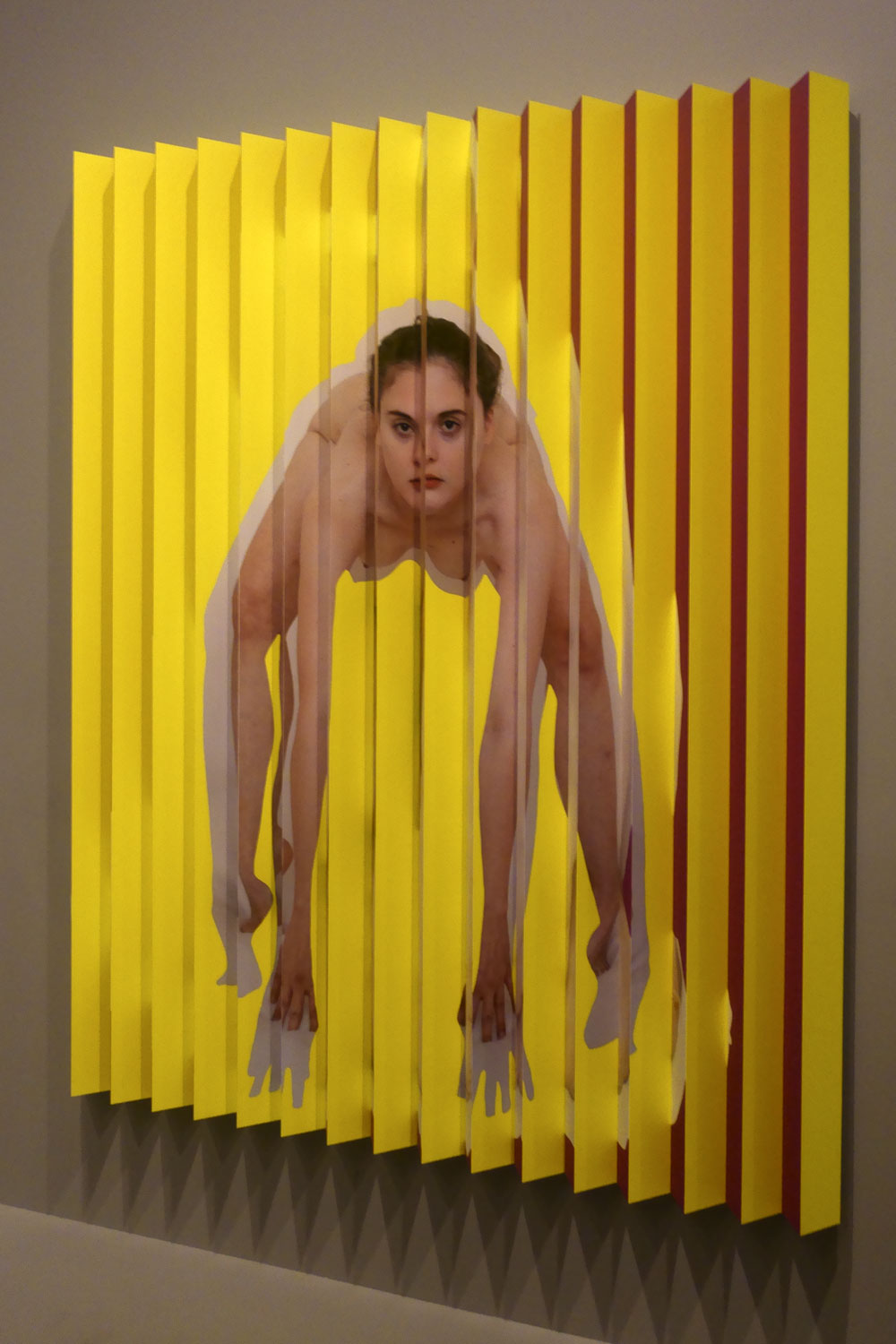
 

Installation view of the exhibition 'Photography: Real & Imagined' at The Ian Potter Centre: NGV Australia, Melbourne showing Polly Borland's lenticular photograph 'Untitled' (2018)

Installation view of the exhibition 'Photography: Real & Imagined' at The Ian Potter Centre: NGV Australia, Melbourne showing Polly Borland's lenticular photograph 'Untitled' (2018)

Installation view of the exhibition 'Photography: Real & Imagined' at The Ian Potter Centre: NGV Australia, Melbourne showing Polly Borland's lenticular photograph 'Untitled' (2018)


Installation views of the exhibition Photography: Real & Imagined at The Ian Potter Centre: NGV Australia, Melbourne showing Polly Borland’s lenticular photograph Untitled (2018) from the MORPH series
Photos: Marcus Bunyan
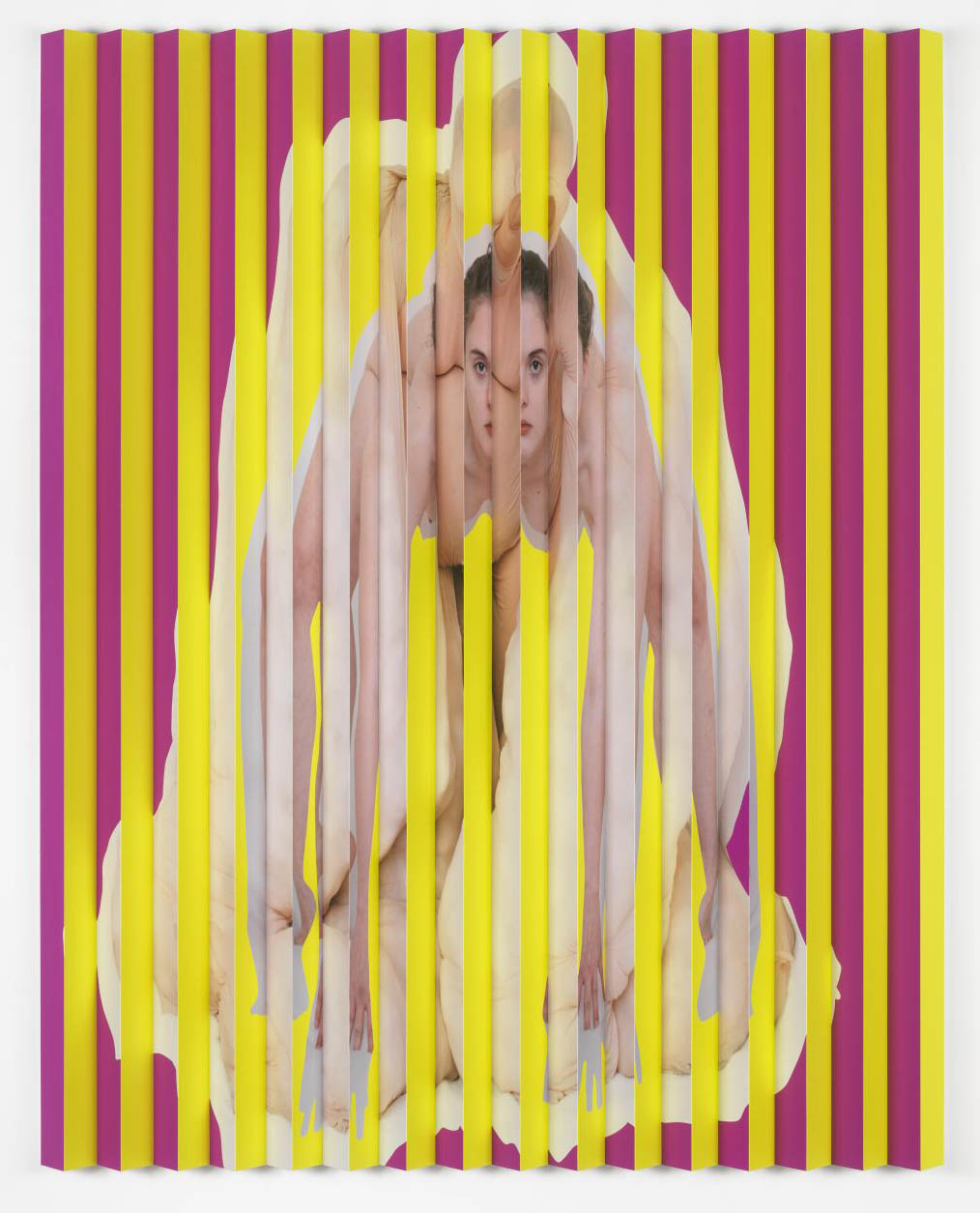
 

Polly Borland (Australia, b. 1959) 'Untitled' 2018


Polly Borland (Australia, b. 1959)
Untitled
2018
From MORPH series 2018
Inkjet print on rice paper on lenticular cardboard
216.0 × 172.7 × 13.0cm
National Gallery of Victoria, Melbourne
Purchased, Victorian Foundation for Living Australian Artists, 2019
© Polly Borland
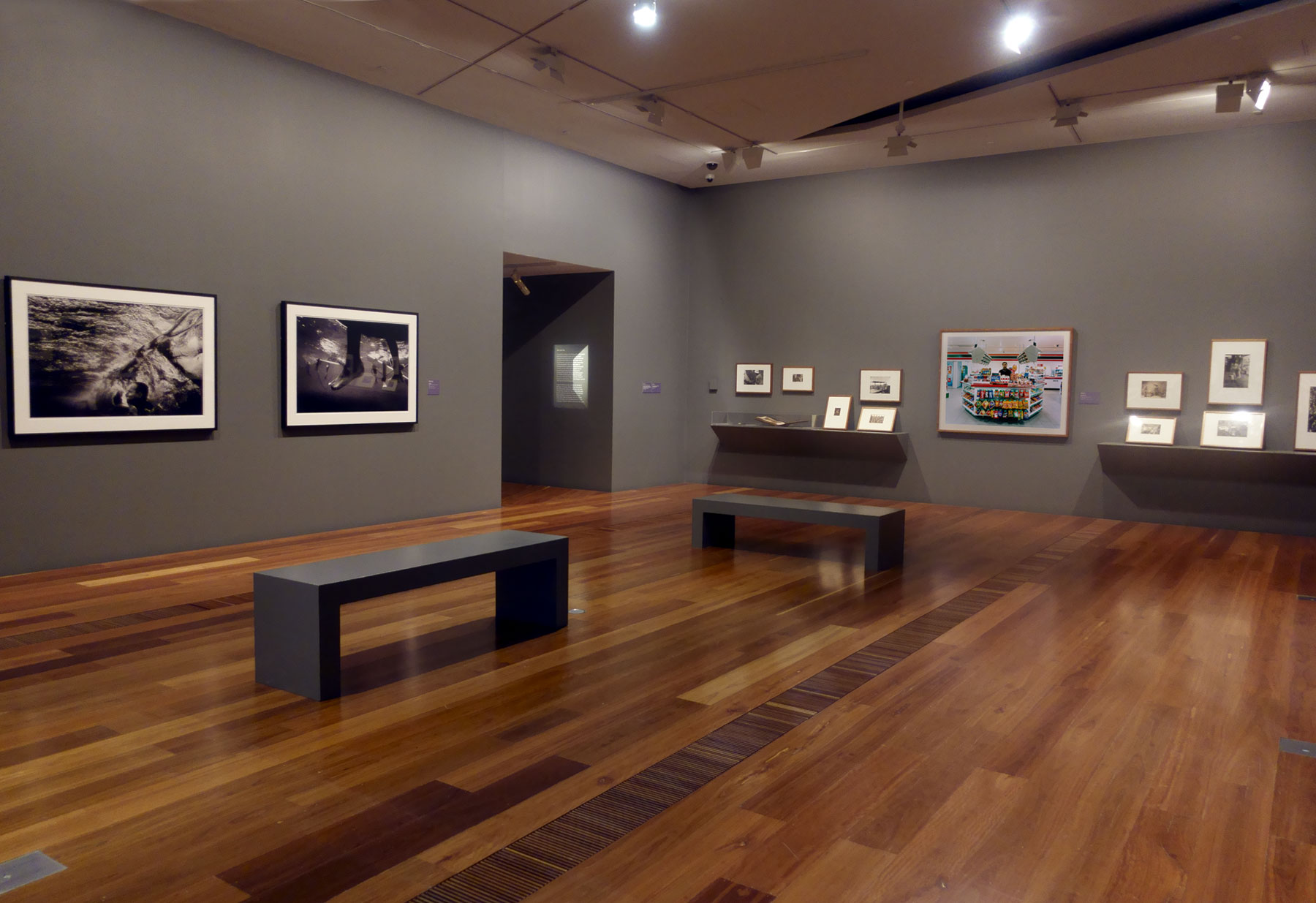
 

Installation view of the exhibition Photography: Real & Imagined at The Ian Potter Centre: NGV Australia, Melbourne showing at left, Narelle Autio's two photographs 'Untitled' from 'The Seventh Wave' series (1999-2000); and at right, Selina Ou's 'Convenience' (2001)


Installation view of the exhibition Photography: Real & Imagined at The Ian Potter Centre: NGV Australia, Melbourne showing at left, Narelle Autio’s two photographs Untitled from The Seventh Wave series (1999-2000); and at centre right, Selina Ou’s Convenience (2001)
Photo: Marcus Bunyan


Installation view of the exhibition Photography: Real & Imagined at The Ian Potter Centre: NGV Australia, Melbourne showing Narelle Autio's two photographs 'Untitled' from 'The Seventh Wave' series (1999-2000)


Installation view of the exhibition Photography: Real & Imagined at The Ian Potter Centre: NGV Australia, Melbourne showing Narelle Autio’s two photographs Untitled from The Seventh Wave series (1999-2000)
Photo: Marcus Bunyan


Narelle Autio (Australian, b. 1969) 'Untitled' 2000 (installation view)


Narelle Autio (Australian, b. 1969)
Untitled (installation view)
2000
From The Seventh Wave series 1999-2000
Gelatin silver photograph
90.0 × 134.1cm
National Gallery of Victoria, Melbourne
Purchased with funds arranged by Loti Smorgon for Contemporary Australian Photography, 2001
Photo: Marcus Bunyan


Installation view of the exhibition Photography: Real & Imagined at The Ian Potter Centre: NGV Australia, Melbourne showing at back centre, Selina Ou’s Convenience (2001); and at right, Rosemary Laing’s welcome to Australia (2004)
Photo: Marcus Bunyan
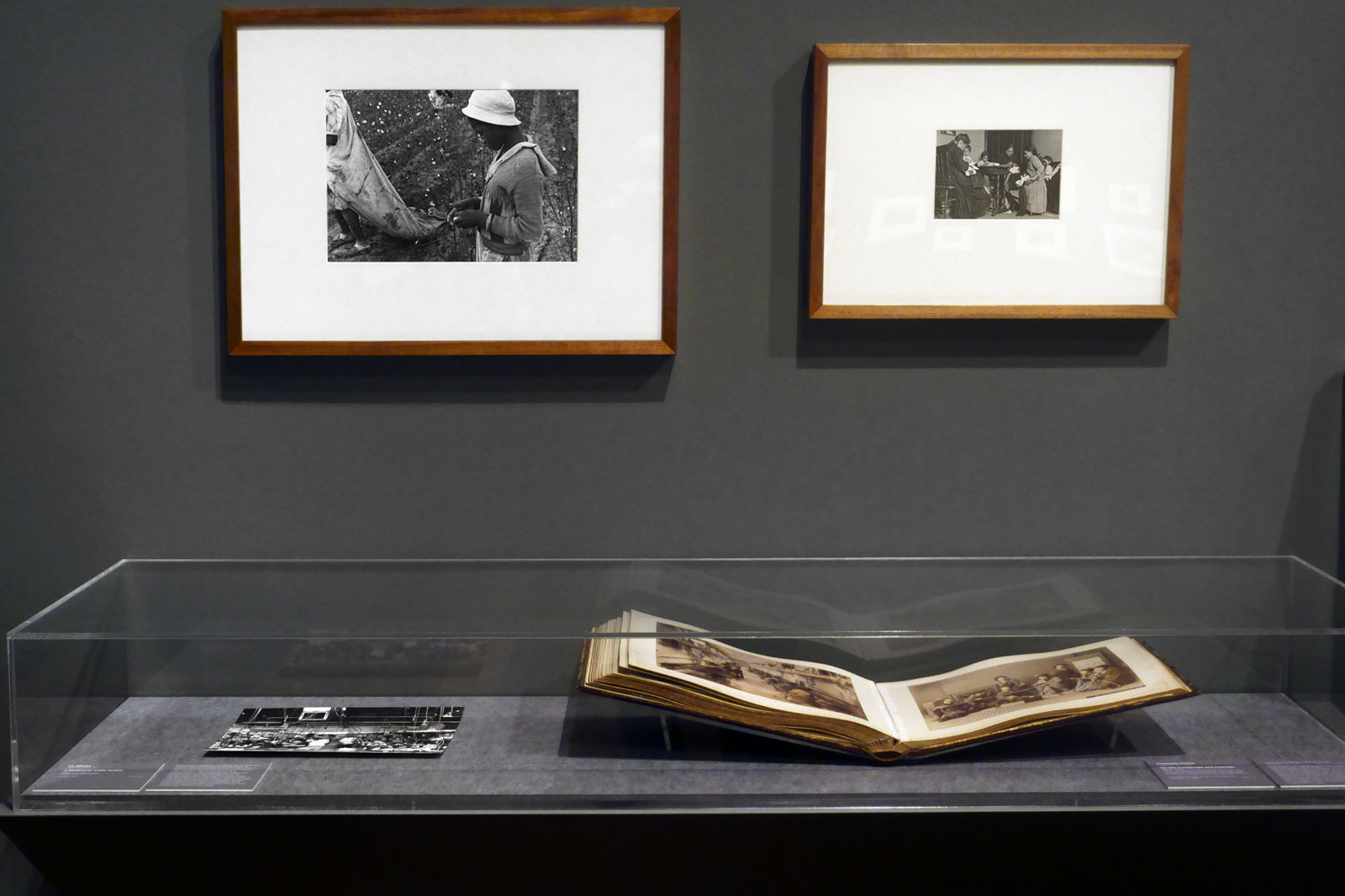
 

Installation view of the exhibition 'Photography: Real & Imagined' at The Ian Potter Centre: NGV Australia, Melbourne showing at back left, Ben Shahn's 'Young cotton picker, Pulaski County, Arkansas. Schools for coloured children do not open until January 1st so as not to interfere with cotton picking' 1935; and back right, Lewis Hine's 'Finishing garments, 10 Hanover Ave., Boston, Massachusetts' 1912; and at right in the cabinet, Kusakabe Kimbei's album '(Landscape and portraits)' (1880s-1910s) 


Installation view of the exhibition Photography: Real & Imagined at The Ian Potter Centre: NGV Australia, Melbourne showing at back left, Ben Shahn’s Young cotton picker, Pulaski County, Arkansas. Schools for coloured children do not open until January 1st so as not to interfere with cotton picking 1935; and back right, Lewis Hine’s Finishing garments, 10 Hanover Ave., Boston, Massachusetts 1912; and at right in the cabinet, Kusakabe Kimbei’s album (Landscape and portraits) (1880s-1910s)
Photo: Marcus Bunyan


Ben Shahn (Lithuanian 1898-1969, United States c. 1925-1969) 'Young cotton picker, Pulaski County, Arkansas. Schools for coloured children do not open until January 1st so as not to interfere with cotton picking' 1935, printed c. 1975 (installation view)


Ben Shahn (Lithuanian 1898-1969, United States c. 1925-1969)
Young cotton picker, Pulaski County, Arkansas. Schools for coloured children do not open until January 1st so as not to interfere with cotton picking (installation view)
1935, printed c. 1975
Gelatin silver photograph
21.7 × 32.8cm
National Gallery of Victoria, Melbourne
Purchased, 1975
Photo: Marcus Bunyan
 

Lewis Hine (American, 1874-1940) 'Finishing garments, 10 Hanover Ave., Boston, Massachusetts' 1912


Lewis Hine (American, 1874-1940)
Finishing garments, 10 Hanover Ave., Boston, Massachusetts
1912
Gelatin silver photograph
11.4 × 16.4cm
National Gallery of Victoria, Melbourne
Purchased, 1980
Public domain


Installation view of the exhibition Photography: Real & Imagined at The Ian Potter Centre: NGV Australia, Melbourne showing Kusakabe Kimbei's album '(Landscape and portraits)' (1880s-1910s) 


Installation view of the exhibition Photography: Real & Imagined at The Ian Potter Centre: NGV Australia, Melbourne showing Kusakabe Kimbei’s album (Landscape and portraits) (1880s-1910s)
Photo: Marcus Bunyan
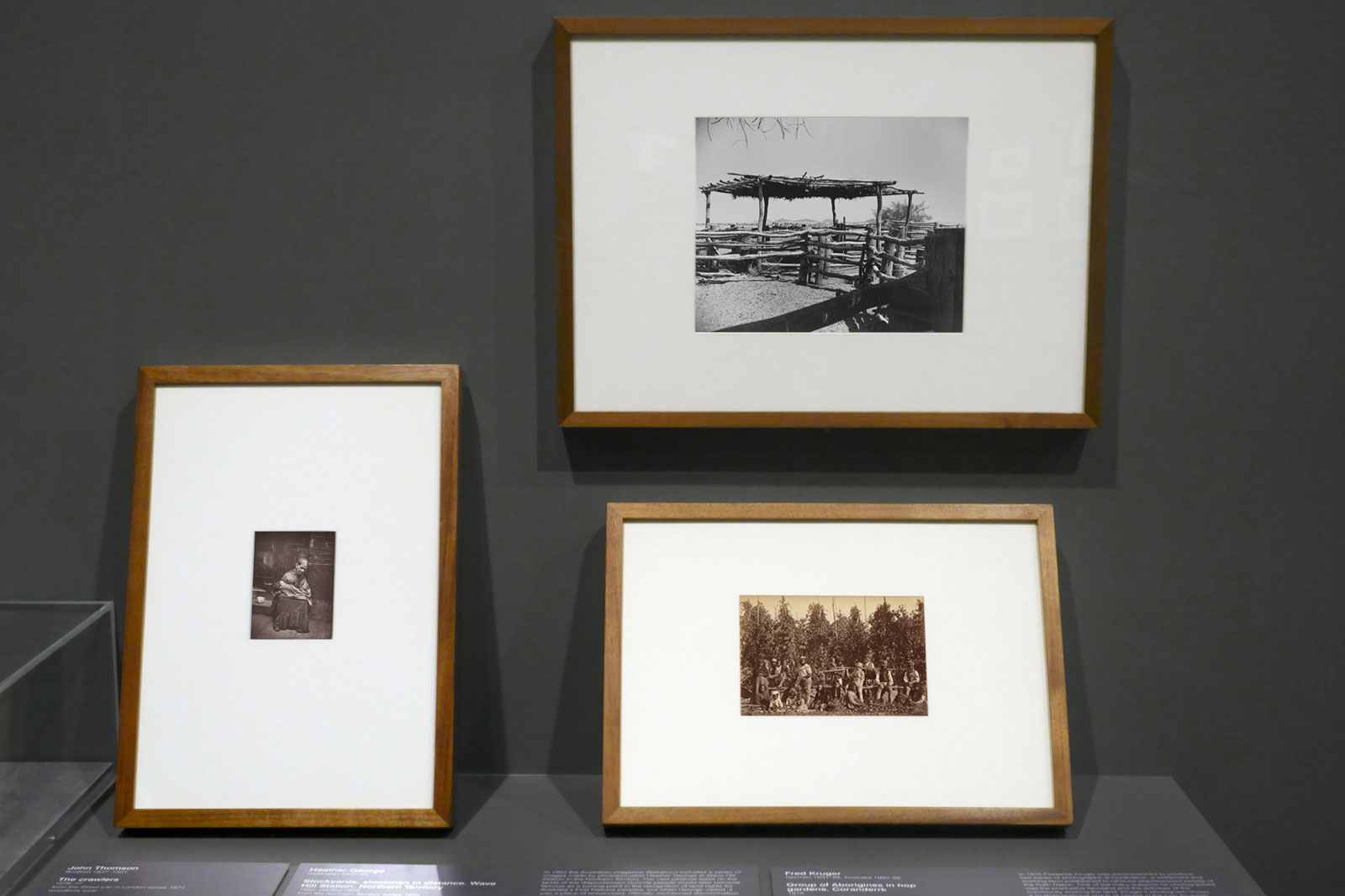
 

Installation view of the exhibition 'Photography: Real & Imagined' at The Ian Potter Centre: NGV Australia, Melbourne showing  at left, John Thomson's 'The crawlers' (1876-1877, below); at top right, Heather George's 'Stockyards, stockmen in distance. Wave Hill Station, Northern Territory' (1952); and at bottom right, Fred Kruger's 'Group of Aborigines in hop gardens, Coranderrk' (1876, below)


Installation view of the exhibition Photography: Real & Imagined at The Ian Potter Centre: NGV Australia, Melbourne showing  at left, John Thomson’s The crawlers (1876-1877, below); at top right, Heather George’s Stockyards, stockmen in distance. Wave Hill Station, Northern Territory (1952); and at bottom right, Fred Kruger’s Group of Aborigines in hop gardens, Coranderrk (1876, below)
Photo: Marcus Bunyan
 

Installation view of the exhibition 'Photography: Real & Imagined' at The Ian Potter Centre: NGV Australia, Melbourne showing John Thomson's 'The crawlers' (1876-1877)


Installation view of the exhibition Photography: Real & Imagined at The Ian Potter Centre: NGV Australia, Melbourne showing John Thomson’s The crawlers (1876-1877, below)
Photo: Marcus Bunyan


John Thomson (Scottish 1837-1921) 'The crawlers' 1876-1877


John Thomson (Scottish 1837-1921)
The crawlers
1876-1877
From the Street Life in London series 1877
Woodbury type
11.5 × 8.7cm (image and sheet)
National Gallery of Victoria, Melbourne
Felton Bequest, 1977
Public Domain
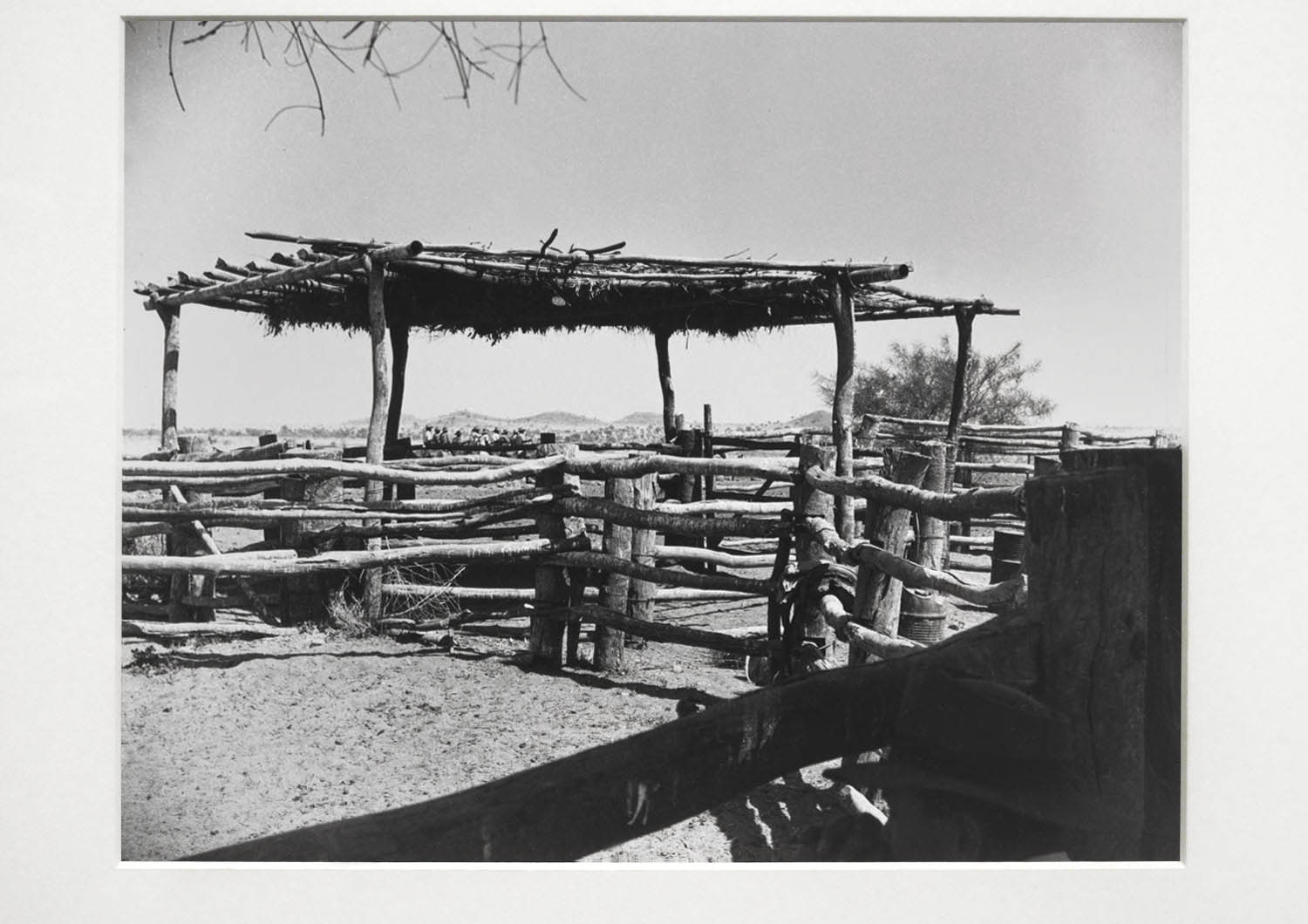
 

Heather George (Australian 1907-1983) 'Stockyards, stockmen in distance. Wave Hill Station, Northern Territory' 1952, printed 1978 (installation view)


Heather George (Australian 1907-1983)
Stockyards, stockmen in distance. Wave Hill Station, Northern Territory (installation view)
1952, printed 1978
From the Northern Territory series 1952
Gelatin silver photograph
Purchased, 1980
Photo: Marcus Bunyan


In 1952 the Australian magazine Walkabout included a series of images made by photojournalist Heather George at Wave Hill Station in the Northern Territory. The vast pastoral lease on the lands of the dispossessed Gurindji people would later become famous as a turning point in the recognition of land rights for Australia’s First Nations peoples, but when George visited, it was a place of entrenched, officially sanctioned discrimination. In George’s photograph, the Gurindji stockmen appear overshadowed by the stockyards in the foreground, perhaps reflecting the attitude of pastoralists who, having been granted leases, took advantage of people living on Country, exploiting them as an unpaid workforce.

Wall text from the exhibition


Fred Kruger (German 1831-1888, Australia 1860-1888) 'Group of Aborigines in hop gardens, Coranderrk' 1876


Fred Kruger (German 1831-1888, Australia 1860-1888)
Group of Aborigines in hop gardens, Coranderrk
1876
Albumen silver photograph
13.3 × 20.2cm
National Gallery of Victoria, Melbourne
Gift of Mrs Beryl M. Curl, 1979
Public domain


In 1876 Fred Kruger was commissioned to produce two series of photographs at Coranderrk, a settlement and working farm established to rehouse dispossessed people of the Kulin Nation. One of the many subjects he photographed was the productive farmland and the activities of the community working the land. Kruger’s photograph shows a multigenerational group of people in the lush Arcadian setting of the hop garden, but what it obscures is the reality of exploitation and poverty that afflicted First Nations people in this place. Kruger’s photographs met a brief to promote the so-called ‘civilising’ work of colonial authorities but in doing so represented a largely imagined reality and created an effective form of propaganda.

Wall text from the exhibition
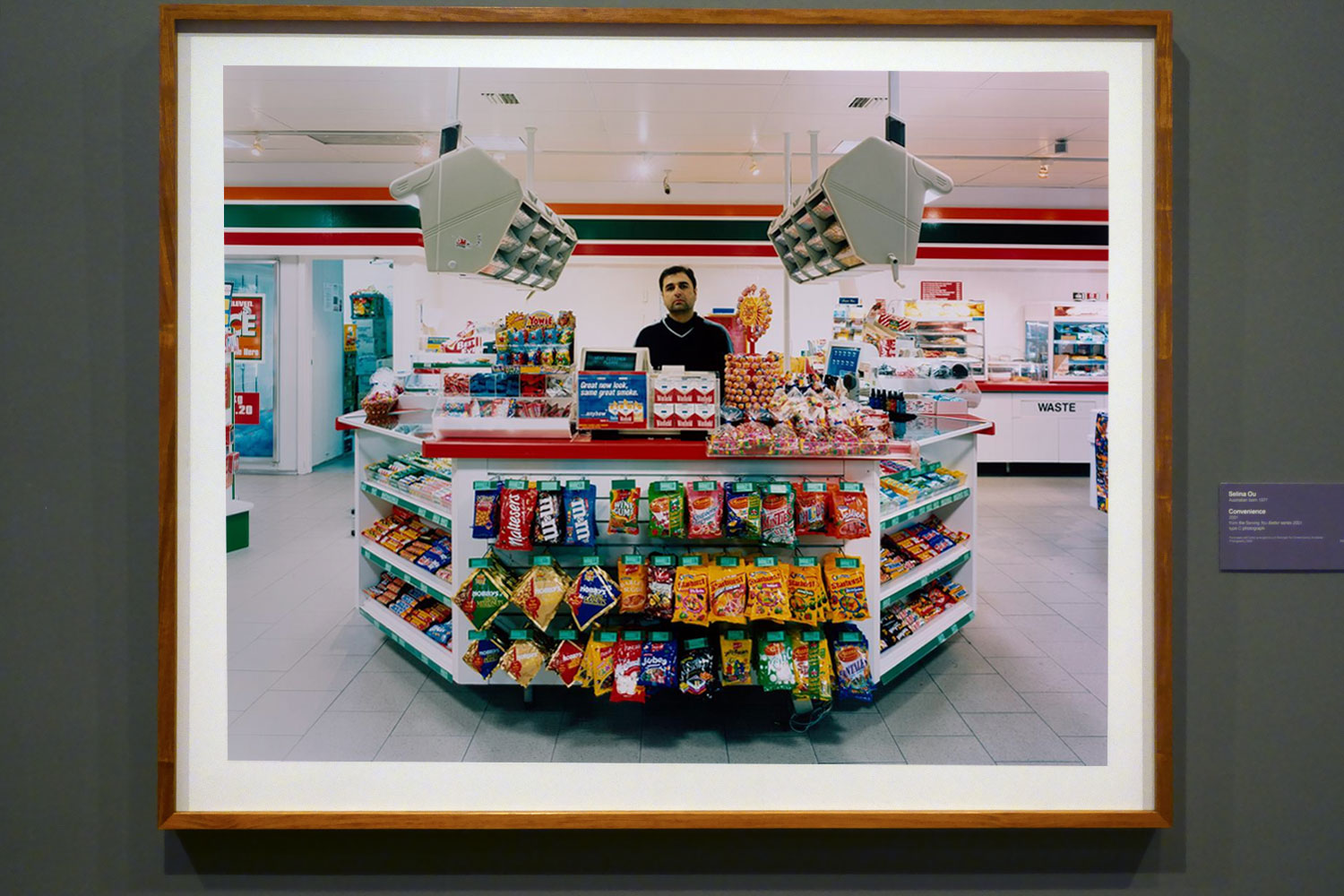
 

Selina Ou (Australian, b. 1977) 'Convenience' 2001 (installation view)


Selina Ou (Australian, b. 1977)
Convenience (installation view)
2001
From the Serving You Better series 2001
Type C photograph
National Gallery of Victoria, Melbourne
Purchased with funds arranged by Loti Smorgon for Contemporary Australian Photography, 2005
Photo: Marcus Bunyan


Installation view of the exhibition 'Photography: Real & Imagined' at The Ian Potter Centre: NGV Australia, Melbourne showing at top left, Kusakabe Kimbei's 'Vegetable peddler' (1880s, below); at bottom left, David Wadelton's 'Richmond hairdresser' (1979, below); at top centre, Rennie Ellis' 'Between strips, Kings Cross' (1970-1971, below); at bottom centre, Brassai's 'Washing up in a brothel, Rue Quincampoix (La Toilette, rue Quincampoix (Bidet))' (1932, below); and at right, Wolfgang Sievers' 'Shiftchange at Kelly and Lewis engineering works, Springvale, Melbourne' (1949, below)


Installation view of the exhibition Photography: Real & Imagined at The Ian Potter Centre: NGV Australia, Melbourne showing at top left, Kusakabe Kimbei’s Vegetable peddler (1880s, below); at bottom left, David Wadelton’s Richmond hairdresser (1979, below); at top centre, Rennie Ellis’ Between strips, Kings Cross (1970-1971, below); at bottom centre, Brassai’s Washing up in a brothel, Rue Quincampoix (La Toilette, rue Quincampoix (Bidet)) (1932, below); and at right, Wolfgang Sievers’ Shiftchange at Kelly and Lewis engineering works, Springvale, Melbourne (1949, below)
Photo: Marcus Bunyan
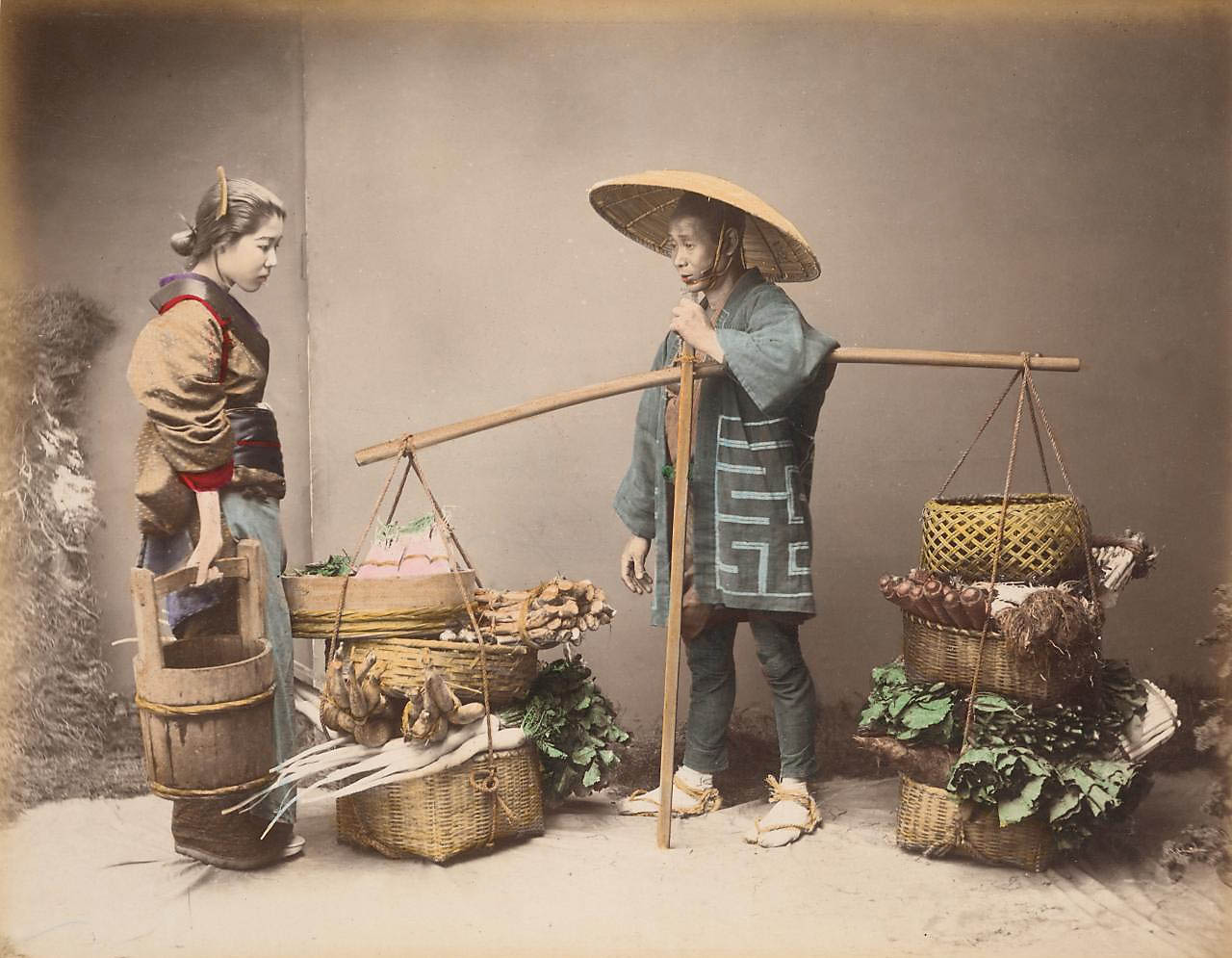
 

Kusakabe Kimbei (Japanese, 1841-1934) 'Vegetable peddler' 1880s


Kusakabe Kimbei (Japanese, 1841-1934)
Vegetable peddler
1880s
Albumen silver photograph, colour dyes
20.6 × 26.3cm (image and sheet)
National Gallery of Victoria, Melbourne
Gerstl Bequest, 2000
Public domain


Japanese photographer Kusakabe Kimbei established his studio in 1881, making photographs for the domestic and tourist markets. Most of the photographs in this elaborate album are conventional, staged domestic scenes; picturesque views of popular tourist attractions; and street scenes. This image, however, stands alone in the album as an unusual view of contemporary life. Despite the women weavers wearing traditional dress and working hand-operated looms, the factory in which they are working is lit by electric lights and they are supervised by men wearing European-style dress. Unlike its companion works in Kimbei’s album, this photograph speaks to the industrialisation that was part of the Meiji-era modernisation in Japan.

Wall text from the exhibition


Kusakabe Kimbei (Japanese, 1841-1934)

Kusakabe Kimbei (日下部 金兵衛; 1841-1934) was a Japanese photographer. He usually went by his given name, Kimbei, because his clientele, mostly non-Japanese-speaking foreign residents and visitors, found it easier to pronounce than his family name

Kusakabe Kimbei worked with Felice Beato and Baron Raimund von Stillfried as a photographic colourist and assistant. In 1881, Kimbei opened his own workshop in Yokohama, in the Benten-dōri quarter. From 1889, the studio operated in the Honmachi quarter. By 1893, his was one of the leading Japanese studios supplying art to Western customers. Many of the photographs in the studio’s catalogue featured depictions of Japanese women, which were popular with tourists of the time.  Kimbei preferred to portray female subjects in a traditional bijinga style, and hired geisha to pose for the photographs. Many of his albums are mounted in accordion fashion.

Around 1885, Kimbei acquired the negatives of Felice Beato and of Stillfried, as well as those of Uchida Kuichi. Kusakabe also acquired some of Ueno Hikoma’s negatives of Nagasaki. Kimbei retired as a photographer in 1914.

Text from the Wikipedia website
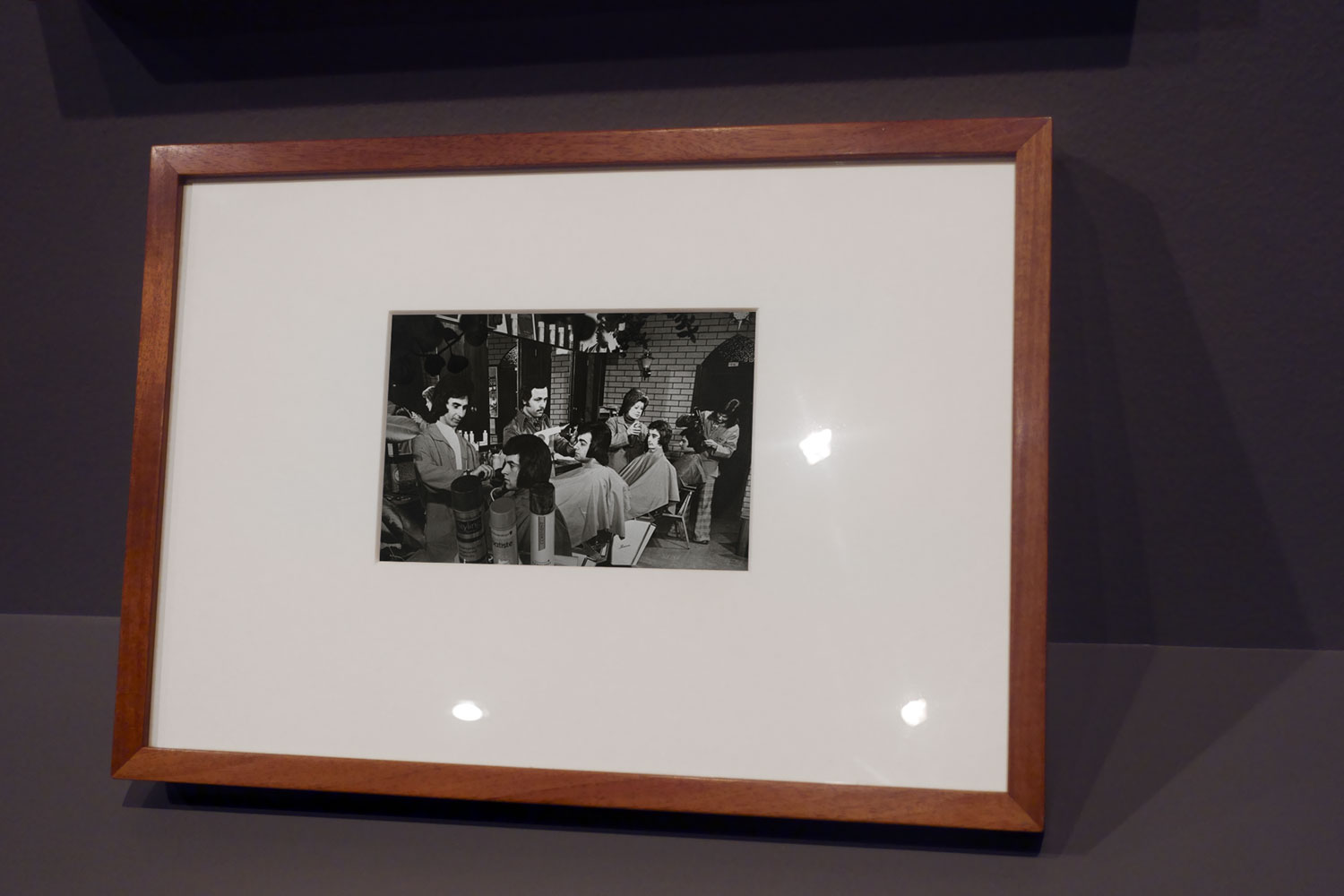
 

Installation view of the exhibition Photography: Real & Imagined at The Ian Potter Centre: NGV Australia, Melbourne showing David Wadelton's 'Richmond hairdresser' (1979) (installation view)


Installation view of the exhibition Photography: Real & Imagined at The Ian Potter Centre: NGV Australia, Melbourne showing David Wadelton’s Richmond hairdresser (1979, below)
Photo: Marcus Bunyan
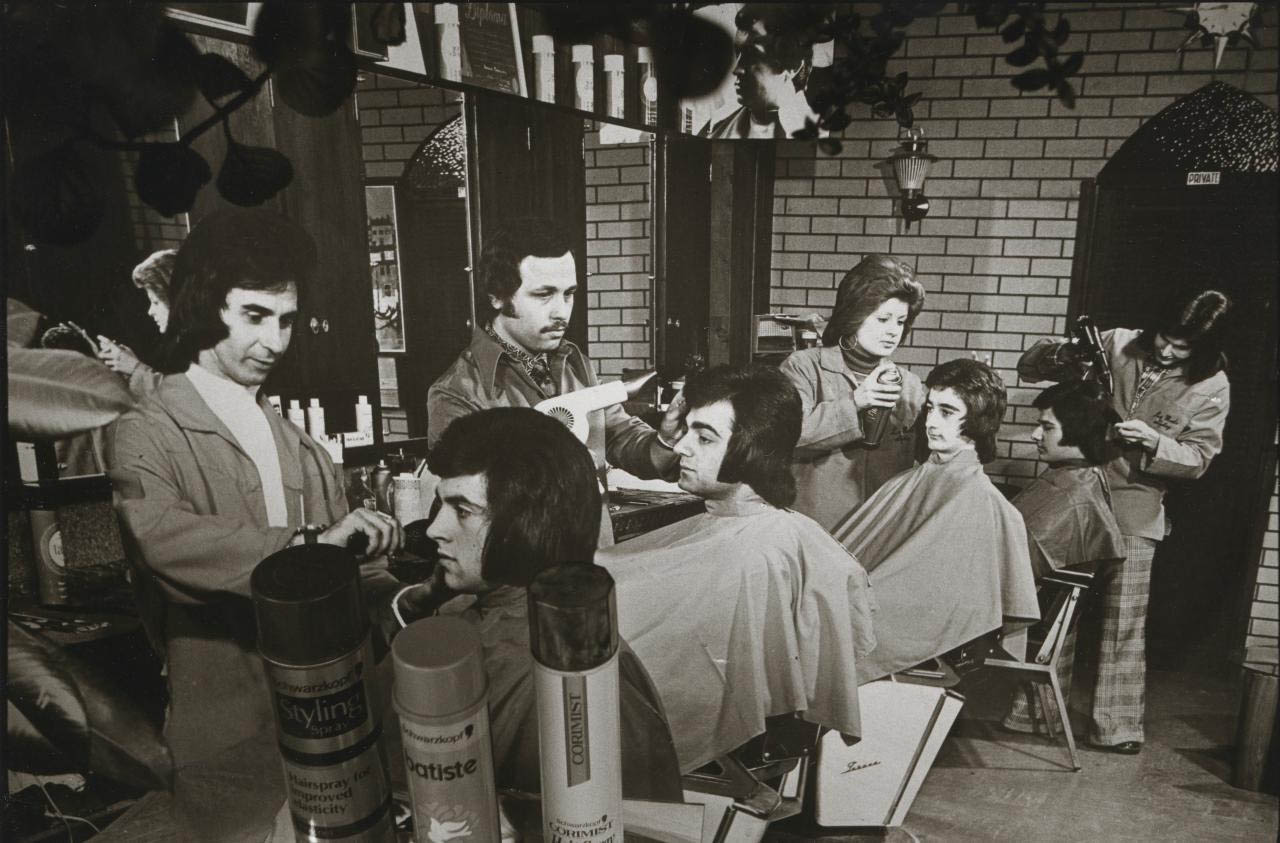
 

David Wadelton (Australian, b. 1955) 'Richmond hairdresser' 1979


David Wadelton (Australian, b. 1955)
Richmond hairdresser
1979
Gelatin silver photograph
13.4 × 20.2cm
National Gallery of Victoria, Melbourne
Gift of David Wadelton through the Australian Government’s Cultural Gifts Program, 2015
© David Wadelton
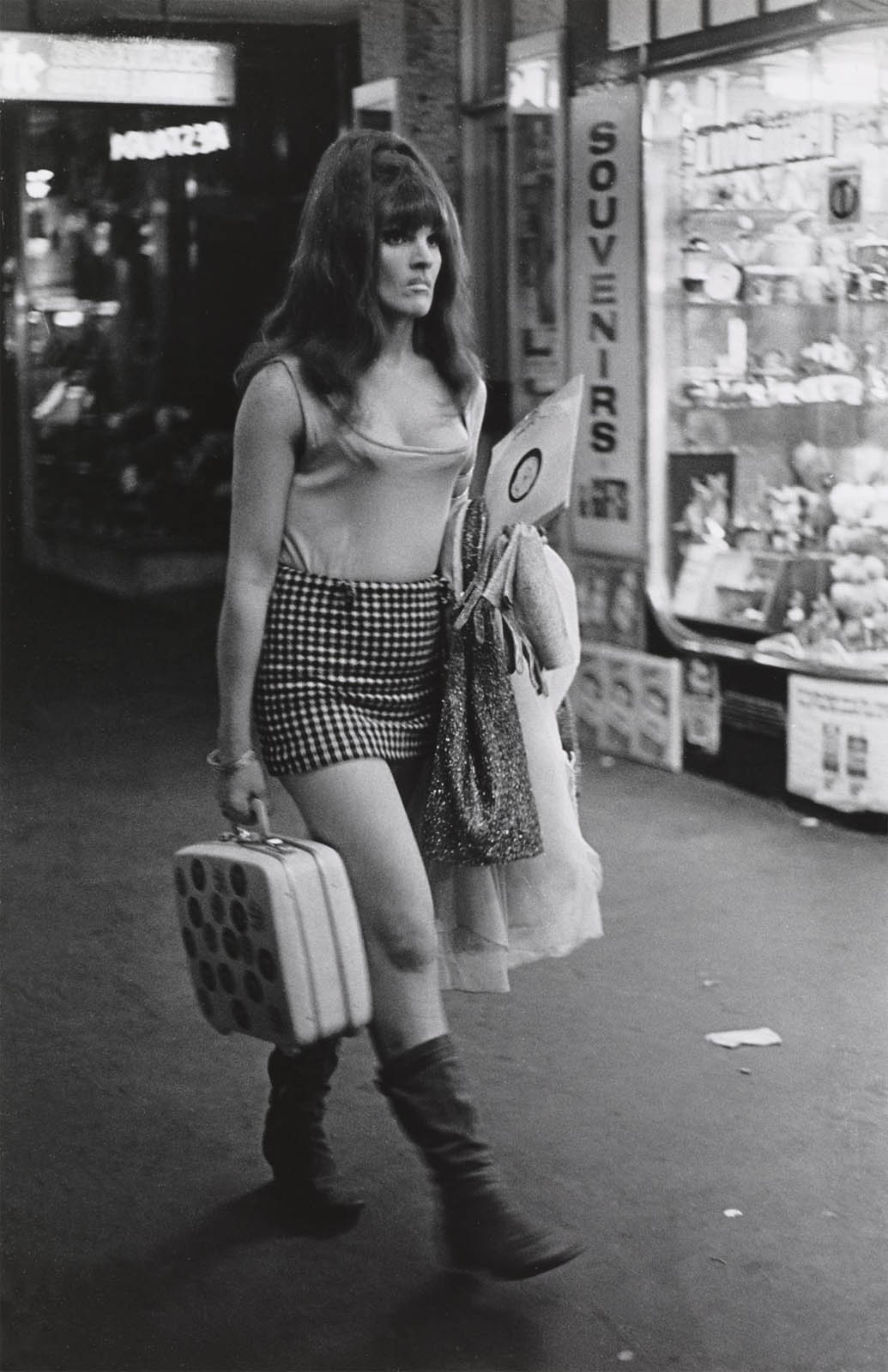
 

Rennie Ellis (Australian, 1940-2003) 'Between strips, Kings Cross' 1970-1971


Rennie Ellis (Australian, 1940-2003)
Between strips, Kings Cross
1970-1971; 2000 {printed}
from the Kings Cross series 1971
gelatin silver photograph
37.1 x 24.1 cm (image) 40.3 x 30.4 cm (sheet)
National Gallery of Victoria, Melbourne
Purchased, 2005
© Rennie Ellis Photographic Archive


Installation view of the exhibition 'Photography: Real & Imagined' at The Ian Potter Centre: NGV Australia, Melbourne showing Brassaï's 'Washing up in a brothel, Rue Quincampoix (La Toilette, rue Quincampoix (Bidet))' (1932)


Installation view of the exhibition Photography: Real & Imagined at The Ian Potter Centre: NGV Australia, Melbourne showing Brassaï’s Washing up in a brothel, Rue Quincampoix (La Toilette, rue Quincampoix (Bidet)) (1932, below)
Photo: Marcus Bunyan
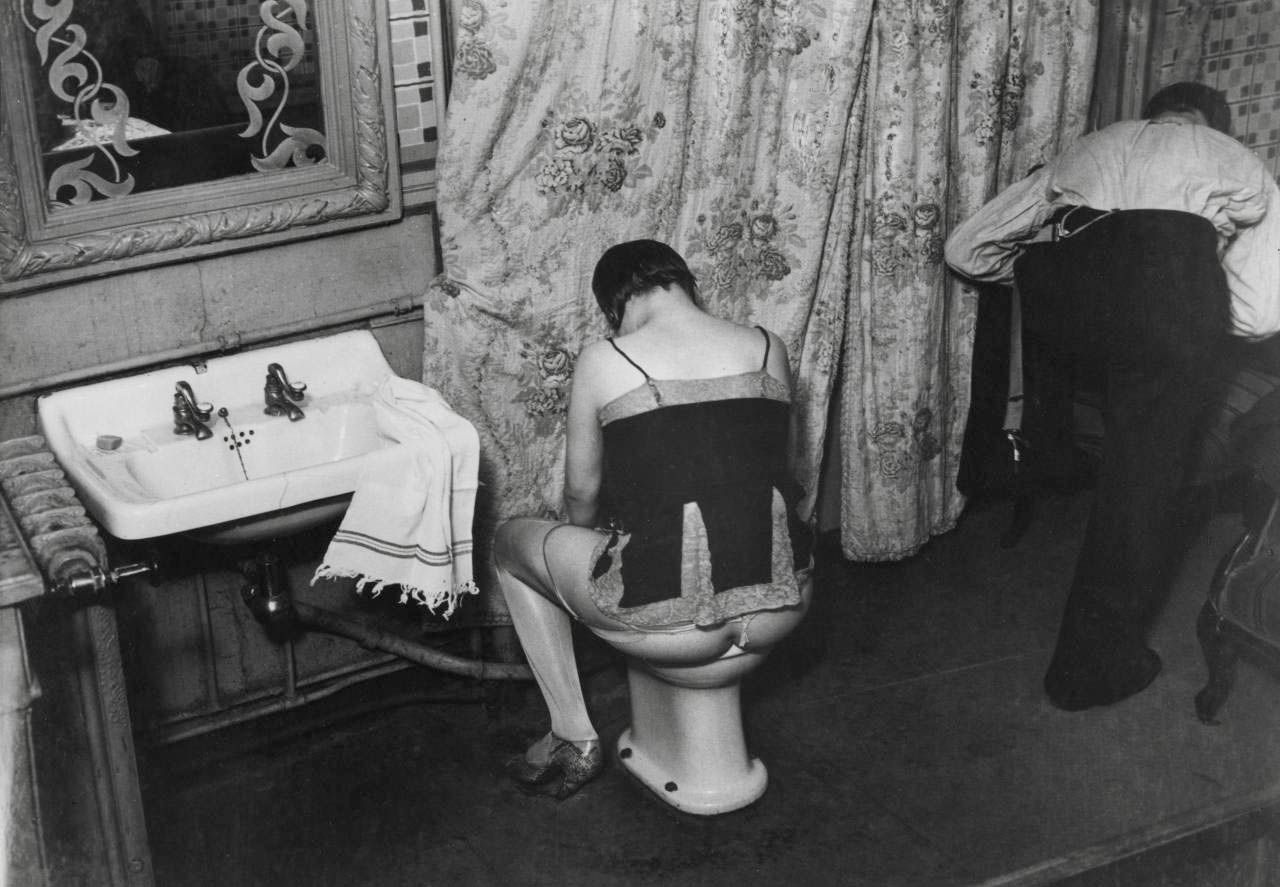
 

Brassaï (Hungarian-French, 1899-1984) 'Washing up in a brothel, Rue Quincampoix' (La Toilette, rue Quincampoix (Bidet)) 1932; printed c. 1979


Brassaï (Hungarian-French, 1899-1984)
Washing up in a brothel, Rue Quincampoix
(La Toilette, rue Quincampoix (Bidet))
1932; printed c. 1979
from The secret of Paris in the 30s series 1931–1935
Gelatin silver photograph
20.5 × 29.2cm (image and sheet)
National Gallery of Victoria, Melbourne
Purchased, 1980
Public Domain


In the 1930s Brassaï became well-known for his photographs of the nightlife of Paris, but it was the sex workers, along with other characters of the city’s underbelly, who excited his imagination. Reflecting on this time, he wrote, ‘Rightly or wrongly, I felt at that time that this underground world represented Paris at its least cosmopolitan, at its most alive, its most authentic, that in these colourful faces of its underworld there had been preserved, from age to age, almost without alteration, the folklore of its remote past’. This photograph presents a matter-of-fact view – there is nothing exotic or erotic about the woman washing herself as her client ties his shoes and prepares to leave.

Wall text from the exhibition
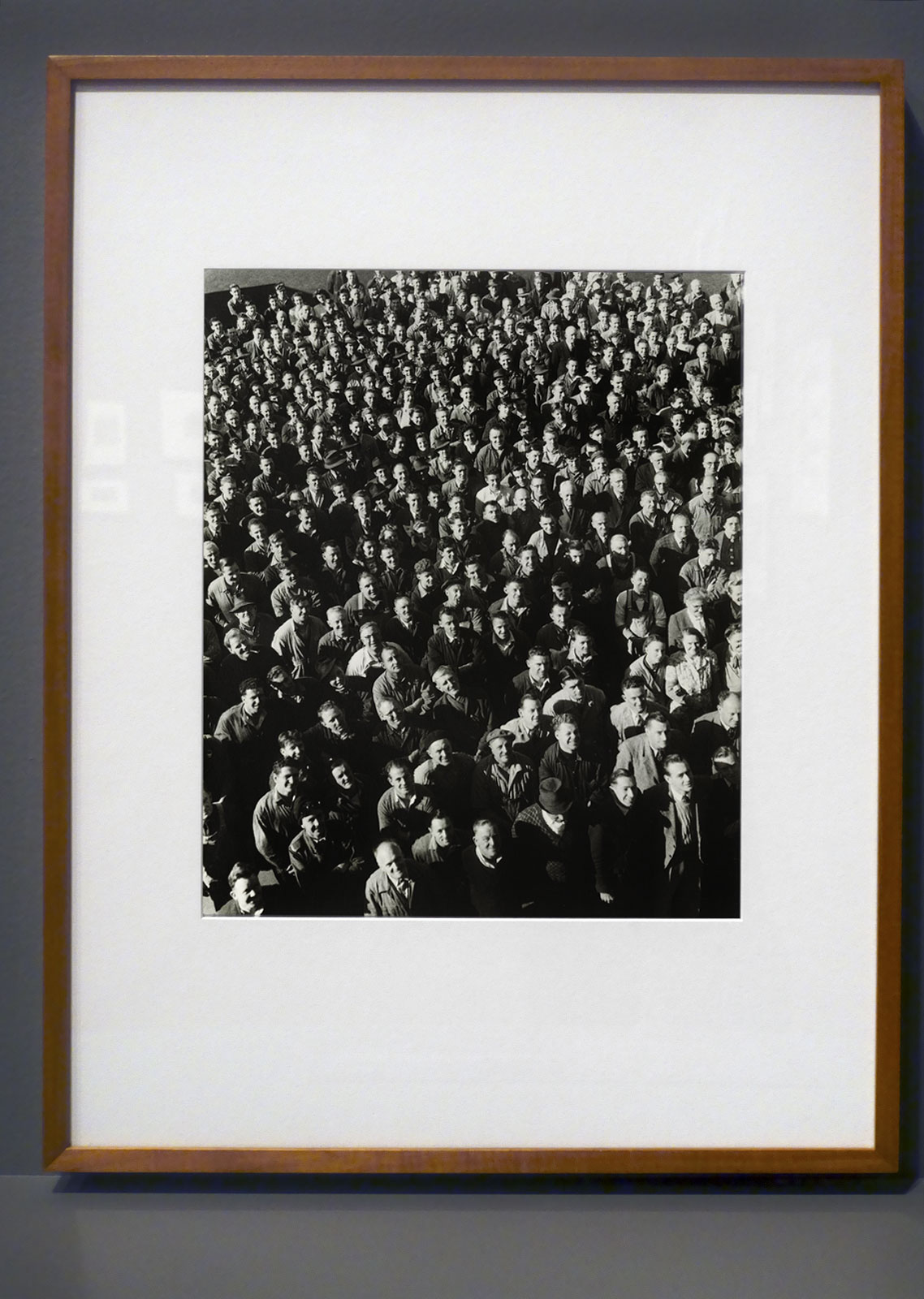
 

Installation view of the exhibition Photography: Real & Imagined at The Ian Potter Centre: NGV Australia, Melbourne showing Wolfgang Sievers' 'Shiftchange at Kelly and Lewis engineering works, Springvale, Melbourne' (1949)


Installation view of the exhibition Photography: Real & Imagined at The Ian Potter Centre: NGV Australia, Melbourne showing Wolfgang Sievers’ Shiftchange at Kelly and Lewis engineering works, Springvale, Melbourne (1949, below)
Photo: Marcus Bunyan


Wolfgang Sievers (Australian born Germany, 1913-2007) 'Shiftchange at Kelly and Lewis engineering works, Springvale, Melbourne' 1949; printed 1986


Wolfgang Sievers (Australian born Germany, 1913-2007)
Shiftchange at Kelly and Lewis engineering works, Springvale, Melbourne
1949; printed 1986
Gelatin silver photograph
49.4 × 40.5cm
National Gallery of Victoria, Melbourne
Purchased, 1986
© National Library of Australia


Wolfgang Sievers arrived in Australia in 1938, bringing photographic equipment, rigorous training in modernist photography, a firmly held belief in the union of art and industry, left-leaning political views, and the self-declared desire to ‘assist this country through my knowledge as thanks for the freedom I can enjoy here’. The human face of industrial Australia is captured in Sievers’s celebrated photograph of the change of shift at a Melbourne engineering works, showing a sea of men and women surging into work. The upturned, smiling faces of the masses speaking to Sievers’s firmly held belief in the dignity of work.

Wall text from the exhibition


Rosemary Laing (Australian, 1959-2024) 'welcome to Australia' 2004 (installation view)


Rosemary Laing (Australian, 1959-2024)
welcome to Australia (installation view)
2004
Type C photograph
110.8 × 224.4cm
National Gallery of Victoria, Melbourne
Purchased with funds from the Victorian Foundation for Living Australian Artists, 2005
Photo: Marcus Bunyan


This photograph by Rosemary Laing makes an obviously ironic statement, as curator Kyla MacFarlane notes: ‘The title and compositional beauty of this photograph … purposefully jar against its subject matter – the remote Woomera Immigration Detention and Processing Centre in South Australia. Photographing the site while the sun sits low in the sky, Laing observes the Centre’s mechanisms of containment and surveillance – a violent presence on the red dirt and gravel road, and sun-tinged, cloudless sky of its remote location’. The photograph’s formal emptiness reflects the lack of freedom imposed on those seeking asylum and the loss of their civil liberties once detained.

Wall text from the exhibition
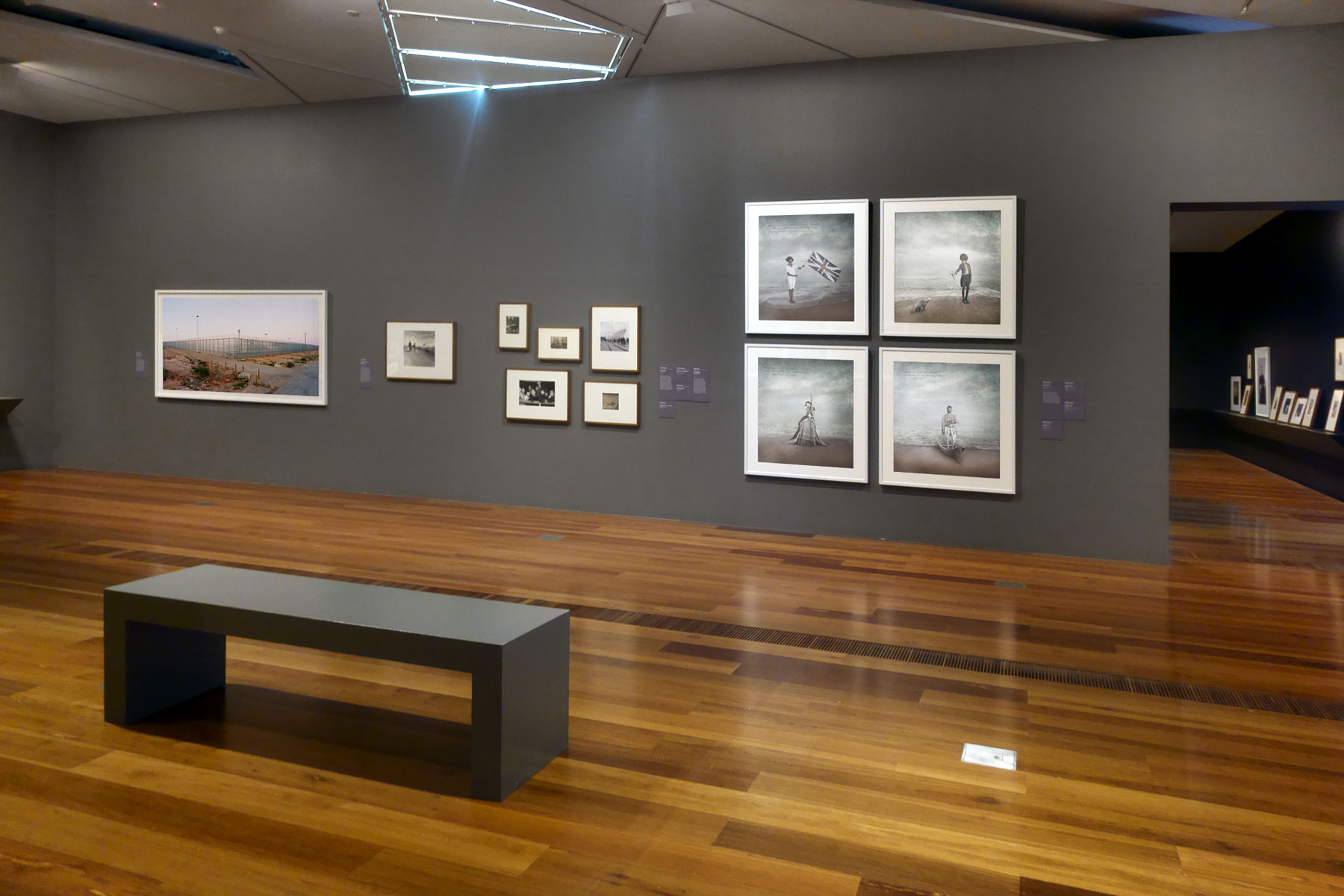
 

Installation view of the exhibition 'Photography: Real & Imagined' at The Ian Potter Centre: NGV Australia, Melbourne showing at left, Rosemary Laing's 'welcome to Australia' (2004, above); and at right, four photographs from Michael Cook's 'Civilised' series (2012)


Installation view of the exhibition Photography: Real & Imagined at The Ian Potter Centre: NGV Australia, Melbourne showing at left, Rosemary Laing’s welcome to Australia (2004, above); and at right, four photographs from Michael Cook’s Civilised series (2012)
Photo: Marcus Bunyan


Installation view of the exhibition 'Photography: Real & Imagined' at The Ian Potter Centre: NGV Australia, Melbourne showing Dorothea Lange's 'Towards Los Angeles, California' (1936)


Installation view of the exhibition Photography: Real & Imagined at The Ian Potter Centre: NGV Australia, Melbourne showing Dorothea Lange’s Towards Los Angeles, California (1936, below)
Photo: Marcus Bunyan
 

Dorothea Lange (United States 1895-1965) 'Towards Los Angeles, California' 1936, printed c. 1975


Dorothea Lange (United States 1895-1965)
Towards Los Angeles, California
1936; c. 1975 {printed}
Gelatin silver photograph
39.6 x 39.1cm
National Gallery of Victoria, Melbourne
Purchased, 1975


In this photograph Dorothea Lange has ironically juxtaposed the aspiration of clean, comfortable train travel with the exhausting reality of the unemployed traversing America in search of work in the 1930s. Renowned for making photographs that combine empathy and clear-eyed observation, Lange also believed that photographs and text should be presented together to amplify the messages carried in both mediums. She understood that captions ‘fortified’ her photographs and that they should ‘not only (carry) factual information, but also add clues to attitudes, relationships and meanings’. Although it doesn’t have a caption, the opportunistic combination of image and text in this image highlights the gulf between the haves and have nots.

Wall text from the exhibition


Installation view of the exhibition 'Photography: Real & Imagined' at The Ian Potter Centre: NGV Australia, Melbourne showing at top left, Alfred Stiegliz's 'The steerage' (1907); at bottom left, David Moore's 'Migrants arriving in Sydney' (1966); at centre, Charles Nettleton's 'Hobsons Bay railway pier' (1870s); at top right, Maggie Diaz's 'The Canberra, Port Melbourne' (1961-1967); and at bottom right, Paul Haviland's 'Passing steamer' (1910)


Installation view of the exhibition Photography: Real & Imagined at The Ian Potter Centre: NGV Australia, Melbourne showing at top left, Alfred Stiegliz’s The steerage (1907, below); at bottom left, David Moore’s Migrants arriving in Sydney (1966, below); at centre, Charles Nettleton’s Hobsons Bay railway pier (1870s, below); at top right, Maggie Diaz’s The Canberra, Port Melbourne (1961-1967); and at bottom right, Paul Haviland’s Passing steamer (1910)
Photo: Marcus Bunyan


Alfred Stiegitz (American, 1864-1946) 'The Steerage' 1907


Alfred Stieglitz (American 1864-1946, Germany 1881-1990)
The steerage
1907, printed 1911
Photogravure
National Gallery of Victoria, Melbourne
Purchased, 1979
Public domain


Alfred Stieglitz was a pioneering photographer, publisher and gallery director. The steerage, arguably his most important photograph, is regarded as his first great modernist work. The composition, with its compressed space, apparent lack of horizon and striking diagonal lines, is suggestive of avant-garde painting of the time. Showing the densely packed lower decks of the of the transatlantic steamer Kaiser Wilhelm II, Stieglitz’s oblique reference to the return movement of unsuccessful immigrants to America offers an insight into the social outcomes and complexities of mass global migration in the early twentieth century.

Wall text from the exhibition
 

David Moore (Australia, 1927-2003) 'Migrants arriving in Sydney' 1966


David Moore (Australia, 1927-2003)
Migrants arriving in Sydney
1966
Gelatin silver photograph
26.7 × 40.4cm
National Gallery of Victoria, Melbourne
Purchased, 1991
© Estate of David Moore


David Moore was Australia’s pre-eminent photojournalist of the 1960s. His work was regularly seen in leading local and international magazines. Moore’s Migrants arriving in Sydney, was commissioned and published by National Geographic in 1966. This now iconic image shows the climactic moment when a ship carrying migrants to Australia docks at Sydney harbour. The tightly framed photograph reveals a range of emotions on the faces of a group of people about to disembark and begin a new life. “We must do more than record the sensational, the bizarre, and the tragic. The lens of the camera must probe, with absolute sincerity, deep into the lives of ordinary men and women and show how we work and play.” David Moore, 1953

Text from the National Gallery of Victoria website

THIS IS NOT CORRECT NGV!

In 2015, Judy Annear [Head of Photography at the Art Gallery of New South Wales] said of this famous photograph: “It’s great to consider that it’s not actually what it seems.” Years after the photo was published, it emerged that four of the passengers in it were not migrants but Sydneysiders returning home from holiday.
 

Charles Nettleton (English 1825-1902, Australia 1854-1902) 'Hobsons Bay railway pier' 1870s


Charles Nettleton (English 1825-1902, Australia 1854-1902)
Hobsons Bay railway pier
1870s
Albumen silver photograph
12.8 × 19.2cm
National Gallery of Victoria, Melbourne
Purchased, 1992
Public domain


Maggie Diaz (American, 1925-2016, Australia 1961-2016) 'The Canberra, Port Melbourne' 1961-1967, printed 2014


Maggie Diaz (American, 1925-2016, Australia 1961-2016)
The Canberra, Port Melbourne
1961-1967, printed 2014
Pigment print
National Gallery of Victoria, Melbourne
Purchased, Victorian Foundation for Living Australian Artists, 2015


As a young woman, Maggie Diaz had been fascinated by the work of French photographer Henri Cartier-Bresson. Her photographs are a ‘slice of life’ offering similar insights into the everyday experiences of people wherever she encountered them. The ship she photographed at Melbourne’s Station Pier in the 1960s was The Canberra, the largest of the passenger ships sailing between Britain and Australia at that time. Often bringing British migrants on assisted passages, the ship also held personal significance for Diaz: as a migrant from the United States, she travelled one-way from the US to Australia on The Canberra’s maiden voyage in 1961.

Wall text from the exhibition


Installation view of the exhibition 'Photography: Real & Imagined' at The Ian Potter Centre: NGV Australia, Melbourne showing four photographs from Michael Cook's 'Civilised' series (2012)


Installation view of the exhibition Photography: Real & Imagined at The Ian Potter Centre: NGV Australia, Melbourne showing four photographs from Michael Cook’s Civilised series (2012)
Photo: Marcus Bunyan


Michael Cook (Australian / Bidjara, b. 1968) 'Civilised #11' 2012


Michael Cook (Australian / Bidjara, b. 1968)
Civilised #11
2012
From the Civilised series 2012
Inkjet print
100.0 x 87.5cm
ed. 3/8
National Gallery of Victoria, Melbourne
Purchased NGV Foundation, 2013
© Michael Cook and Michael Reid Sydney + Berlin


Bidjara artist Michael Cook poses a question in his Civilised series: ‘What makes a person civilised?’ In these photographs he represents the ways Europeans – English, French, Portuguese and Spanish colonists – responded to First Nations people when they arrived on these shores. The artist asserts that his Civilised series ‘suggests how different history might have been if those Europeans had realised that the Aborigines were indeed civilised’.

Wall text from the exhibition


Installation view of the exhibition 'Photography: Real & Imagined' at The Ian Potter Centre: NGV Australia, Melbourne showing at right, Narelle Autio's two photographs 'Untitled' from 'The Seventh Wave' series (1999-2000)


Installation view of the exhibition Photography: Real & Imagined at The Ian Potter Centre: NGV Australia, Melbourne showing at right, Narelle Autio’s two photographs Untitled from The Seventh Wave series (1999-2000)
Photo: Marcus Bunyan
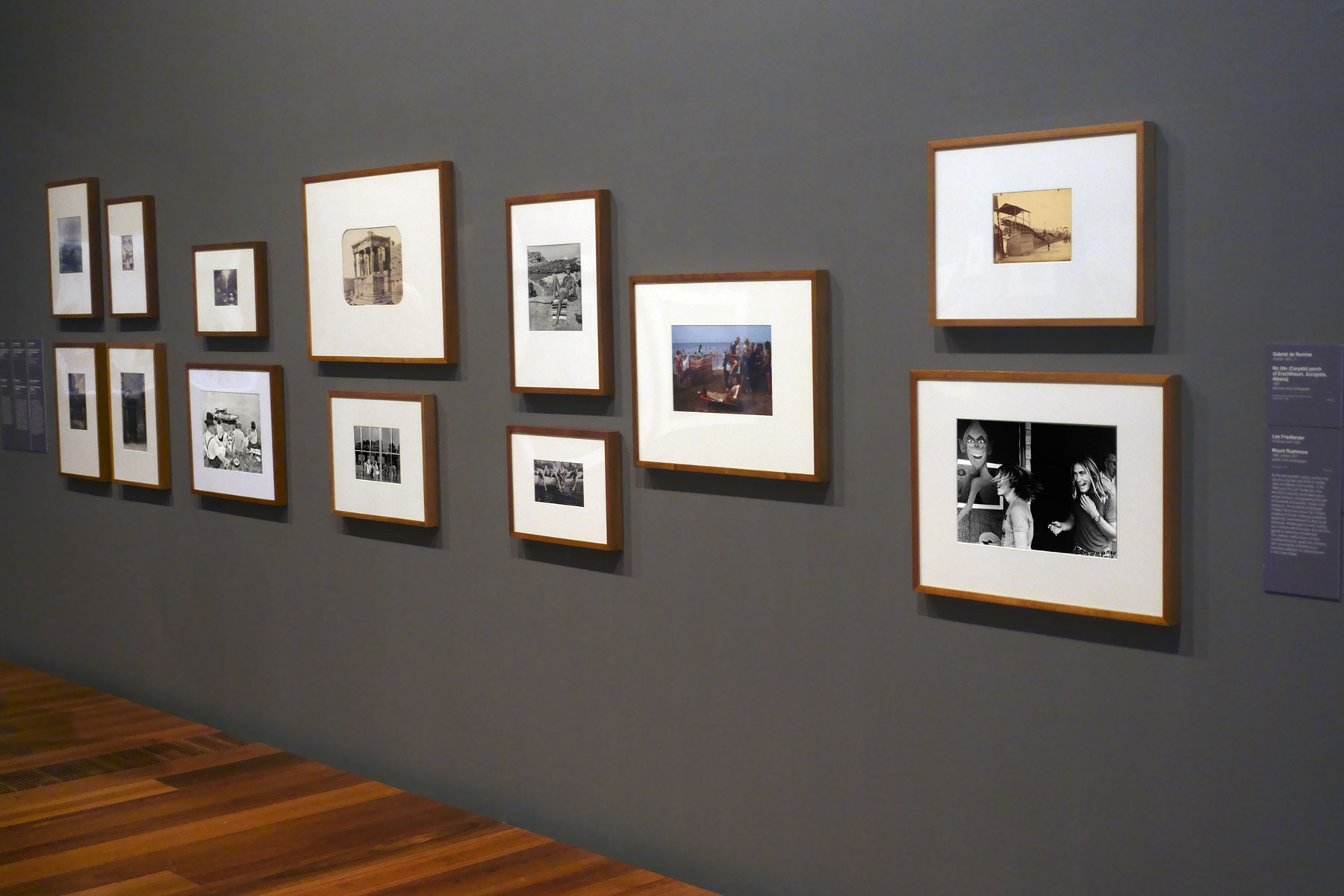
 

Installation view of the exhibition 'Photography: Real & Imagined' at The Ian Potter Centre: NGV Australia, Melbourne showing at third left bottom, Henri Cartier-Bresson's 'Sunday on the banks of the Marne' (1938, below); at fourth left top, Gabriel de Rumine’s 'Caryatid porch of Erechtheum, Acropolis, Athens' (1859, below); at fourth left bottom, Lee Friedlander's 'Mount Rushmore' (1969, below); at centre top, John Williams' 'Clovelly Beach, Sydney' (1969, below); at top right, Eugène Atget's 'The roller coaster, Invalides funfair (Montagnes russes, fête des Invalides)' (1898, below); and at bottom right, Roger Scott's 'Ghost train, Sydney Royal Easter Show' (1972? 1975? below)


Installation view of the exhibition Photography: Real & Imagined at The Ian Potter Centre: NGV Australia, Melbourne showing at third left bottom, Henri Cartier-Bresson’s Sunday on the banks of the Marne (1938, below); at fourth left top, Gabriel de Rumine’s Caryatid porch of Erechtheum, Acropolis, Athens (1859, below); at fourth left bottom, Lee Friedlander’s Mount Rushmore (1969, below); at centre top, John Williams’ Clovelly Beach, Sydney (1969, below); at top right, Eugène Atget’s The roller coaster, Invalides funfair (Montagnes russes, fête des Invalides) (1898, below); and at bottom right, Roger Scott’s Ghost train, Sydney Royal Easter Show (1972? 1975? below)
Photo: Marcus Bunyan


Installation view of the exhibition 'Photography: Real & Imagined' at The Ian Potter Centre: NGV Australia, Melbourne showing David Goldblatt's 'The playing fields of Tladi, Soweto, Johannesburg, August 1972'


Installation view of the exhibition Photography: Real & Imagined at The Ian Potter Centre: NGV Australia, Melbourne showing David Goldblatt’s The playing fields of Tladi, Soweto, Johannesburg, August 1972
Photo: Marcus Bunyan


Harold Cazneaux (Australian born New Zealand, 1878-1953) 'Fairy Lane steps' 1910


Harold Cazneaux (Australian born New Zealand, 1878-1953)
Fairy Lane steps
1910
Bromoil print
24.8 × 18.5cm
National Gallery of Victoria, Melbourne
Purchased, 1979
© The Cazneaux family


Harold Cazneaux was one of the most important and influential Australian photographers of the early twentieth century. He had a great love of the natural world but early in his career also found a rich subject in the inner-city streets of Sydney. Cazneaux made photographs that appear lively and spontaneous, although given the limitations of the equipment at the time they are almost certain to have been staged to a degree. His charming studies of children at play in city streets transformed the bleak, impoverished urban environments of inner-city Sydney into a wonderful playground.

Wall text from the exhibition


Installation view of the exhibition 'Photography: Real & Imagined' at The Ian Potter Centre: NGV Australia, Melbourne showing Helen Levitt's 'New York (Boys fighting on a pediment)' c. 1940


Installation view of the exhibition Photography: Real & Imagined at The Ian Potter Centre: NGV Australia, Melbourne showing Helen Levitt’s New York (Boys fighting on a pediment) c. 1940
Photo: Marcus Bunyan
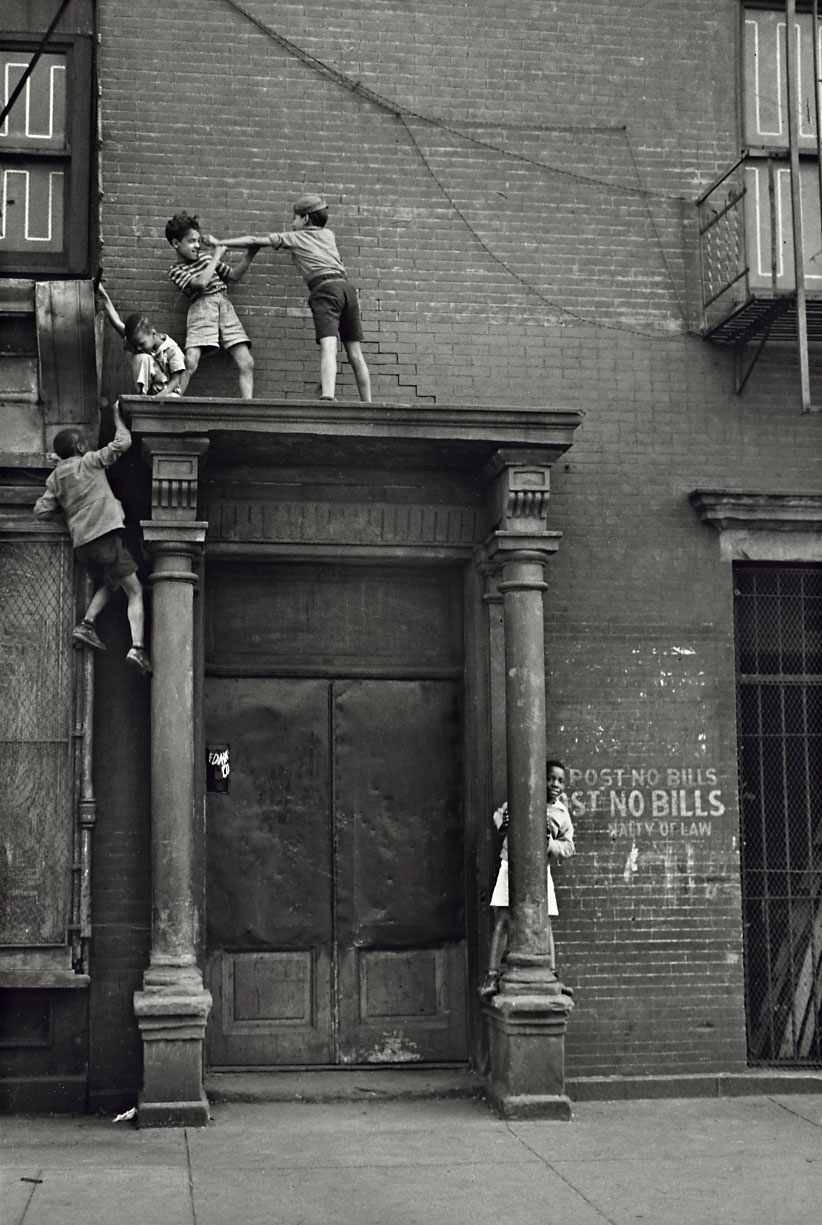
 

Helen Levitt (American, 1913-2009) 'New York (Boys fighting on a pediment)' c. 1940


Helen Levitt (American, 1913-2009)
New York (Boys fighting on a pediment)
c. 1940
Gelatin silver print
31.8 × 21.1cm
National Gallery of Victoria, Melbourne
Bowness Family Fund for Photography, 2022
Public domain
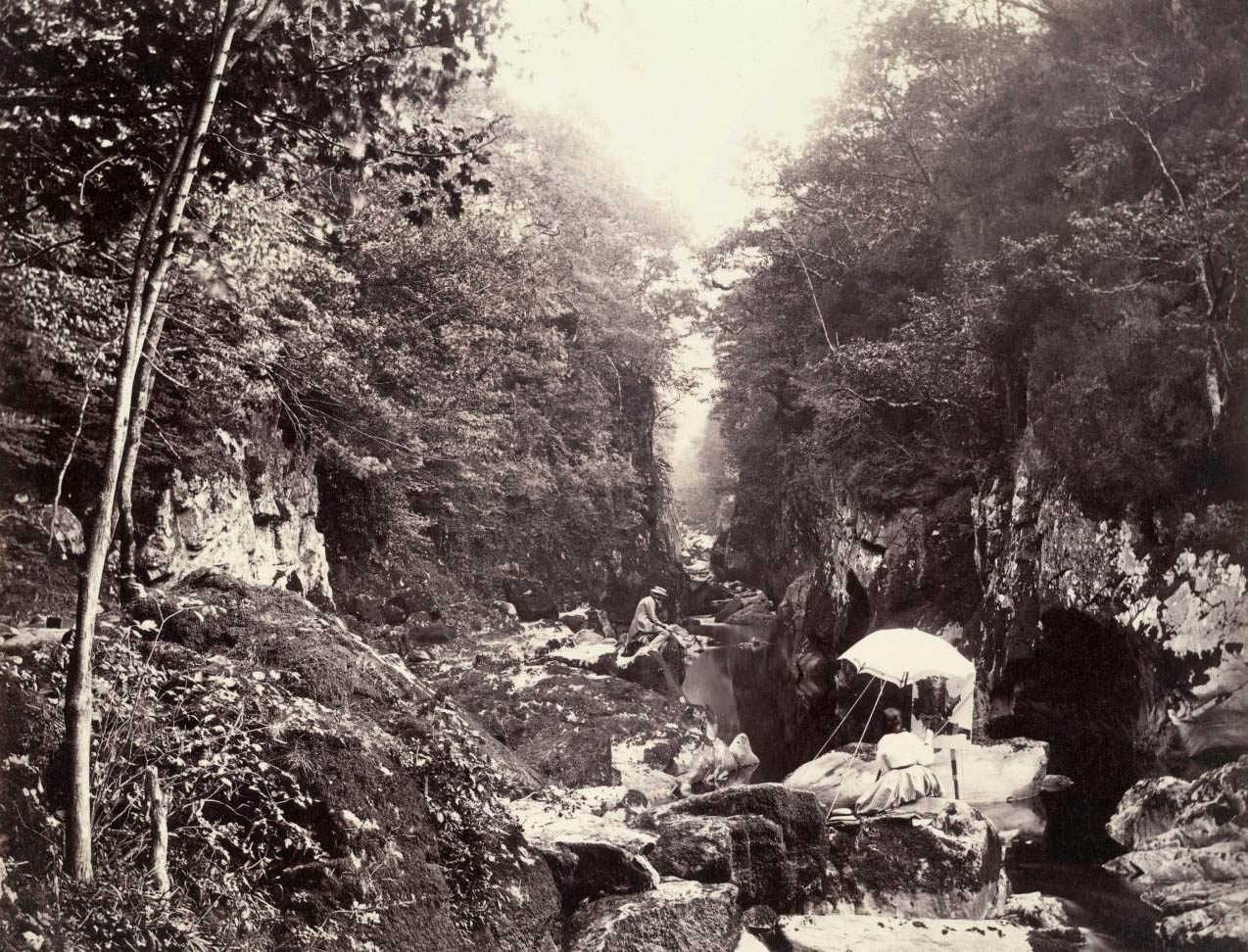
 

Francis Bedford (attributed to) (English, 1815-1894) 'Fairy Glen, Betws-y-Coed' (Ffos Noddyn, Betws-y-Coed) c. 1860


Francis Bedford (attributed to) (English, 1815-1894)
Fairy Glen, Betws-y-Coed
(Ffos Noddyn, Betws-y-Coed)
c. 1860
from the No title (Stephen Thompson album) (1859 – c. 1868)
Albumen silver photograph
13.7 × 17.8cm (image and sheet)
National Gallery of Victoria, Melbourne
Purchased from Admission Funds, 1988
Public domain
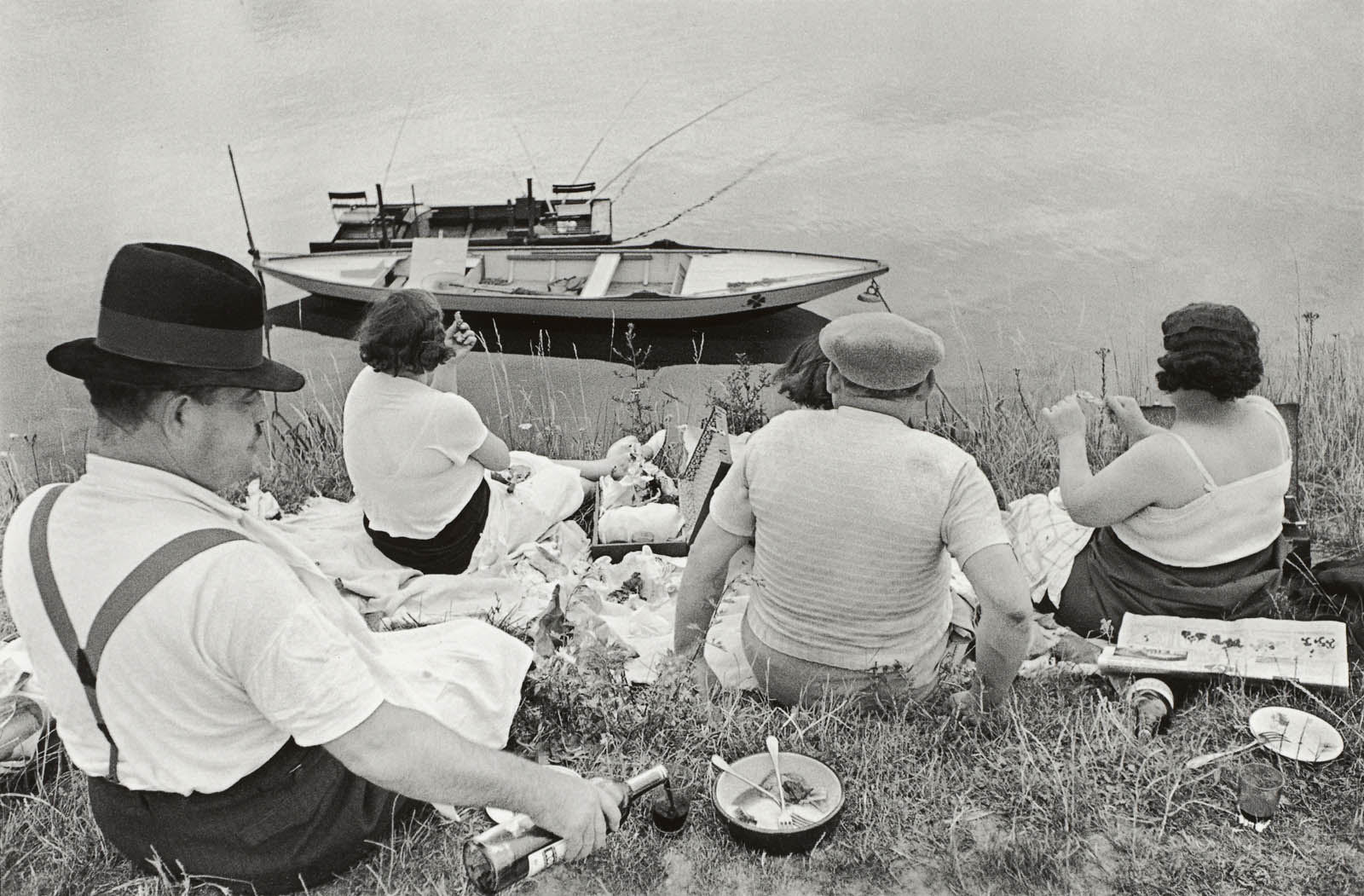
 

Henri Cartier-Bresson (French, 1908-2004) 'Sunday on the banks of the Marne, Juvisy, France' 1938


Henri Cartier-Bresson (French, 1908-2004)
Sunday on the banks of the Marne, Juvisy, France
1938; (1990s) {printed}
Gelatin silver photograph
29.1 x 43.9 cm (image)
National Gallery of Victoria, Melbourne
Purchased NGV Foundation, 2015
2015.566
© Fondation Henri Cartier-Bresson/Magnum Photos


In 1938 Henri Cartier-Bresson photographed a group of people picnicking on the banks of the river Marne. It is a celebratory image showing a quintessential aspect of everyday life in France: long Sunday lunches. But it also reveals something of the revolutionary politics of the period and their profound influence on Cartier-Bresson in the 1930s. In 1938 the left-wing Popular Front swept into power in France and the newly elected government mandated two weeks paid leave for all workers. At the time, Cartier-Bresson worked for the Paris-based communist press and was commissioned by Regards magazine to photograph an extended series that looked at the social impact of this initiative.

Wall text from the exhibition
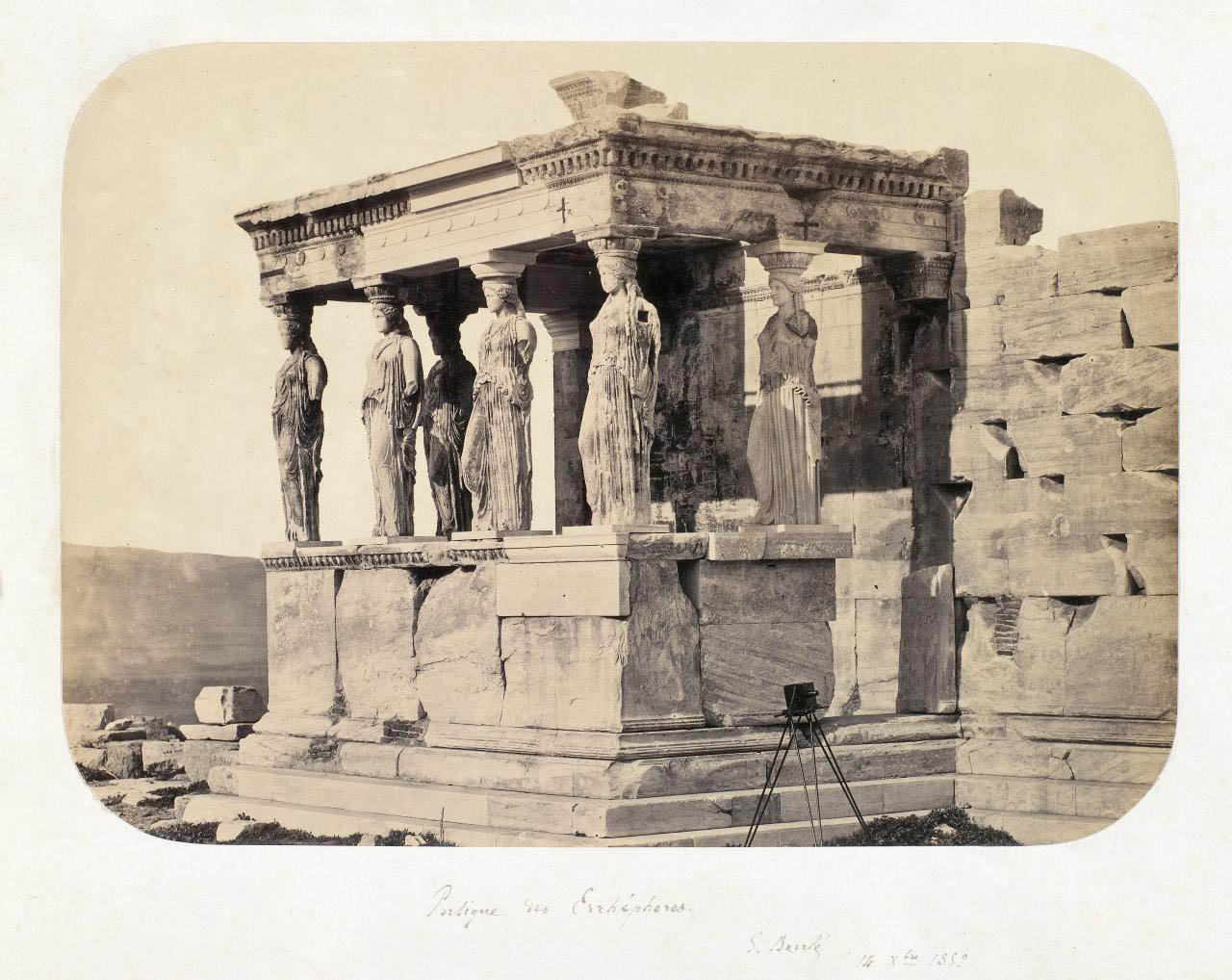
 

Gabriel de Rumine (European, 1841-1871) 'No title (Caryatid porch of Erechtheum, Acropolis, Athens)' 1859


Gabriel de Rumine (European, 1841-1871)
No title (Caryatid porch of Erechtheum, Acropolis, Athens)
1859
Albumen silver photograph
25.7 × 35.8cm irreg. (image and sheet)
National Gallery of Victoria, Melbourne
Presented by the National Gallery Women’s Association, 1995
Public domain


Installation view of the exhibition 'Photography: Real & Imagined' at The Ian Potter Centre: NGV Australia, Melbourne showing Lee Friedlander's 'Mount Rushmore' (1969)


Installation view of the exhibition Photography: Real & Imagined at The Ian Potter Centre: NGV Australia, Melbourne showing Lee Friedlander’s Mount Rushmore (1969, below)
Photo: Marcus Bunyan


Lee Friedlander (United States, b.  1934) 'Mount Rushmore' 1969, printed c. 1977


Lee Friedlander (United States, b.  1934)
Mount Rushmore
1969; printed c. 1977
Gelatin silver print
18.3 × 27.5cm
National Gallery of Victoria, Melbourne
Purchased, 1977
© Lee Friedlander, courtesy Fraenkel Gallery, San Francisco and Luhring Augustine, New York

 

Installation view of the exhibition 'Photography: Real & Imagined' at The Ian Potter Centre: NGV Australia, Melbourne showing John Williams' 'Clovelly Beach, Sydney' (1969)

Installation view of the exhibition 'Photography: Real & Imagined' at The Ian Potter Centre: NGV Australia, Melbourne showing John Williams' 'Clovelly Beach, Sydney' (1969)


Installation views of the exhibition Photography: Real & Imagined at The Ian Potter Centre: NGV Australia, Melbourne showing John Williams’ Clovelly Beach, Sydney (1969, below)
Photos: Marcus Bunyan
 

John Williams (1933- 2016) 'Clovelly Beach' 1964


John Williams (Australian, 1933-2016)
Clovelly Beach, Sydney
1969; printed 1988
Gelatin silver photograph
25.6 × 25.4cm
National Gallery of Victoria, Melbourne
Purchased, 1989
© John Williams
 

Eugène Atget (French, 1857-1927) 'The roller coaster, Invalides funfair (Montagnes russes, fête des Invalides)' 1898


Eugène Atget (French, 1857-1927)
The roller coaster, Invalides funfair (Montagnes russes, fête des Invalides)
1898
From the Festivals and Fairs series in the Art in Old Paris series 1898-1927
Albumen silver photograph
National Gallery of Victoria, Melbourne
Gift of Patrick Pound through the Australian Government’s Cultural Gifts Program, 2020
Public domain


Roger Scott. 'Ghost train, Sydney Royal Easter Show' 1972? 1975?


Roger Scott (Australian, b. 1944)
Ghost train, Sydney Royal Easter Show
1972? 1975?
Gelatin silver print
30.4 × 45.6cm
National Gallery of Victoria, Melbourne
Gift of Mr James Mollison, 1994
© Roger Scott


The Ian Potter Centre: NGV Australia
Federation Square
Corner of Russell and 
Flinders Streets, Melbourne

Opening hours:
Daily 10am – 5pm

National Gallery of Victoria website

LIKE ART BLART ON FACEBOOK

Back to top

Exhibition: ‘Hoda Afshar: A Curve is a Broken Line’ at the Art Gallery of New South Wales, Sydney

Exhibition dates: 2nd September 2023 – 21st January 2024


Hoda Afshar (Iran, Australia, b. 1983) 'Portrait #3' 2014 From the series 'In the exodus, I love you more' 2014 - ongoing


Hoda Afshar (Iran, Australia, b. 1983)
Portrait #3
2014
From the series In the exodus, I love you more 2014 – ongoing
Pigment photographic print
47 x 59cm
© Hoda Afshar, image courtesy the artist


“Mixed-up times are overflowing with both pain and joy – with vastly unjust patterns of pain and joy, with unnecessary killing of ongoingness but also with necessary resurgence. The task is to make kin in lines of inventive connection as a practice of learning to live and die well with each other in a thick present. Our task is to make trouble, to stir up potent response to devastating events, as well as to settle troubled waters and rebuild quiet places.”


Donna Haraway, 2016


“… according to one’s structure and position, each of us sees certain facets, certain parts of facets (…).”


Alberto Giacometti


It’s great to see Melbourne artist Hoda Afshar have a mid-career survey exhibition at the Art Gallery of New South Wales. With her strong bodies of work over recent years she surely deserves such an accolade.

Unfortunately I can’t make any comment on the exhibition Hoda Afshar: A Curve is a Broken Line itself – its flow from body of work to body of work, from space to space; the colours used behind the photographs; the sequencing of the work; and how the different sizes of the photographs bring the viewer forward and push them back – because I have not seen the exhibition. But, as always with the work of Afshar, it would seem her compassionate, lyrical, conceptual images are displayed with a clear seeing and focus on the stories that the artist wishes to tell.

Many words have been written by others (below) about significant aspects of Afshar’s work: the layers of displacement, difference and marginality; othering and image-making; war, statelessness, diaspora, oppression, corruption, torment, identity, place … which relate to the “relativity of reality” (the view that people are active participants in the construction of their own reality) imbued in her work. Indeed, “concepts of identity develop across the social spectrum – from within the self, within the culture, and within the political arena.”1  You can read these texts at your leisure. But from what I can see in the media images the exhibition exemplifies, as writer Celina Lei notes, “how her practice has matured while still carrying forth that visual pull – aesthetically, intellectually and emotionally.”

From what I can observe and feel the images are strongly composed, rigorously conceived and carry emotional weight when combined in sequences. Single images are ambiguous but when combined into a flow of images the narrative comes alive. People are framed against contextless backgrounds, they turn away from the camera, they shield their eyes and their identity or have their faces obscured by tree branches – so much of Afshar’s work is about absence, loss, longing, persecution, the impermanence of identity and the conflicting perceptions of a constructed, lived reality.

What I take issue with is John McDonald’s comparison of Afshar’s work with that of William Eggleston: works in her ongoing series In the exodus, I love you more (2014-) which capture diverse images of Iran “have the same mixture of ordinariness and oddity one finds in the work of a photographer such as William Eggleston.”2 Nothing could be farther from a form of reality. Eggleston’s images are never ordinary, are frequently surreal and bizarre, shot from a low or high angle (often with lurid colour ways) and possess a cutting social commentary on American culture … whereas Afshar’s photographs are poetic, sublime, lyrical emanations of ‘reality’ and if they do picture some oddity they lack the intense “bite” of an Eggleston image – something I would like to see Afshar reintroduce into her image making.

Many of her images are reflective, meditative, and approach the subject matter in an oblique manner which illuminates “how photography can activate new ways of thinking” … all well and good, but I long for a little more guts and directness to some of her individual images (physically, literally not intellectually). Her early series Under Western Eyes for example, contains biting, quirky creativity but for obvious reasons has not been included in this exhibition because it doesn’t fit the style of the smooth, polished, buffed, ambiguous and other worldly later work.

I also take issue with Tom Williams’ observation. “Even in her early, nominally “documentary” series, you can sense an embracing of the ambiguity of the still image, and an interest in composing a reality more vivid (and perhaps genuine) than dispassionate reportage might be capable of.”3 I disagree with the second part of this statement.

Having recently spent hours assembling a huge posting of photographs on the war in Ukraine – images which picture the ordinariness and atrocity of war – nothing, literally nothing, can be more vivid and genuine than the images of that war captured by brave Ukrainian photographers (see examples below). The same can be said of the genocide happening in Gaza and the photographs emerging from that massacre.

But as John McDonald intelligently observes, “The tragic events that have unfolded in Israel and Gaza over the past month should be enough to remind us that art is powerless in the face of real political upheaval. The most an artist can do to effect social and political change is to create a few striking images that circulate beyond the thought-absorbing walls of the art museum. Even then, any change to people’s attitudes is bound to be incremental and highly personal.”4

Most images then, have little power to change public and personal opinion… all they can do is proffer alternate visions and interpretations of the world and hope that some glimmer of recognition of injustice, difference and otherness will permeate the mind of the viewer. And while Afshar’s photographs do not effect social and political change what they do is bring to consciousness in the viewer “other” aspects of the realities of the world. Through the visibility of her images she exposes the phallocracy of the masculine, singular definition of truth. As David Smail suggests when speaking on the nature of ‘truth’,

“Though the truth is not just a matter of personal perspective, neither is it fixed and certain, objectively ‘out there’ and independent of human knowing. ‘The truth’ changes according to, among other things, developments and alterations in our values and understandings… the ‘non-finality’ of truth is not to be confused with a simple relativity of ‘truths’.”5

Afshar’s photographs address the simple relativity of many ‘truths’, the tension between “forms” … of truth and reality. Truths and reality, what is seen and not seen. So much of being alive is breaking…

Dr Marcus Bunyan


Footnotes

1/ Ari Hakkarainen. “‘The Urgency of Resistance’: Rehearsals of Death in the Photography of David Wojnarowicz” 2018

2/ John McDonald. “Politically charged or aesthetically ambitious? This show is the best of both worlds,” on The Sydney Morning Herald website November 3, 2023 [Online] Cited 05/02/2024

3/ Tom Williams. “How photography can reveal, overlook and manipulate truth: the fearless work of Australian Iranian artist Hoda Afshar,” on The Conversation website September 8, 2023 [Online] Cited 05/02/2024

4/ McDonald, op cit.,

5/ David Smail. Illusion & Reality: The Meaning of Anxiety. London: J.M. Dent & Sons, 1984, p. 152.


Many thankx to the Art Gallery of New South Wales for allowing me to publish the photographs in the posting. Please click on the photographs for a larger version of the image.


Mstyslav Chernov (Ukrainian, b. 1985) / AP 'Doctors unsuccessfully try to resuscitate a girl hit by Russian shelling in Mariupol, Ukraine. February 27, 2022' 2022


Mstyslav Chernov (Ukrainian, b. 1985) / AP
Doctors unsuccessfully try to resuscitate a girl hit by Russian shelling in Mariupol, Ukraine. February 27, 2022
2022

Used under fair use conditions for the purposes of education, research, criticism and review


Alexey FurmanAlexey Furman (Ukrainian, b. 1991) / Getty Images 'A young girl cries as a man bids his daughter goodbye at the railway station in Lviv, Ukraine, on March 22, 2022. Lviv has served as a stopover and shelter for the millions of Ukrainians fleeing the Russian invasion, either to the safety of nearby countries or the relative security of western Ukraine' 2022


Alexey FurmanAlexey Furman (Ukrainian, b. 1991) / Getty Images
A young girl cries as a man bids his daughter goodbye at the railway station in Lviv, Ukraine, on March 22, 2022. Lviv has served as a stopover and shelter for the millions of Ukrainians fleeing the Russian invasion, either to the safety of nearby countries or the relative security of western Ukraine’
2022

Used under fair use conditions for the purposes of education, research, criticism and review


Sergi Mykhalchuk (Ukrainian, b. 1972) 'Evacuation of civilians from Irpіn, Ukraine. March 4-5, 2022'


Sergi Mykhalchuk (Ukrainian, b. 1972)
Evacuation of civilians from Irpіn, Ukraine. March 4-5, 2022
2022

Used under fair use conditions for the purposes of education, research, criticism and review


Mstyslav Chernov (Ukrainian, b. 1985) / AP 'Mariana Vishegirskaya stands outside a maternity hospital that was damaged by shelling in Mariupol, Ukraine, March 9, 2022. Vishegirskaya survived the shelling and later gave birth to a girl in another hospital in Mariupol' 2022


Mstyslav Chernov (Ukrainian, b. 1985) / AP
Mariana Vishegirskaya stands outside a maternity hospital that was damaged by shelling in Mariupol, Ukraine, March 9, 2022. Vishegirskaya survived the shelling and later gave birth to a girl in another hospital in Mariupol
2022

Used under fair use conditions for the purposes of education, research, criticism and review


“I see art-making as a process of “unselfing” – you can be outside of your body, less focused on what’s inside, and see yourself in relation to the broader world.”⁠


Hoda Afshar


“In co-opting the documentary genre, Afshar harnesses its truth-telling power while simultaneously telling another story – one that is often unspoken or at odds with what we are told by those in power.”


Susan Acret. “Hoda Afshar’s Fragments of Reality,” on the Ocula website Sydney, 3 February 2023 [Online] Cited 11/12/2023


Through her poetically constructed images, Hoda Afshar illuminates a world overshadowed by history and atrocity. Yet we never see despair: we see defiance, comradeship, reinvention and a search for how photography can activate new ways of thinking. …

What unites her materially diverse work is a concern with visibility: who is denied it, what is made visible by media, and how photography can reveal, overlook and manipulate truth.

Much of her work addresses critical humanitarian issues of our time: war, statelessness, diaspora, oppression, corruption. She challenges stereotypes. We don’t see passive victims or closed narratives: we are introduced to new perspectives that might lead us to reappraise the world we inhabit.


Anonymous. “How photography can reveal, overlook and manipulate truth,” on the University of Wollongong website September 8, 2023 [Online] Cited 11/01/2023


The title of the exhibition was inspired by lines in a poem by Kaveh Akbar:

a curve is a straight line broken at all its points so much
of being alive is breaking.


Through her photographs and moving image works, Iranian-born, Melbourne-based Hoda Afshar examines the politics of image-making. Deeply researched yet emotionally sensitive, her work can be seen as a form of activism as much as an artistic inquiry.

Afshar uses the camera to give visibility to those who have been denied it, resolutely insisting on the humanity of her subjects. She makes us contend with violence and brutality, not through blunt imagery but through evocation. Her work is anchored in empathy yet also radical in the way it wrestles with injustice.

This exhibition will feature photography and film from the past decade to present a comprehensive overview of Afshar’s recent practice, including a newly commissioned series. Amassed together in dialogue for the first time in a major public institution, these works offer a poignant reminder of the power of images and their coercive potential.

An accompanying publication offers critical insight into Afshar’s work as well as creative and experimental responses from a range of writers.

Text from the Art Gallery of New South Wales website


“The tragic events that have unfolded in Israel and Gaza over the past month should be enough to remind us that art is powerless in the face of real political upheaval. The most an artist can do to effect social and political change is to create a few striking images that circulate beyond the thought-absorbing walls of the art museum. Even then, any change to people’s attitudes is bound to be incremental and highly personal. …

Like Valamanesh, Afshar has never been able to let go of her brutalised, much-maligned country. In her ongoing series, In the exodus, I love you more (2014-), which takes its title from a line by Palestinian poet Mahmoud Darwish, she returns time and again to Iran, capturing diverse images that have the same mixture of ordinariness and oddity one finds in the work of a photographer such as William Eggleston. Landscapes, street scenes, portraits, horses, peacocks, a building draped in heavy curtains, a hose in a courtyard … nothing is disqualified from an idiosyncratic overview that digs under the skin of her birthplace. The same applies, but with added eeriness, to the series Speak to the wind (2015-22), set on the island of Hormuz, off the southern coast of Iran.”

John McDonald. “Politically charged or aesthetically ambitious? This show is the best of both worlds,” on The Sydney Morning Herald website November 3, 2023 [Online] Cited 05/02/2024


“Through her poetically constructed images, Hoda Afshar illuminates a world overshadowed by history and atrocity. Yet we never see despair: we see defiance, comradeship, reinvention and a search for how photography can activate new ways of thinking. …

Even in her early, nominally “documentary” series, you can sense an embracing of the ambiguity of the still image, and an interest in composing a reality more vivid (and perhaps genuine) than dispassionate reportage might be capable of. …

What unites her materially diverse work is a concern with visibility: who is denied it, what is made visible by media, and how photography can reveal, overlook and manipulate truth.

Much of her work addresses critical humanitarian issues of our time: war, statelessness, diaspora, oppression, corruption. She challenges stereotypes. We don’t see passive victims or closed narratives: we are introduced to new perspectives that might lead us to reappraise the world we inhabit. …

Hoda Afshar’s work addresses conflict, injustice, mobility and the often fragile state of being alive. It reminds us that dominant powers can be challenged by exposing truth and envisioning something new.”

Tom Williams. “How photography can reveal, overlook and manipulate truth: the fearless work of Australian Iranian artist Hoda Afshar,” on The Conversation website September 8, 2023 [Online] Cited 05/02/2024


“Social and political commentary is a given in much of her work, but her lens remains sympathetic, never othering. This is highlighted in sections throughout Hoda Afshar: A Curve is a Broken Line. Her portraits of stateless asylum seekers on Manus Island, Papua New Guinea, taken in 2018, display power and dignity in visibility, despite lived experiences of harshness and torment.”

Celina Lei. “Exhibition review: Hoda Afshar – A Curve is a Broken Line, AGNSW,” on the Artshub website 13 Sep 2023 [Online] Cited 05/02/2024


Installation view of the exhibition 'Hoda Afshar: A Curve is a Broken Line' at the Art Gallery of New South Wales, 2023 showing work from the series 'In the exodus, I love you more' 2014- ongoing

Installation view of the exhibition 'Hoda Afshar: A Curve is a Broken Line' at the Art Gallery of New South Wales, 2023 showing work from the series 'In the exodus, I love you more' 2014- ongoing


Installation views of the exhibition Hoda Afshar: A Curve is a Broken Line at the Art Gallery of New South Wales, 2023 showing work from the series In the exodus, I love you more 2014- ongoing
Photo: © Art Gallery of New South Wales, Christopher Snee


Hoda Afshar (Iran, Australia, b. 1983) 'Untitled' 2014 From the series 'In the exodus, I love you more' 2014- ongoing


Hoda Afshar (Iran, Australia, b. 1983)
Untitled
2014
From the series In the exodus, I love you more 2014- ongoing
Pigment photographic print
© Hoda Afshar, image courtesy the artist


Hoda Afshar (Iran, Australia, b. 1983) 'Grace' 2014 From the series 'In the exodus, I love you more' 2014- ongoing


Hoda Afshar (Iran, Australia, b. 1983)
Grace
2014
From the series In the exodus, I love you more 2014- ongoing
Pigment photographic print
47 x 59cm
© Hoda Afshar, image courtesy the artist


In the exodus, I love you more (2014-) is a portrait of her home country formed by experiences of familiarity and distance. The artist is both at home and searching, like an outsider. Images suggest at times an intimate proximity, and at others a separation akin to the one made by raising a camera to your eye.

Afshar examines her experience of migration and, she tells me, seeks to “dismantle the idea of there being one way of seeing Iran.”

The final image in this series shows the erasure of a woman’s face in a painted Persian miniature.

Tom Williams. “How photography can reveal, overlook and manipulate truth: the fearless work of Australian Iranian artist Hoda Afshar,” on The Conversation website September 8, 2023 [Online] Cited 08/11/2023


Hoda Afshar (Iran, Australia, b. 1983) 'Crease' 2014 From the series 'In the exodus, I love you more' 2014 - ongoing


Hoda Afshar (Iran, Australia, b. 1983)
Crease
2014
From the series In the exodus, I love you more 2014 – ongoing
Pigment photographic print
23 x 29cm
© Hoda Afshar, image courtesy the artist


Hoda Afshar (Iran, Australia, b. 1983) 'Draw' 2016 From the series 'In the exodus, I love you more' 2014 - ongoing


Hoda Afshar (Iran, Australia, b. 1983)
Draw
2016
From the series In the exodus, I love you more 2014 – ongoing
Pigment photographic print
81 x 102cm
© Hoda Afshar, image courtesy the artist


Hoda Afshar (Iran, Australia, b. 1983) 'Twofold' 2014, printed 2023 From the series 'In the exodus, I love you more' 2014 - ongoing


Hoda Afshar (Iran, Australia, b. 1983)
Twofold
2014, printed 2023
From the series In the exodus, I love you more 2014 – ongoing
Digital print on vinyl, installation dimensions variable
© Hoda Afshar, image courtesy the artist


In September, the Art Gallery of New South Wales will present Hoda Afshar: A Curve is a Broken Line, the first major solo exhibition of one of Australia’s most innovative and unflinching photo-media artists, Iranian-born, Melbourne-based Hoda Afshar.

Featuring photographs and moving image works from the past decade, including a newly commissioned series, the comprehensive exhibition provides an overview of the artist’s recent practice and examines the politics of art making. Amassed together in dialogue for the first time by a major public institution, these works offer a poignant reminder of the power of images and their coercive potential.

Art Gallery of NSW director Michael Brand said it is a great pleasure to present Afshar’s first major solo exhibition at the Art Gallery of NSW.

‘Hoda Afshar is one of the most exciting artists working in Australia today. While her work explores themes of violence and pain, it also speaks to the transformative potential of image-making which is of profound importance to art institutions, as agents of advocacy and emotional encounter,’ said Brand.

‘Her work gives visibility to marginalised voices and serves as a powerful reminder of art’s capacity to embolden, inspire, and move. Her own voice as an artist is a defiantly international one.’

Since she first began working with photography in the early 2000s, Afshar has resolutely insisted on the humanity of her subjects. She is sensitive to the camera’s status as an imperialist tool that has long been used to define how history is told and how power is consolidated. Throughout her practice, she has involved her subjects in the act of photographing them in order to equalise the power dynamic that exists between photographer and photographed and return agency to those she depicts.

Exhibition curator, Art Gallery of NSW senior curator of contemporary Australian art Isobel Parker Philip said: ‘Hoda Afshar’s work is both deeply researched and poetically resonant and can be seen as a form of activism as much as an artistic inquiry.

‘Hoda’s approach is unique in that she makes us contend with brutality, not through blunt imagery but through evocation. Her work is anchored in compassion yet also radical in the way it wrestles with injustice.

‘Hoda’s photographs and videos are emotionally embroiled in the world they depict. It is this fact that makes a survey of her work both compelling and timely.’

Hoda Afshar: A Curve is a Broken Line includes the reveal of a new body of work commissioned for the exhibition, titled In turn 2023, which is a series of large-scale photographs depicting Iranian women who, like Afshar, live in Australia and have watched, from afar, the women-led Iranian uprising that began in September 2022. Presented one year on from when the uprising started, the portrait series is something of an elegy, speaking to their shared grief and their shared hope.

Among the most recognisable works featured in the exhibition, is Behrouz Boochani – Manus Island 2018, which was acquired by the Art Gallery in 2020 from Afshar’s pivotal series Remain 2018, which comprises a video and suite of photographs. Made on Manus Island, Papua New Guinea with a group of stateless asylum seekers, the video and photographs of Remain serve as testimony to the lived impact of Australia’s border protection policy.

The exhibition is accompanied by a publication, Hoda Afshar: A Curve is a Broken Line (RRP$65) featuring new writing by curator Isobel Parker Philip and writers including Hala Alyan, Elyas Alavi, Behrouz Boochani, Andrew Brooks and Astrid Lorange (working as the duo Snack Syndicate), Taous Dahmani, Shahram Khosravi and Sarah Sentilles.

Press release from the Art Gallery of New South Wales


Hoda Afshar (Iran, Australia, b. 1983) 'Untitled #4' From the series 'Behold' 2016


Hoda Afshar (Iran, Australia, b. 1983)
Untitled #4
From the series Behold 2016
Pigment photographic print
95 x 120cm
© Hoda Afshar, image courtesy the artist


Hoda Afshar (Iran, Australia, b. 1983) 'Untitled #6' rom the series 'Behold' 2016


Hoda Afshar (Iran, Australia, b. 1983)
Untitled #6
rom the series Behold 2016
Pigment photographic print
95 x 120cm
© Hoda Afshar, image courtesy the artist


Behold (2016)

The series Behold was made while the artist was travelling in the Middle East and befriended a group of young gay men who invited her to photograph them in a local male-only bathhouse.

The title Behold is alluding to the role of the viewer, the camera, in partially constructing the meaning of these images. For instance, the visible expressions of male intimacy tend to be viewed through a very narrow sexualized frame in the West, but in Iran, like elsewhere in the East, it is quite normal to see men engaged in physical contact, embracing each other and kissing cheeks, physically massaging each other in bathhouses, without it being sexualized. It is like public displays of breastfeeding and images of naked infants or adolescents – and also male intimacy – it is always interesting for me the reactions that these things engender in the West – the weird sort of prohibitions, and paranoias that surround the displaying of certain bodies or their interactions.⁠

Picking up on something that John Berger said for example – if we were to replace the men in these images with women then of course the reaction would be very different. So returning to the idea of viewing: this work for me (now, upon reflection) is also about challenging the viewer – or different viewers – about these things. because despite the points just mentioned, the dominant reading of the work will still likely be about the censorship of bodies and identities in a particularly religious environment. But again what I am suggesting is that this has something, though not everything, to do with our own framing.

Hoda Afshar Instagram page


In Behold (2016), once more we see acts of resolute defiance by people performing for the camera. Afshar was invited by a group of gay men to observe re-enacted gestures of protection and intimacy outlawed in most of the Middle East.

Unable to freely express their love in society, they disclose and affirm it for Afshar and her lens.

Tom Williams. “How photography can reveal, overlook and manipulate truth: the fearless work of Australian Iranian artist Hoda Afshar,” on The Conversation website September 8, 2023 [Online] Cited 08/11/2023


Behold was made unexpectedly, and without design. I was travelling in a city that I sometimes return to, and I got to know a group of gay men. There, where they live, these men (and many others like them) are mostly left to be. But only on the condition that they lead one part of their lives in secret. Rarely, that is, do their bodies ever meet in open honesty outside, in public. Only here, in this bathhouse, where their desire to be seen and embraced by others – just to be and to be held – is played out the partial openness of these four closed walls.

The bathhouse no longer exists. But while it still did, these men invited me to document it and a little glimpse of their lives in it. We arrived, but I was not allowed to enter. So we rented the place, and for a few hours I took pictures while these men played themselves performing their lives for my peering camera, in order that their desire to be seen might be realised, in part at least, here in the world of the images – in the act of beholding, where the bare thereness of life is transformed from mere appearing or appearance, into something more meaningful … into recognition.

Hoda Afshar. “11 Works by Hoda Afshar,” on the Cordite website 1 August 2018 [Online] Cited 09/11/2023


Hoda Afshar (Iran, Australia, b. 1983) 'Untitled #7' From the series 'Behold' 2016


Hoda Afshar (Iran, Australia, b. 1983)
Untitled #7
From the series Behold 2016
Pigment photographic print
95 x 120cm
© Hoda Afshar, image courtesy the artist


Installation view of the exhibition 'Hoda Afshar: A Curve is a Broken Line' at the Art Gallery of New South Wales, 2023 showing 'Ibrahim Mahjid – Manus Island' from the series 'Remain' 2018


Installation view of the exhibition Hoda Afshar: A Curve is a Broken Line at the Art Gallery of New South Wales, 2023 showing Ibrahim Mahjid – Manus Island from the series Remain 2018
Photo: © Art Gallery of New South Wales, Christopher Snee


Hoda Afshar (Iran, Australia, b. 1983) 'Remain' (video still) 2018


Hoda Afshar (Iran, Australia, b. 1983)
Remain (video still)
2018
From the series Remain 2018
Dual channel digital video, colour, sound
Two-channel digital video, colour, sound, duration 23:33 min, aspect ratio 16:9, installation dimensions variable
Art Gallery of New South Wales
Purchased with funds provided by the Contemporary Collection Benefactors 2020
© Hoda Afshar


Hoda Afshar | Remain (excerpt)


Remain (2018)

Remain addresses Australia’s contentious border protection policy and the human rights of asylum seekers. The work was made in collaboration with several of the men who remained on Manus Island, Papua New Guinea, six or more years after they left their homelands to seek asylum in Australia, but instead were sent to languish in the remote offshore detention centre. The work involves these men retelling their individual and shared stories through staged images, words, and poetry, and bearing witness to life in the Manus camps: from the death of friends and dreams of freedom, to the strange air of beauty, boredom, and violence that surrounds them on the island.

Afshar believes ‘typical images of refugees only reinforce in the eyes of the viewer their inferior image and position’. Afshar, in collaboration with the people in her
portraits, attempted to create ‘an artwork – using the language of poetry, performance, and song – that defies such logic, and forces the viewer to confront their
own incomprehension, as well as the very inexplicableness of the situation that these men face.’ Collaboration, trust and empathy is an important aspect of Afshar’s art practice. She says:

One portrait shows a stateless Kurdish refugee called Emad struggling under a downpour of sand. When I asked him what natural element he wanted to use in his image, he chose soil. He said: ‘It reminds me of land; the land that I was torn from; the land that has been torn from me. From us. Soil is the most precious idea in Kurdish culture. But we are stateless. I’ve been stateless my whole life.’

Afshar’s criticism of documentary photography isn’t aimed at photographers themselves, or their intentions: ‘It’s important for all of us to look at the visual languages that we inherited, that are predominantly imperial visual languages, and ask questions about why we’re framing things in a certain way.’

Anonymous. “Counihan Gallery learning resource – Means Without End Hoda Afshar,” on the Merri-bek City Council website [Online] Cited 08/11/2023


Hoda Afshar – Introduction to Remain

Hoda Afshar’s 2018 body of work Remain is an unflinchingly political commentary on Australia’s border protection policy and serves as testimony to its assault of human rights. Encompassing a film and a suite of photographic portraits, Remain speaks the stories of a group of stateless men who remained on Manus Island, Papua New Guinea, after the immigration detention centre closed in October 2017. In the film, their experiences are recounted as episodic fragments shot through with violence in voice overs that are by turns lyrical and brutal. Some recite poetry, some sing, some remember the riots and the suicides. As their stories unfold, the camera pans over a picturesque landscape – lush foliage and crystal-clear water. A ‘green hell’ as one man describes it. It is the abrupt collision of these two registers, the haunting narrative and the idyllic imagery, that carries the emotional force of the work. It is beautiful and horrifying at the same time.

The accompanying photographic portraits of the same protagonists are insistent and powerful. They stand before us, in the foreground of the image, against a dark backdrop. In these photographs, there is nothing to distract us from the figures themselves. Nothing to detract from the simple fact of their presence. They each assert their right to be seen. The bluntness of this gesture is itself a political act. For that is what detention does; it makes individuals invisible. In these portraits, Afshar acknowledges the plight of these men metaphorically. They are beset by the elements, by fire, water and earth. But at no point is their humanity questioned.

Text from the Art Gallery of New South Wales website


Hoda Afshar (Iran, Australia, b. 1983) 'Behrouz Boochani – Manus Island' 2018 From the series 'Remain'


Hoda Afshar (Iran, Australia, b. 1983)
Behrouz Boochani – Manus Island
2018
From the series Remain
Inkjet archival print
130 x 104cm
Art Gallery of New South Wales
Purchased with funds provided by the Contemporary Collection Benefactors 2020
© Hoda Afshar


Behrouz Boochani (Persian, b. 1983)

Behrouz Boochani (Persian: بهروز بوچانی; born 23 July 1983) is a Kurdish-Iranian journalist, human rights defender, writer and film producer living in New Zealand. He was held in the Australian-run Manus Island detention centre in Papua New Guinea from 2013 until its closure in 2017. He remained on the island before being moved to Port Moresby along with the other detainees around September 2019. On 14 November 2019 he arrived in Christchurch on a one-month visa, to speak at a special event organised by WORD Christchurch on 29 November, as well as other speaking events. In December 2019, his one month visa to New Zealand expired and he remained on an expired visa until being granted refugee status in July 2020, at which time he became a Senior Adjunct Research Fellow at the University of Canterbury.

Boochani is the co-director, along with Iranian film maker Arash Kamali Sarvestani, of the documentary Chauka, Please Tell Us the Time, has published numerous articles in leading media internationally about the plight of refugees held by the Australian government on Manus Island, and has won several awards.

His memoir, No Friend But the Mountains: Writing from Manus Prison, won the Victorian Prize for Literature and the Victorian Premier’s Prize for Nonfiction in January 2019. The book was tapped out on a mobile phone in a series of single messages over time and translated from Persian into English by Omid Tofighian.

After the November 2022 publication of his second collection of writings, Freedom, Only Freedom: The Prison Writings of Behrouz Boochani, Boochani visited Australia for the first time to promote the book in December 2022.

Text from the Wikipedia website


Hoda Afshar (Iran, Australia, b. 1983) 'Emad Moradi – Manus Island' 2018 From the series 'Remain'


Hoda Afshar (Iran, Australia, b. 1983)
Emad Moradi – Manus Island
2018
From the series Remain
Inkjet archival print
130 x 83cm
Art Gallery of New South Wales
Purchased with funds provided by the Contemporary Collection Benefactors 2020
© Hoda Afshar


Hoda Afshar’s 2018 body of work Remain is an unflinchingly political commentary on Australia’s border protection policy and serves as testimony to its assault of human rights. Encompassing a film and a suite of photographic portraits, Remain speaks the stories of a group of stateless men who remained on Manus Island, Papua New Guinea, after the immigration detention centre closed in October 2017. In the film, their experiences are recounted as episodic fragments shot through with violence in voice overs that are by turns lyrical and brutal. Some recite poetry, some sing, some remember the riots and the suicides. As their stories unfold, the camera pans over a picturesque landscape – lush foliage and crystal-clear water. A ‘green hell’ as one man describes it. It is the abrupt collision of these two registers, the haunting narrative and the idyllic imagery, that carries the emotional force of the work. It is beautiful and horrifying at the same time.

The accompanying photographic portraits of the same protagonists are insistent and powerful. They stand before us, in the foreground of the image, against a dark backdrop. In these photographs, there is nothing to distract us from the figures themselves. Nothing to detract from the simple fact of their presence. They each assert their right to be seen. The bluntness of this gesture is itself a political act. For that is what detention does; it makes individuals invisible. In these portraits, Afshar acknowledges the plight of these men metaphorically. They are beset by the elements, by fire, water and earth. But at no point is their humanity questioned.

Text from the Art Gallery of New South Wales website


Hoda Afshar (Iran, Australia, b. 1983) 'Ari Sirwan – Manus Island' 2018 From the series 'Remain'


Hoda Afshar (Iran, Australia, b. 1983)
Ari Sirwan – Manus Island
2018
From the series Remain
Inkjet archival print
130 x 83cm
Art Gallery of New South Wales
Purchased with funds provided by the Contemporary Collection Benefactors 2020
© Hoda Afshar


Installation view of the exhibition 'Hoda Afshar: A Curve is a Broken Line' at the Art Gallery of New South Wales, 2023 showing work from the series 'Speak the wind' 2015-2022


Installation view of the exhibition Hoda Afshar: A Curve is a Broken Line at the Art Gallery of New South Wales, 2023 showing work from the series Speak the wind 2015-2022 (see below)
Photo: © Art Gallery of New South Wales, Christopher Snee


Hoda Afshar (Iran, Australia, b. 1983) 'Untitled' From the series 'Speak the wind' 2015-2022


Hoda Afshar (Iran, Australia, b. 1983)
Untitled
From the series Speak the wind 2015-2022
Pigment photographic print
100 x 80cm
© Hoda Afshar, image courtesy the artist


Hoda Afshar (Iran, Australia, b. 1983) 'Untitled' From the series 'Speak the wind' 2015-2022


Hoda Afshar (Iran, Australia, b. 1983)
Untitled
From the series Speak the wind 2015-2022
Pigment photographic print
100 x 80cm
© Hoda Afshar, image courtesy the artist


Installation view of the exhibition 'Hoda Afshar: A Curve is a Broken' Line at the Art Gallery of New South Wales, 2023 showing work from the series 'Speak the wind' 2015-2022


Installation view of the exhibition Hoda Afshar: A Curve is a Broken Line at the Art Gallery of New South Wales, 2023 showing work from the series Speak the wind 2015-2022 (see below)
Photo: © Art Gallery of New South Wales, Christopher Snee


Hoda Afshar (Iran, Australia, b. 1983) 'Untitled' From the series 'Speak the wind' 2015-2022


Hoda Afshar (Iran, Australia, b. 1983)
Untitled
From the series Speak the wind 2015-2022
Pigment photographic print
100 x 80cm
© Hoda Afshar, image courtesy the artist


Hoda Afshar (Iran, Australia, b. 1983) 'Untitled #88' From the series 'Speak the wind' 2015-2022


Hoda Afshar (Iran, Australia, b. 1983)
Untitled #88
From the series Speak the wind 2015-2022
Pigment photographic print
80 x 100cm
© Hoda Afshar, image courtesy the artist


Hoda Afshar (Iran, Australia, b. 1983) 'Untitled' From the series 'Speak the wind' 2015-2022


Hoda Afshar (Iran, Australia, b. 1983)
Untitled
From the series Speak the wind 2015-2022
Pigment photographic print
80 x 100cm
© Hoda Afshar, image courtesy the artist


Hoda Afshar (Iran, Australia, b. 1983) 'Untitled #18' From the series 'Speak the wind' 2015-2022


Hoda Afshar (Iran, Australia, b. 1983)
Untitled #18
From the series Speak the wind 2015-2022
Pigment photographic print
80 x 100cm
© Hoda Afshar, image courtesy the artist


Speak the wind 2015-2022

On the islands in the Strait of Hormuz, a belief exists that a wind, known as zār, can possess a person, and can be exorcised from them through an intense ceremony of dance and music.

On the islands of the Strait of Hormuz, near the southern coast of Iran, there is a belief that the winds – generally believed to be harmful – can possess a person, causing them to experience illness or disease. As part of a ritual placating the winds’ harmful effects, the islands’ inhabitants practice a ceremony involving incense, music and movement, in which a hereditary cult leader speaks with the wind through the afflicted patient in order to negotiate its exit.⁠

When artist Hoda Afshar first visited the islands in 2015, she found herself drawn not only to these distinctive customs practiced by its inhabitants but also to its otherworldly landscapes – the strange valleys and statue-like mountains, themselves sculpted by the wind over many millennia. While the exact origins remain unclear, the existence of similar beliefs in many African countries suggests that the cult may have been brought to the south of Iran from southeast Africa through the Arab slave trade. This seldom spoken history became a starting point into an intriguing project for Afshar, who sought to document the story of these winds and the traces they have left on these islands and inhabitants.⁠

Mack Books on Intagram


Hoda Afshar (Iran, Australia, b. 1983) 'Untitled #11' From the series 'Speak the wind' 2015-2022


Hoda Afshar (Iran, Australia, b. 1983)
Untitled #11
From the series Speak the wind 2015-2022
Pigment photographic print
80 x 100cm
© Hoda Afshar, image courtesy the artist


Hoda Afshar (Iran, Australia, b. 1983) 'Untitled' From the series 'Speak the wind' 2015-2022


Hoda Afshar (Iran, Australia, b. 1983)
Untitled
From the series Speak the wind 2015-2022
Pigment photographic print
80 x 100cm
© Hoda Afshar, image courtesy the artist


Hoda Afshar (Iran, Australia, b. 1983) 'Untitled #2' From the series 'Speak the wind' 2015-2022


Hoda Afshar (Iran, Australia, b. 1983)
Untitled #2
From the series Speak the wind 2015-2022
Pigment photographic print
100 x 80cm
© Hoda Afshar, image courtesy the artist


Installation view of the exhibition 'Hoda Afshar: A Curve is a Broken Line' at the Art Gallery of New South Wales, 2023 showing work from the series 'Agonistes' 2020


Installation view of the exhibition Hoda Afshar: A Curve is a Broken Line at the Art Gallery of New South Wales, 2023 showing work from the series Agonistes 2020 with, from left to right, A General Practitioner / A Writer Who Was Born Into A Closed Christadelphian Community / A Solicitor and Barrister, and Former Attorney General / A Disability Care Worker Employed at Autism Spectrum Australia
Photo: © Art Gallery of New South Wales, Christopher Snee


With 110 cameras functioning instantaneously in a photo studio, Afshar created 3D images of her subjects and used a 3D printer to convert them into statues.


Hoda Afshar (Iran, Australia, b. 1983) 'Portrait #3' From the series 'Agonistes' 2020


Hoda Afshar (Iran, Australia, b. 1983)
Portrait #3
From the series Agonistes 2020
Pigment photographic print, text
69 x 55cm
© Hoda Afshar, image courtesy the artist


An officer and lawyer in the Australian Special Forces

While serving in Afghanistan, he raised concerns that the Australian government were covering up the corruption of Australia’s defence force for political gain, and sacrificing the lives of Australian soldiers. After his concerns were consistently ignored, he copied over a hundred secret documents and distributed them to several journalists and to the ABC. He faces trial on five charges relating to National Security. If found guilty, he will face lifetime imprisonment.

Hoda Afshar Instagram page


Hoda Afshar (Iran, Australia, b. 1983) 'A writer who was born into a closed Christadelphian community' From the series 'Agonistes' 2020


Hoda Afshar (Iran, Australia, b. 1983)
A writer who was born into a closed Christadelphian community
From the series Agonistes 2020
Pigment photographic print, text
69 x 55cm
© Hoda Afshar, image courtesy the artist


Portrait of Janet Galbraith, a survivor of family sexual abuse


Hoda Afshar (Iran, Australia, b. 1983) 'An occupational health and safety manager working for security firm G4S at Manus Island Immigration Detention Centre' From the series 'Agonistes' 2020


Hoda Afshar (Iran, Australia, b. 1983)
An occupational health and safety manager working for security firm G4S at Manus Island Immigration Detention Centre
From the series Agonistes 2020
Pigment photographic print, text
69 x 55cm
© Hoda Afshar, image courtesy the artist


Portrait of Rod St George, who exposed atrocious conditions at the Manus Island detention centre


Agonistes (2020)

Hoda Afshar explores the experiences of people who have spoken out. The artist worked with people known as whistle-blowers, who have brought to light various transgressions perpetrated in Australian institutions today. Although whistleblowing in Australia is considered a hallmark of our democracy, whistle blowers take great personal risks when drawing attention to institutional wrongdoing.

Agonistes is based on the experiences of several men and women – former employees in the areas of immigration, youth detention, disability care, and other government agencies – who chose to speak out, and who now live with the consequences. They describe the personal and professional ruin, the breakdown of friendships and family relationships, and the physical and mental anguish that followed their decision to call out alleged abuses, and the reasons that led them to do so, despite knowing their possible fate. They explain that if they could go back, they would do it all again.

While their individual stories differ, the shared struggle of these men and women and their portraits expose the same agonizing truth: that the choice between responsibility and obligation – between morality and the law – is, in a very real sense, the essence of tragedy. Afshar produced a 3D scan of each of the whistle blowers. This was then 3D printed to create a bust. Afshar created studio photographs of the busts, which resulted in a suite of images that abstracts the identity of each subject. The eyes – a feature we usually use to identify people in photographs – become curiously blank.

Anonymous. “Counihan Gallery learning resource – Means Without End Hoda Afshar,” on the Merri-bek City Council website [Online] Cited 08/11/2023


“It took me 14 years to find that level of courage, or knowledge or connection to the place [Australia] to make a work like the Agonistes, to turn the lens inward, to feel like I’m authorised to talk about it as a citizen,” says Afshar.

To identify the whistleblowers to approach for the project, Afshar worked with Claire Loughnan, a lecturer in criminology at the University of Melbourne.

She flew each person to Melbourne and photographed them using a system of 110 cameras – which allowed her to essentially create a 360-degree portrait. She used this composite image to generate a 3D-printed sculpture of each whistleblower. …

Afshar was fascinated to discover that the one thing that the 110 cameras could not capture was the details of her subjects’ eyes – resulting in a glazed-over effect.

This accidental byproduct of the process had a certain poetic resonance for the photographer: it reminded her of the eyes on ancient Greek busts.

She points out that democracy and tragedy emerged in ancient Greece at the same time.

“Often in the tragic narratives, the main character is the one that is caught between two conflicting choices: responsibility and obligation, or morality and the law … [or] the public and the state.”

“The reality of Athens at the time was a system that was rooted in patriarchy, slavery, xenophobia, refugee crisis – which are still the struggles of our time. And the function of tragedy then was to give voice to the excluded voices.”

In the Agonistes video work, we hear the excluded voices of the whistleblowers while Afshar zooms in on her subjects’ eyes, mouths, hands.

Hannah Reich. “Hoda Afshar documents Australian government whistleblowers in new photography and film project,” on the ABC News website Sat 6 Mar 2021 [Online] Cited 08/11/2023


Hoda Afshar (Iran, Australia, b. 1983) 'Agonistes' (video still) From the series 'Agonistes' 2020


Hoda Afshar (Iran, Australia, b. 1983)
Agonistes (video still)
From the series Agonistes 2020
Single-channel digital video, colour, sound, duration 20 min, aspect ratio 16:9, installation dimensions variable
© Hoda Afshar, image courtesy the artist


Installation view of the exhibition 'Hoda Afshar: A Curve is a Broken Line' at the Art Gallery of New South Wales, 2023 showing work from the series 'In turn' 2023

Installation view of the exhibition 'Hoda Afshar: A Curve is a Broken Line' at the Art Gallery of New South Wales, 2023 showing work from the series 'In turn' 2023

Installation view of the exhibition 'Hoda Afshar: A Curve is a Broken Line' at the Art Gallery of New South Wales, 2023 showing work from the series 'In turn' 2023


Installation views of the exhibition Hoda Afshar: A Curve is a Broken Line at the Art Gallery of New South Wales, 2023 showing work from the series In turn 2023
Photo: © Art Gallery of New South Wales, Christopher Snee


Hoda Afshar (Iran, Australia, b. 1983) 'Untitled #2' From the series 'In turn' 2023


Hoda Afshar (Iran, Australia, b. 1983)
Untitled #2
From the series In turn 2023
Pigment photographic print
169 x 128cm
© Hoda Afshar, image courtesy the artist


Hoda Afshar (Iran, Australia, b. 1983) 'Untitled #4' From the series 'In turn' 2023


Hoda Afshar (Iran, Australia, b. 1983)
Untitled #4
From the series In turn 2023
Pigment photographic print
169 x 128cm
© Hoda Afshar, image courtesy the artist


In the adjoining room, the new series In turn (2023) is a suite of large, framed photographs of Iranian women based in Australia. Many images show them as they tenderly braid one another’s hair. These women are unidentifiable, apart from artist and activist Mahla Karimian, who appears airborne with a pair of flying doves.

This work was catalysed by the women-led protest movement sparked by the death of Mahsa Jina Amini, an Iranian Kurdish woman arrested in September 2022 for not following Iran’s strict female dress codes. The uprising filled the streets with women chanting “Women, Life, Freedom!” and “Say her name!” in fearless defiance of authorities, who responded with murderous retaliation.

Afshar was observing her homeland from afar. She says she wanted to “share voices the media was ignoring”. She was inspired by social media images of women plaiting each other’s hair in public: a rebellious act that echoes a practice of female Kurdish fighters preparing for battle.

But the images aren’t violent. They’re quietly peaceful, showing solidarity in grief, hope and determination. In making this “visual letter” to her Iranian sisters, Afshar has risked long-term exile from her country of birth.

Tom Williams. “How photography can reveal, overlook and manipulate truth: the fearless work of Australian Iranian artist Hoda Afshar,” on The Conversation website September 8, 2023 [Online] Cited 08/11/2023


Hoda Afshar (Iran, Australia, b. 1983) 'Untitled #10' From the series 'In turn' 2023


Hoda Afshar (Iran, Australia, b. 1983)
Untitled #10
From the series In turn 2023
Pigment photographic print
169 x 128cm
© Hoda Afshar, image courtesy the artist


Art Gallery of New South Wales
Art Gallery Road, The Domain
Sydney NSW 2000, Australia

Opening hours:
Open every day 10am – 5pm
except Christmas Day and Good Friday

Art Gallery of New South Wales website

LIKE ART BLART ON FACEBOOK

Back to top
Vale Ian Lobb (1948-2023), photographer

December 2023


Marcus Bunyan (Australian, b. 1958) 'Ian Lobb, Station Street, Fairfield' 5 October 2022 


Marcus Bunyan (Australian, b. 1958)
Ian Lobb, Station Street, Fairfield
5 October 2022


The luminosity of Ian Lobb

These words are a celebration of the life of an extraordinary human, a heartfelt stream of consciousness text that touches on aspects of the life of Ian Lobb, photographer.

Ian Lobb was my friend. He was a poet, photographer, raconteur. He my first photographer lecturer at university who I could always rely on for advice on art, photography, writing and life. He was an audiophile and a lover of music, anything from classical to jazz to Nina Simone, Paul McCartney and Bob Dylan. He was a lover of women. He was dreamer and a philosopher. He adored the American artist Cy Twombly. He was a rabid Sydney Swans fan!

In the early 1990s monthly reviews of student photographic work at Phillip Institute of Technology (PIT, which later became part of RMIT University) with Ian and fellow lecturer Les Walkling were electric. Ideas and passion for the work abounded, discussions ran for hours on how to create work – with feeling and insight into the condition of image (and human) becoming. Here Ian introduced me to Tarkovsky, Eisenstein and Joseph Campbell, and the Marathon Monks of Mount Hiei, Kyoto, Japan. And of course he introduced me to the French photographer Eugène Atget – oh how we loved Atget, and Strand, Weston, Caponigro and Minor White. We could talk on any subject. Many years later, at our regular coffee catchups in Fairfield, I would take him new photography books that I had bought and recent object d’art purchases and, over lunch, the conversation would range far and wide about photography, art and life. He helped me sequence my work – have you thought about this pairing together, what about swapping this one over – and we drew inspiration from the sequences of Minor White and his use of “ice/fire”.

Ian was a storyteller. His photographs tell stories. From the teachings of Minor White (especially his “Three Canons”) there was an acknowledgement in his work of the spirit of the object he was photographing – a moment of revelation sought in the negative and subsequent print through a connection and circular transmission of energy between artist and object back through the camera and onto film (Zen)(for example see Eagles Nest, Cape Paterson 1975, below). A moment of revelation of spirit that was so important to Ian that this moment of “revelatio” can still be seen and felt in his recent mobile phone images.

Ian was aware, fully present. He was attuned to his surroundings like few people I have met for he was tremendously attentive, tremendously awake and sensitive to the environment and the vibrations of energy that emanated from the city, the land, the sky. Imagine travelling to a small patch of earth in the Black Ranges year after year to photograph in all seasons and in all weather something that he could see and feel in that land… something any other human would not even recognise, would walk past without a moments hesitation as though nothing was there, was of no import. But not Ian. He recognised and felt the energy of that place, space.

Talking to the wonderful Australian photographer David Tatnall who was also a friend of Ian’s we reminisced the other day. Ian had won an Australia Council grant and went to America on board a cargo ship teaching yoga on the way over, first going to South America and then on to America. There he visited Barbara, Wynn Bullock’s wife, and Ralph Gibson, Brett Weston, Harry Callahan and William Clift. He attended workshops with Ansel Adams and Paul Caponigro. He visited the Museum of Modern Art’s reading room and examined box after box of iconic prints by the masters, all jumbled together as he told me in folders with little order or care for their preservation. David told me he rocked up unannounced at Eliot Porter’s and said he was a visiting photographer from Australia, and while Eliot made a pot of tea he was left to go through boxes of dye transfer prints. Back then there was a camaraderie of photography very different from the present. Can you imagine doing that today!

He conversed with the masters. Like a pebble making ripples in a pond the energy of these photographers was transferred by osmosis through Ian to a wider network of artists. David and I remembered how Ian taught us to look at the print upside down in order to understand the balance of the print and develop an appreciation of its structure and the music inherent in it. Look at the image of Caponigro’s Reflecting Stream, Redding, CT (1968, below) – one of Ian’s favourites – and you just know that water has to be “wet” in that print, that the shadows of the trees on the water have to be (Ansel Adams) Zone 2, and that the Zone 7 patch of grey under the boulder in the centre of the image is critical to its music, its balance. Ian knew these things instinctively, intuitively. Ian also taught both of us how to make Ansel Adams’ “burning in” tool… three pieces of stiff black board (with the top two pieces secured by tape to make a hinges) with gradually larger holes in each board for use under the enlarger, so that you could easily flip the boards to a larger or smaller hole for “burning in” while making a print. We both still have these indispensable tools, passed down like an oral history from the master. On reflection, learning from Ian and Les during those early days printing black and white photographs in the basement darkroom at Phillip Institute of Technology (PIT) in Bundoora, Melbourne were some of the happiest days of my life.

With friend and fellow director William (Bill) Heimerman (1950-2017), The Photographers’ Gallery and Workshop, Melbourne brought to Australia some of the most respected master photographers from around the world: Wynn Bullock, Emmet Gowin, Eikoh Hosoe, William Clift, Harry Callahan, Paul Caponigro, William Eggleston, Ralph Gibson, Duane Michaels, Lisette Model, August Sander, Aaron Siskind among others … and promoted local Australian photographers such as John Cato, Carol Jerrems, Christopher Koller, Jeff Busby and more. I was privileged to have several solo exhibitions in the gallery space. For the opening of Carol Jerrems exhibition at the gallery, Ian asked her who she would most like to attend – and Carol said Ron Barassi, then the most popular sporting and cultural personality in Australia. And on the day of the opening who attended – the great man himself. I don’t know how Ian did it, but he did!

David Tatnall took Ian to Cape Paterson only a couple of weeks before his passing, the first time he had been there since his father’s death many years ago (see the photographs below). Ian took some photographs with camera on tripod and on the mobile phone and then sat down, sat down and just looked at things in that self deprecating way of his. He just looked at the rocks and the form and the light and soaked in the spirit of the place. The same with his favourite tree, his beloved lemon scented gum in the garden of his church in Fairfield. Much as the Black Range series many years earlier, he took thousands of photographs on his mobile phone of this tree in all weather conditions, at all times of the day and year. He saw and felt something there that he kept coming back too, searching for the answer to that one great question that he could never answer.

David said that he believed that he was only using the mobile phone as a visual notebook before he came back to the place to photograph with an SLR – but respectfully I must disagree. Increasingly in his later years Ian surrendered the use of his bigger digital cameras to the flexibility of his mobile phone camera, trading in their heft for the felt immediacy of the mobile phone image and his ability to study the results as he pleased. While many would dismiss these phones images as preludes to the finished work, Ian recognised (as do many artists) that these impressions, these deeply felt visual sketches, had become fully rendered works of art. He moved with the times. As he observed, “For the last 18 months I’ve been spending the first few hours of the day in the local church yard where I am photographing a lemon scented gum. I’m doing this with an iPhone as a way of exploring different ways of working that facilitates.” (Email for William Clift sent to Marcus Bunyan 22 January 2023)

Ian loved telling a story. And he was passionate about the Sydney Swans. He regaled me with the story of how he was so incensed by seeing photographers inside the circle of players celebrating in the rooms after a victory that he wrote to the club to explain that this space, this inner sanctum of celebration, should be a “sacred space” as he put it just for the players… and that photographers should not be allowed in to that space, but only be able to look in from the outside. He was special like that. He understood the significance of that circle and the energy that flowed across the space as players linked arms and belted out the club song. Nothing should disturb the sanctity of that space, much as nothing should disturb the energy of a rock face.

Ian was a (com)passionate man. He was a spiritual man. Throughout his life he had a deep abiding faith in Jesus and the benevolence and goodness of the Almighty. Now he is be gone but his energy still surrounds us. In his beloved lemon scented gum and in the many memorable ideas and images he shared with us.

Ian Lobb was my friend. I will miss his wise counsel.

God bless him xx

Dr Marcus Bunyan


PS. A very interesting analysis by Gary Sauer-Thompson on Ian Lobb’s Black Range series and new concepts in contemporary landscape photography can be found in the article “Ian Lobb + contemporary landscape photography” on the Thought Factory website January 28, 2024. Recommended reading.


Please click on the photographs for a larger version of the image. Many thankx to David Tatnall for allowing me to publish his images that are included in this posting.


“If you think of all the wonderful experiences of making images – and then sequencing them – really it is top of the world experience. If this then happens when society is particularly in flux – on spiritual and identity issues, and sequencing happens by someone who is sensitive to the time and the issues. And is sensitive to “image”. Then you really really hope that the book is well produced.”


Ian Lobb email to Marcus Bunyan, 29 May 2015


“In “LA Confidential” they give away their source by using the word “valediction”. A good name for a poem, maybe the best, but not an exhausted idea. Look out I have been inspired by genius. People say that they have to do something more difficult than they need. That’s ok. – there are angels to prevent that – but if you don’t want to go that way, most of them aren’t against us.”


Ian Lobb text to Marcus Bunyan, Monday 11 September 2023


“Marcus – can we be told how to love ? The first thought is no – but I’m not going to rush into an answer. Can we be told how to love a photograph or which photographs to love? I do know that my walk this morning has been recalling which photographs I have loved – and stopping on those where I have not lately dwelt. I didn’t get past the Paul Strand of the white picket fence. Sitting now on Station st as the coffee shops carry out their tables and seeing it.”


Ian Lobb text to Marcus Bunyan, Saturday, 16 September 2023


Ian Lobb speaking at a celebration of the life of William (Bill) Heimerman (1950-2017)

Windsor, Melbourne, Victoria, Australia, October 21, 2017.
Thank you to Peter Leiss for allowing me to publish this video.


Paul Strand (American, 1890 - 1976) 'White Fence, Port Kent, New York' 1916 (negative); 1945 (print)


Paul Strand (American, 1890 – 1976)
White Fence, Port Kent, New York
1916 (negative); 1945 (print)
Gelatin silver print


Paul Caponigro (American, 1932-2024) 'Reflecting Stream, Redding, CT' 1968


Paul Caponigro (American, 1932-2024)
Reflecting Stream, Redding, CT
1968
Gelatin silver print


During this particular workshop Caponigro was sometimes in a room where he could display several prints at once – he would never take them all down after talking, but move the first images away and attach new images to the right as he talked. The workshop was with the senior students of an Oregon art school, it can be dated because it was during the impeachment of Nixon.

~ Ian Lobb email to Marcus Bunyan, 6 January 2015


Minor White (American, 1908-1976) 'Point Lobos, California' 1948


Minor White (American, 1908-1976)
Point Lobos, California
1948
Gelatin silver print


Marcus, have you been to Point Lobos? I think you would find it a big experience if you were there at a quiet time. Imagine Minor White going to visit Weston on Wildcat Hill, and then the short drive down to Point Lobos – there would be some frisson in that car!! It’s not quite Nietzsche going to visit Wagner – but it’s not bad. For a lot of the year the day starts with fog and then the fog pulls back a little offshore and then comes back again. I think Weston’s Pelican would have been photographed in fog.

~ Ian Lobb email to Marcus Bunyan, 29 May 2015


Ansel Adams (American, 1902-1984) 'Merced River, Cliffs, Autumn' 1939


Ansel Adams (American, 1902-1984)
Merced River, Cliffs, Autumn
1939
Gelatin silver print


When talking to him [Ansel Adams] you can imagine the number of mediocre questions. While I was listening all of his answers were quotes from his books. There had to be an extraordinary move to get him to break ranks with this rule.

~ Ian Lobb text to Marcus Bunyan, Sunday, 5 March 2023


Black Range series


Ian Lobb (Australian, 1948-2023) 'Untitled' 1989 from the 'Black Range' series 1986-1989


Ian Lobb (Australian, 1948-2023)
Untitled
1989
from the Black Range series 1986-1989
36.9 × 36.7cm (image)
National Gallery of Victoria, Melbourne
Purchased with funds donated by Hallmark Cards Australia Pty Ltd, 1989
© Ian Lobb


Ian Lobb (Australian, 1948-2023) 'Untitled' 1989 from the 'Black Range' series 1986-1989


Ian Lobb (Australian, 1948-2023)
Untitled
1989
from the Black Range series 1986-1989
35.6 × 35.6cm (image)
National Gallery of Victoria, Melbourne
Purchased with funds donated by Hallmark Cards Australia Pty Ltd, 1989
© Ian Lobb


Ian Lobb (Australian, 1948-2023) 'Untitled' 1986, printed 1989 from the 'Black Range' series 1986-1989


Ian Lobb (Australian, 1948-2023)
Untitled
1986, printed 1989
from the Black Range series 1986-1989
26.4 × 26.4cm (image)
National Gallery of Victoria, Melbourne
Purchased with funds donated by Hallmark Cards Australia Pty Ltd, 1989
© Ian Lobb


Ian Lobb (Australian, 1948-2023) 'Untitled' 1989 from the 'Black Range' series 1986-1989


Ian Lobb (Australian, 1948-2023)
Untitled
1989
from the Black Range series 1986-1989
36.5 × 36.5cm (image)
National Gallery of Victoria, Melbourne
Purchased with funds donated by Hallmark Cards Australia Pty Ltd, 1989
© Ian Lobb


Ian Lobb (Australian, 1948-2023) 'No title (Soft focus landscape with branch detail in foreground)' 1989, printed 1998 from the 'Black Range' series 1986-1989


Ian Lobb (Australian, 1948-2023)
No title (Soft focus landscape with branch detail in foreground)
1989, printed 1998
from the Black Range series 1986-1989
38.2 × 38.4cm (image)
National Gallery of Victoria, Melbourne
Presented through The Art Foundation of Victoria by the artist, Fellow, 2000
© Ian Lobb


The Photographers’ Gallery and Workshop


Peter Leiss (Australian, b. 1951) 'Untitled [Bill Heimerman and Ian Lobb at the rear of the Photographers' Gallery]' c. 1975-1980


Peter Leiss (Australian, b. 1951)
Untitled [Bill Heimerman and Ian Lobb at the rear of the Photographers’ Gallery]
c. 1975-1980
Gelatin silver print


Eugène Atget (French, 1857-1927) 'Untitled [Atget's Work Room with Contact Printing Frames]' c. 1910


Eugène Atget (French, 1857-1927)
Untitled [Atget’s Work Room with Contact Printing Frames]
c. 1910


I am very familiar with the old suitcases under the desk – I think that only one – if any – is a suitcase.

This is typically how an exhibition would arrive at the Photographers’ Gallery – it would hold about 40 matted prints. Undo the strap and open the box to typically find 2 or 3 brown paper parcels. Maybe some archival tissue on the next layer down = sometimes not = and then about 20 mounted and matted prints sometimes face to face. This is the way Caponigro for example sent his prints – I’m trying to remember William Clift – Maybe one box like that and a handmade bigger one – or maybe 2 wooden boxes = but at least half  the exhibitions arrived in boxes like that.

But have a look to the left of those boxes –what are they? They look like old fashioned  double-darks – maybe for a quarter plate camera. The distance from the emulsion to the edge of the case was different for these compared to the last generation 5×4 double darks. People sometimes tried to make a way of putting the old film carriers onto 5×4″ cameras – but they would be focussing on the wrong spot by not making adjustments for the different positions of the emulsion.

To return to the boxes – they would be waiting for us at the airport, and we would have to spin a  yarn to the customs agents telling them that the prints were for “educational purposes only”. It was a great educational experience to unwrap some of the prints  when they came with a piece of tissue paper between the print and  the mat – you could see something of the image and then get to imagine it before removing the tissue.

Re Robert Frank – also note the size of the Lupe next to his hand. Ralph Gibson had Robert Franks Leica enlarger – For some reason it was in his “living room” – I have seen it!!!

~ Ian Lobb email to Marcus Bunyan 1 December, 2015


Carol Jerrems. 'Untitled [Bill Heimerman and Ian Lobb at the Dog Rocks near Geelong]' c. 1975-1980


Carol Jerrems (Australian, 1949-1980)
Untitled [Bill Heimerman and Ian Lobb at the Dog Rocks near Geelong]
c. 1975-1980
Gelatin silver print


Cape Liptrap and Cape Paterson


Ian Lobb (Australian, 1948-2023) 'Ocean (Cape Liptrap)' 1979


Ian Lobb (Australian, 1948-2023)
Ocean (Cape Liptrap)
1979
Gelatin silver photograph
17.3 × 22.5cm
National Gallery of Victoria, Melbourne
Purchased, 1980
© Ian Lobb


Ian Lobb (Australian, 1948-2023) 'No title (Black sand and rocks)' 1989; printed 1992


Ian Lobb (Australian, 1948-2023)
No title (Black sand and rocks)
1989; printed 1992
Gelatin silver photograph
34.3 × 34.3cm (image)
National Gallery of Victoria, Melbourne
Presented through The Art Foundation of Victoria by the artist, Fellow, 2000
© Ian Lobb


Ian Lobb (Australian, 1948-2023) 'Eagles Nest, Cape Paterson' 1975; printed 1979


Ian Lobb (Australian, 1948-2023)
Eagles Nest, Cape Paterson
1975; printed 1979
Gelatin silver photograph
17.6 × 17.4cm (image)
National Gallery of Victoria, Melbourne
Purchased, 1980
© Ian Lobb


David Tatnall (Australian, b. 1955) 'Ian at Eagles Nest, Cape Paterson' November 2023


David Tatnall (Australian, b. 1955)
Ian at Eagles Nest, Cape Paterson
November 2023


This was the first Ian time had returned to Cape Paterson since the death of his father many years ago.


David Tatnall (Australian, b. 1955) 'Ian at Eagles Nest, Cape Paterson' November 2023


David Tatnall (Australian, b. 1955)
Ian at Eagles Nest, Cape Paterson
November 2023


David Tatnall (Australian, b. 1955) 'Ian at Eagles Nest, Cape Paterson' November 2023


David Tatnall (Australian, b. 1955)
Ian at Eagles Nest, Cape Paterson
November 2023


Lemon scented gum, Fairfield


Marcus Bunyan (Australian, b. 1958) 'Ian Lobb, Fairfield' December 2021


Marcus Bunyan (Australian, b. 1958)
Ian Lobb, Fairfield
December 2021


Marcus Bunyan (Australian, b. 1958) 'Ian Lobb, Fairfield' December 2021


Marcus Bunyan (Australian, b. 1958)
Ian Lobb, Fairfield
December 2021


Marcus Bunyan (Australian, b. 1958) 'Ian Lobb, Fairfield' December 2021


Marcus Bunyan (Australian, b. 1958)
Ian Lobb, Fairfield
December 2021


Maxwell Allara (American born Italy, 1906-1981) 'Untitled (Minor White During a Workshop)' 1959


Maxwell Allara (American born Italy, 1906-1981)
Untitled (Minor White During a Workshop)
1959
Gelatin silver print


David Tatnall (Australian, b. 1955) 'Ian in front of his favourite tree, Fairfield' November 2021


David Tatnall (Australian, b. 1955)
Ian in front of his favourite tree, Fairfield
November 2021


Minor White (American, 1908-1976) 'Moencopi Strata, Capital Reef, Utah' 1962 


Minor White (American, 1908-1976)
Moencopi Strata, Capital Reef, Utah
1962
Gelatin silver print


Ian Lobb (Australian, 1948-2023) 'Lemon scented gum' 24 January 2023


Ian Lobb (Australian, 1948-2023)
Lemon scented gum
24 January 2023


Ian Lobb (Australian, 1948-2023) 'Lemon scented gum' 14 February 2023


Ian Lobb (Australian, 1948-2023)
Lemon scented gum
14 February 2023


“The light comes down the tree. But for some days it twists right to left and makes an early morning shadow.

~ Ian Lobb text to Marcus Bunyan, Monday 11 September 2023


Ian Lobb (Australian, 1948-2023) 'Lemon scented gum' 22 February 2023


Ian Lobb (Australian, 1948-2023)
Lemon scented gum
22 February 2023


Ian Lobb (Australian, 1948-2023) 'Lemon scented' gum 8 March 2023


Ian Lobb (Australian, 1948-2023)
Lemon scented gum
8 March 2023


Marcus – thanks for the mystic particles. After I have apple and rhubarb I’ll be walking to check on the tree in the church-garden. I’m interested in this, rather than my own garden. Who knows why I can’t photograph my own. Do you have a garden close by that you can walk through easily? I can’t wait for the sun to move a bit further and the light to come back on church gum. A few weeks.

~ Ian Lobb text to Marcus Bunyan, Wednesday 12 July 2023


Ian Lobb (Australian, 1948-2023) 'Lemon scented gum' 13 September 2023


Ian Lobb (Australian, 1948-2023)
Lemon scented gum
13 September 2023


Mobile phone photographs


Ian Lobb (Australian, 1948-2023) 'Untitled (Green woman)' 22 November 2022


Ian Lobb (Australian, 1948-2023)
Untitled (Green woman)
22 November 2022


Ian Lobb (Australian, 1948-2023) 'Alex' 21 December 2022


Ian Lobb (Australian, 1948-2023)
Alex
21 December 2022


Ian Lobb (Australian, 1948-2023) 'Untitled (pink and black)' 31 January 2023


Ian Lobb (Australian, 1948-2023)
Untitled (pink and black)
31 January 2023


Ian Lobb (Australian, 1948-2023) 'The path from the coffee shop' 4 February 2023


Ian Lobb (Australian, 1948-2023)
The path from the coffee shop
Fairfield, 4 February 2023


Ian Lobb (Australian, 1948-2023) 'The path to the coffee shop' Fairfield 4 February 2023


Ian Lobb (Australian, 1948-2023)
The path to the coffee shop
Fairfield, 4 February 2023


Ian Lobb (Australian, 1948-2023) 'Building his ying, Ignoring his yang' 21 February 2023


Ian Lobb (Australian, 1948-2023)
Building his ying, Ignoring his yang
21 February 2023


The First One

First one through the forest
First one on the beach
First one through the shallows
First one in the deep
Yes, first in the water
To swim out of reach
First one to belong
And then to be gone
First one to be gone too soon.

First foot off the platform
First step off the map
First one to learn
With nothing to teach
First one in this life
To whisper my name.
First one through my shallows
First one in my deep
First one to be gone too soon.

First winter field night
When the fires are lit
First soul at midnight
Watching burning trees twist.
At your back is the darkness
That turns you to see …
First one to the shadows
First one to the deep
First one to be gone too soon.

There’s a sound that’s so big
We can’t even hear
Not a murmur, a pulse
A note, nor a song
After midnight it wakes you
To its echoes and trace
First one to be swallowed
First one in the deep
First one to be gone too soon.

You’re the first, yes its true
On the roll call of friends
Now there’s spaces, not names
And you: you’re the worst.
You’re a very faint glow
On a very faint path
You were first through the shallows
First one in the deep
First one to be gone too soon.

Ian Lobb 28 August 2018


Ian Lobb (Australian, 1948-2023) 'A small moment with...' 25 February 2023


Ian Lobb (Australian, 1948-2023)
A small moment with…
25 February 2023


“If only the lens didn’t have anti flare – it would have been an Atget moment.”

~ Ian Lobb


Eugène Atget. 'Saint-Cloud' 1926


Eugène Atget (French, 1857-1927)
Saint-Cloud
1926
Albumen print


Ian Lobb (Australian, 1948-2023) 'Billiard' 2 March 2023


Ian Lobb (Australian, 1948-2023)
Billiard
2 March 2023


Ian: Please see full screen for pleasing puns

Marcus: Love how the graffiti imitates the shape of the wood in the trolley and how the triangle of white dots is a metaphor for the billiard triangle used to rack up the balls

Ian: Yes. And with the billiard signage I thought it was like a players gesture – towards the corner pocket

~ Ian Lobb text to Marcus Bunyan, Friday, 3 March 2023


Ian Lobb (Australian, 1948-2023) 'Untitled (Mother)' 30 April 2023


Ian Lobb (Australian, 1948-2023)
Untitled (Mother)
30 April 2023


Apart from the teenagers at church, the mention that you were talking to your mother, was one of the few mentions of that relationship since my mother had passed. One minute after that I took this on my way home.

~ Ian Lobb text to Marcus Bunyan, Sunday, 30 April 2023


Ian Lobb (Australian, 1948-2023) 'Untitled (black oblong)' Fairfield, 8 May 2023


Ian Lobb (Australian, 1948-2023)
Untitled (black oblong)
Fairfield, 8 May 2023


Ian Lobb (Australian, 1948-2023) Untitled (My walk this morning)' Fairfield, 11 May 2023


Ian Lobb (Australian, 1948-2023)
Untitled (My walk this morning)
Fairfield, 11 May 2023


On my second roll of HP4 were pictures of a young lady lying under clear sheets of curved 2mm plastic that I had sprayed with water (1968?). The attached is from my walk this morning. The similar mood is quite scary.

~ Ian Lobb text to Marcus Bunyan, Thursday, 11 May 2023


Ian Lobb (Australian, 1948-2023) 'mmmm, Pasta Poetry' Fairfield, 21 June 2023


Ian Lobb (Australian, 1948-2023)
mmmm, Pasta Poetry
Fairfield, 21 June 2023


Thinking about John Cato this morning. If you can google “the world is too much with us” – Wordsworth – and give a toast to John. Proteus!!!

~ Ian Lobb text to Marcus Bunyan, Wednesday, 5 July 2023


The world is too much with us

The world is too much with us; late and soon,
Getting and spending, we lay waste our powers;–
Little we see in Nature that is ours;
We have given our hearts away, a sordid boon!
This Sea that bares her bosom to the moon;
The winds that will be howling at all hours,
And are up-gathered now like sleeping flowers;
For this, for everything, we are out of tune;
It moves us not. Great God! I’d rather be
A Pagan suckled in a creed outworn;
So might I, standing on this pleasant lea,
Have glimpses that would make me less forlorn;
Have sight of Proteus rising from the sea;
Or hear old Triton blow his wreathèd horn.
William Wordsworth 1802


Cy Twombly. 'Coronation of Sesostris (Part III)' 2000


Cy Twombly (American, 1928-2011)
Coronation of Sesostris (Part III)
2000


Affirmation: When you Sing

(An affirmation from Cy Twombly’s Coronation of Sesostris)


If you sing, don’t let them hesitate
When you sing, don’t let them make signs of regret
When you sing, let them bear the loss of silence
When you sing, the lost gods are found
When you sing, the birds and trees love their shadows
Lying quietly on the ground
When you sing, the mark of nature and the mark of the mark rejoice
When you sing we trace to the source of trace – the realm.

Sing to the ghosts, sing to those to come
Flow over – into – flow over
Let the trees rise from the earth because you sing:
New sunlight on new leaves cutting into space
Write your name
with their scintilla through the air as you sing
Then each letter narrows, fades   white
Still unending trace as sing and sing as a lost god.
One majesty fades to another
Sing Osiris , sing that god into Orpheus

scribes
Porous sparse voice, could have been scattered
Empty surface – instead open sky
Bell
Nothing to shatter
Sing for the old rivers,
Sailors sink into sails,
The opposite bank still opposite
Take this – sing – most important , to the next life.
Like tall trees, rising from …

Gods cannot depart while love, I mean song, remains
Gods have not departed: it would have been heeded,
Reported as a hoax,
No arc of departure divulged
song, weightless
Gods have not departed – it is a drunken hoax, rumour.

Ian Lobb 30 August 2018


Cy Twombly. 'Coronation of Sesostris (Part V)' 2000


Cy Twombly (American, 1928-2011)
Coronation of Sesostris (Part V)
2000


Cy Twombly. 'Coronation of Sesostris (Part VI)' 2000


Cy Twombly (American, 1928-2011)
Coronation of Sesostris (Part VI)
2000


Last house

Are you travelling to this very last house
On the very last street of this town?
That I built here for you,
Where I wait for you
If you go round the back you’ll find wild flowers
That you could almost touch
And you would watch the clouds come down from the hills

Long ago I promised this to you
It became my story that you’d come
To the last street
And to the last house
I watch all the doors to see you enter
So that we would almost touch
And you could watch the rain come down from the hills

Yes, it’s true, the house backs onto darkness
I swear there’s really nothing out there
Beyond this last street
Beyond this last house
Nothing you could be sure to name
Nothing we can almost touch
And at night you could keep watch, from here to the hills

You can smell salt in the air from all of the rooms
And hear the wind in the waves
But out the back you’ll only find wildflowers.
Not those grey choppy waves
That we can almost touch
On this last street
In this last house.

Ian Lobb 29 August 2018


Flickerd (Australian)
Zac Foot of Sydney during the 2019 NEAFL round 14 match between NT Thunder and Sydney at TIO Stadium on Saturday, 6 July 2019 in Darwin, Northern Territory
2019
Creative Commons Attribution-Share Alike 4.0 International


LIKE ART BLART ON FACEBOOK

Back to top
Exhibition: ‘Joyce Evans’ at the National Library of Australia, Canberra

Exhibition dates: 4th April – 5th November 2023

Curators: Dr Grace Blakeley-Carroll and Shelly McGuire


Joyce Evans (Australian, 1929-2019) 'May Day University Labour Club banner, May Day March, Flinders Street, Melbourne' 1951 from the exhibition 'Joyce Evans' at the National Library of Australia, April - Nov 2023


Joyce Evans (Australian, 1929-2019)
Students Protesting during a May Day March on Flinders Street, Melbourne
1951
Photograph
Joyce Evans Archive
National Library of Australia


At far-left, John Clendenin, philosopher and president of University of Melbourne SRC. Banner-bearer Jill Warwick, later a TV Producer, vice-president UniMelb SRC. The Forum Theatre on Flinders Street in the background.


That bohemian force of nature who was Australian artist, curator, teacher, writer, philanthropist, poet, gallery owner and collector Joyce Evans OAM (1929-2019) would have been the first to admit that she was not the most naturally gifted photographer the world has ever known. But Joyce worked assiduously at her craft for over 70 years and became a very fine image maker, picturing her beloved Australia through landscape, documentary and portrait photographs for many a decade.

Her early and historically important photographs of the late 1940s and early 1950s (of which three are in this posting) represent the post Second World War flowering of an Australian civil right movement. Further images from this period can be seen in the book We Had Such High Hopes: Student Activism and the Peace Movement 1949-1952, A Photographic Memoir by Joyce Evans published by Australian Scholarly Publishing in 2019; and you can read my foreword to the book and see more images from it in the Art Blart posting “Nothing emerges from nothing” (2019).

Joyce had an innate knack of putting people at their ease when having their photograph taken. Never without a camera close at hand, she would approach complete strangers anywhere and ask them whether she could take their portrait… and she was never refused. She had the most gracious way about her, as though she was speaking in communion with her subject: whether that be the contemplation of the Australian landscape, Indigenous Australians, or up close and personal portraits of the ordinary or famous. As author Professor Sasha Grishin observes in his book Joyce Evans (National Library of Australia, 2022) she “was an artist who possessed a definite photographic personality… [who] pursued an agenda that shone a light on racism, social inequality and environmental degradation.”

Joyce worked hard at her craft and it rewarded her soul in so many unconditional ways. Her energy for life and photography was full of unbridled enthusiasm. It is therefore a blessing that this passion has now found a permanent home: her complete photographic archive, the Joyce Evans Archive, is now housed at the National Library of Australia in Canberra, an institution for which she did much work over the years. And it is wonderful that they have staged this small exhibition of 27 of her photographs. My only quibble would be the lack of photographs of Indigenous Australians in the exhibition. Other than the portrait of Aboriginal activist Faith Bandler (1951, below) there are no other photographs of her immense engagement with Aboriginal communities and peoples in this exhibition – which is a great shame. Joyce was very proud of her photography of and relationship with remote Aboriginal communities and their people and it would have been nice to see that energy reflected in the photographs in this exhibition.

Dr Marcus Bunyan

Joyce Evans was a cherished friend of Marcus Bunyan.


Many thankx to the National Library of Australia for allowing me to publish the photographs in the posting. Please click on the photographs for a larger version of the image.


The career of Joyce Evans OAM (1929-2019) spans more than six decades of landscape, documentary, and portrait photography. Her work is preserved through the Library’s Joyce Evans Archive, one of our largest collections of images by a contemporary Australian photographer, and contains images which capture essential aspects of Australian life.


“We believed we had an obligation, neither social nor political, to make a difference. We were brought up as children to believe that we had an obligation to make that difference.

If we can find out what we are… that is the artist. This goes to the core element of your being, and the core element of your enquiry remains the same.

If the core part of your life is the search for the truth then that becomes a core part of your identity for the rest of your life. It becomes embedded in your soul.”


Joyce Evans


Joyce Evans (Australian, 1929-2019) 'Richard 'Dicky' Woolcott, delegate to conference, at NUAUS encampment' 1951 from the exhibition 'Joyce Evans' at the National Library of Australia, April - Nov 2023


Joyce Evans (Australian, 1929-2019)
Richard Woolcott AC at NUAUS Conference, Largs Bay, S.A.
1951, printed by David Chisolm and Joyce Evans, 2013
Photograph
Joyce Evans Archive
National Library of Australia


Richard Arthur Woolcott AC (11 June 1927 – 2 February 2023) was an Australian public servant, diplomat, author, and commentator.


The [photographic] form that Joyce found so early in her life was the music and poetry of humanist photographs, images that are subjective, lyrical, and reveal a state-of-mind. Here is passion and belief in the life of human beings, and the exquisiteness, beauty (and death) of the lived moment. You could label them “social documentary photography” if you were so inclined, but labels don’t capture the frisson of the creative process nor the joyous outcome of Joyce’s portraits. It’s as though Joyce, in a mixture of consciousness and unconsciousness, is making love to the world through her images: neither rational nor cerebral they evoke sensations and feelings, of being here and there, in that past space and time, now, all these years later. These were epic days of change and transformation – of nations, of continents, of cultures and of people. There was death and destruction but there was also such happiness, hope and joy.

Further, what her photographs also depict is the rise of an informed Australian social consciousness after the Second World War. Her important historical and personal photographs shine a light on forgotten people, times, places and actions, such as the broad based youth movements opposition to the atomic bomb, associations and friendships which eventually form the basis for the progressive social and political protest movements of the 1960s. The voices raised later in support of feminism, gay liberation, free love and Vietnam anti-war protests did not appear fully formed, for there was a history of activism… a slow build, a groundswell of public opinion that was the basis for such emerging actions. Nothing ever emerges from nothing.

Marcus Bunyan. “Nothing emerges from nothing,” foreword from the book We Had Such High Hopes: Student Activism and the Peace Movement 1949-1952, A Photographic Memoir by Joyce Evans. Melbourne: Australian Scholarly Publishing, 2019

Read the full text and see more early photographic images by Joyce Evans


Joyce Evans (Australian, 1929-2019) 'Faith Bandler' 1951 from the exhibition 'Joyce Evans' at the National Library of Australia, April - Nov 2023


Joyce Evans (Australian, 1929-2019)
Faith Bandler
1951, printed 2012
Photograph
Joyce Evans Archive
National Library of Australia


Faith Bandler AC MBE (27 September 1918 – 13 February 2015; née Ida Lessing Faith Mussing) was an Australian civil rights activist of South Sea Islander and Scottish-Indian heritage. A campaigner for the rights of Indigenous Australians and South Sea Islanders, she was best known for her leadership in the campaign for the 1967 referendum on Aboriginal Australians.


‘I don’t know what sort of photographer I am, but I try to be an honest one.’ ~ Joyce Evans.

The career of Joyce Evans OAM (1929-2019) spans more than six decades of landscape, documentary, and portrait photography. Her work is preserved through the Library’s Joyce Evans Archive, one of our largest collections of images by a contemporary Australian photographer, and contains images which capture essential aspects of Australian life.

This collection-in-focus display contains highlights from the Library’s Joyce Evans Archive, and can be seen in our Treasures Gallery from Tuesday 4 April 2023. Entry to the Gallery is free and no bookings are required.

You can read more about Evans’ life in the NLA Publishing title, Joyce Evans by Sasha Grishin.

Text from the National Library of Australia website.


Joyce Evans (Australian, 1929-2019) 'Cotswold Farm, Menzies Creek, Victoria' 1982


Joyce Evans (Australian, 1929-2019)
Cotswold Farm, Menzies Creek, Victoria
1982
Colour photograph
Joyce Evans Archive
National Library of Australia


Joyce Evans (Australian, 1929-2019) 'Moon over Coober Pedy, South Australia' 1988


Joyce Evans (Australian, 1929-2019)
Moon over Coober Pedy, South Australia
1988, printed by David Chisolm and Joyce Evans, 2013
Colour photograph
35.2 x 35cm
Joyce Evans Archive
National Library of Australia


Joyce Evans (Australian, 1929-2019) 'Windmill on Weerewa/Lake George, New South Wales' c. 1983-2012


Joyce Evans (Australian, 1929-2019)
Windmill on Weerewa/Lake George, New South Wales
c. 1983-2012
Colour photograph
35.6 x 37.2cm
Joyce Evans Archive
National Library of Australia


Joyce Evans (Australian, 1929-2019) 'Desert Car on Gunbarrel Highway, Northern Territory' 1991


Joyce Evans (Australian, 1929-2019)
Desert Car on Gunbarrel Highway, Northern Territory
1991
Colour photograph
21 x 50.6cm
Joyce Evans Archive
National Library of Australia


Joyce Evans (Australian, 1929-2019) 'Mud Football, Derby, Western Australia' 2000, printed 2012


Joyce Evans (Australian, 1929-2019)
Mud Football, Derby, Western Australia
2000, printed 2012
Inkjet on Hahnemuhle photo rag paper
34.3 x 41cm
Joyce Evans Archive
National Library of Australia


Joyce Evans (Australian, 1929-2019) 'The Big Galah and Tourist Gift Shop, Kimba, South Australia' c. 2006-2012


Joyce Evans (Australian, 1929-2019)
The Big Galah and Tourist Gift Shop, Kimba, South Australia
c. 2006-2012
Colour photograph
33.6 x 50.7cm
Joyce Evans Archive
National Library of Australia


Joyce Evans (Australian, 1929-2019) 'Gertrude, Boola Boolka Station, New South Wales' 2006


Joyce Evans (Australian, 1929-2019)
Gertrude, Boola Boolka Station, New South Wales
2006
Colour photograph
33.9 x 50.7cm
Joyce Evans Archive
National Library of Australia


Joyce Evans (Australian, 1929-2019) 'Evidence of Severe Drought at Menindee Dam, Menindee, New South Wales' 2006


Joyce Evans (Australian, 1929-2019)
Evidence of Severe Drought at Menindee Dam, Menindee, New South Wales
2006
Colour photograph
Joyce Evans Archive
National Library of Australia


Joyce Evans (Australian, 1929-2019) 'Uluru, Northern Territory' 1987


Joyce Evans (Australian, 1929-2019)
Uluru, Northern Territory
1987
Colour photograph
Joyce Evans Archive
National Library of Australia


Joyce Evans was an unusual phenomenon in the Australian photography scene. Her conversion to photography did not occur until she was already in her 40s, while her engagement in professional photography had to wait until she was 50. She never developed a signature style, nor had she become a template photographer, but she possessed a definite photographic personality. …

As a documentary photographer, Evans considered herself a hunter and gatherer waiting to find the image. She remarked, “as an artist, you channel the energy of the place – the image comes to you as a gift.”

Her oeuvre is remarkable for its diversity and includes landscapes, roadkill, portraiture, social documentation, brothels and erotica – all brought together through a unifying sensibility, the Evans photographic moment. She was also an artist with a social conscience and pursued an agenda that shone a light on racism, social inequality and environmental degradation.

Many of Evans’s photographs demand slow viewing and open up gradually. Uluru, Northern Territory, 1987 (above), shows the rock as if carved by nature. In one sense, it is a very simple photograph in which two colours meet – the brilliant red ochre of the rock and the fathomless blue of the sky. It is also an immensely complex photograph with the mysterious slit – like the womb of the earth – in the centre of the composition and galvanising the viewer’s attention.

Gradually, as you focus into the image, there are signs of human presence at the top of the rock: two climbers on the chain pathway, contrasted with organic shapes created through centuries of erosion – a contrast between the temporal and the eternal. Despite the sense of stillness and silence, there is also considerable movement as the light plays over the textured surfaces.
The photograph is rare in that it defines a space but also distils the spiritual essence of the place and asserts an atmosphere of mystery and contemplative presence.

In 2016, when I was working on a monograph on Evans’s work, she noted: “As a photographer – I have a voice – it is an Australian voice, as I do not know intimately any other culture. It comes at a time when you say: ‘This is my country’. One of the sub-texts, when I pick up a camera, is that I always try to identify the stereotypical that is always defined by that which is on the edge.”
Sasha Grishin. “Joyce Evans, an unheralded icon of photography, the focus of the National Library of Australia,” on the Riotact website 8 October 2023 [Online] Cited 16/10/2023


Joyce Evans (Australian, 1929-2019) 'Barbara Blackman' 1989
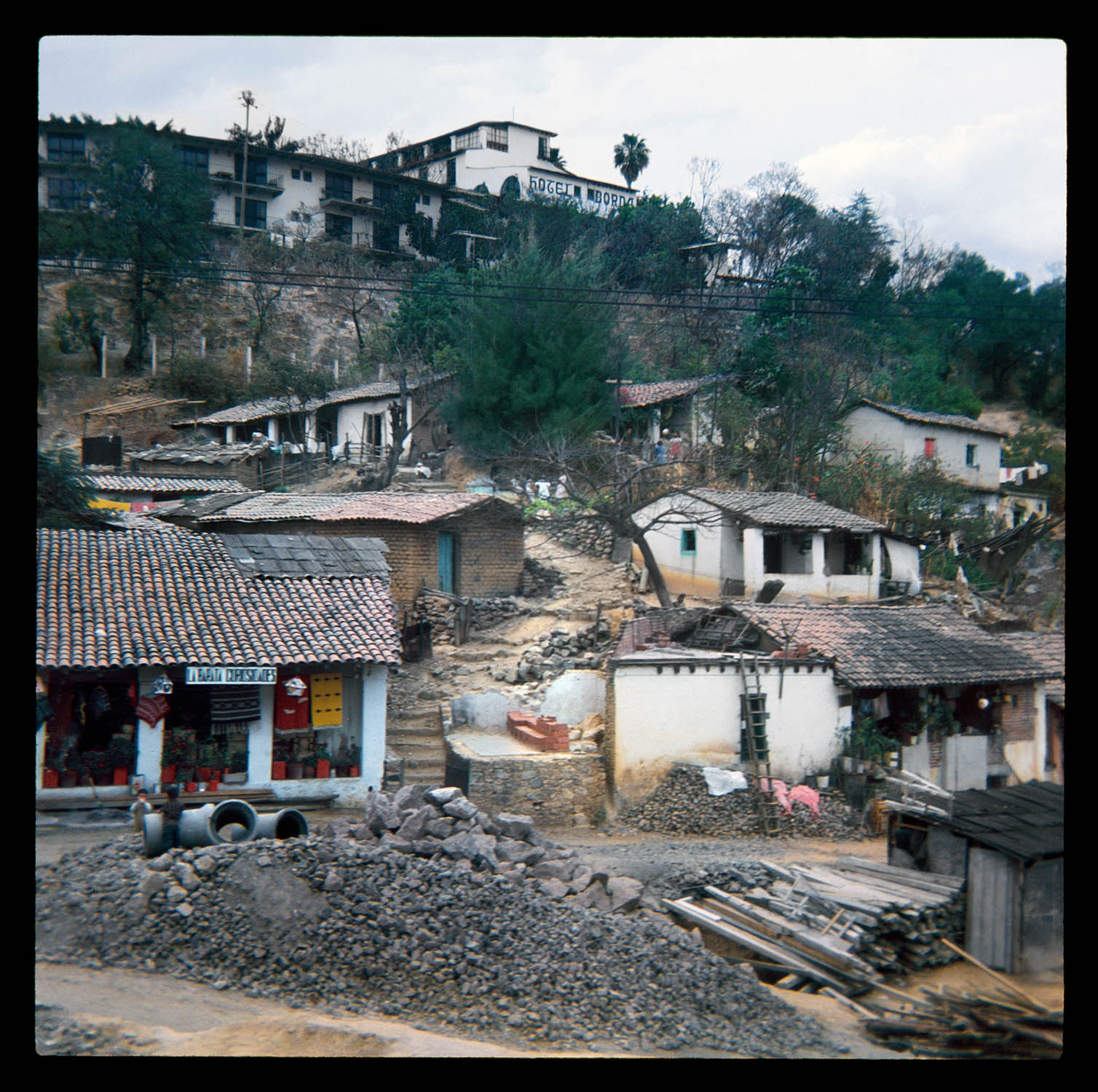
 

Joyce Evans (Australian, 1929-2019)
Barbara Blackman
1989
Photograph
30 x 40.7cm
Joyce Evans Archive
National Library of Australia


Barbara Blackman AO (née Patterson; born 22 December 1928) is an Australian writer, poet, librettist, broadcaster, model and patron of the arts. In 2004, she donated $1 million to a number of Australian music organisations, including Pro Musica, the Australian Chamber Orchestra, the Australian National University’s School of Music and the Stopera Chamber Opera Company. In 2006, she was awarded the Australian Contemporary Music Award for Patronage. Barbara Blackman was married for 27 years to renowned Australian artist Charles Blackman.


Joyce Evans (Australian, 1929-2019) 'Philanthropist Dame Elisabeth Murdoch, Langwarrin, Victoria' 1995


Joyce Evans (Australian, 1929-2019)
Philanthropist Dame Elisabeth Murdoch, Langwarrin, Victoria
1995
Photograph
24.9 x 37.0cm
Joyce Evans Archive
National Library of Australia


Dame Elisabeth Joy Murdoch, Lady Murdoch AC DBE (née Greene; 8 February 1909 – 5 December 2012), also known as Elisabeth, Lady Murdoch, was an Australian philanthropist and matriarch of the Murdoch family. She was the wife of Australian newspaper publisher Sir Keith Murdoch and the mother of international media proprietor Rupert Murdoch. She was appointed a Dame Commander of the Order of the British Empire (DBE) in 1963 for her charity work in Australia and overseas.


Joyce Evans (Australian, 1929-2019) 'Bernard Smith, Victoria' 2004, printed 2013


Joyce Evans (Australian, 1929-2019)
Bernard Smith, Victoria
2004, printed 2013
Colour photograph
47.5 x 37.5cm
Joyce Evans Archive
National Library of Australia


Bernard William Smith (3 October 1916 – 2 September 2011) was an Australian art historian, art critic and academic, considered the founding father of Australian art history, and one of the country’s most important thinkers. His book Place, Taste and Tradition: a Study of Australian Art Since 1788 (1945) is a key text in Australian art history, and influence on Robert Hughes. Smith was associated with the Communist Party of Australia, and after leaving the party remained a prominent left-wing intellectual and Marxist thinker.


Joyce Evans (Australian, 1929-2019) 'Stephen Dupont' 2009


Joyce Evans (Australian, 1929-2019)
Stephen Dupont
2009, printed by David Chisolm and Joyce Evans, 2013
Photograph
35.6 x 35.6cm
Joyce Evans Archive
National Library of Australia


Stephen Dupont (b. 1967) is an Australian photographer and director working on films, commercials, magazine and newspaper assignments and long term personal projects.


Joyce Evans (Australian, 1929-2019) 'William Yang' 1996


Joyce Evans (Australian, 1929-2019)
William Yang
1996
Photograph
Joyce Evans Archive
National Library of Australia


“William Yang [Aust., b.1943] belongs to a generation of artists who used photography to document alternative lifestyles and celebrate social diversity during the latter decades of the 20th century…Yang is the type of social documentary photographer who carries a camera around his neck, ready to capture things with a certain immediacy, as they happen around him.” ~ Museum of Contemporary Art


Joyce Evans was an unusual phenomenon in the Australian photography scene. Her conversion to photography did not occur until she was already in her forties, while her engagement in professional photography had to wait until she was fifty. She never developed a signature style, nor did she become a template photographer, but she possessed a sensibility that has become characteristic of her work, so that you can quickly recognise a Joyce Evans photograph. She was an artist who possessed a definite photographic personality.

Evans combined documentary photography, social photography, landscape photography and studio practice. She also had a social conscience. Although avoiding didactic images or illustrative propaganda, in her documentary work and in her choice of subjects, she had pursued an agenda that shone a light on racism, social inequality and environmental degradation.

This stylish and generously-illustrated monograph shows how Evans’ photography was about capturing not only the surface appearances, but ultimately the essences, of her subjects. It illustrates the Evans’ belief that in silence and stillness you come to feel the spirit of the subject, and that capturing this spirit was the photographer’s goal.

About the author

Professor Sasha Grishin AM, FAHA established the academic discipline of Art History at the ANU and was the Sir William Dobell Professor of Art History and Head of Art History and Curatorship at the ANU until December 2013. He works internationally as an art historian, art critic and curator. In 2005 he was awarded the Order of Australia (AM) for services to Australian art and art history. He has published over 25 books and over 2,000 articles and catalogue essays dealing with various aspects of art.

Text from the National Library of Australia website.

Purchase the book


Cover of the book 'Joyce Evans' by Sasha Grishin


Cover of the book Joyce Evans by Sasha Grishin


National Library of Australia
Parkes Place
Canberra ACT 2600
Australia

Opening hours:
Daily 9am – 5pm

National Library of Australia website

LIKE ART BLART ON FACEBOOK

Back to top