Martin Parr (British, 1952-2025) New Brighton, England From the series The Last Resort 1983-1985 Pigment print
From life, the absurd, the (un)familiar
The death of the English photographer Martin Parr is very sad news 😦
I feel like I have known his intimate photographs from life for a very long time. Through his beautifully observed and humorous photographs Martin Parr became a national treasure.
Incisive and insightful, his best photographs shone a light on the British class system, British rituals and everyday conversations – “candid and often humorous depictions of everyday life” – captured with visual deftness and containing a wry sense of humour mirroring the British character.
“Parr’s work was at its best when he concentrated on the volume of space within the image plane and the details that emerge from such a concentrated visualisation – whether it be the tension points within the image, assemblage of colour, incongruity of dress, messiness of childhood or philistine nature of luxury.” (MB, 2102)
His photographs have a wonderful frisson about them, a genuine love of and resonance with the things he was imaging. The dirt under the fingernails of the child eating a doughnut, the lurid colours of the popsicle and jacket of the kid with dribble on his face, all fantastic. Images full of incongruity, humour, and pathos. The absurd and the (un)familiar.
And so it goes… we loose another great photographer.
Vale Martin Parr and thank you!
Dr Marcus Bunyan
Please click on the photographs for a larger version of the image.
Read my text “Out in the midday sun” on the exhibition Martin Parr. Early Works at Fotografie Forum Frankfurt (FFF), September 2024 – February 2025
“Photography is the simplest thing in the world, but it is incredibly complicated to make it really work.”
“I think the mindset you require is stamina, discipline, and just sheer hard work. There are basically very few shortcuts. You’ve either got that ability to apply yourself to a given situation or a given idea and explore it and resolve it, or you haven’t. Most people are just lazy. The danger with photography is that it looks very easy but in fact, it’s a very difficult medium to really excel well in because basically, people don’t work hard enough – they’re lazy. Don’t be lazy!”
Martin Parr
Martin Parr (British, 1952-2025) New Brighton, England From the series Last Resort 1983-1985 Pigment print
Martin Parr (British, 1952-2025) New Brighton, England From the series The Last Resort 1983-1985 Pigment print
Martin Parr (British, 1952-2025) New Brighton, England From the series The Last Resort 1983-1985 Pigment print
Martin Parr (British, 1952-2025) New Brighton, England From the series The Last Resort 1983-1985 Pigment print
Martin Parr (British, 1952-2025) New Brighton, Merseyside, England 1984 From the series The Last Resort Pigment print
Martin Parr (British, b. 1952) England. Bristol. Car boot sale. 1995 From the series British Food 1994-1995 Traditional C-type print
Martin Parr (British, b. 1952) From A to B. Tales of Modern Motoring series 1994 Pigment print
An exhibition by Die Photographische Sammlung/SK Stiftung Kultur in cooperation with the Bernd & Hilla Becher Studio, Düsseldorf
Anonyme Skulpturen. Eine Typologie technischer Bauten, Düsseldorf: Art-Press Anonymous Sculptures: A Typology of Technical Buildings, Düsseldorf: Art-Press 1970 (Buchcover) Courtesy Die Photographische Sammlung/SK Stiftung Kultur, Köln
When we think about the most influential photographers of the first five decades of the 20th century we conjure up names such as Eugène Atget, Alfred Stieglitz, Paul Strand, Walker Evans, László Moholy-Nagy, Dorothea Lange, and Berenice Abbott, to name just a few – and by influential, I mean those photographers that altered the intensification of the medium – the conceptualisation, creation, veracity, meaning and reception of the image.
In the last 50 years of the 20th century there are less of these medium-shifting artists that have really made a difference. Diane Arbus and Lee Friedlander are the two that readily spring to mind. And then there are the Bechers, Bernd & Hilla Becher. These German photographers changed the course of contemporary photographic practice, their conceptual art / objective photographic raison d’être still embedded at the heart of fine art photography today.
But, as I have argued elsewhere, their typologies and grids, their topographic state, their same same photographs and perspectives of industrial sculptures and landscapes are anything but objective. Their pictorial grammar, underlaid by a conceptual approach to subject matter, continuously reflected in the systematics of capture and display (the juxtaposition of works together), is constantly undermined by the ghost in the machine – those viral codes of mutation and difference which cannot be controlled.
While they professed to “eschew entirely entirely the aspects of beauty, emotion and opinion,” every photograph they took involves a subjective point of view, an element of uniqueness and beauty that can never be repeated.
“Despite protestations to the contrary (appeals to the objectivity of the image, eschewing entirely the aspects of beauty, emotion and opinion; the rigorous frontality of the individual images giving them the simplicity of diagrams, while their density of detail offers encyclopaedic richness) these are subjective images for all their objective desire. The paradox is the more a photographer strives for objectivity, the more ego drops away, the more the work becomes their own: subjective, beautiful, emotive.
Even though the Bechers’ demonstrate great photographic restraint with regard to documenting the object, the documentary gaze is always corrupted / mutated / distorted by personal interpretation: where to position the camera, what to include or exclude, how to interpret the context of place, how to crop or print the image, and how to display the image, in grids, sequences or singularly. In other words there are always multiple (con)texts to which artists conform or transgress. What makes great photographers, such as Eugène Atget, Walker Evans, August Sander and the Bechers, is the idiosyncratic “nature” of their vision: how Atget places his large view camera – at that particular height and angle to the subject – leaves an indelible feeling that only he could have made that image, to reveal the magic of that space in a photograph. It is their personal, unique thumbprint, recognisable in an instant. So it is with the Bechers.”1
For a deeper dive into the work of the Bechers, please see my text “Ghosts in the machine,” on the exhibition Bernd and Hilla Becher at the Metropolitan Museum of Art, New York, July – November, 2022.
Many thankx to Die Photographische Sammlung/SK Stiftung Kultur, Cologne for allowing me to publish the photographs in the posting. Please click on the photographs for a larger version of the image.
Installation view of the exhibition Bernd & Hilla Becher – History of a Method at Die Photographische Sammlung/SK Stiftung Kultur, Cologne
Installation view of the exhibition Bernd & Hilla Becher – History of a Method at Die Photographische Sammlung/SK Stiftung Kultur, Cologne
Installation view of the exhibition Bernd & Hilla Becher – History of a Method at Die Photographische Sammlung/SK Stiftung Kultur, Cologne showing Bernd Becher’s Calatayud 1956 (below)
Installation view of the exhibition Bernd & Hilla Becher – History of a Method at Die Photographische Sammlung/SK Stiftung Kultur, Cologne
Installation view of the exhibition Bernd & Hilla Becher – History of a Method at Die Photographische Sammlung/SK Stiftung Kultur, Cologne showing Hilla Becher’s Untitled (Makroaufnahme von Schaum) (Macro shot of foam) c. 1960
Hilla Becher (née Wobeser) discovered photography as a teenager. Her mother had trained as a photographer at the Lette Verein in Berlin and supported her daughter’s interest. Accordingly, from 1951 to 1953, Hilla completed an apprenticeship as a photographer at the Walter Eichgrün studio in her hometown of Potsdam. In 1953, the family fled East Germany, and Hilla continued her career in West Germany. For example, in 1957 she worked at the Troost advertising agency in Düsseldorf, where she also met Bernd Becher.
The photograph shown above belongs to a series of surface and structural studies from around 1960. Nothing is known about the exact context of the photographs; however, their stylistic affinity to the “Subjective Photography” movement, which gained influence from the early 1950s onward, is interesting. Distortion techniques were an important tool in “Subjective Photography,” and Hilla Becher’s macro photographs utilise extreme proximity to the subject as a means of creating a sense of alienation.
Text from the SK Stiftung Kultur Die Photographische Sammlung Instagram page
An exhibition of Die Photographische Sammlung/SK Stiftung Kultur in cooperation with the Bernd & Hilla Becher Studio, Düsseldorf
The artist couple Bernd and Hilla Becher (1931-2007/1934-2015) has written photographic history. With their joint work, which they developed from 1959 until the 2000s on the basis of an almost uninterrupted photographic activity in the industrial regions of Germany, the Benelux countries, Great Britain, France, Italy, the USA and Canada, they created a new artistically motivated documentary style.
For the first time in Europe, this exhibition will present the methodological and thematic range of their oeuvre in great detail with over 300 original black and white photographs and other exhibits by the artist couple. In the individual sections, almost all of Becher’s found subjects can be located in a compilation and sequencing largely determined by themselves. Photographs of landscapes, winding towers, blast furnaces, cooling towers, gas tanks or even views of entire collieries etc. are considered her trademark. The juxtaposition of the groups of works authentically conveys the pictorial grammar developed by Bernd and Hilla Becher and their continuously reflected systematics and conceptual approach.
The exhibits come from the Bernd and Hilla Becher Archive in Die Photographische Sammlung/SK Stiftung Kultur and the Bernd & Hilla Becher Studio, Düsseldorf, in collaboration with Max Becher under the supervision of the Bernd & Hilla Becher Estate. There are also loans from Sprüth Magers and the LVR-Landesmuseum Bonn.
The publication accompanying the exhibition will be published by Schirmer / Mosel Verlag, with texts by Max Becher, Gabriele Conrath-Scholl, Marianne Kapfer and Urs Stahel.
Text from the Die Photographische Sammlung/SK Stiftung Kultur, Cologne website
Installation view of the exhibition Bernd & Hilla Becher – History of a Method at Die Photographische Sammlung/SK Stiftung Kultur, Cologne showing Bernd and Hilla Becher’s photograph Kühlturm (Cooling tower) 1962, “Mont-Cenis” mine, Herne, Ruhr area 1965 (below)
We have dedicated an entire room of our current exhibition to the group of “Anonymous Sculptures.” With this series of images, Bernd and Hilla Becher defined the building types that were important to them, such as cooling towers. The fundamental principle of the comparability of the motifs was introduced, and the work on publications, so crucial to Bernd and Hilla Becher’s artistic output, was also initiated.
You can trace the artists’ approach using 41 photographs that exemplify the building types presented in seven chapters of the 1970 publication “Anonymous Sculptures: A Typology of Technical Structures.” An exhibition at the Düsseldorf Municipal Art Gallery preceded the book in 1969 [see the book cover at the top of the posting].
The term “Anonymous Sculptures” establishes a link to conceptual art. This connection between Bernd and Hilla Becher’s work and the visual arts was important for their subsequent work and its presentation in museums and galleries.
Text from the SK Stiftung Kultur Die Photographische Sammlung Instagram page
The first subjects Bernd and Hilla Becher photographed on their nearly fifty-year journey to documenting industrial buildings were half-timbered houses in the Siegerland region. For Bernd Becher, it was natural to photograph these “poor people’s houses,” as Hilla called them, from his childhood and youth. For the film “The Photographers Bernd and Hilla Becher,” we attempted to identify the Bechers’ subjects using the book “Siegerland Half-Timbered Houses” by Schirmer/Mosel. We asked locals and showed them the book. Although the Bechers provided the exact address of each house, they were often unrecognisable. Many, being drafty and cold, had been clad with asbestos cement, thus obscuring their exposed timber framing. Their original appearance is preserved only in the Bechers’ photographs.
Text from the Text from the SK Stiftung Kultur Facebook page
The artist couple Bernd and Hilla Becher (1931-2007/1934-2015) set a benchmark in the history of photography with their work. Beginning in 1959, they collaborated almost continuously for decades on a joint oeuvre, developed across Germany, the Benelux countries, the United Kingdom, France, Italy, the United States, and Canada. Their artistic style, characterised by a precise, documentary visual language and methodical systematisation, resonated significantly with movements such as Minimal Art and Conceptual Art. Against the backdrop of New Objectivity and inspired by 19th-century documentary photography, they created a visual grammar whose influence remains palpable in contemporary photography.
For the first time in Europe, Die Photographische Sammlung/SK Stiftung Kultur presents an extensive retrospective featuring over 300 original black-and-white photographs and complementary exhibits, showcasing the formal and thematic breadth and depth of Bernd and Hilla Becher’s work. The exhibition centers on the themes and methods developed by the Bechers: consistent methodical approaches to the photographic motif that evolved and were variably applied over decades. The exhibition explores how these methods emerged, how they developed, and how they reflected the Bechers’ perspective on the different shapes, functions, and integration of industrial buildings into the landscape.
Rare early works from both artists – created between the 1950s and 1970s – are on view, many for the first time. These pieces provide insight into the evolution of their shared aesthetic.
Room 2 is dedicated to the book Anonyme Skulpturen. Eine Typologie technischer Bauten (Anonymous Sculptures. A Typology of Technical Constructions), 1970, considered the foundation of their work. This publication systematically catalogued industrial structures and remains a key reference point. Quoted texts on the function of the objects and original prints illuminate its significance within their oeuvre.
Industrial Landscapes and photographs of entire sites form another focus and demonstrate that the Bechers did not merely document isolated buildings, but also functional and spatial relationships. Featured works include views of the Zollern 2 coal mine in Dortmund (published 1977) and the Ewald Fortsetzung mine in Recklinghausen (1982-1985).
The exhibition also includes “portraits” of residential and settlement houses from the Ruhr region – especially from the post-war era – reflecting the everyday life and environment of industrial workers. A framework house from the Siegerland region is used to show how a single subject can take on different meanings depending on presentation and context.
“Sequences” or “unfoldings” are illustrated using various building groups, presenting structures from multiple perspectives, so that a sculptural image of the motifs is created.
Lastly, the exhibition presents typologies – photographic series of coal bunkers, grain silos, winding and water towers, blast furnaces, and cooling towers. These highlight how the Bechers used specific representational strategies, systematic arrangement, and variation to achieve artistic expression. Created between the 1960s and early 2000s across different countries, the works powerfully demonstrate the visual grammar developed by the Bechers.
A kind of “cinematic epilogue” is provided by a video created by Max Becher, who accompanied his parents on a work trip to Ohio in 1987, offering an evocative glimpse into their working process.
The works are drawn from the Bernd and Hilla Becher Archive at Die Photographische Sammlung/SK Stiftung Kultur and the Bernd & Hilla Becher Studio in Düsseldorf, directed by Max Becher. Additional loans are provided by Sprüth Magers and the LVR-Landesmuseum Bonn.
A catalogue will accompany the exhibition, published by Schirmer/Mosel Verlag, Munich, with texts by Max Becher, Gabriele Conrath-Scholl, Marianne Kapfer, and Urs Stahel. (Will be released in early November.)
Press release from Die Photographische Sammlung/SK Stiftung Kultur
Walker Evans (United States of America 1903-1975) Graveyard and steel mill, Bethlehem, Pennsylvania 1935 Gelatin silver print
Installation view of the exhibition Bernd & Hilla Becher – History of a Method at Die Photographische Sammlung/SK Stiftung Kultur, Cologne showing at left Bernd and Hilla Becher’s photograph Bethlehem, Pennsylvania, USA 1986 (below)
Installation view of the exhibition Bernd & Hilla Becher – History of a Method at Die Photographische Sammlung/SK Stiftung Kultur, Cologne showing Bernd and Hilla Becher’s photograph Bethlehem, Pennsylvania, USA 1986 (below)
With their blast furnaces, chimneys, pipes, and conveyor belts, steelworks are less buildings than gigantic machines. They are among the most imposing industrial structures that Bernd and Hilla Becher have photographed since the late 1950s. Anatomically speaking, blast furnaces are like a body without skin, the artist couple wrote in 1990: excessively high temperatures, too much pressure, too many gases make cladding the steel shell impossible; they are nothing but function. In Bethlehem, Pennsylvania, the enormous work practically hangs over the town. Photographed from an elevated vantage point (similar to the one Walker Evans had chosen in 1935), the blast furnaces, houses, and the cemetery – work, life, death – are compressed into an inescapable proximity. Space compressed, time compressed.
Dr. Maria Müller-Schareck, art historian and member of the PS/SK management team
Text from the SK Stiftung Kultur Die Photographische Sammlung Instagram page
Installation views of the exhibition Bernd & Hilla Becher – History of a Method at Die Photographische Sammlung/SK Stiftung Kultur, Cologne showing Bernd and Hilla Becher’s Zeche Ewald Fortsetzung, Kühlturm/-türme (Ewald mine continuation, cooling tower(s)) 1985 (below)
Over the course of their artistic career, Bernd and Hilla Becher documented approximately 200 industrial sites, including the Ewald Fortsetzung coal mine in Recklinghausen, which we are featuring in our exhibition.
These documentations are based on systematic walks through the industrial sites and surrounding areas. A panoramic photograph, often central to each site, provides an overview of the grounds and allows the individual buildings to be located and understood in relation to one another.
The subsequent photographs portray the individual building types, in this case, two cooling towers. The five images in this group clearly demonstrate how Bernd and Hilla Becher approach their subject, photographing the building from different sides and perspectives, and highlighting a specific detail. The aim of this approach was to depict the industrial buildings in a way that is both technically clear and aesthetically pleasing.
Text from the SK Stiftung Kultur Die Photographische Sammlung Instagram page
Installation view of the exhibition Bernd & Hilla Becher – History of a Method at Die Photographische Sammlung/SK Stiftung Kultur, Cologne September, 2025 – February, 2026
Bernd & Hilla Becher – History of a Method book cover
Die Photographische Sammlung/SK Stiftung Kultur Im Mediapark 7, 50670 Cologne Phone: +49 221/888 95 300
Helen Levitt’s photographs from 1938-1940 are some of the earliest of her artistic career. “Her interest in photography blossomed when, aged 18, and having dropped out of high school, she began working in the darkroom of a commercial portrait photographer.”1
At the age of 23 she bought a secondhand Leica camera and walked the streets of New York – mainly Manhattan’s Lower East Side, the Bronx and Spanish Harlem – observing the social interactions of children and adults in this teeming metropolis. But she was not a flâneuse,2 strolling around the city observing but not interacting with her surroundings … she was fully engaged in the activity of the city.
What amazes me is that her vision as an artist was so well (in)formed at such a young age. And that the concerns and investigations into the nature of play, love and life in New York as a young, strong, independent “New Woman” remained constant throughout her life and decades long photographic career.
In her photographs there is an (in)direct engagement with the people that surrounded her (in her early works “she often hid her camera under her coat to capture candid, unnoticed moments on the streets”), an exchange of energy from the photographer to the subject and back through the camera onto the film… evidencing a generosity of spirit on the part of the artist towards her subjects. Here there is no pressing the camera into the face of the victim a la Garry Winogrand to evince a reaction, but a genuine sense of compassion and empathy towards the people who live in the great city of New York.
Influenced by social realism and the idea the photography could be an agent for change, avant-garde European film, surrealism and contemporaneous dance and theatre Levitt, “decided I should take pictures of working-class people and contribute to the movements,” Levitt later said of that time. “And then I saw pictures of [Henri] Cartier-Bresson and realised that photography could be an art – and that made me ambitious.”1
Levitt’s photographs are performative and theatrical, an engagement between artist, subject and viewer in the cause of art. “In her photographs, she presents the street as an almost theatrical landscape where the smallest interactions and gestures are incredibly resonant.”1
Levitt was not interested in concept nor didactic narrative. She was interested in the presence of the image before you … in just what you see.
As with any great art, the artist (even as she is ambitious) seems to be without ego. She lets the picture and the emotions tell the story without the shadow of the artist getting in the way (unlike much contemporary art and photography). For the work of art to have value in itself.
Thus, her photographs speak to us directly, or not at all.
2/ “The flâneuse is not a female flâneur, but she is a version of the flâneur. She does not experience the city in the same way as he does. It is hard to define the archetype of the flâneuse, because the flâneur himself consists of paradoxes and many subcategories. Key concepts for flâneur and flâneuse are the amount of spare time, the aesthetic detachment towards objects, crowd and sceneries they see and their ambiguity about it.”
Akkelies van Nes and Tra My Nguyen. “Gender Differences in the Urban Environment: The flâneur and flâneuse of the 21st Century,” in Daniel Koch, Lars Marcus and Jesper Steen (eds.,). Proceedings of the 7th International Space Syntax Symposium. Stockholm: KTH, 2009
Many thankx to Fundación MAPFRE for allowing me to publish the photographs in the posting. Please click on the photographs for a larger version of the image.
“Levitt was part of a highly intellectual cultural and political milieu in New York in the 1930s and her photography reflected her deep interest in surrealism, cinema, leftwing politics and the new ideas that were then emerging about the role of the body in art.”
Helen Levitt (1913-2009) began photographing the streets of New York, her hometown, in the late 1930s, focusing mainly on poor neighbourhoods such as Hispanic Harlem and the Lower East Side, where the street clearly takes center stage as the setting for everyday life. Her camera was directed mainly at children and their games in the streets. These scenes of children occupy a central place in a body of work that, as a whole, captivates us with its ability to transform everyday scenes into images that convey all the emotion, mystery, and humour that life can contain, and with which the viewer establishes an immediate connection even though they lack an explicit narrative. Her work soon gained the recognition it deserved, and in 1943 the MoMA in New York organised her first solo exhibition (Photographs of Children).
Later in her career, she also became closely interested in film and colour photography. In 1948, she collaborated on the documentary The Quiet One and co-directed In the Street, another documentary about the streets of Hispanic Harlem. Both titles were highly influential in the subsequent evolution of documentary filmmaking by artists such as Jonas Mekas and Andy Warhol.
After receiving a Guggenheim Fellowship in 1959 to explore chromatic techniques, she began experimenting with colour photography, a medium in which she would also develop pioneering work.
A socially committed artist, Levitt was one of the first women to forge a professional career in photography. This exhibition is the first to be based on her entire body of work and archives, which have only recently been made available to the public.
Dedicated full-time to her artistic activities, the photographer Helen Levitt (New York, 1913-2009) did not begin to gain public recognition until relatively late in life. Although her name has always been associated with “street photography,” as it was precisely the streets of her native city that provided the context for the production of her images, throughout her career Levitt made forays into film, visited other countries such as Mexico, and also focused on colour photography. Her images, almost invariably ambiguous and mysterious although not necessarily at first glance, are also characterised by their spontaneity, warmth and sensitivity. The movements and gestures of the figures captured by her lens and the communication between them transcend that inclination to “photograph children” which many critics pointed out after her first exhibition at the MoMA in 1943, entitled Helen Levitt: Photographs of Children.
Levitt’s work as a whole goes far beyond the latter aspect, revealing her acceptance of the pleasures, terrors and complexity of existence at all ages, traits often overlooked by the viewer when immersed in the harsh reality of the urban landscape. The exhibition, the first to be devoted to the artist on the basis of the entirety of her work and archives, which have only recently become available for study, offers a broad overview of Levitt’s career through nine sections and around 220 photographs. It includes previously unexhibited images, as well as work produced in Mexico in 1941 and a large proportion of the artist’s work in colour, which she explored from the 1950s onward. It also features her film In the Street, directed by Levitt in collaboration with Janice Loeb and James Agee, and a projection of her colour slides.
Born in Brooklyn to a Russian-Jewish family, Helen Levitt dropped out of high school early and began her photography training in a Bronx studio. Influenced by Henri Cartier-Bresson, she pursued independent photography, capturing everyday life in New York neighbourhoods between 1938 and 1942. Her first solo exhibition was at the MoMA in 1943. She also experimented with film, making In the Street, and with colour photography, which gained her a Guggenheim Fellowship in 1959. Levitt continued to work intermittently, exploring new settings such as the subway and rural areas. Her creative output is recognised for its ability to capture moments of human connection in complex urban environments.
Key themes
Enigmatic photographs
Helen Levitt’s images possess a mysterious quality that transforms them into true visual enigmas. Her unique and highly perceptive gaze turns everyday scenes into compositions that are hard to define, creating an immediate connection with the viewer even when there is no clear narrative to explain them.
A pioneer with her own voice
Helen Levitt was one of the first women to make her way in the world of photography, especially in the field of street photography. She always avoided constructing an explicit narrative in her images and preferred not to talk about them. Far from diminishing its value, that decision is one of the key traits that make her work so interesting. Despite this characteristic of reserve, Levitt’s photographs connect with the viewer through the universal emotions they convey.
Born and raised in Brooklyn, New York, Helen Levitt (1913-2009) became a photographer in the mid-1930s after meeting Henri Cartier-Bresson and seeing his radical new pictures made with a discreet, handheld camera. By the end of the decade, she had developed a unique sensibility, one informed by Surrealism and a love of avant-garde cinema but focused on the interactions of ordinary people in the streets, sidewalks, stoops, and vacant lots of her native city.
Grounded in gritty realism but brimming with subversive humor, mischief, and pathos, Levitt’s pictures are openended and enigmatic, concealing as much as they reveal. Her uncanny photographs of urban children and their games brought Levitt early renown even as she remained attentive to the quiet gestures and movements of a broader swath of humanity observed with her 35mm Leica, especially in Spanish Harlem, where the activity of everyday life often spilled out of doors.
Following a months long foray in Mexico City, Levitt began to work in filmmaking, leading to a long hiatus in her photographic activity. In 1959, advances in the sensitivity colour film spurred her to take to the streets again with her Leica. She continued to photograph in color throughout the 1970s, reverting to black-and-white film for a series of pictures taken in the New York City subway. Levitt continued to photograph intermittently until the early 1990s, when she became known as the “unofficial poet laureate” of New York and her oeuvre universally acknowledged as one of the most timeless and affecting in the history of the medium.
Early Work / Graffiti / Gypsies
Only a few examples survive from Levitt’s first year using a Leica camera. Amid the backdrop of the Great Depression, her pictures of lone figures hunched over or lying on the ground appear documentary in their impulse, while other depictions of people in urban surroundings are notably more ambivalent in their view.
In 1937, while employed by the Federal Art Project to teach at a public school in East (Spanish) Harlem, Levitt noticed the many chalk drawings and messages illicitly scrawled by children on streets and buildings on her way to work, and began to document them in all their variety, innocence, and vulgarity. She sometimes also portrayed the artists themselves posing next to their ephemeral interventions.
Around 1938, on the advice of Walker Evans, Levitt began to use a right-angle viewfinder, a device that allowed her to face one direction while pointing her camera in another. This was particularly effective in recording the uninhibited interactions of the “gypsy” families prevalent in Spanish Harlem and Yorkville. Drawn to their way of life, she also borrowed Evans’s 4 x 5-inch view camera and tripod to make portraits of “gypsy” children in their homes.
1938-1940 / Mexico City / A Way of Seeing
By 1940 Levitt had established her terrain, subject, and approach. In a rare statement, she later described her intent “to seize upon and record those apparently accidental disarrangements that nevertheless and in seeming contradiction provide a more intense apperception of reality.” Uninterested in portraying New York City as a bustling metropolis, Levitt instead saw it as an environment whose “size and varied character constantly forces into the open material for my camera.” The working class, immigrant neighbourhoods she frequented – where adults chatted on stoops, mothers and children leaned out of windows, and children were left to their own devices – proved to be an especially fertile ground for her work.
In 1941, again inspired by Cartier-Bresson’s example, Levitt, a reluctant traveler, went to Mexico City with a friend to photograph there. Initially struggling with the challenge of working in new environment, she was eventually able to find her artistic footing, producing a body of work that at once acknowledged rawer social realities while locating a subtle lyricism unique to the city and its people. It would be her only trip abroad.
Upon her return to New York City, Levitt picked up where she left off, picking up on more sober themes of melancholy, alienation, and what she referred to as “the deep repressions of the unyoung.” After having photographed for a decade, Levitt collaborated with her friend, the writer and critic James Agee, to edit and sequence a book of her New York photographs. Envisioning the project as an urban counterpart to Let Us Now Praise Famous Men, his 1941 collaboration with Walker Evans, Agee wrote an extensive essay to accompany Levitt’s pictures that heralded their lyric qualities, the sum of which presented “unified view of the world, an uninsistent but irrefutable manifesto.” After a series of setbacks, the book, eventually given the title A Way of Seeing, was not published until nearly two decades later in 1965.
In the Street
In the mid-1940s, along with her friend and patron, Janice Loeb, Levitt began to shoot footage around New York City with a home movie camera. They were joined by James Agee, who encouraged them to conceive of an experimental project that would serve as a cinematic extension of Levitt’s still photographs. This led the three of them to collaborate on the pioneering short film that was first screened in 1949 and then released in 1952 under the title In the Street, a forerunner of the cinéma verité style. By the end of the 1940s and for the next two decades, filmmaking became Levitt’s primary occupation.
Color / Subway / 1980s
In 1959, Levitt was granted a Guggenheim fellowship to experiment with “the latest techniques in colour photography.” Her Leica loaded with colour slide film, she walked some of the same streets she had frequented in the 30s and 40s, newly attentive to the chromatic character of her compositions. After the bulk of her slides were stolen by a burglar in 1970, Levitt redoubled her efforts, photographing throughout the decade with renewed zeal, developing an intuitive system of colour that was at once transporting and transparent. In 1974, a continuous projection of forty of Levitt’s slides were featured at MoMA in New York, after which she began to realise select images as dye transfer prints.
Around the same time, Levitt also decided to revisit the subterranean theatre of New York City subway as a site to make pictures, having served as a decoy for Walker Evans’s subway project work more than three decades earlier. With her subjects largely stationary in train cars and platforms, Levitt attended to the nuances of expression and gesture, recording quiet dramas amid unflattering light and cramped quarters.
From the 1980s onwards, Levitt continued to photograph, but only intermittently, working mainly in black and white, both in the city and outside it.
Fundación MAPFRE KBr Photography Center Avenida Litoral, 30 – 08005 Barcelona Phone: +34 93 272 31 80 (Attention only during the opening hours of the exhibition hall)
This is one of those wonderful, idiosyncratic exhibitions that Art Blart has always liked to promote: small, occluded histories that have great importance to local people; spaces and histories that deserve to be acknowledged in a wider sphere; microcosms of everyday life, work and encounters expanded into the macrocosm of the universe, making us aware of the importance of the seemingly in/consequential in this dance of death we call life.
“This exhibition delves into how these spaces have fostered social and cultural exchange since the 19th century, becoming living capsules of history and community. They reflect the complexities of urban life, showcasing how people shape their surroundings and creating a unique atmosphere that has long inspired artists.” (Press release)
Dr Marcus Bunyan
Many thankx to the Museum Ephraim-Palais for allowing me to publish the photographs in the posting. Please click on the photographs for a larger version of the image.
Hans Baluschek (German, 1870-1935) Fleisch am Knochen (Meat on the Bone) Berlin, 1924 Pen and black ink on paper 27.7cm x 35.2cm Collection of the Berlin City Museum Foundation Reproduction: Michael Setzpfandt, Berlin
Heinrich Zille (German, 1858-1929) “Eine kleine Freundin hat doch jedermann, eine kleine Freundin braucht man dann und wann…” (“Everyone has a little friend, and one needs a little friend now and then…”) Berlin, 1924 Lithograph on laid paper 45.5cm x 36.8cm Collection of the Berlin City Museum Foundation
Ever wondered about the secret lives tucked away behind Berlin’s bustling streets?
The Museum Ephraim-Palais is inviting you on a captivating journey with its new exhibition, “Berlin Courtyards: Between Everyday Life, Work, and Encounters,” running from July 18, 2025, to January 18, 2026.
From cozy residential nooks to bustling commercial hubs and serene artist retreats, Berlin’s courtyards tell the vibrant story of a city constantly evolving. This exhibition delves into how these spaces have fostered social and cultural exchange since the 19th century, becoming living capsules of history and community. They reflect the complexities of urban life, showcasing how people shape their surroundings and creating a unique atmosphere that has long inspired artists.
“Berlin Courtyards” brings together nearly 100 striking photographs and graphics from the vast collection of the Stadtmuseum Berlin. Visitors will discover gems from legendary artists like Heinrich Zille, Hans Baluschek, and Manfred Hamm, alongside contemporary perspectives from photographers like André Kirchner and Günther Steffen.
Adding a fresh layer to the historical narrative are new artistic works by urban researchers Duygu Örs and Sinthujan Varatharajah, specially commissioned for the show. Their multi-sensory exploration of Wedding’s backyards, using texts, photos, videos, and sound, offers an intimate look at these overlooked spaces.
What’s more, the exhibition features a dynamic display of modern-day Berlin courtyards, crowdsourced through the Stadtmuseum Berlin’s “Berlin now!” photo campaign. You’ll see 40 framed photos on the walls, plus 50 smaller photo cards that visitors can rearrange, literally co-creating the exhibition experience. Due to overwhelming interest, the “Berlin now!” photo call has been extended until September 18, giving photography enthusiasts more time to submit their own unique views of Berlin’s courtyards. Selected photos will even be rotated into the framed display in October!
Adding another exciting dimension, junior curators from the Refik-Veseli School in Kreuzberg, mentored by Yella Hoepfner, will share their own “courtyard stories” across five dedicated areas within the Museum Ephraim-Palais, including spaces within the “BerlinZEIT” permanent exhibition. Their personal narratives will engage in a dialogue with objects from the Stadtmuseum Berlin’s collection, offering fresh, youthful insights.
Don’t miss this chance to experience Berlin from a new perspective, delving into the hidden heart of its neighborhoods through the eyes of both historical and contemporary artists.
Press release from Museum Ephraim-Palais
Rudolf Dührkoop (German, 1848-1918) From the portfolio Das malerische Berlin, Band 1 (Picturesque Berlin, Volume 1) 1911
Unknown photographer Hoffest in der Falckensteinstraße 27 (Garden festival at Falckensteinstraße 27) 1920 Postcard From the collection of Eberhard Müller
Installation views of the exhibition Berlin Courtyards: Between Everyday Life, Work, and Encounters at the Museum Ephraim-Palais, Berlin, July 2025 – January 2026 Photos: Alexander Rentsch
Berlin backyards have a lot to tell. Since the industrial revolution in the 19th century at the latest, Berlin has been a center of attraction for people from other regions of Germany and from other countries. The history of the city has therefore always been a history of migration.
Due to enormous population growth, spatial expansion and structural densification, Berlin is characterised by backyards like no other city. They are used for residential, educational, commercial, artistic, culinaric and many other purposes. Their history is diverse, just like the people who live there. With the special exhibition “Berliner Höfe” (Berlin Backyards) on the 3rd floor of the Museum Ephraim-Palais, the Stadtmuseum Berlin invites you to explore these urban spaces between past and present.
The backyards are exemplary of urban coexistence with all its contradictions. They show how people shape space. And they encourage us to take a closer look: What can backyards tell us about Berlin? What about ourselves? In short: What is going on there?
Graphics, photography and history
The special atmosphere of the Berlin backyards has repeatedly inspired graphic artists, draughtsmen and photographers to create images. In the exhibition, highlights from the museum collection meet the artistic works of urban researchers Duygu Örs and Sinthujan Varatharajah, which were created especially for “Berliner Höfe”. Using sounds and light, they deal with different sensory impressions from backyards that Örs and Varatharajah encountered in Wedding.
In addition, the junior curators from the Refik Veseli School in Kreuzberg and their mentor Yella Hoepfner present their own spaces in the permanent exhibition “BerlinZEIT” on the first and second floors of the museum. Their individual stories interact with objects from the collection.
Biographical data
Duygu Örs is a researcher, art educator and curator specialising in cultural and urban research. Since 2019 she has headed the education and mediation work of the Berlin Biennale for Contemporary Art, since 2025 with Jas Wenzel. At the Institute for Sociology and Cultural Organisation (ISKO) at Leuphana University Lüneburg, she is working on the role of the museum in the ‘Right to the City’ movement. She is also a co-founder of the curatorial research collective Curating through Conflict with Care (CCC). Translated with DeepL.com (free version)
Sinthujan Varatarajah (சிந்துஜன் வரதராஜா) writes and researches in Berlin. As a political geographer, Varatarajah focuses on issues of statelessness, im-/mobility and displacement from the perspective of infrastructure, logistics and building culture. Varatarajah has published several books since 2022. Varatarajah’s next book, ‘Where Time Stands Still’, will be published by Carl Hanser Verlag in spring 2026.
The heroes of this posting (I don’t know about the exhibition for I haven’t seen it!) are the photographs of Ron McCormick (English, b. 1947) which are deeply rooted in the traditions of photography and the community from which they emanate.
They picture an era of change in the East End of London in the 1970s with all the working class grittiness that area was renowned for. I remember going to Brick Lane market in the mid-1970s and it was a rough area. At that time, the East Enders seemed to be a throw back to a vanishing race born out of the Second World War: flat hats, heavy overcoats and a toughness to just carry on regardless. But things were changing.
“As the docks closed, and wholesale slum clearance replaced old neighbourhoods, many communities were being transformed beyond recognition… Yet a different East End was also coming into being, as new migrant communities created a space for themselves,” one that has become equally as British as previous white iterations. The narrow definition of an “East Ender” was gradually replaced with something more multicultural.
McCormick’s photographs picture such a transformation: Jewish, White, Muslim, Indian, Black, etc., all mixing together in a potpourri of ethnicities, “a vibrant cultural landscape with a variety of traditions, languages, and backgrounds existing together,” while his photographs are rooted in strong social documentary traditions.
In his work I can feel (the critical observation) the influence of Lewis Hine and Walker Evans, more recently that of Lisette Model and the interior photographs of Diane Arbus, Roman Vishniac’s photographs of Jewish life in Eastern Europe between the two World Wars, possibly even the contemporaneous portraits by Milton Rogovin.
Undoubtedly this blending of influences in his photographs ultimately reveals McCormick’s insightful eye and generous spirit: his love for the people he is photographing and his embeddedness in local social networks, deeply influenced by the social and cultural environment from which they emerge – a community in a time of rapid transition and social change.
Dr Marcus Bunyan
Many thankx to Four Corners for allowing me to publish the photographs in the posting. Please click on the photographs for a larger version of the image.
Four Corners’ autumn exhibition captures a unique moment of change in London’s East End.
As the docks closed, and wholesale slum clearance replaced old neighbourhoods, many communities were being transformed beyond recognition. Yet a different East End was also coming into being, as new migrant communities created a space for themselves.
A new generation of photographers were drawn to document ordinary people’s lives and give visibility to working-class experiences. They showed their photographs in everyday spaces where local people could view images of themselves and their own communities.
The exhibition features remarkable photographs by Ron McCormick and the Exit Photography collective of Nicholas Battye, Diane Bush, Alex Slotzkin, and Paul Trevor, alongside work by Ian Berry, John Donat, David Hoffman, Jessie Ann Matthews, Dennis Morris, Val Perrin, and Ray Rising.
With many thanks to Tower Hamlets Local History Library and Archives, Hackney Museum, the Royal Institute of British Architects, and Spectrum Photographic.
Brought together for the first time, these rarely seen photographs document a now-disappeared world. Bengali migrants live side-by-side with elderly Jewish shopkeepers and artisans, dockers socialise in Wapping’s clubs and pubs, neighbours and children celebrate at a raucous, multicultural Stepney festival.
But the images reveal streetscapes and communities in upheaval. Desolation hangs over the soon-to-be demolished streets, dock cranes stand lifeless over empty quays awaiting speculative redevelopment. Amid this apparent wasteland a different East End was coming into being. New migrant communities were creating a space for themselves as economic decline displaced earlier neighbourhoods.
A young generation of photographers were drawn to record ordinary people’s lives at this moment of rapid transition and to advocate for social change. Their exhibitions at the Half Moon Gallery attracted people to view images of themselves and their neighbours. At a time when photography was largely unrecognised by the art world, these photographers mounted ‘guerrilla’ exhibitions in launderettes, on estate walls, and even on portable sandwich boards. They were part of a flourishing community arts scene that gave a voice to local people, including at pioneering shows at the Whitechapel Art Gallery.
A World Apart features photographs by Ron McCormick and Exit Photograph – Nicholas Battye, Diane Bush, Alex Slotzkin, and Paul Trevor – alongside work by Ian Berry, John Donat, David Hoffman, Jessie Ann Matthews, Dennis Morris, Val Perrin, and Ray Rising.
These remarkable photographs celebrate the people of the East End, an area whose identity has been defined by centuries of migration. In an age of increasing social division and intolerance, its strong community history is ever more important today.
A World Apart is made possible through a National Lottery Heritage Fund project, which is helping build Four Corners’ archive collection and opening up its history to new audiences. The exhibition celebrates the early history of the Half Moon Gallery, Britain’s second independent photography gallery, as part of Four Corners 50th anniversary programme in 2025.
Photographers
Ron McCormick is a self-taught photographer who has exhibited and published for fifty years. His early photographs of Whitechapel were first shown alongside the poetry of east London schoolchildren in the controversial book Stepney Words produced by school teacher Chris Searle. He taught at the renowned School of Documentary Photography in Newport, where he ran the NEWPORT SURVEY, an annual record of the community life. A dynamic contributor to the revitalisation of British photography of the 1970s and 1980s, he was the second director the Half Moon Gallery, and the founding director of Side Gallery, Newcastle on Tyne. He runs Communimedia, a community design and production enterprise in South Wales. He has exhibited widely at the Institute of Contemporary Art, Whitechapel Art Gallery, Serpentine Gallery, Photographers Gallery, Barbican, MIT Cambridge USA; La Photo Galeria, Madrid, among others.
Exit was a collective of four photographers, Nicholas Battye, Diane Bush, Alex Slotzkin, and Paul Trevor. Their first project, Down Wapping, focused on Wapping’s working class community that was threatened by the closure of the docks and imminent redevelopment. It was shown at the E1 Festival in Stepney in 1973, and at the Photographers Gallery later that year. A booklet of the photographs was designed by Exit and published by the East End Docklands Action Group in 1974. After some changes, Paul Trevor, Nicholas Battye and Chris Steele-Perkins went on to create Survival Programmes from 1974-79, a significant study of social and economic poverty in Britain’s inner-cities. A with. Side Gallery in Newcastle toured the exhibition around the country, and a book of the work was published by Open University Press in 1982. Find out more
Ian Berry is a Magnum photojournalist who worked for Drum magazine in South Africa, where he was the only photographer to document the Sharpeville massacre in 1960. In 1972 he was commissioned by the Whitechapel Art Gallery to photograph the changing local community, creating work which contributed to his book The English (1978). He has worked internationally, covering the invasion of Czechoslovakia, the Irish Troubles, famine in Ethiopia, and conflicts in Israel, Vietnam, and the Democratic Republic of Congo. His work is represented in Black and Whites: L’Afrique du Sud (1988) and Living Apart (1996). His project Water focused on the disaster of climate change, and was published by GOST in 2023.
John Donat (1933-2004) was one of Britain’s foremost architectural photographers of his generation. After studying architecture, he took up photography full-time. His early images can be seen in Crete 1960 (Crete University Press, 1999). Donat captured the built environment with a social documentary, almost photojournalistic approach. He was commissioned by the Whitechapel Art Gallery to capture change taking place in the area for the exhibition This is Whitechapel in 1972, although the focus of the show became the work of another important photographer, Ian Berry.
David Hoffman is a documentary photographer of protest and social issues. Living in a squat in Fieldgate Mansions, east London in the 1970s, he recorded homelessness, anti-racism and protest. In particular, he documented homeless people at St Botolph’s refuge in Aldgate. He has covered many of the key moments in contemporary British protest – from Brixton in 1981 and Broadwater Farm in 1985, to the poll tax riots and the Occupy movement. Recent books are A Place to Live, Endurance and Joy in Whitechapel, published by Spitalfields Life Books and accompanied by a exhibition at The Museum of the Home in 2024; and Protest!, published by Image and Reality, 2025.
Jessie Ann Matthew was born in 1952 and educated at the Central School of Art and Design, London. She worked as a portrait photographer for the Scottish National Portrait Gallery, including The Seven Poets (1981) with paintings by Alexander Moffat. She participated in Men Photographed by Women at Half Moon Gallery in 1975, and Gaining Momentum: 8 women photograph women, a Half Moon touring show in 1981. More recently, Matthew has been making with texiles, in particular wall-hangings and paintings.
British-Jamaican photographer Dennis Morris is world-renowned for his images of music icons such as Bob Marley and Marianne Faithfull. Growing up in Dalston, east London, he started his career aged just eleven. His early documentary photographs include powerful work such as Growing Up Black, Southall and This Happy Breed, images that show everyday life and Black British culture which capturing the pride and resilience of London’s communities. While still a teenager, he showed his early work, Dalston Photographs at the Half Moon Gallery in 1973.
Ray Rising is an ex-docker and self-taught photographer, whose exhibition Redundant River was shown at the Half Moon Gallery in 1973. He went on to be a reportage photographer for Report Digital, covering issues such as the 1984 miners’ strike, the death of Colin Roach in police custody in 1983, anti-racist protests, CND campaigns, among others.
Exhibition dates: 27th April, 2025 – 1st June, 2026
Curators: Reggie Baay and Bibi de Vrie
Unknown photographer Women sort tobacco leaves by length in a shed at the Tegalsirondo (also Tegalgondo) enterprise near Oengaran south of Semarang c. 1910 University Libraries Le
Hidden histories
Exposed (in photographs, in texts)
The effects of colonialism are immediate (slavery, subjugation, exploitation, prison, murder) and pernicious, ongoing in so many obvious, subtle and insidious ways.
“… we must be ever vigilant in understanding the networks of power, dispossession and enslavement that patriarchal societies use to marginalise the poor, the weak, the different for their gain.”1
Dr Marcus Bunyan
PS. I so dislike Piet van der Hem’s painting of Henri Van Abbe – the self importance of the man, dressed to the nine, staring out at the viewer in all his entitlement, hands clasped over his masculine power even as it radiates through every pore of the painting – the epitome of white hegemonic power. And the museum is named after him …
Sejarah Tersembunyi
Terungkap (dalam foto, dalam teks)
Dampak kolonialisme bersifat langsung (perbudakan, penaklukan, eksploitasi, penjara, pembunuhan) dan merusak, berkelanjutan dalam begitu banyak cara yang nyata, halus, dan licik.
“… kita harus selalu waspada dalam memahami jaringan kekuasaan, perampasan, dan perbudakan yang digunakan masyarakat patriarki untuk meminggirkan kaum miskin, yang lemah, yang berbeda demi keuntungan mereka.”1
Dr. Marcus Bunyan
PS. Saya sangat tidak menyukai lukisan Henri Van Abbe karya Piet van der Hem – sosok pria yang sangat penting, berpakaian rapi, menatap penonton dengan segala keistimewaannya, tangan tergenggam di atas kekuatan maskulinnya, bahkan saat kekuatan itu terpancar melalui setiap pori lukisan – lambang kekuatan hegemoni kulit putih. Dan museum ini dinamai menurut namanya …
Many thankx to the Van Abbemuseum for allowing me to publish the photographs in the posting. Please click on the photographs for a larger version of the image.
“The horrific history of contract labour in Deli in Sumatra, which forced people to work for western entrepreneurs, seems to have been covered up. Stories of resistance were often not written down but passed on orally instead. This deliberate oppression and denial of the plantation workers and their experiences is still palpable to this very day.”
“Sejarah mengerikan buruh kontrak di Deli, Sumatra, yang memaksa orang bekerja untuk pengusaha Barat, tampaknya telah ditutup-tutupi. Kisah-kisah perlawanan seringkali tidak tertulis, melainkan diwariskan secara lisan. Penindasan dan penyangkalan yang disengaja terhadap para pekerja perkebunan dan pengalaman mereka masih terasa hingga saat ini.”
Press release from the Van Abbemuseum
Unknown photographer Workers on a plantation in Deli (now Medan) c. 1900 Photo: Stafhell-Kleingrothe
Installation views of the exhibition Hidden Connections at the Van Abbemuseum, Eindhoven, Holland
Piet van der Hem (Dutch, 1885-1961) Henri Van Abbe 1929 Oil on canvas
Why do we know so little about what happened on the plantations in the former Dutch East Indies? The horrific history of contract labour in Deli in Sumatra, which forced people to work for western entrepreneurs, seems to have been covered up. Stories of resistance were often not written down but passed on orally instead. This deliberate oppression and denial of the plantation workers and their experiences is still palpable to this very day. In its multi-year Hidden Connections research project, the Van Abbemuseum discovers the role it played in the Netherlands’ colonial past. The museum is presenting its research results in an exhibition and podcast and on a heritage platform.
Founder Henri van Abbe
The Van Abbemuseum was named after Henri van Abbe (1880-1940), the founder of the Karel 1 cigar factories, once the second biggest employer in Eindhoven and the surrounding area. The tobacco for Karel 1 cigars was sourced largely from plantations in the Dutch East Indies. Even though Van Abbe was not based in the Dutch East Indies, the tobacco he bought from Deli, on the island of Sumatra, had a big impact on the region and its inhabitants. In 1933, Van Abbe founded a museum for contemporary art, funded partly with money he had made from tobacco. Besides a building, Van Abbe donated 26 paintings from his personal collection, including works by Isaac Israëls, Carel Willink and Jan Sluijters.
Ongoing research
Over the last 10 years, the Van Abbemuseum has become increasingly aware of its roots in the tobacco industry. The donation of the Van Abbe family archive to the museum in 2018 was the starting point for ongoing research into its past. The initial results have been presented in the museum since autumn 2021. This presentation has been expanded to include new work inspired by this research. Why have events on the plantations in Sumatra been kept hidden? And why don’t we know anything about the different forms of resistance to it? Author and historian Reggie Baay has searched Dutch archives for forgotten stories about this period. At the same time, artists and researchers Ferial Affif and Dwihandono Ahmad spoke to descendants of contract workers on the plantations in Deli. Isabelle Britto also did research to find out how much Henri van Abbe could have known about the conditions there.
Hidden stories of resistance
Curators Reggie Baay and Bibi de Vries present the results of the research above in the exhibition Hidden Connections. Archive material, audio and video interviews and illustrations in the exhibition all focus on the perspective of the plantation workers in Deli and their working and living conditions. Graphic designer Gayle Tjong KimSang took inspiration for her huge wall drawings from the inventive ways contract workers chose to express their anger, sadness and warnings. Plantation owners were not always aware of resistance, but if contract workers were caught, they were thrown into prison, abused or even murdered. One form of resistance was the story ‘De Slang van Sumatra’ (which translates as ‘the snake of Sumatra’). This parable warned workers about a maneating snake on the neighbouring island. After eating its prey, it excreted gold for the Dutch. Another example of resistance was improvisation during theatre and wayang performances. Workers used this opportunity to criticise the western enterprises and sometimes tell (satirical) stories about the plantation owners.
Addition to the Delinking and Relinking collection presentation
The exhibition Hidden Connections is located in the basement of the collection building at the Van Abbemuseum. The longterm Delinking and Relinking collection presentation (2021-2026) can currently be seen on the three floors above; it allows visitors to experience art by smelling, hearing, feeling and seeing it. Hidden Connections, as the literal and figurative foundation for the multi-sensory Delinking and Relinking collection presentation, enlighten visitors on the origins of this longstanding display and offer a new perspective on the circumstances in which it was created. This new chapter provides a more complete historiography that includes the contemporary significance of the museum’s colonial past.
Collective memory
The Van Abbemuseum places great importance on the permanent preservation and communication of the stories from its Hidden Connections research. They are part of our cultural heritage and must be findable by and accessible to everyone. With this in mind, the museum is working with Erfgoed Brabant, the province’s knowledge and expertise centre, and is integrating its ongoing research into the platform Koloniale Historie Brabant (a platform on Brabant’s colonial history). The museum also launched a podcast with Reggie Baay and Aldus’ producties. In it, Baay explores why it is we know so little about this colonial past via a search in which he attempts to uncover his own Indonesian family history.
Press release from the Van Abbemuseum
Installation views of the exhibition Hidden Connections at the Van Abbemuseum, Eindhoven, Holland
Unknown photographer Coolies on a tobacco plantation of the Deli Maatschappij in Deli Shelfmark KITLV Deli Serdang 1920-1922
Installation views of the exhibition Hidden Connections at the Van Abbemuseum, Eindhoven, Holland
Identification card Soemo 1907 Loan from the National Archives of Suriname
Identification card Soemo 1908 Loan from the National Archives of Suriname
Johan Braakensiek (Dutch, 1848-1940) “The coolie ordinances” De [Groene] Amsterdammer, Date 23 November 1902
The Coolie Ordinances
From Koi. (To former Minister Cramer): What do you think about that? Cremer: Yes, we Deli Men [Deli on the island of Sumatra] … prefer to keep quiet about that.
Advertisement from Deli-Courant and the Sumatrapost:
“Emigration, sales and commission office. Telegram address: Esas, Surabaya. Supply: Strong, young, and healthy workers, including Madurese, Javanese, and Sudanese, as well as Chinese, for agricultural and mining companies. Risk of desertion on board at our expense. – We have had the most success with our coolie projects and are willing to send copies of satisfaction reports for review. Also supply: Chinese and Javanese artisans. We undertake to fulfil all possible orders, including for beautiful Madura and Balinese slaughter and draught cattle, at competitive prices.”
Dari Koi. (Kepada mantan Menteri Cramer): Apa pendapat Anda tentang itu? Cremer: Ya, kami, Deli Men [Deli di Pulau Sumatra] … lebih suka diam tentang itu.
Iklan dari Deli-Courant dan Sumatrapost:
“Kantor emigrasi, penjualan, dan komisi. Alamat Telegram: Esas, Surabaya. Pasokan: Pekerja yang kuat, muda, dan sehat, termasuk orang Madura, Jawa, dan Sudan, serta Tionghoa, untuk perusahaan pertanian dan pertambangan. Risiko desersi di kapal ditanggung oleh kami. – Kami telah meraih kesuksesan terbesar dengan proyek kuli kami dan bersedia mengirimkan salinan laporan kepuasan untuk ditinjau. Juga pasokan: pengrajin Tionghoa dan Jawa. Kami berkomitmen untuk memenuhi semua pesanan yang memungkinkan, termasuk sapi potong dan sapi penarik Madura dan Bali yang indah, dengan harga yang kompetitif.”
Unknown maker Advertisement from the Deli Courant of March 1, 1899 from De Millionenen uit Deli (Private collection), 1902
“Runaway A Javanese, named Kasan with 1 wife and 2 small children Age 35 years, height 161 cm Signs: left eye blind Request information A. Siemssen & Co., Post: Tebing Tinggi-Deli”
“Pelarian Seorang Jawa, bernama Kasan dengan 1 istri dan 2 anak kecil Usia 35 tahun, tinggi badan 161 cm Tanda-tanda: buta mata kiri Minta informasi A. Siemssen & Co., Pos: Tebing Tinggi-Deli”
Unknown maker Advertisement from the Sumatra-Post of May 7, 1902 from De Millionenen uit Deli(Private collection), 1902
“H.H. Chief-Administrators and Administrators, also Butchers and Mining Entrepreneurs! Delivery at the lowest prices: Castrated, solid Madurese or East Java draught cattle From 300-375 kg, with veterinary certificate Beautiful Madurese slaughter bulls Strong, young, and healthy East Java work force, Men or women for agriculture and mining, for 60 guilders per adult, free of charge Belawan. In charge of purchasing and selling: Savonian and Rottinean riding and carriage horses, Excellently suited for mountain terrain. Highly recommended, H. Leeksma Kzn., Surabaya.”
“Yang Mulia Kepala Administrator dan Administrator, juga Tukang Jagal dan Pengusaha Pertambangan! Pengiriman dengan harga terendah: Sapi penarik Madura atau Jawa Timur yang dikebiri dan sehat Berat 300-375 kg, dengan sertifikat dokter hewan Sapi potong Madura yang cantik Tenaga kerja Jawa Timur yang kuat, muda, dan sehat, Pria atau wanita untuk pertanian dan pertambangan, dengan harga 60 gulden per orang dewasa, gratis untuk Belawan. Bertanggung jawab atas pembelian dan penjualan: Kuda tunggang dan kereta Savonian dan Rottinean, Sangat cocok untuk medan pegunungan. Sangat direkomendasikan, H. Leeksma Kzn., Surabaya.”
Van Abbemuseum Stratumsedijk 2 Eindhoven +31 40 238 10 00
Curator: Maria L. Kelly, High Museum of Art assistant curator of photography
Aaron Siskind (American, 1903-1991) Pleasures and Terrors of Levitation #37 1953 Gelatin silver print High Museum of Art, Atlanta, gift of Adair and Joe B. Massey in honour of Gus Kayafas
Aaron Siskind was recognised for the ways he rendered his surroundings into often stark shapes and forms, which reflected his fascination with contemporary trends in abstract art. He was an influential teacher at Chicago’s Institute of Design, which was founded by László Moholy-Nagy as the New Bauhaus. This image of a person flying or falling comes from a series Siskind made of the contorted bodies of divers plunging into Lake Michigan. He masterfully created its disorienting effect through tight focus on the floating figure without contextual elements.
Text from the High Museum of Art website
While contemporarily AI-powered technologies are revolutionising the way we interact with and consume media, enabling us to “to process and analyse vast amounts of data quickly, making it easier to find and access the information we need” in the 1920s and 1930s there was also a revolution in the way artists (and their use of the camera) viewed and felt the world – one not based on information, image quality or duplicity in the veracity of the image but one based on the word, perspective – be that point of view, context, close ups, surreality, fragmentation, scale, concept, construction, colour, aesthetics, identity, gender, or radical experimentation.
In this departure from traditional photographic methods, “New Vision photographers foregrounded experimental techniques, including photograms, photomontages and compositions that favoured extreme angles and unusual viewpoints, and these extended to movements such as surrealism and constructivism.” (Press release)
To me, this New Vision is about experiencing different perspectives – experiencing, sensing, feeling and seeing the world in a new light. After the disasters and machine-ations, the destruction of a conservative way of life before the First World War, here was a way to grasp hold of (and picture) the speed of a new world order, the dreams of physiological analysis, the diversity of new identities, and the fluidity of rapidly evolving technological and social cultures.
While today this (r)evolution continues at an ever expanding pace with the consumption of huge amounts of information and images, I believe it may be advantageous to rest for a while on certain experiences and images … so that we let the daggers drop from our eyes, to ‘not make images’ in our minds eye but just to be present in the viewing of a photograph, so that we appreciate and understand every aspect of the great life spirit of this wondrous earth.
Then and now, new vision.
Dr Marcus Bunyan
Many thankx to the High Museum of Art for allowing me to publish the photographs in the posting. Please click on the photographs for a larger version of the image.
The New Vision movement of the 1920s and 1930s offered a revolutionary approach to seeing the world. It represented a rebellion against traditional photographic methods and an embrace of avant-garde experimentation and innovative techniques. László Moholy-Nagy, an artist and influential teacher at the Bauhaus in Germany, named this period of expansion the “New Vision.” Today, the term encompasses photographic developments that took place between the two World Wars in Europe, America, and beyond. New Vision photographers foregrounded inventive techniques, including photograms, photomontages, and light studies, and made photographs that favoured extreme angles and unusual viewpoints. These approaches – which also extended to more defined movements like Surrealism – spoke to a desire to find and see different perspectives in the wake of World War I.
Uniting more than one hundred works from the High’s photography collection, the exhibition traces the movement’s impact, from its origins in the 1920s to today, and demonstrates its long-standing effect on subsequent generations.
Text from the High Museum of Art website
Photography’s New Vision: Experiments in Seeing
Named by the influential German artist and teacher László Moholy-Nagy, the “New Vision” comprised an expansive variety of photographic exploration that took place in Europe, America, and beyond in the 1920s and 1930s. The movement was characterised by its departure from traditional photographic methods. New Vision photographers foregrounded experimental techniques, including photograms, photomontages, and light studies, and made photographs that favoured extreme angles and unusual viewpoints.
This exhibition, uniting more than one hundred works from the High’s robust photography collection, will trace the impact of the New Vision movement from its origins in the 1920s to today. Photographs from that era by Ilse Bing, Alexander Rodchenko, Imogen Cunningham, and Moholy-Nagy will be complemented by a multitude of works by modern and contemporary artists such as Barbara Kasten, Jerry Uelsmann, Hiroshi Sugimoto, and Abelardo Morell to demonstrate the long-standing impact of the movement on subsequent generations.
Text from the High Museum of Art website
Installation views of the exhibition Photography’s New Vision: Experiments in Seeing at the High Museum of Art, Atlanta, June 2025 – January 2026 Photos: Mike Jensen
The High Museum of Art presents “Photography’s New Vision: Experiments in Seeing” (June 13, 2025 – Jan. 4, 2026), an exhibition uniting more than 100 works from the High’s robust photography collection to trace the impact of the New Vision movement from its origins in the 1920s to today. Works include century-old photographs exemplifying themes from the movement and modern and contemporary images that emphasise the relevance of current artistic and social practices as a response to the technological and cultural changes that occurred in the early 20th century.
“This exhibition provides an opportunity to illuminate photographers’ creativity and innovative practices, all inspired by the progression of the medium in the 1920s and 30s,” said High Museum of Art Director Rand Suffolk. “Many of the works are rarely on view, so it will be an exciting experience for visitors to see them and learn about photographers’ abilities as they reflect reality while experimenting with technique and perspective.” Named by the influential German artist and teacher László Moholy-Nagy, the “New Vision” comprised an expansive variety of photographic exploration that took place in Europe, America and beyond in the 1920s and 1930s. The movement was characterised by its departure from traditional photographic methods. New Vision photographers foregrounded experimental techniques, including photograms, photomontages and compositions that favoured extreme angles and unusual viewpoints, and these extended to movements such as surrealism and constructivism.
“Experiments in Seeing” features nearly 100 photographers. It also demonstrates how the New Vision movement revolutionised the medium of photography in the early 20th century in response to the great societal, economic and technological shifts spurred by the upheaval of the two World Wars. Photographs from that era by Ilse Bing, Alexander Rodchenko, Imogen Cunningham and Moholy-Nagy have been complemented by a multitude of photographs by modern and contemporary artists such as Barbara Kasten, Jerry Uelsmann, Hiroshi Sugimoto and Abelardo Morell to demonstrate the long-standing impact of the movement on subsequent generations.
The first section of the exhibition delves into experimental techniques that foreground the light-sensitive aspects of photography, followed by works created through in-camera manipulations or additions to the surfaces of the prints. Subsequent sections explore inventive methods of capturing unexpected views of the world articulated with radical angles or detailed close-ups. Other works showcase surreal approaches to subjects such as humanlike forms and bodies, the use of mirrors and doubling, and everyday scenes heightened by uncanny moments or distorted through the interplay of light, shadow and water.
“Not only does the early 20th century and its art movements continue to be influential, but that time also echoes our current moment – one that feels similarly consequential and innovative with the development of new emerging technologies and methods of communicating,” said Maria L. Kelly, the High’s assistant curator of photography. “The movements and happenings of a century ago are akin to those of today and those shown in the exhibition. There remains a desire for alternative ways to see and approach the world through art, and particularly through photography.”
“Photography’s New Vision: Experiments in Seeing” is on view in the Lucinda W. Bunnen Galleries for Photography located on the Lower Level of the High’s Wieland Pavilion.
Press release from the High Museum of Art
“Light was considered the medium that permits photography. But for me it became the main subject: the protagonist of my photography.”
Ilse Bing, c. 1920s
Light Experimentation
After the trauma of World War I, many artists felt compelled to reconsider conventional art making methods to better reflect and engage with the world. Some photographers turned their attention to the essential element of photography: light. Through innovative visual investigations, cameraless photographs were produced, viewes of the world altered, and scientific discoveries made.
Experimentations with illumination and light-sensitive paper in the darkroom gave rise to photograms, enabling artists to pursue abstraction and to wield light as a sculptural element. The process of solarisation – reversing tones in a print using a flash of light during developing – provided an unconventional view of a subject. Early attempts to capture traces of light on film led to scientific innovations such as using strove lights to freeze movement, depicting magnetic fields, and tracing electrical currents on light sensitive paper.
These processes aim to reveal the invisible, with the elements of change as a constant companion. While artists can insert some control over the elements, the process ultimately shapes the final image. Many artworks in this section exist as unique prints, challenging the assumption of the reproducibility of photography, and emphasising the singularity of the creative moment.
Wall text from the exhibition
Francis Bruguière (American, 1879-1945) The Light That Never Was on Land or Sea c. 1925 Gelatin silver print High Museum of Art, Atlanta, purchase with funds from Georgia-Pacific Corporation
Nathan Lerner (American, 1913-1977) Light Drawing #8 (Smoke) 1938-1939 Gelatin silver print High Museum of Art, Atlanta, gift of Hilary Leff and Elliot Groffman
Ilse Bing (American born Germany, 1899-1998) Untitled [Seated Woman with Necklace, Solarized] 1943 Gelatin silver print High Museum of Art, Atlanta, gift of the Estate of Ilse Bing Wolff
Inspired by William Henry Fox Talbot, an inventor of photography who was fascinated with electromagnetic conduction, Hiroshi Sugimoto began applying charges of electricity directly to unexposed photographic film. After months of honing his technique in the darkroom, he managed to achieve remarkable results with a handheld wand charged by a generator. His Lightning Fields photographs are made without a camera or lens. Here, the abstract visual trace of an electric charge measuring over 400,000 volts sweeps across the composition, reading like the textures of a human hand, the upward tentacles of a fern, or the stark branches of a tree.
V. Elizabeth Turk is an Atlanta-based photographer whose work explores the connections between the human body and the natural world. To make this print, Turk used an analog process from the 1800s that involves coating a large sheet of paper with light-sensitive chemicals. She then arranged her model on top of the sheet and exposed it to light, creating a ghostly silhouette, before repeating the exposure with plants. The resulting photogram is a unique image in which botanical forms intersect with the body, alluding to bones, veins, and skin and suggesting a visceral bond between humans and the environment.
Text from the High Museum of Art website
“The limits of photography are incalculable; everything is so recent that even the mere act of searching may lead to creative results. […] The illiterate of the future will be the person ignorant of the use of the camera as well as of the pen.”
László Moholy-Nagy 1928
Radical Viewpoints
From photography’s inception in 1839, camera technology involved cumbersome equipment and time-consuming development processes until the advent of lightweight cameras in the 1920s. Photographers were then able to work more nimbly, transforming photography into a medium capable of capturing fleeting moments, unusual viewpoints, and multiple perspectives. The exploration of unexpected angles became a hallmark of New Vision photography. Sharp diagonals, extreme vantage points, and shortened perspectives opened novel pathways of perceiving otherwise commonplace environments.
Alexander Rodchenko, a pioneer in this method, championed the camera’s ability to reveal, stating, “in order to teach man to see from all viewpoints, it is necessary to photograph […] from completely unexpected viewpoints and in unexpected positions […] We don’t see what we are looking at. We don’t see marvellous perspectives.” This approach aimed to provide a fuller impression of subjects, prompting viewers to seek and appreciate what might otherwise be overlooked.
Though these early photographs may not appear groundbreaking today, their makers’ carefully considered methods transferred how photography is used. This is evident in photographers’ creative interpretations of their surroundings over the past century.
Alexander Rodchenko was a key figure in the movements of New Vision and Constructivism – abstract and functional art that reflected an industrial society. Advocating “to achieve a revolution in our visual thought,” he explored various methods, such as photographing from unexpected angles, to capture dynamic views and expose new realities. With a new, lightweight 35 mm camera, he often photographed from his apartment balcony to create dramatic scenes of the street below. The perspective in this photograph flattens the building’s stories into one visual field, giving the image a theatrical quality as an onlooker peers over the railing.
A central figure among twentieth-century American photographers, Walker Evans created works in his early career that sample from the New Vision aesthetic, which he may have encountered while abroad in Paris in 1926. His photographs of New York City, made after he returned to the United States, feature dramatically angled or cropped scenes of architecture and city life. Evans made numerous photographic studies of the Brooklyn Bridge from both below and on the bridge, portraying it less as a recognisable landmark and more as a hulking expanse whose form fills each tight frame.
Text from the High Museum of Art website
László Moholy-Nagy (Hungarian 1895-1946) Stage Set for Madame Butterfly 1931 Gelatin silver print High Museum of Art, Atlanta, purchase with funds from Georgia-Pacific Corporation
Moholy-Nagy, a leader of the New Vision, had an expansive artistic practice that included painting, photography, sculpture, film, and more. As a teacher at the Bauhaus, which connected art and industry, he believed in technology’s potential to advance art and society. In 1929, he became set designer at the Kroll Opera House and created avant-garde sets with translucent and perforated materials, often making light itself a sculptural element. Lucia Moholy, a photographer, writer, teacher, and Moholy-Nagy’s first wife, was commissioned as Kroll’s stage photographer. In this image, which either artist may have made, the sharp angle shot from above complicates the set of Madame Butterfly, emphasising intersecting, moving elements and heightening areas of light and shadow.
Similar to the practice of using unusual angles to offer unexpected perspectives, some photographers began capturing highly detailed, close-up views of objects. This approach affords a study of texture, pattern, and structure that may otherwise go unnoticed by the human eye. By eliminating surroundings that could offer a narrative, the physicality of the object becomes the primary focus, allowing it to transcend beyond its everyday existence.
Practitioners of straight photography in the United States and the concurrent New Objectivity movement in Germany shared a core desire to unearth a balance of the familiar and the foreign within intricate images of forms. While Imogen Cunningham and Edward Weston perfected carefully composed studies of plants and other natural matter, Albert Renger-Patzsch, Alexander Rodchenko, and Ralph Steiner explored scientific and industrial objects. Such images celebrated the technological advancements of the time and revealed how mechanical structures often mimic those found in nature, suggesting a shared framework, and a shared beauty, between humanmade and natural. The emphasis on detail and abstraction invites viewers to reconsider their perceptions of both the ordinary and the extraordinary in the world around them.
Eugenia de Olazabal (Mexican, b. 1936) Espinas c. 1985 Gelatin silver print High Museum of Art, Atlanta, gift of the artist
“Surrealism lies at the heart of the photographic enterprise: in the very creation of a duplicate world, of a reality in the second degree, narrower but more dramatic than the one perceived by natural vision.”
Susan Sontag, 1973
Surreality
Surrealism emerged as an artistic movement in reaction to the horrors of World War I. The often disconcerting imagery and literature of the movement reflected a world that felt disorienting and chaotic and captured how the very foundations of reason and humanity were tested and questioned through the realities of war. In his Surrealist Manifesto (1924), French writer Andre Breton advocates for a rejection of rational ways of approaching the world in four of dreams and imagination as pathways to new creative expressions.
Photography played an important role in the Surrealist movement. Artists valued how the medium could capture spontaneous moments that reveal the unexpected, be manipulated to stage scenes, or be altered with darkroom processes. They harness photography in a multitude of ways to create dreamlike and unconscious associations with reality. In these galleries, artists explore uncanny moments and create links to the human psyche by focusing on humanlike forms and fragmented body parts, mirrored and doubled views, and the impact of light and shadows in space.
Eugène Atget was the great chronicler of Paris at the turn of the century. His vast photographic archive captures a city on the precipice of modernisation. Though his photographs of empty city streets were documentary in nature, the Surrealists admired their dreamlike quality and claimed Atget as one of their own despite his protestations. They believed any photograph could shed its original context and intent when viewed with a surrealist sensibility. Atget’s photograph of mannequins peering out of a shop window appealed to the movement by embodying the uncanny valley, where the human likeness of a nonhuman entity evokes both affinity and discomfort in viewers.
Text from the High Museum of Art website
Florence Henri (Swiss born United States, 1893-1982) Composition 1932, printed 1972 Gelatin silver print High Museum of Art, Atlanta, gift of Dr. Joe B. Massey in honor of Maria L. Kelly
Florence Henri is well known for her manipulations of light and form that create complex, surrealist scenes. She used angled mirrors to frame, obscure, and replicate portions of scenes to dissolve a sense of perspective and space, as seen in this still life comprising mirrors, pears, and an image of the sea. After only one semester studying under László Moholy-Nagy at the Bauhaus in 1927, Henri shifted her focus from painting to photography and began using various experimental techniques such as photomontage, multiple exposures, photograms, and negative printing.
Barbara Kasten’s art is as much about the process of setting up innovative still life scenes as it is about the photographs she makes of them. Her Constructs series focuses on large-scale complex assemblages that she builds in her studio using a wide variety of materials, including painted wood, plaster, mirrors, screens, and fibers. Her work is not digitally altered; instead, she complicates the scene using mirrors and light, much in the tradition of Florence Henri, whose photograph is also on view in the exhibition.
Text from the High Museum of Art website
Manipulations
This final section features photographers from the New Vision period to the present day who experiment with physically manipulating photographs. Through approaches such as double exposure, photomontage, surface alteration, and multilayering, they challenge and expand our perceptions of reality. The artworks in this section prioritise the creative process through labour, intention, intervention, and theatricality.
Double exposures is the process of photographing multiple images with the same negative within the camera, resulting in layered images that often provide a frenetic, multifaceted view of a scene. In contrast to the in-camera process of double exposure, photomontage combines separate images in the darkroom to produce a final photograph that emphasises the image’s artifice and absurdity. Physically disrupting the surface of photographs with alterations such as adding unnatural colour, drawing connections, stitching into prints, or inscribing texts augments the visual experience and offers emotional and narrative depth. Finally, whether through ancient visual techniques like the camera obscure or new technologies like digital screens, these artists create enigmatic scenes by layering and physically transforming subject, composition, and image.
Wall text from the exhibition
Barbara Morgan (American, 1900-1992) Protest 1940 Gelatin silver print High Museum of Art, Atlanta, purchase
Noémie Goudal (French, b. 1984) Phoenix V 2021 Dye coupler print High Museum of Art, Atlanta, purchase through funds provided by patrons of Collectors Evening 2023
Noémie Goudal visualises “deep time” (geological history of the planet) and paleoclimatology (study of past climates) to challenge our perception of the world. Referring to the ancient continental split two billion years ago that formed South America and Africa, this image features the Phoenix atlantica, a palm tree that grows on both sides of the Atlantic. Goudal arranged strips of photographic prints of the palms made on one continent in front of the physical palms on the other and rephotographed the scene. The resulting image interweaves the two continents, creating a glitchy, kaleidoscopic view meant to unsettle our sense of stability and the constancy of the planet.
Text from the High Museum of Art website
Naima Green (American, b. 1992) It Lingers Sweetly 2022 Pigmented inkjet print High Museum of Art, Atlanta, purchase with funds from the LGBTQIA+ Photography Centennial Initiative
Naima Green’s practice centres connection and collaboration to cast a tender lens on her own queer community of colour. Her lyrical portraits take shape in intimate domestic spaces and airy outdoor environments that embody havens for the people in those spaces. Through double exposure and serial photographs, she provides what she calls “multiple entry points” into a moment in time, translating movements and emotions into a single image. She explains her interest in double exposure “as a means of capturing things that can’t be held in just one way … ,” allowing her to “play with loosening the narrative and letting go of some control.”
Text from the High Museum of Art website
The High Museum of Art 1280 Peachtree St NE Atlanta, GA 30309
My favourite era in the history of photography is the period between the wars.
The avant-garde photographers of the period were so inventive, challenging the act of looking through modern photographs featuring radical perspective, fragmentation, scale, concept, construction, colour, aesthetics, identity, gender, fashion, performance, photogram, photo collage, to name just a few.
Favourites include Germaine Krull (European, 1897-1985) and her magnificent book MÉTAL (1928) with its dissection of the Eiffel Tower; Florence Henri (Swiss born United States, 1893-1982) and her experimental compositions featuring mirrors and reflections; Claude Cahun (French, 1894-1954) and Marcel Moore (French, 1892-1972) and their subversion of gender norms; August Sander (German, 1876-1964) and his archetypal photographs from “People of the 20th Century”; Alexander Rodchenko (Russian, 1891-1956) and his revolutionary photographs; Walker Evans (American, 1903-1975) revealing photographs of New York subway passengers; Jakob Tuggener’s (Swiss, 1904-1988) alchemical photographs picturing the world or work and industry; Helmar Lerski‘s(Swiss, 1871-1956) metamorphosis of the human face; and Margaret Bourke-White‘s (American, 1906-1971) modern industrial America to name, again, just a few.
There are so many fantastic photographers from this period, pushing the boundaries of what was possible in photography without loosing sight of the stories they wanted to tell, and the immediacy and presence of the photograph.
Paul Outerbridge Jr. is another from the period, a much under appreciated artist in the vanguard of experimental photography, “a bold innovator, transforming ordinary objects, such as milk bottles, collars, eggs, into fractured Cubist constructions of light and form…
Throughout his career, Outerbridge pursued abstraction as both a visual language and an artistic philosophy. His still lifes, nudes, and commercial commissions all demonstrate his preoccupation with fractured planes, geometric tension, and the transformation of the commonplace into the extraordinary.” (Press release)
That’s what I like about this man’s photographs: their bold but radical simplicity, clear visualisation of the pictorial statement, and formal abstracted beauty.
His photographs are, and will remain, a joy to be/hold.
Dr Marcus Bunyan
Many thankx to the Fahey/Klein Gallery for allowing me to publish the photographs in the posting. Please click on the photographs for a larger version of the image.
Fahey/Klein Gallery is pleased to present Paul Outerbridge: Photographs, a landmark exhibition celebrating the visionary work of Paul Outerbridge (1896-1958), one of the most resourceful and provocative photographers of the twentieth century. This exhibition brings together a rare selection of Carbo prints, silver gelatin photographs, and platinum prints, tracing the evolution of a modernist whose daring vision helped redefine the possibilities of photography through Cubist experimentation and radical abstraction.
Outerbridge emerged in the 1920s as a bold innovator, transforming ordinary objects, such as milk bottles, collars, eggs, into fractured Cubist constructions of light and form. His platinum and silver gelatin prints reduced subjects to intersecting planes and geometric rhythms, revealing a structural beauty aligned with the avant-garde movements of his time. These works positioned him among artists and contemporaries such as Marcel Duchamp, Man Ray, and Edward Steichen, and demonstrate his embrace of Cubism’s challenge: to fracture reality and reassemble it as pure abstraction.
In the 1930s, Outerbridge turned to the technically demanding Carbo process, creating some of the most vibrant and enduring color photographs of the era. Here too, abstraction was his guiding principle. Color became a tool not just for description, but for reimagining form, flattening, faceting, and animating planes into startling compositions that rival the abstract canvases of Picasso and Kandinsky. His photographs were hailed as both artistic and technical sensations. As Outerbridge observed:
“One very important difference between monochromatic and color photography is this: in black and white you suggest; in color you state.”
Outerbridge’s practice blurred the boundaries between fine art and commercial photography. His Ide Collar (1922), published in Vanity Fair, was more than an advertisement. It was celebrated as both functional and formally radical. A chessboard of fractured black-and-white squares disrupted by the crisp curve of a collar. Duchamp himself hung the photograph in his Paris studio, recognising its affinity with the readymade and its radical modernist edge.
Throughout his career, Outerbridge pursued abstraction as both a visual language and an artistic philosophy. His still lifes, nudes, and commercial commissions all demonstrate his preoccupation with fractured planes, geometric tension, and the transformation of the commonplace into the extraordinary.
Paul Outerbridge’s work appeared in Vanity Fair, Harper’s Bazaar, House Beautiful, and McCall’s, and in exhibitions worldwide. After relocating to Southern California in 1943, he continued to write about and practice photography until his death in 1958. Today, his technical virtuosity, daring subject matter, and relentless pursuit of beauty secure his place as a pioneer who expanded the medium’s expressive range.
Gary Krueger (American, b. 1945) Los Angeles c. 1970s Vintage gelatin silver print 5 x 7 inches, 8 x 10 inch sheet
There’s a scene in one of my favourite movies, 1971’s American romantic black comedy-drama Harold and Maude directed by Hal Ashby, in which the glorious Ruth Gordon (in her best ever role) saves a tree from dying in the city by loading into the back of a ute, driving it at full speed through toll gates and out to the country to plant it in the forest, pursued by a motorcycle cop.
The joyful absurdity of her actions is mirrored in the terrific juxtapositions in life that are Gary Krueger’s considered photographs: for example, a “future tree” a circle with words in a lump of concrete surrounded by a constellation of fossil fuel oil stains.
As I said in a previous posting on the artist’s work, “Krueger’s street photography inverts the normal meaning of bathos… in that a silly or very ordinary subject suddenly changes to a beautiful or important one. There is black humour aplenty in these photographs as they picture the happenstance anachronisms of a major American city.”
Many thankx to the Joseph Bellows Gallery for allowing me to publish the photographs in the posting. Please click on the photographs for a larger version of the image.
Maude saves a Tree from the film Harold and Maude (1971) with Ruth Gordon and Bud Cort, directed by Hal Ashby
Gary Krueger (American, b. 1945) Los Angeles c. 1970s Vintage gelatin silver print 5 x 7 inches, 8 x 10 inch sheet
Gary Krueger (American, b. 1945) Los Angeles c. 1970s Vintage gelatin silver print 5 x 7 inches, 8 x 10 inch sheet
Gary Krueger (American, b. 1945) Los Angeles c. 1970s Vintage gelatin silver print 5 x 7 inches, 8 x 10 inch sheet
Gary Krueger (American, b. 1945) Los Angeles c. 1970s Vintage gelatin silver print 5 x 7 inches, 8 x 10 inch sheet
Gary Krueger (American, b. 1945) Los Angeles c. 1970s Vintage gelatin silver print 5 x 7 inches, 8 x 10 inch sheet
Gary Krueger (American, b. 1945) Los Angeles c. 1970s Vintage gelatin silver print 5 x 7 inches, 8 x 10 inch sheet
Gary Krueger (re)Discoveries presents a new collection of photographs from the artist’s archive. These vintage photographs display a sometimes frenetic and often bizarre and fragmented world. Taken mostly in Los Angeles, California in the mid to late 1970s, Krueger’s curiosity and instincts helped him to create a remarkable body of street photography, one that he describes as “split-second juxtapositions in life.”
After graduating High School in 1963, Gary Krueger (1945 – ) drove his 1954 Ford west from Cleveland, Ohio, to study graphic design and photography at the Chouinard Art Institute in Los Angeles from 1964 to 1967. Later Cal Arts, Chouinard was a professional art school founded in 1921 by Nelbert Murphy Chouinard. In 1961, Walt and Roy Disney guided the merger of Chouinard and the Los Angeles Conservatory of Music to establish the California Institute of the Arts. Notable alumni include Ed Ruscha, Larry Bell, Robert Irwin, Joe Goode, and Allen Ruppersberg, with whom Krueger collaborated on Ruppersberg’s narrative photo works, including 23 Pieces (1969) and 24 Pieces (1970). Upon graduation from Chouinard, Krueger was hired by WED, Disney’s “Imagineering” Division. to photograph the Park and its events. He eventually left WED to pursue a successful career as a commercial and editorial photographer.
“Gary Krueger’s plain ol’ photographs (unless I’m missing a point) – small, tough, and sharp – are good, granite reportage. Baldessari’s “Fables” and Krueger’s no-nonsense photos cut like a hot ripsaw through the cool, marshmallow quality of both exhibitions.” – Peter Plagens, from a 1973 ARTFORUM review of the exhibition, Southern California: Attitudes 1972, at the Pasadena Art Museum.
Gary Krueger’s work is represented in The Minneapolis Institute of Art, Museum of Fine Arts, Houston, Center for Creative Photography, Tucson, AZ, the Los Angeles County Museum of Art, and the Santa Barbara Museum of Art. His work has recently been feature in The Guardian, Creative Review, Huck and The Eye of Photography.
Press release from Joseph Bellows Gallery
Gary Krueger (American, b. 1945) Los Angeles c. 1970s Vintage gelatin silver print 5 x 7 inches, 8 x 10 inch sheet
Gary Krueger (American, b. 1945) Los Angeles c. 1970s Vintage gelatin silver print 5 x 7 inches, 8 x 10 inch sheet
Gary Krueger (American, b. 1945) Los Angeles c. 1970s Vintage gelatin silver print 5 x 7 inches, 8 x 10 inch sheet
Gary Krueger (American, b. 1945) Los Angeles c. 1970s Vintage gelatin silver print 5 x 7 inches, 8 x 10 inch sheet
Gary Krueger (American, b. 1945) Los Angeles c. 1970s Vintage gelatin silver print 5 x 7 inches, 8 x 10 inch sheet
Gary Krueger (American, b. 1945) Los Angeles c. 1970s Vintage gelatin silver print 5 x 7 inches, 8 x 10 inch sheet
Gary Krueger (American, b. 1945) Los Angeles c. 1970s Vintage gelatin silver print 5 x 7 inches, 8 x 10 inch sheet
Gary Krueger (American, b. 1945) Los Angeles c. 1970s Vintage gelatin silver print 5 x 7 inches, 8 x 10 inch sheet
Gary Krueger (American, b. 1945) Los Angeles c. 1970s Vintage gelatin silver print 5 x 7 inches, 8 x 10 inch sheet
Gary Krueger (American, b. 1945) Los Angeles c. 1970s Vintage gelatin silver print 5 x 7 inches, 8 x 10 inch sheet
Gary Krueger (American, b. 1945) Los Angeles c. 1970s Vintage gelatin silver print 5 x 7 inches, 8 x 10 inch sheet
Joseph Bellows Gallery 7661 Girrard Avenue La Jolla, California Phone: 858 456 5620
Opening hours: Tuesday – Saturday 11am – 5pm and by appointment
This is a magnificent exhibition of the 103 photographs that form American photographer Richard Avedon’s series and subsequent book of the same name, In The American West 1984.
“Avedon spent the next six years, from 1979 to 1984, traveling to 189 towns in 17 states – Arizona, California, Colorado, Idaho, Iowa, Kansas, Montana, Nebraska, Nevada, New Mexico, North Dakota, Oklahoma, Oregon, South Dakota, Texas, Utah, and Wyoming – and even up into Canada. He conducted 752 sittings, exposing 17,000 sheets of film through his large-format view camera.”1
“For five years, Avedon photographed miners, drovers, showmen, vendors, and vagabonds, alone or in small groups, in front of his view camera against a white background that enhanced their features, postures, and expressions. He thus created a striking portrait of this region and its residents, a departure from traditional representations and glorifications of the myth of the American West.”2
Using relatively small reference prints (40 x 50cm) not originally intended for exhibition made by the photographer at the time to produce the prints for his book, the hanging of this exhibition “on the line”, “follows the book, from the first to the last image… The blank pages are represented on the wall by a gap equivalent to the width of a frame, like a half-space. We have thus reproduced the rhythm of someone leafing through the book. We can see through this that Richard Avedon and Marvin Israel (1924-1984), artistic director, have constructed the rhythm of these images in a very precise manner”3, one which follows “the dynamics of the photograph on the page, and the inter-relationships, scaling and sequencing of groups of photographs.”
Breaking with the code of social documentary photography, Avedon brings to this project all his undoubted skill as a New York fashion photographer, reassigned to the artistic sphere: clarity of purpose, simplicity of representation, aesthetic beauty, clinical detail and contextless backgrounds.
While there is a long history of the use of plain backgrounds in portrait photography dating back to the infancy of the medium, Avedon was one of the first to employ such a technique in contemporary (I’d like to say postmodern) photo-portraits, where the subject is disassociated from their location, job, culture and is posed by the director of the theatrical show.
Over the five years of the project, Avedon worked closely with his subjects, often advertising for people to be photographed, street-casting his sitters, paying them for their time and providing prints of the resultant photographs. He or one of his assistants “took a Polaroid photograph of each of the models intended to pose. Clément Chéroux (curator of the exhibition) notes that, “Comparing these polaroids with Avedon’s portraits shows his ability to transcend the appearance of his models.”4
During the photographic sessions Avedon shot not from behind his camera but to the side, like the director of a play in rehearsal, front of stage. “He had a strong connection with his subjects, mimicking their position, and asking them to respond to a very small gesture by showing himself moving in one direction or another, and I think a lot of the work is in this relationship that he was establishing with the subject. Photographic literature usually focuses on the framing, the composition, but for me, this kind of interaction he was able to develop with the subject is where the work is, where he’s transforming the people that he met into a Richard Avedon photograph.”5
“A conductor of his own composition, Richard Avedon was able to weave an unparalleled fusional relationship with his models, while implacably directing them through his gaze, gestures or voice.”6
Thus, through his imagination, his direction and his creative experience Avedon conjured a subjective view of the American West every bit as much as myth as those cowboys in John Wayne movies, a kind of counter-mythology undercutting the eulogising of the American West, but a staged, fabricated, youthful, desolate, mysterious mythology none the less – a series which captures the ethos of the era (global recession, disease, dis/ease) counter to the one hoped for, “representing a sad, unsmiling America, which does not correspond to the one dreamed of.”7
Think that damned foreigner Robert Frank and his book The Americans, pointing the bone at the belly of the United States of America, holding a mirror up to their reflection8 and they certainly not liking what they saw. Indeed Avedon, while American and respectful of his subjects, could be seen as an interloper from New York exposing through his photographs the underbelly of this vast country colonised through divine providence and Manifest Destiny.
Avedon, while undercutting the myth of the American West through his storytelling, doesn’t seek to document, exploit or misrepresent his subjects, but to subjectively present them as on a theatrical set devoid of scenery – where their very appearance becomes scene / seen. As he himself said, “My concern is… the human predicament; only what I consider the human predicament may simply be my own.”
“Richard Avedon showed his own America, those we do not see, those we pass by without pausing, those who do the work, those who make America work.”9
Neither the series nor the exhibition are without fault, however.
While I believe that Avedon’s exceptional magnum opus In The American West has become one of the truly iconic photographic portrait series of the 20th century it can also be seen as problematic, not in the photographic sense, but in the sense that the photographs did not reflect the diverse reality of the West’s population. While the series may be Avedon’s subjective mythologising of the American West some people, myself included, find the lack of representation of Black Americans, Asian Americans and other ethnicities that have been integral to the development of the American West a point of contention. Are they not those that also do the work, those who also make America work, as much as those Avedon chose to photograph? Indeed there is a “significant demographic blind spot” in the whole series…
The other blind spot is the inability of commentators such as myself to publish some of the preparatory Polaroids that Avedon and his assistants took before posing his subjects. I asked the Fondation Henri Cartier-Bresson for some of the Polaroids to illustrate this posting and they said that none were available. Since the exhibition promotes the presence of these unpublished documents and the curator Clément Chéroux notes their importance for their ability to compare them with Avedon’s finished portraits, showing “his ability to transcend the appearance of his models,” they become vital to understanding Avedon’s creative process … and it would have been great to see the visualisation of his subjects from beginning to end.
Finally, in the juxtaposition of Polaroid and finished portrait we can begin to perceive the magical transformation and artistry and humanism of the man, Avedon, as he visualises his ode to the American West, composing his subjects so that they engage with the viewer directly from the photographic frame – the dynamics of the photographs creating iconic images of memorable characters, collectively constructing the rhythm of these images (from dark to light, from sublime to industrial) into an unforgettable sequence of photographs.
8/ Holding a mirror up to their reflection, i.e. to hold something up to scrutiny, to reveal an unpleasant truth, or to show something for what it truly is, often with the intent of providing insight or understanding.
9/ Nathalie Dassa, op.cit.,
Many thankx to the Fondation Henri Cartier-Bresson for allowing me to publish the photographs in the posting. Please click on the photographs for a larger version of the image.
“I don’t think the West in these portraits is any more accurate than John Wayne’s West.”
Richard Avedon at the exhibition opening in 1985
“Avedon’s most compelling photographs are about performance – his performance as well as his subjects’ – and depend on the engagement of their personalities. For this reason it is difficult to separate the photographer from the man. Indeed it is partly owing to the ineluctable presence of Avedon’s own psychology that his portraits transcend the mainstream of cultural history.”
Anonymous. “Body of Evidence,” on the Frieze website, 06 March 1994 [Online] Cited 23/09/2025
“Listen carefully to the stories of others and they may tell us something of ourselves. The story of any person exists first in the mind of its teller, perpetually renewing itself as, like smoke in wind, it is constantly shaped and reshaped in the flux of daily life. Narratives constructed from various facts, memories and rumours are added to, subtracted from, come together and fall apart in a continuous reassembling of experience and imagination. The human mind is a place where fact meets fiction, where reality and fantasy mingle easily and endlessly with fabrication, half-truths and invention. As they say, looking at something is no guarantee you will actually see it.”
To mark the 40th anniversary of Richard Avedon’s iconic work, In The American West, the Fondation Henri Cartier-Bresson presents, from April 30 to October 12, 2025, in collaboration with the Richard Avedon Foundation, an exceptional exhibition entirely dedicated to this iconic series.
Between 1979 and 1984, at the request of the Amon Carter Museum of American Art in Fort Worth, Texas, Richard Avedon traveled the American West and photographed more than 1,000 of its inhabitants. For five years, Avedon photographed miners, drovers, showmen, vendors, and vagabonds, alone or in small groups, in front of his view camera against a white background that enhanced their features, postures, and expressions.
He thus created a striking portrait of this region and its residents, a departure from traditional representations and glorifications of the myth of the American West. The sheer power of the 103 works that make up the final series and the book of the same name make In The American West a pivotal moment in Avedon’s work and a major milestone in the history of photographic portraiture.
The exhibition presented at the Fondation Henri Cartier-Bresson from April 30 to October 12, 2025, displays for the very first time in Europe all the images that appear in the original work, accompanied by previously unpublished documents.
Text from the YouTube website translated from the French by Google Translate [Online] Cited 23/09/2025
Richard Avedon photographing for In The American West
“We have some testimonies about the way that Avedon was working, and we know that he was not behind his camera, he was standing next to it. He had a strong connection with his subjects, mimicking their position, and asking them to respond to a very small gesture by showing himself moving in one direction or another, and I think a lot of the work is in this relationship that he was establishing with the subject. Photographic literature usually focuses on the framing, the composition, but for me, this kind of interaction he was able to develop with the subject is where the work is, where he’s transforming the people that he met into a Richard Avedon photograph.”
Installation view of the exhibition Richard Avedon ‘In the American West‘ at the Fondation Henri Cartier-Bresson, Paris, April – October 2025
“The hanging follows the book, from the first to the last image,” explains Clément Chéroux. “The blank pages are represented on the wall by a gap equivalent to the width of a frame, like a half-space. We have thus reproduced the rhythm of someone leafing through the book. We can see through this that Richard Avedon and Marvin Israel (1924-1984), artistic director, have constructed the rhythm of these images in a very precise manner.”
Nathalie Dassa. “Richard Avedon: The Living Forces of the American West,” on the Blind Magazine website, May 12, 2025 [Online] Cited 22/09/2025
“Here, the works are displayed throughout the building in classic fashion – in a single line – and in unusually small formats (40 × 50 centimetres). “These are the reference prints, made by the photographer at the time, to produce the prints for his book and the enlargements shown in his exhibitions,” explained Clément Chéroux, the foundation’s director. These prints were not intended for exhibition, but nonetheless their remarkable quality allows the public − for the first time in Europe − to discover this exceptional work in its entirety.”
Installation views of the exhibition Richard Avedon ‘In the American West‘ at the Fondation Henri Cartier-Bresson, Paris, April – October 2025
To mark the 40th anniversary of Richard Avedon’s iconic work In the American West, the Fondation Henri Cartier-Bresson, in collaboration with the Richard Avedon Foundation, presents an exclusive exhibition focused on this emblematic series.
Between 1979 and 1984, commissioned by the Amon Carter Museum of American Art in Fort Worth, Texas, Richard Avedon traveled across the American West to photograph over 1,000 of its inhabitants. For five years, Avedon photographed miners, herdsmen, showmen, salesmen and transient people, amongst others with rich histories, alone or in small groups, before his camera, against a white background that enhanced their features, postures and expressions, for a striking portrait of the territory and its residents, in stark contrast to traditional depictions and glorifications of the legend of the American West. The force of the 103 works that compose the book makes In the American West a pivotal event in Avedon’s career, and a milestone in the history of photographic portraits.
For the first time in Europe, the exhibition at the Fondation Henri Cartier-Bresson presents the whole series of images included in the original publication, while also showcasing the stages of its production and reception. The exhibition includes a full selection of engravers prints, which served as reference materials for both the exhibition and the 1985 book, as well as previously unpublished documents, such as preparatory Polaroids, test prints annotated by the photographer, and correspondence between the artist and his models.
To mark this anniversary, Abrams, the book’s original publisher, is reissuing the long out-of-print book.
Richard Avedon short biography
Richard Avedon was born to parents of Russian Jewish heritage in New York City. As a boy, he learned photography, joining the YMHA Camera Club at the age of twelve. Avedon joined the armed forces in 1942 during World War II, serving as Photographer’s Mate Second Class in the Merchant Marine. Making identification portraits of the crewmen with his Rolleiflex twin lens camera – a gift from his father – Avedon advanced his technical knowledge of the medium and began to develop a dynamic style. After two years of service he left the Merchant Marine to work as a photographer, making fashion images and studying with art director Alexey Brodovitch at the Design Laboratory of the New School for Social Research.
In 1945, Avedon set up his own studio and worked as a freelance photographer for various magazines. He quickly became the preeminent photographer used by Harper’s Bazaar.
From the beginning, Avedon made portraits for editorial publication as well: in the pages of Harper’s Bazaar, in Theater Arts, and in Life and Look magazines. From the outset, he was fascinated by photography’s capacity for suggesting the personality and evoking the life of his subjects. Only rarely did he idealize people; instead, he presented the face as a kind of landscape, with total clarity.
Avedon continued to make portraiture and fashion photography for magazine publications throughout his career. After parting ways with Harper’s Bazaar in 1965, he began a long-term relationship with Vogue that continued through 1988. In later years, he established formidable creative partnerships with the French publication Egoiste, and with The New Yorker. In the pages of these periodicals, Avedon reinvigorated his formalist style, investing his imagery with dynamism and theatricality. In addition, he supported his studio by making innovative advertising work for print and broadcast – defining the look of brands like Calvin Klein, Versace, and Revlon.
As his reputation grew and his signature aesthetic evolved, Avedon remained dedicated to extended portraiture projects as a means for exploring cultural, political, and personal concerns. In 1963-1964, he examined the civil rights movement in the American South. During the Vietnam War, he photographed students, countercultural artists and activists, and victims of the war, both in the United States and in Vietnam. In 1976, on a commission for Rolling Stone magazine, he produced The Family, a composite portrait of the American power elite at the time of the country’s Bicentennial election.
In 1985, Avedon created his magnum opus – In the American West. He portrayed members of the working class: butchers, coal miners, convicts, and waitresses, all photographed with precisionist detail, using the large format camera and plain white backdrop characteristic of his mature style. Despite their apparent minimalism and objectivism, however, Avedon emphasised that these portraits were not to be regarded as simple records of people; rather, he said, “the moment an emotion or a fact is transformed into a photograph it is no longer a fact but an opinion.”
Publication
Richard Avedon’s acclaimed work In the American West was first published in 1985 by American publishing house Abrams. For its 40th anniversary, Abrams is republishing the work in its original format.
“This was the beginning of his emblematic project “In the American West” that took him across 17 US states, where he photographed nearly 1,000 people from 1979 to 1984 and revealed a poor, hardworking America, far removed from the clichés and the myth of the glorious American West. He carried out this series with neither sociological intent nor a concern for objectivity. “This is a fictional West,” he said. “I don’t think the West of these portraits is any more conclusive than the West of John Wayne.””
“He needed to create disjunctions,” says Clément Chéroux. “The beekeeper remains a great image of the 20th century. After placing an ad, he chose this man suffering from alopecia, who no longer had any hair, no eyebrows. He took him to an entomologist who covered him with queen pheromones to attract bees. Through this staging, he wanted to make the audience understand that nothing is more complex than simplicity.”
Nathalie Dassa. “Richard Avedon: The Living Forces of the American West,” on the Blind Magazine website, May 12, 2025 [Online] Cited 22/09/2025
“The subjective part of the project is clear. And most of the photographs were from encounters where he photographed people he met as they were. He also stated very clearly that a few photographs were set up, and the photograph of the Bee Man is a good example of that. He first published an advertisement in the American Bee Journal to find the type of person he was interested in – we have the advertisement in the exhibition, we found the original magazine where it was published. So, he looked for that person and made some drawings in preparation for the shoot. He clearly had a dream of a specific image that he wanted to realize. And he made clear that he wanted to have this photograph to show the subjective part of the project, that it was not exclusively a documentary project. I think the Bee Man shows us that there isn’t truth on one side and fiction on the other. It’s much more complex.” …
“Just before the Bee Man, we have the coal miners, these very strong dark images and then suddenly you have the white body of Ronald Fisher with all these little bees. We wanted to respect this in the exhibition, the sense that it was not just a collection of twentieth-century photographs of Americans, but it was a group of images, a full sentence.”
“The year after [Glenn Busch’s] Working Menwas published came fashion photographer Richard Avedon‘s In the American West (New York: Abrams, 1985), the consistent theme of which, as Richard Bolton in Afterimage argues, sees “human experience as manifested in [no]thing but style,” a quality, less sombre, but equally arch, exoticising and stereotyping that is found also in the Small Trades studio series of 1950-51 by Irving Penn.”
James McArdle. “October 8: Prosopography,” on the On This Date In Photography website 08/10/2025 [Online] Cited 08/10/2025
“Avedon was aware of the subjectivity of what he presents. He was also very familiar with art history and pictorial references, such as those of Rembrandt. He made carcasses of sheep and cattle appear like hallucinations among the workers. His photography is therefore no more objective than that of John Wayne’s westerns. And that is what he had been criticised for: representing a sad, unsmiling America, which does not correspond to the one dreamed of. These are the people that Walker Evans and the traveling photographers sought out during the conquest of the West. He demonstrated this paradox. And this is the term Roland Barthes uses for him: the paradox of all great art. Richard Avedon showed his own America, those we do not see, those we pass by without pausing, those who do the work, those who make America work.”
Nathalie Dassa. “Richard Avedon: The Living Forces of the American West,” on the Blind Magazine website, May 12, 2025 [Online] Cited 22/09/2025
Avedon took this portrait in 1979 in Texas during the annual snake hunt in the small town of Sweetwater.
The portraits from In the American West may not be romantic images – no pomp and circumstance – but they are dignified. Coal miners, cotton farmers, and cowboys stand tall and proud. Avedon worked quickly, street-casting his subjects alongside his assistant Laura Wilson, setting up white paper backdrops and shooting instinctively. Post-production was another matter entirely: Chéroux’s exhibition showcases the meticulous care that went into each print, with Avedon’s instructions for dodging and burning scrawled across pictures.

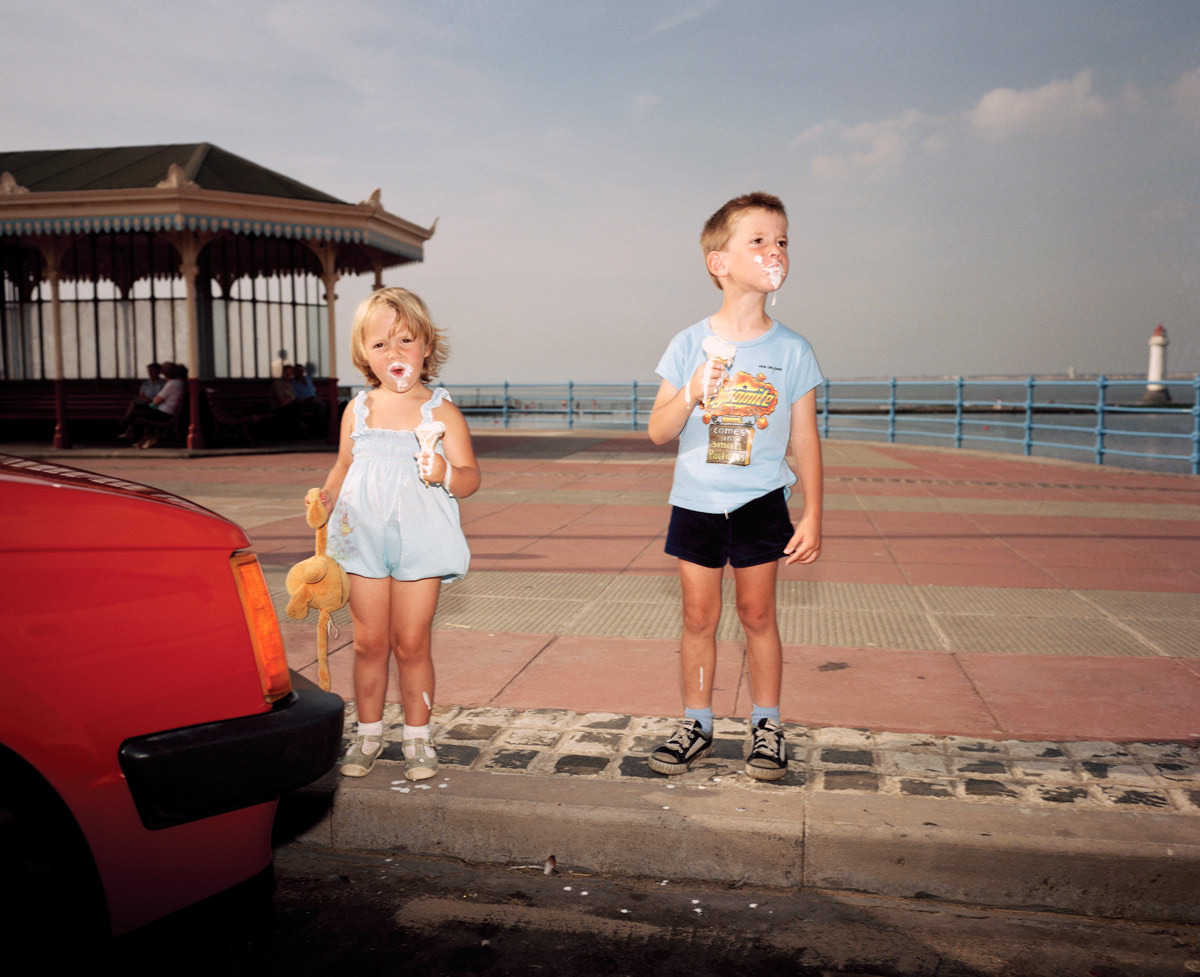
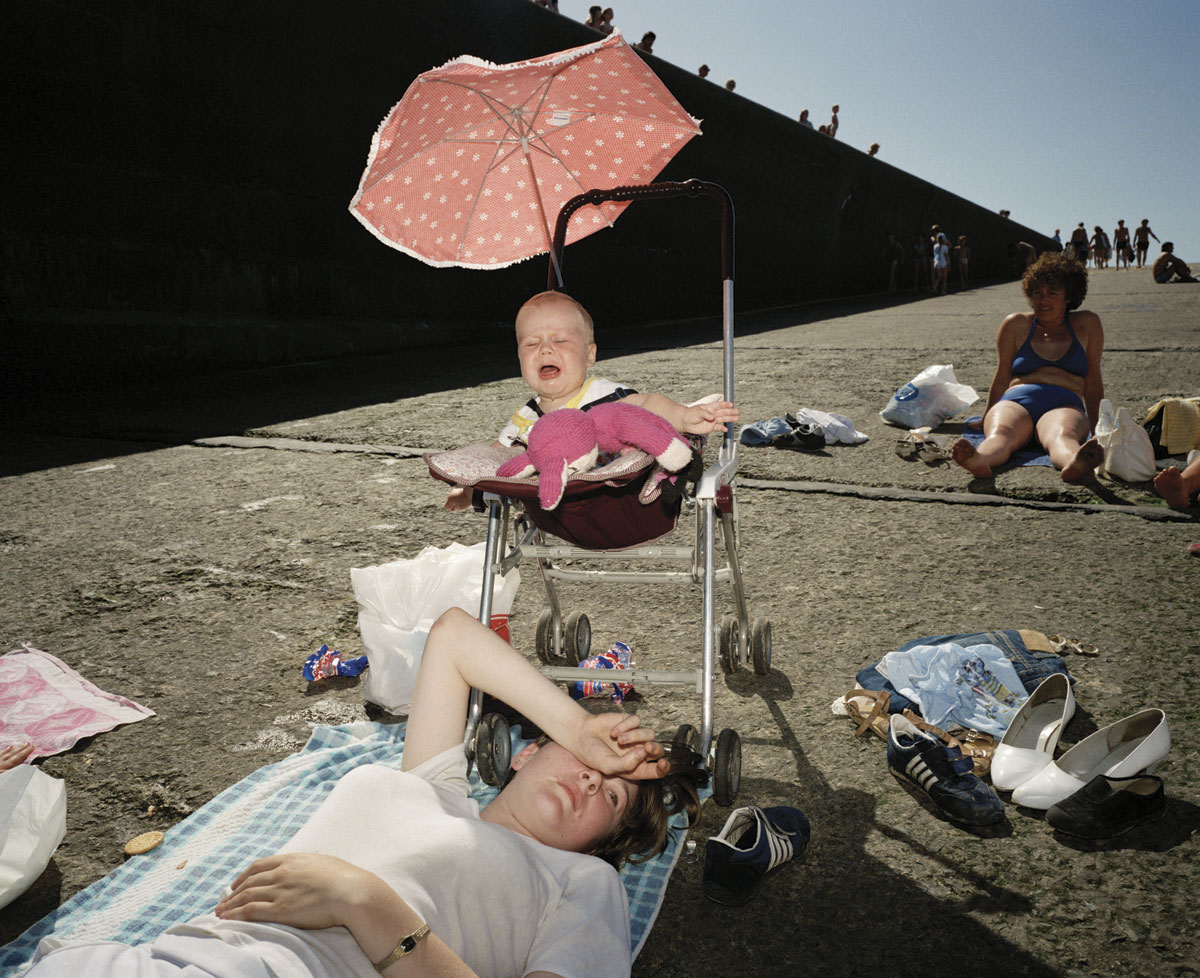

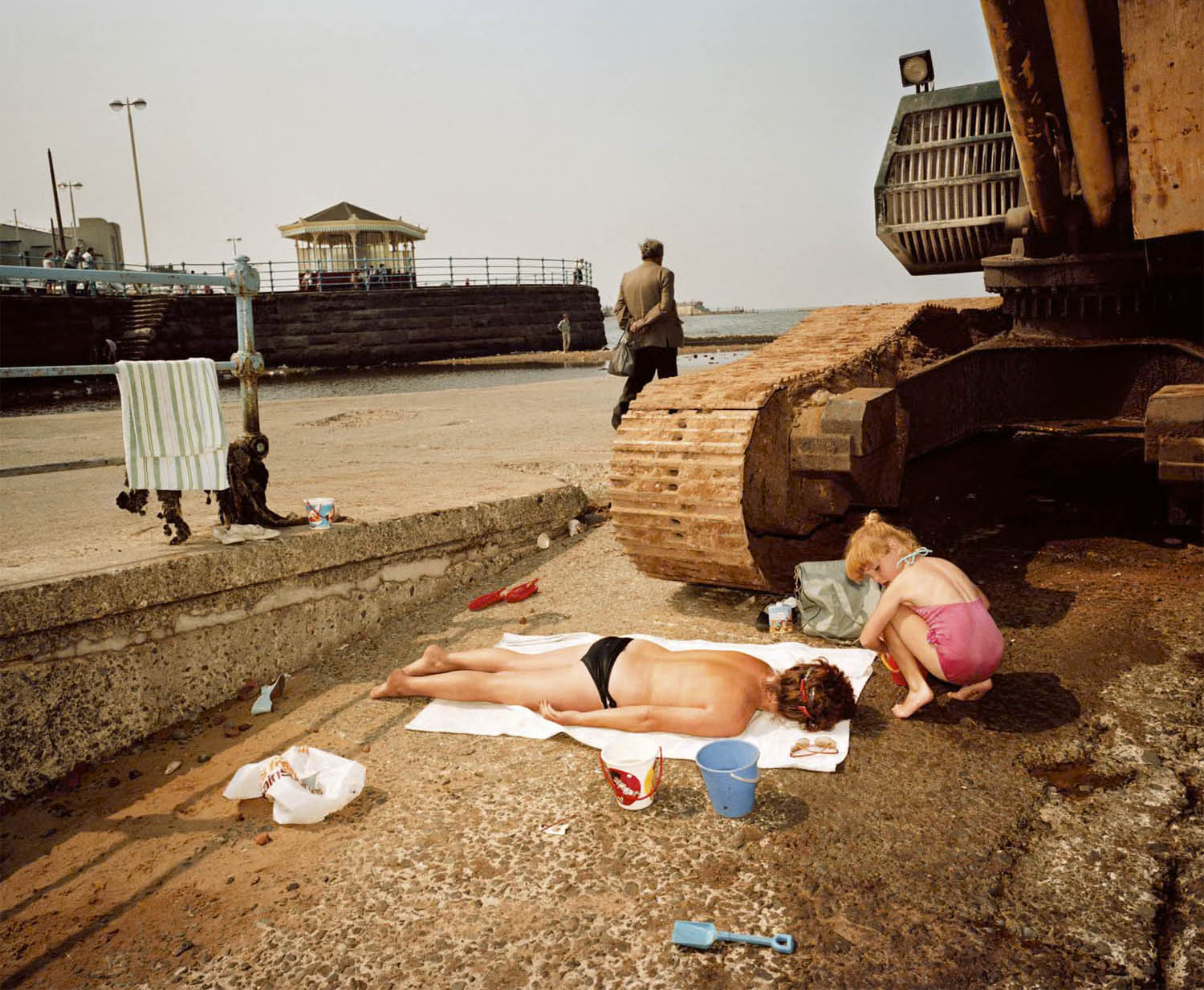
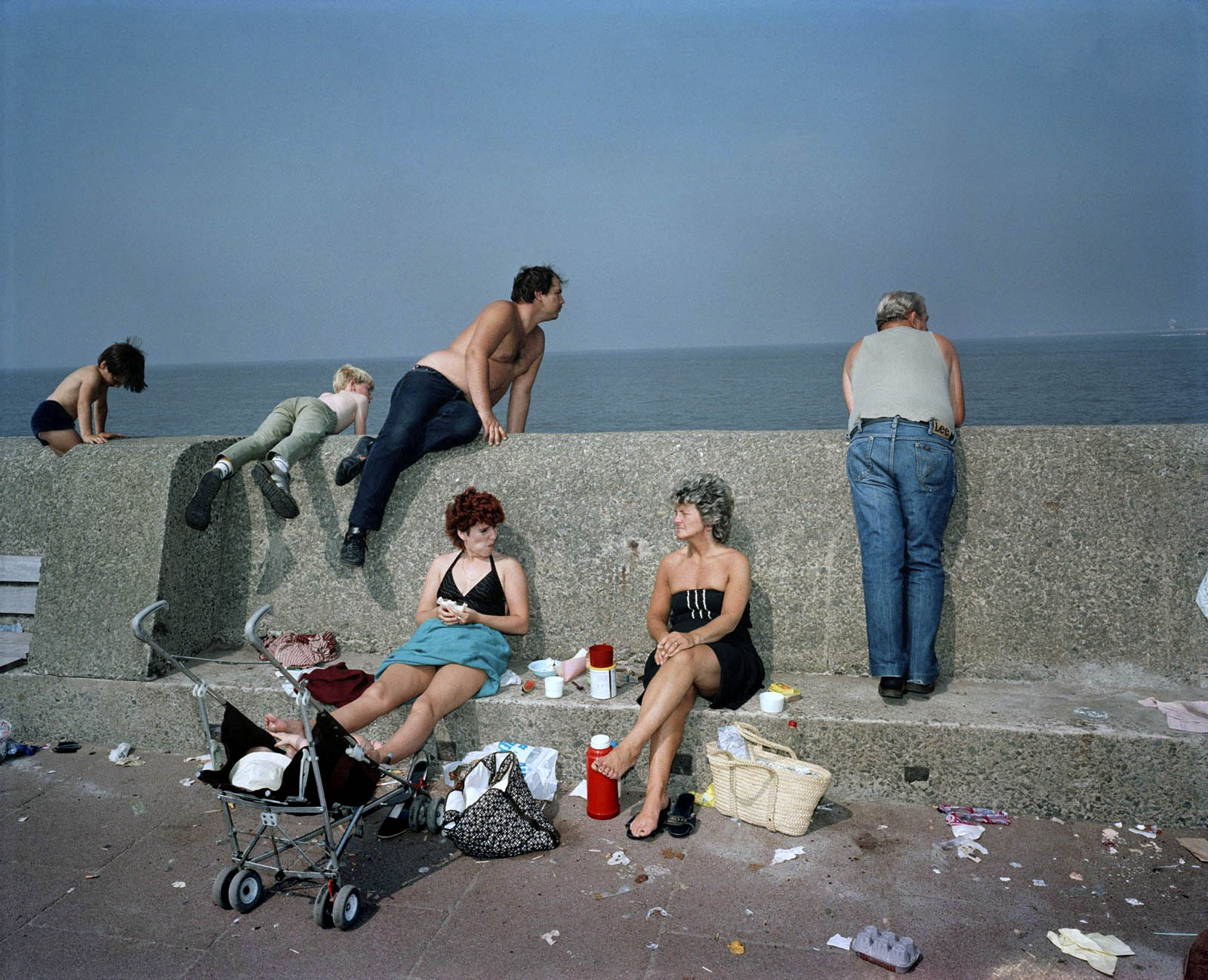
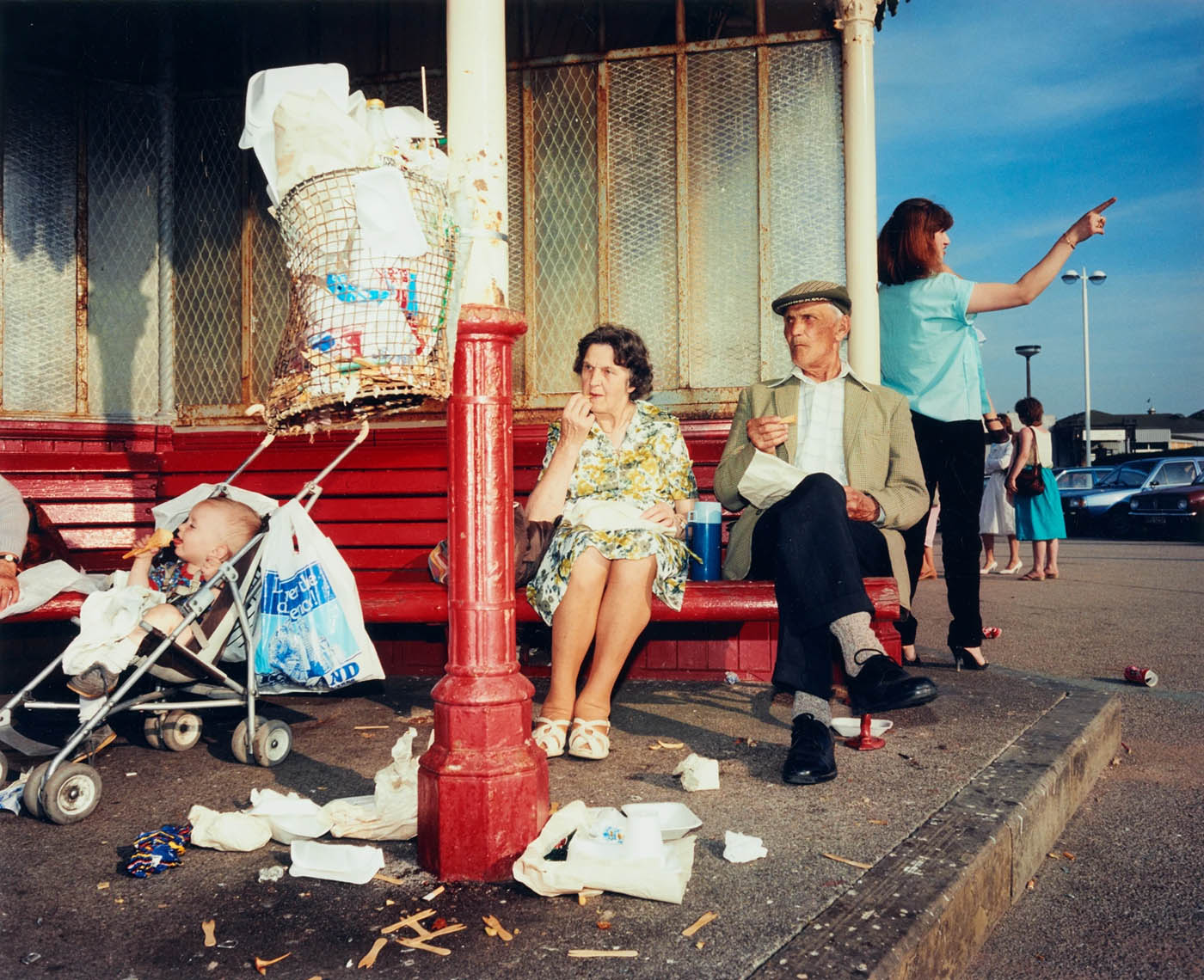
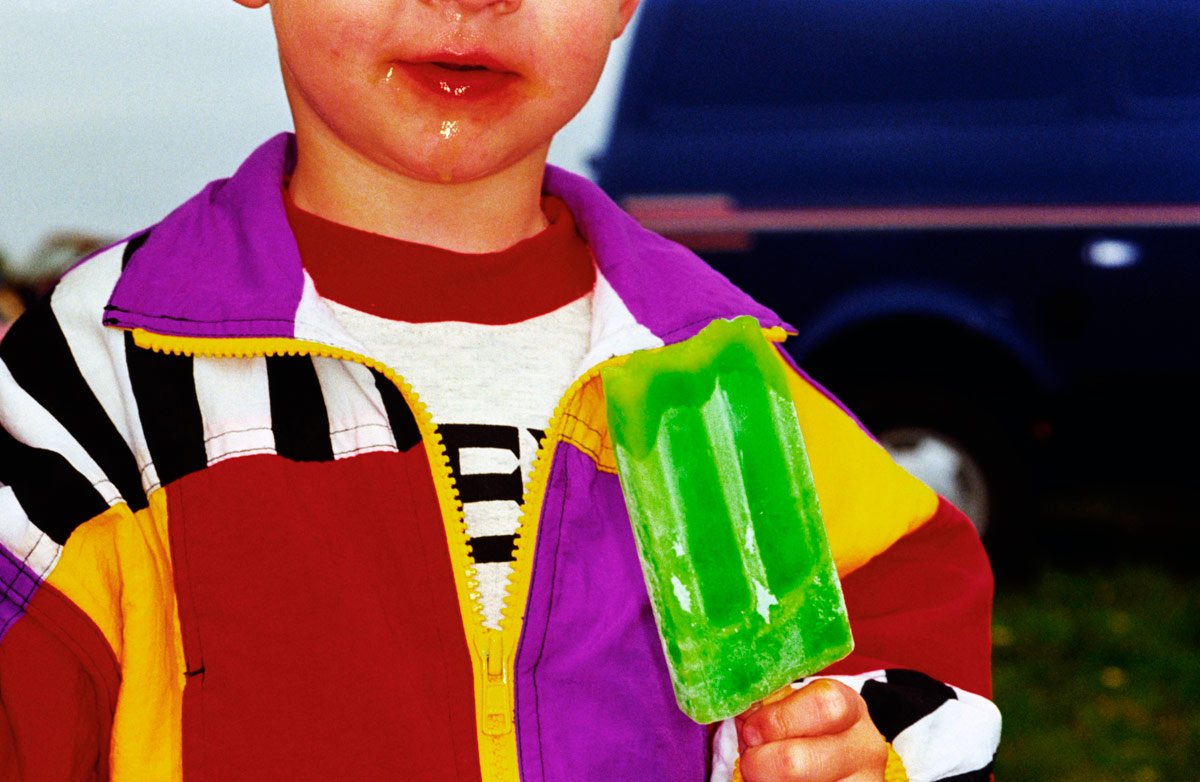
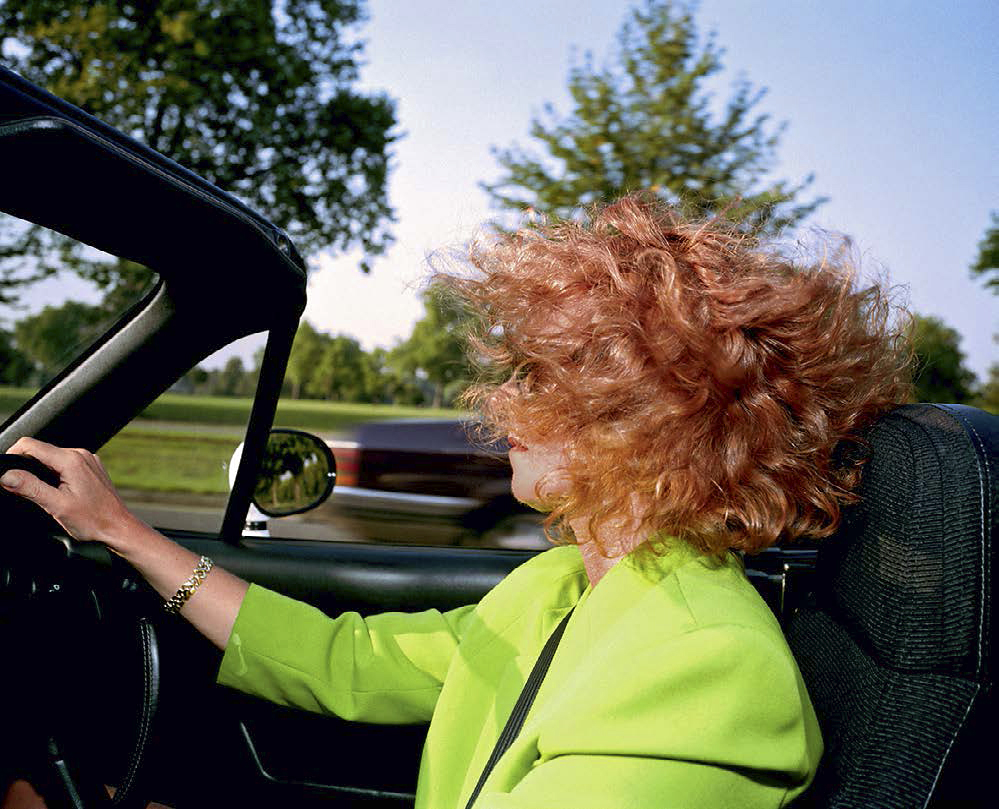
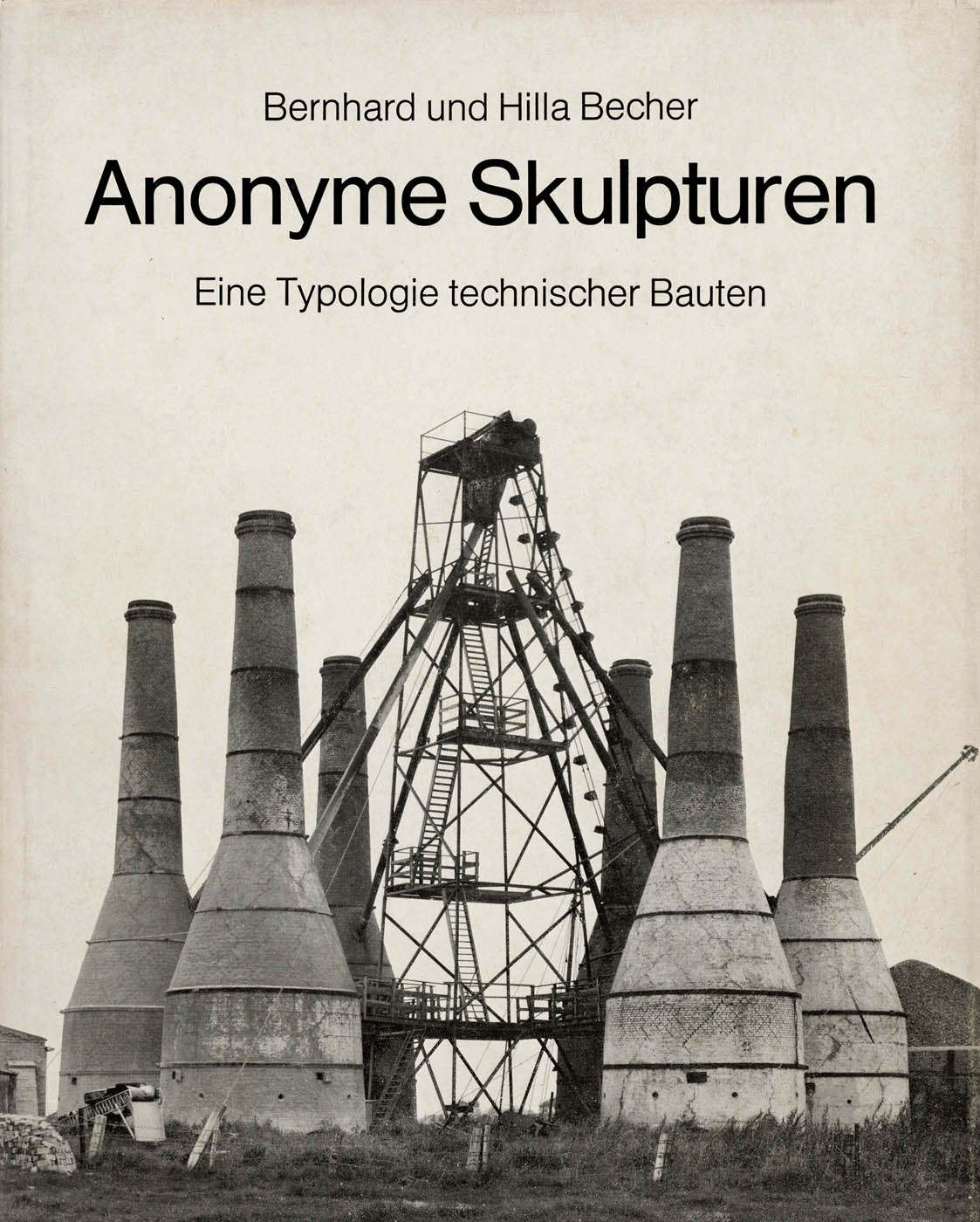
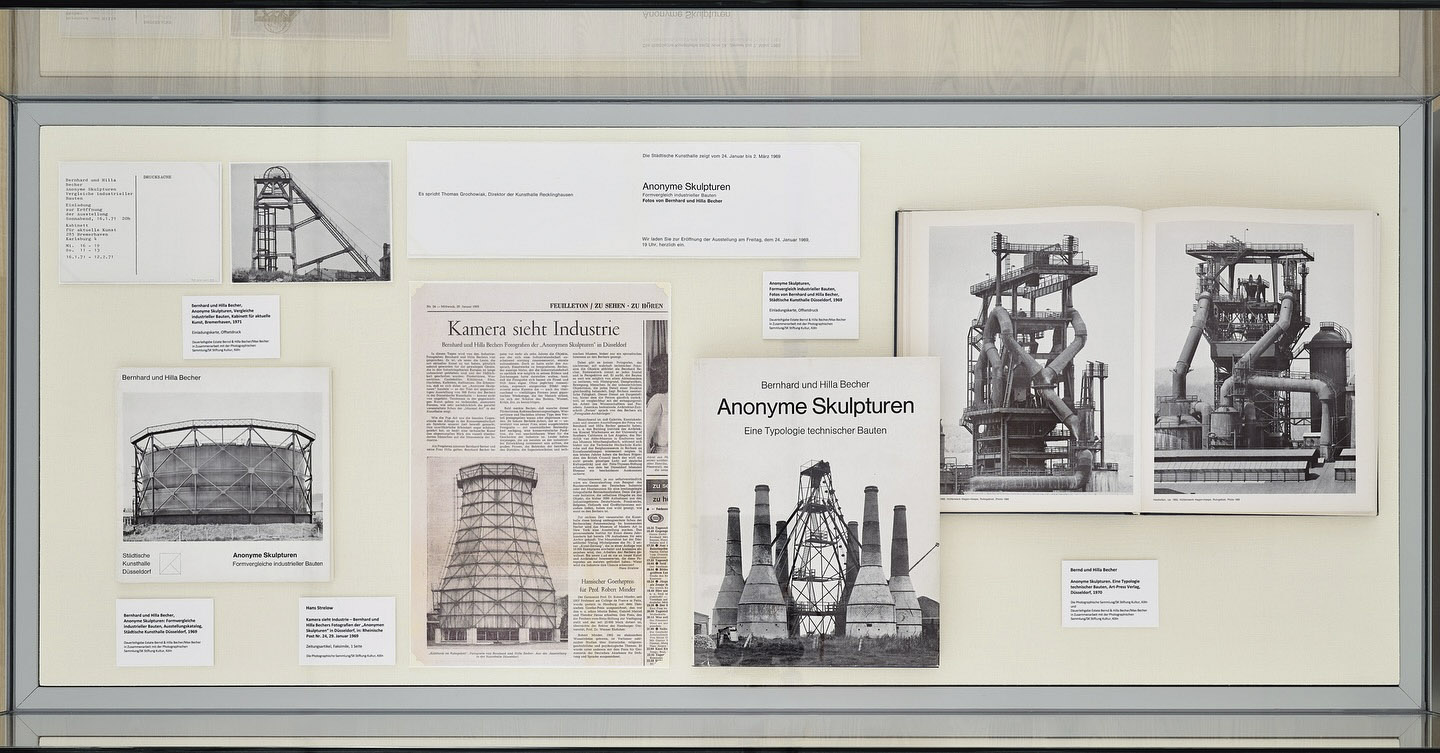
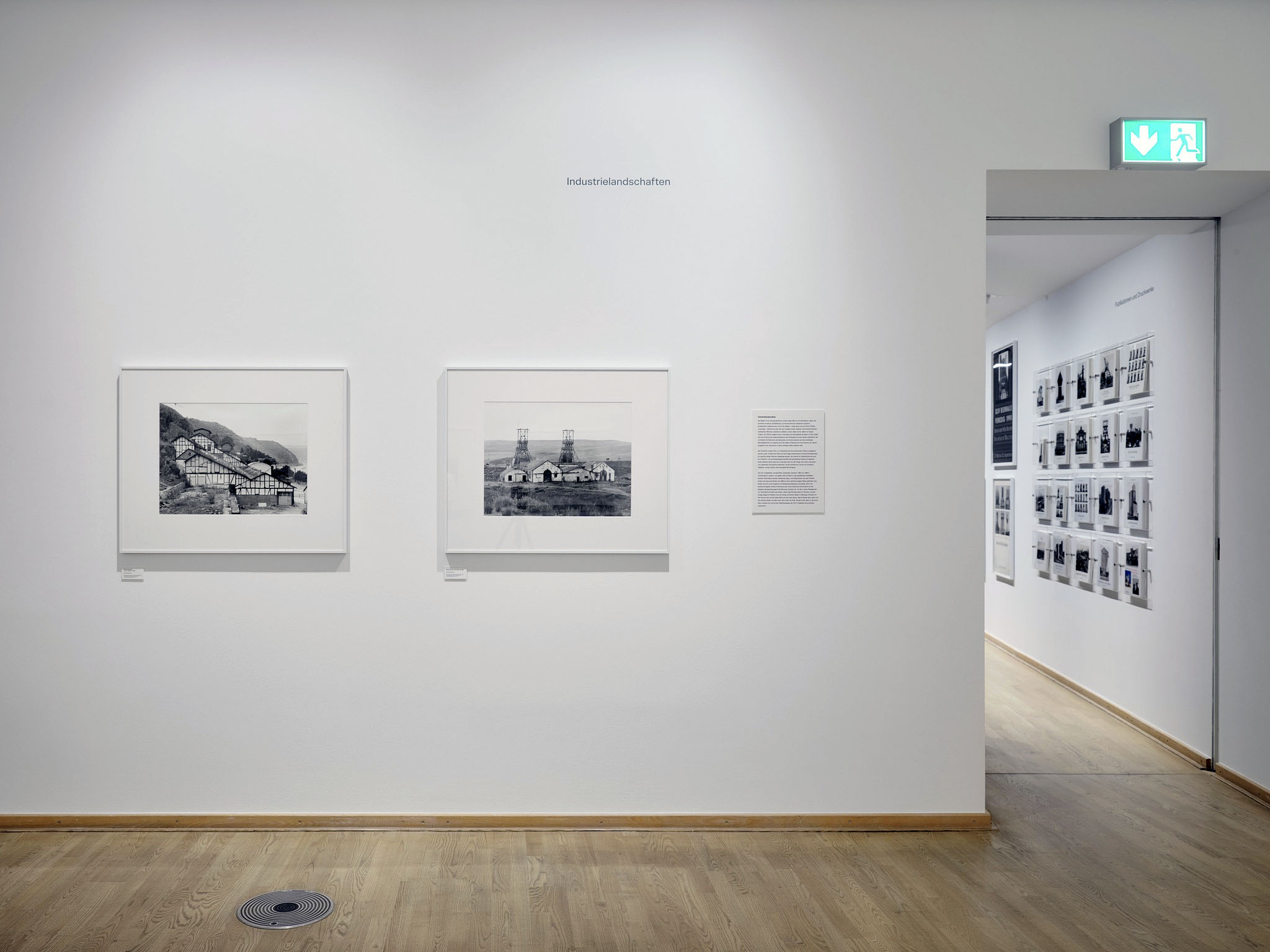
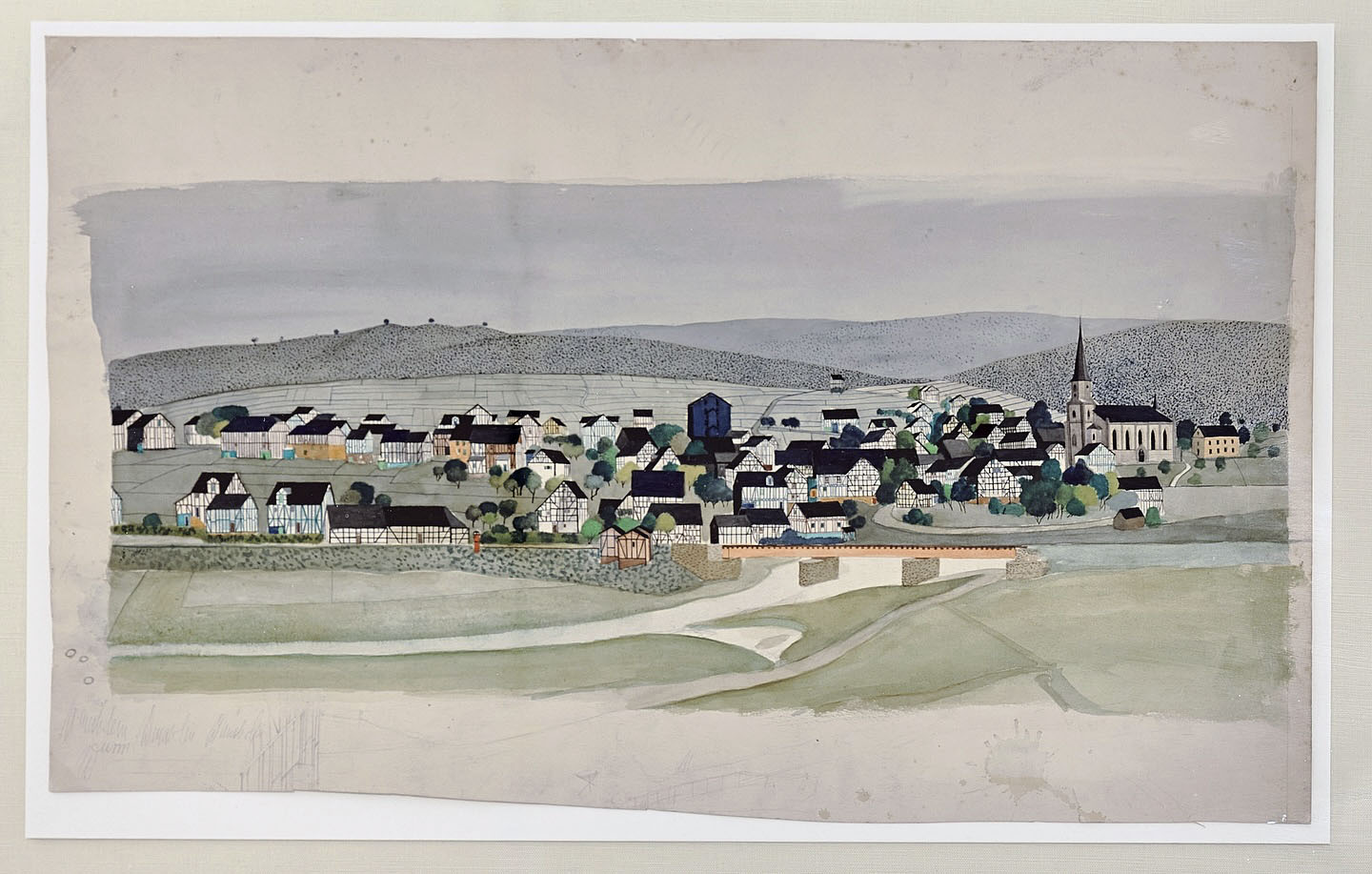
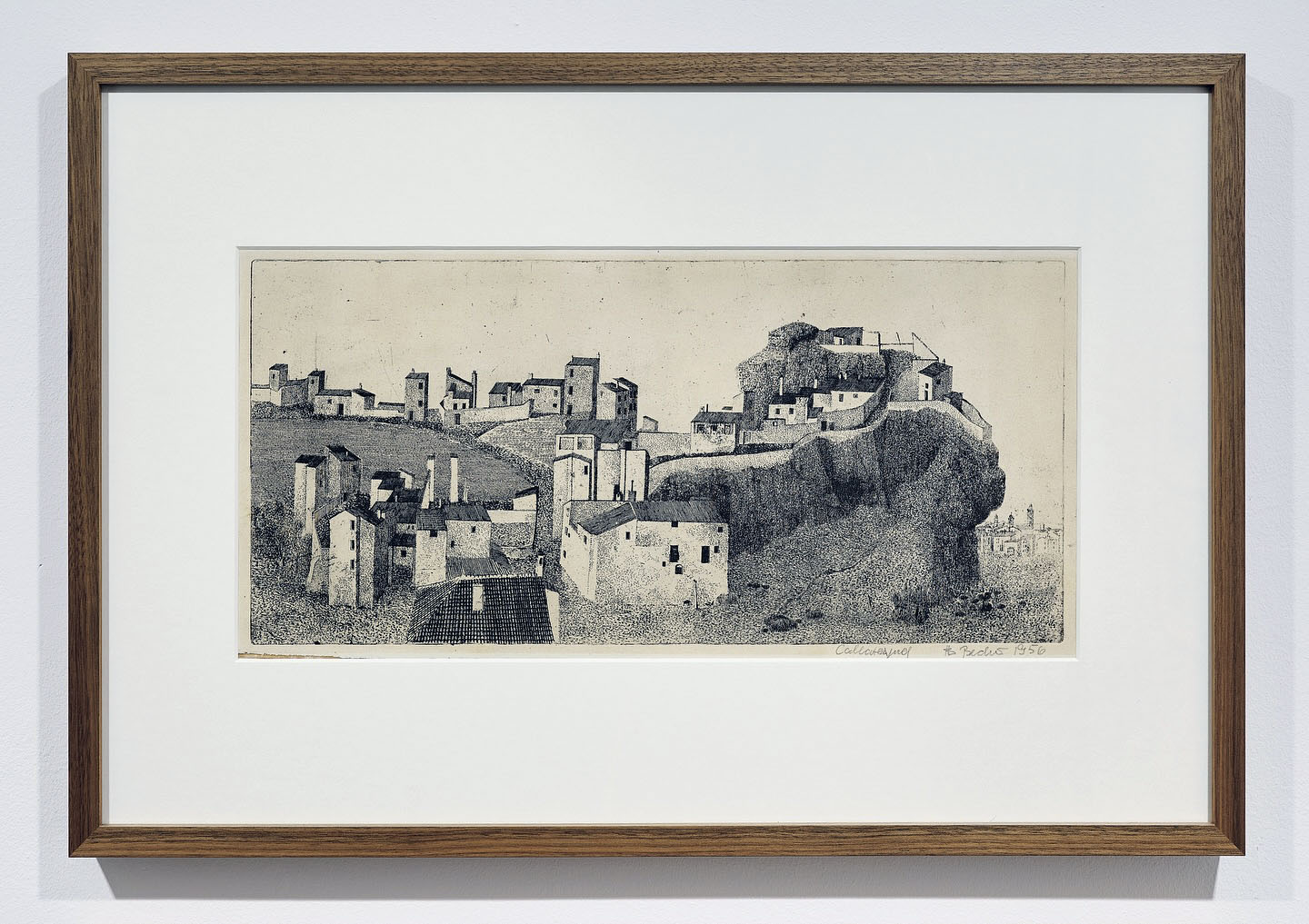
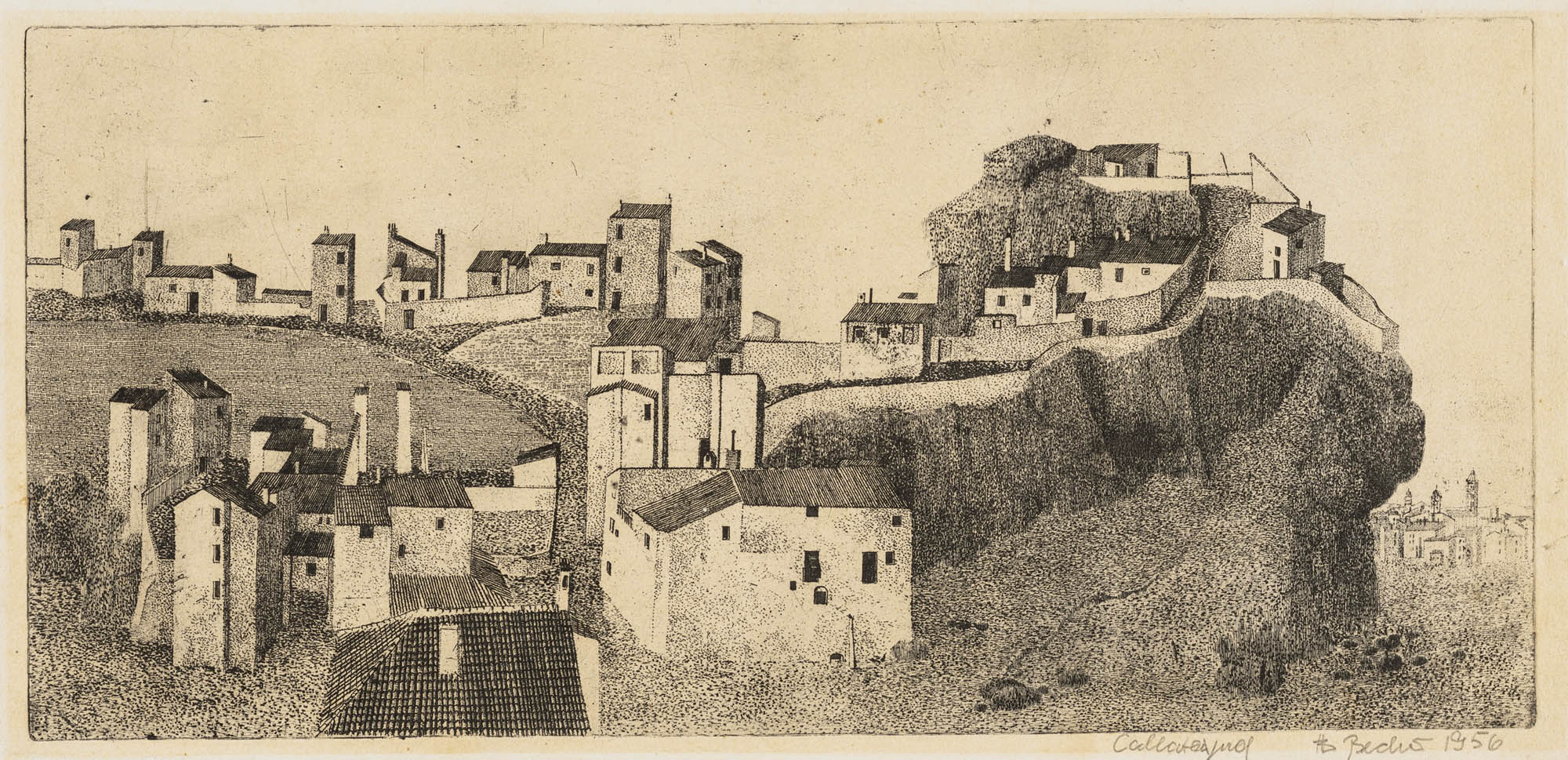
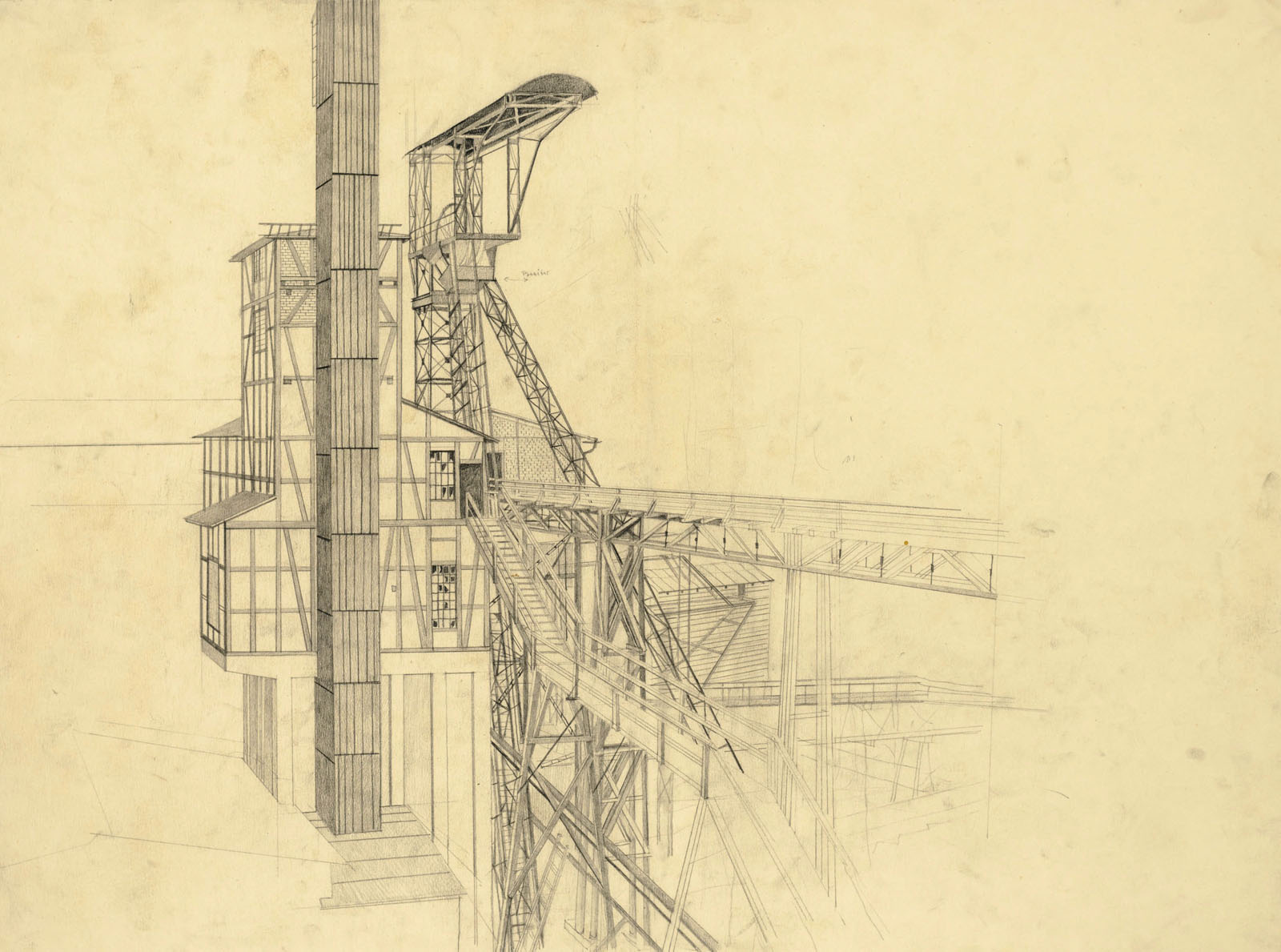
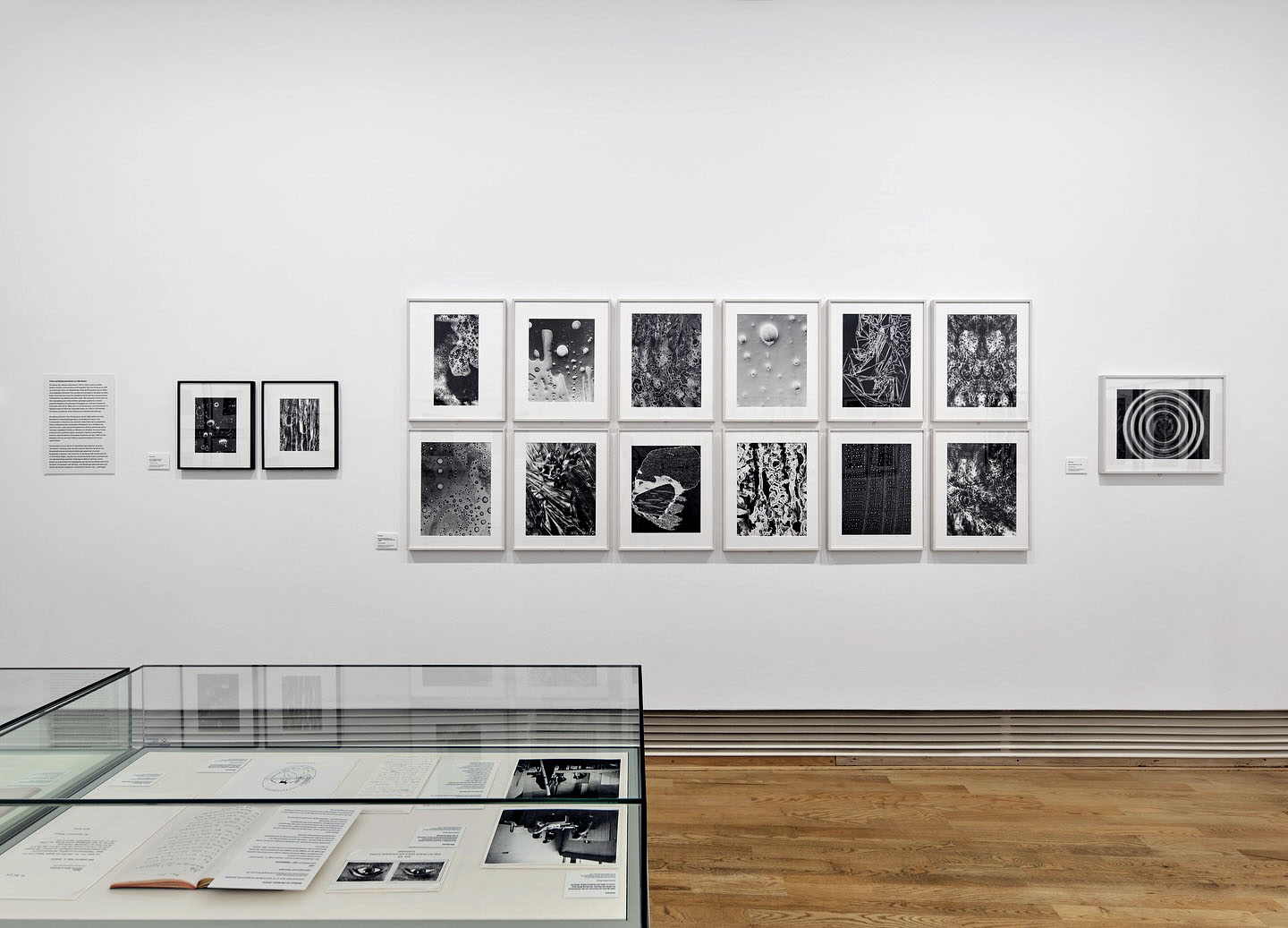
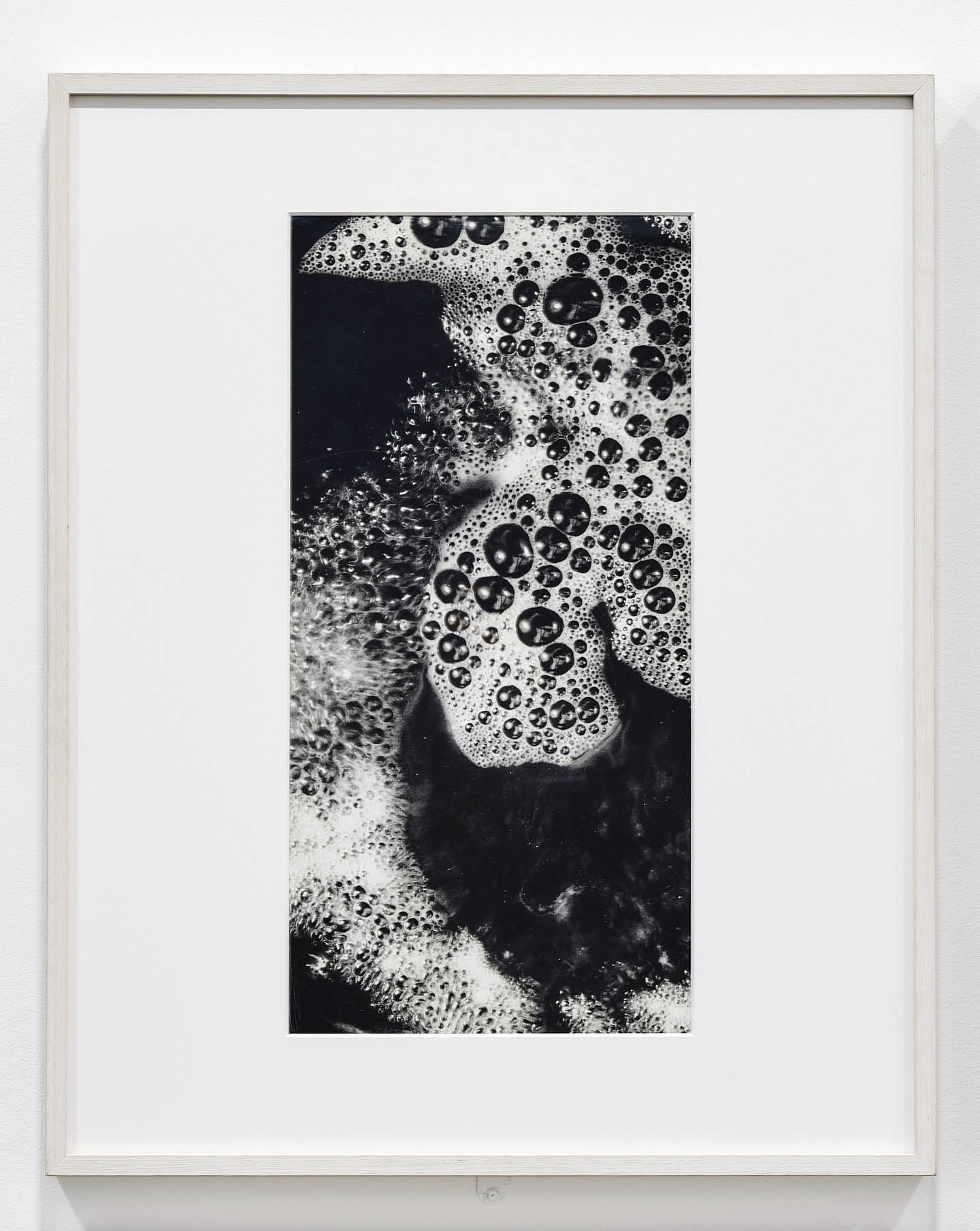
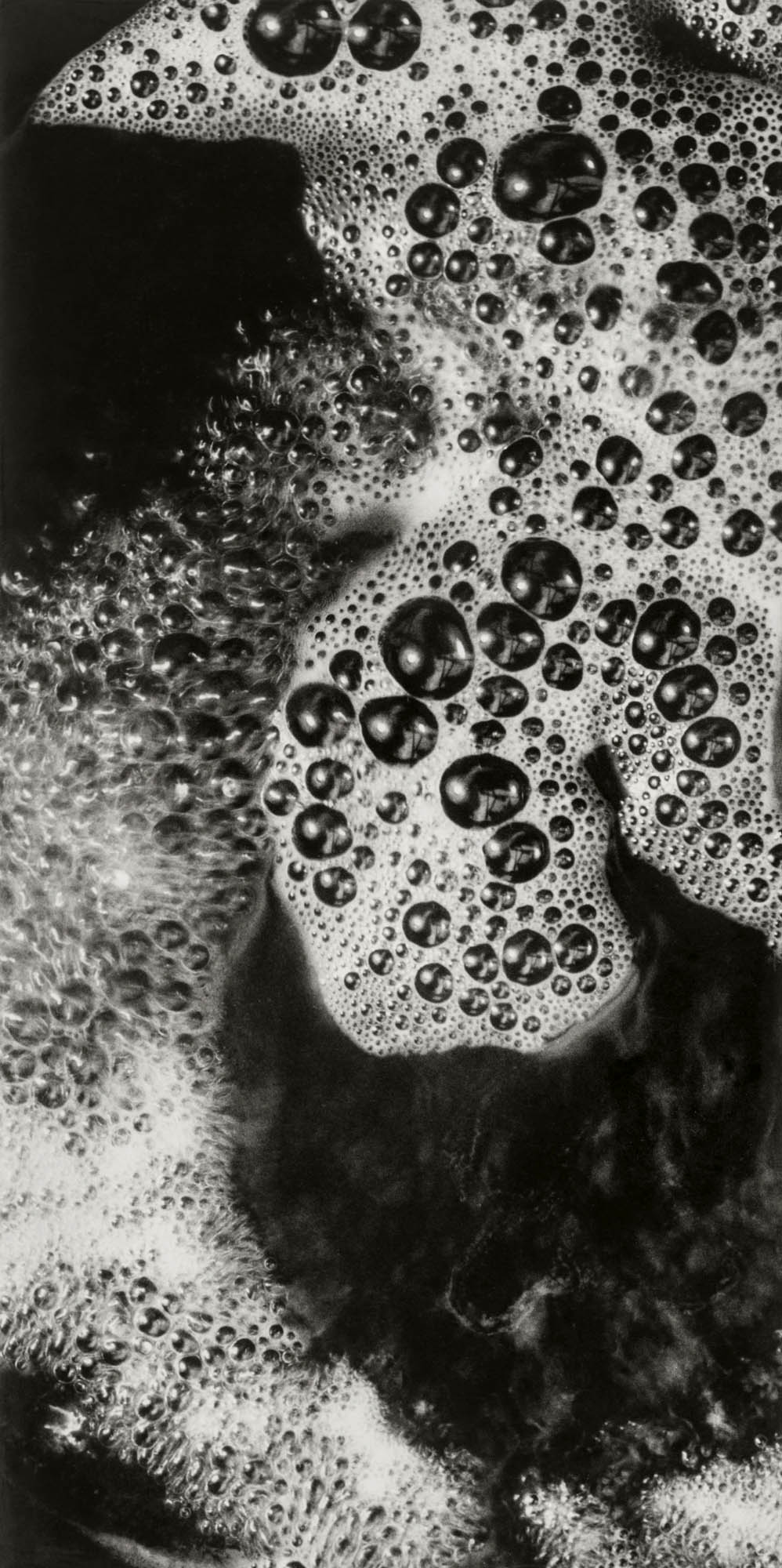
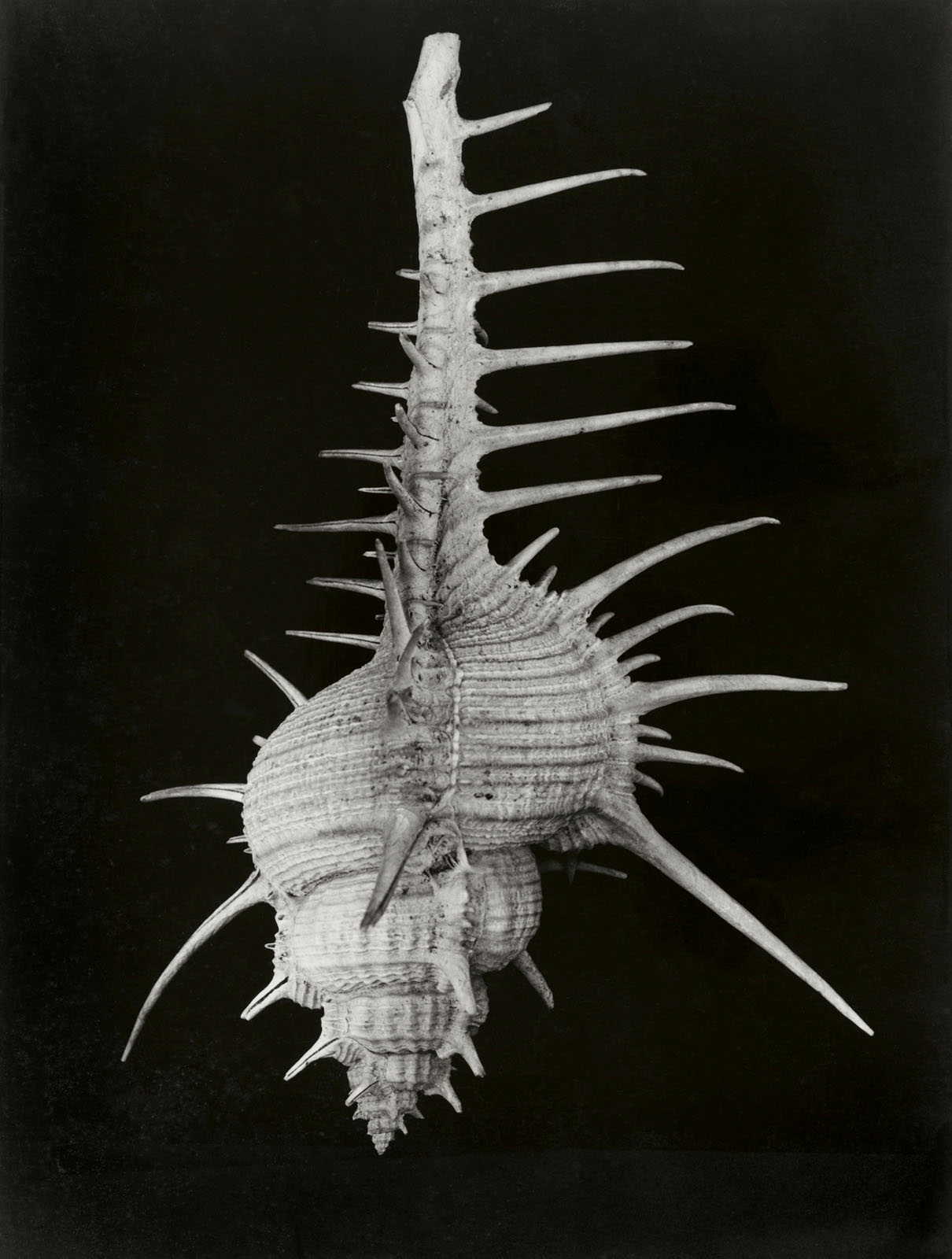
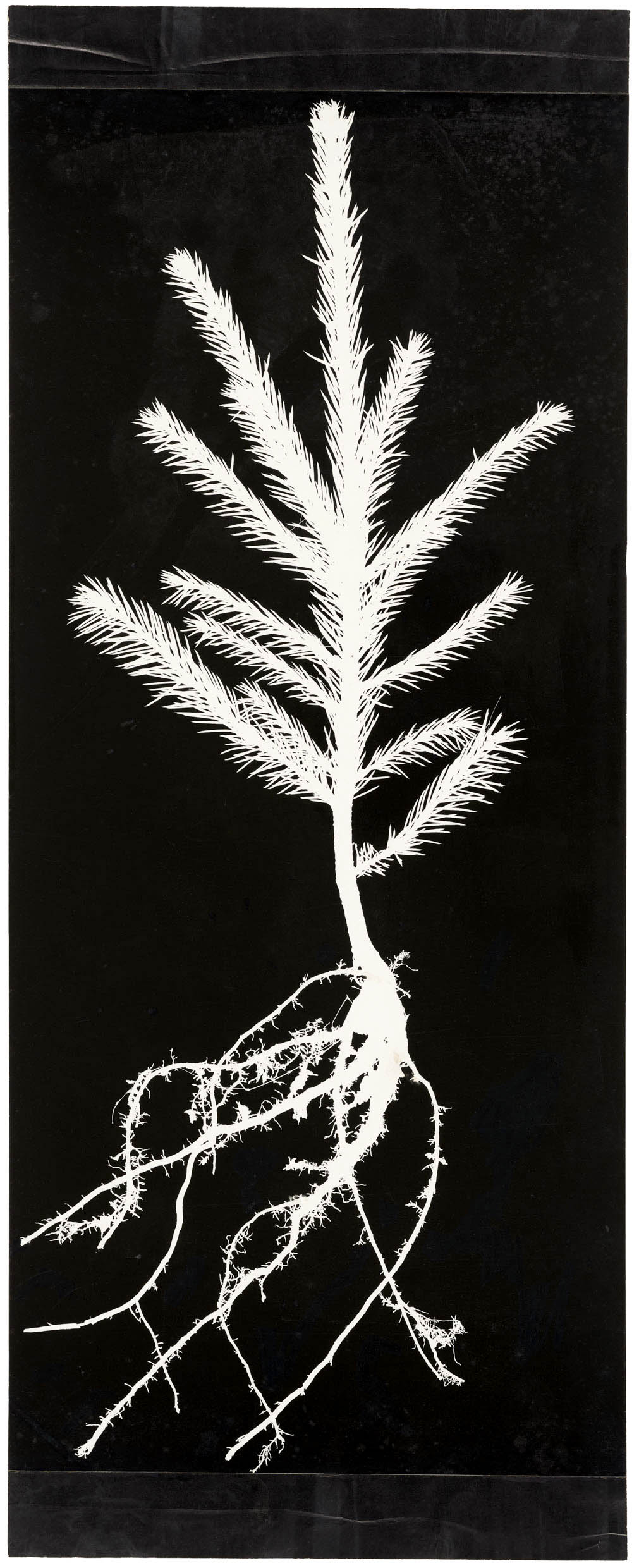
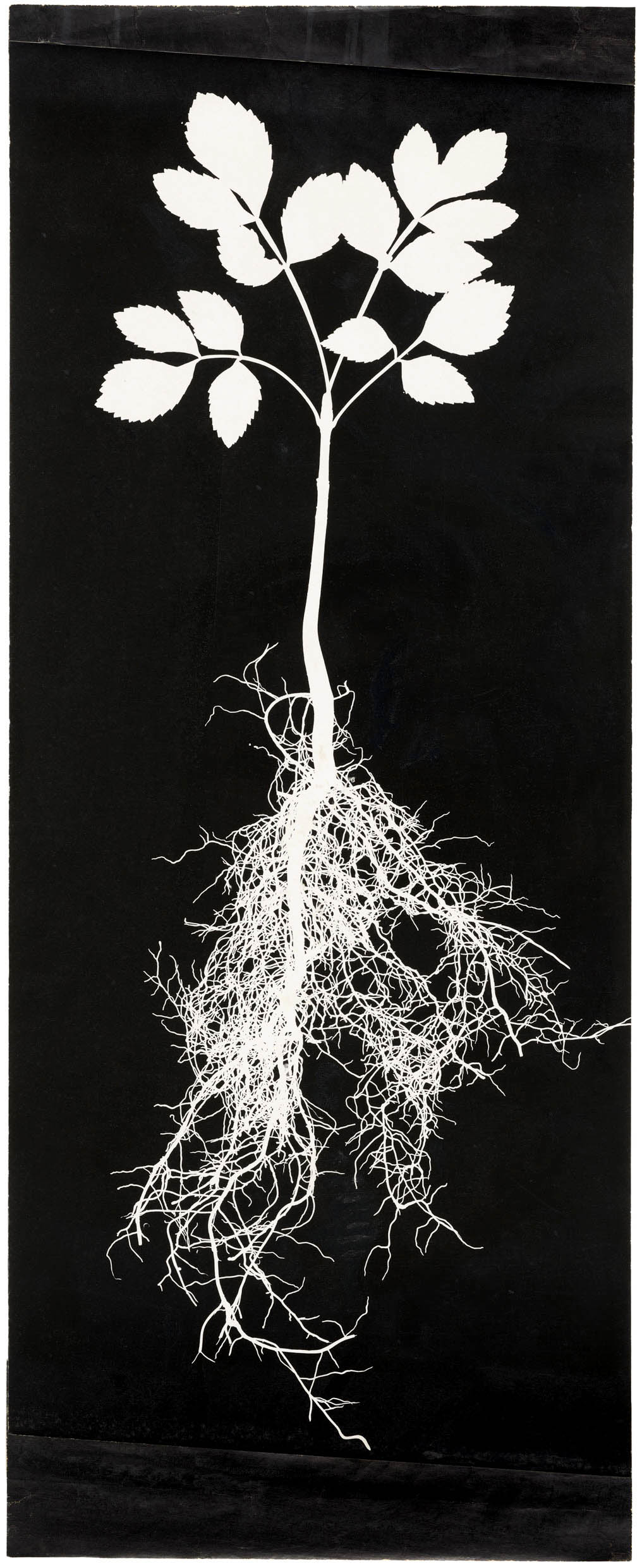
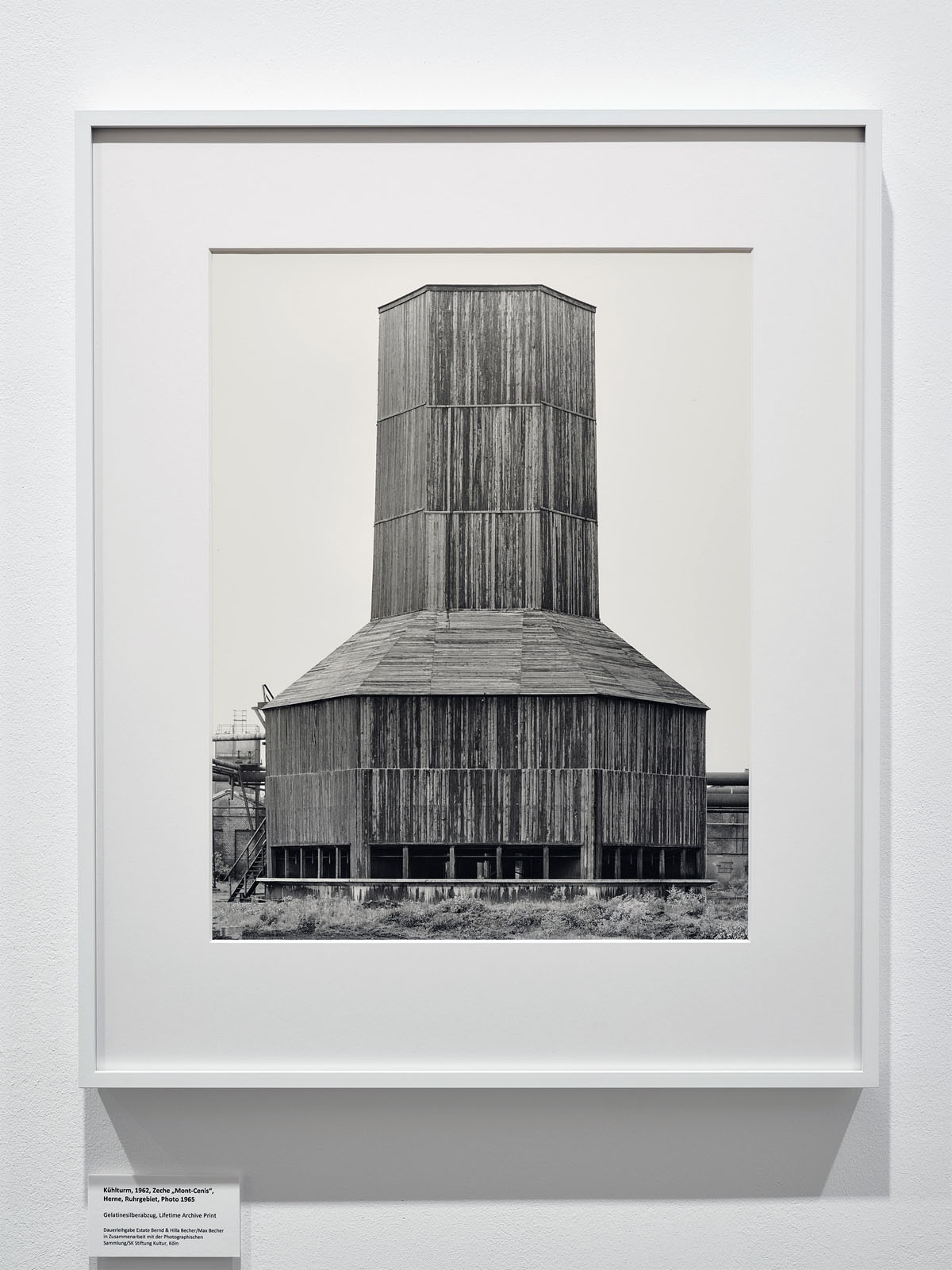
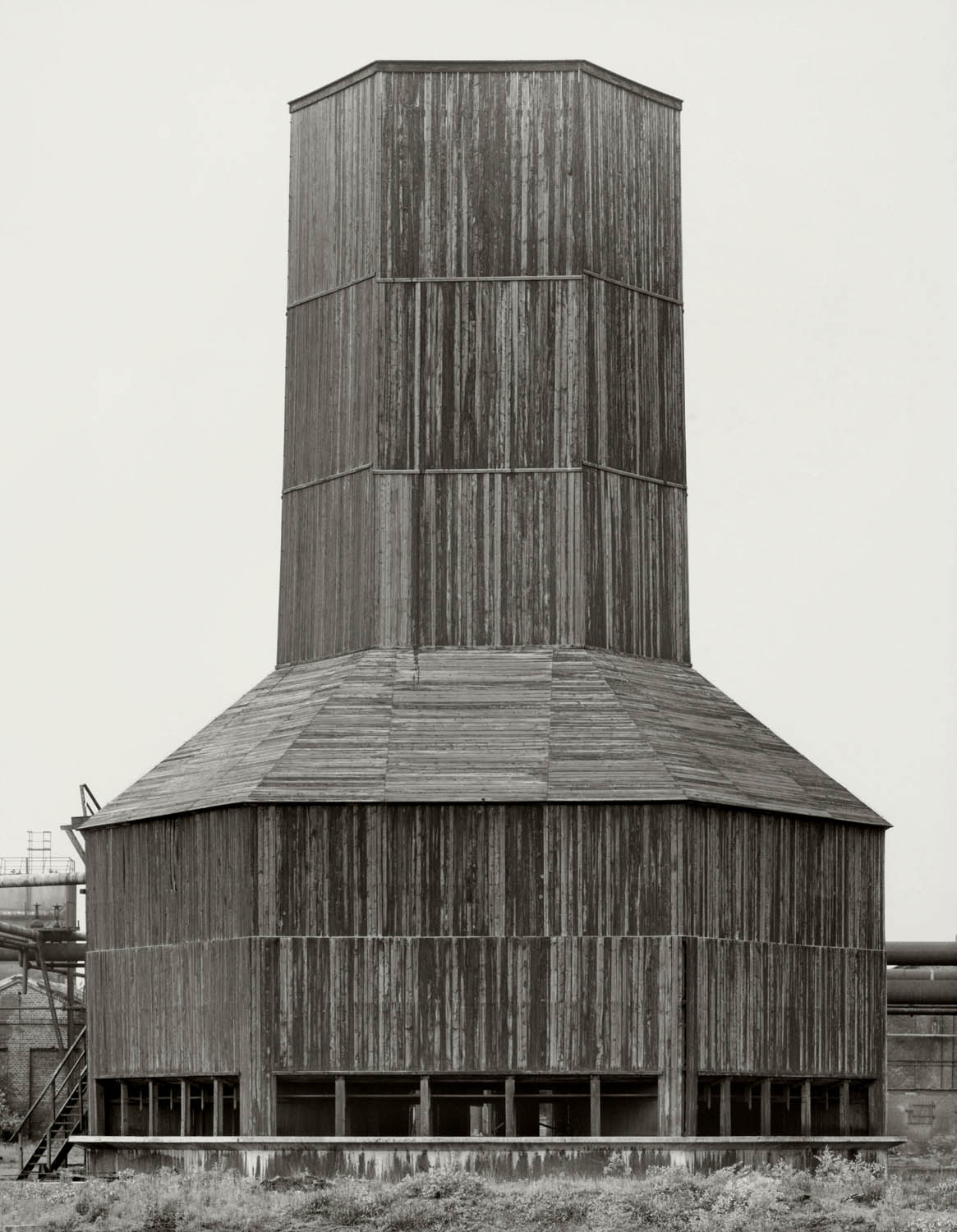
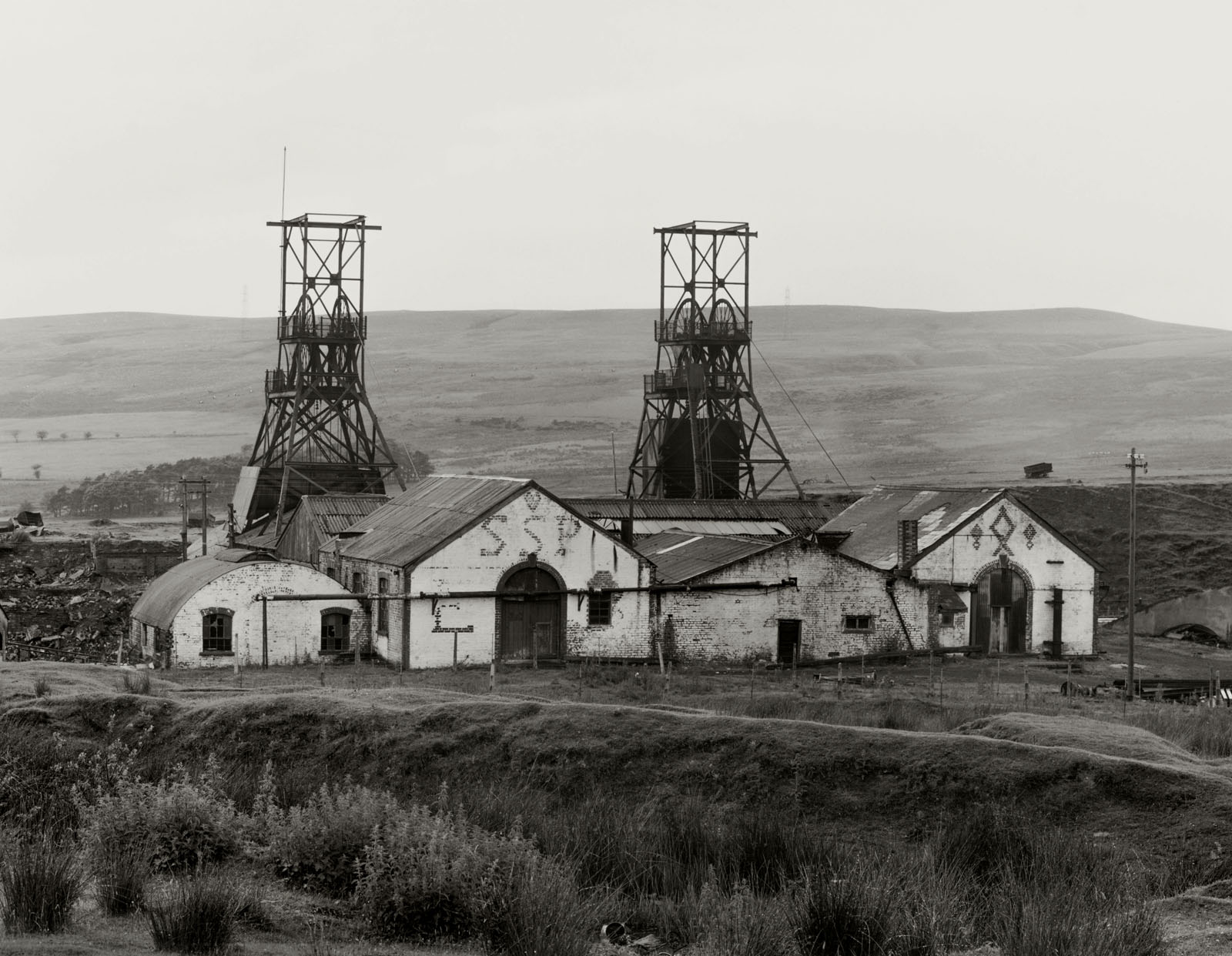
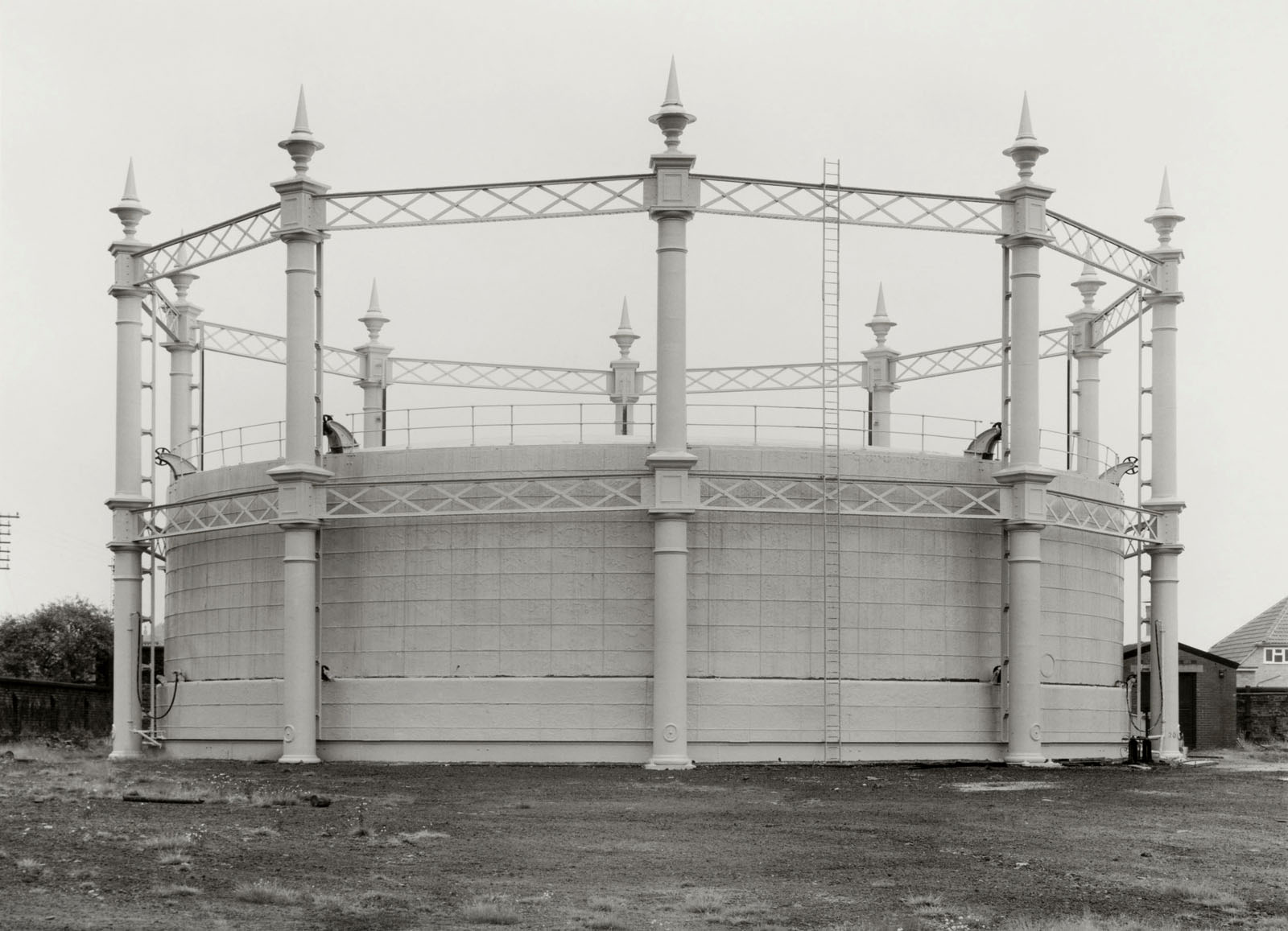
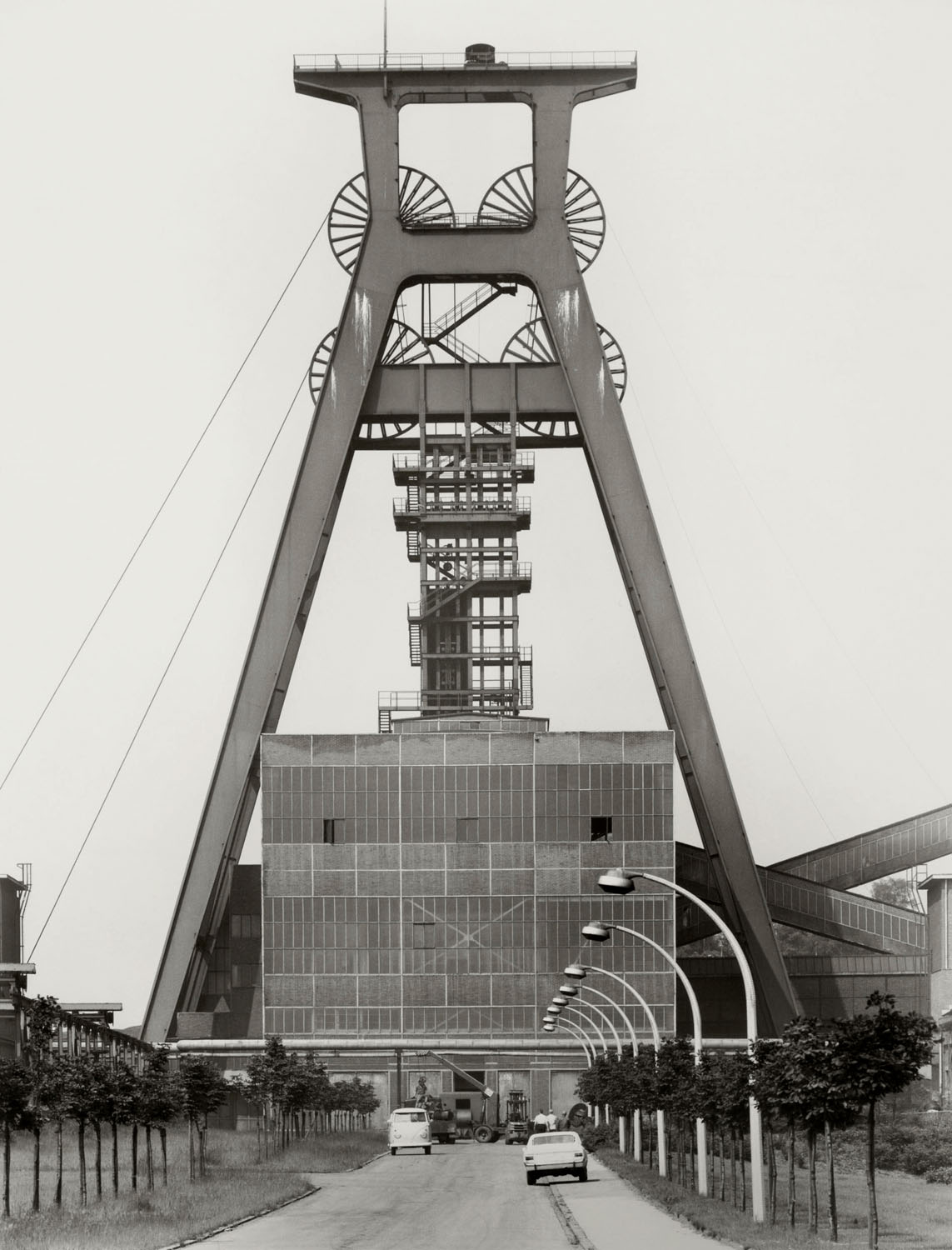

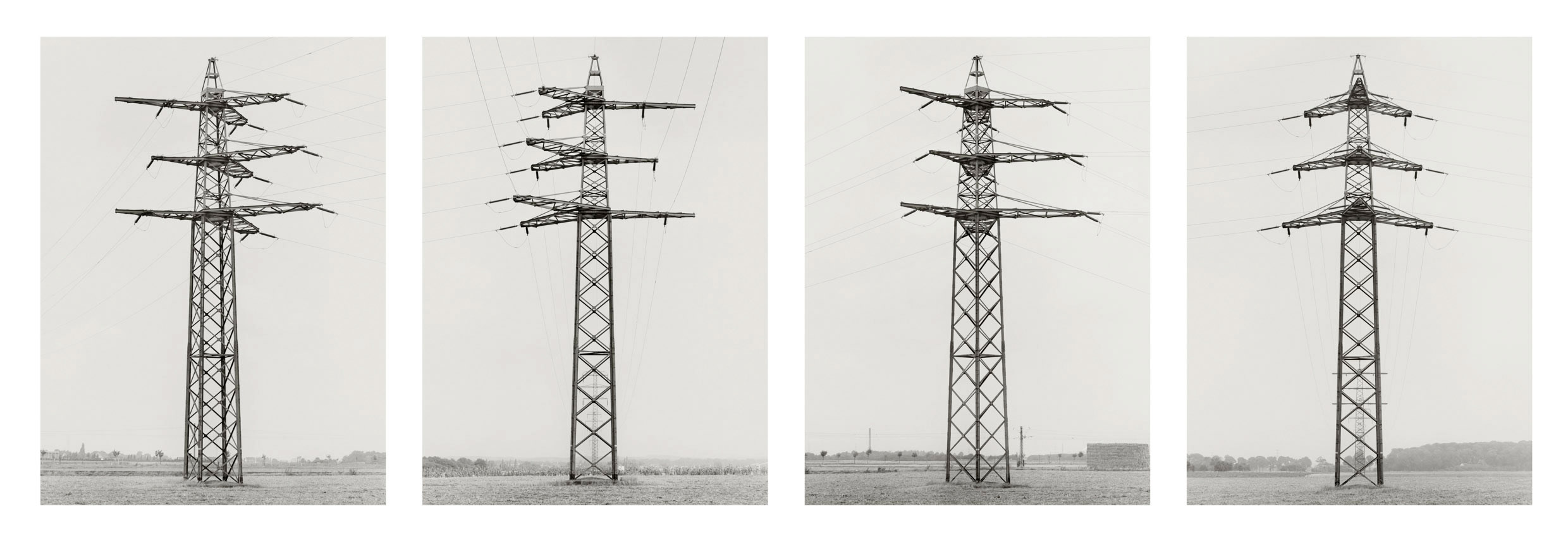
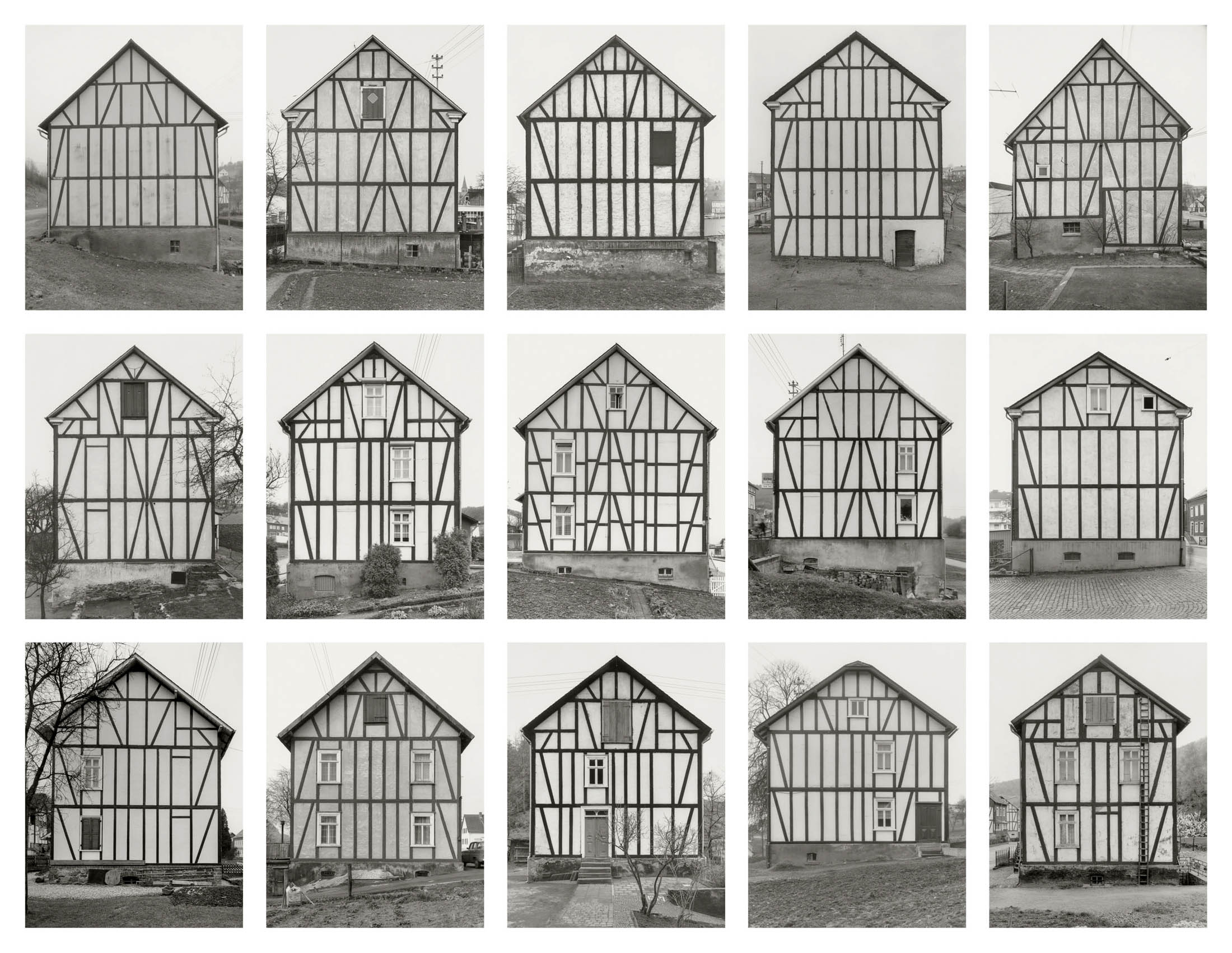
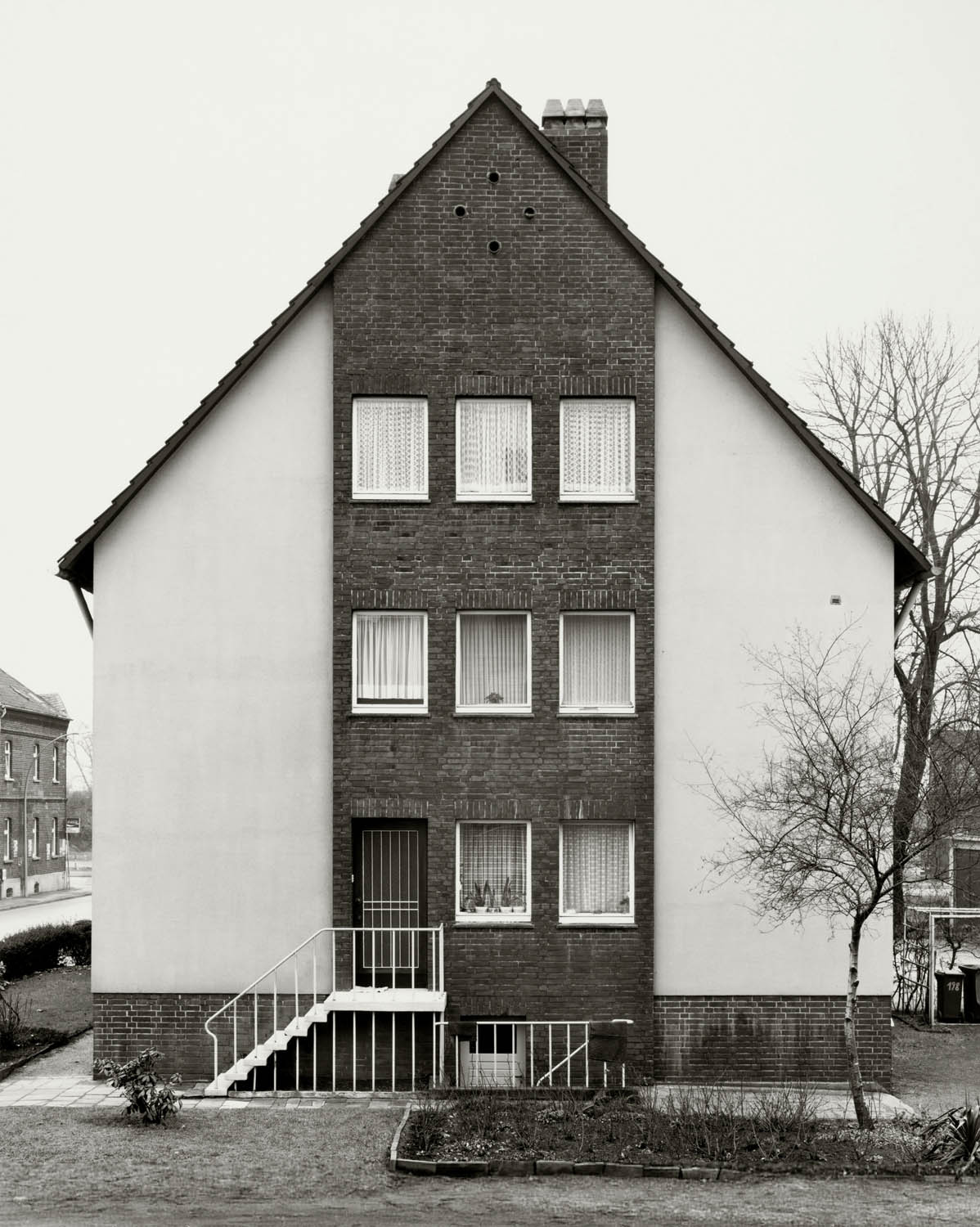
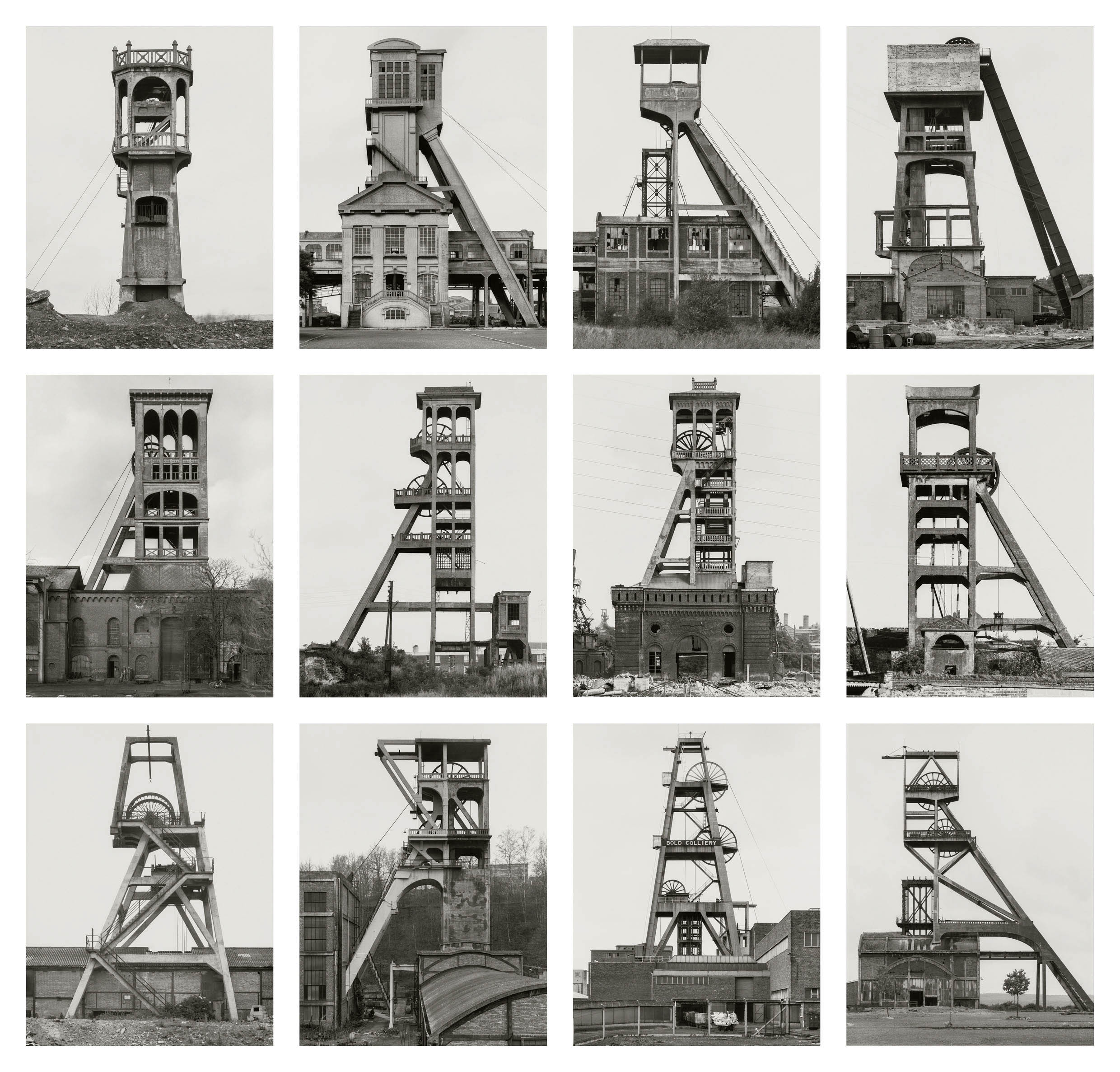
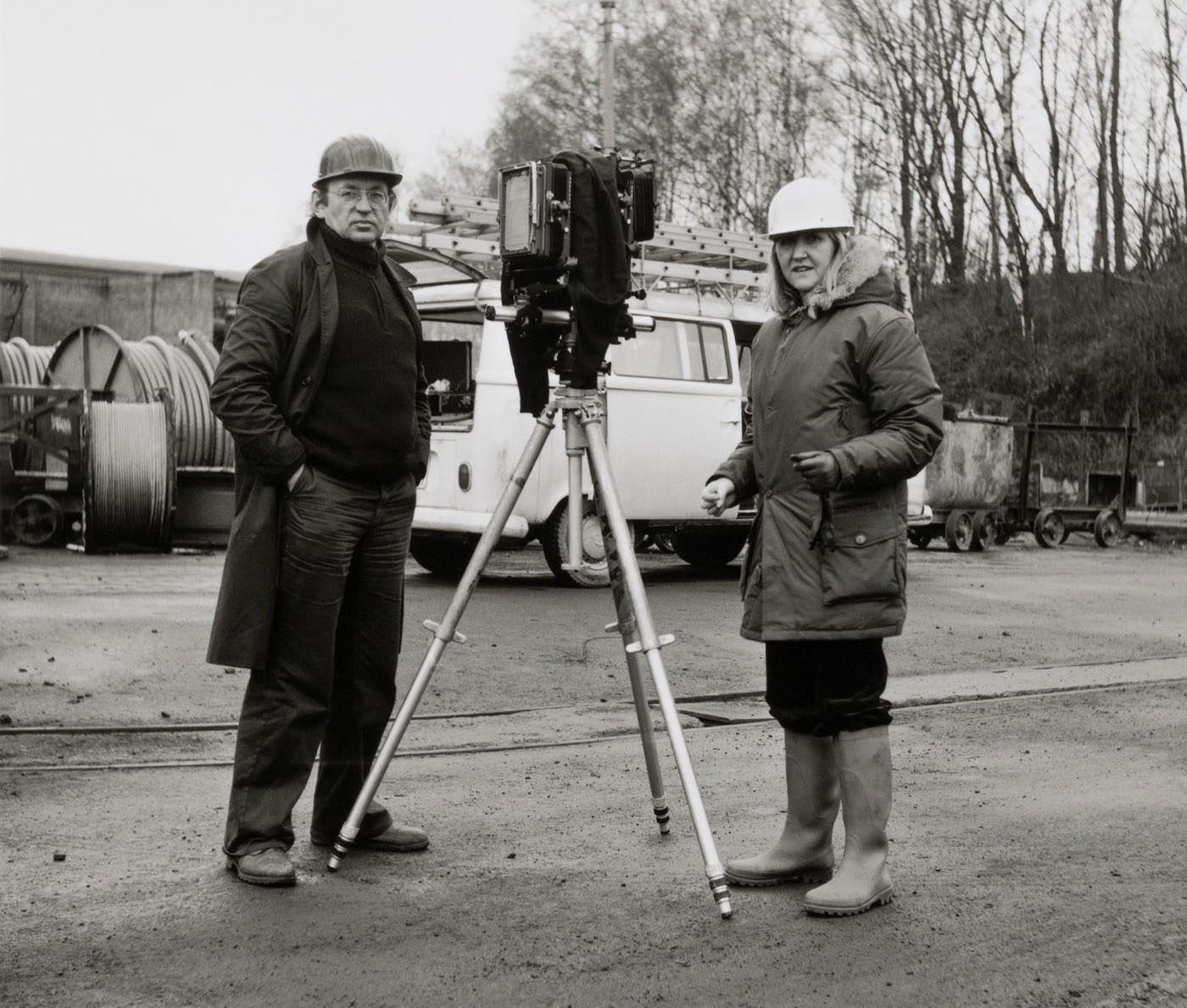
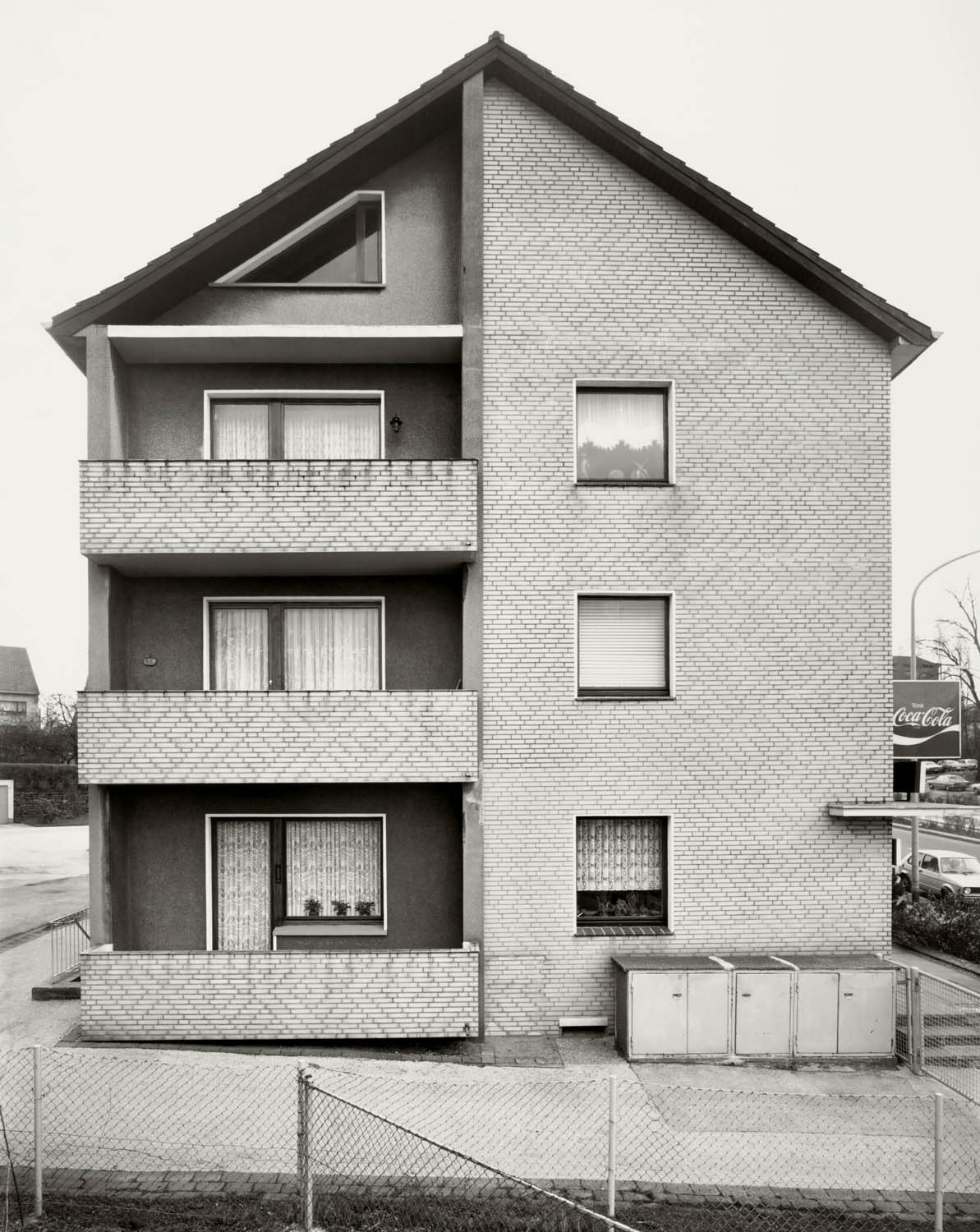
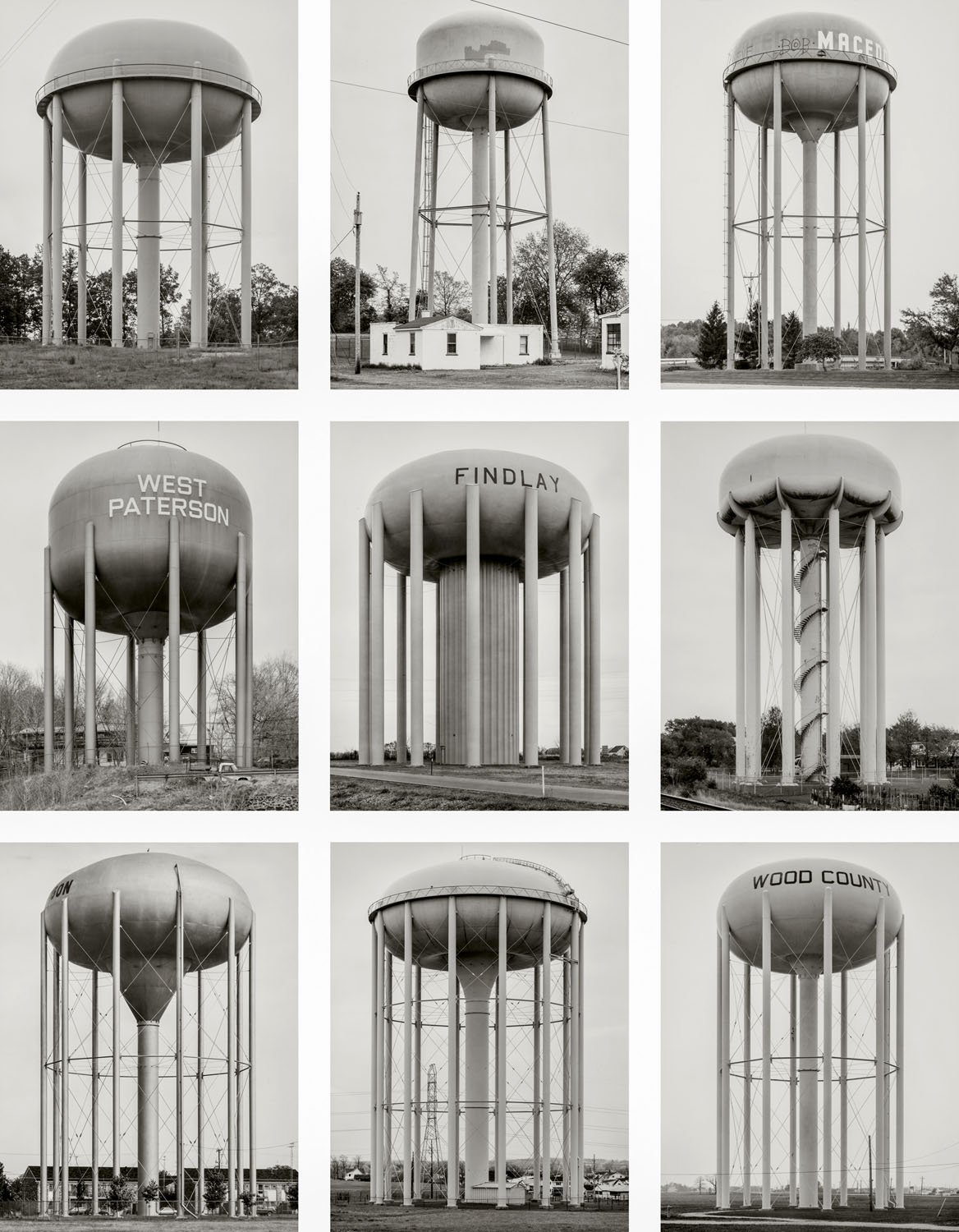

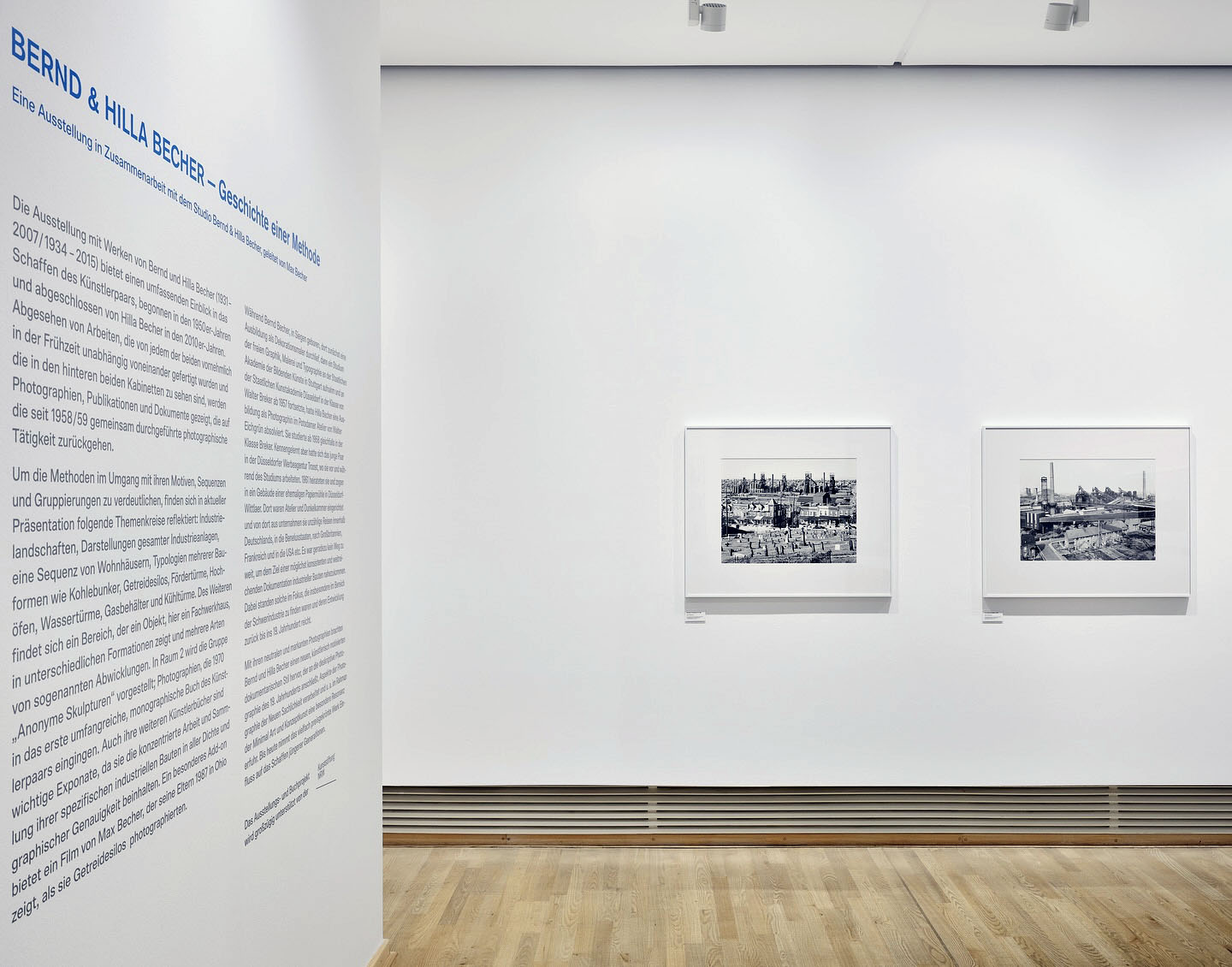
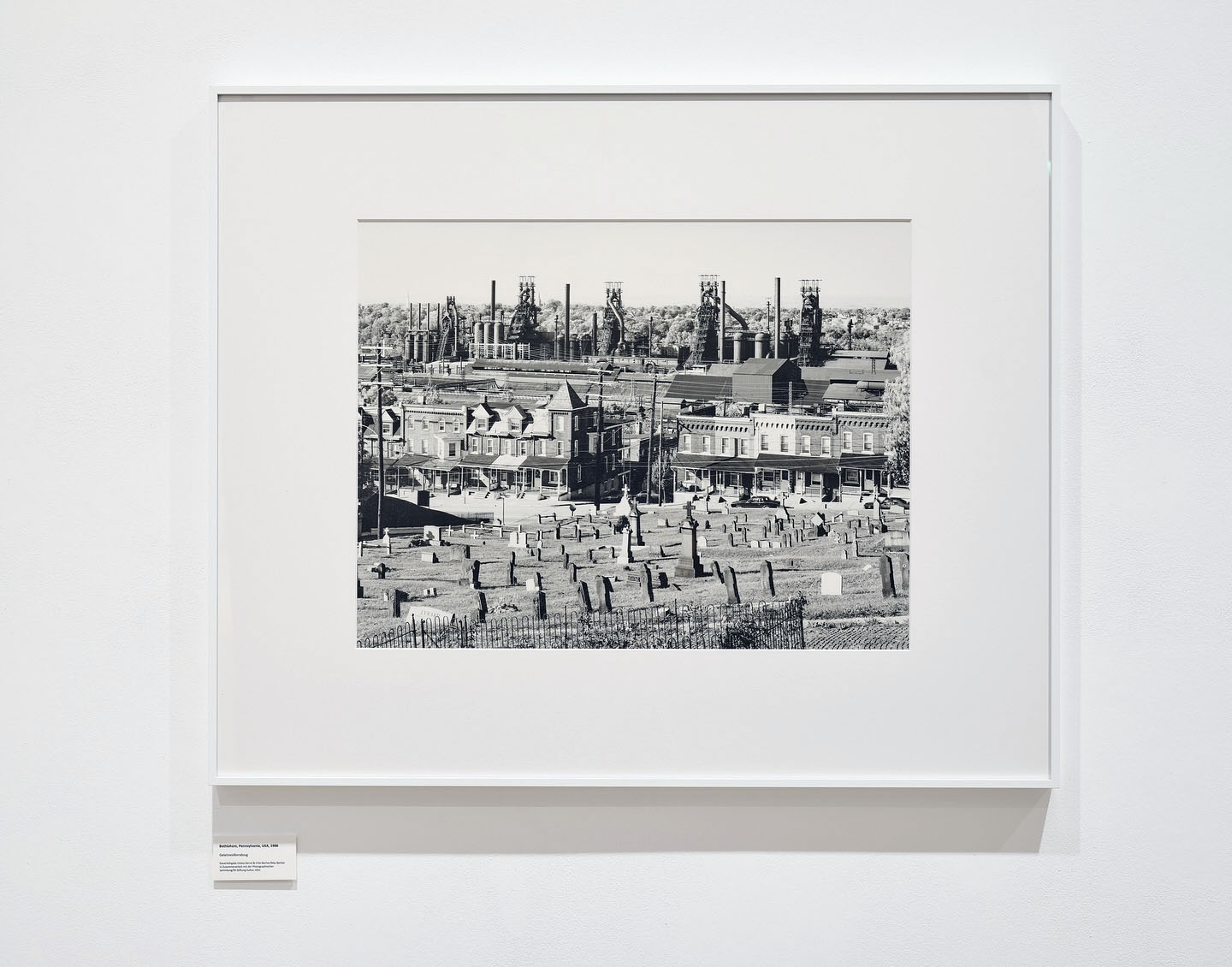
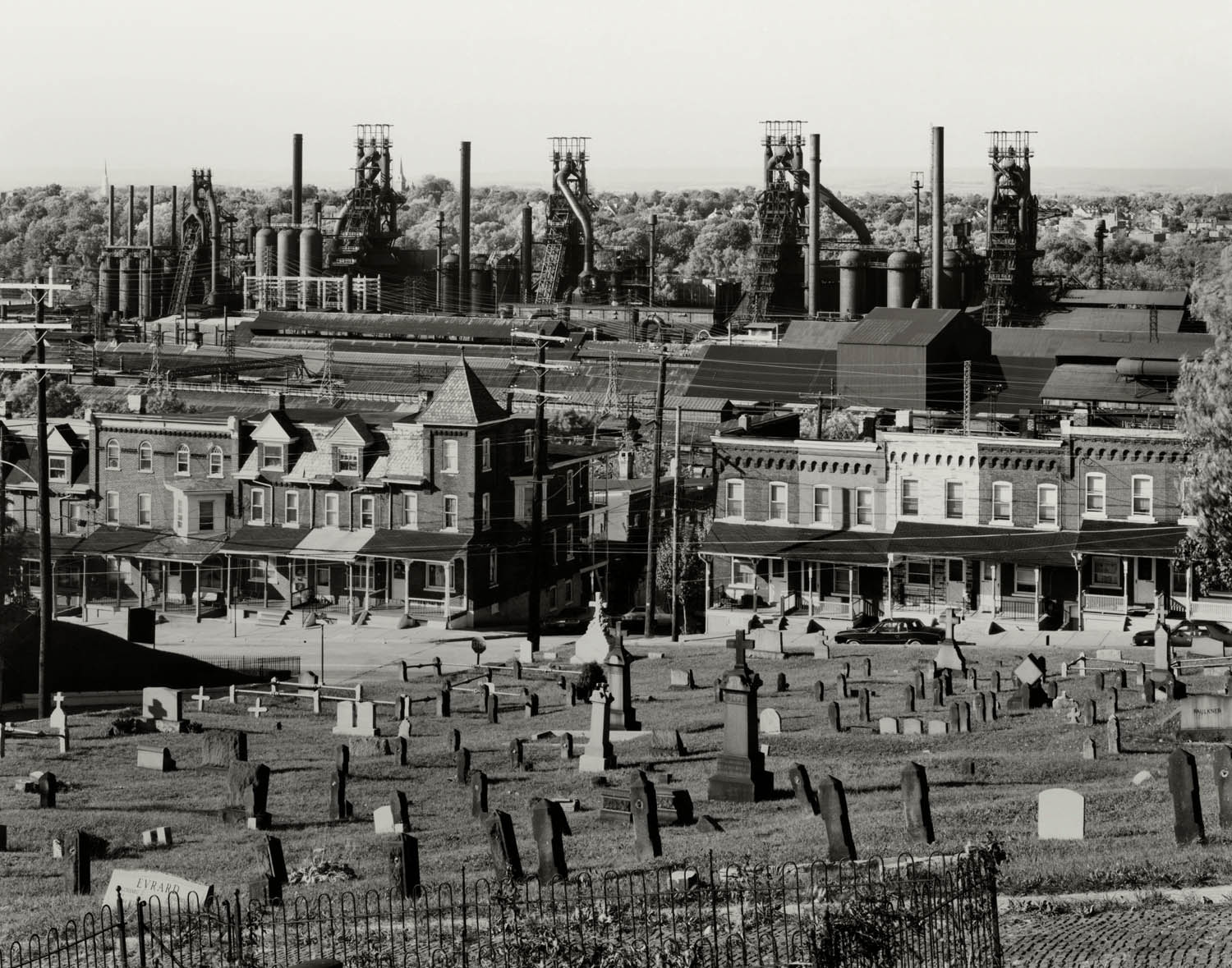
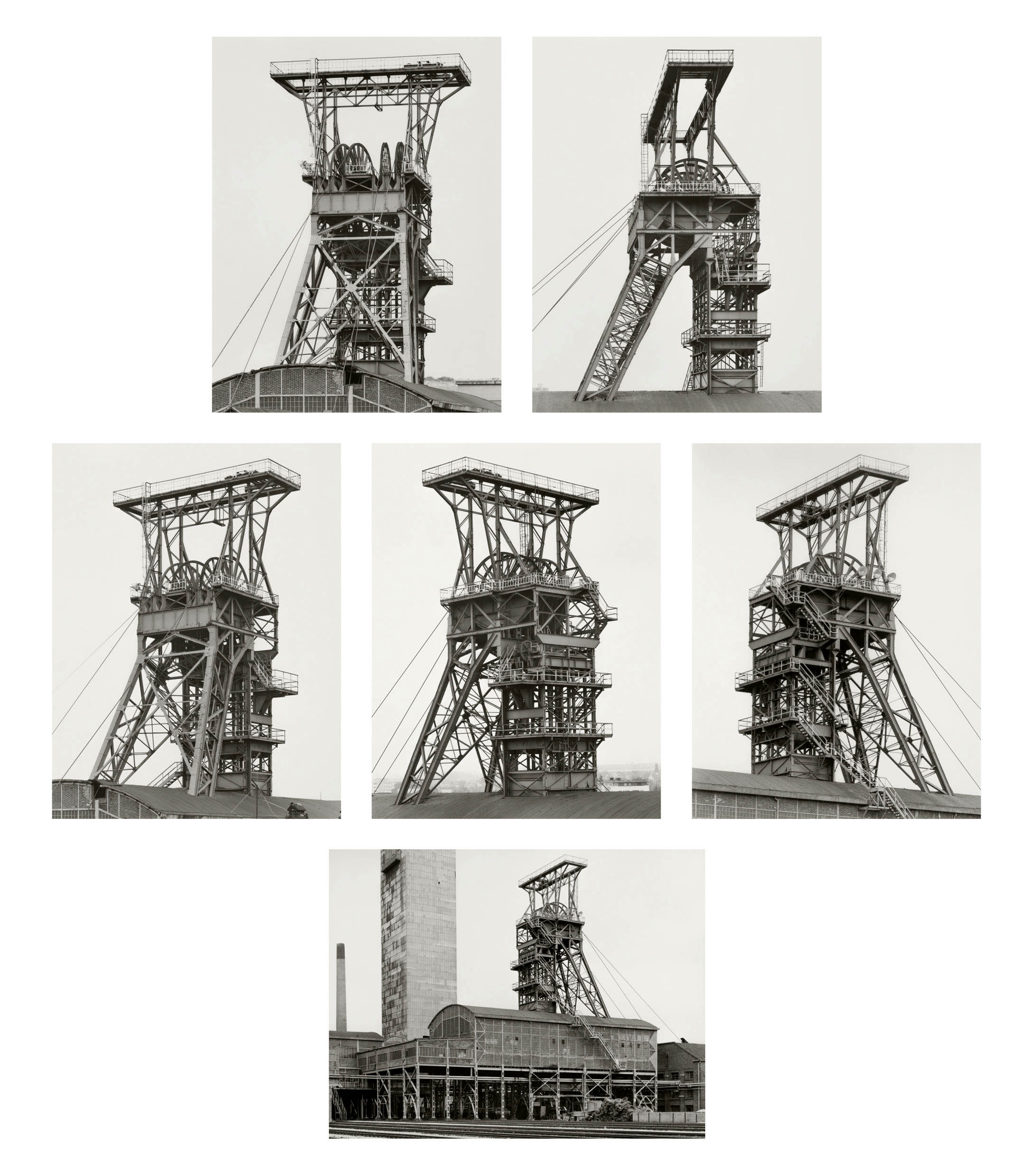
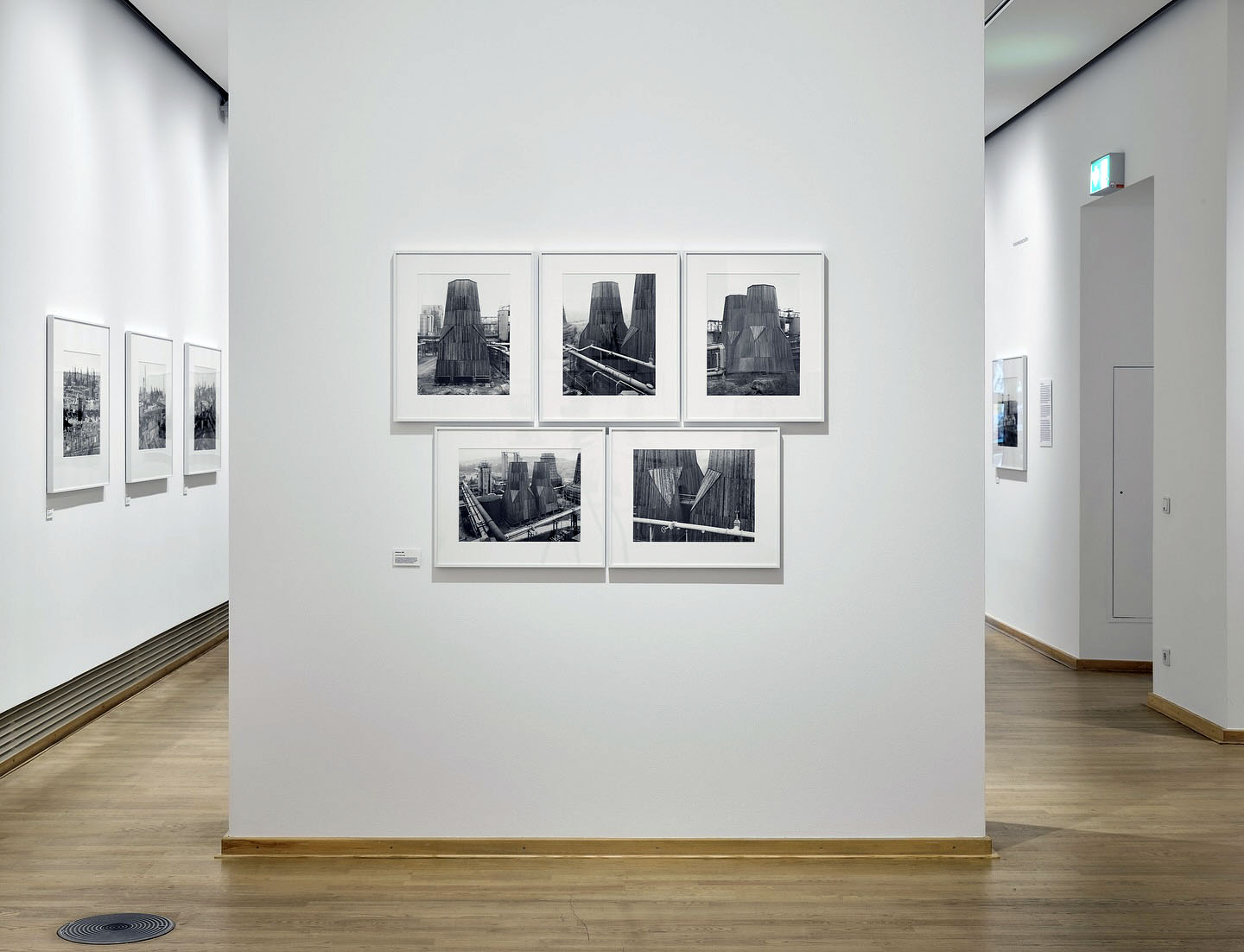
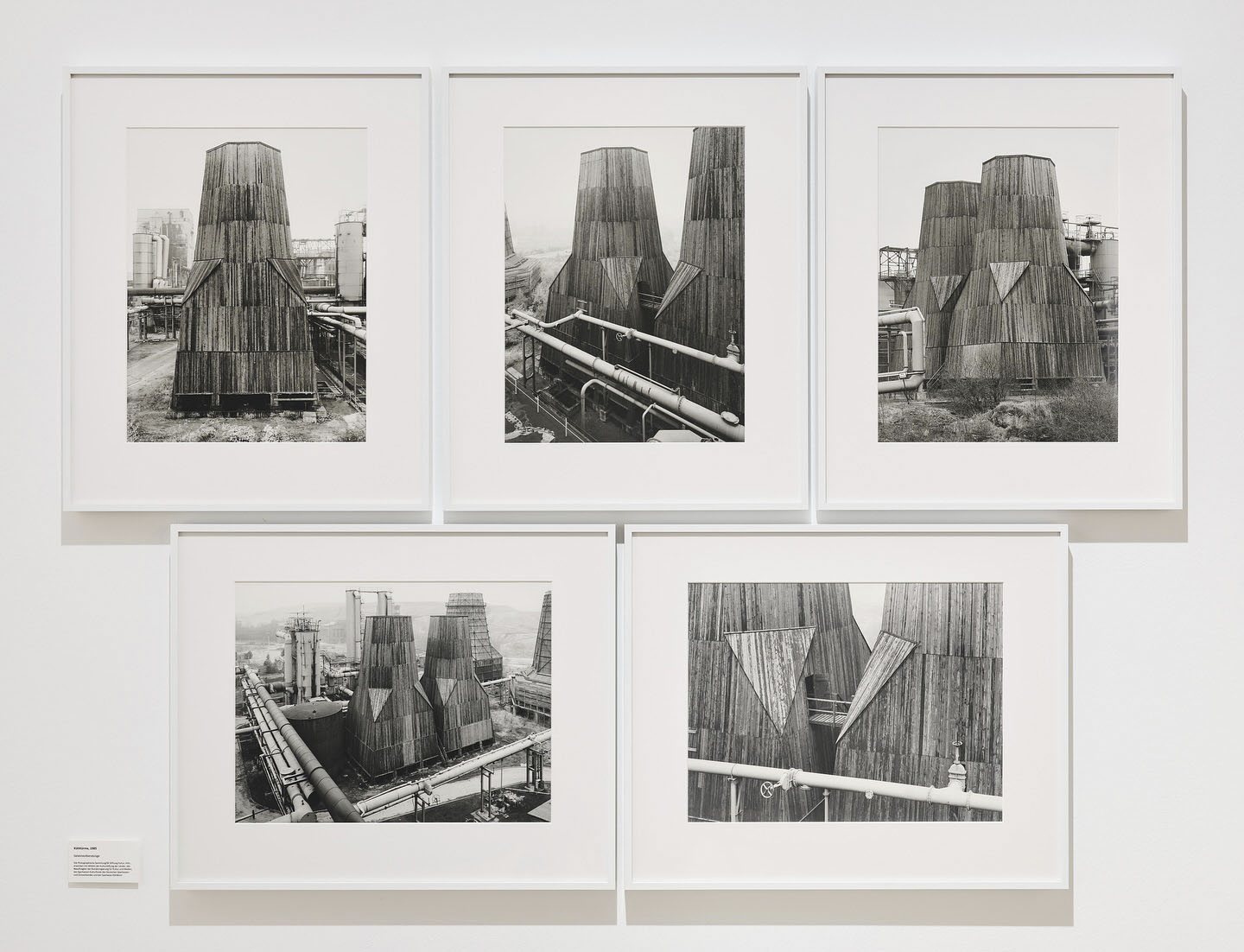

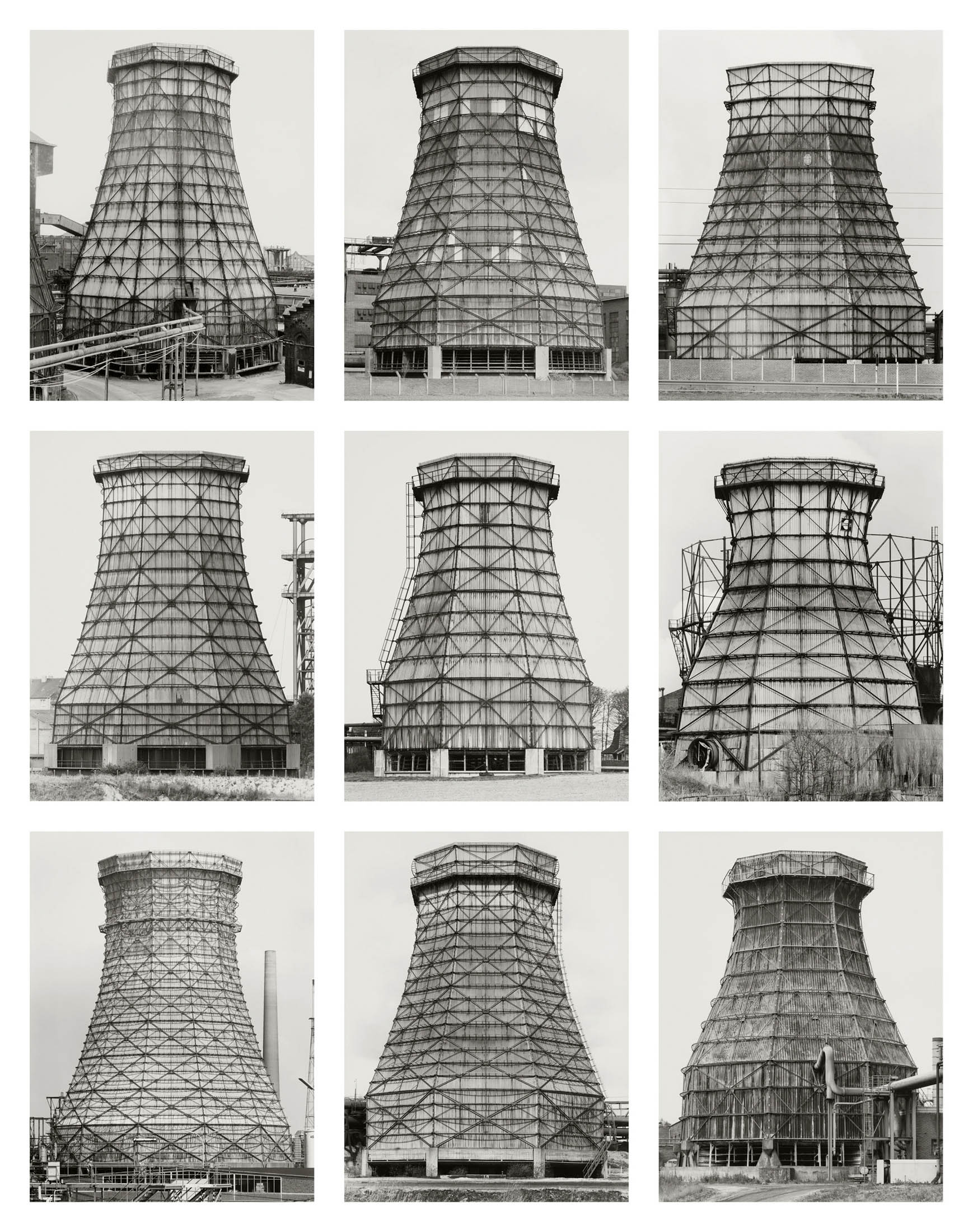
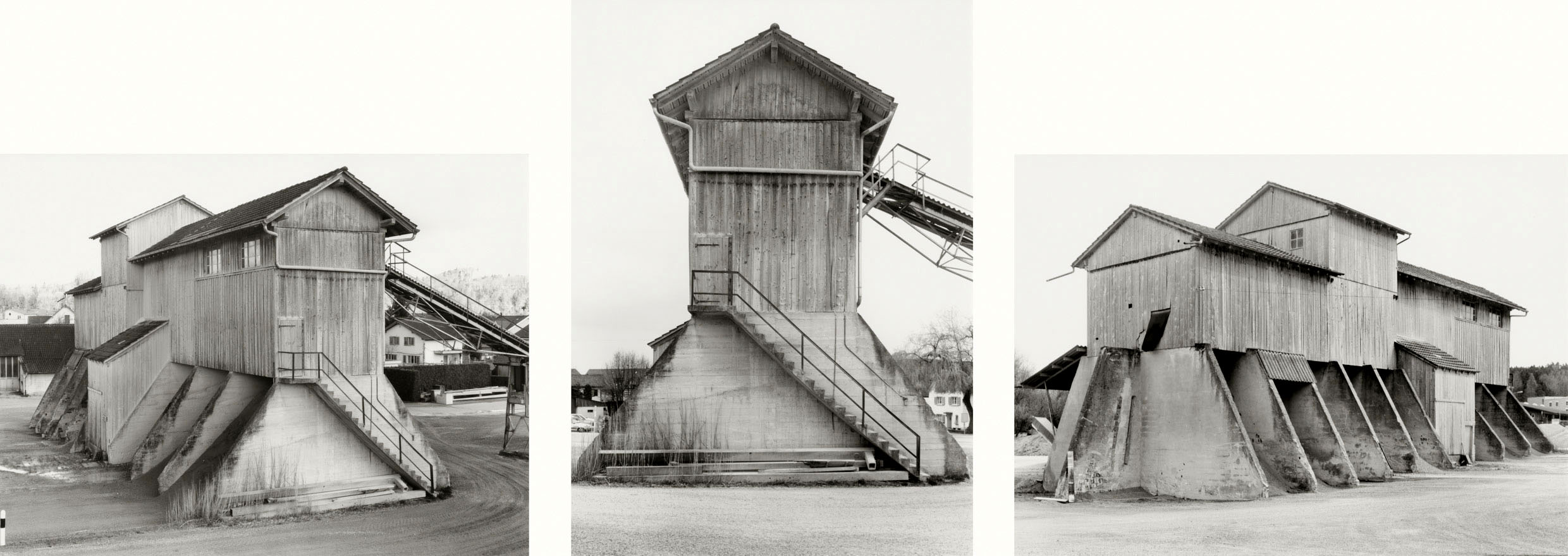
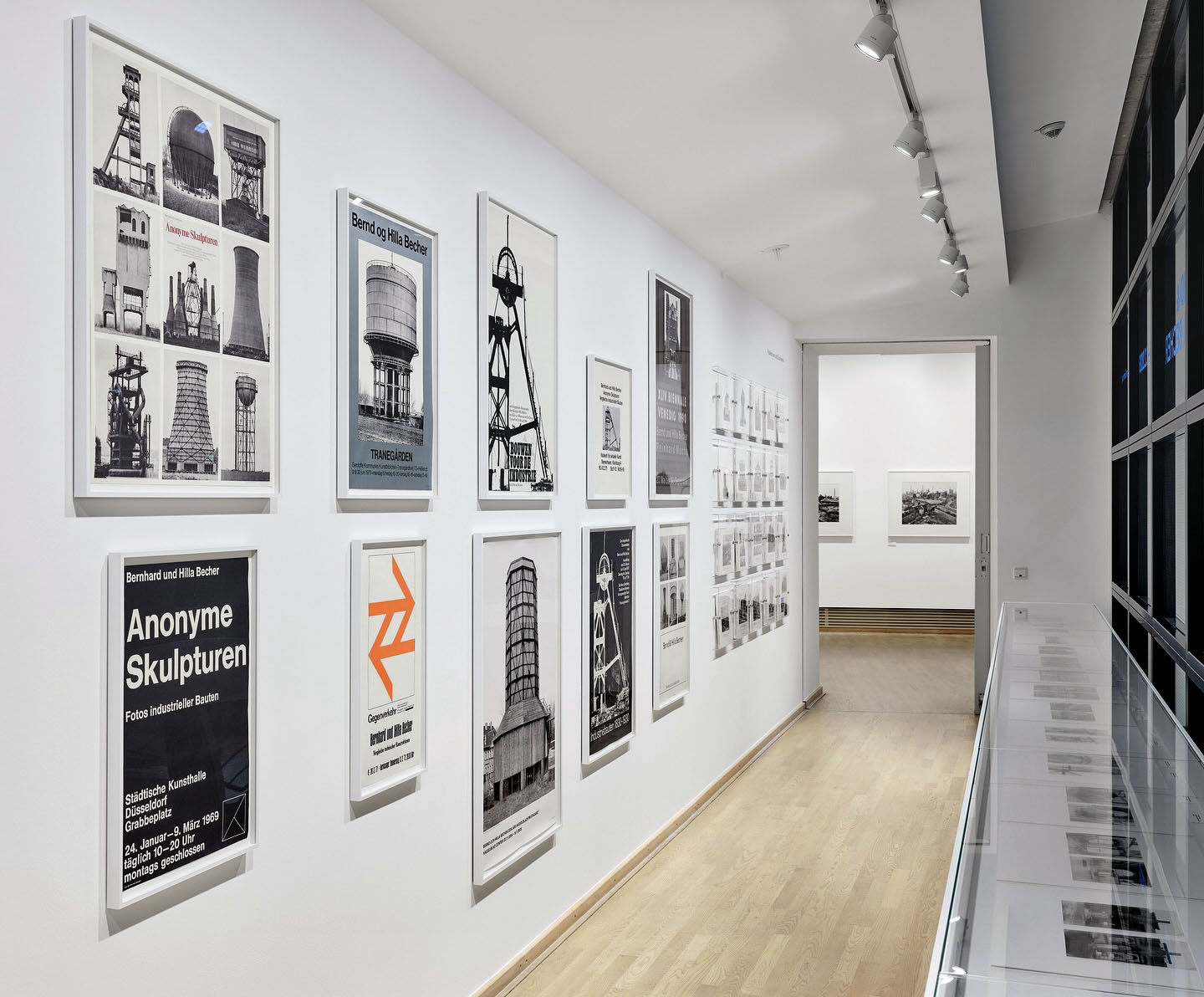

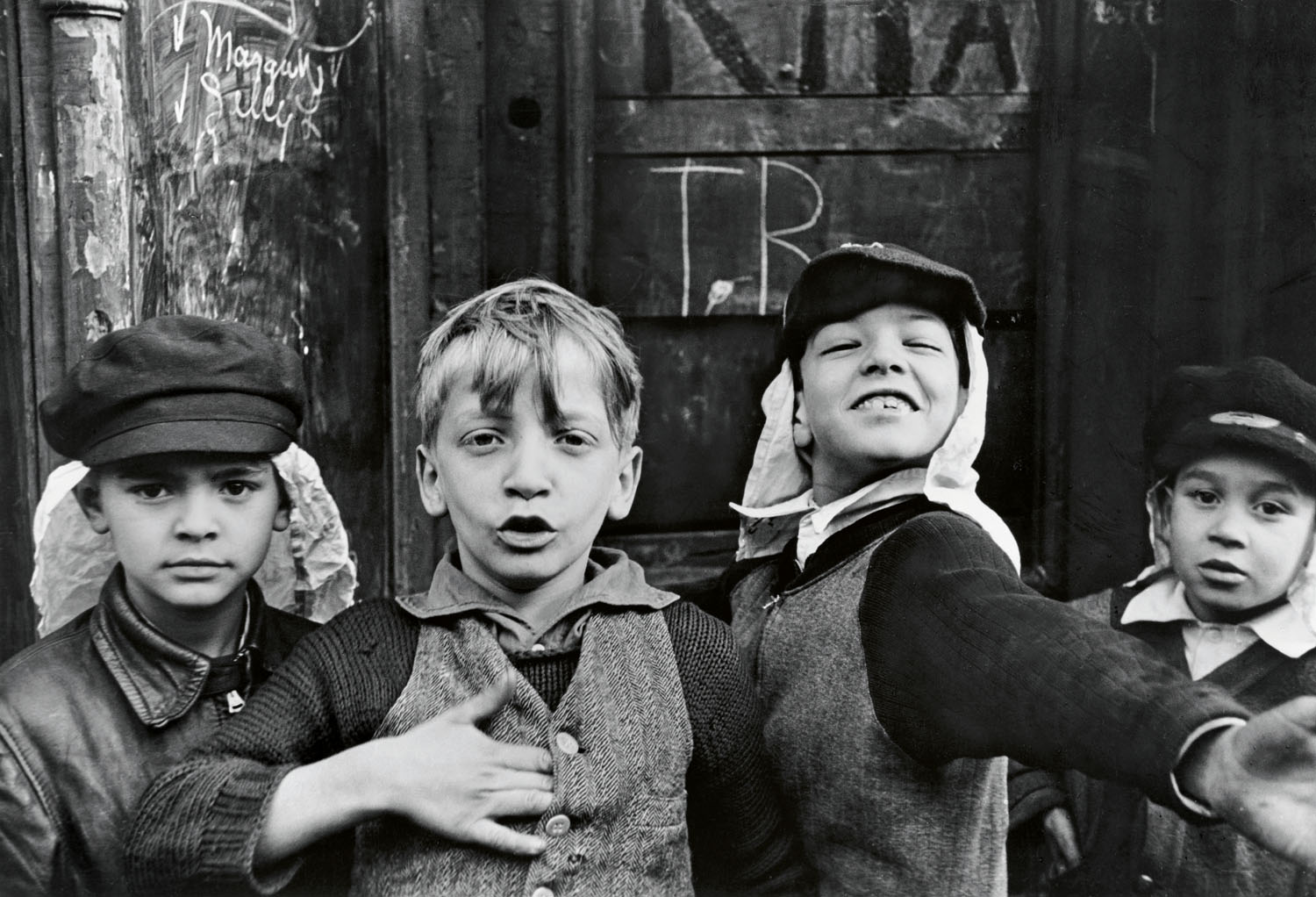
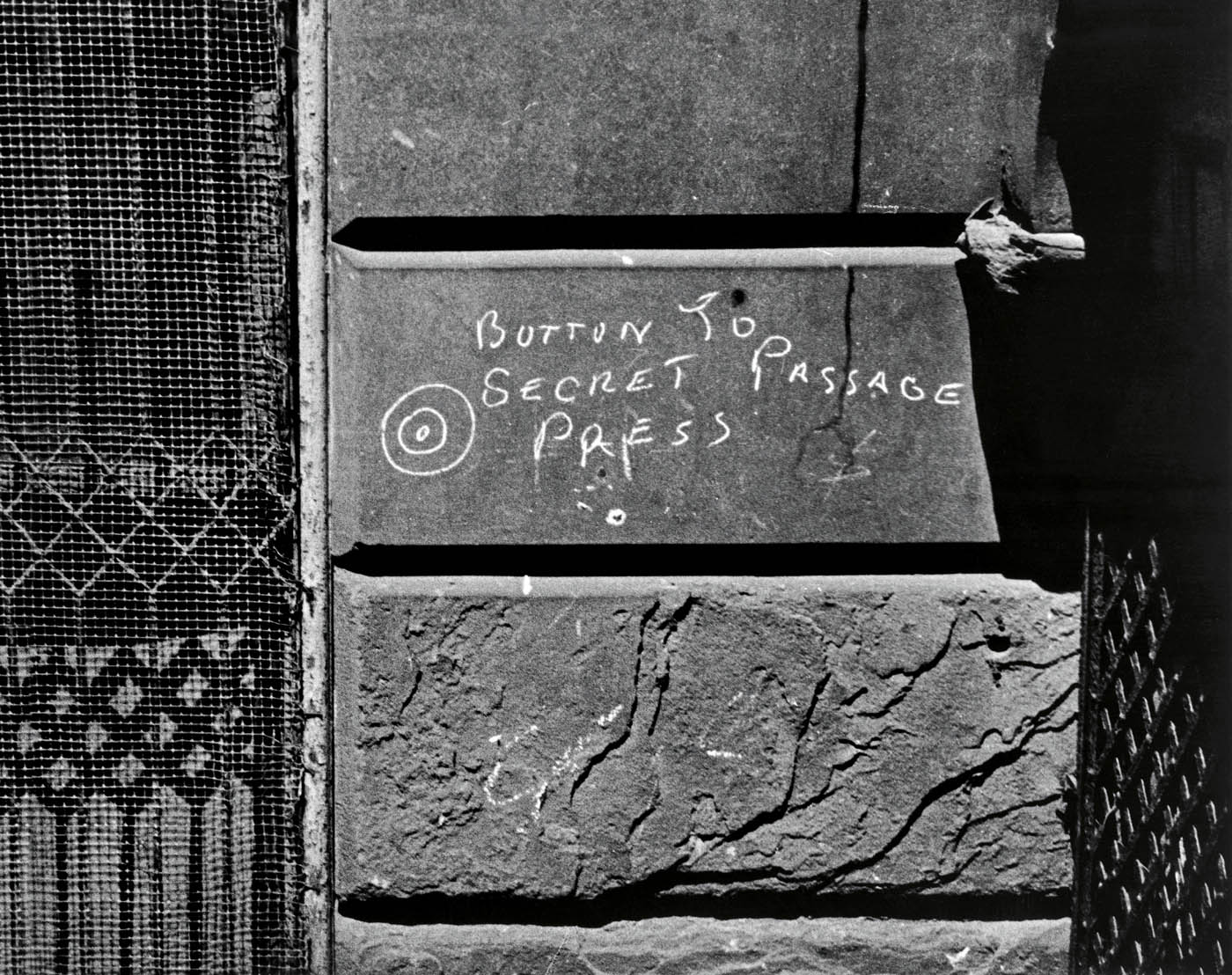
![Helen Levitt (American, 1913-2009) 'New York' [113th Street] c. 1938](https://artblart.com/wp-content/uploads/2025/10/levitt-new-york-113th-street-c.-1938.jpg "Helen Levitt (American, 1913-2009) 'New York' [113th Street] c. 1938")
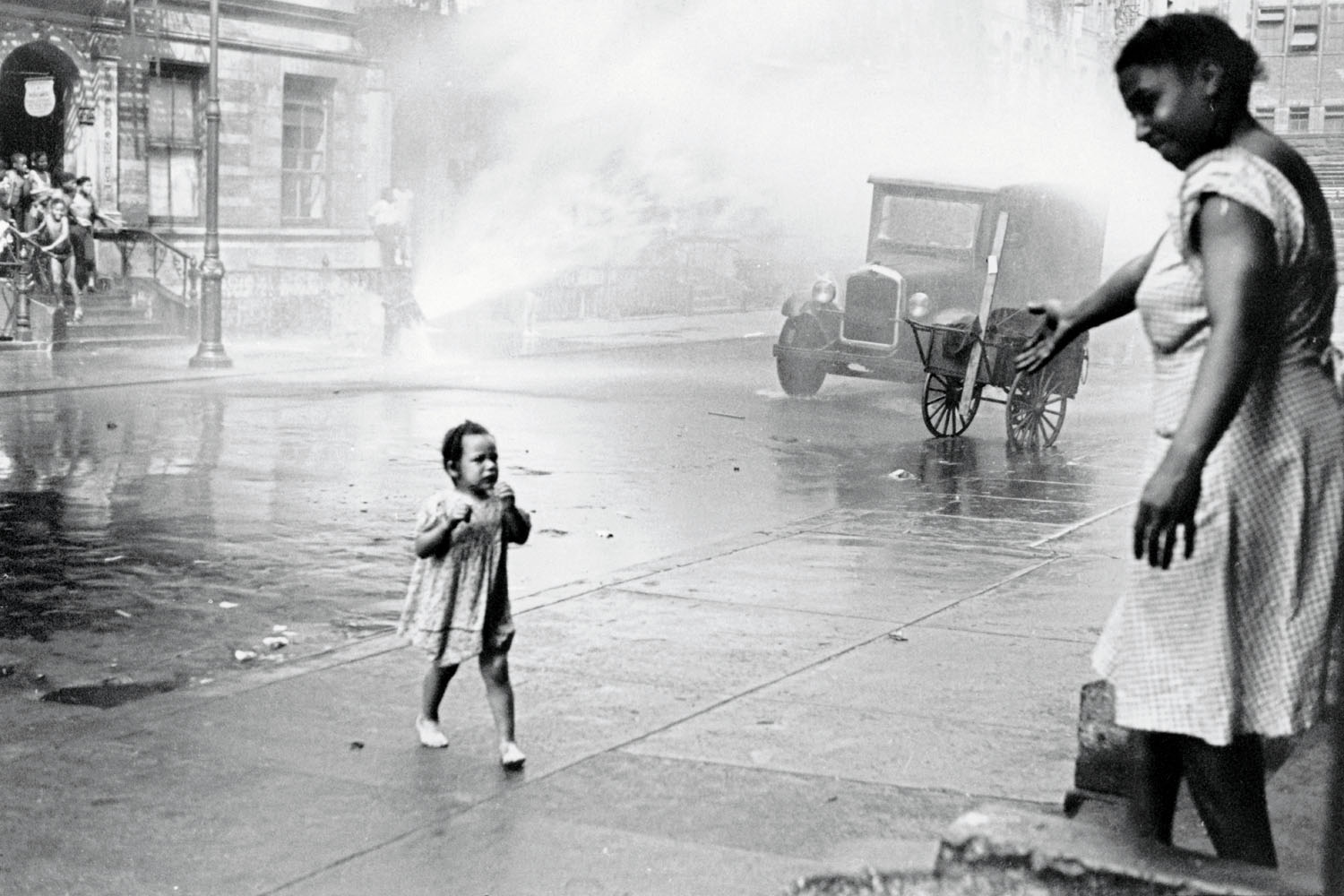
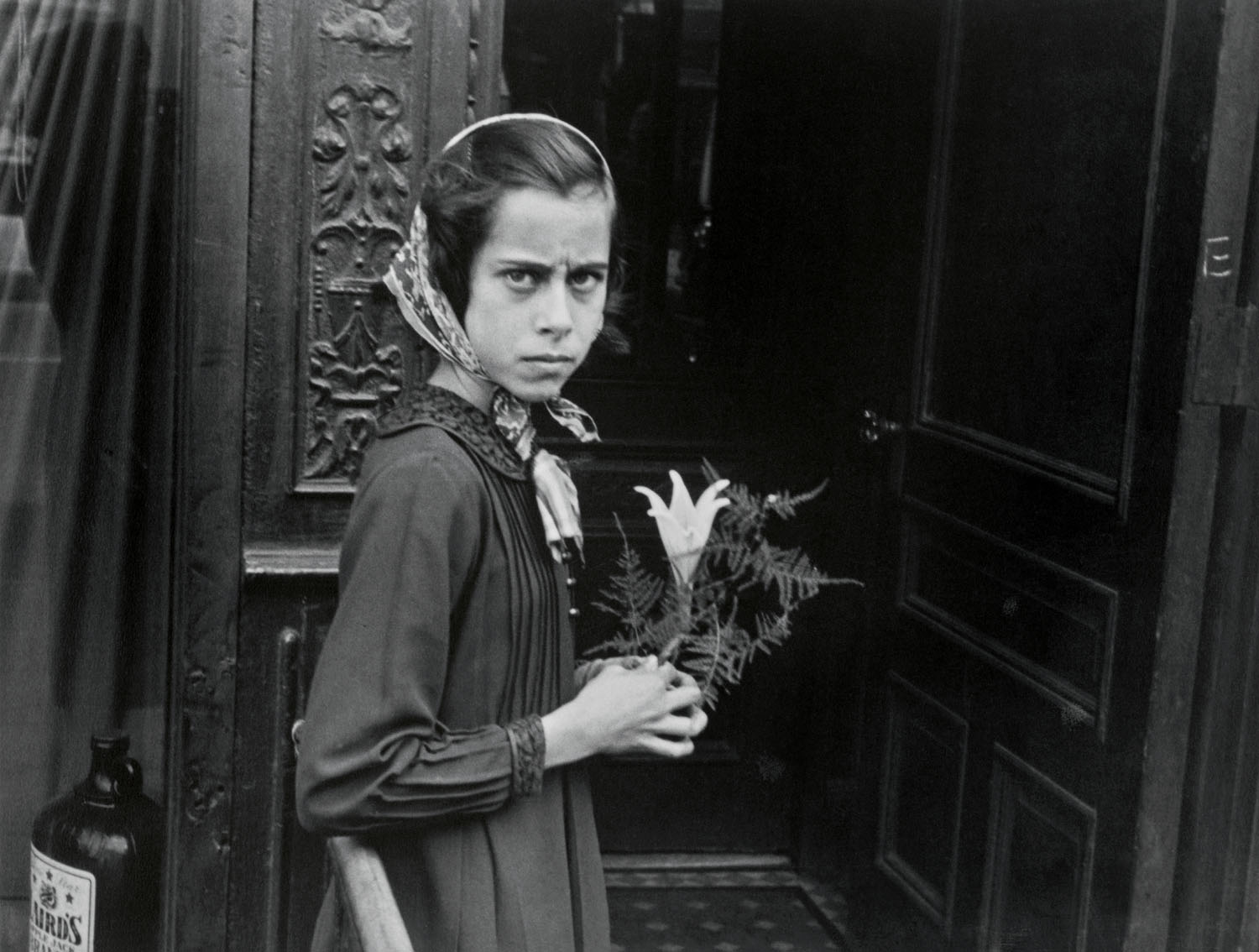
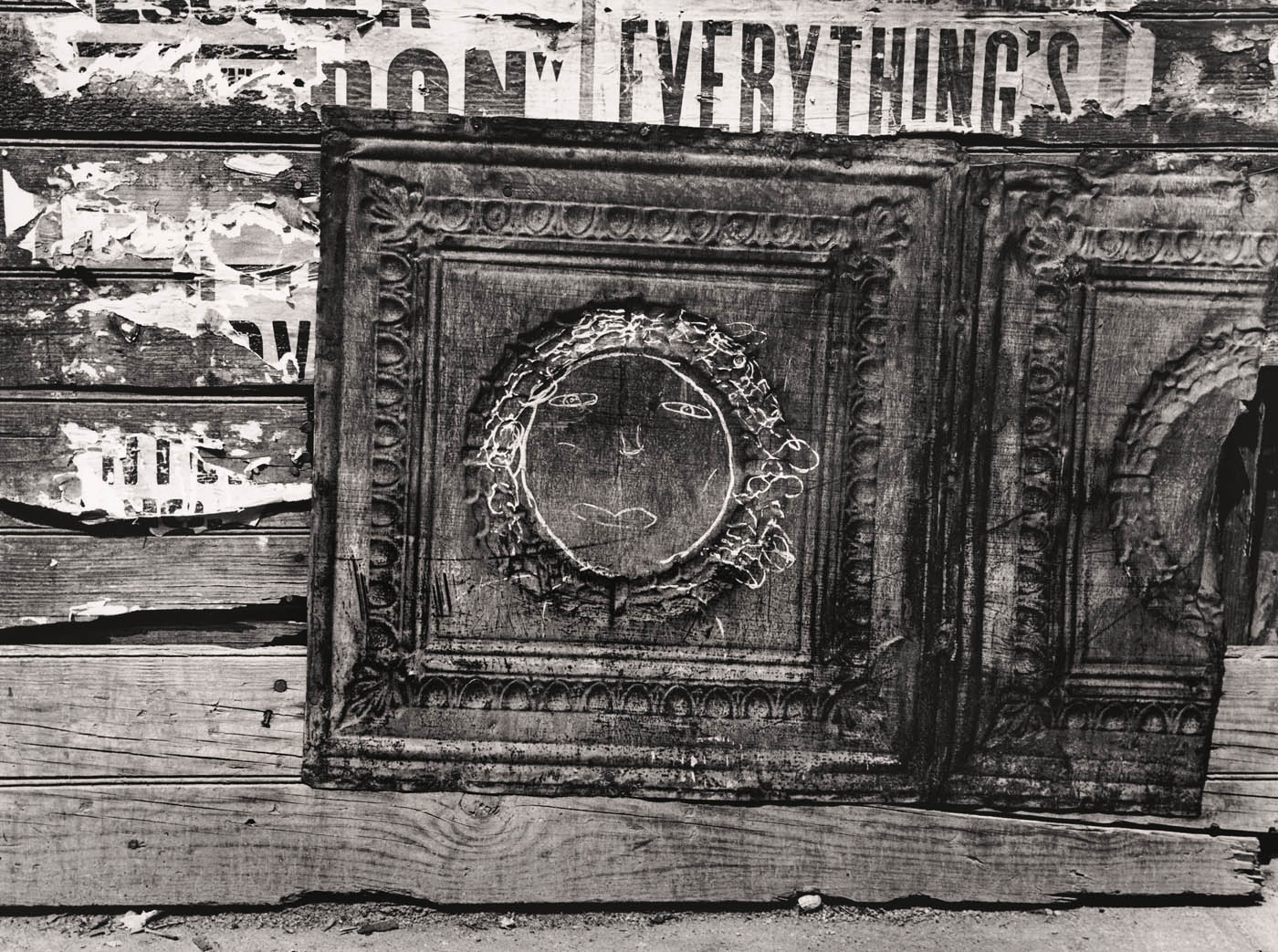
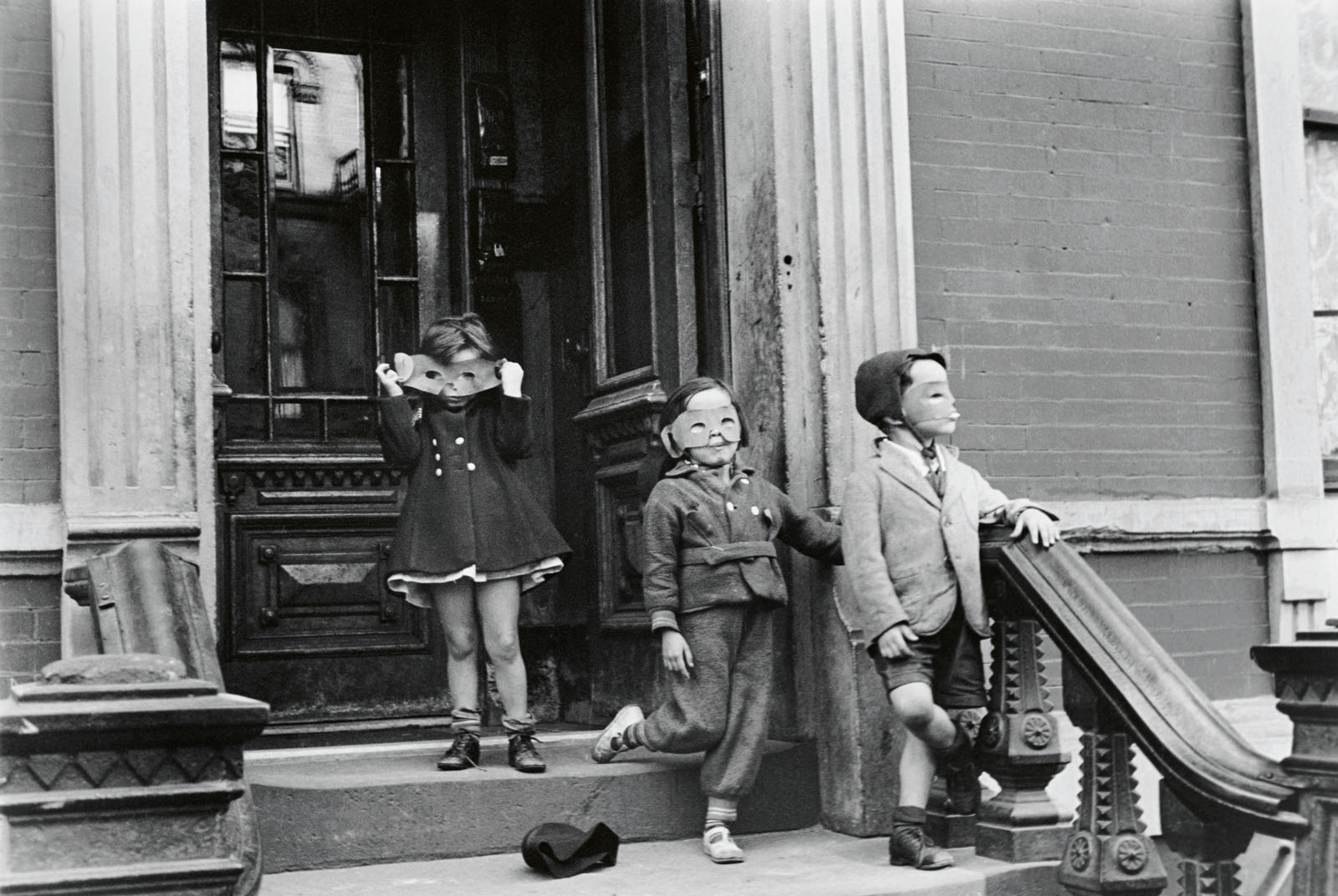
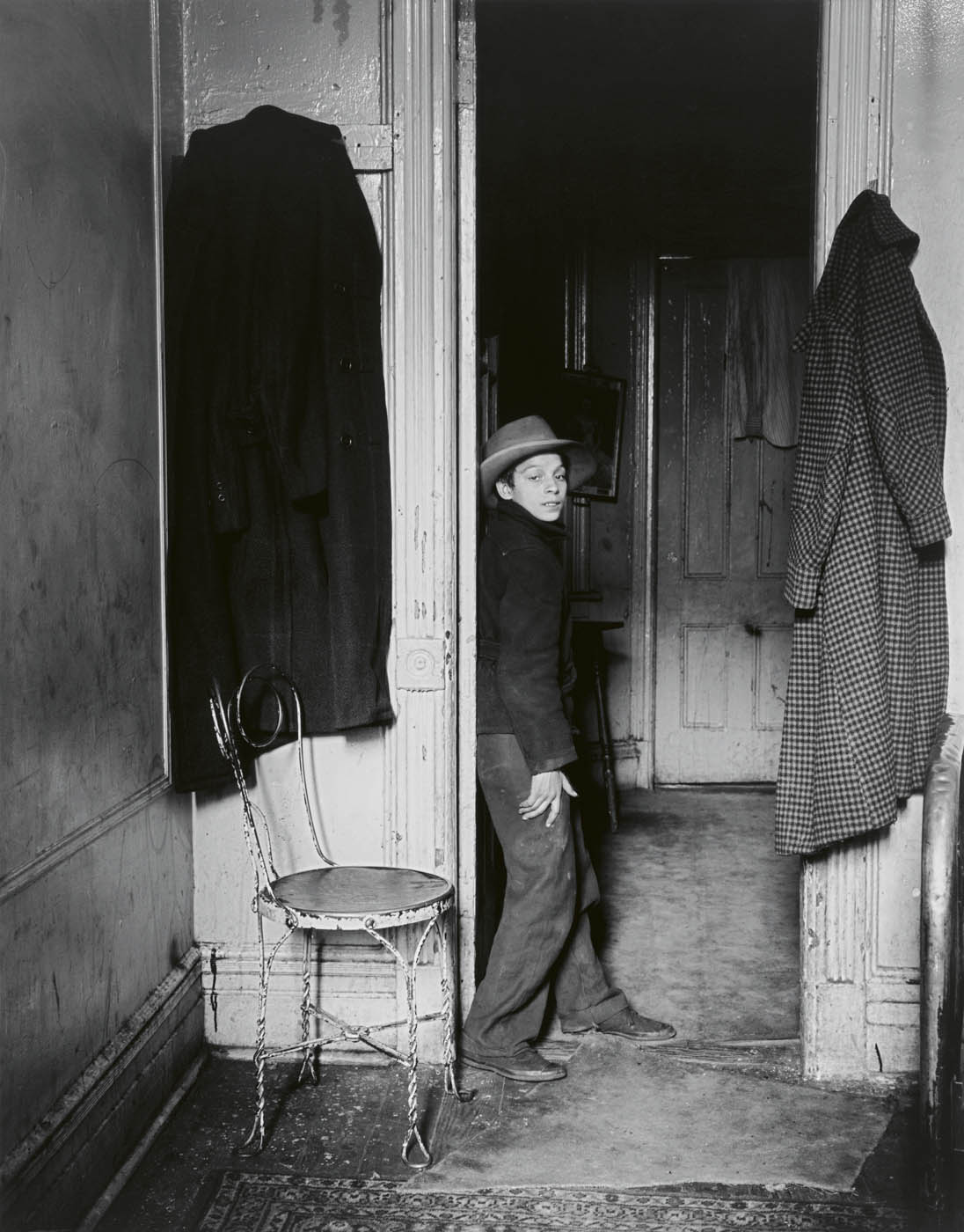
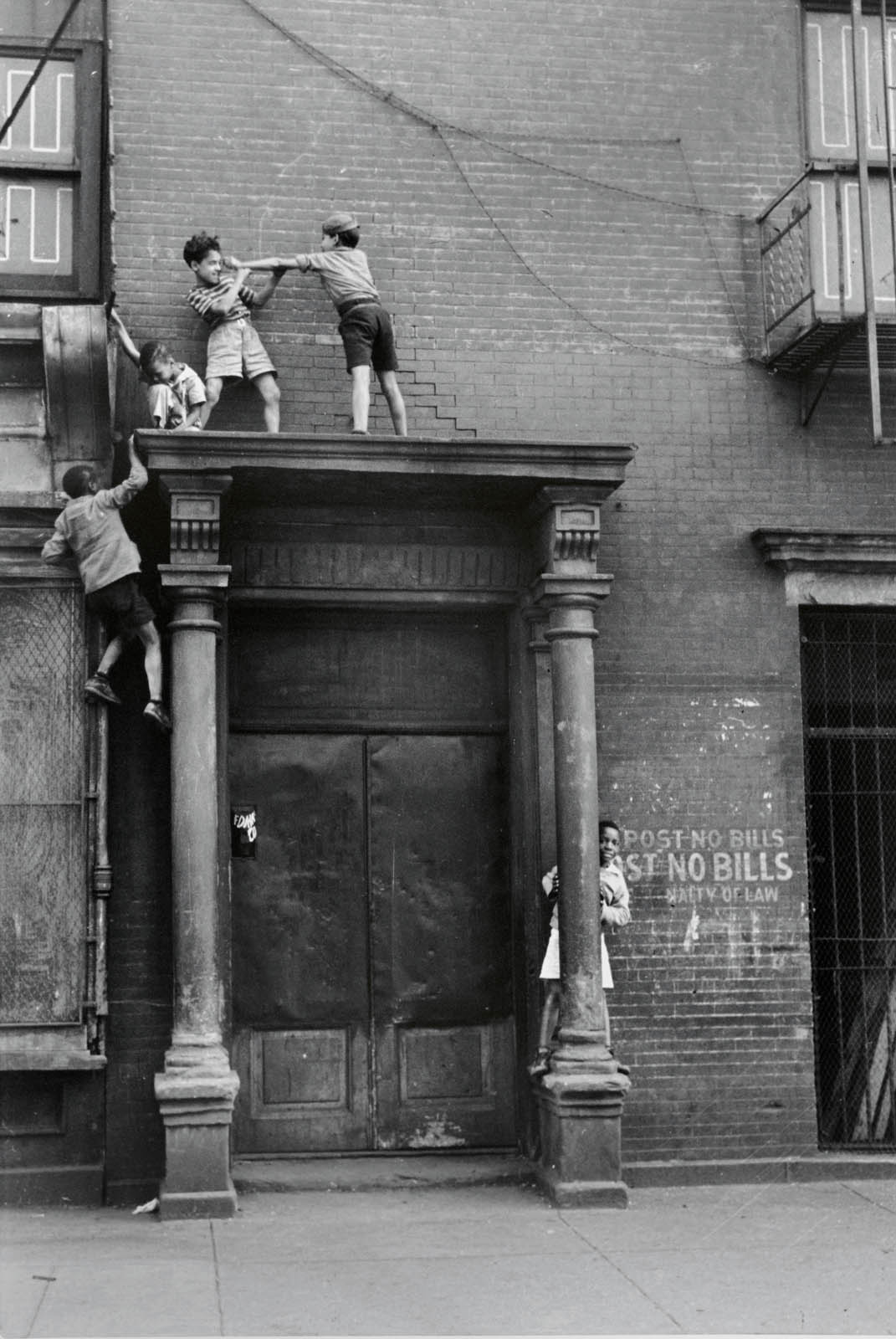
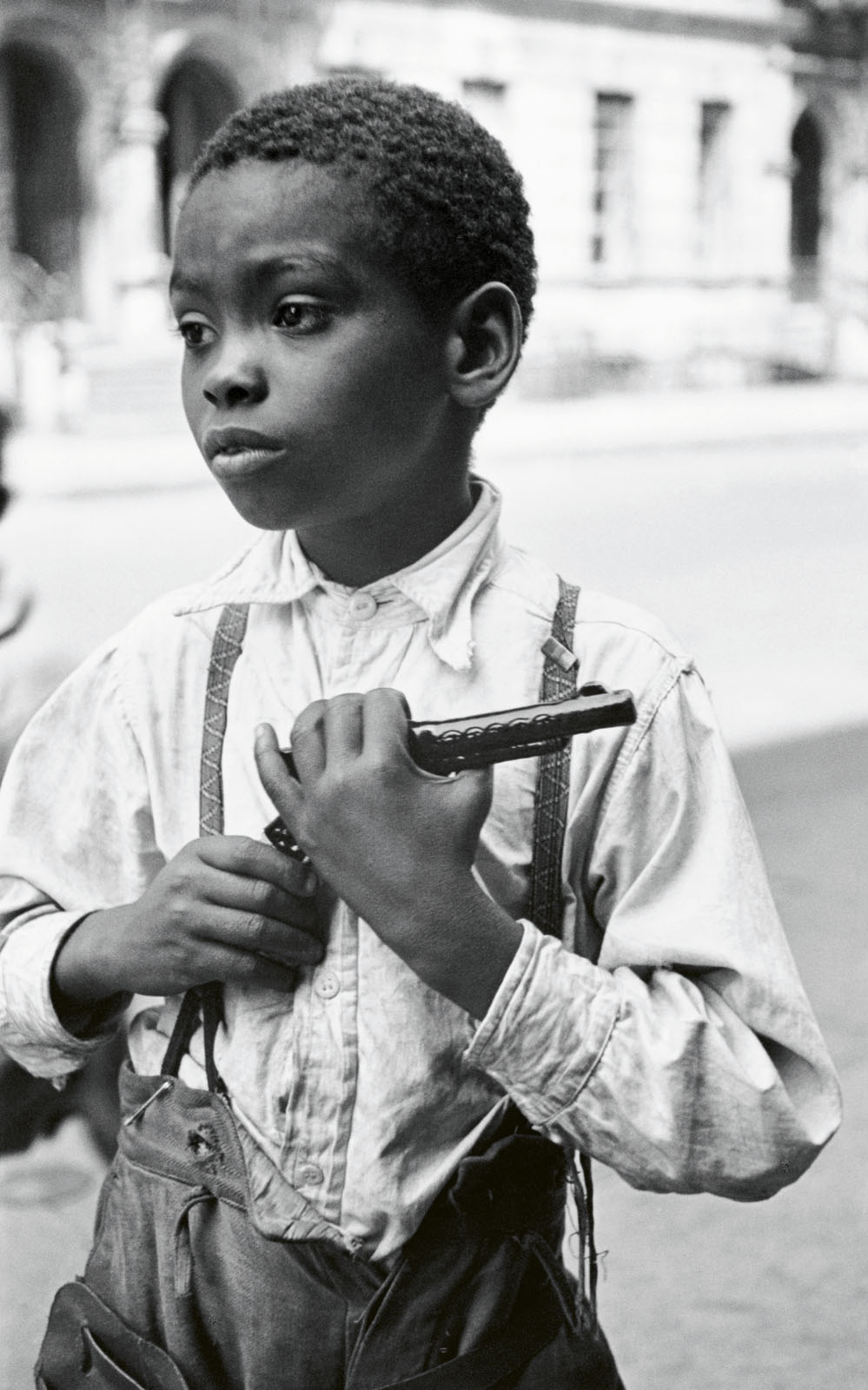
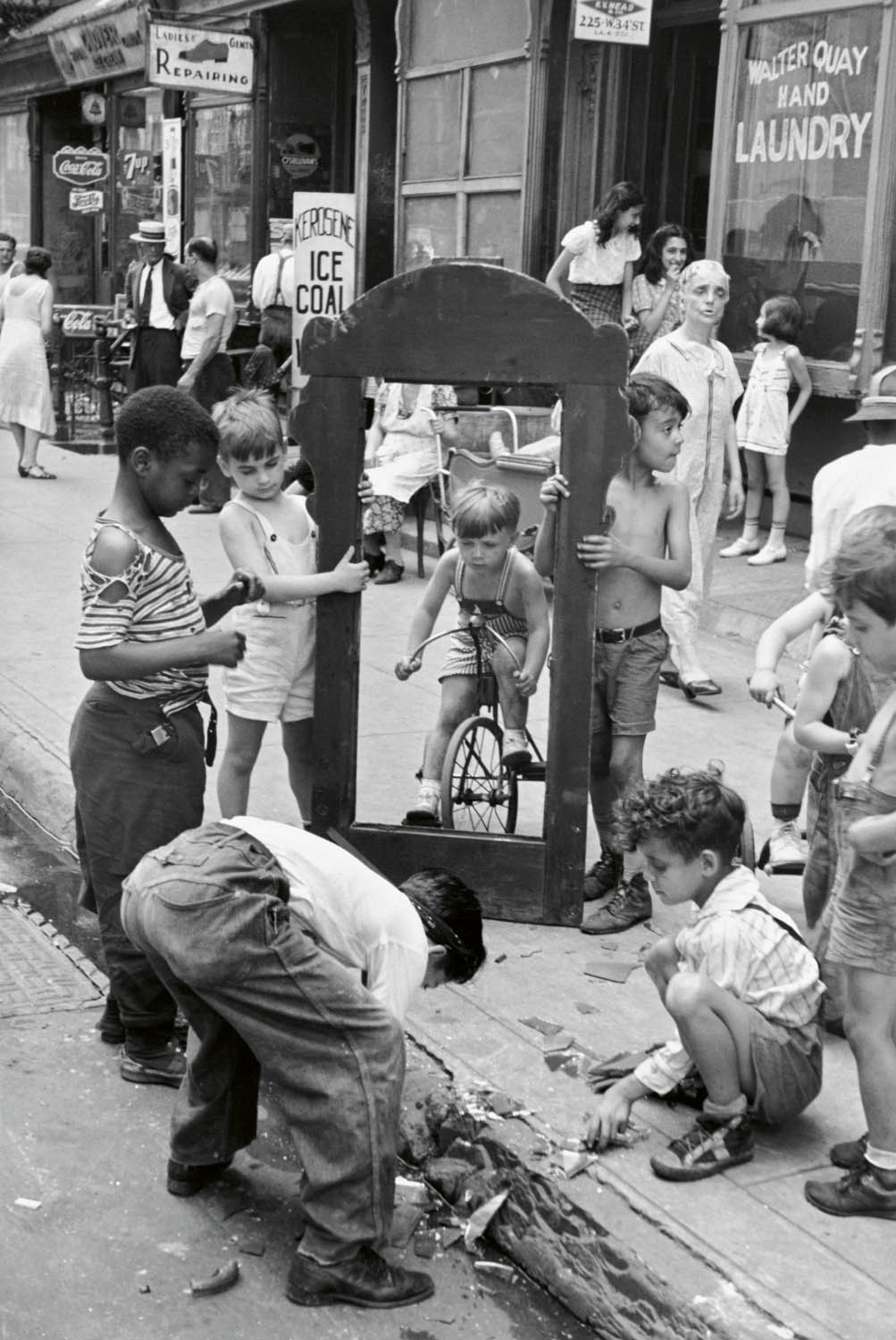
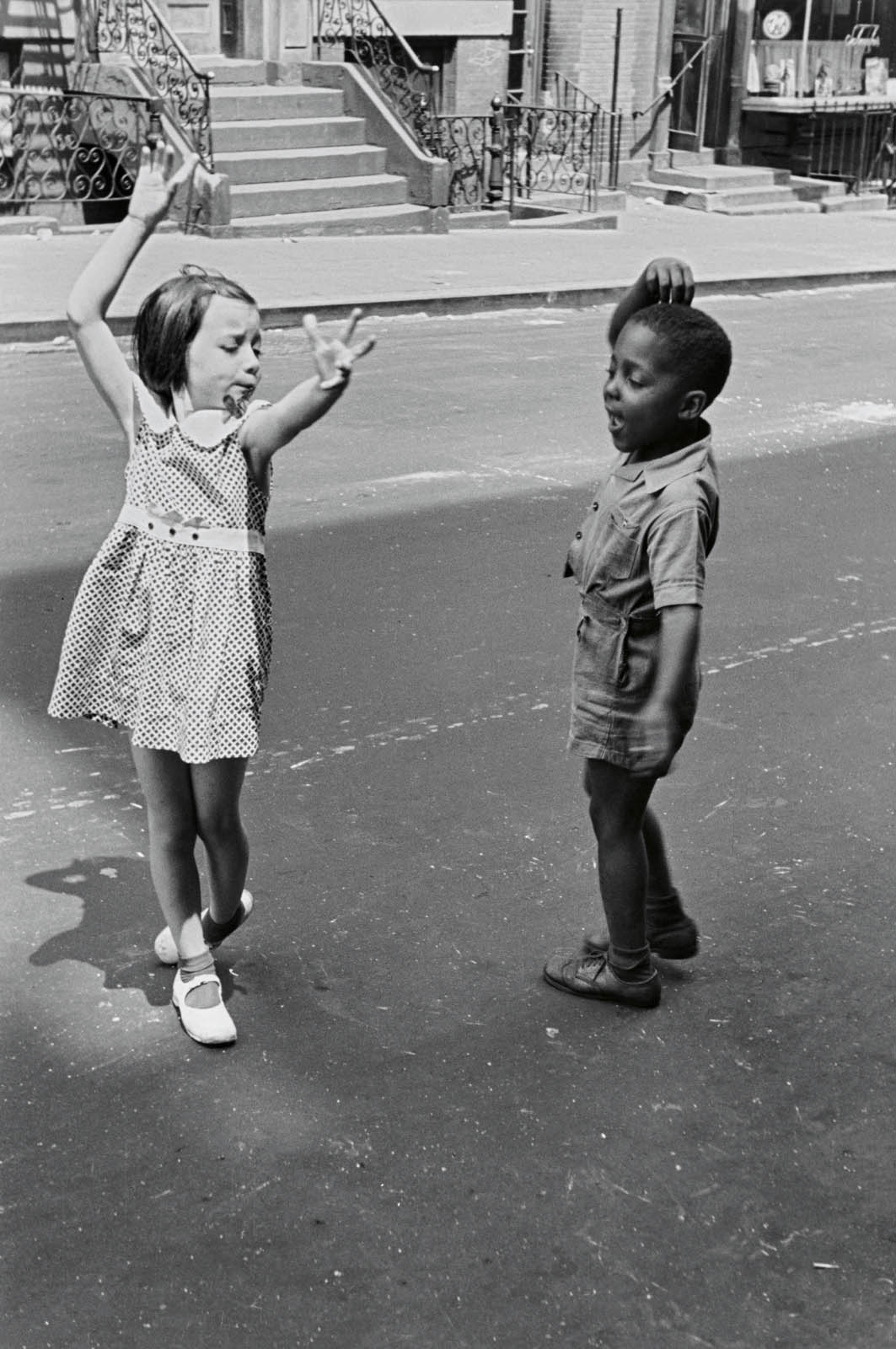
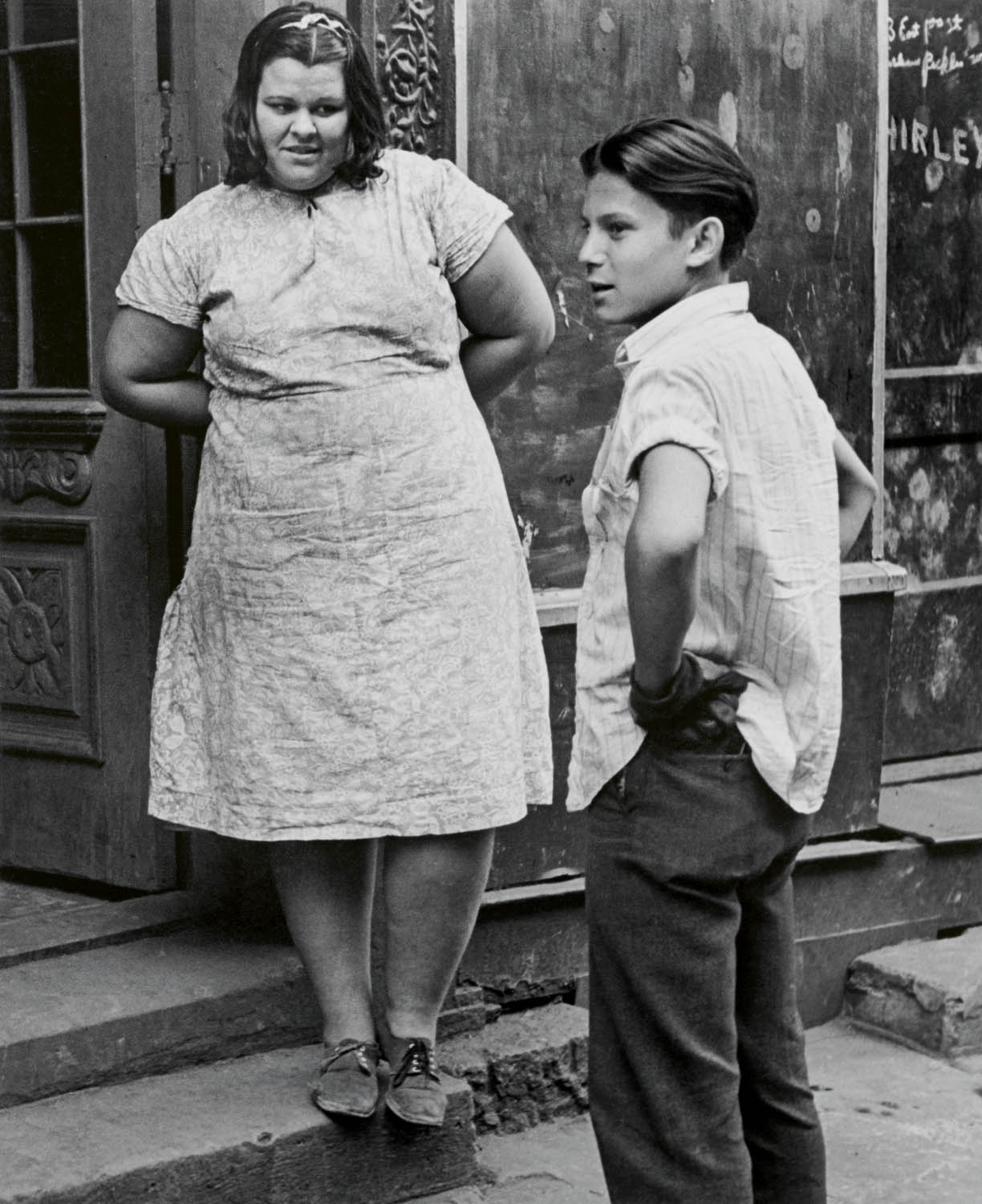
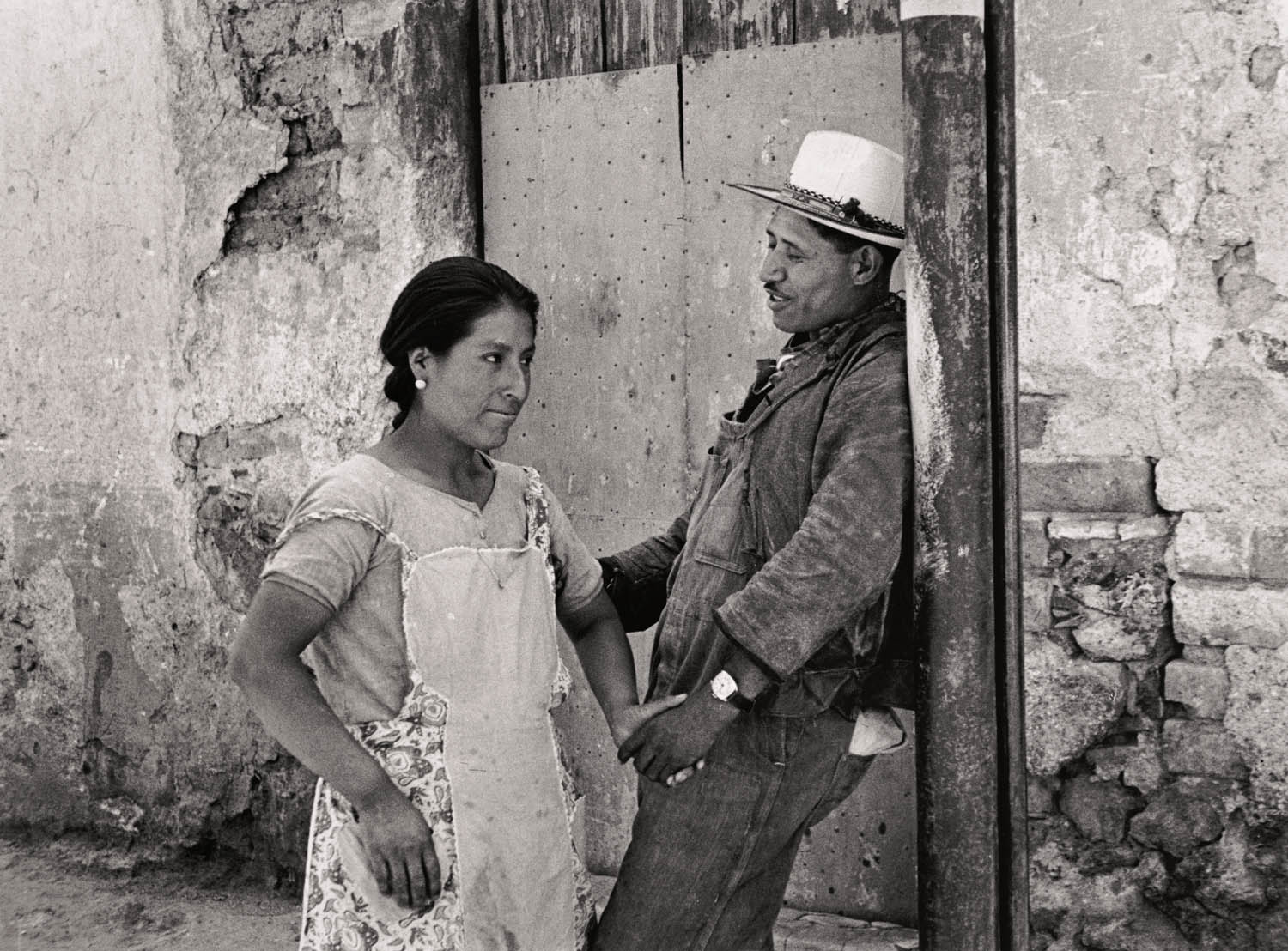
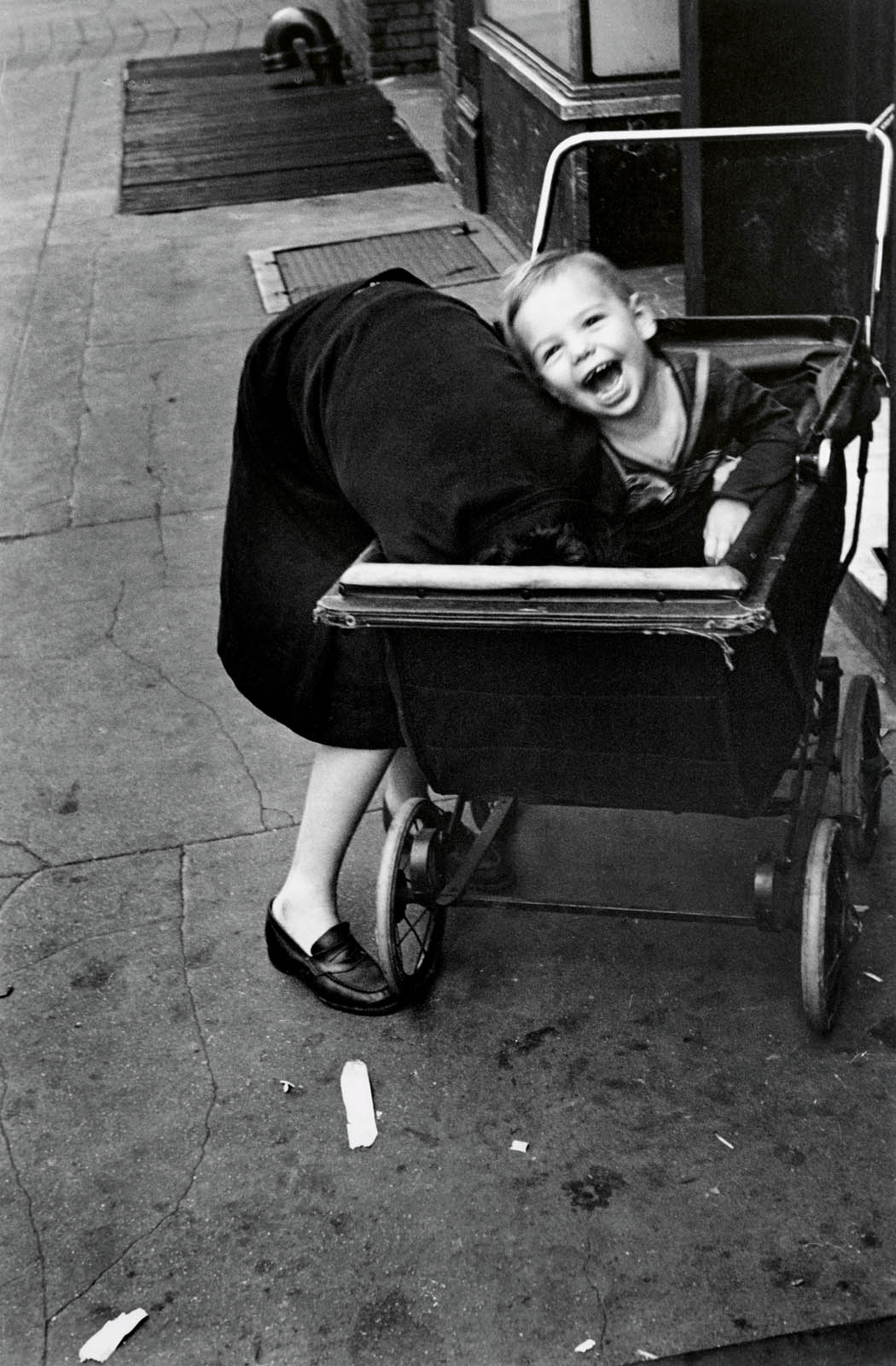
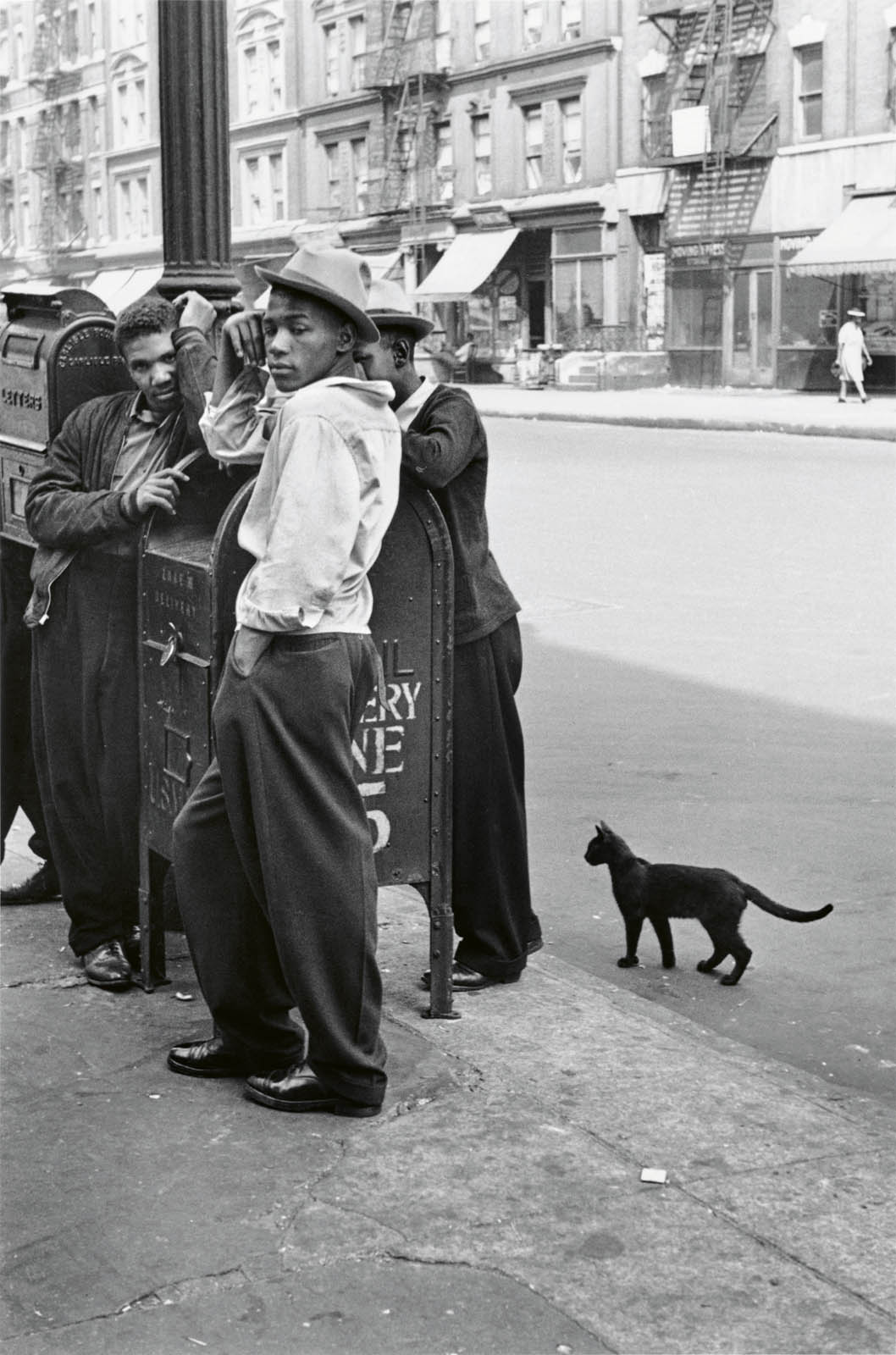
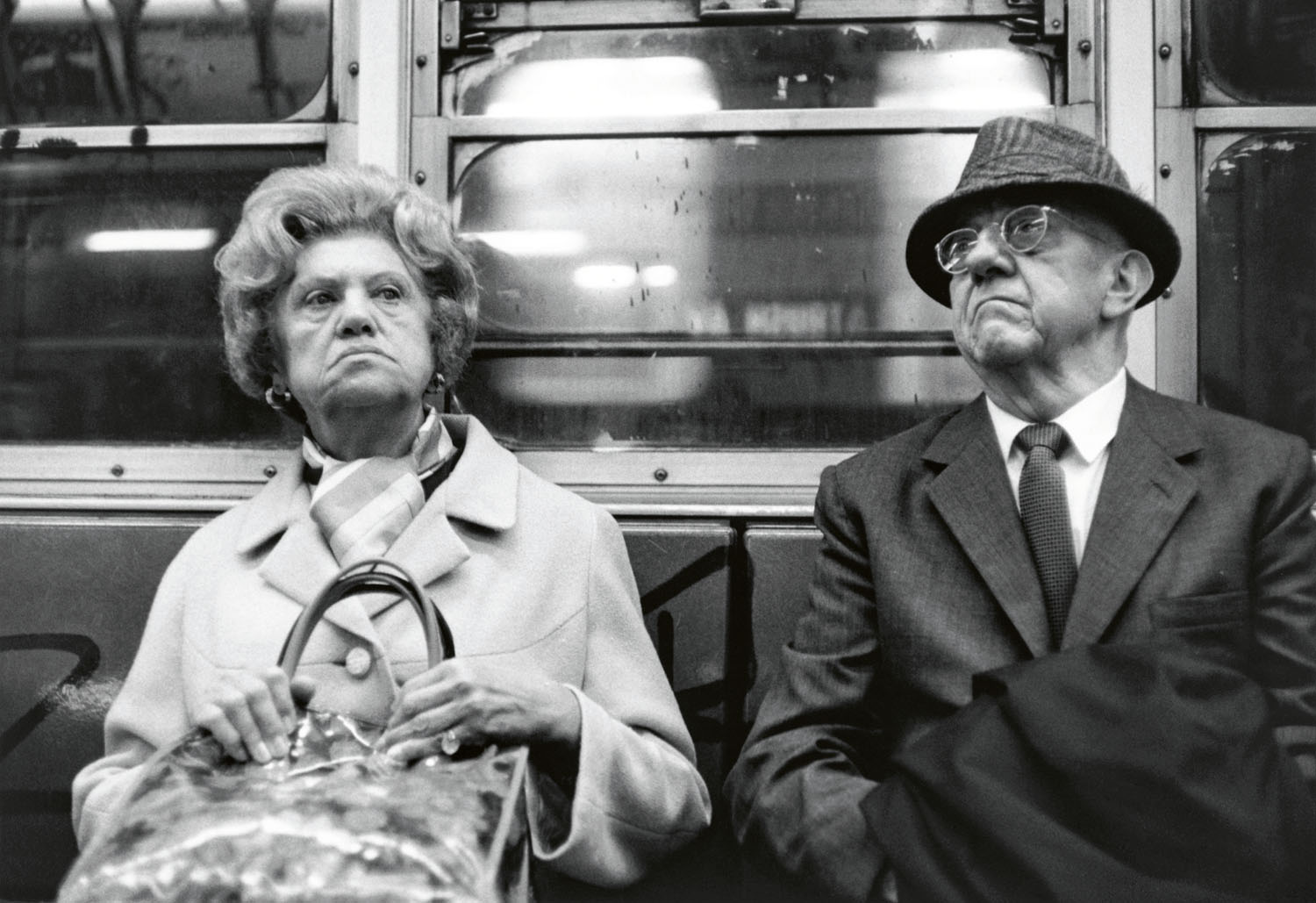
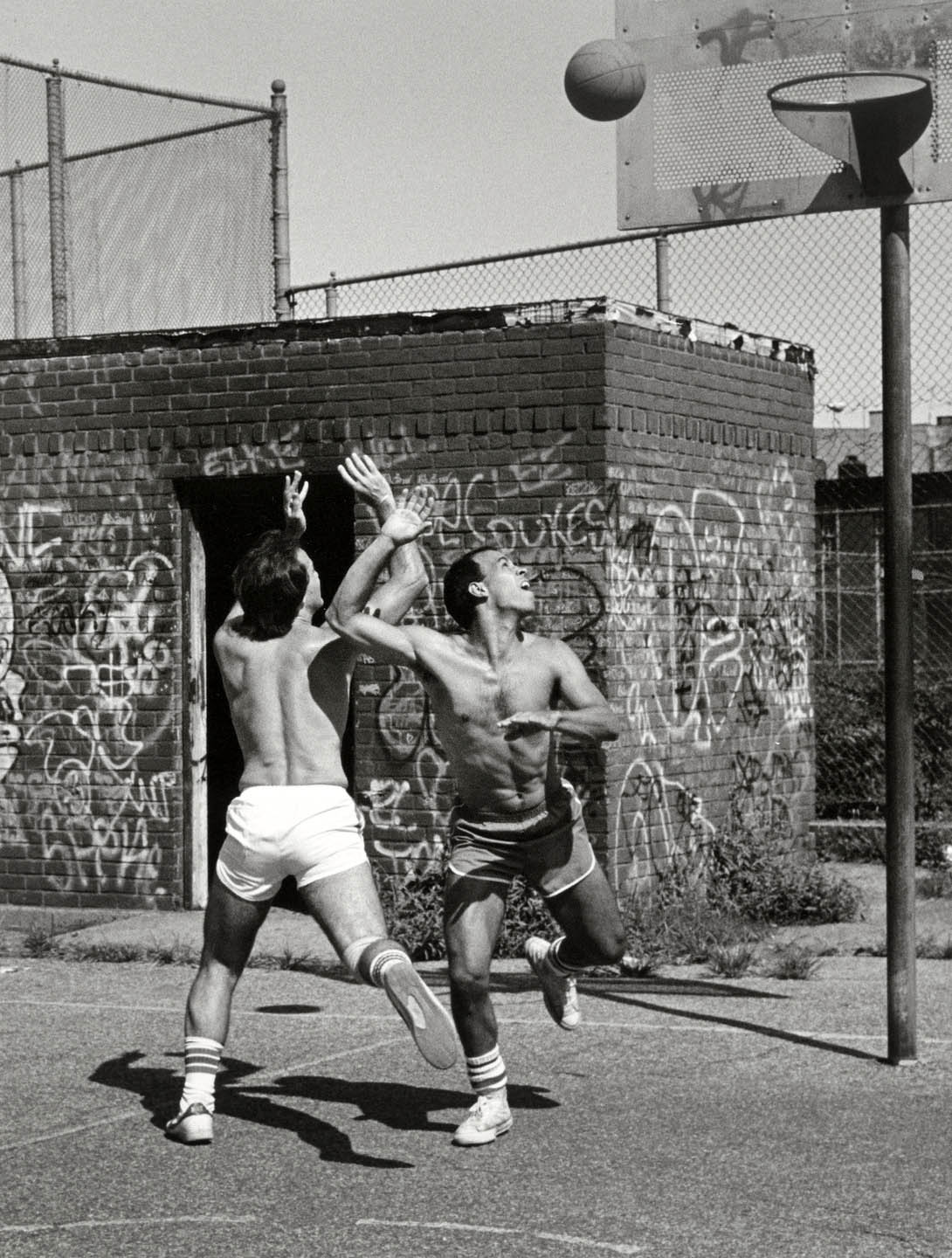
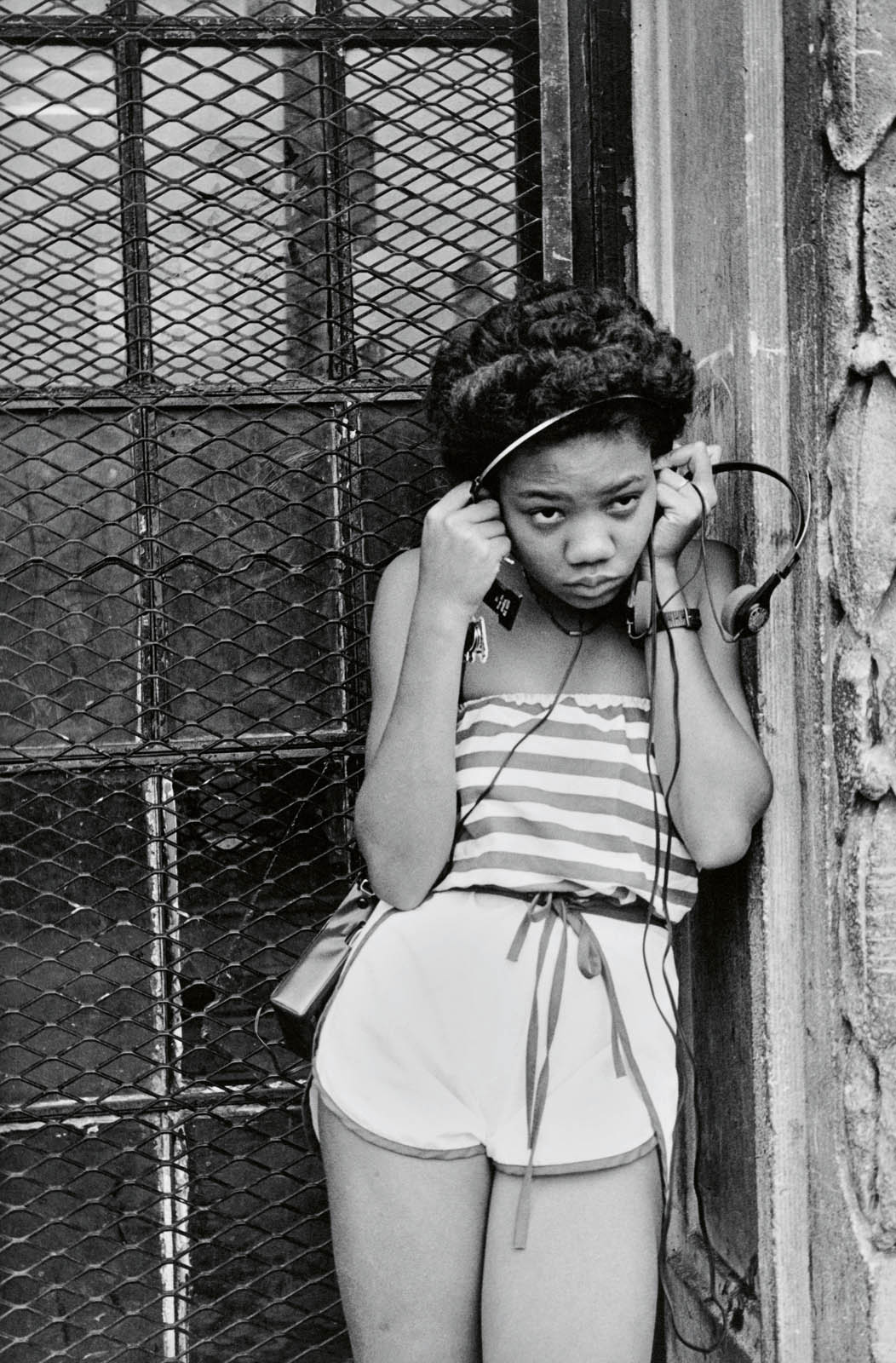
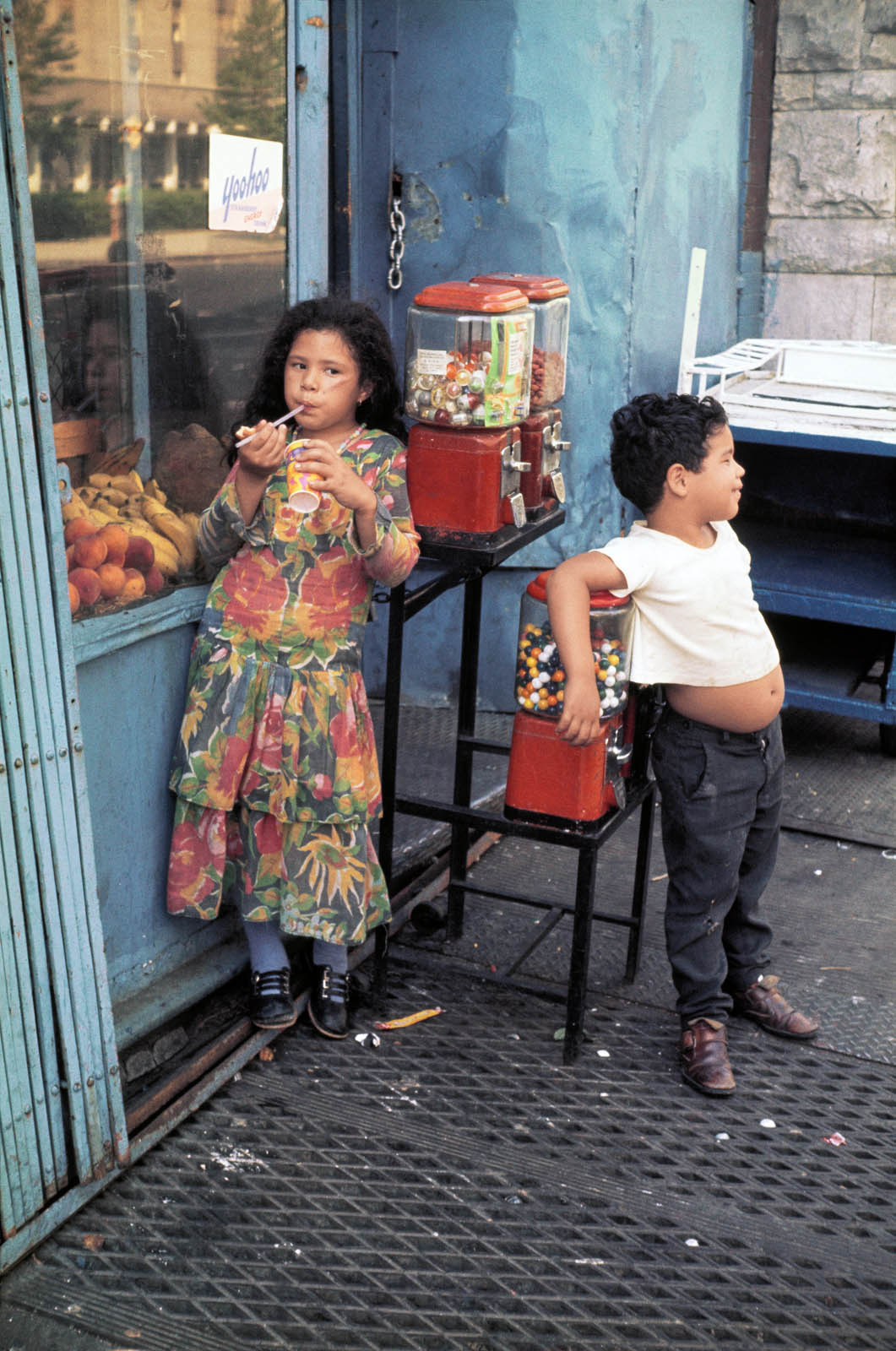
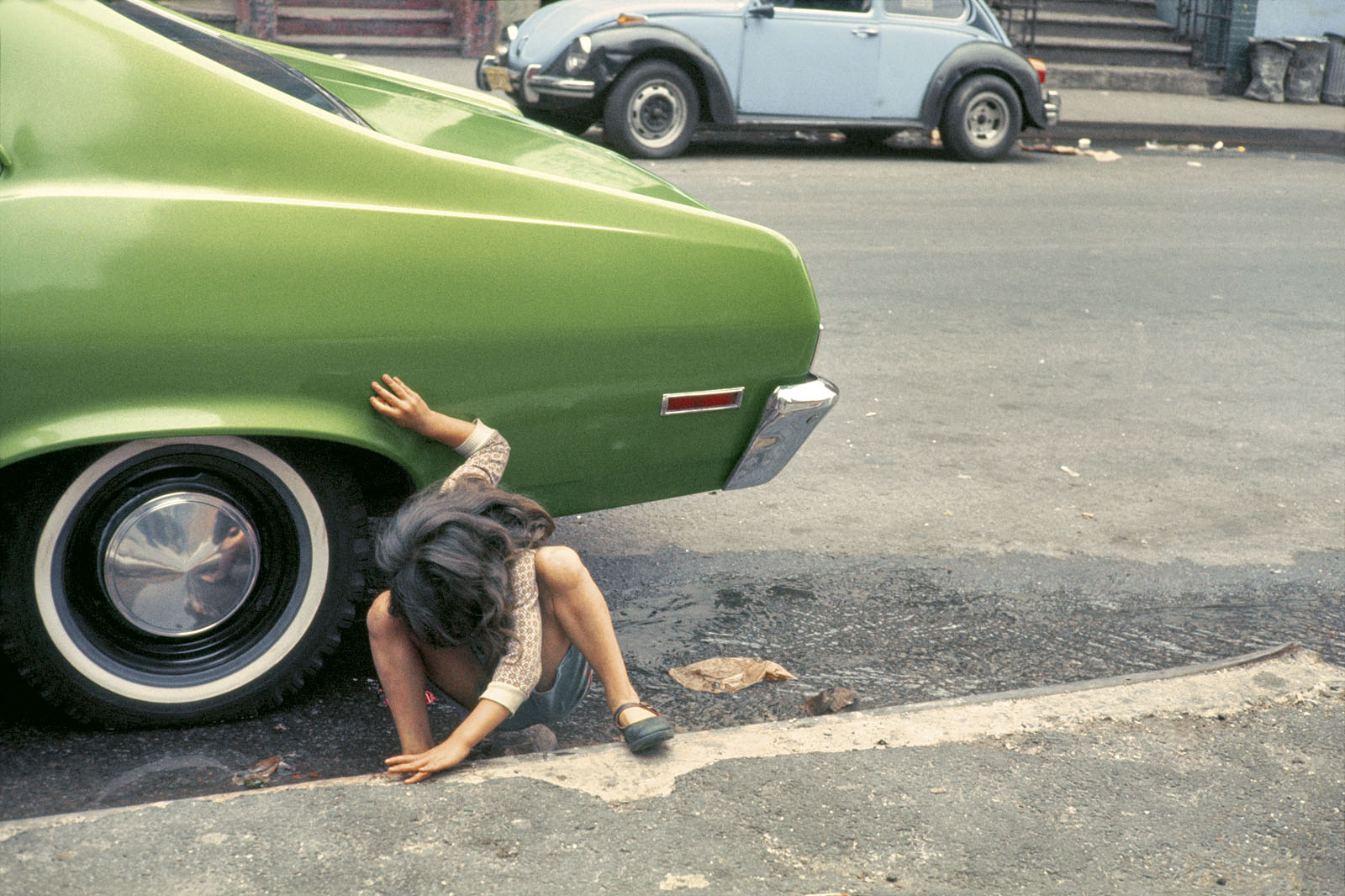
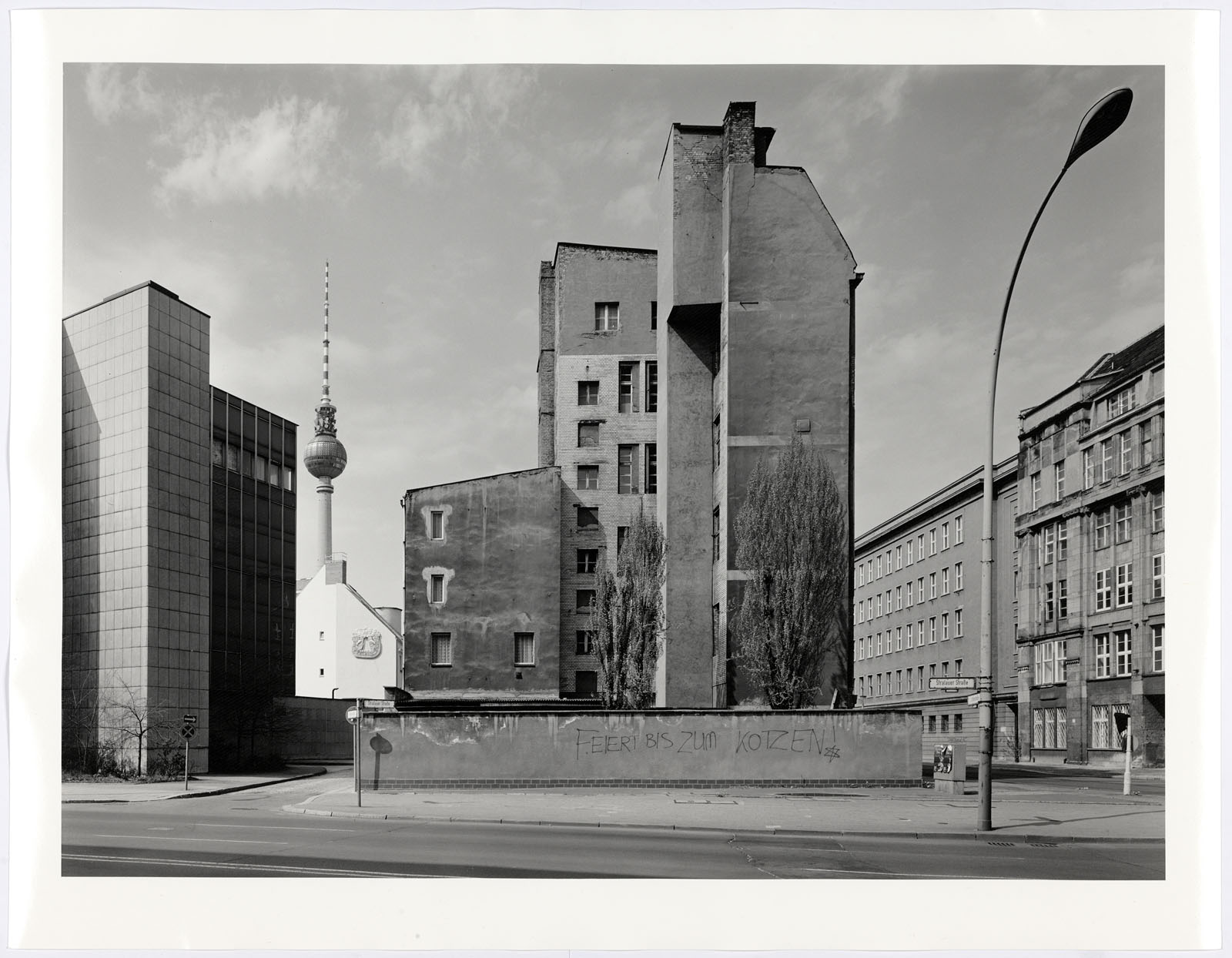
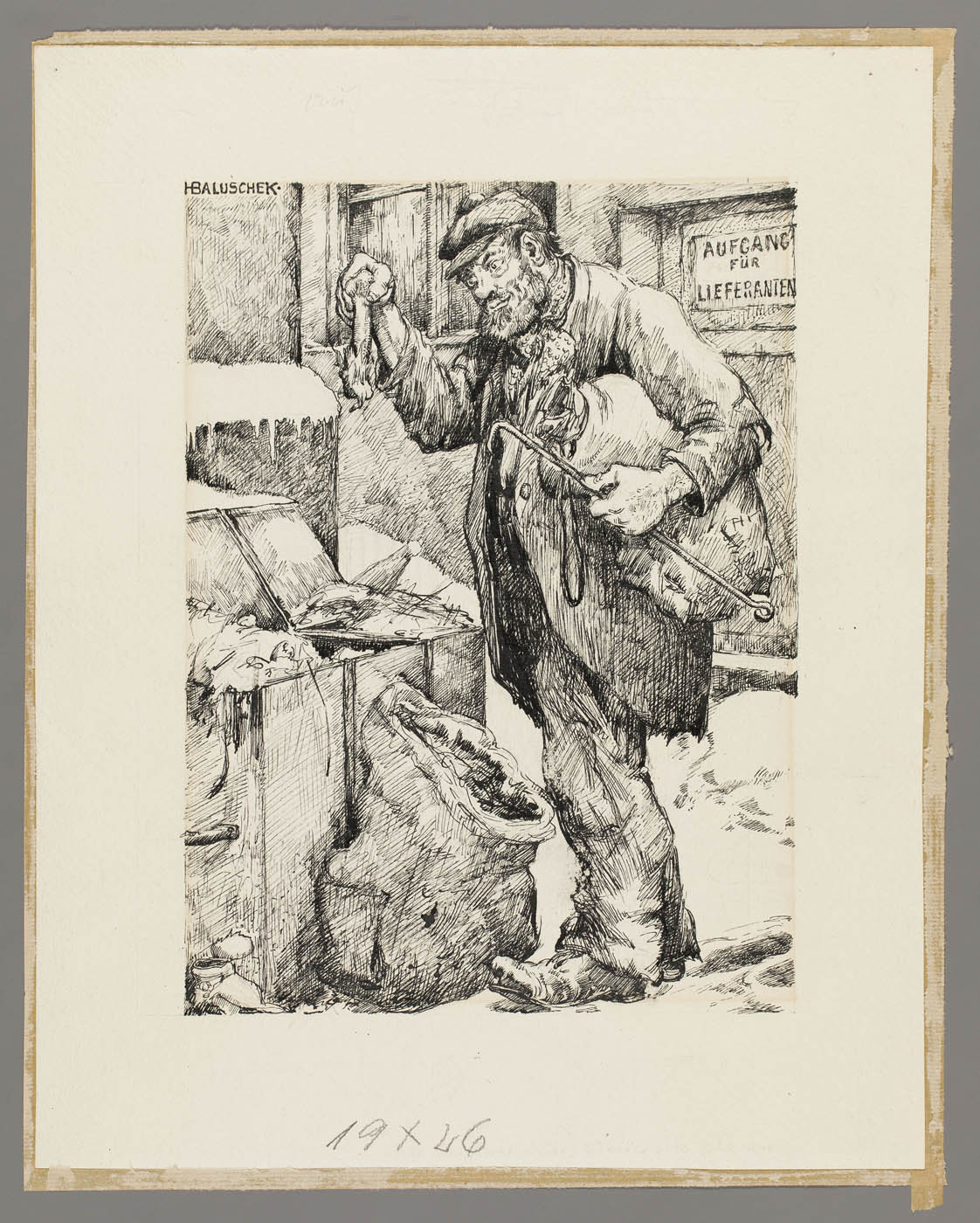
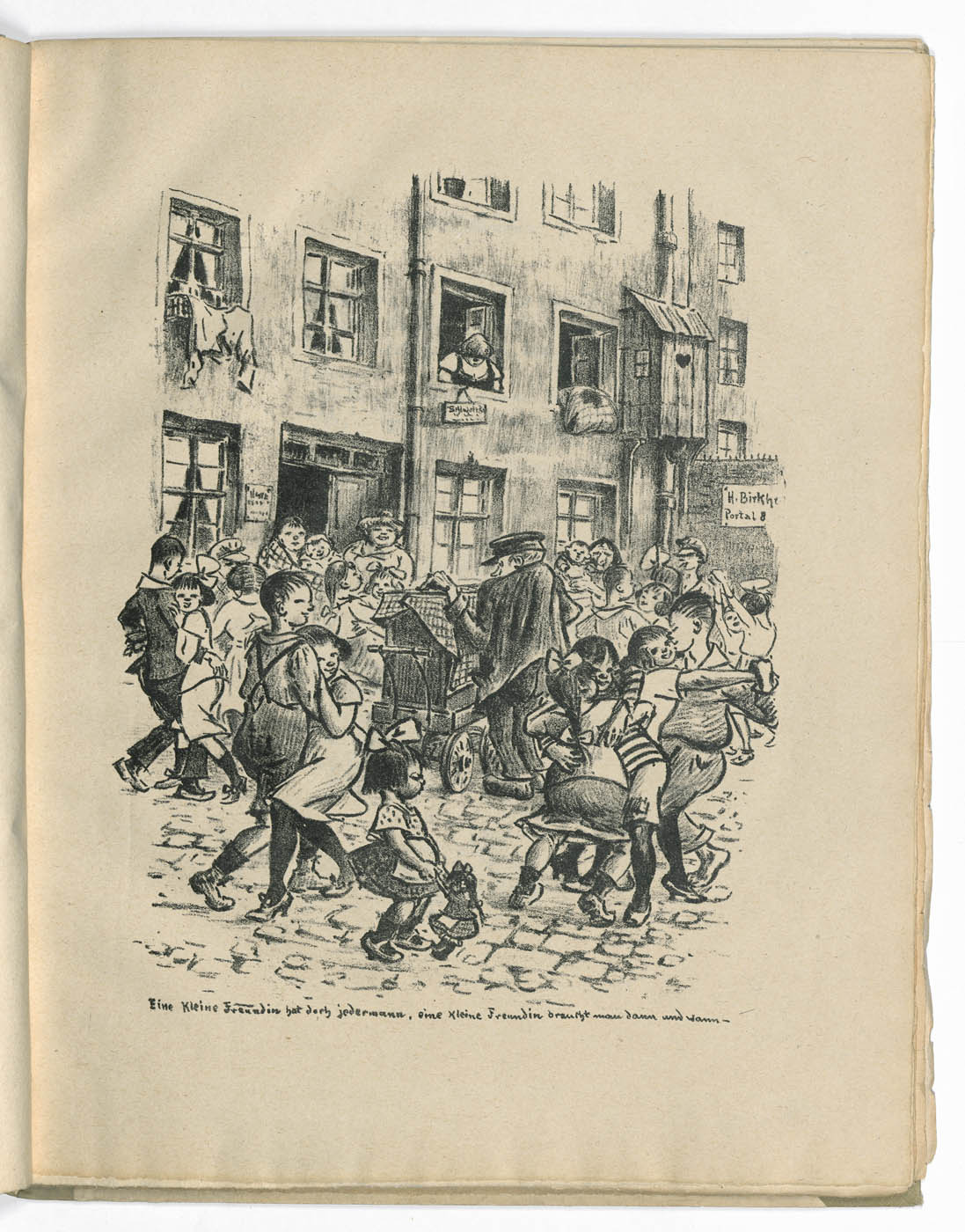
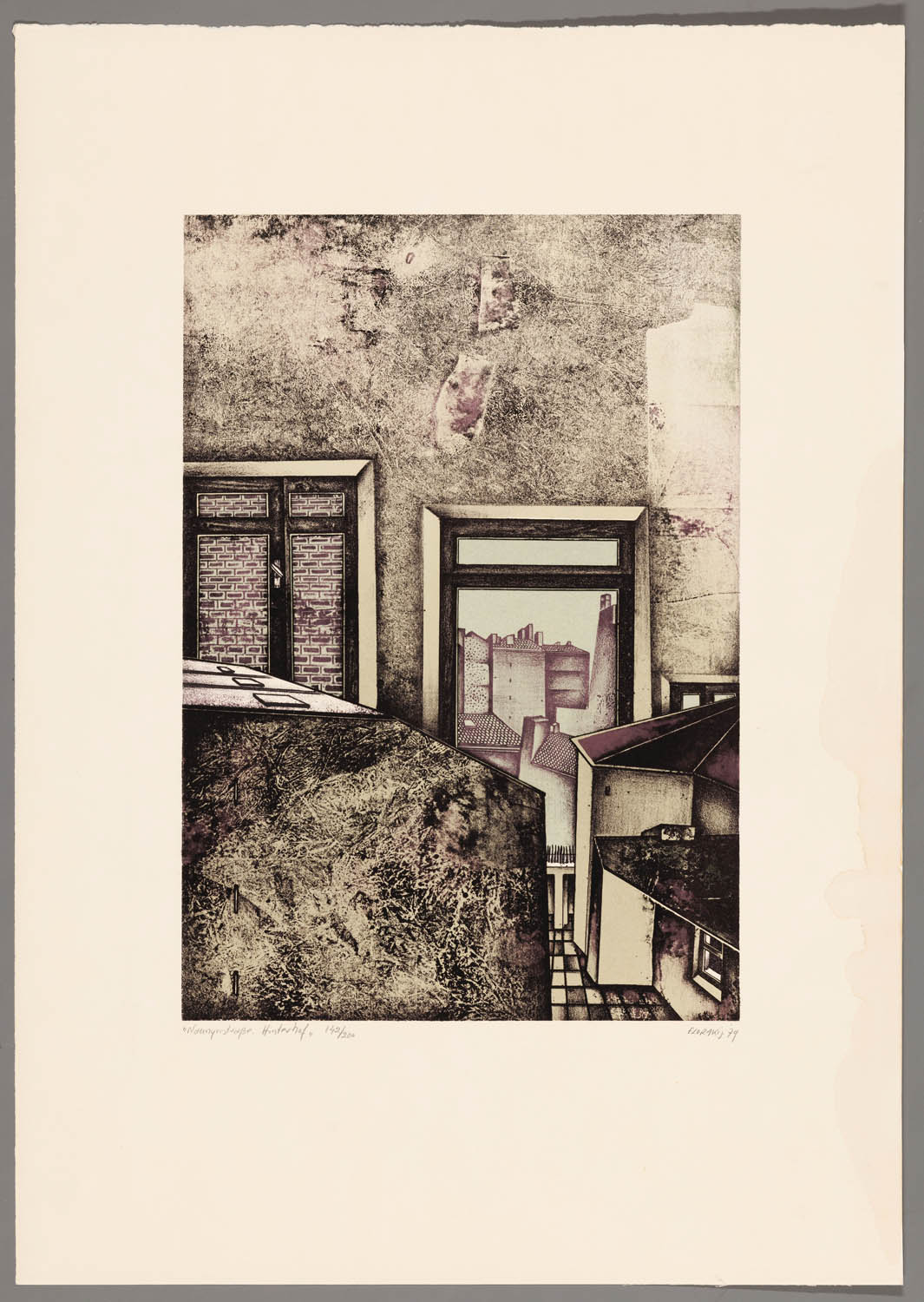
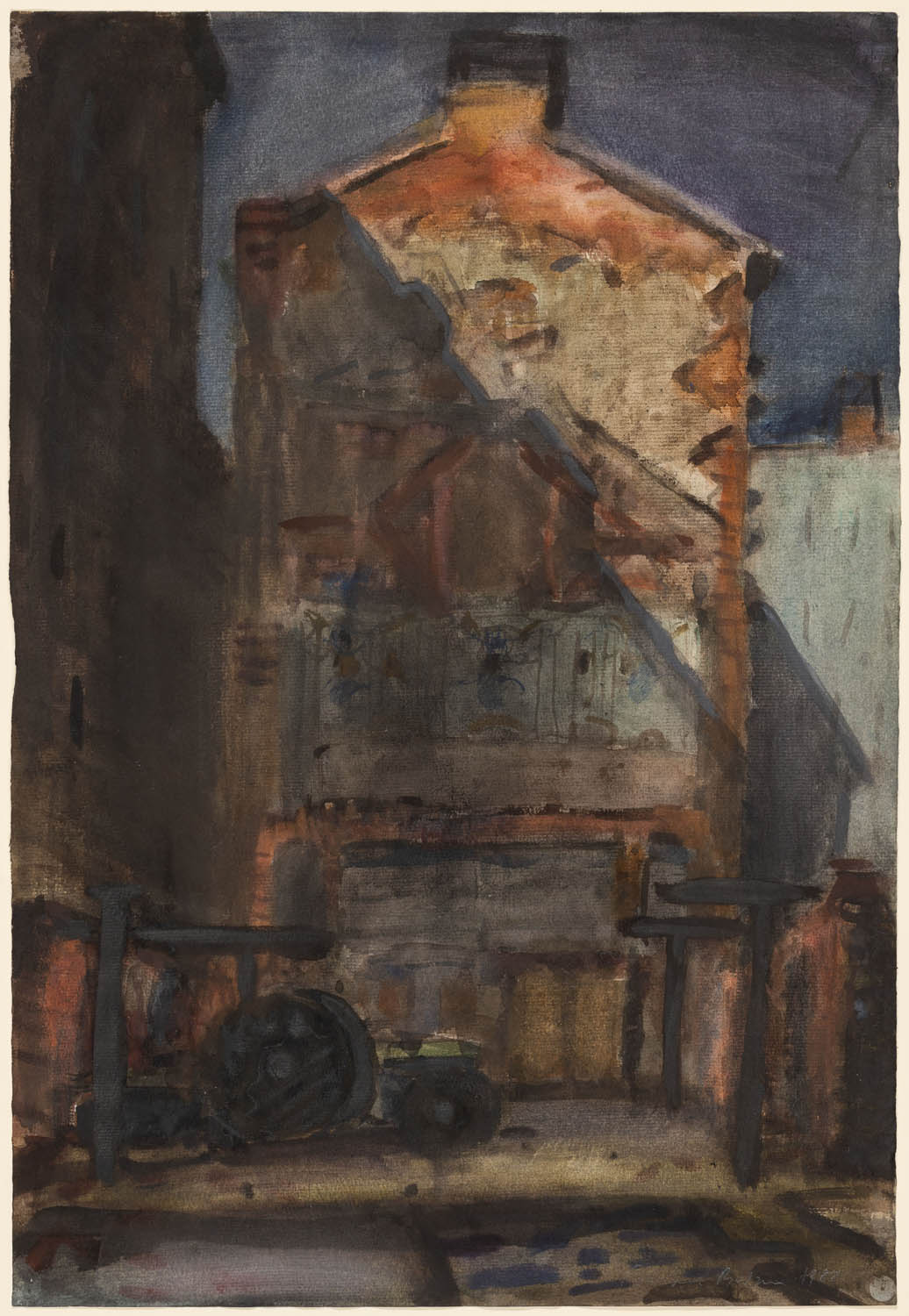
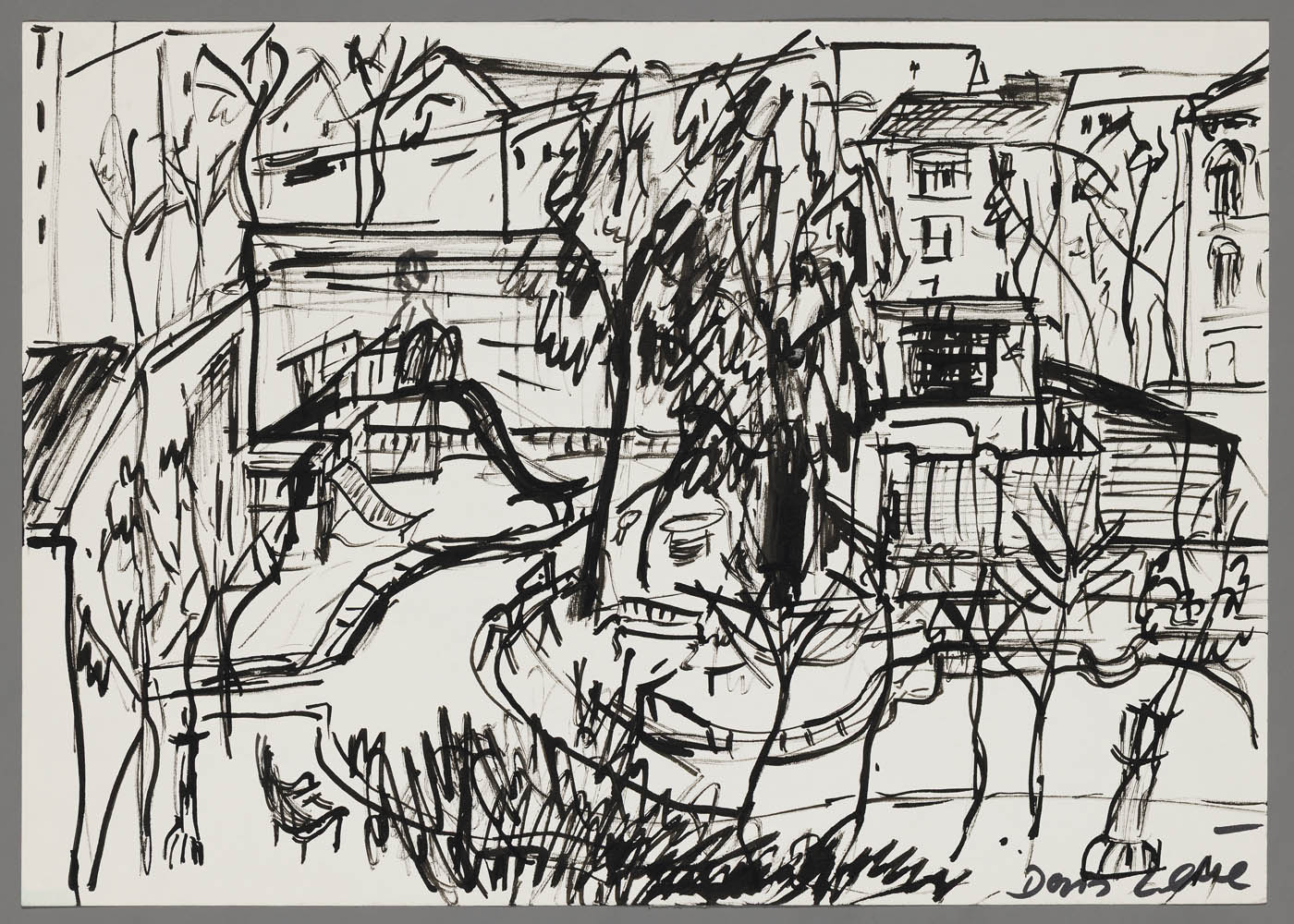
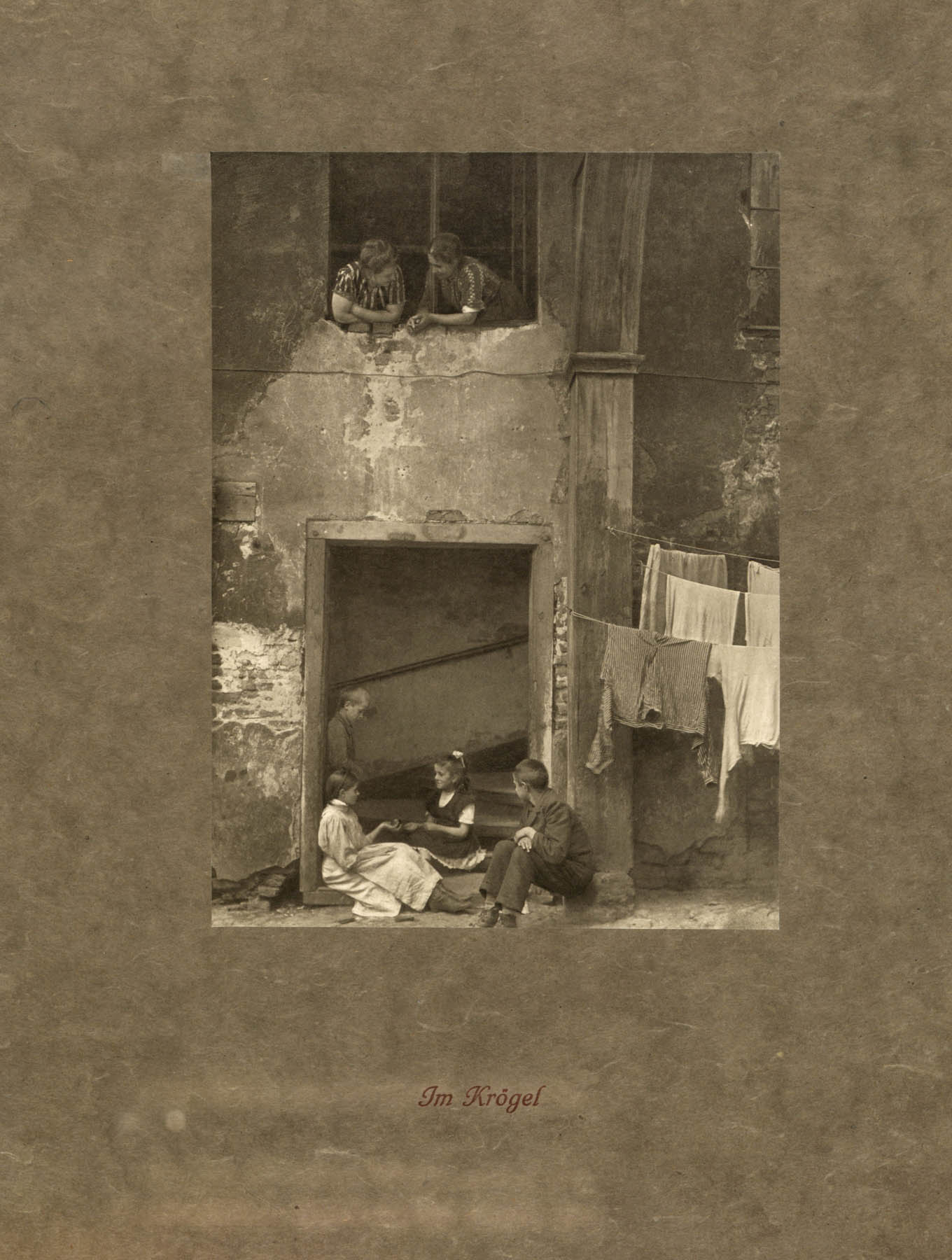
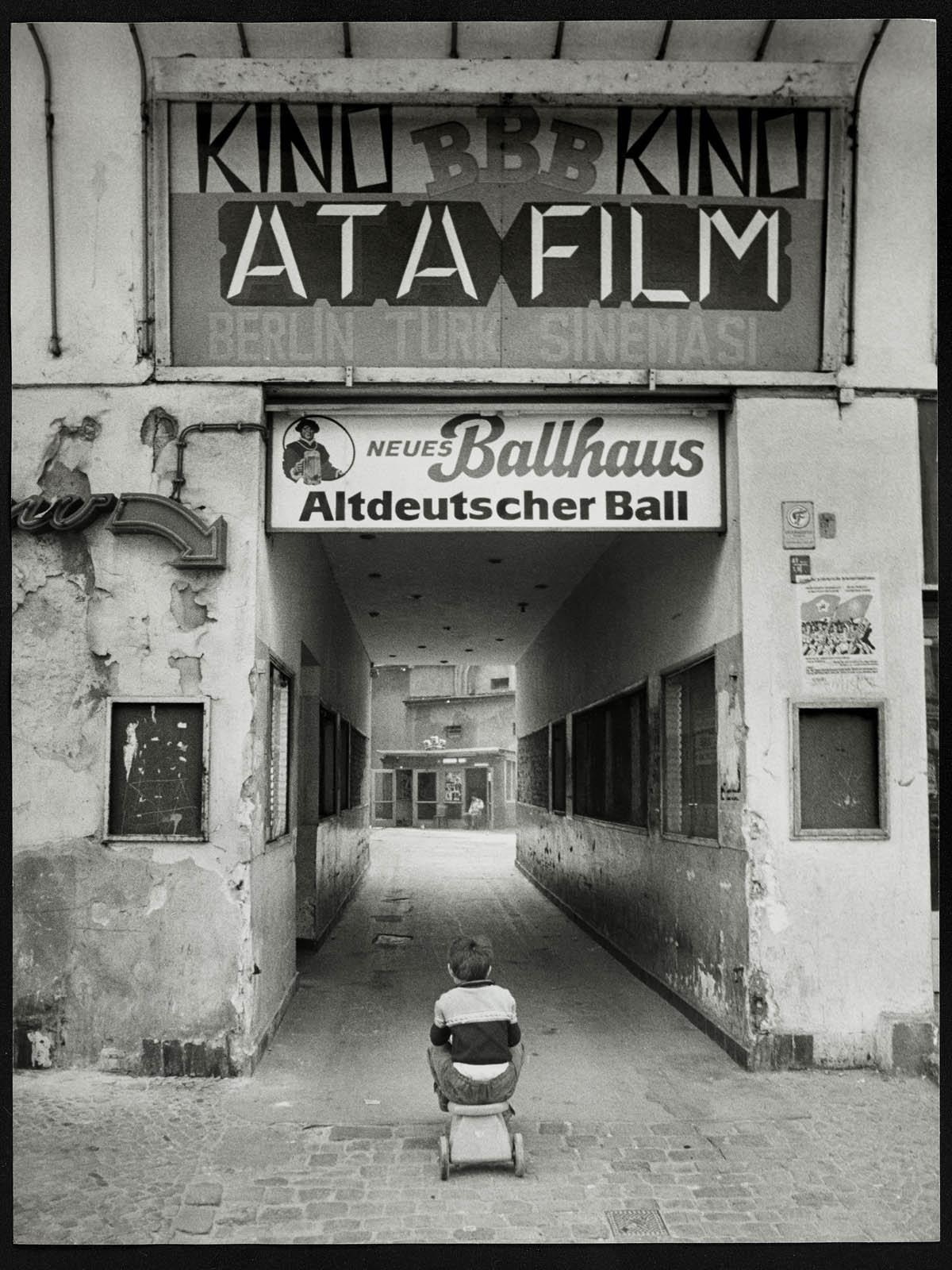

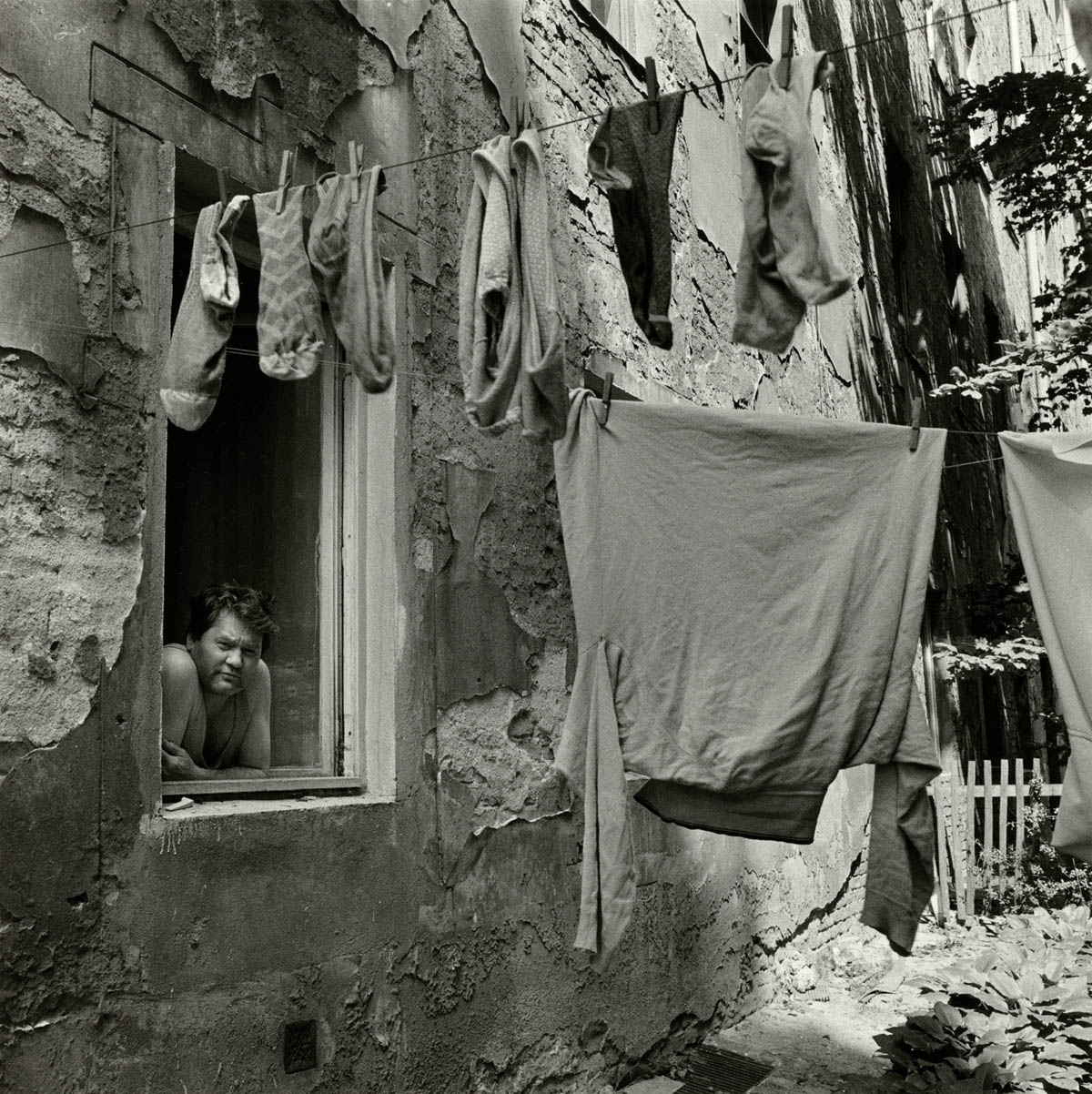
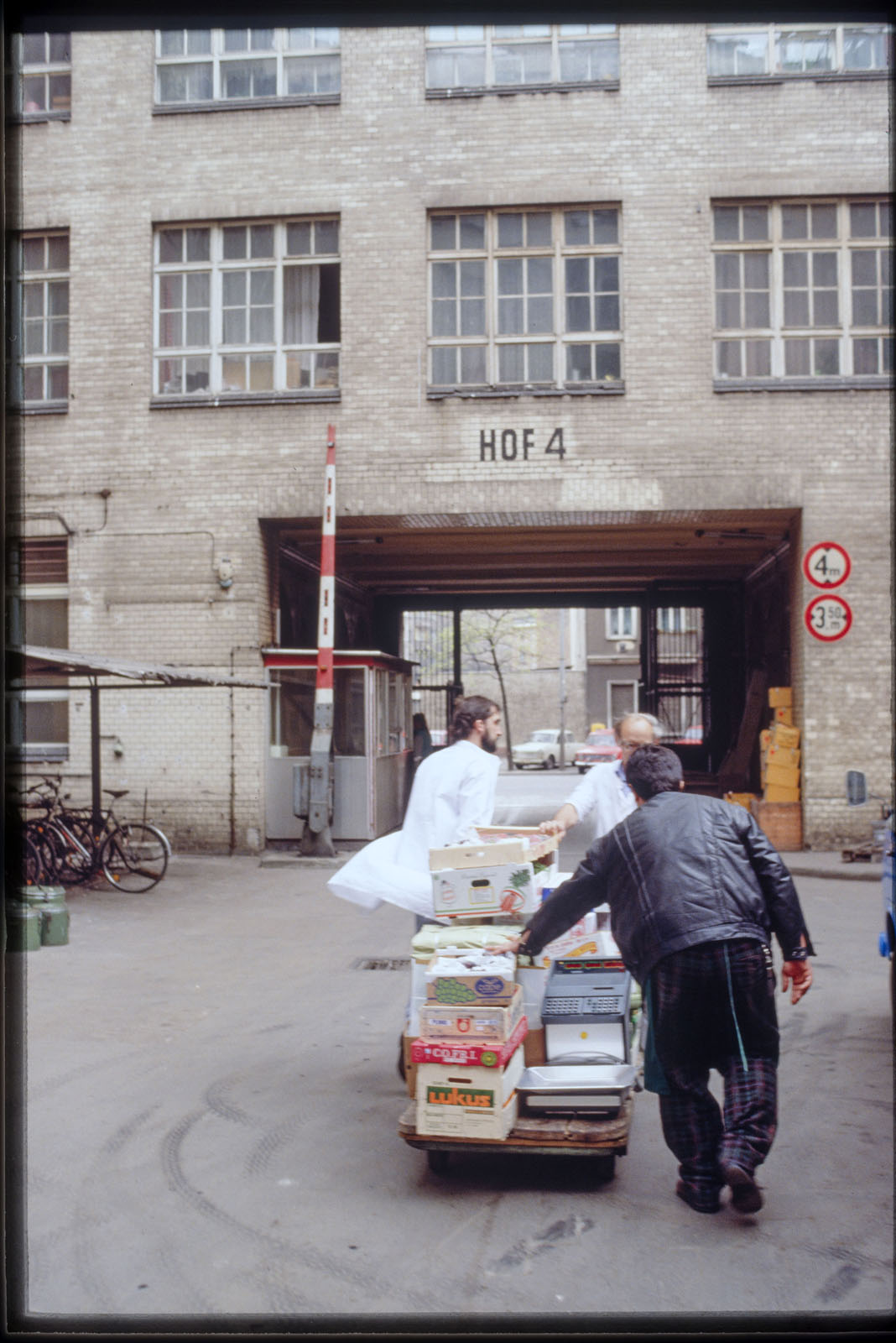
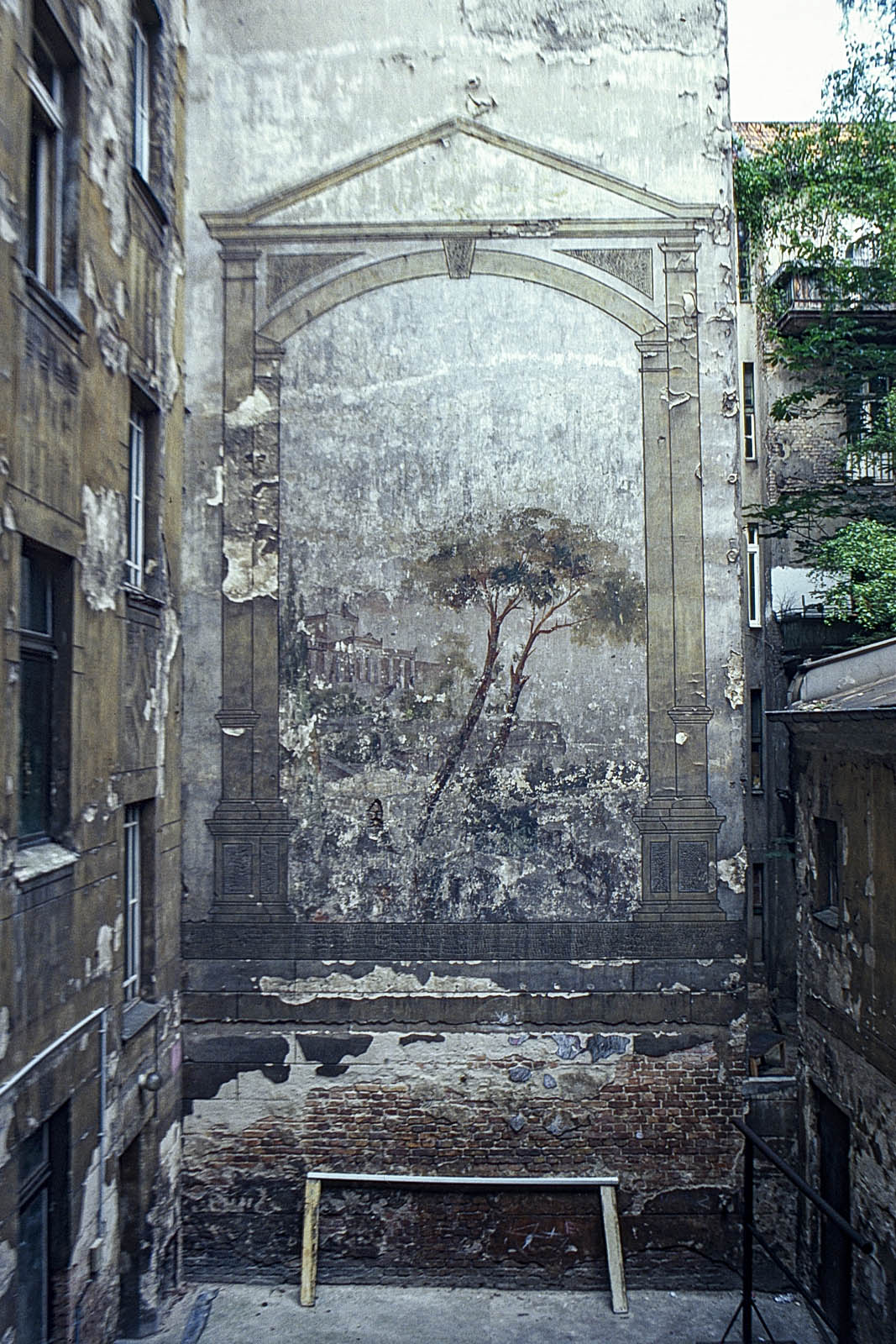
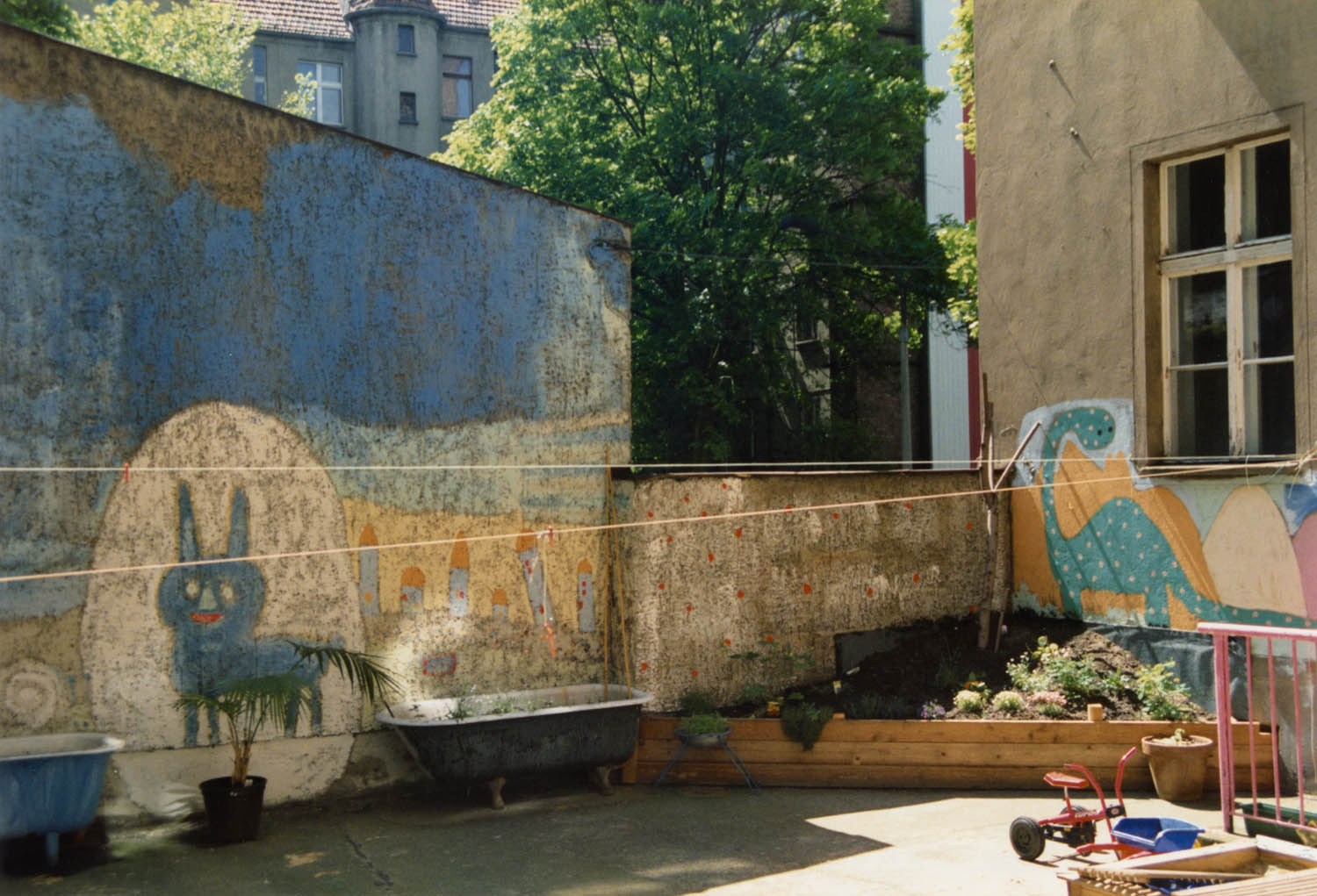

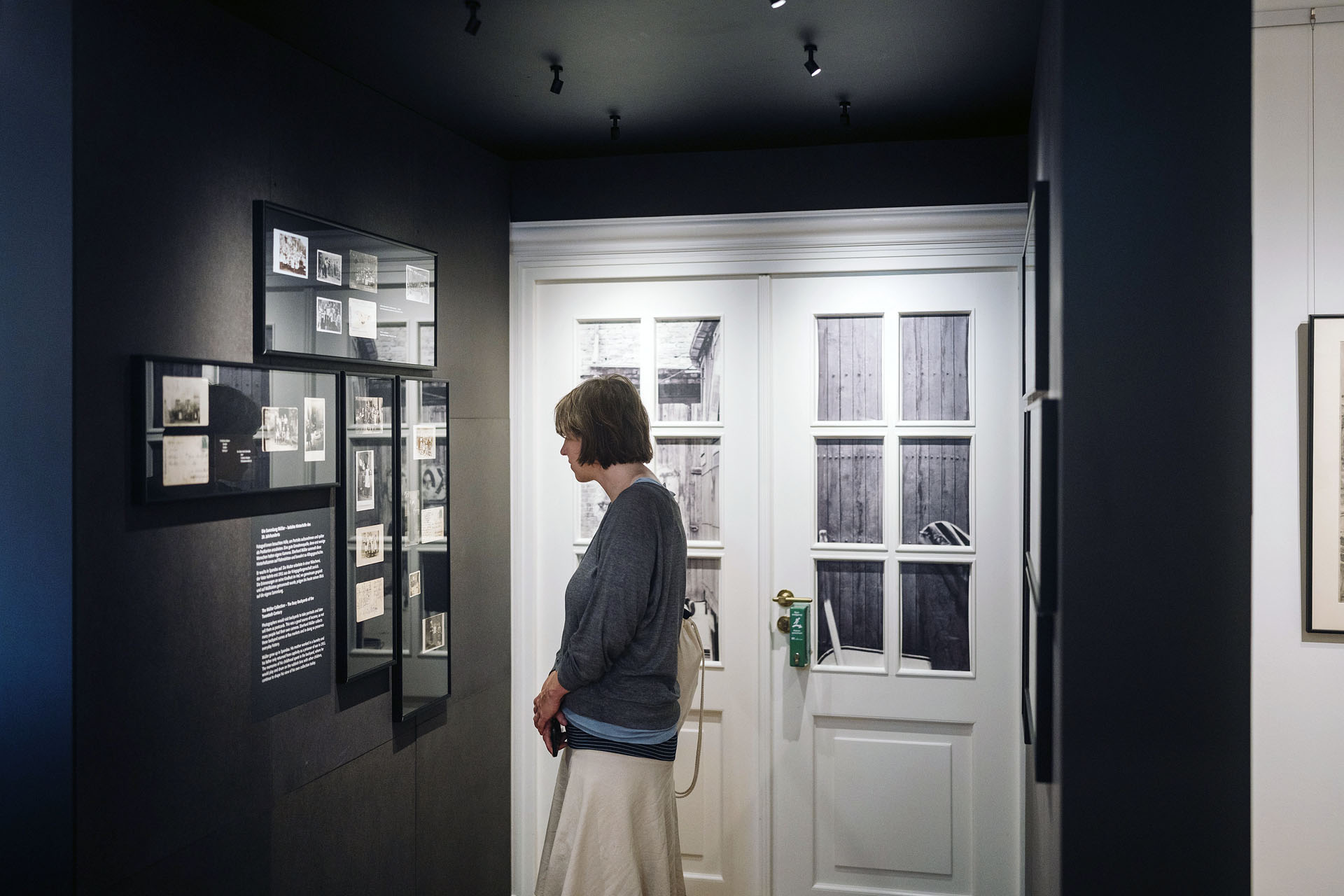
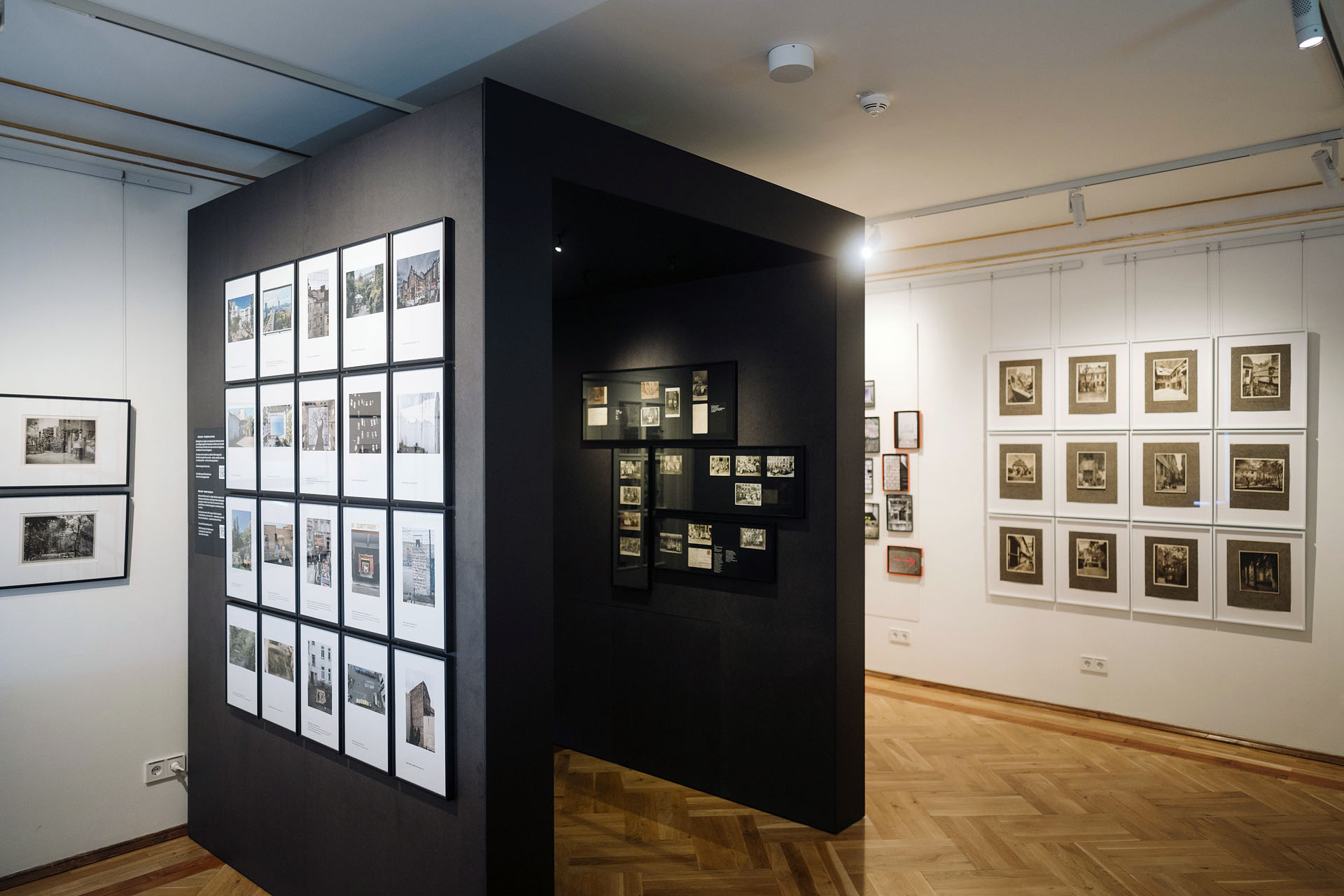
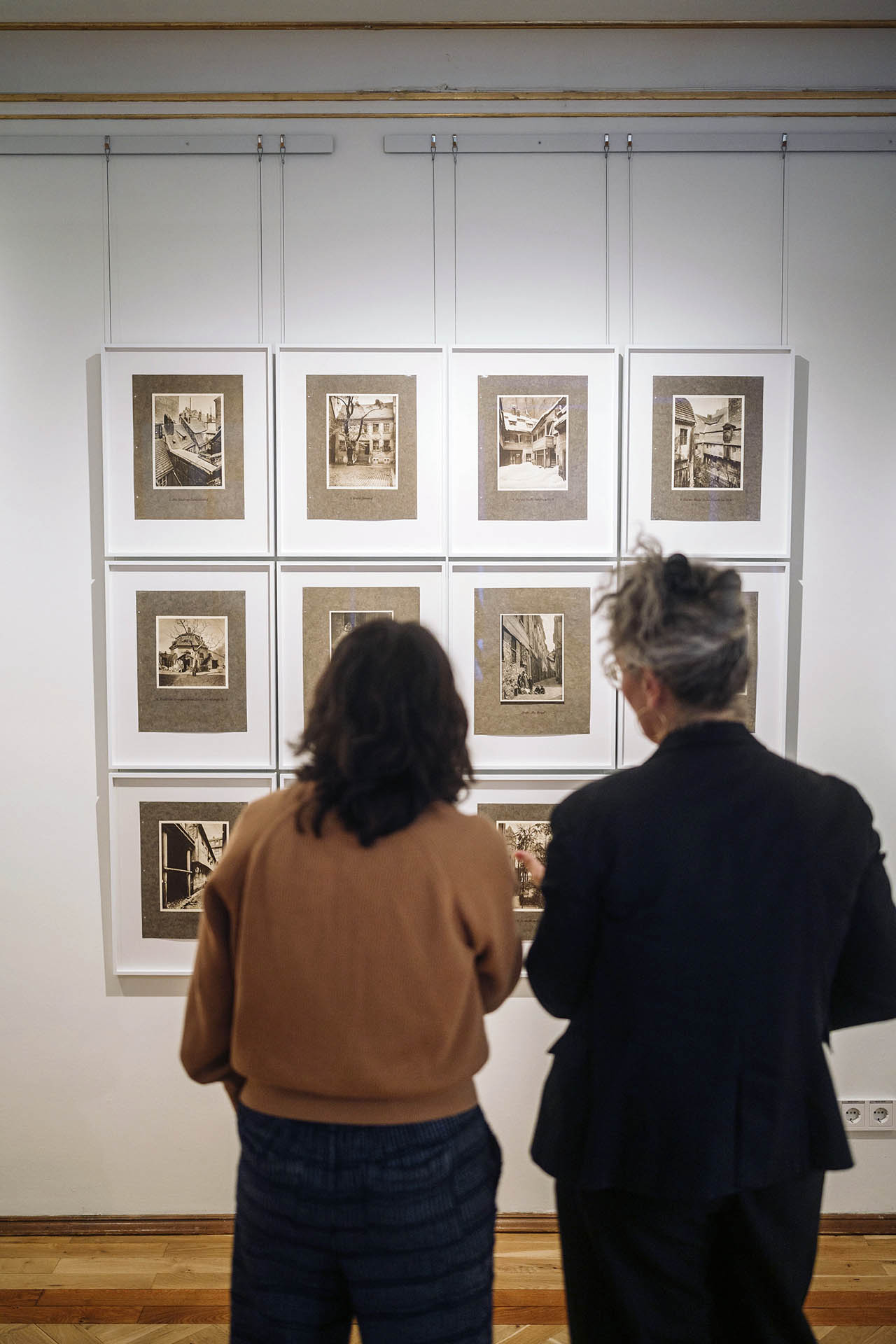
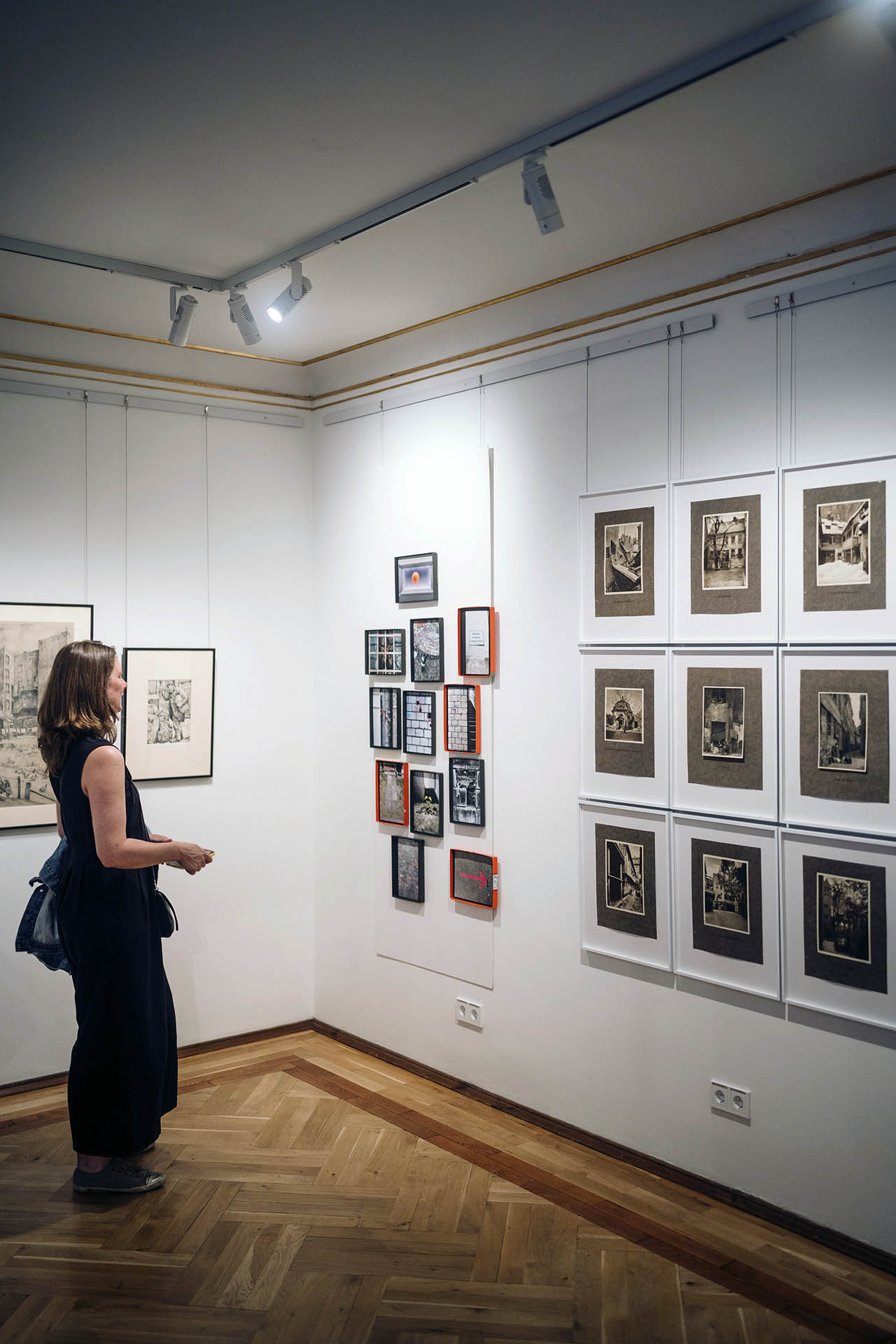
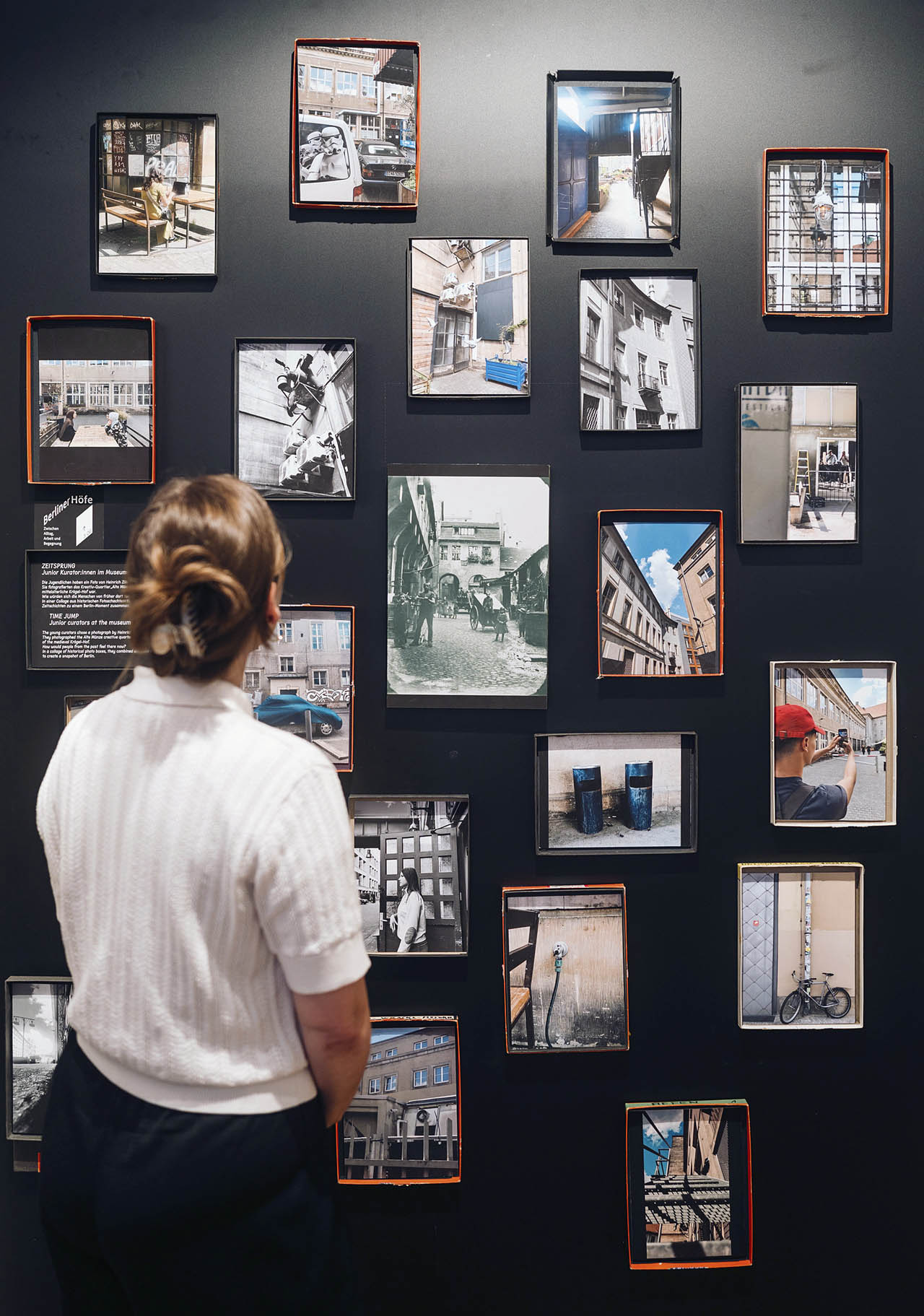
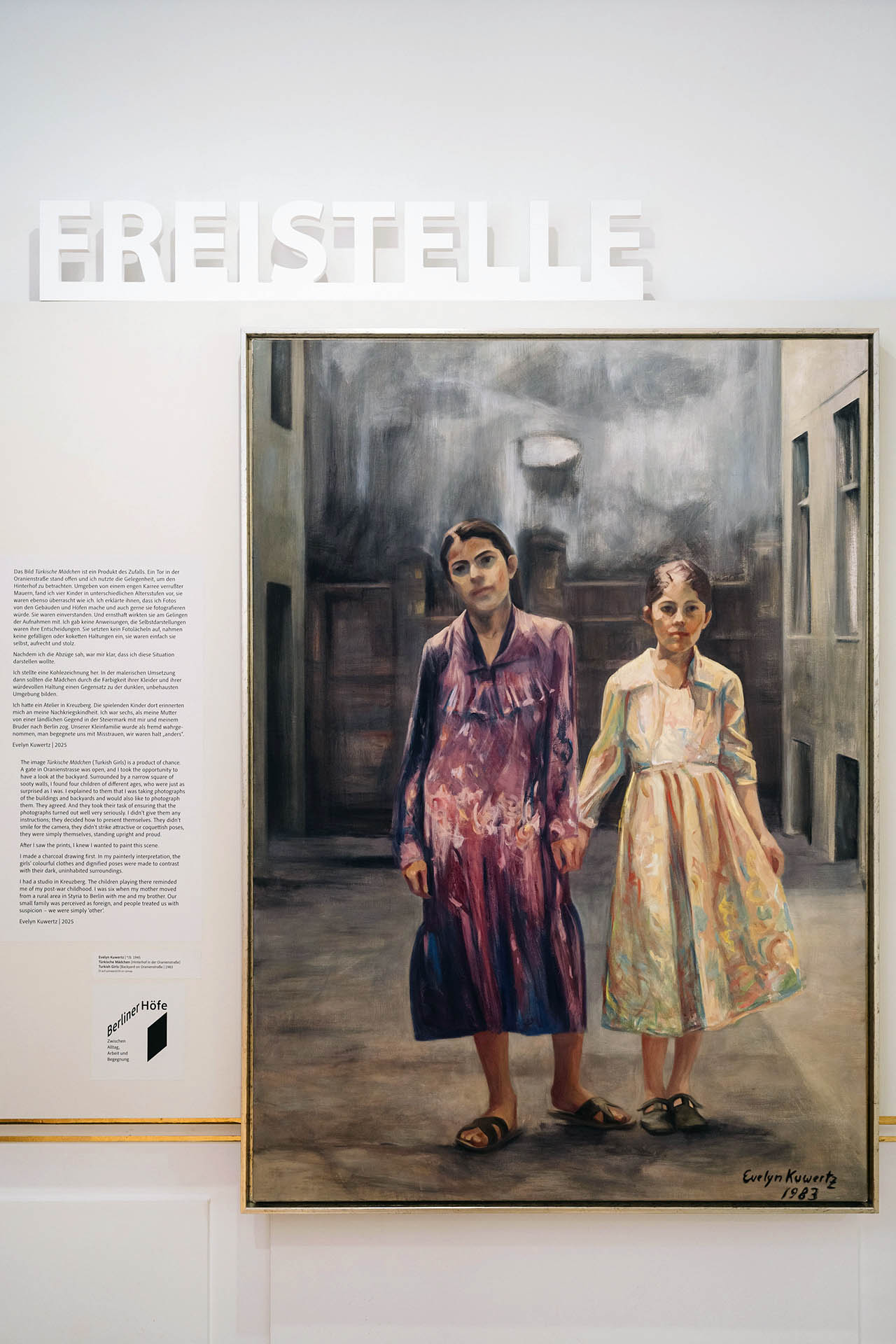
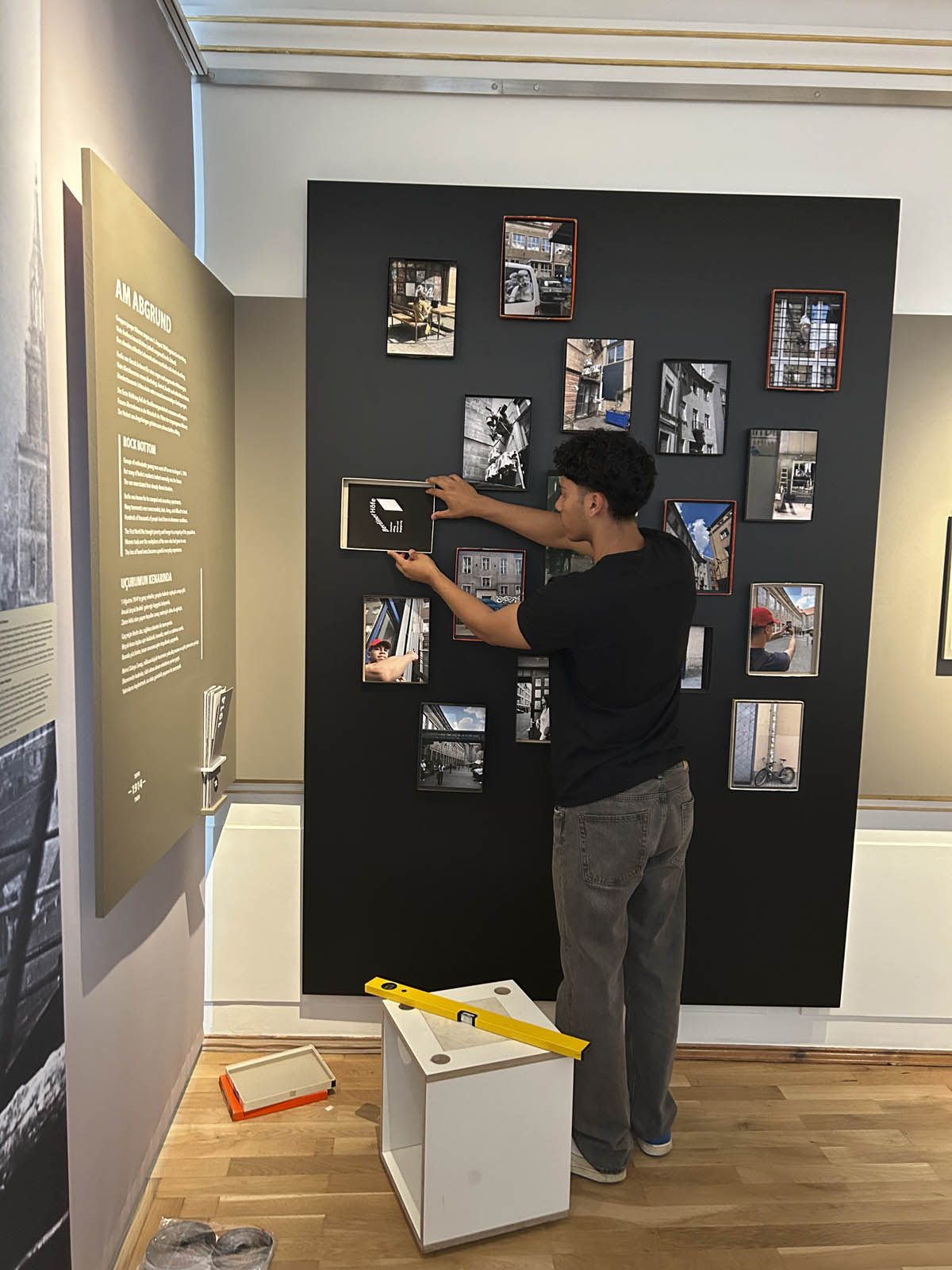
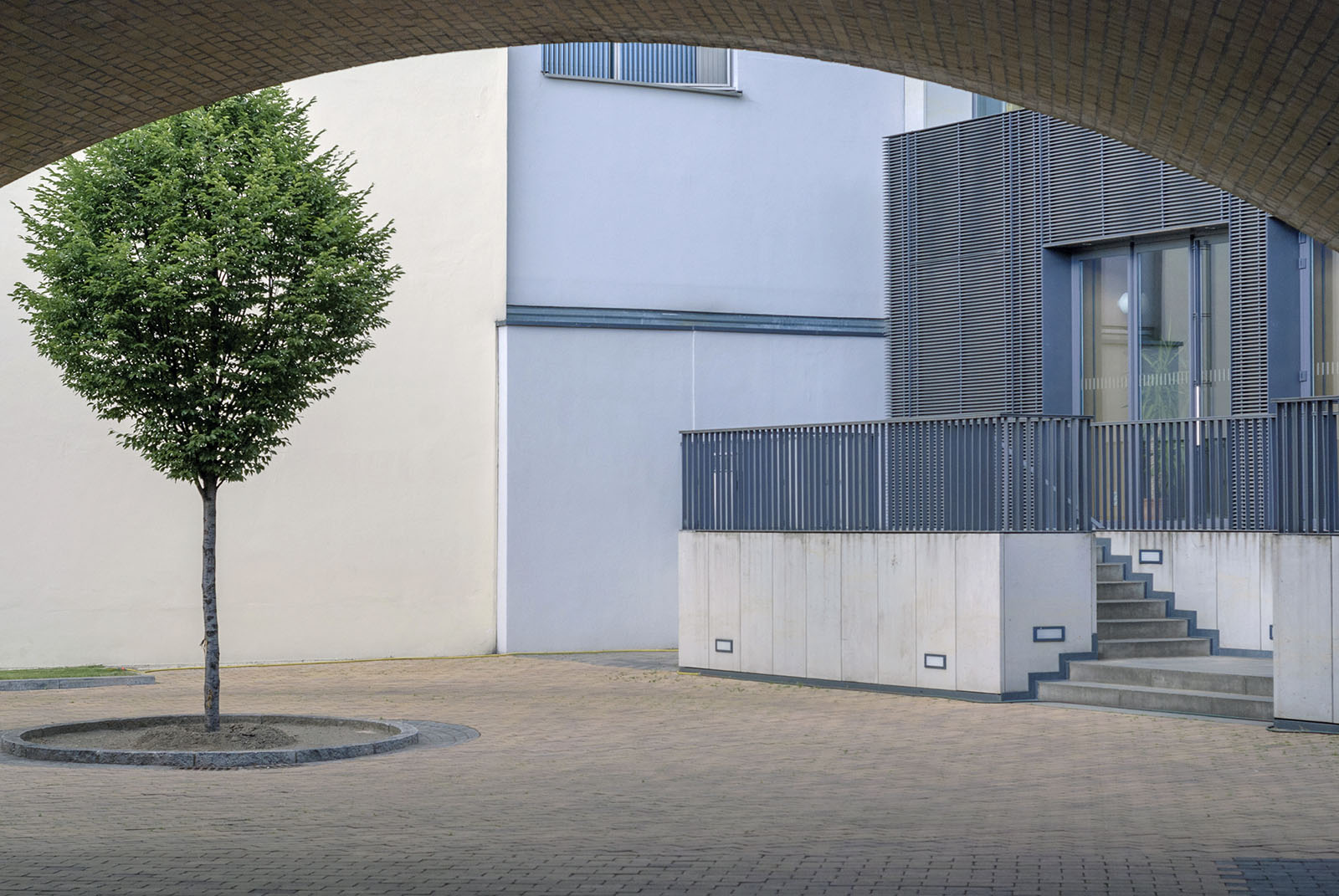
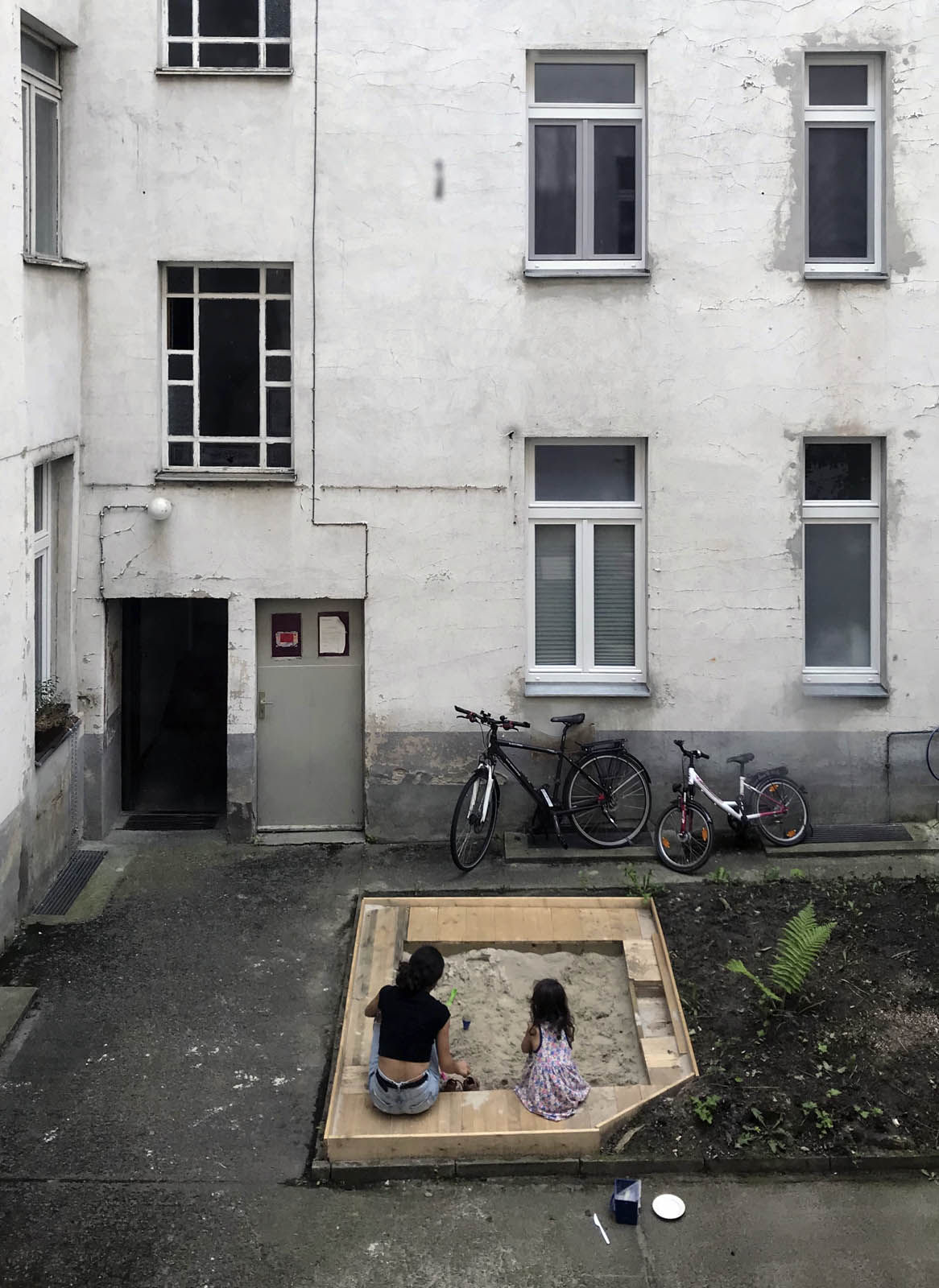
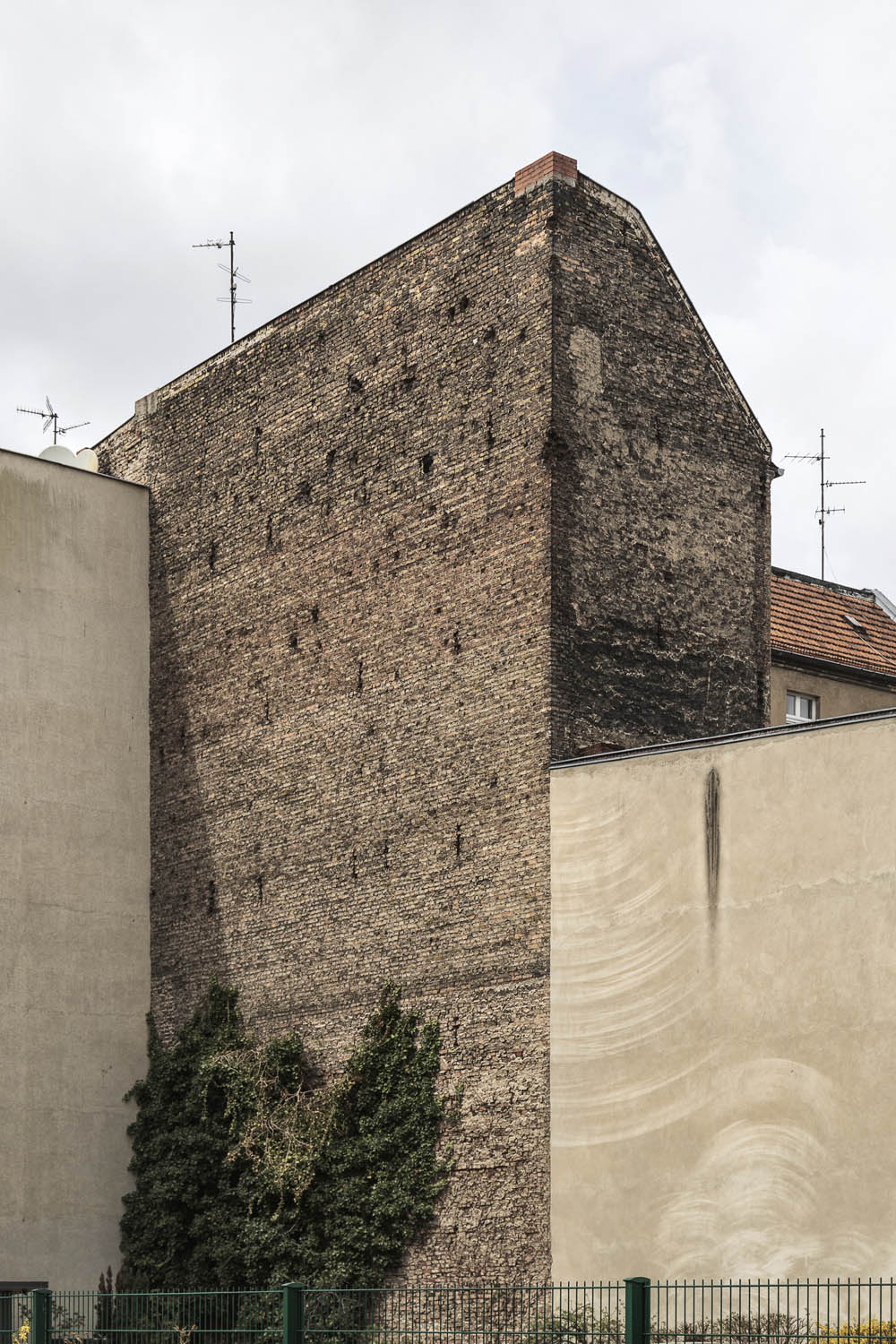
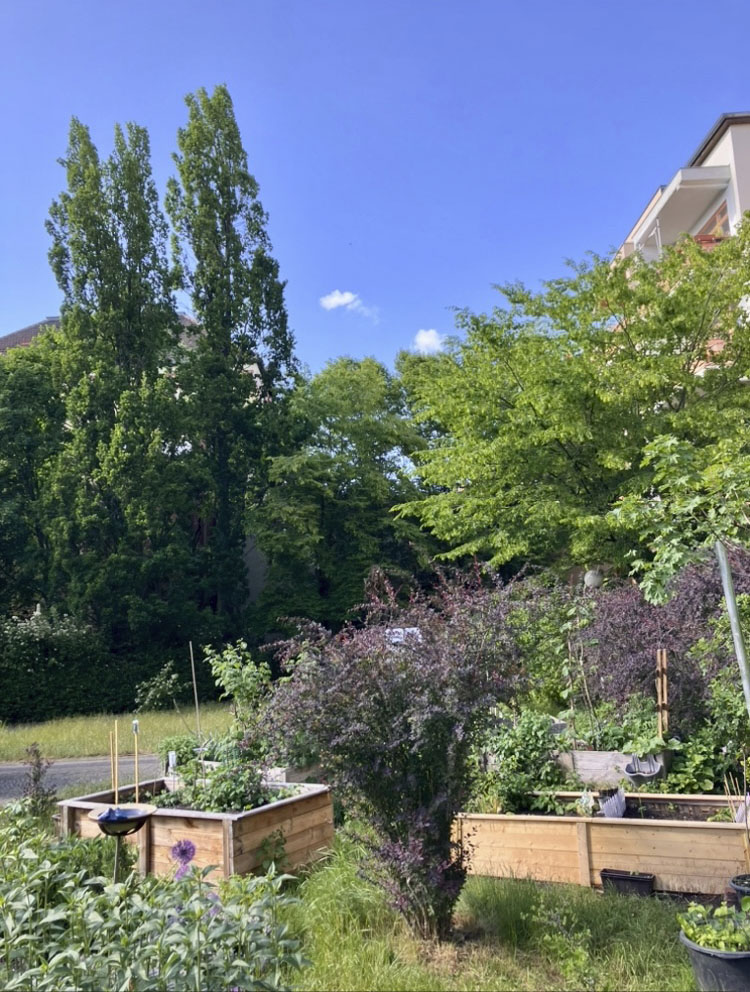
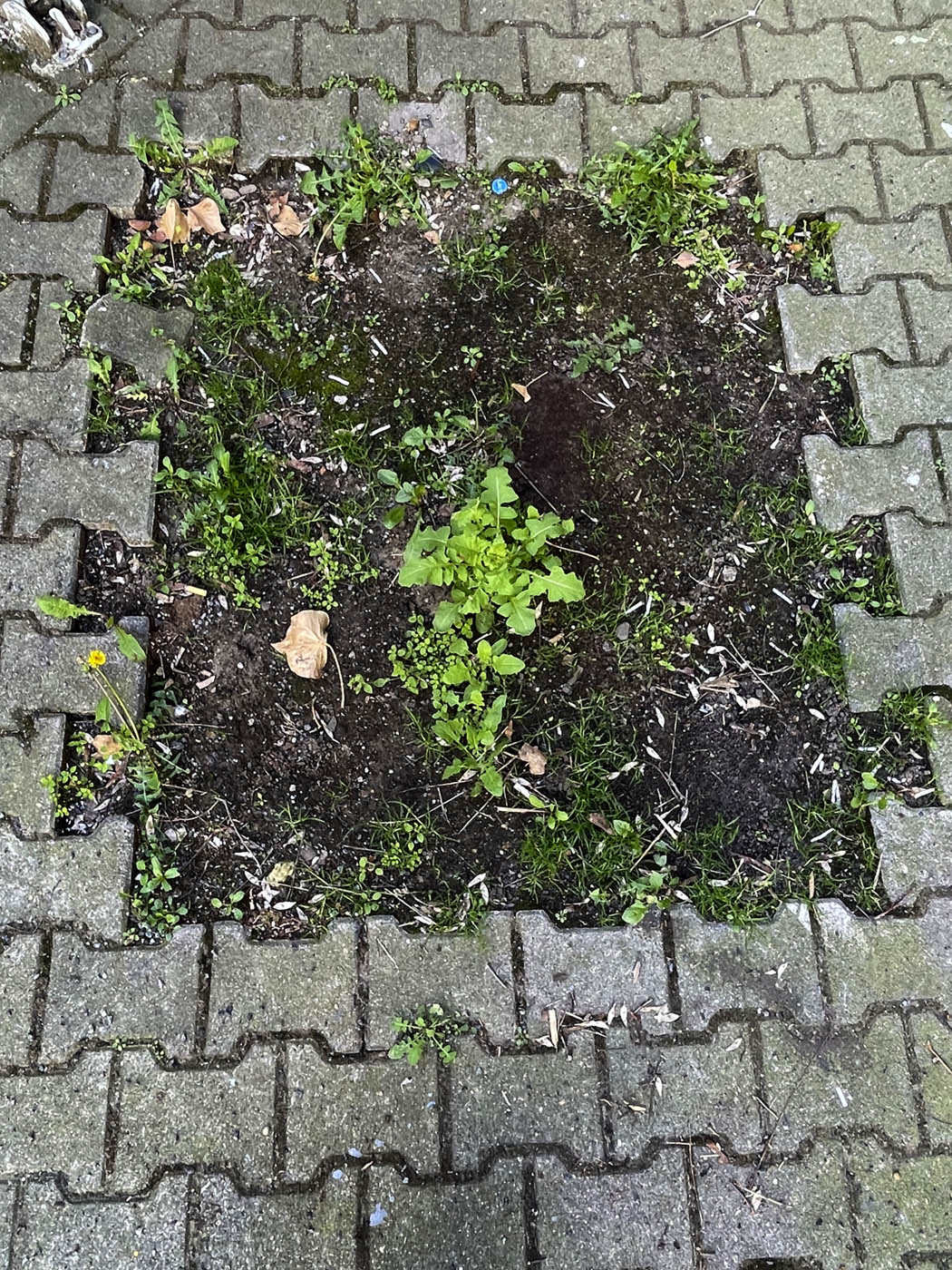
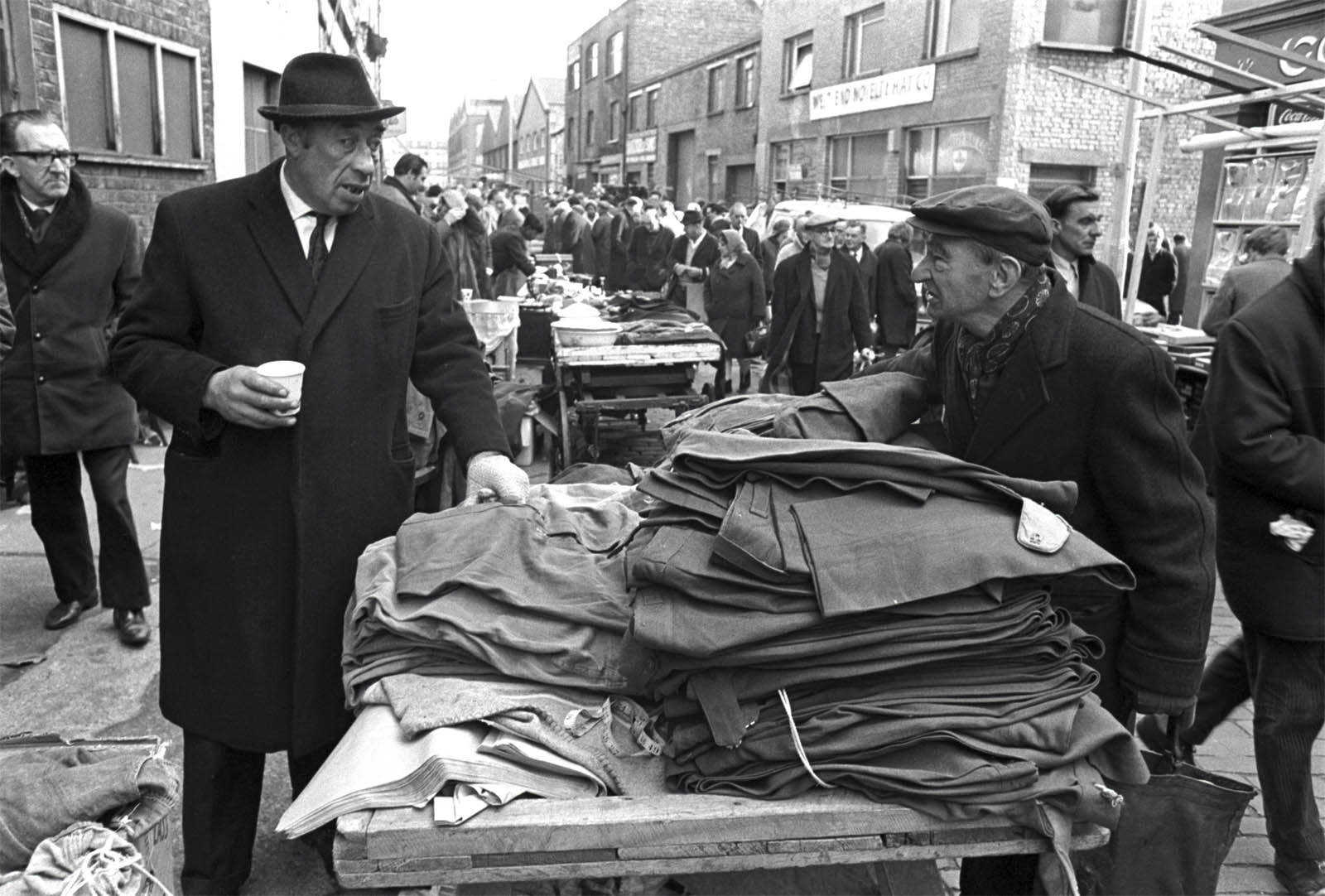
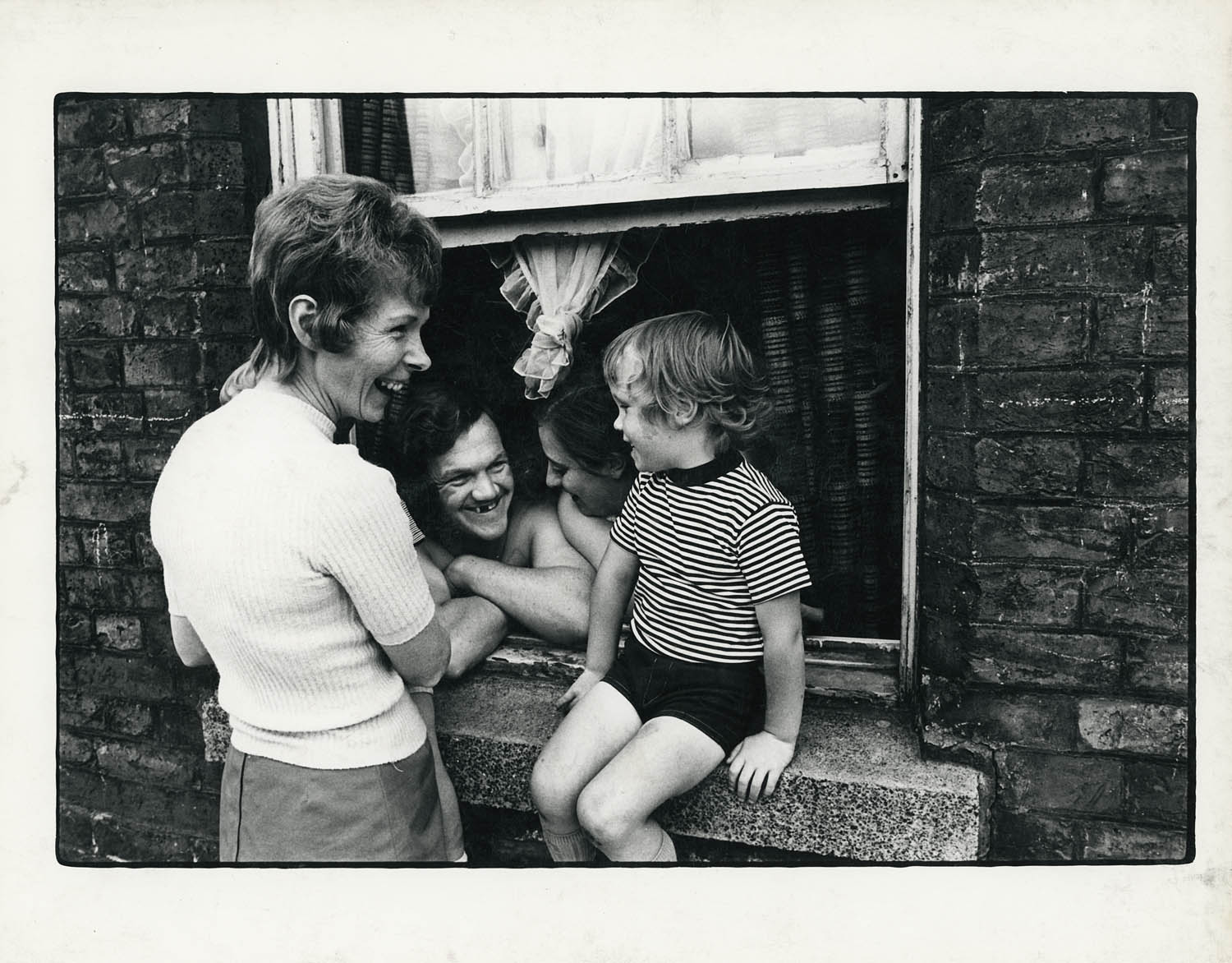

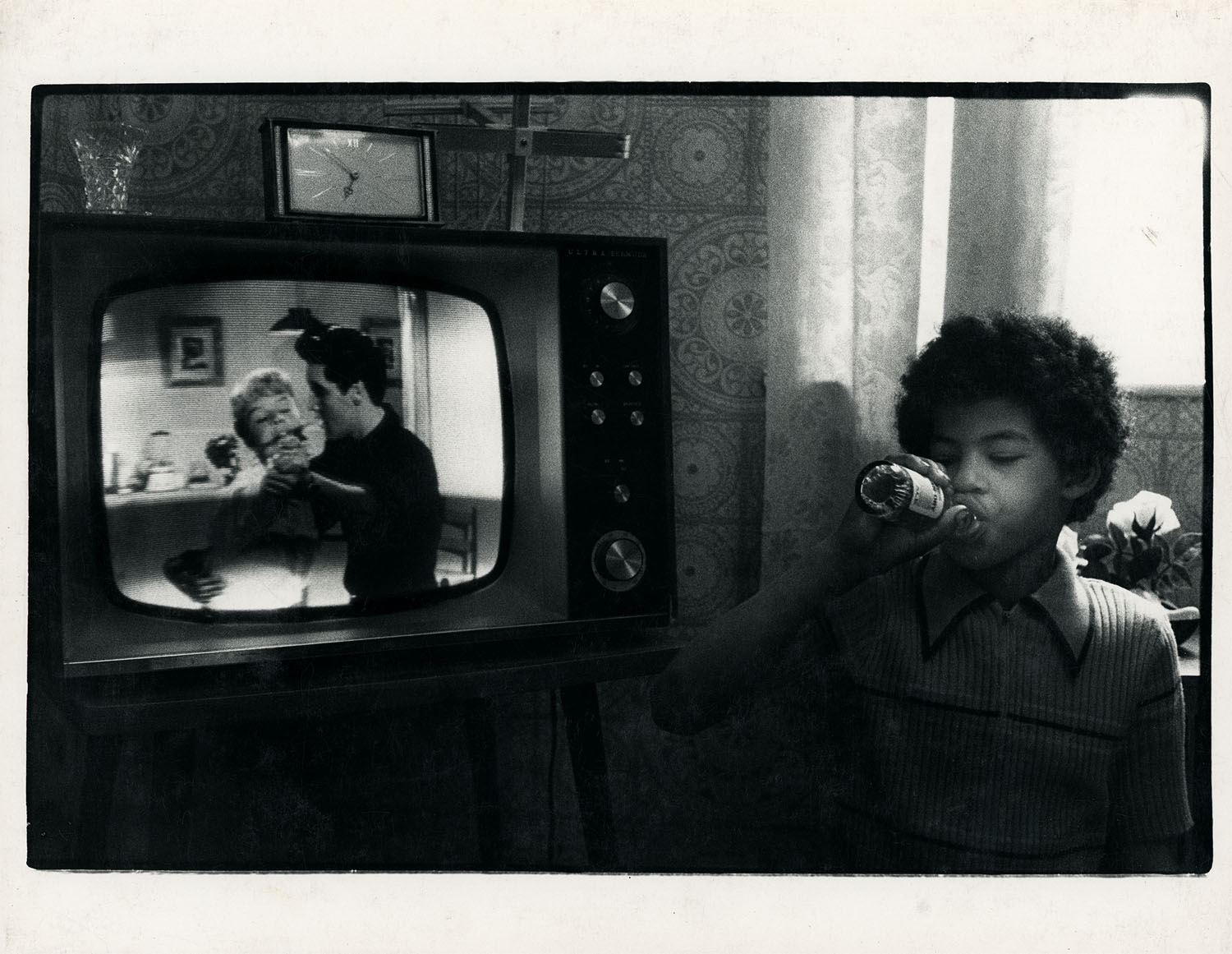
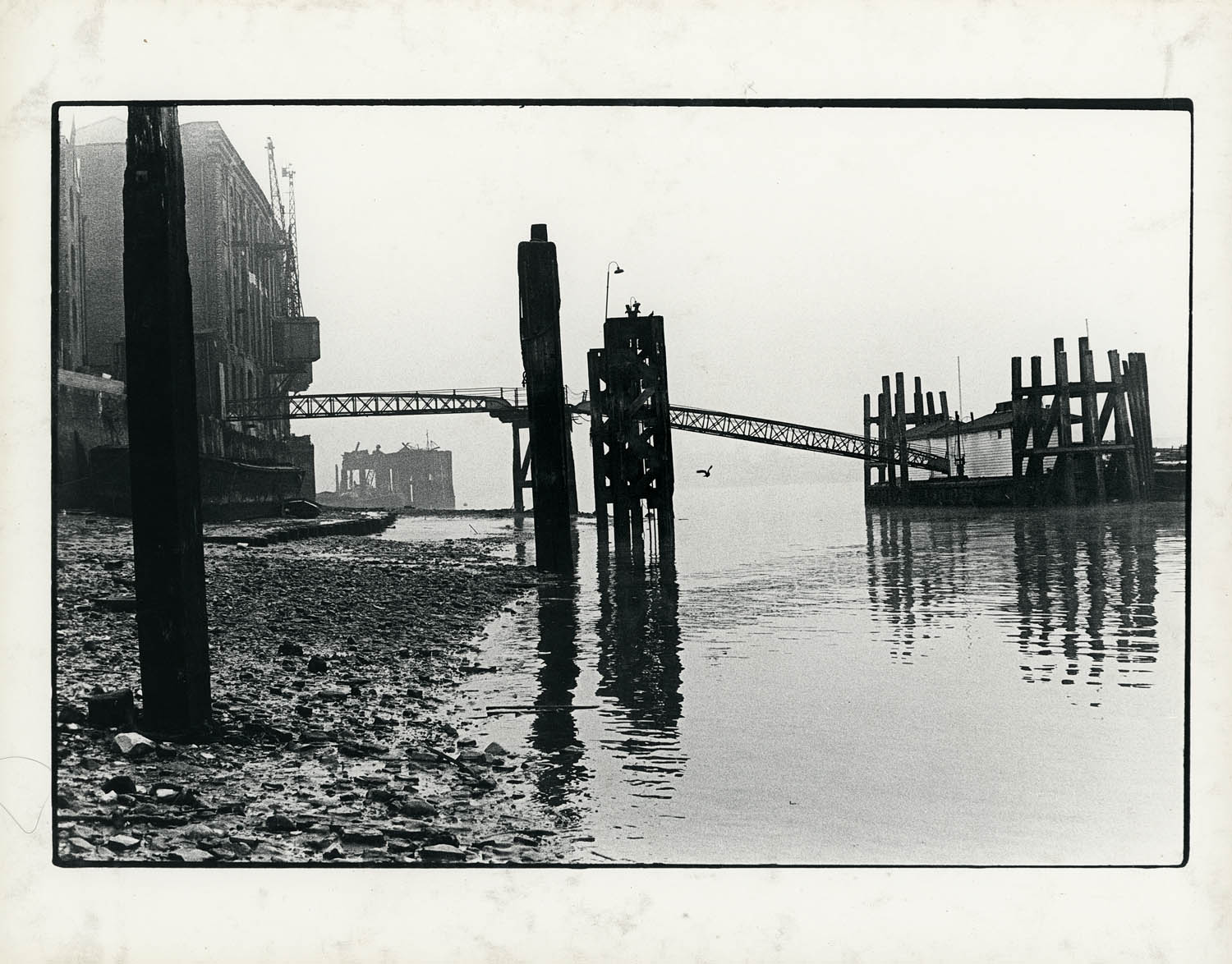
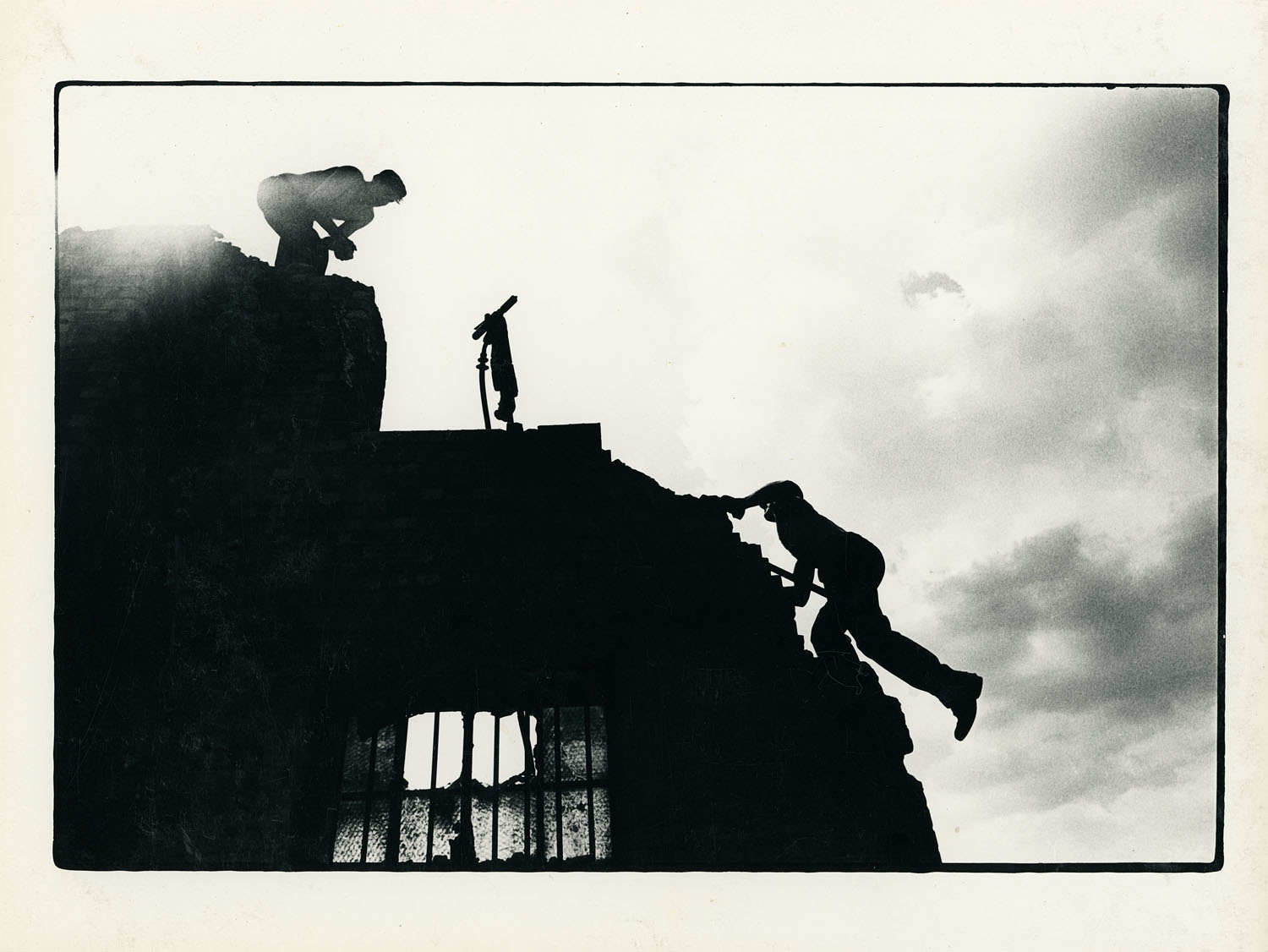
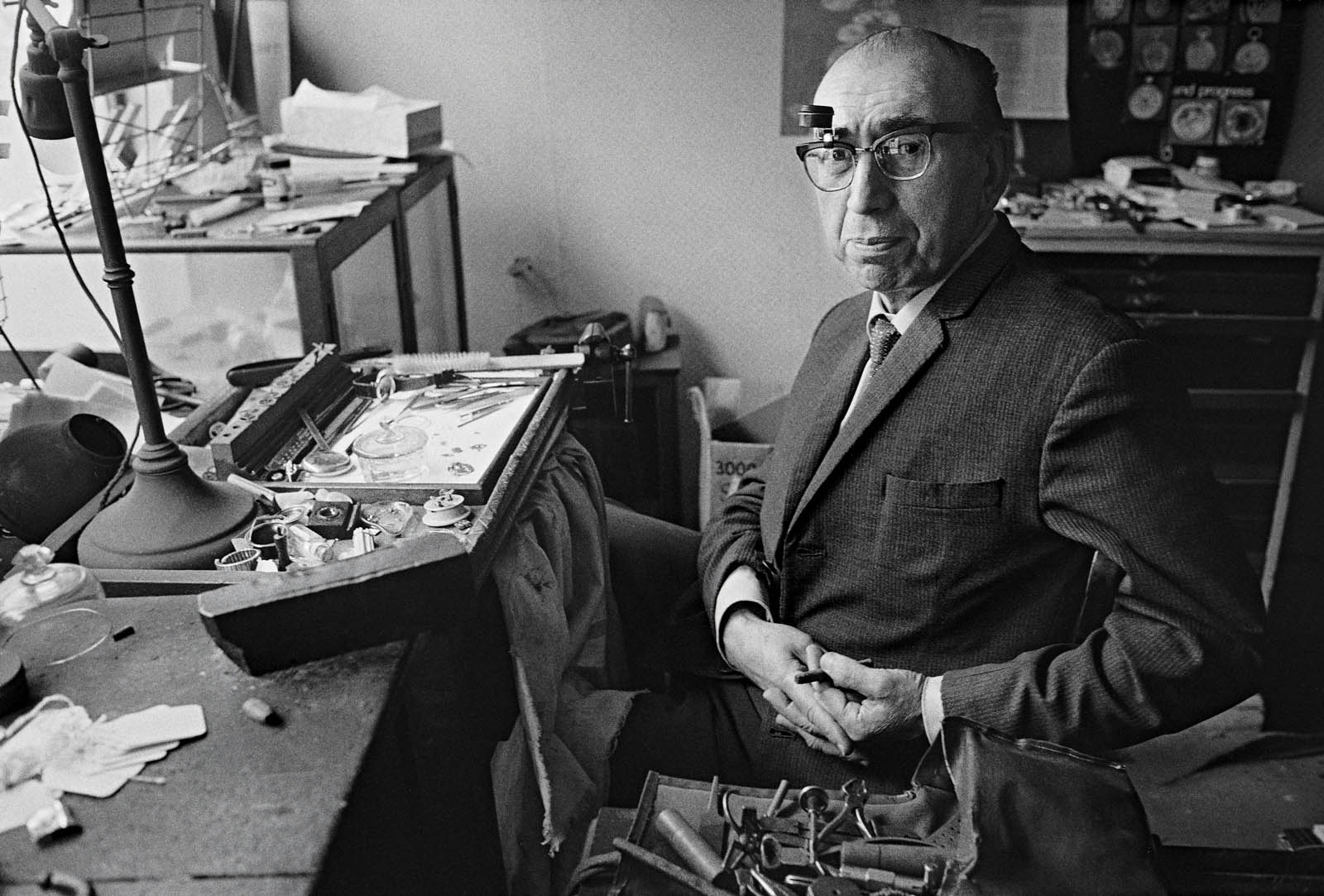
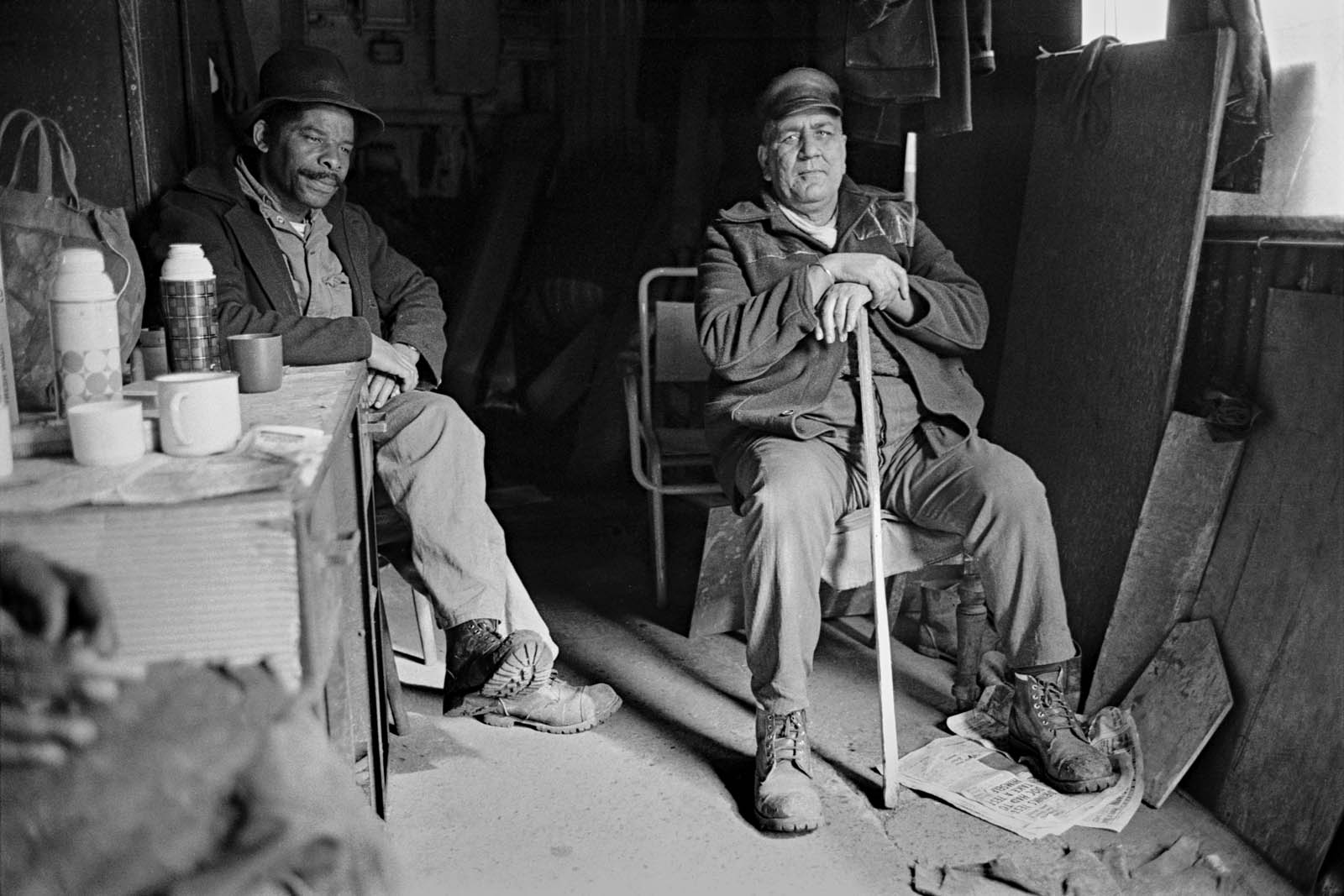
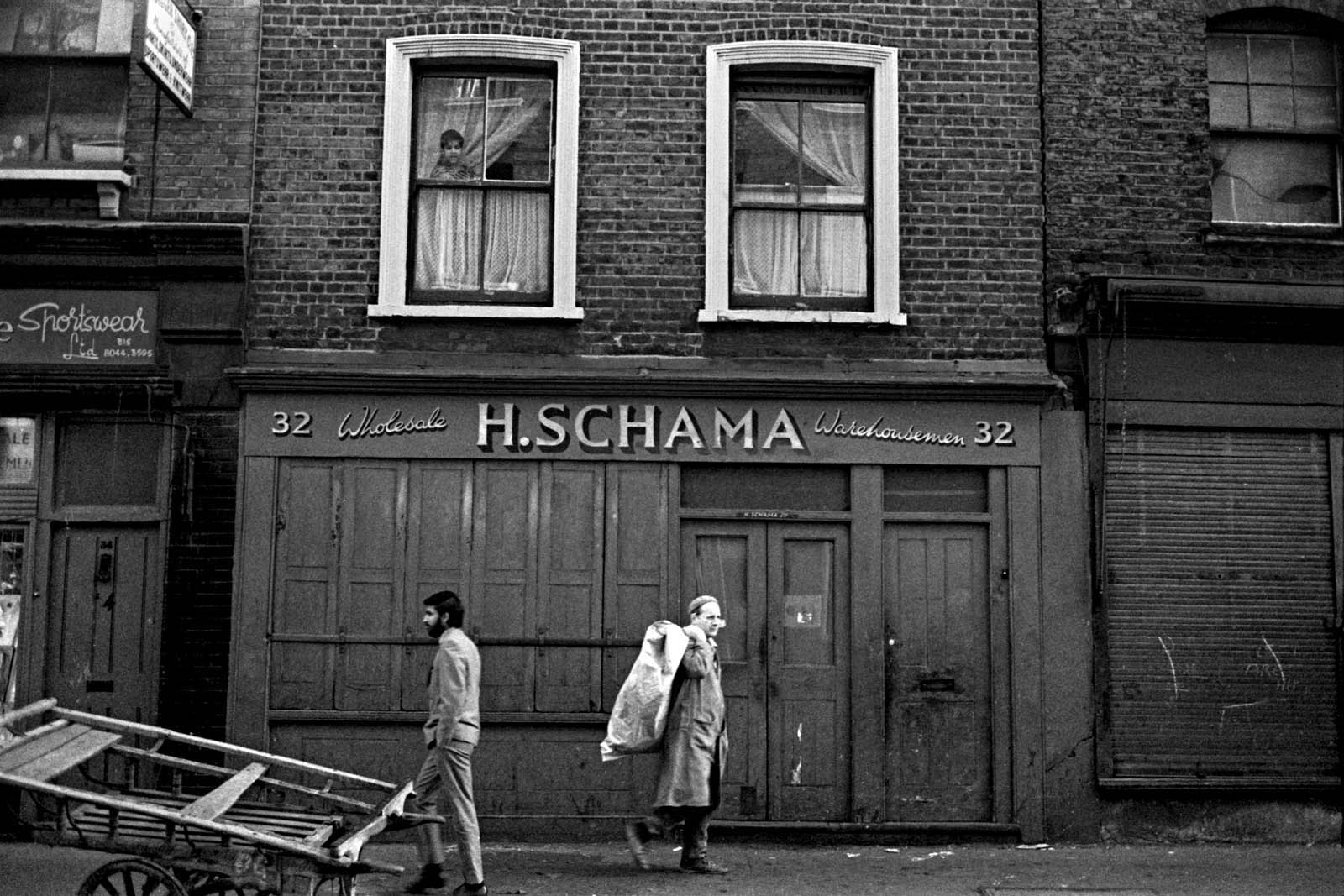
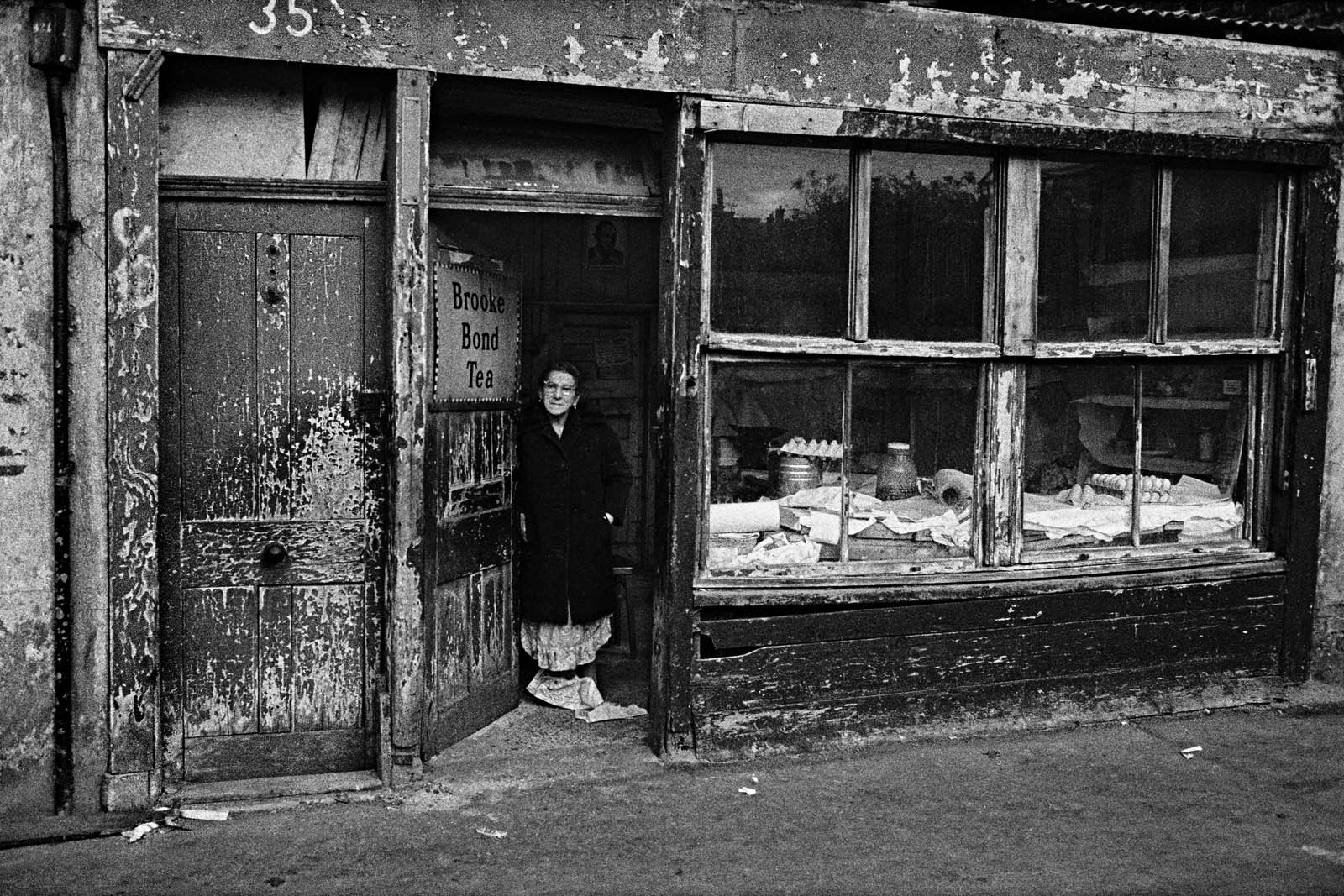
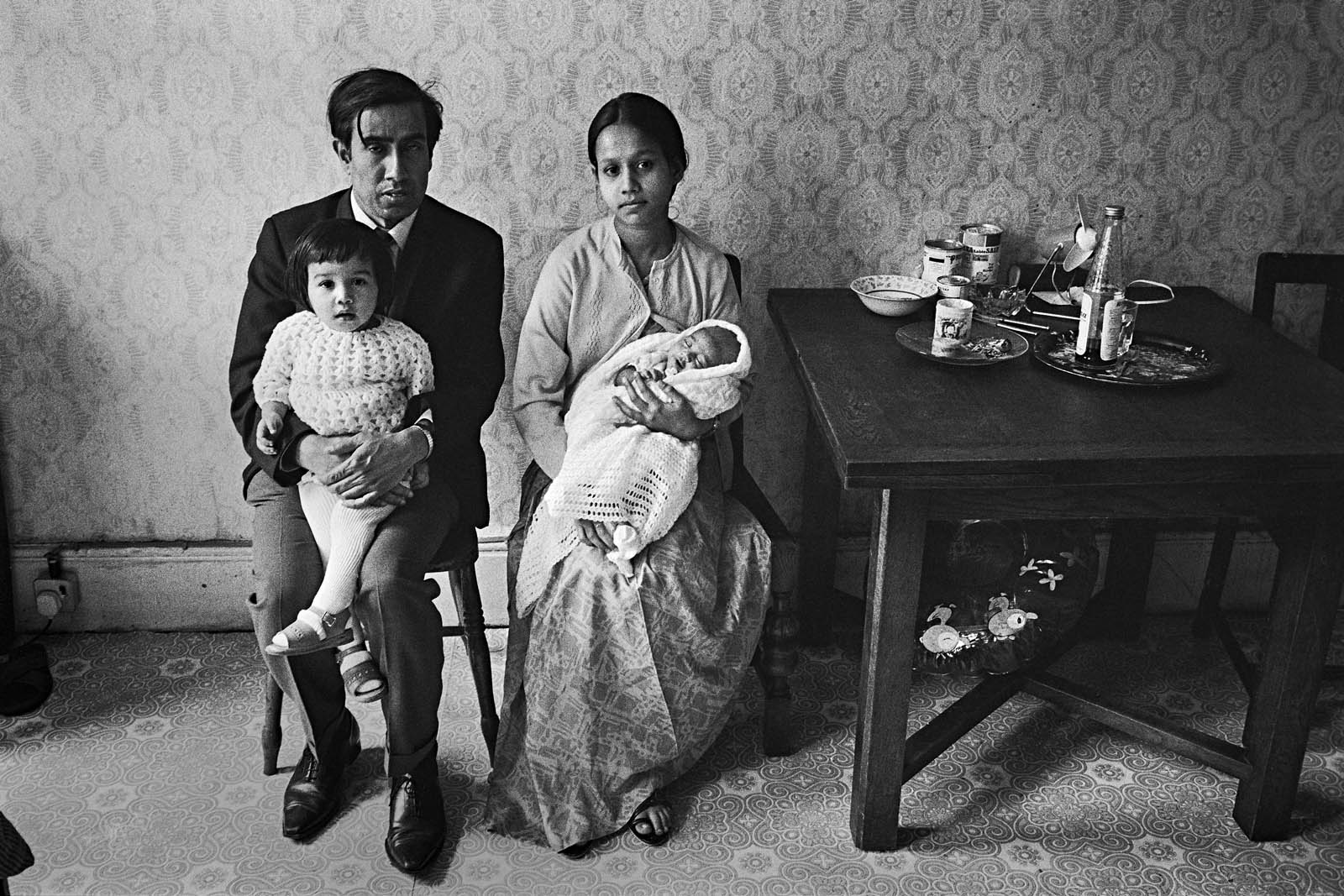
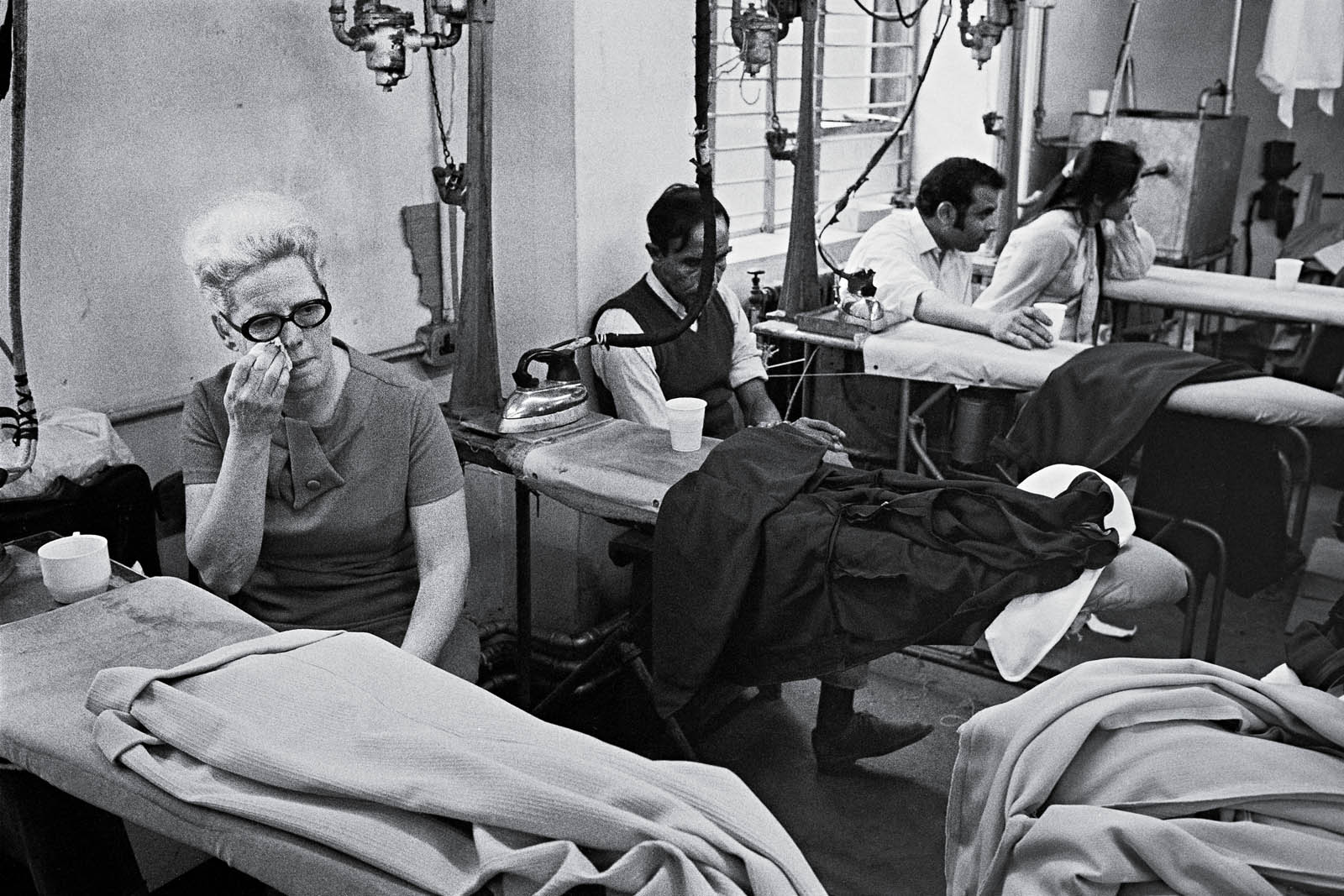
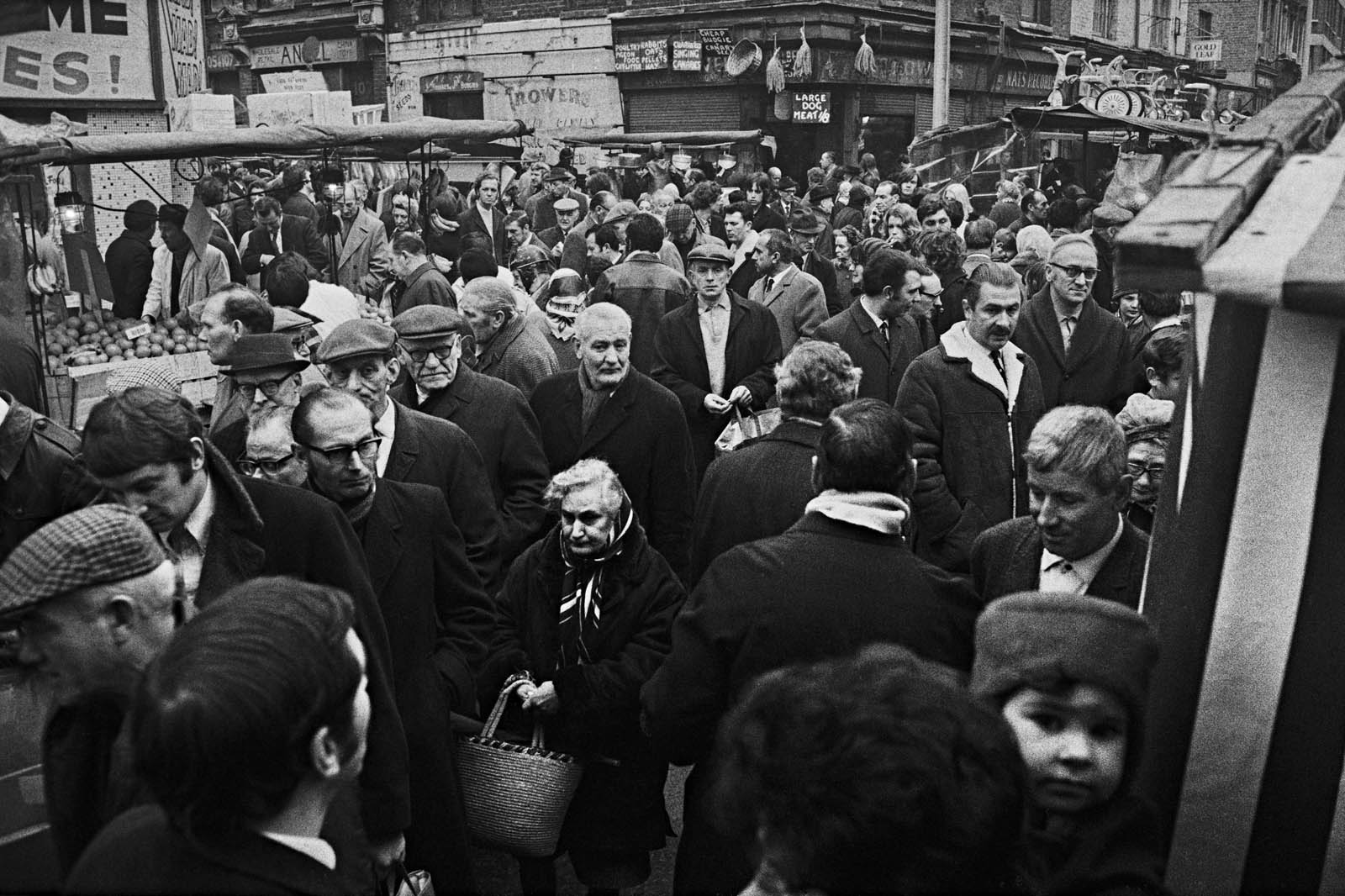
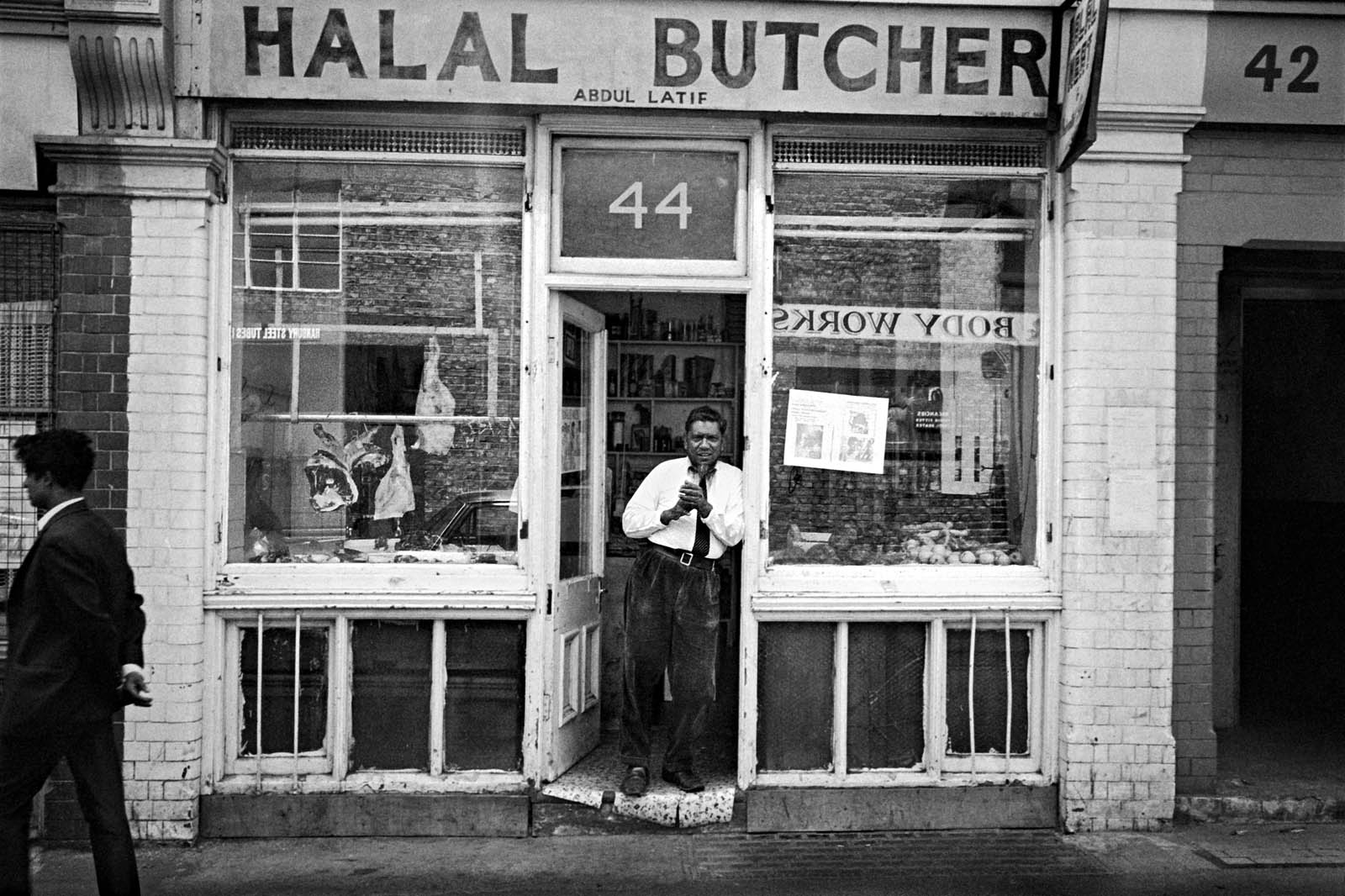
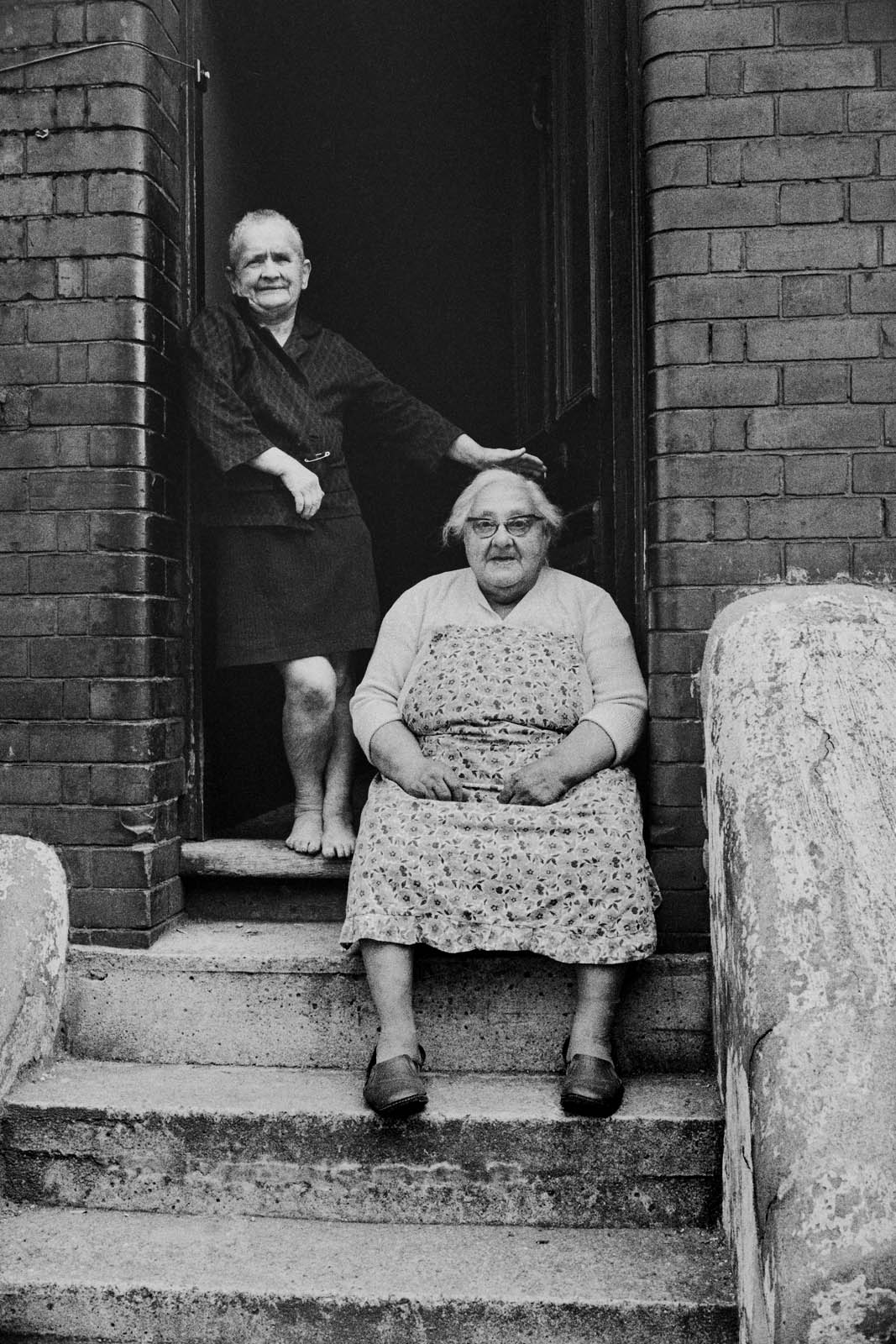
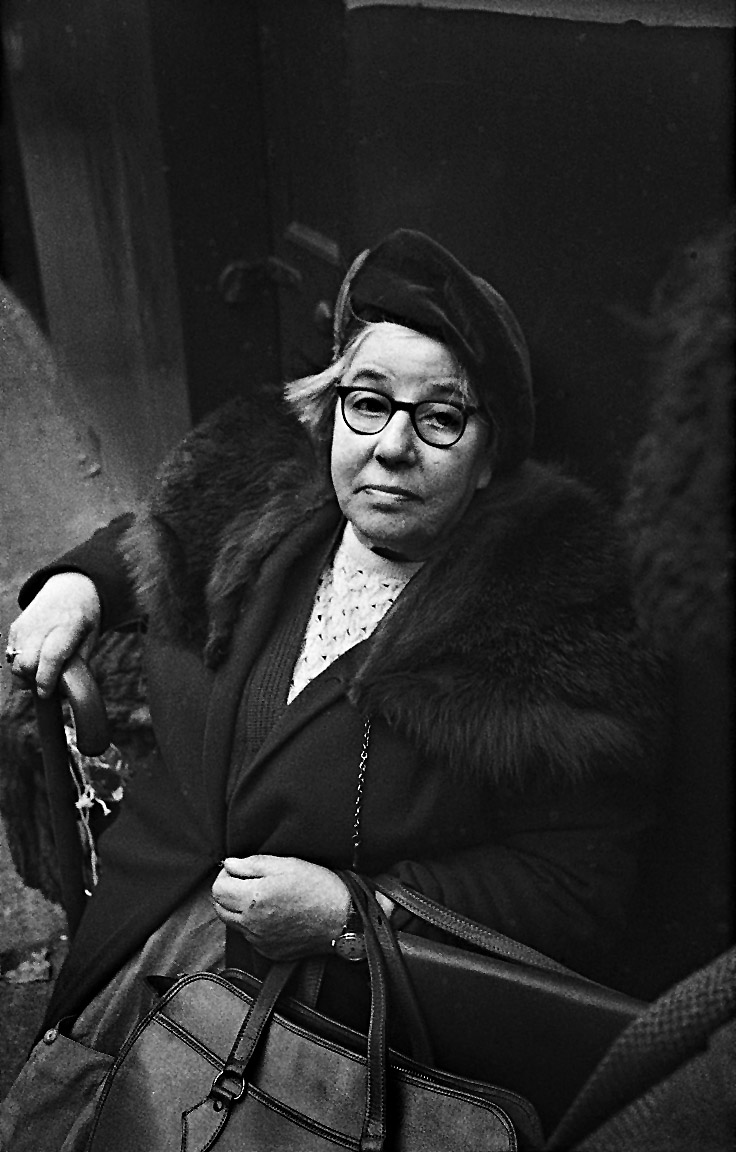
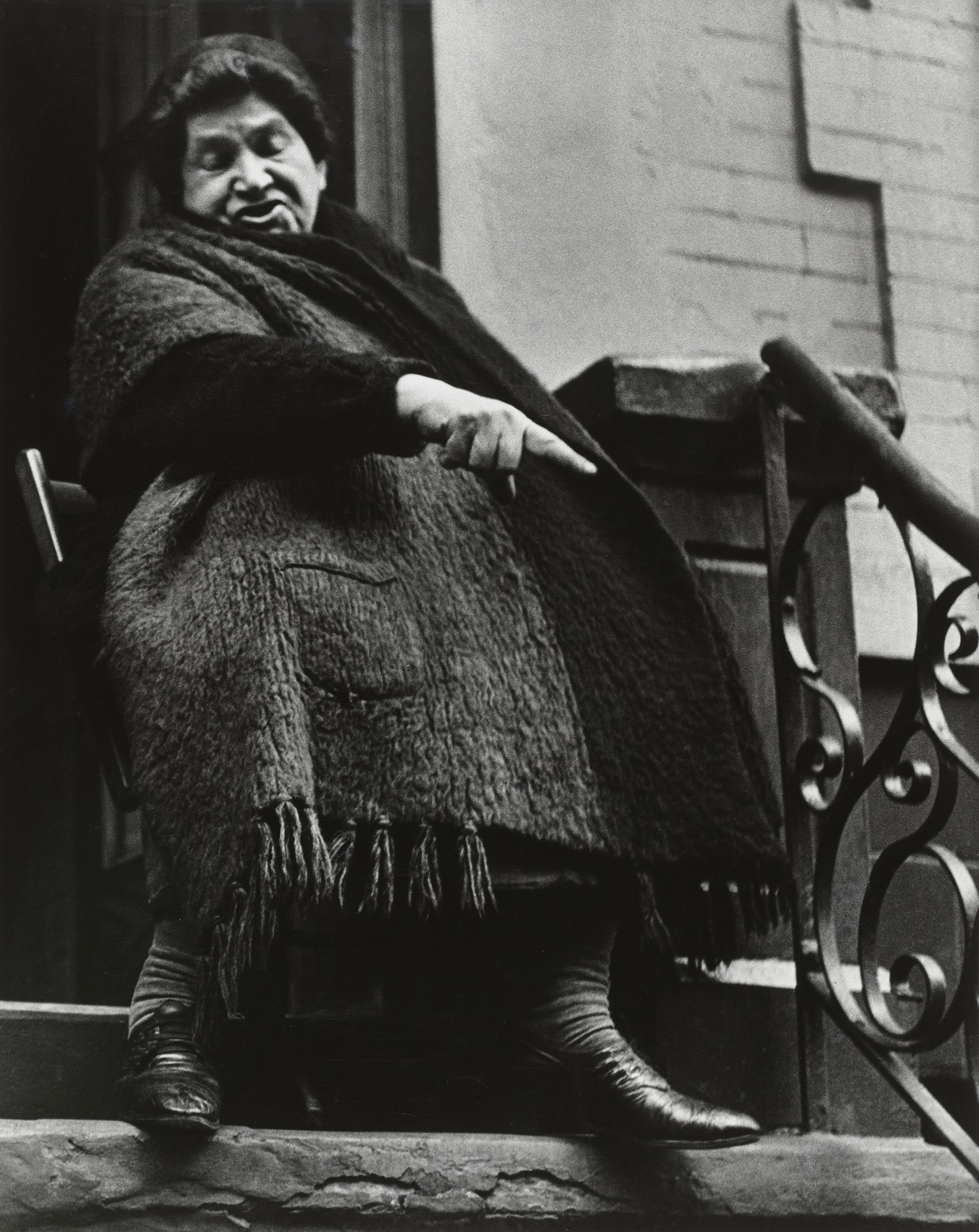
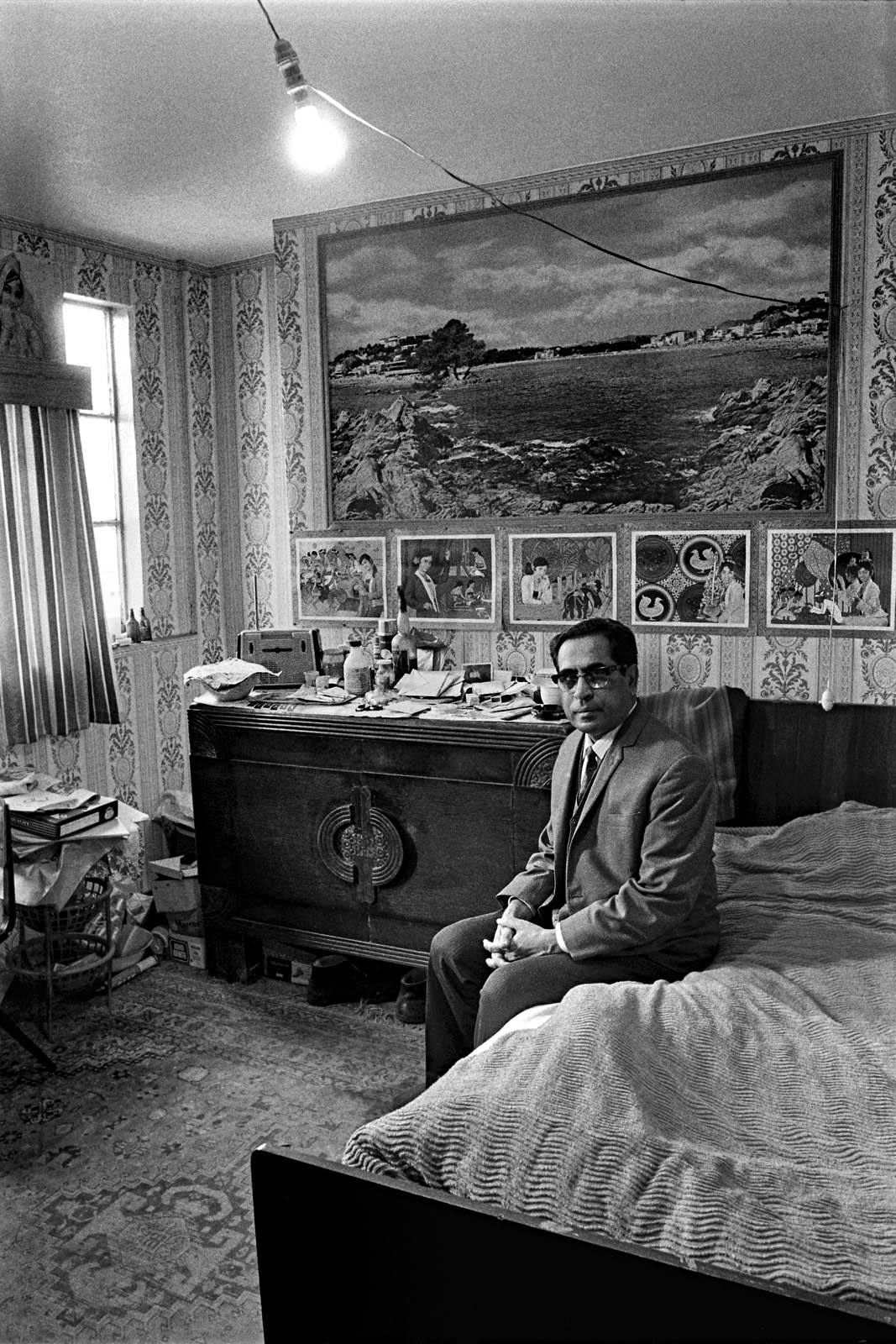
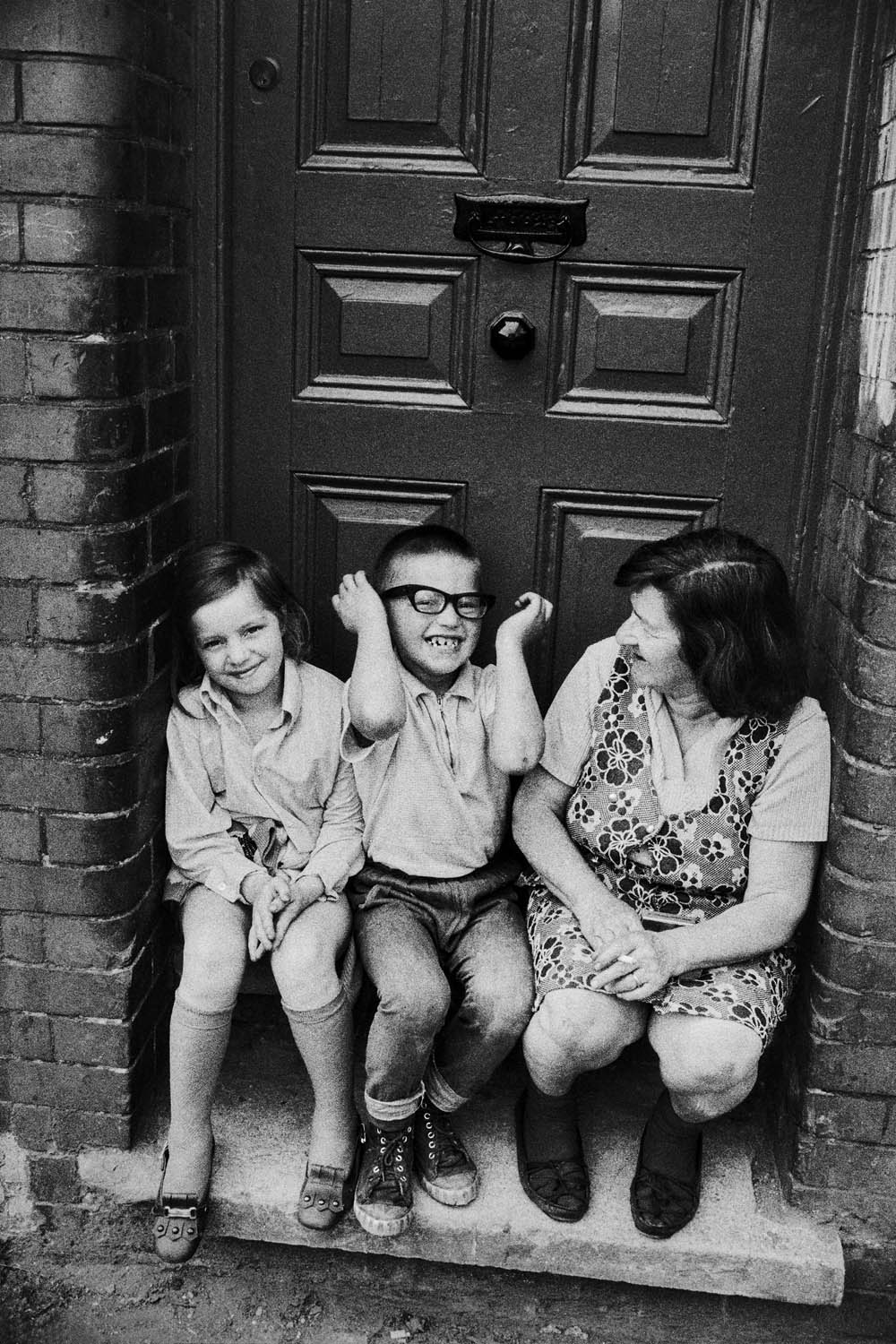
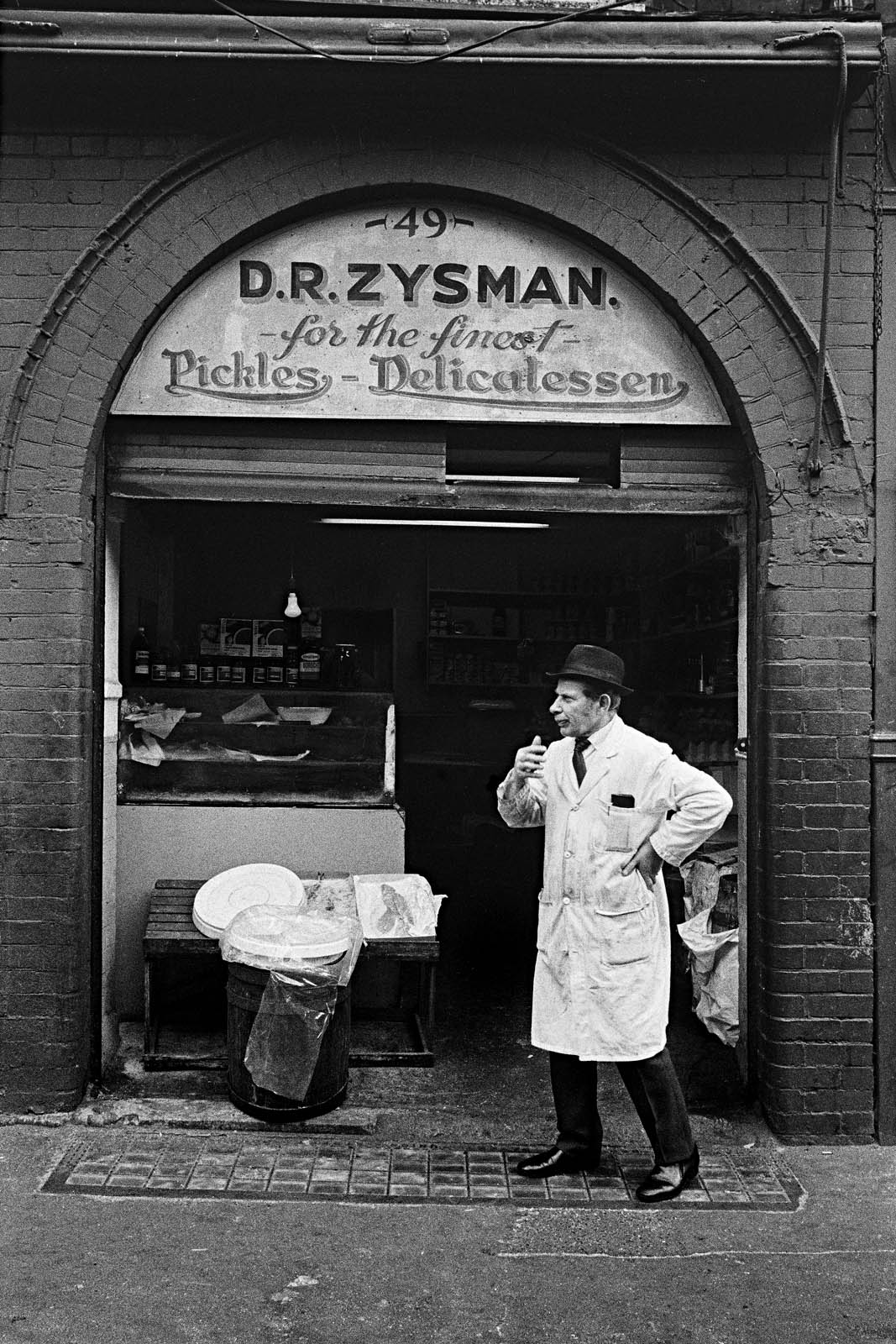
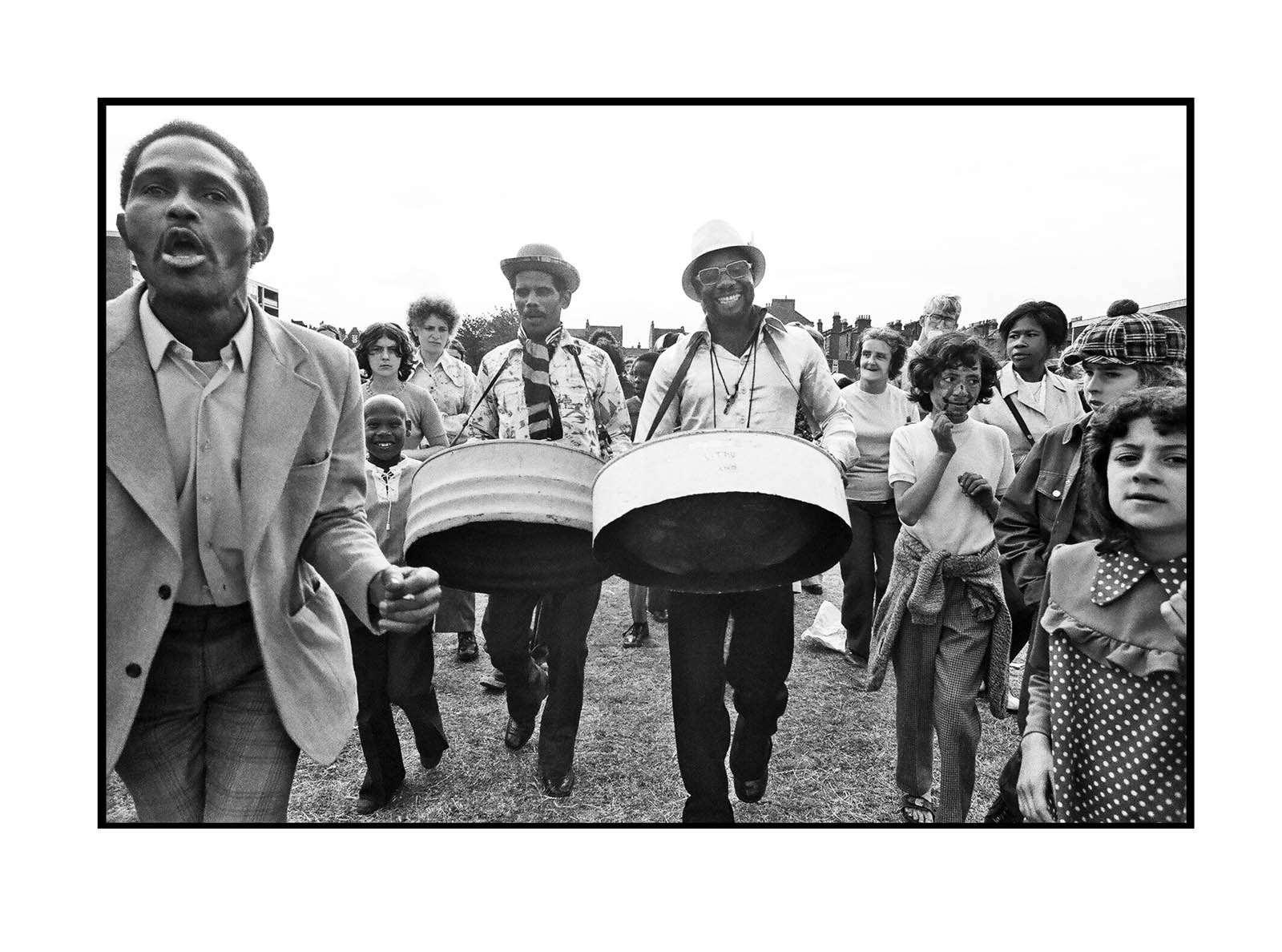
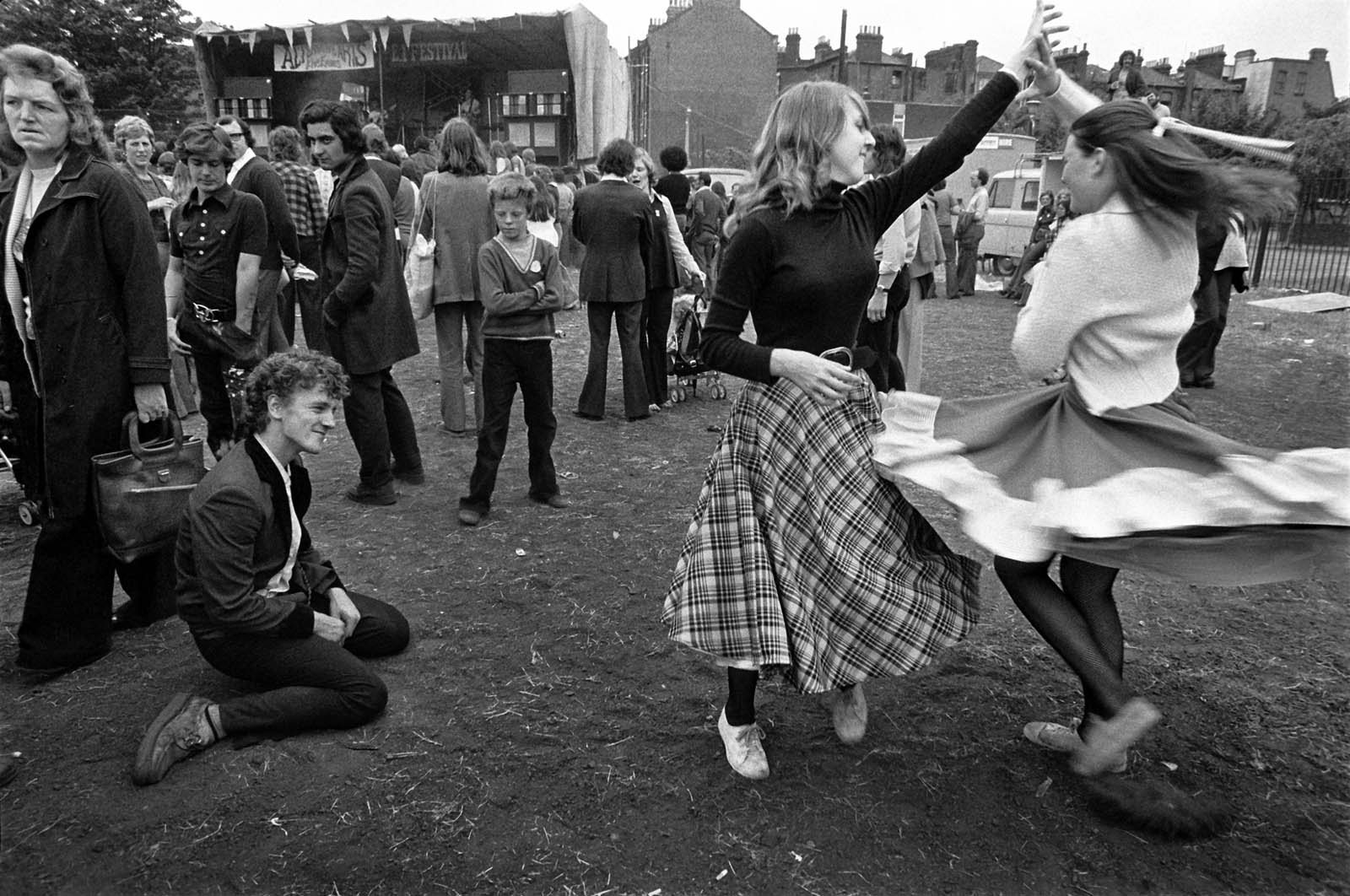

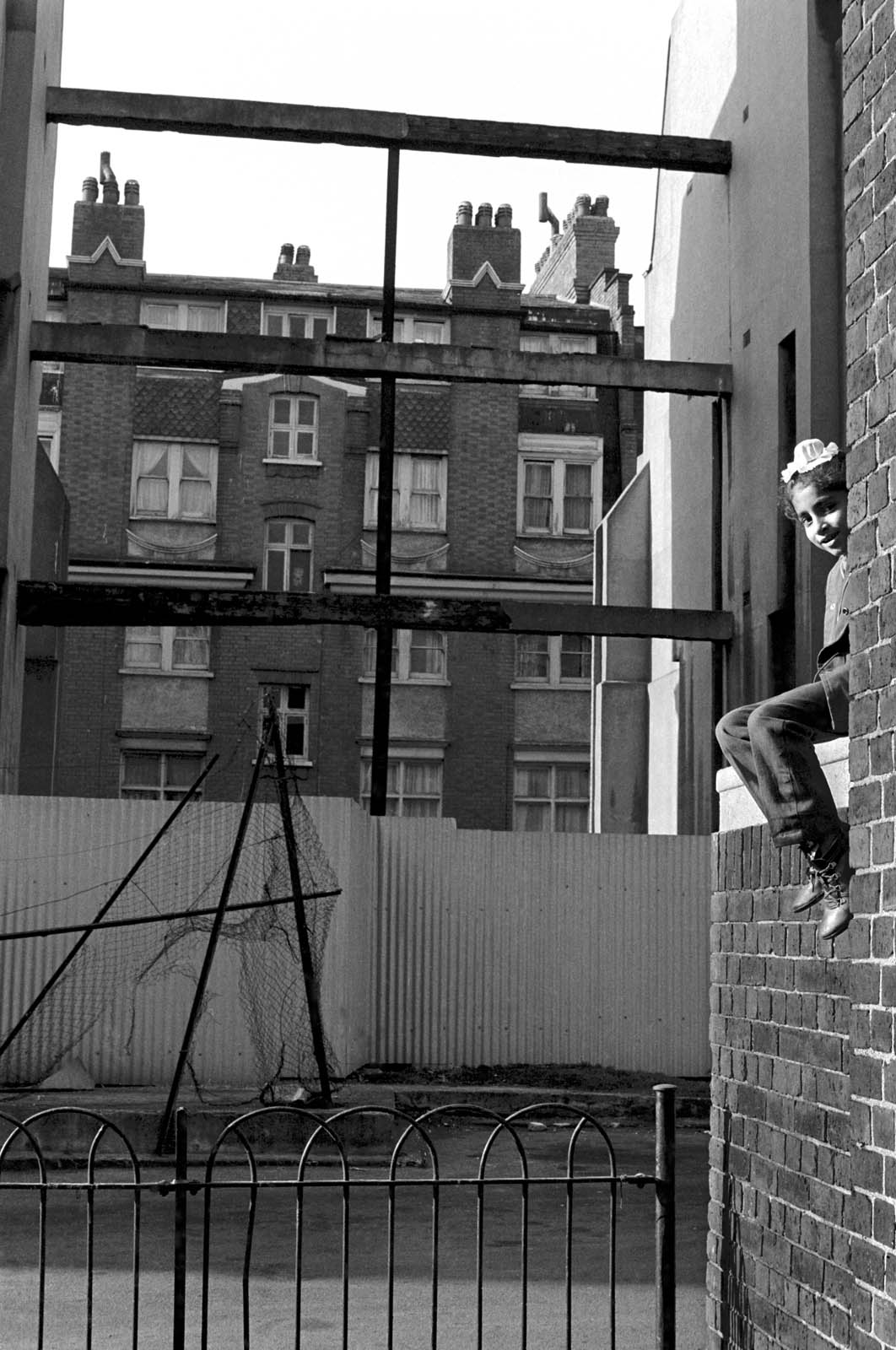
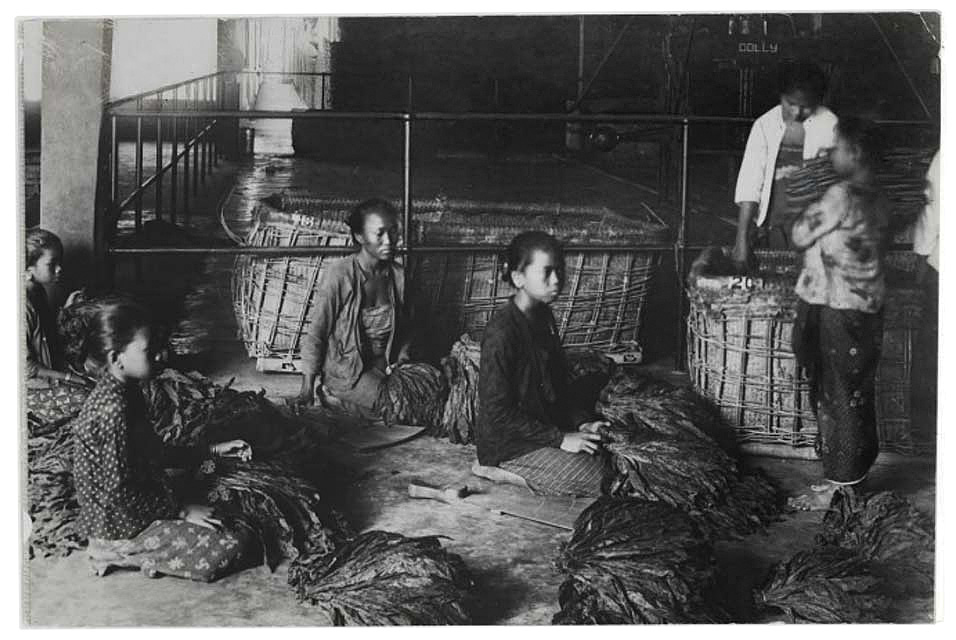
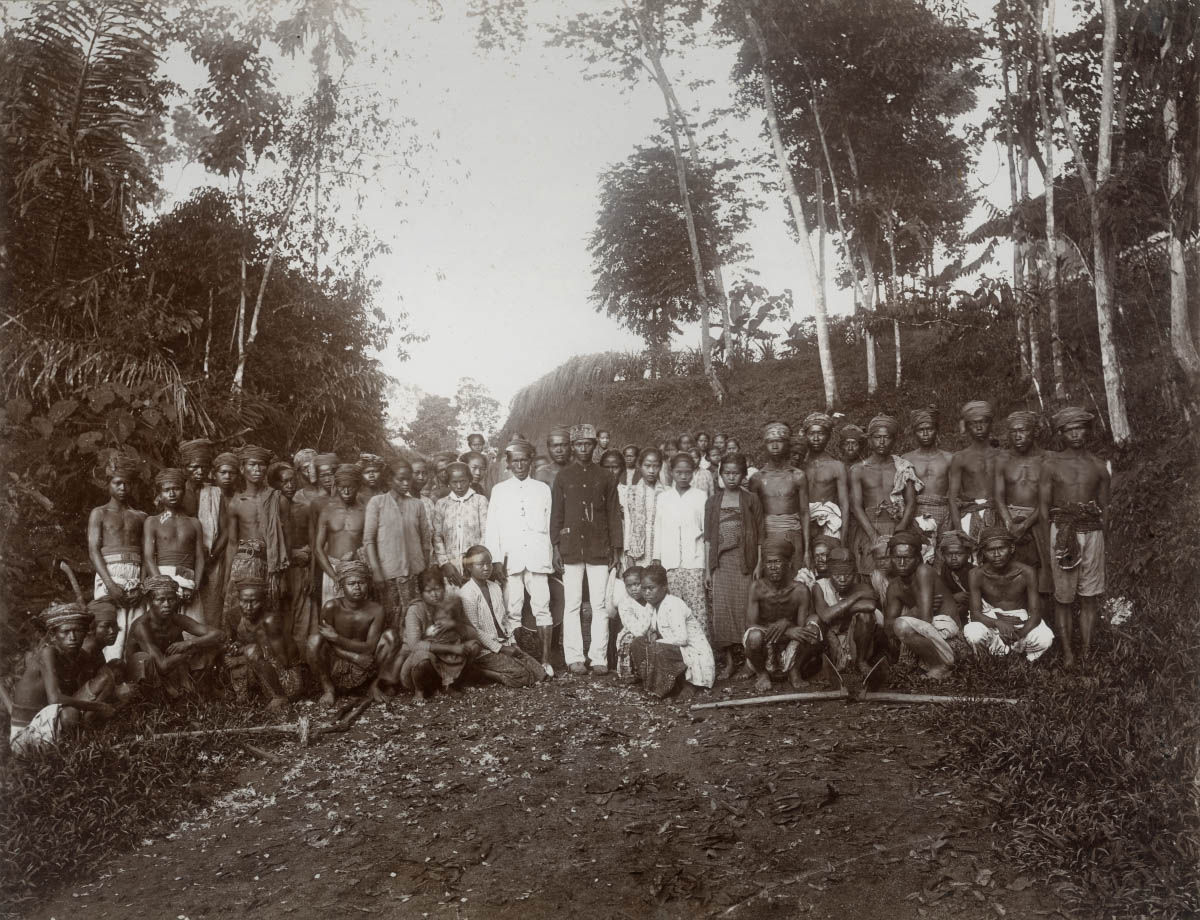
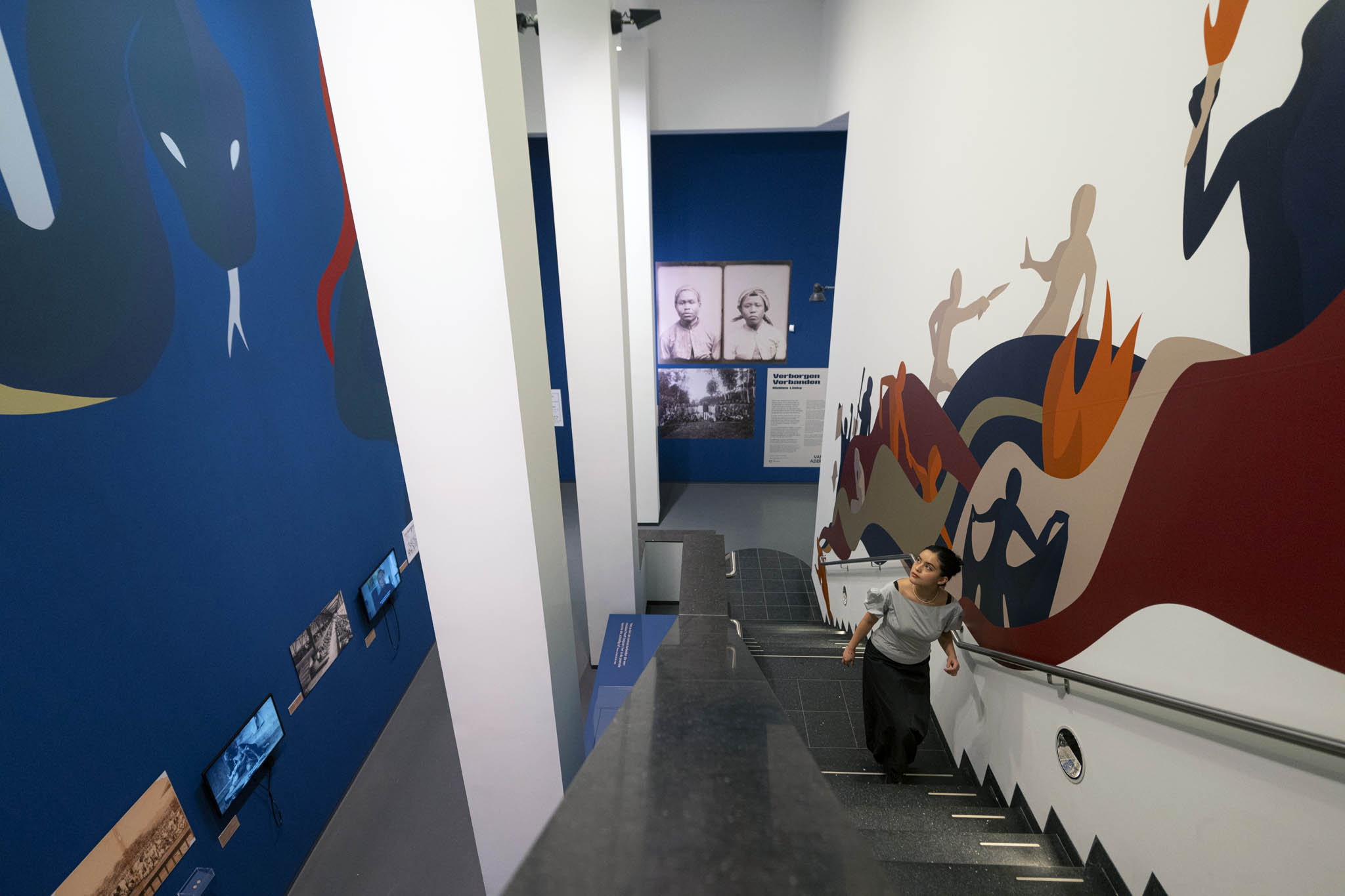
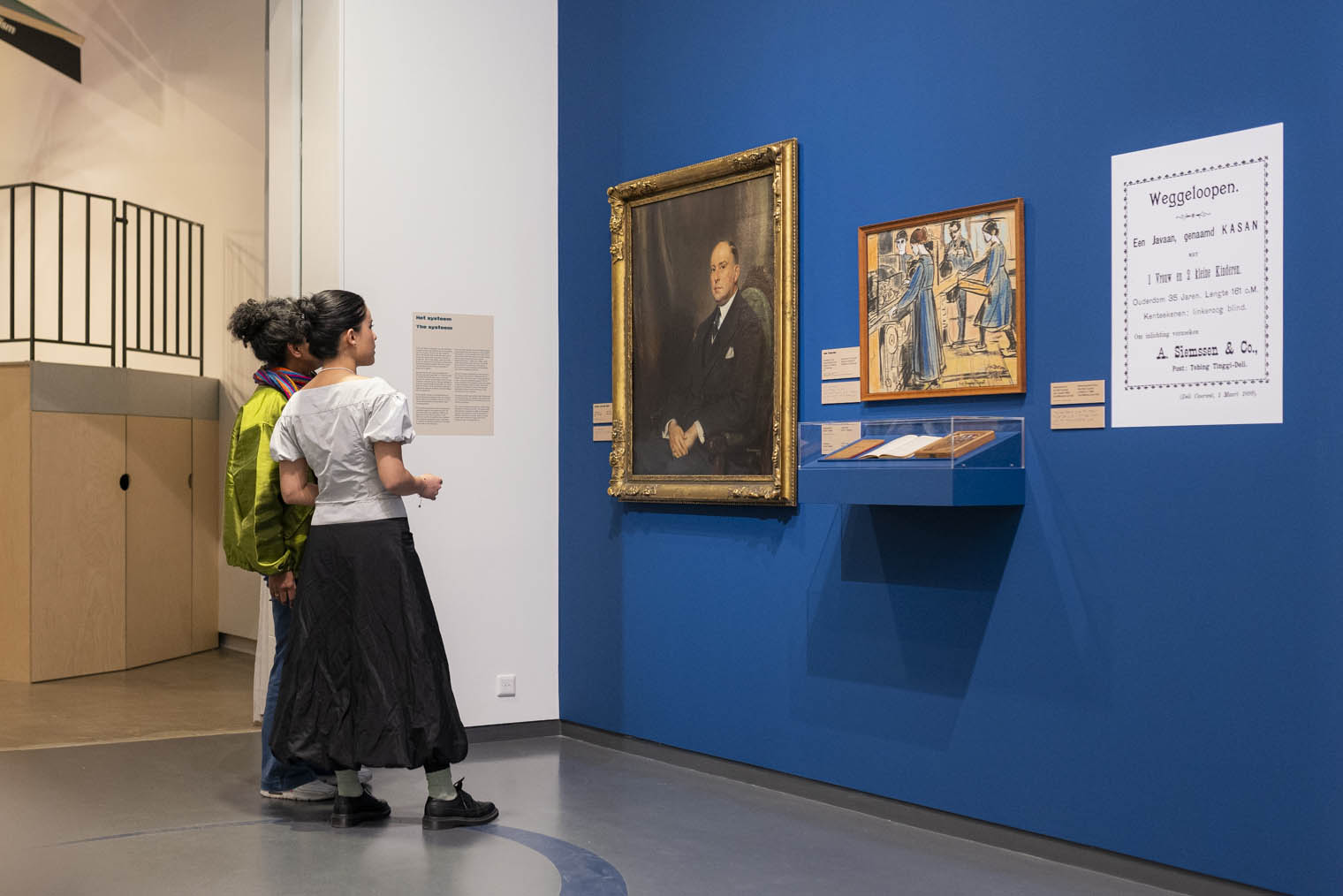
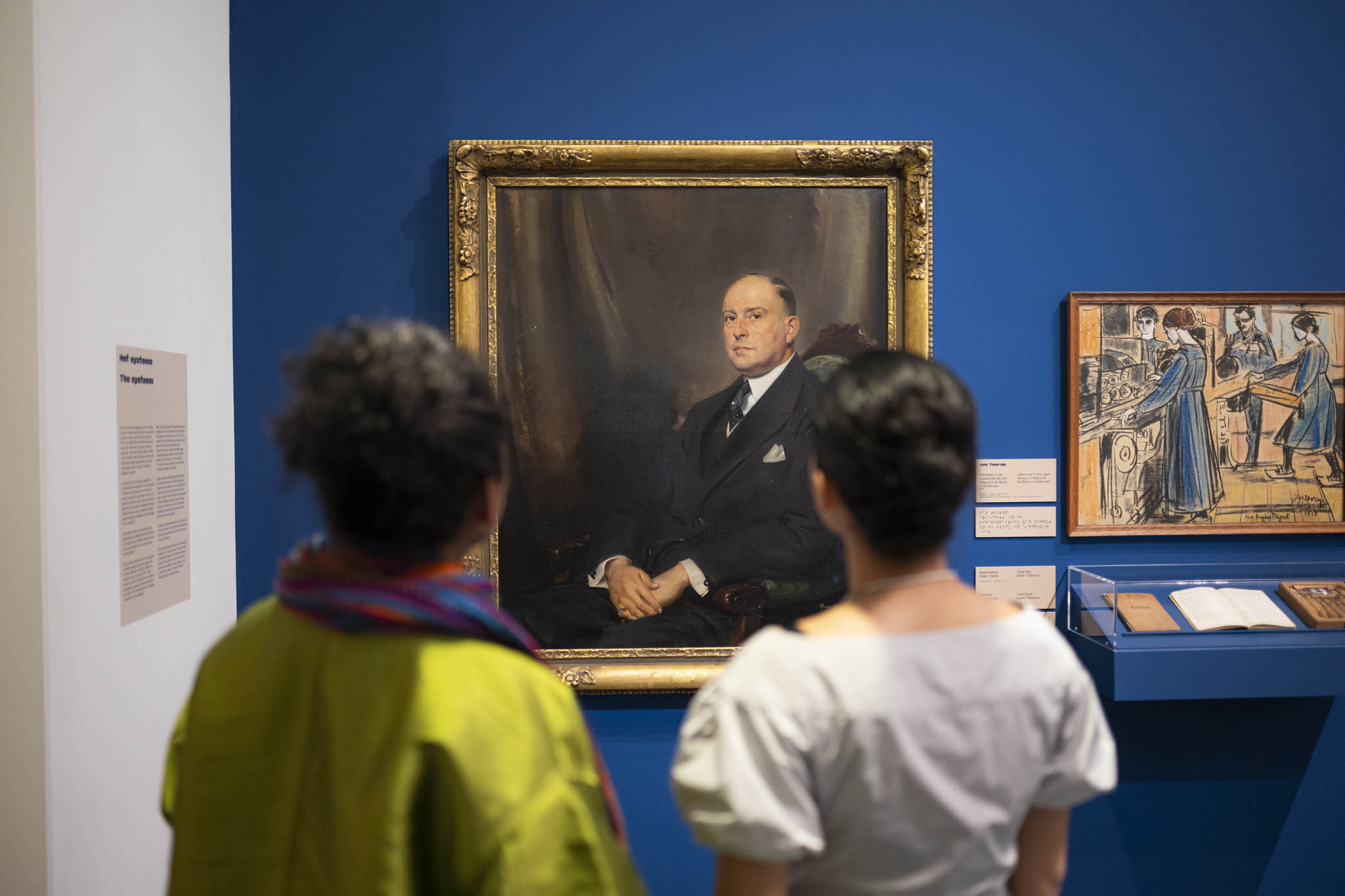
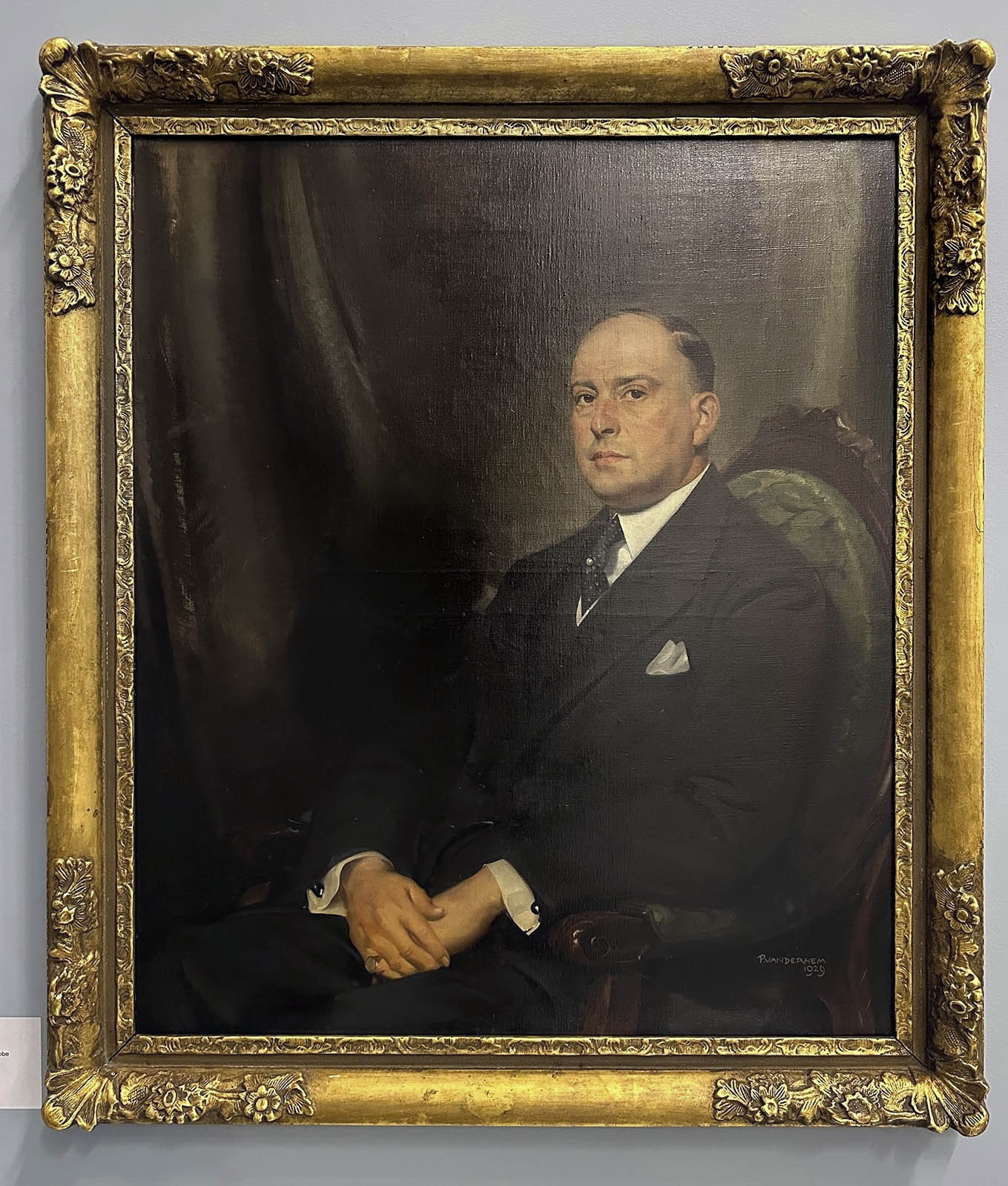
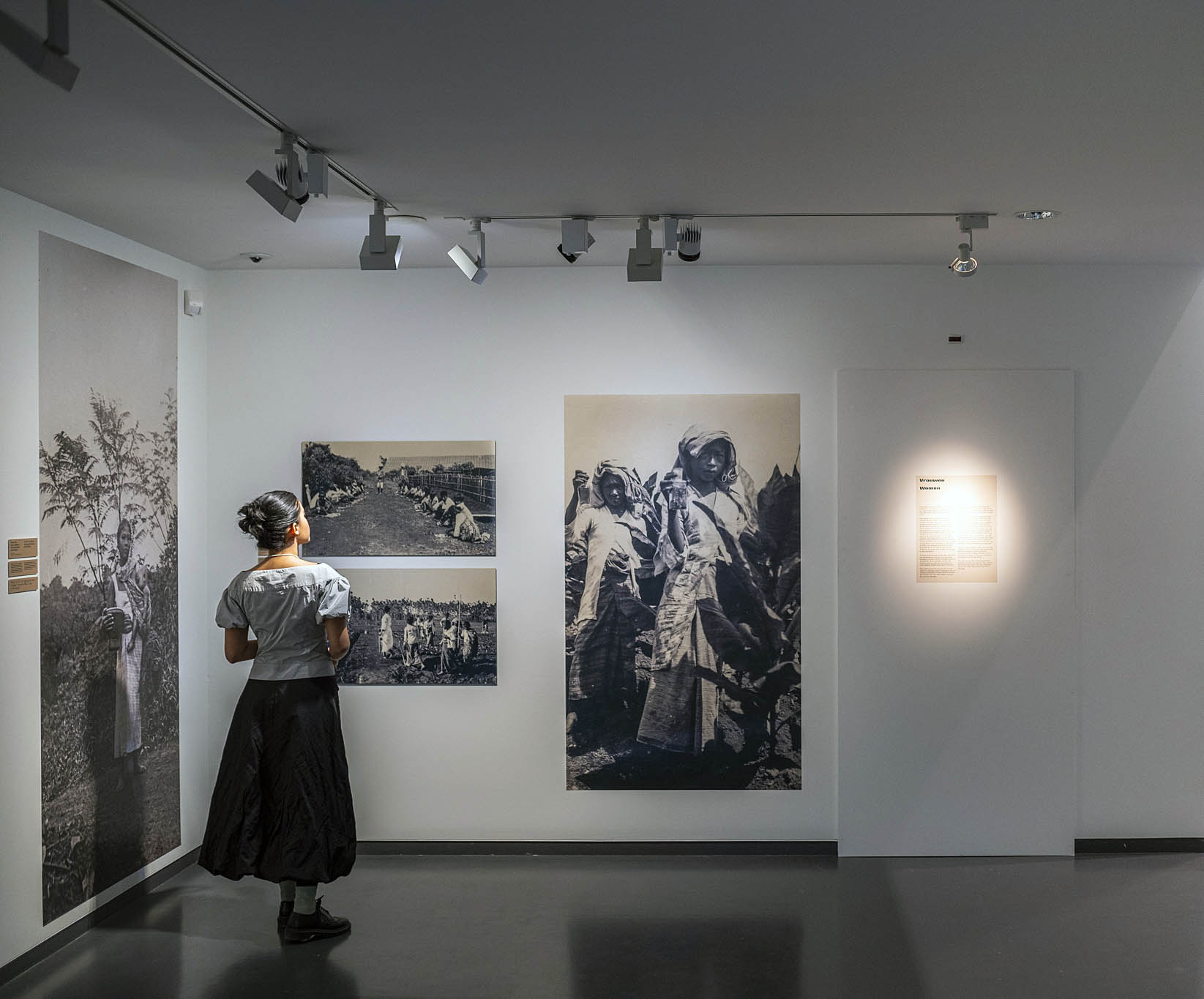
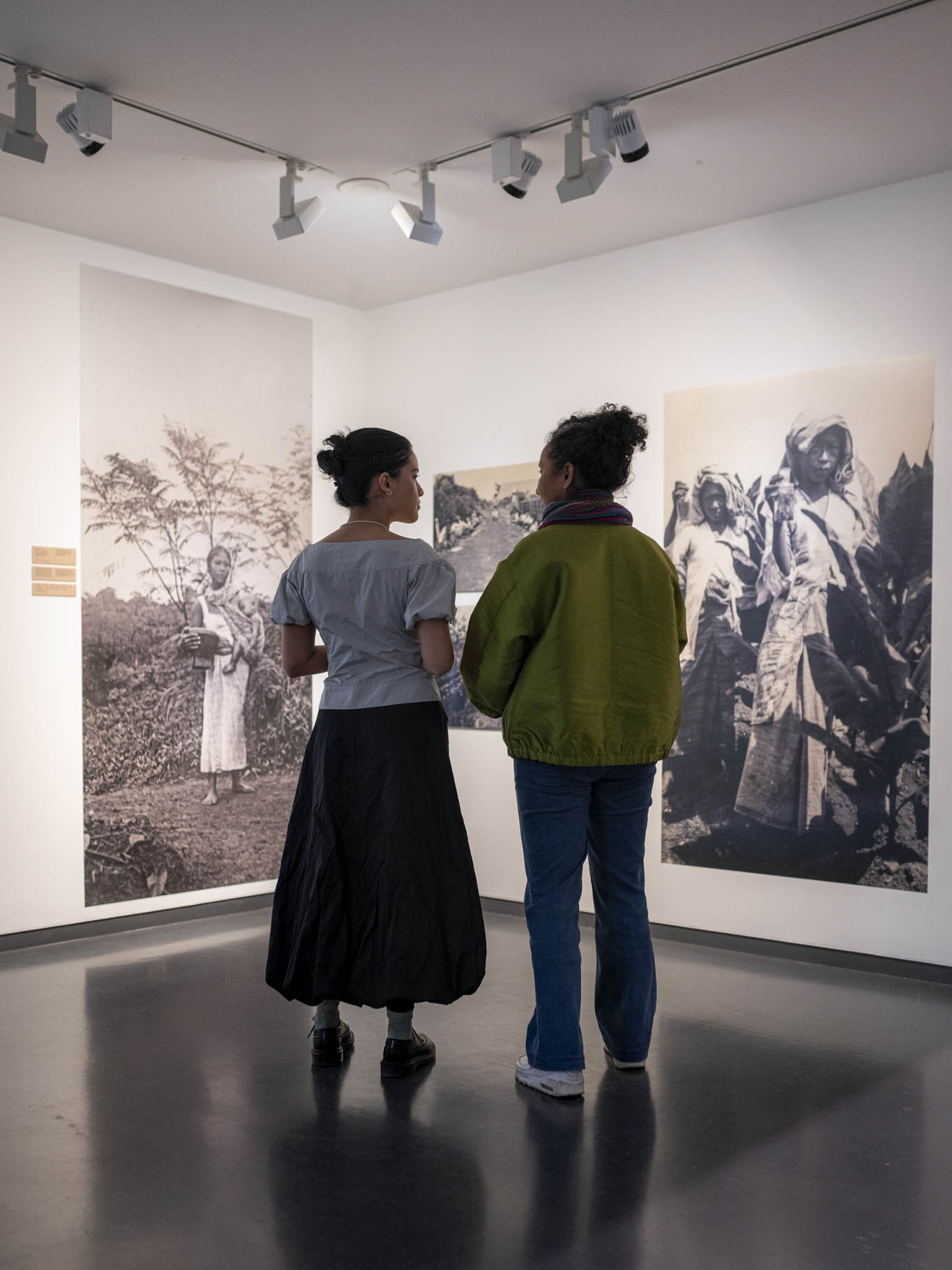
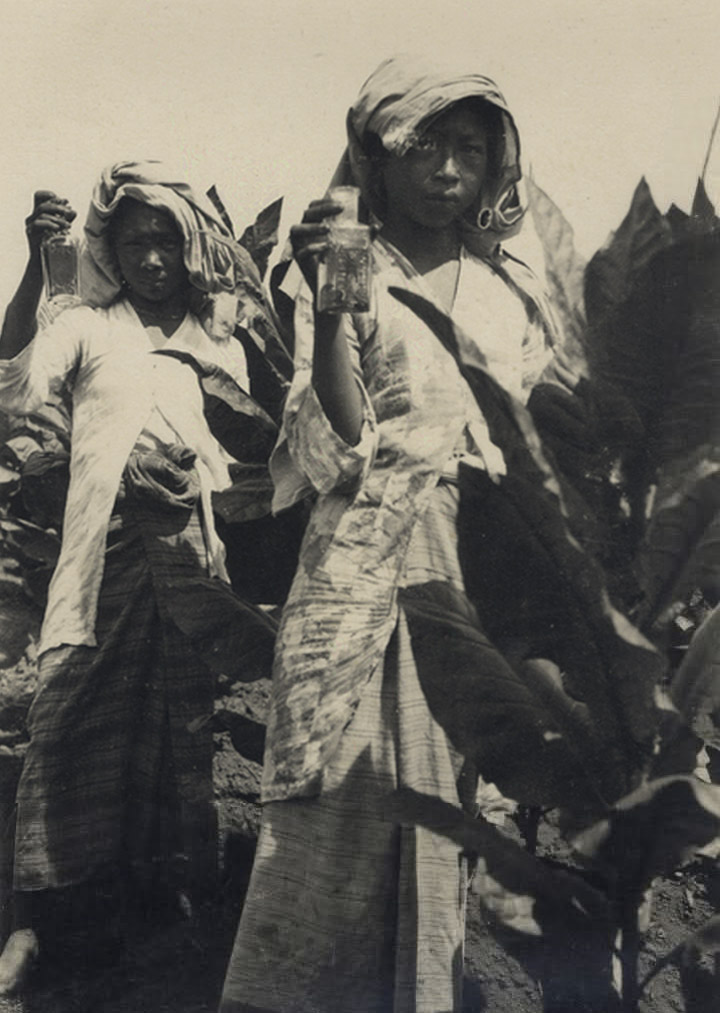
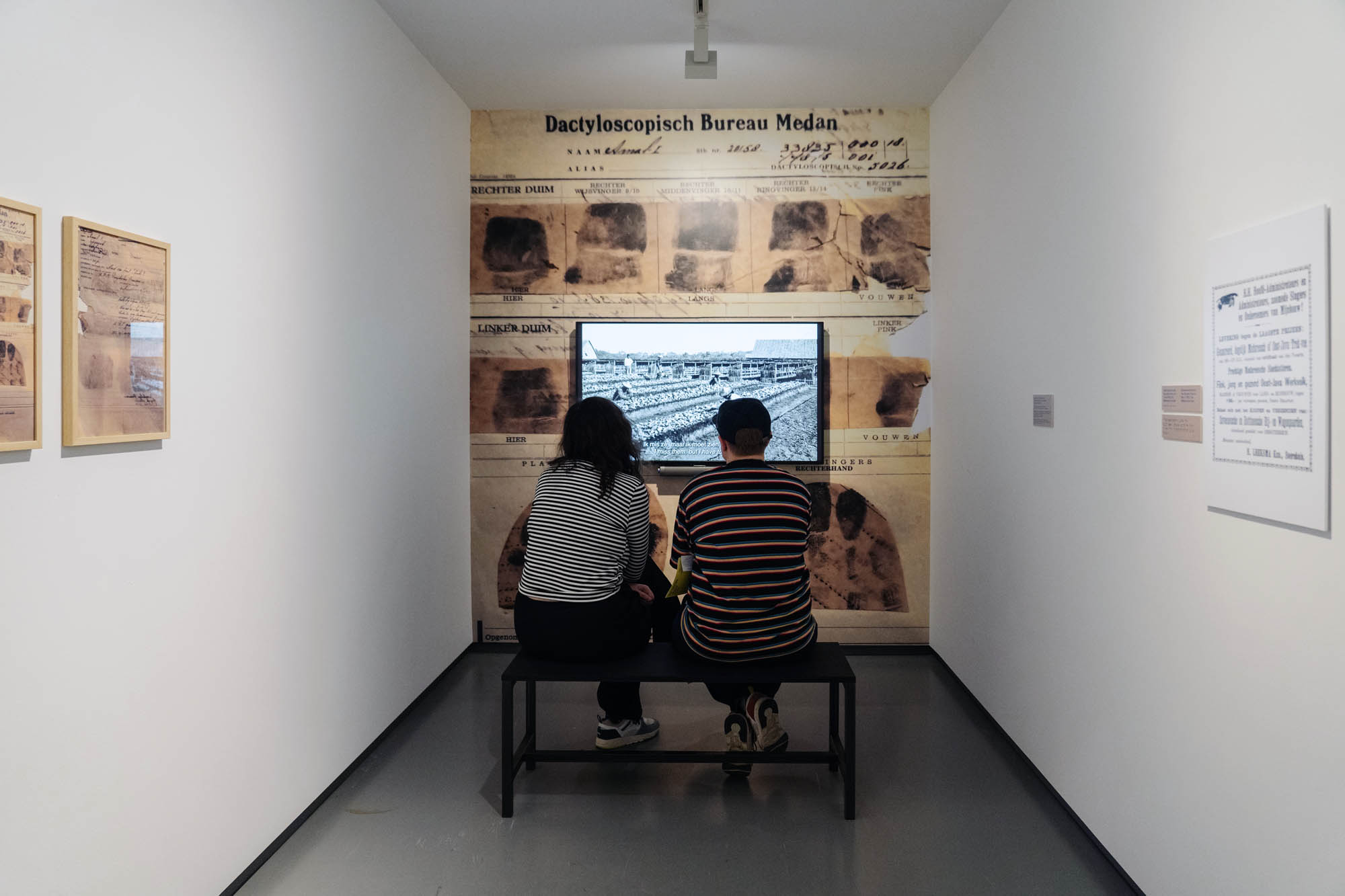
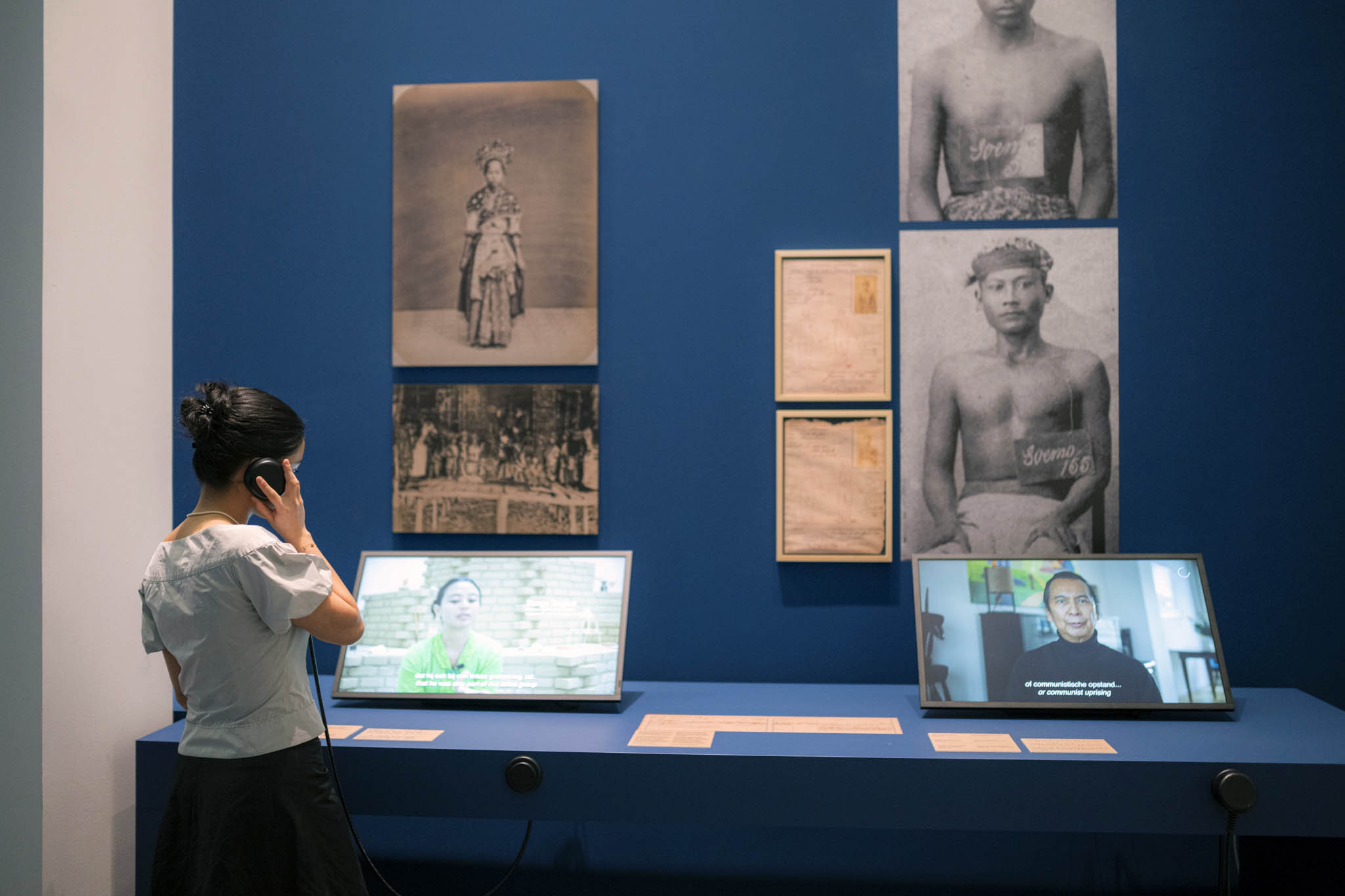
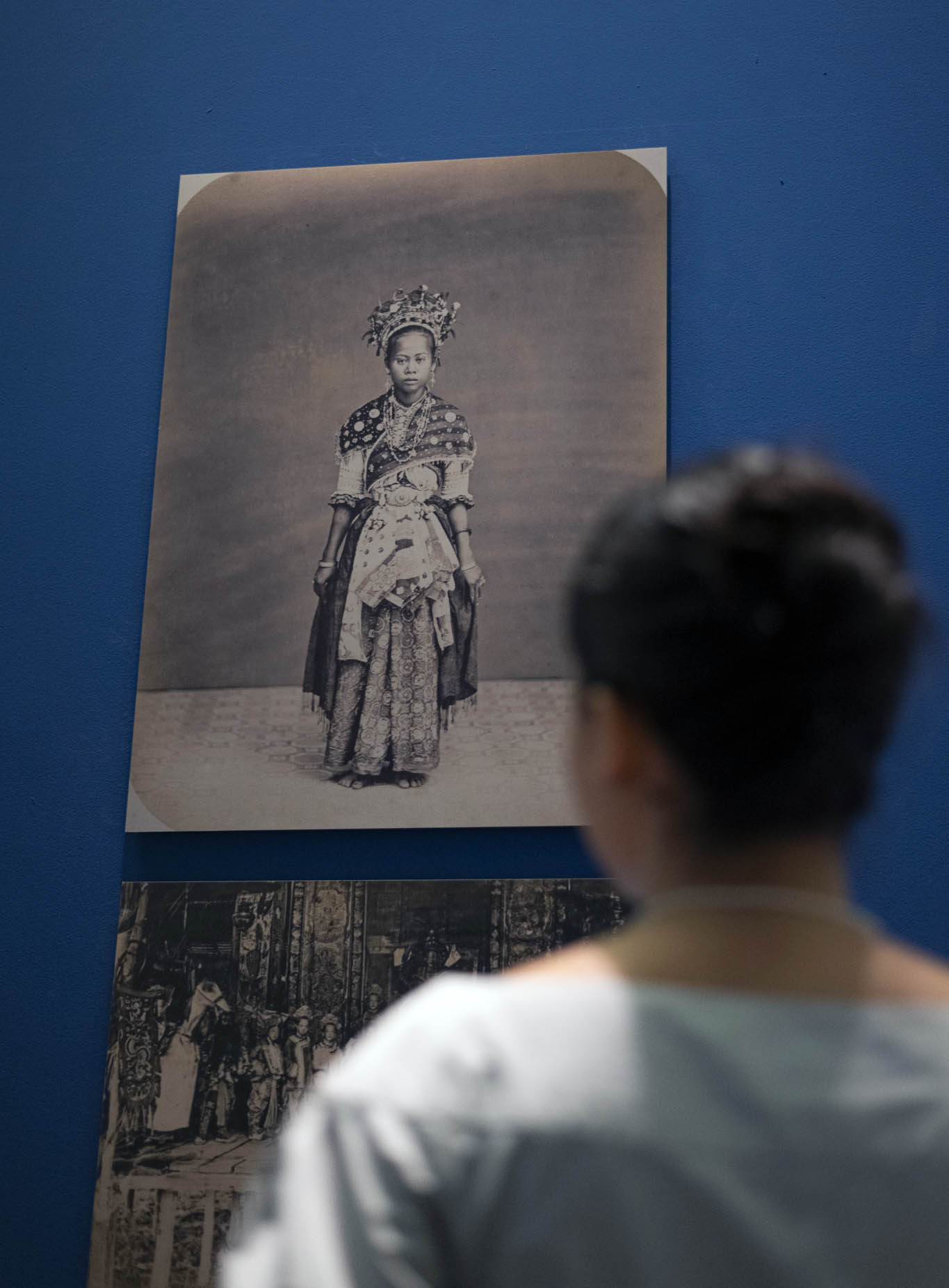
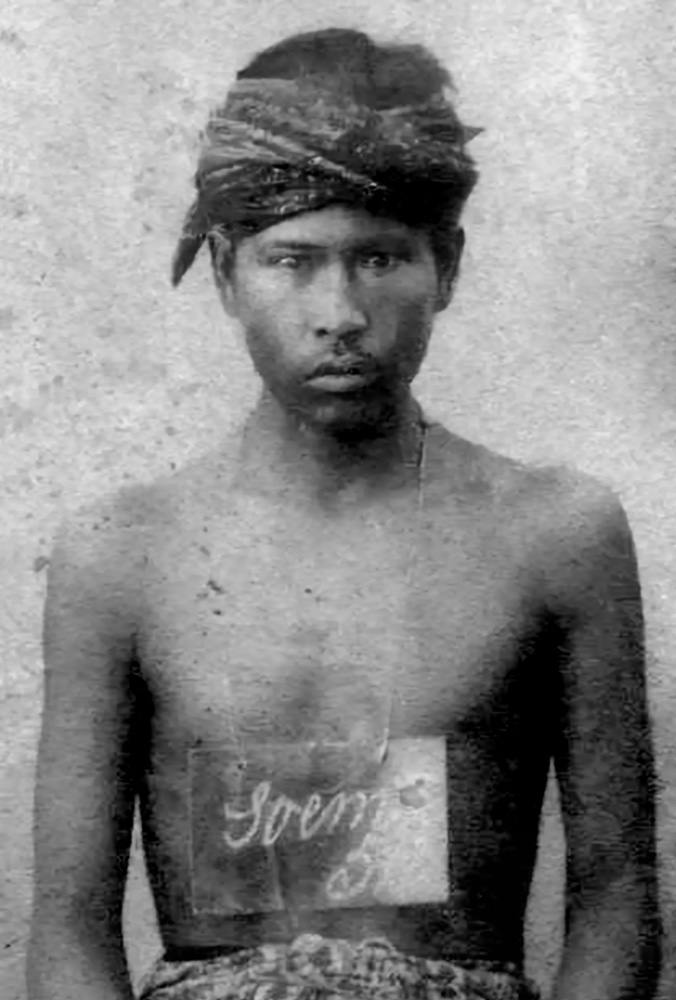
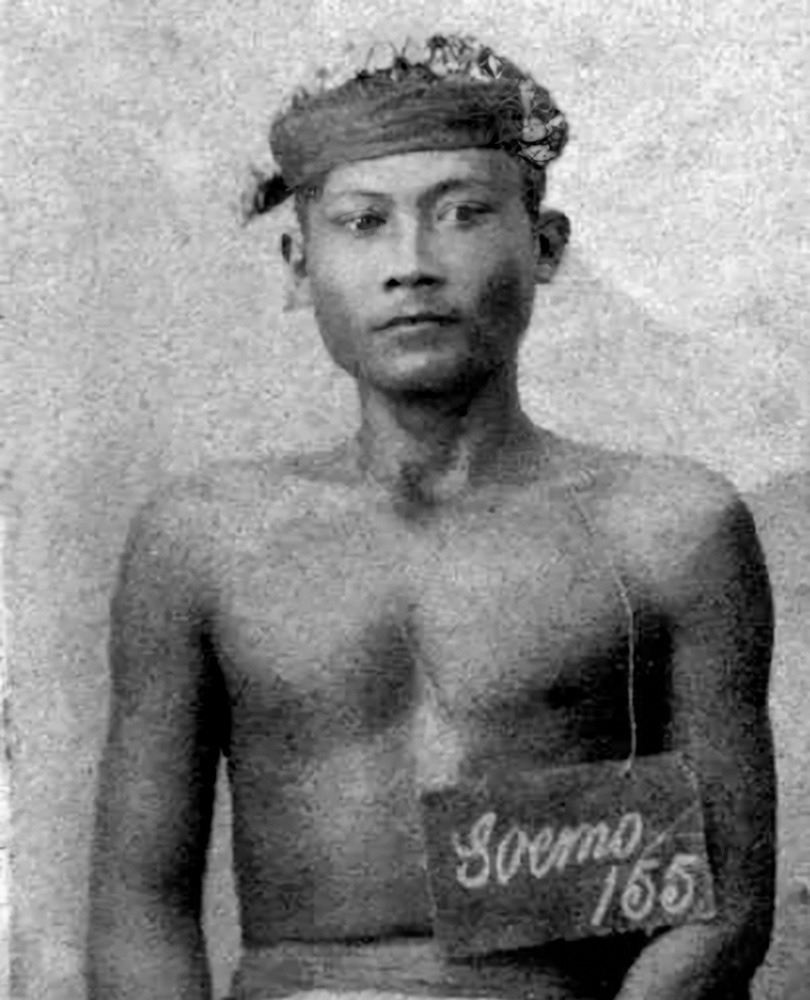
![Johan Braakensiek (Dutch, 1848-1940) "The coolie ordinances" in
'De [Groene] Amsterdammer', Date 23 November 1902](https://artblart.com/wp-content/uploads/2025/04/johan-braakensiek-de-koelie-ordonantien-de-groene-amsterdammer-datum-23-november-1902.jpg "Johan Braakensiek (Dutch, 1848-1940) \"The coolie ordinances\" in 'De [Groene] Amsterdammer', Date 23 November 1902")
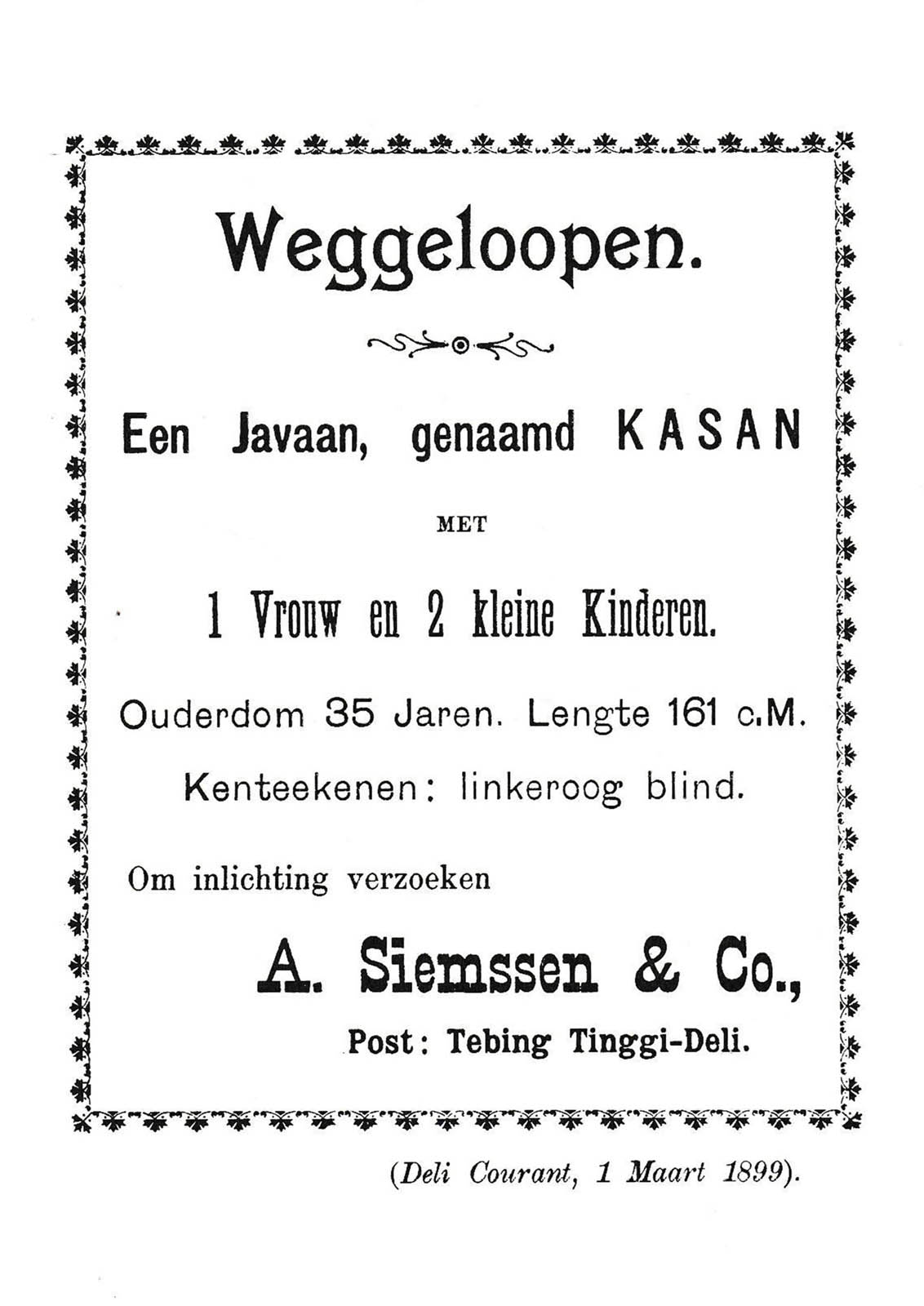
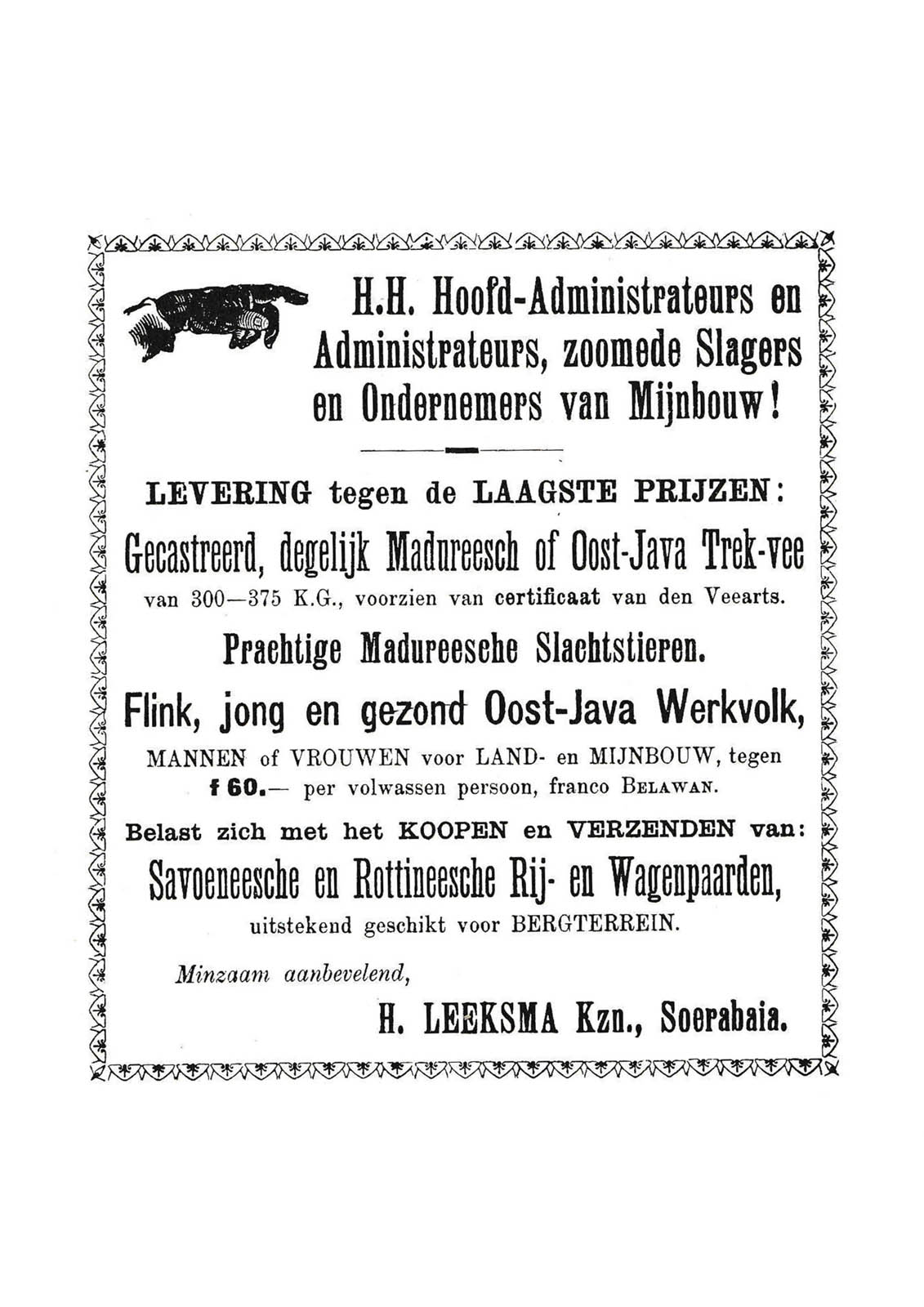
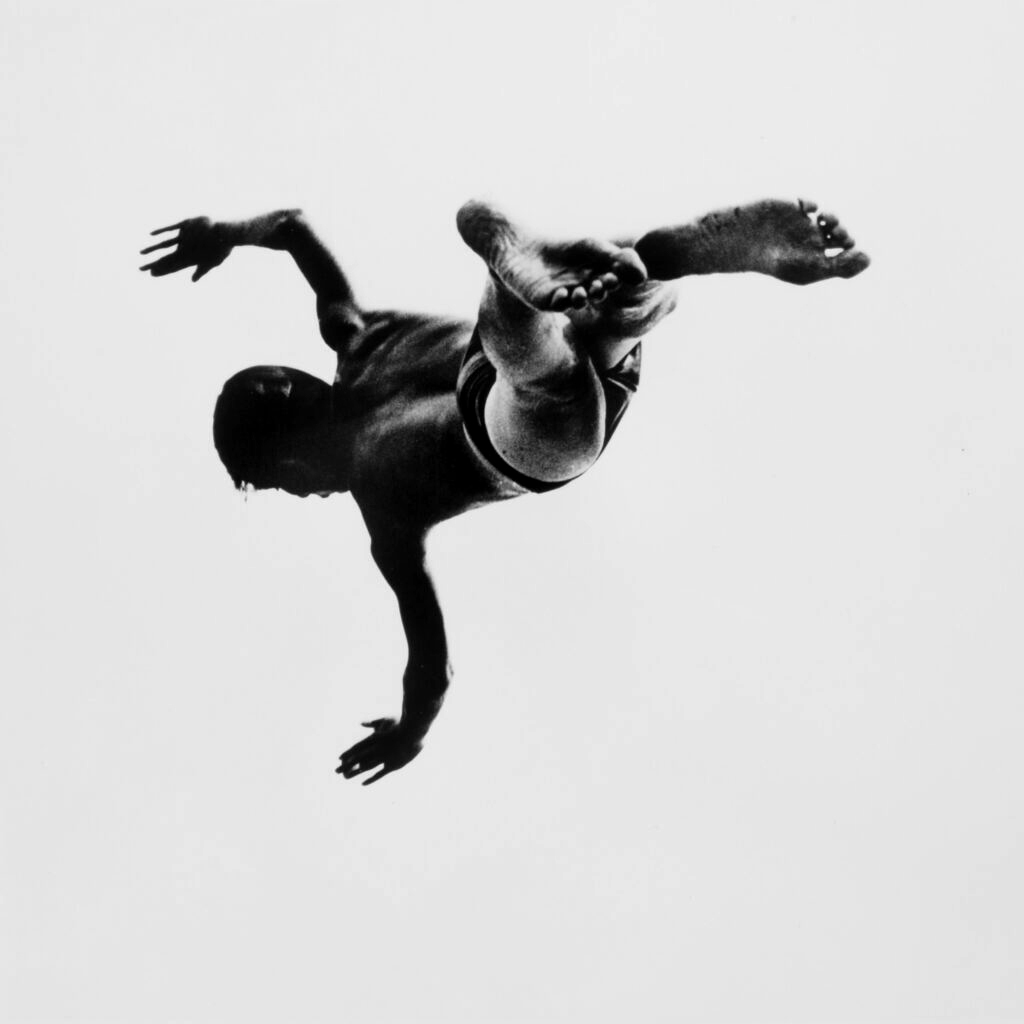


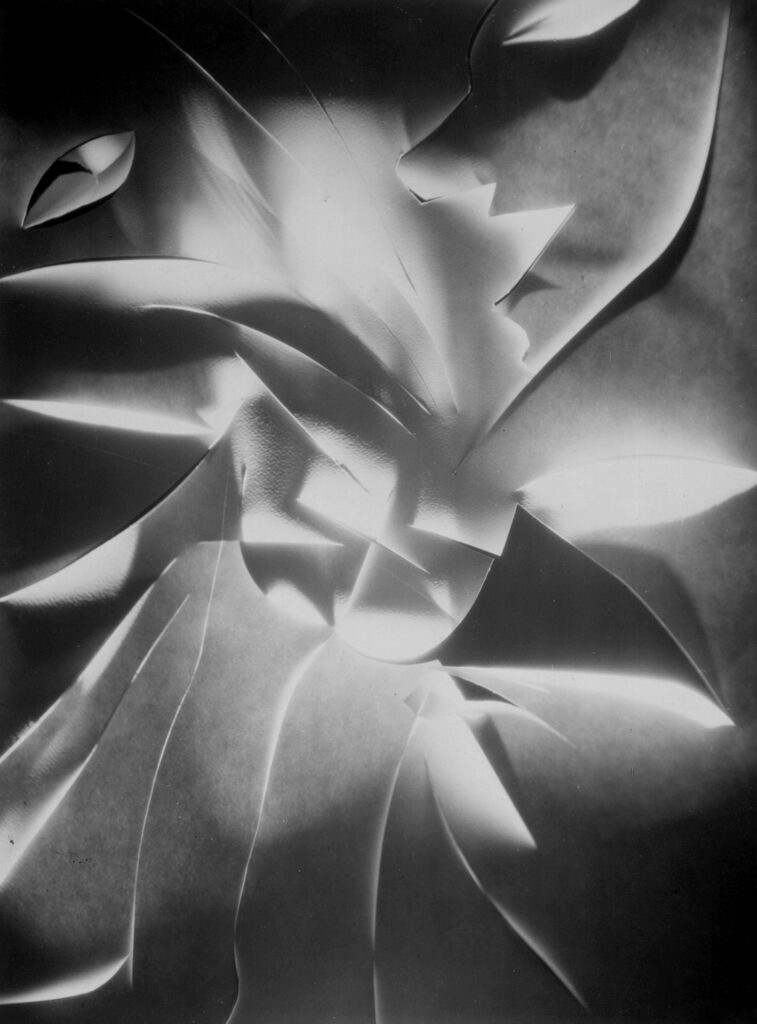
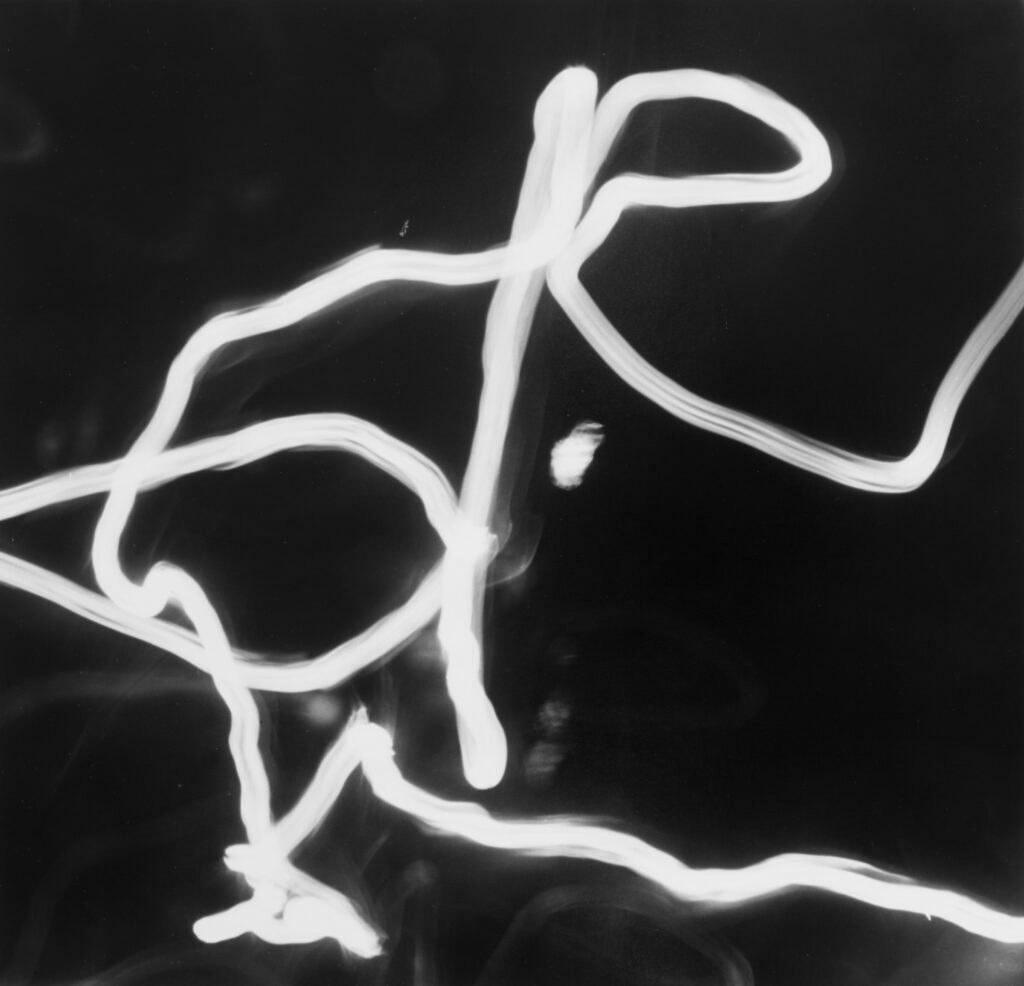
![Ilse Bing (American born Germany, 1899-1998) 'Untitled [Seated Woman with Necklace, Solarized]' 1943](https://artblart.com/wp-content/uploads/2025/10/ilse-bing-seated-woman-with-necklace.jpg "Ilse Bing (American born Germany, 1899-1998) 'Untitled [Seated Woman with Necklace, Solarized]' 1943")
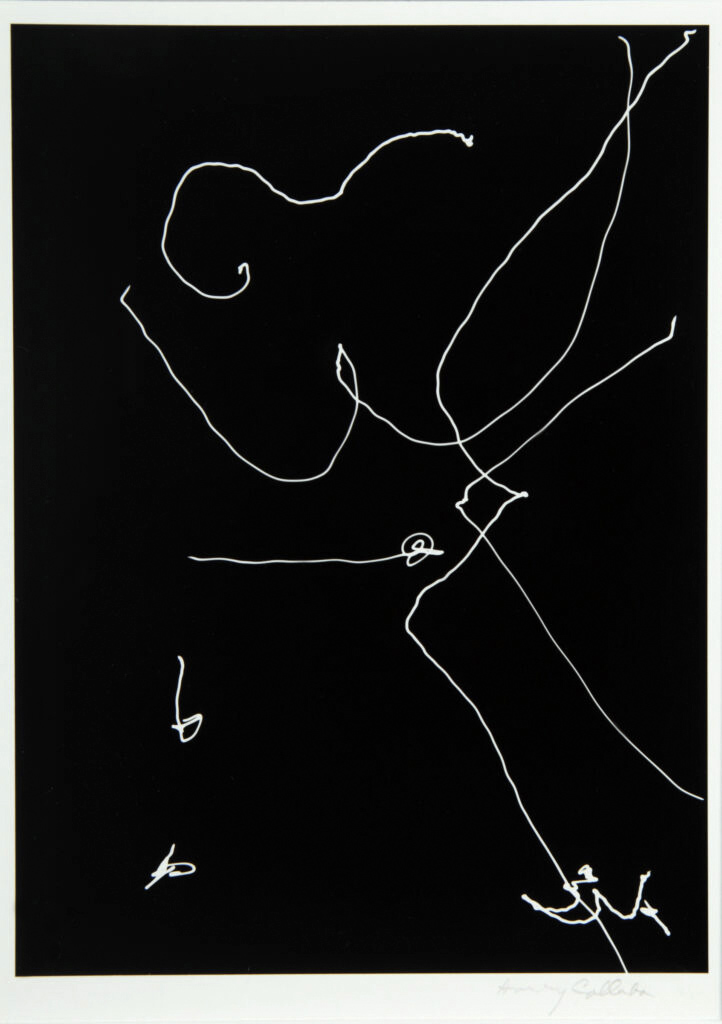

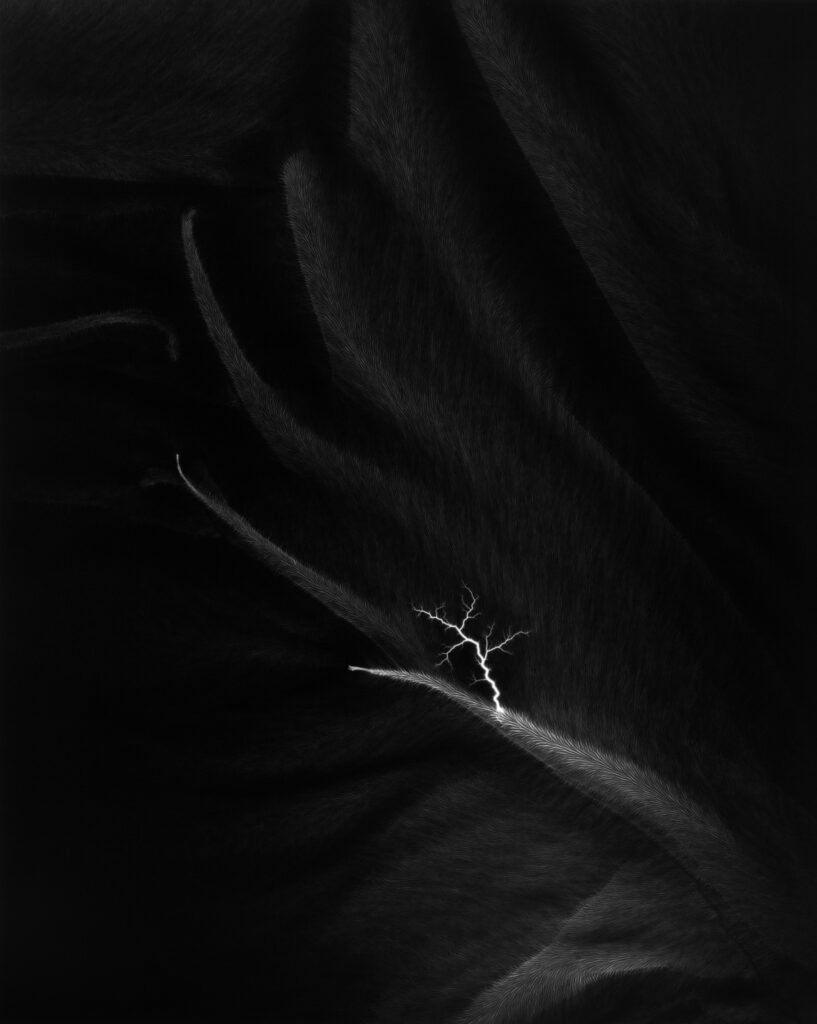


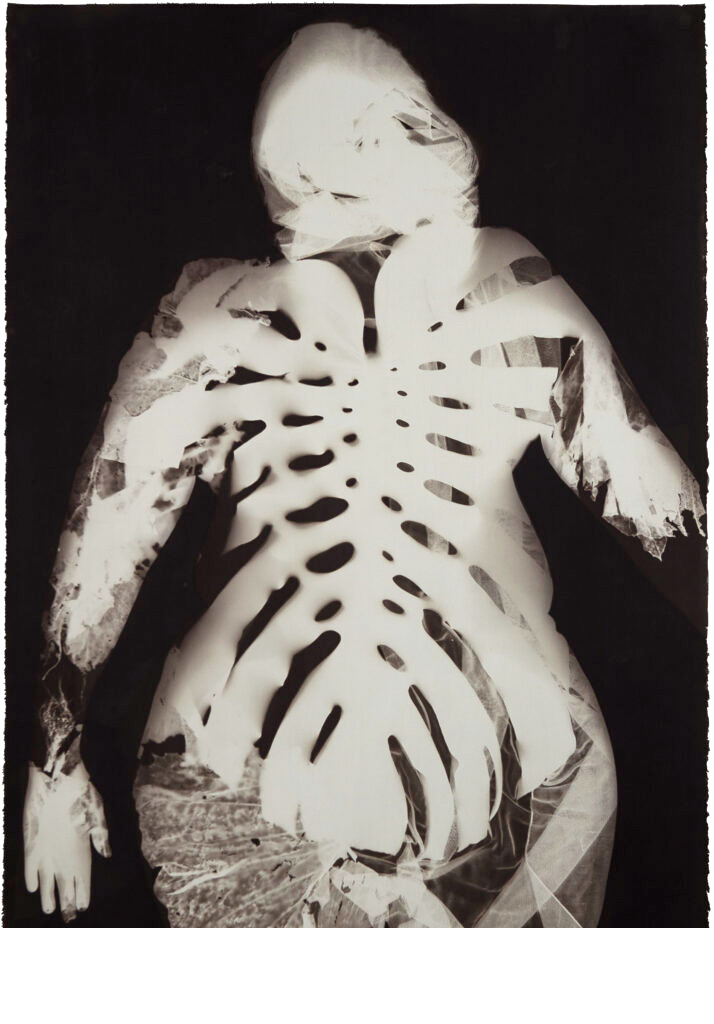
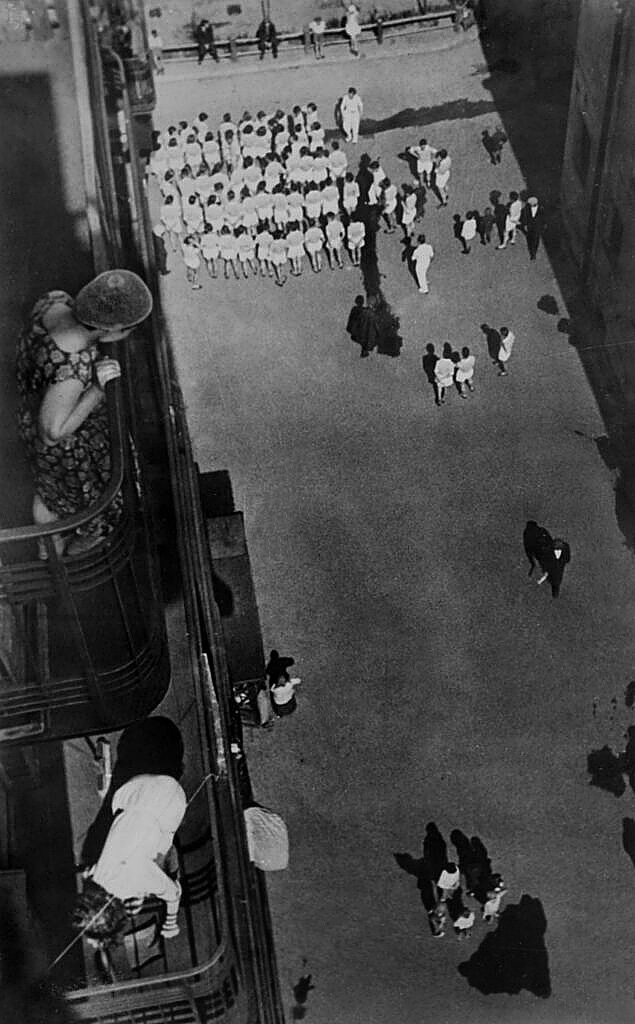


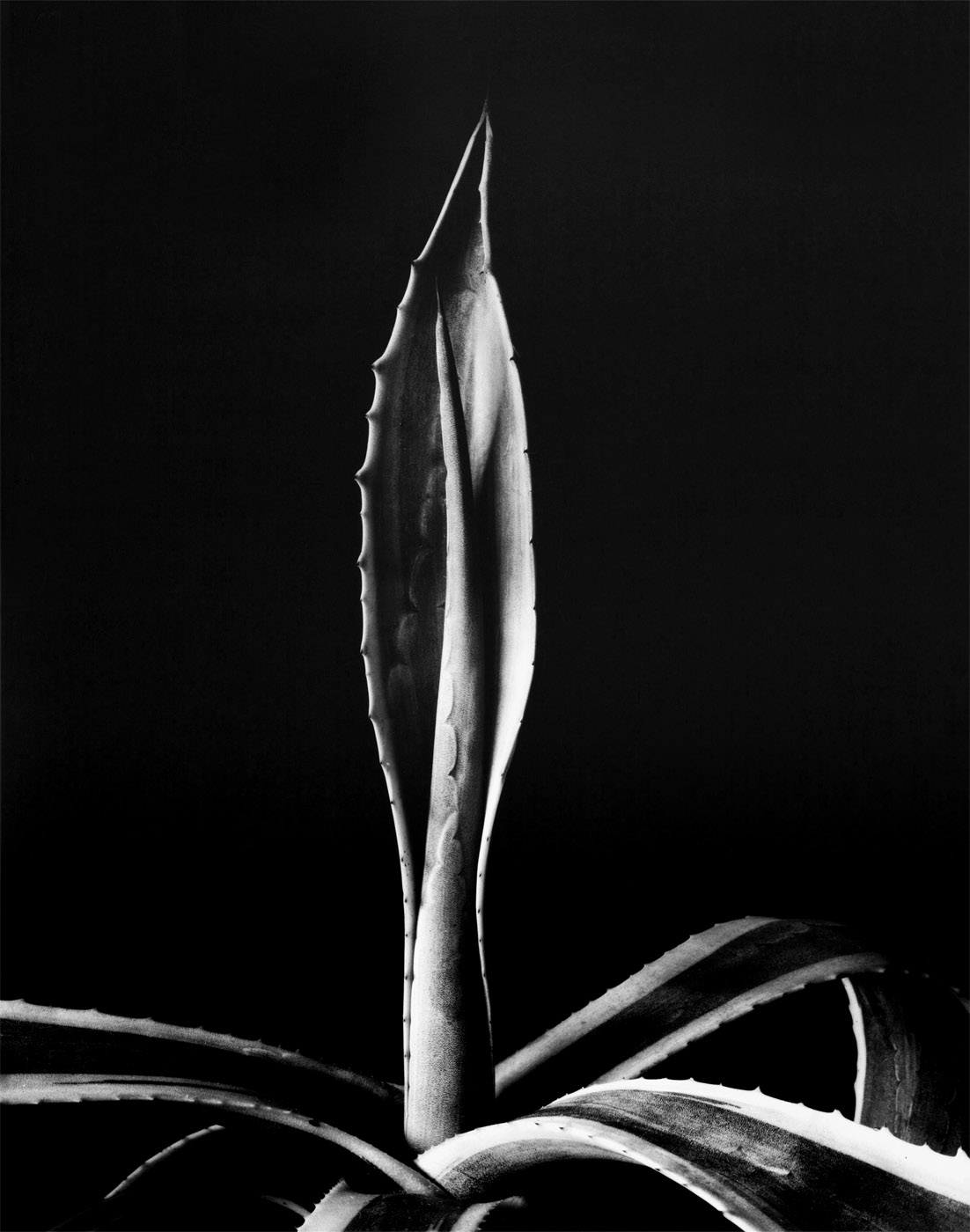
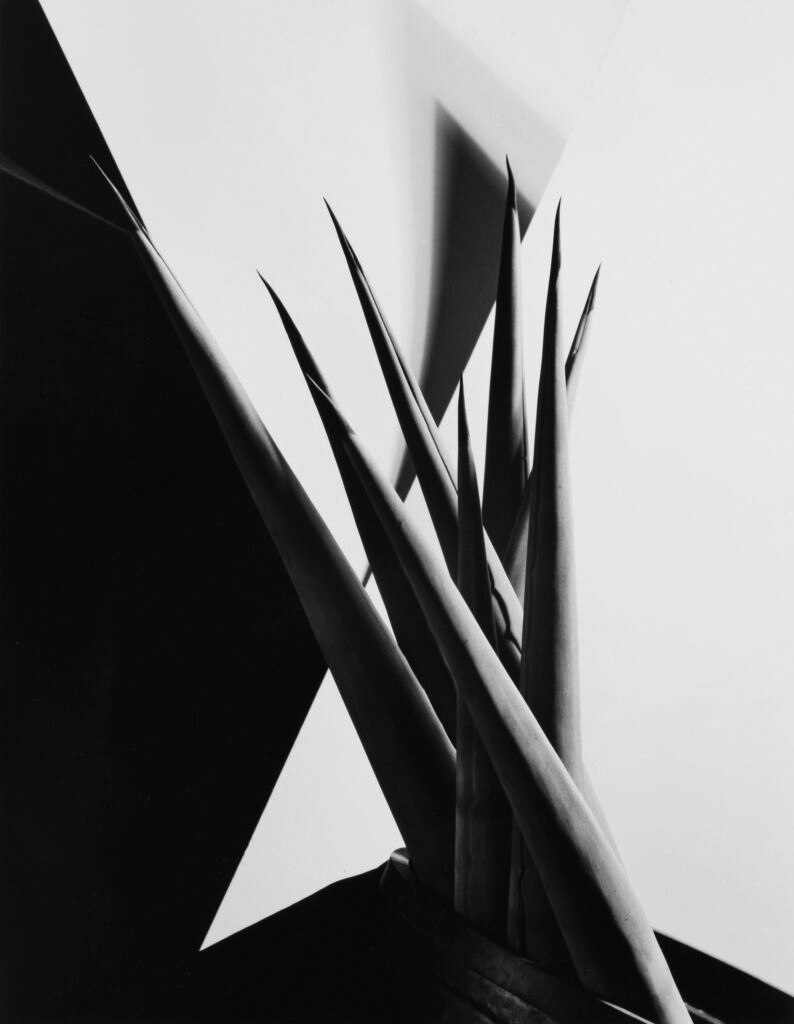
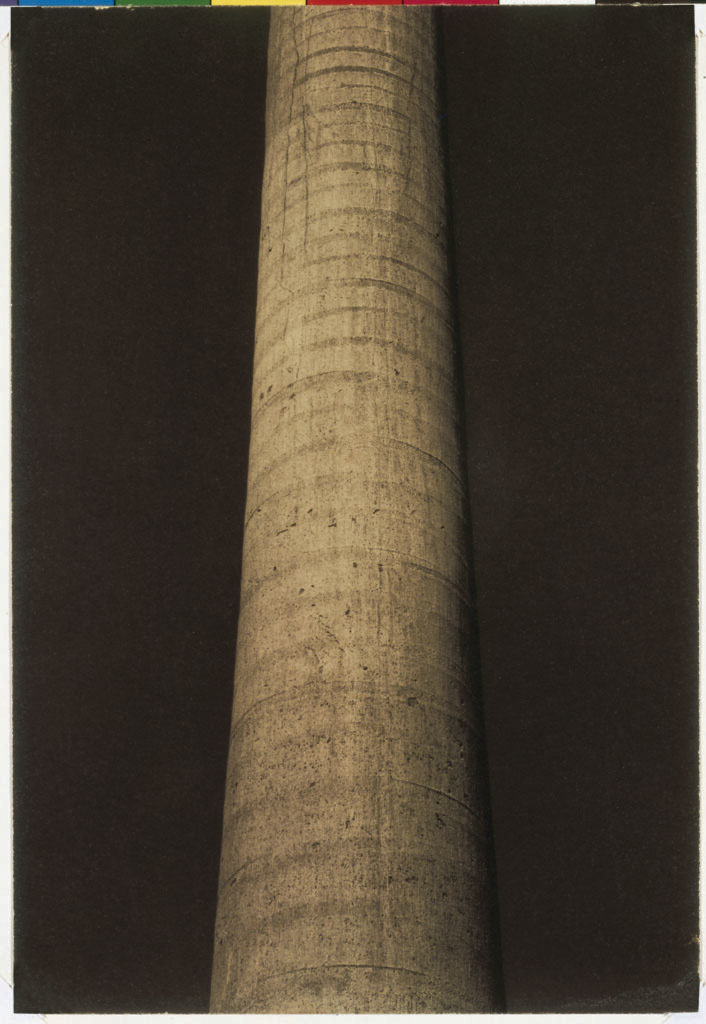

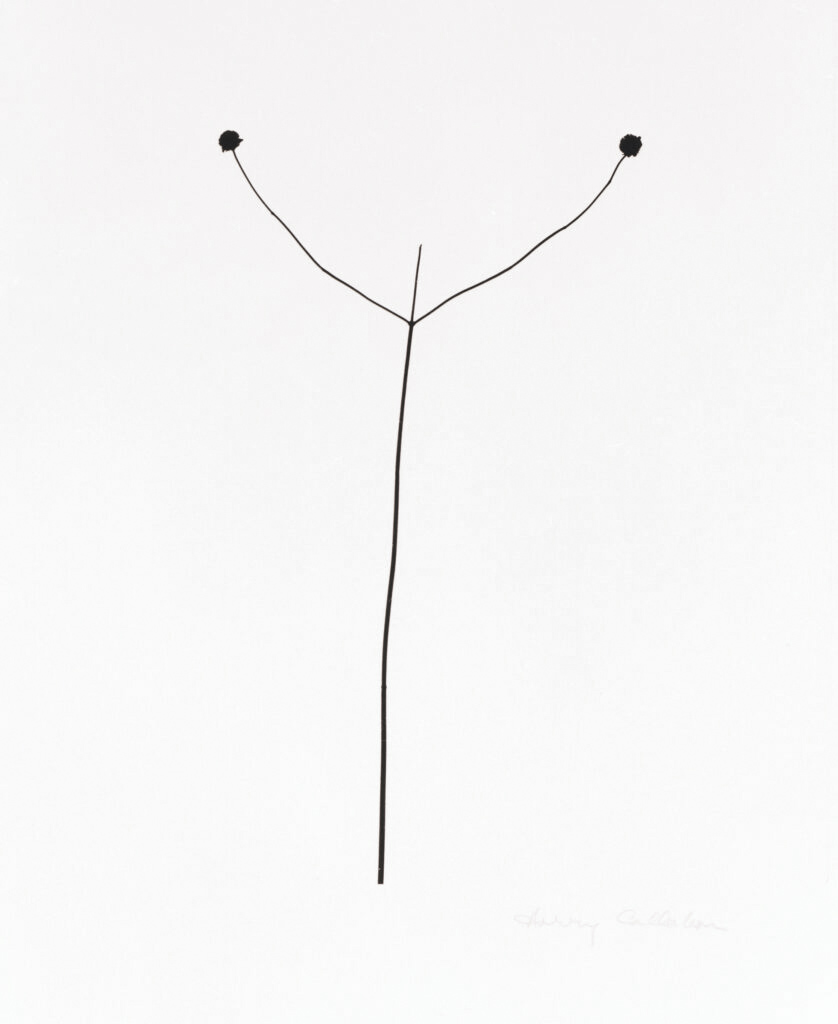
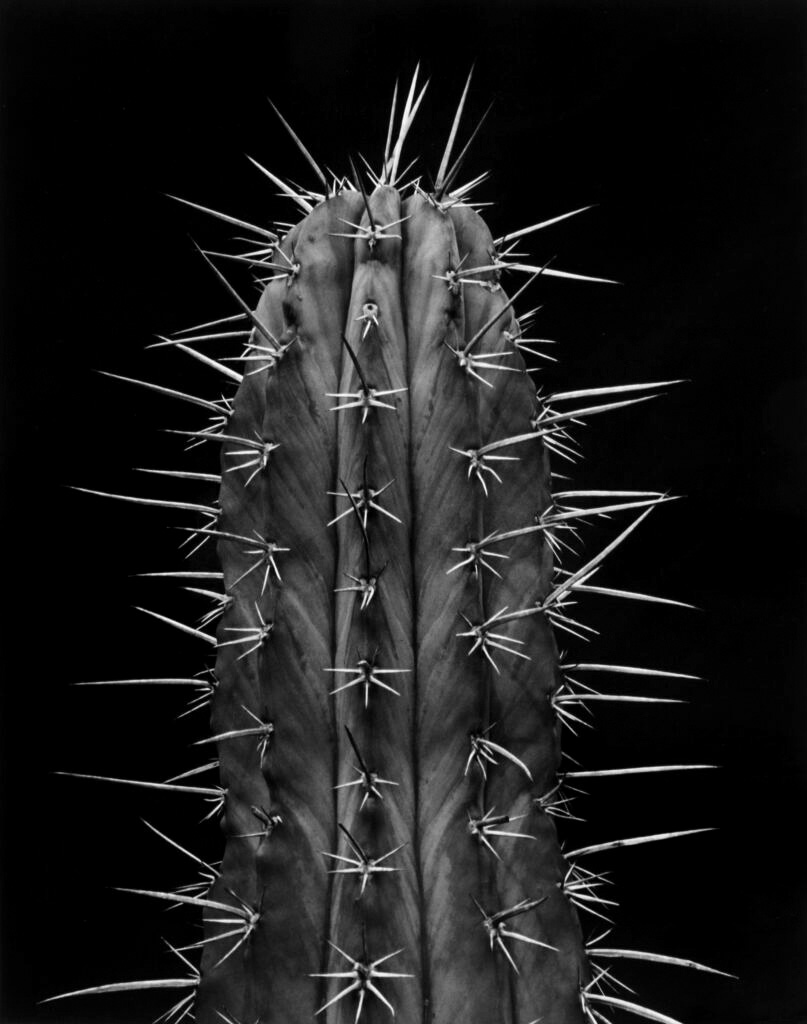


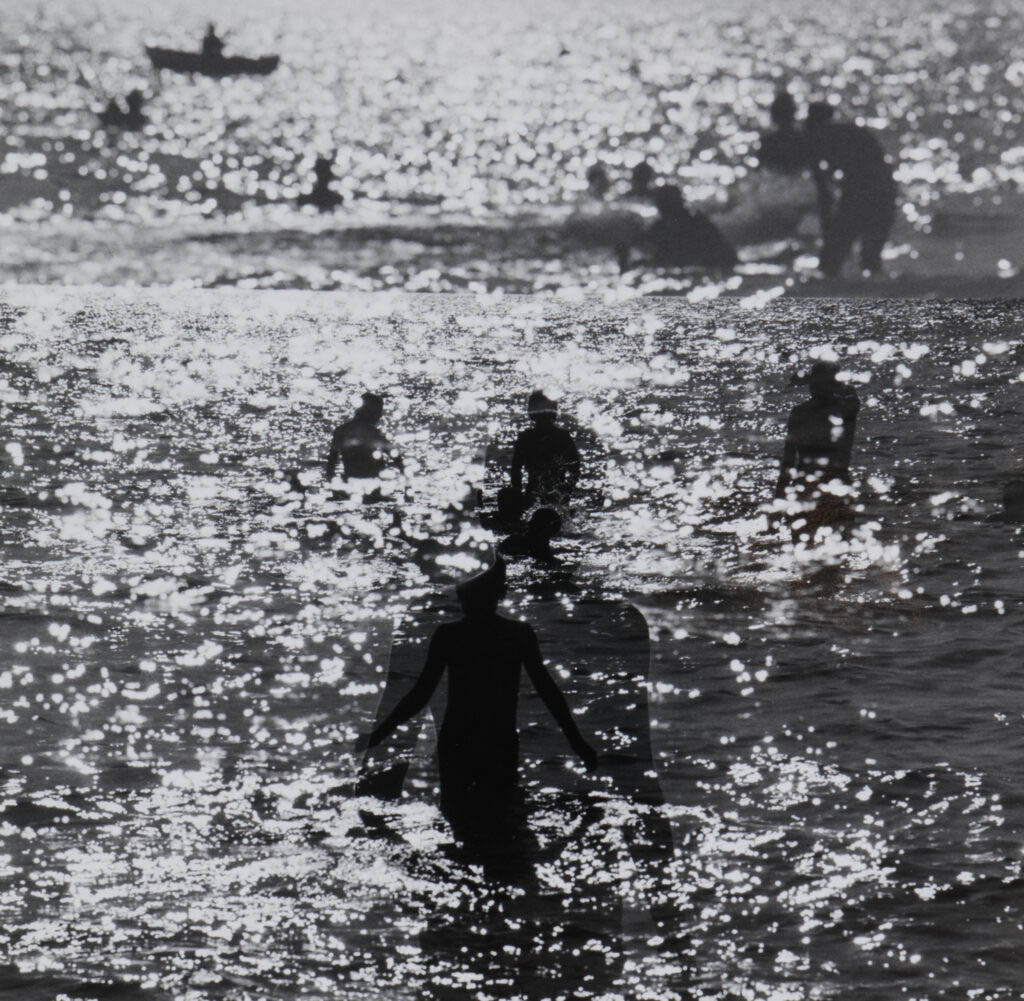


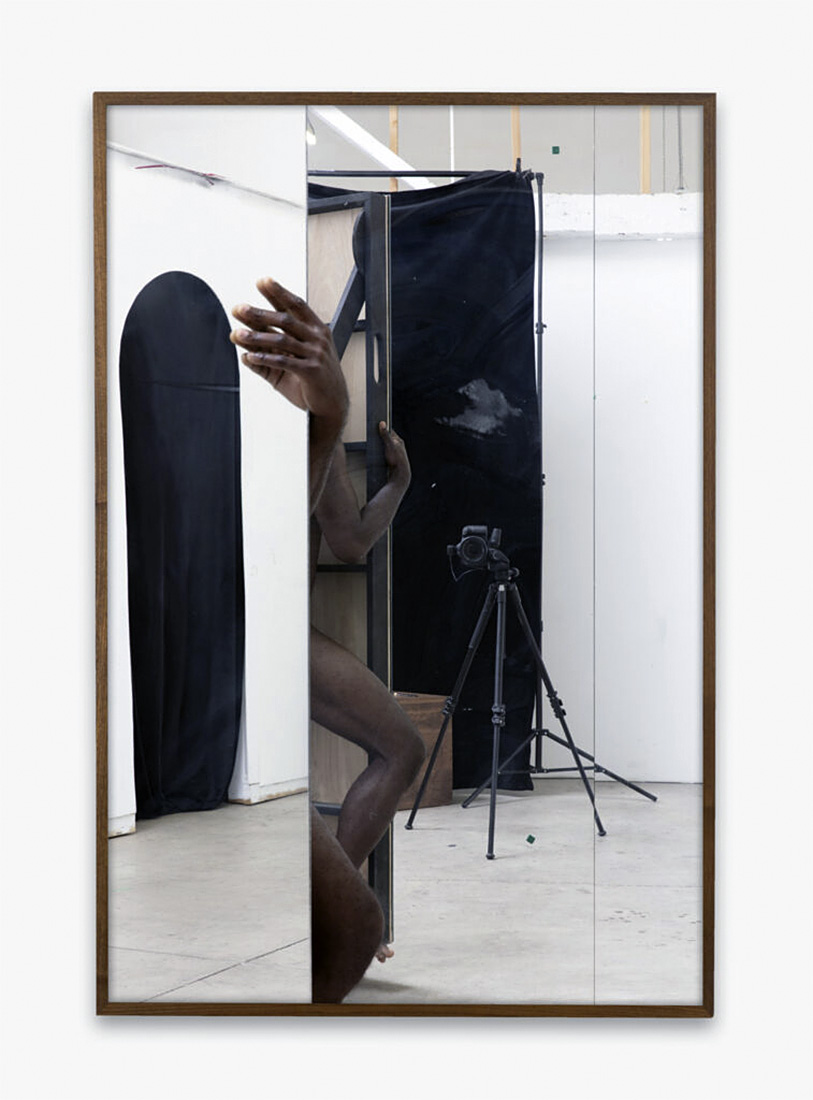
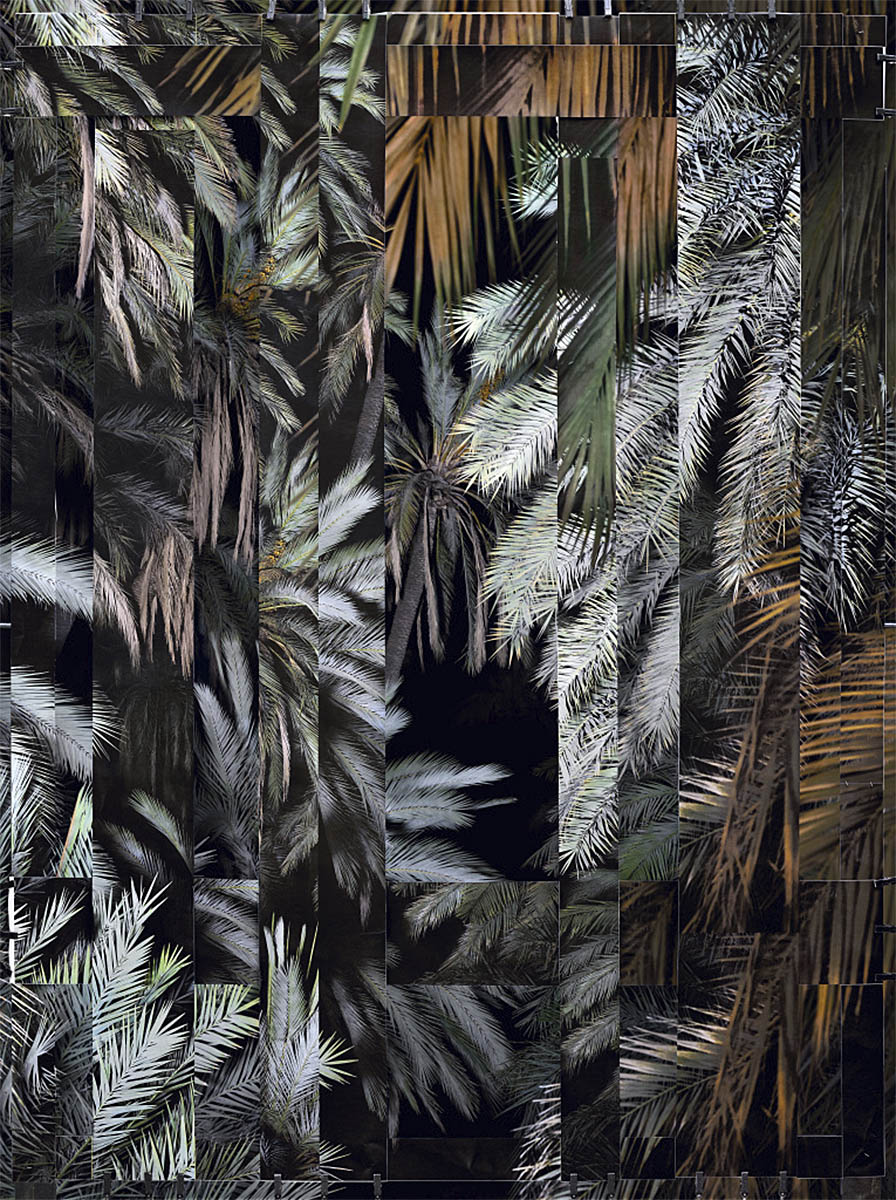
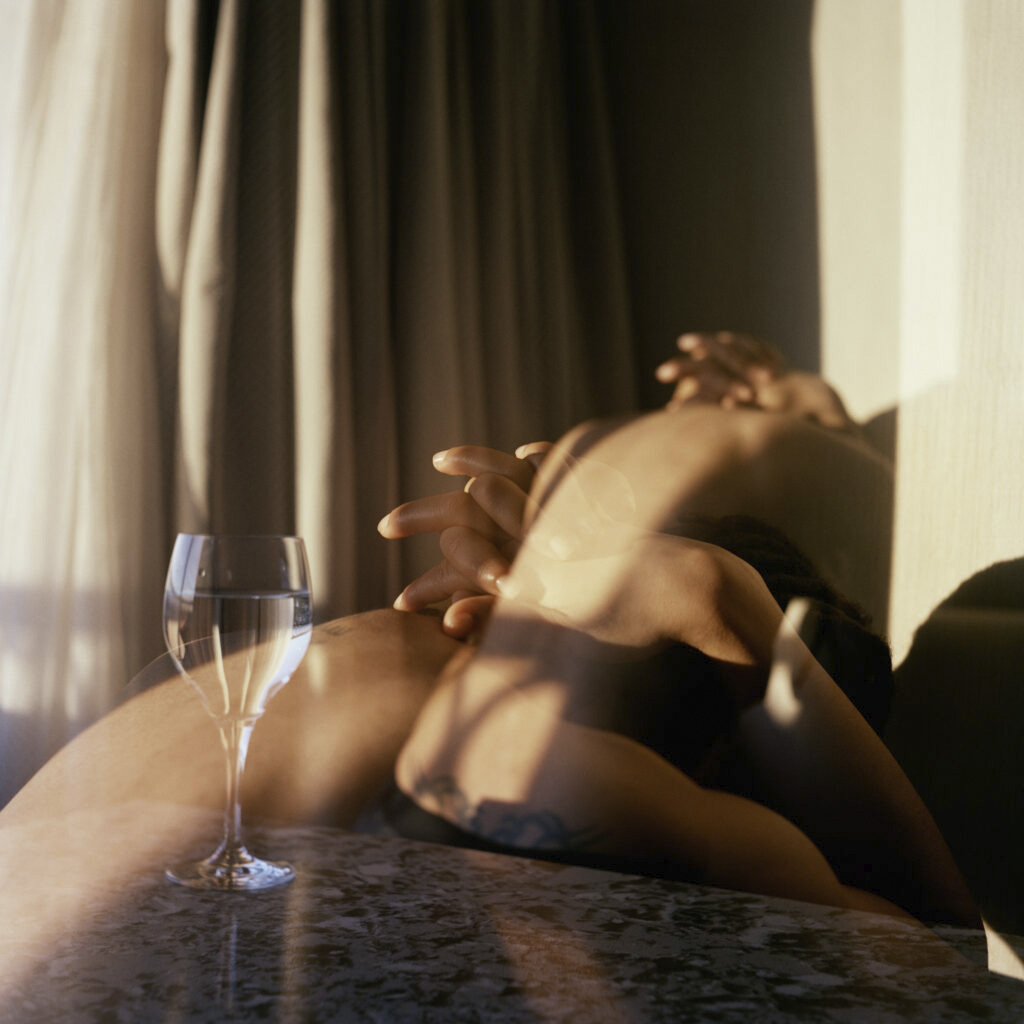
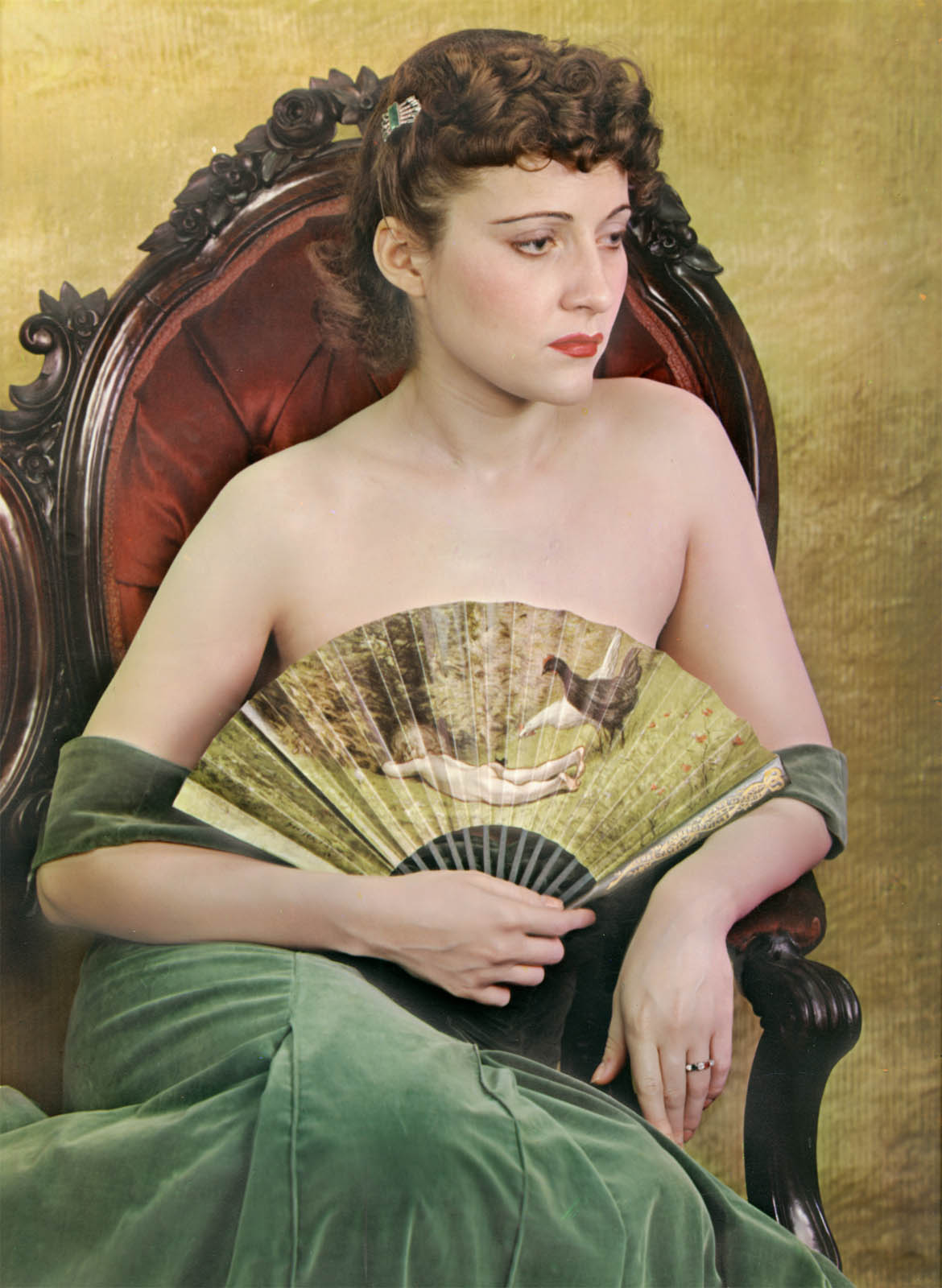
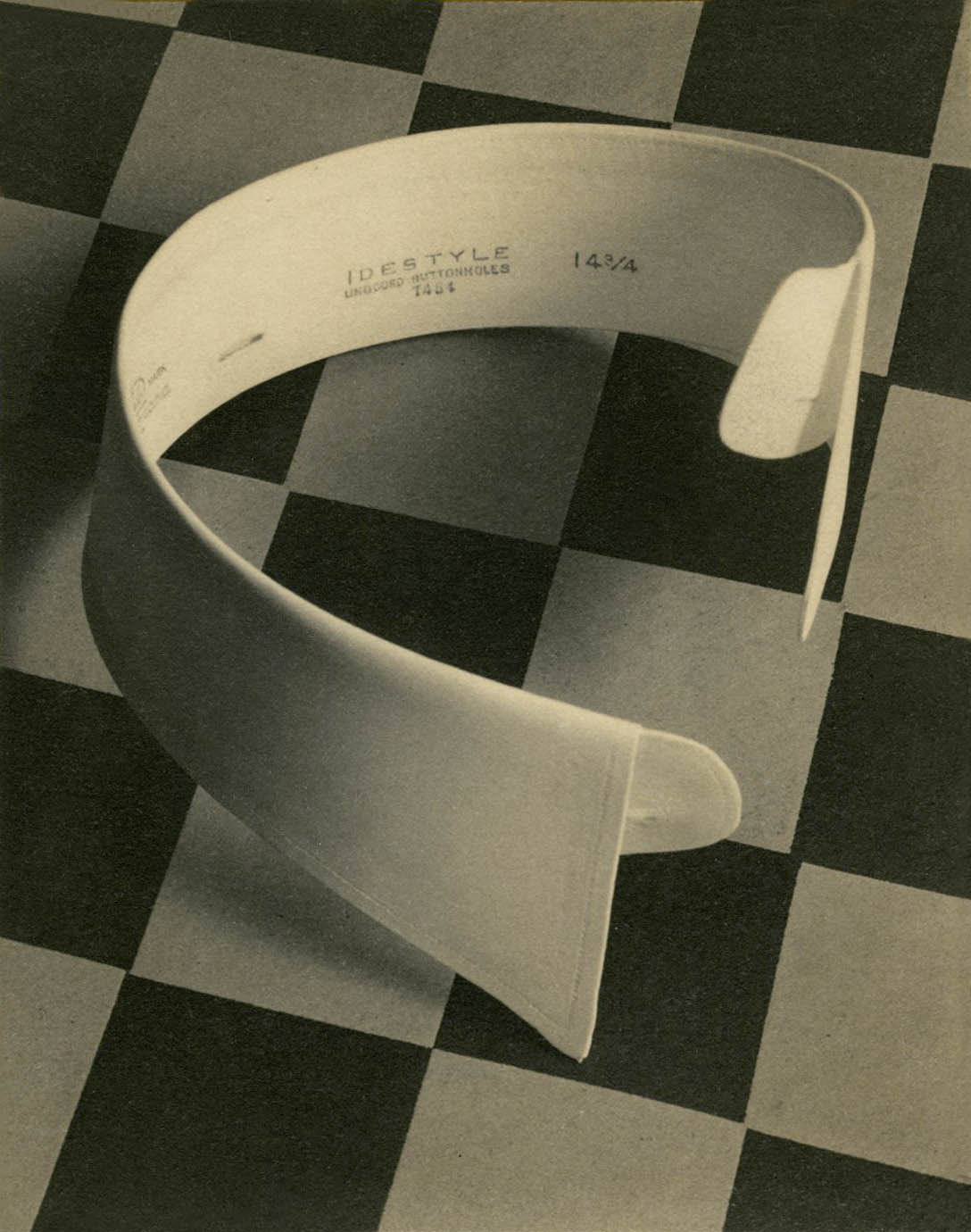
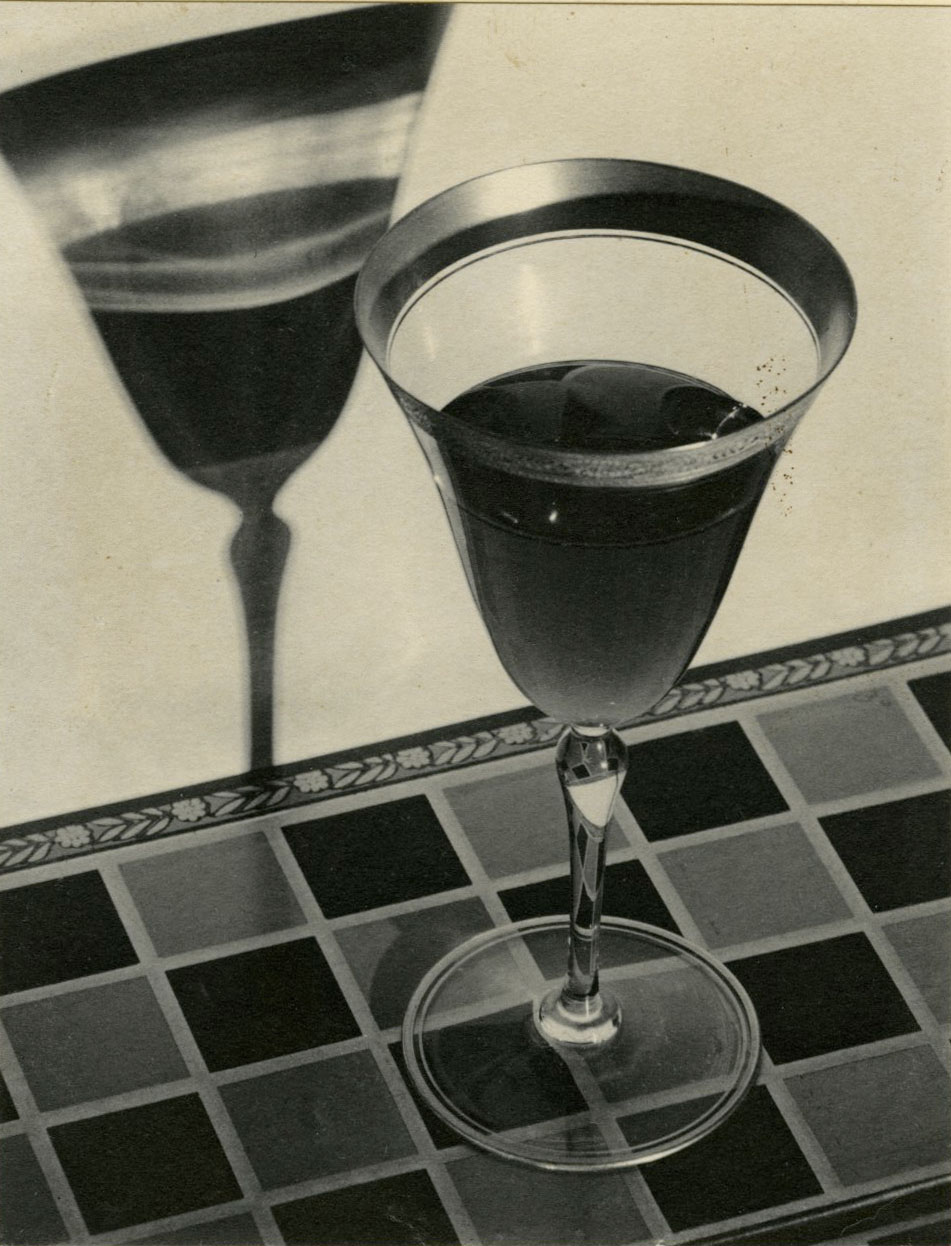
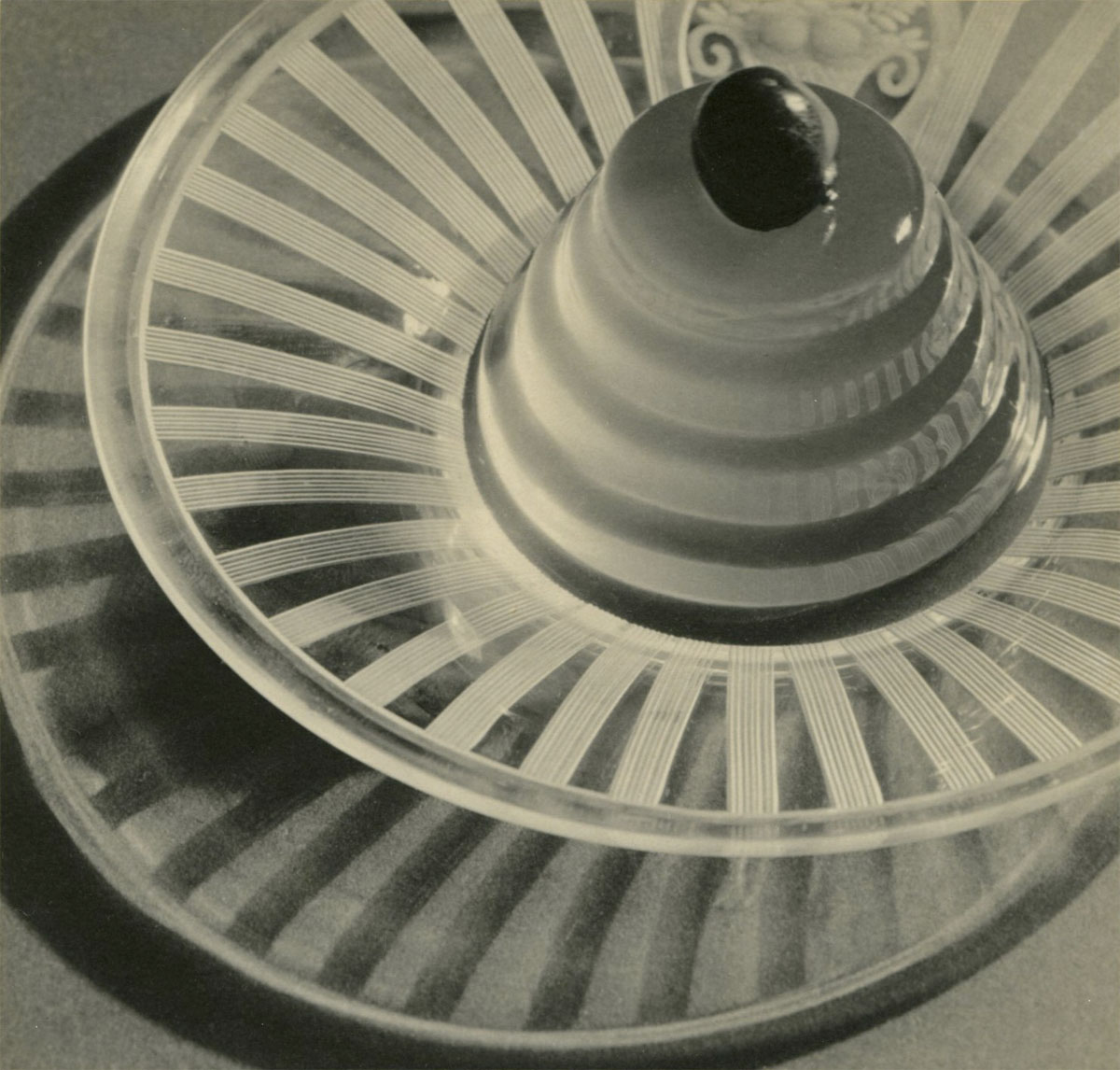
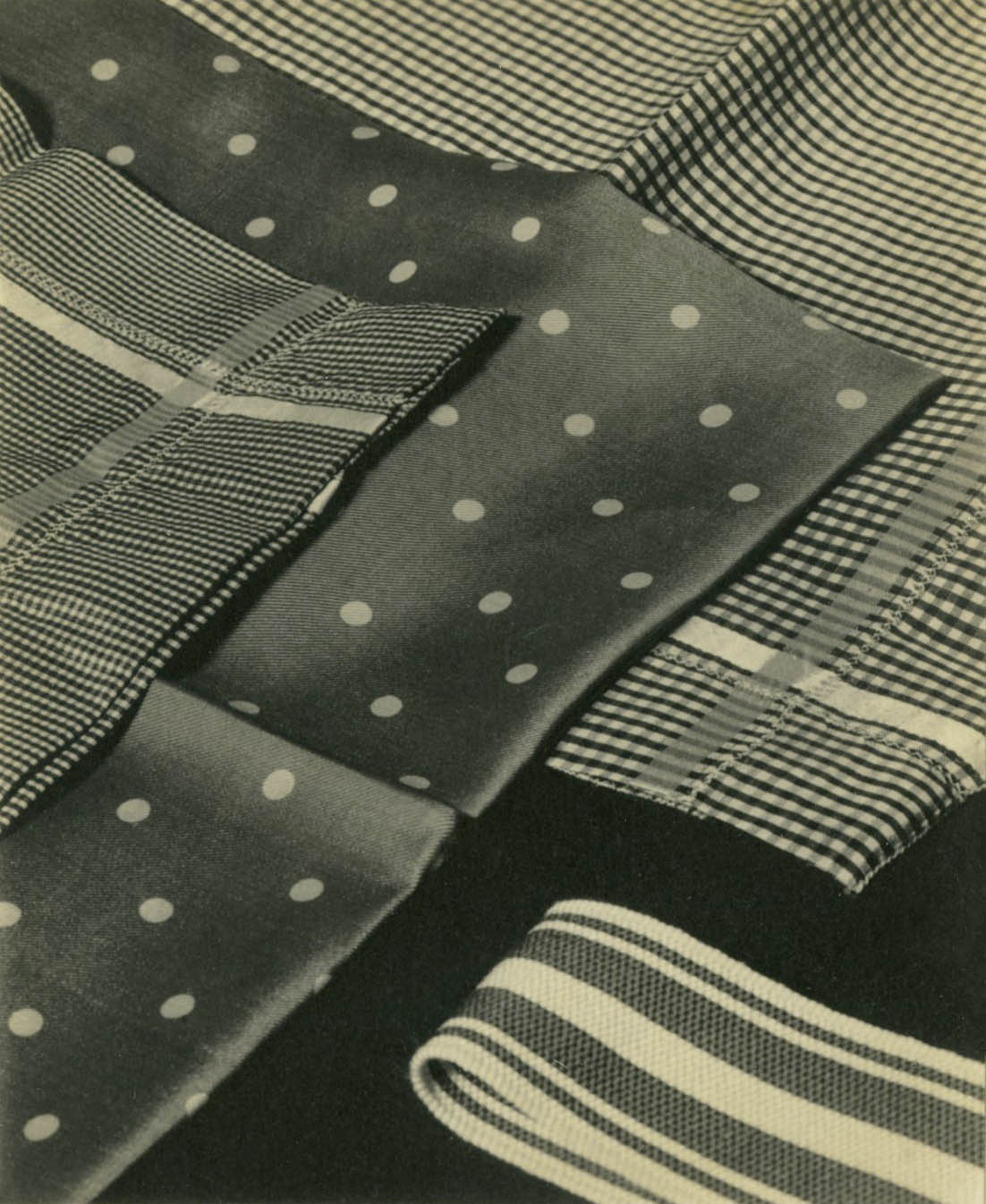
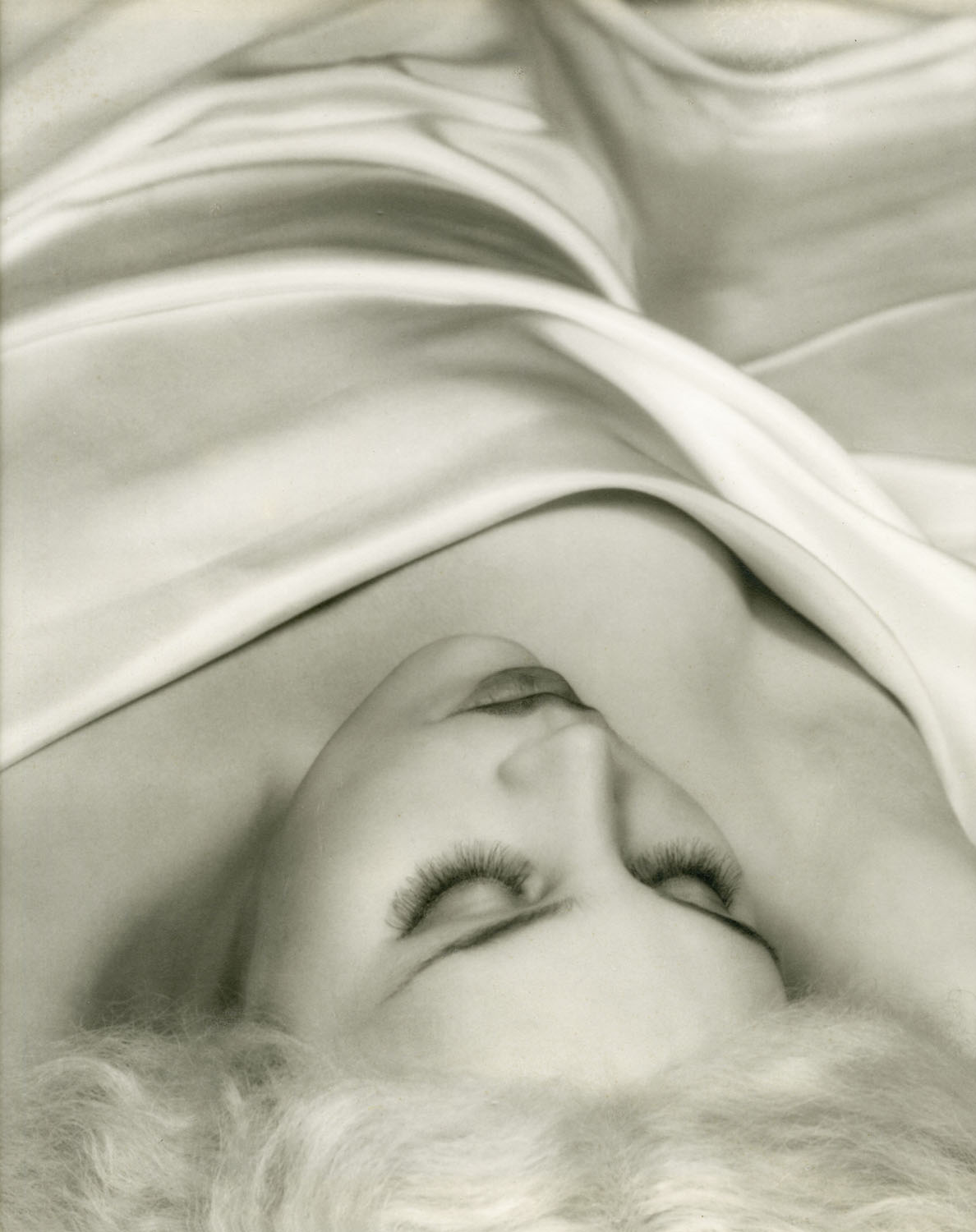
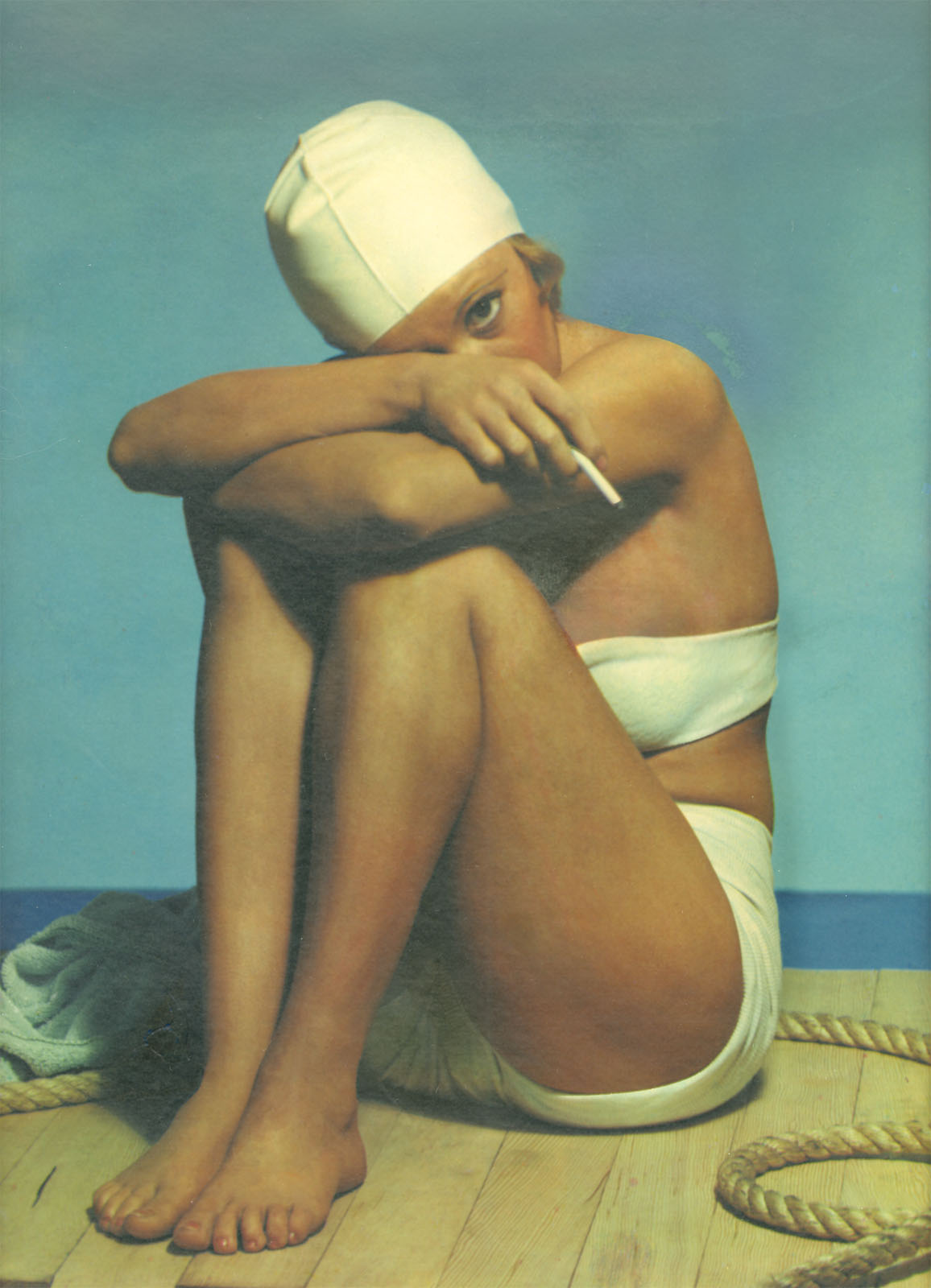
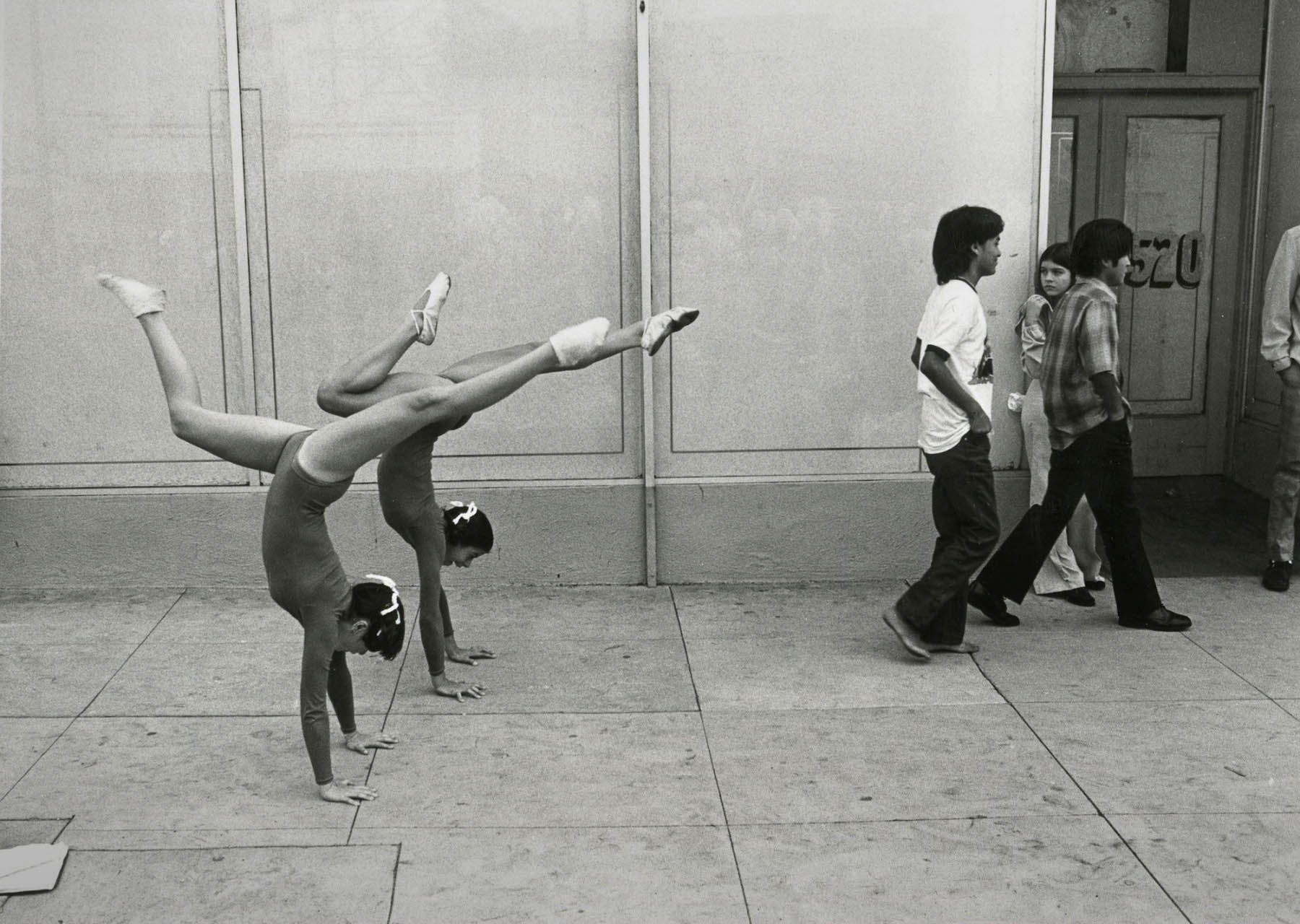
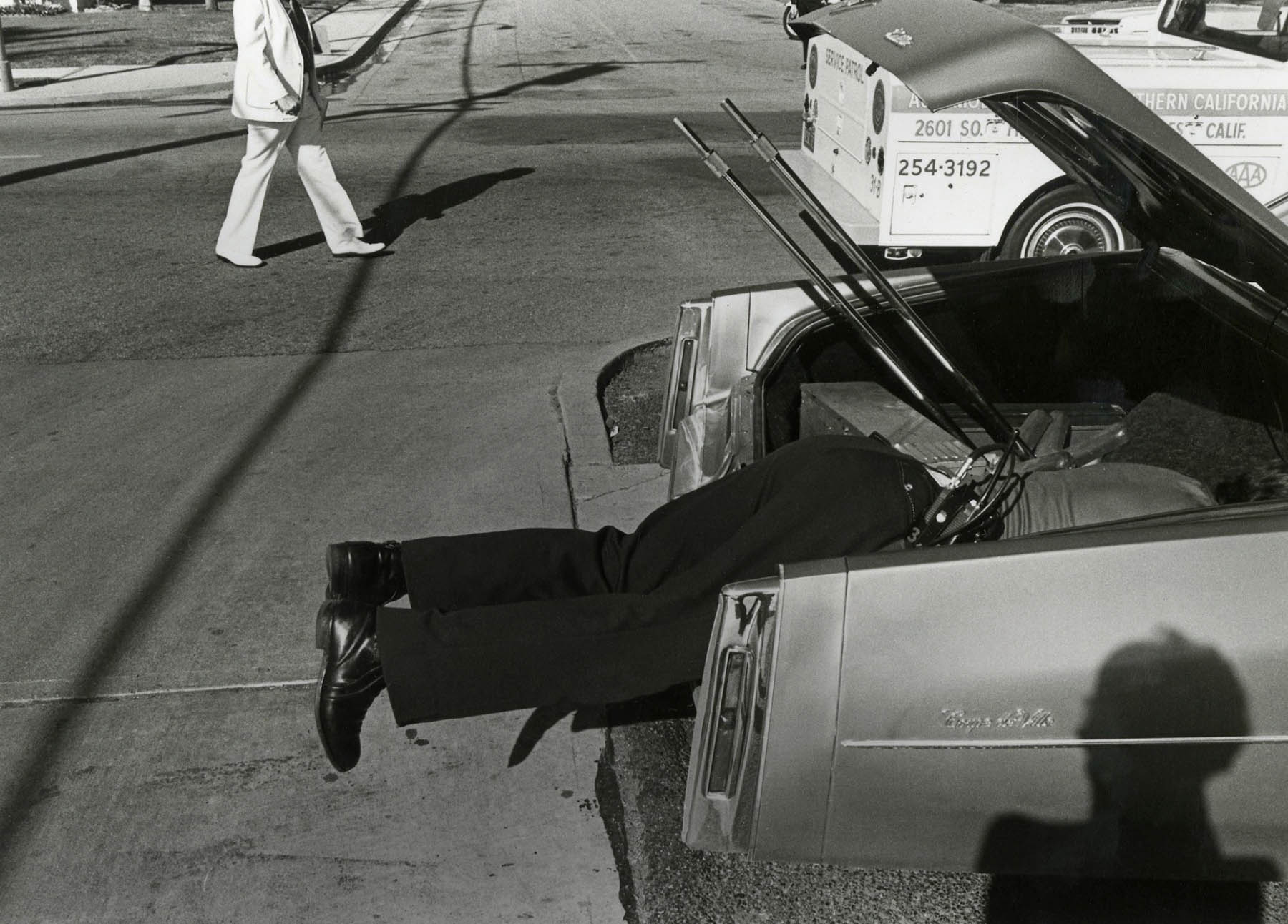
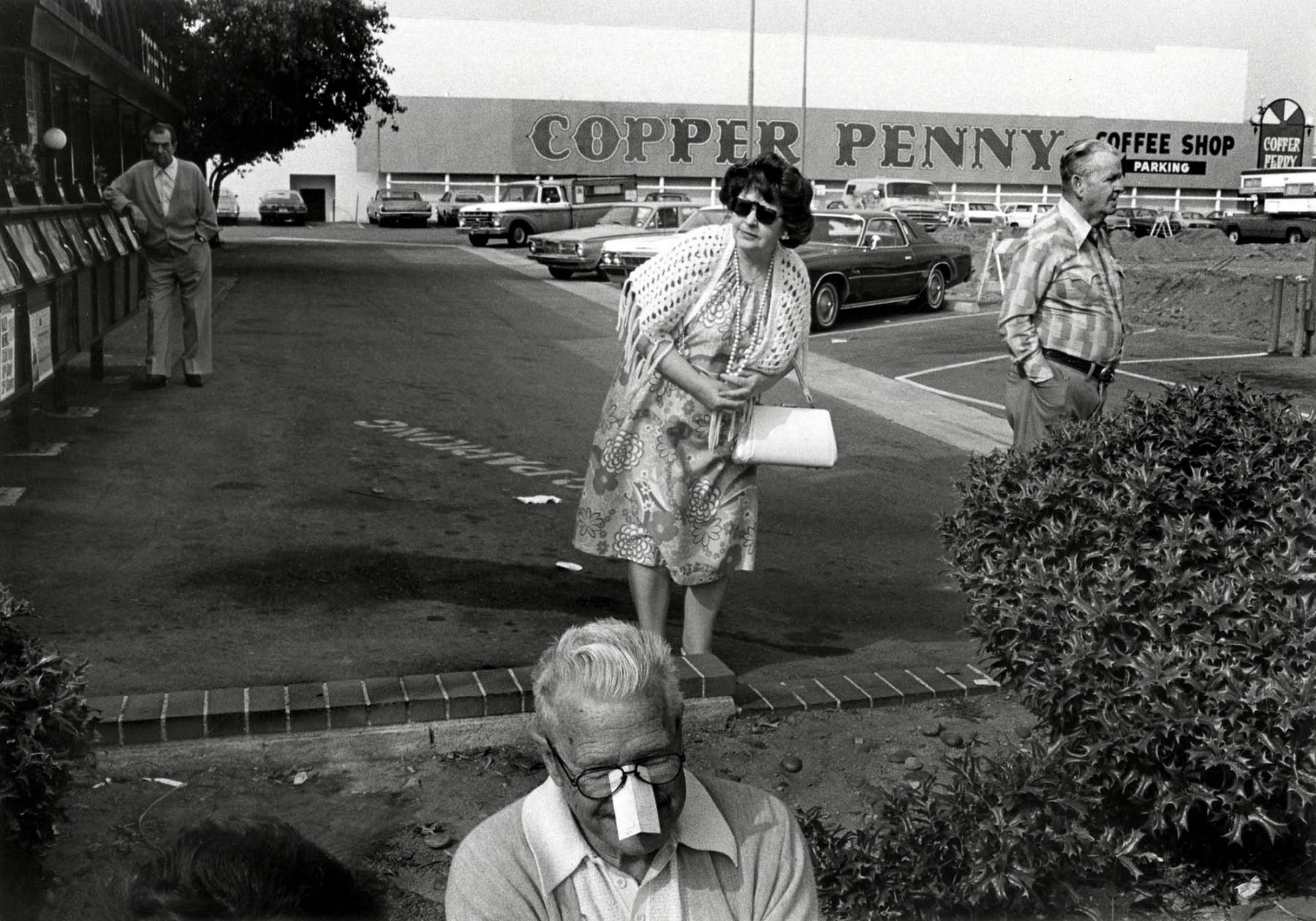
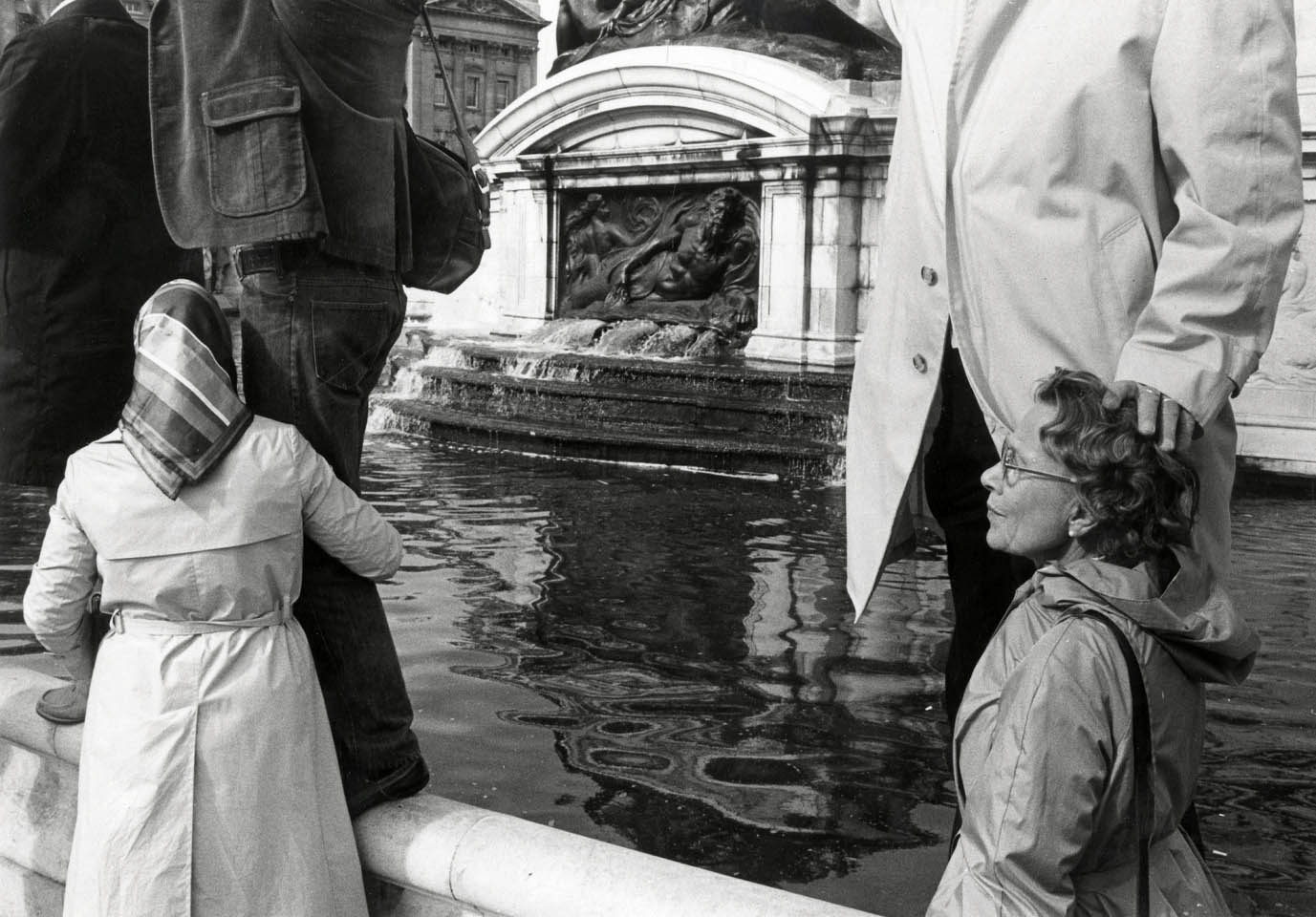
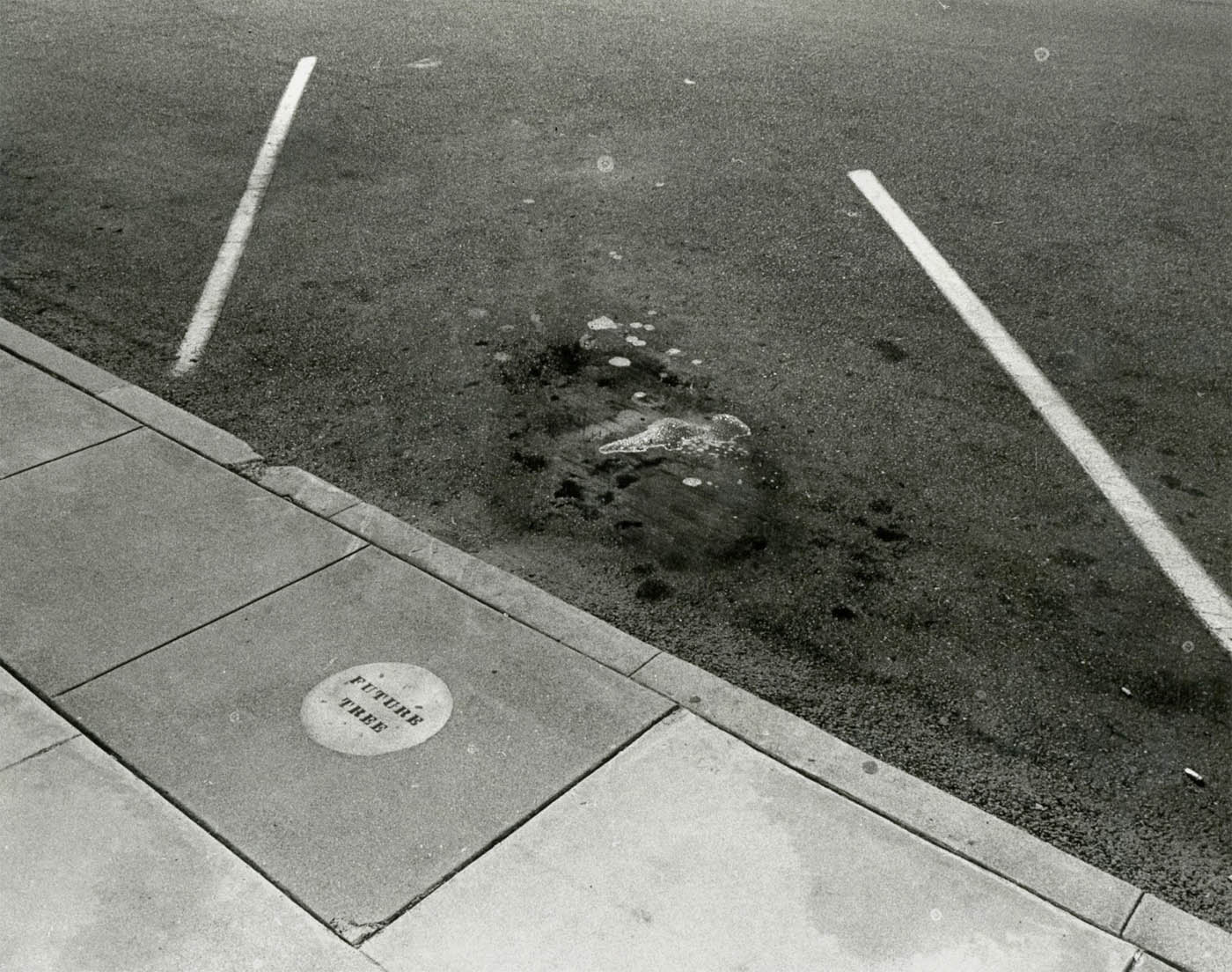
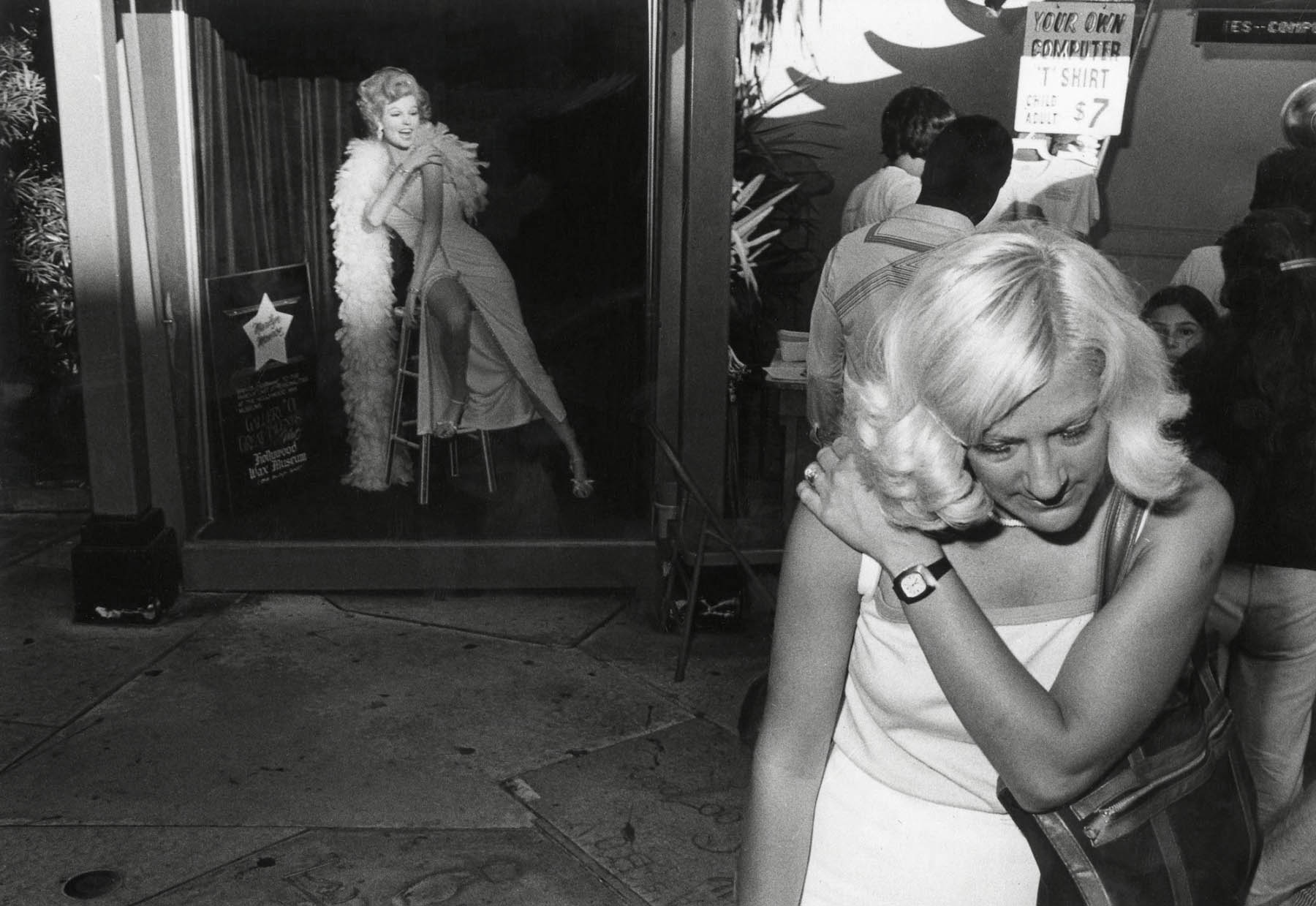
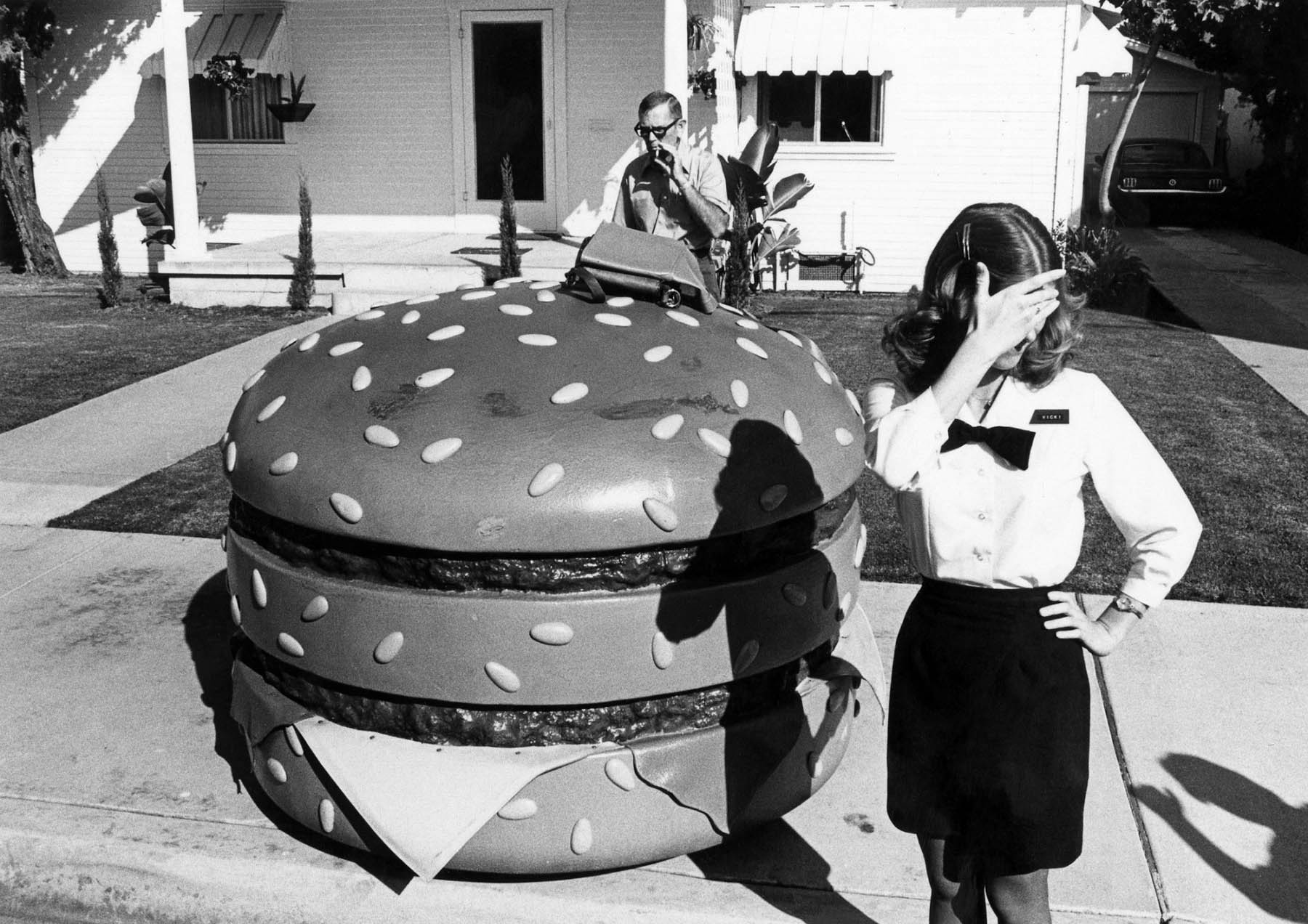
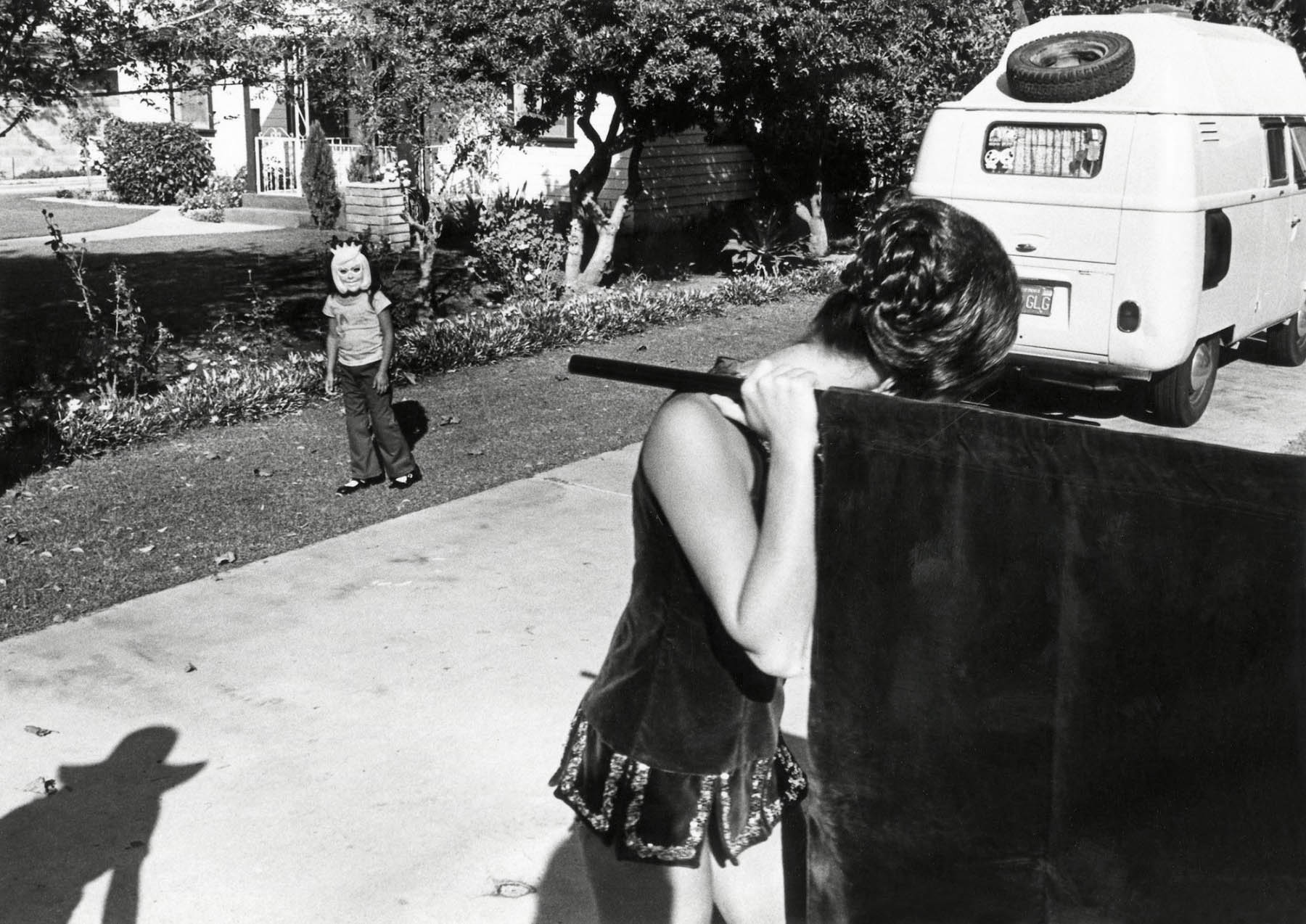
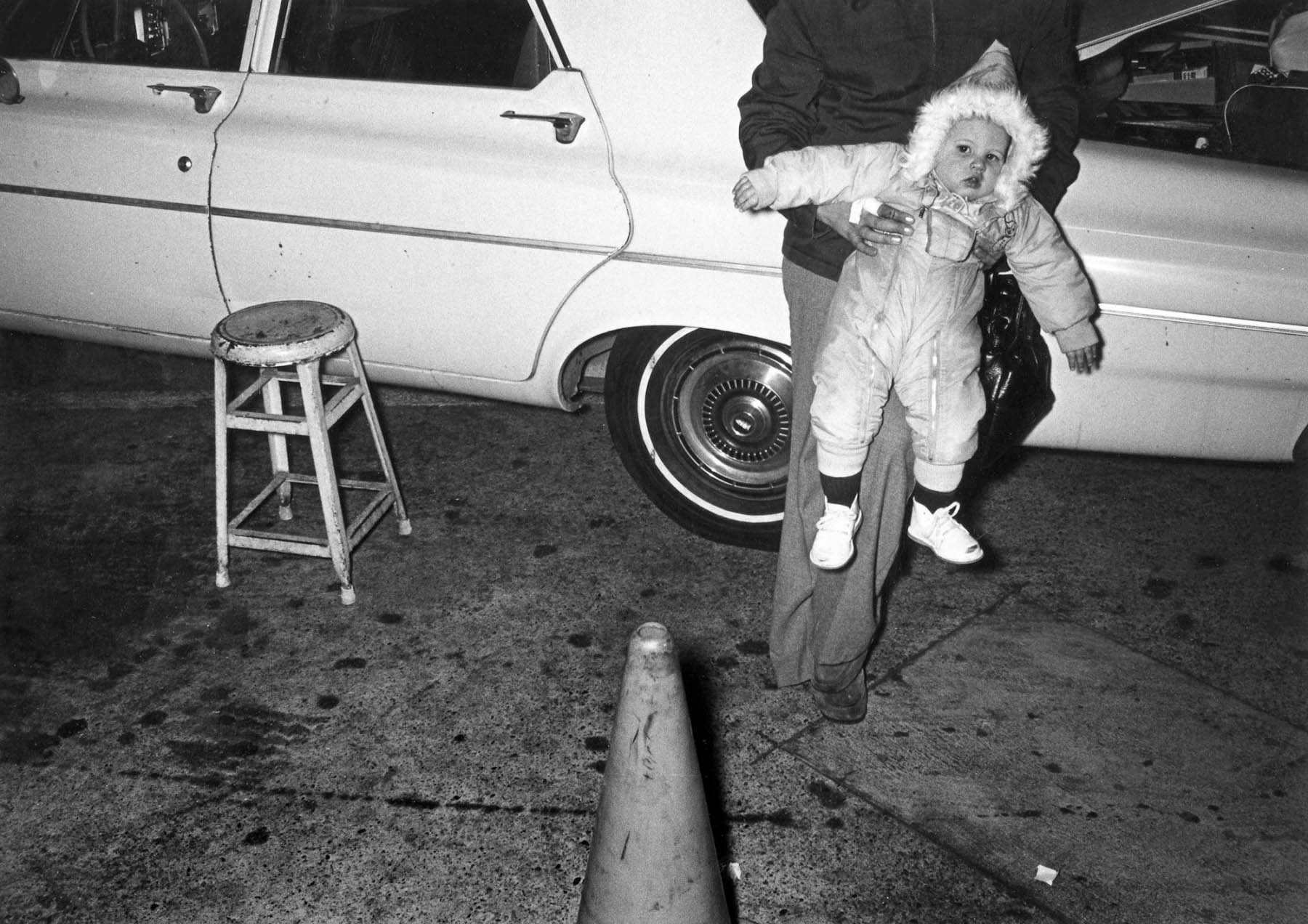
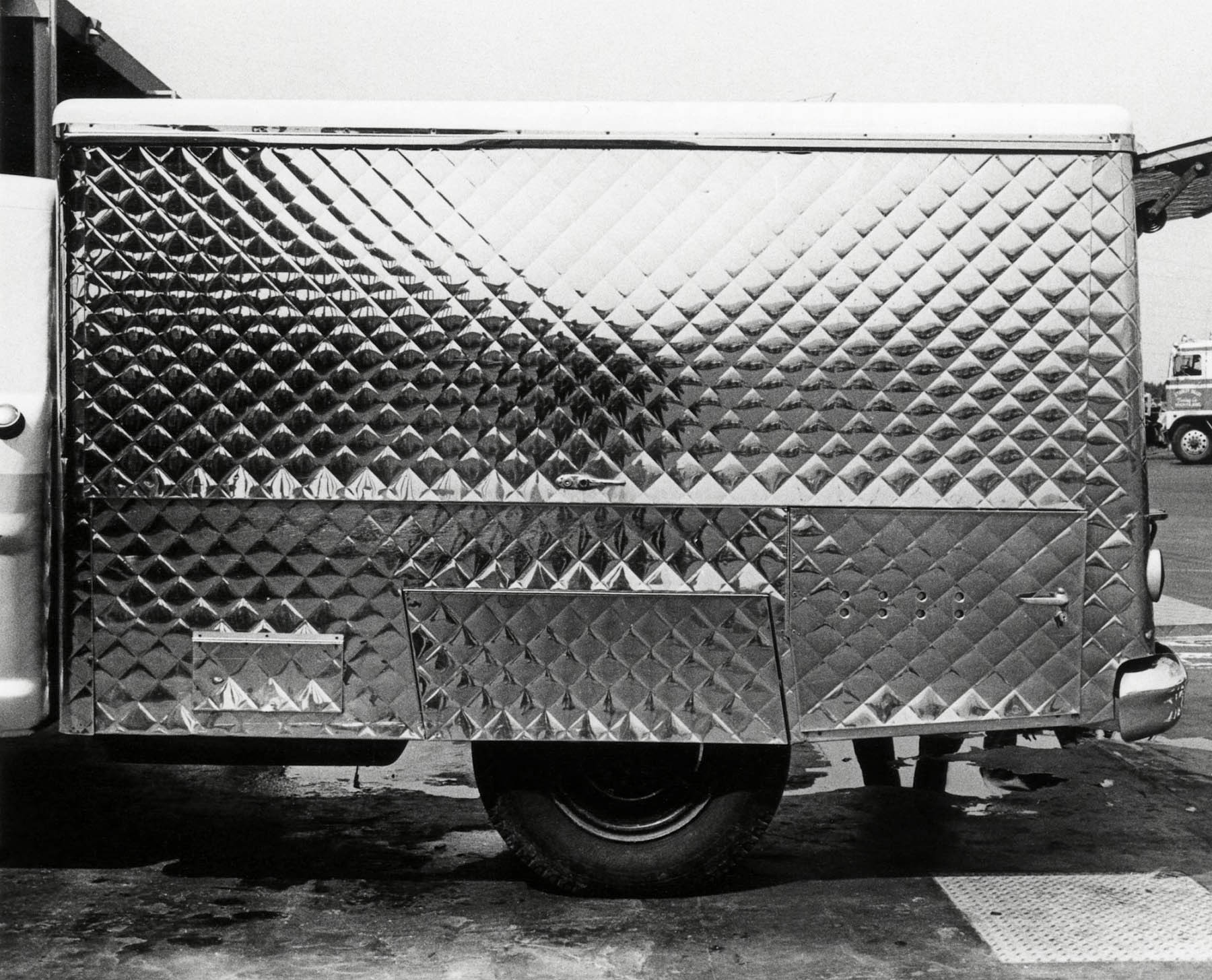
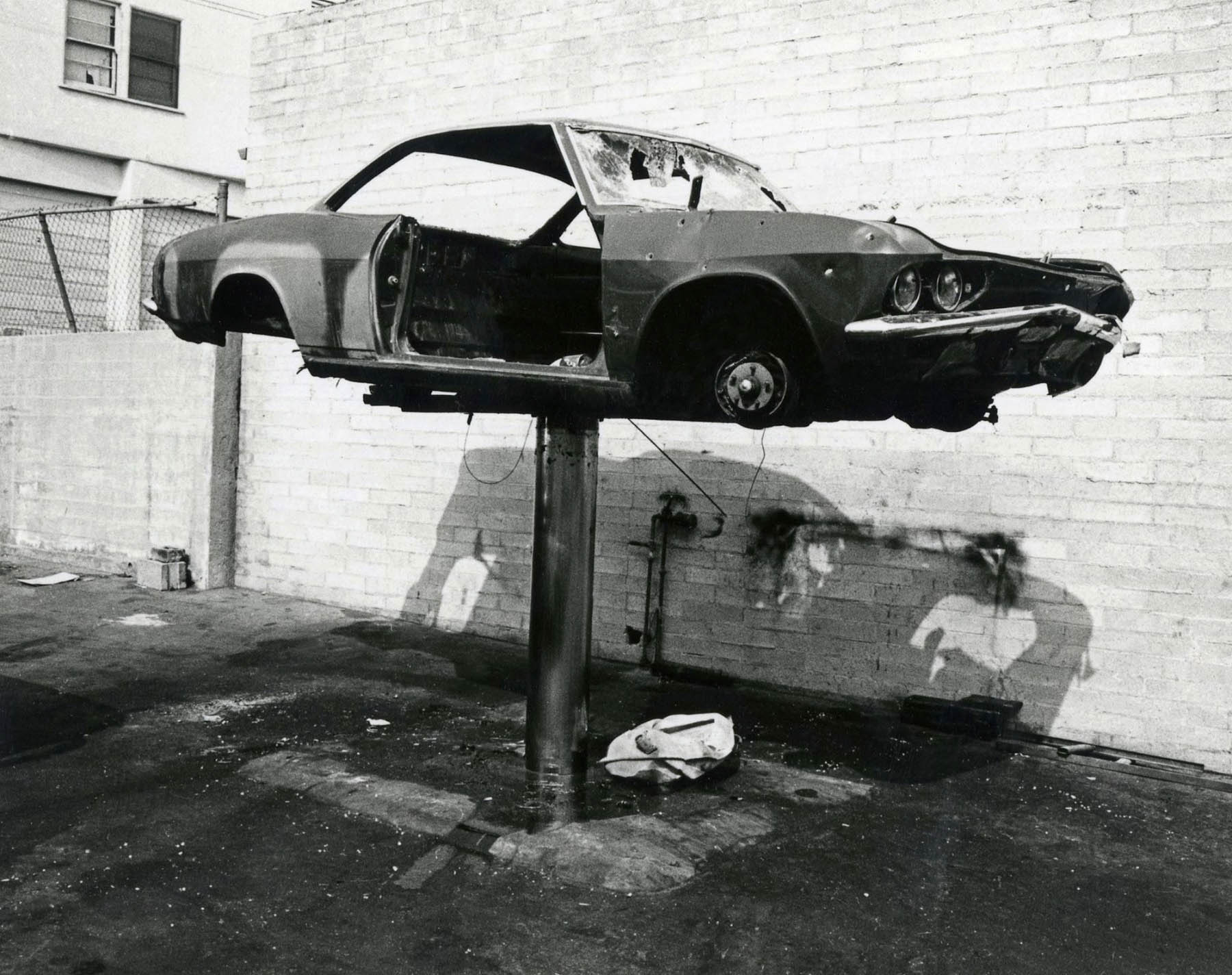
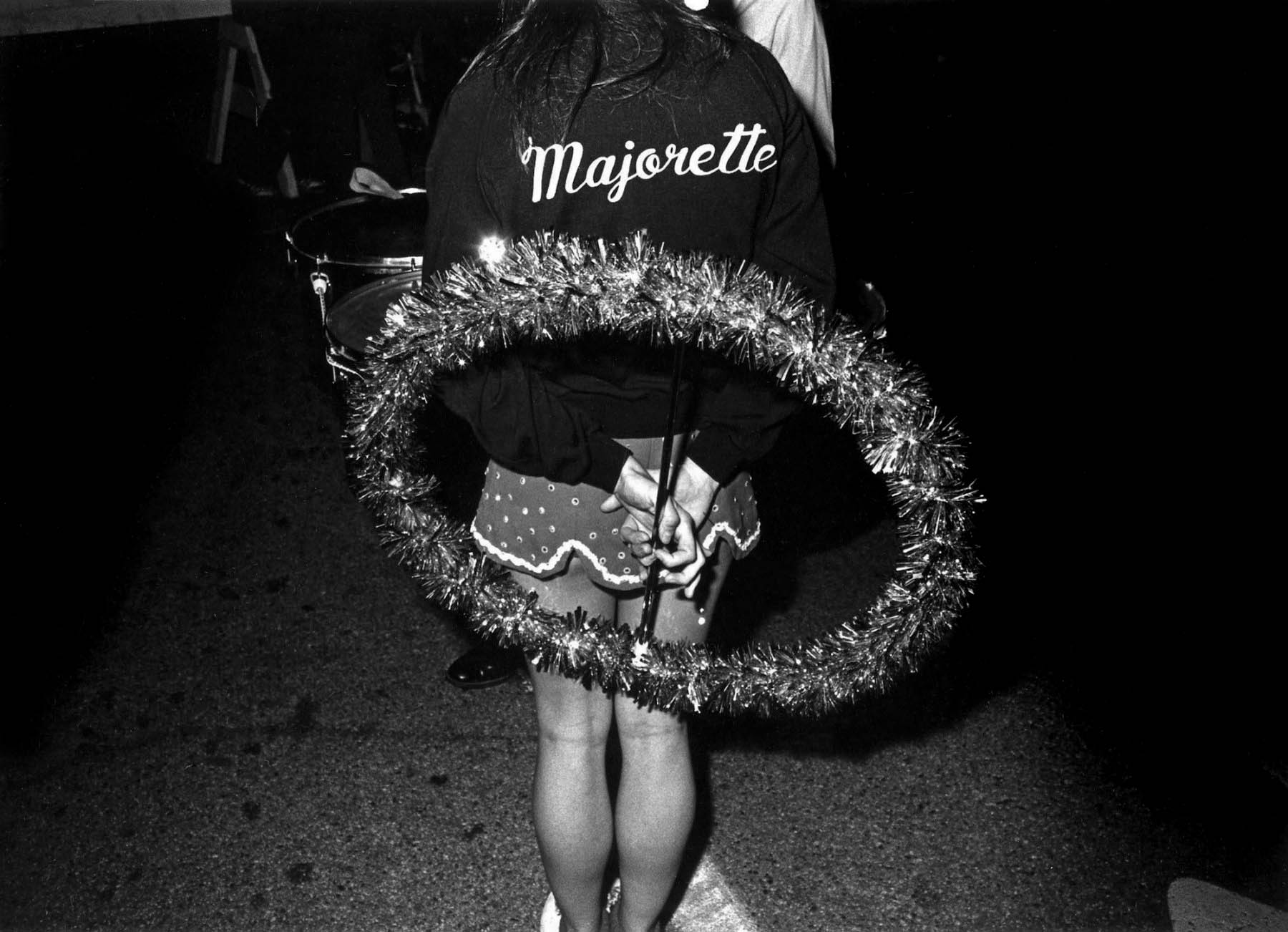
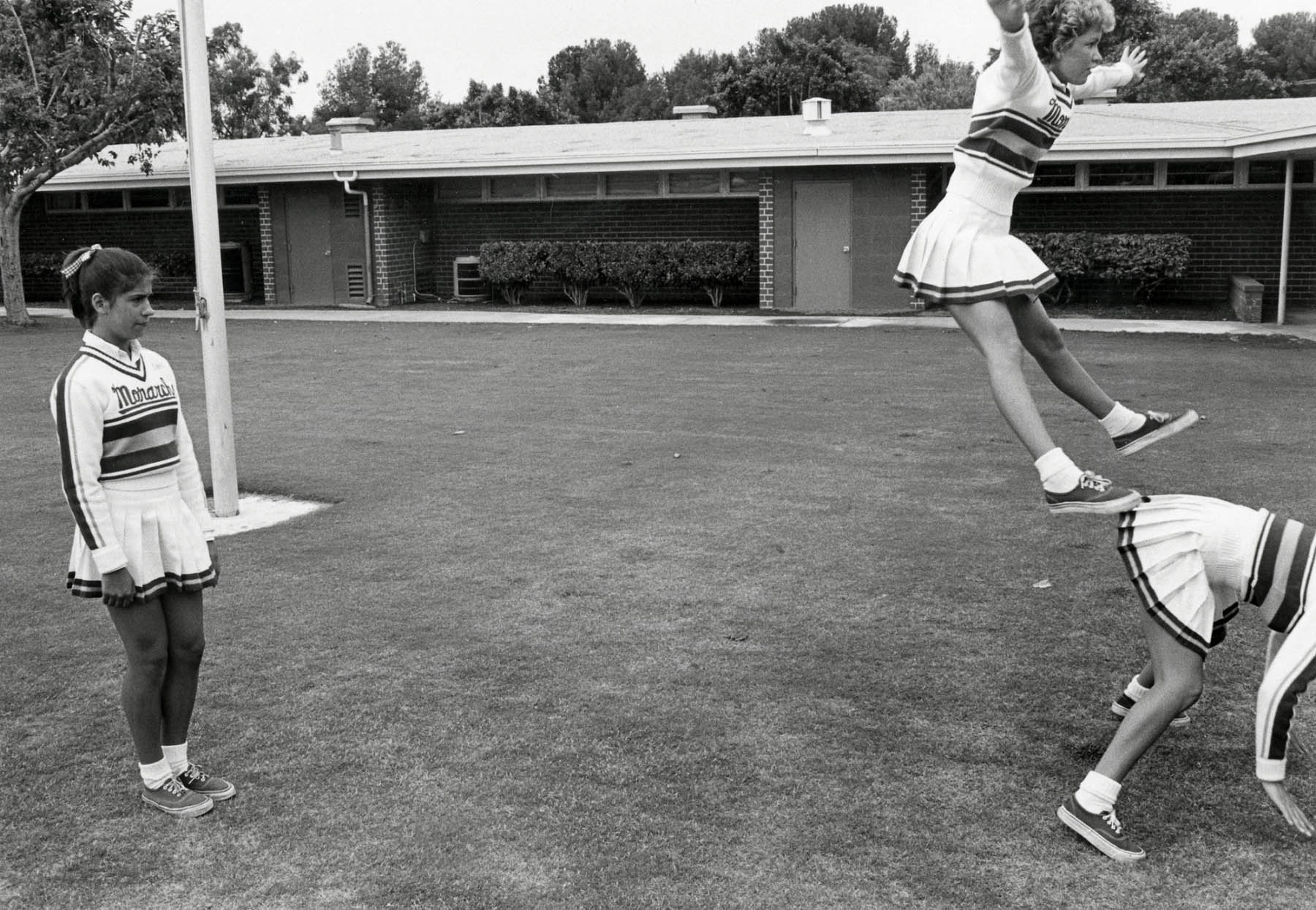

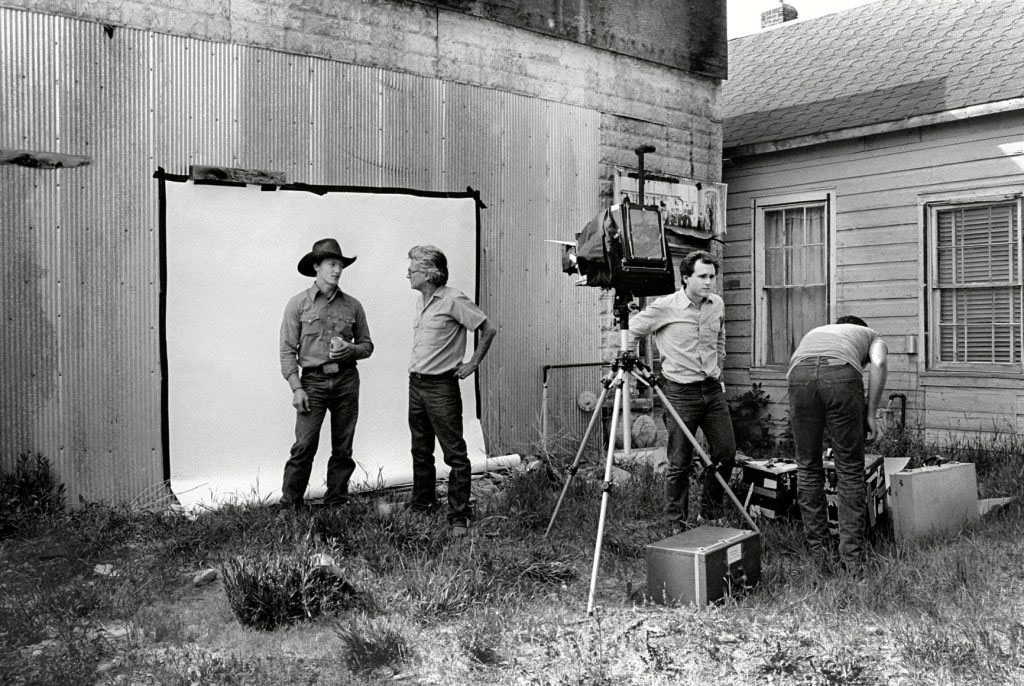
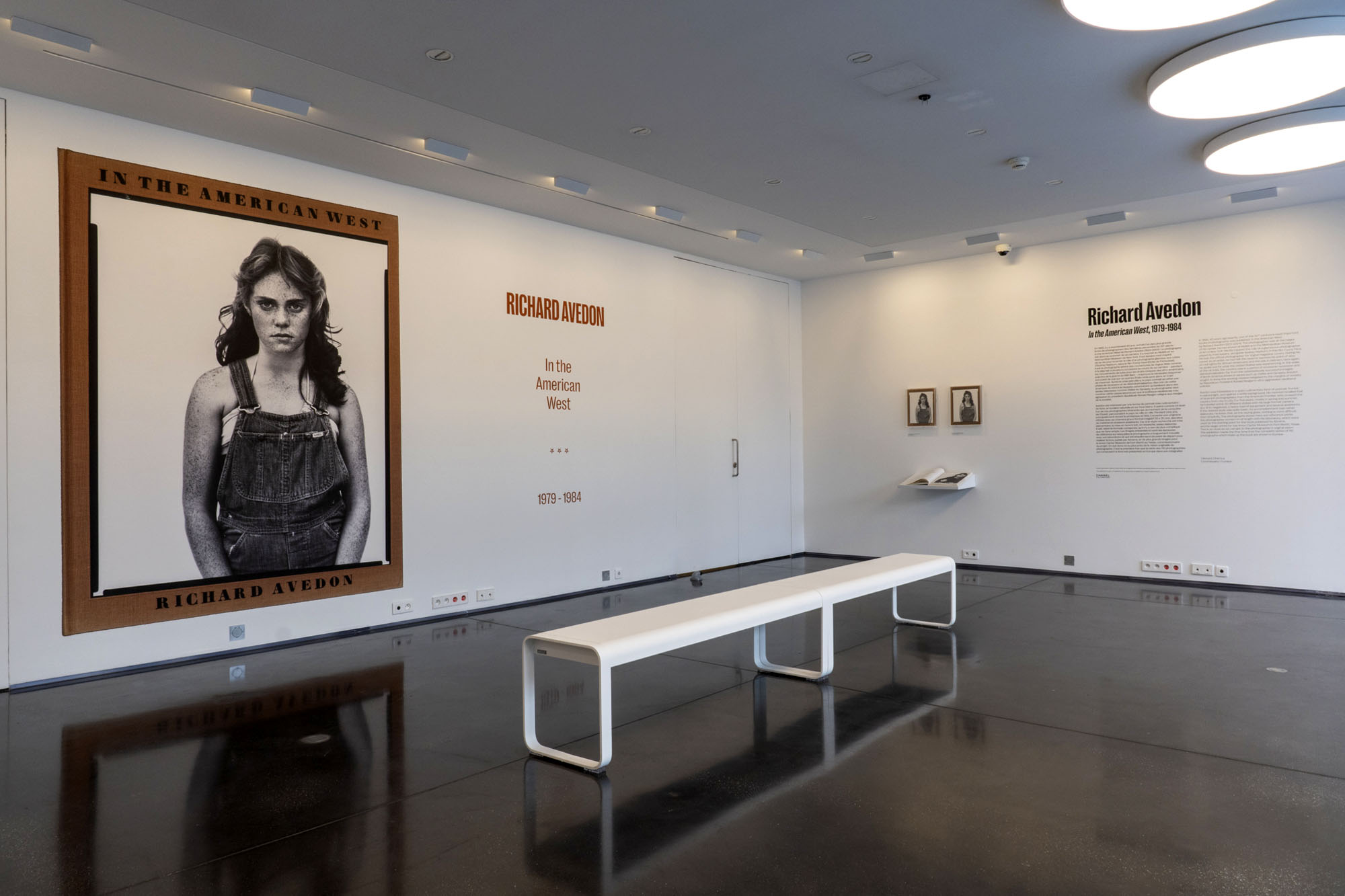
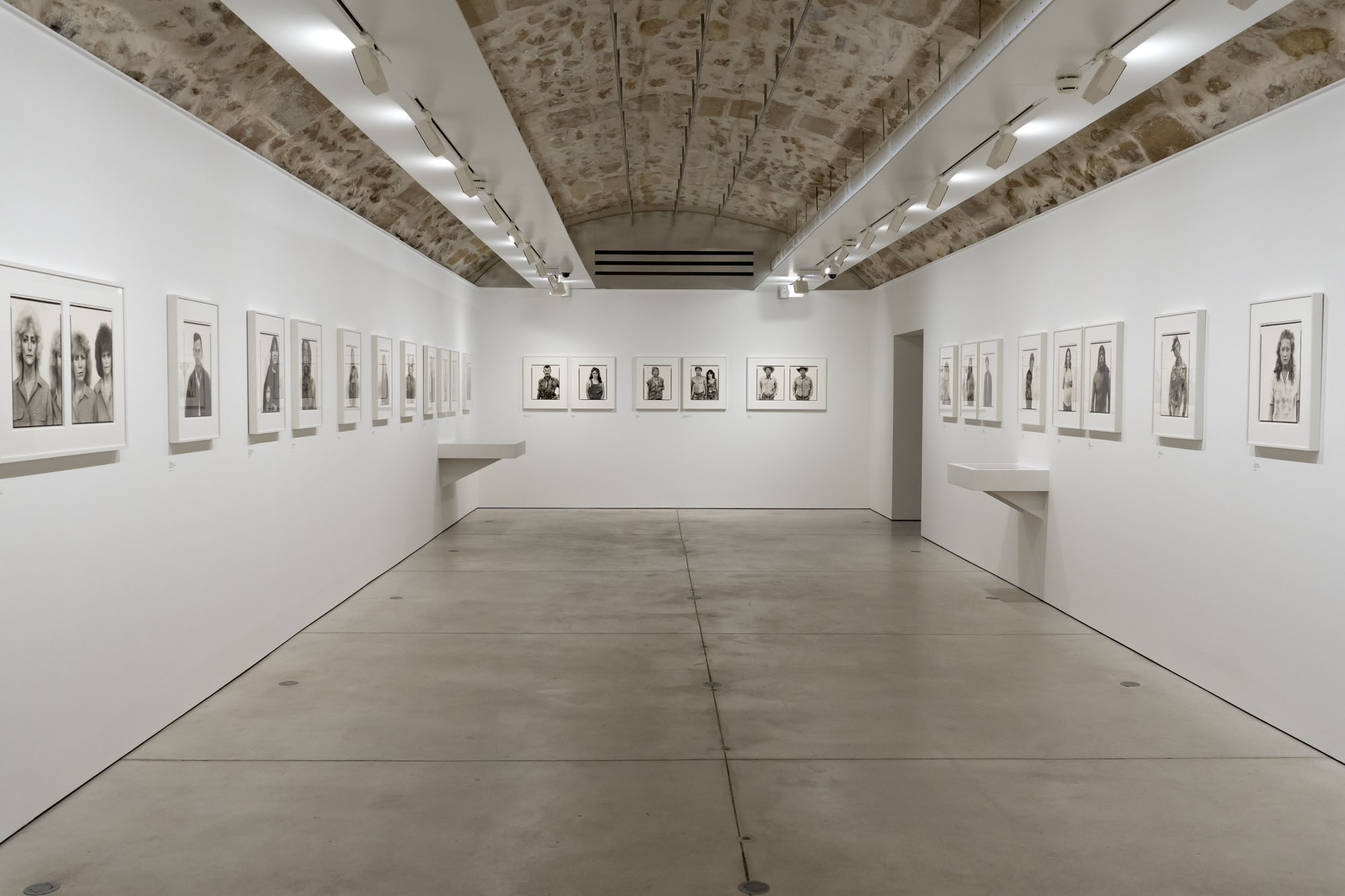
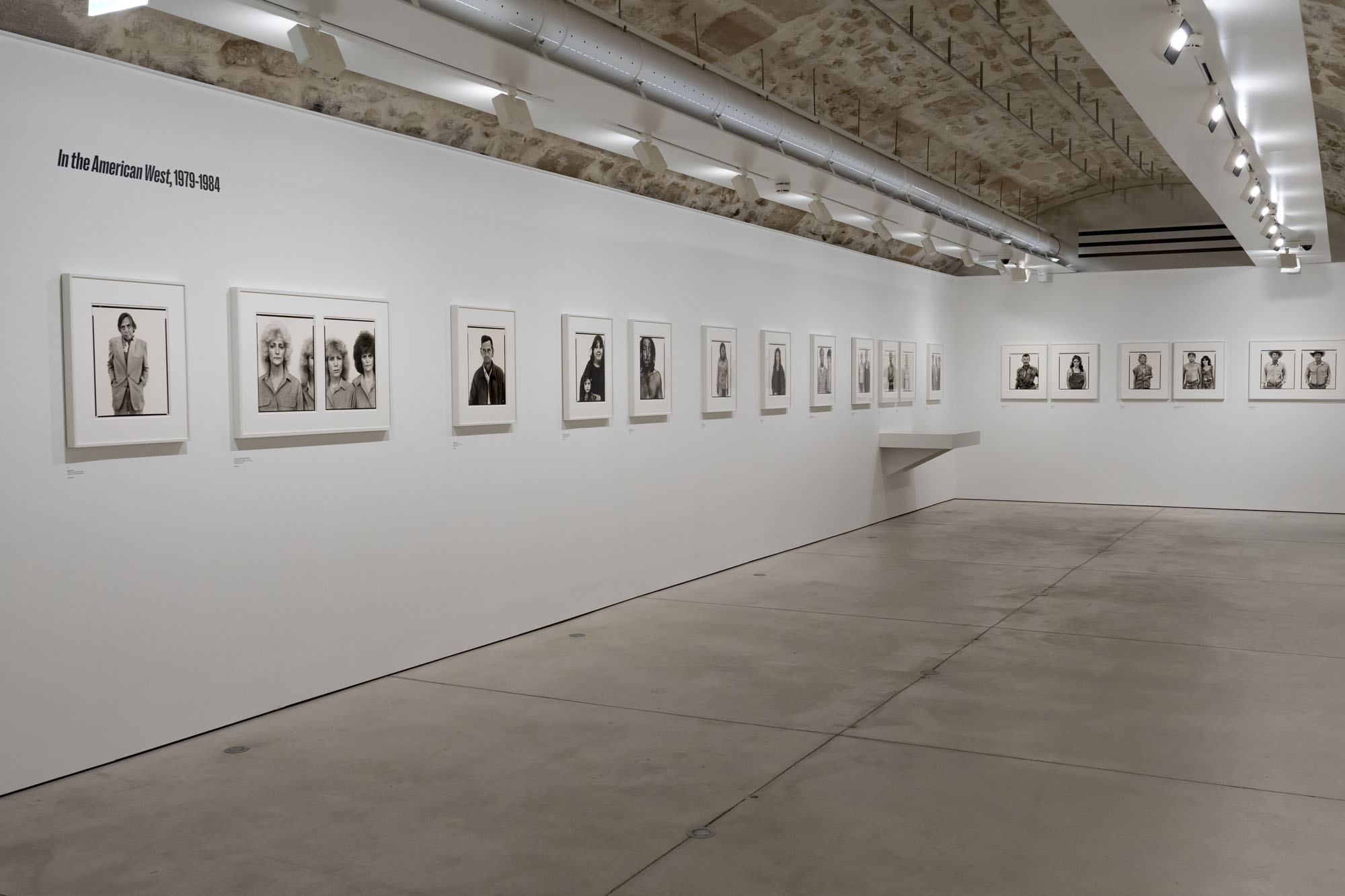
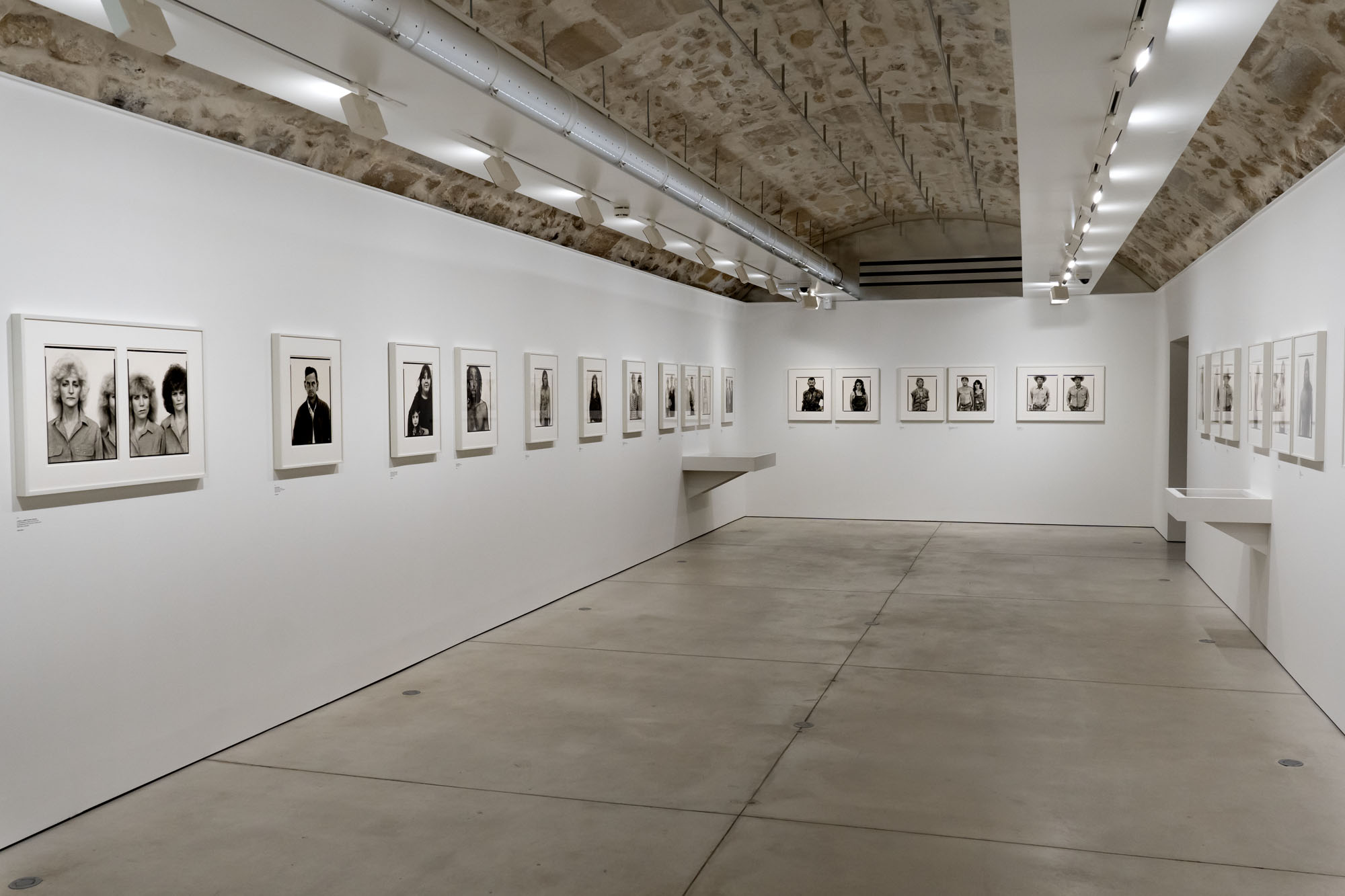

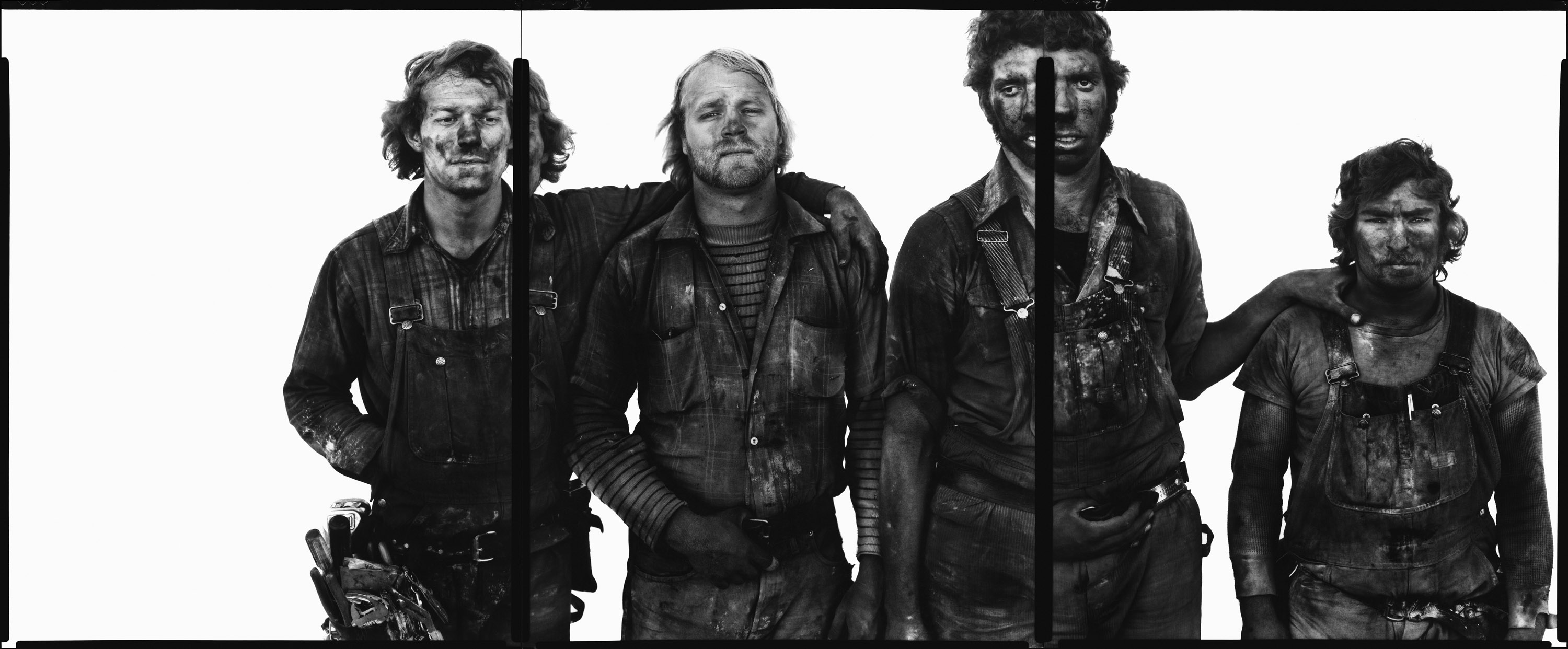


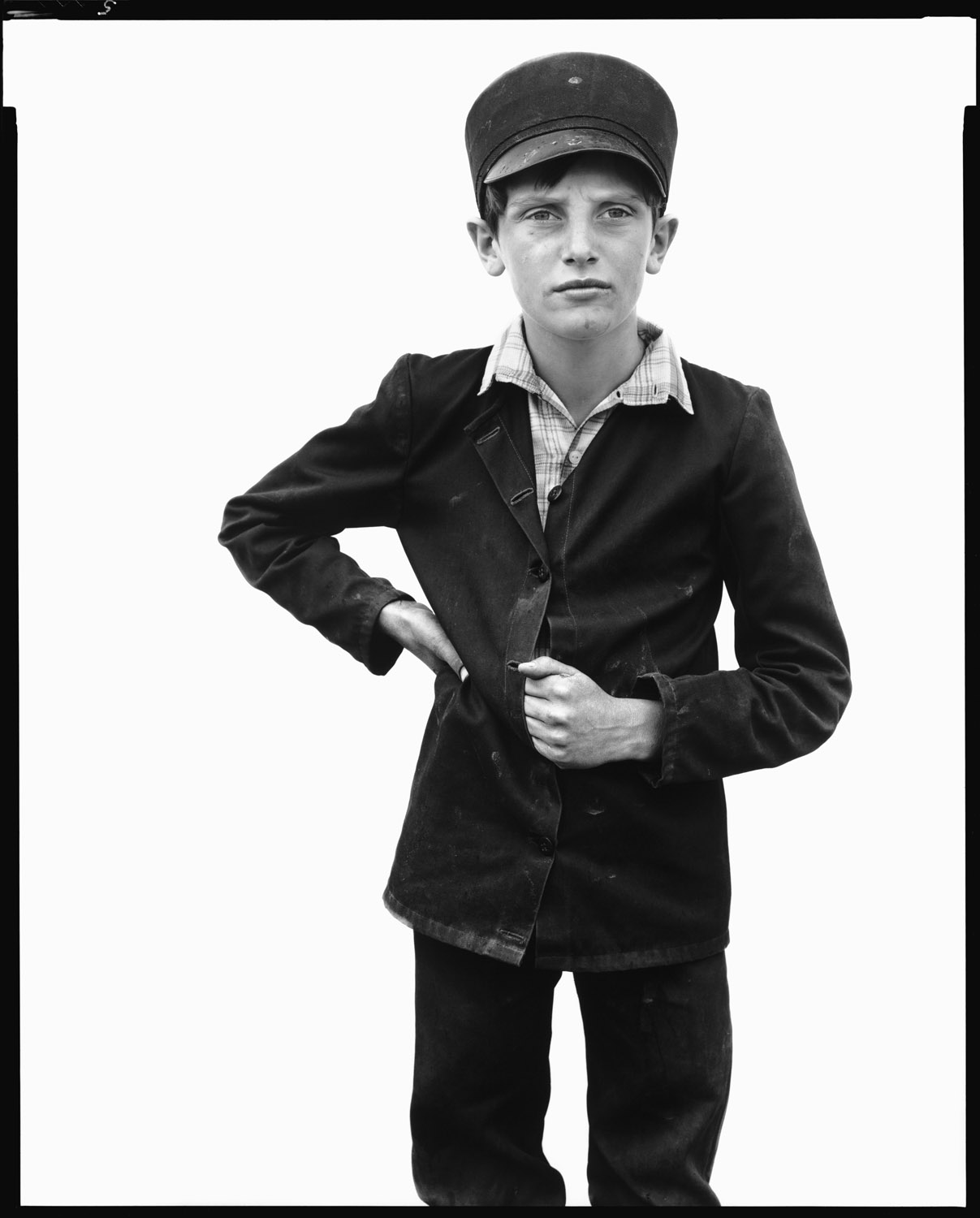
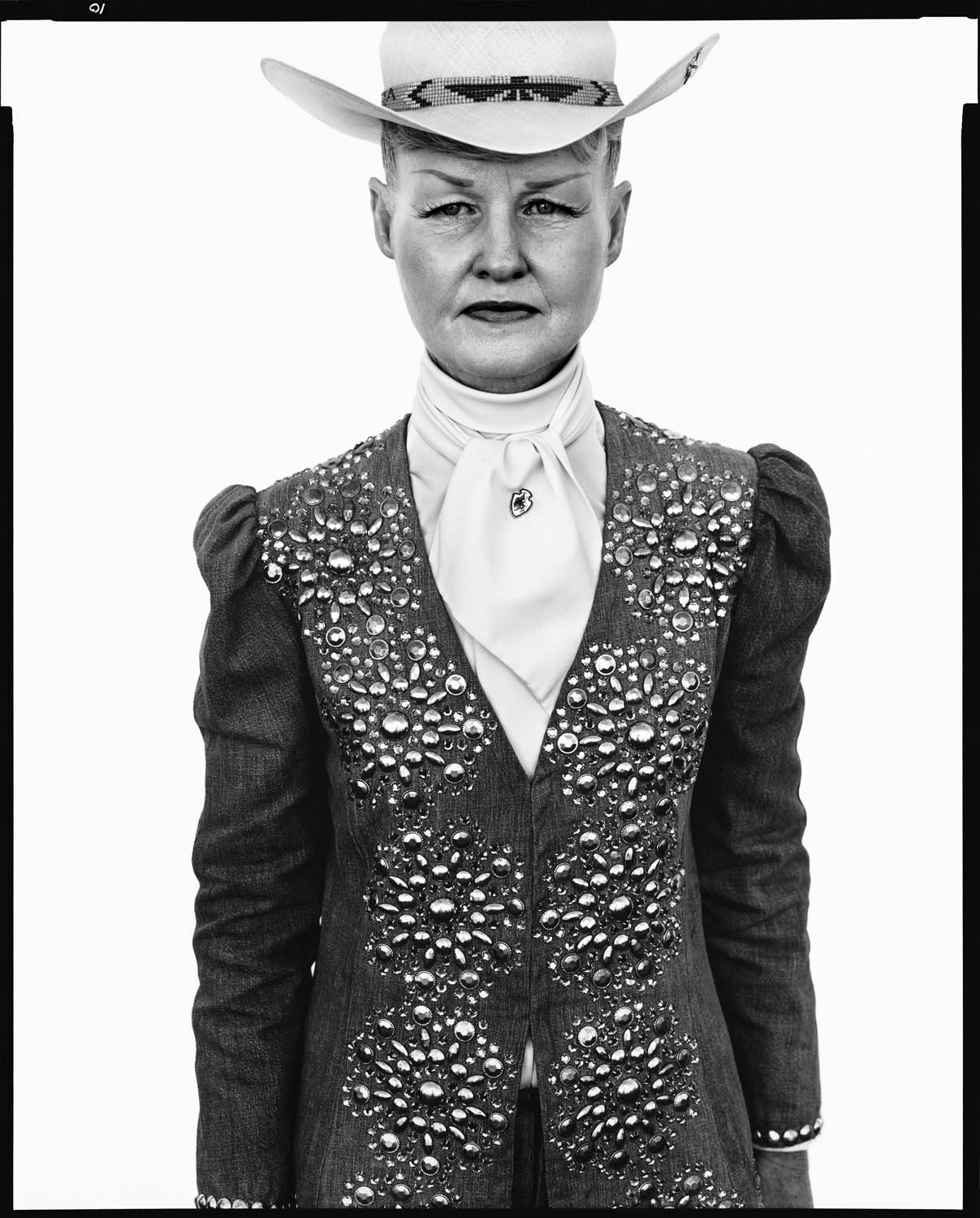
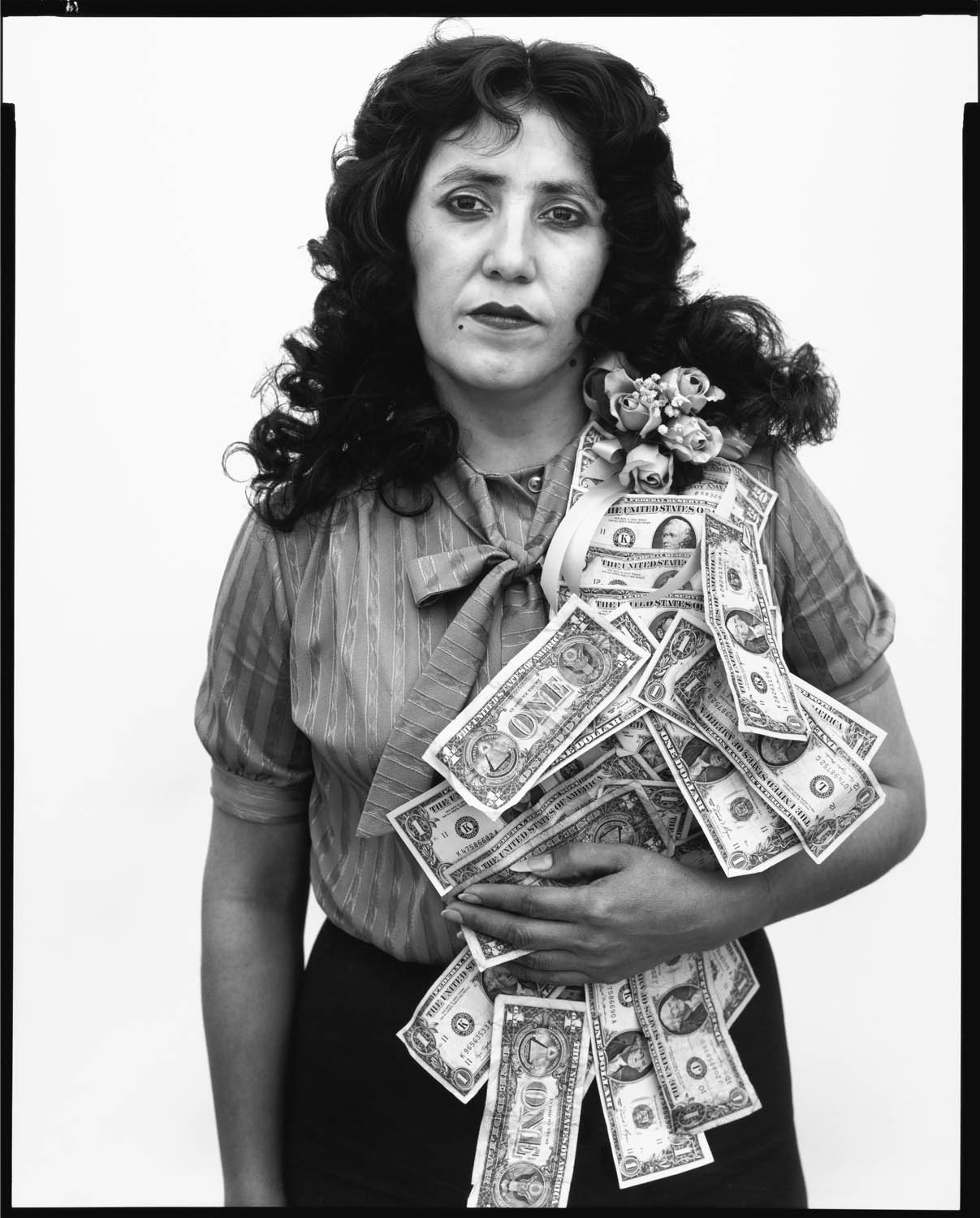


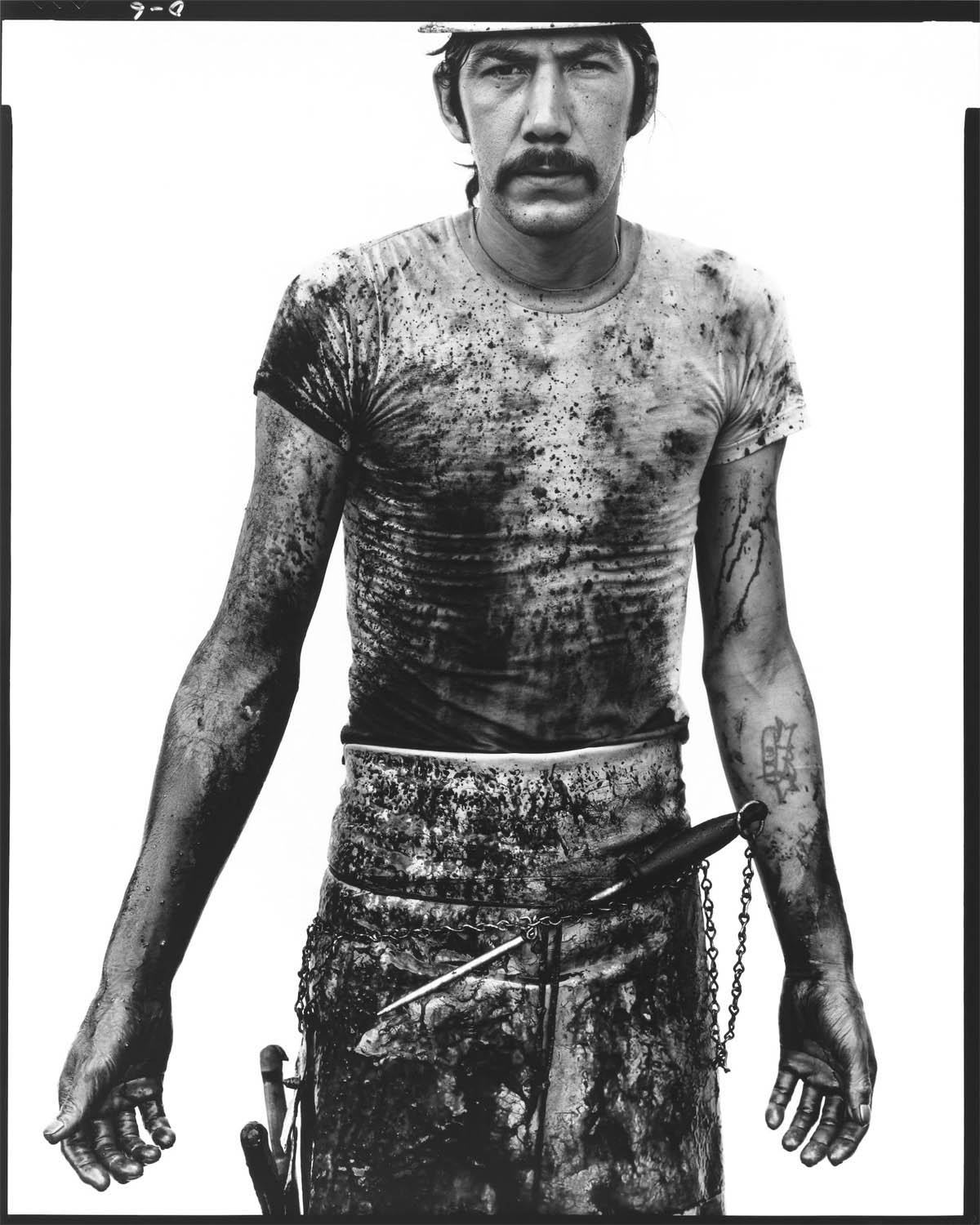

 Art Blart _ art and cultural memory archive
You must be logged in to post a comment.