Marcus Bunyan (Australian, b. 1958) Lake District, England 1994 Silver gelatin print
I finally got around to scanning some more of my black and white archive, this time from a trip to England in 1994. Beautiful, poignant and funny (people wearing their solidarity with people living with HIV/AIDS, with ribbons on their crotch), these images make me laugh and reflect at the same time. To all those that we have lost, we remember them.
Dr MarcusBunyan
I am scanning my negatives made during the years 1991-1997 to preserve them in the form of an online archive as a process of active memory, so that the images are not lost forever. These photographs were images of my life and imagination at the time of their making, the ideas I was thinking about and the people and things that surrounded me.
Photographs are available from this series for purchase. As a guide, a vintage 8″ x 10″ silver gelatin print costs $700 plus tracked and insured shipping. For more information please see my store web page.
Marcus Bunyan (Australian, b. 1958) Lake District, England 1994 Silver gelatin print
Marcus Bunyan (Australian, b. 1958) Lake District, England 1994 Silver gelatin print
Marcus Bunyan (Australian, b. 1958) Manchester Mardi Gras 1994 Silver gelatin print
Marcus Bunyan (Australian, b. 1958) Manchester Mardi Gras 1994 Silver gelatin print
Marcus Bunyan (Australian, b. 1958) Untitled 1994 Silver gelatin print
Marcus Bunyan (Australian, b. 1958) Lake District, England 1994 Silver gelatin print
Marcus Bunyan (Australian, b. 1958) Lake District, England 1994 Silver gelatin print
Marcus Bunyan (Australian, b. 1958) Untitled 1994 Silver gelatin print
Marcus Bunyan (Australian, b. 1958) Manchester Mardi Gras 1994 Silver gelatin print
Marcus Bunyan (Australian, b. 1958) Manchester Mardi Gras 1994 Silver gelatin print
Marcus Bunyan (Australian, b. 1958) Manchester Mardi Gras 1994 Silver gelatin print
Marcus Bunyan (Australian, b. 1958) Manchester Mardi Gras 1994 Silver gelatin print
Marcus Bunyan (Australian, b. 1958) Untitled 1994 Silver gelatin print
Marcus Bunyan (Australian, b. 1958) Manchester Mardi Gras 1994 Silver gelatin print
Marcus Bunyan (Australian, b. 1958) Untitled 1994 Silver gelatin print
Marcus Bunyan (Australian, b. 1958) Manchester Mardi Gras 1994 Silver gelatin print
Marcus Bunyan (Australian, b. 1958) Untitled 1994 Silver gelatin print
Marcus Bunyan (Australian, b. 1958) Lake District, England 1994 Silver gelatin print
Marcus Bunyan (Australian, b. 1958) Manchester Mardi Gras 1994 Silver gelatin print
Co-curators: Rock Hushka, Chief Curator, Tacoma Art Museum and Dr. Jonathan D. Katz
Living and breathing
This is the biggest exhibition on art relating to HIV/AIDS since the seminal exhibition Art in the Age of AIDSat the National Gallery of Australia, Canberra in 1995, which I was a part of.
I was lucky to survive the initial wave of HIV/AIDS infections. The Centers for Disease Control issued its first statement about a cluster of 19 cases of Kaposi’s sarcoma (a rare skin cancer most common in elderly men from southern Italy) and Pneumocystis carinii pneumonia in young, gay men in New York, Los Angeles, and San Francisco in July 1981… and I had my first HIV test in London in 1983. In those days, as the wall text from the exhibition spells out above, you had to wait 16 days to get the result of a blood test. I vividly remember sitting outside a doctor’s office knowing that when I went in, if he said yes you have it, it was a death sentence. In those early days, there was no treatment. You were going to die. I only survived by luck. Many of my friends and lovers didn’t.
“Art reflects and reacts to social, cultural, and political climates, and in the past 30 years, HIV and AIDS has been a constant presence,” says exhibition co-curator Rock Hushka. “So many of us recall friends, family, and partners we have lost and the terror of the early years of the crisis, while younger people are just learning this story. We seek to create a deeper understanding of the legacy of HIV / AIDS in contemporary American art, and encourage our visitors to see their experiences in these works.” (Press release)
This deep understanding can be supplemented by this posting. I spent many hours securing more images than were sent to me in the press pack, because I think it is really important to have as great a cross-section as possible of work online from this exhibition, as a record of this time and space in the ongoing HIV / AIDS story.
In terms of the art, I find the earlier narratives are much more powerful and focused than the contemporary work. One of the most moving of these, and one that I have never seen before, is Keith Haring’s Altar Piece (1990, cast 1996, below). Can you imagine being an artist, being Haring, working on the wax mould in hospital being treated for AIDS-related illness, thinking that this could possibly be the last art work that you would ever complete. That you would never see it produced. And then to make something that is so compassionate, so beautiful that it is almost beyond belief… my heart is full of admiration and, like the crowd in the triptych, I am washed with tears.
By comparison, some of the contemporary works seem to have become mere graphic symbolism (leaves, milk and flowers) rather than engaging activism. For example, Tino Rodriguez’s Eternal Lovers (2010, below) – while referencing his Mexican heritage through skull imagery from Dia de los Muertos, the Day of the Dead – is not about loss with presence but loss without presence: a febrile graphic activity that is pure decoration. Other works such as Derek Jackson’s Perfect Kiss (2007, below) or LADZ’s Eden #31 (2012, below) enact only the most tenuous link to HIV/AIDS and only when it is spelled out in text. Again, while not denying the pain of the death of her mother, her persecution when growing up or the problems with living with HIV, Kia Labeija’s 24 (Mourning Sickness; Kia and Mommy; In my room) (2014, below) propositions us with a women photographed in deadpan photography style as glamorous mother with vivid pink lipstick or a Beyonce music star in sequin dress and 6 inch heels. Only in the last photograph is there any hint of vulnerability and, funnily enough, it is the only photograph that I care about and engage with.
In all of these works the key word is enact, for these works are performances of gender and sexuality conceptualised for the viewer, where living with HIV/AIDS is shown to us at a distance. Instead of ACTing up, unleashing the power of the oppressed, artists are now acting out in this (supposed) post-death HIV/AIDS climate. Look at me, I can be whoever I want to be (and still have HIV). Nothing wrong with that I hear you say, and you would be completely right… if only the art commenting on this post-death resurrection of the author, was memorable.
While 1,218,400 persons aged 13 years and older are living with HIV infection in the USA and an estimated 47, 352 people were diagnosed with the disease in 2013, people are still dying by the thousands in America (an estimated 13,712 people died in 2012 of an AIDS related disease – source Centers for Disease Control and Prevention website).
This is not pretty pink lipstick and sequin dresses, this is 13 thousand people a year still DYING from this disease.
Just think about that for a while.
Dr Marcus Bunyan
Many thankx to the Tacoma Art Museum, Mark I. Chester and Steven Miller for allowing me to publish the photographs in the posting. Please click on the photographs for a larger version of the image.
ACT UP NY/Gran Fury (active New York, New York, 1987-1995) Let the Record Show… 1987/recreated 2015 Mixed media installation, dimensions variable Courtesy of Gran Fury and the New Museum, New York Photo courtesy of the artists
In 1987, the New Museum’s curator William Olander invited ACT UP (the AIDS Coalition to Unleash Power) to create a work about AIDS. ACT UP, a diverse, nonpartisan, grassroots organisation, responded with Let the Record Show… providing information about the crisis.
At the time, the only visual presence of AIDS activism was the Silence=Death stickers. Let the Record Show… recreated here in full for the first time, included an LED reader board with statistics about the unfolding medical and political crisis, the neon pink triangle with “Silence=Death,” a photomural from the Nuremberg trials, and photographs of contemporary public figures with their statements about AIDS.
Using the 1986 graphics from the Silence=Death Project, ACT UP appropriated the pink triangle from the badges assigned to gay prisoners in Nazi Germany during World War II. The artists combined this historic symbol of powerlessness along with the photomural of the Nuremberg courtroom to make an explicit comparison between the severity of the AIDS crisis and government inaction and the Holocaust.
The complicated installation asked whether simple silence in a crisis is as culpable as actively encouraging one. The anonymous collective Gran Fury formed as a committee of ACT UP, as a result of Olander’s invitation. Gran Fury continued to make provocative and important works about the AIDS crisis.
For the installation of Let the Record Show… at the New Museum, quotes were cast in concrete under the photograph of the irresponsible speaker:
“The logical outcome of testing is a quarantine of those infected.” Jesse Helms, U.S. Senator
“It is patriotic to have the AIDS test and be negative.” Cory Servass, Presidential AIDS Commission
“We used to hate faggots on an emotional basis. Now we have a good reason.” Anonymous Surgeon
“AIDS is God’s judgment of a society that does not live by His rules.” Jerry Falwell, Televangelist
“Everyone detected with AIDS should be tattooed in the upper forearm to protect common needle users, and on the buttocks to prevent the victimization of other homosexuals.” William F. Buckley, Columnist
” …” Ronald Reagan, President of the United States
ACT UP NY/Gran Fury (active New York, New York, 1987-1995) Let the Record Show… (detail) 1987/recreated 2015 Mixed media installation, dimensions variable Courtesy of Gran Fury and the New Museum, New York Photo courtesy of the artists
Carrie Yamaoka (American, born Glen Cove, New York, 1957) Steal This Book #2 1991 Unique chemically altered gelatin silver print Courtesy of the artist
Carrie Yamaoka takes inspiration from Abbie Hoffman’s iconic Steal This Book, a counterculture manual for social revolution. By photographing a page spread and then obliterating all of the words except “slaughter” and “history,” Yamaoka rejects any passive understanding of history. As an activist and artist, Yamaoka will use any means necessary to affect change. Steal This Book #2 may be considered as referring to Yamaoka’s experience as an AIDS activist and her desire to reshape our understanding of our relations with HIV.
Jerome Caja (American, 1958-1995) Bozo Fucks Death 1988 Nail polish on plastic tray Collection of Ed Frank and Sarah Ratchye
One of Jerome Caja’s alter egos was the clown Bozo. Here Caja aggressively turns the tables on death and seeks to gain some control and power over the inevitable, even if only a transgressive, psychological fantasy.
Working with collaborator Professor Silvio Barandun, Niki de Saint Phalle wrote and illustrated AIDS: You Can’t Catch It Holding Hands for young adults. Using her characteristically colourful and joyous style, de Saint Phalle offers unusually straightforward information about the transmission of HIV from unprotected sex and unclean needles in intravenous drug use. She also uses the same frank approach to assuring her readers that casual contact from flowers, doorknobs, and toilet seats does not transmit AIDS, notions that were not widely understood in the early years of the AIDS crisis.
Jenny Holzer (American, born Gallipolis, Ohio, 1950) Untitled (In a Dream You Saw a Way To Survive and You Were Full of Joy) 1983-1985 Packaged latex condoms with printed text, each is 2 x 2 inches Mildred Lane Kemper Art Museum, Washington University in St. Louis, Anonymous gift, 2001
Jenny Holzer (American, born Gallipolis, Ohio, 1950) Untitled (Expiring for Love Is Beautiful but Stupid) 1983-1985 Packaged latex condoms with printed text, each is 2 x 2 inches Mildred Lane Kemper Art Museum, Washington University in St. Louis, Anonymous gift, 2001
Art AIDS America aims to abolish the silence about the pervasive presence of HIV / AIDS in American art and open meaningful and respectful dialogues about our experiences with the ongoing epidemic. For too long, we have considered art about AIDS as a tragic, closed chapter in the history of American art. This exhibition demonstrates the deep and continued impact of the AIDS crisis on American art from the early 1980s and continuing to today.
For more than thirty years, artists have actively responded with exquisite sensitivity to HIV / AIDS. They have adopted a broad spectrum of styles and messages from politically activist to quietly mournful art that nonetheless thrums with political content. Through poignant portraits, some artists brought much needed attention to personal suffering and loss from the AIDS crisis. Others employed abstraction and coded imagery to reveal the social and political factors that exacerbated the spread of HIV / AIDS. Artists also widely appropriated various art historical traditions to speak about the devastating impact of the epidemic. Art AIDS America offers an overview of how these various approaches redirected the course of American art from postmodern “art for art’s sake” formulas to art practice that highlights the personal experience and expertise of the artist.
Since the first reports of mysterious illnesses in the early 1980s, HIV and AIDS have touched nearly every American in some way, and operated as an undeniable (though often unacknowledged) force in shaping politics, medicine, and culture. Art AIDS America presents the full spectrum of artistic responses to AIDS, from the politically outspoken to the quietly mournful. HIV and AIDS are not just past-tense problems. As we persist in the struggle with HIV/AIDS, these artworks remind us of humanity’s resilience, responsibility, and history. The legacy of the AIDS crisis and our new relationships with the virus continue to inform contemporary art and American culture.
Text from the Tacoma Art Museum website
Keith Haring (American, 1958-1990) Apocalypse I 1988 From the series Apocalypse, 1988 Silkscreen, Edition of 90 Courtesy of the Keith Haring Foundation
In their first collaboration, Keith Haring illustrated William S. Burroughs’ dystopic poem Apocalypse by mixing references to advertising, art history, and Catholic theology. Haring included his “devil sperm,” the black, horned symbol he created to give shape to HIV and its reign of death and terror.
Burroughs introduced the chaos unfolding:
“The final Apocalypse is when every man sees what he sees, feels what he feels, and hears what he hears. The creatures of all your dreams and nightmares are right here, right now, solid as they ever were or ever will be, electric vitality of careening subways faster faster faster stations flash by in a blur.”
Keith Haring (American, 1958-1990) Apocalypse III 1988 From the series Apocalypse, 1988 Silkscreen, Edition of 90 Courtesy of the Keith Haring Foundation
Grassroots Activism
Artists provided the early warnings of the AIDS crisis with their artworks deployed at the street level. Posters, stickers, T-shirts and other projects made it impossible to ignore messages about AIDS. These activist artists were informed by earlier precedents of feminist art and artists working on issues of identity politics. Communities coalesced around the calls to action.
The most prominent group to address the AIDS crisis was the anonymous artist collective Gran Fury in New York, a committee of ACT UP (the AIDS Coalition to Unleash Power). The collective used techniques and ideas from advertising, marketing, and the art world to raise awareness and affect political change. Their bold graphic style and refined text continues to influence politically-themed art.
Gran Fury and other activists changed how Americans thought about AIDS. The political and social pressure instigated by their actions and artworks played important roles in changing the approval process for AIDS drugs and treatment protocols. Women’s health issues were brought to the forefront. As a result, American society positively changed their opinions about HIV / AIDS when they had correct information.
Memento Mori
The AIDS crisis compelled contemporary American artists to address death with urgency. Artists witnessed a plague sweep through their communities and wipe out their friends, colleagues, and lovers. They used art to express their rage and terror when AIDS had no effective treatment. Their artwork provided a vitally important way to mourn their losses and share their sorrow.
Artists looked back to European and American artistic traditions of memento mori, Latin for “Remember that you must die,” to share their experiences, feelings, and stories. They adapted symbols like skulls and flowers to depict the fragility and fleeting nature of life.
Artists in this section shifted the intent of memento mori away from concepts of death and the afterlife. They refocused on the preciousness and precariousness of life, without forgetting the political and social realities behind the massive wave of death. Nayland Blake’s clock marks the passing of so many individuals with a call to action. David Wojnarowicz rages against the senseless death of Peter Hujar. Bill Jacobson and Karen Finley give form to the fragility of memory. Latino folk traditions connect the living and the dead in the paintings of Tino Rodriguez and Thomas Woodruff.
Poetic Postmodernism
In the early 1980s, American art was dominated by a new, postmodern theory. It held that meaning belongs not to the artist who made the work but to their audiences who interpret the works. Called “the death of the author,” the theory was named after a 1967 essay by the French postmodernist thinker Roland Barthes.
As AIDS actually caused the death of thousands of authors and artists by the late 1980s, this metaphor became a terrifying reality. At the same time, a powerful Christian conservative movement aggressively politicised AIDS. Using homophobia and fear of the disease, these politicians passed Federal laws that made it illegal to “promote, encourage, or condone homosexual sexual activities or the intravenous use of illegal drugs” in an AIDS awareness and education bill.
The ramifications for artists and art exhibitions were equally prohibitive. Federal laws were passed that made it impossible for museums to receive government support if an exhibition included obscene content, which was understood to mean gay themes among others, including AIDS-specific art. In this climate, artists knew that overt political content would result in censorship. So they developed a new way to smuggle political meaning into art.
In his research for Art AIDS America, Jonathan David Katz named this new approach “poetic postmodernism.” Artists used the postmodern theory “death of the author” to camouflage their own personal, expressive meanings. Many of the works in this exhibition have the same title format, the word “untitled” followed by a more specific description in parentheses such as in “Untitled” (Water), Untitled (Hujar Dead), or Untitled (Corrupt HIV Activism). The first term, “untitled,” signals the prevailing postmodernist idea that all meanings come from the audience. But the phrase inside the parentheses reveals clues to the artist’s associations and intentions. Because recognition of AIDS content was a product of the viewer’s thought and not the artist’s explicit claim, such works could be shown in museums without fear of being censored under the new laws.
Andres Serrano (American, b. 1950) Milk/Blood 1989, printed 2015 Chromogenic colour print Exhibition print Courtesy of the artist
Milk/Blood recall the pure, flat colour of hard edged abstract painters such as Ellsworth Kelly. But the simple saturated colour fields in Serrano’s photograph bear the evocative title Milk / Blood, the two main body fluids that transmit HIV. Serrano appropriates the formal language of modernism for political purposes, a means of potentially slipping AIDS consciousness into a museum context without fear of exclusion or censure. As with HIV infection itself, the photograph underscores how our key sense, vision, is unreliable in the face of AIDS.
Andres Serrano (American, b. 1950) Blood and Semen III 1990 Chromogenic colour print, edition 1 of 4 40 × 60 inches Courtesy of the artist Photo courtesy of the artist
Like his Milk/Blood in this exhibition, Blood and Semen III also appears to be a rigorously formal composition, this time evoking the gestural appearance of an abstract expressionist painting. Again, the title references two body fluids that transmit HIV. As examples of poetic postmodernism, Serrano activates meaning in Blood and Semen III and Milk / Blood using formal arrangements and references to earlier artistic styles to inform his photographs with personal and potentially political content.
After an extensive period working in Europe memorialising the Holocaust, Shimon Attie returned to San Francisco in 1996 and began his series Untitled Memory. Attie projected old photographs of his friends and lovers onto places with special meaning to him, including this room of a former apartment. His photographs of these projections became personal studies of loss and melancholy.
David Wojnarowicz (American, 1954-1992) Untitled (Hujar Dead) 1988-89 Black and white photograph, acrylic, text and collage on Massonite Collect of Steven Johnson and Walter Sudol Courtesy Second Ward Foundation
Wojnarowicz was briefly lovers with and then became a close friend of the famous photographer Peter Hujar, who died of AIDS-related causes in 1987. Untitled (Hujar Dead) incorporates still images from a film by Wojnarowicz of Hujar’s lifeless body on his hospital bed. Wojnarowicz then overprinted the text of one of his famous “rants.” In these politically-charged performances and texts, he laid blame for the AIDS crisis squarely on the conservative right-wing demagogues who politicised the disease and continually spewed homophobic rhetoric which only exacerbated the crisis.
Tino Rodriguez (Mexican-American born Guadalajara, Mexico, b. 1965) Eternal Lovers 2010 Oil on wood Private collection
Tino Rodriguez (Mexican-American, born Guadalajara, Mexico, b. 1965) Eternal Lovers (detail) 2010 Oil on wood Private collection
Tino Rodriguez’s Eternal Lovers incorporates aspects of his Mexican heritage, and especially the tradition of skull imagery from Dia de los Muertos, the Day of the Dead. This family-oriented celebration of ancestors brings the living and dead into affectionate proximity. Rodriguez here exuberantly conflates familiar American oppositions such as death and life, growth and decay, and even good and evil. Inherently androgynous, the gender of the skulls remains unknown as does their cause of death. But as in the Dia de los Muertos celebration itself, Rodriguez’s image supplants horror with humour and loss with presence, offering the triumph of love and memory over death in the age of AIDS.
David Wojnarowicz (American, 1954-1992) Untitled (Buffalo) 1988-1989 Vintage gelatin silver print, signed on verso Collection of Michael Sodomick
For Untitled (Buffalo), David Wojnarowicz simply photographed a diorama in a museum in Washington, DC. This image of buffalo being herded off a cliff served as a chilling metaphor of the politics of AIDS in the US in the late 1980s. Rather than an illustration of traditional Native American hunting techniques, Wojnarowicz eloquently expressed his rage, desperation, and helplessness through the great symbol of American identity. His shifting and layering of meaning onto this symbol is a classic example of poetic postmodernism.
One example of how artists hid their message is David Wojnarowicz’s Untitled (Buffalo). It’s a diorama of a buffalo fall, a traditional method of harvesting large numbers of buffalo by chasing herds off cliffs. The buffalo are made from plastic. Wojnarowicz photographed the diorama and cropped it. “This is appropriation,” Hushka said. “He used it as this extraordinarily eloquent cry about the state of American politics at the time.” Katz added, “It’s telling that even an artist of Wojnarowicz’s activist fervour engaged in a metaphor that only cohered in the mind’s eye. You needed to be attentive to what it might be saying to read it. There’s nothing specifically AIDS about it.”
Spiritual Forces
Because of the overwhelming number of deaths, the unspeakable losses, and the constant presence of disease, it should not be surprising that artists also turned to issues of spirituality. Yet, the art history of AIDS often neglects this important aspect. Across the United States, faith communities tended to the spiritual needs of people with AIDS and provided critical services for them. These communities continue to support people living with HIV.
The AIDS crisis exposed deep division within many spiritual traditions. Artists such as Jerome Caja, Robert Gober, and Barbara Kruger expressed discomfort and displeasure in how some religious ideologies oppressed gays and lesbians and worsened the AIDS crisis. Others made inspiring works within long-established traditions like Keith Haring’s altar piece. In other artworks, artists created symbols for the dignity of people suffering from AIDS, ranging from Christian saints and Biblical texts to imagery inspired by Buddhism and healing traditions from India.
This altar piece by Keith Haring is the last work the artist completed. He worked on the wax mould while he was hospitalised for AIDS-related illnesses. The triptych format echoes traditional Roman Catholic altar pieces. The image of the crying mother holding an infant speaks to the inconsolable losses from AIDS. The mother’s tears fall on the crowds, seeking solace and mercy from the AIDS epidemic.
Barbara Kruger (American, born Newark, New Jersey, 1945) Untitled (It’s our pleasure to disgust you) 1991 Photographic silkscreen on vinyl The Museum of Contemporary Art, Los Angeles, Gift of Eric and Nannette Brill
Despite provocative imagery and text, Barbara Kruger intends no specific meaning to her artworks. Rather, Kruger wants to demonstrate how the reader generates meaning each time the text is read. She activates ambiguity and political charge with the phrase “It’s our pleasure to disgust you.” Kruger underscores the gulf between and image and its possible meanings, an issue brought into high relief in the culture wars promoted by religious conservatives, during the period when this work was made.
The work may be interpreted as evidence that artists like Kruger were deliberately insensitive to cultural norms. Alternatively, it could be read as proof that artworks were deliberately manipulated for political purpose by others. Because AIDS was framed in political terms from its earliest moment, Kruger’s Untitled (It’s our pleasure to disgust you) reflects the complexity and deliberate uses of language about AIDS.
Robert Gober (American, born Wallingford, Connecticut, 1954) Drains 1990 Cast pewter Edition of 8, with 2 artist’s proofs, artist’s proof 1 of 2 Collection of the artist
Robert Gober’s Drains is meticulously handcrafted to resemble a mass-produced consumer good. Because we think about drains primarily as a tool to remove waste often associated with personal hygiene and cleaning, connections to HIV/AIDS are obvious. By placing the sculpture in an unexpected position on a gallery wall, Gober seeks to generate unanswerable, metaphorical questions about the functions of a drain and the unknown space behind it. The cruciform shape at the back of the drain recalls his childhood and his complicated relationship with Catholicism.
Izhar Patkin (American born Israel, b. 1955) Unveiling of a Modern Chastity 1981 Rubber paste, latex theatrical wounds, and printing ink on a stretched linen canvas Courtesy of the artist
Izhar Patkin painted Unveiling of a Modern Chastity one year before there was any public announcement about a new disease striking formerly healthy young men. This is the earliest work in the exhibition, and, in retrospect, one of the earliest AIDS paintings ever. Troubled by the sight of a group of such young men with similar dark purple skin lesions waiting in his dermatologist’s office, he presciently titled the work to reflect what he felt might be a forthcoming change in sexual culture. The painting’s skin-like surface erupts in what looks like Kaposi’s sarcoma lesions.
Patkin’s heavily textured surface and use of artificial wounds was his effort to destroy minimalism and other traditions of pure abstraction. He wanted to expose the inability of modernist art to contain pressing social and contextual significance.
DID YOU KNOW? The Centers for Disease Control issued its first statement about a cluster of 19 cases of Kaposi’s sarcoma (a rare skin cancer most common in elderly men from southern Italy) and Pneumocystis carinii pneumonia in young, gay men in New York, Los Angeles, and San Francisco in July 1981.
Albert J. Winn (American, 1947-2014) Akedah 1995 Gelatin silver print 171/2 × 21 3/4 inches Courtesy of Scott R. Portnoff Photo courtesy of the Estate of Albert J. Winn
In the artist’s own words: “Every month, because of my illness, I need to undergo a blood test. During the process, a tourniquet is bound tightly about my upper arm. At times when I’ve been on a study protocol for an experimental medicine, I’ve had my blood drawn every day. Having my blood drawn has become a ritual in what sometimes seems is a new religious practice, an AIDS ritual.
“Over time, I’ve transformed this ritual in relation to my Judaism. I wonder if like Isaac, I am being sacrificed. This time to science. I pray that an angel will intercede and spare my life. When my arm is bound with a tourniquet and the veins bulge, I am reminded that I am bound to my illness. I look at the rubber strap and see tefillin. Sometimes the impression of the leather straps from the tefillin are still visible on my skin by the time the tourniquet is wrapped around my arm. The binding of the tefillin is a reminder of being bound to my heritage. The straps also make my veins bulge. Except for the needle stick the binding feels the same.”
Art AIDS America at the Tacoma Art Museum
Politics, sex, religion, loss, and beauty – all of the topics that you can’t talk about over dinner but can at a museum – are open for discussion in Art AIDS America, an exhibition that reveals for the first time how the AIDS crisis forever changed American art. Since the first reports of mysterious illnesses in the early 1980s, HIV and AIDS have touched nearly every American in some way, and operated as an undeniable (though often unacknowledged) force in shaping politics, medicine, and culture. Art AIDS America presents the full spectrum of artistic responses to AIDS, from the politically outspoken to the quietly mournful.
Art AIDS America is a story of resilience and beauty revealed through art, and the community that gathered to bring hope and change. While recognising and honouring loss and grief, it refutes the narrative that AIDS is only a tragic tangent in American art, exploring how artists’ responses to the crisis and its legacy continue to inform contemporary American art. These artworks offer a vibrant representation of community, caring, creativity and activism. And, Art AIDS America will serve as a vivid reminder that the crisis is not over; HIV infections are increasing. According to the Centers for Disease Control and Prevention (CDC), more than 1.2 million Americans are living with HIV.
A decade in the making, this exhibition is co-curated by TAM’s Chief Curator, Rock Hushka, and Jonathan D. Katz, PhD, Director, Visual Studies Doctoral Program, University at Buffalo.
“AIDS fundamentally changed American art, remaking its communicative strategies, its market, its emotional pitch and – not least – its political possibilities. But we’ve repressed the role of AIDS in the making of contemporary American culture, as we’ve repressed the role of AIDS in every other aspect of our lives. This exhibition underscores how powerfully a plague that is still with us has changed us,” says Katz. “Art AIDS America creates spaces for mourning and loss, yes, but also for anger and for joy, for political resistance and for humor, for horror, and for eroticism.”
The exhibition assembles 125 significant works in a wide range of media. The artists are diverse, including the internationally acclaimed such as Robert Gober, Felix Gonzalez-Torres, Keith Haring, Jenny Holzer, Annie Leibovitz, Robert Mapplethorpe, and Martin Wong, and those not yet as widely celebrated such as Luis Cruz Azaceta, Chloe Dzubilo, Derek Jackson, Kia Labeija, and Joey Terrill. The works date from 1981 to today, and some, like Catherine Opie’s photographs of the 1986 AIDS / ARC vigil in San Francisco, will be on public view for the first time.
“Art reflects and reacts to social, cultural, and political climates, and in the past 30 years, HIV and AIDS has been a constant presence,” says Hushka. “So many of us recall friends, family, and partners we have lost and the terror of the early years of the crisis, while younger people are just learning this story. We seek to create a deeper understanding of the legacy of HIV / AIDS in contemporary American art, and encourage our visitors to see their experiences in these works.”
Works in the exhibition will generally fall into two categories: art with a clear tie to AIDS, and art that requires the viewer to look beyond the surface to understand its connection to HIV / AIDS. Some artists addressed the AIDS crisis through activist works, community projects, graphics, and direct political statements. For example, the collective ACT UP NY / Gran Fury’s installation Let the Record Show… sears the words of public officials whose actions inflamed the crisis, including the silence of President Ronald Reagan, who would not speak publicly about AIDS until 1987. Other artists use camouflage, coding, misdirection, symbols, or other covert strategies to address the social, political, and physical impacts of HIV. An example is Robert Sherer’s beautifully rendered Sweet Williams, a basket of cut flowers, painted in HIV-negative and HIV-positive blood, about the untimely deaths of so many young men. The exhibition will be organised roughly by works created pre- and post-cocktail (in this case, ‘cocktail’ refers to the combination of drugs and therapies used to manage HIV and prevent the development of AIDS).
“Tacoma Art Museum is a safe space where people are able to address important and challenging issues. We are proud to present Art AIDS America. It is fitting that the exhibition debuts in Tacoma, the city that established the nation’s first government-sanctioned needle exchange program in a proactive approach toward controlling the spread of AIDS,” said Stephanie Stebich, TAM’s Executive Director. “TAM also has the scholarship to support this exhibition through our chief curator Rock Hushka and the exhibition’s co-curator Dr. Jonathan D. Katz, who also co-curated the award-winning Hide/Seek: Difference and Desire in American Portraiture, which we brought to TAM in 2012.”
The Art AIDS America catalogue is a significant component of the exhibition, with 15 contributors, nearly 300 pages, and more than 200 illustrations. It is published in association with the University of Washington Press of Seattle and London and designed by Marquand Books, Seattle. Art AIDS America is organised by TAM in partnership with the Bronx Museum of the Arts and will tour nationally. See it first at TAM, on view October 3, 2015 through January 10, 2016. The exhibition will then travel to Zuckerman Museum of Art, Kennesaw State University, GA; and The Bronx Museum of the Arts, NY.
Press release from the Tacoma Art Museum website
Bill Jacobson (American, b. 1955) Interim Portrait #373 1992 Chromogenic colour print 24 × 20 inches Courtesy of the artist Photo courtesy of the artist
Alon Reininger (American born Tel Aviv, Israel, b. 1947) Ken Meeks, PWA 1985 Archival pigment print Courtesy of Contact Press Images, New York
Mark I. Chester (American, born Milwaukee, Wisconsin, 1950) Robert Chesley – ks portraits with harddick & superman spandex, #1-#6 from the series Diary of a Thought Criminal 1989, printed 2015 Pigment print Courtesy of the artist
Mark I. Chester gives us the first portrait of a sexually active person with AIDS. Robert Chesley (1943-1990) was a playwright, theatre critic for the San Francisco Bay Guardian, and music composer. Perhaps his most celebrated play was Jerker, or The Helping Hand: A Pornographic Elegy with Redeeming Social Value and a Hymn to the Queer Men of San Francisco in Twenty Telephone Calls, Many of Them Dirty. At a time when many gay men had come to associate their own sexuality with death, the artist showed Chesley as a vibrant, active person with AIDS, intended as a rebuke to the routine AIDS portraits of mortally ill people. With this series, Chester rewrote the late-1980s codes for representing gay male sexuality from sexlessness and death towards a renewed embrace of life and its pleasure.
Steven Miller (American, b. 1968) Robert from the series Milky 2004 Inkjet print Edition 2 of 10 Tacoma Art Museum, Museum purchase with funds from Curtis Man
For his series Milky, photographer Steven Miller asked his friends if he could photograph them as he poured milk over their heads. These portraits capture the different reactions to the sensation and convey a sense of discomfort from being drenched by fluids like milk. Miller likens these two aspects to a symbolic infection of HIV. For many gay artists of his generation, HIV looms as a constant presence, and body fluids remain deeply ingrained as transmitters of the virus.
Portraiture
Artists used portraits to directly convey the devastating effects of the crisis on individuals. Even if we do not know the subject, portraits remind us that someone we know was likely affected by AIDS. Because the science about the retrovirus was new and extremely complicated and frightening, such portraits humanised the disease so it could be understood through personal stories.
Early portraits brought attention to the physical symptoms of AIDS such as the deep purple lesions of the skin cancer Kaposi’s sarcoma and the devastating weakness caused by AIDS-related wasting syndrome. Artists soon refocused on portraits of defiant individuals living with HIV. Refusing to show people as victims of an incurable disease, these portraits depicted fighters and survivors.
From pure abstract representations to straightforward photographic likenesses, portraits continue to illuminate how individuals respond to and overcome even the most complex aspects of HIV/AIDS such as stigma, racism, sexism, and poverty.
The Legacy of the AIDS Crisis
HIV is no longer an immediate life-or-death issue facing American artists, but one that quietly and continually persists in intriguing ways. The legacy of the AIDS crisis can be traced either through the motifs and influences of earlier artists or by understanding the psychological trauma and challenges that result from living in a world with HIV.
Artworks made after antiretroviral medicines became available in the mid-1990s beg the questions: If HIV is undetectable in a body and all but invisible in society, why should visibility in art be any different? How do you identify HIV if an artist is unwilling to speak about it but doesn’t live a moment of his or her intimate life without being aware of its near-certain presence?
Artists such as John Arsenault, Kalup Linzy, Patte Loper, and Donald Moffett bring their personal histories as activists and care givers into their artwork. They also use their art to express the discomfort and complexities of living in a world with the constant presence of HIV.
Works of art should be read with empathy and compassion to understand the fullness and richness of the artist’s experience. We need to remind ourselves of the stresses, anxieties, fears, and realities caused by the burden of HIV. To honor these artists’ experiences, we must insist that HIV inform at least part of the meaning of their work. This will ensure an understanding of their art as part of an art history of deep social engagement and connection.
Julie Tolentino (American, b. 1964) THE SKY REMAINS THE SAME: Tolentino Archives Ron Athey’s Self-Obliteration #1 2008 Chromogenic colour print Edition 1 of 5 Documentation courtesy of Leon Mostovoy Courtesy of the artist and Commonwealth & Council, Los Angeles
Section 1 (left): The work begins with Athey’s solo performance of Self-Obliteration #1 while Tolentino, from a nearby platform, aims to capture his performance movements and affect (a reading of tones, gestures, and movements) as an archival action.
This work involves a long blond wig pierced onto the scalp with hidden needles. The needles are removed, causing blood to stream and pool onto two panes of glass. Ultimately, these glass pieces are positioned to encase the individual body.
Section 2 (center and right): Tolentino and Athey “repeat” his performance, a true impossibility in the live form – displaying a disrupted mirroring of the other.
Like a low current running throughout the work, THE SKY REMAINS THE SAME‘s tension opens to the spectator’s subjectivity. A range of issues are activated: Athey’s openly HIV positive status; the actions performed on a differently-gendered person of colour; and the intimate act of bleeding. This becomes entangled with Tolentino’s practice, history of activism and advocacy, caregiving and artist-to-artist relations as a living archive.
Catherine Opie (American, b. 1961) Ron Athey/The Sick Man (from Deliverance) 2000 Polaroid Private collection
This work by Catherine Opie, taken with the world’s largest polaroid camera, was made in collaboration with the performance artist Ron Athey. Athey achieved both fame and censure as an HIV positive performance artist whose work involved physical and psychic trials, along with, on occasion, blood.
Clearly a response to AIDS, the pose of Ron Athey/The Sick Man recalls the traditional iconography of the Pieta, in which the Virgin Mary supports the body of the dead Christ. Athey is held by his performance partner Darryl Carlton (a.k.a. Divinity Fudge), two heavily tattooed men in place of the holy family. The implications of self-sacrifice and transcendence through pain and suffering animate both the original scene and this more contemporary incarnation. Opie situated the figures in a beautiful, richly saturated black space. She offers a contemporary allegory of the excluded sufferer whose exile and death can be laid at the feet of those who consider themselves pious.
Eric Rhein (American, b. 1961) Life Altering Spencer from Leaves 2013 Wire and paper Addison Gallery of American Art, Phillips Academy, Andover, Massachusetts Purchased as the gift of Louis Wiley, Jr. (PA 1963) in Memory of Paul Monette (PA 1963) and his partner Roger Horwitz
Eric Rhein began The Leaf Project in 1996 to raise awareness around HIV/AIDS and chose to memorialise his friends who had died of AIDS-related causes. He selected the leaf motif to honour the individuality of each person, while also evoking the countless leaves shed by trees in autumn. Life Altering Spencer honours AIDS activist Spencer Cox (1968-2012), a member of ACT UP, Treatment Action Group, and the Food and Drug Administration’s Anti-Viral Advisory Committee. In this capacity, Cox and others became experts on drug trials and approval, successfully lobbying to hasten the approval time for new HIV medications. Cox and his group thus changed the course of medicine in America – the first non-physicians to do so – and, not coincidentally, these new treatments saved the life of artist Eric Rhein.
fierce pussy (formed New York, New York, 1991) For the Record 2013 Two offset prints on newsprint, two panels, installed: 22⅝ x 70 inches Courtesy of the artists Photo courtesy of the artists
The collaborative group fierce pussy created this work for the organisation Visual AIDS in New York City. Playing off Gran Fury’s 1987 Let the Record Show… and evoking postmodern text based art, fierce pussy asks that we remember the thousands of people who died of HIV-related causes before antiretroviral drugs became available to control the virus. They insist that we continue the work to end HIV/AIDS despite these new drugs.
The horse with no rider at the centre of the composition represents individuals on the reservation who have died of AIDS-related causes. Using the 19th-century tradition of ledger drawing, with a riderless horse as symbolic of a warrior who fell in battle, Haukaas weaves together the complicated issues of stigma surrounding HIV / AIDS and the Native American experience with the disease.
Robert Sherer (American, b. 1957) Sweet Williams 2013 HIV- and HIV+ blood on paper Courtesy of the artist
The title Sweet Williams comes from Robert Sherer’s childhood. His grandmother, an avid gardener, often asked him to help gather flowers from her garden and instructed, “Now, honey, cut down the most beautiful ones first.” Upon reflection, Sherer realised that AIDS was deeply correlated to beauty and sexual attraction. He remembers his many handsome friends and acquaintances who died too early – the Williams, the Billys, the Wills, the Willies – memorialising them in an image drawn in HIV negative and positive blood. Of all his colleague friends, two of whom were named William, only Sherer is still alive.
Joey Terrill (American, b. 1955) Still-Life with Forget-Me-Nots and One Week’s Dose of Truvada 2012 Mixed media on canvas Leslie-Lohman Museum of Gay and Lesbian Art, Foundation purchase
Long-time Latino queer rights and AIDS activist Joey Terrill makes paintings that resemble the work of such well-known pop artists as Tom Wesselmann. Departing from Wesselmann’s 1960s pop still-life paintings, Terrill subverts the genre through his many queer references, not least the regular inclusion of the HIV medication Truvada. In these his appropriations of the American dream, Terrill shows himself to be a political activist – a role he has inhabited since the 1970s.
Terrill’s addition of the forget-me-nots at the centre of the composition pays homage to his artistic hero David Wojnarowicz. He also alludes to the daily routine of the antiviral medicine Truvada and pointedly questions why changes in the social and political realms have allowed this to be a normal part of so many people’s lives.
Derek Jackson (American, b. 1972) Perfect Kiss 2007 Slideshow with found music and original still imagery Courtesy of the artist
Derek Jackson enacts a series of “hookups” in which his sexual activity should necessarily raise issues of HIV. Although not explicitly mentioned, HIV is evoked by the lyrics of his soundtrack. Jackson relies on New Order’s 1987 hit Perfect Kiss to equate unsafe sex with a suicide. The lyrics of the chorus plead with a suicidal friend, “I know, you know, you believe in a land of love.” Jackson’s hookups demonstrate how self-esteem, mutual respect, and communication are necessary to avoid becoming HIV positive.
LADZ (John Arsenault and Adrian Gilliland) John Arsenault, b. 1971 Adrian Gilliland, b. 1980 Eden #31 2012 Chromogenic colour print Courtesy of the artists
LADZ coined their name after a humorous autocorrect of “ladies” while texting on their smart phones. The artist group finds virtually abandoned industrial spaces where they enact elaborate scenarios reflecting the complexities of life in Los Angeles. The heightened sexual tension combined with the boxing gloves provides a glimpse into the daily navigation of sexual activity and HIV.
Kalup Linzy (American, born Stuckey, Florida, 1977) Lollypop 2006 Single-channel video 3 minutes, 24 seconds Collection of Driek and Michael Zirinsky
Kalup Linzy and his friend, artist Shaun Leonardo, lip sync the 1933 Hunter & Jenkins tune. Laden with the sexual innuendo of the song’s lyrics, Linzy attempts to coax treats from Leonardo. The artist playfully raises issues of gender and performance.
Given the high rates of HIV infection of men of colour who have sex with men particularly in urban centres, a viewer should keep in mind that individuals like Linzy continually navigate HIV in all their sexual encounters. Unlike a generation ago, young men and women have come to have a different relationship with HIV and no longer fear the virus as a death sentence. Empathy toward their experiences is key to understanding how they cope and survive.
Deborah Kass painted Still Here as part of a group of paintings called Feel Good Paintings for Feel Bad Times, beginning in 2006. A response to the ongoing foreign wars and domestic political issues after the second election of George W. Bush, Kass underscored the gulf between the literal and metaphorical significance of the phrases she painted. Still Here comes from the Stephen Sondheim musical Follies in which a faded film star recalls how she persevered. The song opens “Good times and bum times, I’ve seen them all, and, my dear, I’m still here.”
The sentiment of the song speaks to the resilience of the many people who lived through the AIDS crisis and those who continue the struggle against the virus and social injustice. Kass’s title may also recall Still/Here, a dance about perseverance, dying, and HIV by the HIV positive choreographer Bill T. Jones.
Kia Labeija (American, b. 1990) 24 (Mourning Sickness; Kia and Mommy; In my room) 2014 Inkjet prints 13 × 19 inches Courtesy of the artist
Artist and performer Kia Labeija was born HIV positive. She struggled with HIV throughout her childhood, including the side effects of the medications, the stigma associated with the disease, and the death of her mother. In her three photographs titled 24, she celebrates coming to terms with the disease and her new-found role as advocate and spokesperson for AIDS awareness. The title also commemorates her 24th birthday and her home on the 24th floor of a Manhattan apartment building.
Tacoma Art Museum 1701 Pacific Avenue Tacoma, WA 98402
Curators: Yaëlle Biro, Associate Curator in the Department of Africa, Oceania, and the Americas at the Metropolitan Museum, together with Dr Evelyn Owen, the 2013-2015 Mellon Curatorial Fellow at The Africa Center, New York, in collaboration with the Museum’s Department of Modern and Contemporary Art and Department of Photographs
To be frank, I am not enamoured of these photographs. They seem to be conceptual ideas masquerading as documentary photographs that evidence a lazy way of seeing the world, one in which the untold narrative has become an empty spectacle. The story, such as it is, is only narrativised by the accompanying text. If an image cannot stand on its own two feet in and of itself without lines of text to support its supposition, then it is not doing its job properly.
The framing is sloppy and the focus of the images is poor. For example, the focus of Template for digging graves, Pomfret (above) is the shadow at the front of the photograph, where the real focus should have been the template and the graves beyond with their horizontals and verticals. This would have made for a much stronger photograph, for the creeping shadow in the foreground would have become a metaphor for death itself.
Ractliffe really needs to look at the documentary photographers of the 19th century to see how it is done. The aftermath of conflict photographs of the American Civil War by photographers such as Matthew Brady, Alexander Gardner and Timothy O’Sullivan (and here I am not talking about the battlefield photographs) have a robust narrative quality that this artist could only ever hope to achieve. Their photographs possess a clear and consistent vision, a deep aesthetic that is emergent, based on transparence, a ruddy darkness and textural ambience – rather than an aesthetic that is superficially descriptive of surfaces.
This lack of understanding of the depth of contested place / disputed histories can be no better illustrated than in the diptych The battlefield at Cuito Cuanavale (2009, below) whose photographs really say nothing about what went on here. The photographs are prescriptive (relating to the imposition or enforcement of a rule or method) statements constructed by the artist, with no emotion and little ambience or feeling for subject matter. They are not even very good descriptive photographs of the landscape. Photographs such as Mural depicting Fidel Castro, Agostinho Neto and Leonid Brezhnev, circa 1975, Viriambundo (2009, below) and Details of tiled murals at the Fortaleza De São Miguel, depicting Portuguese explorations in Africa (2007, below) are worse, recording inarticulate artefacts at a level best reserved for student work.
By far the most interesting and powerful photograph is Roadside stall on the way to Viana (2007, below). This photograph is memorable as so many of the others are not, because it possesses a sense of disposition, of alienation, ambience and the weight of history all bound up in those hanging bodies.
Dr Marcus Bunyan
Many thankx to The Metropolitan Museum of Art for allowing me to publish the photographs in the posting. Please click on the photographs for a larger version of the image.
This coarse, grassy landscape appears at first glance to be empty, yet the billboard declaring “Terreno Ocupado” – Portuguese for “occupied land” – reveals this site in Luanda as both active and politically charged. It points to Angola’s long history of occupation and territorial turmoil, from the arrival of Portuguese explorers in 1483 through to the tangled twentieth-century conflicts that spilled over into neighbouring countries. It also points to the contested terrain that is today’s Luanda. With this image, the opening photograph of the first series, Ractliffe sets the scene for her exploration of land, borders, and displacement, themes which thread through all the works featured here.
Conflict between Luanda’s population and its governing elites forms an undercurrent to this photograph of a young woman carrying a baby across litter-strewn ground, observed by a man wearing a military beret. In September 2010, three years after Ractliffe took these photographs and following a protracted dispute between the government and the local community, the Luandan authorities closed down Roque Santeiro and relocated it to a new Chinese-built facility at Panguila, some twelve miles to the north. Although the government cited concerns over insanitary conditions and organised crime, critics argued that the relocation had more to do with repossessing prime real estate for new luxury apartments.
Apparently out of breath and clutching a plastic bag, the woman in the foreground of this photograph is making her way up a faintly visible footpath and out of Ractliffe’s field of vision. A digger perches on the cliff top above her, and in the middle distance, a cluster of dwellings clings precariously to the litter-strewn side of the ravine. Boa Vista – “good view” – is one of Luanda’s largest shanty towns, and at the time of this photograph was home to over 50,000 people. Following landslides in 2001 which killed several residents, parts of the neighbourhood were bulldozed and over 4,000 families were evicted from their homes and relocated to tents in other parts of the city while awaiting the construction of their new accommodation.
Before its closure in 2010, Roque Santeiro was renowned as the biggest open-air market in sub-Saharan Africa, and the centre of Angola’s informal economy. Established in the 1980s and named after a popular Brazilian soap opera, it flourished during the Angolan Civil War as streams of refugees fled the countryside and came to Luanda, searching for new livelihoods. Everything was for sale in its makeshift stalls, from household items, food, and clothes, to contraband alcohol, cars, and livestock. In this photograph Ractliffe focuses on one of the market’s many video clubs, which were housed in military-style tents and screened action movies on televisions powered by generators.
The abandoned mining town of Pomfret is located in the far north of South Africa, near the border with Botswana. After the closure of its asbestos mine, the town was converted into a military base and used to accommodate 32 Battalion, an elite Special Forces unit made up of Angolan soldiers. When the unit was disbanded in 1993, most of the veterans and their families stayed in Pomfret, living in abject conditions without basic services and under constant threat of eviction. Ractliffe has spoken of finding graves there marked only with “Born Angola”; for the veterans whose paths ended here, death in Pomfret was “the final displacement”.
In this photograph, an assemblage of objects perches on a stony outcrop, surrounded by a barren expanse of desert. The long pole protruding from the pile is topped with a ragged banner, announcing the presence of this unusual memorial, but giving little away about its exact significance. Ractliffe took this photograph close to the Cuban base at Namibe on Angola’s southwestern coast, where an extensive network of trenches, bunkers, and anti-aircraft defences is located. As Ractliffe has remarked: “there are some very poignant things in the landscape, like these markers, that seem to say ‘I have been here, people have been here.'”
Reflecting on this diptych, Ractliffe has observed that “Quite often, sites of significance don’t evidence their historical weight.” It is true that the calm landscape – muddy riverbanks weaving through a marsh – together with the small size of these prints belies the huge historical importance of their subject. In 1987-1988, during the Angolan Civil War, Cuito Cuanavale was the site of the biggest battle in Africa since World War II. On one side was the armed wing of Agostinho Neto’s government, supported by their Cuban allies; on the other side was the rebel group UNITA, supported by the South African Defence Force. The outcome of the battle is still widely disputed, with both sides claiming victory.
In this photograph and the next one, “Playing soccer with marbles, Platfontein”, the placement of personal objects in a seemingly unforgiving setting hints at the tension between resilience and vulnerability negotiated by the resident community. The settlement of Platfontein is now home to veterans of 31/201 Battalion, a South African Special Forces unit made up of Angolan and Namibian San trackers who became tied up in the independence conflicts in Angola and Namibia. After the conflicts ended, many of the San veterans were relocated to Schmidtsdrift, but had to live in tents for 14 years because of a competing claim on the land from local communities. The veterans ultimately accepted financial compensation, which enabled them to buy land at Platfontein, pictured here.
In this photograph and the previous one, “Thorn tree, Platfontein”, the placement of personal objects in a seemingly unforgiving setting hints at the tension between resilience and vulnerability negotiated by the resident community. The settlement of Platfontein is now home to veterans of 31/201 Battalion, a South African Special Forces unit made up of Angolan and Namibian San trackers who became tied up in the independence conflicts in Angola and Namibia. After the conflicts ended, many of the San veterans were relocated to Schmidtsdrift, but had to live in tents for 14 years because of a competing claim on the land from local communities. The veterans ultimately accepted financial compensation, which enabled them to buy land at Platfontein, pictured here.
The veterans’ experiences are given added poignancy in this portrait, in which they stand in front of a tarpaulin hanging untidily from a derelict building. Automover Kakenge, standing on the right, is the leader of a group of San veterans who refused to move to Platfontein after their land claim at Schmidtsdrift was unsuccessful. Kakenge has stated that “Schmidtsdrift was the ending for us […]. When we were relocated from Namibia, we had to swear, “South Africa is our land, and our house is here in Schmidtsdrift.” This attachment to the land and buildings at Schmidtsdrift is the endpoint of what Ractliffe refers to as an “epic narrative of displacement”.
The Aftermath of Conflict: Jo Ractliffe’s Photographs of Angola and South Africa at The Metropolitan Museum of Art beginning August 24 features 23 works produced over the past 10 years by South African artist Jo Ractliffe (born 1961). The photographs examine the landscapes of Angola and South Africa as sites of conflict and contention. Focusing on the aftermath of the Angolan Civil War and the intertwined conflict known in South Africa as the “Border War,” her photographs address themes of dispossession, history, memory, and erasure. The exhibition highlights Ractliffe’s engagement with the land and structures of Angola’s capital, Luanda, as well as with places in the Angolan and South African countryside where unmarked mass graves, minefields, and former military testing sites reveal the complex traces of the past in the present.
The 23 works on loan from the artist include single images, diptychs, and triptychs selected from three photographic series: Terreno Ocupado (2007), As Terras do Fim do Mundo (2010), and The Borderlands (2013). In Terreno Ocupado, Ractliffe establishes the city of Luanda as a multilayered place of both historical dispute and present-day struggle. Photographs highlighting the Portuguese colonial occupation of Angola and its imprint on the built environment appear alongside works depicting the often harsh economic conditions of Luanda today. By focusing on the structural instability of the city’s shanty towns, as well as the longer history of political instability threading through their foundations, these photographs question what it means for land to be occupied, abandoned, and struggled over.
The works selected from 2010’s As Terras do Fim do Mundo highlight traces of the Border War, a conflict fought in rural Angola and present-day Namibia between South Africa and its allies on one side and, on the other, the exiled Namibian liberation movement, the Angolan government, and their allies. For this series, Ractliffe traveled alongside ex-soldiers returning to the desolate places where they had fought. The images produced on these trips include photographs of unmarked mass graves, minefields, and other often-inconspicuous signs of past conflict, showing how landscape can function as a repository of histories and memories and yet not be apparent at first glance. Most of the photographs in this series appear devoid of human presence, but in a triptych featuring mural representations of the conflict’s three key political leaders – Fidel Castro, Agostinho Neto, and Leonid Brezhnev – Ractliffe points more directly to notions of individual agency, culpability, and experience.
For her most recent series, The Borderlands, Ractliffe sought out sites in South Africa that were intricately connected to the history of the Border War and photographed their inhabitants amid their surroundings. The people she photographed, often the subjects of forced relocation and living in precarious conditions, exist at the intersection of the region’s troubled history and challenging present. Works from this series show how histories of violence and dispossession under apartheid intersect with these militarised landscapes.
The Aftermath of Conflict has been organised to coincide with the special exhibition Kongo: Power and Majesty, which focuses on works created by artists in present-day Angola between the 16th and 19th centuries (on view at the Metropolitan Museum September 17, 2015 – January 3, 2016). The landscapes captured by Ractliffe consider a more recent chapter of Angola’s history. The Aftermath of Conflict: Jo Ractliffe’s Photographs of Angola and South Africa is curated by Yaëlle Biro, Associate Curator in the Department of Africa, Oceania, and the Americas at the Metropolitan Museum, together with Dr Evelyn Owen, the 2013-2015 Mellon Curatorial Fellow at The Africa Center, New York, in collaboration with the Museum’s Department of Modern and Contemporary Art and Department of Photographs.
This monument to Angola’s first president Agostinho Neto (1922-1979) was erected in 2001-2002 as a gift from North Korea. Neto, a doctor and poet, was a founder of the MPLA (People’s Movement for the Liberation of Angola) and led the party during Angola’s struggle for independence from Portugal. When the Portuguese withdrew from Angola on November 11, 1975, with help from Cuba and in the face of competing anti-colonial factions, the MPLA seized control of Luanda and Neto became president. He went on to cultivate closer ties with the Soviet Union and other communist states. In this photograph, Ractliffe contrasts the heroic figure symbolising freedom from colonialism shown on the monument’s pedestal with the everyday heroism of a man pushing a heavy lawnmower.
The National Bank of Angola building was designed by Portuguese architect Vasco Regaleira and inaugurated in 1956 by Portuguese president Francisco Lopes. The building’s pink exterior, with its imposing dome and colonnade, was intended to fit in with other colonial-style buildings in Luanda. The bank’s lavish décor provides a dramatic contrast to many of Ractliffe’s other photographs of the city, especially the marble atrium, which features tiled murals portraying the arrival of the Portuguese in Angola. In the image to the right (bottom above), Portuguese explorers are depicted disembarking from their ship and erecting a padrão; these large limestone markers were inscribed with the Portuguese coat of arms and positioned at key locations along the coast by Portuguese navigator Diogo Cão in 1483. An original padrão is currently on view in the exhibition Kongo: Power and Majesty.
In this photograph and the next one, “Wreck of a Chinese ship at Ilha”, stretches of bare ground in and around Luanda form the backdrop to ghostly signs of economic activity. Workmen’s overalls dangle from a tree at a roadside stall next to a taxi rank, and a grounded ship basks on a deserted beach while other vessels float offshore. Before it capsized in the mid-2000s, this ship transported and housed Chinese workers drawn to Angola by the many Chinese-run infrastructure projects in the country. These images reflect Angola’s diverse economy where a globalised workforce and the informal sector both play important roles, yet the absence of the workers themselves is striking.
This photograph and the previous one were taken inside the Fortaleza de São Miguel, a fort originally built in 1576 by Paulo Dias de Novais, the explorer who “founded” Luanda. It later became the administrative heart of the Portuguese colony of Angola in its important role as a trading centre and slaving hub. In 1938 the fort was transformed into the home of the Museum of Angola, and the tiled murals shown here were commissioned at this time. Depicting the flora, fauna and history of Angola, these cobalt-blue 18th-century style tiles were inspired by early modern European prints depicting the Kongo and Angola kingdoms, and represented an attempt to legitimise the ongoing Portuguese presence in the country. Sources included Olfert Dapper’s 1668 “Description of Africa” from which the map fragment shown here is drawn.
In this triptych, Ractliffe’s focal point is a ghostly ensemble of deserted military buildings. Schmidtsdrift’s original inhabitants were forcibly relocated in the 1950s-1970s under the apartheid regime’s policy of racial segregation. From 1974 the emptied settlement was used as a military training base by the South African Defence Force, which was fighting against the exiled Namibian liberation movement and the Angolan army in a conflict later referred to in South Africa as the “Border War”. Now that the war is over, the decommissioned buildings remain, testifying to the region’s past conflicts and histories of forced relocation.
The central figure of Agostinho Neto, Angola’s anti-colonial leader and president from 1975-79, is flanked by Cuban revolutionary Fidel Castro on the left, and Soviet leader Leonid Brezhnev on the right. This mural personifies the threats of African Nationalism and Communism that propelled South Africa to become involved in the Border War. It highlights the fact that the Angolan Civil War was also a Cold War battleground, with Cuba and the Soviet Union on the side of Neto’s party, the MPLA (People’s Movement for the Liberation of Angola), and South Africa and the United States supporting UNITA (National Union for the Total Independence of Angola). Here, all three men still command a presence despite their faded, cartoon-like rendering.
The Metropolitan Museum of Art 1000 Fifth Avenue at 82nd Street New York, New York 10028-0198 Phone: 212-535-7710
Opening hours: Sunday – Tuesday, and Thursday: 10am – 5pm Friday and Saturday: 10am – 9pm Closed Wednesday
Exhibition dates: 11th December, 2015 – 24th April, 2016
Curator: Max Delany, Senior Curator of Contemporary Art at the NGV
Marcus photographing the exhibition Andy Warhol | Ai Weiwei at the National Gallery of Victoria Photo: Nick Henderson
A monster posting of installation images of the exhibition Andy Warhol | Ai Weiwei at the National Gallery of Victoria, in chronological order. Thoughts to follow. See my review of the exhibition.
The assembly and replication of readymade bicycles in Ai’s Forever Bicycles series, ongoing since 2003, promotes an intensely spectacular effect. ‘Forever’ is a popular brand of mass-produced bicycles manufactured in China since the 1940s and desired by Ai as a child. Composed from almost 1500 bicycles, this installation suggests both the individual and the multitude, with the collective energy of social progress signalled in the assemblage and perspectival rush of multiple forms.
Forever Bicycles disconnects the bicycles from their everyday function – reconfiguring them as an immense labyrinth-like network. The multi-tiered installation also achieves an architectural presence, much like a traditional arch or gateway to the exhibition.
In Ai’s series of Coloured Vases, ongoing since 2006, Neolithic and Han dynasty urns are plunged into tubs of industrial paint to create an uneasy confrontation between tradition and modernity. In what might be considered an iconoclastic form of action painting, Ai gives ancient vessels a new glaze and painterly glow, appealing to new beginnings and cultural change through transformative acts of obliteration, renovation and renewal.
Ai’s photographic triptych Dropping a Han Dynasty Urn, 1995, which shows the artist holding, releasing and smashing a Han dynasty vase, is one of the artist’s most iconic works and demonstrates his critical engagement with China’s violent cultural tradition. Drawing attention to the desecration of cultural heritage, the artist’s performative action is presented matter-of-factly, with the viewer left to contemplate the event and what might be salvaged from the destruction. Ai has recreated the image here in children’s building blocks, in pixelated form, attesting to the distribution of images by digital technologies.
Bringing together a readymade cultural artefact (after Marcel Duchamp) and pop-cultural imagery (after Andy Warhol), Ai’s painted Neolithic vase presents a rich albeit uneasy confrontation of elements. The Coca-Cola logo – emblem of American capitalism and brand identity – adorns an ancient, revered Chinese artefact. In branding a unique handcrafted object with a product of mass-consumption, Ai delivers a nuanced cultural comment, candidly invoking the conflicted contemporary identity of Chinese cultural heritage, socialist government and capitalist economics.
Installation views of second room including at centre, Ai Weiwei’s Pillar through Round Table (2004-2005) with Ai’s black and white photographs behind
Pillar through Round Table is constructed from a pair of elmwood half-tables bisected horizontally by an ironwood pillar. It is one of an extensive body of works by Ai composed of furniture and architectural fragments from the Qing dynasty period (1644-1911) which have been dismantled and painstakingly reassembled with the assistance of highly skilled carpenters to create new and often confounding arrangements. Ai’s reinvention of historical forms serves to enliven traditional crafts and skills, while his disavowal of modern industrial production processes also acts as a counterpoint to contemporary models of productivity and efficiency in Chinese industrial production.
Ai Weiwei (Chinese, b. 1957) Tonne of Tea 2006 Compressed pu’er tea, wood base Ai Weiwei Studio, Beijing
Ai’s Tonne of Tea is a readymade object redolent of the artist’s cultural context and heritage. Ai’s compressed cube of Pu’er tea – a staple of Chinese life, trade and custom – recalls not only the commercial aesthetics of Warhol’s Brillo Soap Pads Box but also the minimalist sculpture of postwar American artists such as Donald Judd, while introducing a specifically Chinese historical reference and cultural narrative into the readymade tradition.
Andy Warhol (American, 1928-1987) Brillo Soap Pads Box 1964 Silkscreen ink and house paint on plywood The Andy Warhol Museum, Pittsburgh Founding Collection, Contribution The Andy Warhol Foundation for the Visual Arts, Inc.
First created in late 1963, Warhol’s Brillo Soap Pads Box recasts the Duchampian readymade through the lens of American popular culture. Warhol produced approximately 100 of these boxes for his exhibition at Stable Gallery, New York, in March 1964, where they were tightly packed and piled high in a display reminiscent of a grocery warehouse. Unlike Duchamp’s use of real objects as readymade works of art, Warhol’s Brillo Soap Pads Boxes are carefully painted and silkscreened to resemble everyday consumer items. For philosopher Arthur C. Danto, Warhol’s Brillo boxes marked the end of an art-historical epoch and represented a new model of how art could be produced, displayed and perceived.
Andy Warhol (American, 1928-1987) You’re in 1967 Spray paint, glass bottles, printed wooden crate The Andy Warhol Museum, Pittsburgh Founding Collection, Contribution The Andy Warhol Foundation for the Visual Arts, Inc.
Warhol was interested in the democratic cultural significance of mass-produced consumer goods. Popular grocery items distributed in vast quantities worldwide, at an affordable price, represented the best and brightest of American consumer society. Warhol’s first paintings of Coke bottles appeared in 1961. Here the artist turned to readymade objects as source material, coating the actual softdrink bottles with silver paint. Three years later Warhol went a step further by filling 100 silver bottles with a perfume he rakishly labelled ‘You’re In’ / ‘Eau d’Andy’. Not surprisingly, the Coca-Cola Company responded with a cease and desist letter.
A major international exhibition featuring two of the most significant artists of the twentieth and twenty-first centuries – Andy Warhol and Ai Weiwei – opened at the National Gallery of Victoria, Melbourne, on 11 December 2015.
Andy Warhol | Ai Weiwei, developed by the NGV and The Warhol, with the participation of Ai Weiwei, explores the significant influence of these two exemplary artists on modern art and contemporary life, focussing on the parallels, intersections and points of difference between the two artists’ practices. Surveying the scope of both artists’ careers, the exhibition at the NGV presents over 300 works, including major new commissions, immersive installations and a wide representation of paintings, sculpture, film, photography, publishing and social media.
The exhibition explores modern and contemporary art, life and cultural politics through the activities of two exemplary figures – one of whom represents twentieth century modernity and the ‘American century’; and the other contemporary life in the twenty-first century and what has been heralded as the ‘Chinese century’ to come. Ai Weiwei commented, “I believe this is a very interesting and important exhibition and an honour for me to have the opportunity to be exhibited alongside Andy Warhol. This is a great privilege for me as an artist.”
Andy Warhol | Ai Weiwei premieres a suite of major new commissions from Ai Weiwei, including an installation from the Forever bicycles series, composed from nearly 1500 bicycles; a major five metre-tall work from Ai’s Chandelier series of crystal and light; Blossom 2015, a spectacular installation in the form of a large bed of thousands of delicate, intricately designed white porcelain flowers; and a room-scale installation featuring portraits of Australian advocates for human rights and freedom of speech and information.
Ai Weiwei lived in the United States from 1981 until 1993, where he experienced the works of Marcel Duchamp, Andy Warhol and Jasper Johns, among others. The Philosophy of Andy Warhol (From A to B & Back Again) was the first book that Ai Weiwei purchased in New York, and was a significant influence upon his conceptual approach. Ai Weiwei’s relationship to Warhol is explicitly apparent in a photographic self-portrait, taken in New York in 1987, in which Ai Weiwei poses in front of Warhol’s multiple self-portrait, adopting the same gesture.
Each artist is also recognised for his unique approach to notions of artistic value and studio production. Warhol’s Factory was legendary for its bringing together of artists and poets, film-makers and musicians, bohemians and intellectuals, ‘drag queens’, ‘superstars’ and socialites, and for the serial-production of silkscreen paintings, films, television, music and publishing.
The studio of Ai Weiwei is renowned for its interdisciplinary approach, post-industrial modes of production, engagement with teams of assistants and collaborators, and strategic use of communications technology and social media. Both artists have been equally critical in redefining the role of ‘the artist’ – as impresario, cultural producer, activist and brand – and both are known for their keen observation and documentation of contemporary society and everyday life.
Blossom is a new installation in the form of a garden bed, comprising thousands of flowers made from fine white porcelain. In response to the Flowers for Freedom movement which grew out of the artist’s With Flowers project, Blossom serves as a memorial to people who live in restricted conditions because of their fight for freedom of speech or human rights. The work was fabricated in collaboration with the finest craftspeople from Jingdezhen, whose predecessors once produced the highest quality porcelain for emperors of the past. Because of its size, the technical aspect of manufacturing this work was highly complex.
By reassembling Qing Dynasty furniture, which was constructed by traditional joinery techniques without glue or nails, Ai transforms the meaning and function of these cultural artefacts. Here he reconfigures a collection of wooden stools into a group resembling an organically formed cluster of grapes. The arrangement serves as a metaphor for the relationship between the individual and the collective, signifying the deferral of personal interests to those of the community and state characteristic of China’s socialist history. The linked structure of Grapes also recalls the idea of networks and communication, which are recurrent motifs in the Ai work. Manufactured by skilled craftsmen, this type of three-legged stool was used for centuries in China by all kinds of people – the rich and the poor, in towns and in the country. Every family had one, and they were passed on through many generations.
In 2011 Ai was detained by Chinese authorities for eighty-one days without being charged. Upon his release, Ai’s passport was revoked and his studio placed under constant surveillance. With Flowers saw the artist place a fresh bunch of flowers in the basket of a bicycle outside his studio on a daily basis in a poetic protest against restriction on his right to travel. Images of the flowers were posted to Ai’s social media feeds, and an internet movement called Flowers for Freedom emerged. The project concluded upon the return of Ai’s passport in July 2015.
Composed of more than three million plastic building blocks, Ai Weiwei’s Letgo room is a new installation featuring portraits of Australian activists and champions of human rights and freedom of speech. Ai has chosen people who represent grassroots community activism and advocacy within the fields of international law and academia, social welfare and the rights of Indigenous people, asylum seekers, sex workers and the gender nonspecific, among other cultural contexts. Each subject was asked to provide a one-line statement reflecting their philosophy and views to accompany his or her portrait.
The work attests to Ai’s longstanding commitment to liberty, manifested in his work as an artist, social commentator, activist and public intellectual. Letgo room was intended to be constructed from LEGO blocks; however, the LEGO company declined to provide a bulk order of their product due to the purported ‘political’ nature of the proposed work. Instead, the installation is composed of building blocks manufactured in China, continuing the artist’s exploration of the copy and fake.
Andy Warhol (American, 1928-1987) Mao 1972 Colour silkscreens on paper, ed. 162/250 National Gallery of Australia, Canberra Purchased, 1973
The source image for Warhol’s numerous portraits of Mao Zedong is the frontispiece to the Chairman’s famous Little Red Book of quotations. Mao’s image was in the media spotlight in 1972, the year US President Richard Nixon travelled to China, and his official portrait could be seen on the walls of homes, businesses and government buildings throughout the country. It was also extremely popular among literary and intellectual circles in the West. Warhol’s repetition of the image as pop-cultural icon underlines the cult of celebrity surrounding Mao, and the ways in which the proliferation of images in media and advertising promotes consumer desire and identification.
These maquettes are sculptural models for Ai’s major installation S.A.C.R.E.D., a series of architecturally scaled dioramas depicting scenes from the detention cell where he was held without charge by the Chinese government for eighty-one days in 2011. The work consists of six parts to which its acronymic title refers: Supper, Accusers, Cleansing, Ritual, Entropy and Doubt. The maquettes serve as archaeological evidence of the denial of personal freedom and dignity that Ai and many other dissidents have experienced, and cast him in the dual roles of rebel and victim of oppression.
Ai Weiwei (Chinese, b. 1957) Feet 2005 Set of 13 fragments of sculpture from the Northern Wei dynasty CE 386-535 and North Qi dynasty CE 550-77 on a table stone, wood Queensland Art Gallery/Gallery of Modern Art, Brisbane Purchased, 2006
Ai Weiwei is a connoisseur of Chinese antiquity and Feet is an example of his practice of giving new life to found cultural artefacts. These stone feet are the remains of looted Buddhist statues dating from the Northern Wei (386-535 CE) and Northern Qi (550-577 CE) dynasties. Much destruction took place during periods of dynastic change in China as new regimes attempted to destroy the cultural and aesthetic achievements of former rulers. These fragments gathered by Ai demonstrate that the past cannot be erased that easily.
Ai Weiwei (Chinese, b. 1957) Handcuffs 2015 Jade Ai Weiwei Studio, Beijing
This pair of handcuffs sculpted in jade – the most precious stones in Chinese culture – replicate those worn by Ai during his imprisonment in 2011. Historically, the wearing of jade was reserved for high-ranking members of the imperial family, and today wearing jade jewellery is still believed to bestow good health and protection upon the wearer. Here Ai recasts this material and its historical cultural connotations in relation to the containment of dissident political expression in contemporary China.
Ai Weiwei’s Circle of Animals is based on twelve zodiac animal heads which functioned as a water clock-fountain in the European-style gardens of Yuanmingyuan palace, Beijing, designed in the eighteenth century by two European Jesuits for the Qing dynasty Emperor Qianlong. In 1860 Yuanmingyuan was ransacked by French and British troops and the heads were pillaged. In reinterpreting these objects, Ai focuses attention on the ethics of looting and repatriation, the role of the fake and the copy and power relations between China and the West.
Exhibition dates: 19th September – 20th December, 2015
Curators: Keith F. Davis, Senior Curator of Photography at The Nelson-Atkins Museum of Art and Peter Barberie, The Brodsky Curator of Photographs, Alfred Stieglitz Center, Philadelphia Museum of Art
Dave Heath (American, 1931-2016) Kansas City, Missouri, March 1967 1967 (negative); 1968 (print) Gelatin silver print 7 1/8 x 10 1/2 inches (18.1 x 26.7cm) The Nelson-Atkins Museum, Kansas City, Missouri: Gift of the Hall Family Foundation
Following on from the magnificent Francesca Woodman, here we have an artist from a previous period who investigates aspects of alienation, despair, loss and hope. These are of the era:
Post-McCarthyism but still caught in that cataclysm / Henri Cartier-Bresson / Irving Penn / Ansel Adams / Saturday Evening Post / Allen Ginsberg / Beat Generation / emerging counterculture of the 1960s.
It is an Americana (the despairing history, geography and culture of the United States) with an elusive meaning and a aesthetic that seems to be tight … but one that can’t stand to be scratched.
While some of the images are memorable (such as Vengeful Sister, Chicago, 1956) there is not much living, lying underneath. Nothing that reveals itself to me over time, that makes me return to the image again and again, for insight and, possibly, refreshment. A little hope and much sadness.
Dr Marcus Bunyan
Many thankx to the Philadelphia Museum of Art for allowing me to publish the photographs in the posting. Please click on the photographs for a larger version of the image.
“City streets were Heath’s first studio: Philadelphia; Chicago; New York, where he came to prominence; and later Toronto. Isolation is a prevailing theme: Subjects gaze cryptically into the camera, their expressions unreadable. Often they stare beyond the frame, lost in thought. Crowds of individuals populate a single location, but don’t interact; disconnected, in their own worlds.
The dispossessed and alienated are Heath’s subjects, and he wrote his autobiography with their images: children with ragged clothes and dirty faces, stone-faced or crying, hardly ever smiling. A sweet-faced girl with tangled hair and huge light eyes stares out from the cover of Heath’s masterwork A Dialogue with Solitude, as if to say, “Here I am,” and nothing more…
Heath, who had to find his way alone, photographed passengers looking out of car windows and riding in elevated trains, going who knows where? Many photos are of just one person, and even the group shots set one occupant apart. Faces are expressionless, but their eyes are full of sorrow, uncertainty, loneliness, fear. We recognise that look: the one we all have when our public mask falls away and our faces betray the thoughts that wake us in the middle of the night.”
Pamela J. Forsythe. “Alone together,” on the Broad Street Review website October 18, 2015 [Online] Cited 07/09/2015. No longer available online
Dave Heath (American, 1931-2016) Berkeley, California, 1964 1964 Gelatin silver print 4 5/8 x 6 13/16 inches (11.7 x 17.3cm) The Nelson-Atkins Museum, Kansas City, Missouri: Gift of the Hall Family Foundation
Dave Heath (American, 1931-2016) Erin Freed, New York City, 1963 1963 Gelatin silver print 7 5/16 x 8 3/4 inches (18.6 x 22.2cm) The Nelson-Atkins Museum, Kansas City, Missouri: Gift of the Hall Family Foundation
Dave Heath (American, 1931-2016) Carl Dean Kipper, Korea, 1953-54 1953-1954 Gelatin silver print 6 3/4 x 9 3/4 inches (17.1 x 24.8cm) The Nelson-Atkins Museum of Art, Kansas City, Missouri: Gift of Hallmark Cards, Inc.,
Dave Heath (American, 1931-2016) Philadelphia, 1952 1952 The Nelson-Atkins Museum, Kansas City, Missouri: Gift of the Hall Family Foundation
Experience Dave Heath’s bittersweet vision of modern life in his powerful photographs of loss and hope.
From a crowd gathered in Central Park to solitary figures lost in thought, Dave Heath’s images conjure feelings of alienation and a desire for human connection. Multitude, Solitude highlights the photographer’s black-and-white pictures of the 1950s and 1960s, an intense period of self-discovery and innovation for the artist. During these pivotal years, Heath developed groundbreaking approaches to narrative and image sequence, producing exquisite individual prints, handmade book maquettes, his poetic masterwork, A Dialogue with Solitude, and multimedia slide presentations. His sensitive explorations of loss, pain, love, and hope reveal Heath to be one of the most original photographers of those decades.
This exhibition is the first comprehensive survey of Heath’s deeply personal early work. Abandoned by both his parents by the age of four, Heath lived in Philadelphia foster homes and in an orphanage until the age of sixteen. The turmoil of his childhood profoundly shaped Heath and his artistic vision. Just before his sixteenth birthday, he encountered a poignant photo-essay about foster care in Life magazine, and became intrigued by photography’s potential to transcend simple reportage. Almost entirely self-taught, Heath channeled his feelings of abandonment into a body of work that underscores the importance and difficulties of human contact and interaction. Multitude, Solitude reaffirms Heath’s status as a key figure in twentieth-century photography and highlights his deeply empathetic sensibility.
About the artist
Born in Philadelphia in 1931, Dave Heath became interested in photography as a teenager. In the following years he trained himself in the craft, taking courses in commercial art, working in a photo-processing lab, and studying paintings at the Philadelphia Museum of Art. While stationed in Korea with the US Army, he photographed his fellow soldiers, creating images that are at once candid and subdued. In 1957 Heath moved to New York City and established himself as a major artistic talent.Heath taught at the Dayton Art Institute, Ohio, and Moore College of Art, Philadelphia, before moving in 1970 to Toronto, where he headed the photography program at Ryerson University for many years. His work is in the collections of leading museums, including The Nelson-Atkins Museum of Art, Kansas City, Missouri; the Philadelphia Museum of Art; the Museum of Modern Art, New York; the Art Institute of Chicago; and the National Gallery of Canada, Ottawa.
Heath’s major monograph, A Dialogue with Solitude, was published in 1965 and reprinted in 2000. His work has been included in important historical studies and surveys, such as Robert M. Doty’s Photography in America (1974); John Szarkowski’s Mirrors and Windows: American Photography Since 1960 (1978); James Borcoman’s Magicians of Light: Photographs from the Collection of the National Gallery of Canada (1993); and Keith F. Davis’s An American Century: From Dry-Plate to Digital (1999).
Text from the Philadelphia Museum of Art website
Dave Heath (American, 1931-2016) Drowning Scene, Central Park, New York City, 1957 1957 Gelatin silver print 6 3/8 x 9 9/16 inches (16.2 x 24.3cm) The Nelson-Atkins Museum, Kansas City, Missouri: Gift of the Hall Family Foundation
Dave Heath (American, 1931-2016) Drowning Scene, Central Park, New York City, 1957 (detail) 1957 Gelatin silver print 6 3/8 x 9 9/16 inches (16.2 x 24.3cm) The Nelson-Atkins Museum, Kansas City, Missouri: Gift of the Hall Family Foundation
Dave Heath (American, 1931-2016) Vengeful Sister, Chicago, 1956 1956 Gelatin silver print 7 3/16 x 8 15/16 inches (18.3 x 22.7cm) The Nelson-Atkins Museum, Kansas City, Missouri: Gift of the Hall Family Foundation
Dave Heath (American, 1931-2016) 7 Arts Coffee Gallery, New York City, 1959 1959 Gelatin silver print 7 3/4 x 8 3/4 inches The Nelson-Atkins Museum, Kansas City, Missouri: Gift of the Hall Family Foundation
Dave Heath (American, 1931-2016) New York City, 1958-59 1958-1959 Gelatin silver print 7 x 8 5/8 inches The Nelson-Atkins Museum, Kansas City, Missouri: Gift of the Hall Family Foundation
Dave Heath (American, 1931-2016) 5th Avenue at 43rd Street, New York City, 1958 1958 Gelatin silver print 6 1/2 x 9 3/4 inches The Nelson-Atkins Museum, Kansas City, Missouri: Gift of the Hall Family Foundation
Dave Heath (American, 1931-2016) Santa Barbara, California, 1964 1964 Gelatin silver print 5 x 7 9/16 inches (12.7 x 19.2cm) The Nelson-Atkins Museum, Kansas City, Missouri: Gift of the Hall Family Foundation
Dave Heath (American, 1931-2016) Rochester, New York, 1958 1958 Gelatin silver print 6 9/16 x 9 13/16 inches (16.7 x 24.9cm) The Nelson-Atkins Museum, Kansas City, Missouri: Gift of Hallmark Cards, Inc.,
Dave Heath (American, 1931-2016) Washington Square, New York City, 1959-1960 1959-1960 Gelatin silver print 7 1/2 x 9 1/4 inches The Nelson-Atkins Museum, Kansas City, Missouri: Gift of the Hall Family Foundation
Forever the outsider
Heath left Philadelphia to serve in the Korean War, where he photographed fellow soldiers and his impressions of war. Soon after his return, he departed for Chicago, where he worked as a photographer’s assistant. He began to assemble handmade books, grouping photos into themed essays and putting text to the images, establishing the template he would use in ADialogue with Solitude.
Relocating to New York in 1957, Heath studied with photojournalist W. Eugene Smith, refining his photo essay technique and adopting Smith’s practice of making fine art prints of his work. He took photos with available light, in the street and at favourite haunts like Washington Square Park and Seven Arts Coffee Gallery, mounting the Dialogue exhibition in 1963. In that same year, he won his first Guggenheim.
Accepting life on its own terms
When Dialogue went to print in 1965, Heath employed the same editorial control he had with earlier creations, selecting, sizing, and laying out every photo, dictating typeface and size, and selecting text from famous authors, such as William Butler Yeats, Hermann Hesse, and T.S. Eliot. Only in the preface did he use his own words:
“Pressed from all sides by the rapid pace of technological progress and increased authoritarian control, many people are caught up in an anguish of alienation. Adrift and without sense of purpose, they are compelled to engage in a dialogue with the inmost depths of their being in a search for renewal.” He concludes, “What I have endeavoured to convey in my work is not a sense of futility… but an acceptance… that the pleasures and joys of life are fleeting and rare.”
The final sections convey a few of those pleasurable moments: In two photos entitled Chicago (1956), a small boy stands, head thrown back in exultation, and two boys mug for the camera. In Fifth Avenue, New York City (1960), a father snuggles his baby to his face, looking over the child’s head protectively, and in Barbara Freed and Her Son Sean, New York City (1959), a toddler heads toward a pair of outstretched female hands. Heath selected the final excerpt from Eliot’s “Journey of the Magi”:
All this was a long time ago, I remember, And I would do it again, but set down This set down This: were we led all that way for Birth or Death?
Pamela J. Forsythe. “Alone together” on the Broad Street Review website October 18, 2015 [Online] Cited 07/09/2015. No longer available online
Dave Heath (American, 1931-2016) Greenwich Village, New York City, 1957 1957 Gelatin silver print 12 5/8 x 9 9/16 inches (32.1 x 24.3cm) The Nelson-Atkins Museum, Kansas City, Missouri: Gift of the Hall Family Foundation
Dave Heath (American, 1931-2016) New York City, 1962 1962 Gelatin silver print 10 13/16 x 7 7/16 inches (27.5 x 18.9cm) The Nelson-Atkins Museum, Kansas City, Missouri: Gift of the Hall Family Foundation
Dave Heath (American, 1931-2016) Chicago, 1956 1956 Gelatin silver print 12 9/16 x 8 9/16 inches (31.9 x 21.7cm) The Nelson-Atkins Museum, Kansas City, Missouri: Gift of the Hall Family Foundation
Dave Heath (American, 1931-2016) Chicago, 1956 1956 Gelatin silver print 9 3/4 x 6 5/8 inches The Nelson-Atkins Museum, Kansas City, Missouri: Gift of the Hall Family Foundation
Dave Heath (American, 1931-2016) Chicago, 1956 1956 Gelatin silver print 10 x 8 inches The Nelson-Atkins Museum, Kansas City, Missouri: Gift of the Hall Family Foundation
Dave Heath (Canadian, born United States, 1931) Washington Square, New York City, 1960 1960 Gelatin silver print 12 5/8 x 8 5/8 inches (32.1 x 21.9cm) The Nelson-Atkins Museum, Kansas City, Missouri: Gift of the Hall Family Foundation
Dave Heath (American, 1931-2016) Washington Square, New York City, 1958 1958 Gelatin silver print 12 5/8 x 8 3/8 inches (32.1 x 21.3cm) The Nelson-Atkins Museum, Kansas City, Missouri: Gift of the Hall Family Foundation
Dave Heath (American, 1931-2016) Howard Crawford, c. 1953-54 c. 1953-1954 Gelatin silver print 13 1/2 x 9 1/4 inches The Nelson-Atkins Museum, Kansas City, Missouri: Gift of the Hall Family Foundation
Philadelphia Museum of Art 26th Street and the Benjamin Franklin Parkway Philadelphia, PA 19130
Exhibition dates: 7th November – 23rd December, 2015
Wayne Gudmundson (American, b. 1949) Saizy, France #13 2014 Gelatin silver print 16 x 20 inches
There is a Cartier Bresson of a group of roadside trees that makes a heart. There is the photography of Wim Wenders in “Kings of the Road.” There is Robert Adams and a 19th century European sensibility (eg. Gustave Le Gray) all rolled into one.
The more expansive vistas such as #4 and #14 don’t really work for me, but the darker, more chthonic narratives such as #6-9 are excellent. They need some more “tiny work” – but they are very good.
The prints are 16 x 20 inch gelatin silver prints from a 4 x 5 view camera negative.
Dr Marcus Bunyan
Many thankx to Joseph Bellows Gallery for allowing me to publish the photographs in the posting. Please click on the photographs for a larger version of the image.
Henri Cartier-Bresson (French, 1908-2004) Brie, France, June 1968 1968 Silver gelatin print
Kings of the Road (German: Im Lauf der Zeit) is a 1976 German road movie directed by Wim Wenders.
Gustave Le Gray (French, 1820-1884) Trees along the Pavé de Chailly 1852 Salted paper print from paper negative 9-7/16 x 13 inches
Wayne Gudmundson (American, b. 1949) Saizy, France #3 2014 Gelatin silver print 16 x 20 inches
Wayne Gudmundson (American, b. 1949) Saizy, France #12 2014 Gelatin silver print 16 x 20 inches
Wayne Gudmundson (American, b. 1949) Saizy, France #6 2014 Gelatin silver print 16 x 20 inches
Wayne Gudmundson (American, b. 1949) Saizy, France #7 2014 Gelatin silver print 16 x 20 inches
Wayne Gudmundson (American, b. 1949) Saizy, France #8 2014 Gelatin silver print 16 x 20 inches
Wayne Gudmundson (American, b. 1949) Saizy, France #9 2014 Gelatin silver print 16 x 20 inches
Joseph Bellows Gallery is pleased to announce its upcoming exhibition, Wayne Gudmundson: Trees of Burgundy. This exhibition will open on November 7th and continue through December 23rd, 2015. Accompanying and complementing this solo exhibition will be a group themed show, entitled Regarding Trees. It will feature a remarkable collection of both vintage and contemporary tree images by a selection of the medium’s most celebrated photographers.
In the exhibition Trees of Burgundy, Gudmundson depicts the beauty of the French countryside through observing the tree-lined roads within Saizy, a small farming community in the Burgundy region of France. In his eloquently organised photographs, he shows the viewer how these trees interact with, and in some measure create the landscape to which they belong; a richly layered landscape that suggests the possibility of narrative, real or imagined.
Wayne Gudmundson is a highly regarded photographer whose work has been written about by such luminaries in the field as Robert Adams, Ben Lifson, and Frank Gohlke. His photographs have been featured in numerous books including his 2007 monograph, A Considered View: The Photographs of Wayne Gudmundson.
Serving as a counterpart to Gudmundson’s exhibition, Regarding Trees will comprise a diverse survey of exceptional tree photographs. The exhibition presents vintage and contemporary works that encompass many styles and processes of picture making. It will feature photographs by: Ansel Adams, Edward Weston, Paul Caponigro, John Szarkowski, Barbara Bosworth, Gregory Conniff, Linda Connor, Koichiro Kurita, Ben Nixon, Debbie Fleming Caffery, Rhondal Mckinney, Tom Zetterstrom and others.
Press release from the Joseph Bellows Gallery
Wayne Gudmundson (American, b. 1949) Saizy, France #14 2014 Gelatin silver print 16 x 20 inches
Wayne Gudmundson (American, b. 1949) Saizy, France #4 2014 Gelatin silver print 16 x 20 inches
Wayne Gudmundson (American, b. 1949) Saizy, France #1 2014 Gelatin silver print 16 x 20 inches
Wayne Gudmundson (American, b. 1949) Saizy, France #5 2014 Gelatin silver print 16 x 20 inches
Wayne Gudmundson (American, b. 1949) Saizy, France #2 2014 Gelatin silver print 16 x 20 inches
Joseph Bellows Gallery 7661 Girrard Avenue La Jolla, California Phone: 858 456 5620
Opening hours: Tuesday – Saturday 11am – 5pm and by appointment
Exhibition dates: 10th September – 28th November, 2015
The exhibition is organised by the Art Institute of Chicago and the J. Paul Getty Museum in association with Fundación MAPFRE
Curator: Matthew Witkovsky, Richard and Ellen Sandor Chair and Curator Department of Photography of the Art Institute of Chicago
Entrance view of the exhibition Josef Koudelka: Uncertain Nationality at Fundación MAPFRE, Madrid
Without reminding yourself every so often, you actually forget just what a master of photography Josef Koudelka is.
Looking at the installation photographs, without knowing the names of the individual images, is instructive. Notice how graphically strong his organisation of the picture plane is. Usually one or two, three at the most, strong vertical or horizontal elements – dark on dark, light on dark; man and hovercraft; figures on pavement; women, tree and building; assemblages of objects and light.
I believe all of his work links back to his sense of the theatre of memory, whether it be the landscapes and sceneries of the outdoors taken in Prague, and on trips to Slovakia, Poland and Italy or the psychological interior of the mind of his theatre characters as he portrays them through photography. From the mystery and exoticism of the Gypsies series, to the recording of history, time and conflict of the Invasion photographs (witness the Hand and wristwatch). From the metaphysical symbols of isolation (lost animals, lonely figures, scattered objects and displaced Gypsies) in Exiles, which is the core of the Koudelka vital experience, to the destruction of ancient archaeological sites and depictions of places that have been mined, swept away or marked by the scars of industrialisation, devastated by wars and altered by time in his panoramic format photographs.
These theatres of the divine, theatres of the mind are ‘Theatres of Memory’ in which the 16th century Italian philosopher Guilio Camillo asks the question: How is the motion of the memory connected with the motion of history? How is the personal political?
Koudleka’s probing of this question is present in every one of his images. Through his inquiry “he maintains a total unity through the photographer’s vision.” The artist forms mental and physical images of the things he wants to remember, that he wants us to remember, using theatrical spaces… and his subjective thoughts bind us, closely, to collective memories.
“History… is a nightmare from which I am trying to awake.”
~ James Joyce, Ulysses
Dr Marcus Bunyan
Many thankx to Fundación MAPFRE for allowing me to publish the photographs in the posting. Please click on the photographs for a larger version of the image.
Installation view of the exhibition Josef Koudelka: Uncertain Nationality at Fundación MAPFRE, Madrid
FUNDACIÓN MAPFRE presents the most complete retrospective exhibit up to this day dedicated to the Czech photographer of French nationality Josef Koudelka (b. 1938), member for the past forty years of Magnum Photos agency.
Engineer by profession, Koudelka became committed to the photographic medium in the middle of the sixties and became one of the most influential authors of his generation. Halfway between the artistic and documentary, Josef Koudelka is now a living legend. He has received prestigious awards in recognition of his work, among others, the Grand Prix National de la Photographie (1989), the Grand prix Cartier-Bresson (1991), and the International Award in Photography of the Hasselblad Foundation (1992).
This exhibition goes through his entire trajectory that covers more than five decades of work. The extensive selection with more than 150 works reflects his first experimental projects produced at the end of the fifties and during the sixties, as well as his historic series Gypsies, Invasion and Exiles and reaching the great panoramic landscapes produced in the last years. In addition the exhibition includes important documental material, the majority unpublished – layouts, pamphlets, magazines of the period among others –, that allows us to delve into the work as well as the creative process of this author.
The title of the exhibition is Uncertain Nationality, which describes the sense of not belonging to a place, a sense of disorientation so present in his work since his exile from Czechoslovakia after the invasion of Prague, and his permanent interest in territories in conflict.
Press release from Fundación MAPFRE
Installation views of the exhibition Josef Koudelka: Uncertain Nationality at Fundación MAPFRE, Madrid
Introduction
In the mid-1950s, when a new youth culture characterised by an open mindset was beginning to emerge in Czechoslovakia following the death of the Soviet leader Joseph Stalin and after two decades of brutal repression, Josef Koudelka (born in Czechoslovakia in 1938 and nationalised French) left his village in Moravia and moved to the capital, Prague. An aeronautical engineer by training, Koudelka became very actively involved in photography in the mid-1960s, contributing to the creative renaissance that took place in his native country.
Koudelka not only immortalised these years with his camera but also embodied them. He spent lengthy periods in gypsy encampments in Slovakia, he compulsively photographed actors during play rehearsals, and he mingled with demonstrators and soldiers in August 1968 in order to capture the invasion of Prague by the Soviet troops. When Koudelka went into exile shortly afterward she acquired the official status of “nationality doubtful”, becoming a stateless person as he was unable to produce documentation proving that he was born in Czechoslovakia. He refused to be intimidated by this situation, however, and continued to travel and take photographs, allowing gypsy communities and traditional and religious festivals to decide his destinations.
Koudelka settled in Paris in the 1980s and after the fall of Communism returned to Prague in 1990 where he now has a second home. Nonetheless, he continues to be a traveller, committed over the past twenty-five years to the creation of panoramic photographs that depict landscapes around the world which have been altered and often devastated by the hand of man.
This exhibition encompasses Josef Koudelka’s entire career, spanning more than five decades of work. The comprehensive selection of images on display includes his first experimental projects of the 1950s and 1960s and his historic series Gypsies, Invasion and Exiles, concluding with the great panoramic landscapes of recent years. In addition, visitors will see important documentary material, most of it previously unpublished and including layouts, leaflets and magazines of the period which contribute to a deeper understanding of this artist’s work and creative process.
Installation view of the Theatre section of the exhibition Josef Koudelka: Uncertain Nationality at Fundación MAPFRE, Madrid
Early years + theatre
Early years and Experiments
Josef Koudelka was immersed in the ambiance of liberalization that occurred in Czechoslovakia after the death of Josef Stalin in 1953 who had subjected the country to a brutal repression for two decades. Koudelka began to photograph professionally in 1958 and create a series of landscapes and sceneries of the outdoors taken in Prague, and on trips to Slovakia, Poland and Italy. Right away, the camera accompanied him on all of his trips, which would herald his impulse to work as an independent photographer and nomad for more than forty years.
Koudelka dates his first serious photographic activity to 1958. Between that date and 1962 he produced a body of work which encompassed landscapes and outdoor views taken in Prague and during trips to Slovakia, Poland and Italy. Travel and its associated discoveries were a permanent stimulus to his creativity as a photographer. During these early years Koudelka assiduously studied the possibilities of giving form to the photographic image before and after the actual shot was taken. Initially, he inclined to manipulation subsequent to exposure, such as cropping and the use of experimental techniques in the dark room.
The Theatre
In the 1960s Koudelka worked free-lance for the most important Czech theatrical companies, Divadloza Branou (Theatre behind the Door) and Divadlona Zábradlí (Theatre on the Balustrade). As such, he evolved a new way of photographing that involved the repetition and prior visualisation of the image. Working rapidly and close to the actors on the stage while they were rehearsing, Koudelka constantly moved around them until he had the desired image in his mind. The harsh, exaggerated theatrical lighting proved difficult to photograph, obliging him to force the development of his films with low exposures. Ultimately, a detail that interested him in an image might only occupy a small part of the negative and thus required significant blowing-up and laborious manipulation during the developing process in order to obtain a legible copy. Koudelka’s images of theatrical performances were used for promotional purposes and often appeared on the front cover and in the pages of the magazine Divadlo (Theatre).
Text from the Fundación MAPFRE Josef Koudelka website [Online] Cited 22/11/2021. No longer available online
Installation views of the Gypsies section of the exhibition Josef Koudelka: Uncertain Nationality at Fundación MAPFRE, Madrid
Gypsies
In 1961 Koudelka started to take photographs in villages and gypsy encampments. He initially continued with his habitual employment as an engineer but this photographic endeavour soon became a project that would define his artistic career and give rise to the series Gypsies. He returned again and again to around eighty different places in Slovakia and the Czech regions of Moravia and Bohemia (now part of the Czech Republic), principally between 1963 and 1970, taking thousands of photographs from which he selected various hundreds and finally a few dozen that he most preferred, entitling them with the name of the place where they were taken. The varied compositions – interiors, individual and group portraits, and landscapes – allow the subjects space to be themselves while maintaining a total unity through the photographer’s vision. These works also constitute views onto a world which seemed very exotic at that time, even for other Czechs and Slovaks, but which was nonetheless quite self-sufficient and as universally accessible as ancient myths.
The first exhibition of this series, held in the lobby of the Divadloza Branou (Theatre behind the Door) in Prague in March 1967, only included twenty-seven photographs. The twenty-two prints that have survived from that event are included in the present exhibition, mounted on their original panels and displayed as a group, as they were almost fifty years ago.
Text from the Fundación MAPFRE Josef Koudelka website [Online] Cited 22/11/2021. No longer available online
Installation view of the Invasion section of the exhibition Josef Koudelka: Uncertain Nationality at Fundación MAPFRE, Madrid
Invasion
In August 1968, shortly after returning to Czechoslovakia after a trip to Rumania where he had gone to photograph gypsy encampments, Koudelka woke up early one morning to discover that the Warsaw Pact forces led by the Soviet Union had invaded Prague. He immediately loaded his Exakta Varex camera with East German film and went out onto the street, tirelessly photograph the devastating occupation between 21 and 27 August. Koudelka climbed on tanks, encountered soldiers armed with machine guns (as did the demonstrators alongside him), and photographed the innumerable slogans and posters which appeared every day on the city’s walls and were then removed by the invading forces every evening. Koudelka penetrated into the heart of the resistance. A new era was dawning and his photographs became a powerful reminder of how that change first began.
His images became a document of the conflict and symbol of the spirit of the resistance movement. The rolls of film that he used to photograph the Prague struggle ended up in Western Europe illegally and the Koudelka images appeared in newspapers and magazines around the world. Koudelka spent that winter editing his photographs, selecting just a handful from among thousands of images. Finally, the negatives were smuggled out to the United States and with the help of the Magnum Photos agency were distributed to magazines and newspapers around the world on the occasion of the first anniversary of the invasion in 1969. Prior to 1984, when they were publicly exhibited for the first time in London with Koudelka’s name attached to them, these images were published anonymously and only attributed to “P.P”, standing for “Prague Photographer”, in order to avoid possible reprisals against Koudelka and his family.
Text from the Fundación MAPFRE Josef Koudelka website [Online] Cited 22/11/2021. No longer available online
Installation views of the Exiles section of the exhibition Josef Koudelka: Uncertain Nationality at Fundación MAPFRE, Madrid
Exiles
In 1970 Koudelka left Czechoslovakia for Great Britain, where he lived until he moved to France in 1980, obtaining French citizenship in 1987. During his years of exile he worked tirelessly, travelling during the spring and summer in order to photograph traditional festivals and gypsy events in various countries in Western Europe, principally the UK, Ireland, Italy and Spain, then retiring to his darkroom in the winter. During this period of his life Koudelka made numerous friends on his travels and through his association with Magnum Photos. He remained totally independent, however, refusing to rent an apartment or accept commissions in order to retain control of his artistic output and to be in complete charge of his agenda. His enigmatic photographs of these years evoke his own feelings of isolation through images of animals running free, lone figures, abandoned objects and displaced gypsies, although his work presents these feelings of solitude and distance in very broad terms.
Josef Koudelka left Czechoslovakia in 1970 and petitioned to exile to the United Kingdom. While he was in exile, he continued to work throughout Europe on those routes marked by Gypsy religious festivals and folklore that are held annually. The alienation that he felt for not belonging to a nation is reflected in his Exiles work that shows symbols of isolation (lost animals, lonely figures, scattered objects and displaced Gypsies) which is the core of the Koudelka vital experience. Unclear nationality refers to the legal status that appears in the author’s travel documents each time he returned to the United Kingdom, his home base during the first decade of exile, since he did not have a Czechoslovakian passport and could not prove his birthplace.
The subjects in the series Exiles are not limited to a specific group or period, and while they are based on Koudelka’s own everyday experiences during his stateless period, they are more metaphysical than physical. Here autobiography and reportage maintain a relationship of productive tension.
Text from the Fundación MAPFRE Josef Koudelka website [Online] Cited 22/11/2021. No longer available online
Installation views of the Panoramas section of the exhibition Josef Koudelka: Uncertain Nationality at Fundación MAPFRE, Madrid
Panoramas
Since 1986 Koudelka has been taking photographs with panoramic cameras. His first project, commissioned by the Mission Photographique Transmanche, depicted the landscape of northern France affected by the construction of the Channel Tunnel. Since then he has used the broad panoramic format to depict places that have been mined, swept away or marked by the scars of industrialisation, devastated by wars and altered by time. The artist’s most recent panoramic photographs show important remains of past civilisations discovered on archaeological sites in twenty countries, particularly those bordering the Mediterranean.
Since 1986, Koudelka was using a panoramic camera. He uses this expanded format to show territories devastated by conflicts or altered with the passage of time. These images are the core of his impressive foldout publications such as Black Triangle or Chaos that shows scenery on the edge of ruins.
In 2007 Koudelka was invited along with eleven other photographers to take part in a project to explore the complex situation in Israel and Palestine. Despite his initial doubts, he accepted on the condition that he should be allowed to work as he wished and that he could focus on the wall in the West Bank and the area surrounding it on both sides. Having “grown up in Czechoslovakia, behind a wall”, Koudelka immediately pinpointed this barrier, with its physical, environmental and metaphorical connotations, as the subject that most interested him. This extensive system of concrete walls and barbed-wire fences allowed him to take full advantage of the broad panoramic format that he had been using since the 1980s, while the subject also gave him the opportunity to focus on the region’s landscape.
More recently, Josef Koudelka used this format to document the border of the West Bank and the territories that surround it such as the Negev desert or the Golan Heights. This work, Wall, urges the spectator to see the desolation of vast scenery dominated by walls, barbed-wire fences, access roads and borders. In the exhibition, there is a selection of copies from this work together with the book published in 2014. The panoramics are impressive objects that are between 1.2 and 1.8 m long. In these panoramics we perceive a scenery created by the man that tells his story, as well as the transformations that he has suffered due to human pillage, meaning: through his photographs we see man as creator and destroyer of the world.
Between 1991 and 2015, Josef Koudelka visited twenty countries bordering the Mediterranean, stopping at over two hundred Greek and Roman archaeological sites to create his series Archaeology. This was an unprecedented exploration which has not yet been completed – Koudelka keeps visiting archaeological sites in Greece, Turkey, Tunisia, Algeria, Syria, Jordan, Egypt, Lebanon and other Mediterranean countries – searching not for the documents of the sites, but for the most perfect images of their existence.
Exhibition dates: 25th September – 22nd November, 2015
Judges: The 2015 William and Winifred Bowness Photography Prize was judged by MGA Senior Curator Stephen Zagala, renowned artist Bill Henson, and Bendigo Art Gallery Director Karen Quinlan
Installation photograph of the William and Winifred Bowness Photography Prize 2015 at the Monash Gallery of Art Photo: Marcus Bunyan
Reality, passing
In terms of the professional quality of work, the pristine printing and framing, and the “less is more” nature of the hang, this is the best William and Winifred Bowness Photography Prize I have seen at the Monash Gallery of Art. The surprise about the nature of this year’s finalists is the surfeit of landscape work and the weakness of the portrait photographs. Key words when looking at the landscape work are: the sublime, internal terrain, elision, fear, darkness, constructed landscapes, aesthetic hyper reality, unreachable worlds, presence and absence, layering, pigment prints.
There is a heavy sense of un/reality about all of the landscape work, as though there is no such thing as the unmediated, straight landscape photograph any more. Reality passes (passing itself off for something else), and the viewer is left to tease out what is constructed (or not), how many layers (both mental and physical) are involved, and what the possible outcomes might be. In this post-landscape photography even straight digital photographs or analogue photographs of the landscape take on this desiccated view complete with surface flatness and “air” of unreality.
For example, look at Murray Fredericks’ North Stradbroke (2014), Silvi Glattauer’s Altiplano 1 (2015) Anne Algar’s Eruption (2015) and numerous others throughout the exhibition. These places exist in real life yet feel so un/real in these photographs – through scale, through colour, through surface – that you are left wondering what’s it all about. There is certainly no link to traditional notions of the sublime and little connection to the elemental (as in the object as itself). As I have said before about contemporary photography, these photographs are all about the photographers ideas and desires, not about the world itself. The photographs are flat are rather uninteresting with no depth of feeling or ambiguity of meaning. I found it hard to get excited about any of the landscape photographs.
And when photographers do use traditional techniques, such as black and white printing, silver gelatin prints or the analogue / digital combo, the results are similarly underwhelming. It is as if the aesthetic of the digital realm, this aesthetic hyper reality, has taken over how people use analogue photography as well. Robert Ashton’s Opening (2015) (analogue/digital), David Bibby’s Untitled #1 (2014) (black and white digital) and Virginia Cummins’ Gone tender, river’s edge (2015) (silver gelatin print) all evidence this cut-up, layering, obscure non-seeing where the magic of the traditional print has been lost.
Another surprise to me was that the two works that I found most successful in the exhibition were two of the most heavily conceptual. These images were both beautiful and intellectually stimulating. Brook Andrew’s Possessed II (2015) left me wondering about the original slides, marvelling at the technique used to create the image and wanting to see the rest of the series and interrogate further the artist’s background and “the tradition of the psychological in depiction and stories of the Australian alien landscape.” There was ambiguity and feeling here!
The work that I thought should have won was Peta Clancy’s She carries it all like a map on her skin (2014-2015). I have always liked Clancy’s work for there is so much sensitivity to subject matter embedded in her work. Clancy probes the boundaries of the photograph and the skin through punctures made using a fine silver needle to create a lace-like effect or ‘internalised landscape’ which is visible from both the emulsion and non-emulsion sides of the print. She then re-photographs the photograph and punctures the print again, the print becoming a palimpsest of punctures, of wounds, of the journey of life (with the needles link to woman’s work and the lips relation to desire). The installation of the work then emphasises the physicality of the print, Clancy “activating the materiality of the photographic medium by exploring photographs in terms of what the image content depicts as well as three-dimensional objects that exist in space and time.” Such a wonderfully tactile, sensual and conceptual work of negative / positive, presence / absence that kept drawing me back to hidden worlds.
As for the winner, Joseph McGlennon’s Florilegium #1 (2014), according to gallery staff some people love it and some people don’t. I am of the latter camp. The photograph is beautiful and “pretty” in a superficial, constructed way but flat like a piece of Florence Broadhurst wallpaper in another. Basically it’s an illustrated plate from a 19th century colour plate book made out of multiple negatives and digitally rendered. These images are taken in the exotic locations of Madagascar, Tahiti and Singapore and one could apply the critique of “Orientalism” to this piece of work… the proposal of lush landscapes and unreachable worlds as ‘Other’ – the imitation or depiction of aspects in Middle Eastern, South Asian, African and East Asian landscapes and cultures evidenced by a patronising Western attitude towards them. Further, photographs such as Valerie Sparks’ Le vol 1 (2014) imagine this exotic ‘Other’ by pasting taxidermy birds into “hybrid” (in other words, artist made) environments, while work such as Carolyn Young’s Reference grassy woodland: spring (Bookham) (2014) topographically map a uniform, constructed, imagined terrain of becoming that will never exist.
Most of the landscape work could be associated with a de-territorialization and re-territorialization of meaning across locations and through technologies (Deleuze, Gilles and Guattari, Felix. A Thousand Plateaus: Capitalism and Schizophrenia. Minneapolis and London: University of Minneapolis Press, 1987), where moments of connectivity and the assemblages that form them, “are the processes by which various configurations of linked components function in an intersection with each other, a process that can be both productive and disruptive. Any such process involves a territorialization; there is a double movement where something accumulates meanings (re-territorialization), but does so co-extensively with a de-territorialization where the same thing is disinvested of meanings.”1 Unfortunately in this exhibition, the intensification of these processes around a particular site through a multiplicity of intersections in these landscape photographs, are mostly dead ends. They lead nowhere of much interest and they fail to speak to me, which is what I want art to do.
What I have picked up from all this viewing is another couple of insights. It’s a sad state of affairs to see “Collection of the artist” on most of these works. Hardly a single one is in a collection. It’s difficult to be a contemporary photographic artist in Australia. You will make no money at it, even if you are represented by commercial gallery for, unlike America, there are simply not the collectors in Australia for the art of contemporary photography. Even as I critique the work, I admire the artist’s for producing it, for I know the cost, courage and dedication needed to keep making work that hardly ever gets purchased.
And secondly, all of these “pigment” prints. A pigment is a colouring matter or substance which when suspended in a liquid vehicle becomes a paint, ink, etc. or whose presence in the tissues or cells of animals or plants colours them. In other words, it is an additive which has no real body of its own. No wonder all of these pigment prints look so flat and have the feeling of a lack of depth. Show me a Stephen Shore original photograph and I will show you more presence than all of these digital prints put together.
Dr Marcus Bunyan
Word count: 1,220
1/ Wood, Aylish. “Fresh Kill: Information technologies as sites of resistance,” in Munt, Sally (ed.,). Technospaces: Inside the New Media. London: Continuum, 2001, p. 166.
Installation photographs of the William and Winifred Bowness Photography Prize 2015 at the Monash Gallery of Art Photos: Marcus Bunyan
Peta Clancy (Australian, b. 1970) She carries it all like a map on her skin 2014-2015 From the series Punctures Chromgenic prints 55 x 80cm (each) Reproduction courtesy of the artist
The series Punctures which explores skin, mortality and ageing expands on my long-term preoccupation with probing the boundaries of the photograph and the skin. Comprised of images of a woman’s lips punctured with a fine silver needle to create a lace-like effect or ‘internalised landscape’ and visible from both the emulsion and non-emulsion sides of the print. I am interested in activating the materiality of the photographic medium by exploring photographs in terms of what the image content depicts as well as three-dimensional objects that exist in space and time.
Installation photographs of Peta Clancy’s She carries it all like a map on her skin (2014-2015) Photos: Marcus Bunyan
In 2006 the MGA Foundation established the William and Winifred Bowness Photography Prize to promote excellence in contemporary Australian photography. The annual $25,000 non-acquisitive William and Winifred Bowness Photography Prize is an initiative of the MGA Foundation.
MGA Senior Curator, Stephen Zagala was joined by two of Australia’s most notable art world figures, Bill Henson and Karen Quinlan, to select the finalists for this year. The prize is open to any Australian photographer, whether amateur or professional, and all genres of photography are eligible, provided that the work has been produced in the last 12 months. Each year a panel of three judges considers hundreds of entries and curates an exhibition of finalists, before settling on a single winner.
The panel selected the shortlist of 47 works to be exhibited, and will convene again when the exhibition has been installed to choose a winner, which will be announced on Thursday 1 October. Bill Henson said of the selection process: ‘In the end, it really just comes down to how compelling I find a work to be. Matters of subject, issue or agenda have to find a form which is their equal for without that we’re left with something that simply holds no interest for us.’
Finalists: Anne Algar, Brook Andrew, Robert Ashton, Svetlana Bailey, Del Kathryn Barton, Clare Bedford, David Bibby, Devika Bilimoria, Frederico Câmara, Peter Campbell, Danica Chappell, Che Chorley, Peta Clancy, Virginia Cummins, Rebecca Dagnall, Cherine Fahd, David Flanagan, Murray Fredericks, Silvi Glattauer, Wayne Grivell, Molly Harris, Kern Hendricks, Lyndal Irons, Mark Kimber, Courtney Krawec, Michael Krzanich, Cathy Laudenbach, Jon Lewis, David Manley, AHC McDonald, Joseph McGlennon, Rod McNicol, Bill Moseley, Ward Roberts, Daniel Shipp, Valerie Sparks, Rodney Stewart, Rebekah Stuart, Ian Tippett, Justine Varga, John Watson, Kim Westcott, Peter Whyte, Amanda Williams, Rudi Williams, Melissa Williams-Brown and Carolyn Young.
On Thursday 1 October Joseph McGlennon was announced as the $25,000 winner of the William and Winifred Bowness Photography Prize. Colour Factory Honourable Mentions were awarded to Peter Campbell, Daniel Shipp and Valerie Sparks.
Text from the MGA website
Brook Andrew (Australian, b. 1970) Possessed II 2015 Gelatin silver print 137 x 127cm Reproduction courtesy of the artist, Tolarno Galleries (Melbourne) and Galerie Nathalie Obadia (Paris and Brussels)
Possessed is a black-and-white photographic series inspired by a rare collection of late 19th-century glass lantern slides depicting images of landscapes from Tasmania and Victoria. Recreated in a trompe l’oeil visual effect – some aspects of this work are akin to Rorschach imagery practice and reference the tradition of the psychological in depiction and stories of the Australian alien landscape.
Robert Ashton (Australian, b. 1950) Opening 2015 Pigment ink-jet print 60 x 95cm Reproduction courtesy of the artist
I have lived close to the scrubby coastal bush for many years and watched it continually transform through fire, drought and habitation. This landscape can be an unsettling place and I am continually drawn to it, trying to describe the beauty and menace. For these images I have used a 4 x 5 field camera to facilitate a slower and more concise way of working. Looking for the place where the literal meets the abstract. Taking only a couple of exposures, committing to the moment. Embracing the limitations of the medium and letting the result be defined by the practice. As a diptych the images form a complimentary pair. Each distinct but instructing the other, to make a series of fractured dioramas.
David Bibby (Australian, b. 1970) Untitled #1 2014 From the series Darkness Pigment ink-jet print 50 x 75cm Reproduction courtesy of the artist
Fear of dark places gave our ancient ancestors an evolutionary advantage, by priming brains and bodies for a fight-or-flight response when faced with the threat of danger or the unknown. These primal fears also had a strong influence on our cultures. Our fear of darkness and of forests, as dark places that conceal the unknown, has placed them at the centre of many of our myths, legends and folktales.
Despite, or perhaps because of our fear we seem to have an attraction to the darkness and there is something intrinsically beautiful in many dark images. Maybe the darkness has become a refuge in the modern world for those things we can’t control, including mystery and imagination.
Virginia Cummins Gone tender, river’s edge 2015 From the series Spirit work Gelatin silver print 70 x 70cm reproduction courtesy of the artist
This image was shot in remote South Gippsland, where I grew up. It’s part of the Spirit work series, exploring the positive power of nature and how our immersion in this world can move and change us. This work calls on the old-world landscape tradition of Romanticism and the quest for ‘the sublime’. To acknowledge the strength and transformative qualities of nature seems vital right now, in light of society’s blinkered approach to environmental concerns and our preoccupation with communication through technology.
This series was shot with obscure film cameras from the 1950s and 1960s. I enjoy the meditative qualities of traditional photographic practices and the potential for a bit of magic in these revelations.
Rebecca Dagnall (Australian, b. 1972) Pioneer pool 2015 From the series In the presence of absence – states of being in the Australian landscape Pigment ink-jet print 100 x 150cm Reproduction courtesy of the artist
There is certain darkness in the Australian imaginary of the landscape that is tangled in a history that holds both a presence and an absence, a knowledge and yet a denial of past colonial deeds. It is as though this history haunts the landscape, like a ‘ghost’ with unfinished business. My current work is an exploration of how the Australian Gothic informs our response to the Australian landscape. The images respond to myths and stories about the landscape that focus on an understanding of the things that we cannot see.
Svetlana Bailey (German born Russia, b. 1984) Utah 2015 From the series All dreams come true Pigment ink-jet print 114 x 91cm Reproduction courtesy of the artist
I work with images or artefacts that I find, such as on walls, billboards or shop window displays. They present an alternative reality, and I photograph them with their surroundings, and flatten these two spaces into one. Often the images I find are a montage, creating a reality that never truly existed. I collect them into a personal global album of images created by strangers in response to a common dream. Perhaps their makers considered place and interpreted its environment and beliefs, or were trying to shape our perception of reality. I wonder if these images exist for us or against us, if they beautify our life or mislead us, and if believing in their deception adds to our satisfaction.
Frederico Cãmara (Brazilian, b. 1971) Sydney Sealife Aquarium, Sydney, Australia 2014 From the series Views of Paradise Pigment ink-jet print 150 x 120cm Reproduction courtesy of the artist
Views of Paradise is a research project that aims to create a world atlas of the artificial environments of zoos and aquariums, as an investigation on the relations between the zoo and the concepts of paradise, utopia, dystopia and heterotopia. This project signals the possibility of a meaningful existence for the empty zoo, either as image or an actual site, by shifting the viewer’s gaze from the animal to humans, as principal agents in the destruction of the environment, and our failed attempt at its re-creation.
Currently, the focus of this project is Oceania (Australia, New Zealand, Papua New Guinea and New Caledonia), where it will identify the characteristics that are related to this region’s natural and cultural environments.
Murray Fredericks (Australian, b. 1970) North Stradbroke 2014 From the series Origins Pigment ink-jet print 90 x 250cm Reproduction courtesy of the artist, ARC One (Melbourne) and Annandale Galleries (Sydney)
This work is drawn from my current series Origins. In Origins fire has become the central subject, specifically with regards to fire’s place in the social and cultural imagination of Australia. ‘North Stradbroke’ records the scene of a wildfire sparked by lightning, causing holidaymakers to flee their bush campsites under a thunderstorm as it moves up the coast.
Silvi Glattauer (Australian born Argentina, b. 1977) Altiplano 1 2015 From the series Altiplano Pigment ink-jet print 100 x 140cm Reproduction courtesy of the artist
A personal narrative of identity that pendulates between Australia and South America. I am drawn to these elusive Altiplanic landscapes as abstract topographical storyboards that read like textural braille. The aesthetic hyper reality that is often associated with classical landscape photography is replaced here with a ‘visual text’.
Anne Algar Eruption 2015 From the series Night sky Pigment ink-jet print 60.0 x 90.0cm Reproduction courtesy of the artist
This image reflects my interest in low light landscape and night sky photography. We have scientific knowledge and understanding of the night sky but there is also an emotional element, whereby our human experience of it has no bearing on its material make up. For example many Indigenous Australians refer to the Milky Way as the ’emu’.
For me, there is a certain wonder, excitement and sometimes trepidation when photographing at night. What intrigues me is how objects, vistas and other things, only dimly visible to the human eye in darkness, can be captured in infinite detail by the camera, due to its greater light sensitivity and colour spectrum. It truly does open up another world.
Rebekah Stuart Dreaming in reverse 2 2014 From the series Pictures of elision Pigment ink-jet print 102 x 140cm Reproduction courtesy of the artist
I am a contemporary visual artist who explores an alternative aesthetic to the traditional and romantic landscape. Constructing fragments of nature via digital media I create landscapes that do not exist in reality. The images evolve in a similar fashion to painting, over long duration. I build and refine details for a new whole to emerge, disorientating the observer’s position in a subtle way to reflect on their own internal terrain. The landscapes are a reflection of the horizons carried within – an intimate sublime for a time when wilderness is perhaps uninhabitable.
Valerie Sparks (Australian, b. 1960) Le vol 1 2014 From the series Le vol Pigment ink-jet print 140 x 229cm Reproduction courtesy of the artist and THIS IS NO FANTASY + dianne tanzer gallery (Melbourne)
I am interested in hybrid environments as a reflection of migration as an ongoing natural and cultural occurrence. The birds in this work were photographed at the Vienna and La Rochelle Natural History Museums. These extraordinary collections include birds collected on Cook’s voyages to the Pacific, as well as many collected from South East Asia, Indonesia, Brazil and other South and Central American locations as far back as the mid 1700s. The French term le vol translates as flight, flying, theft or burglary. For the birds in this work, life and flight have been stolen and yet reanimated by the taxidermist. Whereas collecting practices have changed dramatically, the work raises questions about early collecting practices as acts of theft.
Carolyn Young Reference grassy woodland: spring (Bookham) 2014 From the series Grassy woodlands Pigment ink-jet print 70 x 84.9cm Reproduction courtesy of the artist and Weswal Gallery (Tamworth)
For a number of years I have been documenting grassy woodlands in NSW and Victoria. Once common, these ecosystems have been reduced to small pockets amongst farmed land, along roadsides, across reserves and in tucked away cemeteries. Responding to ecologists and landholders, I return to the same sites and shoot seasonally. Represented in my photographs are intact (reference) grassy woodlands, and woodlands that have been altered by agriculture. The repetitive still life structure across my photographs highlights the change in plant diversity as land management changes. The images urge viewers to reflect on the past, present and future of these woodlands.
Joseph McGlennon (Australian born Scotland, b. 1957) Florilegium #1 2014 From the series Florilegium Pigment ink-jet print 127 x 100cm Reproduction courtesy of the artist and Michael Reid (Sydney)
A Latin term reconfigured in the Middle Ages; florilegium (to gather flowers), had its early language roots in the gathering together of scholarly church writings, into the one tome. In the 16th and 17th centuries, Botanical Gardens emerged across Europe, privately hoarding exotic world flowers and animals, signalling the rise of the illustrated colour plate book. The growing desire to corral and record the world’s flora and fauna, alongside the growing confidence in science, all fused to produce a notion of the florilegium as a luxurious record of the rare; of important beauties to be viewed in the one vista.
Photographed in Madagascar, Tahiti and Singapore, in ‘Florilegium #1’, I have captured each bird, flower, vine and butterfly and created a florolegium landscape straight from the Age of Enlightenment. There is an enchanting clash of empirical scientific observation coupled with a deep romantically lush and diffused spotlight of compassion for something wild, observed for a brilliant moment before vanishing into the fog of time. This lush landscape dwells in a most complex, beautiful and sadly unreachable world.
$25,000 winner
Monash Gallery of Art 860 Ferntree Gully Road, Wheelers Hill Victoria 3150 Australia Phone: + 61 3 8544 0500
In our contemporary image-saturated, comprehensively mediated way of life it is difficult for us to understand how “sensational” photography would have been in the Victorian era. Imagine never having seen a photograph of a landscape, city or person before. To then be suddenly presented with a image written in light, fixed before the eye of the beholder, would have been a profoundly magical experience for the viewer. Here was a new, progressive reality imaged for all to see. The society of the spectacle as photograph had arrived.
Here was the expansion of scopophilic society, our desire to derive pleasure from looking. That fetishistic desire can never be completely fulfilled, so we have to keep looking again and again, constantly reinforcing the ocular gratification of images. Photographs became shrines to memory. They also became shrines to the memory of desire itself.
Dr Marcus Bunyan
Many thankx to the National Museum of Scotland for allowing me to publish the photographs in the posting. Please click on the photographs for a larger version of the image.
Hill and Adamson
Dr Sara Stevenson, photo historian, talks about the origins of Hill and Adamson’s partnership and their photography skills.
Scottish daguerreotypes
Dr Alison Morrison Low, Principal Curator of Science, National Museums Scotland, talks about daguerreotype portraits in Scotland and the work of Thomas Davidson.
Amateur photographers: Julia Margaret Cameron
Anne Lyden, International Photography Curator, National Galleries of Scotland, talks about photographer Julia Margaret Cameron.
George Washington Wilson
Emeritus Professor Roger Taylor talks about George Washington Wilson’s life and work.
TR Williams
Dr Brian May, CBE, musician and collector of stereo-photography talks about the photography of TR Williams.
Calotype images are not as pin-sharp as daguerreotypes, but they had one great advantage: more than one image could be produced from a single negative. Yet both processes were cumbersome and very expensive. What was needed was a faster, cheaper method to really fuel the fire of Victorian photomania.
Calotype photographs from an album compiled by Dr John Adamson, among the earliest in Scotland
Photograph burnt in on glass, a group of workmen, Paris 1858
A major exhibition at the National Museum of Scotland explores the Victorian craze for photography and examine how it has influenced the way we capture and share images today, when more photographs are taken in two minutes than were taken in the whole of the 19th century. Photography: A Victorian Sensation takes visitors back to the very beginnings of photography in 1839, tracing its evolution from a scientific art practised by a few wealthy individuals to a widely available global phenomenon, practised on an industrial scale.
The exhibition showcases National Museums Scotland’s extensive early photographic collections, including Hill and Adamson’s iconic images of Victorian Edinburgh, and the Howarth-Loomes collection, much of which has never been publicly displayed. Highlights include an early daguerreotype camera once owned by William Henry Fox Talbot; an 1869 photograph of Alfred, Lord Tennyson by Julia Margaret Cameron; a carte-de-visite depicting Queen Victoria and Prince Albert as a middle-class couple and an early daguerreotype of the Niagara Falls. The exhibition covers the period from 1839 to 1900, by which point photography had permeated the whole of society, becoming a global sensation. Images and apparatus illustrate the changing techniques used by photographers and studios during the 19th century, and the ways in which photography became an increasingly accessible part of everyday life.
From the pin-sharp daguerreotype and the more textured calotype process of the early years, to the wet collodion method pioneered in 1851, photography developed as both a science and an art form. Visitors can follow the cross-channel competition between photographic trailblazers Louis Daguerre and William Henry Fox Talbot, enter the world of the 1851 Great Exhibition and snap their own pictures inside the photographer’s studio. They can also discover the fascinating stories of some of the people behind hundreds of Victorian photographs. These range from poignant mementos of loved ones to comical shots and early attempts at image manipulation. Photographs of family members were important mementos for Victorians and on display is jewellery incorporating both images of deceased loved ones and elaborately woven locks of their hair.
Sharing images of loved ones drove the craze for collecting cartes-de-visite. The average middle class Victorian home would have had an album full of images of friends and family members as well as never-before-seen famous faces ranging from royalty to well-known authors and infamous criminals. Such images sold in their hundreds of thousands. Also hugely popular were stereoscopes, relatively affordable devices which allowed people to view 3D photographs of scenes from around the world from the comfort of their own homes. On display are a range of ornate stereoscopes as well as early photographs showing views from countries ranging from Egypt to Australia. The increasing affordability of photographs fuelled the demand for the services of photographic studios, and visitors have the opportunity to get a taste of a Victorian studio by posing for their own pictures. They also have the chance to see typical objects from the photographer’s studio, including a cast iron head rest, used to keep subjects still for a sufficient period of time to capture their image.
Alison Morrison Low, Principal Curator of Science at National Museums Scotland commented: “Just as today we love to document the world around us photographically, so too were the Victorians obsessed with taking and sharing photographs. Photography: A Victorian Sensation will transport visitors back to the 19th century, linking the Victorian craze for photography with the role it plays in everyday life today. The period we’re examining may be beyond living memory, but the people featured in these early images are not so different from us.”
A book, Scottish Photography: The First 30 Years by Sara Stevenson and Alison Morrison-Low has been published by NMSEnterprises Publishing to accompany Photography: A Victorian Sensation.
Edward William Pritchard (1825-1865) was notorious for poisoning with antimony his wife and mother-in-law, both seen in this family portrait in happier days. He was the last person to be publicly executed in Glasgow.
Cramb Brothers advertised this image, Price 1 shilling each. They stated: These Portraits are all Copyright, and bear the Publishers’ Names. Legal Proceedings will be taken against any one offering Pirated Copies for Sale.
Tennyson (1809-1892) became Poet Laureate in 1850, after the death of William Wordsworth; his poems In Memoriam (1850) and Idylls of the King (1859) were hugely popular during Victorian times, but less so today.
It was a flying visit to Sydney to see the Julia Margaret Cameron exhibition at the Art Gallery of New South Wales. The trip was so very worthwhile, for I had never seen JMC’s large contact photographs “in the flesh” before, let alone over 100 vintage prints from the Victoria and Albert Museum collection. They did not disappoint. This exhibition is one of the photographic highlights of the year.
When you think about it, here is one the world’s top ten photographers of all time – a woman, taking photographs within the first twenty five years of the birth of commercial photography, using rudimentary technology and chemicals – whose photographs are still up there with the greatest ever taken. Still recognisable as her own and no one else’s after all these years. That is a staggering achievement – and tells you something about the talent, tenacity and perspicacity of the women… that she possessed and illuminated such a penetrating discernment – a clarity of vision and intellect which provides a deep understanding and insight into the human condition.
Annie; ‘My first success’ (1864, below) points the way to the later development of her mature style. Although not entirely successful, the signature low depth of field and wonderful use of light are already present in this image. Compare this to Lady Adelaide Talbot (1865, below), only a year later, and you can see that her development as an artist is phenomenal. JMC pushes and pulls the face of the sitter within the image plane. In a sequence from the exhibition (enlarge the installation image, below) we have (from left to right), female in profile facing right with light from right Sappho (1865); female lower 2/3rds right with light from front above Christabel (1866); female looking at camera, soft, dark moody lighting hitting only one the side of the face and embroidered cap Zoe / Maid of Athens (1866); now a different tilt of the jaw, lighter print Beatrice (1866, below); a frontal portrait with dark background, pin sharp face and hair to the front and back of the face out of focus Julia Jackson (1867, below), then female portraits facing left, the head filling the upper left corner; looking down in three-quarter profile with light from the right, filling the frame; and then upper right, small face, with the rest falling off into darkness.
There is something so magical about how JMC can frame a face, emerging from darkness, side profile, filling the frame, top lit. Soft out of focus hair with one point of focus in the image. Beautiful light. Just the most sensitive capturing of a human being, I don’t know what it is… a glimpse into another world, a ghostly world of the spirit, the soul of the living seen now before they are dead.
While it is very interesting to see her failures, or what she perceived as her failures – not so much a failure of vision but mainly a failure of technique: cracking of the plates, under development, defective unmounted impressions – presented in the exhibition, plus all her techniques for developing and amending the photograph – double printing, reverse printing, scratching onto the negative and painting on the print (all techniques later used by the Pictorialists) – it is the low depth of field, wonderful tones and the quality of the light that so impresses with her work. Her portraits have a real but very fluid and ethereal presence. Material, maternal, touch, sublime, religious, allegorical, mythological, and beautiful. She would focus her lens until she thought the subject was beautiful “instead of screwing on the lens to the more definite focus which all other photographers insist upon.”
She has, of course, been seen as a precursor to Pictorialism, but personally I do not get that feeling from her photographs, even though the artists are using many of the same techniques. Her work is based on the reality of seeing beauty, whereas the Pictorialists were trying to make photography into art by emulating the techniques of etching and painting. While the form of her images owes a lot to the history of classical sculpture and painting, to Romanticism and the Pre-Raphaelites, she thought her’s was already art of the highest order.She did not have to mask its content in order to imitate another medium. Others, such as the curator of the exhibition Marta Weiss, see her as a proto-modernist, precursor to the photographs of Stieglitz and Sander and I would agree. There is certainly a fundamental presence to JMC’s photographs, so that when you are looking at them, they tend to touch your soul, the eyes of some of the portraits burning right through you; while others, others have this ambiguity of meaning, of feeling, as if removed from the everyday life.
Unfortunately, her legacy and her baton has not been taken up in contemporary photography, other than through her love child Sally Mann. One of the main problems with contemporary portrait photography, perhaps any type of contemporary photography, is that anything goes. And what goes is usually linked to the photographer’s desire. It is not about the reality of the subject, but just a refraction of the desires of the photographer reflected in the subject. Many photographers today are not real photographers at all… they are just a pimp to their own ideas. There is a 100% co-relation between their vision and their work which leaves no room for ambiguity. There is no longer the interesting and lovely space between what is attempted and how the photographer would like it to be, as in JMC. Where the shortcomings are welcomed (she embraced flaws, cracks, thumb prints) and it all seems a marvellous activity. She was dedicated to the task of extracting the beauty of this ambiguity, through taking hours preparing plates, through sitting, developing and washing. She took her shortcomings and folded them back into her work so that there seems to be a type of perfection to it. Of course, there isn’t. “These fulfilled her photographic vision, a rejection of ‘mere conventional topographic photography – map-making and skeleton rendering of feature and form’ in favour of a less precise but more emotionally penetrating form of portraiture.”1 By contrast, the surface in contemporary “topographic” photography is just a paper thin reflection of the photographer themselves, nothing more.
The road to spirituality is the road less travelled. It is full of uncertainty and confusion, but only through exploring this enigma can we begin to approach some type of inner reality. Julia Margaret Cameron, in her experiments, in her dogged perseverance, was on a spiritual journey of self discovery. In Philip Roth’s Exit Ghost, he suggests Richard Strauss’ Four Last Songs as the ideal music for a scene his character has written:
“Four Last Songs. For the profundity that is achieved not by complexity but by clarity and simplicity. For the purity of the sentiment about death and parting and loss. For the long melodic line spinning out and the female voice soaring and soaring. For the repose and composure and gracefulness and the intense beauty of the soaring. For the ways one is drawn into the tremendous arc of heartbreak. The composer drops all masks and, at the age of eighty-two, stands before you naked. And you dissolve.”
These words are an appropriate epithet for the effect of the photographs of Julia Margaret Cameron in this year 2015, the 200th anniversary of her birth.
Dr Marcus Bunyan
PS. It would have been great to see more of the later work as this exhibition mainly focuses on the period 1864-1869 (probably the bulk of what is in the Victoria and Albert Museum collection). Also, in the expansive, open galleries, some colour on the walls would have been good. When JMC exhibited her work it would have been on coloured walls, probably with multiple mounts of different colours as well. It would also have been nice to see some of the signatures on the work, as some of them reveal intimate facts about the sitter/theme.
Many thankx to the AGNSW and the Victoria and Albert Museum for allowing me to publish the photographs in the posting. Please click on the photographs for a larger version of the image.
When Cameron photographed her intellectual heroes such as Alfred Tennyson, Sir John Herschel and Henry Taylor, her aim was to record ‘the greatness of the inner as well as the features of the outer man.’
‘When I have such men before my camera my whole soul has endeavoured to do its duty towards them in recording faithfully the greatness of the inner as well as the features of the outer man. The photograph thus taken has been almost the embodiment of a prayer’.
Julia Margaret Cameron 1867
‘When … coming to something which, to my eye, was very beautiful, I stopped there instead of screwing on the lens to the more definite focus which all other photographers insist upon’.
Julia Margaret Cameron’s powerful portraits of her niece and goddaughter Julia Jackson depict her as herself, rather than a religious or literary character. Cameron generally reserved this approach for her male sitters. This is one of a series of portraits in which the dramatically illuminated Jackson fearlessly returns the camera’s gaze. Cameron’s niece, here given her married name, once again regards the camera directly, but with an air of sadness rather than confidence. Her husband had died after just three years of marriage. Cameron inscribed one version of this photograph ‘My own cherished Niece and God Child / Julia Duckworth / a widow at 24’.
Julia Margaret Cameron was 48 when she received a camera as a gift from her daughter and son-in-law. It was accompanied by the words, ‘It may amuse you, Mother, to try to photograph during your solitude at Freshwater.’ Cameron had compiled albums and even printed photographs before, but her work as a photographer now began in earnest. Cameron made this portrait of Annie Philpot, the daughter of a local family, within a month of receiving her first camera. She inscribed some prints of it ‘My first success’ and later wrote of her excitement, ‘I was in a transport of delight. I ran all over the house to search for gifts for the child. I felt as if she entirely had made the picture.’
Cameron’s mentor and friend, the artist G.F. Watts wrote to Cameron, ‘Please do not send me valuable mounted copies … send me any … defective unmounted impressions, I shall be able to judge just as well & shall be just as much charmed with success & shall not feel that I am taking money from you.’ This is one of approximately 67 in the V&A’s collection that was recently discovered to have belonged to him. Many are unique, which suggests that Cameron was not fully satisfied with them. Some may seem ‘defective’ but others are enhanced by their flaws. All of them contribute to our understanding of Cameron’s working process and the photographs that did meet her standards.
In this close-up profile, Lady Talbot gazes out of the frame with determination. Instead of a tangle of branches and leaves, the background is neutral. The focus is soft and the light coming from the right traces the sitter’s profile. This photograph looks more distinctively like the work of Julia Margaret Cameron and shows the development of her signature style.
Here Lady Adelaide Talbot appears not as herself, but as Melancholy, the personification of pensive sadness, that John Milton evoked in his poem Il Penseroso (about 1631). Draped in a shawl that hides her everyday clothing, her hands form a V on her chest, in a theatrical gesture. Cameron inscribed this print with two lines from the poem, ‘Come pensive Nun, devout and pure, / Sober, stedfast, and demure’.
Christiana Fraser-Tytler modelled for other Julia Margaret Cameron photographs together with her sisters. One of them, Mary, an artist and designer, later married the artist G.F. Watts. This print originally belonged to either Watts or his wife. It came from the Watts estate, which was sold after Mary’s death in 1938.
In late 1865 Julia Margaret Cameron began using a larger camera, which held a 15 x 12-inch glass negative. Early the next year she wrote to Henry Cole with great enthusiasm – but little modesty – about the new turn she had taken in her work. Cameron initiated a series of large-scale, close-up heads. These fulfilled her photographic vision, a rejection of ‘mere conventional topographic photography – map-making and skeleton rendering of feature and form’ in favour of a less precise but more emotionally penetrating form of portraiture.
This striking version of Sappho is in keeping with Cameron’s growing confidence as an artist. Mary Hillier’s classical features stand out clearly in profile while her dark hair merges with the background. The decorative blouse balances the simplicity of the upper half of the picture. Cameron was clearly pleased with the image since she printed multiple copies, despite having cracked the negative.
The title refers to a poem by Samuel Taylor Coleridge about a virtuous maiden who is put under a spell by an evil sorceress. Cameron wrote of photographs such as this, ‘when … coming to something which, to my eye, was very beautiful, I stopped there instead of screwing on the lens to the more definite focus which all other photographers insist upon’.
Cameron based the pose, drapery, and sad expression of her model on a painting attributed to Guido Reni. The subject is the 16th-century Italian noblewoman Beatrice Cenci who was executed for arranging the murder of her abusive father. One review admired Cameron’s soft rendering of ‘the pensive sweetness of the expression of the original picture’ while another mocked her for claiming to have photographed a historical figure ‘from the life’.
Cameron’s powerful portraits of her niece and goddaughter Julia Jackson depict her as herself, rather than a religious or literary character. Cameron generally reserved this approach for her male sitters. This is one of a series of portraits in which the dramatically illuminated Jackson fearlessly returns the camera’s gaze.
Cameron’s good friend Anne Thackeray Ritchie recalled in 1893, ‘Sitting to her was a serious affair, and not to be lightly entered upon. We came at her summons, we trembled (or we should have trembled had we dared to do so) when the round black eye of the camera was turned upon us, we felt the consequences, what a disastrous waste of time and money and effort, might ensue from any passing quiver of emotion.’
Installation views of the exhibition Julia Margaret Cameron: from the Victoria and Albert Museum, London at the Art Gallery of New South Wales, Sydney Photos: Marcus Bunyan
Julia Margaret Cameron’s career as a photographer began in 1863 when her daughter gave her a camera. Cameron began photographing everyone in sight. Because of the newness of photography as a practice, she was free to make her own rules and not be bound to convention. The kinds of images being made at the time did not interest Cameron. She was interested in capturing another kind of photographic truth. Not one dependent on accuracy of sharp detail, but one that depicted the emotional state of her sitter.
Cameron liked the soft focus portraits and the streak marks on her negatives, choosing to work with these irregularities, making them part of her pictures. Although at the time Cameron was seen as an unconventional and experimental photographer, her images have a solid place in the history of photography.
Most of Cameron’s photographs are portraits. She used members of her family as sitters and made photographs than concentrated on their faces. She was interested in conveying their natural beauty, often asking female sitters to let down their hair so as to show them in a way that they were not accustomed to presenting themselves. In addition to making stunning and evocative portraits both of male and female subjects, Cameron also staged tableaux and posed her sitters in situations that simulated allegorical paintings.
Julia Margaret Cameron’s earliest photographic subjects were family and friends, many of whom were eminent literary figures. These early portraits reveal how she experimented with dramatic lighting and close-up compositions, features that would become her signature style. In May 1865 Cameron used her sister’s London home, Little Holland House, as her photographic headquarters. Her sister Sara Prinsep, together with her husband Thoby, had established a cultural salon there centred around the artist George Frederic Watts, who lived with them. Cameron photographed numerous members of their circle on the lawn. These included artists, writers and collectors and Henry Cole, the director of the South Kensington Museum.
Cameron clothed Lady Elcho in flowing draperies to suggest a character out of Dante, author of the 14th-century poem the Divine Comedy. Cameron wears the same large, paisley-edged shawl in the portrait by her son. The fragmented female figure at the far left of the frame may have been assisting Cameron.
Many of the photographs purchased by the South Kensington Museum (now the Victoria and Albert Museum) from Julia Margaret Cameron were ‘Madonna Groups’ depicting the Virgin Mary and the infant Christ. Her housemaid Mary Hillier posed as the Virgin Mary so often she became known locally as ‘Mary Madonna’. Like many of her contemporaries, Cameron was a devout Christian. As a mother of six, the motif of the Madonna and child held particular significance for her. In aspiring to make ‘High Art’, Cameron aimed to make photographs that could be uplifting and morally instructive.
As in many of Cameron’s depictions of the subject, the Madonna is holding a sleeping child. This had practical advantages as the infant was less likely to move during the long exposure. It was also suggestive of death, a grim reality for many Victorian families and a reference to the Pietà, a subject in Christian art in which the Virgin Mary cradles the dead Christ.
With the addition of a small wooden cross and female model in drapery, Cameron transformed a portrait of her sleeping grandson into an image of the Virgin Mary and the infant Christ. The mother leaning over the child prefigures Mary mourning over the body of her son, who had died on the cross. The framed pictures and curtain in the background reveal the setting as a domestic interior.
In this unusual horizontal composition, the close-up figures of the sleeping Christ child and the Madonna nearly fill the frame. The title suggests both Christian concepts and the theme of motherhood. Next to the title Cameron wrote: ‘From Life My Grand child age 2 years & 3 months’, making the image simultaneously a religious study and a family portrait.
This image may have been inspired by poems by Alfred Tennyson and John Keats based on the legend that virgins dream of their future husbands on St Agnes Eve (20 January). To suggest the night, Julia Margaret Cameron printed the photograph dark and added a moon by hand. The sitter is Mary Hillier, Cameron’s housemaid and one of her ‘most beautiful and constant’ models.
In 1869, Julia Margaret Cameron wrote to Sir Henry Cole, the founding director of the South Kensington Museum (now the Victoria and Albert Museum) of the ‘cruel calamity … which has over taken 45 of my Gems – a honey comb crack extending over the picture appearing at any moment and beyond any power to arrest.’ Cameron blamed her ‘fatally perishable’ photographic chemicals, while members of the Photographic Society suspected the damp climate of the Isle of Wight. Today’s theory is that failure to sufficiently wash the negatives after fixing them caused the problem.
John Milton’s poem On his deceased Wife (about 1658) tells of a fleeting vision of his beloved returning to life in a dream. On this mount she included G. F. Watts’ assessment: ‘quite divine’. Cameron was particularly distraught by the crackling that befell this negative. She seemed not to be bothered, however, by the two smudged fingerprints in the lower right, which form a kind of inadvertent signature.
When Julia Margaret Cameron photographed her intellectual heroes such as Alfred Tennyson, Sir John Herschel and Henry Taylor, her aim was to record ‘the greatness of the inner as well as the features of the outer man.’ Another motive was to earn money from prints of the photographs, since her family’s finances were precarious. Within her first year as a photographer she began exhibiting and selling through the London gallery Colnaghi’s. She used autographs to increase the value of some portraits.
For this portrait of her close friend, the playwright and poet Taylor, Cameron broke from her practice of photographing male heads emerging from darkness. As with some of her female heads, the sitter’s face fills the frame, while his sleeve and beard flow beyond its confines.
The naturalist Charles Darwin and his family rented a cottage in Freshwater from the Camerons in the summer of 1868. By 27 July, Colnaghi’s was advertising, ‘we are glad to observe her gallery of great men enriched by a very fine portrait of Charles Darwin’. Due to the sitter’s celebrity, Cameron later had this portrait reprinted as a more stable carbon print. When Cameron photographed her intellectual heroes such as Alfred Tennyson, Sir John Herschel and Henry Taylor, her aim was to record ‘the greatness of the inner as well as the features of the outer man.’
Herschel was an eminent scientist who made important contributions to astronomy and photography. Cameron wrote of this sitting, ‘When I have such men before my camera my whole soul has endeavoured to do its duty towards them in recording faithfully the greatness of the inner as well as the features of the outer man. The photograph thus taken has been almost the embodiment of a prayer.’
Art Gallery of New South Wales Art Gallery Road, The Domain Sydney NSW 2000, Australia
Opening hours: Open every day 10am – 5pm except Christmas Day and Good Friday


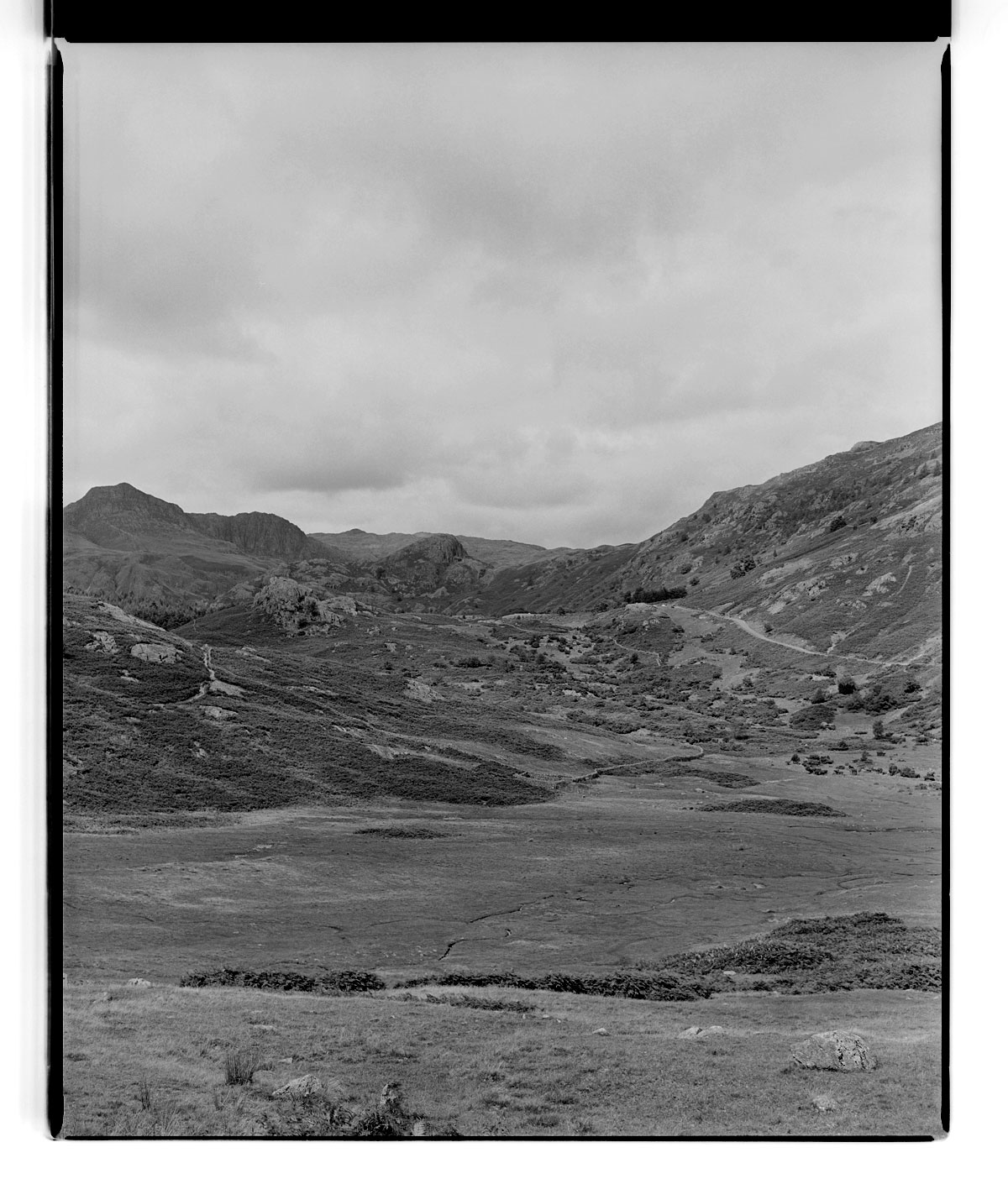


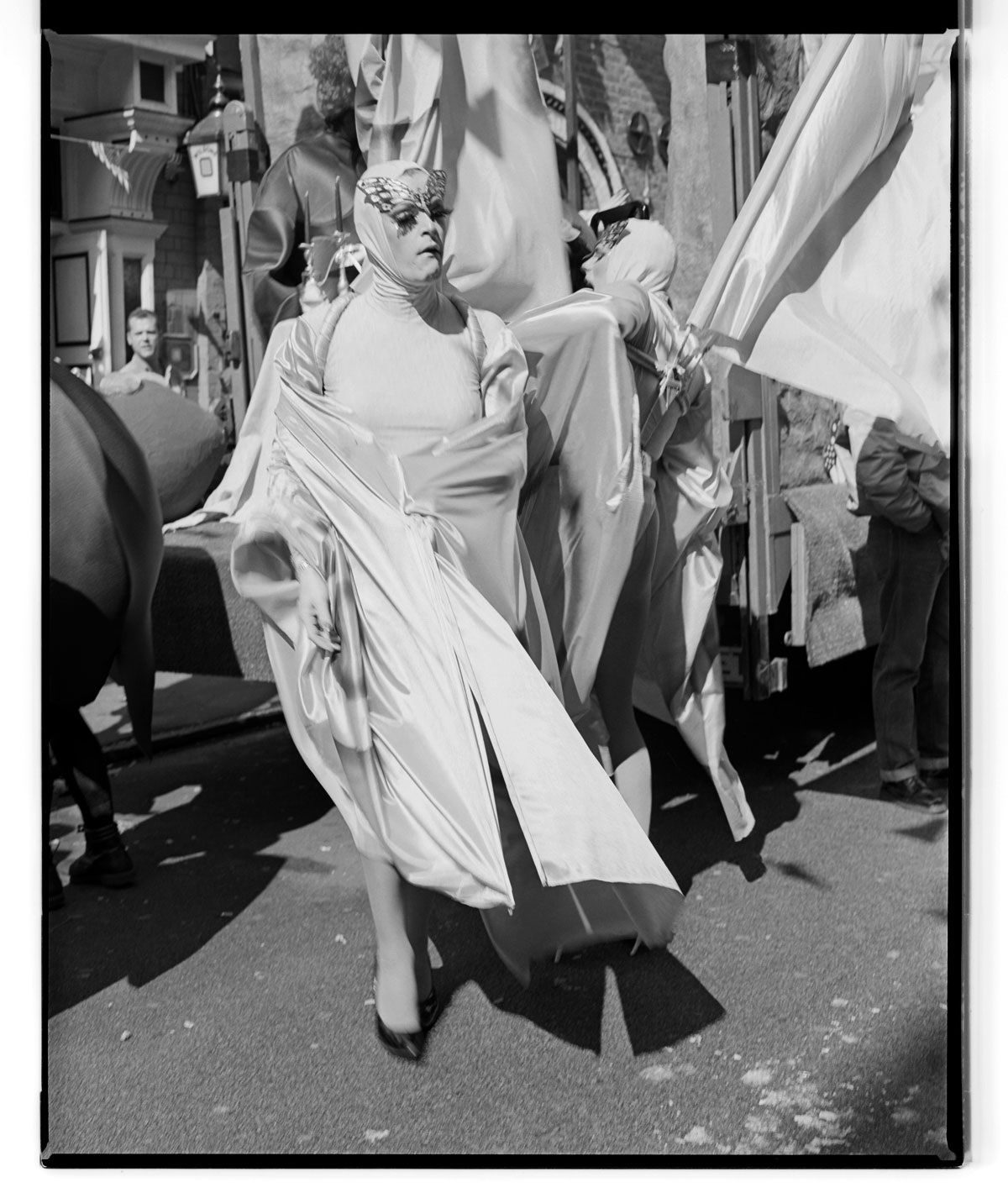
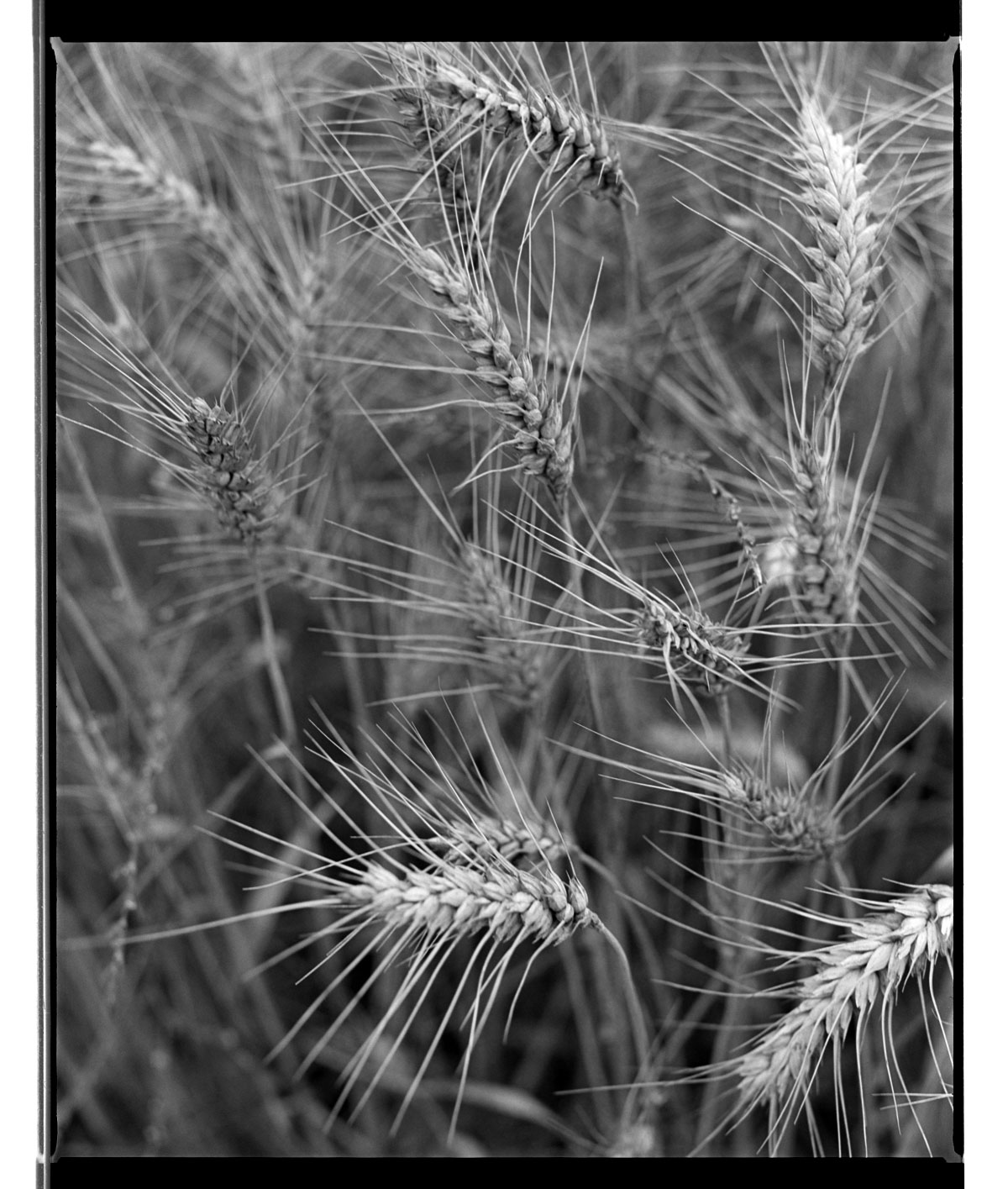
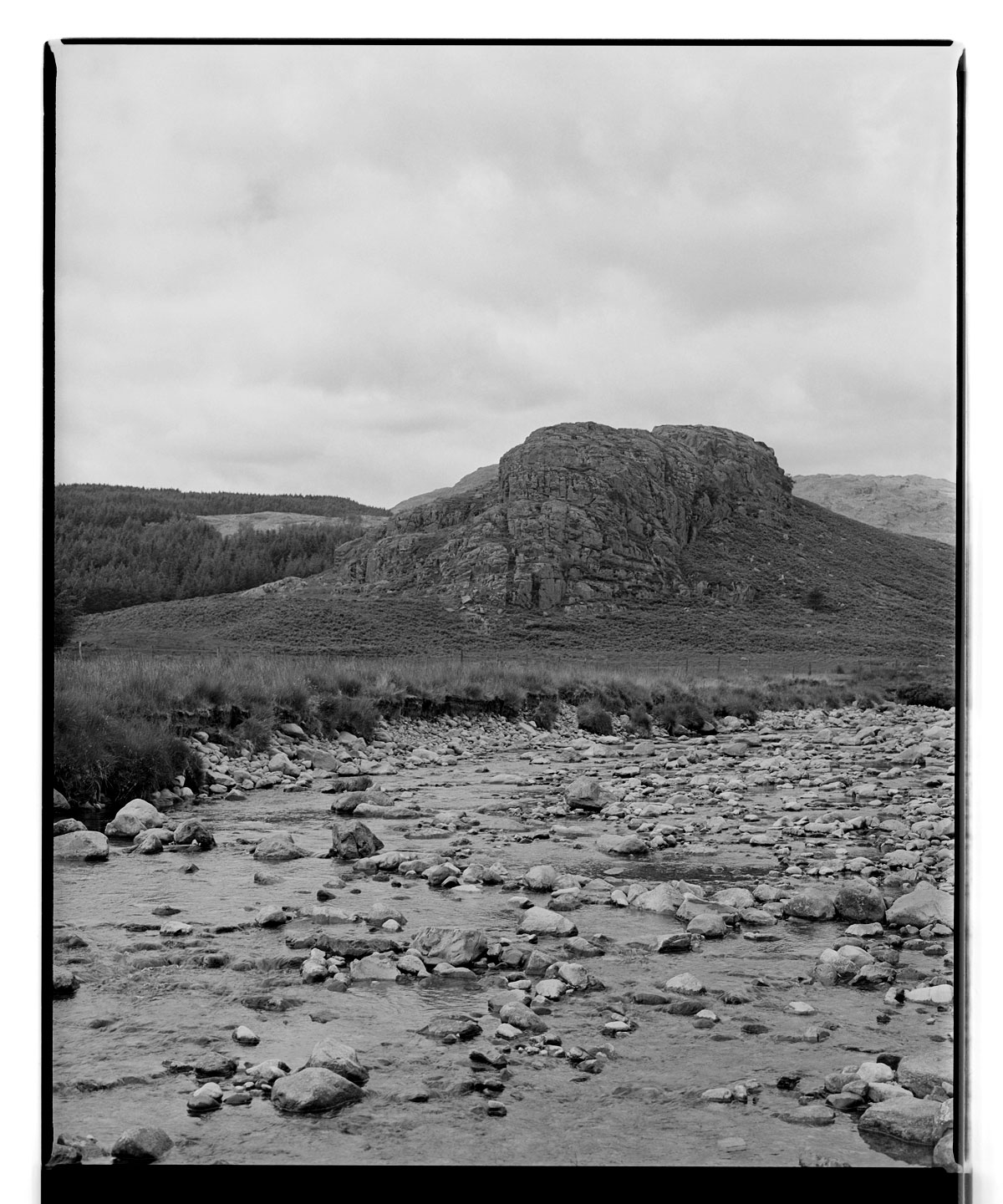
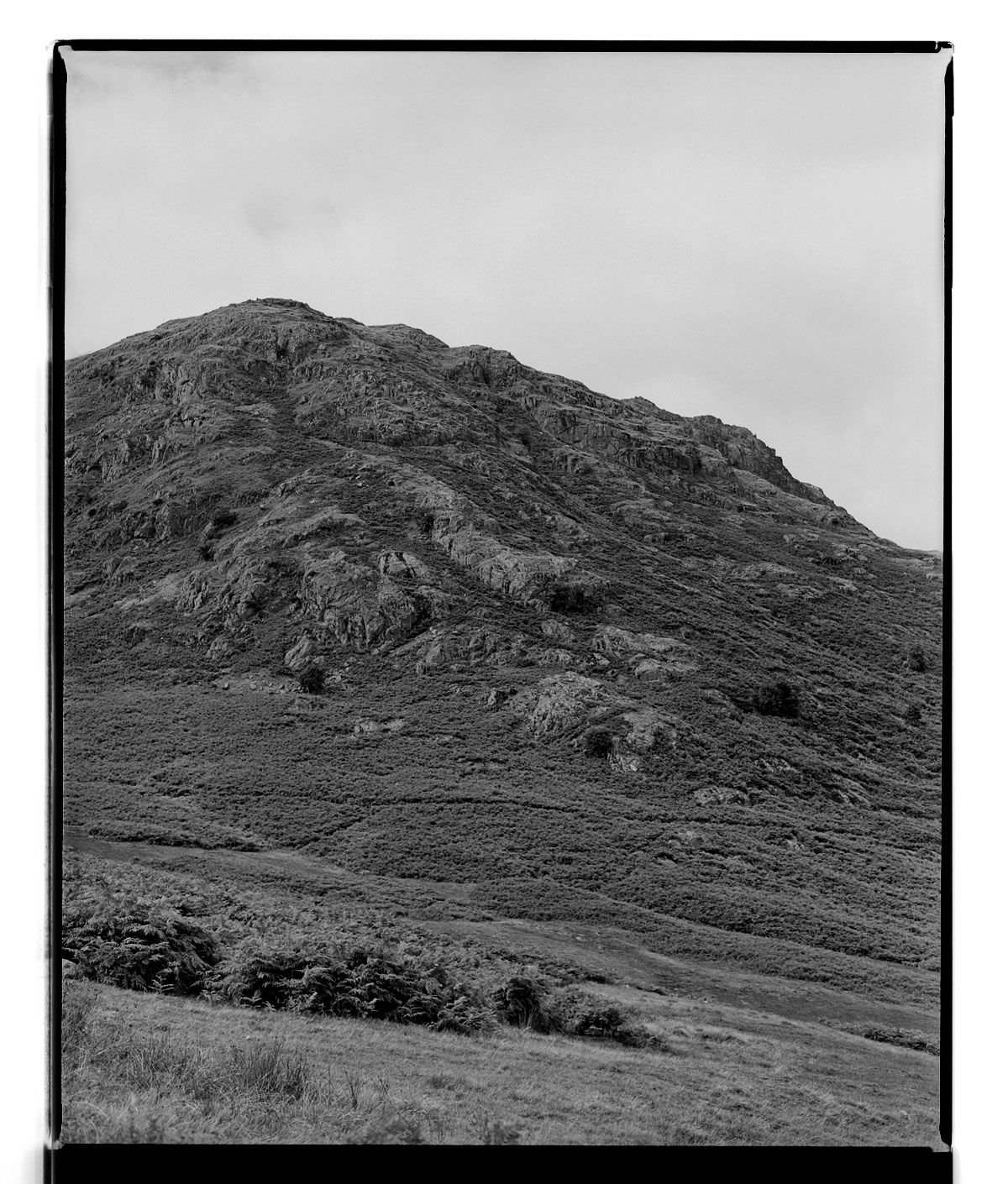
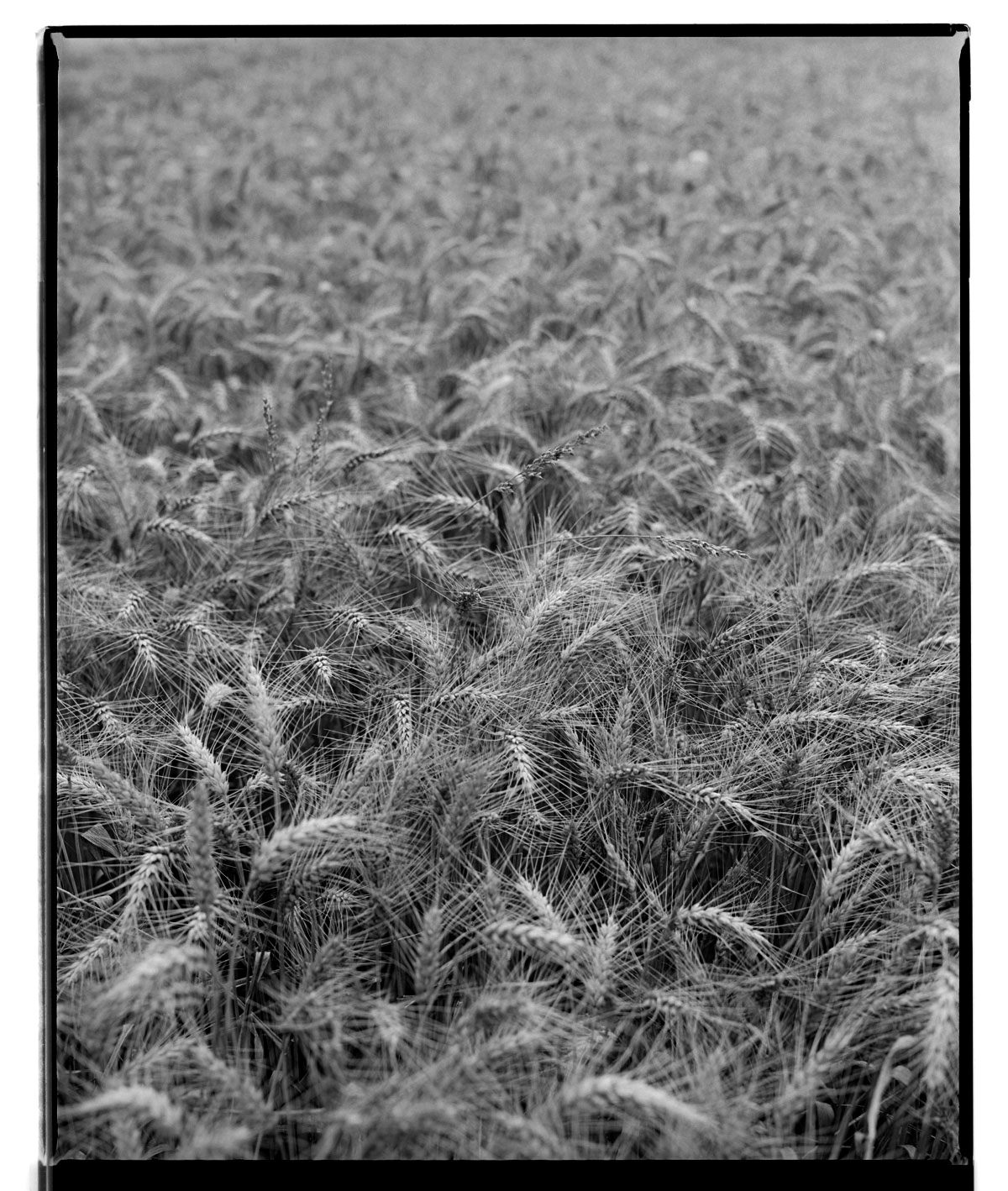
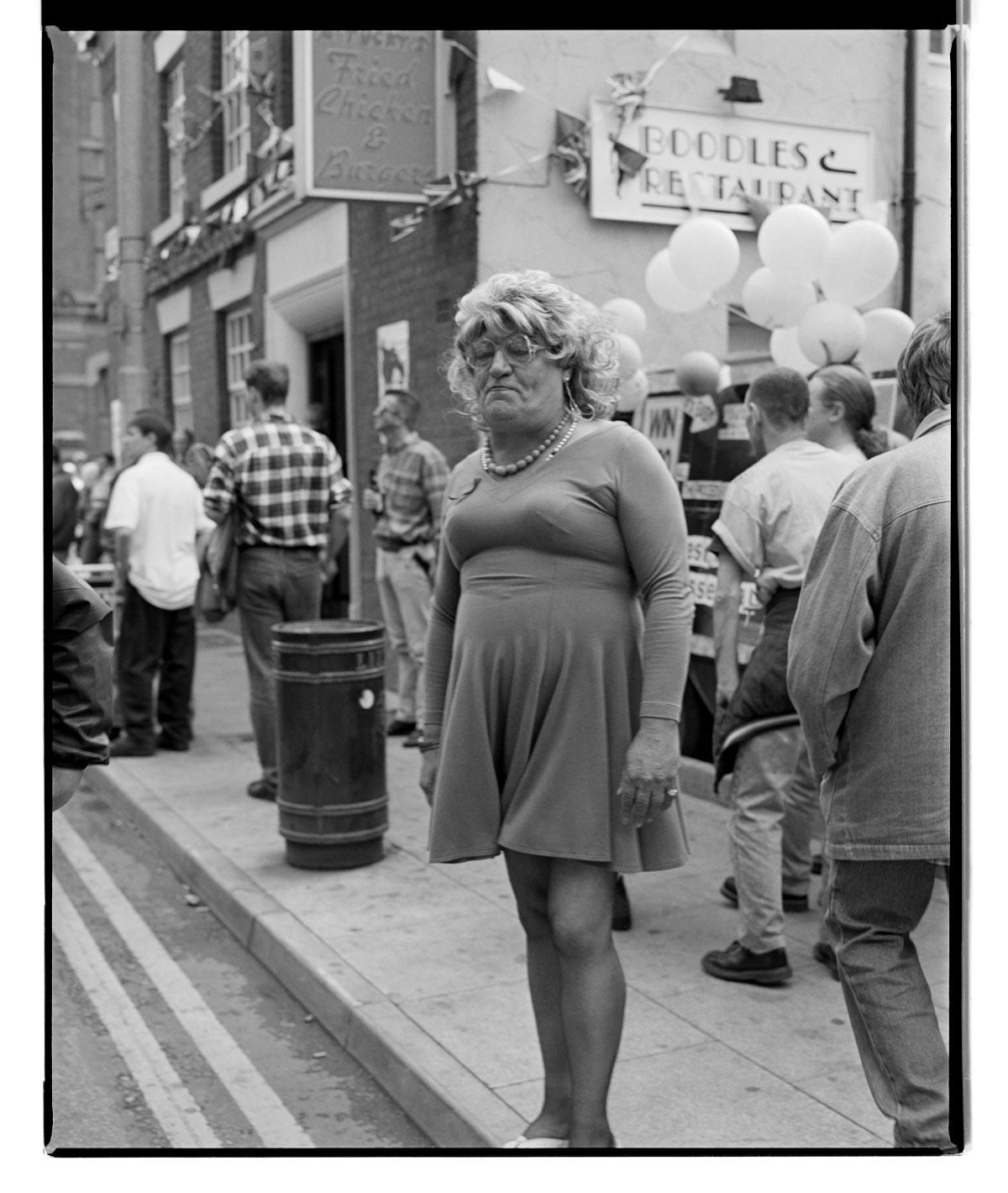
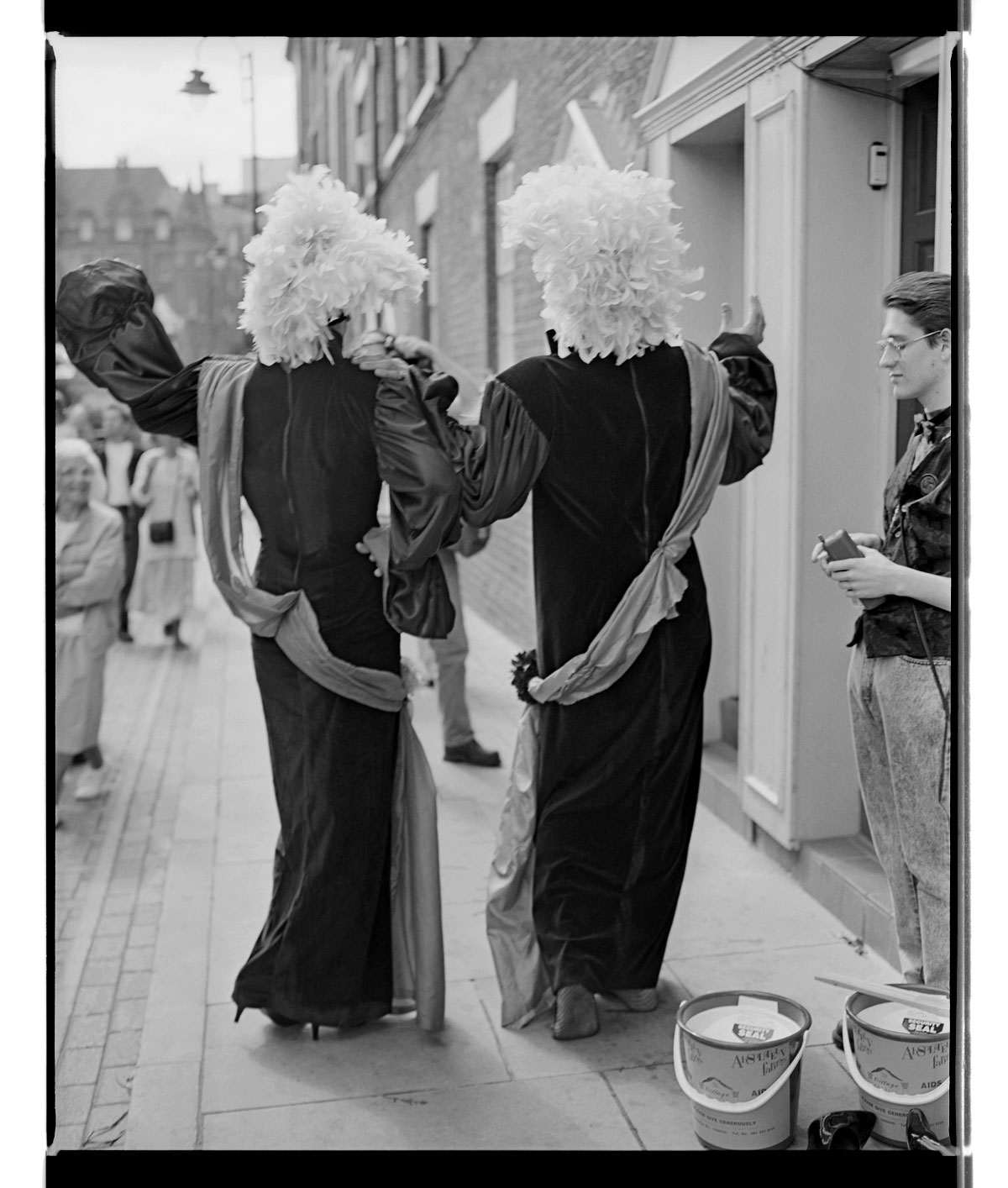

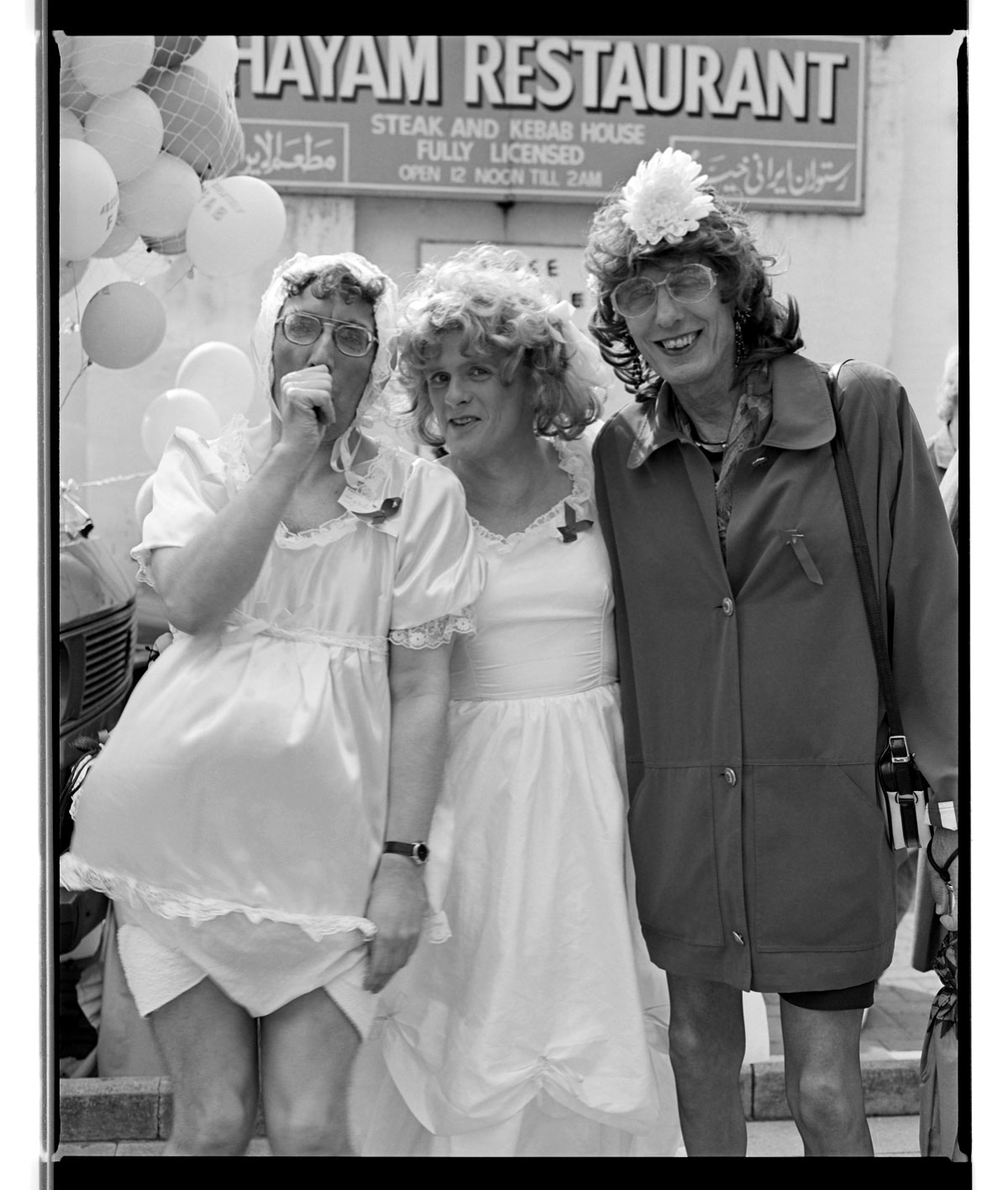

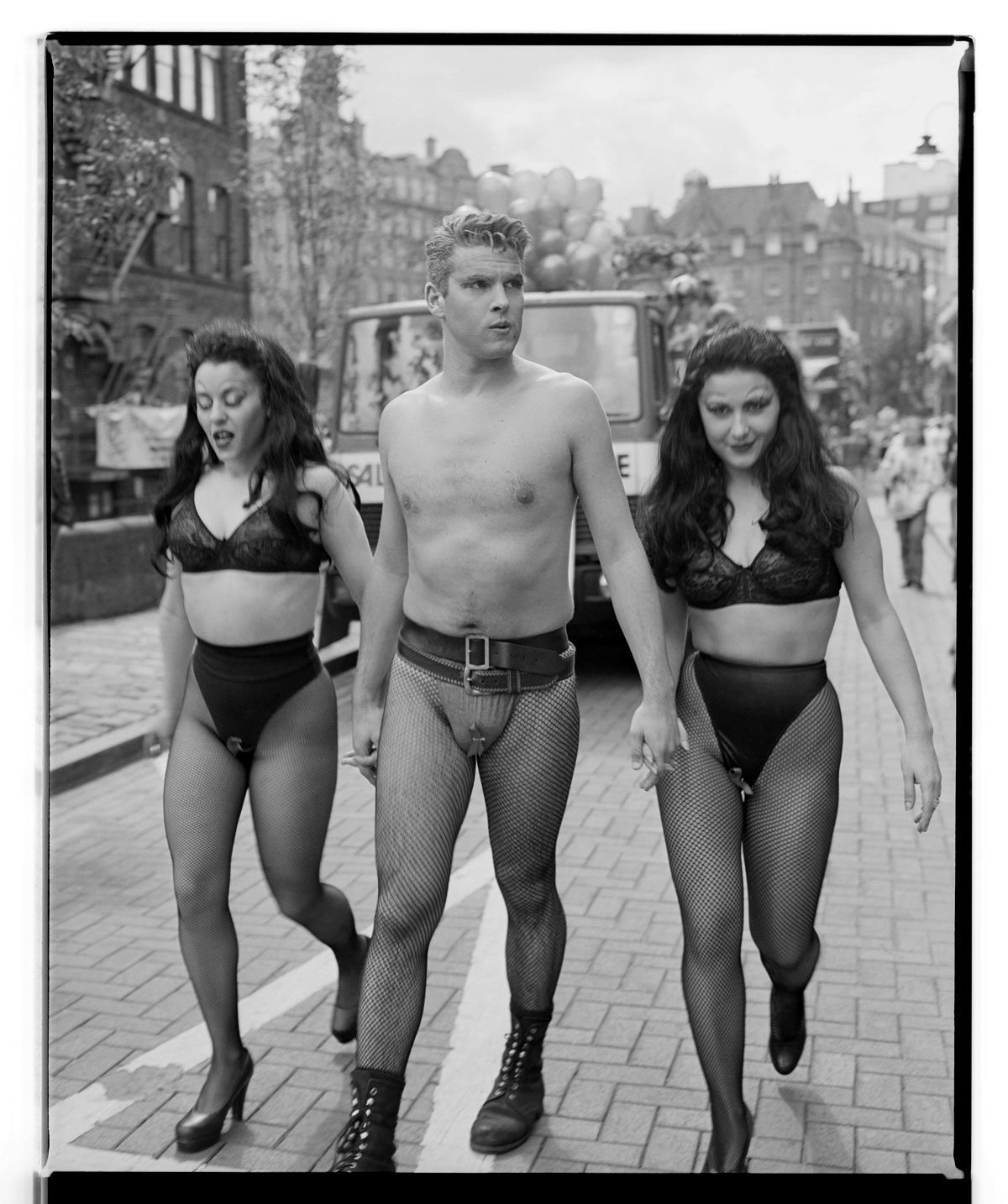
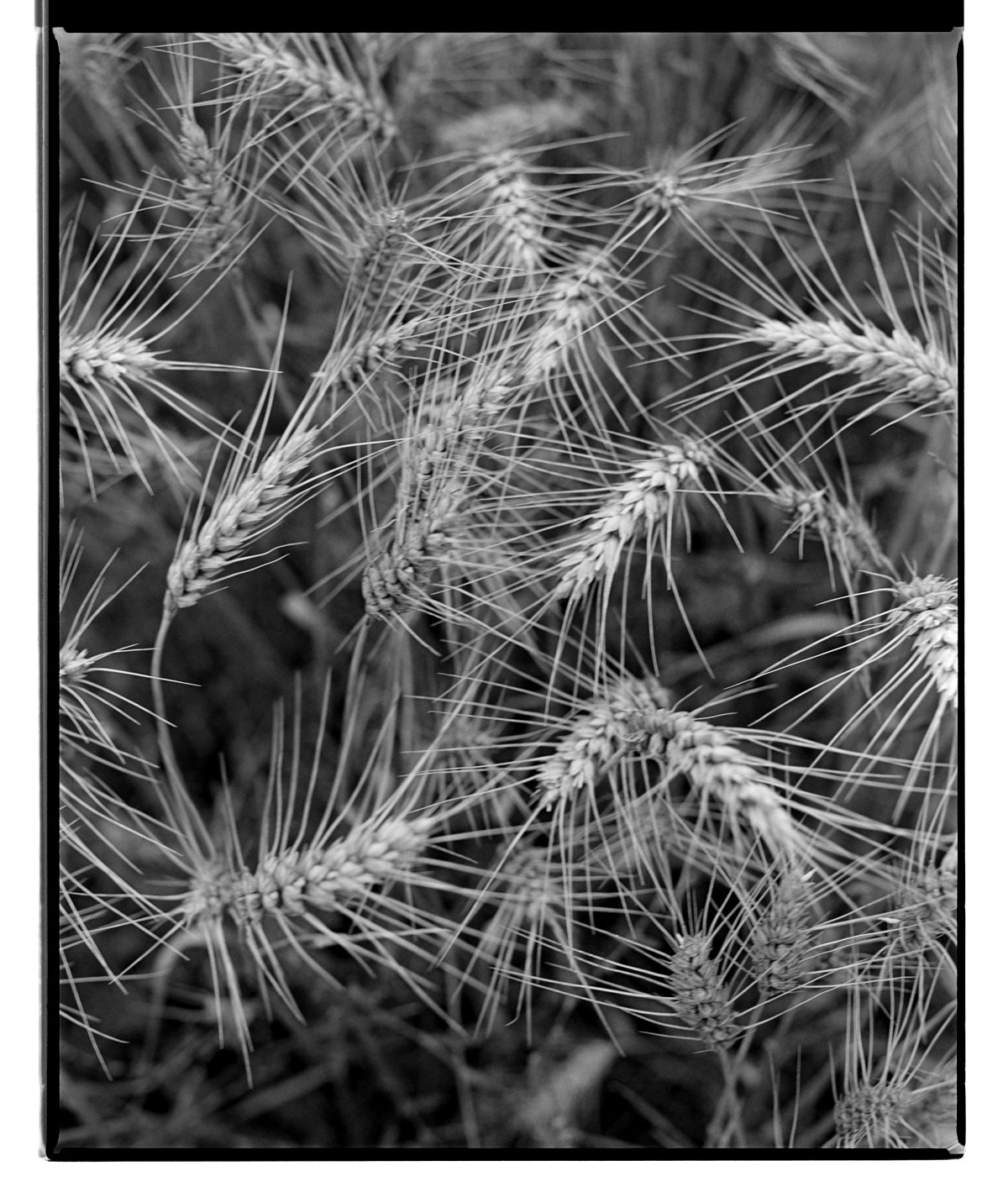
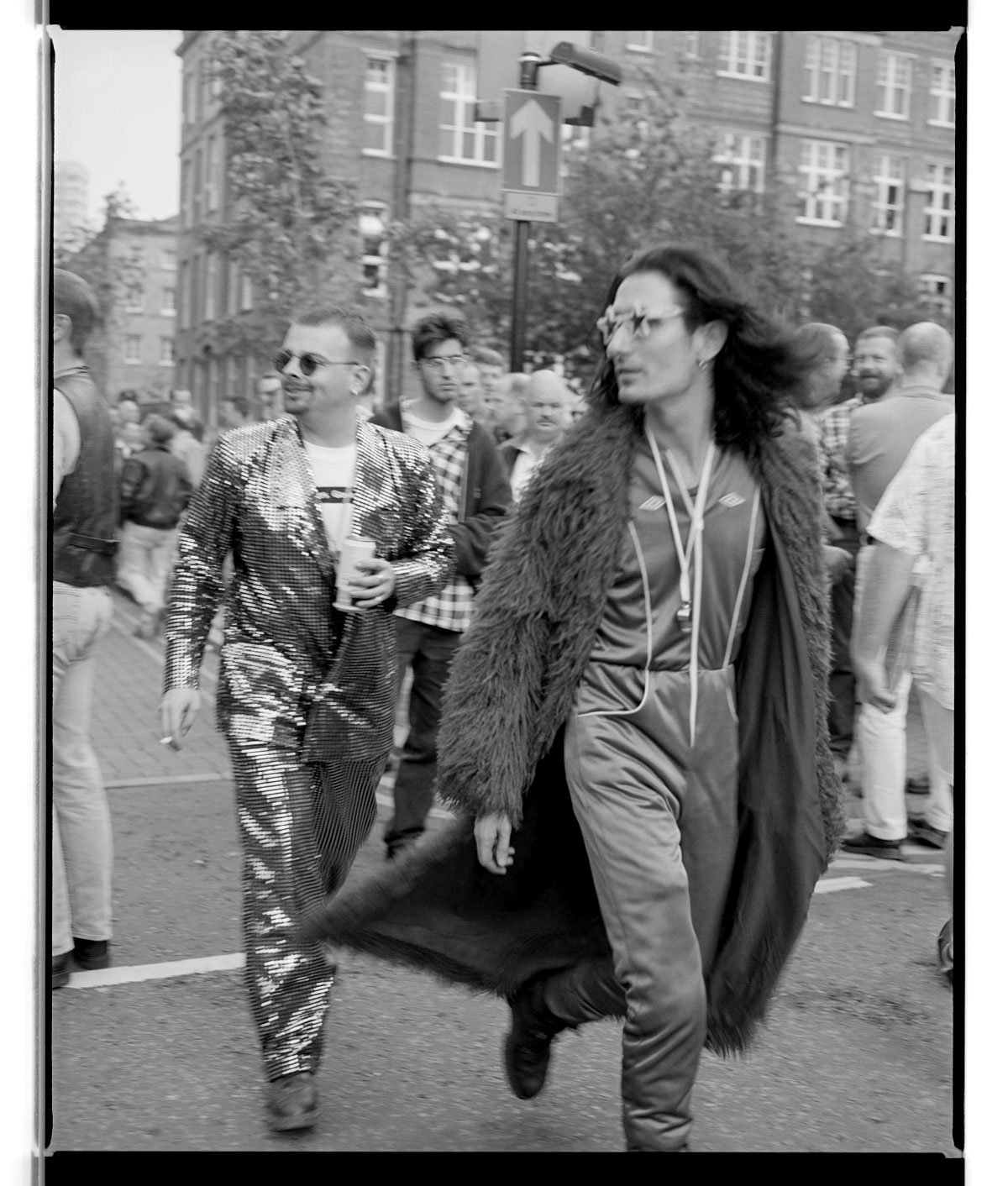
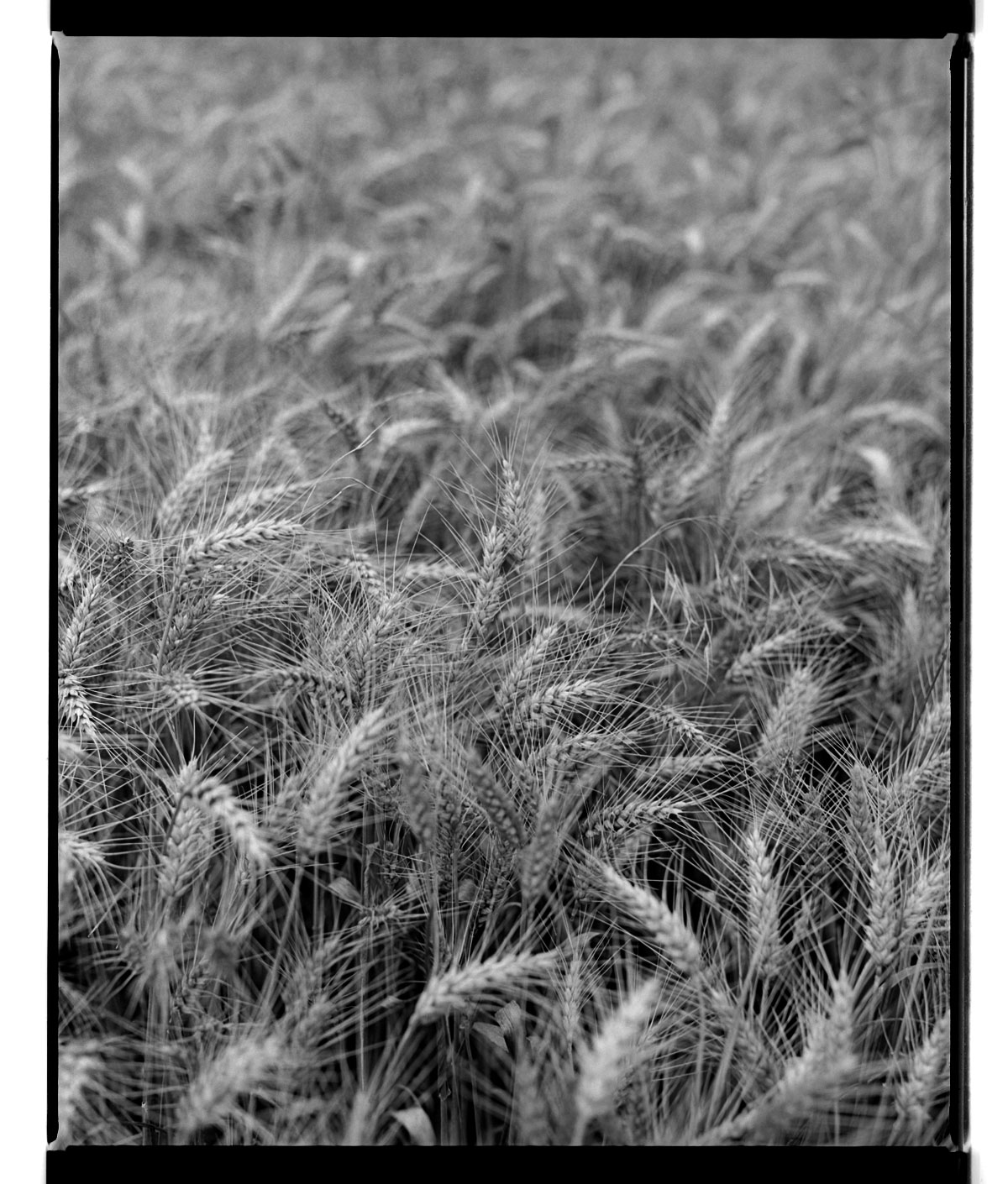

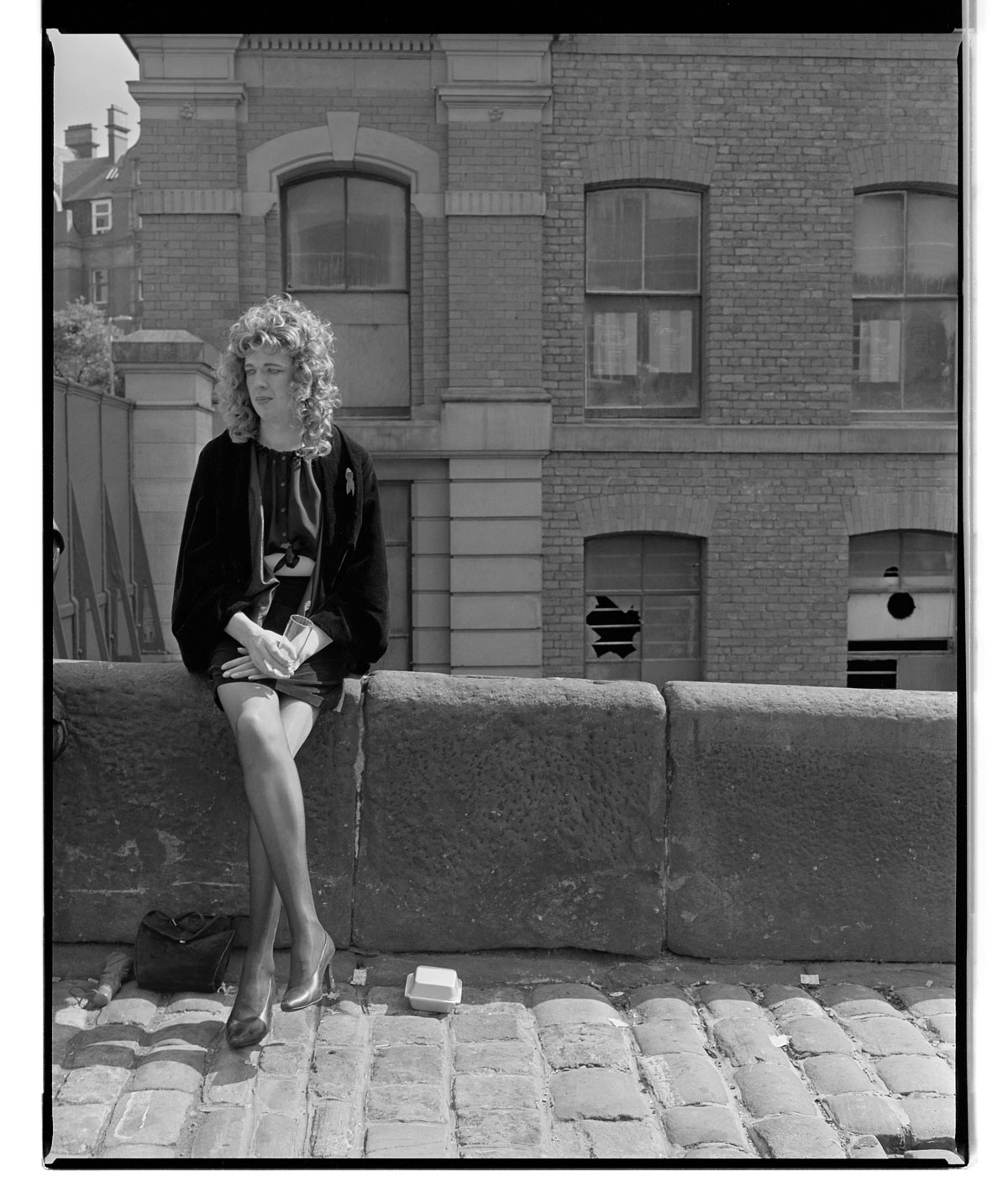
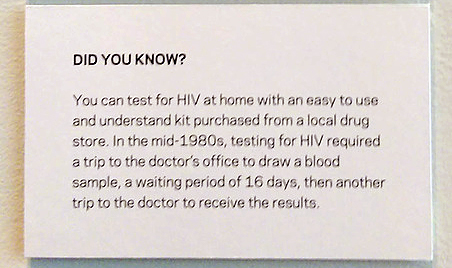


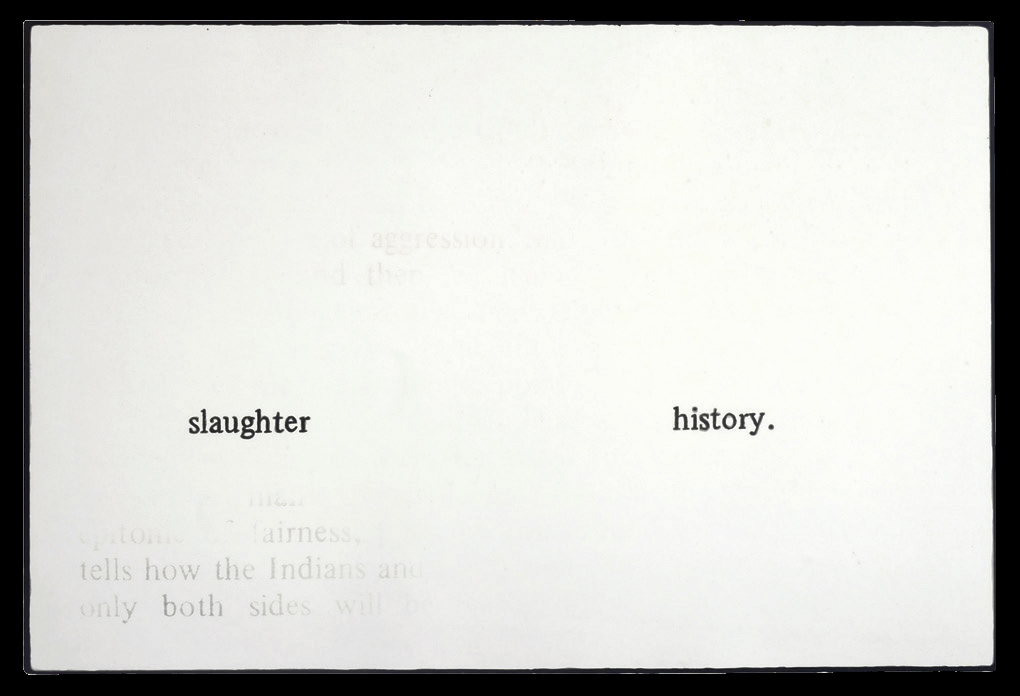


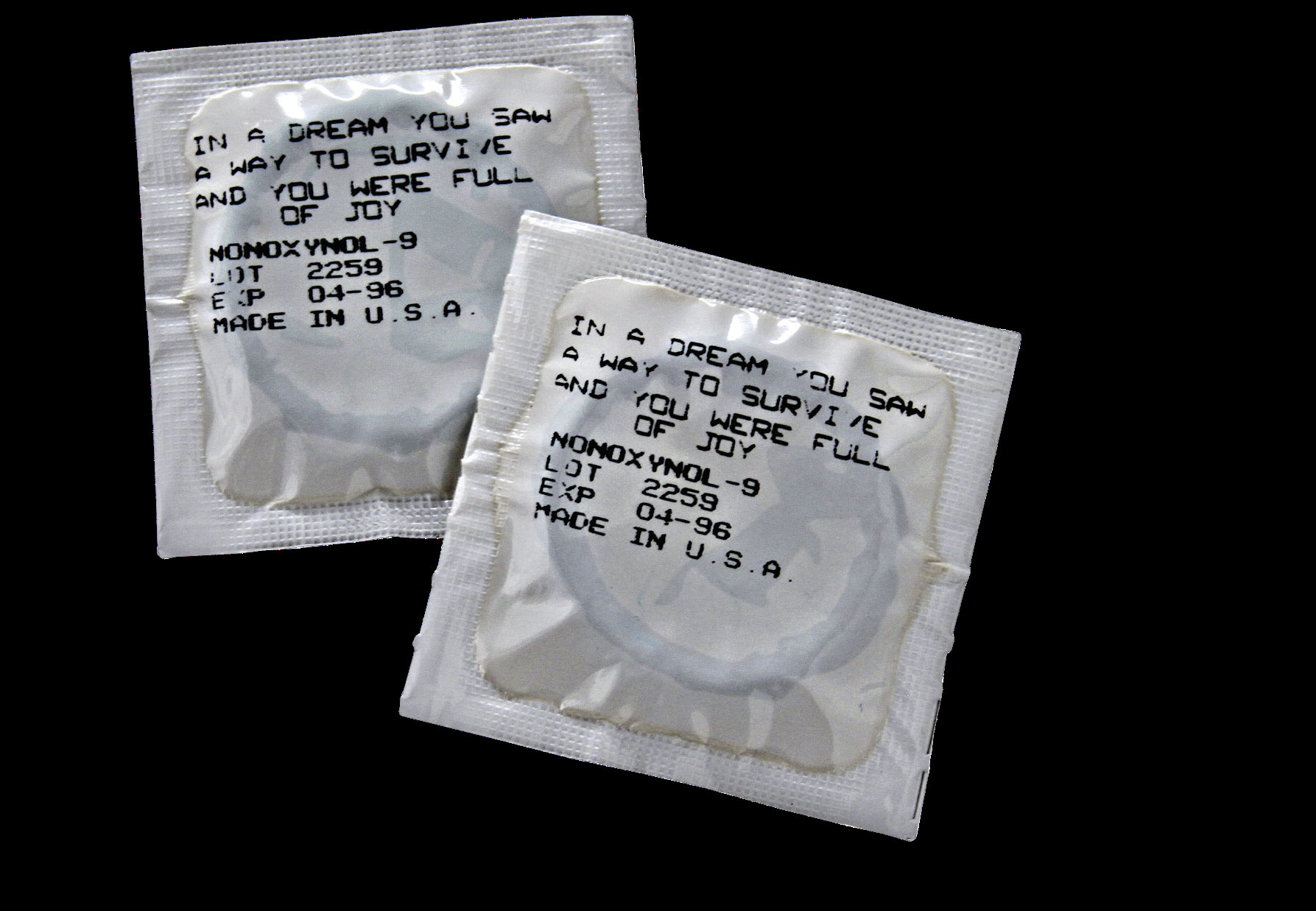

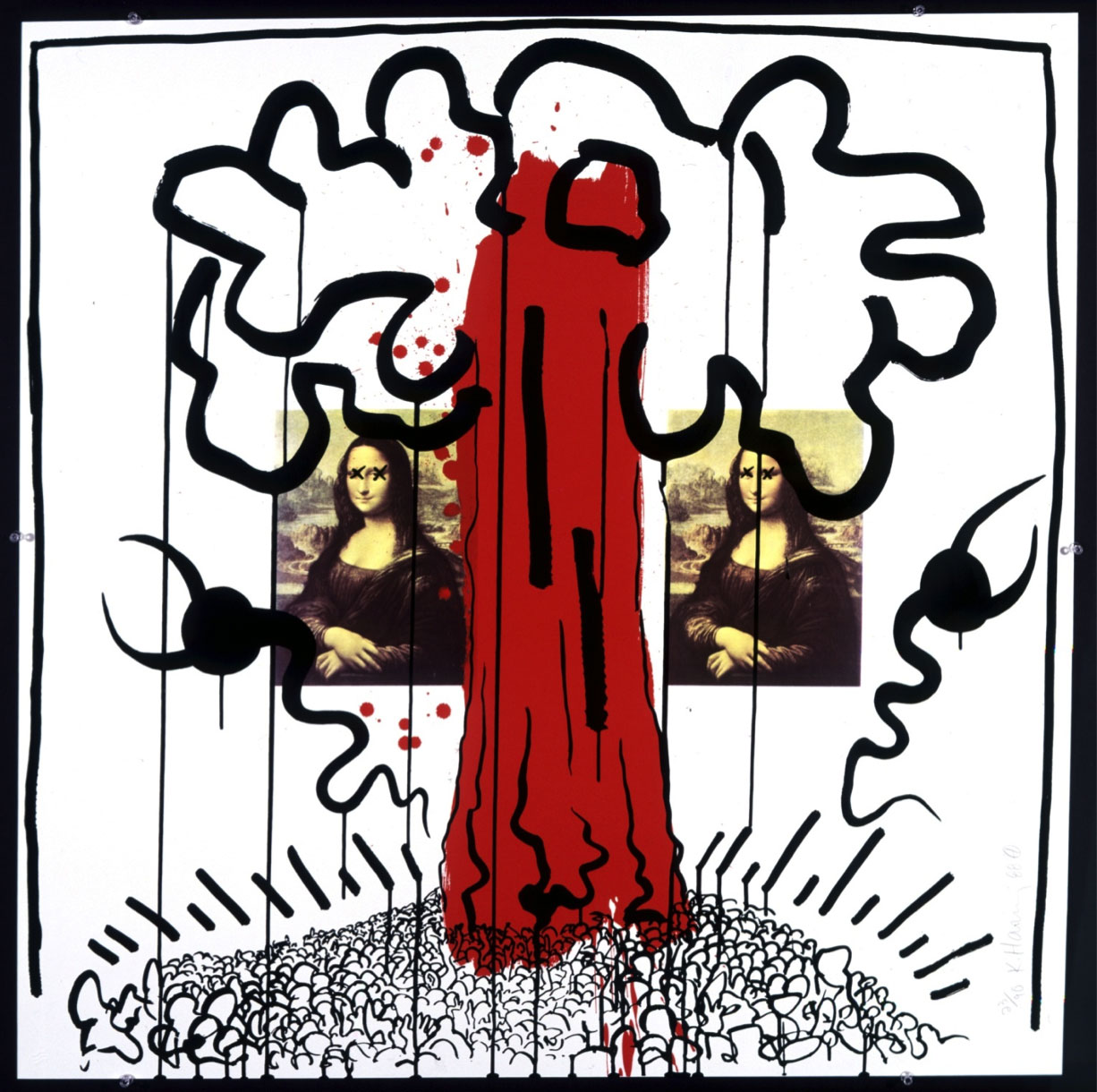
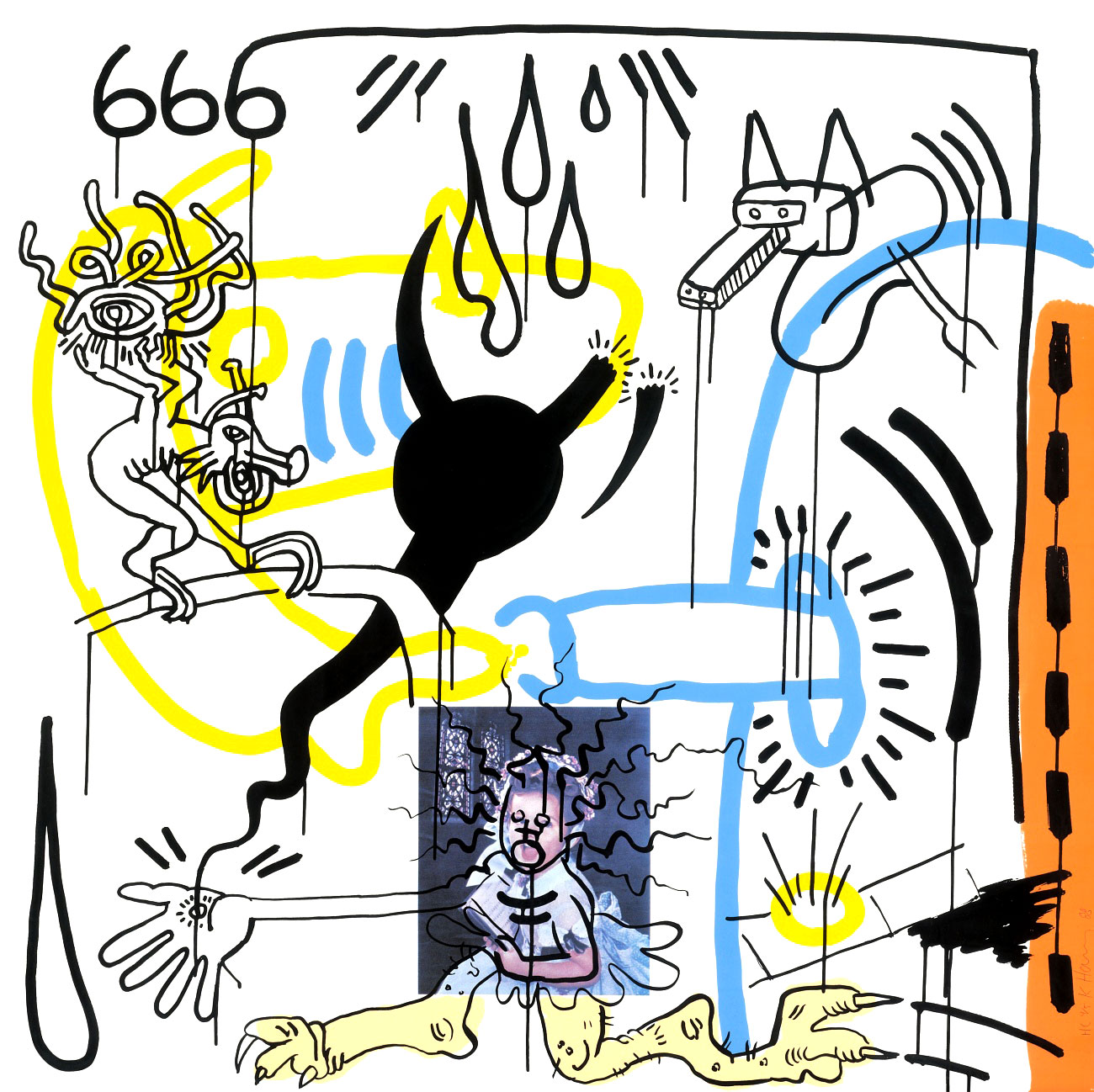


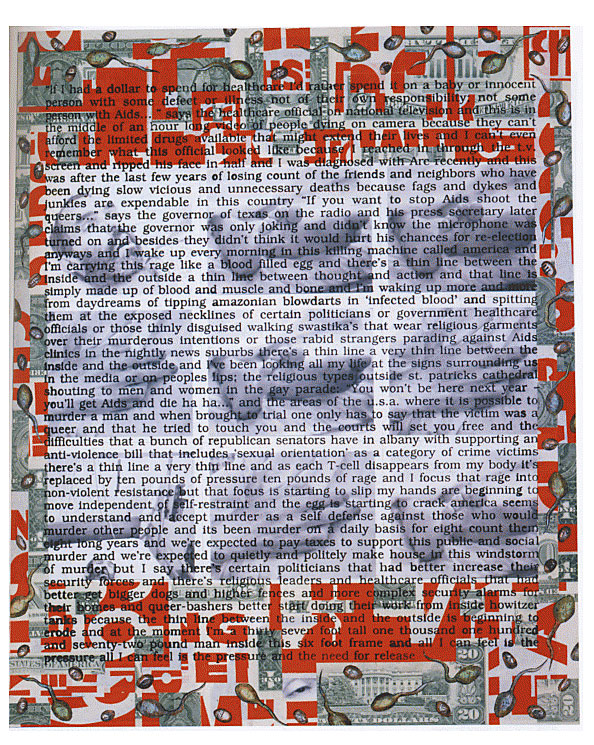

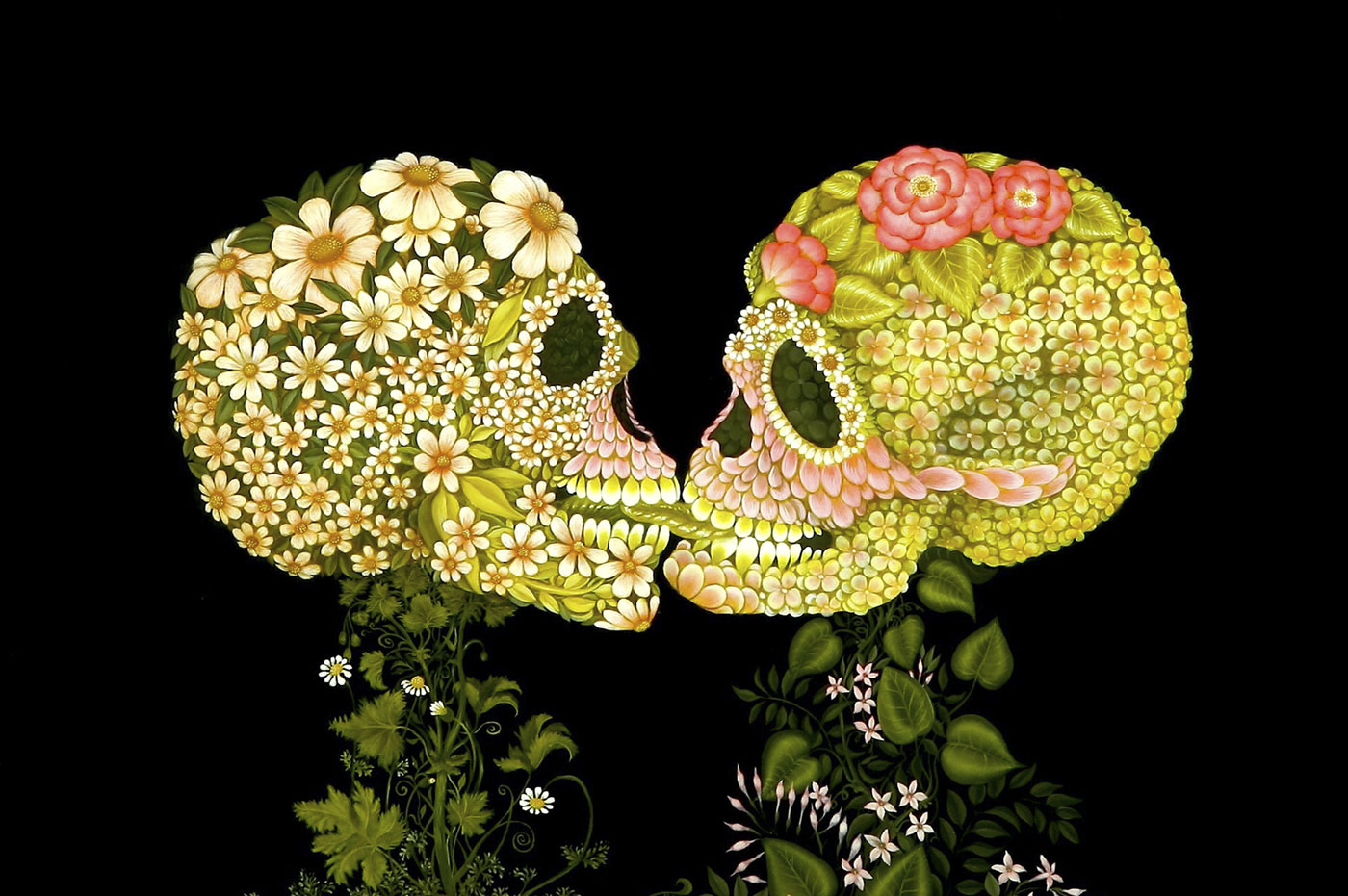
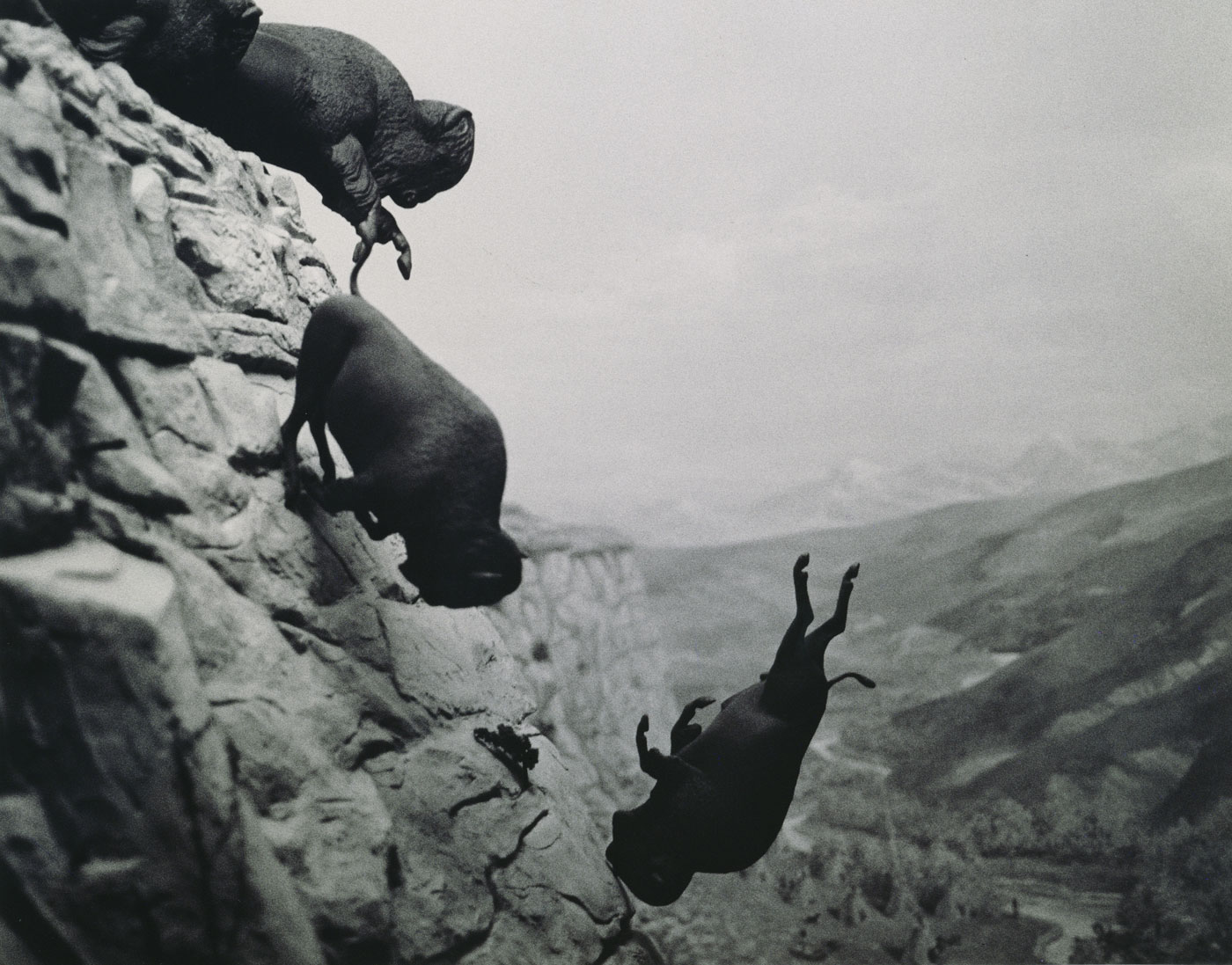
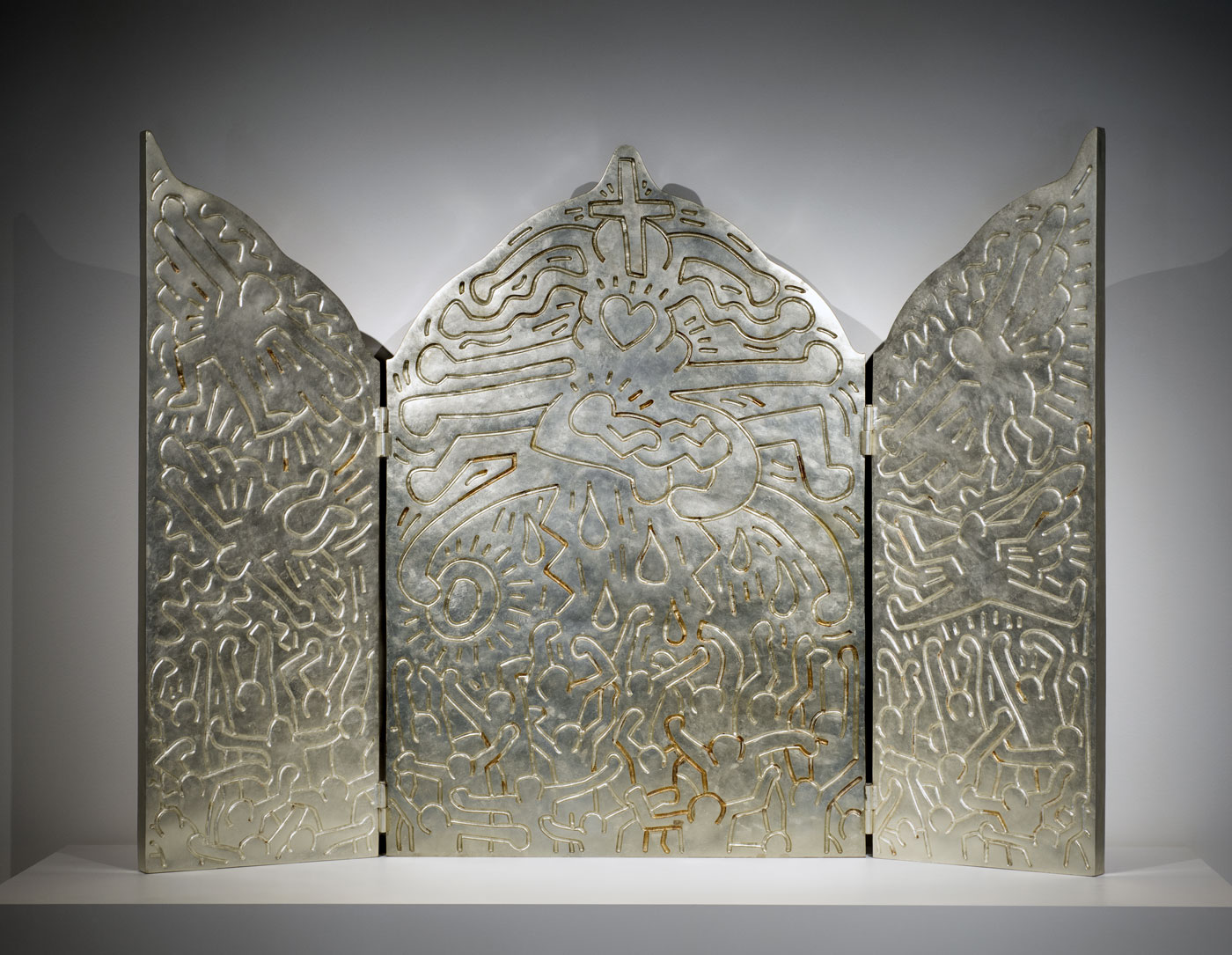


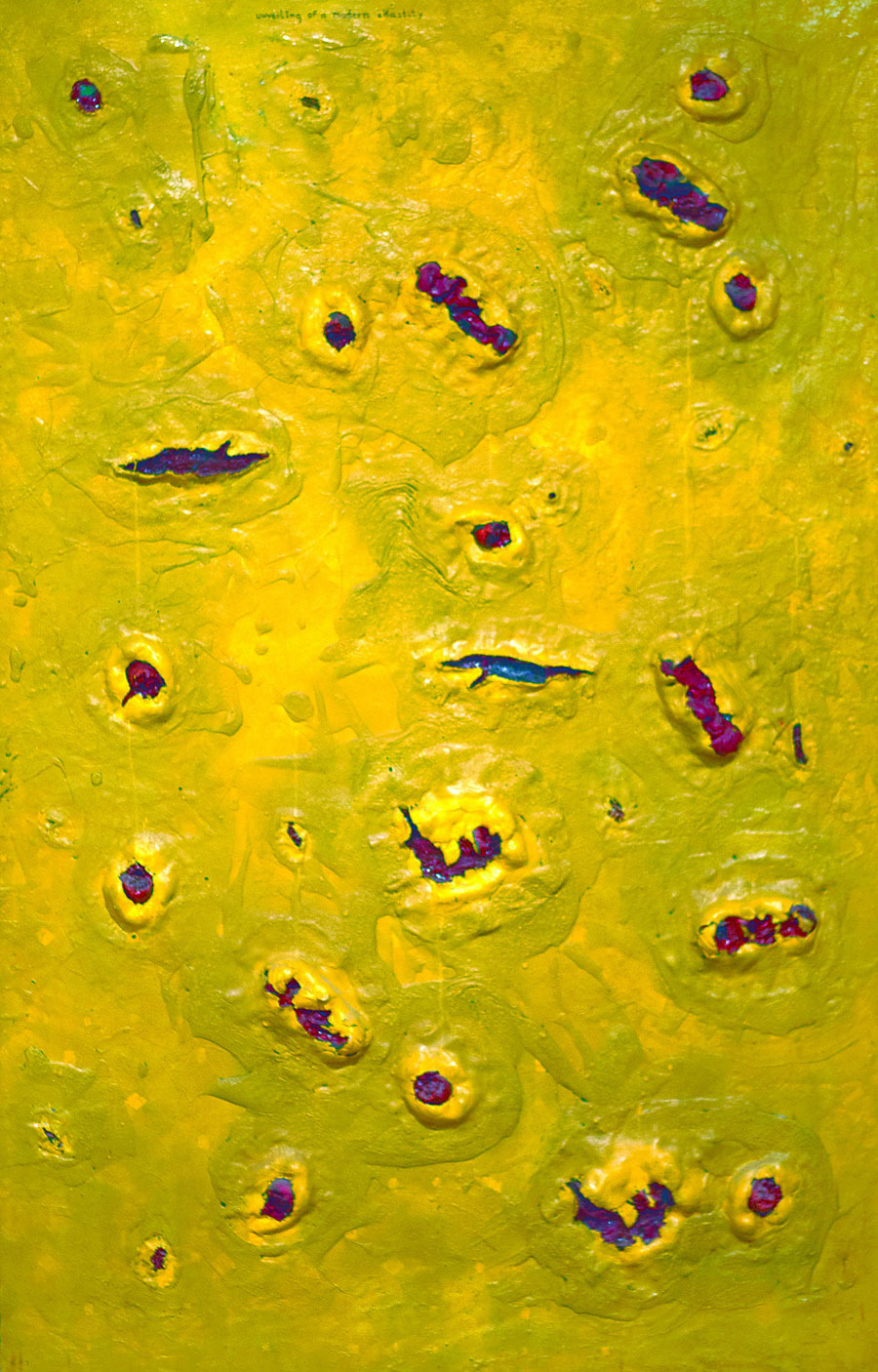


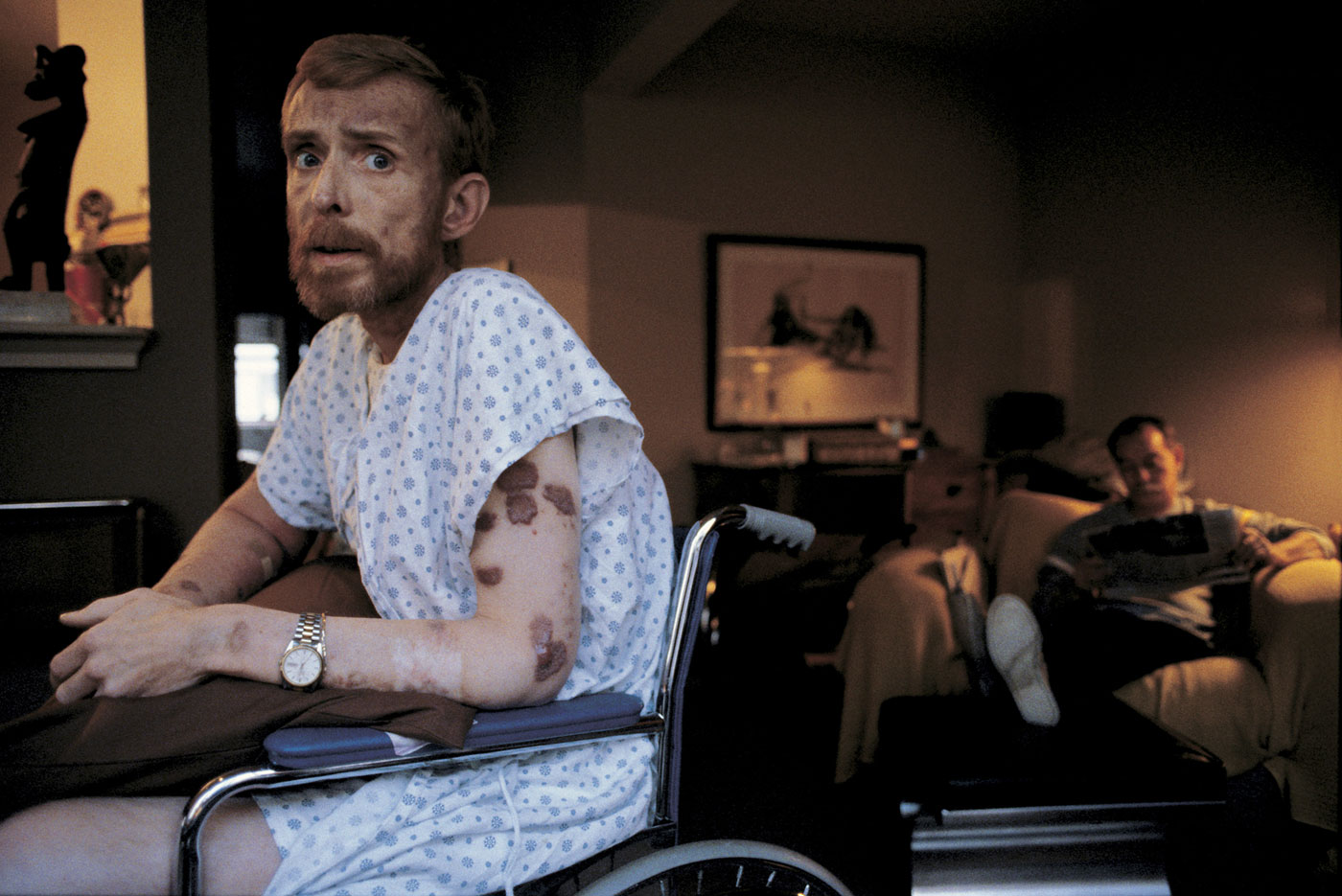

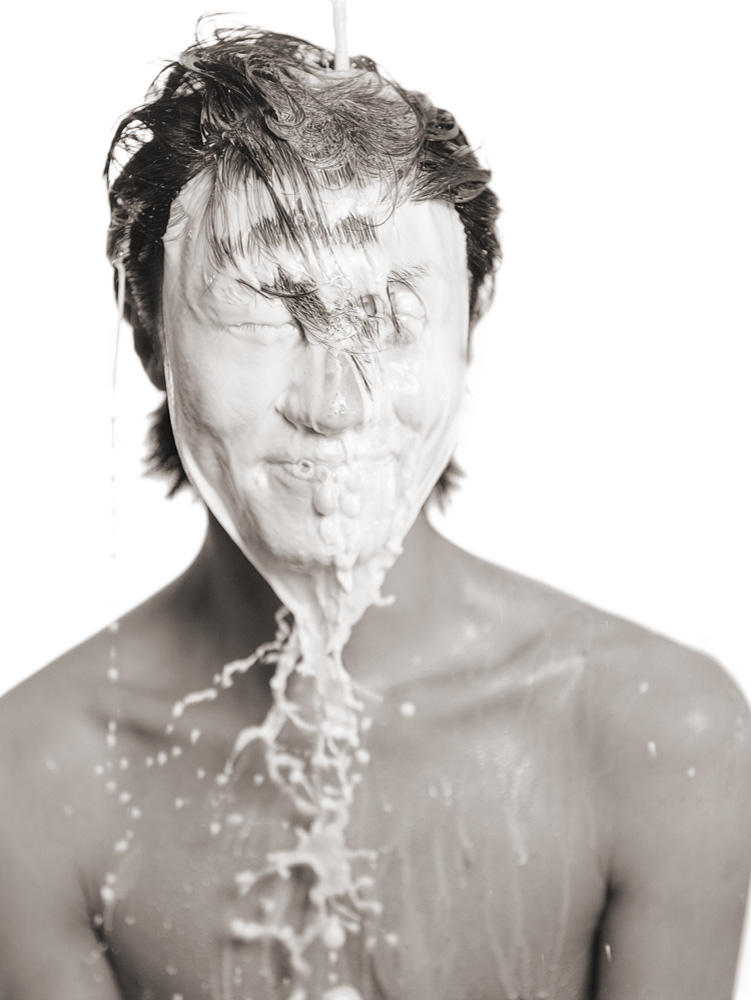


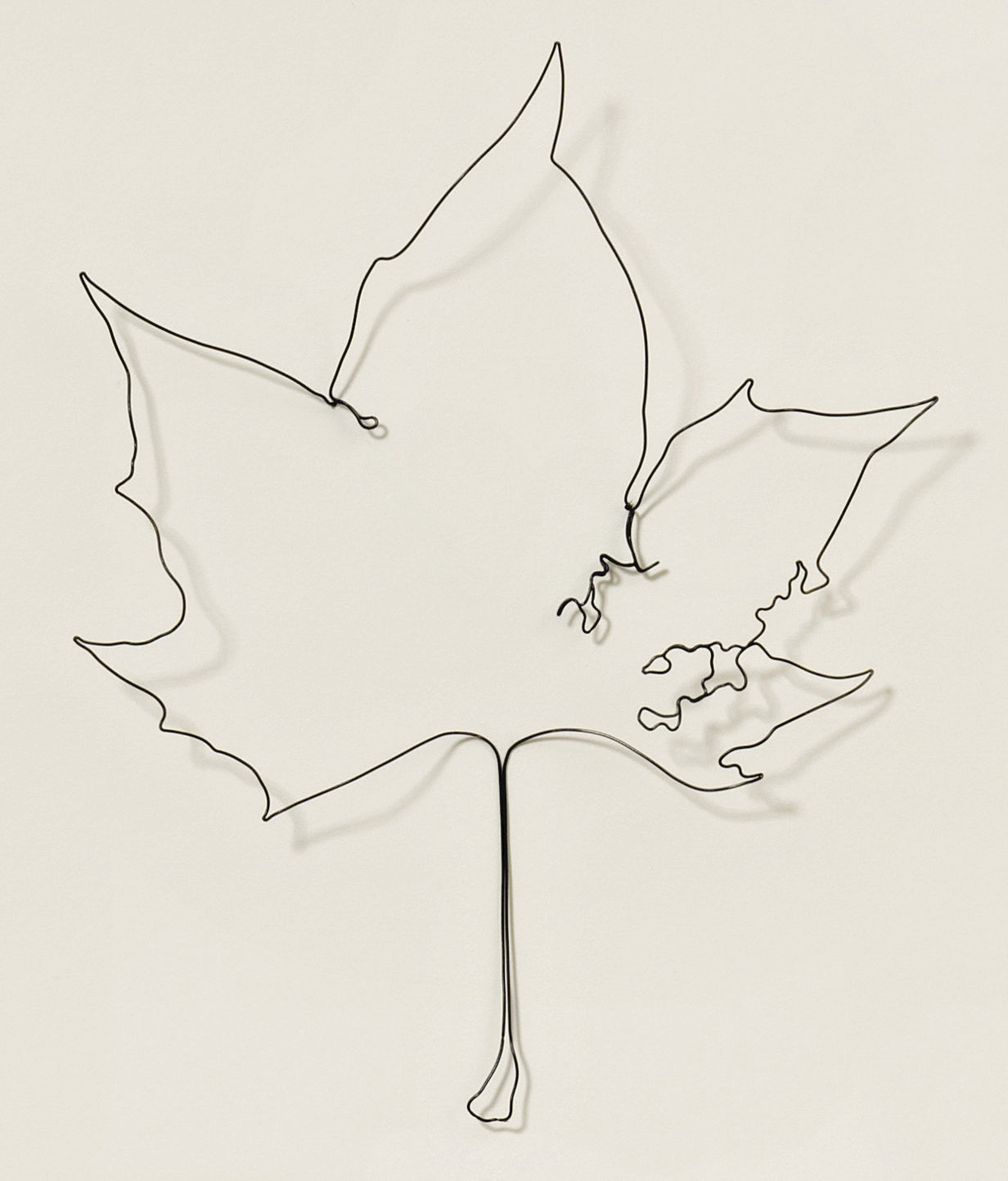
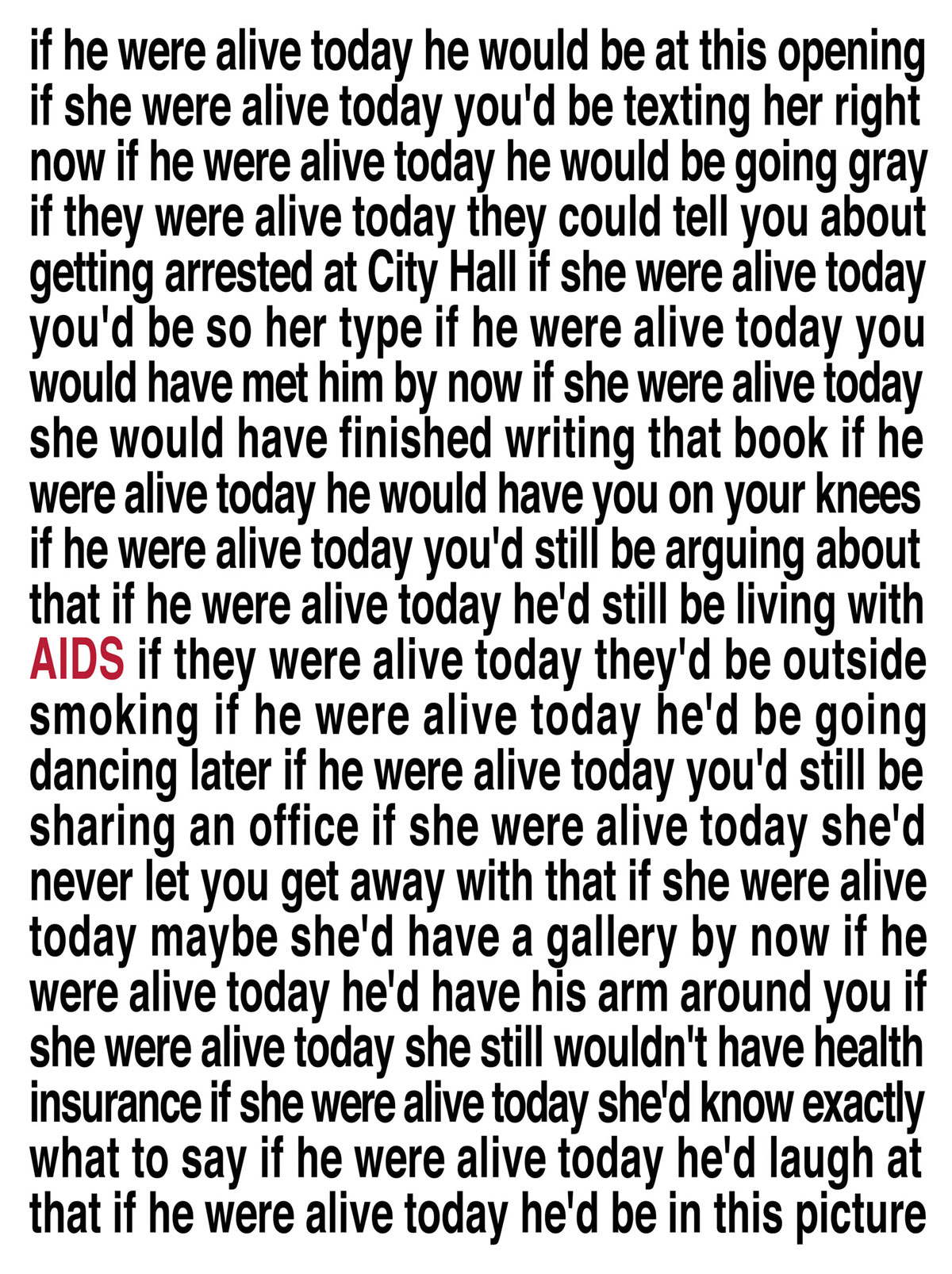
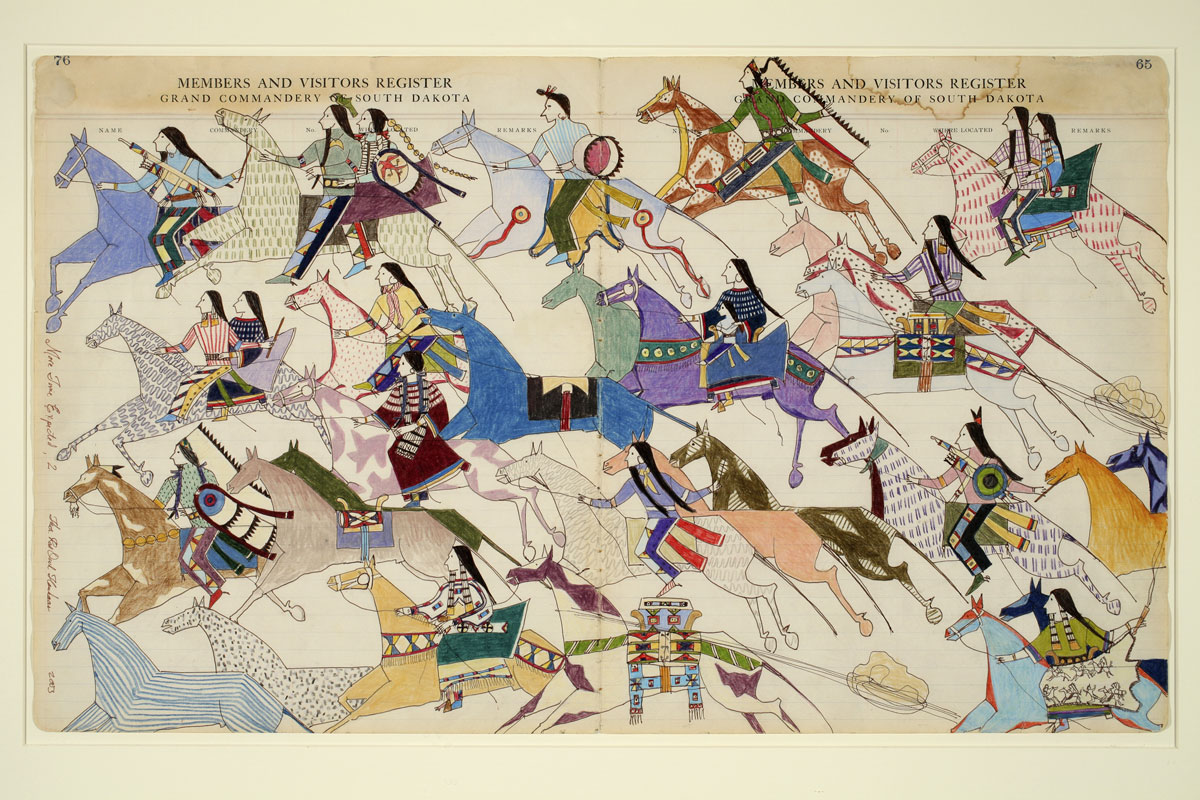

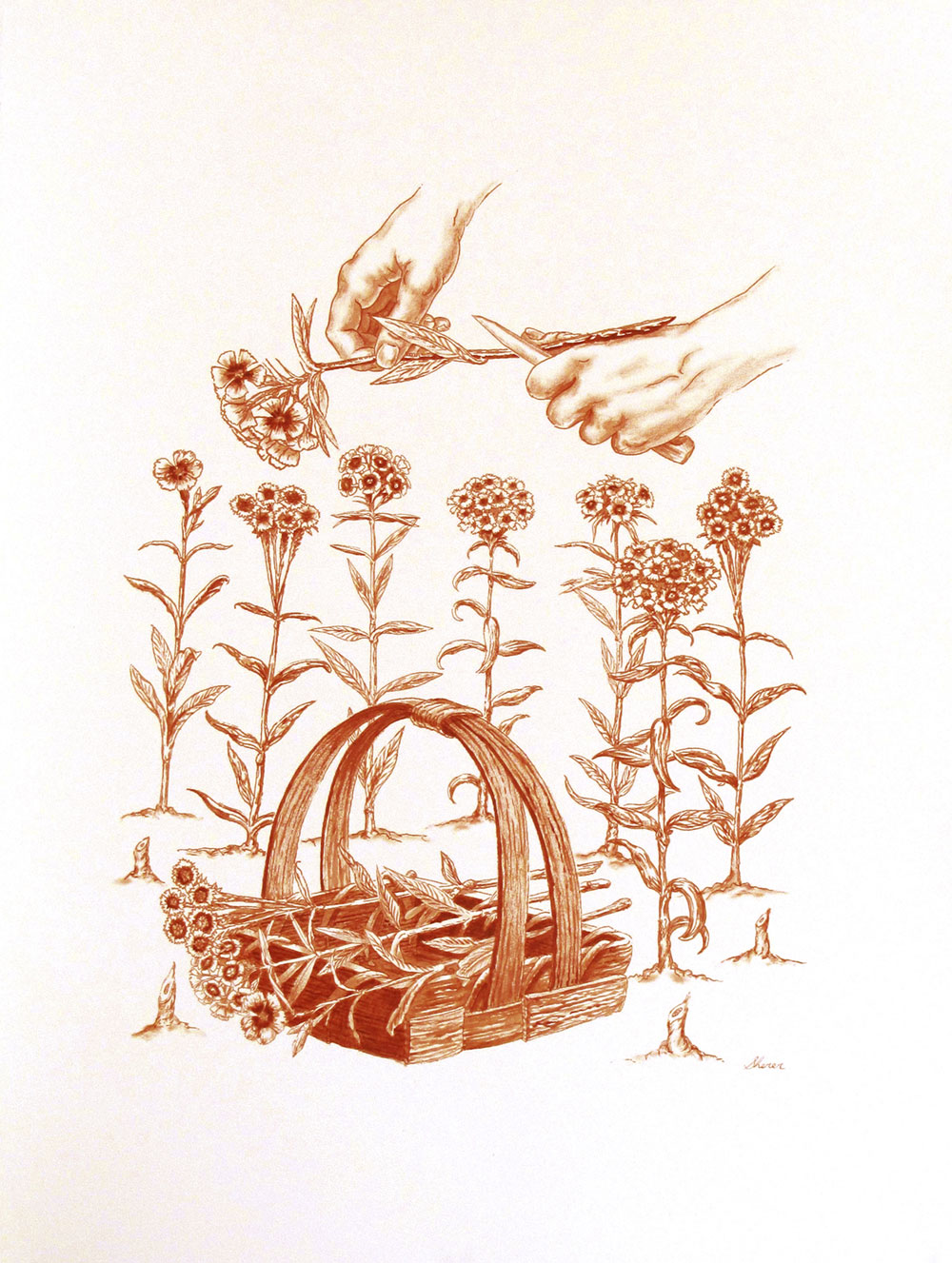
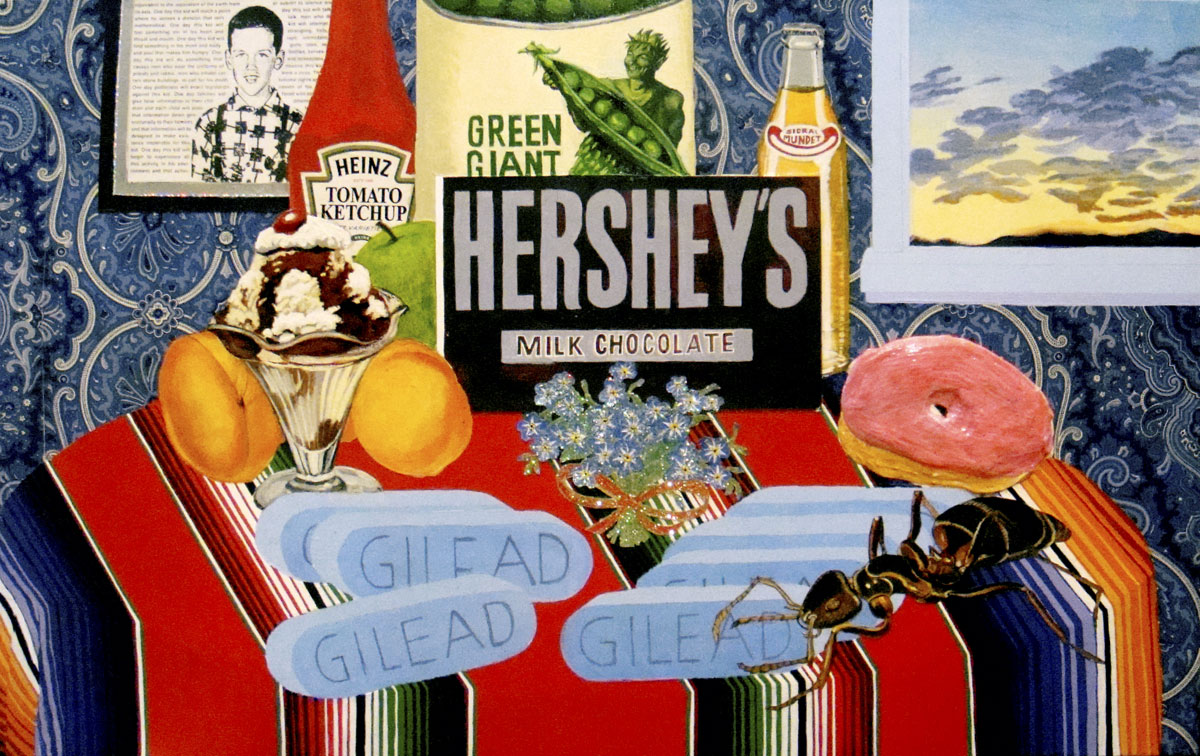
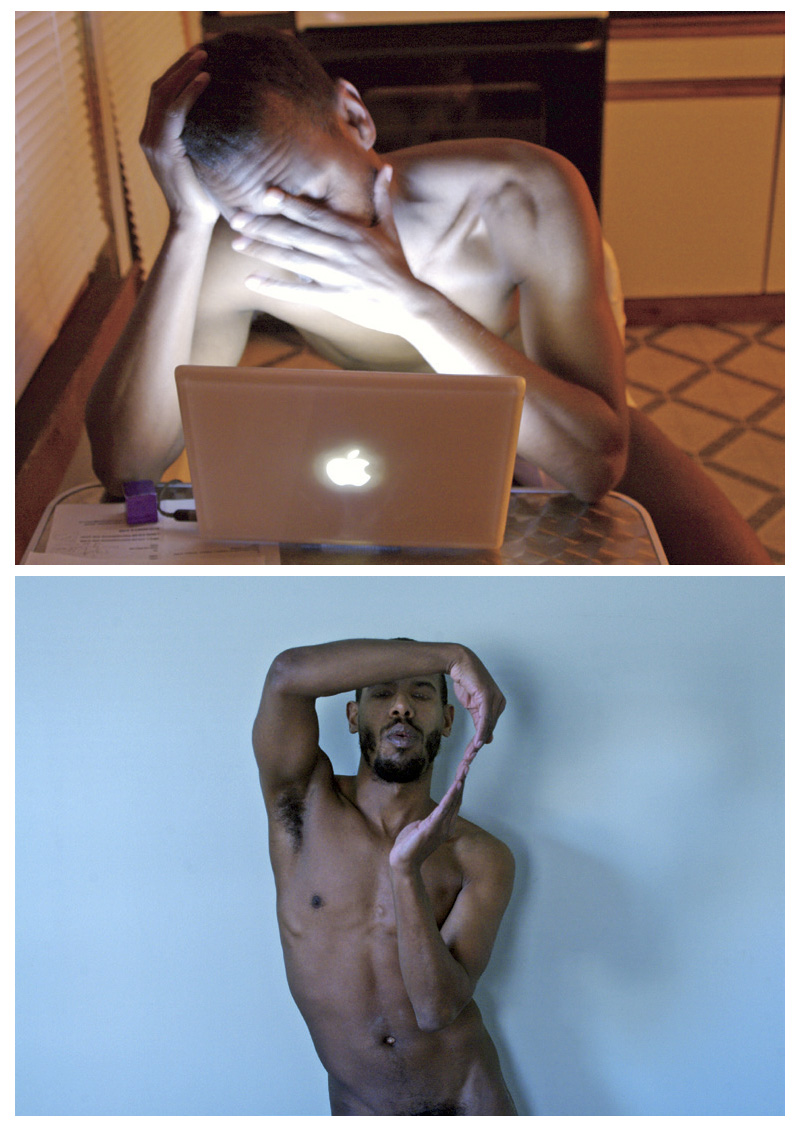
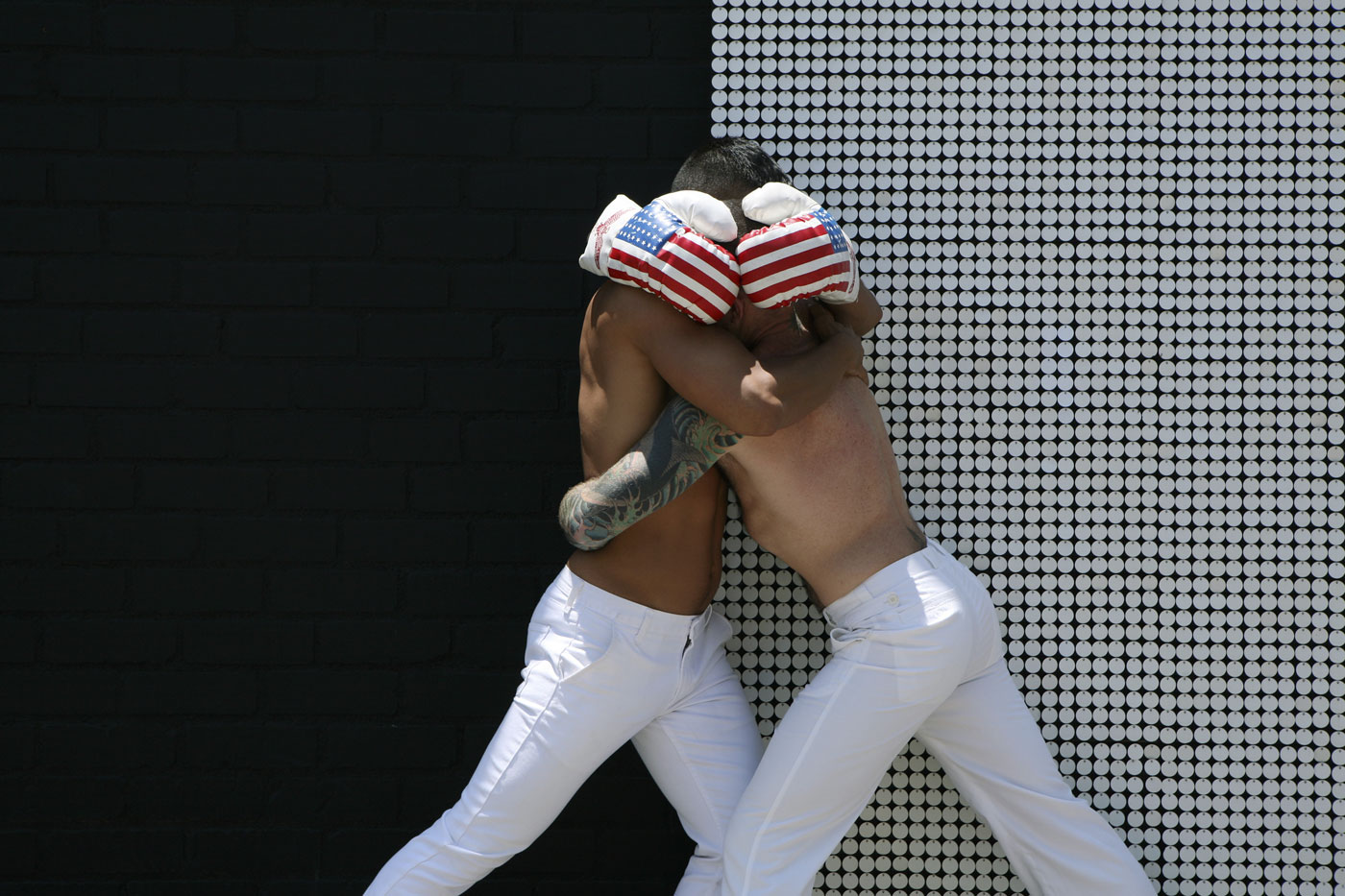
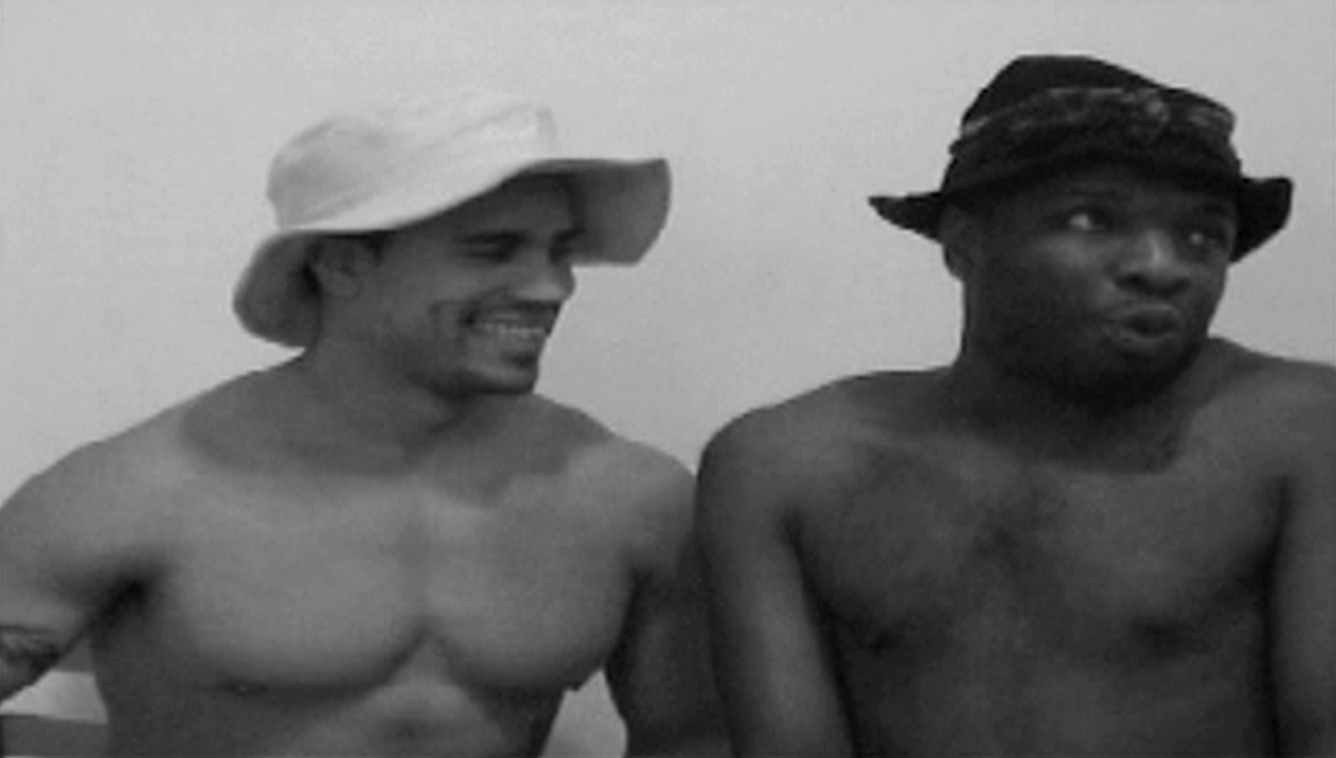

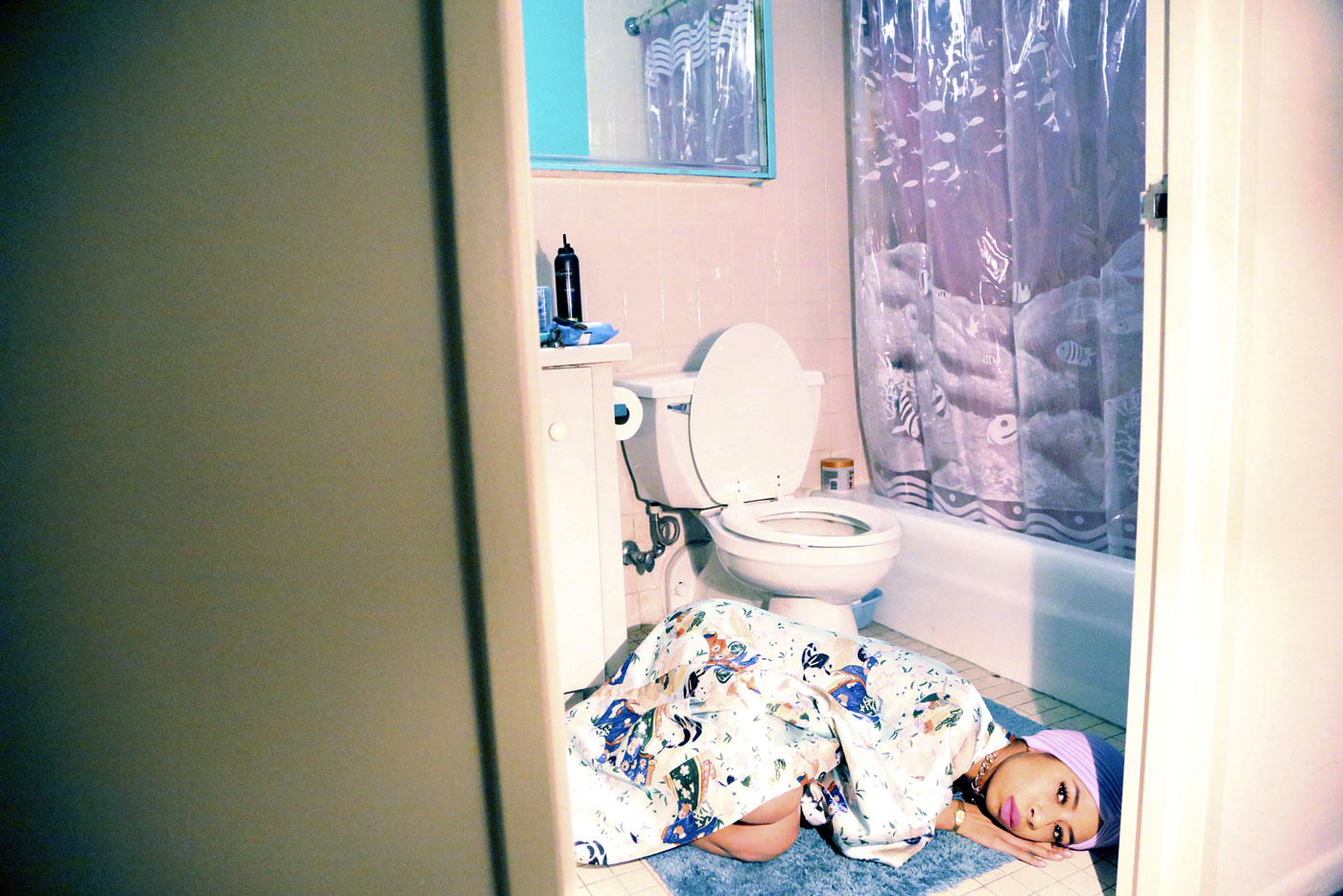
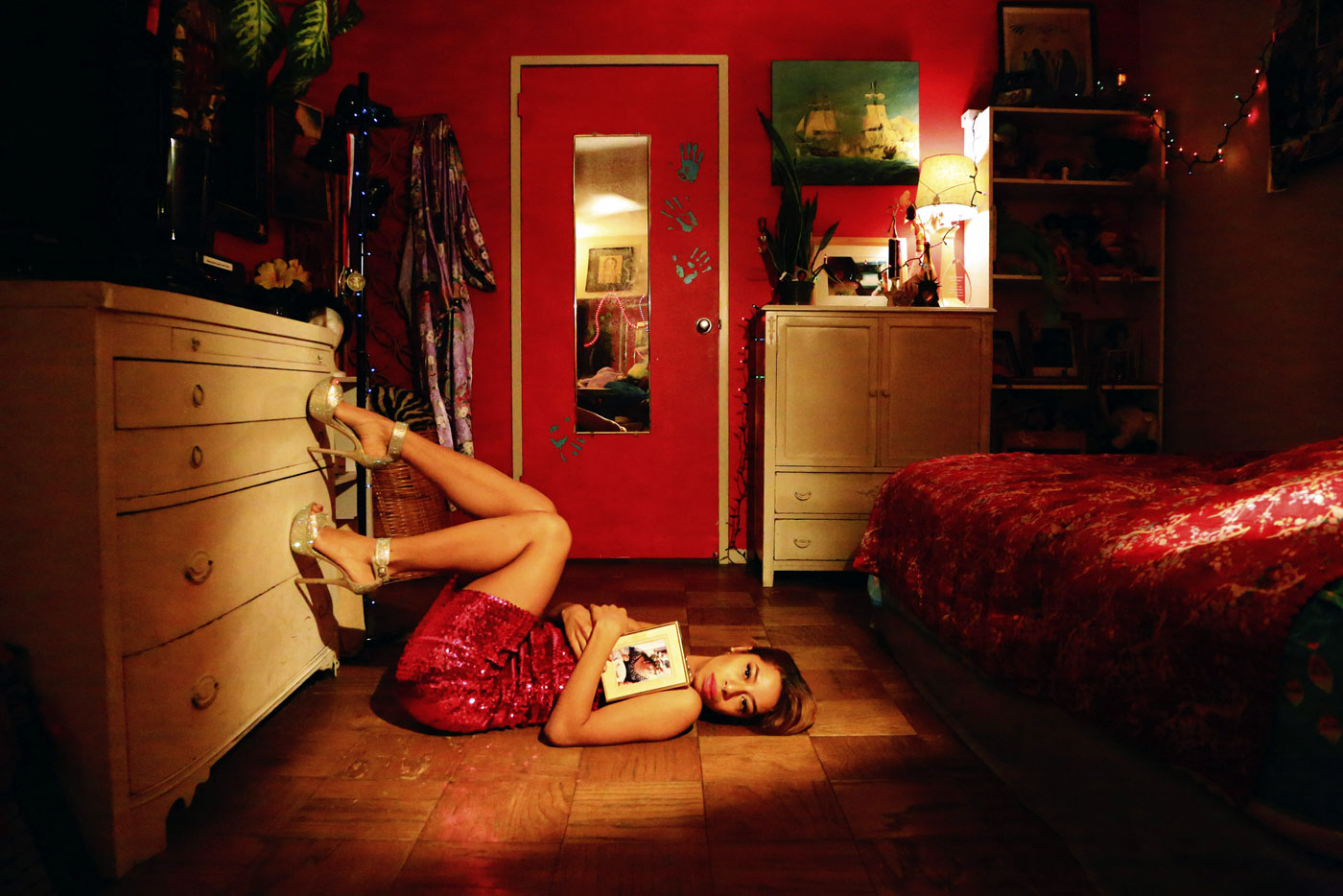
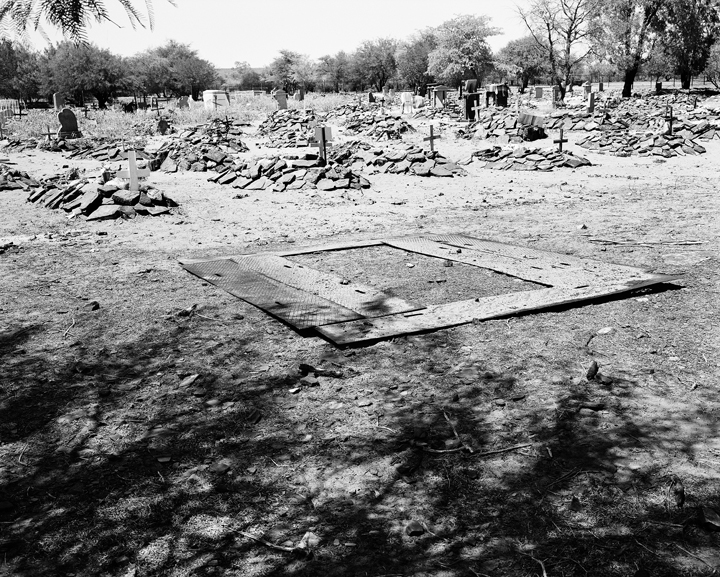
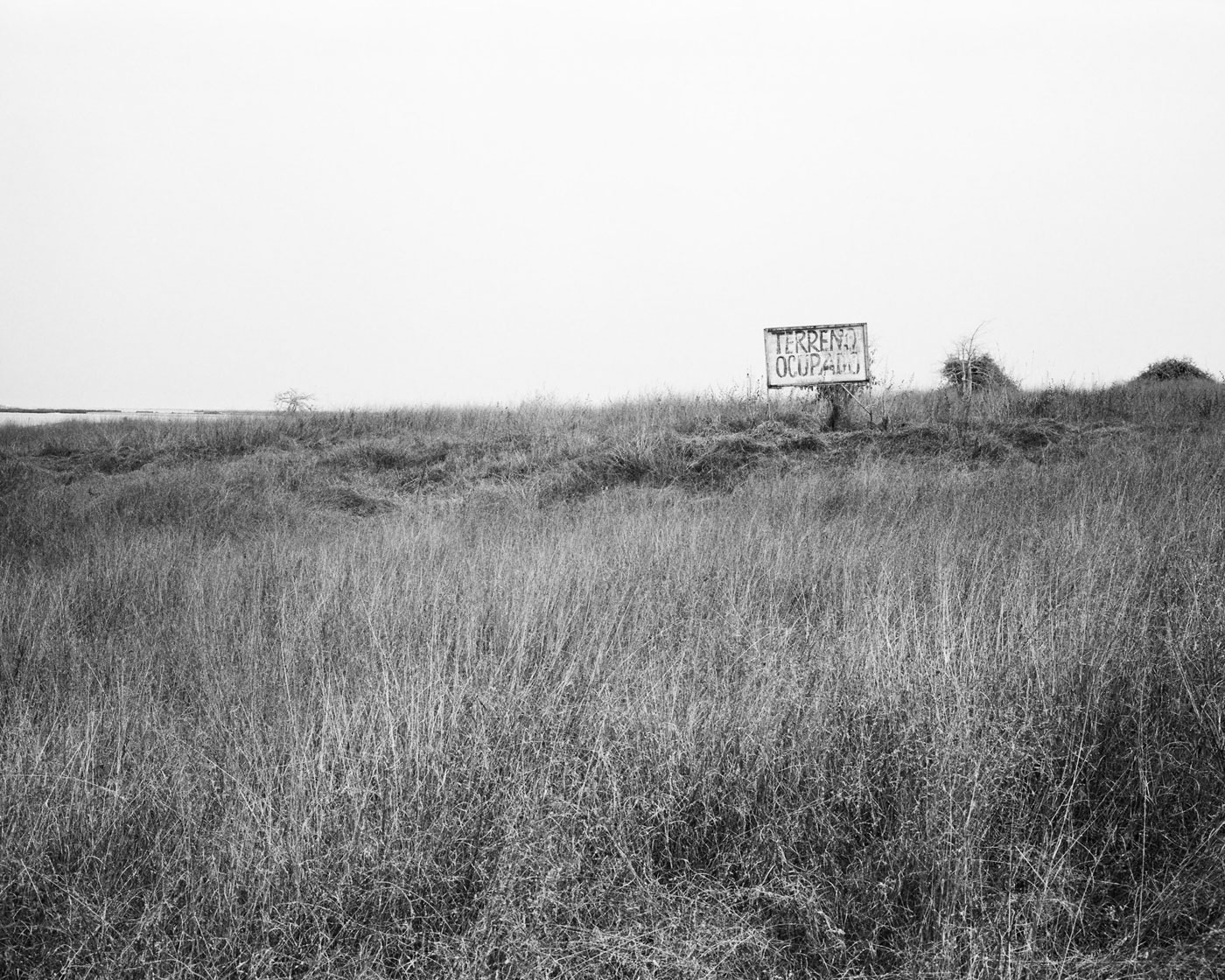
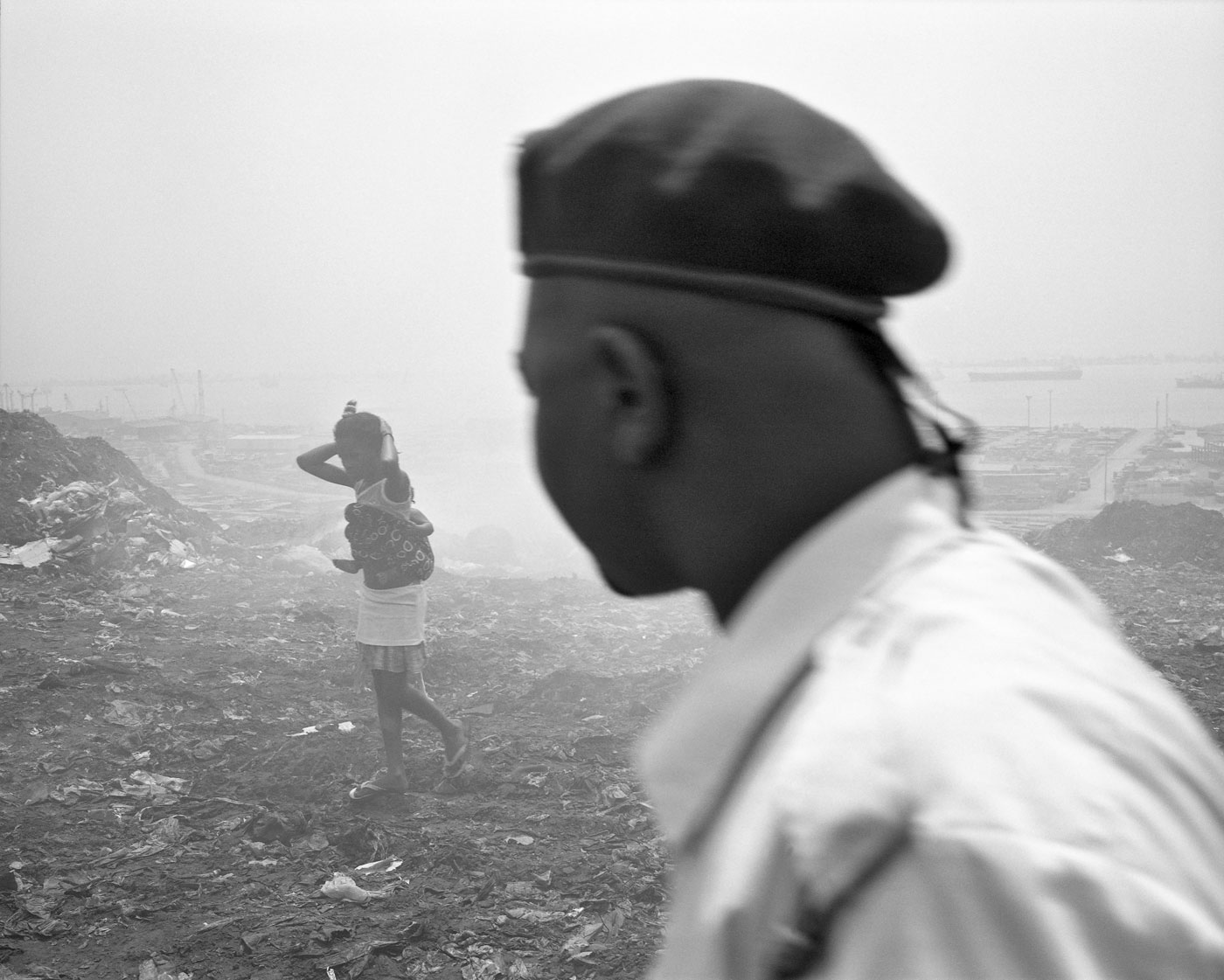
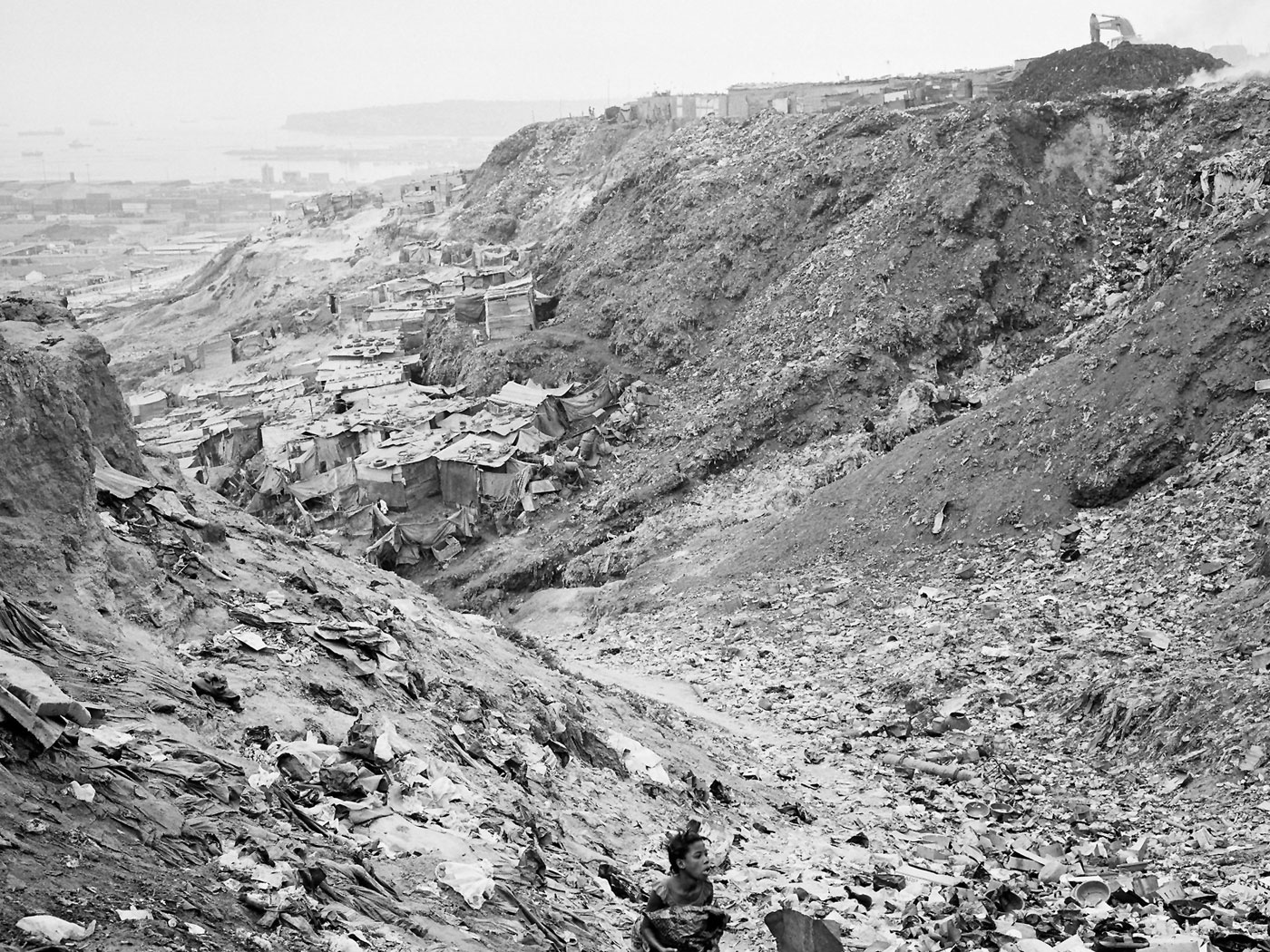
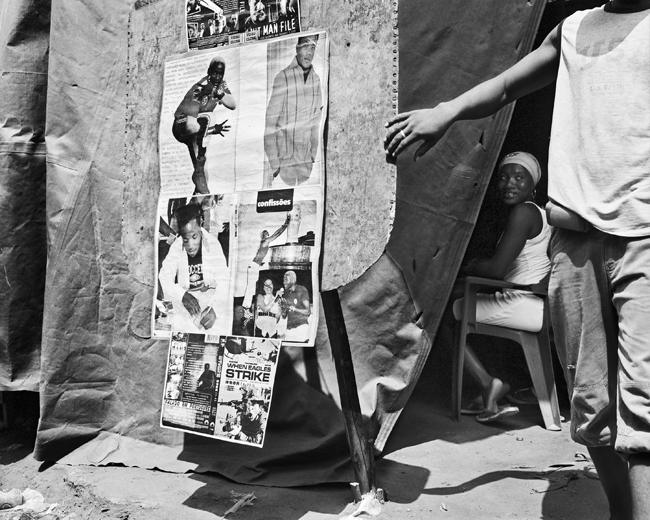
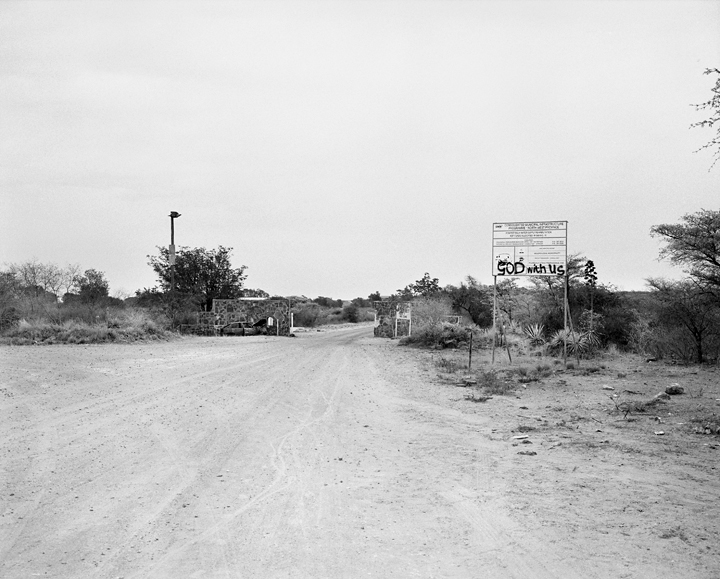
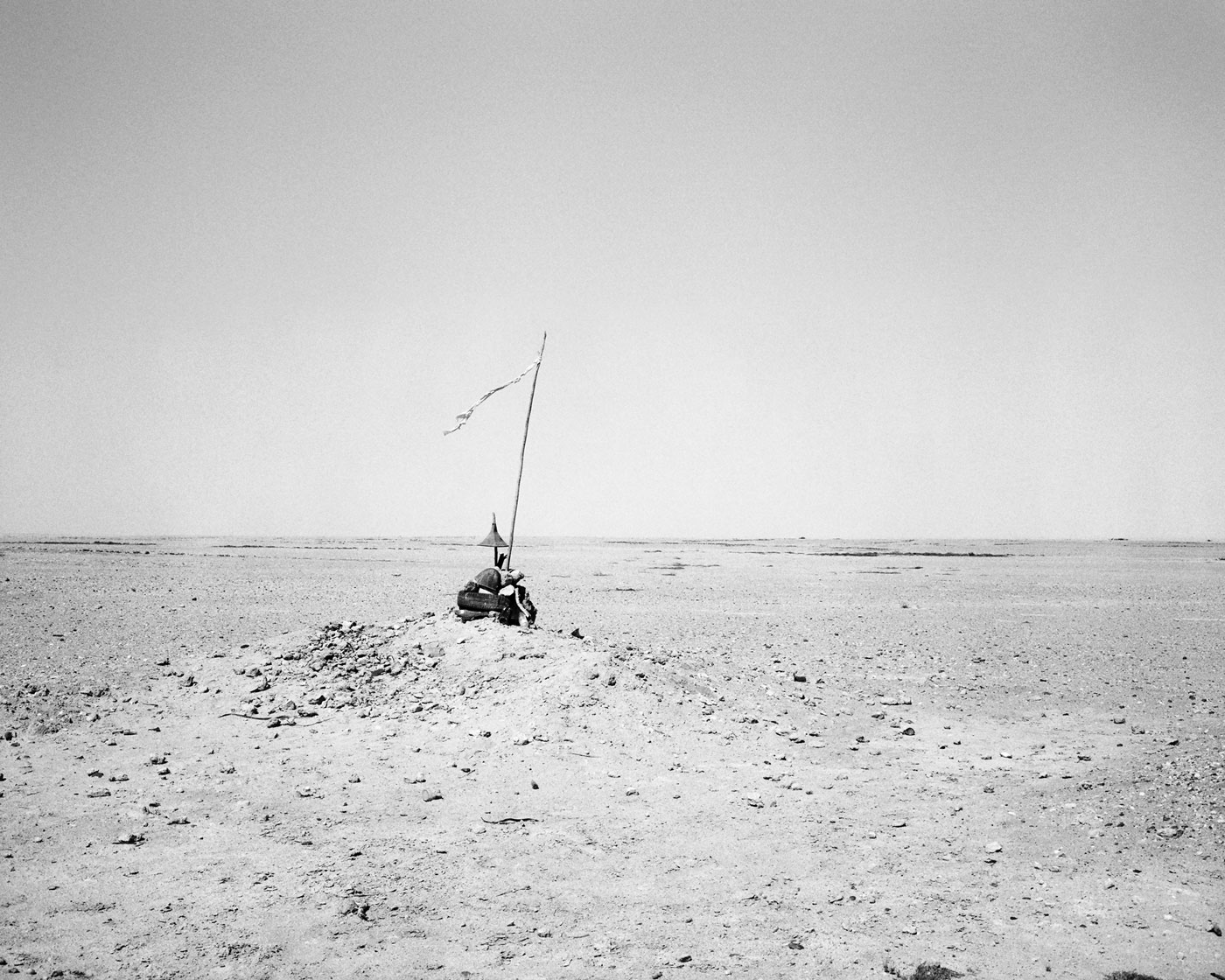
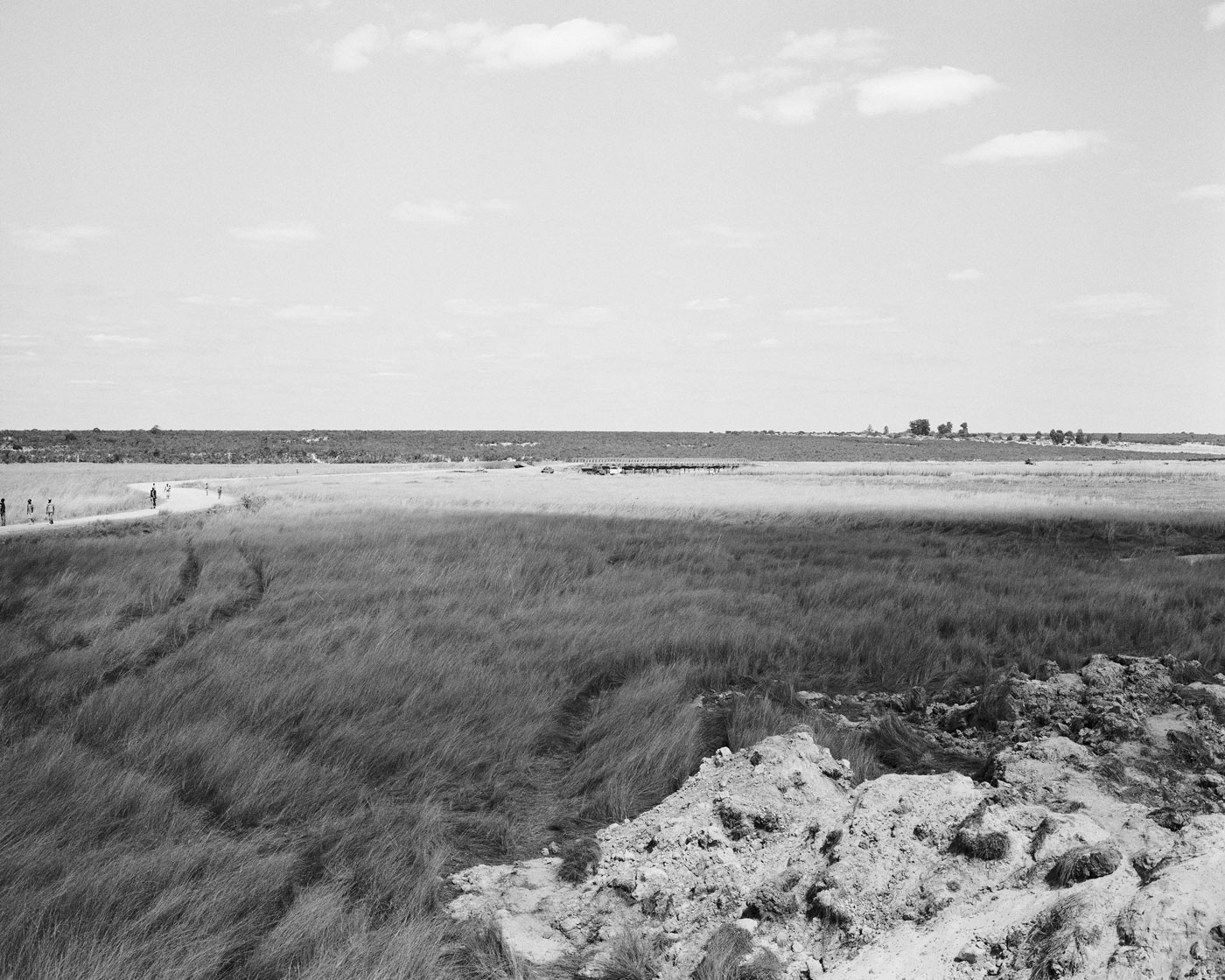
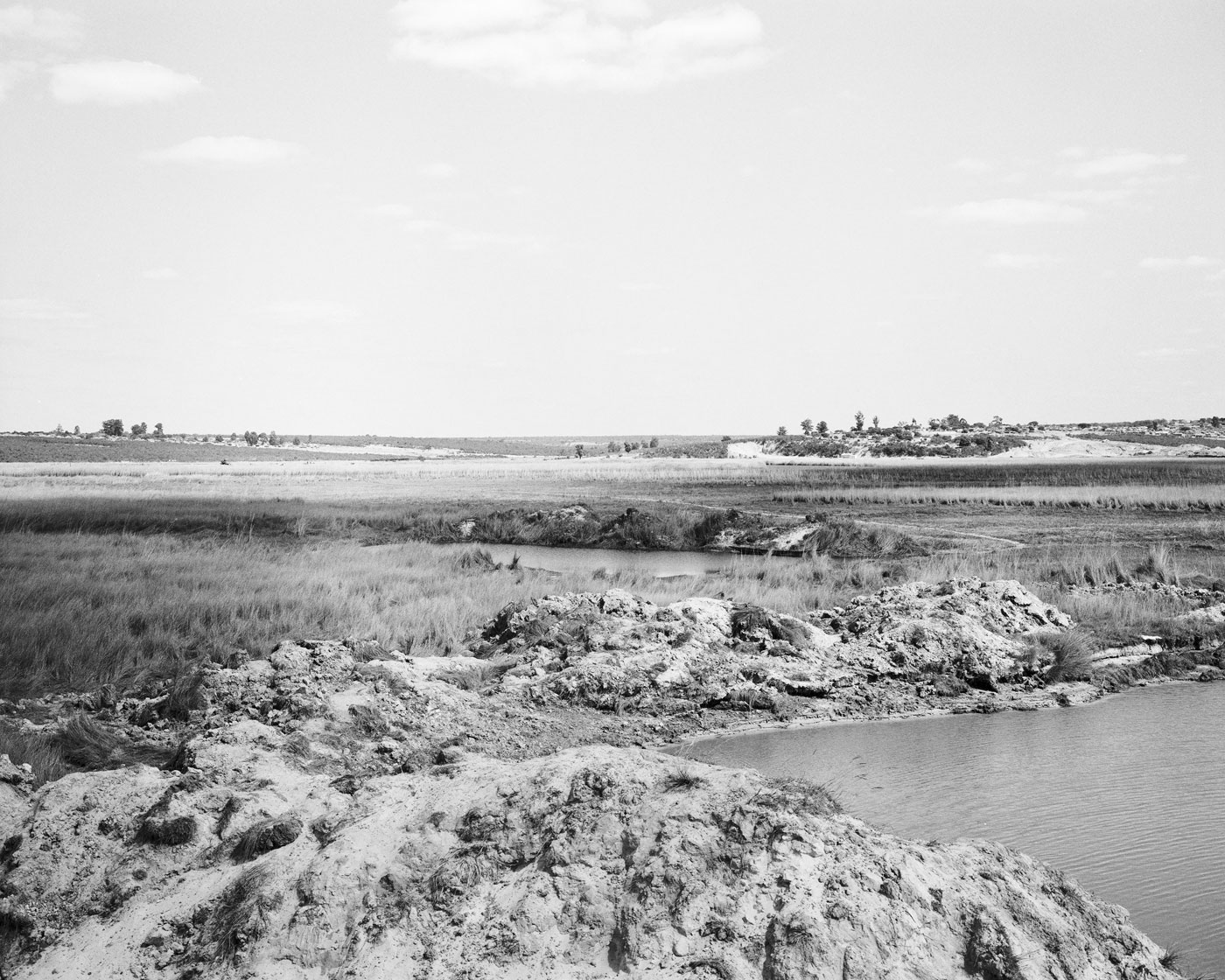
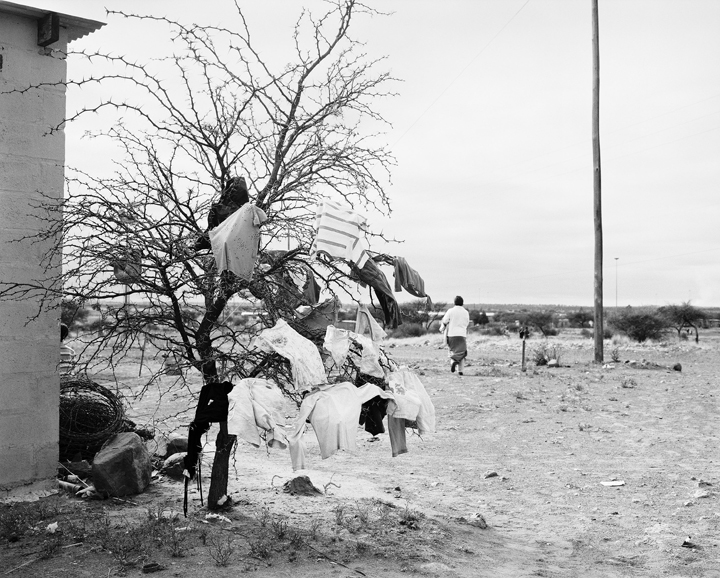
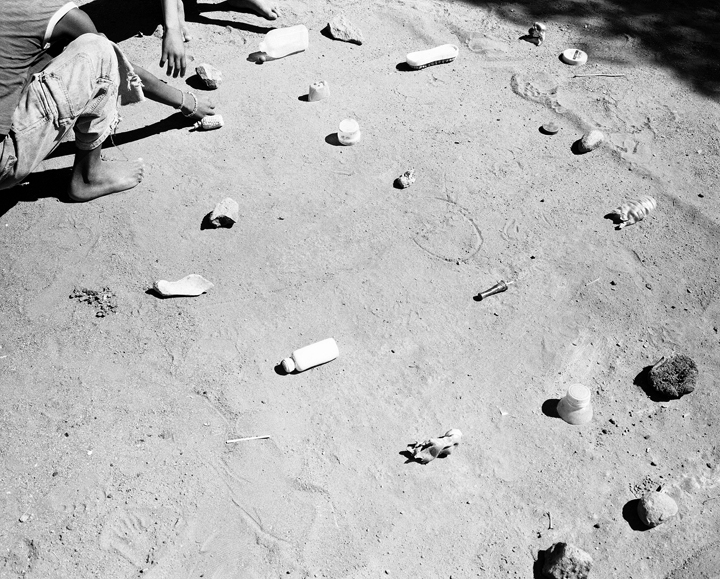
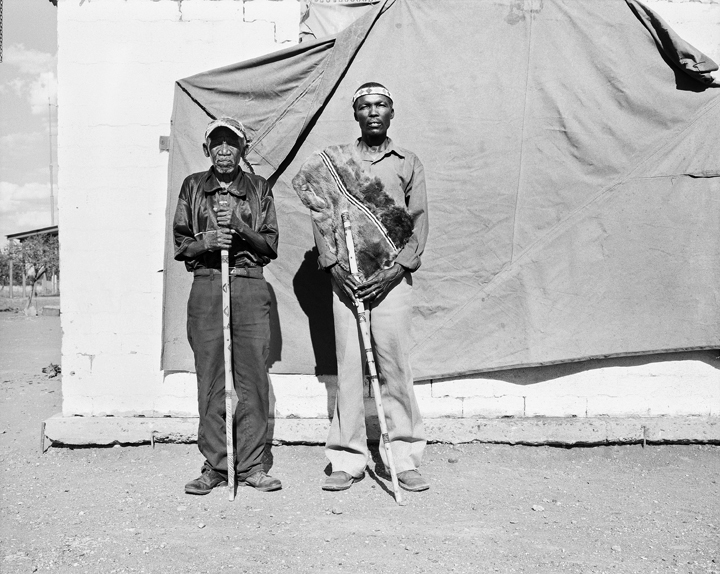
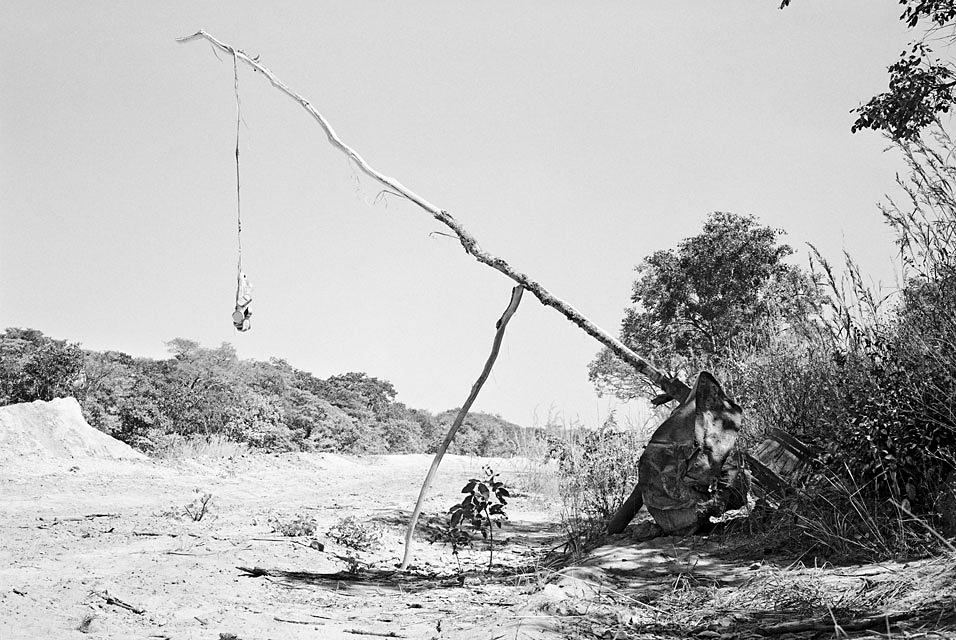
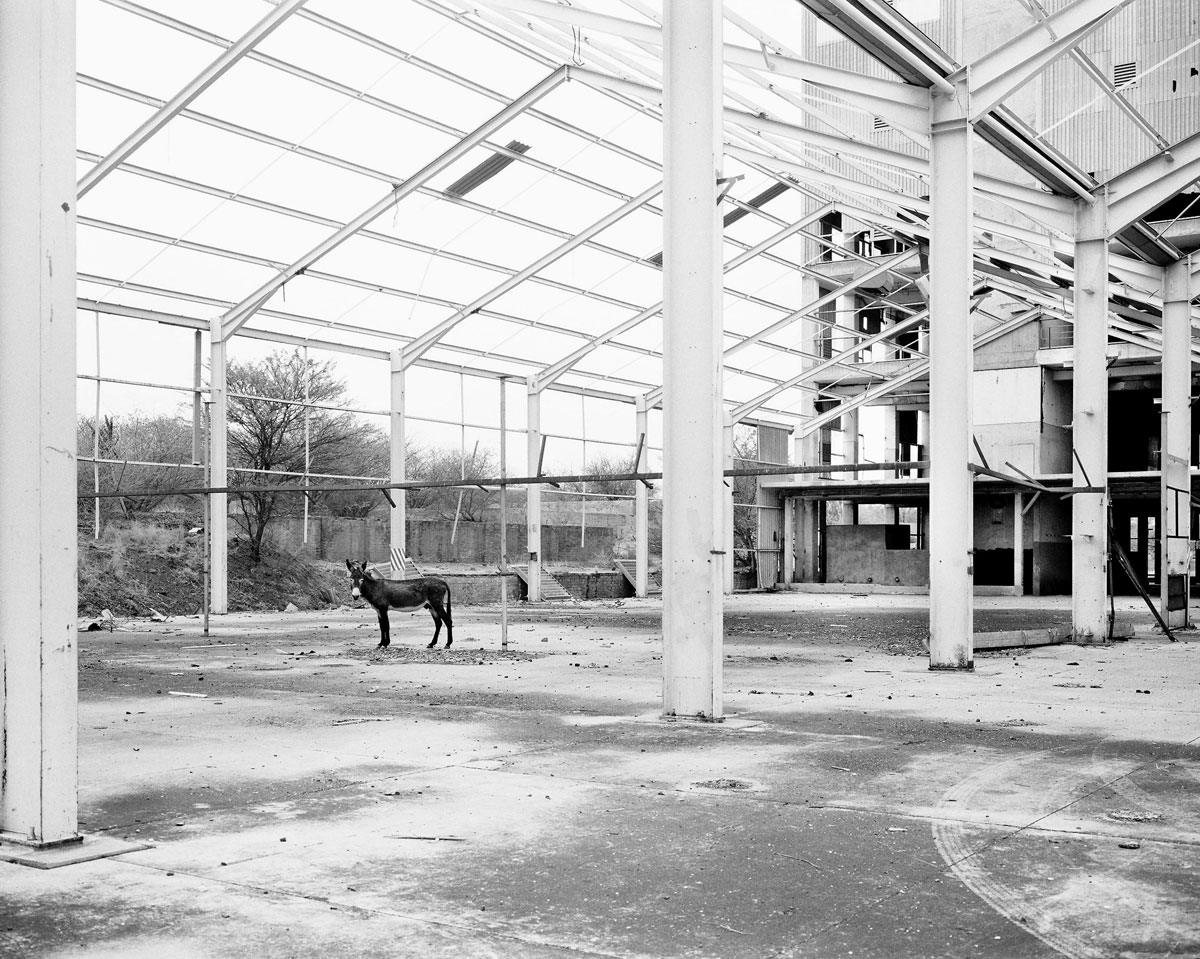
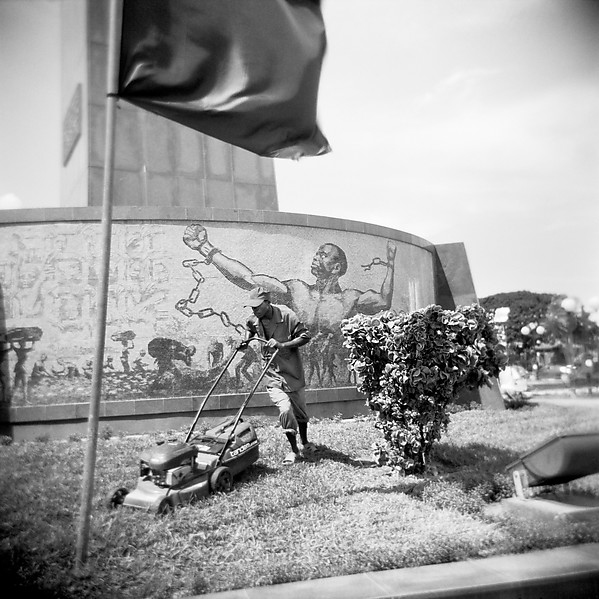
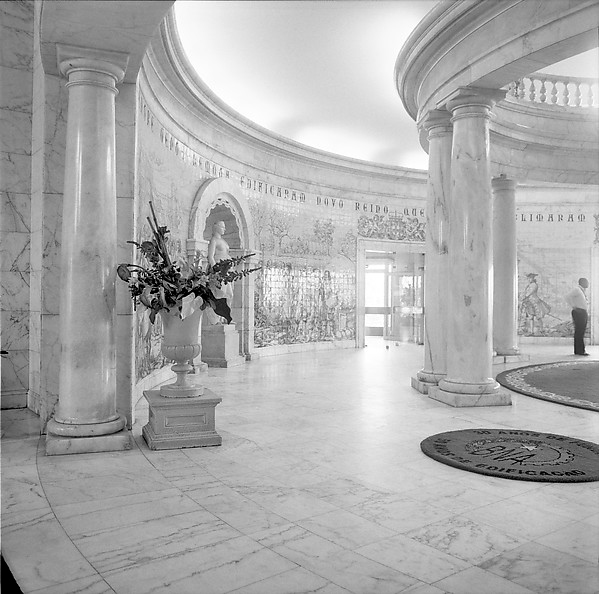
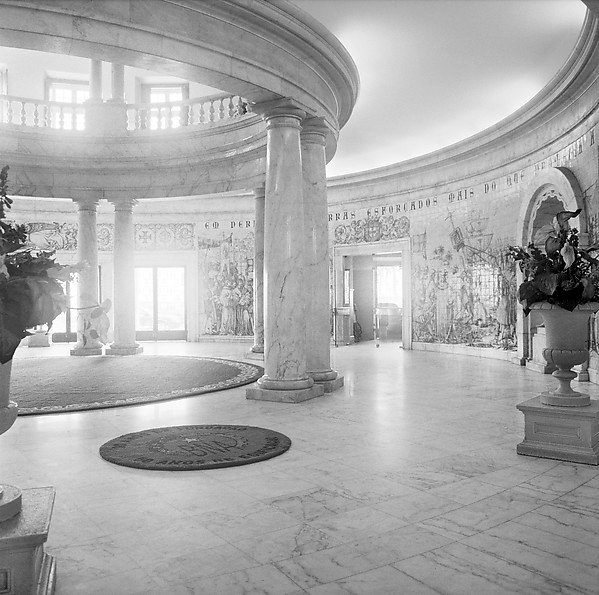
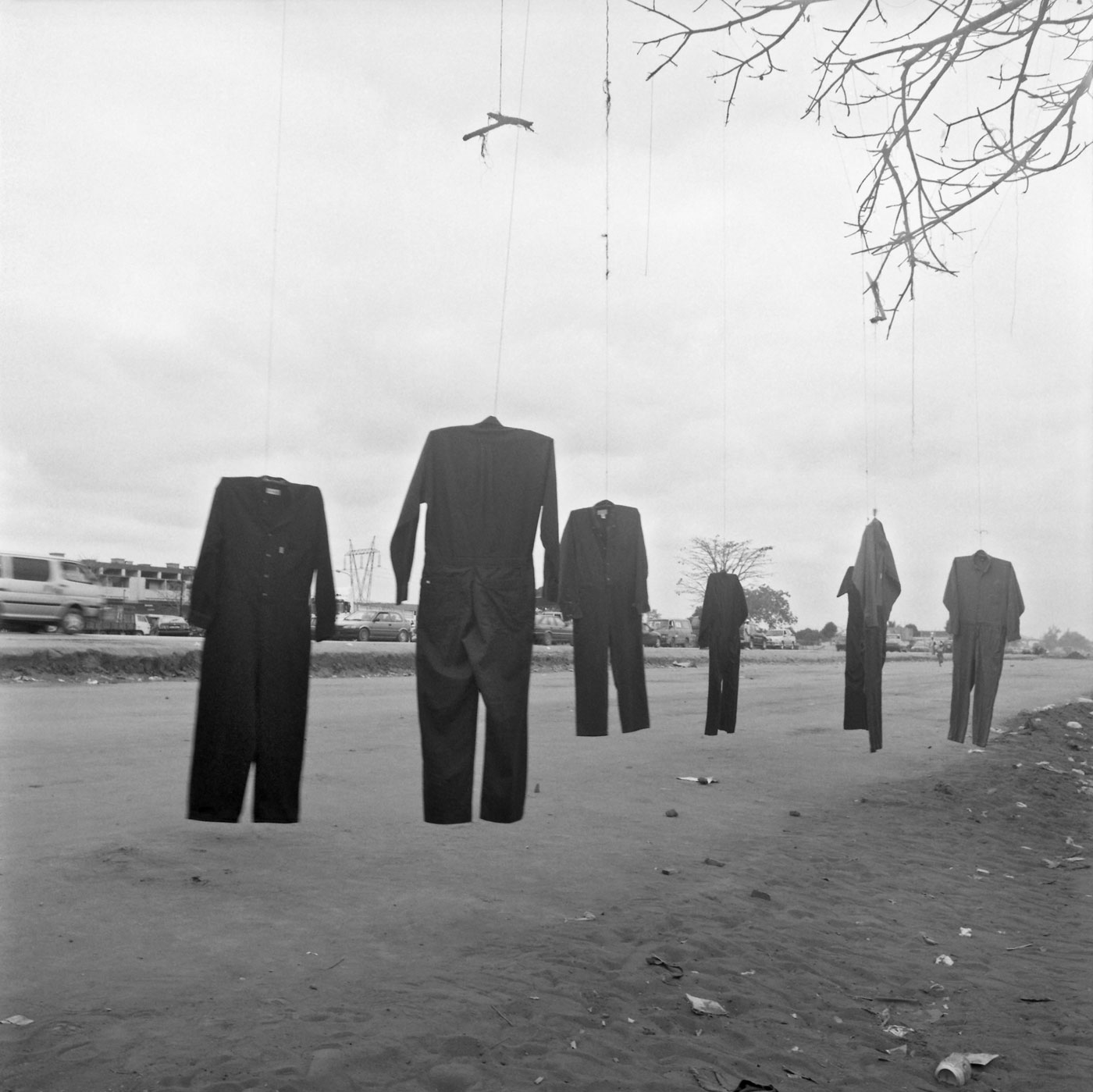
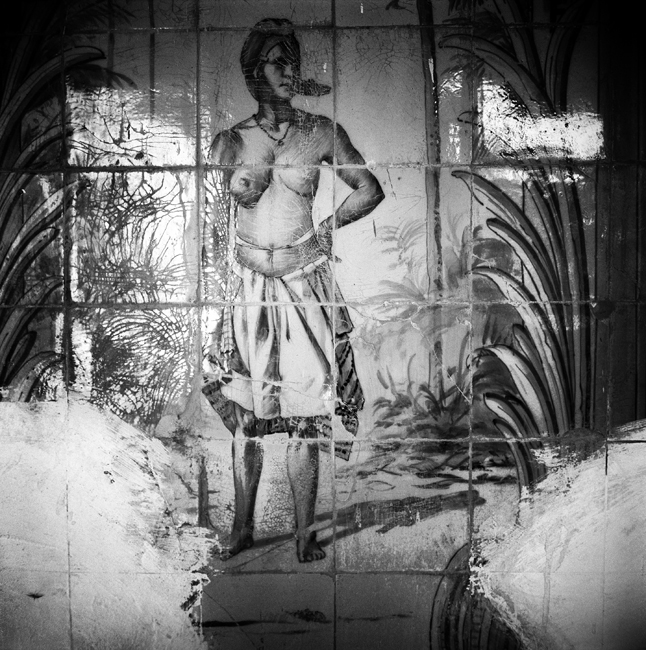
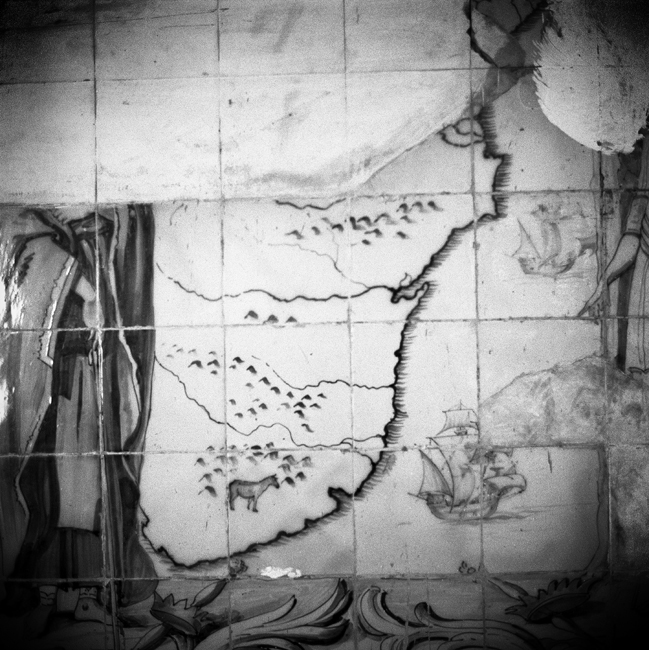
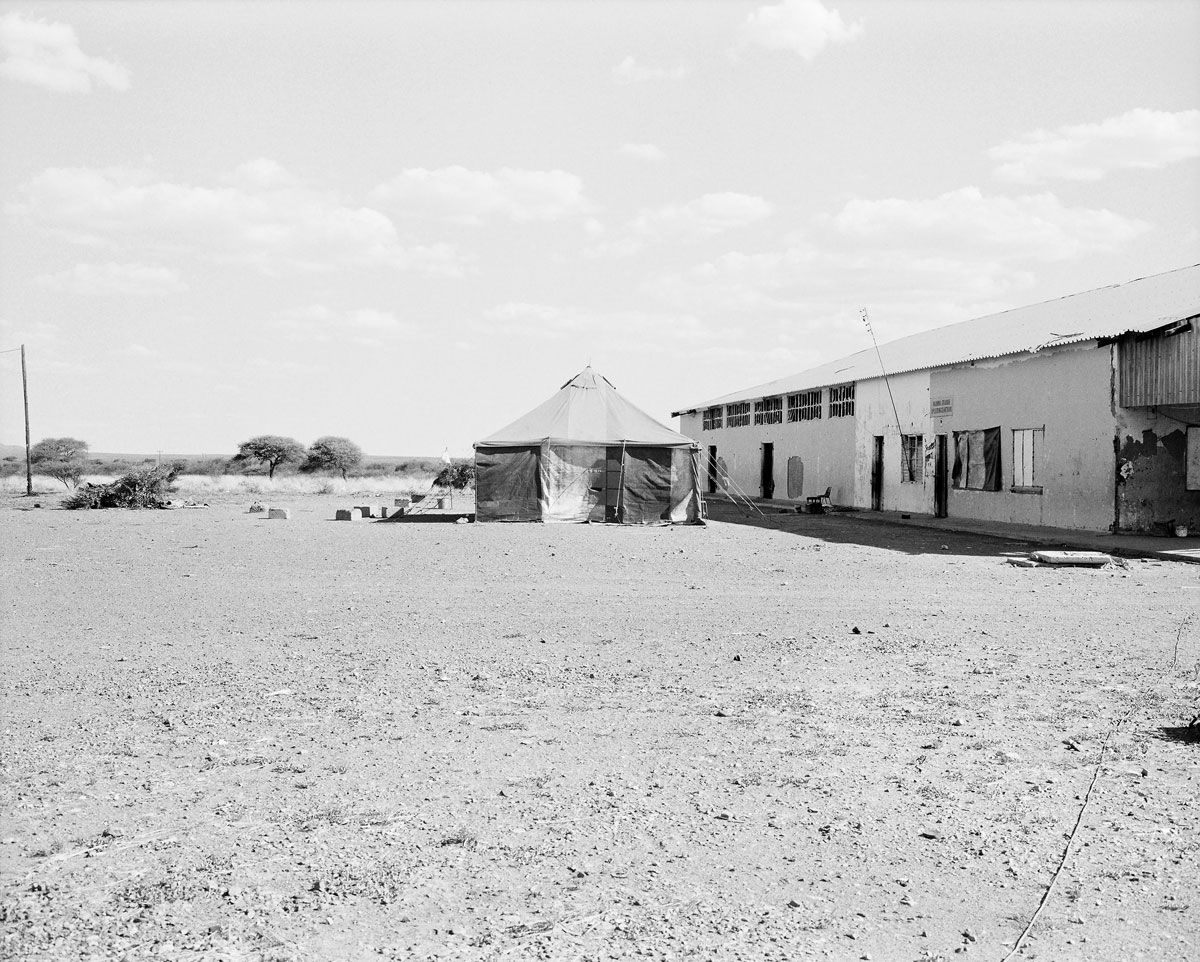
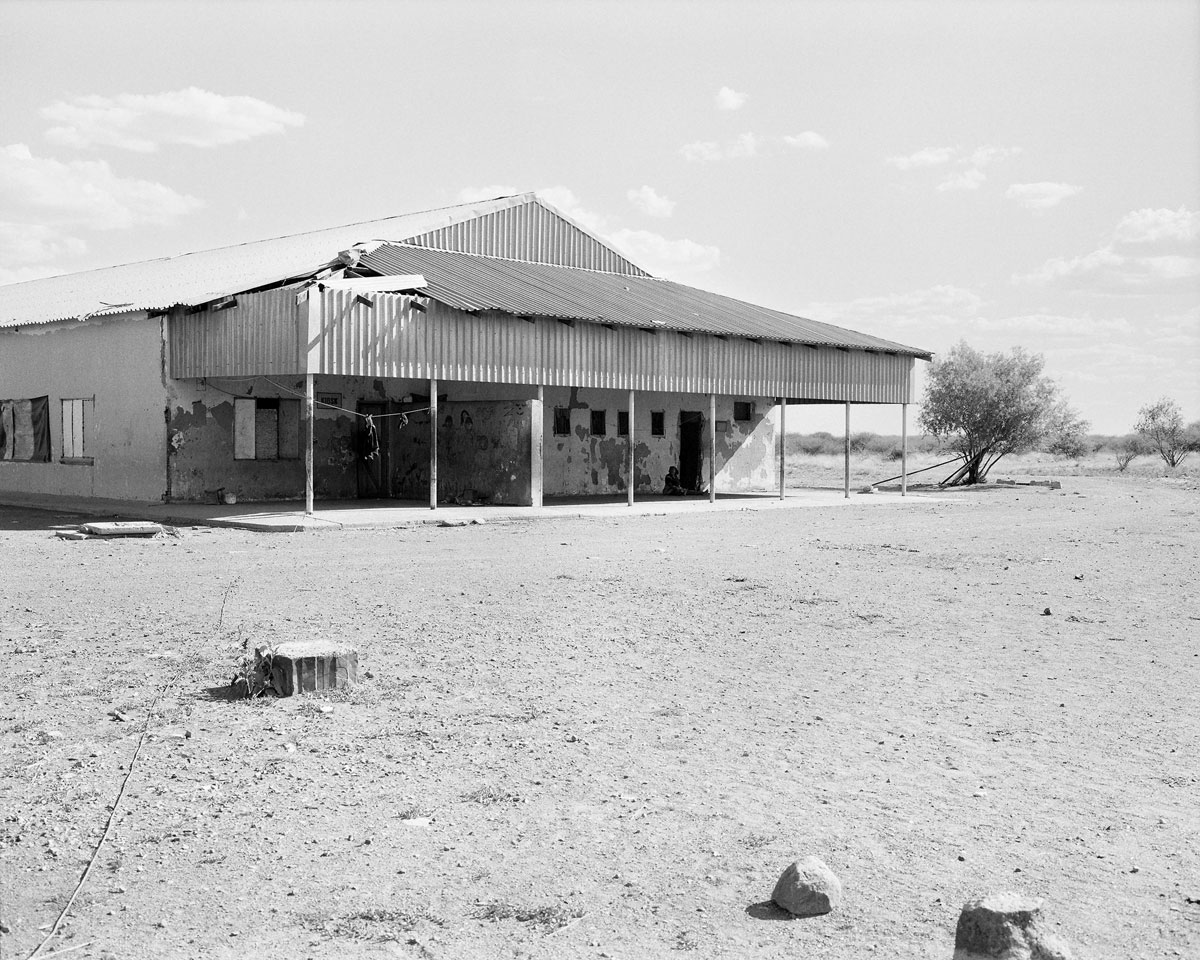
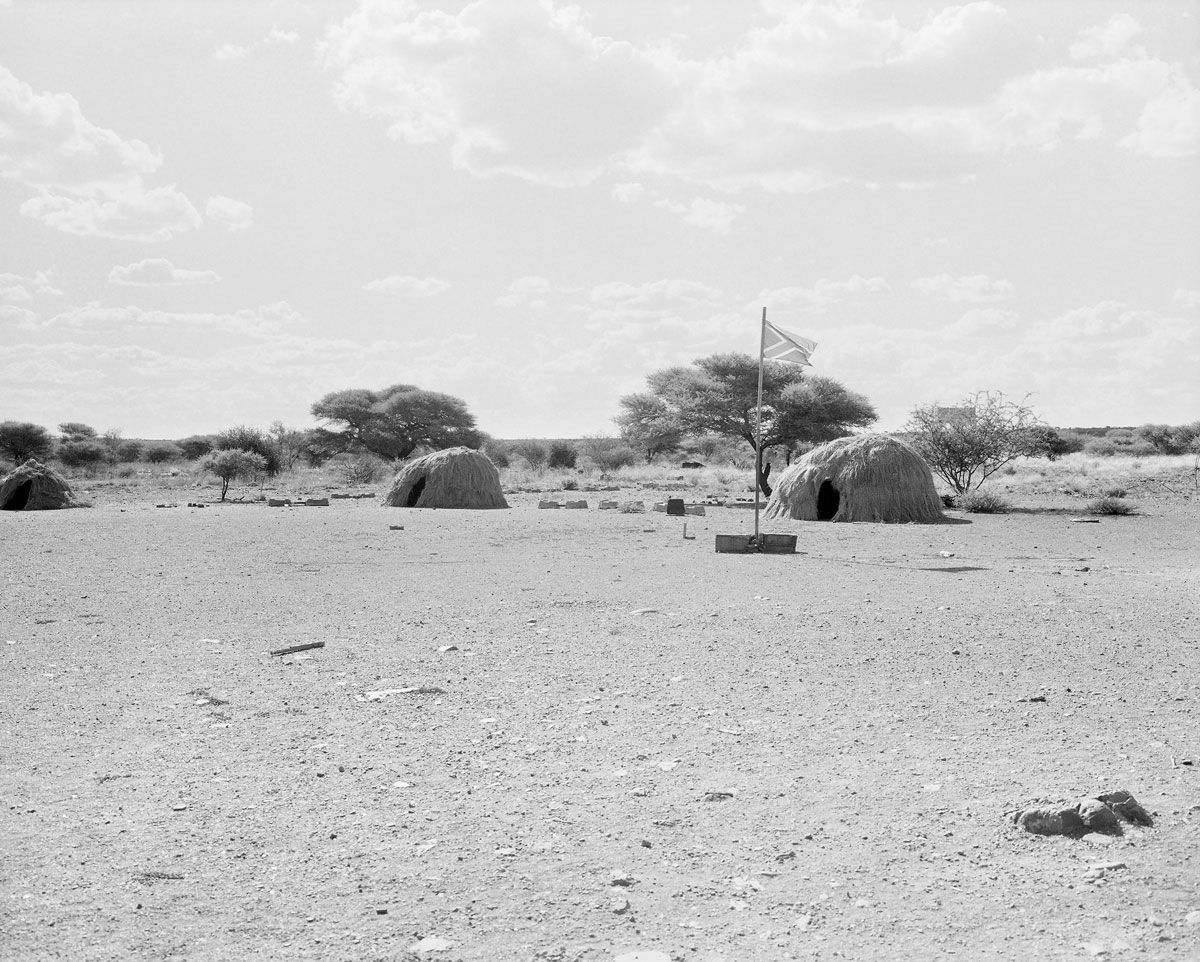
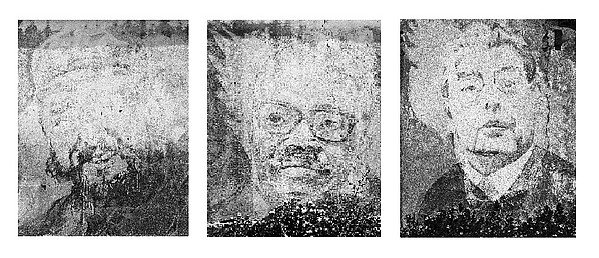
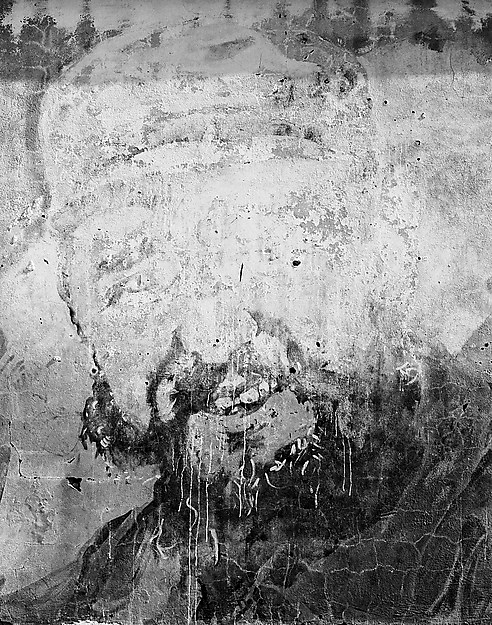
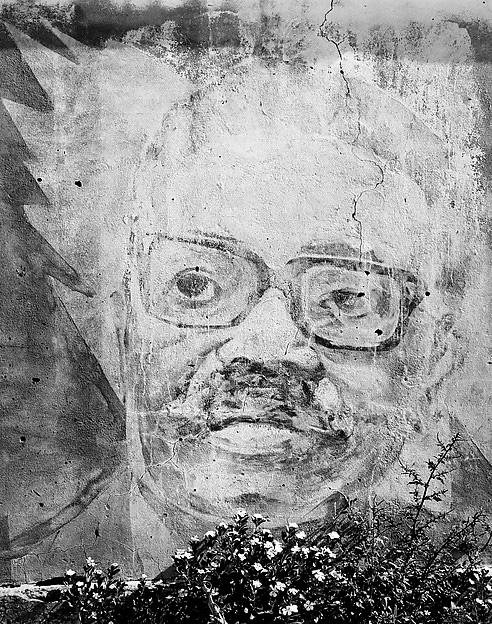
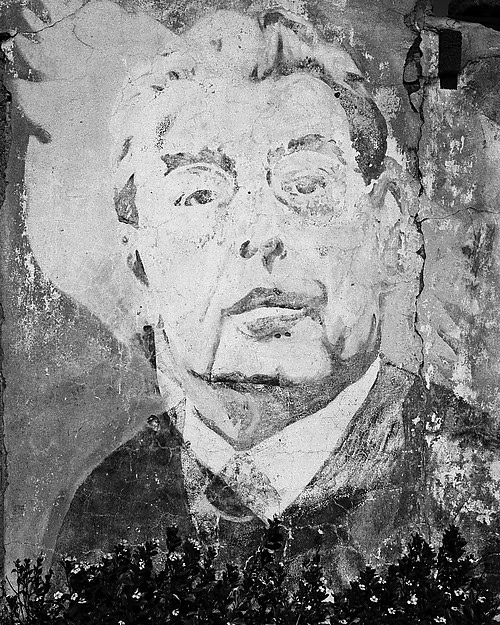
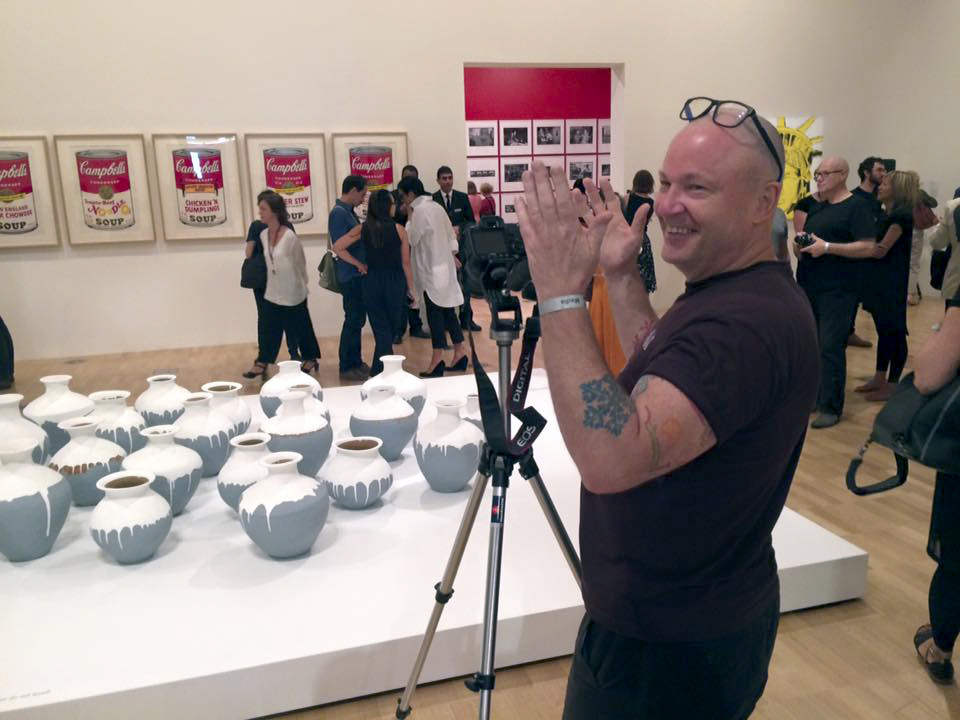
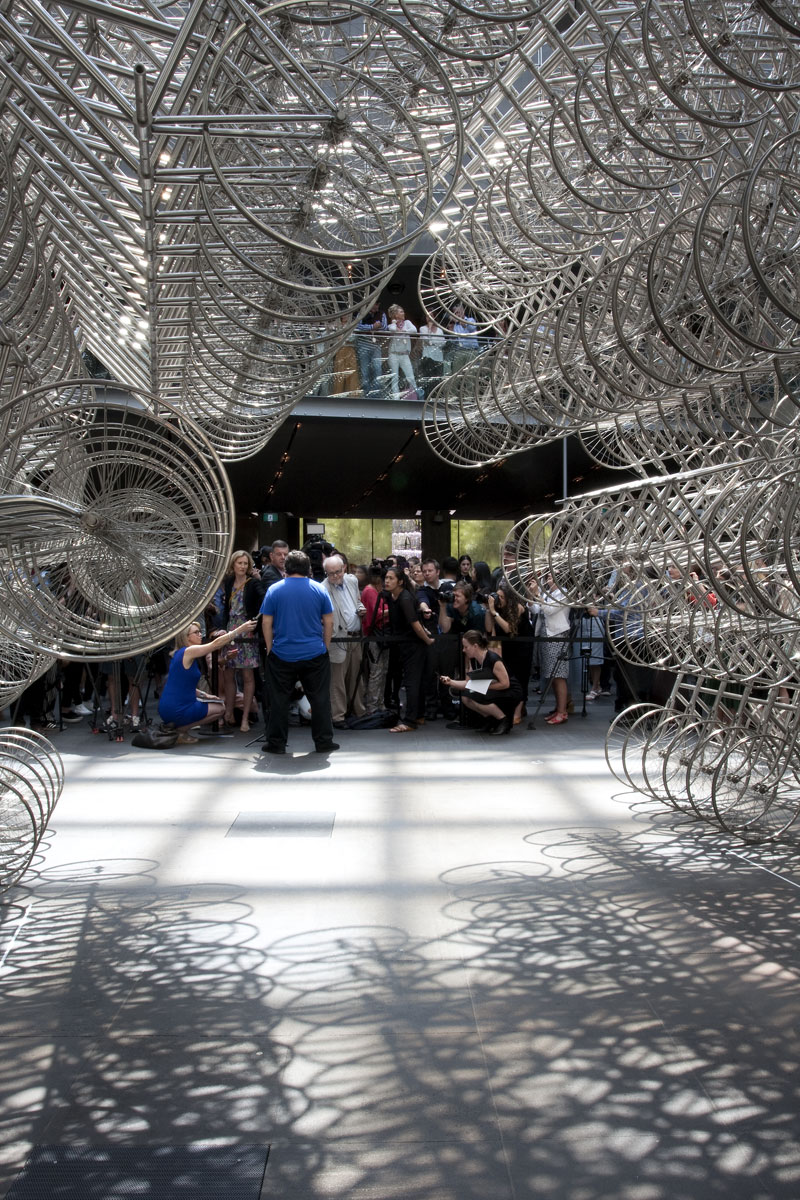
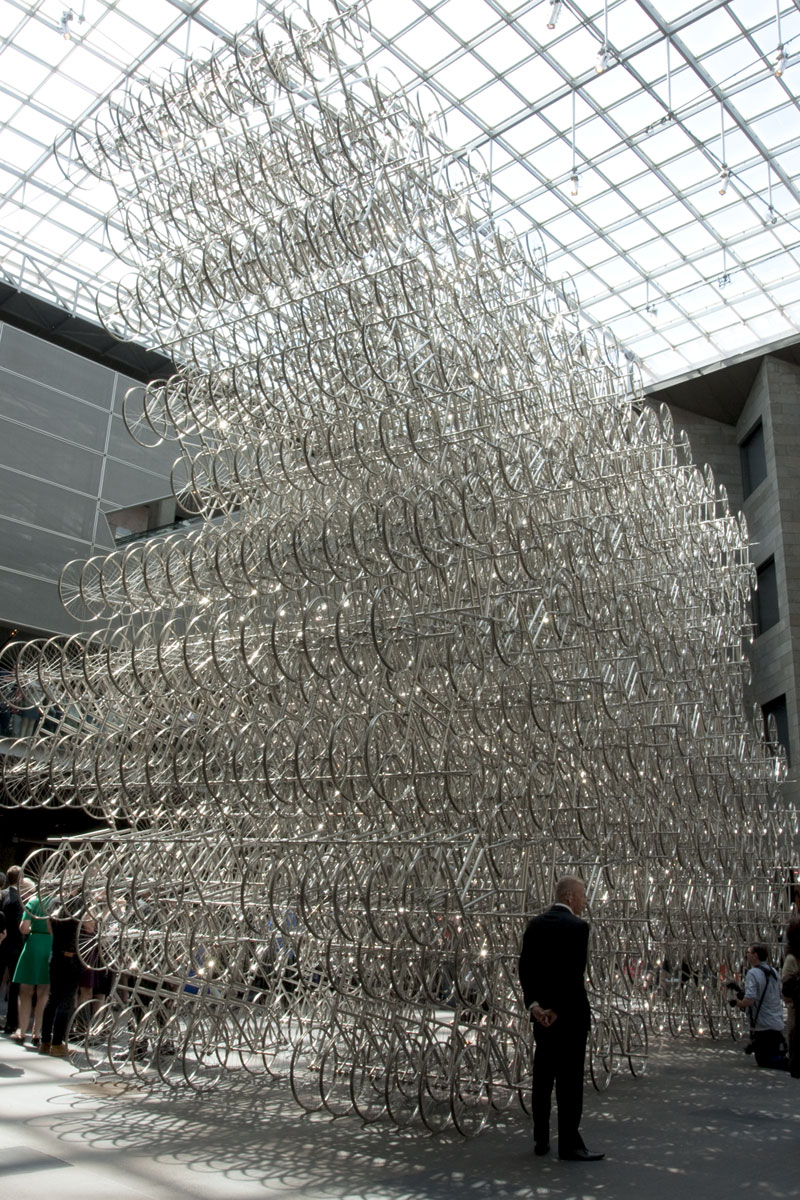
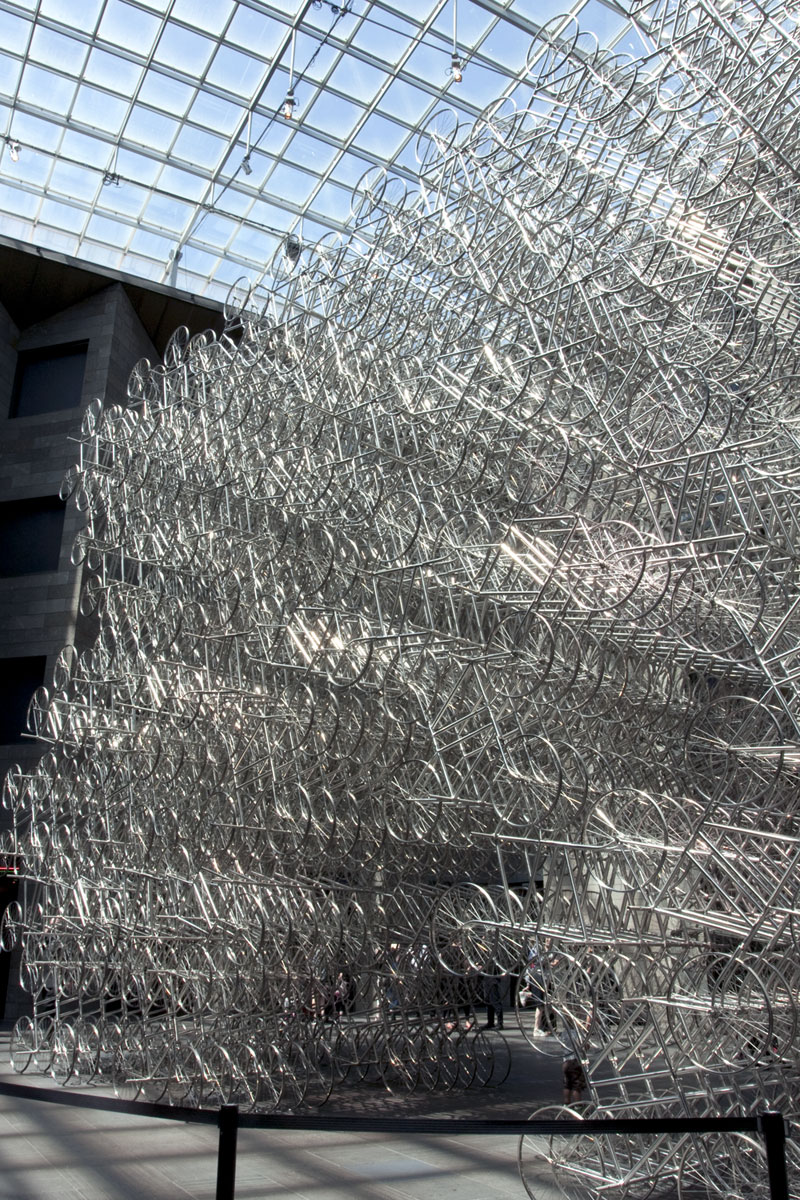
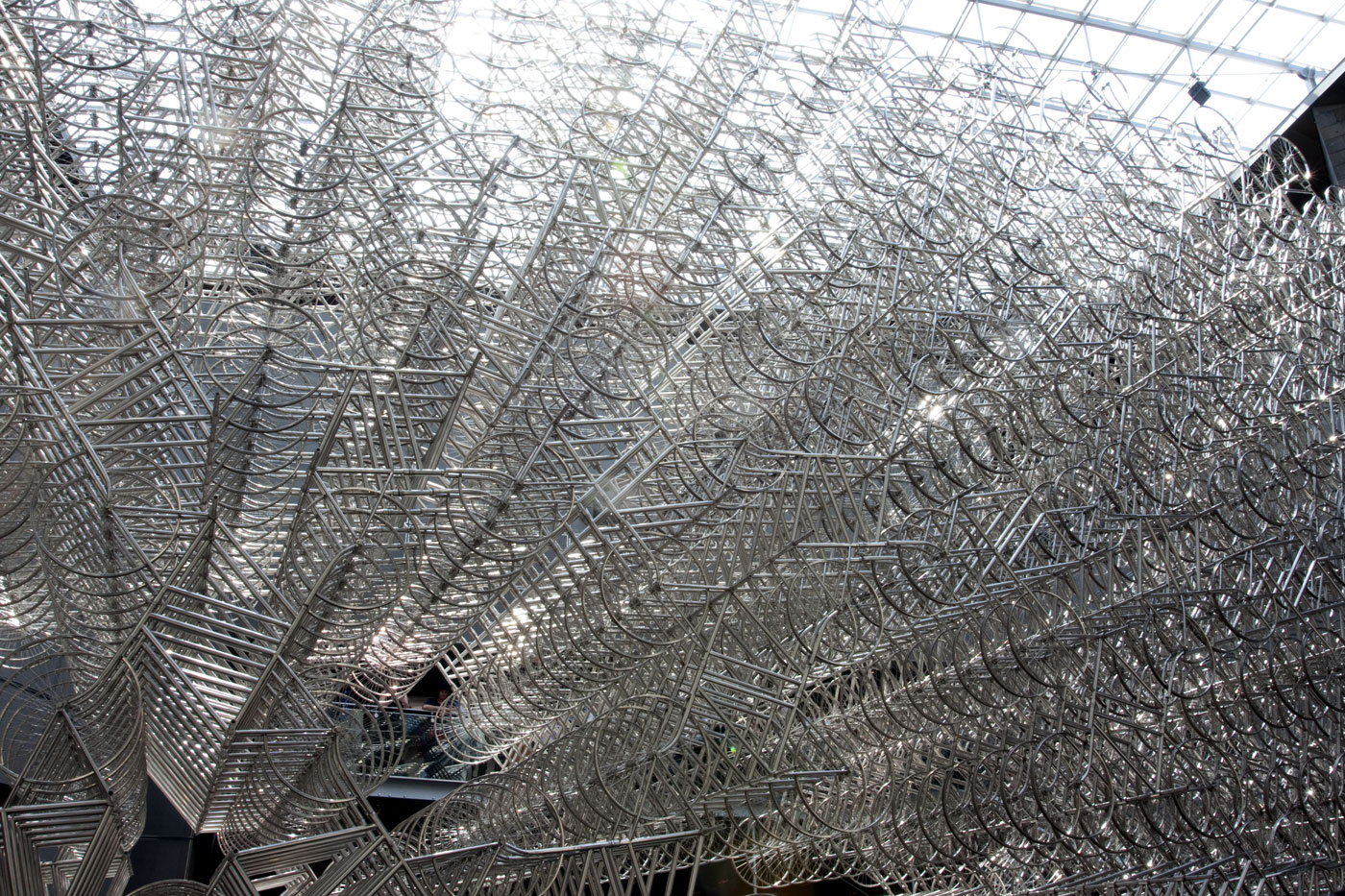
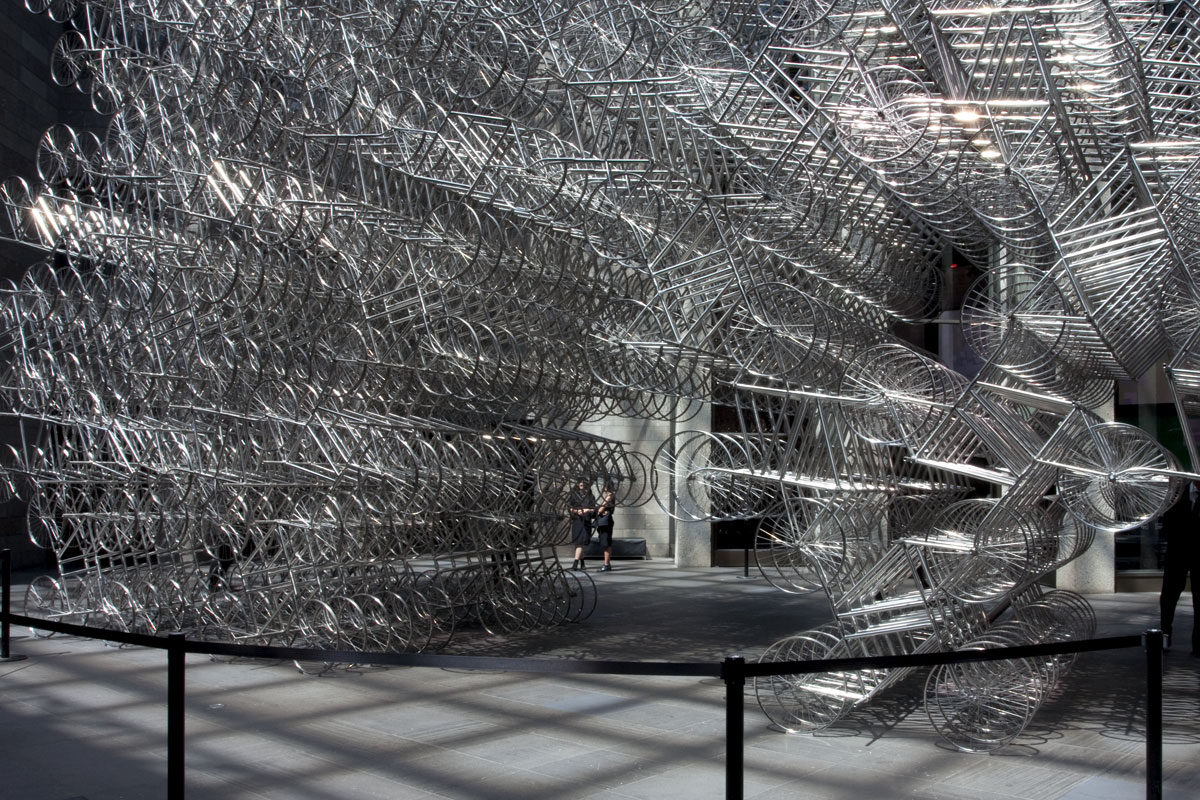
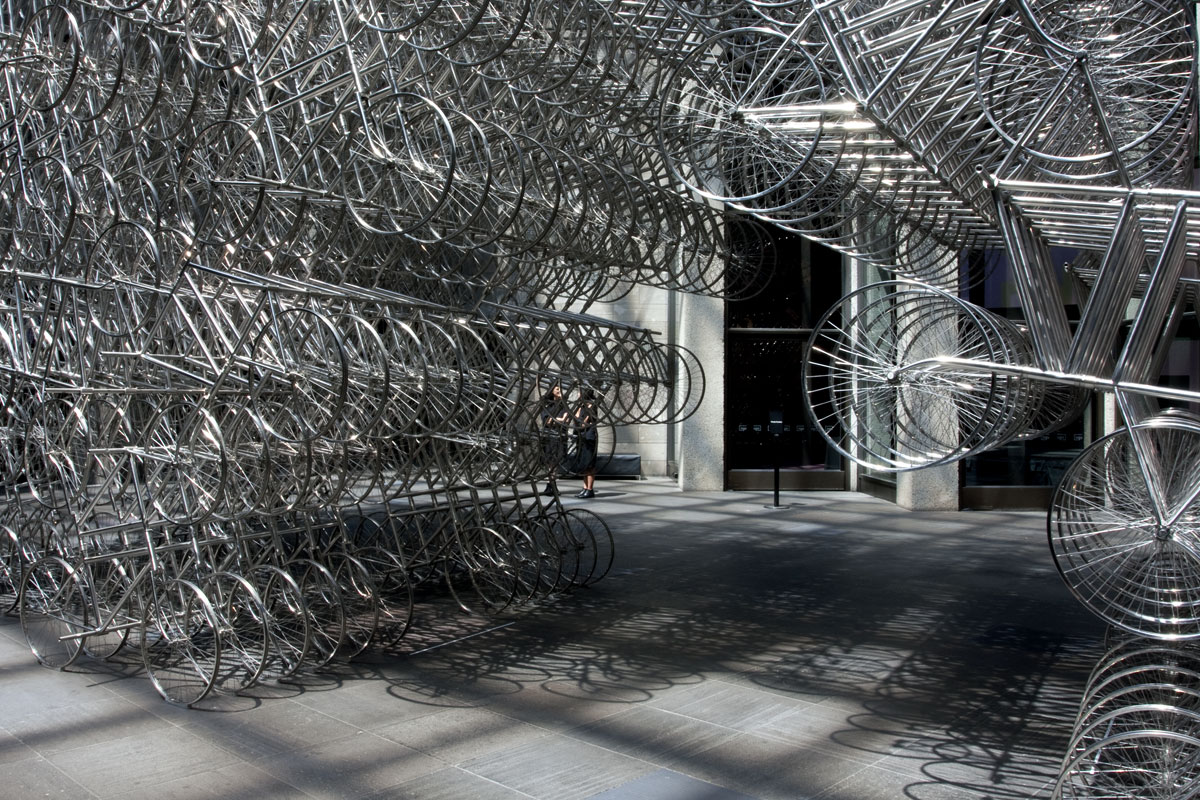
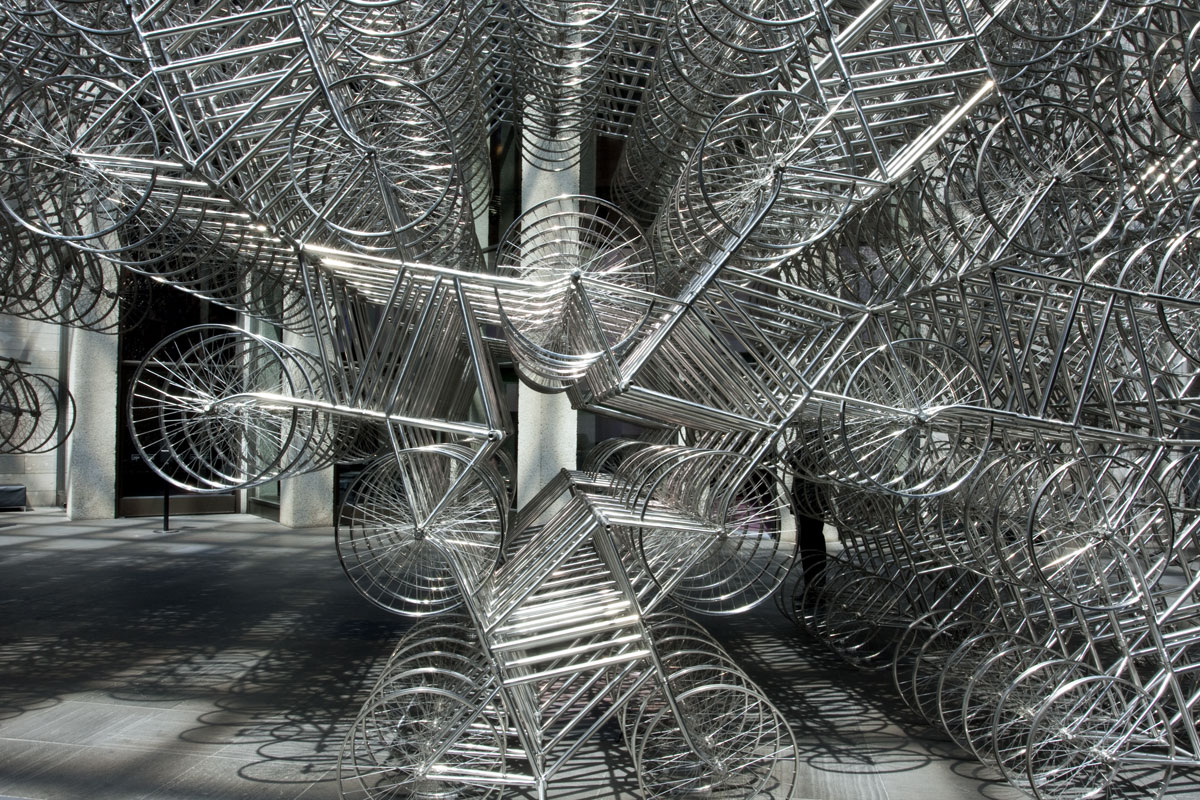
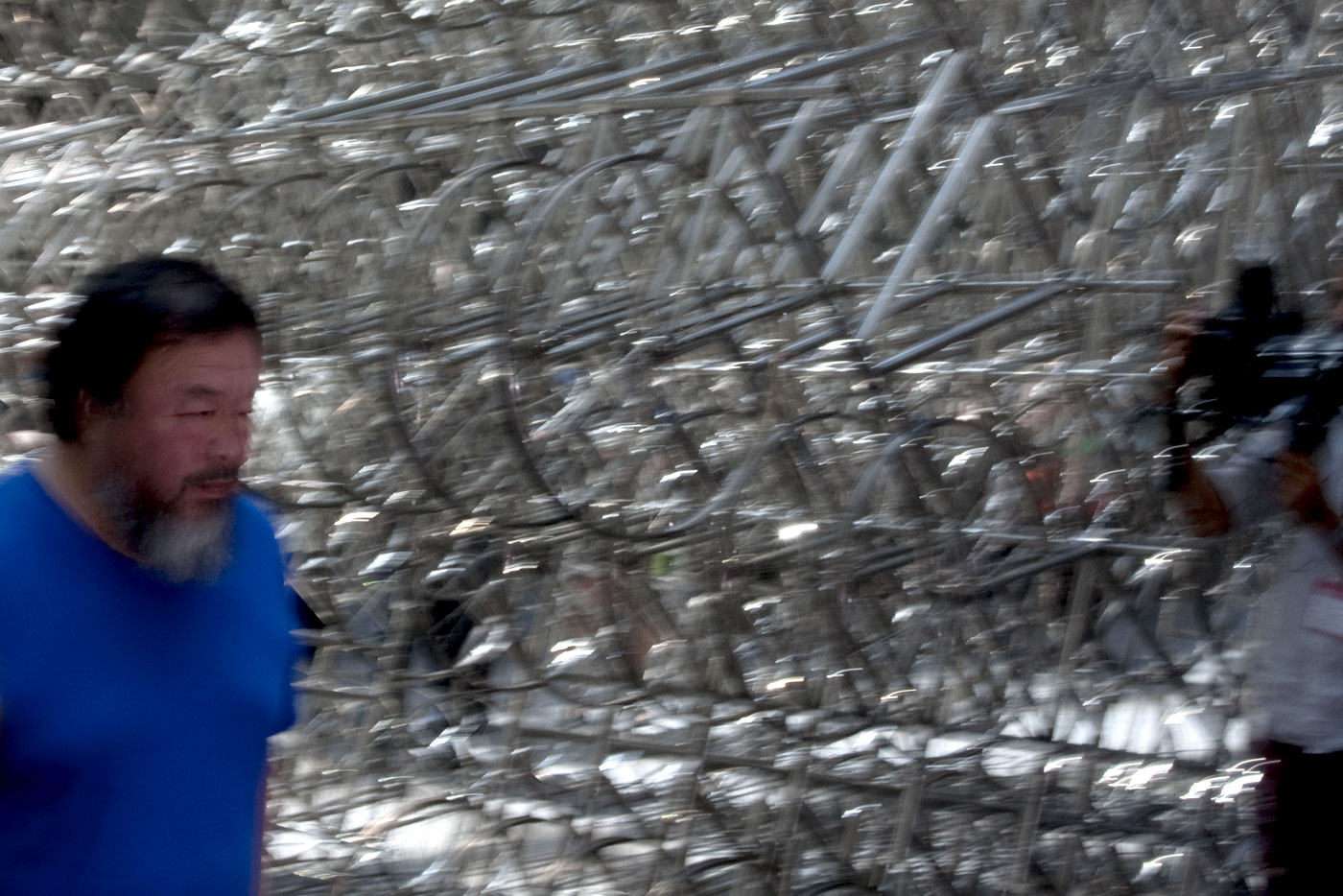
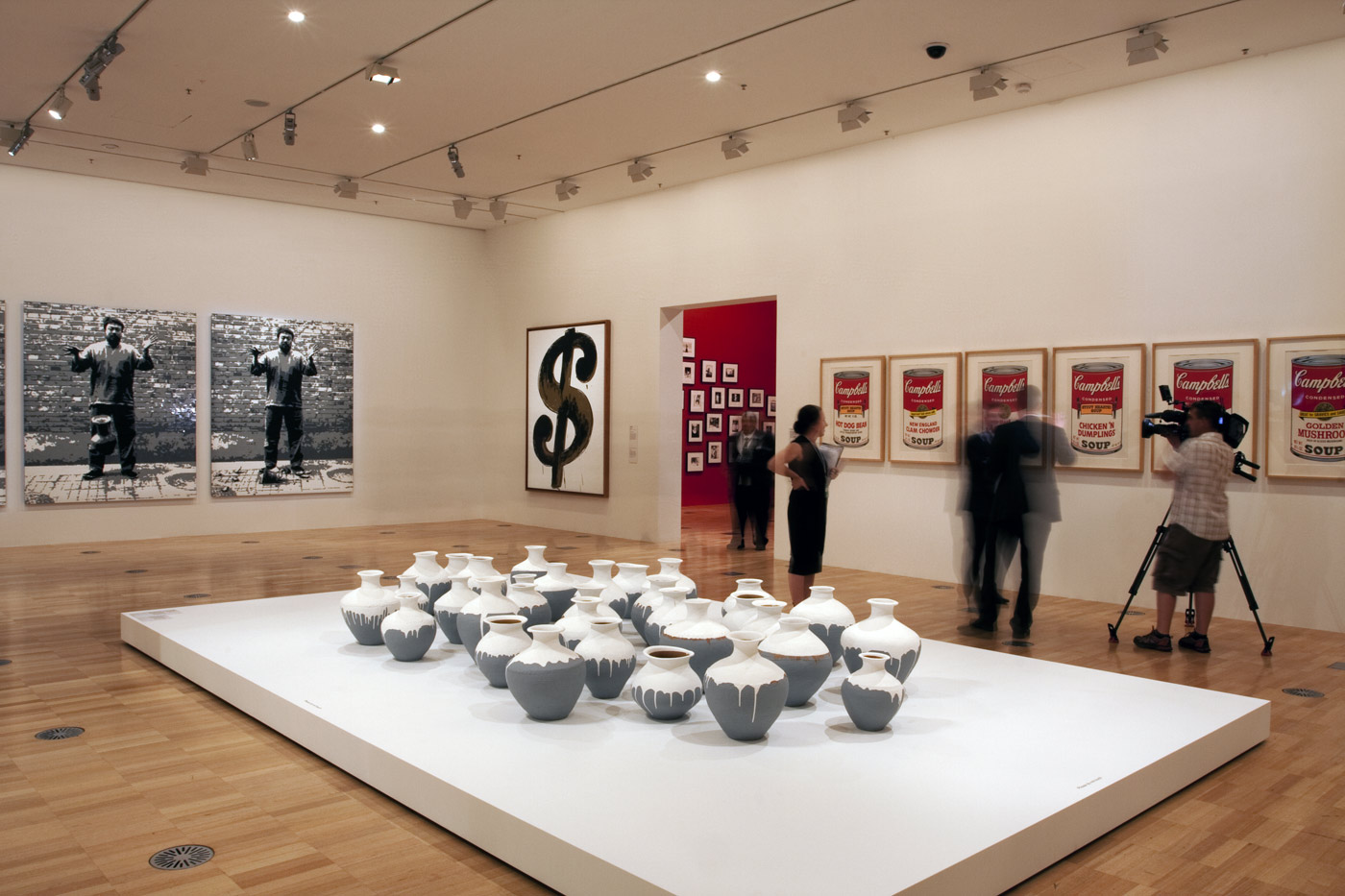
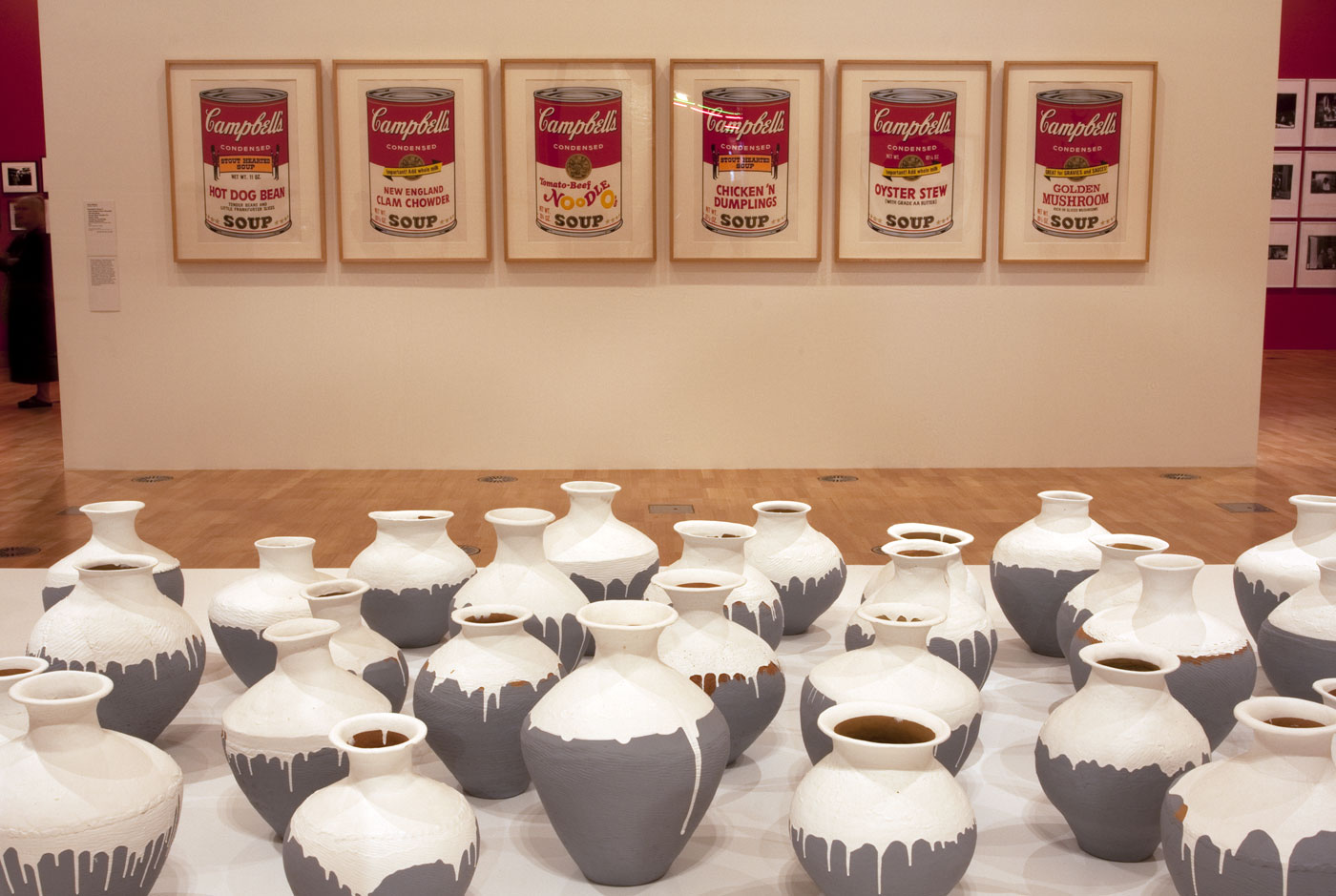
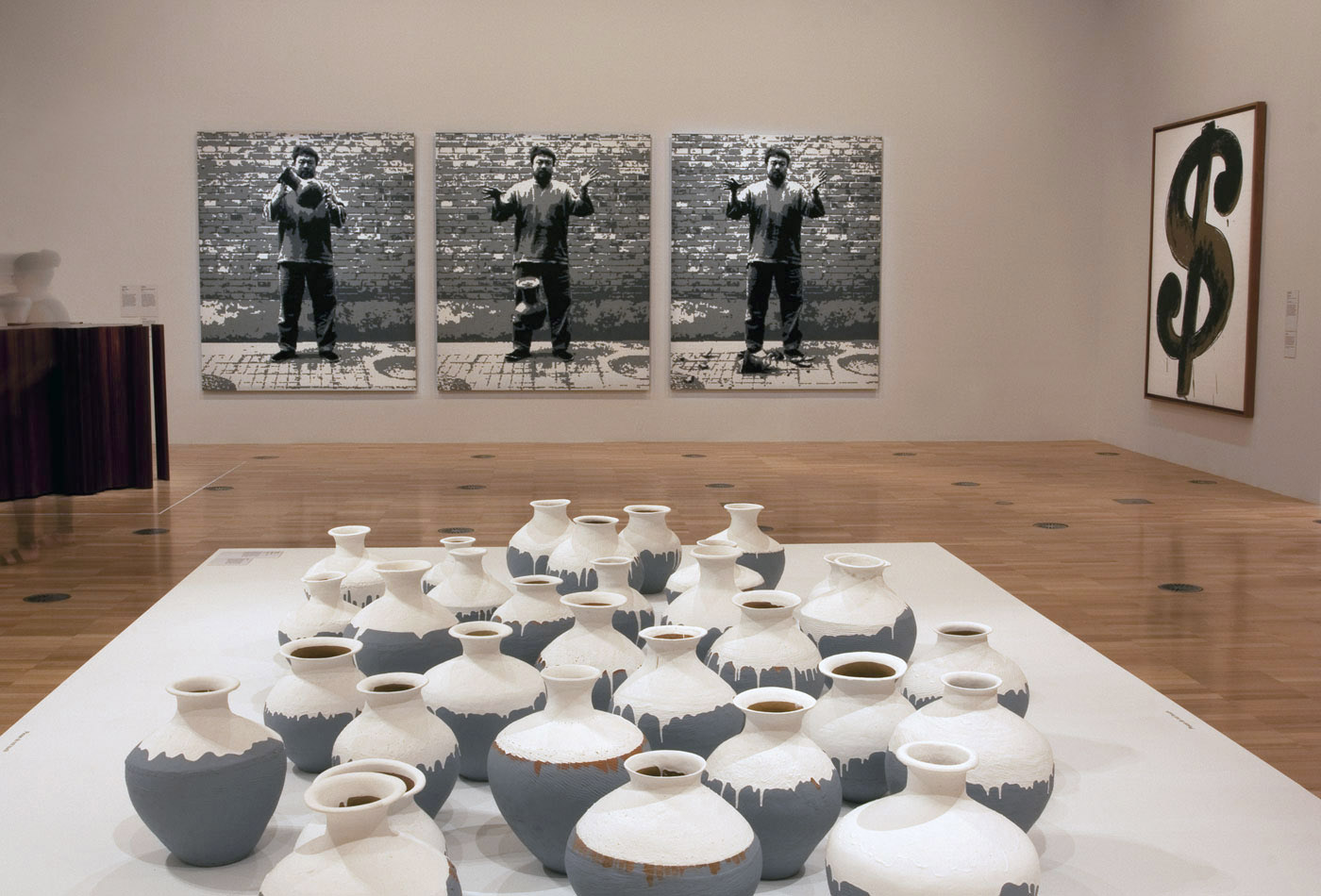
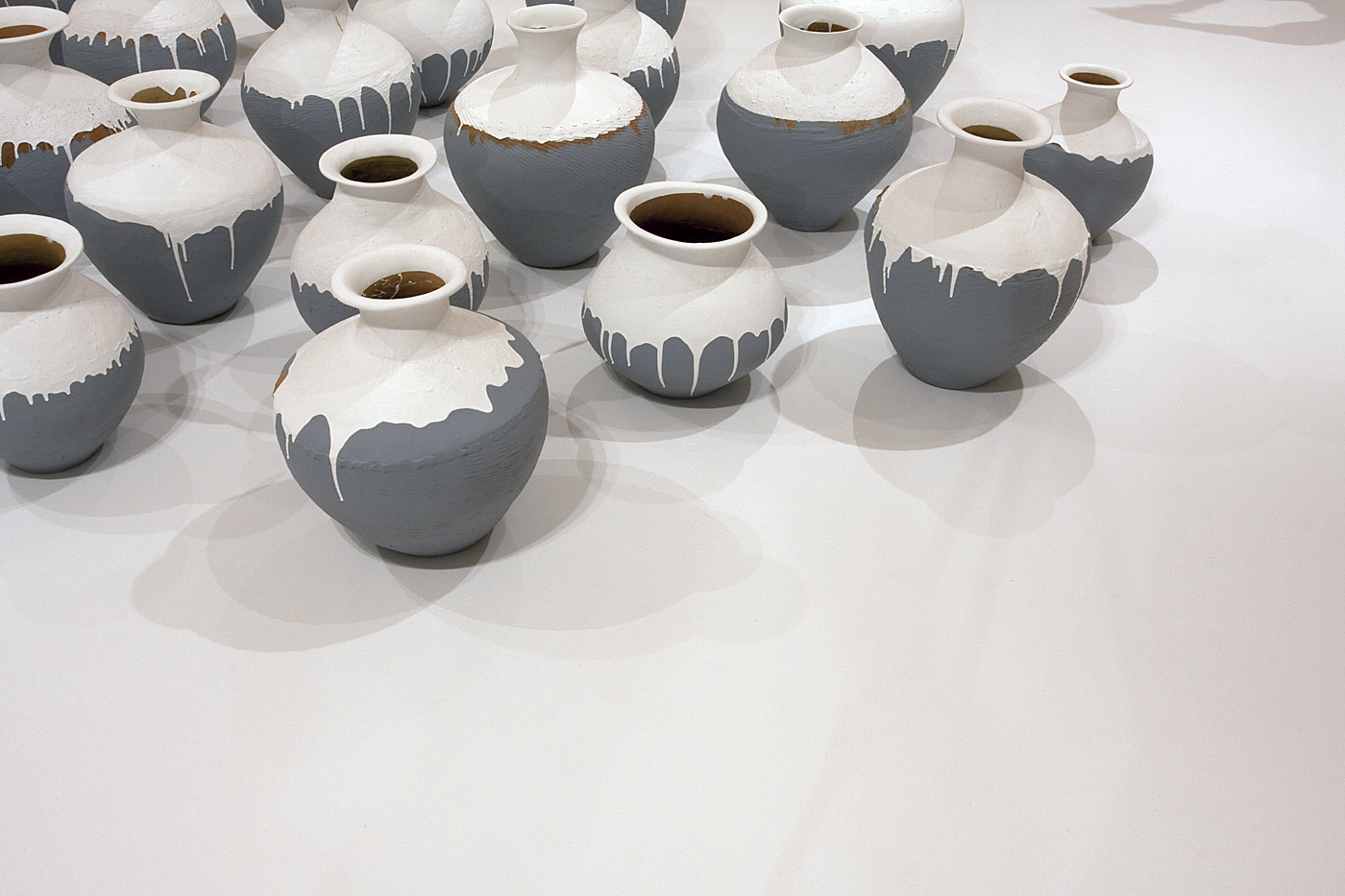
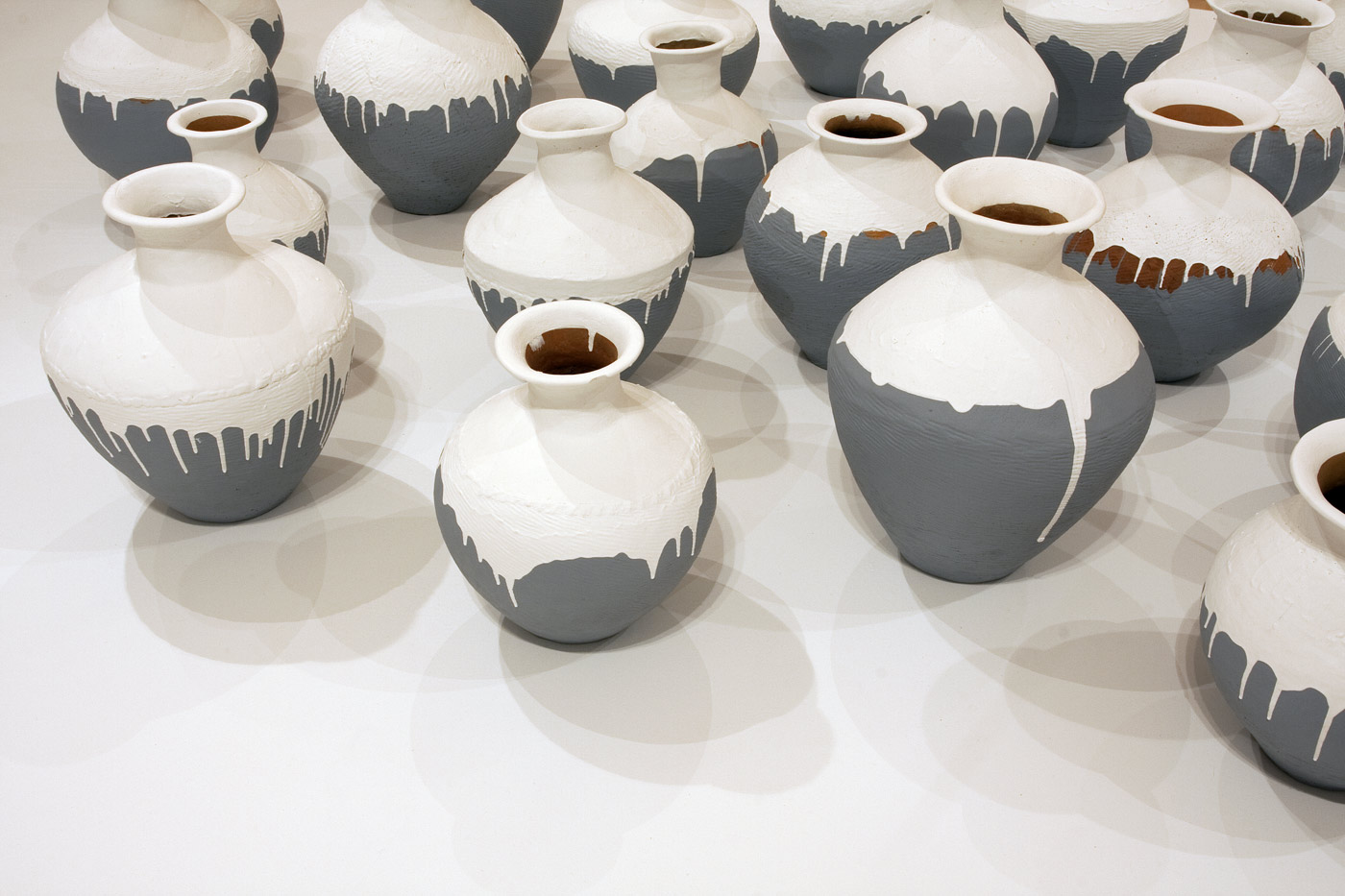
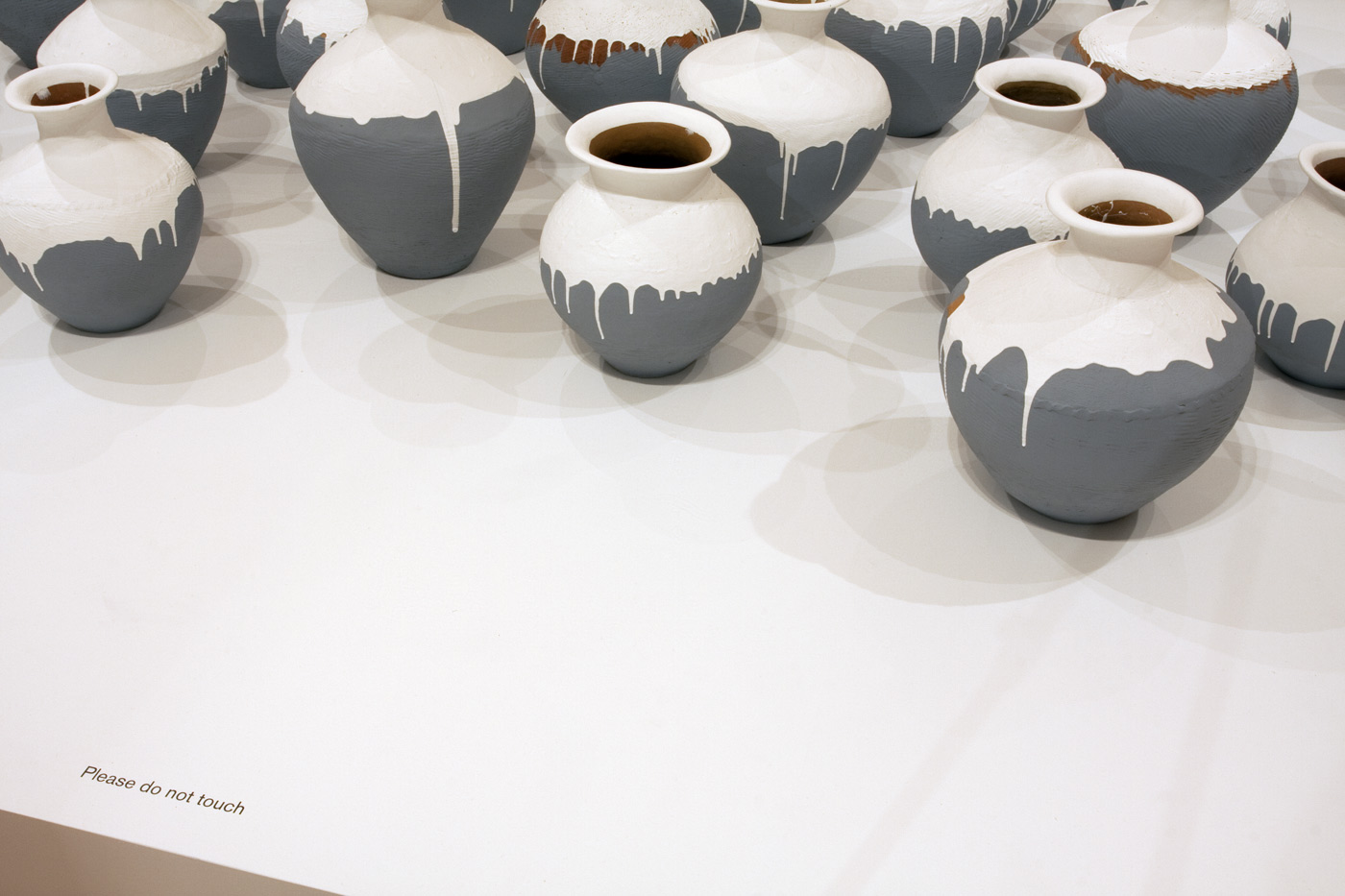
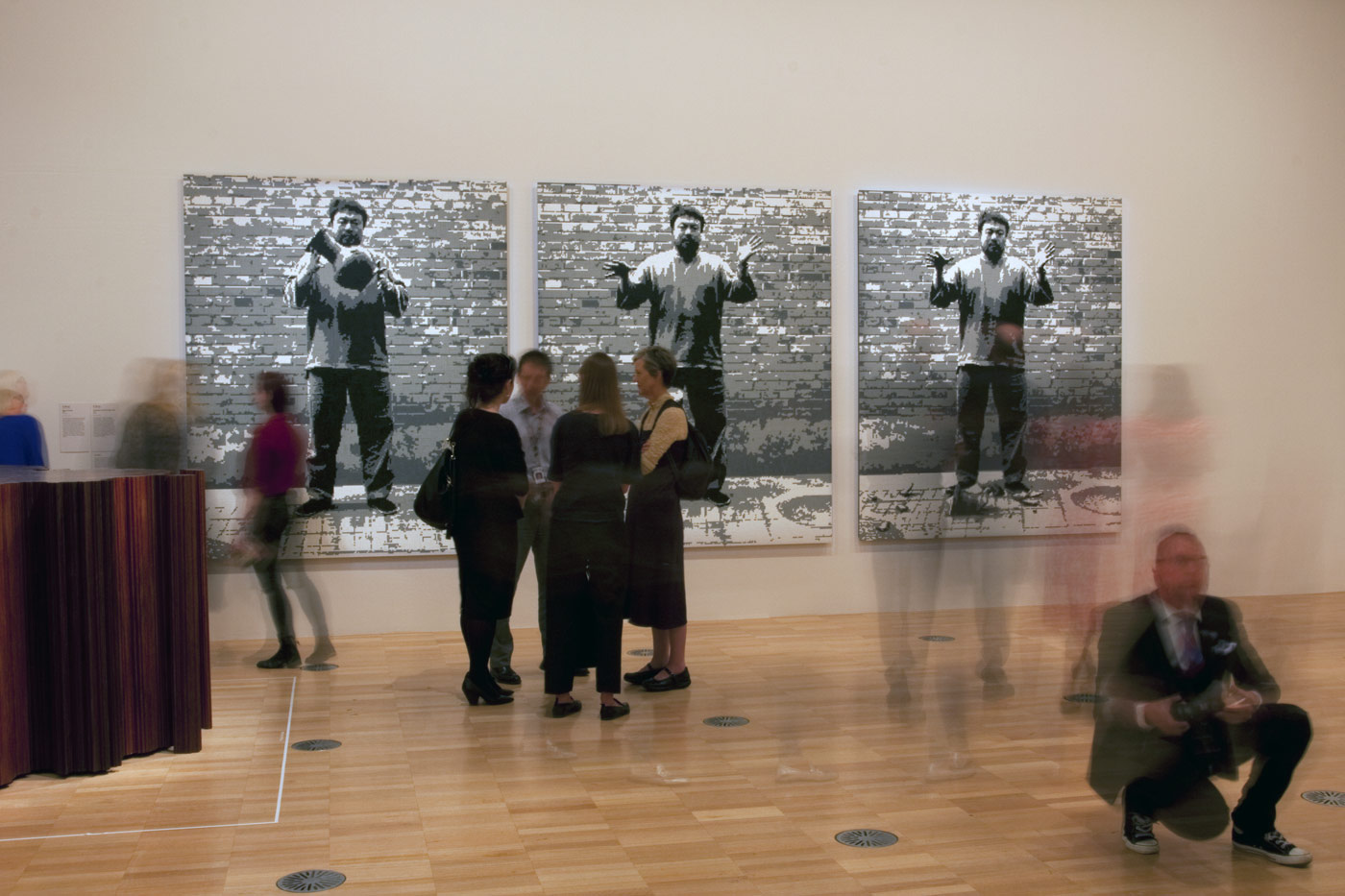
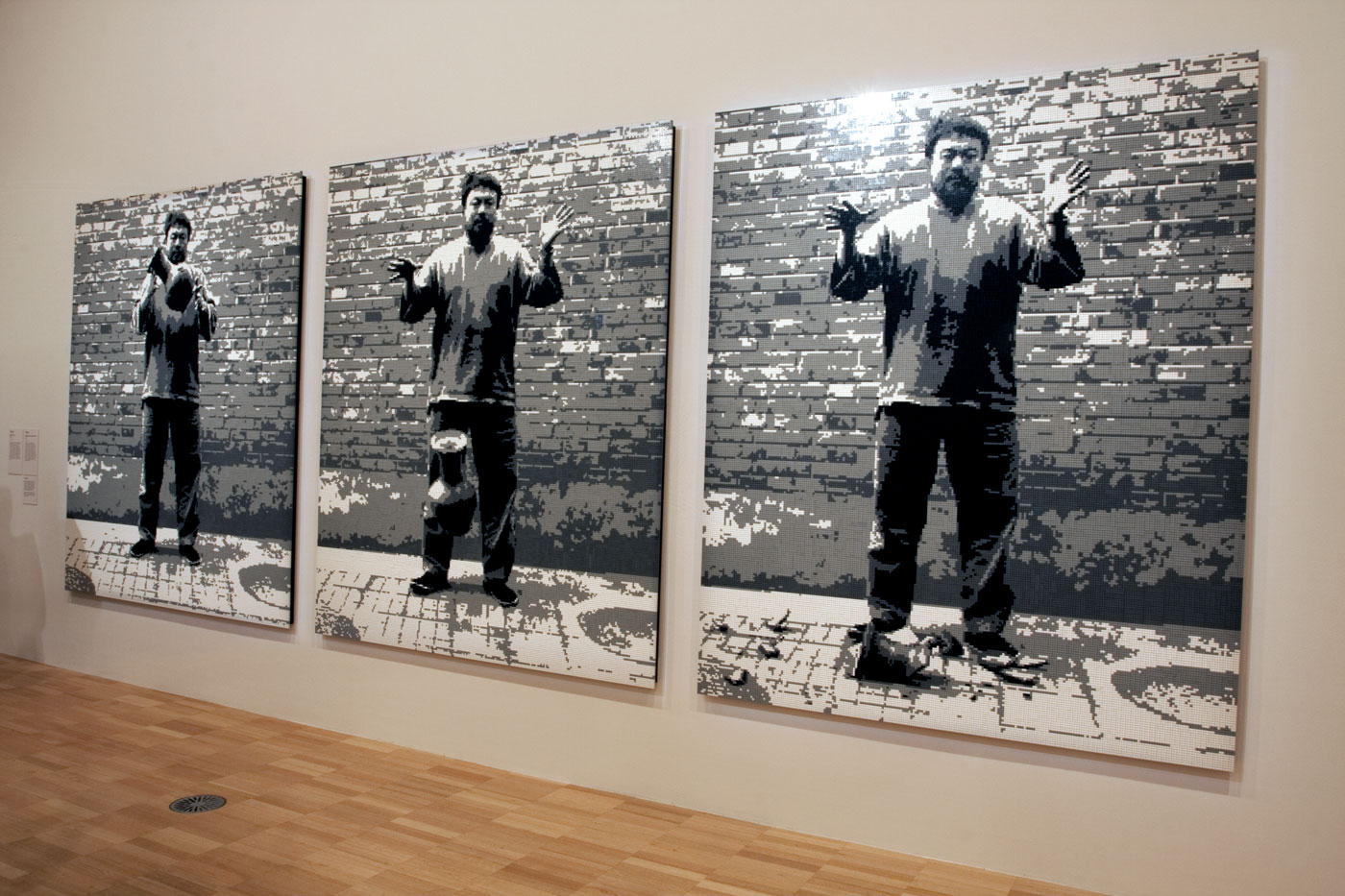
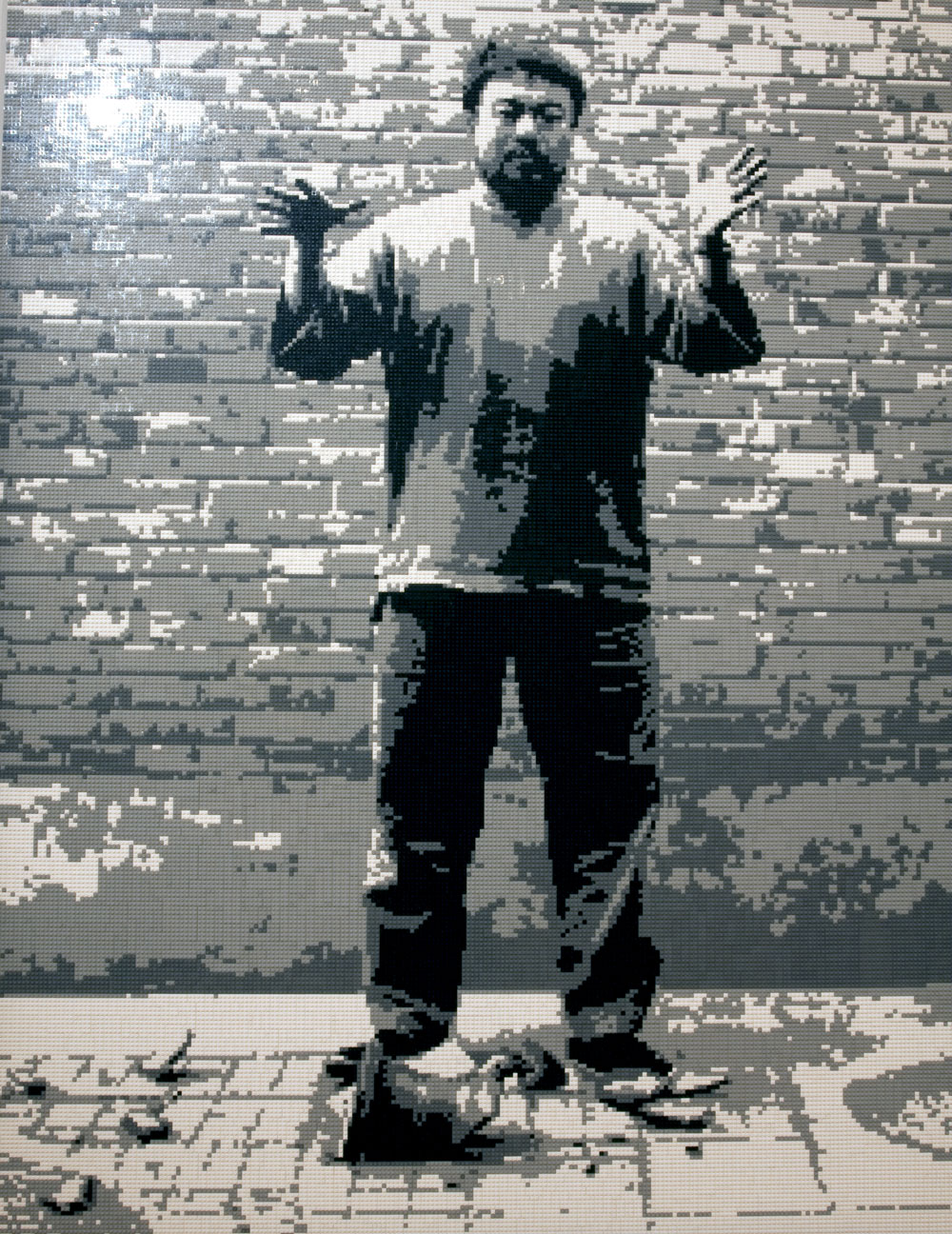
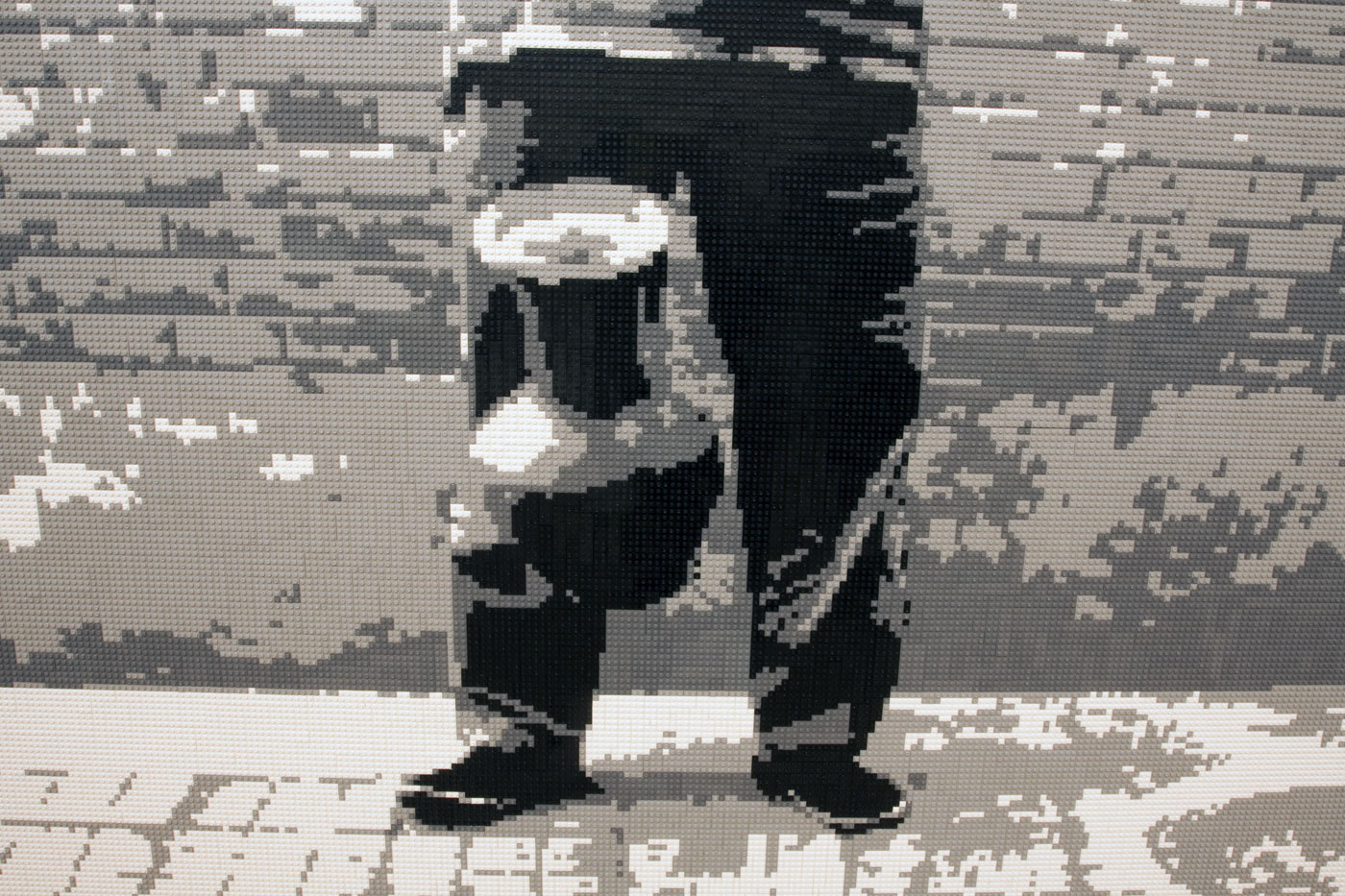
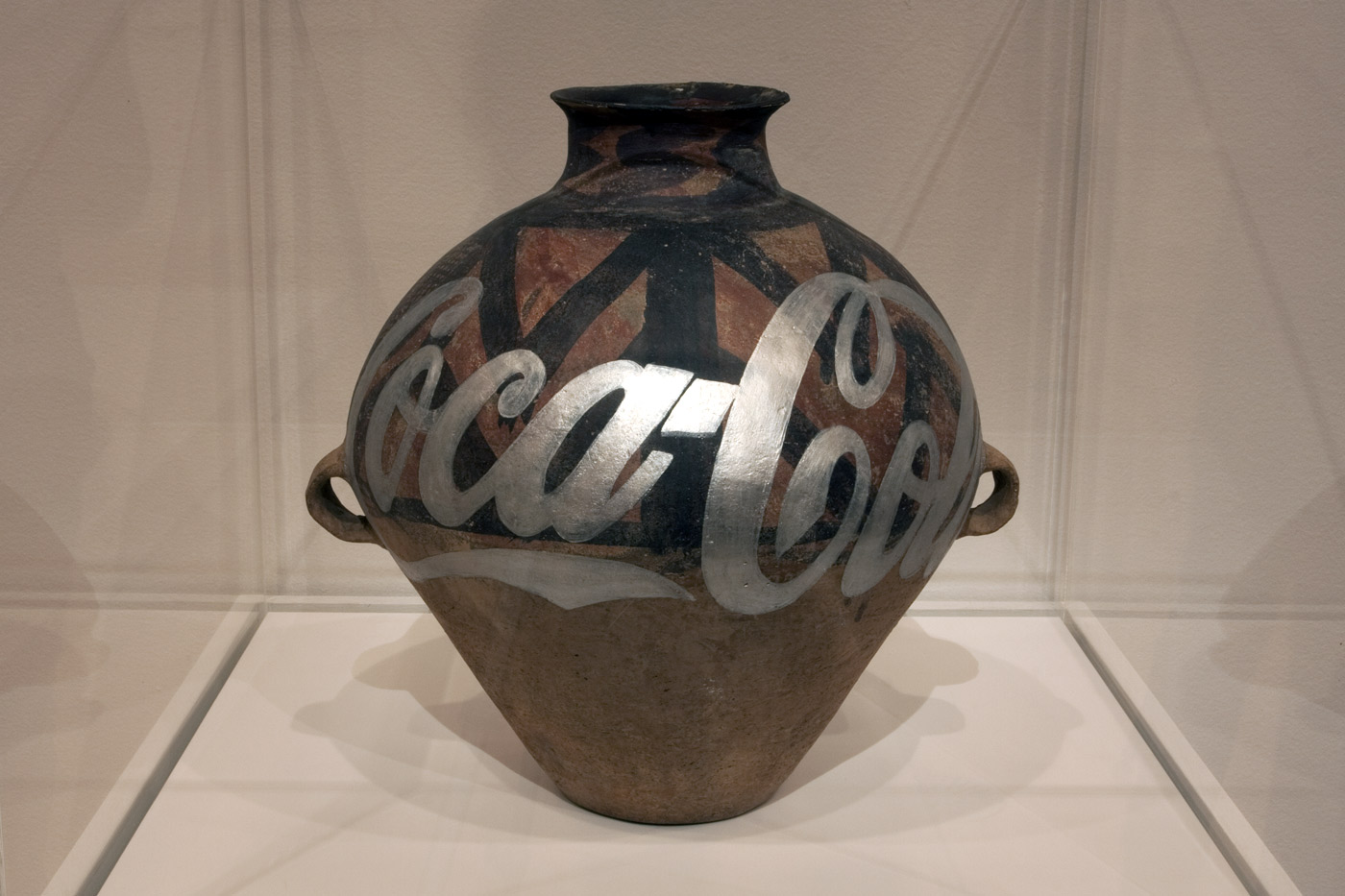
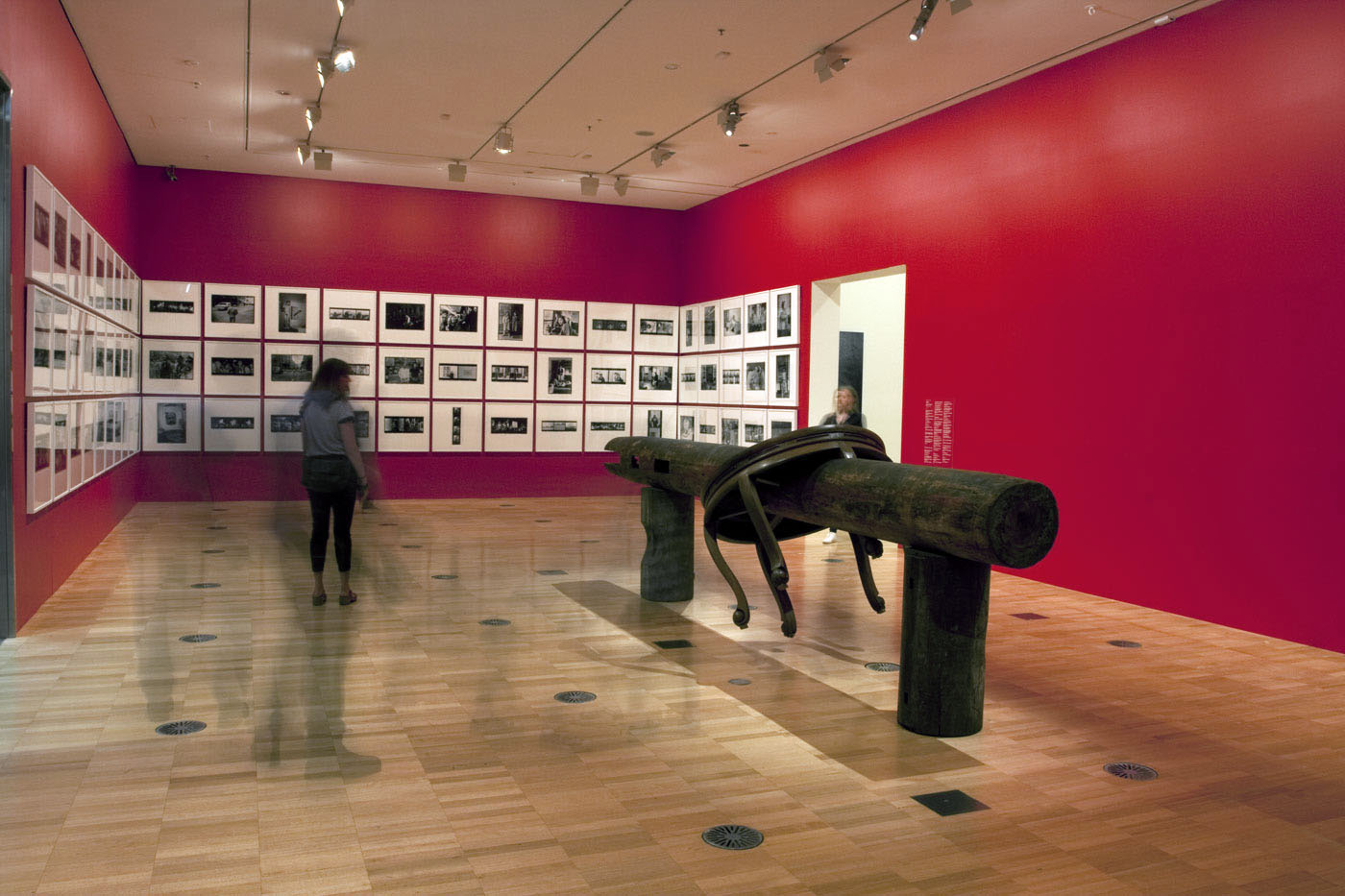
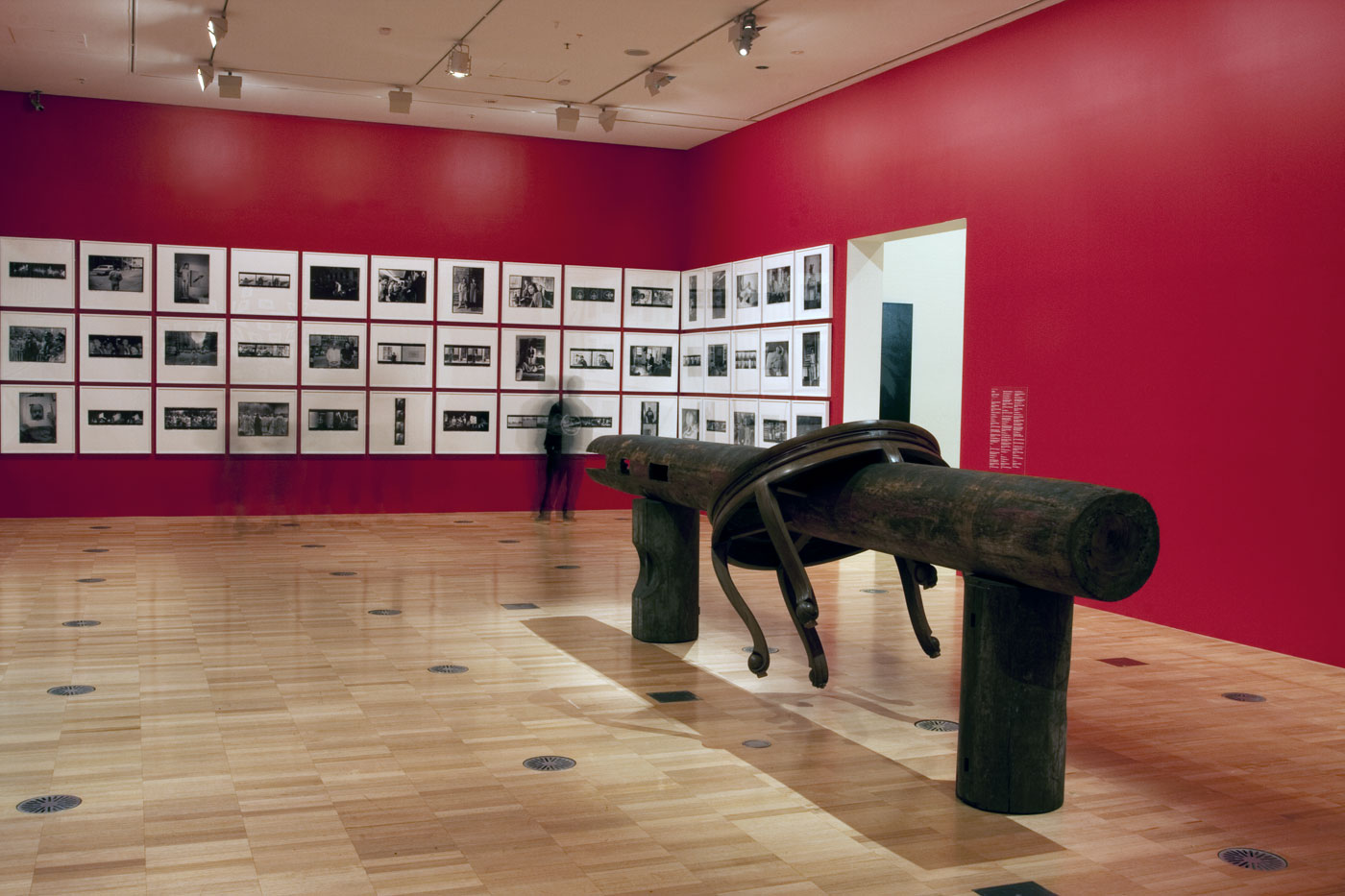
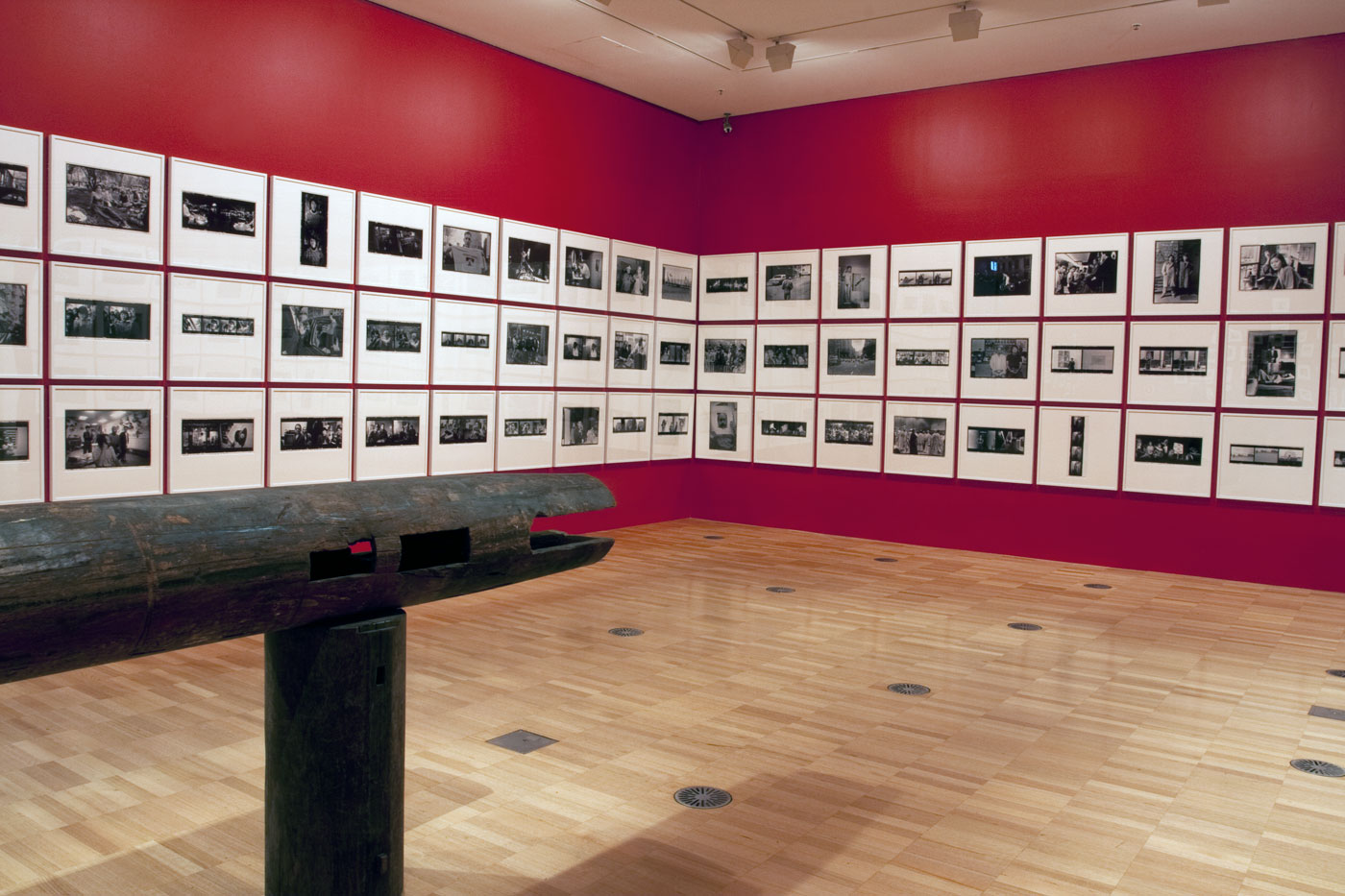
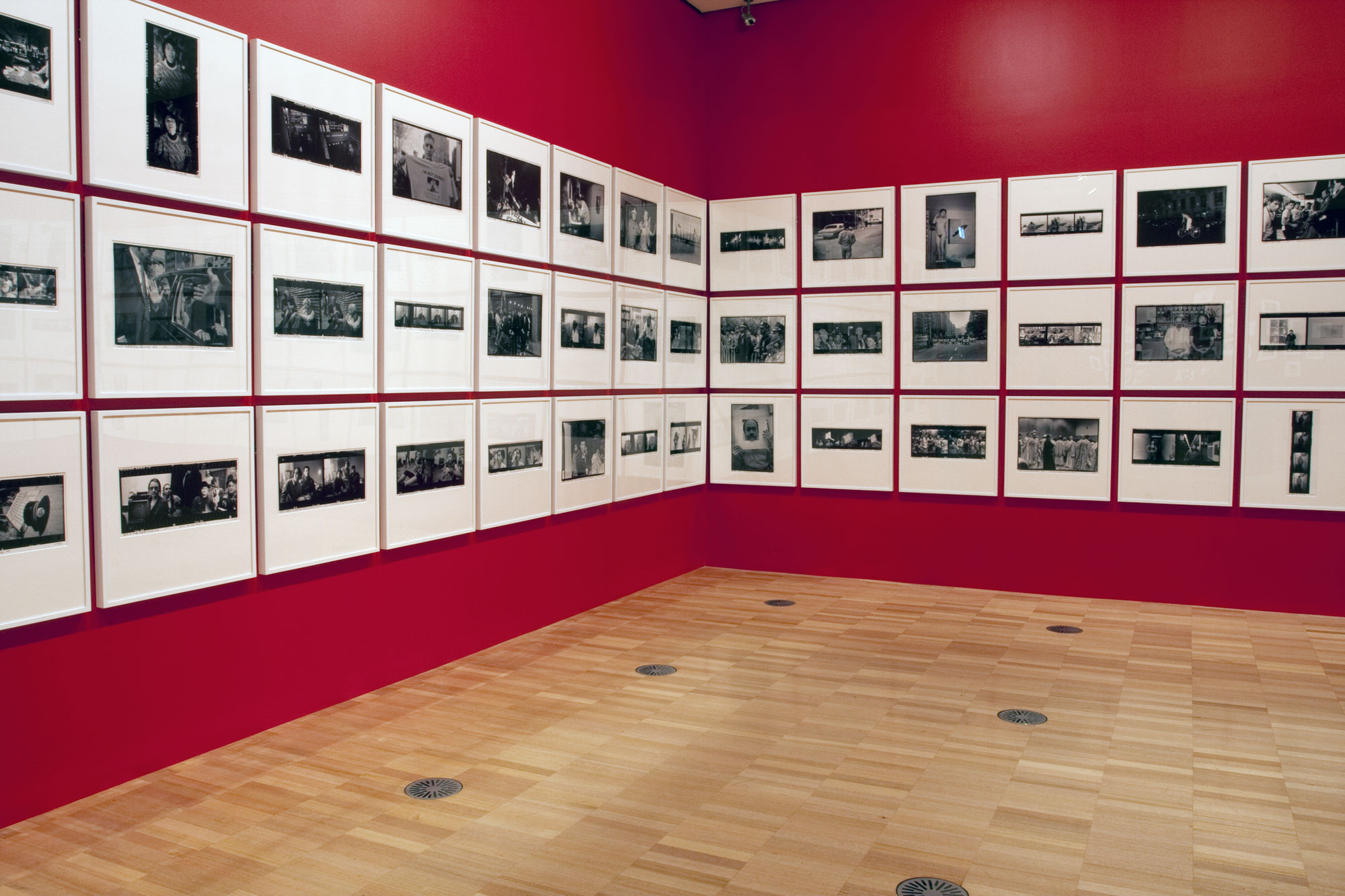
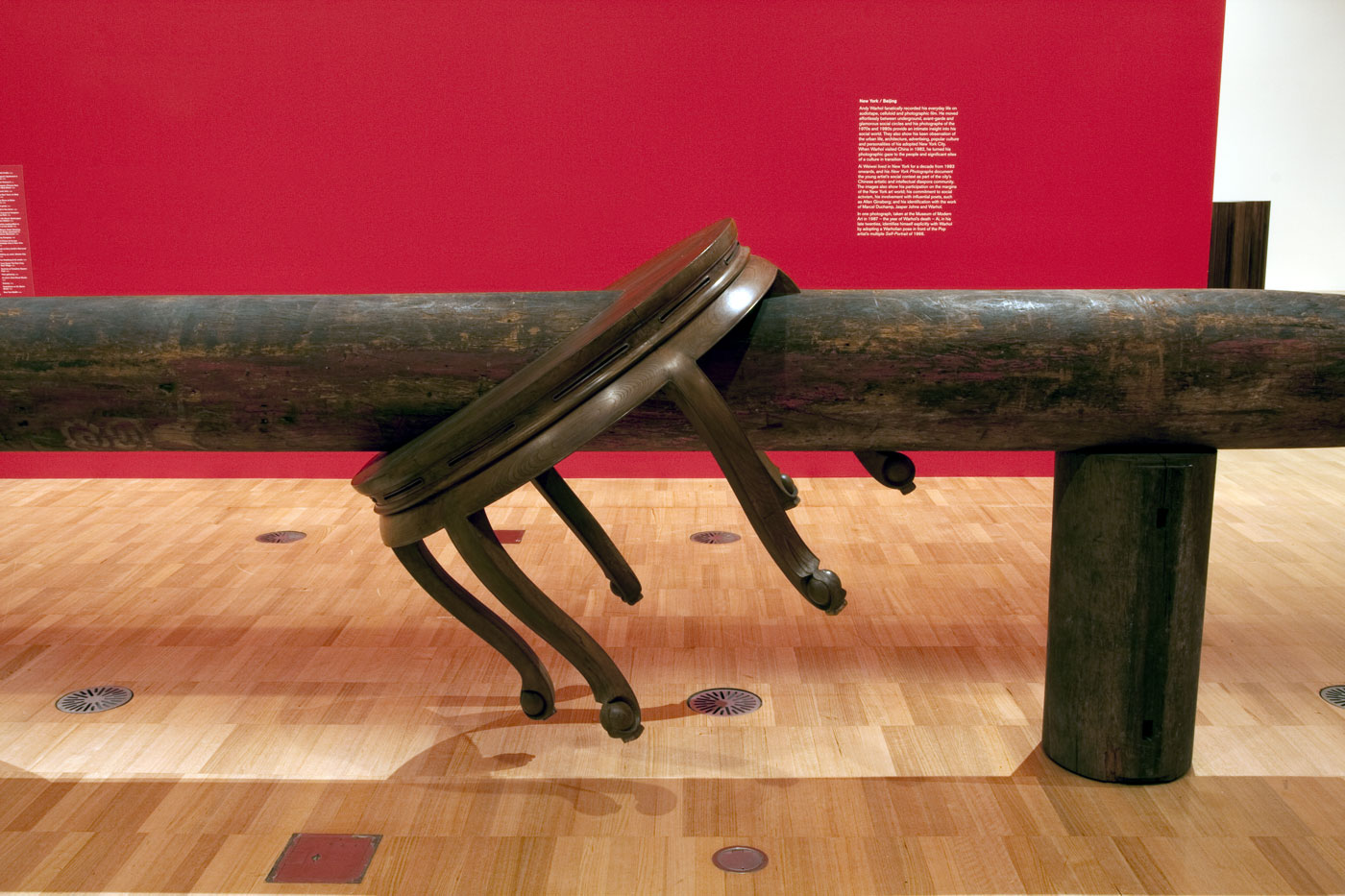
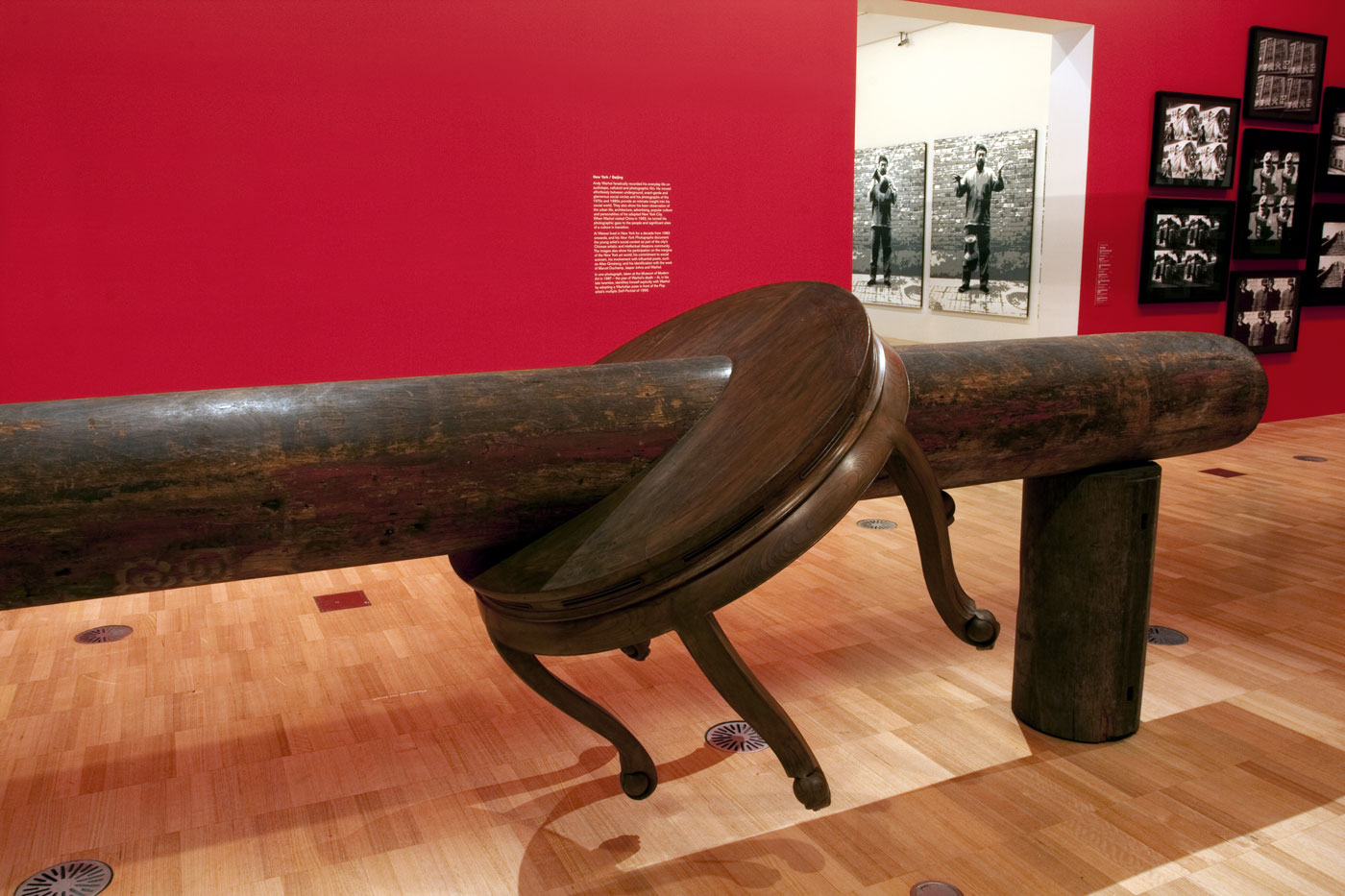
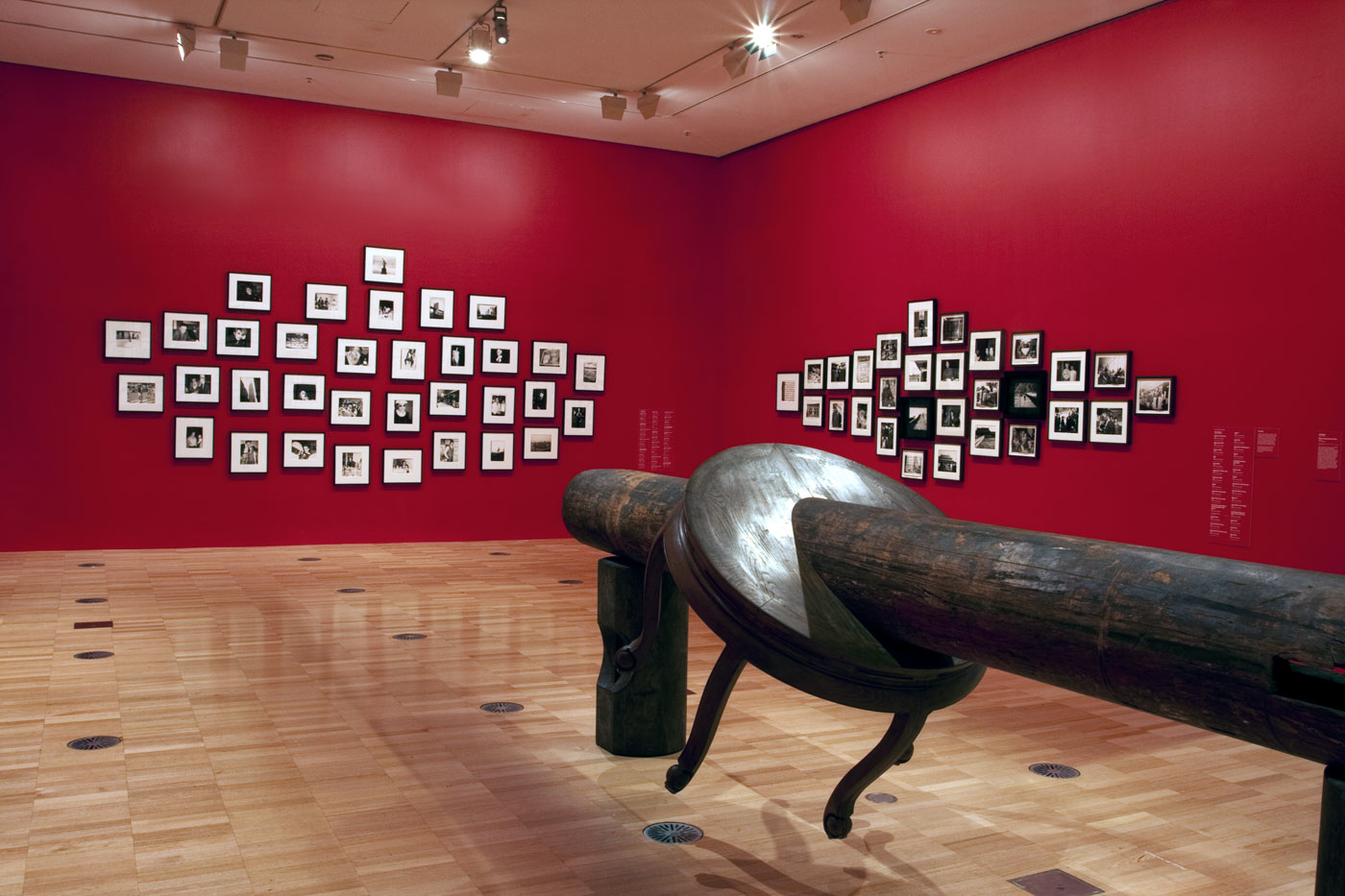
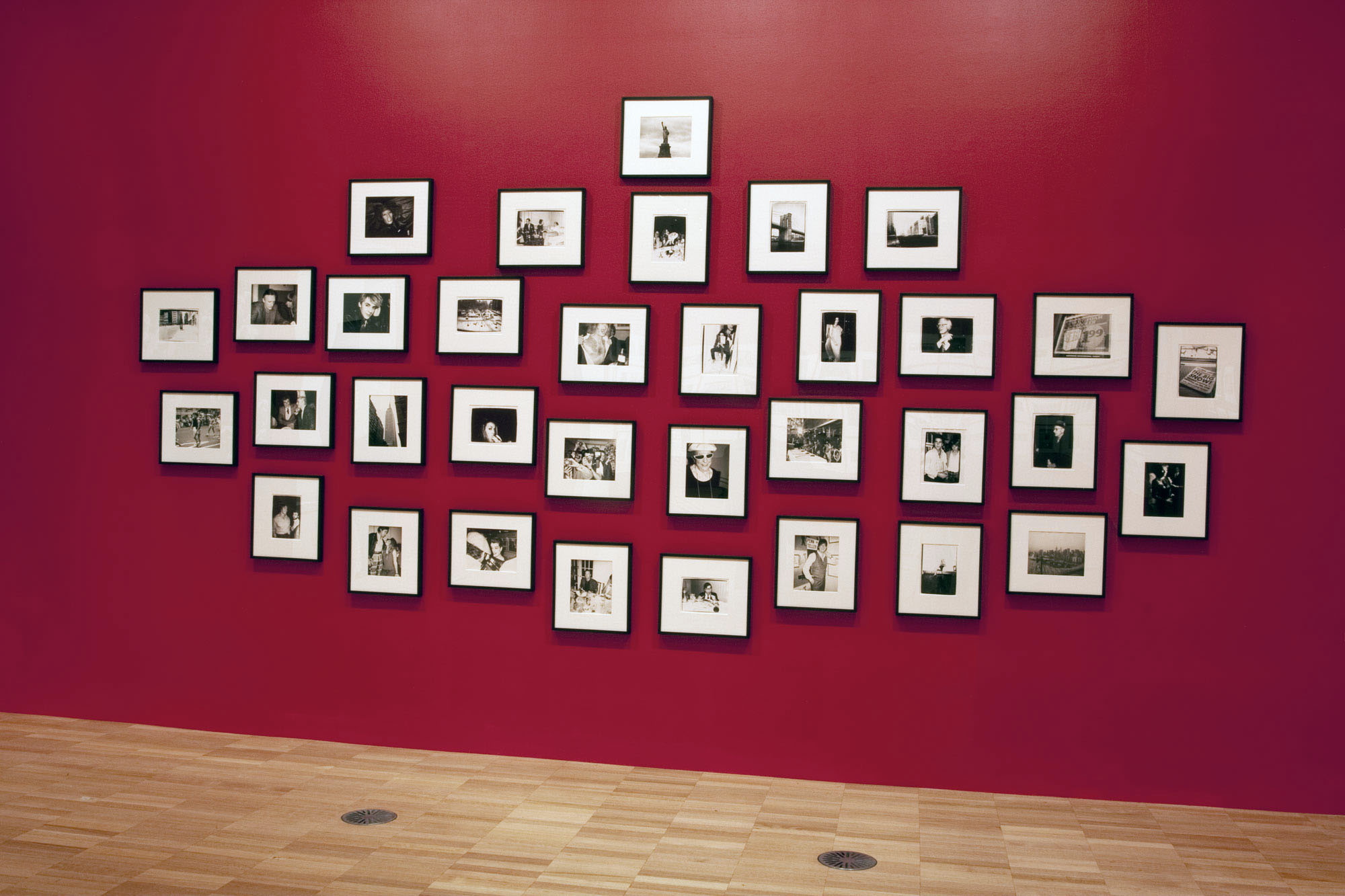
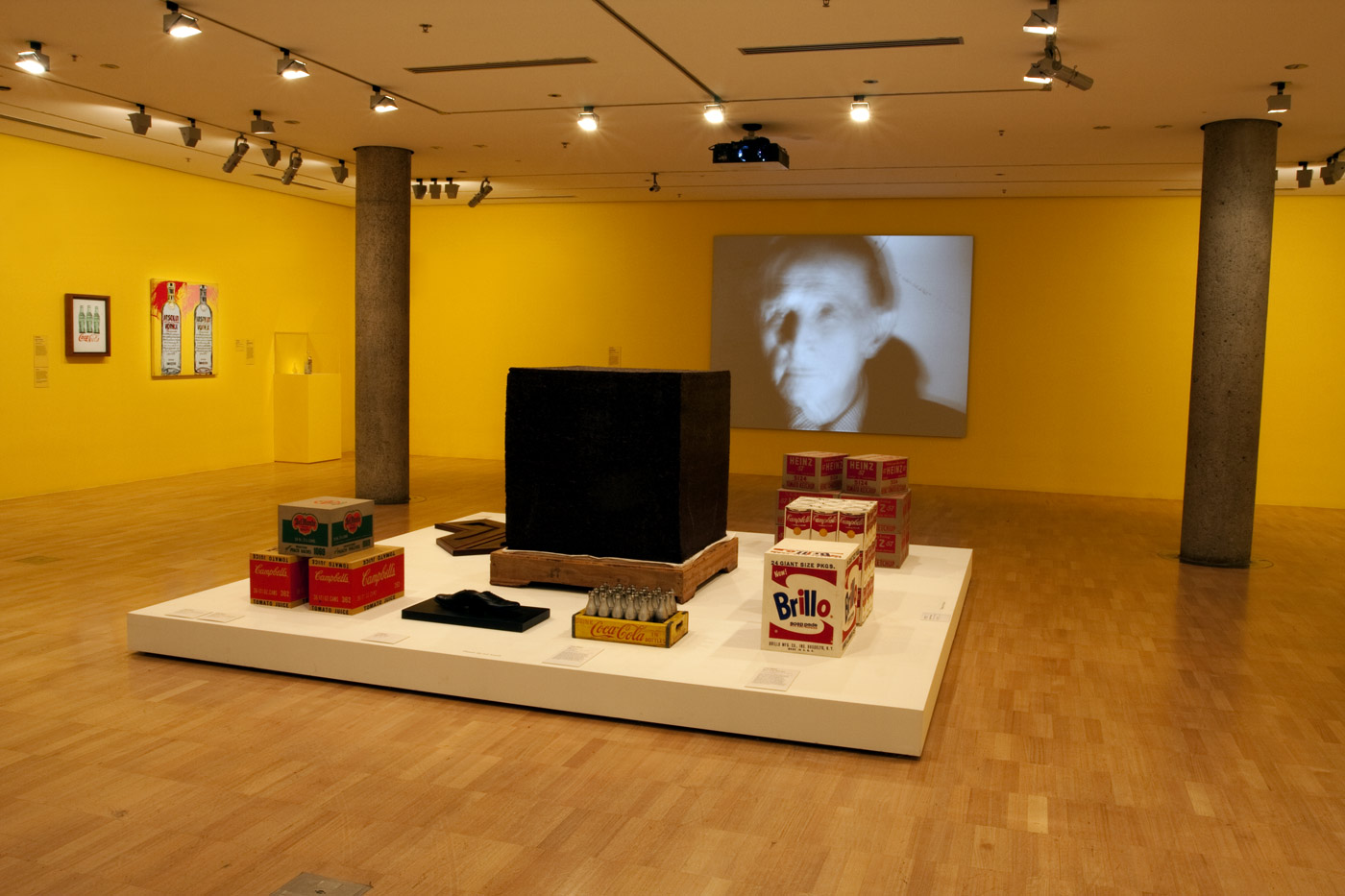
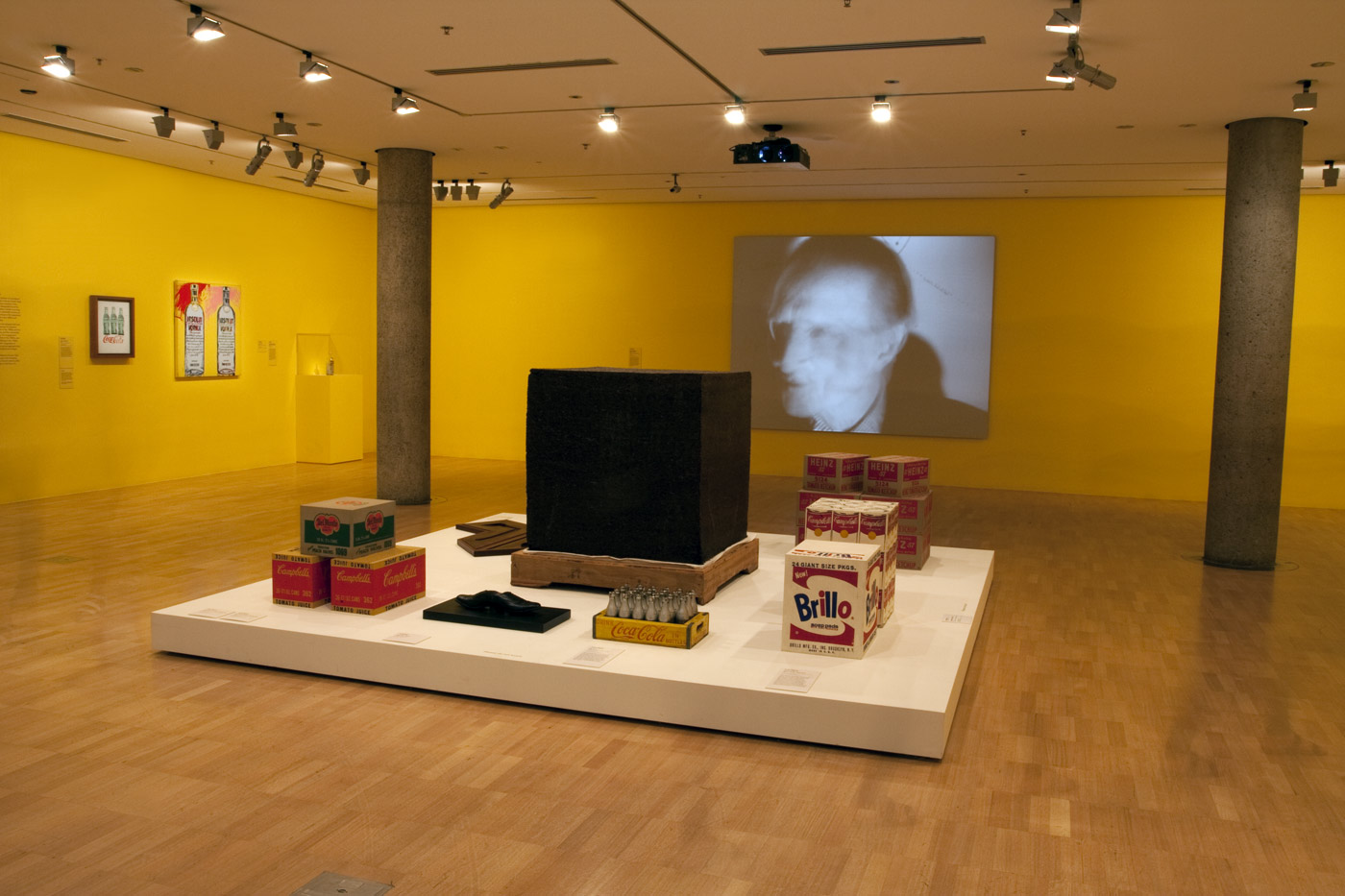
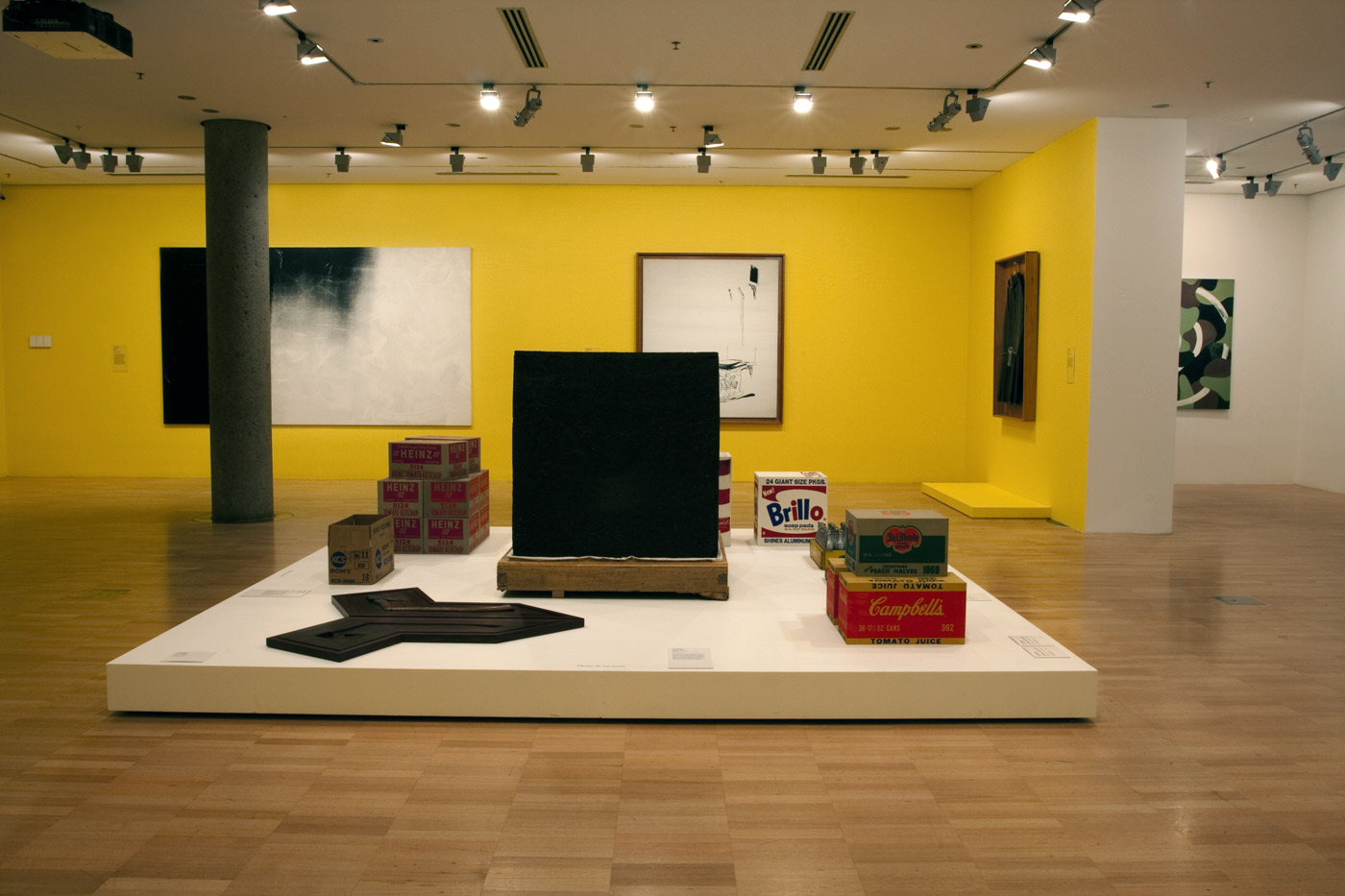
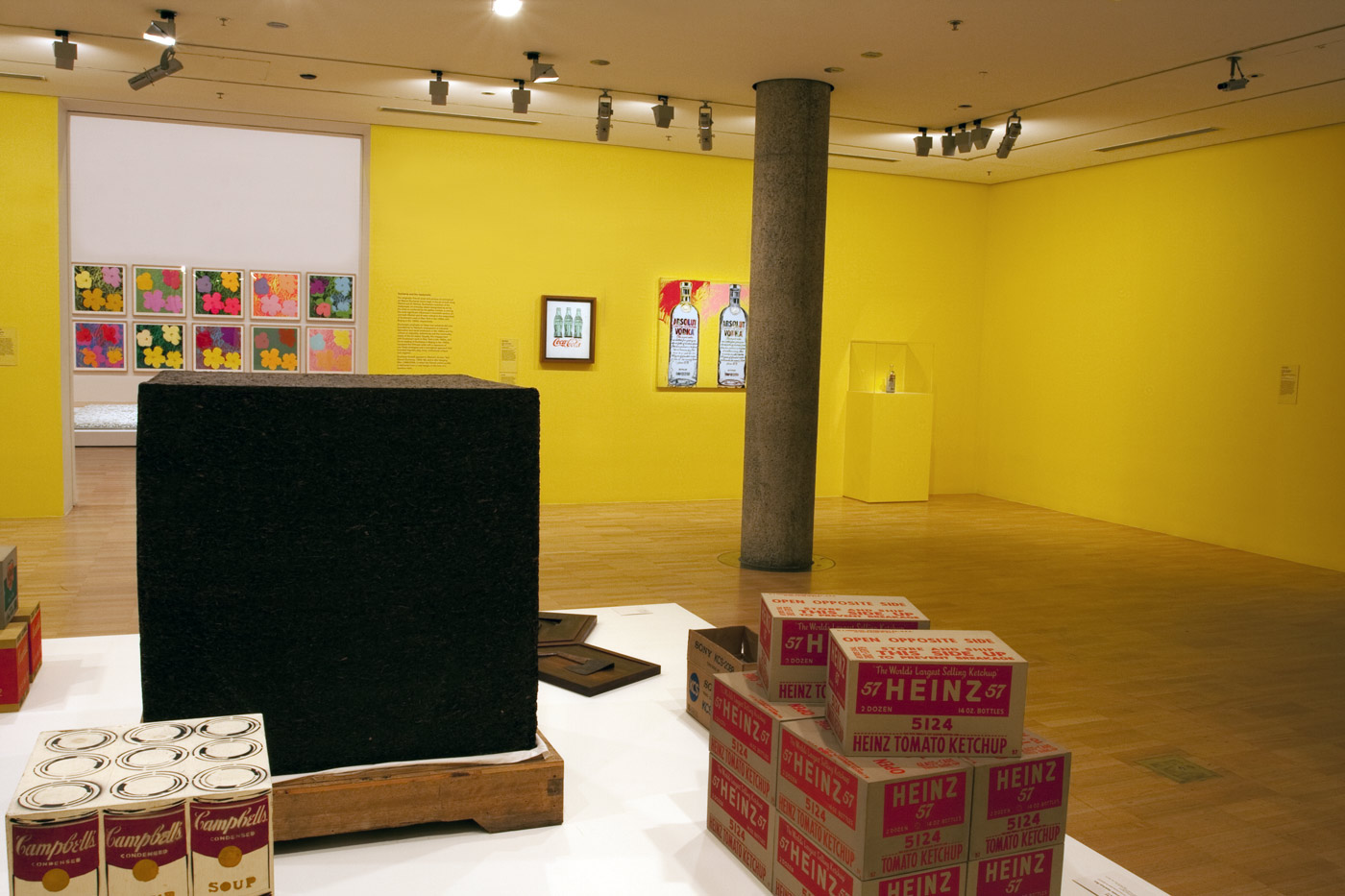
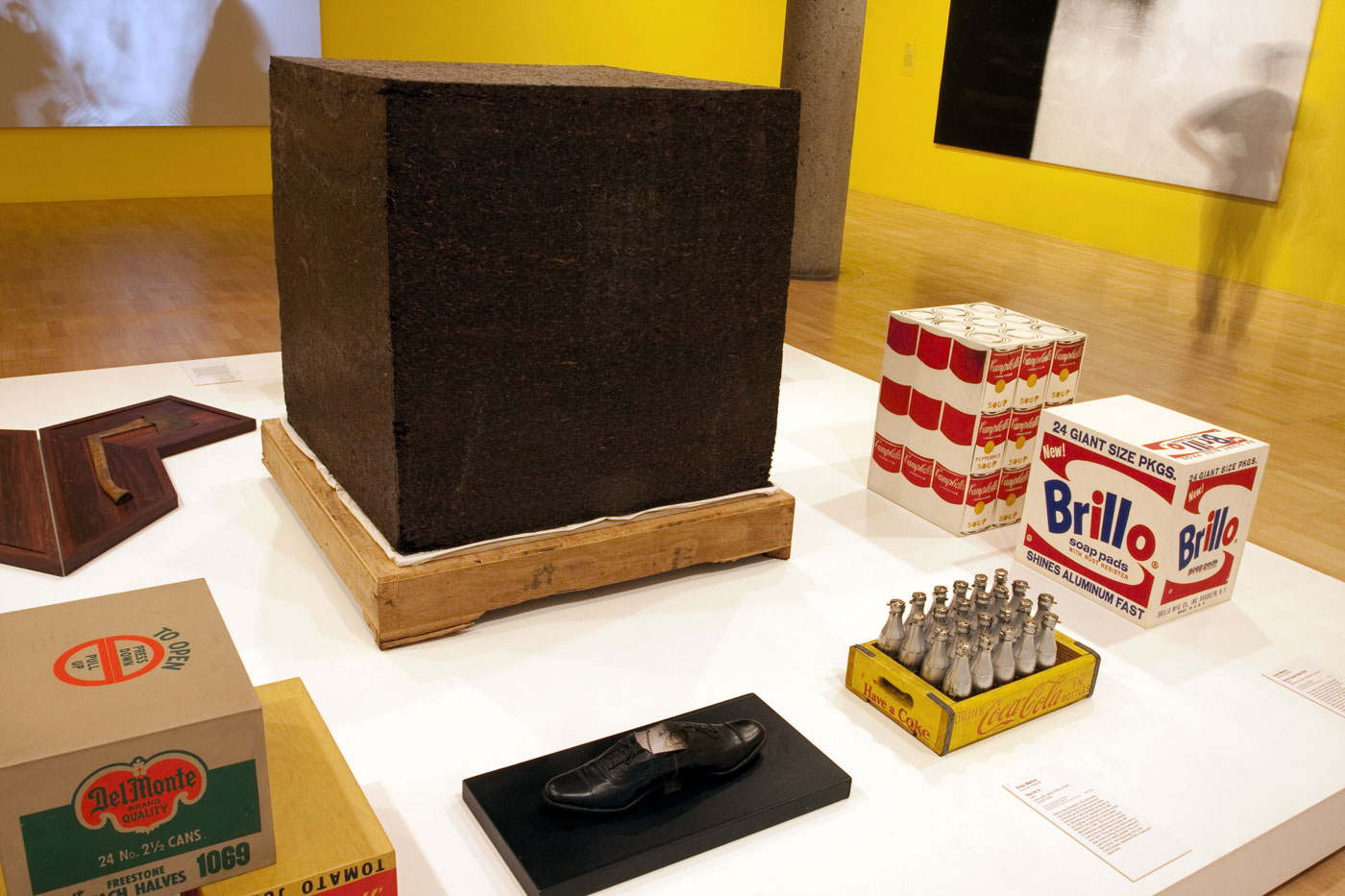
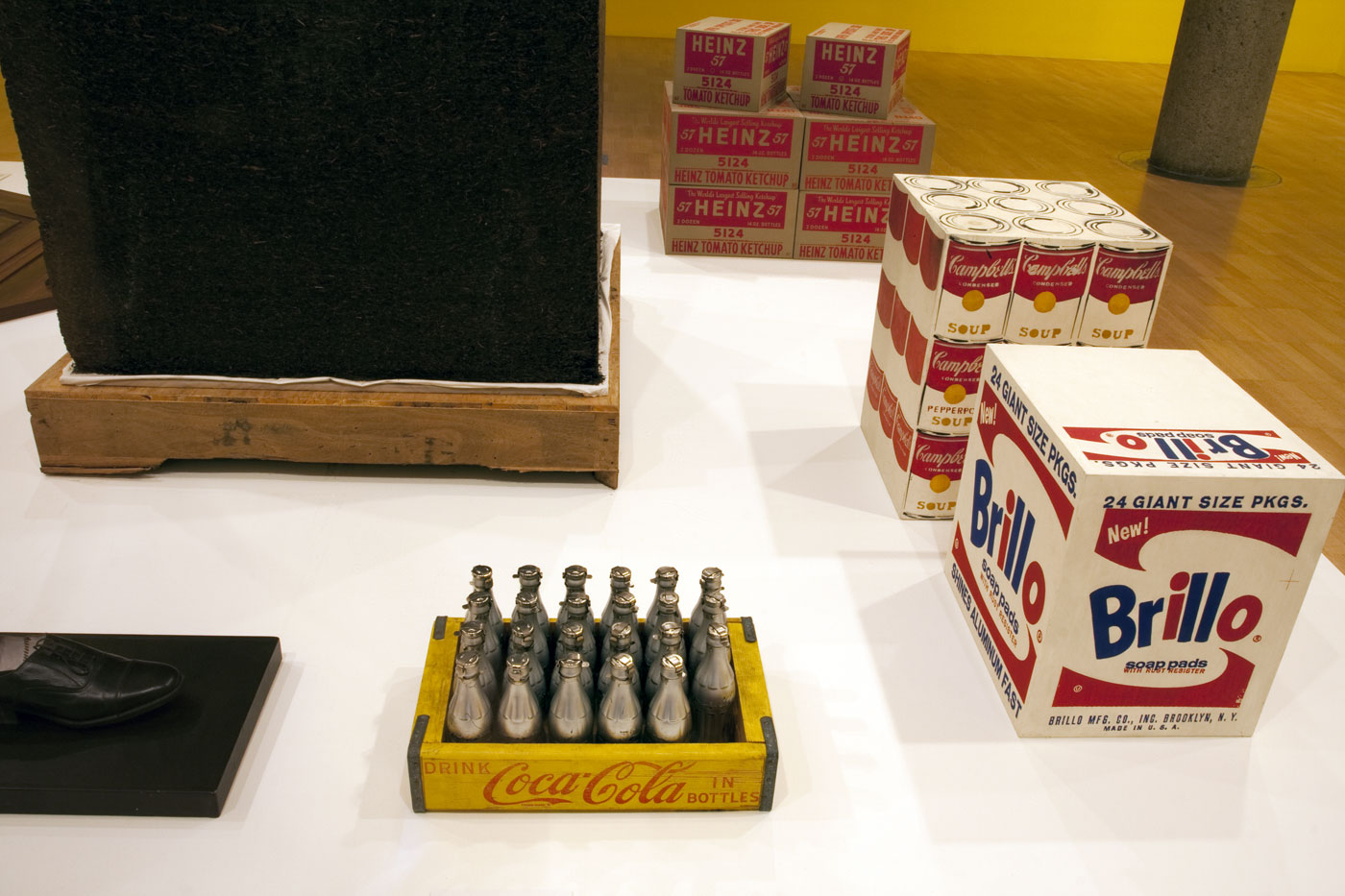
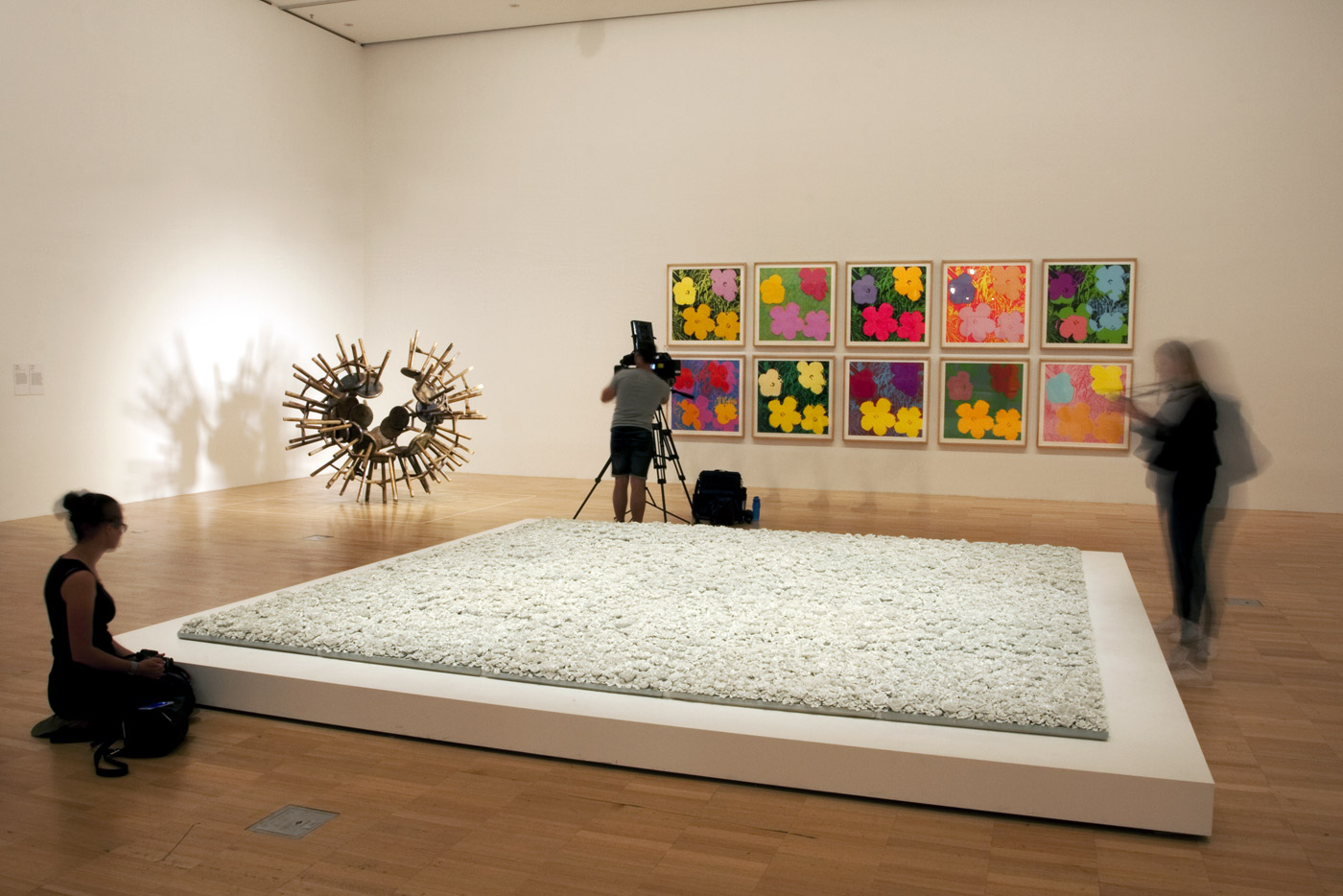
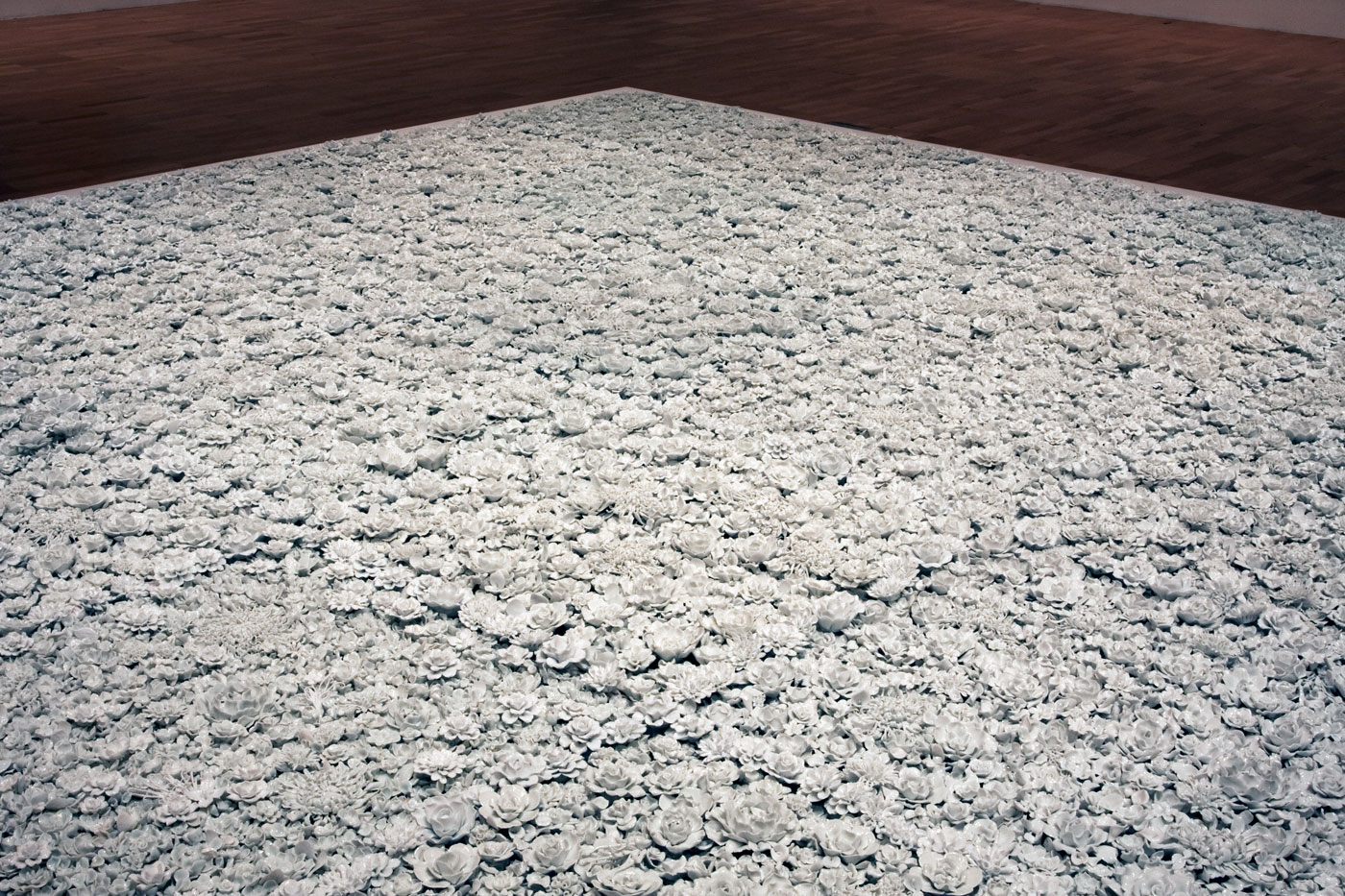
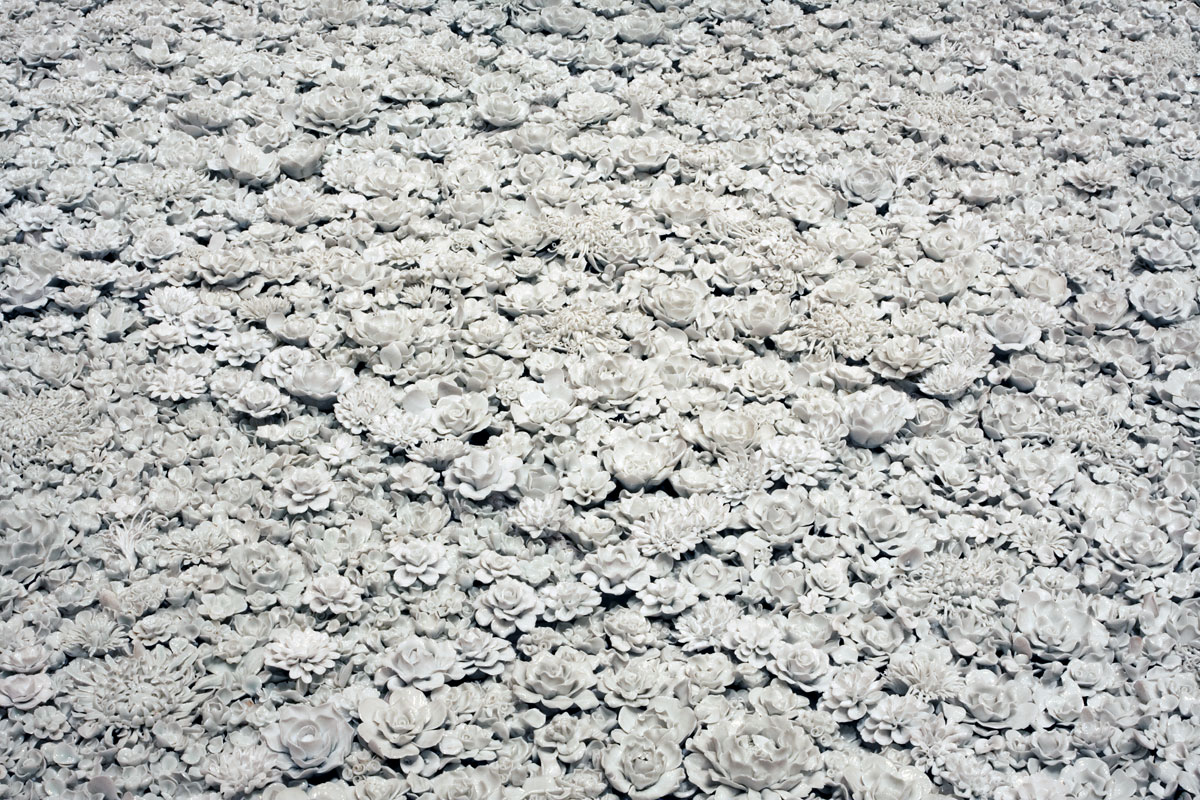
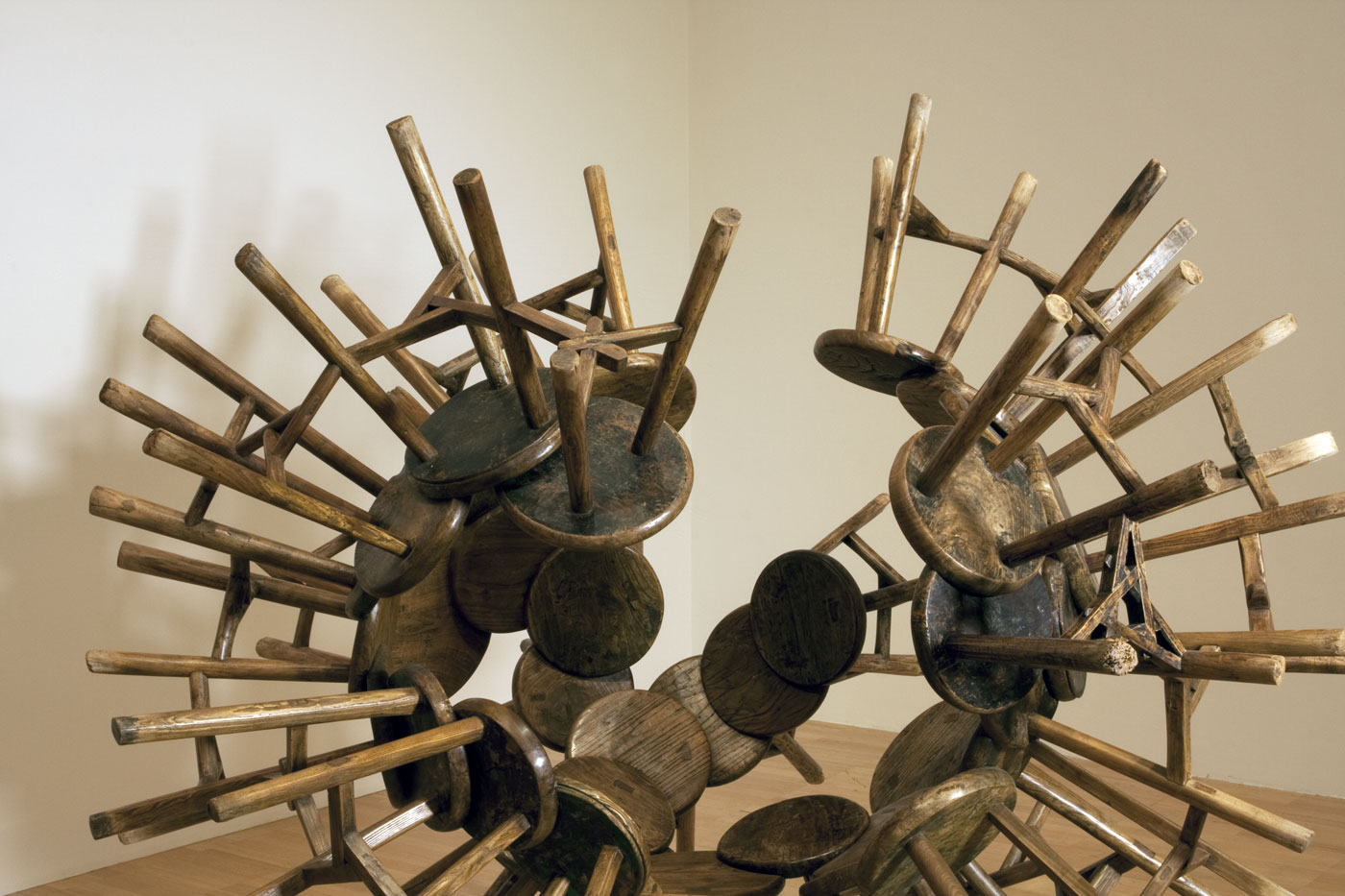
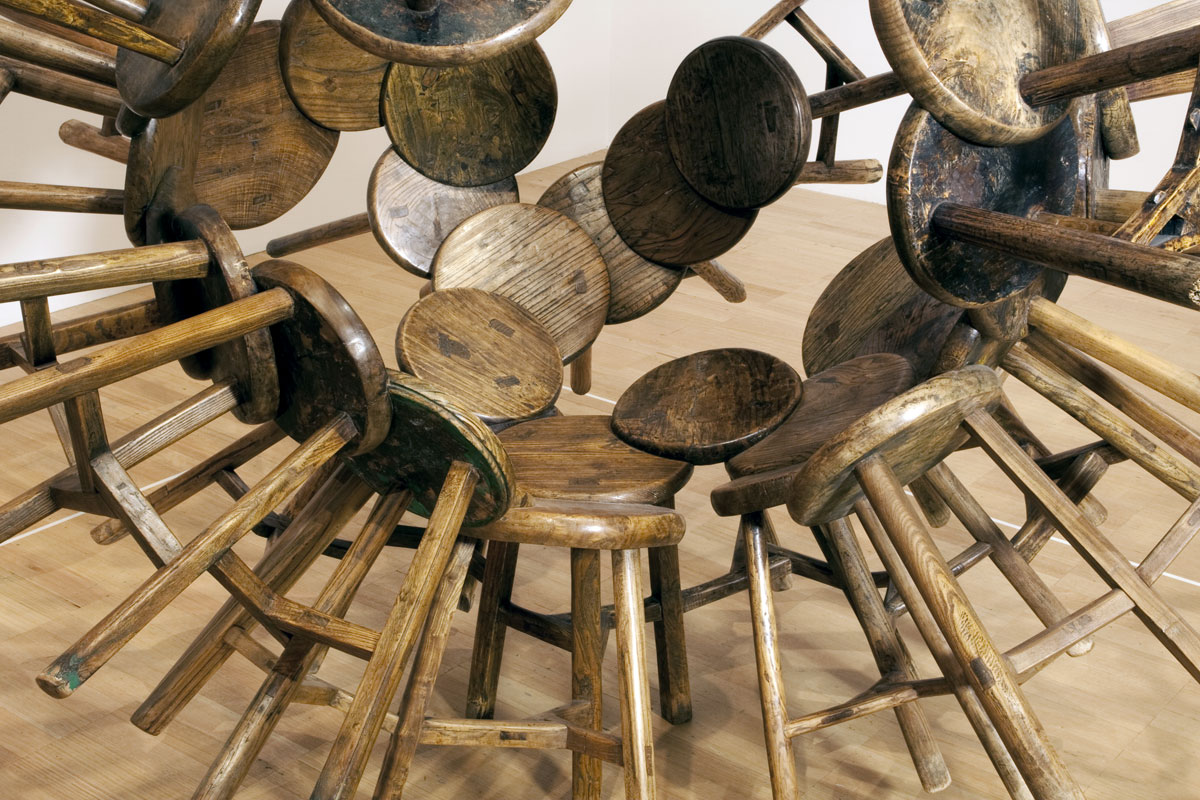
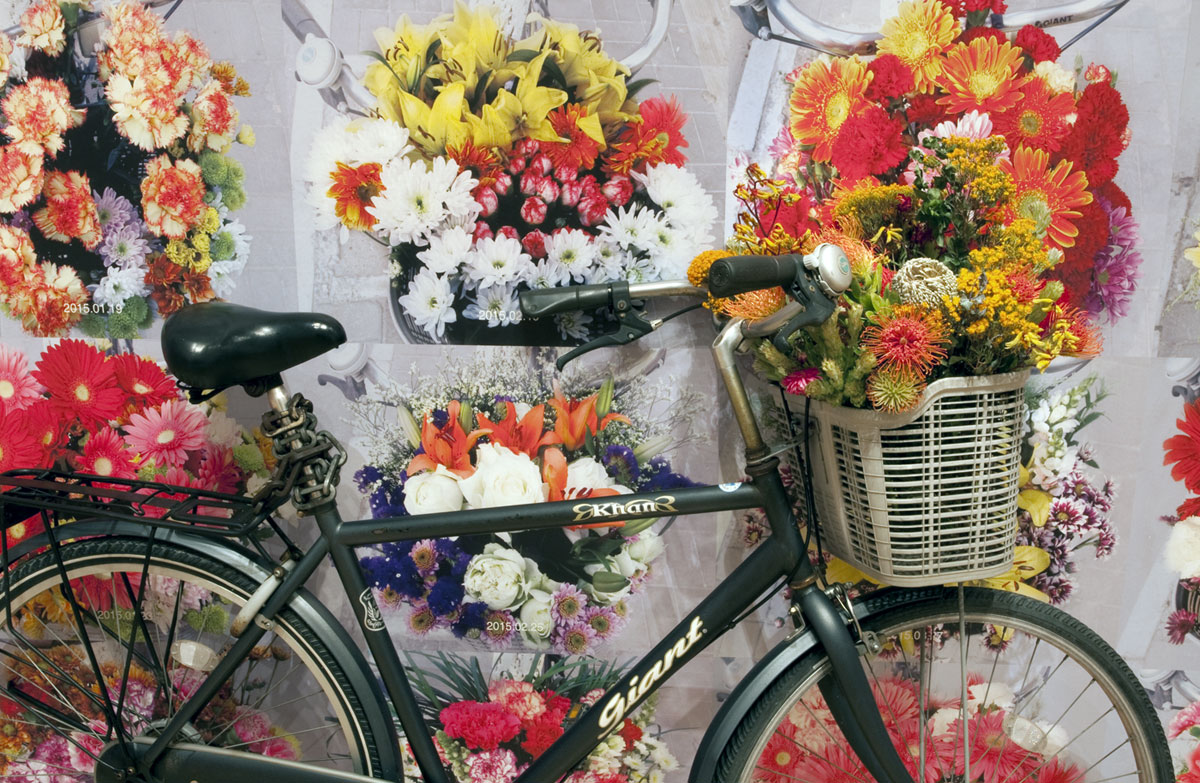
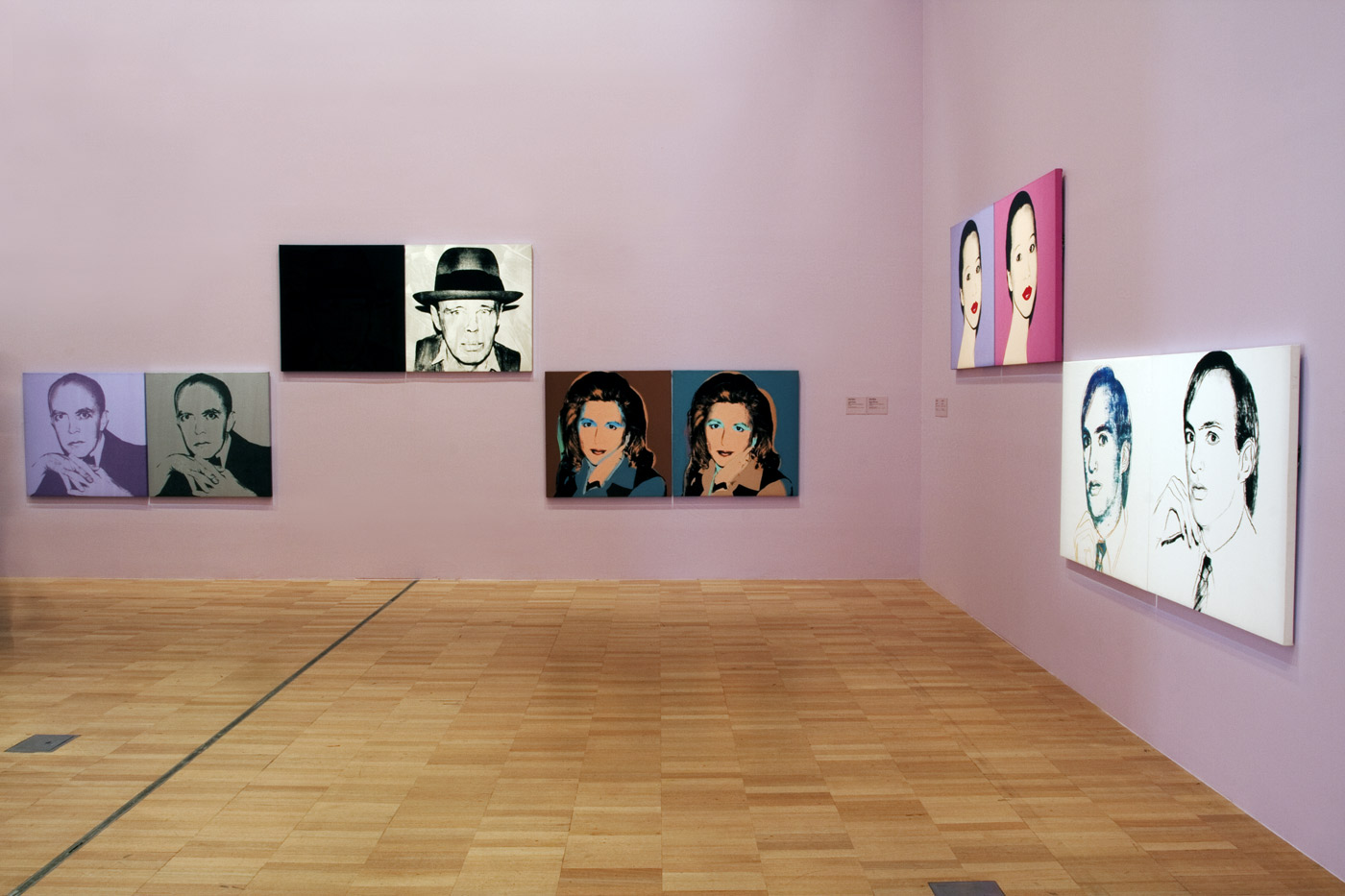
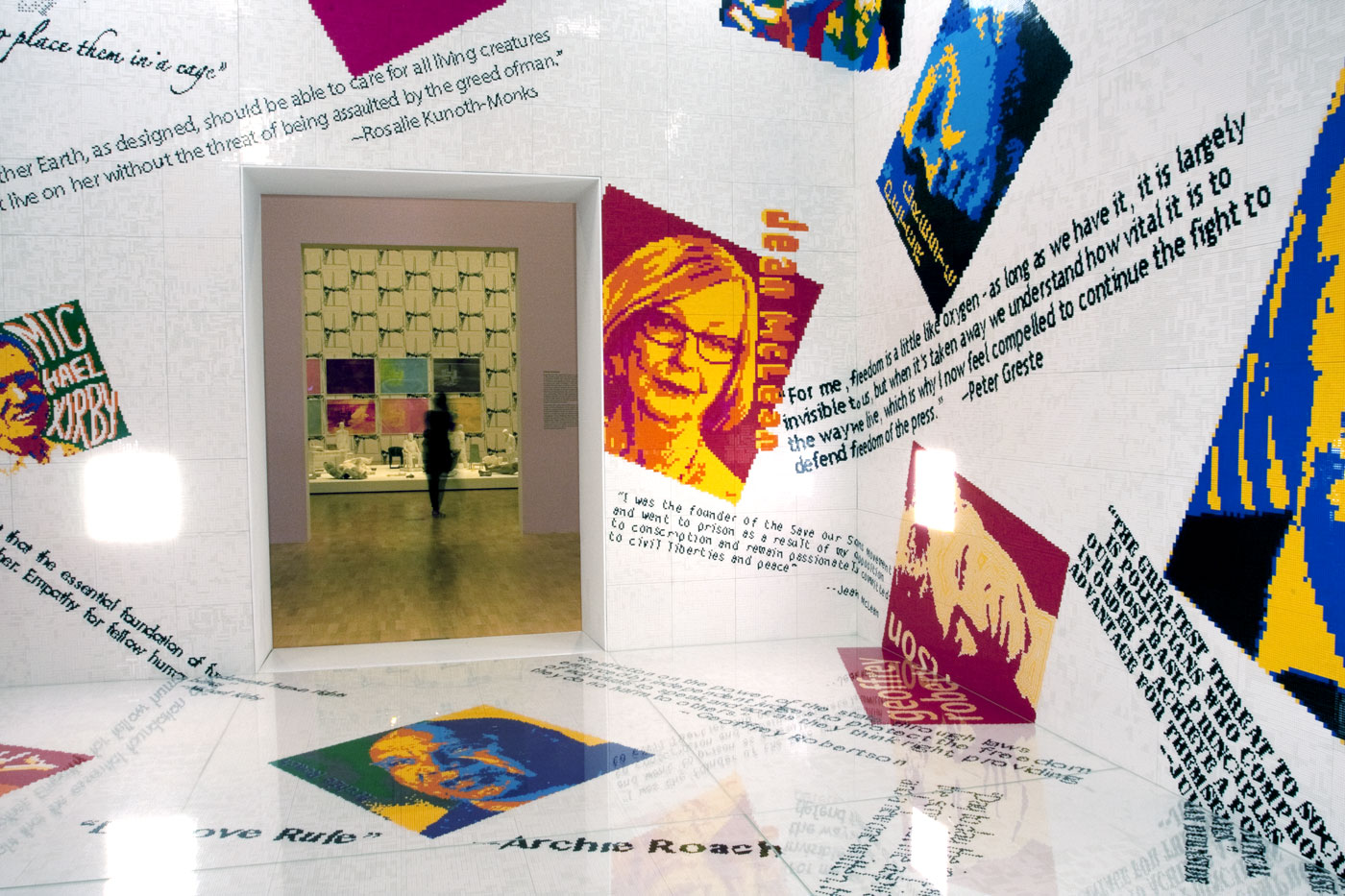
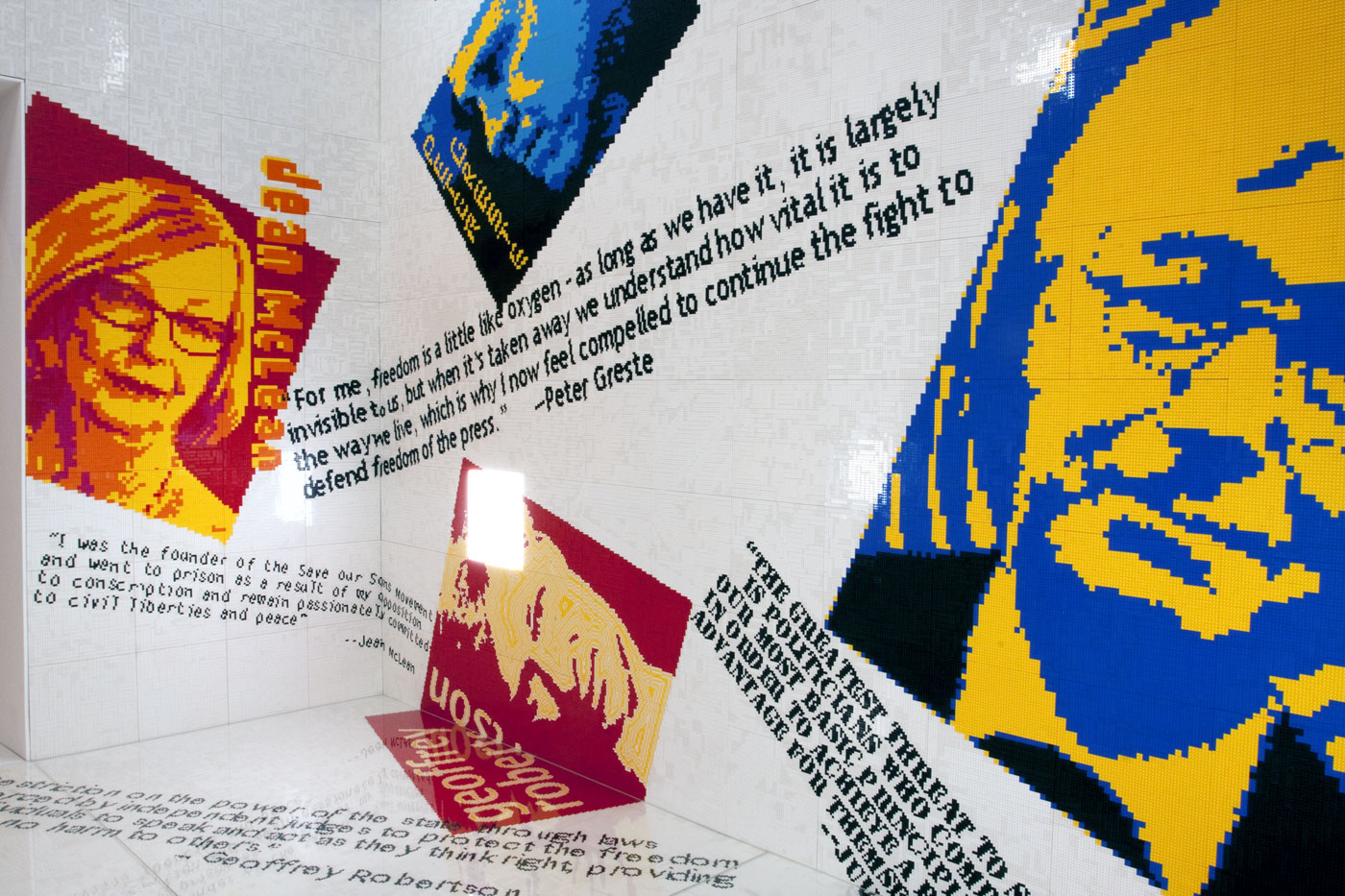
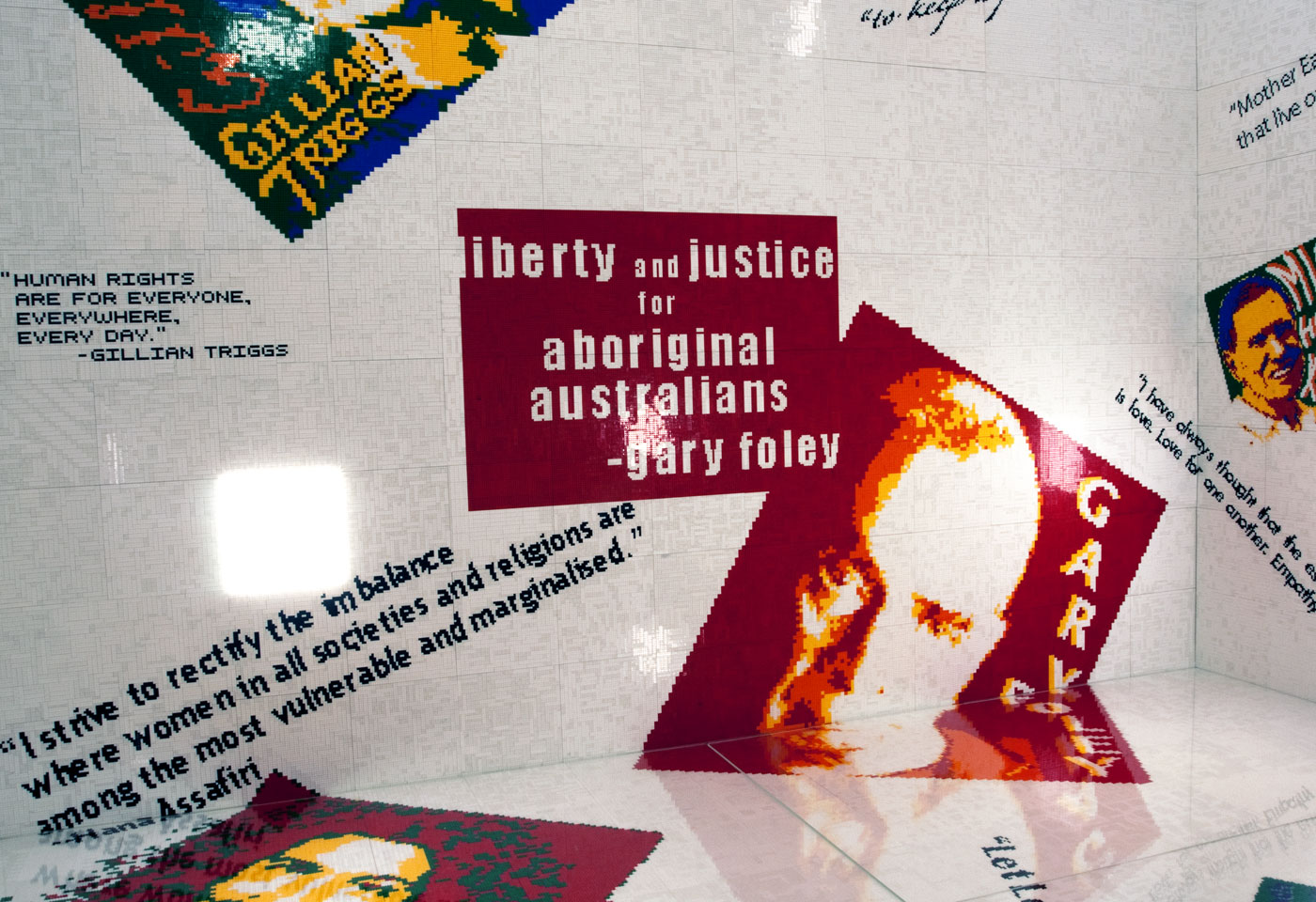
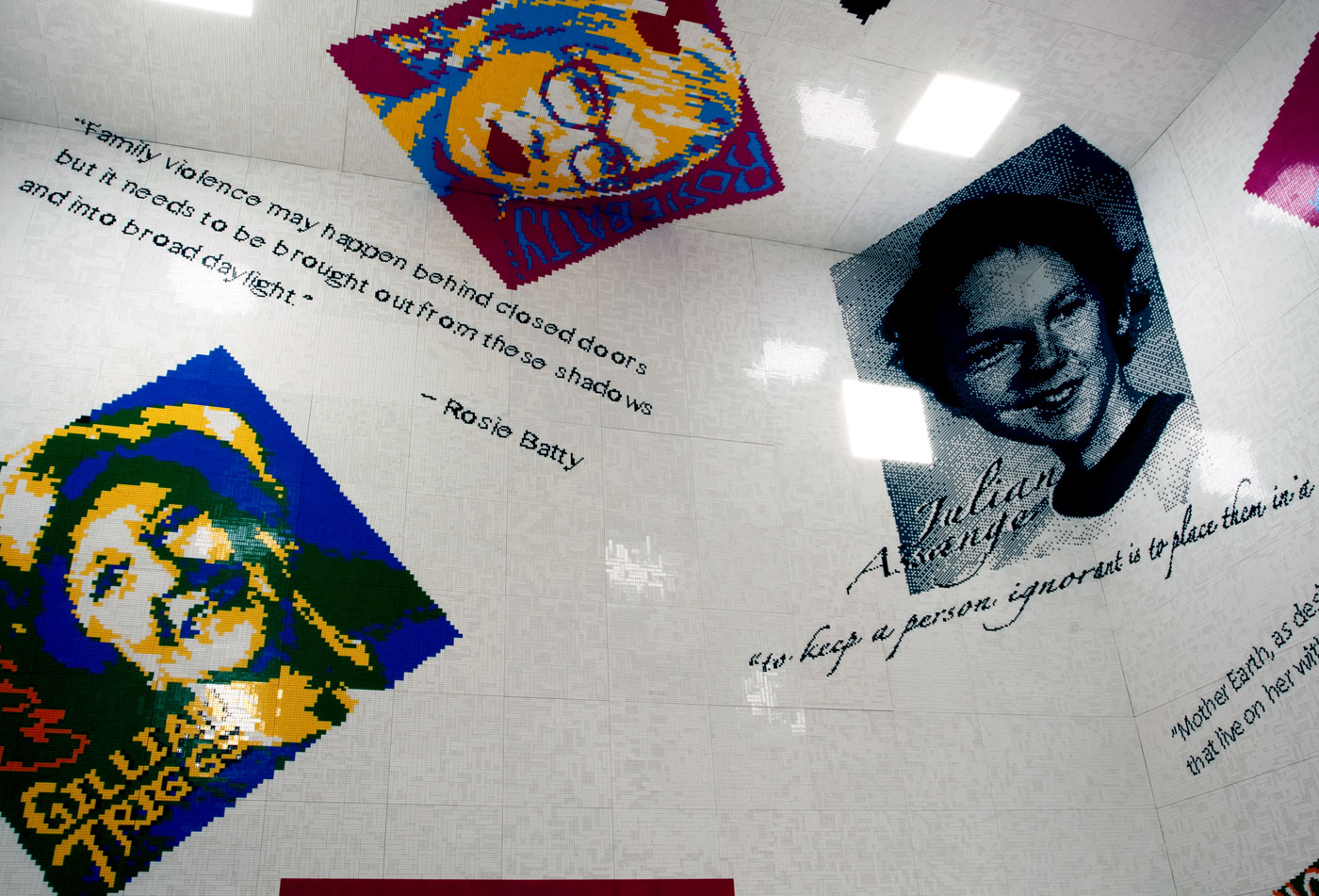
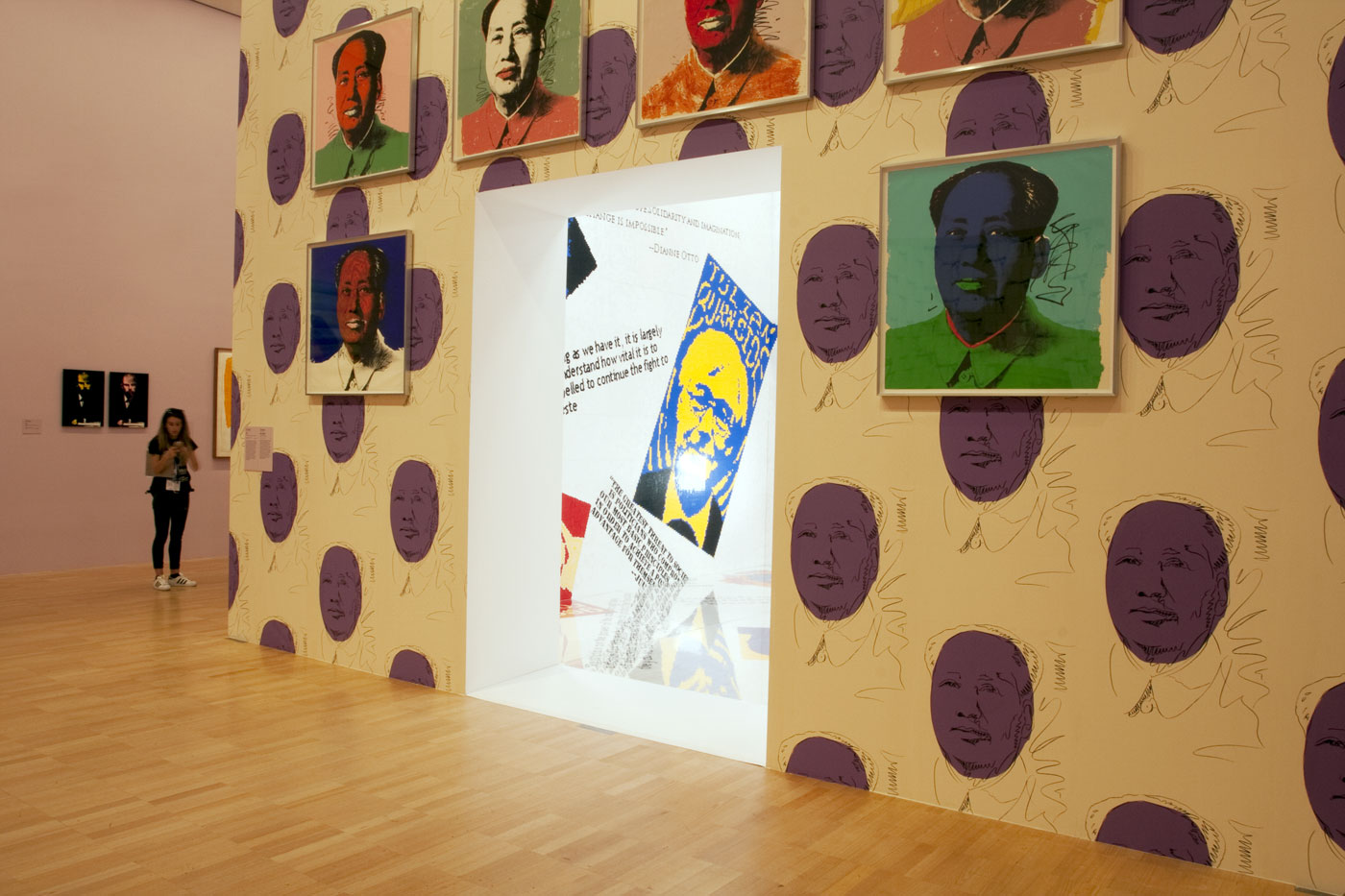
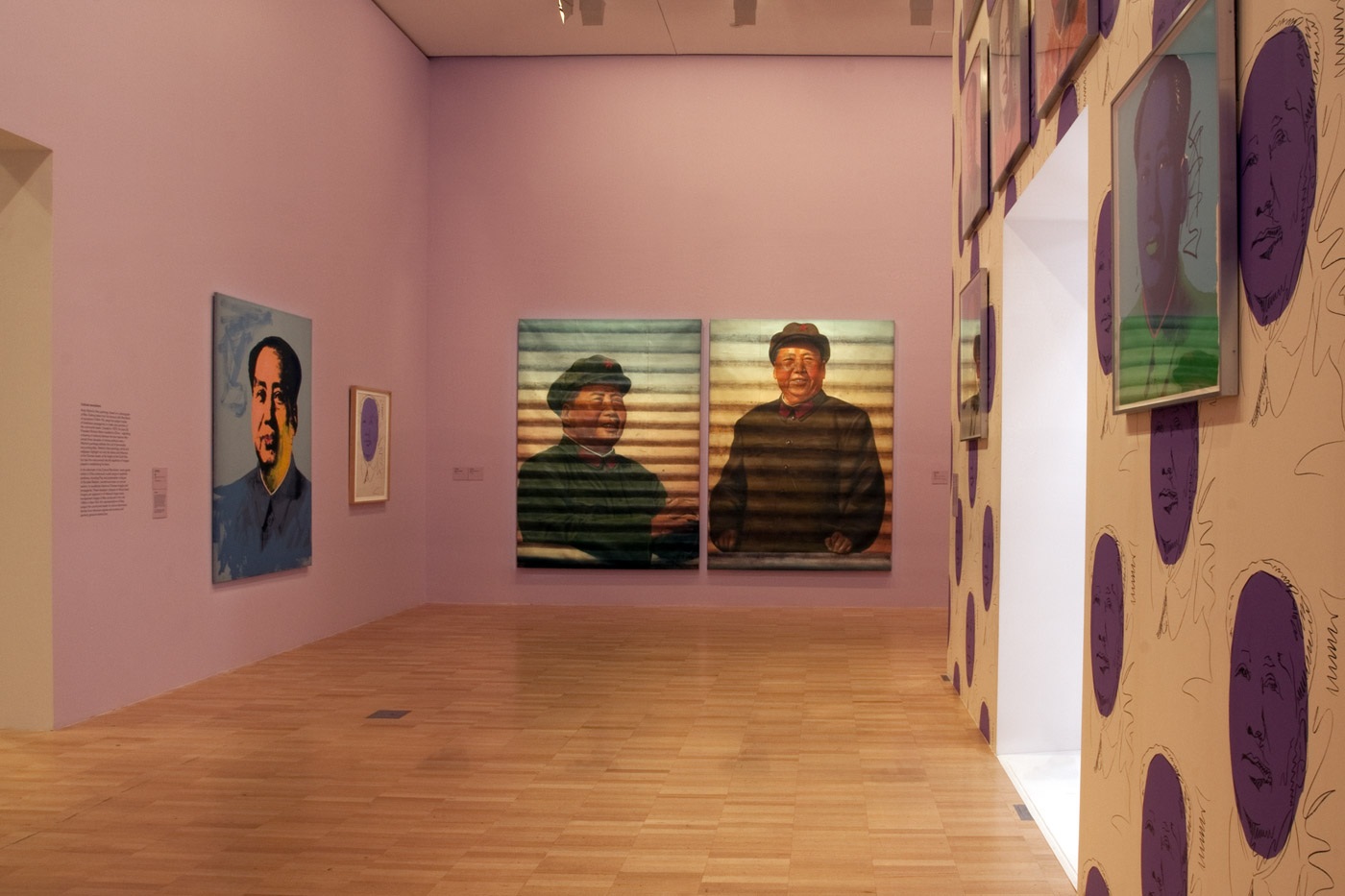
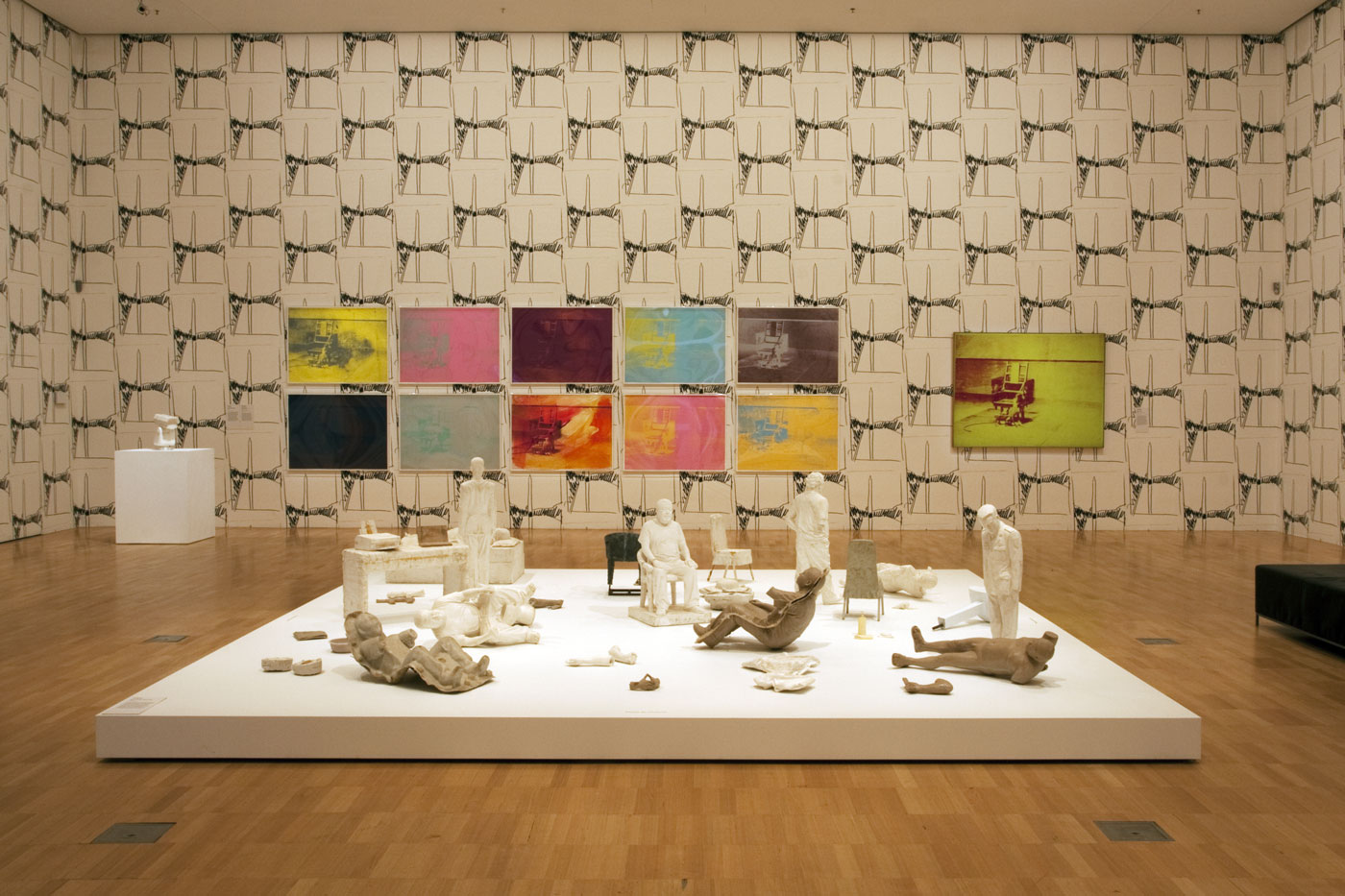
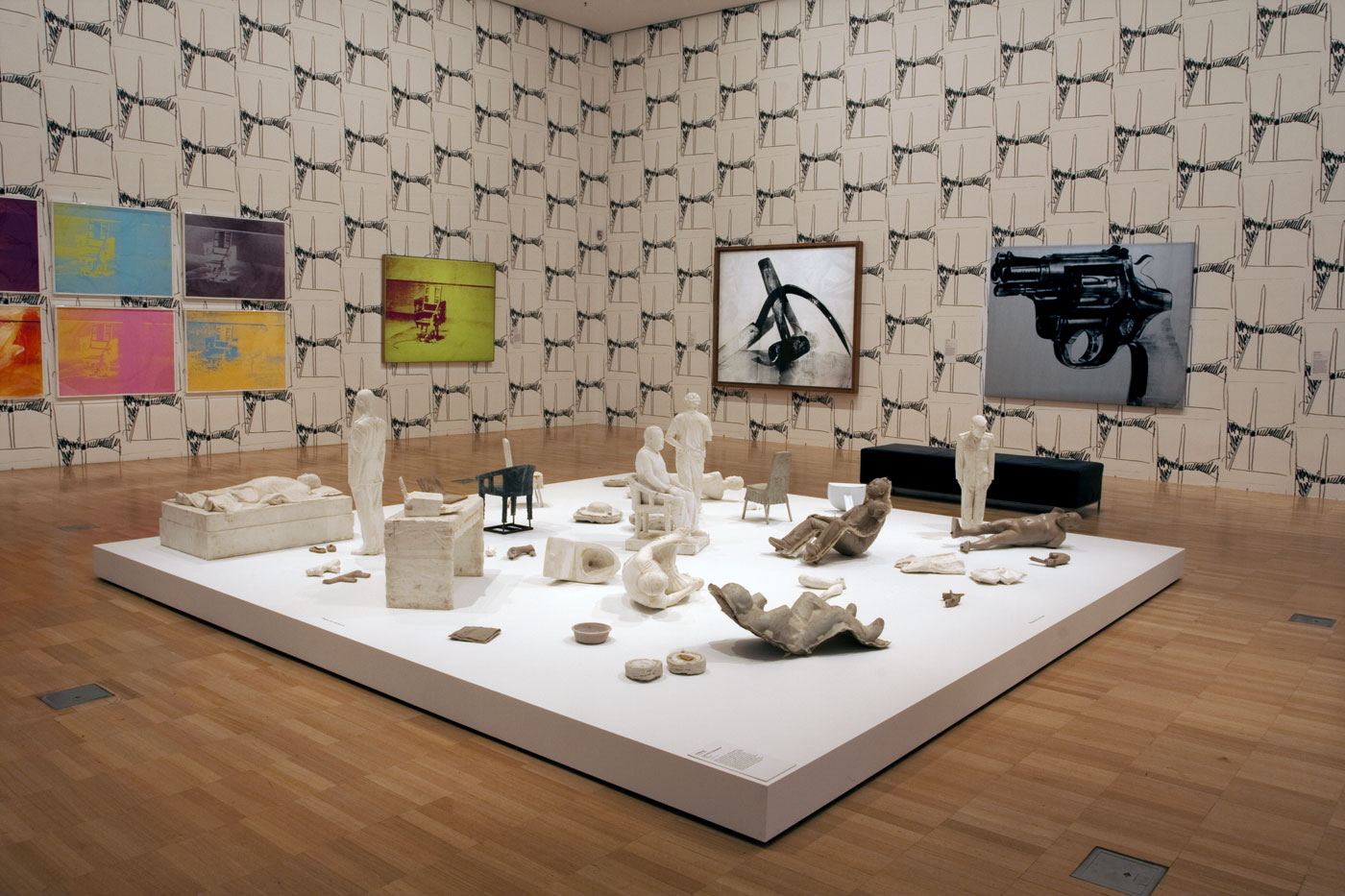
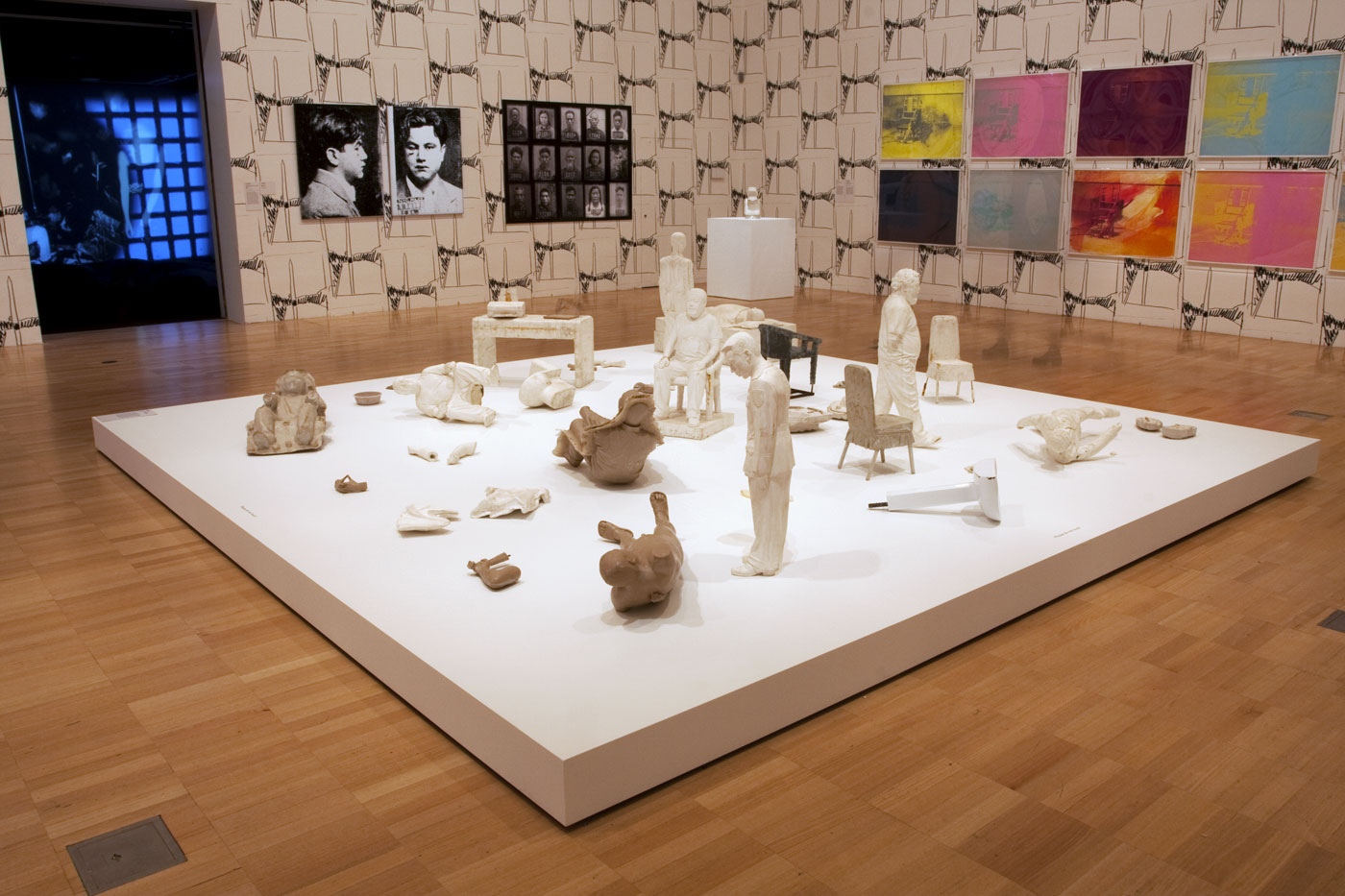
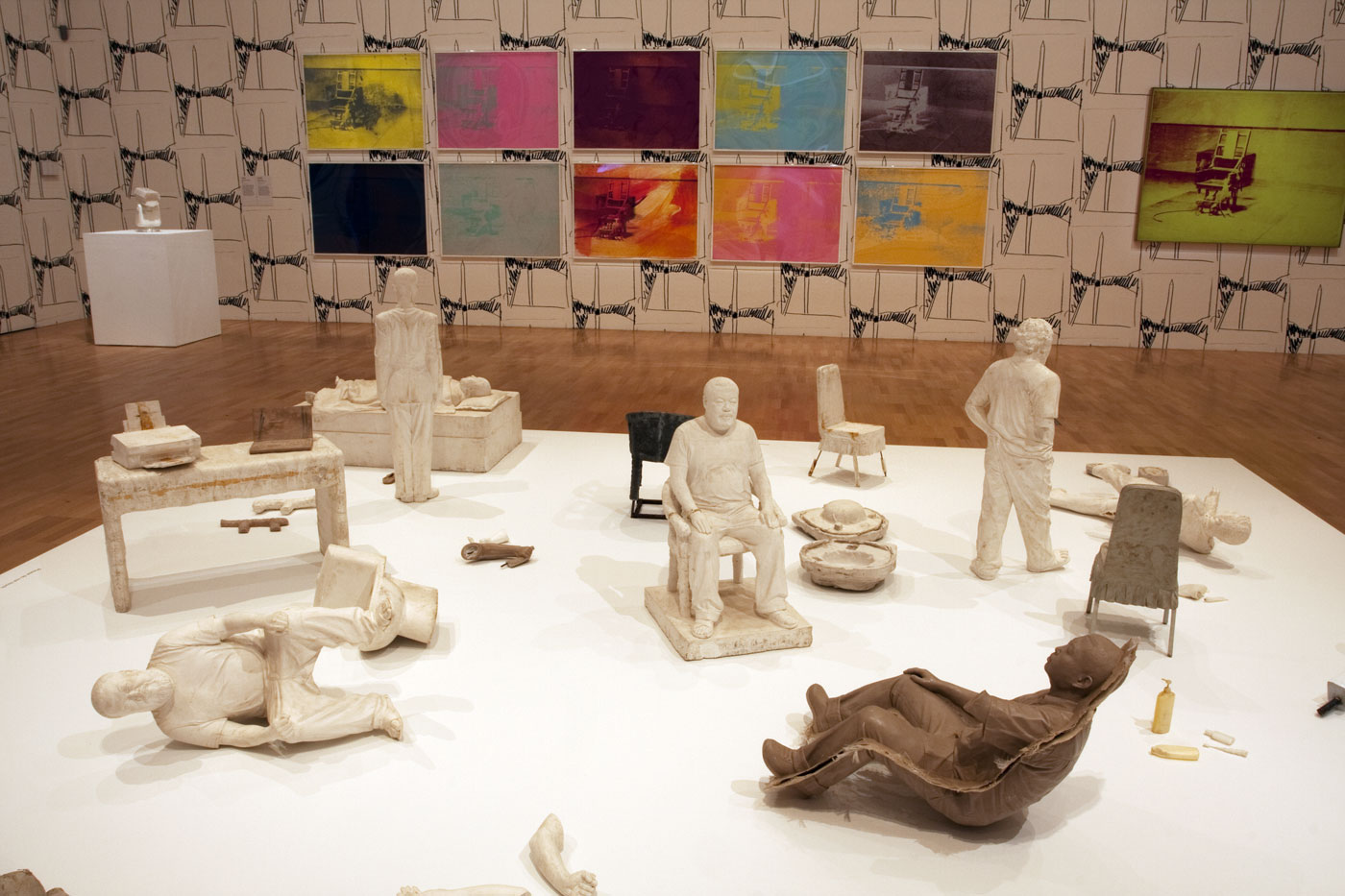
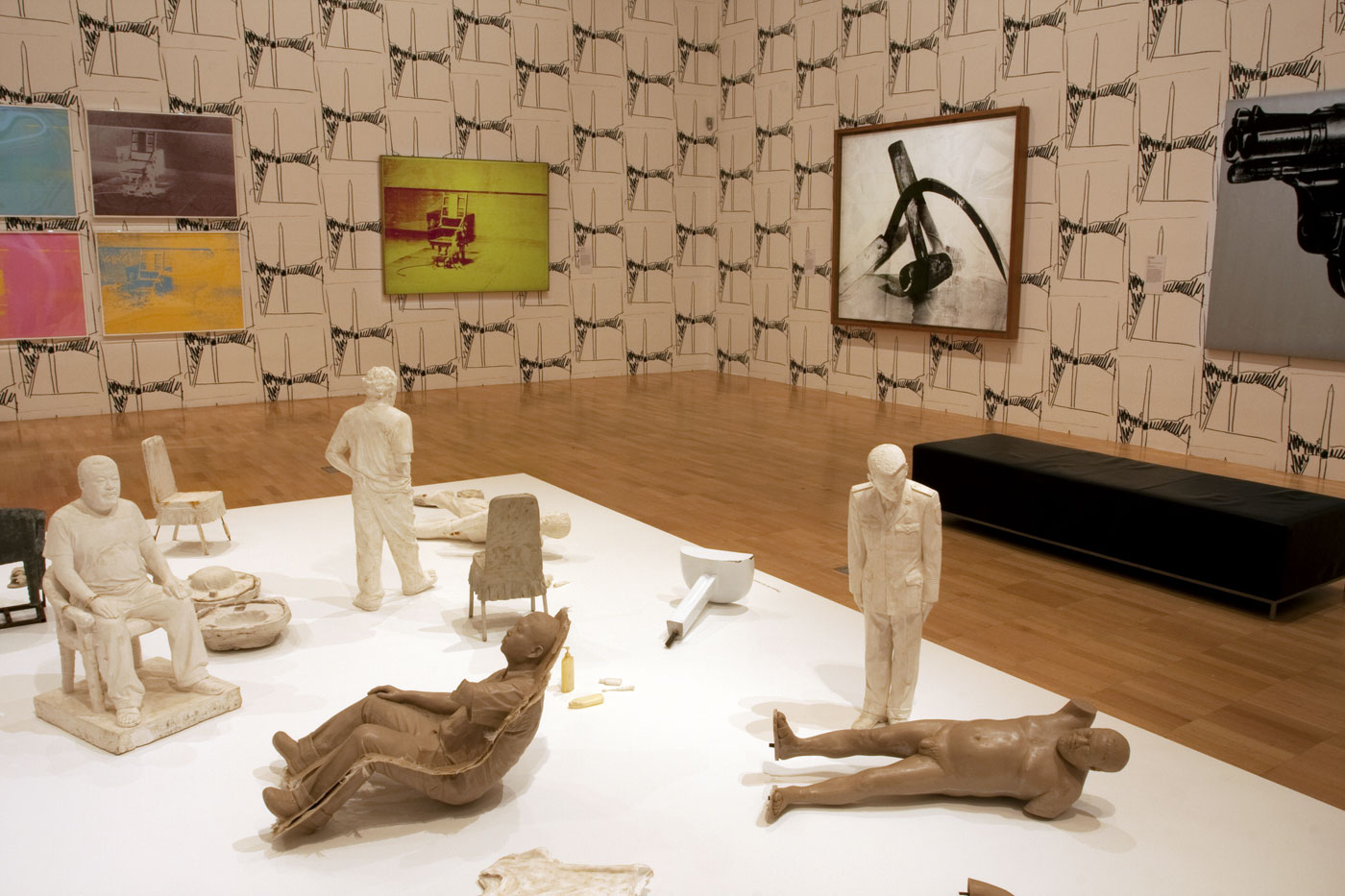
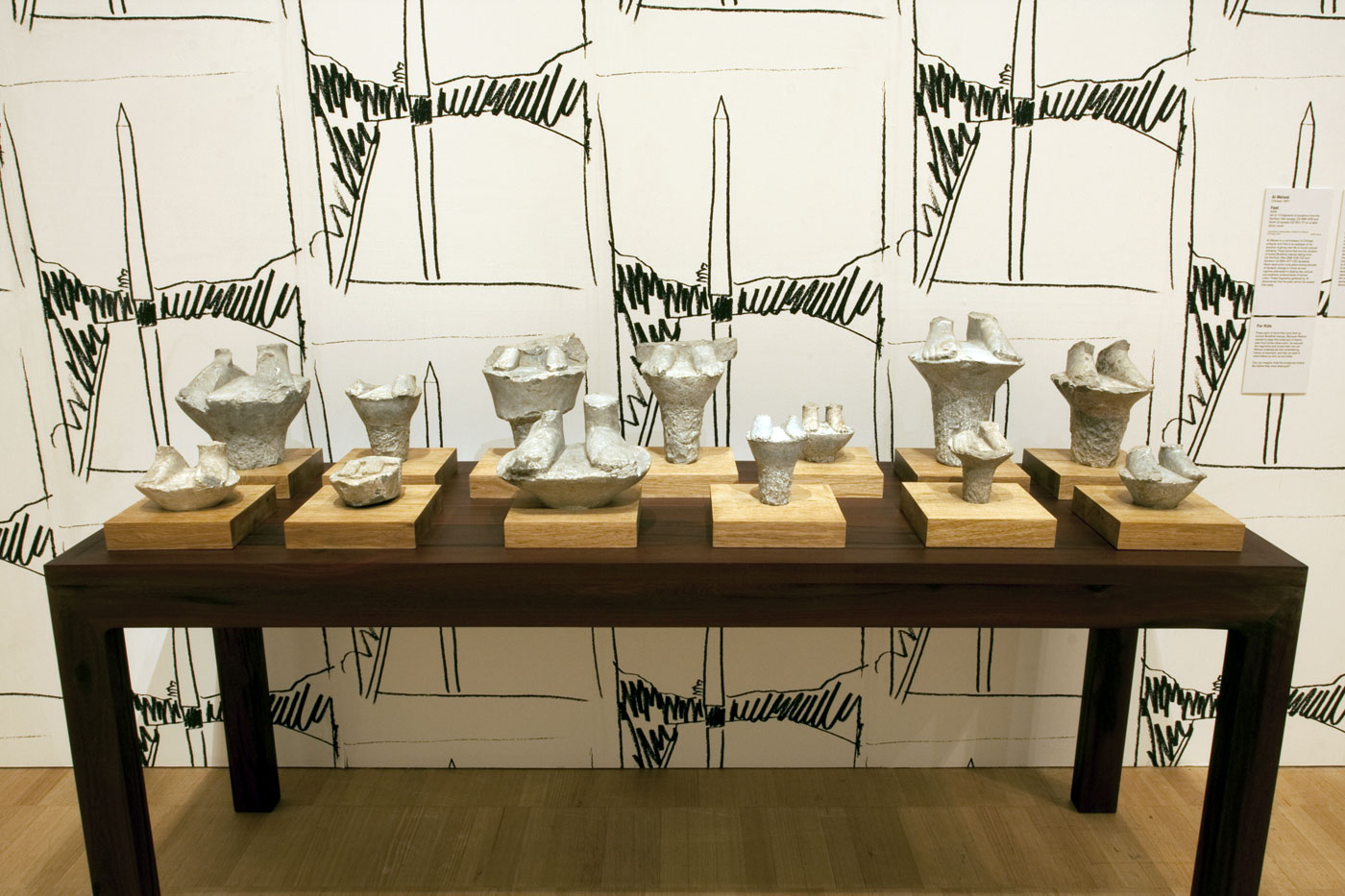
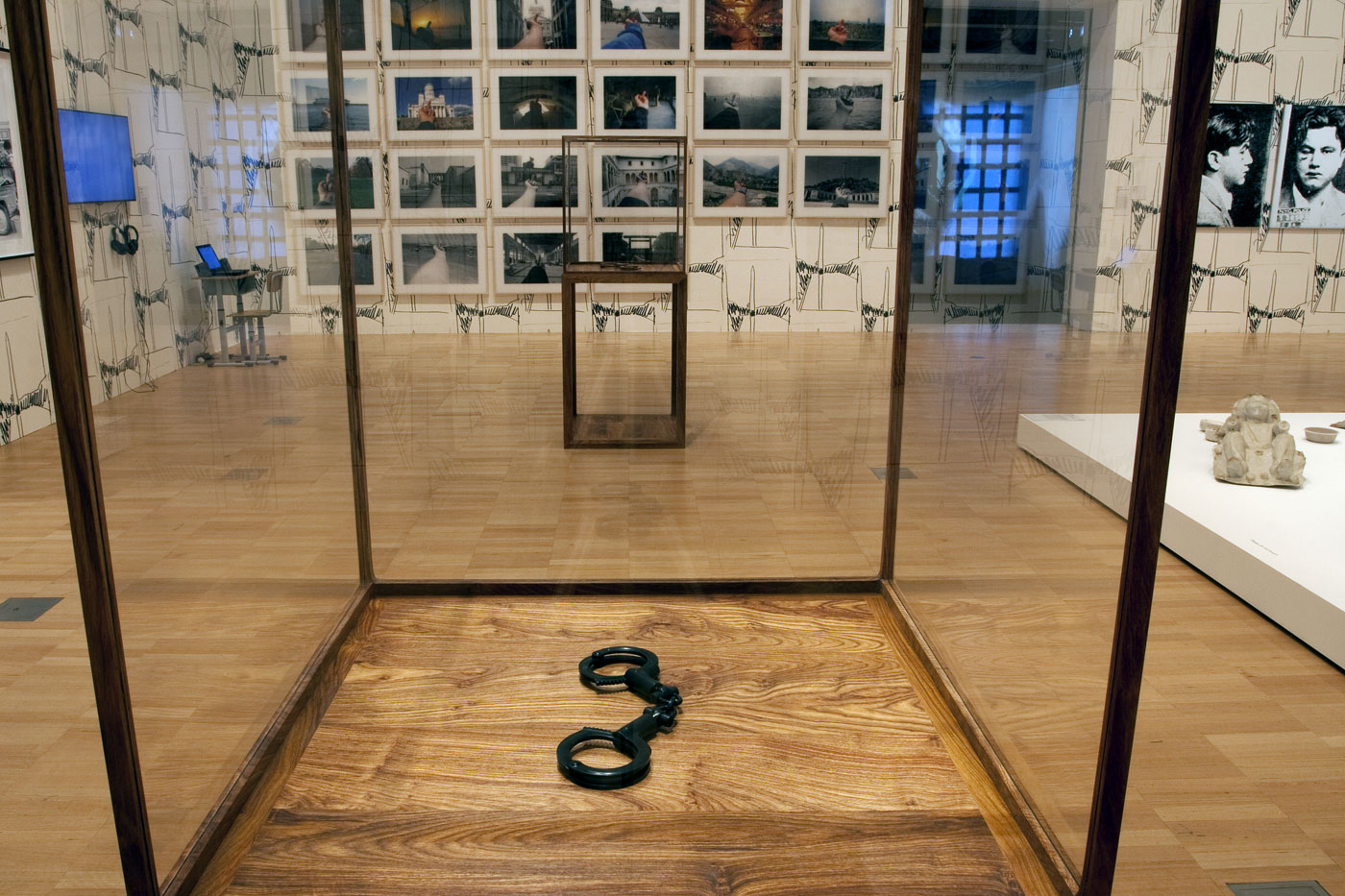
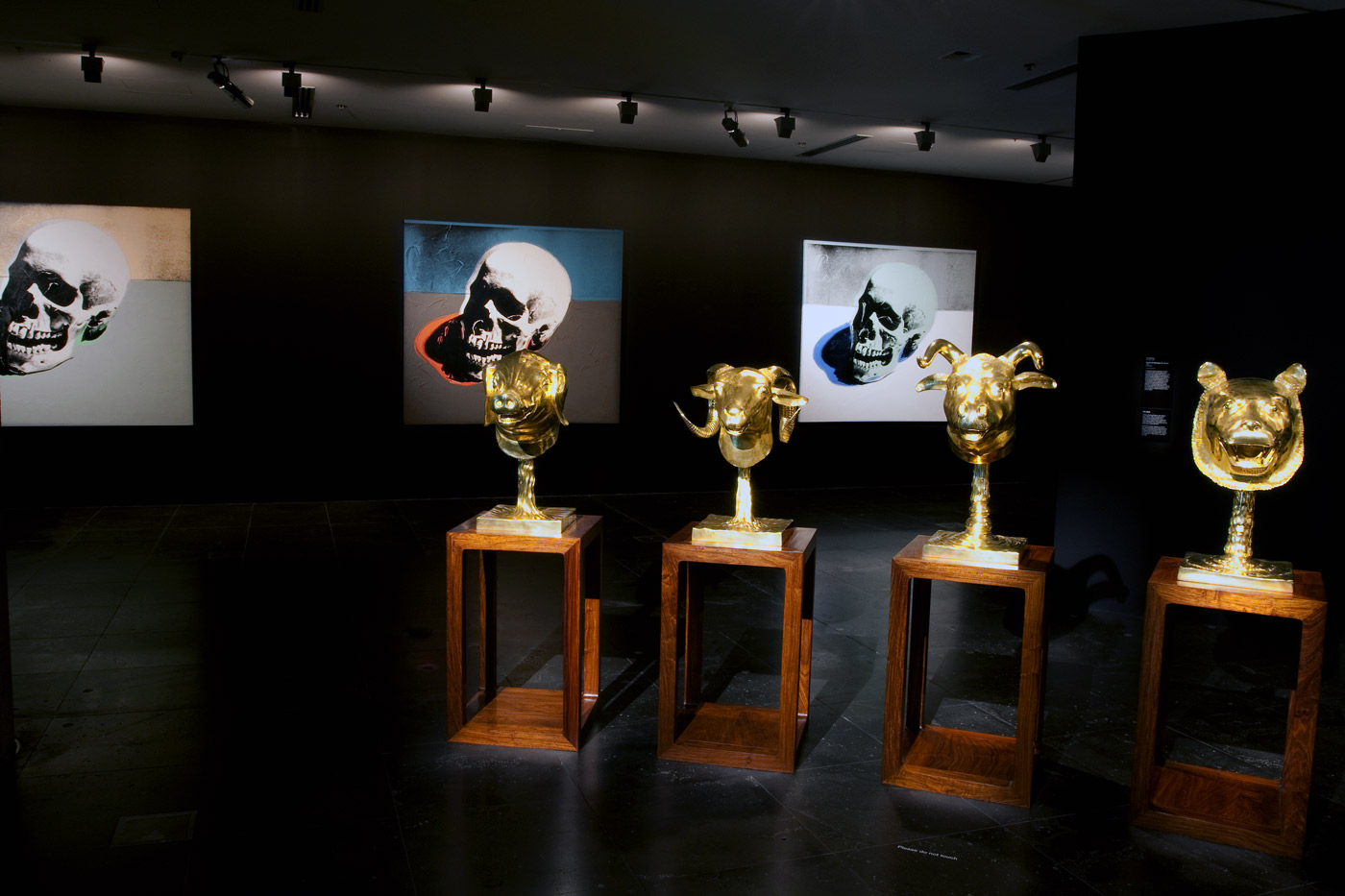
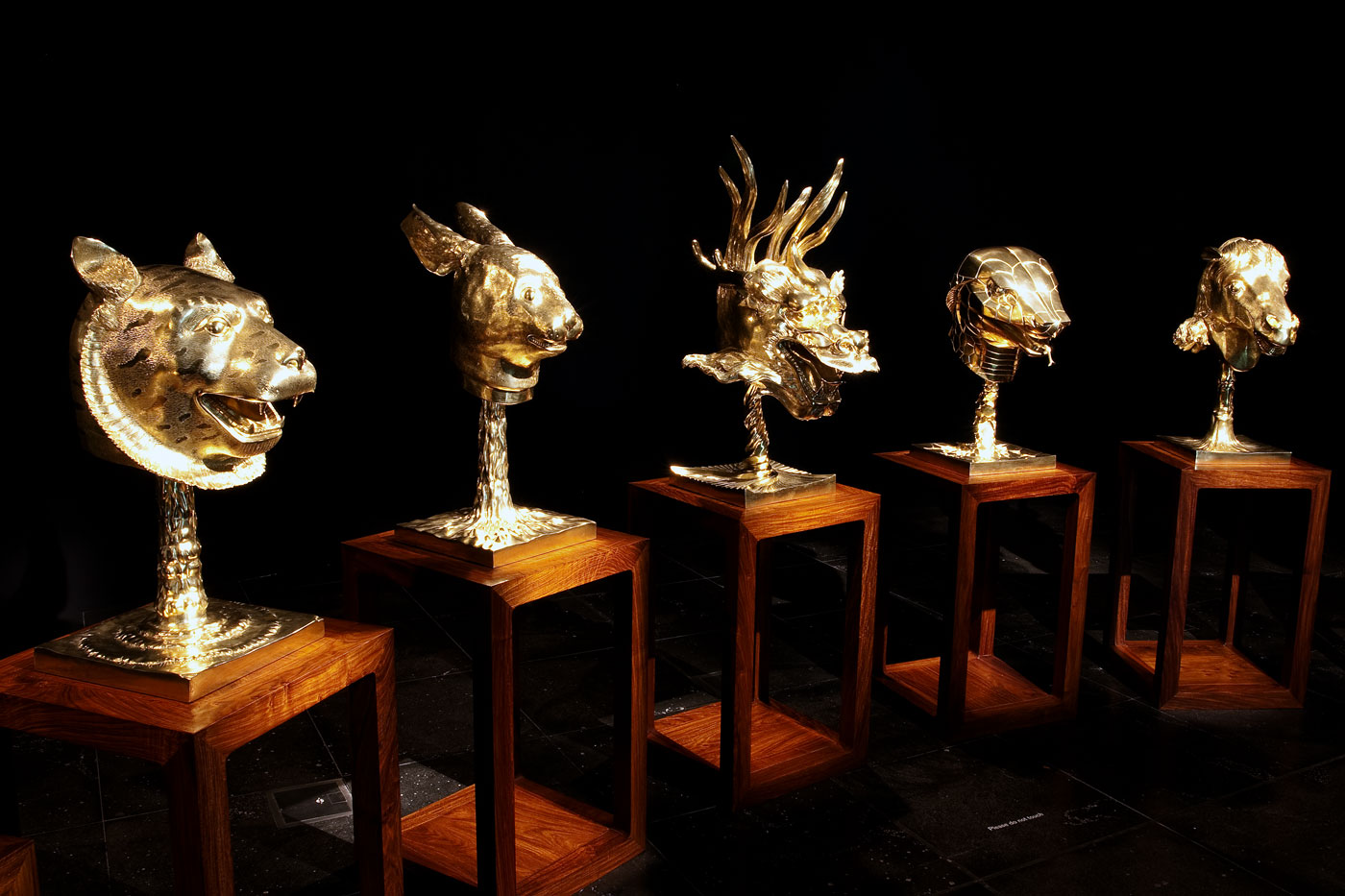
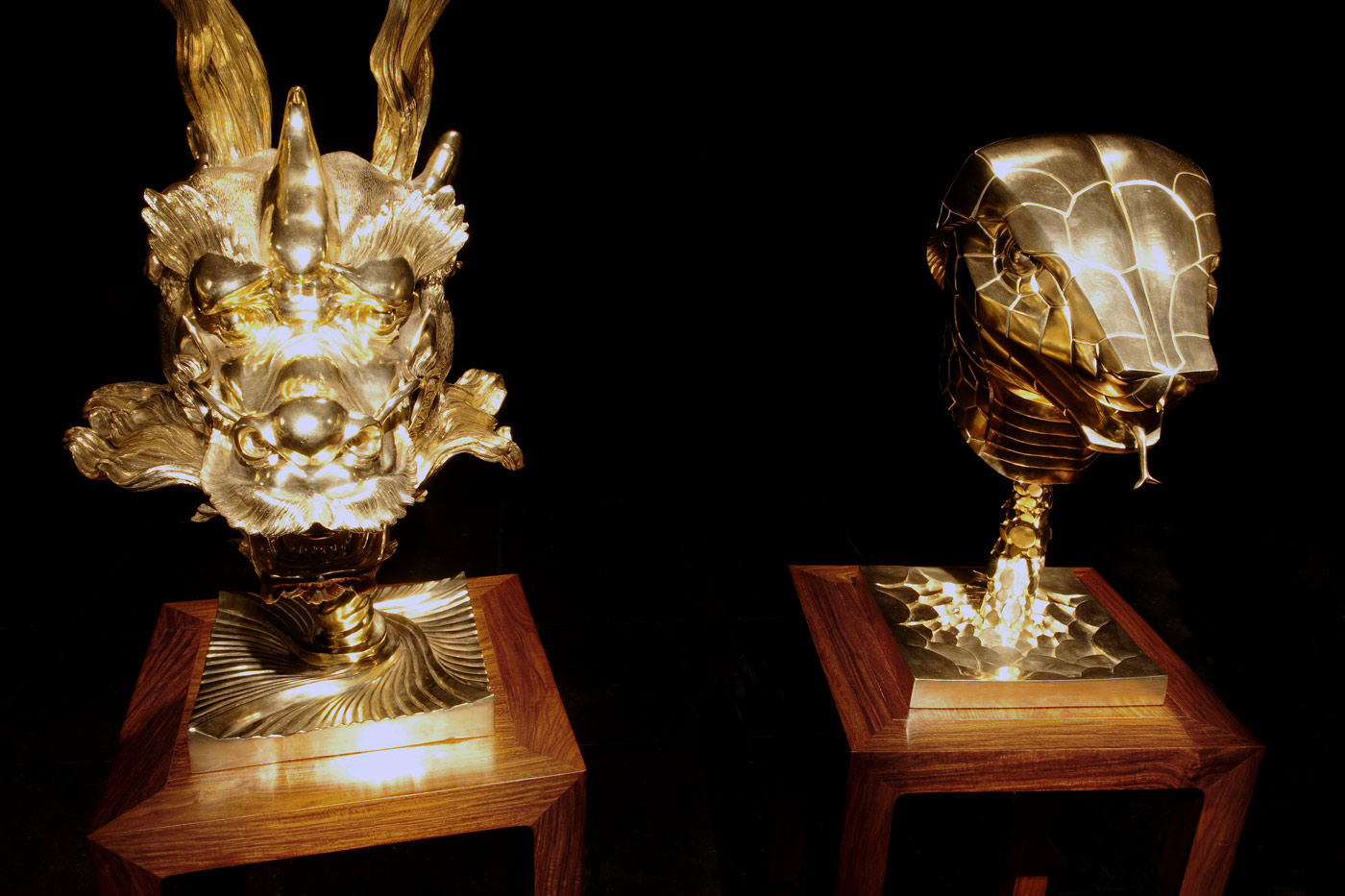
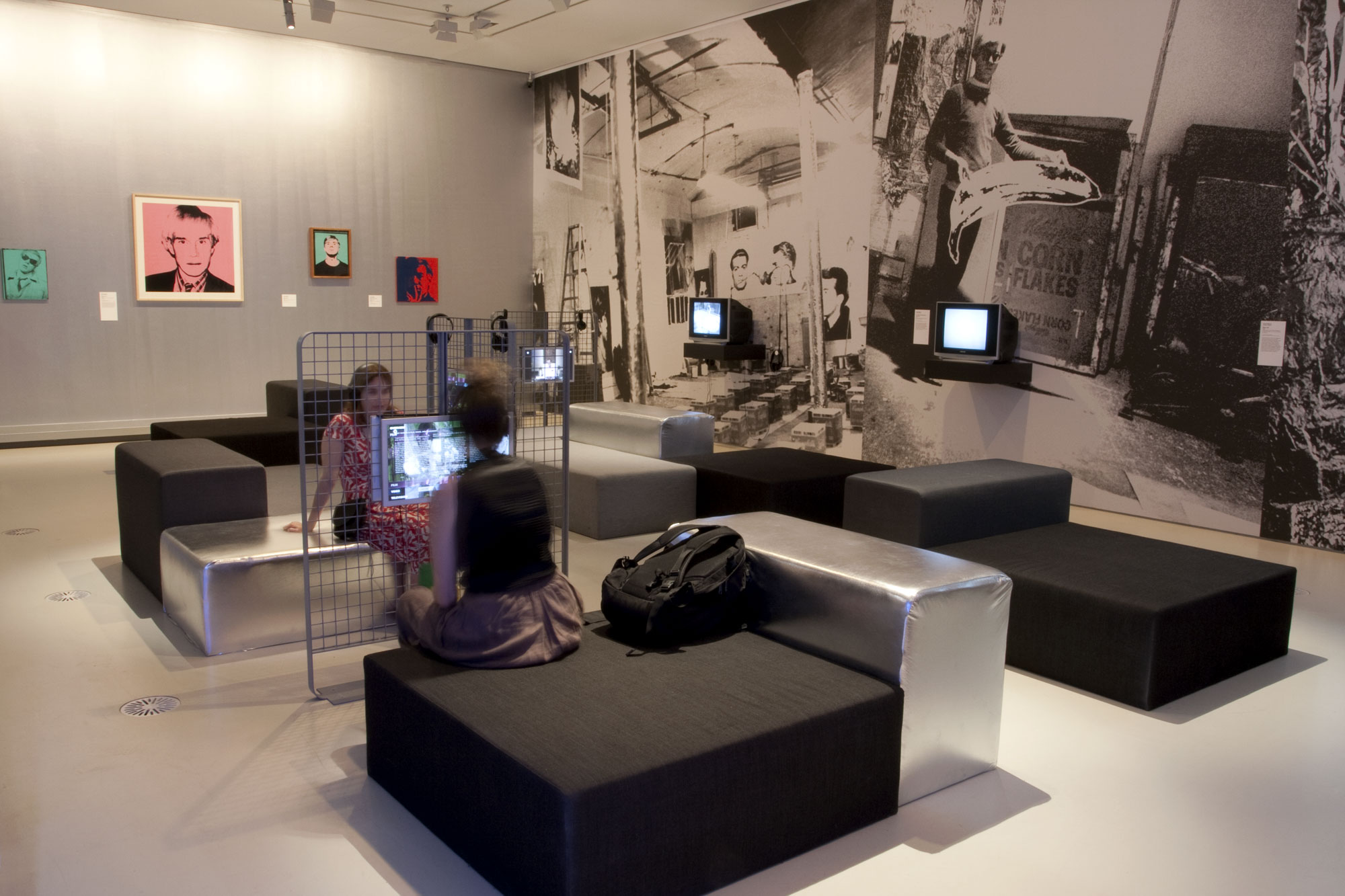
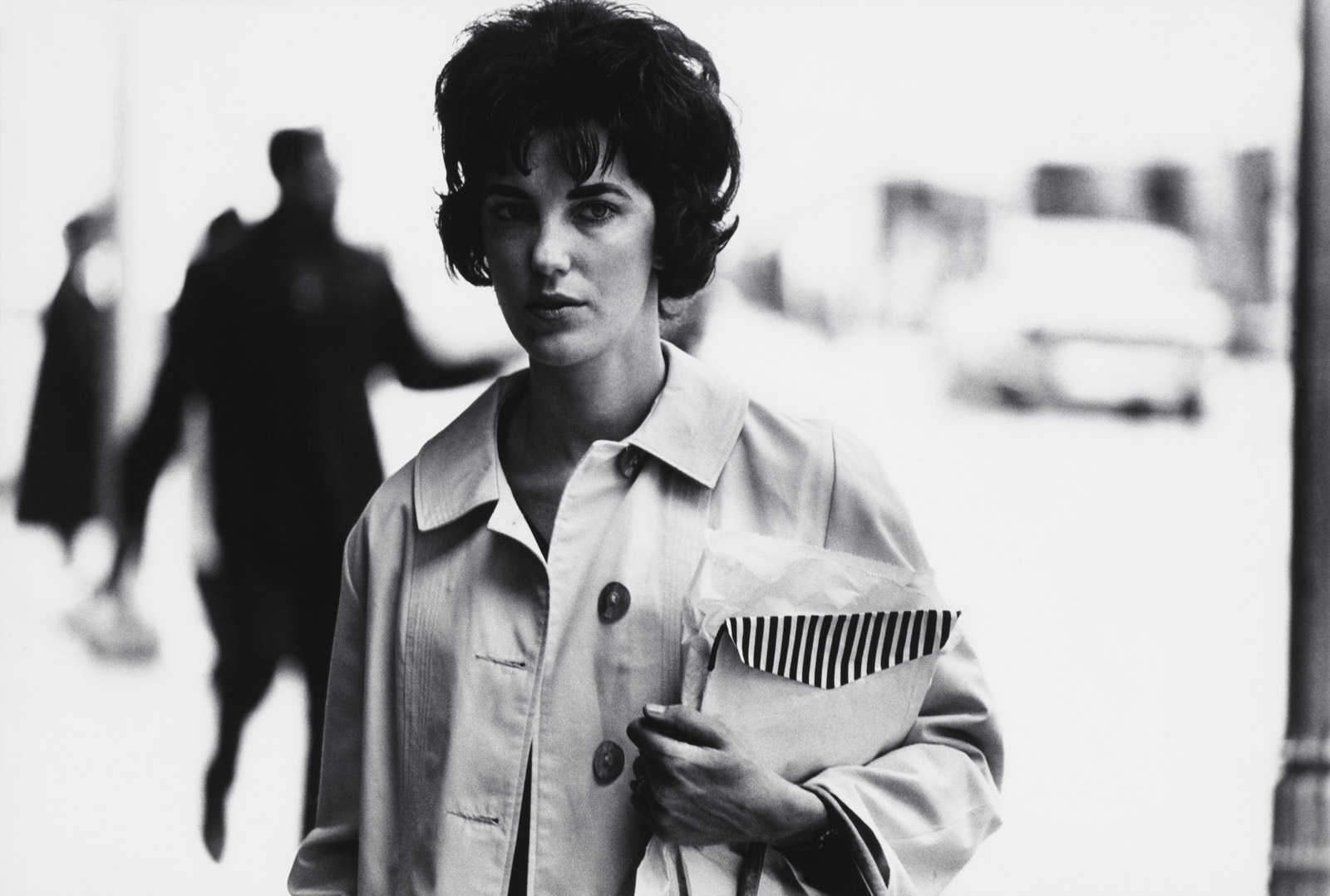
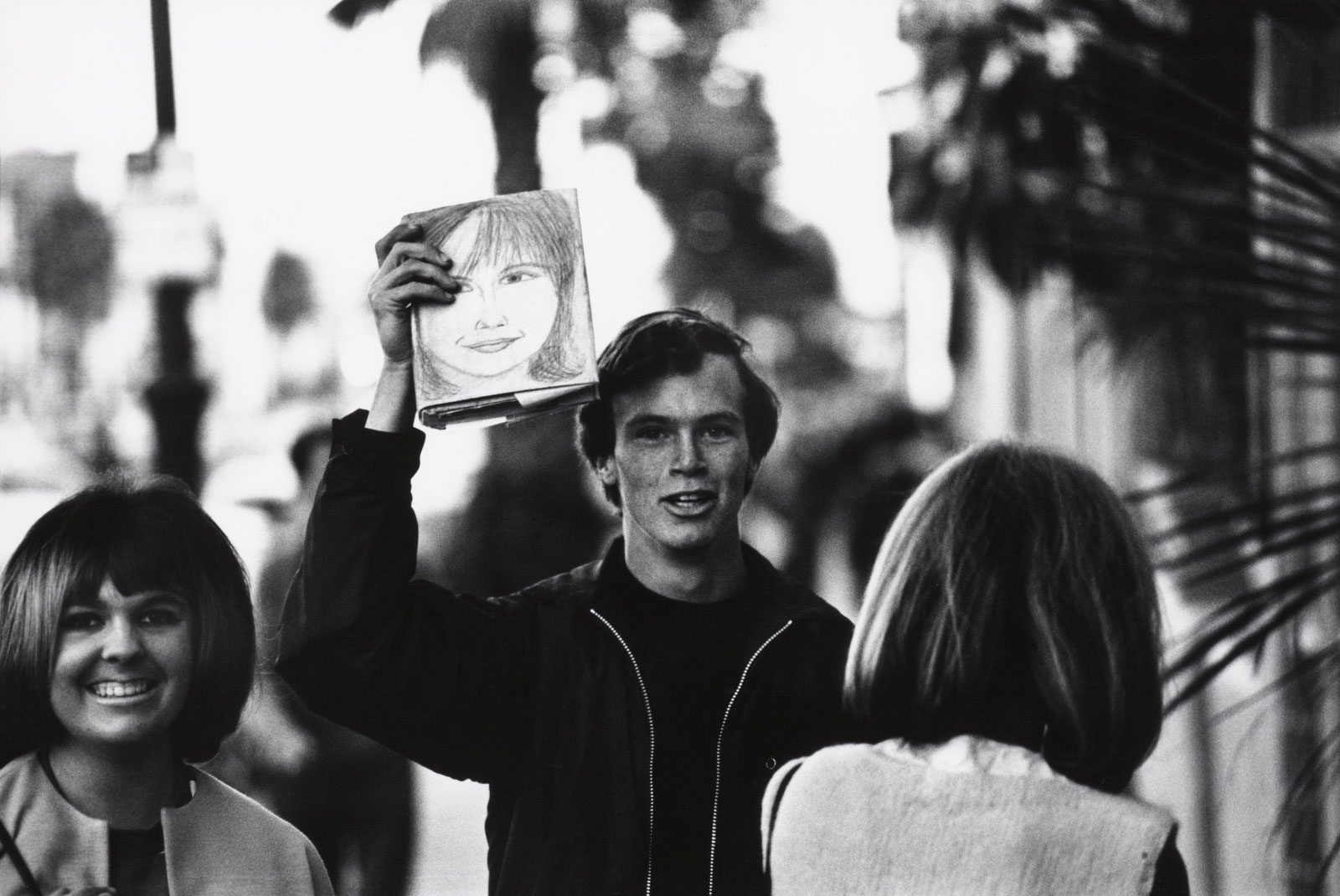
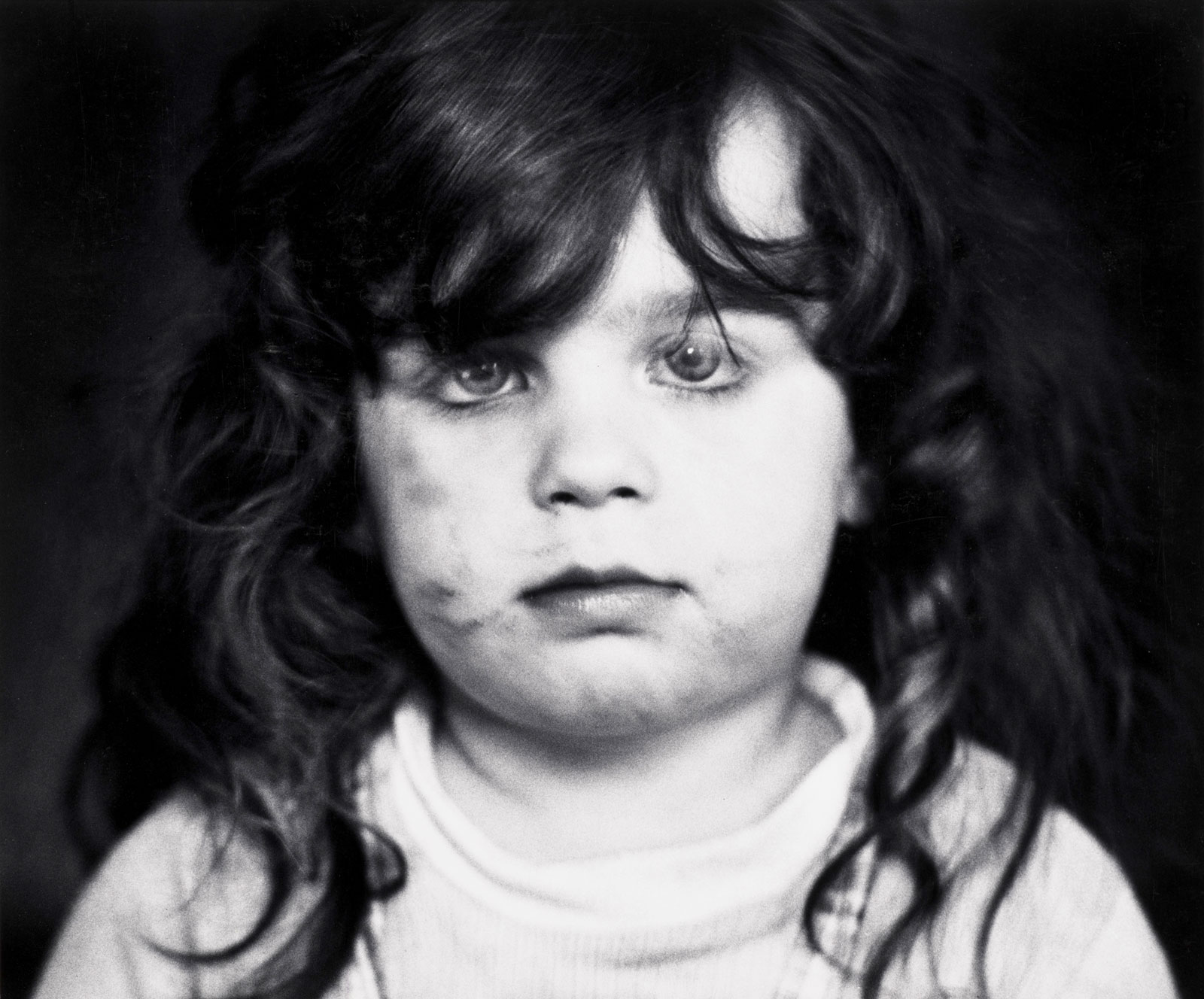
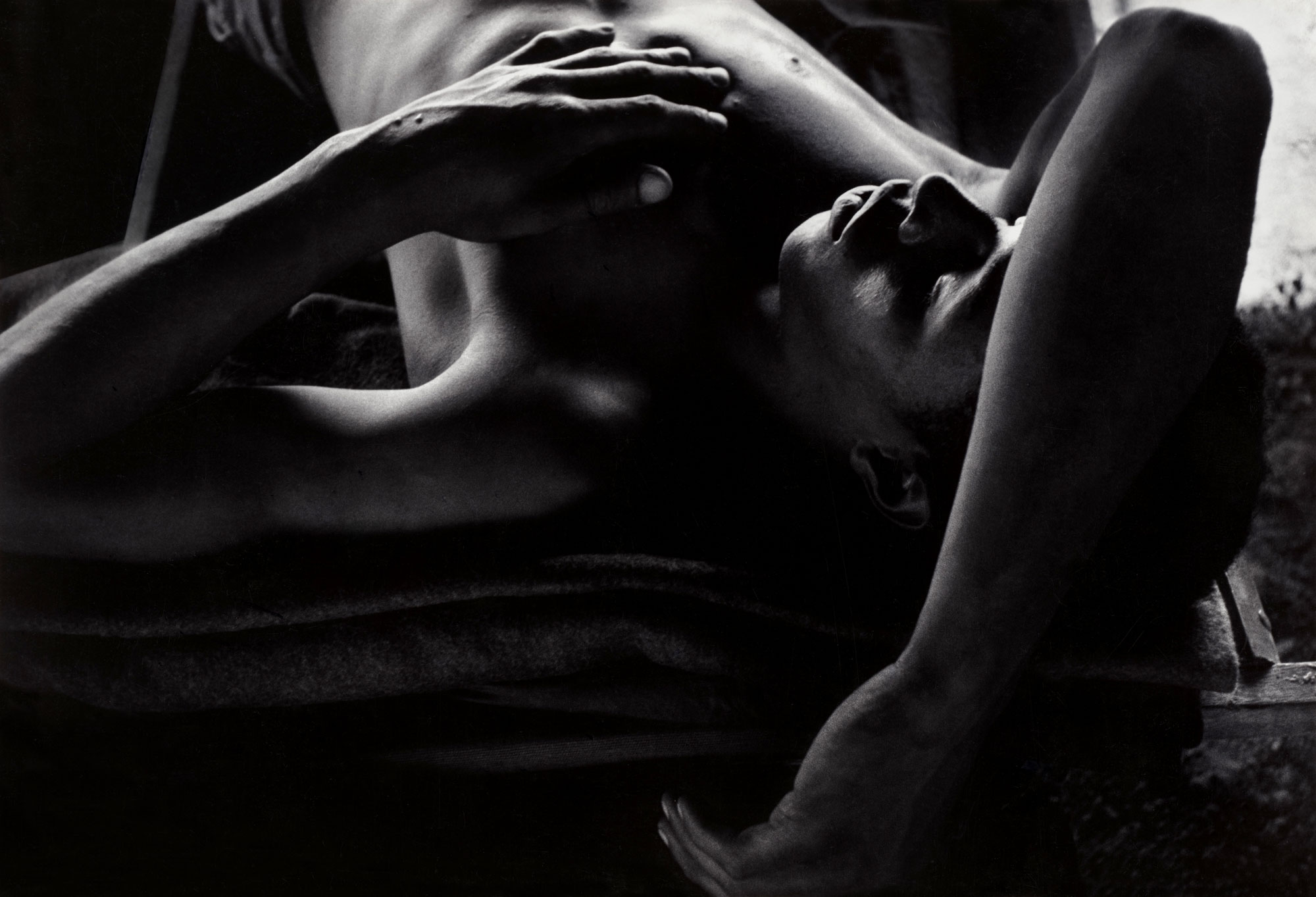
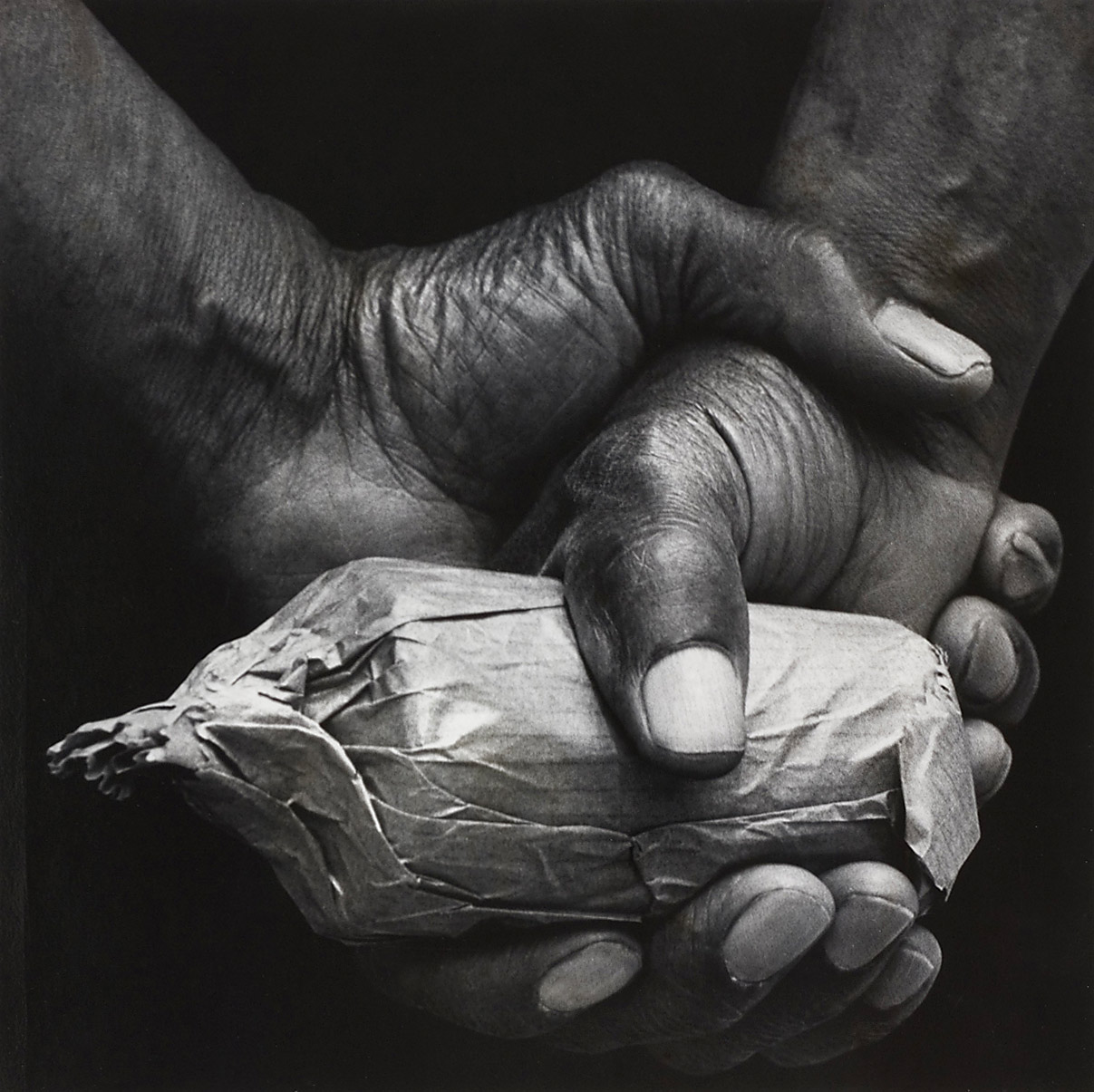
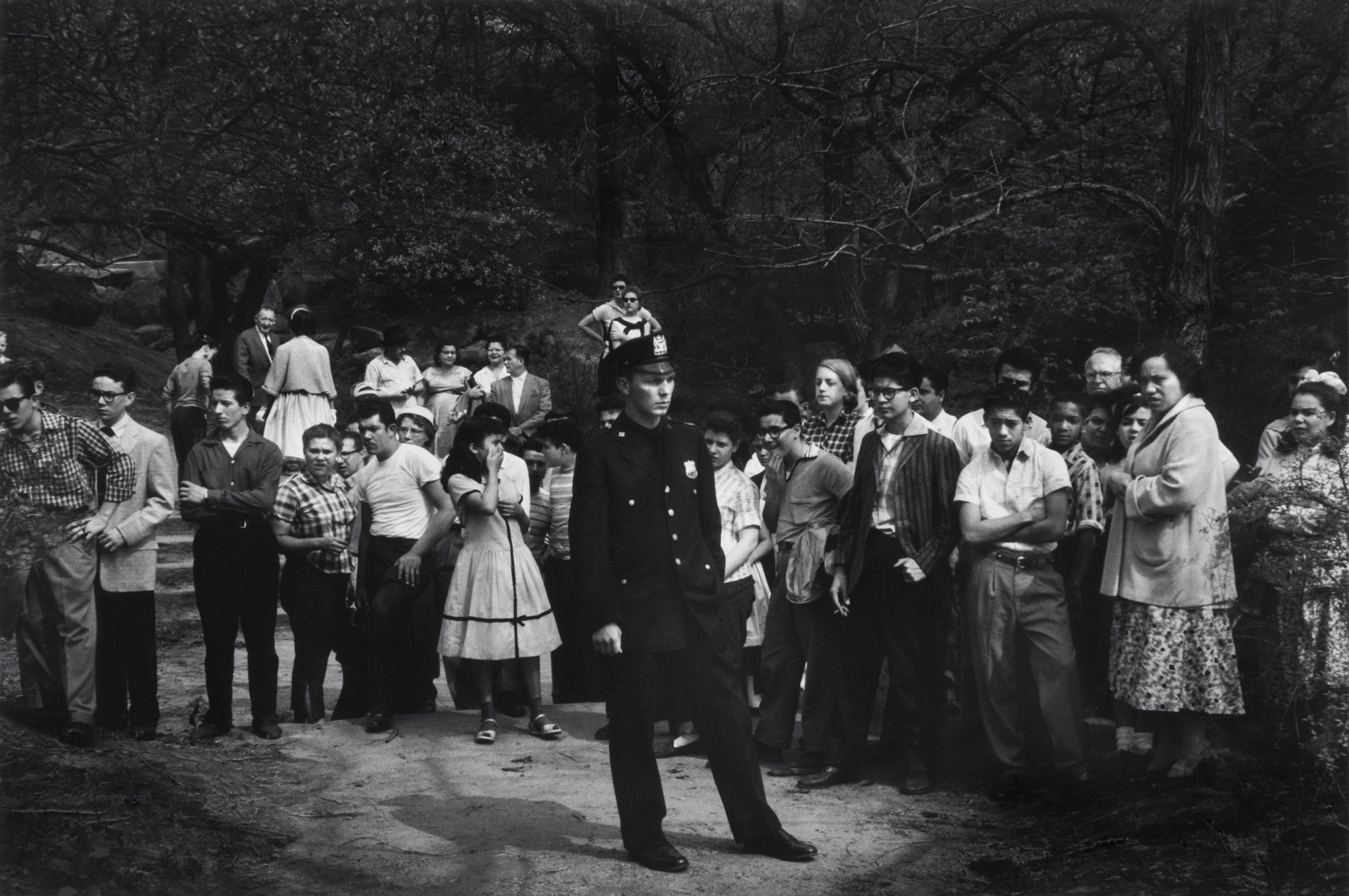
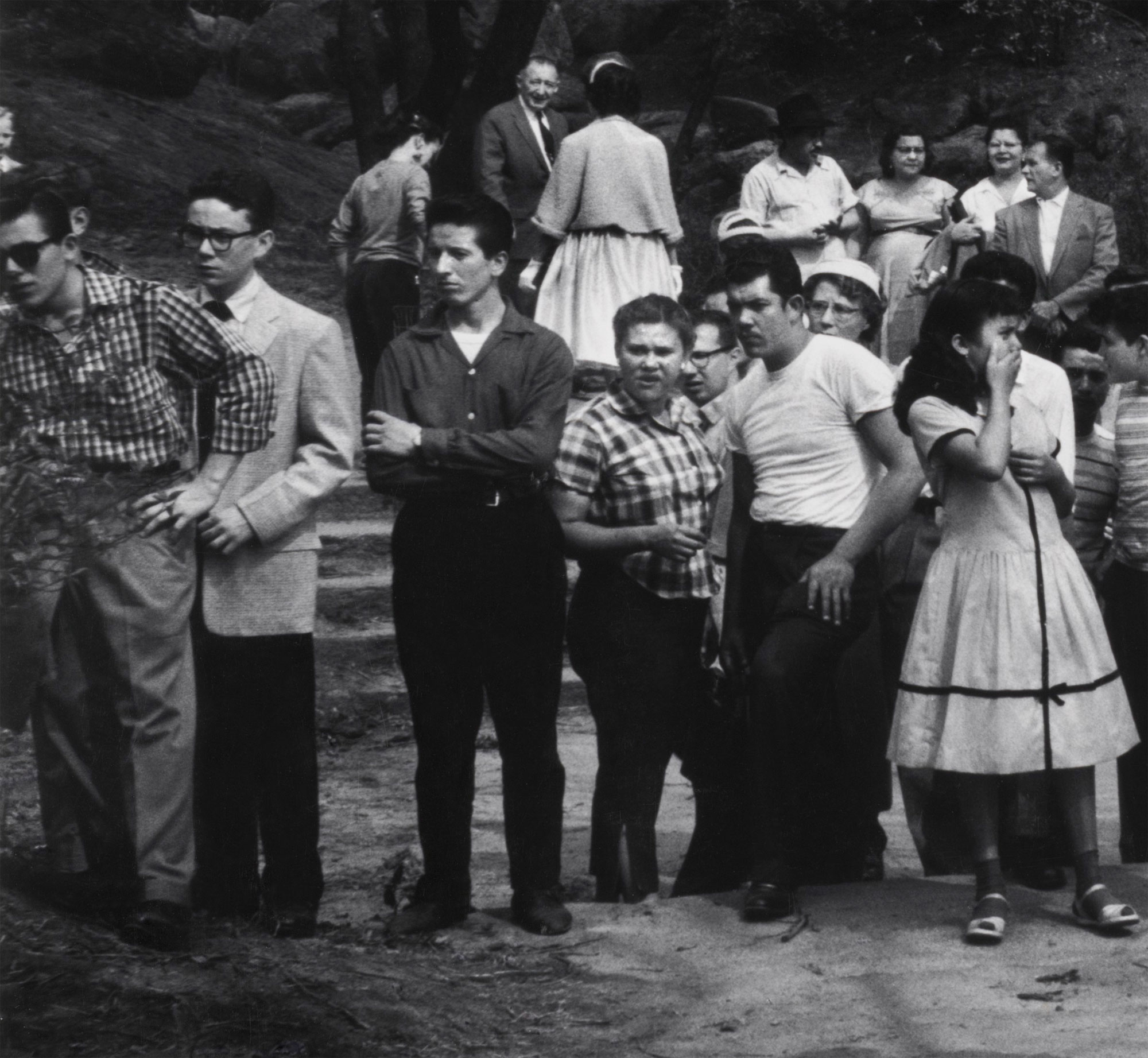
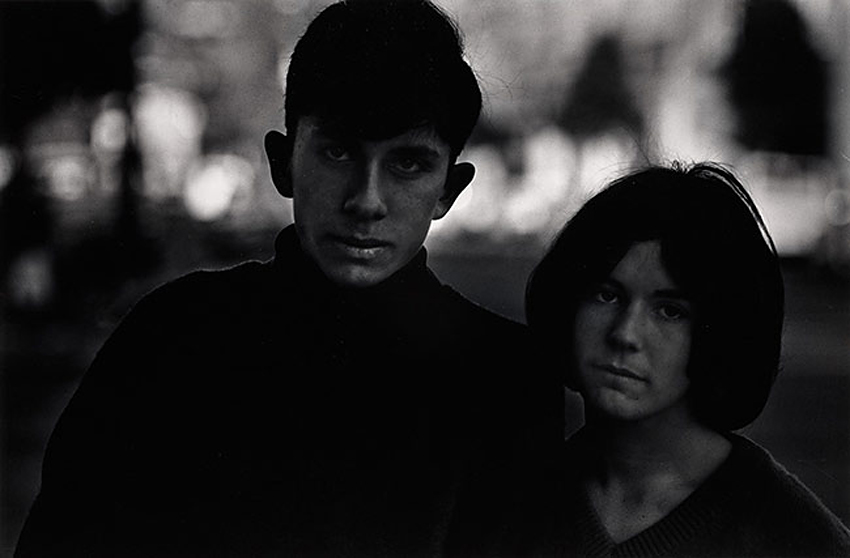
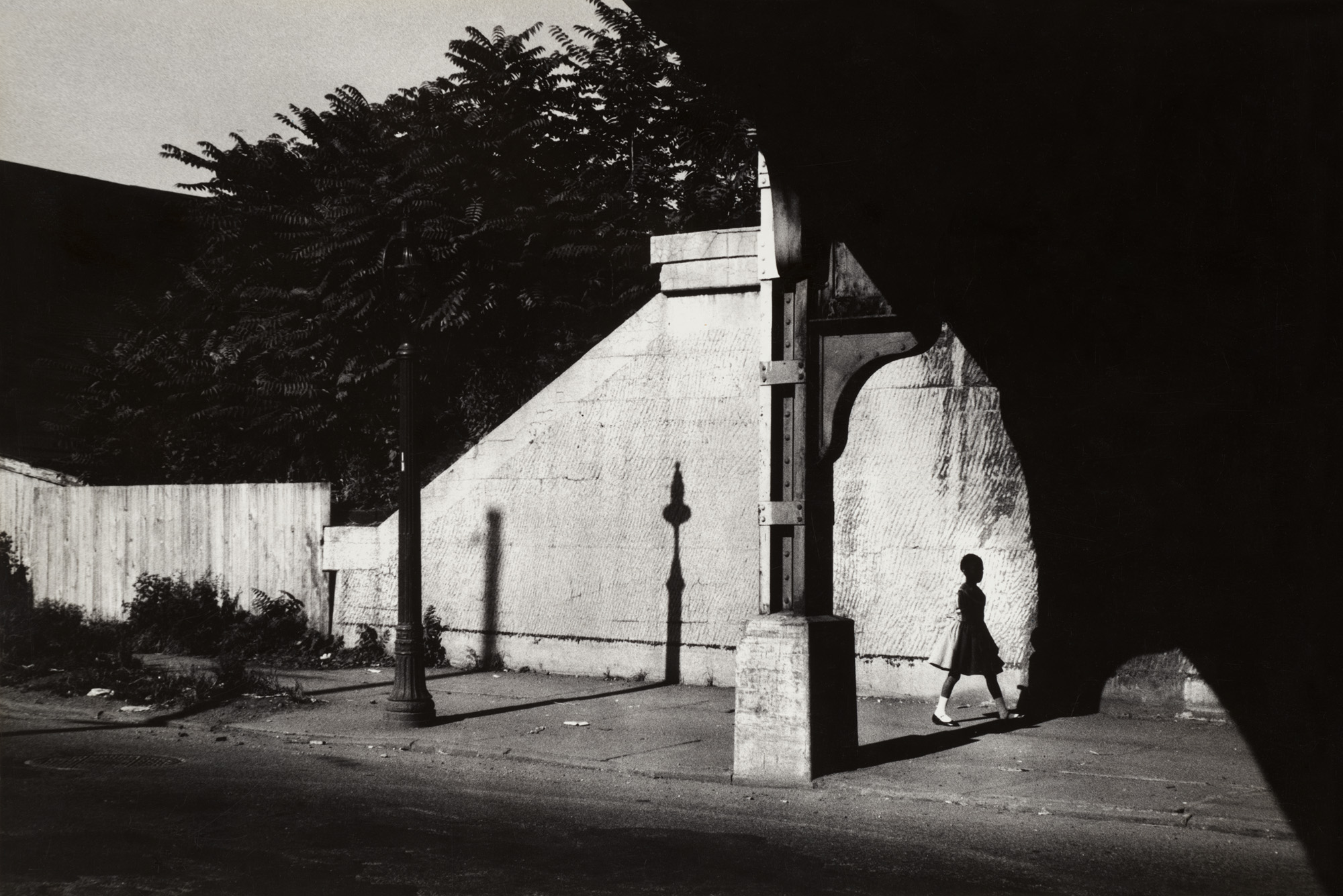
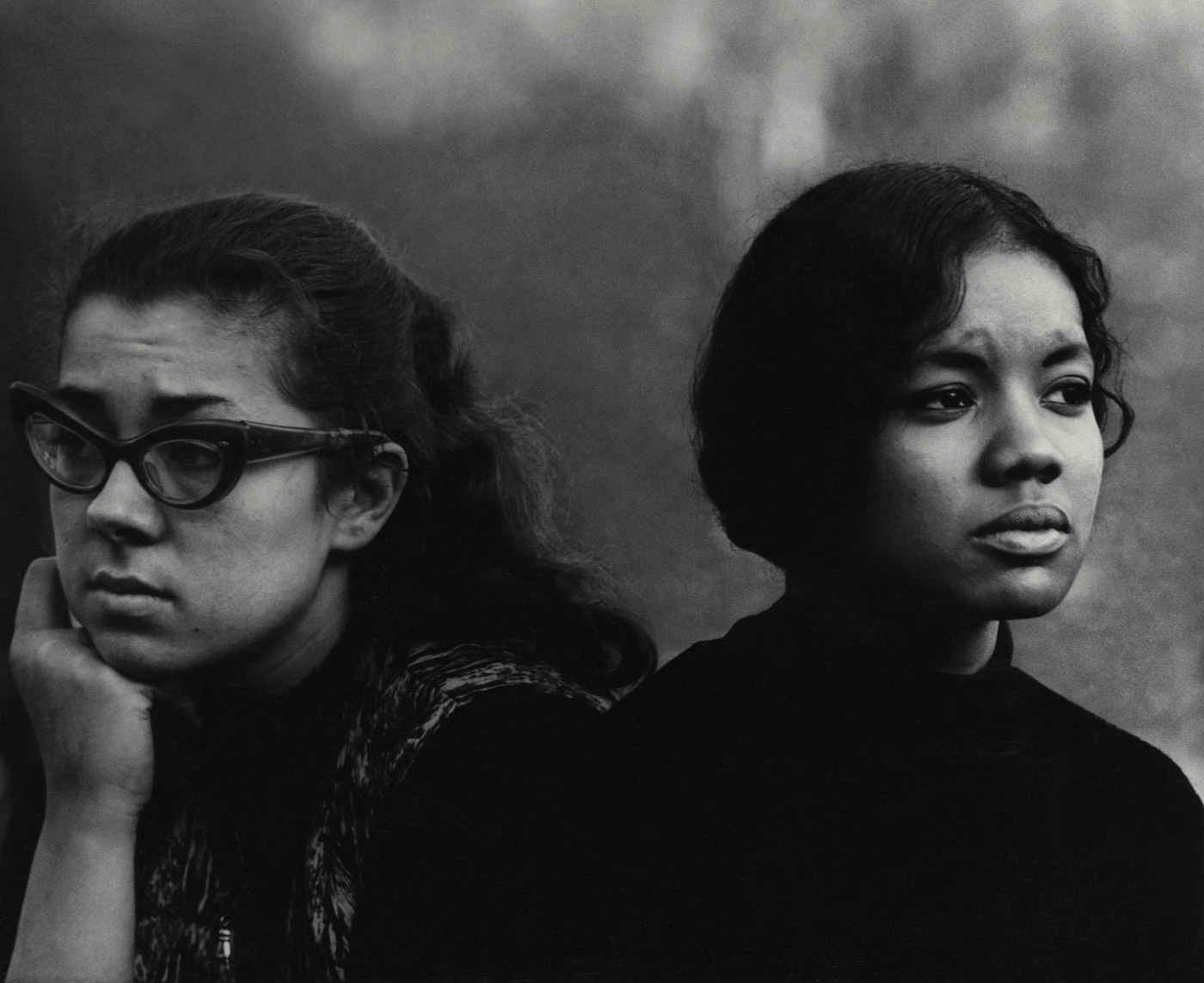
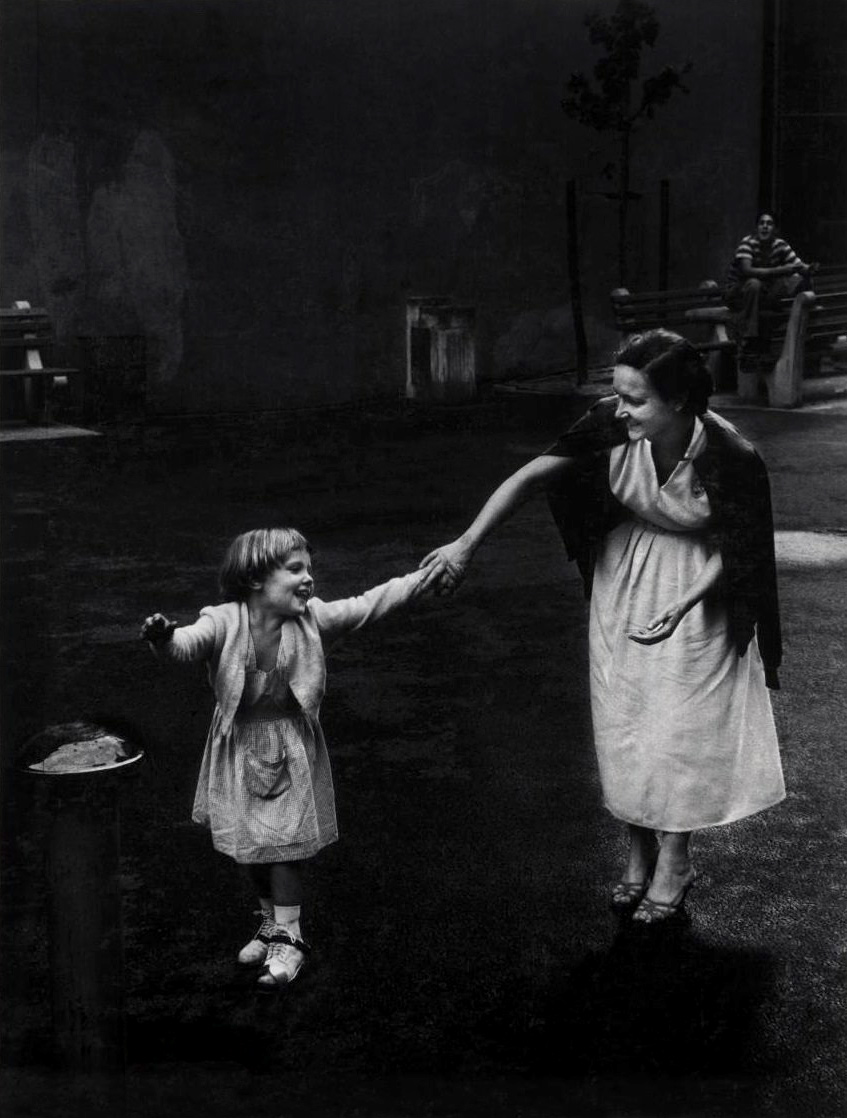
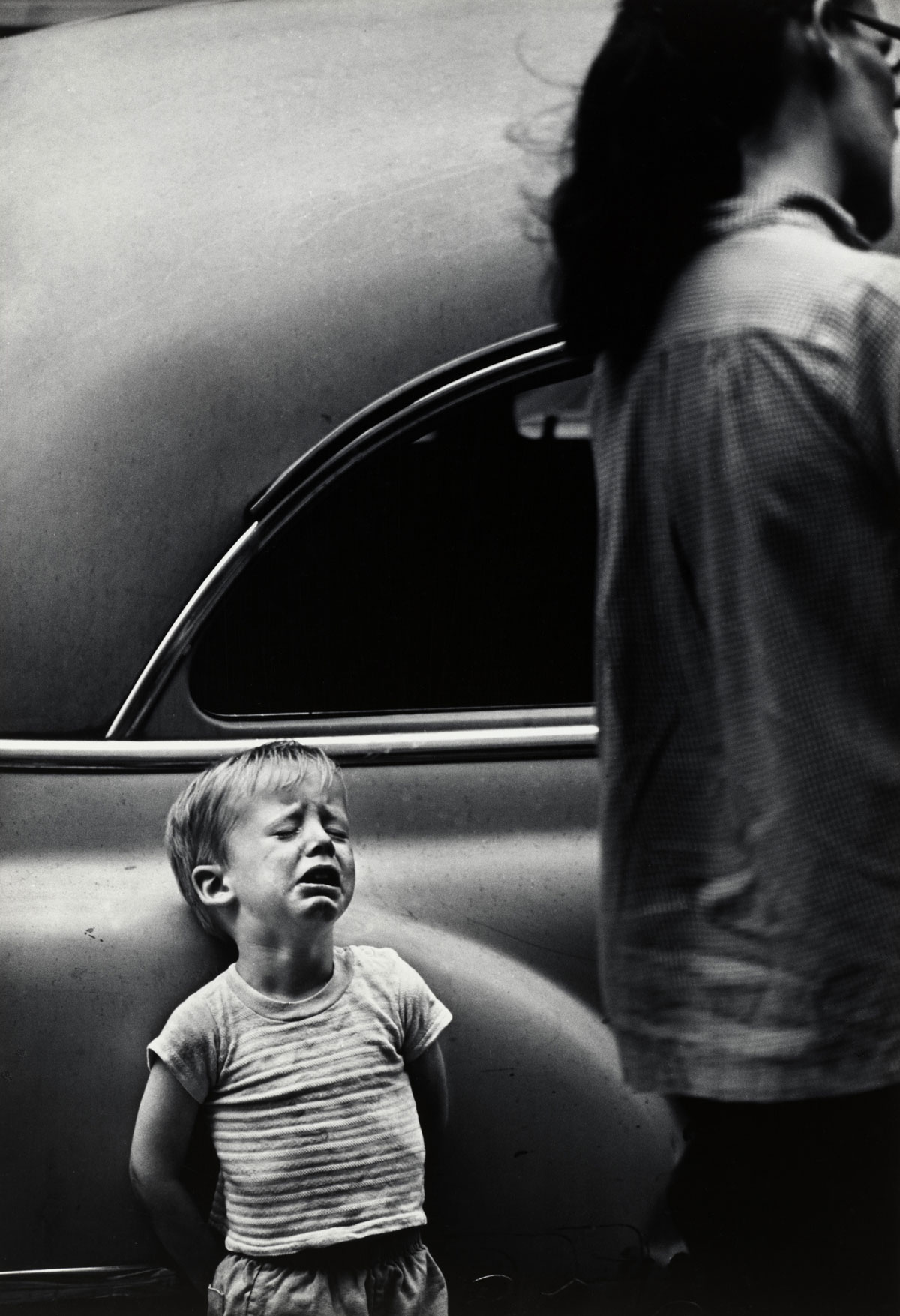
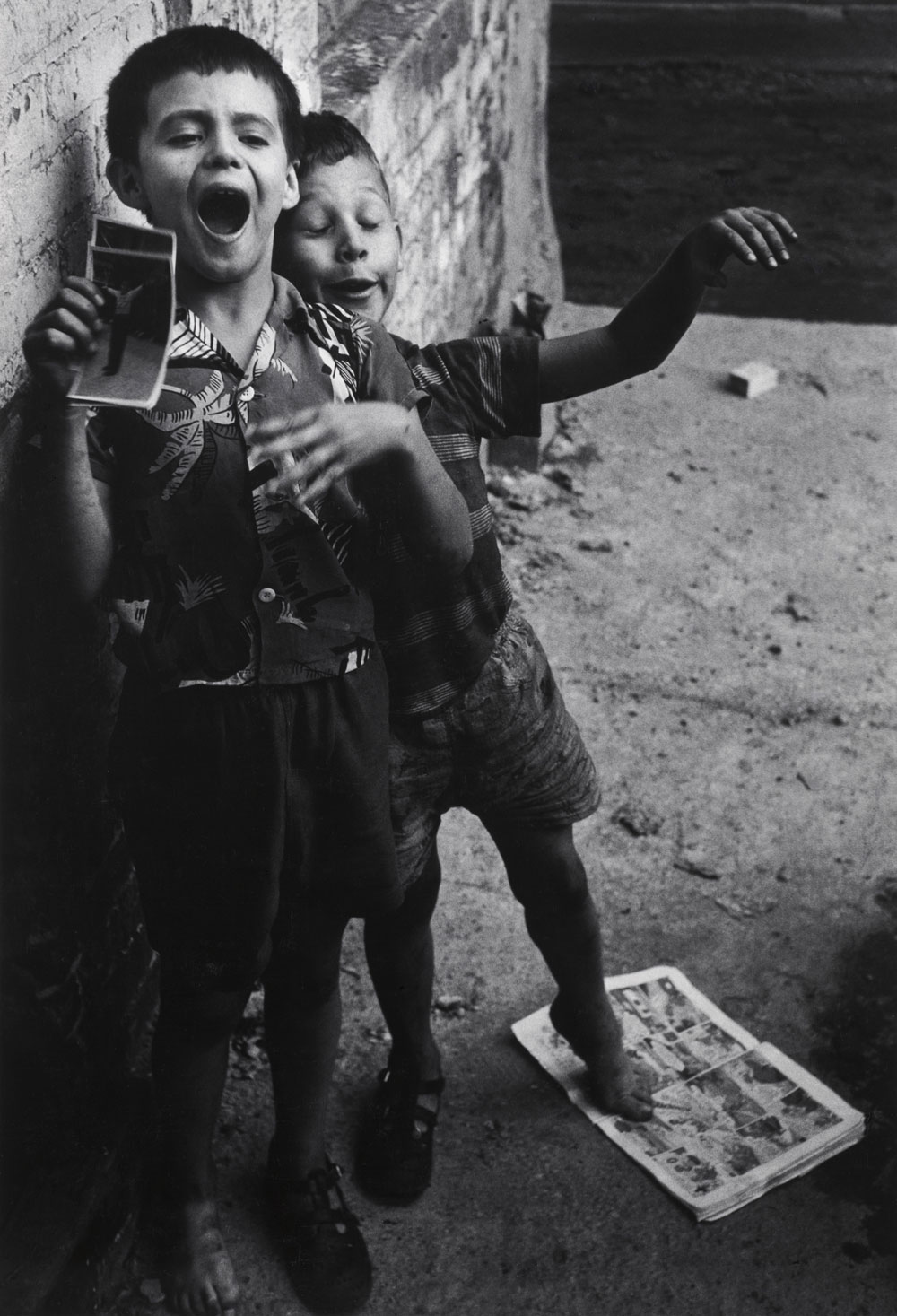
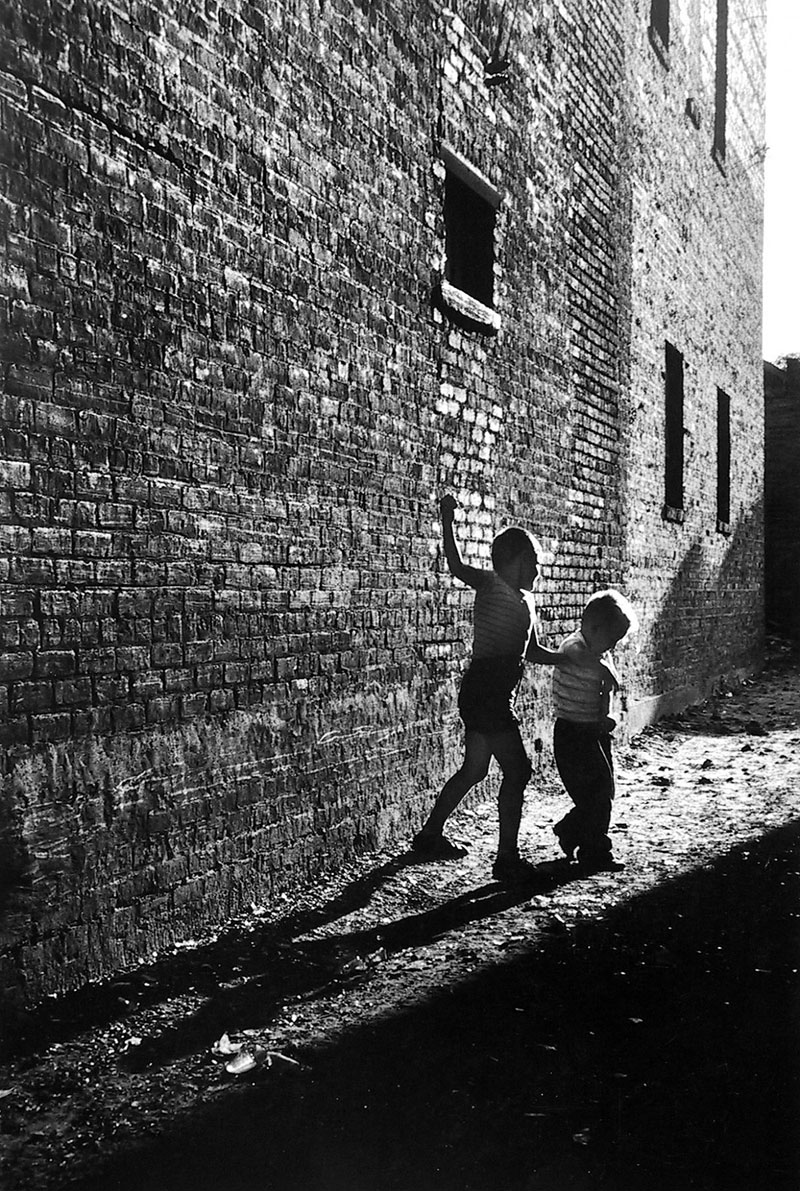
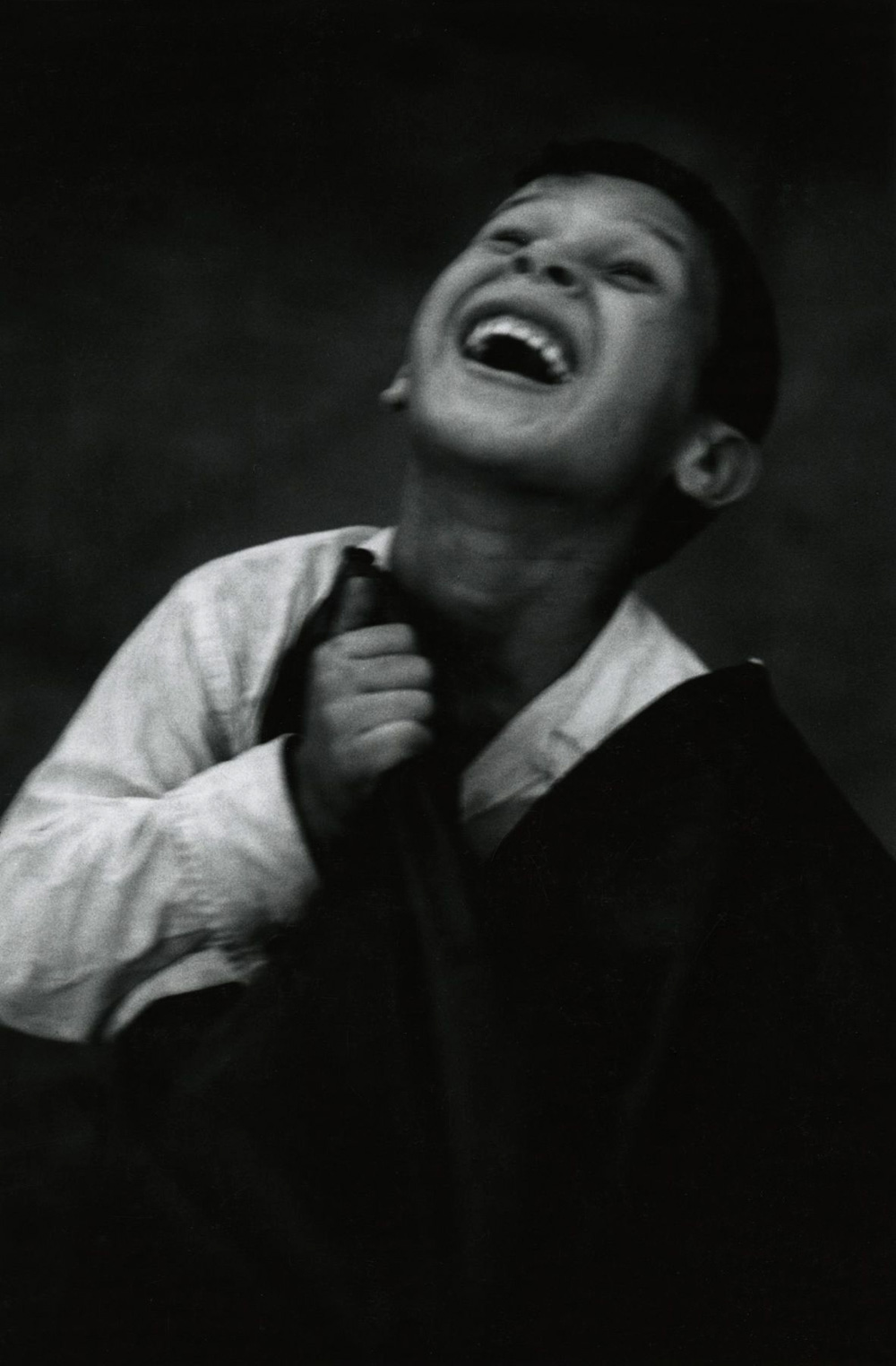
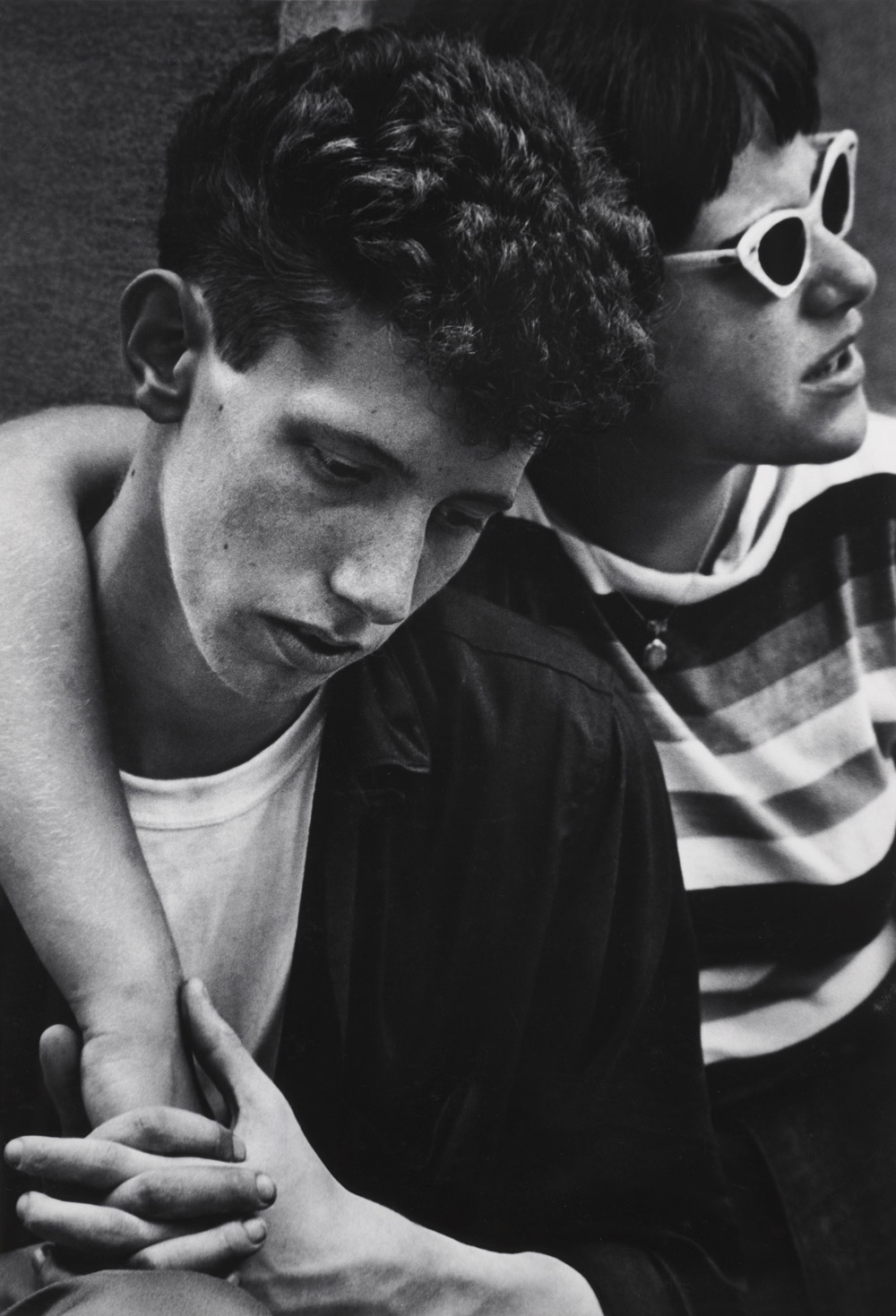
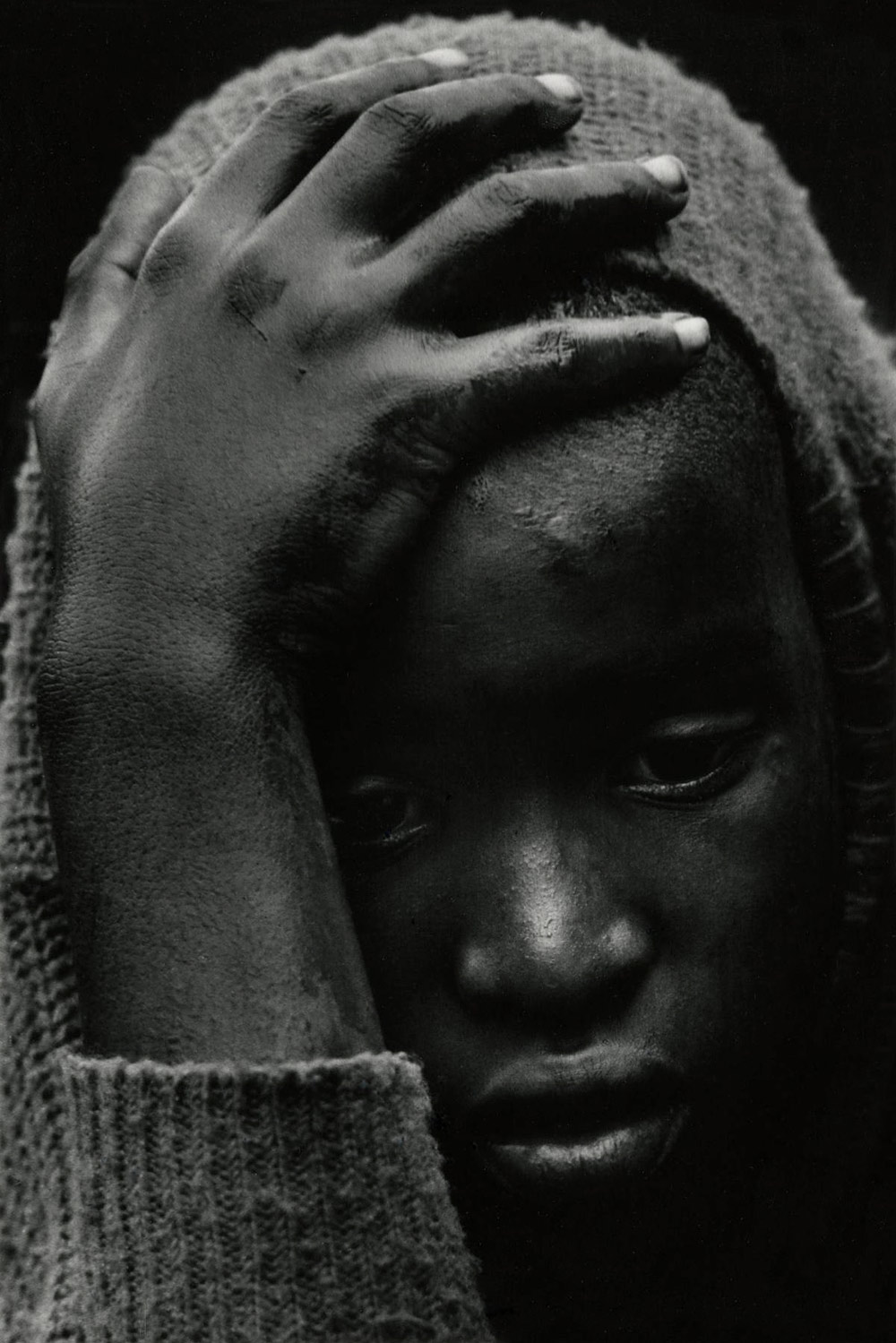
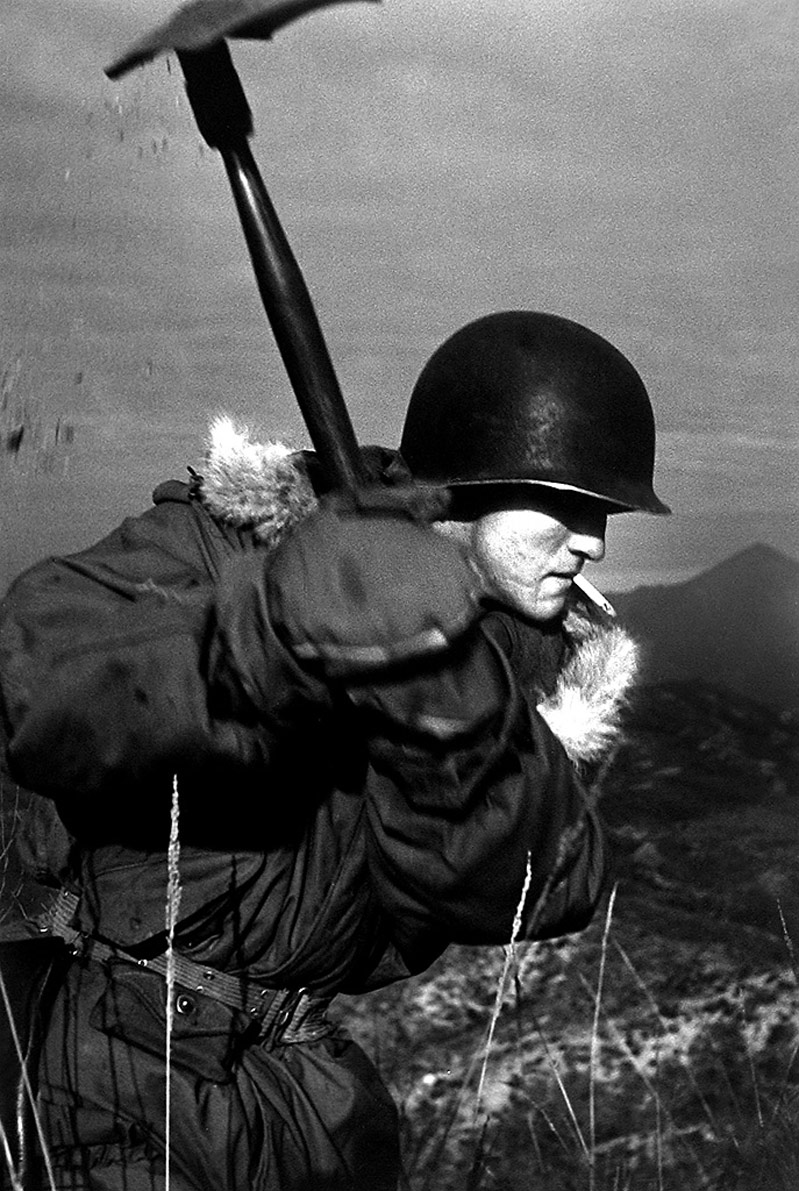
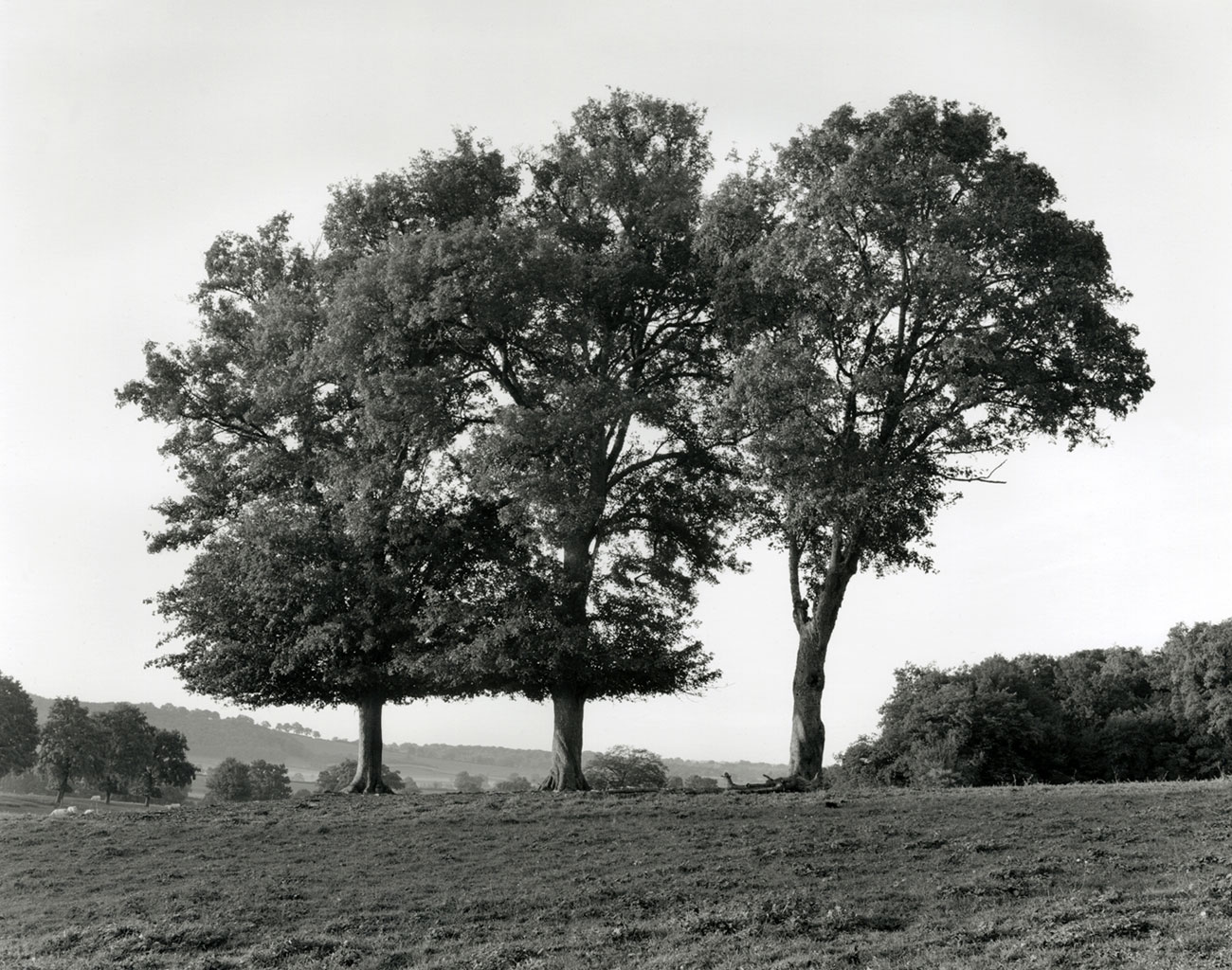
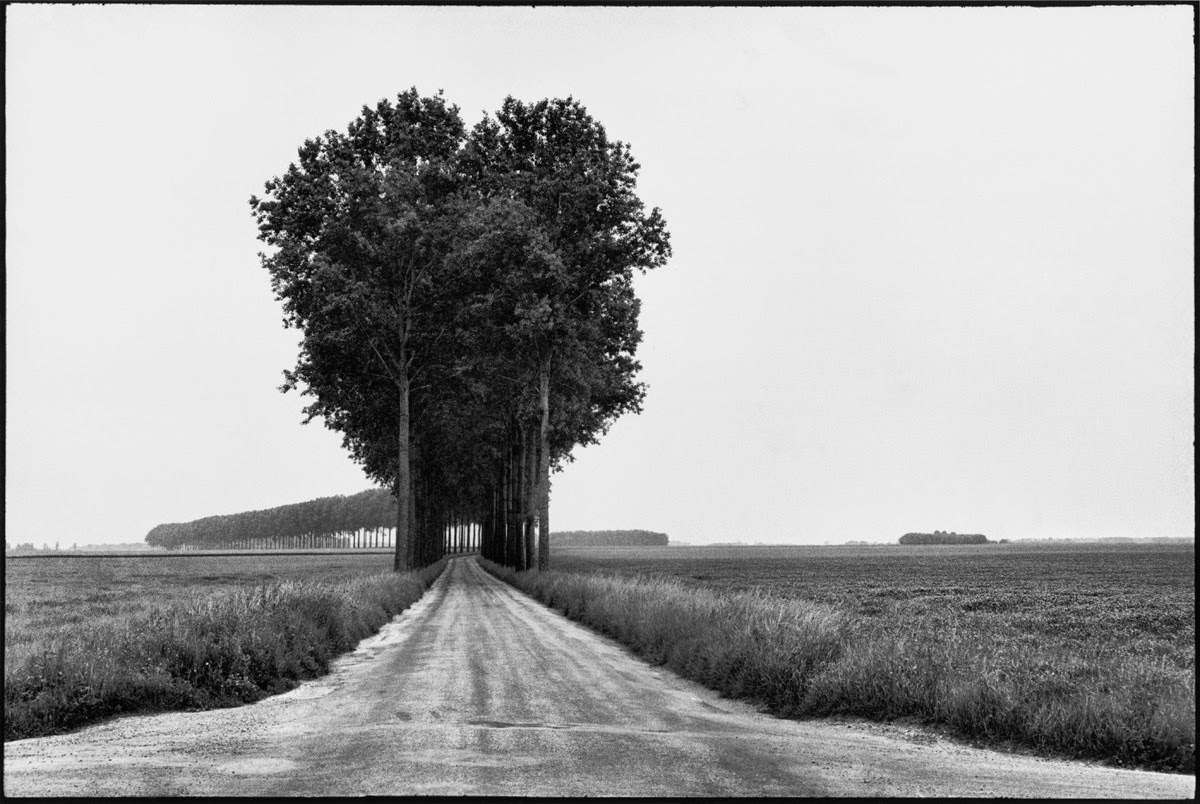
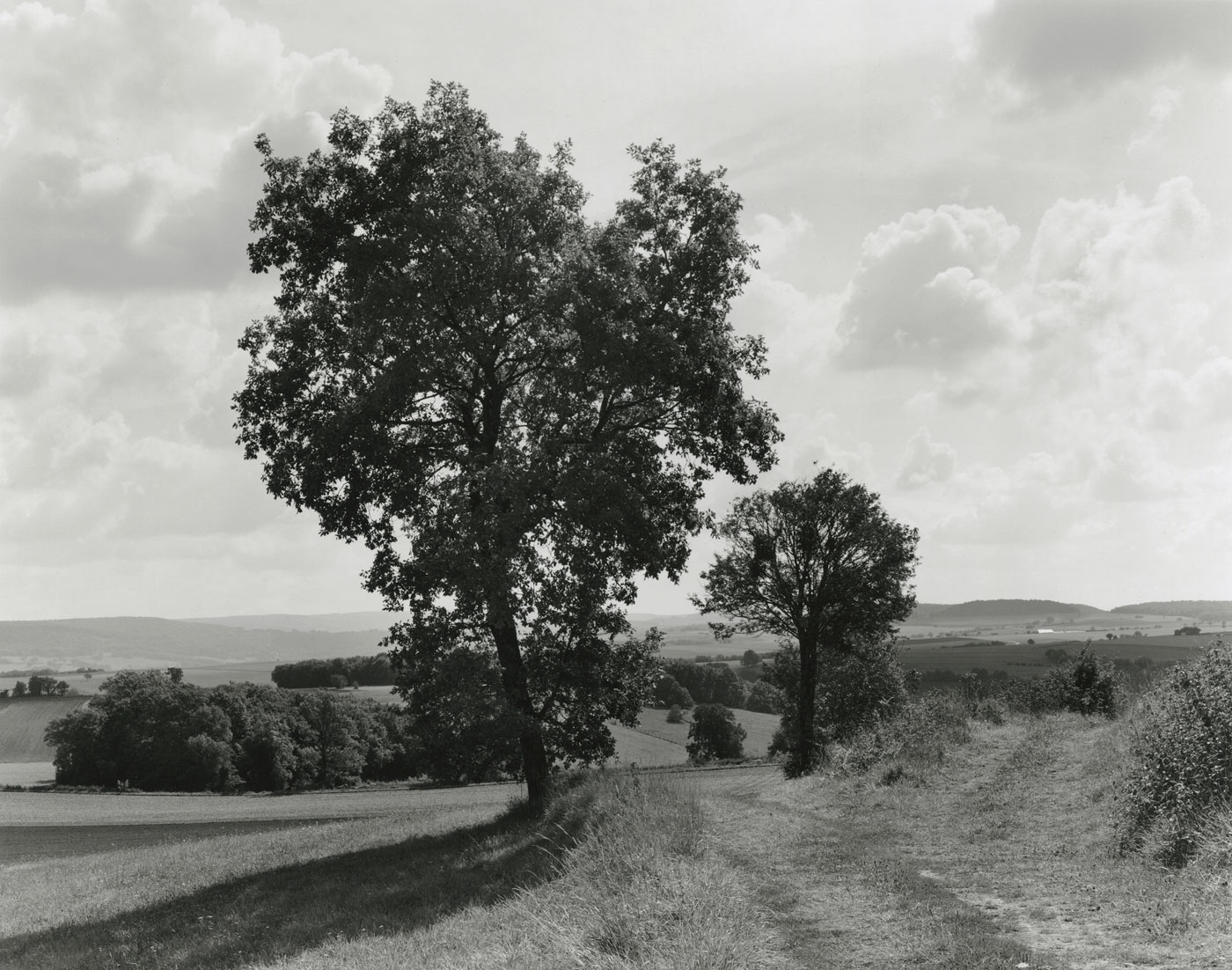
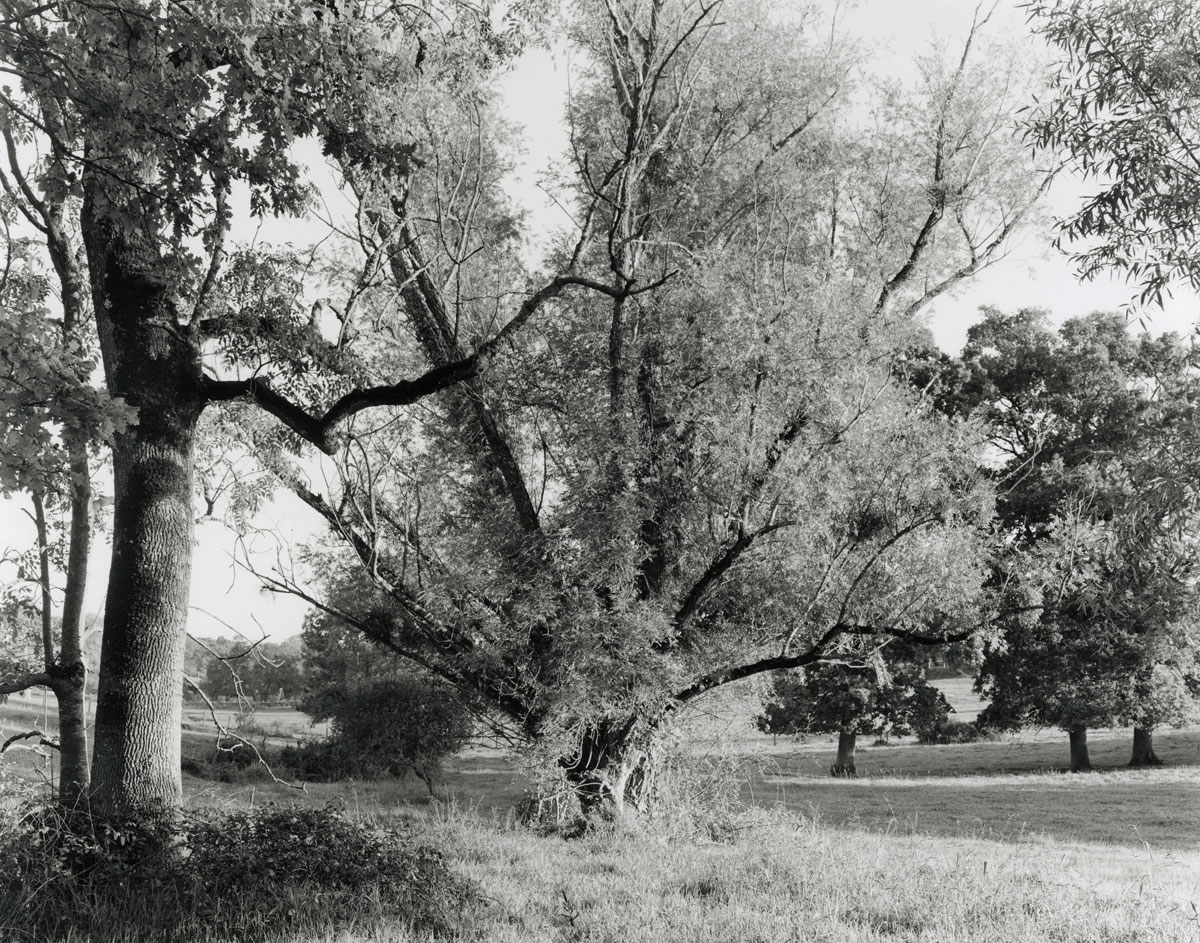
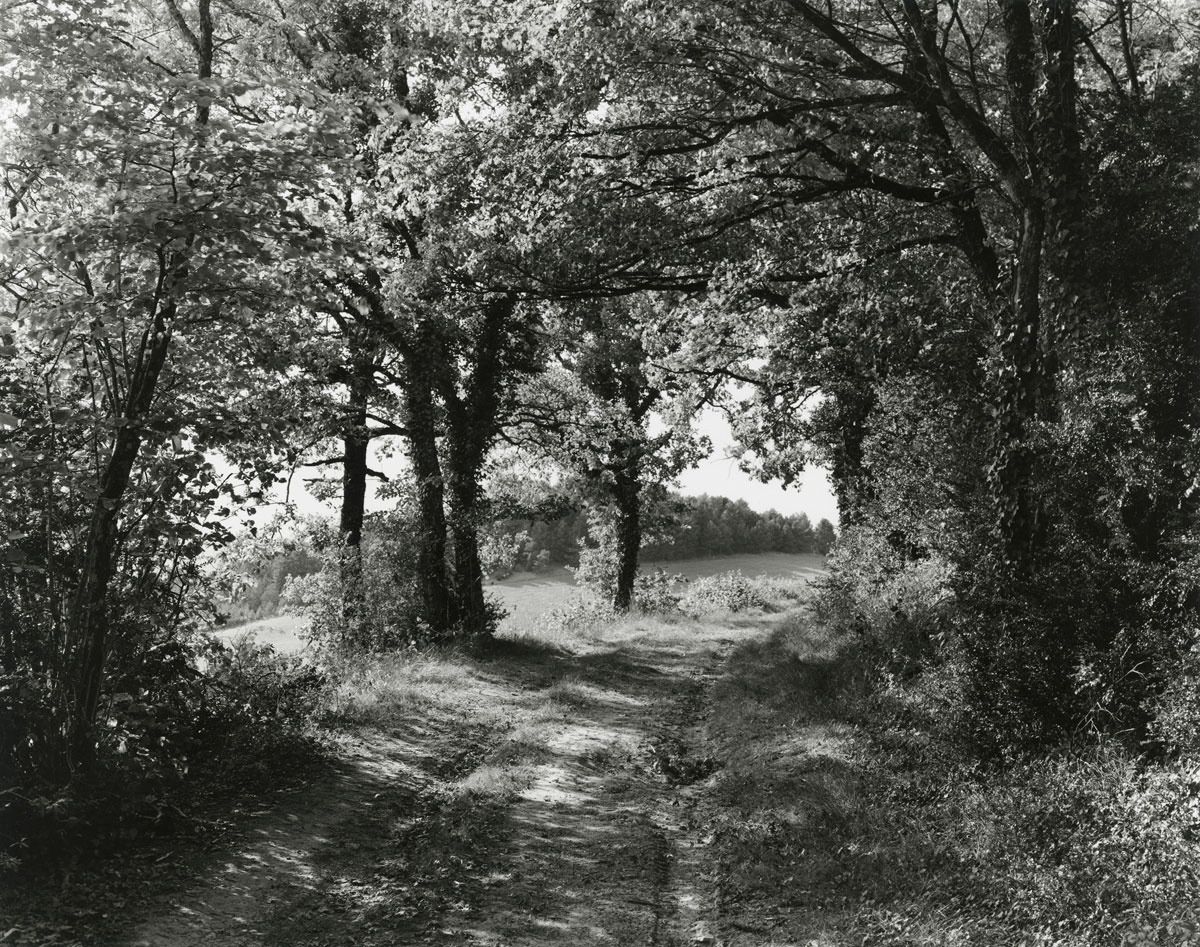
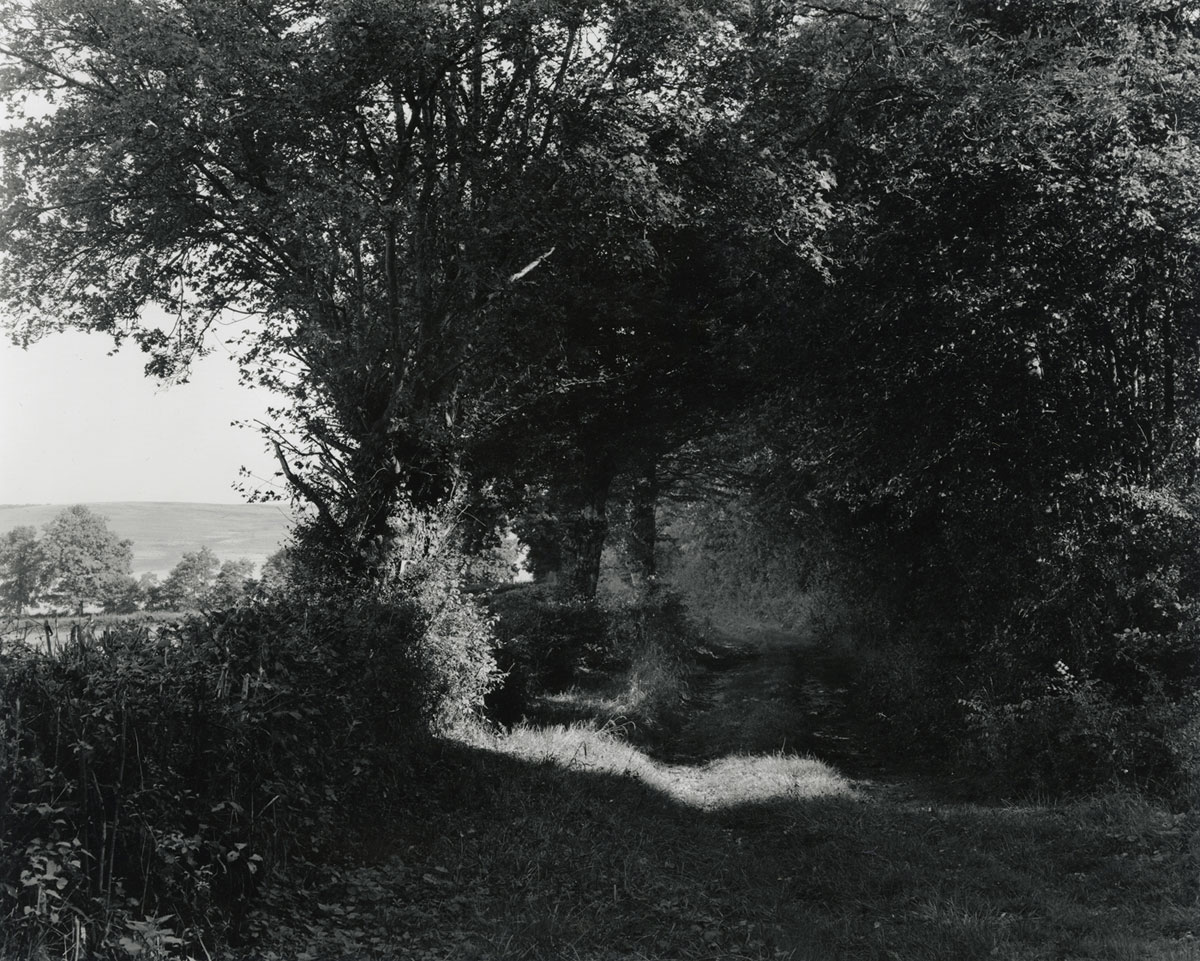
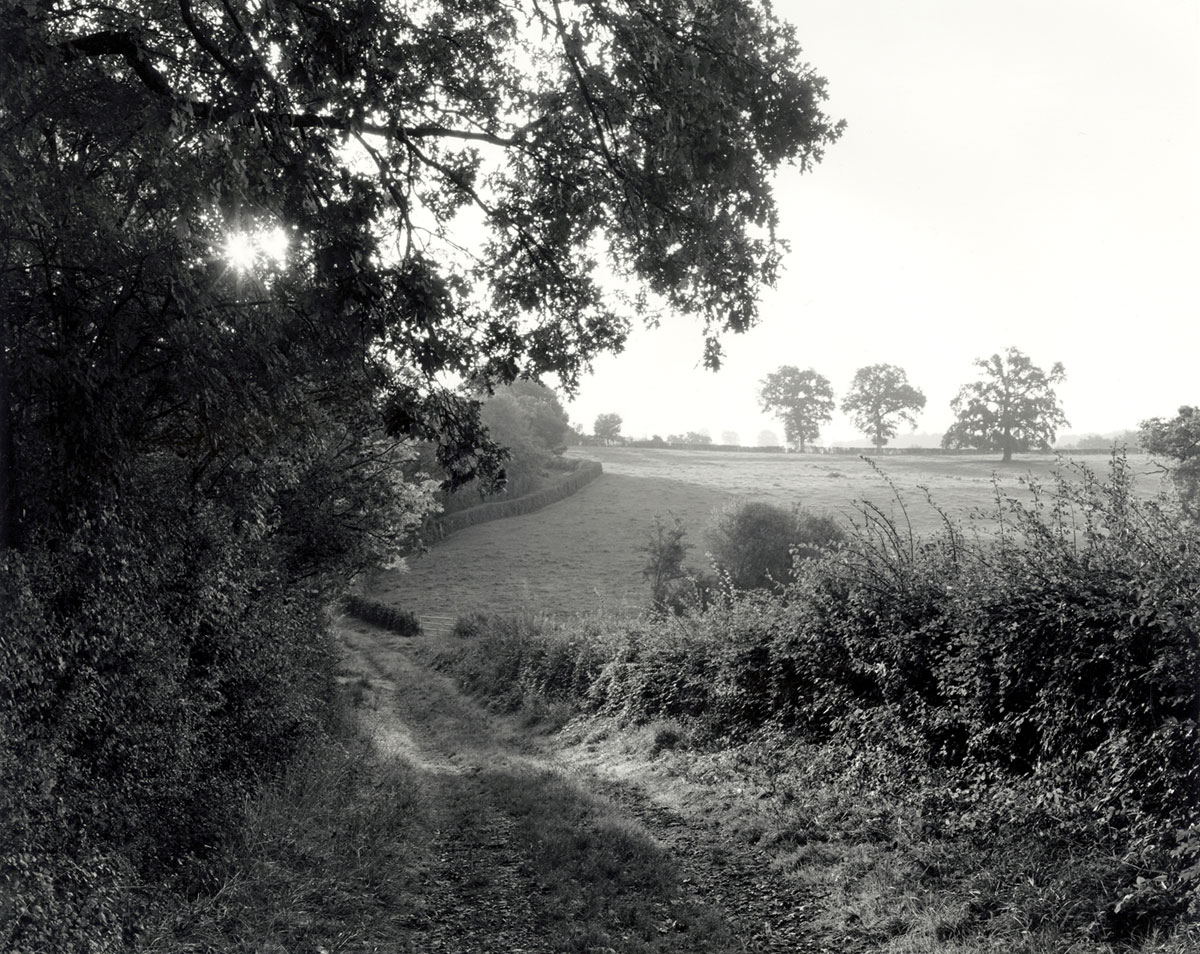
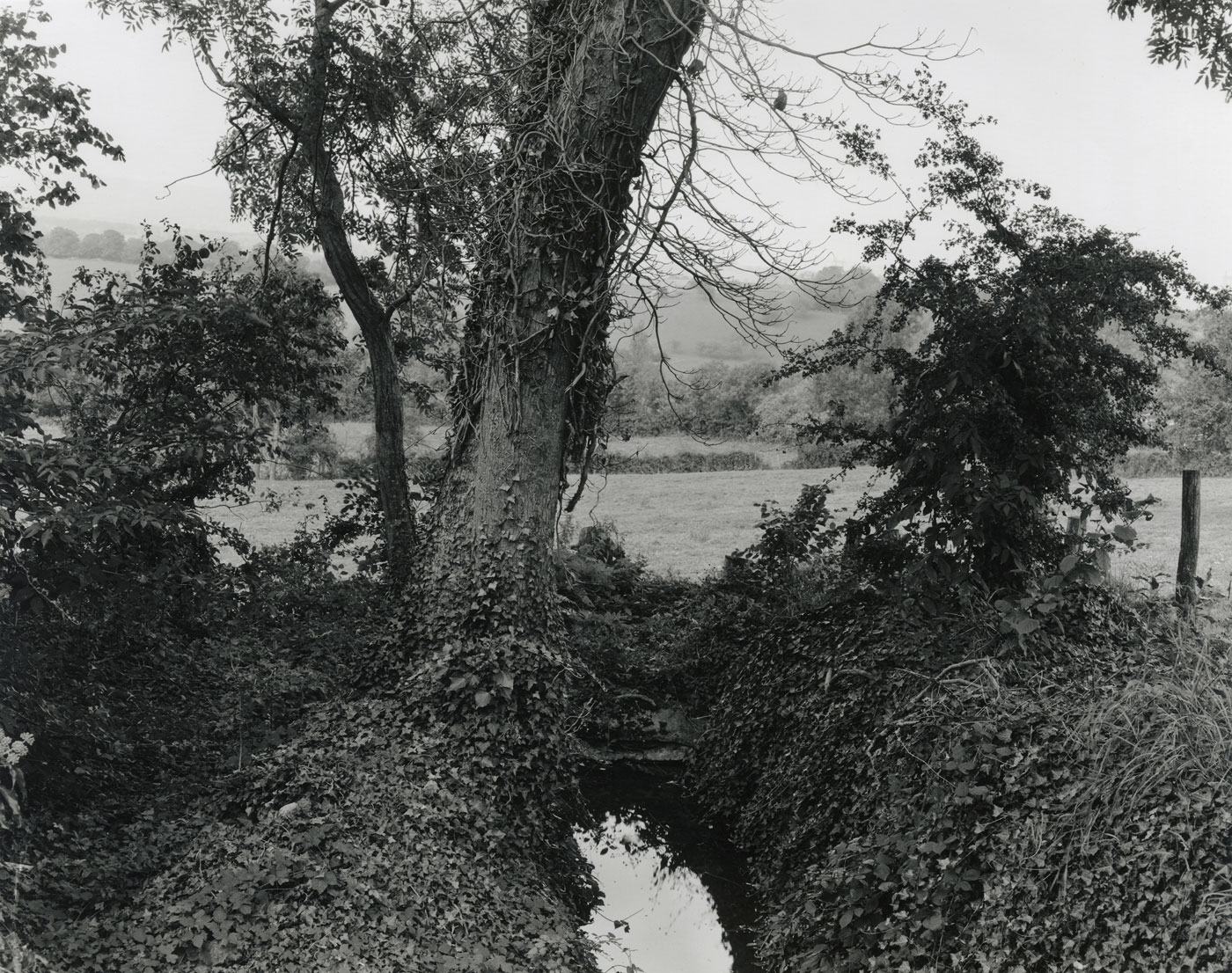
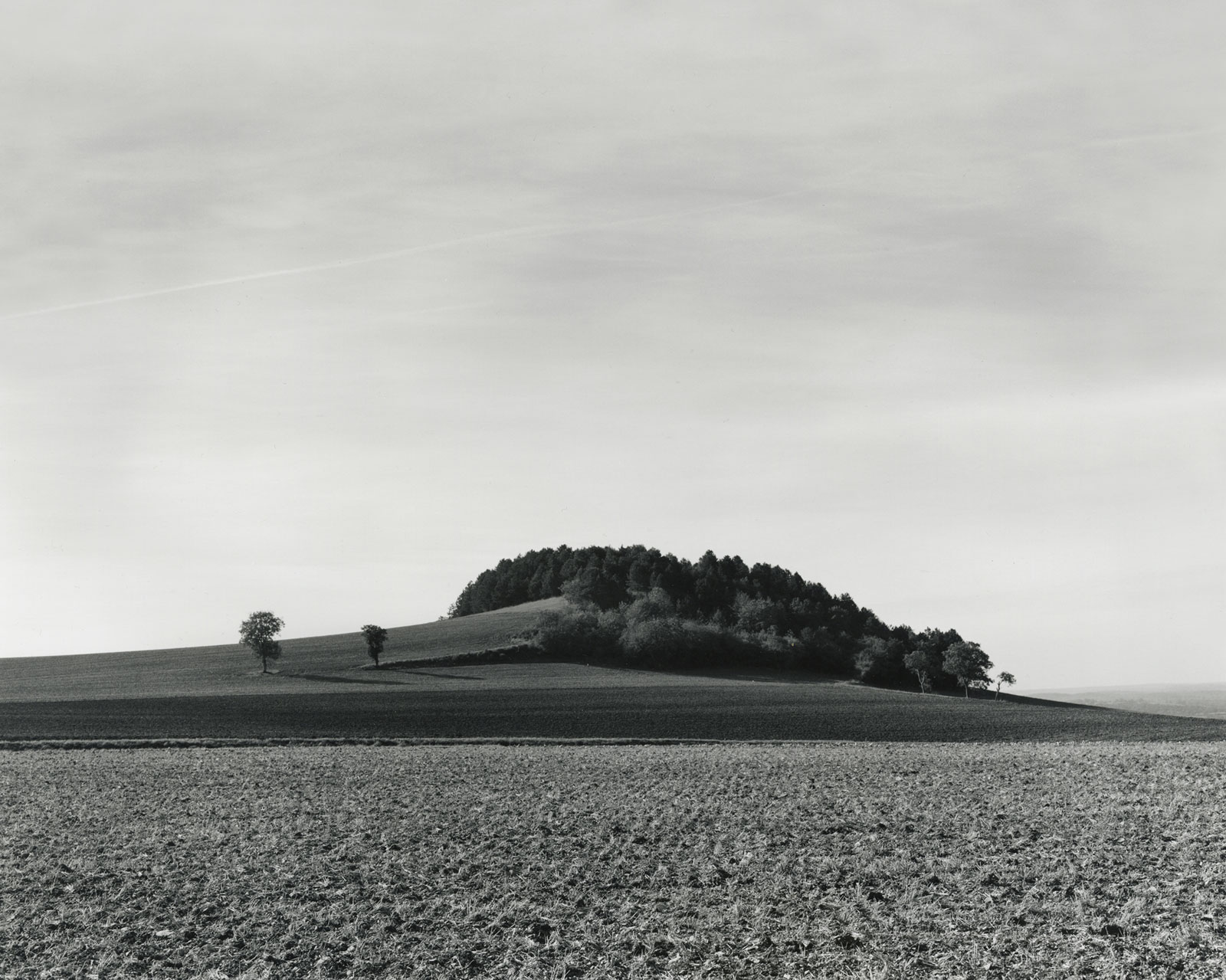
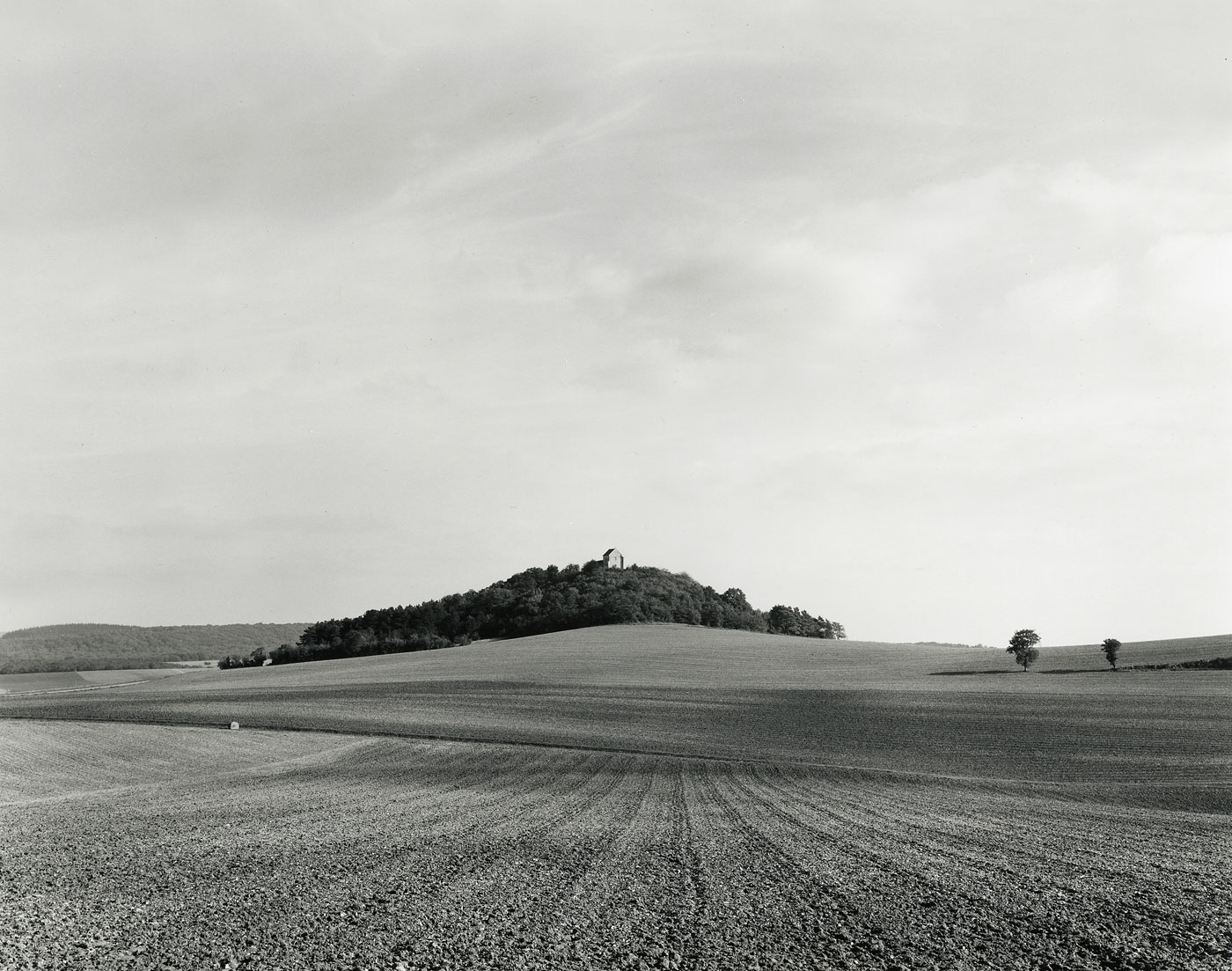
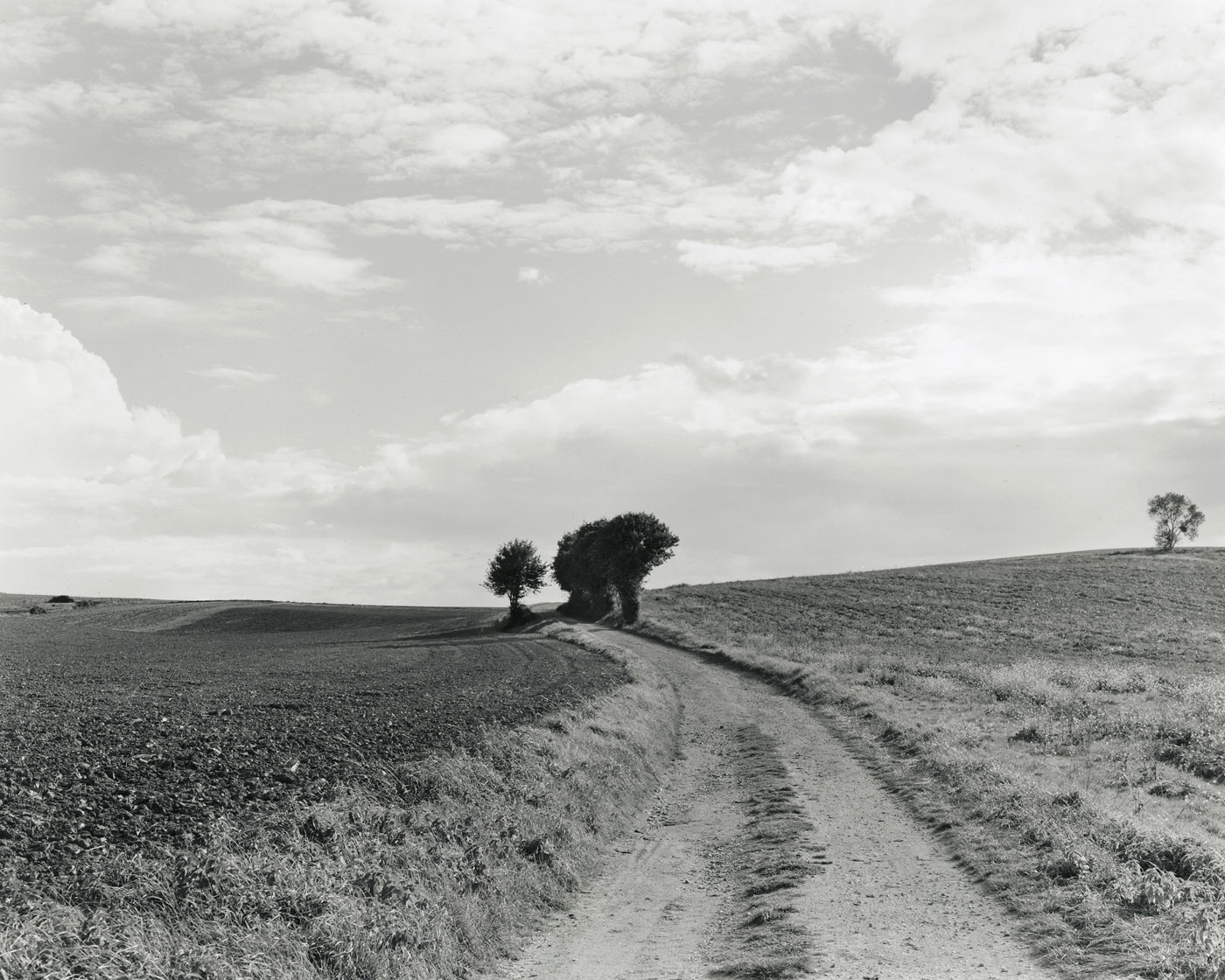
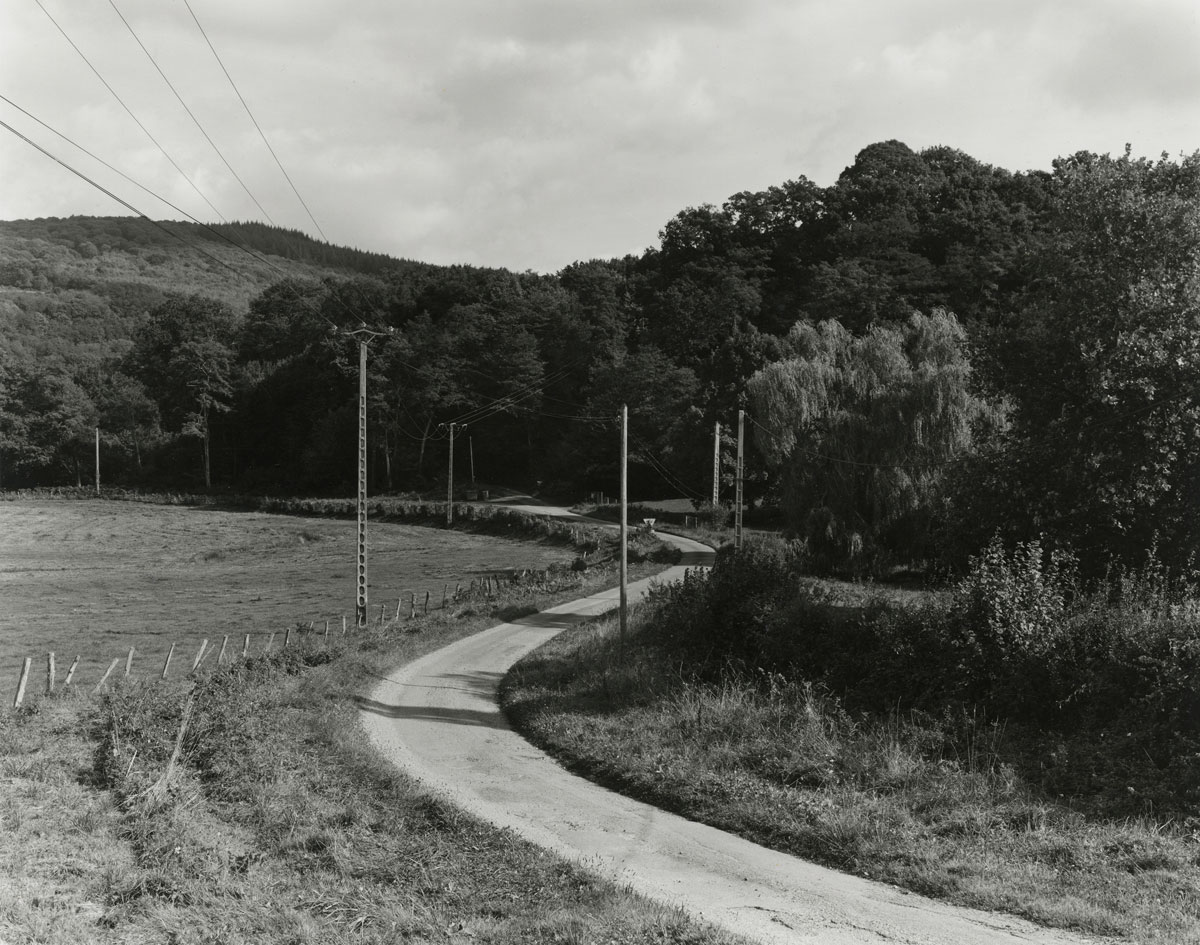
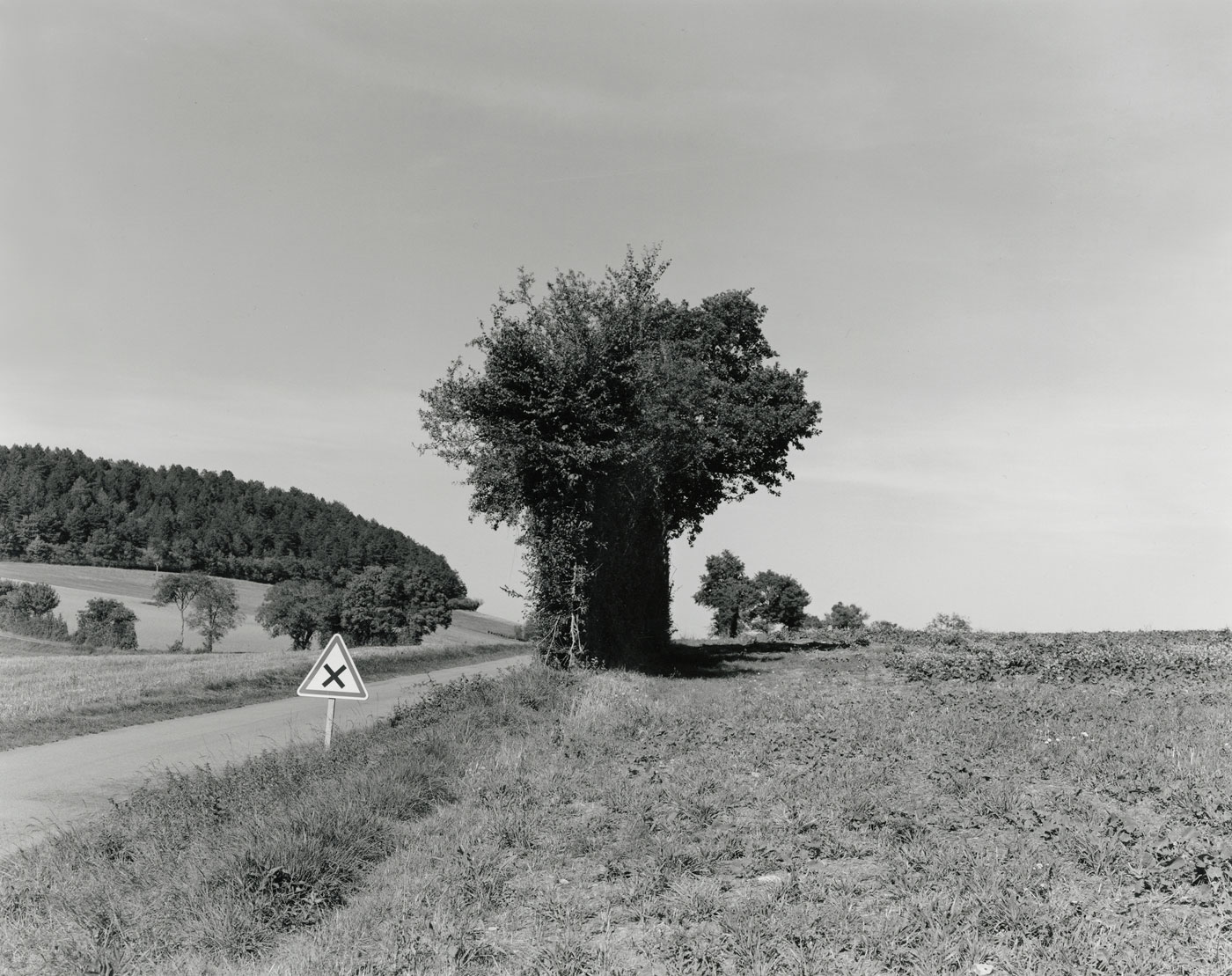


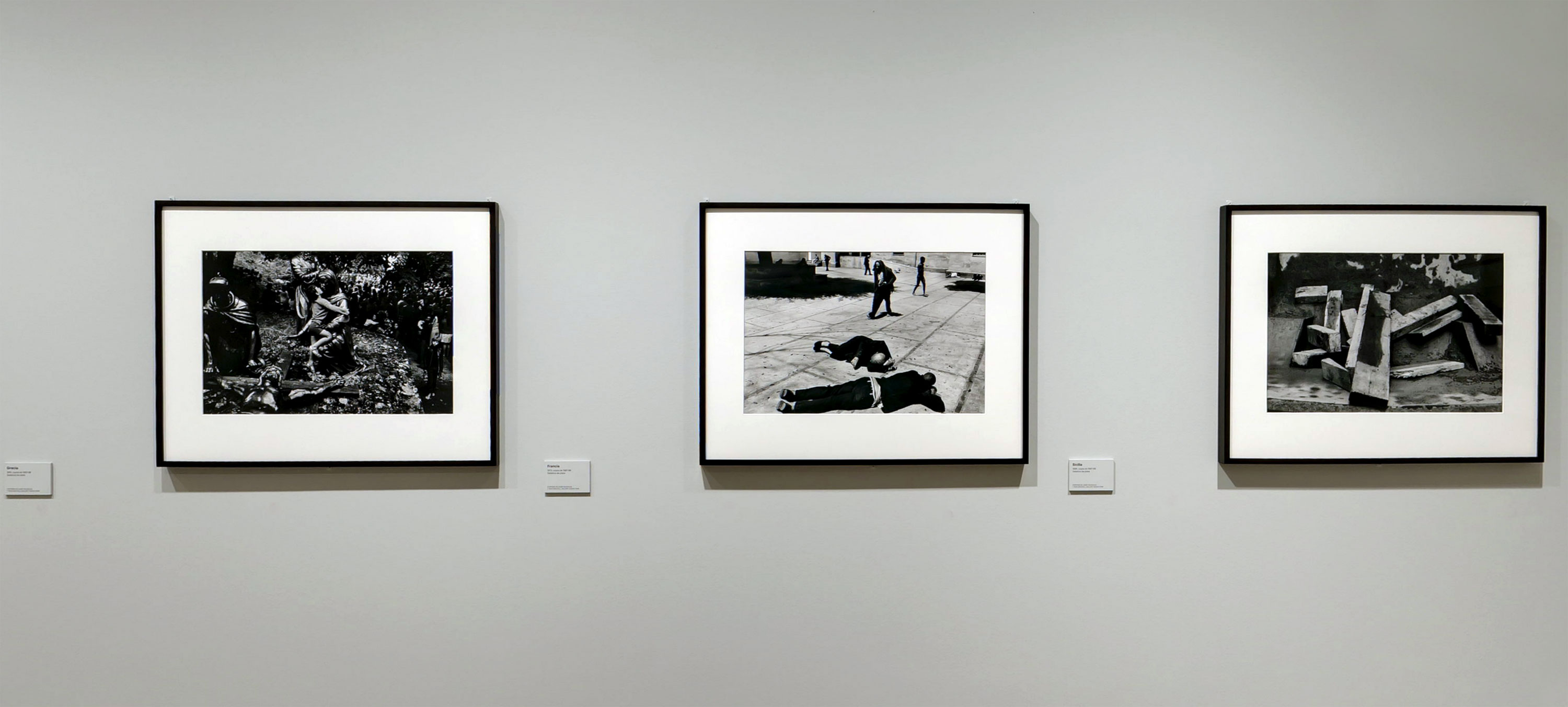


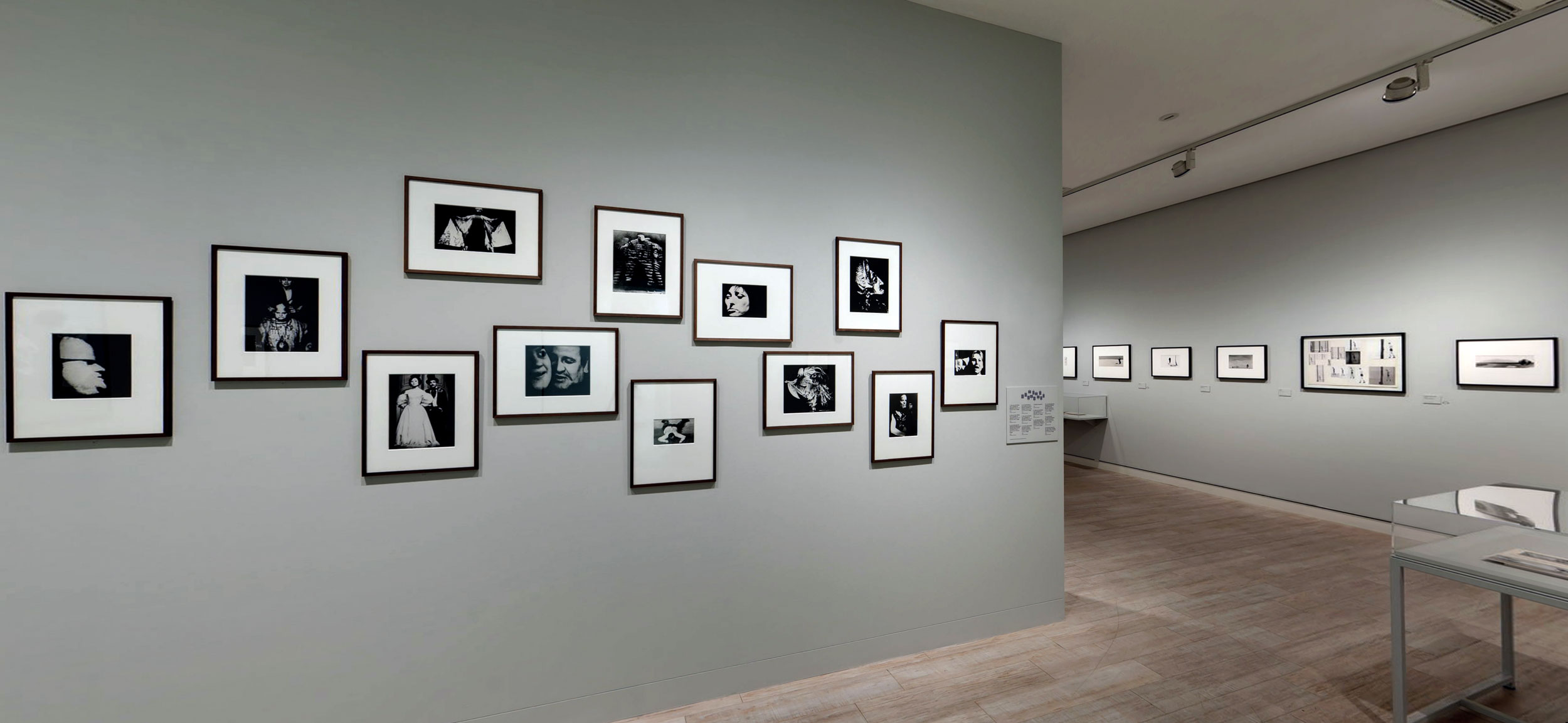
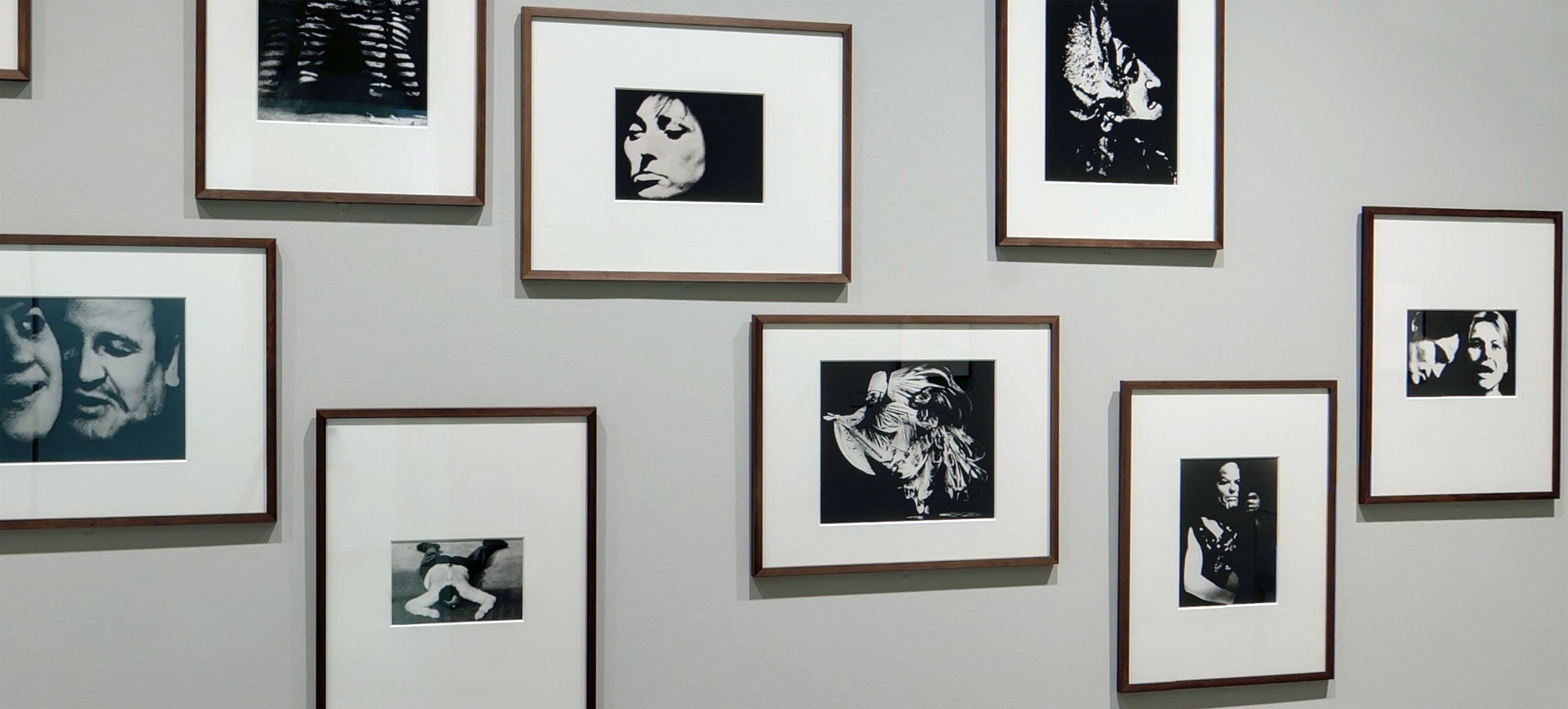
![Josef Koudelka (Czech-French, b. 1938) 'An Hour of Love by Josef Topol, Divadlo za branou [Theater behind the Door], Prague' 1968 from the exhibition 'Josef Koudelka: Uncertain Nationality' at Fundación MAPFRE, Madrid, Sept - Nov, 2015](https://artblart.com/wp-content/uploads/2015/11/par148634-web.jpg "Josef Koudelka (Czech-French, b. 1938) 'An Hour of Love by Josef Topol, Divadlo za branou [Theater behind the Door], Prague' 1968")









![Josef Koudelka (Czech-French, b. 1938) 'Israel-Palestine (Al 'Eizariya [Bethany])' From the series 'Wall', 2010](https://artblart.com/wp-content/uploads/2015/11/par383535-web.jpg "Josef Koudelka (Czech-French, b. 1938) 'Israel-Palestine (Al 'Eizariya [Bethany])' From the series 'Wall', 2010")




















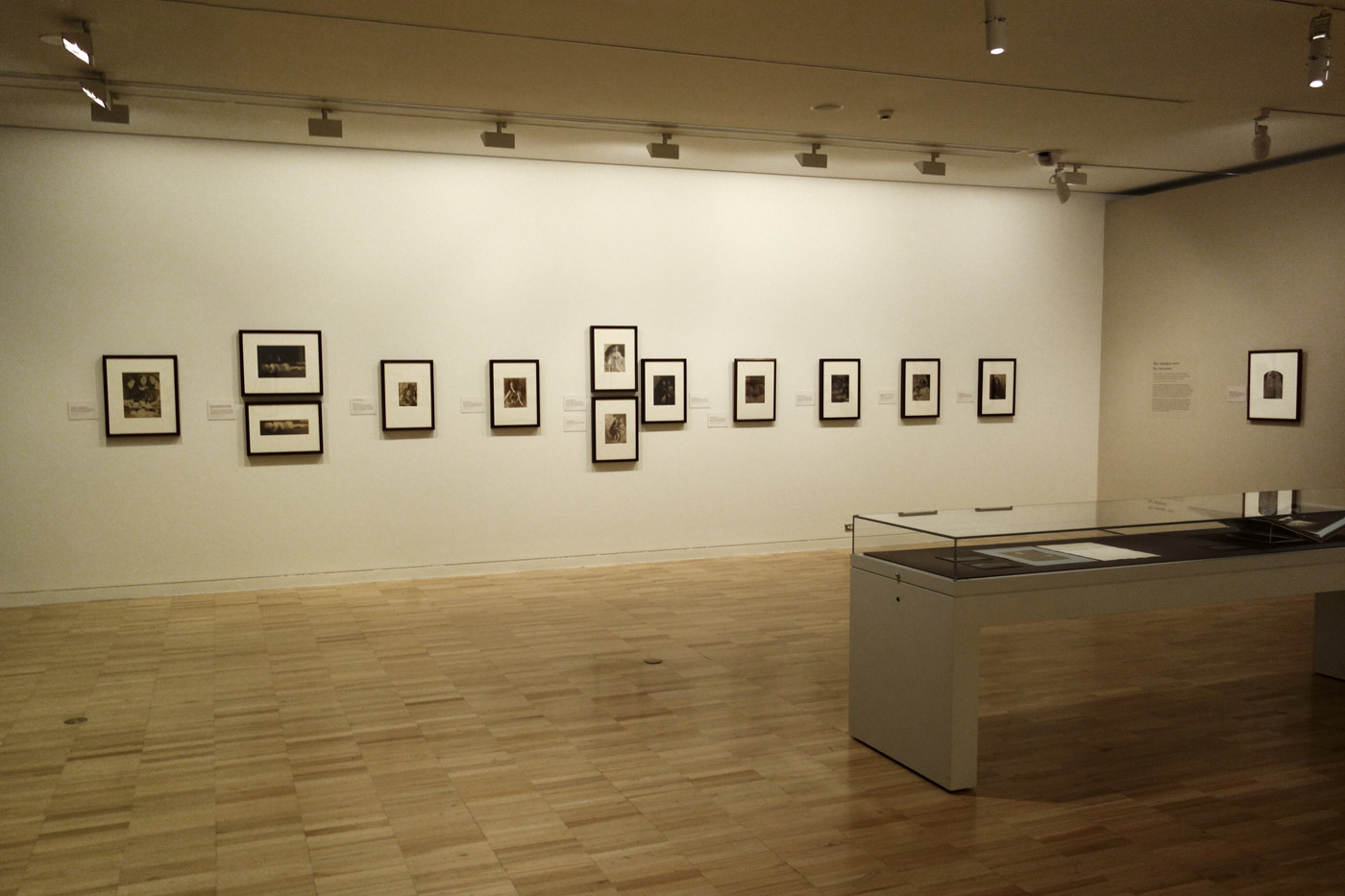
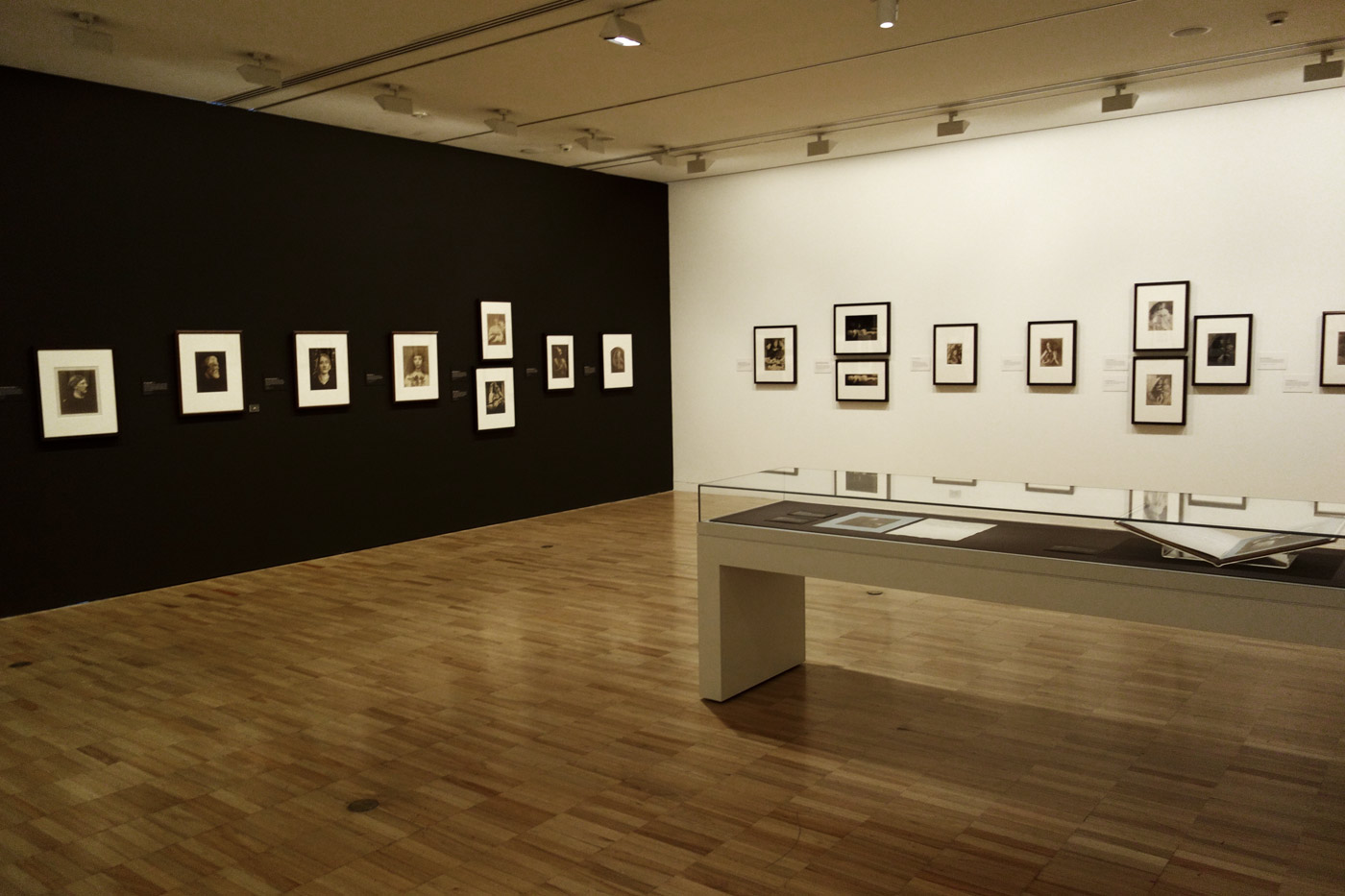
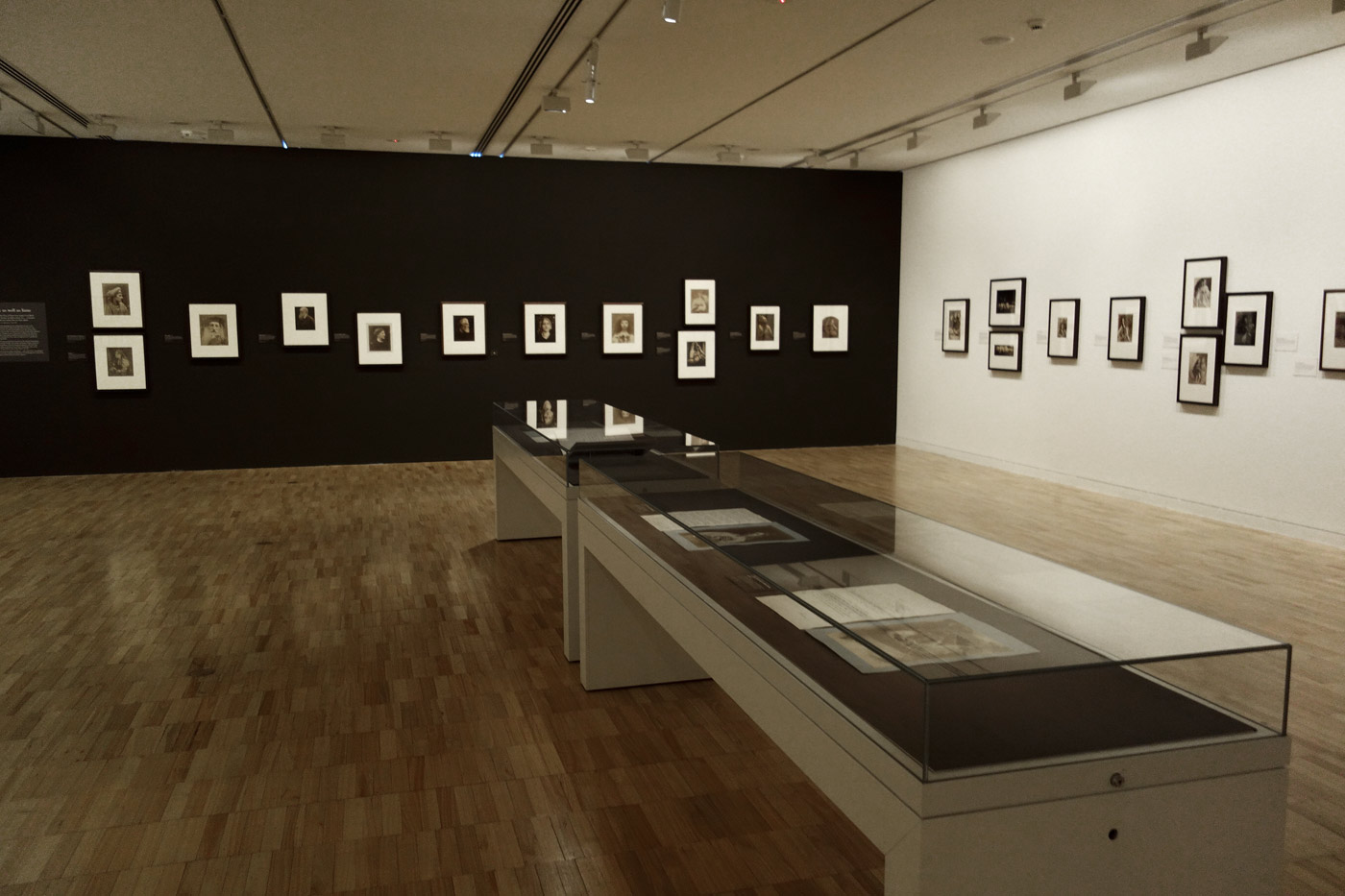
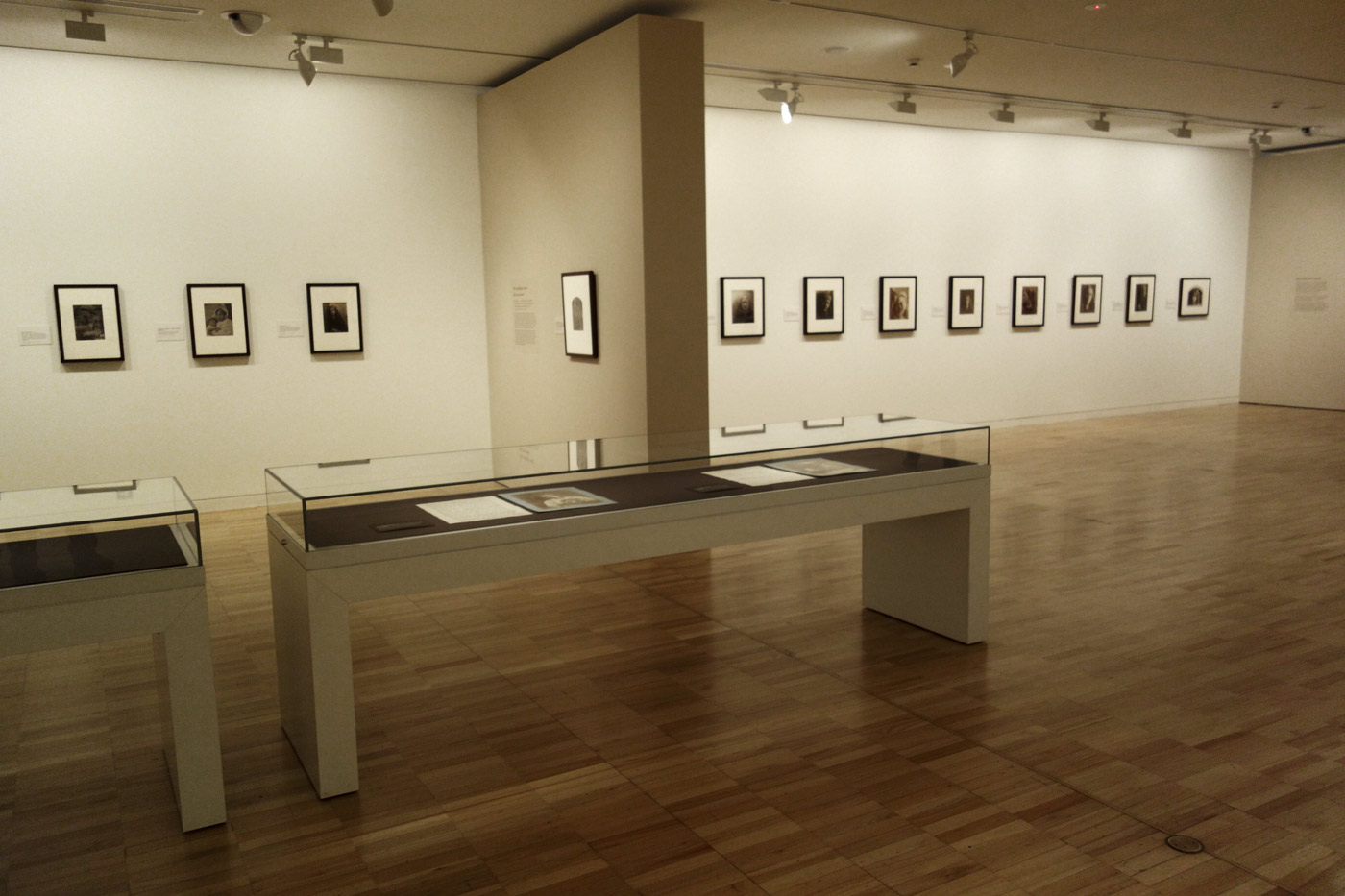
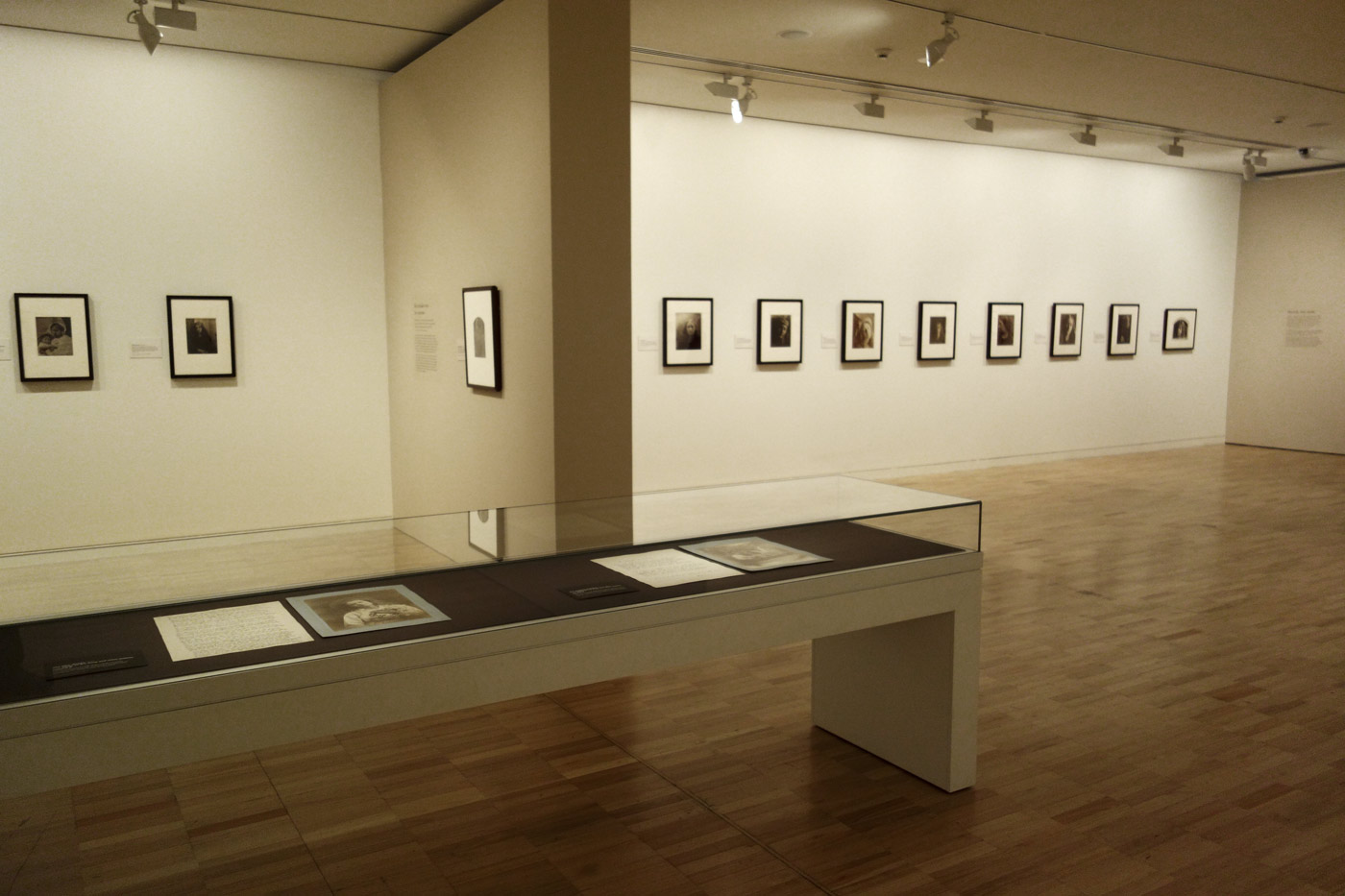
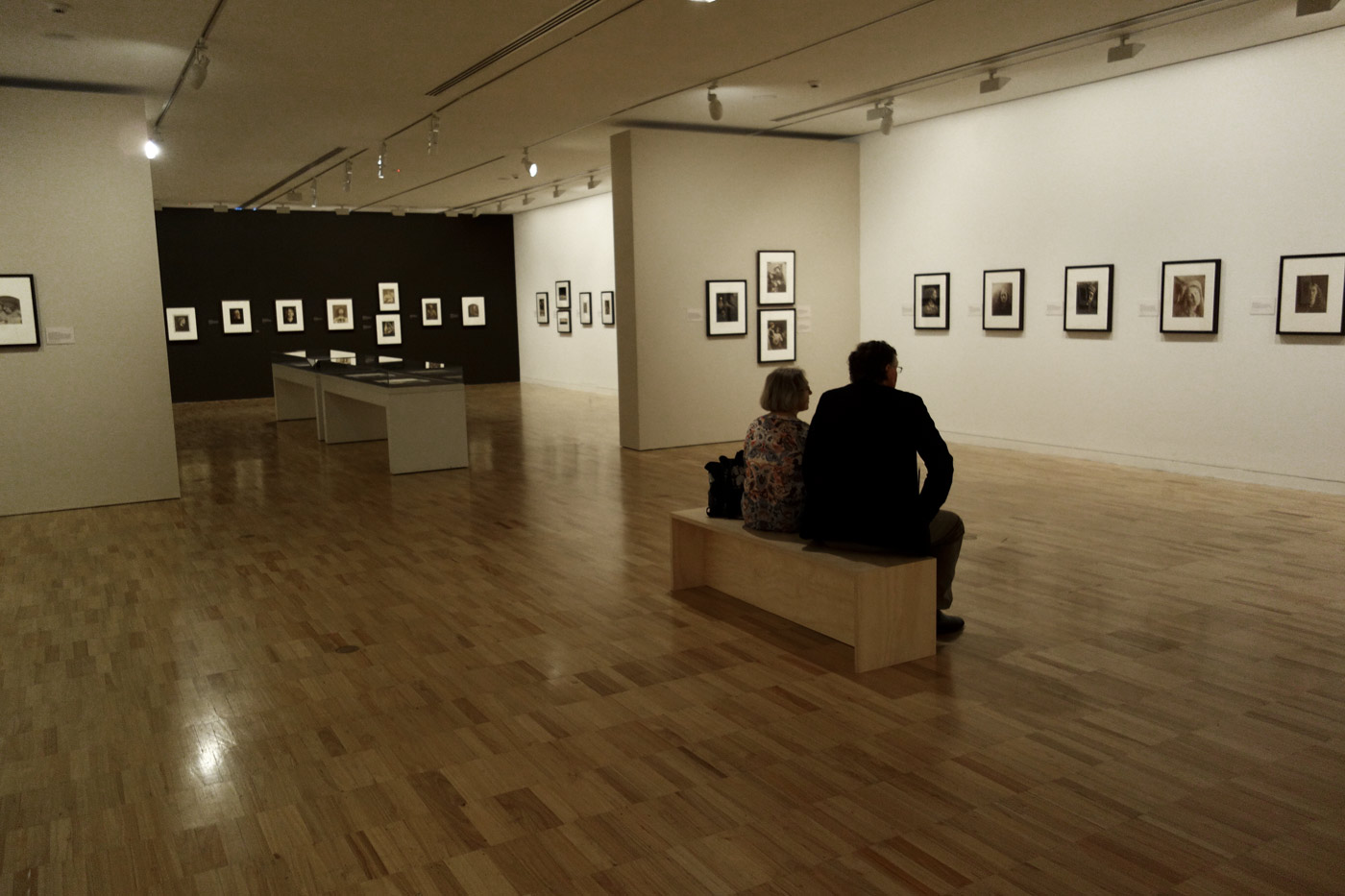
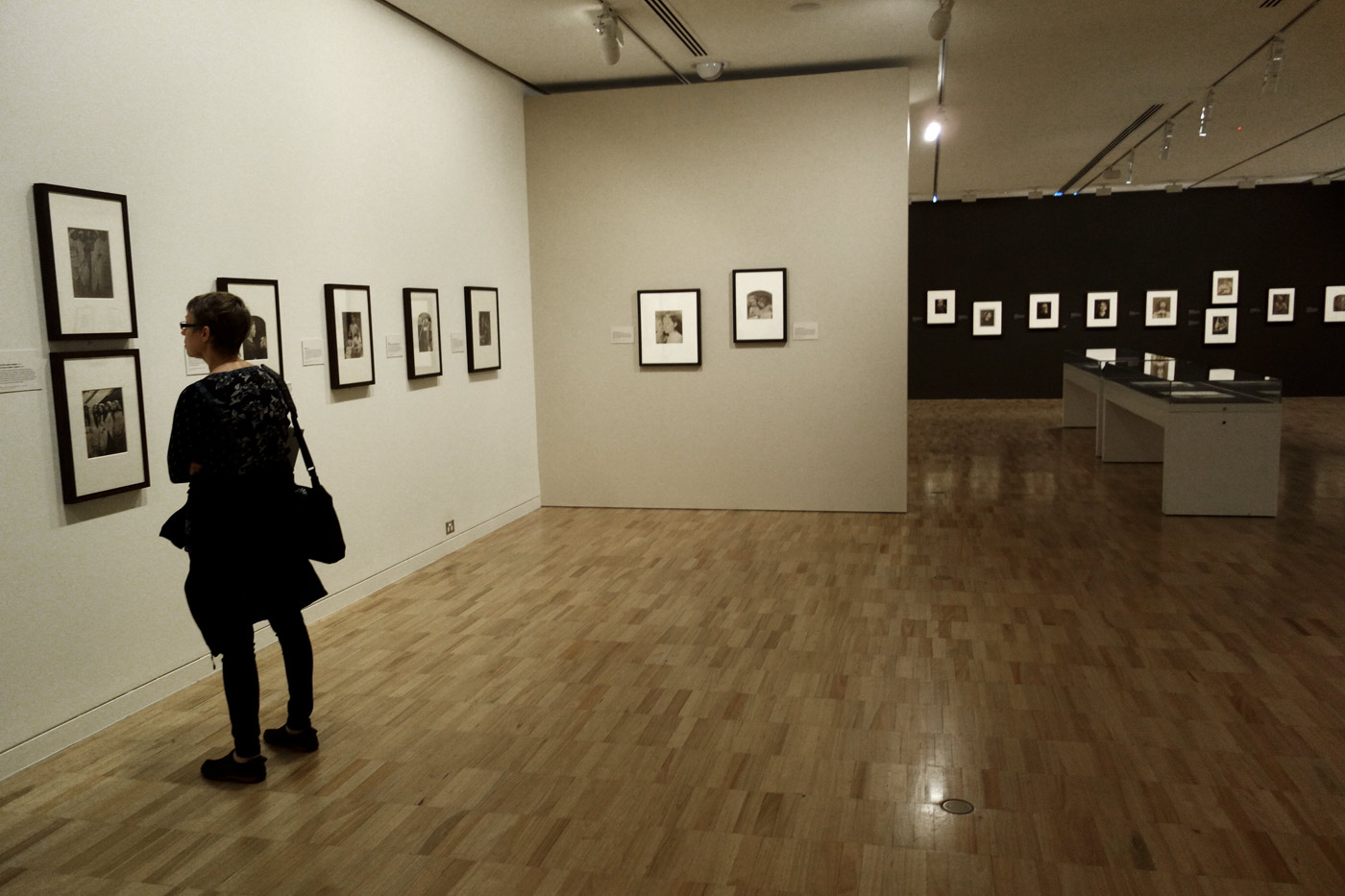
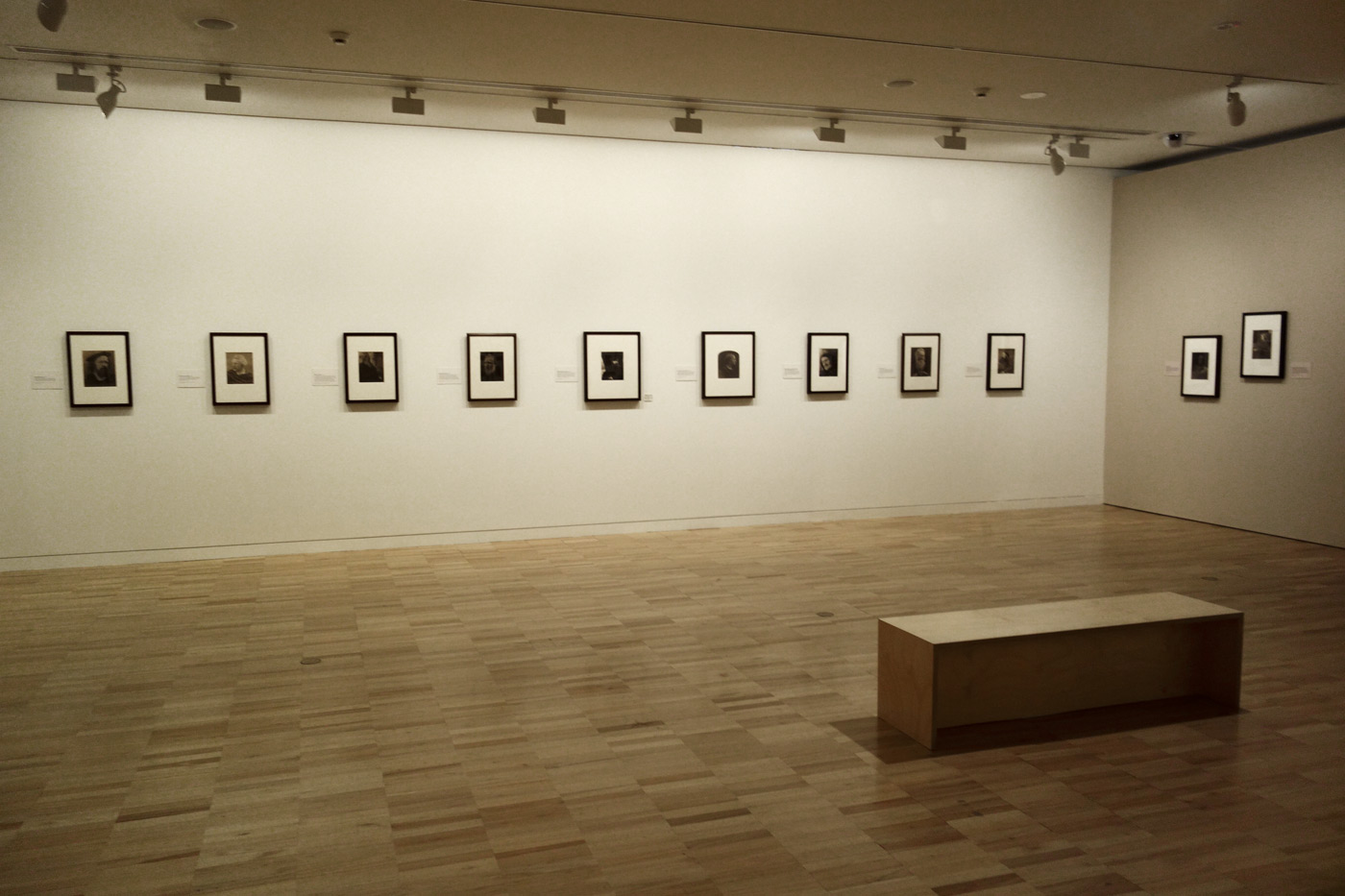
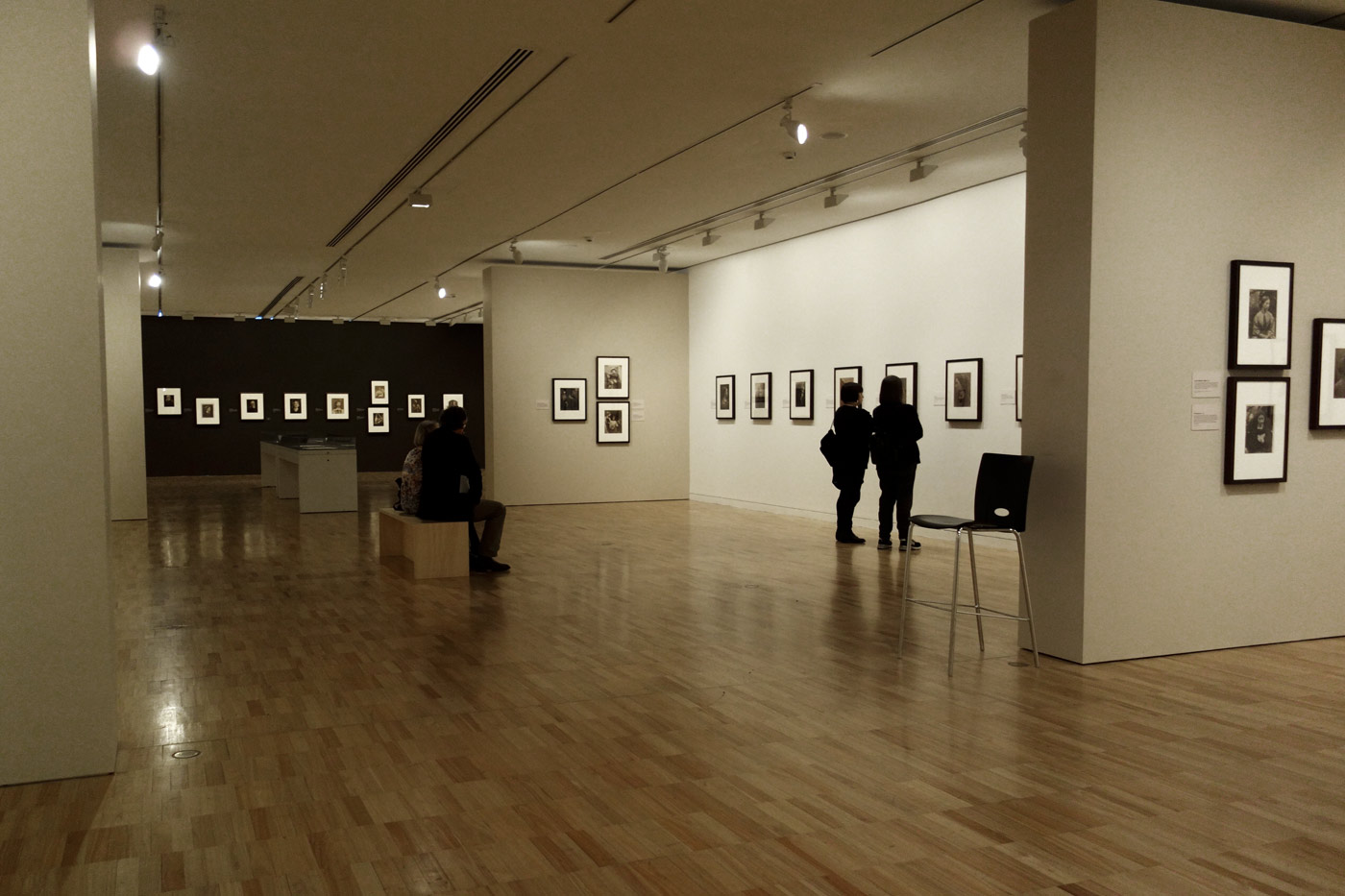
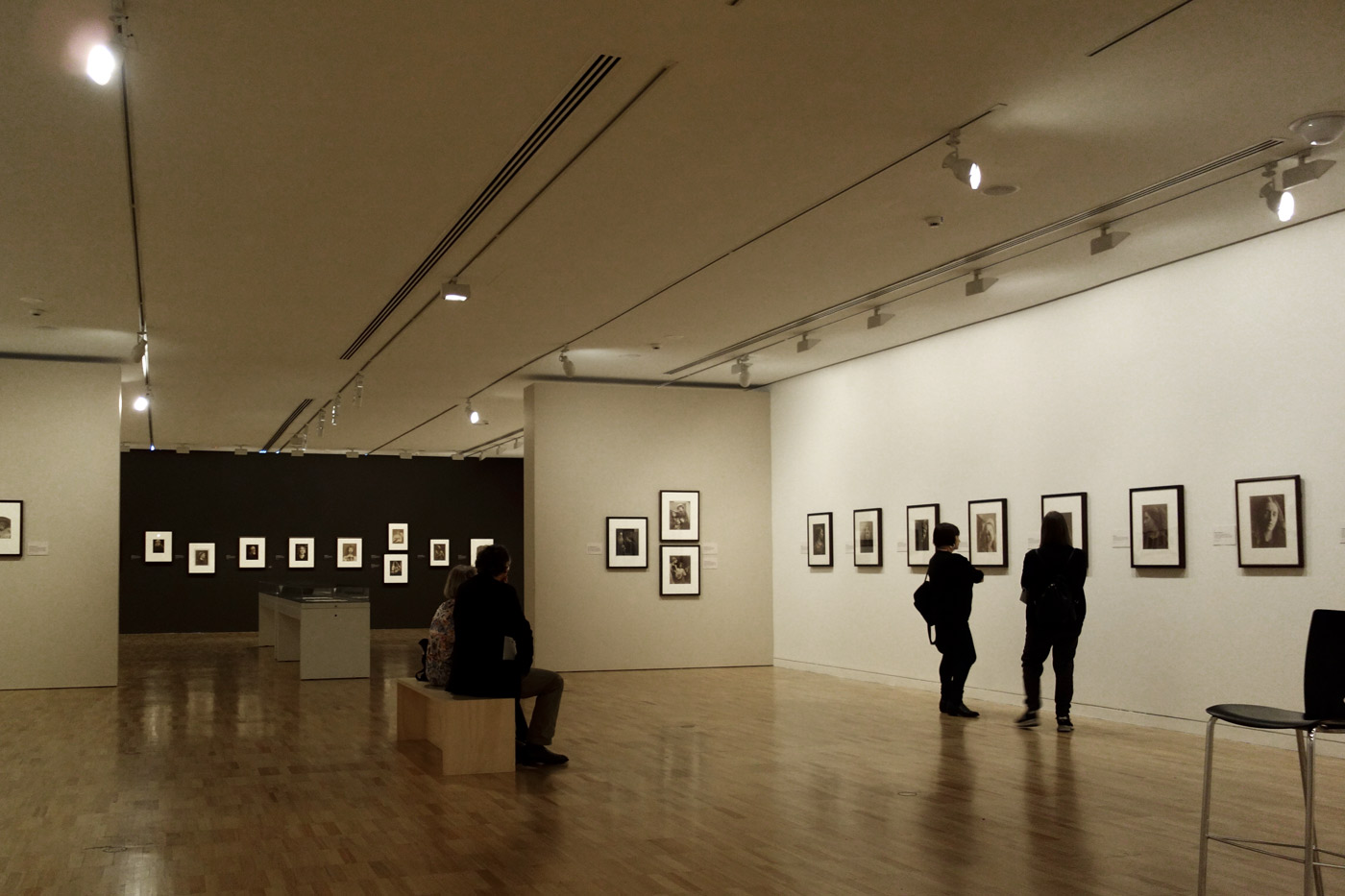
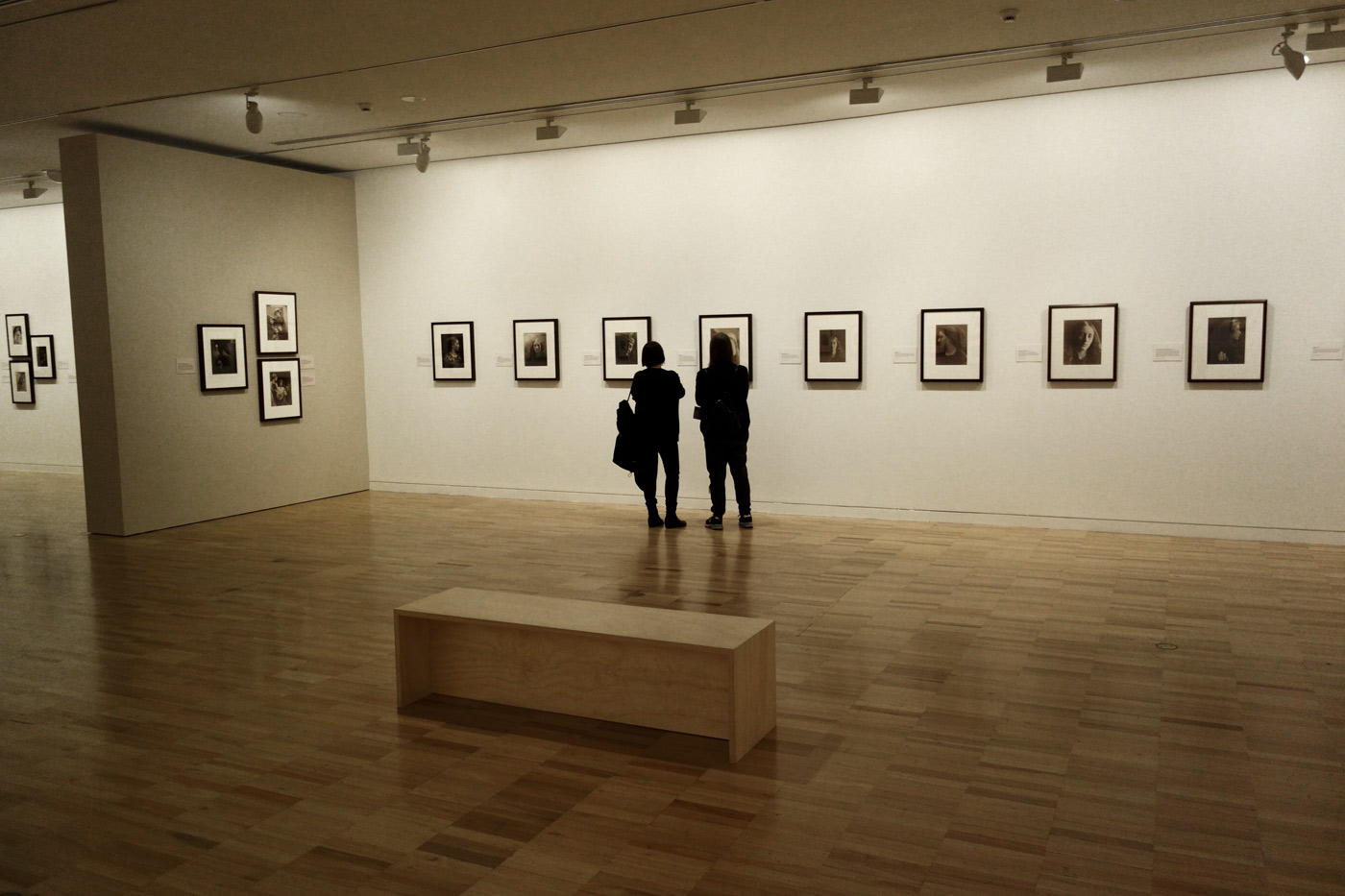
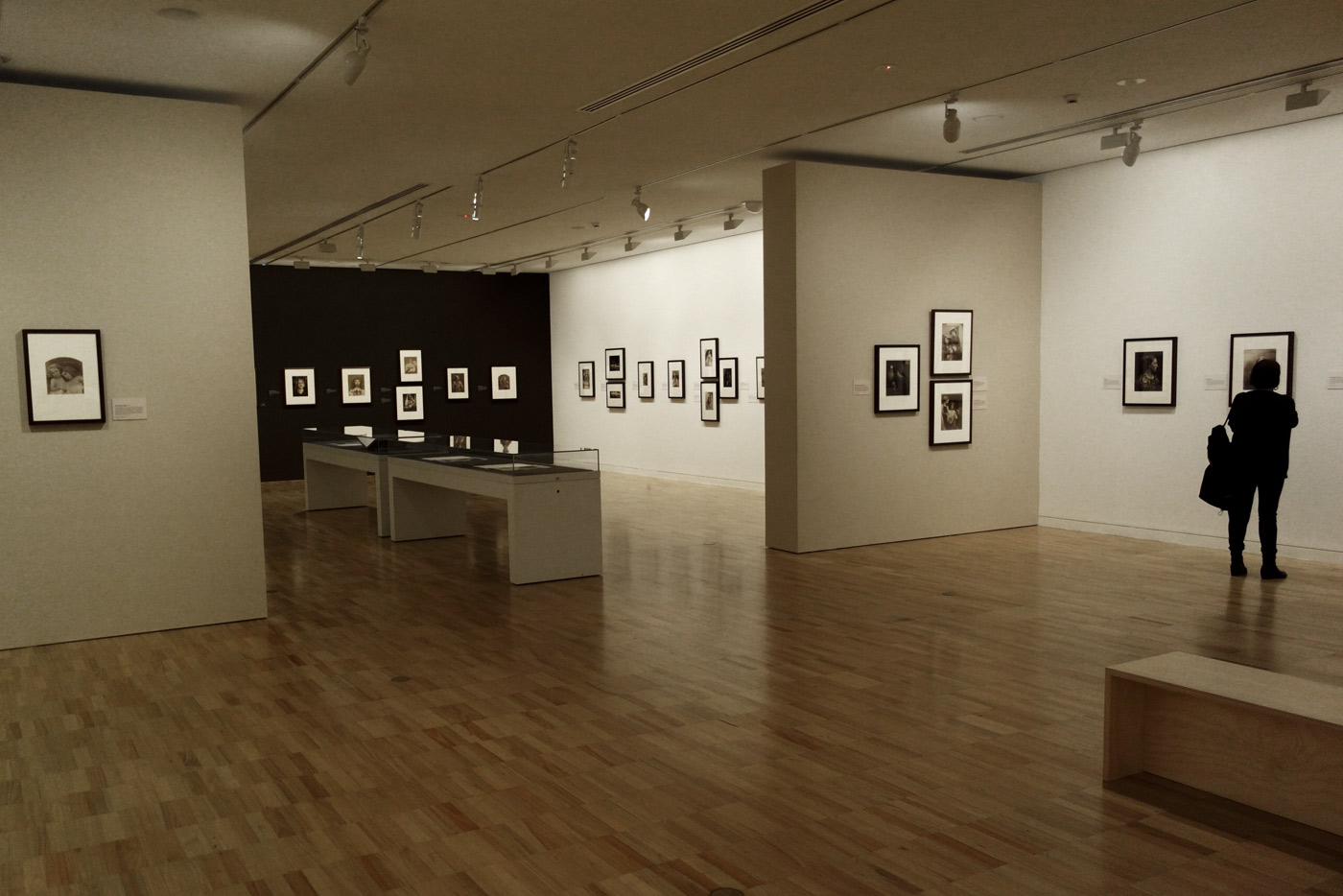
 Art Blart _ art and cultural memory archive
You must be logged in to post a comment.