Vanila Netto (Brazil, b. 1963) Pole Relief 2011 50 x 50cm Archival pigment ink on cotton rag paper
“There’s an odd diaristic quality to Vanila Netto’s photographic, still life, video and neon works. What at first might seem like a hotchpotch of gestures, assemblages and moments reveals a lateral narrative – still points on a fluid map.”
Dan Rule in The Age newspaper
Netto’s work moves from one place to another, Navigating Widely. Some elements are more successful than others. The grainy colour field photographs of extruded objects (foam packing, the detritus of cardboard) fail to impress lacking the fidelity that the subject matter requires and the ability to integrate successfully into the lateral narrative. The Super 8 film transferred to digital video It is time to bridge (2011) is excellent, evoking as it does the utopian ideals of industrialisation, planes and rockets becoming “permanent and sedentary residents” of an abandoned dream park. The diptych neon installation Elation, Deflation (Inner Tubes) (2011) is also effective in evoking the interface between human and machine.
The best work in the exhibition is the series of small square format, analogue colour photographs that have been printed digitally (see photographs below). There is a lovely spatial resistance in these photographs – hints of colour, slices, markings on walls, the collision of opposites – that elevates them above the rest of the exhibition. In these photographs, the punctum pricks our consciousness but is it enough? Although these are interesting photographs, are they photographs that you would remember in a week, a month or a year? More was needed to hang your hat on, perhaps an ambiguous sense of Time that stretched the frame of reference.
Overall, the hotchpotch of gestures, assemblages and moments needed a more substantial grounding and, for me, became points on a confused map: a collection of complexities, both global and personal, that needed a focusing of rationale and conceptualisation. Less is more! Drawing what are some good ideas and threads together in a simplified form would add to the strength of the work for there is talent here. Perhaps concentrating on one idea and exploring it more fully would be a step along the path. I look forward to the next literation.
Dr Marcus Bunyan
Many thanxk to Angela Connor for her help and to Arc One Gallery for allowing me to publish the photographs in the posting. Please click on the photograph for a larger version of the image.
Vanila Netto (Brazil, b. 1963) Colossus 2011 100 x 100cm Archival pigment ink on cotton rag paper
Vanila Netto (Brazil, b. 1963) Mir 2011 50 x 50cm Archival pigment ink on cotton rag paper
Vanila Netto (Brazil, b. 1963) Wheeling Consorts 2011 50 x 50cm Archival pigment ink on cotton rag paper
Vanila Netto (Brazil, b. 1963) Solaris 2011 50 x 50cm Archival pigment ink on cotton rag paper
Vanila Netto (Brazil, b. 1963) Air Buzzing 2011 50 x 50cm Archival pigment ink on cotton rag paper
Arc One Gallery 45 Flinders Lane Melbourne, 3000 Phone: (03) 9650 0589
Curators: Maria Zagala, Associate Curator of Prints, Drawings and Photographs, Art Gallery of South Australia and Stephen Zagala, Curator at Monash Gallery of Art
Tracey Moffatt (Australia, b. 1960) Something More (no. 3) From the series of 9 photographs Something More 1989 Direct positive colour photograph 98 × 127cm Courtesy the artist and Roslyn Oxley9 Gallery, Sydney
Many thankx to the Art Gallery of South Australia for allowing me to publish the photographs in the posting. Please click on the photographs for a larger version of the image.
Tracey Moffatt: Narratives is the first major exhibition of this leading contemporary Australian artist to be held in Adelaide. The exhibition is a collaboration between the Monash Gallery of Art in Melbourne and the Art Gallery of South Australia and explores Moffatt’s interest in the history of cinema and the formal language of film and video in her construction of ‘photo-narratives’. It features seven of Moffatt’s multi-part photographic series, including Something More (1989), Scarred for Life I (1994) and II (1999), Up in the Sky (1997), Laudanum (1999), Invocations (2000), and The Adventure Series (2004).
In these series Moffatt uses photographic stills to build non-linear and open-ended stories. The narrative aspect of these series allows her to develop dream-like sequences, in which the real and the imaginary can unfold alongside each other. In this way, Moffatt invests the social reality of issues like race relations and domestic violence with uncertainty and subconscious dimensions. She presents disturbing subject matter in highly staged photographs which use the seductive language of film and popular culture to directly engage her audience.
The exhibition also includes Moffatt’s ground breaking films Nice Coloured Girls (1987), Night Cries (1990), Heaven (1997) and BeDevil (1993), and the critically acclaimed video montages produced with Gary Hillberg, Artist (2000), Revolution (2008) and Other (2009).
Text from the AGSA website
Tracey Moffatt (Australia, b. 1960) Something More (no. 5) From the series of 9 photographs Something More 1989 Direct positive colour photograph 98 × 127cm Courtesy the artist and Roslyn Oxley9 Gallery, Sydney
Tracey Moffatt (Australian, b. 1960) Something More (no. 1) 1997 From the series of 9 photographs Something More 1989 Direct positive colour photograph 98 × 127cm Courtesy the artist and Roslyn Oxley9 Gallery, Sydney
Tracey Moffatt (Australia, b. 1960) Job hunt, 1976 From the series of 10 prints Scarred for life I 1994 Colour photolithograph on paper 80 x 60cm Monash Gallery of Art, City of Monash Collection Courtesy of the artist and Roslyn Oxley9 Gallery, Sydney
Tracey Moffatt (Australia, b. 1960) Useless, 1974 From the series of 10 prints Scarred for life I 1994 Colour photolithograph on paper 80 x 60cm Monash Gallery of Art, City of Monash Collection Courtesy of the artist and Roslyn Oxley9 Gallery, Sydney
Tracey Moffatt (Australia, b. 1960) Up in the sky (no. 1) From the series of 25 prints Up in the sky 1997 colour photolithograph on paper 61 x 76cm Monash Gallery of Art, City of Monash Collection Courtesy of the artist and Roslyn Oxley9 Gallery, Sydney
Tracey Moffatt (Australia, b. 1960) Up in the sky From the series of 25 prints Up in the sky 1997 colour photolithograph on paper 61 x 76cm Monash Gallery of Art, City of Monash Collection Courtesy of the artist and Roslyn Oxley9 Gallery, Sydney
Tracey Moffatt (Australia, b. 1960) Laudanum (no. 1) From the series of 19 prints Laudanum 1998 Photogravure on paper 76 × 57cm Courtesy the artist and Roslyn Oxley9 Gallery, Sydney
Tracey Moffatt (Australia, b. 1960) Invocations (no. 2) From the series of 13 prints Invocations 2000 Colour silkscreen on paper 146 x 122cm Monash Gallery of Art, City of Monash Collection Courtesy of the artist and Roslyn Oxley9 Gallery, Sydney
Tracey Moffatt (Australia, b. 1960) Invocations (no. 5) From the series of 13 prints Invocations 2000 Colour silkscreen on paper 146 x 122cm Monash Gallery of Art, City of Monash Collection Courtesy of the artist and Roslyn Oxley9 Gallery, Sydney
Tracey Moffatt (Australia, b. 1960) Invocations (no. 7) From the series of 13 prints Invocations 2000 Colour silkscreen on paper 146 x 122cm Monash Gallery of Art, City of Monash Collection Courtesy of the artist and Roslyn Oxley9 Gallery, Sydney
Tracey Moffatt (Australia, b. 1960) Adventure Series (no. 1) from the series of 10 prints Adventure Series 2004 Inkjet print on paper 132 × 114cm Courtesy the artist and Roslyn Oxley9 Gallery, Sydney
Tracey Moffatt (Australia, b. 1960) Adventure Series (no. 2) From the series of 10 prints Adventure Series 2004 Inkjet print on paper 132 × 114cm Courtesy the artist and Roslyn Oxley9 Gallery, Sydney
Art Gallery of South Australia North Terrace Adelaide Public information: 08 8207 7000
Rosemary Laing (Australian, b. 1959) Jim 2010 From the series Leak C Type photograph Large image size 110 x 238cm Framed size 127 x 255cm Edition of 8
You have just got to love these!
A wonderful suite of five panoramic photographs, framed in white, inhabit the beautiful space of Tolarno Galleries, Melbourne. The photographs, different angles of the same bleached bone inverted skeleton of a house that was constructed by five builders in the Australian landscape around Cooma, New South Wales (no Photoshop tricks here!) have a subdued colour palette of misty greys and greens – all except one that has a vibrant blue sky with clouds, a man with his sheep dogs and a flock of sheep. Two of the photographs are framed upside down, one photograph a closer study from the same angle.
The house on the hill is surrounded by wondrous light gently highlighting the wooden bones of the building embedded into the landscape in a context that is soon to become another suburban housing estate. The skeleton rises up (and falls into the sky) like a foundering ship amongst mysterious gum trees, surrounded by broken stumps and littered branches. The best photograph (top, below) has the effect of the bones being lit up like a giant puzzle.
Examining ‘the encroachment of suburban development and the socio-economic and environmental pressures on the Australian landscape’ these photographs, named after the characters from Patrick White’s novel The Twyborn Affair, are ecologically aware and politically astute, as well as being fine photographs. The title of the exhibition, leak, perfectly sums up the osmotic nature of the encroachment of human habitation upon the ‘natural’ environment, which is already a mediated landscape due to European farming techniques and clearance of the landscape. But this is not a one way discourse; what do we call the ‘new’ Australian bush? What if the humpy invaded suburbia and pushed back the tide?
I would love to see different types of houses in different contexts. I want to see more these are so good!
Rosemary Laing (Australian, b. 1959) Prowse 2010 From the series Leak C Type photograph Large image size 110 x 247cm Framed size 127 x 264cm Edition of 8
Rosemary Laing (Australian, b. 1959) Aristide 2010 From the series Leak C Type photograph 60 x 122cm Edition of 8
Rosemary Laing (Australian, b. 1959) Eddie 2010 From the series Leak Type C photograph Framed 127.0 x 274.6cm Edition of 8
Tolarno Galleries Level 4 104 Exhibition Street Melbourne VIC 3000 Australia Phone: 61 3 9654 6000
Exhibition dates: 27th November 2010 – 6th March 2011
Curators: Götz Adriani and Patricia Kamp
Installation photograph of the exhibition Duane Hanson/Gregory Crewdson: Uncanny realities at Museum Frieder Burda
A great double act!
An inspired curatorial choice brings the work of these two artist’s together – life-like sculptures of everyday Americans mixing with theatrical, deadpan staged images. The mis en scène created in the exhibition space, the tension between sculpture, photograph, frame and space – is delicious.
Crewdson is at his best when he resists the obvious narrative (for example, all the traffic lights stuck on yellow in the photograph Untitled (Brief Encounter) (2006, see below). Personally I prefer his staged photographs with pairs or groups of people within the image, rather than a single figure. The storyline is more ambiguous and the photographs of people walking along railway tracks always remind me of the Stephen King story filmed as Stand by Me (1986) with a young River Phoenix. Either way they are intoxicating, the viewer drawn into these wonderful, dark psychological dramas.
Dr Marcus Bunyan
Many thankx to Museum Frieder Burda for allowing me to publish the photographs in the posting. Please click on the photographs for a larger version of the image.
Installation photograph of the exhibition Duane Hanson/Gregory Crewdson: Uncanny realities at Museum Frieder Burda with Duane Hanson Old Couple on a Bench (1994) in the foreground and Gregory Crewdson Untitled (Worthington Street) (2006) in the background
The works by the two American artists Duane Hanson (1925-1996) and Gregory Crewdson (born in 1962) confuse and touch the observer.
Both artists present people in their everyday lives, with hopes, yearnings and broken dreams. People we usually do not notice, aged and marked by reality, by life itself. While Hanson shapes his life-sized figures with a great deal of sympathy, Crewdson rather spreads a gloomy and depressing atmosphere in his pictures of lonely people in their houses, gardens and in streets.
With his realistic sculptures, the American artist Duane Hanson has become a synonym for contemporary realism in contemporary art. Typical motives are average people like housewives, waitresses, car dealers, janitors. Posture and expression of these figures are very close to reality. The photographer Gregory Crewdson arranges his large format pictures with cineastic arrangements and lets the abyss behind every-day life scenes become visible.
The exhibition at the Frieder Burda Museum presents about 30 figures by Duane Hanson, mainly from the artist’s estate, in dialogue with 20 large format works from the series Beneath the Roses by the photographer Gregory Crewdson. The photographies are mainly owned by the artist himself.
The curators Götz Adriani and Patricia Kamp are not aiming at a direct confrontation. They are rather presenting two artists who work with different materials, but deal with very similar topics. Both artists, Hanson and Crewdson, are grand when it comes to arranging their art. Crewdson always puts very much effort into the arrangements of the scenes in his pictures, and Hanson always keeps an eye on his close surroundings.
The works of both artists impressively reflect the complexity of the human existence. …
Duane Hanson (1925-1996) is one of the most influential American sculptors of the 20th century committed to Realism.
The proximity to reality of his lifelike, detailed human figures make for perfect irritation. Despite all the seriousness hidden behind the socio-critical issue, which prompted Hanson to create his protagonists, the figures have a great deal of entertainment value, above all – and it is precisely this that makes them so appealing – due to their occasional gravitational bearing. Featuring twenty-five works, the exhibition presents a representative cross-section of the American’s extensive oeuvre, which comprises a total of only 114 works. The figures enter a dialogue with the large-format photographs by the American photo artist Gregory Crewdson, who has a flair for relating human abysses in a different and very subtle way.
In the early 1950s, after completing his study of sculpture at the Cranbrook Academy of Art in Bloomfield Hills, Michigan, Hanson was initially guided by the abstract style of art that prevailed during this period. However, this would not lead to a satisfactory result. In 1953, he turned his back on his homeland and spent nearly ten years of his life earning a living as an art teacher at American schools in Germany. It was during this period that he discovered the materials polyester resin and fibreglass, which would become crucial for his future creative work. After returning to the United States, Hanson spent the ensuing years perfecting his artistic skills in the treatment of these materials in such a way that the boundaries between reality and artificial figure seem to blur – where Hanson was never concerned with the mere illusionistic reproduction of reality, but chose this veristic manner of representation as a medium for communicating his concern in terms of content, i.e., shedding light on the tragedy of human lives that hauntingly consolidates in his characters.
In the human figures produced in the early work phase in the late 1960s, Hanson responded to the sociopolitical tension and protest movements of the day. He created sculptures and ensembles that very directly take issue with social hardship, violence, or racism, and he took a stand for the victims of this system, for the people who never had a chance to successfully face the demands made by life.
Influenced by Pop Art, Hanson turned to thematising everyday American life, frequently switching his observations to a critically satirical attitude that was, however, always guided by compassion. Housewives, construction workers, car salesmen, or janitors – the models for his figures are people in the American middle and working classes in whose biographies the disappointment in the American dream has become entrenched. He often puts his people and all of their small insufficiencies into perspective with ironic kindness, such as, for example, the Tourists, in whom are combined all of the clichés associated with the typical Florida tourist.
Hanson’s participation in documenta 5 in Kassel in 1972 gave rise to his international breakthrough. His figures became more lifelike; they more and more naturally blended into their surroundings. Their gestures, facial expressions, and postures related the emotional and physical burdens of life. The artist concentrated on older people in whose physiognomies one can read the traces of existence, the impact of loneliness, the problems that accompany being old, and their alienation. Hanson was struck by the isolation of this generation by society, a circumstance that has not lost any of its relevance.
Hanson’s interest in rendering the figures as lifelike as possible is surely not rooted in a desire to want to convince the viewer of their “authenticity”; rather, their lifelikeness was meant to move the viewer to experience empathy and concern, thus manifesting Hanson’s humanism. Human values and destinies comprise the focus of his art; he transforms the reality of life into the realism of art and in doing so sharpens our outlook and our view of the world, our fellow human beings, and our own life as well.
Born in 1962 in Brooklyn, New York, Gregory Crewdson is one of the best-known contemporary photographers internationally. In his most important series to date Beneath the Roses, which he created between 2003 and 2008, Crewdson explores the American psyche and the disturbing realities at play within quotidian environments. In his dramatically detailed and realistic photographs situated in America’s morbid, small-town milieu, the artist succeeds to stimulate the viewer’s subconscious on various levels. Twenty outstanding works from the series are being placed in a dialogue with sculptures by Duane Hanson. Gregory Crewdson does not spare either effort or expenses for the production of his visual inventions, which are reminiscent of film productions. The stagings are planned and arranged in advance down to the smallest detail and then elaborately implemented in a major logistical and human effort. The final photograph is the result of what is frequently work lasting several weeks, a circumstance that is substantiated by its depths in terms of content and its technical perfection.
Gregory Crewdson works in two distinct ways to create his photographs. On one hand, he works on location in real neighborhoods and townships. On the other hand, the artist works on the soundstage inventing his world from scratch. Before the photographic location productions start, Crewdson drives around upstate Massachusetts looking for interesting settings, which he then has prepared in an elaborate process. In most cases, local residents of the ramshackle towns also play the characters in his work. Crewdson works closely with the art department of the museum MASSMoCA, when shooting his pictures done on the soundstage. The results are much like stills from a movie and reflect his affinity with cinema. Filmmakers such as Alfred Hitchcock, David Lynch, or Steven Spielberg are the inspiration for Crewdson’s uncanny stories, which he seems to freeze in a single snapshot in time.
The construction of this narrative instant demonstrates the artist’s extraordinary talent. Like sophisticated literature does the reader, his works pose a challenge to viewers, as they have to mount the decisive share of the creative effort themselves. A brief, fleeting glance is not enough. Viewers become immersed in the staged scenes full of details and accessories to experience a moment that is intensely real. Fantasy and the powers of imagination and association fashion the visual event in the mind to become a subjective, alternative reality – an uncanny reality.
In his photographs, Crewdson deliberately works with emotions and fears that extend through his oeuvre in recurring, in part very different scenarios. They mirror alienation, absence, shame, sexuality, and loss – human states of emotion that deeply touch the viewer. That the artist focuses on the mind in his works may be due to the fact that, as the son of a psychoanalyst, he experienced insight into the profundity of the human soul very early on. His works can be regarded as metaphors for fears and desires, for the things that take place below the surface, the palpable, as if Crewdson wanted to make visible a new or different level of reality situated somewhere between the conscious and subconscious.
At the same time, the Beneath the Roses series can be seen as a psychological study of the American province. The settings show social realities and document the economic decline of a society behind the backdrop of the American way of life. Unsentimental and direct, they reflect working-class life – which allows us to strike an arc to the work by Duane Hanson, whose oeuvre also revolves around the concept of humanity, the facets of which he lends expression to in his silent, introverted figures.
The evolution of Beneath the Roses was documented in a series of production stills, original drawings by the artist, and detailed lighting plans. About sixty works from this reservoir are presented in a studio exhibition at the museum in order to illustrate the complex technical process of producing the photographs. Gregory Crewdson completed his study of Street Photography at the Yale School of Art in New Haven in 1988. He returned to Yale in 1993 and has occupied the Chair of Photography since.
Press release from the Museum Frieder Burda website
“It is this irreversibly modified world, from the polar caps to the equatorial forests, that is all the nature we have.”
Simon Schama. Landscape and Memory 1
“The term “landscape” can be ambiguous and is often used to describe a creative interpretation of the land by an artist and the terrain itself. But there is a clear distinction: the land is shaped by natural forces while the artist’s act of framing a piece of external reality involves exerting creative control. The terms of this ‘control’ have be theorised since the Renaissance and, while representations of nature have changed over the centuries, a landscape is essentially a mediated view of nature.”
Dr Isobel Crombie 2
“And, finally, what of the vexed, interrelated matter of non-Aboriginal Australians’ sense of belonging? While the Australian historian Manning Clark speculated that European settlers were eternal outsiders who could never know ‘heart’s ease in a foreign land, because … there live foreign ancestral spirits’, it now seems plausible that non-Aboriginal Australians are developing their own form of attachment, not to land as such, but to place. Indeed, it has recently been argued that for contemporary non-Aboriginal Australians, belonging may have no connection with land at all. Perhaps this is one of the reasons why art photographs of the natural landscape have lost their currency and are now far outnumbered by photographs of urban and suburban environments – after all, it is ‘here’ that most Australians live and ‘there’ that the tourist industry beckons them to escape.”
Helen Ennis. Photography and Australia 3
This review took a lot of research, reading, thinking and writing, all good stuff – I hope you enjoy it!
Heavy Weather: Photography and the Australian Land(e)scape
There is nothing fresh about the work in this exhibition. If feels like all the oxygen has been sucked out of the term ‘landscape’, the land itself gasping for air, for life. What the exhibition does evince is an “undercurrent of disruption and contradiction that suggests that all is not as it may appear” (wall text) – and on this evidence the process of photographing the Australian landscape seems to have become an escape from the land, a fragmented and dislocated scoping, mapping and photographing of mental aspects of the land that have little to do with the landscape itself. Landscape as a site of psychological performance. In this sense, the title Stormy Weather should perhaps have been Heavy Weather for contemporary photographic artists seem to make heavy going of photographing our sense of belonging to land, to place.
Is it the artists or the curators that seek to name this work ‘landscape photography’ for it is about everything but the landscape – an escape from the land, perhaps even a denial of it’s very existence. I believe it is the framing of landscape and its imaging in terms of another subject matter. While I am not going to critique individual works in the exhibition, what I am interested in is this framing of the work as ‘landscape photography’.
Since colonial settlement there has been a rich history of photographing the Australian landscape. In the early colonial period the emphasis was on documenting the building of new cities and communities through realist photography and later more picturesque and panoramic vistas of the Australian land as settlers sought comfort in familiar surroundings and a sense of ‘belonging’ to the land (for example day trippers and photographers travelling to the Blue Mountains). Photographers rarely accompanied expeditions into the interior, unlike the exploration and mapping of the land from the East Coast to the West Coast in the United States. Unlike America there has been little tradition of photographing sublime places in Australia because they are not of the same scale as in the USA. It is very difficult to photograph the vast horizon line of the Australian outback and make it sublime. Photographing the landscape then ventured through Pictorialism in the interwar years, Modernism after WWII through to the emergence of art photography in the 1970s (for example see my posting on Dr John Cato), wilderness and tourist photography. An excellent book to begin to understand the history of photography in Australia is Photography and Australia by Helen Ennis (London: Reaktion Books, 2007) that contains the chapter “Land and Landscape.” As Ennis comments in this chapter, “… landscape photography has been the practice of settler Australians and the expression of a settler-colonial culture … The viewpoint in landscape photography has therefore been almost exclusively European”4 although this culture has been changing in recent years with the emergence of Indigenous photographers.
Ennis observes that contemporary landscape photographers embrace internationalist styles, showing a distaste for totalising nationalist narratives and a rejection of essentialist or absolutist viewpoints, noting that an overarching framework like multiculturalism has lost its currency in favour of transnationalism (which is a social movement grown out of the heightened interconnectivity between people and the loosening of boundaries between countries) that does not disavow colonial inequalities and asymmetrical relations between countries and continents.5 Photographers have developed a “photographic language that allows for the expression of the contradictions inherent in contemporary settler Australians’ relations with the land,”6 whilst offering visual artists a “non-linear, non-didactic way of dealing with the complexities of Australia history and experience, and the relationship between past and present.”7
This much then is a given. Let us now look at the framing of the work in the exhibition as ‘landscape photography’.
Simon Schama in his erudite book Landscape and Memory (New York: Vintage, 1996) believes that there can never be a natural or neutral landscape (even the brilliant meadow-floor [at Yosemite] which suggested to its first eulogists a pristine Eden was in fact the result of regular fire-clearances by its Ahwahneechee Indian occupants) and that it is our shaping perception that makes the difference between raw matter and landscape. There was also a recognition that ‘nature’ was neither neutral nor beyond ideology during the 1970s-1980s. Hence there is a double mediation – by both nature and the artist.
Despite the rejection of essentialist or absolutist viewpoints by contemporary photographers and an acknowledgment of the mediated view by/of nature one can say that there is not a single photograph in this exhibition that is just a ‘landscape’. Even the most sublime photographs in the exhibition, David Stephenson’s (Self-portrait), Reflected moon, Tasmania (1985) is cut up into a grid, or Murray Fredericks Salt photographs (2005, see below) where the photographer has waited agonisingly for weeks for just the right weather conditions to take his photographs which the general public, when visiting Lake Eyre, would have no chance of ever seeing. Through this mediation there seems to have emerged an abrogation or denial of landscape by the artists and curators conceptualisation of it, as though they are performing a particular condition, a style; working out a plan of what to do and say. Is it just a denial or is it an artistic strategy?
I believe that these are strategies that limit artists, not strategies that enable them. The curators are equally implicated in these strategies by their naming of these works ‘landscapes’. What purpose does this naming serve, in terms of the development of a sense of place, not nation, that people living in Australia seek to have? We can ask the question: Where do you stand in relationship to the landscape both philosophically and geographically?
After Butler, we can also ask: What forms of cultural myth making are “embedded” in the framing of landscape by the curators, the naming of such work as ‘landscape photography’?
Rarely is the framing recognised for what it is, when it is the viewer interpreting the interpretation that has been imposed upon us, that limits the visual discourse, producing a view of Australian landscape as fragmented norms enacted through visual narrative frames – that in this case efface the representation of land and place. This conceptual framing of what the work is about limits the grounds for discourse for a frame excludes as much as it corrals. The curators form an interpretative matrix of what is seen (or not seen, or withheld), reinforcing notions of landscape photography, the ‘landscape photography’ “that requires a certain kind of subject that actually institutes that conceptual requirement as part of its description and diagnosis.”8 In other words the description ‘landscape photography’ established by the curators becomes a limiting, self-fulfilling prophecy.
Personally, I think the problem with a landscape exhibition is that this is virtually an inane topic. Somehow “documentary” works as a topic because it is about a mental discipline. But “landscape” is no longer really a topic – it used to be a topic when landscape painters wanted to show the landscape (!) but does anyone really want to show this today? Even when the landscape painters wanted to show the sublime, the landscape was always treated with deference. No-one thinks of Minor White as a landscape photographer for he was a metaphysical photographer. And that’s what this exhibition needs – another word to give sense to a photographers efforts.
This is difficult subject matter. While artists may reject essentialist or absolutist viewpoints what has been substituted in their place is a framing, a definition that is post-nature, that undermines any sense of belonging to land, to place. The dissolutive pendulum has swung too far the other way; we look to theory to be inclusive and sometimes stand on our heads to achieve this to our detriment.
As of this moment we are not at the point where we can look back with some certainty and see that we have reached the beginning of the path of understanding. What I would propose to any artist is a photography that is broadly based, cumulative, offering a layered body of work that builds and refers back to an original body of work, much like the photographs of Robert Adams – photographs that do not make claims but ask questions and hint at a more responsive engagement with the landscape.
My hope is that a more broadly based view of place and our sense of belonging to the land emerges, one that challenges our contemporary understanding of the landscape, a viewpoint and line of sight that calm our troubled sense of reality. Robert Adams has written eloquently about photography and the art of seeing. Here is a quote from his seminal book Why People Photograph (Aperture Foundation, 1994) that aptly concludes this review.
“At our best and most fortunate we make pictures because of what stands in front of the camera, to honor what is greater and more interesting than we are. We never accomplish this perfectly, though in return we are given something perfect – a sense of inclusion. Our subject thus redefines us, and is part of the biography by which we want to be known.”9
Dr Marcus Bunyan
Many thankx to Jemma Altmeier and the National Gallery of Victoria for allowing me to publish the photographs in the posting. Please click on the photographs for a larger version of the image.
Addendum
Further to my argument above there is a session ‘Australian Identity: Australian Bio-diversity and the Landscape of the Imagination’ at the Festival of Ideas, Friday June 17th 2011 at the University of Melbourne where, in the details of the upcoming session, Ian Burn has been quoted about the loss of the landscape:
Details of the session: ‘The connection between landscape and national identity figures prominently in discussions of Australian experience. Recently the pairing of the two has taken a melancholic turn; artist Ian Burn has remarked that ‘A commitment to representing the landscape has come to be about the “loss” of the landscape’. Has the landscape that once supported the Australian legend disappeared? The landscape is represented not only in art but also through science, law and commerce. Are new landscapes and new identities now being imagined and discovered?’
Quotation: “The idea of landscape does not just invoke rival institutional discourses, but today attracts wider and more urgent reflections. A commitment to representing the landscape has become about the ‘loss’ of landscape in the twentieth century … that is about its necessity and impossibility at the same time. Seeing a landscape means focusing on a picture, implicating language in our seeing of the landscape.”
Burn, Ian quoted in Stephen, Ann (ed.,). Artists think: the late works of Ian Burn. Sydney: Power Publications in association with Monash University Gallery, Melbourne, 1996, p. 8.
Footnotes
1/ Schama, Simon. Landscape and Memory. New York: Vintage, 1996, p. 7
2/ Crombie, Isobel. Stormy Weather. Contemporary Landscape Photography (exhibition catalogue). Melbourne: National Gallery of Victoria, 2010, p. 15
3/ Clark, Manning quoted by Peter Read in “A Haunted Land No Longer? Changing Relationships to a Spiritualised Australia,” in Australian Book Review CCLXV (October 2004) pp. 28-33 in Ennis, Helen. “Land and Landscape,” in Photography and Australia. London: Reaktion Books, 2007, pp. 71-72
4/ Ennis, Helen. “Land and Landscape,” in Photography and Australia. London: Reaktion Books, 2007, pp. 51-52
5/ Ennis, Helen. “Land and Landscape,” in Photography and Australia. London: Reaktion Books, 2007, p. 123, p. 133
6/ Ibid., “Land and Landscape,” pp. 71-72
7/ Ibid., “Localism and Internationalism,” p. 128
8/ Butler, Judith. Frames of War: When is Life Grievable? London: Verso, 2010, p. 161
9/ Adams, Robert. Why People Photograph. New York: Aperture Foundation, 1994, p. 179
The work of the contemporary Australian photographers highlighted in this exhibition comes from a profound engagement with the lived landscape around them. The quiet intensity of their work comes from their close and sustained relationship to particular environments. These photographers may use that lived observation to reveal the layers of history in a landscape; to provoke ecological concerns; as the place for site specific performances; or to use the specific poetics of light to reveal the beauty of a place. However for all of them, the real world is the starting point for images of particularity.
Photographers’ interest in the landscape has increased in the last few years. Perhaps as a result of heightened environmental awareness, or an evolution in our engagement with Australian history, practitioners are again turning to the natural world as a site for critical practice and inspiration.
Drawn from the permanent collection the National Gallery of Victoria, the selected photographers in this exhibition have a particular focus that comes from their active relationship to various environments. The artists displayed here reveal history in a landscape; provoke ecological concerns; use the landscape as a site of performance; or reveal the distinctive beauty of a place.
Frequently underpinning these works of quiet intensity and considerable beauty is an undercurrent of disruption and contradiction that suggests all is not as it may first appear.
Text from the National Gallery of Victoria website [Online] Cited 26/02/2011 no longer available online
Richard Nicholson (British, b. 1968) Peter Guest darkroom 2006 Courtesy of the artist and Riflemaker
I started my life as an artist as a black and white photographer. I spent many hours ensconced in the enveloping black and red safety light of the darkroom, listening to the sound of running water – a nurturing, womb-like environment despite the toxic nature of the chemicals involved. It was magical to see the image appear in the developing tray out of nothing, an alchemical process that never ceased to amaze me, a link to the early days of photography and the wonder that those first images would have generated. At that time the photography course at Phillip Institute (soon to become part of RMIT University) had 3 huge darkrooms; now they have one with only a couple of enlargers.
Working in those darkrooms did teach you a solid foundation for your art practice: for one thing, the value of developing a working methodology – choosing a good negative that you wanted to print, spending time with it, adjusting the enlarger to obtain optimum size and printing it beautifully – for in a good day I could only print one or possibly two negatives a day. Then there was the process of washing the chemicals out of the paper and drying the prints. The whole process taught you patience, precision and dedication to the task at hand so that the negative revealed in the print something else that might be present, some ‘other’ that photography has the ability to capture if you take time, are aware and receptive to this illumination. These disciplines have held me in good stead during the following years.
I still love analogue colour and black and white photographs. To me it is like the difference between an LP and a CD. The CD might have it all over the LP in terms of information captured but there is this ineffable feeling about an LP with it’s scratches and pops, it’s atmosphere. The same goes for an analogue print and it is something that you can’t quite put your finger on. I believe that there is still a place for analogue prints in the world – for the magical process, for their beauty, sensitivity and downright inspiration. Long may they live.
Dr Marcus Bunyan
Many thankx to The Riflemaker Gallery for allowing me to publish the photographs and text in the posting. Please click on the photographs for a larger version of the image.
Richard Nicholson (British, b. 1968) Roy Bass darkroom, Michael Dyer Associates, Covent Garden 2006 Courtesy of the artist and Riflemaker
The End of Professional Photographic Darkrooms and Music Recording Studios
The impact of digital technology on print photography and music production is the subject of ANALOG at Riflemaker, Soho from 10 January 2011. The exhibition invites us inside the last of London’s photographic darkrooms as well as taking a visit to a working reel-to-reel music studio, courtesy of an installation by Lewis Durham of the band Kitty, Daisy & Lewis.
Richard Nicholson. “A Survey of London’s Remaining Professional Darkrooms 2006-2010”
1979. The year my father constructed a darkroom and introduced me to photography. I was immediately entranced by the printing process and cherished the long hours spent in this dark, private space; standing in the gloom of the red safelight, slowly rocking the print tray, watching the ghost-like image reveal itself through the gently lapping developer solution. As I experimented with the many formulas and techniques detailed in my father’s guidebooks, I often found the most interesting prints were the chemically stained accidents pulled from the bin at the end of a session. The darkroom became a bolt-hole for me; a private space where I could escape from the noise of family life. As I passed through school, university and various jobs, I often sought out a darkroom to escape from the crowd. But as I honed my skills – solarising, masking, bleaching, split-toning, hand-colouring – my prints began to attract public attention.
2006. I’m working in London as a photographer. I’m still shooting film, but digital is becoming ubiquitous. The photographic manufacturer Durst announces that it will no longer be producing enlargers. Annual sales have dropped from a peak of 107,000 units in 1979 to just a few hundred units in recent years. The darkroom has always been integral to my practice as a photographer. But for how much longer? Once bustling hire darkrooms have become eerily quiet, and London labs are dropping like flies. Joe’s Basement, Primary, Metro Soho, Keishi Colour, Ceta, Team Photographic, Sky – all gone. Polaroid has stopped making instant film and Kodak and Fuji are discontinuing one emulsion after another. The recently introduced Canon 5d camera has persuaded many diehard film photographers that digital is the future, and those who remain unconvinced are facing clients who no longer have the budgets for film, Polaroids, clip-tests, contact-sheets and prints. The darkroom’s days are numbered.
Against this backdrop, I begin to look at the darkroom in a new light. My enlarger (a handsomely engineered GeM 504) has been an invisible tool, but now it presents itself as a sad and lumpen creature in the face of extinction. With its long neck, heavy head and inviting focus handles, the thing has a human form which elicits sympathy – the surrounding matt black walls add an air of theatricality. Hearing tales of noble machines being unceremoniously dumped in skips when labs close down, I decide to document them before they all disappear.
I chose to photograph professional darkrooms because they are often shrouded in mystery; hidden behind the tidy glass facade of the lab’s front desk. As a keen printer myself, I was curious to see the workspaces of the master printers; craftsmen who had spent their working lives in darkness. The spaces I discovered were often haphazard and brimming with personal details; coffee cups, CD collections, family snapshots, unpaid invoices, curious knick-knacks brought back by globe-trotting photographers. These human elements transformed what might have been a detached typology of modernist industrial design into something more intimate and nuanced.
I photographed each darkroom on large format film. Working in total darkness, I carefully painted these normally dingy spaces with a flashgun, seeking to reveal the beauty of the machinery, and shed some light on the clutter stained with the patina of time. Some of the darkrooms were busy, whilst others were neglected (all attention being given to the new inkjet printer in the adjoining corridor). Many of the darkrooms were facing imminent closure. (The one with the slogan pinned to the wall, ‘I want to stay here forever’, was dismantled the day after I photographed it and is currently being converted into luxury apartments.)
Many of the iconic images of recent decades were crafted in these rooms. Mike Spry’s high contrast lith prints of U2 and Depeche Mode for music photographer Anton Corbijn, Peter Guest’s black and white prints of the Trainspotting cast for portrait photographer Lorenzo Agius, or Brian Dowling’s intricately masked colour prints for fashion photographer Nick Knight. Such commercial work is now routinely carried out in Photoshop and professional printers have had to seek out new avenues for their skills. The art market is perhaps the last bastion for traditional darkroom printing, but even this area is being taken over by digital machines – Lightjet, Lambda, and Chromira printers. But suddenly there is a resurgence of interest in analog processes amongst younger photographers who were brought up on digital. Left cold by the clinical nature of the virtual workspace, they seek depth and authenticity via the chemical ambience of the traditional darkroom. Alternative processes from the early history of photography are being rediscovered, Polaroid instant film has been relaunched, and the craze for poorly engineered Russian and Chinese film cameras (Lomo, Holga, Diana etc) continues unabated.
I wonder at this enthusiasm. Like many committed film photographers, I experienced a belated epiphany when I finally switched to digital. My darkroom skills were easily transferred to the digital realm, and I soon discovered that Photoshop offered creative printmaking possibilities that far exceeded what I could achieve in the darkroom. Whilst I don’t miss the chemistry of the darkroom – much of it highly toxic – I do miss the aura of the red safelight and the soothing sound of running water. I miss the excited sense of performance when making a complicated print (there’s no ‘undo’ button in the darkroom), and the physicality of dodging and burning – the manual shaping of the light. With film I had a network of contacts across London and felt embedded in the city, whereas with digital I feel disembodied. The history of photography is young and fast moving. The darkroom era was short lived. This collection of images represents its apotheosis.”
Richard Nicholson, November 2010
I would like to thank all the printers who kindly allowed me to photograph their darkrooms.
Nicholson, Richard. “A Survey of London’s Remaining Professional Darkrooms 2006-2010,” in Taylor, Tot (ed.,). ANALOG: trends in sound and picture book. London: Riflemaker, 2011, pp. 17-19. ISBN 978-0-9563571-6-8.
Richard Nicholson (British, b. 1968) Roy Snell darkroom, Earlsfield 2006 Courtesy of the artist and Riflemaker
Richard Nicholson (British, b. 1968) Gordon Bishop Associates, Paddington Street 2006 Courtesy of the artist and Riflemaker
The Riflemaker Gallery 79 Beak Street, Regent Street, London W1
It might be useful to know the meaning and application of the word ‘orogenesis’ in relation to the work of Fontcuberta.
“Orogeny refers to forces and events leading to a severe structural deformation of the Earth’s crust due to the engagement of tectonic plates. Response to such engagement results in the formation of long tracts of highly deformed rock called orogens or orogenic belts. The word “orogeny” comes from the Greek (oros for “mountain” plus genesis for “creation” or “origin”), and it is the primary mechanism by which mountains are built on continents. Orogens develop while a continental plate is crumpled and thickened to form mountain ranges, and involve a great range of geological processes collectively called orogenesis …
An orogenic event may be studied as (a) a tectonic structural event, (b) as a geographical event, and (c) a chronological event. Orogenic events (a) cause distinctive structural phenomena related to tectonic activity, (b) affect rocks and crust in particular regions, and (c) happen within a specific period of time.” (Wikipedia)
In his post-landscape, post-memory worlds constructed by computer technologies there are mediated memories present – of the original paintings, shifting and reinterpreted by the computer and of place interpreted by the original artist – that form a simulated memory of double amnesia. Orogensis is a perfect title for these works as they map such a double memory over time in an future anterior (the death of the past (this has been) and the present (this will have be), pace Barthes); the word and the works also closely align to the word erogenous for these images stimulate the senses and heighten our appreciation and personal memory of the constructed environment. And how beautiful they are!
Dr Marcus Bunyan
Many thankx to the Foam Fotografiemuseum for allowing me to publish the photographs in the posting. Please click on the photographs for a larger version of the image.
For the project Landscapes without Memory Catalan artist Joan Fontcuberta (b. 1955, Barcelona) used software developed by the US Air Force. It translates two-dimensional cartographic data into a simulated three-dimensional image. Instead of feeding maps into the software, in Landscapes without Memory Fontcuberta inserts painted landscapes: from Gauguin to Van Gogh, from Cezanne to Turner and Constable. The software translates them into new, virtual landscapes that Fontcuberta calls ‘post-landscapes’. They form a no-man’s land between the virtual and the real, between truth and illusion.
Ever since the medium was first invented, photography’s relationship with the real world has been as perplexing as it is fascinating. Far more than a medium such as paint, photography was supposed to have a certain level of truth. In recent decades in particular the idea has taken root that truth and reality are ambiguous concepts in photography. The unprecedented digital revolution has brought the potential for manipulation into focus. How much more reliable is the photographic image of the real world? Who and what can we still believe? This juxtaposition of illusion and reality lies at the heart of Spanish artist Joan Fontcuberta’s oeuvre. At the same time, he also refers to the connection between science and truth. Like photography (itself a product of science), we see science as a way of expanding our knowledge of the real world using rational, objective, verifiable methods. Science has a certain authority: what science proves is true. Fontcuberta turns the myth of scientific authority around and manages to persuade the public in many of his projects of the veracity of a purely fictitious narrative – simply by expressing himself in the language of science.
In recent years, Fontcuberta has been especially fascinated by the influence of the digital revolution on the way we communicate and on our use of image. Landscapes without Memory is one such project. He begins here by subjectively interpreting and portraying a landscape, and then using software to interpret and translate the artificial object. The result is a new reality which Foncuberta calls ‘technologically-defined contemporary hallucinations’.
This exhibition is part of the Life Like platform, a project launched by Foam, EYE Film Institute of the Netherlands and Van Gogh Museum to draw attention to the realist art movement. The three museums join forces from 8 October 2010 to 16 January 2011 to throw light on the different aspects of this multi-disciplinary movement.
Exhibition dates: 26th November 2010 – 27th February, 2011
A Queensland Art Gallery Touring Exhibition
Ava Seymour (New Zealand, b. 1967) State Highway I 1997 From Health, happiness and housing series Colour photograph of a photomontage
Ava Seymour (New Zealand b. 1967) Day Care Walkabouts 1997 From Health, happiness and housing series Photomontage on colour photograph
New Zealand art adrift in a myriad of stories and symbols – not a brave ‘new world’
This is an underwhelming group exhibition of over 100 works drawn from the Queensland Art Gallery collection, a show to wander around on a lazy weekend afternoon and not get too excited about. The large number of works in the exhibition make it impossible to review each work individually (although I critique some works below) but one does get an overall sense of the investigation by New Zealand artists into their history, place, culture and identity. While there are a few good works in the exhibition there are also some very mediocre works as well and, other than a few splashes of self-deprecating humour (such as the wonderful The Horn of Africa (2006) by Michael Parekowhai, below) it all seems importantly earnest: an exhibition for serious people (apologies to Oscar Wilde).
On the evidence of this exhibition the country of New Zealand must be a very unnerving place to live, mainly because their artists can’t seem to keep their hand off it – cultural history that is.
Throughout this exhibition we have psychological unease, physical unease, a little humour, parody, poetry, symbology, allegory, mythology, colonialism, post-colonialism, nationalism, commercialisation, representation, anthropology, travel, landscape, topography, advertising, first contact, sacred spaces, indigenous politics, Māori culture, Pacific Islander culture, pakeha (non-indigenous) culture, tools, guns, rabbits, seals, pianos, traditional tattoos, tourist sites and museums, surfing, suburbia, personal journeys, family albums, androgyny, identity, public housing, ambiguous states, hyperreality, surreality, dislocation, disenfranchisement, alienation, bodies, portraits, subjects, past, present, future (and more!)
Ronnie van Hout exhibits three atmospheric, eerie, dark photographs of constructed model landscapes: of a Nazi doodlebug and the words ABDUCT and HYBRID. The wall text tries, unsuccessfully, to link the images to the obscure and haunted landscapes of New Zealand – a very long bow to draw indeed. Bill Cuthbert’s “nice” photographs offer generalised statements of light and place but really don’t take you anywhere and in fact could have been taken anywhere. The wall text offers that the photographs are a “self-conscious, critical response” to the dismantling of colonial ideas of empire and nation … this is art speak gobbledygook at its worst trying to justify basic photography.
Mark Adams panoramic photograph of one of the sites of first contact – an important historical moment of encounter between Māori and pakeha (non-Māori people of European descent) – are a beautiful photograph of a sound and mountains that has then been dissected, fragmented and individually framed and then mounted unevenly on the gallery wall – just to make sure we get the point about the ‘nature’ of the scenery and its cultural implications. Lonnie Hutchinson’s cut wall work Cinco “offers an interplay between paper and space and explores the ‘va’ or space between – a relation between the Samoan people and the landscape saturated with the dialogue of our ancestors … being adrift in a sea of memories caused by feelings related to cultural loss and uncertainty.” I know how they feel: adrift, underwhelmed by the art and overwhelmed by the text.
Other than the striking photograph of the Dandy (2007, below) Lisa Reihana’s series Digital Marae (2001- ) also fails to inspire. The marae is a highly structure space where Māori families come together – an outdoor, cleared area, a communal or sacred place which serves religious and social purposes in Polynesian societies. Here can be found male sculptures called poupou featuring diverse forms of masculinity, Māori gods and goddesses. The elder Mahuika, while sometimes described as male, is deliberately depicted in her female state in this series. In Reihanna’s digital interpretation of the marae her gods and goddesses become slick, media-inspired glossy magazine type images printed large, mounted on aluminium and lit for maximum theatrical effect. The unstructured spaces behind the figures have no context, no placement and give lie to the inspiration for the series (a highly structured space) and, as such, they land with a commercial thud onto the cleared earth.
The lowest point in the exhibition must be reserved for the 80 photographs of the series ‘The homely’ (1997-2000) by Gavin Hipkins. Usually when reviewing I refrain from saying anything bad about works of art. Robert Nelson in The Age describes the series as “visually and conceptually incoherent.” Taken over 4 years and supposedly “examining notions of nationhood that are unstable and fractured” Hipkins describes it as “a post-colonial gothic novel.” !!
The series features flat, one-dimensional images of symbols: sculptures, closed doors, open doors, flags, people, repeating circles and vertical elements – where the aggregate of all the images is supposed to MEAN SOMETHING. These are the most simple, most basic of year 12 images formed into a sequence that is conceptually irrelevant in terms of its symbolism and iconography vis a vis the purported critical examination it seeks to undertake. This artist needs to look at the sequences of Minor White to see how a master artist puts photographs together – not just in terms of narrative but the meaning in the spaces between the images, their spiritual resonance – or if wanting to be more literal, study that seminal book The Americans by Robert Frank to see how to really make a sequence.
On to better things. For me the absolute gem of this exhibition were the photomontages of Ava Seymour from her ‘Health, happiness and housing’ series (see photographs above). These are just fantastic! Featuring as a backdrop photographs of state houses built in the 1950s and 60s Seymour assembles her cast of characters – composite figures of found limbs, bodies and faces taken from old medical text books – and creates stark, psychological sites of engagement. The can be seen as family portraits, social documents of unseen alienation and dis-enfranchisement with communities and also a comment on the conduct of the welfare system and state housing, but in their ironic, self-deprecating humour they become so much more. Even though they use old photographs the artist recasts them ingenuously to become something new, a new space that the viewer can step into, unlike most of the work in this exhibition.
Most artists in this exhibition seem intent on a form of cultural excavation to make their work, digging and rooting around in cultural history and memory to find “meaning”, to make new forms from old that actually lead nowhere. They excavate symbols and signs and reform them hoping for what, exactly? All that appears is work that is stunted and fragmented, chopped up dislocations that offer nothing new in terms of a way forward for the culture from which these histories and memories emerge. There is no holistic, healing vision here, only a series of mined observations that fragment, distort and polarise, descending into the decorative, illustrative or the commercial. The same can be said of some Australian art (including the exhibition Stormy Weather: Contemporary Landscape Photography at NGV Federation Square that I will review next). As Robert Nelson succinctly observed in his review of this exhibition in The Age (Wednesday, December 29th, 2010), this exhibition “reveals a weakness that also exists in our scene: fertile tricks and noble intentions, but patchy skill or poetic imagination for connecting them.” Well said.
“”When the soul wants to experience something she throws out an image in front of her and then steps into it.” (Meister Eckhart) It is an evocation of the image as a threshold leading to new dimensions of meaning. Symbolic images are more than data; they are vital seeds, living carriers of possibility.”1
New dimensions of meaning, vital seeds, living carriers of possibility. Everyone of us is a living, breathing embodiment of cultural history and memory. We know that intimately in our bones, as human beings. What artists need to do is observe this legacy but offer a way forward, not constantly excavating the past and hoping this is enough when creating work. These are not new spaces to step into! The cohabitation of indigenous and ethnically mixed non-indigenous cultures in both Australia and New Zealand requires this holistic forward looking vision. It is a redemptive vision that is not mired in the symbols and archetypes of the past but, as Australia writer David Malouf envisages it, ‘a dream history, a myth history, a history of experience in the imagination’.2 It is a vision of the future that all post-colonial countries can embrace, where a people can come to know their sense of place more fully.
Rather than an escapist return to the past perhaps a redemptive vision of New Zealand’s cultural future, a history of experience in the imagination, would be less insular and more open to the capacity to wonder.
Dr Marcus Bunyan
1/ Ronnberg, Ami (ed.,). “Preface,” in The Book of Symbols. Cologne: Taschen, 2010, p. 6
2/ Footnote 6. Daniel, Helen. “Interview with David Malouf,” in Australian Book Review (September , 1996), p. 13 quoted in Ennis, Helen. “The Presence of the Past,” in Photography and Australia. London: Reaktion Books, 2007, p. 141
Many thankx to Jemma Altmeier for her help and to the National Gallery of Victoria for allowing me to publish the photographs in the posting. Please click on the photographs for a larger version of the image.
The National Gallery of Victoria today opened a major exhibition celebrating the extraordinary work of 26 contemporary New Zealand artists in Unnerved: The New Zealand Project.
Unnerved explores a particularly rich, dark vein found in contemporary New Zealand art. The psychological or physical unease underlying many works in the exhibition is addressed with humour, parody and poetic subtlety by artists across generations and mediums. Bringing together more than 100 works ranging from intimate works on paper to large scale installations by both established and emerging artists, Unnerved engages with New Zealand’s changing social, political and cultural landscape as the country navigates its indigenous settler and migrant histories. These works explore a changing sense of place, the continued importance of contemporary Maori art, biculturalism, a complex colonial past, the creative reworking of memory, and the often interconnected mediums of performance, photography and video. If the vision is unsettling, it is also compelling and Unnerved: The New Zealand Project offers us new ways of seeing one of our closest neighbours.
This fascinating exhibition explores a rich and dark vein found in contemporary art in New Zealand, drawing on the disquieting aspects of New Zealand’s history and culture reflected through more than 100 works of art.
Jane Devery, Coordinating Curator, NGV said: “The works presented in Unnerved reveal a darkness and distinctive edginess that characterises this particular trend in New Zealand contemporary art. The psychological or physical unease underlying many works in the exhibitions is addressed with humour, parody and poetic subtlety.
The exhibition reflects the strength and vitality of contemporary art in New Zealand with works created by both established and emerging artists, across a range of mediums including painting, photography, sculpture, installation, drawing, film and video.
Unnerved engages with New Zealand’s changing social, political and cultural landscape, exploring a shifting sense of place, complex colonial past, the relationships between contemporary Māori, Pacific Islander and pakeha (non-indigenous) culture, and the interplay between performance, video and photography,” said Ms Devery.
A highlight of the exhibition is a group of sculptural works by Michael Parekowhai including his giant inflatable rabbit, Cosmo McMurtry, which will greet visitors to the exhibition, and a spectacular life-size seal balancing a grand piano on its nose titled The Horn of Africa. Also on display are a series of haunting photographs by Yvonne Todd, whose portrait photography often refers to B-grade films and pulp fiction novels.
Gerard Vaughan, Director, NGV said this exhibition demonstrates the NGV’s strong commitment to interesting and challenging contemporary art secured from around the world; he noted that the NGV has made a special commitment to exhibition the contemporary art of our region.
“Unnerved will introduce visitors to the rich contemporary arts scene of one of our closest neighbours, fascinating audiences with works ranging from the life size installations by Parekowhai through to the spectacular 30 metre photographic essay by Gavin Hipkins. This truly is a must see show this summer!” said Dr Vaughan.
Unnerved will also offer a strong and engaging collection of contemporary sculpture, installations, drawings, paintings, photography, film and video art by artists including Lisa Reihana, John Pule, Gavin Hipkins, Anne Noble, Ronnie van Hout, Shane Cotton, Julian Hooper and many others.
Press release from the National Gallery of Victoria website
Exhibition dates: 14th September 2010 – 23rd January, 2011
Many thankx to The J. Paul Getty Museum for allowing me to publish the photographs in the posting. Please click on the photographs for a larger version of the image.
Thomas Richard Williams (English, 1824-1871) The Sands of Time 1850-1852 Stereo-daguerreotype The J. Paul Getty Museum, Los Angeles
This daguerreotype stereograph image by Thomas Richard Williams is a still life memento mori composition. An assemblage of a human skull, an hourglass with the sand running out, an extended compass, and a book abandoned mid-read with eyeglasses placed upside down on the page, the image evokes the temporary nature of mortal life and the inevitability of death. The objects also refer to intellectual pursuits and to the inevitable triumph of the soul over the mind.
Armand-Pierre Séguier (French, 1803-1876) Still Life with Plaster Casts 1839-1842 Daguerreotype 8 x 6 in. The J. Paul Getty Museum, Los Angeles
Baron Séguier was part of a small circle of amateurs that surrounded Jacques-Louis-Mandé Daguerre. Daguerre invented the daguerreotype, the process announced to the world in 1839 that produces highly detailed positive images on silver-coated copper plates. Some of the first successful daguerreotypes depicted arrangements of small-scale plaster copies of sculpture. The exceptionally long exposure times precluded the use of living models, a problem that would not be resolved until about 1841.
Louis-Rémy Robert (French, 1811-1882) [Still Life with Statuette and Vases] Negative 1855; print 1870s Carbon print 32.4 × 26.2cm (12 3/4 × 10 5/16 in.) The J. Paul Getty Museum, Los Angeles
Roger Fenton (English, 1819-1869) [Still Life with Game and Gun] About 1859 Albumen silver print 19.8 × 17.6cm (7 13/16 × 6 15/16 in) The J. Paul Getty Museum, Los Angeles
Charles Aubry (French, 1811-1877) [An Arrangement of Tobacco Leaves and Grass] about 1864 Albumen silver print Image: 47 x 37.3cm (18 1/2 x 14 11/16 in.) The J. Paul Getty Museum, Los Angeles
After working as a designer of patterns for carpets, fabrics, and wallpapers, Aubry formed a company to manufacture plaster casts and make photographs of plants and flowers. His detailed prints of natural forms were intended to replace the lithographs traditionally used by students of industrial design. This close-up of a delicate arrangement of leaves and grasses on a lace-covered background appears as if a slight movement of air could disturb it.
Eadweard J. Muybridge (American born England, 1830-1904) The Attitudes of Animals in Motion Negative 1878-1879; print 1881 Iron salt process Closed: 19.5 × 24.7 × 3.1cm (7 11/16 × 9 3/4 × 1 1/4 in.) The J. Paul Getty Museum, Los Angeles
“… A photograph is made by one of the 24 cameras at every 12 inches of progress, made by the animal during a single stride. The length of each stride may be calculated by the line of consecutive numbers arranged parallel with the track, a number being placed every 12 inches of distance.”
~ Eadweard J. Muybridge
The possibility for moving pictures originated from a rich man’s bet: whether or not a galloping horse ever had all four feet off the ground at any time during its stride. Because the unaided eye cannot see such an instantaneous event, Leland Stanford hired Eadweard Muybridge to photograph his racehorse, Occidental. After Muybridge produced the proof to win the bet, he continued his motion experiments and documented them in this album. He wrote the above passage on the album’s first page, describing his methodical approach of rigging twenty-four cameras with electromagnetic shutters – tripped by wires as an animal ran across a track.
Photographs of the cameras show how wires were attached to modified lens shutters; others depict the racetrack, where a long shed with the battery of cameras faced a track with a wall behind to silhouette subjects. Most pages depict animals and humans walking, running, and jumping before the cameras. Muybridge later devised the zoopraxiscope, a rotating device that animated sequences of images.
Frederick H. Hollyer (English, 1837-1933) Lilies About 1885 Platinum print 33.7 × 19.1cm (13 1/4 × 7 1/2 in) The J. Paul Getty Museum, Los Angeles
Baron Adolf De Meyer (American, 1868-1949) Glass and Shadows 1905 Photogravure Image: 8 3/4 x 6 9/16 in The J. Paul Getty Museum, Los Angeles
During the first decade of the 20th century, photographers such as De Meyer and Heinrich Kühn helped advance the idea that photography should emulate other forms of art. Here De Meyer photographed several glass objects through a scrim. The thin woven fabric softens the backlit objects, replicating the subtle tonal effects prized in etchings by artists from Rembrandt Harmensz van Rijn to James McNeill Whistler.
Heinrich Kühn (Austrian born Germany, 1866-1944) [Tea Still-life, Version III] 1907 Platinum print 27.5 × 37.8cm (10 13/16 × 14 7/8 in.) The J. Paul Getty Museum, Los Angeles
The J. Paul Getty Museum presents In Focus: Still Life, a survey of some of the innovative ways photographers have explored and refreshed this traditional genre, on view at the Getty Center in the Center for Photographs from September 14, 2010 – January 23, 2011.
“Still life photography has served as both a conventional and an experimental form during periods of significant aesthetic and technological change,” said Paul Martineau, assistant curator, Department of Photographs, the J. Paul Getty Museum, and curator of the exhibition. “One of our goals for the exhibition was to show how still life photographs can be both traditional and surprising.”
With its roots in antiquity, the term “still life” is derived from the Dutch word stilleven, coined during the 17th century, when painted examples enjoyed immense popularity throughout Europe. The impetus for a new term came as artists created compositions of increasing complexity, bringing together a greater variety of objects to communicate allegorical meanings. Still life featured prominently in the early experiments of the pioneers of the photographic medium and, more than 170 years later, it continues to be a significant motif for contemporary photographers.
Drawn exclusively from the Museum’s collection, the exhibition includes photographs by Charles Aubry, Henry Bailey, Hans Bellmer, Jo Ann Callis, Sharon Core, Baron Adolf De Meyer, Walker Evans, Roger Fenton, Frederick H. Hollyer, Heinrich Kühn, Sigmar Polke, Man Ray, Albert Renger-Patzsch, Paul Outerbridge, Louis-Rémy Robert, Baron Armand-Pierre Séguier, Paul Strand, Josef Sudek, and Thomas R. Williams.
The exhibition is arranged chronologically and includes a broad range of photographic processes, from daguerreotypes and albumen silver prints made in the 19th century to gelatin silver prints, and cibachrome prints made in the 20th century, to digital prints from the 21st century.
Newly acquired works will be on display for the first time: Still Life with Triangle and Red Eraser (1985) by American Irving Penn, Lorikeet with Green Cloth (2006) by Australian Marian Drew, and Blow Up: Untitled 15 (2007) by Israeli Ori Gersht (Gersht loosely based his Blow Up series on traditional floral still life paintings. His arrangements of flowers are frozen and then detonated. The explosion is captured using synchronised digital cameras, with the fragmentary detritus caught in remarkable detail. This diptych (pair) belies the notion of still life as something motionless as it explores the relationships among painting and photography, art and science, and creation and destruction.)
For Bowl with Sugar Cubes, photographer André Kertész created a still life out of a simple bowl, spoon, and sugar cubes, demonstrating the photographer’s interest in the compositional possibilities of layering basic geometric forms on top of one another – three rectangles in a circle (sugar cubes and bowl) and a circle in a square (bowl and the cropped printing paper). A visual sophistication is achieved through his adroit use of simple objects and dramatic lighting.
Other selections from In Focus: Still Life include Edward Weston’s Bananas and Orange, which depicts a symmetrical fan of bananas punctuated by one oddly shaped orange, and Frederick Sommer’s The Anatomy of a Chicken, which uses the discarded parts of a chicken to create a visual commentary. Influenced by Surrealism, Sommer embraced unexpected juxtapositions and literary allusions to express his intellectual and philosophical ideas. In Anatomy of a Chicken, a severed head, three sunken eyes, and eviscerated organs glisten on a white board. Evoking biblical imagery, medieval grotesques, and heraldic emblems, Sommer calls on the viewer to consider the endless cycle of birth and death, the cruel reality of the food chain, and man’s role in this violence.
In Focus: Still Life will be the seventh installation of the ongoing In Focus series of exhibitions, thematic presentations of photographs from the Getty’s permanent collection. Previous exhibitions focused on The Nude, The Landscape, The Portrait, Making a Scene (staged photographs), The Worker, and most recently, Tasteful Pictures.“
Press release from The J. Paul Getty Museum website
“The photographer’s problem is to see clearly the limitations and at the same time the potential qualities of his medium, for it is precisely here that honesty no less than intensity of vision is the prerequisite of a living expression. This means a real respect for the thing in front of him expressed in terms of chiaroscuro… “
So wrote Paul Strand two years before he made this negative of a black bottle sitting in a white sink. Through the manipulation of light and dark tones, Strand transformed this ordinary subject matter. The four overflow drain holes become graphic markings in the upper left, while the muted grey shadow cast by the bottle assumes an almost-human form against the porcelain. The diagonals of light that illuminate the scene appear like radiant beams.
“We still don’t sufficiently appreciate the opportunity to capture the magic of material things. The structure of wood, stone, and metal can be shown with a perfection beyond the means of painting… To do justice to modern technology’s rigid linear structure… only photography is capable of that.”
So wrote Albert Renger-Patzsch in 1927 about the camera’s innate ability to depict the Industrial Age. Here he studied the materials of identically shaped, finished wooden handles and industrially produced steel heads, while also representing the flatirons as an army of tools standing at attention like bowling pins. Renger-Patzsch’s photograph celebrates the beauty of the commonplace object.
Remarkable for its starkness, this photograph of a brittle castor bean leaf appeared with four others by Man Ray in the October 1943 issue of Minicam Photography. In his caption for the image, Man Ray wrote with uncharacteristic poignancy of the knowledge that “the dying leaf would be completely gone tomorrow.” It is tempting to interpret the melancholy sentiment of the work in terms of the artist’s growing discontent concerning his lack of recognition and financial success in Los Angeles and his fear that the work he left behind in France might be destroyed during the war.
Here, Man Ray applies an avant garde sensibility to the tradition of memento mori.
Cosindas was among the first photographers to embrace the potential of Polaroid colour film during the early 1960s. She varied her use of camera filters, exposure times, lighting temperature, and development times to achieve portraits and still lifes that resemble paintings in their vibrant use of colour.
For Asparagus Still Life I, Cosindas created an elaborate assemblage of fruits, vegetables, flowers, and vessels to evoke the luxurious bounty of 17th-century Dutch banquet paintings.
Irving Penn (American, 1917-2009) Still Life with Triangle and Red Eraser, New York, 1985 1985 Dye-bleach print Image: 22 3/4 x 18 1/8 in (57.8 x 46cm) The J. Paul Getty Museum, Los Angeles
Still life derives from the Dutch word stilleven, coined in the 17th century when paintings of objects enjoyed immense popularity throughout Europe. The impetus for this term came as artists created compositions of greater complexity, bringing together a wider variety of objects to communicate allegorical meanings.
Still life has come to serve, like landscape or portraiture, as a category within art. Although it typically refers to depictions of inanimate things, because it incorporates a vast array of influences from different cultures and periods in history, it has always resisted precise definition.
This exhibition presents some of the innovative ways photographers have explored and refreshed this traditional genre. During the 19th century, still life photographs tended to resemble still life paintings, with similar subjects and arrangements. Beginning in the 20th century, still life photographs have mirrored the subjects and styles that have more broadly concerned photographers in their time.
A New Medium
Still life featured prominently in the experiments of photography inventors Jacques-Louis-Mandé Daguerre and William Henry Fox Talbot. They did this in part, for practical reasons: the exceptionally long exposure times of their processes precluded the use of living models.
In the late 1830s, Baron Armand-Pierre Séguier, a close associate of Daguerre, created this elegant daguerreotype that features small-scale copies of famous sculptures in the Louvre and Uffizi museum collections.
In the mid-1800s, Charles Aubry was an accomplished practitioner of still-life photography who came to the medium by way of his professional interest in applied arts and industrial design. After working as a pattern designer for carpets, fabrics, and wallpapers, he formed a company to manufacture plaster casts and make photographs of plants and flowers.
Aubrey’s detailed prints of natural forms – like this close-up of plants on a lace-covered background – were intended to replace lithographs traditionally used by students of industrial design.
Photography as Art
By the first decade of the 20th century, art photographers like Baron Adolf de Meyer employed soft-focus lenses and painterly darkroom techniques to make photographs that resembled drawings and prints. The vogue at the time was to produce images that reflected a handcrafted approach, while asserting photography as an art medium in its own right.
Here, De Meyer photographed an arrangement of objects through a scrim. The pattern of thin, woven fabric softens the backlit objects and helps replicate the subtle tonal effects prized in etchings and aquatints.
Modernism
Several decades into the twentieth-century, the American artist Man Ray emerged as a pioneer of two European art movements, Dada and Surrealism, in which the element of surprise figured prominently. This image seems both unusual for Man Ray in its apparent straight-forward approach, but also typical in its somewhat dark emotional tone.
By selecting a dead leaf with a claw-like appearance and photographing it against a wood-grain board, Man Ray updated the concept of memento mori (“remember that you must die”), a motif popular in centuries-old still-life paintings.
New Directions
In that same vein, the best contemporary still-life photographs recall past styles of art while containing a paradox relevant to today. Contemporary photographer Sharon Core became known for re-creations of painter Wayne Thiebaud’s pop-art dessert tableaux. Her series of still-life compositions, inspired by the 18th-century American painter Raphaelle Peale, followed.
For this series, entitled Early American, Core studied the compositional structure of his paintings, replicated the mood of the lighting, and when she couldn’t find the right vegetables and flowers, grew her own from heirloom seeds.
The stilled lives of objects have served so well as both experimental and conventional forms in the past, that still life may well be the anchor that allows photographers to explore new and yet unimagined depths.
Anonymous. “In Focus: Still Life,” from the J. Paul Getty Museum website [Online] Cited 02/01/2020
Simultaneous with his work on shells and nudes, Edward Weston began photographing bananas, gourds, and other still-life subjects. He was staying close to his studio in 1927, partly because he found his growing Los Angeles surroundings unappealing and partly to be available for portrait commissions. But he also realised during this time that art could be modern without depicting industrial themes. As he wrote in his daybook, “Are not shells, bodies, clouds as much of today as machines? Does it make any difference what subject matter is used to express a feeling toward life!.”
In 1928 Weston moved to San Francisco and opened a portrait studio with his son Brett (1911-1993), who had chosen to become a photographer himself. In December of that year the two packed up and moved to Carmel, a small town along the coast with a significant population of artists. It was there that Weston began focusing attention on peppers, which he typically ate after photographing them. Those who followed his output commonly saw sexual content in his still-life compositions, although he repeatedly denied having directly intended such allusions. He resented those who pigeonholed his work in this way, calling them “the sexually unemployed belching gaseous irrelevancies from an undigested Freudian ferment!” He wrote in his daybook that he photographed peppers because “of the endless variety in form manifestations, because of their extraordinary surface texture, because of the power, the force suggested in their amazing convolutions!” At the same time, however, Weston was aware that the simplified, heightened reality of his presentations, whether they be of nudes, vegetables, fruits, or his later dunes, could conjure up other associations. He was keenly interested in the idea that “all basic forms are so closely related as to be visually equivalent!”
Weston’s work during the late 1920s and early 1930s was well received. Arthur Millier, an avant-garde critic, reviewed it frequently in the Los Angeles Times, and it was exhibited in modern art galleries in Los Angeles, San Francisco, and Carmel.
While living in Paris as a young photographer during the 1920s, Kertész became intrigued by still life, a motif that he continually returned to throughout his long career. Bowl with Sugar Cubes demonstrates his interest in the compositional possibilities of layering basic geometric forms on top of one another – three rectangles in a circle (sugar cubes and a bowl) and a circle in a square (the bowl and the cropped printing paper). Visual sophistication is achieved through his adroit use of simple objects and dramatic lighting.
Drew’s tabletop still life compositions feature fruits, vegetables, and dead animals and birds presented as game. While the unusual angles and lustrous colours bring to mind paintings by Paul Cézanne, the richness of the fabrics and dramatic lighting look back to 17th-century examples. Road kill gives Drew’s photographs a dynamic twist that calls into question mankind’s stewardship of the earth and its creatures.
Core studied the compositional structure and lighting of still life paintings by Raphaelle Peale for a series of photographs she titled Early American. When she found it difficult to find vegetables that looked like the examples in Peale’s paintings, she grew her own from heirloom seeds. Core’s methodical approach yields compositions that hover between past and present.
The J. Paul Getty Museum 1200 Getty Center Drive Los Angeles, California 90049
Exhibition dates: 17th November 2010 – 15thJanuary, 2011
Many thankx to Christophe Guye Galerie for allowing me to publish the photographs in the posting. Please click on the photographs for a larger version of the image.
Will Steacy (American, b. 1980) Burned Car, Los Angeles 2009 from Down these Main Streets, 2009 Archival pigment prints 61 x 76.2cm (24 x 30 in)
Will Steacy (American, b. 1980) Home Delivery, Los Angeles 2009 from Down these Main Streets, 2009 Archival pigment prints 61 x 76.2cm (24 x 30 in)
Will Steacy (American, b. 1980) Lovers, New Branford 2007 from All my Life I have the same Dream, 2007 Archival pigment prints 61 x 76.2cm (24 x 30 in)
Will Steacy (American, b. 1980) Memorial, Philadelphia 2009 from Down these Main Streets, 2009 Archival pigment prints 61 x 76.2cm (24 x 30 in)
“The monstropolous beast had left his bed. Two hundred miles an hour wind had loosed his chains. He seized hold of his dikes and ran forward until he met the quarters; uprooted them like grass and rushed on after his supposed-to-be conquerors, rolling the dikes, rolling the houses, rolling the people in the houses along with other timbers. The sea was walking the earth with a heavy heel.”
From Zola Neale Hurston’s Their Eyes Were Watching God
Christophe Guye Galerie is pleased to present The Monstropolous Beast, Will Steacy’s (American, b. 1980) first solo exhibition outside the United States.
For his first solo exhibition at the Christophe Guye Galerie, Will Steacy is showing a cross-section of his past years of creative working. Showing 28 new and recent photographs, The Monstropolous Beast is the first exhibition to comprehensively portray Steacy’s whole body of work to date. Once named “the lovechild of Charles Bukowski and Dorothea Lange” Steacy’s work is poetic and confrontational alike, at once evoking photojournalist documentation and romanticised realism.
Steacy’s imaginary stems from his experiences, encounters and the desire to awaken. His work quietly observes, holding on to moments of apparent silence that would pass unnoticed had he not been there to click the shutter. Breathtaking and touching, the emotional force of the artist’s work allows the viewer to intimately connect with the subject. Deeply philosophical, the camera permits him to ask questions, to truly see and think. It is for Steacy a tool with which to understand the world; an understanding he wants to convey to his viewers.
His method of inquiry is a large format film camera. Photographing the depleted city centres and rural suburbs of America, Steacy has spent the last years travelling his country to create a body of work that through its social connotations goes beyond simple photography. As a former Union Labourer, one can sense the humanistic approach to Steacy’s art. While deeply personal, Steacy works with the intention to create awareness, challenging people to look inward.
A key series in the exhibition is Down These Mean Streets, for which the artist examined fear and abandonment of America’s inner cities. The reality experienced at night on the streets is so haunting it becomes a hyper reality; laden with emotional and mental attachment, in works such as Memorial or HomeDelivery the energy and courage that spark the artist’s work is intensely apparent. Factories, deserted streets and inhabitants of neglected neighbourhoods are his subjects. By addressing the loss and despair that reign in US metropolitan communities, his aim is to reveal a modern day portrait of the reality in American urban centres.
Though still early in his career, the almost ordinary or unspectacular subject matters depicted in the works shown bring to mind the works of William Eggleston or Martin Parr. Demonstrating a distinctive ability to find beauty or fascination in commonplace scenes, and illustrating them with vivid displays of colour and luminosity, Steacy’s works take a critical look at modern society and human conditions, bring viewers uncomfortably close to an often sombre reality.
What at first glance appears like a simple capturing of ordinary people, everyday situations and mundane settings or situations, unravels into a multifaceted portrayal of society, its people, places, race, class, and boundaries. Through a life-changing experience, Steacy turned to art, devoting “everything I have to my art, this gift, this thing that is the reason I am alive… Coming that close to death will change a man. Life has had a new meaning since then, and I wake up every day happy to be alive, happy to chase this dream.” Frank and profound alike, unostentatious and similarly intense Steacy’s work is about life: life today in 21st century America, where layers of seeming simplicity unfolds before our eyes.”
Press release from the Christophe Guye Galerie website
Will Steacy (American, b. 1980) Motel Room 2007 from We are all in this Together, 2007 Archival pigment prints 61 x 76.2cm (24 x 30 in)
Will Steacy (American, b. 1980) Pawn Shop, Memphis 2007 from All my Life I have the same Dream, 2007 Archival pigment prints 61 x 76.2cm ( 24 x 30 in)
Will Steacy (American, b. 1980) Power Plant, Philadelphia 2008 from Down these Main Streets, 2009 Archival pigment prints 61 x 76.2cm (24 x 30 in)
Will Steacy (American, b. 1980) Satellite Dish, Detroit 2009 from Down these Main Streets, 2009 Archival pigment prints 61 x 76.2cm (24 x 30 in)
Will Steacy (American, b. 1980) Liz, Philadelphia 2007 from All my Life I have the same Dream, 2007 Archival pigment prints 61 x 76.2cm (24 x 30 in)



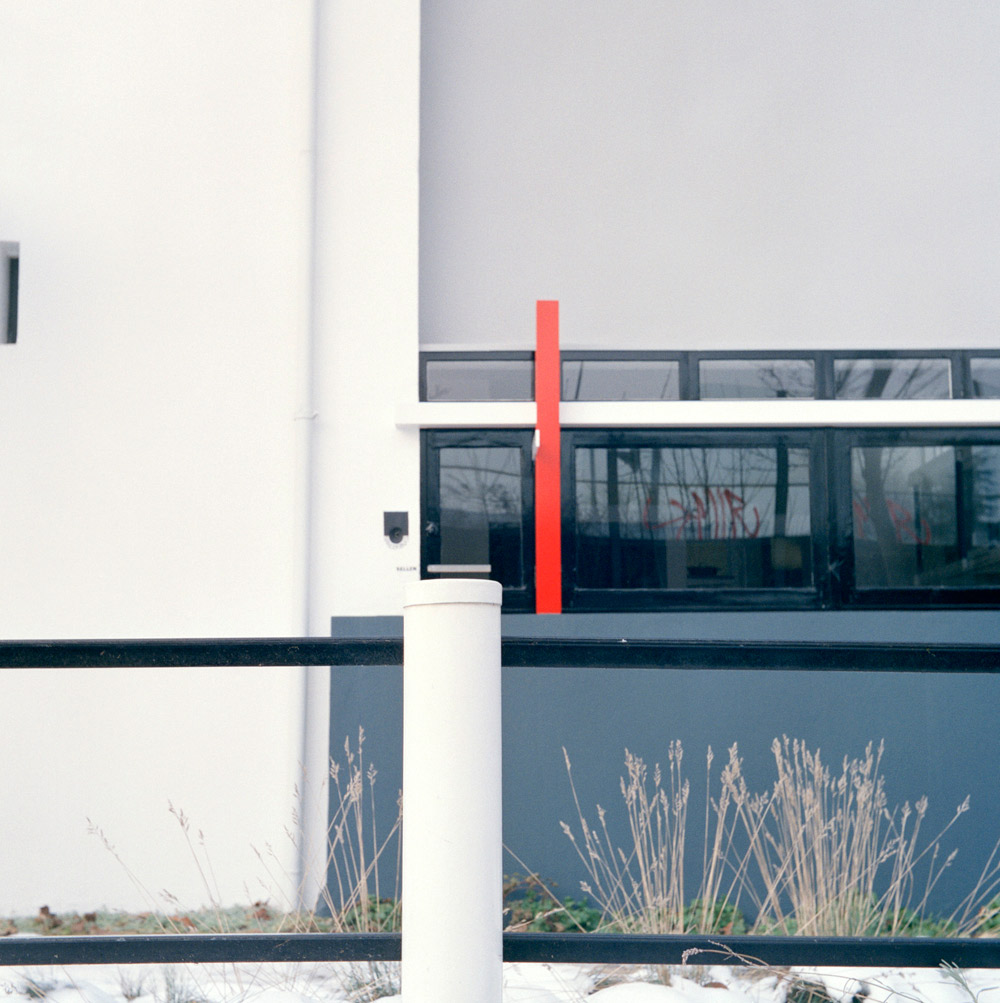
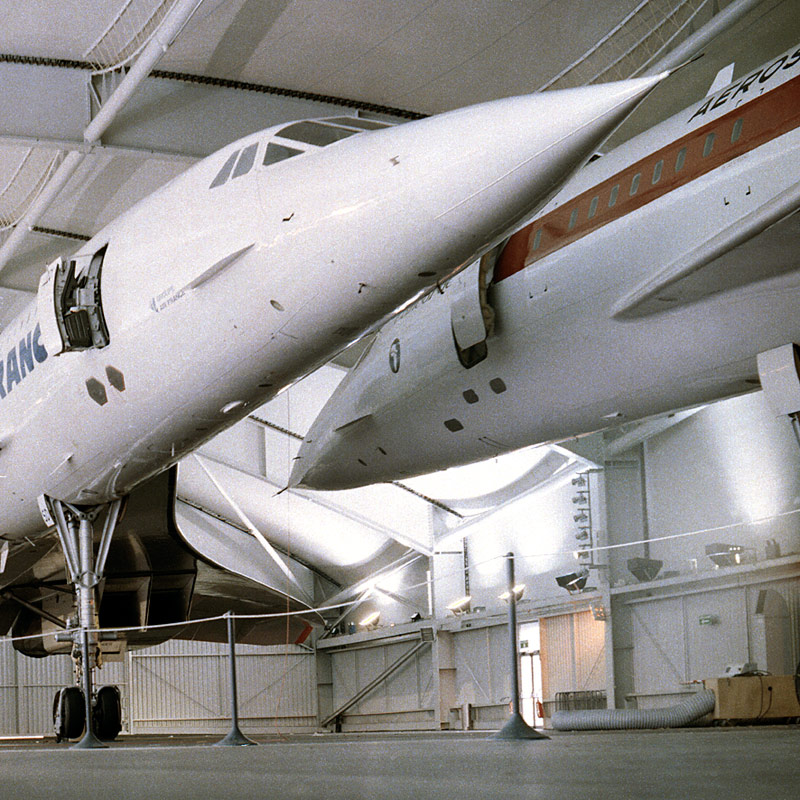
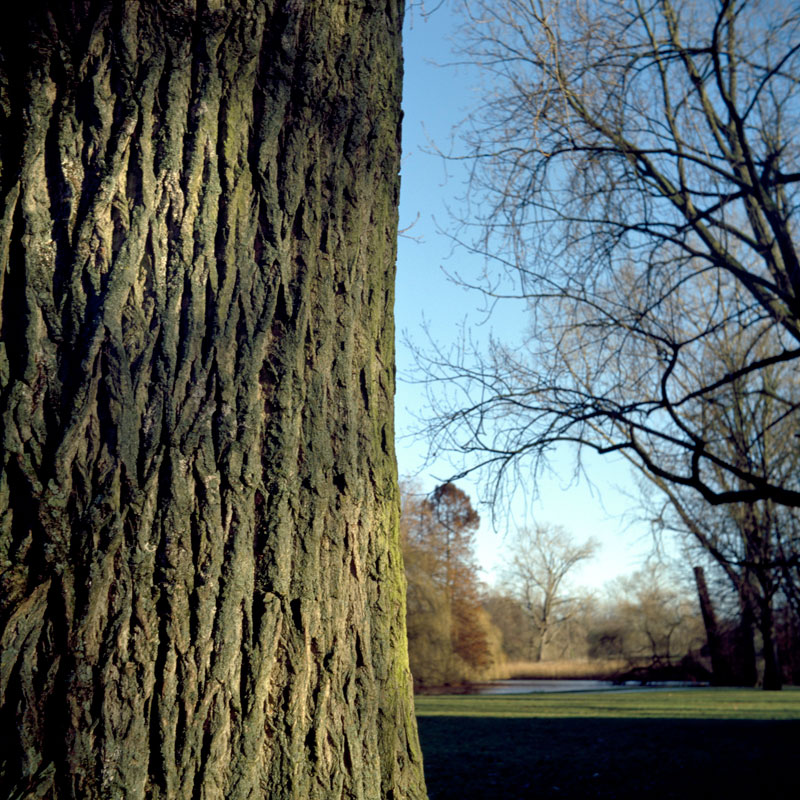
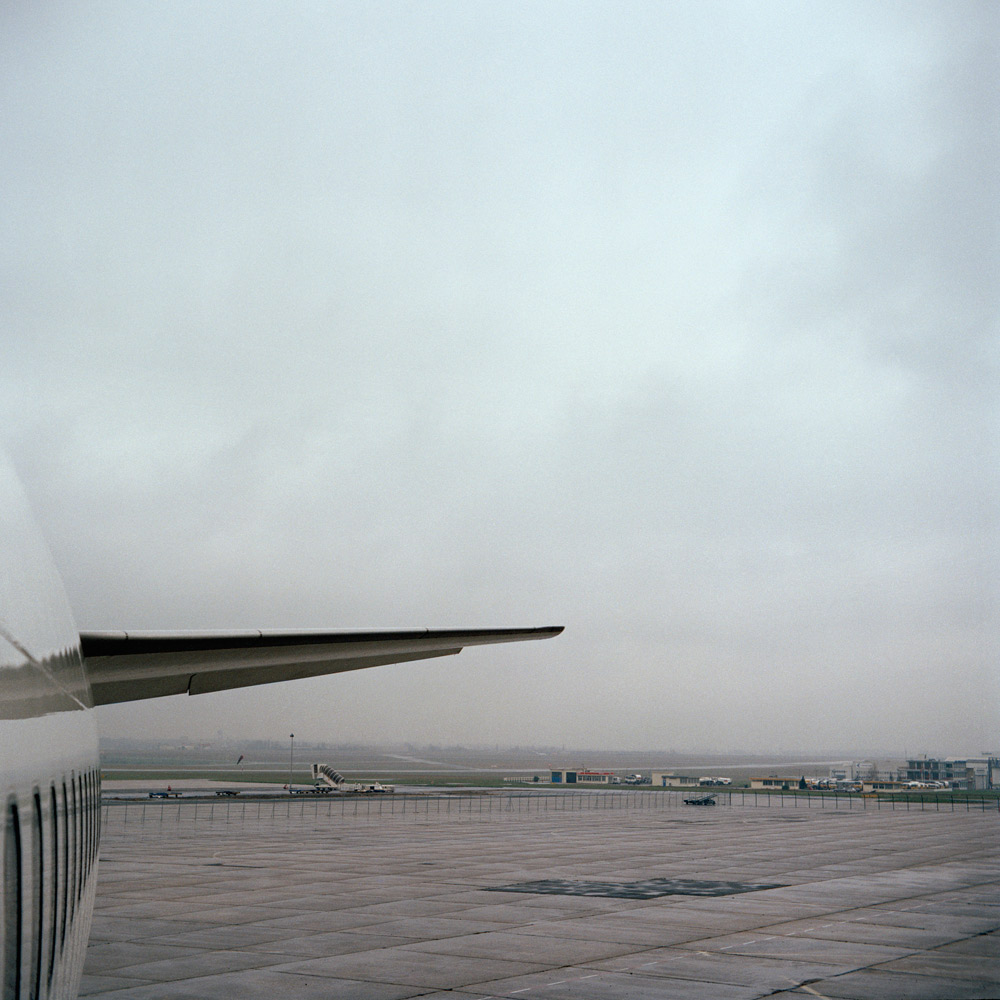

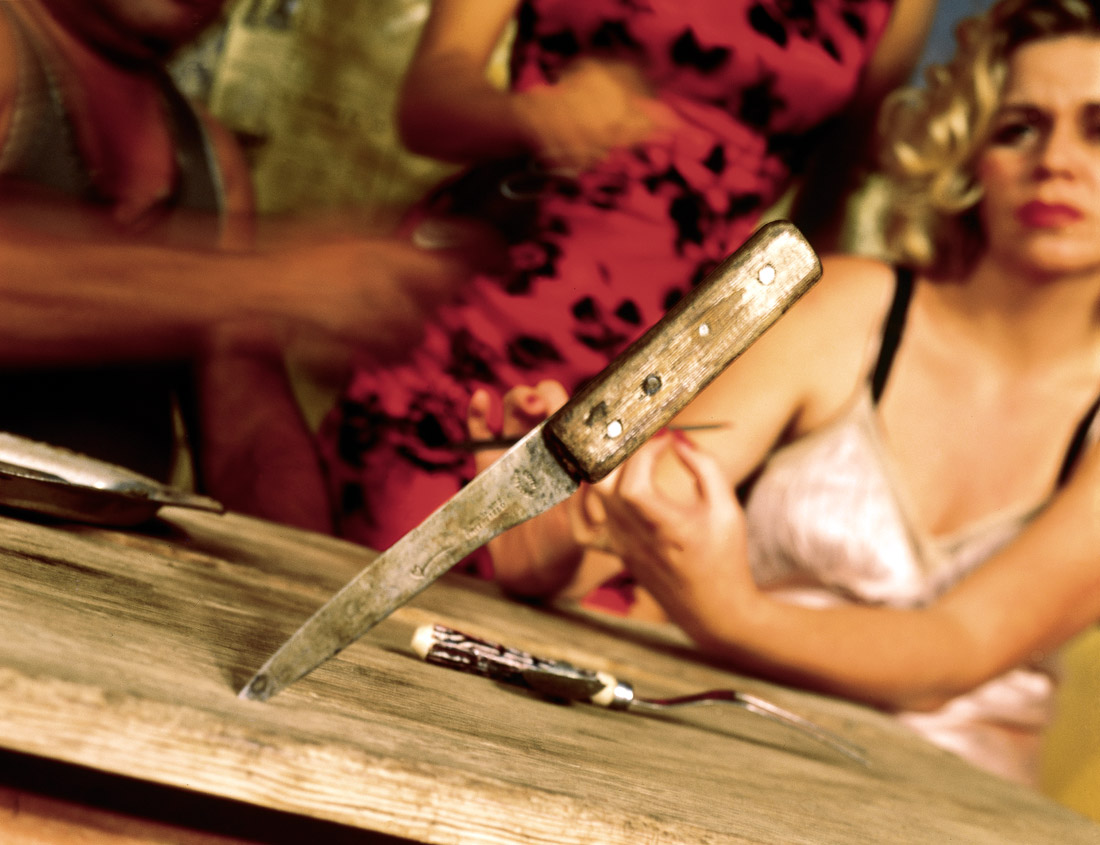
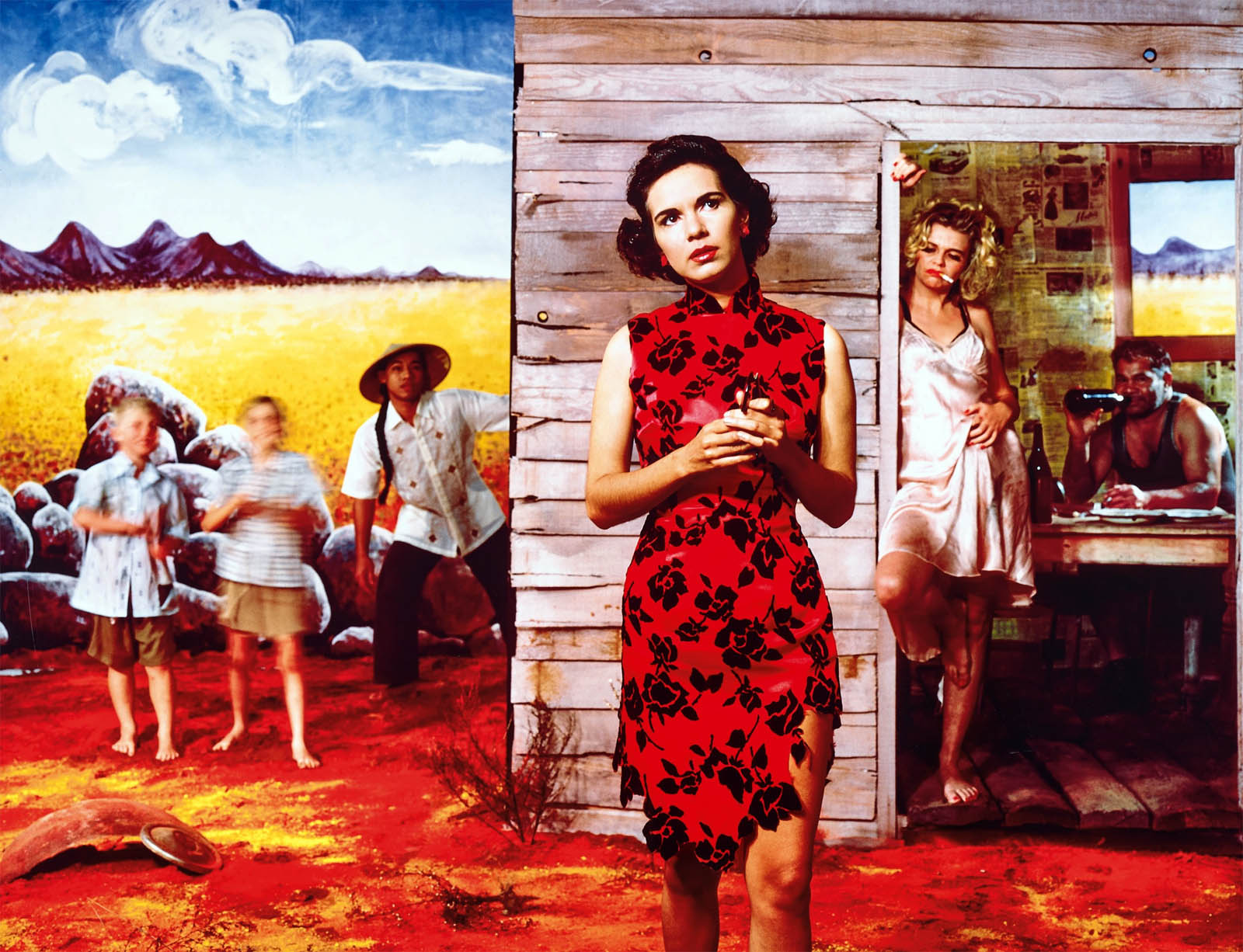

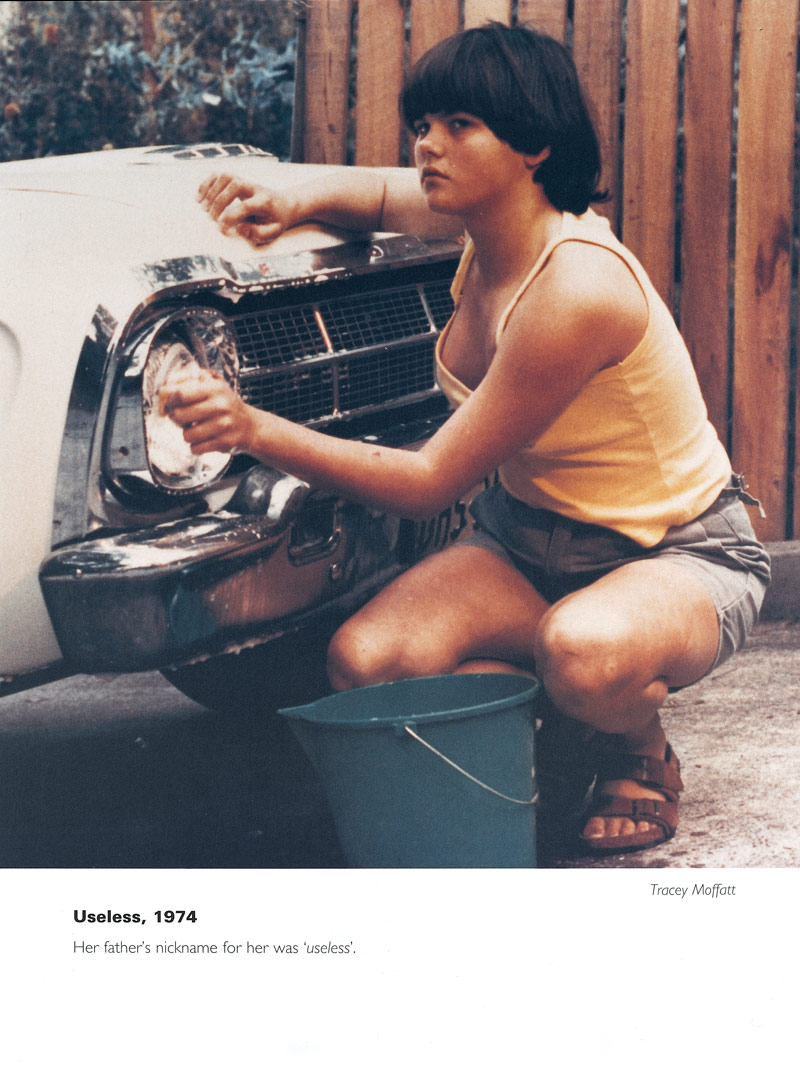


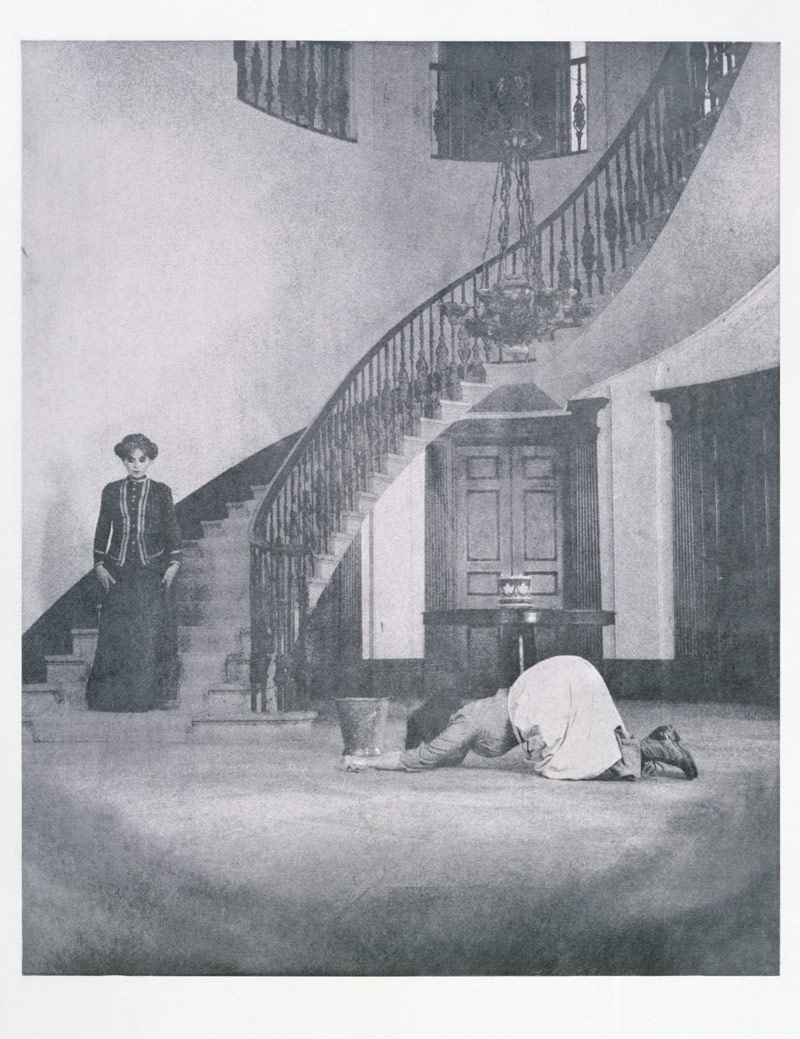


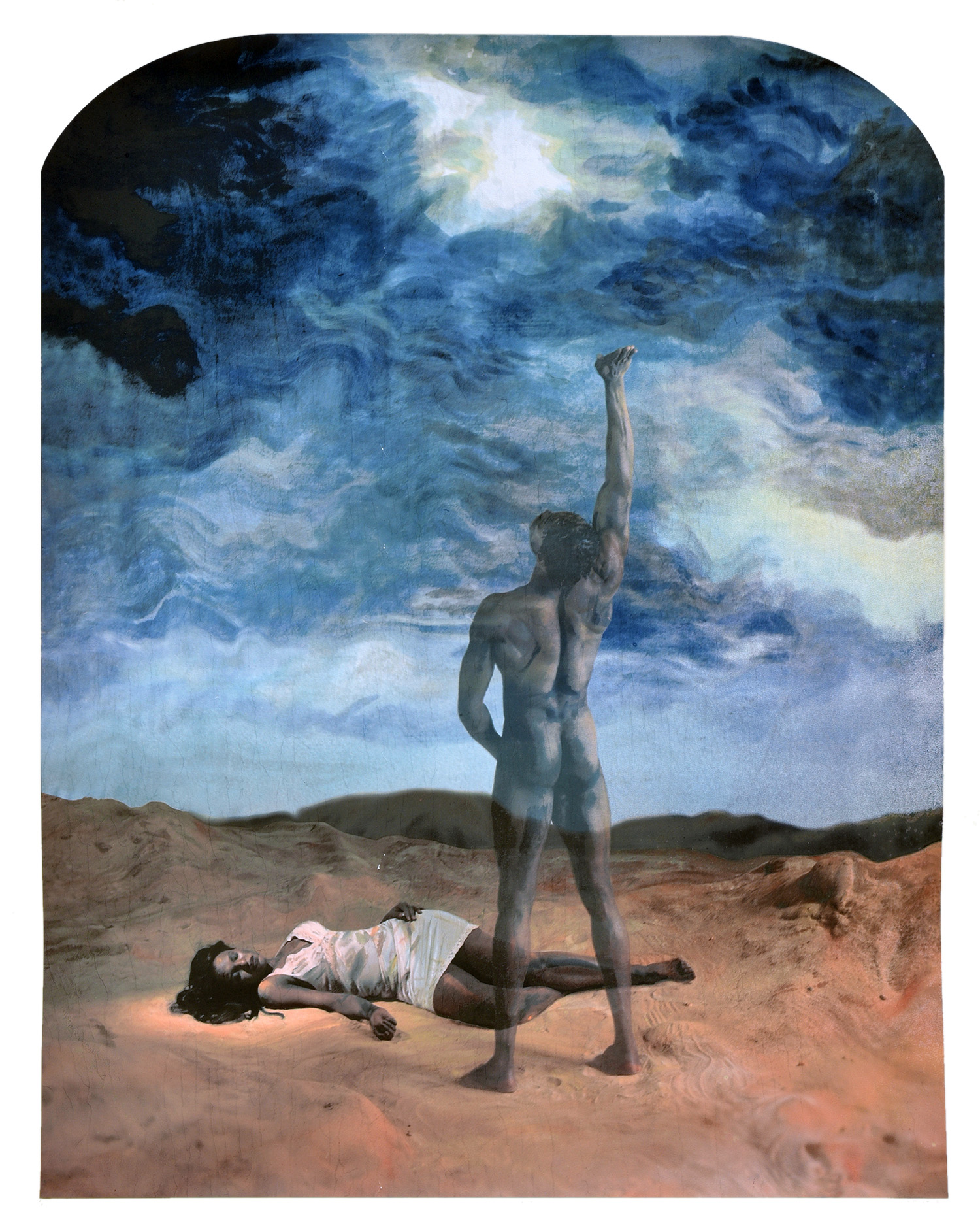


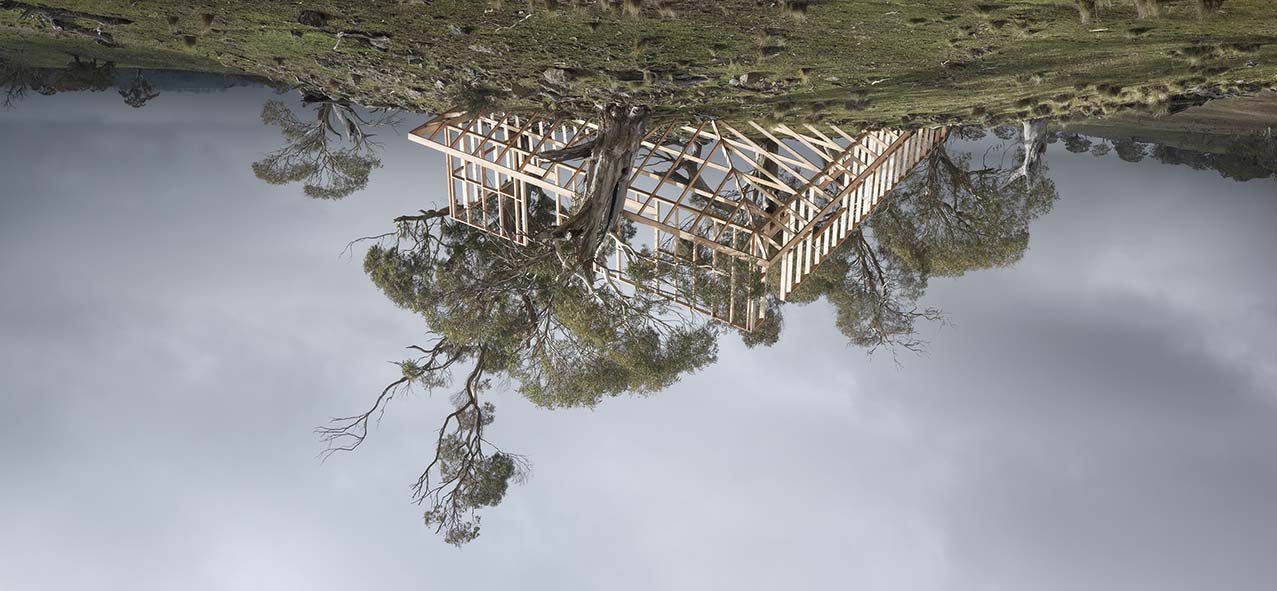
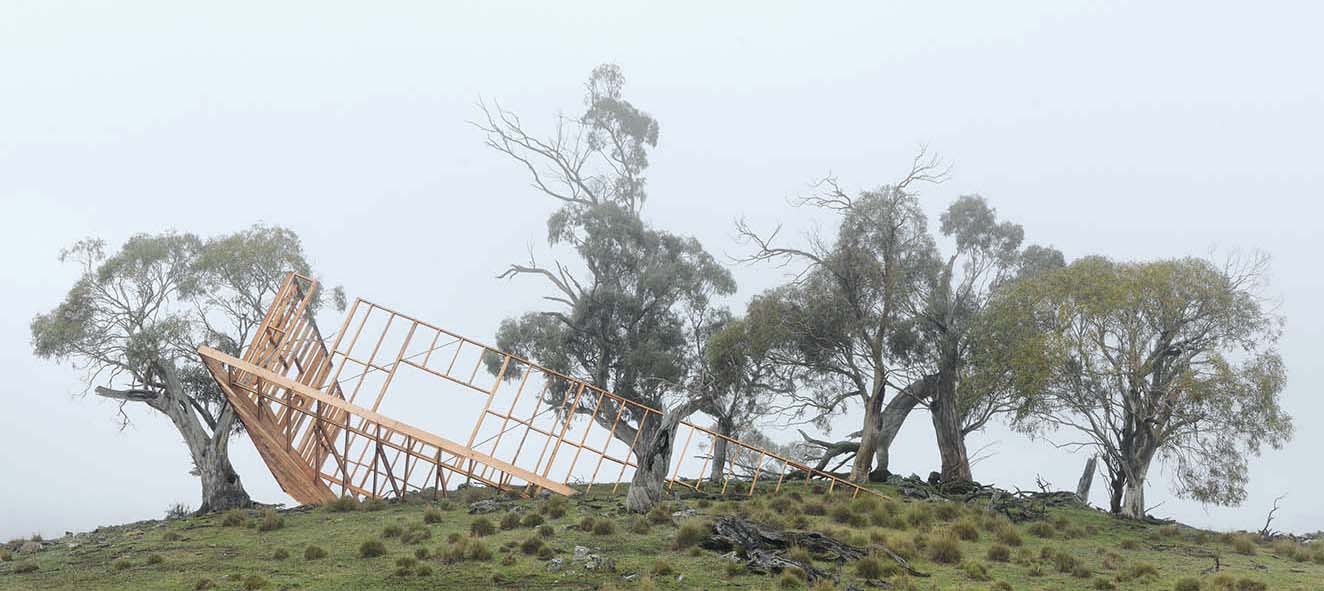
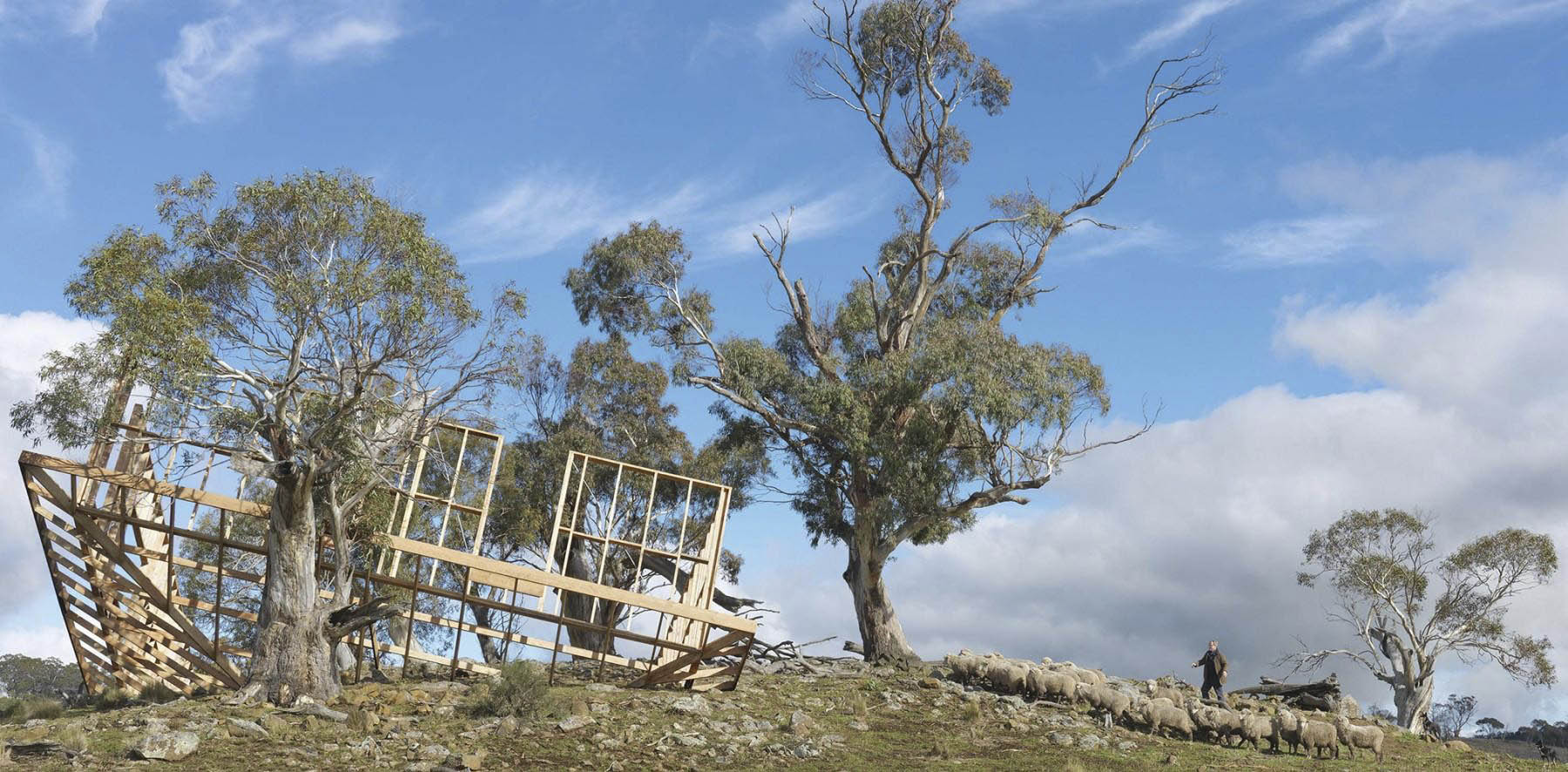

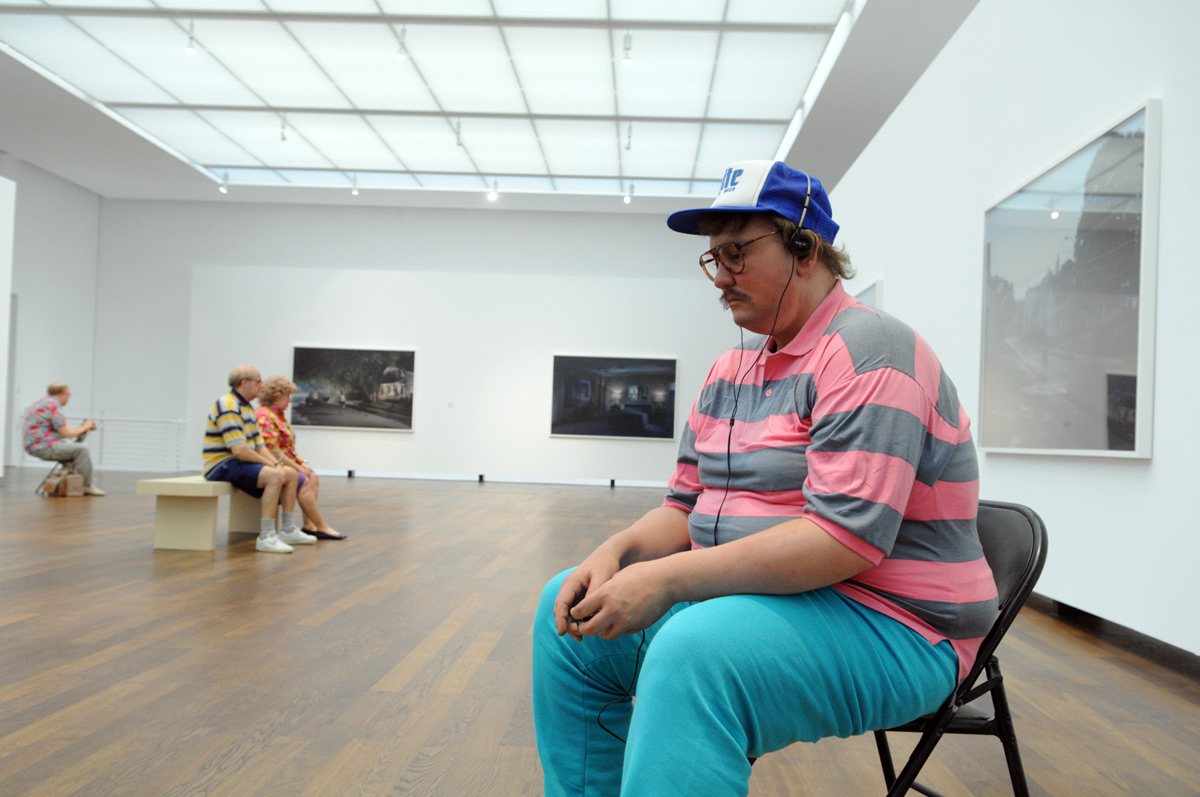
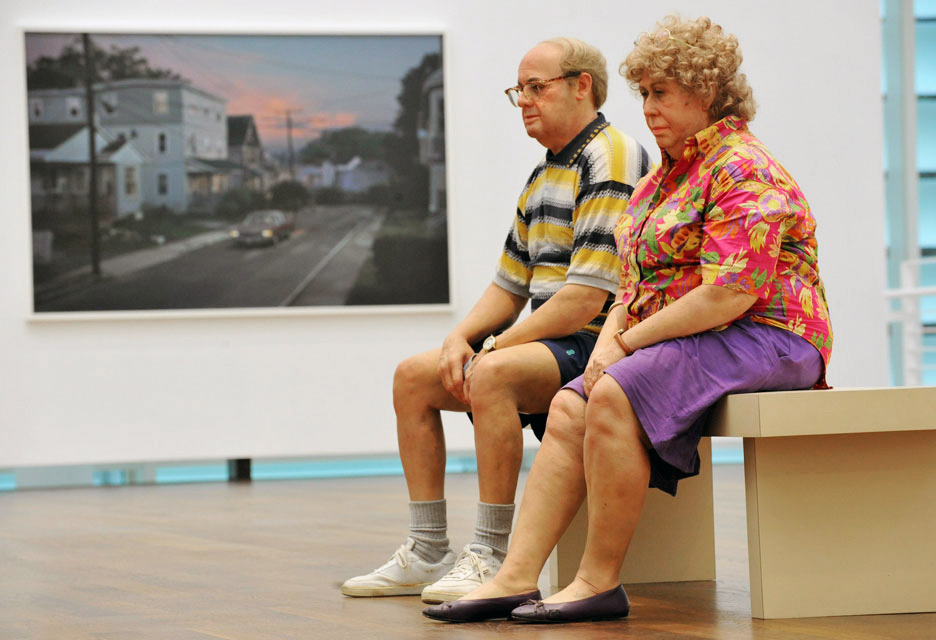
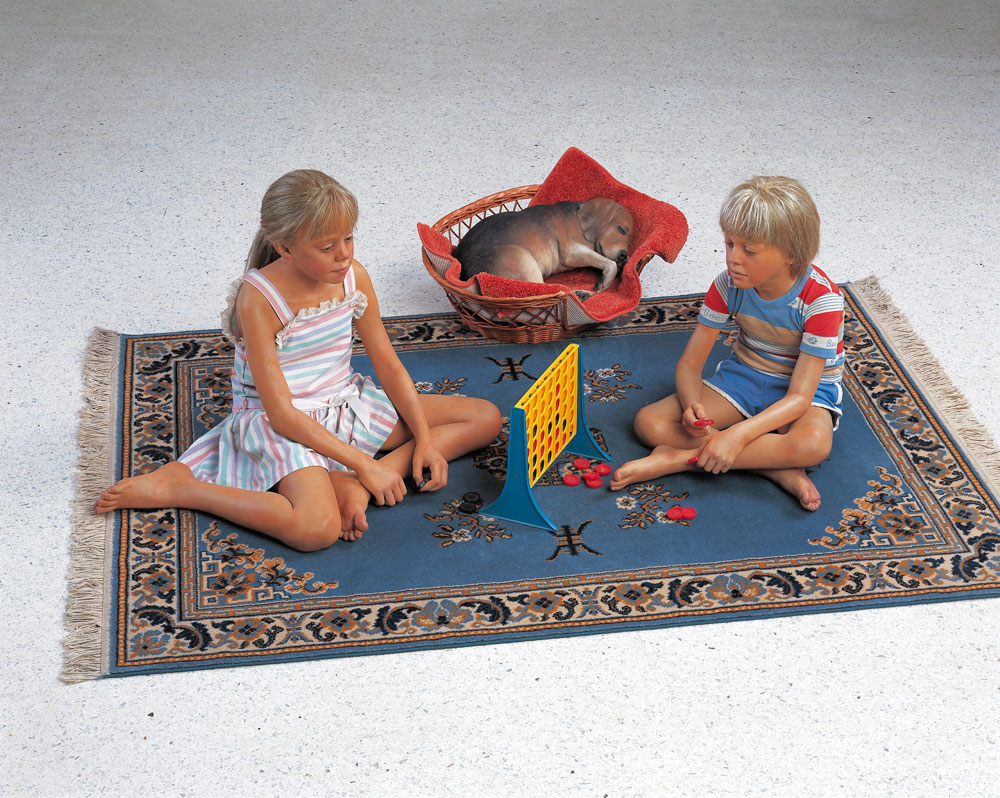
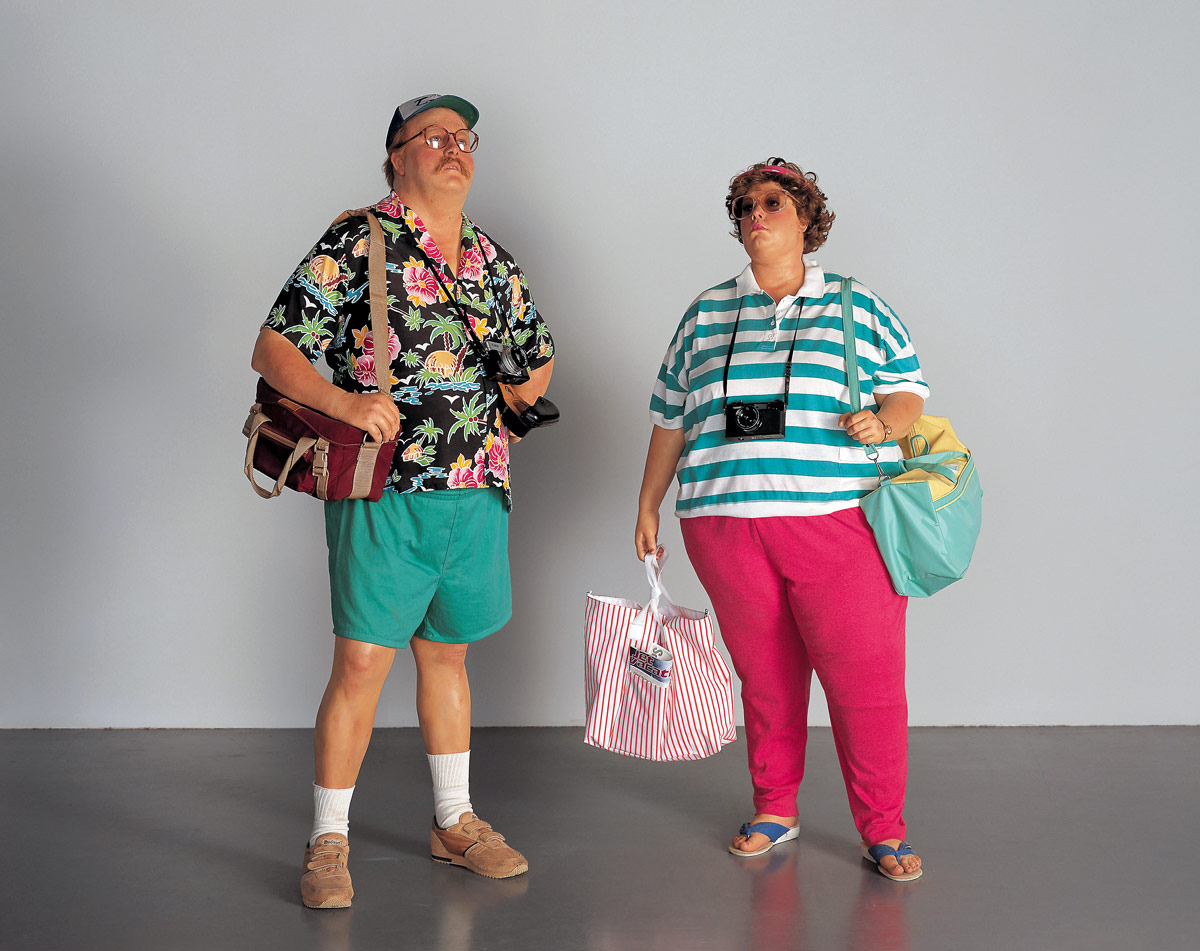
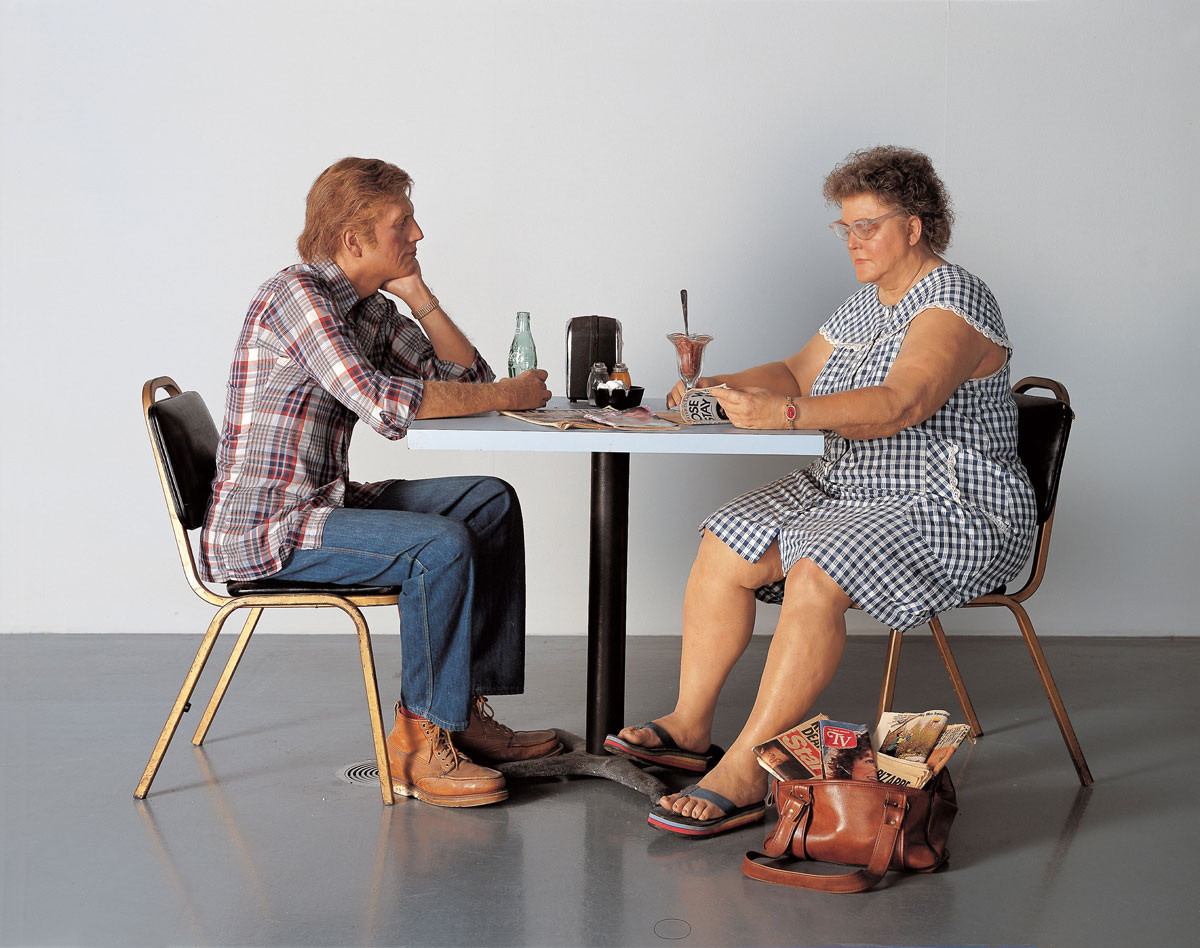
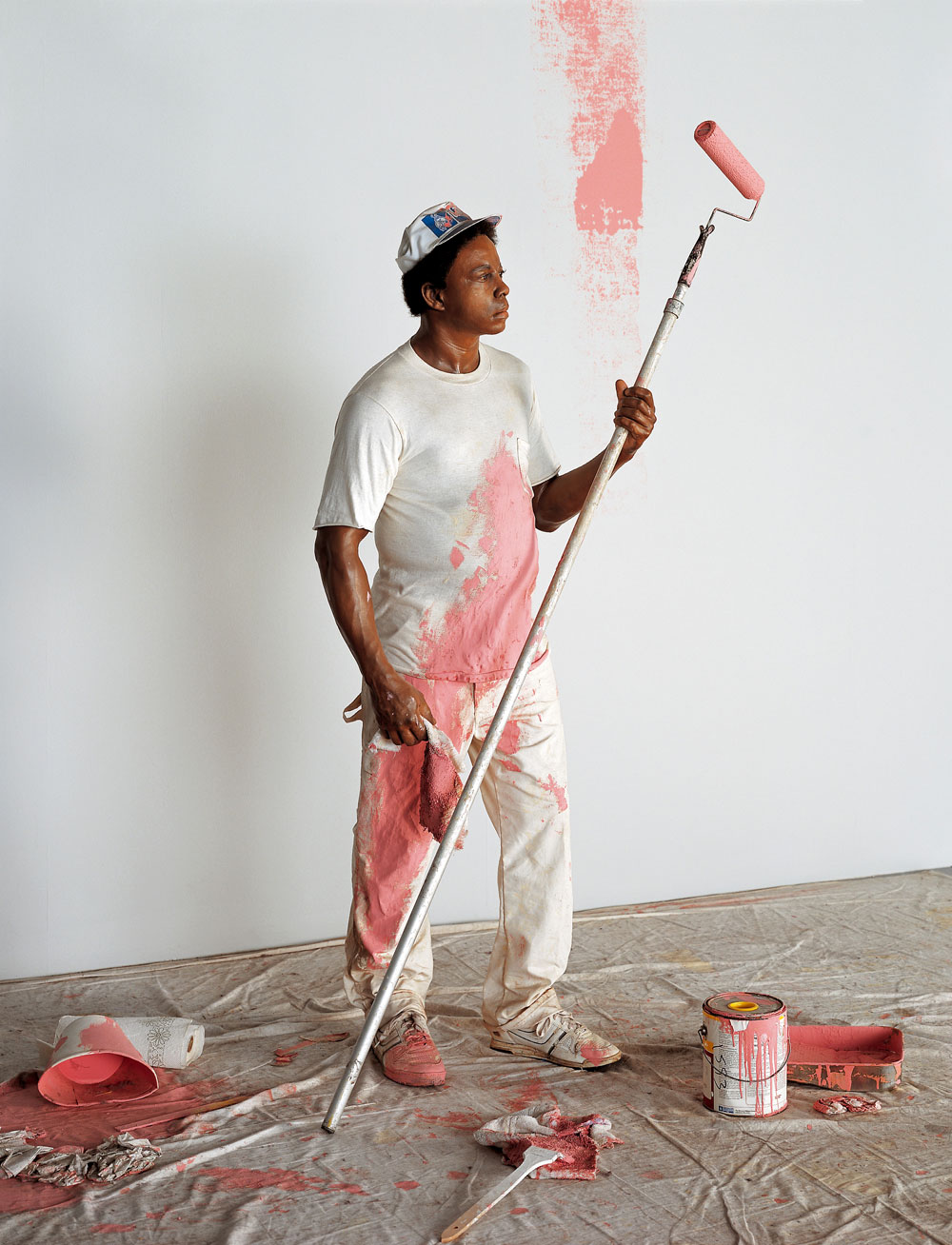
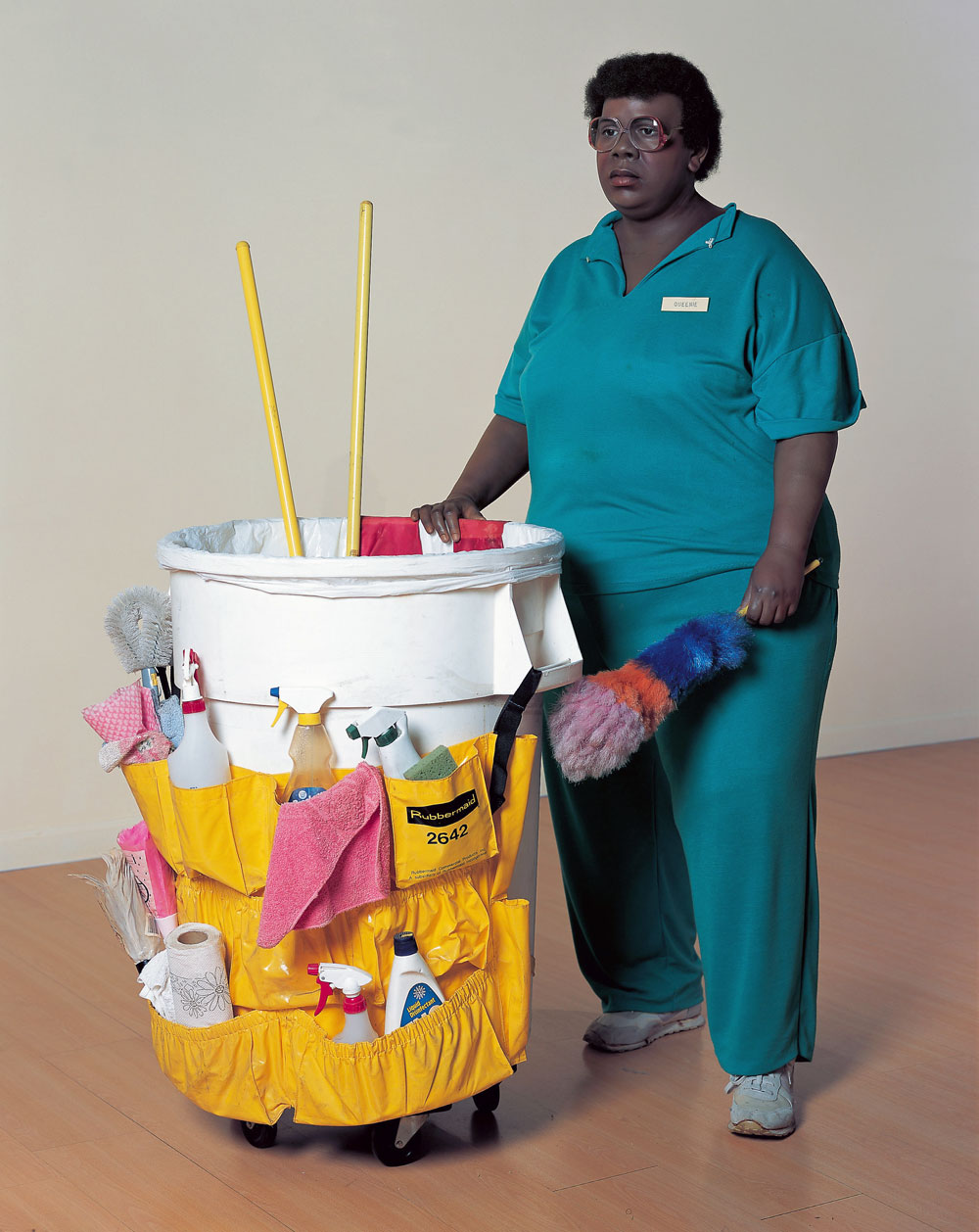
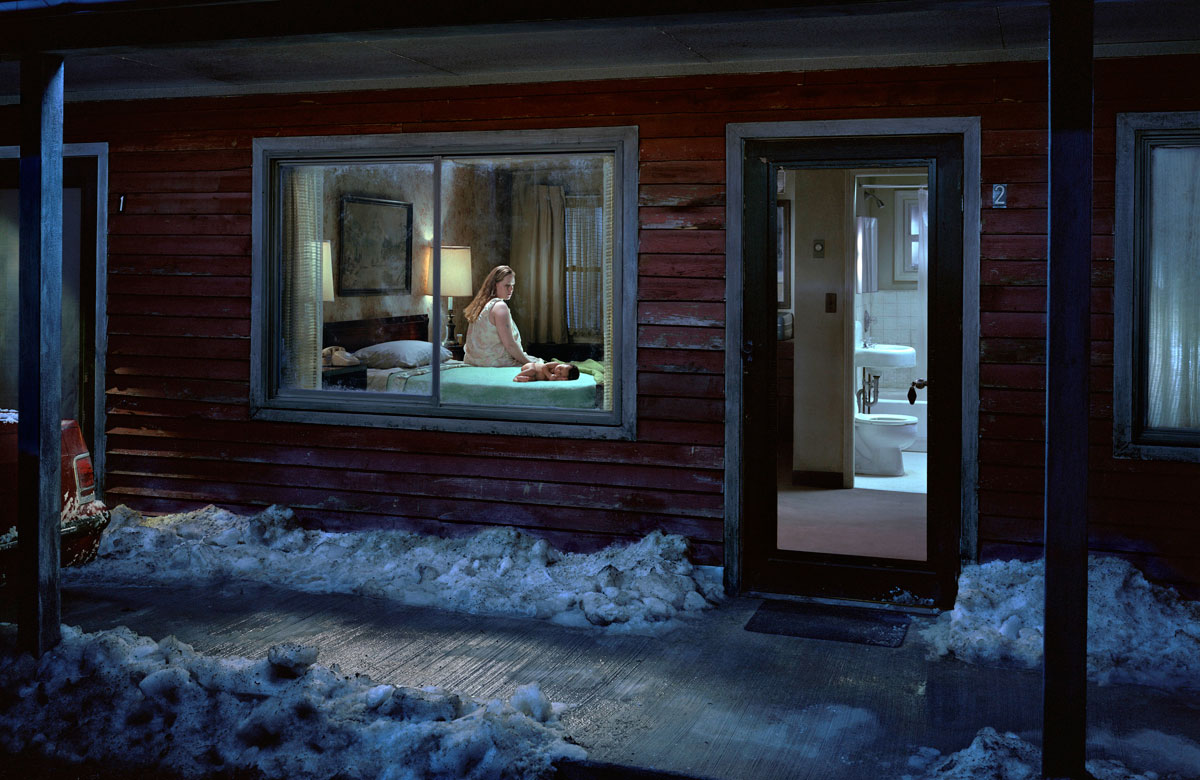
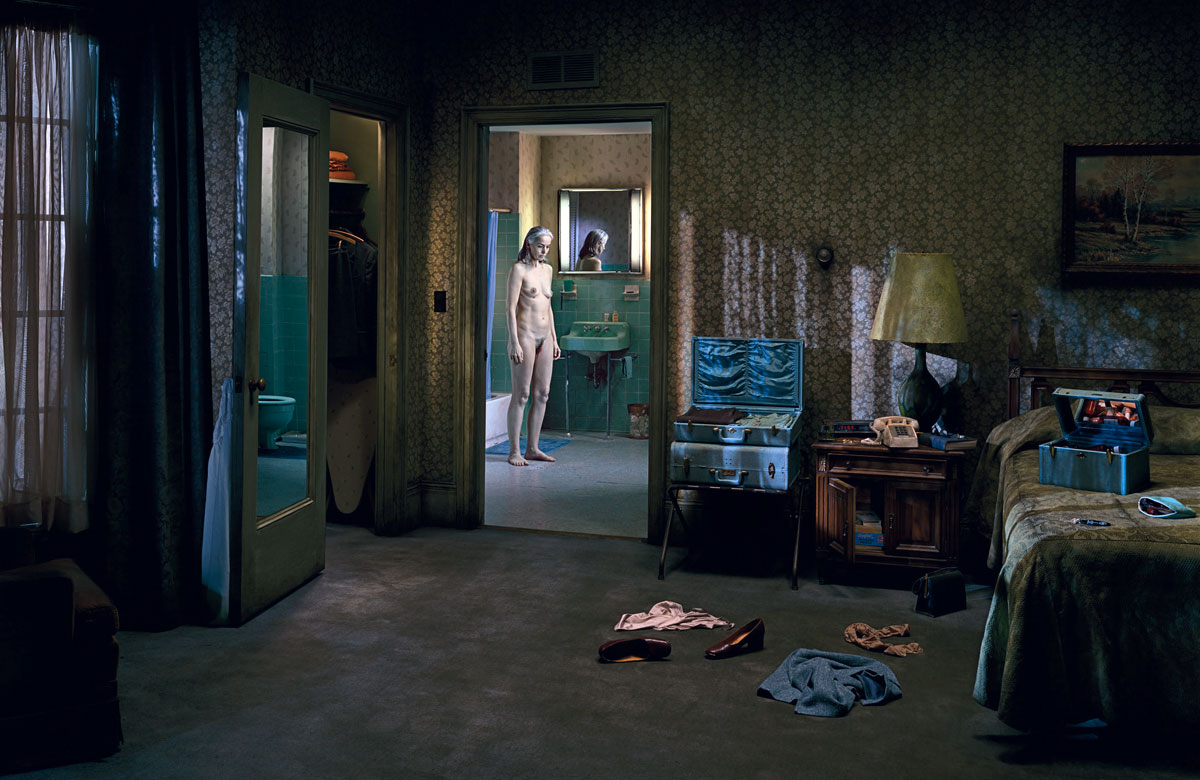
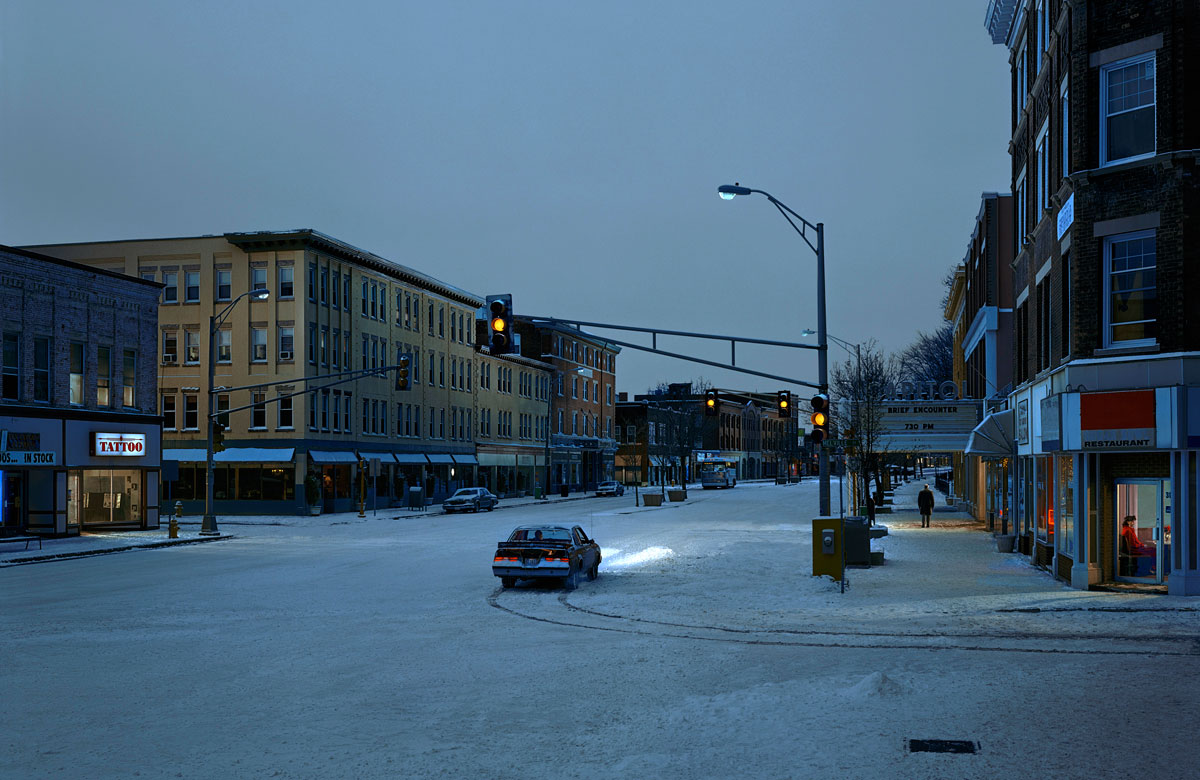
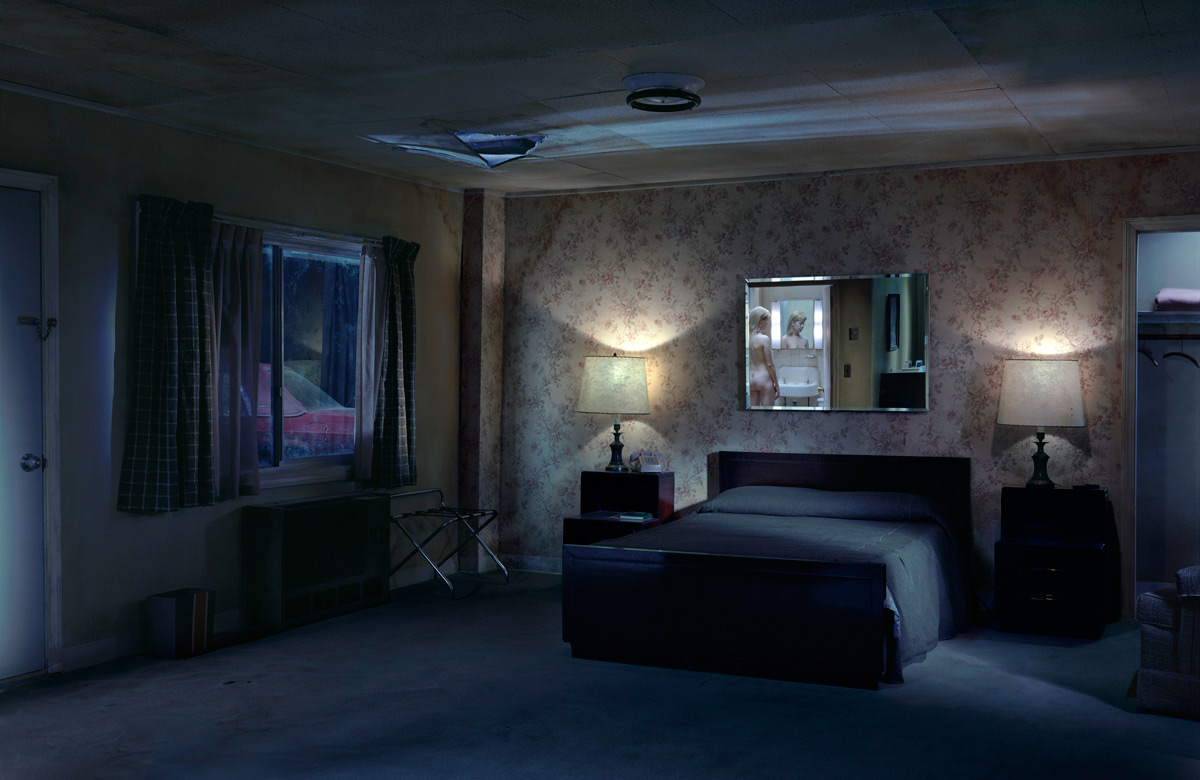
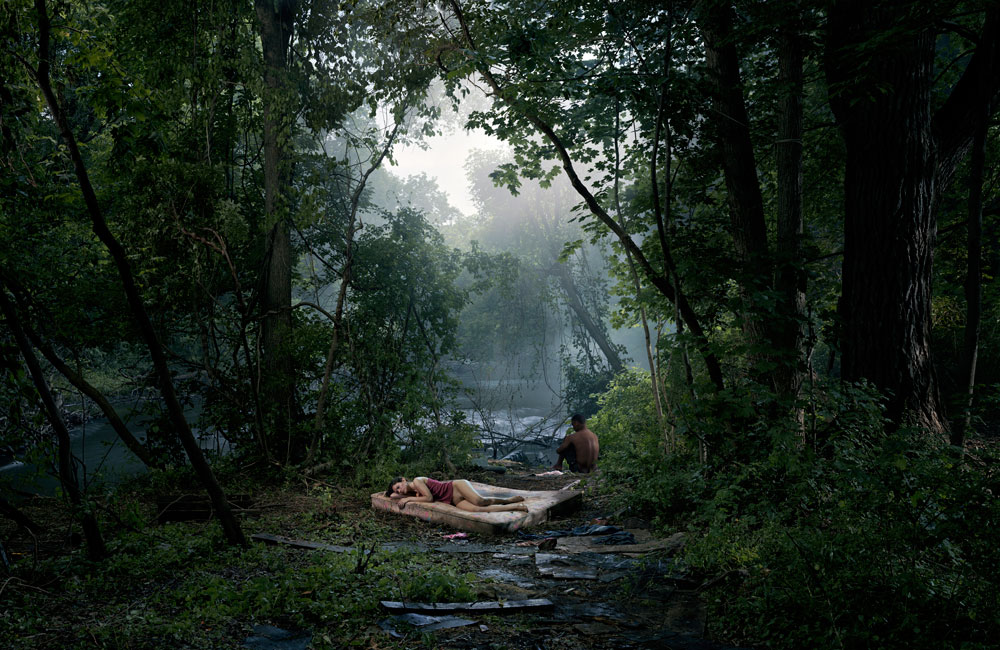
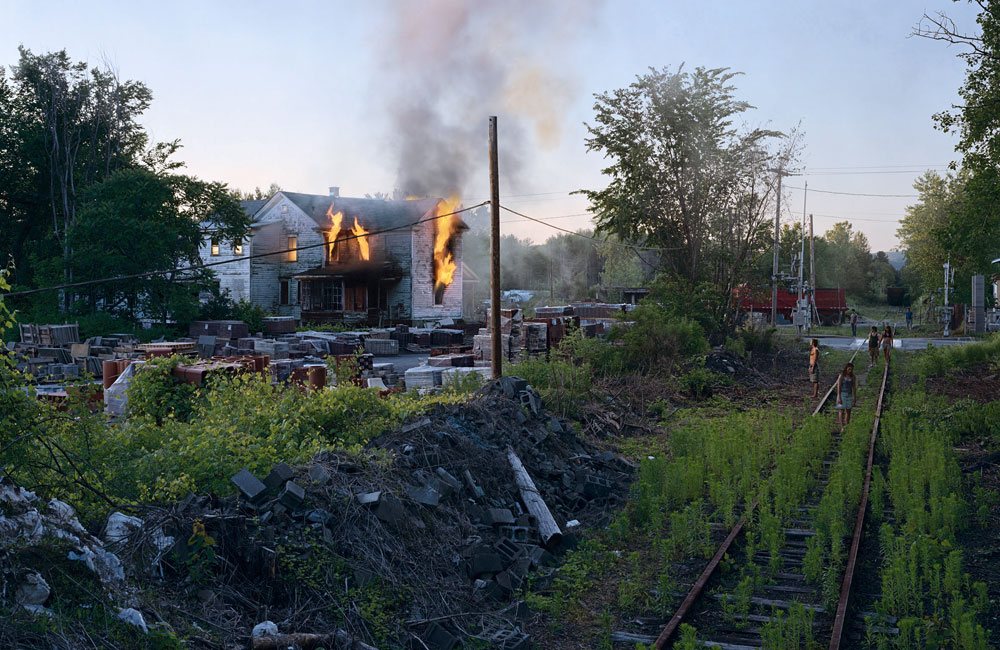
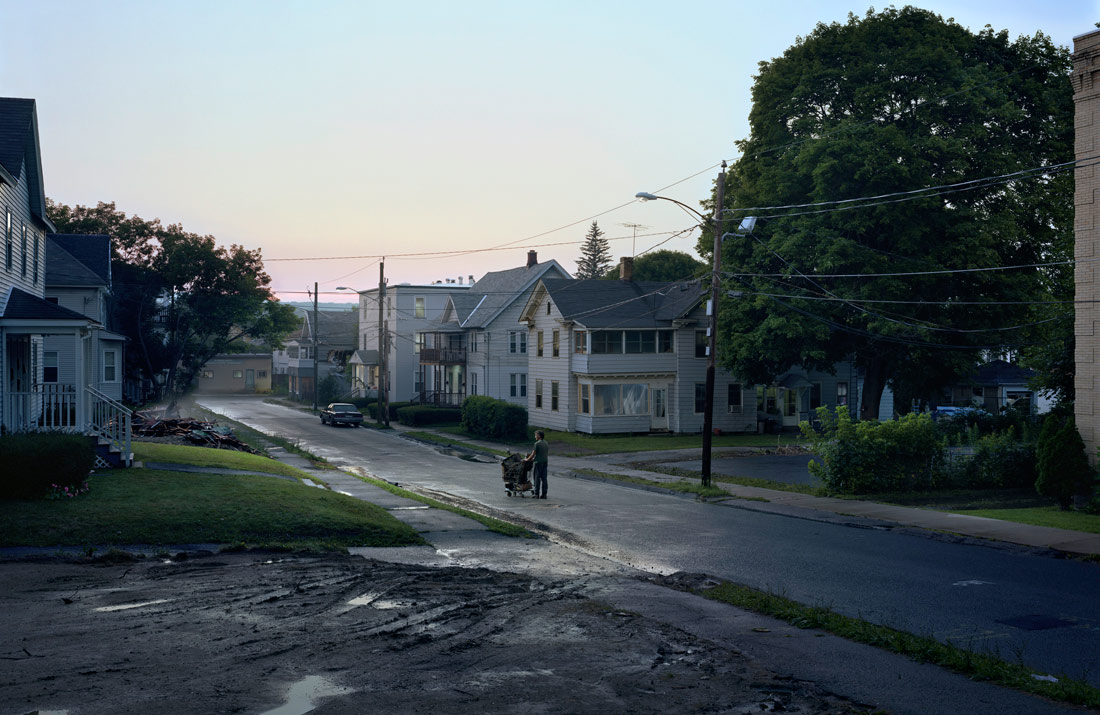
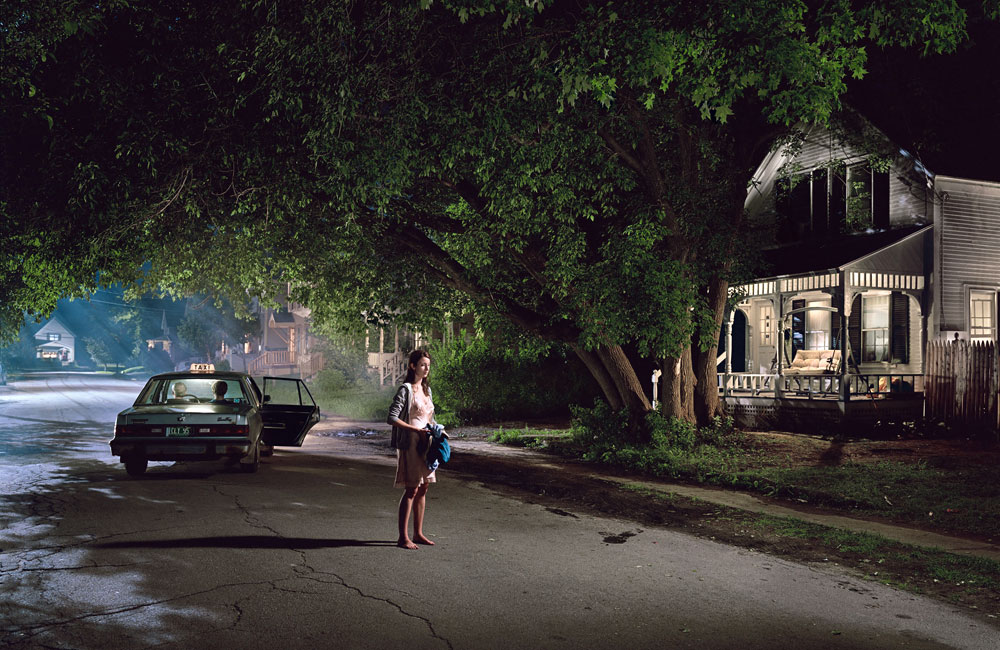
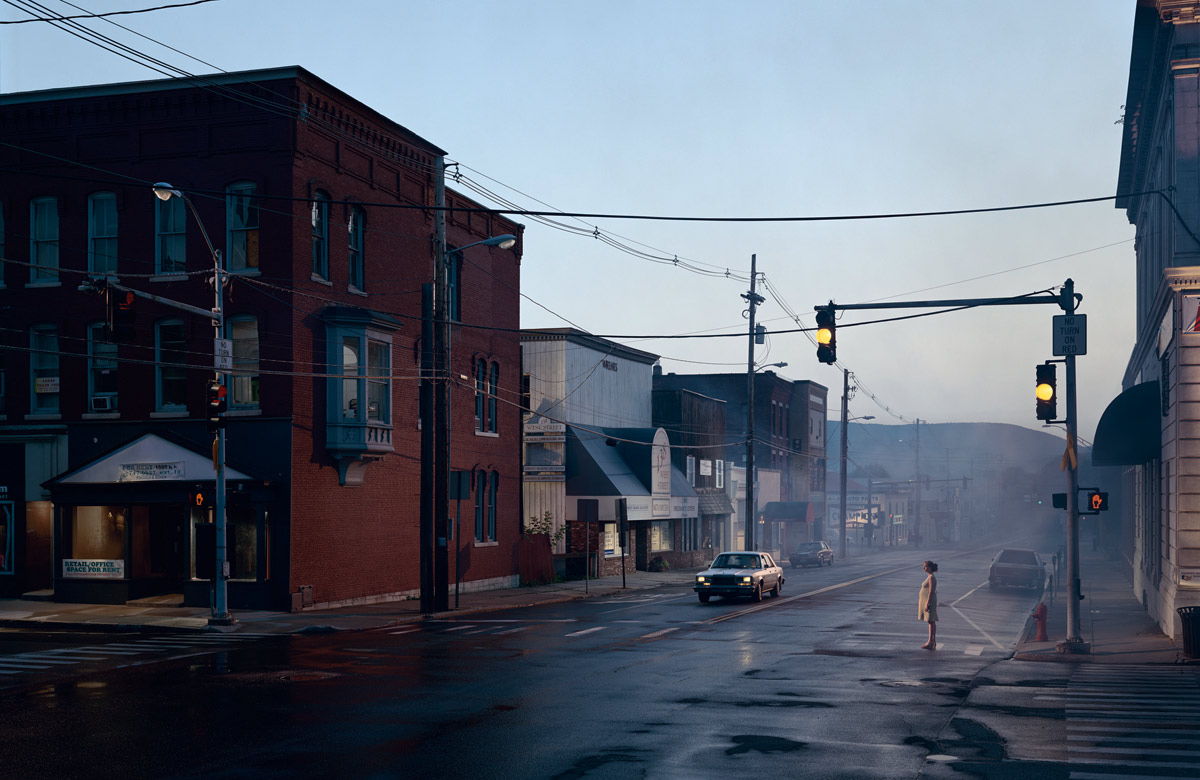
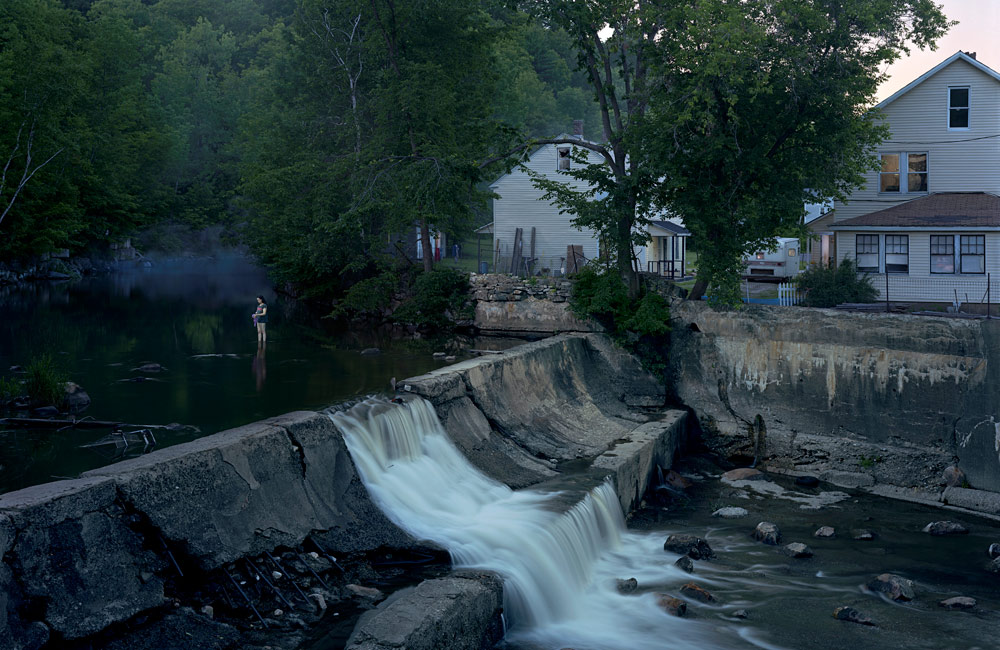
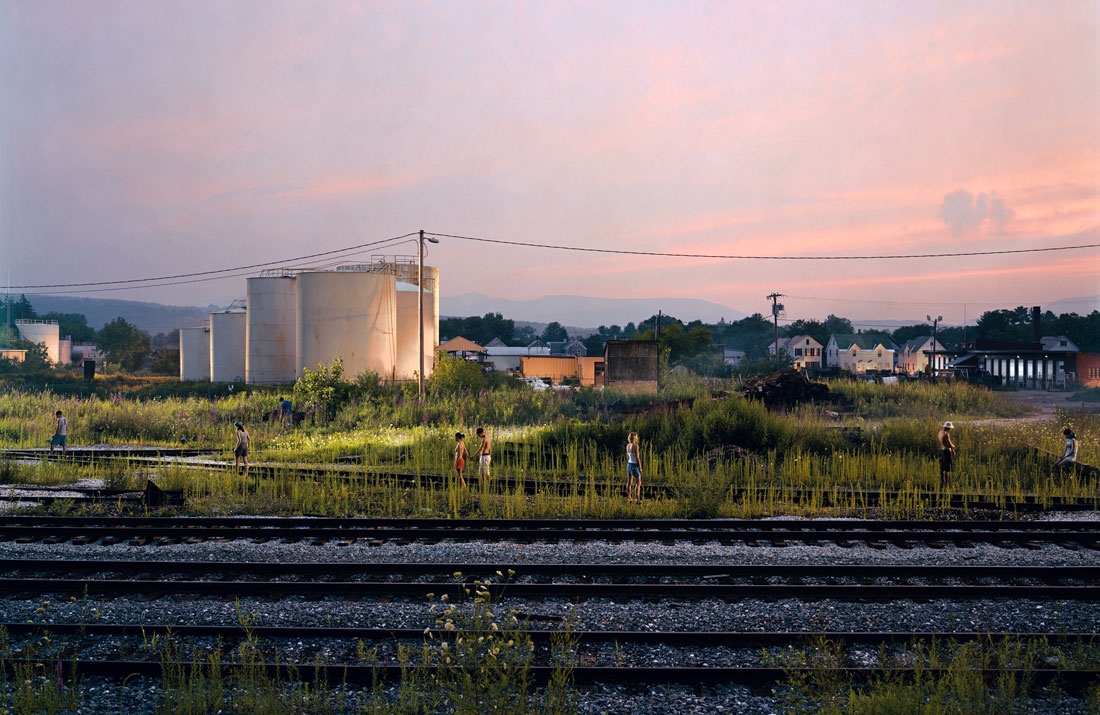
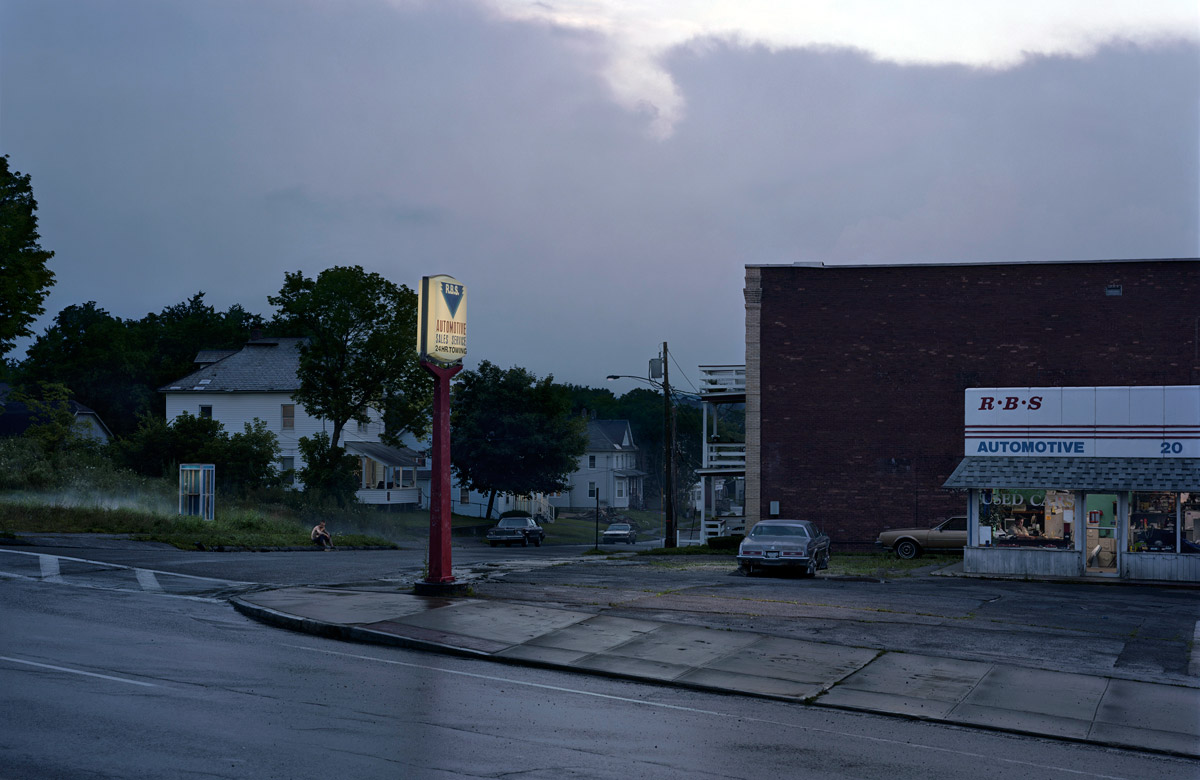
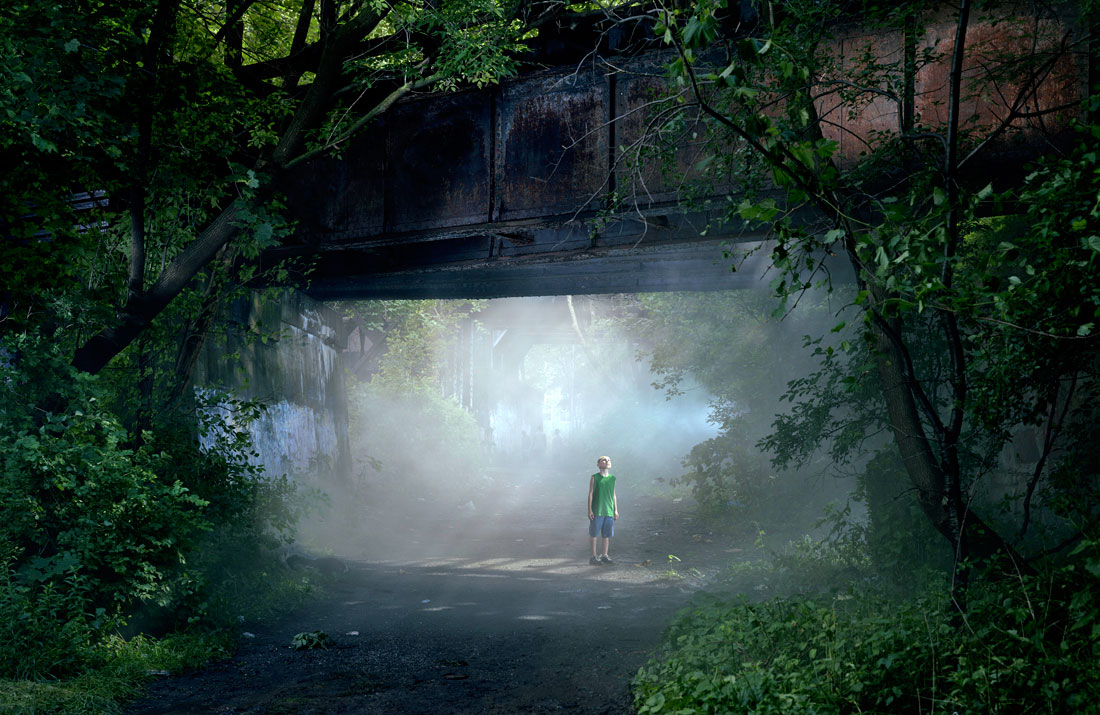

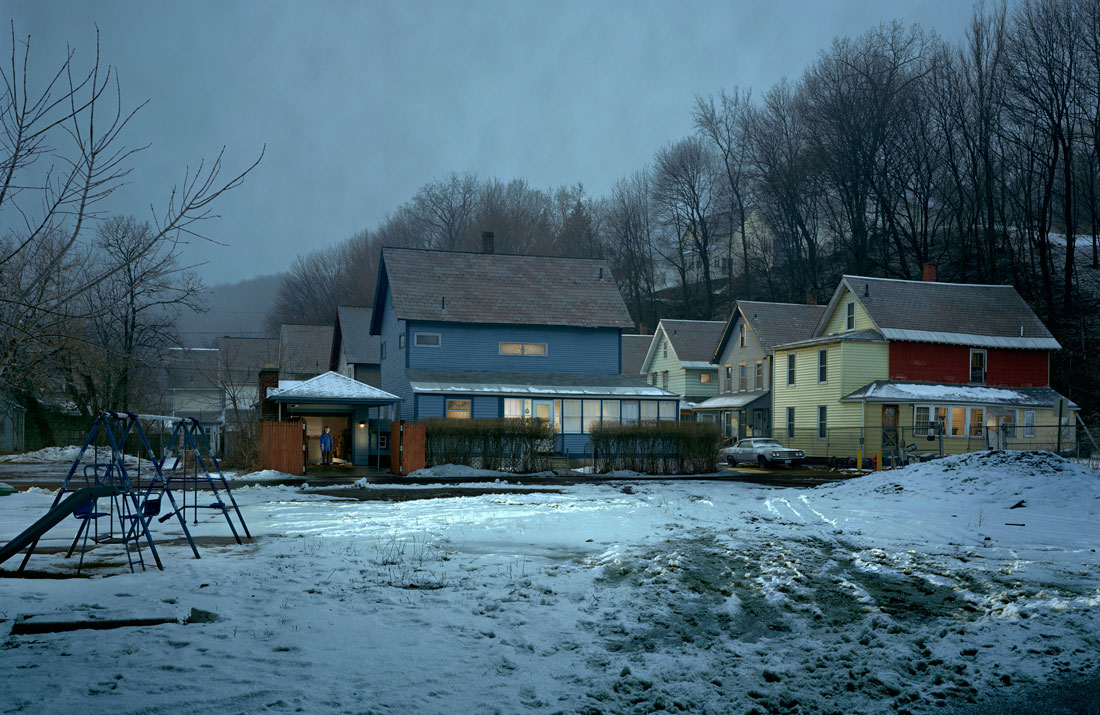
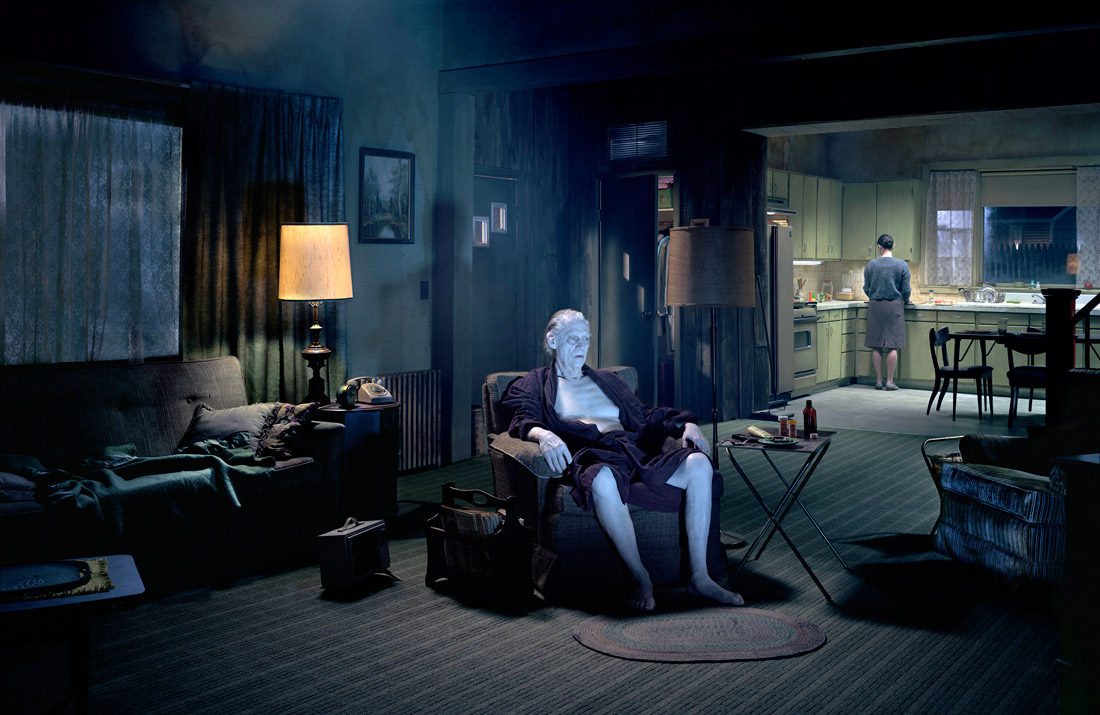
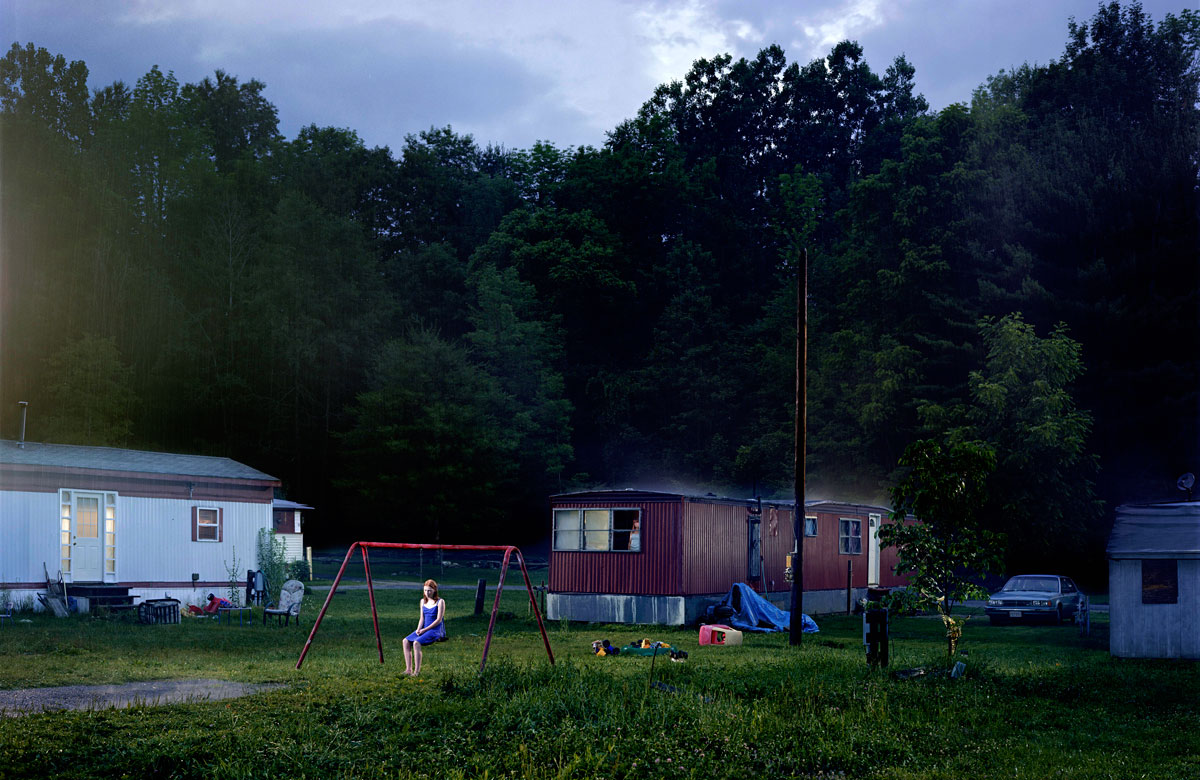
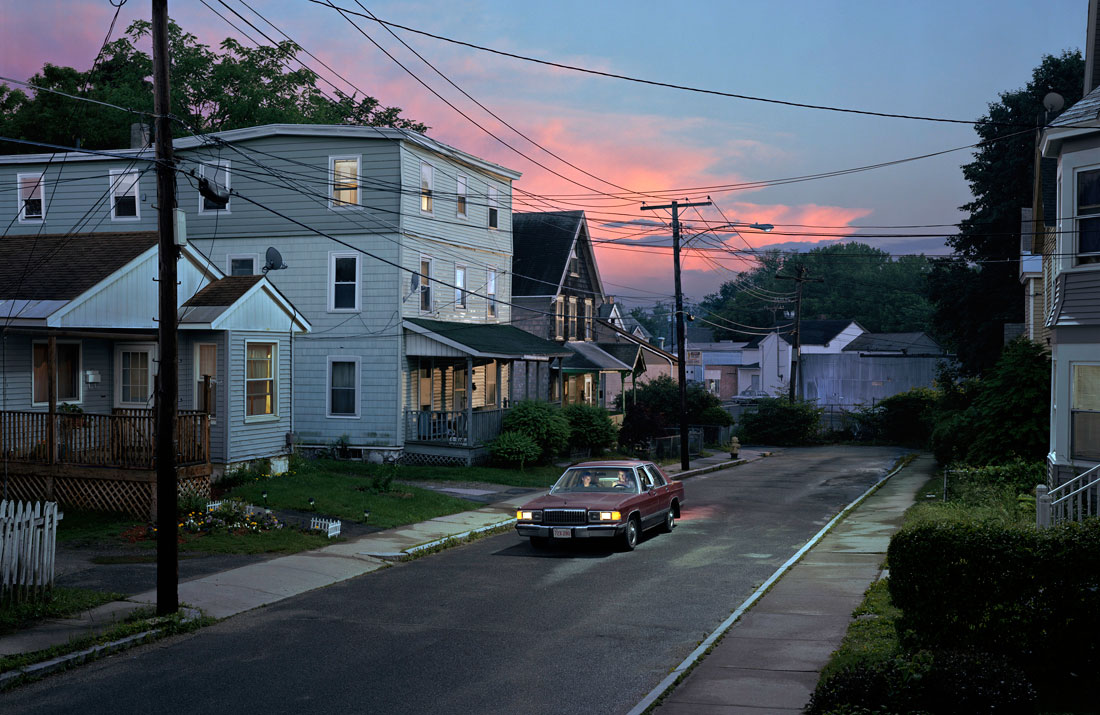

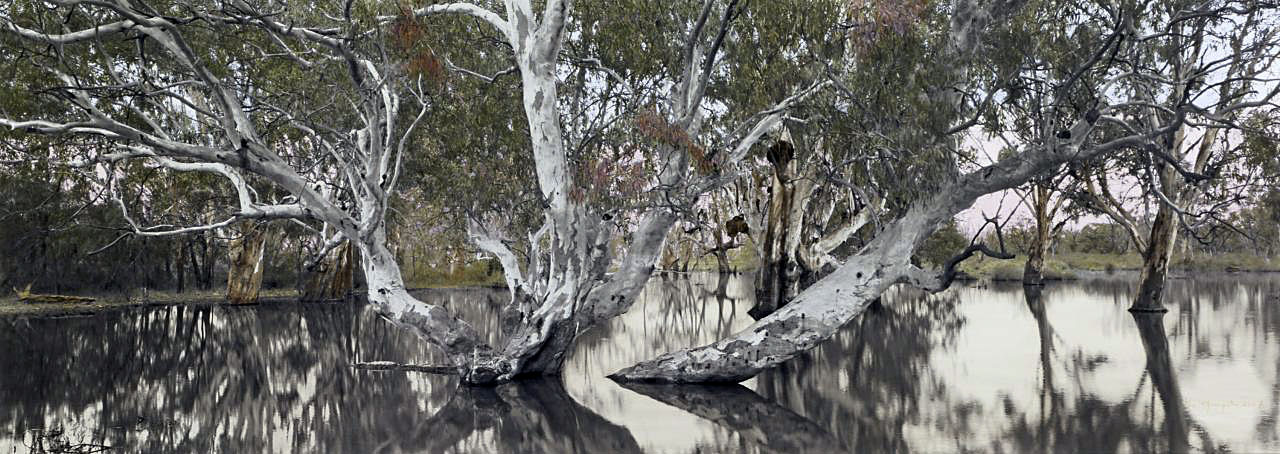
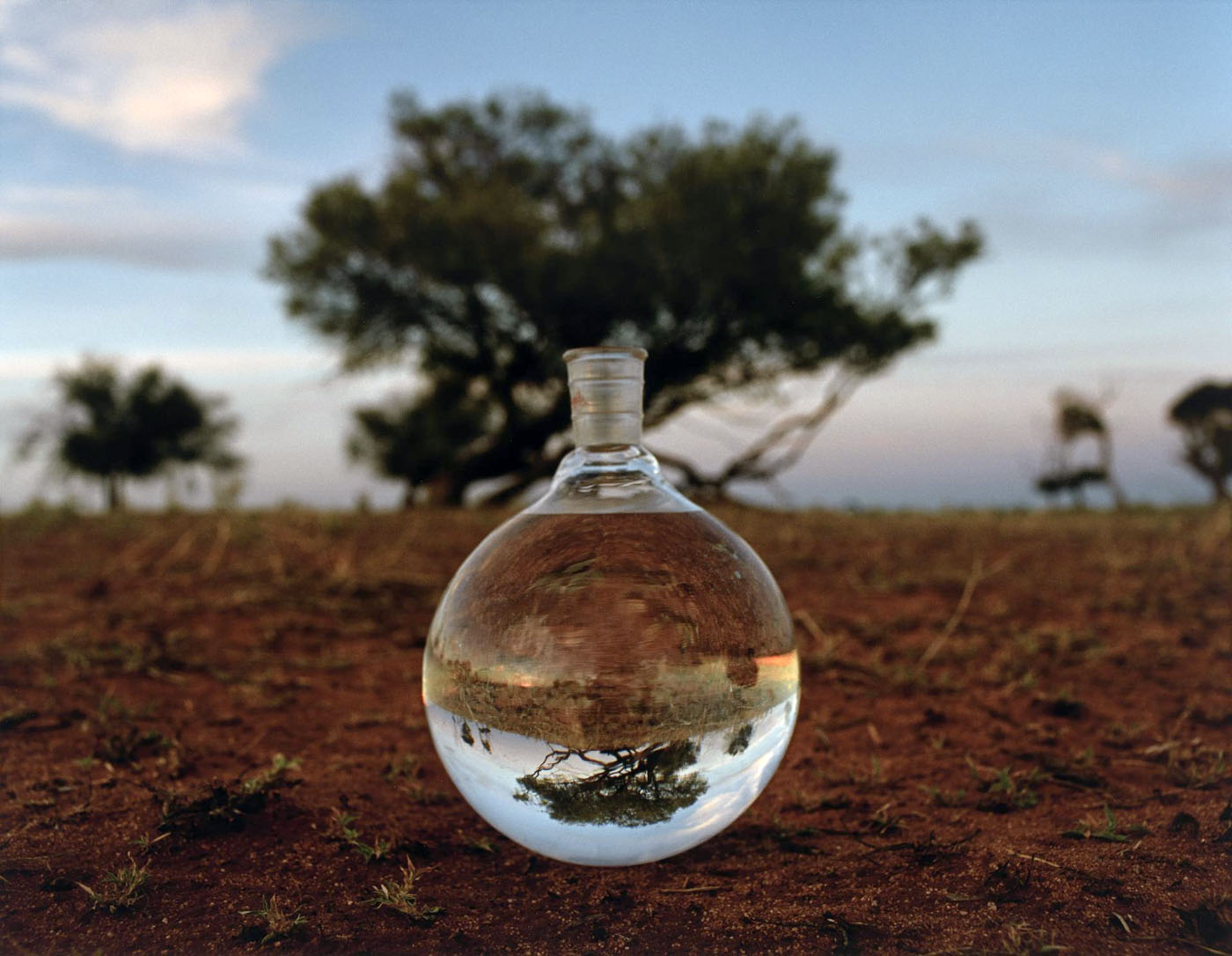
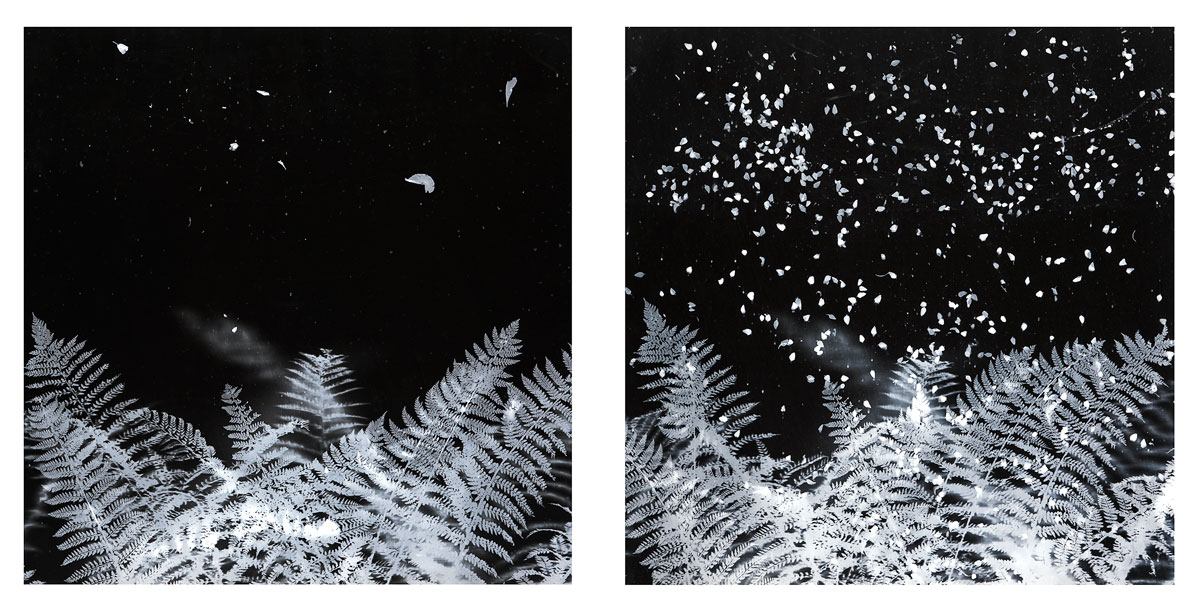

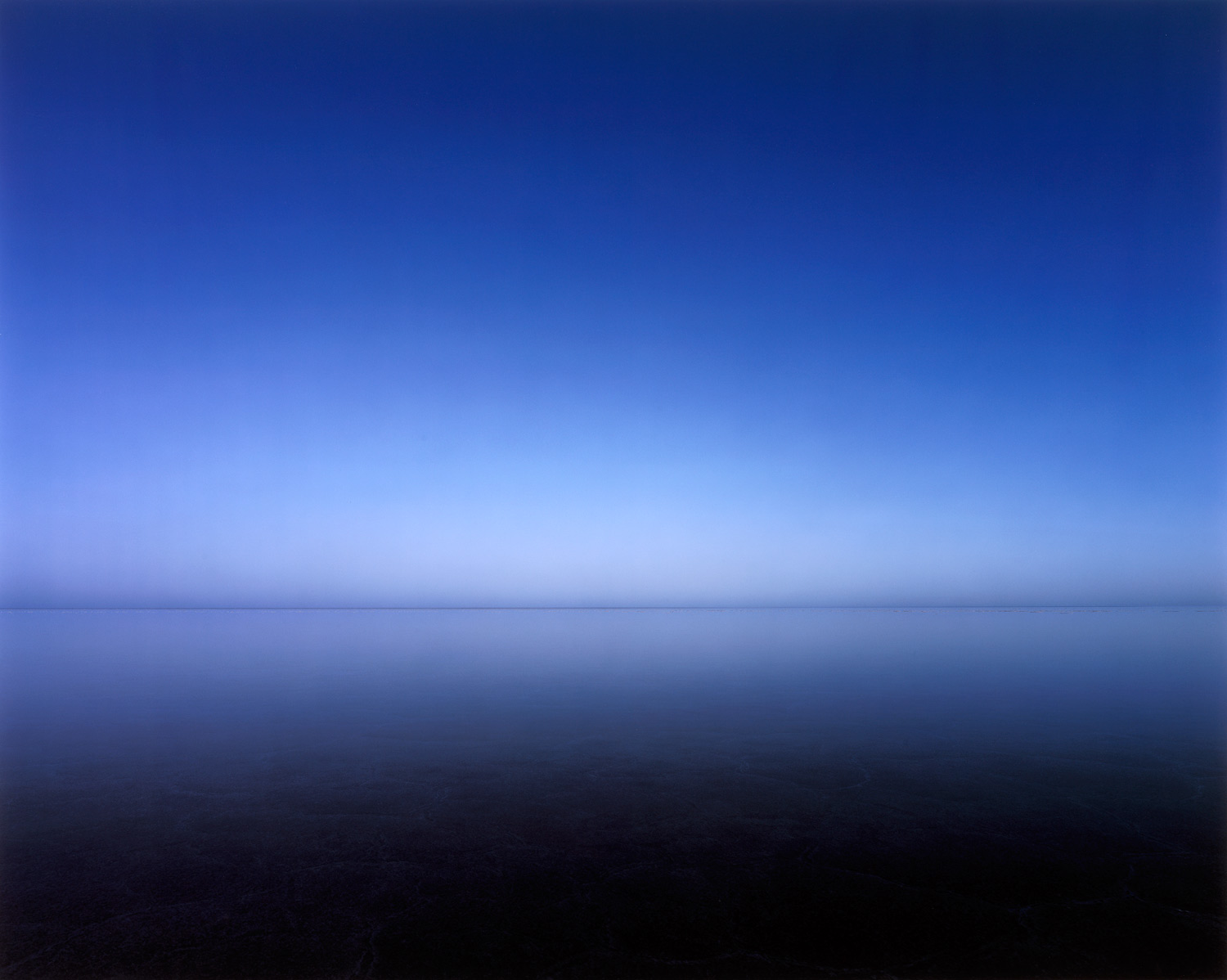


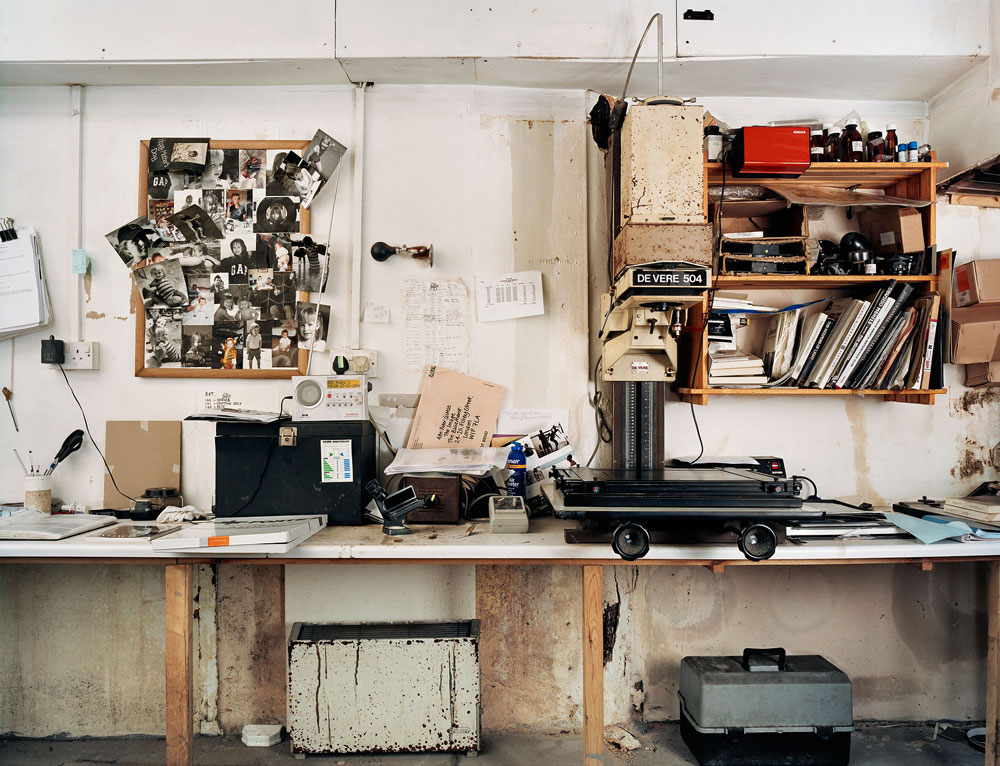
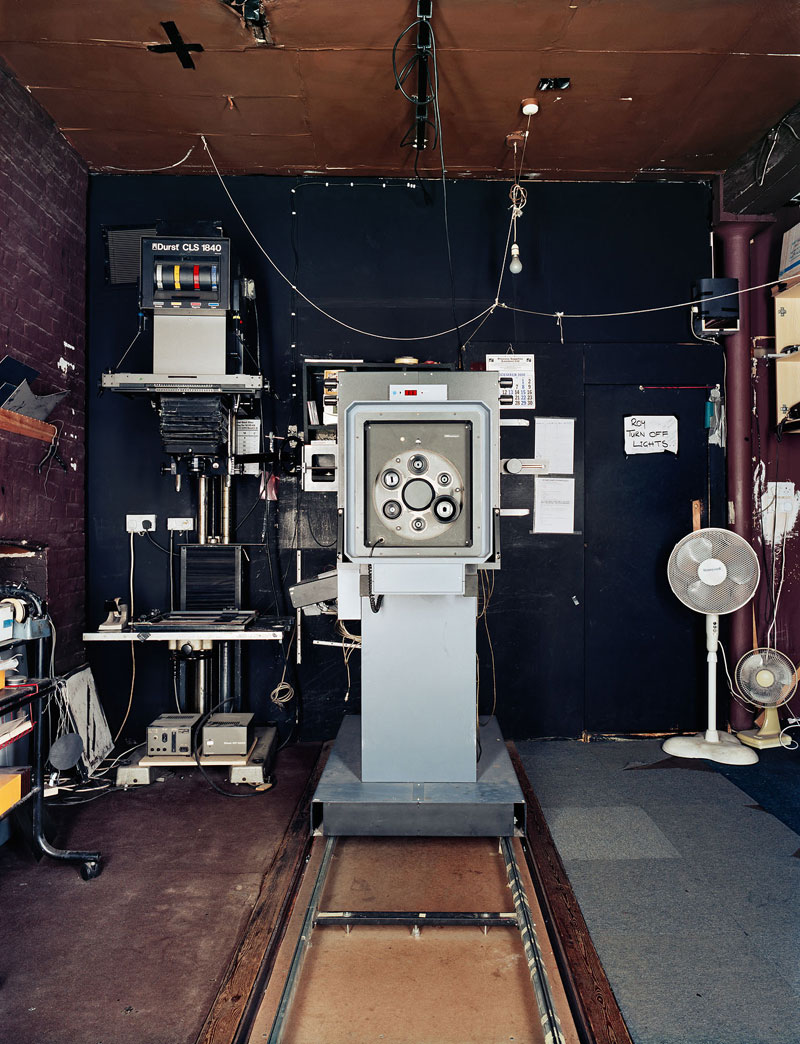
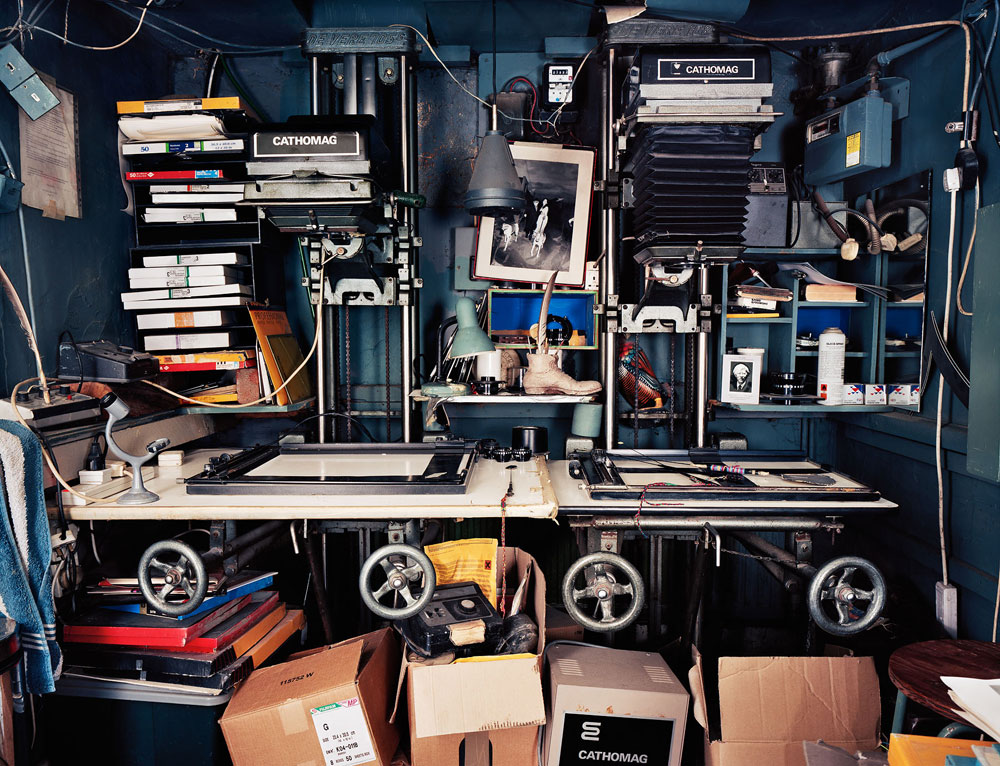
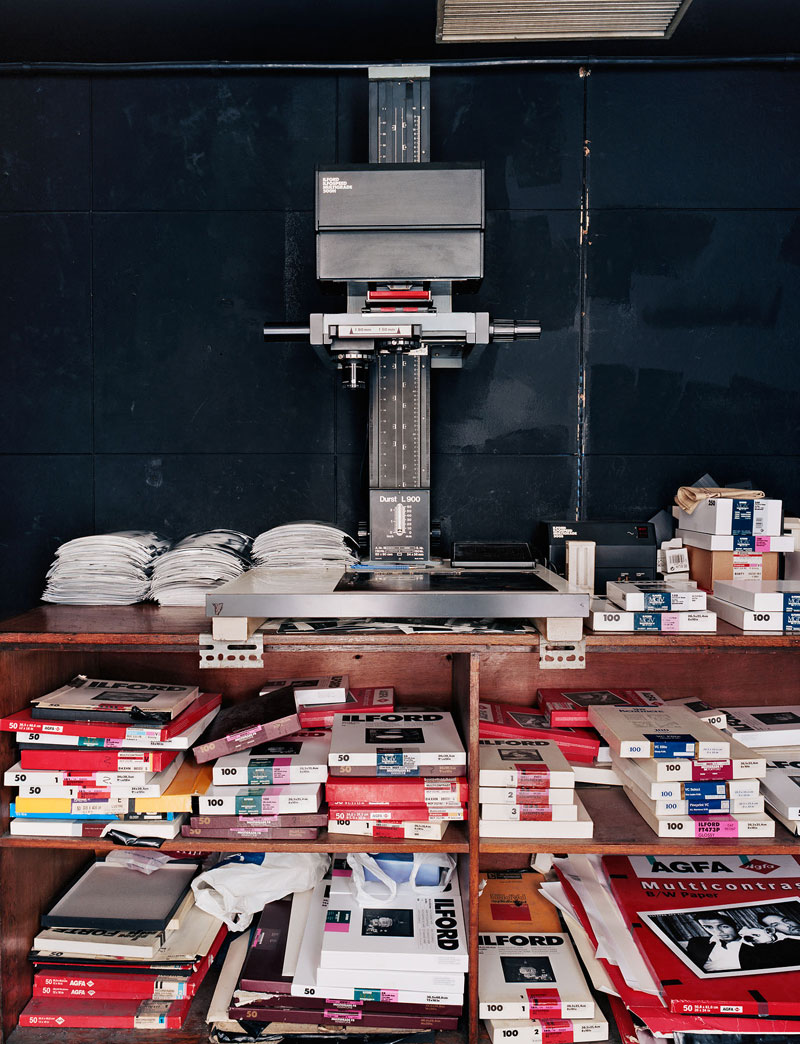


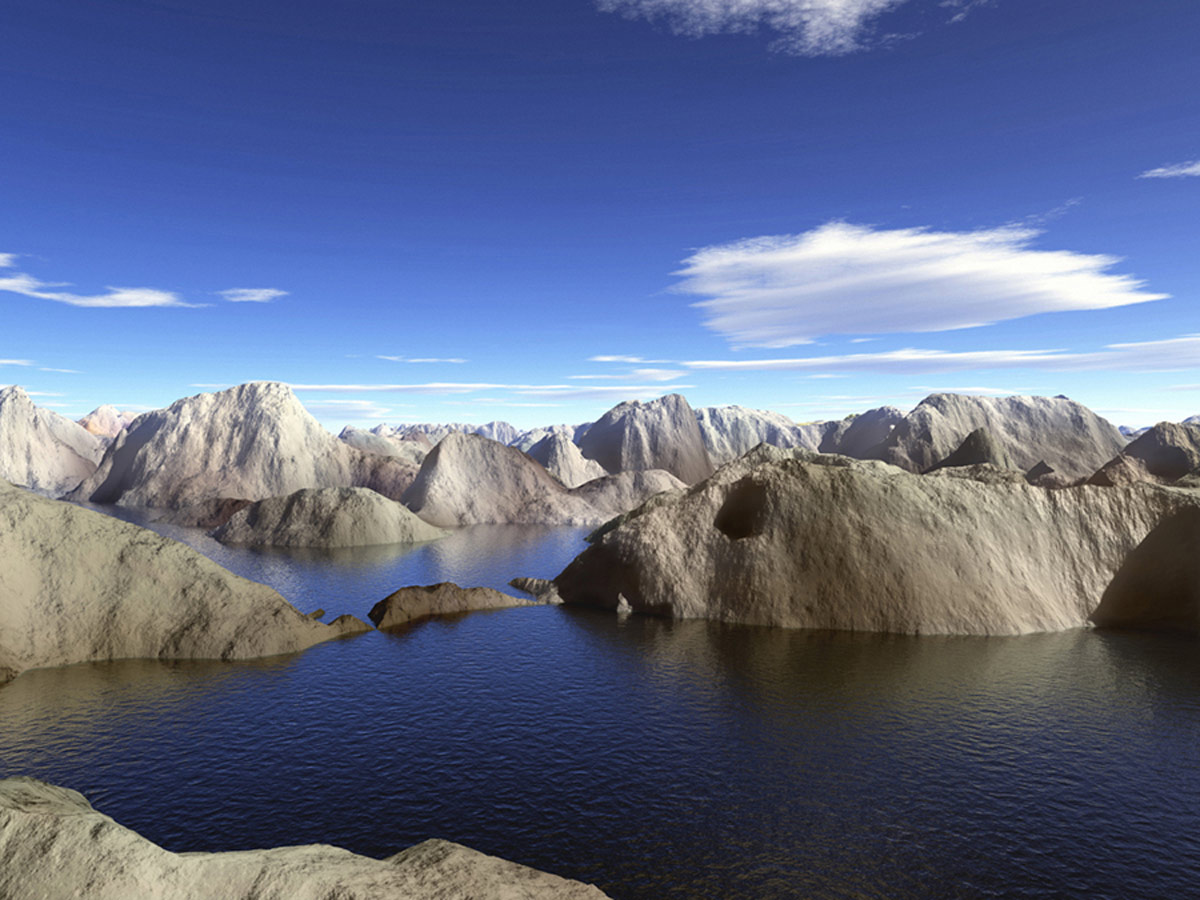
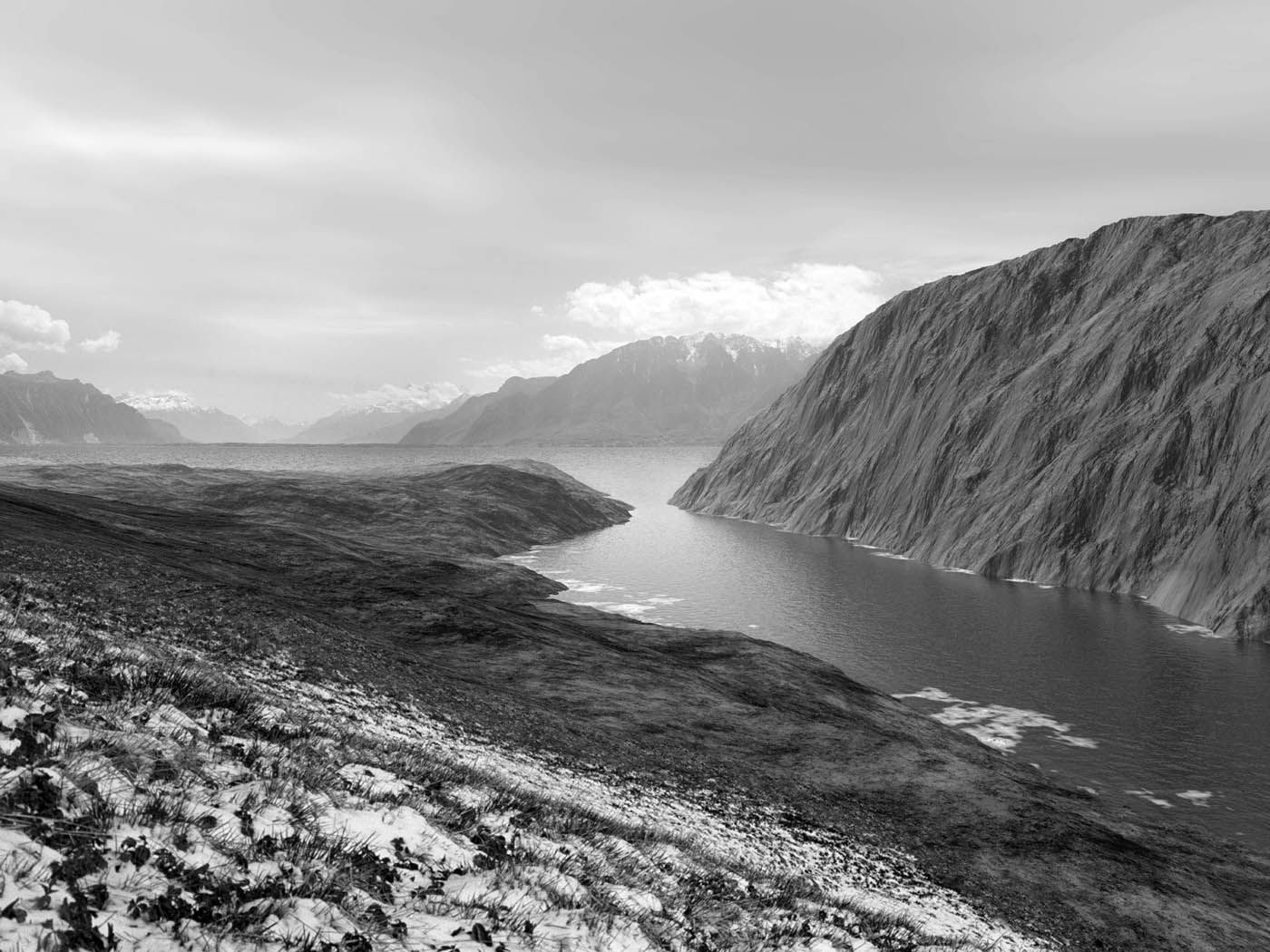
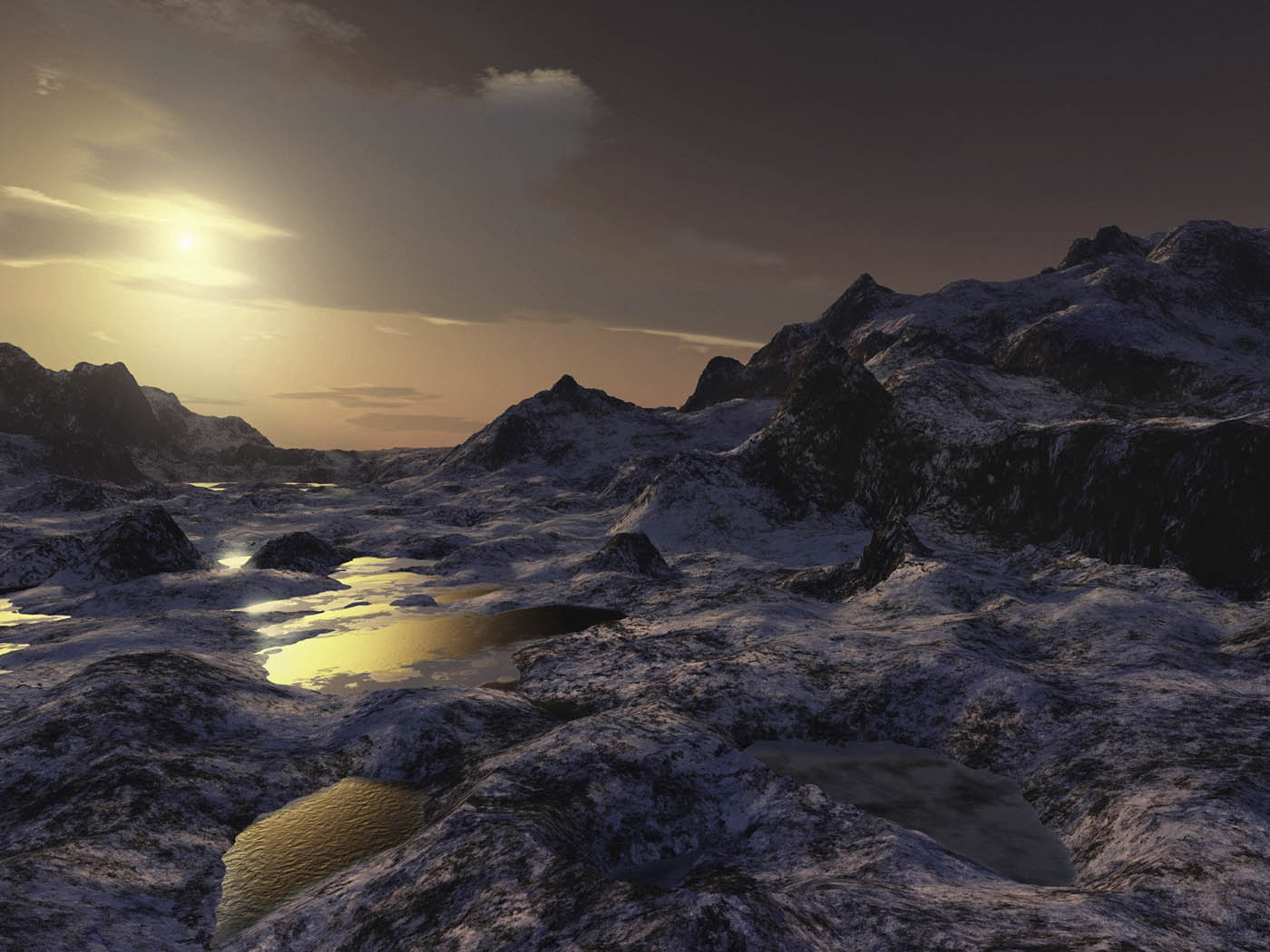
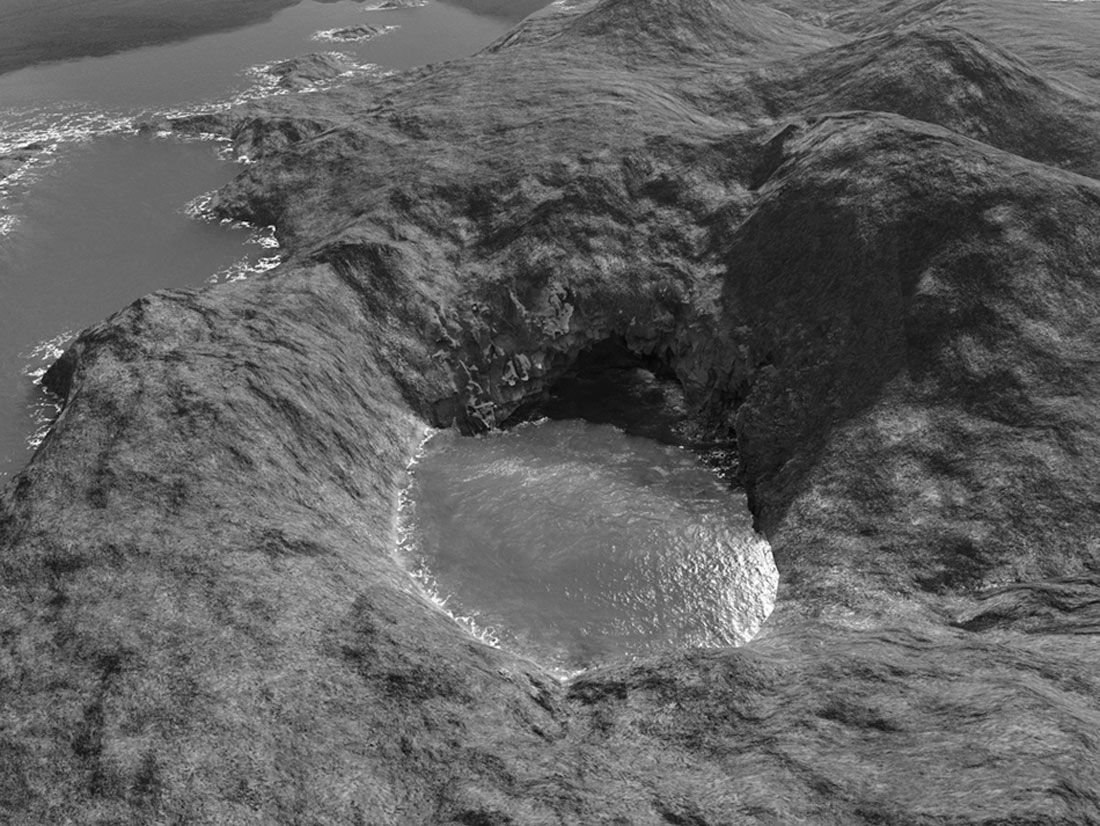
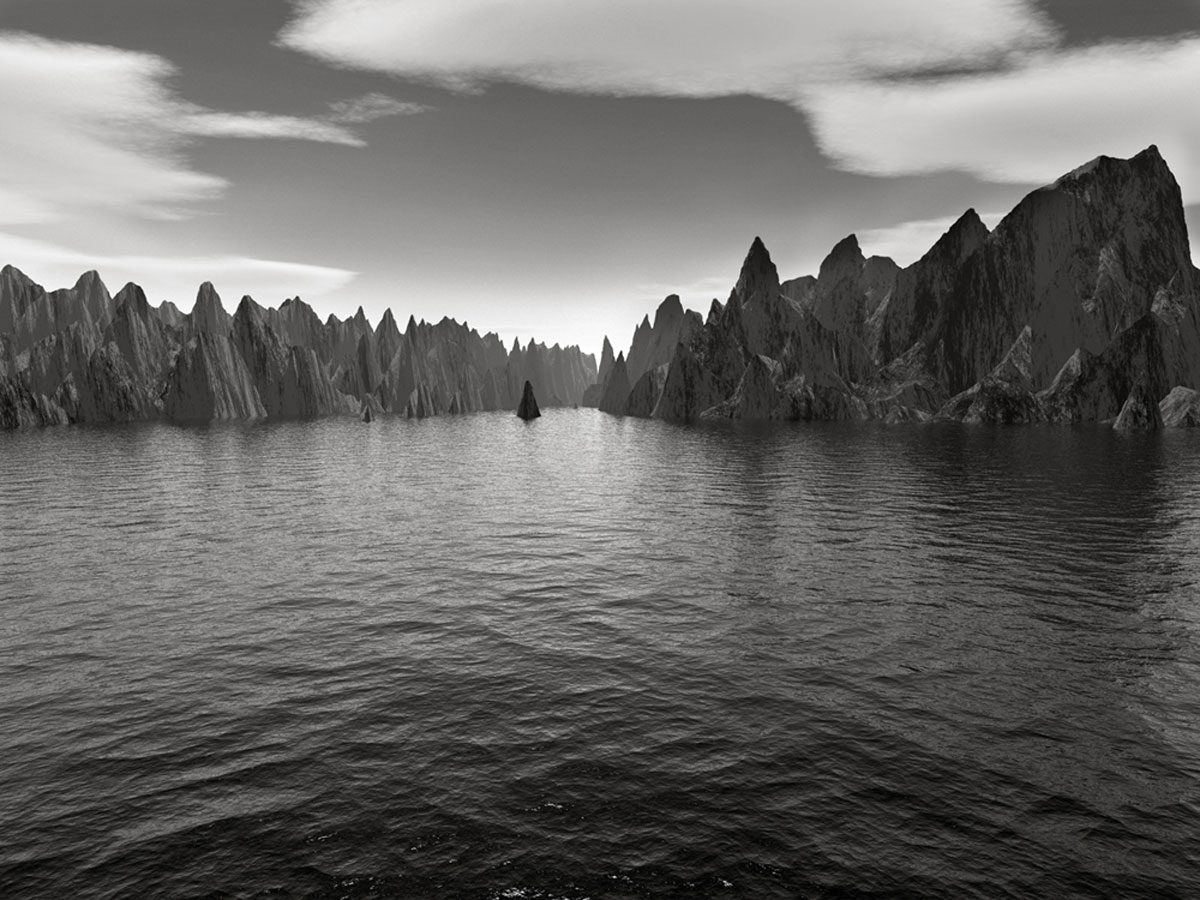
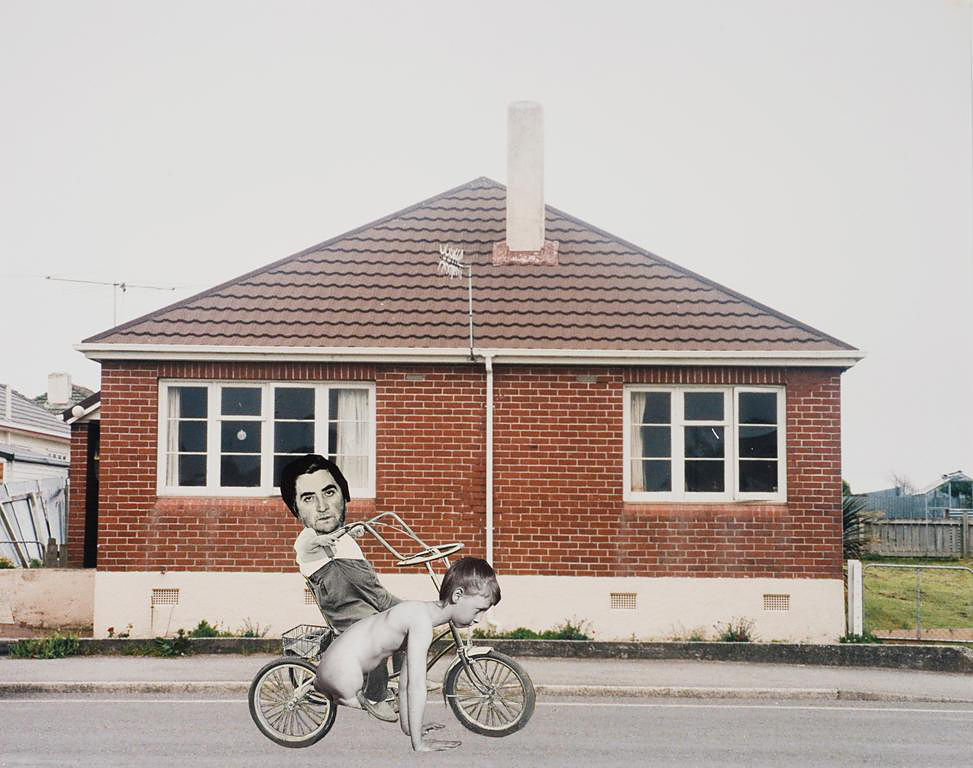
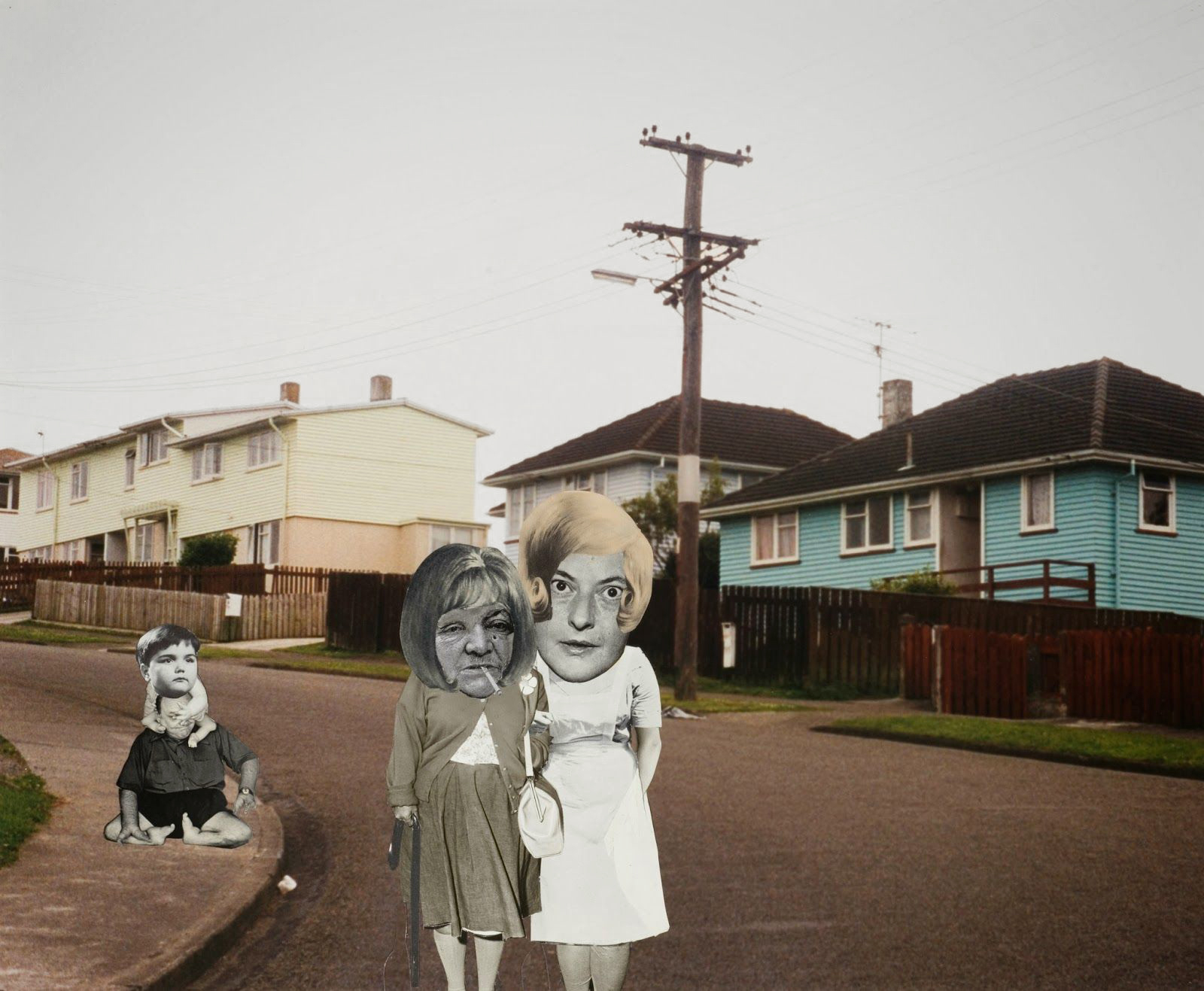
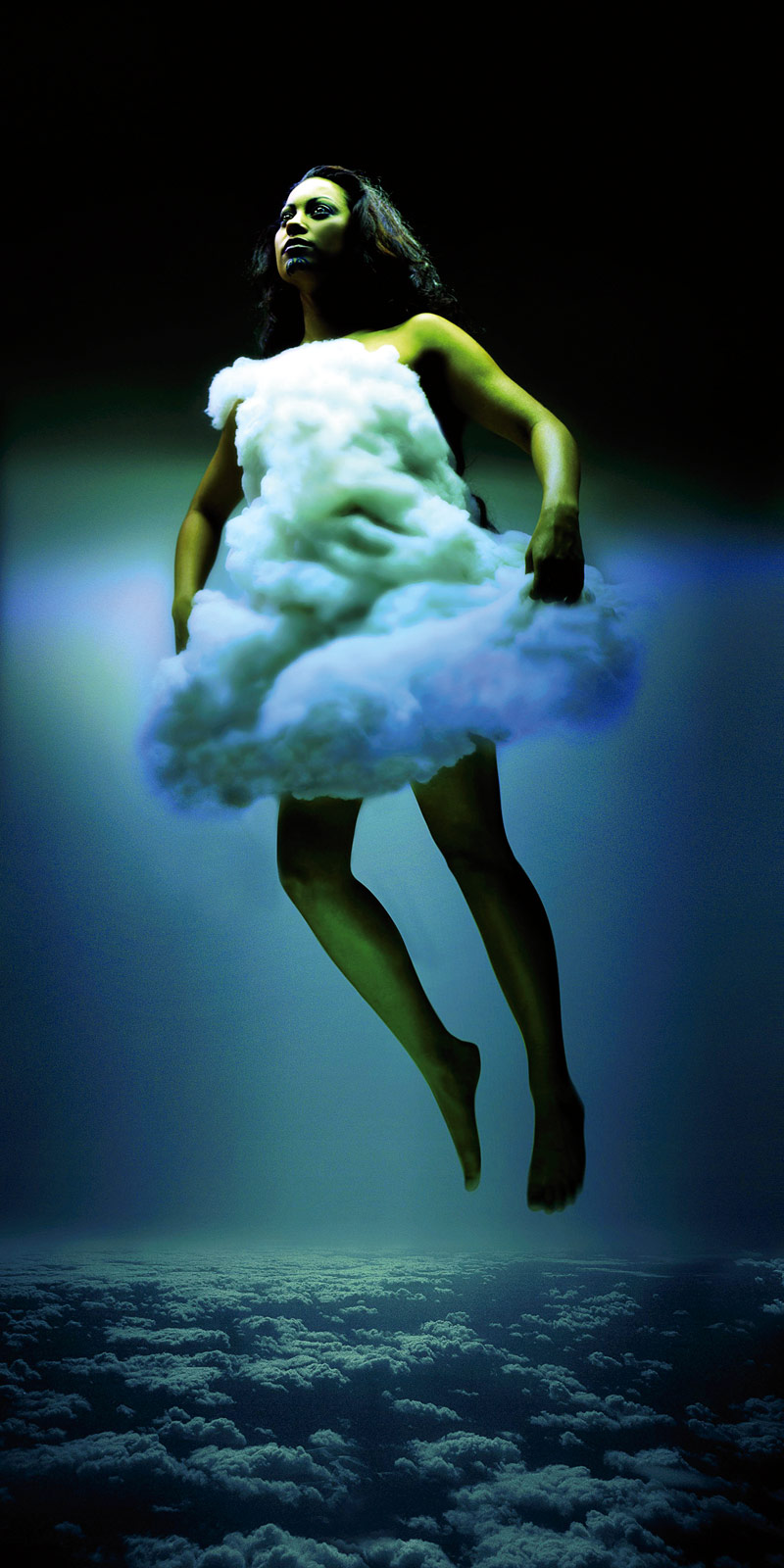
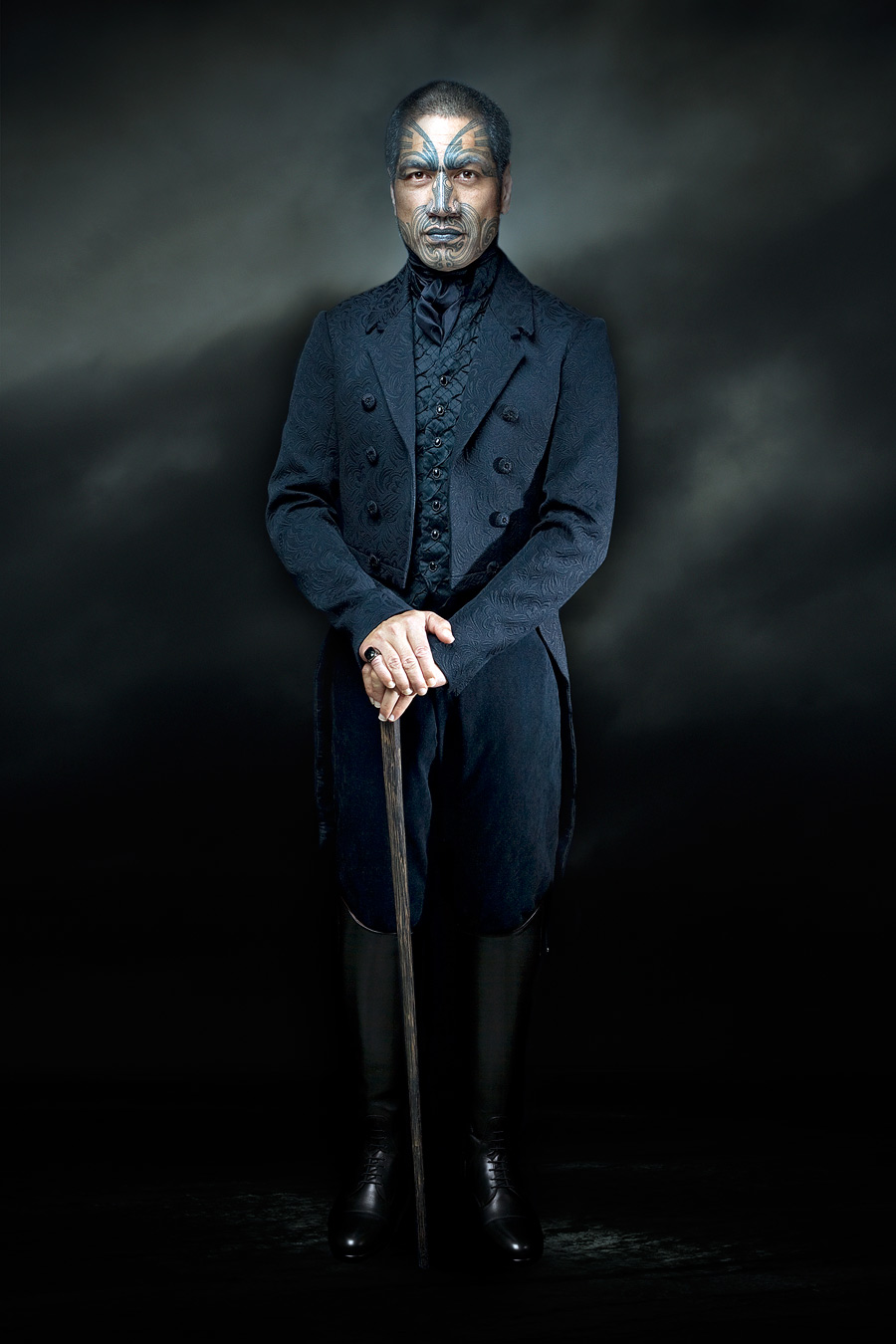
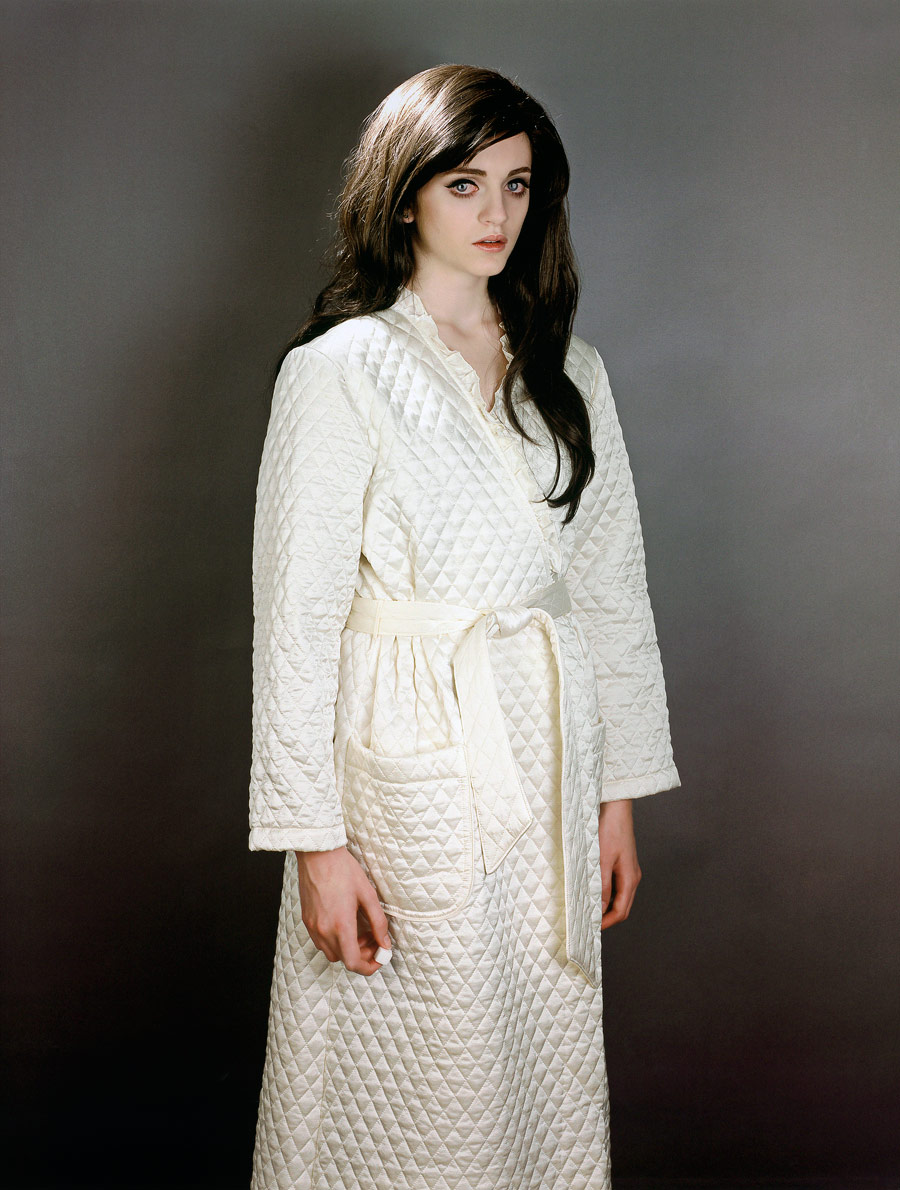
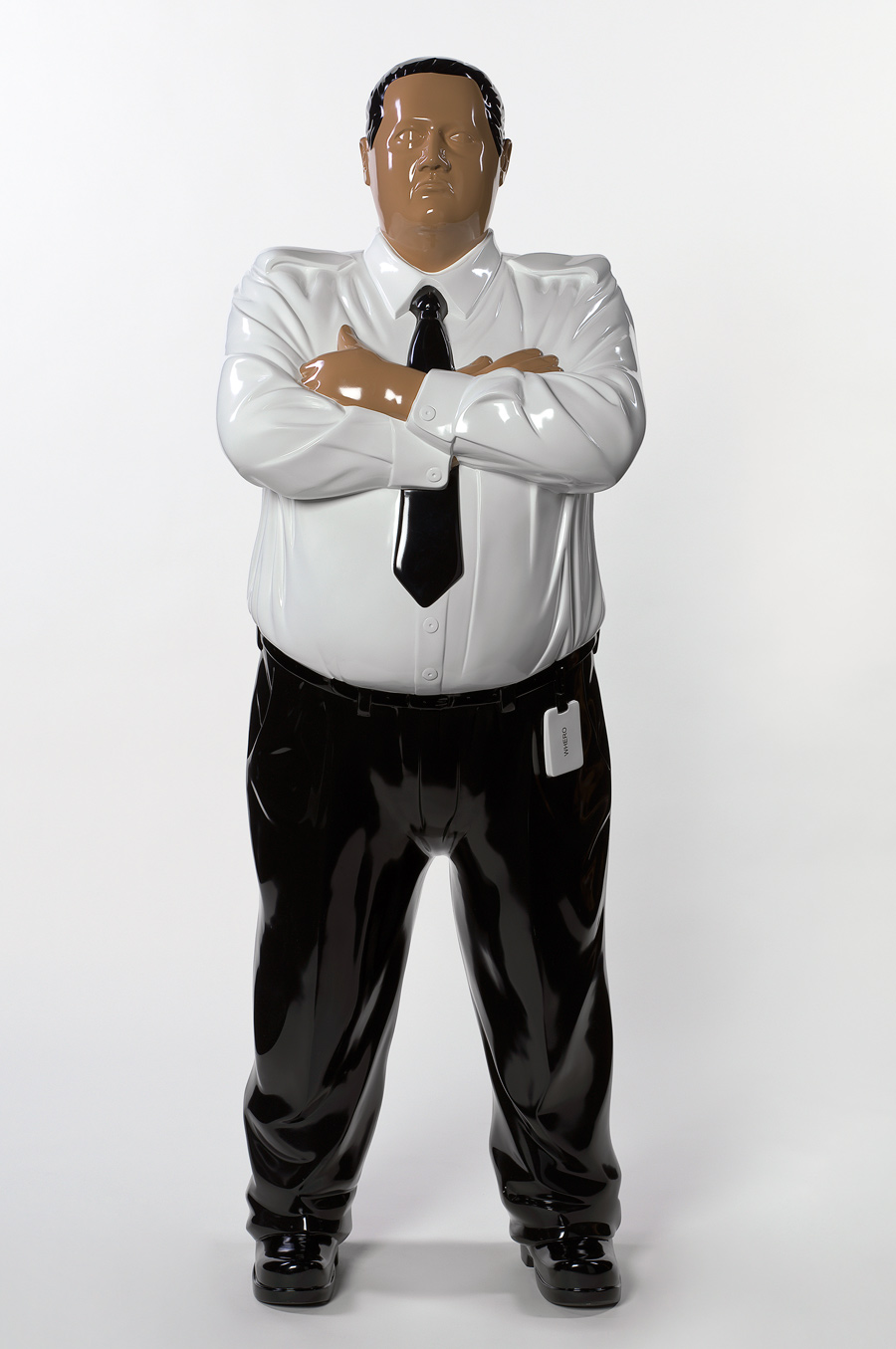
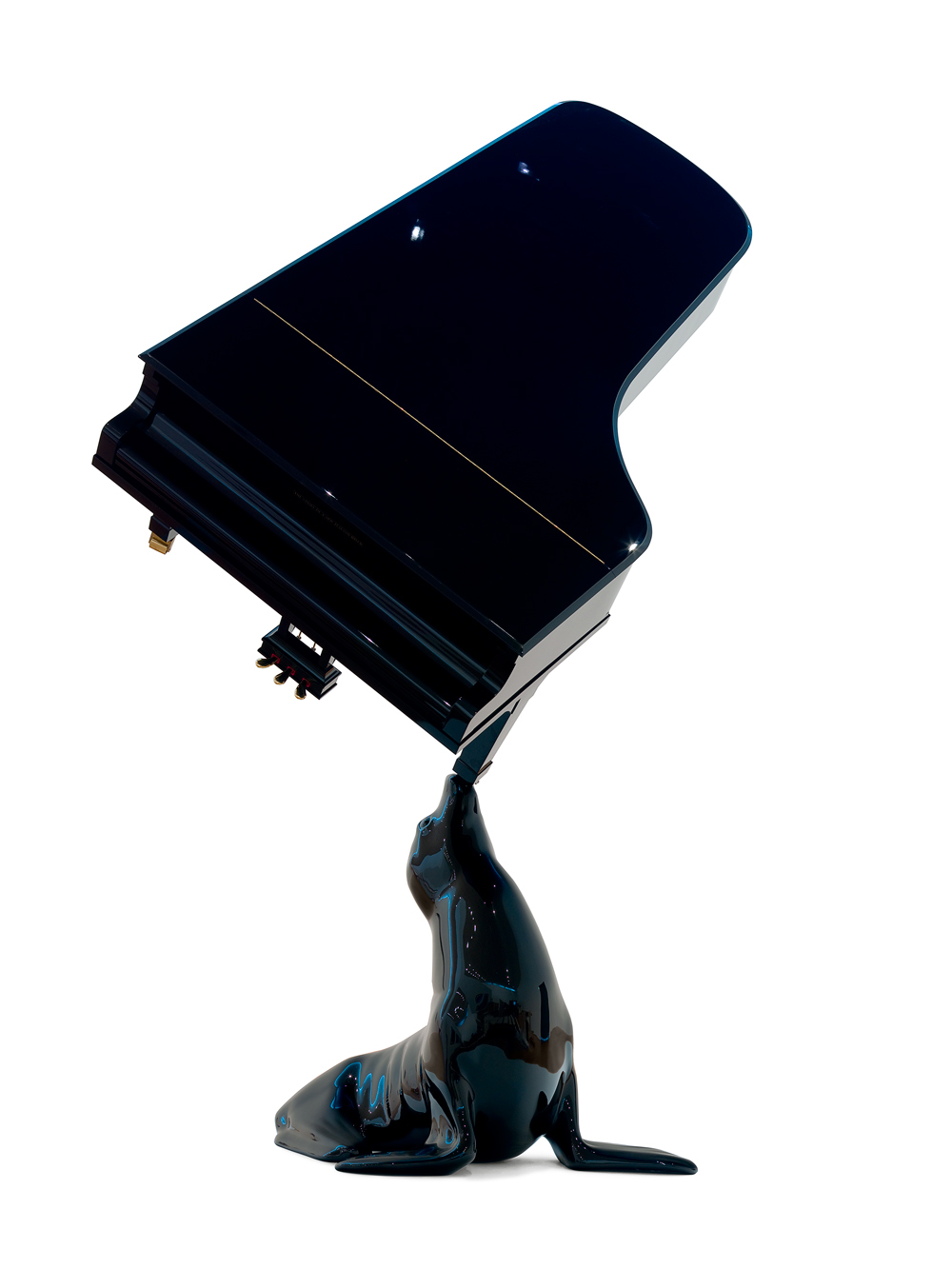
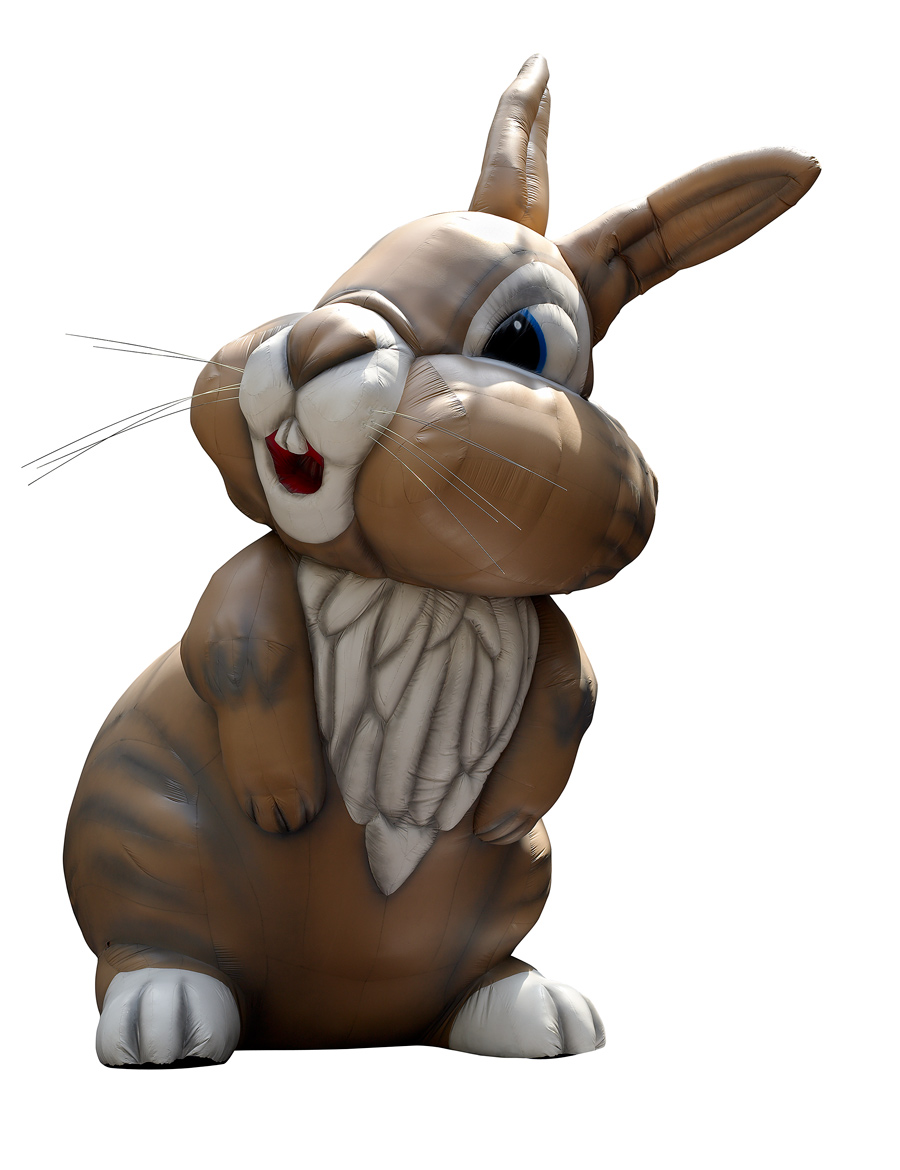
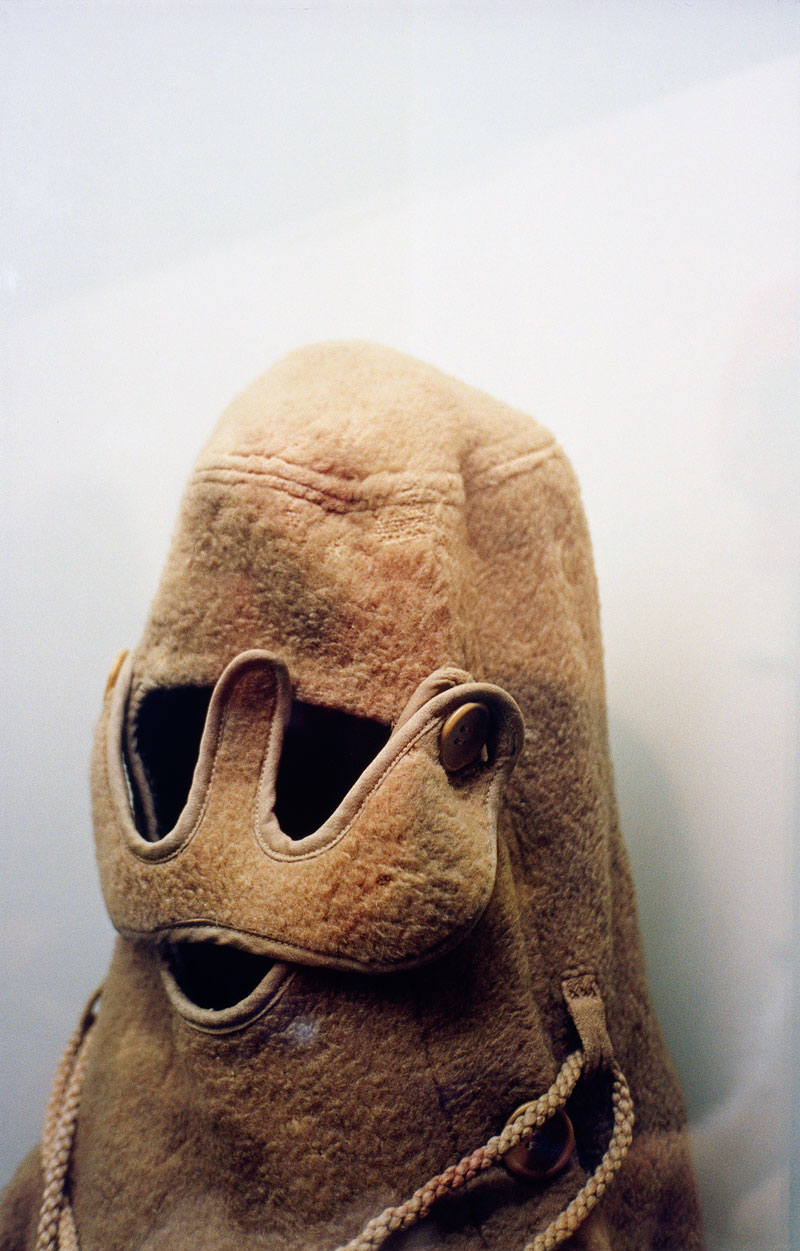
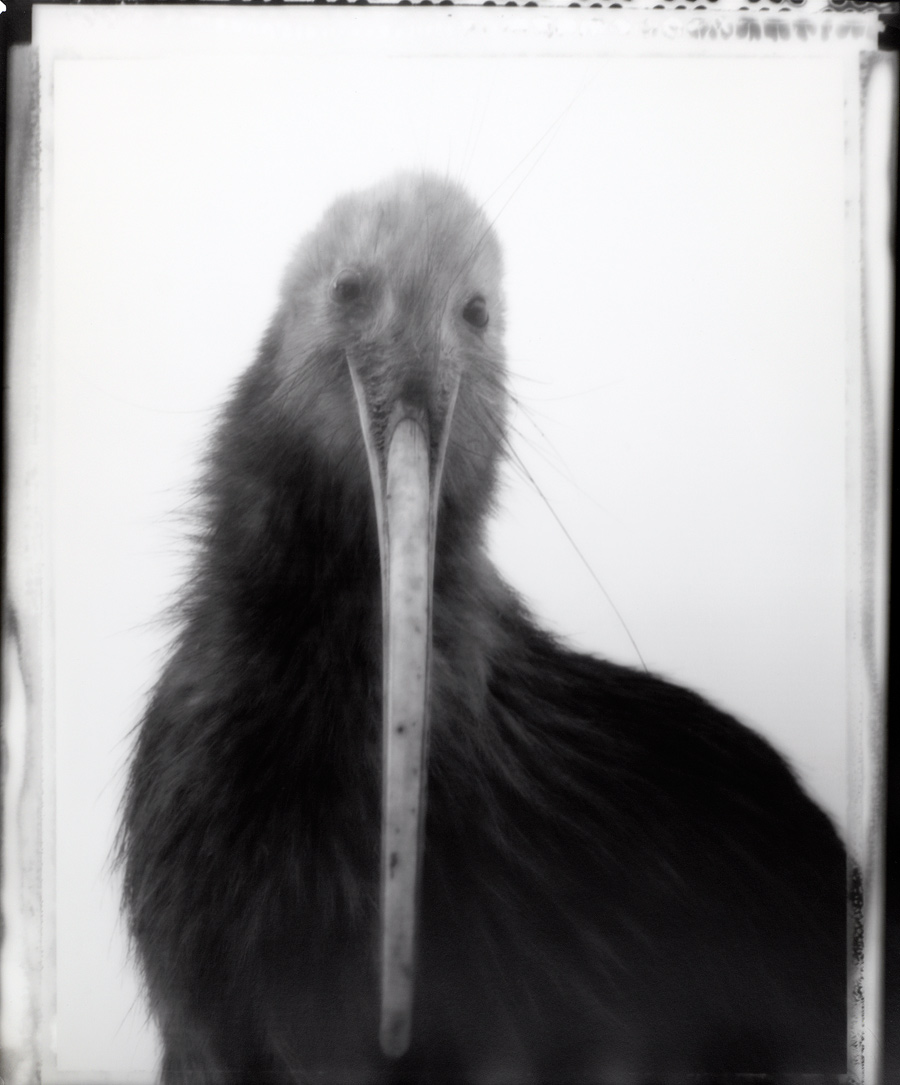
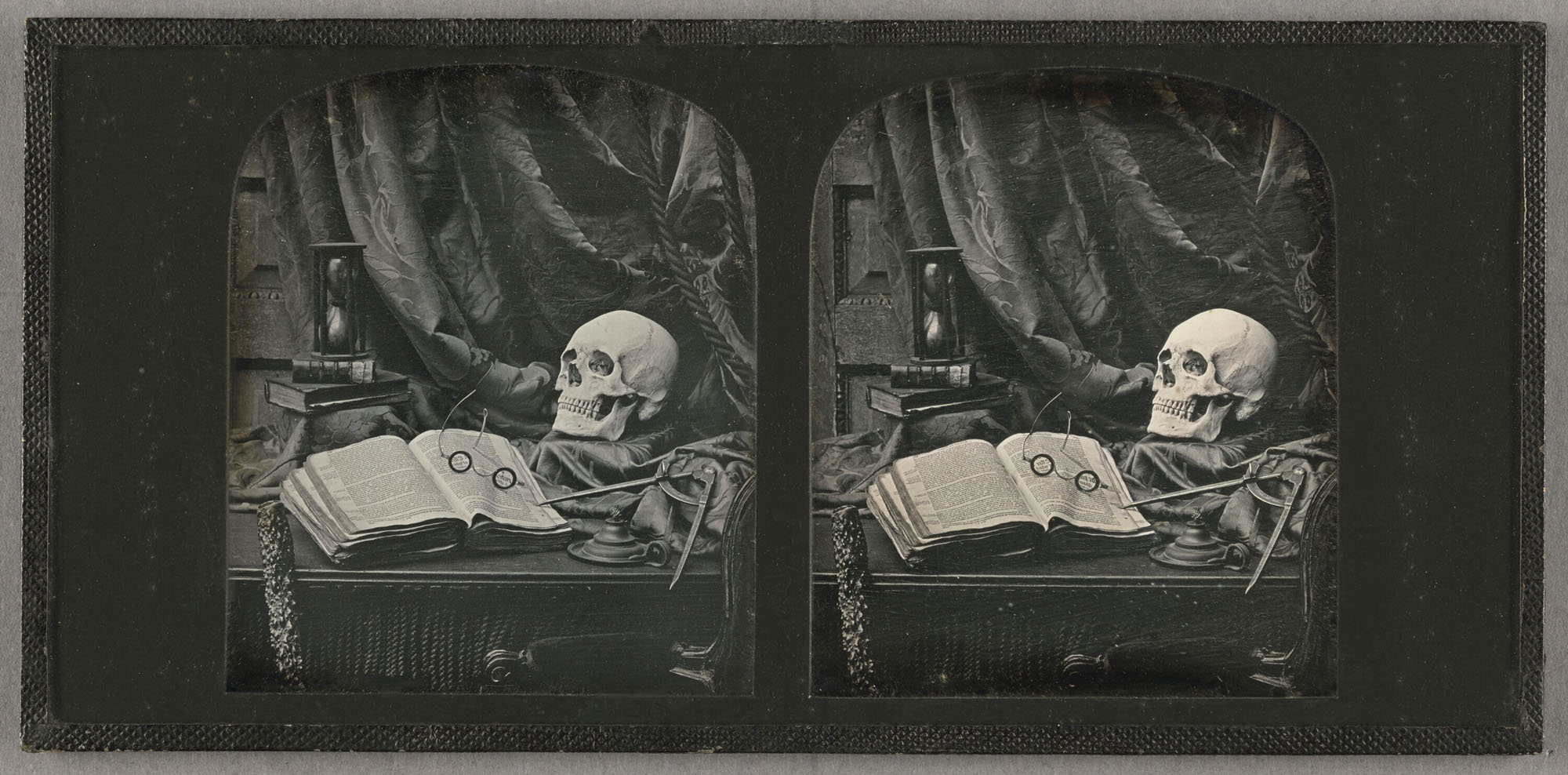
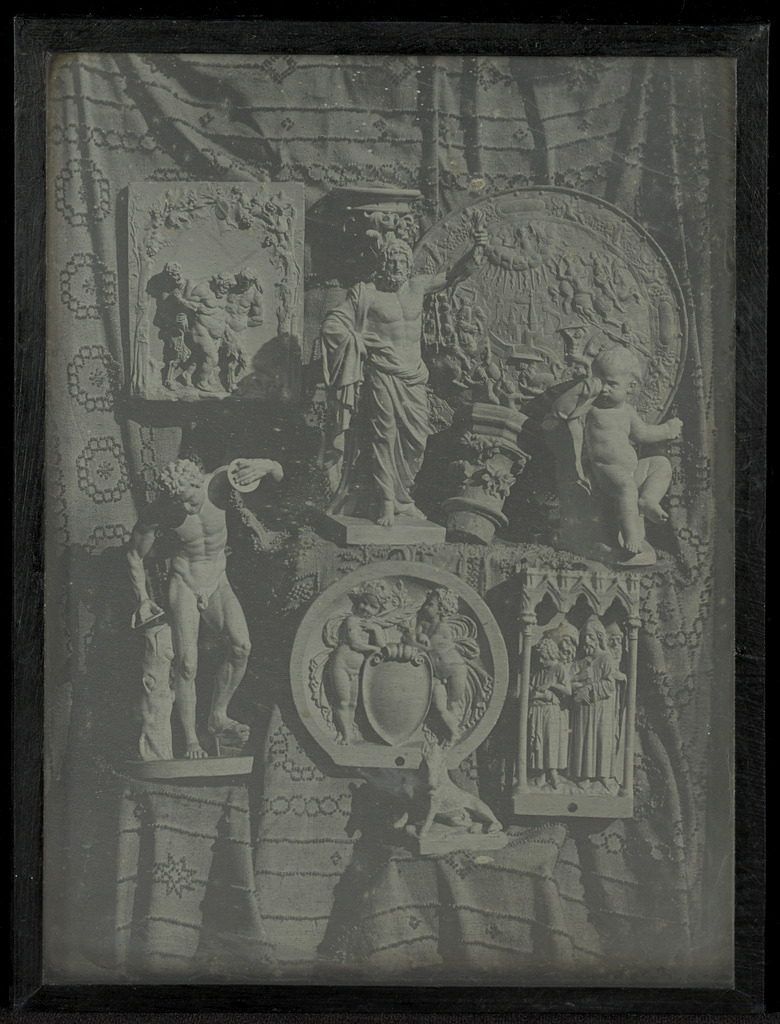
![Louis-Rémy Robert (French, 1811-1882) '[Still Life with Statuette and Vases]' Negative 1855; print 1870s from the exhibition 'In Focus: Still Life' at The J. Paul Getty Museum](https://artblart.com/wp-content/uploads/2011/01/robert-still-life-with-statuette-and-vases.jpg "Louis-Rémy Robert (French, 1811-1882) '[Still Life with Statuette and Vases]' Negative 1855; print 1870s from the exhibition 'In Focus: Still Life' at The J. Paul Getty Museum")
![Roger Fenton (English, 1819-1869) '[Still Life with Game and Gun]' about 1859 from the exhibition 'In Focus: Still Life' at The J. Paul Getty Museum](https://artblart.com/wp-content/uploads/2011/01/fenton-still-life-with-game-and-gun.jpg "Roger Fenton (English, 1819-1869) '[Still Life with Game and Gun]' about 1859 from the exhibition 'In Focus: Still Life' at The J. Paul Getty Museum")
![Charles Aubry (French, 1811-1877) '[An Arrangement of Tobacco Leaves and Grass]' about 1864 from the exhibition 'In Focus: Still Life' at The J. Paul Getty Museum](https://artblart.com/wp-content/uploads/2011/01/aubry-tobacco.jpg "Charles Aubry (French, 1811-1877) '[An Arrangement of Tobacco Leaves and Grass]' about 1864 from the exhibition 'In Focus: Still Life' at The J. Paul Getty Museum")
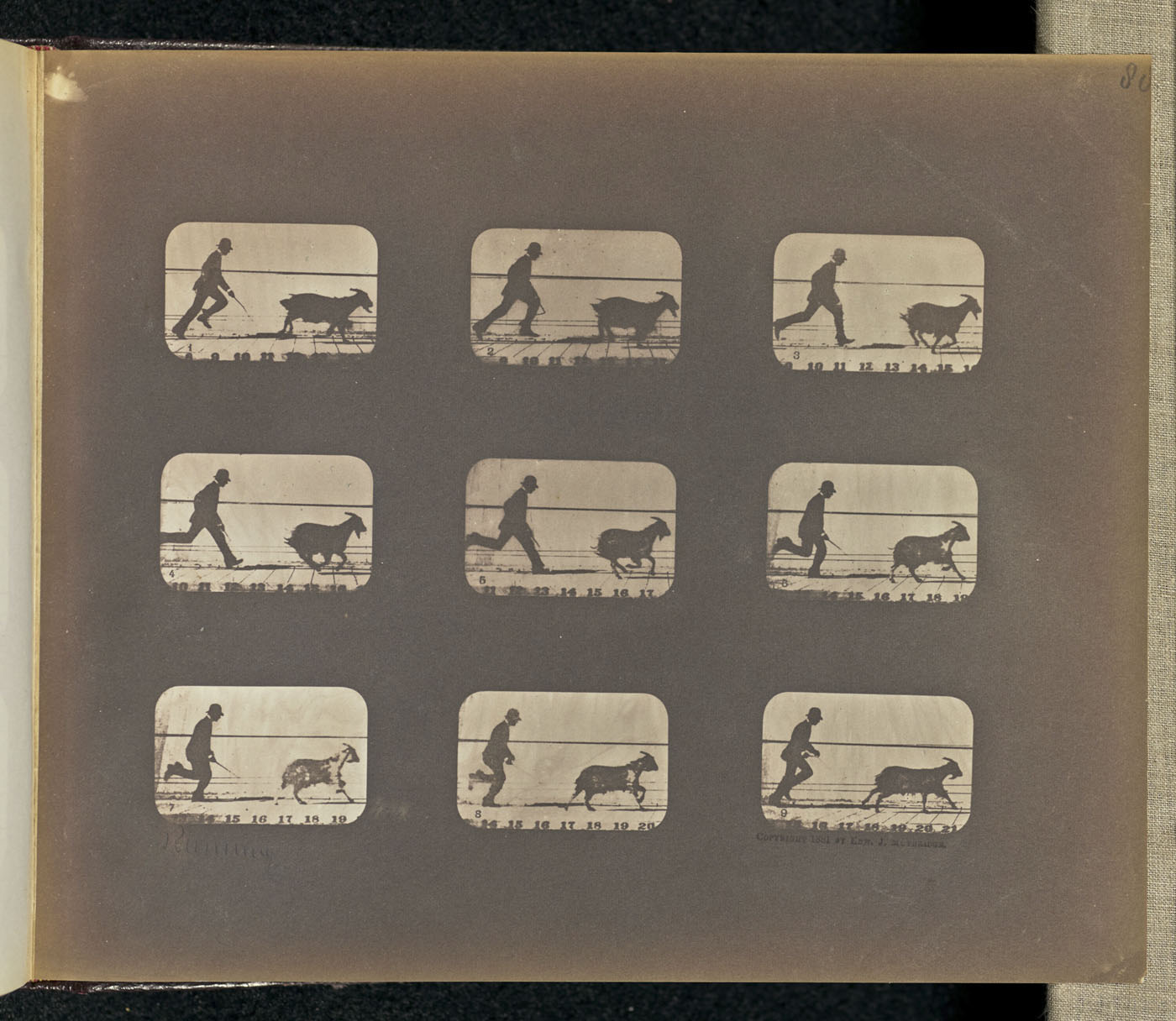
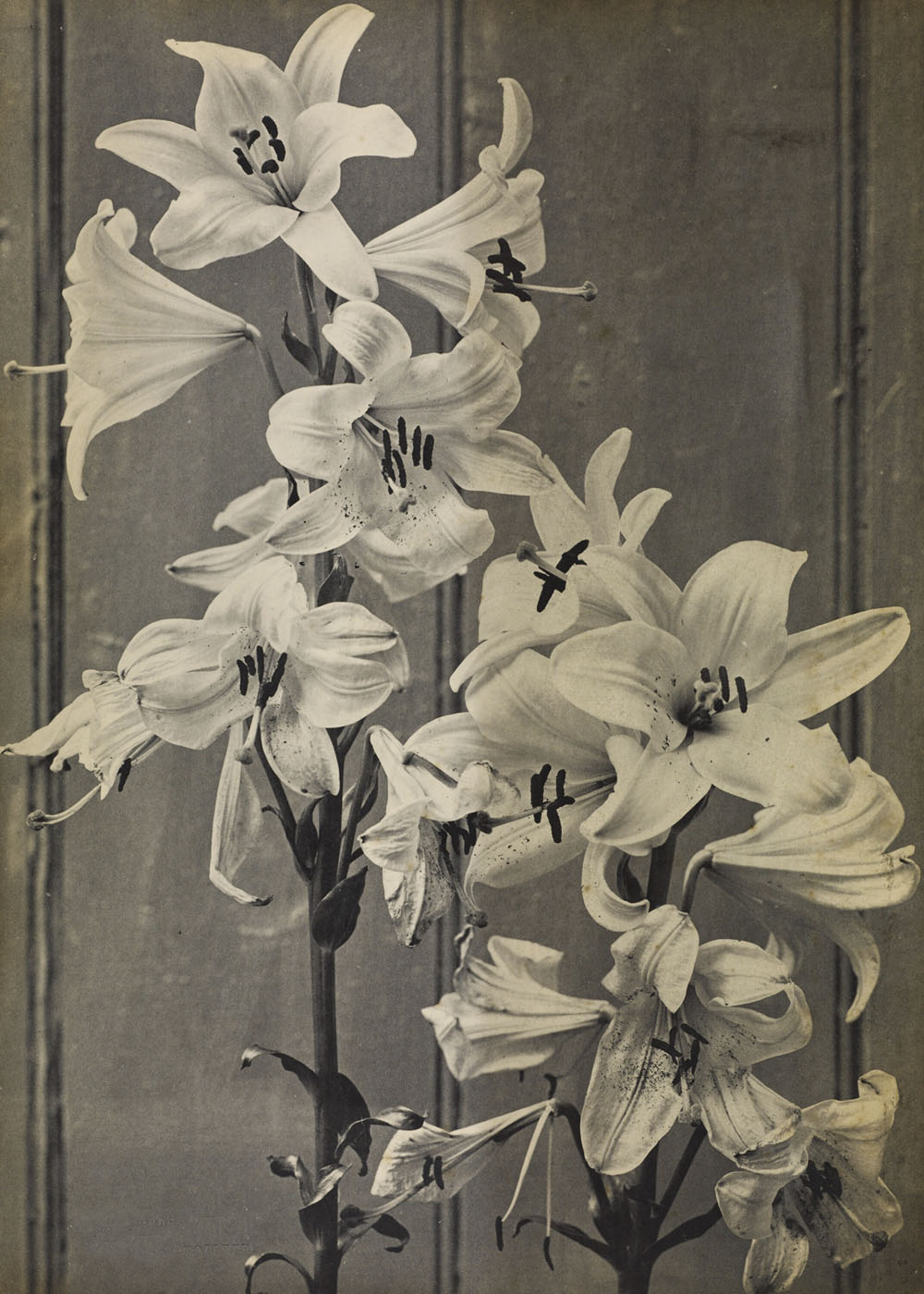
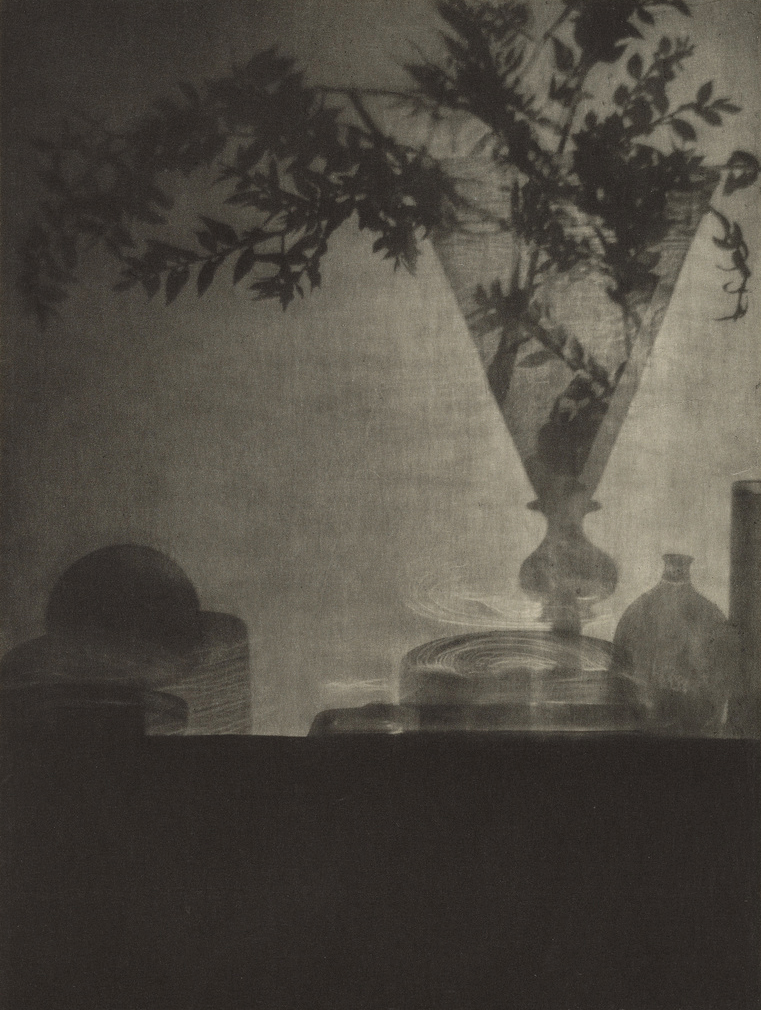
![Heinrich Kühn (Austrian born Germany, 1866-1944) '[Tea Still-life, Version III]' 1907 from the exhibition 'In Focus: Still Life' at The J. Paul Getty Museum](https://artblart.com/wp-content/uploads/2011/01/heinrich-kucc88hn-tea-sea-life.jpg "Heinrich Kühn (Austrian born Germany, 1866-1944) '[Tea Still-life, Version III]' 1907 from the exhibition 'In Focus: Still Life' at The J. Paul Getty Museum")
![Paul Strand (American, 1890-1976) '[Black Bottle]' negative about 1919; print 1923-1939 from the exhibition 'In Focus: Still Life' at The J. Paul Getty Museum](https://artblart.com/wp-content/uploads/2011/01/strand-black-bottle.jpg "Paul Strand (American, 1890-1976) '[Black Bottle]' negative about 1919; print 1923-1939 from the exhibition 'In Focus: Still Life' at The J. Paul Getty Museum")

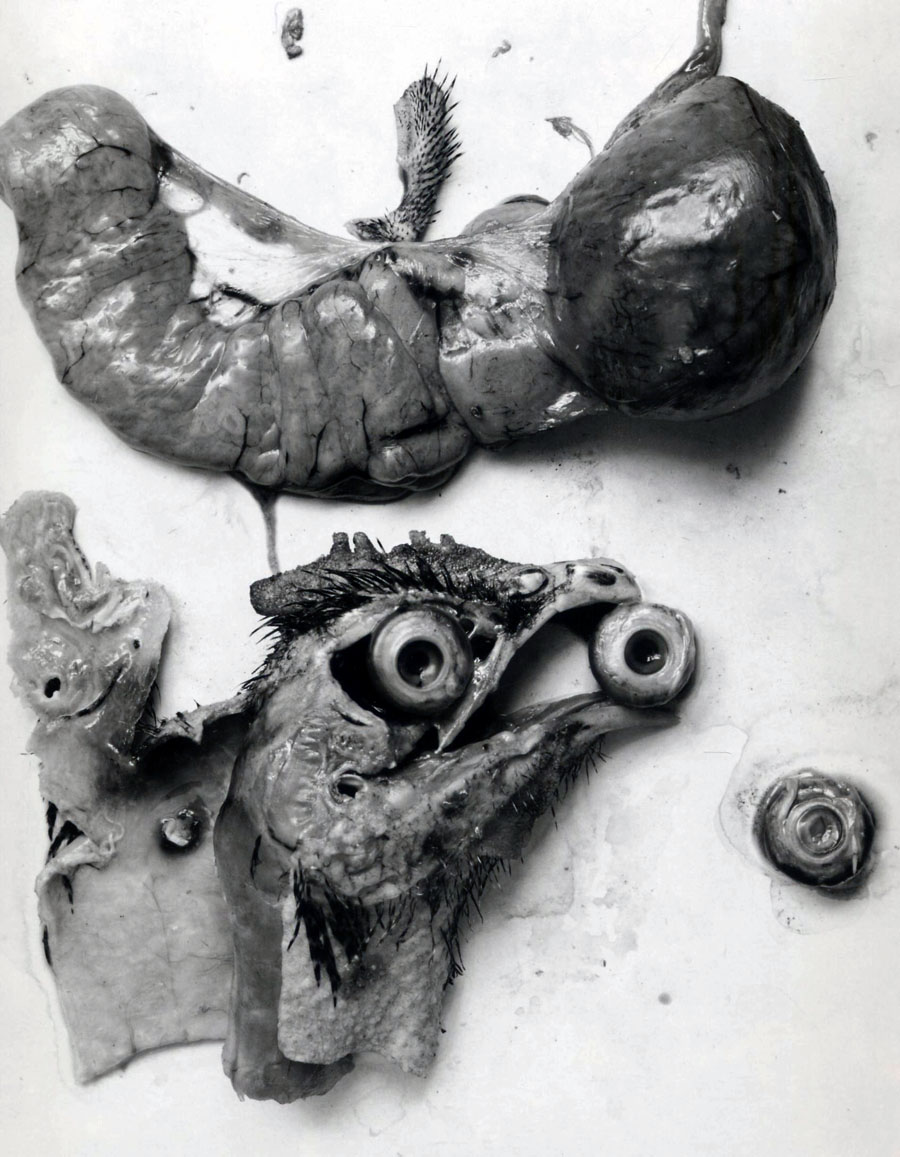
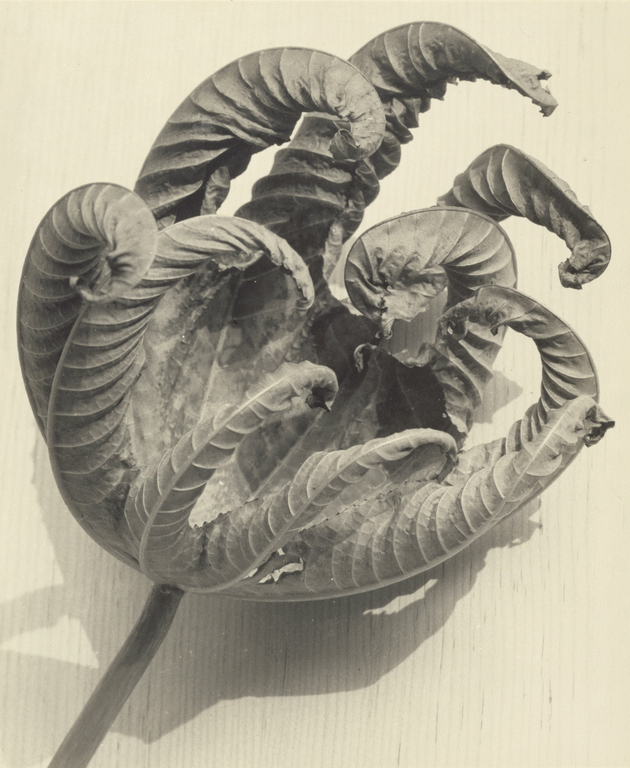
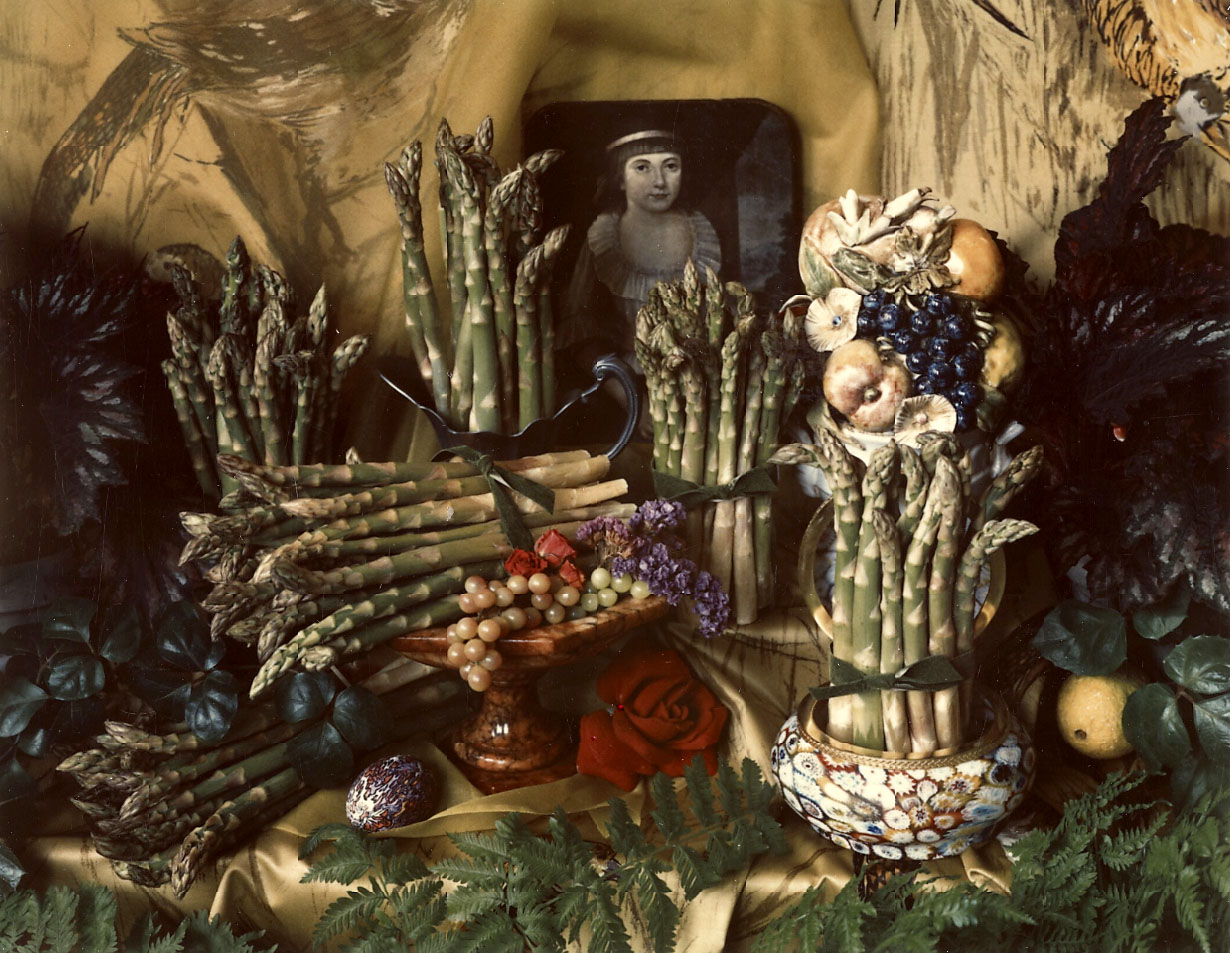
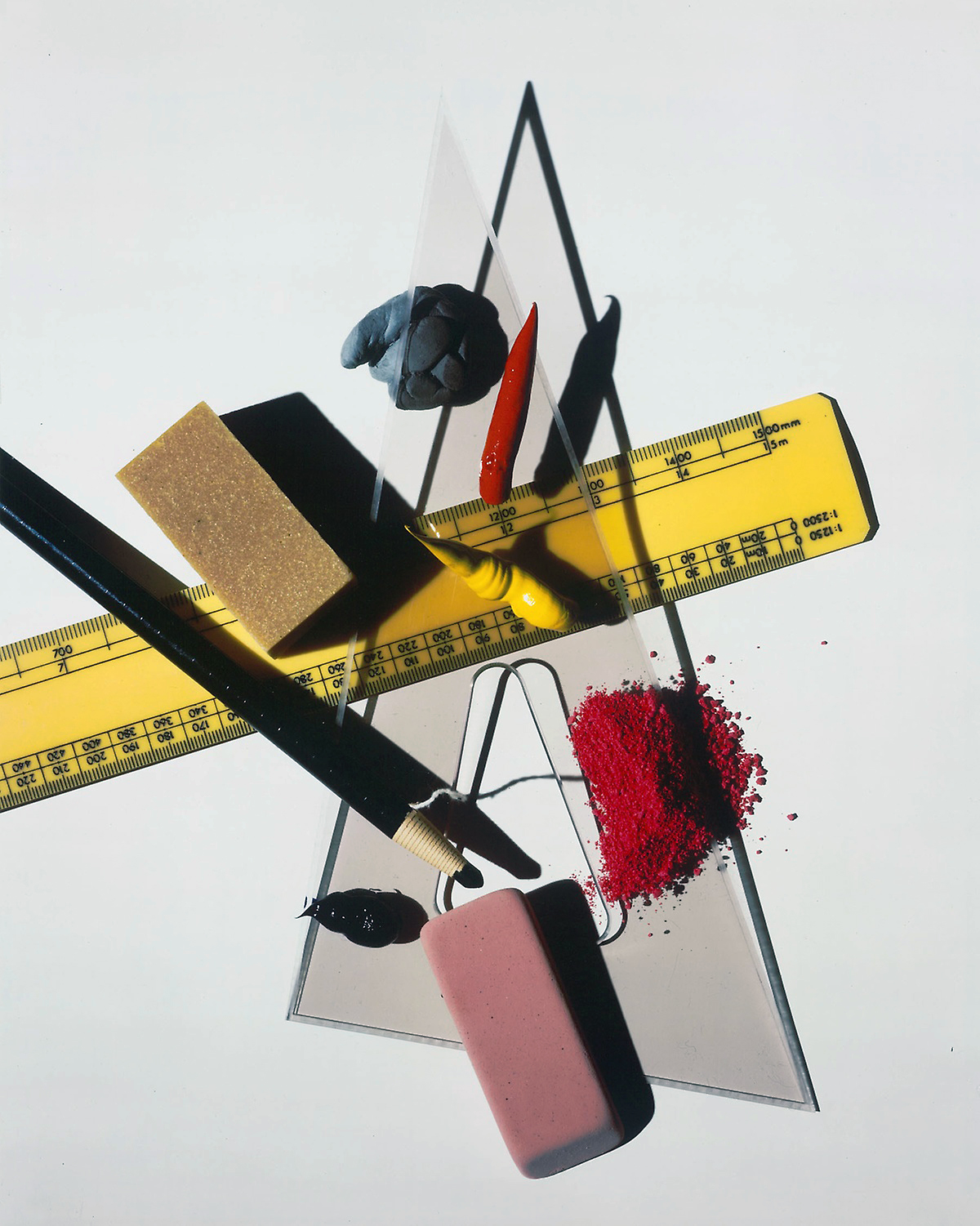
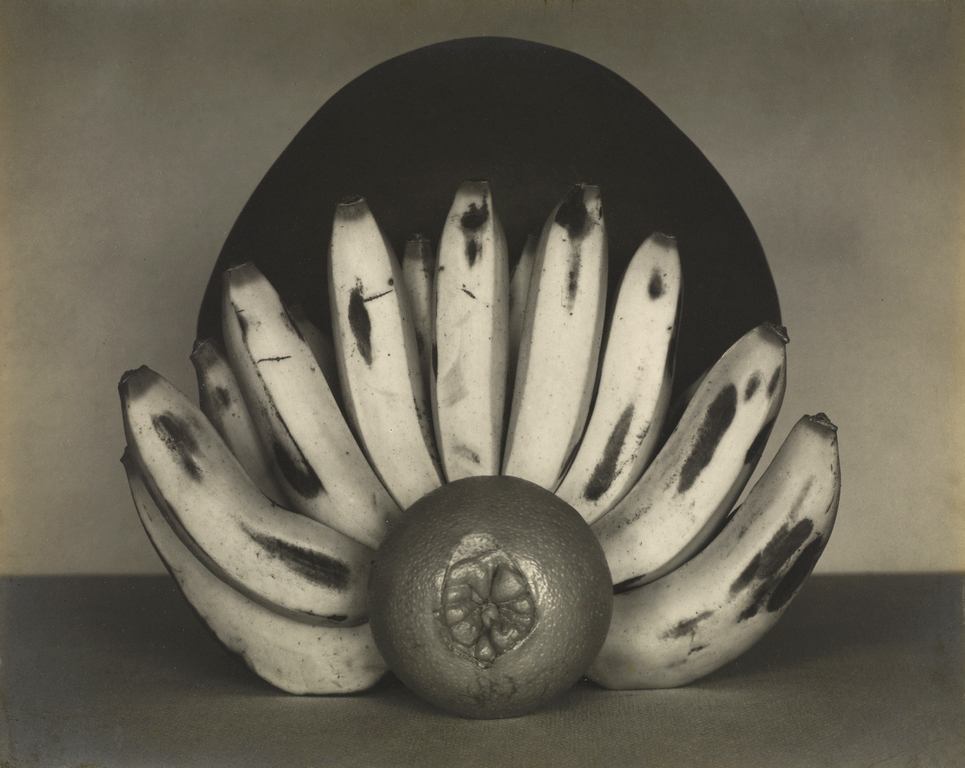
![André Kertész (American born Hungary, 1894-1985) '[Bowl with Sugar Cubes]' 1928 from the exhibition 'In Focus: Still Life' at The J. Paul Getty Museum](https://artblart.com/wp-content/uploads/2011/01/kertesz-sugar.jpg "André Kertész (American born Hungary, 1894-1985) '[Bowl with Sugar Cubes]' 1928 from the exhibition 'In Focus: Still Life' at The J. Paul Getty Museum")
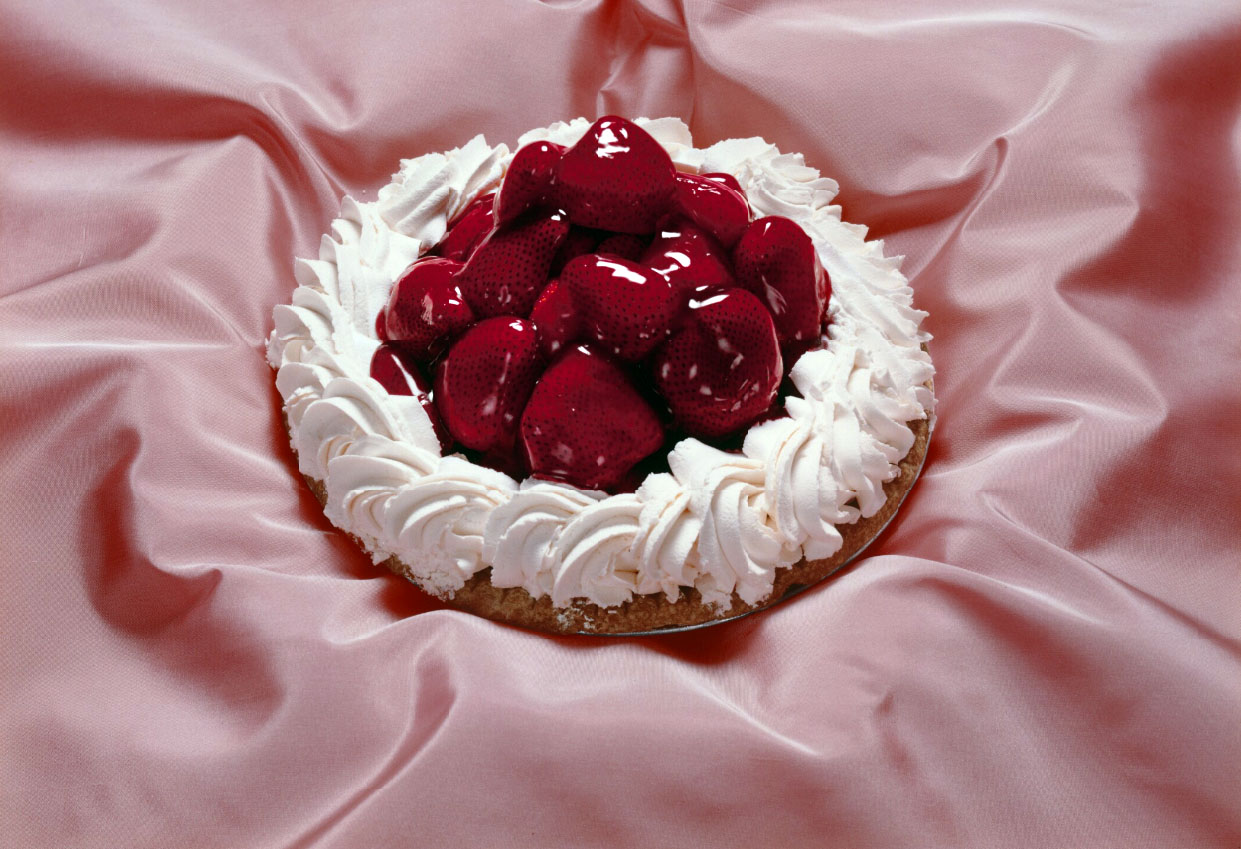
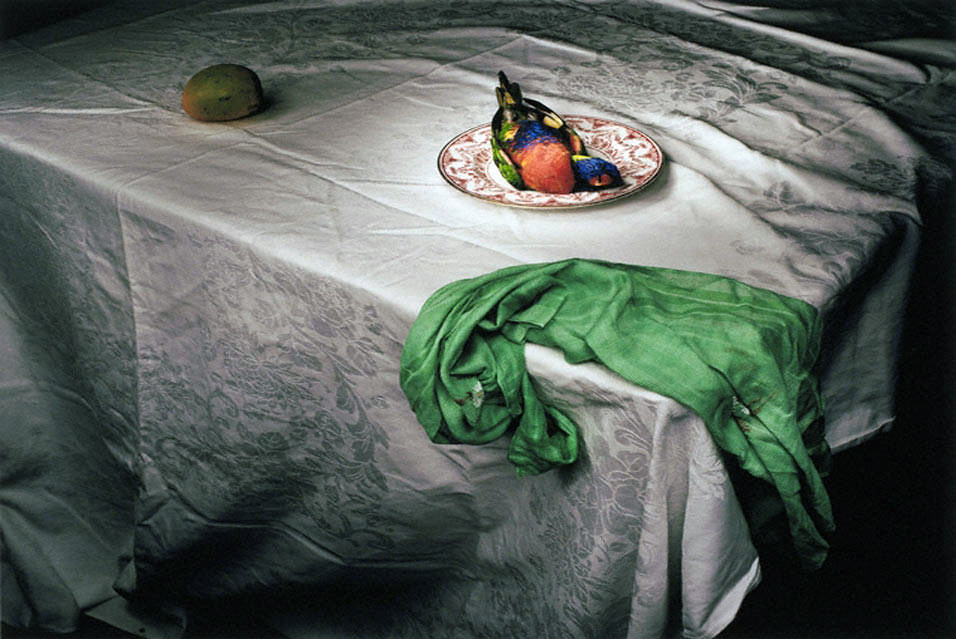
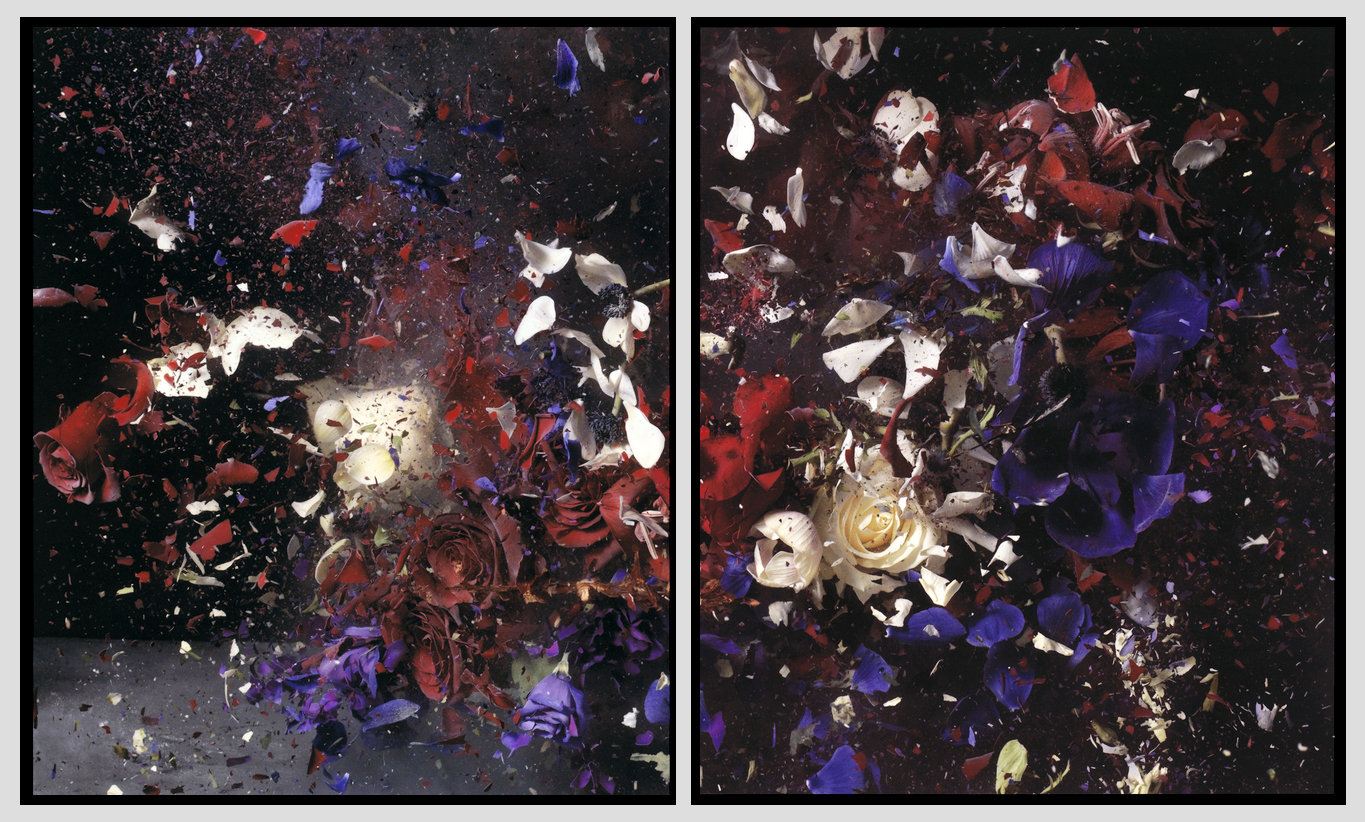
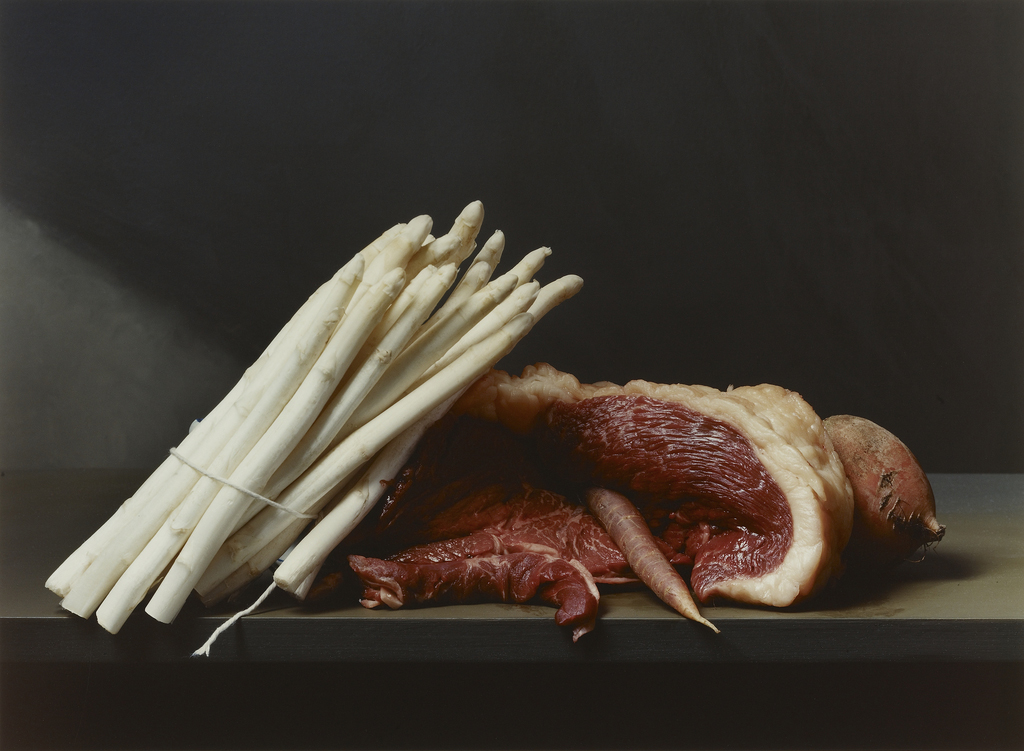
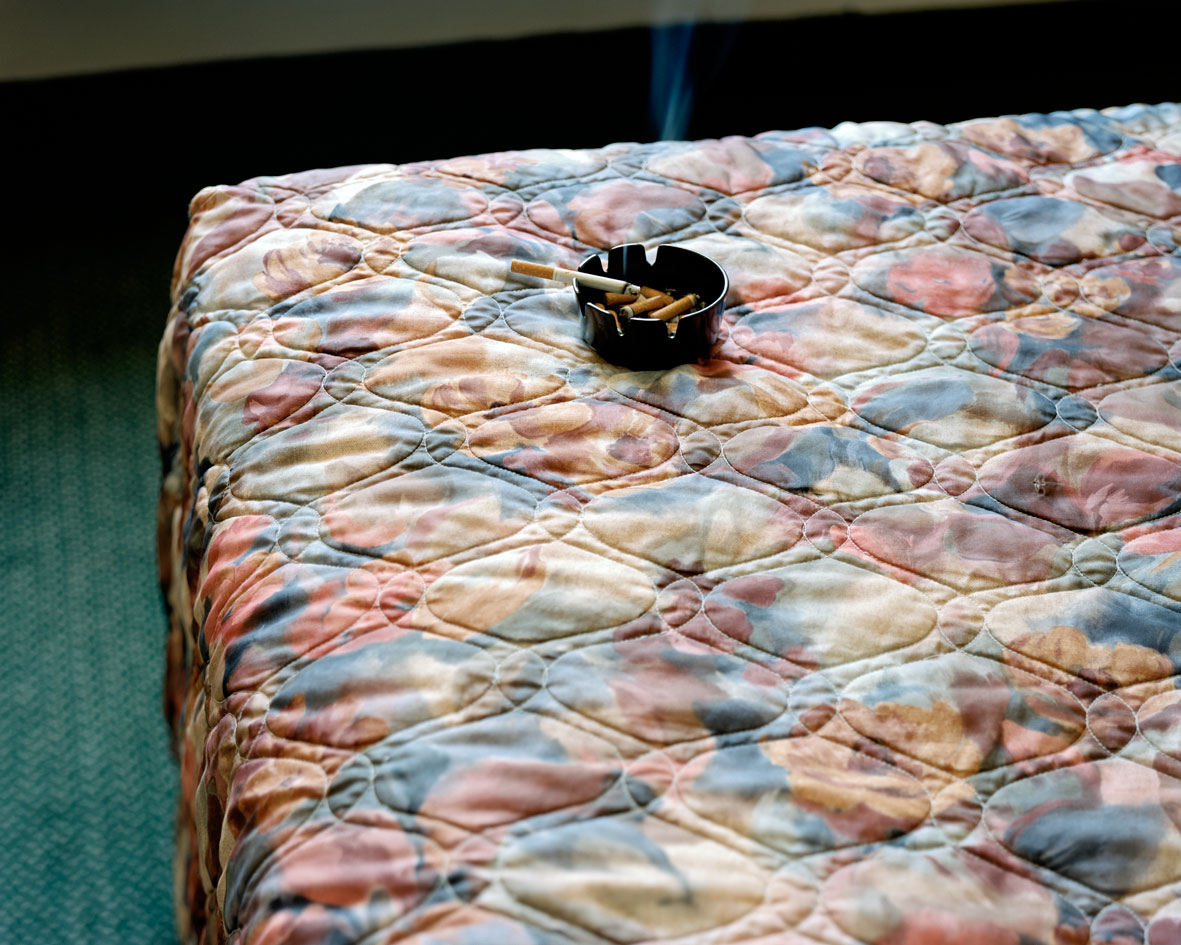

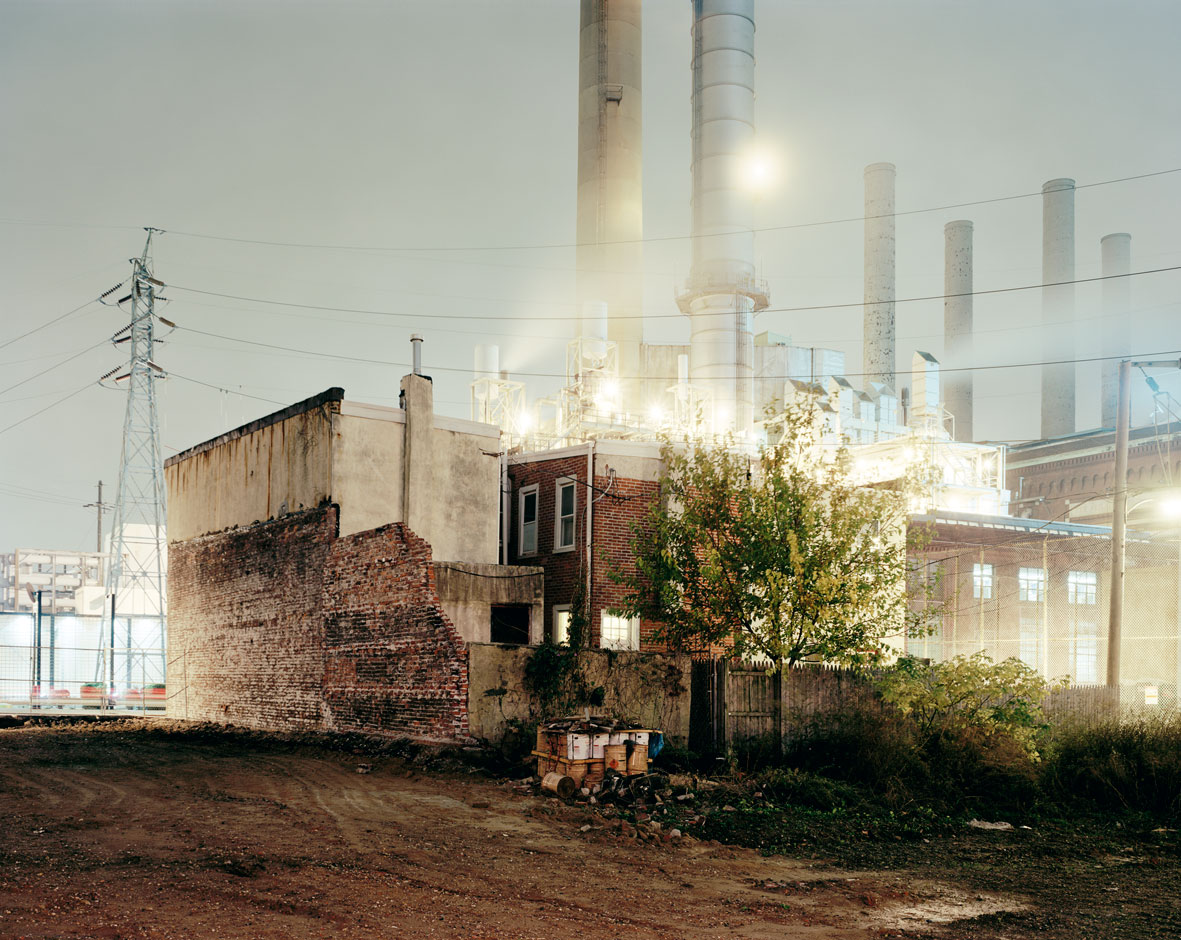
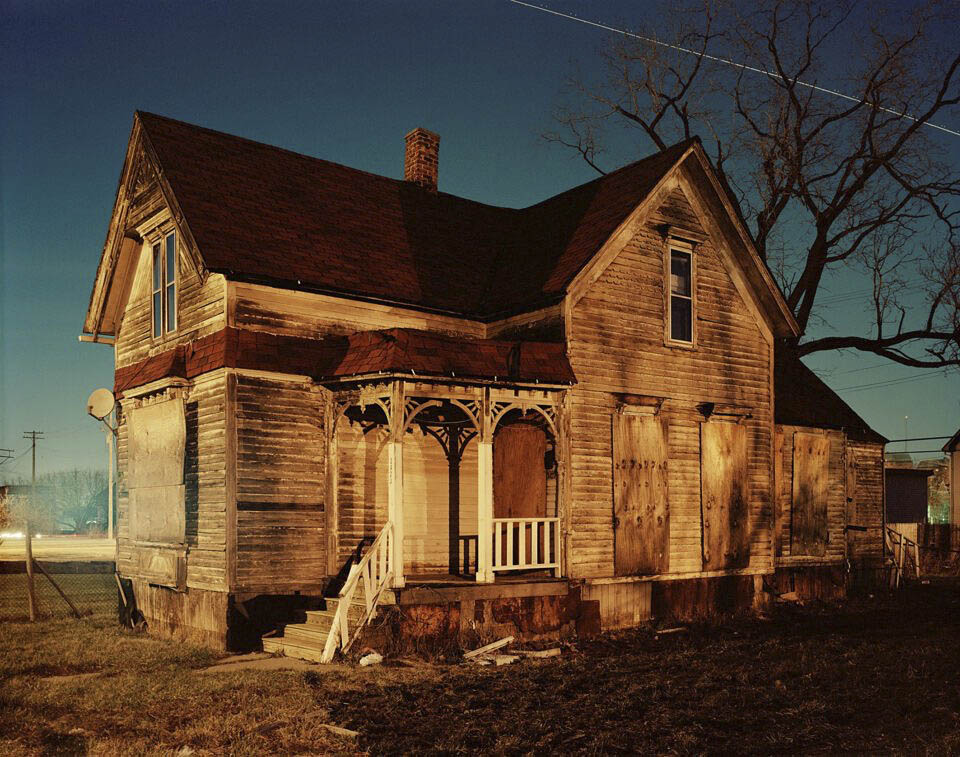

 Art Blart _ art and cultural memory archive
You must be logged in to post a comment.