
Exhibition dates: 9th March – 13th September, 2026
Curators: Janet Bishop, Thomas Weisel Family Chief Curator, SFMOMA, and Cara Manes, Associate Curator, Department of Painting and Sculpture, MoMA, in collaboration with Geaninne Gutiérrez-Guimarães, Curator, Guggenheim Museum Bilbao
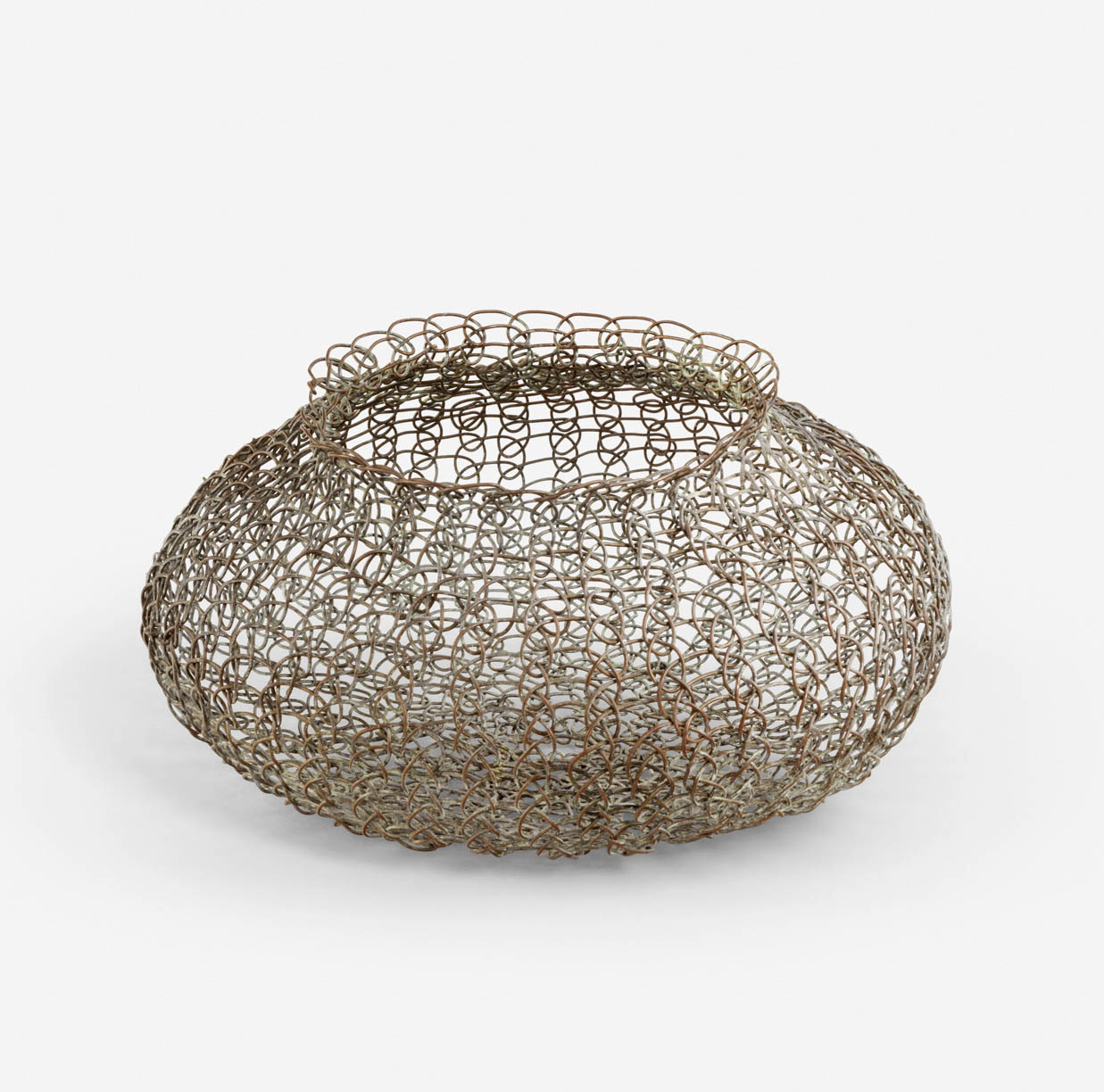
Ruth Asawa (American, 1926-2013)
Untitled (S.363, Freestanding Basket)
c. 1948
Copper wire
4 1/2 x 7 1/2 x 7 3/4 in. (11.4 x 19.1 x 19.7cm)
Asheville Art Museum, North Carolina. Black Mountain College Collection
Museum purchase with funds provided by 2010 Collectors’ Circle with additional funds provided by Frances Myers
© 2026 Ruth Asawa Lanier, Inc., courtesy David Zwirner
Photo courtesy Christie’s
I have always admired Ruth Asawa’s work.
There are some beautiful photographs of her wire sculptures on display in various exhibitions; of Asawa in her home with her work. Imagine living in such a home surrounded by your creations, continuous form within a form within the home as her studio. A nest of creativity, comfort and production.
What beauty and natural energy emanates from the soul of this work, work which contains ideas of transparency, continuity, and space. For the artist a way of growing and being as one with the energy of the world.
“Everything is connected, continuous.”
Dr Marcus Bunyan
Many thankx to the Guggenheim Museum Bilbao for allowing me to publish the photographs in the posting. Please click on the photographs for a larger version of the image.
“An artist is an ordinary person who can take ordinary things and make them special.”
“I was interested in wire because of the economy of a line, making something in space, enclosing it without blocking it out. It’s still transparent. I realised that if I was going to make these forms, which interlock and interweave, it can only be done with a line because a line can go anywhere.”
“My curiosity was aroused by the idea of giving structural form to the images in my drawings. These forms come from observing plants, the spiral shell of a snail, seeing light through insect wings, watching spiders repair their webs in the early morning, and seeing the sun through the droplets of water suspended from the tips of pine needles while watering my garden.”
Ruth Asawa
“What’s exceptional about Asawa’s practice is the multiplicity of her artistic pursuits and the marvellous ability to turn the simplest things into subjects of lifelong creative contemplation. The exhibition aims to offer multiple points of entry into her work, reflecting what Asawa described as the ‘total act’ of artmaking.”
Cara Manes, curator of Ruth Asawa: A Retrospective
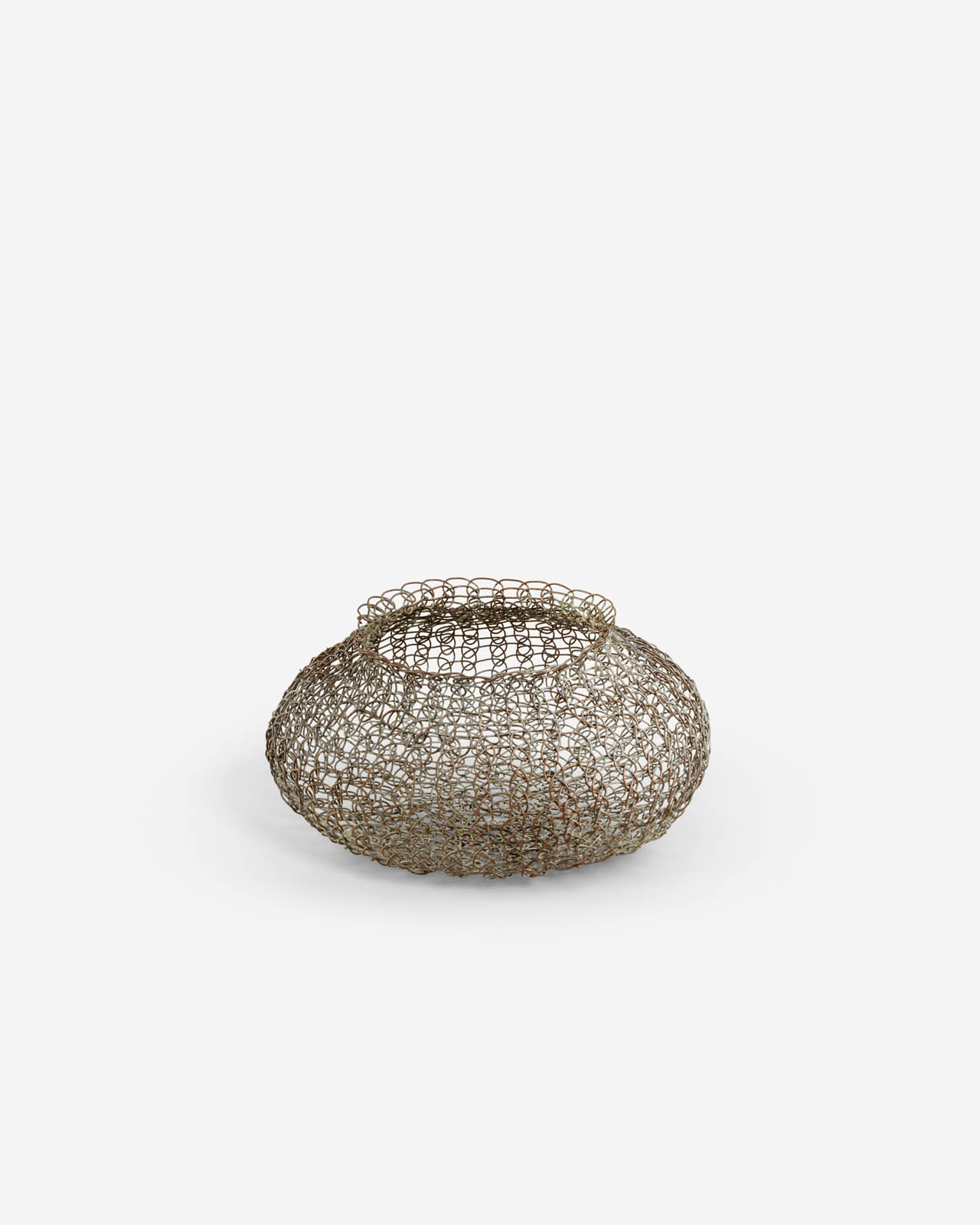
Ruth Asawa (American, 1926-2013)
Untitled (S.363, Freestanding Basket)
c. 1948
Copper wire
4 1/2 x 7 1/2 x 7 3/4 in. (11.4 x 19.1 x 19.7cm)
Asheville Art Museum, North Carolina. Black Mountain College Collection
Museum purchase with funds provided by 2010 Collectors’ Circle with additional funds provided by Frances Myers
© 2026 Ruth Asawa Lanier, Inc., courtesy David Zwirner
Photo courtesy Christie’s
Across mediums and all stages of her practice, Asawa explored continuity, transparency, and the interchangeability of seemingly contradictory concepts like figure and ground, and abstraction and representation. She first articulated these core ideas at Black Mountain College (BMC), a multidisciplinary school with a sensory- and materials-based curriculum that she attended in 1946-49. There, Asawa took courses in mathematics, philosophy, music, and dance. She studied art under Josef Albers, among others, from whom she learned “how to see,” as she later put it.
Asawa’s early drawings, paintings, and wire works in this section took inspiration from natural forms and mathematical patterns, among other sources. A formative trip to Mexico in 1947 introduced Asawa to wire baskets and weaving techniques, which was a major turning point in her own work. By the time she left BMC in 1949, she had made an important discovery. “I continued one basket into a closed form and slowly, while learning to control the medium, began to realize the exciting potential in this way of making sculpture.”
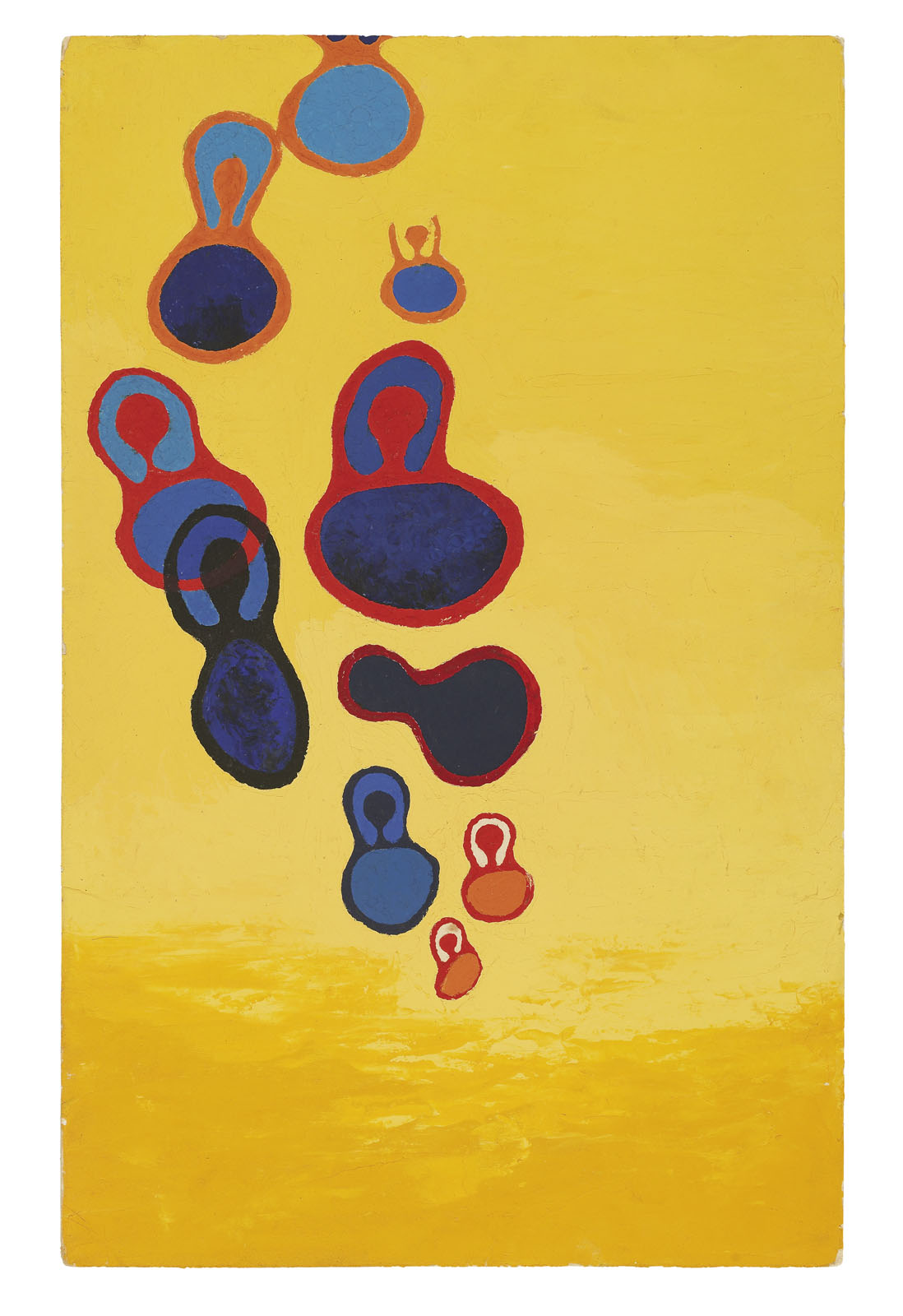
Ruth Asawa (American, 1926-2013)
Untitled (BMC.52, Dancers)
c. 1948-49
Oil on paper
48.3 x 30.5cm
Private collection
© 2026 Ruth Asawa Lanier, Inc., courtesy David Zwirner
Photo courtesy Fine Arts Museums of San Francisco
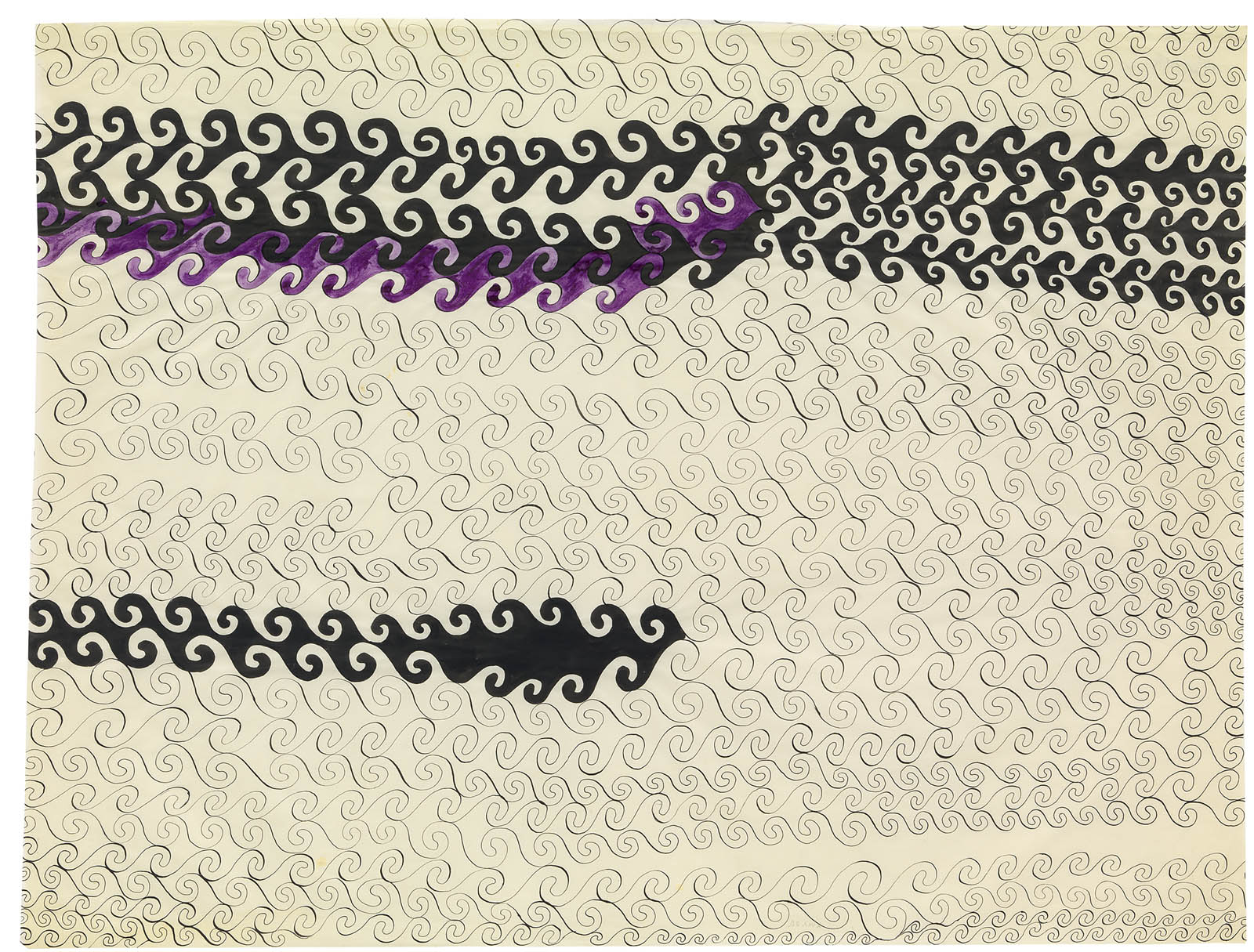
Ruth Asawa (American, 1926-2013)
Untitled (BMC.58, Meander – Curved Lines)
c. 1948
Ink on paper
41.9 x 55.9cm
Private collection
© 2026 Ruth Asawa Lanier, Inc., courtesy David Zwirner; photo courtesy Fine Arts Museums of San Francisco
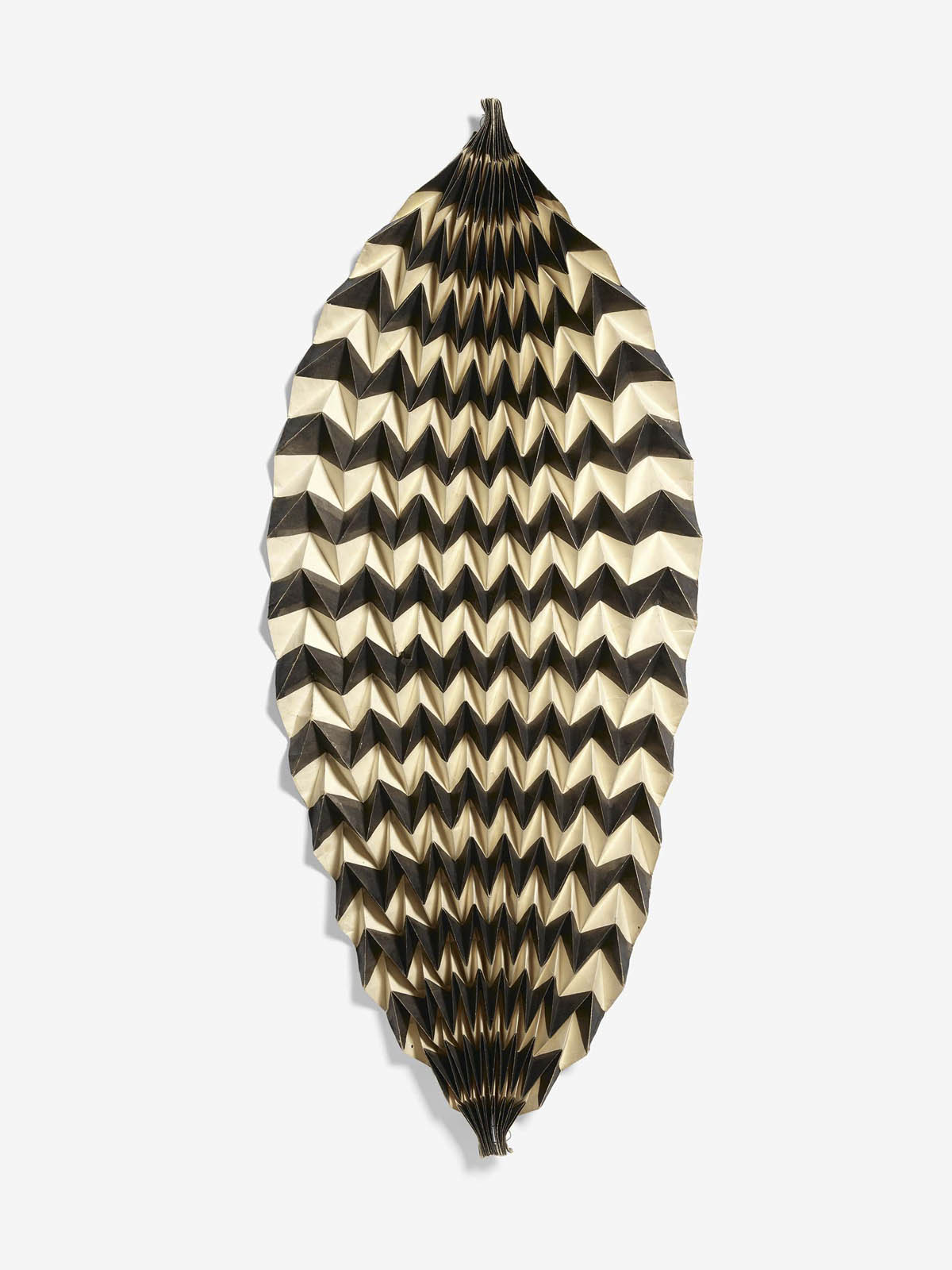
Ruth Asawa (American, 1926-2013)
Untitled (S.691, Wall-Mounted Paperfold with Horizontal Stripes)
1951
Ink on paper
176.5 x 73.7 x 5.7cm
Whitney Museum of American Art, New York
Gift of the Cuneo Family
© 2026 Ruth Asawa Lanier, Inc., courtesy David Zwirner
In the early 1950s Asawa took classes in dance, commercial design, lettering, screenprinting, and painting at San Francisco State College (now San Francisco State University). In these years her work continued to gain local and national attention through exhibitions at the San Francisco and New York showrooms of the interior design company Laverne Originals, and in publications including Vogue.
During this period Asawa made a range of designs for commercial work, including plastic panels based on her paperfolds and wallpaper and textile patterns incorporating logarithmic spiral forms, the Black Mountain College (BMC) laundry stamp, and the footprints of her young children. Although Laverne Originals invited Asawa to mass-produce her looped-wire baskets as home decor, she declined. She explained: “I am interested in producing to sell, but the more I work the more ideas I get and I want to experiment, but experimenting is not producing, since there are always many flops.”
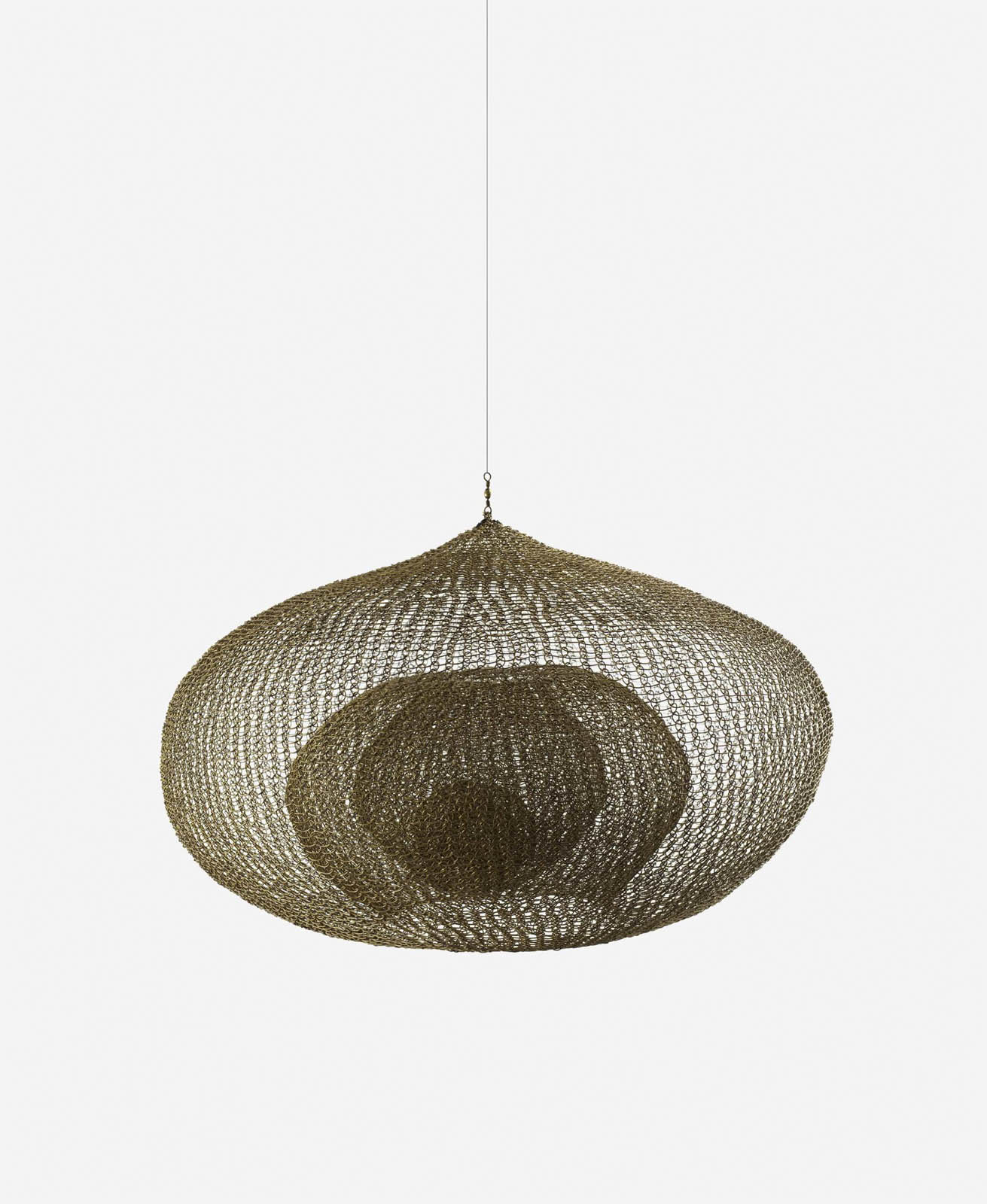
Ruth Asawa (American, 1926-2013)
Untitled (S.427, Hanging Single-Lobed, Five-Layered Continuous Form within a Form)
1953
Brass wire
18 x 28 x 28 in. (45.7 x 71.1 x 71.1 cm)
Collection Don Kaul and Barbara Bluhm-Kaul, Chicago
© 2026 Ruth Asawa Lanier, Inc., courtesy David Zwirner
Photo: Maris Hutchinson, courtesy David Zwirner
“These sculptures are made of a continuous wire … enclosing volumes transparently … and producing forms within forms. … The wire must be continuous and the hollow shapes can only be shapes that grow this way.”
~ Ruth Asawa
In 1949 Asawa moved to San Francisco, which became her permanent home. Following California’s repeal of laws prohibiting interracial marriage, she married architect and fellow Black Mountain alumnus, Albert Lanier, and together they started a family. In tandem Asawa began building her art career, dedicating herself full-time to experiments with form building both in space with her looped-wire sculptures and on a flat plane in drawings and prints.
Asawa’s unyielding search for new possibilities within her chosen processes resulted in her signature sculptural motif: a “continuous form within a form,” which she described as “a shape that was inside and outside at the same time.” In a single lobe, a sequence of spheres encloses one another, creating one uninterrupted surface. Asawa would continue to elaborate on this motif for decades to come, foregrounding continuity as a through line for her work. “You can show inside and outside, and inside and outside are connected,” she said. “Everything is connected, continuous.”
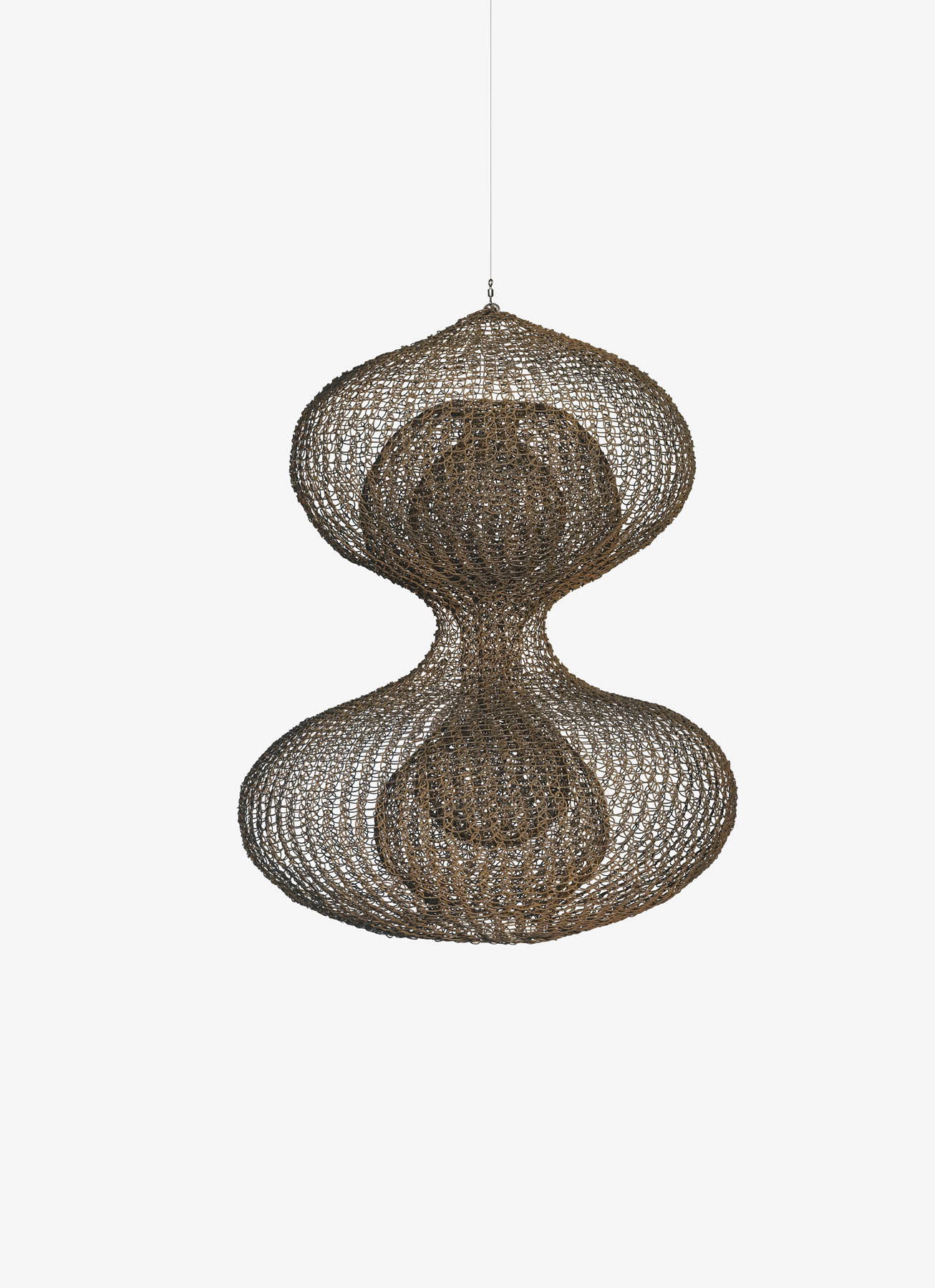
Ruth Asawa (American, 1926-2013)
Untitled (S.797, Hanging Two-Lobed, Three-Layered Continuous Form within a Form)
c. 1954
Steel wire
49.5 x 38.7 x 38.7cm
Private collection
© 2026 Ruth Asawa Lanier, Inc., courtesy David Zwirner
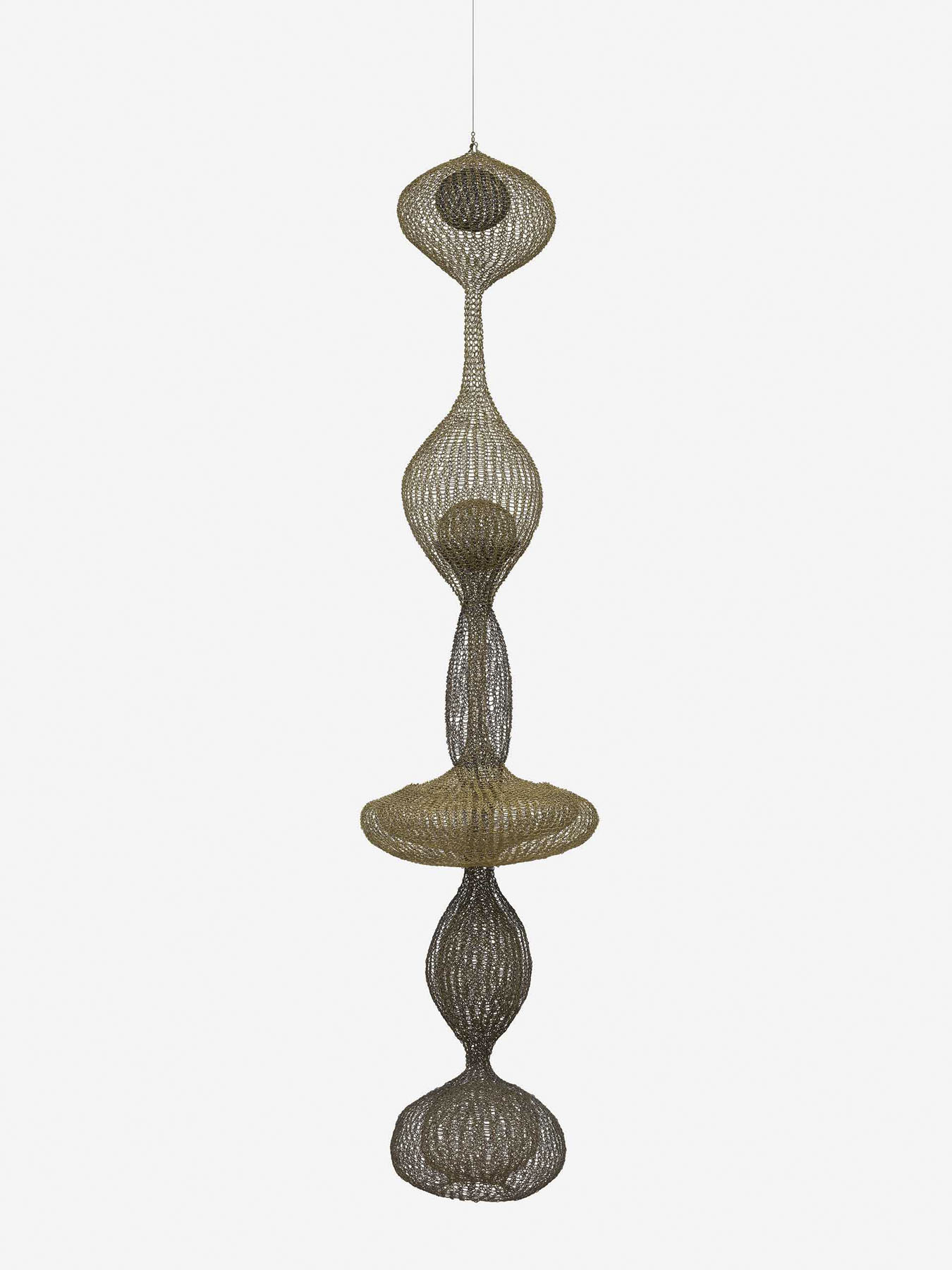
Ruth Asawa (American, 1926-2013)
Untitled (S.270, Hanging Six-Lobed, Interlocking Continuous Form within a Form with Spheres in the First and Second Lobes)
1955, refabricated 1957-58
Brass and steel wire
162.2 x 37.9 x 37.9cm
Whitney Museum of American Art, New York
Gift of Howard Lipman
© 2026 Ruth Asawa Lanier, Inc., courtesy David Zwirner
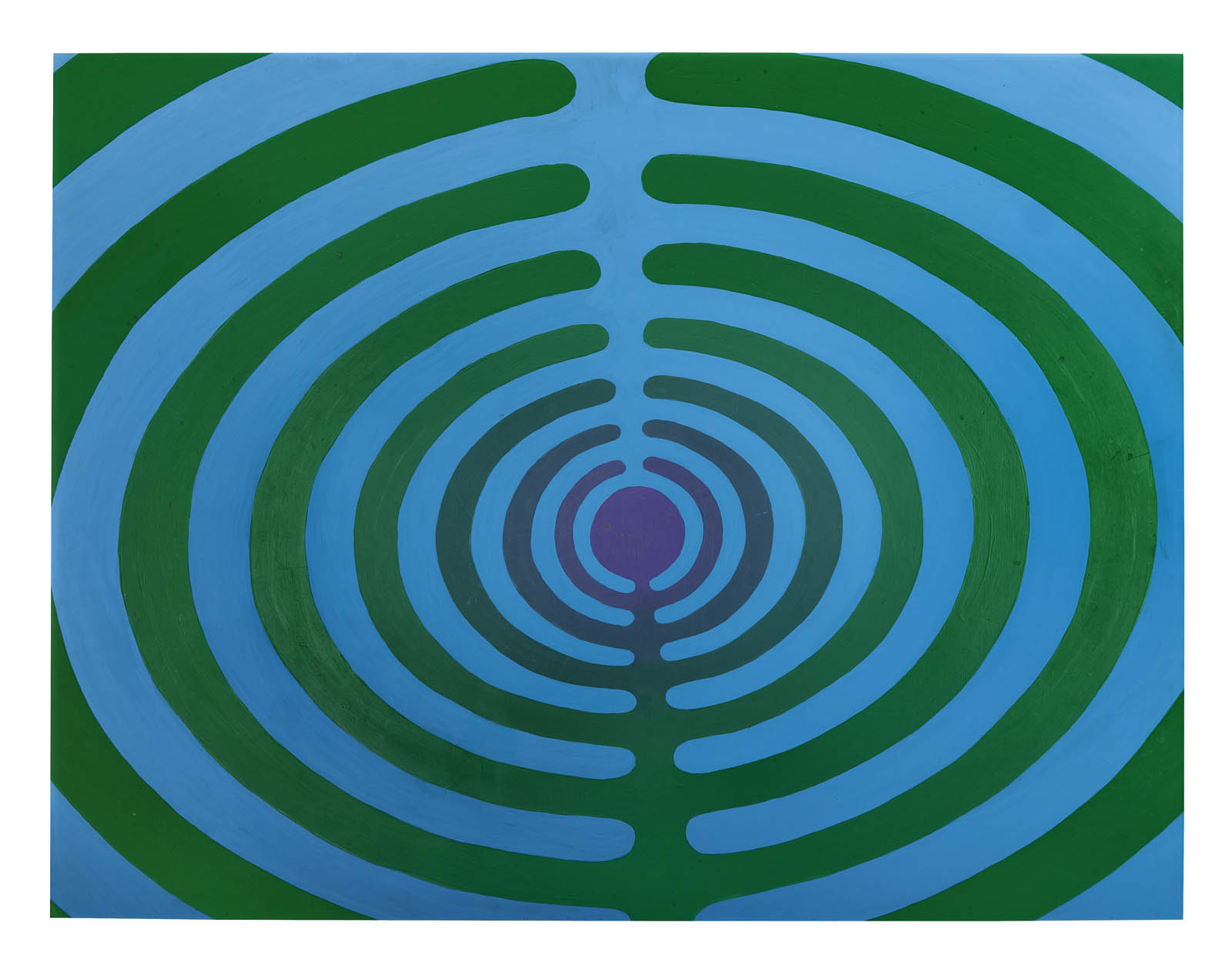
Ruth Asawa (American, 1926-2013)
Untitled (AB.029, Continuous Form Within a Form)
1956
Acrylic on Masonite
83.8 x 109.2cm
Private collection
© 2026 Ruth Asawa Lanier, Inc., courtesy David Zwirner
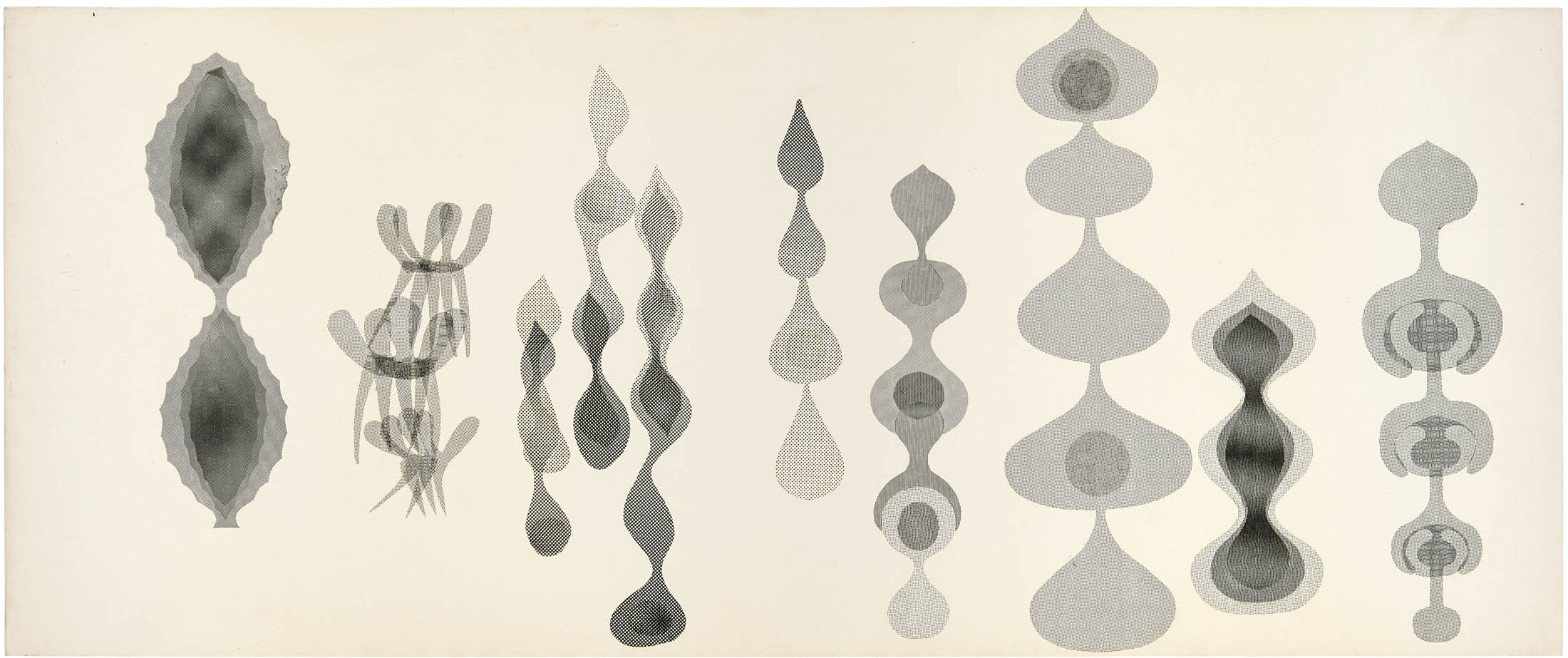
Ruth Asawa (American, 1926-2013)
Untitled (ZP.16B, Twelve Looped-Wire Sculptural Forms)
mid- to late 1950s
Screentone on mat board
25.4 x 61cm
Private collection
© 2026 Ruth Asawa Lanier, Inc., courtesy David Zwirner
Photo: James Paonessa
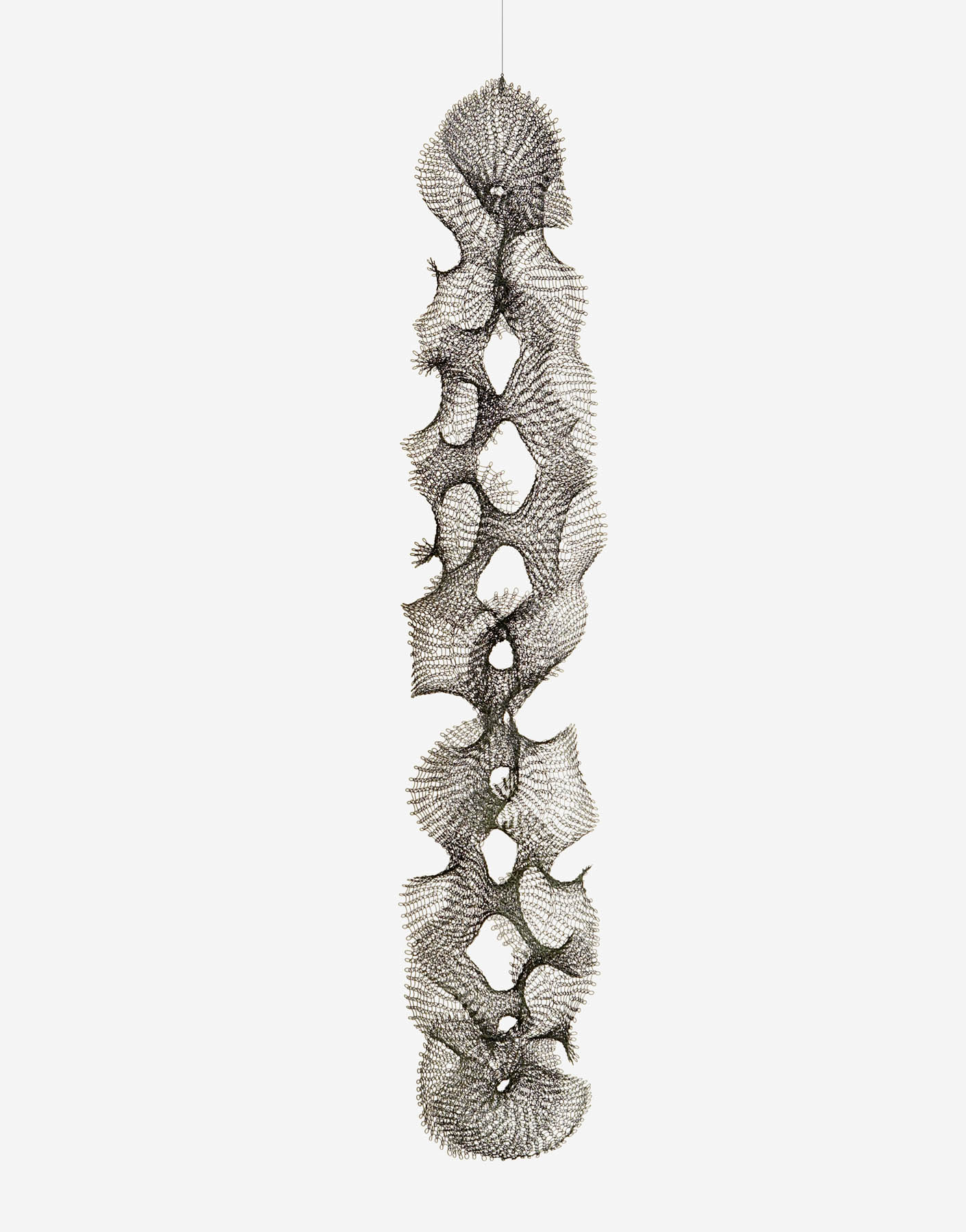
Ruth Asawa (American, 1926-2013)
Untitled (S.433, Hanging Nine Open Hyperbolic Shapes Joined Laterally)
c. 1958
Copper wire
193 x 38.1 x 38.1cm
William Roth Estate
© 2026 Ruth Asawa Lanier, Inc., courtesy David Zwirner
Photo: Laurence Cuneo
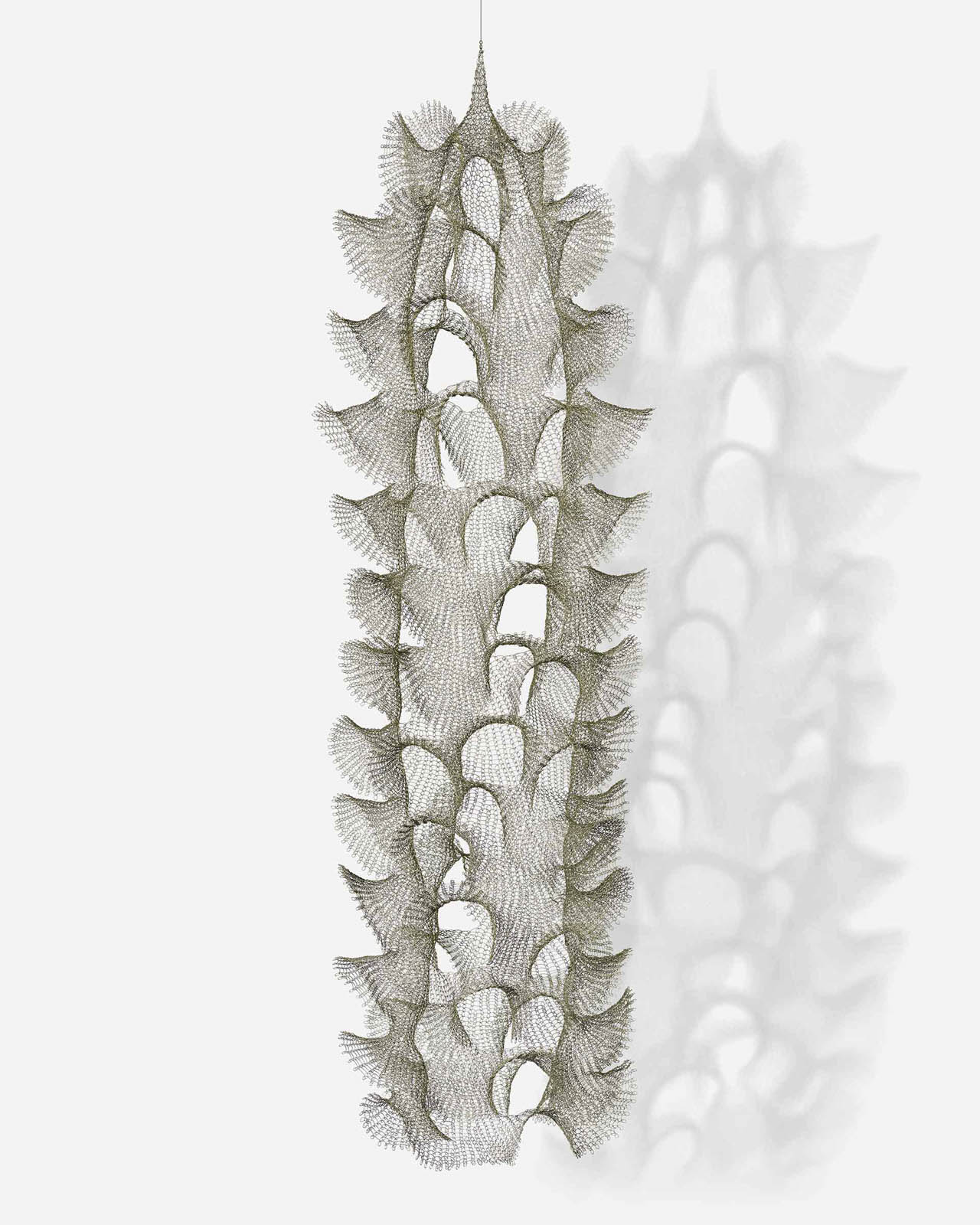
Ruth Asawa (American, 1926-2013)
Untitled (S.039, Hanging Five Spiraling Columns of Open Windows)
c. 1959-1960
Monel wire
213.4 x 61 x 61cm
de Young Museum, Fine Arts Museums of San Francisco
Gift of the artist
Artwork © 2026 Ruth Asawa Lanier, Inc., Courtesy David Zwirner
Photo: Laurence Cuneo
Asawa’s famous quote, “My home was and is my studio,” encapsulates her philosophy of seamlessly integrating family life and artistic creation, where her San Francisco home became a living, breathing art space filled with family, projects, and her iconic hanging wire sculptures. Taking inspiration from this motif, this gallery brings together works in different mediums from across the arc of Asawa’s career, alongside works by her lifelong friends, and pays testament to her boundless practice.
The heart of the Asawa-Lanier Noe Valley house was its cathedral-like main living space, which boasted south-facing windows and a double-height ceiling measuring over five meters tall. The space was filled with objects reflective of the constant creative activity the artist encouraged in her children and guests to the home. Its walls featured her own work along with art by friends including Josef Albers, among others. Its shelves displayed pots by Marguerite Wildenhain as well as art books. The most distinguishing feature of her living room was the spectacular array of Asawa’s wire sculptures suspended from the open overhead beams.
Both within and outside her home and studio, Asawa never stopped working: She sketched and drew her surroundings, coiled or bundled wire in preparation for the next sculpture, folded paper for origami, and welcomed other artists, educators, and advocates for continued collaborations.
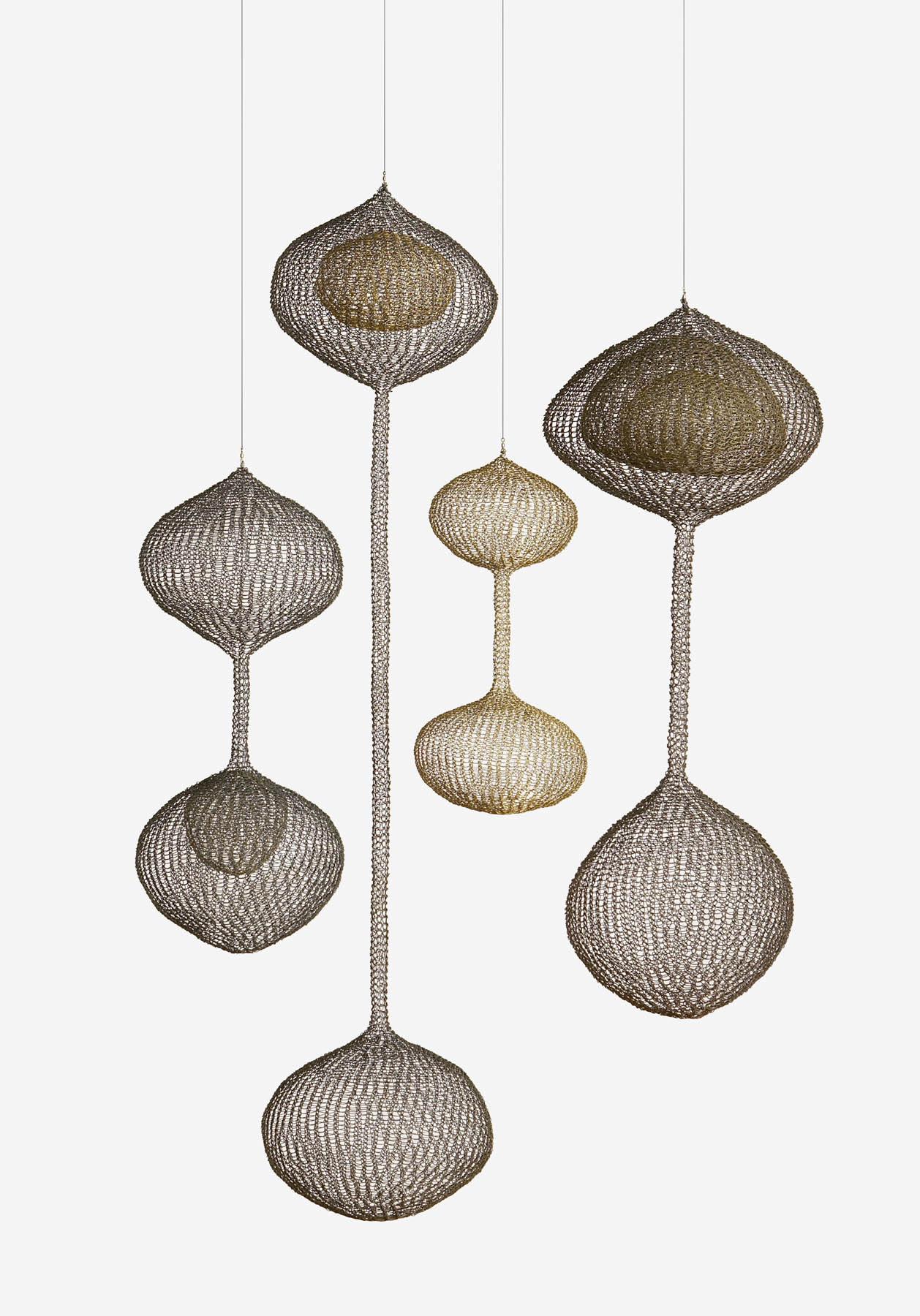
Ruth Asawa (American, 1926-2013)
Untitled (S.046a-d, Hanging Group of Four, Two-Lobed Forms)
1961
Copper and brass wire
(a): 152.4 x 43.2 x 17.8cm
(b): 53.3 x 30.5 x 30.5cm
(c): 81.3 x 33 x 33cm
(d): 104.1 x 40.6 x 40.6cm
Collection of Diana Nelson and John Atwater
Promised gift to the San Francisco Museum of Modern Art
© 2026 Ruth Asawa Lanier, Inc., courtesy David Zwirner
Photo: Laurence Cuneo
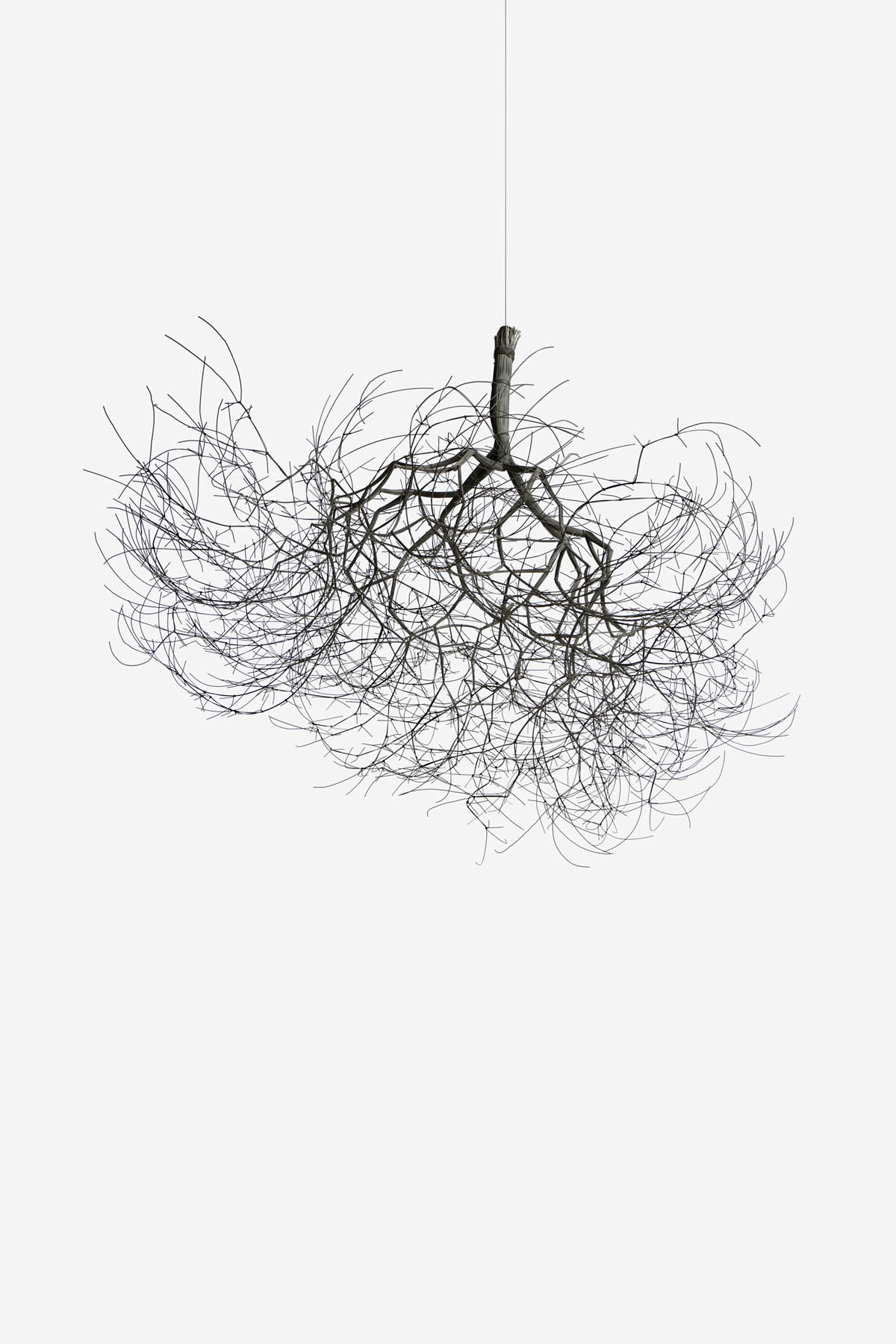
Ruth Asawa (American, 1926-2013)
Untitled (S.184, Hanging Tied-Wire, Single-Stem, Multi-Branched Form Based on Nature)
c. 1962
Galvanized steel wire
76.2 x 101.6 x 101.6cm
Collection of Diana Nelson and John Atwater
© 2026 Ruth Asawa Lanier, Inc., courtesy David Zwirner
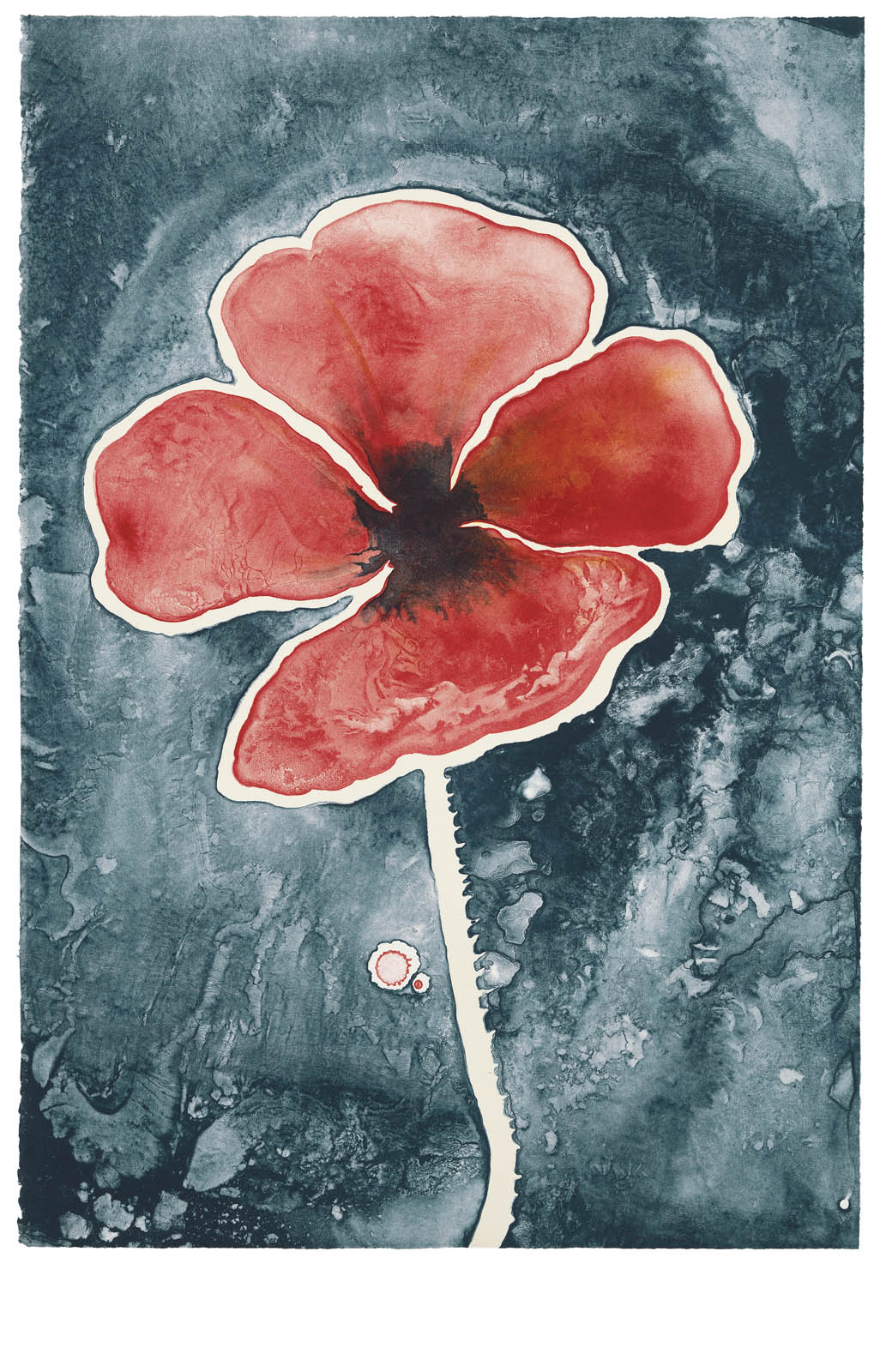
Ruth Asawa (American, 1926-2013)
Poppy (TAM.1479)
1965
Lithograph
76.4 x 52.2cm
The Museum of Modern Art, New York
Gift of Kleiner, Bell & Co
© 2026 Ruth Asawa Lanier, Inc., courtesy David Zwirner
Photo: © 2015 MoMA, NY
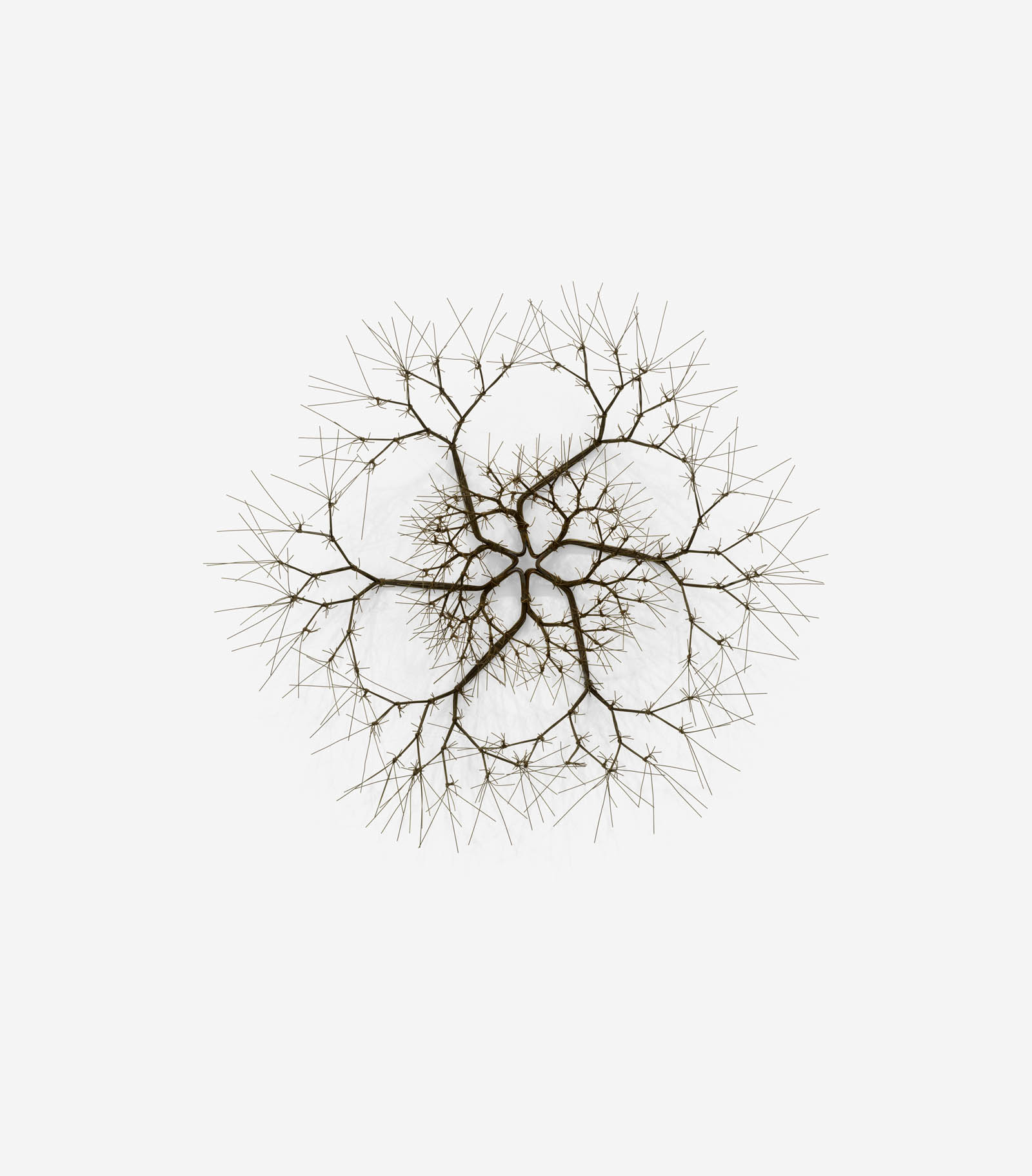
Ruth Asawa (American, 1926-2013)
Untitled (S.451, Wall-Mounted Tied-Wire, Open-Center, Six-Branched Form Based on Nature)
c. 1965
Brass and copper wire
63.5 x 73.7 x 19.1cm
Private collection
© 2026 Ruth Asawa Lanier, Inc., courtesy David Zwirner
Photo: Dan Bradica, courtesy David Zwirner
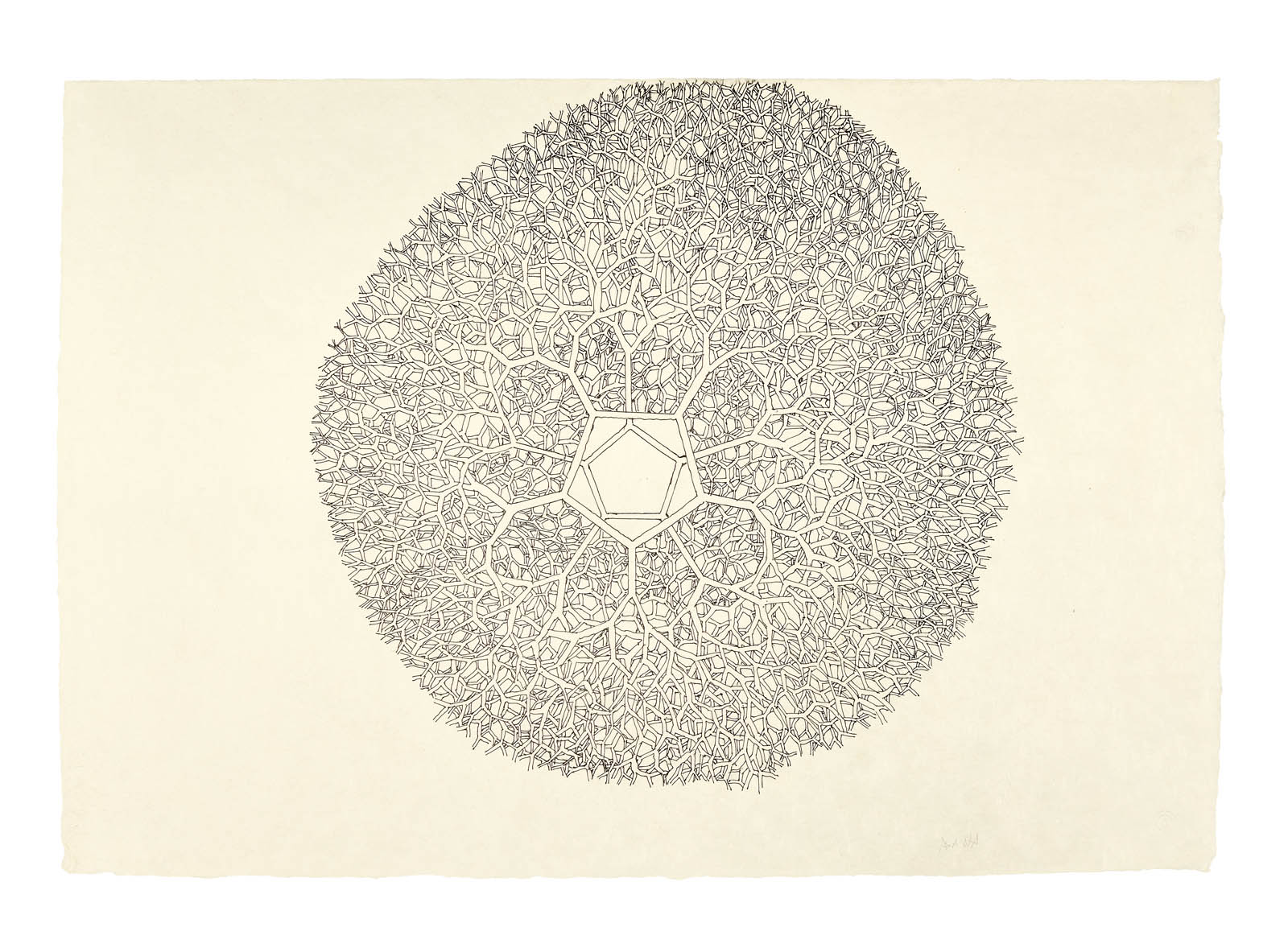
Ruth Asawa (American, 1926-2013)
Untitled (SD.017, Tied-Wire Sculpture Drawing with Open Pentagon in Center)
1980s to mid-1990s
Ink on paper
46.4 x 66cm
Private collection
© 2026 Ruth Asawa Lanier, Inc., courtesy David Zwirner
Photo: James Paonessa
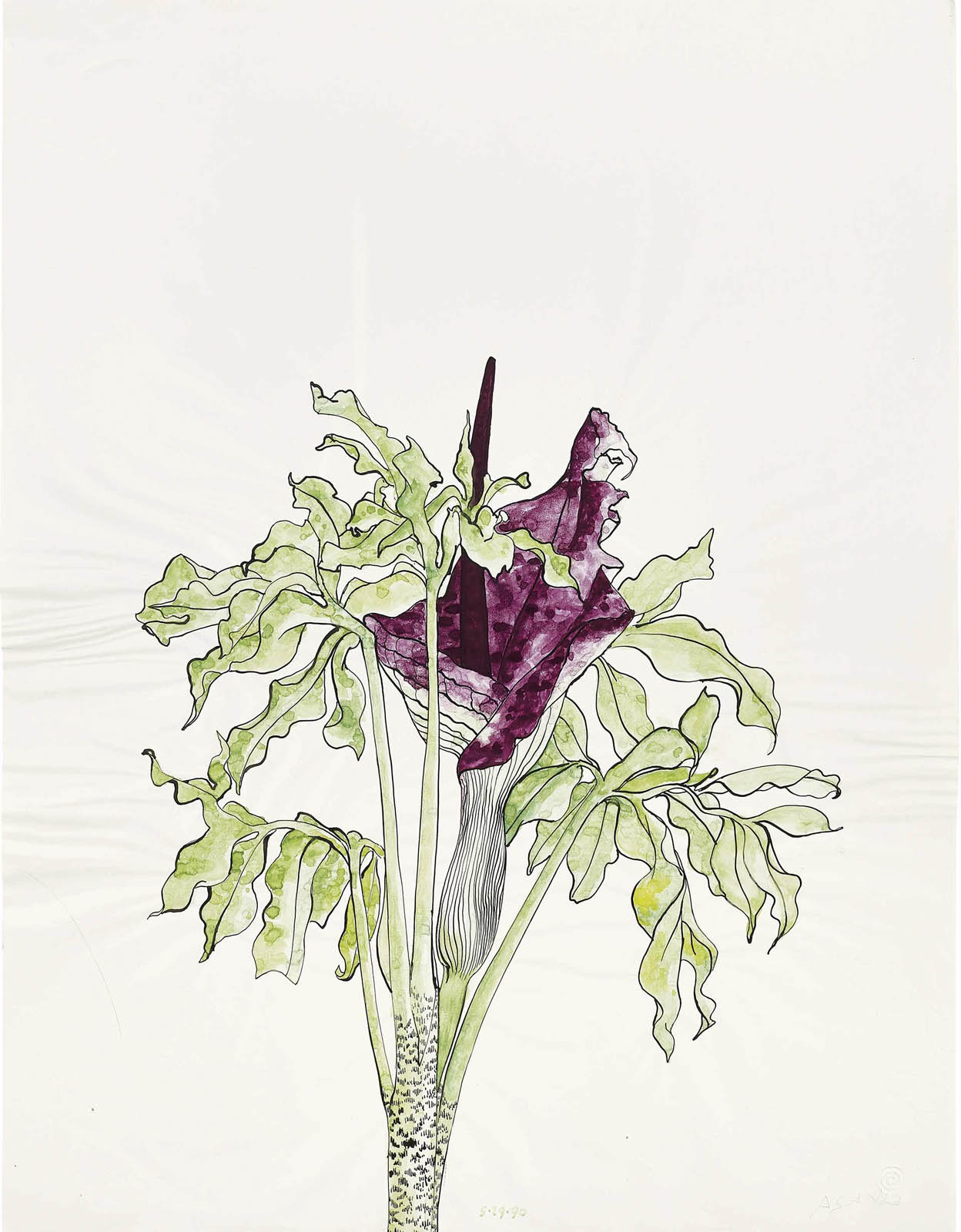
Ruth Asawa (American, 1926-2013)
Untitled (WC.090, Voodoo Lily)
1990
Ink and watercolour on paper
63.5 x 48.26cm
Private collection
© 2026 Ruth Asawa Lanier, Inc., courtesy David Zwirner
Over the course of her career, Asawa tirelessly returned to depicting plants and flowers, tracing the shapes of irises, hydrangeas, chrysanthemums, and other flora from her garden in sketchbooks and works on paper. For Asawa, drawing from life was more than simple observation; it became a value and mode of engaging with the world and present moment. “Life draws,” she once wrote, expressing how the events and objects around her defined her work.
In 1985 Asawa was diagnosed with lupus and for nearly a year her physical capacity was significantly reduced, but her creative spirit remained undiminished. In the last decades of her career, she concentrated her creative output on botanical drawings, some of which are gathered in this section. These intimate works, at times extremely realistic, at others abstract, often began with a gesture of generosity: gifts of plants from the artist’s friends and family, after whom many works are titled – such as Albert’s Bouquet from the Garden (1999) or Valentine Bouquet from Adam (1991), referring to her son who often tended his parents’ flowering plants during their later years. Through the daily routine of recording the natural world around her, Asawa documented the extended community she shared it with, as well as the passage of time.
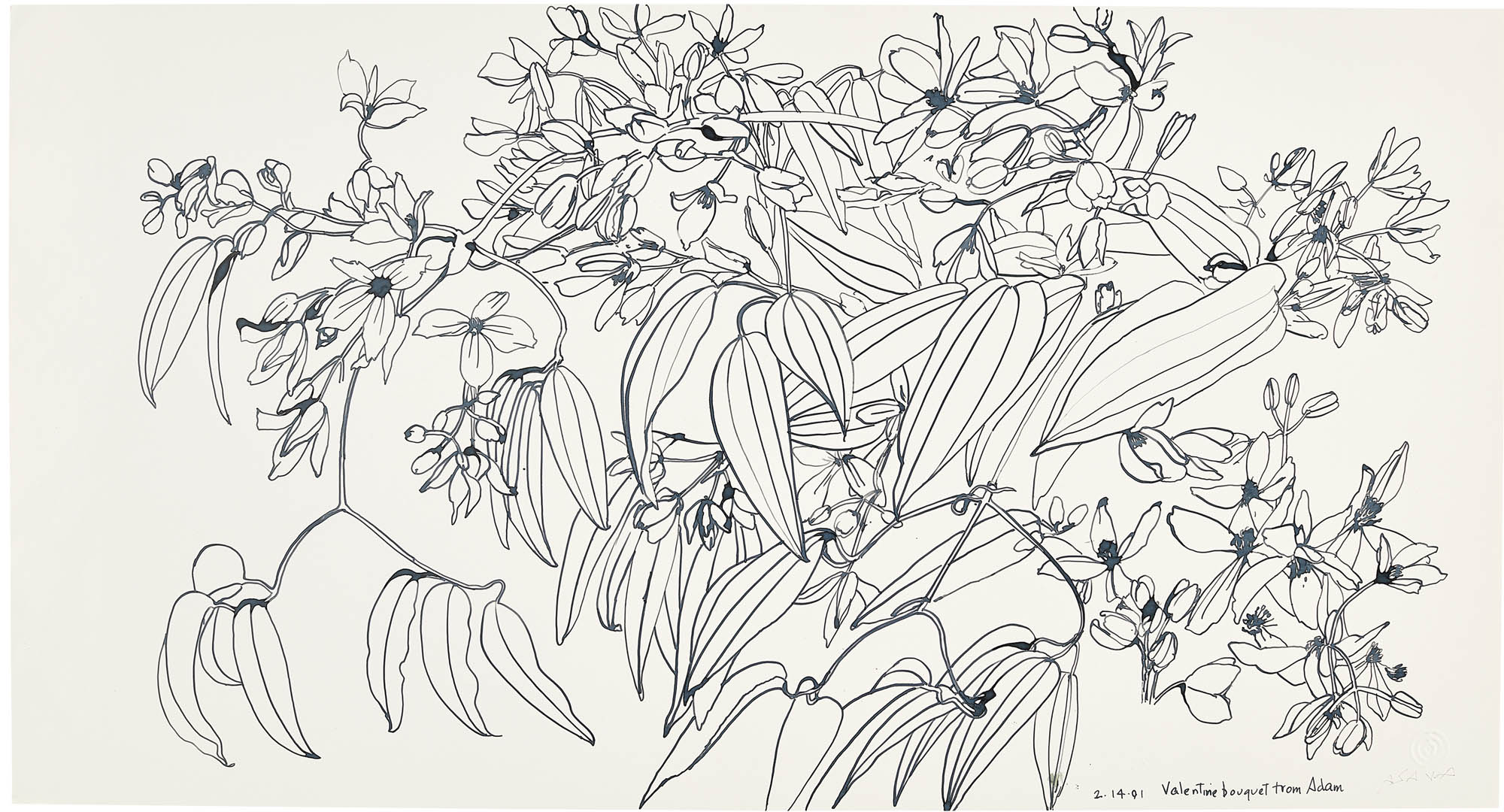
Ruth Asawa (American, 1926-2013)
Valentine Bouquet from Adam (PF.555)
1991
Ink on paper
31.8 x 58.4cm
Private collection
© 2026 Ruth Asawa Lanier, Inc., courtesy David Zwirner
Photo: James Paonessa
Unfolding across ten sections that span the arc of a six decade-long career, this exhibition traces the full breadth and depth of the innovative practice of an iconic artist. Ruth Aiko Asawa (b. 1926, Norwalk, California, USA; d. 2013, San Francisco, USA) integrated her creative work with all aspects of her life as an artist, educator and arts advocate. This interconnectedness is illuminated in photographs and ephemera presented alongside and in response to the works featured here, from the suspended looped-wire sculptures for which she is best known to nature-inspired tied-wire pieces, clay and bronze casts, paperfolds, paintings, drawings, sketchbooks, and prints. Challenging distinctions between abstraction and representation, figure and ground, and negative and positive space, her work invites us to contemplate how disparate elements interact in a composition, which in turn engages with its surroundings.
Asawa was the fourth of seven children of Japanese immigrant farmers. During World War II, she and her family were forcibly incarcerated by the United States government because of their Japanese ancestry. In 1946, after being denied an art teaching degree because of anti Japanese prejudice, she enrolled at the progressive Black Mountain College in North Carolina. In the school’s democratic environment, she forged a creative path grounded in experimentation and an ethos of hard, continuous work. From her time at Black Mountain through the end of her life in San Francisco, where she moved in 1949, Asawa situated her artistic practice within set parameters to investigate ideas of transparency, continuity, and space. In the 1960s, she also expanded her life’s work to directly engage her community through public commissions, arts education, and civic advocacy.
Taking its cue from the artist’s multifaceted work, this retrospective charts Asawa’s career and legacy, highlighting her ceaseless experimentation with material and form evident in her radical innovations.
Ruth Asawa: Retrospective is an exhibition partnership between the San Francisco Museum of Modern Art (SFMOMA) and the Museum of Modern Art, New York (MoMA). This presentation was developed in collaboration with the Guggenheim Museum Bilbao.
The exhibition is co-curated by Janet Bishop, Thomas Weisel Family Chief Curator, SFMOMA, and Cara Manes, Associate Curator, Department of Painting and Sculpture, MoMA, in collaboration with Geaninne Gutiérrez-Guimarães, Curator, Guggenheim Museum Bilbao.
Text from the Guggenheim Museum Bilbao website
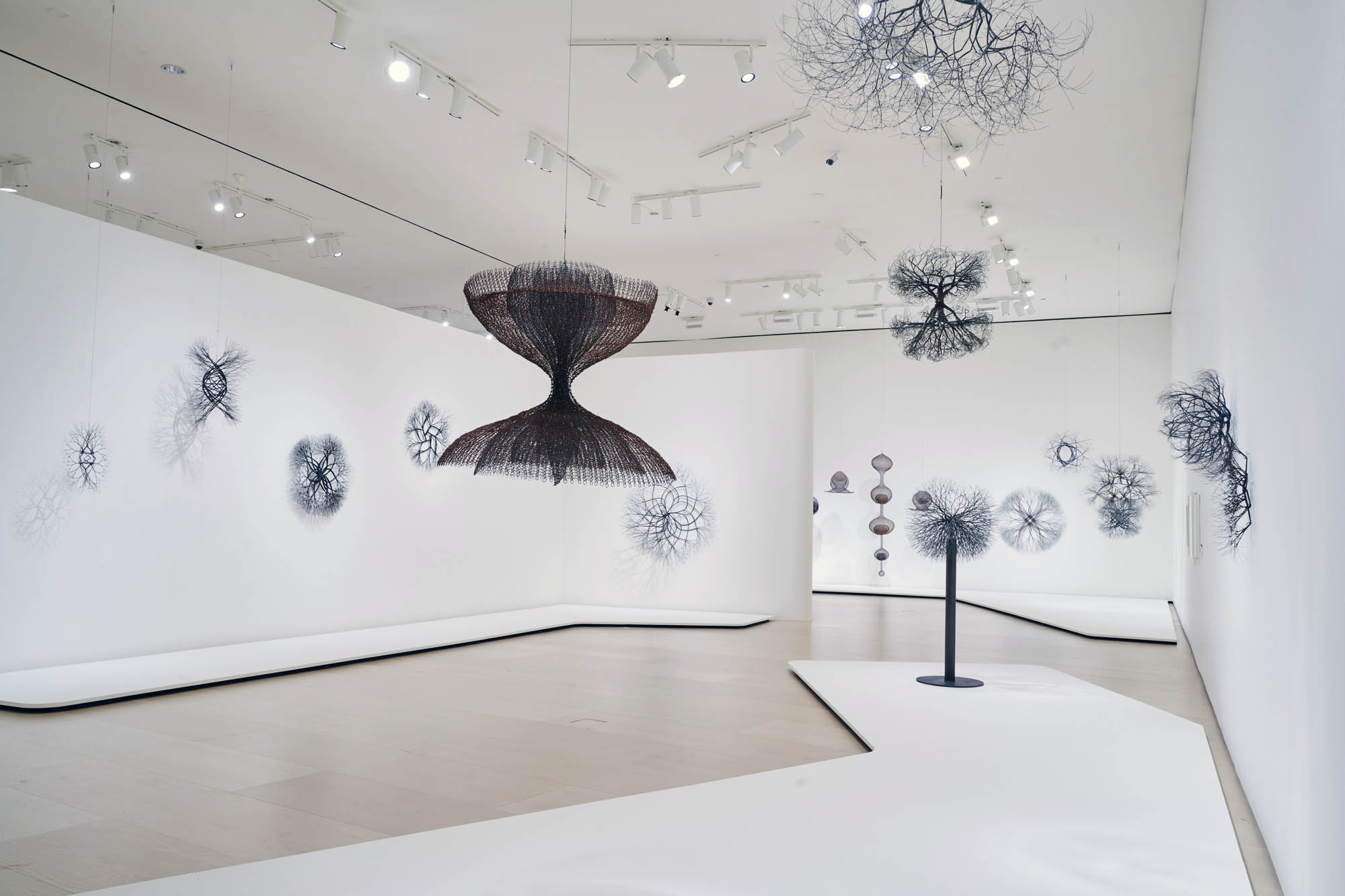
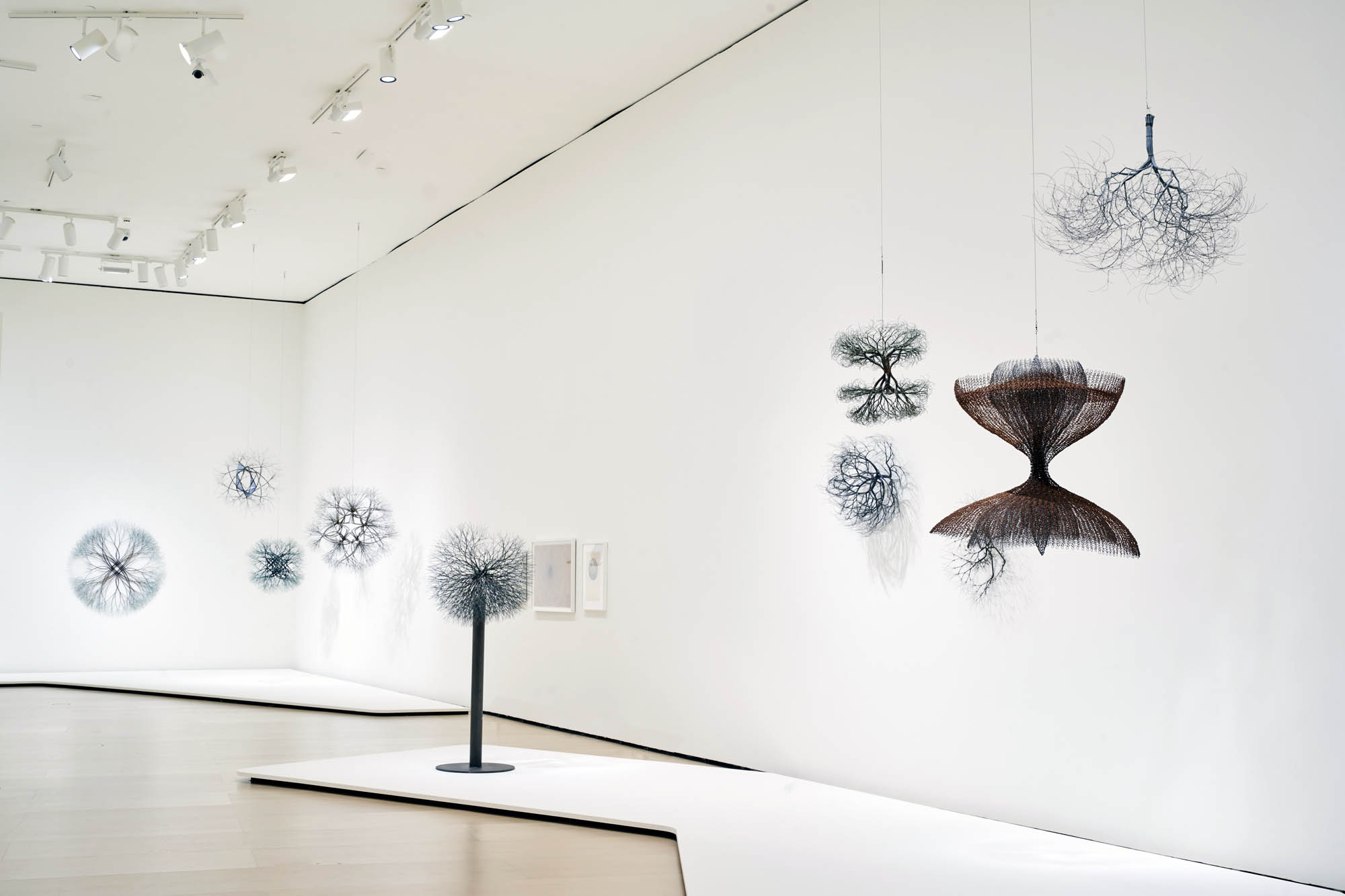
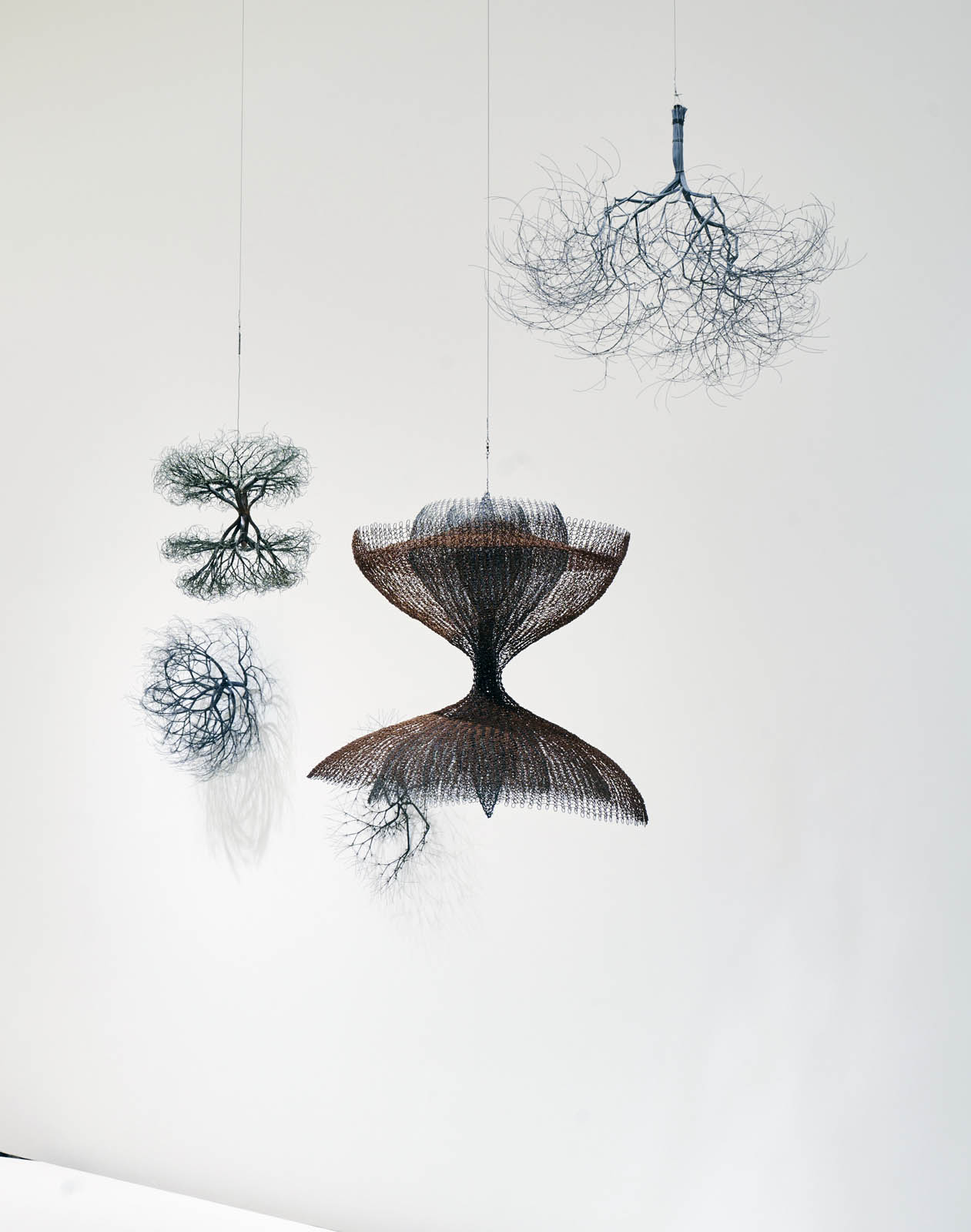
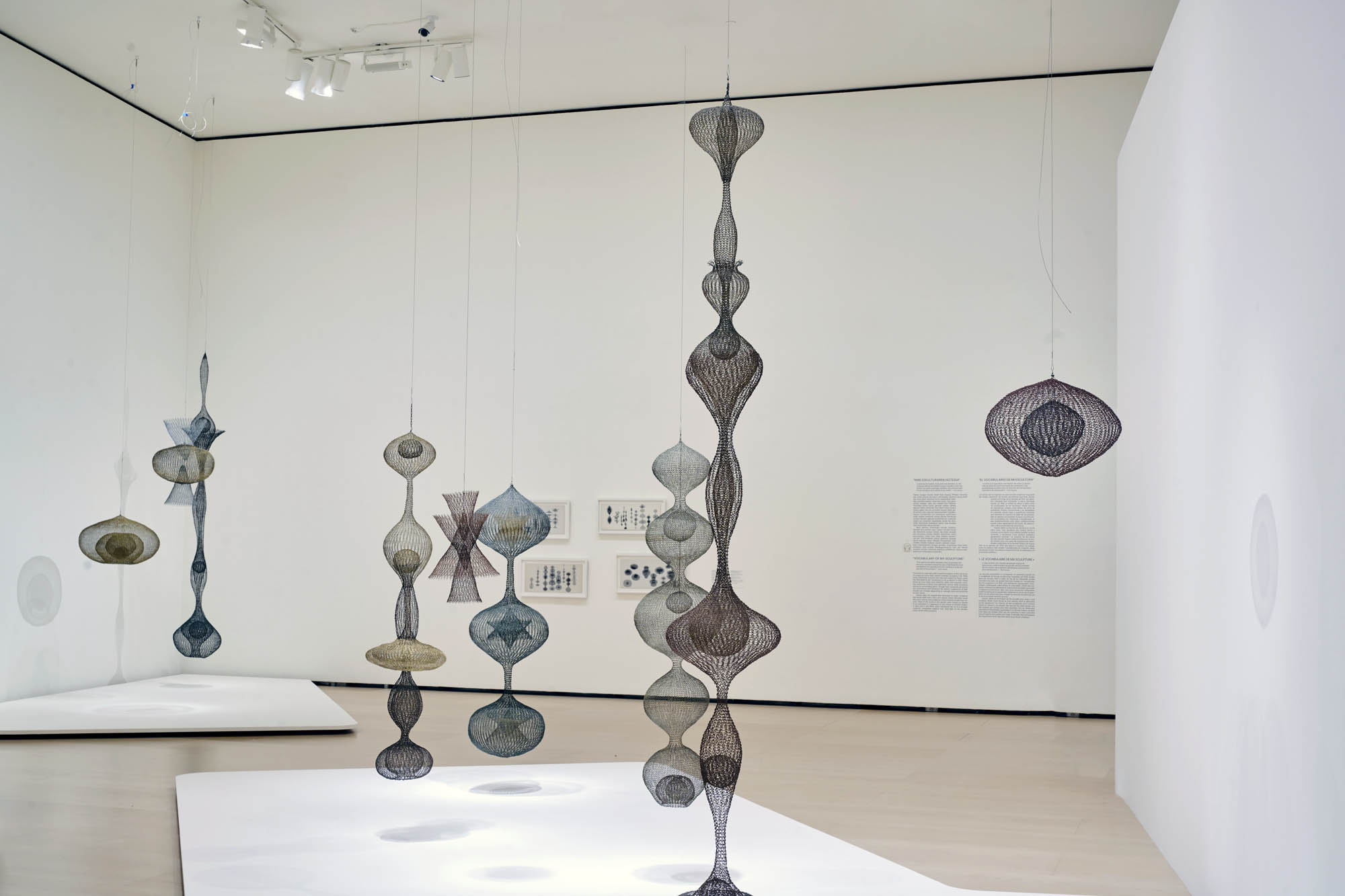
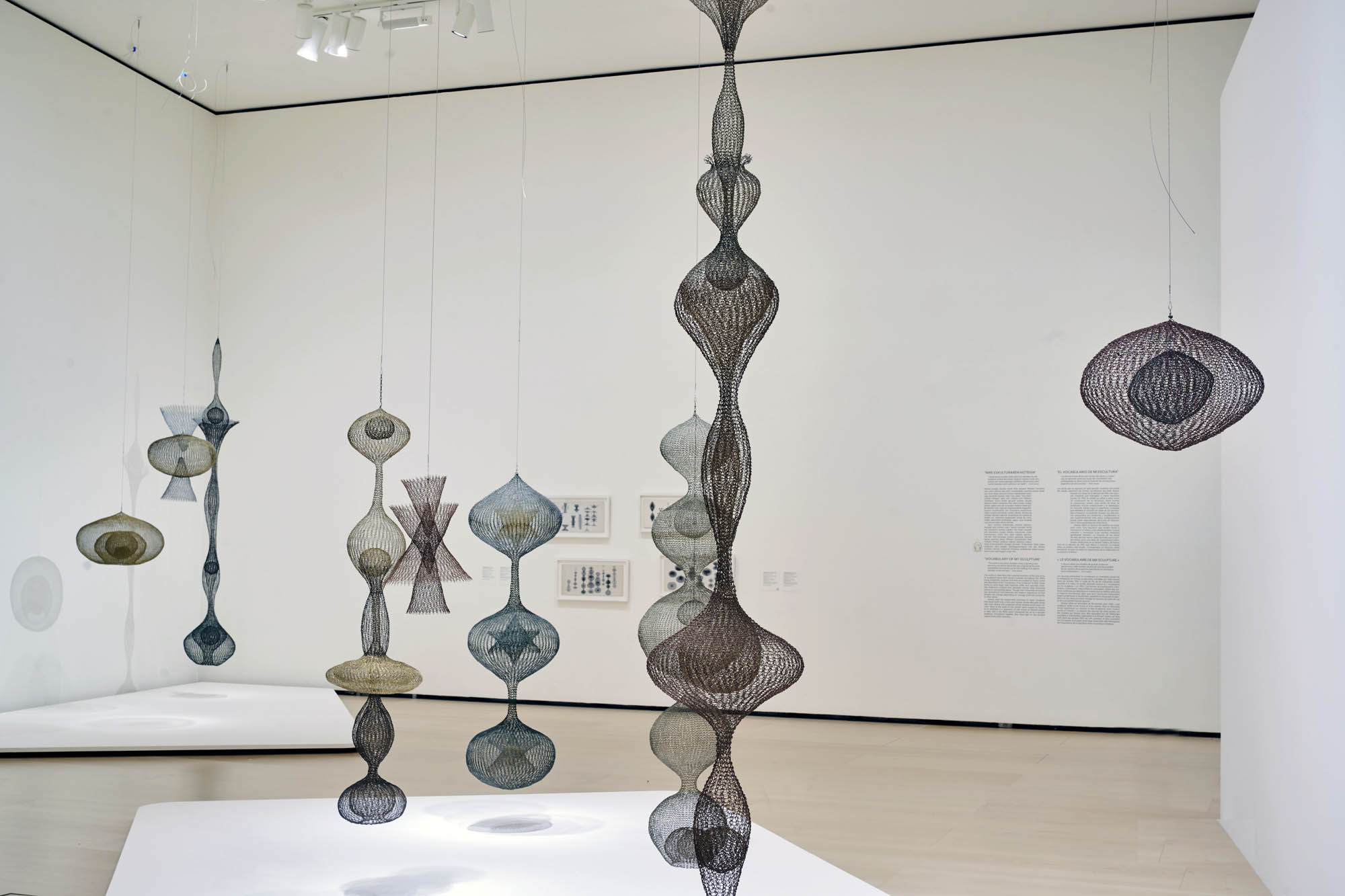
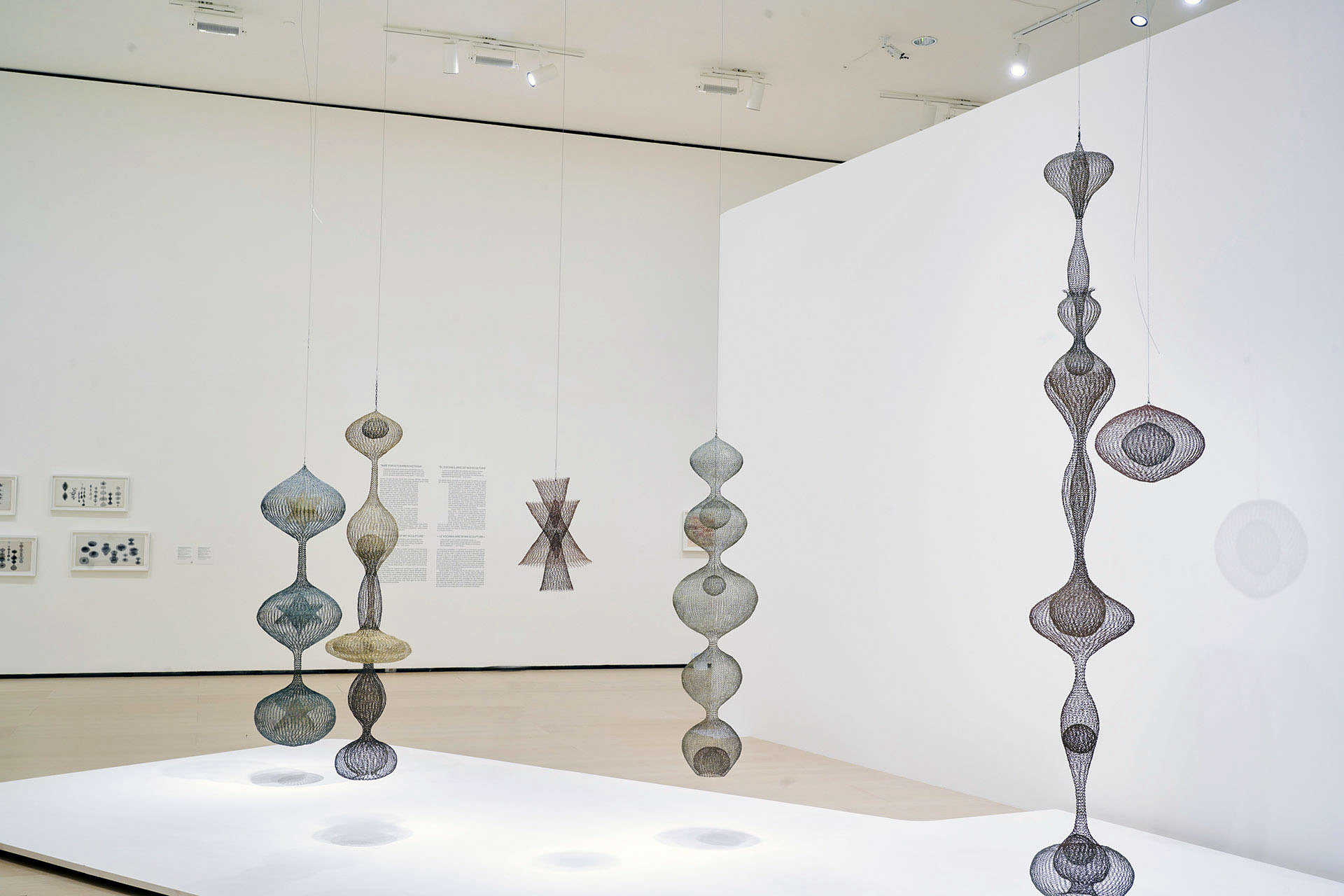
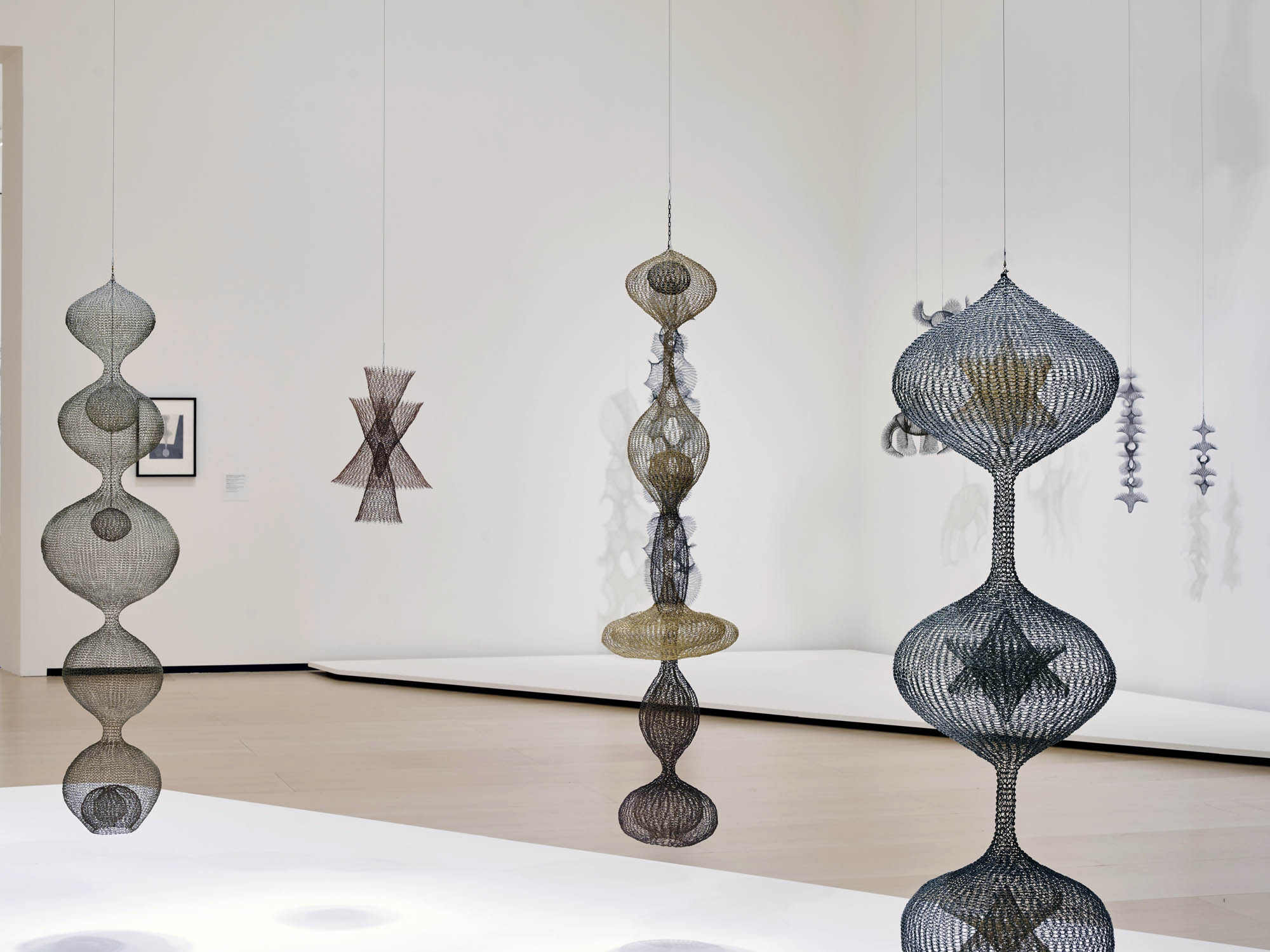
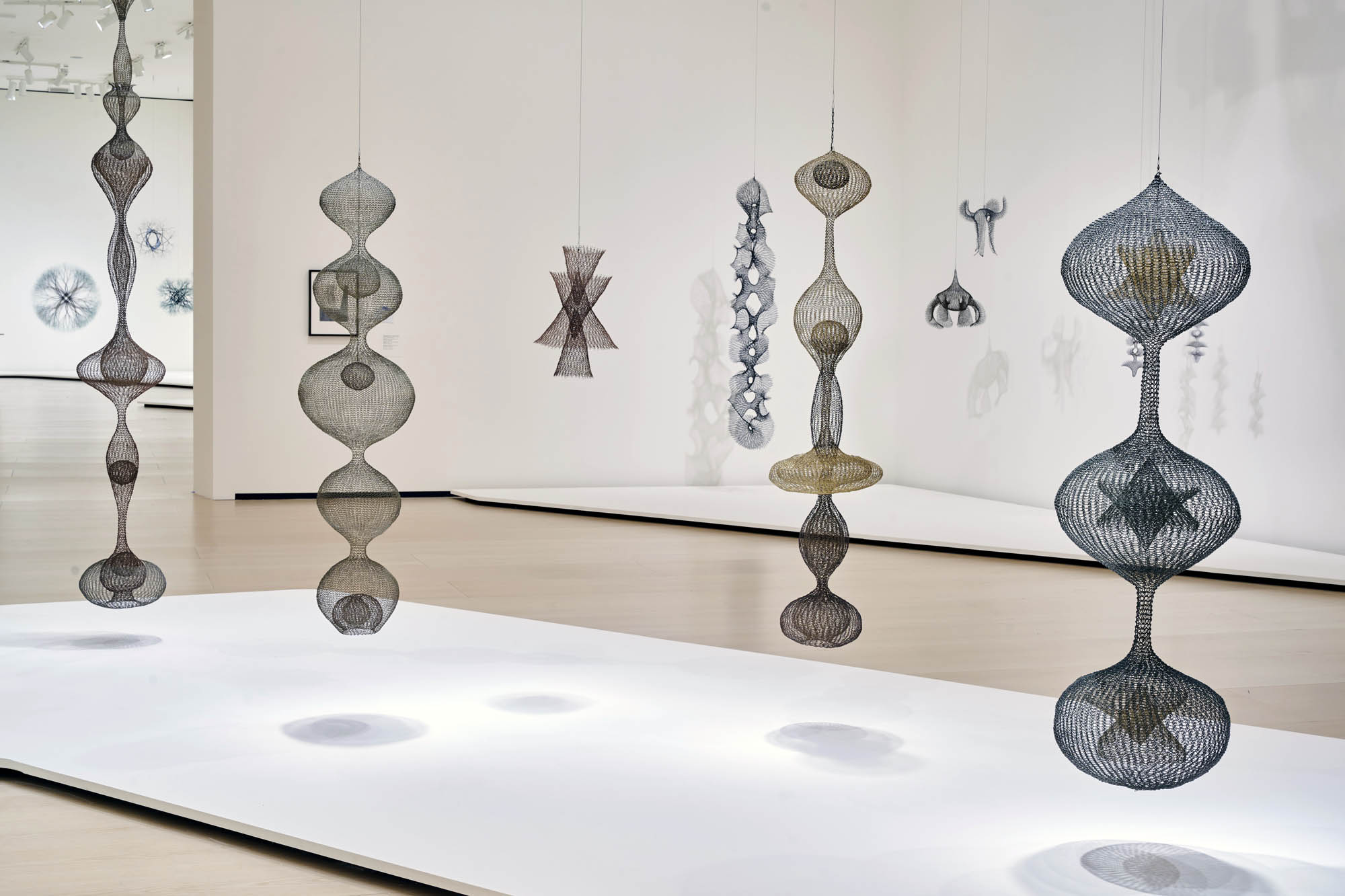
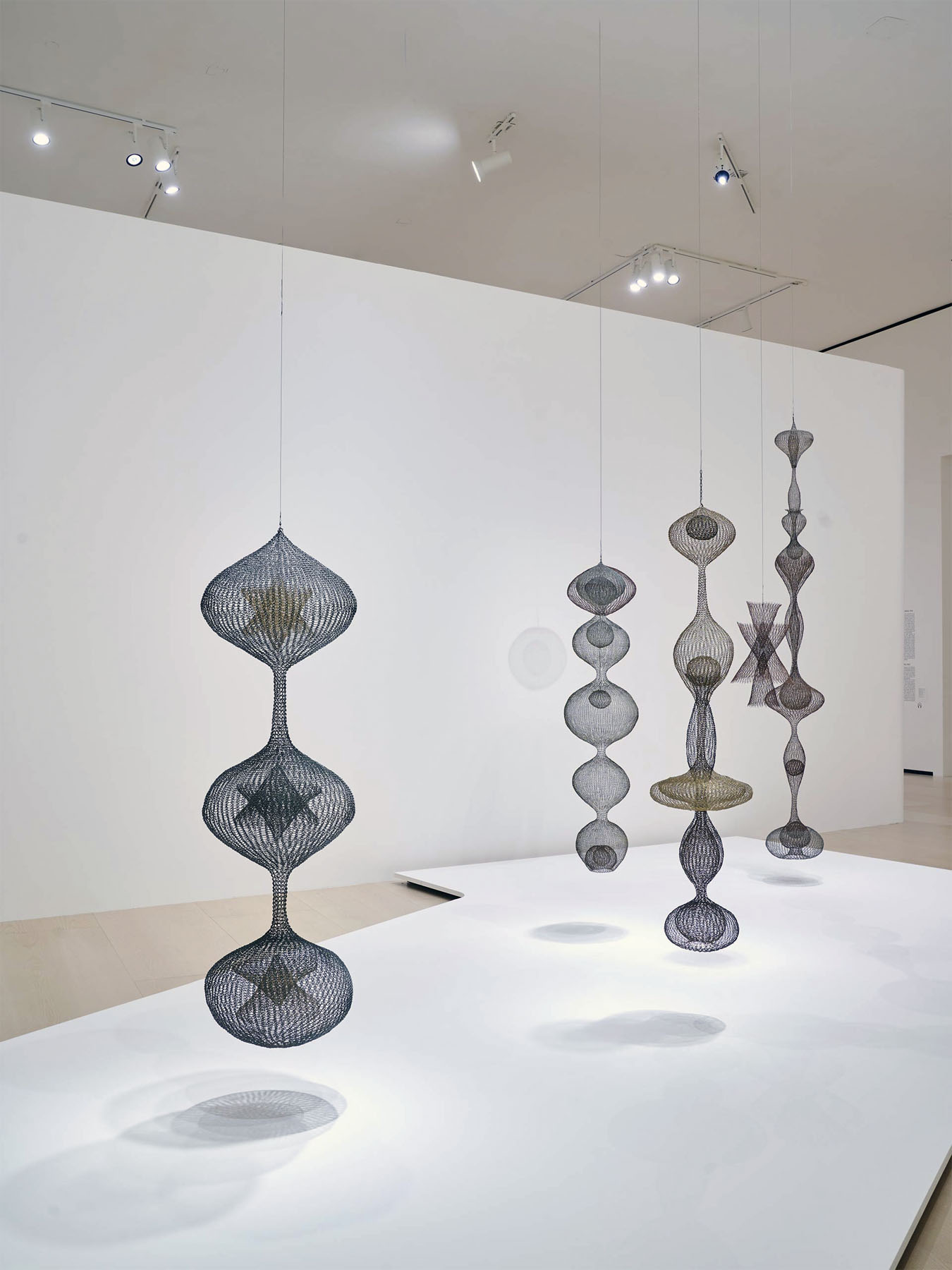
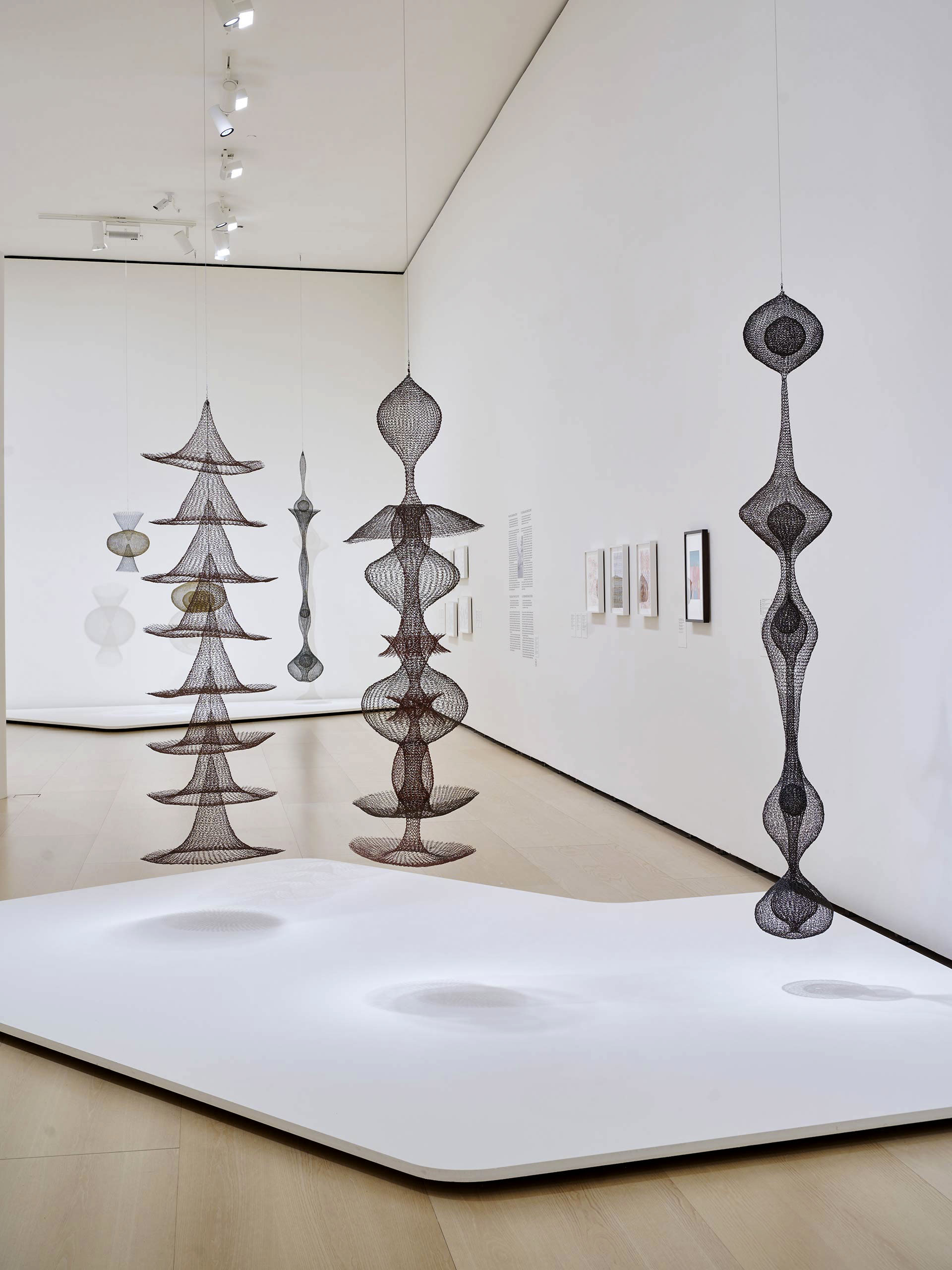
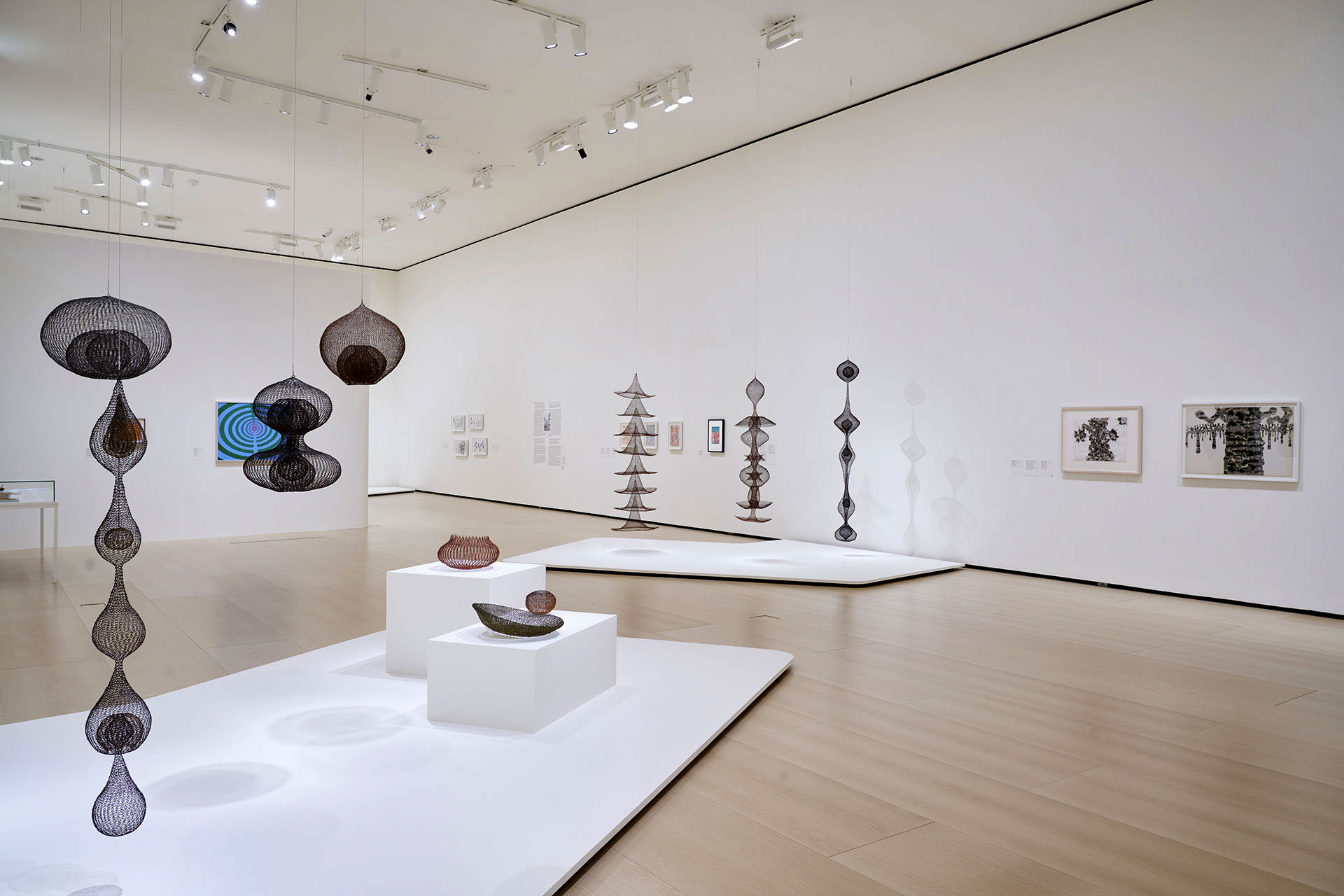
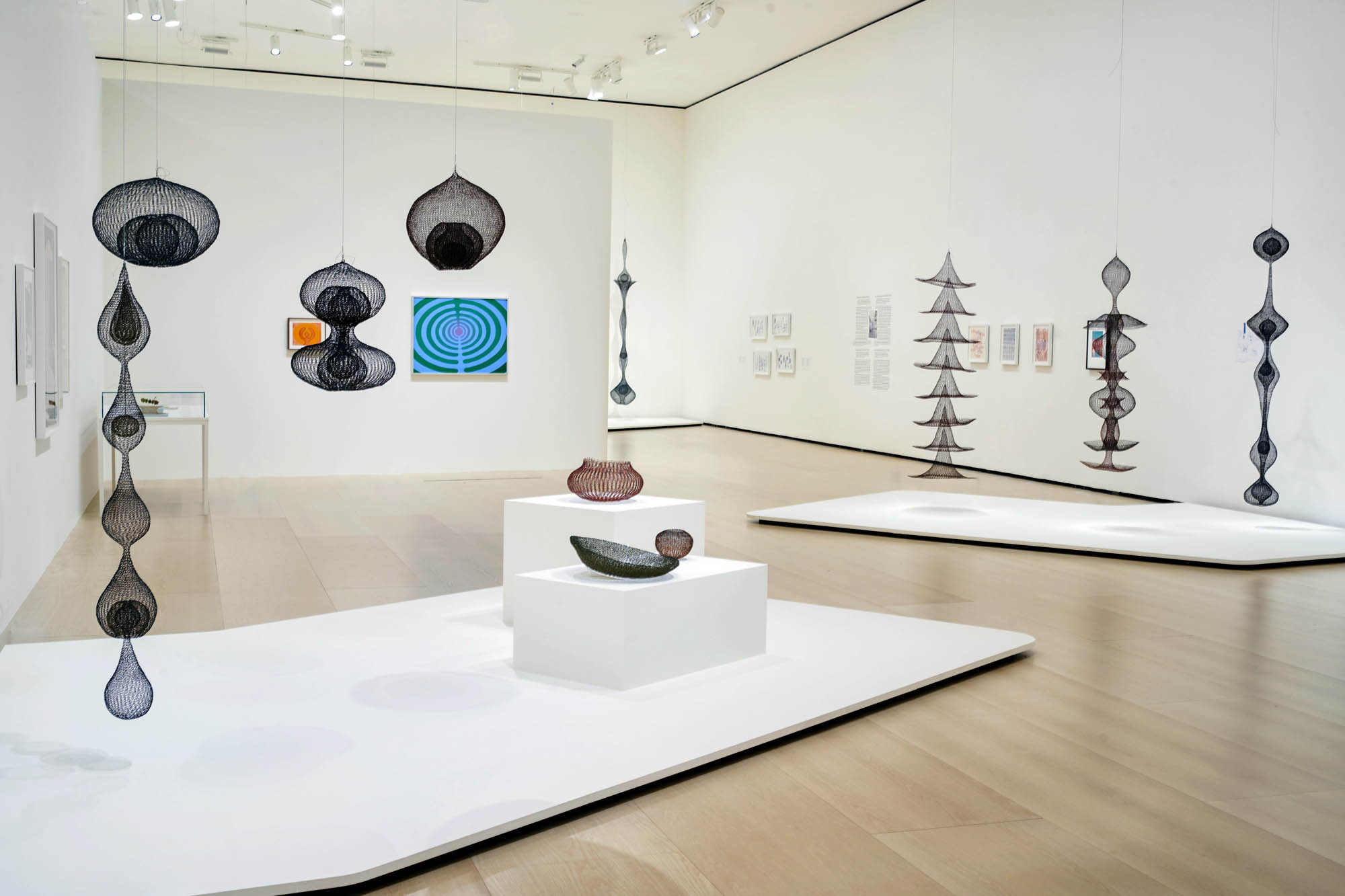
Installation views of the exhibition Ruth Asawa: Retrospective at the Guggenheim Museum Bilbao, March – September, 2026
The Guggenheim Museum Bilbao proudly presents Ruth Asawa: Retrospective, an ambitious exhibition devoted to an iconic artist, Ruth Aiko Asawa (born Norwalk, California, 1926 ; died San Francisco, California, 2013) in the year that would have been her 100th birthday.
Asawa was one of the most uniquely gifted and productive artists to emerge in the postwar era in the United States. While the appreciation of her work has grown exponentially in the last decade, this international retrospective is the first major museum exhibition to fully consider every aspect of the artist’s exquisite, varied, and groundbreaking practice.
Unfolding across ten sections that span the arc of a six-decade-long career, this exhibition traces the full breadth and depth of the innovative practice of Ruth Asawa, who integrated her creative work with all aspects of her life as an artist, educator and arts advocate. This interconnectedness is illuminated in photographs and ephemera presented alongside and in response to the works featured in this exhibition, from the suspended looped-wire sculptures for which she is best known to nature-inspired tied-wire pieces, clay and bronze casts, paperfolds, paintings, drawings, sketchbooks, and prints.
Challenging distinctions between abstraction and representation, figure and ground, and negative and positive space, her work invites us to contemplate how disparate elements interact in a composition, which in turn engages with its surroundings.
Asawa was the fourth of seven children of Japanese immigrant farmers. During World War II, she and her family were forcibly incarcerated by the United States government because of their Japanese ancestry. In 1946, after being denied an art teaching degree because of anti-Japanese prejudice, she enrolled at the progressive Black Mountain College in North Carolina. In the school’s democratic environment, she forged a creative path grounded in experimentation and an ethos of hard work. From her time at Black Mountain through the end of her life in San Francisco , where she moved in 1949, Asawa situated her artistic practice within set parameters to investigate ideas of transparency, continuity, and space. In the 1960s, she also expanded her life’s work to directly engage her community through public commissions, arts education, and civic advocacy.
Ruth Asawa: Retrospective is an exhibition partnership between the San Francisco Museum of Modern Art (SFMoMA) and the Museum of Modern Art, New York (MoMA). This presentation was developed in collaboration with the Guggenheim Museum Bilbao. Following its presentation at SFMOMA, MoMA, and the Guggenheim Museum Bilbao, the exhibition will then travel to Fondation Beyeler, Riehen/Basel, Switzerland. International exhibition tour supported by The Henry Luce Foundation.
Press release continued below…
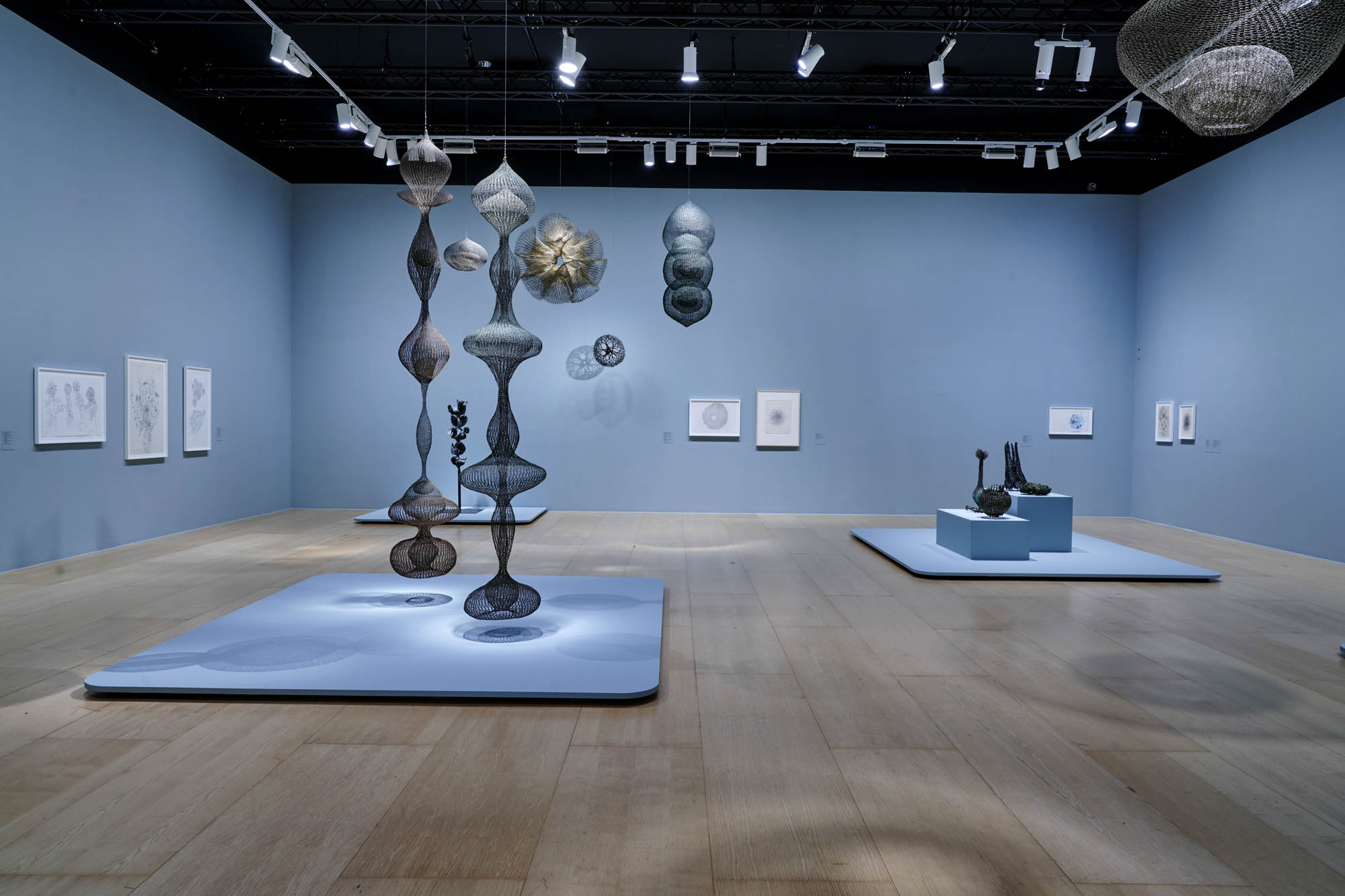
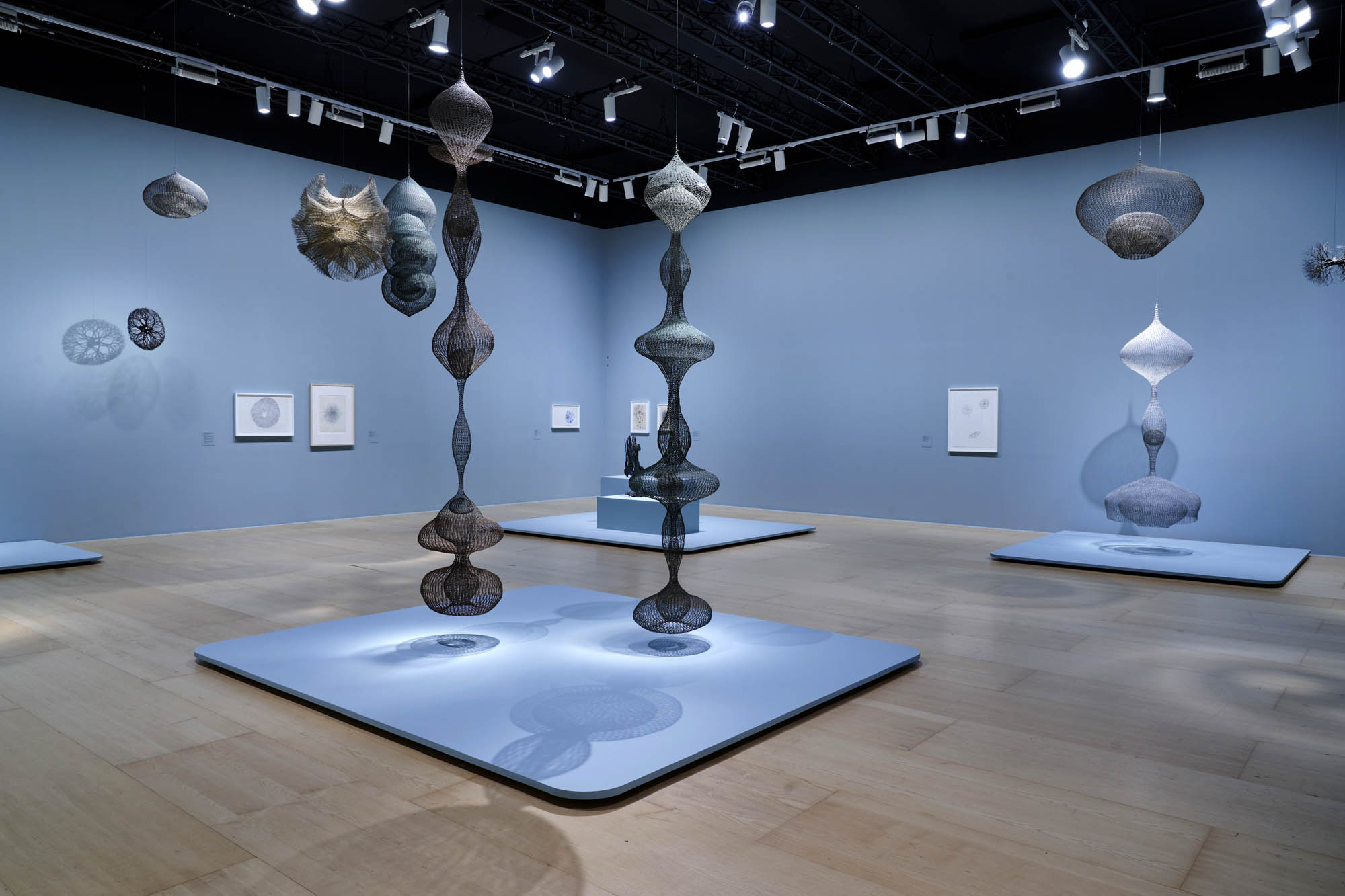
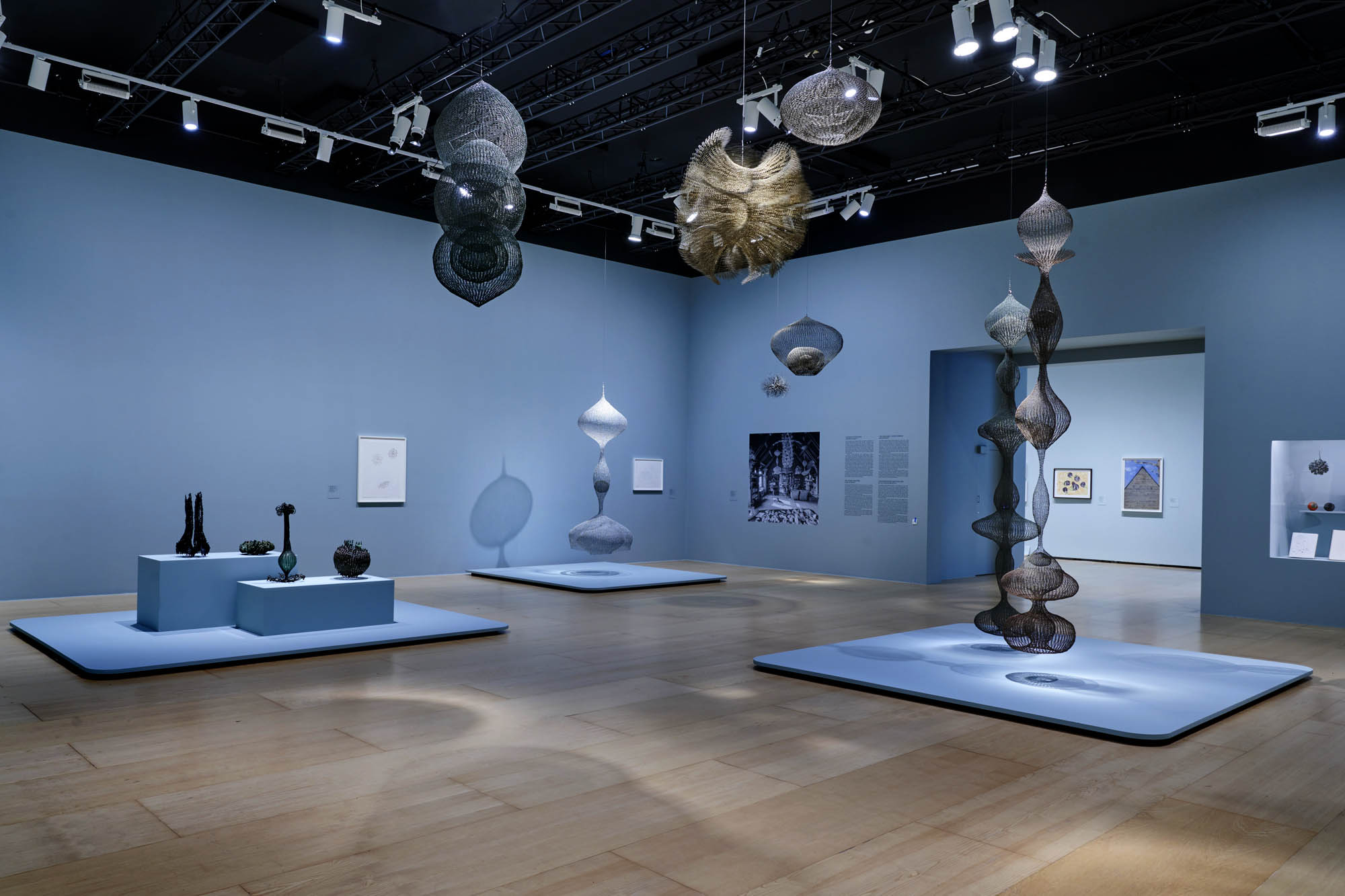
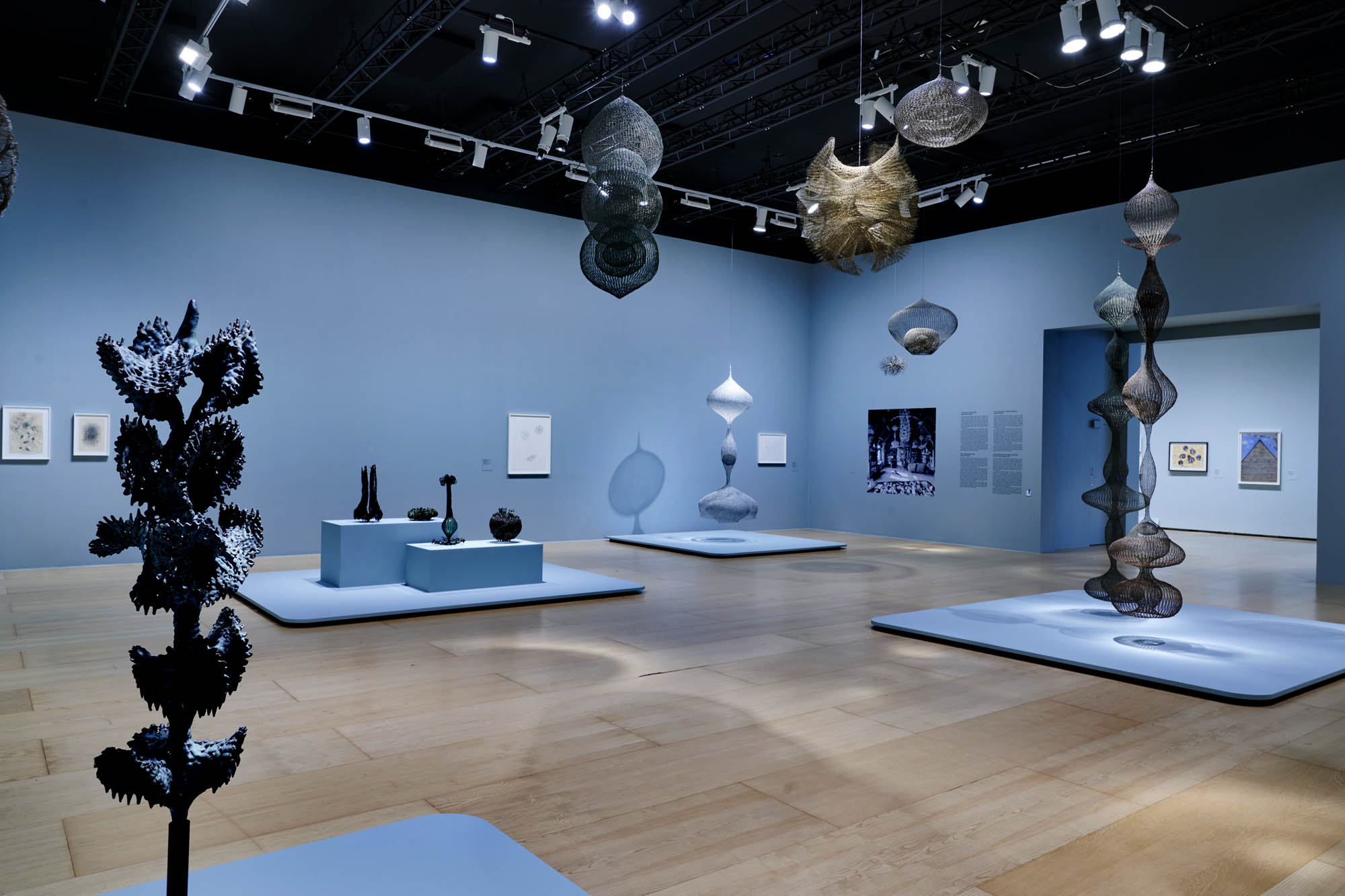
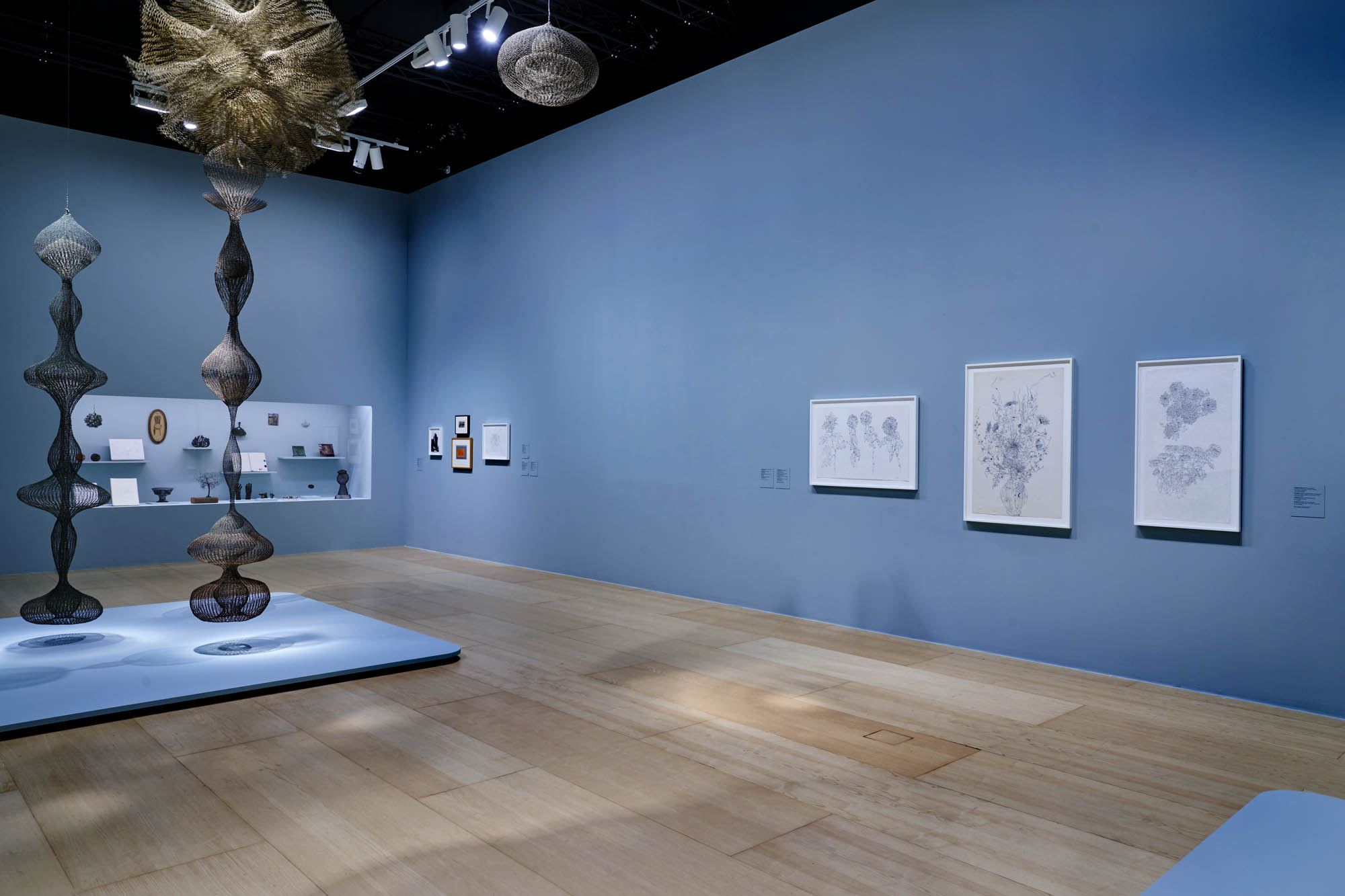
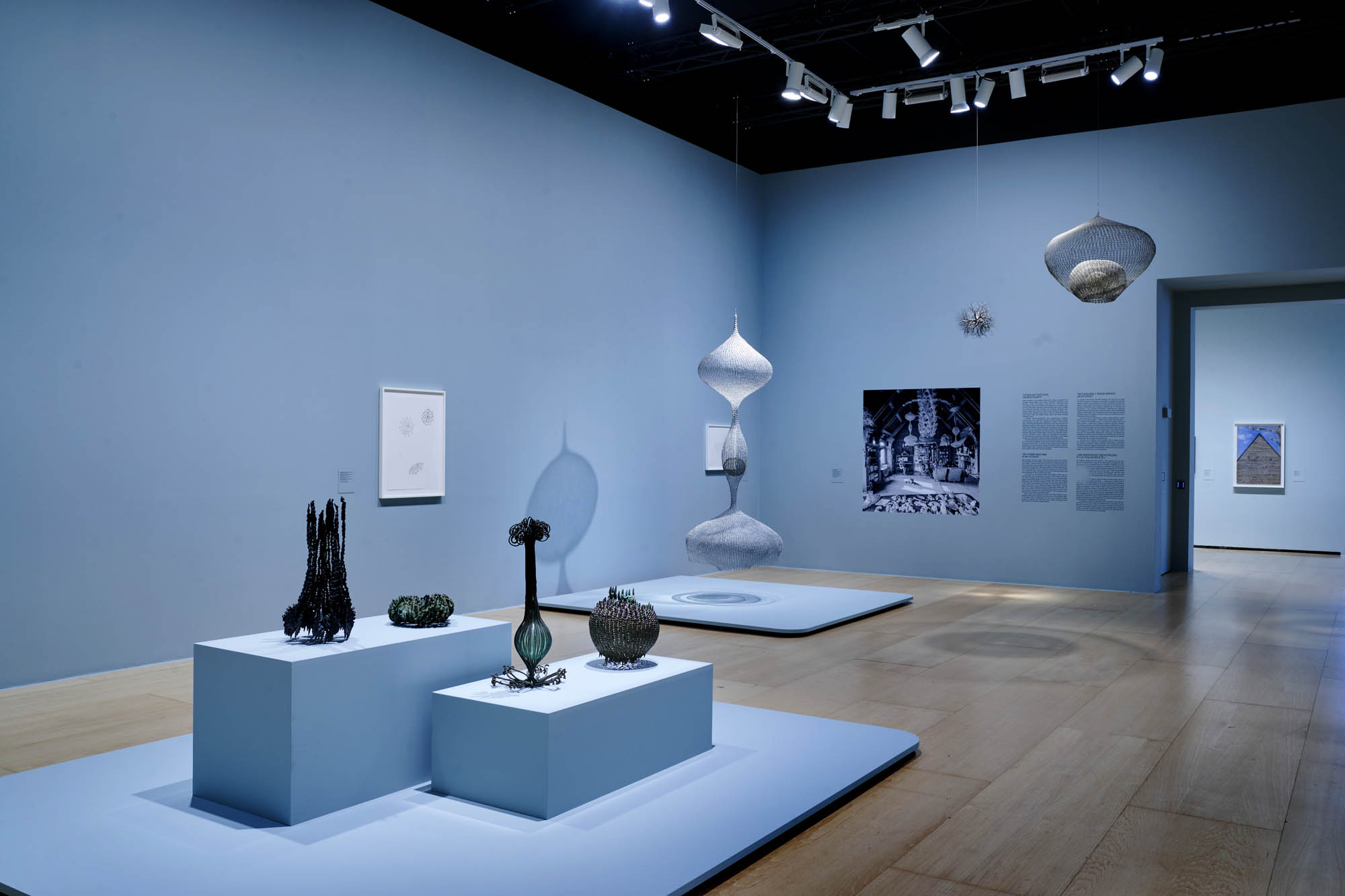
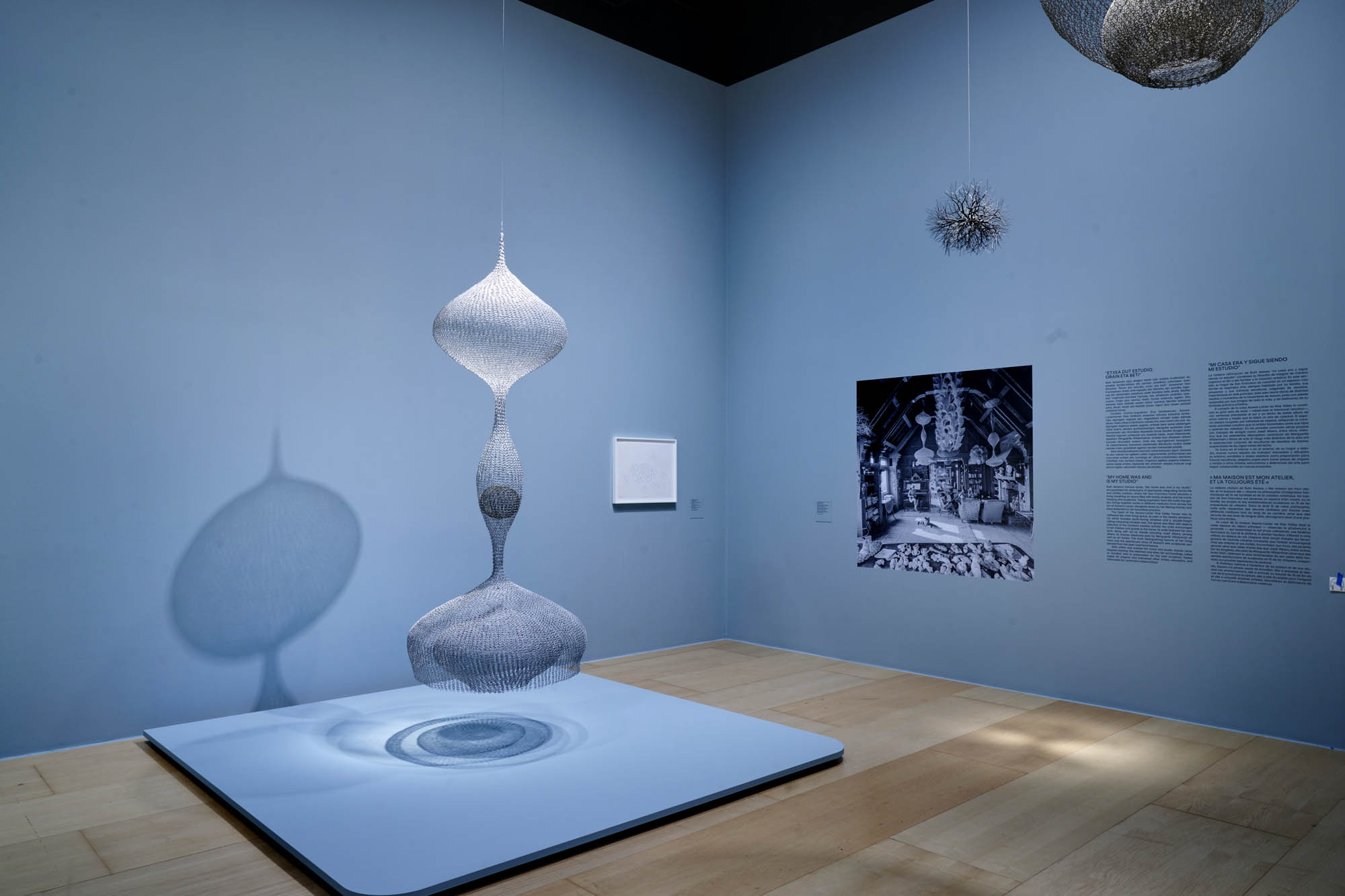
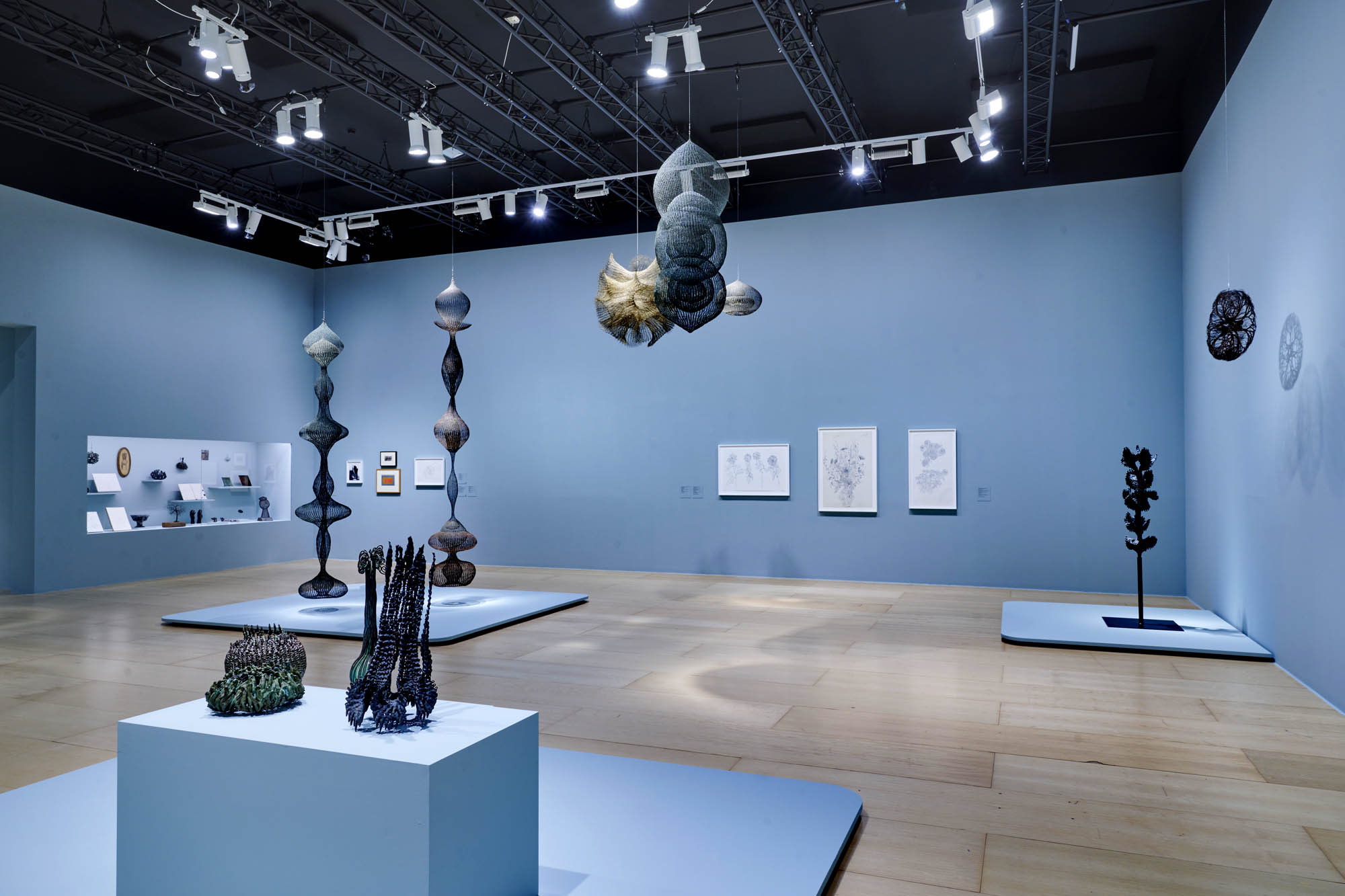
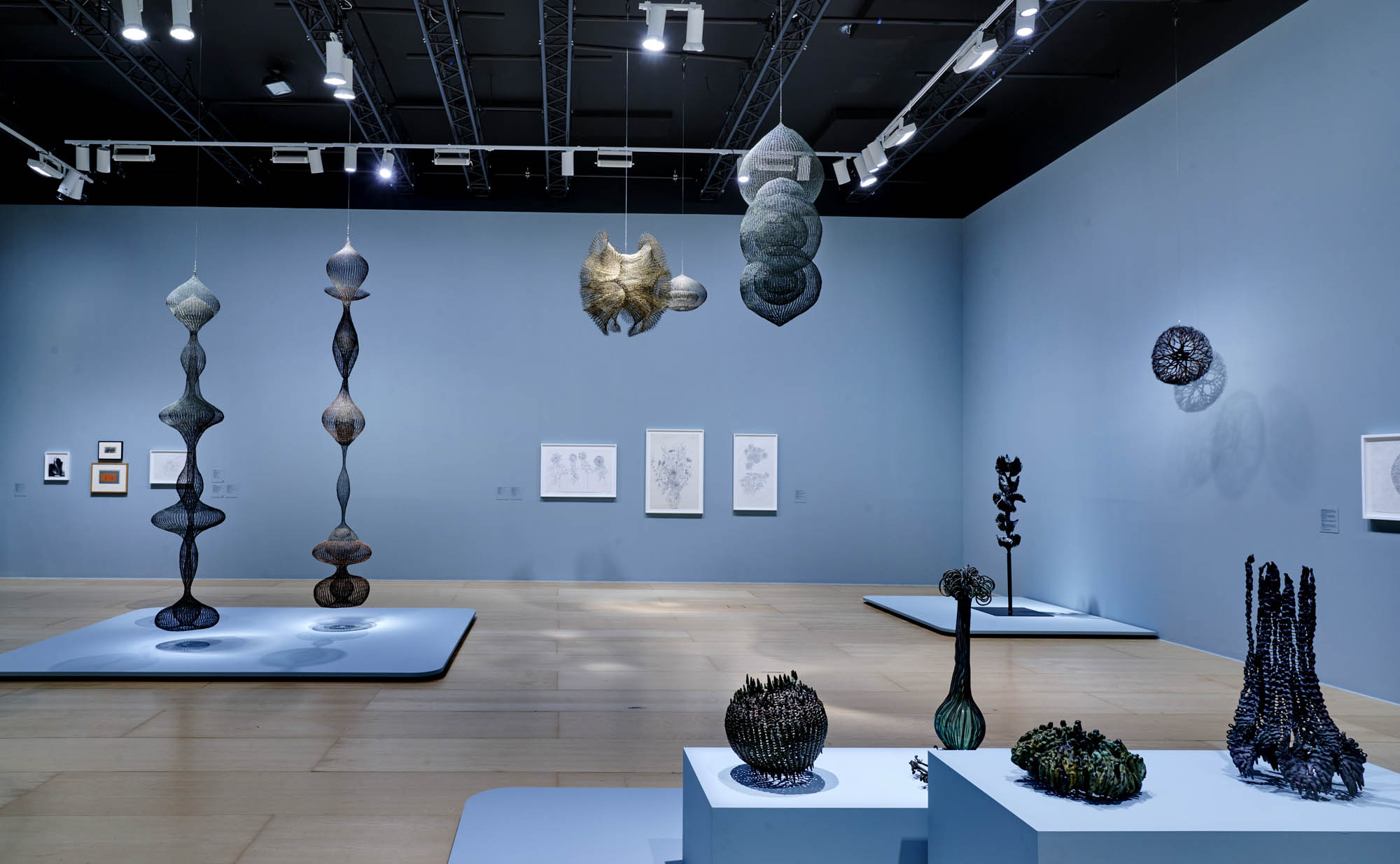
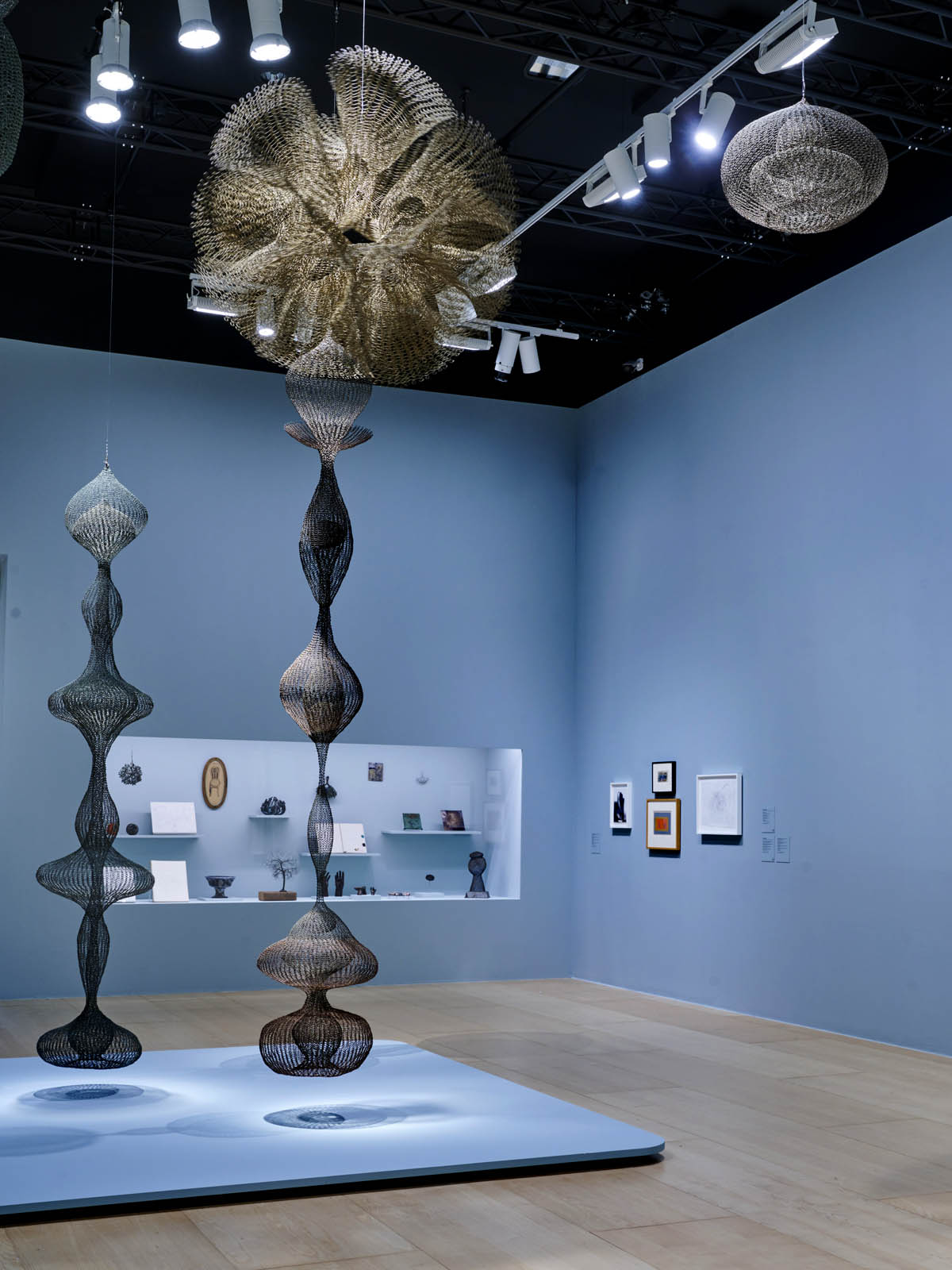
Installation views of the exhibition Ruth Asawa: Retrospective at the Guggenheim Museum Bilbao, March – September, 2026
Exhibition overview
“How To See”: Black Mountain College, 1940s
Across mediums and all stages of her practice, Ruth Asawa explored continuity, transparency, and the interchangeability of seemingly contradictory concepts like figure and ground, and abstraction and representation. She first articulated these core ideas at Black Mountain College (BMC), a multidisciplinary school with a sensory – and materials – based curriculum that she attended in 1946-49. There, Asawa took courses in mathematics, philosophy, music, and dance. She studied art under Josef Albers, among others, from whom she learned “how to see,” as she later put it.
Untitled (BMC.52, Dancers), c. 1948-49, features abstract dancing figures inspired by dance classes that Asawa took from Merce Cunningham and with Elizabeth Schmitt Jennerjahn in her final year at BMC. The work is composed of layered rounded forms on a yellow ground, and it was a precursor to the artist’s wire sculptures of the 1950s. Moreover, a formative trip to Mexico in 1947 introduced Asawa to wire baskets and weaving techniques, which was a major turning point in her own work. By the time she left BMC in 1949, she had made an important discovery: “I continued one basket into a closed form and slowly, while learning to control the medium, began to realise the exciting potential in this way of making sculpture.”
Commercial Designs, early 1950s
In the early 1950s Ruth Asawa took classes in dance, commercial design, lettering, screenprinting, and painting at San Francisco State College (now San Francisco State University). In these years her work continued to gain local and national attention through exhibitions at the San Francisco and New York showrooms of the interior design company Laverne Originals, and in publications including Vogue. During this period Asawa made a range of designs for commercial work, including plastic panels based on her paperfolds and wallpaper and textile patterns incorporating logarithmic spiral forms, the Black Mountain College (BMC) laundry stamp, and the footprints of her young children. Although Laverne Originals invited Asawa to mass produce her looped-wire baskets as home decor, she declined. She explained: “I am interested in producing to sell, but the more I work the more ideas I get and I want to experiment, but experimenting is not producing, since there are always many flops.”
“Everything is connected”: Forms within Forms, 1950s
“These sculptures are made of a continuous wire … enclosing volumes transparently … and producing forms within forms. … The wire must be continuous and the hollow shapes can only be shapes that grow this way.”
~ Ruth Asawa
In 1949 Ruth Asawa moved to San Francisco, which became her permanent home. Following California’s repeal of laws prohibiting interracial marriage, she married architect and fellow Black Mountain alumnus, Albert Lanier, and together they started a family. In tandem Asawa began building her art career, dedicating herself full-time to experiments with form building both in space with her looped-wire sculptures and on a flat plane in drawings and prints.
Asawa’s unyielding search for new possibilities within her chosen processes resulted in her signature sculptural motif: a “continuous form within a form,” which she described as “a shape that was inside and outside at the same time.” In a single lobe, a sequence of spheres encloses one another, creating one uninterrupted surface. Among those examples featured in this section include Untitled (S.427, Hanging Single-Lobed, Five-Layered Continuous Form within a Form), 1953; and Untitled (S.797, Hanging Two-Lobed, Three-Layered Continuous Form within a Form), c. 1954. Asawa continued to elaborate on this motif for decades to come, foregrounding continuity as a thorough line for her work. “You can show inside and outside, and inside and outside are connected,” she said. “Everything is connected, continuous.”
“Vocabulary of My Sculpture”
“The work is one which dictates a way of growing and the more one learns about this way of growing the more possibilities are opened up for the creating of sculpture peculiar to the process.”
~ Ruth Asawa
The works on view in this section offer a partial inventory of the vast array of sculptural forms Ruth Asawa invented throughout the 1950s using industrially sourced, wire that she looped by hand – what she described in 1955 as the “vocabulary of my sculpture.” These forms by turns layer, nest, interlock, ruffle, and cascade, creating continuous surfaces that delineate volume while remaining porous to surrounding space. Though their composite structures are symmetrical and balanced, the viewer’s experience of their shapes can change depending on the vantage point and proximity to other works.
Asawa used her looped-wire technique to make “sculpture that would itself have a form and volume, whose silhouette would also have volume, and sculptures whose shadow would have volume.” Most of the works in this section were chosen by Asawa to be exhibited in a sequence of solo shows at Peridot Gallery in New York in the 1950s, which introduced her art to a broader audience. Considered together, they shed light on the iterative nature of the artist’s practice. Among those works featured is Untitled (S.270, Hanging Six-Lobed, Interlocking Continuous Form within a Form with Spheres in the First and Second Lobes), 1955, re-fabricated in 1957-58, which contains multiple connected lobes that form long sculptural silhouettes while the interior elements, such as the scones or spheres, create overlapping layers.
The Tamarind Prints, 1965
The Tamarind Lithography Workshop was founded by June Wayne in Los Angeles in 1960 and vastly expanded the possibilities of fine art lithography in the United States. At the suggestion of her former teacher Josef Albers, who had previously printed there himself, Asawa was invited to do a residency for two months in 1965. During her short time there, she worked closely with seven printers to produce fifty-four radically experimental prints.
Asawa’s unique prints featured family members, flowers, plane trees, and chairs, as well as abstractions, of which some are on view in this section, including Poppy (TAM.1479), 1965, a virtuoso depiction of California’s delicate state flower. While never again focusing as intensively on printmaking as she did during her time at Tamarind, Asawa remained convinced of the merits of the medium, resisting “the myth that the crafts and printmaking are less important than painting and sculpture. A good piece is important regardless of category.”
Nature, Tied Wire and Later Sculpture, 1960s-1990s
“Nature is my teacher, and I have used materials that are a product of our twentieth century to study her growth patterns.”
~ Ruth Asawa
In 1962 a gift of a dried desert plant from Death Valley given to Ruth Asawa inspired her to pursue a new direction in her sculpture. Drawing the plant, she found “its intricacy … made it impossible,” and instead turned to wire, working with bundles and spools that she manipulated into complex branches and other botanical forms, as seen in Untitled (S.184, Hanging Tied-Wire, Single-Stem, Multi-Branched Form Based on Nature), c. 1962. Asawa went on to make “tied-wire” sculptures over the course of the decade and beyond. As she described, these works “take an impersonal material like wire, which is very hard, and then make it into a gentle thing that’s natural looking so that you can take an abstract piece of wire and turn it into a plant. And I like the transition from hard to soft.”
Asawa’s tied-wire works often began with a floral, starlike, or geometric centre, as seen in Untitled (S.451, Wall-Mounted Tied-Wire, Open-Center, Six-Branched Form Based on Nature), c. 1965. As she worked, and the form grew progressively outward, she both responded to the properties of her medium in following “what the wire dictates” and mirrored patterns in the natural world. Her hanging and wall-mounted sculpture also reinvigorated her drawing, which like her works in wire explored new possibilities in geometric designs, airy blooms, and branching tree-like patterns, as seen in Untitled (SD.017, Tied-Wire Sculpture Drawing with Open Pentagon in Center), 1980s to mid-1990s.
Throughout the 1970s and beyond, Asawa continued “to explore the limits of materials, growth, and form by making sculpture with wire.” As she created new variations of looped- and tied-wire compositions, some closed and some open, some suspended from above and others wall-mounted, she also furthered her material exploration of resin and experimented with coloured glass.
Public Art and Public Commissions, 1960s-1990s
In 1968 Ruth Asawa began advocating for the role of art in society through her tenures on the San Francisco Arts Commission, California Arts Council, and the National Endowment for the Arts. She also expanded her art practice into San Francisco’s civic life through public artworks and commissions “to make a sculpture that could be enjoyed by everyone.” These works, often collaborative in nature, became places where communities could gather for moments of remembrance and celebration. This section explores Asawa’s expanded engagement with her community through art, arts education and civic advocacy, drawing on artwork, video, photographs, archival documentation and other ephemera.
Her first outdoor commission was the bronze fountain Andrea (1968) in San Francisco’s Ghirardelli Square. Responding to the waterfront location, she delivered a sculpture of two mermaids, one of whom holds an infant, surrounded by frogs and turtles.
Other large-scale works include her Origami Fountains (1975-76) at San Francisco’s Nihonmachi Pedestrian Mall, which explore her long interest in origami and paper folding. In 1994, Asawa debuted her monumental Japanese American Internment Memorial, commissioned by the City of San José. Created in collaboration with her artist-son Paul Lanier and artist Nancy Thompson, this sculpture more directly addressed personal and shared stories of the unlawful incarceration of people of Japanese descent during World War II.
“Life Draws”: From the Garden, 1980s-2000s
Over the course of her career, Ruth Asawa tirelessly returned to depicting plants and flowers, tracing the shapes of irises, hydrangeas, chrysanthemums, and other flora from her garden in sketchbooks and works on paper. For Asawa, drawing from life was more than simple observation; it became a value and mode of engaging with the world and present moment. “Life draws,” she once wrote, expressing how the events and objects around her defined her work.
In 1985 Asawa was diagnosed with lupus and for nearly a year her physical capacity was significantly reduced, but her creative spirit remained undiminished. In the last decades of her career, she concentrated her creative output on botanical drawings, some of which are gathered in this section. These intimate works, at times extremely realistic, at others abstract, often began with a gesture of generosity: gifts of plants from the artist’s friends and family, after whom many works are titled – such as Valentine Bouquet from Adam, 1991, referring to her son who often tended his parents’ flowering plants during their later years. Through the daily routine of recording the natural world around her, Asawa documented the extended community she shared it with, as well as the passage of time.
Noe Valley, 1960s-2000s
By 1960, Ruth Asawa, Albert Lanier, and their six children – Xavier, Aiko, Hudson, Adam, Addie, and Paul – had outgrown three San Francisco residences. Later that year she and Lanier purchased a large house in Noe Valley. The house from 1908 was designed by Walter Ratcliff and Alfred Jacobs in the spirit of Bernard Maybeck, the legendary professor at the University of California, Berkeley, who fuelled the region’s Arts and Crafts movement at the turn of the twentieth century. The cedar-shingled exterior blended with its site, while a deck off the kitchen made for a fluid relationship between indoor and outdoor spaces.
Overall, the design of the house evoked a casual ease of living. Lanier spent a year renovating – including excavating to create a studio for Asawa and additional bedrooms – before the family moved in during the fall of 1961. Asawa designed monumental new front doors, on view in this section, and the family went on to build walkways from cobblestones scavenged from San Francisco beaches, planting beds for flowers, herbs, and vegetables that would prove to be an enduring source of inspiration for her drawings. Additionally, the artist created hundreds of unique face casts of family, friends, and colleagues between 1966 and 2000, some of which are on view here, resulting in a veritable index of the comings and goings at the Noe Valley house.
“My Home was and is My Studio”
Ruth Asawa’s famous quote, “My home was and is my studio,” encapsulates her philosophy of seamlessly integrating family life and artistic creation, where her San Francisco home became a living, breathing art space filled with family, projects, and her iconic hanging wire sculptures. Taking inspiration from this motif, this gallery brings together works in different mediums from across the arc of Asawa’s career, alongside works by her lifelong friends, and pays testament to her boundless practice.
The heart of the Asawa-Lanier Noe Valley house was its cathedral-like main living space, which boasted south-facing windows and a double-height ceiling measuring more than five meters tall. The space was filled with objects reflective of the constant creative activity the artist encouraged in her children and guests to the home. Its walls featured her own work along with art by friends including Josef Albers, among others. Its shelves displayed pots by Marguerite Wildenhain as well as art books. The most distinguishing feature of her living room was the spectacular array of Asawa’s wire sculptures suspended from the open overhead beams. Both within and outside her home and studio, Asawa never stopped working: She sketched and drew her surroundings, coiled or bundled wire in preparation for the next sculpture, folded paper for origami, and welcomed other artists, educators, and advocates for continued collaborations.
Catalogue
The exhibition will be accompanied by a fully illustrated catalogue with essays by exhibition curators Janet Bishop, Cara Manes, and Geaninne Gutiérrez-Guimarães, as well as a chronology by Dominika Tylcz, all shedding light on Ruth Asawa’s six-decade career, her unyielding search for new possibilities, and her unique artistic vocabulary.
Press release from the Guggenheim Museum Bilbao
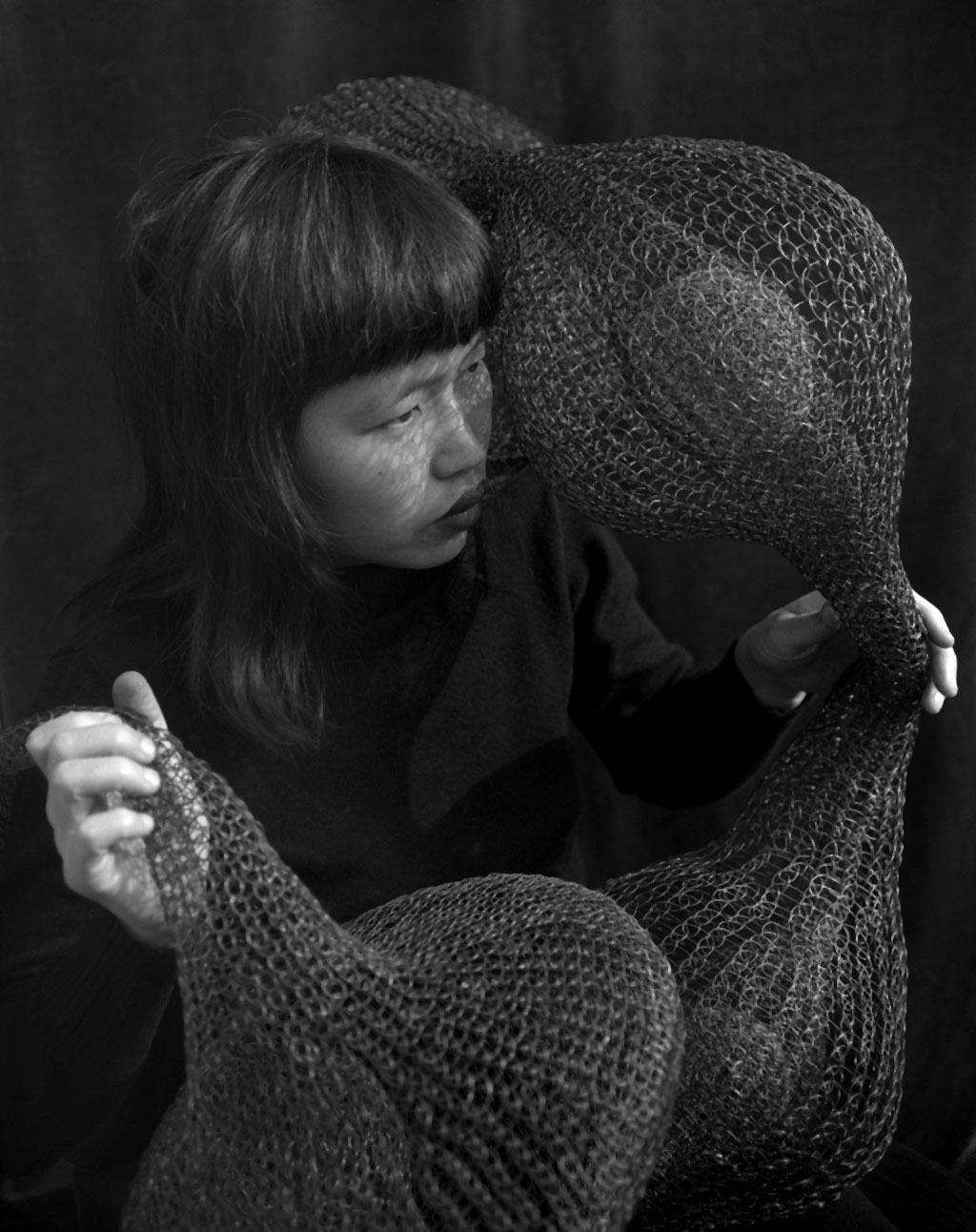
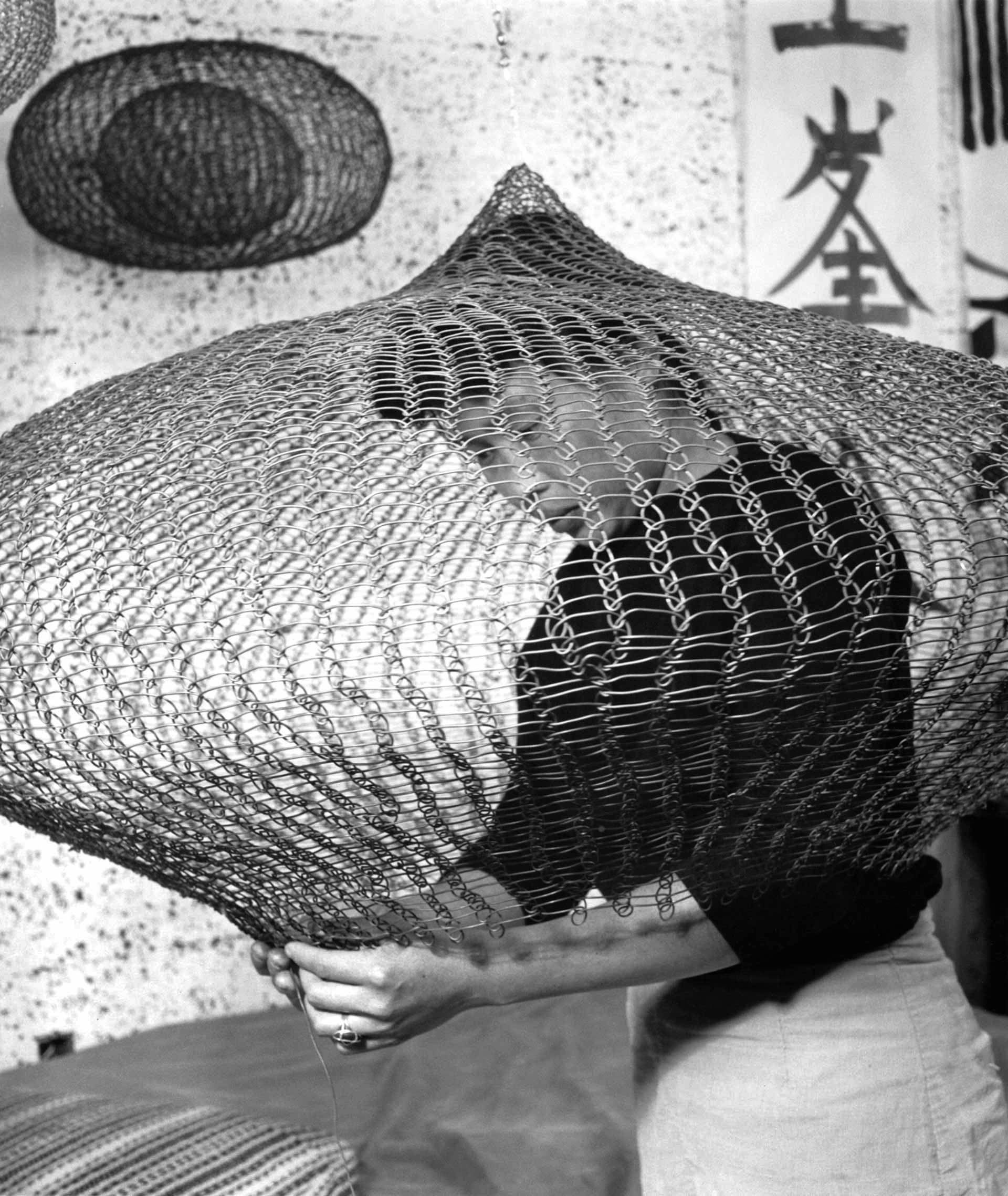
Imogen Cunningham (American, 1883-1976)
Holding a form-within-a-form sculpture
1951
Gelatin silver print
Photo © 2026 Imogen Cunningham Trust / http://www.ImogenCunningham.com
Artwork © 2026 Ruth Asawa Lanier, Inc., courtesy David Zwirner
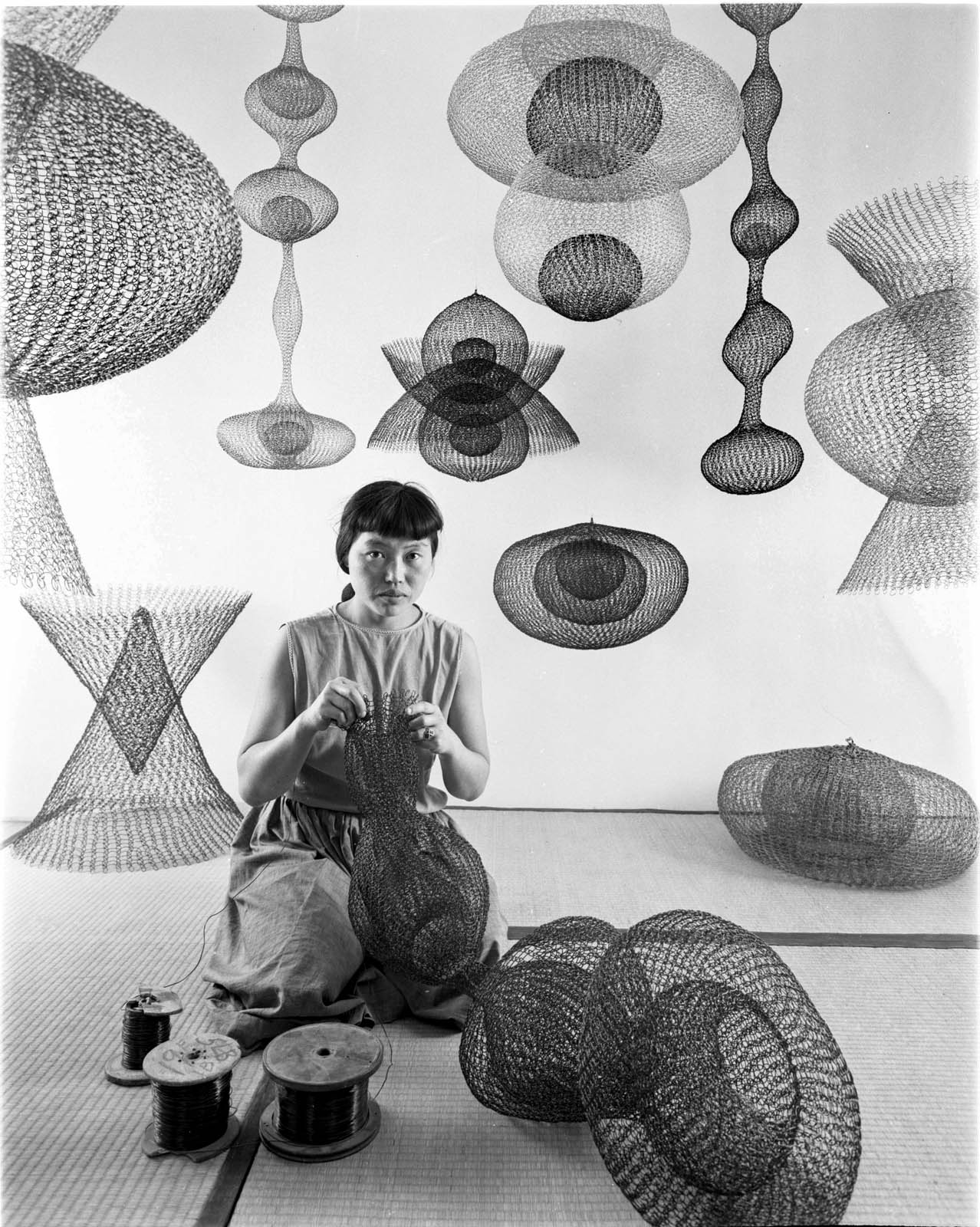
Nat Farbman (American born Poland, 1907-1988)
Artist Ruth Asawa making wire sculptures, California, United States
November 1954
Image: Nat Farbman/The LIFE Picture Collection/Shutterstock
Artwork: © 2026 Ruth Asawa Lanier, Inc., courtesy David Zwirner
Nat Farbman immigrated to United States 1911, was a photographer for LIFE magazine from 1946 to 1961.
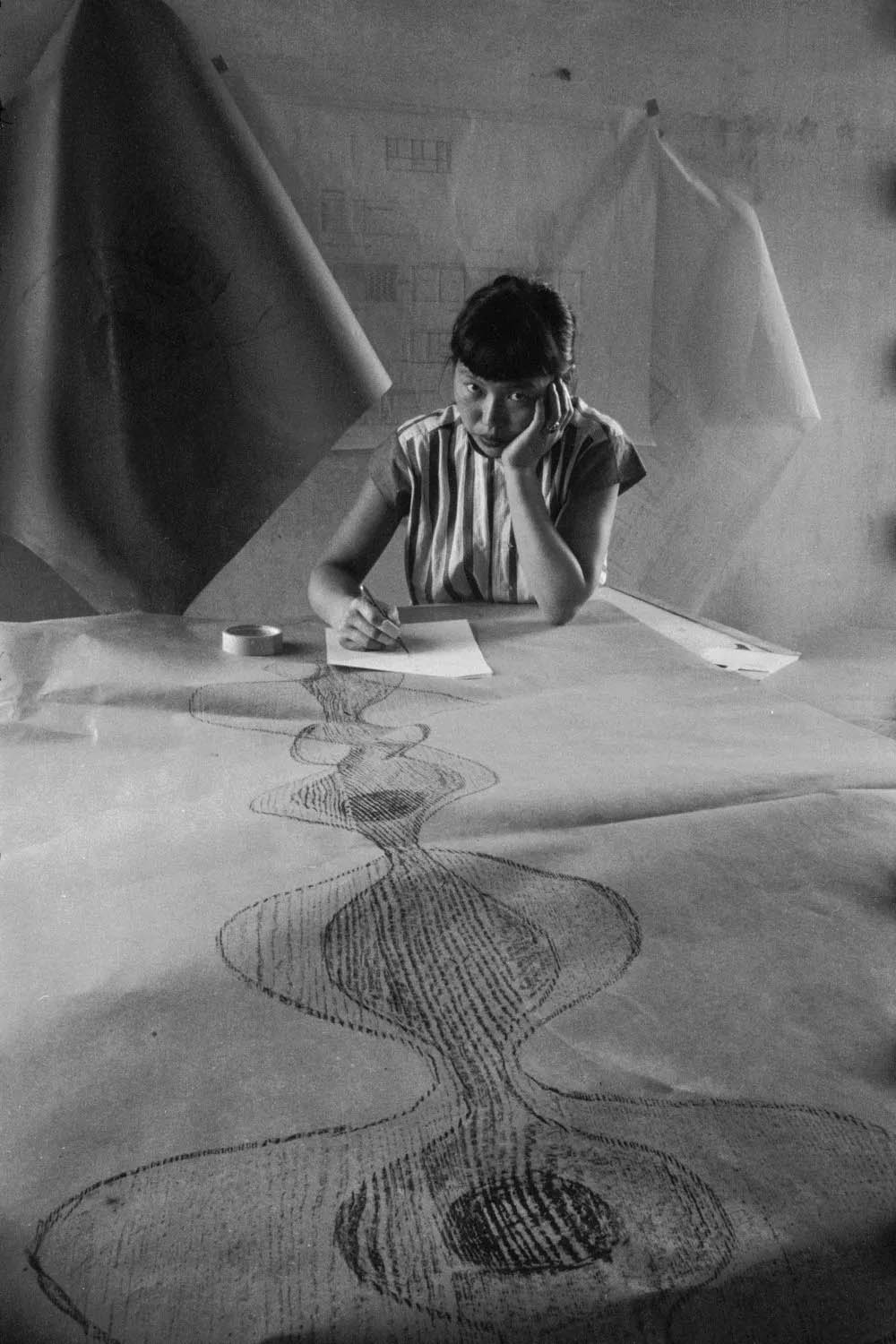
Nat Farbman (American born Poland, 1907-1988)
Portrait of Japanese American artist sculptor Ruth Asawa as she sketches a design
1954
Image: Nat Farbman/The LIFE Picture Collection/Shutterstock
Artwork: © 2026 Ruth Asawa Lanier, Inc., courtesy David Zwirner
Imogen Cunningham (American, 1883-1976)
Ruth Asawa
1957
Photo © 2026 Imogen Cunningham Trust / http://www.ImogenCunningham.com
Artwork © 2026 Ruth Asawa Lanier, Inc., courtesy David Zwirner
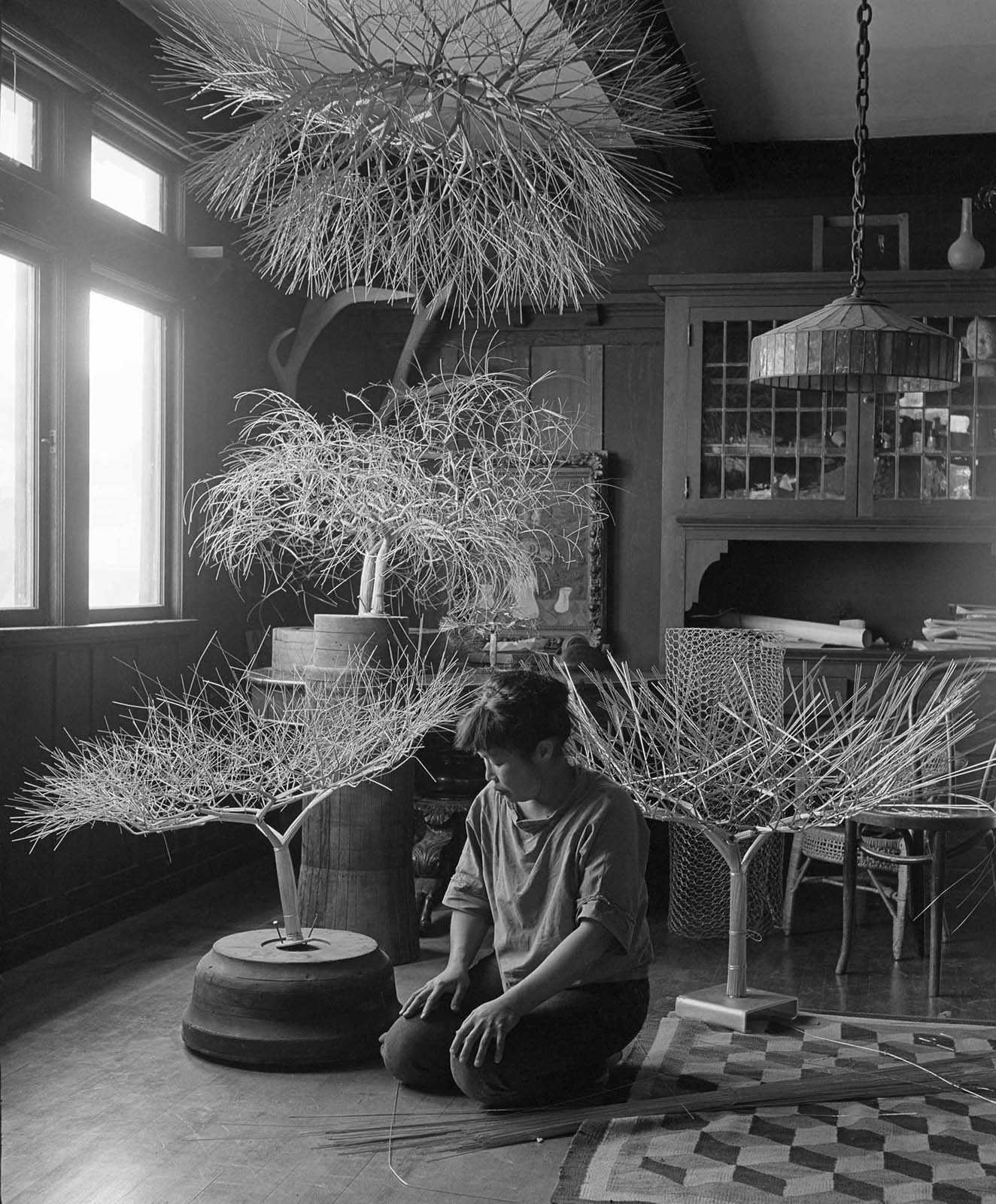
Imogen Cunningham (American, 1883-1976)
Ruth Asawa in Her Dining Room with Tied-Wire Sculptures
1963
Gelatin silver print
Photo © 2026 Imogen Cunningham Trust / http://www.ImogenCunningham.com
Artwork © 2026 Ruth Asawa Lanier, Inc., courtesy David Zwirner
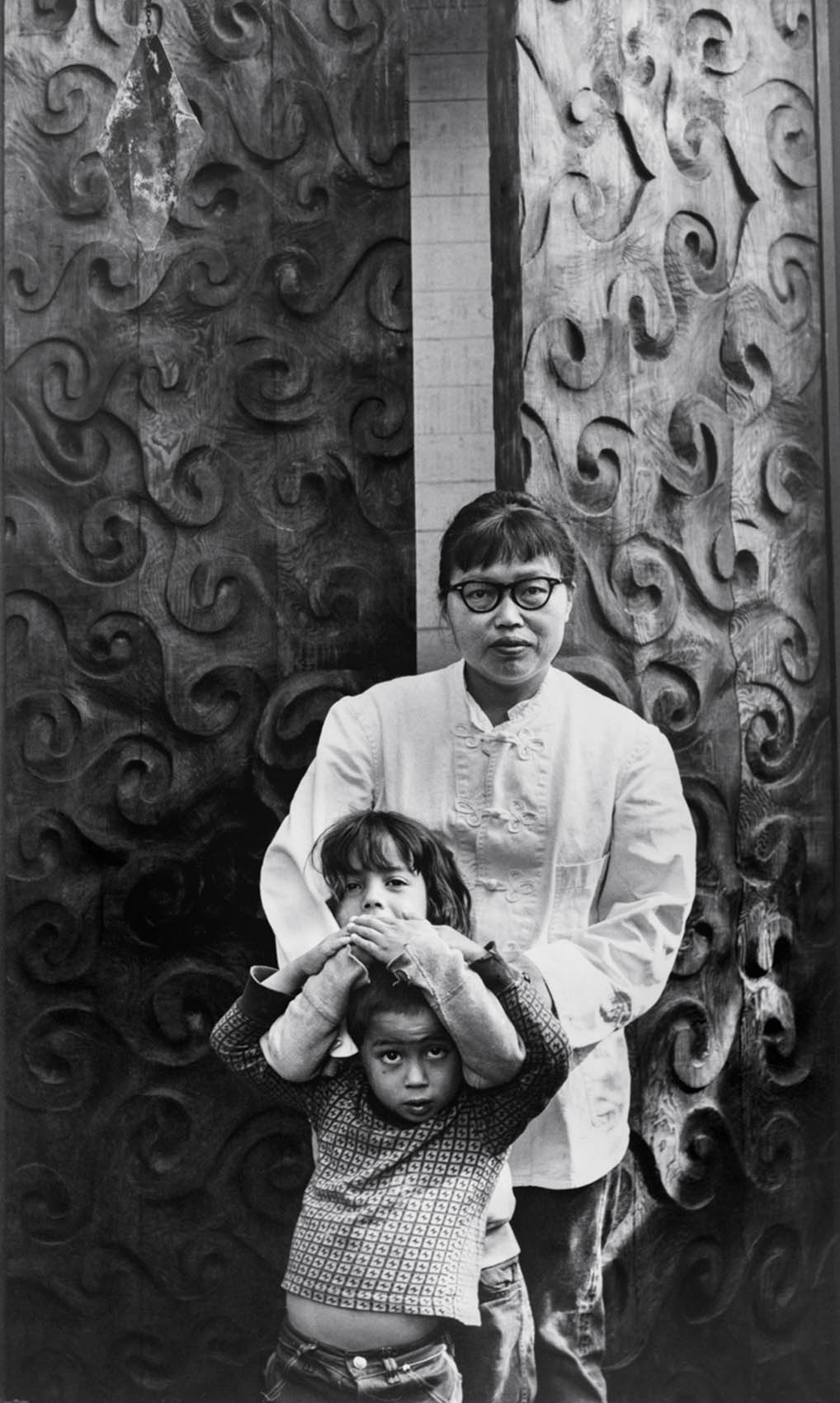
Joan Pearson Watkins (American, 1924-2013)
Ruth Asawa with her children Addie and Paul in front of Doors (S.528, Carved Redwood Doors for Ruth Asawa’s Home), at her home in San Francisco
c. 1965
© 2026 Ruth Asawa Lanier, Inc., courtesy David Zwirner
Joan Pearson Watkins (also known as Joan Jockwig Pearson Watkins) was an American ceramist, museum curator, and photographer.
Joan Pearson Watkins’ archival photography serves as a vital historical record of the mid-20th century art scene, capturing intimate moments of iconic American artists in their creative spaces. Rather than staging rigid portraits, her camera documented the organic, daily environments where famous mid-century modernism was actively being built.
Her most famous body of photographic work documents the iconic Japanese-American sculptor Ruth Asawa. Watkins captured crucial archival images of Asawa’s life and environment including photos showing how Asawa lived alongside her intricate, hanging looped-wire sculptures, serving as an invaluable visual record for modern museum retrospectives
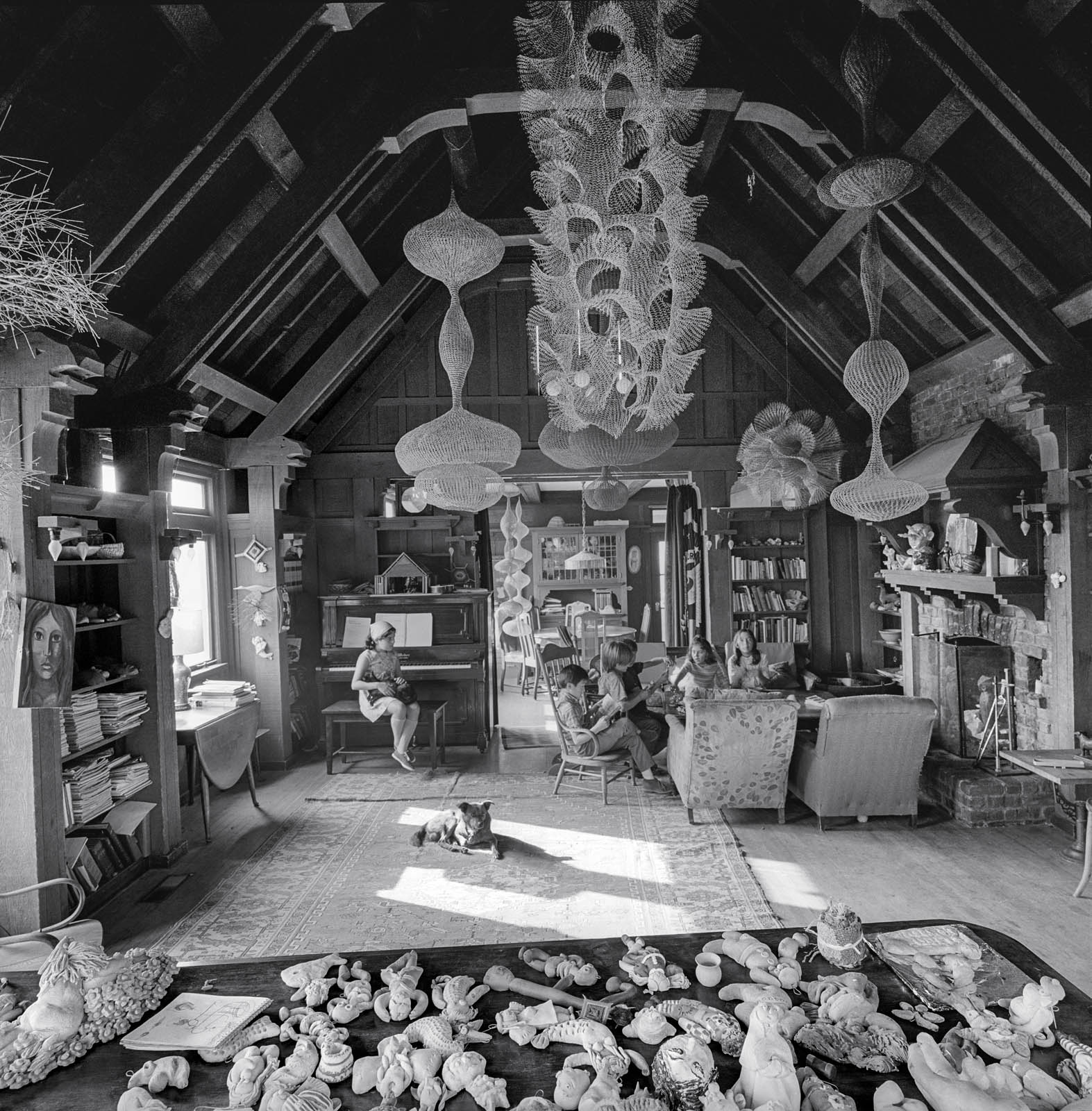
Rondal Partridge (American, 1917-2015)
Living room of Ruth Asawa’s home in San Francisco’s Noe Valley neighbourhood
1969
Photo © 2026 Rondal Partridge Archives
© 2026 Ruth Asawa Lanier, Inc., courtesy David Zwirner
Rondal Partridge (September 4, 1917 – June 19, 2015) was an American photographer. After working as an assistant to well-known photographers Dorothea Lange and Ansel Adams in his youth, he went on to a long career as a photographer and filmmaker. …
Career as a photographer
In 1940, he got a job with a New Deal agency called the National Youth Administration, documenting the problems faced by young people in the final years of the Great Depression.
In contrast to Adams, whose work focused on the beauty of the natural landscape, Partridge documented the human built infrastructure of Yosemite, as well as changes to the built environment of the San Francisco Bay Area. An example of such work is his mid 1960s photograph Pave It and Paint It Green. The photo shows iconic Yosemite peak Half Dome in the background, while the foreground consists of a parking lot filled with cars. In the photo, “the distinction between city and wilderness has disappeared”. Partridge also made a documentary film of the same name, which was shown on television. Adams, who did not appreciate irony or social commentary in photography, disapproved of Partridge’s 1960s work in Yosemite, although he later called Partridge a “fine photographer” in his autobiography.
Partridge has taken portraits of ordinary working people, as well as many notable people including Odetta, Ruth Asawa, Judy Dater, Peter Scott Lewis, John Carl Warnecke, Dorothea Lange, Ansel Adams and Diego Rivera as well as his mother, Imogen Cunningham.
Text from the Wikipedia website
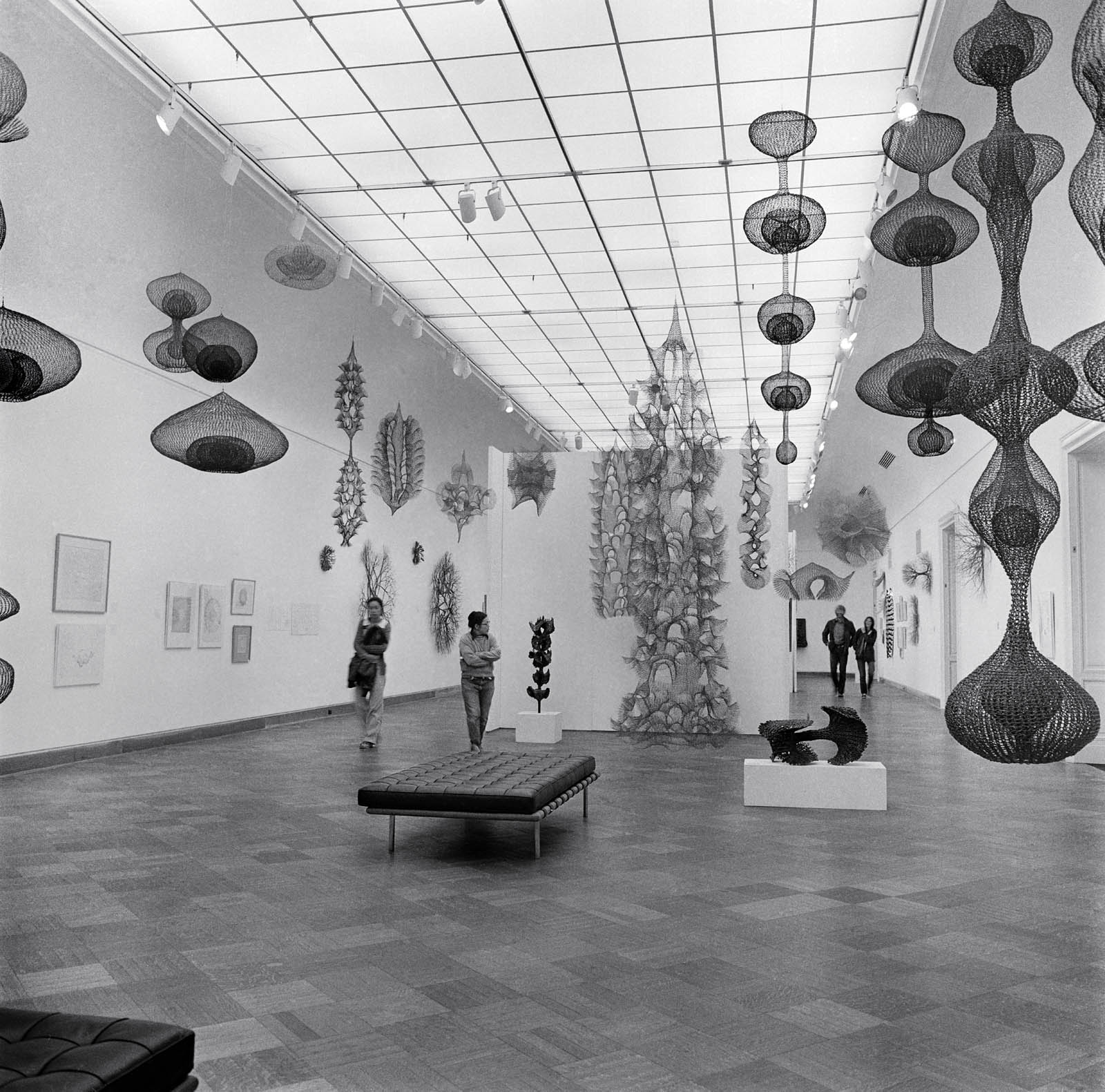
Laurence Cuneo (American)
Ruth Asawa (second from left) with visitors to her exhibition Ruth Asawa: A Retrospective View, San Francisco Museum of Art (now SFMOMA)
1973
© 2026 Ruth Asawa Lanier, Inc., courtesy David Zwirner
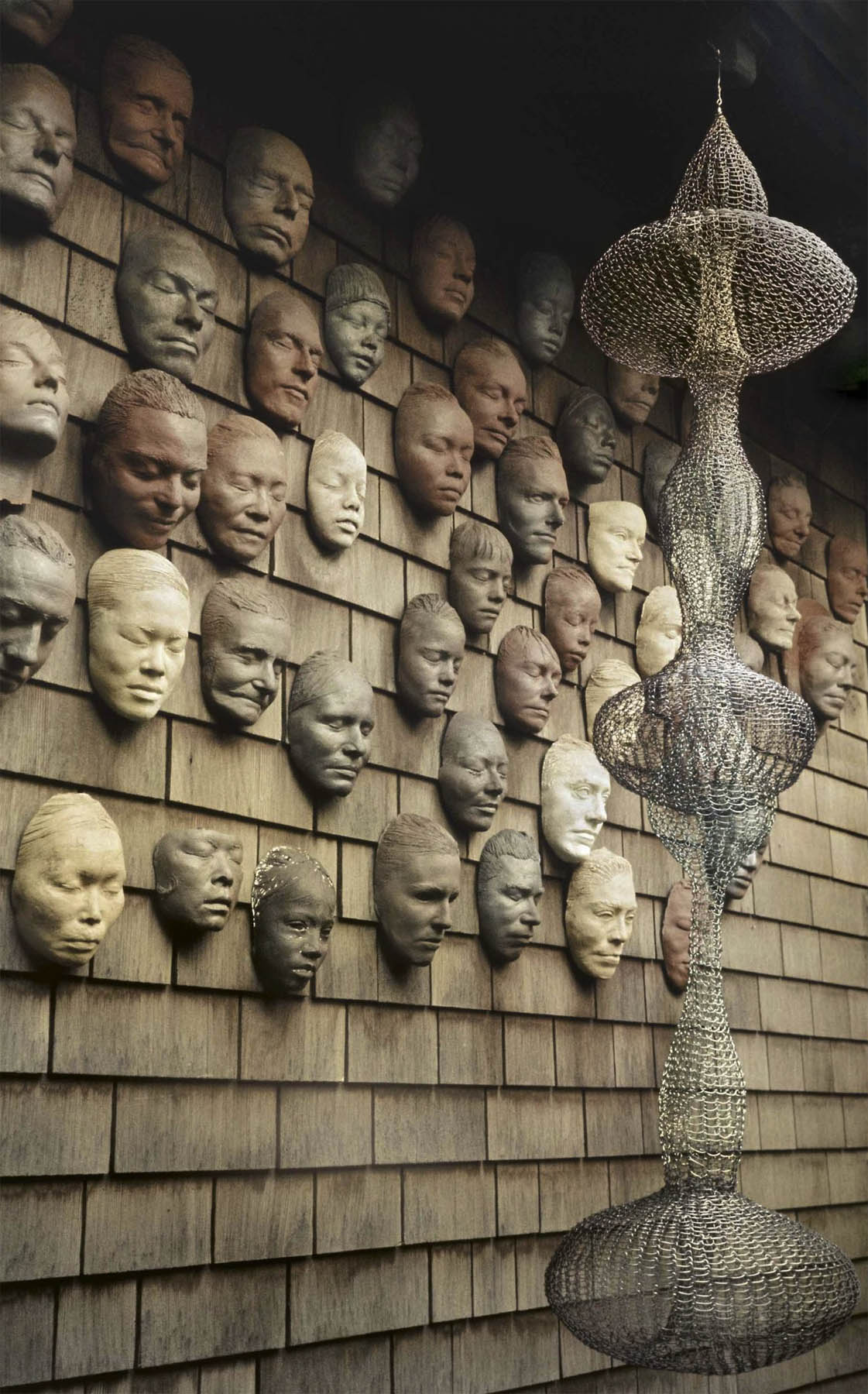
Laurence Cuneo (American)
Ruth Asawa’s Untitled (S.540, Hanging Seven-Lobed, Interlocking Continuous Form within a Form) hanging in front of the artist’s Wall of Masks (LC.012) on the exterior of her home in San Francisco
c. 1973
Artwork © 2026 Ruth Asawa Lanier, Inc., courtesy David Zwirner
By 1960, Asawa, Albert Lanier, and their six children – Xavier, Aiko, Hudson, Adam, Addie, and Paul – had outgrown three San Francisco residences. Later that year she and Lanier purchased a large house in Noe Valley. Lanier spent a year renovating – including excavating to create a studio for Asawa and additional bedrooms – before the family moved in during the fall of 1961.
Asawa designed monumental new front doors, on view in this section and titled Doors (S.528, Carved Redwood Doors for Ruth Asawa’s Home), 1961, which were featured prominently in her new home. She used a durable wood native to the West Coast and drew an allover pattern of interlocking waves that joined across the two doors when closed. Her older children also helped her to carve and finish the surface, using mallets and chisels to carve shallow, raised patterns across both sides of the doors, and smoothing the surface with a blowtorch and wire brushes. The family went on to build walkways from cobblestones scavenged from San Francisco beaches, planting beds for flowers, herbs, and vegetables that would prove to be an enduring source of inspiration for Asawa’s drawings.
Additionally, the artist created hundreds of unique face casts of family, friends, and colleagues between 1966 and 2000, some of which are on view in this section as well, resulting in a veritable index of the comings and goings at the Noe Valley house.
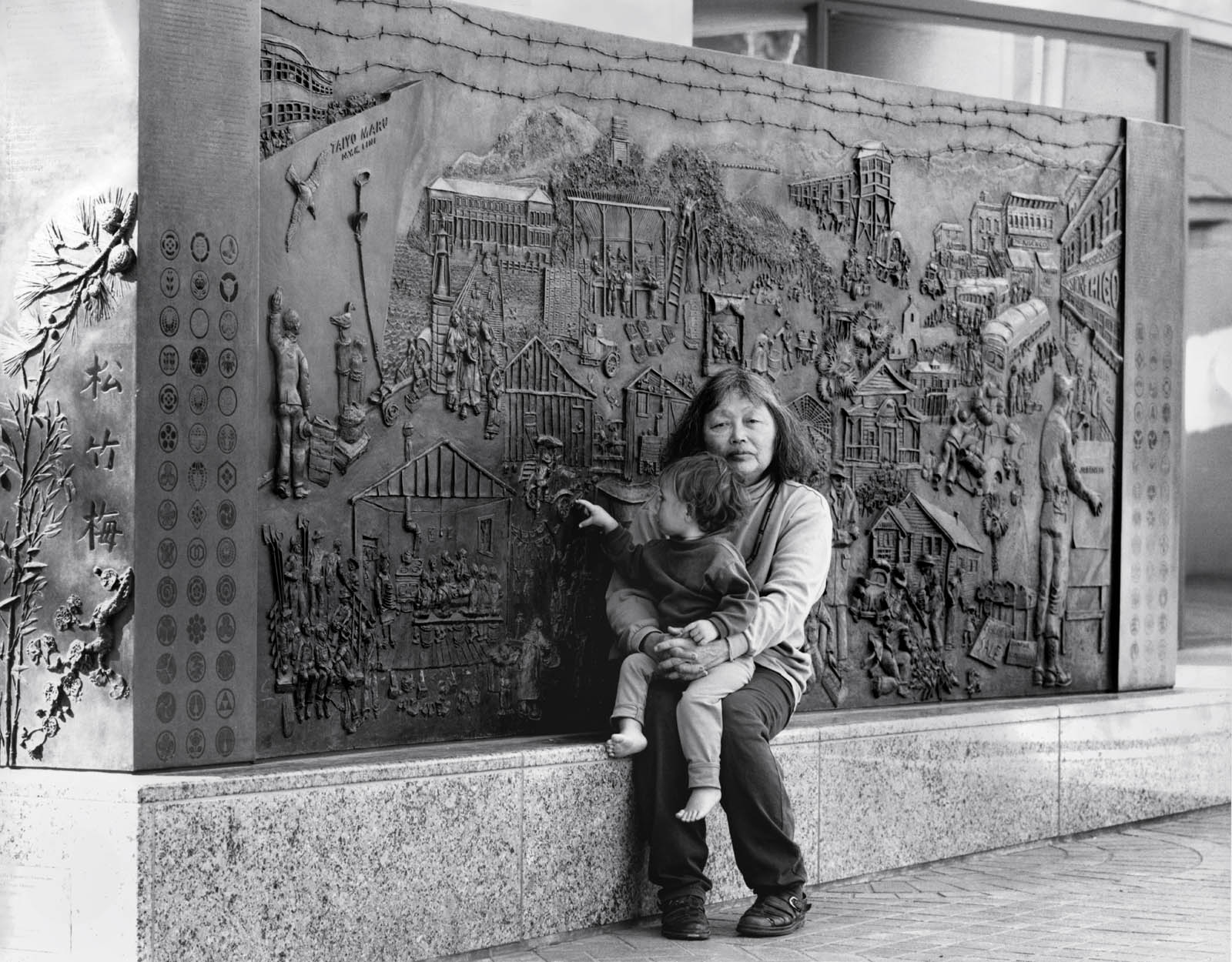
Laurence Cuneo (American)
Ruth Asawa and her granddaughter with Japanese American Internment Memorial (PC.011)
1990-1994
Commissioned by the City of San José; 300 South First Street, San José
© 2026 Ruth Asawa Lanier, Inc., courtesy David Zwirner
Guggenheim Museum Bilbao
Abandoibarra Etorb., 2, Abando,
48009 Bilbao, Bizkaia, Spain
Opening hours:
Tuesday – Sunday, 10am – 7pm



You must be logged in to post a comment.