The text Reflections on David: In a galaxy all of his own (below) was written for a special LGBTQI themed edition of the peer reviewed journal Fashion, Style and Popular Culture. At short notice, the co-editor asked me to write, and I quote, “a queer focused review of the Bowie exhibition at ACMI.” When I delivered the piece below, it was rejected as not being academic enough!
Apparently they wanted a deconstruction of the exhibition, its layout, construction, themes, lighting, and good and bad points. No mention of LGBTQI+ issues mind you.
What the kind of review they wanted has to do with a LGBTQI+ themed issue I have absolutely no idea. If they had known anything about my writing, they would have known they would not get academic speak, but something a little more interesting. Their loss, our gain.
The text focuses on Bowie’s impact on me at the time, as a gay man. Bowie is tight. Singing my all time favourite track of his, Young Americans, Bowie is a vocalist like no other. What a voice. Team that with charisma, soul, style, and all the moves … hands on hips, guitar slung backwards, padded shoulders to die for, cheekbones that you could cut with a knife and a presence that is just luminous. No wonder I loved him as an adolescent, he was my Hero. As someone commented on the YouTube live performance of the song (below), “ain’t there 1 goddam song that can make me breakdown + cry*”
This is a flawed but mesmerising exhibition. Allow three to fours hours at least. If you are a Bowie fan it’s a 100% must see; and if you are an aficionado of contemporary culture, you will be amazed at the sources Bowie draws from to create his art, his personas. It did no harm, either, that Bowie had access to some of the most creative designers in the world for his costumes and sets, but he was the inventive force. What a man, what an artist, not just a man who fell to earth, but a man who changed the world.
Dr Marcus Bunyan
Many thankx to ACMI for allowing me to publish the art work in the posting. Please click on the photographs for a larger version of the image. Download the text Reflections on David: In a galaxy all of his own(1.6Mb pdf)
David Bowie – Young Americans
Bowie performing live on the Dick Cavett Show (4th December 1974)
Reflections on David: In a galaxy all of his own
The year was 1975. In London, six years after that seminal event of early gay liberation, the Stonewall Riots, six years after the landing on the moon, and six years after the release of David Bowie’s single, Space Oddity, I came out as a gay man age 17. At the time I felt a bit of a space oddity myself, troubled by my hidden identity and the double life I was leading. My first act of rebellion was to walk into a newsagent at Notting Hill Gate underground station, pick up a copy of Gay Times, fling the money at the store attendant and run from the place as red as a beetroot. I was so embarrassed.
Things quickly changed. I had been listening to Bowie’s music since my early days in boarding school – The Man Who Sold the World, Hunky Dory, Ziggy Stardust, Aladdin Sane – and now, after outing myself, I rocked up to the Royal College of Music with silver hair, wearing the most outrageous satin pink and white bomber jacket, with rings on every finger. I walked down St. Albans high street on a Saturday morning through the market in fake white fur coat and eye shadow. It’s only now, forty years later, that I realise I was channeling my inner Bowie.
This was the era of Campaign for Homosexual Equality (CHE) in England, where we had to gather in people’s lounge rooms to meet other gay men, or once a month at a disco in country Hertfordshire. Or we went to the Pan Club in Luton where drag queens peered imperiously down at us through a grill before they allowed us through the door. The best thing was going to Scandals or Adams night clubs in London, where we danced on illuminated glass dance floors (like in Saturday Night Fever) and wore our army uniforms. We could be whoever we wanted to be. And this was all influenced by the multiple persona of Bowie.
Like an intelligent bower bird, Bowie constructed his different personae through bricolage, building them from cultural signifiers such as German Expressionism, Marlene Dietrich, Sonia Delaunay, Metropolis, Hollywood, Japanese film, JG Ballard and Clockwork Orange, to name just a few. My gay friends and I did much the same. Like Bowie, for us it wasn’t so much about sexuality but about androgyny and the public play of gender (although the two are obviously interlinked). We adored David, a self-educated lad from a poor working class family, initially a Mod, who created his own universe of creatures and characters. Glam yes, but so much more than just putting on a costume like Kiss, David lived and breathed his worlds and we, his fans, believed in him. Not so much gender bender as cultural gender blender.
Critical to this time in my life was the period that followed Ziggy: Young Americans and the Thin White Duke. I got heavily into soul music, going to a basement nightclub behind Bang on Tottenham Court Road, where they played reggae, Barry White and the Love Unlimited Orchestra… and David Bowie. I used to pretend to be one of the back up singers on the song Young Americans: “Young American, young American, she wants the young American.” Bowie is tight. Singing my all time favourite track of his, Young Americans, Bowie is a vocalist like no other. What a voice. Team that with charisma, soul, style, and all the moves … hands on hips, guitar slung backwards, padded shoulders to die for, cheekbones that you could cut with a knife and a presence that is just luminous. No wonder I loved him as an adolescent, he was my Hero. As someone commented on the YouTube live performance of the song, “ain’t there 1 goddam song that can make me breakdown + cry*”. From talking to other gay men, I know that the Young Americans album was also critical for them – all cinched waist, high cheekbones, eye shadow, padded shoulders, flaming hair and soul music.
Australian disc jockey Stephen Allkins observed the same phenomena in Sydney. In a recent interview with me he commented, “My first introduction to the world of David Bowie was in 1975 when I was a 14 year old gay boy hanging out with my gay cousin, coming out unknowingly together. Young Americans was so damn funky and classy and totally different to anything that was happening in the white music world at the time. I couldn’t quite get my head around the way Bowie had gone from Ziggy and Aladdin Sane to the Thin White Duke and funk in one swoop, but I loved it. It’s hard to put into words how, as everyone else was glamming up, Bowie starting wearing suits and playing with the hottest funk band on the planet. No one else at that time moved or evolved with such speed and ease and he made me believe every look and note. He didn’t copy or just follow a trend to get noticed, he created and influenced several generations of people with his music and visual ideas. I say ideas because what he created visually was more than mere fashion, it became art. Looking back on all he’s done now, all that he did was art – musically, visually and sensually.”
Which leads me on to David Bowie is, an exhibition at the Australian Centre for the Moving Image (ACMI) in Melbourne. This is a fascinating but flawed exploration of the life of one of the world’s great artists. To see his early life, influences, and upbringing, and to have access to his personal archives – especially the wonderful sketches and storyboards showing his creative process – is invaluable. One of the strongest elements of the performance is how the exhibition links his art to the many cultural signifiers he used to construct it: from collage to construction. The costumes are magnificent including the additional Australian content, like the Pierrot costume from Ashes to Ashes. To see artefacts such as the original handwritten stanzas of Ziggy Stardust and Fame is as close as many of us will get to the source of greatness.
Much less successful was the thematic layout of the exhibition. Sections on film stars, 1930s, and Berlin cabaret (to name but a few), in non-chronological order, made it difficult to comprehend the development of each character and their place in the flow of time and space. While this assemblage of ideas might mimic how Bowie actually constructed his characters, quickly moving from one to another, and then reviving the same character many years later (for example, Space Oddity‘s Major Tom of 1969 and then creating a sequel in Ashes to Ashes in 1980), the imitative representation, or mimesis, of Bowie’s process in the layout of the exhibition simply did not work. Knowing how important Young Americans was to my own gay history, I searched for about 15 minutes with a guide from the exhibition looking for references to Young Americans and the influence of soul music on Bowie. We eventually found just two Thin White Duke suits tucked away right at the end of the show. In the bowels of the dark, subterranean bunker that is ACMI too many artefacts were crammed into too small a location. The artefacts, the ideas and the art have little room to breathe.
Having said that, this is still a mesmerising exhibition. Allow three to fours hours at least. If you are a Bowie fan it’s a 100% must see; and if you are an aficionado of contemporary culture, you will be amazed at the sources Bowie draws from to create his art, his personas. It did no harm, either, that Bowie had access to some of the most creative designers in the world for his costumes and sets, but he was the inventive force. What a man, what an artist, not just a man who feel to earth, but a man who changed the world. He was REAL, his personae were REAL, his art was REAL. He was an astronaut of inner space and when he looked down the barrel of the lens he spoke to young rebels in an authentic voice. He was our hero and no one else’s. As the singer Sylvester would later say: “You make me feel mighty real.” Chimerical, pansexual David, we love you!
David or ‘Davie’ Jones, as he was then known, became heavily involved in London’s burgeoning music scene at a young age. Before leaving school at the age of 16, he had already joined the band The Kon-rads, playing saxophone and singing vocals. Demonstrating the experimental energy that has driven his solo career, Bowie spent the 1960s trying out different musical, artistic and sartorial styles and performing with several different bands. In 1965 he changed his stage name to David Bowie. The exhibition features several objects from Bowie’s early career including sketches of set, costume and poster designs created for his first bands and footage of early performances.
On 6 July 1972 David Bowie performed Starman, the first single from his album The Rise and Fall of Ziggy Stardust and the Spiders from Mars, on BBC One’s Top of the Pops. This pivotal performance was crucial in making Bowie a music star and is acclaimed as a watershed moment which changed rock music and youth culture forever. Appearing on national television with flame-orange hair, make-up, multi-coloured clothing and red patent boots, Ziggy’s otherworldly look and sexual ambiguity created a seismic shift in pop culture. The exhibition features the original suit and boots created by Freddie Burretti and designed in collaboration with Bowie, who took inspiration from the costumes worn by the ‘droogs’ street gang in Stanley Kubrick’s film adaptation of A Clockwork Orange (1971).
Ziggy Stardust | David Bowie
Footage taken from BBC 4’s documentary, The Story of Ziggy Stardust
Bowie first saw the work of Japanese fashion designer Kansai Yamamoto at the exhibition Kansai in London in 1971. He could not afford the original designs so copied the look instead, recruiting friends such as Natasha Korniloff and Freddie Burretti to create cheaper versions of Yamamoto’s signature bodysuits and platform boots. After the success of Ziggy Stardust, Bowie approached Yamamoto and commissioned a set of even more flamboyant stage costumes for the Aladdin Sane tour in 1973. These outfits, inspired by the style of Japanese samurai and kabuki actors, are outrageous, sculptural and eye-catching. The exhibition features several Kansai Yamamoto costumes including the black and white striped bodysuit and a white cloak with Japanese kanji lettering spelling out ‘David Bowie’. A flamboyant suit from Yamamoto’s 1971 exhibition which he gifted to the V&A at the time is also on display.
The Australian Centre for the Moving Image (ACMI) today launched the critically acclaimed exhibition celebrating one of the most influential artists in music, film and video, fashion and performance. David Bowie is comes to ACMI from London’s Victoria and Albert Museum (V&A) for a strictly limited season from 16 July 2015 as part of the Victorian Government’s Melbourne Winter Masterpieces series.
Seen by over 1 million people worldwide at sell-out shows in London, Chicago, Sao Paolo, Paris, and Berlin, David Bowie is was conceived by the prestigious V&A in London, where it premiered in March 2013 before quickly becoming V&A’s fastest selling show. This once-in-a-lifetime experience, now in its only Australasian season, is set to take Melbourne by storm.
Drawing upon unprecedented access to objects from the David Bowie Archive, the exhibition charts the extraordinary career of the boy from London who became an iconic artist and cultural innovator. David Bowie is features over 50 legendary costumes, original stage set designs, handwritten lyric sheets, album artwork, rare film, video and photographs, and interviews with key collaborators. Special displays explore the artistic chameleon’s continuing influences as a musician, stage performer, writer and actor.
ACMI Director and CEO, Katrina Sedgwick, says the groundbreaking exhibition is testament to Bowie’s profound and everlasting impact as a true pioneer in music, fashion and culture. “We are thrilled to be hosting the Australian incarnation of David Bowie is… It is an exhibition that not only illuminates the extraordinary breadth of Bowie’s creative genius and his enormous impact over the decades – but it is also a beautifully curated and staged experience that will delight the many thousands of people who will see it in the coming weeks and months.”
The V&A’s curators, Victoria Broackes and Geoffrey Marsh, from the Museum’s Department of Theatre and Performance, selected more than 300 objects and films for the show. Of the exhibition they said; “We are absolutely delighted to see David Bowie is travel to ACMI. Bowie himself has a long-standing relationship with Australia, including creating the music videos for Let’s Dance and China Girl there. We hope that the exhibition meets the expectations of his extensive Australian fan base.”
The exhibition offers insight into Bowie’s early years and his first steps musical greatness. The creative aspiration of the young David Robert Jones are showcased by early photographs and Bowie’s sketches for stage sets and costumes created for his bands The Kon-rads and The Delta Lemons in the 1960s. Bowie’s first major hit Space Oddity (1969) and the introduction of the fictional character Major Tom inspired by Stanley Kubrick’s 1968 film 2001: A Space Odyssey granted him critical and commercial success as an established solo artist. His cinematic influences abound with his elaborate storyboards and set design for the Diamond Dogs tour (1974) inspired by Fritz Lang’s film Metropolis (1927).
Excerpts and props from Bowie’s on-screen performance in films including The Man Who Fell to Earth (1976), Labyrinth (1986), Basquiat (1996) and The Prestige (2006) show how Bowie has continually explored different notions of character and drawn together the numerous cultural influences that feed into his work. On display is the original multi-coloured suit worn for the pivotal performance of Starman on Top of the Pops in July 1972. An interactive audio-visual display presents some of Bowie’s most ambitious music videos including DJ (1979) and The Hearts Filthy Lesson (1995). Immersive, large-scale projections show recently uncovered footage of Bowie performing Jean Genie on Top of the Pops in 1973 and excerpts from D. A. Pennebaker’s film Ziggy Stardust and the Spiders from Mars: The Motion Picture (1973).
Bowie’s collaborations with artists and designers in the fields of fashion, sound, graphics, theatre, art and film are explored throughout the exhibition. On display are more than 50 stage costumes including Ziggy Stardust bodysuits (1972) designed by Freddie Burretti, Kansai Yamamoto’s flamboyant creations for the Aladdin Sane tour (1973), and the Union Jack coat designed by Bowie and Alexander McQueen for the Earthling album cover (1997). An area has been dedicated to the monochrome theatricality of Bowie’s Berlin period and the creation of the Thin White Duke persona identified with the Station to Station album and tour (1976). It also investigates the series of experimental records he produced between 1977 and 1979 whilst living in Germany, known as the Berlin Trilogy.
More personal items such as never-before-seen storyboards, handwritten set lists and lyrics are also featured in the exhibition as well as some of Bowie’s own sketches, musical scores and diary entries, revealing the evolution of his creative ideas. ACMI is the exclusive Australasian venue for a strictly limited season of David Bowie is. The ACMI season includes a curated program of talks and special events, late night programs, film screenings and live performances.
Press release from ACMI
Ziggy Stardust jumpsuit designed by Freddie Burretti (1972)
Alexander McQueen Union Jack coat designed in collaboration with David Bowie for the Earthling album cover
David Bowie (English, 1947-2016) and Freddie Burretti (British, b. 1952) (designer) Bodysuit with graphic print (replica) ‘Ziggy Stardust’ tour and album cover 1972
Kansai Yamamoto striped bodysuit for the Aladdin Sane tour (1973)
Installation photographs of the exhibition David Bowie is at the Australian Centre for the Moving Image, Melbourne Photographer: Mark Gambino
Exhibition overview
The exhibition offers insight into Bowie’s early years and his first steps towards musical success. Tracing the creative aspirations of the young David Robert Jones (born 1947 in Brixton, London), it shows how he was inspired by innovations in art, theatre, music, technology and youth culture in Britain during the aftermath of the Second World War. Pursuing a professional career in music and acting, he officially adopted the stage name ‘David Bowie’ in 1965 and went through a series of self-styled changes from Mod to mime artist and folk singer to R&B musician in anticipation of the shifting nature of his future career. On display are early photographs and Bowie’s sketches for stage sets and costumes created for his bands The Kon-rads and The Delta Lemons in the 1960s.
This opening section concludes with a focus on Bowie’s first major hit Space Oddity (1969) and the introduction of the fictional character Major Tom, who would be revisited by Bowie in both Ashes to Ashes (1980) and Hallo Spaceboy (1995). Inspired by Stanley Kubrick’s 1968 film 2001: A Space Odyssey, the single was released to coincide with the first moon landing and was Bowie’s breakthrough moment, granting him critical and commercial success as an established solo artist.
The exhibition moves on to examine Bowie’s creative processes from song writing, recording and producing to his collaborations on costume designs, stage sets and album artwork. Showing how Bowie works within both established art forms and new artistic movements, this section reveals the scope of his inspirations and cultural references from Surrealism, Brechtian theatre and avant-garde mime to West End musicals, German Expressionism and Japanese Kabuki performance. This section traces the influence of these movements on Bowie’s own work, including the evolution of the lavishly produced Diamond Dogs tour (1974), the design of which was inspired by Fritz Lang’s film Metropolis (1927) and George Orwell’s novel Nineteen Eighty-Four (1949). The tour combined exuberant choreography and a colossal set design, taking the combination of rock music and theatre to new heights. On display are previously unseen storyboards for the proposed musical that Bowie would eventually transform into the Diamond Dogs album and touring show.
In addition, this section chronicles Bowie’s innovative approach to creating albums and touring shows around fictionalised stage personas and narratives. 1972 marked the birth of his most famous creation; Ziggy Stardust, a human manifestation of an alien being. Ziggy’s daringly androgynous and otherworldly appearance has had a powerful and continuous influence on pop culture, signalling a challenge of social conventions and inspiring people to shape their own identities. On display is the original multi-coloured suit worn for the pivotal performance of Starman on Top of the Pops in July 1972, as well as outfits designed for stage characters Aladdin Sane and The Thin White Duke. Costumes from The 1980 Floor Show (1973), album cover sleeves for The Man Who Sold the World (1970) and Hunky Dory (1971), alongside fan material, highlight Bowie’s fluid stylistic transformations and his impact on social mobility and gay liberation.
Excerpts from Bowie’s on-screen performances in films including The Man Who Fell to Earth (1976), Labyrinth (1986), Basquiat (1996) and The Prestige (2006) show how Bowie has continually explored different notions of character and drawn together the numerous cultural influences that feed into his work. Footage and photography of recording sessions for Outside (1995) and ‘Hours…’ (1999) as well as handwritten lyrics and word collages inspired by William Burroughs’ ‘cut up’ method of writing that have never previously been publicly displayed, reveal Bowie’s working processes from writing to recording.
This expansive retrospective also celebrates David Bowie as a pioneering performer concentrating on key performances throughout his career. An interactive audio-visual display presents some of Bowie’s most ambitious music videos including DJ (1979) and The Hearts Filthy Lesson (1995). Immersive, large-scale projections show recently uncovered footage of Bowie performing Jean Genie on Top of the Pops in 1973 and excerpts from D. A. Pennebaker’s film Ziggy Stardust and the Spiders from Mars: The Motion Picture (1973).
An area has been dedicated to the monochrome theatricality of Bowie’s Berlin period and the creation of the stylish Thin White Duke persona identified with the Station to Station album and tour (1976). It also investigates the series of experimental and pioneering records he produced between 1977 and 1979 whilst living in Germany, known as the Berlin Trilogy. Finally, David Bowie is features a display of striking performance and fashion photography taken by photographers including Helmut Newton, Herb Ritts and John Rowlands. These professional portraits are juxtaposed with a collage of visual projections illustrating Bowie’s immense creative influence and ubiquitous presence in music, fashion and contemporary visual and virtual culture.
Press release from the Australian Centre for the Moving Image website
Curator: Dr. Mikhail Dedinkin, curator from the State Hermitage Museum supported by NGV Director Tony Ellwood and Dr. Ted Gott, Senior Curator of International Art at the NGV
Hermitage Museum, the Winter Palace in Winter, St Petersburg Photo: Pavel Demidov
Some beauty to cheer me up from my sickbed.
These are the official press photographs for the exhibition Masterpieces from the Hermitage: The Legacy of Catherine the Great. To see my installation photographs of the exhibition go to this posting.
The paintings look as fresh today as when they were first painted, some of them in the early 1500s. To see the thumbs up gesture in Diego Velázquez’s Luncheon (c. 1617-1618, below) echoing down the centuries, is worth the price of admission alone.
We cannot imagine what life would have been like back then… no medication, rampant disease and malnutrition, little law enforcement with danger lurking around each turn (see Matthew Beaumont. Night Walking: A Nocturnal History of London, Chaucer to Dickens. London and New York: Verso, 2015).
And yet these talented artists, supported by the elite, produced work which still touches us today.
Dr Marcus Bunyan
Many thankx to the National Gallery of Victoria for allowing me to publish the art works in the posting. Please click on the photographs for a larger version of the art works. See Part 1 of the posting.
Chinese Cup early 17th century Silver, enamel 4 x 3 x 7cm The State Hermitage Museum, St Petersburg (Inv. no. ЛС-133, ВВс-250) Acquired before 1789
Chinese Teapot with lid 17th century Silver, enamel 18.0 x 5.5cm The State Hermitage Museum, St Petersburg (Inv. no. ЛС-80 а, б, ВВс-219) Acquired before 1789
Sèvres Porcelain Factory Sèvres (manufacturer) France est. 1756 Cameo Service 1778-1779 Porcelain (soft-paste), gilt The State Hermitage Museum, St Petersburg Commissioned by Catherine ll as a gift for Prince Grigory Potemkin in 1777; Potemkin’s Taurida Palace, St Petersburg from 1779; transferred to the Hofmarshal’s Office of the Winter Palace after his death; 1922 transferred to the State Hermitage Museum
Grand Duchess Maria Fyodorovna (Russian, 1795-1828) (engraver) Russia (manufacturer) Catherine the Great as Minerva 1789 Cameo Jasper, gold 6.5 x 4.7cm The State Hermitage Museum, St Petersburg (Inv. no. К 1077) Acquired 1789
James Tassie, London (England, 1735-1799) (workshop of) Head of Medusa 1780s Coloured glass, gilded paper 7.6 x 9.2cm The State Hermitage Museum, St Petersburg (Inv. no. R-T, 3296 a) Purchased from James Tassie 1783-88
Chinese Toilet service early 18th century Glass, mercury amalgam, paper, silver, filigree, parcel-gilt, wood, velvet, peacock and king-fisher feathers, mother-of-pearl, crystals The State Hermitage Museum, St Petersburg (Inv. no. ЛС-472/ 1,2, ВВс-373)
Chinese Table decoration in the form of a pair of birds 1740s-50s Silver, enamel, silver-gilt 26.0 x 26.0 x 15.0cm The State Hermitage Museum, St Petersburg (Inv. no. ЛС-26, ВВс-189)
Chinese Crab-shaped box on a leaf tray 1740s-50s Silver, enamel, silver-gilt (a) 4.0 x 14.0 x 13.0cm (box) (b) 3.0 x 22.0 x 17.0cm (stand) The State Hermitage Museum, St Petersburg (Inv. no. ЛС-9 а,б, ВВс-186)
Marie-Anne Collot (French, 1748-1821) Voltaire 1770s Marble 49 x 30 x 28cm The State Hermitage Museum, St Petersburg (Inv. no. Н.ск. 3) Acquired from the artist, 1778
Jean-Antoine Houdon (French, 1741-1828) Catherine II 1773 Marble 90 x 50 x 32cm The State Hermitage Museum, St Petersburg (Inv. no. Н.ск. 1676) Transferred from the Stroganov Palace, Leningrad, 1928
Jean-Baptiste Greuze (French, 1725-1805) Head of an old man. Study for The paralytic 1760s Red and black chalk 49.3 x 40cm (sheet) The State Hermitage Museum, St Petersburg (Inv. no. ОР-14727) Acquired from the artist in 1769 for the Museum of the Academy of Arts. Transferred to the Hermitage in 1924
François Boucher (French, 1703-1770) Study of a female nude 1740 Red, black and white chalk on brown paper 26.2 x 34.6cm The State Hermitage Museum, St Petersburg (Inv. no. ОР-382) Acquired from the collection of Count Cobenzl, Brussels, 1768
Charles-Louis Clérisseau (French, 1721-1820) Design for the paintings in the cell of Father Lesueur in the Monastery of Santissima Trinità dei Monti in Rome 1766-1768 Pen and black and brown ink, brown and grey wash 36.9 x 53cm (sheet) The State Hermitage Museum, St Petersburg (Inv. no. ОР-2597) Acquired from the artist by Catherine II on 5 May 1780, Provenance: before 1797
Carlo Galli-Bibiena (Austrian, 1728-1787) Design for the interior decoration of a library 1770s Pen and ink, grey wash and watercolour over pencil 32 х 44cm (sheet) The State Hermitage Museum, St Petersburg (Inv. no. ОР-231) Acquired before 1797
Giacomo Quarenghi (Italian, 1744-1817) Façade of the Hermitage Theatre 1780s Pen and ink, watercolour 33 х 47cm (sheet) The State Hermitage Museum, St Petersburg (Inv. no. ОР-9626) Acquired from Giulio Quarenghi in 1818
Konstantin Ukhtomsky (Russian, 1818-1881) The Raphael Loggia 1860 Watercolour 42 х 25cm The State Hermitage Museum, St Petersburg (Inv. no. ОР-11741) Acquired from the artist, 1860
Over 500 works from the personal collection of Catherine the Great will travel to Australia in July. Gathered over a 34-year period, the exhibition represents the foundation of the Hermitage’s collection and includes outstanding works from artists such as Rembrandt, Velasquez, Rubens and Titian. Exemplary works from Van Dyck, Snyders, Teniers and Hals will also travel, collectively offering some of the finest Dutch and Flemish art to come to Australia. The exhibition, presented by the Hermitage Museum, National Gallery of Victoria and Art Exhibitions Australia, is exclusive to Melbourne as part of the Melbourne Winter Masterpieces series.
The Premier of Victoria, the Hon. Daniel Andrews MP said: “Masterpieces from the Hermitage: The Legacy of Catherine the Great will showcase treasures from one of the largest, oldest and most visited museums in the world. Another major event for Melbourne, this exhibition will provide visitors with a once-in-a-lifetime opportunity to see first-hand the extraordinary personal collection of Catherine the Great, drawn from the Hermitage Museum, St Petersburg.”
NGV Director, Tony Ellwood said, “This exhibition celebrates the tenacity and vision of a true innovator in the arts. Catherine the Great’s inexhaustible passion for the arts, education and culture heralded a renaissance, leading to the formation of one of the world’s great museums, the Hermitage.”
“We are delighted that we have the good fortune of bringing one of the world’s most important collections to Australian audiences. The exhibition is a rare opportunity to be immersed in the world of Catherine the Great and her magnificent collection of art,” Tony Ellwood said.
Catherine the Great’s reign from 1762 to 1796 was known as the golden age and is remembered for her exceptional patronage of the arts, literature and education. Of German heritage, Catherine the Great was well connected in European art and literature circles. She saw herself as a reine-philosophe (Philosopher Queen), a new kind of ruler in the Age of Enlightenment. Guided by Europe’s leading intellectuals, such as the French philosophers Voltaire and Diderot, she sought to modernise Russia’s economy, industry and government, drawing inspiration both from classical antiquity and contemporary cultural and political developments in Western Europe.
A prolific acquirer of art of the period, Catherine the Great’s collection reflects the finest contemporary art of the 18th century as well as the world’s best old masters of the time, with great works by French, German, Chinese, British, Dutch and Flemish artists. Notable in this exhibition are entire groups of works acquired from renowned collections from France, Germany and England representing the best collections offered for sale at the time. The exhibition will feature four Rembrandts, including the notable Young woman with earrings, known as one of most intimate images Rembrandt ever created. The exhibition will also include 80 particularly fine drawings by artists including Poussin, Rubens, Clouet and Greuze.
Exquisite decorative arts will be brought to Australia for this exhibition, including 60 items from the Cameo Service of striking enamel-painted porcelain made by the Sèvres Porcelain Manufactory in Paris. Commissioned by Catherine the Great for her former lover and military commander, Prince Grigory Potemkin, the dinner service features carved and painted imitation cameos, miniature works of art, based on motifs from the French Royal collection.
Director of the Hermitage Museum, Mikhail Piotrovsky said, “These outstanding works from the personal collection of Catherine the Great represent the crown jewels of the Museum. It was through the collection of these works and Catherine the Great’s exceptional vision that the Hermitage was founded. Today it is one of the most visited museums in the world. We are very pleased to be able to share these precious works with Australian audiences at the 250-year anniversary of this important institution.”
Catherine the Great’s love of education, art and culture inspired a period of enlightenment and architectural renaissance that saw the construction of the Hermitage complex. This construction includes six historic buildings along the Palace Embankment as well as the spectacular Winter Palace, a former residence of Russian emperors. On view in the exhibition will be remarkable drawings by the Hermitage’s first architects Georg Velten and Giacomo Quarenghi, complemented by excellent painted views of the new Hermitage by Benjamin Patersen. These, along with Alexander Roslin’s majestic life-size portrait of Catherine, set the scene for a truly spectacular exhibition.
Visitors to the exhibition will be able to immerse themselves in Catherine the Great’s world evoking a sensory experience of a visit to the Hermitage Museum in St Petersburg. The exhibition design will have rich treatments of architectural details, interior furnishings, wallpapers and a colour palette directly inspired by the Hermitage’s gallery spaces. Enveloping multimedia elements will give visitors a sense of being inside the Hermitage, evoking the lush and opulent interiors.
The Hermitage Museum was founded in 1764 by Catherine the Great and has been open to the public since 1852. With 3 million items in its holdings, the Hermitage is often regarded as having the finest collection of paintings in the world today. In 2014, The Hermitage celebrated its 250-year anniversary and opened a new wing of the museum with 800 rooms dedicated to art from the 19th to 21st centuries. The exhibition is organised by The Hermitage Museum, St Petersburg in association with the National Gallery of Victoria and Art Exhibitions Australia.
Masterpieces from the Hermitage: The Legacy of Catherine the Great will be at NGV International from 31 July – 8 November 2015 and will be presented alongside the David Bowie is exhibition at the Australian Centre for the Moving Image as part of the 2015 Melbourne Winter Masterpieces series.
Press release from the National Gallery of Victoria
Jean-Baptiste Santerre (French, 1651-1717) Two actresses 1699 Oil on canvas 146 х 114cm The State Hermitage Museum, St Petersburg (Inv. no. ГЭ-1284) Acquired 1768
Anthony van Dyck (Flemish, 1599-1641) Portrait of Philadelphia and Elizabeth Wharton 1640 Oil on canvas 162 х 130cm The State Hermitage Museum, St Petersburg (Inv. no. ГЭ-533) Acquired from the collection of Sir Robert Walpole, Houghton Hall, 1779
Jean Louis Voille (French, 1744-1804) Portrait of Olga Zherebtsova 1790s Oil on canvas 73.5 х 58cm The State Hermitage Museum, St Petersburg (Inv. no. ГЭ-5654) Acquired from the collection of E. P. Oliv, Petrograd, 1923
Peter Paul Rubens and workshop (Flemish, 1577-1640) The Apostle Paul c. 1615 Oil on wood panel 105.6 х 74cm The State Hermitage Museum, St Petersburg (Inv. no. ГЭ-489) Acquired before 1774
Leonardo Da Vinci (school of) Female nude (Donna Nuda) Early 16th century Oil on canvas 86.5 х 66.5cm The State Hermitage Museum, St Petersburg (Inv. no. ГЭ-110) Acquired from the collection of Sir Robert Walpole, Houghton Hall, 1779
Rembrandt Harmensz. van Rijn (Dutch, 1606-1669) Portrait of a scholar 1631 Oil on canvas 104.5 х 92cm The State Hermitage Museum, St Petersburg (Inv. no. ГЭ-744) Acquired from the collection of Count Heinrich von Brühl, Dresden, 1769
Jean-Baptiste Perronneau (French, 1715-1783) Portrait of a boy with a book 1740s Oil on canvas 63.0 х 52cm The State Hermitage Museum, St Petersburg (Inv. no. ГЭ-1270) Acquired from the collection of A. G. Teplov, St Petersburg, 1781
Domenico Capriolo (Italian, c. 1494-1528) Portrait of a young man 1512 Oil on canvas 117 х 85cm The State Hermitage Museum, St Petersburg (Inv. no. ГЭ-21) Acquired from the collection of Baron Louis-Antoine Crozat de Thiers, Paris, 1772
Alexander Roslin (Swedish, 1718-1793) Portrait of Catherine II 1776-1777 Oil on canvas 271 х 189.5cm The State Hermitage Museum, St Petersburg (Inv. no. ГЭ-1316) Acquired from the artist, 1777
Titian (Italian, 1485-1490 – 1576) Portrait of a young woman c. 1536 Oil on canvas 96 х 75cm The State Hermitage Museum, St Petersburg (Inv. no. ГЭ-71) Acquired from the collection of Baron Louis-Antoine Crozat de Thiers, Paris, 1772
Rembrandt Harmensz. van Rijn (Dutch, 1606-1669) Young woman trying on earrings 1657 Oil on wood panel 39.5 х 32.5cm The State Hermitage Museum, St Petersburg (Inv. no. ГЭ-784) Acquired from the collection of the Comte de Baudouin, Paris, 1781
Francois Clouet (French, c. 1516-1572) Portrait of Charles IX 1566 Black and red chalk 33.1 x 22.5cm (sheet) The State Hermitage Museum, St Petersburg (Inv. no. OР-2893) Acquired from the collection of Count Cobenzl, Brussels, 1768
David Teniers II (Flemish, 1610-1690) Kitchen 1646 Oil on canvas 171 х 237cm The State Hermitage Museum, St Petersburg (Inv. no. ГЭ-586) Acquired from the collection of Sir Robert Walpole, Houghton Hall, 1779
Cornelis de Vos (Dutch/Flemish, c. 1584-1651) Self-portrait of the artist with his wife Suzanne Cock and their children c. 1634 Oil on canvas 185.5 х 221cm The State Hermitage Museum, St Petersburg (Inv. no. ГЭ-623) Donated by Prince G. A. Potemkin, 1780s
Anthony van Dyck (Flemish, 1599-1641) Family portrait c. 1619 Oil on canvas 113.5 х 93.5cm The State Hermitage Museum, St Petersburg (Inv. no. ГЭ-534) Acquired from a private collection, Brussels, 1774
Charles Vanloo (French, 1705-1765) Sultan’s wife drinking coffee 1750s Oil on canvas 120 х 127cm The State Hermitage Museum, St Petersburg (Inv. no. ГЭ-7489) Acquired from the collection of Madame Marie-Thérèse Geoffrin, Paris, 1772
Peter Paul Rubens and workshop (Flemish, 1577-1640) The Adoration of the Magi c. 1620 Oil on canvas 235 х 277.5cm The State Hermitage Museum, St Petersburg (Inv. № ГЭ-494) Acquired from the collection of Dufresne, Amsterdam, 1770
Diego Velázquez (Spanish, 1599-1660) Luncheon c. 1617-1618 Oil on canvas 108.5 х 102cm The State Hermitage Museum, St Petersburg (Inv. no. ГЭ-389) Acquired 1763-1774
Melchior d’Hondecoeter (Dutch, 1636-1695) Birds in a park 1686 Oil on canvas 136 х 164cm The State Hermitage Museum, St Petersburg (Inv. no. ГЭ-1042) Acquired from the collection of Jacques Aved, Paris, 1766
Frans Snyders (Flemish, 1579-1657) Concert of birds 1630-1640 Oil on canvas 136.5 х 240cm The State Hermitage Museum, St Petersburg (Inv. no. ГЭ-607) Acquired from the collection of Sir Robert Walpole, Houghton Hall, 1779
Curators: curated at Tate Modern by Juliet Bingham, Curator International Art, with Juliette Rizzi, Assistant Curator.
The EY Exhibition: Sonia Delaunay at Tate Modern
One of my favourite female artists of all time. Up there with Georgia O’Keeffe, Lee Krasner, Agnes Martin and Louise Bourgeois.
The early portrait paintings are a revelation. And then, how avant-garde are her Electric Prisms paintings, fashion designs, theatre costumes, embroidering poetry onto fabric, turning her apartment into a three-dimensional collage… the very epitome of a “progressive woman synonymous with modernity.”
I have always loved her creativity, vibrancy, colours and asymmetric, musical rhythm – her photogeneity, in the sense of her works producing or emitting light, like an organism does. They seem to grab you, like a jolt of electricity, saying “Wake up!” and “Look at me!”
Perhaps I’m a little bit in love with this very wonderful women.
Dr Marcus Bunyan
Many thankx to the Tate Modern for allowing me to publish the art work in the posting. Please click on the photographs for a larger version of the image.
“In this case, the pram in the hall was not the enemy of promise. (In any case, surely poverty is the more likely candidate.) It is still rare, however, for a cradle cover to be given gallery space and acknowledged as an important artwork. The little blanket Sonia stitched for her son, Charles, in 1911 [see image below] is to be exhibited, and it seems to have been a breakthrough piece which moved her from figurative work to abstract. The coverlet is a patchwork medley of pinks, creams and greens with hints of maroon and black. It shows how Sonia melded Russian folk-craft with Parisian avant garde, and anticipated the experiments with colour and shape that would become the Delaunay hallmark style, simultané.
As well as the baby quilt, there is on display the child’s painted toy box, and the outfit Sonia made in the same manner, the one in the photograph mentioned above: by 1913 the Delaunays had found a babysitter and were setting off to the dancehall, the Bal Bullier. As well as making clothing for herself and her friends, Sonia still painted. Next to the dress, which is composed of swatches of fabric in different textures, is her large canvas ‘Bal Bullier’. A flow of colour and rhythm, it shows several couples (or one couple twirling) under a new Parisian sensation: coloured electric lights.”
Unknown photographer Sonia Delaunay (right) and two friends in Robert Delaunay’s studio, rue des Grands-Augustins, Paris 1924 Image courtesy of Bibliothèque nationale de France, Paris
Sonia Delaunay (French, 1885-1979) was a key figure in the Parisian avant-garde, whose vivid and colourful work spanned painting, fashion and design. Tate Modern presents the first UK retrospective to assess the breadth of her vibrant artistic career, from her early figurative painting in the 1900s to her energetic abstract work in the 1960s. This exhibition offers a radical reassessment of Delaunay’s importance as an artist, showcasing her originality and creativity across the twentieth century.
Born in Odessaand trained in Germany, Sonia Delaunay (née Stern, then Terk) came to Parisin 1906 to join the emerging avant-garde. She met and married the artist Robert Delaunay, with whom she developed ‘Simultaneism’ – abstract compositions of dynamic contrasting colours and shapes. Many iconic examples of these works are brought together at Tate Modern, including Bal Bullier 1913 and Electric Prisms 1914. Her work expressed the energy of modern urban life, celebrating the birth of electric street lighting and the excitement of contemporary ballets and ballrooms.
The EY Exhibition: Sonia Delaunay shows how the artist dedicated her life to experimenting with colour and abstraction, bringing her ideas off the canvas and into the world through tapestry, textiles, mosaic and fashion. Delaunay premiered her first ‘simultaneous dress’ of bright patchwork colours in 1913 and opened a boutique in Madrid in 1918. Her Atelier Simultané in Paris went on to produce radical and progressive designs for scarves, umbrellas, hats, shoes and swimming costumes throughout the 1920s and 1930s. Clients included the Hollywood star Gloria Swanson and the architect Erno Goldfinger, as well department stores like Metz & Co and Liberty. The exhibition reveals how Delaunay’s designs presented her as a progressive woman synonymous with modernity: embroidering poetry onto fabric, turning her apartment into a three-dimensional collage, and creating daring costumes for Diaghilev’s Ballets Russes.
The diverse inspirations behind Delaunay’s work are also explored, from the highly personal approach to colour which harked back to her childhood in Russia, to the impact of her years in Spain and Portugal where she painted The Orange Seller 1915 and Flamenco Singers 1915-1916. The show also reveals the inspiration provided by modern technology throughout Delaunay’s career, from the Trans-Siberian Railway to the aeroplane, and from the Eiffel Tower to the electric light bulb. It also includes her vast seven-metre murals Motor, Dashboard and Propeller, created for the 1937 International Exposition in Paris and never before shown in the UK.
Following her husband’s death in 1941, Sonia Delaunay’s work took on more formal freedom, including rhythmic compositions in angular forms and harlequin colours, which in turn inspired geometric tapestries, carpets and mosaics. Delaunay continued to experiment with abstraction in the post-war era, just as she had done since its birth in the 1910s, becoming a champion for a new generation of artists and an inspiring figure for creative practitioners to this day.
The EY Exhibition: Sonia Delaunayis curated at Tate Modern by Juliet Bingham, Curator International Art, with Juliette Rizzi, Assistant Curator. It was organised by the Musée d’Art Moderne de la Ville de Paris, Paris-Musées and Tate Modern, and was realised with the exceptional help of Bibliothèque nationale de France and Musée national d’art moderne, Centre Pompidou.
Sonia Delaunay was a multi-disciplinary abstract artist and key figure in the Parisian avant-garde. Alongside her husband, Robert Delaunay, she pioneered the movement Simultanism. Her exploration of the interaction between colours has created a sense of depth and movement throughout her oeuvre.
What is her background?
She was born Sonia Illinitchna Stern to a Jewish Ukrainian family. At the age of seven she went to live with her comparatively wealthy uncle Henri Terk and his wife, Anna, in St Petersburg, Russia. The Terk’s offered her a privileged and cultured upbringing in St Petersburg. Nevertheless, her childhood memories of Ukraine remained with her and she often referred back to the ‘pure’ colour and bright costumes of the Ukrainian peasant weddings.
How did she start her career as an abstract artist?
“About 1911 I had the idea of making for my son, who had just been born, a blanket composed of bits of fabric like those I had seen in the houses of Russian peasants. When it was finished, the arrangement of the pieces of material seemed to me to evoke cubist conceptions and we then tried to apply the same process to other objects and paintings.”
What does she do?
“I always changed everything around me… I made my first white walls so our paintings would look better. I designed my furniture; I have done everything. I have lived my art.”
Delaunay’s creativity expanded beyond painting to include many other outlets such as Casa Sonia, an interiors and fashion boutique that she set up 1918; The entire set and costume design of Tristan Tzara’s 1923 play Le Cœur à Gaz; An illustration for the cover of Vogue in 1926; Costumes for the films Le Vertige directed by Marcel L’Herbier and Le p’tit Parigot, directed by René Le Somptier; Furniture for the set of the 1929 film Parce que je t’aime; And her textiles label Tissus Delaunay, which sold her designs worldwide.
What is Orphism?
Orphism is a term originating from 1912 when French poet and art critic Guillaume Appollinaire identified the new style of Cubist painting. Appollinaire was inspired by the work of František Kupka and the Delaunays, who, although channelling the Cubist vision, prioritised colour in their work. Appollinaire felt this use of colour brought movement, light and musical qualities to the artwork and therefore referenced the legendary poet and singer of ancient Greek mythology, Orpheus, when naming the movement.
What is Simultanism?
Simultanism is the strand of Orphism practised by the Delaunays. The name comes from the work of French scientist Michel Eugène Chevreul who identified the phenomenon of ‘simultaneous contrast’, in which colours look different depending on the colours around them. For example, a grey will look lighter on a dark background than it does on a light one. The Delaunays dispensed with form and aimed to created rhythm, motion and depth through overlapping patches of vibrant hues.
What are her key artworks?
Prismes électriques (Electric Prisms), 1914, displays Delaunay’s trademark concentric circles at their best. Interpreted as an ode to modernity, Delaunay refracts the lights and bustle of Boulevard Saint Michel into almost complete abstraction. Everything disintegrates into colour except two figures, which remain discernible in the lower centre of the piece.
Nu jaune, 1908, juxtaposes the models’ warm yellow skin against lashings of cool emerald. This is one of Delaunay’s most striking uses of tone. The bright colours are frequently offset by black marks. These create a bold and heavy outline which is primitivist in its intention. The face of the model is mask like, suggesting melancholy. Delaunay makes no attempt to depict her as attractive, giving the artwork a brusque, modern feel.
What are her thoughts on colour?
Colour is the skin of the world.
Colour was the hue of number.
One who knows how to appreciate colour relationships, the influence of one colour on another, their contrasts and dissonances, is promised an infinitely diverse imagery.
Unknown photographer Sonia Delaunay in Simultaneous dress c. 1913
Unknown photographer Bathing suits designed by Delaunay c. 1920s
It was extremely inspiring to see a woman working with different disciplines – design, painting, textiles. Her reach was enviable. She was part of a tradition of Russian artists such as Liubov Popova and Varvara Stepanova who combined their knowledge of artisanal techniques with their beaux arts training as a way into the world of fashion. And her designs were outstanding. Look at her marvellous knitted bathing suit or patterned overcoat. If you were to walk into an exhibition and saw a woman dressed in that overcoat, she would steal the show.
Of course in Paris there were other powerful women designers, such as Madame Grès and Coco Chanel. The former’s designs were very sinuous, and Chanel was cutting back to the bone, whereas Sonia seemed to work on a frontal level. I like the powerful geometry of her designs – encasing a curvilinear body, contained and boxed-in like a walking cubist form. They were definitely not cute; they were harsh designs for husky women. I would have loved to see Gertrude Stein dressed in Sonia Delaunay’s clothes.
I admire her early paintings, especially Yellow Nude from 1908. You can’t really tell if the reclining figure that she has painted is male or female. It is coy, seductive, androgynous, as if she didn’t seem to care whether it was either. And if you read her biography, you find that she had a rather open attitude to sexuality – her first marriage was to a homosexual, and later to Robert. It was probably part of her shrewdness too – in making things work for her.
Has her work influenced mine? I came out of the Josef Albers camp, where colour was more magical and less obvious than Delaunay. I tend to go for unexpected nuanced colour combinations. So I would say not, but her workaholic attitude and willingness to experiment and try out things in different ways has. She was fearless, so why shouldn’t we be fearless. And I am very influenced by her teamwork – the big mural paintings she did for Palais de l’Air in 1937. I love those. She would have had teams of people working on them. They are such powerful works, so present and timeless. They send out a strong message – pronouncing a new world. They are not domestic works done at the easel. They are out in space. They are universal.
Curators: Dr Mikhail Dedinkin, Deputy Head of the Western European Art Department at the Hermitage, working Dr Ted Gott, Senior Curator of International Art at the National Gallery of Victoria
Installation view of room 1 of the exhibition Masterpieces from the Hermitage: The Legacy of Catherine the Great at NGV International, Melbourne featuring Alexander Roslin (Swedish 1718-93) Portrait of Catherine II 1776-77 Photo: Marcus Bunyan
A scintillating exhibition at NGV International which showcases one of the world’s greatest art collections. Exhibition design is outstanding (particularly the floor tiling), as are the Da Vinci, Titian, Rembrandt, van Dyck, Rubens and Flemish still life. Among my favourites is a small Watteau Savoyard with a Marmot (1716) which is absolutely still, delicate and exquisite: I thought of the photographs of Atget, his street sellers, when I saw this painting; and Frans Snyders’ tour-de-force Concert of birds (1630-40) which has such presence.
Well done to the curators, the Hermitage Museum and the NGV for staging such a magnificent exhibition.
Masterpieces from the Hermitage: The Legacy of Catherine the Great showcases one of the world’s greatest art collections. Featuring works by artists including Rembrandt, Rubens, Velázquez and Van Dyck, the exhibition offers a dazzling array of works including the finest group of Dutch and Flemish art to come to Australia.
This exclusive Melbourne exhibition will also highlight the innovation and vision of Catherine the Great, whose inexhaustible passion for education, the arts and culture heralded a period of enlightenment in the region. The extraordinary works sourced and commissioned by Catherine during her thirty-four year reign, created the foundations for the Hermitage today – considered to be one of the world’s greatest treasure houses of art and decorative arts. The exhibition will offer audiences an immersive experience, recreating the rich atmosphere of the Hermitage to showcase these exquisite works.
German-born Catherine the Great (Catherine II) came to power in 1762, aged thirty-three, and ruled Russia for the next thirty-four years, until her death in 1796. She saw herself as a Philosopher Queen, a new kind of ruler in the Age of Enlightenment. Guided by Europe’s leading intellectuals, she modernised Russia’s economy, industry and government, drawing inspiration both from Antiquity and contemporary cultural and political developments in Western Europe. A fluent speaker of Russian, French and German, Catherine was largely self-educated, independent, idealistic and visionary.
While her reign was not always peaceful, Catherine sought to bring order, stability and prosperity to the vast Russian Empire. Her ideals of abolishing serfdom and ensuring the equality of all citizens under the law were ahead of her time, and strongly resisted by the nobility of the day; however, she achieved numerous other reforms, including the introduction of paper money and modernisation of Russia’s education system. French philosopher Denis Diderot, who visited St Petersburg in 1773, described an audience with Catherine as being ‘more like study than anything else: she is a stranger to no subject; there is no man in the Empire who knows her nation as well as she’.
Room 1 Catherine the collector
Between 1762 and 1796, the years of her reign, Catherine the Great oversaw a period of cultural renaissance in Russia. The world of ideas in which she was deeply involved from an early age found tangible expression in the material world the Empress later created around herself. The great complexes of imperial buildings Catherine constructed reflected her informed interest in both Classical and Chinese culture.
Catherine not only assembled a collection of Old Master paintings equal in scale and quality to leading European collections, but also paid considerable attention to the acquisition of contemporary art. While the richness and technical perfection of her diverse collections of decorative arts aimed to dazzle and please, they also had the more practical purpose of raising standards of artistic production in Russia. The fact that more than 400 exemplary works of art from her personal collection, including paintings, sculptures, drawings, porcelain, silver and precious gems, are seen here for the first time in Australia is cause for celebration.
Installation views of room 1 of the exhibition Masterpieces from the Hermitage: The Legacy of Catherine the Great at NGV International, Melbourne featuring Alexander Roslin (Swedish 1718-1793) Portrait of Catherine II 1776-1777 Photos: Marcus Bunyan
Installation views of room 1 of the exhibition Masterpieces from the Hermitage: The Legacy of Catherine the Great at NGV International, Melbourne featuring in the last three photographs, the Sèvres Cameo Service. Cameo Service 1778-1779. Sevres Porcelain Factory (manufacturer) France, est. 1756. The State Hermitage Museum, St. Petersburg. Photos: Marcus Bunyan
Sèvres Cameo Service
The Sèvres Cameo Service (1778-1779) relates to Catherine’s great passion for collecting engraved gemstones. Comprising 797 individual pieces designed to serve dinner, dessert and coffee to sixty people, the Cameo Service was commissioned from the celebrated Sèvres porcelain manufactory outside Paris as a present for Catherine’s court ‘favourite’, Prince Grigory Potemkin. The Empress’s monogram, ‘E II’ (the Russian version of her name being Ekaterina), woven from garlands of flowers and surmounted by a crown, adorned almost every object in the service.
Production of the service was both time consuming and labour-intensive. The exquisite blue element alone – made from separate layers of copper enamel that gradually seeped into the porcelain and set the pure colour – required five firings. In addition to the hundreds of porcelain objects decorated with painted and sculpted cameos and related silverware, the service also included grand central table decorations fashioned from biscuit, or unglazed cream-coloured porcelain, by the sculptor Louis-Simon Boizot. These decorations illustrated tales from Greek mythology, and were presided over by a grand biscuit statue of Catherine the Great as Minerva, the Roman goddess of wisdom and the arts.
Installation views of room 1 of the exhibition Masterpieces from the Hermitage: The Legacy of Catherine the Great at NGV International, Melbourne Photos: Marcus Bunyan
Exhibition passageway
Installation view of passageway video of the exhibition Masterpieces from the Hermitage: The Legacy of Catherine the Great at NGV International, Melbourne Photo: Marcus Bunyan
Room 2 Italian art
When Catherine the Great began collecting European art, opportunities to acquire fine Italian Old Master paintings were already severely limited. Demand from wealthy collectors was high and the marketplace was saturated with misattributed works, some of which inevitably made their way to the Hermitage and other great collections.
Despite this, Catherine achieved great success collecting sixteenth and seventeenth century paintings, particularly from Venice, including great paintings by Titian, Paris Bordone and the enigmatic Lorenzo Lotto. These are complemented by fine examples of Roman and Florentine paintings, such as the famous Female nude (Donna nuda), by an artist very close to Leonardo da Vinci. This select group of paintings beautifully illustrate developments in figurative art, portraiture and religious art in Italy from the sixteenth to the eighteenth century.
In the early years of her reign, Catherine the Great acquired en masse several large collections of drawings representing all the main European schools. This set the foundations for the current Hermitage Museum’s outstanding Cabinet of Drawings. In terms of quality, Catherine’s acquisitions of Italian drawings were of the highest standard. The majority of these date from the mid sixteenth to late eighteenth centuries and include many rare and precious works.
Installation view of room 2 of the exhibition Masterpieces from the Hermitage: The Legacy of Catherine the Great at NGV International, Melbourne showing at centre, Domenico Fetti (Italian 1589-1623) Portrait of an actor 1620s Photo: Marcus Bunyan
Domenico Fetti (Italian, 1589-1623) Portrait of an actor (installation view) 1620s Oil on canvas The State Hermitage Museum, St. Petersburg Photo: Marcus Bunyan
Domenico Fetti was court painter to Gerdinand II Gonzaga, Duke of Mantua, when he made this striking portrait of an actor. It is though to be Tristano Martinelli who made his fame working in the commedia dell’arte tradition. It is believe that Marinelli created and popularised the standard roll of the Harlequin in theatre. Fetti himself was involved with the theatre in both Mantua and Venice.
Installation view of room 2 of the exhibition Masterpieces from the Hermitage: The Legacy of Catherine the Great at NGV International, Melbourne featuring at centre, Paris Bordone (Italian 1500-1571) Portrait of a lady with a boy Mid 1530s Photo: Marcus Bunyan
Paris Bordone (Italian, 1500-1571) Portrait of a lady with a boy (installation view) Mid 1530s Oil on canvas 97cm (38.1 in) x 77cm (30.3 in) The State Hermitage Museum, St. Petersburg Photo: Marcus Bunyan
This work by Venetian artist Paris Bordone is a typical example of formal Renaissance portraiture. Bordone’s main aim was to show the high social standing of the sitters, so he painted their luxurious costumes in great detail. He draws our attention to the sumptuous sleeves of this woman’s dress, the headgear resembling a turban, as well as her opulent jewellery. Bordone was one of Titian’s most talented pupils whose work is characterised by a level of precision not often present in his master’s work. This painting entered the Hermitage as a work by Giorgione.
Paris Bordone (Italian 1500-1571) Portrait of a lady with a boy Mid 1530s Oil on canvas 97cm (38.1 in) x 77cm (30.3 in) The State Hermitage Museum, St. Petersburg Public domain
Installation view of room 2 of the exhibition Masterpieces from the Hermitage: The Legacy of Catherine the Great at NGV International, Melbourne showing at left in the bottom image, Domenico Capriolo (Italian c. 1494-1528) Portrait of a young man 1512 and to the right, Lorenzo Lotto (Italian c. 1480-1556) The Rest on the Flight into Egypt with Saint Justine 1529-1530 Photos: Marcus Bunyan
Portrait of a young man by the Venetian master Domenico Capriolo captures the intellectual values of Renaissance art. Everything that surrounds this youth speaks of his interests, such as the church that indicates his piety; the statue of Venus that reveals his passion for Antiquity; and the folder (containing verses or drawings) that illustrates the richness of his inner world. The painting is dated 1512 and the artist’s name symbolised by a medallion containing a Capreolus, or deer, which is a play on his name. Such allusions were common in Renaissance art and would have been readily understood by his contemporaries.
Lorenzo Lotto (Italian c. 1480-1556) The Rest on the Flight into Egypt with Saint Justine (installation views) 1529-1530 Oil on canvas 82cm (32.2 in) x 133cm (52.3 in) The State Hermitage Museum, St. Petersburg Photos: Marcus Bunyan
Lorenzo Lotto is a much admired sixteenth-century Venetian artist. The Rest on the Flight into Egypt with Saint Justine has the typical dynamism of Lotto’s work, achieved not only through the poses, gestures and movement of the foliage, but also through his intense colour palette and the juxtaposition of resonant blues with red and yellow tones. Here, the Holy Family has been joined by Saint Justine of Padua, martyred in 304 AD, identifiable through her attribute of a sword piercing her breast. Justine was a very popular subject for artists of Northern Italy.
Lorenzo Lotto (Italian c. 1480-1556) The Rest on the Flight into Egypt with Saint Justine 1529-1530 Oil on canvas 82cm (32.2 in) x 133cm (52.3 in) The State Hermitage Museum, St. Petersburg Public domain
Installation view of room 2 of the exhibition Masterpieces from the Hermitage: The Legacy of Catherine the Great at NGV International, Melbourne showing Leonardo da Vinci (school of) Female nude (Donna Nuda) Early 16th century Photo: Marcus Bunyan
Leonardo da Vinci (school of) Female nude (Donna Nuda) (installation view) Early 16th century Oil on canvas 86.5cm (34 in) x 66.5cm (26.1 in) The State Hermitage Museum, St. Petersburg Photo: Marcus Bunyan
This painting entered the Hermitage collection as a work by Leonardo da Vinci, but is now widely accepted to be by one of his close followers, possibly his pupil Salai. Perhaps more important is that it may be a close copy of a lost painting by Leonardo. Female nude (Donna Nuda) also shares some of the qualities of the famous Mona Lisa c. 1503-1519, in the Louvre Museum, Paris; namely the repetition of the pose, the position of the hands and the landscape setting seen behind a stone ledge in front of which the figure is set. This is the most refined of numerous variants of this composition in existence.
Leonardo da Vinci (school of) Female nude (Donna Nuda) Early 16th century Oil on canvas 86.5cm (34 in) x 66.5cm (26.1 in) The State Hermitage Museum, St. Petersburg Public domain
Room 3 Flemish art
In the seventeenth century, Flanders comprised the Catholic-dominated Southern Netherlands or ‘Spanish’ Austrian Netherlands, an area larger than modern Belgium. Thanks in large part to the talents of artist Peter Paul Rubens, the Flanders or ‘Flemish’ school in this era became very prestigious. While chiefly a painter, Rubens had far-reaching stylistic influence on many visual art forms, from prints to silverware and architecture. Every leading artist of seventeenth-century Flanders studied in, passed through or was connected with Rubens’s studio.
A diplomat and court insider, Rubens operated on an international stage. His art was correspondingly monumental; characterised by large forms modelled with loose brushstrokes in glowing, brilliant colours. Rubens’s pupil Anthony van Dyck and collaborator Cornelis de Vos led the way in bringing new naturalism to portraiture. While they catered to different markets (van Dyck to the nobility and de Vos to a rich merchant class) their mutual influence is apparent.
Flanders was a nation built on trade, and Flemish artists travelled widely, especially to Italy. From Italy they brought back new pictorial trends, such as the theatrical naturalism of Caravaggio. Flemish artists excelled in naturalistic effects, which they applied even to traditionally humble subjects, such as still lifes and animal pictures, seen to brilliant effect in the art of Frans Snyders and David Teniers II.
Installation views of room 3 of the exhibition Masterpieces from the Hermitage: The Legacy of Catherine the Great at NGV International, Melbourne showing in the centre in the bottom photograph, Peter Paul Rubens and workshop (Flemish 1577-1640) The Adoration of the Magi, c. 1620 at centre Photos: Marcus Bunyan
Rubens painted the subject of the Adoration of the Magi (Matthew 2:1) more often than any other episode from Christ’s life. Rendered at life-sized scale, this painting combines the humility of Christ’s birth with splendid, worldly pageantry. Three Kings from the East are shown crowding into Christ’s stable (portrayed as a cave, in an allusion to Christ’s later interment) wearing gold- embroidered silks and satins, and offering gifts. The eldest king, Caspar, kneels before Christ with gold; behind him is Melchior, with frankincense; and Balthazar with myrrh, used for embalming. With the help of his studio, Rubens produced more than sixty altarpieces during his career.
Installation views of room 3 of the exhibition Masterpieces from the Hermitage: The Legacy of Catherine the Great at NGV International, Melbourne Photos: Marcus Bunyan
Peter Paul Rubens (Flemish 1577-1640) Roman Charity (Cimon and Pero) (installation view) c. 1612 Oil on canvas 141cm (55.5 in) x 180cm (70.8 in) The State Hermitage Museum, St Petersburg Acquired from the collection of Count Cobenzl, Brussels, 1768 Photo: Marcus Bunyan
Roman Charity (Cimon and Pero) depicts a story told by the Roman historian Valerius Maximus in his Factorum ac dictorum memorabilium libri IX (Nine Books of Memorable Deeds and Sayings), written around 30 AD. The story involves Cimon, an old man awaiting execution in prison who was not given food. Cimon’s daughter Pero visited him, and suckled him at her breast like a child. Pero’s nourishing of Cimon was considered an outstanding example of paying honour to one’s parents.
Peter Paul Rubens (Flemish 1577-1640) Roman Charity (Cimon and Pero) c. 1612 Oil on canvas 141cm (55.5 in) x 180cm (70.8 in) The State Hermitage Museum, St Petersburg Acquired from the collection of Count Cobenzl, Brussels, 1768 Public domain
Room 4 Dutch art
The Hermitage holds the finest collection of Dutch art outside the Netherlands. While Peter the Great (1672-1725) had a passion for Dutch art and acquired some notable masterpieces, Catherine the Great established the depth and breadth of this extraordinary collection, beginning in 1764 with her first acquisitions. In that year Catherine purchased 317 paintings that had been assembled for Frederick II of Prussia by the German merchant Johann Ernst Gotzkowsky. Among this substantial group were more than 100 Dutch paintings by the most notable masters.
In 1769 Catherine purchased the collection of Count Heinrich von Brühl, which included spectacular landscapes by Jacob van Ruisdael, Isaack Jansz. van Ostade and Aert van der Neer, as well as four Rembrandt portraits, including the wonderful Portrait of a scholar, 1631. For the rest of her life Catherine continued to add outstanding Dutch works to her rich collection.Although the paintings and drawings from the Dutch school included here are only a fragment of the extensive and diverse collection assembled by Catherine the Great, they reveal her artistic preferences and taste.
Installation views of room 4 of the exhibition Masterpieces from the Hermitage: The Legacy of Catherine the Great at NGV International, Melbourne with Rembrandt Harmensz van Rijn (Dutch 1606-1669) Portrait of a scholar 1631 at centre Photos: Marcus Bunyan
Rembrandt painted Portrait of a scholar shortly after moving from his native Leiden to Amsterdam in 1630. He had already established a growing reputation in Leiden and was enticed to the capital by the art dealer Hendrick van Uylenburgh, father of his future wife Saskia. Once completing the move, Rembrandt rapidly became the city’s leading artist, mainly on account of dazzling portraits such as this early masterpiece. He then secured the most prestigious commissions from wealthy and powerful citizens of Amsterdam.
Room 5 French taste
The Russian aristocracy spoke French and modelled their manners and style on those of the French Court. Catherine followed the vast intellectual strides of the French philosophes with passionate interest. She also embraced the arts, luring French artists, architects and craftsmen to St Petersburg.
Catherine relied on agents and advisors in France and Germany to identify and acquire works of art on her behalf. In this way she acquired the collection of Paris banker Louis Antoine Crozat, Baron de Thiers and other important bodies of work in France. Her holdings of French art came to encompass works by Renaissance masters as well as seventeenth-century landscapes and history paintings.
Catherine also acquired examples of work of her own century by Rococo artists such as Antoine Watteau. The playful, erotic and at times wistful art of Watteau’s generation gave rise to the intimate and worldly art of François Boucher, whose pictures Catherine also purchased. The Empress collected modern masterpieces created in reaction to French courtly and decadent styles. Her paintings by Jean-Baptiste Siméon Chardin are premier examples of a new, moralising directness in ambitious French art.
Catherine’s buying in France was not limited to French art. Also in this room are paintings by great German, Spanish and Italian masters that were acquired in Paris from prestigious collections under the direction of Catherine’s French advisors.
Installation views of room 5 of the exhibition Masterpieces from the Hermitage: The Legacy of Catherine the Great at NGV International, Melbourne Photos: Marcus Bunyan
Room 6 Catherine and the world
For Catherine the Great, collecting art was part of a wider economic and diplomatic program designed to stimulate economic and cultural activity at home and abroad. At a meeting in December 1762 with the Moscow Senate, Catherine suggested that consuls be stationed in Spain, Holland and England not only to promote maritime trade but also to source luxury goods and works of art as examples for Russian artists and manufacturers to aspire to.
Through Catherine’s consuls and agents, such items began to flow into St Petersburg, steadily elevating that city into a vibrant centre of European culture. While her cultural sympathies were French, Catherine was also very curious about Britain – the economic success story of the age. She informed herself about Britain’s trade, commerce, manufacturing, philosophy and political system, and purchased works by modern British neoclassical masters, such as Joseph Wright of Derby and Joshua Reynolds. Examples of Spanish, Italian and German art were often not sourced in their own countries of origin but acquired as a part of larger collections.
Installation views of room 6 of the exhibition Masterpieces from the Hermitage: The Legacy of Catherine the Great at NGV International, Melbourne with the 1773 sculpture Catherine II by Jean-Antoine Houdon (French 1741-1826) at centre Photos: Marcus Bunyan
Room 7 The Walpole collection
In 1779 Catherine the Great acquired 198 paintings from a celebrated collection formed by Sir Robert Walpole, 1st Earl of Orford, Britain’s first prime minister. They were bought from the family estate, Houghton Hall, and sold by Walpole’s grandson, George Walpole, 3rd Earl of Orford, who approached the Russian ambassador to Britain directly about the sale. At more than £40,000, the price was high, but the transaction was concluded in only two months. Attempts were made to keep this famous collection in Britain, to no avail.
The Walpole collection was outstanding in quality, and significantly enhanced the Hermitage’s range of Flemish and Italian works. The Russian ambassador to Great Britain, Alexey Musin-Pushkin, who organised the valuable purchase, wrote to Catherine the Great: ‘The greater part of the nobility here are displaying general dissatisfaction and regret that these paintings are being allowed out of this country, and are setting in train various projects to keep them here … No little assistance comes from Lord Orford’s zealous desire to unite [the collection for] the gallery of Your Imperial Majesty, rather than to sell it to parliament itself or, least of all, to divide it through sale to different individuals’.
Installation views of room 7 of the exhibition Masterpieces from the Hermitage: The Legacy of Catherine the Great at NGV International, Melbourne showing in the bottom image, Frans Snyders (Flemish 1579-1657) Concert of birds, 1630-1640 at right and Frans Snyders (Flemish 1579-1657) Cook at a kitchen table with dead game, c. 1636-1637 at second left Photos: Marcus Bunyan
Frans Snyders (Flemish 1579-1657) Concert of birds (installation view) 1630-1640 Oil on canvas 137cm (53.9 in) x 240cm (94.4 in) The State Hermitage Museum, St Petersburg Acquired from the collection of Sir Robert Walpole, Houghton Hall, 1779 Photo: Marcus Bunyan
An important place in Flemish seventeenth-century painting is occupied by two specific genres: animal painting and the still life. One of the most important animal and still-life painters was Frans Snyders, a very close collaborator of Peter Paul Rubens who often painted still-life details and animals on the master’s canvases. Snyders’s superb skill as a painter of animals is revealed by Concert of birds, based on a subject from Aesop’s Fables. It shows a gathering of feathered creatures screeching and singing under the direction of an owl seated on a dried branch in front of an open music score.
Frans Snyders (Flemish 1579-1657) Concert of birds 1630-1640 Oil on canvas 137cm (53.9 in) x 240cm (94.4 in) The State Hermitage Museum, St Petersburg Acquired from the collection of Sir Robert Walpole, Houghton Hall, 1779 Public domain
Frans Snyders (Flemish 1579-1657) Concert of birds (installation view detail) 1630-1640 Oil on canvas 137cm (53.9 in) x 240cm (94.4 in) The State Hermitage Museum, St Petersburg Acquired from the collection of Sir Robert Walpole, Houghton Hall, 1779 Photo: Marcus Bunyan
Frans Snyders (Flemish 1579-1657) Cook at a kitchen table with dead game (installation view detail) c. 1636-1637 Oil on canvas The State Hermitage Museum, St. Petersburg Photo: Marcus Bunyan
Frans Snyders was the son of the owner of one of Antwerp’s largest wine and eating houses. His dramatically realistic still lifes celebrate the exotic variety of rare fowls available at Antwerp’s markets. Images of dead animals being prepared for a banquet were understood in Snyder’s time as lessons in Christian morality. Many Dutch and Flemish still lifes featuring the sacrifice of an animal for the table functioned as allusions to Christ’s Passion and the transience of the flesh.
Frans Snyders (Flemish 1579-1657) Cook at a kitchen table with dead game c. 1636-1637 Oil on canvas 171cm (67.3 in) x 173cm (68.1 in) The State Hermitage Museum, St. Petersburg Public domain
Installation views of room 7 of the exhibition Masterpieces from the Hermitage: The Legacy of Catherine the Great at NGV International, Melbourne showing at left in the bottom image, Anthony van Dyck (Flemish 1599-1641) Portrait of Philadelphia and Elizabeth Wharton, 1640 Photos: Marcus Bunyan
This is one of the most charming portraits of children paint by van Dyck, who had particular talent for such works. It is one of a group of family portraits commissioned from can Dyck by Philip, Lord Wharton in the late 1630s. Van Dyck worked in England for approximately ten ears and brought a new standard of elegance and style to English portraiture. He largely conveyed this through his flair for painting lavish costumes and sumptuous fabrics, a sensibility he carried through to his portraits of children.
Anthony van Dyck (Flemish 1599-1641) Portrait of Philadelphia and Elizabeth Wharton 1640 Oil on canvas 162cm (63.7 in) x 130cm (51.1 in) Hermitage Museum Public domain
Room 8 China
Eighteenth-century Enlightenment fascination with the East, particularly China, is reflected by Catherine the Great’s architectural and landscaping works completed in St Petersburg and at her summer and winter palaces, as well as by her collecting of Oriental curiosities and philosophical texts. Russian interest in China can be traced to the reign of the Romanov tsars in the seventeenth century, when several missions brought back Chinese treasures and goods to the Russian Court. Importantly, in 1689 the first treaty between Russia and China was signed at Nerchinsk, outlining the border between the countries and rules about caravan trade.
Like many educated people of her time, Catherine was fascinated by the concept of the enlightened ruler thought to be found in China, such as the Kangxi Emperor (reigned 1662-1722), Yongzhèng Emperor (reigned 1723-35), and Qianlong Emperor (reigned 1736-95). One of her regular and most influential correspondents was French philosopher Voltaire, who praised the Celestial Kingdom, its monarchs and men of wisdom; only in China, he thought, was a man’s life, honour and property truly protected by law. Such a clear link between Catherine’s desire for justice and order in Russia and general perceptions of good Chinese government, combined with the Enlightenment fashion for curiosities of all kinds, led to great Russian interest in China in the second half of the eighteenth century.
Installation views of room 8 of the exhibition Masterpieces from the Hermitage: The Legacy of Catherine the Great at NGV International, Melbourne Photos: Marcus Bunyan
Although I have ten tattoos by different artists – including a full back job by Alex Binnie of London – and scarification done in 1992, you always remember your first tattoo. I was in my early twenties when I decided to get inked. And the person recommended for the job was the legendary Alan Oversby (aka Mr. Sebastian), an S/M tattooist and one of the primary figures in the development of contemporary body piercing.
I remember travelling down to the East End of London and rocking up to this nondescript office block, climbing to the third floor I think it was, and entering a tiny square room, Alan’s studio. What an experience it was to be tattooed by him. Not so much the tattoo itself, which was a tiger on my upper left arm – first part of my earth, air, water, fire, void elemental sequence – but his presence and being surrounded by these fantastic, outrageous photographs on all four walls, floor to ceiling. Here was men’s tackle of all different shapes and sizes, the cocks and pubic area heavily tattooed and some of them heavily pierced, lying on pristine white dinner plates. Welcome to lunch.
For a young man this was an amazing, wondrous display. I totally loved him, the photographs, and his work. Unfortunately I don’t have any photographs of that studio and there are none that I could find online. Suffice it to say that the experience only confirmed me on my path of delicious deviancy that will not stop until the day I die.
Dr Marcus Bunyan
Many thankx to Museum für Kunst und Gewerbe Hamburg for allowing me to publish the photographs and text in the posting. The videos were all sourced from YouTube. Many thankx also to Becky Nunes who I contacted directly and who provided the wonderful photographs of Tã moko facial tattoos of the Maori in New Zealand.
Alan Oversby (Mr Sebastian)
Alan Oversby (Mr. Sebastian)
Alan Oversby (20 February 1933 – 8 May 1996) was one of the primary figures in the development of contemporary body piercing in Europe. He was better known by his professional name Mr. Sebastian.
Originally an art teacher, Alan Oversby left his initial profession to pursue his interests in tattooing and piercing instead. From his studio in London, he promoted both tattooing and body piercing, especially within the gay leather community. He was a correspondent of both Doug Malloy and Jim Ward. Sponsored by Malloy, he visited Los Angeles. Malloy also sponsored trips to London to visit him, bringing along Ward and Sailor Sid Diller. These exchanges were critical to the global spread of the techniques and technology used in contemporary body piercing.
Oversby was also responsible for the adoption of the use of topical and local anaesthetics as part piercing procedure in Europe. Although they are used less now, it used to be standard practice to use anaesthetics when performing piercings in England, where in North America this practice is almost unknown. He was interviewed in the fourth issue of PFIQ. He performed much of the tattooing and piercing on Psychic TV musicians Genesis P-Orridge and Paula P-Orridge. His vocals were used in the Psychic TV track “Message from The Temple” which appeared on their first album Force the Hand of Chance.
In 1987, Alan Oversby was one of 16 men charged as a part of Operation Spanner, a series of raids that resulted in the arrest of men who were all engaged in consensual homosexual BDSM activities. Alan, like the other men, was charged with assault occasioning actual bodily harm for performing a genital piercing on a client. He was also charged with using anaesthetic without a licence and for sending obscene material through the post (photographs of piercings). As the judge was not willing to take the consensuality of the participants into account, Alan pleaded guilty along with the other 15 men. He received a sentence of 15 months, which was suspended for two years.
The Tattoo exhibition is dedicated to old traditions and new stories. It takes a look at the vibrant, innovative and multifaceted tattoo culture, with a focus on artistic, artisanal and culture-specific issues. International exhibits from diverse perspectives are displayed and current debates considered. This is the first time that an exhibition has brought together such a broad range of references, presenting the phenomenon of the tattoo with a particular focus on art and design, since these enduring pictures, words and symbols inspire artists and designers. The theme of the exhibition is therefore the reciprocal influence of art, traditional and lived tattoo art and visual design. The exhibition Tattoo throws light on the ambivalence of the tattoo between a mark of distinction, a sign allocating its bearer to a social class, a badge of identity and a stigma in various cultures, social classes and epochs. Tattoo shows over 250 pieces of work, including photographs, coloured woodcuts, paintings and sculptures, as well as video clips and audio installations, stencils and historical specimens of tattooed skin. From tattooing instruments made of simple tools available in nature to intricate precision machines, colours and pigments convey an impression of the craft in practice. In this show the MKG also looks back on the long tradition of the Hamburg tattoo scene, which had its cradle in the port milieu of the late 19th century. Historical photos which have never before been on public show document the typical tattoos of the working class in Hamburg around 1890. Legendary tattooists such as Christian Warlich (“The Tattoo King”) and Herbert Hoffmann exemplify a many-facetted and highly expressive art form which generates ever new experimental designs. A glimpse into this is given by work from local tattoo artists who let themselves be inspired by the museum’s collection. A picture loop shows many pieces of work by celebrated tattooists, men and women, from the current international scene, which is marked by a huge diversity of stylistic approaches and new aesthetic movements.
The traditional cultural technique
All over the world, many cultures use the human skin as a surface to carry images. The tradition of tattooing is among the earliest art forms and the most ancient crafts. The exhibition shows selected examples. The facial tattoos of Chin women in Burma are part of a rite of passage marking the transition from childhood to adulthood. With the help of thorns or needles, female tattooists incise patterns into the skin which vary from one family clan to another. Tā Moko, the facial tattoos of the Maori in New Zealand, indicate a person’s family affiliation and social status. Each part of the face is reserved for a particular type of information. A tattoo on the centre of the forehead, for instance, testifies to high status. In Thailand, sacred tattoos – known as Sak Yant – are widespread. They are intended to protect their bearer from bad luck and to help them lead a morally impeccable life. Tattoos have a long tradition in Japan too, dating back to the 3rd century. Their design follows a particular harmony and elegance and is characterised by clearly demarcated areas of colour. The tattoos often cover wide expanses of the body surface and connect to a cohesive image. The motifs often reference subjects of traditional woodcuts or represent mythological beings which are supposed to exemplify particular qualities of their bearer’s character. For instance, the dragon stands for virility, power or heaven. Since tattoos were banned from 1870 to 1948 in Japan, they were for a long time associated with the criminal milieu of the Yakuza, a Japanese mafia organisation.
The spread of tattooing in the Western world
In the 18th and 19th centuries, illustrated travel reports were a major influence on the way people viewed other cultures in far-off lands and fired curiosity about the practice of tattooing, which seemed exotic in those days. The word tattow in the Polynesian language is first mentioned in James Cook’s reports of his expeditions to the South Seas in the 18th century. Modern tattooing became widespread in the West through the very popular early ethnographic drawings and prints as well as later through photographs. At the beginning, the art of tattooing often stood for the erotically titillating flair of the exotic and magic-mystical in a world attended by strange cults and rituals. Tattoos flourished in Europe and America during the years leading up to the World War I. For this reason, the members of the American upper class and of almost all European royal families – including the German imperial family – were tattooed. In this period, this form of body decoration was regarded as an expression of good taste. In the 19th century a more ambivalent attitude towards tattooing develops, however, above all among the bourgeoisie. In consequence, very little lies between fascination and rejection in the Western historical view of tattooing: this is what underlies the dual character of tattooing as stigma and mark of distinction.
Codes and their reinterpretation
The functions and meanings attributed to tattooing proliferate due to its diffusion throughout different social classes and groups over the last century. First and foremost, its ambiguity, signalling both stigma and distinction, is symptomatically revealed in the different tattooing practices followed in different milieus. While sailors and soldiers flaunt the record of their travels with exotic images, tattoos develop into veritable badges of recognition in the criminal underworld. In the context of photographic “mugshots”, first used in the hunt for criminals at the beginning of the 20th century, tattoos already take on great significance as a means of identifying suspects. In Russian prison camps of the late 19th century tattoos and branding are systematically employed by the state to mark out people as convicts. In response professional criminals in Russia, however, get around this form of stigmatisation by adopting their own informal tattoos. They modify traditional motifs and develop a system of secret signs, which reveals the group they belong to, their convictions or their rank in the criminal hierarchy. The French photographer and filmmaker Christian Poveda has documented the heavily tattooed members of the Latin American gangs of the Mara Salvatrucha and M-18, the lettering and symbols displayed on their skin have an important function in recognition and promotion of group affinity. The work of the Austrian Klaus Pichler traces the current significance of tattoos in prisons and offers a photographic glimpse into what are actually forms of coping with imprisonment within the penal system.
Women and tattoos
Another aspect of the exhibition are objects dealing with the relationship between women and tattoos. Historical photos highlight the vicissitude, ranging from the exhibition of the heavily tattooed female body as a fairground attraction in the 1920s up to the glamour girls in the vaudeville shows of the 1960s and the first female tattooists, who independently and with great determination carved out a place for themselves in a male-dominated profession. Tattoo culture is meanwhile unthinkable without women and they play an important role as artists in the contemporary scene.
Tattoos in contemporary art
The complex spectrum of meanings conveyed also plays a major role in contemporary art. The Japanese woman artist Fumie Sasabuche, for instance, takes as the theme of her sculptural and photographic works the interplay between the traditional Japanese tattoo motifs of the Yakuza and the aesthetic impulses of Western mass culture. Enrique Marty’s sculptures from his series Art is Dangerous, too, fall back on the Yakuza iconography in order to raise ironic questions about the role of art and the meaning conveyed by tattoos in combination with the grotesque effect created by the figures. The Spanish concept artist Santiago Sierra discusses the subject from the perspective of social and capitalistic criticism in his films. He pays members of socially marginalised groups to have a continuous line tattooed on their backs as part of a performance. With the deliberately unsteadily drawn line he is alluding to the precarious existence they lead and the social stigmatisation that goes with it. The Polish artist Artur Żmijewski addresses relentlessly and provocatively the practice of tattooing prisoners in the Nazi concentration camps. His video 80064, which sparked fierce and controversial debate among its viewers, shows Josef Tarnawa, a 92-year old survivor of Auschwitz, whom the artists persuaded to have his fading camp number freshly tattooed. On the one side, Tarnawa is being stigmatized all over again by this procedure, on the other side the number on his left forearm takes on the function of a shocking admonition not to forget. Active remembrance, Artur Żmijewski seems to be saying here, is channeled today into much too orderly forms. The burn mark and the involuntary tattoo have faded out of view today in the Western history of tattooing, but what was practiced during the Second World War remains deeply engraved on the artist’s memory.
The tension between the tattoo as a work of art and its existence on the “living canvas” is the subject of an exemplary treatment by the Belgian concept artist Wim Delvoye. The exhibition shows the tattooed pig Donata, which the artist decorated under anesthetic in 2005, with the help of several professional tattooists, on his Chinese “Art Farm”. Delvoye subsequently exhibited the animal as a living work of art, and had it stuffed after it died. The second work by Delvoye shown in the exhibition picks up on this idea and articulates critical questions about moral principles in the art market, power and the right to make use of the human body as an artistic object. The Swiss Tim Steiner had a work by the Belgian artist tattooed on his back between 2006 and 2008; in 2008 it was purchased by a Hamburg art collector, together with the right to pass Tim Steiner on as an item on loan, to sell him, to bequeath him and to have his skin conserved after his death. Since then the work Tim has been the subject of great international controversy. He will be on show in the Hamburg exhibition on 11 and 12 April and on 27 and 28 June 2015.
Pricking the skin with a needle demands the same aesthetic imagination and care, the same controlled craftsmanship and knowledge of materials and color sense as any other design technique. The contemporary tattooing scene is highly innovative, transcending the traditional language of tattooing and renewing the medium. A picture loop in the exhibition shows international work in a great variety of styles and in outstanding quality.
With contributors including: Masahiko Adachi (JP) / Diane Arbus (USA) / Imogen Cunningham (USA) / Wim Delvoye (BEL) / Chris Eckert (USA) / Goran Galić & Gian-Reto Gredig (CH) / Herbert Hoffmann (DE/CH) / Mario Marchisella (CH) / Enrique Marty (ESP) / The Rich Mingins Collection (GB) / Ralf Mitsch (NL) / Becky Nunes (NZ) / Jens Uwe Par¬kitny (DE) / Klaus Pichler (AUT) / Christian Poveda (FR) / Rodolphe Archibald Reiss (DE/CH) / Fumie Sasabuchi (JP) / Santiago Sierra (ESP) / Aroon Thaewchatturat (THA) / Timm Ulrichs (DE) / Christian Warlich (D) / Artur Żmijewski (POL). Work in the picture loop by: Luke Atkinson (DE) / Curly (GB) / Mike DeVries (USA) / Thea Duskin (USA) / Lionel Fahy (FR) / Sabine Gaffron (DE) / Valentin Hirsch (DE) / Saira Hunjan (GB) / Inma (GB) / Bastien Jean (FR) / Jon John (GB) / Guy LeTatooer, (FR) / Filip Leu, (CH) / Karl Marc, (FR) / Volko Merschky & Simone Pfaff, (DE) / Lea Nahon, (FR) / Roxx (USA) / Minka Sicklinger (USA) / Liam Sparkes (GB) / Jacqueline Spoerle (CH) / Kostek Stekkos (BE) / Amanda Wachob (USA) / Seth Wood (USA).
Tattoo is a production of the Gewerbemuseum Winterthur, Schweiz, curator Susanna Kumschick, and is being shown for the first time in Germany.
Press release from the Museum für Kunst und Gewerbe Hamburg website
Installation views of the exhibition Tattoo at the Museum für Kunst und Gewerbe Hamburg showing in the bottom two images, photographs by Ralf Mitsch
Kept under wraps in winter and proudly displayed in summer: tattoos are now ubiquitous. However, they are much more than just a current mass phenomenon and trendy fashion accessory: many cultures throughout the world are familiar with the tradition of tattooing, and human skin has always been used as a canvas. Tattooing is one of the earliest art forms and oldest handicrafts.
Tattoos last for a lifetime. Pigments are inserted under the skin forever, yet they are as transient as the life of the person who bears them. They tell personal stories, create identity and affiliation, embellish, heal, protect – and they can both fascinate and repulse. For a long while they were most commonly known as a mark of social distinction or as a means of identifying social outcasts, and as a method of self stigmatisation used by sailors, criminals, prostitutes and gang members to distinguish themselves from “the other”. It is easy to forget that the craze for inking one’s body spread even to aristocratic circles in the later nineteenth century, in a trend that is now echoed by the current fashion for tattoos.
The Tattoo exhibition is dedicated to old traditions and new stories. It takes a look at the vibrant, innovative and multifaceted tattoo culture, with a focus on artistic, artisanal and culture specific issues. International exhibits from diverse perspectives are displayed and current debates considered. This is the first time that an exhibition has brought together such a broad range of references, presenting the phenomenon of the tattoo with a particular focus on art and design, since these enduring pictures, words and symbols inspire artists and designers. The theme of the exhibition is therefore the reciprocal influence of art, traditional and lived tattoo art and visual design.
Johann Baptist von Spix (German, 1781-1826) Journey to Brazil on command Maximilian Joseph I, King of Bavaria, in the years 1817-1820 / made and described by Johann Baptist von Spix and Carl Friedrich von Martius – Munich: [sn], 1823-1831 Loan: Museum of Ethnology, Hamburg
Expedition to Brazil
Johann Baptist von Spix, 1817-1820
Between 1817 and 1820, the zoologist Johann Baptist von Spix and the botanist Carl Friedrich Philipp von Martius undertook an expedition to Brazil at the behest of Maximilian Joseph I, King of Bavaria. They were also interested in the culture of the Brazilian indigenous tribes on the Rio Yapurà, and they published their findings in a three-volume travel report. The illustration is a portrait of Juri, “The son of a cacique of the Juri nation”.
Illustrated travel books were very popular in the 18th and 19th centuries. They shaped western ideas about foreign cultures and also indicate the early interest in exotic tattooing practices. James Cook’s reports on his expeditions to the South Seas in the 18th century contain the mention of the word “tattow” derived from the Polynesian. The term quickly spread and tattooing became popular in the Western world soon afterwards.
Early ethnographic drawings and engravings such as those made by Georg Forster and Karl von den Steinen attracted widespread interest, as did photographs at a later date such as the studio portraits taken by Felice Beato in Japan. They helped to make the art of tattooing into a symbol of the eroticised alien, and a magico-mythical world of cults and rites. Tattoos elicited a mixture of fascination and revulsion right from the start, particularly in middle-class circles during the 19th century: tattooing thus developed a dual character as both stigma and mark of distinction.
Enrique Marty (Spanish, b. 1969) Pablo & Ruth 2010 From the series Art is Dangerous Oil paint on latex on polyurethane, human hair, textiles, metal 155 x 90 x 53.5 cm/143 x 60 x 35cm Loan: Deweer Gallery, Otegem, Belgium
Real portraits are always the starting point for Enrique Marty’s tragicomic sculptures. The tattoos of Pablo & Ruth in the Art is Dangerous series reflect the iconography of the tattoo motifs in Japanese yakuza which the artist has explored in detail and incorporated into his work. His grotesque figures also make reference to early sculptural traditions such as those used in the quaint waxworks exhibitions of the 19th century. He builds on these themes and develops an original sculptural world. Ironic inversions and humour are essential strategies which he uses as an effective weapon. “Art is dangerous”: protest or parody? An allegory of the market system? Can art be dangerous? Or should it be? What role does the art of tattooing play?
Tattoo equipment
Throughout the world tattooing is performed by introducing pigments to the dermis, or second layer of skin. Pieces of wood, thorns, bones, horns, tortoiseshells, metals and shards can be worked into tools. Depending on the shape of the tattooing implement, the patterns produced may be smooth or dotted, narrow or broad. The individual instruments have not changed greatly over the years. However, one notable step forward was the use of electricity which resulted in new techniques and styles at the beginning of the 20th century after Samuel O’Reilly had patented his rotary tattoo machine in 1891. The electric motor moves the needles up and down regularly, enabling the operator to work smoothly and steadily. It is also a less painful process for the client. These electric machines are in widespread use today. Nevertheless, traditional tools, which have hardly changed, are also still employed.
Tattoo inks
It was not until the 20th century that tattoo inks began to be manufactured as industrial products. Previously, they had been mixed in small quantities according to individual recipes using pigments, oils and plant juices. Synthetic pigments not only altered the colour spectrum and production techniques of tattoo inks, but also led to new requirements and constraints as is clear from developments over the last forty years. Today, challenges in the manufacturing process for tattoo inks primarily concern the purity of the ink production process and the quality of the pigments procured. Other requirements tend to be connected with new problems which are no longer to do with the actual pigment that is inserted into the skin. Nowadays the main focus is on the risks posed by laser treatment for tattoo removal.
The Rich Mingins Collection: 1288 Pictures of Early Western Tattooing from the Henk Schiffmacher Collection 2011
The Rich Mingins Collection
Rich Mingins (1916-1968) ran a tattoo studio with his father and his brother Alf Mingins in Cumbria, which is in the north-west of England, and later in London. Tattooing was his passion and he was a master of his craft. He also collected photographs and newspaper cuttings about tattoos. Today all that remains is his photo album which documents the history of tattooing from 1922 to 1949. Unfortunately, it lacks a chronology or any precise dates, and no accompanying commentary has been found. The digital version with extracts from the photo album shows his clients, other well-known tattoo artists of his era, copies of pictures that were in circulation at the time and the artist himself: Rich Mingins poses for the camera with clenched fists, displaying the picture of Jesus Christ with crown, that was tattooed on his chest by his brother Alf Mingins (no. 424).
Painting The Lily! (1936, 1.12 mins.)
In this documentary, George Burchett (1872-1953) tattoos two women with permanent makeup at his studio in the West End of London. His clientele included members of the English upper classes and European royalty such as King Alfonso XIII of Spain, King Frederick IX of Denmark and King George V of England. George Burchett also tattooed Horace Ridler, the legendary Zebra Man also known as “The Great Omi”.
Tattoo Soldiers (1942, 1.15 mins.)
Three Australian soldiers talk about their tattoos from all over the world.
Woman Tattooist (1952, 1 min.)
The first British female tattooist, Jessie Knight (1904-1994), tattoos young women soldiers in Aldershot, Hampshire. She ran a number of studios from the 1920s up to the 1980s.
Tattoo Club (1954, 1.51 mins.)
The well-known British tattooist Les Skuse (1912-1973) founded the Bristol Tattoo Club in 1953 and in 1955 he organised the world’s first tattoo competition, the precursor of the tattoo conventions of today. In the 1950s the Bristol Tattoo Club was the focal point of the tattoo scene, counting famous people such as Bob Maddison, Al Schiefley, Albert Cornelissen and Tattoo Peter among its members.
Photograph from the Christian Warlich estate, 1961 Loan: Hamburg Museum, Sammlung Fotografie
Christian Warlich: the “King of the tattoo artists”
During his lifetime, Christian Warlich (1890-1964) was held to be the greatest tattoo artist in Germany and gained an international reputation as “King of the tattoo artists”. He had taught the craft to the Hamburg tattoo legend Herbert Hoffmann and later made him to be his “Crown Prince”. Warlich himself is believed to have come into this profession by chance. After an apprenticeship as a boilermaker he had gone to sea and become acquainted with tattoo artists in the United States. From there, he brought back one of the first electric tattoo machines. In 1919, Warlich opened an inn in today’s Clemens-Schultz-Straße in St. Pauli, Hamburg, where one of the corners served as a “Modern Tattoo Studio”. Warlich took on tattooing as a serious business: he promoted the store, traded with tattoo machines and tools and in addition to his tattooing, he offered a residue-free and painless removal of tattoos by using a special tincture. Warlich was not only noticed because of his business sense, his work was characterized by craftsmanship and artistic standards, too. Unlike other tattoo artists of his time, he strove for a continuous improvement of the shapes and for the modernisation of the image repertoire. For these purposes, he developed new designs and collected all kinds of templates, for instance from Chinese sample books, movie posters or advertising images. In addition, Warlich kept in contact with tattooists all over Europe, North America and Asia. They exchanged sketches photographs and celluloid stencils with which the outlines of the motifs were transferred to the skin of the customers.
The tattooist Herbert Hoffmann: a legend
The world famous tattooist Herbert Hoffmann (1919-2010) lived through and helped shape various stages of the history of western tattooing. Throughout his life he was very keen to help tattoos gain acceptance and social approval. Having been trained by Christian Warlich, he later became the proprietor of Germany’s oldest tattoo studio in the St. Pauli district of Hamburg, where he worked until 1980. He then moved to Switzerland, where he lived with his partner Jakob Acker in Schwendi bei Heiden in the canton of Appenzell Ausserrhoden. Hoffmann was active in the tattoo scene right up to his death in 2010, attending conventions throughout Europe and acting as an important role model for younger tattoo artists. He himself bore tattoos by Christian Warlich, Tattoo Peter, Tatover Ole, Horst Streckenbach and others. Throughout his life he was also a keen photographer and collector. Many of his photographs were published in the photo book Living Picture Books, Portrait of a Tattooing Passion 1878-1952, which is now out of print. The images displayed in the exhibition are from his private archive and have rarely been shown before. These are photographs from his personal albums with portraits of his friends and clients. They depict Herbert Hoffmann himself at different stages of his life, as well as his environment. At the same time, they narrate an important chapter in the history of tattooing from the 1920s to the 1970s. Unfortunately his written comments can no longer be traced.
Women and tattoos from the private collection of Herbert Hoffmann
The picture archive of the tattooist and collector Herbert Hoffmann (1919-2010) also includes photographs of tattooed women from the 1920s up to the 1970s. Some of them are photographs he took himself but others are copies and images that were circulated in various forms by like-minded people. They are not systematically arranged, most of them are undated and there is no commentary. The collection also includes iconic photographs which had a decisive impact on how tattooed women were viewed at that period. This selection of Herbert Hoffmann’s pictures is a chronicle of women with tattoos, from circus attractions of the 1920s and glamour girls of the 1960s to the predecessors of the famous “new burlesque” artists like Dita Von Teese. However, there are also photos of “ordinary women” with tattoos in the prim-and-proper 1950s and – more rarely – of female tattooists. Herbert Hoffmann’s collection ends with the “renaissance” of tattooing in the 1970s. At that time, women in particular were discovering tattoos as a sign of self-empowerment and the number of female creative tattoo artists making their way in this male-dominated profession began to increase. Today there is a huge variety of (self-)expression by tattooed women, and female tattoo artists play an essential and influential role in the rich contemporary tattoo culture.
Maud Stevens Wagner, Tattoo Artist, USA (1877-1961, photo from 1907)
Maud Stevens Wagner (American, 1877-1961)
The American tightrope walker and contortionist Maud Wagner was the first well-known female tattooist in the Western world. Like others of the small number of female tattooists in the 1920s, she learned her craft from her husband, Gus Wagner, whom she met at the St. Louis World’s Fair in 1904.
Lady Viola (American, 1898-1977) Nd
Lady Viola (Ethel Martin) (American, 1898-1977)
Ethel Martin Vangi, who became famous as “Lady Viola”, was a circus performer and later tattooist; she had portraits of presidents Woodrow Wilson, George Washington and Abraham Lincoln tattooed on her chest. Her left thigh was tattooed with pictures of popular figures of the day, such as Babe Ruth and Charlie Chaplin.
Artoria Gibbons (American, 1893-1985) Nd
Artoria Gibbons (American, 1893-1985)
Like many tattooed circus attractions, Anna Mae Burlington Gibbons was a working-class woman who had herself tattooed when she fell on hard times, and then earned good money as a result (especially as a woman). She and her husband, the tattooist Charles Gibbons, travelled all over America in the 1920s and worked as a team in the circus business. She had one tattoo showing a section of Botticelli’s Annunciation, another depicting a part of Michelangelo’s Holy Family, and her chest featured a portrait of George Washington.
Cindy Ray (Bev Robinson) (Australian, 1942-2025) Untitled [Self-portrait] Nd
Cindy Ray (Bev Robinson) (Australian, 1942-2025)
The last great circus lady, Cindy Ray – also known as “Miss Technicolor” or “The Classy Lassie with the Tattooed Chassis” – toured Australia and New Zealand in the 1960s. She learned how to do tattooing and is still working today under her real name, Bev Nicholas, at the Moving Pictures Tattoo Studio near Melbourne.
Imogen Cunningham (American, 1883-1976) Irene “Bobbie” Libarry 1976 Silver gelatin estate print 19.3 x 17.8cm Loan: The Imogen Cunningham Trust, Lopez Island, USA
Irene “Bobbie” Libarry (American, 1893-1978)
Irene “Bobbie” Libarry (1893-1978) worked as a circus performer, magician and market vendor. She was tattooed by her husband in 1918, ran her own sideshow “The World’s Strangest People” in the 1930s and later worked as a tattoo artist in San Francisco.
Numerous historical portraits of tattooed men have been preserved in the inheritance of the tattoo artist Christian Warlich (1890-1964). The pictures probably originate in the 1880s to 1890s [see both images above]. Especially typical contemporary garments, the beard and hair fashion of the time, relevant tattoo motifs from the German Empire under William I or the symbol of the tenth World Expo in 1889, the Eiffel Tower, give information about this type. All images are carefully rear numbered and labeled with the names of the people portrayed. On display are mainly dock workers and seafarers; members of underprivileged workers who were not used to posing in front of a camera. In the late 19th century, the loading work in the ports was extremely cumbersome and labour intensive, roosts such as the Hamburg Gängeviertel hosted thousands of working families. In this milieu relevant subjects such as anchors, sailboats or professional characters show the belonging to a social group. The tattoos document but beyond the story of people’s lives. There are references to the military service or the crossing of the equator, as well as prison stays or religious motives.
Preserved tattoo specimens
The specimens date from around 1900. At the time they were used to identify unknown corpses. Photography was not yet in routine use at that period and preserved specimens offered almost the only opportunity to document a tattoo in detail and keep it for later identification. The oldest known report of successful identification thanks to a tattoo dates back to the 11th century: King Harold II of England fell in battle and is said to have been identified by the inscription “Edith and England” tattooed above his heart, thanks to which he was buried in a manner befitting his rank.
Emile Lavril, Romeo und Julia Tattoo 14 November 1913, front
Rudolf Archibald Reiss (German-Swiss, 1875-1929)
The criminologist, lecturer and photographer founded the “Institut de police scientifique” at the University of Lausanne in 1909. He also helped to set up courses in photography for investigative purposes at the same institution. Forensic photography, which was being carried out according to standard criteria for the first time was an essential component in his teaching. Since tattoos are important identification features, Reiss paid particular attention to them [see photograph above]. However, the technology available at the time made it difficult to obtain a sharp and accurate image. Reiss used photographs purely for forensic purposes. He refused to accept the then common opinion that offenders could be recognised simply because they had tattoos.
Eyes on the stomach denote homosexuality (the penis makes the ‘nose’ of the face). Stars on the shoulders show that an inmate is a criminal ‘authority’. The medals are awards that existed before the revolution and as such are signs of defiance towards the Soviet regime.
The devils on the shoulders of this inmate show a hatred of authority. This type of tattoo is known as an oskal (grin), a baring of teeth towards the system. They are sometimes accompanied by anti-Soviet texts.
The double-headed eagle is a Russian state symbol that dates back to the 15th century. After the fall of Communism, it replaced the hammer and sickle as the Russian Federation’s coat of arms. This Soviet-era photo is a bold symbol of rage against the USSR; the Statue of Liberty implies a longing for freedom.
Photographs of Russian convicts
Up until the end of the 19th century, it was usual for the government to burn the initials “B.O.R.” (Russian for thief) into thieves’ skin as a punishment. Subsequently, tattoos developed as a distinctive feature of professional criminals; serving as demarcation, identification, as well as a secret means of communication: they transmit information such as affiliation, profession, number of convictions or position in criminal hierarchies. This informal practice transliterated the original stigmatisation inflicted through the government, using a pictorial repertoire borrowed from traditional tattoo imagery while assigning a new meaning. Most of the prison tattoos were done with primitive instruments, such as modified electric shavers with attached needles. Oftentimes, a self-made mixture of rubber and urine was used as substitute ink, bearing great health risks. Arkady Bronnikov (b. 1926) was a leading forensic doctor at the interior ministry of the USSR. From the mid-1960s until the mid-1980s he interviewed and photographed numerous inmates of labour camps in the Urals and Siberia. Today, Bronnikov is a leading expert on tattoo iconography and owns what is considered to be one of the biggest photographic collections of Russian prison tattoos.
The Austrian photographer Klaus Pichler (b. 1977) spent eight years looking for ex-prisoners, photographing their tattoos and writing down the stories behind them. The result was an impressive documentary account of the still poorly researched history of prison tattoos. The pictures and interviews were published in the book Inked for Life. The World of Prison Tattoos.
The acceptance of tattoos in Japanese society is subject to constant change. In the 19th century, large tattoos were considered decorative and were carried openly by rickshaw drivers, for example. For the scantily clad men an ornate body was helpful for their business because it attracted the attention of customers. The image of bullies and petty criminals adhered to rickshaw drivers, as well as to other professions from the simple population which led to a long-term negative perception of the skin images. As an identifying feature of “outlaws” they also function in the criminal milieu of the yakuza. In the Japanese mafia organisation, tattoos still illustrate the milieu name of the bearer (“serpent”, “dragon”, etc.) and document his gang membership. The result was a social aversion to tattoos which continues to this day and also unjustly criminalises innocent citizens. Unlike their historical predecessors, taxi drivers today would only flaunt their tattoos for a photographer; because they are not good for business. Tattoos in Japan were rarely shown openly; in public bath houses they are even forbidden to this day. It was only through the appreciation of the Japanese tattoo tradition by the American tattoo scene of the 1960s and 1970s that the taboo was partially revised.
Masahiko Adachi (Japanese, b. 1983) Flesh Color 2010 Japan Animation / 4 Min.
Japanese colour woodcuts: The 108 heroes of the “Suikoden”
The Japanese name “Suikoden” stands for a famous Chinese adventure story that became very popular in both countries. In this story, a group of rebels fights against corruption and injustice, campaigning for the poor and the disadvantaged. The story originates in the 14th century and is set in the 12th century. For the first time, Kuniyoshi displays these rebels with naked, tattooed bodies which lead to a great success of the book. Until today, the Suikoden is a well-known theme of Japanese culture such as computer games and TV series.
Fumie Sasabuchi draws irezumi tattoos on the skin of pictures of young girls taken from the children’s fashion magazine Vogue Angels. The motifs of the tattoos are part of the traditional repertoire of the Japanese yakuza mafia, and symbolise mortal danger, superhuman strength and special protection, among other things. Sasabuchi unites two media from Western and Eastern popular culture: photography from modern fashion magazines and the traditional woodcut. She combines Japanese myths with Western picture subjects and plays with the ensuing ambivalent images.
Twelve years of civil war in El Salvador came to an end in 1992. Today, gang warfare is an everyday reality in San Salvador, mainly because of two gangs: the Mara Salvatrucha (MS) and the Mara 18 (18). Every year 2,000 people die as a result. Some 14,000 abandoned youths dedicate their lives to the gangs which replace their families. They are the successors of the US gangs that were founded in the 1980s by refugees from the Salvadoran civil war. The Mara gangs today, which originated in the ghettos of Los Angeles, have over 70,000 members in El Salvador, Guatemala and Honduras. Members generally have a tattoo containing the letters M or MS, as well as the number 13 which refers to the position of M in the alphabet. Tattoos in the shape of teardrops represent the number of murders committed, or commemorate the death of a fellow Mara member and friend. The words “La vida loca” stand for “the crazy life” in the Mara, and a downward-pointing M formed with the fingers is used as a sign of recognition.
The Spanish-French photographer and documentary filmmaker Christian Poveda spent over a year with members of the Mara. He followed the lives of these “lost youths”, documenting them through interviews, impressive photographs and the film La vida loca (El Salvador / France / 2008 / 90 mins.). Poveda was killed by several shots to the head in San Salvador in 2009 while working on another film.
The face tattoos of the Chin women in Burma form part of a ritual to mark the transition from childhood to the adult world. Female tattoo artists use thorns 17 or needles to prick patterns into the skin. The symbolic meaning of the lines and dots cannot be ascertained, since no records exist. All that is known is that the patterns differentiate one clan from another. Although the tradition of facial tattooing has died out in many parts of Burma, it is now experiencing a partial revival.
The Tã moko facial tattoos of the Maori in New Zealand give information about family membership, ancestors and social position, as well as the specific abilities of the tattooed person. Each part of the face is dedicated to a particular type of information. Few people have a tattoo in the centre of the forehead, for example, since this indicates high status. Men can usually wear tattoos over the entire face, whereas women have them only on the chin area. This tattoo tradition has been suppressed for a long period, as also happened in other cultures, but the Tã moko have recently been experiencing a renaissance.
Mau Moko: photographic images of the world of Maori tattoo by Becky Nunes
“These are impressive and moving images, which deserve exhibition simply in their own right. More than that, they place moko in a contemporary context, expressing the art as a living, relevant force in our culture and not some struggling remnant of a distant past. They strongly counter the negative connotations of moko.”
Hamish Keith, Art Historian 2009
Mau Moko: the World of Maori Tattoo began as a research project at the University of Waikato, and evolved into a major publication, a scholarly yet entertaining journey from the art’s Pacific chisel origins to the marae workshops and sophisticated urban studios of Aotearoa today. It has been essentially a visual experience – the exacting portraiture of Parkinson and Jenner-Merrett, the iconic canvasses of Goldie and Lindauer, the pretty, ubiquitous postcard albums, and most recently, the brooding, elemental image-making of Westra and Friedlander, have all marked their own place, in their own time. With Mau Moko, and the consummate artistry of this collection, we reach the twenty first century. Becky Nunes’ eloquent lens engages the viewer, and the viewed, and one wonders who is saying “Tirohia, he moko!” It is about us. And yes, it is forever.
Ngahuia Te Awekotuku. May 2008
In December 2007 Penguin Books published Mau Moko, The World Of Maori Tattoo. The result of several years’ research, the book explores the cultural and spiritual issues around ta moko, and relates the stories of its wearers and practitioners. Mau Moko was authored by Ngahuia Te Awekotuku and Linda Waimarie Nikora with contemporary portraits photographed by Becky Nunes. Becky Nunes is a photographic artist and educator, making images for a range of commercial and editorial clients, as well as her own personal work. She heads the Photo Media department at Whitecliffe College of Arts & Design. For the Mau Moko project Nunes travelled through both the North and South Islands of Aotearoa / New Zealand meeting and photographing wearers and practitioners of ta moko.
Sacred tattoos known as Sak Yant are commonly found in Thailand. They protect the bearers from accidents, misfortune and crime. At the same time they help them to lead a morally upright life. However, the rules set by the tattooist must be obeyed or the tattoos lose their power. Sak Yants are not intended for public view and therefore often kept hidden. The motifs used are derived from ancient Khmer script writings and animal symbols such as tigers, dragons, birds, snakes and lizards. The tiger, or Yant Sua, is a popular subject and is associated with strength, fearlessness and power.
Tattoo Master
There are several hundred tattooists in Thailand. Monks tattoo in their temples, and tattoo masters in studios. They are authority figures and their followers also seek advice from them. The sacred tattoos link tattooist and tattooed for a lifetime. 38-year-old Achan Neng Onnut is a tattoo master in On Nut, a district of Bangkok. The pricked motif is called Pho Kae. It depicts a recluse, or hermit, and bestows wisdom, goodness and a peaceful mind to the bearer. The tattoo master recites a mantra in order to activate the tattoo.
Santiago Sierra (Spanish, b. 1966) 250 cm line tattooed on six paid people 1999 Espacio Aglutinador, Havanna / Cuba / doc. / 28.17 mins. / no sound Loan: Galerie Kow, Berlin
In 1999 Santiago Sierra recruited six young unemployed men in Havana to stand in a row and have a horizontal line tattooed on them, running continuously from one man’s back to the next, in exchange for 30 dollars each. Further versions of this performance were carried out and documented as simply as possible. It alludes to the unequal values of capitalist society and to the relative and haphazard nature of remuneration. The imprecise line drawn of the tattoos suggests scarring, so the participants in the performance – members of socially marginalised groups – were subjected to further stigmatisation.
Artur Żmijewski (Polish, b. 1966) 80064 2004 11 mins. Polish with English subtitles Loaned by the artist and Galerie Peter Kilchmann, Zürich
The Polish artist Artur Żmijewski takes an unsparing and provocative look at the tattooing that took place in the Nazi concentration camps. His video shows 92-year-old Auschwitz survivor Josef Tarnawa whom the artist persuaded to have his fading camp number re-inked. While the tattooist is renewing the numbers, Josef Tarnawa recalls the most traumatic time of his life. Artur Żmijewski’s video work polarises opinions. On the one hand, Josef Tarnawa is stigmatised for a second time, but on the other, the number on his left forearm acts as a shocking memorial. According to Artur Żmijewski, nowadays active remembrance is often far too conventional.
In the history of western tattooing, brands and involuntary tattoos have receded into the background, although the practices used during the Second World War remain deep in people’s memories. Whereas the prisoners in Auschwitz were numbered, members of the SS had their blood group tattooed on their upper arms. This meant that after the war, what had started out as a useful medical information turned out to be an irreversible identification mark. The social connotations of a tattoo change over time, with proud insider symbols becoming the stigmata of an outsider group.
Wim Delvoye (Belgium, b. 1965) Tim 2006-08 Tattoo, loan: Sammlung Reinking, Hamburg
Tim Steiner, a Swiss citizen, has had a work by the Belgian conceptual artist Wim Delvoye tattooed on his back. In 2008 the tattoo was sold to a Hamburg-based art collector who acquired the right to lend, sell and bequeath Tim Steiner as a loan object and to preserve his skin after his death. Since then, the work, called Tim, has given rise to international controversy. It raises important questions about ethics in the art market, and about power and the right to dispose of the human body (and its organs, such as the skin).
Chris Eckert (American, b. 1968) Auto Ink 2010 Metal, paint, microelectronics 137 x 56 x 50cm Loaned by the artist
Auto Ink
The strongest indication of a person’s religion is geography. You are born into your religion. That doesn’t make it irrelevant or incorrect – religion provides a framework for basic morality that’s very powerful and it gives people a cultural identity that spans borders. I’ve attended mass in Dutch, German, French, and Spanish and I’ve always felt like I belonged. While my personal experience with religion is one of inclusion, a system that unites people from different regions and cultures, the public face of religion is often one of exclusion. Muslim, Christian, and Jewish zealots who know what God wants. More specifically they know what God doesn’t want and apparently God does not want me… or you. This public face of religion is always so certain, self-confident, even arrogant. That anyone could possibly know the “truth” when that truth is randomly assigned at birth is just funny.
Auto Ink is a three axis numerically controlled sculpture. Once the main switch is triggered, the operator is assigned a religion and its corresponding symbol is tattooed onto the persons arm. The operator does not have control over the assigned symbol. It is assigned either randomly or through divine intervention, depending on your personal beliefs.
The kinetic sculpture of American artist Chris Eckert draws a random religious symbol on the arm of a volunteer subject. Membership of a religion integrates, connects and offers an ethical and moral framework for living with others. Yet many faiths compete with each other and regard the others with resentment and politically motivated enmity. Chris Eckert’s tattooing machine explores how having a particular faith can affect peaceful coexistence in a globalised world.
In European history, the now defunct tradition of religious pilgrim tattoos is an example of the practice of tattooing as a mark of identity and segregation. Examples include the crusader tattoos and tattooed guild symbols in the Middle Ages.
Inking the skin requires the same aesthetic imagination and care, the same manual dexterity, and the same knowledge of materials and colour as other artistic processes. The innovative contemporary tattoo scene is transcend¬ing the language of classical tattooing and regenerating the medium. The image loop shows a diverse range of top quality works by international tattoo artists in a huge variety of styles.
Frank Taki Über(leben) 2014
Tradition and modernity
The rich and cross-cultural collection of the MKG has served as an inspiration for creative work to artists and craftspeople for over 130 years. The classic ornaments of historism, the floral patterns of art nouveau or the spirited characters of Japanese wood cuts: the continuous examination with this kind of historic artwork and its adaption into one’s own visual language are just as much a part of the art of tattooing as the creation of new images. In the autumn of 2014, the MKG has invited a selection of Hamburg tattoo artists to use the museum’s collection as a starting point for new tattoo designs.
Timm Ulrichs (German, b. 1940) The End Eyelid tattoo, 1970/1981/1997 Inkjet print on canvas on stretcher bars, 150 x 150cm Loaned by the artist
In 1981, Timm Ulrichs had THE END tattooed on his right eyelid by “Tattoo Samy” (Horst Heinrich Streckenbach). The tattoo, which can only be read when the eye is closed, recalls the final credits of a film, the last performance and the final moment. This tattoo event was also documented on film, created in the context of the video of the same name which juxtaposes 60 final images.
Museum für Kunst und Gewerbe Hamburg Steintorplatz, 20099 Hamburg
Co-curators: Elizabeth Siegel, Associate Curator of Photography, and Sarah Kelly Oehler, Gilda and Henry Buchbinder Associate Curator of American Art at the Art institute of Chicago
Again, I am drawn to these impressive avant-garde works of art. I’d have any of them residing in my flat, thank you very much. The Dalí, Delaunay and Léger in painting and drawing for me, and in photography, the muscular Ilse Bing, the divine Umbo and the mesmeric, disturbing can’t take your eyes off it, Witkiewicz self-portrait.
Dr Marcus Bunyan
Many thankx to the Art Institute of Chicago for allowing me to publish the art works in the posting. Please click on the photographs for a larger version of the image.
“Everything had broken down in any case, and new things had to be made out of the fragments.”
Luis Buñuel (Spanish, 1900-1983) and Salvador Dalí (Spanish, 1904-1989) Un Chien Andalou 1929
Director – Luis Buñuel Writers – Salvador Dali, Luis Buñuel Cast – Simone Mareuil, Pierre Batcheff
Un Chien Andalou (An Andalusian Dog) is a 1929 Franco-Spanish silent surrealist short film by Spanish director Luis Buñuel and artist Salvador Dalí. Buñuel’s first film, it was initially released in a limited capacity at Studio des Ursulines in Paris, but became popular and ran for eight months.
Un Chien Andalou has no plot in the conventional sense of the word. With disjointed chronology, jumping from the initial “once upon a time” to “eight years later” without events or characters changing, it uses dream logic in narrative flow that can be described in terms of the then-popular Freudian free association, presenting a series of tenuously related scenes.
Ballet Mécanique (1923-1924) is a Dadaist post-Cubist art film conceived, written, and co-directed by the artist Fernand Léger in collaboration with the filmmaker Dudley Murphy (with cinematographic input from Man Ray). It has a musical score by the American composer George Antheil. However, the film premiered in silent version on 24 September 1924 at the Internationale Ausstellung neuer Theatertechnik (International Exposition for New Theater Technique) in Vienna presented by Frederick Kiesler. It is considered one of the masterpieces of early experimental filmmaking.
Ballet mécanique (1924) | MoMA
Ballet mécanique, conceived by painter Fernand Léger and photographed by filmmaker Dudley Murphy (possibly with some involvement from Man Ray), is a rhythmic interplay between human and object. Affected by his experience of fighting in World War I, and in particular by the mustard gas attack that left him hospitalised for a year, Léger became fascinated with mechanical technology, which would feature heavily in his post-1917 art. Ballet mécanique, his only film, is an example of this juxtaposition of man and machine: gears and pendulums vs. eyes and mouths, pistons pumping vs. a woman’s endless climb up the stairs, clocks vs. legs. A kaleidoscopic combination of faces and kitchen utensils, Ballet mécanique was completely unlike contemporary commercial movies, and would pave the way for other revolutionary films like Metropolis and Limite.
If you were to see Ballet mécanique installed in one of our galleries or projected in one of our theaters, it would look a little different than it does here – the frameline would be stabilised and the edges of the picture would either be cropped or camouflaged with masking around the screen. However, we are presenting this version the way a scholar visiting the Film Study Center would see it on a flatbed viewing machine, with a slight bounce to the image and the sprocket holes visible, and without live musical accompaniment. (The score, composed by George Antheil and usually performed as a separate concert piece, was finished several years after Ballet mécanique premiered and is significantly longer than the film.)
MoMA text from the YouTube website
Claude Cahun (French, 1894-1954) Object 1936 The Art Institute of Chciago Through prior gift of Mrs. Gilbert W. Chapman
A century ago, society and life were changing as rapidly and radically as they are in today’s digital age. Quicker communication, faster production, and wider circulation of people, goods, and ideas – in addition to the outbreak of World War I – produced a profoundly new understanding of the world, and artists in the early years of the 20th century responded to these issues with both exhilaration and anxiety. Freeing themselves from the restraints of tradition, modern artists developed groundbreaking pictorial strategies that reflect this new shift in perception.
Shatter Rupture Break, the first exhibition in The Modern Series, explores the manifold ways that ideas of fragmentation and rupture, which permeated both the United States and Europe, became central conceptual and visual themes in art of the modern age. Responding to the new forms and pace of the metropolis, artists such as Robert Delaunay and Gino Severini disrupted traditional conventions of depth and illusionism, presenting vision as something fractured. Kurt Schwitters and George Grosz explored collage, using trash and bits and pieces of printed material in compositions to reflect social and political upheaval and produce something whole out of fragments. In the wake of new theories of the mind as well as the literal tearing apart of bodies in war, artists such as Hans Bellmer, Salvador Dalí, and Stanisław Witkiewicz produced photographs and objects revealing the fractured self or erotic dismemberment. The theme of fragmentation was ubiquitous as inspiration for both the formal and conceptual revolutions in art making in the modern age.
Shatter Rupture Break unites diverse objects from across the entire holdings of the Art Institute – paintings, sculpture, works on paper, photographs, decorative arts and designed objects, textiles, books, and films – to present a rich cacophony that exemplifies the radical and generative ruptures of modern art.
The Modern Series
A quintessentially modern city, Chicago has been known as a place for modern art for over a century, and the Art Institute of Chicago has been central to this history. The Modern Series exhibitions are designed to bring together the museum’s acclaimed holdings of modern art across all media, display them in fresh and innovative ways within new intellectual contexts, and demonstrate the continued vitality and relevance of modern art for today.
Text from the Art Institute of Chicago website
Robert Delaunay (French, 1885-1941) Champs de Mars: The Red Tower 1911/1923 The Art Institute of Chicago Joseph Winterbotham Collection
Stuart Davis (American, 1892-1964) Ready-to-Wear 1955 The Art Institute of Chicago Restricted gift of Mr. and Mrs. Sigmund W. Kunstadter; Goodman Endowment
Designed by Ruben Haley Made by Consolidated Lamp and Glass Company “Ruba Rombic” Vase 1928/1932 Art Institute of Chicago Raymond W. Garbe Fund in honor of Carl A. Erikson; Shirley and Anthony Sallas Fund
The Art Institute of Chicago is introducing an innovative new series of exhibitions that presents works from the museum’s acclaimed collection of modern art in reimagined ways that demonstrate the continued vitality and significance these works have today.
The Modern Series debuts with Shatter Rupture Break, opening Sunday, February 15, in Galleries 182 and 184 of the museum’s Modern Wing. The exhibition unites such diverse objects as paintings, sculpture, works on paper, photographs, decorative arts and designed objects, textiles, books, and films.
“We wanted to explore how the idea of rupture permeated modern life in Europe and the Americas,” said Elizabeth Siegel, Associate Curator of Photography, who, with Sarah Kelly Oehler, the Gilda and Henry Buchbinder Associate Curator of American Art, took the lead in organising the first exhibition. “It served as an inspiration for revolutionary formal and conceptual developments in art making that remain relevant today.”
A century ago, society was changing as rapidly and radically as it is in today’s digital age. Quicker communication, faster production, and wider circulation of people, goods, and ideas – in addition to the outbreak of World War I – produced a profoundly new understanding of the world, and artists responded with both anxiety and exhilaration. Freeing themselves from the restraints of tradition, modern artists developed groundbreaking pictorial strategies that reflected this new shift in perception.
Responding to the new forms and pace of cities, artists such as Robert Delaunay (French, 1885-1941) and Gino Severini (Italian, 1883-1966) disrupted traditional conventions of depth and illusionism, presenting vision as something fractured. Delaunay’s Champs de Mars: The Red Tower fragments the iconic form of the Eiffel Tower, exemplifying how modern life – particularly in an accelerated urban environment – encouraged new and often fractured ways of seeing. Picturesque vistas no longer adequately conveyed the fast pace of the modern metropolis.
The human body as well could no longer be seen as intact and whole. A devastating and mechanised world war had returned men from the front with unimaginable wounds, and the fragmented body became emblematic of a new way of understanding a fractured world. Surrealists such as Hans Bellmer (German, 1902-1975), Claude Cahun (French, 1894-1954) and Salvador Dalí (Spanish, 1904-1989) fetishised body parts in images, separating out eyes, hands, and legs in suggestive renderings. A more literal representation of the shattered body comes from Chicago’s own Ivan Albright, who was a medical draftsman in World War I. In his rarely shown Medical Sketchbook, he created fascinatingly gruesome watercolours that documented injured soldiers and the x-rays of their wounds.
Just as with the body, the mind in the modern era also came to be seen as fragmented. Stanislaw Witkiewicz (Polish, 1885-1939) produced a series of self-portraits as an act of psychological exploration. His work culminated in one stunning photograph made by shattering a glass negative, which he then reassembled and printed, thus conveying an evocative sense of a shattered psyche. The artistic expression of dreams and mental imagery perhaps reached a pinnacle not in a painting or a sculpture, but in a film. Luis Buñuel and Salvador Dalí’s film Un chien andalou (An Andalusian Dog) mystified viewers with its dreamlike narrative, dissolves from human to animal forms, dismembered body parts, and shockingly violent acts in an attempt to translate the unconscious mind onto a celluloid strip.
Kurt Schwitters (German, 1887-1948) and George Grosz (German, 1893-1959) explored collage, which took on new importance for avant-garde artists thanks to the aesthetic appeal and widespread availability of mass-produced media. Schwitters used the ephemera of German society to create what he called Merz, an invented term signifying an artistic practice that included collage, assemblage, painting, poems, and performance. The Art Institute owns a significant group of these collages by Schwitters, and six will appear in the exhibition. The use of thrown-away, ripped up, and scissored-out pieces of paper, divorced from their original meaning and reassembled with nails and glue into new objects, was an act that exposed the social and political disruptions of a German society that seemed broken and on the edge of collapse in the aftermath of World War I.
Shatter Rupture Break is unusual in that it unites objects from across the entire museum – from seven curatorial departments as well as the library. This multiplicity is significant because modern artists did not confine themselves to one medium, but explored different visual effects across a variety of media. As well, the show prominently features the voices of artists, writers, scientists, and other intellectuals of the period. The goal is to create a dynamic space that evokes the electrifying, disruptive, and cacophonous nature of modern art at the time.
“We hope to excite interest in the modern period as a crucial precursor to the changes of our own time, to show how what might seem old now was shockingly fresh then,” said Oehler.
Considered one of the finest and most comprehensive in the world, the Art Institute’s collection of modern art includes nearly 1,000 works by artists from Europe and the Americas. The museum was an early champion of modern artists, from its presentation of the Armory Show in 1913 to its early history of acquiring major masterpieces. This show highlights some recent acquisitions of modern art, but also includes some long-held works that have formed the core of the modern collection for decades. Shatter Rupture Break celebrates this history by bringing together works that visitors may know well, but have never seen in this context or with this diverse array of objects.”
“An exquisite edifice and living machine. Hard chambers of bone to guard soft organs, protected conduits and channels. Smooth working mechanism of jaws and teeth.”
~ Irving Penn, December 12, 1988
Irving Penn’s platinum photographs fetch tens of thousands of dollars at auction. I could think of better things to spend my money on.
I have never been a fan – of his cigarette butts, fruit dishes, vanitas as well as animal skulls and ethnographic photos. There are just too clinically cold and dead for me, like his invented word “photographism” which really says it all about his photo/graphs.
Other people may love them for their elegance and minimalism, but for work that supposedly investigates the ephemerality and brevity of human existence Penn tightens his essentially reductive approach until the conceptual (and formal) noose strangles the subject.
Irving Penn’s Worlds in a Small Room (where he set up baffles and stood “mudpeople” and other tribespeople), his masks, and his platinum prints of cigarette butts are his claim to fame. They were championed by the US East Coast and commercial interests. They are not terrible, but I don’t believe they are deserving of their fame. The work was deliberately made to attract the limelight, at least in the vibe I get from them.
Dr Marcus Bunyan
Many thankx to the Palazzo Grassi for allowing me to publish the photographs in the posting. Please click on the photographs for a larger version of the image.
Irving Penn: The Enduring Power of Formal Simplicity
“Irving Penn was one of the most significant and prolific photographers of the 20th century whose signature blend of classical elegance, cool minimalism and monumentality still command our attention… Penn’s visual innovations, compositional originality and intensity, his diversity and range, his meticulous perfectionism and his technical precision and insistence on clean spare elegant compositions are his trademarks… A remarkable sixty-year career was filled with amazing commissioned images which could not have been sustained without a relentless sense of precision and unyielding attention to details as well as a restless sense of curiosity… Penn’s approach from the beginning was essentially reductive – he described it as a ‘tightening process – the plastic search.’ He preferred the simple studio backdrop in order to concentrate on preserving the ‘sanctity of the document’… Penn’s legacy is his prodigious insatiable breadth of work blurring the worlds of commerce and fine art. He was constantly questioning the meaning of time, of life and its fragility.“
Diana Edkins. “Irving Penn: The Enduring Power of Formal Simplicity,” on The Eye of Photography website April 2014 [Online] Cited 21/11/2022
The exhibition Irving Penn, Resonance, curated by Pierre Apraxine and Matthieu Humery, brings together on the second floor of Palazzo Grassi 130 photographs, taken between the end of the 1940s and the mid-1980s. The exhibition is a collection of 90 platinum prints, 30 gelatin silver prints, 4 colourful dye transfer prints and 17 internegatives, which will be shown to the public for the first time.
It tackles the themes dear to Irving Penn and which, beyond their apparent diversity, all capture every facet of ephemerality. This is true of the selection of photographs from the series small trades, taken in France, England and the United States in the 1950s. It is also the case for the portraits taken between the 1950s and the 1970s of celebrities from the world of art, cinema, and literature. Exhibited alongside ethnographic photographs of the people of Dahomey and of tribesmen from New Guinea and Morocco, they strongly underline the brevity of human existence, whether affluent or resourceless, famous or unknown.
The exhibition path, which encourages dialogue and connections between works that differ in subject matter and period of time, gives prominence to still life photography from the late 1970s and the beginning of the 1980s: they are composed of cigarette ends, fruit dishes, vanitas as well as animal skulls photographed at the Narodni National Museum in Prague in 1986 for the series Cranium Architecture.
This broad overview of Irving Penn’s work puts relatively unknown images side-by-side with the most iconic ones, thereby revealing the particular ability to synthesise that characterises this photographer: in his work, modernity is not necessarily in opposition with the past and the way he exerts control over every step of the process, from the studio to the printing (to which he dedicates a lot of attention and unprecedented care), enables one to come nearer to the truth of things and people, through a constant questioning of the meaning of time, of life and of its fragility.
Irving Penn
Irving Penn was born in 1917 in Plainfield, New Jersey. In 1934 he enrolled at the Philadelphia Museum School of Industrial Art where he studied design with Alexey Brodovitch. In 1938 he began a career in New York as a graphic artist – then, after a year painting in Mexico, he returned to New York City and began work at Vogue magazine where Alexander Liberman was art director.
Liberman encouraged Penn to take his first colour photograph, a still life which became the October 1, 1943 cover of Vogue, beginning a fruitful collaboration with the magazine that lasted until his death in 2009. In addition to his editorial and fashion work for Vogue, Penn also worked for other magazines and for numerous commercial clients in America and abroad.
He published many books of his photographs including: Moments Preserved (1960); Worlds in a Small Room (1974); Inventive Paris Clothes (1977); Flowers (1980); Passage (1991); Irving Penn Regards The Work of Issey Miyake (1999); Still Life (2001); Dancer (2001); Earthly Bodies (2002); A Notebook At Random (2004); Dahomey (2004); Irving Penn: Platinum Prints (2005); Small Trades (2009); and two books of drawings and paintings.
Penn’s photographs are in the collections of major museums in America and abroad, including the Metropolitan Museum of Art, Moderna Museet in Stockholm, The National Gallery of Art in Washington, D.C., Smithsonian American Art Museum in Washington, D.C., The J. Paul Getty Museum in Los Angeles, and the Museum of Modern Art in New York, which honoured him with a retrospective exhibition in 1984. This exhibition was circulated to museums in twelve countries. Irving Penn made a donation, in 1997, to the Art Institute of Chicago of prints and archival material. In November of that year, the Art Institute mounted a retrospective that also toured to 5 museums around the world beginning at The State Hermitage in St. Petersburg, Russia.
Exhibition dates: 15th November, 2014 – 6th April, 2015
The artists: Eugène Atget – Herbert Bayer – Hans Bellmer – Aenne Biermann – Brassaï – František Drtikol – Jaromír Funke – Florence Henri – André Kertész – Germaine Krull – Herbert List – Man Ray – László Moholy-Nagy – Albert Renger-Patzsch – August Sander – Josef Sudek – Maurice Tabard – Raoul Ubac – Umbo – Wols – and others
And what an appropriate word “conjure” is to illuminate these images :
: to charge or entreat earnestly or solemnly
: to summon by or as if by invocation or incantation
: to affect or effect by or as if by magic
: to practice magical arts
: to use a conjurer’s tricks
: to make you think of (something)
: to create or imagine (something)
For what is photography, if not magic?
These images are conjured from both the imagination of the artist… and reality itself. One cannot live, be magical, without the other.
“Beneath the surface of visible things the irrational, the magical, and the contradictory could be discovered and explored.”
Still waters run deep.
Dr Marcus Bunyan
Many thankx to the Kunstmuseum Wolfsburg for allowing me to publish the photographs in the posting. Please click on the photographs for a larger version of the image.
Installation views of the exhibition RealSurreal at the Kunstmuseum Wolfsburg showing at bottom right in the bottom image, Erwin Blumenfeld’s Skull 1932/1933
Is a photograph a true-to-life reproduction of reality, or is it merely a staged image? This year – the 175th anniversary of the invention of photography – the Kunstmuseum Wolfsburg responds to this question with a comprehensive survey of avant-garde photography between 1920 and 1950. The exhibition RealSurreal presents around 200 masterpieces from the eminent Siegert Collection in Munich. This collection, which has never been shown in its entirety, contains photographs from the Neues Sehen (New Vision) movement, covering everything from New Objectivity to Surrealism in Germany, France, and Czechoslovakia.
Das Neue Sehen (New Vision)
Notions about photography’s visual veracity are as old as the art itself. As early as the nineteenth century there were arguments as to whether or not photography – with its mechanical ability to record ‘reality’ – was better suited to portray life more comprehensively and truthfully than other visual arts of the period. An inevitable reaction to what were considered photography’s shortcomings was Pictorialism, which approached photography according to the conventions of painting, in an attempt to lend it more artistic credibility. But around 1920 a new generation of international photographers began reconsidering the specific characteristics of photography as tools for developing it into a more modern method of appropriating reality. Rapid progress in technologising modern society affected the adoption of and attitudes toward photography: convenient cameras that used rolls of film came onto the market in greater numbers, making it easy for even the greenest of amateurs to take photographs. Photographs were increasingly used as illustrations in mass media, and in advertising, leading to a rising demand for accomplished images and professional image makers. These developments also changed the public’s visual habits, so that the New Vision arose as an expression of the perception of this new media-fabricated reality. Positions ranged from the precise recordings of what was seen in portrait and industrial photography, via the use of new framings and perspectives at the Bauhaus, all the way to the photomontage and technical experiments such as the photogram and solarisation, as well as Surrealism’s staged images.
The Mechanical Eye
Photographers of the Neue Sachlichkeit (New Objectivity) movement wanted to show the world as it was. For Albert Renger-Patzsch, photography was the “most dependable tool” for objectively reproducing the visible things of this world, especially the results of modern technology, and in this respect, it was superior to the subjective perception of the human eye. László Moholy-Nagy went a step further, with his famous verdict that “the illiterate of the future will be the person ignorant of the use of the camera as well as the pen.” To the camera he attributed the crucial function of technically expanding human perception. Whilst adequately depicting machines, mass society, and modern metropolitan life: “the photographic apparatus can perfect or supplement our Photographs were increasingly used as illustrations in mass media.” Unusual aspects and viewpoints led to striking images. From a bird’s-eye perspective, buildings and streets became compositions made up of lines and planes, while a low-angle shot could create an unforeseen dynamic and greatly enlarging an object resulted in magical dissociations.
The Real and the Surreal
Ultimately, the Surrealists identified in the “realistic” recording tool of photography yet another artistic means of “écriture automatique,” which André Breton also described as “thought photography.” Beneath the surface of visible things the irrational, the magical, and the contradictory could be discovered and explored. Documentary photographers such as Eugène Atget and Karl Blossfeldt became inspirational figures in this movement. Their work was printed in the Surrealist magazines, because a plant, staged and isolated in a photograph, could trigger all kinds of magical associations beyond its botanical context. Meanwhile manipulated and staged photographs benefitted from the truthfulness of “this is the way it was,” since they could only reinforce their mysterious statements. One of Surrealism’s most important artistic means – the combinatory creation (including, of course, the photomontage) – was particularly effective because heterogeneous visual elements were joined to form new, surprising contexts of meaning. Like Brassaï’s photographs of a nocturnal Paris, Karel Teige’s collages have a surreal quality which can also be found in a different form in Man Ray’s dreamlike photograms. Both staged photography and – with many experiments with photographic techniques, such as multiple exposures, negative printing, and solarisation – strove to achieve the melding of dream and reality, a goal postulated by Breton in his first Surrealist manifesto. In New Vision photography this could generally result in images that could “go either way,” depending on the viewpoint of the real/surreal photographer and observer; they could be seen as sober, objective reproductions of the visible world, or as imaginary, subjective reflections of reality.
The exhibition RealSurreal leads the visitor through Neues Sehen in Germany, Surrealism in Paris, and the avant-garde in Prague, alongside themes such as portraits, nudes, objects, architecture, and experimental. Opening with a prologue of exemplary nineteenth-century photographs which are compared and contrasted with Neues Sehen, one can literally experience the Neues Sehen in the Kunstmuseum Wolfsburg via rare original prints by notable photographers, while rediscovering the broad spectrum and complexity of photographs from real to surreal. Besides approximately 200 photographs, the exhibition contains historical photography books and magazines, as well as rare artists’ books and examples of avant-garde cover design, making it possible to experience this new view of the world.
RealSurreal also features several famous clips from key films by Luis Buñuel, László Moholy-Nagy, Hans Richter, and others, shown continuously in a 45-minute loop, which highlight the fruitful interplay between avant-garde photography and the-then contemporary cinema. Important photographs and photo installations by Nobuyoshi Araki, Gilbert & George, Paul Graham, Andreas Gursky, Cindy Sherman, Jeff Wall, and James Welling, from the Kunstmuseum Wolfsburg’s collection, will also demonstrate that the artistic questions posed by Neues Sehen are still relevant today.
Press release from the Kunstmuseum Wolfsburg website
Exhibition dates: Cecil Beaton at Wilton: 3rd May – 14th September, 2014 Cecil Beaton at Home: Ashcombe & Reddish: 23rd May – 19th September, 2014
Bright Young Things, Costume Balls And Country House Parties From The Roaring ’20s To The Swinging ’60s An Exhibition Of Cecil Beaton Photographs Designed And Curated By Jasper Conran
Frippery and finery taken by that dandy doyen of chic Cecil Beaton, partying in a highly structured class society that is seemingly oblivious to the approaching horrors of the Second World War (which only adds to the photographs air of insouciance). It must have been so much fun.
The thing is, Beaton was a talented artist who captured it all with total aplomb. To go from the haughty, stylish Georgia Sitwell, Renishaw (1930, below) to the Arcadian beauty of Rex Whistler (1927, below); from the formal organisation of The 15th Earl and Countess of Pembroke dressed for the coronation of George VI (1937, below) to the classic beauty of Princess Natasha Paley (1930s, below); or the structure and stillness of Alice von Hofmannsthal (1937, below) to the vivaciousness and movement of Lady Plunket (Dorothé) and Mr Maurice (1937, below) – takes a consistency of vision and an understanding of craft that few photographers possess.
The photograph of Lady Plunket is particularly astonishing… to see this composition in the twinkling of an eye: the movement, the joy, the flower in the hair, the women with the crossed legs in the background, and just the sheer grace of the couple, he suspended on one foot, she flying through the air. Unforgettable.
Dr Marcus Bunyan
Many thankx to Sotheby’s, Wilton House and The Salisbury Museum for allowing me to publish the photographs in the posting. Please click on the photographs for a larger version of the image.
Edith Maud Olivier MBE (31 December 1872 – 10 May 1948) was an English writer, also noted for acting as hostess to a circle of well-known writers, artists, and composers in her native Wiltshire… Olivier had lived with her father and younger sister Mildred, and it was after Mildred died in 1927 that she started to engage a broader social circle. She formed a profound friendship with Rex Whistler and acted as a frequent hostess to an elite, artistic, and largely homosexual, social set which included Cecil Beaton, Siegfried Sassoon, William Walton, and Osbert Sitwell.
Her first novel, The Love Child was published in 1927, and was followed by further novels, biographies, including one of Alexander Cruden, and the autobiographical Without Knowing Mr Walkley.
Georgia Doble, the Canadian-born wife of Sacheverell Sitwell, was born in 1905 to a banker of Cornish descent. She met Sitwell at a party in 1924 while participating in the social gaiety of the London season. Georgia was familiar with Sitwell’s Southern Baroque Art and enjoyed his company, but she waited almost a year before accepting his marriage proposals. They were married in Paris on October 12, 1925. Their first son, Reresby, was born in 1927 and his younger brother, Francis, in 1935.
Georgia found it difficult to blend in with the Sitwell family, which had more than the usual share of dynamics. She did her best to play the self-assigned role of muse, but Sitwell was not a social man and Georgia missed the busy whirl of London. She attended many social events without him, which led to a great deal of friction between them. They both had affairs over the years, but remained deeply attached to one another throughout their lives. Georgia died in 1980.
Stephen James Napier Tennant (21 April 1906 – 28 February 1987) was a British aristocrat known for his decadent lifestyle. During the 20s and 30s, Tennant was an important member – the “Brightest”, it is said – of the “Bright Young People.” His friends included Rex Whistler, Cecil Beaton, the Sitwells, Lady Diana Manners and the Mitford girls. He is widely considered to be the model for Cedric Hampton in Nancy Mitford’s novel Love in a Cold Climate; one of the inspirations for Lord Sebastian Flyte in Evelyn Waugh’s Brideshead Revisited, and a model for Hon. Miles Malpractice in some of his other novels.
Sir William Turner Walton OM (29 March 1902 – 8 March 1983) was an English composer. During a sixty-year career, he wrote music in several classical genres and styles, from film scores to opera. His best-known works include Façade, the cantata Belshazzar’s Feast, the Viola Concerto, and the First Symphony.
Zita Jungman‘s accounts of her fellow bright young things of the 1920s stress their high vocal pitch and decibel level – “shrieking”, “screaming”, “howling with laughter”. So it is significant that when, in 1926, Cecil Beaton met Zita, who has died aged 102, in the Gargoyle Club, Soho, he responded to her quietness and understanding. She was, he wrote, a “thoroughly unflashy” original… The antics of the bright young things were relatively innocent: bottle parties, fancy dress balls and pageants, with cocktails and fast cars. The Jungman girls, along with clever Alannah Harper, Eleanor Smith and Loelia Ponsonby, staged treasure hunts, using their connections to arrange a fake edition of the Evening Standard or Hovis loaves baked to order with clues inside.
Enter aspirant photographer Beaton. He had spotted the sisters at a performance of Edith Sitwell’s Facade, and met Zita again in Venice rehearsing for a ball. Alannah Harper modelled for him; Zita followed. He was financially thrilled. “They certainly would get into the papers … so very saleable.” She spent hours before the lens in the Beaton house: “She loved doing her hair in various exotic ways and looked quite beautiful and quite extraordinarily funny. She is a perfect young lady.”
Beaton described the sisters as “a pair of decadent 18th-century angels made of wax” and wrote of Zita: “With her smooth fringes, and rather flat head, like a silky coconut, like a medieval page, and with her swinging gait, she looks very gallant, very princely. But she can, if she wishes, easily become a snake-like beauty, with a mysterious smile and a cold glint in her upward slanting eyes.” Her reaction to the pictures was to “lay back in a chair looking at them for ages, never speaking, just occasionally grunting a grunt of satisfaction”.
Veronica Horwell. “Zita Jungman,” on the Guardian website Friday 3 March 2006 [Online] Cited 07/11/2022. Used under fair use conditions for the purposes of education and research
Reginald John “Rex” Whistler (24 June 1905 – 18 July 1944) was a British artist, designer and illustrator.
Reginald John Whistler was born in Britain on 24 June 1905, at Eltham, Kent, the son of Harry and Helen Frances Mary Whistler. In May 1919 he was sent to boarding school at Haileybury, where he showed a precocious talent for art, providing set designs for play productions and giving away sketches to prefects in lieu of “dates” (a punishment at Haileybury, similar to “lines” whereby offenders are required to write out set lists of historical dates).
After Haileybury the young Whistler was accepted at the Royal Academy, but disliked the regime there and was “sacked for incompetence”. He then proceeded to study at the Slade School of Art, where he met Stephen Tennant, soon to become one of his best friends and a model for some of the figures in his works. Through Tennant, he later met the poet Siegfried Sassoon and his wife Hester, to both of whom Whistler became close.
Upon leaving the Slade he burst into a dazzling career as a professional artist. His work encompassed all areas of art and design – from the West End theatre to book illustration (including works by Evelyn Waugh and Walter de la Mare, and perhaps most notably, for Gulliver’s Travels) and mural and trompe-l’oeil painting. Paintings at Port Lympne Mansion (within Port Lympne Wild Animal Park), Plas Newydd, Mottisfont Abbey and Dorneywood among others, show his outstanding talent in this genre. During his time at Plas Newydd he may well have become the lover of the daughter of the 6th Marquess of Anglesey, the owner of the house, who had commissioned him to undertake the decorative scheme. Whistler and Lady Caroline Paget are known to have become very close friends and he painted numerous portraits of her, including a startling nude. Whether this painting was actually posed for or whether it was how Whistler imagined her naked is a matter of debate.
His most noted work during the early part of his career was for the café at the Tate Gallery, completed in 1927 when he was only 22. He was commissioned to produce posters and illustrations for Shell Petroleum and the Radio Times. He also created designs for Wedgwood china based on drawings he made of the Devon village of Clovelly. Whistler’s elegance and wit ensured his success as a portrait artist among the fashionable; he painted many members of London society, including Edith Sitwell, Cecil Beaton and other members of the set to which he belonged that became known as the “Bright Young Things”.His murals for Edwina Mountbatten’s 30-room luxury flat in Brook House, Park Lane, London were later installed by the Mountbattens’ son-in-law, decorator David Hicks, in his own houses.
Whistler’s activities also extended to ballet design. He designed the scenery and costumes for Ninette de Valois and Gavin Gordon’s Hogarth-inspired 1935 ballet The Rake’s Progress.
When war broke out, although he was 35, Whistler was eager to join the army. He was commissioned into the Welsh Guards as Lieutenant 131651. His artistic talent, far from being a stumbling block to his military career, was greatly appreciated and he was able to find time to continue some of his work, including a notable self-portrait in uniform now in the National Army Museum. In 1944 he was sent to France following the D-Day landings.
In July he was with the Guards Armoured Division in Normandy as the invasion force was poised to break out of the salient east of Caen. On the hot and stuffy 18 July his tank, after crossing a railway line, drove over some felled telegraph wires beside the railway, which became entangled in its tracks. He and the crew got out to free the tank from the wire when a German machine gunner opened fire on them, preventing them from getting back into their tank. Whistler dashed across an open space of 60 yards to another tank to instruct its commander, a Sergeant Lewis Sherlock, to return the fire. As he climbed down from Sherlock’s tank a mortar bomb exploded beside him and killed him instantly, throwing him into the air. He was the first fatality suffered by the battalion in the Normandy campaign.
Sotheby’s and Wilton House will pay tribute to the life and work of the photographer, writer and Oscar-winning designer Cecil Beaton (1904-1980) with a new exhibition of photographs from Sotheby’s Cecil Beaton Studio Archive, designed and curated by Jasper Conran. Capturing the spirit of country house parties and costume balls, the exhibition will showcase previously unseen images from one of Britain’s most celebrated photographers, giving a fascinating glimpse into his life and a vivid portrait of a charmed age.
Staged at Wilton House in Wiltshire where Beaton was entertained by his friends the Pembroke family at grand parties and pageants for over 50 years, the exhibition will run between 18th- 21st April and 3rd May – 14th September 2014.
Described as “a worldly Peter Pan” who never aged1, Cecil Beaton – the acclaimed photographer for Vogue and Vanity Fair – was at the forefront of the fashion for costume and pageantry which swept through British society in the 1920s. Immortalised in the Noël Coward song ‘I’ve been to a marvellous party’, “Dear Cecil arrived wearing armour / Some shells and a black feather boa…,” Beaton was renowned for his flair for fancy dress and costumery, later winning Oscars, Academy and Tony awards for his designs. He invited friends from all over the world to legendary parties at his Wiltshire home Ashcombe, where guests arrived “in the knowledge that they were to exchange reality for a complete escape into the realms of fantasy.”2
As fancy dress became a popular feature of country house parties, and costume balls a highlight of the social calendar, Beaton seamlessly integrated his high-society personal life with his professional artistic quest to experiment with photography and fashion. Using the settings of Britain’s grandest country houses as the perfect backdrop, Beaton persuaded his friends to sit for him in their exotic costumes, often designed by him, for these most unconventional of photographs.
This fascinating collection of photographs will be displayed in a new exhibition space, especially renovated for the event at Wilton House. Situated just a few miles from Beaton’s country houses Ashcombe and Reddish, Wilton was the location for costume balls and theatrical events enjoyed and photographed by Beaton for over 50 years. Despite being pushed into a river at the first Ball he attended there in 1927, Beaton later became great friends with the Earls of Pembroke. Over time he photographed and chronicled the lives of three generations of the family in the surroundings of the house which he described as “perhaps the most wonderful piece in all Wiltshire’s heritage of domestic architecture… at every time of year, in all weathers, unfailing in its beauty.”3 On 14th January 1980, just three days before his death, Beaton celebrated his 76th birthday with a lunch party hosted by the family.
The Cecil Beaton Studio Archive
Sotheby’s is the privileged guardian of the Cecil Beaton Studio Archive, a matchless repository of over 100,000 negatives, 9,000 vintage prints and 42 scrapbooks from the celebrated photographer’s personal collection. Cecil Beaton negotiated the transfer of his private archive to Sotheby’s in 1977 in order to preserve its role for future generations. Today, the collection – some of which is still stored in Beaton’s original filing cabinets – is available for use as a picture library, lending images to be reproduced on the printed page and for exhibition worldwide.
Further photographs from the Cecil Beaton Studio Archive will be displayed at Salisbury Museum’s exhibition Cecil Beaton at Home: Ashcombe & Reddish between 23rd May – 19th September 2014. This exhibition will bring together original photographs, artworks and possessions from Cecil Beaton’s two Wiltshire homes, Ashcombe and Reddish which served as retreats, inspirations, and stages for impressive entertaining, to present a fascinating picture of Beaton’s extraordinary life.”
1/ Hugo Vickers, Cecil Beaton: The Authorised Biography, Introduction, p. xxiii 2/ Cecil Beaton, Ashcombe: The Story of a Fifteen-year Lease, p. 33 3/ Cecil Beaton, Ashcombe: The Story of a Fifteen-year Lease, p. 35
Princess Natalia Pavlovna Paley (Наталья Павловна Палей), Countess de Hohenfelsen (December 5, 1905 – December 27, 1981) was a member of the Romanov family. A daughter of Grand Duke Paul Alexandrovich of Russia, she was a first cousin of the last Russian emperor, Nicholas II. After the Russian revolution she emigrated first to France and later to the United States. She became a fashion model, socialite, vendeuse, and briefly pursued a career as a film actress…
Ethereal and glamorous, Princess Natalia would not follow any fashion trend, but would dictate her own. Hats and gloves were her signature. With deep-set gray eyes and pale blond hair, she became a sought after model establishing an image for herself in the Parisian elite becoming a well known socialite. As a model, she appeared in many magazines including Vogue. She was a favourite model for the great photographers of her time: Edward Steichen, Cecil Beaton, Horst P. Horst, Andre Durst and George Hoyningen-Huene.
Beauty, decadence and a damned good party: Cecil Beaton at Salisbury Museum
The not so private world of Cecil Beaton – photographer to the Royals, painter, designer of interiors, stage and costume and secret diarist – seems to have been as opulent as his professional career was varied. If we are to believe his candid diaries, it was a world of decadent parties and languid weekend soirees full of bright young things who caroused at his Wiltshire homes against a backdrop of sumptuous interiors and fabulous gardens.
The first of these private pleasure houses was Ashcombe, which he rented for £50 a year between 1930-1945. It was followed by Reddish, which Beaton purchased in 1945 and lived in until his death in 1980. By all accounts both were splendid residences, and the stream of celebrities and society people who came and went were photographed by Beaton or captured in his notoriously frank scrapbooks and diaries.
And it is these extravagant worlds that can be glimpsed at Salisbury Museum who, with the help of the vast Cecil Beaton Archive at Sotheby’s, are teasing them back to life. A tantalising glimpse into the photographer’s more hidden moments and the celebrity in-crowd of friends and acquaintances he lavishly entertained, the exhibition brings together 183 unique photographs (including 35 vintage prints) exhibited with some of his artworks and personal possessions within recreations of the interiors.
But it’s the cast of players that grabs the attention; bohemian aristocrats, socialites and some of the biggest stars of the stage, screen, fashion and art world form a procession of decadence that stretched across five decades from 1930-1980. Famous faces include Truman Capote, Leslie Caron, David Hockney, Bianca Jagger and Ivor Novello interspersed here with private snaps of his great loves – the Hollywood icon Greta Garbo, with whom he had an affair, and millionaire art collector Peter Watson, with whom (we are told) he didn’t.
But as well as the society faces the exhibition includes images of the photographer’s inspired garden designs at Reddish and his theatrically-styled home interiors at Ashcombe, which he created so he could ‘live in scenery’, inspired by his visit to Hollywood in 1929. Work in progress shots show the making of Beaton’s fantastical ‘Circus Bedroom’ in 1932 with freshly painted murals of a circus clown, a girl on a merry-go-round horse and a jolly fat lady.
The bedroom was apparently created “on a rainy weekend in 1932” by a typically decadent gang of dazzling society types that included artists Rex Whistler, ‘Jack’ von Bismarck, Oliver Messel, Lord Berners, Edith Olivier, Jorg von Reppert Bismarck and of course Beaton himself. Whistler also designed Beaton’s theatrical four-poster ‘carousel’ bed with gilded unicorns, stripey circus-top canopy and barley twist bedposts. Beaton is pictured with Watson amidst this baroque creation. And visitors can experience it for themselves courtesy of a full-scale recreation reconstructed for the very first time since it was broken up in 1945. A fascinating glance into a decadent disappeared world.
Richard Moss. “Beauty, decadence and a damned good party: Cecil Beaton at Salisbury Museum,” on the Culture 24 website 28 May 2014 [Online] Cited 16/06/2021. No longer available online. Used under fair use conditions for the purposes of education and research
Dorian Leigh (April 23, 1917 – July 7, 2008), born Dorian Elizabeth Leigh Parker, was an American model and one of the earliest modelling icons of the fashion industry.She is considered one of the first supermodels and was well known in the United States and Europe.
Henry Taylor Lamb (British born Australia, 1883-1960)
Henry Taylor Lamb MC RA (Adelaide 21 June 1883 – 8 October 1960 Salisbury) was an Australian-born British painter. A follower of Augustus John, Lamb was a founder member of the Camden Town Groupin 1911 and of the London Group in 1913.
Lamb is noted for his unusual portraits, as exemplified by his well-known picture of an elongated Lytton Strachey.He was elected an Associate of the Royal Academy in 1940 and was made a full Member in 1949. He was a Trustee of the National Portrait Gallery from 1942 and of the Tate Gallery from 1944 to 1951.His auction record was set at Christie’s in London in June 2006 when his 1910 Breton Boy oil on panel fetched £60,000.As well as the Imperial War Museum, works by Lamb are held in regional museums throughout Britain, in the British Government Art Collectionand in the National Gallery of Canada, which received the majority of Lambs portraits of Canadian troops at the end of World War Two.
Wilton House Wilton, Salisbury SP2 0BJ, United Kingdom +44 1722 746714
Opening hours: Temporarily closed
The Salisbury Museum The King’s House, 65 The Close, Salisbury SP1 2EN Phone: 01722 332151
Exhibition dates: 21st February – 1st September, 2014
Curator: Vivien Greene, Senior Curator of 19th- and Early 20th-Century Art at the Guggenheim
Many thankx to the Solomon R. Guggenheim Museum for allowing me to publish the art work in the posting. Please click on the photographs for a larger version of the art.
Around 1902, [Balla] taught Divisionist techniques to Umberto Boccioni and Gino Severini. Influenced by Filippo Tommaso Marinetti, Giacomo Balla adopted the Futurism style, creating a pictorial depiction of light, movement and speed. He was a signatory of the Futurist Manifesto in 1910. Typical for his new style of painting is Dynamism of a Dog on a Leash (1912) and his 1914 work Abstract Speed + Sound (Velocità astratta + rumore) (below). In 1914, he began to design Futurist furniture, as well as so-called Futurist “antineutral” clothing. Balla also began working as a sculptor, creating, in 1915, the well-known work titled Boccioni’s Fist, based on ‘lines of force’ (Linee di forza del pugno di Boccioni).
During World War I, Balla’s studio became a meeting place for young artists.
Balla’s most famous works, such as his 1912 Dynamism of a Dog on a Leash where efforts to express movement – and thus the passage of time – through the medium of painting. One of Balla’s main inspirations was the chronophotography of Étienne-Jules Marey. Balla’s 1912 The Hand of the Violinist (above) depicts the frenetic motion of a musician playing, and draws on inspiration from Cubism and the photographic experiments of Marey and Eadweard Muybridge.
In his abstract 1912-1914 series Iridescent Interpenetration, Balla attempts to separate the experience of light from the perception of objects as such. Abstract Speed + Sound (1913-14, below) is a study of speed symbolised by the automobile. Originally, it may have been part of a triptych.
Neapolitan writer and painter who made an important contribution to Futurism’s experiments in poetry and drama.
The Napolitano artist was born on January 27th, 1884 and was largely self-taught. He joined the Futurist movement in 1910 and took part in the important Futurist exhibition in Rome in 1914, creating art collaboratively with both Filippo Tommaso Marinetti and Giacomo Balla. Cangiullo created his best-known artwork in 1915; in Café-Concert: Unexpected Alphabet he playfully portrays a lively evening at the theatre in his hometown of Naples in which the singers, dancers, acrobats, and comedians are composed of letters, numbers, and mathematical sings. In 1924 he distanced himself form the Futurists, but still continued a friendship with Marinetti. Fondly reminiscing on his experiences with the art movement, Cangiullo published Futurist Evenings recounting his memories with the group.
Filippo Masoero (Italian, 1894-1969) Descending over Saint Peter (Scendendo su San Pietro) c. 1927-1937 (possibly 1930-1933) Gelatin silver print 24 x 31.5cm Touring Club Italiano Archive
Ivo Pannaggi (Italian, 1901-1981) Speeding Train (Treno in corsa) 1922 Oil on canvas 100 x 120cm Fondazione Carima – Museo Palazzo Ricci, Macerata, Italy Photo: Courtesy Fondazione Cassa di risparmio della Provincia di Macerata
Ivo Pannaggi (Italian, 1901-1981)
Futurism
Pannaggi joined the Futurist movement in 1918, but left soon after because of disagreements with Fillippo Marinetti. In 1922, he and Vinicio Paladini [it] published their “Manifesto of Futurist Mechanical Art.” The manifesto emphasised the importance of machine aesthetics (arte meccanica), which became one of the dominant strands of Futurism in the 1920s. He and Paladini also staged the Mechanical Futurist Ballet (Ballo meccano futurista) at Anton Giulio Bragaglia’s Casa d’Arte.
Around the same time he painted Speeding Train (Treno in corsa), perhaps his most famous work (above). He also created many photomontage works. In Postal Collages (1925), Pannaggi created a series of unfinished photomontages that would be completed through the inevitable addition of stamps and seals by postal workers – an early instance of mail art.
Germany and the Bauhaus
In 1927, Pannaggi traveled to Berlin, where he would live until 1929. He became friends with Kurt Schwitters and Walter Benjamin and published photomontage works in German newspapers. Between 1932 and 1933, Pannaggi attended the Bauhaus, the only Futurist other than Nicolaj Diugheroff to do so.
From February 21 through September 1, 2014, the Solomon R. Guggenheim Museum presents Italian Futurism, 1909-1944: Reconstructing the Universe, the first comprehensive overview in the United States of one of Europe’s most important 20th-century avant-garde movements. Featuring over 360 works by more than 80 artists, architects, designers, photographers, and writers, this multidisciplinary exhibition examines the full historical breadth of Futurism, from its 1909 inception with the publication of Filippo Tommaso Marinetti’s first Futurist manifesto through its demise at the end of World War II. The exhibition includes many rarely seen works, some of which have never traveled outside of Italy. It encompasses not only painting and sculpture, but also the advertising, architecture, ceramics, design, fashion, film, free-form poetry, photography, performance, publications, music, and theatre of this dynamic and often contentious movement that championed modernity and insurgency.
About Futurism
Futurism was launched in 1909 against a background of growing economic and social upheaval. In Marinetti’s “The Founding and Manifesto of Futurism,” published in Le Figaro, he outlined the movement’s key aims, among them: to abolish the past, to champion modernisation, and to extol aggression. Although it began as a literary movement, Futurism soon embraced the visual arts as well as advertising, fashion, music and theatre, and it spread throughout Italy and beyond. The Futurists rejected stasis and tradition and drew inspiration from the emerging industry, machinery, and speed of the modern metropolis. The first generation of artists created works characterised by dynamic movement and fractured forms, aspiring to break with existing notions of space and time to place the viewer at the centre of the artwork. Extending into many mediums, Futurism was intended to be not just an artistic idiom but an entirely new way of life. Central to the movement was the concept of the opera d’arte totaleor “total work of art,” in which the viewer is surrounded by a completely Futurist environment.
More than two thousand individuals were associated with the movement over its duration. In addition to Marinetti, central figures include: artists Giacomo Balla, Benedetta (Benedetta Cappa Marinetti), Umberto Boccioni, Carlo Carrà, Fortunato Depero, and Enrico Prampolini; poets and writers Francesco Cangiullo and Rosa Rosà; architect Antonio Sant’Elia; composer Luigi Russolo; photographers Anton Giulio Bragaglia and Tato (Guglielmo Sansoni); dancer Giannina Censi; and ceramicist Tullio d’Albisola. These figures and other lesser-known ones are represented in the exhibition.
Futurism is commonly understood to have had two phases: “heroic” Futurism, which lasted until around 1916, and a later incarnation that arose after World War I and remained active until the early 1940s. Investigations of “heroic” Futurism have predominated and comparatively few exhibitions have explored the subsequent life of the movement; until now, a comprehensive overview of Italian Futurism had yet to be presented in the U.S. Italian art of the 1920s and ’30s is little known outside of its home country, due in part to a taint from Futurism’s sometime association with Fascism. This association complicates the narrative of this avant-garde and makes it all the more necessary to delve into and clarify its full history.
Exhibition overview
Italian Futurism unfolds chronologically, juxtaposing works in different mediums as it traces the myriad artistic languages the Futurists employed as their practice evolved over a 35-year period. The exhibition begins with an exploration of the manifesto as an art form, and proceeds to the Futurists’ catalytic encounter with Cubism in 1911, their exploration of near-abstract compositions, and their early efforts in photography. Ascending the rotunda levels of the museum, visitors follow the movement’s progression as it expanded to include architecture, clothing, design, dinnerware, experimental poetry, and toys.
Along the way, it gained new practitioners and underwent several stylistic evolutions – shifting from the fractured spaces of the 1910s to the machine aesthetics (or arte meccanica) of the ’20s, and then to the softer, lyrical forms of the ’30s. Aviation’s popularity and nationalist significance in 1930s Italy led to the swirling, often abstracted, aerial imagery of Futurism’s final incarnation, aeropittura. This novel painting approach united the Futurist interest in nationalism, speed, technology, and war with new and dizzying visual perspectives. The fascination with the aerial spread to other mediums, including ceramics, dance, and experimental aerial photography.
The exhibition is enlivened by three films commissioned from documentary filmmaker Jen Sachs, which use archival film footage, documentary photographs, printed matter, writings, recorded declamations, and musical compositions to represent the Futurists’ more ephemeral work and to bring to life their words-in-freedom poems. One film addresses the Futurists’ evening performances and events, called serate, which merged “high” and “low” culture in radical ways and broke down barriers between spectator and performer. Mise-en-scène installations evoke the Futurists’ opera d’arte totale interior ensembles, from those executed for the private sphere to those realized under Fascism.
Italian Futurism concludes with the five monumental canvases that compose the Syntheses of Communications (1933-1934) by Benedetta (Benedetta Cappa Marinetti), which are being shown for the first time outside of their original location. One of few public commissions awarded to a Futurist in the 1930s, the series of paintings was created for the Palazzo delle Poste (Post Office) in Palermo, Sicily. The paintings celebrate multiple modes of communication, many enabled by technological innovations, and correspond with the themes of modernity and the “total work of art” concept that underpinned the Futurist ethos.
Text from the Solomon R. Guggenheim Museum website
In 1928 Crali flew for the first time. His enthusiasm for flying and his experience as a pilot influenced his art. In 1929, through Sofronio Pocarini, he made contact with Marinetti, the founder of Futurism, and joined the movement. In the same year aeropittura was launched in the manifesto, Perspectives of Flight, signed by Benedetta, Depero, Dottori, Fillia, Marinetti, Prampolini, Somenzi and Guglielmo Sansoni (Tato). The manifesto stated that “The changing perspectives of flight constitute an absolutely new reality that has nothing in common with the reality traditionally constituted by a terrestrial perspective” and that “Painting from this new reality requires a profound contempt for detail and a need to synthesise and transfigure everything.”
Despite his relative youth, Crali played a significant part in aeropittura. His earliest aeropitture represent military planes, Aerial Squadron and Aerial Duel (both 1929). In the 1930s, his paintings became realistic, intending to communicate the experience of flight to the viewer. His best-known work, Nose Dive on the City (1939), shows an aerial dive from the pilot’s point of view, the buildings below drawn in dizzying perspective.
Crali exhibited in Trieste and Padua. In 1932 Marinetti invited him to exhibit in Paris in the first aeropittura exhibition there. He participated in the Rome Quadrennial in 1935, 1939 and 1943 and the Venice Biennale of 1940. At that time Crali was researching signs and scenery, leading in 1933 to his participation in the film exhibition Futuristi Scenotecnica in Rome. In 1936 he exhibited with Dottori and Prampolini in the International Exhibition of Sports Art at the Berlin Olympics.
Crali’s declamatory abilities and his friendship with Marinetti led him to organise Futurist evenings at Gorizia, Udine and Trieste, where he read the manifesto Plastic Illusionism of War and Protecting the Earth which he had co-authored with Marinetti. He also published a Manifesto of Musical Words – Alphabet in Freedom.
After the Second World War
Crali lived in Turin after the war, where he continued to promote Futurist events. Despite the ending of the Futurist movement with the death of Marinetti in 1944 and its Fascist reputation, Crali remained attached to its ideals and aesthetic.
Between 1950 and 1958 he lived in Paris, making occasional visits to Britain. He moved to Milan in 1958 where he remained (apart from a five-year period teaching at the Italian Academy of Fine Arts, Cairo) for the rest of his life. In Milan he began to collect and catalogue documents relating to his life and work. He donated his archive and several of his works to the Museo di arte moderna e contemporanea di Trento e Rovereto.
Gerardo Dottori (11 November 1884 – 13 June 1977) was an Italian Futurist painter. He signed the Futurist Manifesto of Aeropainting in 1929. He was associated with the city of Perugia most of his life, living in Milan for six months as a student and in Rome from 1926-39. Dottori’s’ principal output was the representation of landscapes and visions of Umbria, mostly viewed from a great height. Among the most famous of these are Umbrian Spring and Fire in the City, both from the early 1920s; this last one is now housed in the Museo civico di Palazzo della Penna in Perugia, with many of Dottori’s other works. His work was part of the art competitions at the 1932 Summer Olympics and the 1936 Summer Olympics.
Umberto Boccioni (19 October 1882 – 17 August 1916) was an influential Italian painter and sculptor. He helped shape the revolutionary aesthetic of the Futurism movement as one of its principal figures. Despite his short life, his approach to the dynamism of form and the deconstruction of solid mass guided artists long after his death. His works are held by many public art museums, and in 1988 the Metropolitan Museum of Art in New York City organised a major retrospective of 100 pieces. …
Boccioni moved to Milan in 1907. There, early in 1908, he met the Divisionist painter Gaetano Previati. In early 1910 he met Filippo Tommaso Marinetti, who had already published his Manifesto del Futurismo (“Manifesto of Futurism”) in the previous year. On 11 February 1910 Boccioni, with Balla, Carlo Carrà, Luigi Russolo and Severini, signed the Manifesto dei pittori futuristi (“Manifesto of Futurist painters”), and on 8 March he read the manifesto at the Politeama Chiarella theatre in Turin.
Boccioni became the main theorist of the artistic movement. “Only when Boccioni, Balla, Severini and a few other Futurists traveled to Paris toward the end of 1911 and saw what Braque and Picasso had been doing did the movement begin to take real shape.” He also decided to be a sculptor after he visited various studios in Paris, in 1912, including those of Georges Braque, Alexander Archipenko, Constantin Brâncuși, Raymond Duchamp-Villon, August Agero and, probably, Medardo Rosso. In 1912 he exhibited some paintings together with other Italian futurists at the Galerie Bernheim-Jeune, and the following year returned to show his sculptures at the Galerie La Boétie: all related to the elaboration of what Boccioni had seen in Paris, where he had visited the studios of Cubist sculptors, including those of Constantin Brâncuși, Raymond Duchamp-Villon and Alexander Archipenko to further his knowledge of avant-garde sculpture.
In 1914 he published Pittura e scultura futuriste (dinamismo plastico) explaining the aesthetics of the group:
“While the impressionists paint a picture to give one particular moment and subordinate the life of the picture to its resemblance to this moment, we synthesise every moment (time, place, form, colour-tone) and thus paint the picture.”
Development of Futurism
Boccioni worked for nearly a year on La città sale or The City Rises, 1910, a huge (2m by 3m) painting, which is considered his turning point into Futurism. “I attempted a great synthesis of labor, light and movement” he wrote to a friend. Upon its exhibition in Milan in May 1911, the painting attracted numerous reviews, mostly admiring. By 1912 it had become a headline painting for the exhibition traveling Europe, the introduction to Futurism. It was sold to the great pianist, Ferruccio Busoni for 4,000 lire that year, and today is frequently on prominent display at the Museum of Modern Art in New York, at the entrance to the paintings department.
La risata (1911, The Laugh) is considered Boccioni’s first truly Futurist work. He had fully parted with Divisionism, and now focused on the sensations derived from his observation of modern life. Its public reception was quite negative, compared unfavourably with Three Women, and it was defaced by a visitor, running his fingers through the still fresh paint. Subsequent criticism became more positive, with some considering the painting a response to Cubism. It was purchased by Albert Borchardt, a German collector who acquired 20 Futurist works exhibited in Berlin, including The Street Enters the House (1911) which depicts a woman on a balcony overlooking a busy street. Today the former also is owned by the Museum of Modern Art, and the latter by the Sprengel Museum in Hanover.
Boccioni spent much of 1911 working on a trilogy of paintings titled “Stati d’animo” (“States of Mind”), which he said expressed departure and arrival at a railroad station – The Farewells, Those Who Go, and Those Who Stay. All three paintings were originally purchased by Marinetti, until Nelson Rockefeller acquired them from his widow and later donated them to the Museum of Modern Art in New York.
Beginning in 1912, with Elasticità or Elasticity (above), depicting the pure energy of a horse, captured with intense chromaticism, he completed a series of Dynamist paintings: Dinamismo di un corpo umano (Human Body), ciclista (Cyclist), Foot-baller, and by 1914 Dinamismo plastico: cavallo + caseggiato (Plastic Dynamism: Horse + Houses).While continuing this focus, he revived his previous interest in portraiture. Beginning with L’antigrazioso (The antigraceful) in 1912 and continuing with I selciatori (The Street Pavers) and Il bevitore (The Drinker) both in 1914.
In 1914 Boccioni published his book, Pittura, scultura futuriste (Futurist Painting and Sculpture), which caused a rift between himself and some of his Futurist comrades. As a result, perhaps, he abandoned his exploration of Dynamism, and instead sought further decomposition of a subject by means of colour. With Horizontal Volumes in 1915 and the Portrait of Ferruccio Busoni in 1916, he completed a full return to figurative painting. Perhaps fittingly, this last painting was a portrait of the maestro who purchased his first Futurist work, The City Rises.
Enrico Prampolini and Maria Ricotti, with cover by Enrico Prampolini Program for the Theater of Futurist Pantomime (Théâtre de la Pantomine Futuriste) Illustrated leaflet (Paris: M. et J. De Brunn, 1927) 27.5 x 22.7cm Fonds Alberto Sartoris, Archives de la Construction Moderne-Ecole polytechnique fédérale de Lausanne (EPFL), Switzerland By permission of heirs of the artist Photo: Jean-Daniel Chavan
Carlo Carrà (Italian, February 11, 1881 – April 13, 1966) was an Italian painter and a leading figure of the Futurist movement that flourished in Italy during the beginning of the 20th century. In addition to his many paintings, he wrote a number of books concerning art. He taught for many years in the city of Milan.
In 1899-1900, Carrà was in Paris decorating pavilions at the Exposition Universelle, where he became acquainted with contemporary French art. He then spent a few months in London in contact with exiled Italian anarchists, and returned to Milan in 1901. In 1906, he enrolled at Brera Academy (Accademia di Brera) in the city, and studied under Cesare Tallone. In 1910 he signed, along with Umberto Boccioni, Luigi Russolo and Giacomo Balla the Manifesto of Futurist Painters, and began a phase of painting that became his most popular and influential.
Luigi Russolo (Italian, 1885-1947) “The Art of Noises: Futurist Manifesto” (“L’arte dei rumori: Manifesto futurista”) Leaflet (Milan: Direzione del Movimento Futurista, 1913) 29.2 x 23cm Wolfsoniana – Fondazione regionale per la Cultura e lo Spettacolo, Genoa By permission of heirs of the artist Photo: Courtesy Wolfsoniana – Fondazione regionale per la Cultura e lo Spettacolo, Genoa
Luigi Russolo (Italian, 1885-1947)
Luigi Carlo Filippo Russolo (30 April 1885 – 6 February 1947) was an Italian Futurist painter, composer, builder of experimental musical instruments, and the author of the manifesto The Art of Noises (1913). He is often regarded as one of the first noise music experimental composers with his performances of noise music concerts in 1913–14 and then again after World War I, notably in Paris in 1921. He designed and constructed a number of noise-generating devices called Intonarumori.
Luigi Russolo was perhaps the first noise artist. His 1913 manifesto, L’Arte dei Rumori (The Art of Noises), stated that the industrial revolution had given modern men a greater capacity to appreciate more complex sounds. Russolo found traditional melodic music confining, and he envisioned noise music as its future replacement.
Russolo designed and constructed a number of noise-generating devices called Intonarumori, and assembled a noise orchestra to perform with them. A performance of his Gran Concerto Futuristico (1917) was met with strong disapproval and violence from the audience, as Russolo himself had predicted.
Benedetta Cappa (14 August 1897 – 15 May 1977) was an Italian futurist artist who has had retrospectives at the Walker Art Center and the Solomon R. Guggenheim Museum. Her work fits within the second phase of Italian Futurism.
Though she was an artist active in Futurist circles, Cappa felt labels were restrictive and initially rejected the designation. In a 1918 correspondence with F.T. Marinetti she writes, “I am too free and rebellious – I do not want to be restricted. I want only to be me.” Despite entering her marriage with such determined independence, the considerable contributions made by Cappa are often overshadowed by the figure of Marinetti and the vociferous manner with which he directed the movement. Cappa’s body of work spanned a range of media that included pen, paper, paint, metal and textiles. She wrote poetry and prose, signed, and spoke as an individual, but only recently has she garnered independent recognition.
In 1919, Cappa published Spicologia di 1 Uomo, a collection of poetry which incorporates “unusual word placement, typographic experimentation, and visual and auditory correspondences.” Subsequently published in 1924, Le Forze Umane: Romanzo Astratto con Sintesi Grafiche (Human Forces: Abstract Novel with Graphic Synthesis), has a similar structure presented in an extrapolated form. Two images from this novel provide an interesting conceptual contrast. The first, Forze Feminile: Spirale di Dolcezza + Serpe di Fascino (Feminine Forces: Spiral of Sweetness + Serpent of Charm) consists simply of three curved lines, one of which provides a central axis for the other two. The linear composition of the second drawing, Forze Maschili: Armi e Piume (Masculine Forces: Weapons and Feathers), has numerous straight lines and arcs arranged in an impenetrable tangle.
Cappa’s publication of Le Forze Umane was one of three books she has written. The release of her book made many futurists question her allegiance with Futurism, for her book seemed to align more with Neo-Plasticism at the time by many male Futurists who have written reviews on Cappa’s book. Cappa collected all of the reviews in her Librone which can be found at the Getty Research Institute. It was a decision made from many reviewers that Cappa’s first book represents the unwillingness from the reviewers to accept a women’s work as part of Futurism.
The action and aesthetic of the machine age is a trope within Futurism that appears frequently in Cappa’s artwork. One early abstract painting, Velocità di Motoscafo, (Velocity of a Motorboat), (1923-24), contains many of the elements that would come to mark Cappa’s painting style. Well defined, curvilinear shapes, painted in gradient tones are compositionally arranged to imply objects in motion: “… the interplay of ‘force lines,’ become the subject.” The artist’s exploration of the machine continued with Luci + Rumori di un Treno Notturno, (Lights + Sounds of a Night Train), (c. 1924) and with Aeropittura (1925). A trip to Latin America in 1926 was followed by a series of abstract paintings done in gouache on paper.
As Cappa developed her artistic practice, her influence within the Futurist Movement expanded. Between the end of World War I and the early 1930s, there was an ideological transformation which led to the period commonly known as Second Wave Futurism. The notably misogynistic tone of the foundation texts was largely muted as the number of female Futurists increased. Several other themes, such as Technology, Speed, and Mechanisation carried over into this new incarnation of Futurism. For this reason, Cappa’s oil painting Il Grande X (1931) is considered the culmination of one era and the prelude to another. In the two decades since F.T. Marinetti’s manifesto, the brash avant-garde movement had largely become the establishment.
It was the Futurists’ affiliation with the state establishment that would lead to one of Cappa’s most recognisable paintings, her mural series for the Conference Room at the Palazzo delle Poste in Palermo, Sicily. The building is an amalgam of works by several Futurist artists. Designed by the Rationalist architect, Angiolo Mazzoni, the Poste Italiane houses tile wall mosaics by Luigi Colombo Filìa and Enrico Prampolini in addition to the murals by Benendetta. The shared themes of synthesis and communication are critical to the aesthetic program of the Futurist structure. Completed between 1933 and 1934, each painting depicts a form of information transfer, including terrestrial, maritime, aerial, radio, telegraphic and telephonic communication. The pale blue and green colour palette, along with the use of tempera and encaustic media, were designed to invoke resonances with Pompeian frescos. The collection represents the idealised speed and efficiency of message delivery in the modern world.

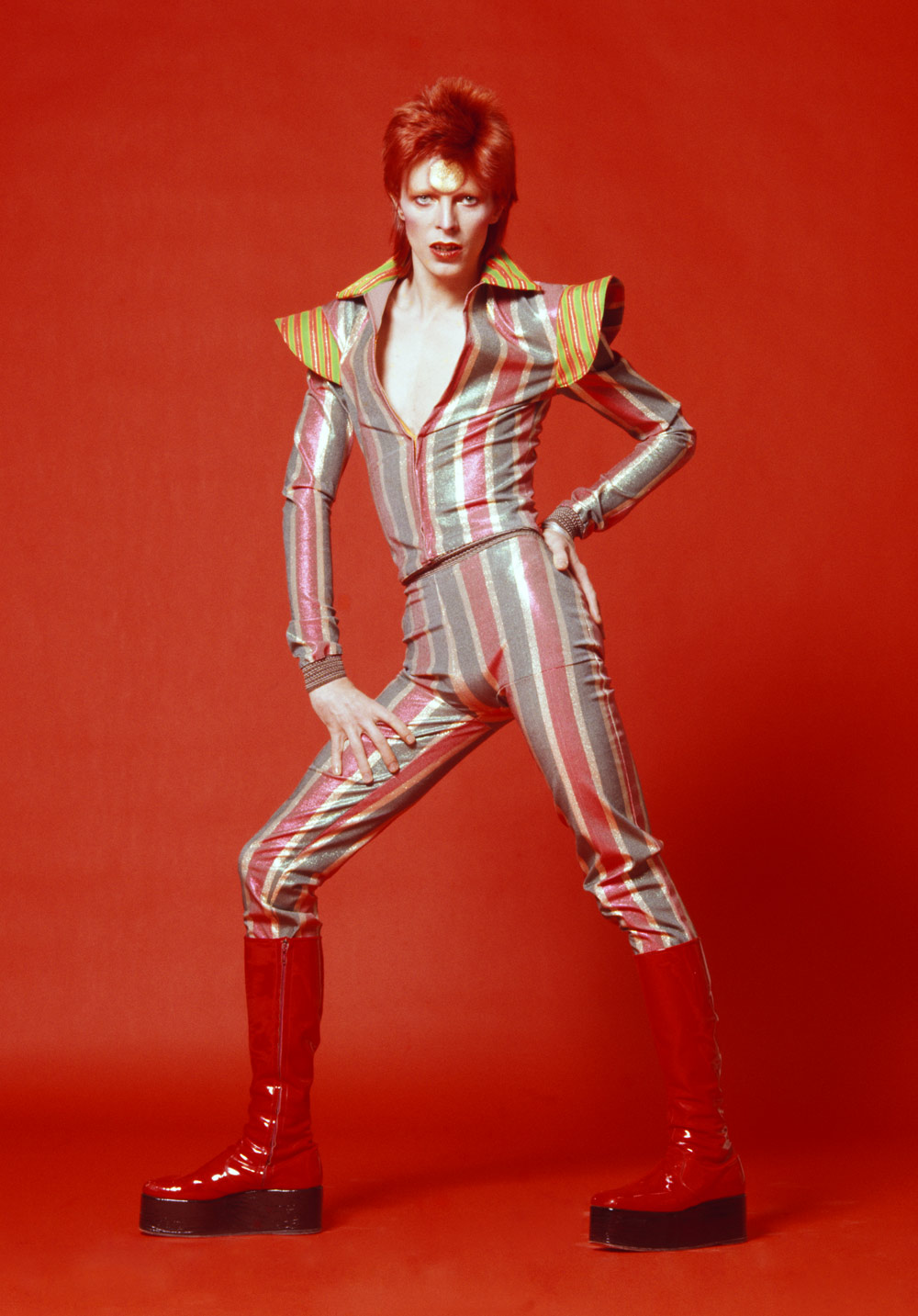

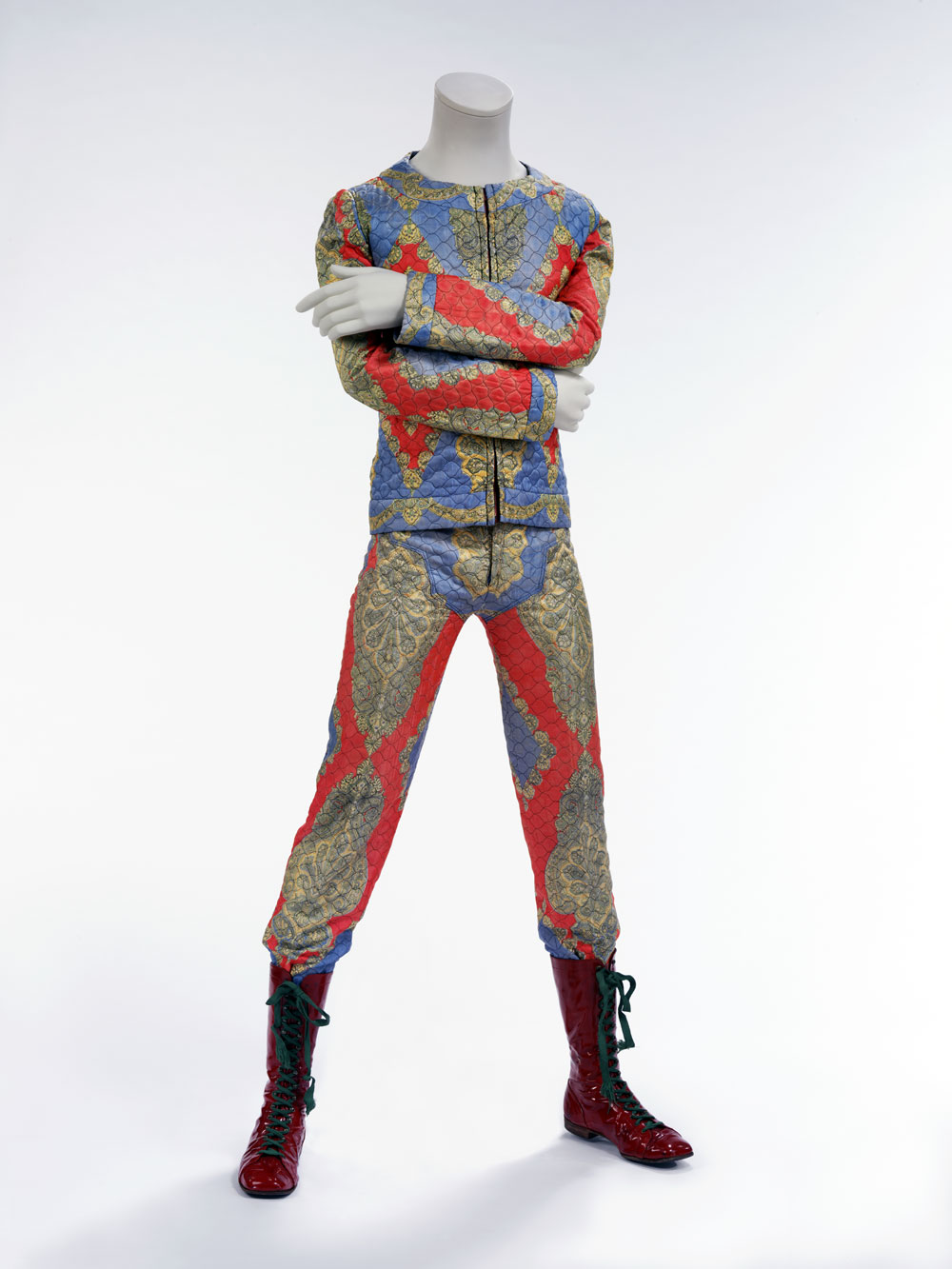
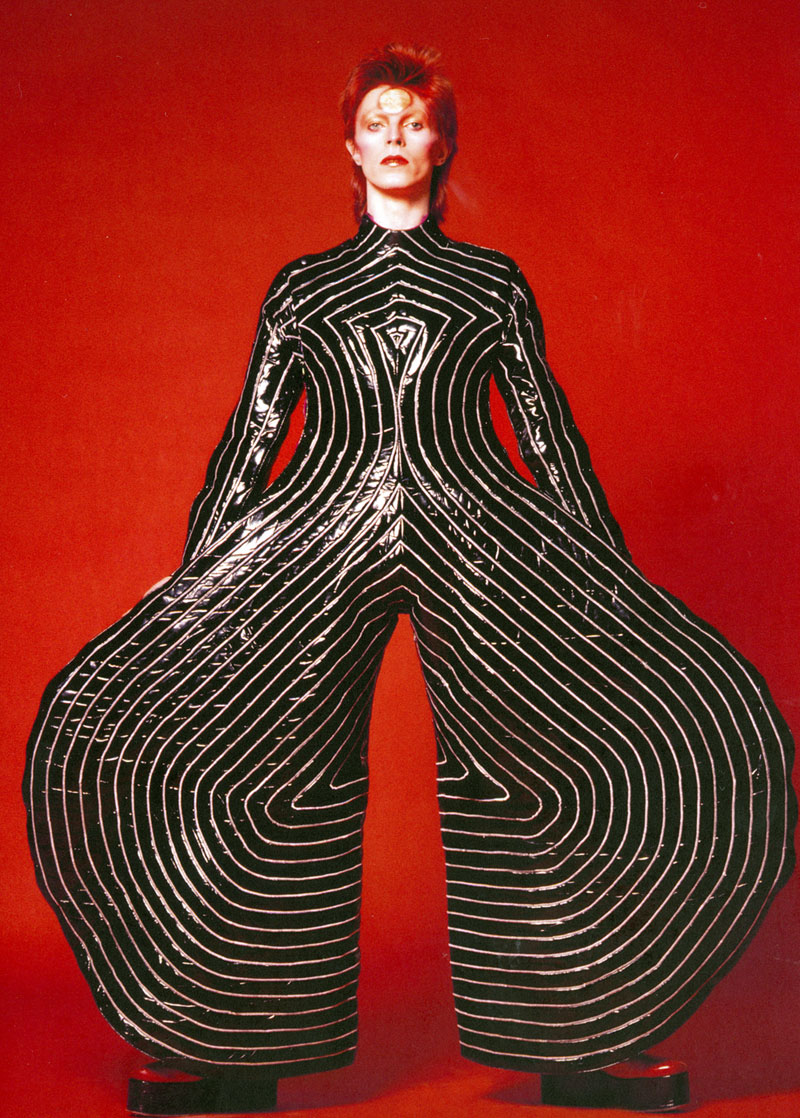
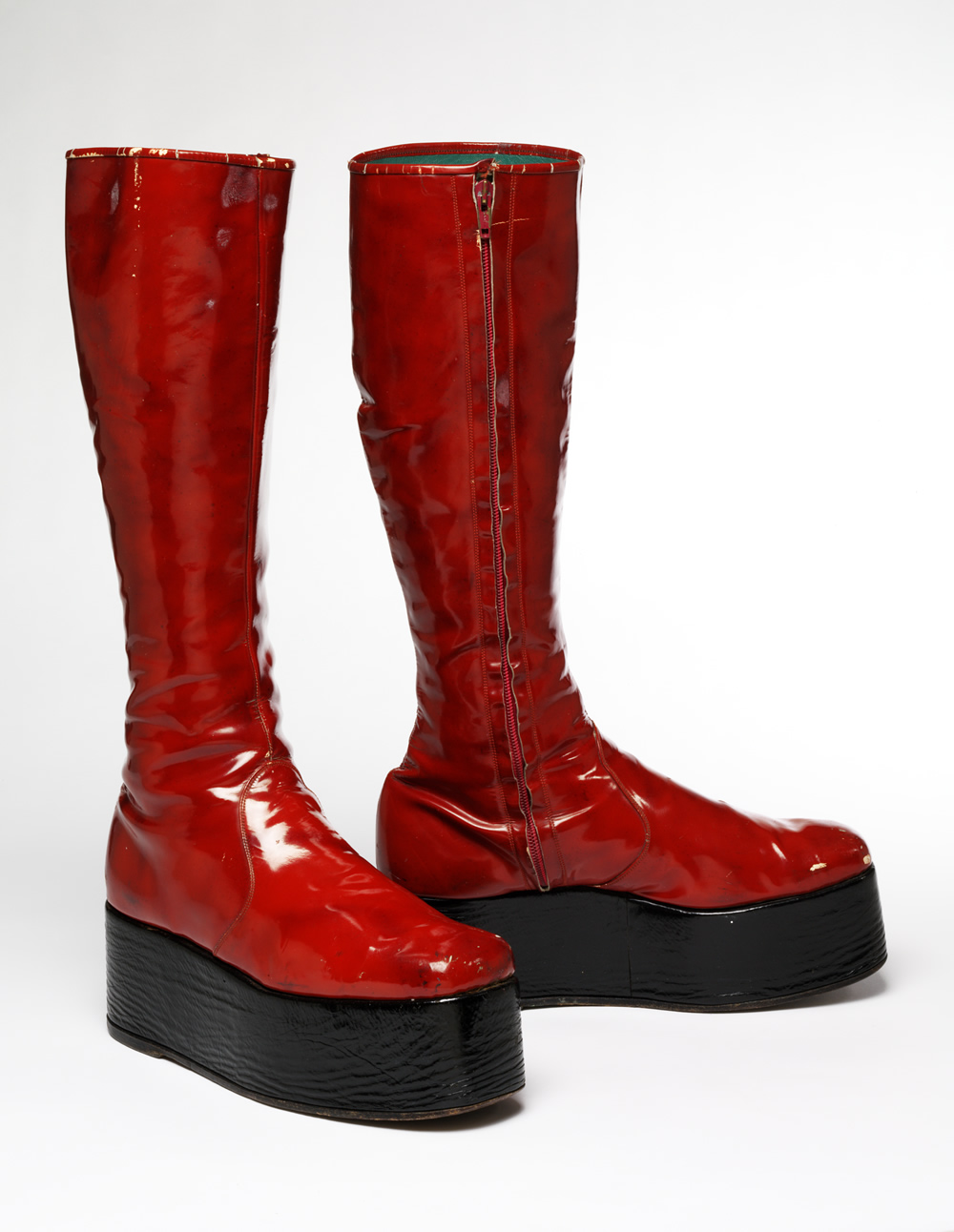


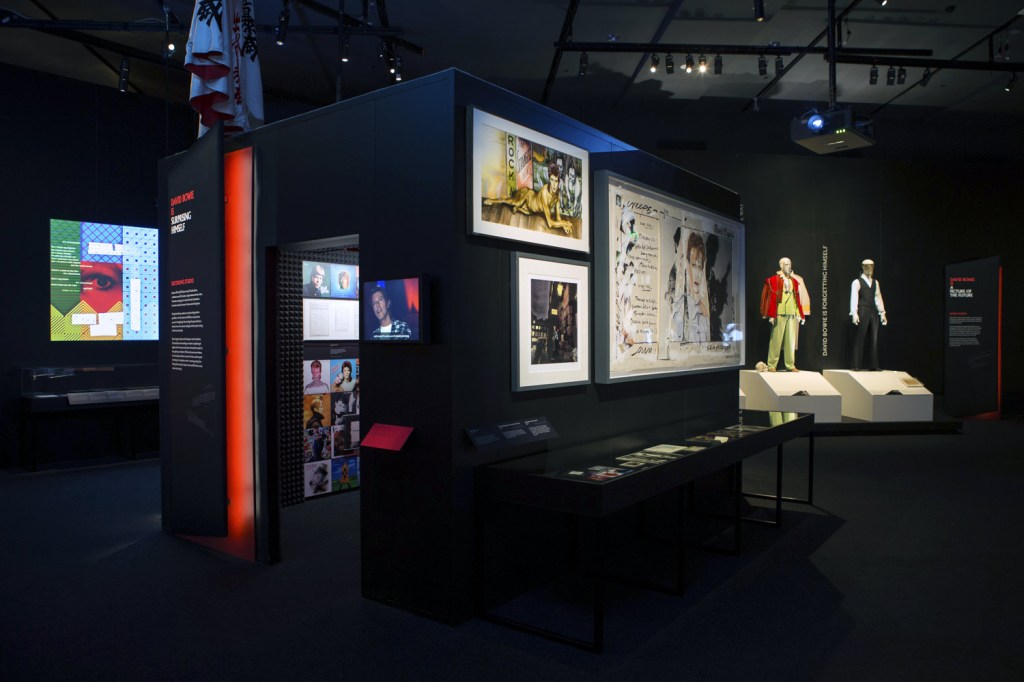
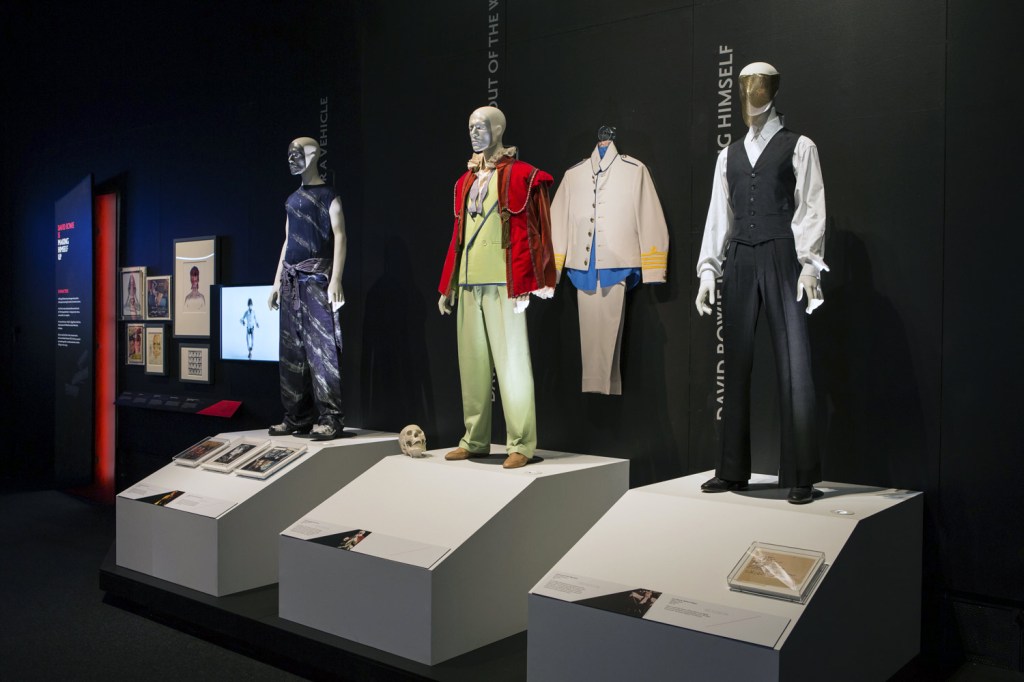

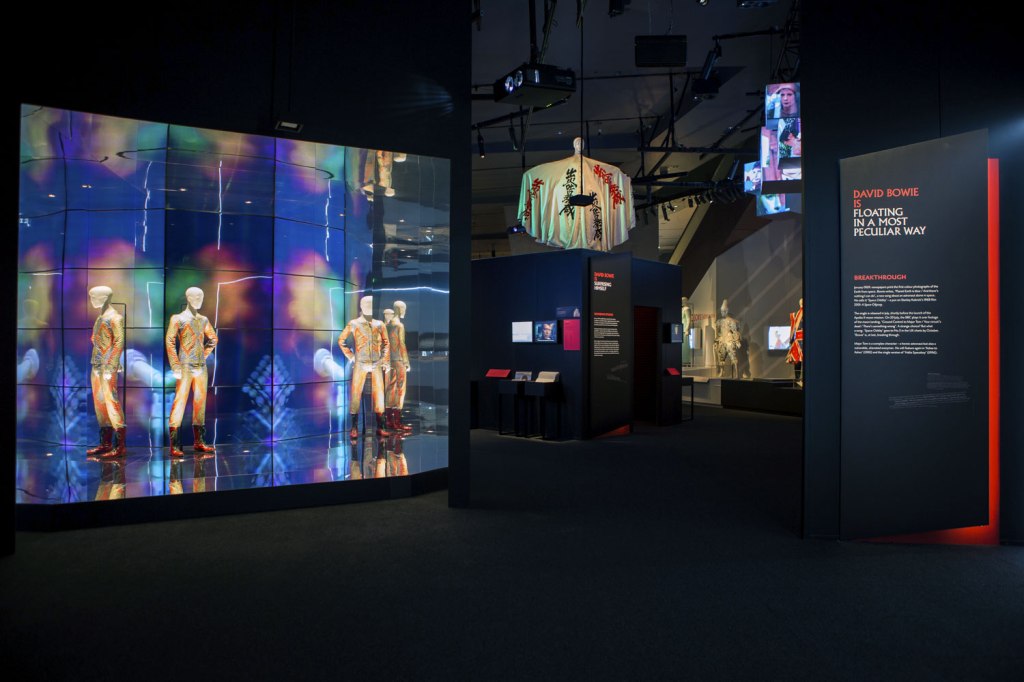


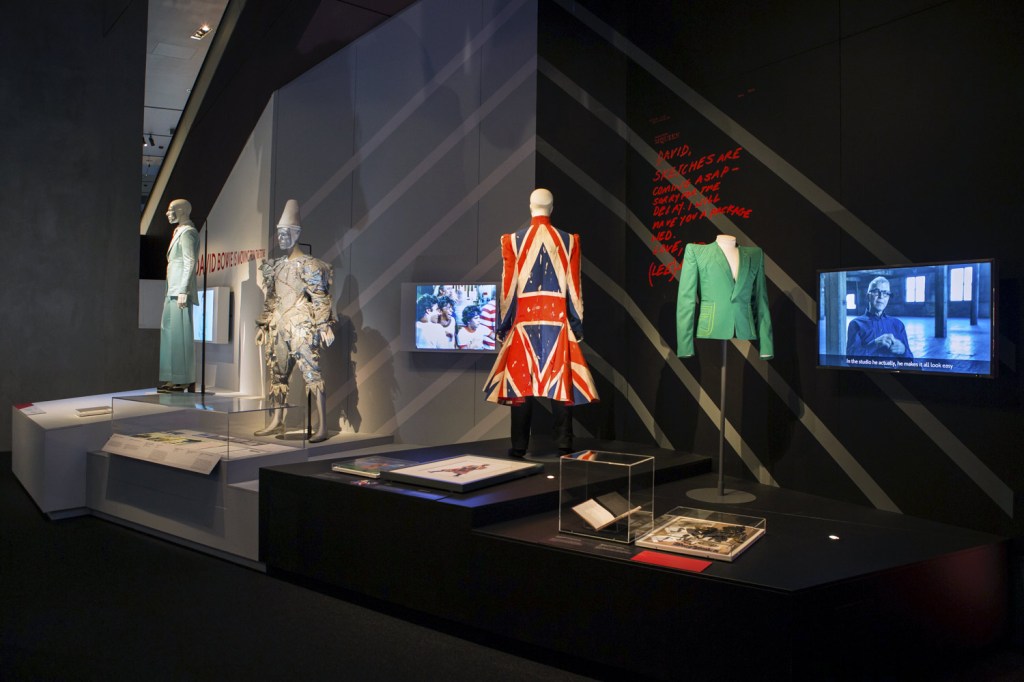
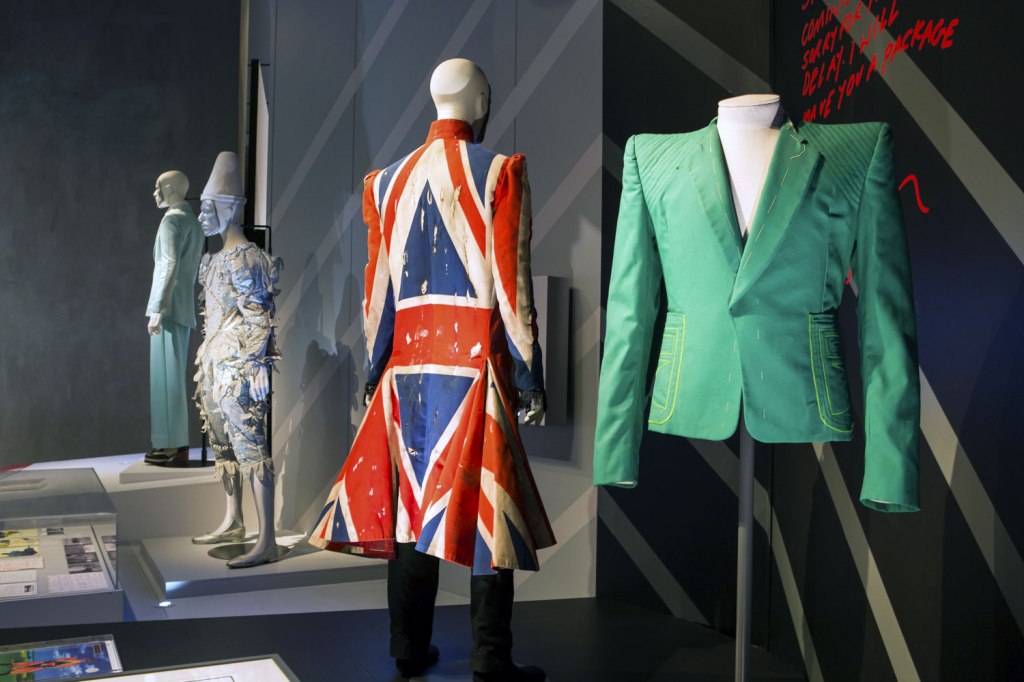
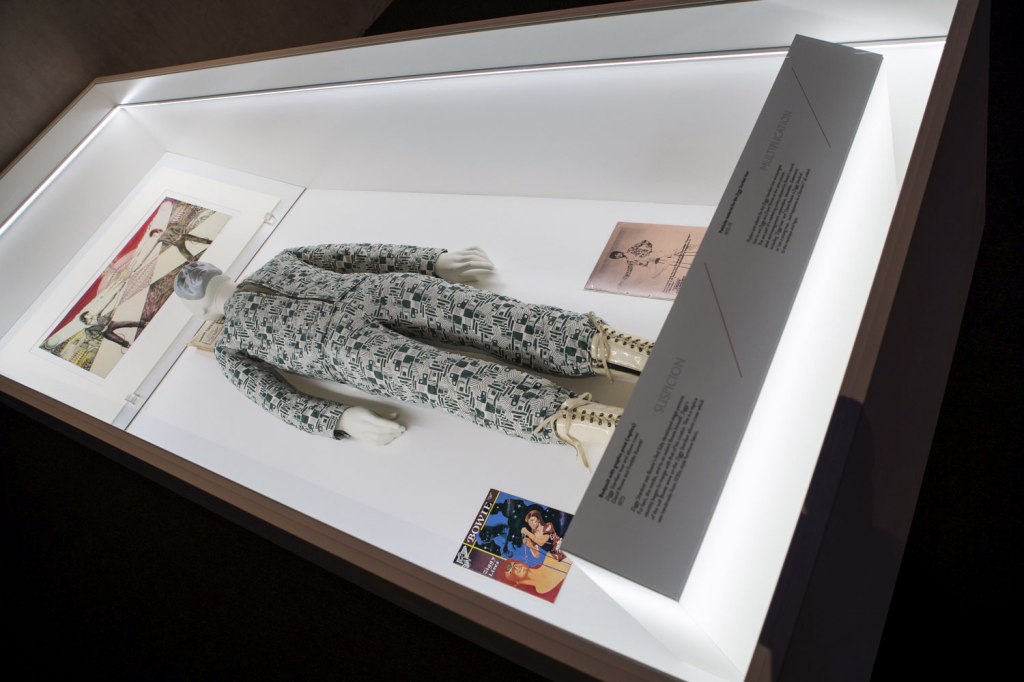

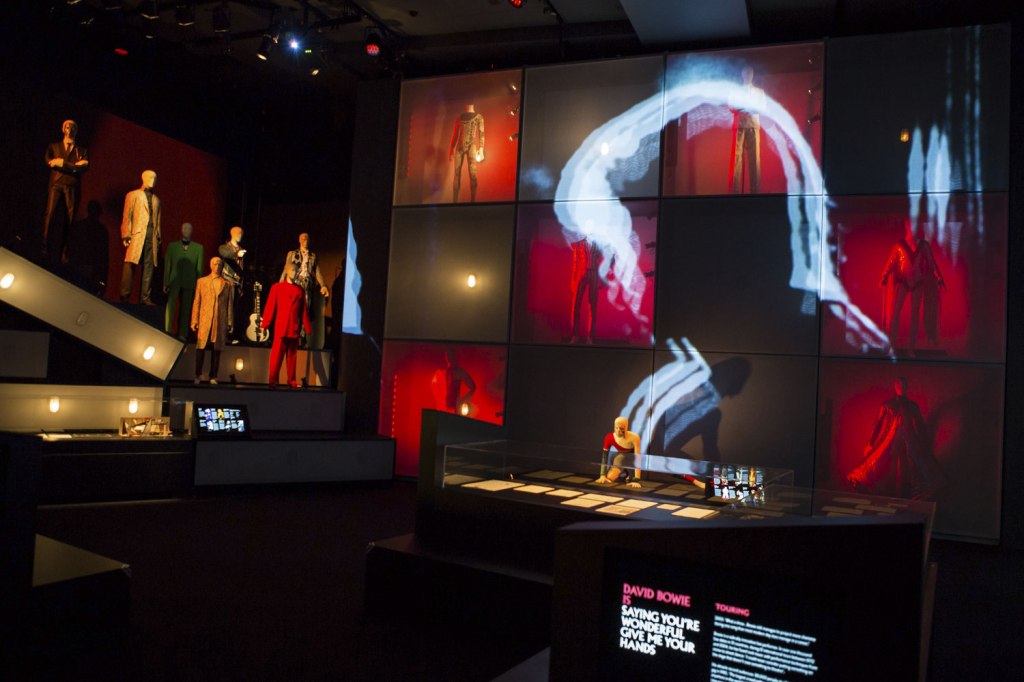
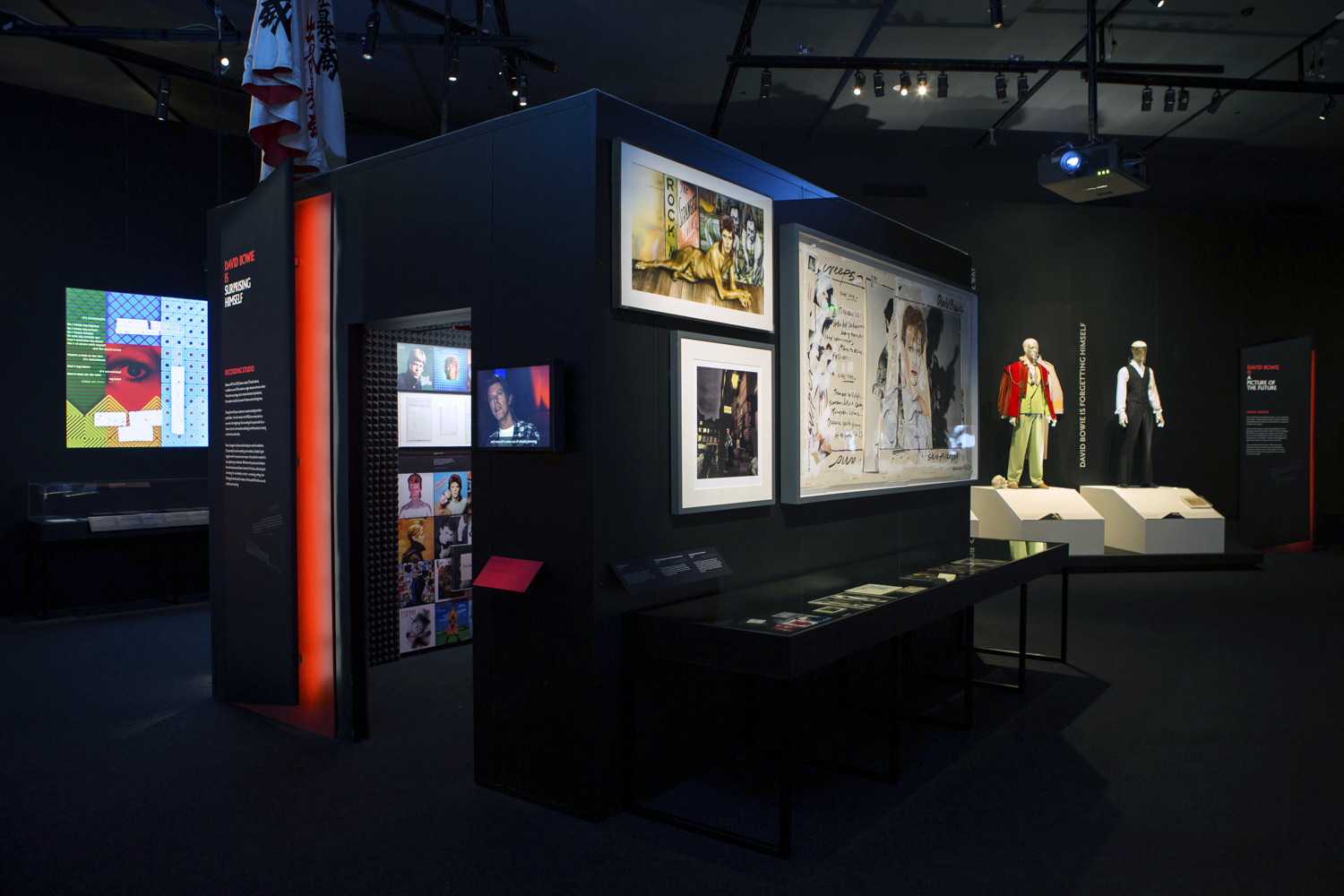

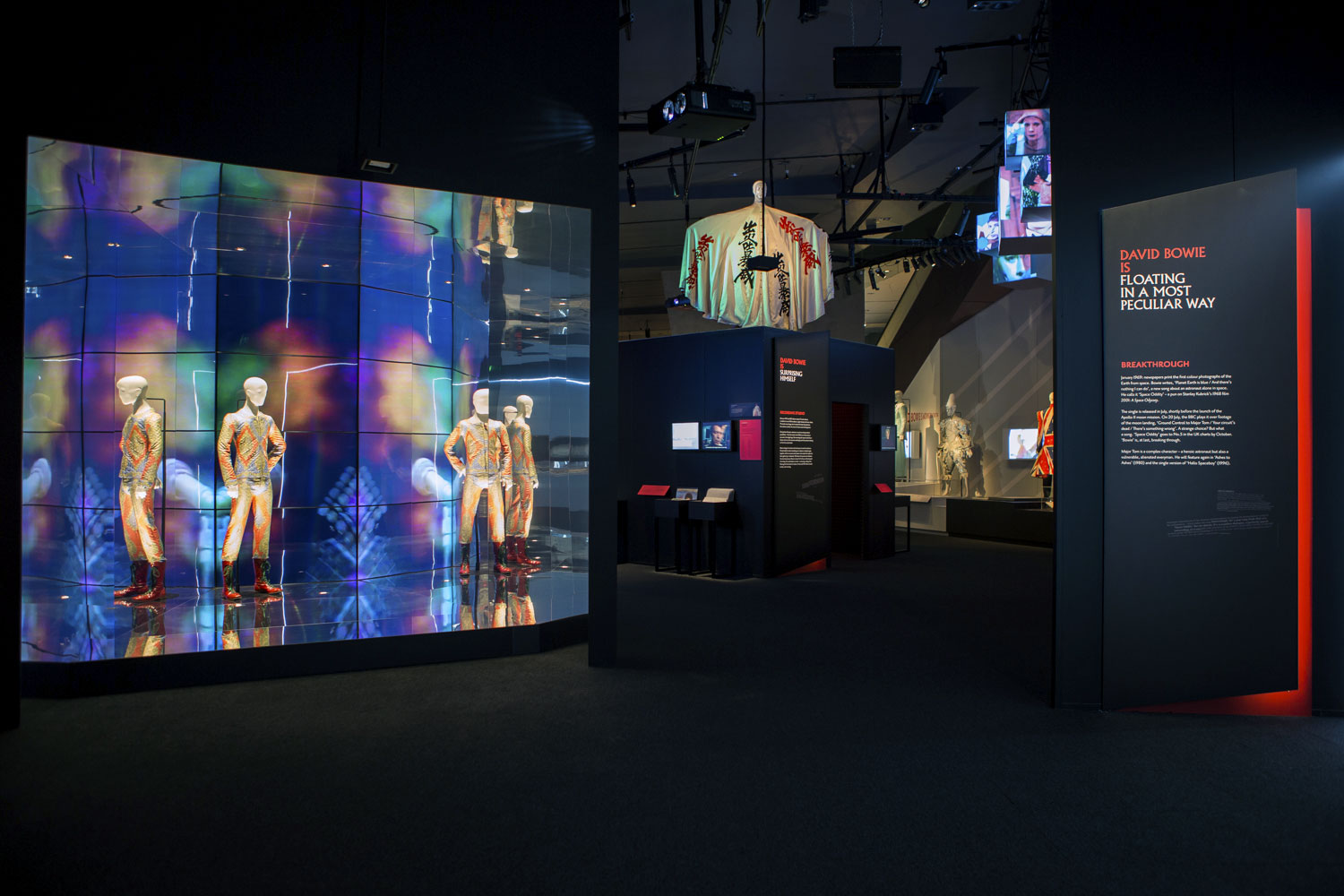

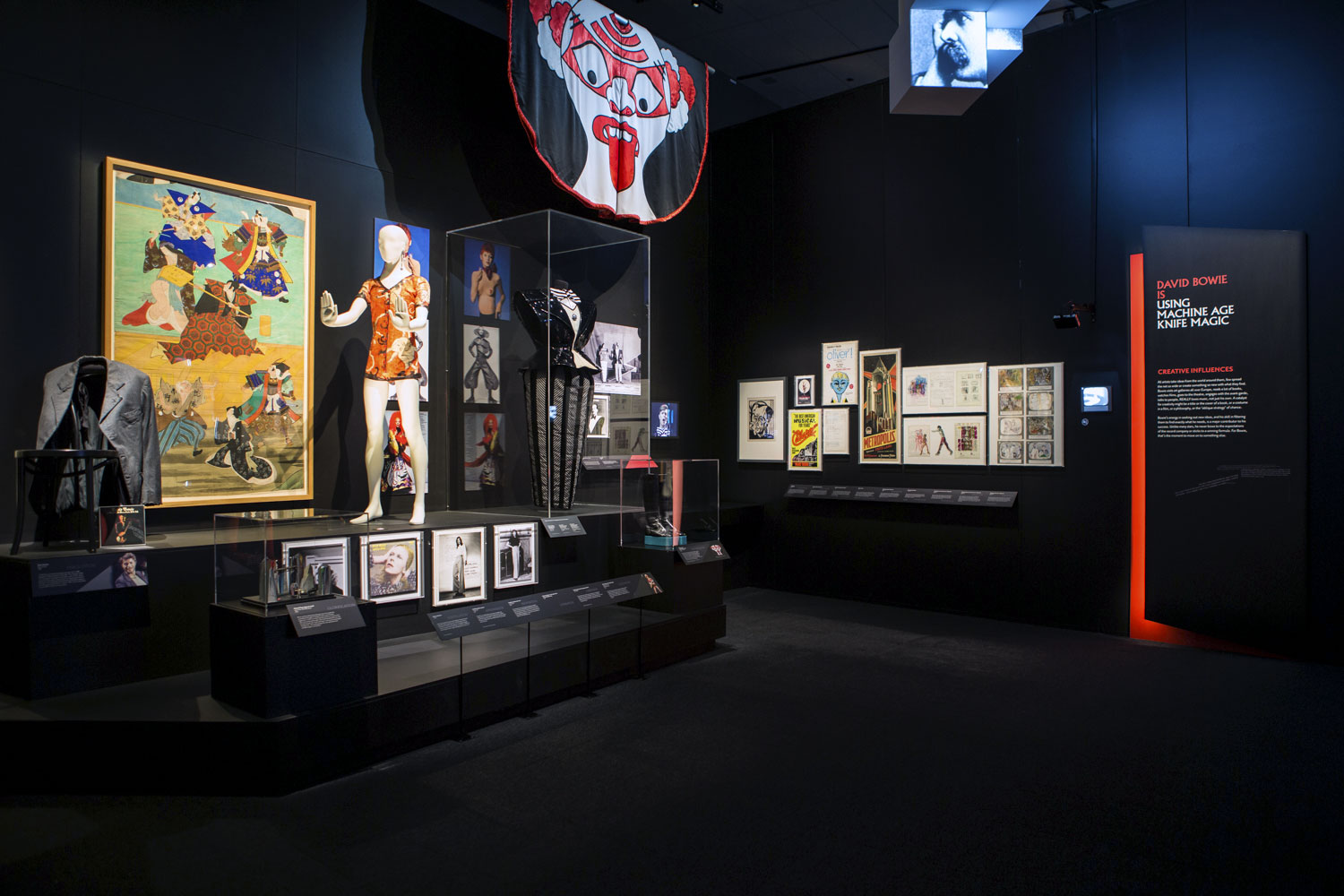

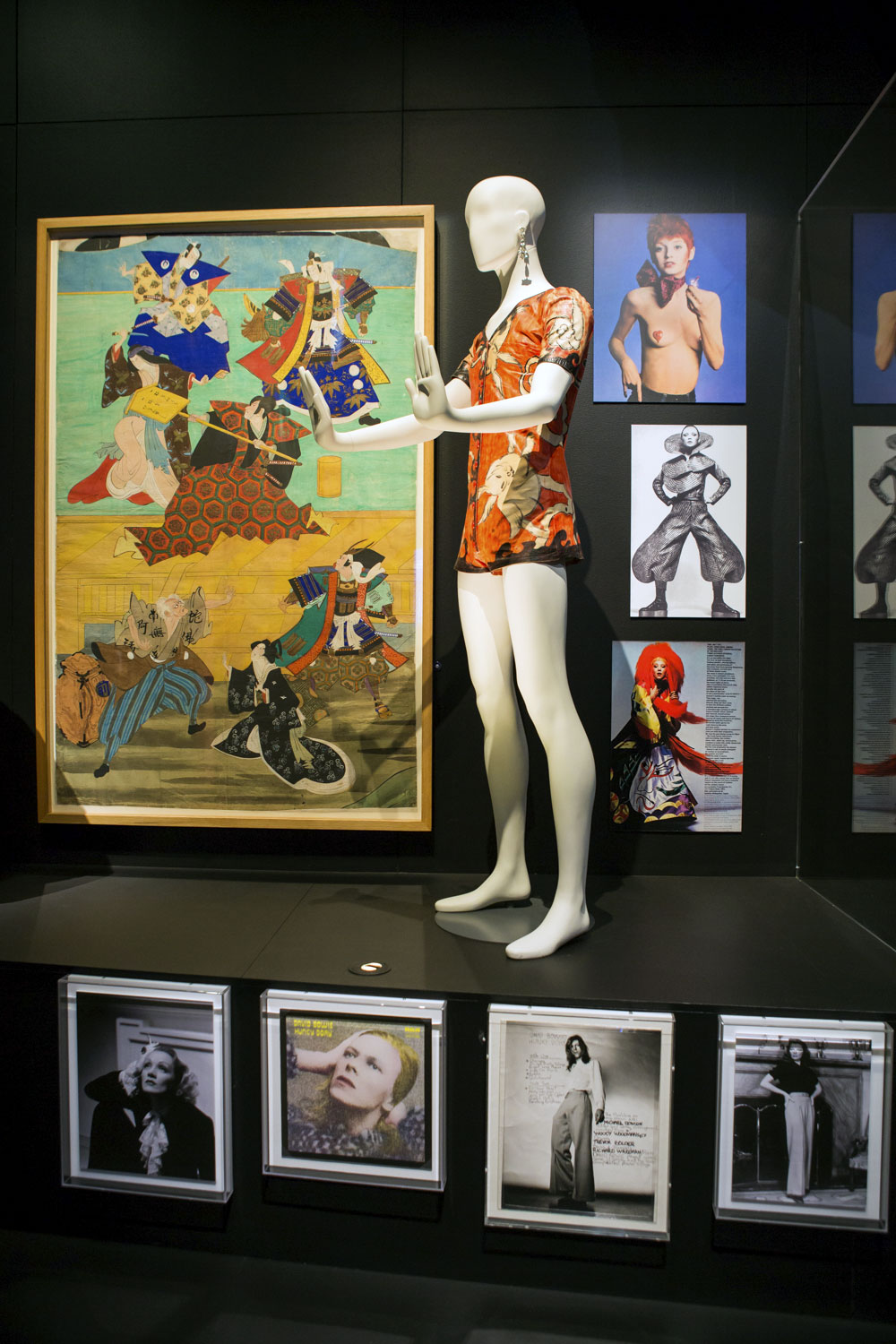

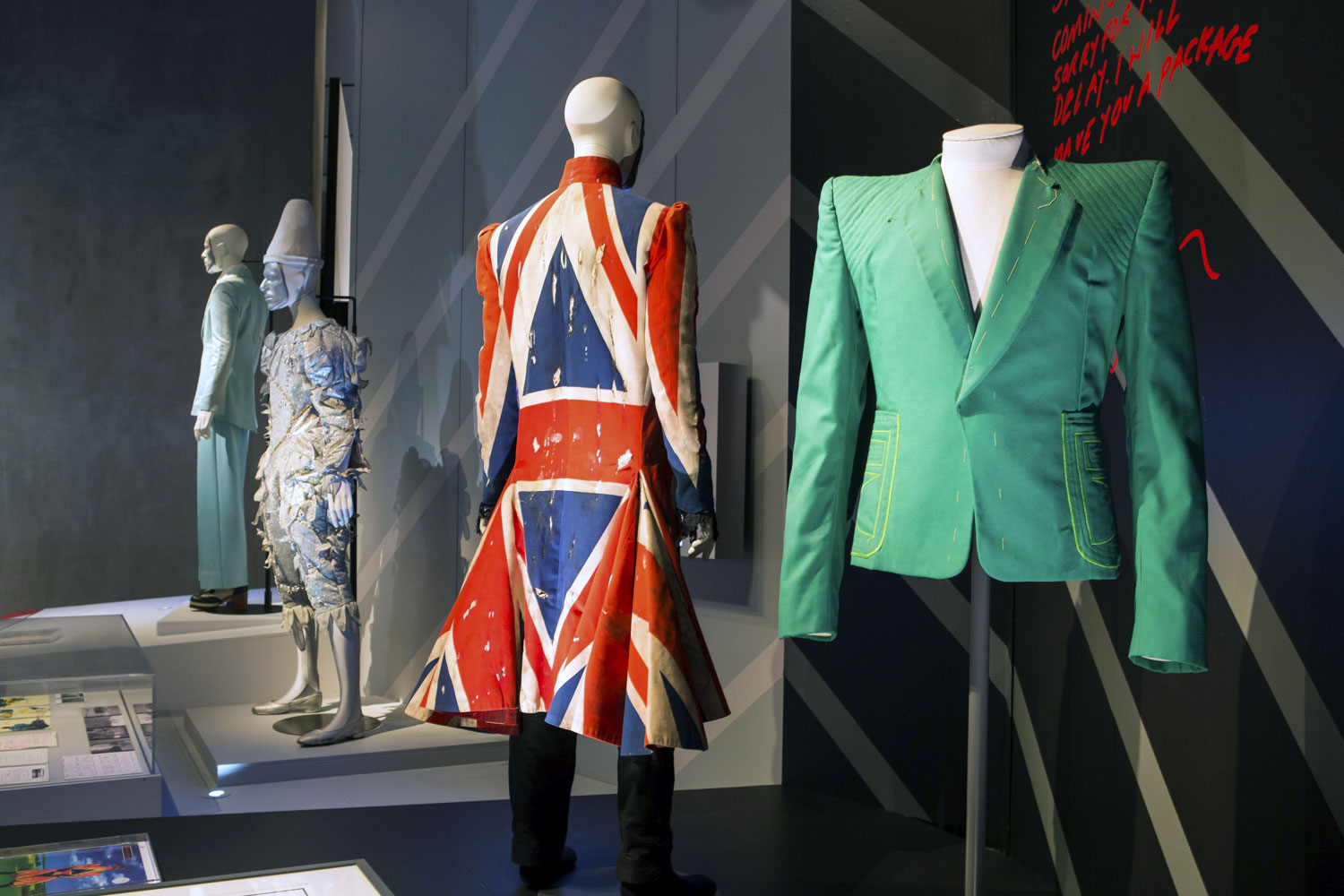


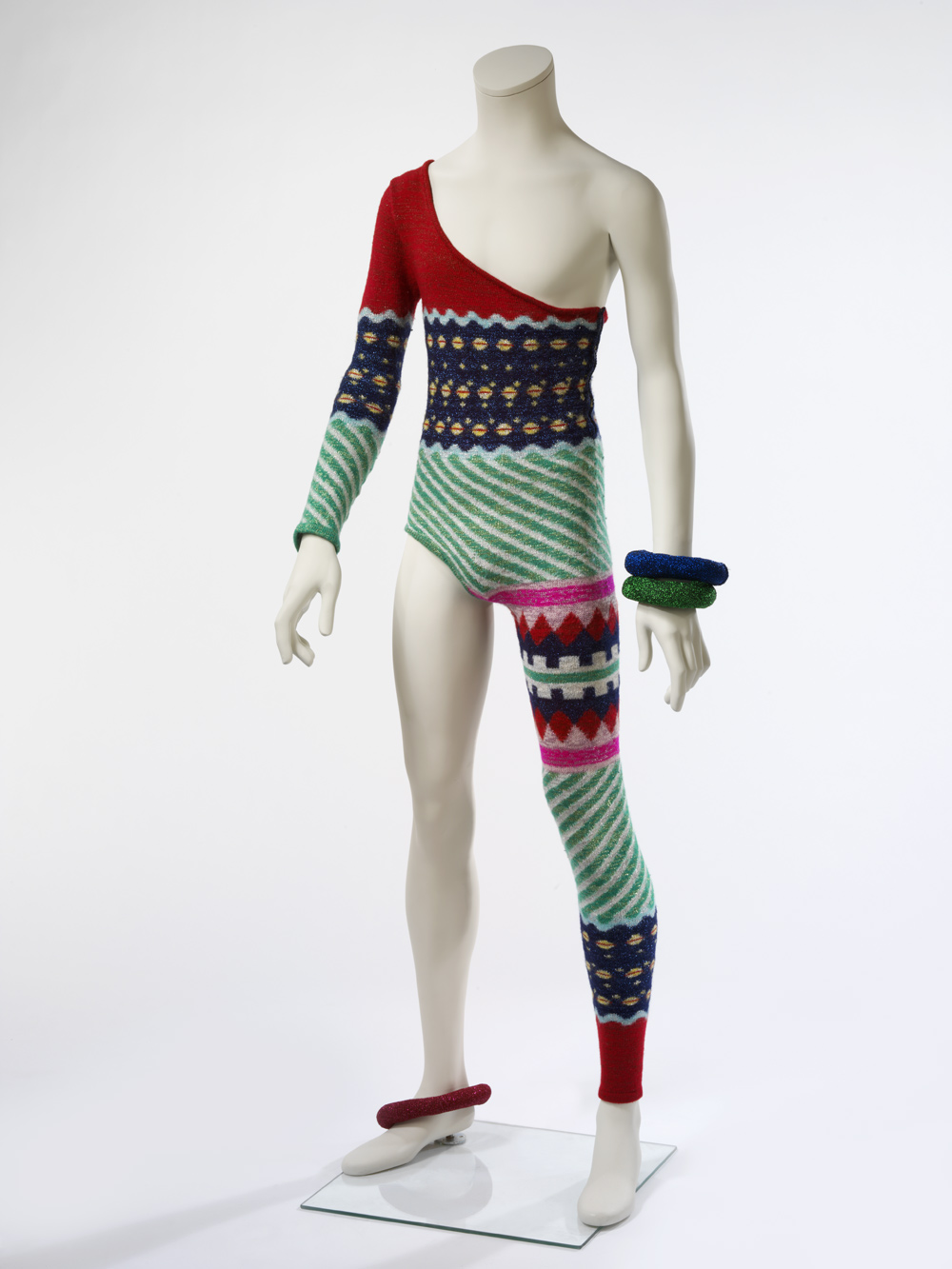


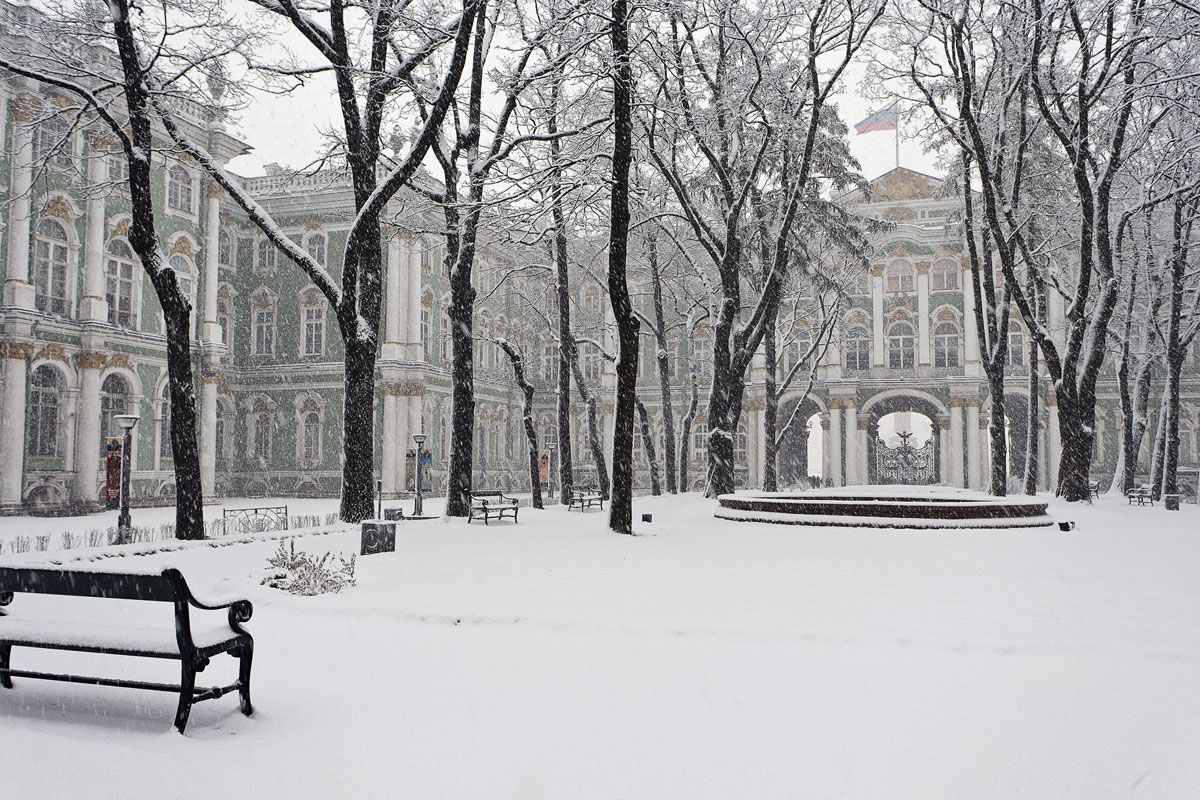
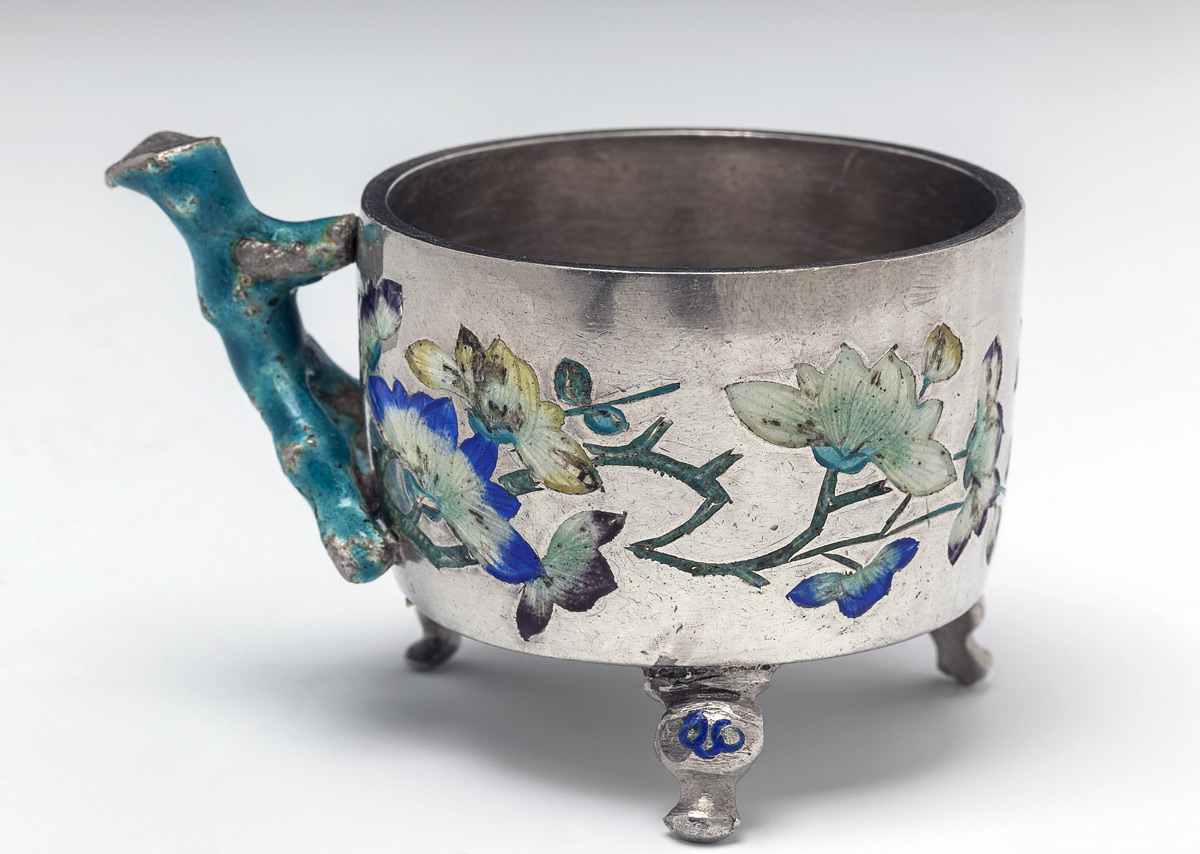


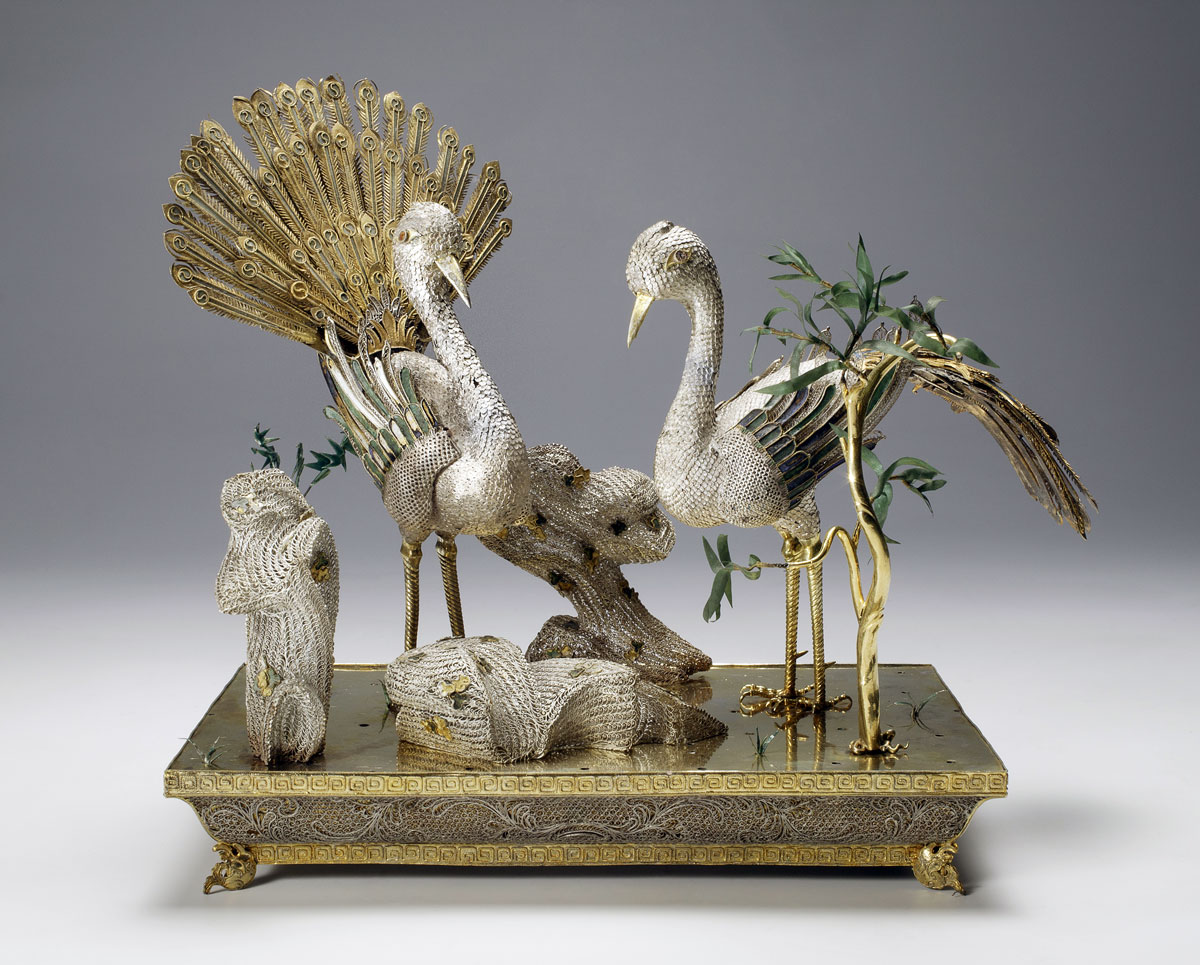
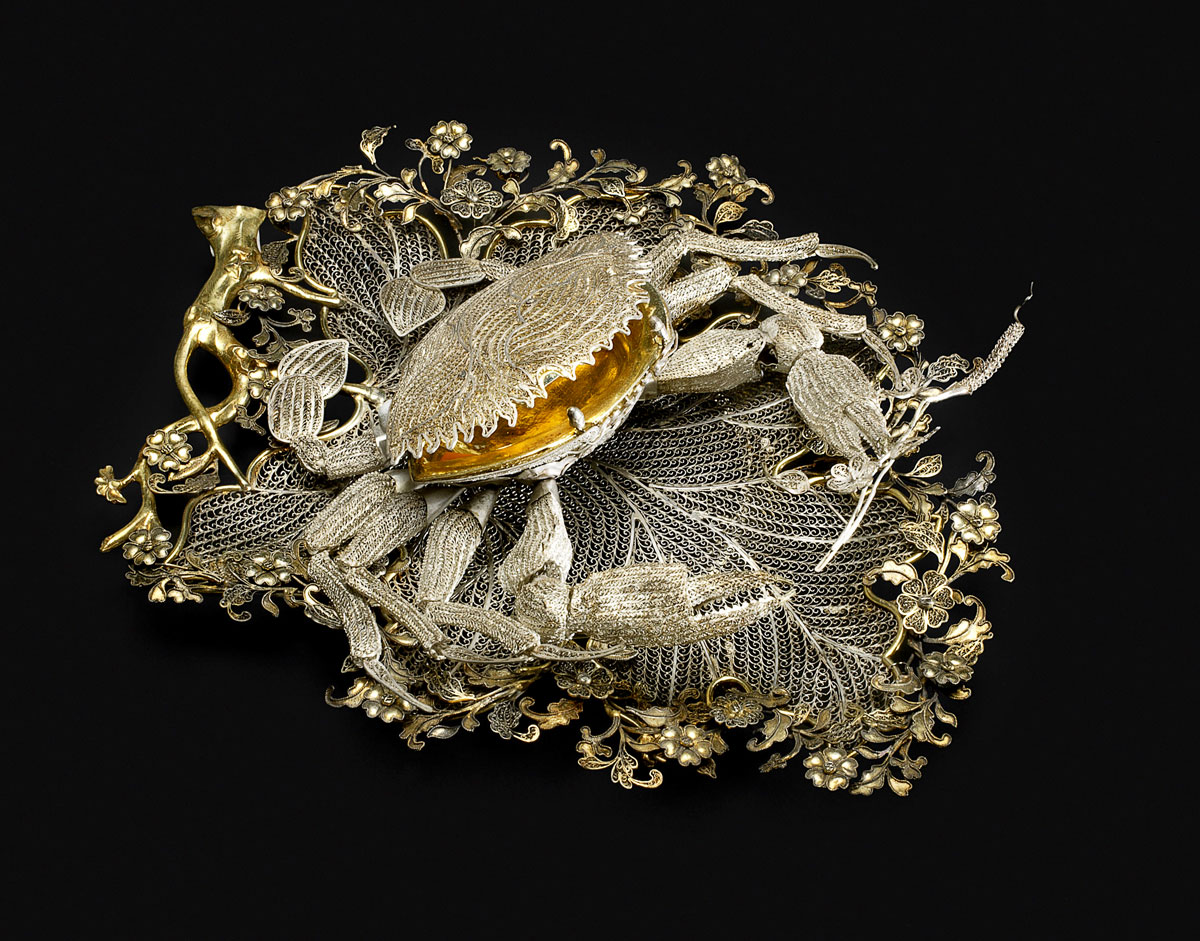


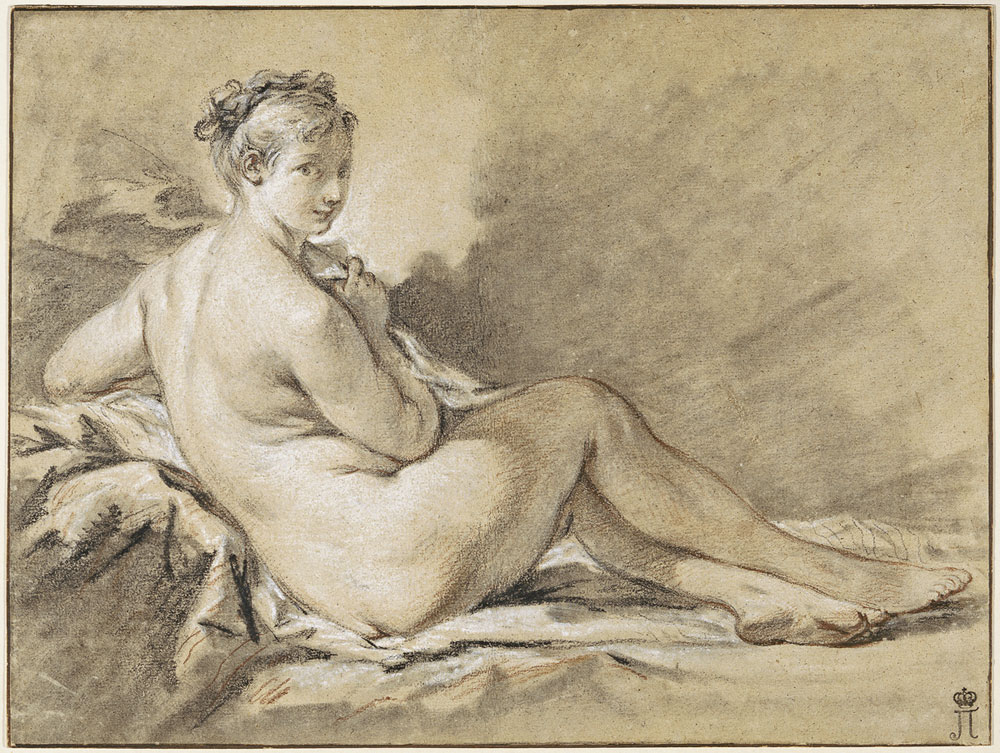


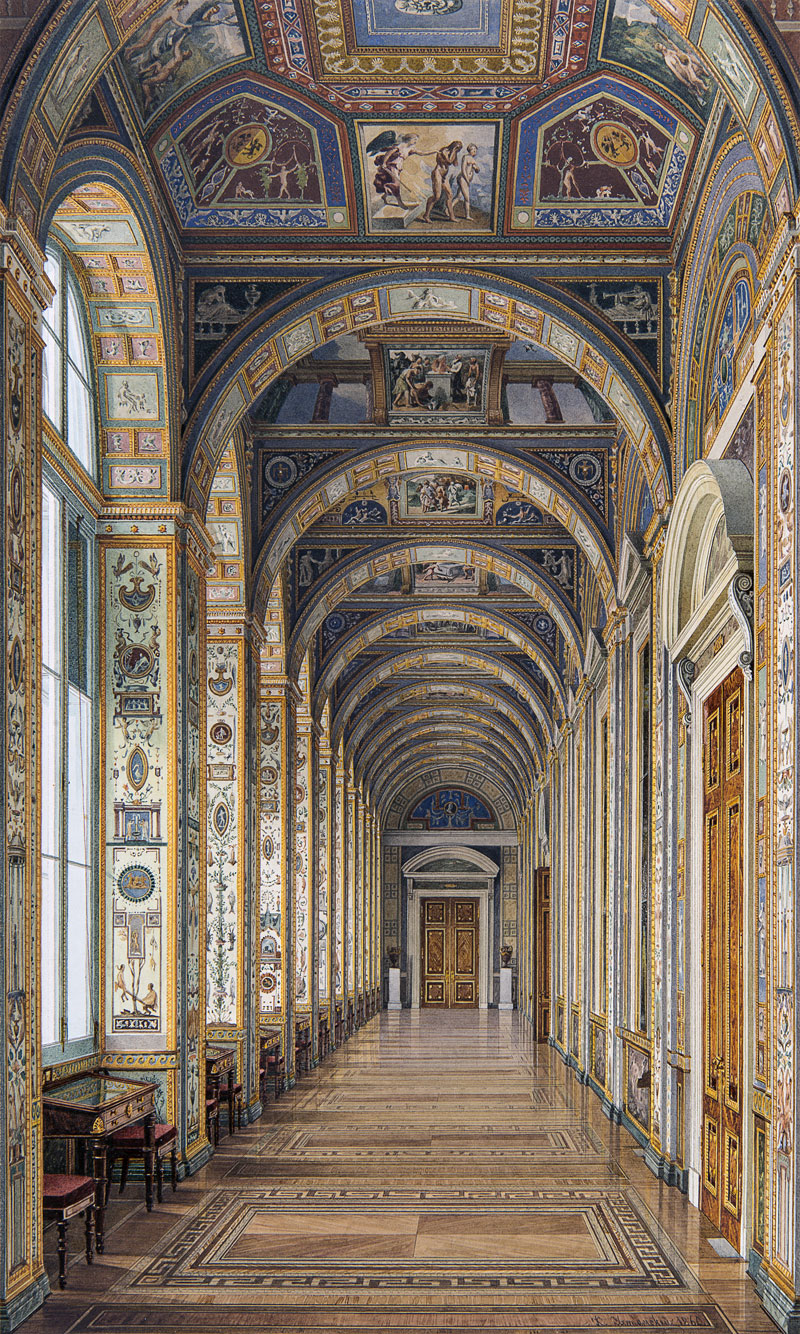
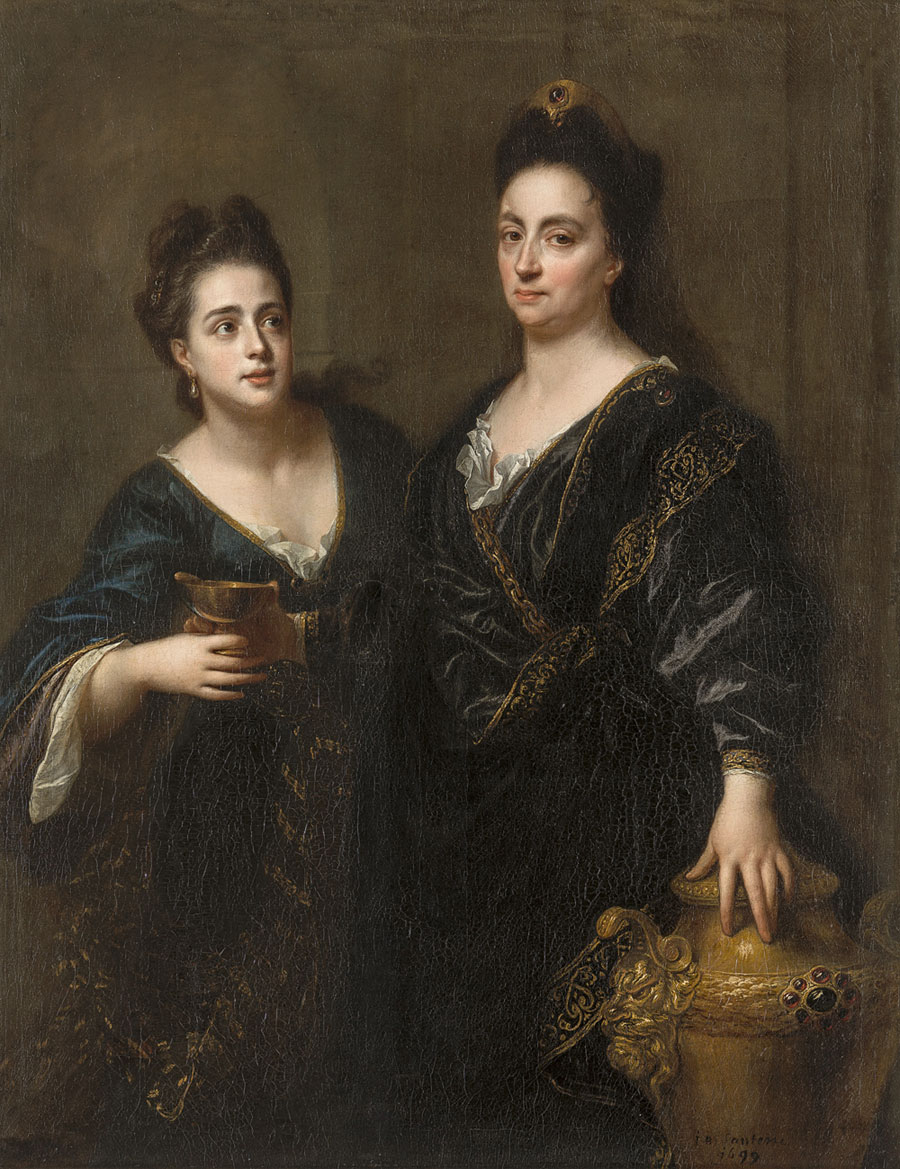

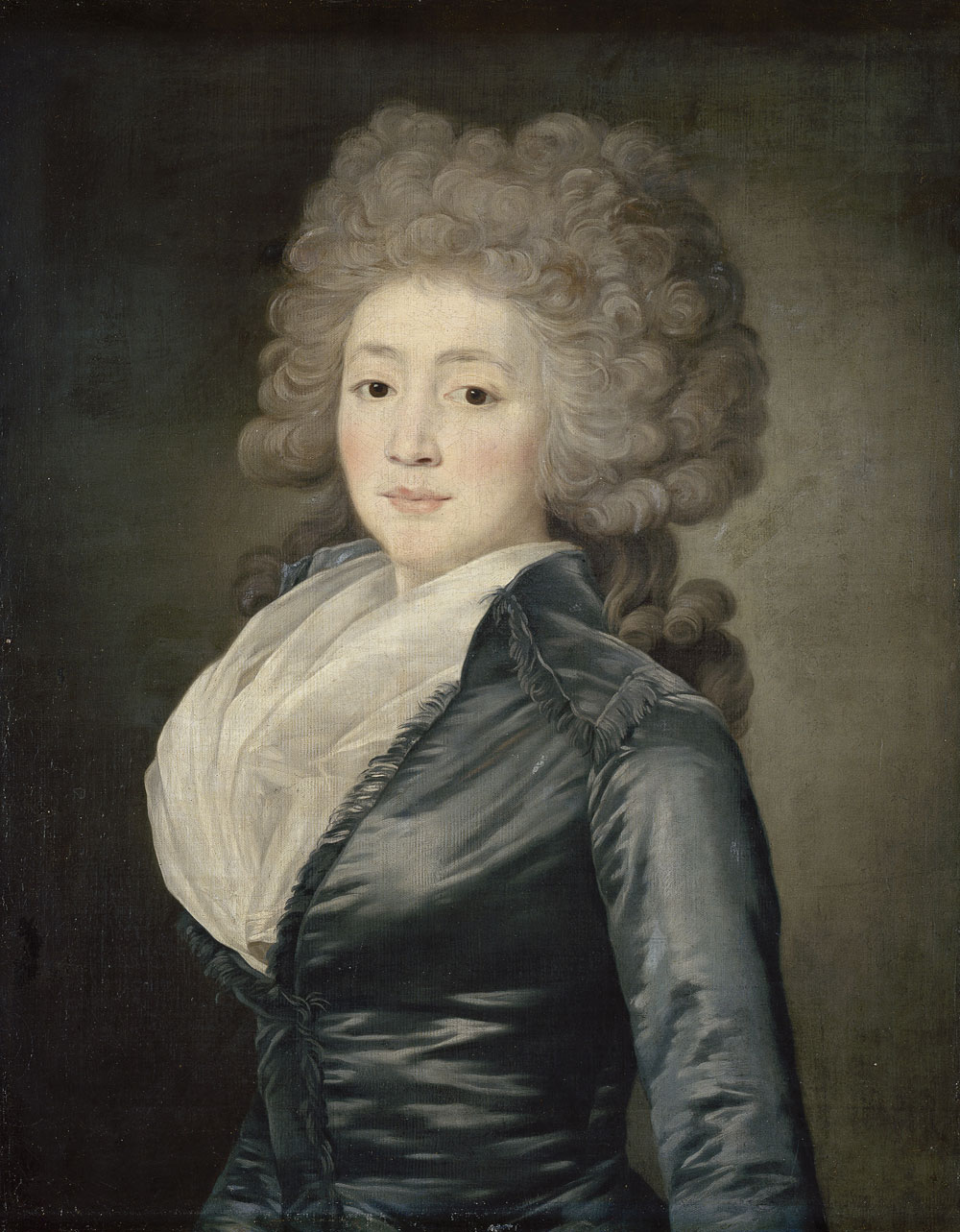
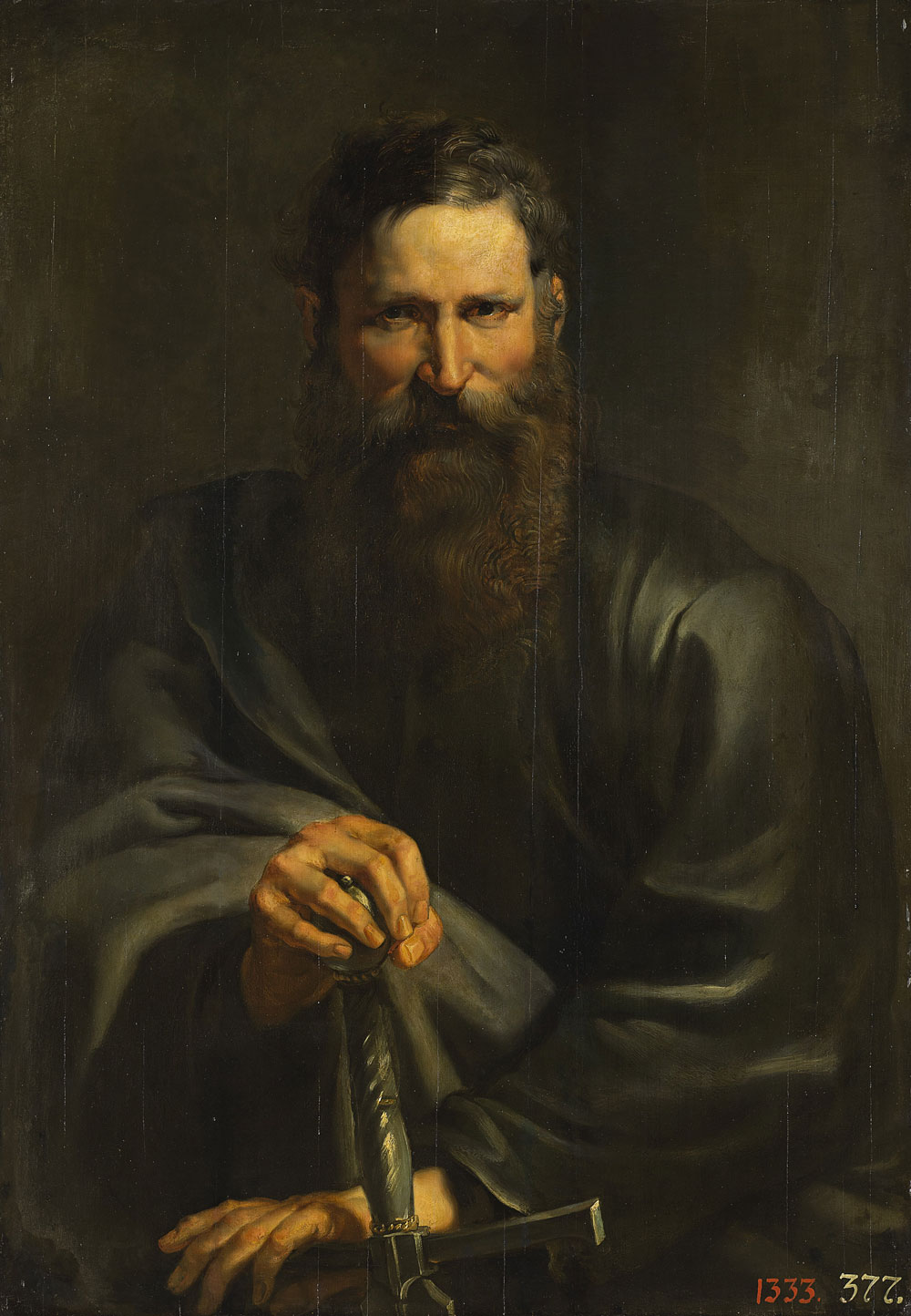

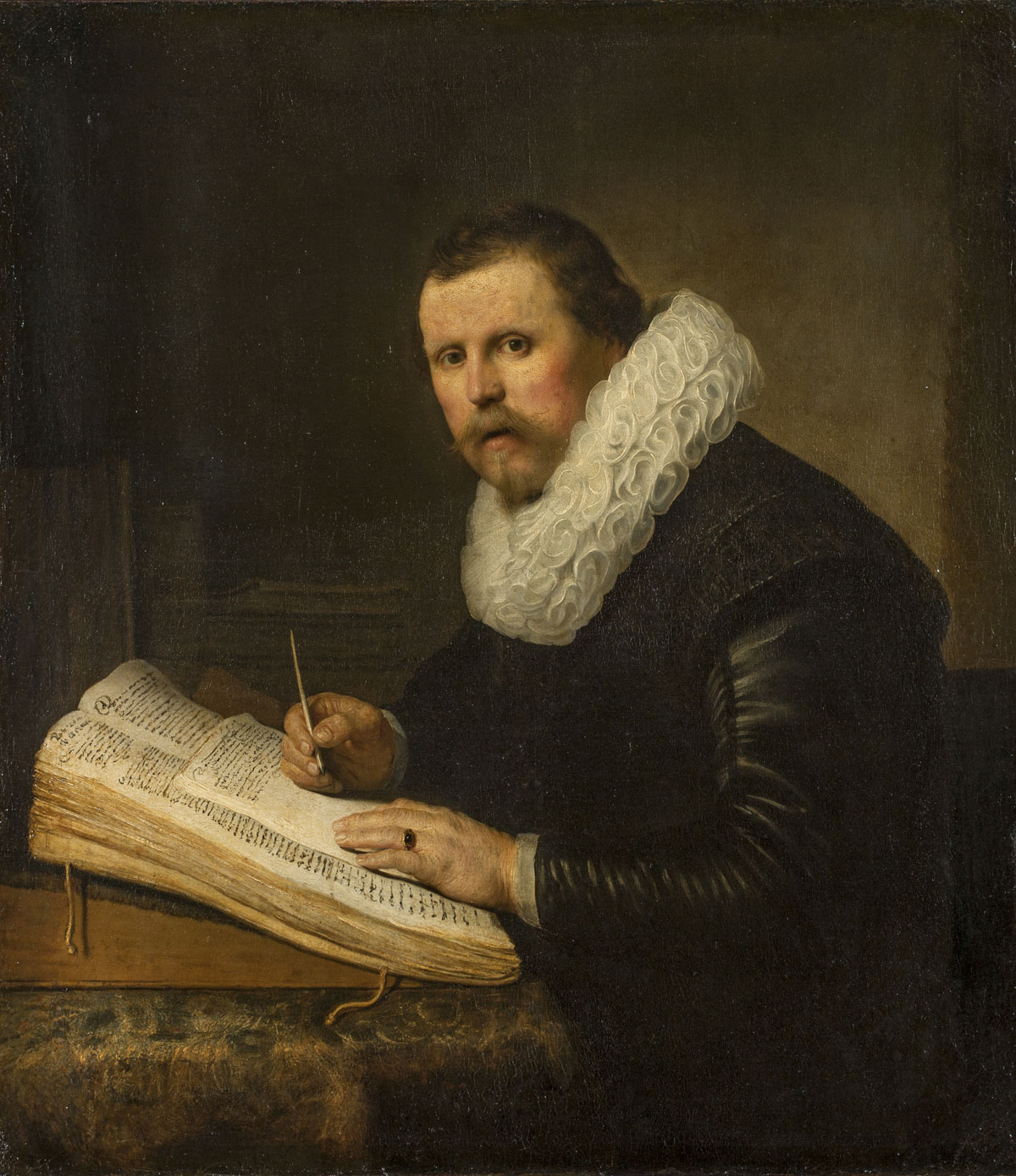

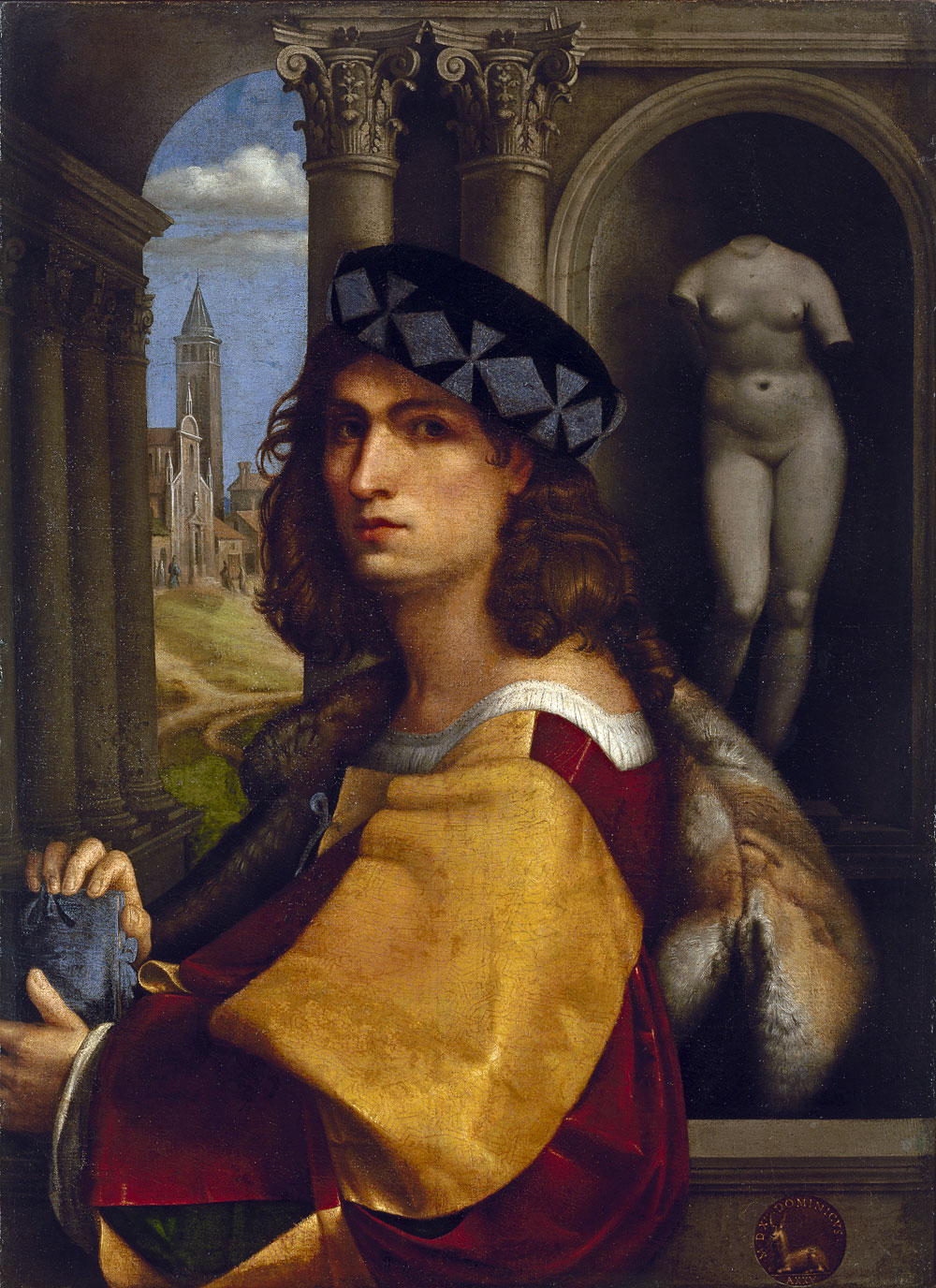

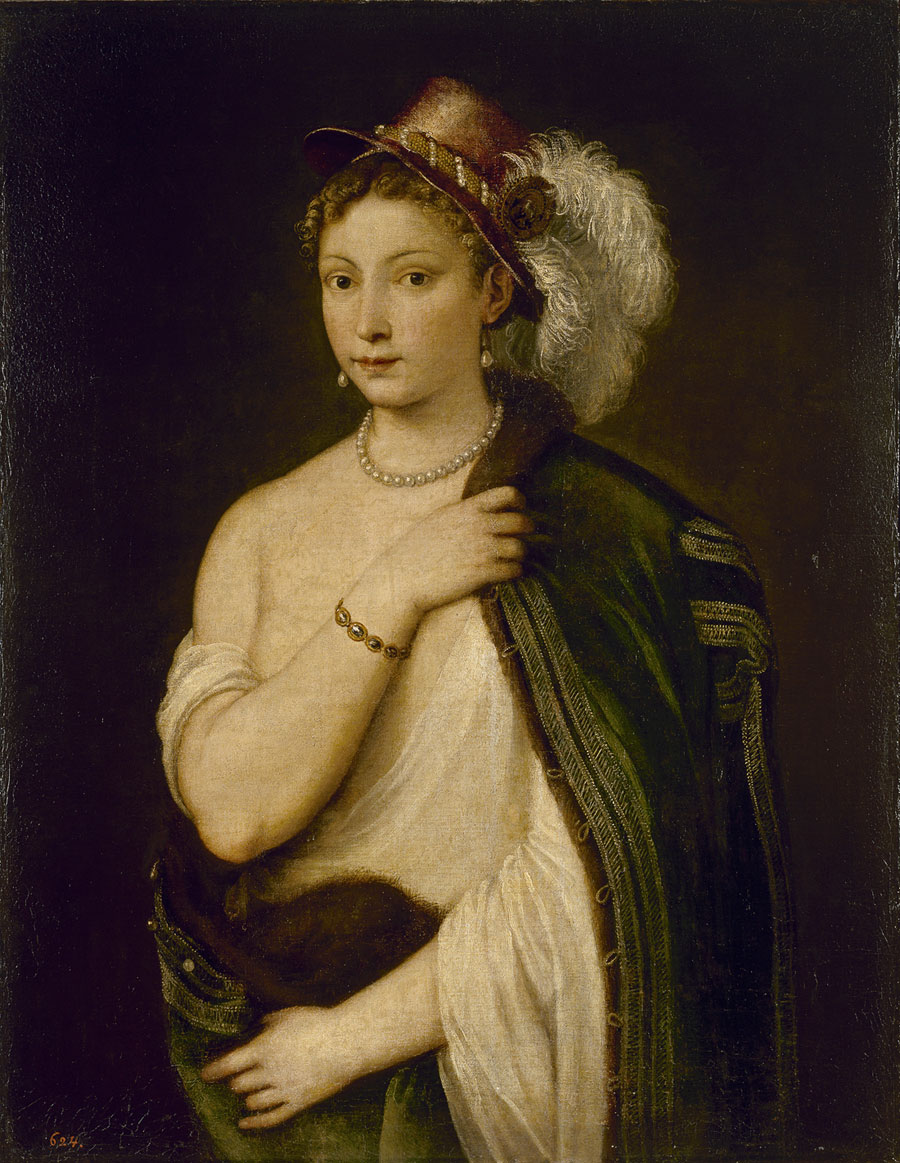


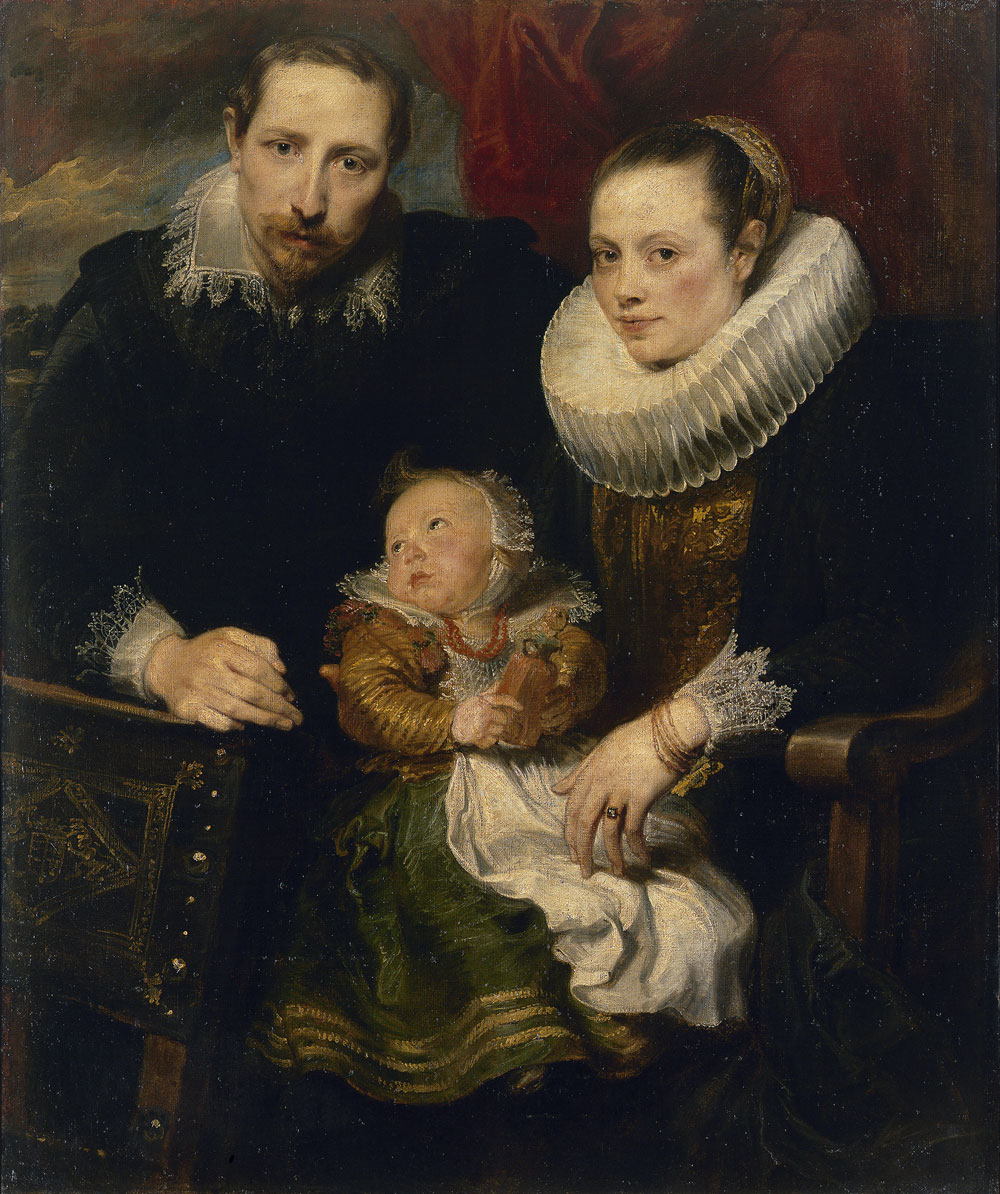


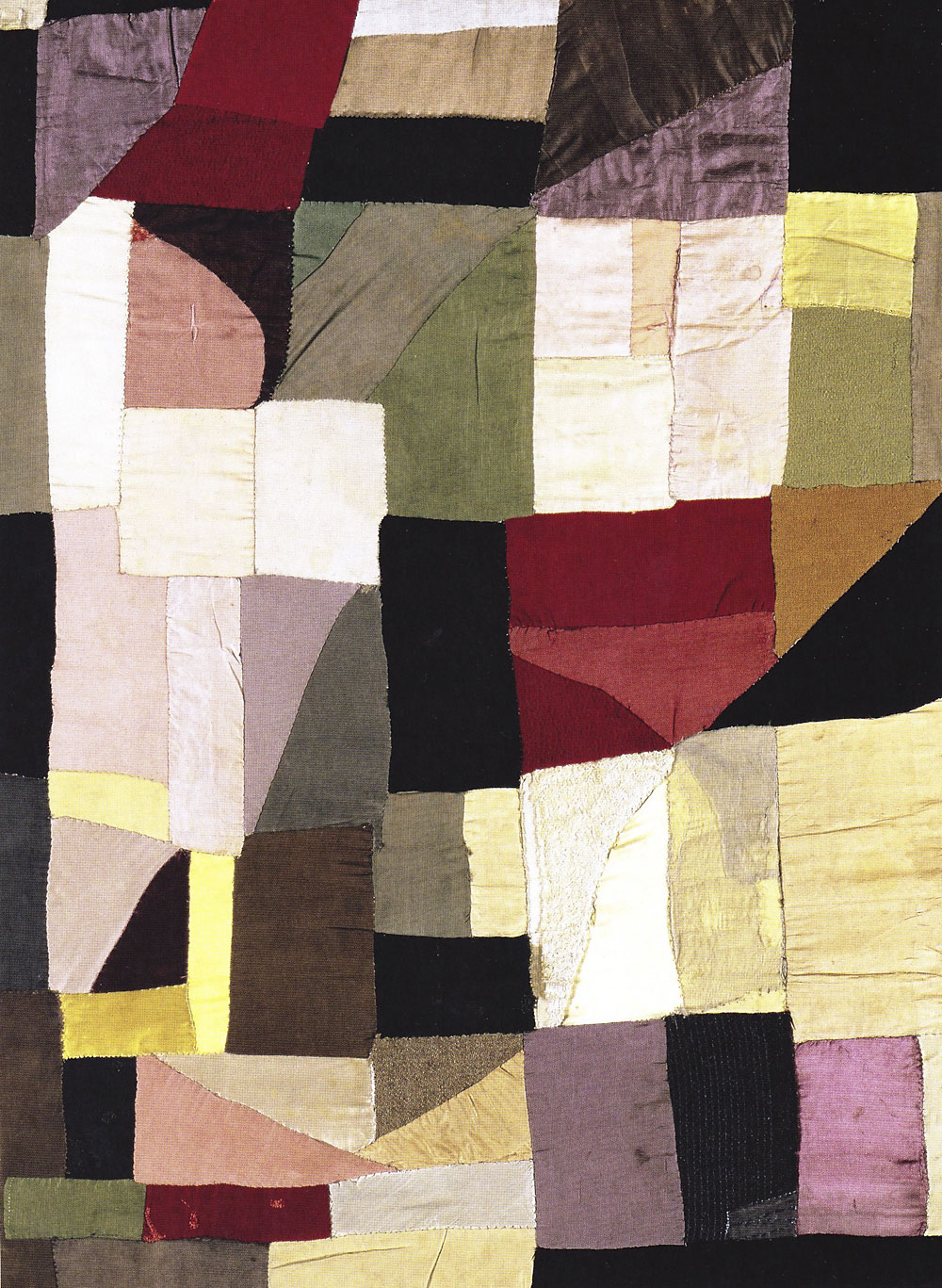
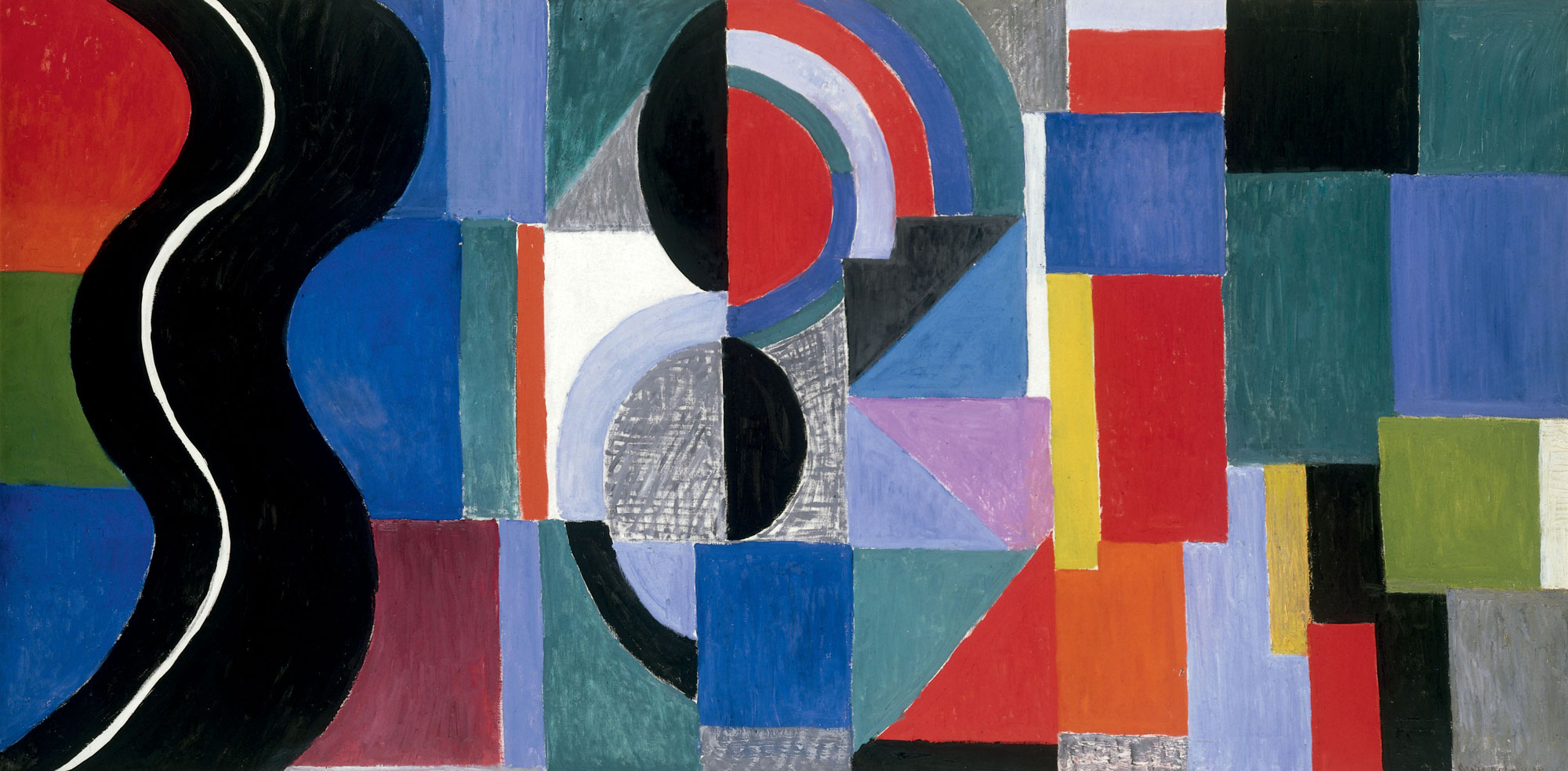
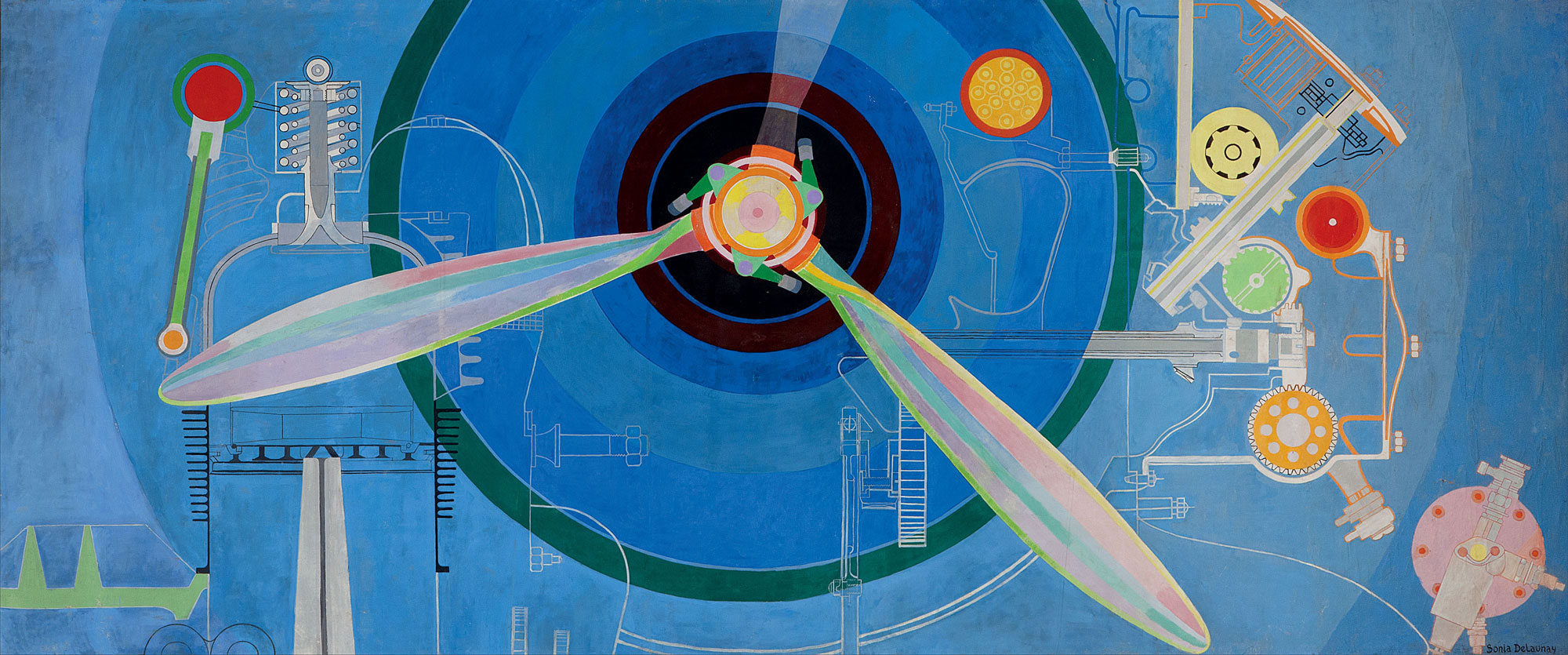
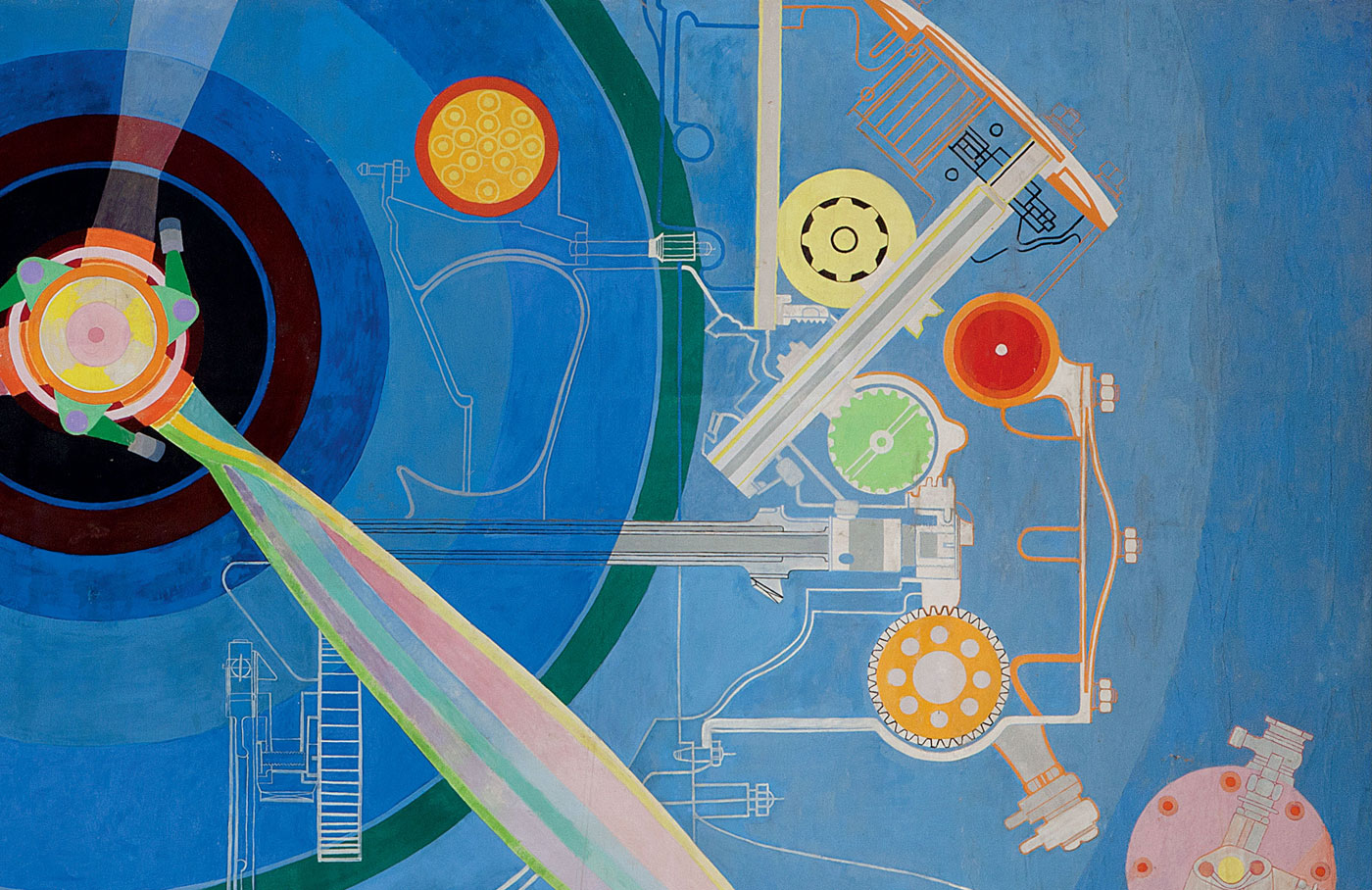
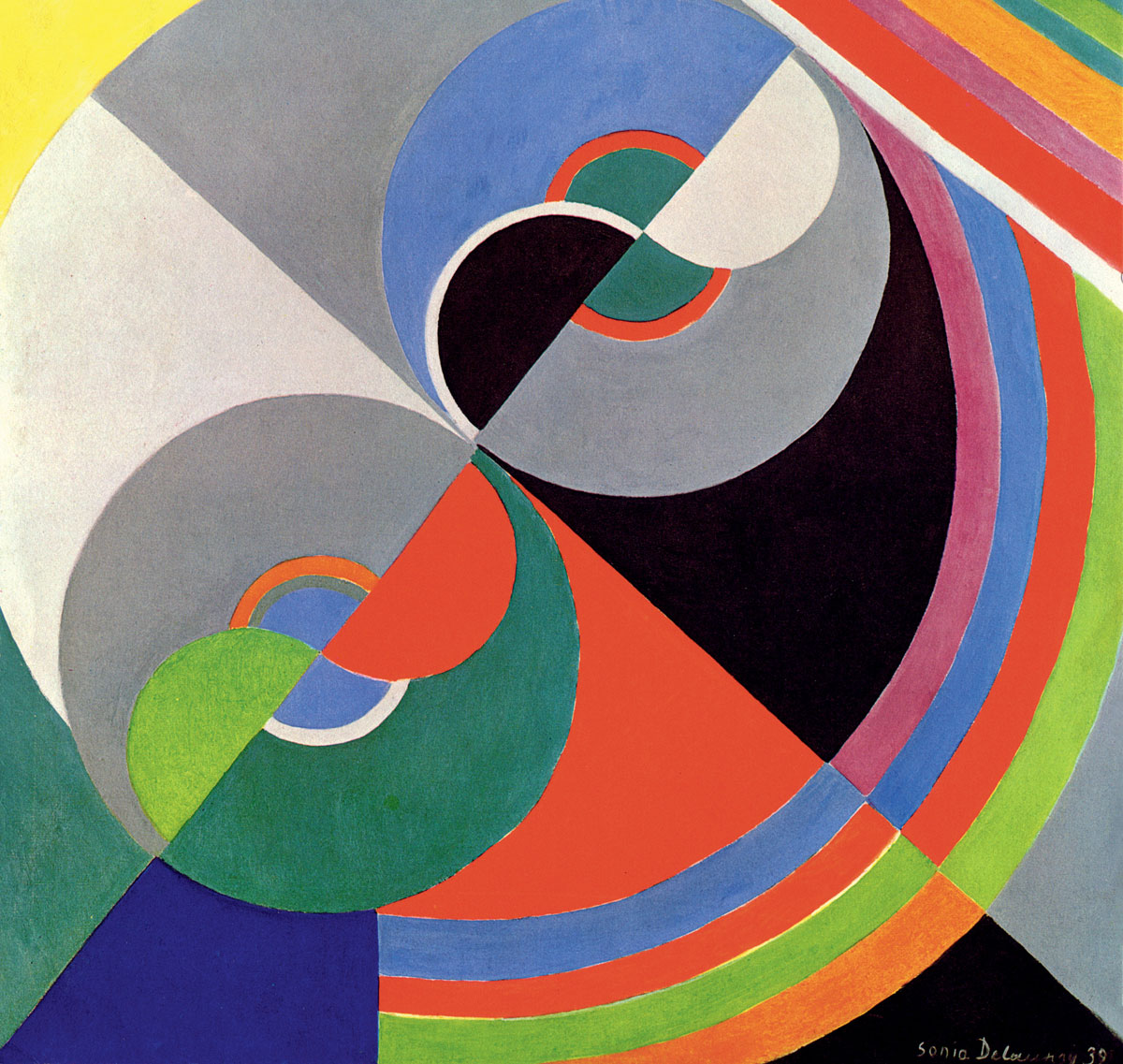
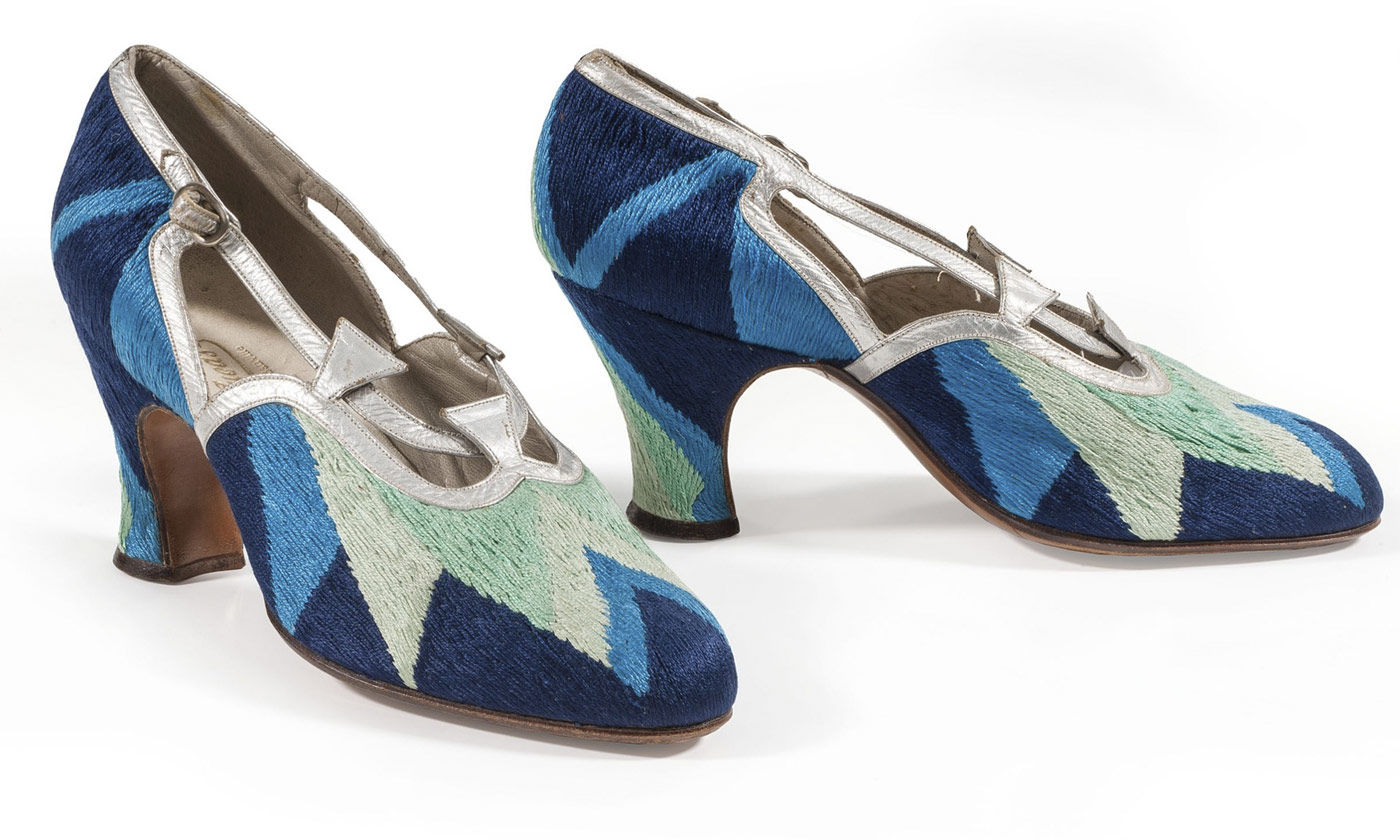
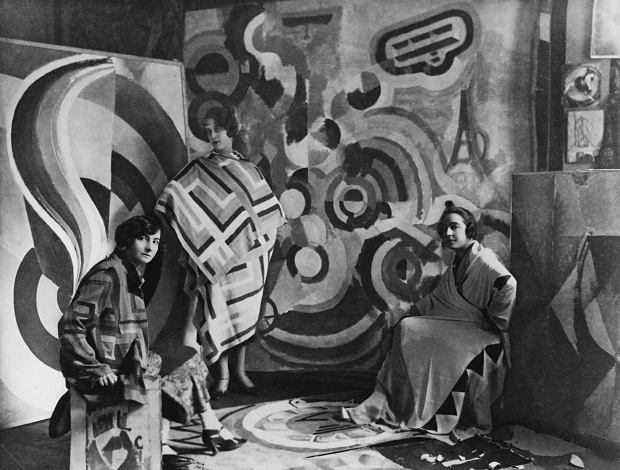
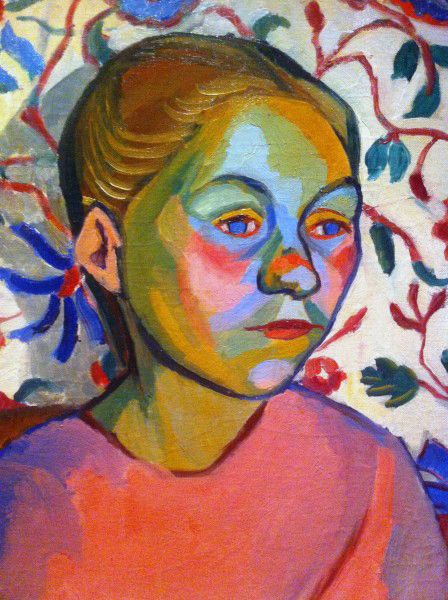
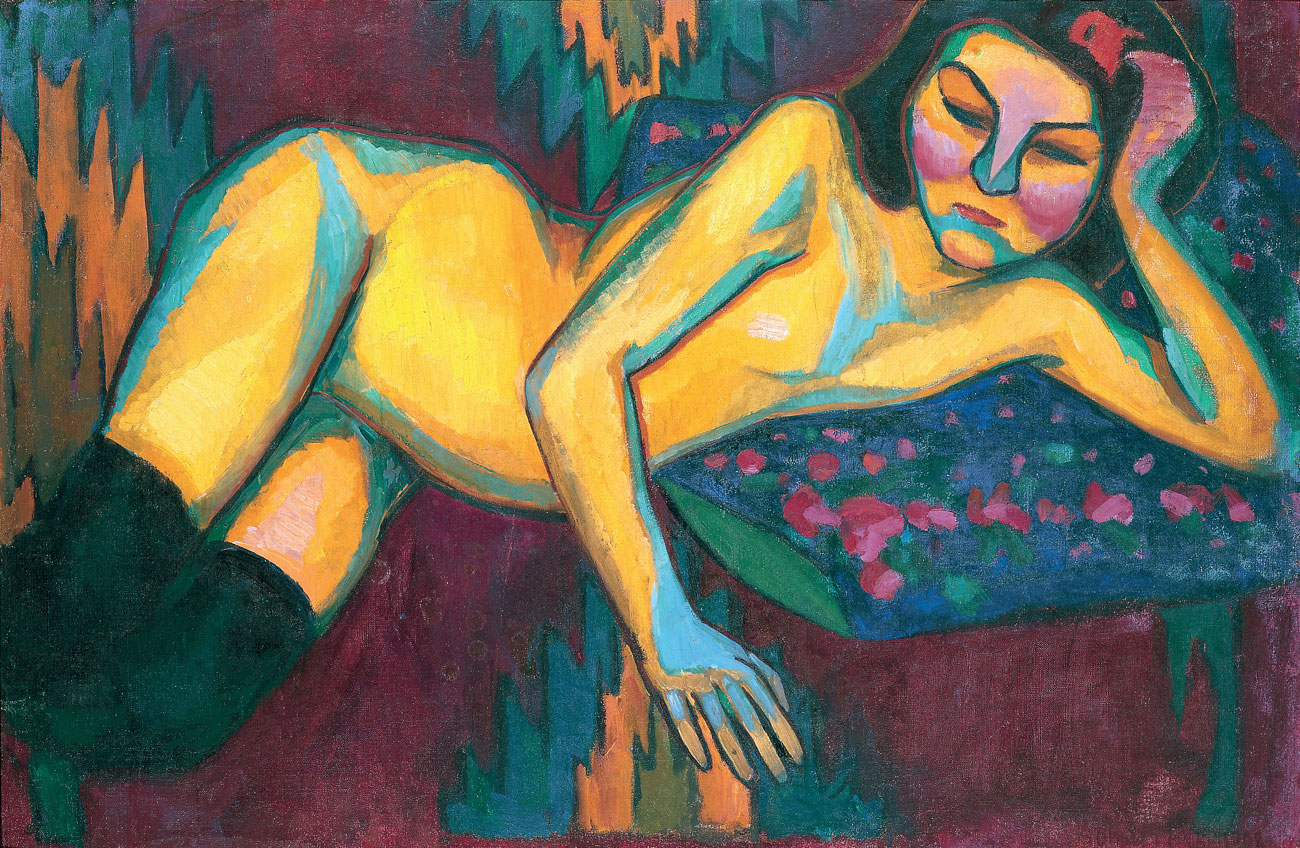
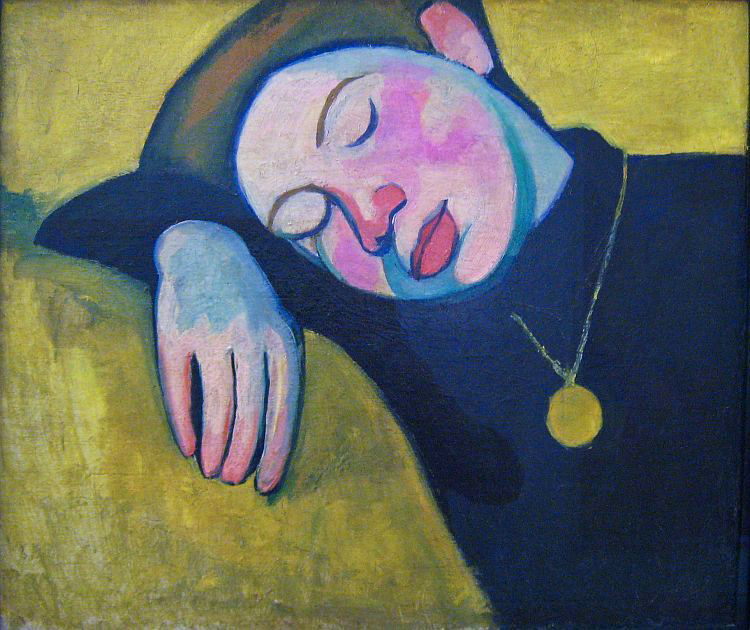
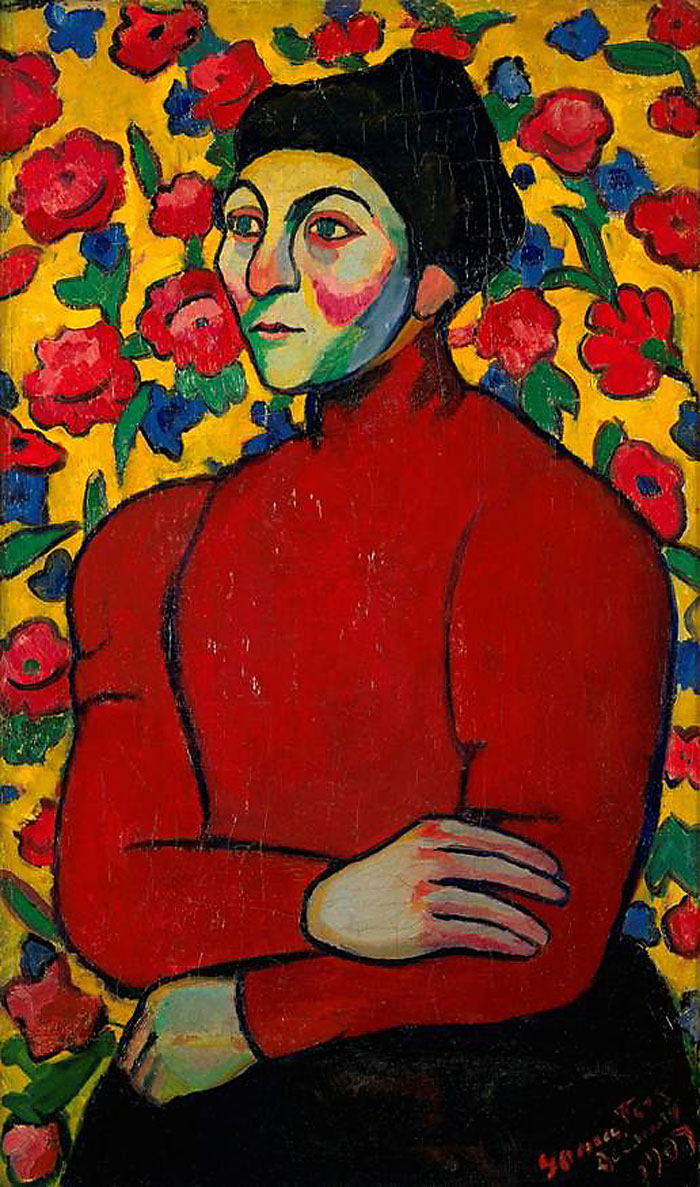
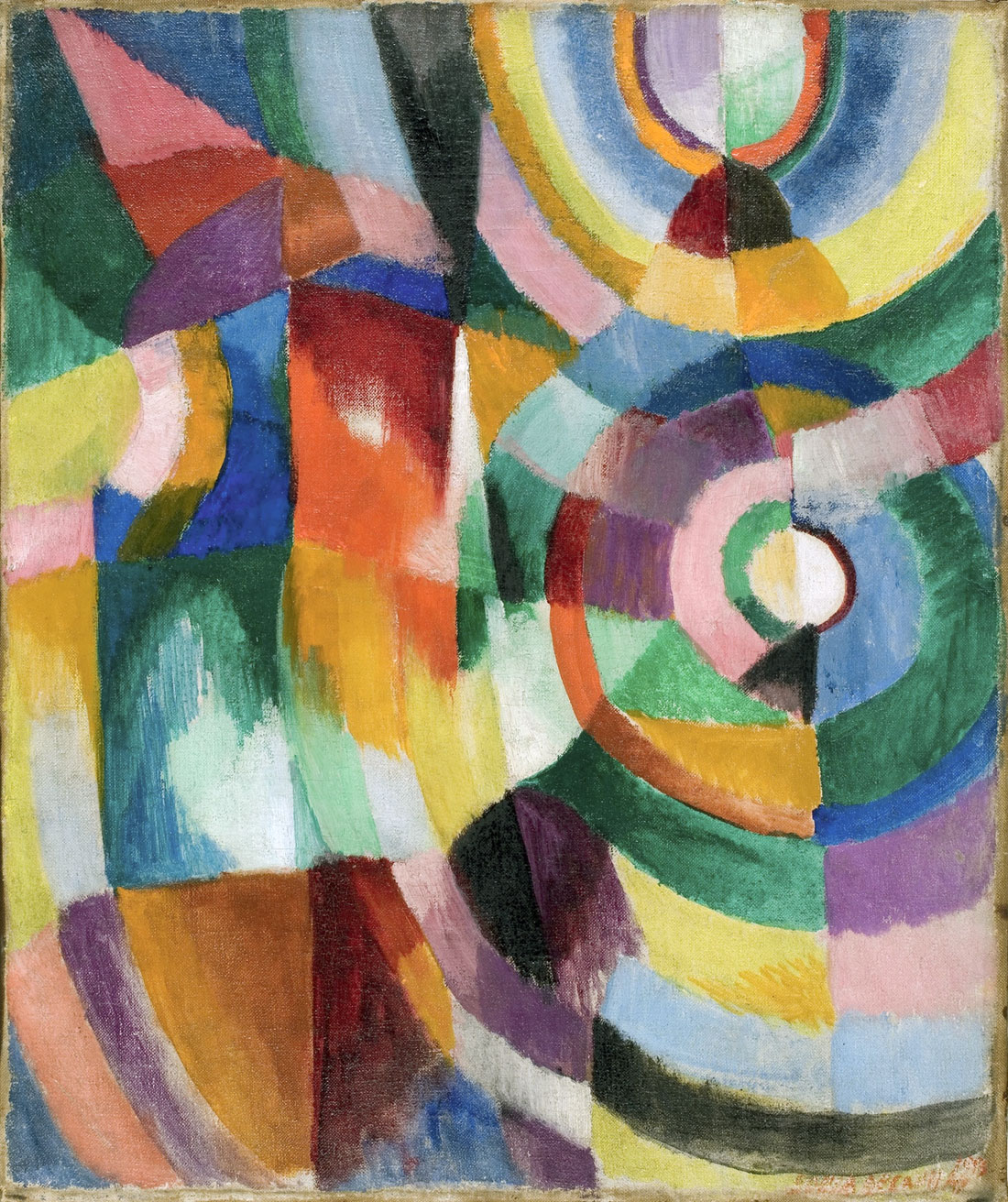
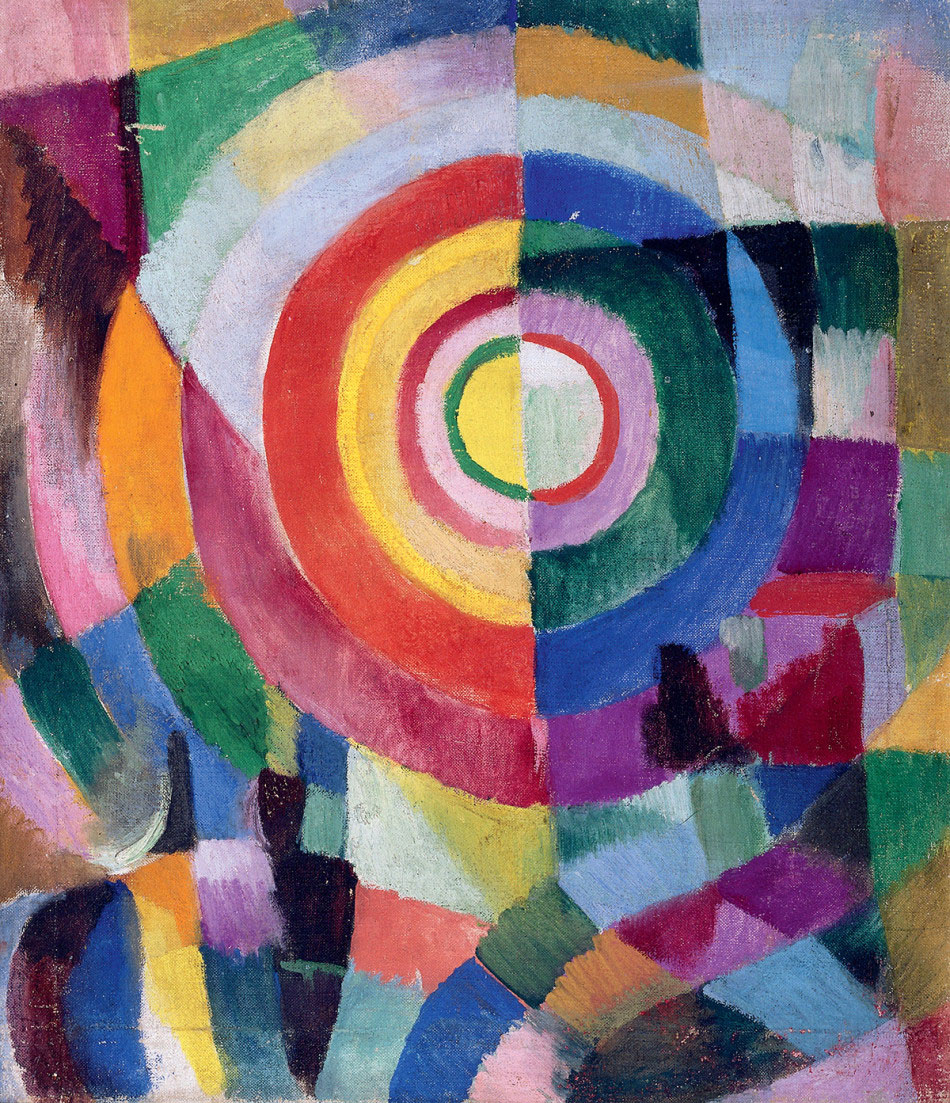
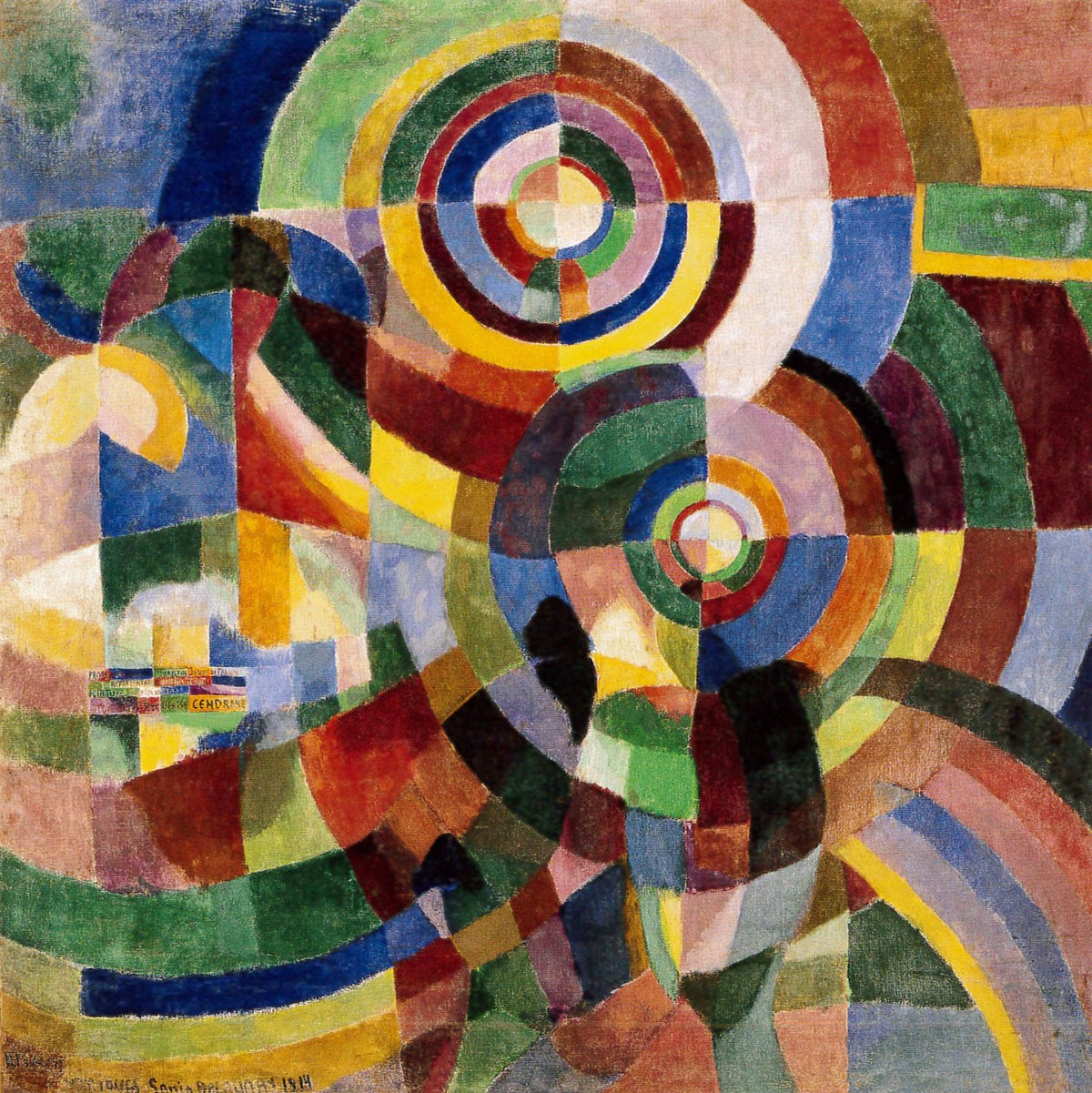
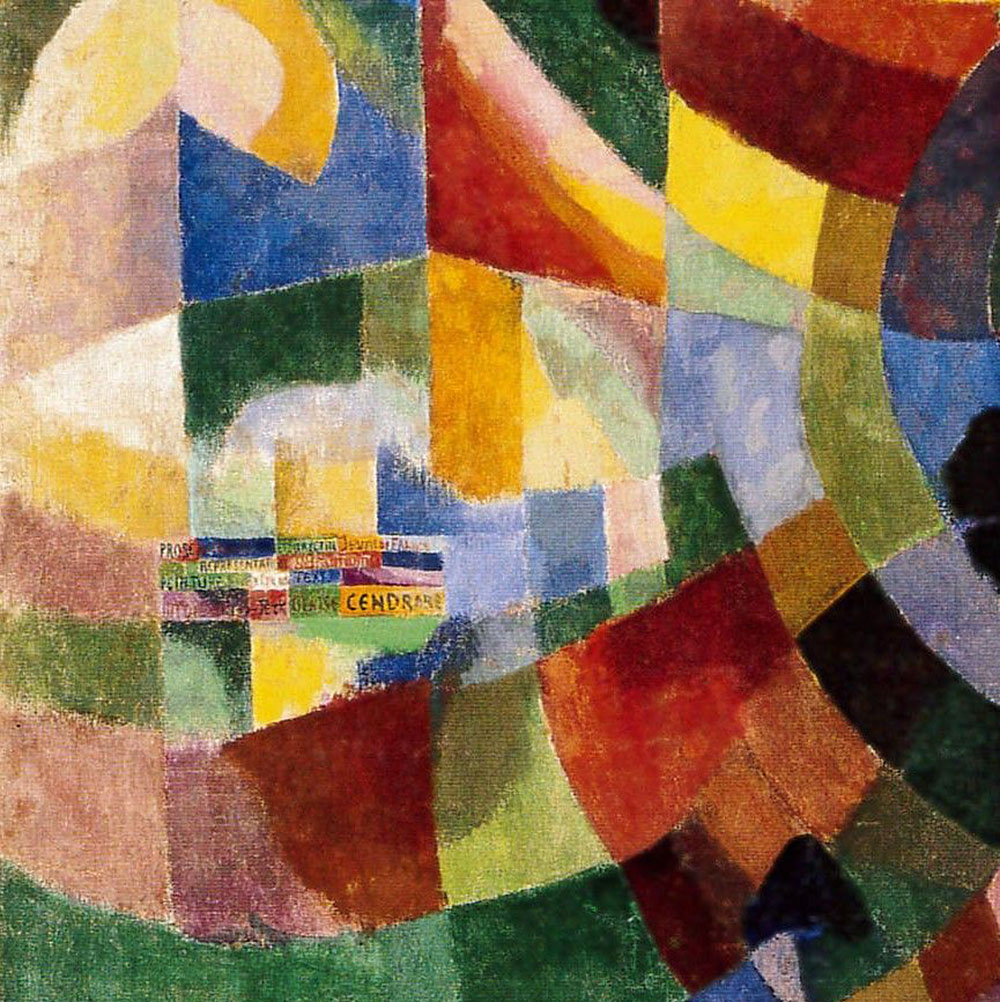
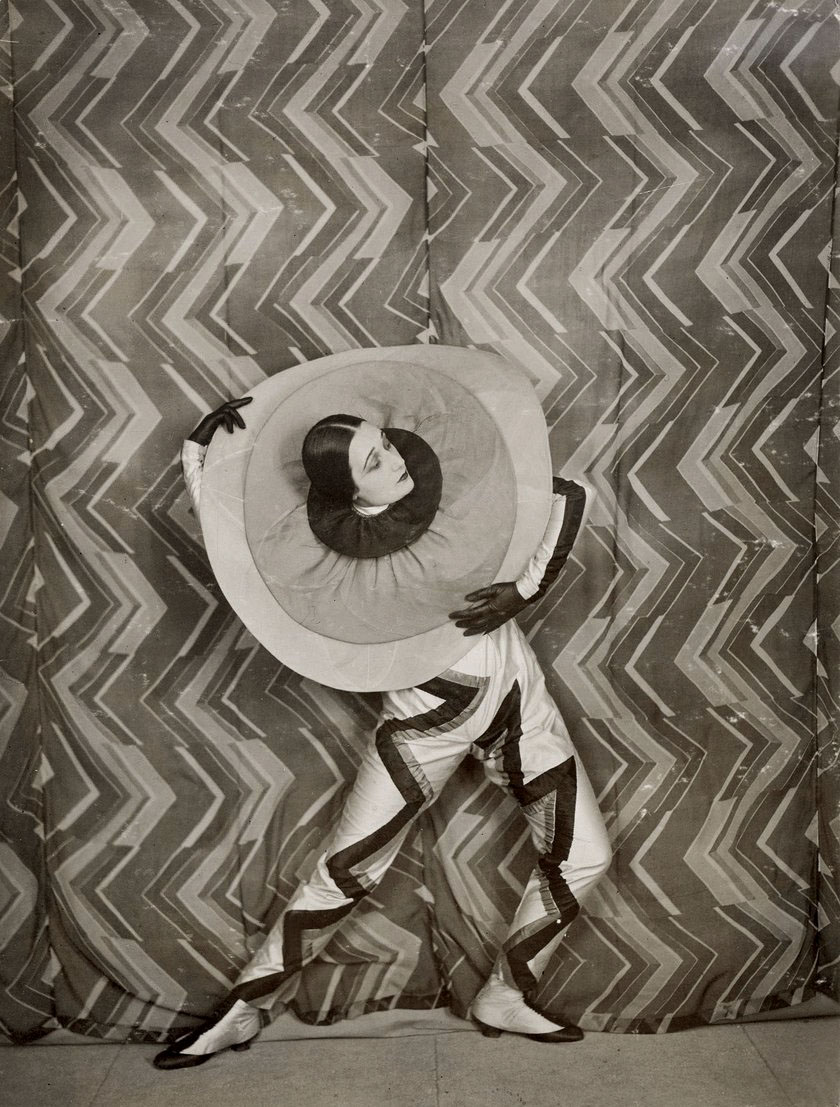
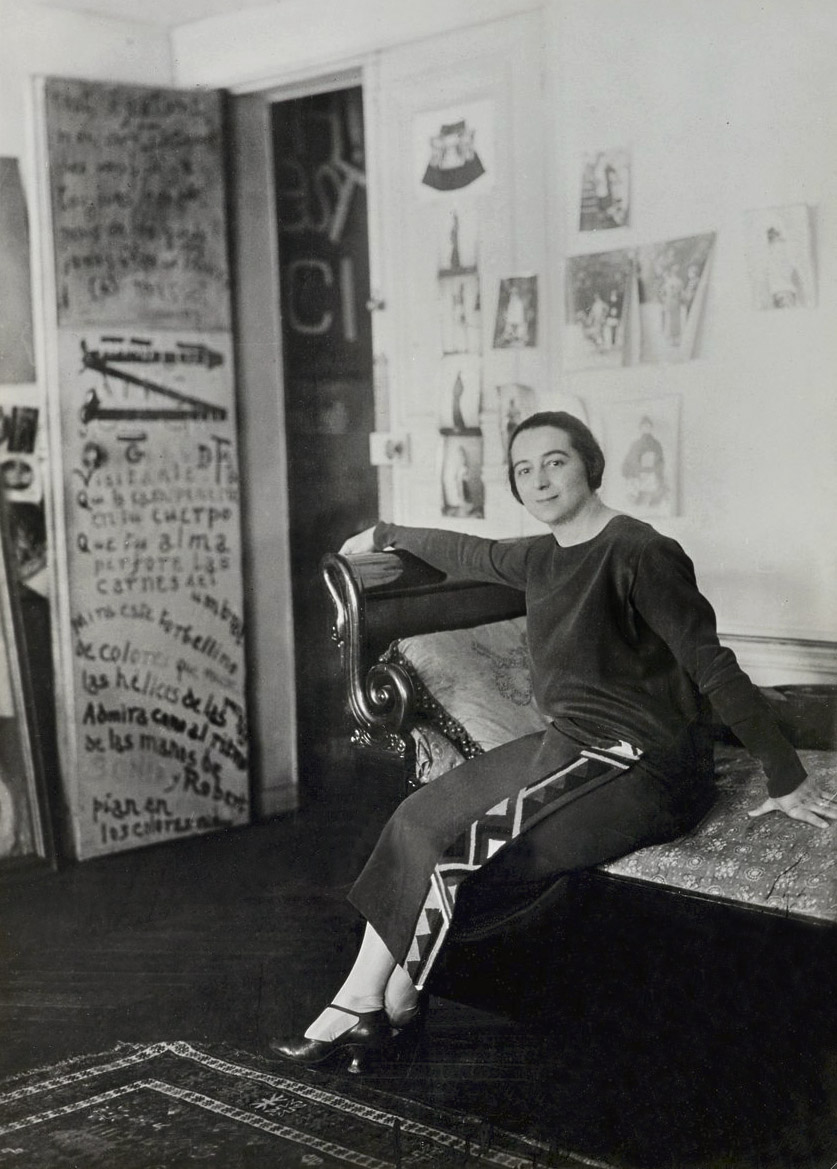
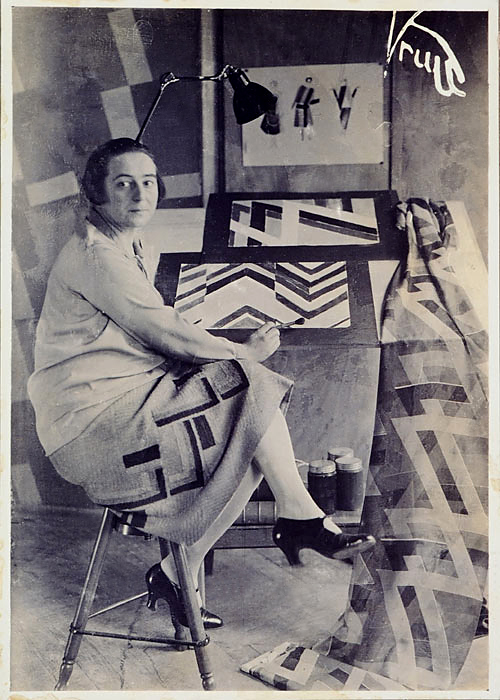
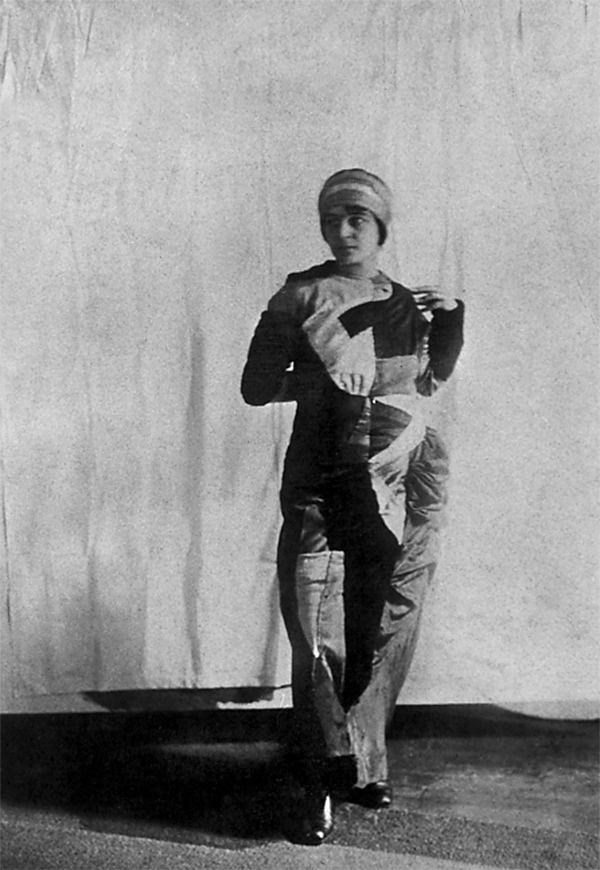
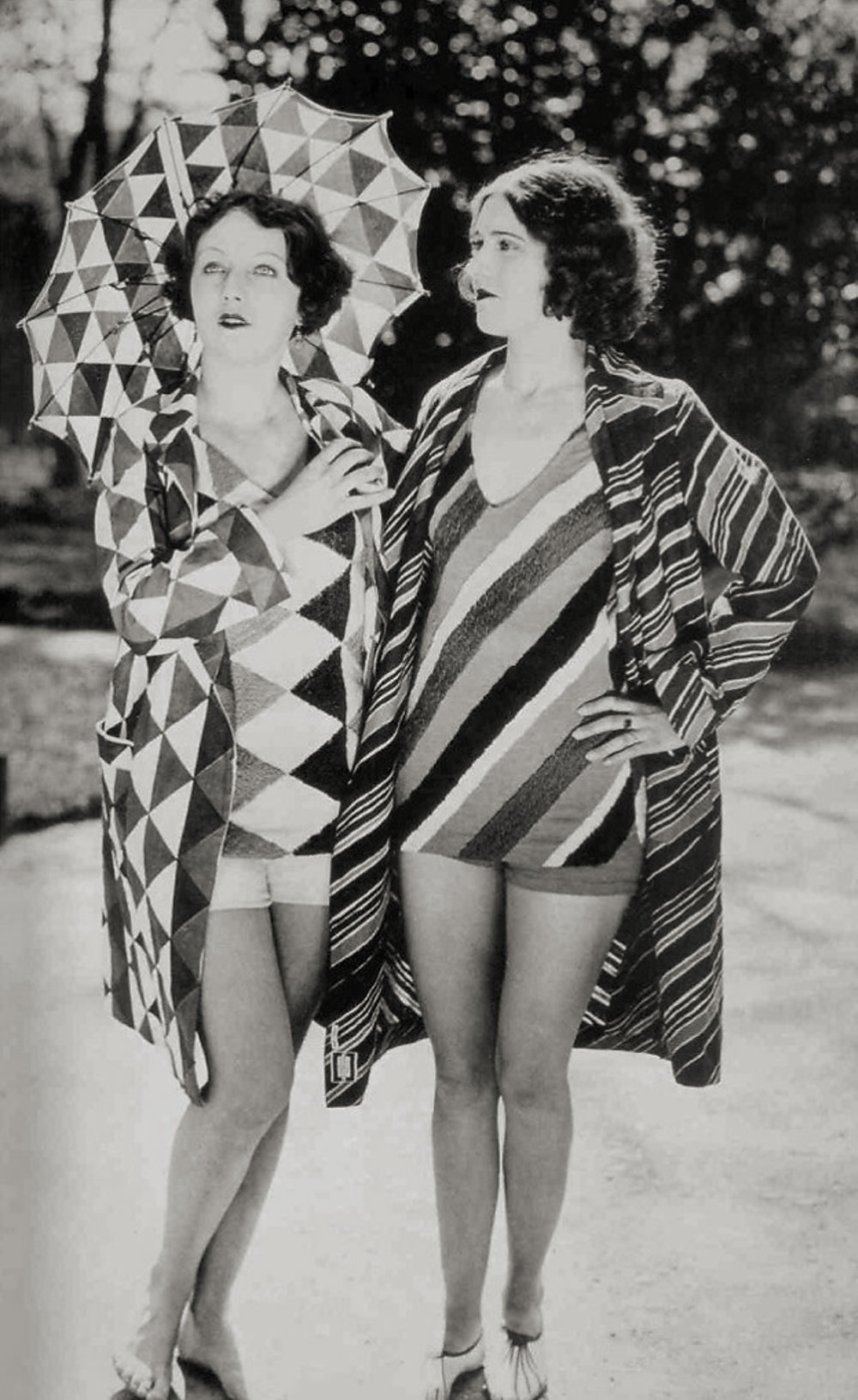
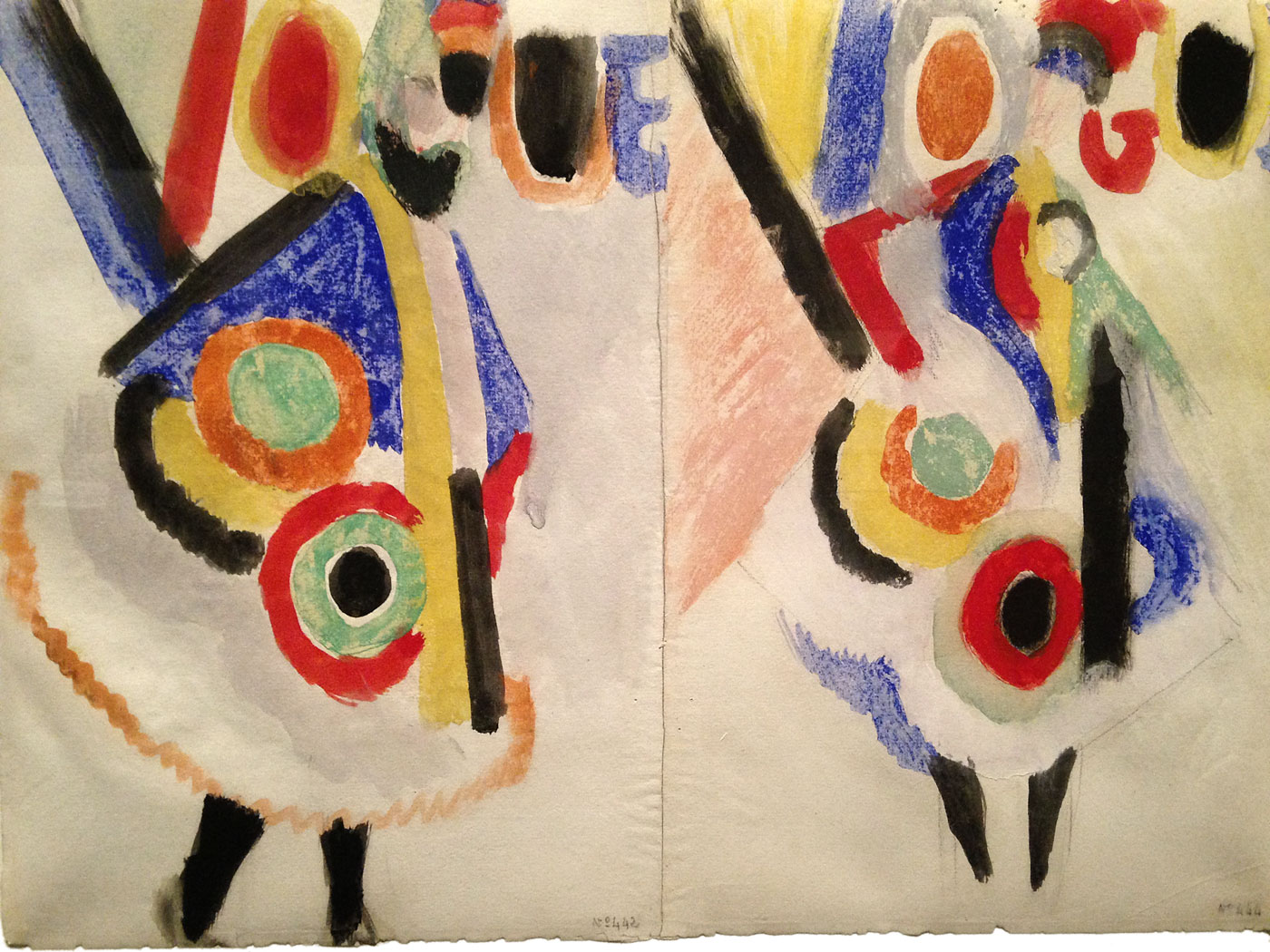
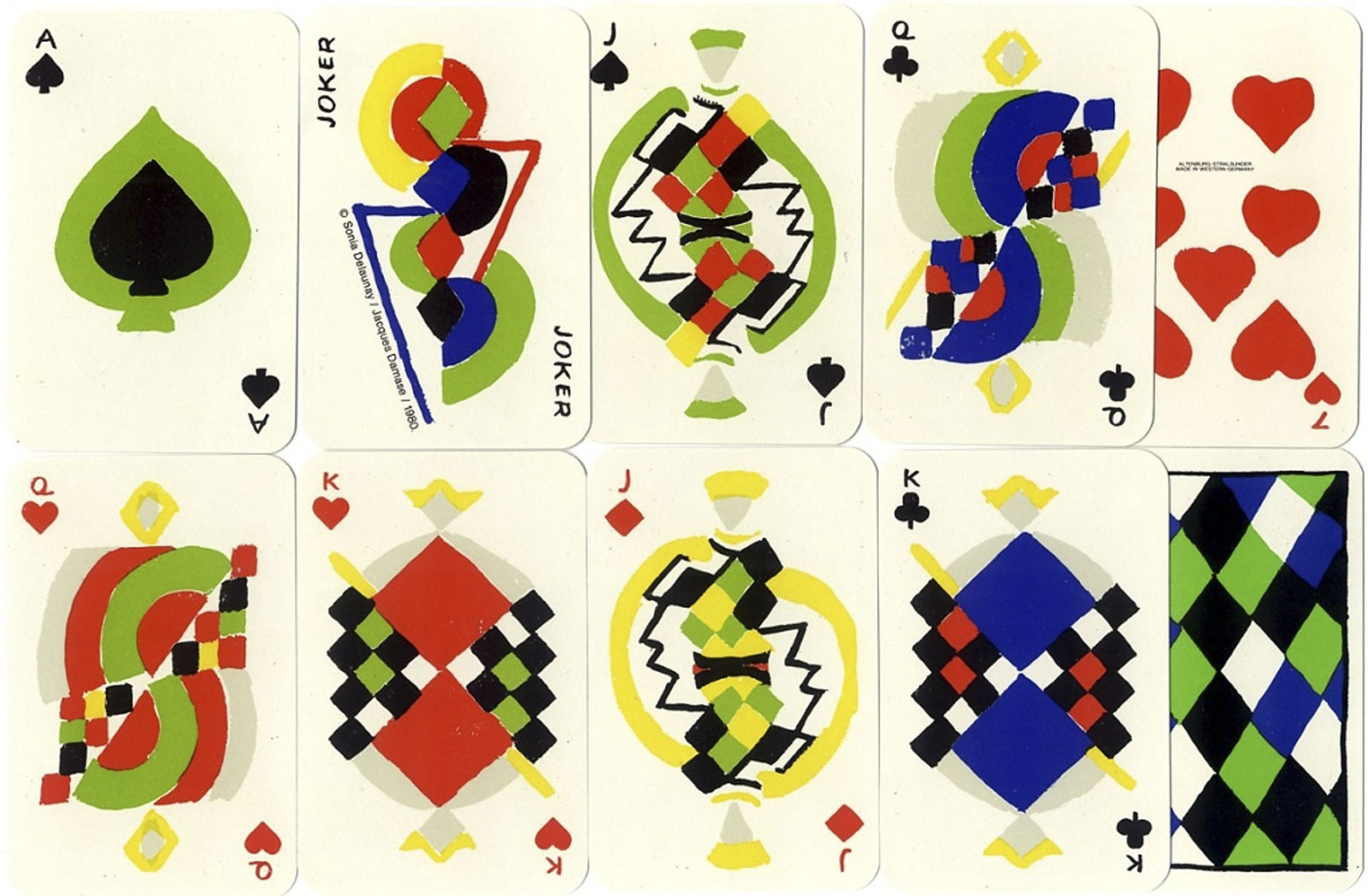
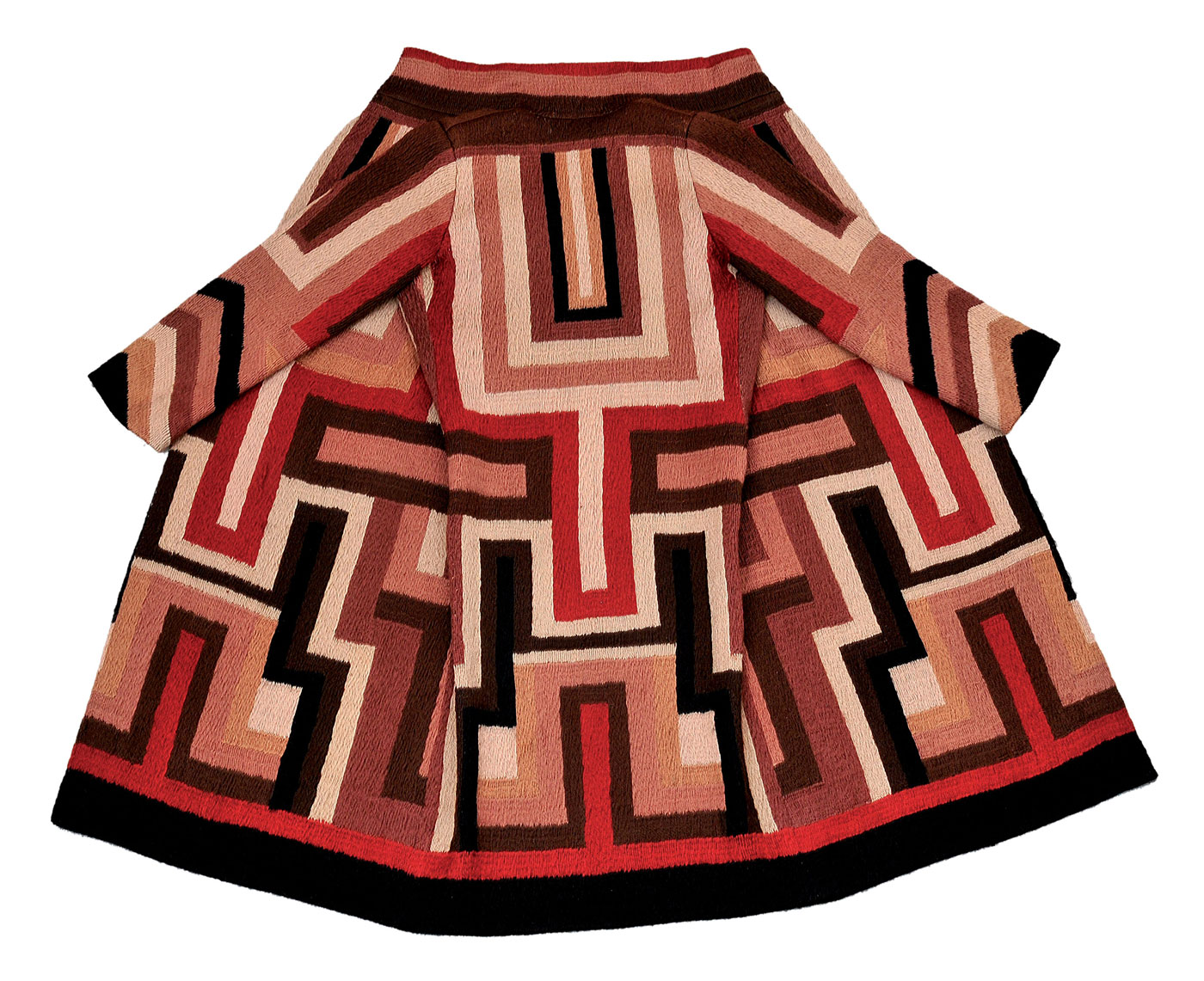
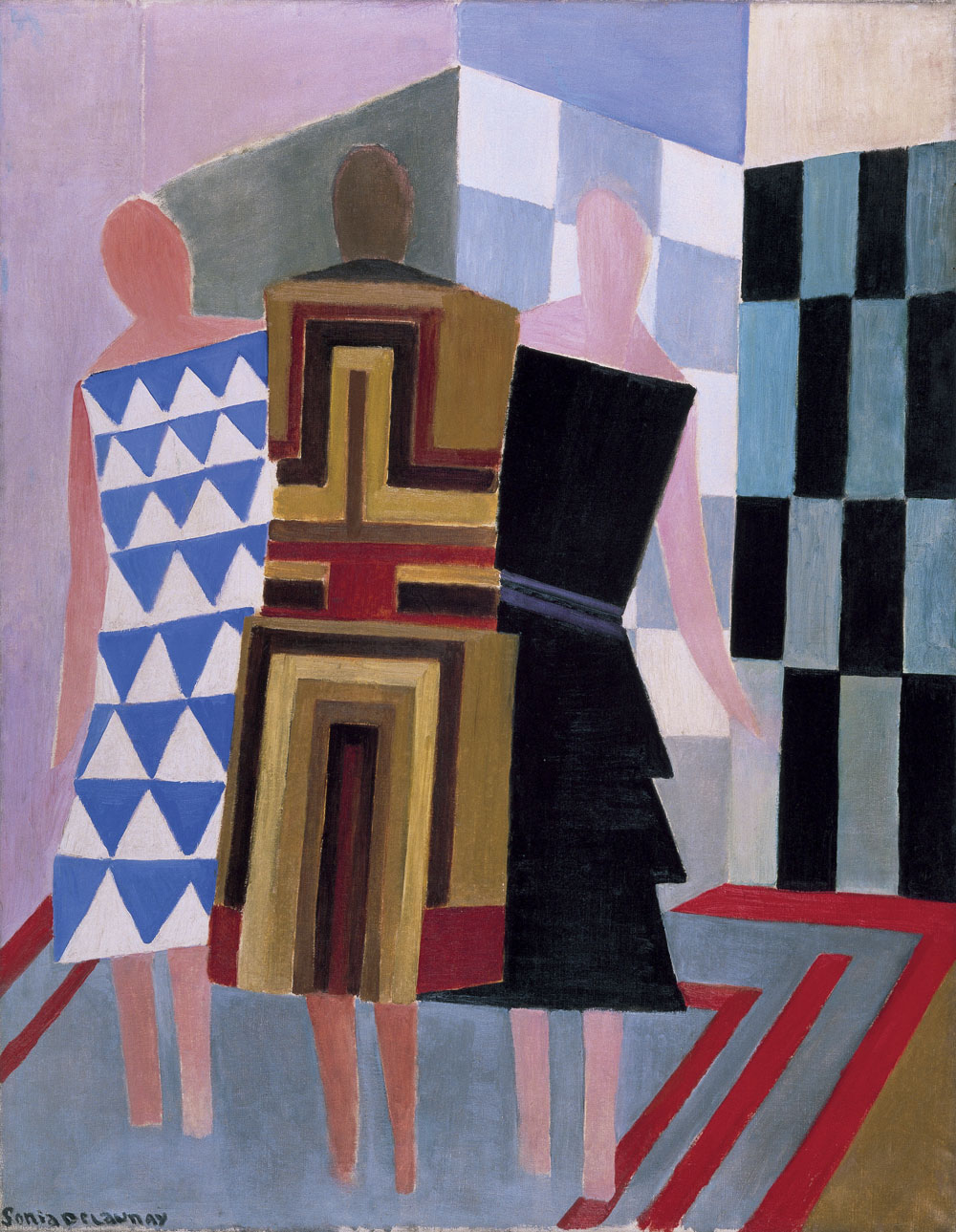
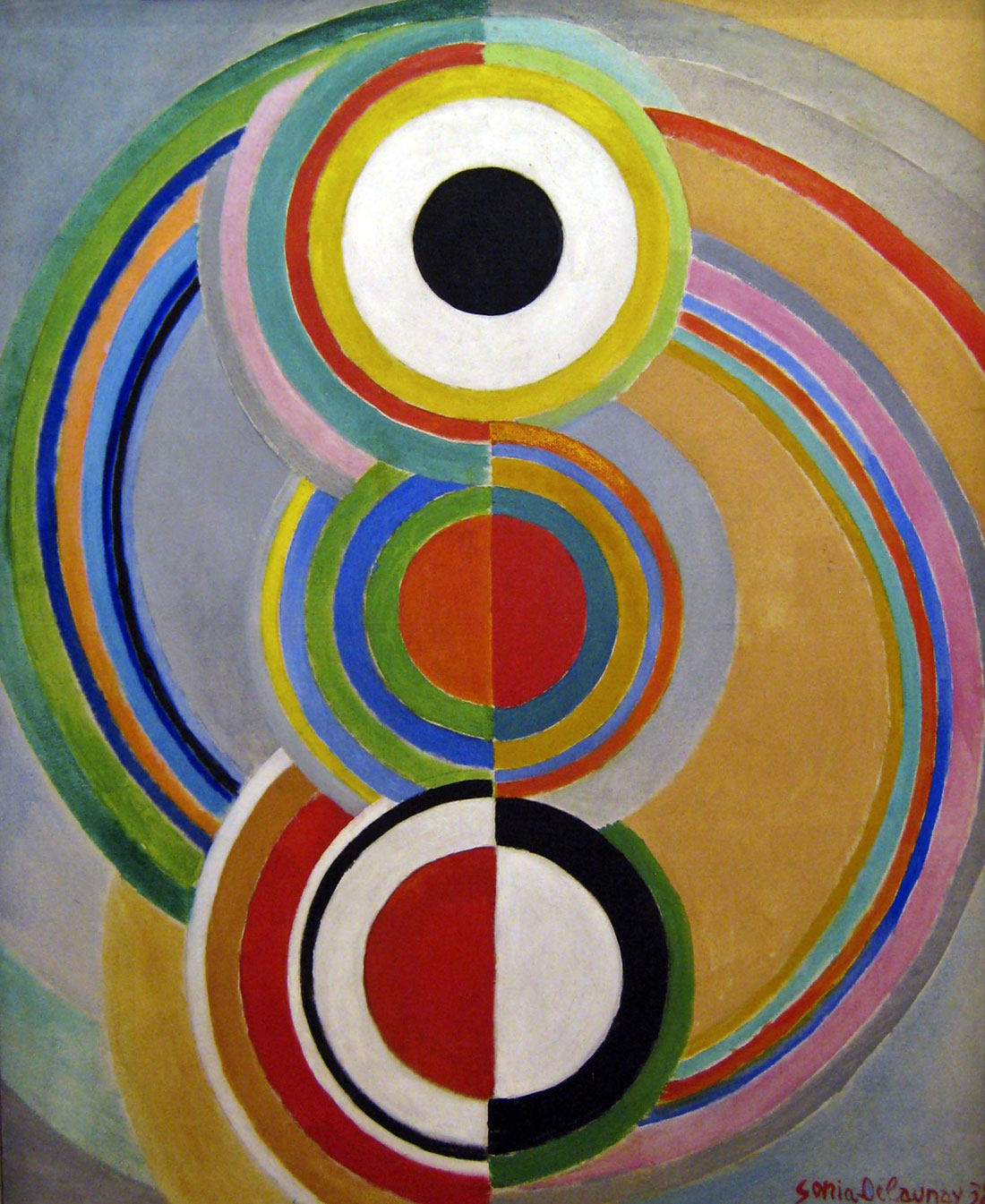
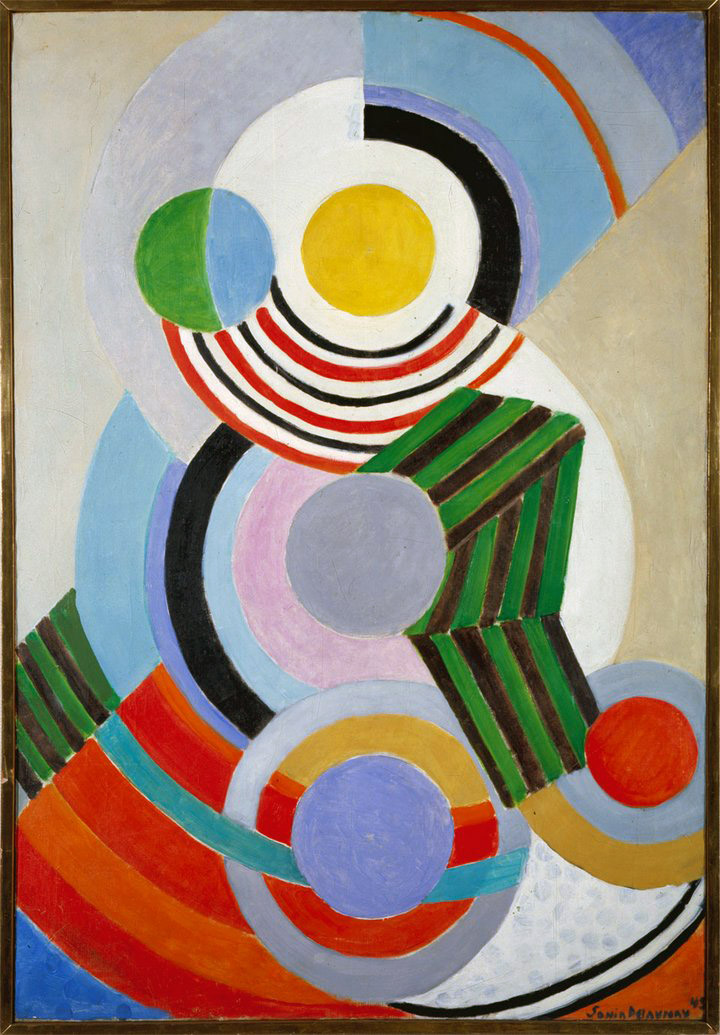


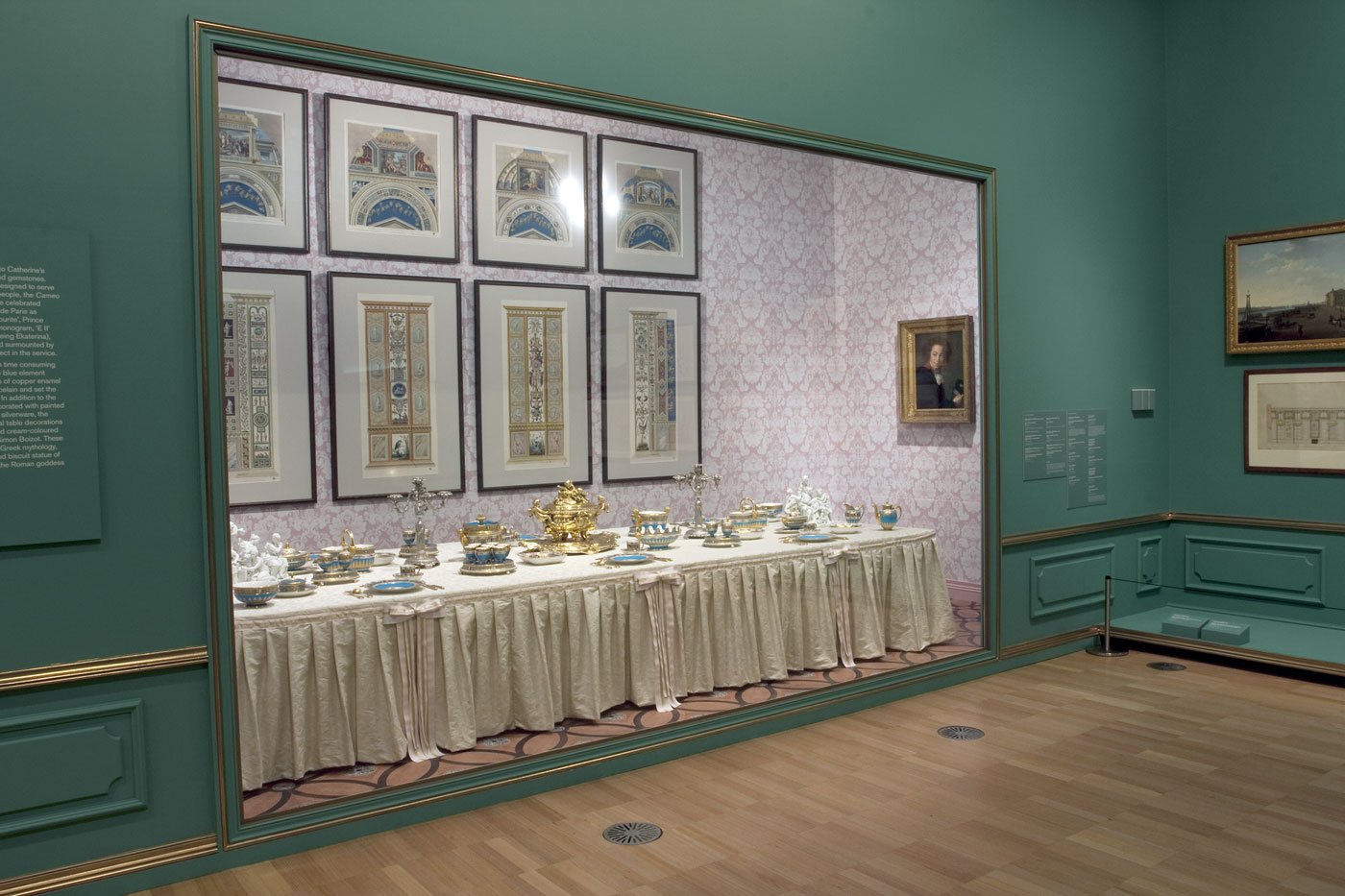


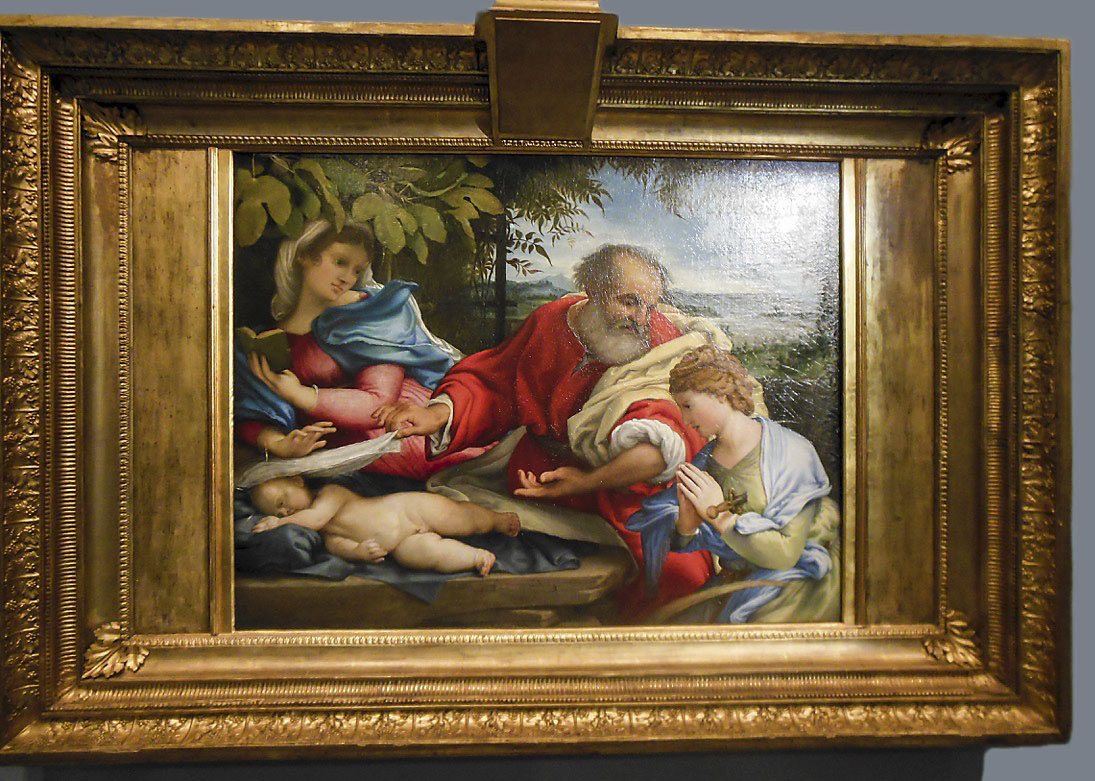


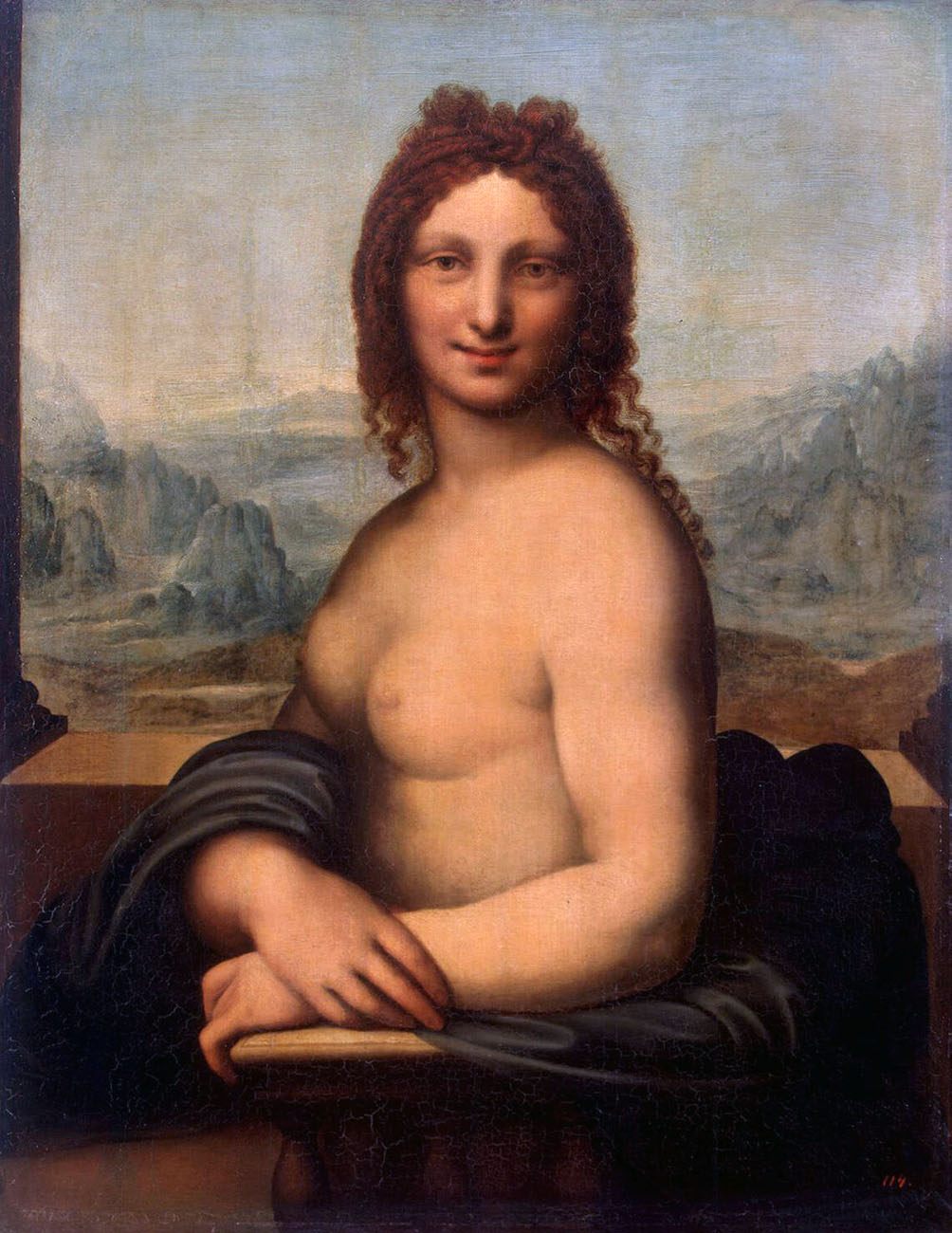


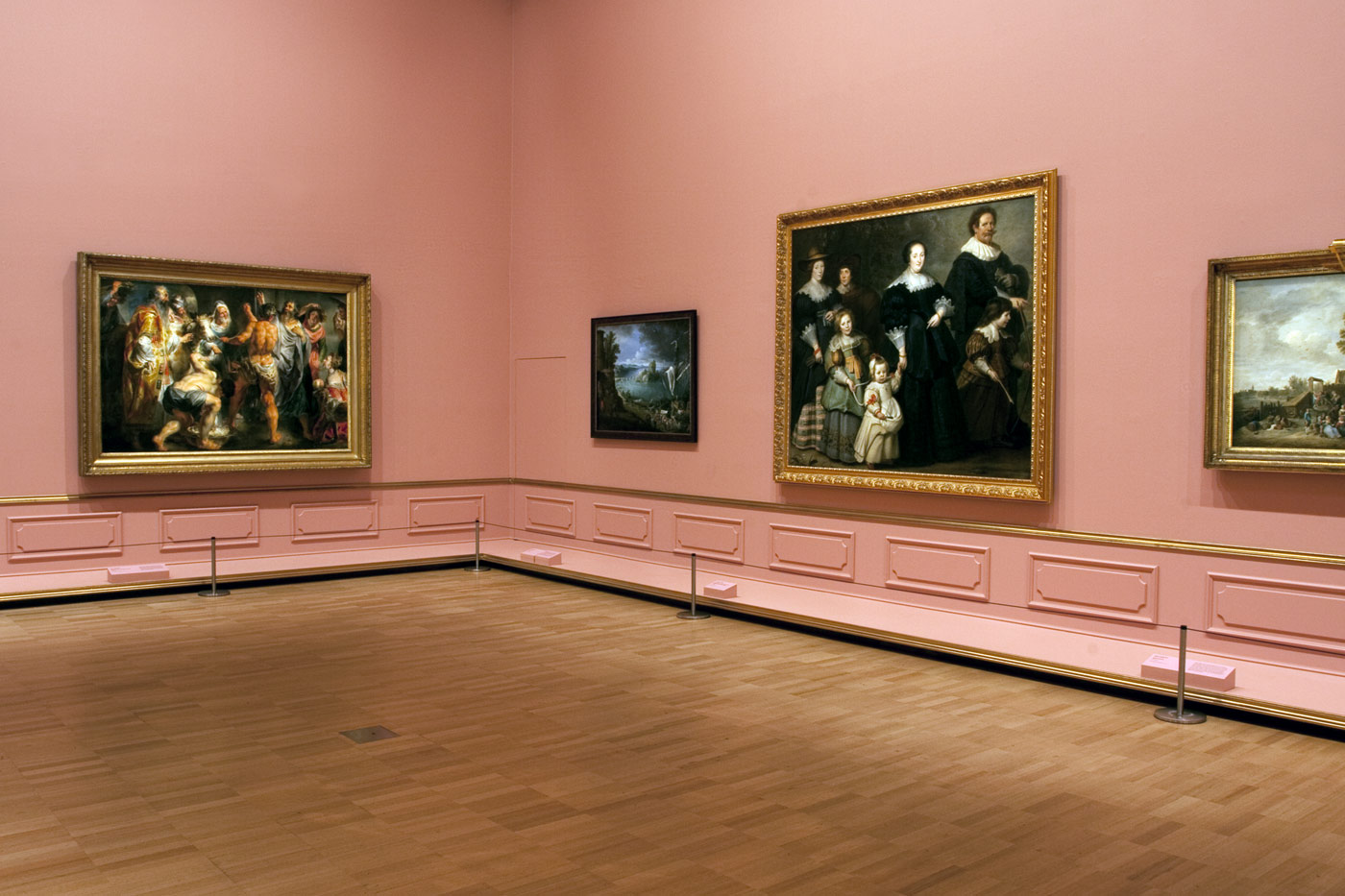


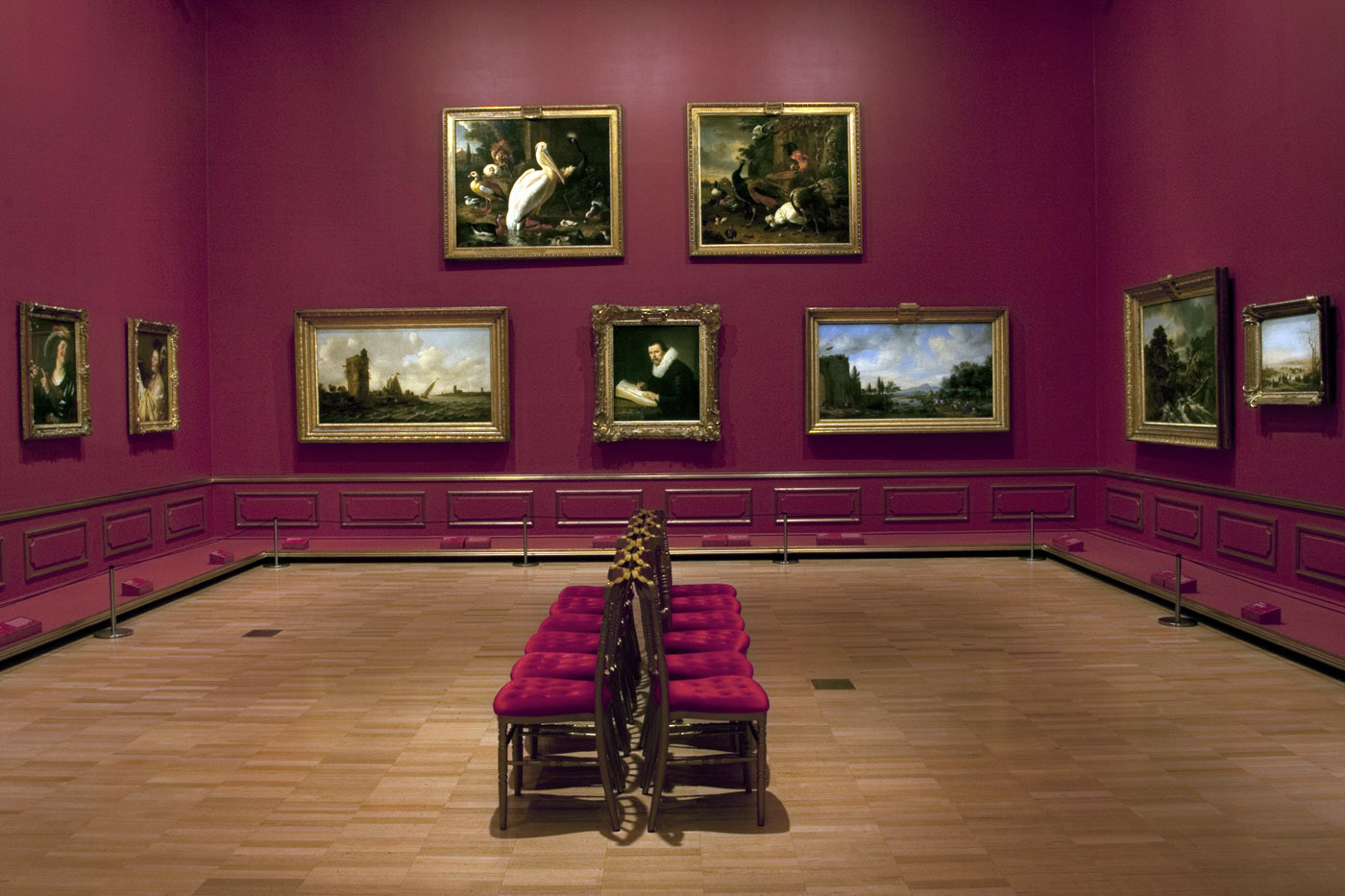
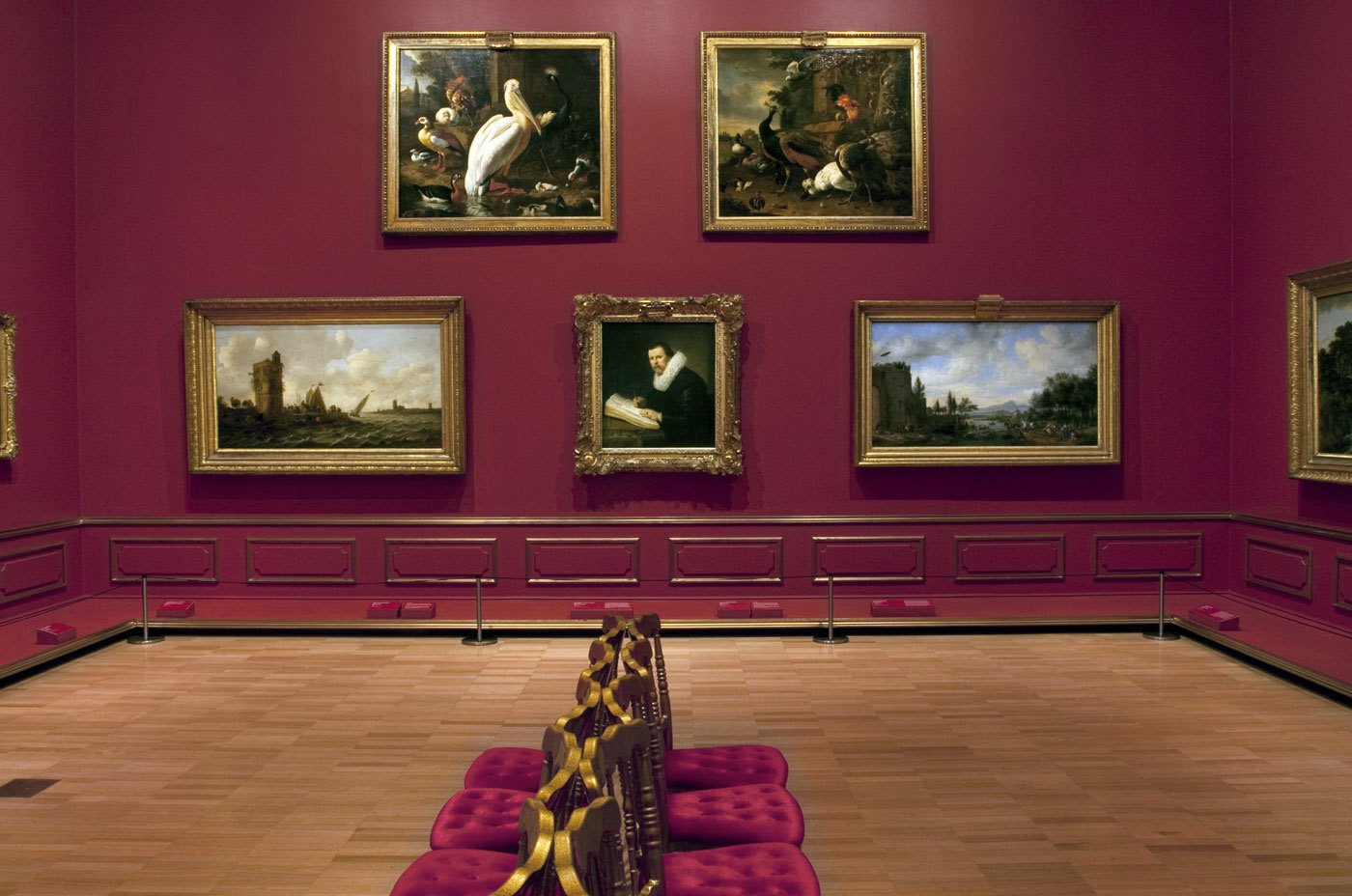


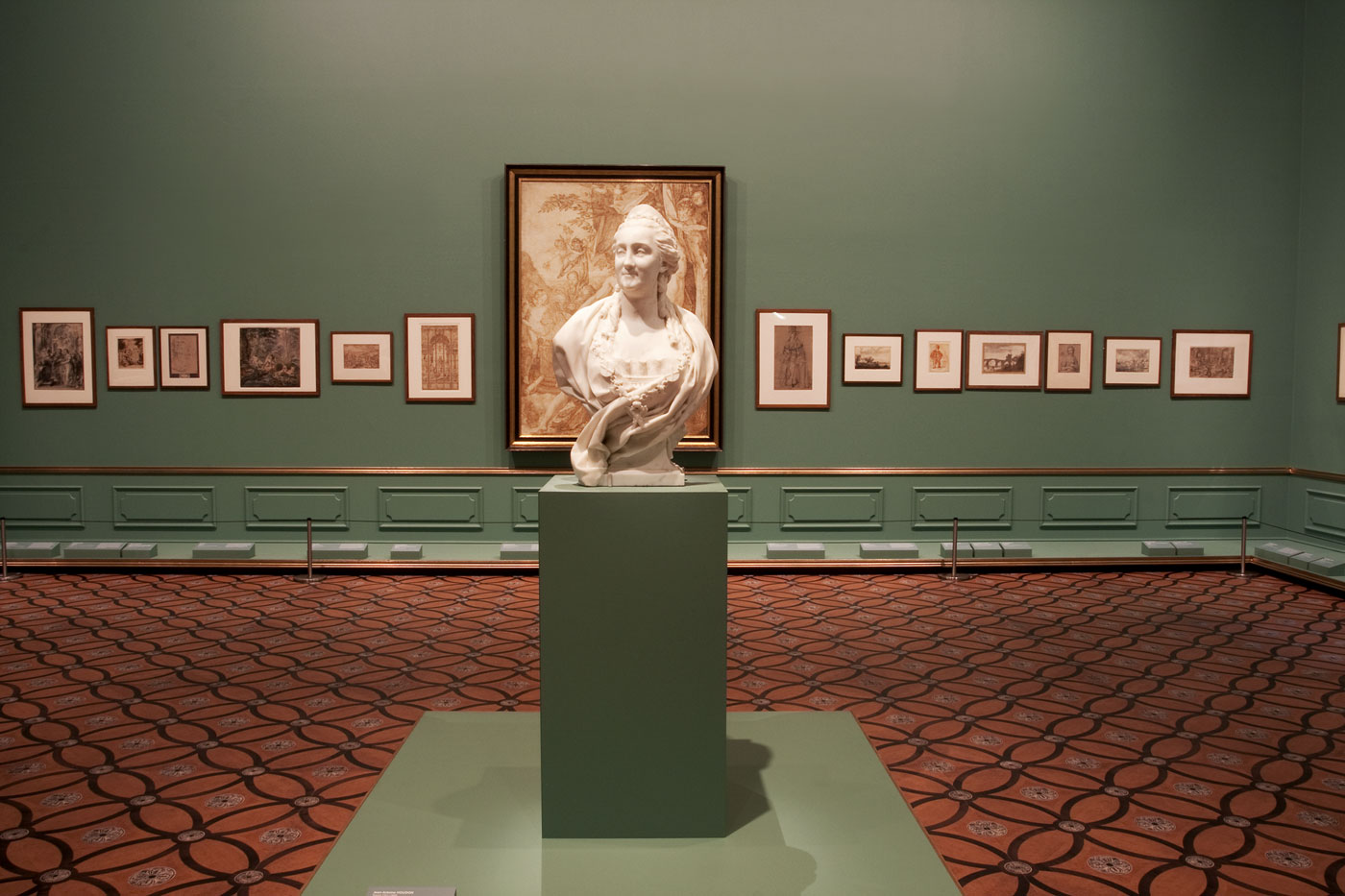


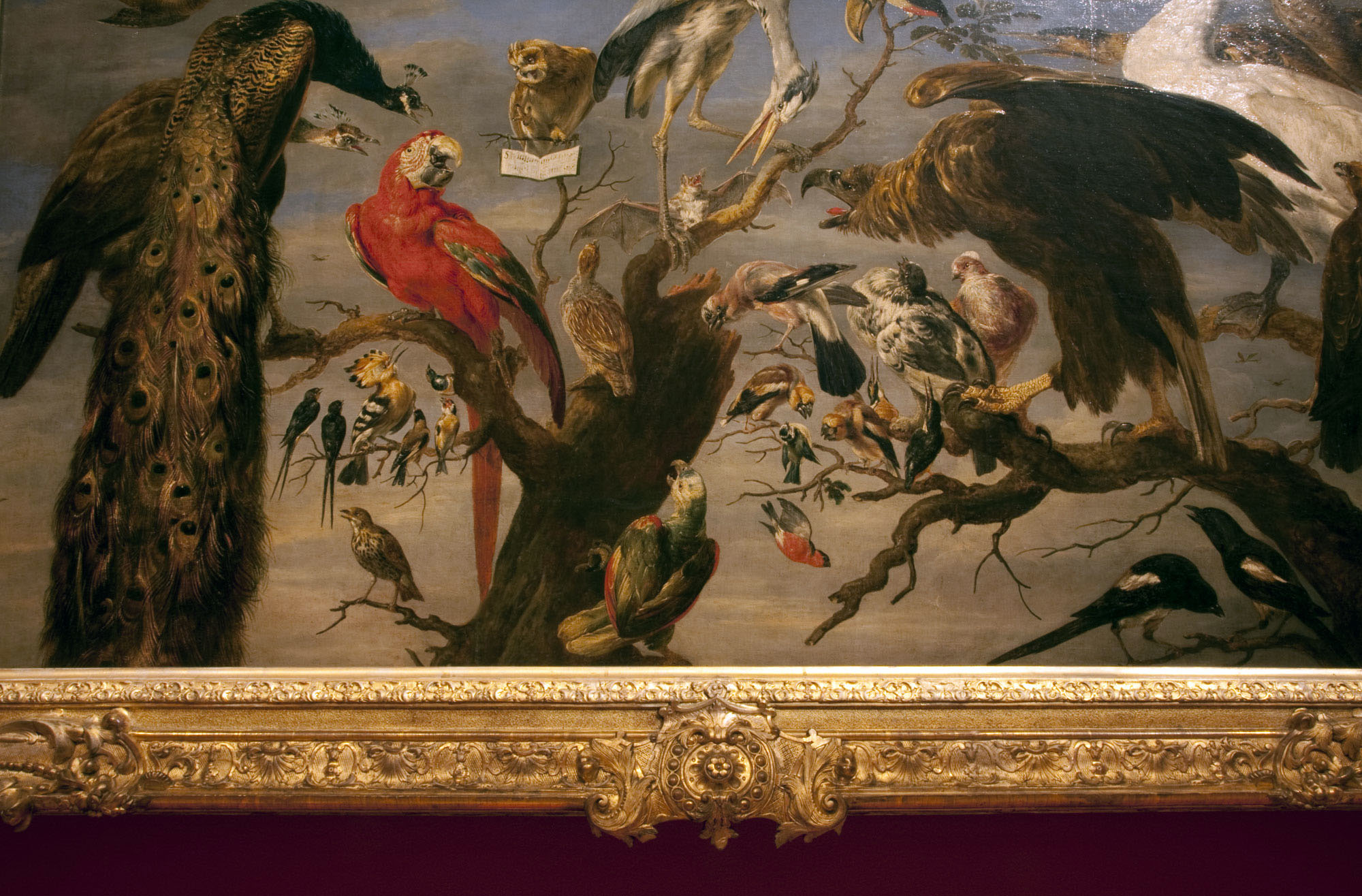


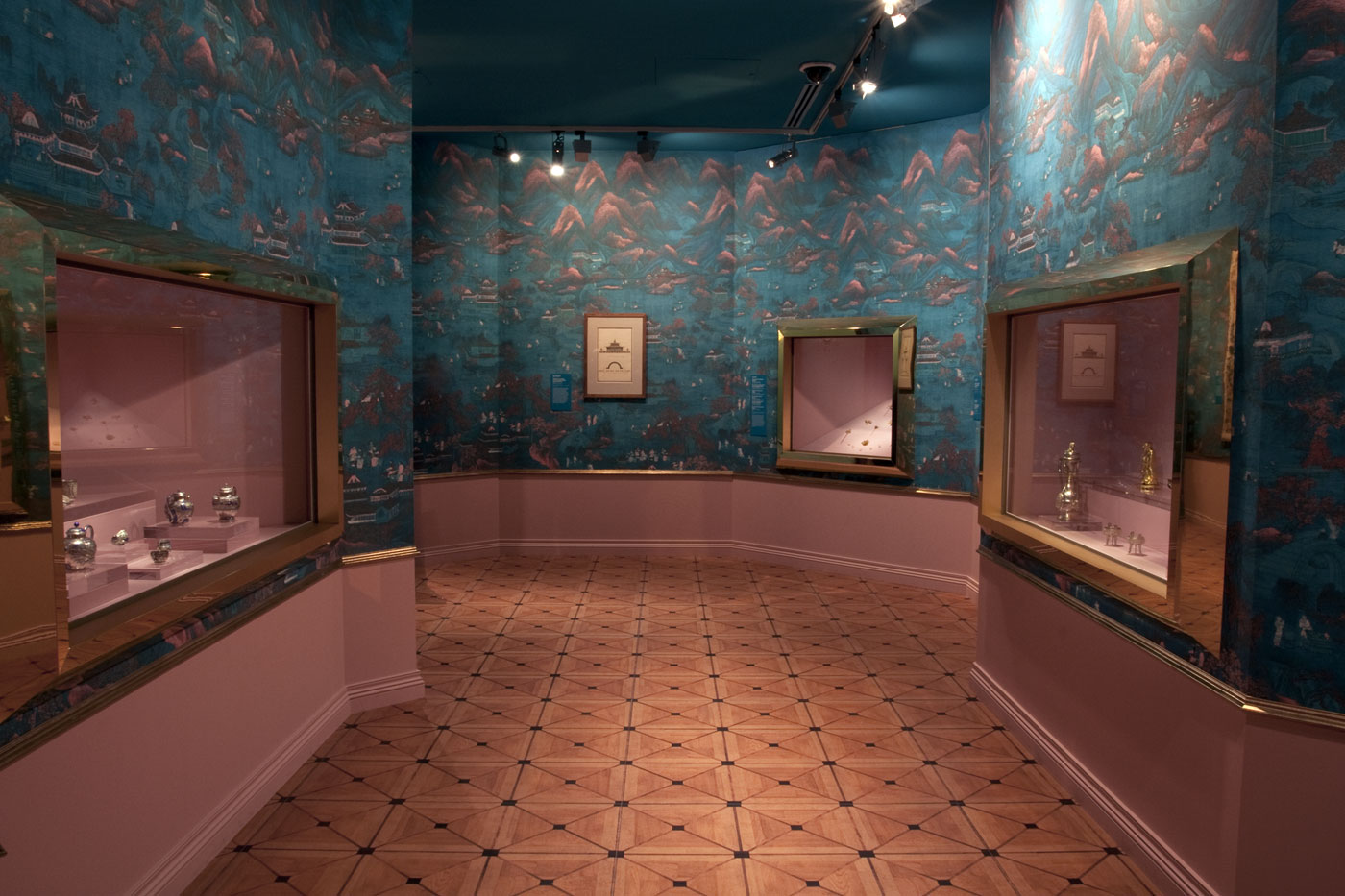


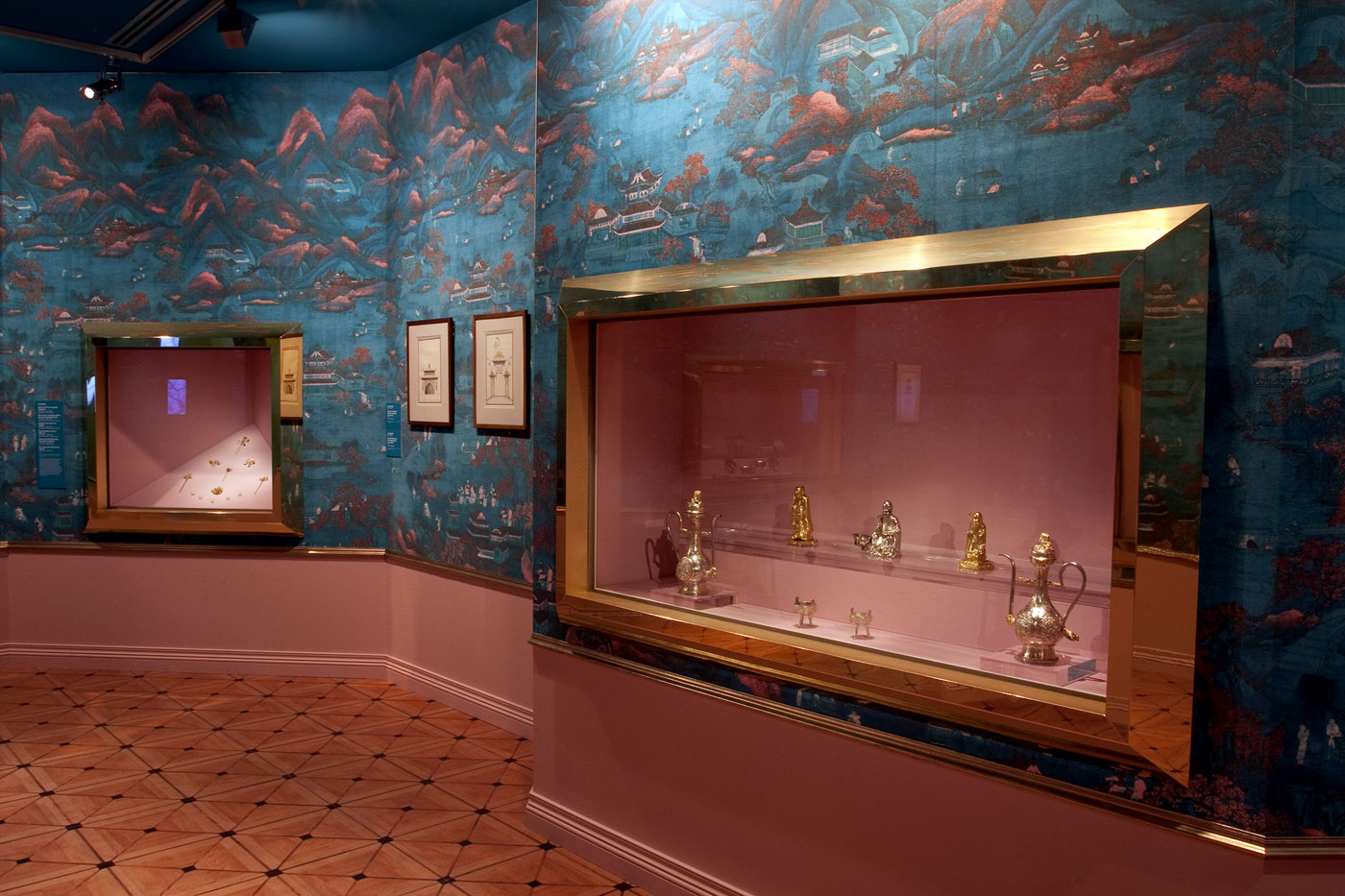

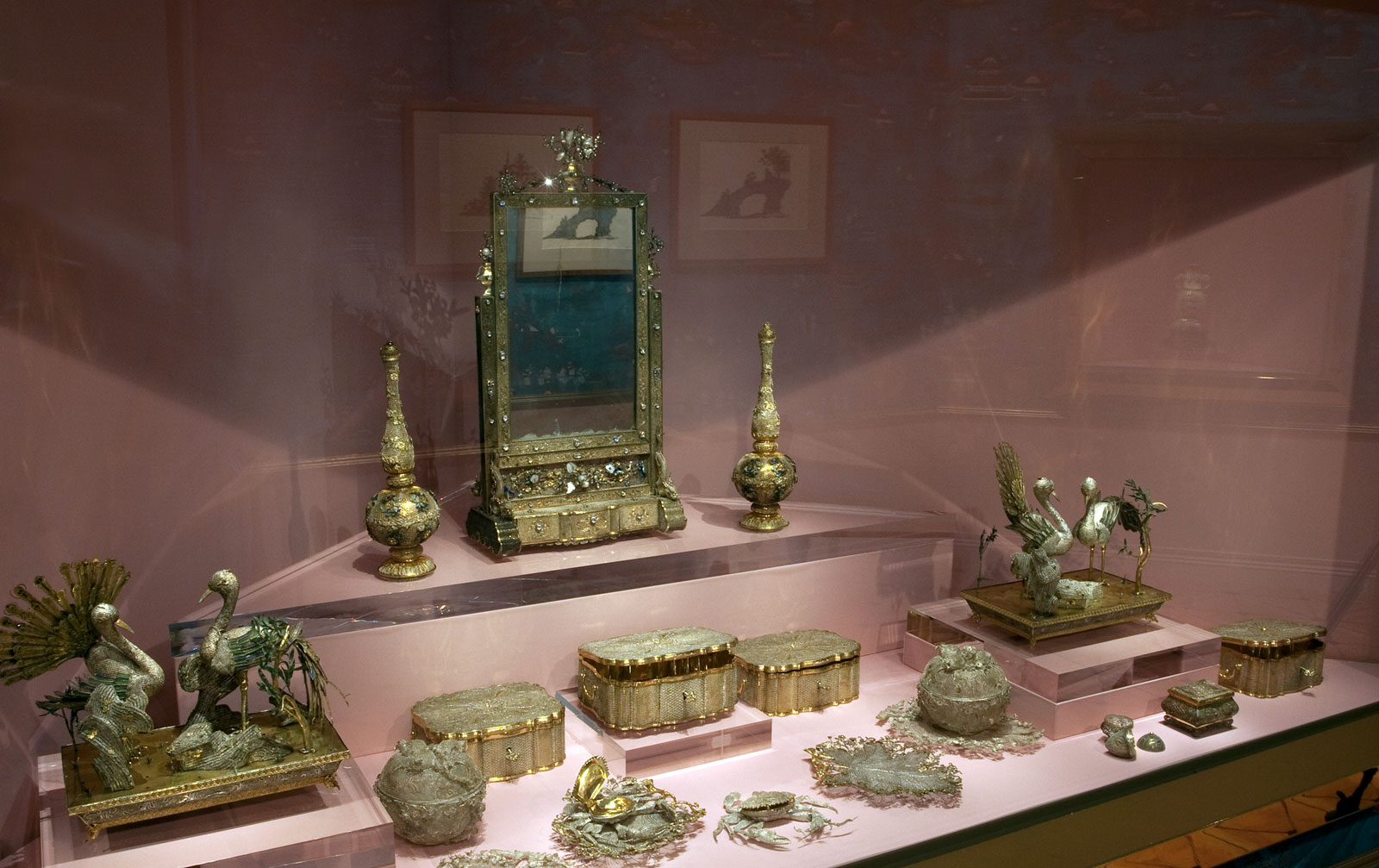




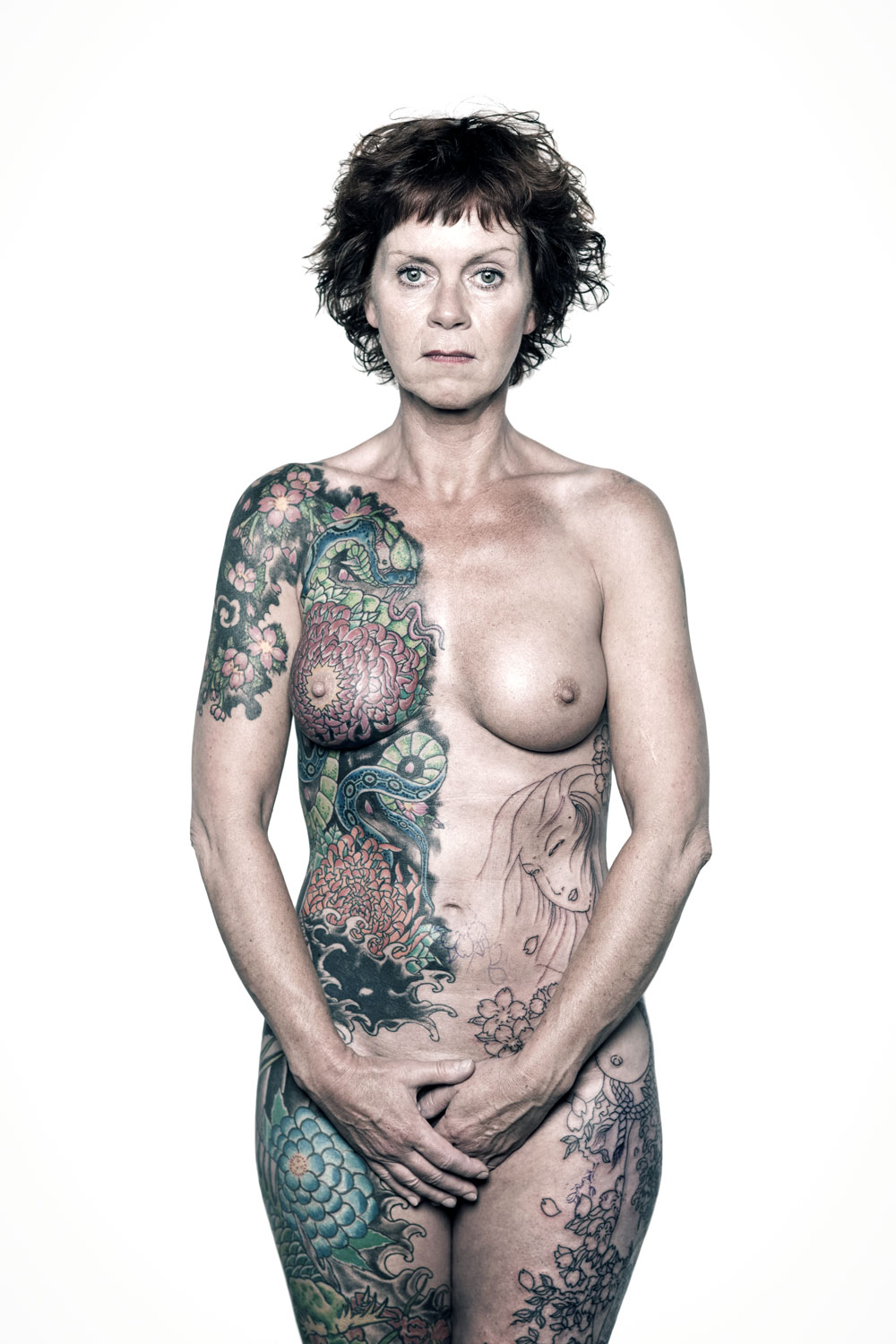


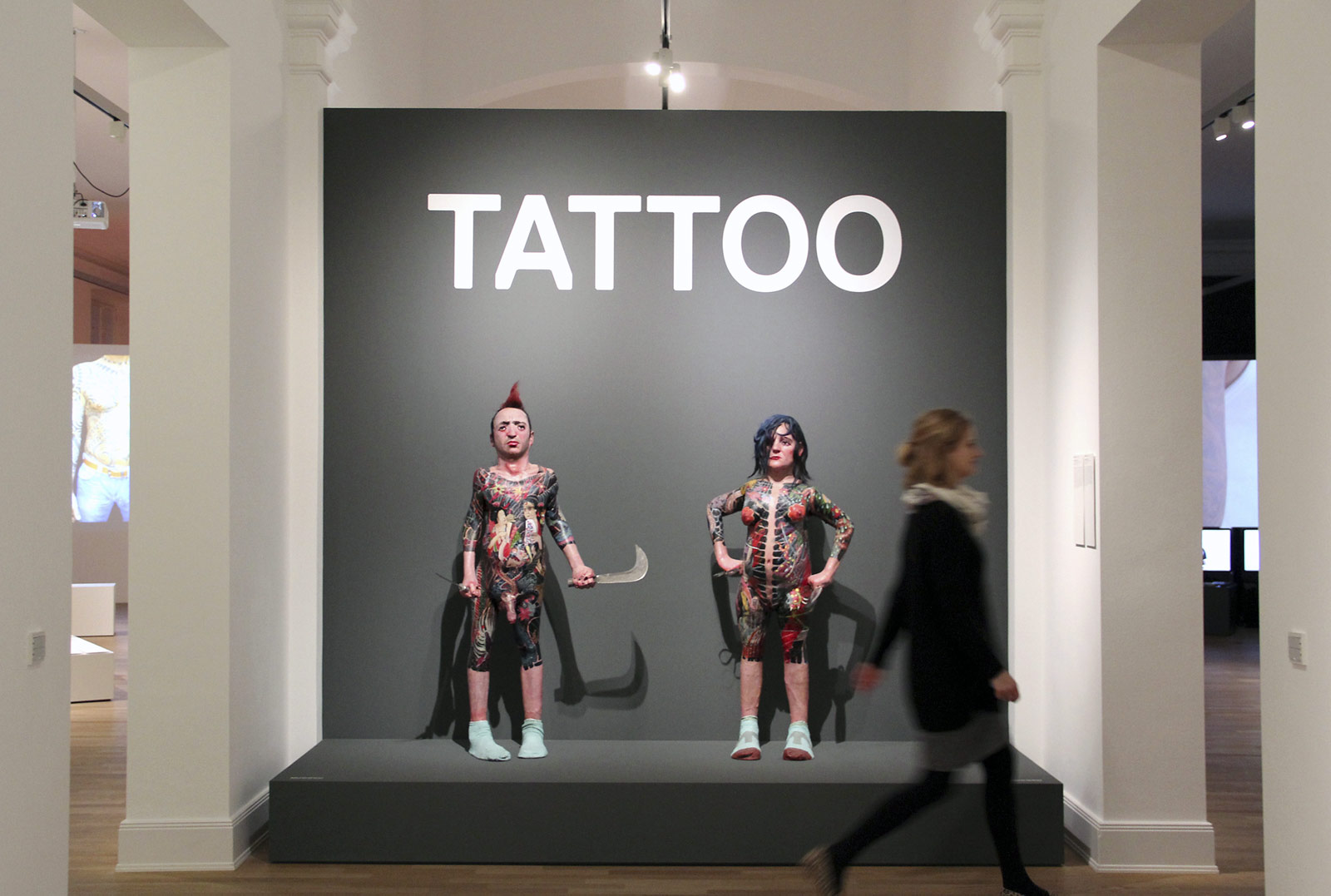
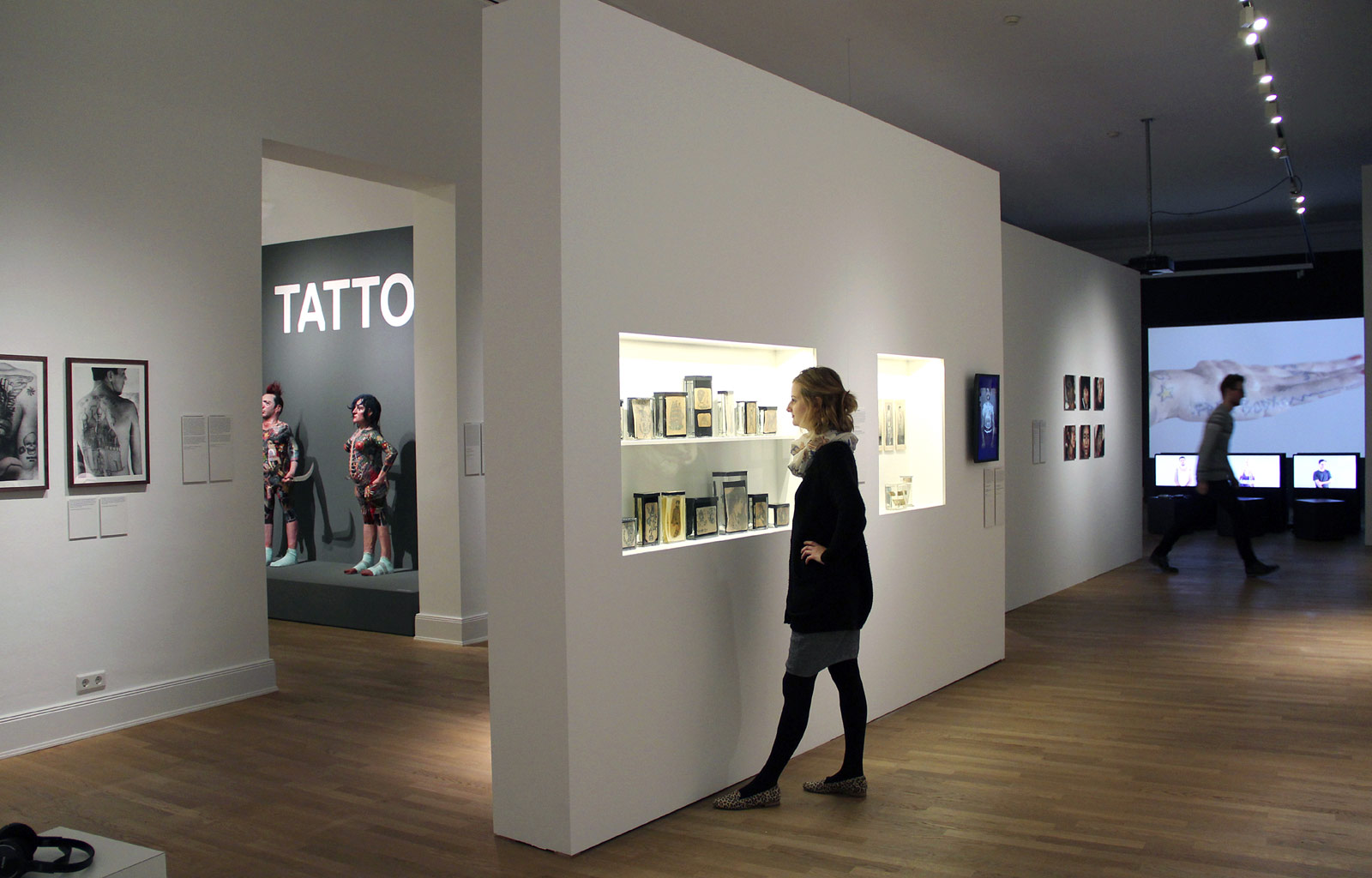


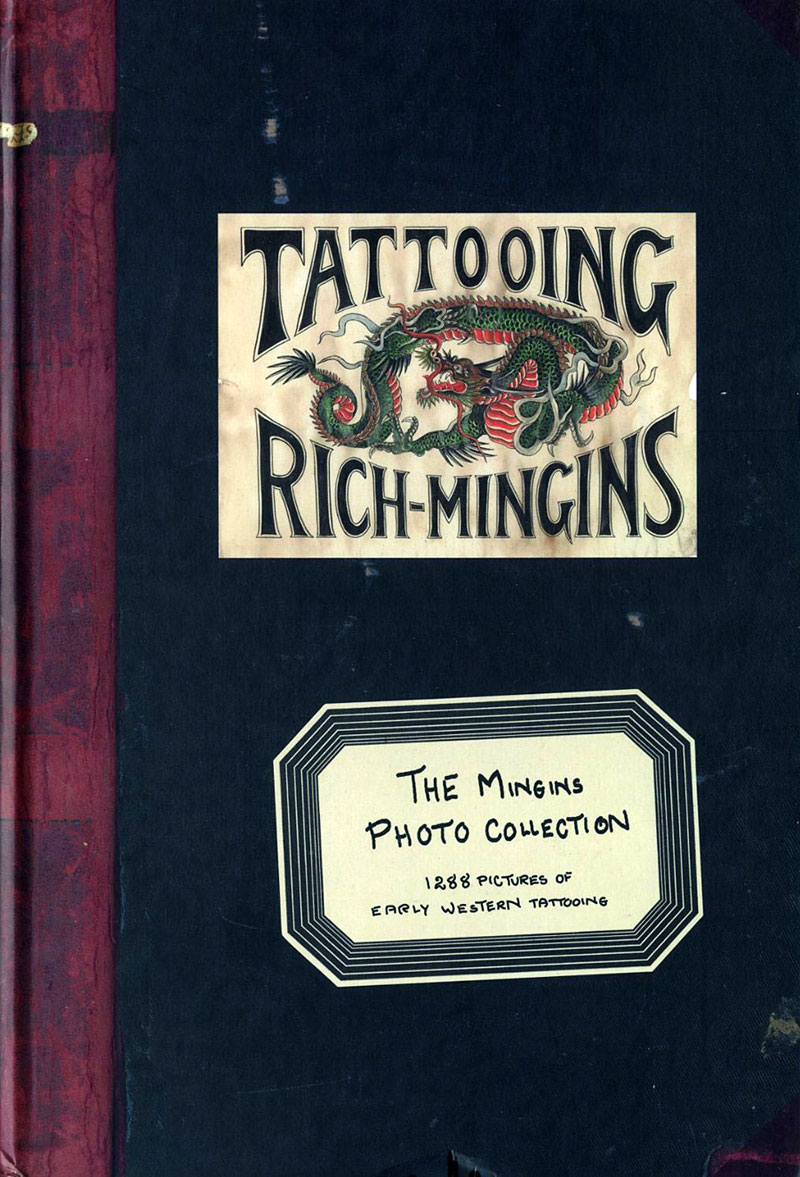


![Cindy Ray (Bev Robinson) (Australian, 1942-2025) 'Untitled [Self-portrait]' Nd](https://artblart.com/wp-content/uploads/2015/03/cindy-ray-web.jpg "Cindy Ray (Bev Robinson) (Australian, 1942-2025) 'Untitled [Self-portrait]' Nd")








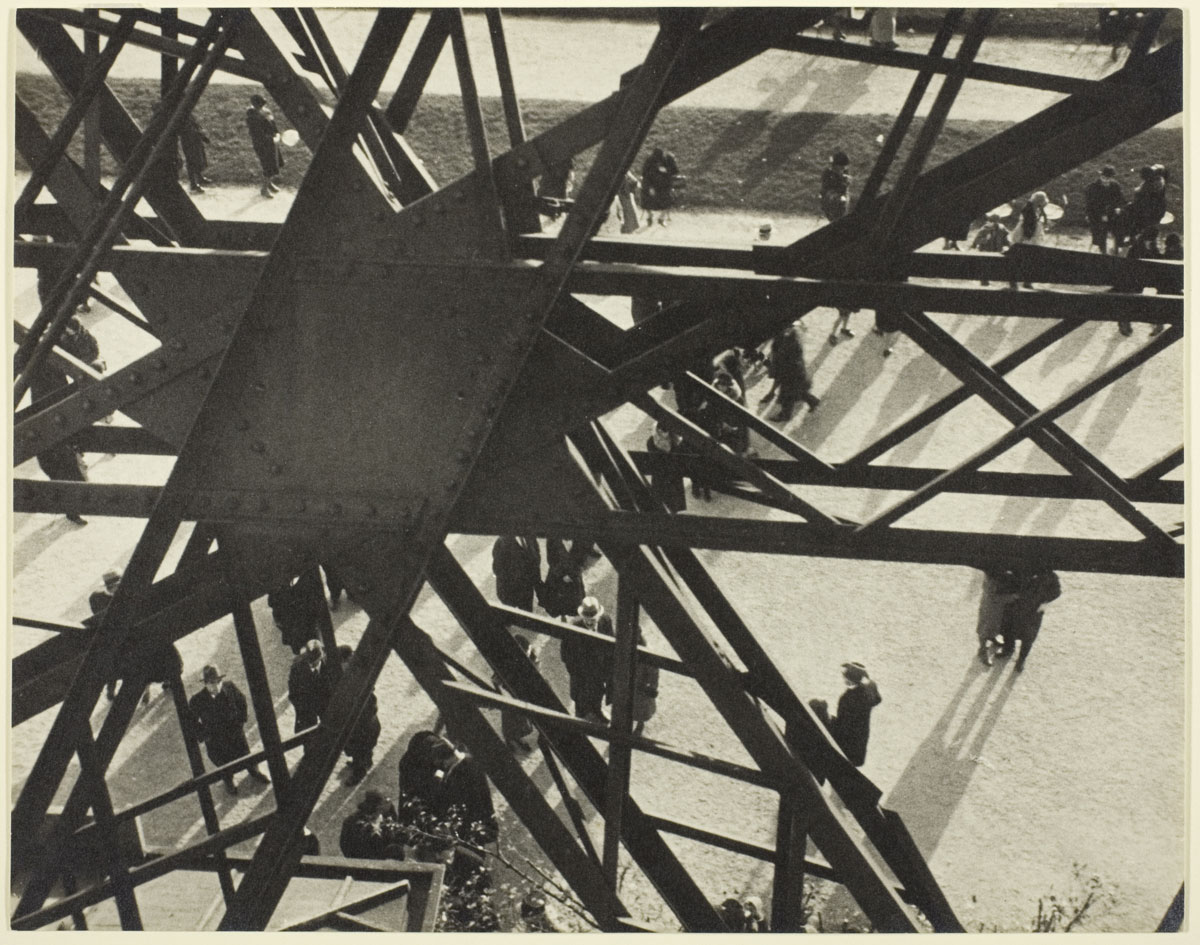





![Stanisław Ignacy Witkiewicz (Polish, 1885-1939) 'Self-Portrait, Zakopane [Broken Glass]' 1910](https://artblart.com/wp-content/uploads/2015/03/witkiewicz_self-portrait-zakopane-web.jpg "Stanisław Ignacy Witkiewicz (Polish, 1885-1939) 'Self-Portrait, Zakopane [Broken Glass]' 1910")










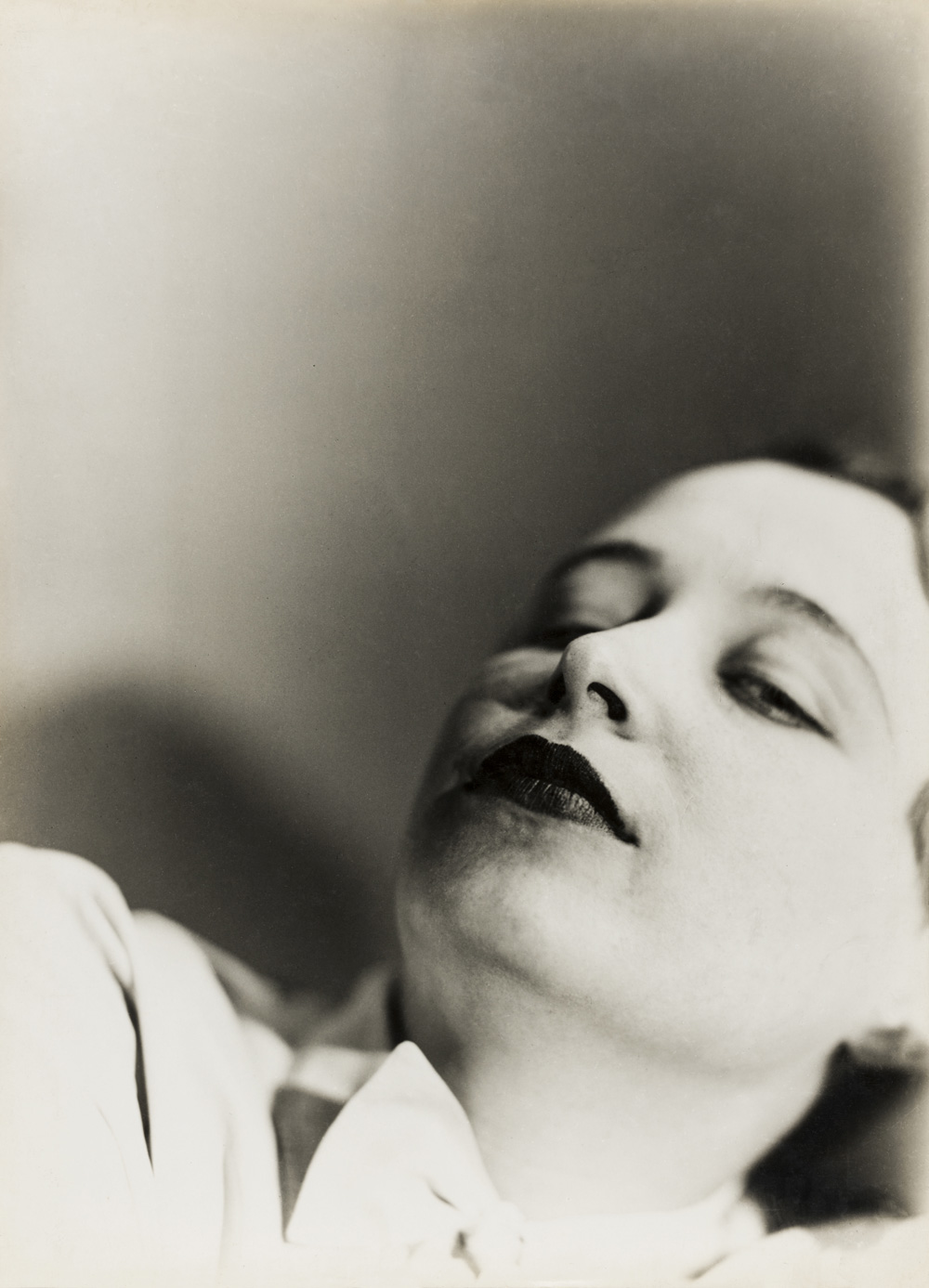




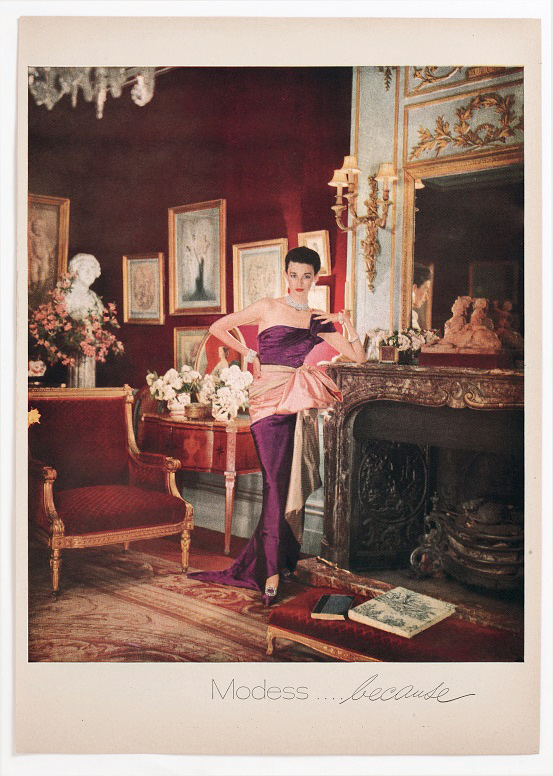
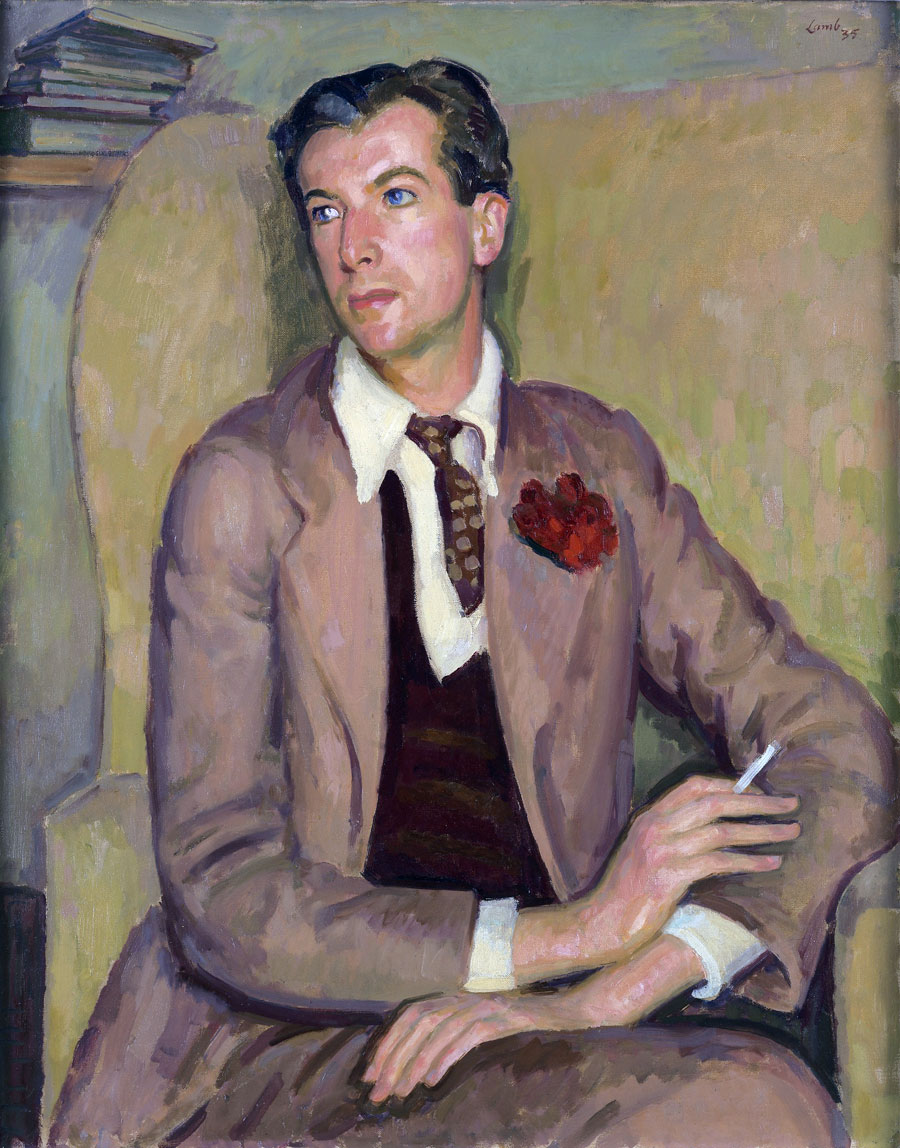
![Giacomo Balla (Italian, 1871-1958) 'The Hand of the Violinist (The Rhythms of the Bow)' (La mano del violinista [I ritmi dell’archetto]) 1912 from the exhibition 'Italian Futurism, 1909-1944: Reconstructing the Universe' at the Solomon R. Guggenheim Museum, New York, February - September, 2014](https://artblart.com/wp-content/uploads/2014/08/01_balla_handoftheviolinist-web.jpg "Giacomo Balla (Italian, 1871-1958) 'The Hand of the Violinist (The Rhythms of the Bow)' (La mano del violinista [I ritmi dell’archetto]) 1912 from the exhibition 'Italian Futurism, 1909-1944: Reconstructing the Universe' at the Solomon R. Guggenheim Museum, New York, February - September, 2014")


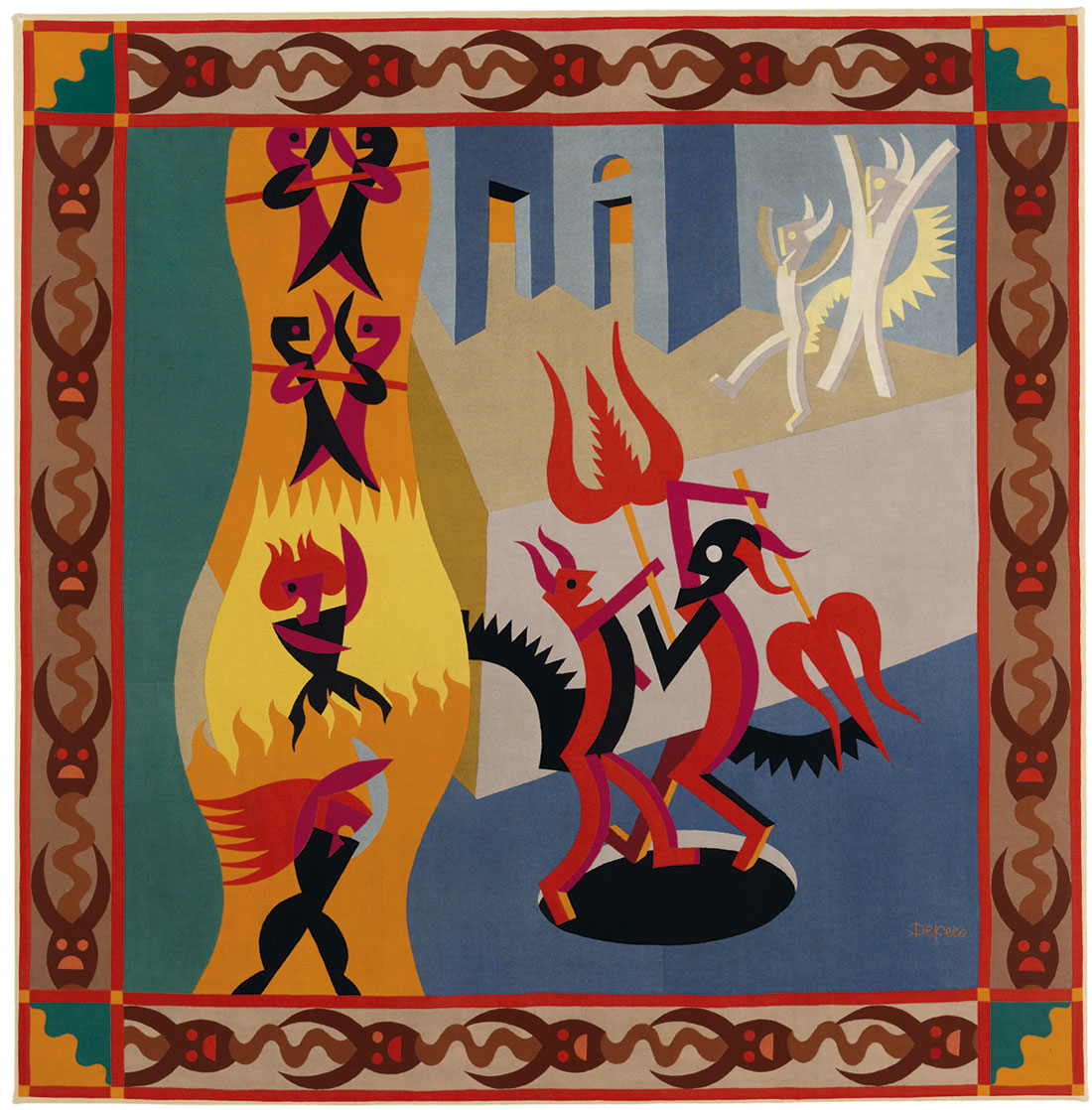


 Art Blart _ art and cultural memory archive
You must be logged in to post a comment.