Fredrick White (Australian) Before The After 2010 Steel 220 x 105 x 95cm
Another beautiful sculpture by Australian sculptor Fredrick White that will be appearing in the Montalto Sculpture Prize that opens this weekend at 33 Shoreham Road, Red Hill South, Victoria and continues until 1st May, 2011. The work has great presence and continues the artist’s exploration into the matrix of what is seen and not seen, what lies above and below. Please click on the photographs for a larger version of the image.
Dr Marcus Bunyan
Please click on the photographs for a larger version of the image.
Fredrick White (Australian) Before The After 2010 Steel 220 x 105 x 95cm
Exhibition dates: 14th September 2010 – 23rd January, 2011
Many thankx to The J. Paul Getty Museum for allowing me to publish the photographs in the posting. Please click on the photographs for a larger version of the image.
Thomas Richard Williams (English, 1824-1871) The Sands of Time 1850-1852 Stereo-daguerreotype The J. Paul Getty Museum, Los Angeles
This daguerreotype stereograph image by Thomas Richard Williams is a still life memento mori composition. An assemblage of a human skull, an hourglass with the sand running out, an extended compass, and a book abandoned mid-read with eyeglasses placed upside down on the page, the image evokes the temporary nature of mortal life and the inevitability of death. The objects also refer to intellectual pursuits and to the inevitable triumph of the soul over the mind.
Armand-Pierre Séguier (French, 1803-1876) Still Life with Plaster Casts 1839-1842 Daguerreotype 8 x 6 in. The J. Paul Getty Museum, Los Angeles
Baron Séguier was part of a small circle of amateurs that surrounded Jacques-Louis-Mandé Daguerre. Daguerre invented the daguerreotype, the process announced to the world in 1839 that produces highly detailed positive images on silver-coated copper plates. Some of the first successful daguerreotypes depicted arrangements of small-scale plaster copies of sculpture. The exceptionally long exposure times precluded the use of living models, a problem that would not be resolved until about 1841.
Louis-Rémy Robert (French, 1811-1882) [Still Life with Statuette and Vases] Negative 1855; print 1870s Carbon print 32.4 × 26.2cm (12 3/4 × 10 5/16 in.) The J. Paul Getty Museum, Los Angeles
Roger Fenton (English, 1819-1869) [Still Life with Game and Gun] About 1859 Albumen silver print 19.8 × 17.6cm (7 13/16 × 6 15/16 in) The J. Paul Getty Museum, Los Angeles
Charles Aubry (French, 1811-1877) [An Arrangement of Tobacco Leaves and Grass] about 1864 Albumen silver print Image: 47 x 37.3cm (18 1/2 x 14 11/16 in.) The J. Paul Getty Museum, Los Angeles
After working as a designer of patterns for carpets, fabrics, and wallpapers, Aubry formed a company to manufacture plaster casts and make photographs of plants and flowers. His detailed prints of natural forms were intended to replace the lithographs traditionally used by students of industrial design. This close-up of a delicate arrangement of leaves and grasses on a lace-covered background appears as if a slight movement of air could disturb it.
Eadweard J. Muybridge (American born England, 1830-1904) The Attitudes of Animals in Motion Negative 1878-1879; print 1881 Iron salt process Closed: 19.5 × 24.7 × 3.1cm (7 11/16 × 9 3/4 × 1 1/4 in.) The J. Paul Getty Museum, Los Angeles
“… A photograph is made by one of the 24 cameras at every 12 inches of progress, made by the animal during a single stride. The length of each stride may be calculated by the line of consecutive numbers arranged parallel with the track, a number being placed every 12 inches of distance.”
~ Eadweard J. Muybridge
The possibility for moving pictures originated from a rich man’s bet: whether or not a galloping horse ever had all four feet off the ground at any time during its stride. Because the unaided eye cannot see such an instantaneous event, Leland Stanford hired Eadweard Muybridge to photograph his racehorse, Occidental. After Muybridge produced the proof to win the bet, he continued his motion experiments and documented them in this album. He wrote the above passage on the album’s first page, describing his methodical approach of rigging twenty-four cameras with electromagnetic shutters – tripped by wires as an animal ran across a track.
Photographs of the cameras show how wires were attached to modified lens shutters; others depict the racetrack, where a long shed with the battery of cameras faced a track with a wall behind to silhouette subjects. Most pages depict animals and humans walking, running, and jumping before the cameras. Muybridge later devised the zoopraxiscope, a rotating device that animated sequences of images.
Frederick H. Hollyer (English, 1837-1933) Lilies About 1885 Platinum print 33.7 × 19.1cm (13 1/4 × 7 1/2 in) The J. Paul Getty Museum, Los Angeles
Baron Adolf De Meyer (American, 1868-1949) Glass and Shadows 1905 Photogravure Image: 8 3/4 x 6 9/16 in The J. Paul Getty Museum, Los Angeles
During the first decade of the 20th century, photographers such as De Meyer and Heinrich Kühn helped advance the idea that photography should emulate other forms of art. Here De Meyer photographed several glass objects through a scrim. The thin woven fabric softens the backlit objects, replicating the subtle tonal effects prized in etchings by artists from Rembrandt Harmensz van Rijn to James McNeill Whistler.
Heinrich Kühn (Austrian born Germany, 1866-1944) [Tea Still-life, Version III] 1907 Platinum print 27.5 × 37.8cm (10 13/16 × 14 7/8 in.) The J. Paul Getty Museum, Los Angeles
The J. Paul Getty Museum presents In Focus: Still Life, a survey of some of the innovative ways photographers have explored and refreshed this traditional genre, on view at the Getty Center in the Center for Photographs from September 14, 2010 – January 23, 2011.
“Still life photography has served as both a conventional and an experimental form during periods of significant aesthetic and technological change,” said Paul Martineau, assistant curator, Department of Photographs, the J. Paul Getty Museum, and curator of the exhibition. “One of our goals for the exhibition was to show how still life photographs can be both traditional and surprising.”
With its roots in antiquity, the term “still life” is derived from the Dutch word stilleven, coined during the 17th century, when painted examples enjoyed immense popularity throughout Europe. The impetus for a new term came as artists created compositions of increasing complexity, bringing together a greater variety of objects to communicate allegorical meanings. Still life featured prominently in the early experiments of the pioneers of the photographic medium and, more than 170 years later, it continues to be a significant motif for contemporary photographers.
Drawn exclusively from the Museum’s collection, the exhibition includes photographs by Charles Aubry, Henry Bailey, Hans Bellmer, Jo Ann Callis, Sharon Core, Baron Adolf De Meyer, Walker Evans, Roger Fenton, Frederick H. Hollyer, Heinrich Kühn, Sigmar Polke, Man Ray, Albert Renger-Patzsch, Paul Outerbridge, Louis-Rémy Robert, Baron Armand-Pierre Séguier, Paul Strand, Josef Sudek, and Thomas R. Williams.
The exhibition is arranged chronologically and includes a broad range of photographic processes, from daguerreotypes and albumen silver prints made in the 19th century to gelatin silver prints, and cibachrome prints made in the 20th century, to digital prints from the 21st century.
Newly acquired works will be on display for the first time: Still Life with Triangle and Red Eraser (1985) by American Irving Penn, Lorikeet with Green Cloth (2006) by Australian Marian Drew, and Blow Up: Untitled 15 (2007) by Israeli Ori Gersht (Gersht loosely based his Blow Up series on traditional floral still life paintings. His arrangements of flowers are frozen and then detonated. The explosion is captured using synchronised digital cameras, with the fragmentary detritus caught in remarkable detail. This diptych (pair) belies the notion of still life as something motionless as it explores the relationships among painting and photography, art and science, and creation and destruction.)
For Bowl with Sugar Cubes, photographer André Kertész created a still life out of a simple bowl, spoon, and sugar cubes, demonstrating the photographer’s interest in the compositional possibilities of layering basic geometric forms on top of one another – three rectangles in a circle (sugar cubes and bowl) and a circle in a square (bowl and the cropped printing paper). A visual sophistication is achieved through his adroit use of simple objects and dramatic lighting.
Other selections from In Focus: Still Life include Edward Weston’s Bananas and Orange, which depicts a symmetrical fan of bananas punctuated by one oddly shaped orange, and Frederick Sommer’s The Anatomy of a Chicken, which uses the discarded parts of a chicken to create a visual commentary. Influenced by Surrealism, Sommer embraced unexpected juxtapositions and literary allusions to express his intellectual and philosophical ideas. In Anatomy of a Chicken, a severed head, three sunken eyes, and eviscerated organs glisten on a white board. Evoking biblical imagery, medieval grotesques, and heraldic emblems, Sommer calls on the viewer to consider the endless cycle of birth and death, the cruel reality of the food chain, and man’s role in this violence.
In Focus: Still Life will be the seventh installation of the ongoing In Focus series of exhibitions, thematic presentations of photographs from the Getty’s permanent collection. Previous exhibitions focused on The Nude, The Landscape, The Portrait, Making a Scene (staged photographs), The Worker, and most recently, Tasteful Pictures.“
Press release from The J. Paul Getty Museum website
“The photographer’s problem is to see clearly the limitations and at the same time the potential qualities of his medium, for it is precisely here that honesty no less than intensity of vision is the prerequisite of a living expression. This means a real respect for the thing in front of him expressed in terms of chiaroscuro… “
So wrote Paul Strand two years before he made this negative of a black bottle sitting in a white sink. Through the manipulation of light and dark tones, Strand transformed this ordinary subject matter. The four overflow drain holes become graphic markings in the upper left, while the muted grey shadow cast by the bottle assumes an almost-human form against the porcelain. The diagonals of light that illuminate the scene appear like radiant beams.
“We still don’t sufficiently appreciate the opportunity to capture the magic of material things. The structure of wood, stone, and metal can be shown with a perfection beyond the means of painting… To do justice to modern technology’s rigid linear structure… only photography is capable of that.”
So wrote Albert Renger-Patzsch in 1927 about the camera’s innate ability to depict the Industrial Age. Here he studied the materials of identically shaped, finished wooden handles and industrially produced steel heads, while also representing the flatirons as an army of tools standing at attention like bowling pins. Renger-Patzsch’s photograph celebrates the beauty of the commonplace object.
Remarkable for its starkness, this photograph of a brittle castor bean leaf appeared with four others by Man Ray in the October 1943 issue of Minicam Photography. In his caption for the image, Man Ray wrote with uncharacteristic poignancy of the knowledge that “the dying leaf would be completely gone tomorrow.” It is tempting to interpret the melancholy sentiment of the work in terms of the artist’s growing discontent concerning his lack of recognition and financial success in Los Angeles and his fear that the work he left behind in France might be destroyed during the war.
Here, Man Ray applies an avant garde sensibility to the tradition of memento mori.
Cosindas was among the first photographers to embrace the potential of Polaroid colour film during the early 1960s. She varied her use of camera filters, exposure times, lighting temperature, and development times to achieve portraits and still lifes that resemble paintings in their vibrant use of colour.
For Asparagus Still Life I, Cosindas created an elaborate assemblage of fruits, vegetables, flowers, and vessels to evoke the luxurious bounty of 17th-century Dutch banquet paintings.
Irving Penn (American, 1917-2009) Still Life with Triangle and Red Eraser, New York, 1985 1985 Dye-bleach print Image: 22 3/4 x 18 1/8 in (57.8 x 46cm) The J. Paul Getty Museum, Los Angeles
Still life derives from the Dutch word stilleven, coined in the 17th century when paintings of objects enjoyed immense popularity throughout Europe. The impetus for this term came as artists created compositions of greater complexity, bringing together a wider variety of objects to communicate allegorical meanings.
Still life has come to serve, like landscape or portraiture, as a category within art. Although it typically refers to depictions of inanimate things, because it incorporates a vast array of influences from different cultures and periods in history, it has always resisted precise definition.
This exhibition presents some of the innovative ways photographers have explored and refreshed this traditional genre. During the 19th century, still life photographs tended to resemble still life paintings, with similar subjects and arrangements. Beginning in the 20th century, still life photographs have mirrored the subjects and styles that have more broadly concerned photographers in their time.
A New Medium
Still life featured prominently in the experiments of photography inventors Jacques-Louis-Mandé Daguerre and William Henry Fox Talbot. They did this in part, for practical reasons: the exceptionally long exposure times of their processes precluded the use of living models.
In the late 1830s, Baron Armand-Pierre Séguier, a close associate of Daguerre, created this elegant daguerreotype that features small-scale copies of famous sculptures in the Louvre and Uffizi museum collections.
In the mid-1800s, Charles Aubry was an accomplished practitioner of still-life photography who came to the medium by way of his professional interest in applied arts and industrial design. After working as a pattern designer for carpets, fabrics, and wallpapers, he formed a company to manufacture plaster casts and make photographs of plants and flowers.
Aubrey’s detailed prints of natural forms – like this close-up of plants on a lace-covered background – were intended to replace lithographs traditionally used by students of industrial design.
Photography as Art
By the first decade of the 20th century, art photographers like Baron Adolf de Meyer employed soft-focus lenses and painterly darkroom techniques to make photographs that resembled drawings and prints. The vogue at the time was to produce images that reflected a handcrafted approach, while asserting photography as an art medium in its own right.
Here, De Meyer photographed an arrangement of objects through a scrim. The pattern of thin, woven fabric softens the backlit objects and helps replicate the subtle tonal effects prized in etchings and aquatints.
Modernism
Several decades into the twentieth-century, the American artist Man Ray emerged as a pioneer of two European art movements, Dada and Surrealism, in which the element of surprise figured prominently. This image seems both unusual for Man Ray in its apparent straight-forward approach, but also typical in its somewhat dark emotional tone.
By selecting a dead leaf with a claw-like appearance and photographing it against a wood-grain board, Man Ray updated the concept of memento mori (“remember that you must die”), a motif popular in centuries-old still-life paintings.
New Directions
In that same vein, the best contemporary still-life photographs recall past styles of art while containing a paradox relevant to today. Contemporary photographer Sharon Core became known for re-creations of painter Wayne Thiebaud’s pop-art dessert tableaux. Her series of still-life compositions, inspired by the 18th-century American painter Raphaelle Peale, followed.
For this series, entitled Early American, Core studied the compositional structure of his paintings, replicated the mood of the lighting, and when she couldn’t find the right vegetables and flowers, grew her own from heirloom seeds.
The stilled lives of objects have served so well as both experimental and conventional forms in the past, that still life may well be the anchor that allows photographers to explore new and yet unimagined depths.
Anonymous. “In Focus: Still Life,” from the J. Paul Getty Museum website [Online] Cited 02/01/2020
Simultaneous with his work on shells and nudes, Edward Weston began photographing bananas, gourds, and other still-life subjects. He was staying close to his studio in 1927, partly because he found his growing Los Angeles surroundings unappealing and partly to be available for portrait commissions. But he also realised during this time that art could be modern without depicting industrial themes. As he wrote in his daybook, “Are not shells, bodies, clouds as much of today as machines? Does it make any difference what subject matter is used to express a feeling toward life!.”
In 1928 Weston moved to San Francisco and opened a portrait studio with his son Brett (1911-1993), who had chosen to become a photographer himself. In December of that year the two packed up and moved to Carmel, a small town along the coast with a significant population of artists. It was there that Weston began focusing attention on peppers, which he typically ate after photographing them. Those who followed his output commonly saw sexual content in his still-life compositions, although he repeatedly denied having directly intended such allusions. He resented those who pigeonholed his work in this way, calling them “the sexually unemployed belching gaseous irrelevancies from an undigested Freudian ferment!” He wrote in his daybook that he photographed peppers because “of the endless variety in form manifestations, because of their extraordinary surface texture, because of the power, the force suggested in their amazing convolutions!” At the same time, however, Weston was aware that the simplified, heightened reality of his presentations, whether they be of nudes, vegetables, fruits, or his later dunes, could conjure up other associations. He was keenly interested in the idea that “all basic forms are so closely related as to be visually equivalent!”
Weston’s work during the late 1920s and early 1930s was well received. Arthur Millier, an avant-garde critic, reviewed it frequently in the Los Angeles Times, and it was exhibited in modern art galleries in Los Angeles, San Francisco, and Carmel.
While living in Paris as a young photographer during the 1920s, Kertész became intrigued by still life, a motif that he continually returned to throughout his long career. Bowl with Sugar Cubes demonstrates his interest in the compositional possibilities of layering basic geometric forms on top of one another – three rectangles in a circle (sugar cubes and a bowl) and a circle in a square (the bowl and the cropped printing paper). Visual sophistication is achieved through his adroit use of simple objects and dramatic lighting.
Drew’s tabletop still life compositions feature fruits, vegetables, and dead animals and birds presented as game. While the unusual angles and lustrous colours bring to mind paintings by Paul Cézanne, the richness of the fabrics and dramatic lighting look back to 17th-century examples. Road kill gives Drew’s photographs a dynamic twist that calls into question mankind’s stewardship of the earth and its creatures.
Core studied the compositional structure and lighting of still life paintings by Raphaelle Peale for a series of photographs she titled Early American. When she found it difficult to find vegetables that looked like the examples in Peale’s paintings, she grew her own from heirloom seeds. Core’s methodical approach yields compositions that hover between past and present.
The J. Paul Getty Museum 1200 Getty Center Drive Los Angeles, California 90049
Here’s my pick of the eleven best exhibitions in Melbourne for 2010 that featured on the Art Blart: art and cultural memory archive (in no particular order). Enjoy!
Marcus
1/ Jenny Holzer at The Australian Centre for Contemporary Art (ACCA)
Jenny Holzer (American, b. 1950) Right Hand (Palm Rolled) 2007 Oil on linen 80 x 62 in (203.2 x 157.5cm) Text: U.S. government document
The reason that you must visit this exhibition is the last body of work. Working with declassified documents that relate to the wars in Iraq and Afghanistan Holzer’s Redaction paintings address the elemental force that is man’s (in)humanity to man (in the study of literature, redaction is a form of editing in which multiple source texts are combined (redacted) and subjected to minor alteration to make them into a single work) … I left the exhibition feeling shell-shocked after experiencing intimacy with an evil that leaves few traces. In the consciences of the perpetrators? In the hearts of the living! Oh, how I wish to see the day when the human race will truly evolve beyond. We live in hope and the work of Jenny Holzer reminds us to be vigilant, to speak out, to have courage in the face of the unconscionable.
2/ ‘Pondlurking’ by Tom Moore at Helen Gory Galerie, Prahran
This exhibition produced in me an elation, a sense of exalted happiness, a smile on my dial that was with me the rest of the day. The installation features elegantly naive cardboard cityscape dioramas teeming with wondrous, whimsical mythological animals that traverse pond and undulating road. This bestiary of animals, minerals and vegetables (bestiaries were made popular in the Middle Ages in illustrated volumes that described various animals, birds and even rocks) is totally delightful … What really stands out is the presence of these objects, their joyousness. The technical and conceptual never get in the way of good art. The Surrealist imagining of a new world order (the destruction of traditional taxonomies) takes place while balanced on one foot. The morphogenesis of these creatures, as they build one upon another, turns the world upside down … Through their metamorphosed presence in a carnivalesque world that is both weird and the wonderful, Moore’s creatures invite us to look at ourselves and our landscape more kindly, more openly and with a greater generosity of spirit.
Tom Moore (Australian, b. 1971) Birdboat with passenger with a vengeance (left) and Robot Island (right) 2010 and 2009
3/ ‘Safety Zone’ by John Young at Anna Schwartz Gallery
What can one say about work that is so confronting, poignant and beautiful – except to say that it is almost unbearable to look at this work without being emotionally charged, to wonder at the vicissitudes of human life, of events beyond one’s control.
The exhibition tells the story of the massacre of 300,000 people in the city of Nanjing in Jiangsu, China by Japanese troops in December, 1937 in what was to become known as the Nanjing Massacre. It also tells the story of a group of foreigners led by German businessman John Rabe and American missionary Minnie Vautrin who set up a “safety zone” to protect the lives of at least 250,000 Chinese citizens. The work is conceptually and aesthetically well resolved, the layering within the work creating a holistic narrative that engulfs and enfolds the viewer – holding them in the shock of brutality, the poignancy of poetry and the (non)sublimation of the human spirit to the will of others.
Simply, this is the best exhibition that I have seen in Melbourne so far this year.
John Young (Australian, b. 1956) Flower Market (Nanjing 1936) #1 2010 digital print and oil on Belgian linen 240 x 331cm image courtesy of the artist and Anna Schwartz Gallery
John Young (Australian, b. 1956) Safety Zone 2010 60 works, digital prints on photographic paper and chalk on blackboard-painted archival cotton paper Installation shot, Anna Schwartz Gallery, Melbourne Image courtesy of the artist and Anna Schwartz Gallery
Kiko Gianocca (Swiss, b. 1974) Man & dog Found image, resin, silver 2009
A beautiful exhibition of objects by Swiss/Italian artist Kiko Gianocca at Gallery Funaki, Melbourne, one full of delicate resonances and remembrances.
Glass vessels with internal funnels filled with the gold detritus of disassembled objects, found pendants: Horse, Anchor, Four leaf clover, Swan, Hammer & sickle … Brooches of gloss and matt black resin plates. On the reverse images exposed like a photographic plate, found images solidified in resin.
The front: the depths of the universe, navigating the dazzling darkness The back: memories, forgotten, then remade, worn like a secret against the beating chest. Only the wearer knows!
As Kiki Gianocca asks, “I am not sure if I grasp the memories that sometimes come to mind. I start to think they hold me instead of me holding them.”
The photographs invite us to share not only the mapping of the surface of the skin and the mapping of place and identity but the sharing of inner light, the light of the imaginary as well – and in this observation the images become unstable, open to reinterpretation. The distance between viewer and subject is transcended through an innate understanding of inner and outer light. The photographs seduce, meaning, literally, to be led astray … I found myself looking at the photographs again and again for small nuances, the detail of hairs on the head, the imagining of what the person was thinking about with their eyes closed: their future, their fears, their hopes, the ‘active imagination as a means to visualise sustainable futures’ (Orr, 2010) …
In the imagination of the darkness that lies behind these children’s closed eyes is the commonality of all places, a shared humanity of memory, of dreams. These photographs testify to our presence and ask us to decide how we feel about our life, our place and the relation to that (un)placeness where we must all, eventually, return.
Jill Orr (Australian, b. 1952) Jacinta 2009
6/ ‘AND THEN…’ by Ian Burns at Anna Schwartz Gallery
These are such fun assemblages, the created mis en scenes so magical and hilarious, guffaw inducing even, that they are entirely delightful.
There is so much to like here – the inventiveness, the freshness of the work, the insight into the use of images in contemporary culture. Still photographs of this work do not do it justice. I came away from the gallery uplifted, smiling, happy – and that is a wonderful thing to happen.
Ian Burns (Australian, b. 1964) 15 hours v.4 2010 Found object kinetic sculpture, live video and audio Image courtesy the artist and Anna Schwartz Gallery
Julia deVille (Australian, b. 1982) Nevermore 2010
This is an excellent exhibition by Julia deVille at Sophie Gannon Gallery in Richmond … This exhibition shows a commendable sense of restraint, a beautiful rise and fall in the work as you walk around the gallery space with the exhibits displayed on different types and heights of stand and a greater thematic development of the conceptual ideas within the work. There are some exquisite pieces.
In these pieces there is a simplification of the noise of the earlier works and in this simplification a conversant intensification of the layering of the conceptual ideas. Playful and witty the layers can be peeled back to reveal the poetry of de Sade, the stories of Greek mythology and the amplification of life force that is at the heart of these works. Good stuff.
Quiet, precise works. Forms of insect-like legs and proboscises. They balance, seeming to almost teeter on the edge – but the objects are incredibly grounded at the same time. As you walk into the darkened gallery and observe these creatures you feel this pull – lightness and weight. Fantastic!
And so it came to pass in silence, for these works are still, quiet and have a quality of the presence of the inexpressible. Funaki achieves these incredible silences through being true to her self and her style through an expression of her endearing will. While Mari may no longer be amongst us as expressions of her will the silences of these objects will be forever with us.
When looking at art, one of the best experiences for me is gaining the sense that something is open before you, that wasn’t open before. I don’t mean accessible, I mean open like making a clearing in the jungle, or being able to see further up a road, or just further on. And also like an open marketplace – where there were always good trades. There is the feeling that if you put in a certain amount of honesty, then you would get something back that made some room for you in front – some room that would allow you to look forward, and maybe even walk into that space. Seeing Jerrems work gives you that feeling.
This is a superlative survey exhibition of the work of John Davis at NGV Australia, Melbourne.
In the mature work you can comment on the fish as ‘travellers’ or ‘nomads’, “a metaphor for people and the way we move around the world.” You can observe the caging, wrapping and bandaging of these fish as a metaphor for the hurt we humans impose on ourselves and the world around us. You can admire the craftsmanship and delicacy of the constructions, the use of found objects, thread, twigs, driftwood and calico and note the ironic use of bituminous paint in relation to the environment, “a sticky tar-like form of petroleum that is so thick and heavy,” of dark and brooding colour.
This is all well and true. But I have a feeling when looking at this work that here was a wise and old spirit, one who possessed knowledge and learning … a human being who attained a state of grace in his life and in his work.
11/ ‘Mortality’ at The Australian Centre for Contemporary Art (ACCA)
Fiona Tan (Indonesian, b. 1966) Tilt 2002 DVD courtesy of the artist, Frith Street Gallery London
I never usually review group exhibitions but this is an exception to the rule. I have seen this exhibition three times and every time it has grown on me, every time I have found new things to explore, to contemplate, to enjoy. It is a fabulous exhibition, sometimes uplifting, sometimes deeply moving but never less than engaging – challenging our perception of life. The exhibition proceeds chronologically from birth to death. I comment on a few of my favourite works below but the whole is really the sum of the parts: go, see and take your time to inhale these works – the effort is well rewarded. The space becomes like a dark, fetishistic sauna with it’s nooks and crannies of videos and artwork. Make sure you investigate them all!
My apologies for the paucity of reviews of local exhibitions on the archive recently. It’s not that I haven’t been going to exhibitions far from it, just that nothing has really struck me as worthy of an in depth review!
Recently I went to the new Monash University Gallery of Art (MUMA) and the opening exhibition of the gallery, CHANGE (until 18th December). This is a hotchpotch of an exhibition that showcases the “breadth and depth of the Monash University Collection, reflecting on the changing forms, circumstances and developments in contemporary art practice from the 1960s to the present day – from late modernism to our contemporary situation … the exhibition signals the potential for institutional change that MUMA’s new situation represents.” Avowing an appeal to the senses the exhibition has some interesting works, notably a large canvas by Howard Arkley, Family home – suburban exterior 1993, Daniel von Sturmer’s installation The Field Equation (2006), Mike Parr’s bloody, mesmeric performance Close the Concentration Camps (2002) that you just can’t take your eyes off and part of Tracey Moffatt’s haunting series Up In The Sky (1998), the “part” declamation leaving one unable to decipher the narrative of the work without seeing the whole series on the Roslyn Oxley9 website. This is symptomatic of the whole exhibition – somehow it doesn’t come together, one of the problems of large, non-thematically organised group exhibitions.
The spaces of the new gallery are interesting to wander through but seem a little pokey and confined. A series of smallish intersecting rooms to the left hand side of the gallery leads one around to a big gallery to the right hand side (the best space), before another small front room. Down the spine runs a narrow enclosed area with exposed trusses and ducts that is unimaginative in design and redundant as an exhibiting space. Overall the gallery feels claustrophobic being an almost hermetically sealed environment enclosed by several sliding glass doors at entry points (and yes, I do know that a gallery has to have regulated temperature, light and humidity). This is at odds with the idea of exhibiting fresh, exciting art that breathes life.
I also ventured to Anna Pappas Gallery to see the exhibition of photographic work Endless Days by Vin Ryan (until 23rd December). Nice idea but a disappointment. Featuring grided, colour-coded photographs of the physical artefacts used to plate 20 meals eaten by the Ryan family the information within the prints is almost indecipherable, the selection of plates, cups and objects so small as to become mere colour decoration. I struggled to see what the objects actually were; even in the 5 individual prints of a meal the definition of the objects was weak, the printing not up to standard. The moral of the story is this: if you are going to use the photographic medium for artwork make sure that a/ you know how to construct an image visually using the medium and b/ that you get someone who knows what they are doing to print the photographs for you if you can’t print them well yourself.
On to better things. In this posting there are some outstanding photographs: the imaginative camera angles of Moholy-Nagy (heavily influenced by Constructivism and Suprematism) where truly ground-breaking at the time. The iconic From the radio tower, Berlin (1928) is simply breathtaking in the photographs ability to flatten the pictorial landscape into abstract shape and form.
Dr Marcus Bunyan
Many thankx to Martin Gropius-Bau, Berlin for allowing me to publish the photographs in the posting. Please click on the photographs for a larger version of the image.
For Moholy-Nagy was always a theoretician and practitioner in equal measure, always wanting to be a holistic artist. He approached his work – painting, photography, commercial and industrial design, film, sculpture, scenography – from a wide variety of aspects and practised it as a radical, extreme experiment, by refusing to place his hugely differing works in any sort of aesthetic hierarchy. He also attached enormous importance to education, which is why, at the request of Walter Gropius, he worked in this field for the Bauhaus in Weimar (1923-1925) and Dessau (1925-1928). In Chicago, where he settled in 1937, he again assumed teaching duties and founded the “New Bauhaus”, which sought to realise the programmes of the German Bauhaus in the United States. Shortly afterwards he founded the Institute of Design in Chicago, where he was to remain active until his death in 1946. The institute was later incorporated in the Illinois Institute of Technology, which offers study courses to this day.
From Weimar to Chicago Moholy-Nagy retained his faith in his pedagogical ideal, which for him meant not only teaching, but the moral education of human beings. He believed in education as a means of developing all the abilities lying dormant in the students and as a means of paving the way to a “new, total human being.”
All of Moholy-Nagy’s theoretical contributions arose out of his artistic and pedagogical work. In his numerous writings he gradually presented his ideas, thus developing a complete artistic and pedagogical aesthetic. In his 1925 landmark essay “Painting, Photography, Film” he developed an aesthetic theory of light – light as a matrix of art and art as light. He applied his aesthetic theory of light not only to painting, photography and film, but also to theatrical and commercial design.
From that point on light became the foundation of Moholy-Nagy’s practical and theoretical work. For him art of whatever kind only acquired meaning when it reflected light. Painting was also reinterpreted on the basis of this criterion. Moholy-Nagy described his development as a painter as a shift away from “painting from transparency” to a painting that was free of any representational constraints and created the possibility of painting “not with colours, but with light.” This theory reached its full potential in photography and film. Etymologically, the word “photography” means “writing with light.” The artistic essence of film consists in the portrayal of “inter-related movements as revealed by light projections.” Although he was not in charge of the photography classes in the Bauhaus, it was there that he wrote Painting, Photography, Film, drawing upon his photographic experience. He invented the “photogram,” a purely light-based form of graphic representation, thus demonstrating an ability to create photographic images without a camera at the same time as the “Rayogram” was invented by Man Ray in Paris. He saw photography as a completely autonomous medium whose potential was still to be discovered. He criticised “pictoriality,” propagating an innovative, creative and productive photography. He regarded seriality as one of the main features of the practice of photography and opposed the “aura” of the one-off work in contrast to the infinite multifariousness of the photographic cliché, thus anticipating one of Walter Benjamin’s theses.
The distinction between production and reproduction is a basic theme of his art. A prominent aspect of every work is its ability to integrate the unknown. Works that only repeat or reproduce familiar relationships, are described as “reproductive,” while those that create or produce new relationships are “productive.” For Moholy-Nagy the ability of a work of art to create something new (a basic feature of Modernism) is a key criterion. He postulated for painting, photography and film a moral and aesthetic imperative – the New. Art had to confront new times and an industrial civilisation. In the systematic implementation of this thesis 1926 turned out to be the year in which his pictorial output was greater than his works in other fields, but 1927 witnessed a positive flood of photographic, scenographic, kinetic and film productions. Painting was something he never abandoned. He decided to drop the representational painting inherited from the past and to devote himself to non-representational or “pure” painting instead. The emergence of photography gave painting the perfect opportunity to free itself from all figurative or representative imperatives. Artists did not have to decide in favour of one medium or another, but should use all media to capture and master an optical creation.
Text from the Martin Gropius-Bau website [Online] Cited 26/11/2010 no longer available online
Exhibition dates: 8th October – 28th November 2010
Exhibiting artists: Charles Anderson, George Armfield, Melanie Boreham, Bureau of Inverse Technology, Aleks Danko, Tacita Dean, Sue Ford, Garry Hill, Larry Jenkins, Peter Kennedy, Anastasia Klose, Arthur Lindsay, Dora Meeson, Anna Molska, TV Moore, Tony Oursler, Neil Pardington, Giulio Paolini, Mark Richards, David Rosetzky, Anri Sala, James Shaw, Louise Short, William Strutt, Darren Sylvester, Fiona Tan, Bill Viola, Annika von Hausswolff, Mark Wallinger, Lynette Wallworth, Gillian Wearing.
Fiona Tan (Indonesia, b. 1966) Tilt 2002 DVD Courtesy of the artist, Frith Street Gallery London
“… this immersive exhibition swallows us into a kind of spiritual and philosophical lifecycle. As we weave our way through a maze-like series of darkened rooms, we encounter life’s early years, a youth filled with mischief, wonderment, possibilities and choices, and a more reflective experience of mid and later life, preceding the eventual end.”
Dan Rule in The Age
I never usually review group exhibitions but this is an exception to the rule. I have seen this exhibition three times and every time it has grown on me, every time I have found new things to explore, to contemplate, to enjoy. It is a fabulous exhibition, sometimes uplifting, sometimes deeply moving but never less than engaging – challenging our perception of life. The exhibition proceeds chronologically from birth to death. I comment on a few of my favourite works below but the whole is really the sum of the parts: go, see and take your time to inhale these works – the effort is well rewarded. The space becomes like a dark, fetishistic sauna with it’s nooks and crannies of videos and artwork. Make sure you investigate them all!
There is only one photograph by Gillian Wearing from her Album series of self portraits, Self Portrait at Three Years Old (2004, see photograph below) but what a knockout it is. An oval photograph in a bright yellow frame the photograph looks like a perfectly normal studio photograph of a toddler until you examine the eyes: wearing silicon prosthetics, Wearing confronts “the viewer with her adult gaze through the eyeholes of the toddler’s mask, Wearing plays on the rift between interior and exterior and raises a multitude of provocative questions about identity, memory, and the veracity of the photographic medium.”1
Tilt (2002, see photograph above) is a mesmeric video by Fiona Tan of a toddler strapped into a harness suspended from a cluster of white helium-filled balloons in a room with wooden floorboards. The gurgling toddler floats gently into the air before descending to the ground, the little feet scrabbling for traction before gently ascending again – the whole process is wonderful, the instance of the feet touching the ground magical, the delight of the toddler at the whole process palpable. Dan Rule sees the video as “enlivening and troubling, joyous and worrisome” and he is correct in this observation, in so far as it is the viewer that worries about what is happening to the baby, not, seemingly, the baby itself. It is our anxiety on the toddlers behalf, trying to imagine being that baby floating up into the air looking down at the floor, the imagined alienness of that experience for a baby, that drives our fear; but we need not worry for babies are held above the heads of fathers and mothers every day of the year. Fear is the adult response to the joy of innocence.
There are several photographs by Melbourne photographer Darren Sylvester in the exhibition and they are delightful in their wry take on adolescent life, girls eating KFC (If All We Have Is Each Other, Thats Ok), or pondering the loss of a first love – the pathos of a young man sitting in a traditionally furnished suburban house, reading a letter (in which presumably his first girlfriend has dumped him), surrounded by the detritus of an unfinished Subway meal (see photograph below).
An interesting work by Sue and Ben Ford, Faces (1976-1996, see photograph below) is a video that shows closely cropped faces and the differences in facial features twenty years later. The self consciousness of people when put in front of a camera is most notable, their uncomfortable looks as the camera examines them, surveys them in minute detail. The embarrassed smile, the uncertainty. It is fascinating to see the changes after twenty years.
A wonderful series 70s coloured photographs of “Sharps” by Larry Jenkins that shine a spotlight on this little recognised Melbourne youth sub-culture. These are gritty, funny, in your face photographs of young men bonding together in a tribal group wearing their tight t-shirts, ‘Conte’ stripped wool jumpers (I have a red and black one in my collection) and rat tail hair:
“Larry was the leader of the notorious street gang the “BLACKBURN SOUTH SHARPS” from 1972-1977 when the Sharpie sub-culture was at its peak and the working class suburbs of Melbourne were a tough and violent place to grow up. These photographs represent a period from 1975-1976 in Australian sub-cultural history and are one of the few photographic records of that time. Larry began taking photos at the age of 16 using a pocket camera, when he started working as an apprentice motor mechanic and spent his weekly wage developing his shots… He captured fleeting moments, candid shots and directed his teenage mates through elaborate poses set against the immediate Australian suburban backdrops.”2
Immediate and raw these photographs have an intense power for the viewer.
A personal favourite of the exhibition is Alex Danko’s installation Day In, Day Out (1991, see photograph below). Such as simple idea but so effective: a group of identical silver houses sits on the floor of the gallery and through a rotating wheel placed in front of a light on a stand, the sun rises and sets over and over again. The identical nature of the houses reminds us that we all go through the same process in life: we get up, we work (or not), we go to bed. The sun rises, the sun sets, everyday, on life. Simple, beautiful, eloquent.
Another favourite is Louise Short’s series of found colour slides of family members displayed on one of those old Kodak carrousel slide projectors. This is a mesmeric, nostalgic display of the everyday lives of family caught on film. I just couldn’t stop watching, waiting for the next slide to see what image it brought (the sound of the changing slides!), studying every nuance of environment and people, colour and space: recognition of my childhood, growing up with just such images.
Anri Sala’s video Time After Time (2003, see photograph below) is one of the most poignant works in the exhibition, almost heartbreaking to watch. A horse stands on the edge of a motorway in the near darkness, raising one of it’s feet. It is only when the lights of a passing car illuminate the animal that the viewer sees the protruding rib cage and you suddenly realise how sick the horse must be, how near death.
The film Presentation Sisters (2005, see photographs below) by English artist Tacita Dean, “shows the daily routines and rituals of the last remaining members of a small ecclesiastical community as they contemplate their journey in the spiritual after-life.” Great cinematography, lush film colours, use of shadow and space – but it is the everyday duties of the sisters, a small order of nuns in Cork, Ireland that gets you in. It is the mundanity of washing, ironing, folding, cooking and the procedures of human beings, their duties if you like – to self and each other – that become valuable. Almost like a religious ritual these acts are recognised by Dean as unique and far from the everyday. We are blessed in this life that we live.
Finally two works by Bill Viola: Unspoken (Silver & Gold) 2001 and The Passing (1991, see photographs below). Both are incredibly moving works about the angst of life, the passage of time, of death and rebirth. For me the picture of Viola’s elderly mother in a hospital bed, the sound of her rasping, laboured breath, the use of water in unexpected ways and the beauty of cars travelling at night across a road on a desert plain, their headlights in the distance seeming like atomic fireflies, energised spirits of life force, was utterly beguiling and moving. What sadness with joy in life to see these two works.
Dr Marcus Bunyan
1/ Mann, Ted. “Self-Portrait at Three Years Old,” on the Guggenheim Collection website [Online] Cited 12/11/2010 no longer available online
2/ Anon. “History,” on the Blackburn South Sharps website [Online] Cited 12/11/2010 no longer available online
Many thankx to the Melbourne International Arts Festival and the Australian Centre for Contemporary Art for allowing me to publish the photographs in the posting. Please click on the photographs for a larger version of some of the images.
“To take a photograph is to participate in another person’s mortality, vulnerability, mutability. Precisely by slicing out this moment and freezing it, all photographs testify to time’s relentless melt” Susan Sontag wrote. Gillian Wearing registers this, and revisits herself at the age of 3 through the uncanny process of entering her own body. This performance of self, created by the artist putting on a full body prosthetic mask of herself as she was professionally photographed as a child, and peering out at the viewer with her 40-something eyes is a weird sarcophagi of identity. Is Gillian still 3? Is the adult inside the one she has become, or the one who was always there? Is identity pre-determined? Perhaps she would prefer to go back there, and yet this portrait is tinged with a kind of sadness. The eyes betray too much that has passed in the adult life, not yet known by the small child.
Sue Ford (Australian, 1943-2009) and Ben Ford Faces (still) 1976-1996 Detail of 15 min b/w reversal silent film 16mm, shot on b/w reversal film
Photographer, Sue Ford, in her iconic work Faces uses the camera as a kind of mirror to register the changes that occur as we grow older. Without the sometimes pompous commentary of the filmic anthropological voice-over which narrates an imposed, meta-story, Ford allowed her straightforward, black and white, close-up images to suggest the accumulation of experience and the evolution of identity silently. In this version of the work, a video projection which brings old and newer faces together in a rolling sequence, we are able to register the passage of time in a number of ways. The face becomes a terrain of time travelled.
Sue Ford’s experimental film “Faces” consists of portraits of the artist and her friends and acquaintances. Ford filmed each subject for roughly 25 seconds, using a wind-up Bolex camera that frames their faces in close-up. Variously self-conscious, serious, amused and distracted, the camera captures every small gesture, expression and flicker of emotion on the person’s face. The result is an examination of portraiture and the performance of identity, demonstrating the artist’s interest in using the camera to capture reality, time and change.
Sue Ford (Australian, 1943-2009) and Ben Ford Faces (still) 1976-1996 Detail of 15 min b/w reversal silent film 16mm, shot on b/w reversal film
Continuing on from the Time series, in 1976 Ford created the experimental film Faces, in which she filmed portraits of herself, friends and acquaintances. Using a Bolex spring-wound clockwork camera where the film ran through the camera for approximately 25 seconds, Ford directed her subjects to behave as they liked for the duration of the portrait. The camera frames the subject’s face in close-up, steadfastly focusing on them; Memory Holloway described of the work, “While there is no acting, character is revealed by the comfort or uneasiness of the subject. Some laugh, others look romantically pensive, others blow clouds of smoke at the lens as a cover-up”[6]. By bringing an element of time into the creation of a portrait, the film both reveals a moment in that person’s subjective experience and experiments with the plasticity of time, extending and concentrating the 25-second span into a focused moment.
The photographs of Larry Jenkins deliver an authentic tribalism. Taken with his instamatic camera, the photos of his sharpie friends, hanging out, posing, wrestling and testing out their manhood, are genuine documents of their time. Belonging to this group is an important and almost primate activity. Surviving the suburbs in the 70s was an ‘us and them’ kind of universe. These were the kinds of boys you crossed the street to avoid. Their collective power, while internally tumultuous as they each try to discover their own identities, nevertheless conveys externally a tight ball of testosterone. They are one, and if you are not them, you are nothing.
Alex Danko (Australian, b. 1950) Day In, Day Out 1991
From the cradle to the grave… ACCA’s major exhibition Mortality takes us on life’s journey from the moment of lift off to the final send off, and all the bits in between. Curated by Juliana Engberg to reflect the Festival’s visual arts themes of spirituality, death and the afterlife, this transhistorical event includes metaphoric pictures and works by some of the world’s leading artists.
Exhibiting artists include:
Tacita Dean, an acclaimed British artist who works in film and drawing and has shown at Milan’s Fondazione Trussardi and at DIA Beacon, New York.
Anastasia Klose, one of Australia’s most exciting young video artists whose works also include performance and installation.
TV Moore, an Australian artist who completed his studies in Finland and the United States and who has shown extensively in Sydney, Melbourne and overseas.
Tony Oursler, a New York-based artist who works in a range of media and who has exhibited in the major institutions of New York, Paris, Cologne and Britain.
Giulio Paolini, an Italian born artist who has been a representative at both Documenta and the Venice Biennale.
David Rosetzky, a Melbourne-born artist who works predominantly in video and photographic formats and whose work has featured in numerous Australian exhibitions as well as New York, Milan and New Zealand galleries.
Louise Short, an emerging British artist who works predominately with found photographs and slides. Anri Sala, an Albanian-born artist who lives and works in Berlin. He has shown in the Berlin Biennale and the Hayward, London.
Fiona Tan, an Indonesian-born artist, who lives and works in Amsterdam. Tan works with photography and film and has shown in a number of major solo and group exhibitions, including representing the Netherlands at the 2009 Venice Biennale.
Bill Viola, one of the leaders in video and new media art who has shown widely internationally and in Australia.
Gillian Wearing, one of Britain’s most important contemporary artists and a Turner Prize winner who has exhibited extensively internationally.
Highlights of the exhibition include:
Albanian born artist Anri Sala’s acclaimed video work Time After Time, featuring a horse trapped on a Tirana motorway, repeatedly, heartbreakingly raising its hind-leg (see photograph below). Anri first came to acclaim in 1999 for his work in After the Wall, the Stockholm Modern Museum’s exhibition of art from post-communist Europe, and his work is characterised by an interest in seemingly unimportant details and slowness. Scenes are almost frozen into paintings.
Peter Kennedy’sSeven people who died the day I was born – April 18 1945, 1997-98 – a work from a series begun by the artist following the death of his father which connects individual lives with political and historical events. Kennedy’s birth in the last year of World War II and the seven people memorialised imply the multitude of others that died during this catastrophic event as well as the perpetual cycle of life.
A series of slides collected by British artist Louise Short, offering a beguiling insight into the everyday lives of everyday people accumulated as a life narrative.
Acclaimed British artist Tacita Dean’sPresentation Sisters, which shows the daily routines and rituals of the last remaining members of a small ecclesiastical community as they contemplate their journey in the spiritual after-life.
Three works from the Time series by influential Australian photographer Sue Ford, who passed away last year, will also be shown. The photographs capture the artist in various stages of her life.
Text from the ACCA website
Annika von Hausswolff (Swedish, b. 1967) Hey Buster! What Do You Know About Desire? 1995 Colour photograph Courtesy of the artist and Moderna Museet
Anri Sala (Albanian, b. 1974) Time After Time (still) 2003 Video, 5 minutes 22 seconds
Sometimes we stagger into dangerous territory. In life, some of us find ourselves on the wrong side of the track. Anri Sala’s Time After Time provides a metaphor for the unfortunate ones who have lost their way or who are marginalised or discarded. A horse has manoeuvred itself, or worse, been abandoned on the wrong side of the highway divider and is now trapped in an endless and shuddering encounter with heavy traffic. The horse visibly flinches and as viewers we are helpless to do anything to assist. It is past its prime and appears malnourished, injured and unwanted. Sala’s horse is symbolic of the scapegoat… the one sent away, or outcast in order for social cohesion to seem reinforced by its exclusion.
David Rosetzky (Australian, b. 1970) Nothing like this (still) DVD 2007 Courtesy of the artist and Sutton Gallery, Melbourne
David Rosetzky’s two videos Weekender and Nothing Like This, hyper-construct the languor of these rites of passage for introspective types. One video uses the faded colours of the 1970s Levi’s, Lee’s and Wrangler’s where-do-you-go-to-my-lovely era, through a smudgy David Hamilton Bilitis-like lens. In the other, with a postmodern crispness, Rosetzky establishes scenarios of inner intensity in which the participants narrate their disaffections and doubts. As compared to Ford’s messy, shabby and experimental aesthetic, everything in Rosetzky’s plot is sanitary. This is the synthetic age.
Rosetzky’s videos reference films like The Big Chill which pushes a group together to explore identity. In the instance of Rosetzky’s works however, action is limited and the conventional narrative eliminated in order to zero in on the heightened meditations. Devices such as mirrors refer to a kind of twenty-something narcissism; the beach is presented as a dynamic character of identity flux; time is compressed and delivered in mediated bites.
Things happen on beaches. In Australian culture, as elsewhere they are places of fun, but also menace. When I was a child, the news of the disappearance of children and adults at beaches inflicted a fear into the cultural psyche; children’s freedom was forever altered after the Beaumont Children case.
David Rosetzky (Australian, b. 1970) Nothing like this (still) DVD 2007 Courtesy of the artist and Sutton Gallery, Melbourne
Tacita Dean (British, b. 1965) Presentation Sisters (still) 2005 16 mm film courtesy of the artist, Frith Street Gallery London
Some people find solace in religion. And in this exhibition Tacita Dean’s superb film The Presentation Sisters offers a quiet reflection space. Dean emphasises the aspects of quiet devotion, internal contemplation and external dedication that define the Sisters’ spiritual and earthly existence.
In the same way Vermeer suggested spiritualism through domesticity and by using the uplift of light through windows, Dean enlists the ethereal light that travels through the lives and rooms of this small order of nuns who go about their routines and mundane tasks. Dean’s film studies light as a part of metaphysical and theological transformation. However, Dean’s film is also about a kind of Newtonian light: scientific and alchemical.
Her interest in the transformations that occur when light passes through celluloid, and when light passes through glass is a study of the beautiful refractions discovered by scientific observation and written into philosophical enquiries by writers such as Goethe and Burke. As always with Dean’s work, there are layers of encounter in the seemingly simple.
Exhibition dates: 19/20th October – 13th November 2010
Titania Henderson (Dutch, b. 1945 emigrated Australia 1956) Together II 2010 Images courtesy of the artist and Karen Woodbury Gallery
Two solid exhibitions, ceramics by Titania Henderson at Karen Woodbury Gallery and sculpture by John Nicholson at Sophie Gannon Gallery. Both exhibitions benefit from a straight forward approach to craft – elegant, refined sensibilities that are free from an overly conceptual rendering of ideas; stillness, of form in style, inhabits both bodies of work.
Contemplation is of the essence – in the beautiful, delicate, seemingly fragile shell and tubular mollusc-like bone china structures that, conversely, are physically strong; in the tonal colours of woven amoebic, disc and U-shaped constructions (the Halftone of the exhibition title referring to the loss of colour in digital printing, the longing for sumptuous analogue markings). I liked both exhibitions for the paring down of elements to essentials forming a basis for quiet reflection, a grounding in texture, colour and lightness of form.
Dr Marcus Bunyan
Many thankx to Karen Woodbury Gallery and Sophie Gannon Gallery for allowing me to publish the photographs in the posting. Please click on the photographs for a larger version of the image.
Titania Henderson (Dutch, b. 1945 emigrated Australia 1956) Silence 2010 Images courtesy of the artist and Karen Woodbury Gallery
Titania Henderson (Dutch, b. 1945 emigrated Australia 1956) Remembering 2010 Images courtesy of the artist and Karen Woodbury Gallery
Titania Henderson (Dutch, b. 1945 emigrated Australia 1956) Piled up 1 (yellow) 2009/10 Images courtesy of the artist and Karen Woodbury Gallery
Titania Henderson (Dutch, b. 1945 emigrated Australia 1956) Piled up 2 (yellow) 2009/10 Images courtesy of the artist and Karen Woodbury Gallery
Titania Henderson’s exhibition The Other presents a range of ceramic sculptural installations in pure white Bone China that convey a three-dimensional engagement. A fragility and vulnerability resonate through these poignant paper-thin configurations, bringing a sense of clarity and freedom. These hand built works challenge the conception of Bone China as a material only suited for slip casting while also incorporating the use of French Limoges. Henderson’s method involves perseverance, technical proficiency and precision, as she creates her own language of rhythmic ceramic art. There is an inherent translucent character that appeals to elements of shadow and light within the works. This new body of work is based on ideas of the human conscience and larger philosophical ideas beyond the objects themselves and beyond language.
Text from the Karen Woodbury Gallery website
John Nicholson (Australian, b. 1970) Cloudpopper 2010 Plastic 110 x 38 x 38cm Photo: Marcus Bunyan
John Nicholson (Australian, b. 1970) Scan 2010 Plastic 72 x 128cm Photo: Marcus Bunyan
John Nicholson (Australian, b. 1970) Asymmetric 2010 Plastic 29 x 70 x 29cm Photo: Marcus Bunyan
John Nicholson (Australian, b. 1970) Concept 101 2010 Plastic 35 x 46 x 40cm Photo: Marcus Bunyan
John Nicholson (Australian, b. 1970) Installation view of Halftone 2010 Photo: Marcus Bunyan
Karen Woodbury Gallery
This gallery has now closed.
Sophie Gannon Gallery 2, Albert Street Richmond, Melbourne
Marcus Bunyan (Australian, b. 1958) Missing in Action (red kenosis) No. 76 2010 Digital colour photograph
“God doesn’t give them things he doesn’t want them to use.”
Anon
“There is no glory in battle worth the blood it costs.”
Dwight D. Eisenhower
Missing in Action (red kenosis)
A body of work Missing in Action (red kenosis) 2010 is now online on my website.
There are 100 images in the series which are like variations in music with small shifts in tone and colour. Below is a selection of images, one plane and its variations from the many different planes in the series. Please click on the photographs for a larger version of the image. I hope you like the work!
Dr Marcus Bunyan
Photographs are available from this series for purchase. As a guide, a digital colour 16″ x 20″ costs $1000 plus tracked and insured shipping. For more information please see my Store web page.
Marcus Bunyan (Australian, b. 1958) Missing in Action (red kenosis) No’s. 77-88 2010 Digital colour photographs
“A face tells the story of what a person is thinking. The eyes reveal the suffering.”
Carol Jerems
Time and Truth: Looking again at the work of Carol Jerrems
This is a solid exhibition of the photographs of Carol Jerrems at Heide Museum of Modern Art, accompanied by small selections of the work of Larry Clark and William Yang and the sequence The Ballad of Sexual Dependency (1979) by Nan Goldin.
I like Jerrems work: it is strong, frontal, direct and truthful. What I dislike is the hagiography that has grown up around this artist, the mythologizing of Saint Jerrems. We don’t need a saint of Australian photography; what we need is an appreciation of the artist, the person and her legacy. While the personal history of this artist is well known – facing depression, putting herself in danger, sexually active, documenting the counter-culture sharps and skinheads and urban indigenous people, the photographing of women and her death at far too young an age – few people actually look at the photographs clearly.
Most of the photographs are 8″ x 10″ prints, mainly portraits, that are usually dark and contrasty, small and emotionally intense. Jerrems images are made full frame (the modernist conceit of filing out a negative carrier, so that if the negative was printed full frame there would be a black border around the picture) to avoid cropping in the darkroom. This shows good previsualisation by the artist, the composition of the image made at the time of the exposure. There is a closeness to the framing of the portraits and a conversant ambiguity about all of her backgrounds – mainly low depth of field, anonymous places (perhaps a brick wall or a close up of a street corner). In fact it is difficult to pin down any actual place in her photographs unless you are told in the title of the work. The contextlessness of her backgrounds allows the viewer to focus on the people placed before her lens and here Jerrems gets up close and personal, trying to capture the truth of her subjects, their soul (in this sense she is like Diane Arbus, thrusting her camera into places it was not supposed to go until something gives – the subject gives up, drops the mask, even if just for a split second, and click, the artist has their image). The mainly head and shoulders photographs of women are most impressive in this regard as Jerrems portrays the women’s strength and vulnerability as are the photographs of the artist herself in hospital fighting her debilitating illness, the most moving, emotional photographs in the exhibition.
Other photographs show constructed intimacies between people, the camera and the artist. In Esben and Dusan, Cronulla (1977, above), Jerrems uses the yin yang black, white background to frame the two protagonists, bringing forward the body of Esben in the right portion of the frame and letting Dusan recede into the darkness. In Boys (1973) two bodies are photographed in a bed, legs and arms entwined but the print is so dark that you would never know they were two boys unless you were told – and this adds to a sense of mystery, the imaging of the most beautiful, sensitive, abstract embrace. Mark Lean with Arms Crossed (1975) shows a cocky, self-assured Lean staring directly at the camera as though it were not there, as though he were conversing directly with Jerrems, the camera an extension of the artist capturing his brave-aura: one camera, one lens, one vision. If you study the contact sheet for the photograph Vale Street (1975, above), Jerrems eventually draws the central luminous figure forward in the frame to create the now iconic image while the two acolytes hover, brooding and menacing in the darkened background.
As Kathy Drayton has observed, “Her photographs engage the viewer in an intimate relationship with her subjects. It’s not always a friendly intimacy – sometimes her subjects look defensive, irritated or even menacing, but you always sense that you’re seeing beyond the mask into the soul.”1
Jerrems saw herself as a serious photographer; if something happened she felt she should be commenting on it. She was also quite naive but always pushed herself and her art into sometimes dangerous places. She would have thought ‘how do I say something that is true’ and her endeavour, which is also constructed, was seeing things in terms of opportunities for a good photograph. Jerrems removed the safeguards; she got right in there among her volatile characters, her potential sexual predators: let’s just see what happens when the safety fence goes down. Although I believe there is a lack of really good photographs that Jerrems made (what I call highlight pieces, namely the iconic Vale Street, Mozart Street, and Mark and Flappers all 1975, see photographs below) there is a consistency to her work and how it exemplifies an exchange that takes place between the artist and the world. What I would call “a good deal.”
When looking at art, one of the best experiences for me is gaining the sense that something is open before you, that wasn’t open before. I don’t mean accessible, I mean open like making a clearing in the jungle, or being able to see further up a road, or just further on. And also like an open marketplace – where there were always good trades. There is the feeling that if you put in a certain amount of honesty, then you would get something back that made some room for you in front – some room that would allow you to look forward, and maybe even walk into that space. Seeing Jerrems work gives you that feeling.
Jerrems had the power to draw themes together, to ramp up the intensity, to empower her photographs and she was possibly on the way to becoming the things that people now say she was, but her early death curtailed this journey. Her photographs have social significance and photographic integrity and evidence time in the visible – the time in which Jerrems took them, the 1970s, and the truthfulness of her self and her style. I would have loved to have seen Jerrem’s response to the film still work of Cindy Sherman, the layering of the Sherman personas and the challenge to the feminist critique. As it is Jerrems photographs are very frontal in today’s terms and, because of her early death, she lacked the opportunity to interact with the development of more complex theories. The layers present at the time are now conflated into seemingly one layer, supported by back stories and obfuscation that clouds the work – it’s naked frontality and boldness. This obfuscation formalises her legacy into mythology.
Jerrems work does not need this. She struggled with her art, to get the best out of herself and her visualisation, to step into those spaces that I mentioned earlier. What we need is an appreciation of the time of her endeavour and the truthfulness of her art. To say that the work achieved fulfilment is to deny the importance of her death.
Dr Marcus Bunyan
1/ Drayton, Kathy quoted in Wilmoth, Peter. “The ’70s stripped bare,” on The Age website. July 17th, 2005. [Online] Cited 05/10/2010
Many thankx to Jade Enge and Heide Museum of Modern Art for allowing me publish the photographs in the posting. Please click on all of the photographs for a larger version of the image.
Featuring the exceptional talent of four photographers whose images capture people, places and events with candid intimacy, Up Close traces the significant legacy of Australian photographer Carol Jerrems (1949-1980) alongside that of contemporary artists Larry Clark (USA), Nan Goldin (USA) and William Yang (Sydney). According to Guest Curator Natalie King, ‘Up Close takes its inspiration from the way each artist candidly depicts a social milieu and urban life of the 1970s and early 1980s’. Sharing an interest in sub-cultural groups and individuals on the margins of society, each artist reveals a remarkable capacity to provide an empathetic glimpse into semi-private worlds through intimate depictions of people and their surroundings.
Newly discovered prints by Jerrems are included as well as rare archival material from Jerrems’ family and previously unseen out-takes from Kathy Drayton’s documentary film, ‘Girl in the Mirror.’ It is 30 years since Jerrems’ death and 20 years since the first and only survey of her work was presented. Jerrems’ photographic practice was associated with a feminist and political imperative; as she put it: ‘the society is sick and I must help change it’. This exhibition uncovers Jerrems’ preoccupation with people and their environment, subcultures, forgotten and dispossessed groups, especially Aboriginal communities of the time.
Larry Clark unflinchingly turned the camera onto himself and his amphetamine-shooting coterie to produce Tulsa (1971), a series of photographs repeatedly cited for its raw depiction of marginalized youth. This significant publication and photographic series influenced Goldin and a generation of artists who aspired to break with the more traditional documentary modes. With its grainy shot-from-the-hip style, Tulsa exposes a world of sex, death, violence, anxiety and boredom capturing the aimlessness and ennui of teenagers.
First shown at Frank Zappa’s birthday party in 1979 at the Mudd Club in New York, Nan Goldin’s The Ballad of Sexual Dependency has evolved to be an iconic work of its time. Goldin’s snapshot aesthetic is evident in this immersive installation of close to 700 slides full of saturated colour and intimate framing accompanied by a soundtrack. Mining the emotional depths of her friends, lovers and family, Ballad signals a riveting intimacy whilst uncovering the bohemian life of New York’s Lower East Side. Goldin says, ‘I was documenting my life. It comes directly from the snapshot, which is always about love…’
William Yang’s photographs from the 1970s further the snapshot aesthetic through journeying into the intimate world of his particular social milieu: drag queens, Sydney gay and inner-city culture. Yang’s direct, unpretentious photographs provide a unique chronicle of marginalised groups especially as he put it: “… people who are gay, who were invisible, who were too scared to come out. During gay liberation people became visible, people became politicised, and there was a Mardi Gras that was a symbol of the movement.”
Up Close reveals how photographic practices provide an empathetic glimpse into semi-private worlds with close up depictions of people and their surroundings.
The accompanying publication provides for the first time an in-depth account of Carol Jerrems’ work alongside that of her peers and will feature a number of newly commissioned essays. Edited by Natalie King and co-published by Heide and Schwartz City, it will be available at the Heide Store from 31 July.”
Press release from the Heide Museum of Modern Art website
Larry Clark (American, b. 1943) No Title (Billy Mann) 1963 from the portfolio Tulsa Gelatin silver print National Gallery of Australia, Canberra Purchased 1980 Image courtesy of the artist and Luhring Augustine, New York
William Yang (Australian, b. 1943) Peter Tully, Gay & Lesbian Mardi Gras 1981 Gelatin silver print edition 2/10 40.4 x 27cm National Library of Australia Courtesy of the artist
Heide Museum of Modern Art 7 Templestowe Road, Bulleen, Victoria 3105
Opening hours: (Heide II & Heide III) Tues – Sun 10.00am – 5.00pm
“In reality, I make one work over my life, so that when it’s all finished, there are a number of parts or contributions to an overall piece, each linking to another in some way.”
John Davis, 1989
This is a superlative survey exhibition of the work of John Davis at NGV Australia, Melbourne.
In the mature work you can comment on the fish as ‘travellers’ or ‘nomads’, “a metaphor for people and the way we move around the world.” You can observe the caging, wrapping and bandaging of these fish as a metaphor for the hurt we humans impose on ourselves and the world around us. You can admire the craftsmanship and delicacy of the constructions, the use of found objects, thread, twigs, driftwood and calico and note the ironic use of bituminous paint in relation to the environment, “a sticky tar-like form of petroleum that is so thick and heavy,”1 of dark and brooding colour.
This is all well and true. But I have a feeling when looking at this work that here was a wise and old spirit, one who possessed knowledge and learning.
Since one of his last works was titled ‘Kōan’ (1999, see image below), a story “the meaning of which cannot be understood by rational thinking but may be accessible through intuition,”2 I would like to use a quotation from Carlos Castaneda and The Teachings of Don Juan as an allegorical statement about the work and, more inclusively, about the human journey to knowledge and the attaining of a state of grace in one’s life.
Although I didn’t know John Davis I have a feeling from his work that he attained such a state. Stick with the quotation for it is through this journey that we relate to ourselves and world around us. The stuff of legend.
Dr Marcus Bunyan
Many thanxk to Alison Murray, Jemma Altmeier and The National Gallery of Victoria for allowing me to publish the photographs in the posting. Please click on the photographs for a larger version of the image. There is also another John Davis exhibition in Melbourne at the moment at Arc One Gallery until 16th October 2010.
Fear, clarity, power, death
“‘When a man starts to learn, he is never clear about his objectives. His purpose is faulty; his intent is vague. He hopes for rewards that will never materialize, for he knows nothing of the hardships of learning.
‘He slowly begins to learn – bit by bit at first, then in big chunks. And his thoughts soon clash. What he learns is never what he pictured, or imagined, and so he begins to be afraid. Learning is never what one expects. Every step of learning is a new task, and the fear the man is experiencing begins to mount mercilessly, unyieldingly. His purpose becomes a battlefield.
‘And thus he has stumbled upon the first of his natural enemies : Fear! A terrible enemy – treacherous, and difficult to overcome. It remains concealed at every turn of the way, prowling, waiting. And if the man, terrified in its presence, runs away, his enemy will have put an end to his quest.’
‘What will happen to the man if he runs away in fear?’
‘Nothing happens to him except that he will never learn. He will never become a man of knowledge. He will perhaps be a bully or a harmless, scared man; at any rate, he will be a defeated man. His first enemy will have put an end to his cravings.’
‘And what can he do to overcome fear?’
‘The answer is very simple. He must not run away. He must defy his fear, and in spite of it he must take the next step in learning, and the next, and the next. He must be fully afraid, and yet he must not stop. That is the rule! And a moment will come when his first enemy retreats. The man begins to feel sure of himself. His intent becomes stronger. Learning is no longer a terrifying task.
‘When this joyful moment comes, then he can say without hesitation that he has defeated his first natural enemy.’
‘Does it happen at once, don Juan, or little by little?’
‘It happens little by little, and yet the fear is vanquished suddenly and fast.’
‘But won’t the man be afraid again if something new happens to him?’
‘No. Once a man has vanquished fear, he is free from it for the rest of his life because, instead of fear, he has acquired clarity – a clarity of mind which erases fear. By then a man knows his desires; he knows how to satisfy those desires. He can anticipate the new steps of learning, and a sharp clarity surrounds everything. The man feels that nothing is concealed.
‘And thus he has encountered his second enemy : Clarity! That clarity of mind, which is so hard to obtain, dispels fear, but also blinds.
‘It forces the man never to doubt himself. It gives him the assurance he can do anything he pleases, for he sees clearly into everything. And he is courageous because he is clear, and he stops at nothing because he is clear. But all that is a mistake; it is like something incomplete. If the man yields to this make-believe power, he has succumbed to his second enemy and will fumble with learning. He will rush when he should be patient, or he will be patient when he should rush. And he will fumble with learning until he winds up incapable of learning anything more.’
‘What becomes of a man who is defeated in that way, don Juan? Does he die as a result?’
‘No, he doesn’t die. His second enemy has just stopped him cold from trying to become a man of knowledge; instead, the man may turn into a buoyant warrior, or a clown. Yet the clarity for which he has paid so dearly will never change to darkness and fear again. He will be clear as long as he lives, but he will no longer learn, or yearn for, anything.’
‘But what does he have to do to avoid being defeated?’
‘He must do what he did with fear : he must defy his clarity and use it only to see, and wait patiently and measure carefully before taking new steps; he must think, above all, that his clarity is almost a mistake. And a moment will come when he will understand that his clarity was only a point before his eyes, And thus he will have overcome his second enemy, and will arrive at a position where nothing can harm him any more. This will not be a mistake. It will not be only a point before his eyes. It will be true power.
‘He will know at this point that the power he has been pursuing for so long is finally his. He can do with it whatever he pleases. His ally is at his command. His wish is the rule. He sees all that is around him. But he has also come across his third enemy : Power!
‘Power is the strongest of all enemies. And naturally the easiest thing to do is to give in; after all, the man is truly invincible. He commands; he begins by taking calculated risks, and ends in making rules, because he is a master.
‘A man at this stage hardly notices his third enemy closing in on him. And suddenly, without knowing, he will certainly have lost the battle. His enemy will have turned him into a cruel, capricious man.’
‘Will he lose his power?’
‘No, he will never lose his clarity or his power.’
‘What then will distinguish him from a man of knowledge?’
‘A man who is defeated by power dies without really knowing how to handle it. Power is only a burden upon his fate. Such a man has no command over himself, and cannot tell when or how to use his power.’
‘Is the defeat by any of these enemies a final defeat?’
‘Of course it is final. Once one of these enemies overpowers a man there is nothing he can do.’
‘Is it possible, for instance, that the man who is defeated by power may see his error and mend his ways?’
‘No. Once a man gives in he is through.’
‘But what if he is temporarily blinded by power, and then refuses it?’
‘That means the battle is still on. That means he is still trying to become a man of knowledge. A man is defeated only when he no longer tries, and abandons himself.’
‘But then, don Juan, it is possible that a man may abandon himself to fear for years, but finally conquer it.’
‘No, that is not true. If he gives in to fear he will never conquer it, he will shy away from learning and never try again. But if he tries to learn for years in the midst of his fear, he will eventually conquer it because he will never have really abandoned himself to it.’
‘How can he defeat his third enemy, don Juan?’
‘He has to defy it, deliberately. He has to come to realize the power he has seemingly conquered is in reality never his. He must keep himself in line at all times, handling carefully and faithfully all that he has learned. If he can see that clarity and power, without his control over himself, are worse than mistakes, he will reach a point where everything is held in check. He will know then when and how to use his power. And thus he will have defeated his third enemy.
‘The man will be, by then, at the end of his journey of learning, and almost without warning he will come upon the last of his enemies : Old age! This enemy is the cruelest of all, the one he won’t be able to defeat completely, but only fight away.
‘This is the time when a man has no more fears, no more impatient clarity of mind – a time when all his power is in check, but also the time when he has an unyielding desire to rest. If he gives in totally to his desire to lie down and forget, if he soothes himself in tiredness, he will have lost his last round, and his enemy will cut him down into a feeble old creature. His desire to retreat will overrule all his clarity, his power, and his knowledge.
‘But if the man sloughs off his tiredness, and lives his fate through, he can then be called a man of knowledge, if only for a brief moment when he succeeds in fighting off his last, invincible enemy. That moment of clarity, power, and knowledge is enough.”
Carlos Castaneda. The Teachings of Don Juan: A Yaqui Way of Knowledge3
1/ Anon. “Bitumen,” on Wikipedia [Online] Cited 02/10/2010
2/ Anon. “Kōan,” on Wikipedia [Online] Cited 02/10/2010
3/ Castaneda, Carlos. The Teachings of Don Juan: A Yaqui Way of Knowledge. London: Arkana Books, 1968, pp. 84-87
The National Gallery of Victoria has opened John Davis: Presence, celebrating the work of influential Australian artist, John Davis (1936-1999). The exhibition draws together over 40 works by the artist including sculpture, photography and installations.
David Hurlston, Curator, Australian Art, NGV, said this important survey charts Davis’s development as an artist, from his early works, produced during the 1960s, through to his critically acclaimed sculptures and installation works leading into the nineties.
“At the core of his practice, particularly evident in his late works, was an awareness of ecology and a sensitivity to the elemental forces of nature and the effect of human actions. Now, at a time when issues relating to the environment seem more pertinent than ever, Davis’s sculptures have even greater resonance.
“John Davis was a pioneering Australian artist who during his life achieved a critically acclaimed international reputation as a sculptor and installation artist. This important exhibition has a particular focus on the artist’s interest in found and fragile organic materials, and the powerful evocation of the landscape,” said Mr Hurlston.
A highlight of the exhibition is a series of works featuring fish. From the mid 1980s, Davis used fish in his work as a symbol for human movement and relationships with each other and the environment. Davis commonly referred to his fish as ‘nomads’ or ‘travellers’ and once described his works as ‘a metaphor for people and the way we move around the world; a statement for diversity’.
Frances Lindsay, Deputy Director, NGV said: “Davis’s mature works reflected his sensitivity to the landscapes that surrounded him. Visitors will be excited by the vision of this extraordinary artist as they explore his development from the early sixties through to his death in 1999. This exhibition is a special tribute to one of Australia’s great conceptual and environmentally aware artists.”
Born in Ballarat, Victoria, in 1936, John Davis studied at the Royal Melbourne Institute of Technology. In 1972 Davis travelled to Europe and America before returning to Australia the following year to take up a position at Prahran College of Advanced Education. In subsequent years Davis was a senior faculty member at the Victorian College of the Arts and continued to travel widely and exhibit regularly in America, Japan and Australia.
John Davis was awarded a number of prizes, among them the 1970 Comalco Invitation Award for Sculpture and the Blake Prize for Religious Art in 1993. He participated in the inaugural Mildura Sculpture Triennial, and he represented Australia at the Venice Biennale in 1978. Davis was also the first artist whose work was profiled in the NGV Survey series in 1978.
Text from the National Gallery of Victoria website
Let us drop away all interpretation and look at the thing in itself. The literal feeling of standing before these objects.
Form
Balance
Colour
Surface
Precision
Will
Style
Silence
Quiet, precise works. Forms of insect-like legs and proboscises. They balance, seeming to almost teeter on the edge – but the objects are incredibly grounded at the same time. As you walk into the darkened gallery and observe these creatures you feel this pull – lightness and weight. Fantastic!
The surfaces, sublime matt grey colour and precision of their manufacture add to this sense of the ineffable. These are not mere renderings of content, but expressions of things that cannot be said.
Sontag observes, “Art is the objectifying of the will in a thing or performance, and the provoking or arousing of the will … Style is the principle of decision in a work of art, the signature of the artist’s will.”1
Sontag insightfully notes, “The most potent elements in a work of art are, often, its silences.”2
And so it came to pass in silence, for these works are still, quiet and have a quality of the presence of the inexpressible.
Funaki achieves these incredible silences through being true to her self and her style through an expression of her endearing will.
While Mari may no longer be amongst us as expressions of her will the silences of these objects will be forever with us.
Dr Marcus Bunyan
1/ Sontag, Susan. “On Style,” in Against Interpretation and Other Essays. New York: Delta Book, 1966, pp. 31-32.
2/ Ibid., p. 36.
Many thanxk to Alison Murray, Jemma Altmeier and The National Gallery of Victoria for allowing me to publish the photographs in the posting. Please click on the photographs for a larger version of the image. All individual photographs of work by Jeremy Dillon.
Opening 6 August, the National Gallery of Victoria will present Mari Funaki: Objects, an exhibition showcasing a range of sculptural objects by the renowned contemporary jeweller and metalsmith, Mari Funaki (1950-2010).
This exhibition will present a selection of Funaki’s distinctive objects, dating from the late 1990s to 2010 including four recent large scale sculptures. The artist was working on the exhibition right up until the time of her recent death.
Jane Devery, Acting Curator, Contemporary Art, NGV said: “It was a great privilege to work with Mari Funaki on this exhibition. She possessed a clarity of vision and a capacity for ongoing invention that is rare among artists. Funaki produced some of the most captivating works in the field of contemporary jewellery and metalwork. Her unique geometric objects, meticulously constructed from blackened mild-steel, stemmed from a desire to express the world around her.”
“Funaki was interested in the expressive and associative capacities of her objects, creating forms that might stir our imaginations or trigger something from our memories. It has been particularly thrilling to see her extend these concerns in large scale works,” said Ms Devery. In 1979 Funaki left her home in Japan for Melbourne where she pursued her creative ambitions, enrolling in Gold and Silversmithing at RMIT in the late 1980s. At RMIT she studied under the prominent jewellers Marian Hosking, Robert Baines and Carlier Makigawa.
In 1995, Mari Funaki established Gallery Funaki in Melbourne’s CBD which remains Australia’s most important space dedicated to contemporary jewellery. Throughout her career she exhibited widely within Australia and overseas and won many awards, twice winning the prestigious Herbert Hoffman prize in Munich. In 2007 she was awarded an Australian Council Emeritus Award for her work as an artist and for her success in promoting Australian and international contemporary jewellery.
Frances Lindsay, Deputy Director, NGV said: “The NGV is delighted to exhibit many never-before-seen works by such an innovative and celebrated Melbourne artist. The exquisite objects assembled in this exhibition allow us to appreciate Mari Funaki’s remarkable artistic achievements.”
Mari Funaki: Objects will be on display at The Ian Potter Centre: NGV Australia, Federation Square from 6 August to 24 October, 2010. The exhibition will be open from 10am-5pm. Closed Mondays. Entry is free.

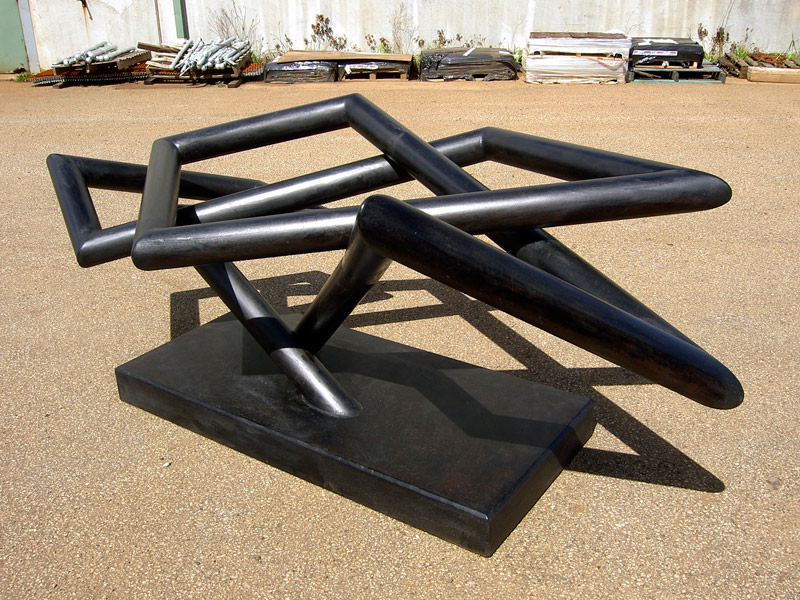
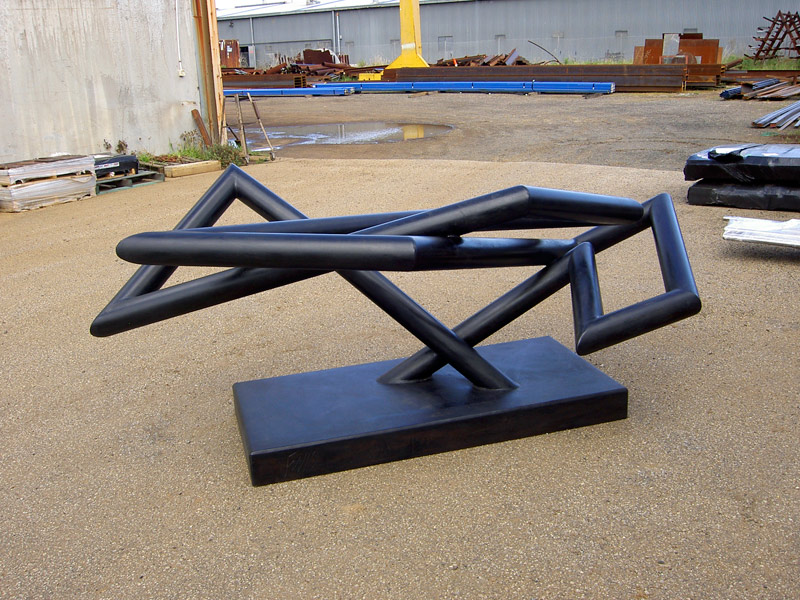

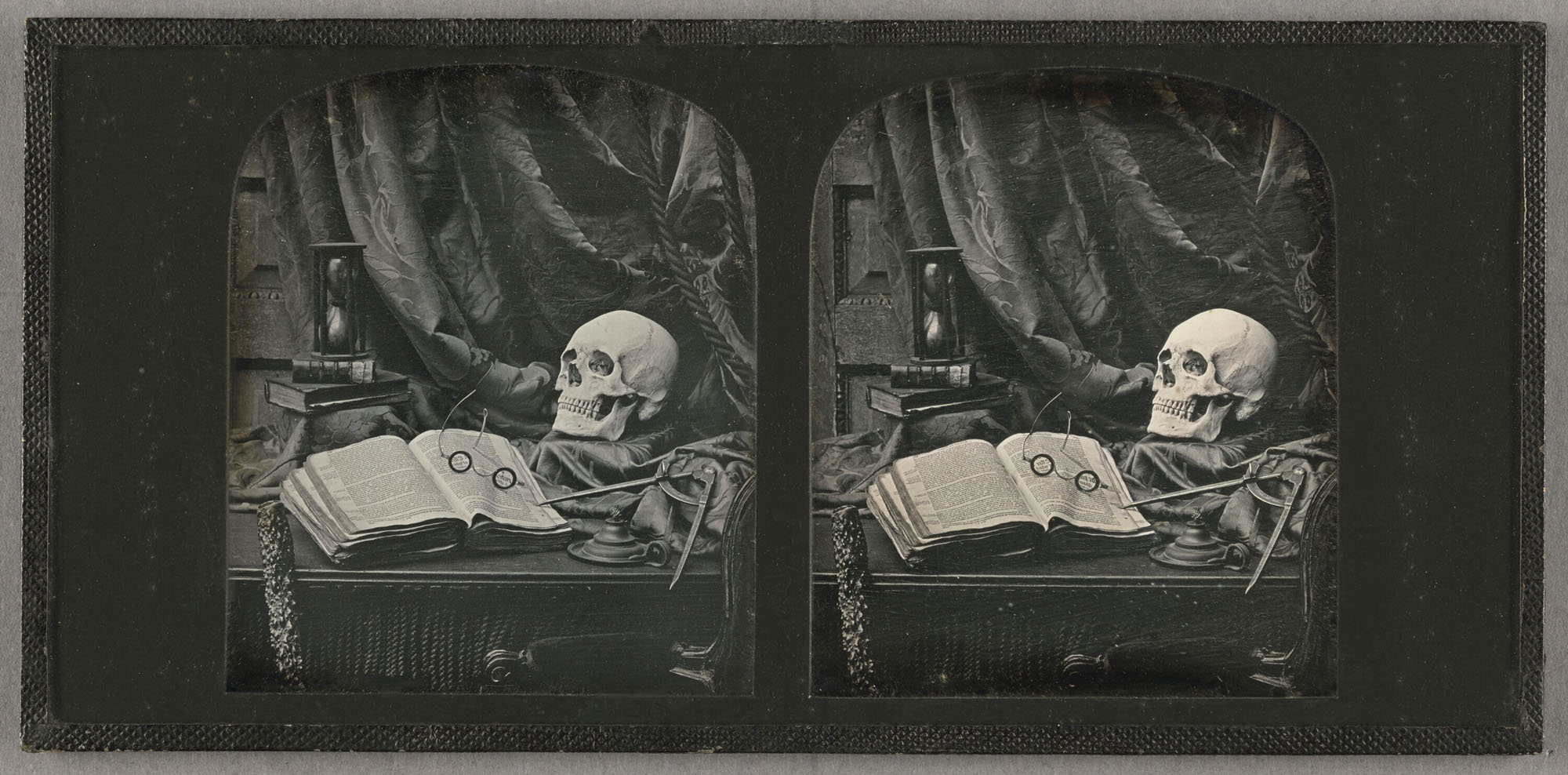
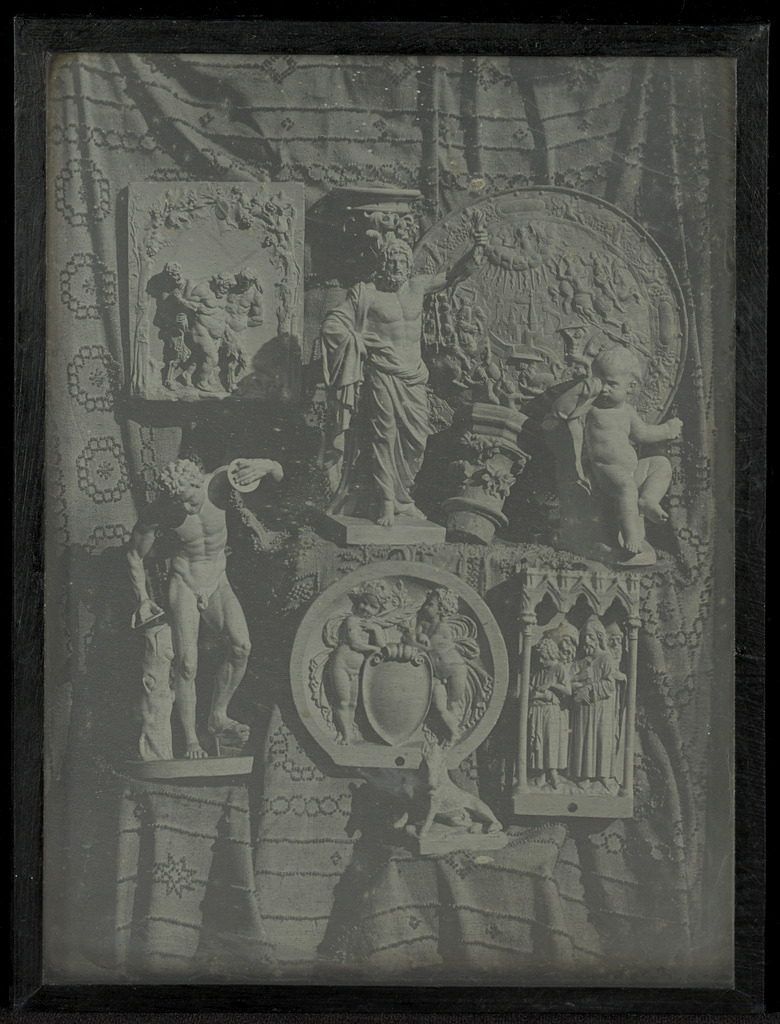
![Louis-Rémy Robert (French, 1811-1882) '[Still Life with Statuette and Vases]' Negative 1855; print 1870s from the exhibition 'In Focus: Still Life' at The J. Paul Getty Museum](https://artblart.com/wp-content/uploads/2011/01/robert-still-life-with-statuette-and-vases.jpg "Louis-Rémy Robert (French, 1811-1882) '[Still Life with Statuette and Vases]' Negative 1855; print 1870s from the exhibition 'In Focus: Still Life' at The J. Paul Getty Museum")
![Roger Fenton (English, 1819-1869) '[Still Life with Game and Gun]' about 1859 from the exhibition 'In Focus: Still Life' at The J. Paul Getty Museum](https://artblart.com/wp-content/uploads/2011/01/fenton-still-life-with-game-and-gun.jpg "Roger Fenton (English, 1819-1869) '[Still Life with Game and Gun]' about 1859 from the exhibition 'In Focus: Still Life' at The J. Paul Getty Museum")
![Charles Aubry (French, 1811-1877) '[An Arrangement of Tobacco Leaves and Grass]' about 1864 from the exhibition 'In Focus: Still Life' at The J. Paul Getty Museum](https://artblart.com/wp-content/uploads/2011/01/aubry-tobacco.jpg "Charles Aubry (French, 1811-1877) '[An Arrangement of Tobacco Leaves and Grass]' about 1864 from the exhibition 'In Focus: Still Life' at The J. Paul Getty Museum")
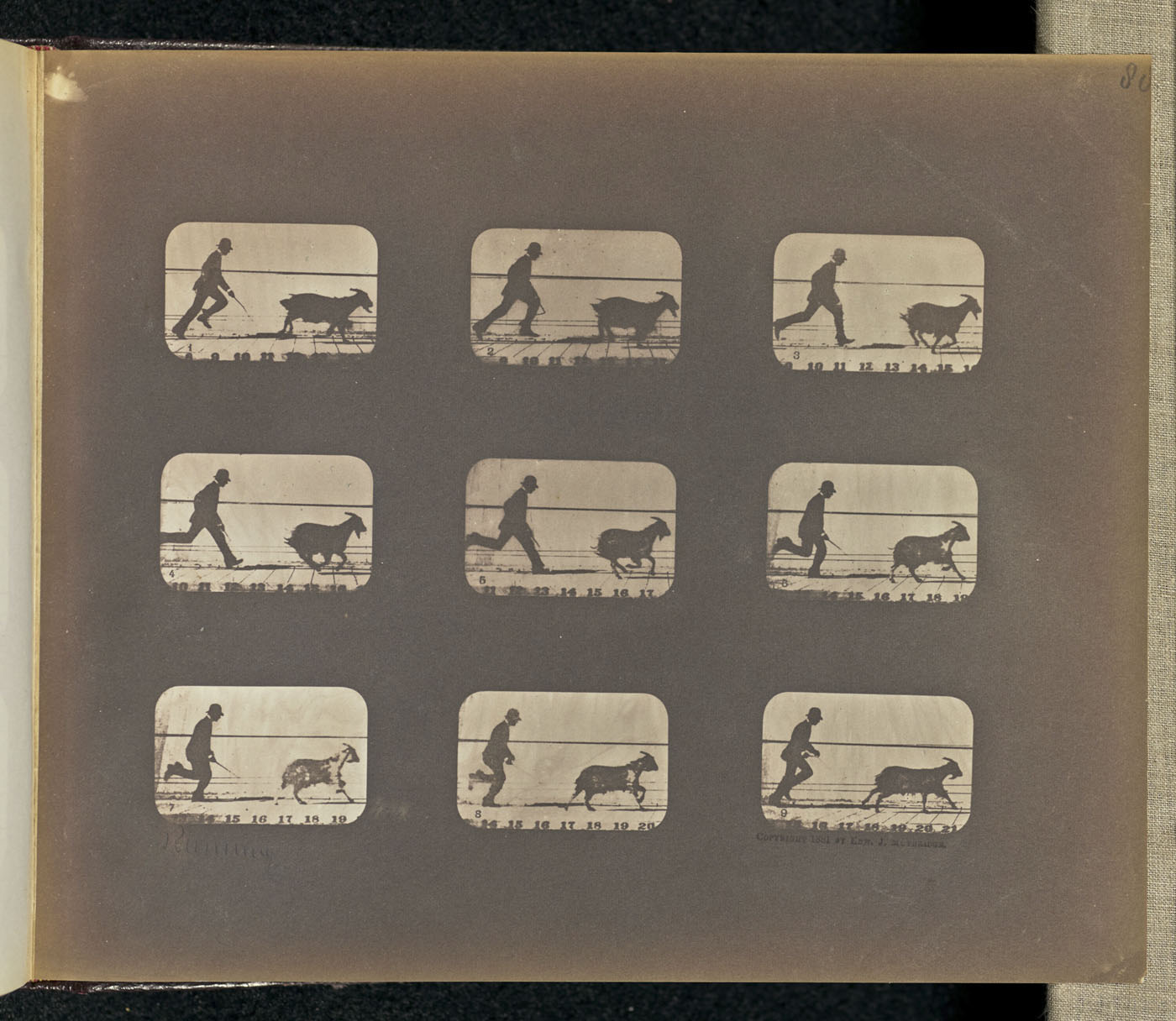
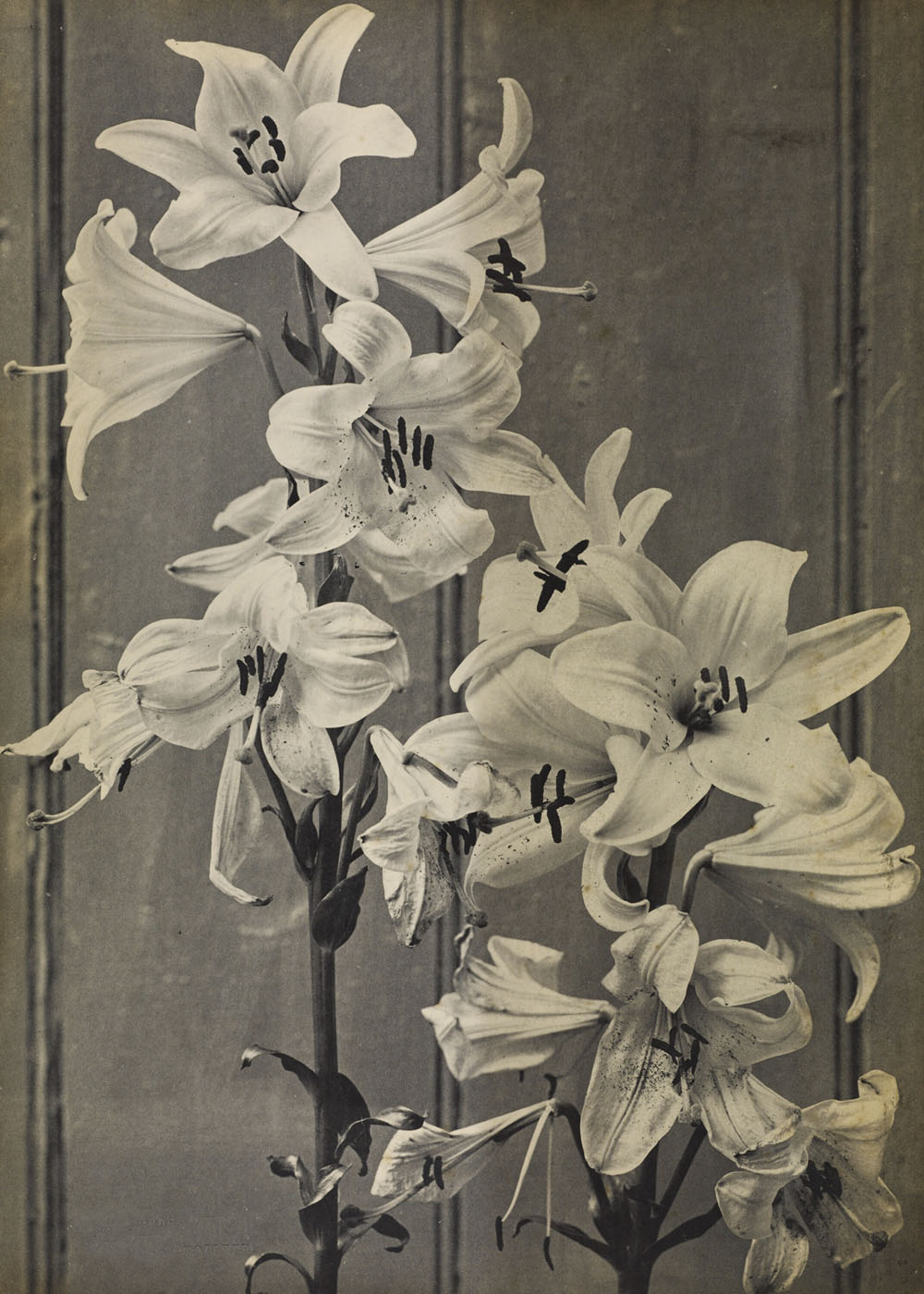
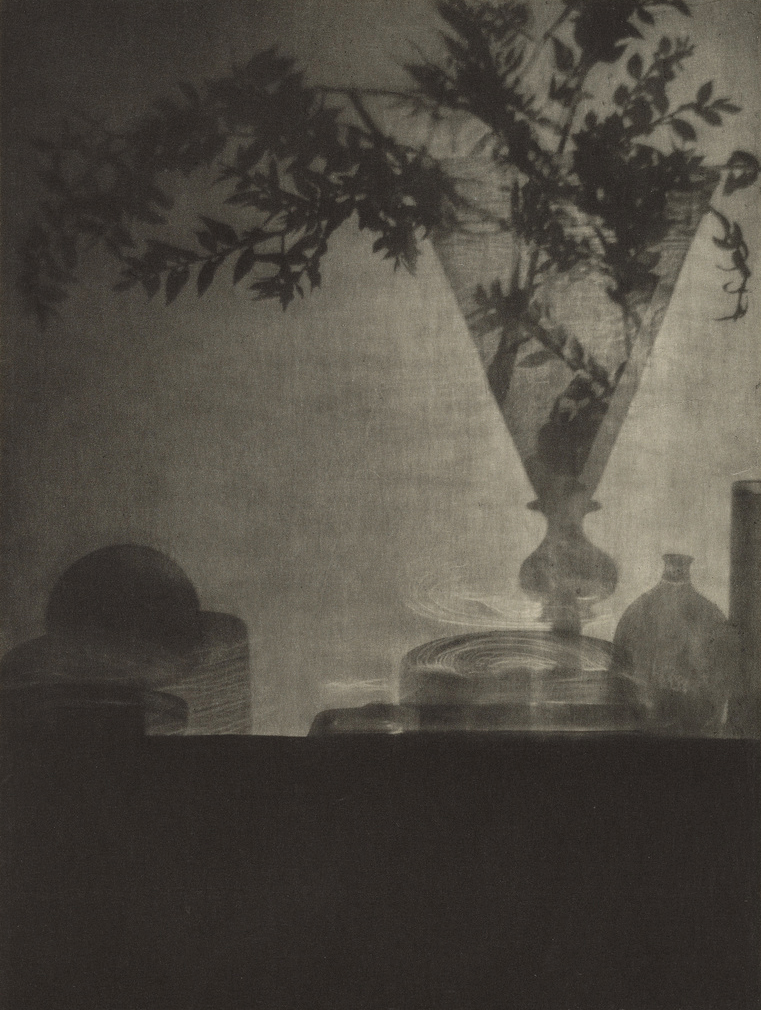
![Heinrich Kühn (Austrian born Germany, 1866-1944) '[Tea Still-life, Version III]' 1907 from the exhibition 'In Focus: Still Life' at The J. Paul Getty Museum](https://artblart.com/wp-content/uploads/2011/01/heinrich-kucc88hn-tea-sea-life.jpg "Heinrich Kühn (Austrian born Germany, 1866-1944) '[Tea Still-life, Version III]' 1907 from the exhibition 'In Focus: Still Life' at The J. Paul Getty Museum")
![Paul Strand (American, 1890-1976) '[Black Bottle]' negative about 1919; print 1923-1939 from the exhibition 'In Focus: Still Life' at The J. Paul Getty Museum](https://artblart.com/wp-content/uploads/2011/01/strand-black-bottle.jpg "Paul Strand (American, 1890-1976) '[Black Bottle]' negative about 1919; print 1923-1939 from the exhibition 'In Focus: Still Life' at The J. Paul Getty Museum")

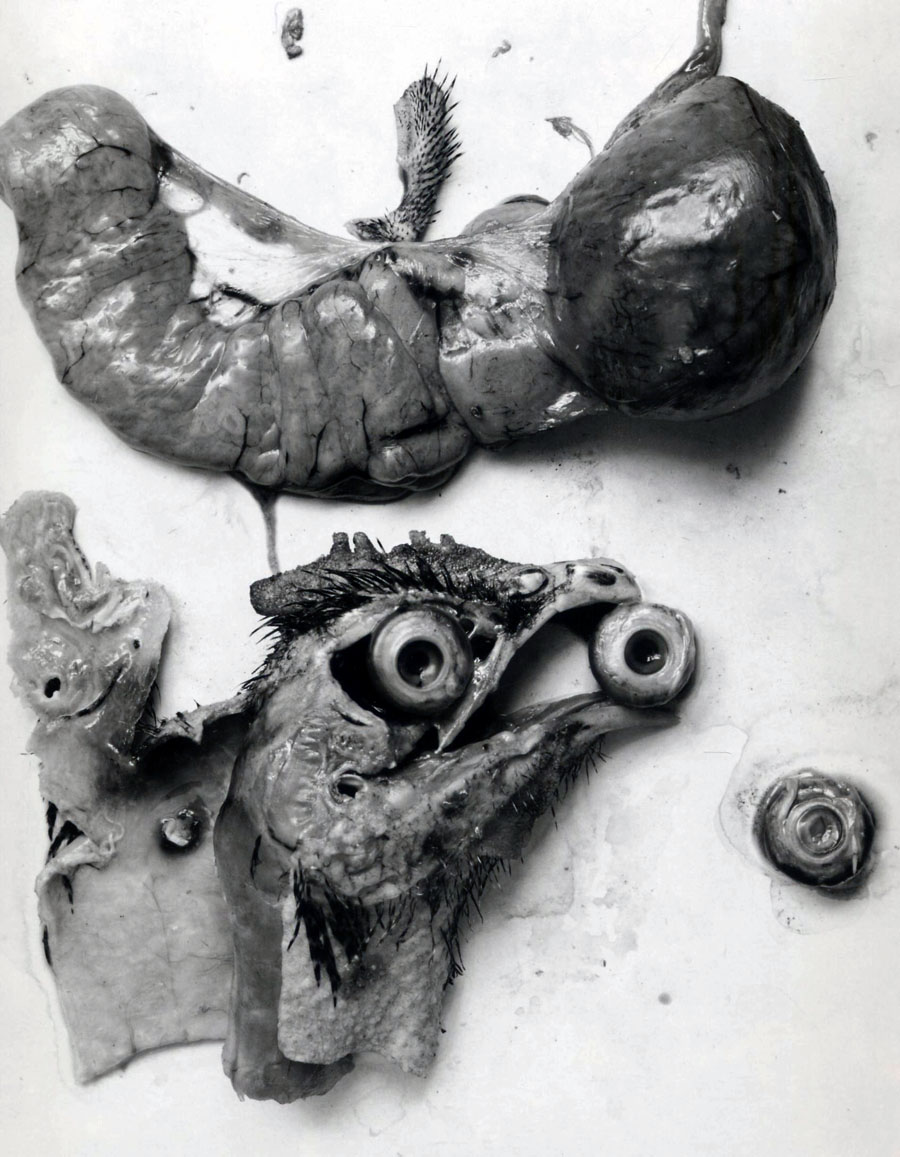
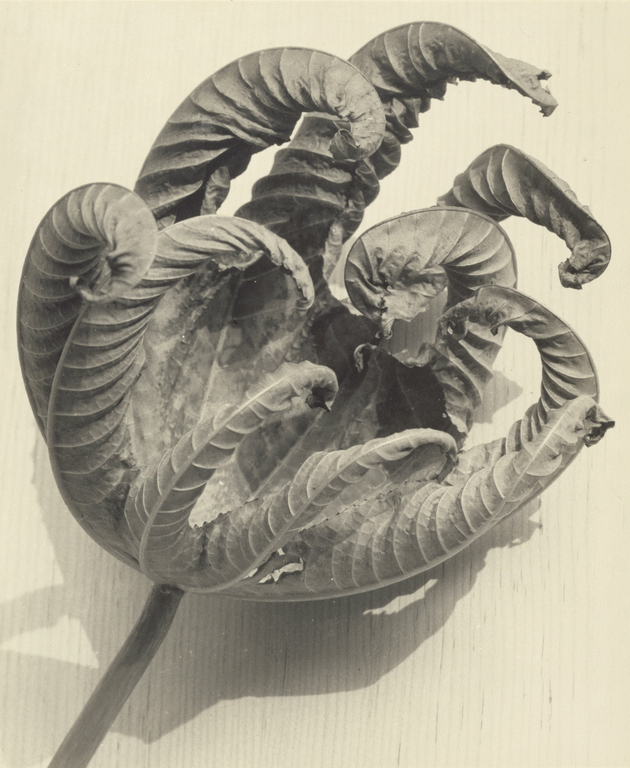
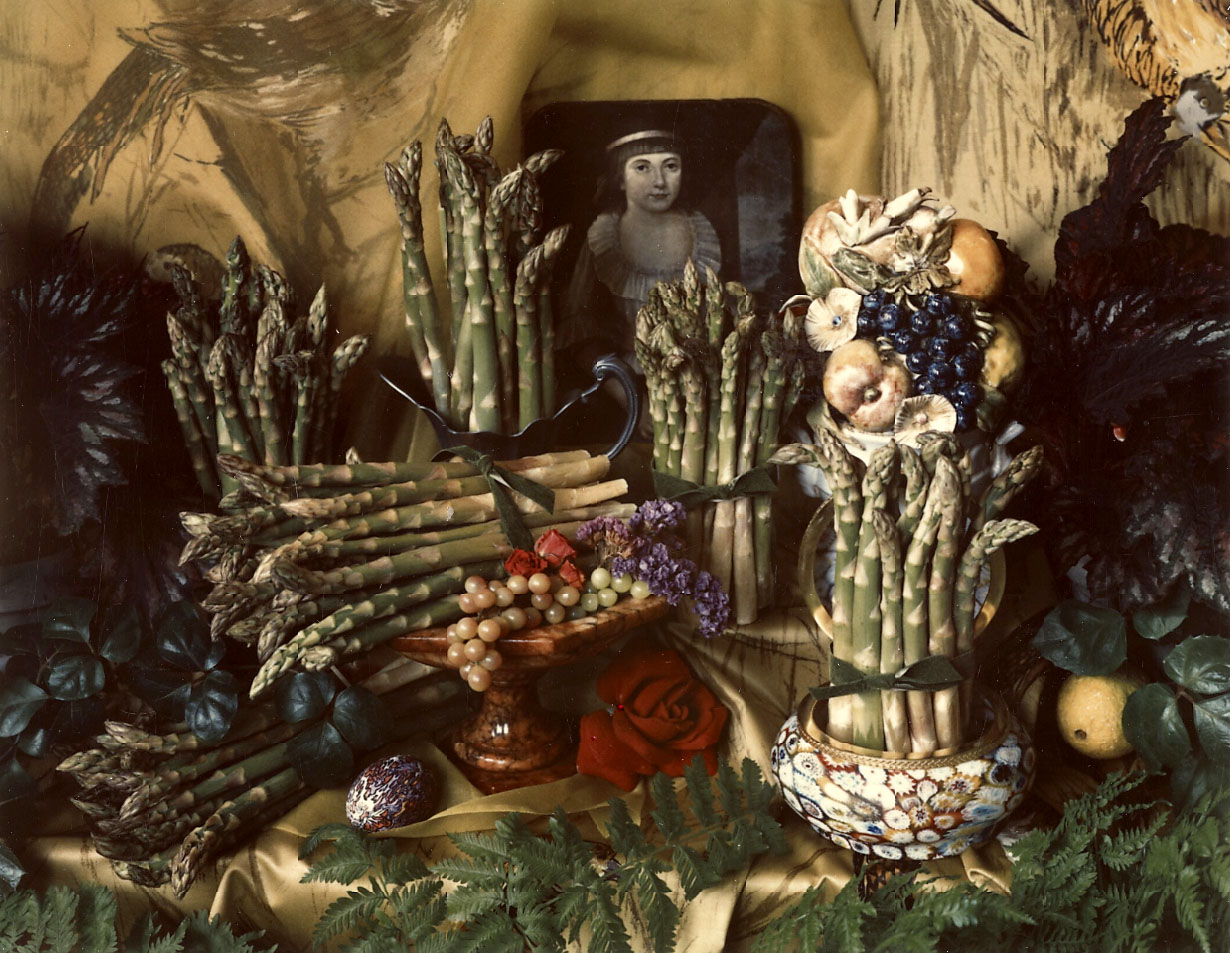
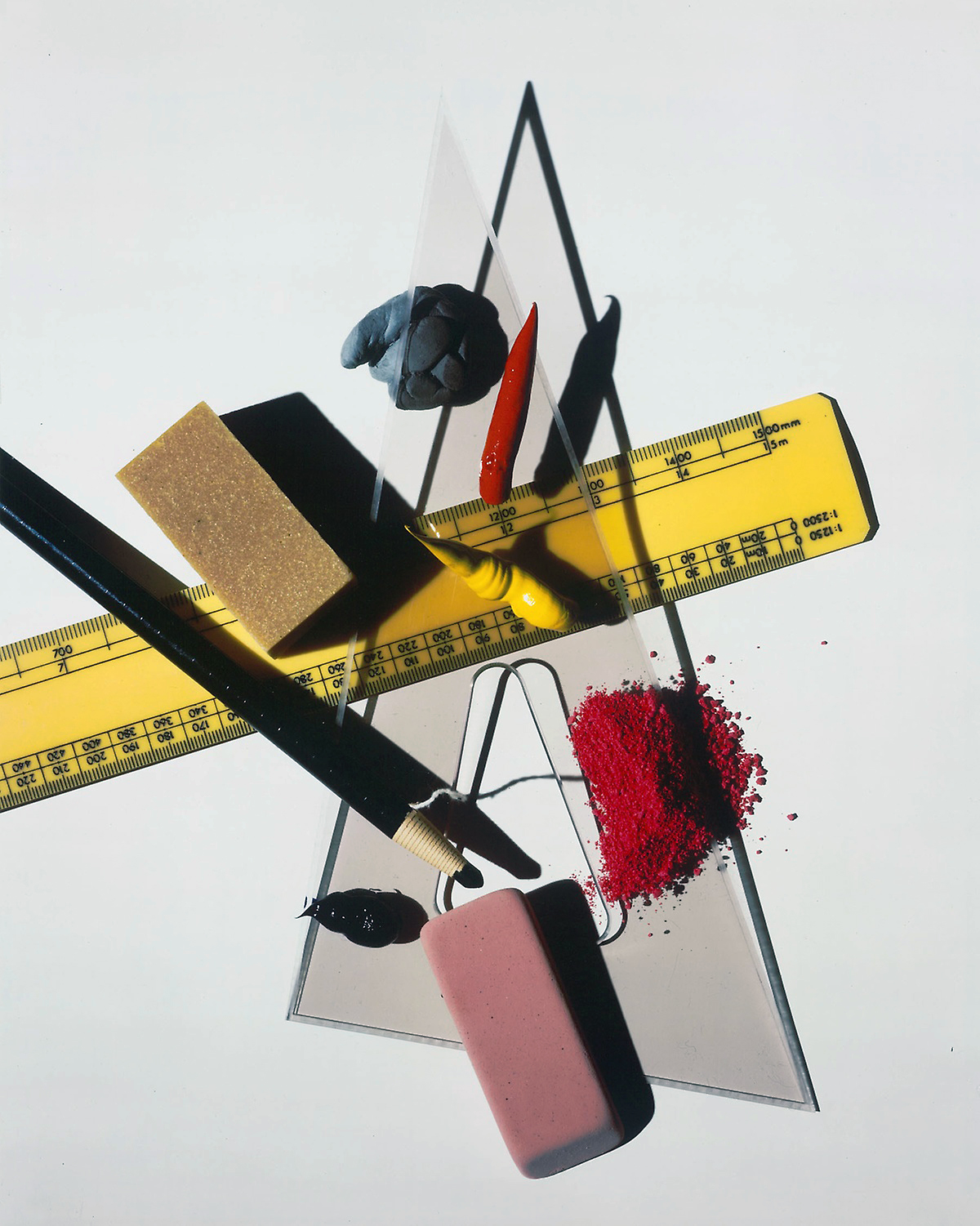
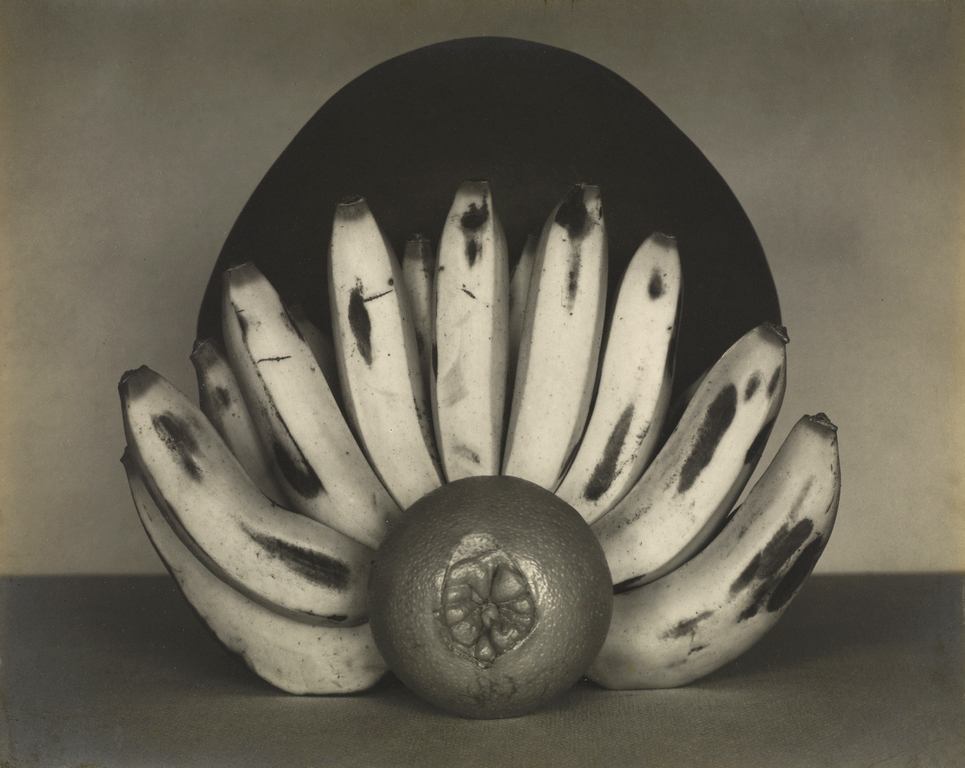
![André Kertész (American born Hungary, 1894-1985) '[Bowl with Sugar Cubes]' 1928 from the exhibition 'In Focus: Still Life' at The J. Paul Getty Museum](https://artblart.com/wp-content/uploads/2011/01/kertesz-sugar.jpg "André Kertész (American born Hungary, 1894-1985) '[Bowl with Sugar Cubes]' 1928 from the exhibition 'In Focus: Still Life' at The J. Paul Getty Museum")
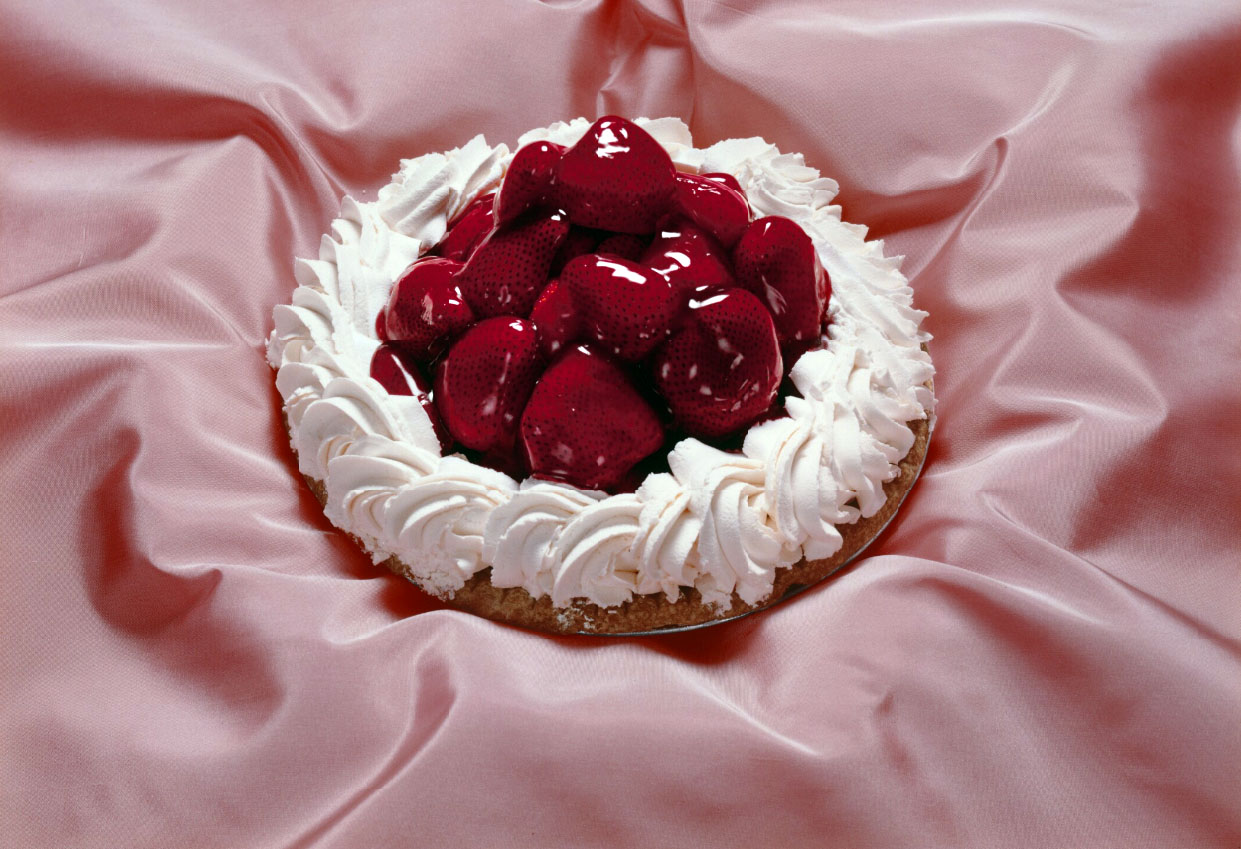
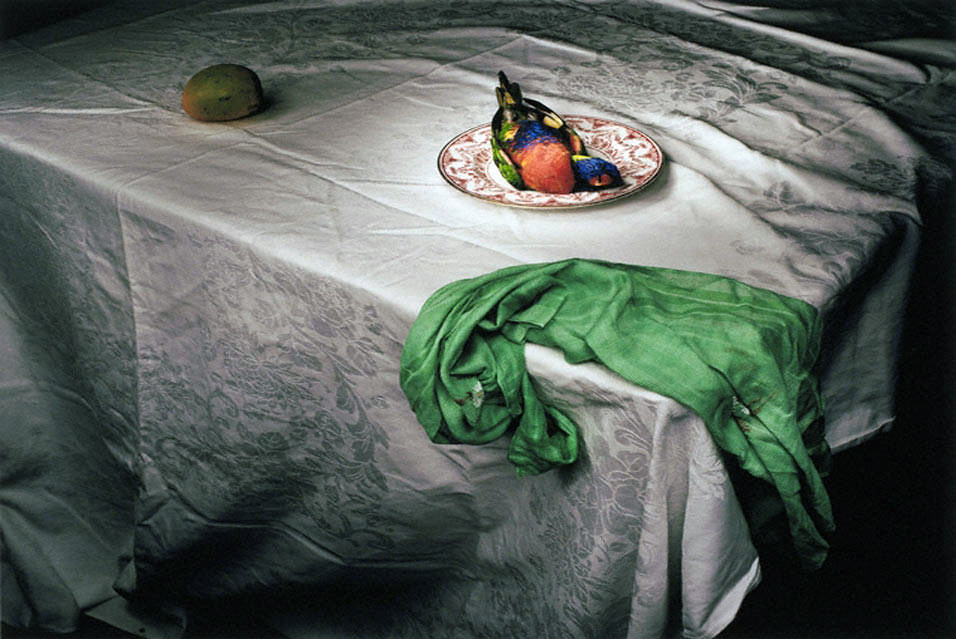
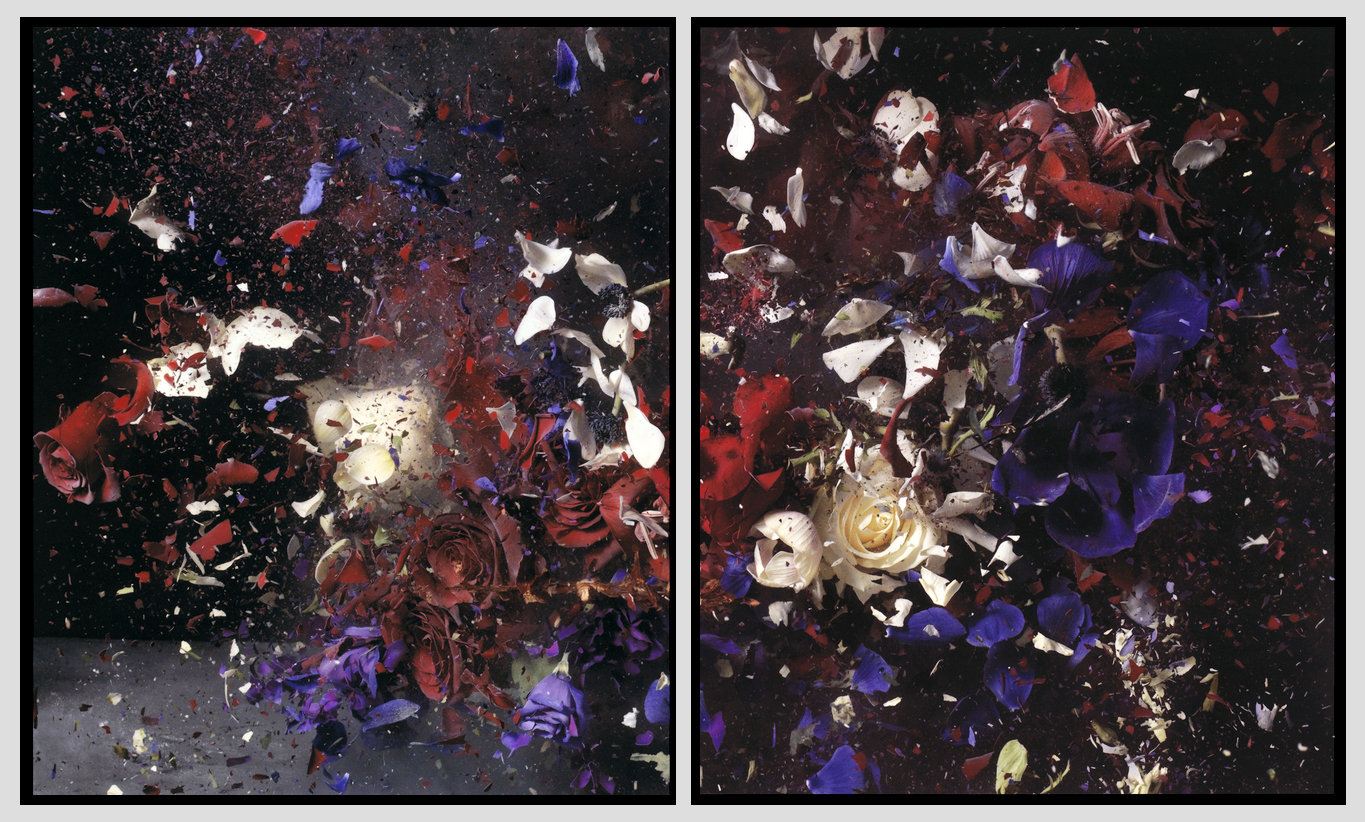
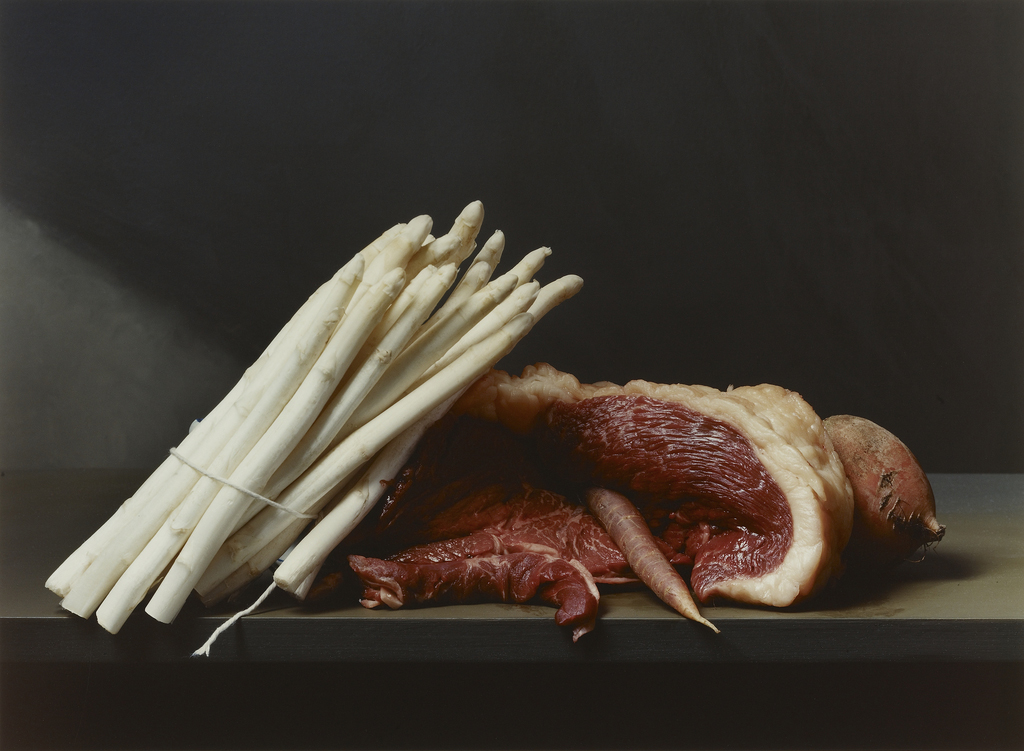


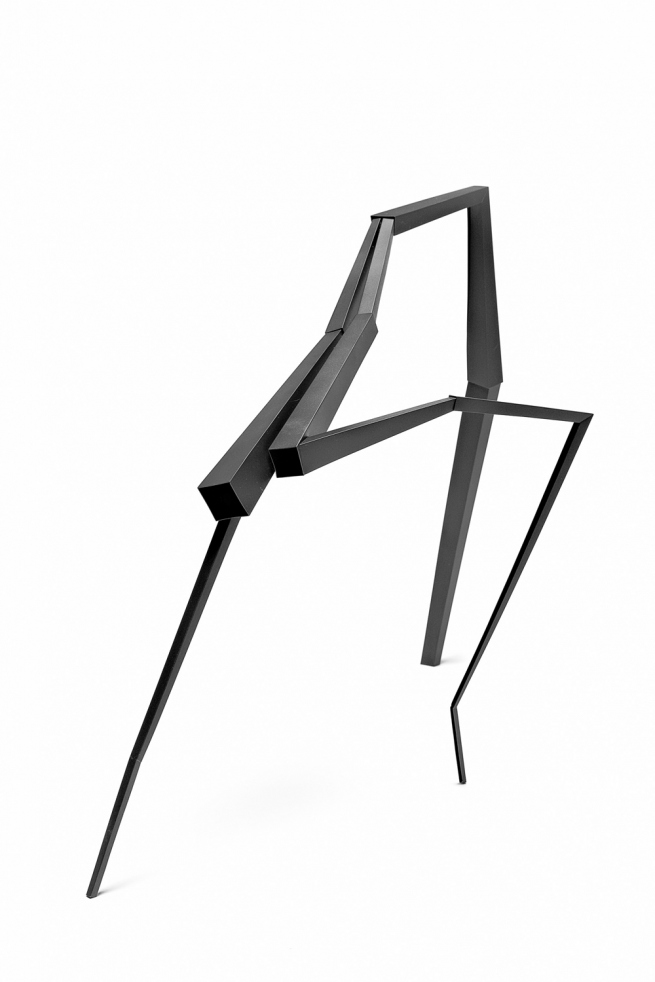

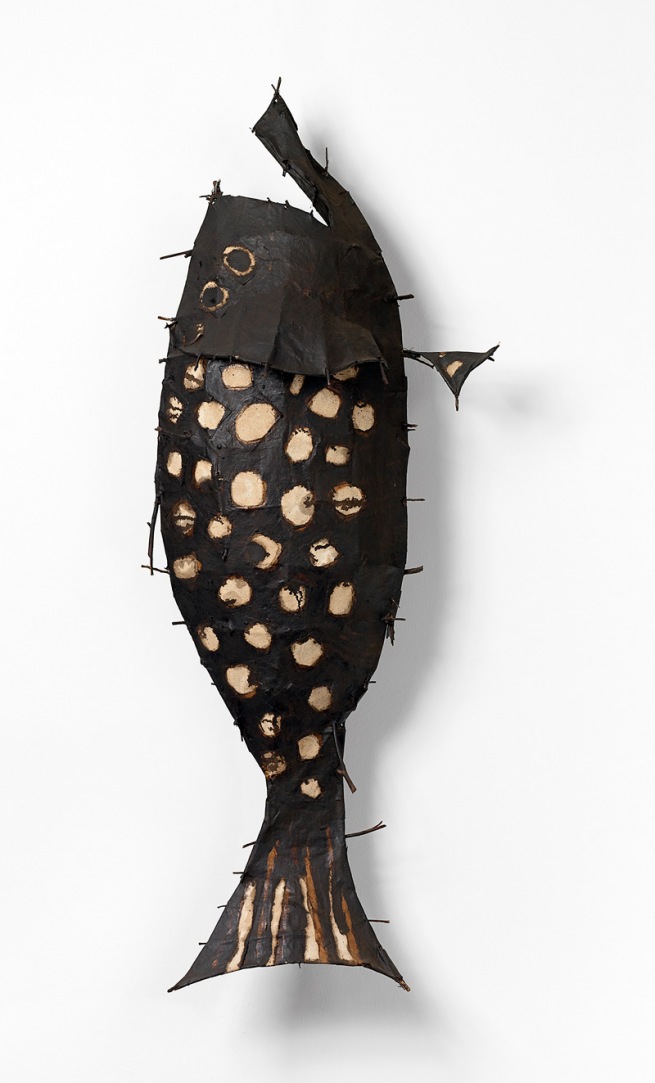
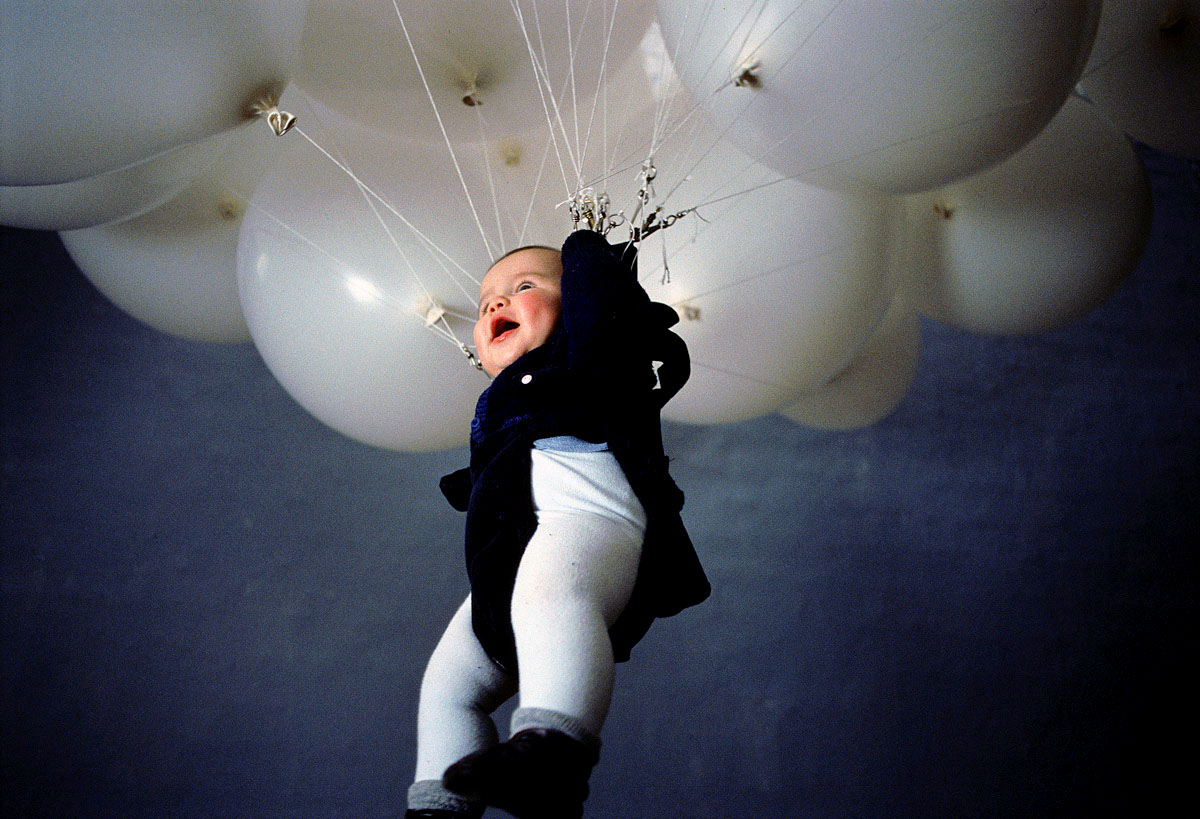
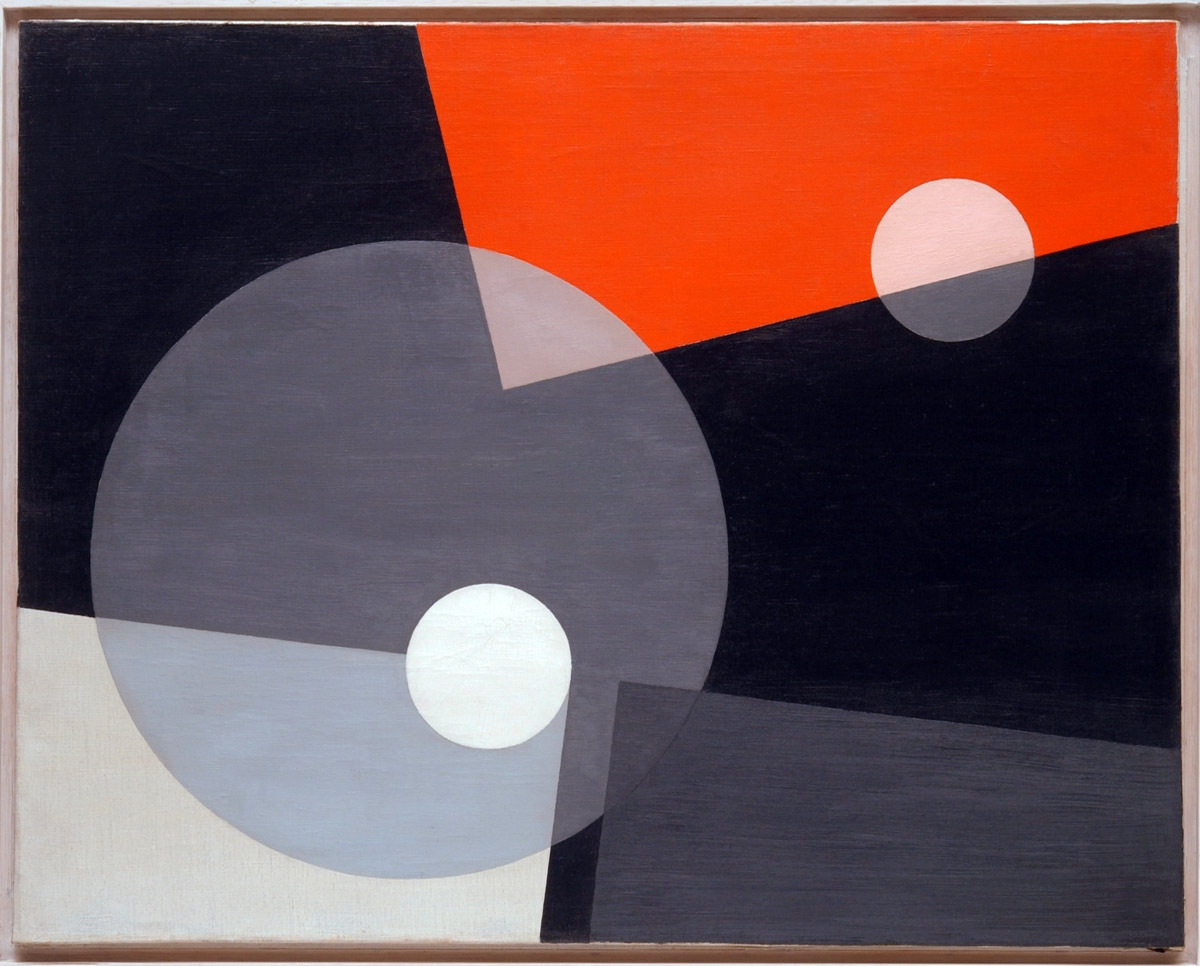

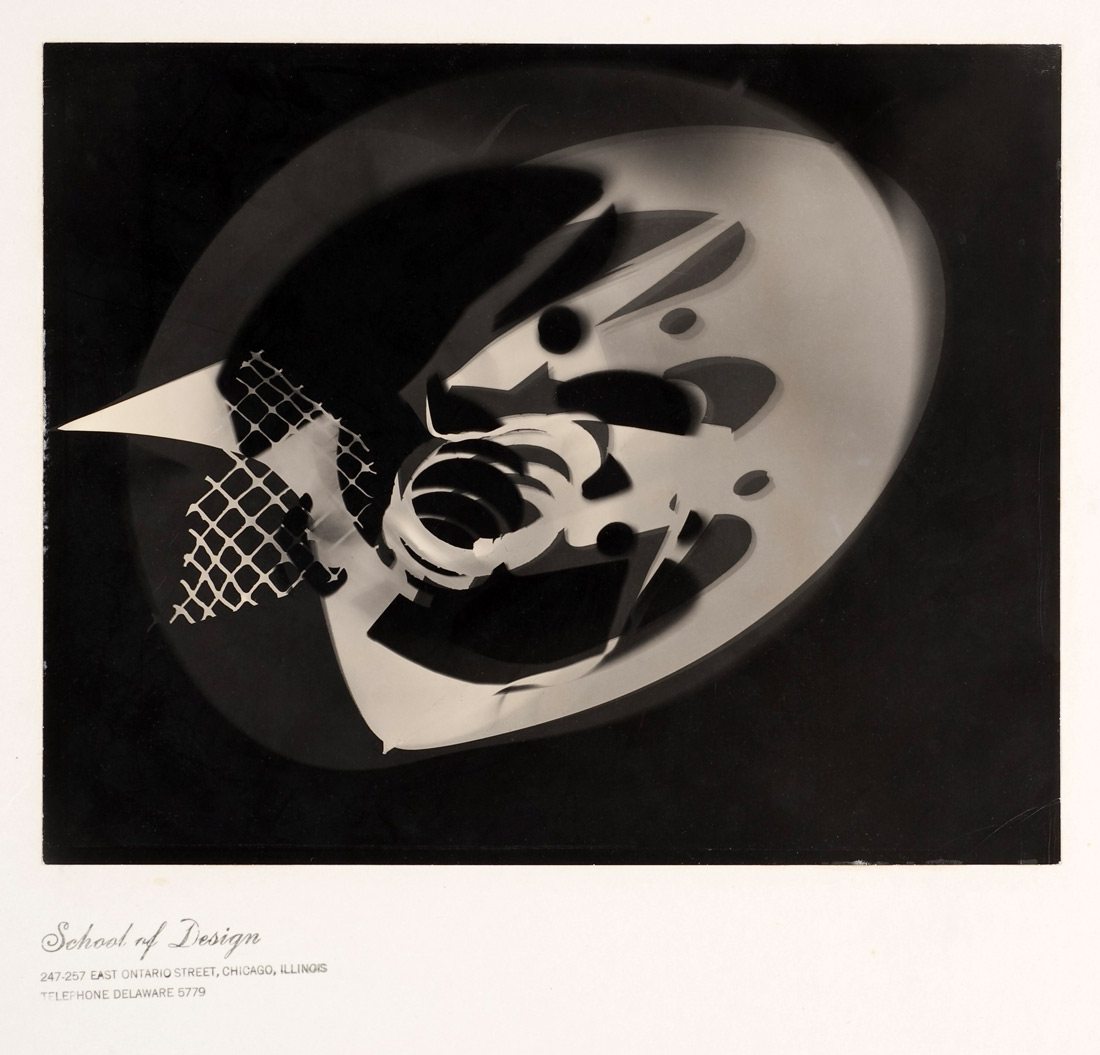
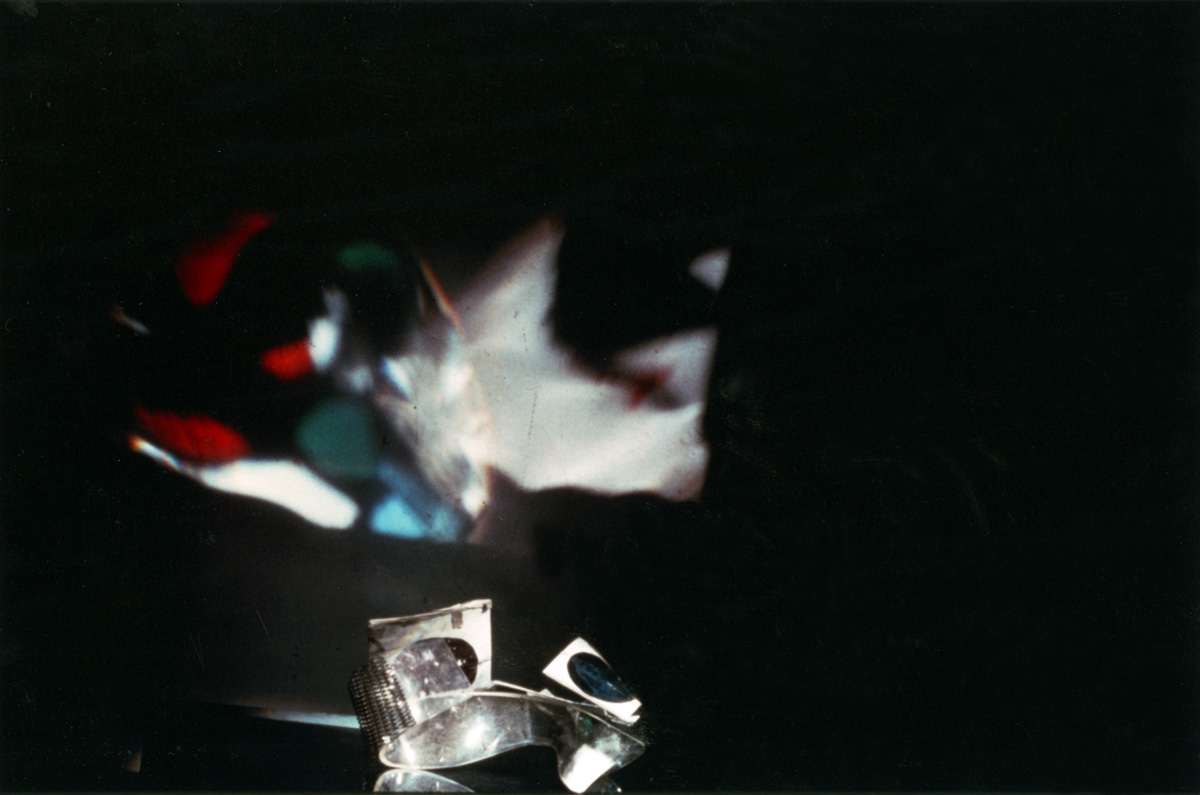
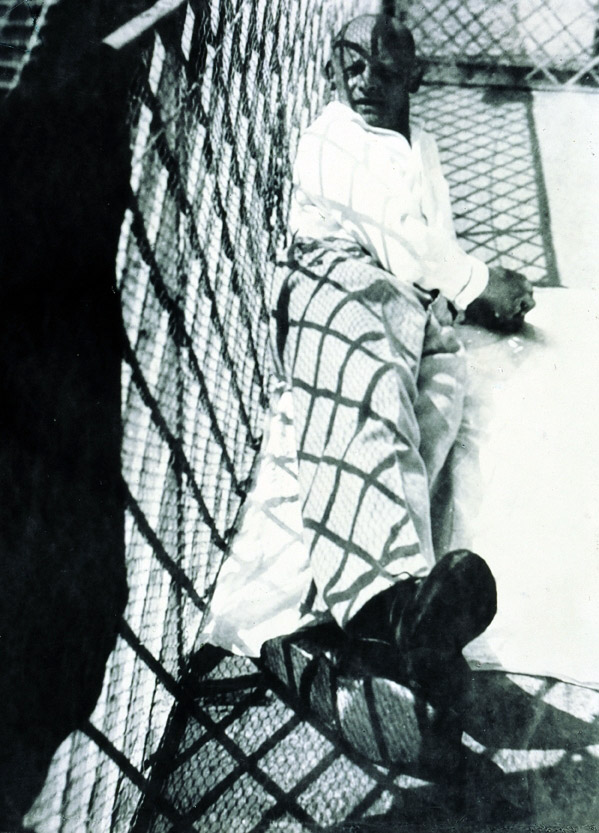
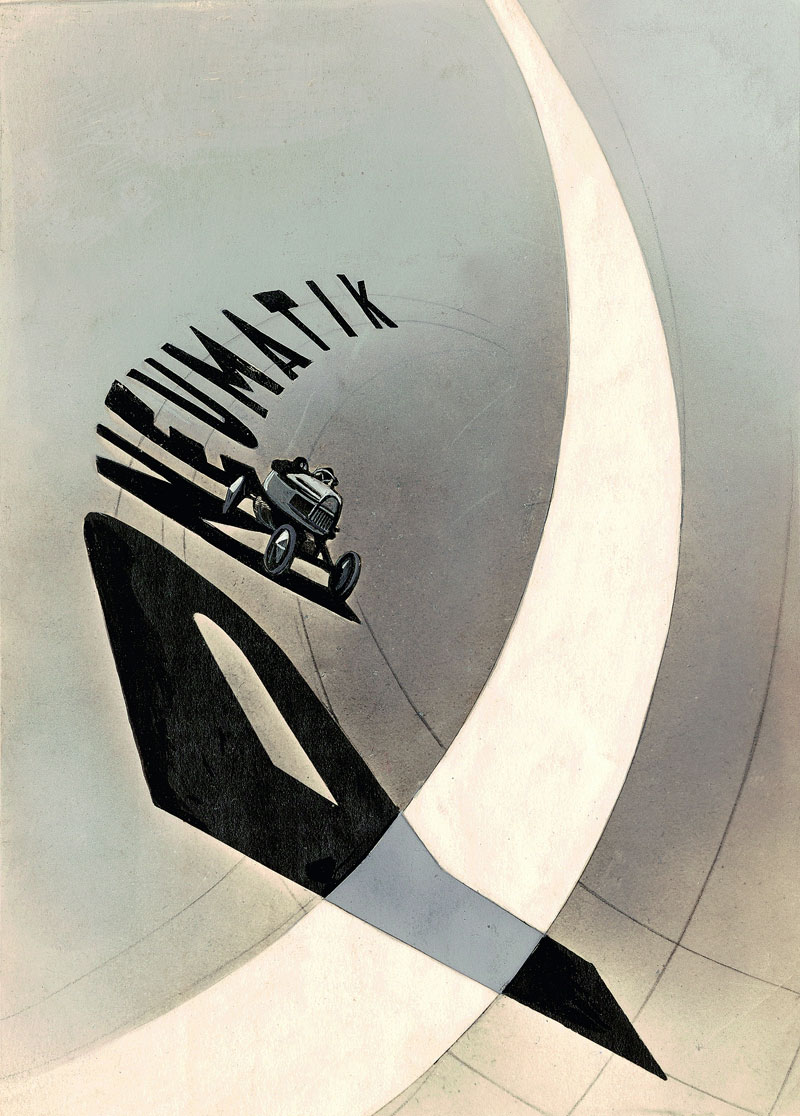
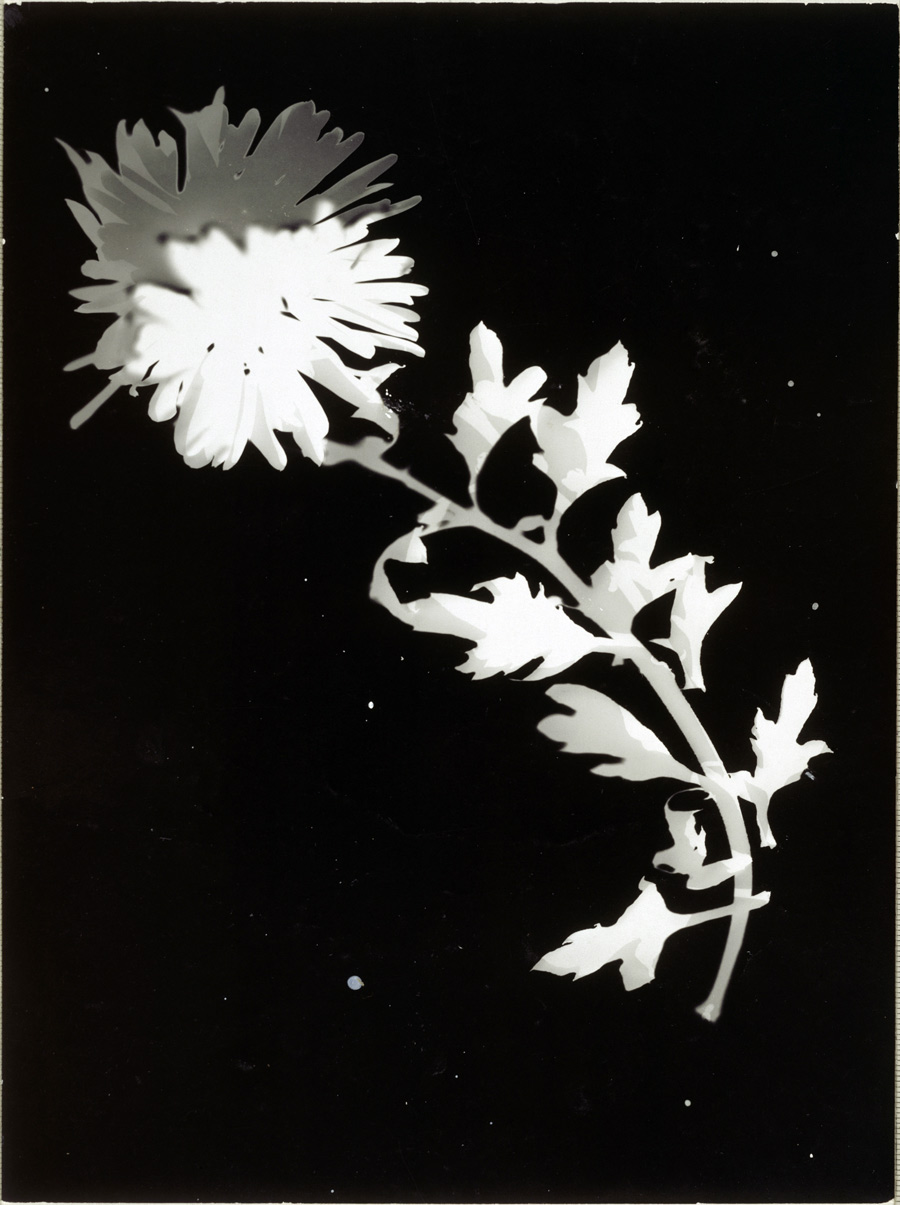


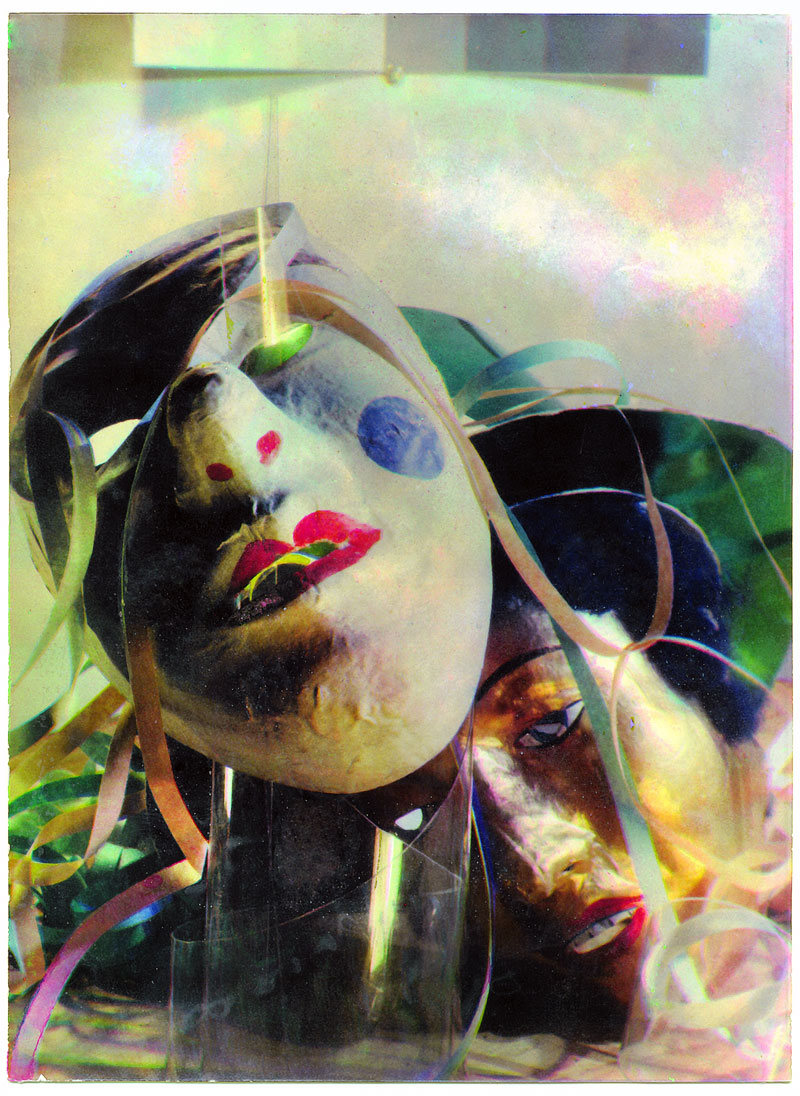


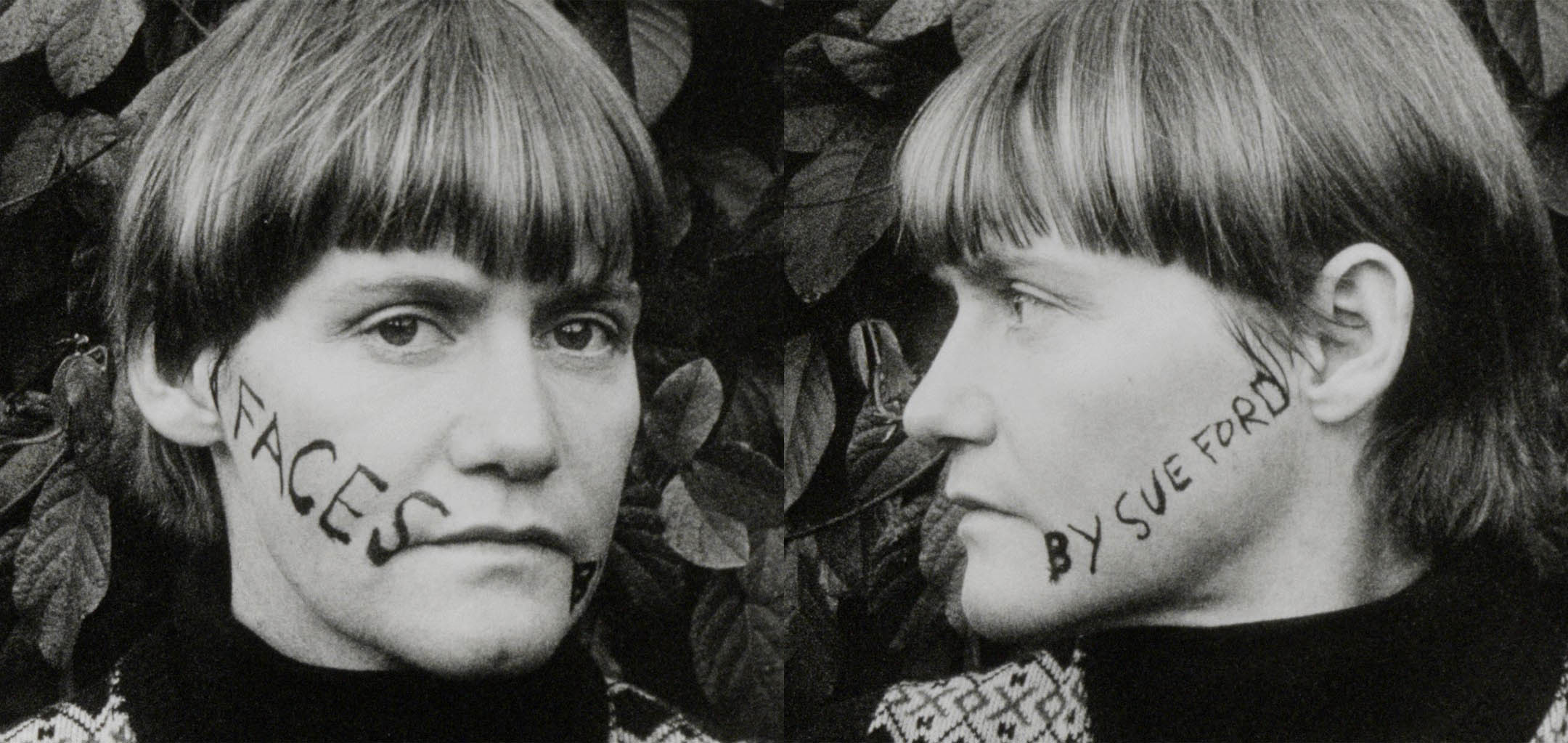

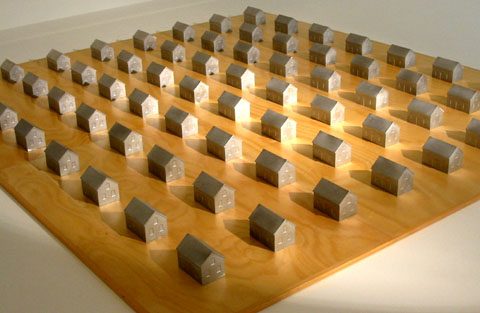

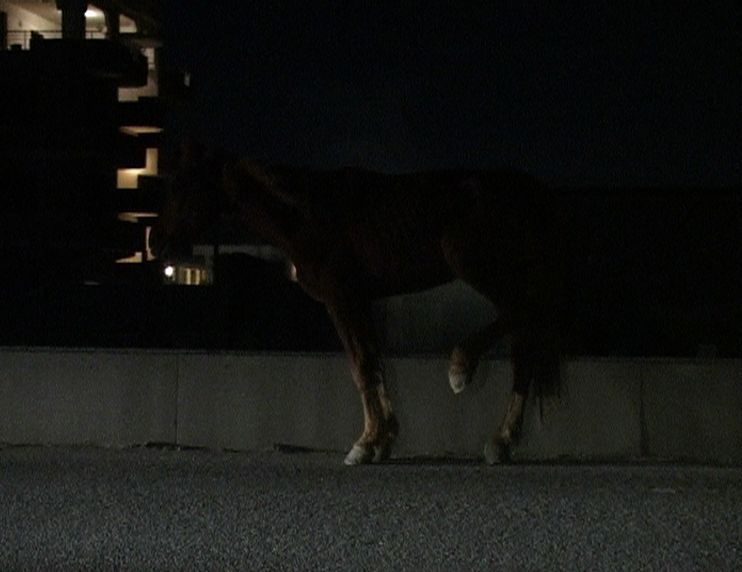


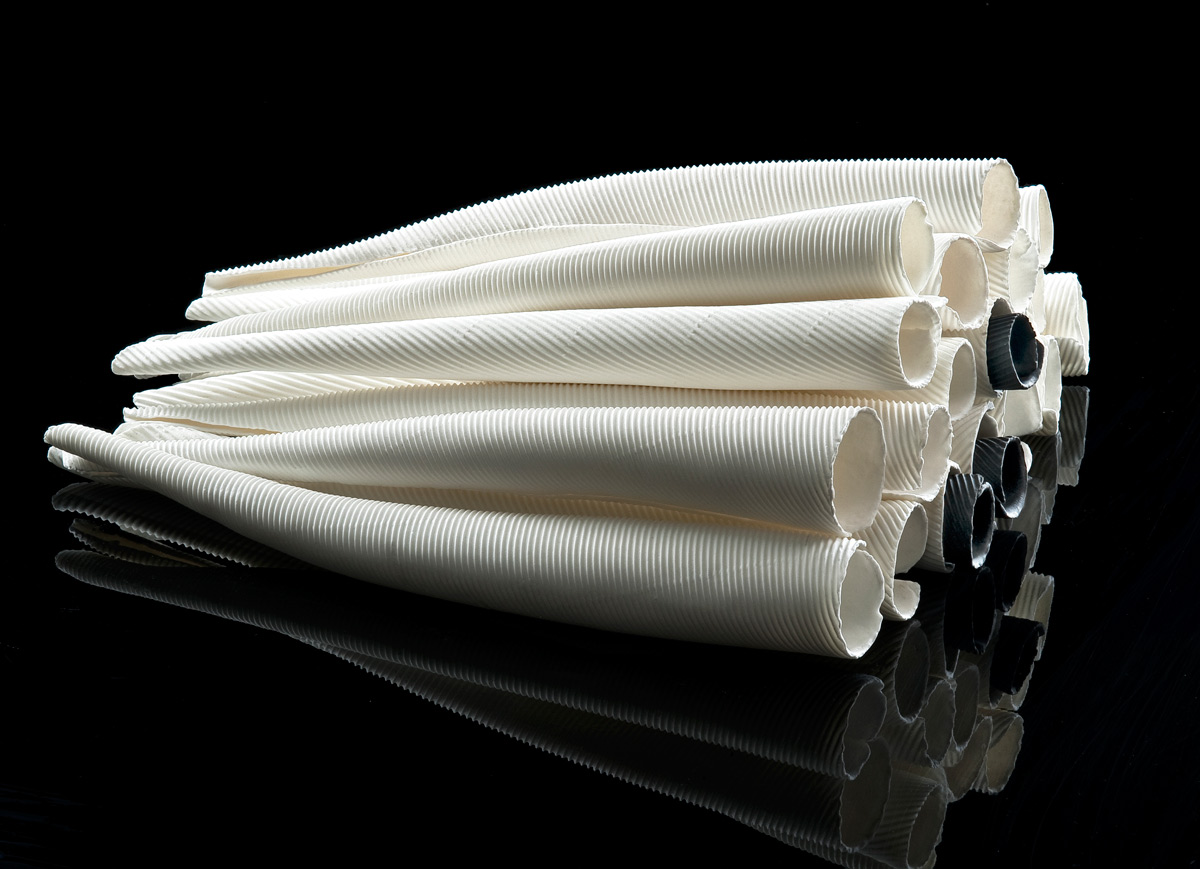
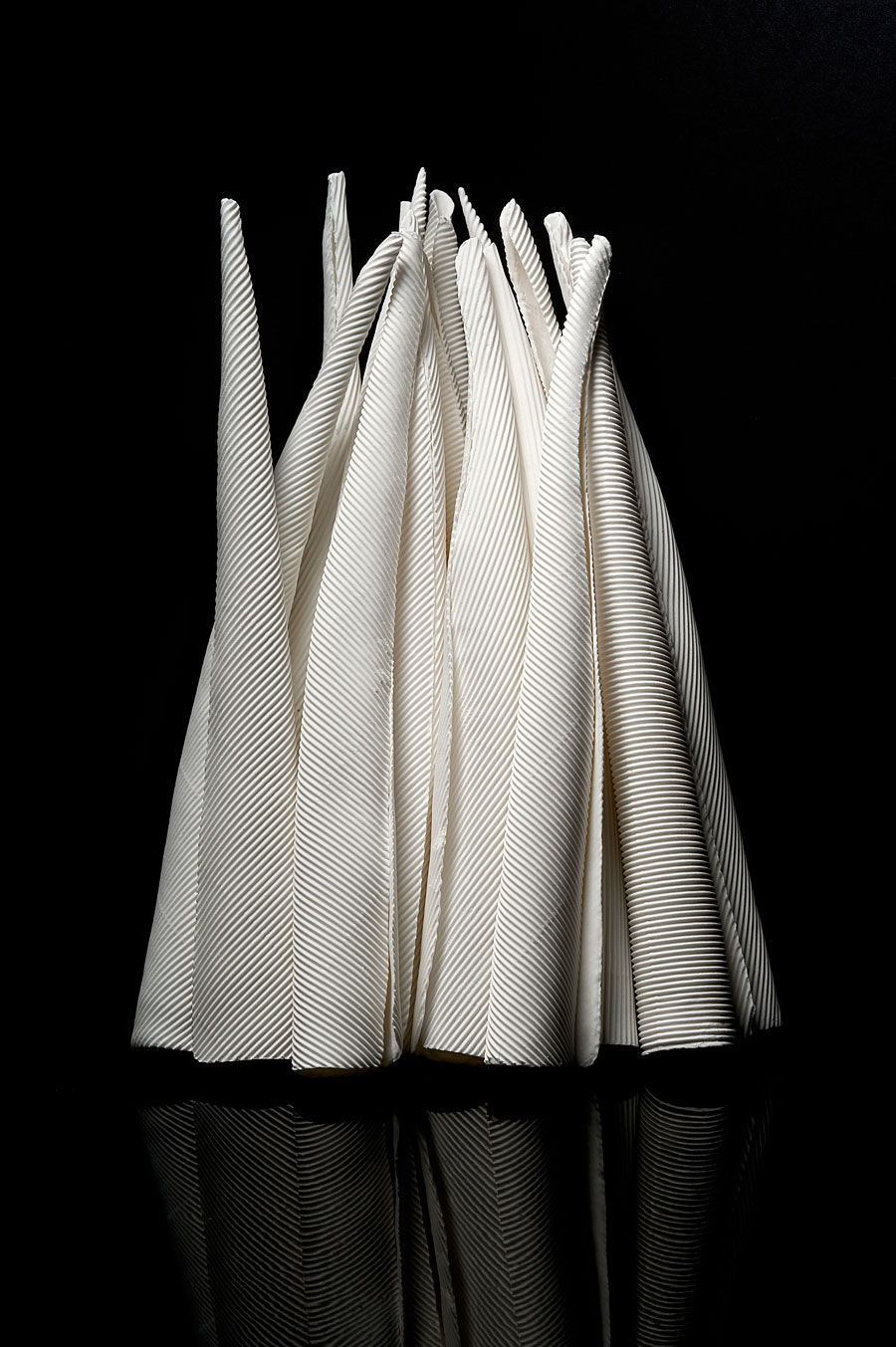

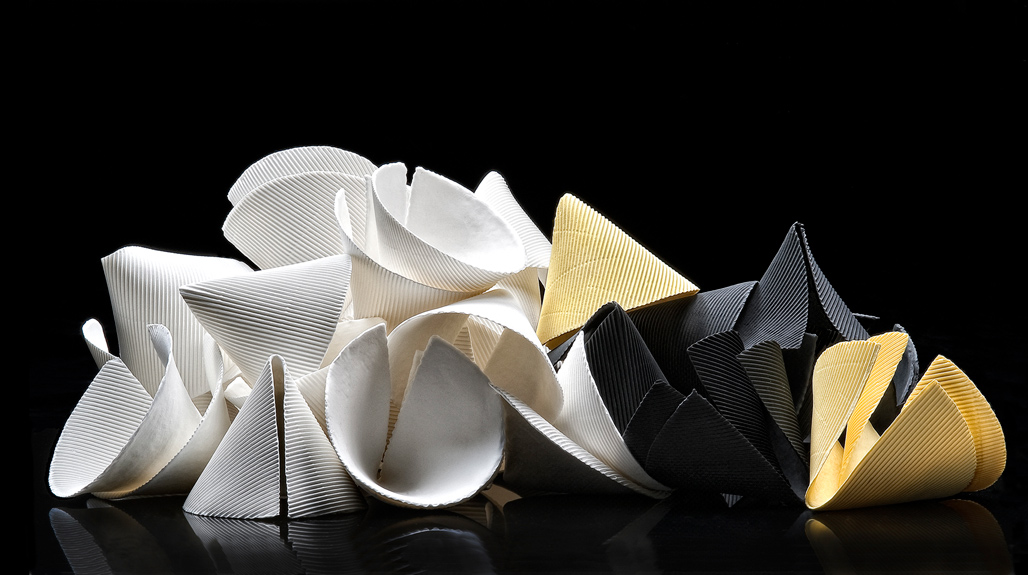
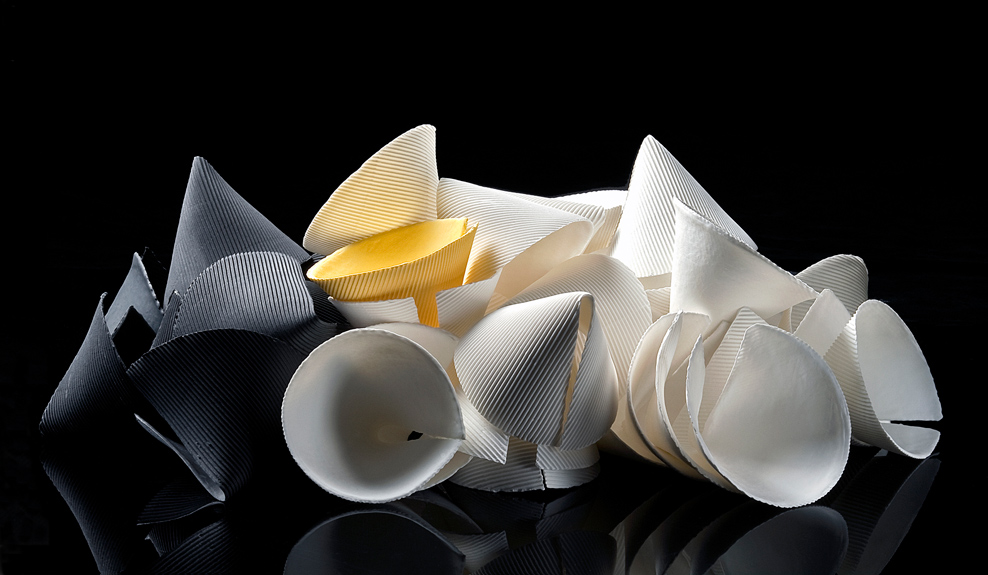
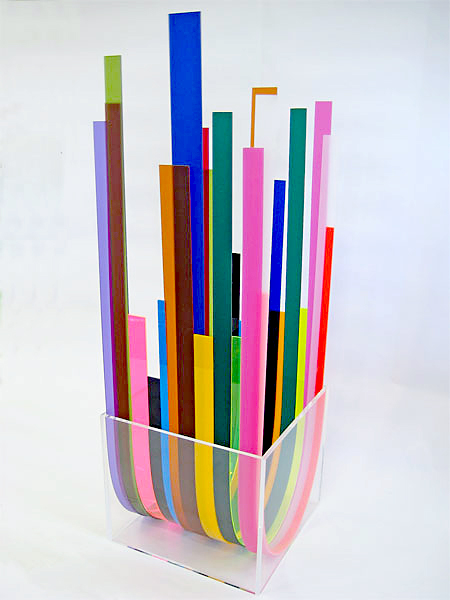
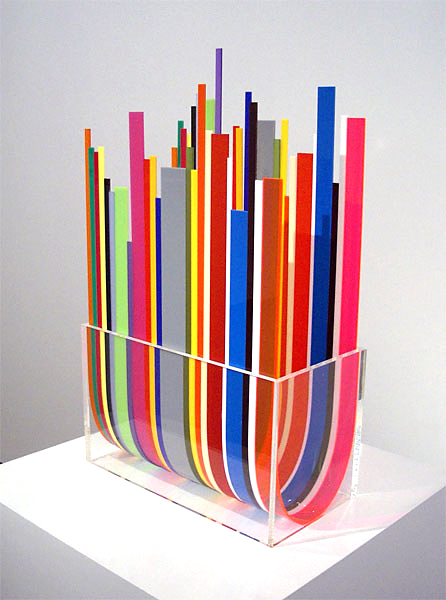

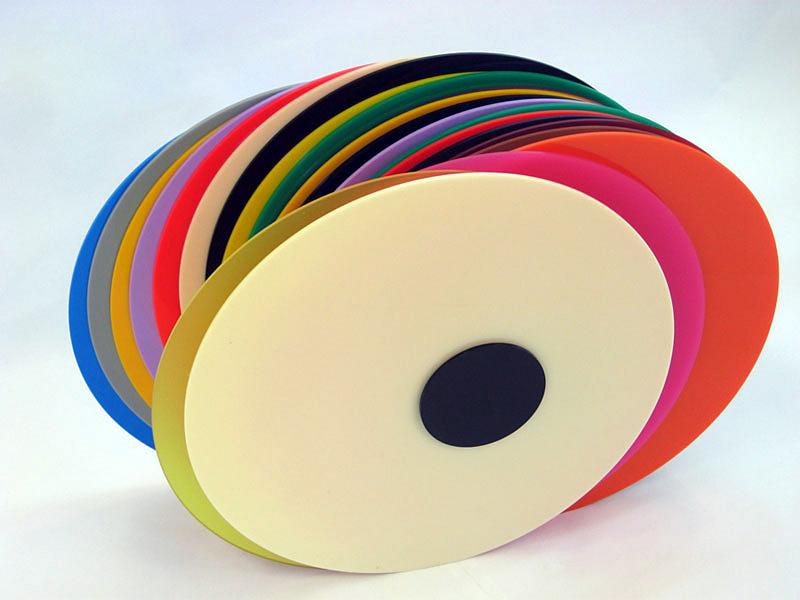






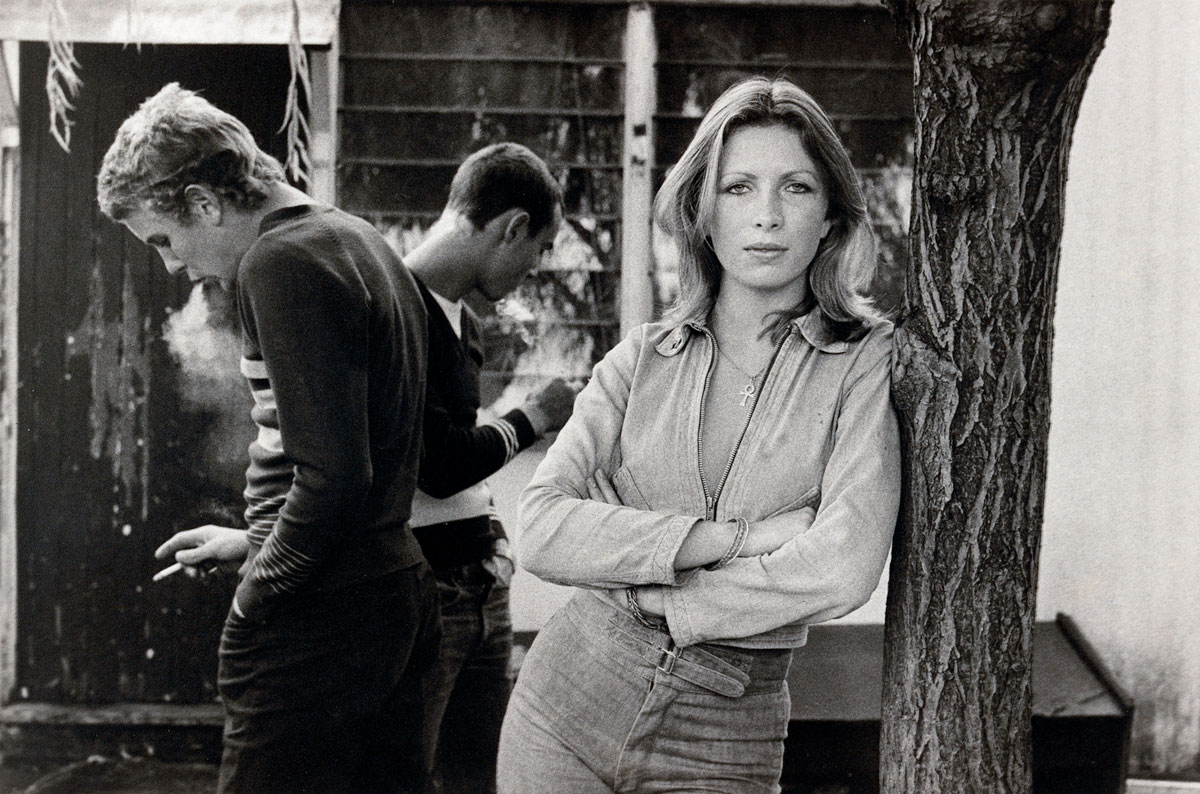

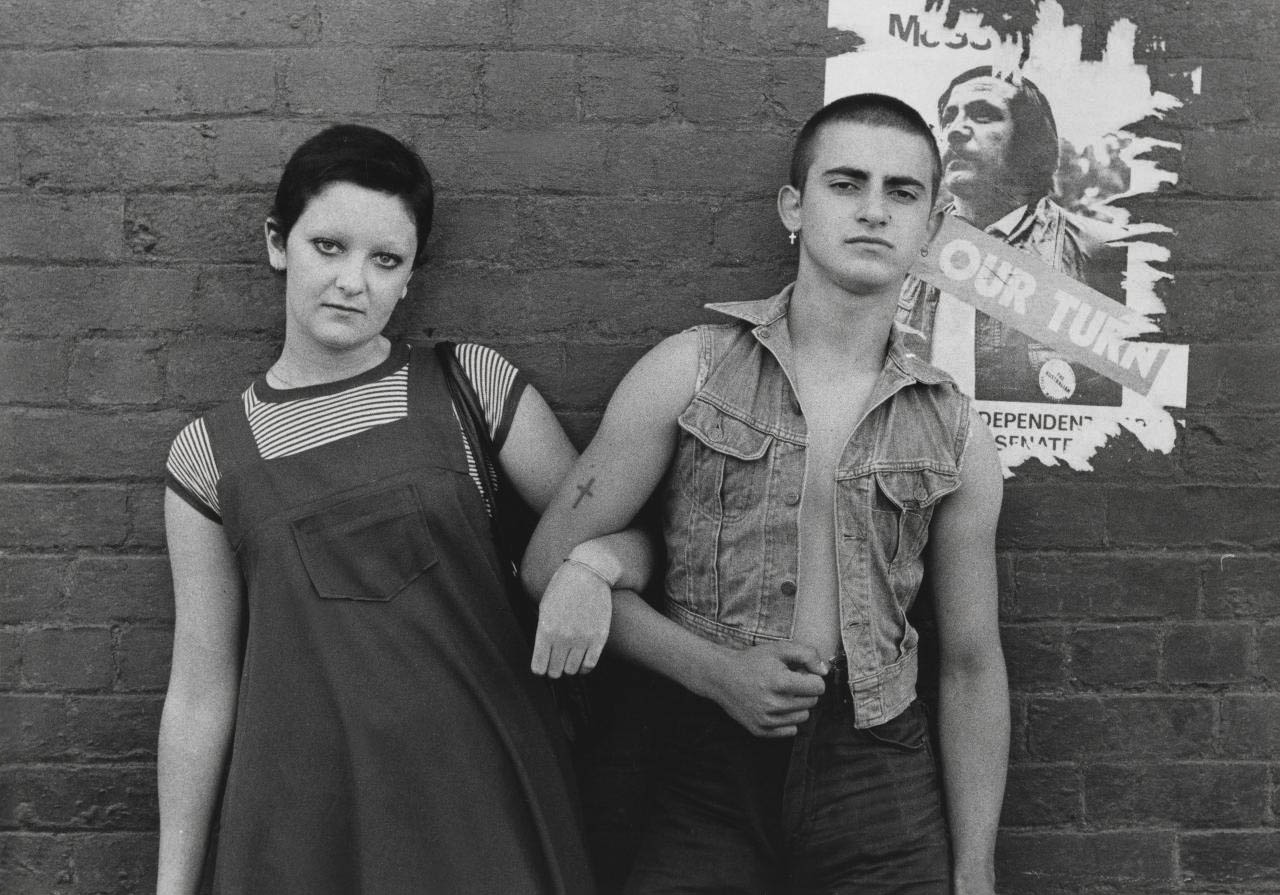


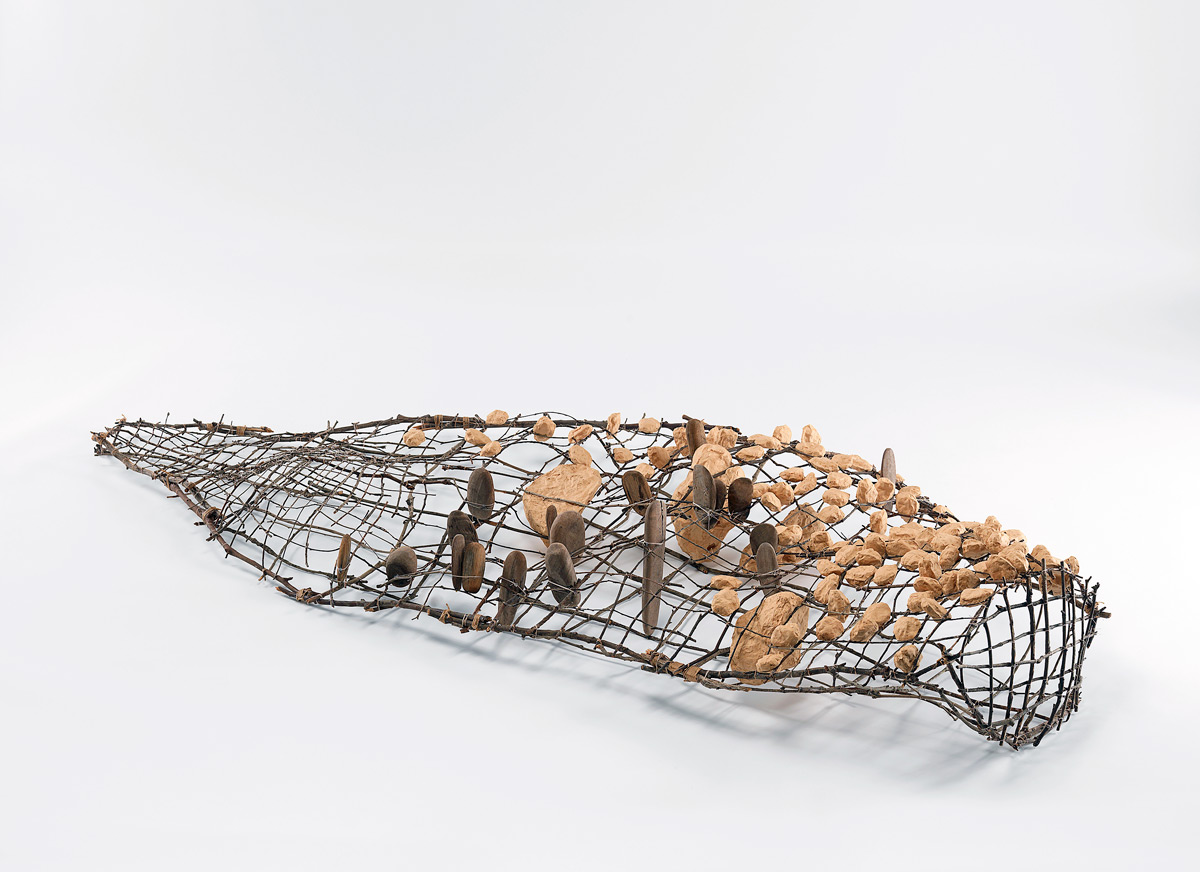
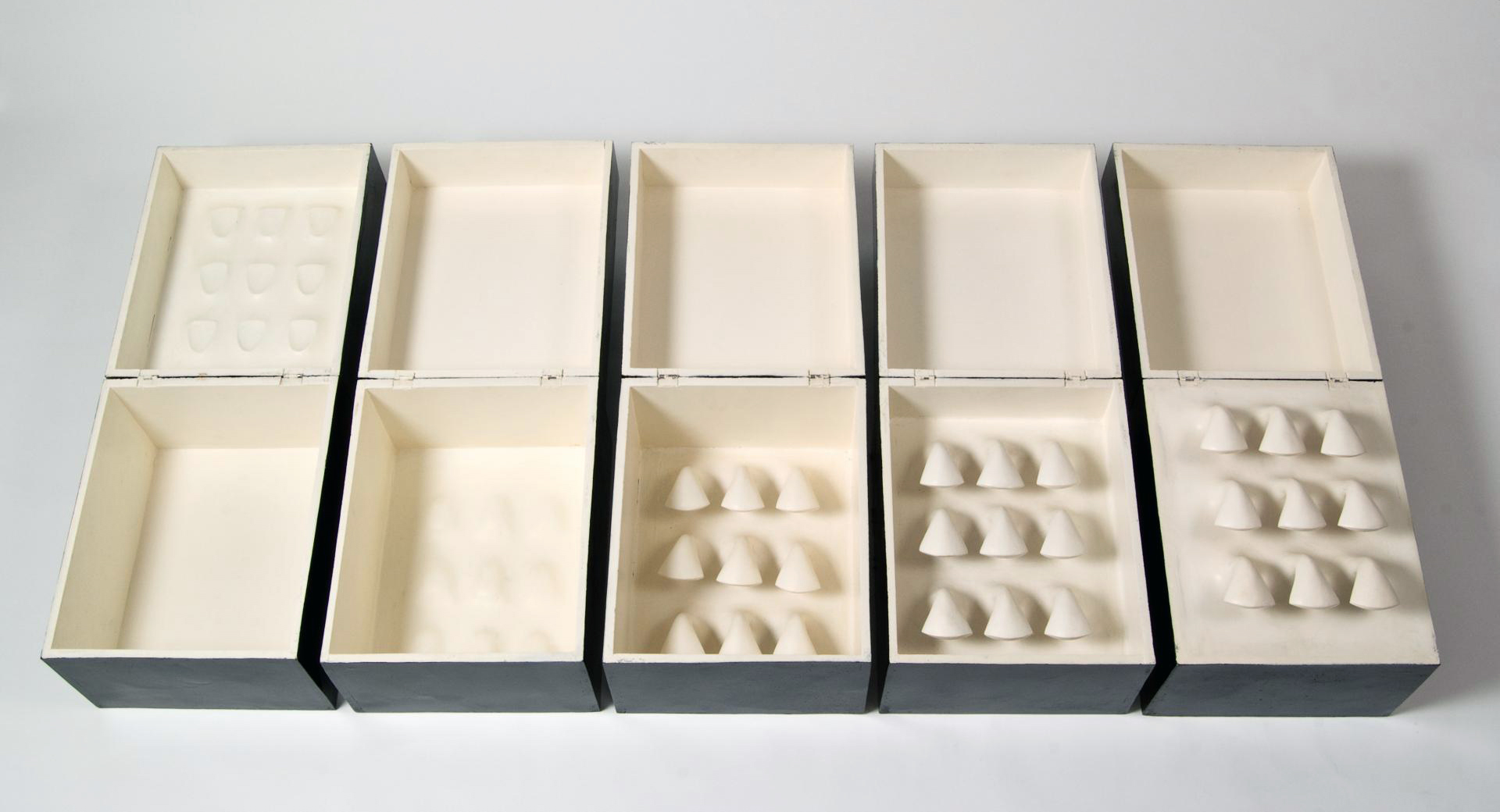
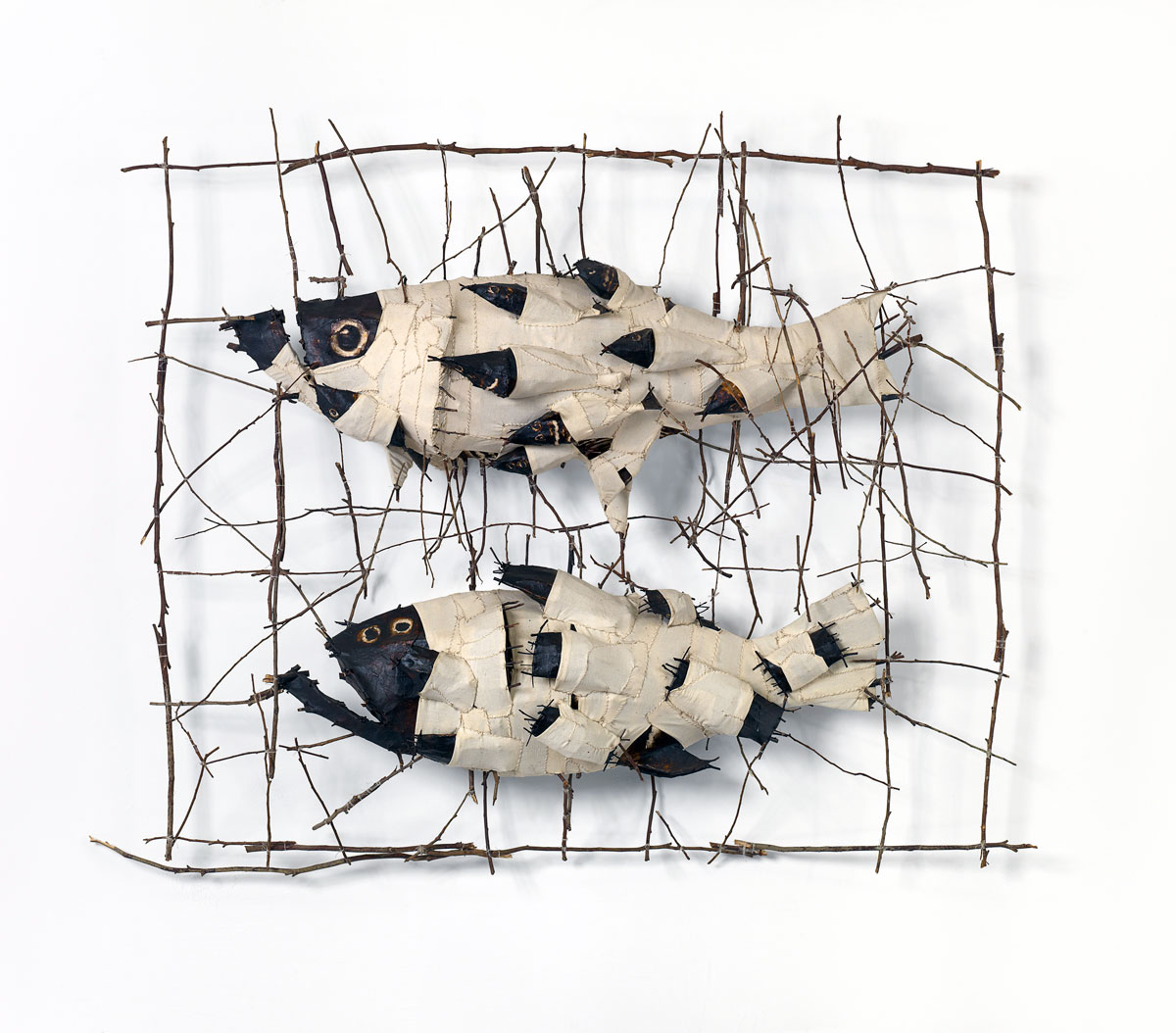


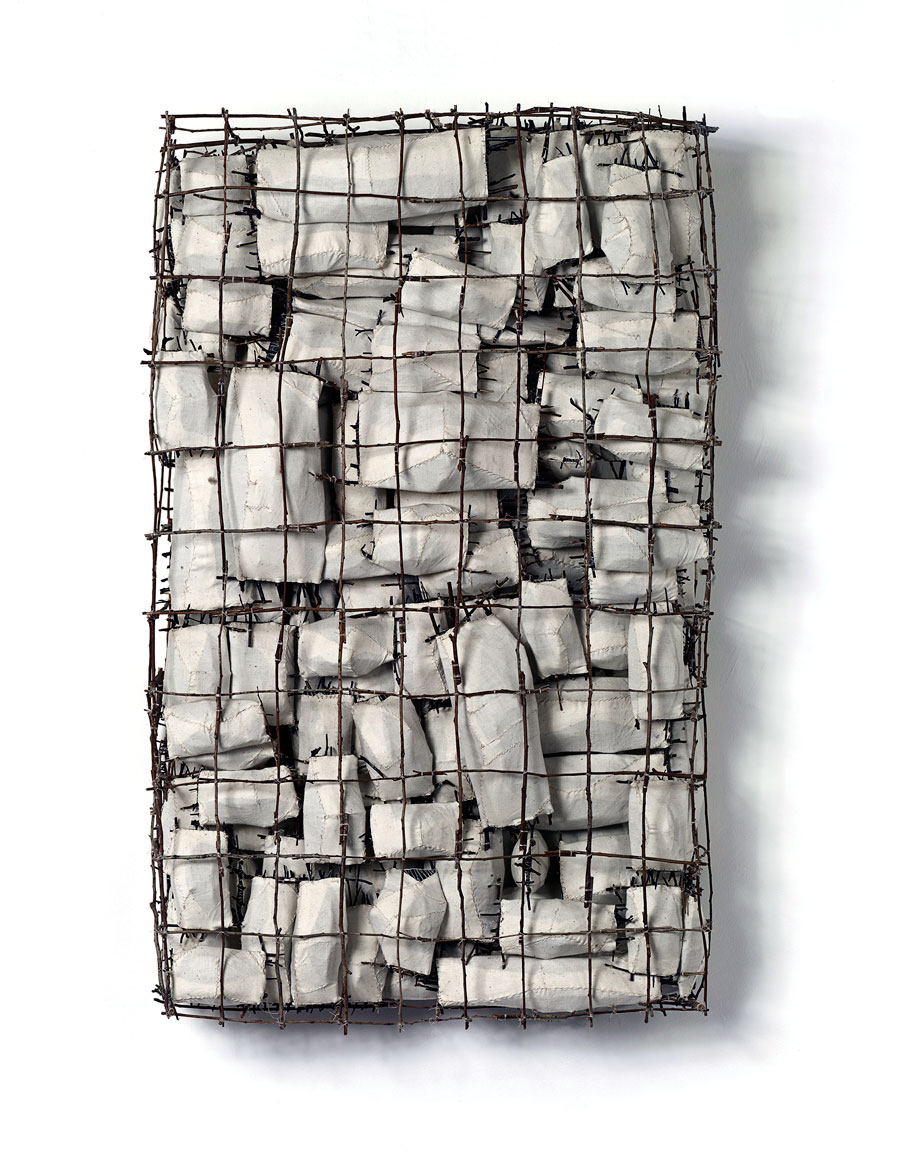

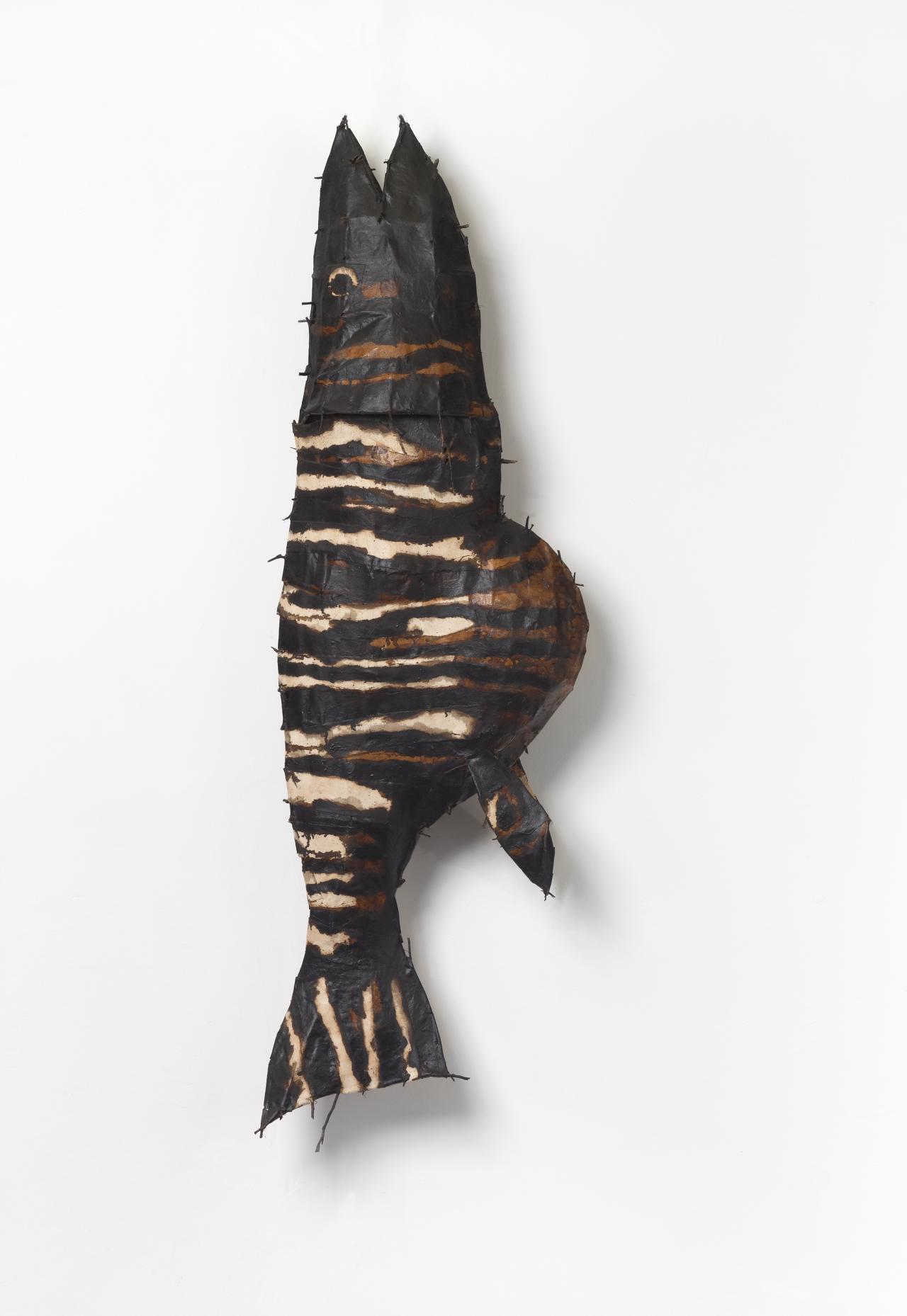

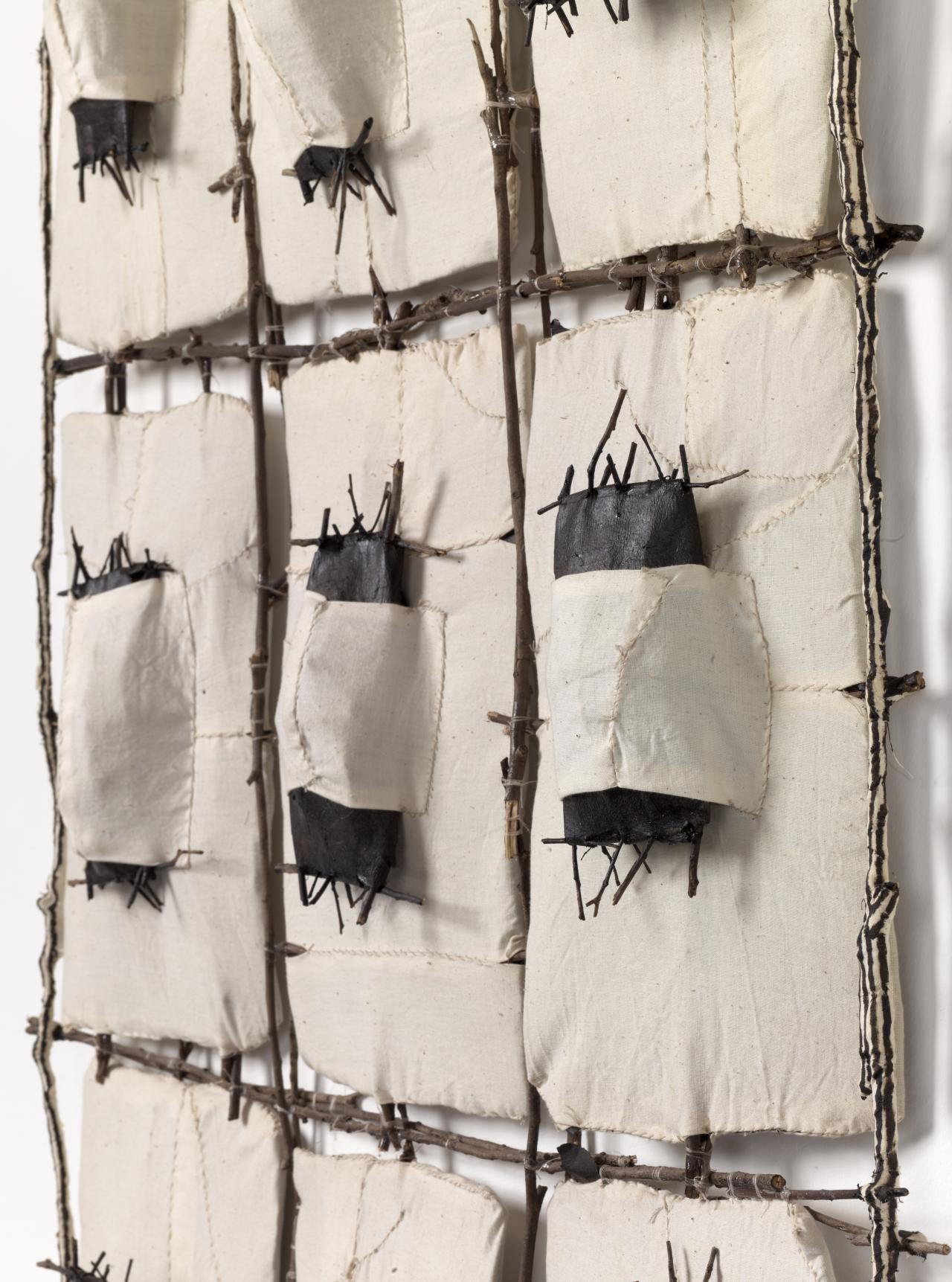
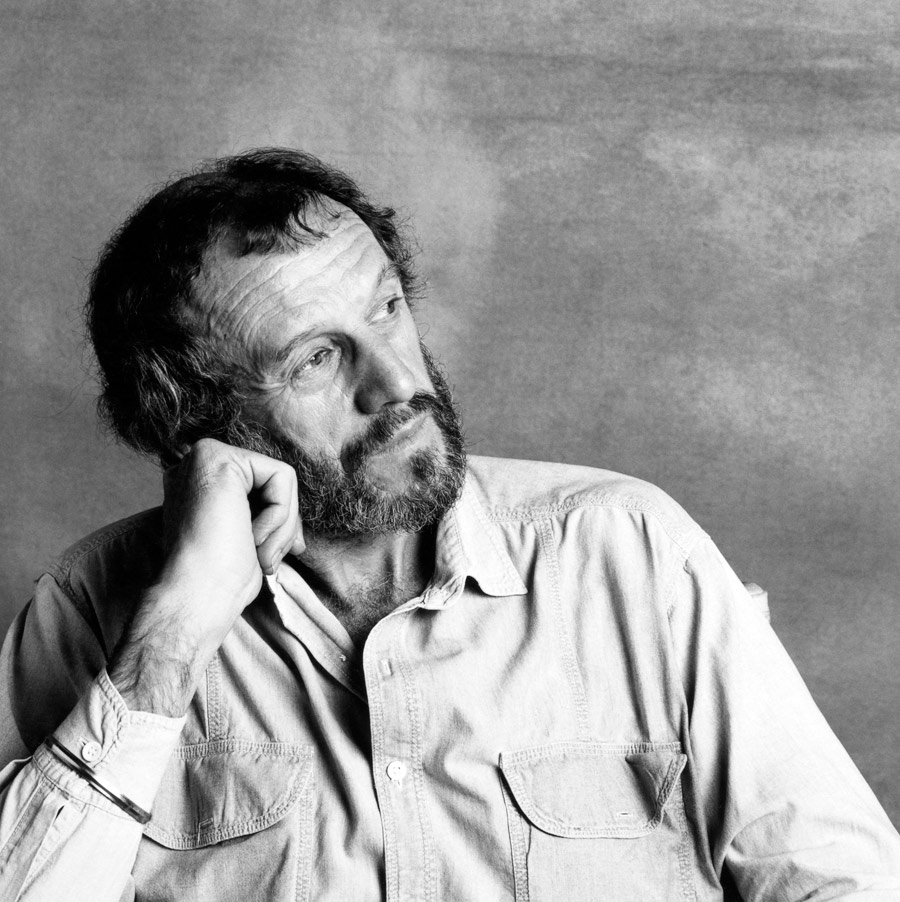
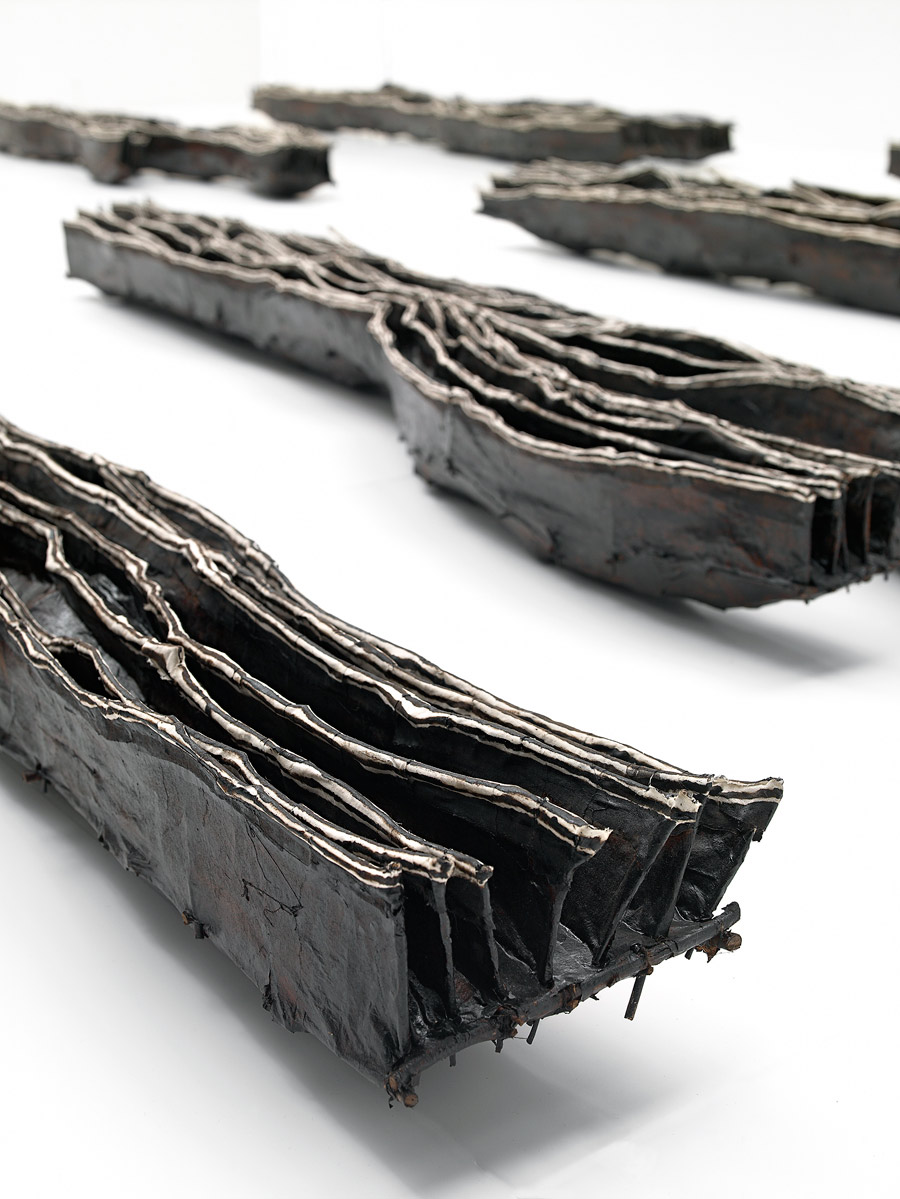
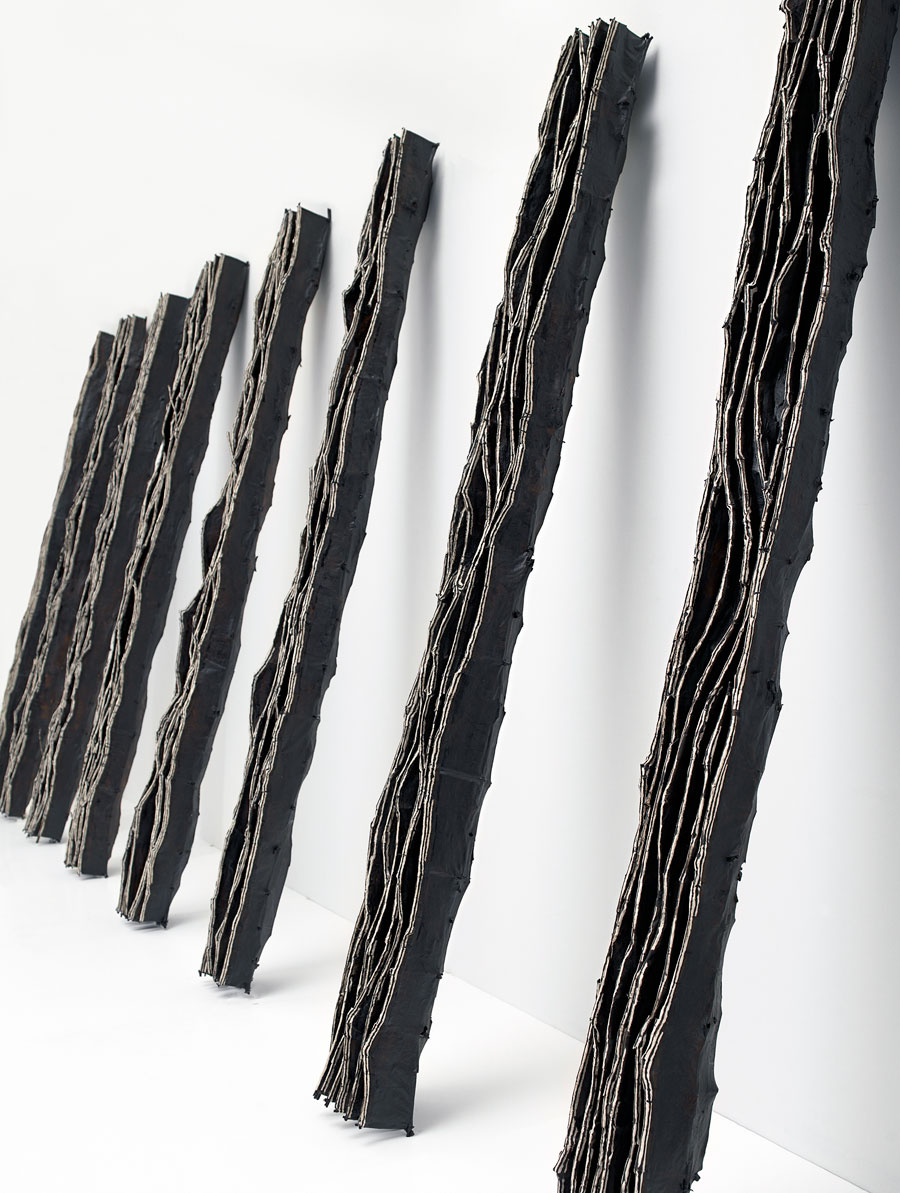


 Art Blart _ art and cultural memory archive
You must be logged in to post a comment.