Australian artist, curator and writer.
Doctor of Philosophy (RMIT University), Melbourne.
Master of Art Curatorship (University of Melbourne), Melbourne.
Master of Arts (RMIT University), Melbourne.
BA (Hons) (RMIT University), Melbourne.
A.R.C.M. (Associate of the Royal College of Music), London.
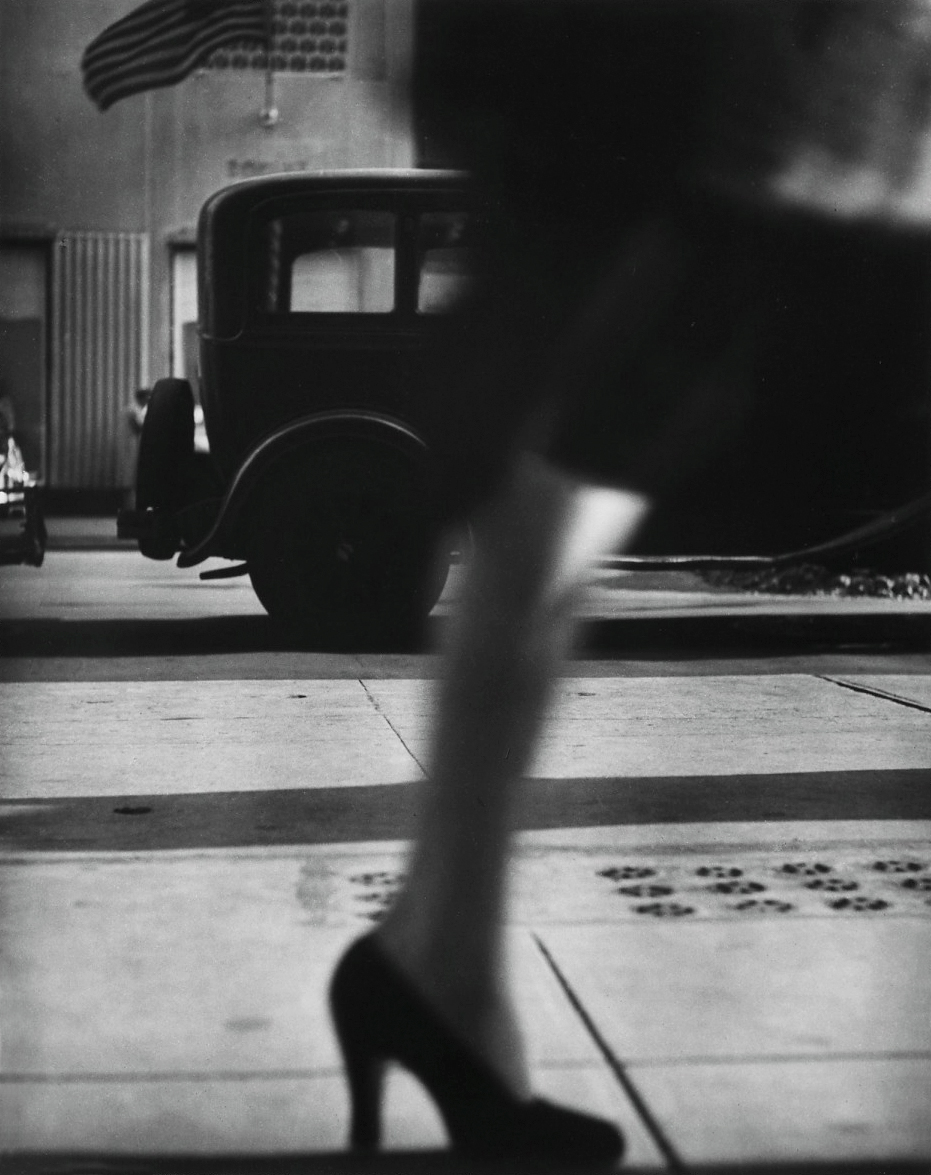
An interesting discussion of the life and work of Lisette Model (and her influence on Diane Arbus and vice versa) can be found on the AMERICANSUBURB X: THEORY website in an article by Elsa Dorfman titled “Ann Thomas on Lisette Model”. More photographs by Lisette Model can be found on the Masters of Photography website including some fabulous “Running Legs” images.
Dr Marcus Bunyan
Many thankx to Fundacion MAPFRE for allowing me to publish the photographs in the posting. Please click on the photographs for a larger version of the image.
“New images surround us everywhere. They are invisible only because of sterile routine convention and fear.”
“Photography starts with the projection of the photographer, his understanding of life and himself into the picture.”
“New images surround us everywhere. They are invisible only because of sterile routine convention and fear. To find these images is to dare to see, to be aware of what there is and how it is. The photographer not only gets information, he gives information about life.”
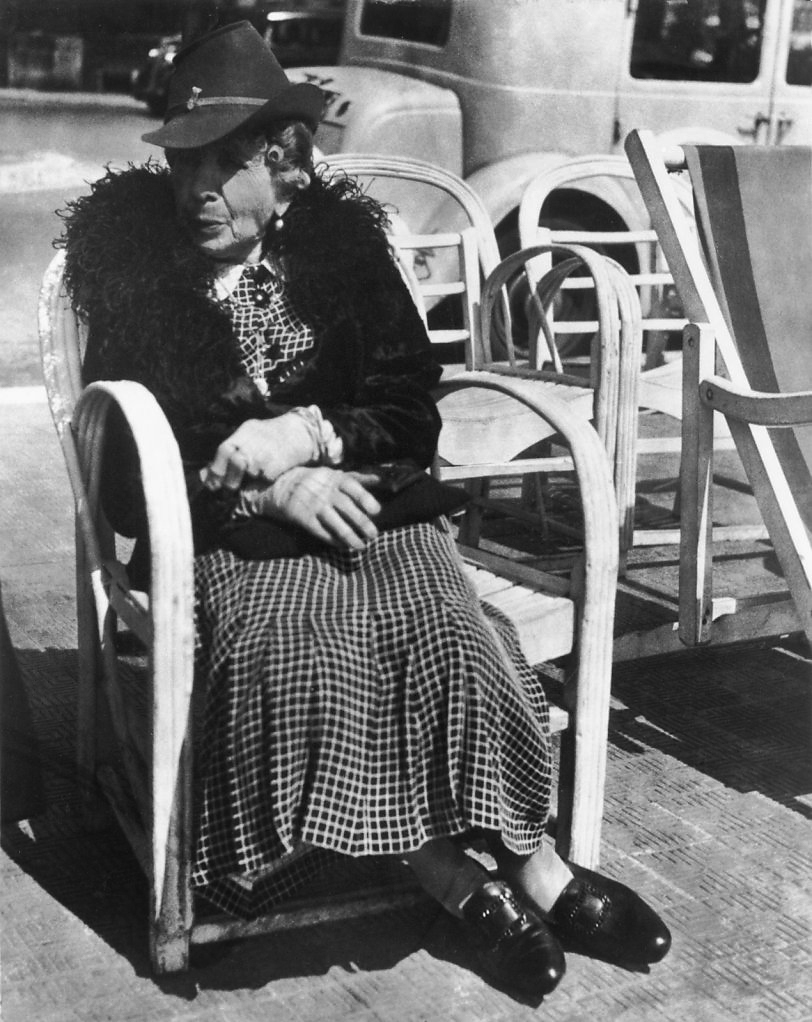
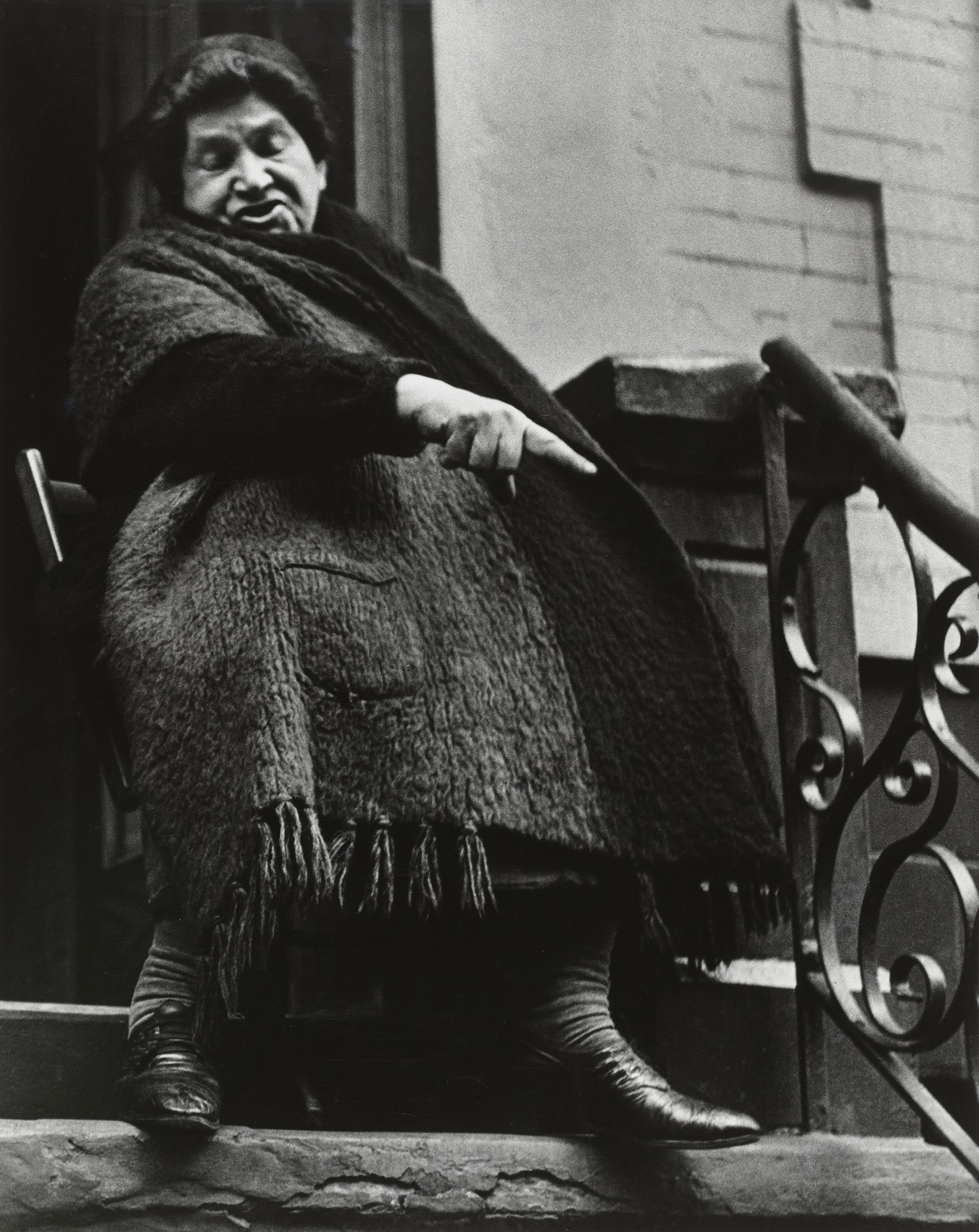
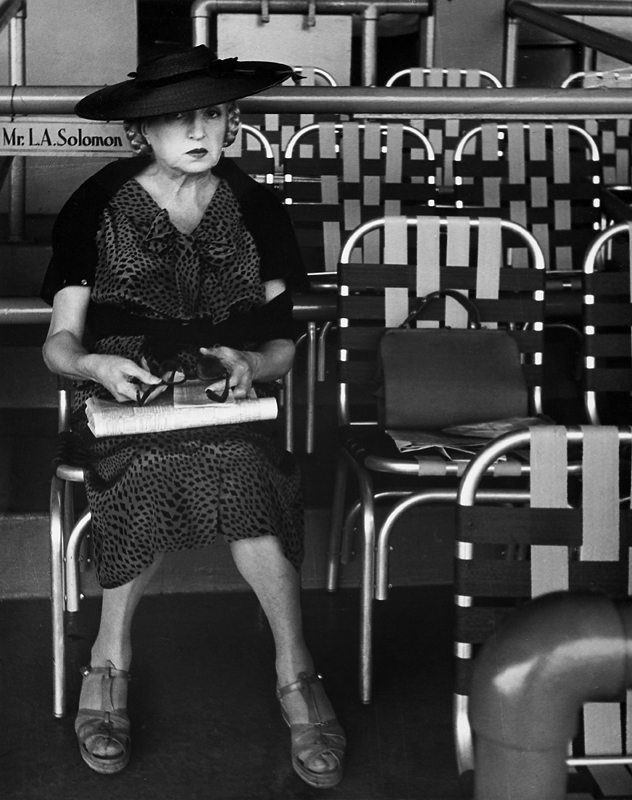
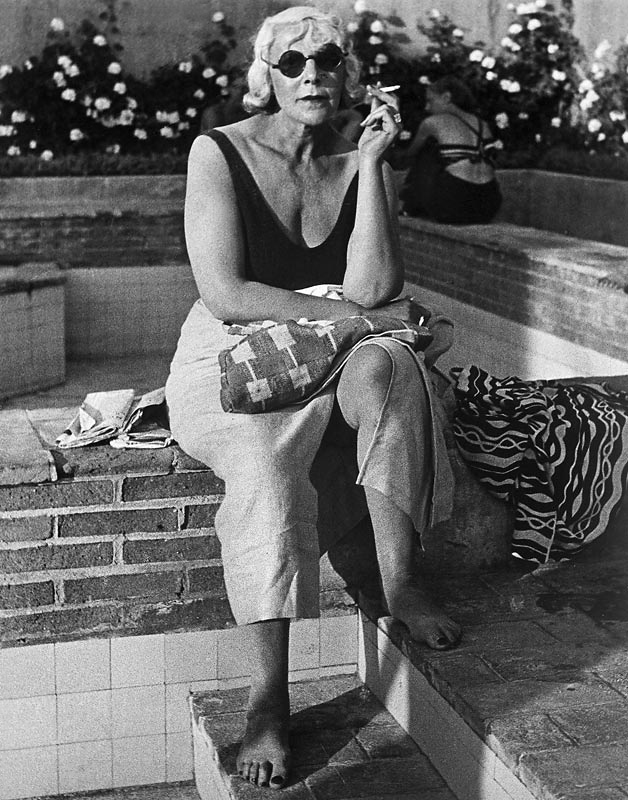
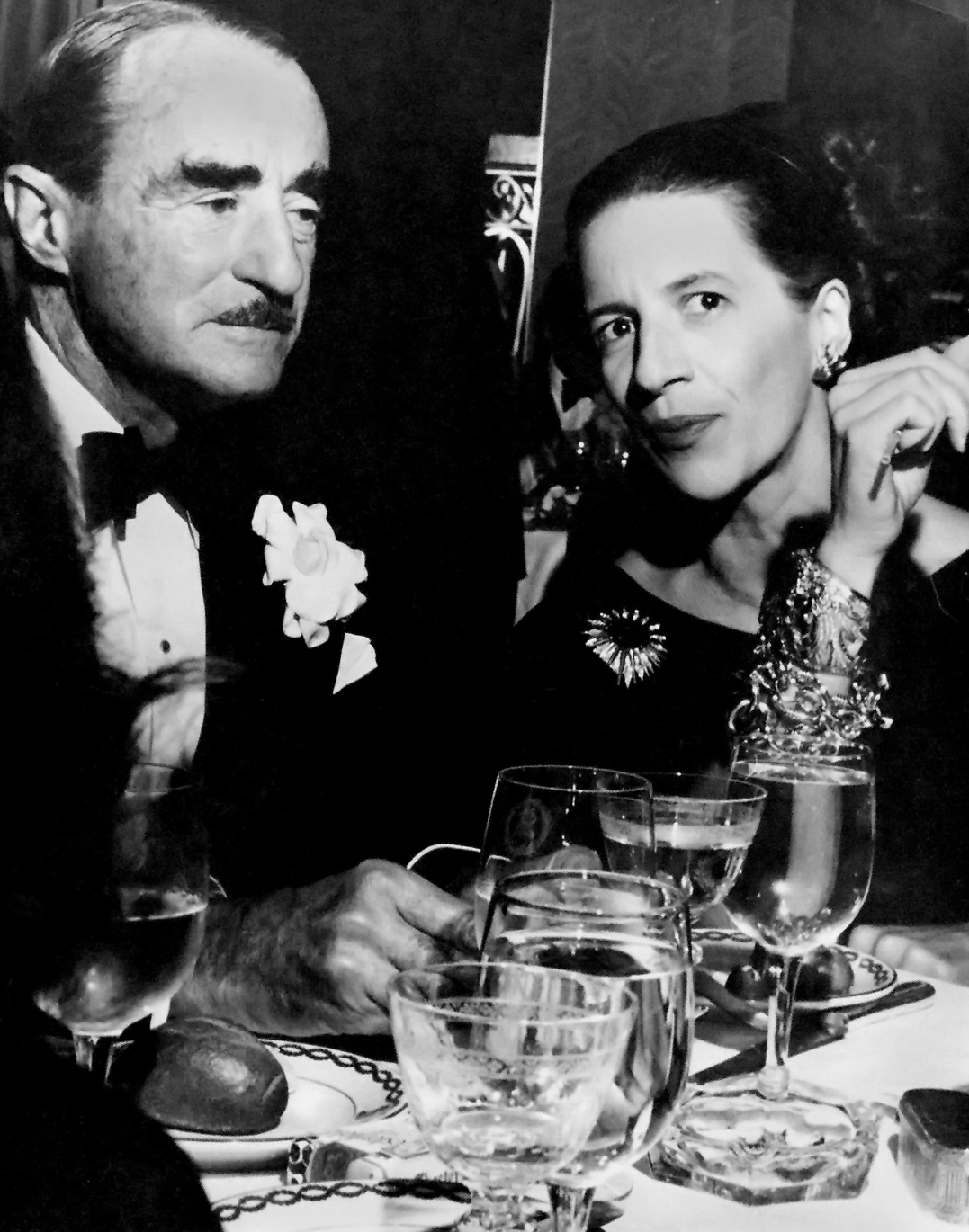
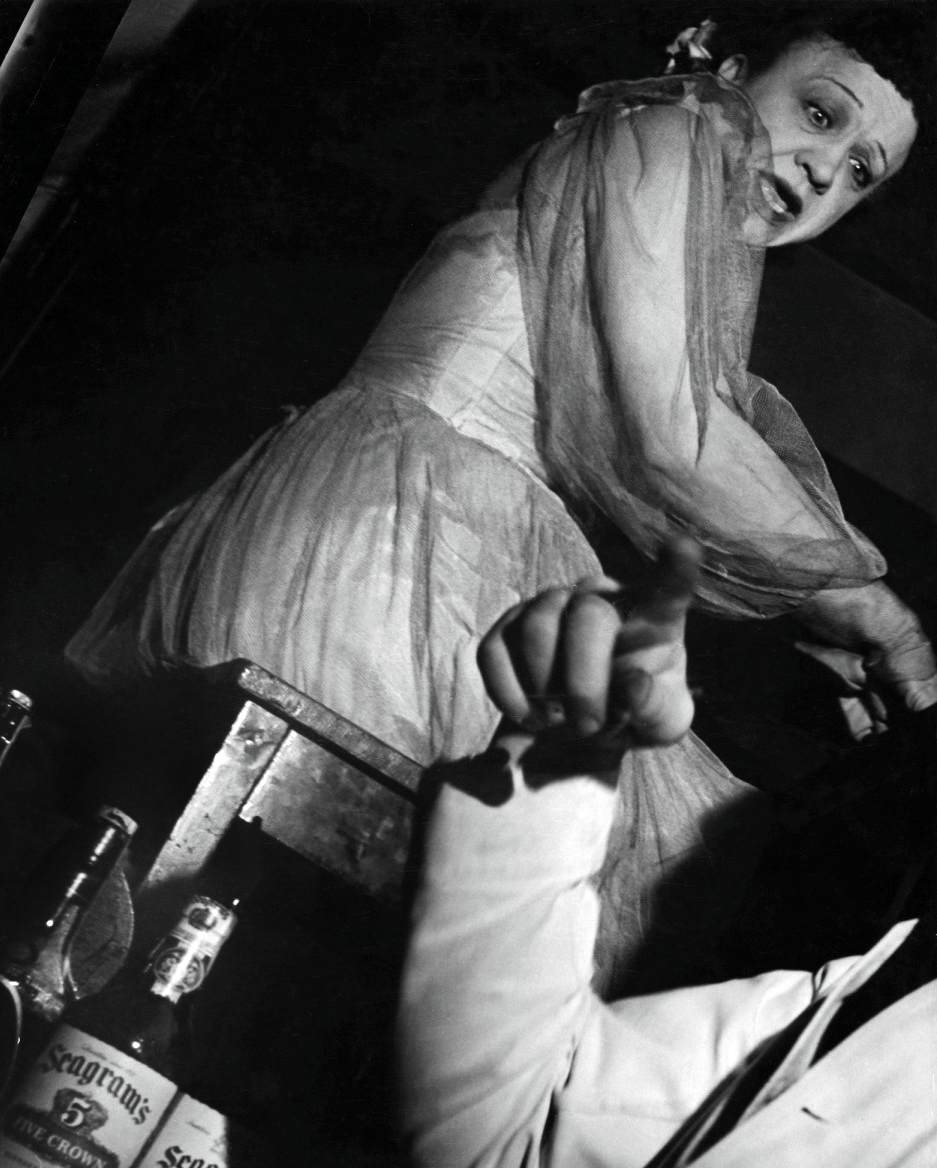
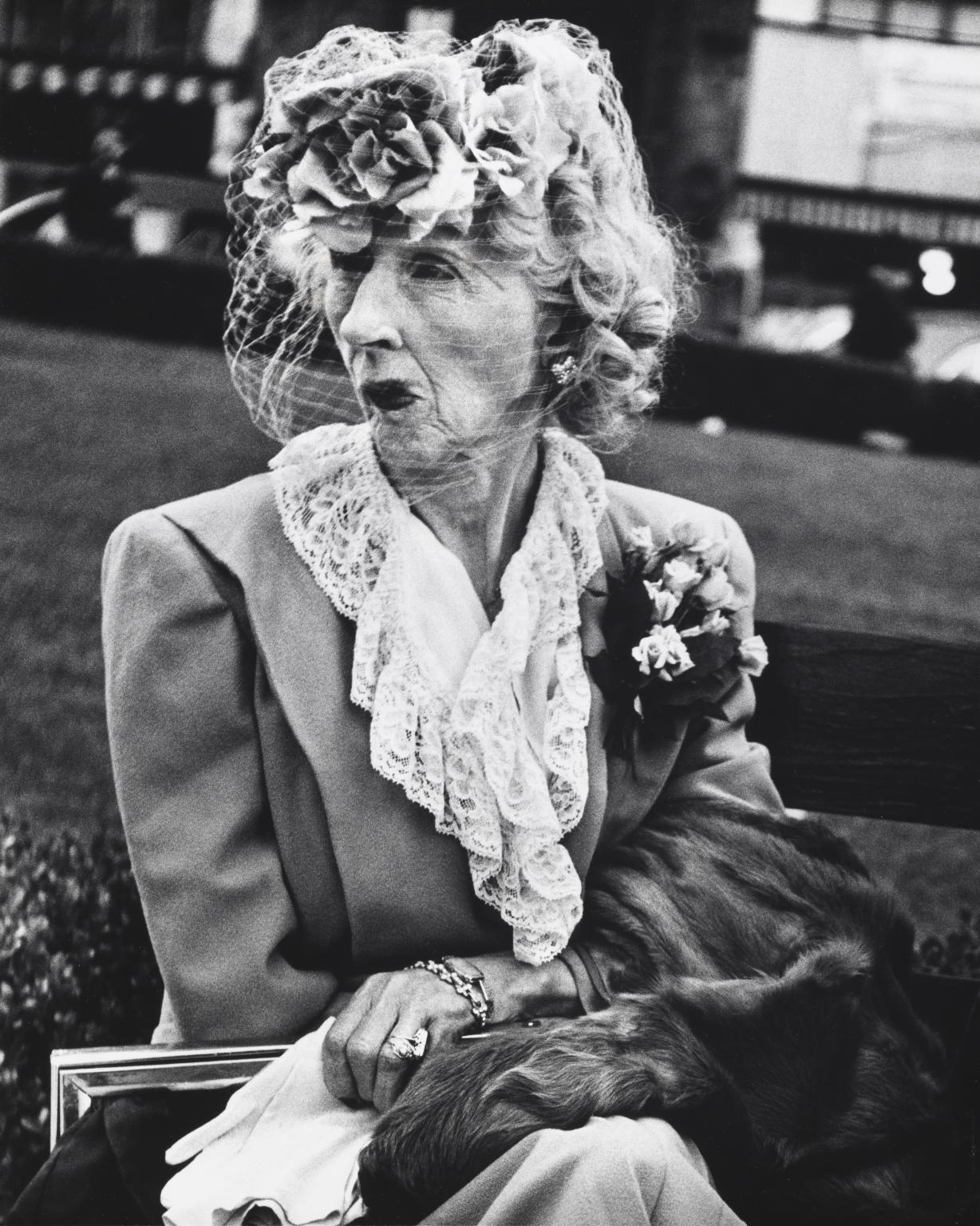
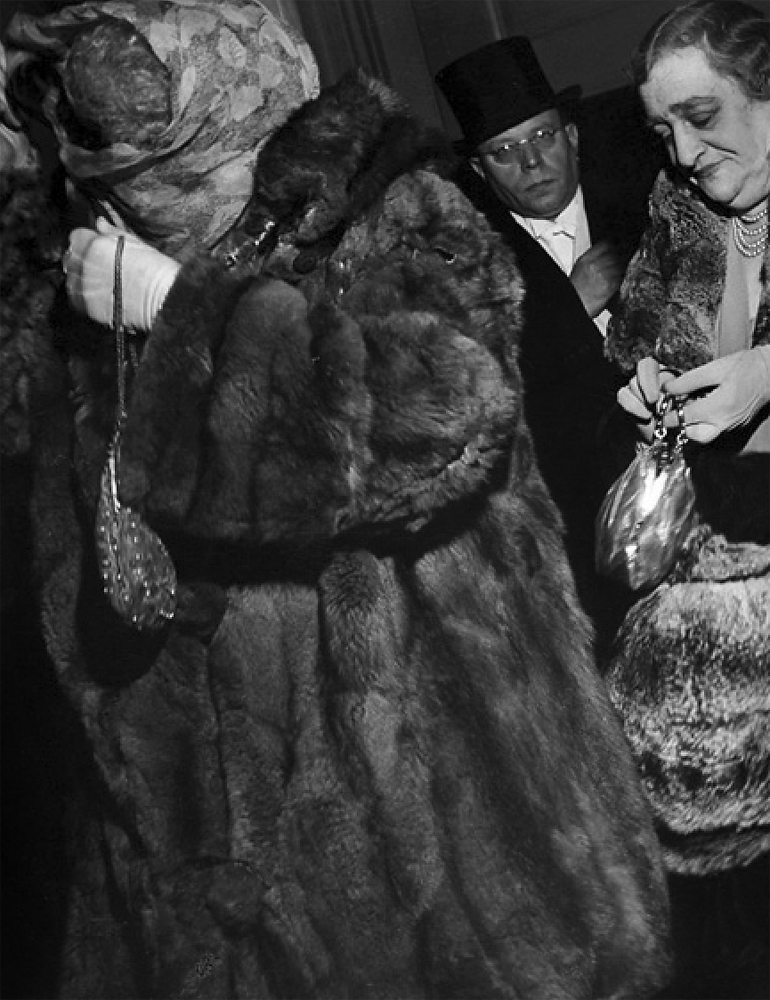
If Lisette Model took up photography as a way of earning a living, it is also true that she always fought for her own subjects, rather than simply carry out the assignments given by editors. She believed that for a photograph to be successful its subject had to be something that “hits you in the stomach.” This could be something familiar or something unfamiliar. For Model, the camera was an instrument for probing the world, a way of capturing aspects of a permanently changing reality that otherwise we would fail to see.
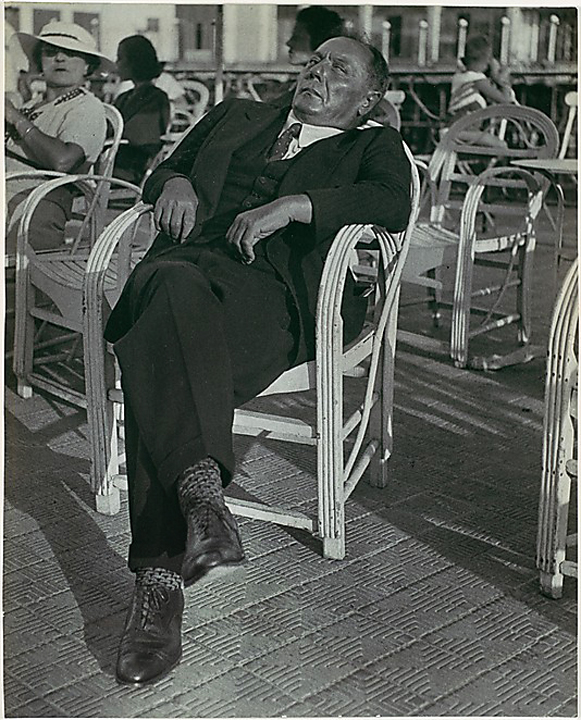
Model always said that she looked but did not judge. Yes, her photographs of the Promenade des Anglais in Nice were published by the left-wing journal Regards, in 1935, but she was not interested exclusively either in the rich or in the poor, and her images are much more about human relations. Her work evinces empathy, curiosity, compassion and admiration, and reflects the photographer’s attraction to voluminous forms, energy and liveliness, to emphatic gesture and expression: the world as stage. The critic Elizabeth McCausland has described Model’s camerawork as expressing “a subconscious revolt against the rules.”
This exhibition of some 120 of Lisette Model’s most representative photographs illustrates the very bold and direct approach to reality that made her one of the most singular proponents of street photography, the particular form of documentary photography that developed in New York during the 1940s, through the camerawork of such as Helen Levitt, Roy de Carava and Weegee.
Alongside the photographs, archive film and sound recordings of Lisette Model will evoke the photographer’s life, and there will be copies of magazines to which she contributed (Regards, Harper’s Bazaar, etc.).
Exhibition organised by Jeu de Paume and Fundación MAPFRE, Madrid.
Text from the Jeu de Paume website [Online] Cited 01/01/2010 no longer available online
Michelangelo Merisi da Caravaggio (Italian, 1571-1610) David with the Head of Goliath c. 1610 Oil on canvas 125 cm × 101cm (49 in × 40 in)
Two of my favourite artists together for the first time!
Individually they are dazzling but the curatorial nous to bring these two great painters together – fantastic.
Imagine going back to the time of Caravaggio – his paintings in the churches of the powerful (not the rich, see, because the rich can never enter the kingdom of heaven) – lit by candlelight, all huge thrusting buttocks at eye level as you enter, the rich velvety colours, the drama, the dirty feet, the voluptuous forms stretched across the canvas.
Now imagine taking Bacon back to the same period. His sinuous, tortured bodies lit by candlelight – no a single electric light bulb (remember!) – innards spreading effusively, effluently along the floor. Can you imagine the gloomy interiors with Bacon’s figures looming out of the darkness? His Head VI screaming in the darkness …
Instinctively, intellectually we know how the paintings of a Baroque artist of the early 17th century affect how we look at the paintings of Bacon. This exhibition offers the reverse, in fact it rewrites how we look at Caravaggio – through the benediction of Bacon. Those rough house homosexuals sure knew a thing or two about painting, flesh, desire and the eroticism of the human body. God bless em!
PS. I have arranged the paintings below to illustrate some of the confluences and divergences between the two great artists, hopefully much as the actual exhibition will have done.
Dr Marcus Bunyan
Many thankx to the Gallery Borghese for allowing me to publish the art work in the posting. Please click on the photographs for a larger version of the image.
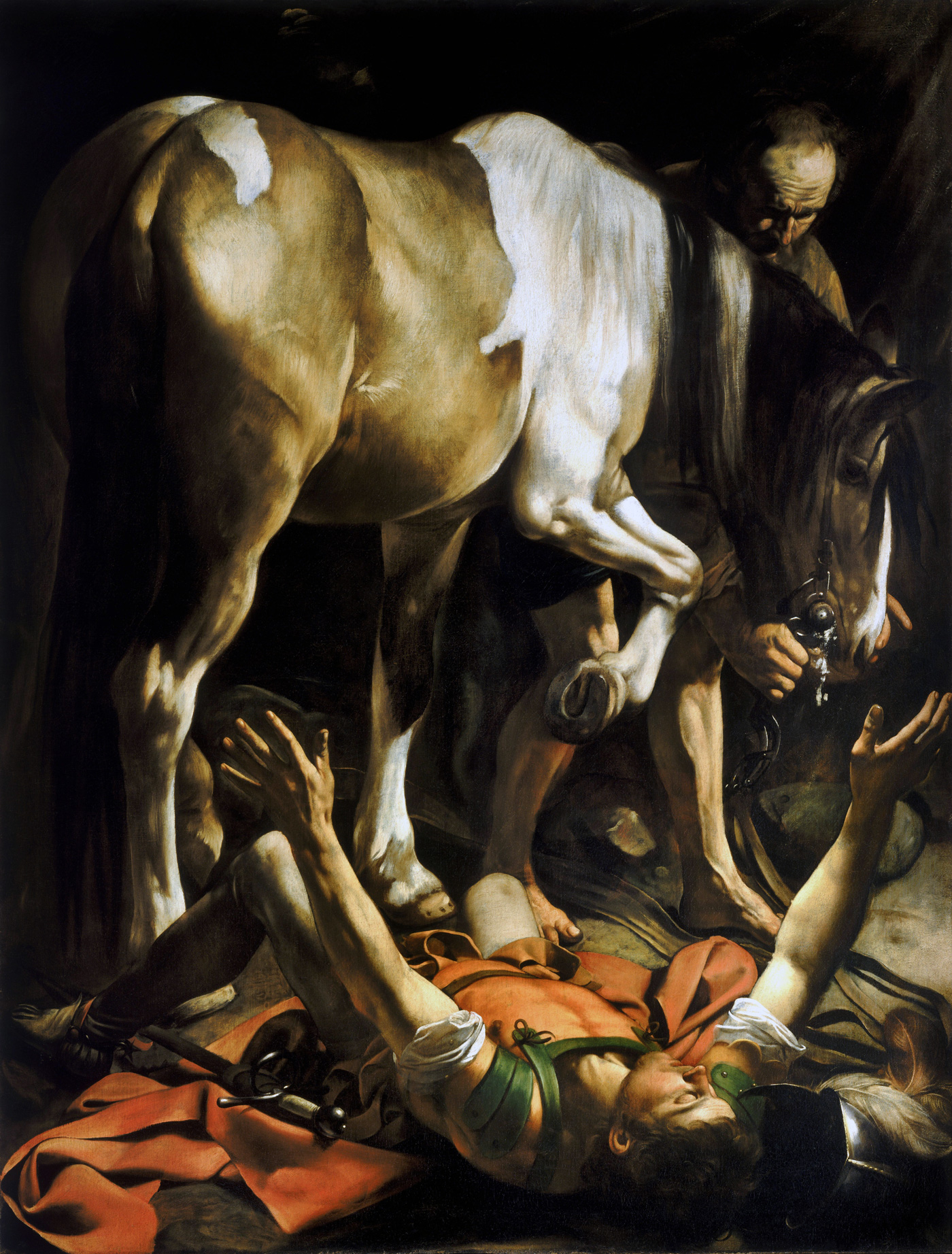
Michelangelo Merisi da Caravaggio (Italian, 1571-1610) The Conversion of Saint Paul c. 1600-1601 Oil on canvas
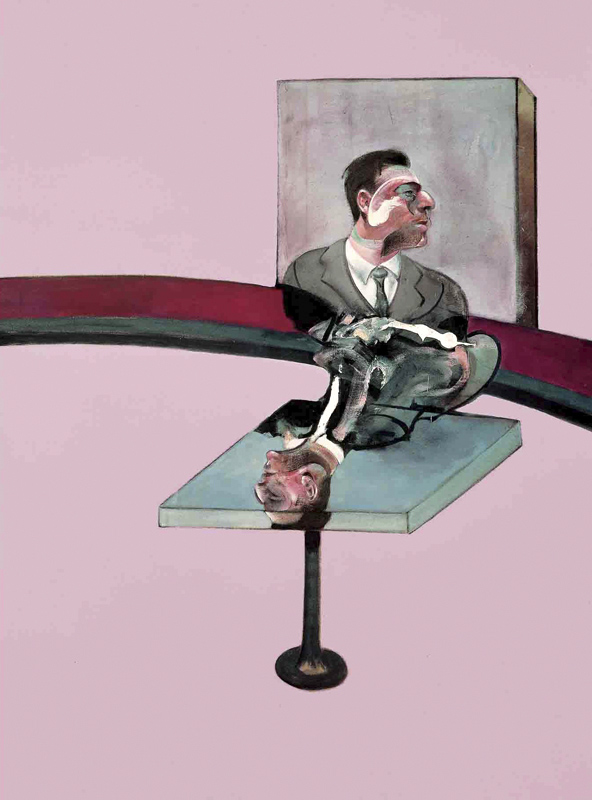
Francis Bacon (British, 1909-1992) Study of George Dyer 1969 Oil on canvas
Michelangelo Merisi da Caravaggio (Italian, 1571-1610) Saint John the Baptist in the Wilderness 1604 Oil on canvas
“I have always aspired to express myself in the most direct and crudest way possible, and maybe, if something is transmitted directly, people find it horrifying. Because, if you say something in the most direct way to a person, the latter sometimes takes offence, even if what you said is a fact. Because people tend to take offence at facts, or at what was once called truth.”
~ Francis Baon
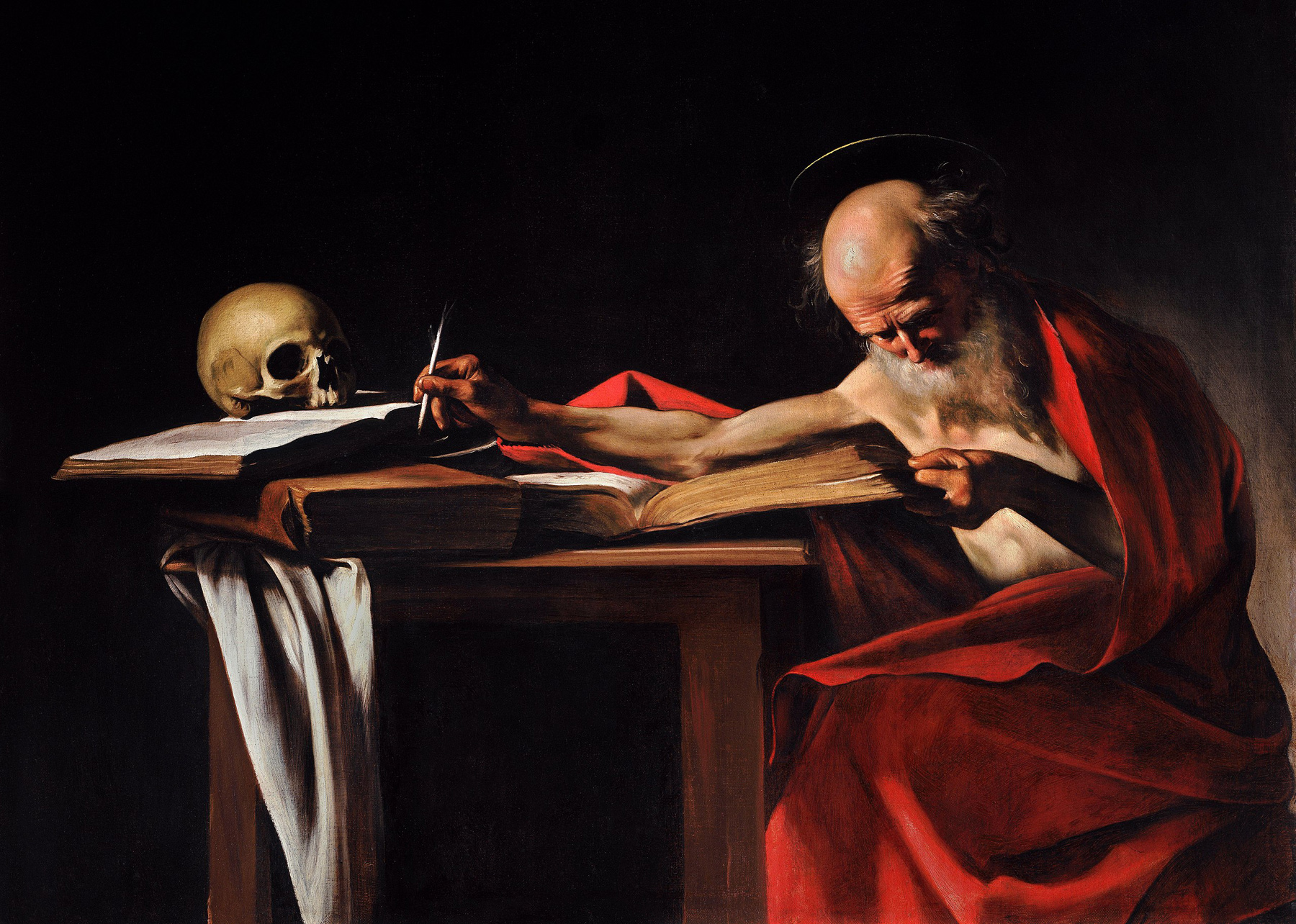
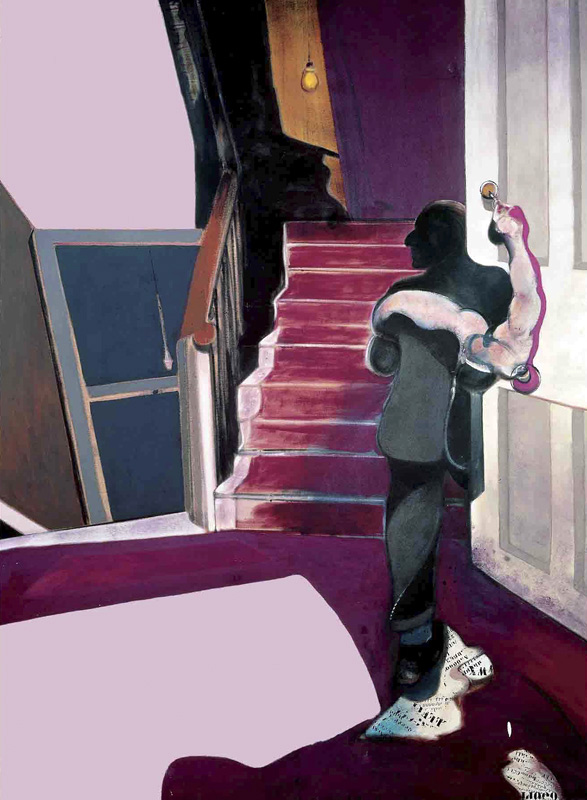
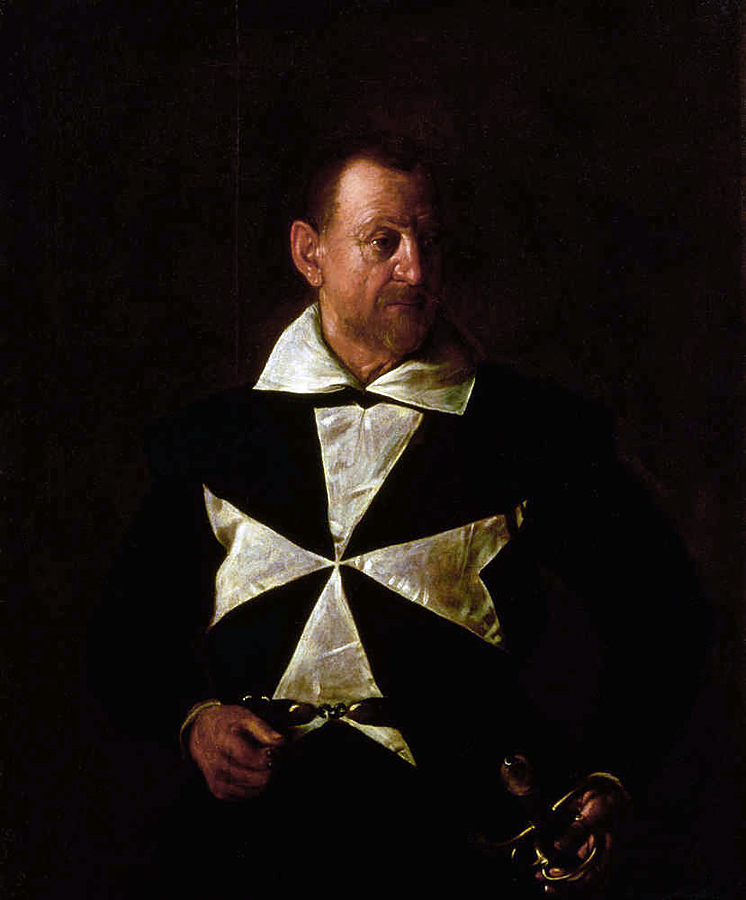
This is how the Irish genius Francis Bacon justified his modus operandi, his propensity for a disquieting and sometimes grotesque distortion of the form. His works, placed next to those of another “damned” painter of the history of art, the great Caravaggio, will be exhibited from 1st October 2009 to 24th January 2010 at the Galleria Borghese in Rome. On the occasion of the fourth centenary of Caravaggio’s death, and of the centenary of Bacon’s birth, the figures of these eccentric artists, who are considered excessive – each one in their own way in their own period – are interweaved and narrated for the first time at the Galleria Borghese, which will also have prestigious loans from the most important museums in the world. By Caravaggio, already familiar with the Galleria Borghese thanks to his relation with cardinal Scipione Borghese, six masterpieces will be on view, synthesising his entire production: Boy with basket of fruit, Sick little Bacchus, Madonna and Child with St. Anne (dei Palafrenieri), David with the head of Goliath, Saint Jerome writing and Saint John the Baptist. Other key works of his artistic career will be added to these pieces of the permanent collection: Peter’s denial (Metropolitan in New York), Saul’s fall (Santa Maria del Popolo in Rome), The Martyrdom of St. Orsola (Palazzo Zevallos Stigliano in Naples) and the Portrait of Antonio Martelli, Knight of Malta (Palazzo Pitti). About twenty works by Bacon, loaned by the most prestigious museums, will be placed next to Caravaggio’s masterpieces.
The exhibition has the objective, with an unusual style and combining for the first time the two authors, not so much to immerse visitors in a historical-critical reconstruction, as much as to suggest an alternative aesthetic experience generated by the confrontation between the two expressive idioms which are so far yet so close. To tell the truth, the comparison between the two artists betrays Bacon’s grammar, as he did not love to be measured against the great masters of the past, even with those he esteemed the most: he ingeniously looked at the great “pillars” of the history of art filtering them through photography, which convulsively stimulated his perception and guided his creativity, until he conceived works that were very far from their original source of inspiration. Yet Caravaggio and Francis Bacon have something in common: in their linguistic, formal and temporal diversity they are both undisputed paladins of the human figure, they were able to seize the arcane undertones of life and art, and translate them into representations of ruthless frankness. Through the truth of flesh, what emerges are existential anxieties and a careful analysis of the human soul. In Caravaggio it happens thanks to his realism taken to obsession, in which the rigorous plasticity of bodies and theatrical illumination do not reveal only pleasant and harmonious shapes, they do not spare the spectators’ eyes from the crudeness of the distressing and deformed aspect of a subject. For Bacon physical deformation is enslaved to the ferocious narration of the human condition. Therefore, the password of this “strange couple” of artists is “truth,” of purposes and/or of means.
Therefore, the true stars of the exhibition are the spectators, it is up to them to contemplate the works and find links and discrepancies between the two artists, according to their own sensibility and regardless of the conditions originally foreseen by the painters for their creations. Those pieces live, in the museum context of Villa Borghese, an autonomous existence, free from their first generated status. The exhibition “Caravaggio – Bacon” is curated by Anna Coliva, Director of the Galleria Borghese, Claudio Strinati, Special Superintendent for the PSAE and for the Museum Pole of the city of Rome and by Michael Peppiatt, biographer and close friend who knew very well Francis Bacon, organised by MondoMostre and made possible thanks to the support of BG Italia, ENEL and Vodafone.
Press release from the Gallery Borghese website [Online] Cited 12/12/2009. No longer available online
Michelangelo Merisi da Caravaggio (Italian, 1571-1610) Saint Jerome Writing c. 1605-1606 Oil on canvas 112 × 157cm (44 in × 62 in)
Michelangelo Merisi da Caravaggio (Italian, 1571-1610) Young Sick Bacchus c. 1593 Oil on canvas 67 × 53cm (26 in × 21 in)
Michelangelo Merisi da Caravaggio (Italian, 1571-1610) John the Baptist (John in the Wilderness) c. 1610 Oil on canvas 159 × 124cm (63 in × 49 in)
Francis Bacon (British, 1909-1992) Triptych in Memory of George Dyer 1971 Oil on canvas
Francis Bacon (British, 1909-1992) Central panel of the Triptych in Memory of George Dyer 1971 Oil on canvas
Francis Bacon (British, 1909-1992) Right panel of the Triptych in Memory of George Dyer 1971 Oil on canvas
Francis Bacon (British, 1909-1992) Triptych August 1972 Oil on canvas
Michelangelo Merisi da Caravaggio (Italian, 1571-1610) The Denial of Saint Peter 1610 Oil on canvas 94 × 125.4cm (37 in × 49.4 in)
Francis Bacon (British, 1909-1992) Triptych of George Dyer 1973 Oil on canvas
Francis Bacon (British, 1909-1992) Central panel of the Triptych of George Dyer 1973 Oil on canvas
Francis Bacon (British, 1909-1992) Head VI 1949 Oil on canvas
Michelangelo Merisi da Caravaggio (Italian, 1571-1610) Boy with a Basket of Fruit c. 1593-1594 Oil on canvas 70 × 67cm (28 in × 26 in)
Michelangelo Merisi da Caravaggio (Italian, 1571-1610) Madonna and Child with St. Anne (dei Palafrenieri) 1606 Oil on canvas 292 × 211cm (115 in × 83 in)
Michelangelo Merisi da Caravaggio (Italian, 1571-1610) The portrait of Antonio Martelli, Knight of Malta 1608-1609 Oil on canvas 118.5 × 95.5cm (46.7 in × 37.6 in)
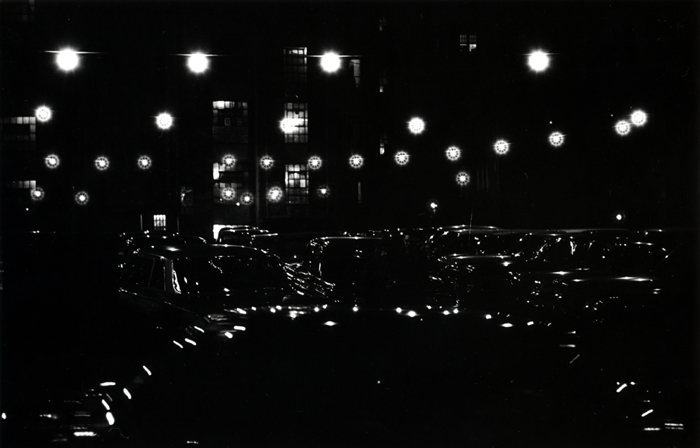
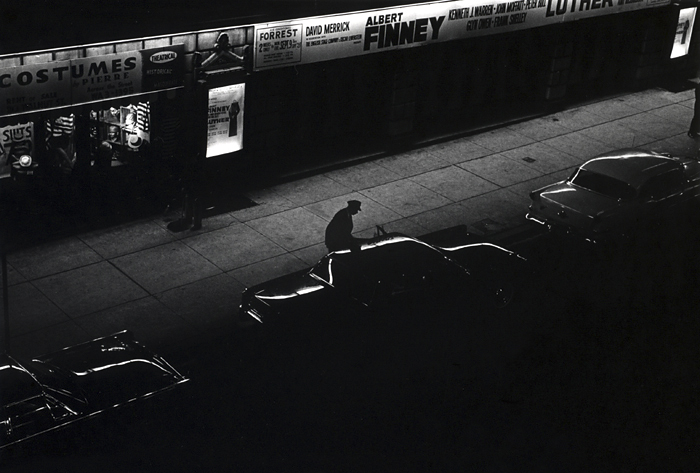
Ray K. Metzker (American, 1931-2014) Philadelphia, 1963 1963 Gelatin silver print
The early photographs from the 1960’s are stupendous!
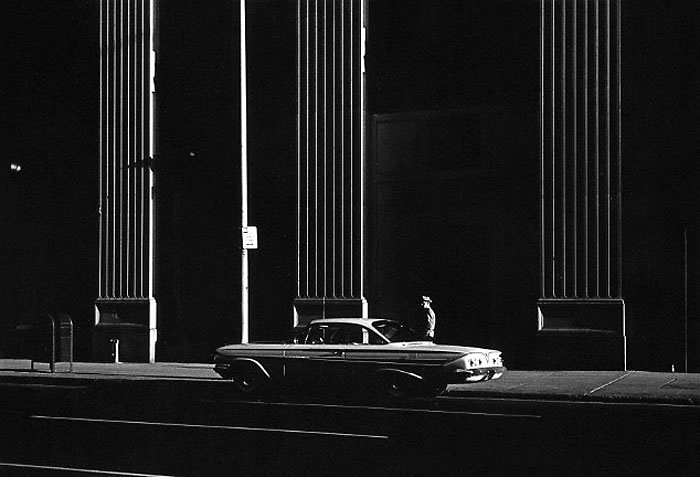
The pre-visualisation of the final photograph shows rare talent. The use of deep chiaroscuro is handled so adeptly, so confidently. The photographer is in full control of the modelling of the spaces and contours of the objects within the photographic frame. Metzker’s drawing with light surely comes from an enlightened mind. Magical. Wonderful.
Dr Marcus Bunyan
Many thankx to Laurence Miller Gallery for allowing me to publish the photographs in the posting. Please click on the photographs for a larger version of the image.
Ray K. Metzker (American, 1931-2014) Philadelphia, 1963 1963 Gelatin silver print
Ray K. Metzker (American, 1931-2014) Philadelphia 1963 Gelatin silver print
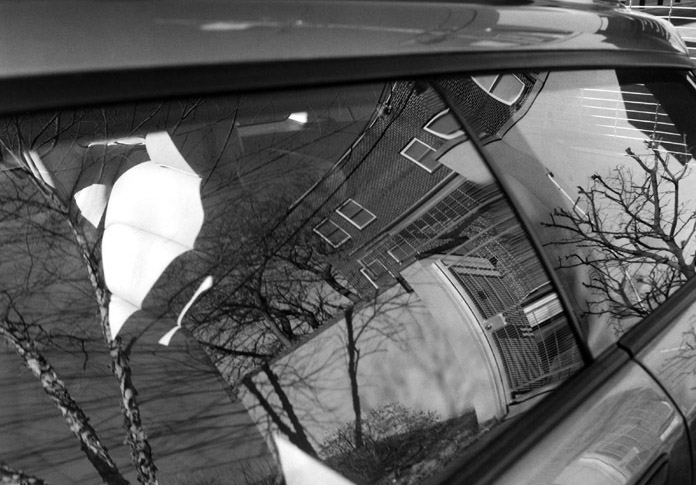
Ray K. Metzker (American, 1931-2014) Philadelphia, 1964 1964 Gelatin silver print
Ray K. Metzker (American, 1931-2014) Chicago, 1958 1958 Gelatin silver print
From November 24 through January 9 Laurence Miller Gallery celebrates Ray K. Metzker: AutoMagic. This exhibition features over fifty black-and-white photographs taken by this 78-year old master photographer over the past fifty years in which the automobile plays a pivotal role in the contest between light and shadow. Forty of the photographs have never been exhibited before.
From his earliest street pictures taken under the El in Chicago’s Loop in the mid-Fifties, to his most recent highly abstract views of reflections on Philadelphia car windows, Ray K. Metzker brings an exuberance of vision rarely found among today’s photographers. In total control of his camera and craft, Metzker transforms the mundane in daily urban life into intense images that sizzle, and delight the eye.
In the darkest recesses of a parking garage, we discover a single shimmering tail fin of a late 50’s Cadillac. In a scene more Orson Wells than Woody Allen, we witness a menacing shadow figure approaching a parked car, intent unknown. In a blizzard, we join the photographer and a single figure as they look at one another wondering why each other is standing there in the cascading snow.
The show also reveals a more tender side of Metzker, as we peer into car windows to see folks uninhibited within their mobile shelters, including a sleeping man with a medallion, head resting on the door; a man reading at the wheel of his damaged white coupe; and a man at the end of long day, hand upon his head.
Metzker’s work of the last few years, fondly nicknamed Autowackies, are a brilliant extension of his earlier forays into abstraction, and are only made possible by the contours of our newest cars and SUV’s, which wildly warp the architecture and cloud formations reflected on their glossy surfaces.
Michael Leunig (Australian, b. 1945) Carbon Footprints, War Footprints in The Age Newspaper, Friday 11th December 2009
Still, we are at war, and I’m responsible for the deployment of thousands of young Americans to battle in a distant land. Some will kill, and some will be killed. And so I come here with an acute sense of the costs of armed conflict – filled with difficult questions about the relationship between war and peace, and our effort to replace one with the other…
The concept of a “just war” emerged, suggesting that war is justified only when certain conditions were met: if it is waged as a last resort or in self-defense; if the force used is proportional; and if, whenever possible, civilians are spared from violence.
Of course, we know that for most of history, this concept of “just war” was rarely observed. The capacity of human beings to think up new ways to kill one another proved inexhaustible, as did our capacity to exempt from mercy those who look different or pray to a different God. Wars between armies gave way to wars between nations – total wars in which the distinction between combatant and civilian became blurred. In the span of 30 years, such carnage would twice engulf this continent. And while it’s hard to conceive of a cause more just than the defeat of the Third Reich and the Axis powers, World War II was a conflict in which the total number of civilians who died exceeded the number of soldiers who perished…
We must begin by acknowledging the hard truth: We will not eradicate violent conflict in our lifetimes. There will be times when nations – acting individually or in concert – will find the use of force not only necessary but morally justified.
I make this statement mindful of what Martin Luther King Jr. said in this same ceremony years ago: “Violence never brings permanent peace. It solves no social problem: it merely creates new and more complicated ones.” As someone who stands here as a direct consequence of Dr. King’s life work, I am living testimony to the moral force of non-violence. I know there’s nothing weak – nothing passive – nothing naïve – in the creed and lives of Gandhi and King.
But as a head of state sworn to protect and defend my nation, I cannot be guided by their examples alone. I face the world as it is, and cannot stand idle in the face of threats to the American people. For make no mistake: Evil does exist in the world…
I raise this point, I begin with this point because in many countries there is a deep ambivalence about military action today, no matter what the cause. And at times, this is joined by a reflexive suspicion of America, the world’s sole military superpower.
But the world must remember that it was not simply international institutions – not just treaties and declarations – that brought stability to a post-World War II world. Whatever mistakes we have made, the plain fact is this: The United States of America has helped underwrite global security for more than six decades with the blood of our citizens and the strength of our arms…
So yes, the instruments of war do have a role to play in preserving the peace. And yet this truth must coexist with another – that no matter how justified, war promises human tragedy. The soldier’s courage and sacrifice is full of glory, expressing devotion to country, to cause, to comrades in arms. But war itself is never glorious, and we must never trumpet it as such.
Part of the Nobel Peace Prize acceptance speech by President Barack Obama
Many thankx to the Frick Art and Historical Center for allowing me to publish the photographs in the posting. Please click on the photographs for a larger version of the image.
Dr Marcus Bunyan
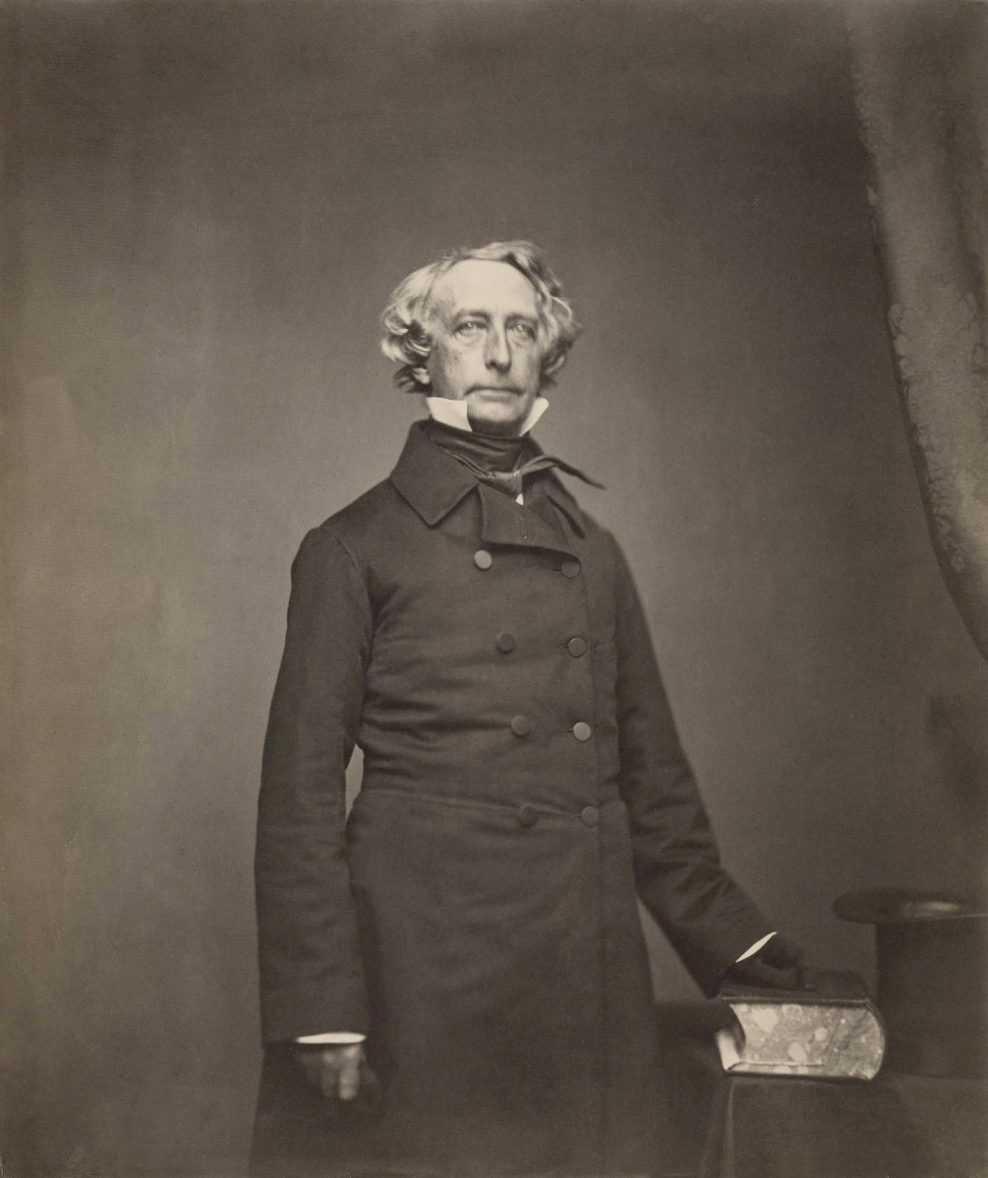
Matthew Brady (American, 1823-1896) Prosper M. Wetmore 1857 Salted paper print from wet collodion negative 47 x 39.4cm (18 1/2 x 15 1/2 in.) CC0 1.0 Universal
A popular author, legislator, and general in the New York State militia, Wetmore, here at age 59, still resembles Edgar Allen Poe’s description of him from a decade earlier: “about five feet eight in height, slender, neat; with an air of military compactness.” Brady’s portrait studio, with branches in New York and Washington, DC, was the most important of its era in America, thanks in part to its success in photographing political, social, and cultural figures. These early celebrity portraits, such as those of the wedding of performer Tom Thumb (seen in the centre of the gallery), could sell thousands of copies. Brady is now best known for images of the Civil War, most taken by photographers he hired.
Text from The Cleveland Museum of Art website
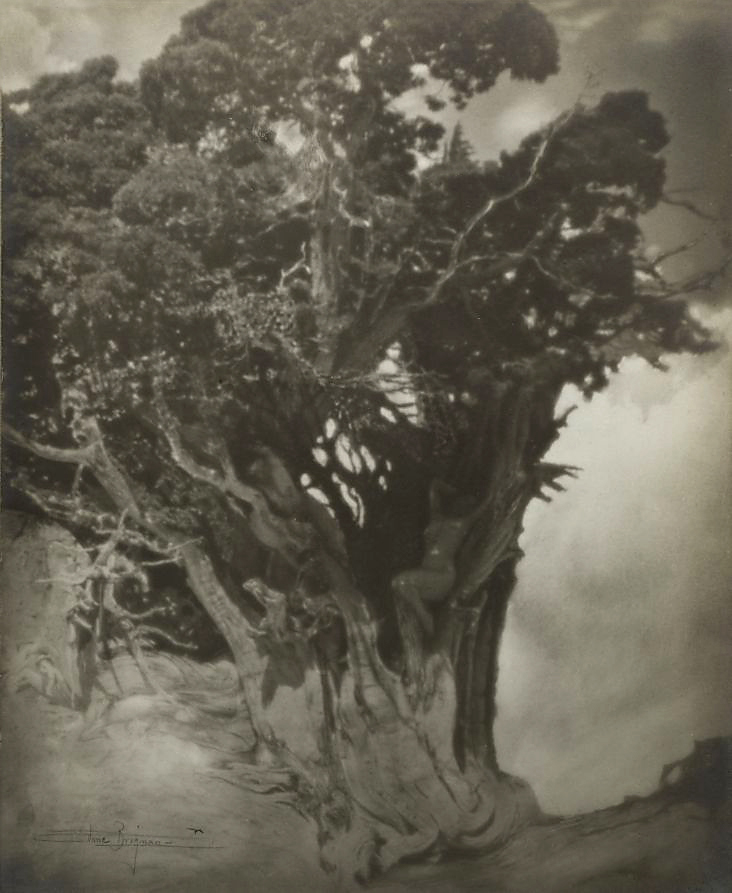
Anne W. Brigman (American, 1869-1950) The Hamadryads c. 1910 Platinum print
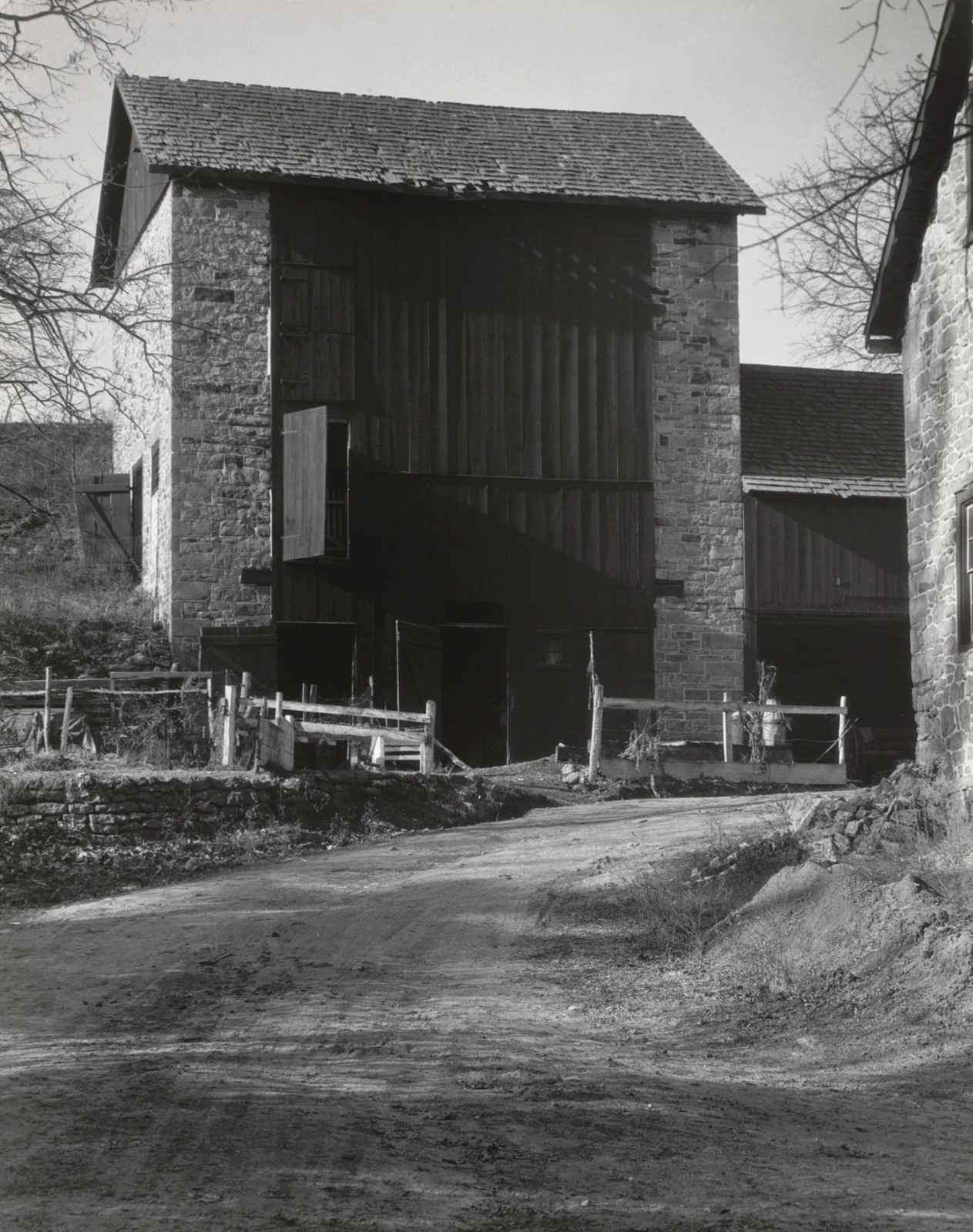
Charles Sheeler (American, 1883-1965) Bucks County Barn 1915 Gelatin silver print 9 1/4 x 7 5/16″ (23.5 x 18.6cm)
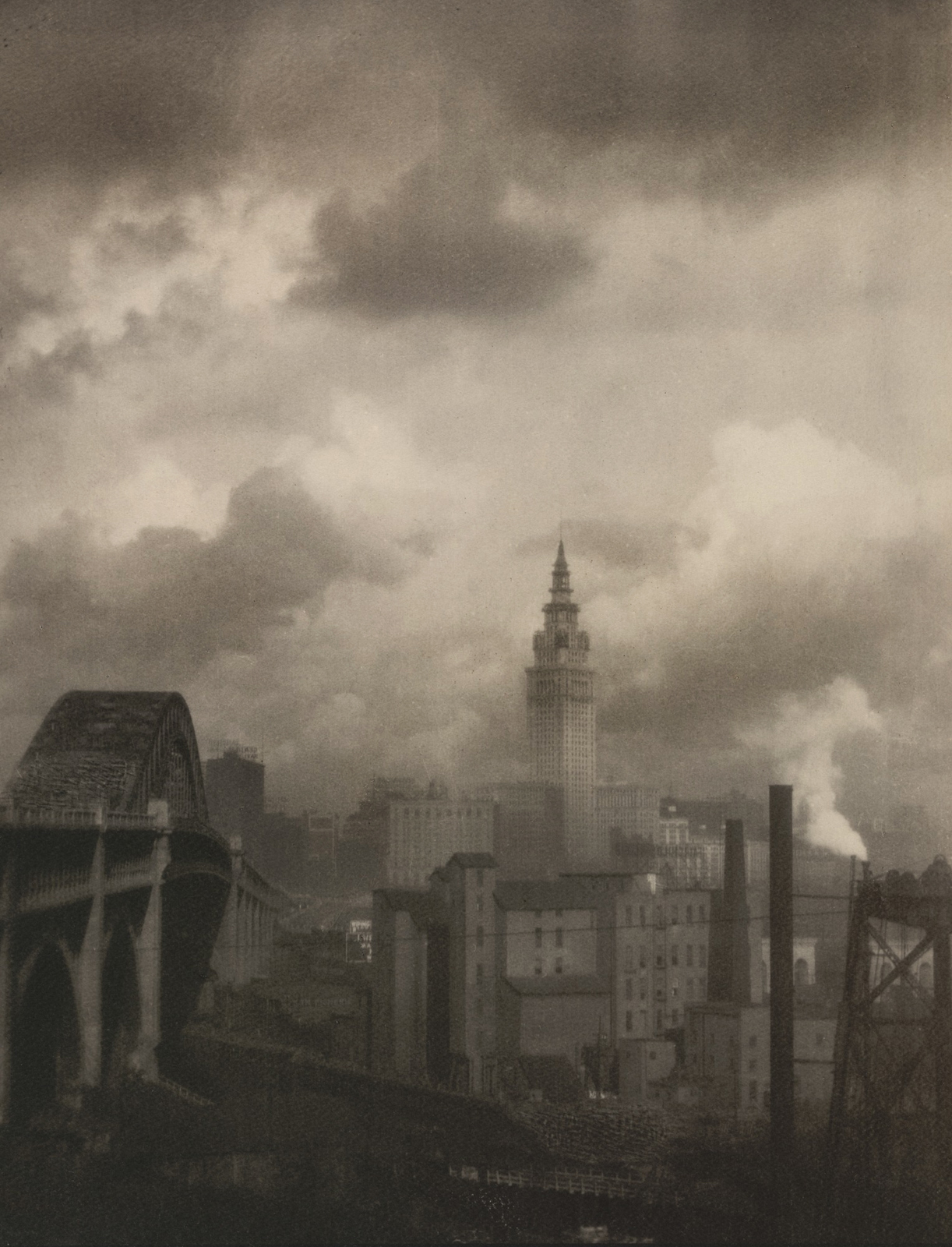
Margaret Bourke-White (American 1904-1971) Terminal Tower 1928 13 1/4 x 10″ (33.7 x 25.4cm) Gelatin silver print
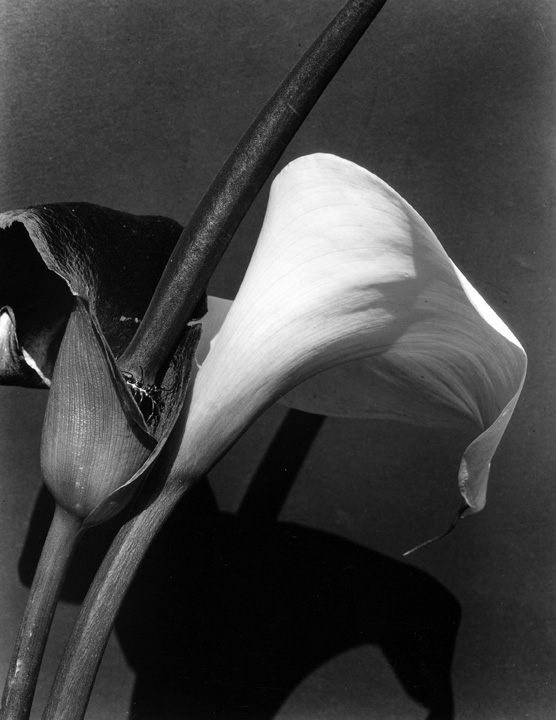
Imogen Cunningham (American, 1883-1976) Black and White Lilies III 1928 Gelatin silver print
Alfred Steiglitz (American, 1864-1946) Georgia O’Keefe 1933 Gelatin silver photograph
Dorothea Lange (American, 1895-1965) Resident, Conway, Arkansas 1938 Gelatin silver print 11 15/16 x 9 1/2 in. (30.32 x 24.13cm)
On October 3, 2009, Icons of American Photography: A Century of Photographsfrom the Cleveland Museum of Art opens at The Frick Art Museum. This exhibition is composed of fifty-nine photographs from Cleveland’s extraordinary collection that chronicle the evolution of photography in America from a scientific curiosity in the 1850s to one of the most potent forms of artistic expression of the twentieth century.
Icons of American Photography presents some of the best work by masters of the medium, like Mathew Brady, William Henry Jackson, Eadweard Muybridge, Alfred Stieglitz, Edward Steichen, Paul Strand, Edward Weston, Imogen Cunningham, Margaret Bourke-White, Dorothea Lange, Walker Evans, and Robert Frank, encompassing themes of portraiture, the Western landscape, Pictorialism, documentary photography, and abstraction.
The exhibition explores the technical developments of photography, starting with outstanding examples of daguerreotypes – a sheet of copper coated with light sensitive silver. The daguerreotype gave way to salt, albumen, and then gelatin silver prints. Technologies improved to accommodate larger sizes, easy reproduction of multiple prints from a single negative, and commercially available negative film and print papers. As we move into an increasingly digitised twenty-first century, the lure of the photographer’s magic and the mysteries of making photographic images appear on paper is still strong.
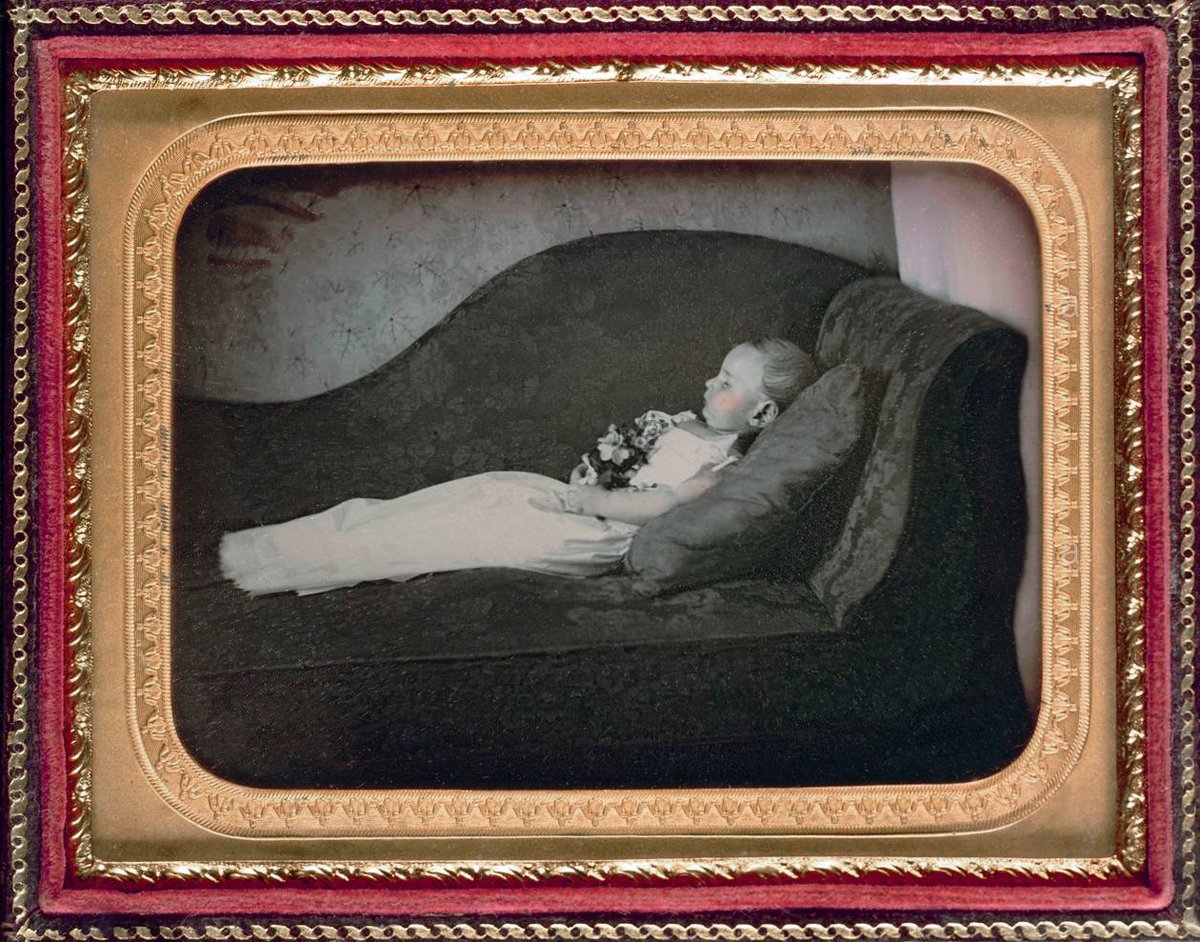
Icons of American Photography presents a remarkable chronicle of American life seen through the camera’s lens. The earliest days of photography saw a proliferation of portraiture – intimately personal and honest in composition. A rare multiple-exposure daguerreotype by Albert Southworth (1811-1894) and Josiah Hawes (1808-1901) presents the sitter in variety of poses and expressions, while the formal portrait of Prosper M. Wetmore, 1857, by Civil War-era photographer Mathew Brady (1823-1896) is more typical of early portraiture. The carefully staged daguerreotype, Dead Child on a Sofa, c. 1855, is an outstanding example of the postmortem portrait. The high rate of infant mortality throughout the 1800s made this variety of portraiture common, satisfying the emotional need of the parents to have a lasting memory of their loved one.
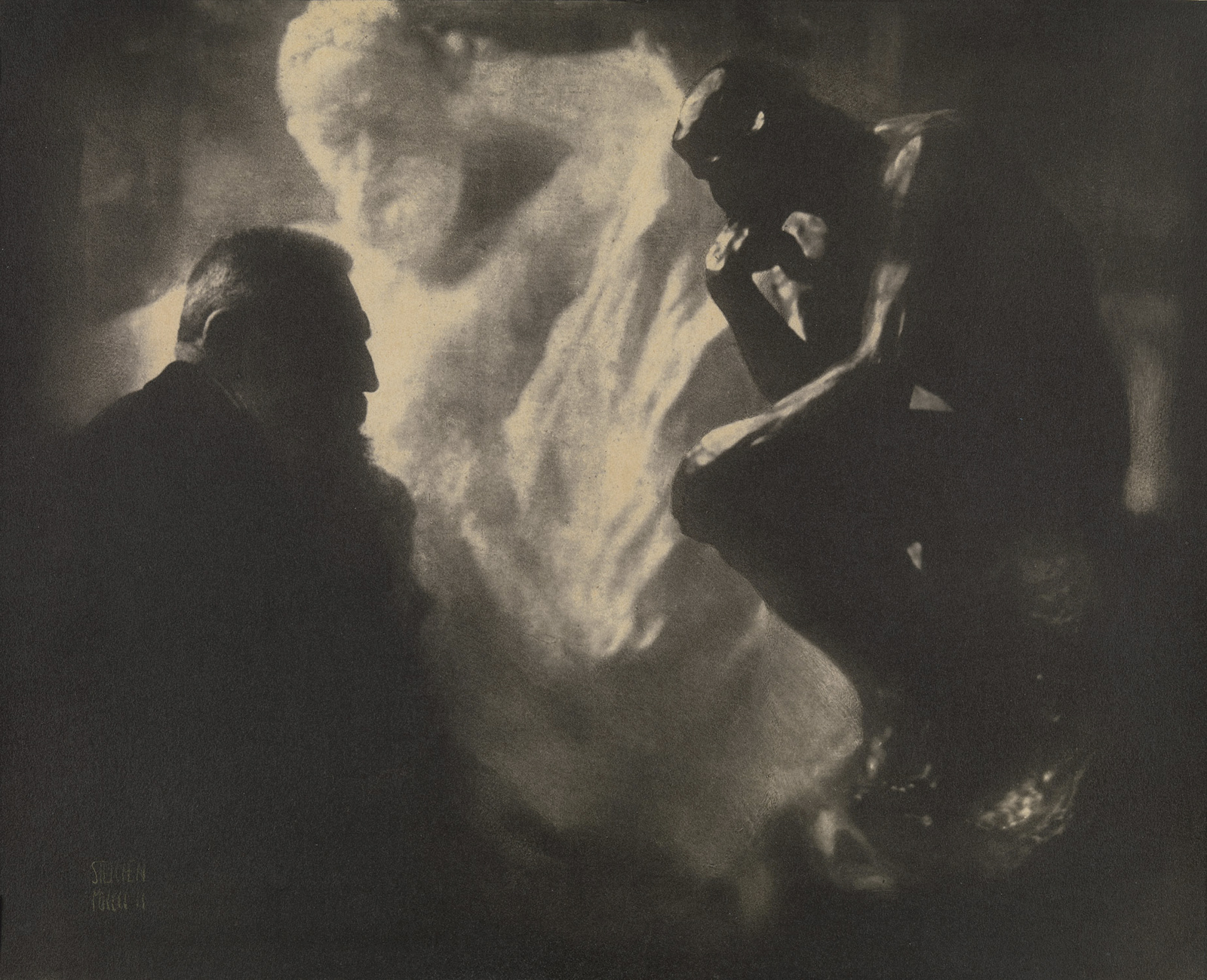
Advances in photographic processes allowed for a range of expressive qualities that were exploited by photographers with an artistic flair. In a style known as Pictorialism, works such as Hamadryads, 1910, by Anne Brigman (1869-1950) imitated the subject matter of painting. In Greek mythology a hamadryad is a nymph whose life begins and ends with that of a specific tree. In this work, two nudes representing wood nymphs were carefully placed among the flowing forms of an isolated tree in the High Sierra. The platinum print method used by Brigman allowed for a detailed, yet warm and evocative result. Edward Steichen’s Rodin the Thinker, 1902 (see below), was created from two different negatives printed together using the carbon print process. This non-silver process provided a continuous and delicate tonal range. For even greater richness, these prints were often toned, producing dense, glossy areas in either black or warm brown.
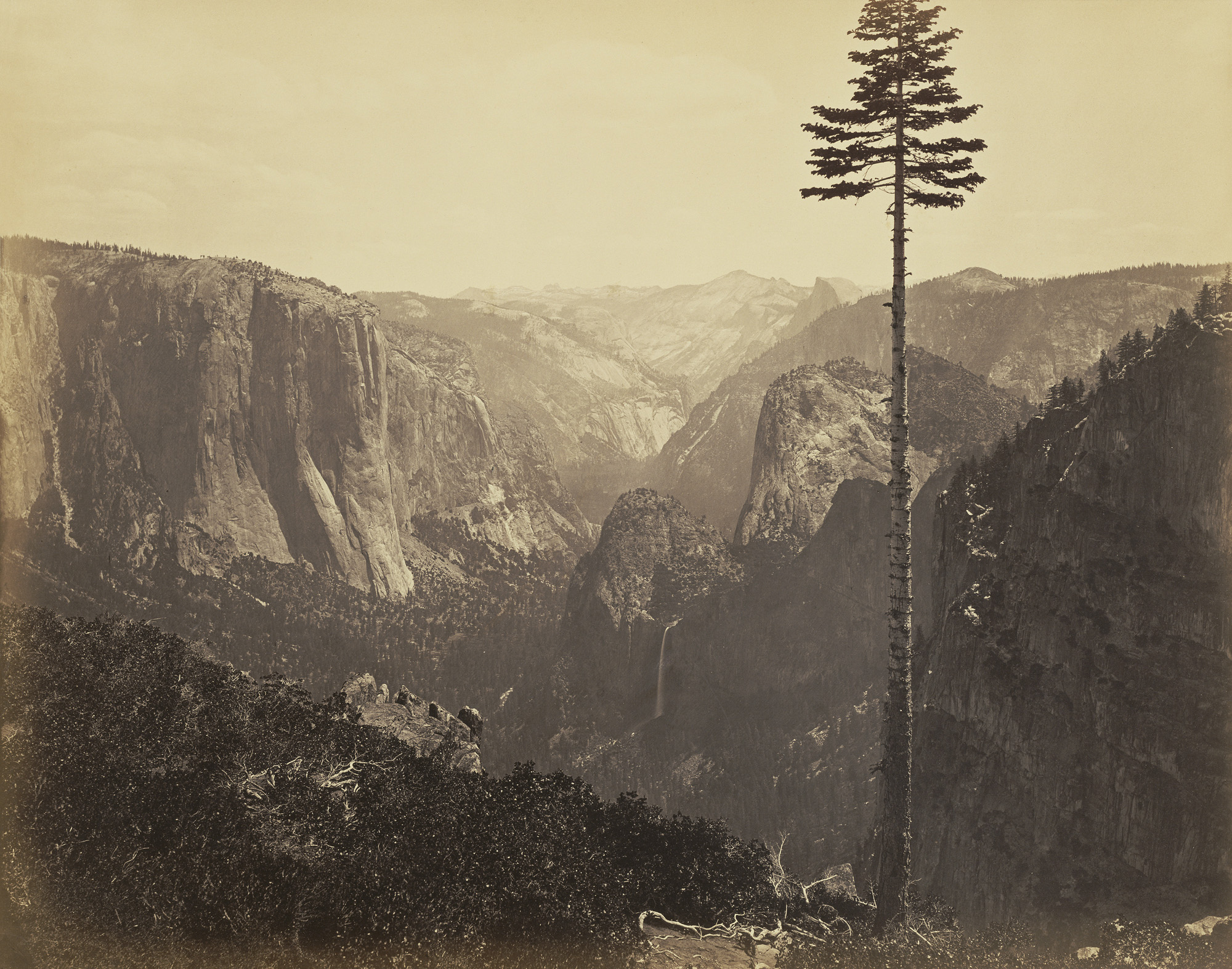
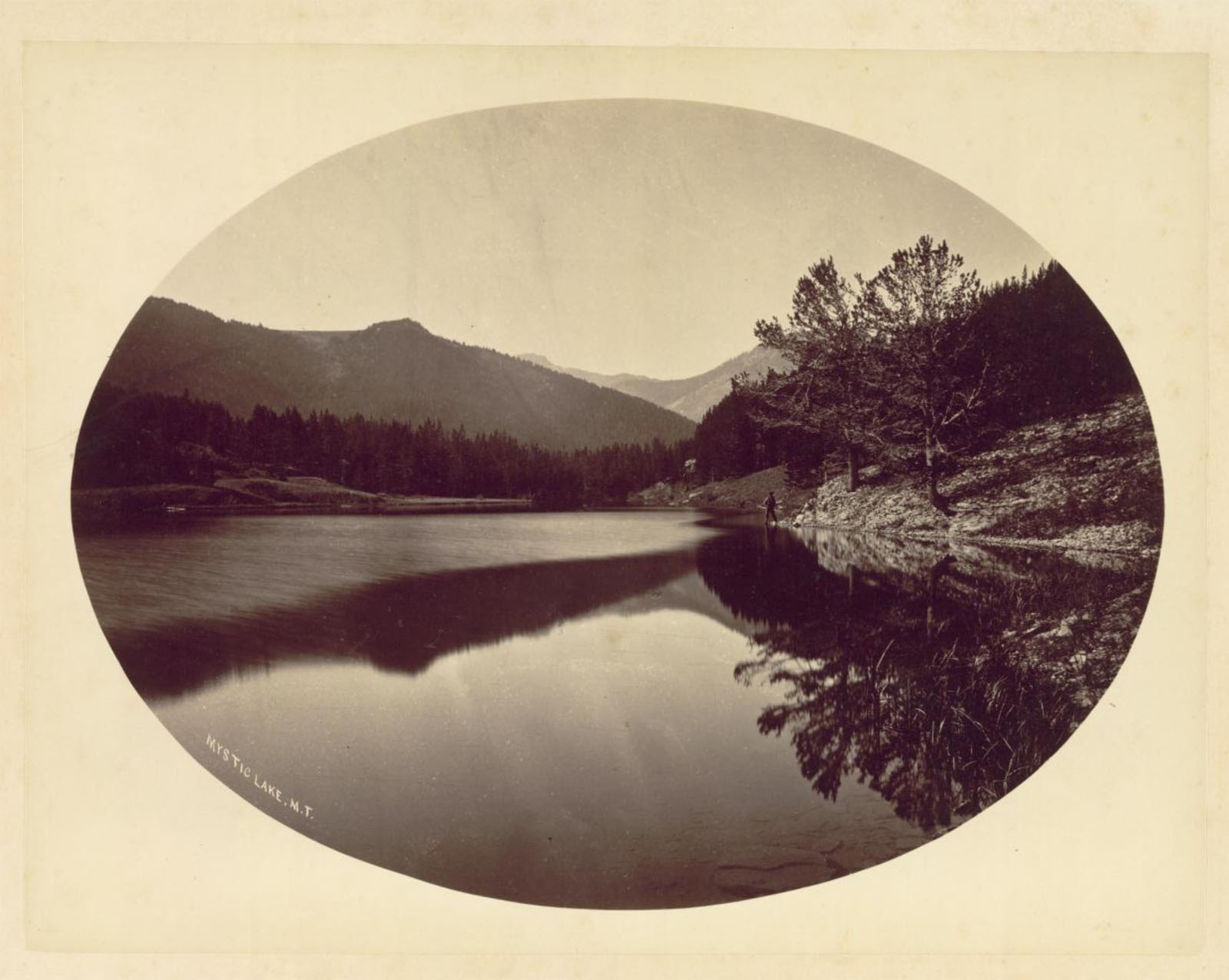
During the late nineteenth century, the U.S. Congress commissioned photographers to document the American West. Photographs by Timothy O’Sullivan (1840-1882) and William Henry Jackson (1843-1942) are the most celebrated from among this era. The exhibition includes O’Sullivan’s East Humbolt Mountains, Utah, 1868 (see below), and Jackson’s Mystic Lake, M.T., 1872 (see below), as well as Bridal Veil, Yosemite, c. 1866 (see below), by Carleton Watkins (1829-1916). Photographers carried large-format cameras with heavy glass negatives to precarious vantage points to create their sharply focused and detailed views. Decades later, Ansel Adams (1902-1984) carried on the intrepid tradition when he swerved to the side of the road and hauled his view camera to the roof of his car to make the famous image Moonrise, Hernandez, New Mexico, 1941.
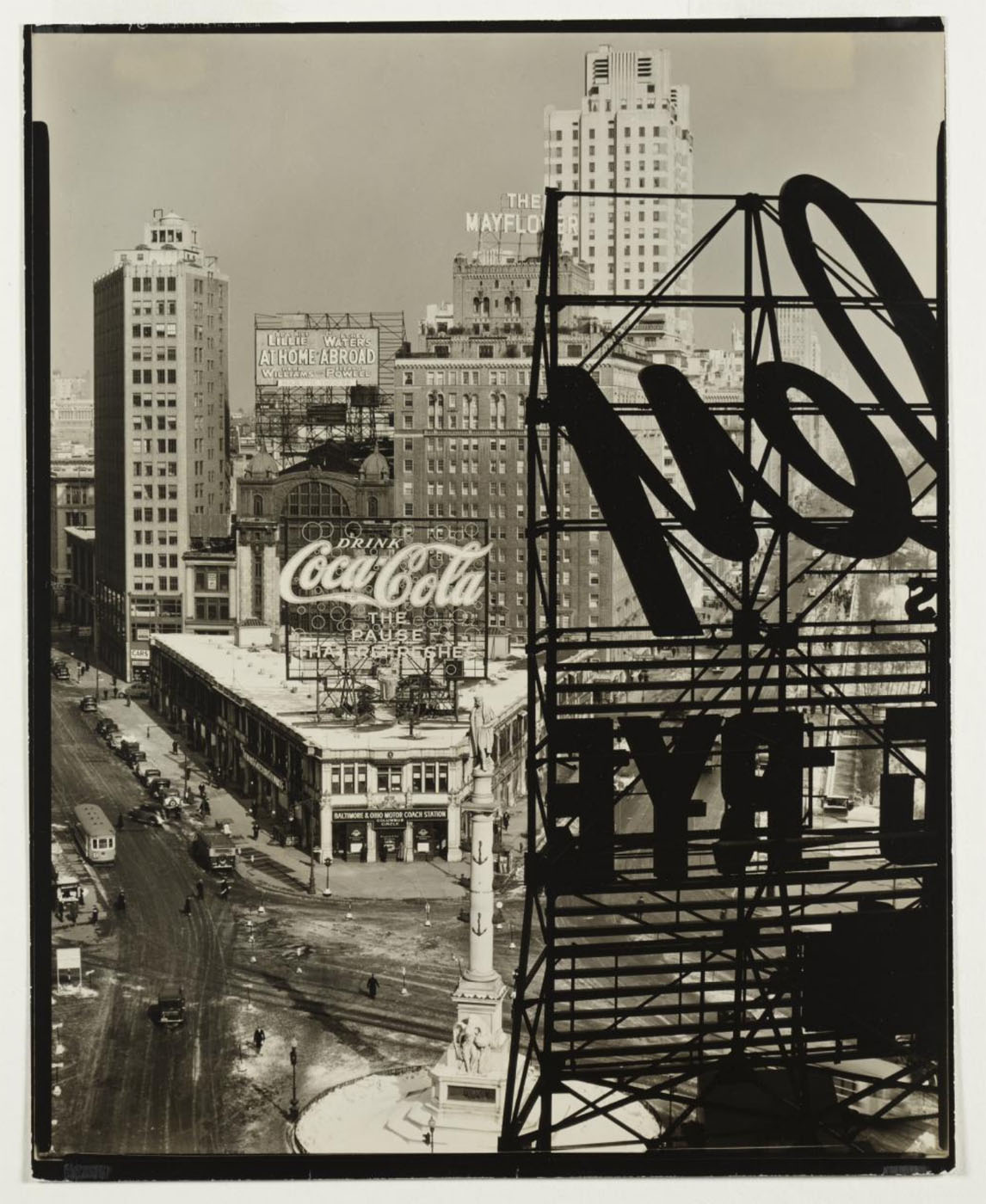
Responding to the rapid growth of the twentieth century, many photographers shifted their attention from depictions of the natural world to the urban landscape. The power, energy, and romance of the city inspired varied approaches, from sweeping vistas to tight, close-up details and unusual camera angles. Margaret Bourke-White (1904-1971) established her reputation during the late 1920s by photographing industrial subjects in Cleveland. Her Terminal Tower, 1928, documents what was then the second tallest building in America. Berenice Abbot’s (1898-1991) New York, 1936 (see below), is one of many depictions of this vibrant metropolis. The human life of the city intrigued many photographers, including Helen Levitt (1913-2009) whose photographs of children are direct, unsentimental and artful; Weegee [Arthur Fellig] (1899-1968) who unflinchingly documented crime and accident scenes; and Gordon Parks (1912-2006) who chronicled the life of African Americans.
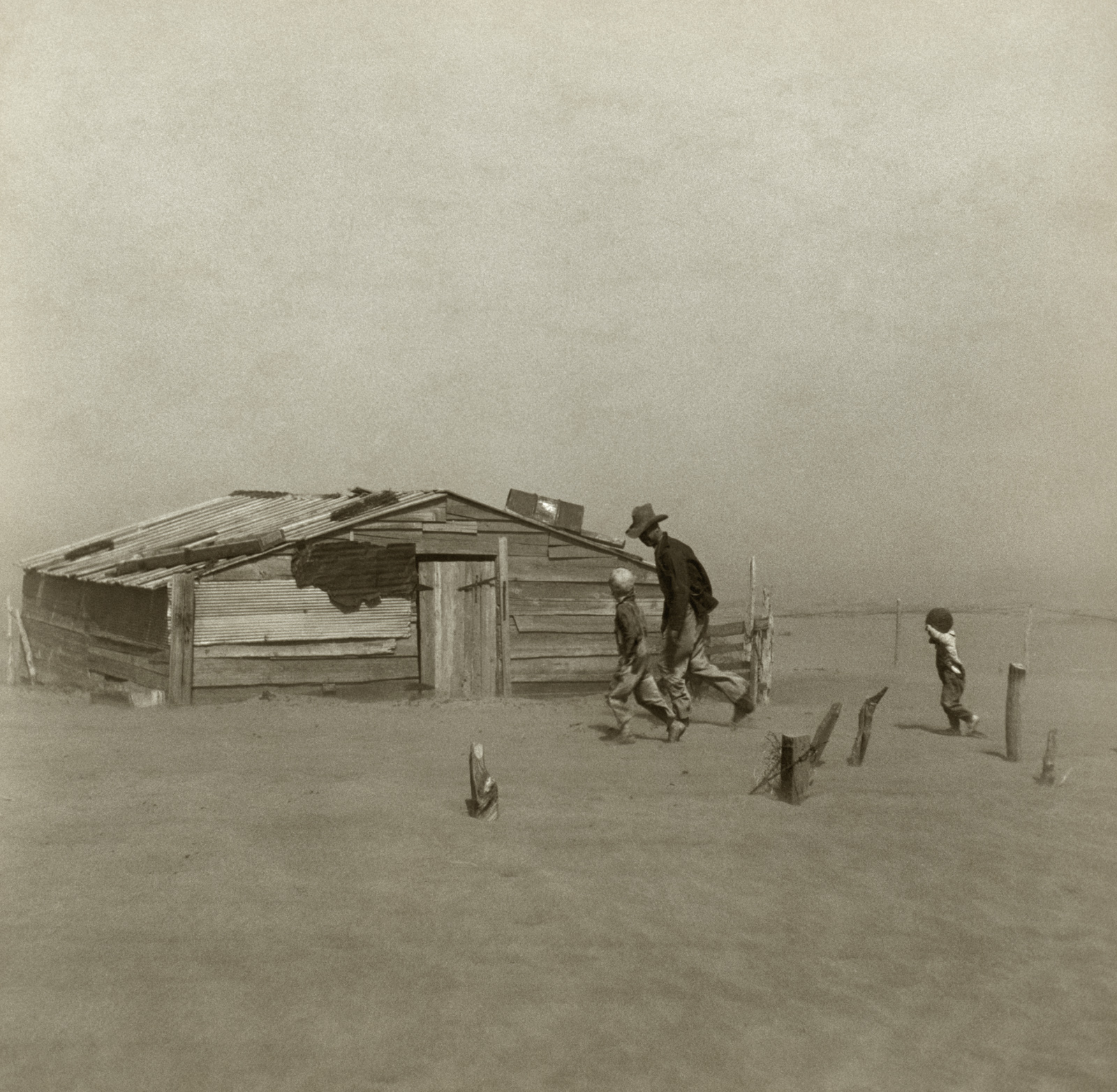
Exploiting the new medium, numerous photography projects were instituted as part of FDR’s New Deal. The most legendary was that of the Farm Security Administration (FSA) run by Roy Stryker, who hired such important photographers such as Walker Evans, Dorothea Lange, and Arthur Rothstein. One of the most iconic images of the New Deal was Dust Storm, Cimarron County, 1936 (see below), by Arthur Rothstein (1915-1985). In the spring of 1936, Rothstein made hundreds of photographs in Cimarron County in the Oklahoma panhandle, one of the worst wind-eroded areas in the United States. Out of that body of work came this gripping, unforgettable image. Dorothea Lange’s (1895-1965) work chronicled the human toll wrought by hardship in Resident, Conway, Arkansas, 1938.
As an art form, photography kept in step with formalist modern styles and an increasing trend toward abstraction. Known for his precisionist paintings, Charles Sheeler’s (1883-1965) Bucks County Barn, 1915, features a geometric composition, sharp focus, and subtle tonal range. In Black and White Lilies III, c. 1928 (see above), Imogen Cunningham (1883-1976) combined the clarity and directness of Modernism with her long-held interest in botanical imagery. For two decades she created a remarkable group of close-up studies of plants and flowers that identified her as one of the most sophisticated and experimental photographers working in America.
Photographers such as Edward Weston (1886-1958) and Paul Strand (1890-1976) employed a straight-on clarity that highlighted the abstract design of everyday objects and the world around us. A completely abstract work by artist László Moholy-Nagy (1894-1946), Untitled, 1939 (see above), is a photogram made by laying objects onto light-sensitive photographic paper and exposing it to light. The objects partially block the light to create an abstract design on the paper.
By 1960, photography had attained a prominent place not only among the fine arts, but in popular culture as well, ushering in a new era of image-based communication that has profoundly affected the arts as well as everyday life.
Icons of American Photography: A Century of Photographs from the Cleveland Museum of Art is organised by the Cleveland Museum of Art. The exhibition is curated by Tom Hinson, Curator of Photography.
Press release from the The Frick Art and Historical Center website [Online] Cited 06/12/2009 no longer available online
Unknown photographer (American) Dead child on a sofa c. 1855 Quarter plate daguerreotype with applied colour
Carelton Watkins (American, 1829-1916) Yosemite Valley from the Best General View No. 2 1866 Albumen silver print
Carleton Watkins had the ability to photograph a subject from the viewpoint that allowed the most information to be revealed about its contents. In this image, he captured what he considered the best features of Yosemite Valley: Bridal veil Falls, Cathedral Rock, Half Dome, and El Capitan. By positioning the camera so that the base of the slender tree appears to grow from the bottom edge of the picture, Watkins composed the photograph so that the canyon rim and the open space beyond it seem to intersect. Although he sacrificed the top of the tree, he was able to place the miniaturised Yosemite Falls at the visual centre of the picture. To alleviate the monotony of an empty sky, he added the clouds from a second negative. This image was taken while Watkins was working for the California Geological Survey. His two thousand pounds of equipment for the expedition, which included enough glass for over a hundred negatives, required a train of six mules.
Text from the J. Paul Getty Museum website [Online] Cited 14/05/2019
Eadweard J. Muybridge (American born England, 1830-1904) Valley of Yosemite, from Rocky Ford 1872 Albumen silver print
Timothy H. O’Sullivan (American, 1840-1882) East Humboldt Mountains, Utah 1868 Albumen print from wet collodion negative Image: 19.7 x 27cm (7 3/4 x 10 5/8 in.) The Cleveland Museum of Art James Parmelee Fund
By nature and by experience gained during the Civil War, O’Sullivan was ideally suited for the physical and creative demands required of the official photographer for the geological exploration of the fortieth parallel, led by the enterprising Yale geologist Clarence King. The goal of the expedition was to survey the geological structure and natural resources of a swath of territory 100 miles wide, from the eastern slopes of the Sierra Nevada Mountains across the Great Basin to the Rocky Mountains. While on the expedition in 1867-1869 and 1872, O’Sullivan simultaneously pursued his own interest in perfecting a balanced, aesthetic style of landscape photography while providing a faithful record of the natural terrain. As typified in this print, he positioned the camera at a distance parallel to the majestic scenery, presenting a shallow, flattened depiction of space. The image describes in sharp detail the sheer beauty and rugged scale of this Western landscape.
Text from The Cleveland Museum of Art website
William Henry Jackson (American, 1843-1942) Mystic Lake, M.T. 1872 Albumen print from wet collodion negative Image: 23.3 x 50.7cm (9 3/16 x 19 15/16 in.) The Cleveland Museum of Art John L. Severance Fund
One of the best-known 19th-century landscape photographers of the American West, Jackson took thousands of negatives between 1870 and 1888 while working for the federal government and the railroads. Beginning in 1870, he began an eight-year assignment as official photographer to the U.S. Geological and Geographical Survey of the Territories led by Ferdinand V. Hayden. This beautiful view of Mystic Lake, located at the head of the East Gallatin River, is one of the most picturesque photographs of the mountainous American West. Jackson used for the first time 11-by-14-inch negatives that captured the scene’s rich textures, the brilliant play of light and shade, and the power and romance of this enthralling vista. Jackson described the scenic lake as “well stocked with most excellent trout, it is quite a pleasure-resort, despite the difficulties to encounter in reaching it.”
Text from The Cleveland Museum of Art website
Edward Steichen (American, 1879-1973) Rodin The Thinker 1902 Gum bichromate print
When Edward Steichen arrived in Paris in 1900, Auguste Rodin (1840-1917) was regarded not only as the finest living sculptor but also perhaps as the greatest artist of his time. Steichen visited him in his studio in Meudon in 1901 and Rodin, upon seeing the young photographer’s work, agreed to sit for his portrait. Steichen spent a year studying the sculptor among his works, finally choosing to show Rodin in front of the newly carved white marble of the “Monument to Victor Hugo,” facing the bronze of “The Thinker.” In his autobiography, Steichen describes the studio as being so crowded with marble blocks and works in clay, plaster, and bronze that he could not fit them together with the sculptor into a single negative. He therefore made two exposures, one of Rodin and the “Monument to Victor Hugo,” and another of “The Thinker.” Steichen first printed each image separately and, having mastered the difficulties of combining the two negatives, joined them later into a single picture, printing the negative showing Rodin in reverse.
“Rodin – The Thinker” is a remarkable demonstration of Steichen’s control of the gum bichromate process and the painterly effects it encouraged. It is also the most ambitious effort of any Pictorialist to emulate art in the grand tradition. The photograph portrays the sculptor in symbiotic relation to his work.
Suppressing the texture of the marble and bronze and thus emphasiSing the presence of the sculptures as living entities, Steichen was able to assimilate the artist into the heroic world of his creations. Posed in relief against his work, Rodin seems to contemplate in “The Thinker” his own alter ego, while the luminous figure of Victor Hugo suggests poetic inspiration as the source of his creativity. Recalling his response to a reproduction of Rodin’s “Balzac” in a Milwaukee newspaper, Steichen noted: “It was not just a statue of a man; it was the very embodiment of a tribute to genius.” Filled with enthusiasm and youthful self-confidence, Steichen wanted in this photograph to pay similar tribute to Rodin’s genius.
Text from the Metropolitan Museum of Art website [Online] Cited 14/05/2019
Arthur Rothstein (American, 1915-1985) Dust Storm, Cimarron County 1936 Gelatin silver photograph 40.4 × 39.6cm
Berenice Abbott (American, 1898-1991) Columbus Circle 1936 Gelatin silver print Image: 24.6 x 19.6cm (9 11/16 x 7 11/16 in.) The Cleveland Museum of Art Sundry Purchase Fund
A native of Springfield, Ohio, Abbott studied art and photography in Paris. Arriving in New York in 1929, she was shocked by the past decade’s vertical building boom, and dedicated herself to documenting the city’s new structures and fast-disappearing historic ones. She made this image from the ninth floor of the General Motors building in New York while working for the Federal Art Project, a governmental agency that employed artists during the Depression. The statue of Columbus, at centre, is dwarfed by two advertising signs: one for Schenley rye whiskey and a landmark 80-x-50-foot display for Coca-Cola that required 3,000 incandescent bulbs.
Text from The Cleveland Museum of Art website
The Frick Art and Historical Center 7227 Reynolds Street Pittsburgh PA 15208
This is a strange survey exhibition of photographs by Malaysian-born Australian artist Simryn Gill at the Centre for Contemporary Photography, Melbourne – photographs that form distinctive bodies of work that support the artist’s other conversations in art but do not form the main backbone to her practice. Perhaps this is part of the problem and part of the beauty of the work. While the work investigates the concepts of presence and absence, space, place and identity and the cultural inhabitation of nature there is a feeling that this is the work of an artist not used to putting images together in a sequence or body of work, not connecting the dots between ideas and image. Intrinsically there is nothing wrong with the conceptual ideas behind the photographs or the individual photographs themselves. The photographs don’t strike one as particularly memorable and they fail to mark the mind of the viewer in their multitudinous framings of reality.
In the series Forest (1996-1998, see photograph above and below) a selective vision of nature is invaded by cultural texts, torn pages of books mimicking natural forms such as roots, flowers and variegated leaves. The ‘natural’ context is inhabited by the cultural con-text to form a double inhabitation – “this strange hybrid nature before the paper rots away, suggestive of how nature is culturally inscribed and the futility of this attempt at containment.”1
This is a nice idea but the photographs fail to hold the attention of the viewer mainly because of the inability of the viewer to read the text that has been grafted onto the natural forms. I literally needed more from the work to hang my hat on and this is how I felt about much of this work presented here. This feeling persists with another series Vegetation (1999, see photographs below). Mundane landscapes are inhabited by faceless human beings, their absence/presence marking the landscape while at the same time nature marks them. A good idea that needed to be pushed much further.
The main body of work in the exhibition is the series Dalam (2001, see photographs below), a 258 strong series of colour photographs presented in the gallery space in gridded formation (Dalam, in Malay, can mean ‘inside’, ‘interior’ or ‘deep’). Featuring a photographic record of the interior of numerous Malaysian homes these clinical yet someone hobby-like photographs record the minutiae of domestica – the intimacy of the interior balanced by a sense of isolation and loneliness through the absence of human presence. Here, “the living room may be seen here as a cultural and social mask for its inhabitants. It’s the space into which others are welcomed on our own terms and onto which we project a portrayal of ourselves.”3 Although the work asks us “to rethink our concepts of spaces and domesticity in relation to various aspects such as socio-cultural identities, history and memory,” as presented in the gallery space the viewer is initially overwhelmed by the number, colour and construction of the interiors.
Personally I found that in the mundanity / individuality of the repetition I soon lost interest in looking intimately at the work. The photographs lack a certain spark, a certain clarity of vision in the actual taking of the images. None of the wonderful angles and intelligence of camera positioning of Eugene Atget here and maybe this is the point – the stifling ‘personality’ and banality of human habitation echoed in the photographs – but I would have rather have looked at a single monumentally intimate, magical image by Candida Hofer than all of these photographs put together!
Unfortunately in this survey exhibition there is only one photograph from what I regard as Simryn Gill’s best body of work, A small town at the turn of the century (1999-2000, see photograph below). Perhaps this was an oversight as this series would seem to bind the others more holistically together. Photographs of this excellent series can be viewed on the Roslyn Oxley9 Gallery website and their presence in this exhibition would have certainly raised the bar in terms of the artist’s vision of nature, place and identity. The square colour format, the interior/exterior of the environments and naturalness of the photographs and their the fruitful bodies really have an eloquent power that most of the work at the Centre for Contemporary Photography seems to lack. Other than the last body of work, Inland (2009, see photograph below) that is.
In the smallest most intimate space at the CCP are some of the most intimate images of Australian place that you will ever see. Spread out on a table in small stacks of jewel-like black and white and Cibachrome images the viewer is asked to done white gloves (ah, the delicious irony of white hands on the Australian land!) to view the empty interiors, landscapes and (hands holding) rocks of the interior. These are beautifully seen and resolved images. The rocks are most poignant.
Gill digs beneath the surface of this thing called Australian-ness and exposes not the vast horizons, decorous landscapes or rugged people (as Naomi Cass states below) but small intimacies of space and place, identity and memory. In the ability to shuffle the deck of cards, to reorder the photographs to make their own narrative the viewer becomes as much the author of the story being told as the artist herself – an open-ended intertextual narrative guided by the artist that investigates the very root of what it is to be Australian on a personal level. I enjoyed this reordering, this subjective experience very much.
Dr Marcus Bunyan
Many thankx to the CCP for allowing me to publish the photographs in the posting. Please click on the photographs for a larger version of the image.
2/ Gill, Simryn. “May 2006,” in Off the Edge, Merdeka 50 years issue no. 33, September 2007, p. 83
3/ Day, Kate. “After Image: Photography at the Fruit Market Gallery,” on Culture 24 website. [Online] Cited 6th December 2009 no longer available online
“Both populating and haunting the patches of now feral vegetation evoking a sense of foreign/alien source that has been strained, even lost in the act of transplantation. It also parodies the fear of rampant occupation that historically imbues aspects of Australian to Northern neighbours.”10
In Rampant Gill photographed outbursts of introduced plant species in the Australian landscape such as bamboo and sugar cane, which now grow wild and uncontrolled in subtropical northern New South Wales. Again Gill incorporates performative elements, interacting with nature through ‘dressing’ the plants in garments such as lungis and sarongs which were worn by immigrant workers who harvested these crops. Gill explores of the connections between botany, geography and the idea of plants as ‘humanised’ entities – seen in these strange single or groups of ‘figures’ appearing displaced within the Australian landscape.
Text from the education resource for the exhibition Simryn Gill: Inland at the Centre for Contemporary Photography, Fitzroy [Online] Cited 12/05/2019
Upon close inspection, this series of large scale black and white photographs of lush tropical plants reveal strips of paper and fragments of text which are embedded into tree trunks, covering leaf surfaces, transforming into aerial mangrove roots, weaving their way up walls and mimicking banana flowers.
The artist states: “I decided I needed to echo my situation in my art activities, and started making small interventions in the very rare wild places around where we lived, like gardens of unoccupied houses, roadside growths of tapioca and yam”.7
Returning from Australia to Singapore with her family, Gill went into overgrown gardens and open spaces she was familiar with to construct these site interventions, armed with glue and a range of books – some given to her by friends, others sourced from garage sales – including the colonial texts of Charles Darwin’s The Origin of Species and Daniel Defoe’s Robinson Crusoe, and an Indonesian version of the Hindu tale Ramayana. These works were explorations by Gill into her personal sense of place and history, as an outsider in Singapore. Works in the same series were created in other similar environments in countries such as Malaysia. Although they originate from specific locations, they can be read as anywhere in the tropics.
The process of entering these ‘little bits of jungle’ to construct these works was referred to by Gill as her ‘guerrilla activities’,8 and were temporary site specific interventions which she sought to document.
Her friend and fashion photographer Nicholas Leong, chose the camera and film which required long exposure, suiting Gill’s requirements to create large, dense flat tonal images. Together they documented the works before the paper was to rot away and return nature. This introduced Gill to analogue photography and its slow processing, which she values and continues to use.
Text from the education resource for the exhibition Simryn Gill: Inland at the Centre for Contemporary Photography, Fitzroy [Online] Cited 12/05/2019
… In these works which were begun at a residency at Artpace in Texas, Gill begins the process of masking and disguising, of naturalising human figures into the landscape (in this case herself) through obscuring their heads with fruit and vegetation, that was to be so important in her later bodies of work such as A small town at the turn of the century.
Curator Sharmini Pereira has written: “In this series of photographs, her self-portrait dominates but only as a stream of disguises involving plants in various geographic locations; tumbleweed and aloe in Texas, mangrove and black boy in Australia, and bird’s nest fern in Singapore. The images bear an uncanny resemblance to a sequence of B-movie stills, where vengeful alien-plant-people threaten to over run the planet. Many Hollywood films have of course played out such narratives as a projection of Cold War anxieties fearful about the threat of Communist contamination. But if Vegetation represents the future through some fear located in the past, it does so through a mimetic representation of the present… Vegetation parodies the camera’s framing of today’s culture contact.
Beyond their still pathos, the enchanting appeal of these photographs lies in their somersaulting between the mythical moment of first contact and its reversal, which the mimetic moment of secondary contact ushers forth. The artist, “unrecognisable” in her jeans and desert boots and wearing her new plant hairstyle, lampoons the power of mimicry as a means of being both alien and indigenous at one and the same time. In as much as Vegetation offers us the chance to poke fun at the natives, it is also an image of the new 21st-century native – able to deliver the laughs rather than be controlled by them. It is here that we observe the breadth of relief that resides in the welcome opportunity to view imitation as a way of moving beyond the imitated…”
in “Simryn Gill – Selected Work”, AGNSW, 2002
Text from the Art Gallery of New South Wales website [Online] Cited 12/05/2019
“Nature becomes just another clichéd signifier of place and of localness, which one may adopt while passing through a ‘strange’ place, or migrating to a new place, or indeed as a cover for invasion.”9
In these small framed photographs, Gill is now the subject within the natural environment. The series was started in San Antonia, Texas in 1999 and was part of a two-month residency during which time she produced a new body of work. Gill was wondering if – in this mimicry of nature – she actually could ‘disappear into the landscape’. On field trips she collected a range of desert plant matter, including aloe and tumble weed and took this back to the studio to construct headdresses. Again, using Nicholas Leong as the photographer, Gill then went back to the location to shoot the series. She continued to work on the series in Singapore using the mangrove and in Australia, the grass tree occasionally referred to as a ‘black boy’. The series is closely related to A small town at the turn of the century in its playfulness and parody of ethnographic portraits.
Text from the education resource for the exhibition Simryn Gill: Inland at the Centre for Contemporary Photography, Fitzroy [Online] Cited 12/05/2019
Simryn Gill: Inland is a survey of photography and takes place in a photography gallery. It is important to declare at the outset, that while photography forms a significant and wondrous part of her practice, Simryn Gill does not consider herself a photographer; “For me, the taking of photographs is another tool in my bag of strategies, in that awkward pursuit of coherence we sometimes call art.”2 Simryn Gill: Inland embraces this conundrum as an entry point for considering Gill’s photography, and how photography might function more broadly as a way of engaging with the world.
Seven major series wind almost chronologically through the gallery – in this first survey of Gill’s photography – following a path, quite literally, from outside to inside, from found in nature to found in culture and back. Commencing with three series located outdoors, Forest (1996-1998), Rampant (1999) and Vegetation (1999), the survey moves to Gill’s sweeping interior series Dalam (2001). On the cusp of outside and inside is Power station (2004), which makes a curious and visceral analogy between the interior of her childhood home in Port Dickson, Malaysia and the interior of an adjacent power station. Like a medieval Book of Hours, the hand-sized concertina work Distance (2003-2009) is an attempt by Gill to convey the interior of her home in Marrickville, Sydney to someone residing outside Australia.
Gill’s most recent work Inland (2009), commissioned for this survey and photographed during a road trip from northern New South Wales to South Australia and across the bight to Western Australia, is at the heart of the exhibition. Gill’s only moving image work, Vessel (2004), commissioned for SBS Television, closes the exhibition’s journey with the almost imperceptible passage of a small fishing vessel across the horizon. To ground the exhibition, or perhaps to oversee our journey, one image is selected from Gill’s highly regarded series, A small town at the turn of the century (1999-2000).
Seeking an understanding of the politics of place informs her recent series. Inland confounds what is normally expected from photographs of Australia’s interior and eschews decorous landscapes, vast horizons or smiling rugged people, for modest interiors of homes. Indeed there are no people present, only the houses they have inhabited as evidence of their subjectivity.
Inland consists in piles of small jewel-like Cibachrome and black and white prints sitting on a table for viewers to peruse, heightening the provisional nature of its description, leaving open-ended the question of what can be known through photographic representation.
Naomi Cass, Exhibition Curator and Director Centre for Contemporary Photography
Dalam (Malay for ‘deep’, or ‘within’) is a suite of 260 photographic images, the result of Malaysian artist Simryn Gill’s sojourn across her home country over an eight-week period. She went up to the homes of complete strangers and asked to photograph their living spaces. Dalam is an expansive yet uncannily intimate survey of Malaysia at the turn of the century, a mélange of disparate ethnicities, religions, ideologies and allegiances. The title itself alludes to the depiction of interior spaces as signifiers of the individual lives that inhabit and activate them, but, even more importantly, it suggests an exploration of the social fabric of contemporary Malaysia. As the artist observes: “In conceiving the work I had wondered what the ‘inside’ of a place might look like. Do lots of people held together by geography add up to the idea of a nation or single unified group?” Dalam questions what historian Benedict Anderson famously dubbed “the imagined community”, or the various divergent structures that shape the modern nation-state.
Text from the Singapore Art Museum website [Online] Cited 12/05/2019
Dalam (Malay for deep; inside; interior), is a series of two hundred and sixty colour photographs arranged in grid formation on the gallery walls.
“Gill deliberately began Dalam with the intention to document the living rooms of residents of the Malay peninsula, and her focus in each photograph is to capture the sense of place conveyed by the living room of the occupants.”11
Accompanied by a close friend, Gill took these over an eight-week period as they travelled across the Malaysian Peninsula. In towns mainly outside the city regions she knocked on the doors of strangers and asked if she could enter their houses to photograph their living rooms. Surprisingly, almost everyone agreed, and the resulting series gives a fascinating insight into the character of the Malaysian Peninsula, made up of a broad mix of people from diverse cultural backgrounds. Gill was again exploring her conflicting experience of being both insider and outsider; raised in Malaysia but also having lived outside for a very long time.
Text from the education resource for the exhibition Simryn Gill: Inland at the Centre for Contemporary Photography, Fitzroy [Online] Cited 12/05/2019
How We Are in the World: The Photography of Simryn Gill
Simryn Gill: Inland is a survey of photography and takes place in a photography gallery. It is important to declare at the outset, that while photography forms a significant and wondrous part of her practice, Simryn Gill does not consider herself a photographer; “For me, the taking of photographs is another tool in my bag of strategies, in that awkward pursuit of coherence we sometimes call art”.1 Simryn Gill: Inland embraces this conundrum as an entry point for considering Gill’s photography, and how photography might function more broadly as a way of engaging with the world.
Seven major series wind almost chronologically through the gallery – in this first survey of Gill’s photography – following a path, quite literally, from outside to inside, from found in nature to found in culture and back. Commencing with three series located outdoors, Forest (1996-1998), Rampant (1999) and Vegetation (1999), the survey moves to Gill’s sweeping interior series Dalam (2001). On the cusp of outside and inside is Power station (2004), which makes a curious and visceral analogy between the interior of her childhood home in Port Dickson, Malaysia and the interior of an adjacent power station. Like a medieval Book of Hours, the hand-sized concertina work Distance (2003-2008) is an attempt by Gill to convey the interior of her home in Marrickville, Sydney to someone residing outside Australia. Gill’s most recent work Inland (2009), commissioned for this survey and photographed during a road trip from northern New South Wales to South Australia and across the bight to Western Australia, is at the heart of the exhibition. Gill’s only moving image work, Vessel (2004), screened on SBS Television, closes the exhibition’s journey with the almost imperceptible passage of a small fishing vessel across the horizon. To ground the exhibition, or perhaps to oversee our journey, one image is selected from Gill’s highly regarded series, A small town at the turn of the century (1999-2000).
Gill’s photography takes place within a broader practice that curator Russell Storer describes as “… subjecting found objects, books, local materials and sites – each of which carry specific meanings and histories – to a range of processes including photographing, collecting, erasing, casting, tearing, arranging, stitching, rubbing, wrapping and engraving”.2 Gill takes humble things in the world and shifts them; rearranges them with seemingly endless patience, craft and grace, to communicate something about how the object has come into being. This is not a matter of changing context to appreciate formal qualities as might a connoisseur, but rather a quest for understanding place.
Always evident in the found object is some kind of story that, as Gill gathers the item, is folded into the meaning of her work. The constituent parts of her installations – be they items found on the shore or collected from around her studios in Port Dickson or Sydney, or indeed a particular site Gill photographs – are gathered for their ability to evoke a history. Movement across the globe, of people and vegetation, both enforced and deliberate, if not the subject of her work is certainly a link. While not a unique story, resettlement is part of Gill’s individual and familial history. Her parents originally moved from India to Malaya prompted by the range of human predicaments, from political and economic upheaval, through to adventure and marriage. The displacement of objects echoes the journeys of people.
Naomi Cass Exhibition Curator and Director Centre for Contemporary Photography, extract from catalogue essay [Online] Cited 12/05/2019
A small town at the turn of the century 1999-2000 is a series of 40 type C photographs taken by Gill in the town the artist grew up in. The documentation of the people and place of ones past could be highly nostalgic. Added to this is the moment at which Gill chose to document – the turn of the 20th into the 21st century. Such references to time and memory, the past and the present are potent but Gill has covered each of her subjects’ heads with tropical fruit. Rather than being absurd or ironical the head coverings move the images away from being portraits and into the broader realm of context. The context however is not necessarily as revealing as the viewer might wish. There are numerous variations on dress, interiors, exteriors, pose, and accoutrements that suggest activities (whether work or play). While it is usually clear that the environment is tropical (because of the fruit and foliage) the images provoke a complex set of reactions to the possible messages. Faceless, Gill’s subjects are ciphers constructed by external objects, presented with affection.
Text from the Art Gallery of New South Wales website [Online] Cited 12/05/2019
Simryn Gill (Australian born Singapore, 1959) Distance 2003-2008 Artist book Installation views, Centre for Contemporary Photography
Distance (2003-2008)
Distance, an artist’s book of small colour photographs is produced as a hand-sized concertina work in an edition of just five. This beautiful work is “like a medieval Book of Hours”12 and is displayed in an elegant museum-like cabinet with a protective perspex covering. Distance was produced after many conversations Gill had with friends and family overseas and is an attempt to show them what her home is like. She took one hundred and thirty photographs, using a medium format camera, of everything in the interior of her home in Marrickville, Sydney; however the results seemed to fail in producing a truthful representation of her home, as Gill says, “the final result is almost like an incoherence, it’s too close, there is too much information”.13. Naomi Cass wrote with reference to this, ‘While Distance fails to communicate the gestalt of home, it is remarkable in its details and beauty’.14
Text from the education resource for the exhibition Simryn Gill: Inland at the Centre for Contemporary Photography, Fitzroy [Online] Cited 12/05/2019
Simryn Gill (Australian born Singapore, 1959) Inland 2009 Cibachrome and silver gelatin photographs Photographs (quantity variable) 13 x 13cm (each)
Inland (2009)
“Through an extraordinary ability to engage with strangers, Gill and her fellow traveller Mary Maguire photographed the living rooms of eighty homes ranging in geographical location, socio-economic and cultural background.”15
Inland (2009) is a new series, which was commissioned for this exhibition. Using the same process to produce Dalam, Gill photographed this series on a road trip; however this time in Australia, from northern New South Wales to South Australia and across the bight to Western Australia. The photographs include views of the horizon, skyscapes, interior still life compositions and close ups of stones collected by Gill during her travels. Inland is at the heart of the exhibition and the mode of presentation differs to all other series in the exhibition, as these precious handmade small scale colour and black and white images are assembled on a table in piles for the visitor to examine, with white gloves.
Text from the education resource for the exhibition Simryn Gill: Inland at the Centre for Contemporary Photography, Fitzroy [Online] Cited 12/05/2019
Centre for Contemporary Photography Level 2, Perry St Building Collingwood Yards, Collingwood Victoria 3066
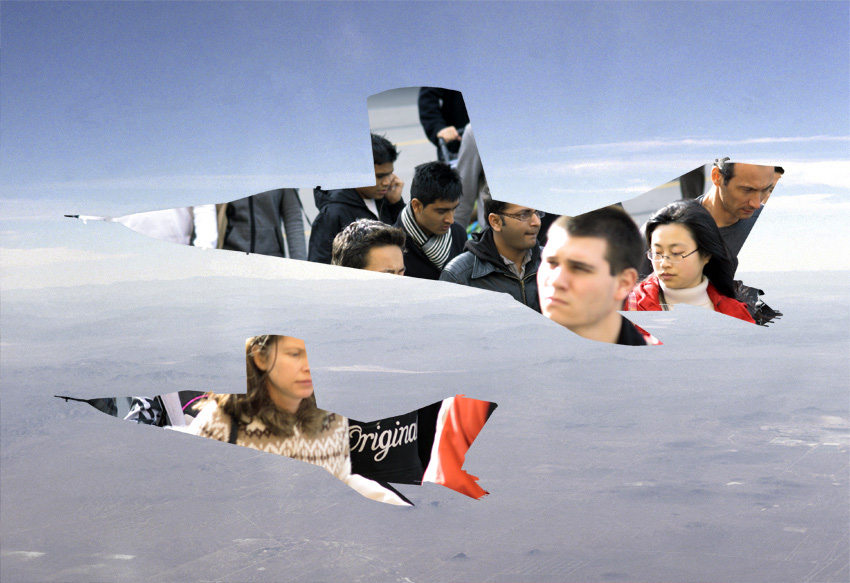
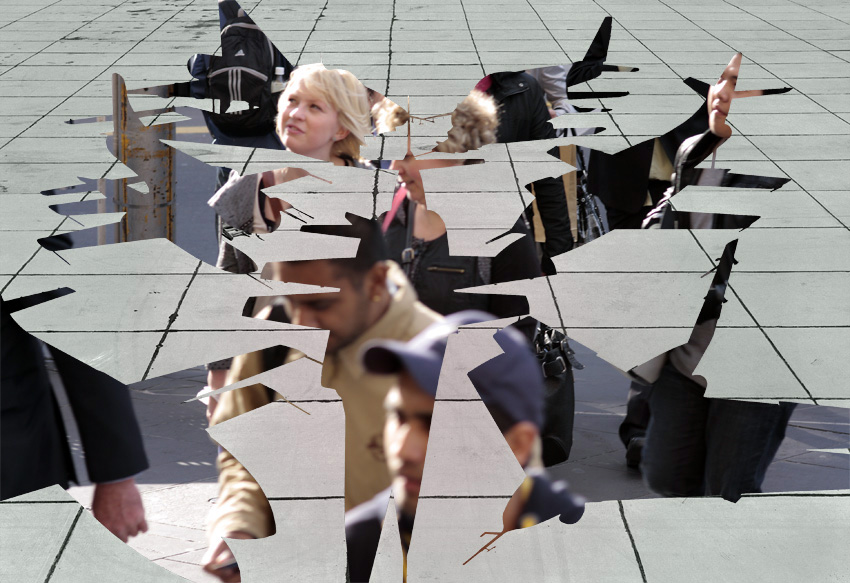
Marcus Bunyan (Australian, b. 1958) Untitled from the series There But For The Grace of You Go I 2009 Digital colour photograph
There But For The Grace of You Go I
A body of work, There But For The Grace of You Go I (2009) is now online on my website.
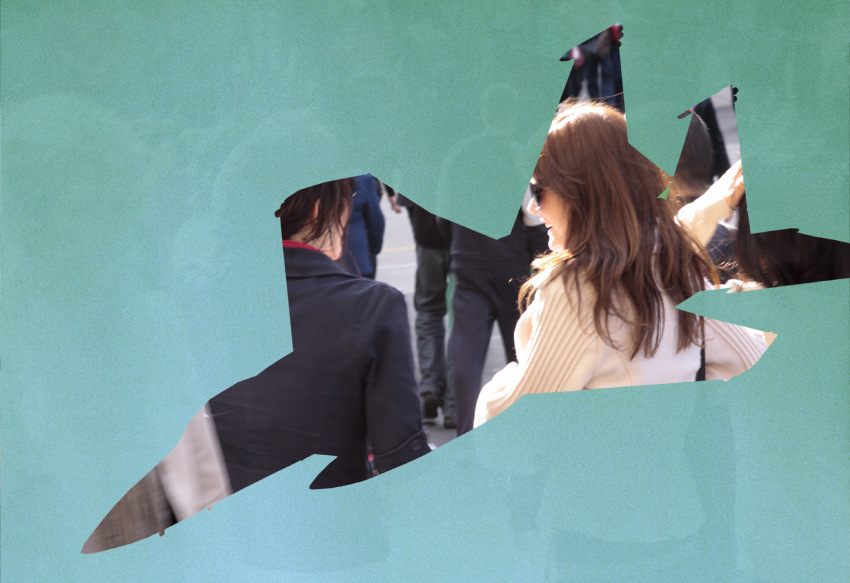
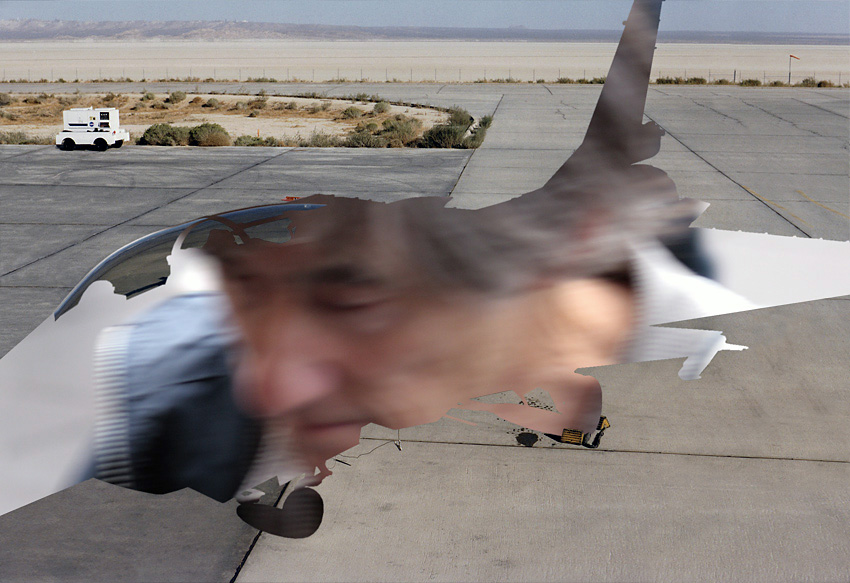
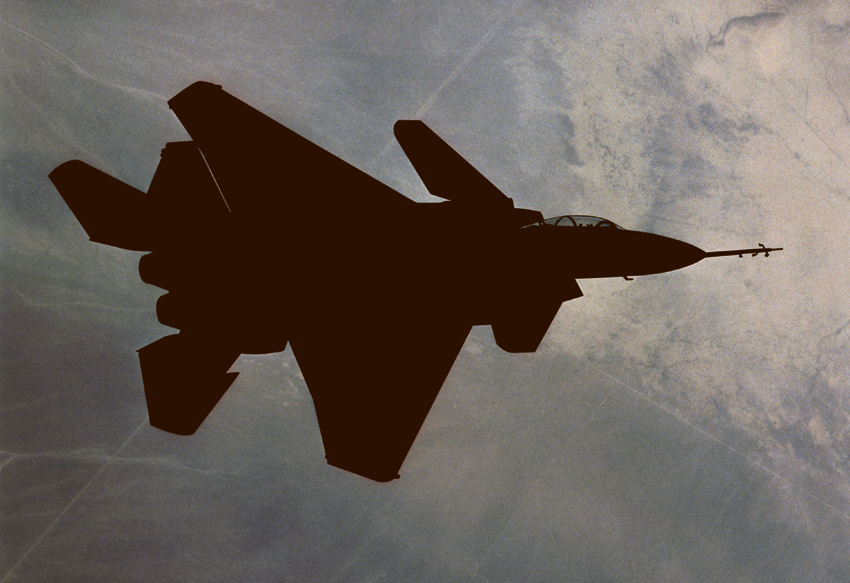
There are twenty images in the series which can be viewed as a sequence, rising and falling like a piece of music. Below are a selection of images from the series. The work continues an exploration into the choices human beings make. The silhouettes and landscapes of planes are taken from found copyright free images; the people from my photographs captured as they crossed the intersection outside Flinders Street Station, Melbourne. Other images are paintings from the Renaissance and POW’s during World War II.
I have always been creative from a very early age, starting as a child prodigy playing the piano at the age of five and going on to get my degree as a concert pianist at the Royal College of Music in London. I have always felt the music and being creative has helped me cope with life, living with bipolar.
These days as I reach my early 50’s ego is much less a concern – about being successful, about having exhibitions. I just make the work because I love making it and the process gives me happiness – in the thinking, in the making. I can loose myself in my work.
When Andrew Denton asked Clive James what brings him joy, James replies “The arts,“ and then qualified his answer. “What I mean is creativity. When I get lost in something that’s been made, it doesn’t matter who it is by. It could be Marvin Gaye singing ‘I Heard it Through the Grapevine’ or it could be the adagio of the Ninth Symphony …”
What a wise man.
Dr Marcus Bunyan
Please click on the photographs for a larger version of the image.
Photographs are available from this series for purchase. As a guide, a digital colour 16″ x 20″ costs $1000 plus tracked and insured shipping. For more information please see my Store web page.
Marcus Bunyan (Australian, b. 1958) Untitled from the series There But For The Grace of You Go I 2009 Digital colour photograph
Marcus Bunyan (Australian, b. 1958) Untitled from the series There But For The Grace of You Go I 2009 Digital colour photograph
Marcus Bunyan (Australian, b. 1958) Untitled from the series There But For The Grace of You Go I 2009 Digital colour photograph
Marcus Bunyan (Australian, b. 1958) Untitled from the series There But For The Grace of You Go I 2009 Digital colour photograph
Marcus Bunyan (Australian, b. 1958) Untitled from the series There But For The Grace of You Go I 2009 Digital colour photograph
Marcus Bunyan (Australian, b. 1958) Untitled from the series There But For The Grace of You Go I 2009 Digital colour photograph
Marcus Bunyan (Australian, b. 1958) Untitled from the series There But For The Grace of You Go I 2009 Digital colour photograph
Marcus Bunyan (Australian, b. 1958) Untitled from the series There But For The Grace of You Go I 2009 Digital colour photograph
Exhibition dates: 29th October – 6th December 2009
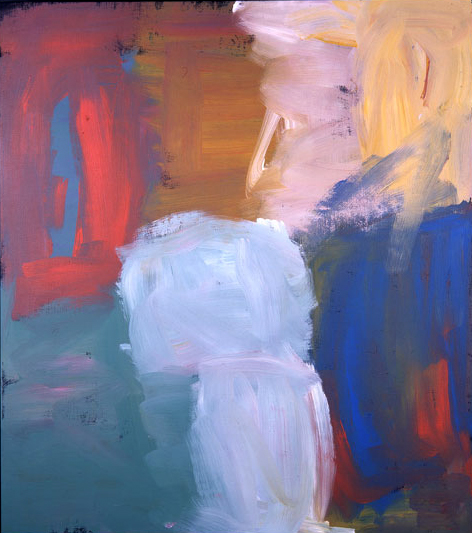
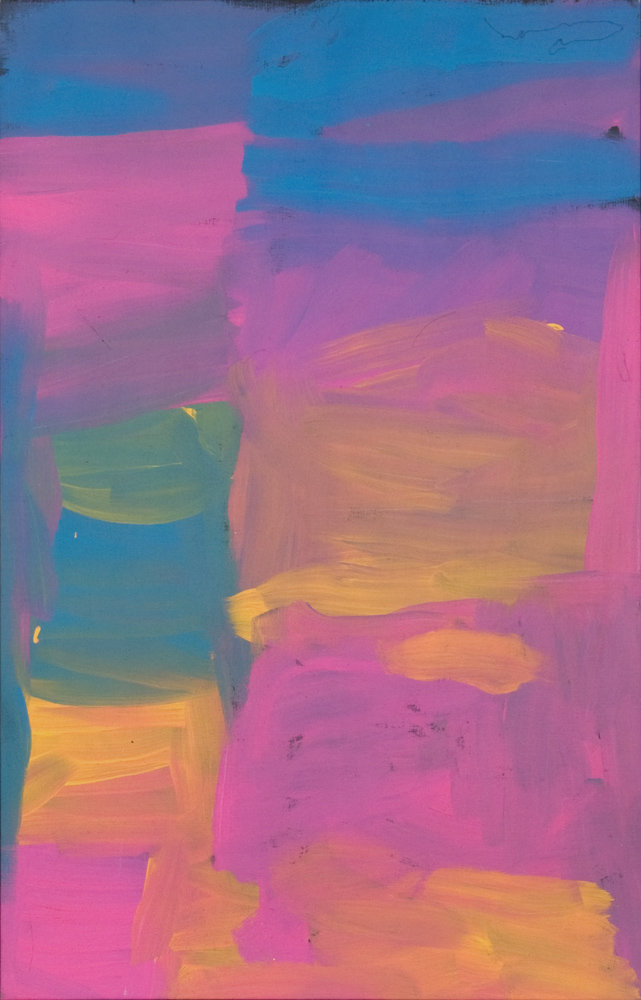
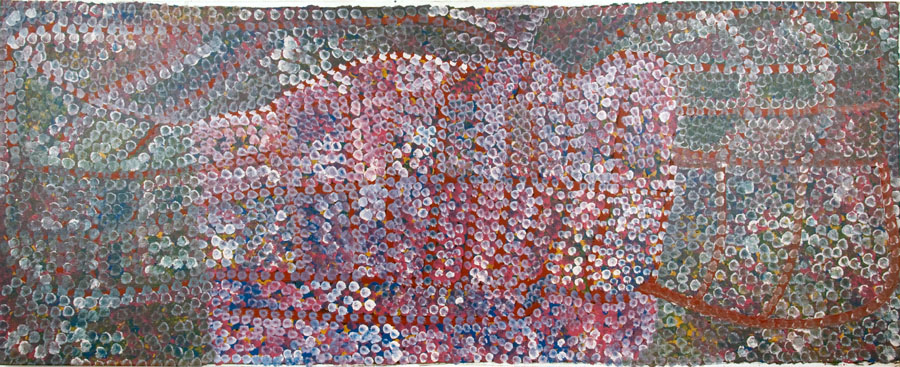
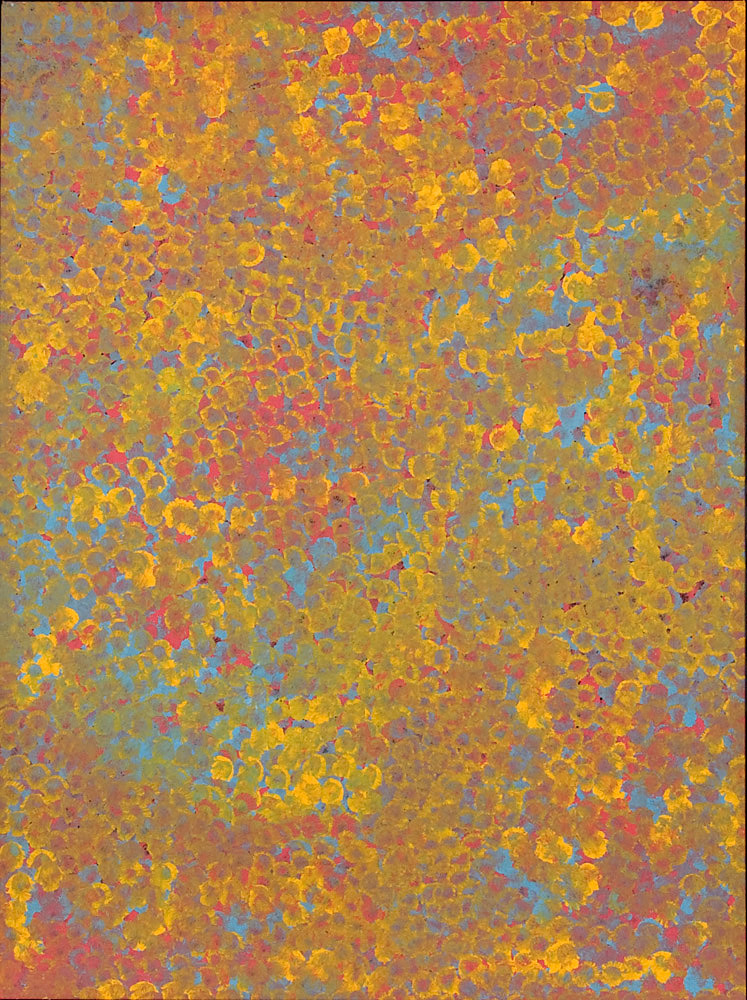
Emily Kame Kngwarreye (Australian, 1910-1996) My Country 1996 Synthetic polymer paint on canvas
“One can theorise about beauty all day, but words are weak and at day’s end one will go out into the blue and golden and multifarious world, and one will know with the responsive heart, before there is time for words, what is and isn’t beautiful.”
Leo Rubinfien1
There are certain existential experiences in art one will always remember:
~ The maelstrom of convulsive colours in the paintings of J. M. W. Turner at the Tate in London
~ Being alone in a gallery at the Louvre with six self-portraits by Rembrandt and embracing their inner humanity
~ Sitting in the Musée de l’Orangerie, Paris and being surrounded by the elemental forces of Monet’s panels of Nymphéas
Added to this list would be my experience of this exhibition of paintings by Emily Kame Kngwarreye.
It was a privilege to spend time alone with the work, just wandering around the gallery that is situated in an industrial estate in Port Melbourne. It is difficult for me to describe the experience such was the connection I had with the work, with the earth. I am emotional even writing about it. Standing in front of these paintings all pretensions of existence, all trappings of society, dissolve in colour, in presence.
I am a naturalised Australian having been born in England; I have never been to the far desert. This does not matter. What I felt, what I experienced was a connection to the land, to the stories that Emily has told in these paintings. We all come from the earth and return to it.
The paintings were painted horizontally (like the painter Jackson Pollock who intuitively accessed the spiritual realm) and evidence a horizontal consciousness not a hierarchical one. Knowledge is not privileged over wisdom. There is a balance between knowledge and wisdom – the knowledge gained through a life well lived and the wisdom of ancient stories that represent the intimacy of living on this world. The patterns and diversities of life compliment each other, are in balance.
Wisdom comes from the Indo-European root verb weid, “to see,” the same root from which words like vision come.2 In this sense these are “Vedic” paintings in that they are ancient, sacred teachings, Veda meaning literally “I have seen.”
On this day I saw. I felt.
Rarely do I have such an emotional reaction to art. When it does happen it washes over me, it cleanses my soul and releases pent up emotions – about life, about mortality, about being.
As Cafe del Mar in one of their songs, “The Messenger” sing:
“We, We got the feeling of Mystery, We got the touch of humanity, I know, we can’t live forever.”
Go and be touched.
Dr Marcus Bunyan
1/ Rubinfien, Leo. “Perfect Uncertainty: Robert Adams and the American West, (2002)” on Americansuburb X: Theory. [Online] Cited 22/11/2009 no longer available online
2/ Doczi, Gyorgy. The Power of Limits: Proportional Harmonies in Nature, Art and Architecture. Colorado: Shambala Publications, 1981, p. 127
Thank you to Leanne Collier and DACOU Aboriginal Art for allowing me to reproduce the three large photographs of two Wildflower paintings and one My Country painting.
Emily Kame Kngwarreye (Australian, 1910-1996) My Country 1996 Synthetic polymer paint on canvas
Emily Kame Kngwarreye (Australian, 1910-1996) My Country 1996 Synthetic polymer paint on canvas
Emily Kame Kngwarreye (Australian, 1910-1996) My Country 1996 Synthetic polymer paint on canvas
Emily Kame Kngwarreye is Australia’s most important and famous female artist. Hailed as a modernist ‘genius’, she has been compared to Rothko and de Kooning. An Anmatyerre elder from Utopia in the remote central desert region of the Northern Territory, Emily first took up painting on canvas in her late 70’s. She quickly became one of the leaders in the contemporary Aboriginal art movement, transforming her style several times during her short career of eight years. Today she is known as one of the greatest abstract painters of the 20th century.
This important exhibition of over 80 pieces covering all significant series and periods of Emily Kngwarreye’s artistic career is the first commercial retrospective exhibition to be held since she passed away in 1996. It gives the public an outstanding chance to view and purchase works in each of her styles. DACOU has retained numerous magnificent pieces over the years that will be included in this exhibition, such as rarely seen works from Emily’s Ochre Series, created with ochre and charcoal she collected from her country. On show will be the sister painting to the famous Earth’s Creation (also titled Earth’s Creation, 1994, 4 panels, 211 x 596cm) and just as splendid in colour and style.
Text from the DACOU Aboriginal Art website [Online] Cited 27/11/2009 no longer available online
Inspired by her cultural life as an Anmatyerre elder Emily produced over 3000 paintings over the course of her short eight-year painting career. Her lifelong custodianship of the women’s Dreaming sites of her clan country and in particular her yam Dreaming is the driving force behind her work (Kame meaning yam seed). Her work displays an instinct created by decades of making art for private purposes, drawing in soft earth and ritual body painting. Strong lineal structures whereupon individual dots overlap lines and appearing within others trace the appearance of seeds, plants and tracks on her country.
Text from the University of Canberra website [Online] Cited 11/05/2019
Exhibition dates: 12th November – 6th December 2009
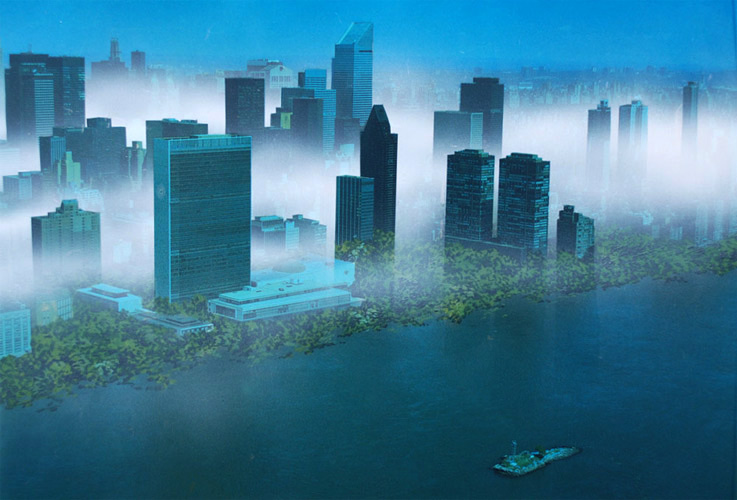
Alex Lukas (American, b. 1981) Untitled 2009 Acrylic and silk screen on two book pages
These are terrific – I want one!
A big thank you to Alex for allowing me to reproduce the images.
Dr Marcus Bunyan
Please click on the photographs for a larger version of the image.
Alex Lukas (American, b. 1981) Untitled 2009 Acrylic and silk screen on two book pages
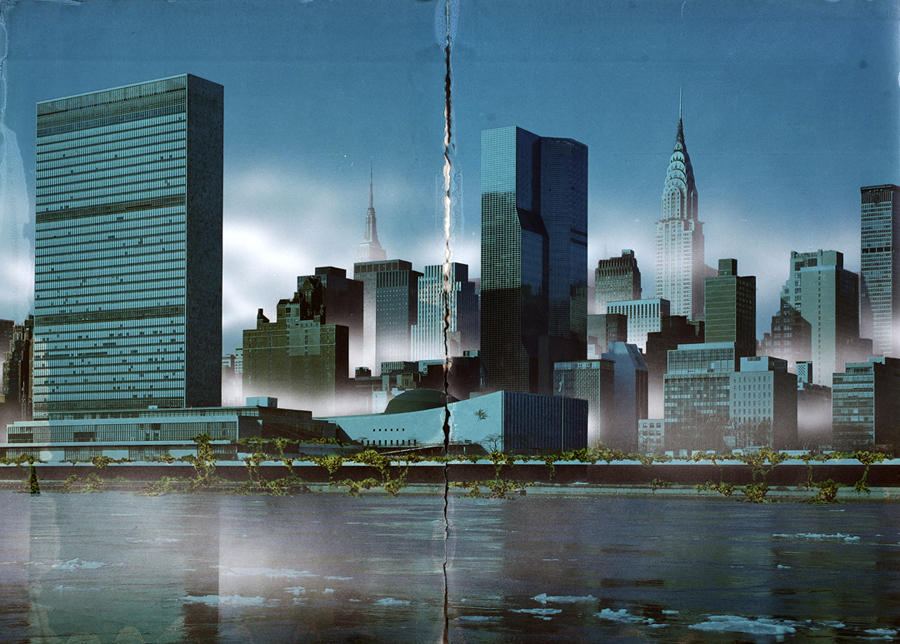
Glowlab is pleased to present The Eventuality of Daybreak, a solo exhibition by Alex Lukas featuring a new series of post-apocalyptic urban landscapes that blur the visual boundaries of fiction and reality.
Lukas’ work explores the existence of disaster, be it realised or fictitious, in contemporary society. Hyper-realistic motion pictures and unforgiving news footage depict seemingly identical – and equally riveting – facades of tragedy. The artist recognises that relentless visual bombardment has resulted in society’s desensitisation to the aesthetics of destruction.
For The Eventuality of Daybreak, Lukas has selected photographic spreads of well-known metropolises from vintage publications and uses them dually as canvas and unlikely subject. Through a deft handling of paint and carefully placed screen-printed passages, the artist pushes these ageing illustrations in futuristic contexts. Submerging these cities conceptually and physically, Lukas inundates images of American cities with layers of media representing cataclysmic floods and crippling overgrowth.
Also included in the exhibition are works on paper depicting near-future scenes of devastated landscapes – crumbling infrastructure, overturned trucks and telling signs of human despair. As a counterpoint to the underwater cities, these darkly atmospheric and barren vistas signal devastation through an unsettling sense of absence.
Lukas’ intentional use of dated imagery presented in tandem with contemporary situations forces the viewer to reconcile two differing ideologies of urban space. The artist’s work calls into question society’s collective acceptance of the urban environment as an arena of destruction, once thought unthinkable and now seemingly inevitable.
The Eventuality of Daybreak is Lukas’ first solo exhibition with Glowlab. Lukas’ work has also been exhibited in New York, Boston, Philadelphia, Los Angeles, San Francisco, London, Stockholm and Copenhagen as well as in the pages of Swindle Quarterly, Proximity Magazine, The San Francisco Chronicle, The Village Voice, The Drama and The New York Times Book Review. Lukas is a graduate of the Rhode Island School of Design and currently lives and works in Philadelphia, where he is a member of the artist collective Space 1026.
Press release on the Glowlab website [Online] Cited 20/11/2009 no longer available online
Alex Lukas (American, b. 1981) Untitled 2009 Acrylic and silk screen on two book pages
Alex Lukas (American, b. 1981) Untitled 2009 Acrylic and silk screen on two book pages
Alex Lukas (American, b. 1981) Untitled 2009 Acrylic and silk screen on two book pages
Alex Lukas (American, b. 1981) Untitled 2009 Acrylic and silk screen on two book pages




![Lisette Model (American born Austria, 1901-1983) 'Coney Island Bather, New York' [Baigneuse, Coney Island] c. 1939-1941](https://artblart.com/wp-content/uploads/2010/01/model-coney-island-bather-web.jpg "Lisette Model (American born Austria, 1901-1983) 'Coney Island Bather, New York' [Baigneuse, Coney Island] c. 1939-1941")
![Lisette Model (American born Austria, 1901-1983) 'Reflections' [Reflets] c. 1939-1945](https://artblart.com/wp-content/uploads/2010/01/model-reflections-new-york-web.jpg "Lisette Model (American born Austria, 1901-1983) 'Reflections' [Reflets] c. 1939-1945")
![Lisette Model (American born Austria, 1901-1983) 'Reflection' [Reflet] c. 1939-1945](https://artblart.com/wp-content/uploads/2010/01/model-reflection-web.jpg "Lisette Model (American born Austria, 1901-1983) 'Reflection' [Reflet] c. 1939-1945")
































 Art Blart _ art and cultural memory archive
You must be logged in to post a comment.