Curators: Jim Ganz, senior curator of photographs at the Getty Museum in collaboration with Getty curators Mazie Harris, Virginia Heckert, Karen Hellman, Arpad Kovacs, Amanda Maddox, and Paul Martineau.
Imagine having these photographs in your collection!
My particular favourite is Hiromu Kira’s The Thinker (about 1930). For me it sums up our singular 1 thoughtful 2 imaginative 3 ephemeral 4 ether/real 5 existence.
“Aether is the fifth element in the series of classical elements thought to make up our experience of the universe… Although the Aether goes by as many names as there are cultures that have referenced it, the general meaning always transcends and includes the same four “material” elements [earth, air, water, fire]. It is sometimes more generally translated simply as “Spirit” when referring to an incorporeal living force behind all things. In Japanese, it is considered to be the void through which all other elements come into existence.” (Adam Amorastreya. “The End of the Aether,” on the Resonance website Feb 16, 2015 [Online] Cited 23/02/2020)
Dr Marcus Bunyan
Many thankx to the J. Paul Getty Museum for allowing me to publish the photographs in the posting. Please click on the photographs for a larger version of the image.
Carleton Watkins (American, 1829-1916) [Guadalupe Mill] 1860 Salted paper print Image (dome-topped): 33.8 × 41.6cm (13 5/16 × 16 3/8 in.) The J. Paul Getty Museum, Los Angeles
Hiromu Kira (1898-1991) was one of the most successful and well-known Japanese American photographers in prewar Los Angeles. He was born in Waipahu, O’ahu, Hawai’i on April 5, 1898, but was sent to Kumamoto, Japan, for his early education. When he was eighteen years old, he returned to the United States and settled in Seattle, Washington, where he first became interested in photography. In 1923, he submitted prints to the Seattle Photography Salon which accepted two of the photographs. In 1923, his work was accepted in the Pittsburg Salon and the Annual Competition of American Photography. He found work at the camera department of a local Seattle pharmacy and began meeting other Issei, Nisei and Kibei photographers such as Kyo Koike and joined the Seattle Camera Club.
In 1926, Kira moved to Los Angeles with his wife and two young children. Although he was never a member of the Japanese Camera Pictorialists of California, a group that was active in Los Angeles at that time, he developed strong friendships with club members associated with the pictorialist movement of the 1920s and ’30s such as K. Asaishi and T. K. Shindo. In 1928, Kira was named an associate of the Royal Photography Society, and the following year he was made a full fellow and began exhibiting both nationally and internationally. In 1929 alone, Kira exhibited ninety-six works in twenty-five different shows. In the late twenties, he worked at T. Iwata’s art store. In 1931, his photograph The Thinker, made while showing a customer how to use his newly purchased camera properly, appeared on the March 1931 issue of Vanity Fair magazine.
On December 5, two days before the attack on Pearl Harbor, Kira was selected to be included in the 25th Annual International Salon of the Camera Pictorialists of Los Angeles. Within a few months, he was forced to store his camera, photography books and prints in the basement of the Nishi Hongwanji Buddhist Temple in Little Tokyo, Los Angeles for the duration of World War II. He and his family were incarcerated at Santa Anita Assembly Center and the Gila River, Arizona concentration camp from 1942-1944, leaving the latter in April 1944.
Following his release, he lived briefly in Chicago before returning to Los Angeles in 1946, where he remained for the rest of his life. In Los Angeles, he worked as a photo retoucher and printer for the Disney, RKO and Columbia Picture studios but never exhibited again as he had before the war.
Text from the Hiromu Kira page on the Densho Encyclopedia website [Online] Cited 23/02/2020
Markéta Luskačová (born 1944) is a Czech photographer known for her series of photographs taken in Slovakia, Britain and elsewhere. Considered one of the best Czech social photographers to date, since the 1990s she has photographed children in the Czech Republic, Slovakia, and also Poland…
In the 1970s and 1980s, the communist censorship attempted to conceal her international reputation. Her works were banned in Czechoslovakia, and the catalogues for the exhibition Pilgrims in the Victoria and Albert Museum were lost on their way to Czechoslovakia.
Luskačová started photographing London’s markets in 1974. In the markets of Portobello Road, Brixton and Spitalfields, she “[found] a vivid Dickensian staging”.
In 2016 she self-published a collection of photographs of street musicians, mostly taken in the markets of east London, under the title To Remember – London Street Musicians 1975-1990, and with an introduction by John Berger.
During the 1960s Nagano observed the period of intense economic growth in Japan, depicting the lives of Tokyo’s sarariman with some humour. The photographs of this period were only published in book form much later, as Dorīmu eiji and 1960 (1978 and 1990 respectively).
Nagano exhibited recent examples of his street photography in 1986, winning the Ina Nobuo Award. He published several books of his works since then, and won a number of awards. Nagano had a major retrospective at the Tokyo Metropolitan Museum of Photography in 2000.
Nagano died two months short of his 94th birthday, on January 30, 2019.
A three-panel silkscreen print on glass, Succulent Screen depicts a detail view of one of the signature miter-cut windows of Frank Lloyd Wright’s Freeman House. The house was built in the Hollywood Hills in 1923, was listed on the National Register of Historic Places in 1971 as a California Historical Landmark and as Los Angeles Historic-Cultural Monument #247 in 1981; it was bequeathed to the USC School of Architecture in 1986.
The Getty Museum holds one of the largest collections of photographs in the United States, with more than 148,000 prints. However, only a small percentage of these have ever been exhibited at the Museum. To celebrate the 35th anniversary of the founding of the Department of Photographs, the Getty Museum is exhibiting 200 of these never-before-seen photographs and pull back the curtain on the work of the many professionals who care for this important collection in Unseen: 35 Years of Collecting Photographs, on view December 17, 2019 – March 8, 2020.
“Rather than showcasing again the best-known highlights of the collection, the time is right to dig deeper into our extraordinary holdings and present a selection of never-before-seen treasures. I have no doubt that visitors will be intrigued and delighted by the diversity and quality of the collection, whose riches will support exhibition and research well into the decades ahead,” says Timothy Potts, director of the J. Paul Getty Museum.
The exhibition includes photographs by dozens of artists from the birth of the medium in the mid-19th century to the present day. The selection also encompasses a variety of photographic processes, including the delicate cyanotypes of Anna Atkins (British, 1799-1871), Polaroids by Carrie Mae Weems (American, born 1953) and Mary Ellen Mark (American, 1940-2015) and an architectural photographic silkscreen on glass by Veronika Kellndorfer (German, born 1962).
Visual associations among photographs from different places and times illuminate the breadth of the Getty’s holdings and underscore a sense of continuity and change within the history of the medium. The curators have also personalised some of the labels in the central galleries to give voice to their individual insights and perspectives.
Growth of the collection
In 1984, as the J. Paul Getty Trust was in the early stages of conceiving what would eventually become the Getty Center, the Getty Museum created its Department of Photographs. It did so with the acquisition of several world-famous private collections, including those of Sam Wagstaff, André Jammes, Arnold Crane, and Volker Kahmen and Georg Heusch. These dramatic acquisitions immediately established the Museum as a leading center for photography.
While the founding collections are particularly strong in 19th and early 20th century European and American work, the department now embraces contemporary photography and, increasingly, work produced around the world. The collection continues to evolve, has been shaped by several generations of curators and benefits from the generosity of patrons and collectors.
Behind the scenes
In addition to the photographs on view, the exhibition spotlights members of Getty staff who care for, handle, and monitor these works of art.
“What the general public may not realise is that before a single photograph is hung on a wall, the object and its related data is managed by teams of professional conservators, registrars, curators, mount-makers, and many others,” says Jim Ganz, senior curator of photographs at the Getty Museum. “In addition to exposing works of art in the collection that are not well known, we wanted to shed light on the largely hidden activity that goes into caring for such a collection.”
Collecting Contemporary Photography
The department’s collecting of contemporary photography has been given strong encouragement by the Getty Museum Photographs Council, and a section of the exhibition will be dedicated to objects purchased with the Council’s funding. Established in 2005, this group supports the department’s curatorial program, especially with the acquisition of works made after 1945 by artists not yet represented or underrepresented in the collection. Since its founding, the Council has contributed over $3 million toward the purchase of nearly five hundred photographs by artists from Argentina, Australia, Canada, Japan, Korea, Malaysia, South Africa, and Taiwan, as well as Europe and the United States.
Looking ahead
The exhibition also looks towards the future of the collection, and includes a gallery of very newly-acquired works by Laura Aguilar (American, 1959-2018), Osamu Shiihara (Japanese, 1905-1974), as well as highlights of the Dennis Reed collection of photographs by Japanese American photographers. The selection represents the department’s strengthening of diversity in front of and behind the camera, the collection of works relevant to Southern California communities, and the acquisition of photographs that expand the understanding of the history of the medium.
“With this exhibition we celebrate the past 35 years of collecting, and look forward to the collection’s continued expansion, encompassing important work by artists all over the world and across three centuries,” adds Potts.
Unseen: 35 Years of Collecting Photographs is on view December 17, 2019 – March 8, 2020 at the Getty Center. The exhibition is organised by Jim Ganz, senior curator of photographs at the Getty Museum in collaboration with Getty curators Mazie Harris, Virginia Heckert, Karen Hellman, Arpad Kovacs, Amanda Maddox, and Paul Martineau.
Press release from the J. Paul Getty Museum [Online] Cited 09/20/2020
Julia Margaret Cameron (British born India, 1815-1879) [Spring] 1873 Albumen silver print 35.4 × 25.7cm (13 15/16 × 10 1/8 in.) The J. Paul Getty Museum, Los Angeles
Reverend William Ellis (British, 1794-1872) and Samuel Smith [Portrait of a Black Couple] about 1873 Albumen silver print 24.1 × 18.6cm (9 1/2 × 7 5/16 in.) The J. Paul Getty Museum, Los Angeles
Prince Roland Napoleon Bonaparte (French, 1858-1924) Jacobus Huch, 26 ans about 1888 Albumen silver print 15.9 × 10.9cm (6 1/4 × 4 5/16 in.) The J. Paul Getty Museum, Los Angeles
Underwood & Underwood (American, founded 1881, dissolved 1940s) Les Chiens du Front, eux-mems, portent des masques contre les gaz May 27, 1917 Rotogravure 22 × 20.4cm (8 11/16 × 8 1/16 in.) The J. Paul Getty Museum, Los Angeles
Munkácsi was a newspaper writer and photographer in Hungary, specialising in sports. At the time, sports action photography could only be done in bright light outdoors. Munkácsi’s innovation was to make sport photographs as meticulously composed action photographs, which required both artistic and technical skill.
Munkácsi’s break was to happen upon a fatal brawl, which he photographed. Those photos affected the outcome of the trial of the accused killer, and gave Munkácsi considerable notoriety. That notoriety helped him get a job in Berlin in 1928, for Berliner Illustrirte Zeitung, where his first published photo was a motorcycle splashing its way through a puddle. He also worked for the fashion magazine Die Dame.
More than just sports and fashion, he photographed Berliners, rich and poor, in all their activities. He traveled to Turkey, Sicily, Egypt, London, New York, and Liberia, for photo spreads in Berliner Illustrirte Zeitung.
The speed of the modern age and the excitement of new photographic viewpoints enthralled him, especially flying. There are aerial photographs; there are air-to-air photographs of a flying school for women; there are photographs from a Zeppelin, including the ones on his trip to Brazil, where he crossed over a boat whose passengers wave to the airship above.
On 21 March 1933, he photographed the fateful Day of Potsdam, when the aged President Paul von Hindenburg handed Germany over to Adolf Hitler. On assignment for Berliner Illustrirte Zeitung, he photographed Hitler’s inner circle, although he was a Jewish foreigner.
Munkácsi left for New York City… Munkácsi died in poverty and controversy. Several universities and museums declined to accept his archives, and they were scattered around the world.
Erwin Blumenfeld (American born Germany, 1897-1969)
Blumenfeld was born in Berlin on 26 January 1897. As a young man he worked in the clothes trade and wrote poetry. In 1918 he went to Amsterdam, where he came into contact with Paul Citroen and Georg Grosz. In 1933 he made a photomontage showing Hitler as a skull with a swastika on its forehead; this image was later used in Allied propaganda material in 1943.
He married Lena Citroen, with whom he had three children, in 1921. In 1922 he started a leather goods shop, which failed in 1935. He moved to Paris, where in 1936 he set up as a photographer and did free-lance work for French Vogue. After the outbreak of the Second World War he was placed in an internment camp; in 1941 he was able to emigrate to the United States. There he soon became a successful and well-paid fashion photographer, and worked as a free-lancer for Harper’s Bazaar, Life and American Vogue. Blumenfeld died in Rome on 4 July 1969.
Barbara Morgan (American, 1900-1992) City Shell 1938 Gelatin silver print 49.2 × 39.4cm (19 3/8 × 15 1/2 in.) Reproduced courtesy of the Barbara and Willard Morgan Photographs and Papers, Library Special Collections, Charles E. Young Research Library, UCLA The J. Paul Getty Museum, Los Angeles
Henry Holmes Smith (1909-1986) was an American photographer and one of the most influential fine art photography teachers of the mid 20th century. He was inspired by the work that had been done at the German Bauhaus and in 1937 was invited to teach photography at the New Bauhaus being founded by Moholy-Nagy in Chicago. After World War II, he spent many years teaching at Indiana University. His students included Jerry Uelsmann, Jack Welpott, Robert W. Fichter, Betty Hahn and Jaromir Stephany.
Smith was often involved in the cutting edge of photographic techniques: in 1931 he started experimenting with high-speed flash photography of action subjects, and started doing colour work in 1936 when few people considered it a serious artistic medium. His later images were nearly all abstract, often made directly (without a camera, i.e. like photograms), for instance images created by refracting light through splashes of water and corn syrup on a glass plate. However, although acclaimed as a photographic teacher, Holmes’ own photographs and other images did not achieve any real recognition from his peers.
Otto Steinert (German, 1915-1978) Schlammweiher 2 Negative 1953, print about 1960s Gelatin silver print 39.6 x 29.1cm (15 9/16 x 11 7/16 in.) The J. Paul Getty Museum, Los Angeles Courtesy Galerie Johannes Faber
The photo essay as haunting and elegiac poem: “a richly-hued, cinematic portrayal of a largely hidden world: that of violence, police work and incarceration, seen with empathy and candour.”
Parks is one of my favourite photographers. He continues to astound me with his experimentation and percipience, his sensitive insight, into his subjects becoming: “a more nuanced view that reflected the social and economic factors tied to criminal behaviour and a rare window into the working lives of those charged with preventing and prosecuting it.” All captured by his probing camera – using natural light, flash, low depth of field, blur, high angles, low angles, perspective, transience, informality and chiaroscuro.
Two photographs in the posting suffice to speak of the photographers art: pointing figure, veins, clenched first and revelation, the blue fairy of light, in the beautiful Narcotics Addict, Chicago, Illinois; and body carriage interior, overweight man, braced, shadow, fag hanging out of mouth, pulling – all dreams laid bare. The photographer crouching at the same level. Shooting Victim in Cook County Morgue, Chicago, Illinois.
Wonderful to see the layout of the Life Magazine photo essay as well. Notice how Raiding Detectives, Chicago, Illinois is cropped claustrophobically tight, giving little sense of the passage of the tenement. Similarly, the hand and cigarette in Untitled, Chicago, Illinois (cover for the new book about the series), is bound by the cropping and shadows. Other images from the shoots Drug Search, Chicago, Illinois and Untitled, San Quentin, California are also used, expanding the context of the scene.
His photographs “give shape to the ground against which poverty, addiction, and race become criminalised,” allowing “Life’s readers to see the complexity of these chronically oversimplified situations.” They also enable us to enter a liminal space, where we feel both the mundane horror and specular beauty of life in medias res.
Dr Marcus Bunyan
Many thankx to the Museum of Modern Art for allowing me to publish some of the photographs in the posting. Please click on the photographs for a larger version of the image.
MoMA Acquires 56 Photographs from Gordon Parks’s Groundbreaking 1957 Series “The Atmosphere of Crime”
The Museum of Modern Art has acquired 56 prints from American artist Gordon Parks’s series of colour photographs made in 1957 for a Life magazine photo essay titled “The Atmosphere of Crime.” The Museum and The Gordon Parks Foundation collaborated closely on the selection of 55 modern colour prints that MoMA purchased from the Foundation, and the Foundation has also given the Museum a rare vintage gelatin silver print (a companion to a print Parks himself gave the Museum in 1993). A generous selection of these prints will go on view in May 2020 as part of the first seasonal rotation of the Museum’s newly expanded and re-envisioned collection galleries. The collection installation Gordon Parks and “The Atmosphere of Crime” will be located on the fourth floor, with Parks’s work as an anchor for exploring representations of criminality in photography, with a particular focus on work made in the United States.
One of the preeminent photographers of the mid-20th century, Gordon Parks (1912-2006) left behind a body of work that documents American life and culture from the early 1940s to the 2000s. Born in Fort Scott, Kansas, Parks worked as a youth in St. Paul, Minnesota, before discovering photography in 1937. He would come to view it as his “weapon of choice” for attacking issues including race relations, poverty, urban life, and injustice. After working for the US government’s Farm Security Administration in the early 1940s, Parks found success as a fashion photographer and a regular contributor to Ebony, Fortune, Glamour, and Vogue before he was hired as the first African American staff photographer at Life magazine in 1948.
In 1957, Life assigned Parks to photograph for the first in a series of articles addressing the perceived rise of crime in the US. With reporter Henry Suydam, Parks traversed the streets of New York, Chicago, Los Angeles, and San Francisco, producing a range of evocative colour images, 12 of which were featured in the debut article, “The Atmosphere of Crime,” on September 9, 1957. Parks’s empathetic, probing views of crime scenes, police precincts, hospitals, morgues, and prisons do not name or identify “the criminal,” but instead give shape to the ground against which poverty, addiction, and race become criminalised. Shot using available light, Parks’s atmospheric photographs capture mysterious nocturnal activity unfolding on street corners and silhouetted figures with raised hands in the murky haze of a tenement hallway.
A robust selection from this acquisition will anchor a display within a fourth-floor collection gallery, titled Gordon Parks and “The Atmosphere of Crime.” Using Parks’s work as a point of departure, the installation will draw from a range of other works in the Museum’s collection, offering varied representations of crime and criminality. Since the 1940s, the Museum has collected and exhibited photographs of crime as represented in newspapers and tabloids, exemplified by the dramatic, flash-lit work of Weegee, complemented by 19th-century precedents such as mug shots, whose purported objectivity was expected to facilitate the identification of criminals, as well as acquisitions across media that point to subsequent investigations and more contemporary concerns.
While Parks’s work was first displayed at MoMA in 1948, and was included in the landmark exhibition The Family of Man in 1955, it wasn’t until 1993 that five of his photographs were approved for the Museum’s collection (including a large-scale gelatin silver print from the 1957 series on crime mentioned above). The Museum has since supported the acquisition of additional vintage prints in 2011 and 2014 (including Harlem Newsboy, currently on view on the Museum’s fifth floor).
“As an artist of the highest order and a passionate advocate for civil rights, Parks made iconic photographs that continue to speak poignantly to the complexity of cultural politics and racial bias in the United States,” said Sarah Meister, curator in MoMA’s Department of Photography. “This acquisition substantially improves the Museum’s holdings of Gordon Parks’s achievement, reflecting our commitment to the artist and fostering the possibility of situating his work within a broad range of contemporary concerns. His enduring impact on the history of photography and representation cannot be overstated.”
“MoMA’s acquisition reinforces the significance of Gordon Parks as an artist whose practice continues to inspire future generations,” said Peter W. Kunhardt, Jr., executive director of The Gordon Parks Foundation. “Parks knew that his camera could be a powerful weapon, more potent than violence, and that pictures and words could further social change. The Atmosphere of Crime series remains as timeless and relevant today as when the photographs were made more than 50 years ago.”
Sarah Meister has also collaborated on The Gordon Parks Foundation’s forthcoming publication Gordon Parks: The Atmosphere of Crime, 1957, to be published by Steidl in spring 2020. The book’s expansive selection of never-before-published photographs from Parks’s original reportage was selected and sequenced by Meister, and her illustrated text situates this critically important photo essay within both Parks’s career and historic representations of crime and criminality. Other contributors include Bryan Stevenson, founder of the Equal Justice Initiative and author of Just Mercy (Spiegel & Grau, 2014), and Nicole Fleetwood, Professor of American studies and art history at Rutgers University and author of Marking Time: Art in the Age of Mass Incarceration (Harvard University Press, 2020). The book also features a foreword by MoMA’s director Glenn D. Lowry and The Gordon Parks Foundation’s executive director, Peter W. Kunhardt, Jr.
When Life magazine asked Gordon Parks to illustrate a recurring series of articles on crime in the United States in 1957, he had already been a staff photographer for nearly a decade, the first African American to hold this position. Parks embarked on a six-week journey that took him and a reporter to the streets of New York, Chicago, San Francisco and Los Angeles. Unlike much of his prior work, the images made were in colour. The resulting eight-page photo-essay “The Atmosphere of Crime” was noteworthy not only for its bold aesthetic sophistication, but also for how it challenged stereotypes about criminality then pervasive in the mainstream media. They provided a richly-hued, cinematic portrayal of a largely hidden world: that of violence, police work and incarceration, seen with empathy and candour.
Parks rejected clichés of delinquency, drug use and corruption, opting for a more nuanced view that reflected the social and economic factors tied to criminal behaviour and a rare window into the working lives of those charged with preventing and prosecuting it. Transcending the romanticism of the gangster film, the suspense of the crime caper and the racially biased depictions of criminality then prevalent in American popular culture, Parks coaxed his camera to do what it does best: record reality so vividly and compellingly that it would allow Life‘s readers to see the complexity of these chronically oversimplified situations. The Atmosphere of Crime, 1957 includes an expansive selection of never-before-published photographs from Parks’ original reportage.
Co-published with The Gordon Parks Foundation and The Museum of Modern Art. Text by Nicole Fleetwood and Bryan Stevenson.
Text from the Steidl website [Online] Cited 16/02/2020
The Atmosphere of Crime, 1957 (cover) Text by Nicole Fleetwood and Bryan Stevenson Series edited by Peter W. Kunhardt, Jr. Edited by Sarah Hermanson Meister 168 pages, 70 images Hardback / Half-linen 25 x 29cm English ISBN 978-3-95829-696-1 Published Spring 2020
The Museum of Modern Art 11 West 53 Street New York, NY 10019 Phone: (212) 708-9400
Opening hours: 10.30am – 5.30pm Open seven days a week
Exhibition dates: 20th November 2019 – 15th March 2020
Curators: Dora Maar is curated by Karolina Ziebinska-Lewandowska, Curator, Centre Pompidou, Paris, Damarice Amao, Assistant Curator, Centre Pompidou, Paris and Amanda Maddox, Associate Curator, the J. Paul Getty Museum, Los Angeles with Emma Lewis, Assistant Curator, Tate Modern. The Tate Modern presentation is curated by Emma Lewis, Assistant Curator with Emma Jones, Curatorial Assistant, Tate Modern.
What a creative woman. But yet another abused by the ego of a male, that of her lover, Picasso.
Beth Gersh-Nesic observes, “Was Dora Maar’s brilliant career cut short by the typical conflicts facing professional women in the 1930s, and even today? Or was she a victim of Picasso’s psychological abuse, which chipped away at her original confidence? Was she compromised to the point that she only wanted to please the man she loved? According to art historian John Richardson, Dora Maar sacrificed her gifts on the altar of her art god, her idol, Picasso. Based on the early Surrealist photographs we see in her retrospective, one can only wish she hadn’t taken up with Picasso, for it seems she might have achieved far more in her lifetime without him.”
What we can say is that Maar left behind a strong body of photographic work – from fashion and commercial, to restrained, classical formalism with surrealist inflections; from street photography to “the stuff of delirium and nightmare, [which] taps into the unconscious, internalised sublime”, her Portrait of Ubu (1936, below) reminding me strongly of William Blake’s painting The Ghost of a Flea (c. 1819). Ubu is “a ghastly being of indeterminate origin and melancholy aspect… [an idea] something like l’informe, the concept Maar’s lover Georges Bataille coined to describe his fellow-Surrealists’ admiration for all things larval and grotesquely about-to-be.” Ubu is a her dark notion of a street “urchin”.
Her warped photomontages are technical marvels. “”She captures the mysterious,” Caws wrote, “in a combination of the unresolved and the sharply angled. This frequently creates a sense of ambiguity, even menace.” Caws notes that Dora Maar responded to Louis Aragon’s invocation “for each person there is one image to find that will disturb the whole universe.” Maar’s images managed to “disturb and reveal” with a bit of the macabre mixed in.”
But her images are more than a bit of this and a bit of that. They possess a utilitarian feeling in the enunciation of their menace, which makes them all the more effective when impinging on our waking dreams. Susan Sontag notes, “Photographs are perhaps the most mysterious of all the objects that make up, and thicken, the environment we recognise as modern” (Sontag, On Photography, p. 2). Thicken is the critical word. Maar’s photographs thicken our atmospheric (and mental) miasma, prescient of our modern world full of dark passages: pitch black sewers, fatbergs, drone strikes, bush fire skies, virus, murder and mayhem. In the back of my head. My eyes. Roll, roll, roll. Skewered. Roasted.
Dr Marcus Bunyan
Many thankx to the Tate Britain for allowing me to publish the photographs in the posting. Please click on the photographs for a larger version of the image.
The most accomplished examples of Maar’s art are the photomontages of 1935 and 1936. There were already many vaults and arches in her Mont-Saint-Michel pictures; now she took the cloistral galleries of the Orangerie at Versailles, upended them so that they looked like sewers, and populated them with cryptic beings engaged in arcane rituals or dramas. In “The Simulator,” [below] a boy from one of her street photographs is bent backward at an obscene angle; Maar has retouched his eyes so that they roll back in his head toward us, like one of those thrashing hysterics photographed in the nineteenth century. In “29 Rue d’Astorg” (below) – of which Maar made several versions, black-and-white and hand-coloured – a human figure with a curtailed, avian head is seated beneath arches that have been subtly warped in the darkroom.
During the 1930s, Dora Maar’s provocative photomontages became celebrated icons of surrealism.
Her eye for the unusual also translated to her commercial photography, including fashion and advertising, as well as to her social documentary projects. In Europe’s increasingly fraught political climate, Maar signed her name to numerous left-wing manifestos – a radical gesture for a woman at that time.
Her relationship with Pablo Picasso had a profound effect on both their careers. She documented the creation of his most political work, Guernica 1937. He painted her many times, including Weeping Woman 1937. Together they made a series of portraits combining experimental photographic and printmaking techniques.
In middle and later life Maar withdrew from photography. She concentrated on painting and found stimulation and solace in poetry, religion, and philosophy, returning to her darkroom only in her seventies.
This exhibition will explore the breadth of Maar’s long career in the context of work by her contemporaries.
Installation views of the exhibition Dora Maar at Tate Modern, 2019 showing, in the bottom image, the photographs Untitled (Nude) 1930s (left) and Untitled (Nude) c. 1938 (right)
Dora Maar (French, 1907-1997) Assia 1934 Gelatin silver print 26.4 x 19.5cm
This autumn, Tate Modern presents the first UK retrospective of the work of Dora Maar (1907-1997) whose provocative photographs and photomontages became celebrated icons of surrealism. Featuring over 200 works from a career spanning more than six decades, this exhibition shows how Maar’s eye for the unusual also translated to her commercial commissions, social documentary photographs, and paintings – key aspects of her practice which have, until now, remained little known.
Born Henriette Théodora Markovitch, Dora Maar grew up between Argentina and Paris and studied decorative arts and painting before switching her focus to photography. In doing so, Maar became part of a generation of women who seized the new professional opportunities offered by advertising and the illustrated press. Tate Modern’s exhibition will open with the most important examples of these commissioned works. Around 1931, Maar set up a studio with film set designer Pierre Kéfer specialising in portraiture, fashion photography and advertising. Works such as Untitled (Les années vous guettent) c. 1935 – believed to be an advertising project for face cream that Maar made by overlaying two negatives – will reveal Maar’s innovative approach to constructing images through staging, photomontage and collage. Striking nude studies such as that of famed model Assia Granatouroff will also reveal how women photographers like Maar were beginning to infiltrate relatively taboo genres such as erotica and nude photography.
During the 1930s, Maar was active in left-wing revolutionary groups led by artists and intellectuals. Reflecting this, her street photography from this time shot in Barcelona, Paris and London captured the reality of life during Europe’s economic depression. Maar shared these politics with the surrealists, becoming one of the few photographers to be included in the movement’s exhibitions and publications. A major highlight of the show will be outstanding examples of this area of Maar’s practice, including Portrait d’Ubu 1936, an enigmatic image thought to be an armadillo foetus, and the renowned photomontages 29, rue d’Astorg c. 1936 and Le Simulateur 1935. Collages and publications by André Breton, Georges Hugnet, Paul and Nusch Eluard, and Jacqueline Lamba will place Maar’s work in context with that of her inner circle.
In the winter of 1935-1936 Maar met Pablo Picasso and their relationship of around eight years had a profound effect on both their careers. She documented the creation of his most political work Guernica 1937, offering unprecedented insight into his working process. He in turn immortalised her in the motif of the ‘weeping woman’. Together they made a series of portraits that combined experimental photographic and printmaking techniques, anticipating her energetic return to painting in 1936. Featuring rarely seen, privately-owned canvases such as La Conversation 1937 and La Cage 1943, and never-before exhibited negatives from the Dora Maar collection at the Musée National d’art Moderne, the exhibition will shed new light on the dynamic between these two artists during the turbulent wartime years.
After the Second World War, Maar began dividing her time between Paris and the South of France. During this period, she explored diverse subject matter and styles before focusing on gestural, abstract paintings of the landscape surrounding her home. Though these works were exhibited to acclaim in London and Paris into the 1950s, Maar gradually withdrew from artistic circles. As a result, the second half of her life became shrouded in mystery and speculation. The exhibition will reunite over 20 works from this little-known – yet remarkably prolific – period. Dora Maar concludes with a substantial group of camera-less photographs that she made in the 1980s when, four decades after all but abandoning the medium, Maar returned to her darkroom.
Dora Maar is curated by Karolina Ziebinska-Lewandowska, Curator, Centre Pompidou, Paris, Damarice Amao, Assistant Curator, Centre Pompidou, Paris and Amanda Maddox, Associate Curator, the J. Paul Getty Museum, Los Angeles with Emma Lewis, Assistant Curator, Tate Modern. The Tate Modern presentation is curated by Emma Lewis, Assistant Curator with Emma Jones, Curatorial Assistant, Tate Modern.
The exhibition will be accompanied by a fully-illustrated catalogue jointly published by Tate and the J. Paul Getty Museum and a programme of talks and events in the gallery.
Press release from Tate Britain [Online] Cited 16/11/2019
Installation views of the exhibition Dora Maar at Tate Modern, 2019 showing at second left, Untitled (Study of Beauty) (c. 1931, below)
Dora Maar (French, 1907-1997) Portrait of Lise Deharme, chez elle devant sa cage a oiseaux Portrait of Lise Deharme, at home in front of her birdcage 1936 Gelatin silver print
Associated with Pierre Kéfer from 1930 to 1934, she collaborated in 1931 on the photographic illustration of the art historian Germain Bazin’s book Le Mont Saint-Michel (1935). She then shared a studio with Brassaï, after which Emmanuel Sougez, the spokesman for the New Photography movement, became her mentor. Her work met the aesthetic criteria of the time: close-ups of flowers and objects, and photograms in the style of Man Ray. She also took portraits, original publicity shots, and fashion and erotic photographs. In 1934, while traveling alone in Spain, Paris and London, she shot a vast number of urban views (posters, shop windows, ordinary people). Both a passionate lover and committed intellectual, she became the mistress of the filmmaker Louis Chavance and of the writer Georges Bataille, whom she met in a left-wing activist group. She signed the Contre-Attaque manifesto and rubbed shoulders with the agitprop artistic group Octobre. A close friend of Jacqueline Lamba, who became Breton’s wife, she was fully involved in the surrealist group, of whose members she made many portraits. At the height of her creativity in 1935-1936, she composed strange and bold photomontages, the most famous being 29, rue d’Astorg and The Simulator (both below). Some of her compositions verge on eroticism, like the photomontage showing fingers crawling out of a shell and sensually digging into the sand (Untitled, 1933-1934, top). She also used her city photographs as backdrops for unsettling scenes: her Portrait of Ubu (1936, below) – in fact the picture of an armadillo foetus – conforms to the surrealists’ fascination for macabre and deformity.
Anne Reverseau. “Dora Maar,” from the Dictionnaire universel des créatrices on the Archives of Women Artists Research & Exhibitions website [Online] Cited 16/11/2019
When Maar began her career, the illustrated press was expanding quickly. This created a growing market for experimental photography. Maar embraced this opportunity, exploring the creative potential of staged images, darkroom experiments, collage and photomontage.
Most of Maar’s work had one thing in common: an uncanny atmosphere. Her connection to the surrealists led her to create fantastical images. This included using photomontage to bring together contrasting images and reflect the workings of the unconscious mind.
Unlike many other photomontage creators of this time, Maar did not use photographs taken from illustrated newspapers or magazines. Instead the images often came from her own work, including both street and landscape photography. This experimentation and obvious construction became a defining feature of Maar’s work.
Anonymous text from “Seven Things to Know: Dora Maar,” on the Tate website [Online] Cited 16/11/2019
Installation view of the exhibition Dora Maar at Tate Modern, 2019 showing at second left, Arcade (1934, see below)
Dora Maar (French, 1907-1997) Arcade 1934 Photomontage
Dora Maar (French, 1907-1997) Danger 1936 Gelatin silver print
Maar’s early photomontages look almost as modish and styled as her fashion work. From a shell resting on sand, a dummy hand protrudes, with delicate fingers and painted nails, just like Maar’s own (see top image). In a way, the image could be by one of many photographers of the period – Cecil Beaton, say, or Angus McBean – who politely surrealised their pictures, as if the artistic movement were merely a visual style. Except: there is something ominously self-involved about this hybrid thing. The shell and hand recall Bataille’s obsessions with crustaceans, mollusks, and orphaned or butchered body parts. The hand rhymes with similar ones in the photographs of Claude Cahun, where they sometimes have masturbatory implications. And what are we to make of the storm-lit, gothic sky that looms over this auto-curious object?
The most accomplished examples of Maar’s art are the photomontages of 1935 and 1936. There were already many vaults and arches in her Mont-Saint-Michel pictures; now she took the cloistral galleries of the Orangerie at Versailles, upended them so that they looked like sewers, and populated them with cryptic beings engaged in arcane rituals or dramas. In “The Simulator,” (above) a boy from one of her street photographs is bent backward at an obscene angle; Maar has retouched his eyes so that they roll back in his head toward us, like one of those thrashing hysterics photographed in the nineteenth century. In “29 Rue d’Astorg” (above) – of which Maar made several versions, black-and-white and hand-coloured – a human figure with a curtailed, avian head is seated beneath arches that have been subtly warped in the darkroom.
Dora Maar also participated in the Surrealists’ group exhibitions, such as the one at Charles Ratton’s Gallery in 1936, wherein her Portrait of Ubu became the “icon of Surrealism,” according to her biographer Mary Ann Caws in her exceptional book Picasso’s Weeping Woman: The Life and Art of Dora Maar (2000). “She captures the mysterious,” Caws wrote, “in a combination of the unresolved and the sharply angled. This frequently creates a sense of ambiguity, even menace.” (p. 20) Caws notes that Dora Maar responded to Louis Aragon’s invocation “for each person there is one image to find that will disturb the whole universe.” Maar’s images managed to “disturb and reveal” with a bit of the macabre mixed in. (p. 71)
Installation view of the exhibition Dora Maar at Tate Modern, 2019 showing Maar’s photographs Portrait of Ubu (1936, left), Untitled (Hand-Shell) (1934, top middle) and Danger (1936, bottom right) Photo: Tate (Andrew Dunkley)
In 1936, at the summit of her celebrity as a photographic artist, Dora Maar showed her picture “Portrait of Ubu” in the International Surrealist Exhibition, at the New Burlington Galleries, London. Named after a scatological, ur-Surrealist play by Alfred Jarry, from 1896, the black-and-white photograph shows a ghastly being of indeterminate origin and melancholy aspect. Maar would never say what the clawed, scaly creature was, nor where she had come across it. Her Ubu has elements of Jarry’s porcine, louse-like original, and, with its doleful eye and drooping ears, it also resembles an ass or an elephant. Scholars generally agree that the monster is in fact an armadillo foetus, preserved in a specimen jar. It is also an idea: something like l’informe, the concept Maar’s lover Georges Bataille coined to describe his fellow-Surrealists’ admiration for all things larval and grotesquely about-to-be.
To produce this complex image, Maar sandwiched together two negatives of the same model, one frontal and one profile, scavenged from a magazine assignment on springtime hats, and painted the background and hat (or decomposing halo?) onto the negative. Softening the emulsion, she scraped and lifted it off, techniques that involve destruction and suggest disintegration. The face evokes Picasso’s depictions of female faces, especially his 1938 paintings of weeping women for which Maar was the model. Although the divided face is not Maar’s, it is tempting to interpret it as a reflection of her emotional state at the time, torn between her career and independence and Picasso’s demands and potent personality. frontal and one profile, scavenged from a magazine assignment on springtime hats, and painted the background and hat (or decomposing halo?) onto the negative. Softening the emulsion, she scraped and lifted it off, techniques that involve destruction and suggest disintegration. The face evokes Picasso’s depictions of female faces, especially his 1938 paintings of weeping women for which Maar was the model. Although the divided face is not Maar’s, it is tempting to interpret it as a reflection of her emotional state at the time, torn between her career and independence and Picasso’s demands and potent personality.
Text from The Cleveland Museum of Art website [Online] Cited 16/11/2019
Maar became involved with the surrealists from 1933 and was one of the few artists – and even fewer women – to be included in the surrealists’ exhibitions. She became close to the group because of their shared left-wing politics at a time of social and civil unrest in France.
Maar’s photography and photomontages explore surrealist themes such as eroticism, sleep, the unconscious and the relationship between art and reality. Cropped frames, dramatic angles, unexpected juxtapositions and extreme close-ups are used to create surreal images. Contrasting with the idea of a photograph as a factual record, Maar’s scenes disorientate the viewer and create new worlds altogether.
Anonymous text from “Seven Things to Know: Dora Maar,” on the Tate website [Online] Cited 16/11/2019
Installation view of the exhibition Dora Maar at Tate Modern, 2019 showing Maar’s photographs Portrait of Nusch Éluard (1935, left) and Les années vous guettent (The Years are Waiting for You) (1932, right)
Dora Maar (French, 1907-1997) Portrait of Nusch Éluard 1935 Gelatin silver print
Dora Maar (French, 1907-1997) Untitled c. 1940 Gelatin silver print
Eileen Agar (British-Argentinian, 1899-1991) Photograph of Dora Maar and Pablo Picasso on the beach September 1937 Gelatin silver print 68 x 60 mm Taken in Juan-les-pins, France Tate Archive Presented to Tate Archive by Eileen Agar in 1989 and transferred from the photograph collection in 2012
Eileen Agar (British-Argentinian, 1899-1991) Photograph of Dora Maar, Nusch Éluard, Pablo Picasso and Paul Éluard on the beach September 1937 Gelatin silver print 66 x 66 mm Taken in Juan-les-pins, France Tate Archive Presented to Tate Archive by Eileen Agar in 1989 and transferred from the photograph collection in 2012
Pablo Picasso (Spanish, 1881-1973) Portrait of Dora Maar 1937 Musée National Picasso-Paris Copyright RMN-Grand Palais, Mathieu Rabeau and Succession Picasso, 2018
Dora Maar (French, 1907-1997) Guernica May-June, 1937 Gelatin silver print Musée National Picasso-Paris Copyright RMN-Grand Palais, Mathieu Rabeau and Succession Picasso, 2018
Dora Maar (French, 1907-1997) Picasso working on “Guernica” 1937 Gelatin silver print Courtesy VEGAP / Museo Nacional Centro de Arte Reina Sofia
Dora Maar (French, 1907-1997) Picasso working on “Guernica” 1937 Gelatin silver print Courtesy VEGAP / Museo Nacional Centro de Arte Reina Sofia
Installation view of the exhibition Dora Maar at Tate Modern, 2019 showing Maar’s painting The Conversation 1937 Photo: Tate (Andrew Dunkley)
“I must dwell apart in the desert,” the artist and surrealist photographer Dora Maar once said. “I want to create an aura of mystery about my work. People must long to see it.
“I’m still too famous as Picasso’s mistress to be accepted as a painter.”
These words form part of a conversation recorded by Maar’s friend, the art writer James Lord, in his memoir “Picasso and Dora.” During the exchange, the French artist also explains how she rationalised the work of her later years, given that she rarely exhibited and was not in demand. …
With its deliberate focus on their art, the exhibition doesn’t address certain troubling questions about the pair’s unequal personal relationship. In her memoirs, Picasso’s later lover, Françoise Gilot, recounted the brutal bullying to which the artist subjected Maar. Picasso once described the time that Maar and a previous lover, Marie-Thérèse Walter, came to blows in his studio as one of his “choicest memories.”
It’s a subject Maar didn’t shy away from in her art, painting herself alongside Walter in “The Conversation,” one of the works on show at the Tate Modern. Maar is depicted facing away while Walter looks directly at the viewer.
During the aforementioned exchange with James Lord, Maar told the writer that Picasso’s portraits of her were “lies.” But the struggle for recognition she went on to describe is more insightful – that she had to survive in the “desert” to be celebrated on her own terms.
Pablo Picasso (Spanish, 1881-1973) Dora Maar seated 1938 Ink, gouache and oil paint on paper on canvas Support: 689 x 625 mm Frame: 925 x 685 x 120 mm Tate Purchased 1960
In late 1935 or early 1936, Maar met Pablo Picasso. They became lovers soon afterwards. She was at the height of her career, while he was emerging from what he described as ‘the worst time of my life’. He had not sculpted or painted for months.
Their relationship had a huge affect on both their careers. Maar documented the creation of Picasso’s most political work, Guernica 1937, encouraged his political awareness and educated him in photography. Specifically, Maar taught Picasso the cliché verre technique – a complex method combining photography and printmaking.
Picasso painted Maar in numerous portraits, including Weeping Woman 1937. However, Maar explained that she felt this wasn’t a portrait of her. Instead it was a metaphor for the tragedy of the Spanish people. Picasso also encouraged Maar to return to painting. The flattened features and bold outlines of the cubist-style portraits Maar made at this time suggest Picasso’s influence. By 1940 her passport listed her profession as ‘photographer-painter’.
Anonymous text from “Seven Things to Know: Dora Maar,” on the Tate website [Online] Cited 16/11/2019
Installation view of the exhibition Dora Maar at Tate Modern, 2019 showing portraits of the artist by numerous artists, some of which you can see below
Dora Maar (French, 1907-1997) Self-portrait with Fan 1930 Gelatin silver print
Emmanuel Sougez (French, 1889-1972) Dora Maar Paris, 1934 Gelatin silver print
Dora Maar considered the French commercial photographer Emmanuel Sougez (1889-1972) her mentor. Her first commission was a book on Mont-Saint-Michel written by art critic Germain Bazin. She collaborated with the stage-set designer Pierre Kéfer in 1931. From that experience they formed a business partnership, set up at first in his parents’ garden in Neuilly and then moving to their own studio at 9 rue Campagne-Première, lent by the Polish photographer Harry Ossip Meerson (1910-1991), younger brother of the cinema art director Lazare Meerson (1900-1938), who had worked with Kéber at Film Albatros studio in the mid-1920s. Harry Meerson also lent out his darkroom to the Hungarian photographer Brassai (Gyula Halász, 1899-1984), who became Dora Maar’s close friend. Her contact with Brassai brought her into the Surrealist circle.
The Kéfer-Dora Maar studio produced glamorous, innovative images for advertising and portraits, becoming part of the booming industry of commercial photography in glossy magazines. It was a fertile context for Dora Maar’s imagination. Her perspective on the modern women of the 1930s produced models oozing with elegant sensuality. Cool, natural, sometimes athletic, sometimes aristocratic, the Kéfer-Dora Maar female gave off a whiff of eroticise insouciance that emanated from Dora’s own disposition. This conceptualisation of contemporary beauty fed the appetite for luxury and leisure time activities, despite the Great Depression. It was a fantasy for some, a reality for others. During this period of working intensely with Pierre Kéfer, Dora had affairs with the filmmaker Louis Chavance (c. 1932-1933) and the erotically transgressive writer Georges Bataille (late 1933-1934). The Kéfer-Dora Maar studio closed in 1934.
Israëlis Bidermanas (17 January 1911 in Marijampolė – 16 May 1980 in Paris), who worked under the name of Izis, was a Lithuanian-Jewish photographer who worked in France and is best known for his photographs of French circuses and of Paris.
Upon the liberation of France at the end of World War II, Izis had a series of portraits of maquisards (rural resistance fighters who operated mainly in southern France) published to considerable acclaim. He returned to Paris where he became friends with French poet Jacques Prévert and other artists. Izis became a major figure in the mid-century French movement of humanist photography – also exemplified by Brassaï, Cartier-Bresson, Doisneau, Sabine Weiss and Ronis – with “work that often displayed a wistfully poetic image of the city and its people.”
For his first book, Paris des rêves (Paris of Dreams), Izis asked writers and poets to contribute short texts to accompany his photographs, many of which showed Parisians and others apparently asleep or daydreaming. The book, which Izis designed, was a success. Izis joined Paris Match in 1950 and remained with it for twenty years, during which time he could choose his assignments.
Although the late works are not as significant contributions to the history of art as her Surrealist photomontages, they inform our knowledge of this Parisian artist’s accomplishments in general and beg the question: Was Dora Maar’s brilliant career cut short by the typical conflicts facing professional women in the 1930s, and even today? Or was she a victim of Picasso’s psychological abuse, which chipped away at her original confidence? Was she compromised to the point that she only wanted to please the man she loved? According to art historian John Richardson, Dora Maar sacrificed her gifts on the altar of her art god, her idol, Picasso. Based on the early Surrealist photographs we see in her retrospective, one can only wish she hadn’t taken up with Picasso, for it seems she might have achieved far more in her lifetime without him.
The 1940s brought a series of traumas. Maar’s father left Paris for Argentina, her mother and best friend Nusch Eluard both died suddenly, her relationship with Picasso ended, and friends went into exile. The difficulty of this time is reflected in some of her work from this period.
Maar was included in many group and solo exhibitions in the 1940s and 1950s. In the mid-1940s she began to spend more time in rural surroundings of Ménerbes in the south of France. Here she regained her confidence as a painter and developed her own style of abstract landscapes. Exhibited across Europe, this work received very positive reviews.
In the 1980s, Maar returned to photography. However, she was no longer interested in photographing life on the street. Instead, Maar was interested in what she could create in the darkroom and experimented with hundreds of photograms (camera-less photographs).
Dora Maar died on July 16, 1997, at 89 years old. Throughout her life she created a vast and varied range of work, much of which was only discovered after her death.
Anonymous text from “Seven Things to Know: Dora Maar,” on the Tate website [Online] Cited 16/11/2019
Artists: Gordon Bennett, Polly Borland, Pat Brassington, Eric Bridgeman, Jeff Carter, Nanette Carter, Jack Cato, Zoë Croggon, Sharon Danzig, Rennie Ellis, Elizabeth Gertsakis, Christine Godden, Alfred Gregory, Craig Holmes, Tracey Moffatt, Derek O’Connor, Jill Orr, Deborah Paauwe, David Rosetzky, Damien Shen, Wesley Stacey, Christian Thompson, Lyndal Walker, Justene Williams, Anne Zahalka.
Installation view of the exhibition Dressing Up at the Monash Gallery of Art, Melbourne showing at centre right, Deborah Paauwe’s Foreign body (2004) Photo: Marcus Bunyan
Making an appearance
There are some stimulating and challenging works in this first exhibition curated by new MGA Associate Curator Gareth Syvret, who was parachuted into the project at the last moment. The curator has pulled together work that examines the complex interweaving of “cultural scenarios,” “interpersonal scripts,” and “intrapsychic scripts” that ground how the camera, and the photographer, picture our relationship to dressing up… and how we see ourselves pictured by the camera.
In various ways, the works interrogate how clothes (or the lack of them) reinforce the postmodern fragmentation of the individual or group, the self being decentred and multiple, as when we change from work clothes, to drag, to leather, to wearing our footy beanie and scarf… and how these e/facements, these everyday performances (for that is what they are), camouflage or reveal our “true” nature. Do we dress up to fit in (to a tribe or group, or representation), or do we rebel against the status quo, as did that enfant terrible who refused all categorisation throughout his life, the Australian fashion pioneer Leigh Bowery. How do we turn our face towards, or away from, the camera? (turning away is a re/action to the power of representation, even if a negative one)
Firstly we must recognise that “cultural forms do not have single determinate meanings – people make sense of them in different ways, according to the cultural (including sub-cultural) codes available to them.” And secondly, we must acknowledge that, “the analysis of images always needs to see how any given instance is embedded in a network of other instances”1 through intertexuality – where we, reality, our representation, and the image, are just nodes within a network whose unity is variable and relative.
“Critical to understanding the construction of these constantly shifting networks in contemporary society are the concepts of weaving and intertexuality. Intertextuality is the concept that texts do not live in isolation, ‘caught up as they are in a system of references to other books, other texts, other sentences: it is a node within a network… Its unity is variable and relative’ (Foucault, 1973). In other words the network is decentred and multiple allowing the possibility of transgressive texts or the construction of a work of art through the techniques of assemblage [Deleuze and Guattari] – a form of fluid, associative networking that is now the general condition of art production.”2
This weaving of surfaces disrupts histories and memories that are already narrativised, already textualised. It disrupts this marking, the continual reiteration of norms, by weaving a lack of fixity into objects, namely how we see ourselves, how we pictures ourselves. Through dress, and the camera, through a constant process of reconceptualisation of space and matter, we can redefine the significations of the body of the animal in the fold of inscription, through a process of materialisation. The production of this materialisation (the matériel, or arms, of sartorial elegance) – of this signified – is open to struggle, the simulation “by virtue of its being referent-free invites a reading of a different order: it is a perpetual examination of the code.”3 A code which, Julia Kristeva notes, is not simply the product of a single author, but of its relationship to other texts and to the structures of language itself. “[A]ny text,” she argues, “is constructed of a mosaic of quotations; any text is the absorption and transformation of another.”4 And this is what is happening in this exhibition – work, and images, which are a mosaic of quotations fighting over unity and fragmentation, reality and representation… and the construction of identity.
What this exhibition, and this materialisation, does not, and cannot answer, is the critical question: why do we dress up in the first place? What is the overriding reason for this ritualistic, performative enactment, this action, which happens time after time, day after day. And what is that face that we present to the camera during this performance? As Roland Barthes lucidly observes in Camera Lucida, “The PORTRAIT-PHOTOGRAPH is a closed field of forces. Four image-repertoires intersect here, oppose and distort each other. In front of the lens, I am at the same time: the one I think I am, the one I want others to think I am, the one the photographer thinks I am, and the one he makes use of to exhibit his art.”5
So, who I am?
Dr Marcus Bunyan
1/ Dyer, Richard. The Matter of Images: Essays on Representations. London: Routledge, 1993, pp. 2-3
2/ Foucault, Michel cited in Thumlert, Kurt. Intervisuality, Visual Culture, and Education. Nd [Online] Cited 01/04/2011 no longer available online
3/ Tseëlon, E. The Masque of Femininity: The Representation of Women in Everyday Life. London: Sage, 1995, pp. 128-130
4/ Kristeva, Julia. “Word, Dialog and Novel”, in Moi, Toril (ed.,). The Kristeva Reader, New York: Columbia University Press, 1986, p, 37 quoted in Keep, Christopher; McLaughlin, Tim and Parmar, Robin. “Intertextuality,” on The Electronic Labyrinth website [Online] Cited 07/02/2020
5/ Barthes, Roland. Camera Lucida, London, 1984, p. 13
Dress and clothing are so much a part of the way people present themselves to the camera and this subject provides a strong theme through which to explore MGA’s extraordinary collection. Some photographs in the exhibition are well known, others have not previously been shown. All are equally compelling in showing the way photographers record and manipulate dress to tell their stories.
Gareth Syvret, MGA Associate Curator
As cultural hybrids, images are used as if they simultaneously block and unveil truth, reality, ways of seeing and understanding.
Ron Burnett. Cultures of Vision: Images, Media, & the Imaginary. Bloomington: Indiana University Press, 1995, p. 237
The meanings of clothes may usefully be divided into two types, ‘denotation’ and ‘connotation’, each working in its own way on its own level. … Denotation is sometimes called a first order of signification or meaning. It is the literal meaning of a word or image… Connotation is sometimes called a second order of signification or meaning. It may be described as the things that the word to the image makes a person think or feel, or as the associations that a word or an image has for someone…
Barnard, Malcolm. Fashion as Communication. London: Routledge, 1996
Installation views of the exhibition Dressing Up at the Monash Gallery of Art, Melbourne with at left in the bottom image, Gordon Bennett’s Self-portrait (Nuance II) (1994) and at right, Deborah Paauwe’s Foreign body (2004) Photos: Marcus Bunyan
Gordon Bennett (Australian, 1955-2014) Self-portrait (Nuance II) 1994 Gelatin silver prints 50.8 x 40.6cm (each) Photographer: Leanne Bennett Monash Gallery of Art, City of Monash Collection acquired 1995 Courtesy of the Estate of Gordon Bennett and Sutton Gallery (Melbourne)
Gordon Bennett’s Self -portrait (nuance II) performance was staged for the camera rather than a live audience. The artist prepared for the performance by painting his face with polyvinyl acetate glue. The process of peeling away the pale skin, created by the dry glue, was then documented in a series of photographs. This work is a subtle critique of simplistic oppositions between people who have light skin and people who have dark skin. Bennett discovered that he was of Aboriginal descent when he was 11 years old, but he resisted identifying as an Indigenous Australian for another 20 years. Conceived as a self-portrait, this work alludes to Bennett’s own process of ‘coming out’ as an Aboriginal man; removing his white mask. But, rather than representing this process in terms of a simple opposition, the photographs emphasise the nuanced ambiguities and transitory nature of identity.
Deborah Paauwe (Australian, b. 1972) Foreign body 2004 From the series Chinese whispers Chromogenic print 120 x 120cm Monash Gallery of Art, City of Monash Collection acquired 2004 Courtesy of the artist, GAGPROJECTS Greenaway Art Gallery (Adelaide) and Michael Reid (Sydney)
Deborah Paauwe’s photographs are loaded and coded psychosexual puzzles. In this photograph Foreign body, who are the subjects and what is their relation? What is the nature of the embrace Paauwe concocts: eroticism or comfort? In their opposition as clothed and naked Paauwe’s models perform a drama, on desire, for the camera in which dress is figured as a method for revealing or concealing the body as the border between eye and flesh.
Installation view of the exhibition Dressing Up at the Monash Gallery of Art, Melbourne showing at left, Eric Bridgeman’s Woman from settlement with boobs (2010) and at right, two photographs from Tracey Moffatt’s series Scarred for life Photo: Marcus Bunyan
Installation view of the exhibition Dressing Up at the Monash Gallery of Art, Melbourne showing two photographs from Tracey Moffatt’s series Scarred for life Photo: Marcus Bunyan
Tracey Moffatt (Australian, b. 1960) Job hunt 1976 1994 From the series Scarred for life Off-set print 80 x 60cm Monash Gallery of Art, City of Monash Collection acquired 1998 Courtesy of the artist and Roslyn Oxley9 Gallery (Sydney)
Scarred for life is a series of works based on true stories about traumatic childhood experiences. In response to each story, Moffatt has staged and photographed a scene that illustrates the tragic tale. The photographs have been made to look like snapshots from a family album, emphasising the everyday nature of the incidents and their ongoing significance as memories. The photographs have been presented in a way that mimics the format of the 1960s American magazine, Life, which was well known for publishing photo-essays in this captioned format. Moffatt often draws on the story-telling conventions of magazines, cinema and other popular forms of visual communication in ways that give her photographs a heightened sense of drama. In Job hunt the tension between the fictive nature of Moffatt’s artistry and the ordinariness of the subject’s dress as a schoolboy dramatises the everyday. This effect is explored further in The Wizard of Oz where the awkwardness of Moffatt’s casting of a boy in a dress as Dorothy in her own fiction is heightened by his father’s overblown gesture.
Installation views of the exhibition Dressing Up at the Monash Gallery of Art, Melbourne showing at left, Christian Thompson’s Gods and kings (2015) and at right, Damien Shen’s Ventral aspect of a male #1 and #2 (2014) Photos: Marcus Bunyan
Christian Thompson (Australian / Bidjara, b. 1978) Gods and kings 2015 From the series Imperial relic Chromogenic print 100.0 x 100.0cm Monash Gallery of Art, City of Monash Collection acquired 2018 Courtesy of the artist and Michael Reid (Sydney + Berlin)
In this photograph by Christian Thompson the artist wears a makeshift hooded cape fashioned out of multiple maps of Australia charting different and conflicting Indigenous and colonial histories. The melding of these narratives through a careful but fragmented process of folding references the instrumentality of the map as a weapon of territoriality to challenge the idea of colonial power predicated on the designation of Australia as terra nullius. Describing his use of portraiture Thompson says, ‘I don’t think of them as being ‘myself’, because I think of my works as conceptual portraits. I’m really just the armature to layer ideas on top of … I really like the idea of wearing history, I like the idea of adorning myself in references to history.’ By wearing his cloak of maps, Thompson transfigures his body into a terrain where difficult histories are re-explored.
Damien Shen (Australian / Ngarrindjeri, b. 1976) Ventral aspect of a male #1 2014 From the series On the fabric of the Ngarrindjeri body – volume II Pigment ink-jet print 59.4 x 42.0cm Photographer: Richard Lyons Monash Gallery of Art, City of Monash Collection acquired 2016 Courtesy of the artists and MARS Gallery (Melbourne)
This work is from Shen’s series On the fabric of the Ngarrindjeri body – volume II (2014), which comprises 12 black-and-white photographs showing the artist and his uncle, a Ngarrindjeri elder known as Major Sumner. Across the series, the two subjects are shown from different angles, either together or individually. Their bodies have been painted in the traditional Ngarrindjeri way and they perform in front of the camera in a studio setting. While the majority of the images were taken in front of the studio backdrop, four of the images document Major Sumner ‘behind the scenes’.
This series is typical of Shen’s practice in that it explores his Indigenous identity and family history through portraiture. For Shen this series is extremely personal, as it documents his uncle sharing his cultural knowledge and experience with him. However, the series was also created to more broadly document Ngarrindjeri culture and the history of his ancestors. Furthermore, Shen’s use of a plain studio backdrop and sepia toning, along with his prosaic titles, directly reference 19th-century ethnographic portraiture, drawing attention to the history of the representation of Indigenous people. The candid backstage images are not sepia toned and have been juxtaposed with the staged portraits in a way that further highlights the artificiality of the studio setting.
Damien Shen (Australian / Ngarrindjeri, b. 1976) Ventral aspect of a male #2 2014 From the series On the fabric of the Ngarrindjeri body – volume II Pigment ink-jet print 59.4 x 42.0cm Photographer: Richard Lyons Monash Gallery of Art, City of Monash Collection acquired 2016 Courtesy of the artists and MARS Gallery (Melbourne)
Installation views of the exhibition Dressing Up at the Monash Gallery of Art, Melbourne showing at left, Jill Orr’s Lunch with the birds (1979) and at centre, Zoë Croggon’s Lucia (2018) and at centre right, Justene Williams Blue foto (2005) Photos: Marcus Bunyan
Jill Orr (Australian, b. 1952) Lunch with the birds #3 1979 Ink-jet print, printed 2007 Photographer: Elizabeth Campbell 30 x 44cm Monash Gallery of Art, City of Monash Collection acquired 2008 Courtesy of the artist
Jill Orr’s Lunch with the birds performance took place on St Kilda beach on a wintery day in 1979. It was conceived as a shamanistic ritual that would provide an antidote to the junk food that is often thrown to scavenging seagulls. Dressed in her mother’s wedding gown, Orr lay on the beach surrounded by a meal of whole bread, fresh fish and pure grain, and waited for the birds to come and commune with her on the foreshore. Apart from the photographer Elizabeth Campbell, who had been commissioned to document the event, there was no human audience on the beach. Like other performances that Orr has enacted in the landscape, nature itself is the primary audience for this ritual. All the same, Orr is quite conscious of using photography to share the performance with gallery audiences. Working with the photographic documentation after the event, Orr composed the images as a narrative sequence (from which these works are taken) and presented them on black mount boards to suggest a filmstrip.
Zoë Croggon (Australian, b. 1989) Lucia 2018 From the series Luce Rossa Pigment ink-jet print 65 x 79cm Monash Gallery of Art, City of Monash Collection acquired 2019 Courtesy of the artist and Daine Singer Gallery (Melbourne)
Zoë Croggon uses collage techniques to explore spatial relationships between the human form, architecture and the physical world. Her practice is informed by her experience of studying ballet and dance. In many of Croggon’s works, found photographs of the human body are cut out and re-placed, in tension, against surface and structure to explore the politics and poetics of space. For the series Lucia Rossa, the source materials are derived from Italian pornography, eroctica and fashion magazines. Although it is not overtly depicted, this work responds to the ways that the female body is ‘arranged, fragmented and presented for consumption…’ As such, ‘Lucia’ considers the condition of fabric, clothing and dress as a space for the body, laden with the politics of sexuality.
Installation views of the exhibition Dressing Up at the Monash Gallery of Art, Melbourne showing at left, Justene Williams Blue foto (2005) and at right, Christine Godden’s photographs Photo: Marcus Bunyan
Christine Godden (Australian, b. 1947) Untitled 1976 Gelatin silver print 15.3 x 22.8cm Monash Gallery of Art, City of Monash Collection acquired with the assistance of The Robert Salzer Foundation 2015 Courtesy of the artist
Christine Godden’s photographic work is a highly personal and poetic form of documentary practice, which is informed by a feminist interest in developing distinctly female perspectives on the world. Godden’s familiarity with the tradition of fine art photography in North America is evident in her commitment to high quality printing, which accentuates the sensuality of her subject matter. This photograph is from a body of Untitled works that was originally exhibited in 1976 at George Paton Gallery, Melbourne and the Australian Centre for Photography, Sydney. This tightly organised sequence of 44 photographs intended to show ‘how women see [and] how women think.’ The photographs present fragments or tightly cropped glimpses of textures and bodies (usually of women) that, with their combination of tenderness and formal rigour, take the appearance of being ‘female,’ while at the same time unpicking or unhinging the logic of a feminine imagery or style.
Christine Godden (Australian, b. 1947) Untitled 1976 Gelatin silver print 15.3 x 22.8cm Monash Gallery of Art, City of Monash Collection acquired with the assistance of The Robert Salzer Foundation 2015 Courtesy of the artist
Christine Godden (Australian, b. 1947) Untitled 1976 Gelatin silver print 15.3 x 22.8cm Monash Gallery of Art, City of Monash Collection acquired with the assistance of The Robert Salzer Foundation 2015 Courtesy of the artist
Installation views of the exhibition Dressing Up at the Monash Gallery of Art, Melbourne showing at left in the bottom image, Christine Godden’s photographs; at middle left David Rosetzky’s photographs; and at far right Sharon Danzig’s No escape (2004) Photos: Marcus Bunyan
David Rosetzky (Australian, b. 1970) Hamish 2004 Chromogenic prints 50 x 61cm Monash Gallery of Art, City of Monash Collection acquired 2005 Reproduction courtesy of the artist and Sutton Gallery (Melbourne)
This work by David Rosetzky is an early examples of cut-out and collaged photographic portraits that he has been producing periodically since 2004. To create these images, Rosetzky produces slick studio portraits of young models, referencing the style of photography prevalent in advertising and fashion magazines. He then layers a number of portraits on top of each other before hand-cutting sections to reveal parts of the underlying prints. Through this method of image making he seeks to represent the identity of his subjects as multi-layered, shifting and often concealed.
Installation views of the exhibition Dressing Up at the Monash Gallery of Art, Melbourne showing at second left in the bottom image, Sharon Danzig’s No escape (2004) and at right, the work of Pat Brassington Photos: Marcus Bunyan
Installation views of the exhibition Dressing Up at the Monash Gallery of Art, Melbourne showing work from Elizabeth Gertsakis’ series Innocent reading for origin (1987) Photos: Marcus Bunyan
Elizabeth Gertsakis (Australian, b. 1954) Innocent reading for origin 1987 Gelatin silver prints 74.0 x 48.5cm (each) Monash Gallery of Art, City of Monash Collection acquired 1994 Courtesy of the artist
For the series Innocent reading for origin, Elizabeth Gertsakis uses photographs of her family taken at the time of their migration to Australia from Florina, Greece, her birthplace, when she was an infant. These photographs are presented with typescripts of her readings and observations about the photographs. As viewers we are witness to how the images form the artist’s words and, placed alongside them, how her words form the images. The dress of the people in the photographs is particularly significant for their interpretation and description and the ways that these images operate on the artist and the viewer. Gertsakis is concerned here with how photographs transmit memory and meaning in private and public. By shifting the format and scale of family photographs from shoebox to gallery wall, Gertsakis calls into question the status of the medium as vernacular and/or fine art.
Elizabeth Gertsakis (Australian, b. 1954) Innocent reading for origin 1987 Gelatin silver prints 74.0 x 48.5cm (each) Monash Gallery of Art, City of Monash Collection acquired 1994 Courtesy of the artist
As necessity or luxury, to integrate or rebel, in freedom or oppression, dress is the nexus of selfhood. Photography and dress are forever entwined; from its inception in the 1840s one of photography’s main objectives has been the making of portraits. Clothing has been imaged by photographers ever since. In documentary mode, photography provides a record of the ways we dress and how clothing has changed over time. As an instrument of empire photography was used for the purpose of recording the dress and appearance of Indigenous people. Since the early twentieth century the practice of fashion photographers has posed body and garment to create brands and promote lifestyle choices to sell us the clothes we wear.
This exhibition draws together photographs from the MGA collection that feature dress or clothing as a significant element in their making. Some of the photographers included have produced works with documentary intent. For many, a classification of their practice is not so clear cut. These artists photograph dress, clothing and the body to actively question appearances. They use photography as a tactic for testing the nature of consumer culture, challenging social norms or protesting histories of colonisation and discrimination. Shaping and shaped by the individual, our clothes can conceal, reveal and transform who we are. Like the photographs in this exhibition they are the bearers of memory, emotion and time.
Text from the Monash Gallery of Art website [Online] Cited 22/12/2019
Installation view of the exhibition Dressing Up at the Monash Gallery of Art, Melbourne showing the work of Polly Borland from her Bunny series (2004-2005) Photo: Marcus Bunyan
Polly Borland (Australian, b. 1959) Untitled XXIII 2004-2005 From the series Bunny Chromogenic print, printed 2008 25.3 x 17.1cm Monash Gallery of Art, City of Monash Collection acquired 2008 Courtesy of the artist and Murray White Room (Melbourne)
This photograph is from Polly Borland’s Bunny series, which consists of more than 50 images. Borland worked over an extended period of time in close collaboration with actress Gwendoline Christie as the subject of the photographs. The Bunny series plays upon the physicality of its model – who is extraordinarily tall – rendering tense, awkward and absurd poses. The surreal character of Bunny created through gestures of masking and dressing up acts as a darkly playful riposte to the objectification of the Playboy centrefold. Through a process of costuming explored between photographer and subject these images lampoon the fetishism of the glamour shot, supplanting it with their own fantasies both revealed and concealed.
Installation views of the exhibition Dressing Up at the Monash Gallery of Art, Melbourne showing at left in the bottom image, the work of Alfred Gregory, at centre the work of Jack Cato (1930s-1940s), and at right Lyndal Walker’s Lachlan sprucing by the hearth (2013) from the series Modern romance. Photo: Marcus Bunyan
Installation views of the exhibition Dressing Up at the Monash Gallery of Art, Melbourne showing the work of Jeff Carter with at left in the bottom image: Saturday arvo, Cronulla Beach (1960) and Clan gathering, Wangaratta (1955); and at right, Rennie Ellis’ Richmond fans, Grand Final, MCG (1974) Photos: Marcus Bunyan
Jeff Carter (Australian, 1928-2010) Saturday arvo, Cronulla Beach 1960 Gelatin silver print 26.8 x 38.0cm Monash Gallery of Art, City of Monash Collection acquired 1992 Courtesy of the artist
Jeff Carter (Australian, 1928-2010) Clan gathering, Wangaratta 1955 Gelatin silver print 29.1 x 31.9cm Monash Gallery of Art, City of Monash Collection acquired 1992 Courtesy of the artist
Rennie Ellis (Australian, 1940-2003) Richmond fans, Grand Final, MCG 1974 Chromogenic print 26.7 x 40.7cm Monash Gallery of Art, City of Monash Collection acquired 2007 Courtesy of the Rennie Ellis Photographic Archive (Melbourne)
This is one of the most famous photographs of the most important date in the Australian football calendar: Grand Final Day. Ellis turned his lens off the field onto the fans of the winning side on 28 September 1974, the Richmond Tigers. Ellis’s photograph encapsulates the centrality of clothing and colour to the tribalism of football fandom – in particular among ‘cheer squads’ – some of it official merchandise, some adapted or homemade. The image brilliantly exemplifies the unique ability of still photography to render human physicality and a moment in time.
Installation views of the exhibition Dressing Up at the Monash Gallery of Art, Melbourne showing at left in the bottom image, Derek O’Connor’s Untitled (1981-1984) and at right, four Rennie Ellis photographs (see below). Photos: Marcus Bunyan
Rennie Ellis (Australian, 1940-2003) Confrontation, Gay Pride Picnic, Botanic Gardens 1973 Selenium-toned gelatin silver print 22.8 x 34.3cm Monash Gallery of Art, City of Monash Collection acquired 2016 Courtesy of the Rennie Ellis Photographic Archive (Melbourne)
Rennie Ellis (Australian, 1940-2003) Drag queens and security guard 1973 Selenium-toned gelatin silver print 30 x 44cm Monash Gallery of Art, City of Monash Collection acquired 2016 Courtesy of the Rennie Ellis Photographic Archive (Melbourne)
In 1973 the Australian Gay Liberation movement instigated a series of Gay Pride festivals in Adelaide, Brisbane, Melbourne and Sydney. This was a time when homosexual sex was classified as a criminal act across Australia, and the Gay Pride events sought to challenge these repressive laws and openly celebrate gay and lesbian culture in public spaces.
Rennie Ellis, one of the most prolific photojournalists of Australian society during the 1970s and 1980s, documented Melbourne’s Gay Pride Week with his characteristic warmth and candour. Commissioned to photograph the event for the National Review, Ellis captured everything from transgressive cross-dressers and camped up political banners to same-sex couples enjoying romantic interludes on the lawns of the Botanic Gardens.
Ellis made the only substantial visual record of Melbourne’s first gay and lesbian festival. These photographs show the importance of dress as a method for open expression of gay and queer identities. Since the making of these photographs, significant progress has been made on this issue, most notably with the Marriage Amendment (Definition and Religious Freedoms) Bill, 2017 providing equal rights to same sex couples. Continued work and education towards the eradication of discrimination on the basis of sexual orientation, however, remains imperative.
Installation views of the exhibition Dressing Up at the Monash Gallery of Art, Melbourne showing at left, Derek O’Connor’s Untitled (1981-1984) and at right, two photographs by Wesley Stacey, both Untitled (1973) from the series Friends Photo: Marcus Bunyan
Derek O’Connor (Australian born England, b. 1959) Untitled (installation view) 1981-1984 From the series Amata Image 2 of a series of 4 Gelatin silver print 50.8 x 61.2cm Monash Gallery of Art, City of Monash Collection acquired 2007 Courtesy of the artist Photo: Marcus Bunyan
Derek O’Connor took this series of photographs in the early 1980s while he was living at Amata, an Aboriginal community situated in the Anangu Pitjantjatjara / Yankunyjatjara Lands in the far northwest of South Australia. They show a group of Aboriginal youths congregating around a campfire on the outskirts of the township, casually incorporating various elements of capitalist culture into their own communal space: second-hand ’70s clothing, a portable cassette player, a tin can with a Hans Heysen label, and petrol.
Photographs of this sort, which represent Aboriginal people as fringe-dwellers on the margins of White Australia, date back to the nineteenth century. Early examples of this genre typically cast Aboriginal people as a dying race, whose way of life was rapidly being undermined by the colonial regime. In O’Connor’s photographs, however, the Aboriginal youths personify a sense of persistent vitality, in spite of their circumstances. As O’Connor explains, ‘there is no self-pity or passive resignation in the way they face the camera. Their quiet defiance has a palpable sense of integrity.’
Monash Gallery of Art 860 Ferntree Gully Road, Wheelers Hill Victoria 3150 Australia Phone: + 61 3 8544 0500
Exhibition dates: 11th September, 2019 – 2nd February, 2020 Visited October 2019 posted February 2020
Curators: Martin Myrone, Senior Curator, pre-1800 British Art, and Amy Concannon, Curator, British Art 1790-1850
Room 3 continued…
Patronage and independence
Installation views of the exhibition William Blake at Tate Britain, London showing twelve large colour prints Photos: Marcus Bunyan
Visions of divine damnation
I believe. I am a believer… a person who believes in the truth and/or existence of something, that ineffable something, that is the magic of the art of William Blake.
I believe that it would take a lifetime of scholarship to begin to fully understand the mythology, symbolism, and poetry of this man. I do not possess that knowledge. What I do posses is the ability to look at these images, process their form, colour, movement and, possibly, feel their spirit.
From academic beginnings Blake develops a unique artistic language. The rebellious, radical symbolism of his books, humanist veins, tap into the un/bound scrimmage of pleasure and pain, f(l)ights of good and evil told through visual poems, paeans to the diabolical munificence of the cosmos.
When I look at Blake I am swept along in the sensuous, writhing curves of the body. I feel their lyrical movement, whether they are partner to themes of childhood and morality, or suffering and social injustice for example. I feel that they touch my soul, deeply. Suffused with melancholy, damnation, joy, redemption and forgiveness his forms raise me up from the everyday. They challenge me to understand… to understand the work, myself and the world in which I live. They have as much relevance today as they ever did. They are revelatory.
The startling a/symmetry and interweaving of forms that characterises so much of his work is particularly affective. The symmetry of the hands in Small Book of Designs: Plate 11, Gowned Male Seen from behind (1794) with the diagonal sweep of the leg; the interwoven leg and arms of The Great Red Dragon and the Beast from the Sea (c. 1805); and the glorious design for The Angel Rolling away the Stone (c. 1805) with its suffused colour scheme and ethereal light are three examples in this rich tapestry of creation. His work seems to float as if a breathless cloud, suffused with sex and spiritual ecstasy, imbibing of the realm of the sublime and the imagination.
In this second part of the posting, most impressive were the twelve large colour prints (below), a series of 12 large ‘frescos’ as Blake called them. To stand in a gallery and be surrounded by such powerful images was incredible. One after the other took your breath away through their musical form and colour. The binary opposites of The Good and Evil Angels (1795 – c. 1805), the Active Evil angel – “strong, muscular, agile; but dirty, indolent and trifling” – with his sightless eyes transfixing you. The hybrid of man and beast that is Nebuchadnezzar (1795 – c. 1805), “crawling the Earth on his hands and knees, skin like hide, toes turning into griffin’s talons.” Or the question mark of the form that is Newton (1795 – c. 1805), which shows “the mathematician and physicist completely absorbed in a geometrical problem, oblivious to the wondrous rock on which he sits.” Blind to the wonders of the world, here scientific rationalism is seen to be inadequate without the imagination and the creativity of the artist. Just a small detail, but the colouration of the rocks behind Newton will long live in my memory for its delicacy and radiance – a colour print enhanced with additional watercolour on paper, almost sponged on, like the under/world sponges at the bottom of the sea.
Other highlights in the second half of the exhibition was a recreation of Blake’s 1809 solo exhibition at his home at 28 Broad Street, London. Even though the paintings have darkened significantly over the years, the installation gave you an idea of how the paintings, highlighted with gold leaf, would have looked through the filtered light of Georgian windows, or would have shimmered under candlelight, as your eyes strained to see the forms of his paradise / lost. Another physiognomic “vision” – “the stuff of delirium and nightmare, [which] taps into the unconscious, internalised sublime” – was the painting The Ghost of a Flea (c. 1819) used to illustrate John Varley’s Treatise on Zodiacal Physiognomy (1828). In studying the work of Blake for this posting, I found it instructive to look at Blake’s preparatory sketches for his works which can be found online. They give you a good idea of the spontaneity of the drawing and the ideas that arise, transformed into the finished work. Here in the graphite on paper drawing of The Ghost of a Flea we can see Blake’s initial vision, a more static, pensive figure with serrated wings which morphs into a muscular, blood sucking monster set on a cosmic stage, of life framed by curtains and a shooting star. As the vision appeared to Blake he is said to have cried out: ‘There he comes! his eager tongue whisking out of his mouth, a cup in his hand to hold blood, and covered with a scaly skin of gold and green.’
My favourite works in this exhibition were Blake’s two exquisite large paintings, The Virgin and Child in Egypt (1810) and An Allegory of the Spiritual Condition of Man (? 1811). Bearing in mind that these two paintings would have darkened over time and the colours have changed, I was completely mesmerised by the intimacy of these images. The Mannerist hands and beatific nature of the first, and the Ascension of the figures in the second were completely sublime. His largest surviving canvases are RADIANT, all triangular structure, shimmering paint and Buddhist, Northern European iconography. That’s something that I did notice that hardly anyone talks about – how some of his figures echo the Zen-like quality of Buddhist painting.
His celestial bodies seem to exist in a place outside of this world, but they speak to us today as strongly as ever, of the trials and tribulations of our contemporary world – the struggle for the existence of life, of the animals and creatures of this planet, against the avarice of the rich and powerful, of nations and corporations that rape and pillage. Blake was an artist of the imagination rather than reason, a champion of creativity and feeling. Humanity, nature, creatures and creation are still the stuff of life on earth. Our life on earth.
I was so fully immersed in Blake’s world I did not want to leave. The spirit of this man and his work places him at the pinnacle of artistic creation, up there with Michelangelo and Rembrandt. At the time that Blake was working (and was considered a crackpot and mad), Beethoven was still conducting his own symphonies and dedicating his ‘Eroica’ (heroic) symphony to the tyrant Napoleon in 1804 before, in a fit of rage, scrubbing out Napoleon’s name after he ignominiously named himself Emperor. Both Blake and Beethoven were inspired by the ideals of the French Revolution and the liberty of the common man. Just think about that.
“The curators of this colossal survey, the first on such a scale in nearly 20 years, are wise to point out the almost impenetrable complexities of Blake’s thinking from the start. Their aim is to throw the focus on his works as images, as opposed to emblems – tiny, teeming visions of gods, monsters and wild scenarios taking place at the bottom of the ocean or outer space, but above all in the free world of Blake’s imagination. …
And Blake’s art remains irreducibly strange. Familiarity cannot diminish the utter singularity of his home-grown aesthetic: heads floating on columns of transparent Lycra-like material, rippling up towards multicoloured skies or gathering in tumultuous spirals. Saints diving through the firmament, devils flickering like fire, angels back-crawling through transparent seas. Lone bodies are shown in convulsion, drowning, paralysed or hunched tight as padlocks. Unbound, they appear spreadeagled, levitating, or hurtling upwards like the bellowed flames up a chimney.”
Blake made these prints using a form of experimental monotype. This involved painting tacky ink onto a board and transferring it through pressure onto paper. He enhanced the basic printed image with ink and watercolour. The end result is very painterly, but with textures impossible to achieve by hand. Blake referred to these works as ‘frescos’. This reflects his wish to imitate the grand wall paintings of the ancient world and medieval times.
Thomas Butts purchased eight of these prints from Blake in 1805, and probably owned a full set. The subject matter comes from the Bible, Shakespeare and Milton, as well as Blake’s imagination. There is no definitive sequence. Scholars have connected the prints in many different, inventive ways.
Wall text
A collection of twelve large prints by William Blake have been brought together at Tate Britain. Over 200 years old, these fragile works are normally only shown in small groups for short periods of time, making this an unmissable opportunity to see the remarkable full series together. The striking prints were sold by Blake as a group in 1805 and included one of his most iconic images, Newton 1795 – c. 1805. Produced using an experimental form of monotype printing that was enhanced with ink and watercolour, they appear painterly but with some extraordinary textures which would be impossible to achieve by hand. The collection draws inspiration from the world of science, the Bible, Shakespeare and Milton, as well as Blake’s own mind. Scholars have connected the prints in many different, inventive ways, but each image remains open to the viewers’ imagination.
Text from Tate Britain
William Blake (British, 1757-1827) The Good and Evil Angels (installation views) 1795 – c. 1805 Colour print, ink and watercolour on paper Tate. Presented by W. Graham Robertson 1939 Photos: Marcus Bunyan
William Blake (British, 1757-1827) The Good and Evil Angels 1795 – c. 1805 Colour print, ink and watercolour on paper 445 × 594 mm Tate. Presented by W. Graham Robertson 1939
In his annotations to a text by Lavater, Blake claimed that ‘Active Evil is better than Passive Good’, rendering the figures in this picture somewhat ambiguous. Perhaps the chain attached to the ‘evil’ angel’s ankle suggests the curtailing of energy by misguided rational thought?
In constructing his figures, Blake evokes conventional eighteenth century stereotypes. The heavy build and darker skin of the ‘evil’ angel suggest a non-European character, described by Lavater as ‘strong, muscular, agile; but dirty, indolent and trifling’, while the fair hair and light skin of the ‘good’ angel are consonant with ideas of physical – and intellectual – perfection.
Gallery label, March 2011
William Blake (British, 1757-1827) The Good and Evil Angels (installation views details) 1795 – c. 1805 Colour print, ink and watercolour on paper Tate. Presented by W. Graham Robertson 1939 Photos: Marcus Bunyan
Installation view of the exhibition William Blake at Tate Britain, London showing at left, Christ Appearing to the Apostles after the Resurrection (c. 1795) and at right, Nebuchadnezzar (1795 – c. 1805) Photo: Marcus Bunyan
William Blake (British, 1757-1827) Nebuchadnezzar (installation views) 1795 – c. 1805 Colour print, ink and watercolour on paper Tate. Presented by W. Graham Robertson 1939 Photos: Marcus Bunyan
William Blake (British, 1757-1827) Nebuchadnezzar 1795 – c. 1805 Colour print, ink and watercolour on paper 54.3 x 72.5cm Tate. Presented by W. Graham Robertson 1939 Gift of Mrs. Robert Homans Wikipedia Commons, Public Domain
William Blake (British, 1757-1827) Nebuchadnezzar (installation view details) 1795 – c. 1805 Colour print, ink and watercolour on paper Tate. Presented by W. Graham Robertson 1939 Photos: Marcus Bunyan
The king of Babylon is a terrible warning to us all: “those that walk in pride, the Lord can abase”. Blake’s Nebuchadnezzar has been so abased it is by now a hybrid of man and beast, crawling the Earth on his hands and knees, skin like hide, toes turning into griffin’s talons.
William Blake (British, 1757-1827) Newton (installation views) 1795 – c. 1805 Colour print, ink and watercolour on paper Tate. Presented by W. Graham Robertson 1939 Photos: Marcus Bunyan
Newton (1795 – c. 1805), the first impression, is another of Blake’s most famous images. It shows the brilliant mathematician and physicist completely absorbed in a geometrical problem, oblivious to the wondrous rock on which he sits. Its standard interpretation is that Newton’s scientific rationalism was inadequate without imagination and the creativity of the artist – a negative view of the man who is still considered a towering genius.
William Blake (British, 1757-1827) Newton 1795 – c. 1805 Colour print, ink and watercolour on paper 460 x 600 mm Tate. Presented by W. Graham Robertson 1939
In this work Blake portrays a young and muscular Isaac Newton, rather than the older figure of popular imagination. He is crouched naked on a rock covered with algae, apparently at the bottom of the sea. His attention is focused on a diagram which he draws with a compass. Blake was critical of Newton’s reductive, scientific approach and so shows him merely following the rules of his compass, blind to the colourful rocks behind him.
Gallery label, October 2018
William Blake (British, 1757-1827) Newton (installation view detail) 1795 – c. 1805 Colour print, ink and watercolour on paper Tate. Presented by W. Graham Robertson 1939 Photo: Marcus Bunyan
Tate Britain has reimagined Blake’s paintings on the grand scale he envisioned, alongside recreating the humble reality of the only exhibition he staged in his lifetime. For the first time, The Spiritual Form of Nelson Guiding Leviathan c. 1805-1809 and The Spiritual Form of Pitt Guiding Behemoth c. 1805 have been digitally enlarged to be projected onto the gallery wall. The original paintings are shown nearby in a reconstruction of Blake’s ill-fated exhibition of 1809.
William Blake had grand ambitions as a visual artist and proposed vast frescos that were never realised. The artist suggested that Nelson and Pitt be executed 100-feet-high, following in the tradition of Renaissance masters such as Michelangelo and Raphael. Blake was confident he would ‘receive a national commission to execute these two pictures on a scale that was suitable to the grandeur of the nation’. However, the subjects he chose were ambiguous. Although depicting great British heroes of the time, each figure is shown commanding a vicious biblical beast, hinting at Blake’s own liberal and anti-war politics.
Blake first exhibited these images in 1809 above his family’s hosiery business in Soho. The architectural details of this small domestic space have been recreated at Tate Britain, allowing visitors to see the original works in context. The 1809 exhibition was a critical and commercial disaster and Blake consequently withdrew from public life. Attracting few visitors, the only review described ‘a few wretched pictures … a farrago of nonsense, unintelligibleness, and egregious vanity, the wild effusions of a distempered brain’.
Martin Myrone, Senior Curator, pre-1800 British Art, Tate said: “We are thrilled to celebrate Blake as a true visionary and to finally realise the full scale of his ambitions as a visual artist. It’s also important to set him in context, considering the reception of his work and how it was experienced by his contemporaries. Through the re-staging of the 1809 exhibition, as well as through the rare display of his illuminated books in their original bindings, visitors will be able to encounter Blake’s works as they were first seen over 200 years ago.”
Text from Tate Britain
Short Biography
William Blake (28 November 1757 – 12 August 1827) was an English poet, painter, and printmaker. Largely unrecognised during his lifetime, Blake is now considered a seminal figure in the history of the poetry and visual arts of the Romantic Age. What he called his prophetic works were said by 20th-century critic Northrop Frye to form “what is in proportion to its merits the least read body of poetry in the English language”. His visual artistry led 21st-century critic Jonathan Jones to proclaim him “far and away the greatest artist Britain has ever produced”. In 2002, Blake was placed at number 38 in the BBC’s poll of the 100 Greatest Britons. While he lived in London his entire life, except for three years spent in Felpham, he produced a diverse and symbolically rich œuvre, which embraced the imagination as “the body of God” or “human existence itself”.
Although Blake was considered mad by contemporaries for his idiosyncratic views, he is held in high regard by later critics for his expressiveness and creativity, and for the philosophical and mystical undercurrents within his work. His paintings and poetry have been characterised as part of the Romantic movement and as “Pre-Romantic”. A committed Christian who was hostile to the Church of England (indeed, to almost all forms of organised religion), Blake was influenced by the ideals and ambitions of the French and American Revolutions. Though later he rejected many of these political beliefs, he maintained an amiable relationship with the political activist Thomas Paine; he was also influenced by thinkers such as Emanuel Swedenborg. Despite these known influences, the singularity of Blake’s work makes him difficult to classify. The 19th-century scholar William Michael Rossetti characterised him as a “glorious luminary”, and “a man not forestalled by predecessors, nor to be classed with contemporaries, nor to be replaced by known or readily surmisable successors”.
Text from the Wikipedia website
William Blake (British, 1757-1827) Pity (installation views) c. 1795 Colour print, ink and watercolour on paper 425 x 539 mm Tate. Presented by W. Graham Robertson 1939 Photos: Marcus Bunyan
This image is taken from Macbeth: ‘pity, like a naked newborn babe / Striding the blast, or heaven’s cherubim horsed / Upon the sightless couriers of the air’. Blake draws on popularly-held associations between a fair complexion and moral purity. These connections are also made by Lavater, who writes that ‘the grey is the tenderest of horses, and, we may here add, that people with light hair, if not effeminate, are yet, it is well known, of tender formation and constitution’. Blake’s interest in the characters of different horses can also be seen in his Chaucer’s Canterbury Pilgrims.
Gallery label, March 2011
And pity, like a naked new-born babe, Striding the blast, or heaven’s cherubim, horsed Upon the sightless couriers of the air, Shall blow the horrid deed in every eye, That tears shall drown the wind. …
Act 1 Scene 7 of Shakespeare’s tragedy Macbeth
William Blake (British, 1757-1827) Pity c. 1795 Colour print, ink and watercolour on paper 425 x 539 mm Tate. Presented by W. Graham Robertson 1939
Installation view of the exhibition William Blake at Tate Britain, London showing at left, Satan Exulting over Eve (c. 1795) and at right, Lamech and his Two Wives (1795) Photo: Marcus Bunyan
Installation view of the exhibition William Blake at Tate Britain, London showing at left, Lamech and his Two Wives (1795) and at right, Naomi Entreating Ruth and Orpah to Return to the Land of Moab (c. 1795) Photos: Marcus Bunyan
William Blake (British, 1757-1827) Naomi Entreating Ruth and Orpah to Return to the Land of Moab (installation views) c. 1795 Colour print finished in pen and ink, shell gold and Chinese white on paper 42.5 x 60cm Victoria and Albert Museum. Given by J. E. Taylor, Esq, London Photos: Marcus Bunyan
Naomi Entreating Ruth and Orpah to Return to the Land of Moab (c. 1795) is another first impression, showing a slightly more familiar Biblical narrative from the book of Ruth, chapter 1, verses 11-17. Naomi, seen at the left in a black robe, and her two daughters-in-law have become widowed. She decides to leave the land of Moab to return to her kin in Judah. Ruth, who is embracing her, remains devoted to Naomi, and returns with her, but Orpah, walking off to the right, decides to stay. Interestingly, because of her place in the lineage of David and so that of Jesus, Blake gives Naomi a halo, but not Ruth.
William Blake (British, 1757-1827) The House of Death (installation views) 1795 – c.1805 Colour print, ink and watercolour on paper Tate. Presented by W. Graham Robertson 1939 Photos: Marcus Bunyan
Blake produced a number of designs relating to plague, war, fire and disaster … This design has been linked to the poet John Milton’s vision of a ‘Lazar House’ – a hospital for infectious diseases – from Paradise Lost (1664).
The English poet John Milton, who died in 1674, was viewed by Blake as England’s greatest poet, worthy of emulation but by no means above criticism. It was inevitable that in the large colour prints, his most important printing project, Blake would include Miltonic subjects.This print illustrates lines from Book XI of Milton’s poem Paradise Lost. The Archangel Michael shows Adam the misery that will be inflicted on Man now he has eaten the Forbidden Fruit. In a vision of ‘Death’s ‘grim Cave” Adam sees a ‘monstrous crew’ of men afflicted by ‘Diseases dire’.
Gallery label, August 2004
The House of Death (1795 – c. 1805), sometimes known as The Lazar House (a lazar is someone afflicted with a disease), is the first impression. It is a rather grim image taken from Milton’s Paradise Lost book 11, lines 477-493. There, the Archangel Michael shows Adam the afflictions that man will suffer in the form of disease, now that he has eaten the Forbidden Fruit. So rather than the bodies being dead, they are in the throes of suffering the diseases which have been unleashed following the Fall.
The similarity of the figure, who should (by Milton) be the Archangel Michael, to Blake’s images of Urizen, is clear, and may refer back to his illuminated books, and to the French Revolution.
William Blake (British, 1757-1827) The House of Death 1795 – c.1805 Colour print, ink and watercolour on paper Tate. Presented by W. Graham Robertson 1939
William Blake (British, 1757-1827) Elohim Creating Adam (installation views) 1795 – c. 1805 Colour print, ink and watercolour on paper Tate. Presented by W. Graham Robertson 1939 Photos: Marcus Bunyan
Elohim is a Hebrew name for God. This picture illustrates the Book of Genesis: ‘And the Lord God formed man of the dust of the ground’. Adam is shown growing out of the earth, a piece of which Elohim holds in his left hand.
For Blake the God of the Old Testament was a false god. He believed the Fall of Man took place not in the Garden of Eden, but at the time of creation shown here, when man was dragged from the spiritual realm and made material.
Gallery label, May 2003
Elohim Creating Adam (1795, c 1805) is the only surviving impression of this work, which appears to have been listed by Blake as God Creating Adam. It is based on the book of Genesis chapter 2 verse 7:
And the Lord God formed man of the dust of the ground, and breathed into his nostrils the breath of life; and man became a living soul.
Blake shows this fairly literally, with Adam’s body still being formed out of the earth, and a large worm (not a serpent) is coiled around his left leg. The worm is also a symbol of mortality.
Blake’s mythology for Elohim, the Hebrew word for God and judge, is different from the ‘standard’ Christian concept of God, and distinct from Urizen too. I am not convinced that Blake intended to show his Elohim or Urizen here, and therefore the work may better be titled simply as God Creating Adam.
William Blake (British, 1757-1827) Elohim Creating Adam (installation views) 1795 – c. 1805 Colour print, ink and watercolour on paper Tate. Presented by W. Graham Robertson 1939
Installation view of the exhibition William Blake at Tate Britain, London showing The Horse c. 1805 Photos: Marcus Bunyan
Quote above The Horse
“For when Los joind with me he took me in his firy whirlwind My Vegetated portion was hurried from Lambeths shades He set me down in Felphams Vale & prepard a beautiful Cottage for me that in three years I might write all these Visions To display Natures cruel holiness: the deceits of Natural Religion Walking in my Cottage Garden, sudden I beheld The Virgin Ololon & address’d her as a Daughter of Beulah.”
William Blake, from ‘Milton a Poem’, c. 1804-1811
William Blake (British, 1757-1827) The Horse (installation view) c. 1805 Tempera and ink on copper engraving plate Yale Center for British Art, Paul Mellon Collection Photo: Marcus Bunyan
Room 4
Independence and despair
The Enquiry in England is not whether a Man has Talents. & Genius – But whether he is Passive & Polite & a Virtuous Ass
This gallery traces a particularly tumultuous period in Blake’s life, from 1805 to 1812. In 1805 he secured work illustrating Robert Blair’s poem The Grave. Published in 1808, his designs were a critical success, praised by many leading artists and patrons. But Blake was disappointed that he did not get the work of engraving the illustrations as well as designing them. He also suspected the publisher, Robert Cromek, of stealing his idea to do an engraving of the pilgrims from Chaucer’s Canterbury Tales.
In 1809 Blake organised a retrospective exhibition of his work. This was held in Broad Street, Soho, in the family home where his brother was now running the hosiery business. The exhibition catalogue set out his highly personal ideas about art and his ambitions as a painter of large-scale frescos. This room includes a recreation of the 1809 exhibition where you can experience Blake’s work as it would have been seen in Broad Street. There is also a projection showing his paintings at the gigantic scale he hoped to realise them.
The exhibition of 1809 was, however, a critical and commercial disaster. Blake was bitterly disappointed and felt betrayed by his friends in the art world. Having made big claims about restoring ‘the grand style of Art’, he exhibited for the last time in 1812. He then withdrew from the public gaze for several years.
Installation views of the exhibition William Blake at Tate Britain, London Photos: Marcus Bunyan
William Blake (British, 1757-1827) The Death of the Good Old Man (installation views) 1805 Pen and ink and watercolour over traces of graphite on paper Collection of Robert N. Essick Photos: Marcus Bunyan
William Blake (British, 1757-1827) Death of the Strong Wicked Man (installation views) 1805 Ink, watercolour and graphite on paper Paris, Musée du Louvre, Départment of Arts graphiques Photos: Marcus Bunyan
The materials gathered here relate to Blake’s work for an edition of Robert Blair’s poem, The Grave, published in 1808. Blake scholars have not given these images as much attention as illustrations of his original writings. But he took this project seriously, and it secured him a degree of acclaim at a difficult time in his career.
The illustrations were commissioned by Robert Cromek in 1805. This was the first publishing venture of Cromek, an engraver. Blake quickly produced the 20 drawings. He may have been invigorated by the themes of Blair’s poem, a reflection on death and the afterlife.
Cromek promoted The Grave tirelessly, taking Blake’s work to new places and new publics. As well as displaying them at his London house, Cromek toured Blake’s designs to Birmingham and Manchester. The illustrations were generally well received, but Blake came to feel betrayed by Cromek, who employed the fashionable engraver Luigi Schiavonetti to produce the prints.
Wall text from the exhibition William Blake
William Blake (British, 1757-1827) A Title Page for The Grave (installation views) 1806 Ink and blue watercolour on paper 238 × 200 mm The Huntington Library, Art Collections, and Botanical Gardens Photos: Marcus Bunyan
The 1809 Exhibition
The space opposite evokes the upstairs rooms at 28 Broad Street, Soho, where Blake held his one-man exhibition in 1809. This was an ordinary London town-house, built in the 1730s. The Blake family had lived there since the 1750s. We know the proportions of the front room on the first floor from archival records and images. Visitors probably gained access to the exhibition through the hosiery shop downstairs. In 1809 this was being run by Blake’s brother, James. This was a strange setting for an art exhibition.
It was even stranger given the visionary character of Blake’s works and the gigantic ambitions he expressed in the accompanying Descriptive Catalogue. There were only a handful of visitors, and a single published review which dismissed Blake as ‘an unfortunate lunatic’. Every 20 minutes two works in this recreated exhibition will be virtually ‘restored’. They will be illuminated so you can see how they would have looked in 1809. You will also hear Blake’s words about these pictures, expressing his ambition to be a painter of large-scale wall paintings. Blake’s words are spoken by the actor Kevin Eldon.
The projection shows details from two of Blake’s paintings at the scale Blake hoped his work might one day be seen. They depict the ‘spiritual forms’ of the Prime Minster, William Pitt, and the naval hero, Admiral Nelson. In the catalogue of his 1809 exhibition, Blake wrote of his ambition to execute these and other paintings 30 metres high or more, for display in public buildings.
Many artists in Blake’s time aspired to such ambitious paintings, inspired by the high-minded rhetoric of the Royal Academy. But Blake himself observed: ‘The Painters of England are unemployed in Public Works’. There was no state support for artists, and little patronage from the monarchy or Church of England. Artists were instead freelancers, dependent on the market.
Despite his aspirations, Blake must have known that his dreams would never be fulfilled. After the failure of his one-man show in 1809 he became increasingly withdrawn and bitter.
William Blake (British, 1757-1827) The Penance of Jane Shore in St Paul’s Church c. 1793 Ink, watercolour and gouache on paper 245 × 295 mm Tate Presented by the executors of W. Graham Robertson through the Art Fund 1949 Creative Commons CC-BY-NC-ND (3.0 Unported)
Jane Shore was a mistress of King Edward IV. After his death in 1483 she was accused of being a harlot and condemned to do public penance in St Paul’s Cathedral. The ‘golden glow’ of this watercolour comes from a very thick, now-yellowed glue layer that was almost certainly applied as a varnish by Blake. He varnished his temperas in a similar way. Once it had yellowed someone else added a picture varnish on top. This also went yellow but has since been removed. The subtle colouring of Blake’s painting is suppressed by the glue varnish.
Gallery label, September 2004
William Blake (British, 1757-1827) Christ in the Sepulchre, Guarded by Angels c. 1805 Ink and watercolour on paper 42.0 x 30.2 cm Lent by the Victoria and Albert Museum, London Wikipedia Commons, Public Domain
William Blake (British, 1757-1827) Ruth the Dutiful Daughter in Law 1803 Wash, graphite, and coloured chalk on paper Southampton City Art Gallery
Blake’s one-man exhibition was organised during a period of war and social upheaval. His imagery is spiritual and allegorical. It may appear disconnected from contemporary politics. But Blake imagined a public role for art. In connection with his watercolour of angels hovering over the body of Christ, on display here, he wrote: ‘The times require that every one should speak out boldly; England expects that every man should do his duty, in Arts, as well as in Arms, or in the Senate’.
Installation view of the exhibition William Blake at Tate Britain, London showing the recreation of the 1809 exhibition. From left to right on the wall were: Satan calling up his Legions (1800-1805, out of shot); The Spiritual Form of Nelson Guiding Leviathan (c. 1805-1809); The Spiritual Form of Pitt Guiding Behemoth (1805); and The Bard, from Gray (? 1809) Photo: Marcus Bunyan
Frederick Adcock (British, 1864-1930) William Blake’s house, Soho, London 1912 Wikipedia Commons, Public Domain
Birthplace of William Blake at No. 28 Broad (now Broadwick) Street, Soho, London. Demolished to make way for a block of flats.
28 Broad Street
Blake’s exhibition was held in the first-floor rooms of 28 Broad Street. The plasterwork and window surrounds were later 19th-century additions. In 1809 Blake’s sister, brother and his wife lived at this address and ran the hosiery and haberdashery shop on the ground floor.
“The execution of my Designs, being all in Water-colours, (that is in Fresco) are regularly refused to be exhibited by the Royal Academy, and the British Institution has, this year, followed its example, and has effectually excluded me by this Resolution … it is therefore become necessary that I should exhibit to the Public, in an Exhibition of my own, my Designs, Painted in Watercolours. If Italy is enriched and made great by RAPHAEL, if MICHAEL ANGELO is its supreme glory, if Art is the glory of a Nation, if Genius and Inspiration are the great Origin and Bond of Society, the distinction my Works have obtained from those who best understand such things, calls for my Exhibition as the greatest of Duties to my Country.”
William Blake, from ‘[Advertisement of] Exhibition of Paintings in Fresco, Poetical and Historical Inventions’, 1809
William Blake (British, 1757-1827) Satan calling up his Legions (from John Milton’s Paradise Lost) (installation views) 1800-1805 Tempera and gold leaf on canvas 533 × 496 mm National Trust Collections, Petworth House, (The Egremont Collection) Photos: Marcus Bunyan
William Blake (British, 1757-1827) The Spiritual Form of Nelson Guiding Leviathan c. 1805-9 Tempera and gold on canvas 762 x 625 mm Tate. Purchased 1914
Blake showed this painting in his 1809 exhibition. It was exhibited alongside The Spiritual Form of Pitt Guiding Behemoth. He provided a long commentary on his ‘spiritual forms’ of both Pitt and Nelson. The recently-deceased Prime Minster William Pitt and naval hero Admiral Nelson had both led Britain in the war against France. Blake shows these national figures guiding biblical monsters bringing chaos and destruction to the world. The symbolism used is complex. In the picture of Nelson ‘The Nations of the Earth’ are shown as contorted figures enveloped by the serpent. A figure of colour in chains lies collapsed at the bottom. He appears to be freed of the serpent’s coils, perhaps suggesting that such destruction could also lead to new freedoms and spiritual rebirth.
This work is cracked and damaged because Blake used a thin canvas and chalk-based ground. The ground layer has darkened due to the conservation treatment of ‘glue’ lining; this is only suitable for oil paintings. Layers of glue in some of Blake’s paints have also darkened. The orange tonality comes from remnants of a discoloured varnish. The contraction of the glue-rich layers and the movement of the thin canvas has created stress, causing cracking.
Gallery label, October 2019
Blake provided a long commentary on his ‘spiritual forms’ of Pitt and Nelson. The recently deceased Prime Minister William Pitt and naval hero Admiral Nelson had both led Britain in the war against France. Blake shows these national figures guiding biblical monsters bringing chaos and destruction to the world. The symbolism is complex. In the picture of Nelson ‘The Nations of the Earth’ are show as contorted figures enveloped by the serpent. A figure of colour in chains lies collapsed at the bottom. He appears to be freed of the serpent’s coils, perhaps suggesting that such destruction could also lead to new freedoms and spiritual rebirth.
Wall text
William Blake (British, 1757-1827) The Spiritual Form of Pitt Guiding Behemoth 1805 Tempera and gold on canvas 740 x 627 mm Tate. Purchased 1882
William Blake (British, 1757-1827) The Spiritual Form of Pitt Guiding Behemoth 1805 Tempera and gold on canvas 740 x 627 mm Tate. Purchased 1882 Wikipedia Commons, Public Domain
The subject of this picture is the prime minister, William Pitt. Blake showed this work in his exhibition in 1809, describing Pitt as ‘that Angel who, pleased to perform the Almighty’s orders, rides on the whirlwind, directing the storms of war.’
Pitt had led Britain into war against France after the 1789 Revolution. Blake saw him as one ‘ordering the Reaper to reap the Vine of the Earth, and the Plowman to plow up the Cities and Towers’. The words reflect Blake’s apocalyptic vision of war. The huge beast, Behemoth, is under Pitt and at his command.
Gallery label, December 2004
Installation views of the exhibition William Blake at Tate Britain, London showing paintings from the 1809 exhibition Photos: Marcus Bunyan
Understanding the objectives behind Blake’s exhibition is far from straightforward. Although this display of sixteen works could be considered as a retrospective exhibition, Blake seems to have had several principal aims. Both the exhibition advertisement issued by Blake and the text of the Descriptive Catalogue itself make clear that the works on display were for sale. At the same time Blake was promoting and seeking subscriptions for his engraving of the Canterbury Pilgrims (issued in 1810). Moreover, the exhibition displayed Blake’s painting of Chaucer’s Canterbury Pilgrims (Pollok House, Glasgow) as a deliberate challenge to Thomas Stothard’s rival version of the same subject, The Pilgrimage to Canterbury 1806-1807 (Tate). Blake complained that his works were not accepted by the two most important exhibition venues of the time, the Royal Academy and the British Institution, because they were in the form of watercolours (rather than oil paintings). That might seem to be motivation for setting up this independent show. However, his works had been accepted at the Royal Academy on six different occasions, the last time being the year before his 1809 exhibition. And the exhibition was promoting what Blake called his latest invention: the ‘portable fresco’ (a kind of tempera painting). Blake explained that he could enlarge such fresco works and decorate public buildings. The Spiritual Form of Nelson and The Spiritual Form of Pitt (nos. I and II in the Descriptive Catalogue) were intended as monuments to the heroes of his country. This aspiration, expressed amidst the Napoleonic wars, at a time of rampant nationalism when several public monuments were commissioned and executed by sculptors, shows that Blake was hoping to gain a state commission. He thus associated his fresco productions with patriotic works and the advancement of the English School of art.
Above all, however, I believe that Blake’s exhibition was intended to present Blake as a painter, and the ‘inventor’ of subjects and techniques. He asserted unequivocally that this was an exhibition of ‘paintings’ or ‘pictures’ and designated them as ‘poetical and historical inventions’. His portable fresco, for example, as Aileen Ward has argued, was Blake’s attempt, ‘to circumvent the Academy prejudice against watercolour’ in the hope of being elected at the Academy as a painter.
Extract from Kostantinos Stefanis. “Reasoned Exhibitions: Blake in 1809 and Reynolds in 1813,” in Tate Papers no.14 Autumn 2010 on the Tate website [Online] Cited 26/01/2020
William Blake (British, 1757-1827) The Bard, from Gray (installation view) ? 1809 Tempera and gold on canvas Tate. Purchased 1920 Photo: Marcus Bunyan
A bad iPhone photo I know but it gives you an idea of how dark these paintings were
William Blake (British, 1757-1827) The Bard, from Gray ? 1809 Tempera and gold on canvas Tate. Purchased 1920
This tempera has greatly altered since it was painted. Blake used a very thin, white, preparatory layer of chalk and glue. This was impregnated with more glue during a conservation ‘lining’ treatment more appropriate to an oil painting. This reduced the effect of transparent colours over a white background, and displaced some details painted in shell gold. Blake’s paint medium has also darkened greatly. The opaque red vermilion used for the line of blood, glazed over with madder lake, has survived better than blue areas.
Gallery label, September 2004
Installation views of the exhibition William Blake at Tate Britain, London showing Blake’s work The Virgin and Child in Egypt (1810) Photos: Marcus Bunyan
William Blake (British, 1757-1827) The Virgin and Child in Egypt (installation views) 1810 Tempera on canvas Lent by the Victoria and Albert Museum, London Photos: Marcus Bunyan
This painting demonstrates Blake’s enduring ambition to work on a larger scale. He adopted the ‘Tüchlein’ technique of 16th-century Netherlandish painting, using tempera (glue-based paint) on linen. Blake had seen such paintings on the London art market. It is one of four life-size figure paintings done for Thomas Butts in 1810.
William Blake (British, 1757-1827) The Virgin and Child in Egypt 1810 Tempera on canvas Lent by the Victoria and Albert Museum, London
Installation views of the exhibition William Blake at Tate Britain, London showing Blake’s work An Allegory of the Spiritual Condition of Man (? 1811) Photo: Marcus Bunyan
William Blake (British, 1757-1827) An Allegory of the Spiritual Condition of Man (installation views) ? 1811 Ink and tempera on canvas The Syndics of the Fitzwilliam Museum, University of Cambridge Photos: Marcus Bunyan
This is the largest surviving painting by Blake. The title is not Blake’s, and the subject matter remains open to interpretation. The symmetrical composition evokes large-scale European church paintings of the Middle Ages and Renaissance.
A new kind of man
After years of obscurity, Blake enjoyed a burst of creativity in the last ten years of his life. In 1818 he met a younger, more business-savvy artist, John Linnell. Together with fellow artists Samuel Palmer and John Varley, Linnell provided Blake with employment, friendship and a new sense of recognition.
Buoyed by their material and moral support, Blake produced some of his most extraordinary works. He completed his last and most ambitious illuminated book, Jerusalem, in 1820. He also found new purchasers for his older books and relief-etchings. He created a series of ‘visionary heads’ to indulge Varley’s spiritualist interests. For Linnell he made a long series of large and vivid watercolours illustrating Dante’s Divine Comedy and engravings for the biblical Book of Job, undertaken in the antiquated style he had always admired.
Blake spent his last years living with Catherine in modest accommodation in Fountain Court off the Strand, with a view onto the Thames. For the younger, more materially successful artists who gathered around him, he represented an ideal of creative integrity and spiritual authenticity. Their memories of him have been crucial in shaping modern perceptions of the artist. An influential 1863 biography drew on Blake’s followers’ recollections of him as ‘a new kind of man, wholly original’.
Text from the Tate website
Installation views of the exhibition William Blake at Tate Britain, London showing in bottom image at second right, Capaneus the Blasphemer (1824-1827) and at fourth right, Cerberus (1824-1827) Photos: Marcus Bunyan
William Blake (British, 1757-1827) Capaneus the Blasphemer 1824-1827 Illustration for The Divine Comedy by Dante Alighieri (Inferno XIV, 46-72) Pen and ink and watercolour over pencil and black chalk, with sponging and scratching out 374 x 527 mm National Gallery of Victoria, Melbourne
William Blake (British, 1757-1827) Cerberus 1824-1827 From Illustrations to Dante’s Divine Comedy Graphite, ink and watercolour on paper Tate. Purchased with the assistance of a special grant from the National Gallery and donations from the Art Fund, Lord Duveen and others, and presented through the the Art Fund 1919 Creative Commons CC-BY-NC-ND (3.0 Unported)
Cerberus, the terrifying three-headed monster, guards the circle of Hell where gluttons are punished.
Blake drew this design with charcoal as well as pencil and, later, pen and ink. The distant flames of Hell are contrasts of deep red vermilion, a brownish-pink lake pigment that is probably brazilwood, and yellow gamboge. Brazilwood was one of the cheaper and less popular red/pink lake colours. Blake was always careful not to overlay colours or drawing media. This served him in good stead here because, as he undoubtedly knew, charcoal tends to absorb a lot of colour from red lakes.
Gallery label, September 2004
Cerberus is the horrifying three-headed canine monster shown in Blake’s late illustrations to Dante’s Divine Comedy, painted between 1824-27. This refers to Dante’s Inferno, canto 6 verses 12-24, where Dante and Virgil enter the Third Circle, in which gluttons are punished. Blake is true to his source, except that he adds a cave to signify the weight of the material world. There are two versions of this painting: this in the Tate, and another in The National Gallery of Victoria in Melbourne, Australia.
Cerberus is a good example of the redeployment of pre-Christian mythology into Christian beliefs: it was originally the guardian of the Underworld, and prevented those within from escaping back to the earthly world. It even features in the twelve labours of Heracles (Hercules), in which he captured Cerberus. Dante – with Virgil’s explicit involvement – incorporates it into his Christian concepts of the afterlife.
Most recently, Cerberus has been used in a more faithful transliteration from the Greek as Kerberos, a computer network authentication protocol. Such are the changes that have taken place in human mythology.
Hoakley. “Tyger’s eye: the paintings of William Blake, 16 – A miscellany,” on The Electric Light Company website December 28, 2016 [Online] Cited 18/01/2020
Cerberus, cruel monster, fierce and strange, Through his wide threefold throat, barks as a dog Over the multitude immersed beneath. His eyes glare crimson, black his unctuous beard, His belly large, and claw’d the hands, with which He tears the spirits, flays them, and their limbs Piecemeal disparts. Howling there spread, as curs, ~ Under the rainy deluge, with one side The other screening, oft they roll them round, A wretched, godless crew.
The Divine Comedy
The last three years of Blake’s life were dominated by a major commission from Linnell. This was to illustrate The Divine Comedy by medieval Italian poet Dante Alighieri. This epic poem describes a journey through Hell, Purgatory and Paradise.
Blake threw himself into the task and apparently learned Italian especially. The young artist Samuel Palmer observed him at work on the watercolours, ‘hard working on a bed covered with books… like one of the Antique patriarchs, or a dying Michael Angelo.’
In his designs Blake uses colour to convey the transition from dark, menacing Hell to luminous Paradise. No other British artist since Flaxman had attempted to illustrate the poem in its entirety. Sadly the project, totalling 102 watercolours and seven engravings, remained unfinished at Blake’s death. Even in its unfinished state, this series demonstrates the power of Blake’s imagination, his unceasing creative energy and technical skill.
Wall text from the exhibition
Installation view of the exhibition William Blake at Tate Britain, London showing work from Blake’s The Divine Comedy Photo: Marcus Bunyan
William Blake (British, 1757-1827) The Inscription over the Gate (installation view) 1824-1827 From Illustrations to Dante’s Divine Comedy Graphite, ink and watercolour on paper 527 × 374 mm Tate Photo: Marcus Bunyan
Here Dante and his guide, the Roman poet Virgil, stand before the gates of Hell. The sublime landscape is populated by souls trapped in alternating circles of fire and ice.
Three quarters of Blake’s Divine Comedy illustrations depict Hell. Displayed nearby are Blake’s interpretations of its resident beasts and the various painful fates suffered by sinners. A corrupt Pope is plunged into a fiery pit, and a thief, Agnello Brunelleschi, undergoes a grotesque mutation, becoming half-man, half-serpent.
Wall text from the exhibition
William Blake (British, 1757-1827) The Inscription over the Gate 1824-1827 From Illustrations to Dante’s Divine Comedy Graphite, ink and watercolour on paper 527 × 374 mm Tate
In his Divine Comedy, Dante describes the pilgrimage he made with the poet Virgil, travelling into Hell, up the Mountain of Purgatory to reach Paradise at last. Entering the Gate of Hell was a moment when Dante (in red) wept with fear.
Dante describes the ‘dim’ colours which contribute to his terror. Blake’s dark shadows of pure black pigment next to areas of unpainted white paper contribute to this. He used Prussian blue for the blue areas, and indigo blue mixed with yellow for the green foliage, so that they contrast. The blue, green and vermilion red do not overlap.
Gallery label, September 2004
Through me you pass into the city of woe: Through me you pass into eternal pain: Through me among the people lost for aye. Justice the founder of my fabric moved: To rear me was the task of Power divine, Supremest Wisdom, and primeval Love. Before me things create were none, save things Eternal, and eternal I endure. All hope abandon, ye who enter here.
Such characters, in colour dim, I mark’d Over a portal’s lofty arch inscribed.
Dante is being led by Virgil, the Roman poet, through Hell, Purgatory and Paradise. Here they are shown entering the Gate of Hell. Once inside, they shall first pass through the region where the souls of the uncommitted (those who lived their lives without doing anything notably good or bad) reside. They shall then be ferried by Charon across the river Acheron into Hell proper. Virgil is the right-hand figure in blue, Dante the left-hand one in grey.
Notice how the greenery framing the outside of the gate contrasts with the bleak panorama of fire and ice inside. If you look carefully you can see tiny figures in torment on the hills. These successive hills represent the different circles of hell, where the souls of people guilty of different sins are punished in an appropriate manner. Those guilty of the sin of lust, for example, are buffeted about by the winds of passion and desire in the second circle.
Text from “William Blake’s illustrations to Dante’s Divine Comedy,” on the Tate website [Online] Cited 27/01/2020
William Blake (British, 1757-1827) The Serpent Attacking Buoso Donati (installation view) 1824-1827 From Illustrations to Dante’s Divine Comedy Ink and watercolour on paper Tate. Purchased with the assistance of a special grant from the National Gallery and donations from the Art Fund, Lord Duveen and others, and presented through the the Art Fund 1919 Photo: Marcus Bunyan
William Blake (British, 1757-1827) The Serpent Attacking Buoso Donati 1824-1827 From Illustrations to Dante’s Divine Comedy Ink and watercolour on paper Tate. Purchased with the assistance of a special grant from the National Gallery and donations from the Art Fund, Lord Duveen and others, and presented through the the Art Fund 1919 Creative Commons CC-BY-NC-ND (3.0 Unported)
In Hell, Dante and Virgil see a thief, in the guise of a serpent ‘all on fire’, preparing to attack another thief, named Buoso de’Donati.
Here Blake’s figures show subtle effects of light and shade, particularly in their flesh tones. He used small brushstrokes of red, blue and black for this, laying the colours side by side rather than mixing them. The robber Donati (right) is about to be punished by being turned into a serpent. Blake’s technique and colour give form to his figure, but the blue also shows human life draining away into coldness.
Gallery label, August 2004
William Blake (British, 1757-1827) The Lawn with the Kings and Angels (installation view) 1824-1827 Illustration for The Divine Comedy by Dante Alighieri (Purgatorio VII, 64-90 and VIII, 22-48 and 94-108) Ink and watercolour over black chalk and traces of graphite, with sponging on paper National Gallery of Victoria, Melbourne, Felton Bequest, 1920 through the the Art Fund 1919 Photo: Marcus Bunyan
William Blake (British, 1757-1827) The Lawn with the Kings and Angels 1824-1827 Illustration for The Divine Comedy by Dante Alighieri (Purgatorio VII, 64-90 and VIII, 22-48 and 94-108) Ink and watercolour over black chalk and traces of graphite, with sponging on paper National Gallery of Victoria, Melbourne, Felton Bequest, 1920
Purgatorio VII, 64-90 and VIII, 22-48 and 94-108. The poets are now accompanied by Virgil’s fellow Mantuan, the poet Sordello and have come to a lawn scooped out from the mountainside. Here they see a group of Negligent Rulers singing sacred songs. Two angels appear with blunted, flaming swords to guard the kings from a serpent. Dante describes the richly coloured grass and flowers, but Blake shows the kings in a grove of trees, the symbol of error.
William Blake (British, 1757-1827) Matilda and Dante on the Banks of the Lethe with Beatrice on the Triumphal Chariot (installation views) 1824-1827 From Illustrations to Dante’s Divine Comedy Graphite, ink and watercolour on paper Lent by The British Museum, London Photos: Marcus Bunyan
In Dante’s Divine Comedy, Matilda is a beautiful woman who represents the active life of the soul. She stands on the Earthly Paradise side of the river Lethe, and offers to answer Dante’s questions. She tells him to look at Beatrice’s procession, which can be seen in Blake’s painting behind Matilda. Blake illustrated Dante’s Divine Comedy in 1824, a commission he undertook in 1824 at the request of John Linnell. A reverse Newtonian rainbow hangs above the scene.
John Linnell (British, 1792-1882) William Blake wearing a hat c. 1825 Graphite on paper The Syndics of the Fitzwilliam Museum, University of Cambridge Photos: Marcus Bunyan
Linnell made this seemingly spontaneous portrait of Blake during one of their regular walks on Hampstead Heath, to the north of London. Linnell, who lived by the Heath, was Blake’s most important friend during his final years. Their families became close and through Linnell Blake’s social circle expanded. He met landscape artist John Constable at Linnell’s house. Looking at Constable’s drawing of trees on Hampstead Heath, Blake exclaimed that it was ‘not drawing, but inspiration!‘
Wall text
John Linnell (British, 1792-1882) and John Varley (British, 1778-1842) The Blake / Varley Sketchbook (installation view) 1819 Book Private collection
Varley gave Blake sketchbooks to record his nocturnal visions. This page shows Rowena, a Saxon queen renowned for her beauty.
The ‘Visionary Heads’
In October 1819 Blake began a series of extraordinary sketches of spirits. He claimed to have seen and even spoken with the spirits in ‘visions’. John Varley encouraged him. He provided Blake with drawing materials to make these so-called ‘Visionary Heads’. He also attended the séance-like sessions when the spirits appeared to Blake. Varley described sitting with Blake ‘from ten at night till three in the morning sometimes slumbering and sometimes waking, but Blake never slept’. According to Linnell, Varley believed in Blake’s visions ‘more than even Blake himself’.
Over a period of about six years Blake made over 100 ‘Visionary Heads’. They depict real historical figures such as medieval kings, as well as legendary characters like Merlin and a range of imagined beasts. Blake’s contemporaries debated whether his nocturnal visions were a sign of mental ill health or a charming quirk.
Wall text from the exhibition
William Blake (British, 1757-1827) The Ghost of a Flea (installation views) c. 1819 Tempera heightened with gold on mahogany 214 x 162 mm Tate. Bequeathed by W. Graham Robertson 1949 Photos: Marcus Bunyan
William Blake (British, 1757-1827) The Ghost of a Flea c. 1819 Tempera heightened with gold on mahogany 214 x 162 mm Tate. Bequeathed by W. Graham Robertson 1949
The Ghost of a Flea is one of Blake’s most bizarre and famous characters. As the vision appeared to Blake he is said to have cried out: ‘There he comes! his eager tongue whisking out of his mouth, a cup in his hand to hold blood, and covered with a scaly skin of gold and green.’ John Varley watched Blake make the original sketch of this character. He also owned this painting showing the creature on a stage, flanked by curtains with a shooting star behind. Varley was a keen astrologer. He paid Linnell to engrave Blake’s drawings, including the Flea, to illustrate his Treatise on Zodiacal Physiognomy (1828).
Wall text from the exhibition
Artist and astrologer John Varley encouraged Blake to sketch the figures, called ‘visionary heads’, who populated his visions. This image is the best known. While sketching the flea, Blake claimed it told him that fleas were inhabited by the souls of bloodthirsty men, confined to the bodies of insects because, if they were the size of horses, they would literally drain the population. Their bloodthirsty nature is shown by the eager tongue flicking at the ‘blood’ cup it carries. This intense disorientating image, the stuff of delirium and nightmare, taps into the unconscious, internalised sublime.
William Blake, “The Ghost of a Flea c. 1819-20,” in Nigel Llewellyn and Christine Riding (eds.), The Art of the Sublime, Tate Research Publication, January 2013
William Blake (British, 1757-1827) The Ghost of a Flea c. 1819 Graphite on paper Private collection Photo: Marcus Bunyan
William Blake (British, 1757-1827) The Creation of Eve 1822 Illustration for Paradise Lost by John Milton (VIII, 452-77) Pen and brown and black ink and watercolour over pencil and black chalk, with stippling and sponging 50.4 × 40.7cm (sheet) National Gallery of Victoria, Melbourne, Felton Bequest, 1920
William Blake (British, 1757-1827) The Creation of Eve (installation views) 1822 Illustration for Paradise Lost by John Milton (VIII, 452-77) Pen and brown and black ink and watercolour over pencil and black chalk, with stippling and sponging 50.4 × 40.7cm (sheet) National Gallery of Victoria, Melbourne, Felton Bequest, 1920 Photos: Marcus Bunyan
William Blake (British, 1757-1827) Satan Smiting Job with Sore Boils(installation views) c. 1826 Ink and tempera on mahogany Tate. Presented by Miss Mary H. Dodge through the Art Fund 1918 Photos: Marcus Bunyan
William Blake (British, 1757-1827) Satan Smiting Job with Sore Boils c. 1826 Ink and tempera on mahogany Tate. Presented by Miss Mary H. Dodge through the Art Fund 1918 Creative Commons CC-BY-NC-ND (3.0 Unported)
The first owner of this tempera was George Richmond, a member of the ‘Ancients’. This was a circle of young artists who gathered around Blake in the 1820s.
In the biblical text this work refers to, Satan is given permission by God to torture Job in order to test the limits of his faith. The Body of Abel Found by Adam and Eve and the set of engravings to the Old Testament Book of Job (displayed nearby) reprise work that Blake had made for Thomas Butts 20 years earlier.
Wall text from the exhibition
The biblical ‘Book of Job’ addresses the existence of evil and suffering in a world where a loving, all-powerful God exists. It has been described as ‘the most profound and literary work of the entire Old Testament’. In ‘Job’, God and Satan discuss the limits of human faith and endurance. God lets Satan force Job to undergo extreme trials and tribulations, including the destruction of his family. Despite this, as God predicted, Job’s faith remains unshaken and he is rewarded by God with the restoration of his health, wealth and family. Here Blake shows Satan torturing Job with boils.
William Blake, “Satan Smiting Job with Sore Boils c. 1826,” in Nigel Llewellyn and Christine Riding (eds.), The Art of the Sublime, Tate Research Publication, January 2013.
William Blake (British, 1757-1827) The Body of Abel Found by Adam and Eve (installation views) c. 1826 Ink, tempera and gold on mahogany Tate. Bequeathed by W. Graham Robertson 1949 Photos: Marcus Bunyan
In the 1820s Blake’s work took on a richer appearance. He began to use more vibrant colour and to apply gold leaf more frequently. Another new practice was his use of a mahogany support. These innovations were perhaps inspired by Northern European art of the late 15th century, which adapted ideas of the Italian Renaissance. Blake and Linnell often visited such works in private and public collections across London. Blake’s use of gold may have been facilitated by the fact that one of his Fountain Court neighbours was a gilder.
Wall text
William Blake (British, 1757-1827) The Body of Abel Found by Adam and Eve c. 1826 Ink, tempera and gold on mahogany Tate. Bequeathed by W. Graham Robertson 1949 Creative Commons CC-BY-NC-ND (3.0 Unported)
Pilgrim’s Progress
John Bunyan’s The Pilgrim’s Progress from This World, to That Which Is to Come (1678) was a popular religious text in Blake’s day. It is not known why Blake embarked on this series of illustrations. They were left unfinished at his death.
Pilgrim’s Progress tells the story of a challenging journey. Taking place in the realm of a dream, it follows the character Christian as he travels from the City of Destruction (earth) to the Celestial City (heaven) in the hope of unburdening himself of his sins.
Although it contains some of Blake’s most imaginative and original imagery, Pilgrim’s Progress has not received the same level of attention as his other late projects. One reason for this may be that Catherine, Blake’s wife, is thought to have been involved in colouring the illustrations. For nearly all their married life Catherine helped Blake to print and hand-colour his works. Her creative and practical influence is only beginning to be fully appreciated.
Wall text from the exhibition
William Blake (British, 1757-1827) Christian in the Arbour 1824-1827 Illustration to Pilgrim’s Progress Watercolour and ink over graphite and chalk on paper Private collection
Reader! lover of books! lover of heaven, And of that God from whom all books are given, Who in mysterious Sinais awful cave To Man the wond’rous art of writing gave, Again he speaks in thunder and in fire! Thunder of Thought, & flames of fierce desire: Even from the depths of Hell his voice I hear, Within the unfathomd caverns of my Ear. Therefore I print; nor vain my types shall be: Heaven, Earth & Hell, henceforth shall live in harmony I must Create a System, or be enslav’d by another Mans
I will not Reason & Compare: my business is to Create
William Blake
William Blake (British, 1757-1827) Jerusalem, plate 28, proof impression, top design only 1820 Relief etching with pen and black ink and watercolour on medium, smooth wove paper 111 x 159 mm Yale Center for British Art (New Haven, USA)
William Blake (British, 1757-1827) The Sea of Time and Space (installation views) 1821 Ink, watercolour and body colour on gesso ground on paper National Trust Collections, Arlington Court (The Chichester Collection) Photos: Marcus Bunyan
The subject of this detailed and richly coloured painting is a mystery. It appears to relate to the theme of choice. The kneeling figure has been identified as divine inspiration and imagination. Its title comes from Blake’s poem Vala, or the Four Zoas and was only applied in 1949.
It is shown in its original frame, which was made by John Linnell’s father, the framer James Linnell. It is thought that Colonel John Palmer Chichester, of Arlington Court, may have purchased it directly from Blake.
Wall text from the exhibition
William Blake (British, 1757-1827) ‘Europe’ Plate i: Frontispiece, ‘The Ancient of Days’ (installation views) 1827 Relief etching with ink and watercolour on paper 232 x 120mm The Whitworth, The University of Manchester Photos: Marcus Bunyan
William Blake (British, 1757-1827) ‘Europe’ Plate i: Frontispiece, ‘The Ancient of Days’ 1827 Relief etching with ink and watercolour on paper 232 x 120mm The Whitworth, The University of Manchester
Tate Britain’s major William Blake retrospective ends with what is believed to be the artist’s final work. On his deathbed, Blake is said to have coloured this impression of Ancient of Days 1827, claiming with satisfaction that it was ‘the best I have ever finished’. This ominous figure was created as a frontispiece for Blake’s 1794 prophetic book Europe a Prophecy. Along with its partner publication America, a Prophecy 1793, these epic and highly symbolic texts relate to the French revolution and revolutionary war in America respectively. Blake created several known versions of the work in his lifetime, including one thought coloured by his wife Catherine. One of Blake’s own favourite works, the image has since been embraced in popular culture and has been used to cover books and albums in recent years. It is reported that upon finishing this version the artist turned to Catherine, a constant source of support and inspiration, and proclaimed ‘you have ever been an angel to me’. He died only days later on 12 August 1827.
Text from Tate Britain
In his final days Blake is said to have coloured an impression of this work. He is reported to have claimed it ‘the best I have ever finished’. Though small in size it has become one of Blake’s best-known images. Its central figure is Urizen. He represents the scientific quest for answers. Urizen measures the world below with his golden compass. This act symbolises a threat to freedom of thought, imagination and creativity. For Blake, these were the cornerstones of human happiness.
Wall text from the exhibition
The divine white-beard, reaching down from his burning disc to measure the Earth below with his shining dividers. For all the force and similarity, this is not in fact God but Blake’s Urizen, the despised personification of Reason and Science.

![Weegee (Arthur Fellig) (American born Austria, 1899-1968) '[Calypso]' about 1944; before 1946 from the exhibition Exhibition: 'Unseen: 35 Years of Collecting Photographs' at the J. Paul Getty Museum, Los Angeles, Dec 2019 - March 2020](https://artblart.com/wp-content/uploads/2020/02/gm_04305501_2000x2000.jpg "Weegee (Arthur Fellig) (American born Austria, 1899-1968) '[Calypso]' about 1944; before 1946 from the exhibition Exhibition: 'Unseen: 35 Years of Collecting Photographs' at the J. Paul Getty Museum, Los Angeles, Dec 2019 - March 2020")
![Carleton Watkins (American, 1829-1916) '[Guadalupe Mill]' 1860 from the exhibition Exhibition: 'Unseen: 35 Years of Collecting Photographs' at the J. Paul Getty Museum, Los Angeles, Dec 2019 - March 2020](https://artblart.com/wp-content/uploads/2020/02/gm_06196501_2000x2000.jpg "Carleton Watkins (American, 1829-1916) '[Guadalupe Mill]' 1860 from the exhibition Exhibition: 'Unseen: 35 Years of Collecting Photographs' at the J. Paul Getty Museum, Los Angeles, Dec 2019 - March 2020")


![Marinus Jacob Kjeldgaard (Danish, 1884-1964, active Paris, France late 1930s - late 1940s) '[Collage: Balance of Powers]' about 1939](https://artblart.com/wp-content/uploads/2020/02/gm_05085801_2000x2000.jpg "Marinus Jacob Kjeldgaard (Danish, 1884-1964, active Paris, France late 1930s - late 1940s) '[Collage: Balance of Powers]' about 1939")
![Paul Outerbridge (American, 1896-1958) '[Egg in Spotlight]' 1943](https://artblart.com/wp-content/uploads/2020/02/gm_32105401_2000x2000.jpg "Paul Outerbridge (American, 1896-1958) '[Egg in Spotlight]' 1943")
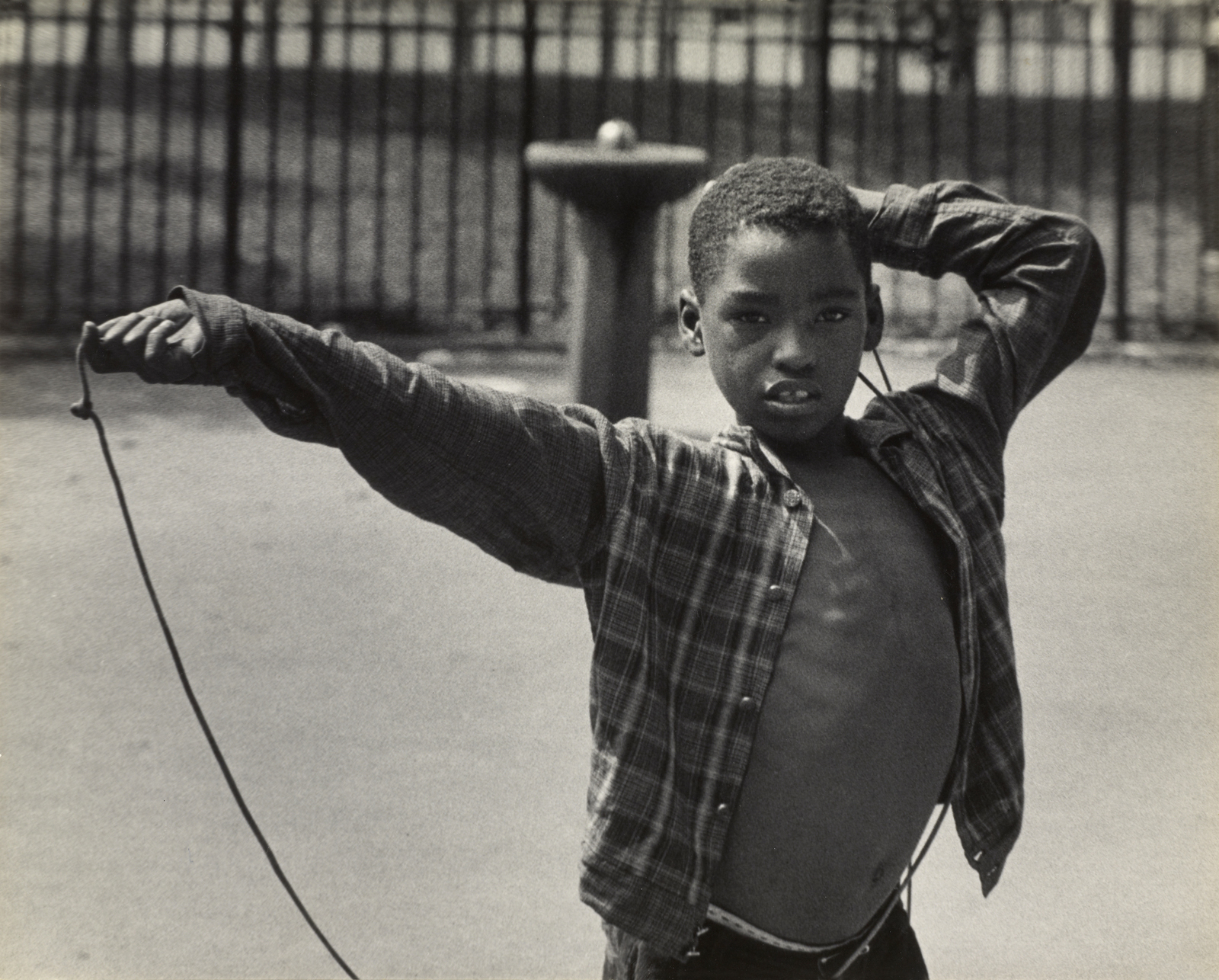
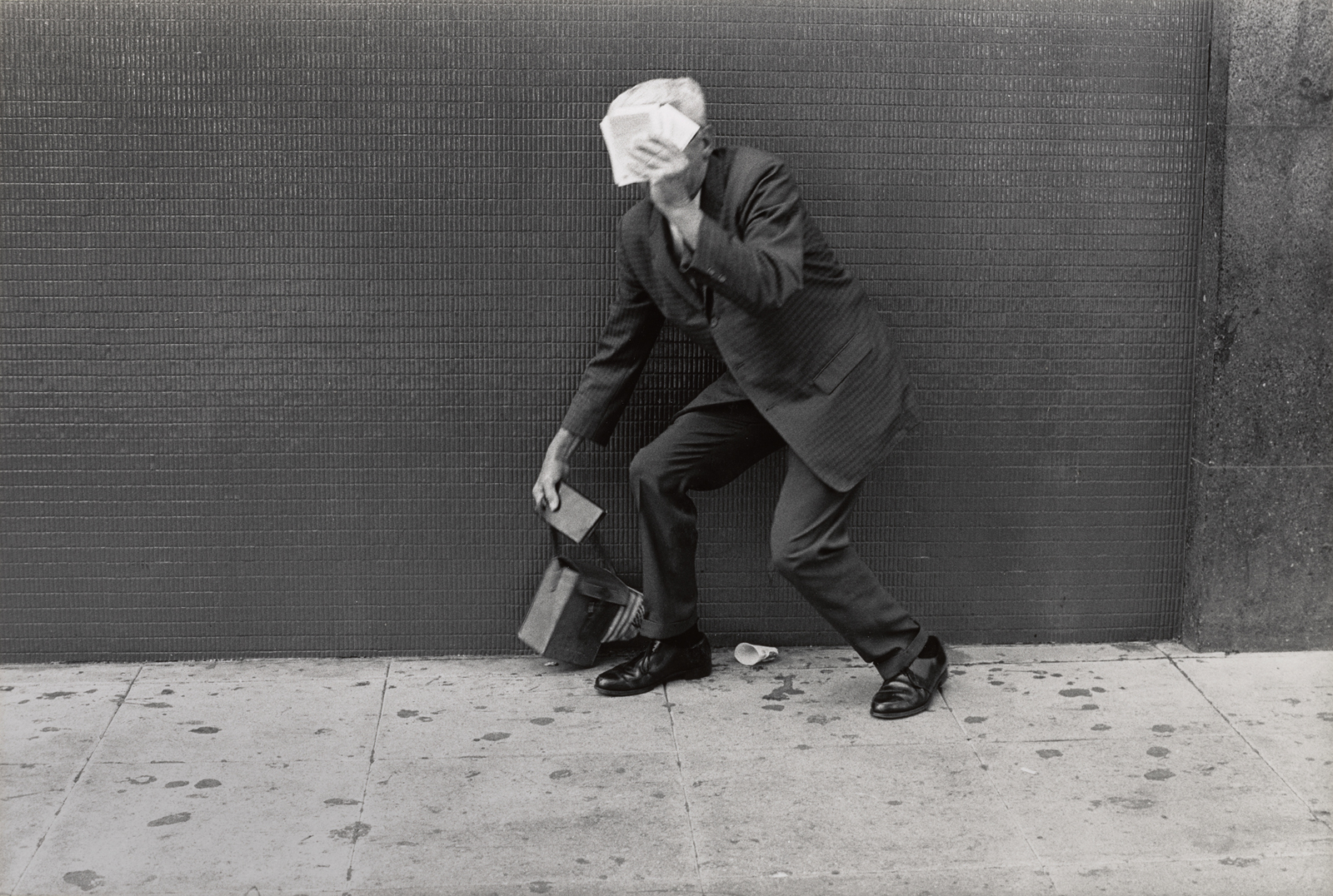


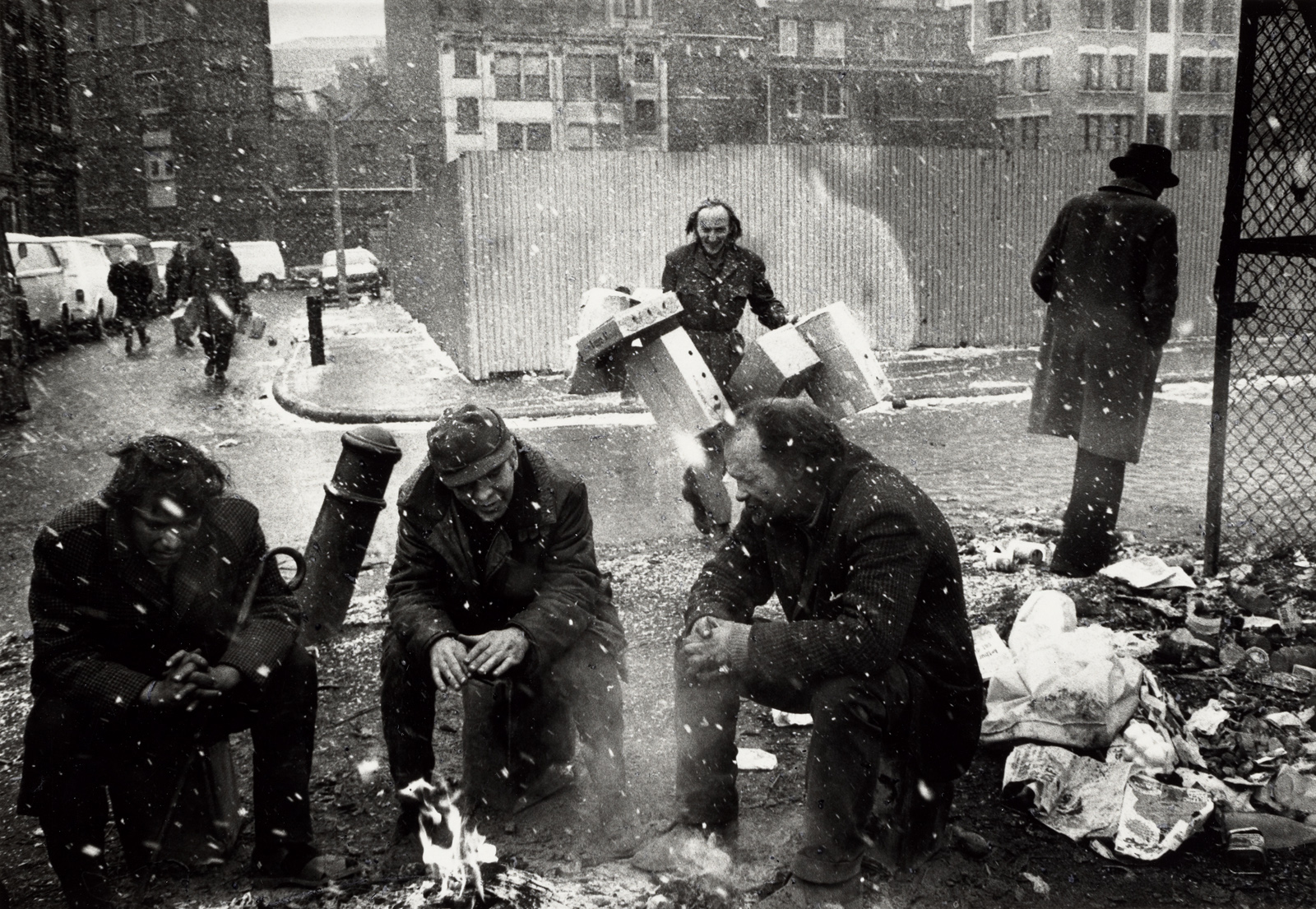
![Shigeichi Nagano (Japanese, 1925-2019, active Tokyo, Japan) '[Tokyo, Aobadai (Nishi Saigoyama Park), Meguro Ward]' 1988](https://artblart.com/wp-content/uploads/2020/02/gm_30687901_2000x2000.jpg "Shigeichi Nagano (Japanese, 1925-2019, active Tokyo, Japan) '[Tokyo, Aobadai (Nishi Saigoyama Park), Meguro Ward]' 1988")
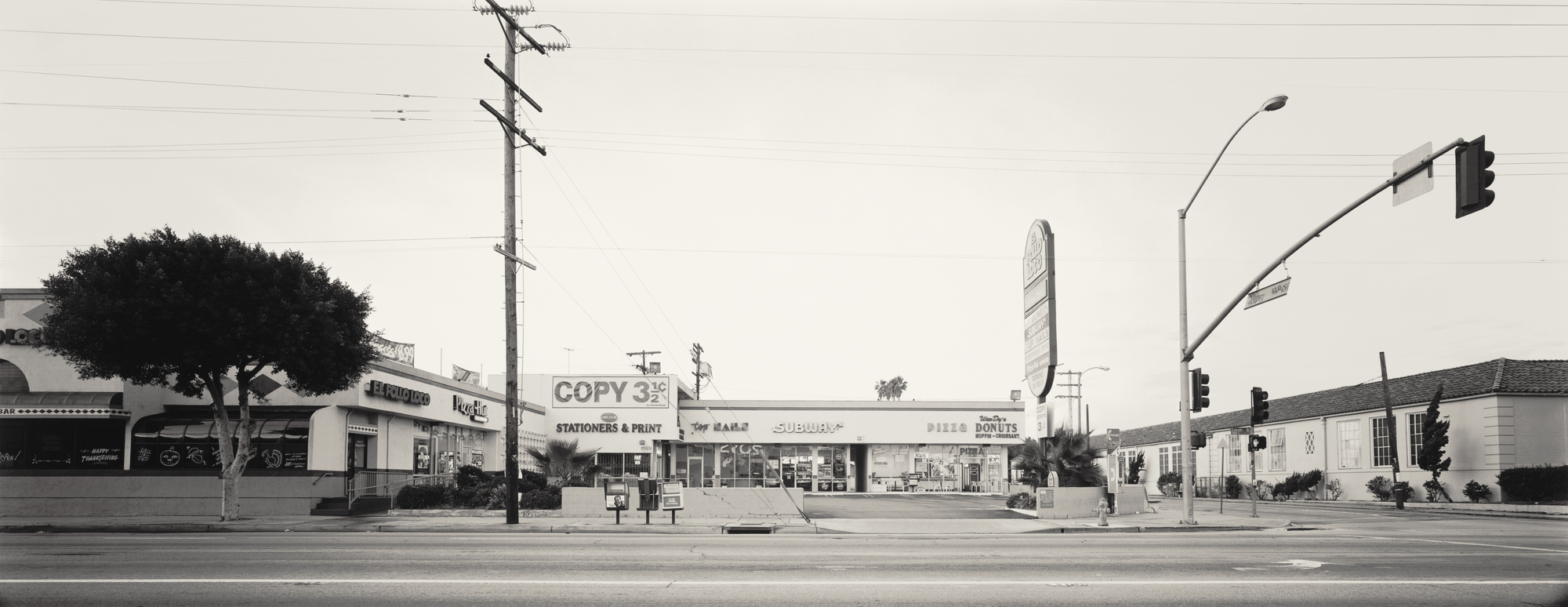

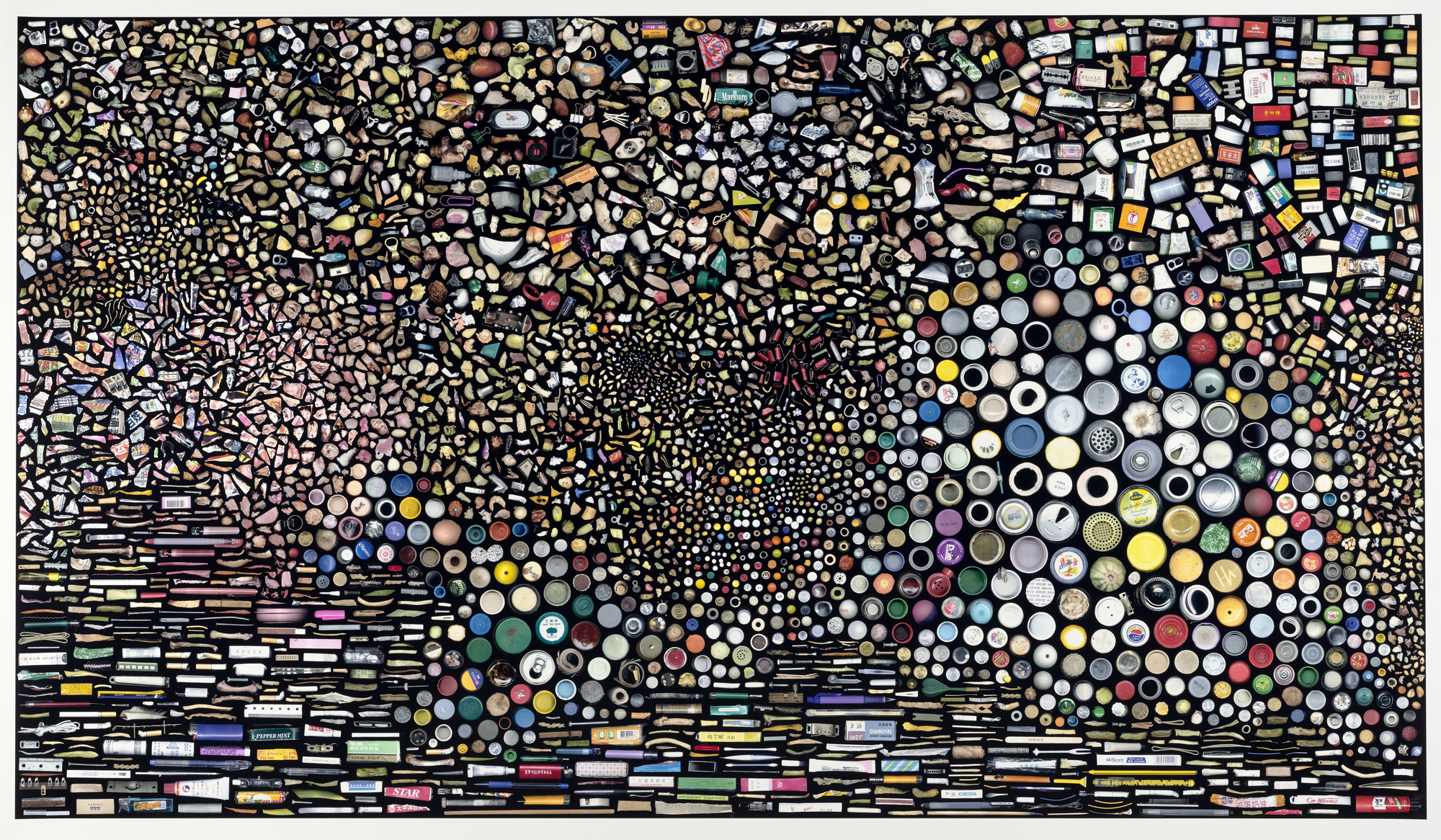

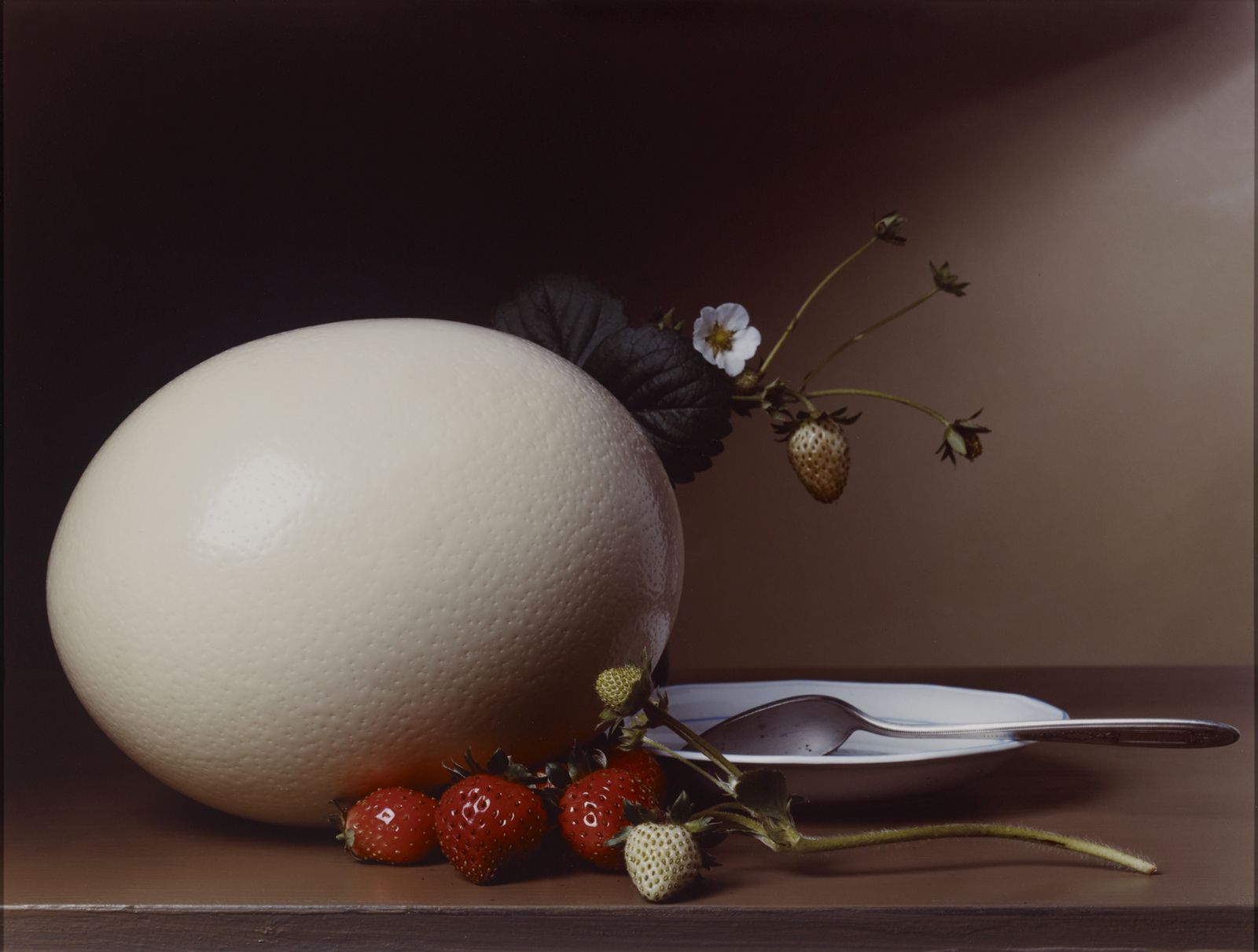

![Julia Margaret Cameron (British born India, 1815-1879) '[Spring]' 1873](https://artblart.com/wp-content/uploads/2020/02/gm_06520801_2000x2000.jpg "Julia Margaret Cameron (British born India, 1815-1879) '[Spring]' 1873")
![Reverend William Ellis (British, 1794-1872) and Samuel Smith. '[Portrait of a Black Couple]' about 1873](https://artblart.com/wp-content/uploads/2020/02/gm_133436t1v1_2000x2000.jpg "Reverend William Ellis (British, 1794-1872) and Samuel Smith. '[Portrait of a Black Couple]' about 1873")

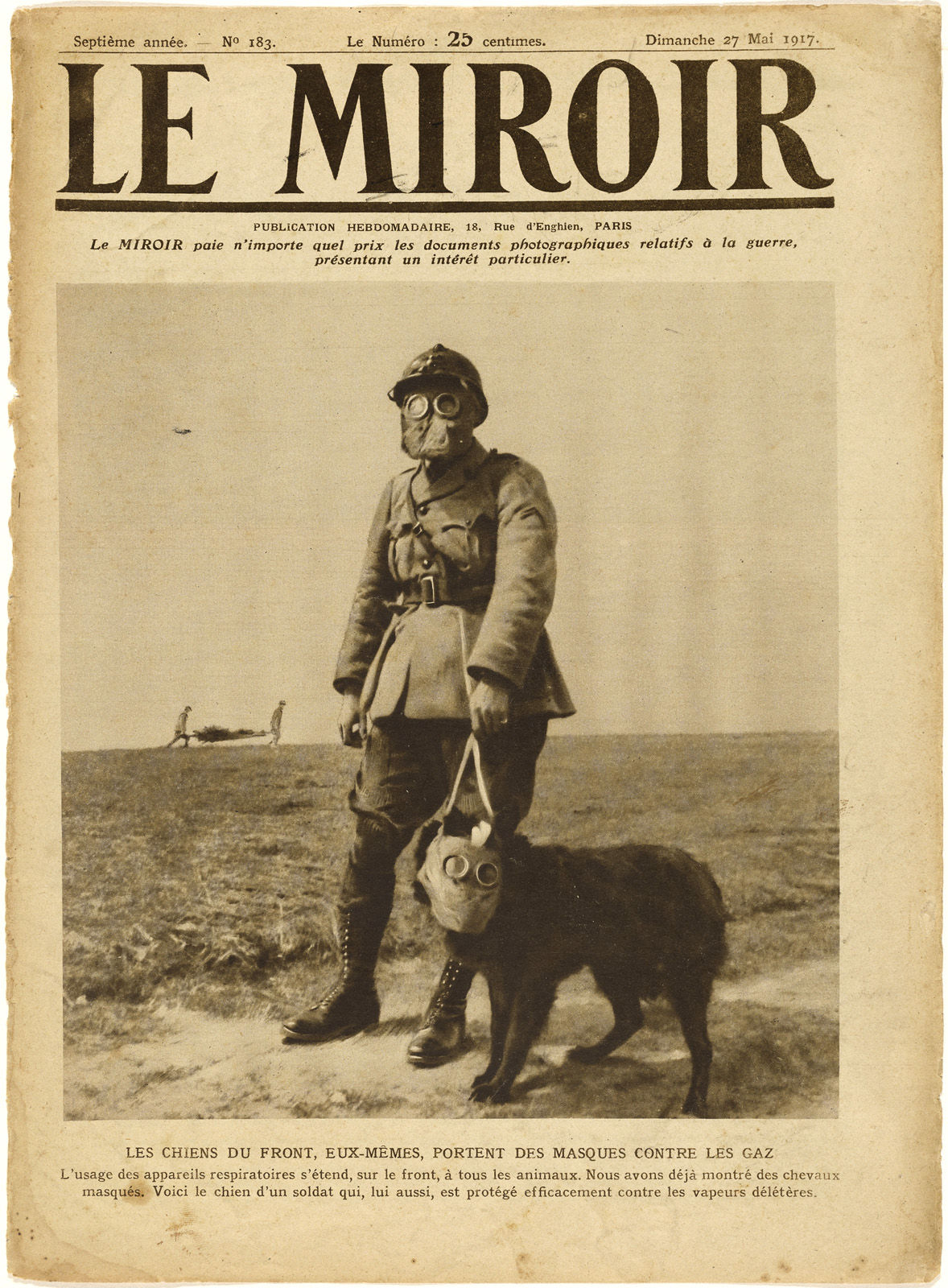
![László Moholy-Nagy (American born Hungary, 1895-1946) '[The Law of the Series]' 1925](https://artblart.com/wp-content/uploads/2020/02/gm_05309301_2000x2000.jpg "László Moholy-Nagy (American born Hungary, 1895-1946) '[The Law of the Series]' 1925")


![Paul Wolff (German, 1887-1951) and Dr Wolff & Tritschler OHG (German, founded 1927, dissolved 1963) '[Dog at the beach]' 1936](https://artblart.com/wp-content/uploads/2020/02/gm_041552t1v1_2000x2000-1.jpg "Paul Wolff (German, 1887-1951) and Dr Wolff & Tritschler OHG (German, founded 1927, dissolved 1963) '[Dog at the beach]' 1936")
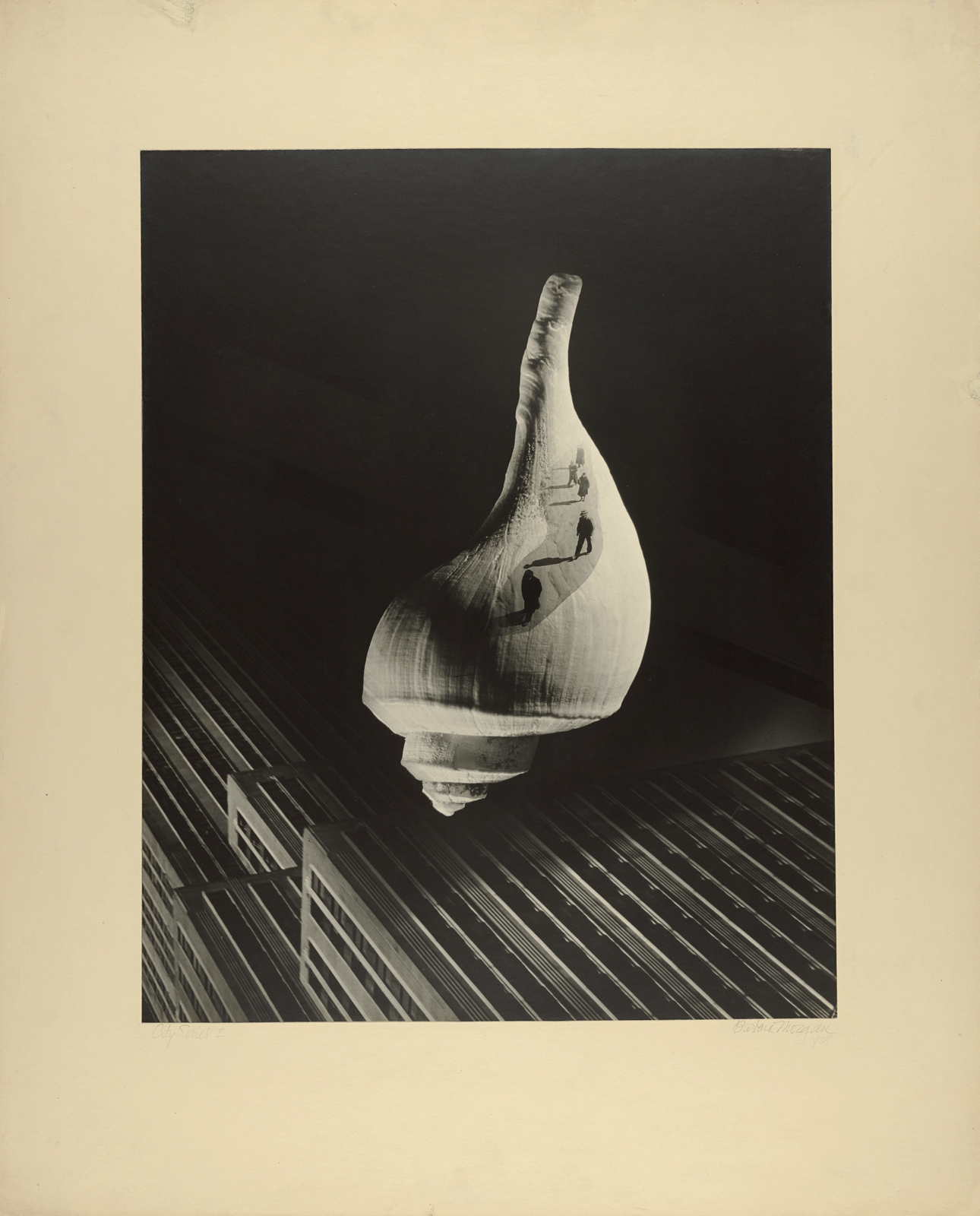
![Walker Evans (American, 1903 - 1975) '[Two Giraffes, Circus Winter Quarters, Sarasota]' 1941](https://artblart.com/wp-content/uploads/2020/02/gm_05269601_2000x2000.jpg "Walker Evans (American, 1903 - 1975) '[Two Giraffes, Circus Winter Quarters, Sarasota]' 1941")
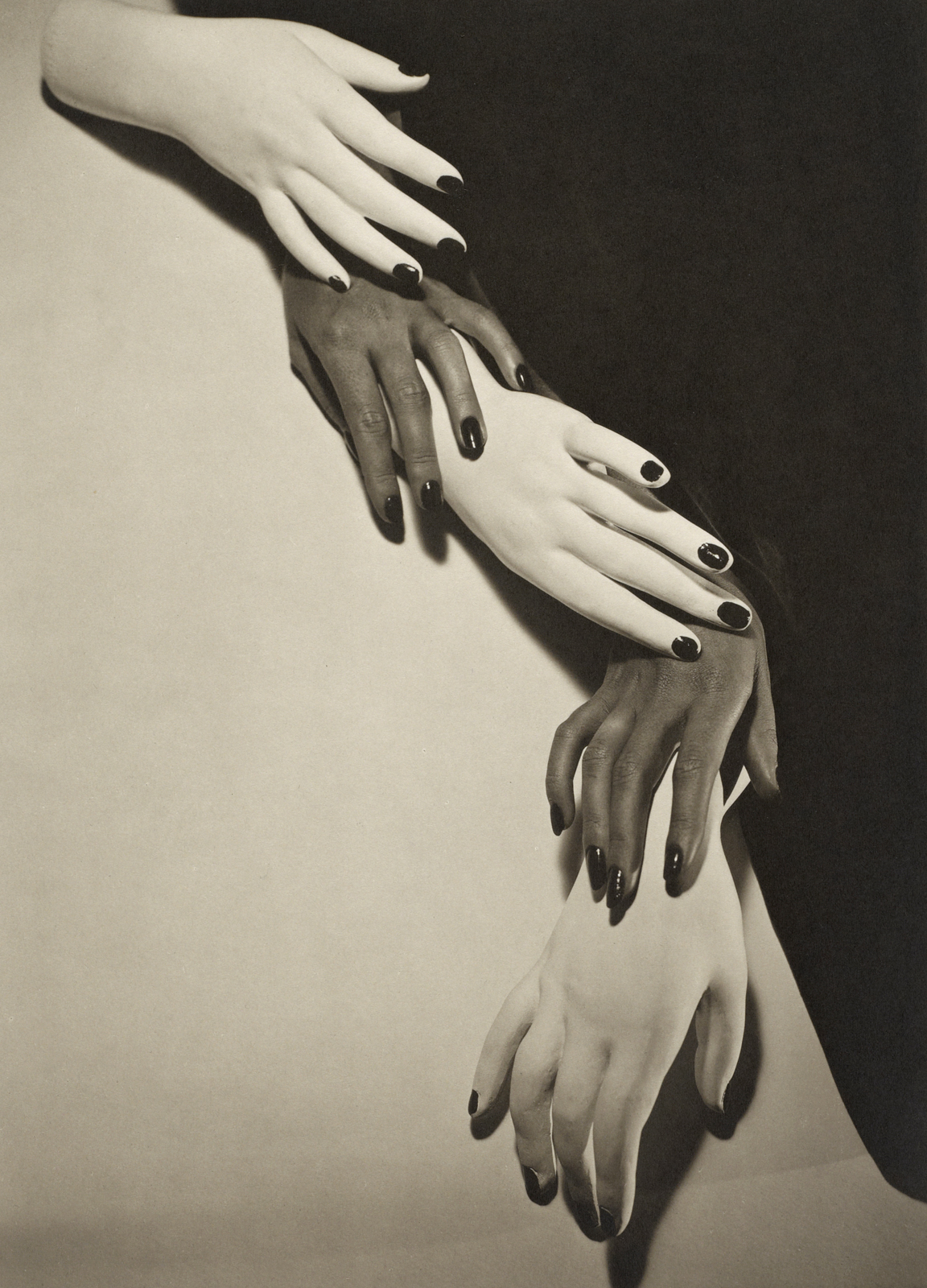


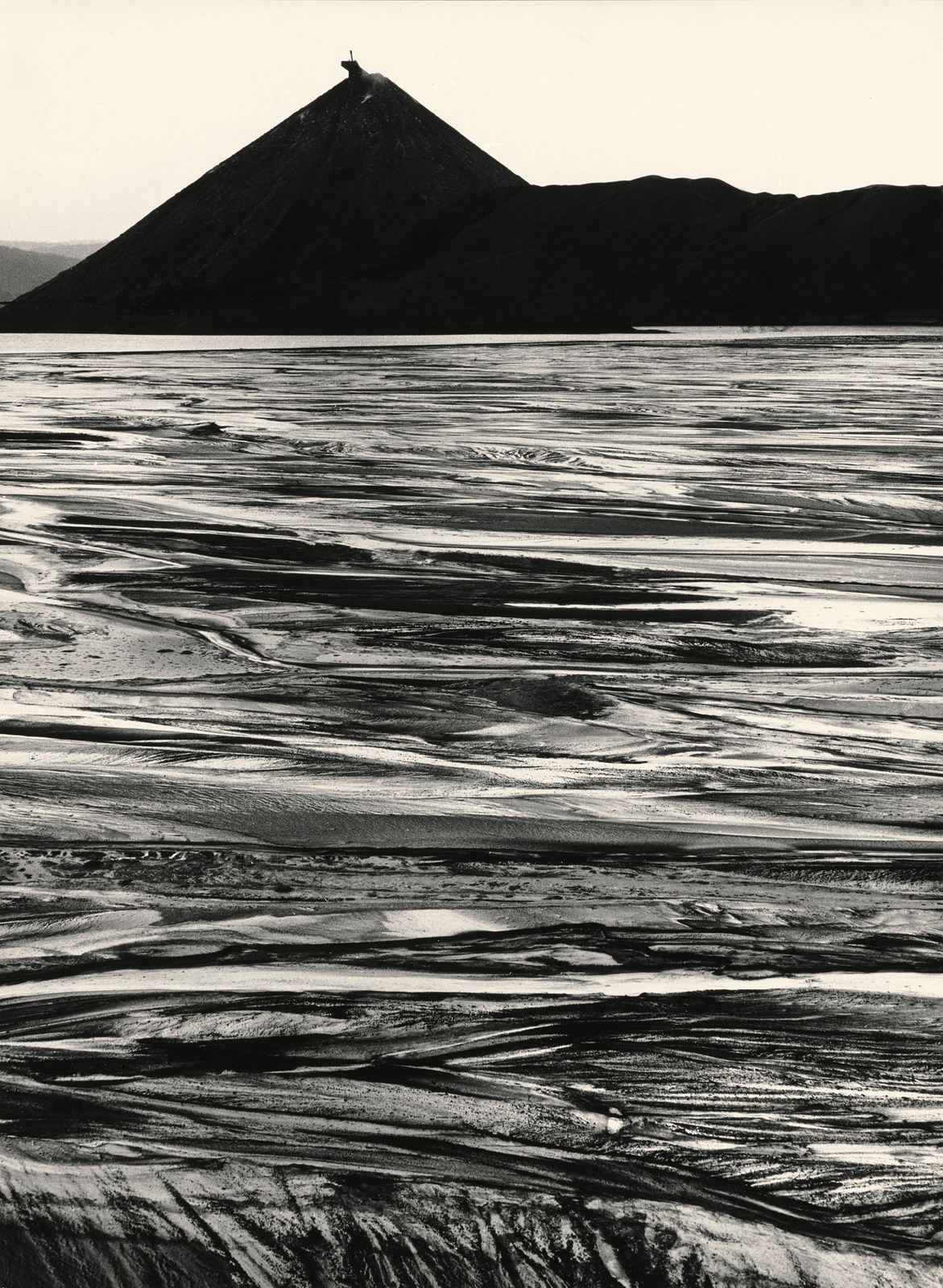

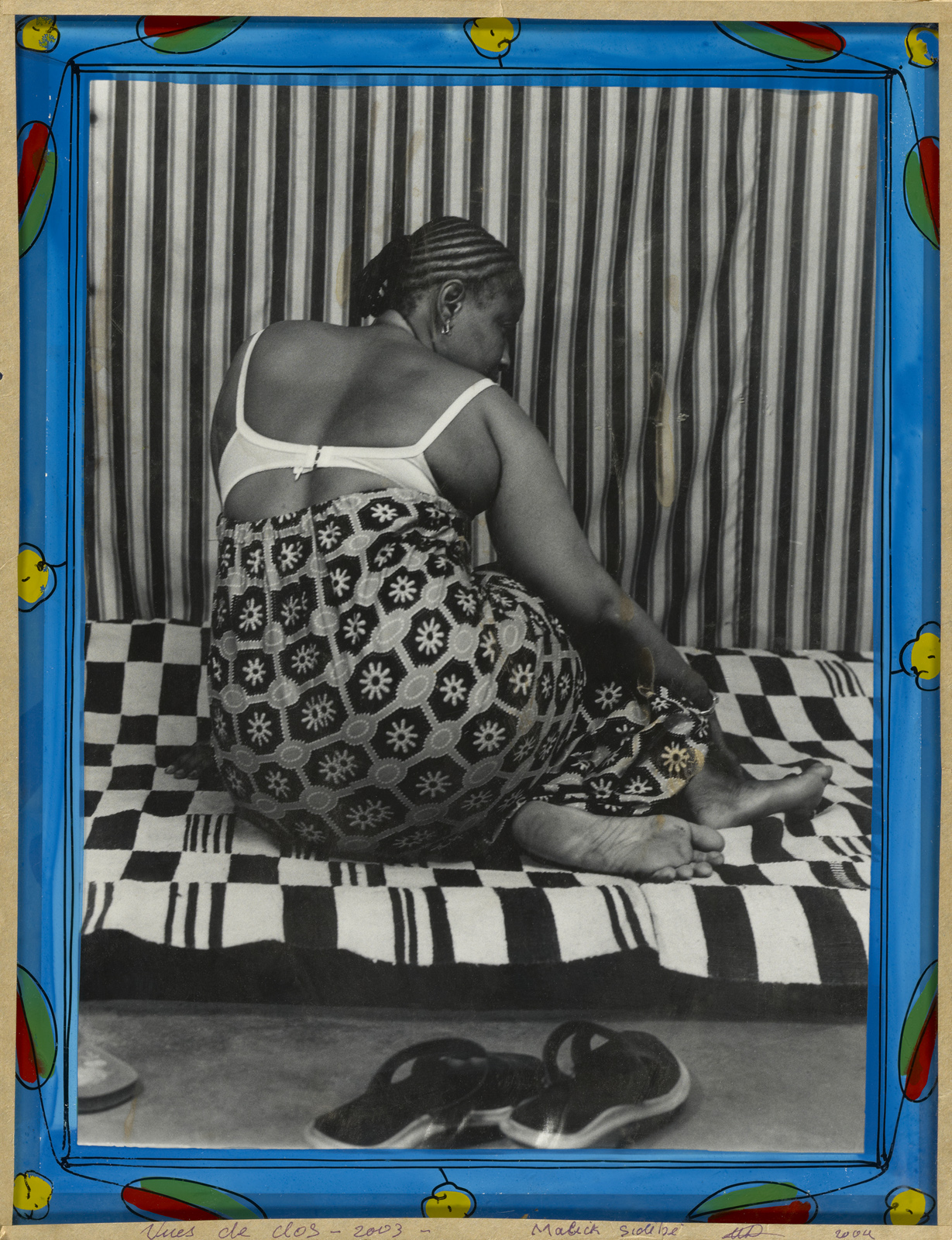

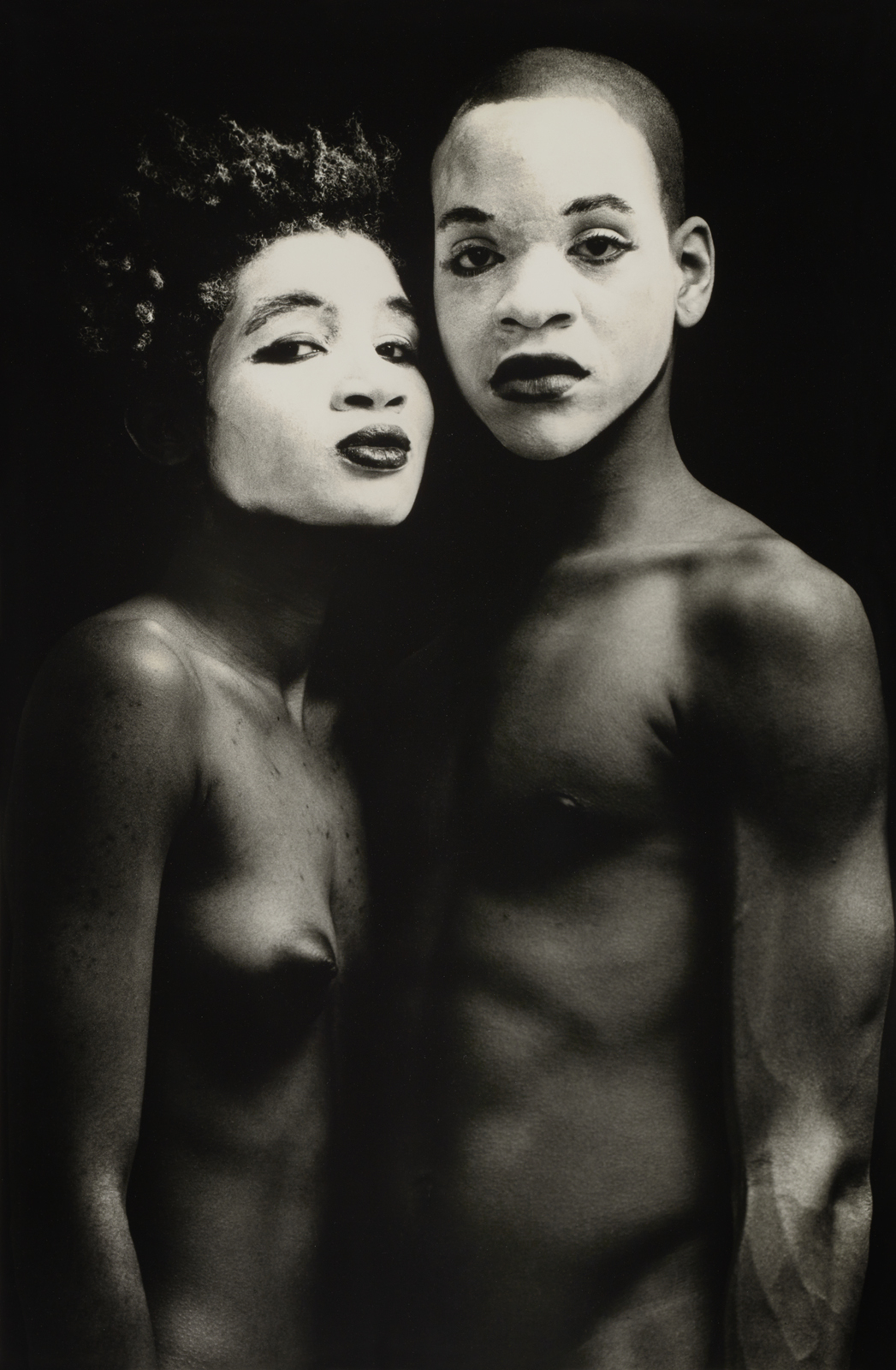

![Myoung Ho Lee (South Korean, b. 1975) '[Tree #2]' 2006](https://artblart.com/wp-content/uploads/2020/02/gm_31977201_2000x2000.jpg "Myoung Ho Lee (South Korean, b. 1975) '[Tree #2]' 2006")
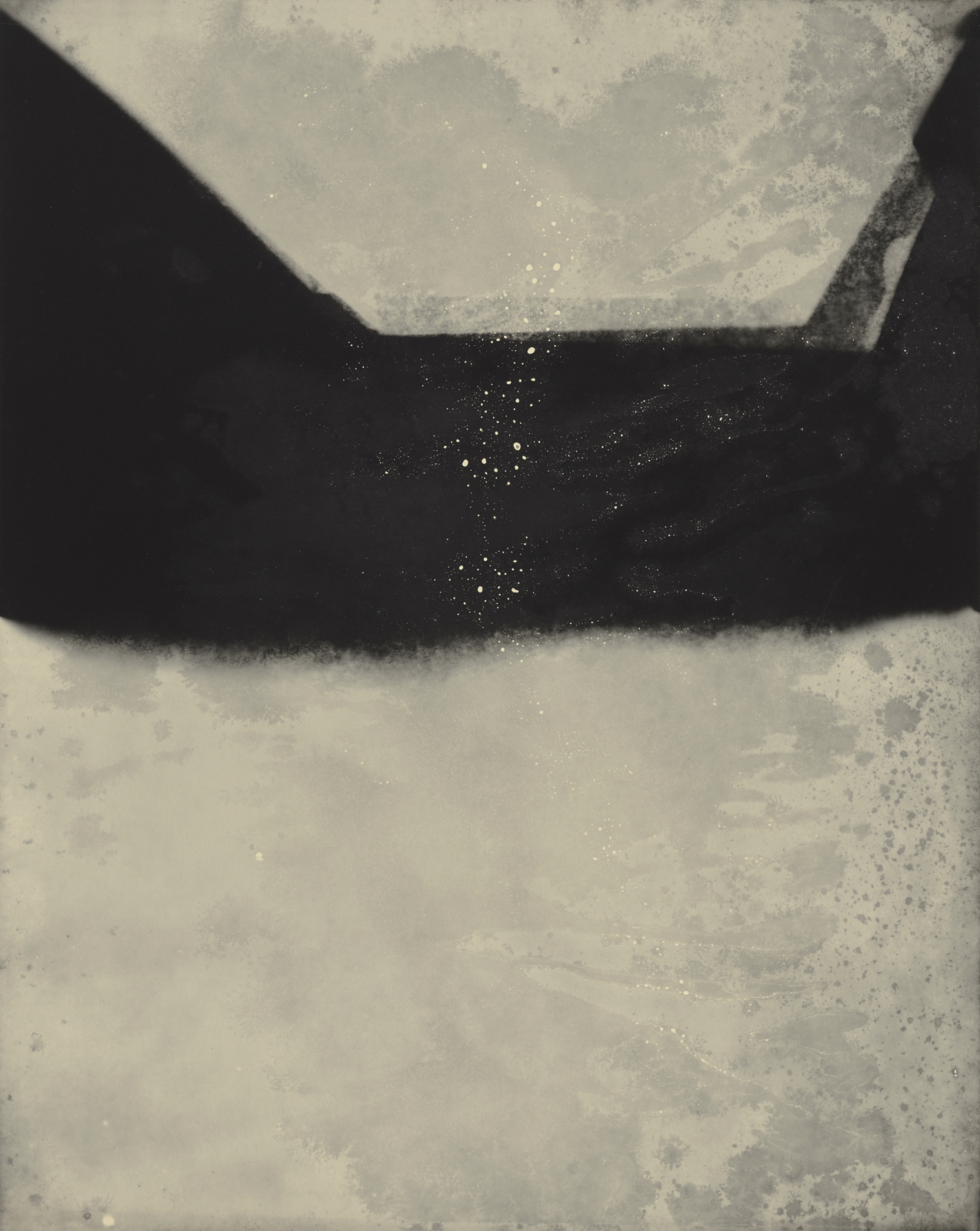
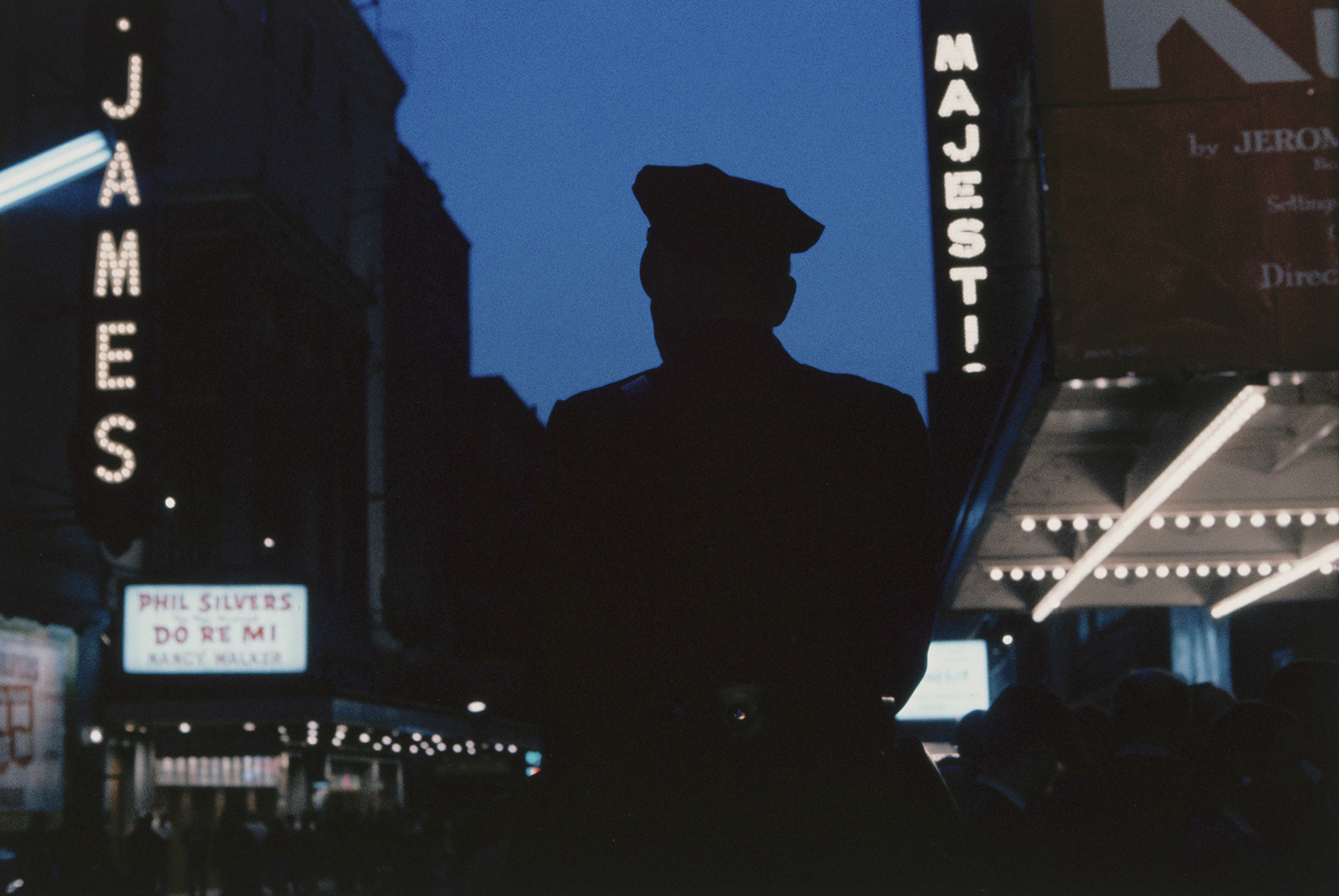
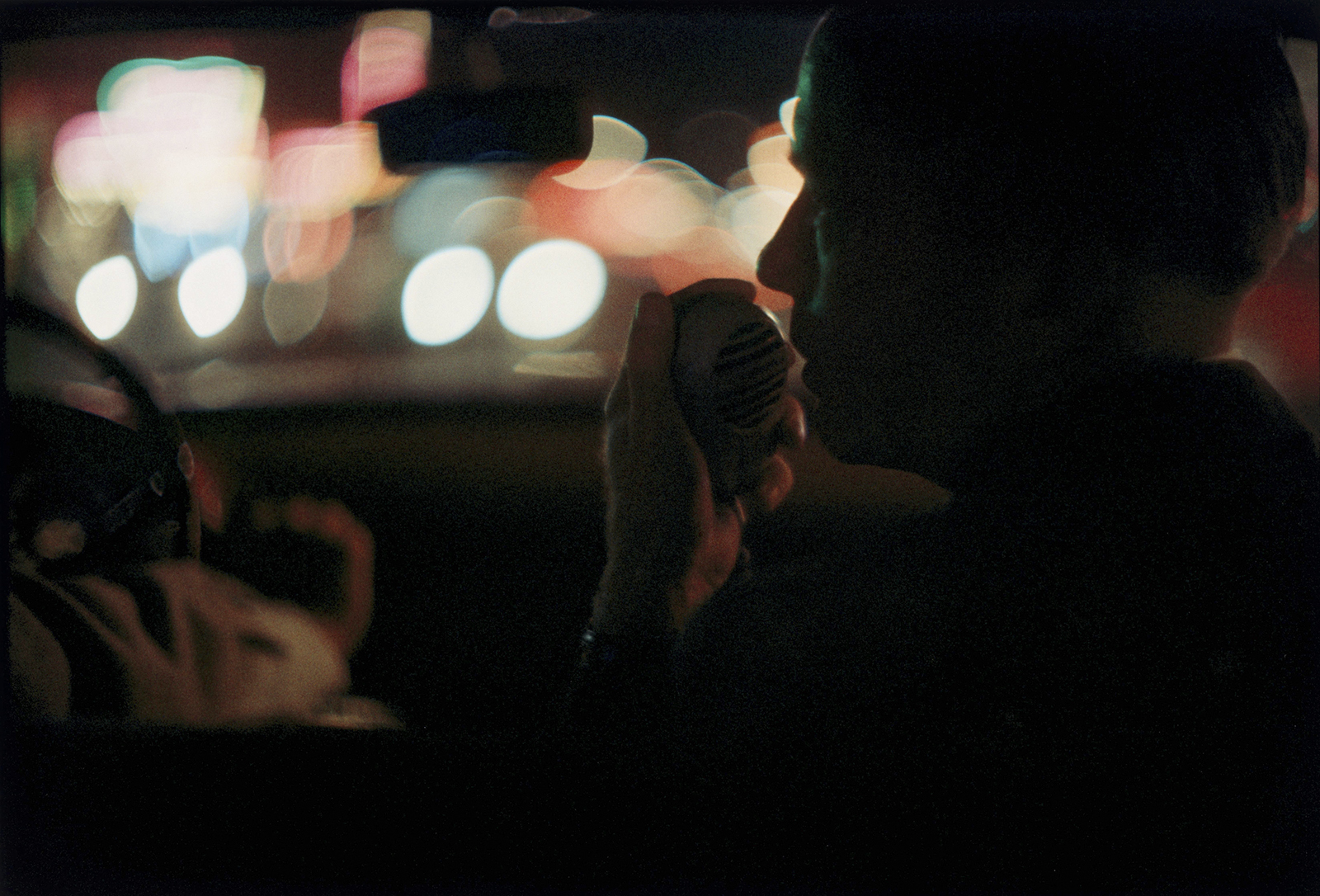
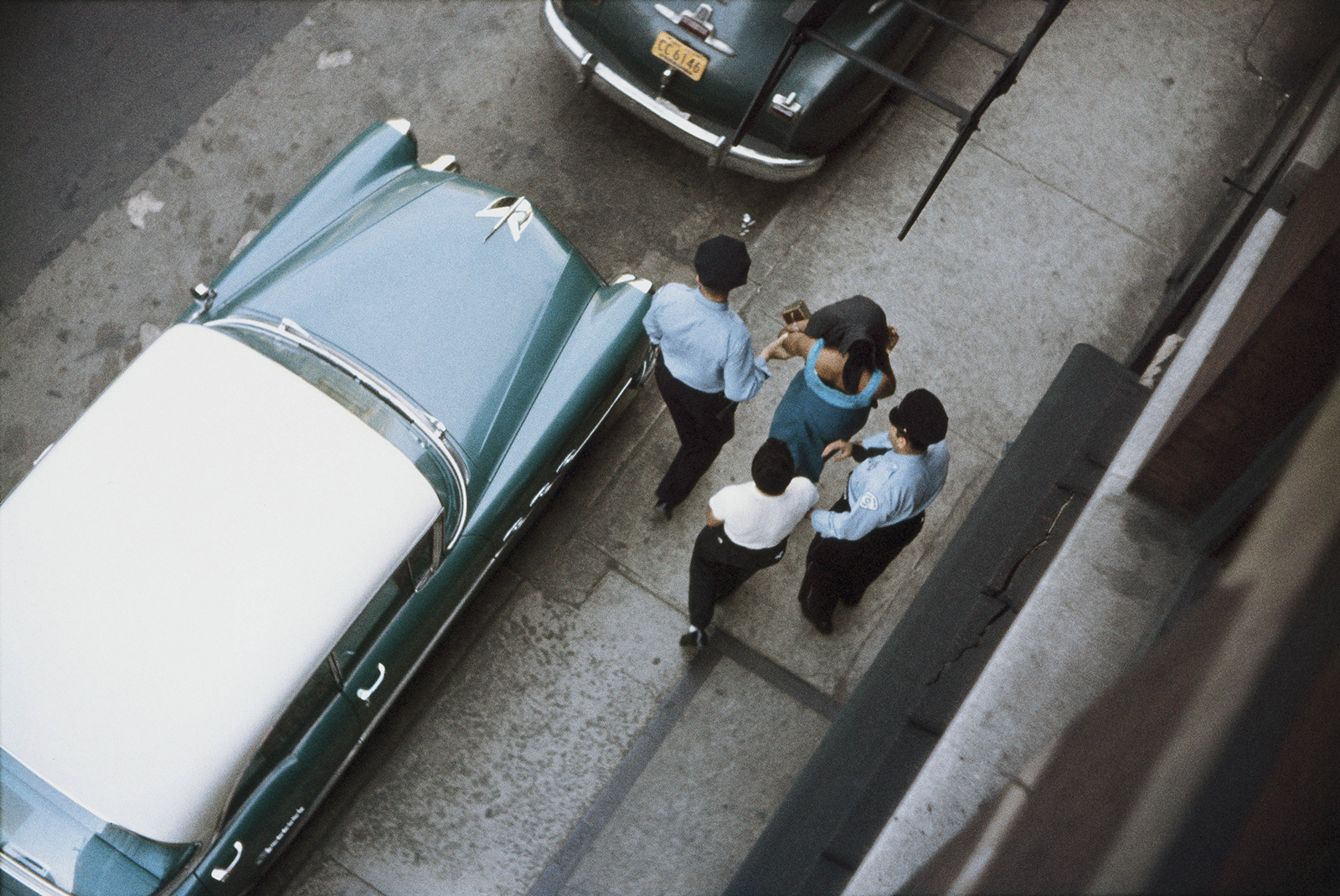
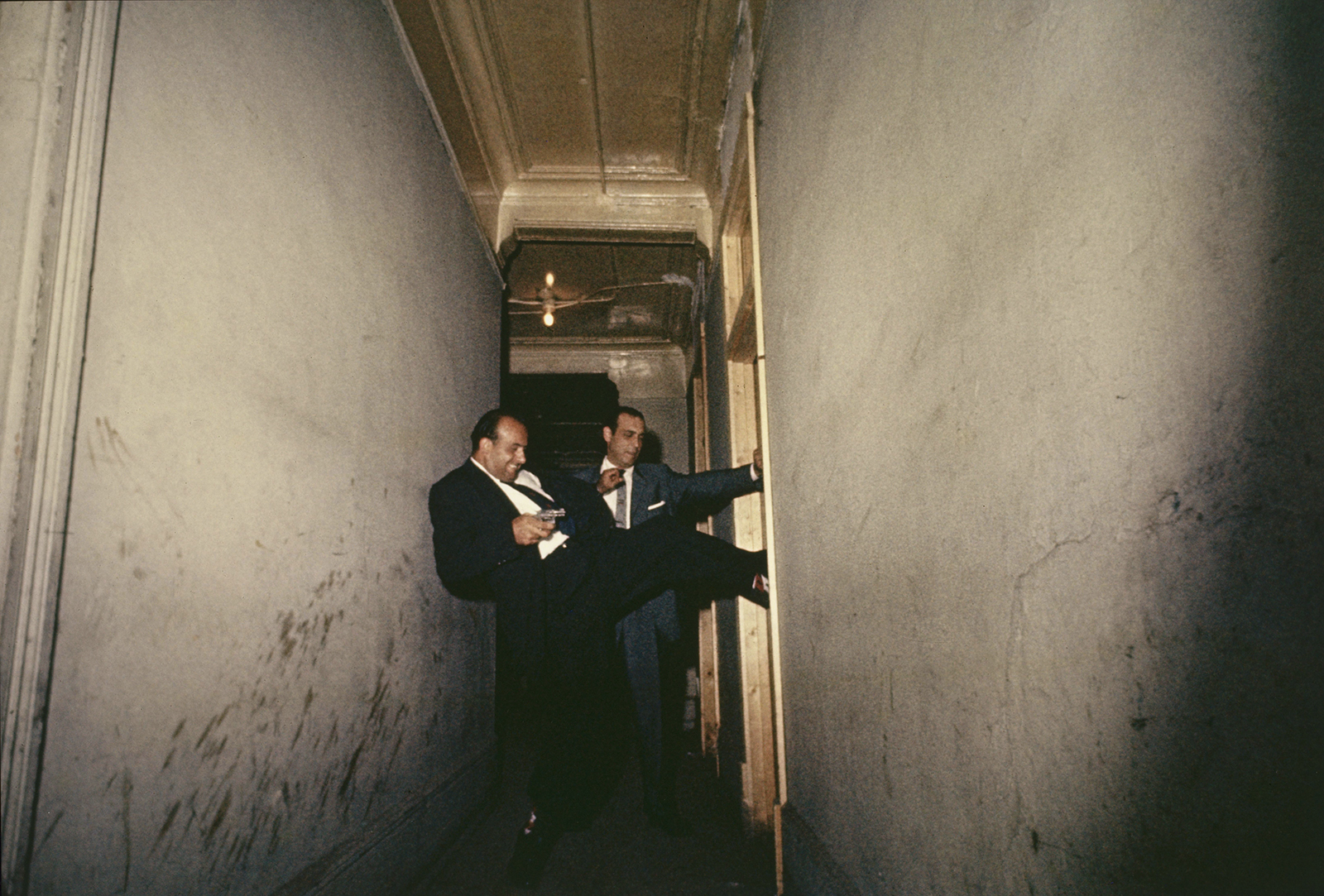
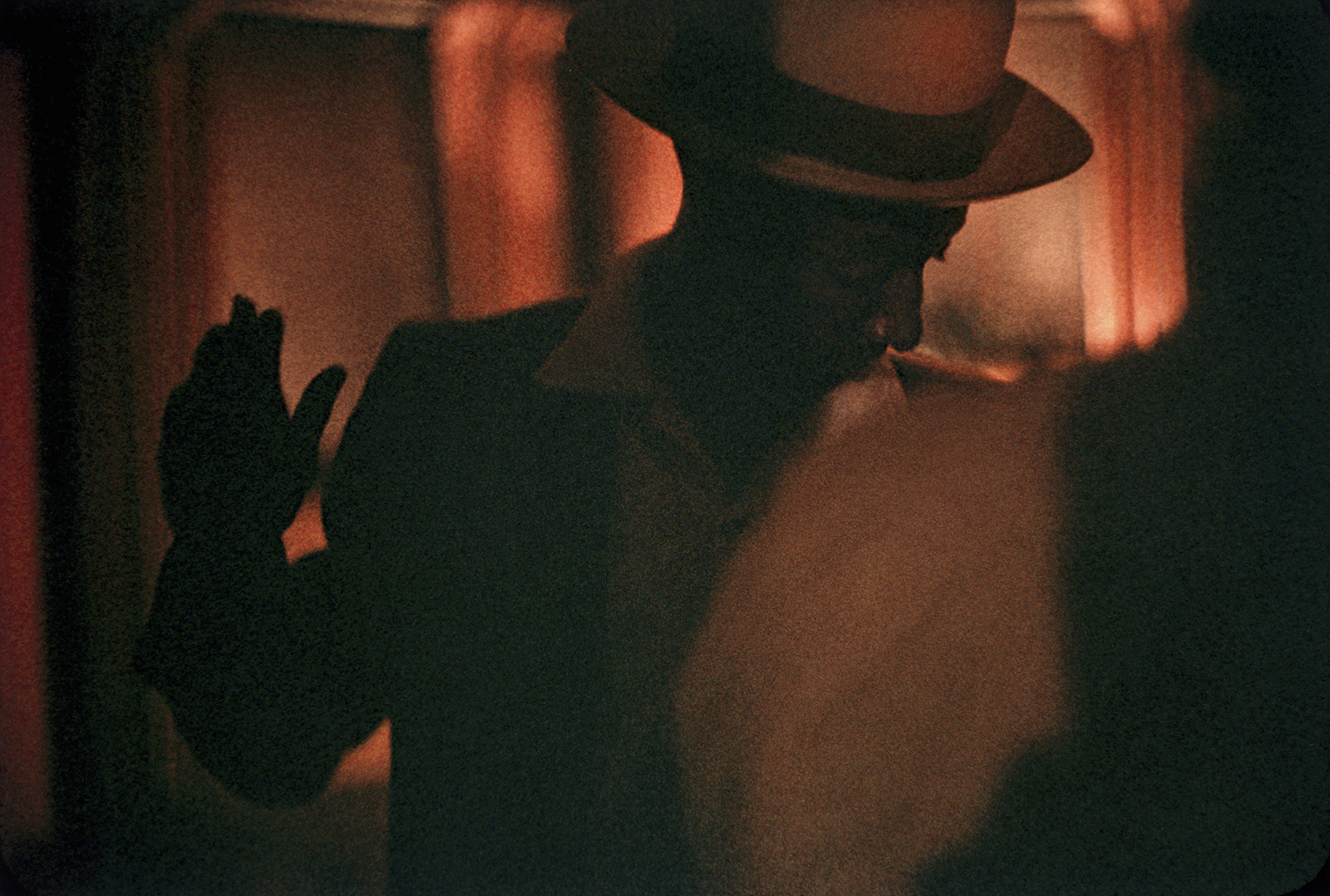
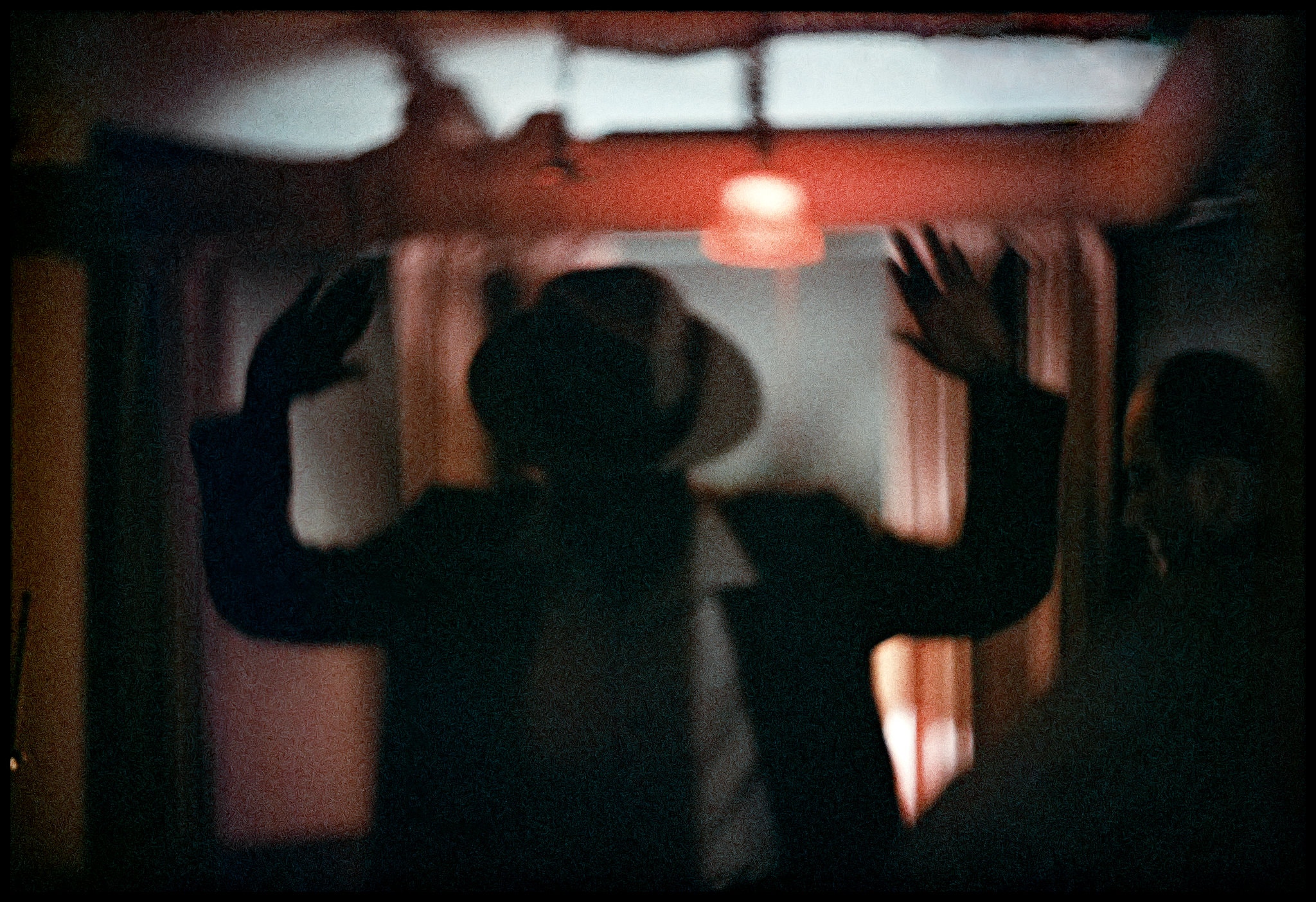
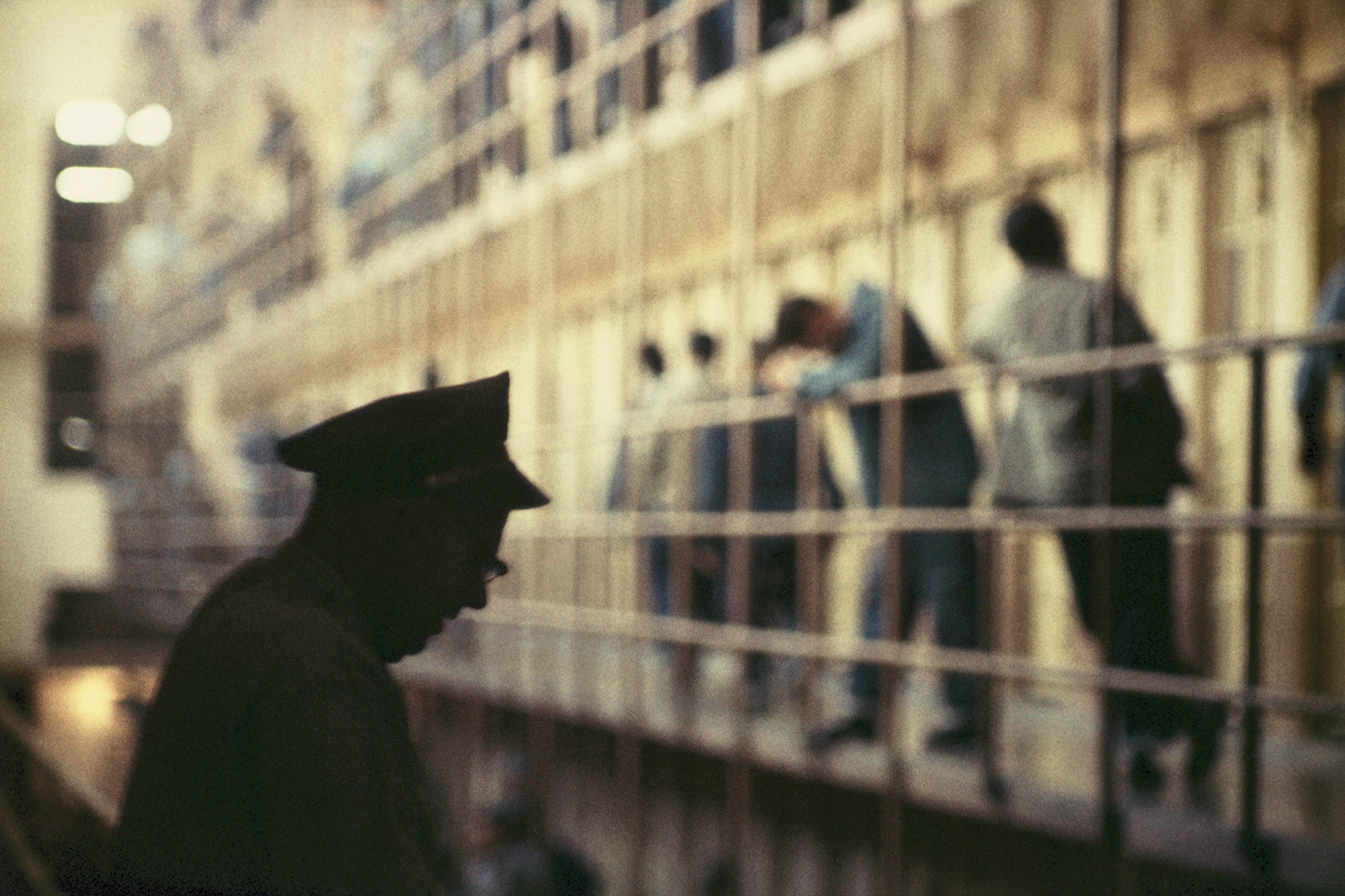
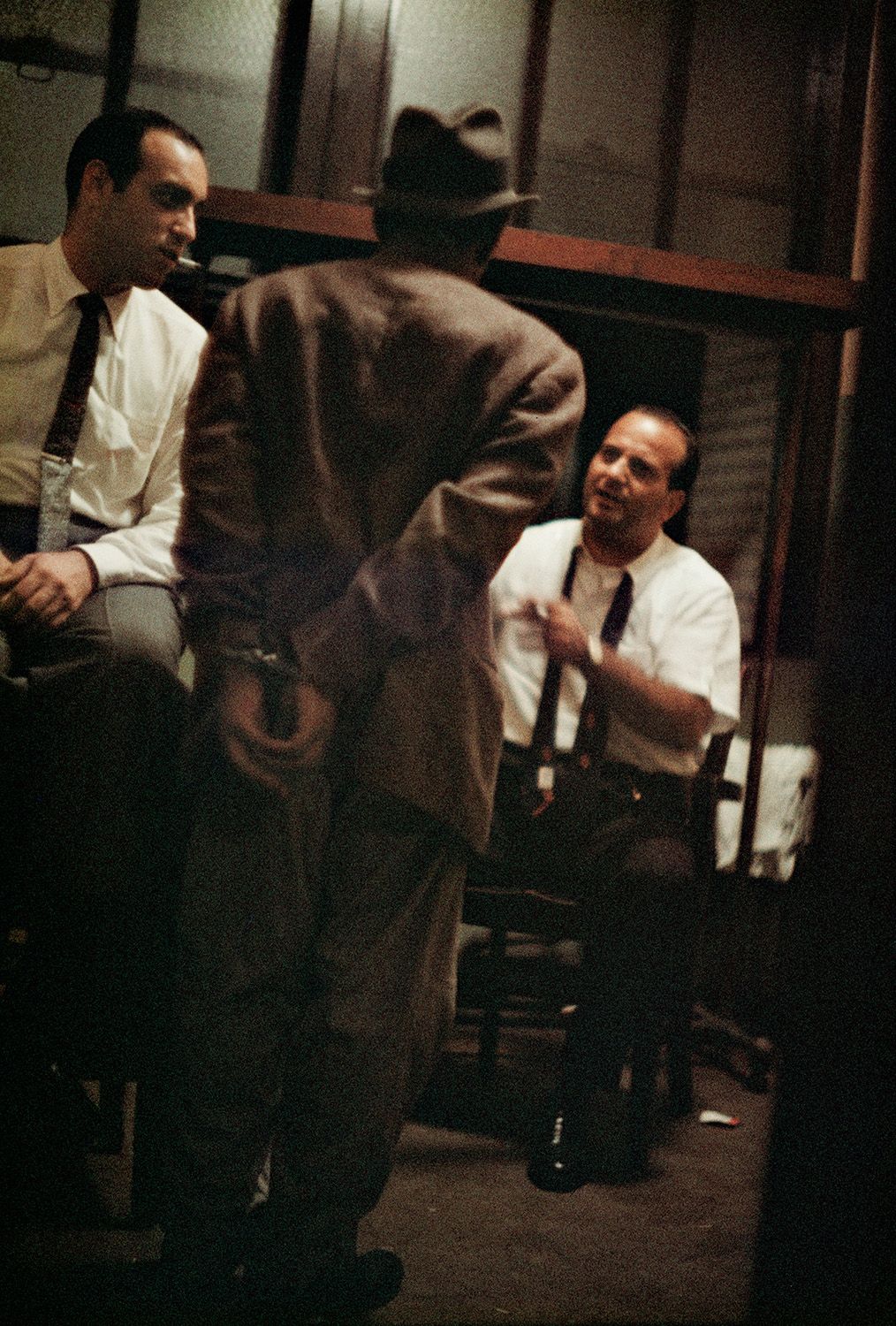
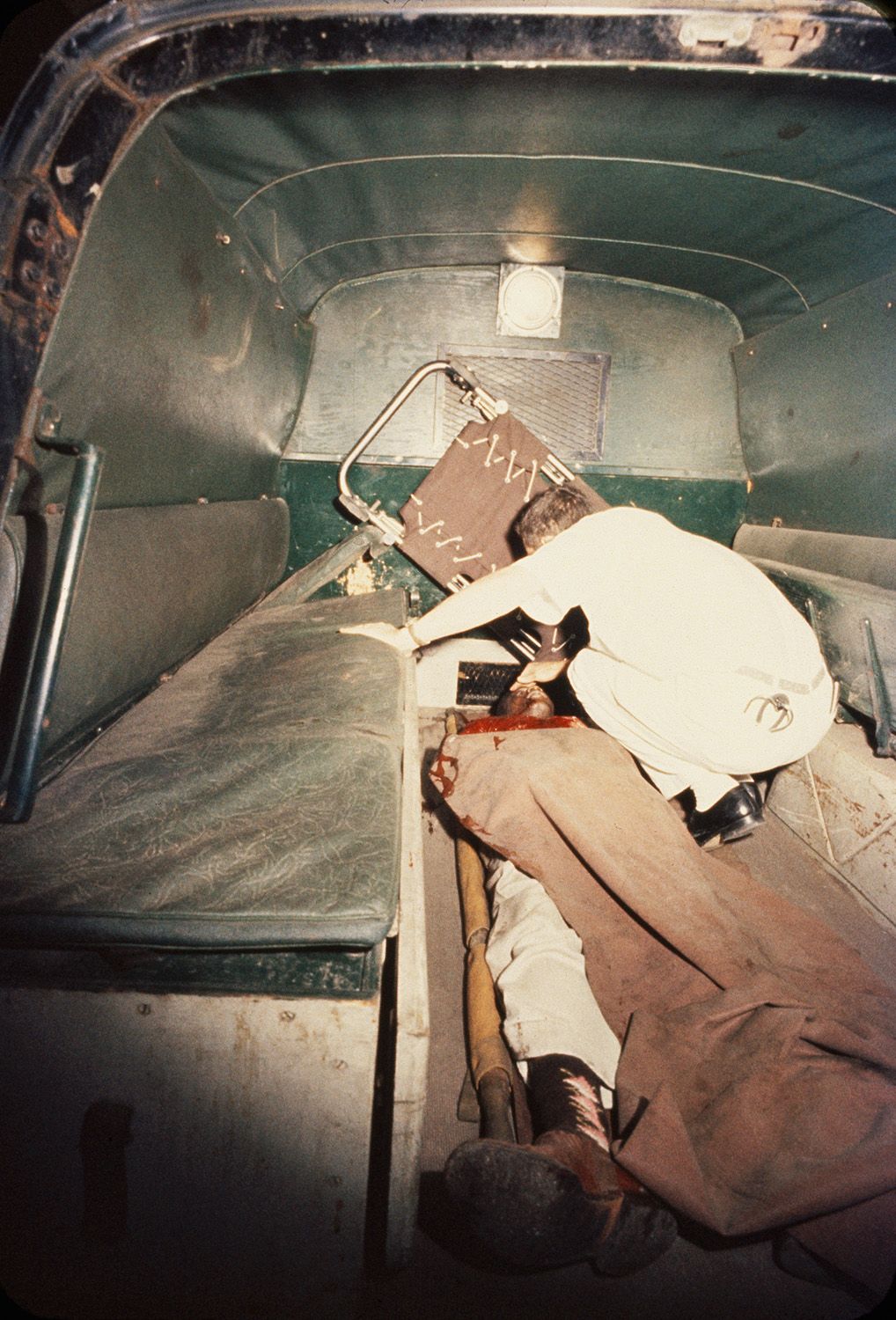
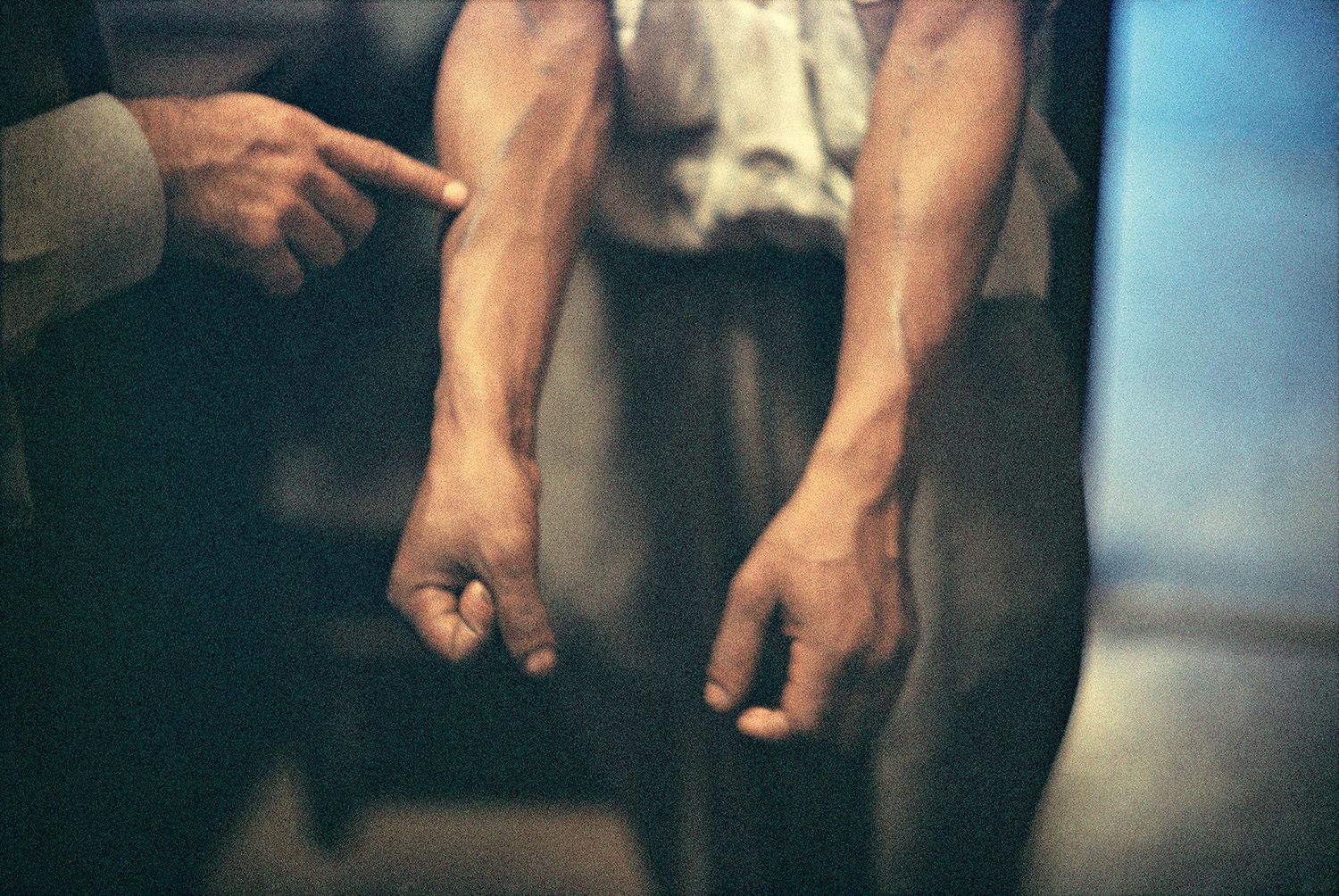
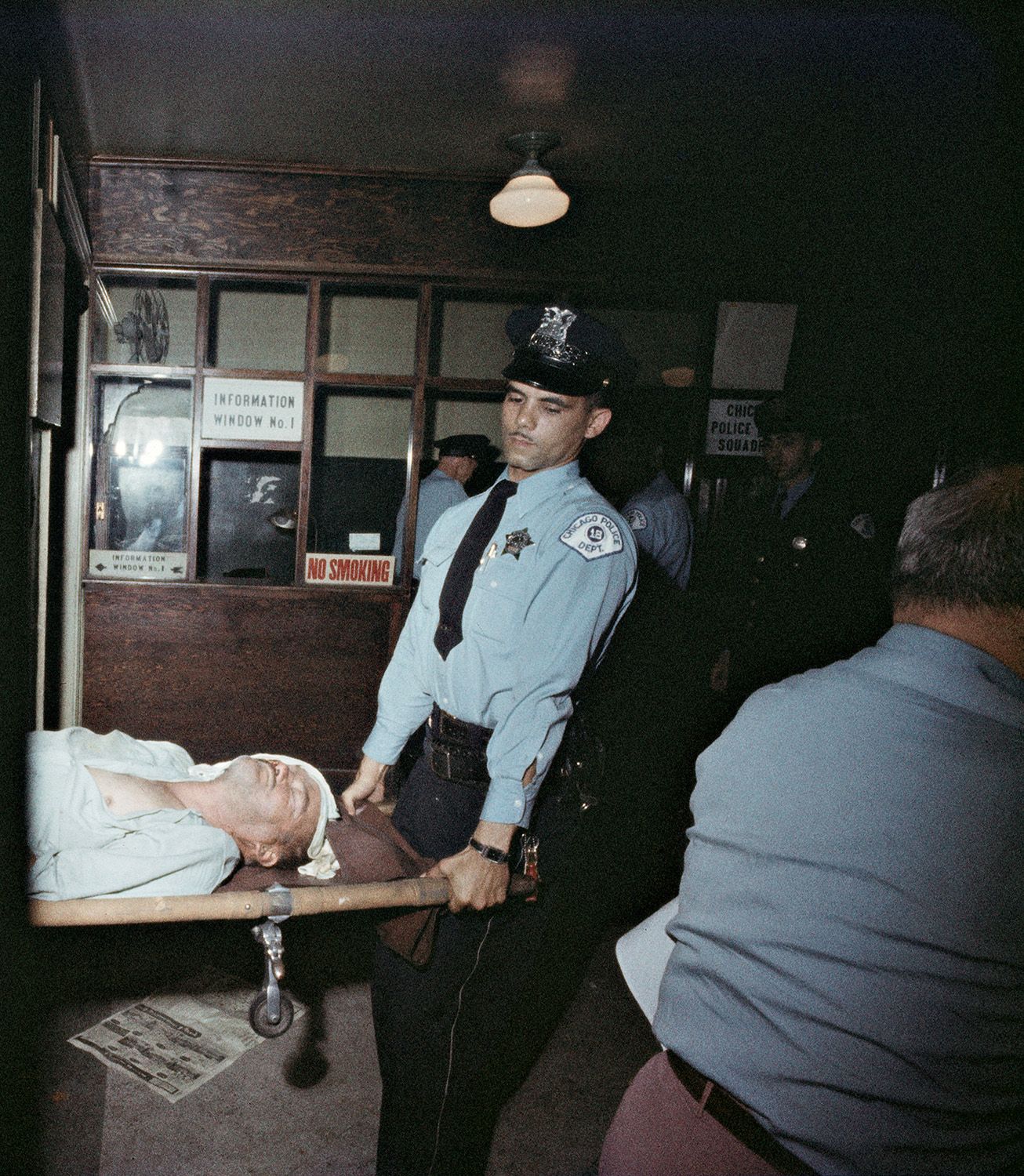
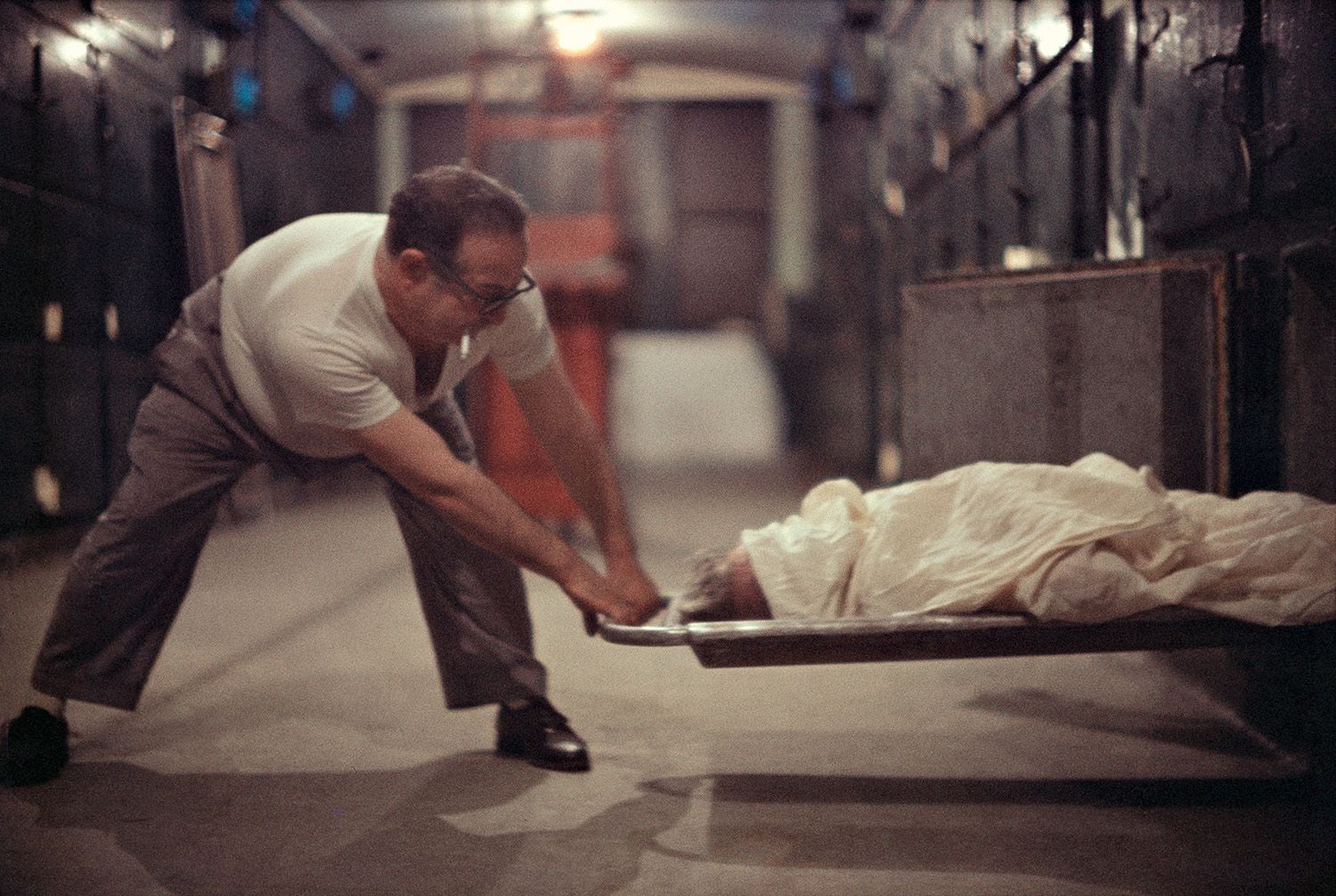
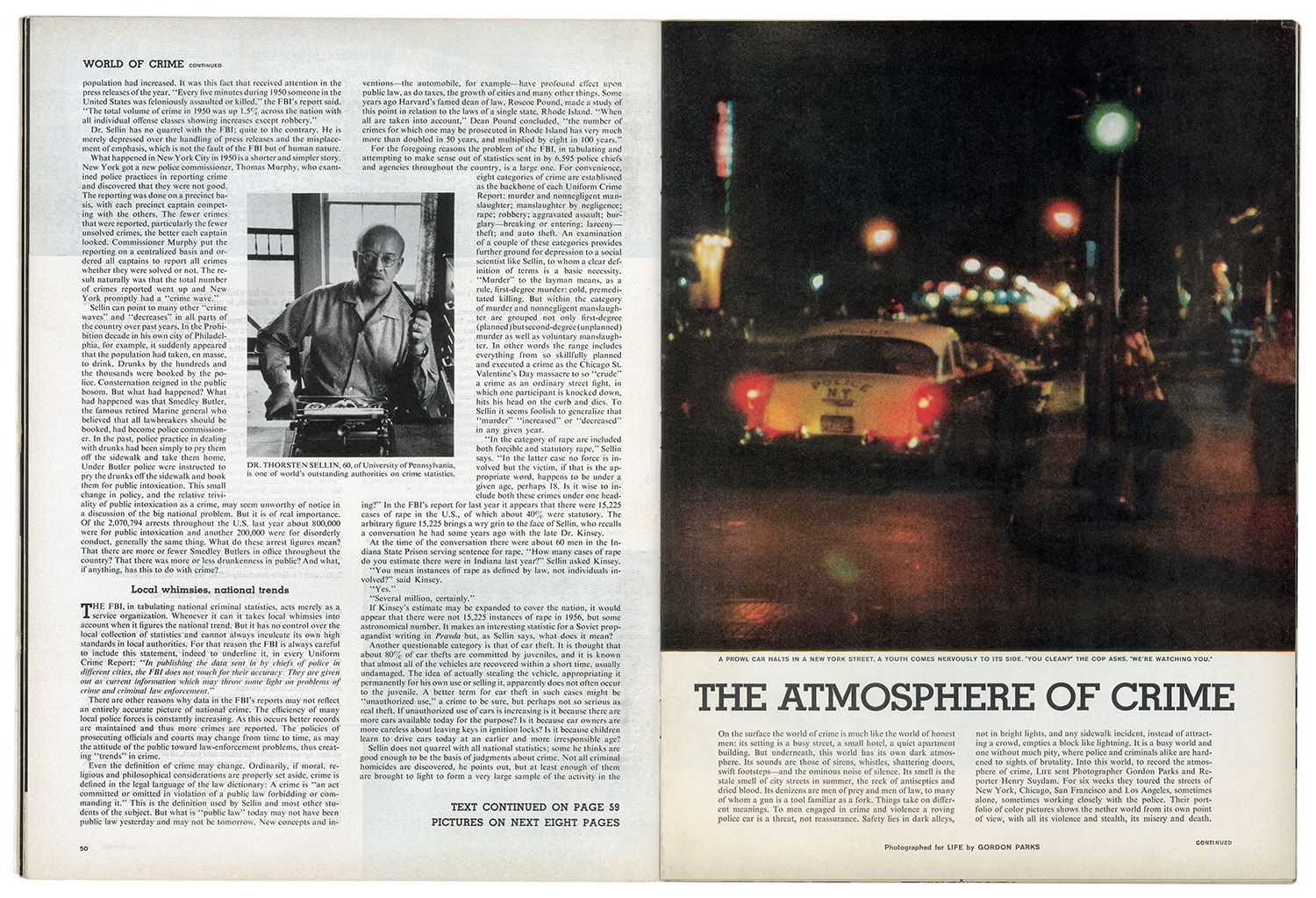
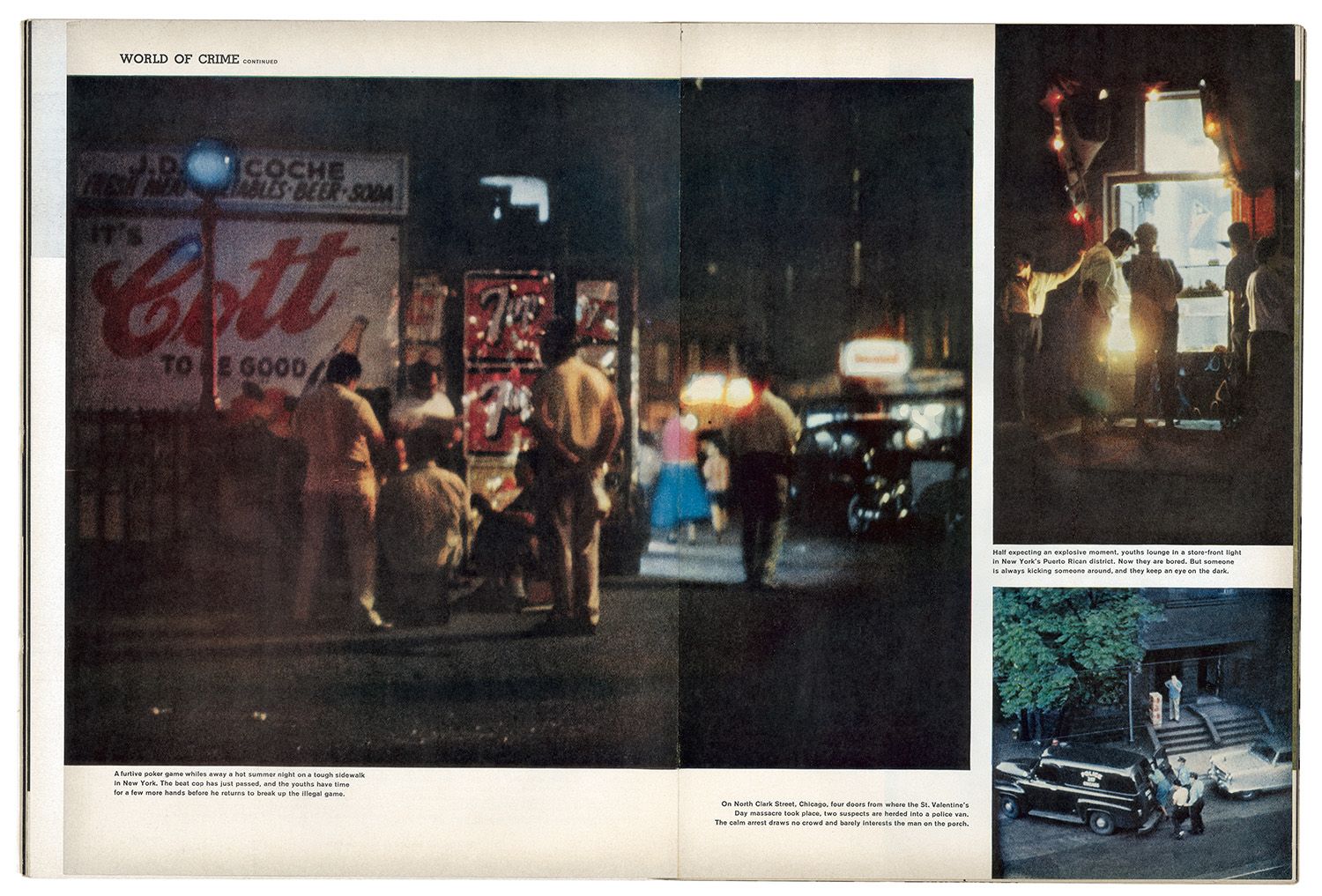
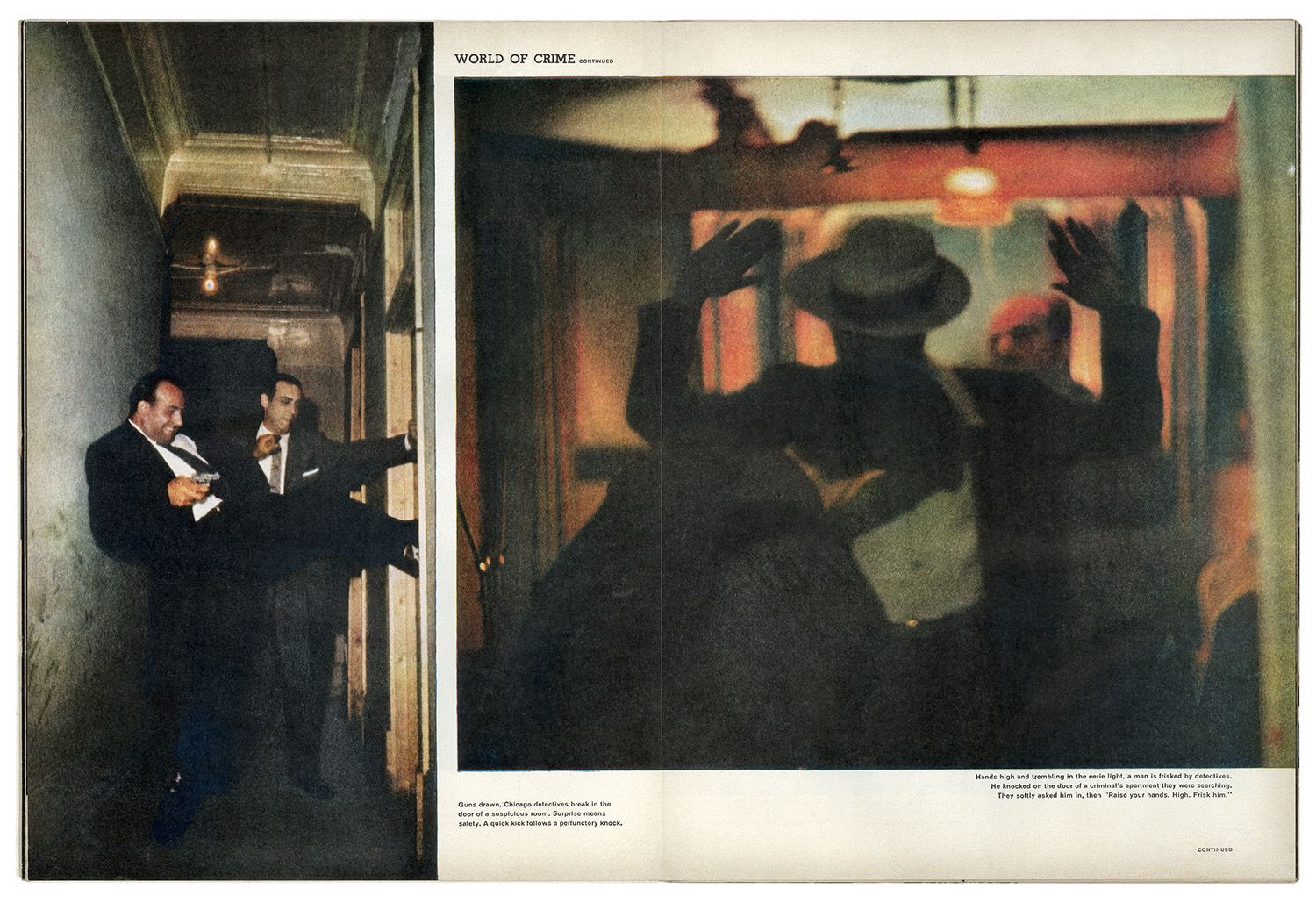
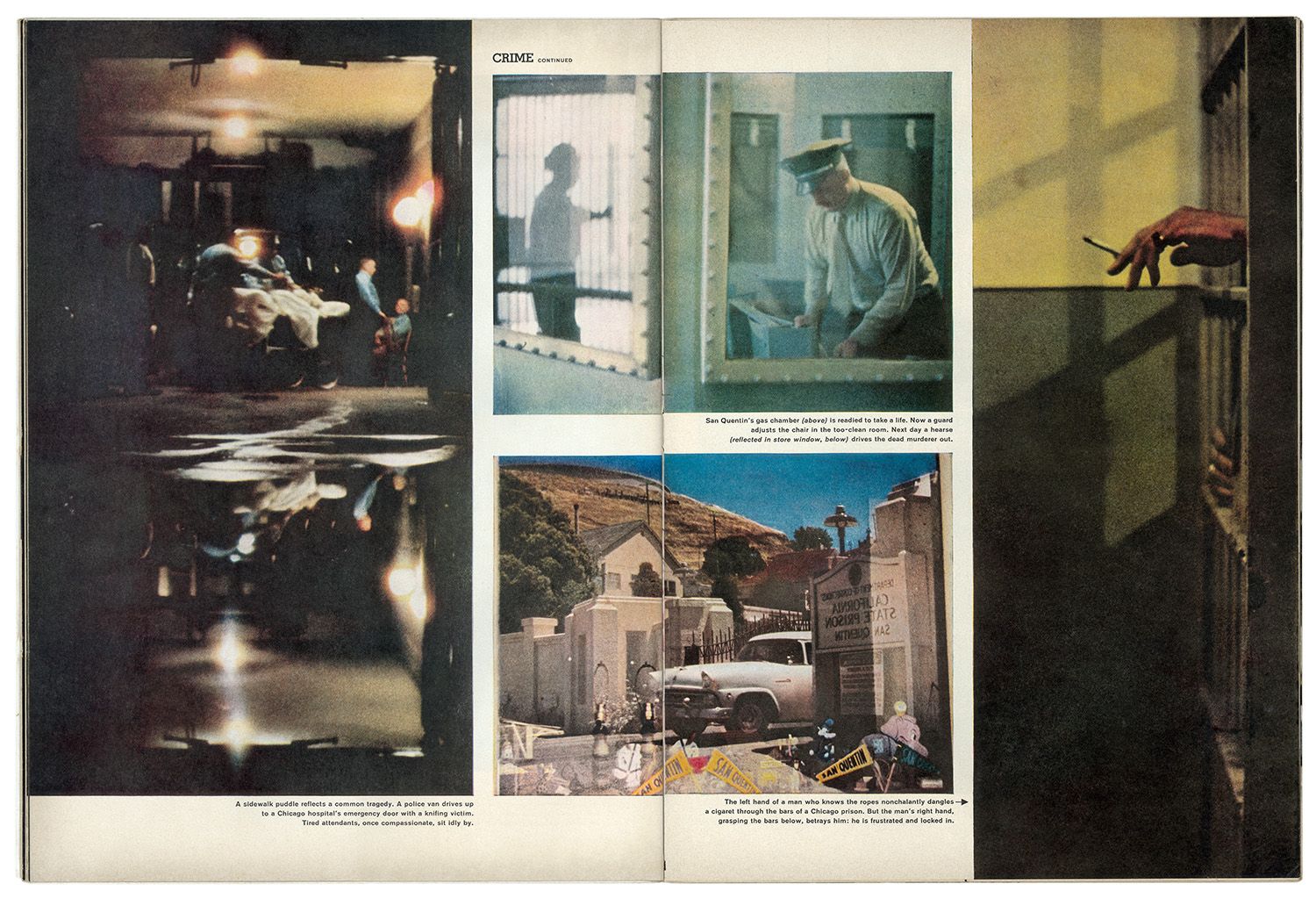
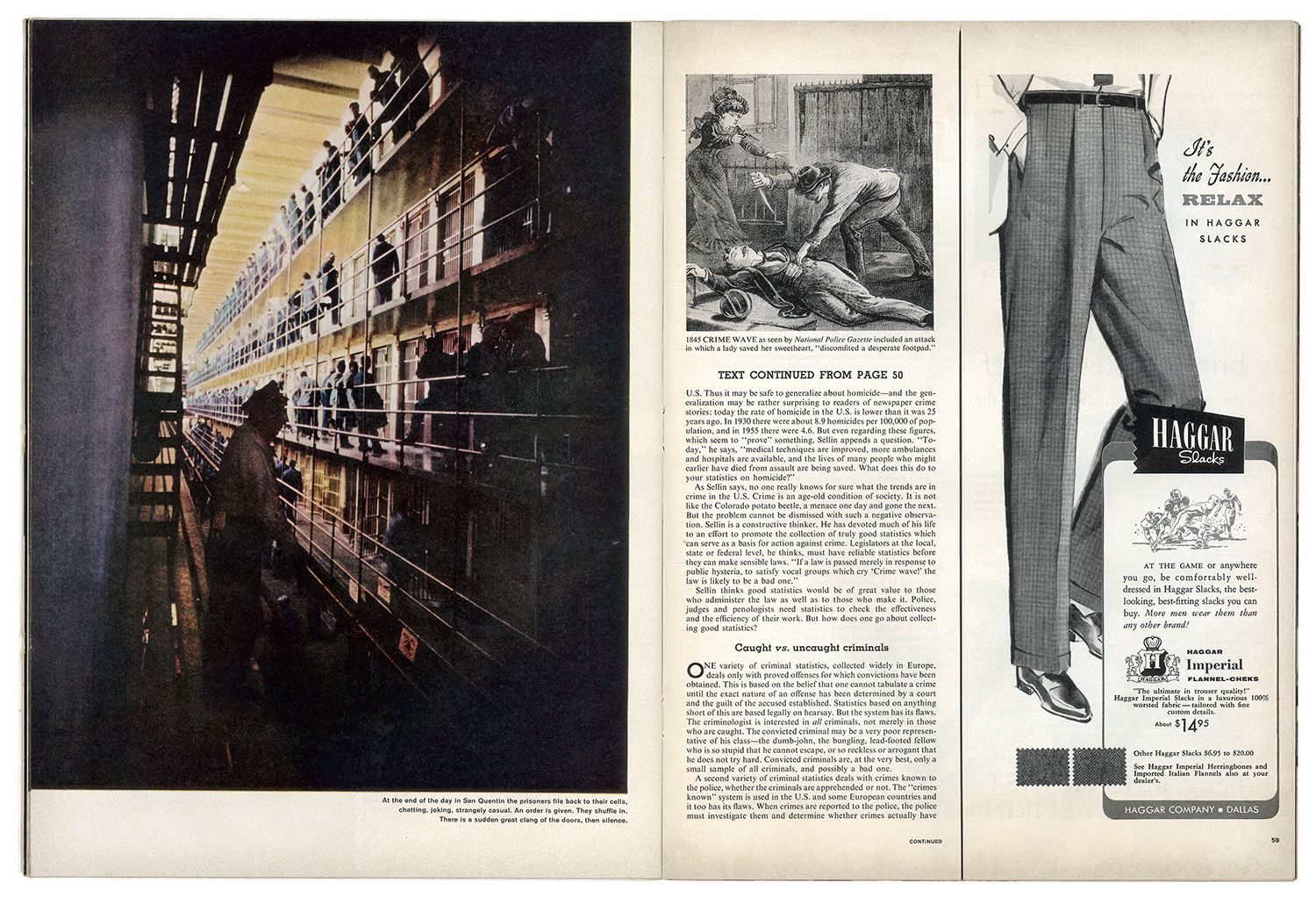
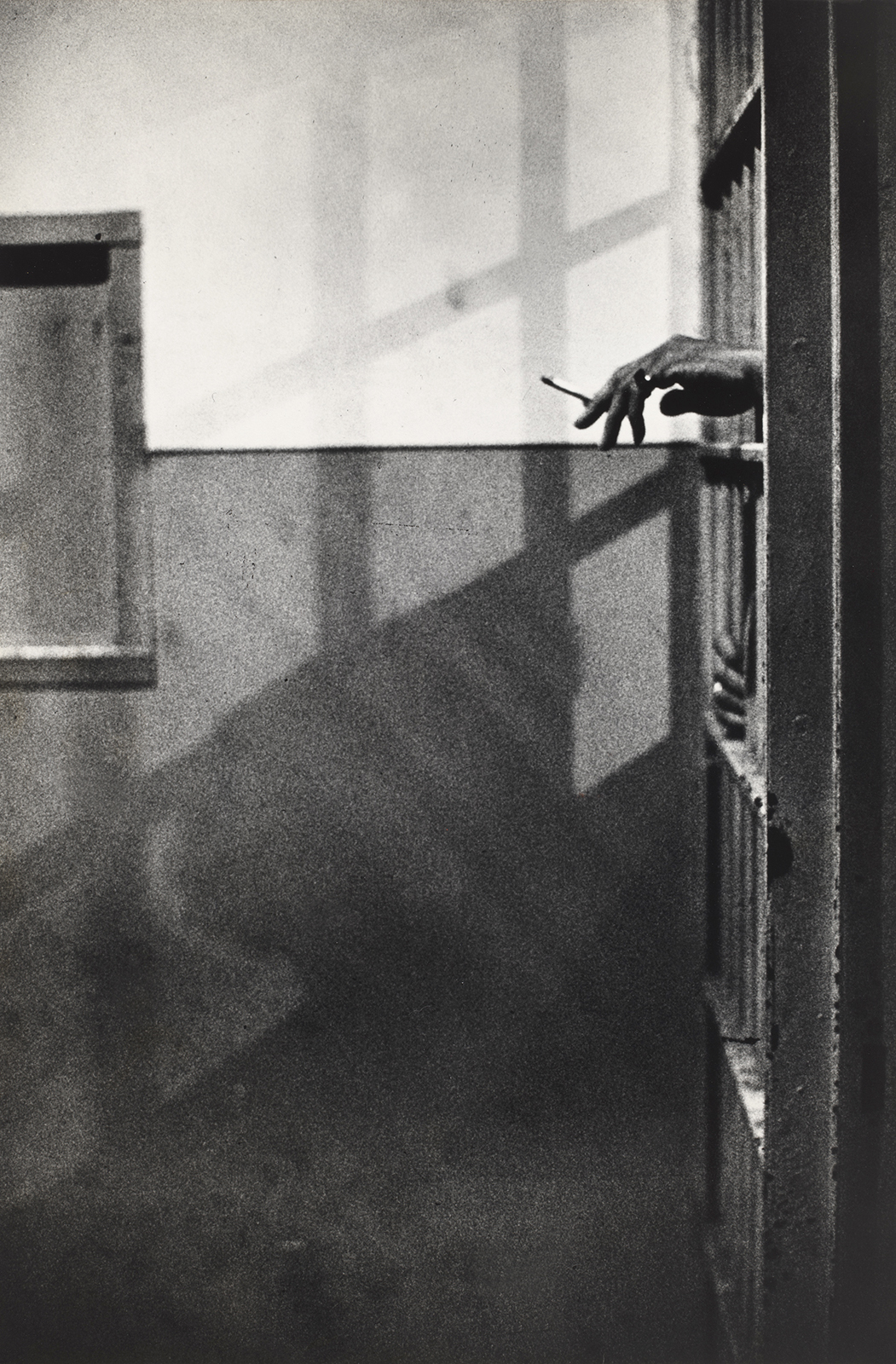
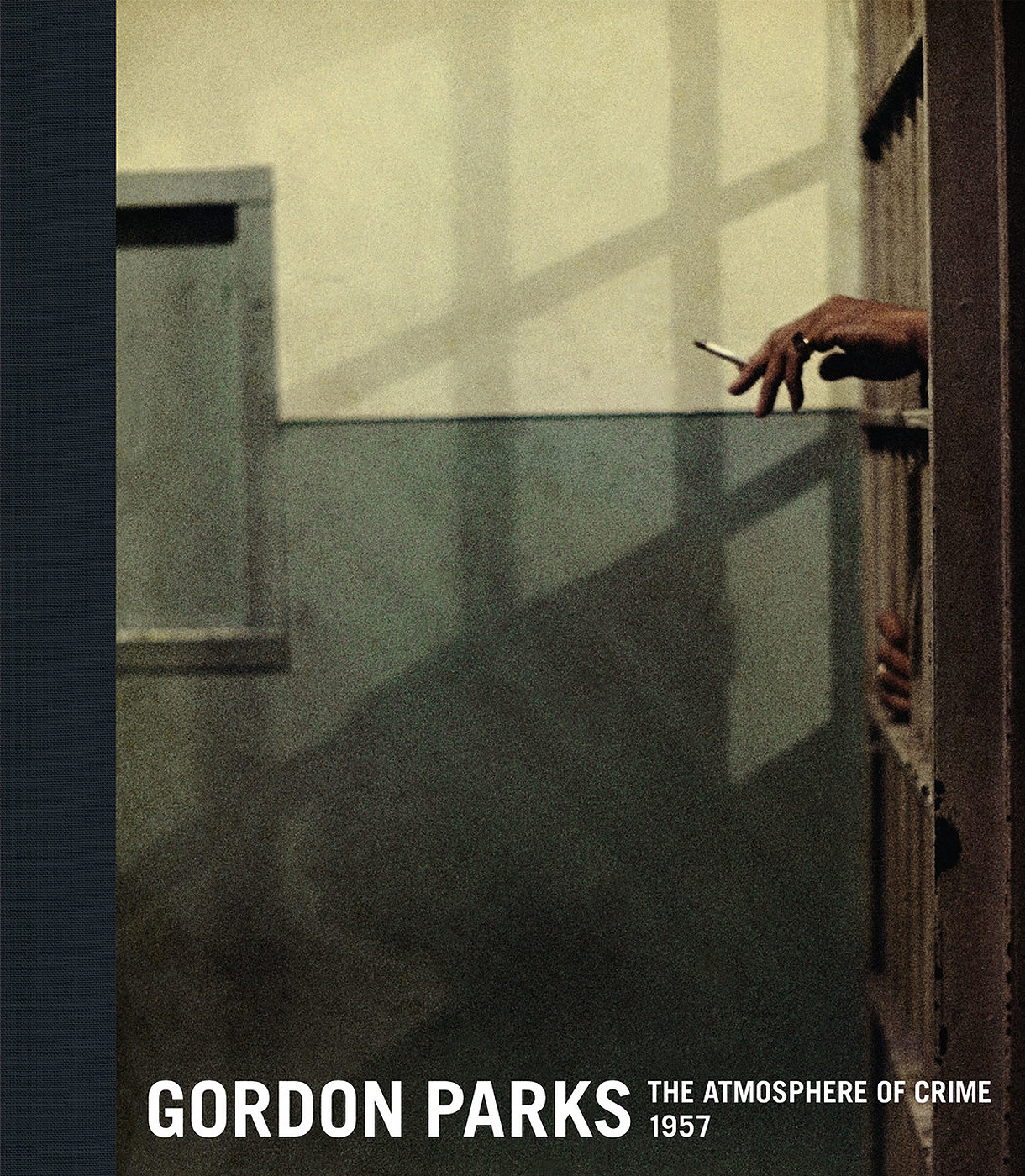


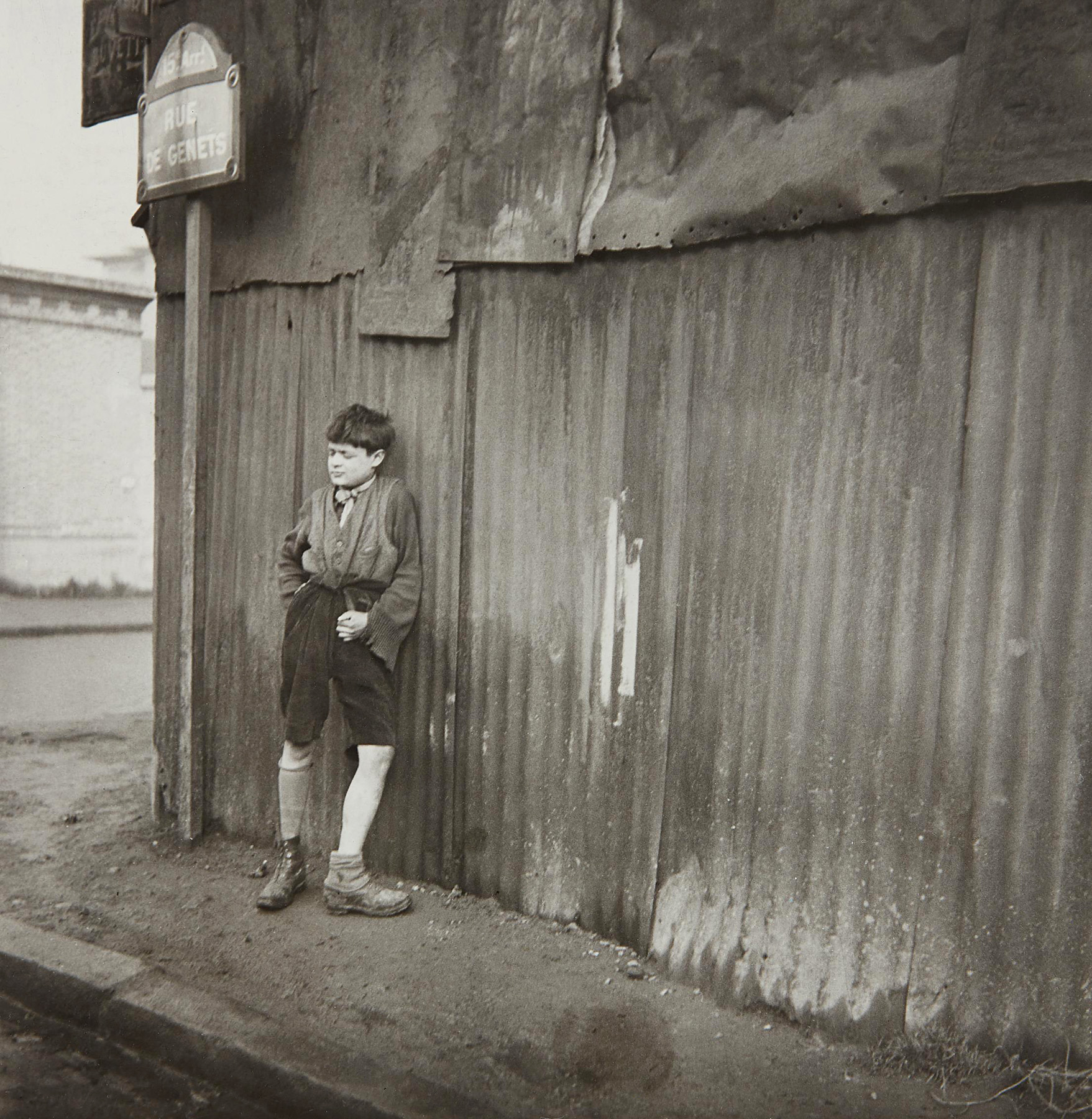

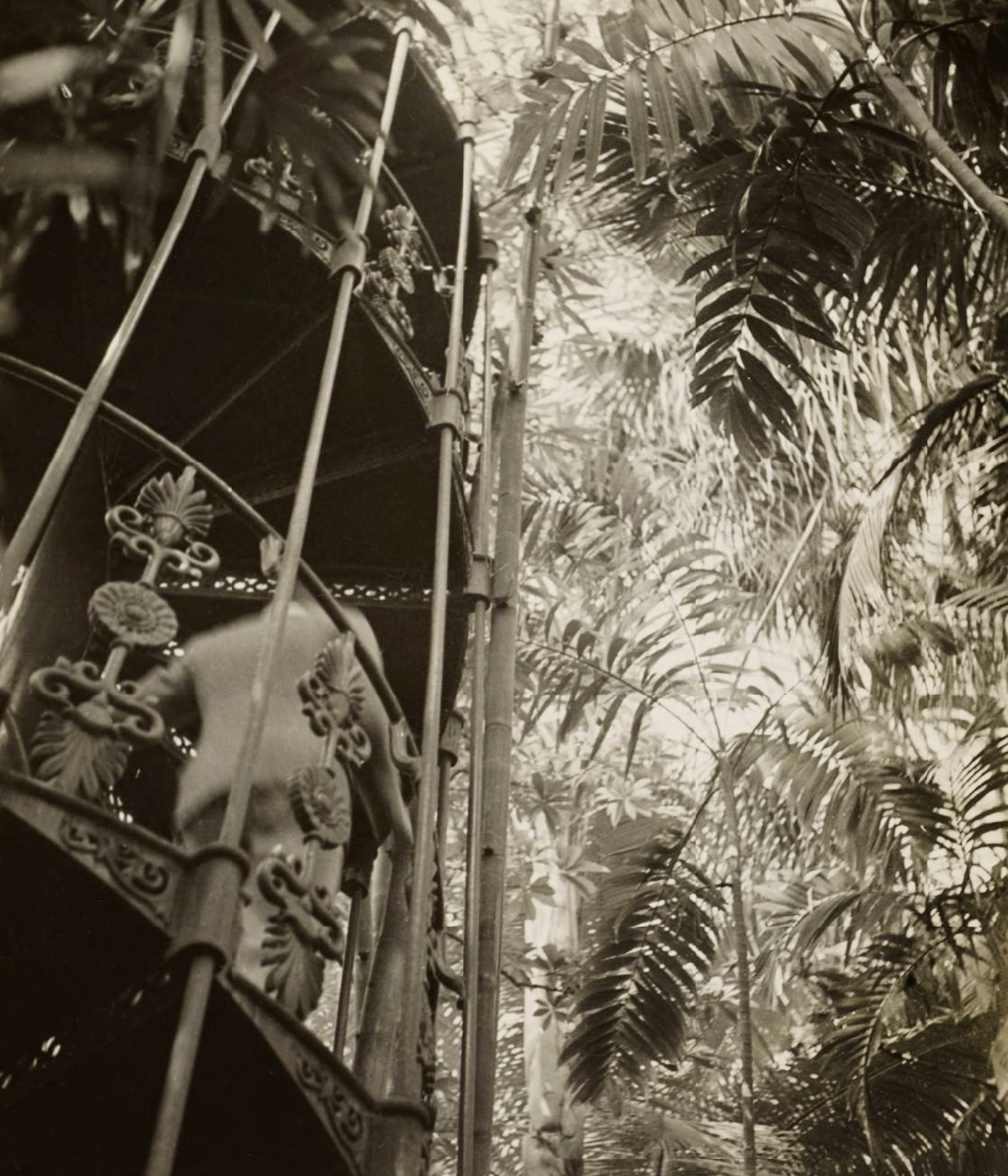
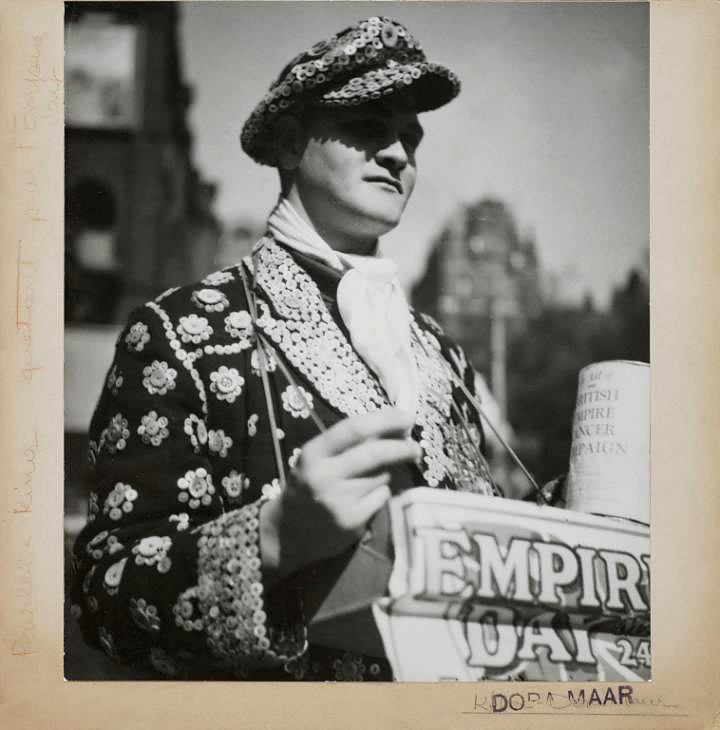

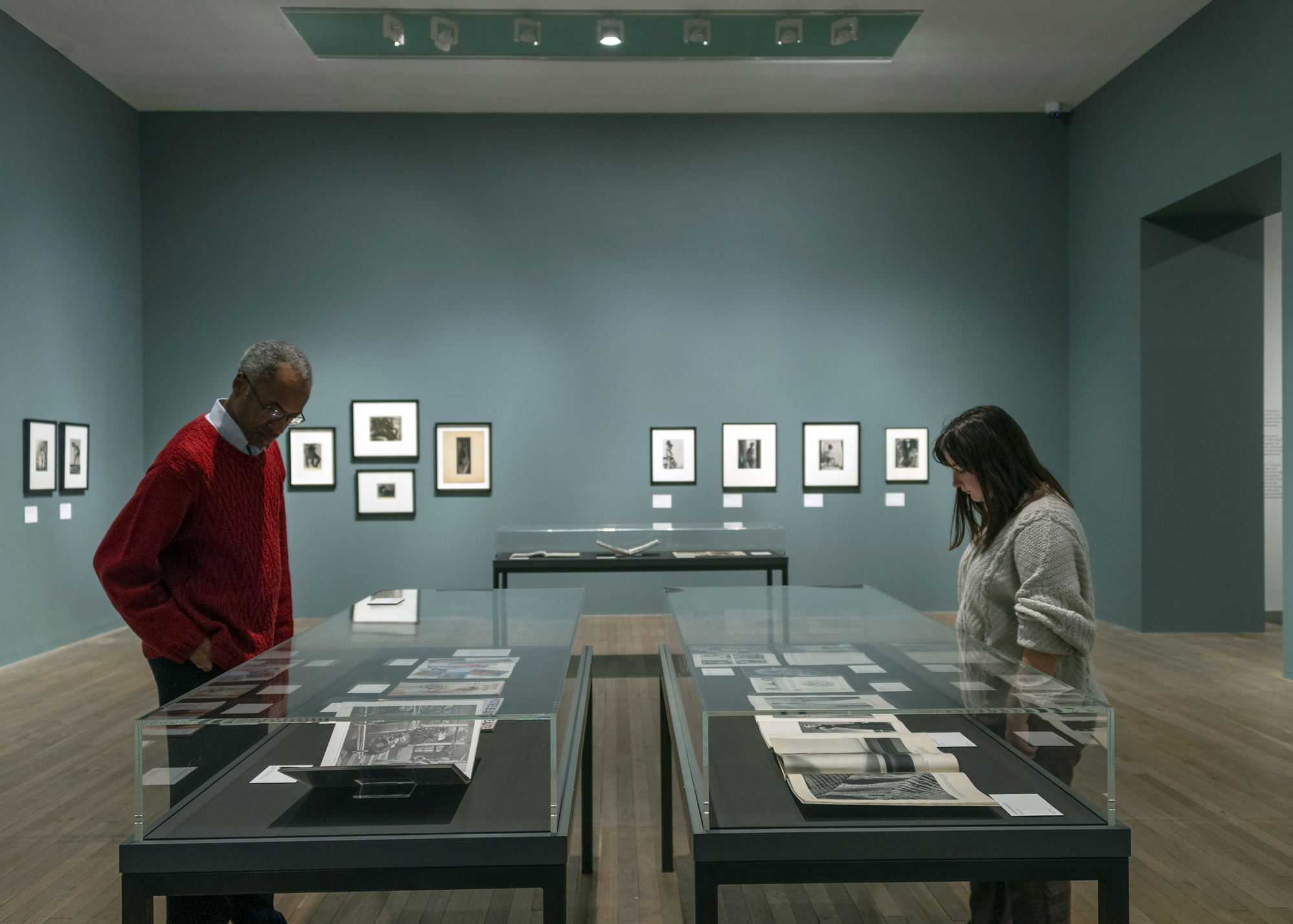

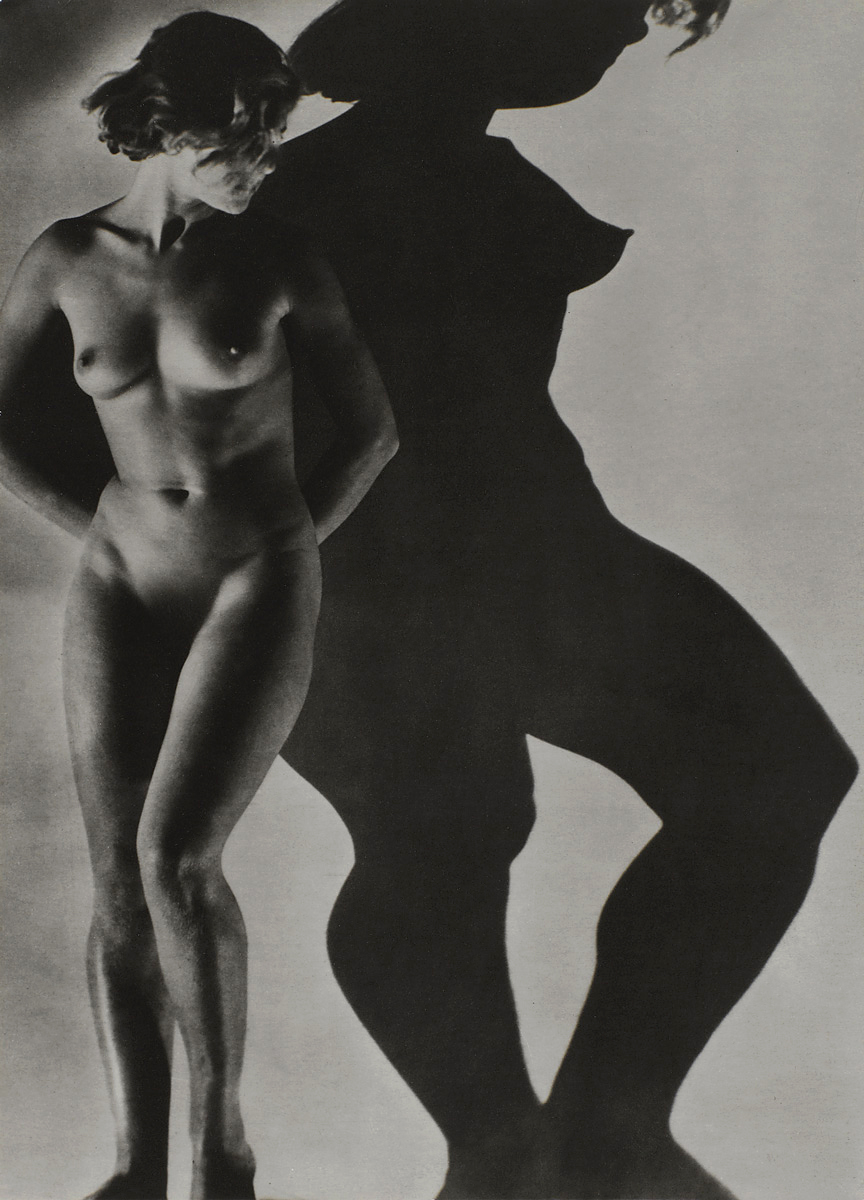


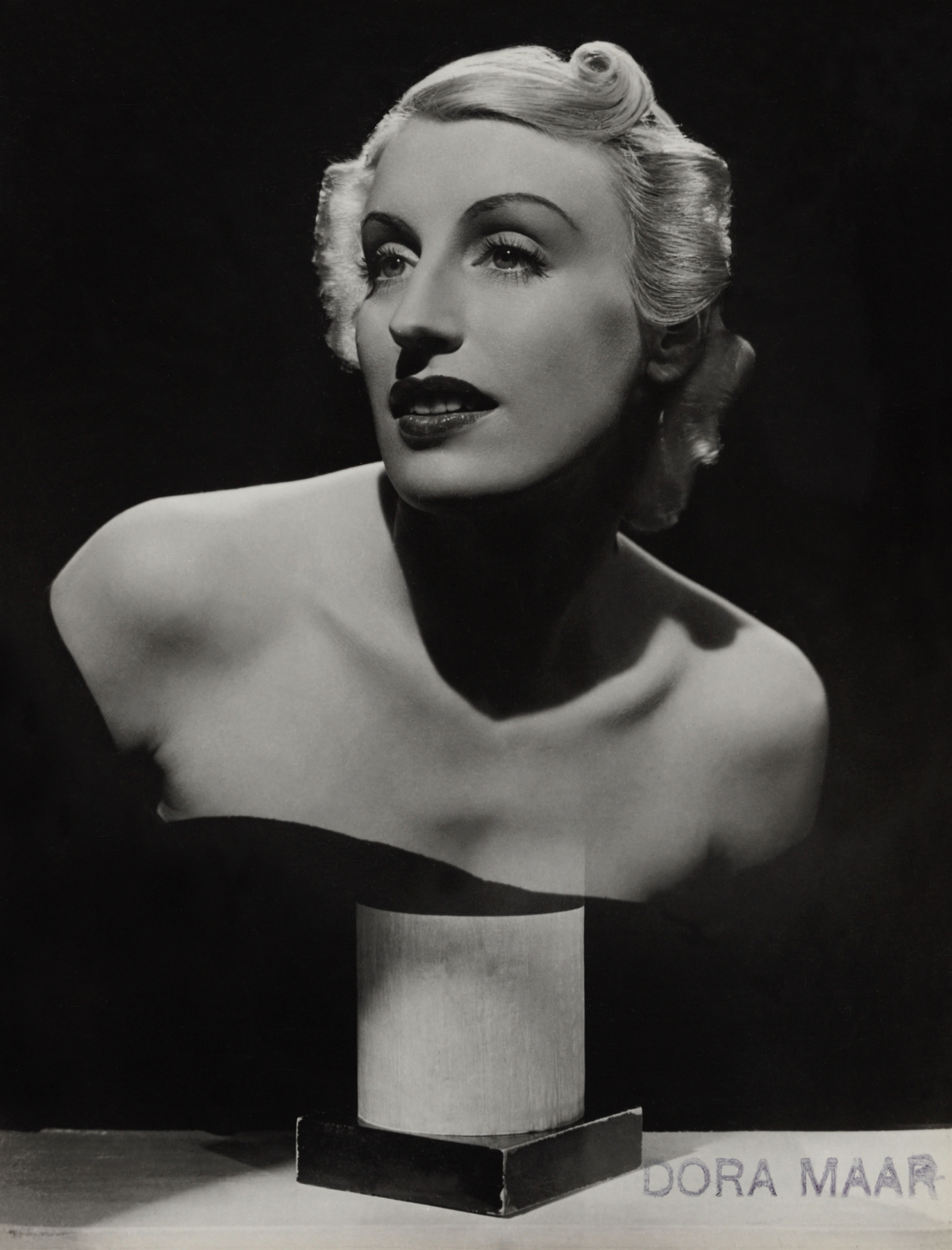
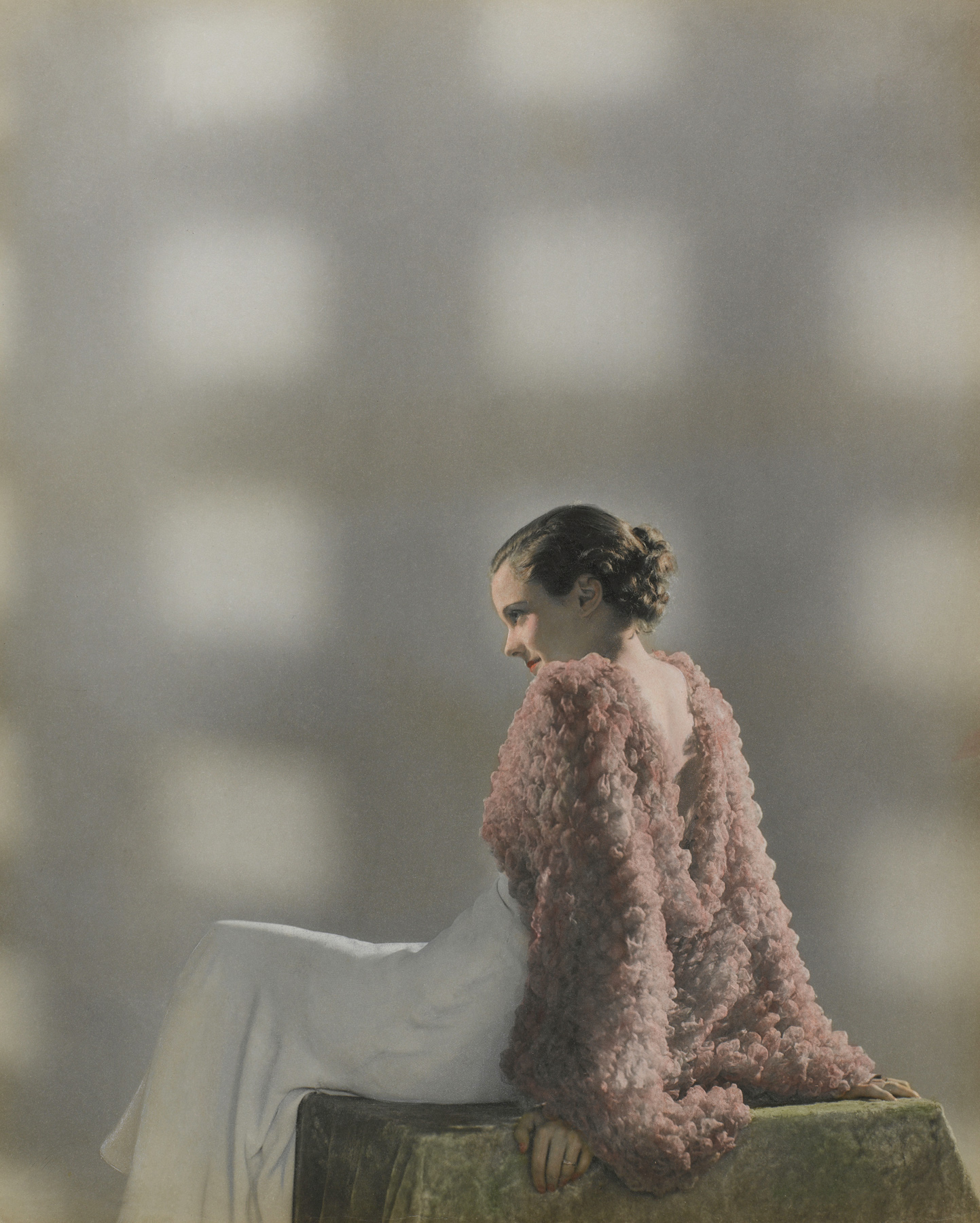
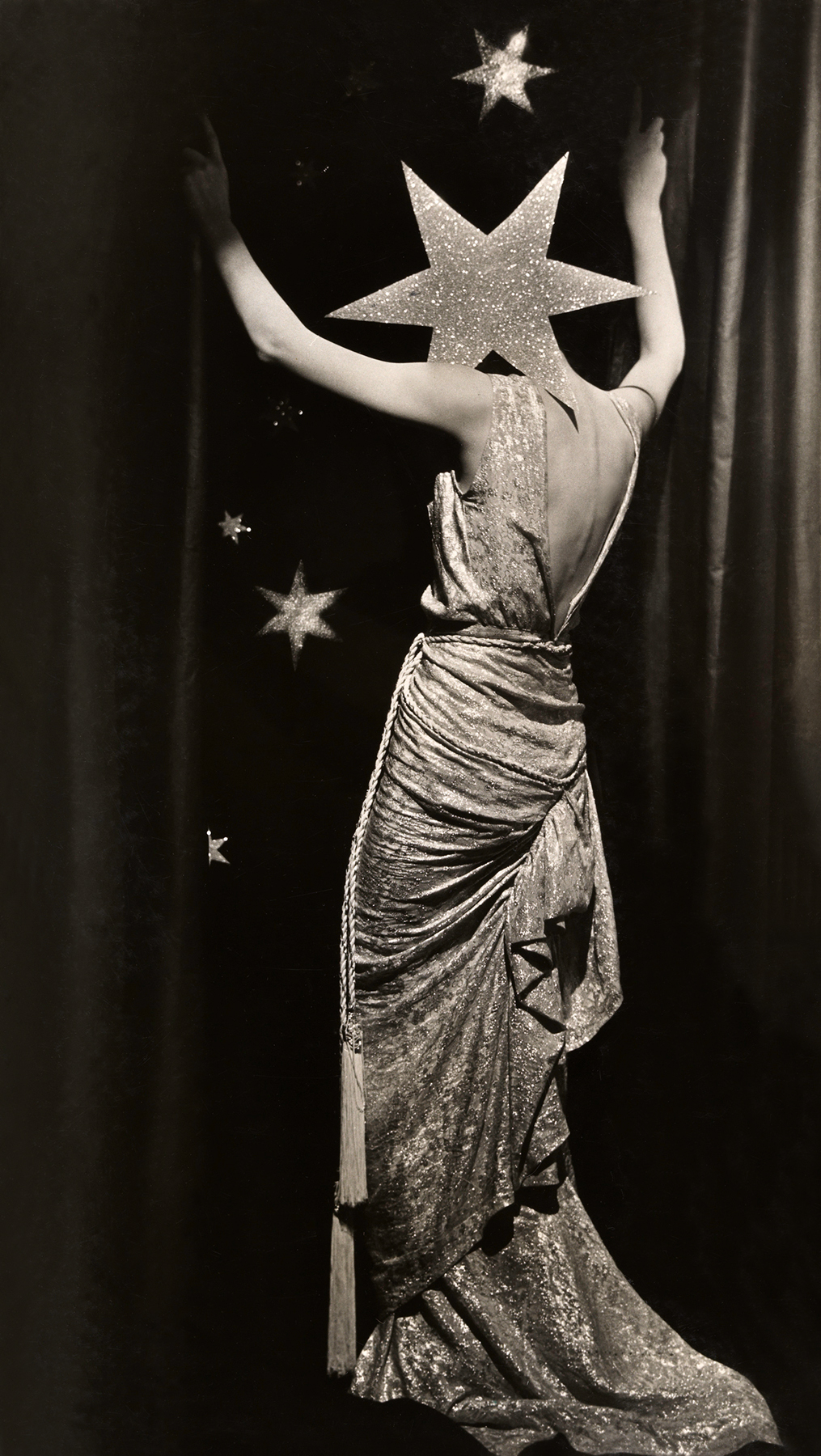
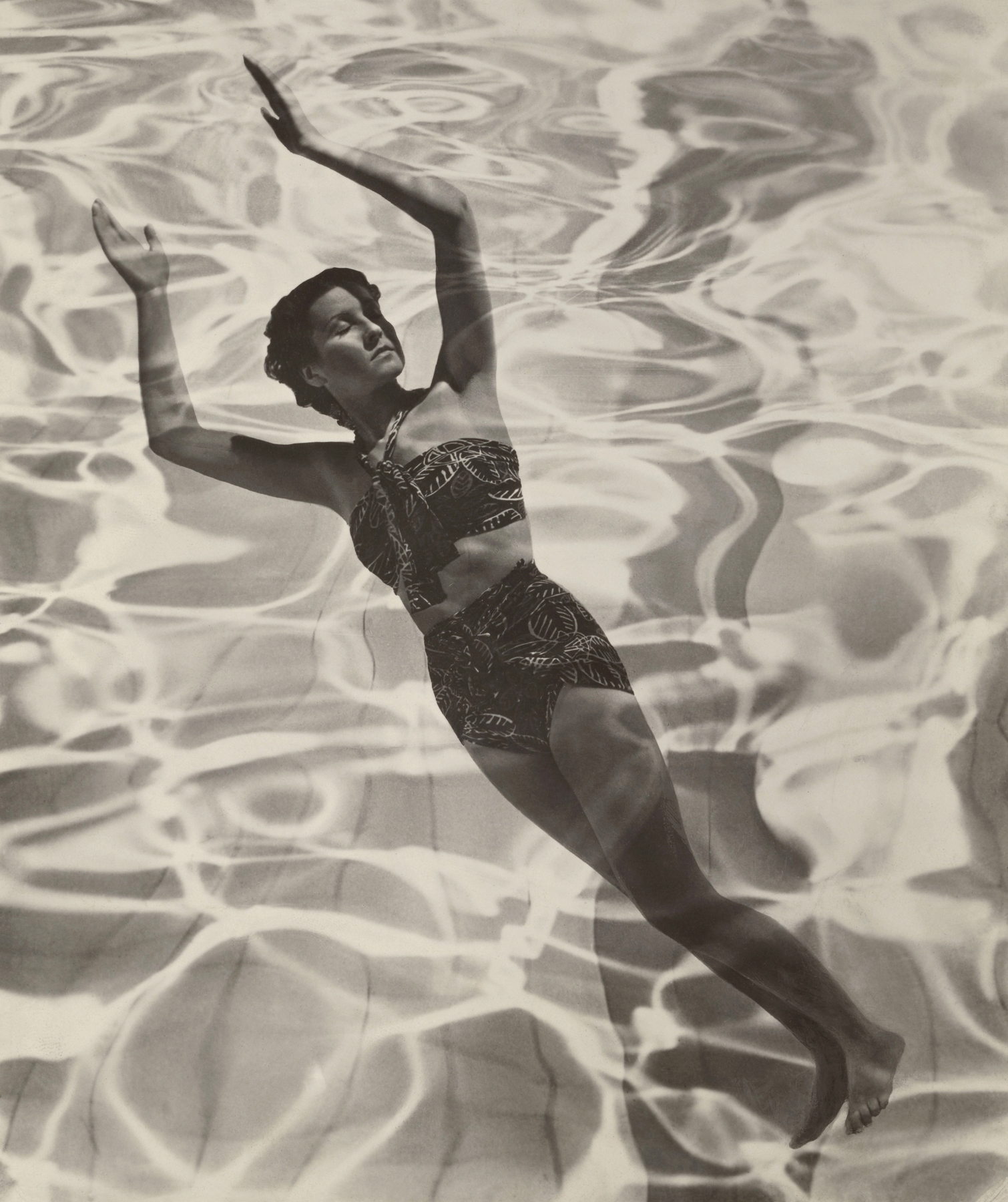
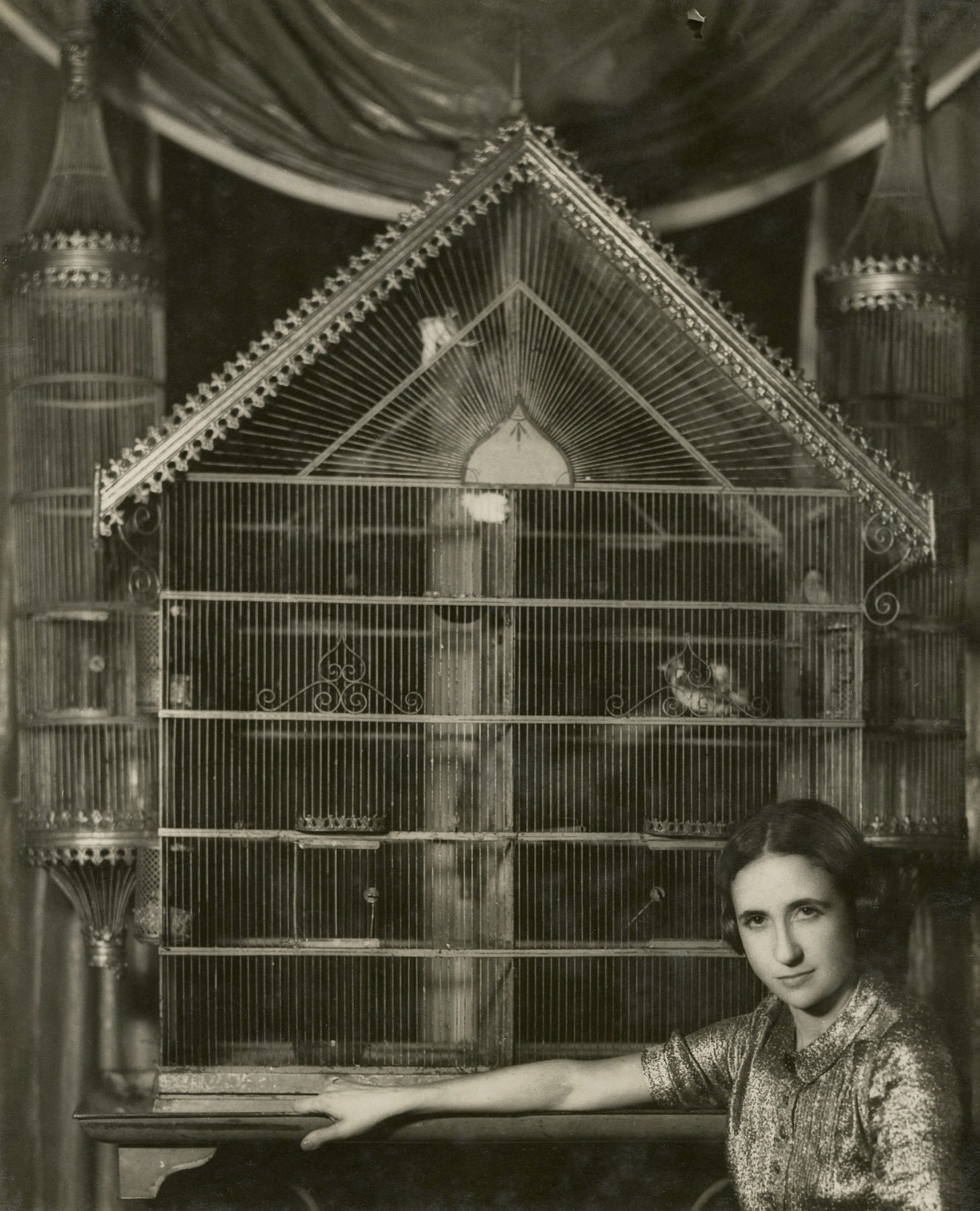
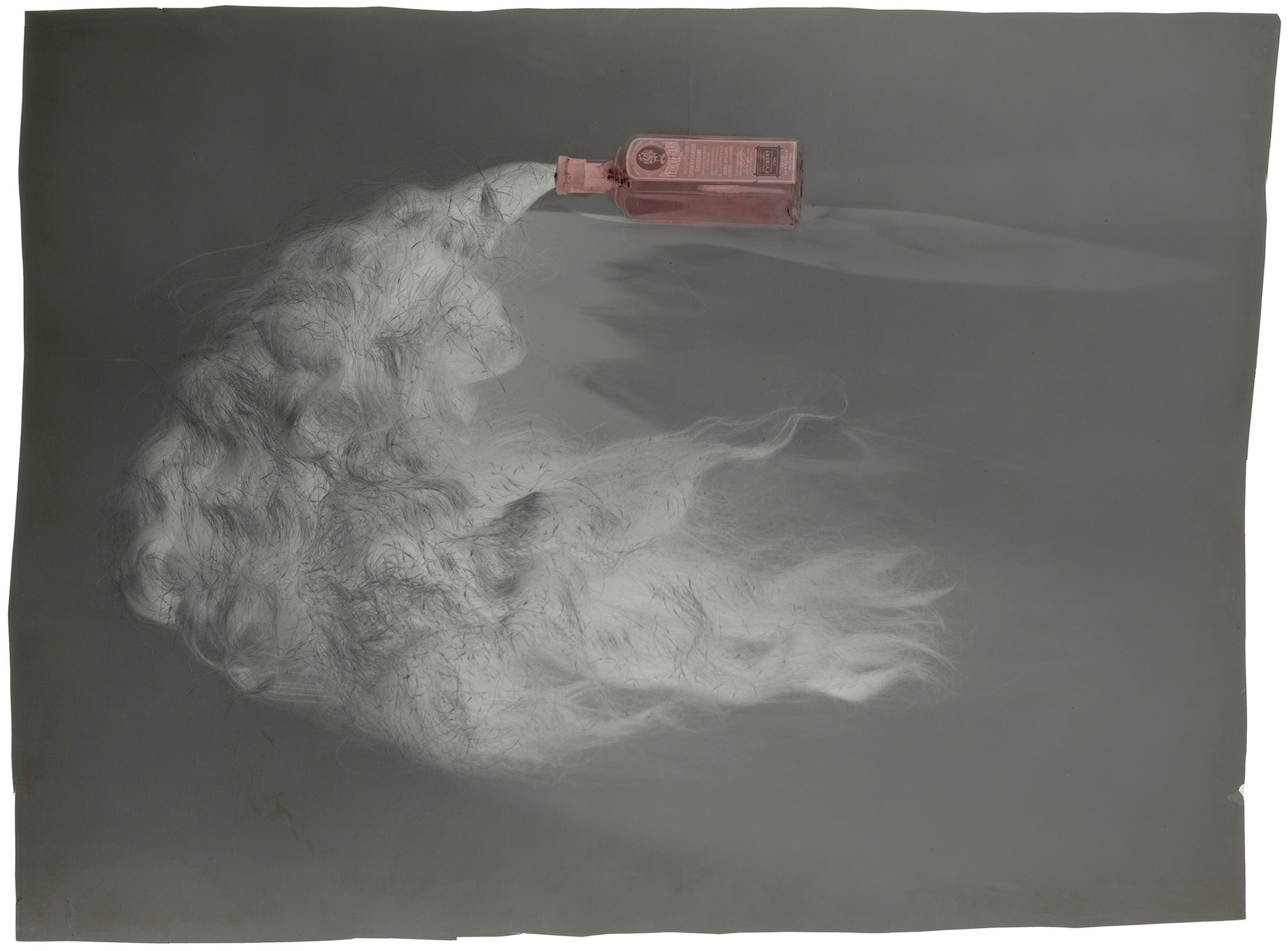
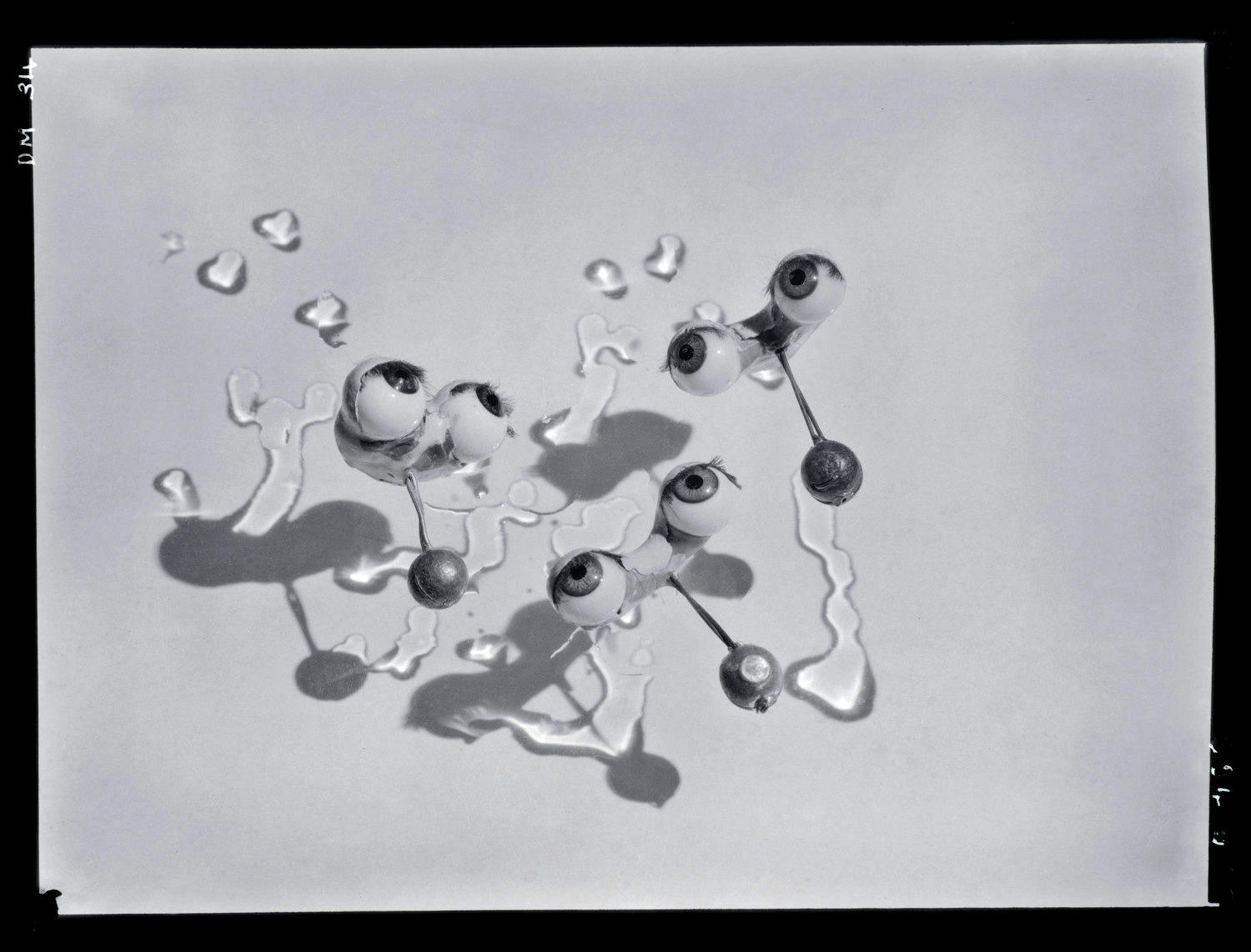
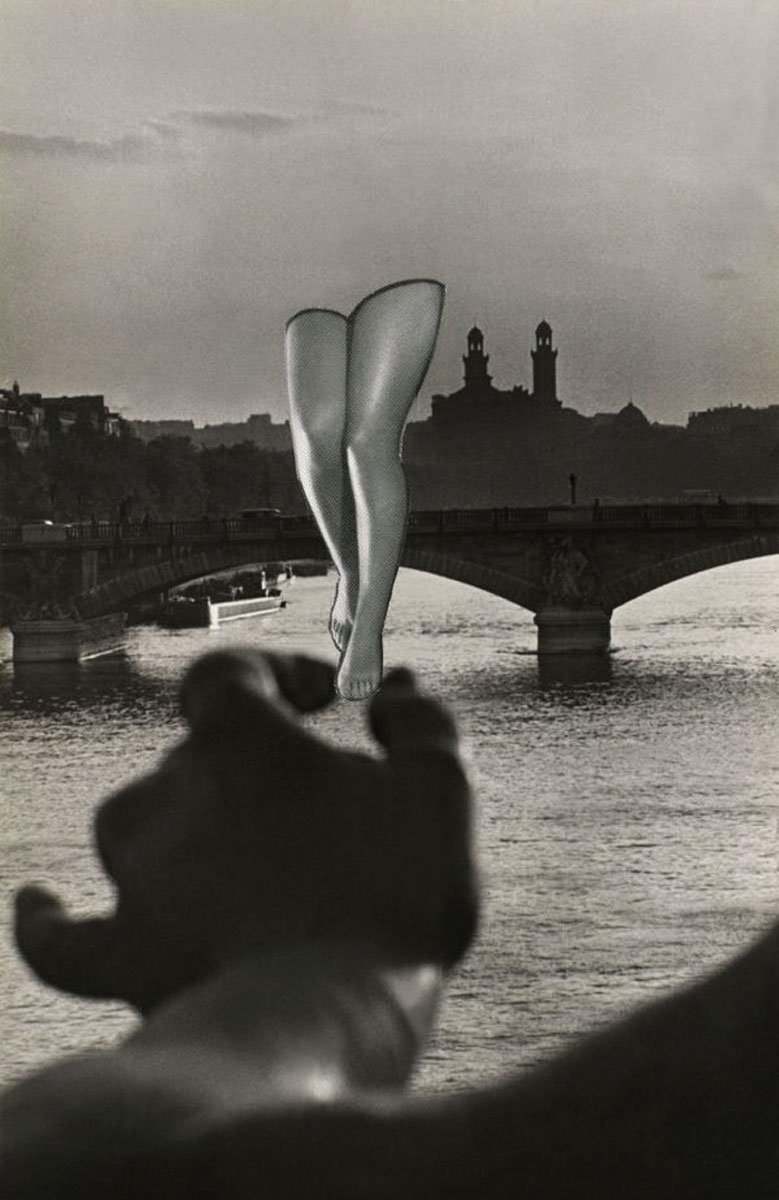
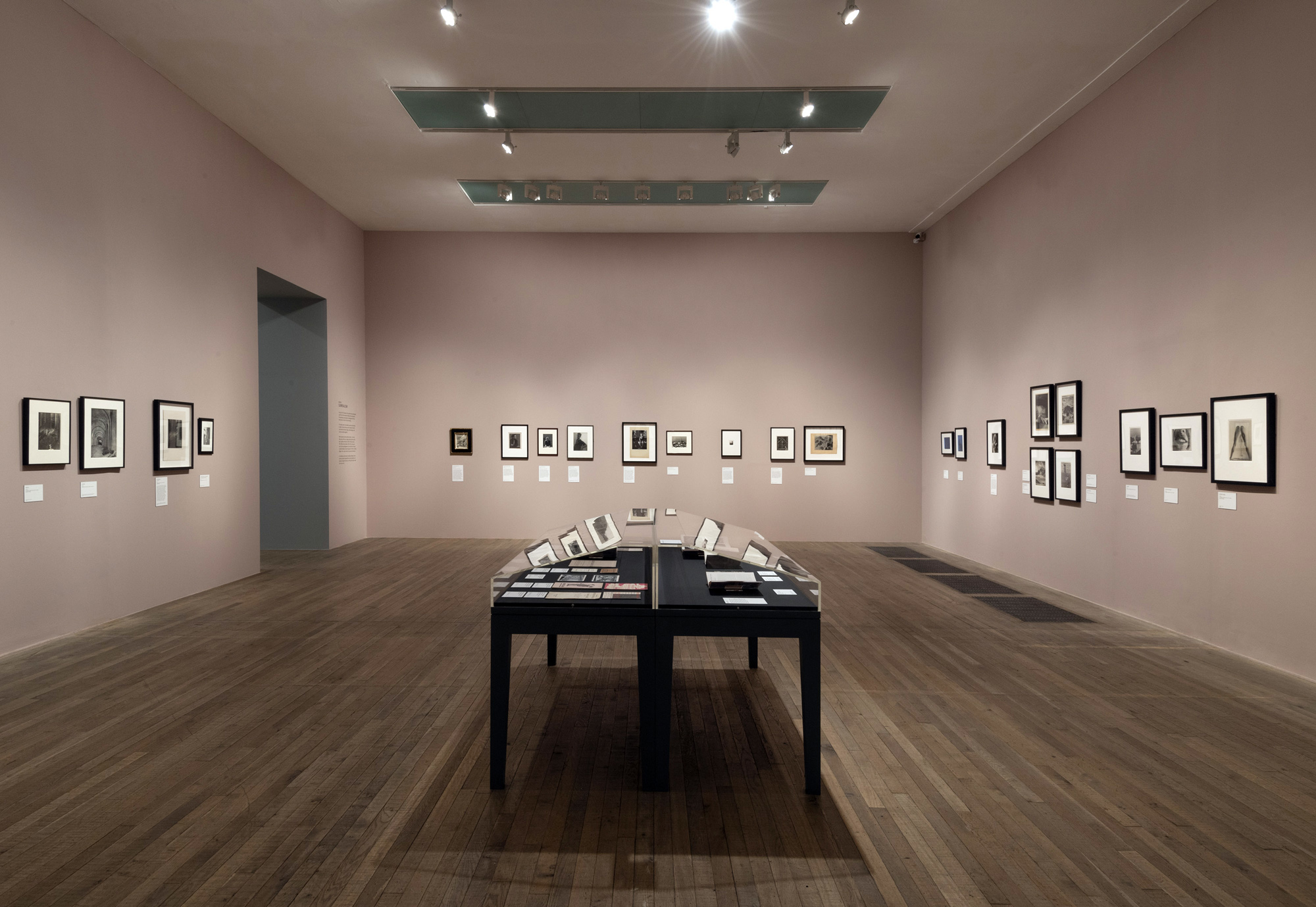
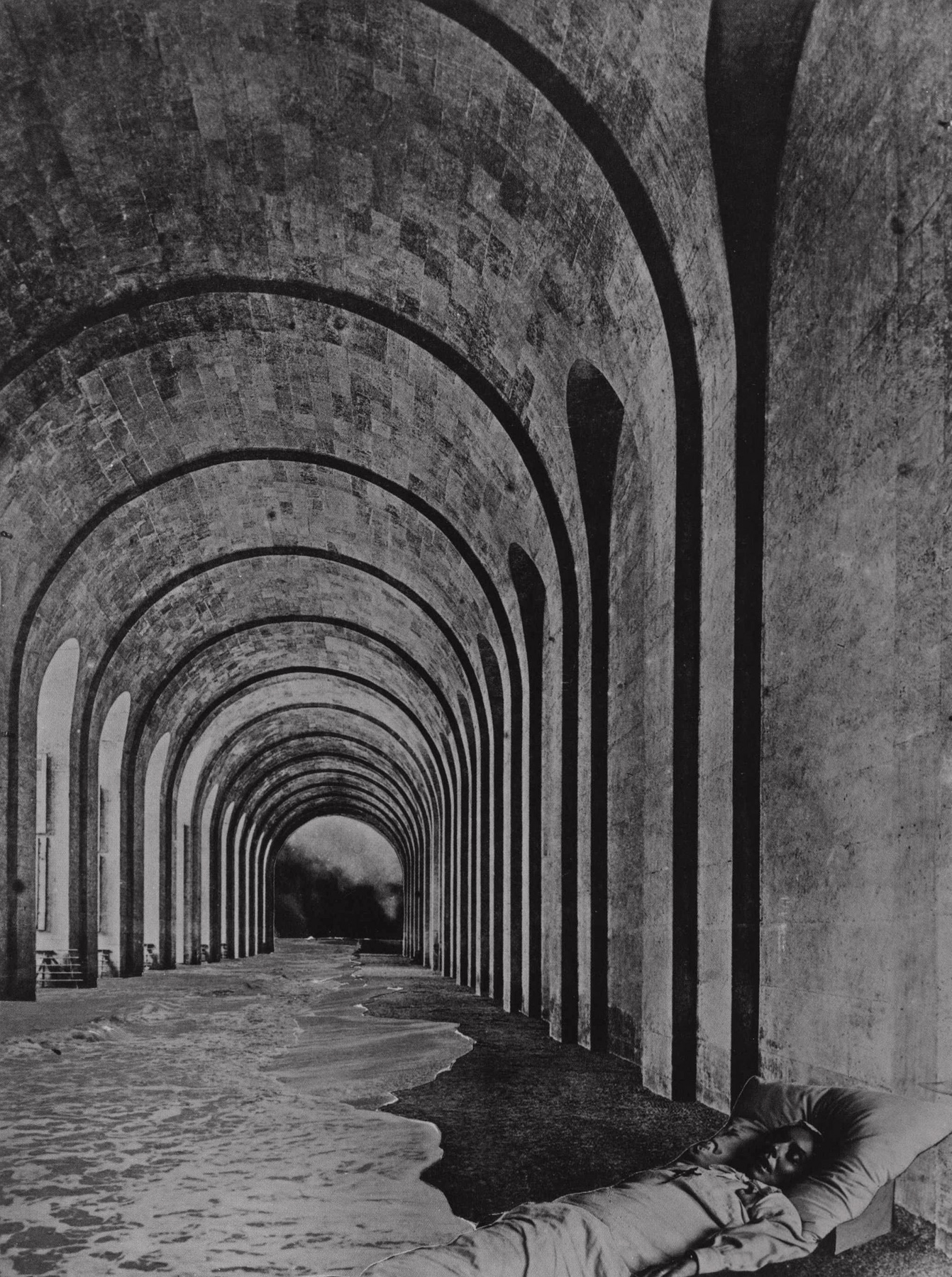
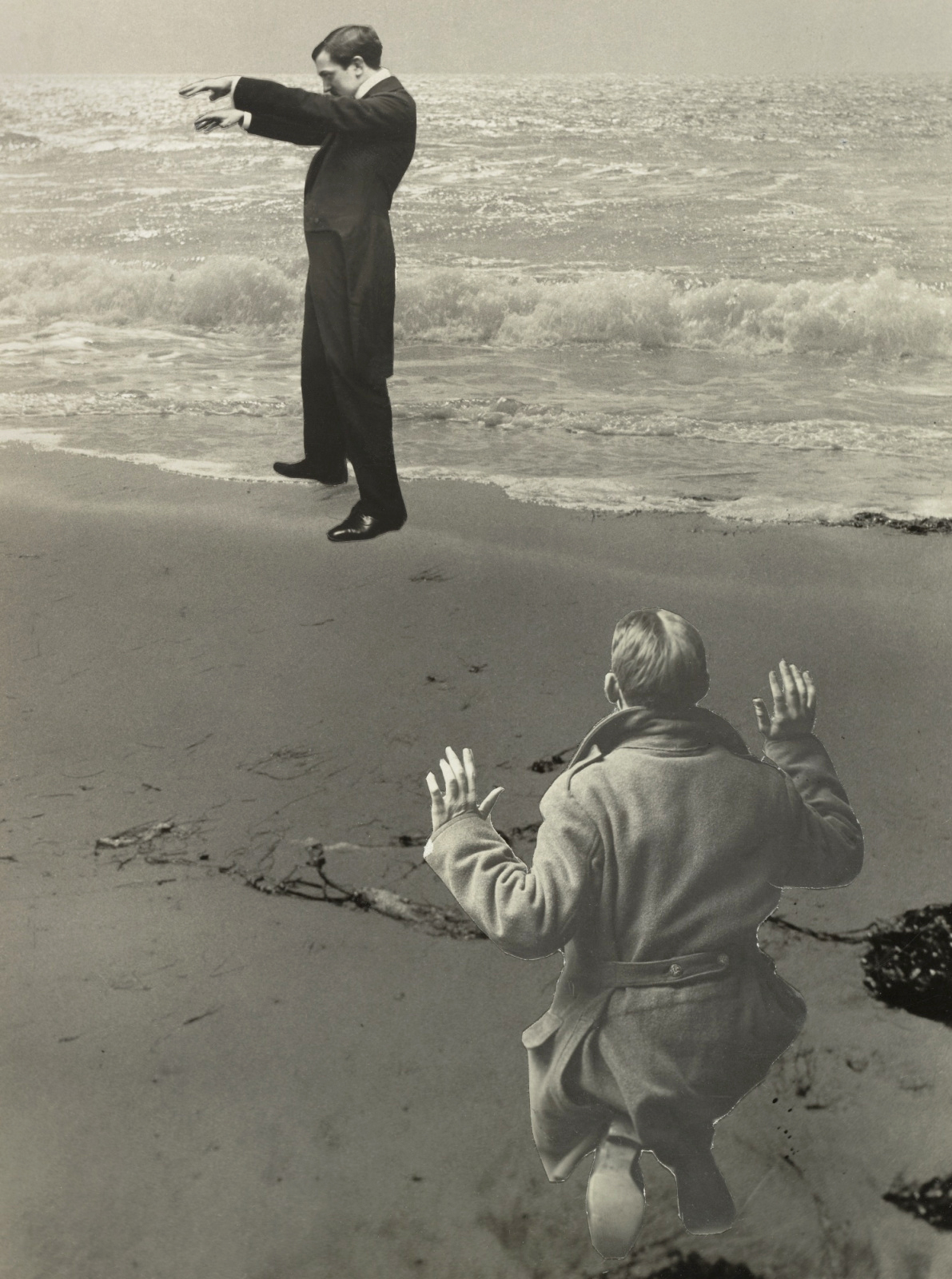


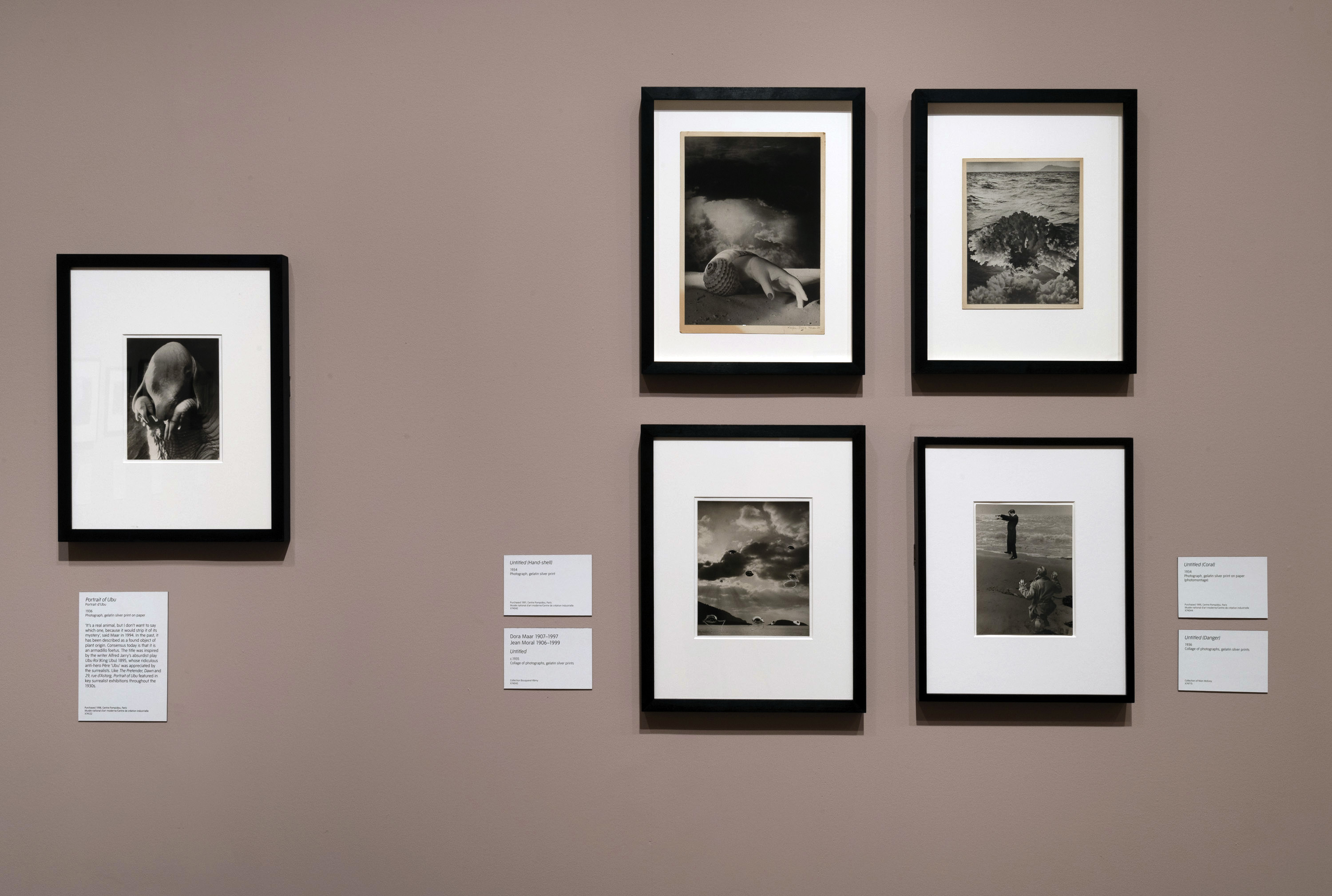
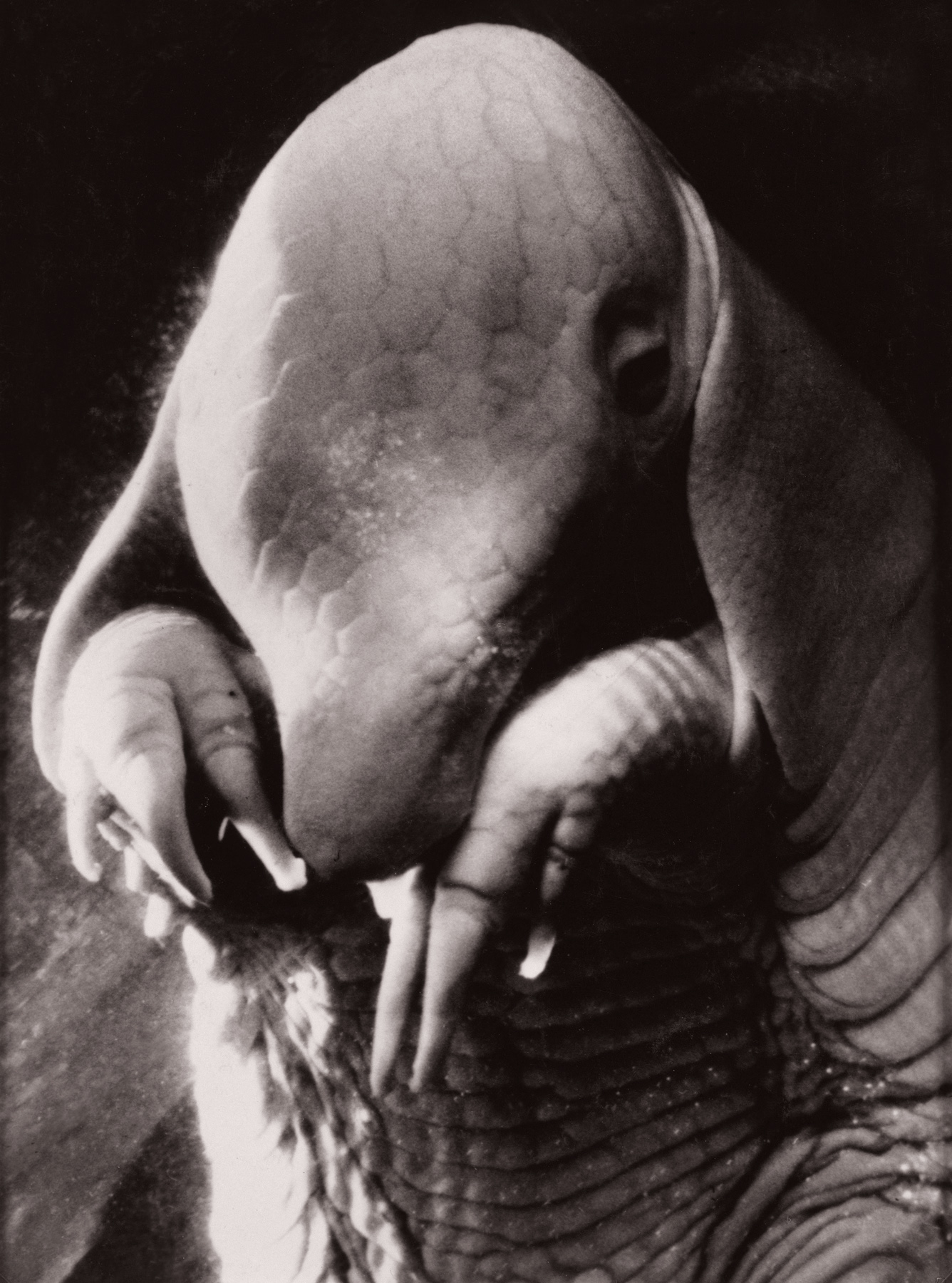

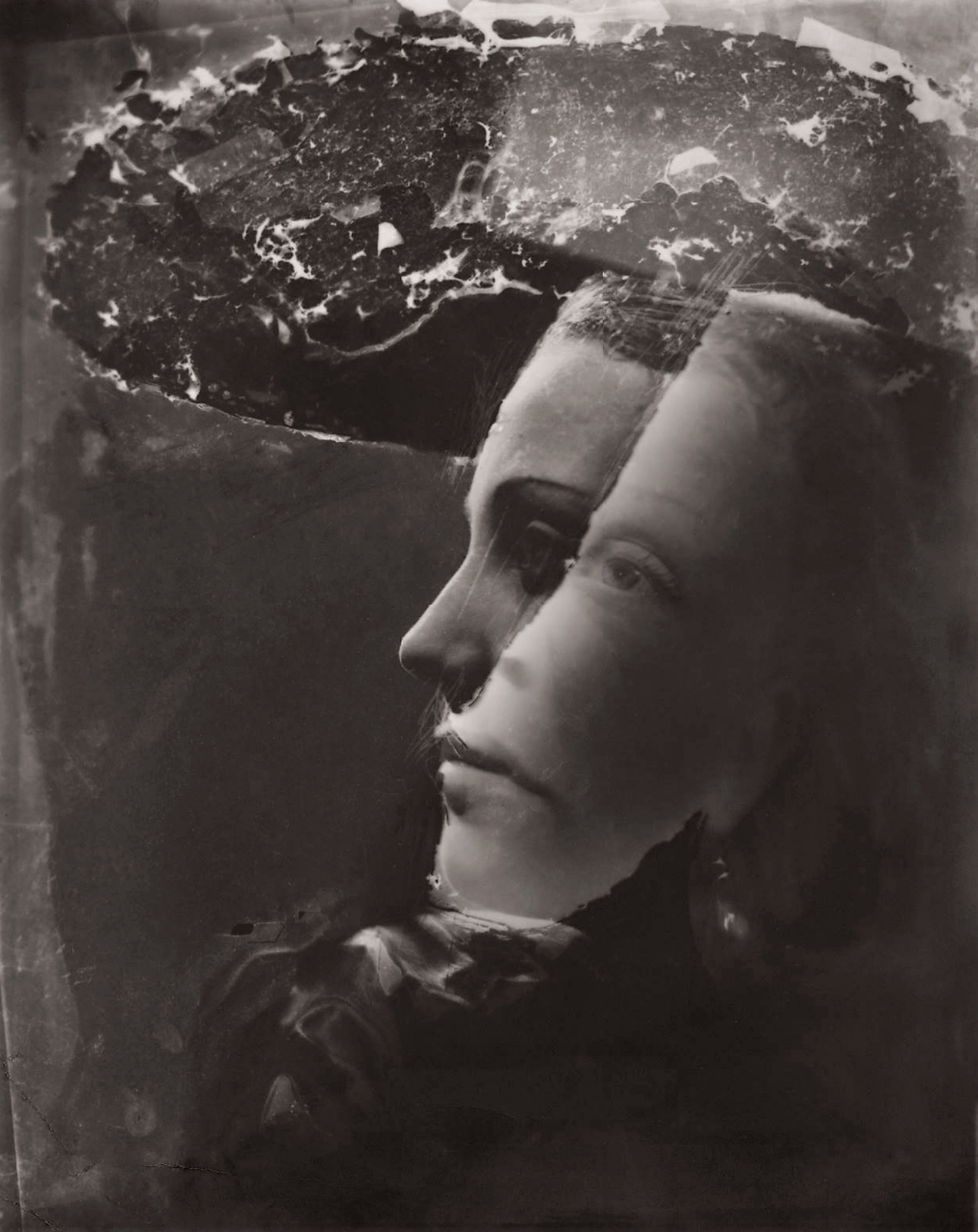


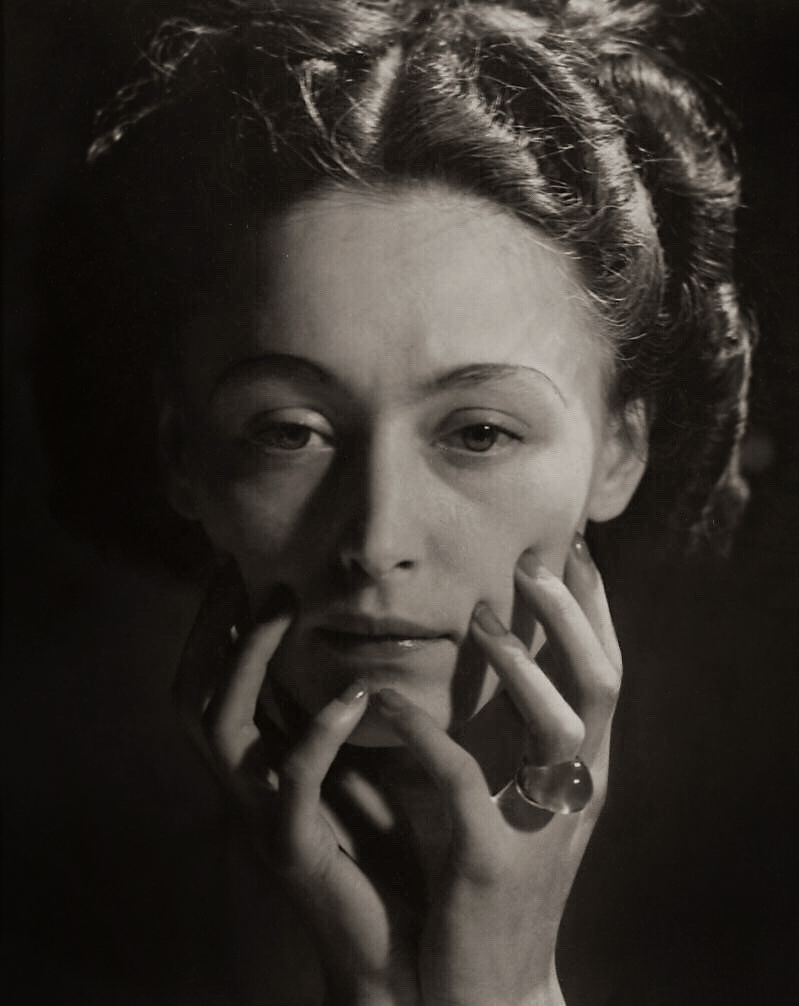
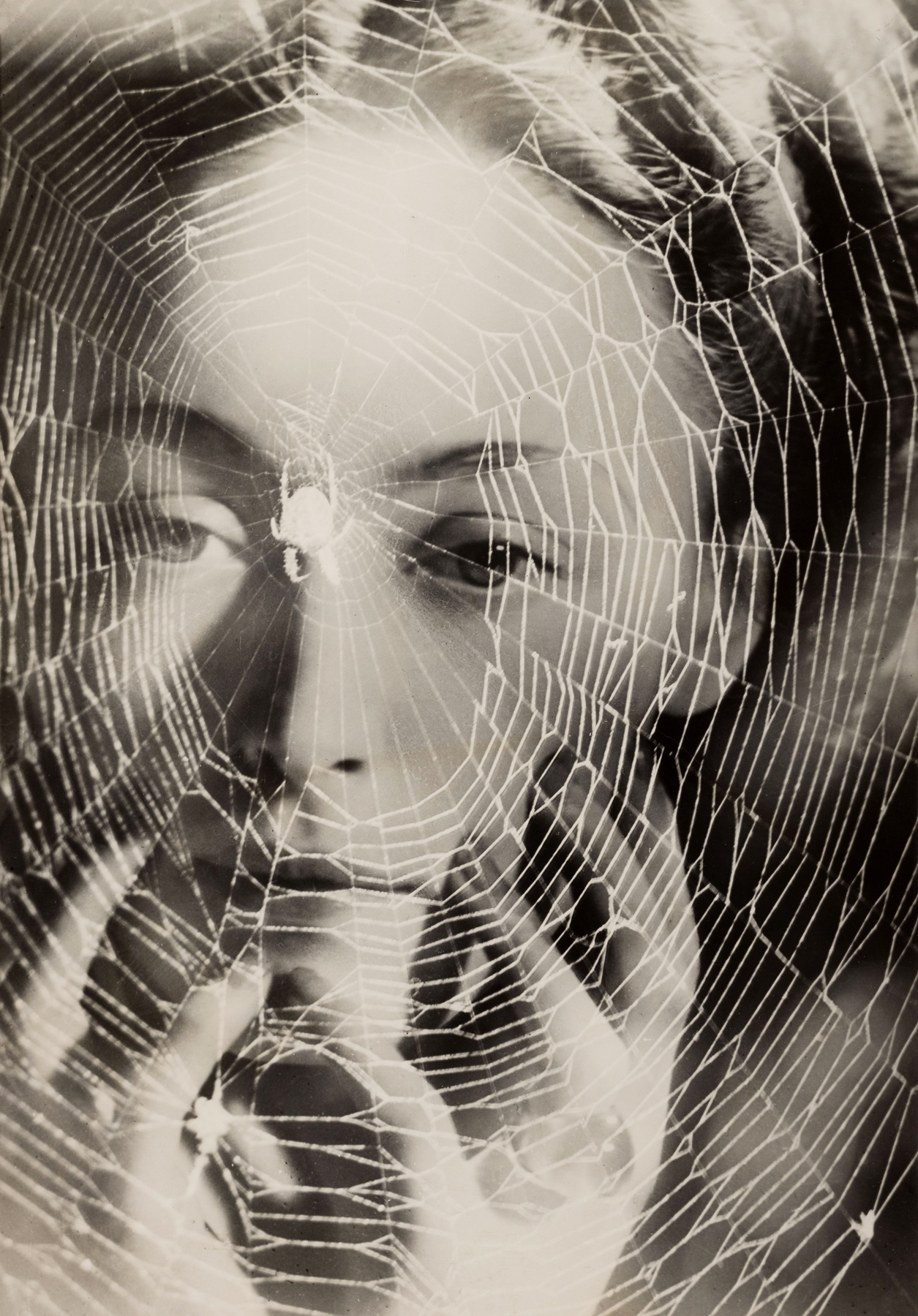

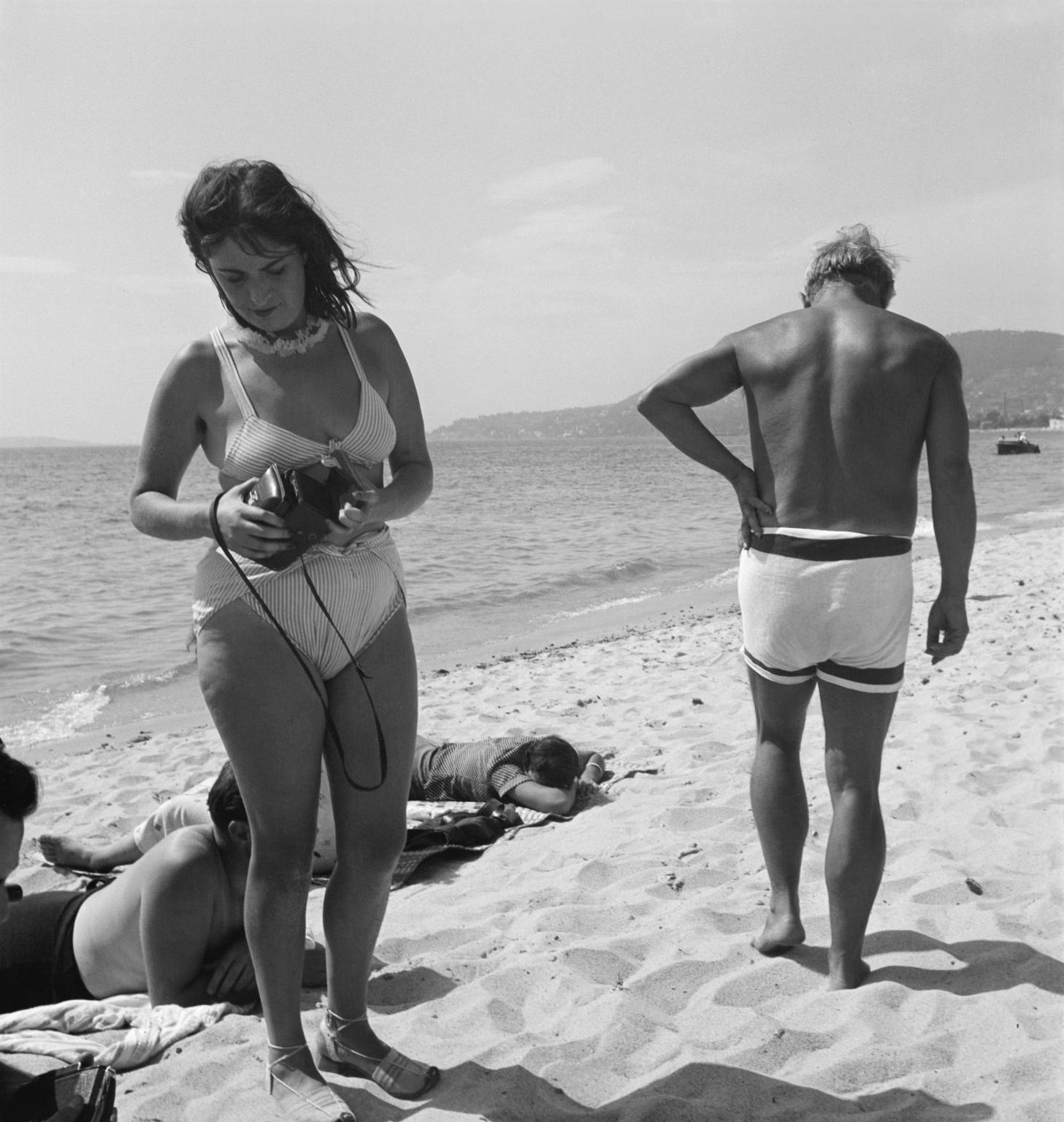
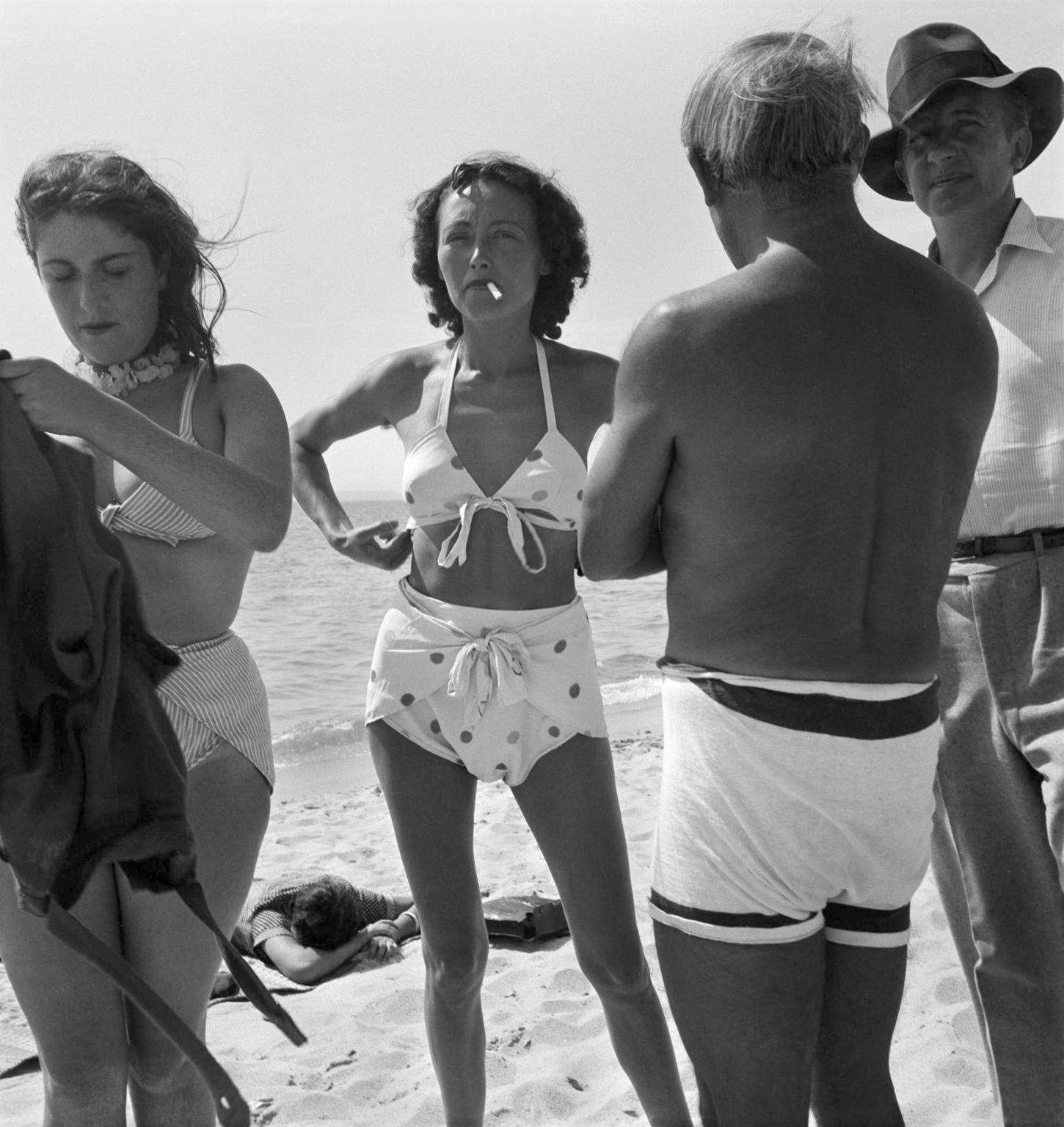
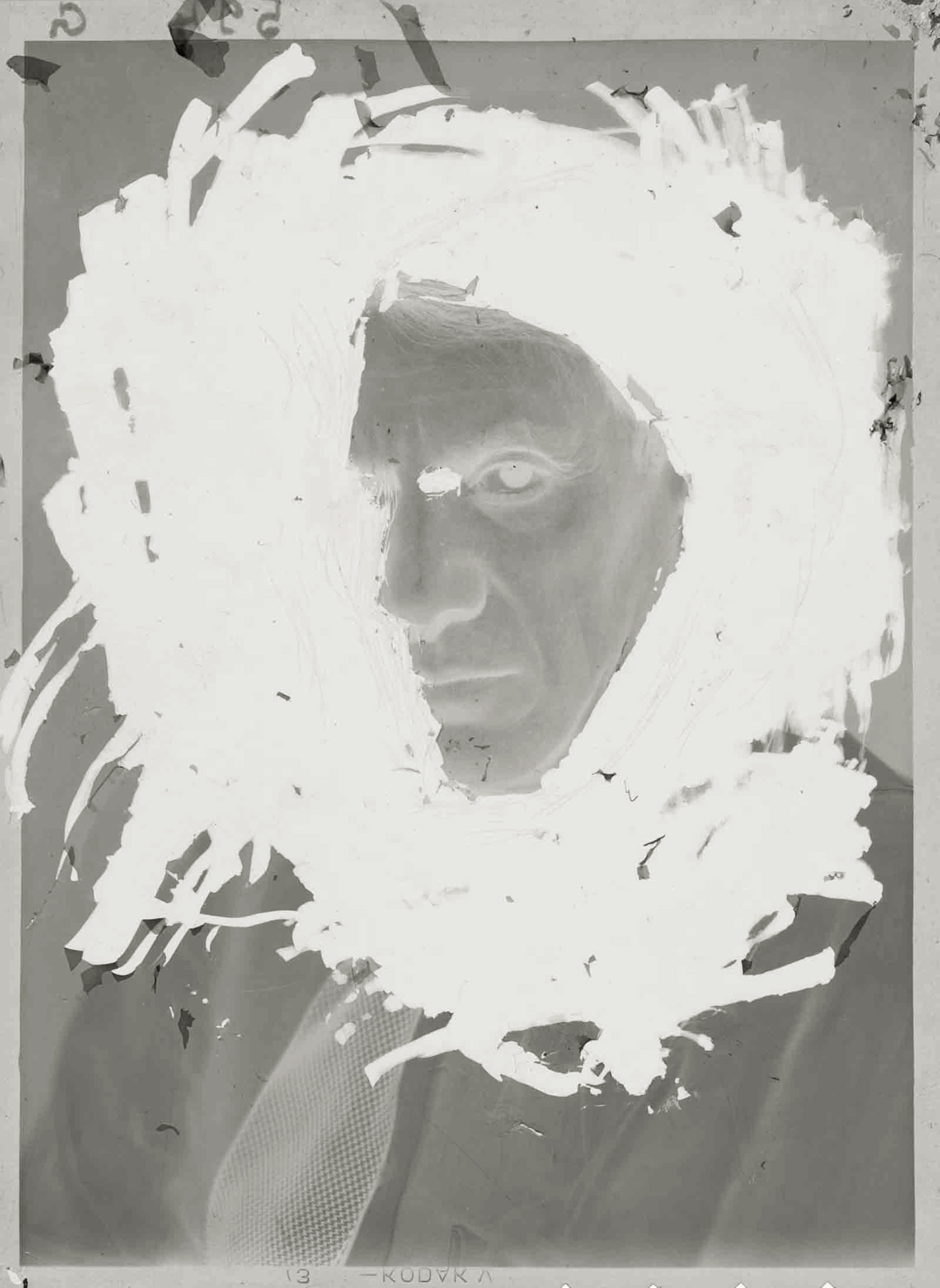
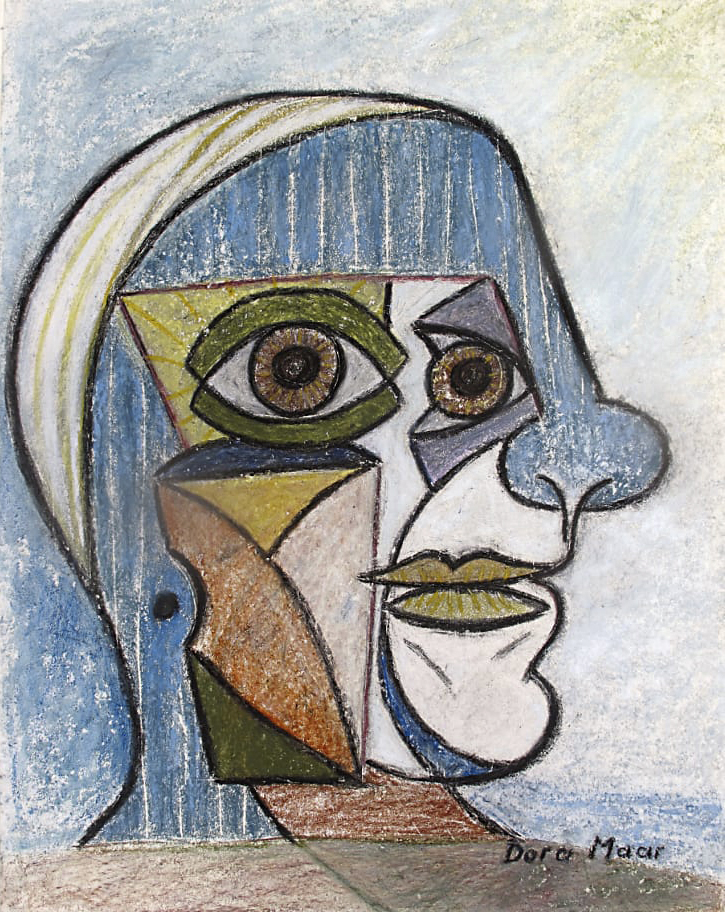
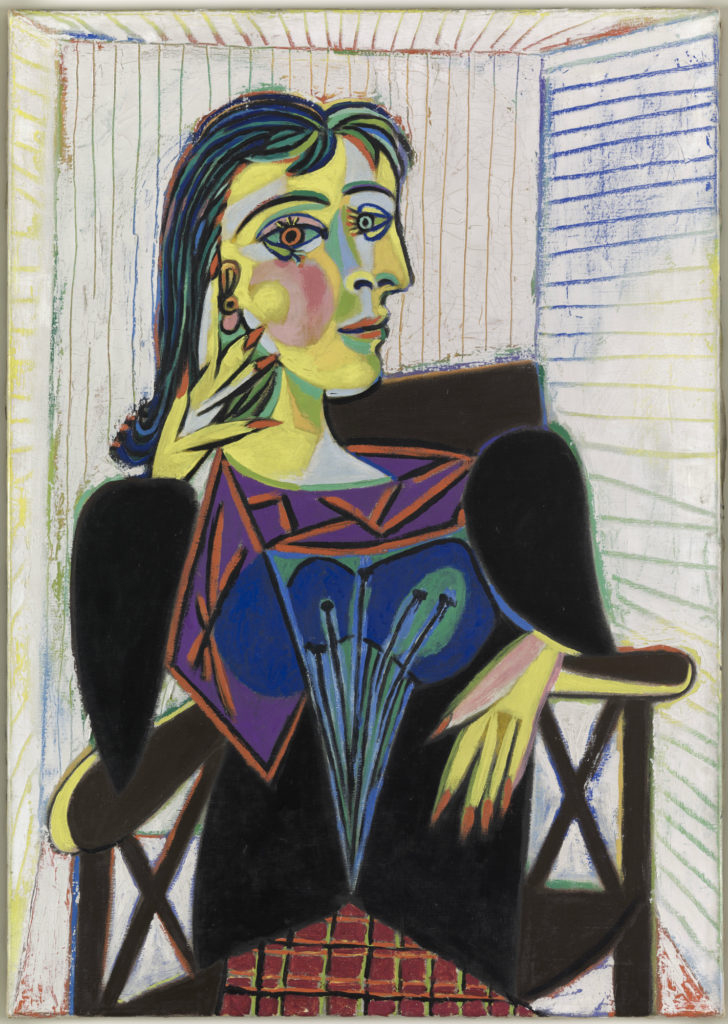
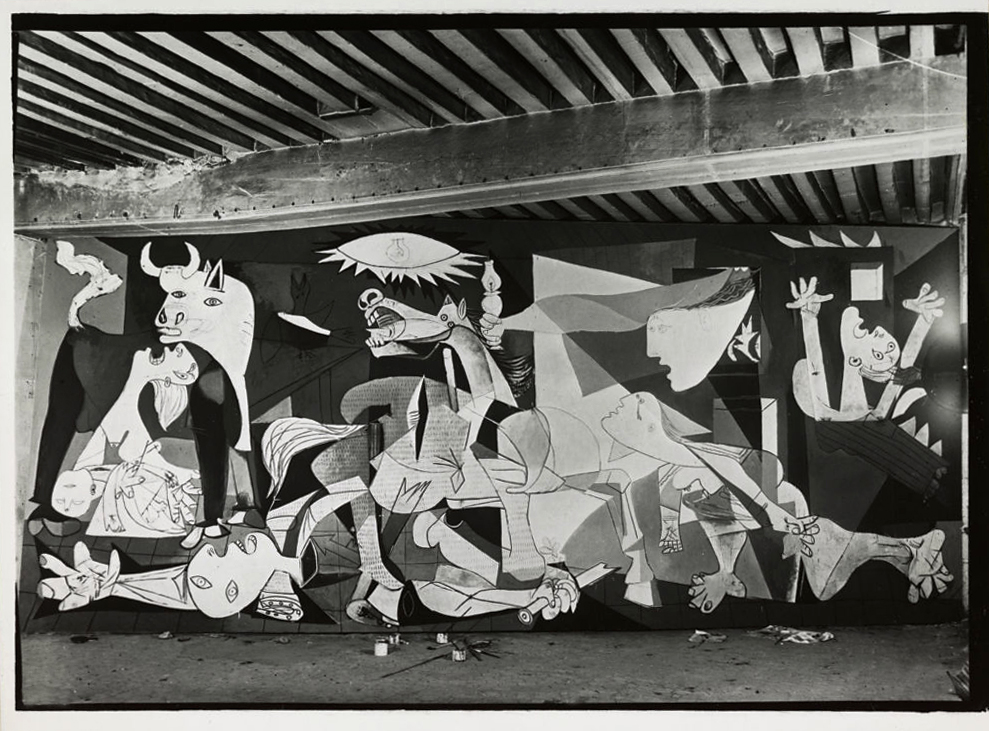
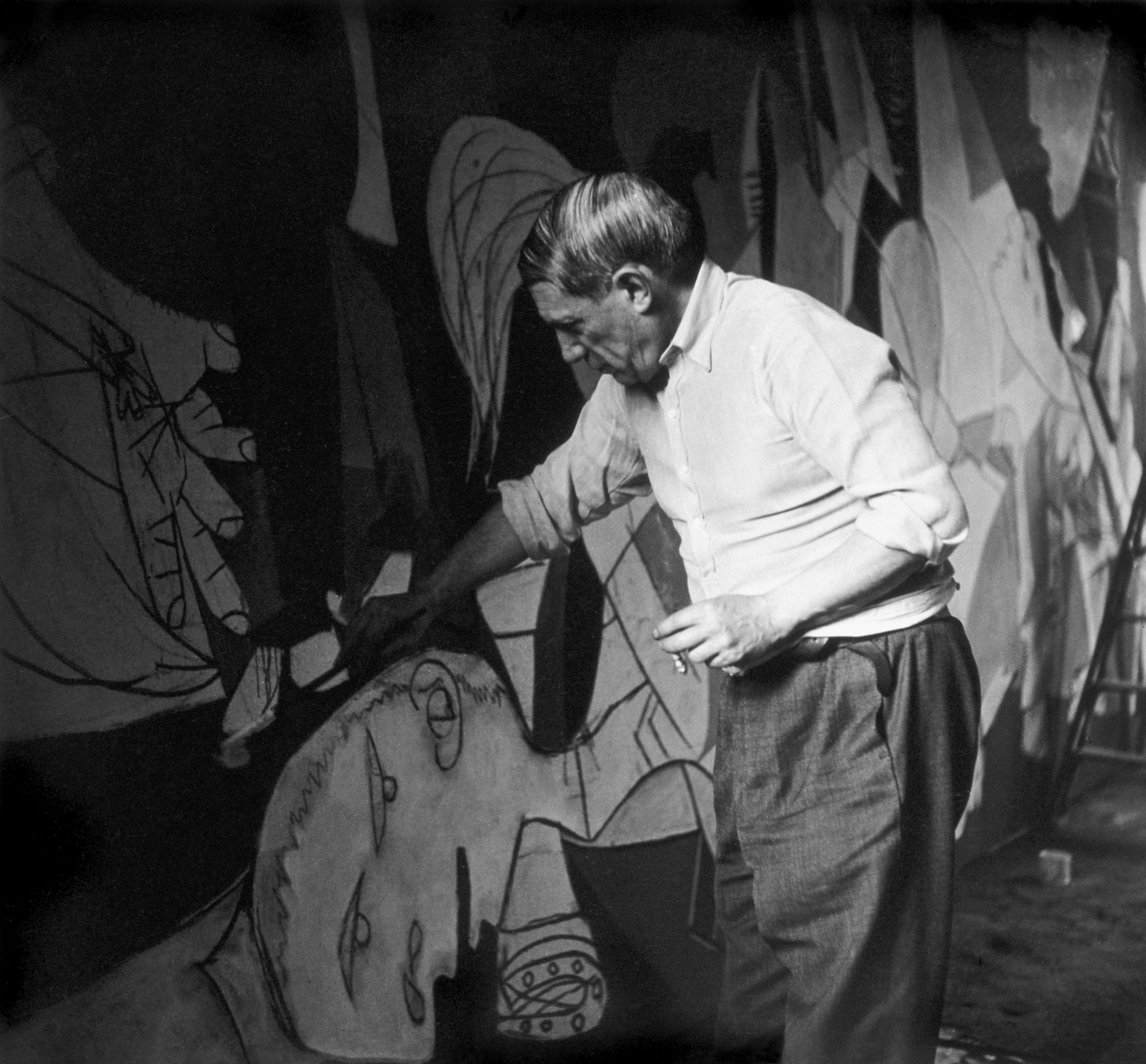
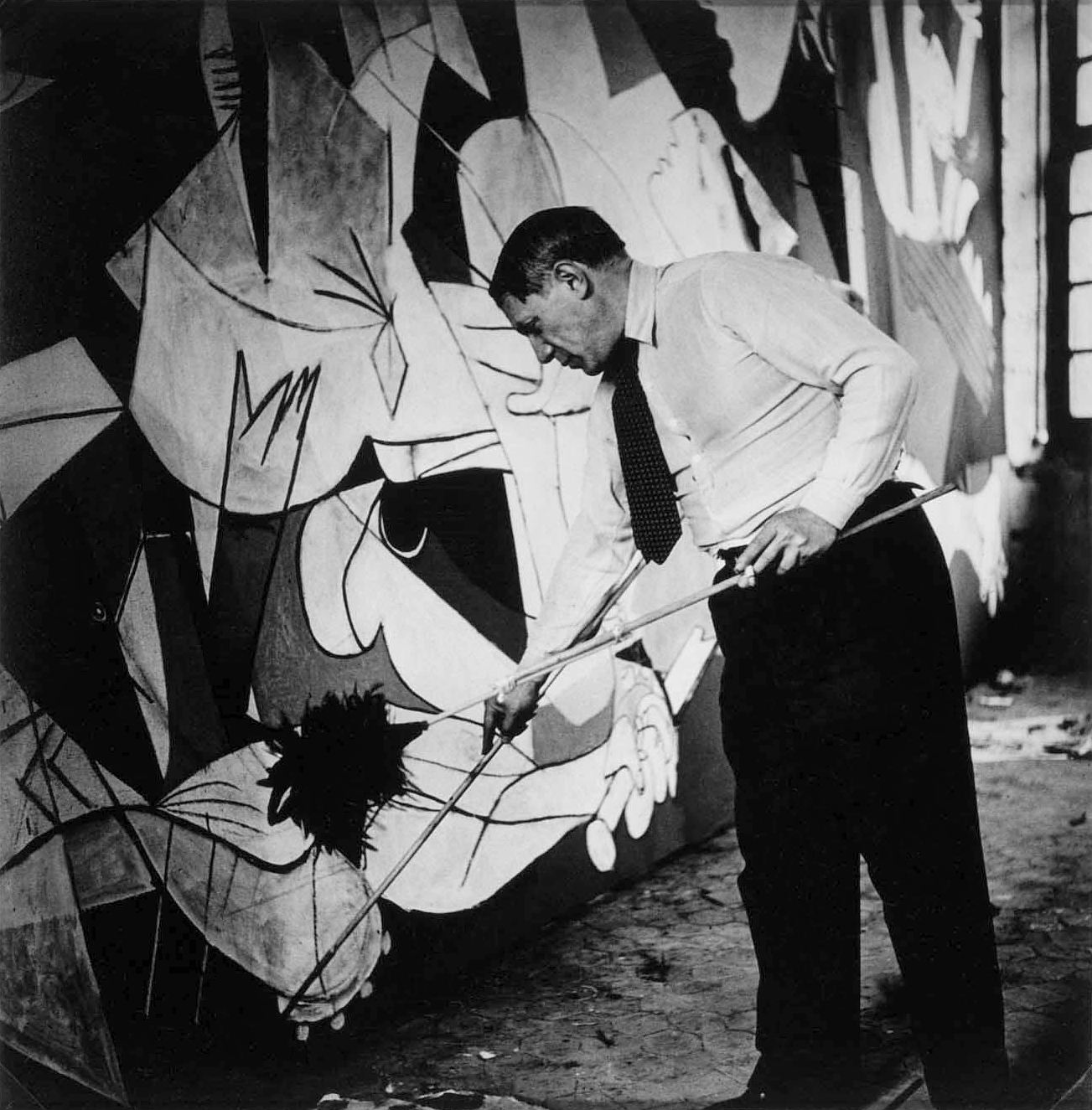
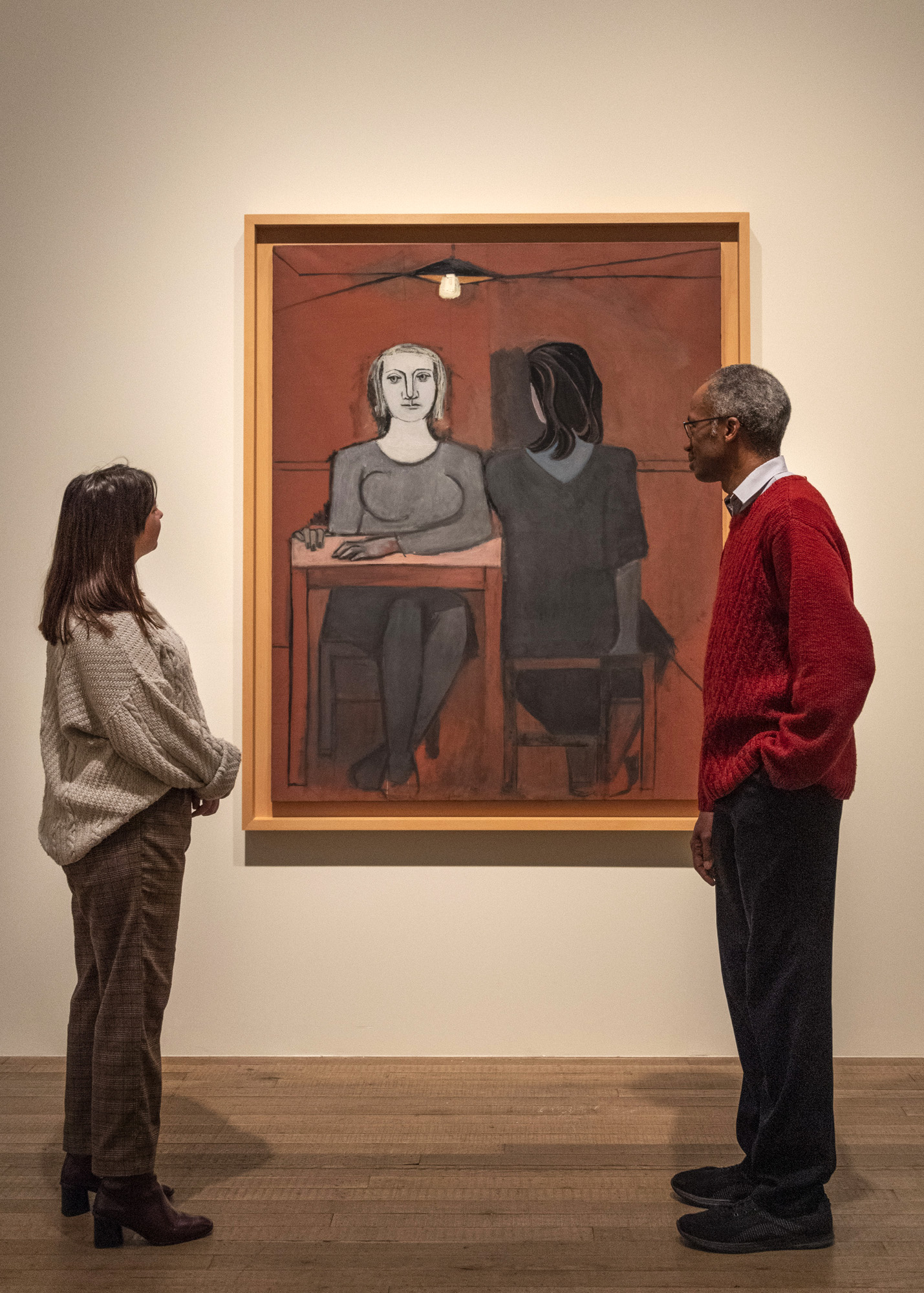
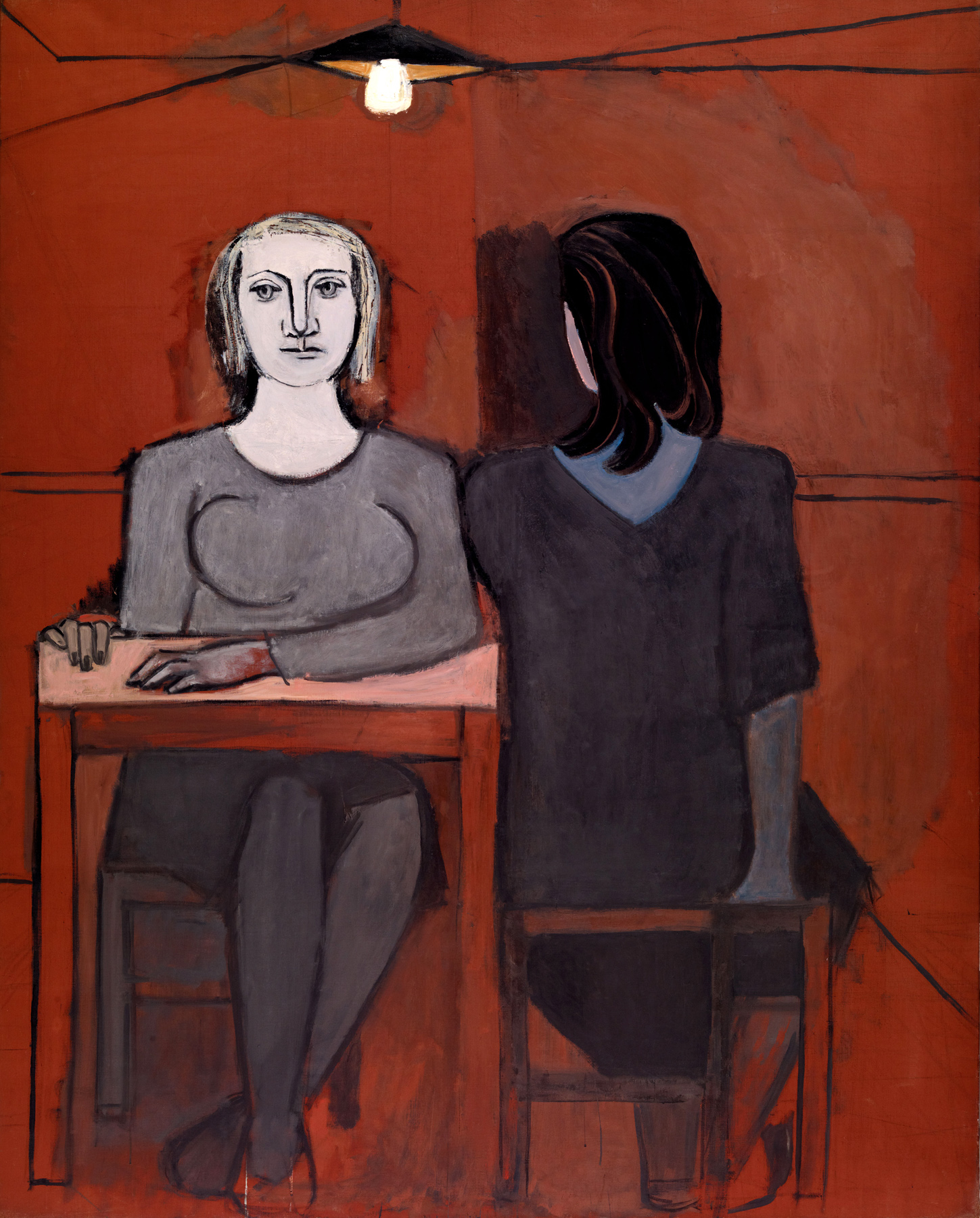
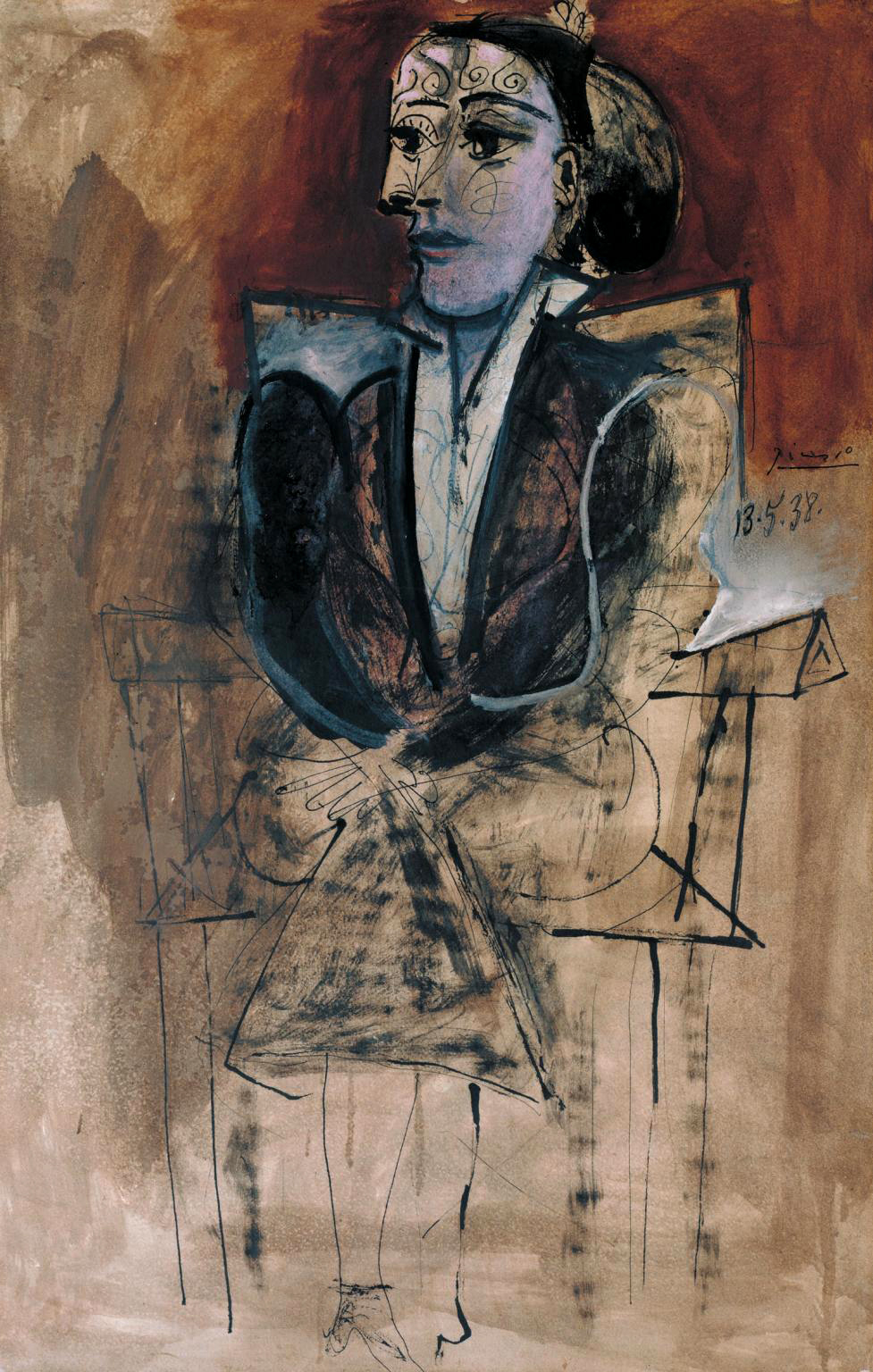
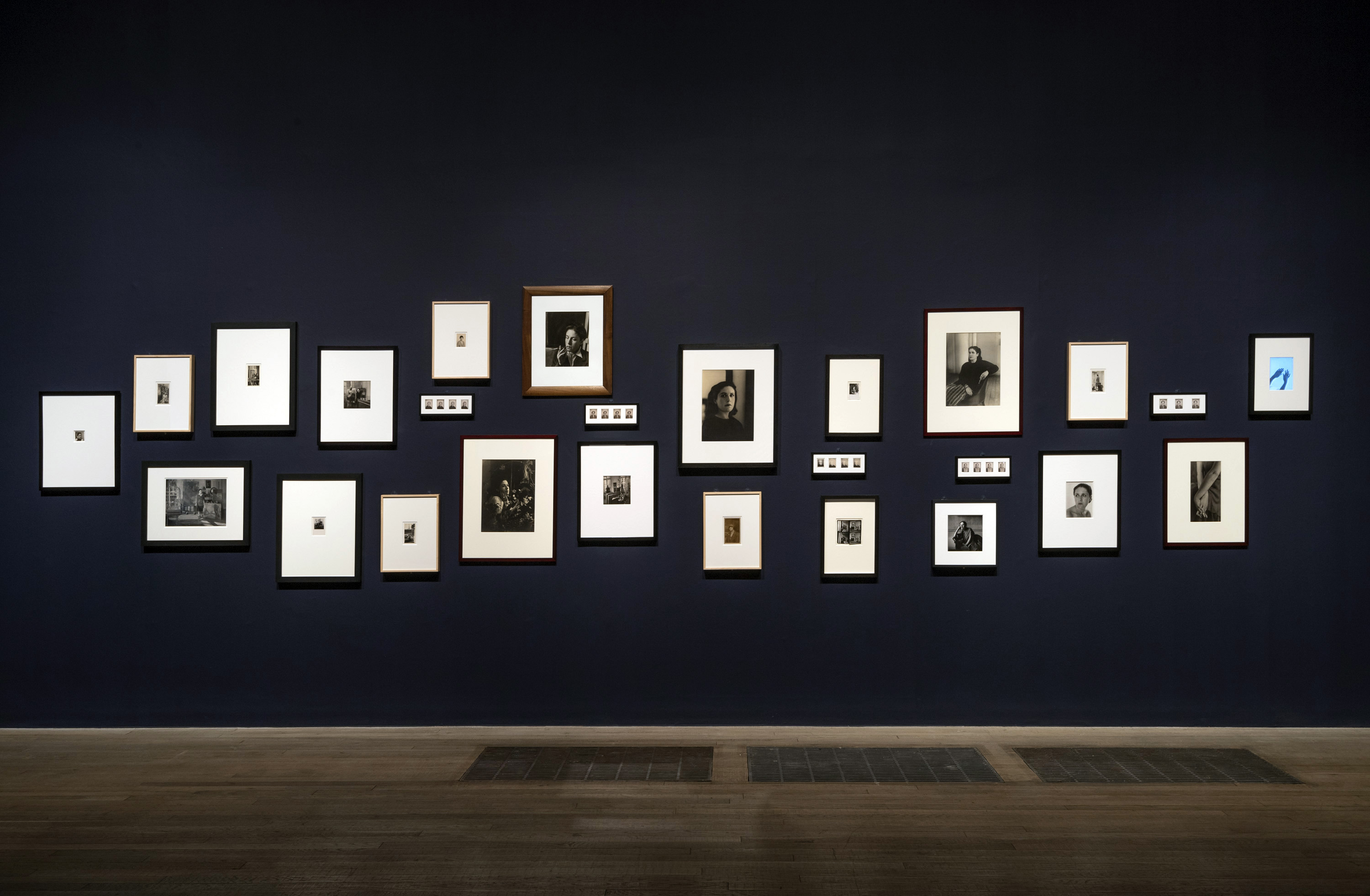
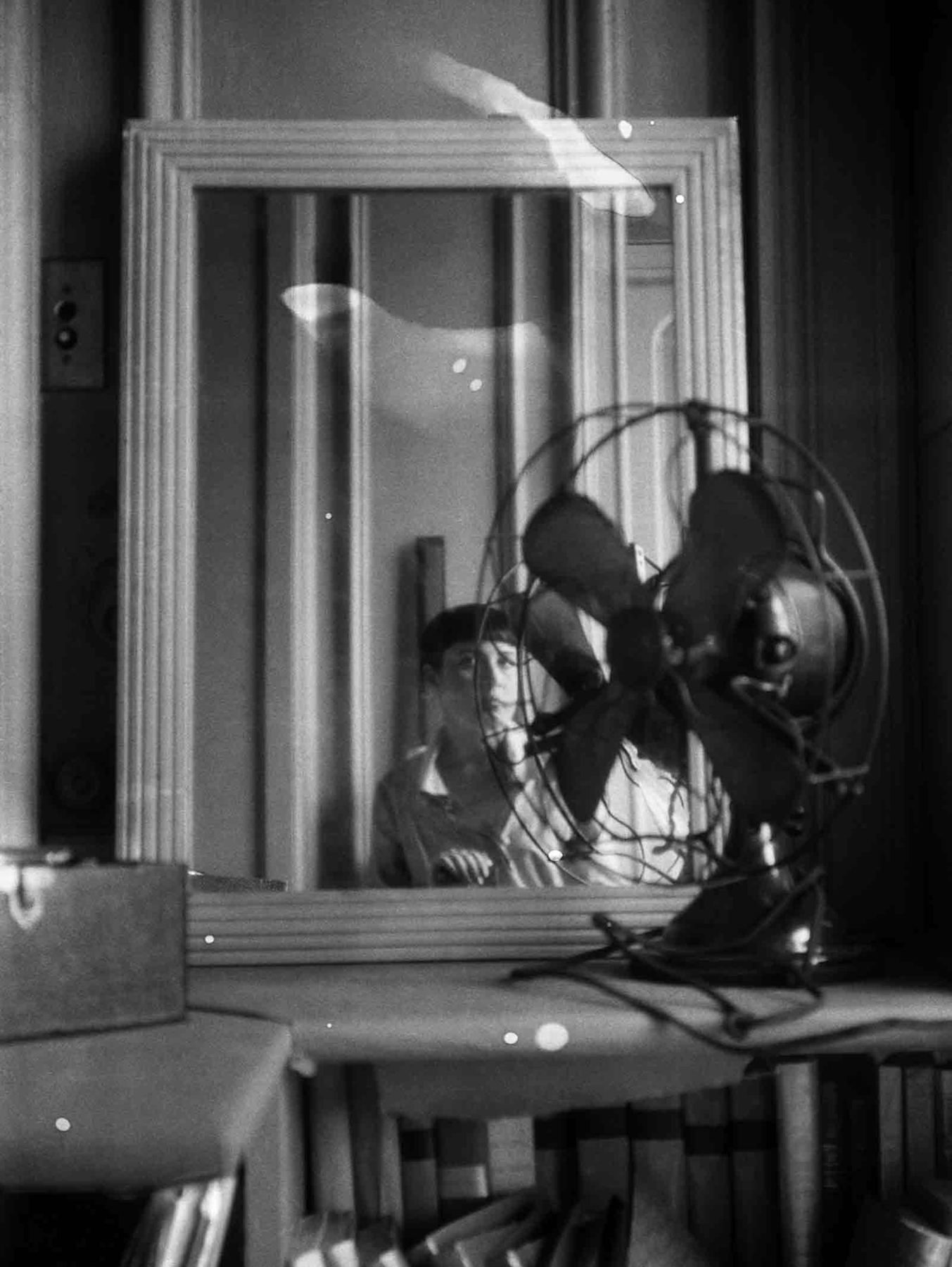
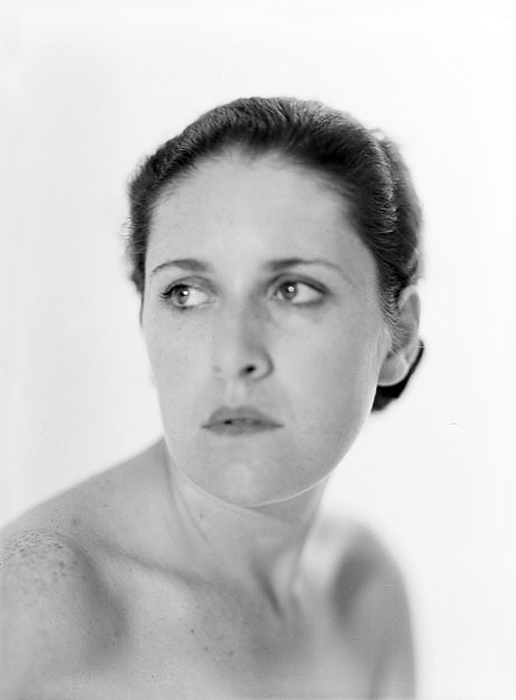
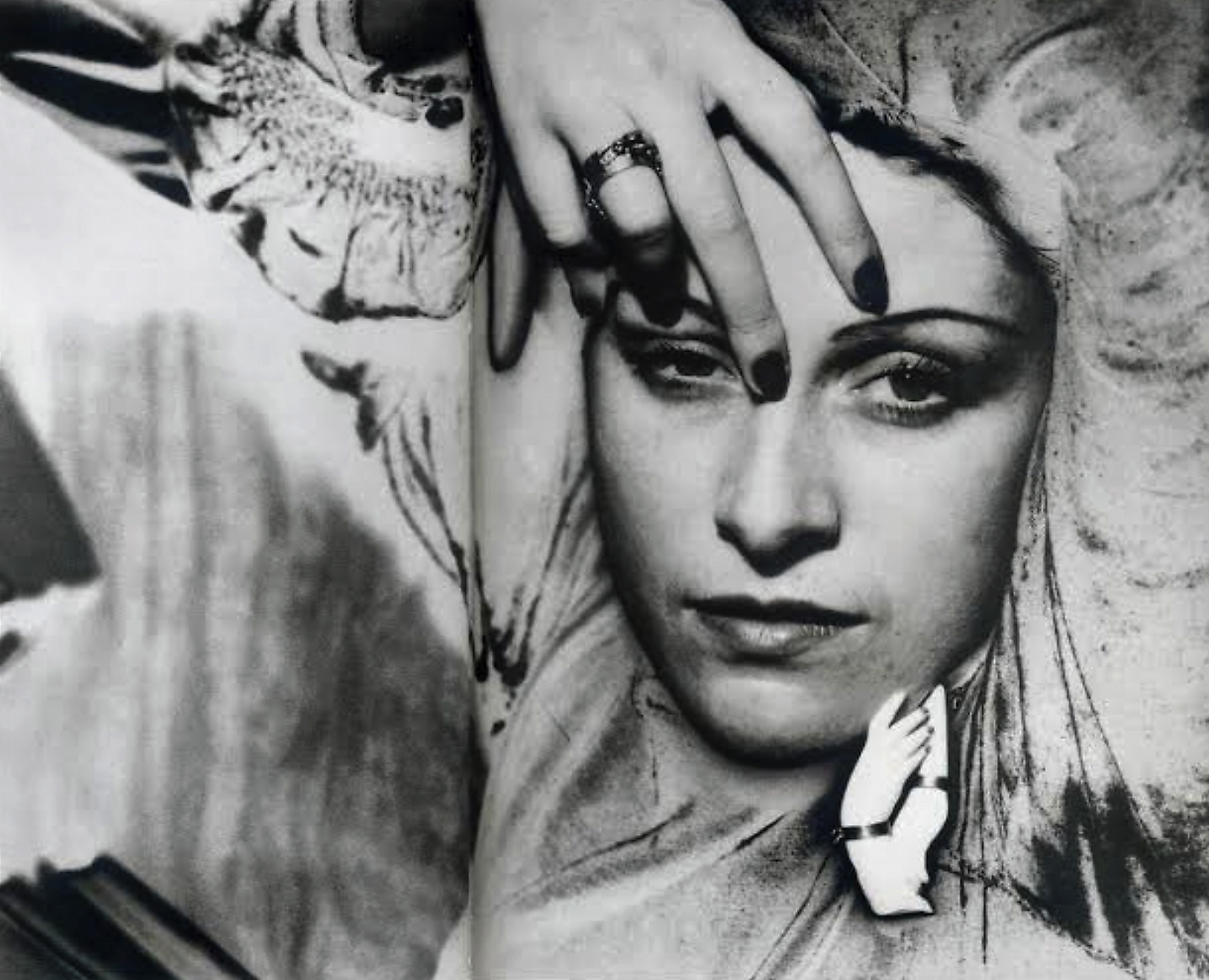
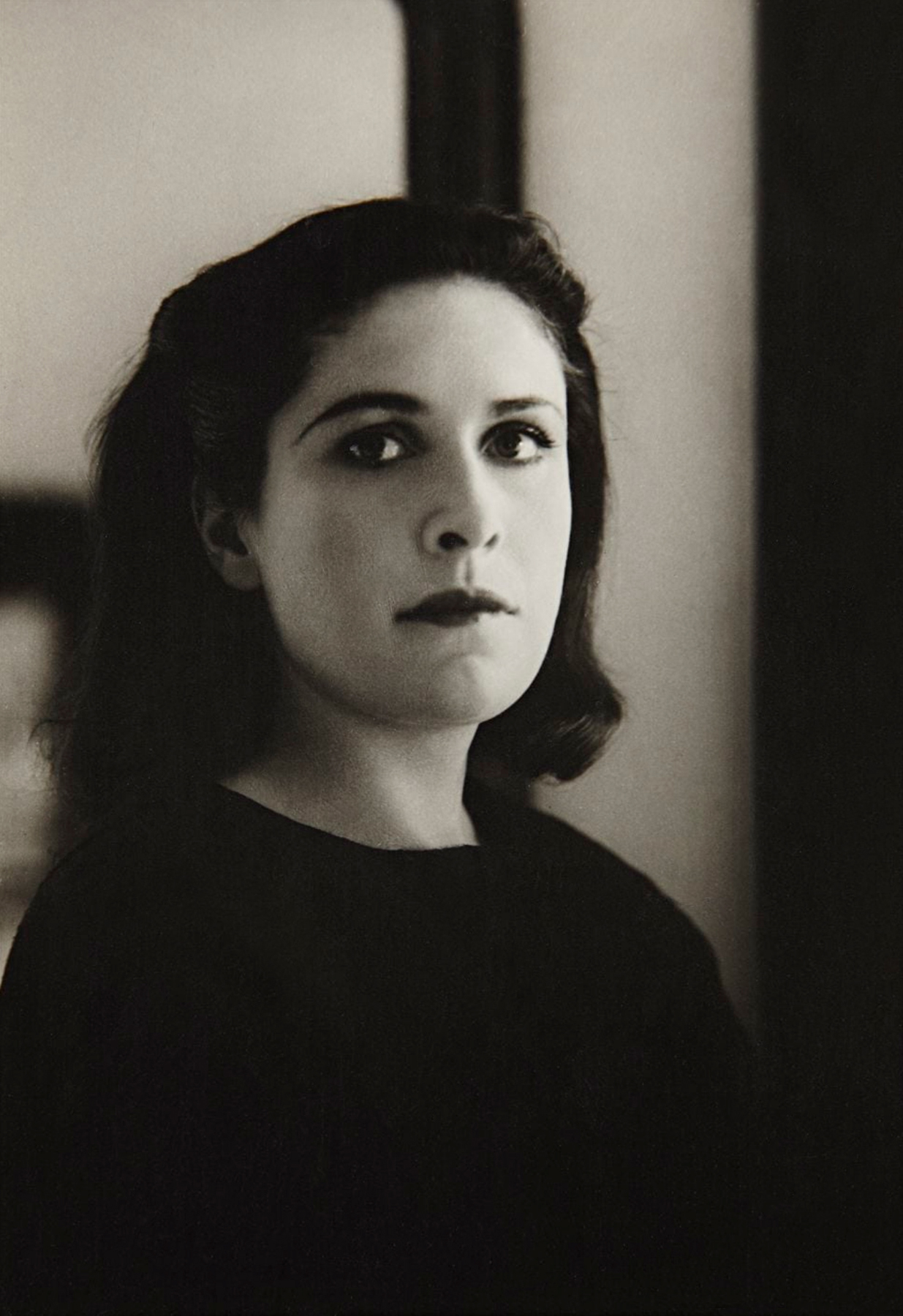
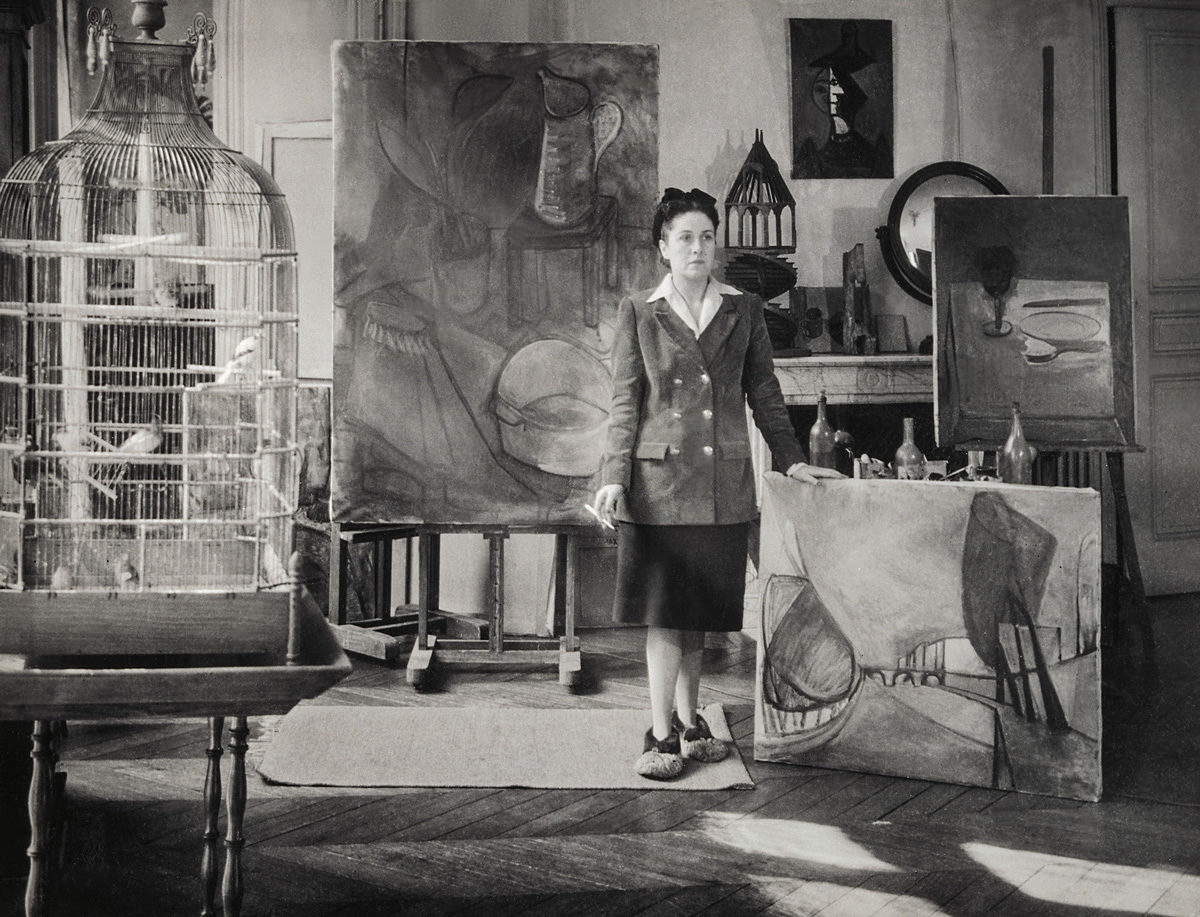
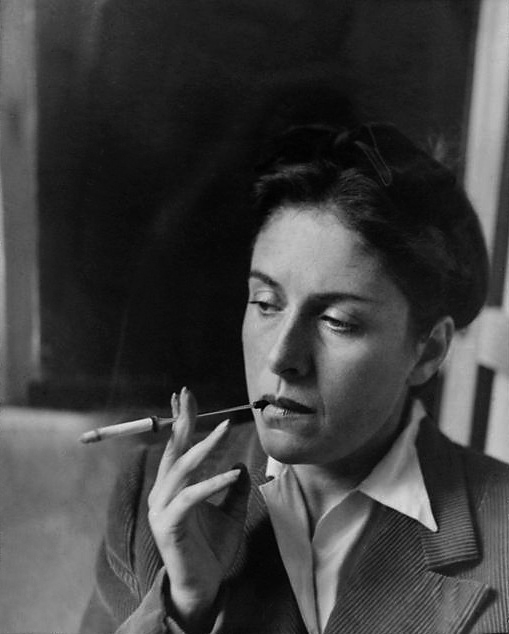

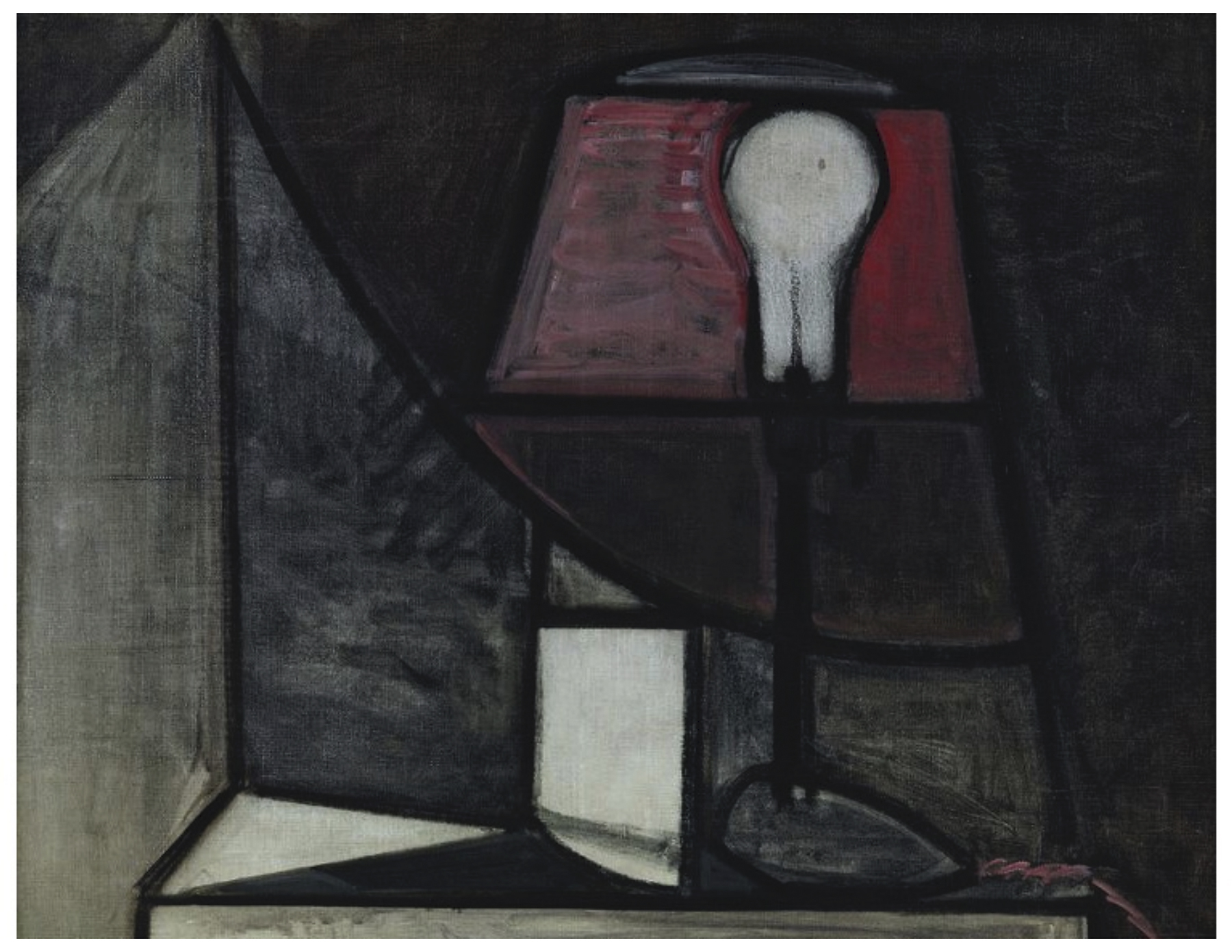
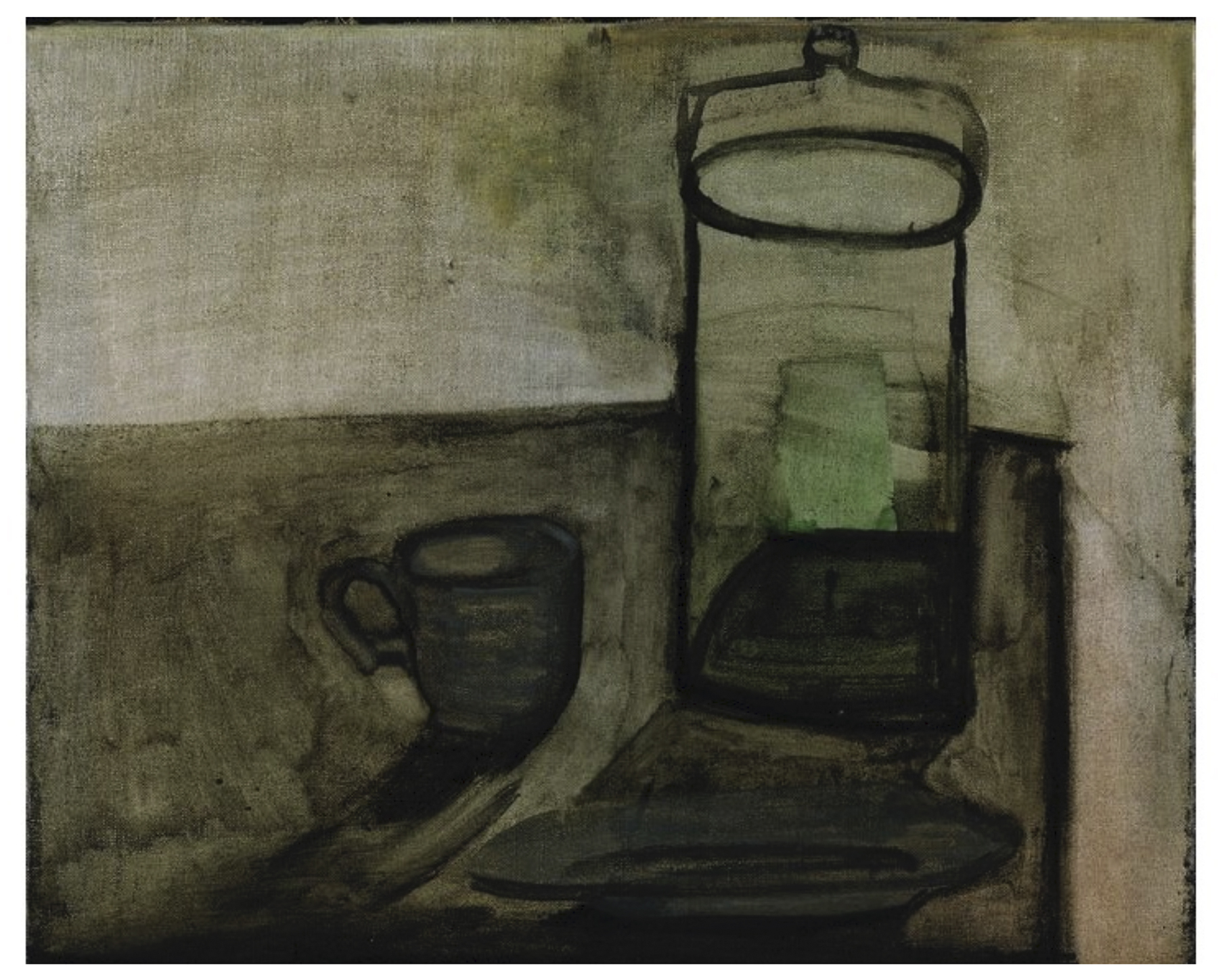

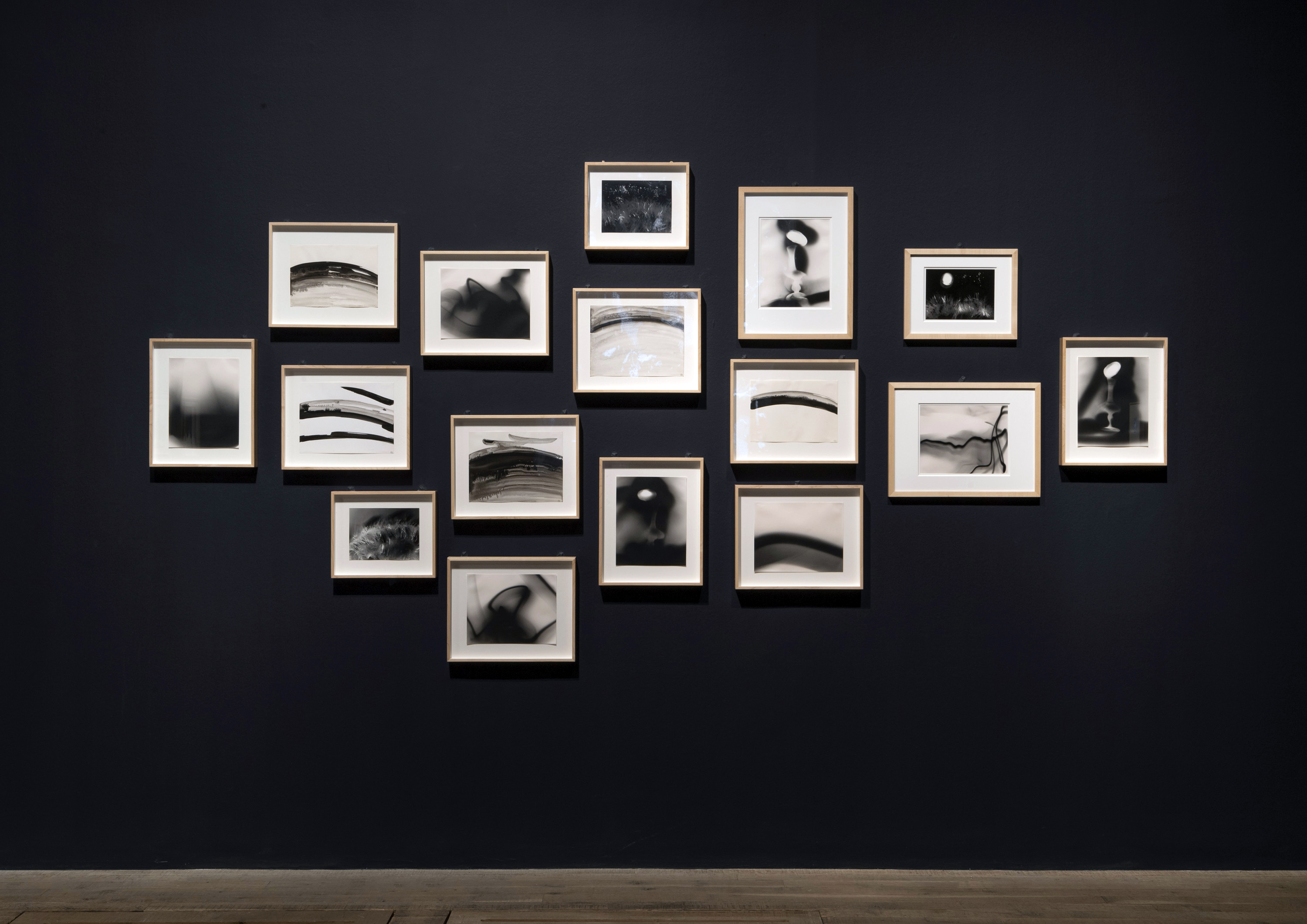
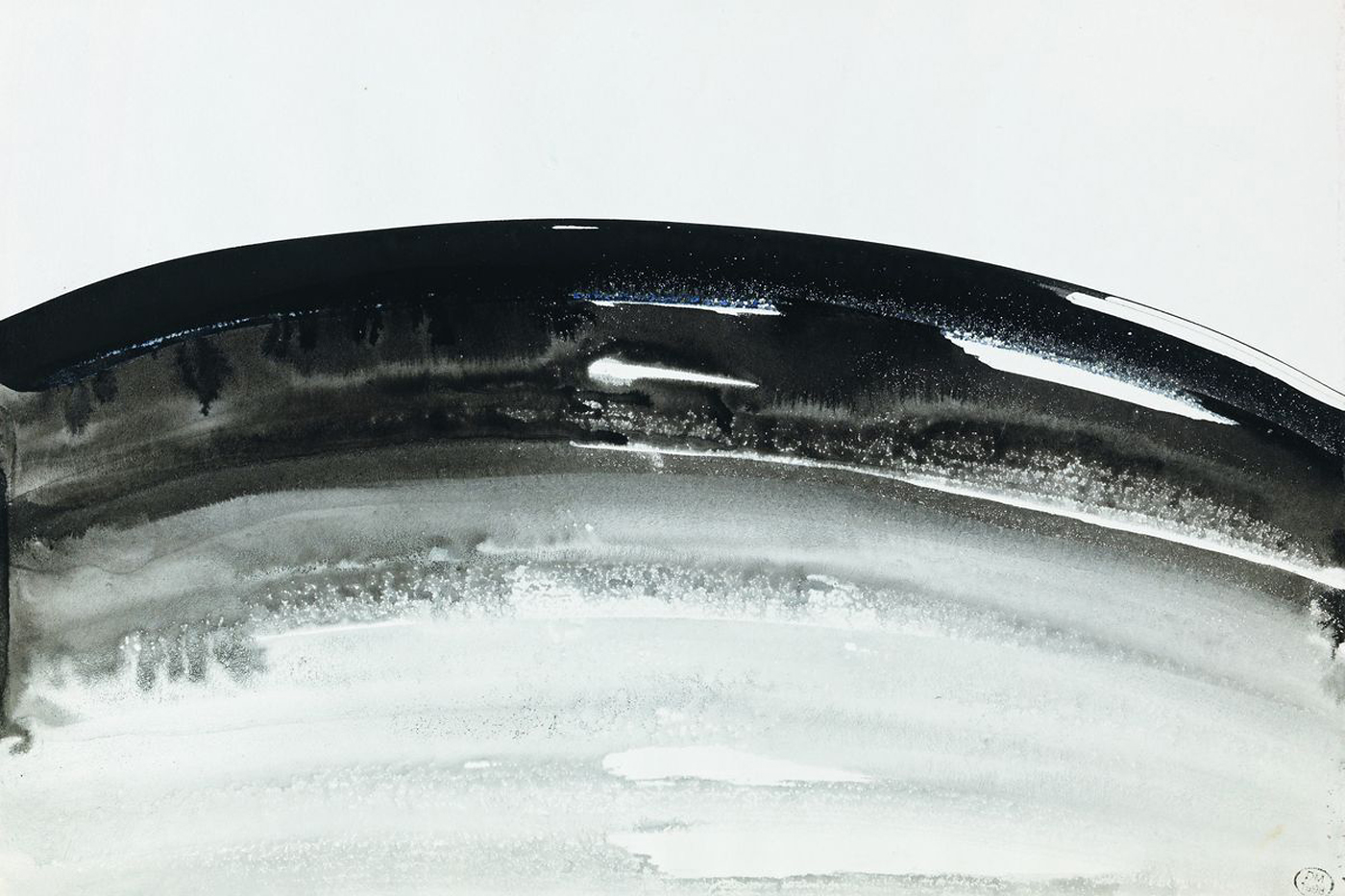
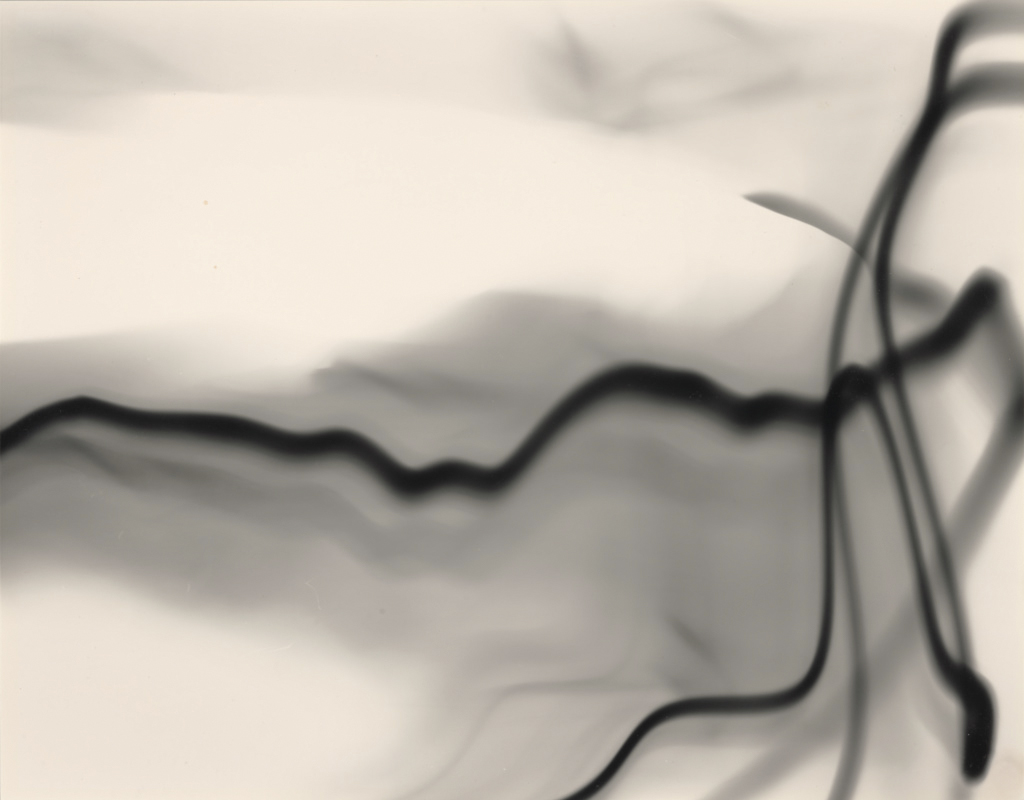
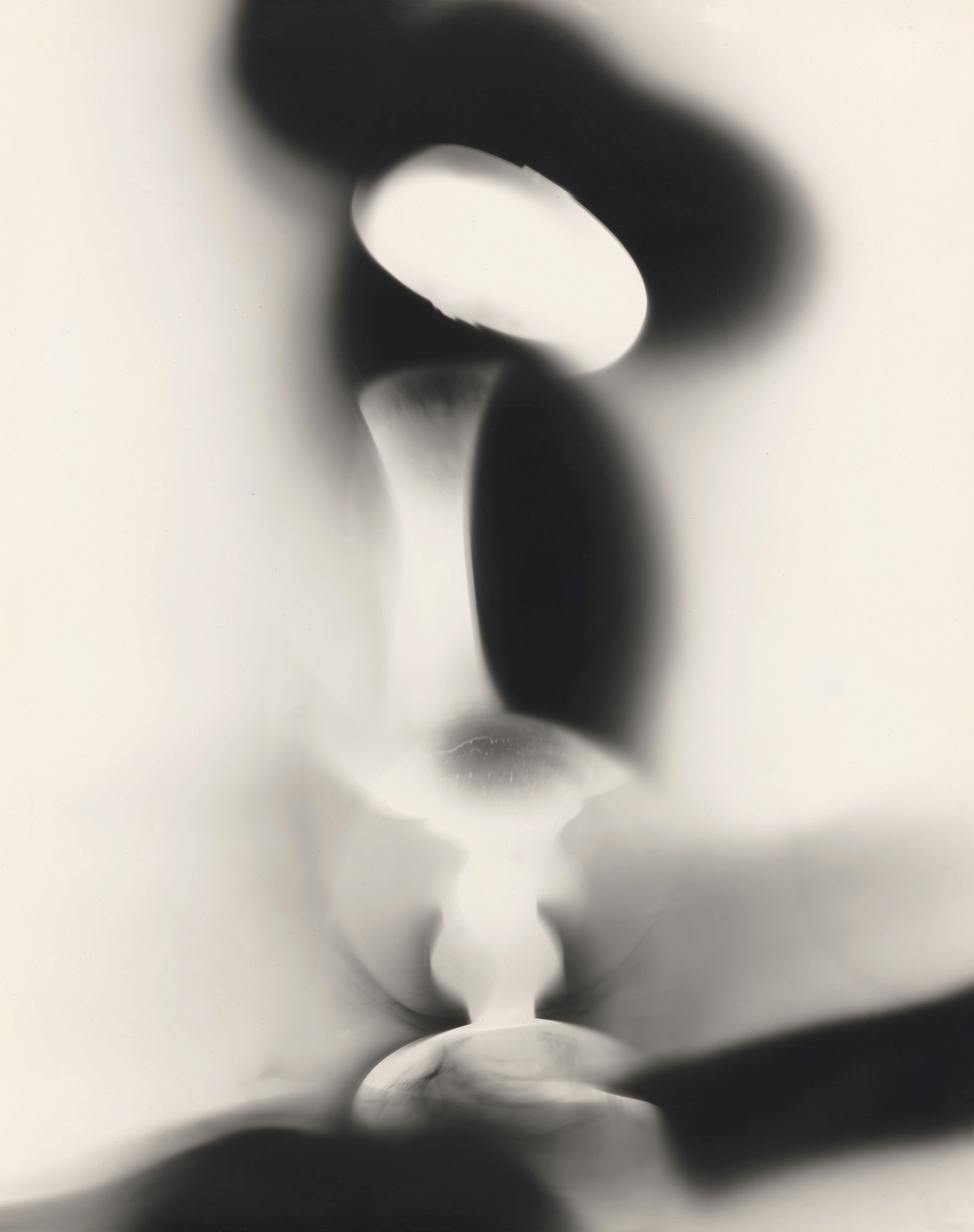

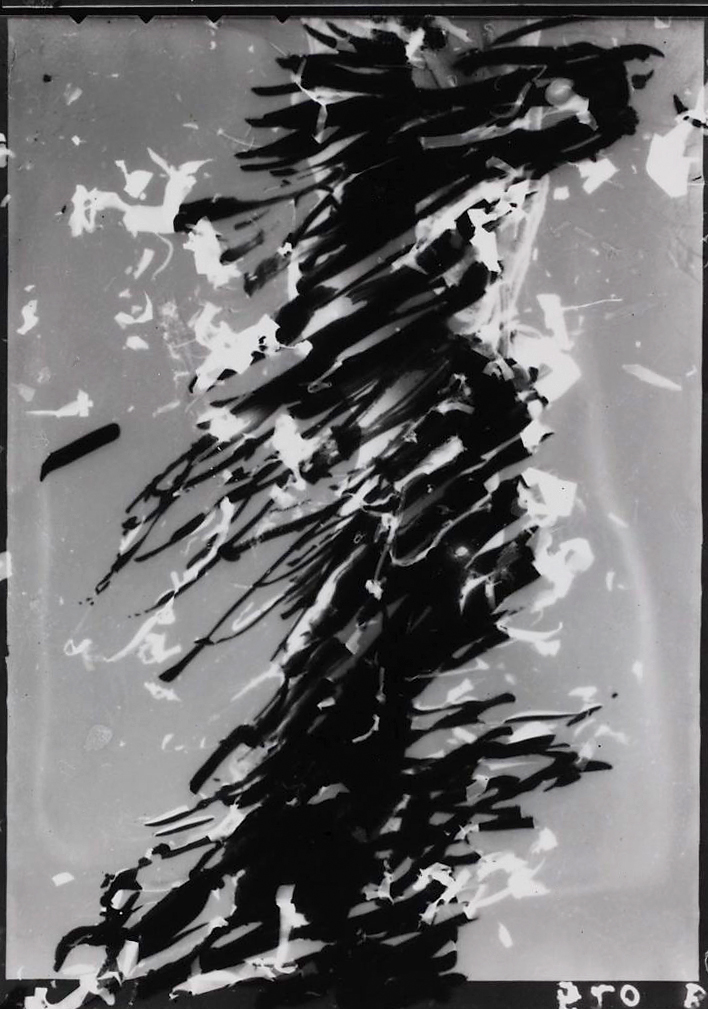
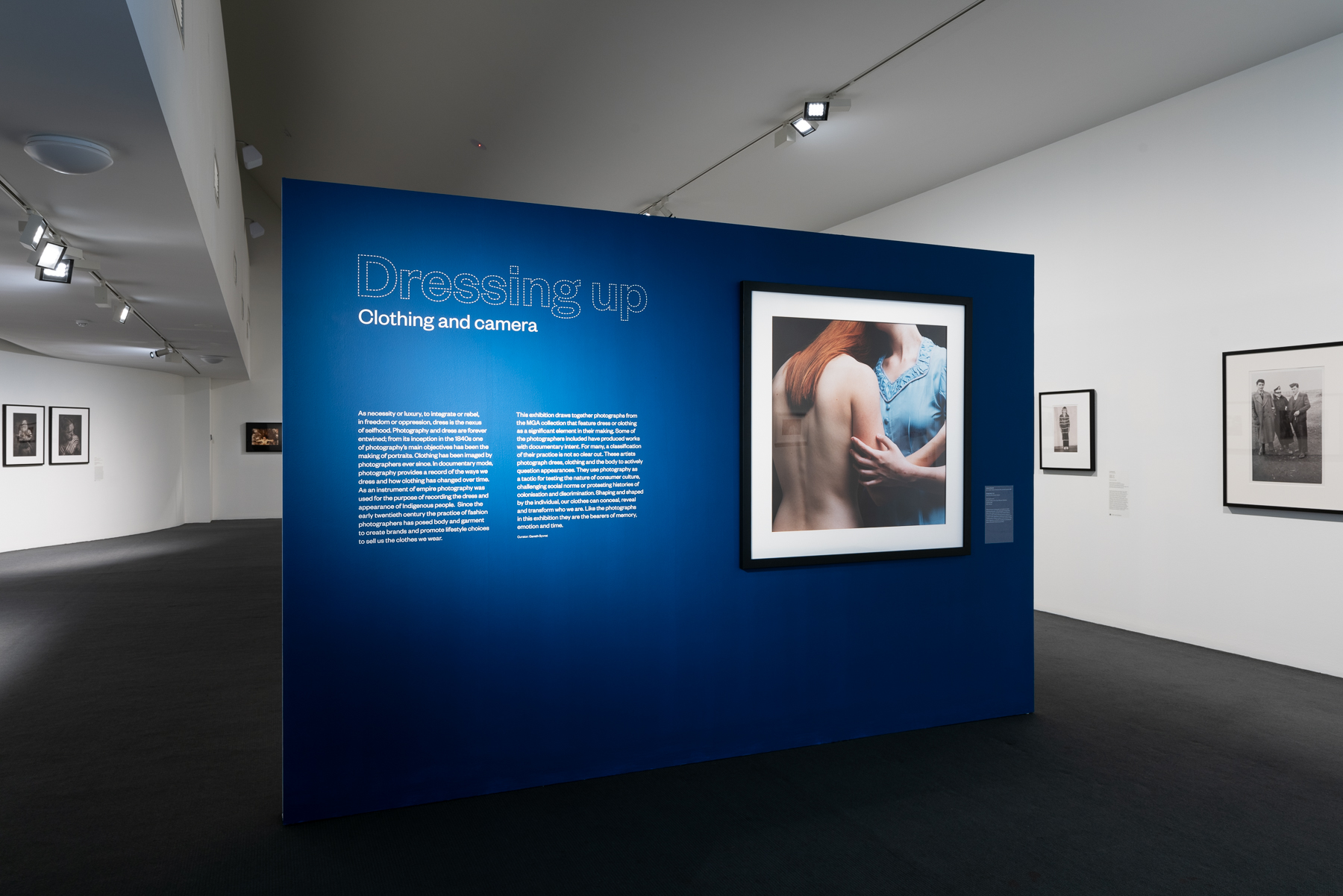
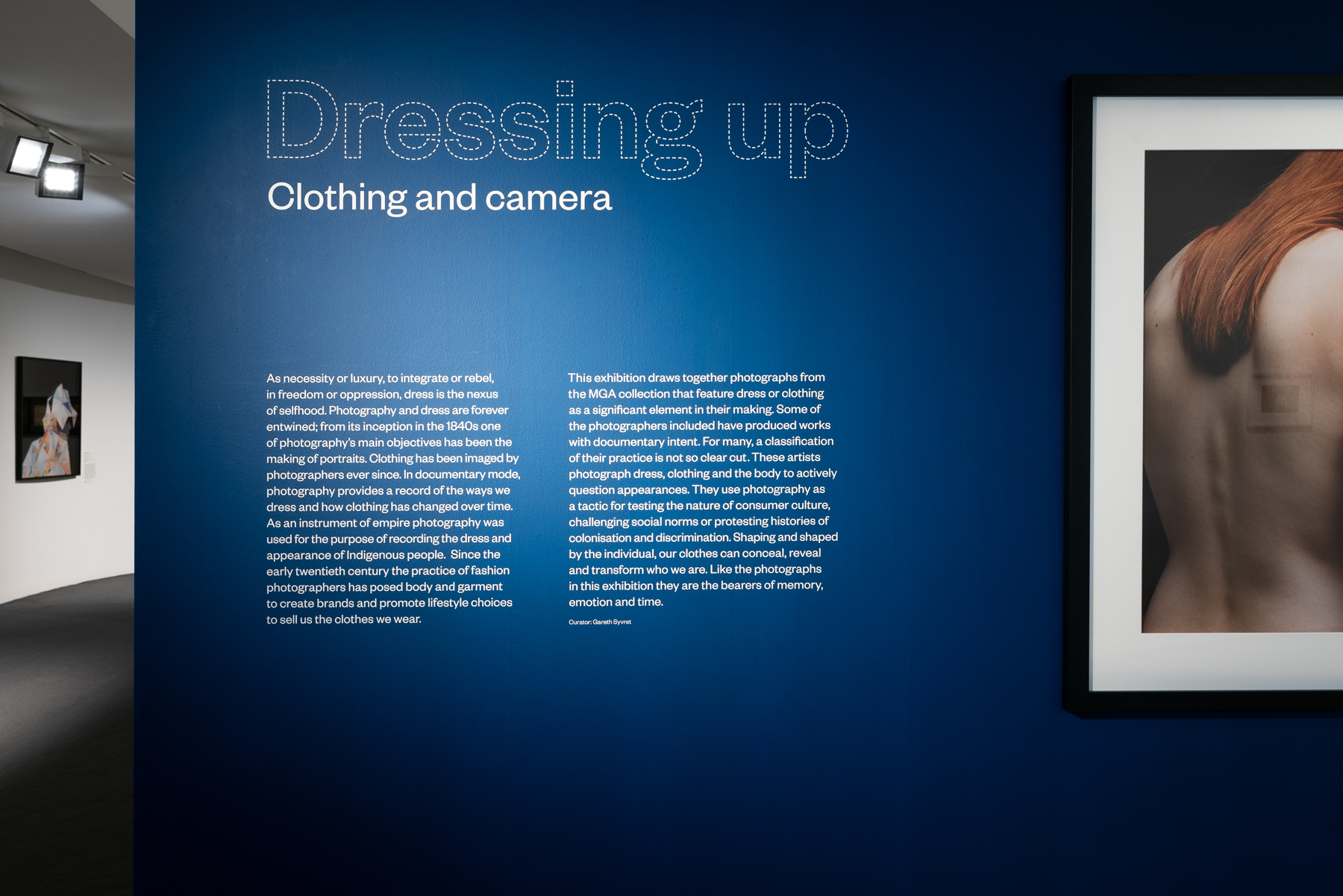

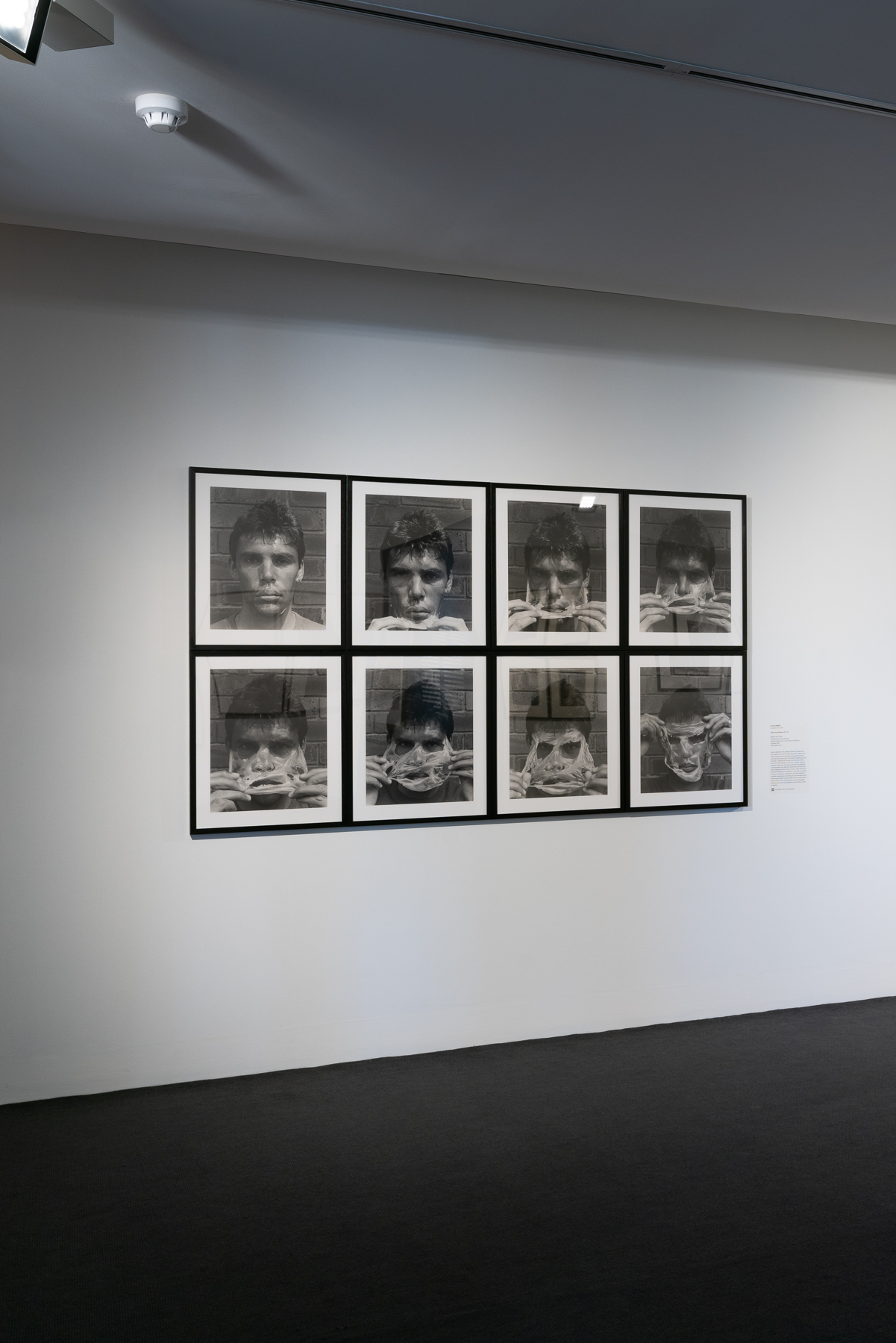
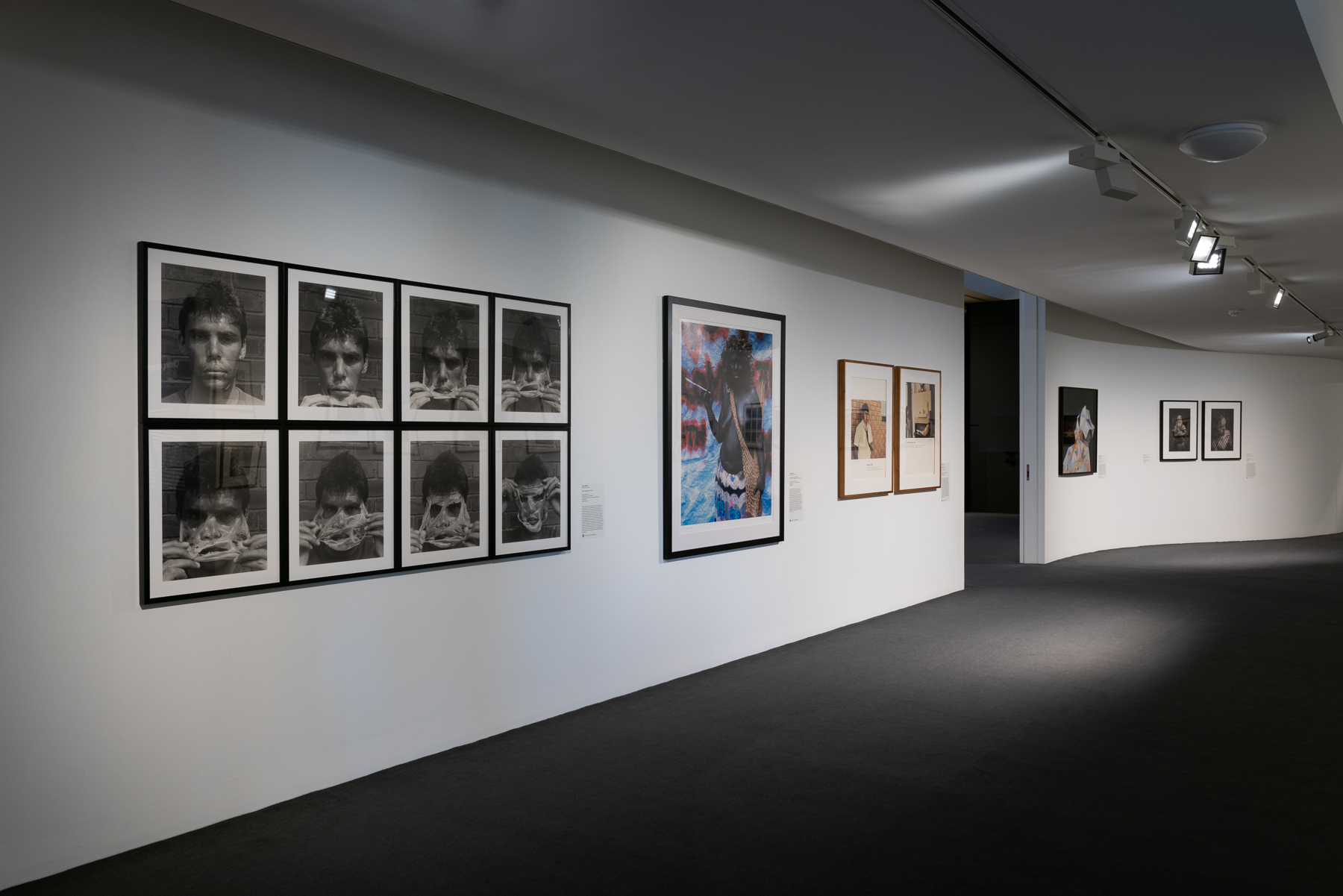
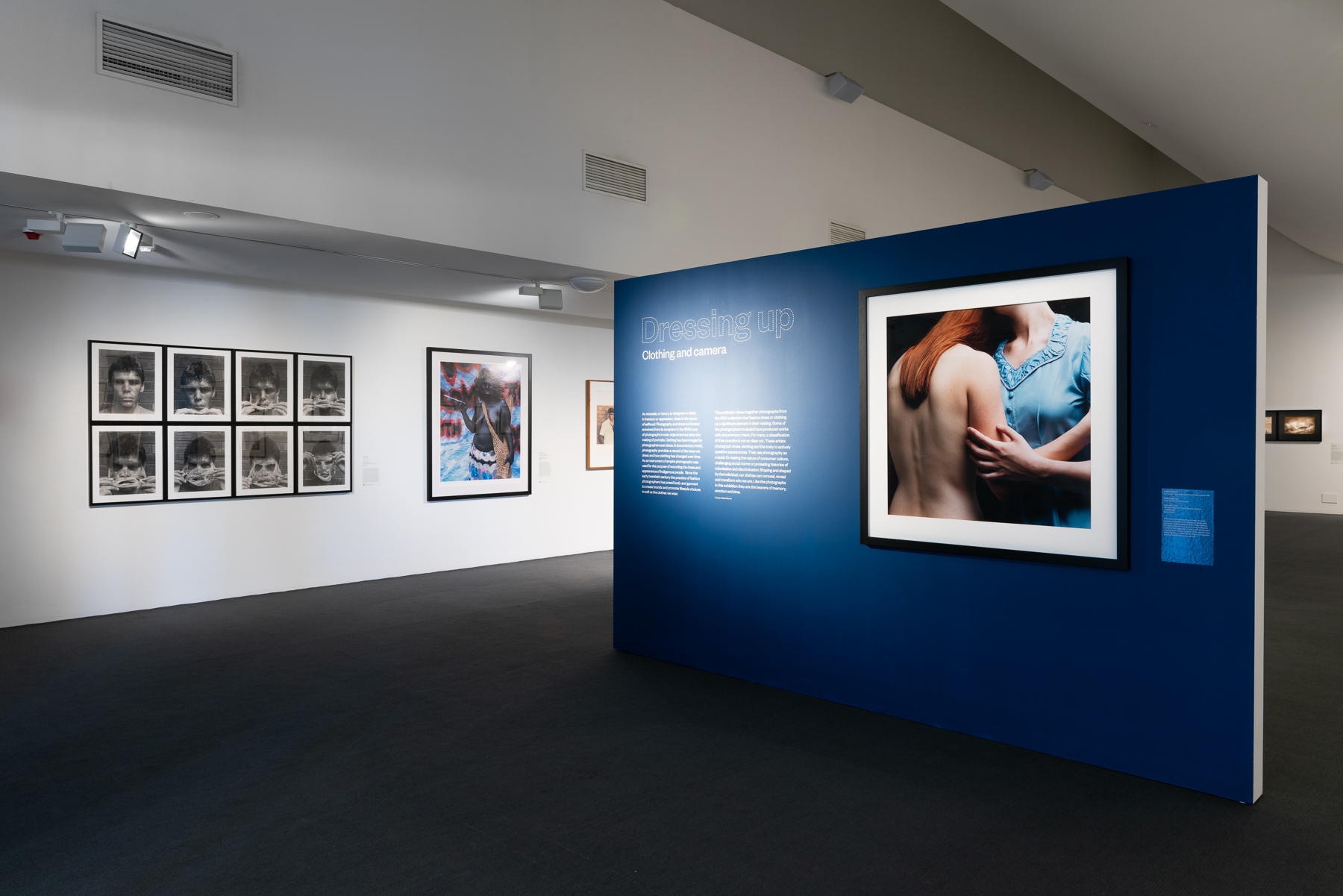
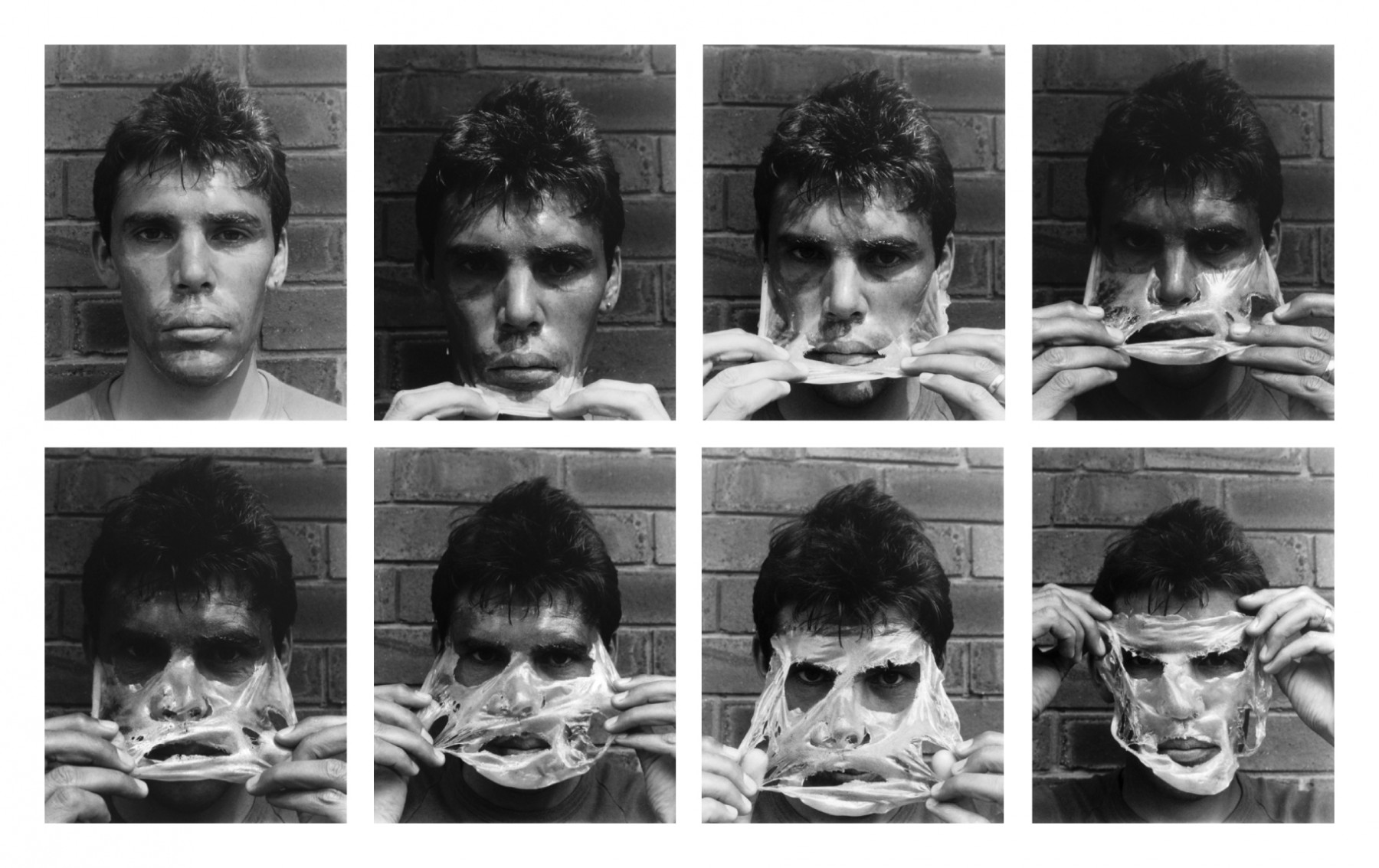
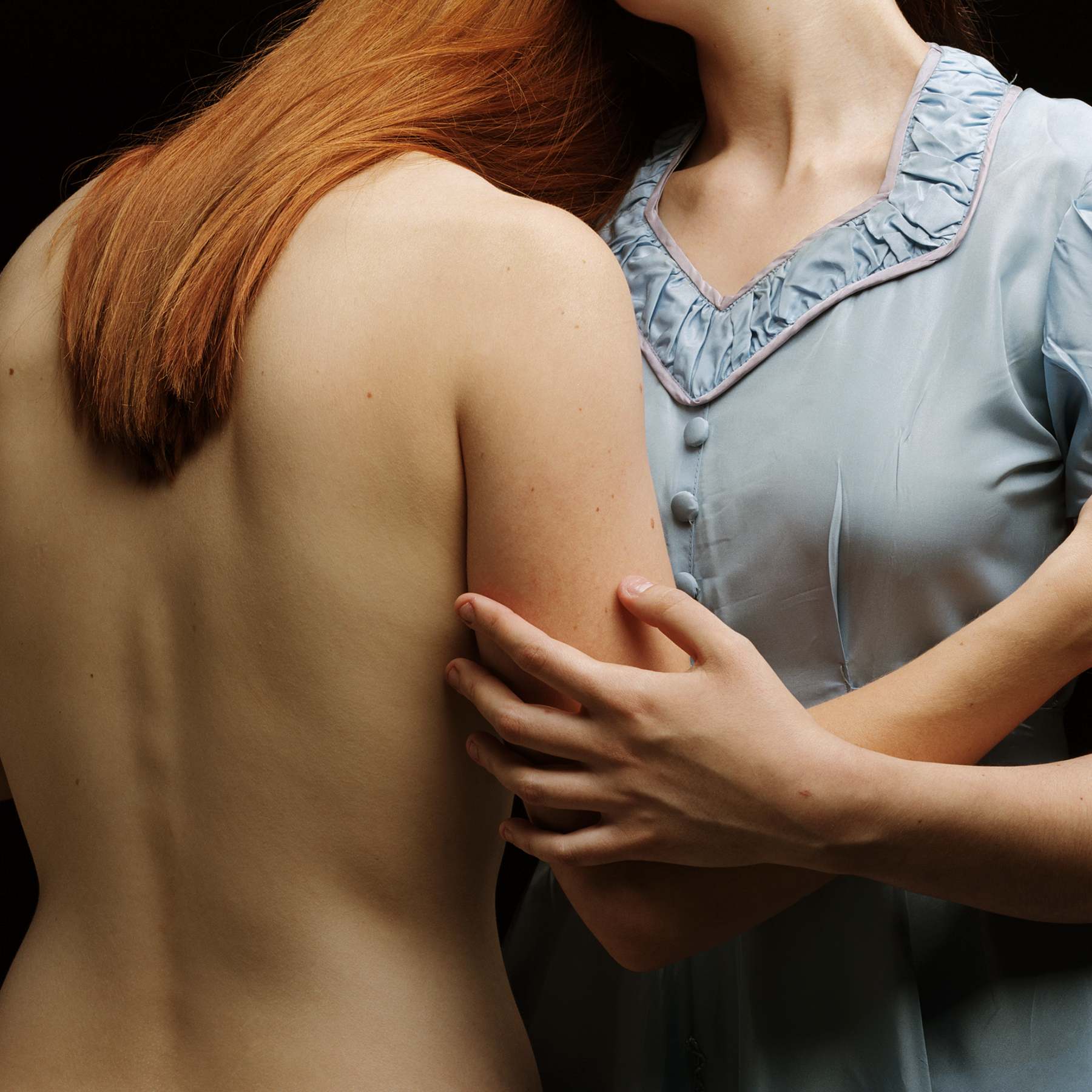
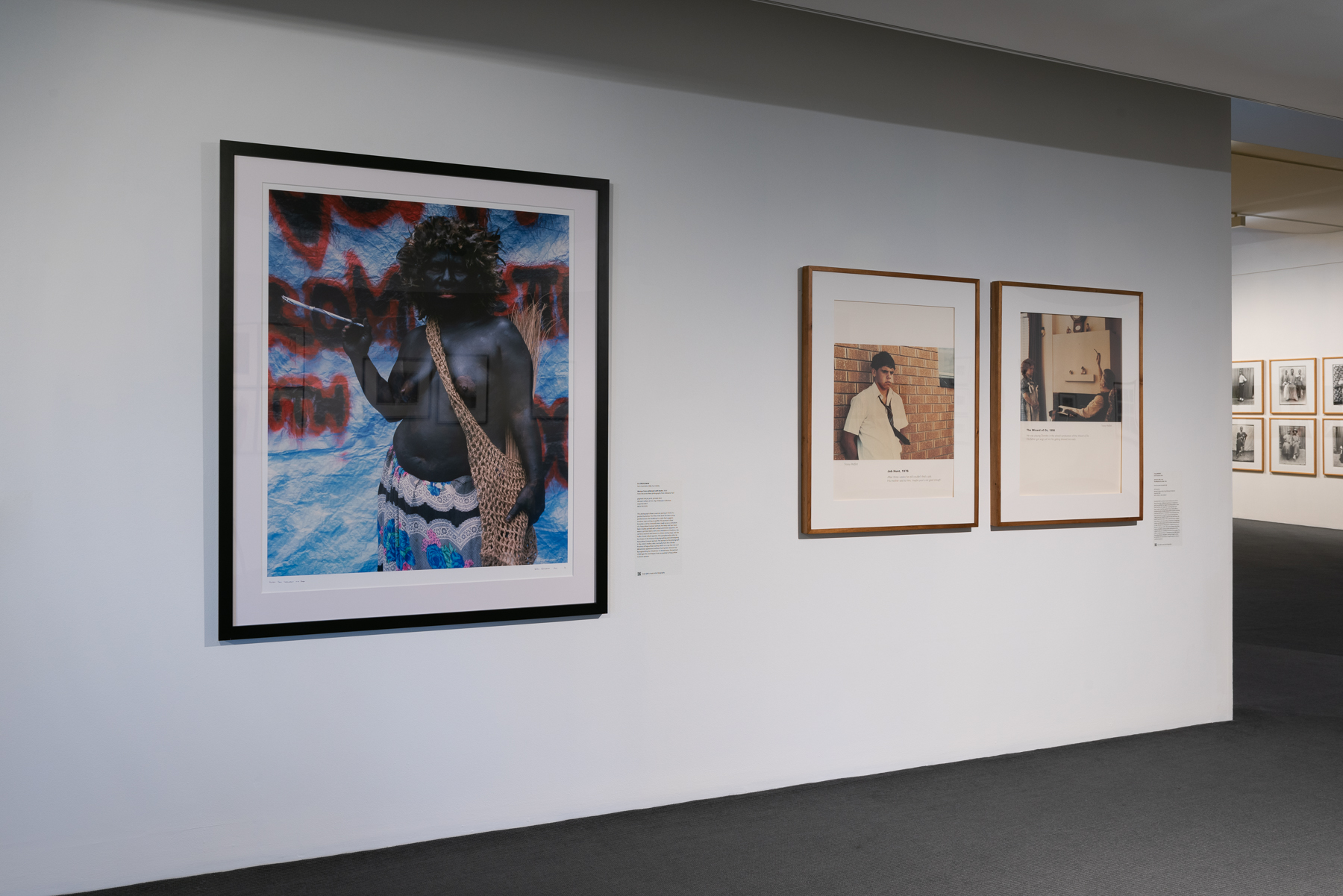


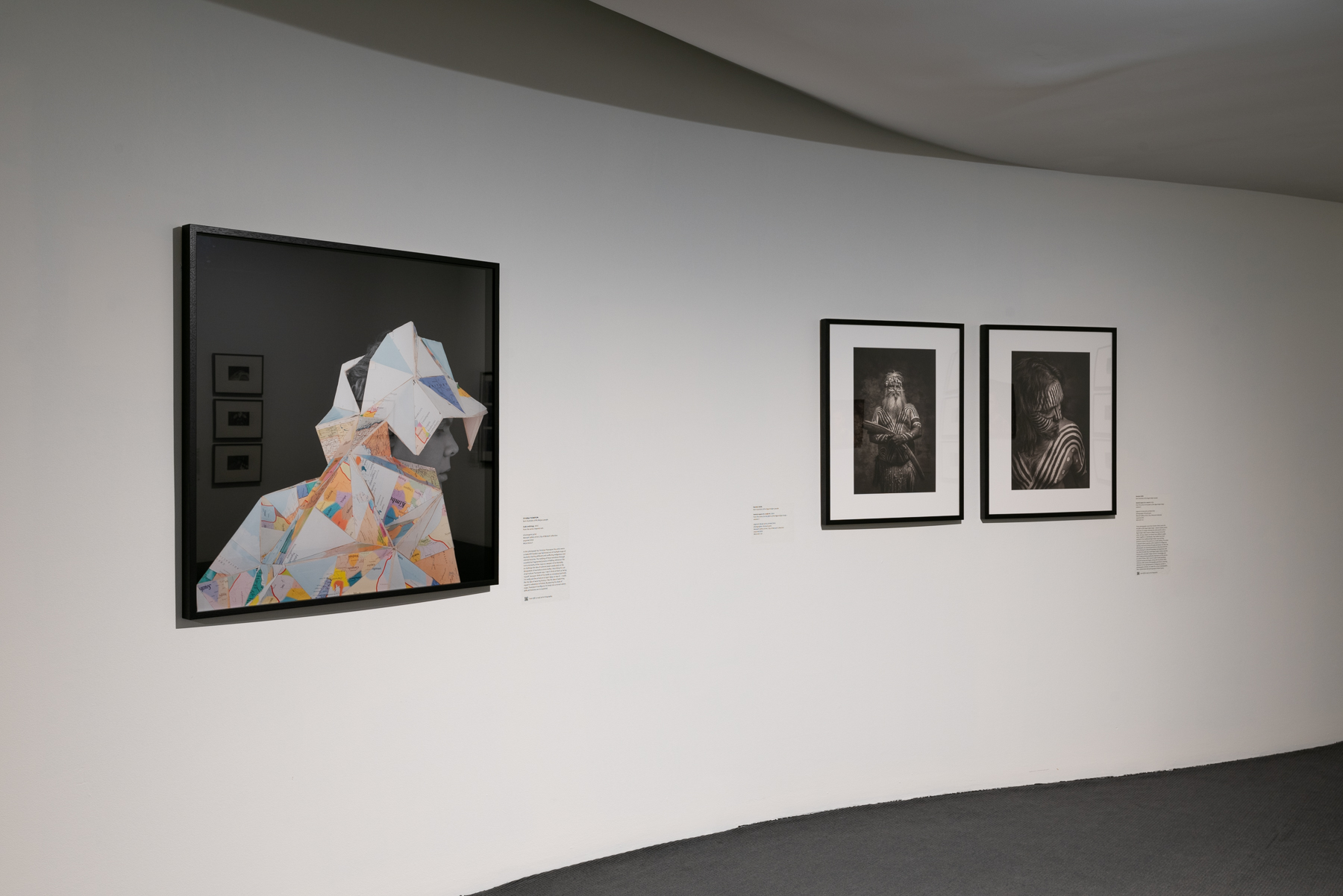
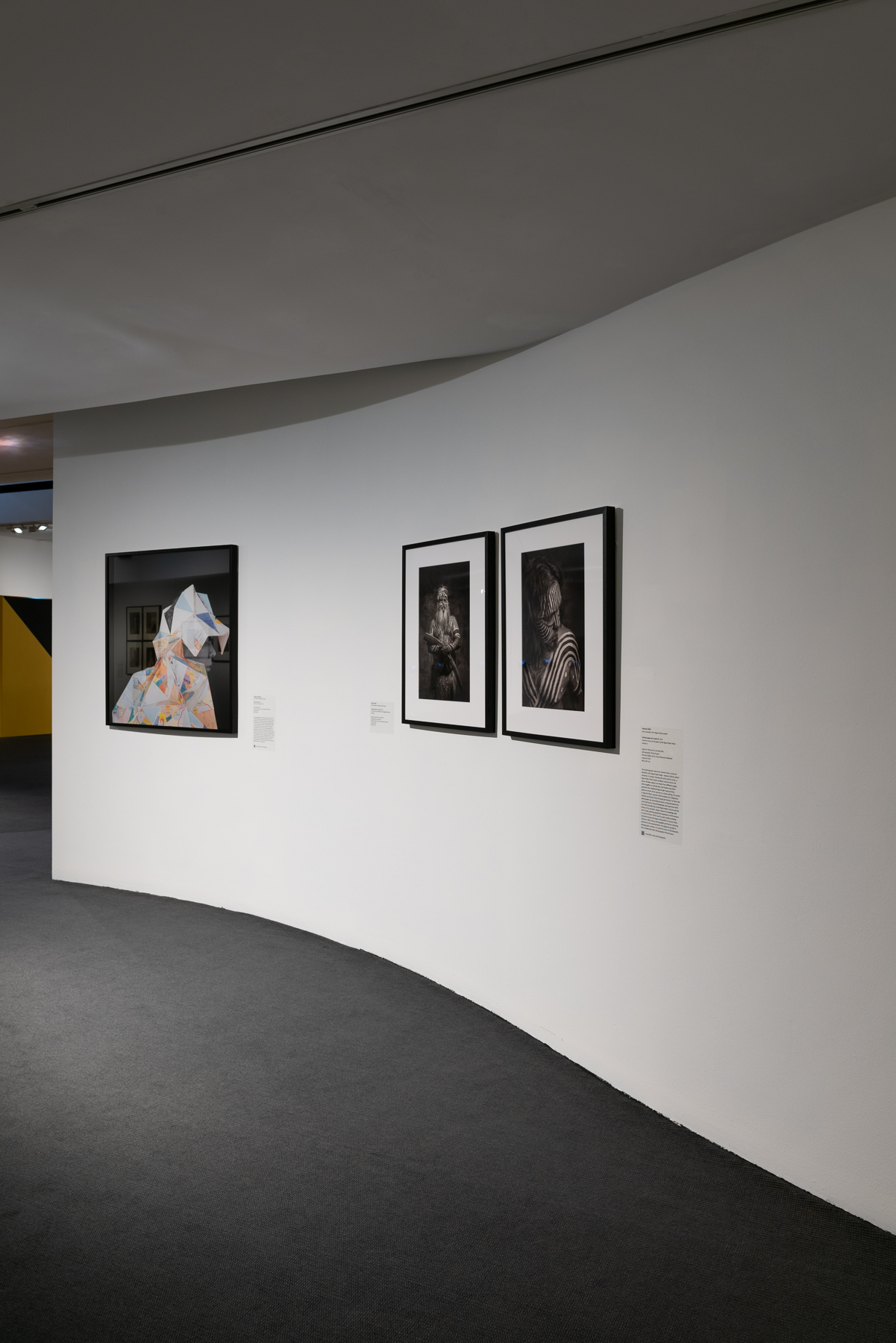
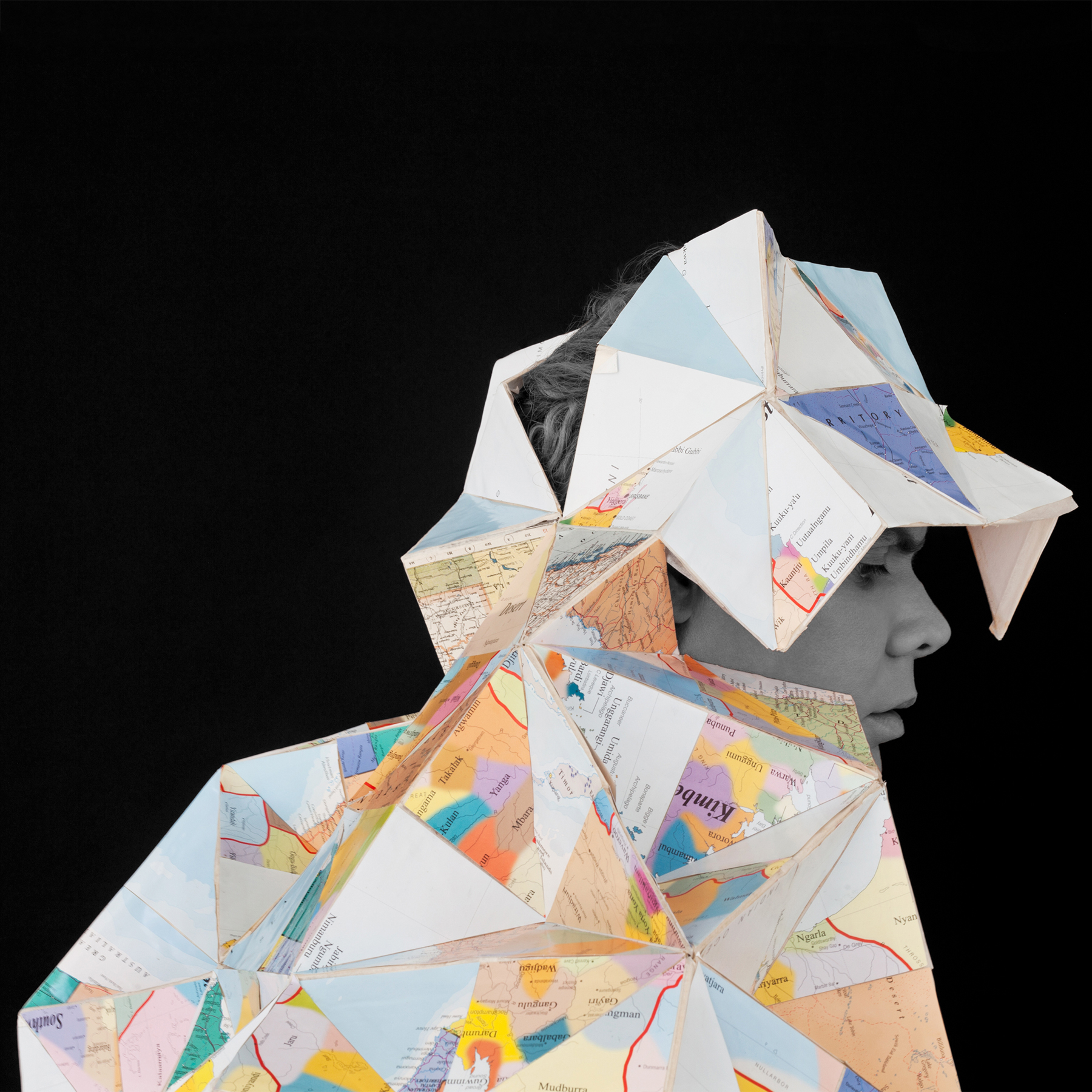


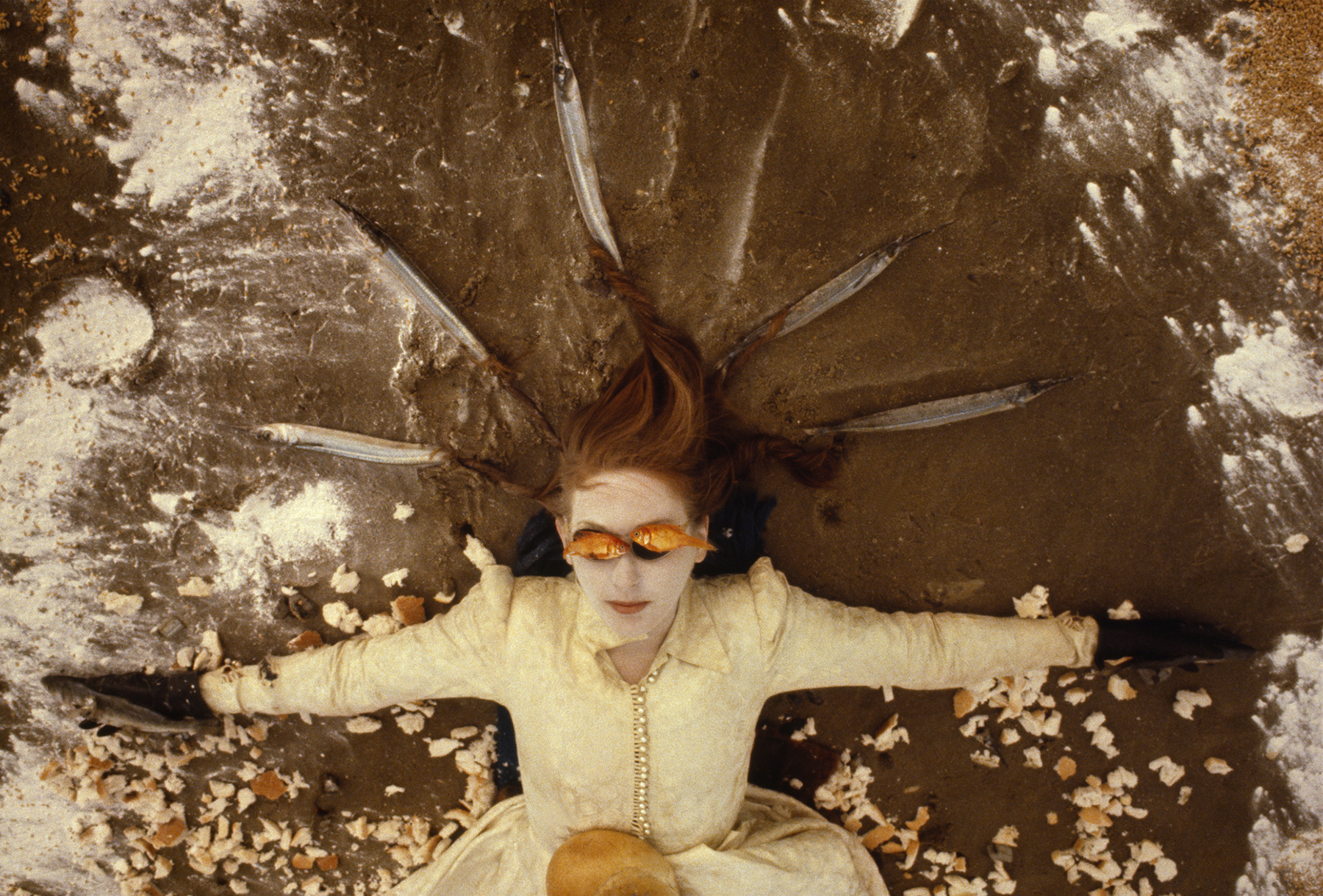


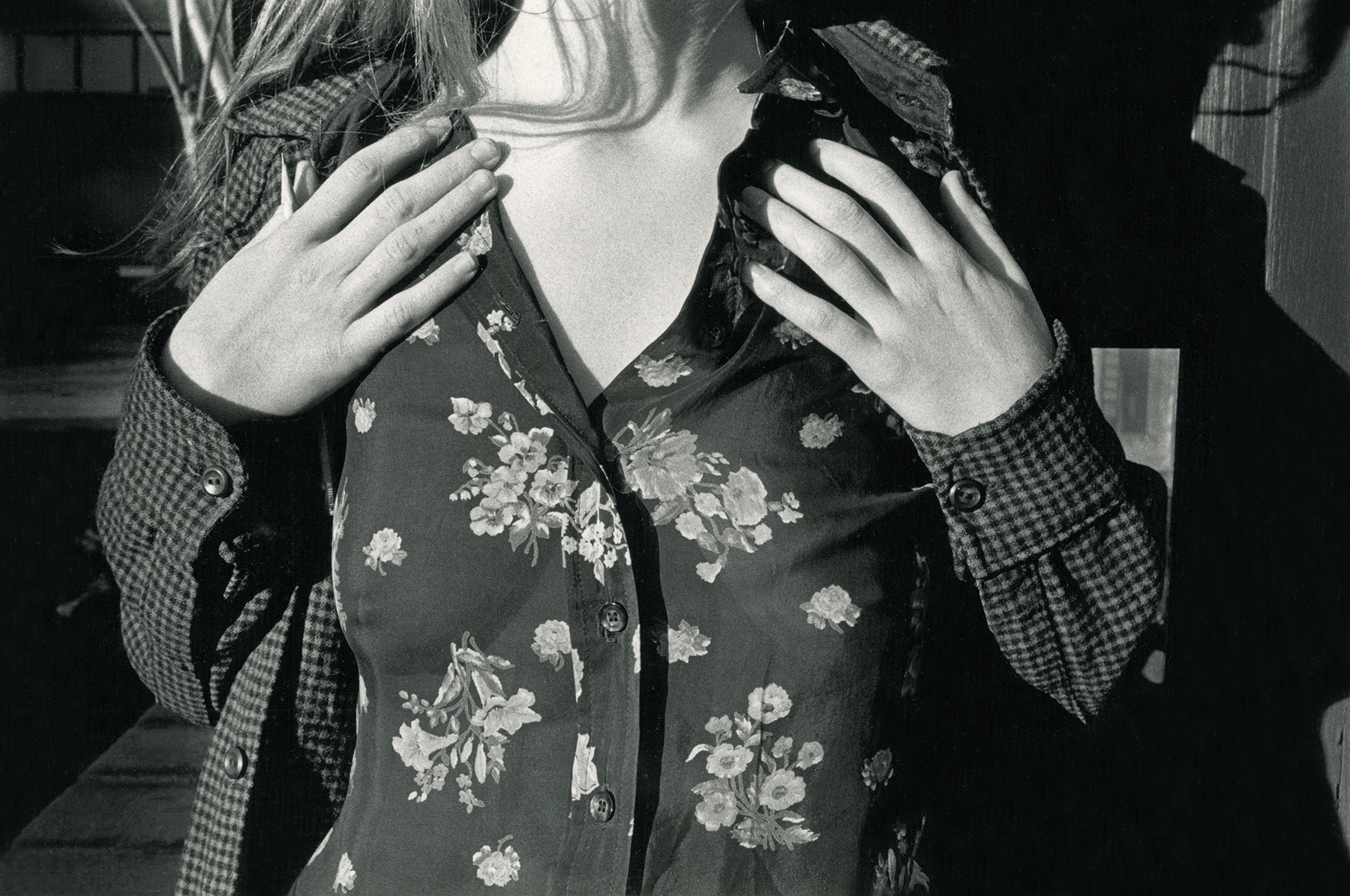
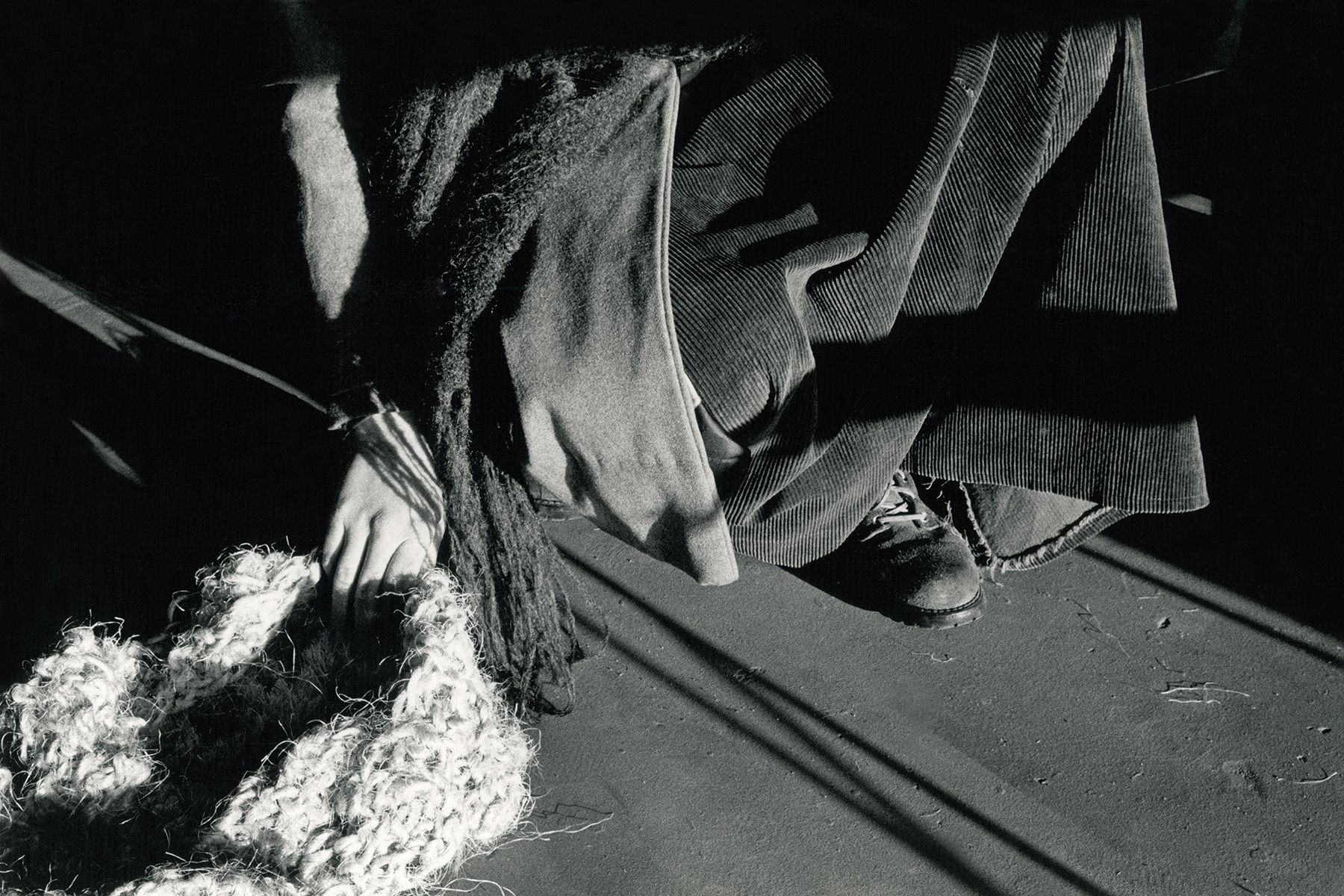
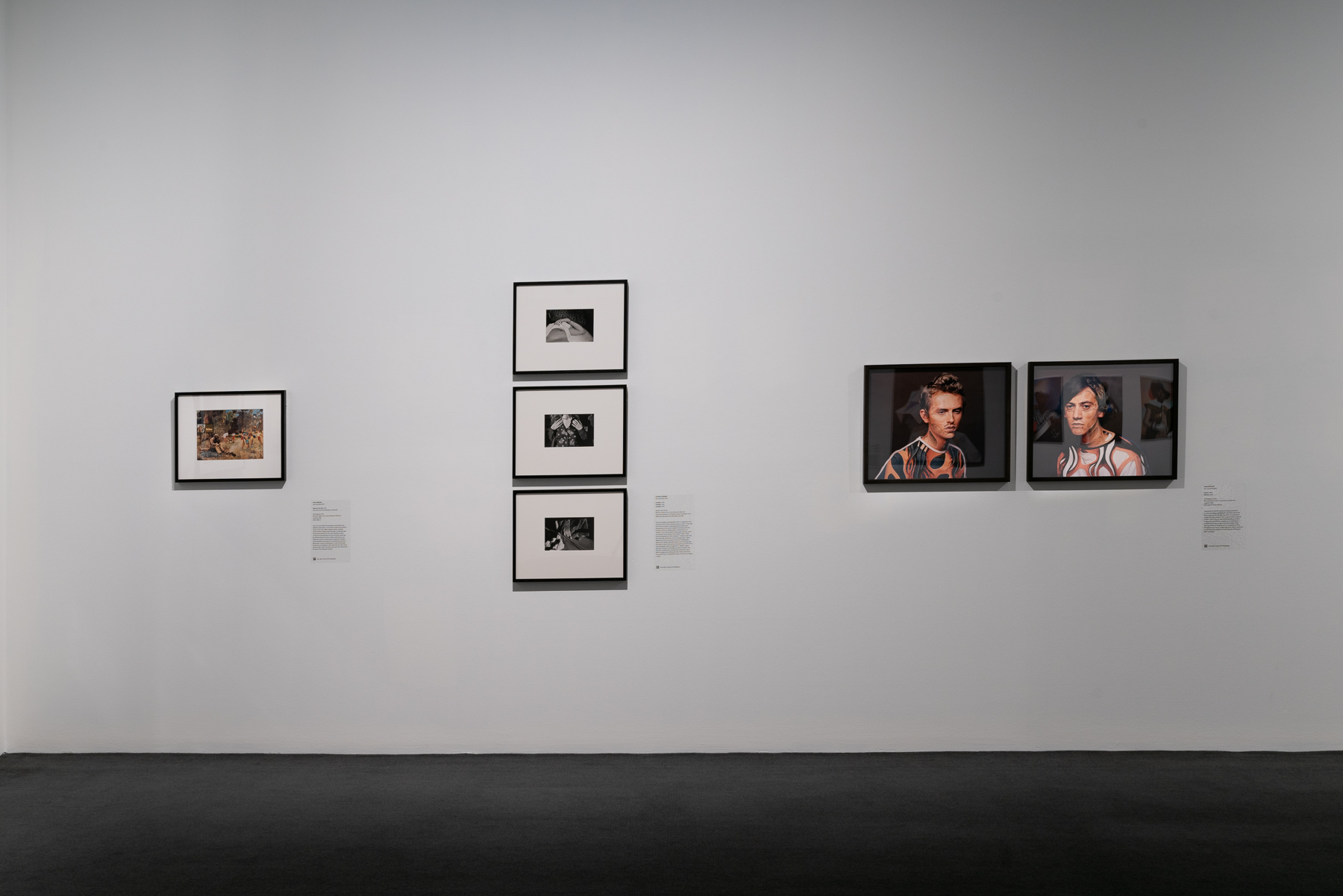
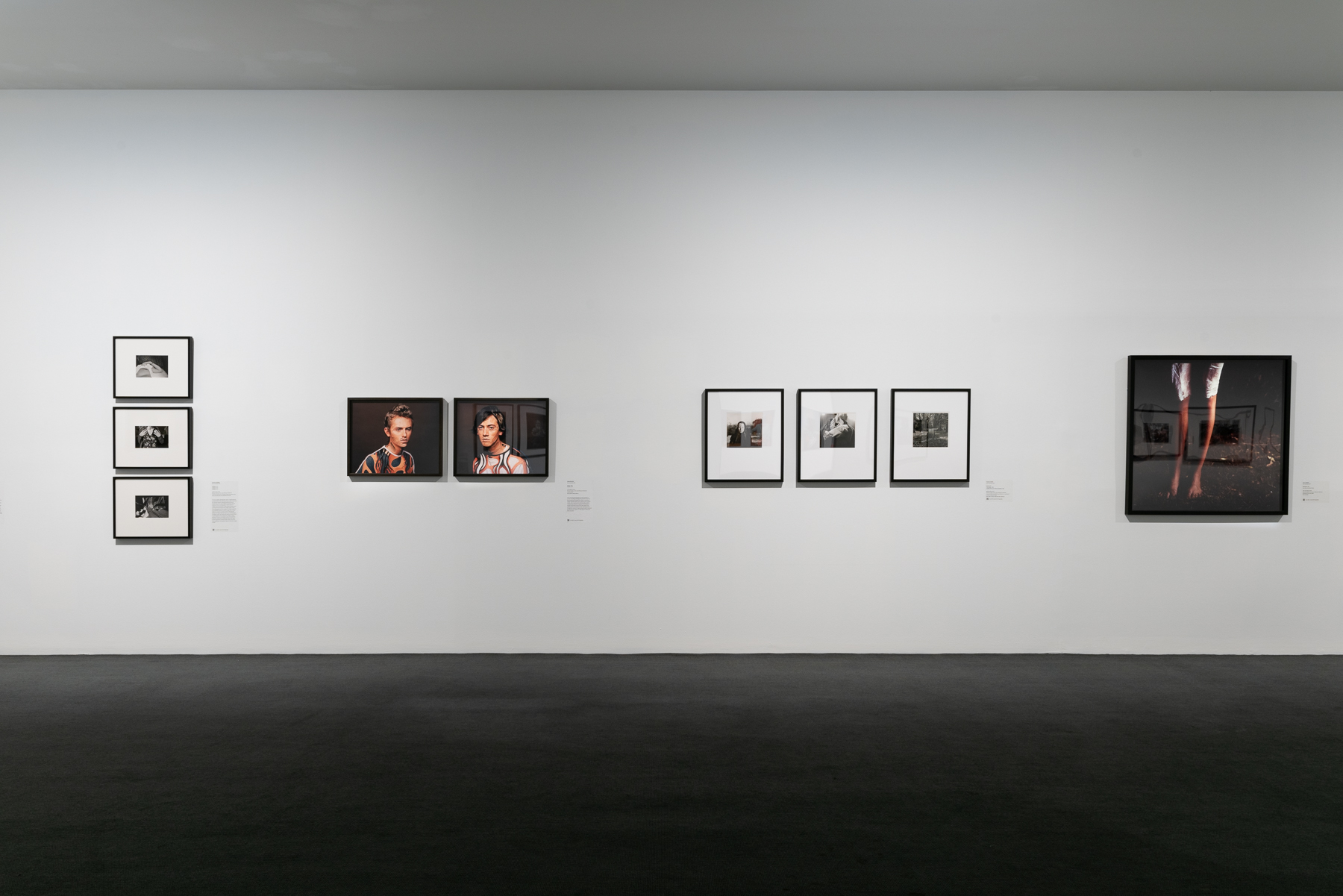


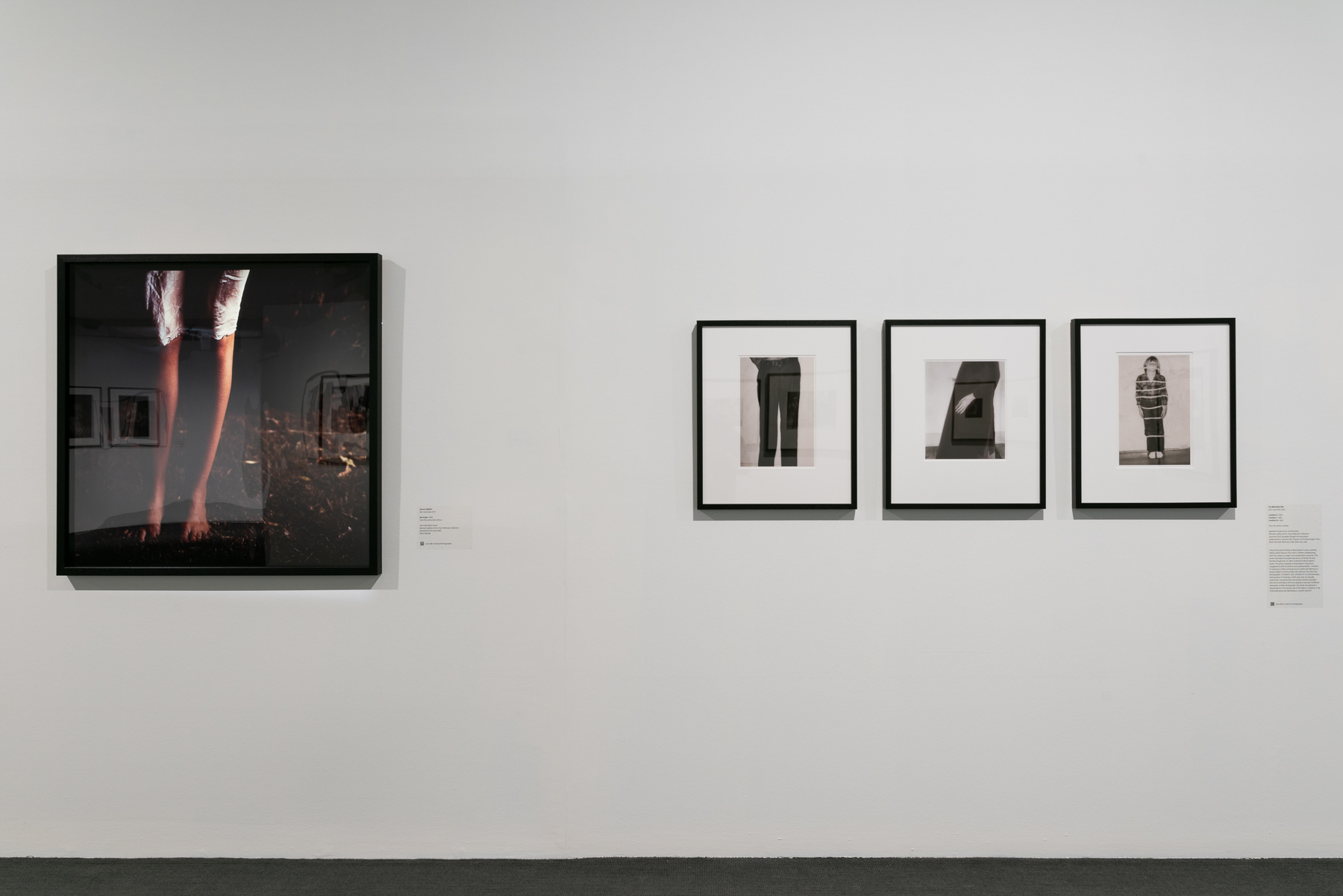
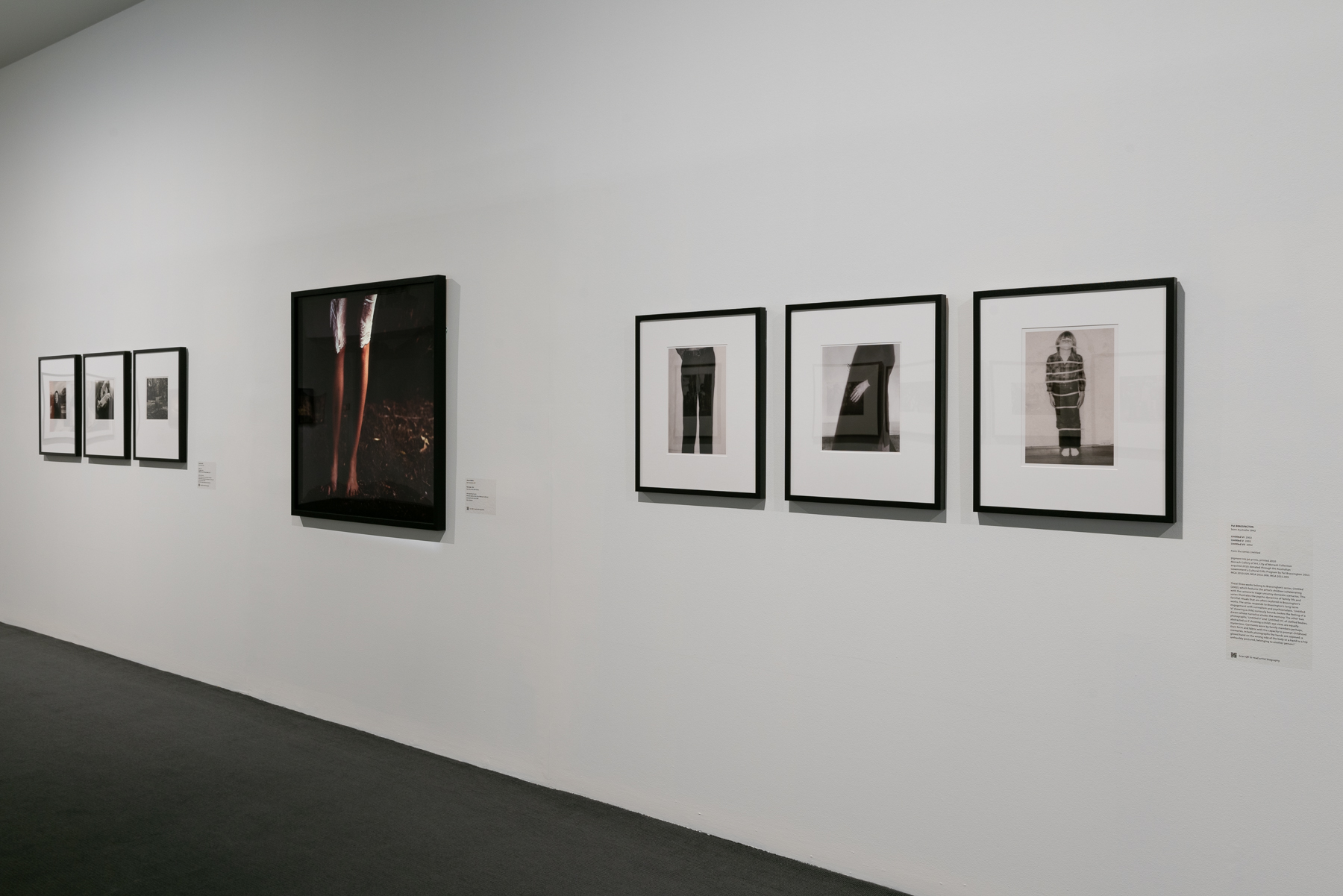

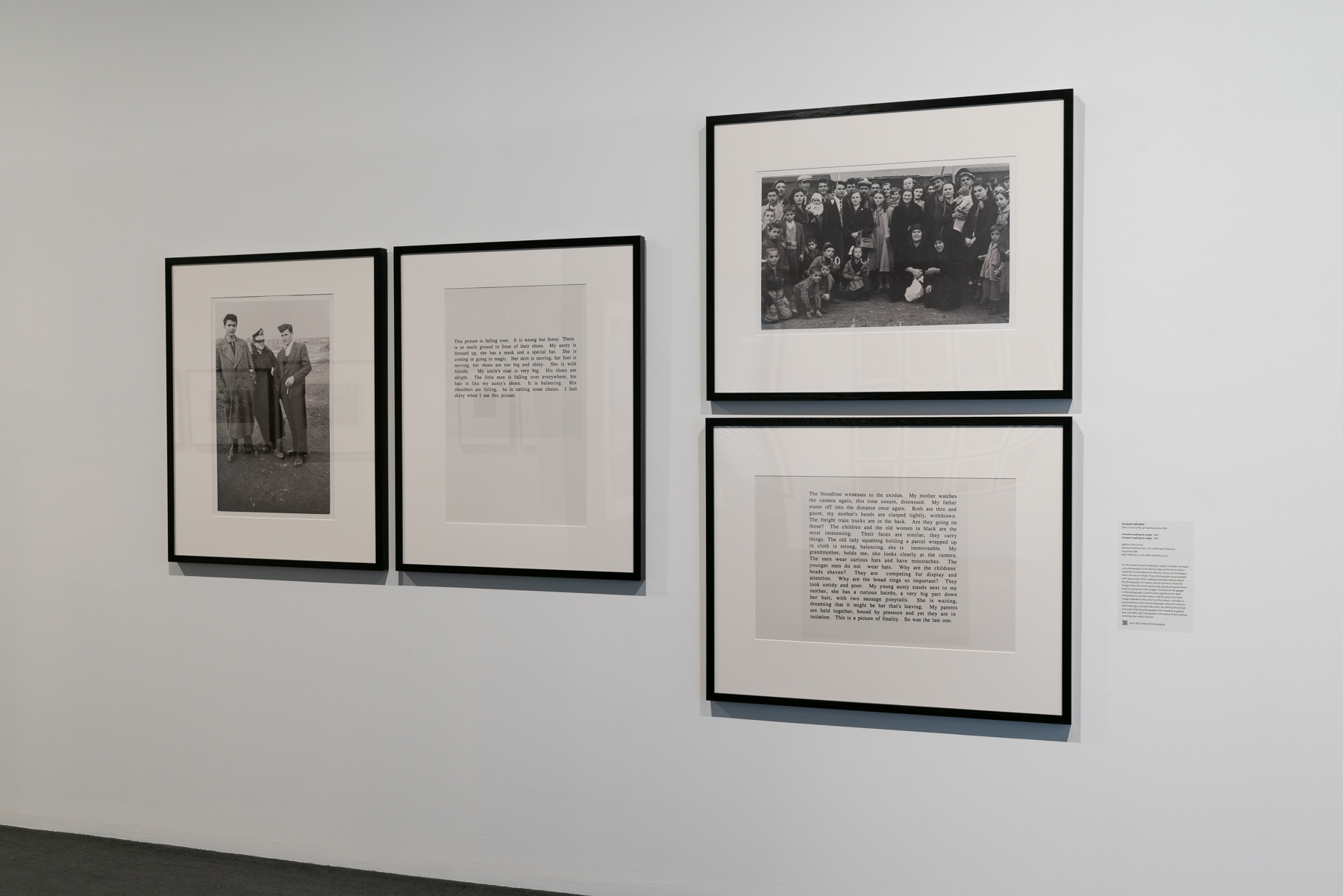
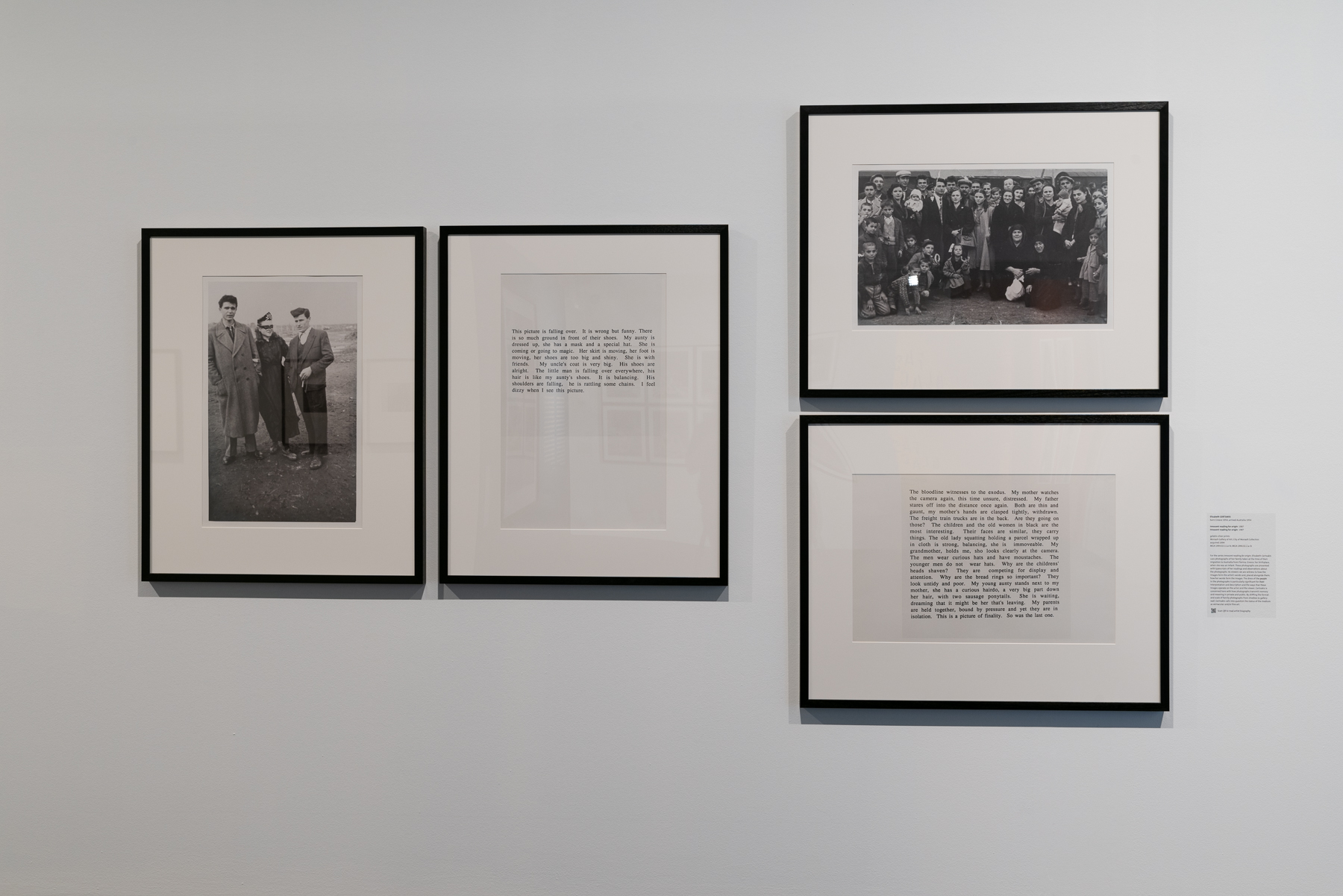
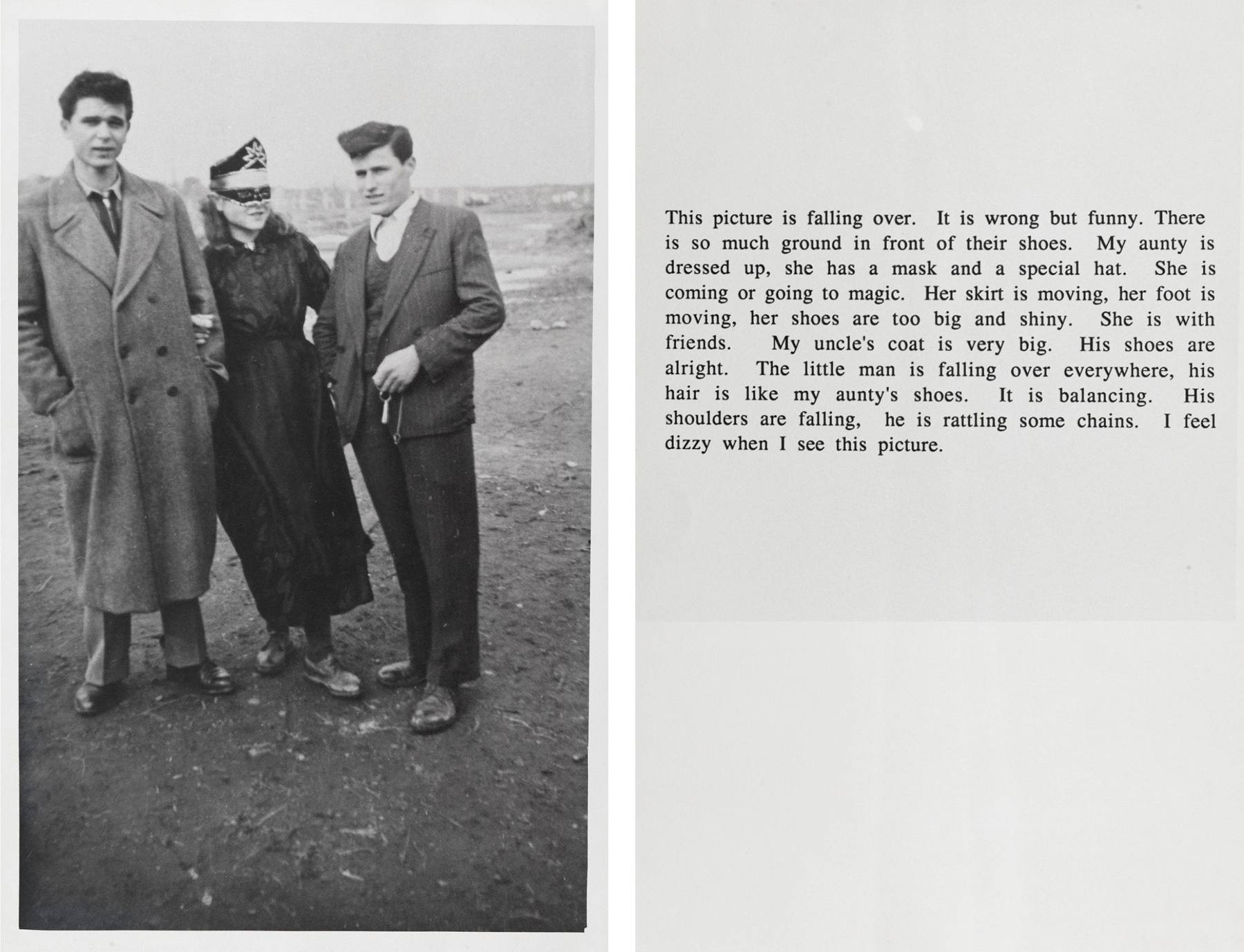
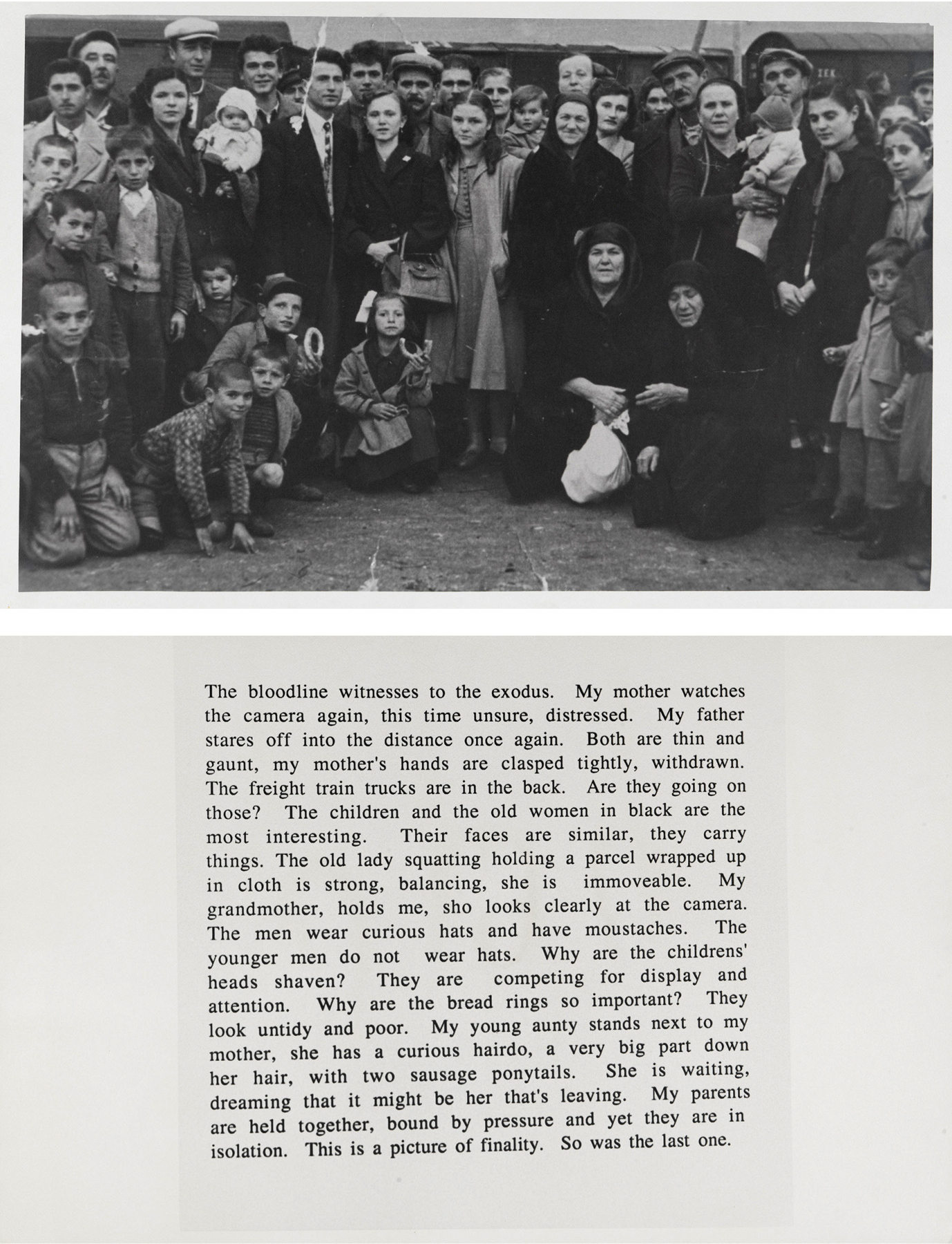
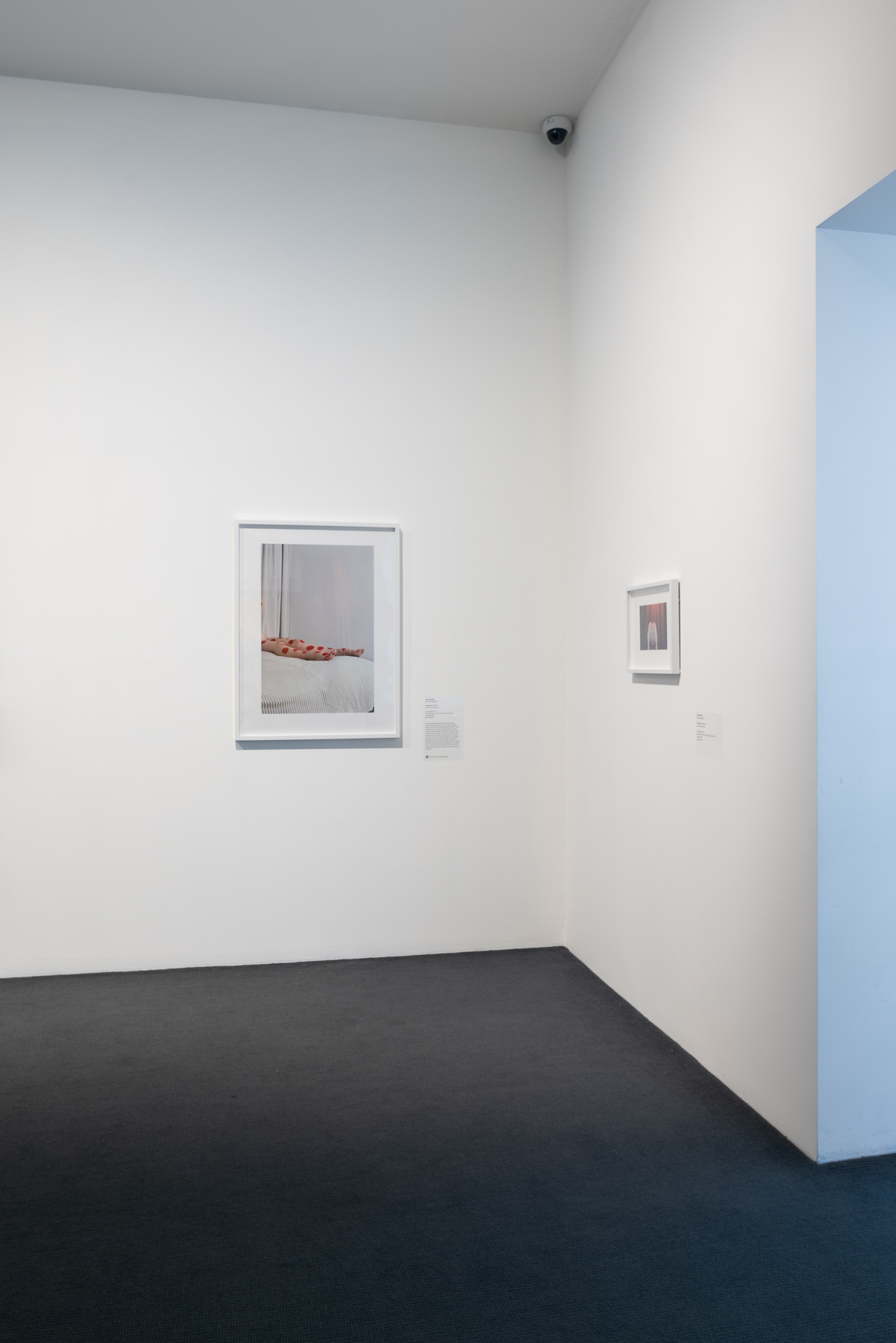
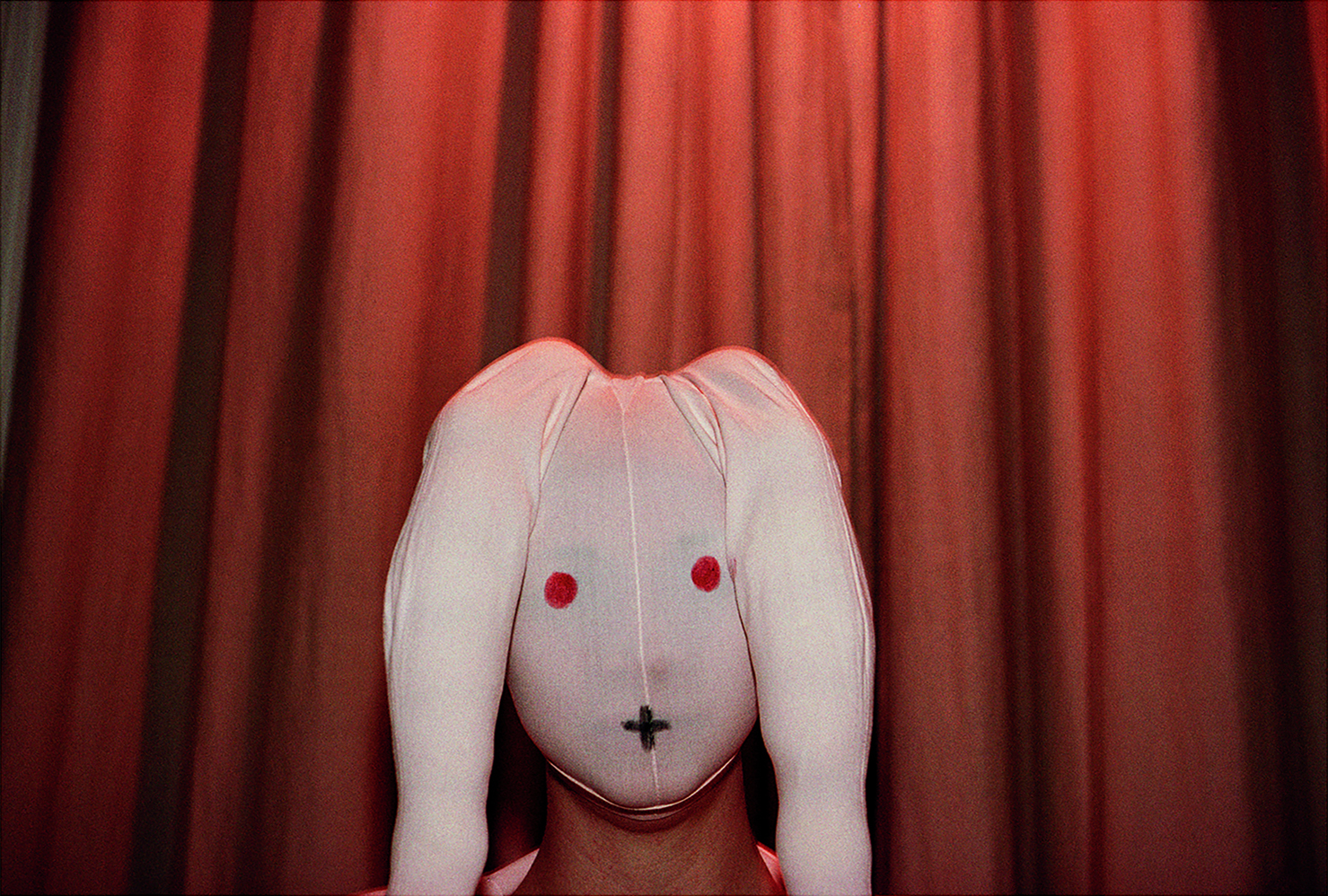
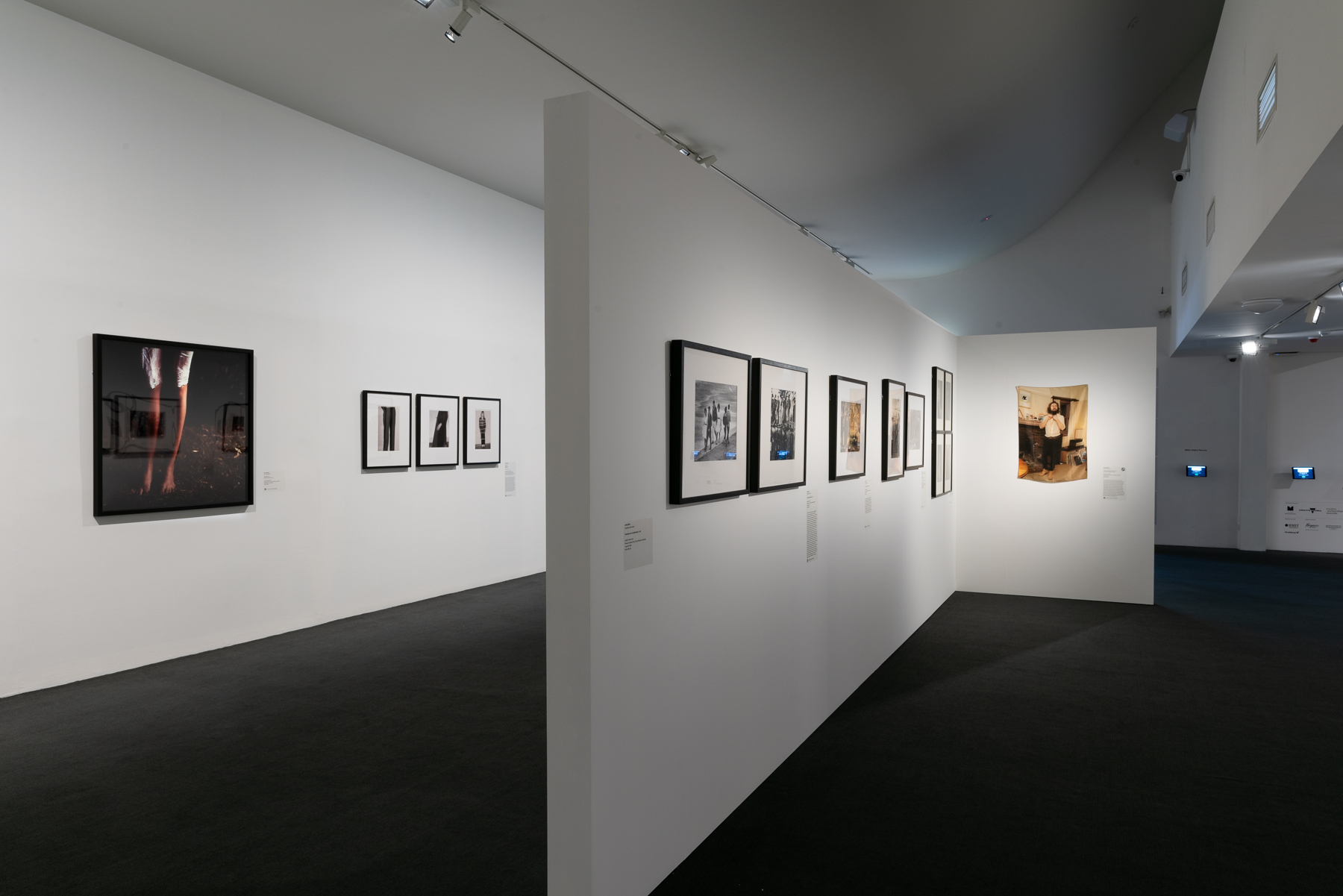
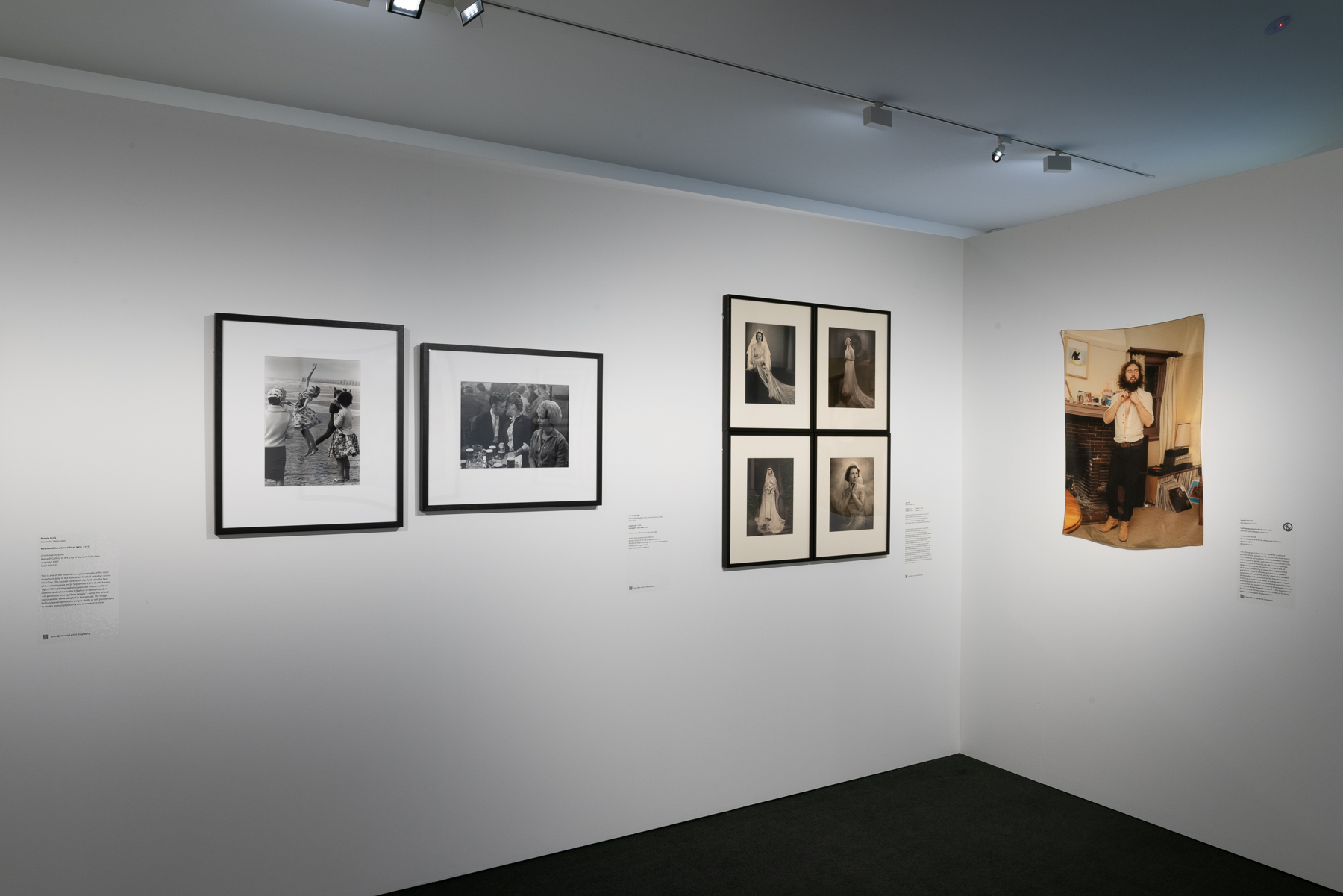


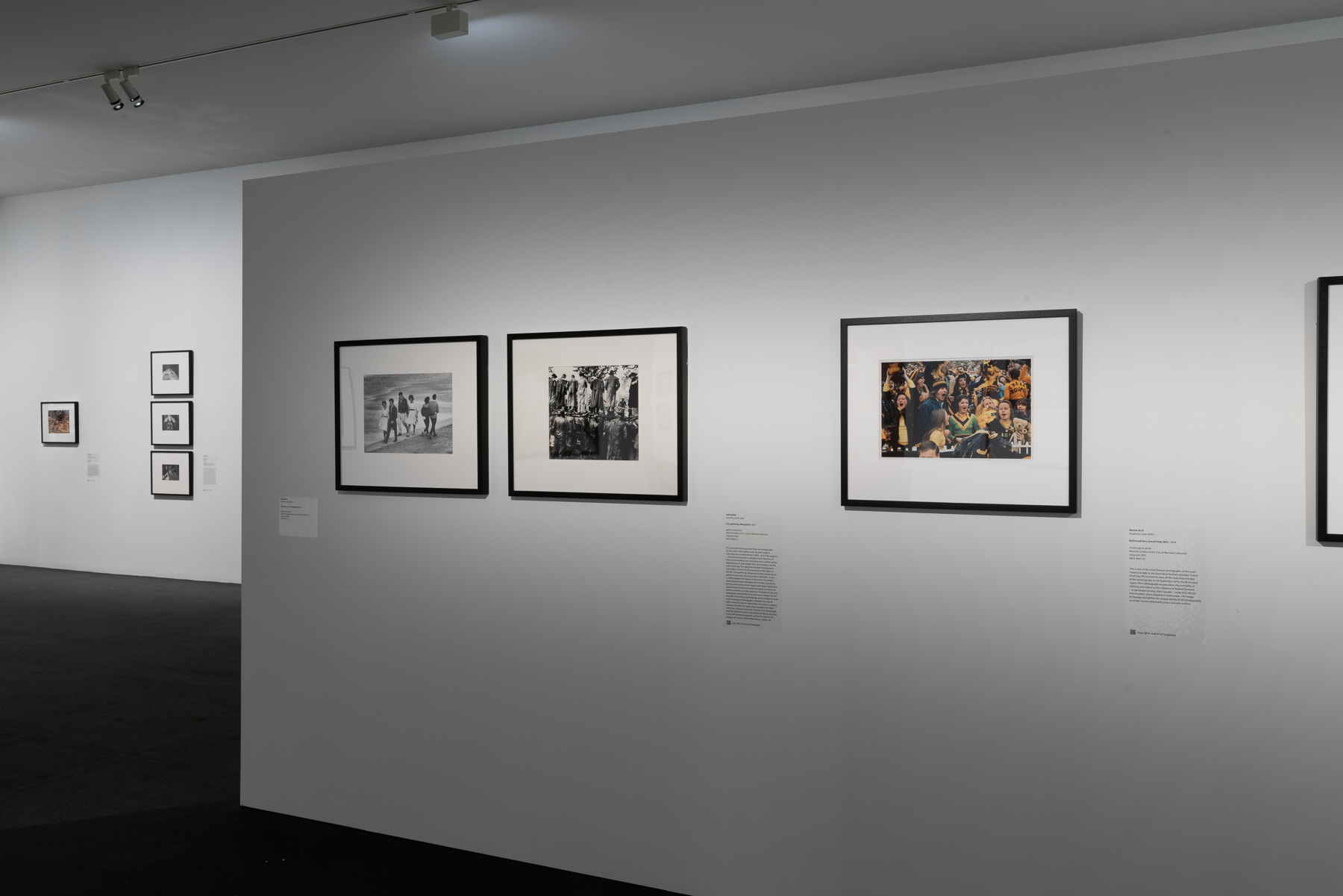
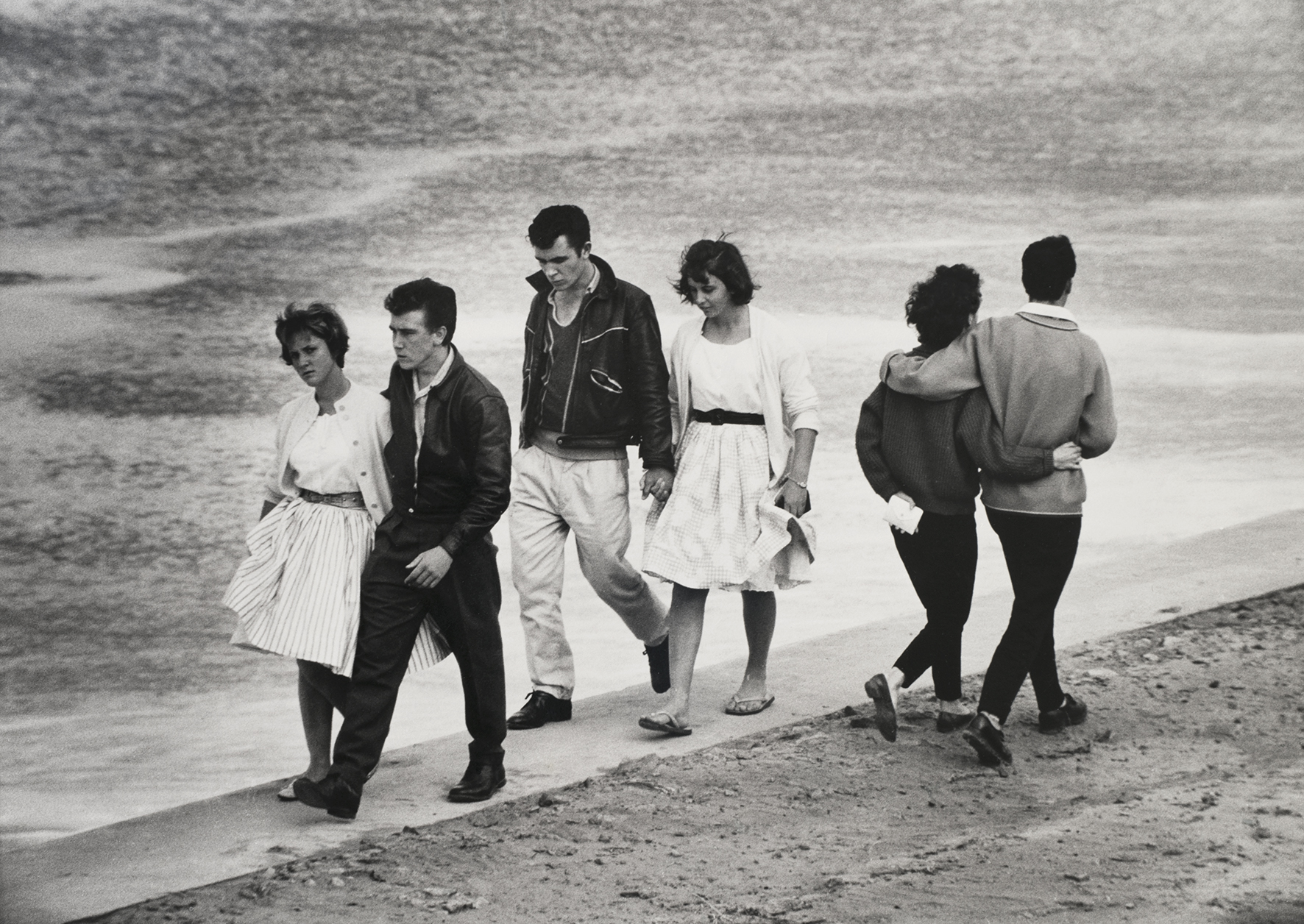
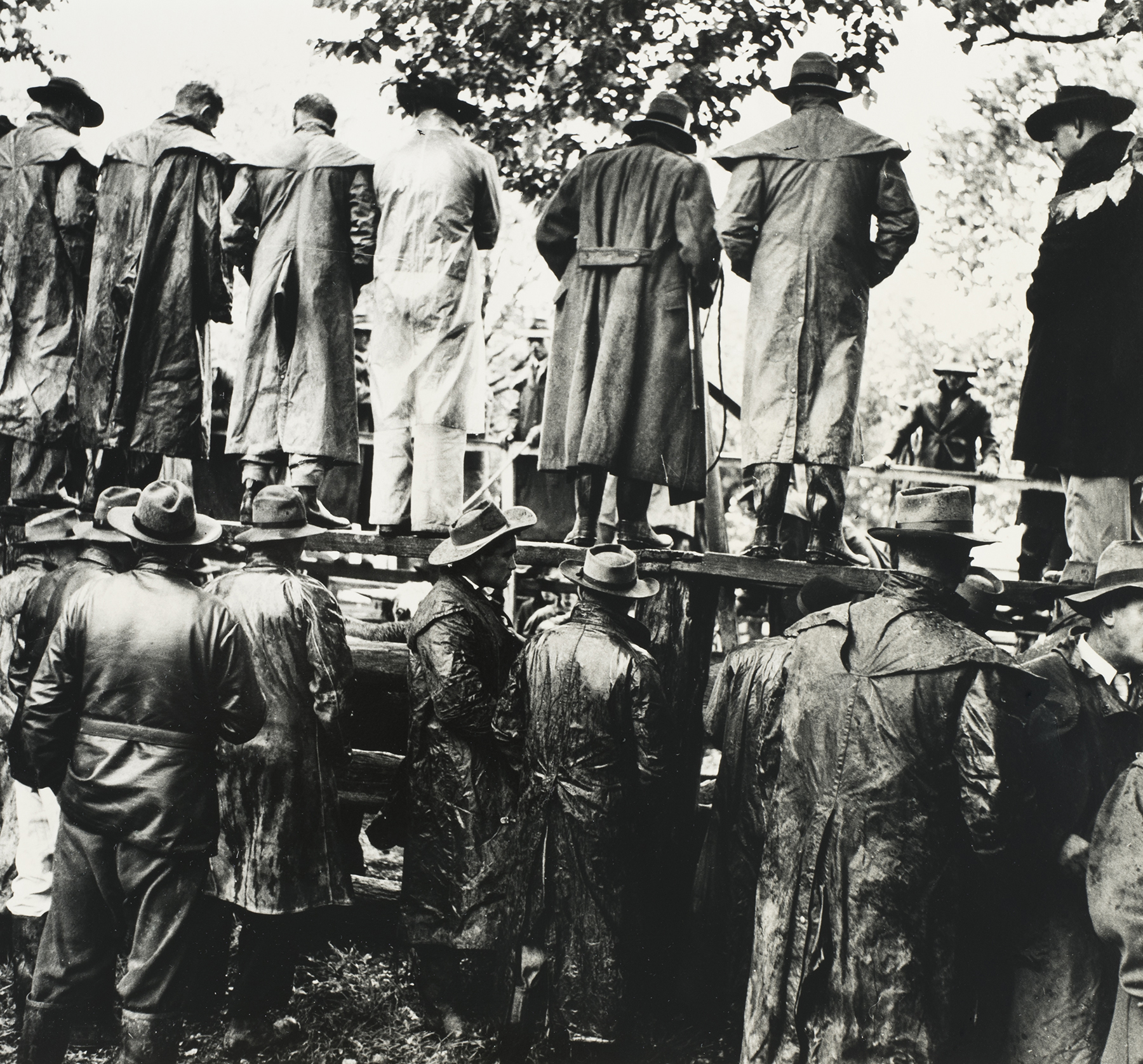
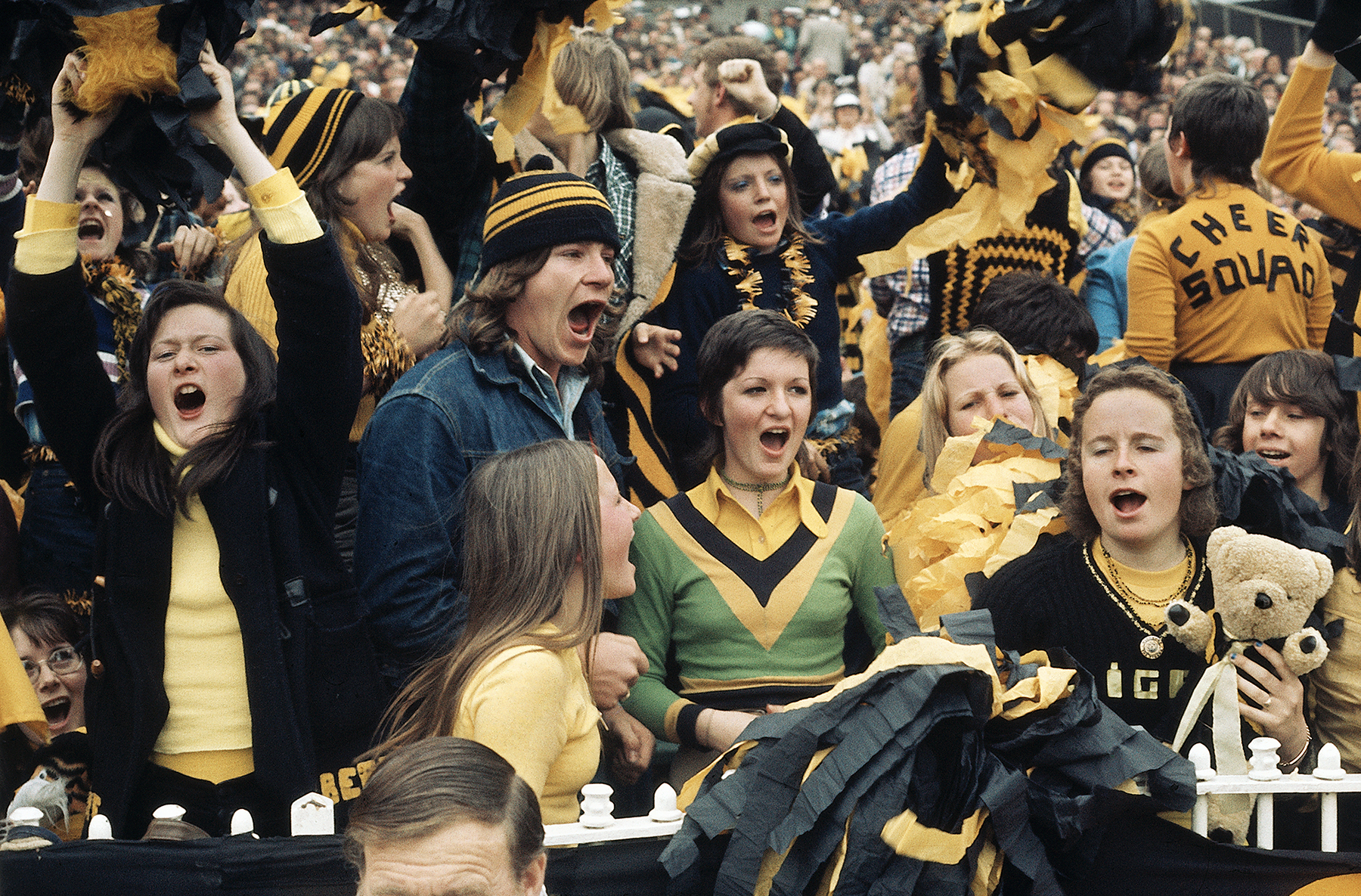


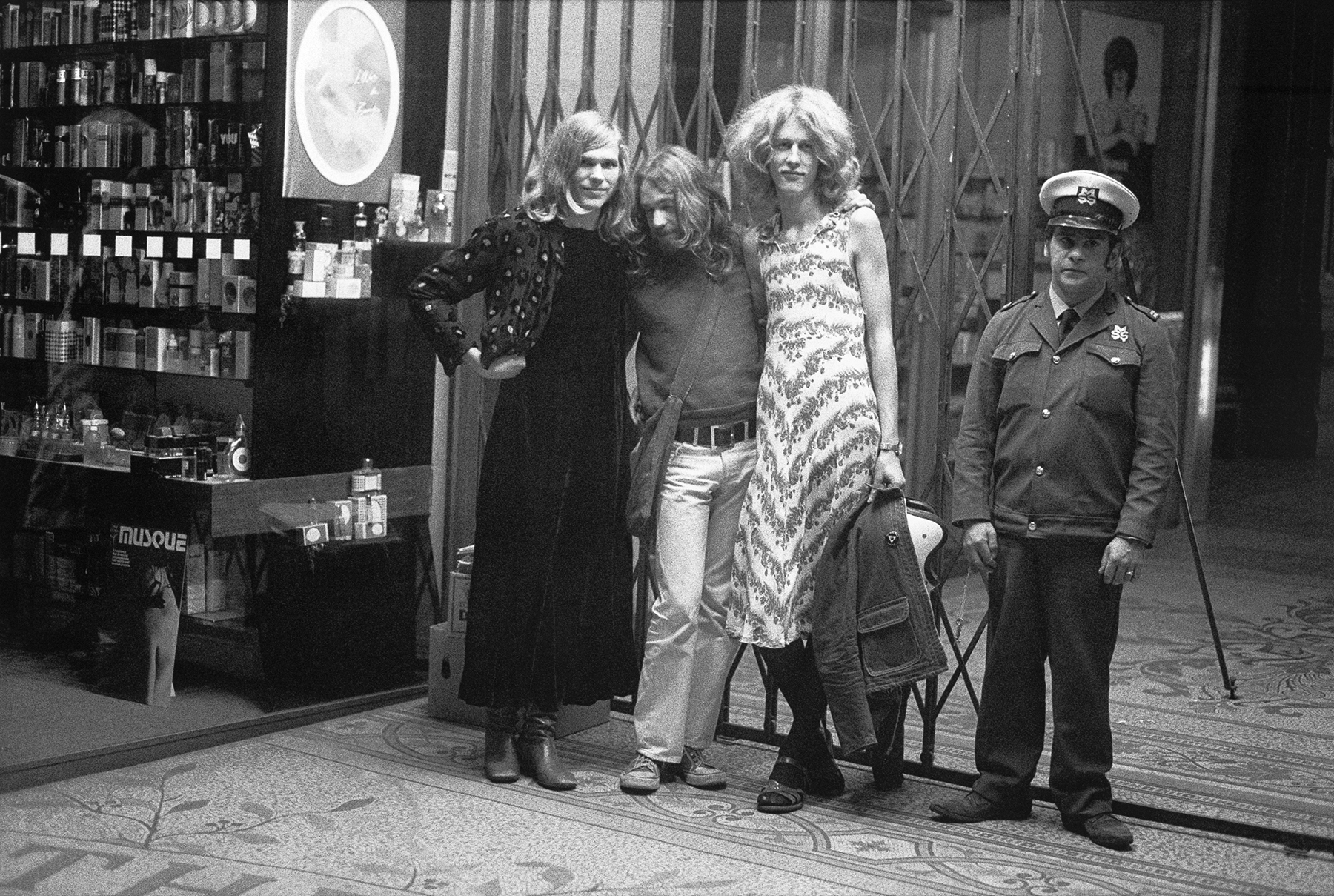
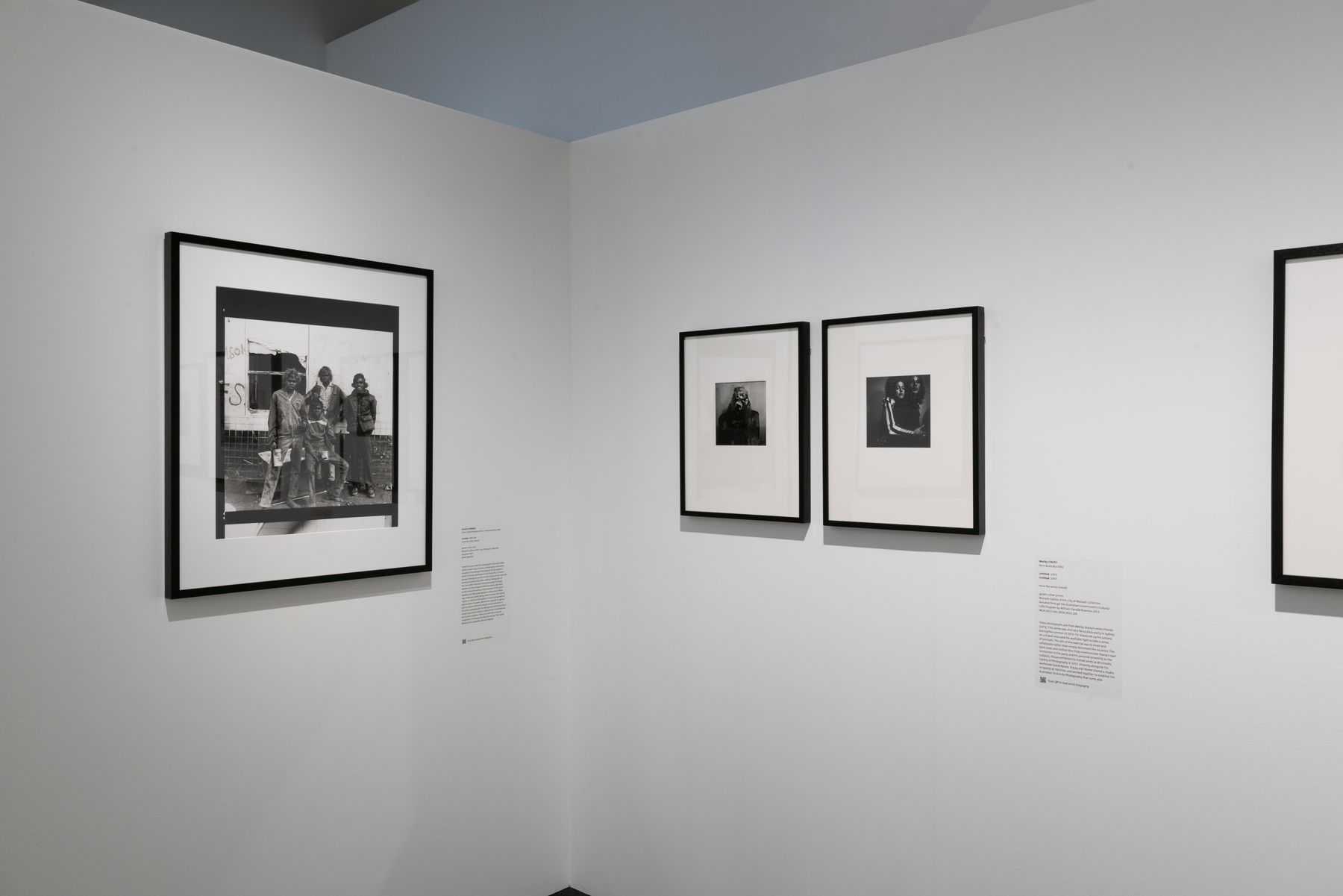




























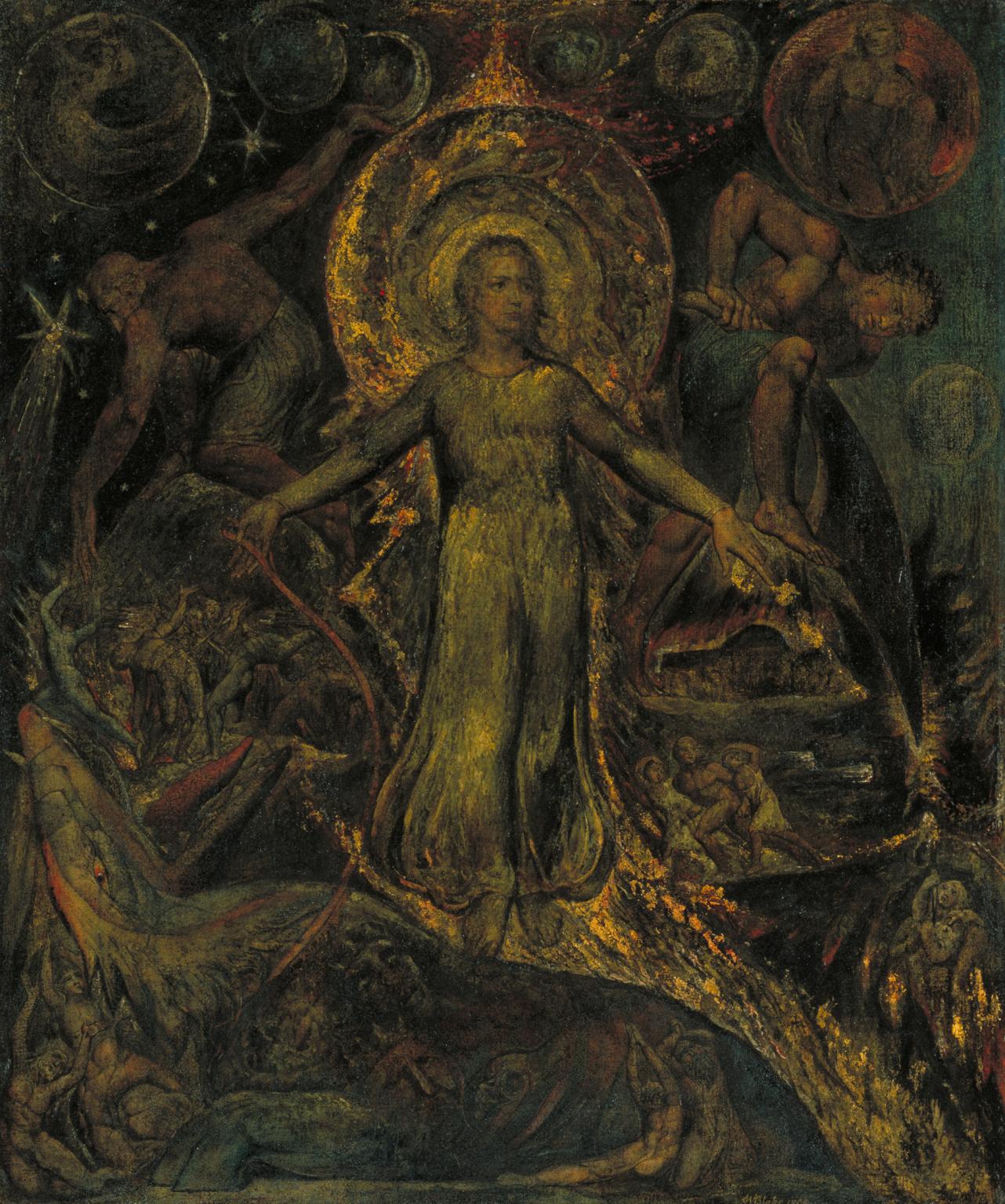







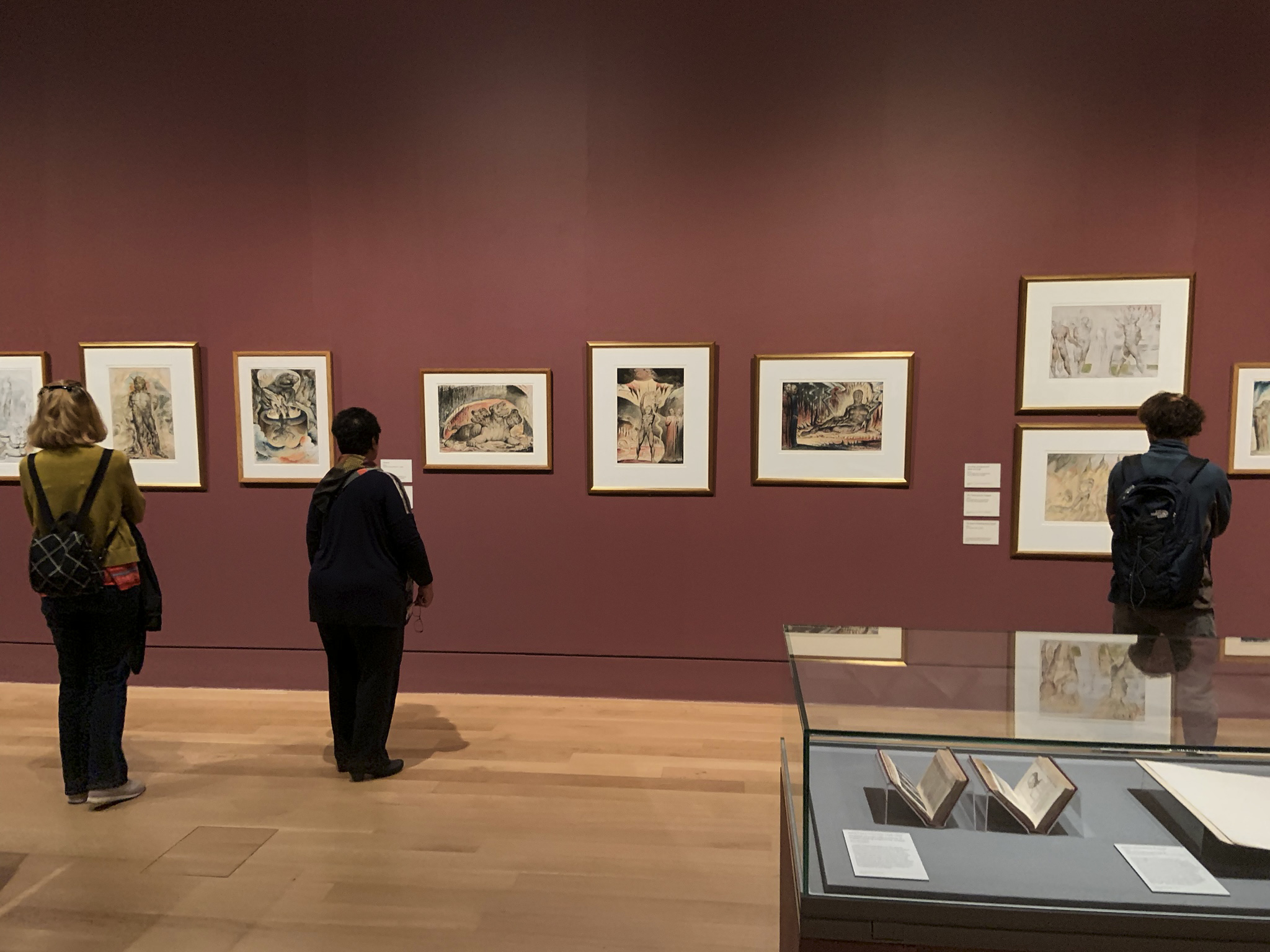


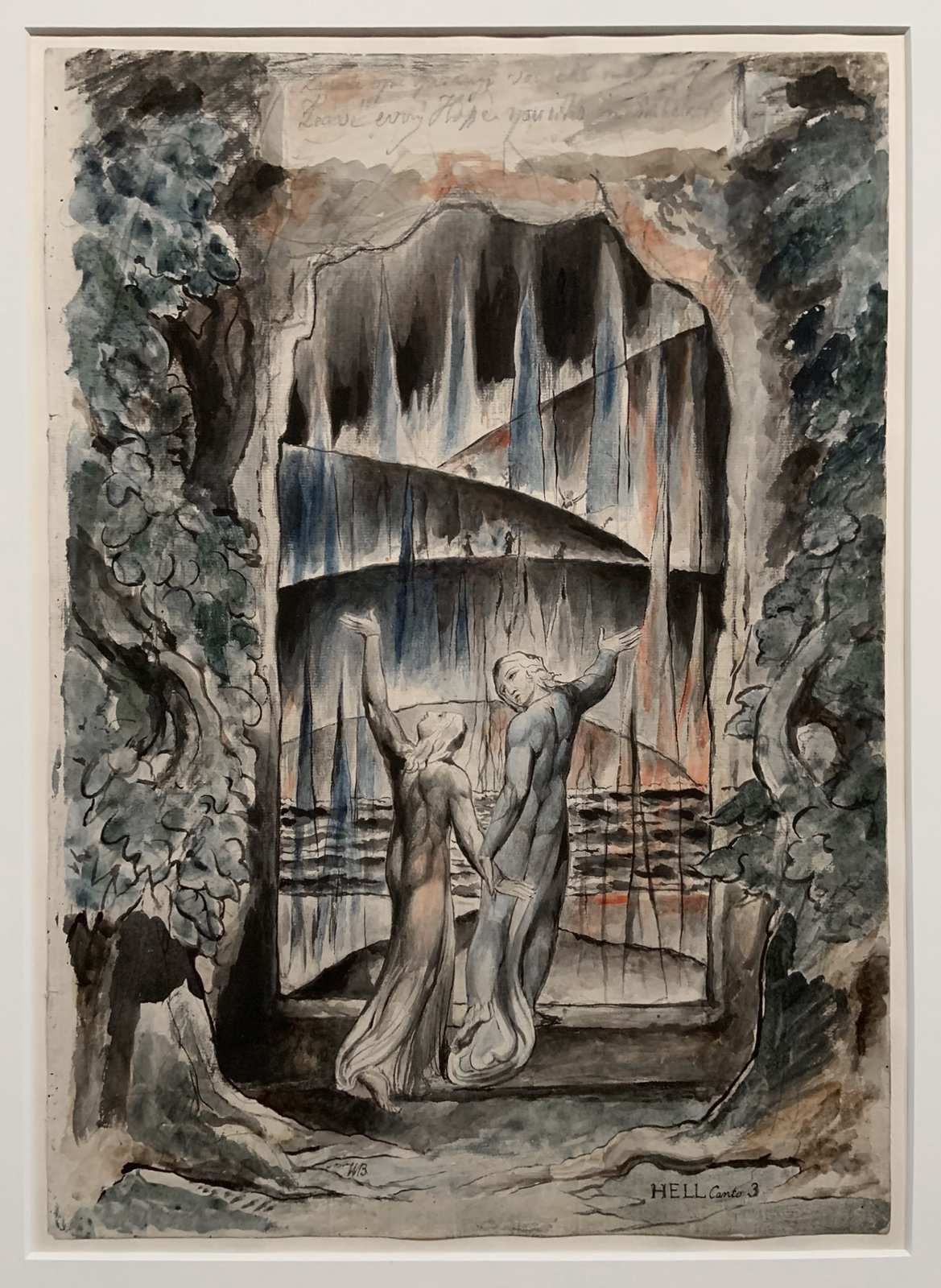


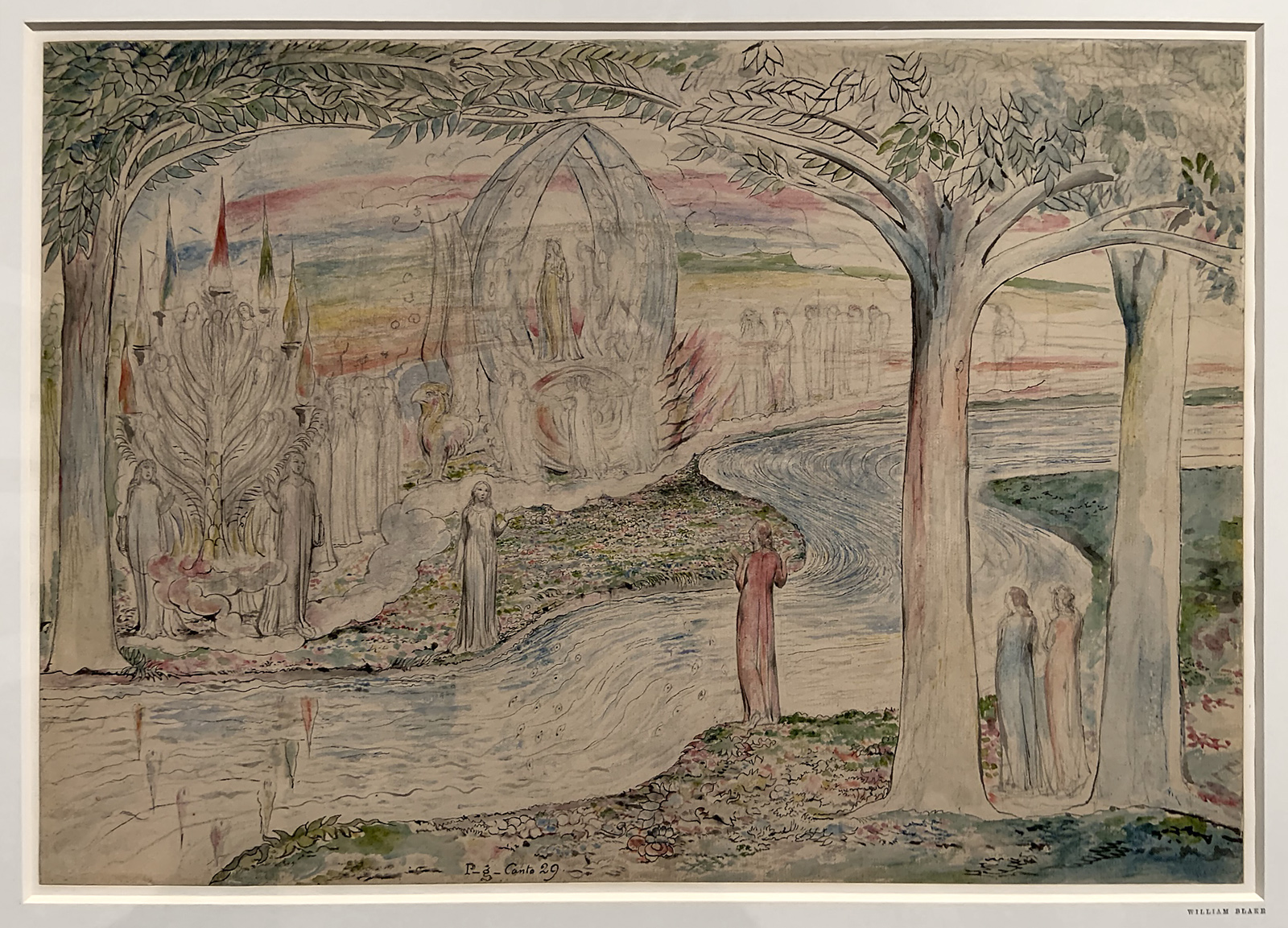

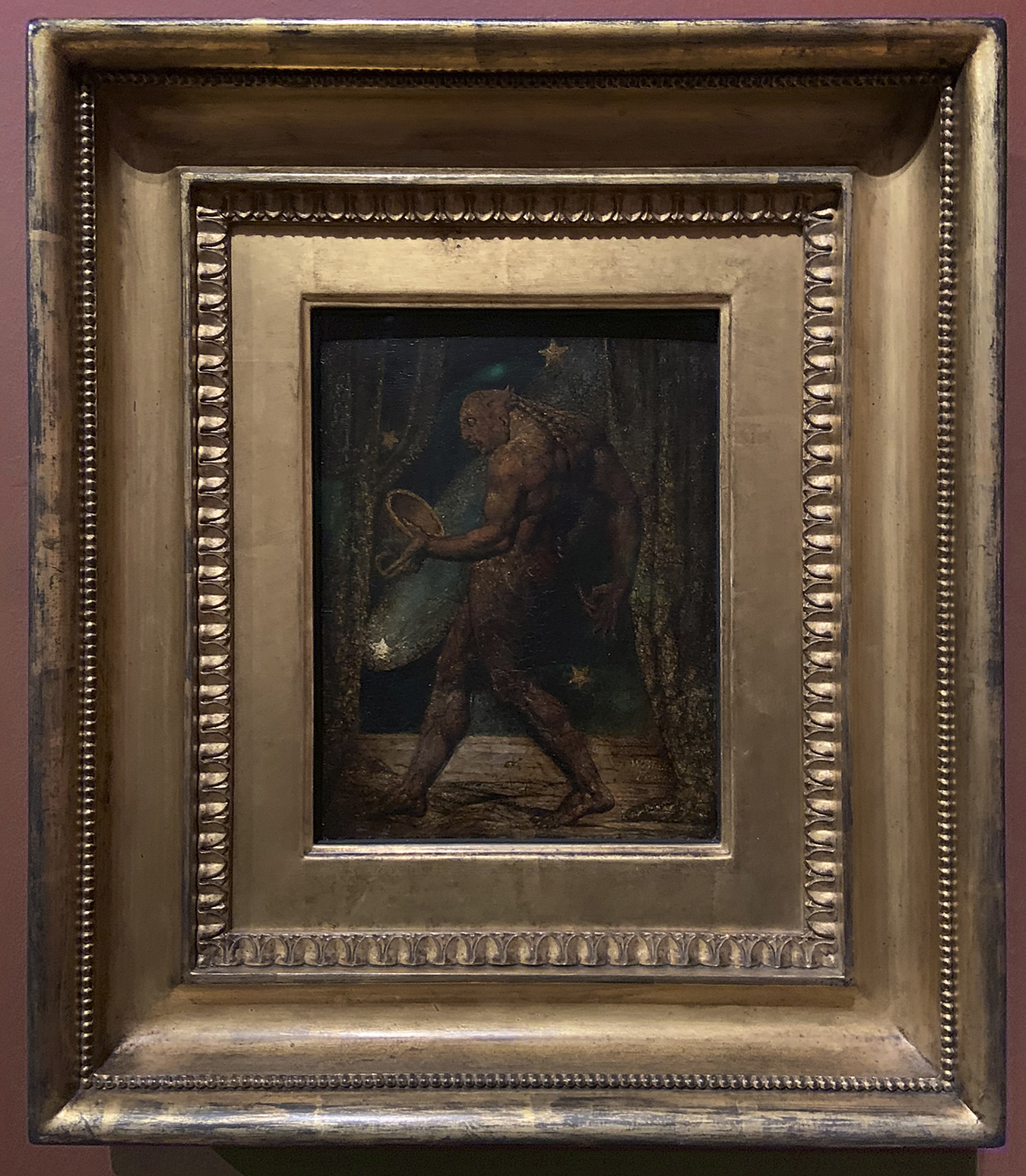
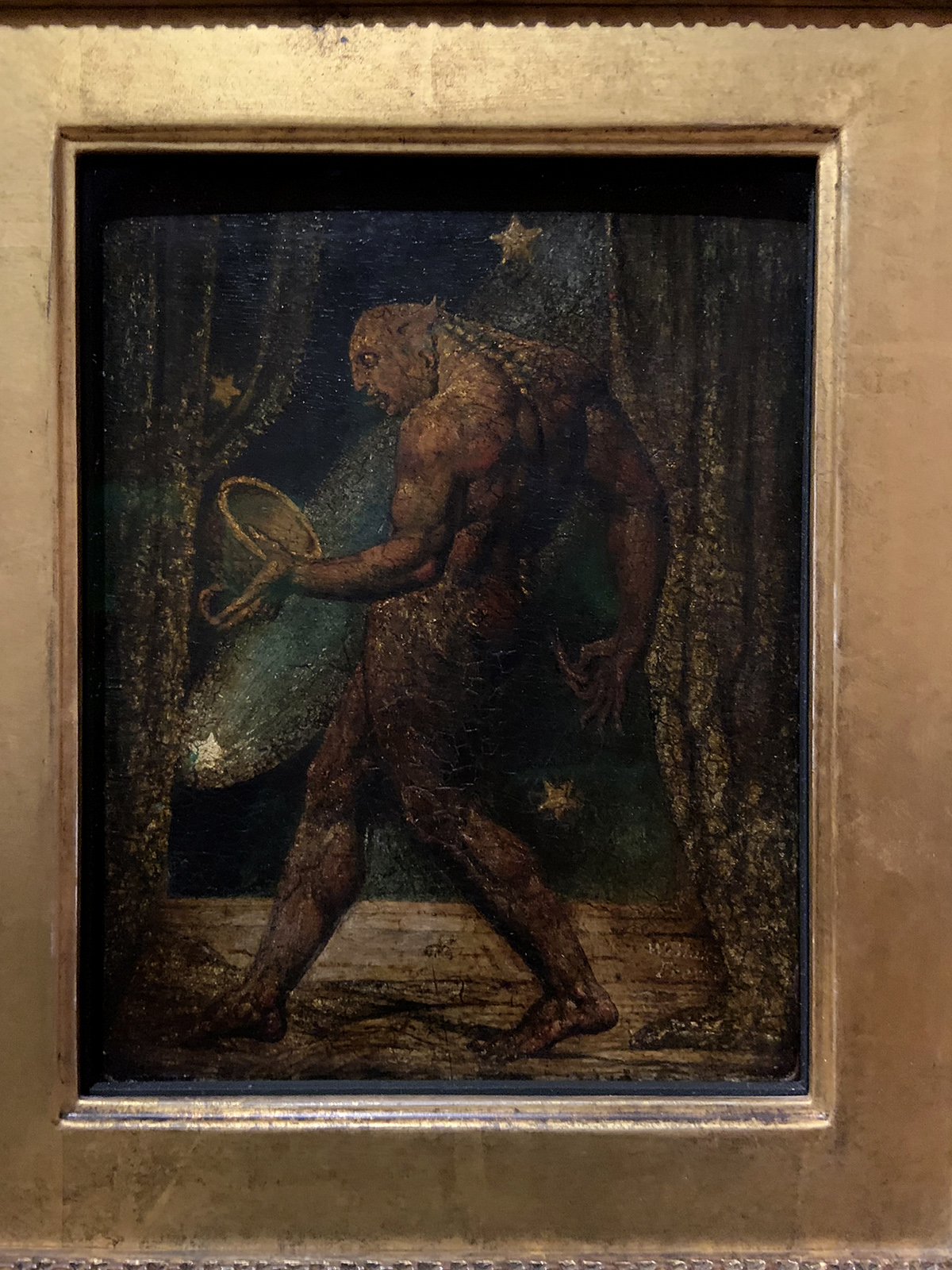
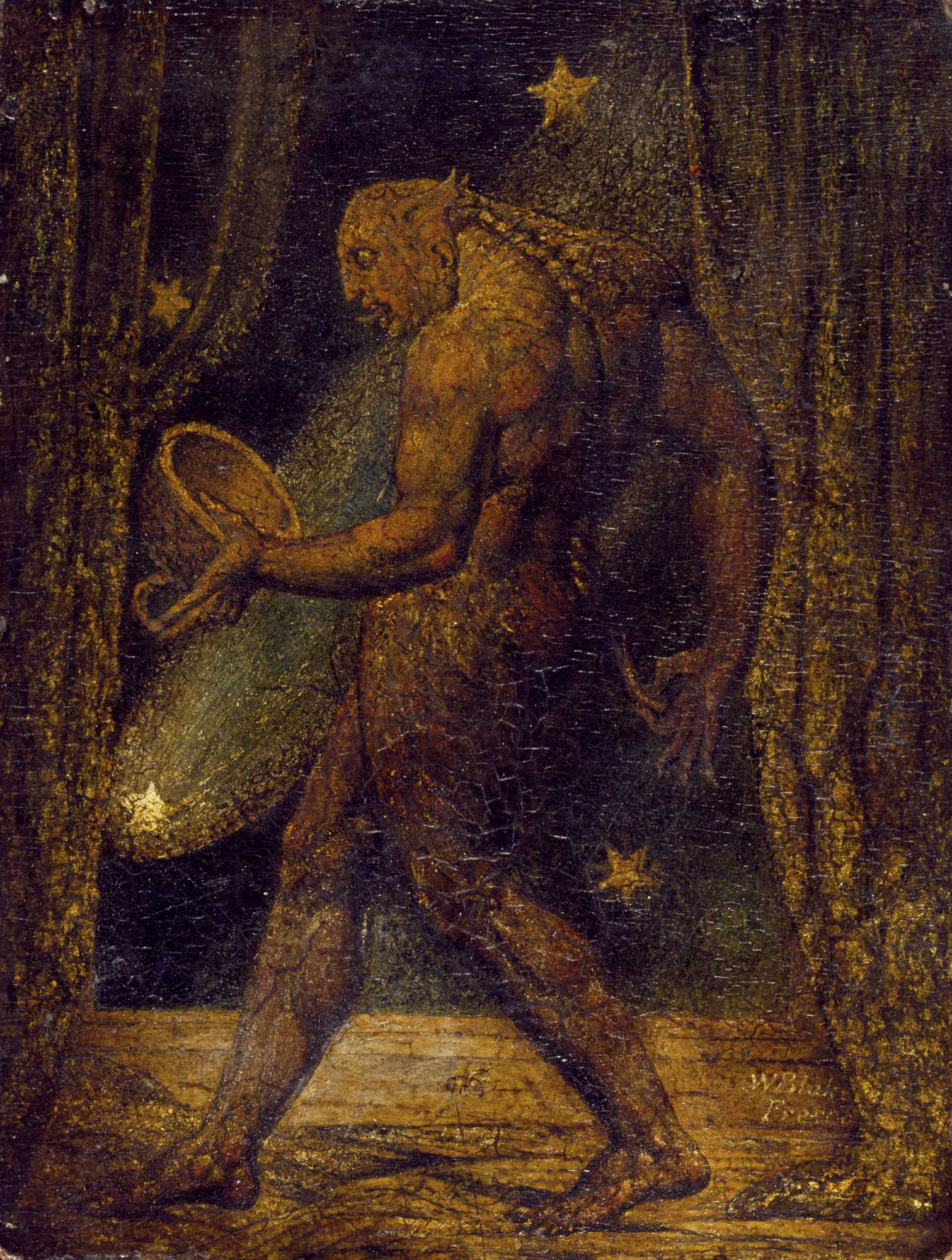






 Art Blart _ art and cultural memory archive
You must be logged in to post a comment.