Many thankx to the Fotomuseum Winterthur for allowing me to publish the photographs in the posting. Please click on the photographs for a larger version of the image.
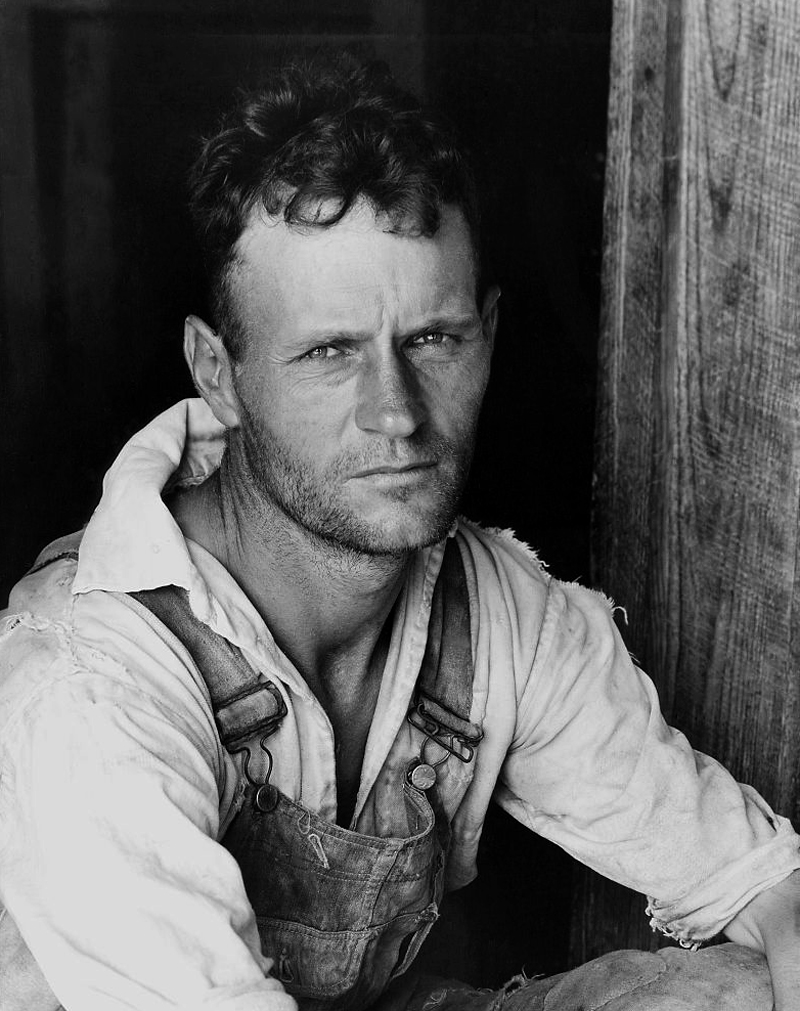
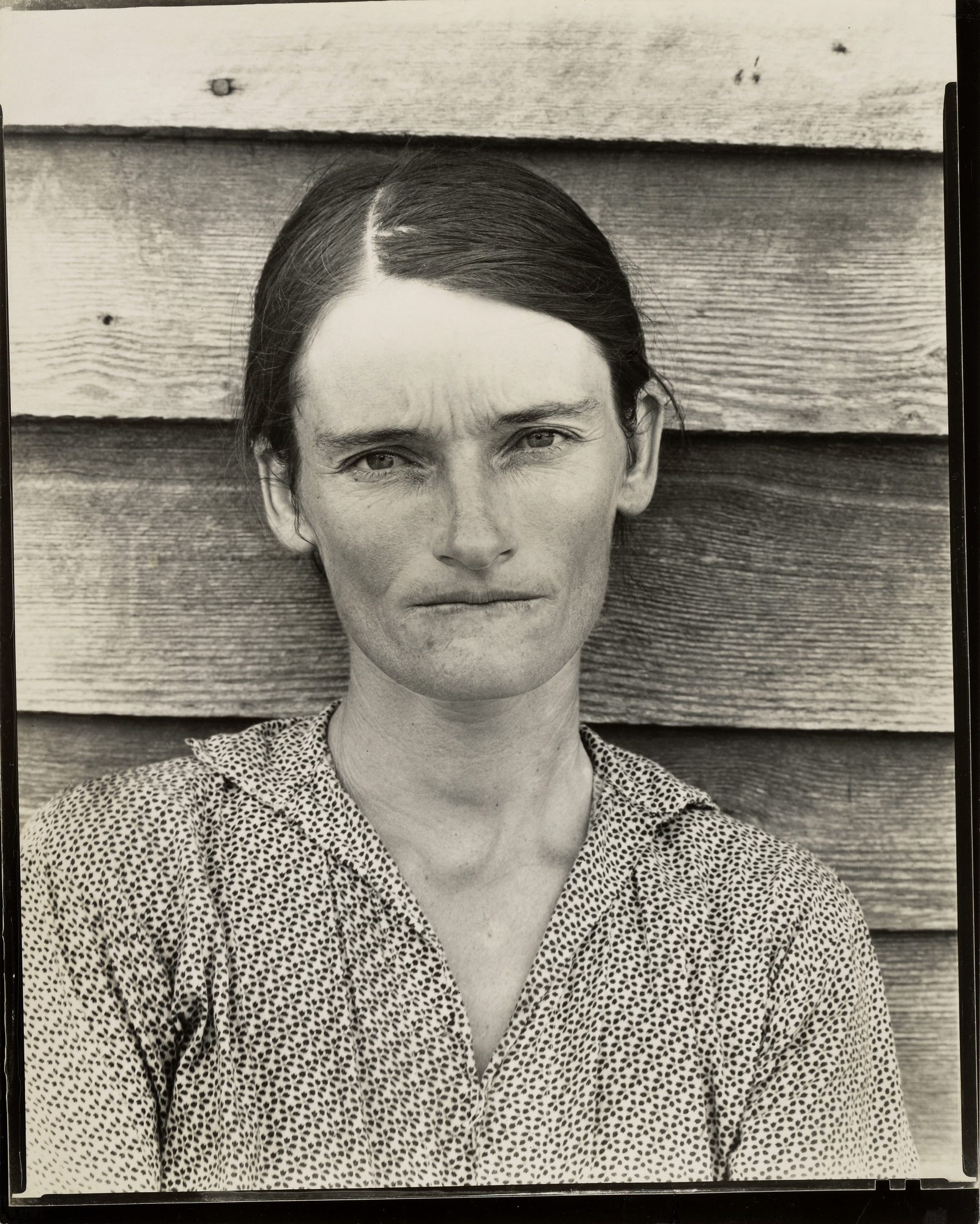
With this retrospective of the work of Walker Evans (1903-1975) Fotomuseum Winterthur presents one of the twentieth century’s pre-eminent photographers. His lucid and detailed portrayals of American life, especially his images of rural poverty during the Great Depression, made photographic history and went on to influence countless photographers. Walker Evans took an extremely innovative approach, capturing the very essence of the American way of life.
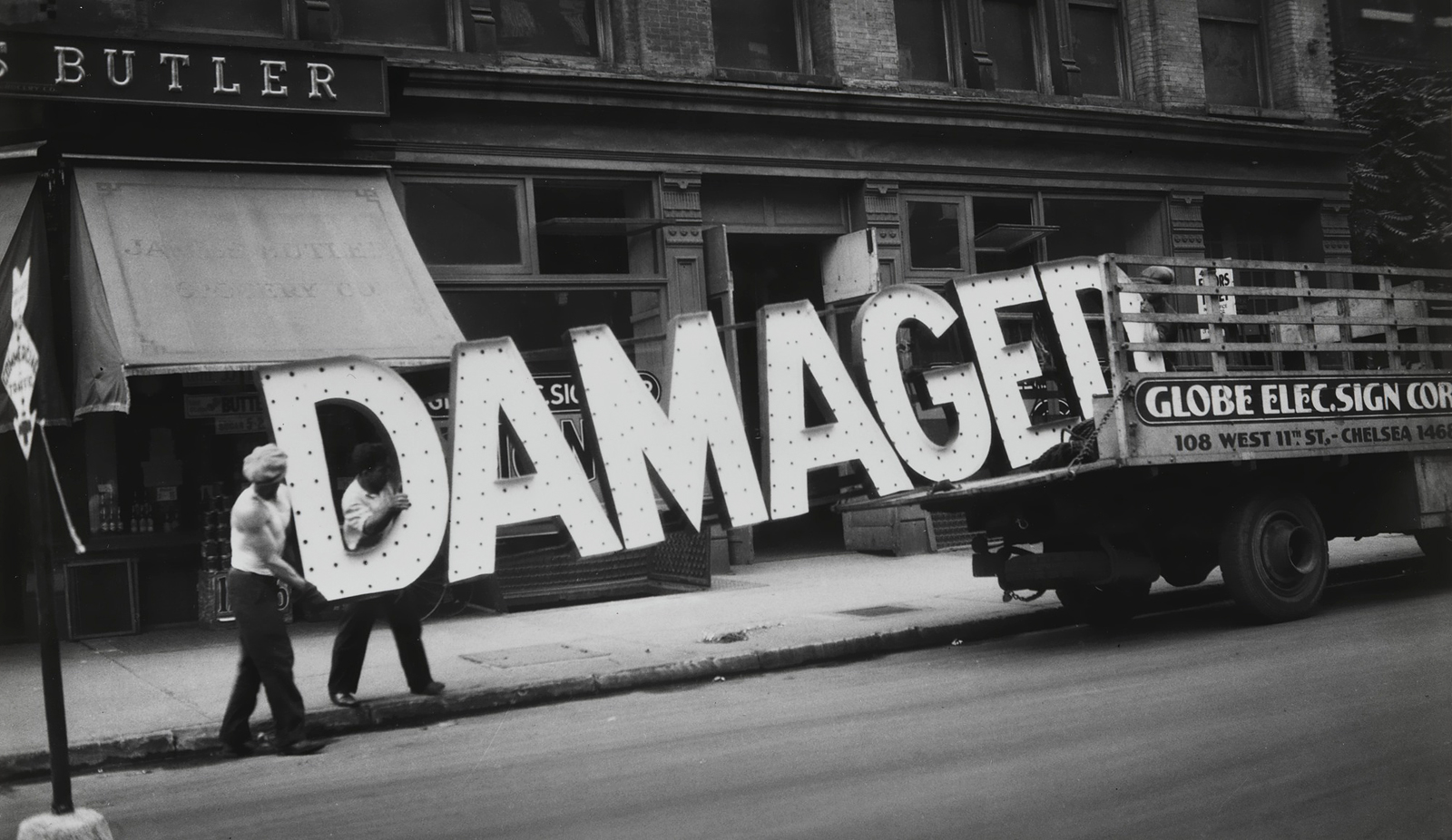
The exhibition, featuring some 120 works (the majority of which are from the most important private collection of Walker Evans’ works) represents every phase of his career: his early street photographs of the 1920s, his poignant documentation of 1930s America and pre-revolutionary Cuba, his landscapes and architectural photography, his subway portraits, storefronts, signage, the later colour Polaroids and more besides. As early as the 1930s, Walker Evans, in a departure from conventional notions of art and style, sought a new direct approach to reality. It is this that makes him a truly modern photographer.
The exhibition was curated by Jeff L. Rosenheim and Carlos Gollonet. Realisation in Winterthur: Urs Stahel. A cooperation with the Fundación MAPFRE, Madrid.
With this major retrospective of the work of Walker Evans (1903-1975) Fotomuseum Winterthur pays homage to one of the twentieth century’s pre-eminent photographers. His insightful and detailed portrayals of American life, especially his images of rural poverty during the Great Depression, made photographic history and went on to influence countless photographers. The 130 works in this retrospective exhibition represent every phase of his career: his early street photographs of the 1920s, his poignant documentation of 1930s America and pre-revolutionary Cuba, his landscapes and architectural photography, his subway portraits, storefronts, signage, and more besides.
On his return from France, where he had tried unsuccessfully to launch a literary career inspired by his love of Flaubert and Baudelaire, Walker Evans turned to photography. From the very start, with his keen eye for street life and the visual freshness of his unexpected slant on what he saw, his work spoke the language of European Modernism. But it was not long before Evans found his true voice – and it was at once profoundly personal and unequivocally American.
Some years before, the direct, undistorted and innovative gaze of Eugène Atget (1857-1927), whose work Evans knew and admired, had quietly paved the way for the split between documentary auteur photography and the purely descriptive photographic tradition. Atget’s unconventional angles, his de-centralised view and his focus on the seemingly trivial all had a major impact on Evans.
Walker Evans’ work is a far remove from what had, until then, been accepted as art photography. He was not interested in superficial beauty, but in a new objectivity. He subscribed to a style that observed undistorted facts and sought to capture things precisely as they were, seemingly without intervention, emotion or idealisation. For the first time in art photography, there were such unusual subjects as a pair of old boots or a subway passenger lost in thought. The artistic quality was based solely on the clarity, intelligence and authenticity of the photographer’s gaze. In this, Walker Evans’ oeuvre represents both a high point and a turning point in the formal and visual evolution of photography.
As the creator of this new, direct style, often referred to as straight photography, which drew upon scenes of sometimes blatant banality and rolled back the boundaries between the ‘important’ and the ‘trivial’, Walker Evans introduced the aesthetics of Modernism into American photography. This seemingly cold detachment spawned a style rich in expressive substance that was not only capable of embracing the lyricism and complexity of the American tradition, but of doing so without a trace of false romanticism, sentimentality or nostalgia. At long last, there was a forward-looking and enduring alternative to the traditional conventions of photography.
Press release from the Fotomuseum Winterthur website [Online] Cited 05/06/2009. No longer available online
Edward Weston (American, 1886-1958) Palma Cuernavaca 1925 Gelatin silver print Sheet: 24.4 x 16.5cm (9 5/8 x 6 1/2 in.) The Lane Collection Museum of Fine Arts, Boston
What a privilege to be able to post these photographs that appear in the exhibition. Breathe, look, enjoy!
Marcus
Many thankx to the Museum of Fine Arts, Boston for allowing me to publish the photographs in the posting. Please click on the photographs for a larger version of the image.
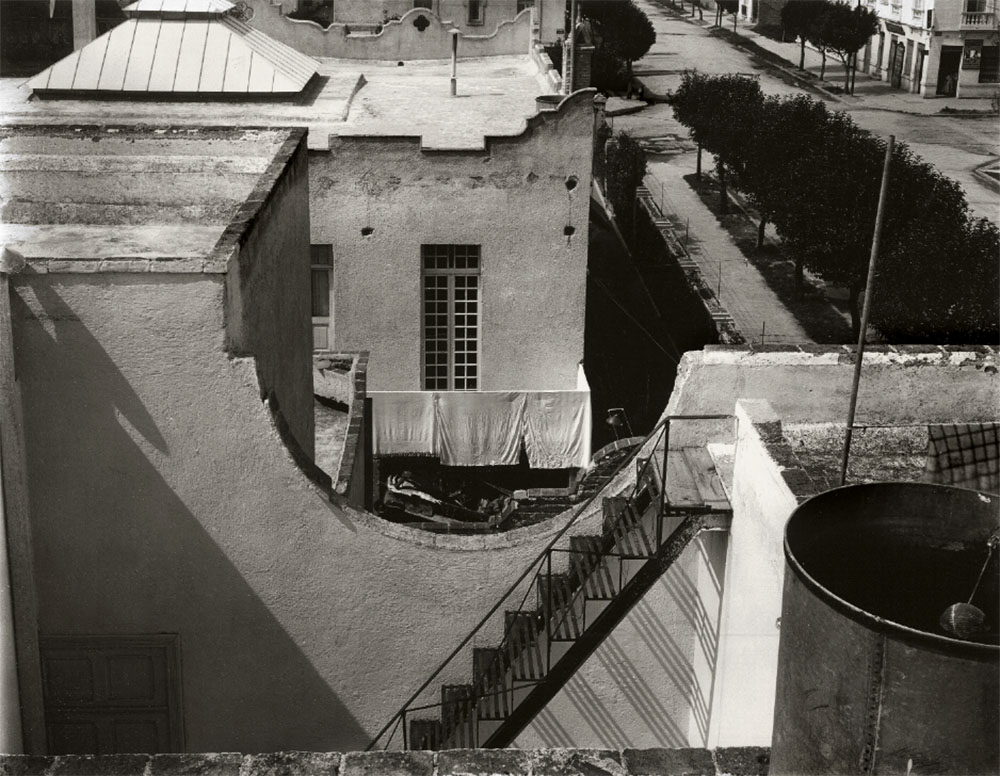
Edward Weston (American, 1886-1958) Desde la Azotea 1924 Platinum or palladium print Sheet: 19.4 x 24.4cm (7 5/8 x 9 5/8 in.) The Lane Collection Museum of Fine Arts, Boston
In the decades following the Revolution of 1910, foreign artists and intellectuals flocked to Mexico in order to experience its warm climate and lively cultural scene. They were inspired by Mexico‘s exotic tropical landscape, its ancient monuments and colonial architecture, the work of its modern muralists, and the country‘s indigenous arts and crafts. During two extended trips to Mexico made between 1923 and 1926, American photographer Edward Weston (1886-1958) created some of his earliest modernist photographs, which form the core of the exhibition, Viva Mexico! Edward Weston and His Contemporaries, at the Museum of Fine Arts, Boston (MFA). Featured are approximately 45 works, among them about 30 rare photographs by Weston and selected images by Tina Modotti, Brett Weston, Manuel Alvarez Bravo, and Paul Strand. These photographs from the 1920s and ’30s are drawn from the Museum’s own collection, as well as The Lane Collection, which is on long-term loan to the MFA. Additionally, a compelling 1939 portrait of Frida Kahlo by Hungarian-born photographer Nickolas Muray has been lent from a local private collection. Viva Mexico! is on view May 30 through November 2 in the MFA’s Herb Ritts Gallery.
“Viva Mexico! highlights Weston’s pivotal years in this highly creative environment, which had a lasting impact on his work and inspired some of his earliest experiments in still life, landscape, and cloud studies,” said Malcolm Rogers, Ann and Graham Gund Director of the MFA. “This exhibition allows us to focus on a critical juncture in Weston’s career, and to present one of the strengths of The Lane Collection – its holdings of the photographer’s early modernist work.”
The Lane Collection, which includes gifts and loans to the MFA, comprises modern American paintings, photographs, and works on paper assembled by the late William H. Lane and his wife, Saundra B. Lane, a Trustee of the MFA. During the late 1960s, the Lanes acquired a large number of Weston’s vintage photographs, which are now widely acknowledged to be the most important collection of the photographer’s work in private hands.
“Acquiring more than 2,000 Edward Weston photographs directly from his sons was an amazing learning experience for us and we were thrilled to be able to immerse ourselves in the work of such a major artist in such great depth,” said collector Saundra Lane. “The Mexico pictures by Edward, Brett, and Tina Modotti are some of my personal favourites. These works inspired me to more recently acquire two early Manuel Alvarez Bravo photographs, El soñador (The Dreamer) and Nude, included in the exhibition, each of them a quintessentially Mexican subject and clearly made under the influence of Weston and Modotti.”
In an early biography of Edward Weston, writer and editor Nancy Newhall described Mexico as his “Paris,” the place where he greatly expanded his range as an artist. His total of more-than two years in Mexico – Weston’s only travel outside the US – offered him the opportunity to move away from his Pictorialist style, with its soft focus and ethereal, romantic qualities, toward more abstract forms and sharper resolution of detail. Heroic portrait heads, avant-garde nudes, urban views, cloud studies and landscapes, and images of Mexican toys and folk art are among the subjects he captured with his large-format camera. This period of experimentation with isolated objects also resulted in some of Weston’s earliest forays into still life, as can be seen in Chayotes (1924), a close-up of the beautiful, spiny squash arranged in a painted wooden bowl.
In 1923, Weston made the difficult decision to close his portrait photography studio in Tropico (now Glendale), California, and move to Mexico, as he wrote in his journal – to start life anew. He left behind his wife and three of his four young sons and traveled to Mexico City with his lover, Italian-born actress Tina Modotti (1896-1942) and his oldest son Chandler. Modotti ran Weston’s new studio, served as his translator and muse, and under his tutelage began to make highly accomplished photographs of her own. Together they became immersed in the vibrant community of artists and intellectuals centred there, which included painters Diego Rivera, Jean Charlot, Xavier Guerrero, and Rafael Salas, as well as the poet Luis Quintanilla, writer D.H. Lawrence, anthropologist Frances Toor, and journalist Carleton Beals. Although Weston and Modotti always remained outsiders looking in, the several exhibitions of their work during their Mexican sojourn helped spark a lively interest in modernist photography in their adopted country, where until this time photography had been admired mainly as a documentary tool, rather than a fine art.
“This exhibition will be a wonderful opportunity for our visitors to experience Weston’s stunning Mexican photographs firsthand, many of which are rarely seen platinum prints taken in the period just before he made his classic black-and-white images of peppers and shells,” said Karen Haas, The Lane Collection Curator of Photographs, who organised Viva Mexico! “These rich, warm-toned prints, when seen in context with photographs by his contemporaries in Mexico during the 1920s and ’30s, promise to be a revelation even to those who know Weston’s work well.”
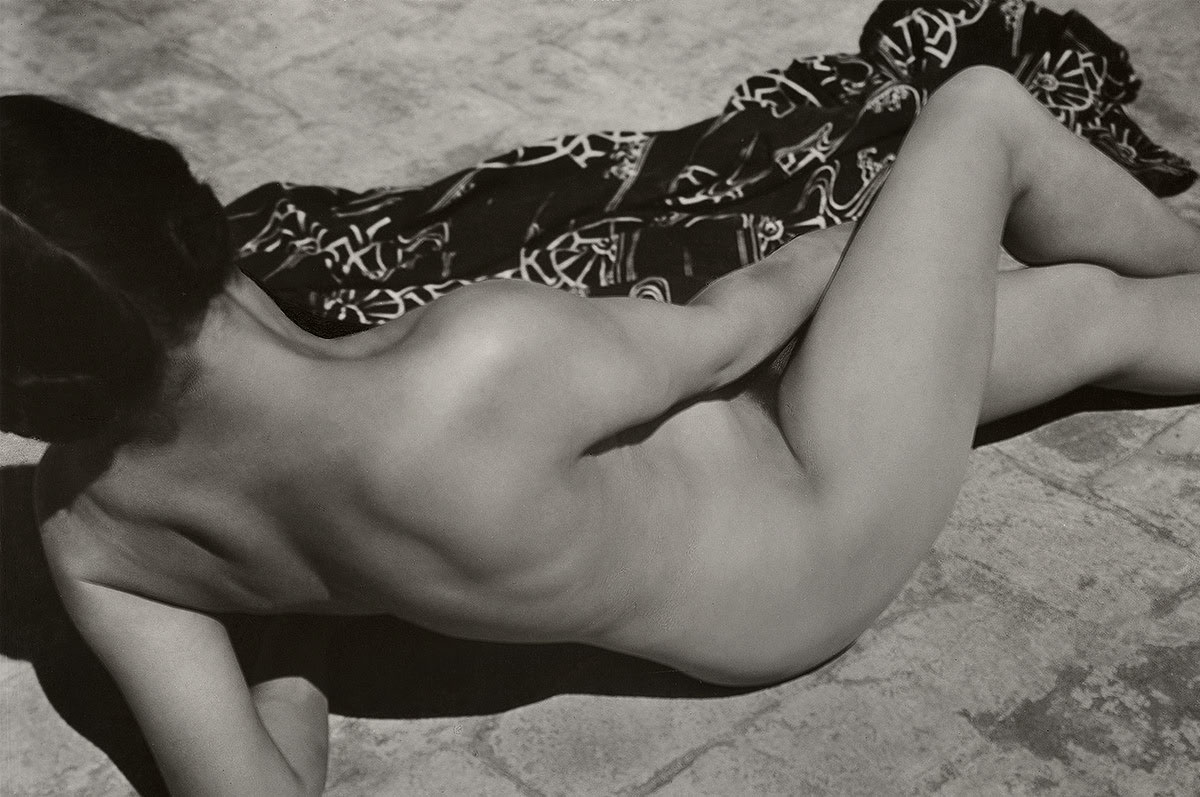
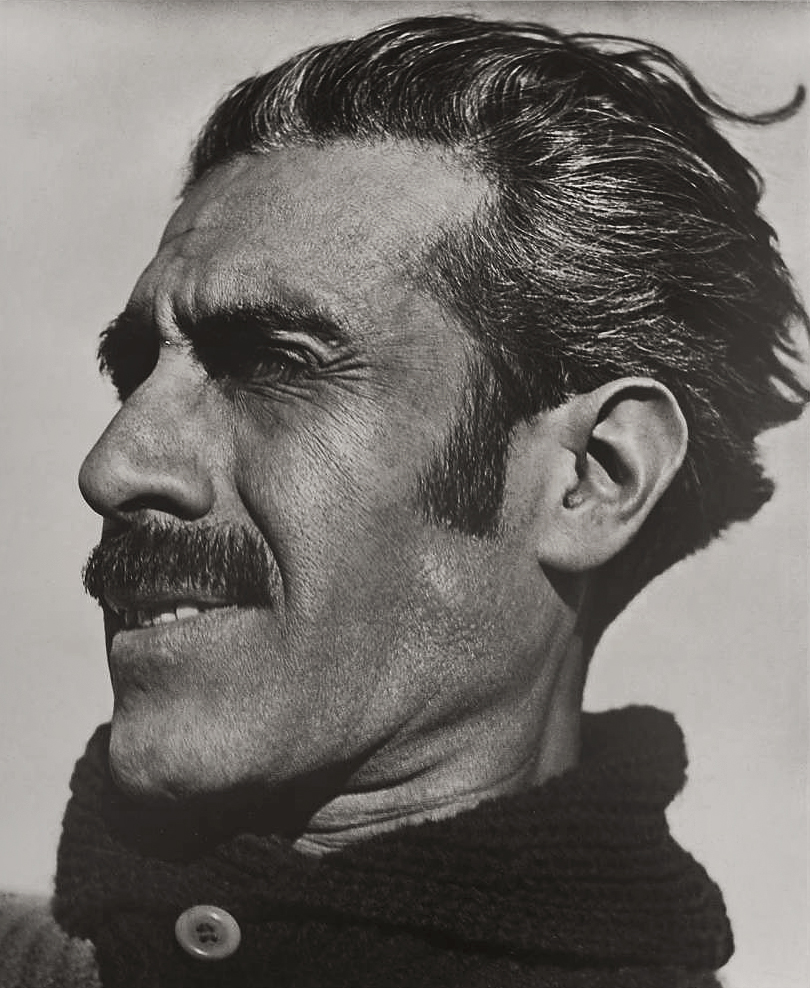
Many of the earliest images that Weston produced in Mexico were portraits and nudes, both subjects that he had specialised in previously but now took on a very different look and feel. Soon after his arrival, he began a series of monumental portraits of friends and acquaintances, all of them shot very close-up and from slightly below eye level, their heads filling the picture frame and their features heroicised. These include Galván Shooting (1924), Tina Modotti (1924), Victoria Marin (1926), and Rose Roland Covarrubias (1926). He also made a stunning group of nudes of Modotti posing on their sun-baked rooftop patio, all three of which he titled Tina on the Azotea (1924), as well as an incredibly simple and sculptural image, Nude (1926) of fellow American expatriate Anita Brenner. The Brenner nude, along with Palma Cuernavaca (1925), Aqueduct (1924), and Excusado (1925) all share a similarly stark, abstract, and timeless quality – what Weston described as an attempt to render “the very substance and quintessence of the thing itself.”
Abstract architectural details began to make their way into Weston’s work as well and he was drawn to capture light and shadow on a variety of surfaces, from the zigzag stone patterns of the ancient Ruinas de Mitla (1926) to the angled forms of the convent stairwell and skylight in San Pedro y San Pablo (1924). Viva Mexico! also showcases Weston’s experimentation with landscape photography, both urban and rural. The striking view from his studio roof is recorded in Desde la Azotea (1924), in which the geometry of the buildings below is heightened by the elevated vantage point and steeply raking light, and in Michoacán (1926), where he captures the beautifully undulating silhouette of the pastoral countryside. Much less common among his subjects from this period are some of Weston’s little-known photographs made in outdoor markets and fairs, such as Mercado, Oaxaca (1926) and Bowls, Oaxaca (1926). These open-air street images closely relate to another group of pictures, including Torito (1925), a playful little papier-maché bull, and Fish Gourd and Striped Serape (1926), which reflect Weston’s newfound interest in the vernacular Mexican toys and folk objects that he collected and lovingly documented in his studio while waiting for clients to arrive for portrait sittings. These whimsical photographs also serve as fascinating precursors to Weston’s high modernist still lifes of less than a decade later.
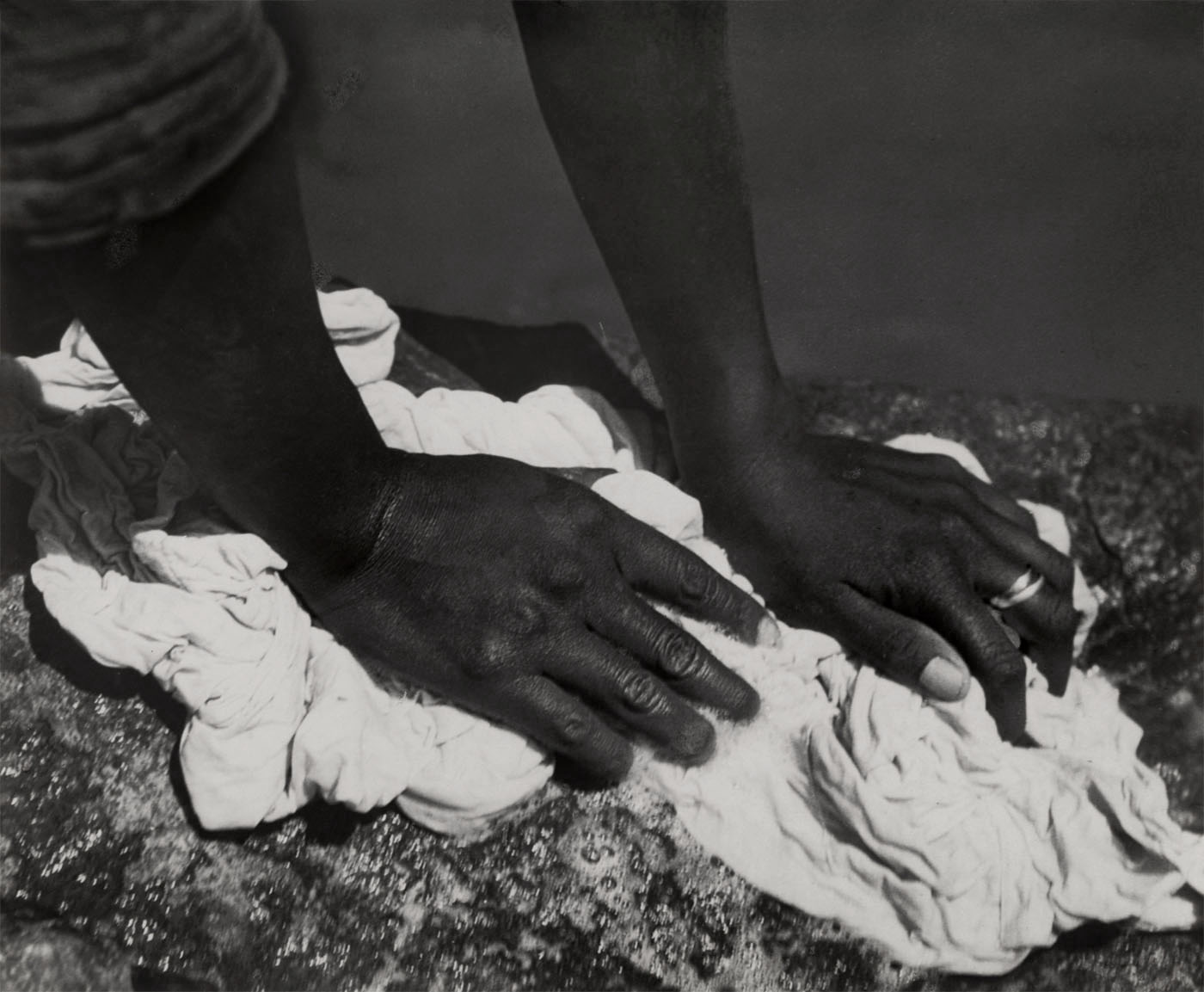
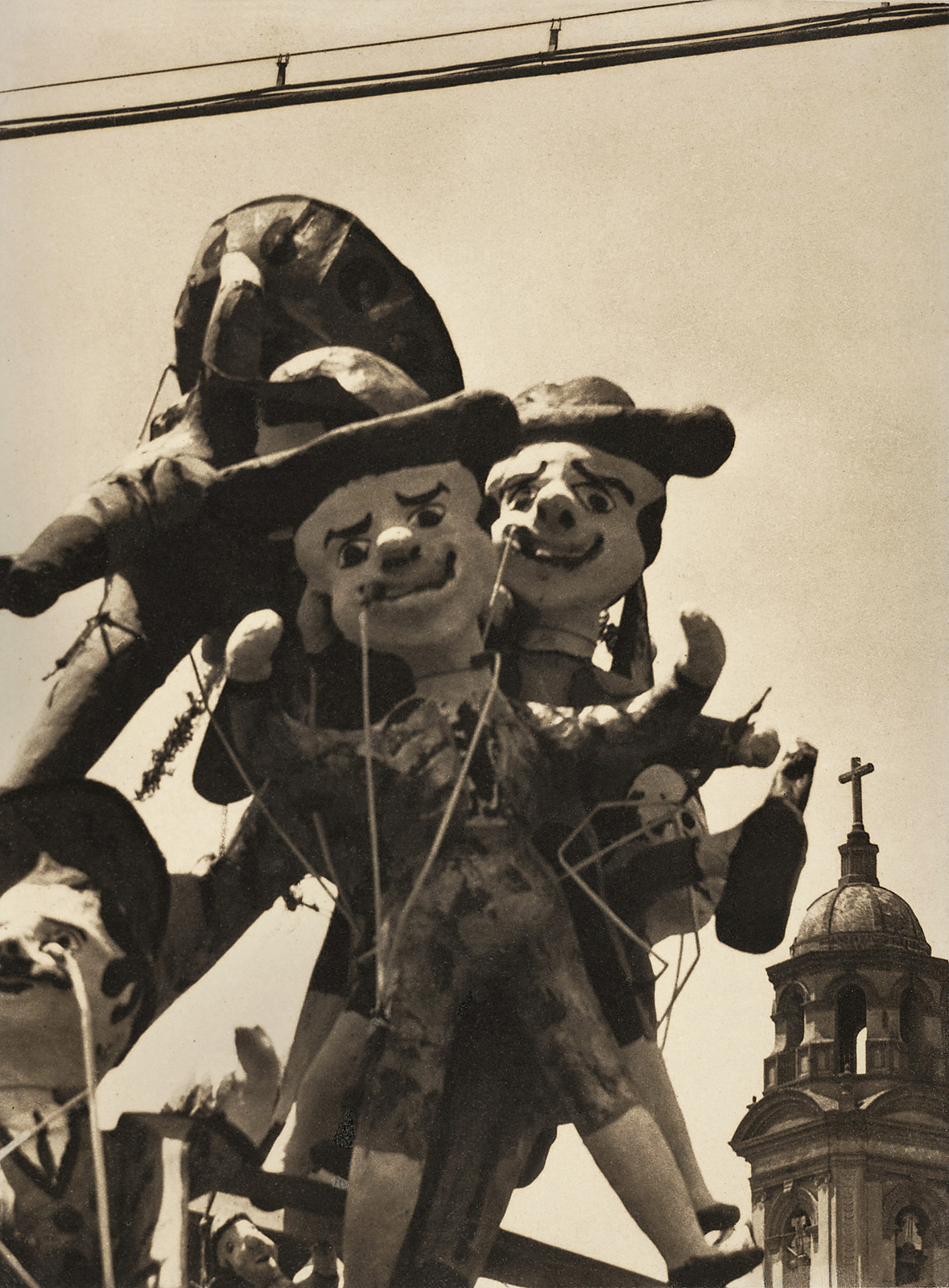
Over the course of her time in Mexico, Modotti rapidly went from photographer’s apprentice and model to fine art photographer in her own right. Although her career as a photographer was relatively brief, her powerful pictures from this period sometimes rival those of her lover and teacher, Edward Weston. Modotti was a rare woman in a mostly male profession, but she brought to her work a deep-seated interest in the people and the politics of Mexico in the 1920s. Unlike Weston, who preferred to work in the studio rather than the street, Modotti straddled the worlds of fine art photography and radical social activism. Her commitment to the struggles of the people can be seen in her iconic Worker’s Hands (1927), and her fascination with Mexico’s public demonstrations and celebrations is captured in Effigies of Judas (1924). She was so impassioned by these causes, in fact, that Modotti joined the Communist party and continued to work in Mexico for several years after Weston finally returned home in 1926. Before he left for California, however, Weston and Modotti collaborated on a photographic commission to illustrate a book on Mexican history and culture entitled Idols Behind Altars, which was written by their friend Anita Brenner and published in 1929. A copy of the book is among the case materials featured in the exhibition, as is American photographer Laura Gilpin’s book, Temples in Yucatan: A Camera Chronicle of Chichén Itzá (1948), which showcases her pictures of the ancient Mayan ruins taken during her two trips there in the early 1930s and mid ’40s.
Viva Mexico! also offers visitors to the MFA a rare chance to see some of Brett Weston’s (1911-1993) earliest serious photographs made during Edward Weston’s second extended trip to Mexico in 1925 and 1926 (after an eight-month-long hiatus in California). The second eldest of Weston’s four sons was only 14 years old when he accompanied his father to Mexico City and went with him to live in the house and studio that Weston shared with Modotti. Rather than the large-format camera and platinum prints that his father preferred, Brett Weston was given a 3 1/4 x 4 1/4 Graflex camera and printed his pictures on less expensive gelatin silver papers, which captured the precise detail and texture that his father admired in his work. The boy quickly fell under the spell of photography and his time in Mexico proved to be an ideal preparation for his own future as a professional photographer. Two of Brett Weston’s highly abstract architectural views, Tin rooftops (1926) and Ventilator (1926), are on view in the exhibition.
The only Mexican-born artist in the exhibition, Manuel Alvarez Bravo (1902-2002), is represented with three works, El soñador (The Dreamer) (1931), Nude (1935), and Las lavanderas sobreentendidas (Washerwomen Implied), Draped Yucca Plants, Mexico (1932). As a young, aspiring photographer in Mexico City, Bravo first met Modotti in 1927, soon after Weston’s departure. He was greatly inspired by the look and spirit of Modotti’s work as well as the Weston prints that she shared with him. Bravo is perhaps best-known for the stunning female nudes that he made over the course of his long career, but Viva Mexico! features a rare male figure study, Nude (1935). With its androgynous curves and simplified form, it clearly relates to Weston’s nudes of his son Neil made a decade earlier. Bravo’s photographs always have a profoundly Mexican essence to them, but especially during the 1920s and ’30s; they also demonstrate the influence of the European Surrealists as can be seen in the slightly unsettling, yet lovely work El soñador (The Dreamer).“
Viva Mexico! also showcases the work of American photographer and documentary filmmaker Paul Strand (1890-1976), who lived in Mexico during the mid-1930s. Although he and Weston had met in New York in 1922 and were aware of each other’s careers, their sojourns in Mexico did not coincide. The situation that Strand found on crossing the border in 1932 was very different than the more optimistic period of cultural Renaissance that Weston had experienced during the mid-1920s. Like Modotti, whose social concerns and unsentimental approach he shared, Strand was inspired to make portraits of Mexico’s indigenous peoples and the country’s dramatic landscapes. Landscape, Near Saltillo (1932) was one of the earliest images Strand shot in Mexico; taken in the north of the country on his initial trip down to Mexico City, it features the glowing white form of an adobe building set off by spiny, tall cacti and a vast expanse of sky. Also on view is Día de Fiesta (1933), a starkly simple image of three men and a child standing against a sunlit wall, which was made just prior to the production of Redes (Nets, or The Wave, in the US), his documentary film focusing on the struggles of a group of fisherman near Veracruz.”
Press release from the Museum of Fine Arts, Boston [Online] Cited 03/06/2009 no longer available online
Edward Weston (American, 1886-1958) Chayotes 1924 Platinum or palladium print Sheet: 19.4 x 24.3cm (7 5/8 x 9 9/16 in.) The Lane Collection Museum of Fine Arts, Boston
Edward Weston (American, 1886-1958) Ruinas de Mitla 1926 Platinum or palladium print Sheet: 19.1 x 24.1cm (7 1/2 x 9 1/2 in.) The Lane Collection Museum of Fine Arts, Boston
Edward Weston (American, 1886-1958) San Pedro y San Pablo 1924 Platinum or palladium print Sheet: 19.4 x 24.4cm (7 5/8 x 9 5/8 in.) The Lane Collection Museum of Fine Arts, Boston
Edward Weston (American, 1886-1958) Tina on the Azotea, with kimono 1924 Gelatin silver print Sheet: 16.2 x 23.8cm (6 3/8 x 9 3/8 in.) The Lane Collection Museum of Fine Arts, Boston
Edward Weston (American, 1886-1958) Tina On The Azotea c. 1924 Palladium print Sheet: 22.2 x 17.5cm (8 3/4 x 6 7/8 in.) The Lane Collection Museum of Fine Arts, Boston
Edward Weston (American, 1886-1958) Tina Modotti 1924 Palladium print Sheet: 22.7 x 17cm (8 15/16 x 6 11/16 in.) The Lane Collection Museum of Fine Arts, Boston
Pure your gentle name, pure your fragile life, bees, shadows, fire, snow, silence and foam, combined with steel and wire and pollen to make up your firm and delicate being.
Part of Modotti’s epitaph which can be found on her tombstone, composed by Pablo Neruda,
Edward Weston (American, 1886-1958) Galván Shooting (Manuel Hernández Galván, Mexico) 1924 Gelatin silver print 22.5 x 18.7cm (8 7/8 x 7 3/8 in.) Mary L. Smith Fund Museum of Fine Arts, Boston
Edward Weston (American, 1886-1958) Rosa Rolanda (de Covarrubias) 1926 Gelatin silver print 21.9 x 16.5 cm (8 5/8 x 6 1/2 in.) Sophie M. Friedman Fund Museum of Fine Arts, Boston
Edward Weston (American, 1886-1958) Excusado (Toilet) 1925 Gelatin silver print Sheet: 24.3 x 19.1cm (9 9/16 x 7 1/2 in.) The Lane Collection Museum of Fine Arts, Boston
Tina Modotti (American born Italy, died Mexico, 1896-1942) Manos de trabajador, Mexico (Worker’s Hands, Mexico) 1927 Gelatin silver print 19.2 x 21.7cm (7 9/16 x 8 9/16 in.) Sophie M. Friedman Fund Museum of Fine Arts, Boston
Tina Modotti’s closely cropped picture of a worker’s dusty hands conveys the realities of hard work. In 1923, the Italian-born film actress accompanied her lover, photographer Edward Weston, to Mexico City, where Weston taught her to use a large-format camera. She worked as his studio assistant, quickly mastering the technique and making striking portraits, close-up images of flowers, and still lifes of her own. Modotti’s compassion for the indigenous culture and political struggles of the Mexican people led her to join the Communist Party in 1927 and to focus on socially concerned subjects, using her camera as a tool to document the proud faces and weathered hands of the peasant labourers, artisans, and revolutionaries of her adopted country.
Text from the Museum of Fine Arts, Boston website
Screenshot
Tina Modotti (American born in Italy, died in Mexico, 1896-1942) Hands Washing 1927 Gelatin silver print
Tina Modotti (American born Italy, died Mexico, 1896-1942) Effigies of Judas 1924 Gelatin silver print
“For the perfect flaneur, for the passionate spectator, it is an immense joy to set up house in the heart of the multitude, amid the ebb and flow of movement, in the midst of the fugitive and infinite. To be away from home and yet to feel oneself everywhere at home; to see the world, to be at the centre of the world, and yet to remain hidden from the world … Thus the lover of universal life enters into the crowd as though it were an immense reservoir of electrical energy …”
Charles Baudelaire. The Painter of Modern Life 1863
“At least a dozen of Helen Levitt’s photographs seem to me as beautiful, perceptive, satisfying, and enduring as any lyrical work that I know. In their general quality and coherence, moreover, the photographs as a whole body, as a book, seem to me to combine into a unified view of the world, an uninsistent but irrefutable manifesto of a way of seeing, and in a gently and wholly unpretentious way, a major poetic work.”
James Agee
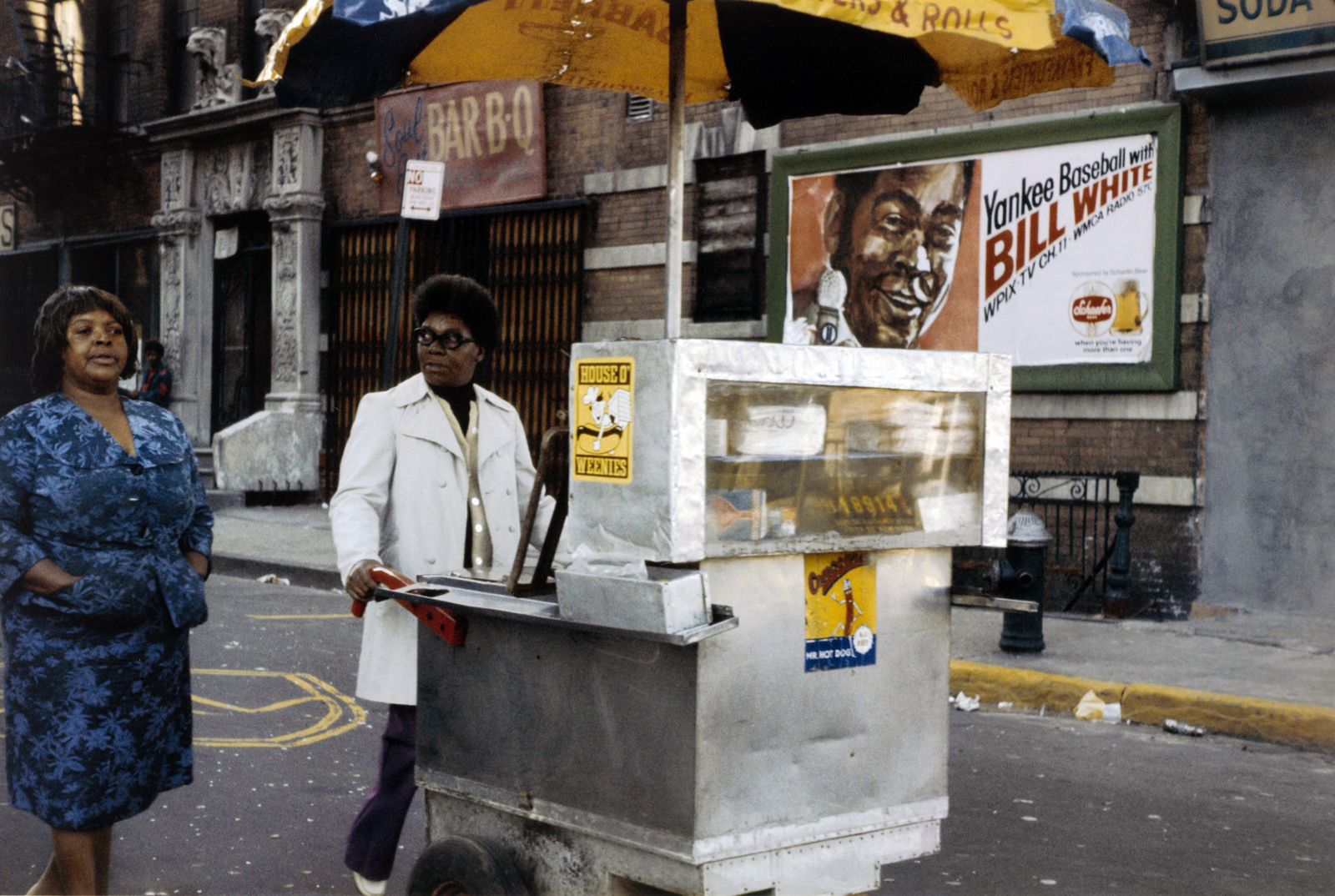
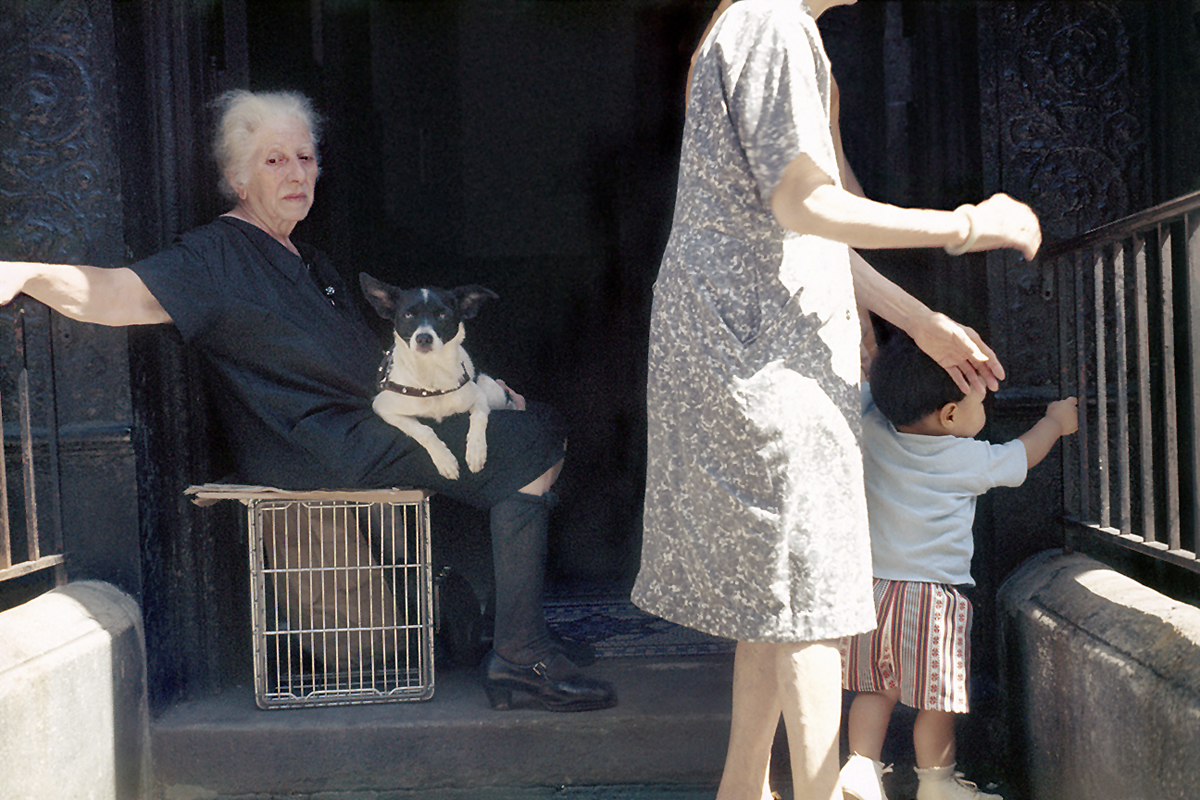
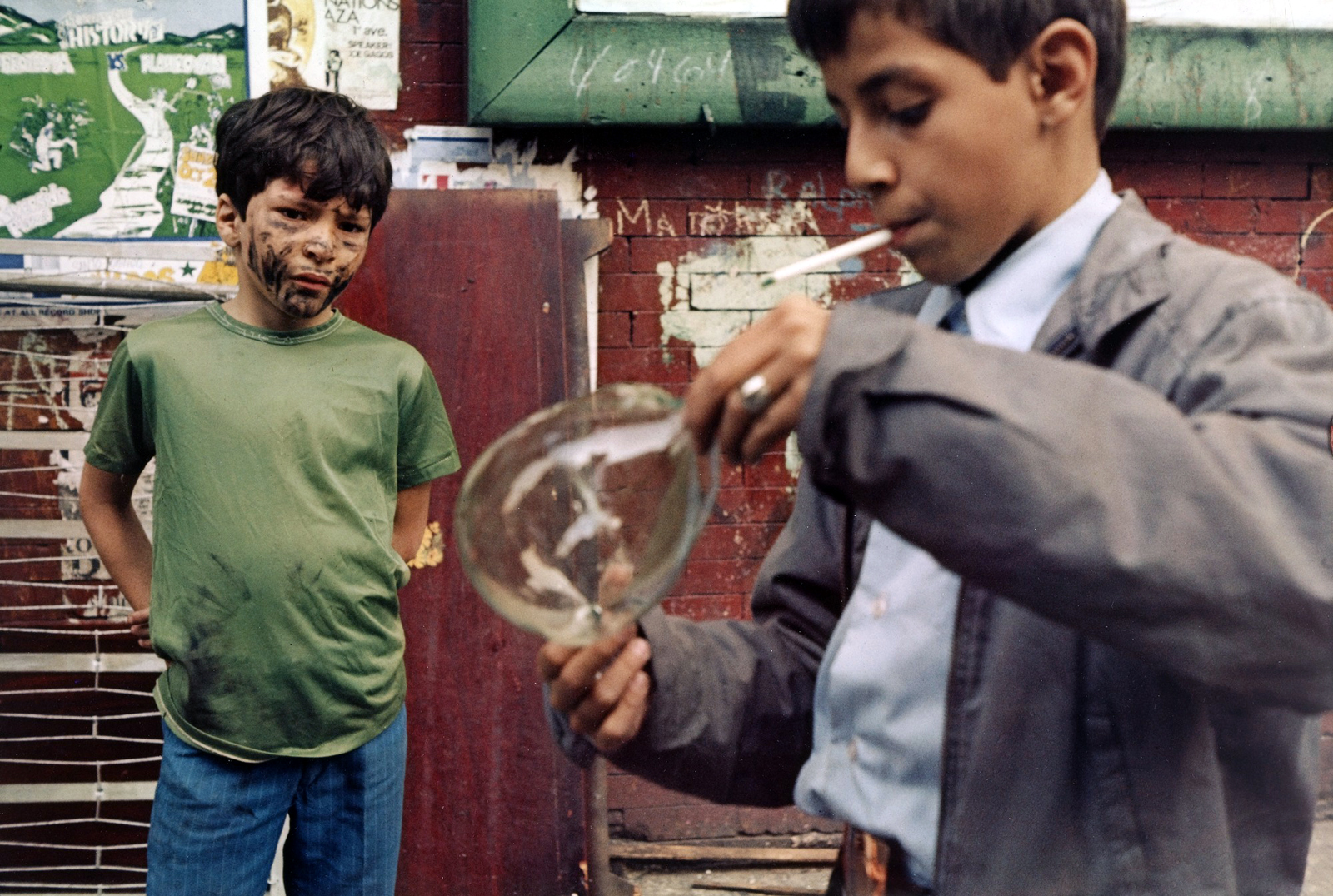
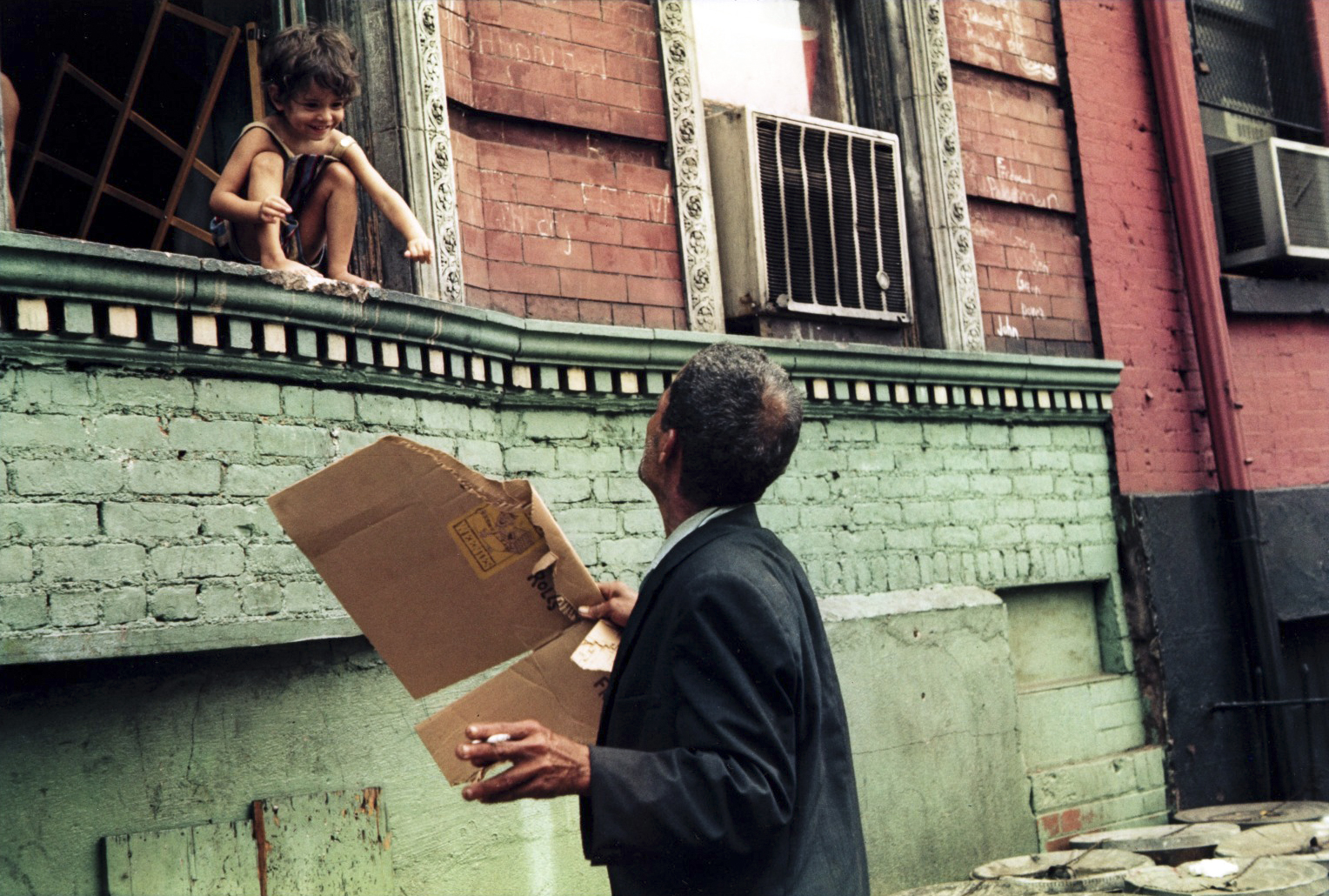
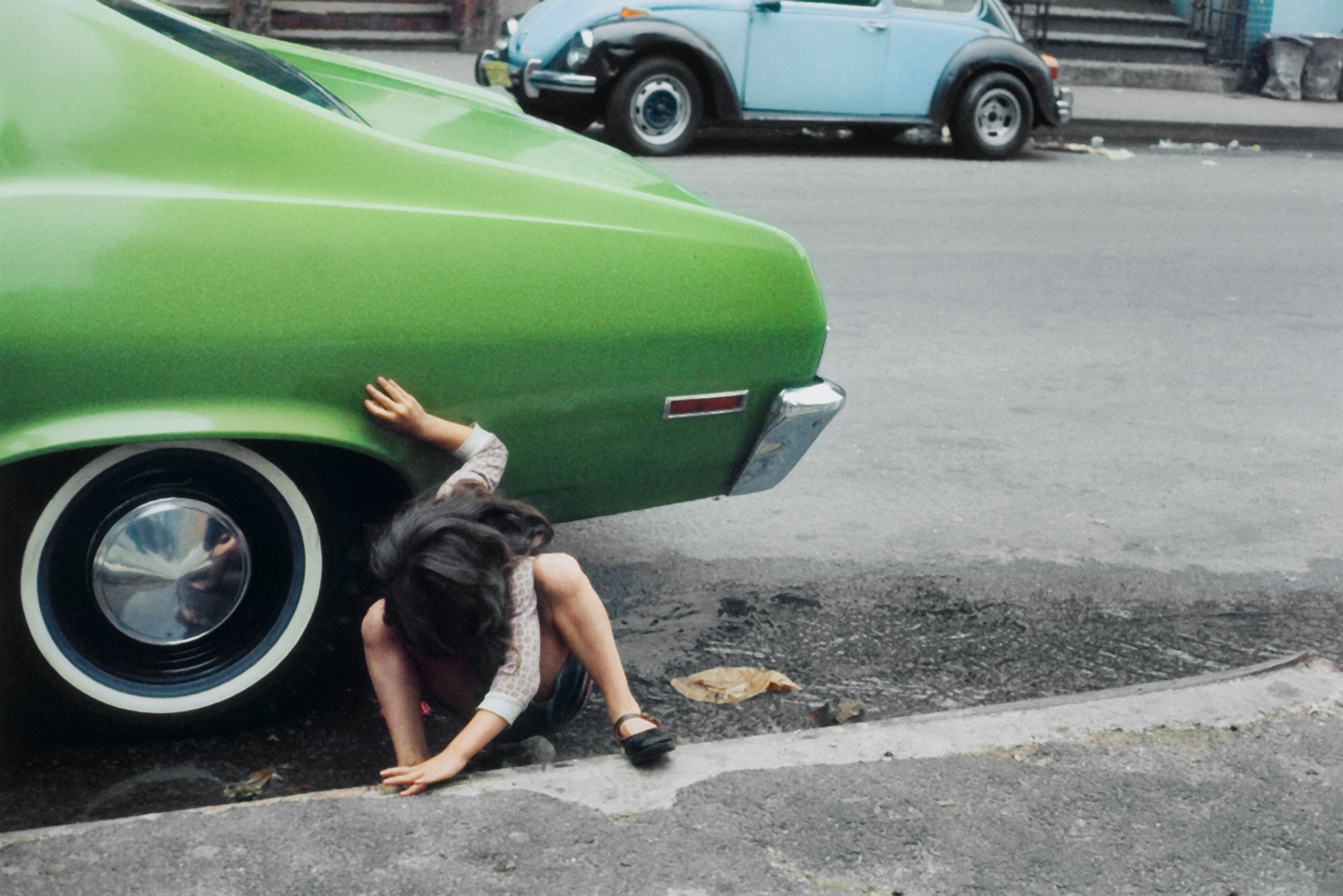
Speaking of pioneers of colour photography the wonderful American photographer Helen Levitt died recently at the end of March. Here is a selection of her colour work from the 1970s – 1980s. With two Guggenheim Foundation grants in 1959 and 1960 she switched from black and white to colour dye-transfer prints photographing the theatre of the street, the serendipity of the decisive moment previsualised and captured through awareness and an intimate knowledge of her subject matter. Unfortunately in a burglary in 1970 most of her colour transparencies and prints were stolen from that initial period.
What remains, as Sally Mann would say, are the eloquent bones of the matter: superb lush colour photographs taken after 1970 that engage the viewer not in memory but in the moment, not in nostalgia but in joy. In colour she found “beauty in correspondences.”
Dr Marcus Bunyan
Please click on some of the photographs for a larger version of the image.
… Her pictures were mostly of Spanish Harlem and the Lower East Side. She shot them in black and white, as silver gelatin prints, in the 1930s and 1940s and in colour dye-transfer prints in the 1960s and 1970s. In between, she got into movie-making for a while. Her theme was the same, the streets of New York. Apart from a trip in 1941 to Mexico City, she never found a better subject in her life.
The grittier parts were her particular joy. Her world was run-down streets, rubble-filled building sites, warehouses and litter-strewn front steps. This was urban photography with a vengeance: small scraps of sky, no trees. When she was going with Walker Evans in 1938, borrowing his camera as well (“of course”) as sleeping with him, he used to be afraid of going as far uptown as she did. Some of her young male subjects, lounging around in their zoot suits and fedoras, had an unmistakable air of menace. But mostly she brought back images of gossiping women and her favourite, scrambling children. A right-angle viewfinder allowed her to take the picture without them knowing, even, as Evans showed her, when riding right beside them in the subway.
Here and there
Her birthplace was in Brooklyn, where her father was in the wholesale knitwear business. She aspired to something more artistic, but found she couldn’t draw. For a time she trained in ballet, which taught her to appreciate the musculature of posing bodies and the spontaneous grace of her child subjects. After dropping out of high school she went to work in the darkroom of Florian Mitchell’s commercial portrait-photography studio on $6 a week. There she was hooked.
A good image, she thought, was just lucky. But her New Yorker’s instinct seemed to tell her exactly where to wait for one. A broken-down car would soon attract people to lie under it, peer under the hood or try to push it. A cane chair, put out on the sidewalk, would draw an elderly man with cigar and newspaper, or a plump young woman in a housecoat wilting in the heat. With luck dogs would come out too, rough-haired mutts or poodles with fresh-shampooed coats. The open back of a truck would reveal delivery men moping on piles of sacks, or dozing among pink and blue bales of cloth. Any abandoned thing – a tea-chest, a mirror frame, the pillared entry of an empty building – would soon sport knots of children diving in, climbing up, fighting and contorting their small bodies in every kind of way.
Her pictures did not have names. “New York”, and the year, was the label on most of them. They did not need explaining; they were “just what you see”. Many had a backdrop of posters, graffiti or billboards, which gave a commentary of sorts. “Special Spaghetti 25 cents.” “Post No Bills.” “Nuts roasted daily.” “Buttons and Notions, One Flight Up.” “Bill Jones Mother is a Hore.” Her earliest project with her first, secondhand camera was to photograph children’s chalk drawings on the pavements. She never tried to speculate on them. What mattered was the patterns they made.
In the 1960s, when she got two Guggenheim grants, she began to shoot the streets in colour. The tricky developing ultimately frustrated her, and the streets, too, had changed. The children had retreated indoors to watch television. But where she had found grace and texture in black and white, colour now provided beauty in correspondences. The multi-coloured balls in bubble-gum machines could be picked up in a girl’s dress, or the red of a stiletto shoe matched with the frame of a shop window. Her broken-down cars were now lurid beasts against the stucco walls. And out of her peeling, greenish doorways could come women in furs, or pink hair-curlers, or orange-striped socks.
She did not rate her own work highly. Though her original prints eventually sold for tens of thousands of dollars, she let them pile up in her apartment in boxes labelled “Nothing good” or “Here and there”. Her hopes when she started were for photographs that would make a socialist statement of some sort, but she abandoned that on Cartier-Bresson’s advice. A “nice picture”, as she reluctantly admitted some of hers were, was a work of art that had value in itself, as well as a celebration of the random, teeming work of art that is the city of New York.
Anonymous. “Helen Levitt,” on The Economist website April 8th 2009 [Online] Cited 16/04/2009. No longer available online
Slide Show: The Color Photographs of Helen Levitt by John Szarkowski, Powerhouse Books, 2005 is available from the Amazon website. The photograph above is used on the cover of the book.
Many thankx to Philadelphia Museum of Art for allowing me to publish the photographs in the posting. Please click on the photographs for a larger version of the image.
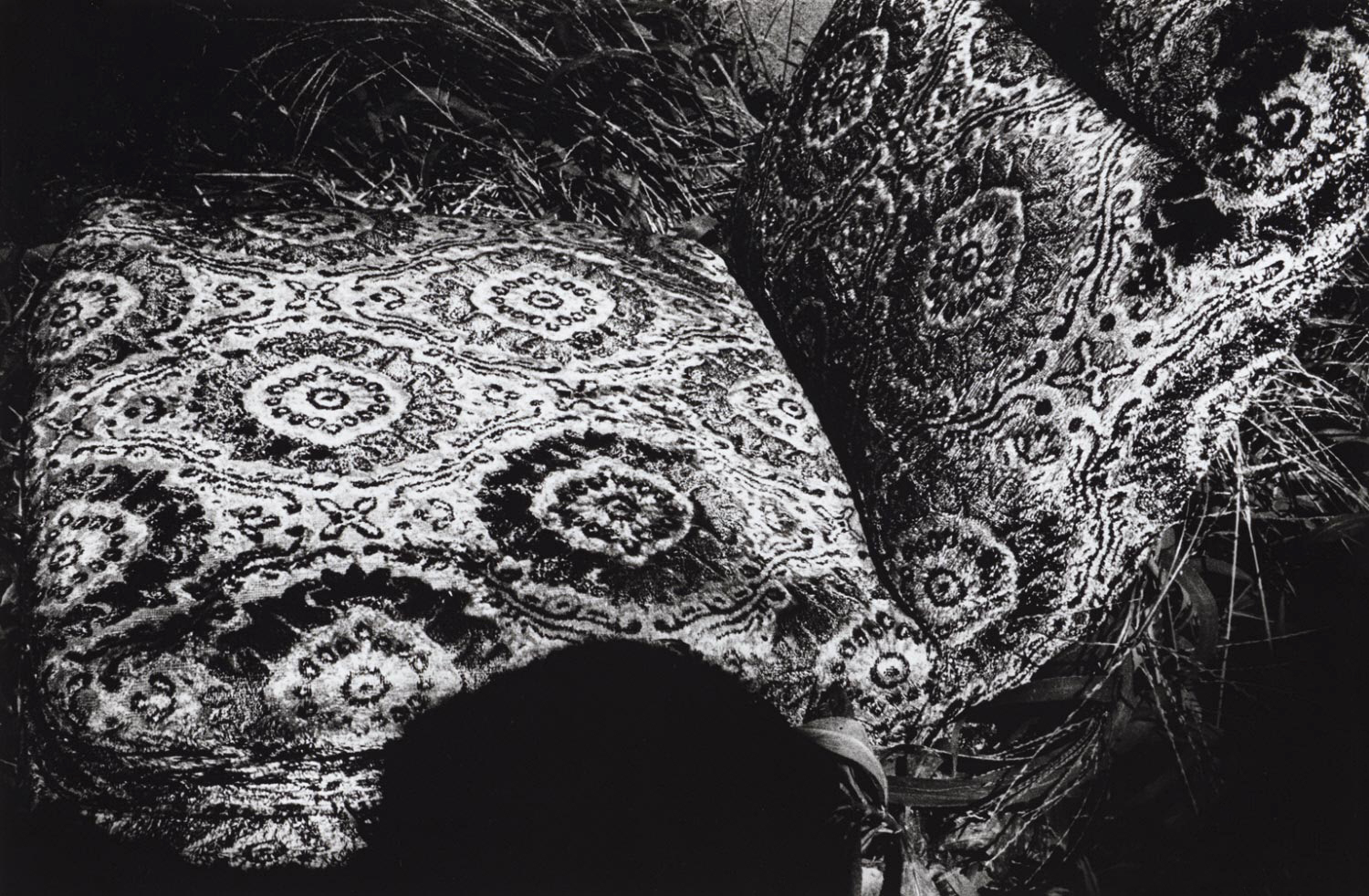
Daidō Moriyama often calls himself a “stray dog,” a reference to one of his iconic early pictures of a roaming mongrel, but also to his preferred incidental vantage points in relation to his subjects and his beguiled yet wary stance toward modernising Japanese society. In the series Memory of Dog, he revisited photographic scenarios and motifs from his previous two decades of work, overlaying his peripheral approach with another quality that he finds crucial to photography: its relationship to memory.
Daidō Moriyama is one of the most important and exciting Japanese photographers of our time, having made prolific, often experimental pictures of modern urban life since the 1960s. This exhibition showcases a group of approximately 45 photographs made in and around Tokyo in the 1980s, when Moriyama focused his mature aesthetic on the city with renewed intensity.
Moriyama approaches the world with an equalising eye, capturing disparate peripheral details that in themselves account for little, but together add up to a powerful diagnosis of modern experience. In 1980s Japan such details encompassed the disorienting and sometimes brutal juxtaposition of traditional culture and modernisation, most visible in the glut of consumer goods and images. But in Moriyama’s photographs these subjects appear alongside the banal elements of any streetscape: a derelict patch of pavement and wall, a car with an aggressive key scratch running its full length, even a single rose blossom.
Moriyama’s urban imagery shares some of its qualities with other great street photography of the 20th century, and he has cited the photographs of William Klein as a major influence. But his work involves strong responses to a wide range of modern art and literature, including photographs and graphic designs by many of his Japanese contemporaries, Andy Warhol’s silkscreens, and the novels of Jack Kerouac and James Baldwin. Moriyama’s mix of international and Japanese trends to represent modern Tokyo is one source of his photography’s power, and the exhibition will include a small number of works by other artists to demonstrate his visual sensibility, including prints and photographs by Warhol, Klein, Shomei Tomatsu, and Tadanori Yokoo.
Since the 1960s Japanese photographer Daidō Moriyama (born 1938) has been making dynamic, often experimental images of modern urban life, establishing a reputation as one of the most important and exciting photographers of our time. The Philadelphia Museum of Art will present an exhibition of approximately 45 photographs by Moriyama, made in and around Tokyo in the 1980s, when the artist focused his mature aesthetic on the city with renewed intensity. The exhibition will be on view from February 28-June 30, 2009 in the Julien Levy Gallery at the Ruth and Raymond G. Perelman Building.
Born in 1938 in Ikeda-cho (now Ikeda-shi), Osaka, Moriyama witnessed the dramatic changes that swept over Japan in the decades following World War II. After his father’s death in a train accident, he began working as a freelance graphic designer at age 20. He was intrigued by the graphic possibilities of screenprinting, the cheapest and most prolific form for printed imagery, and by international trends in contemporary art. These interests, along with attention to the various forms of visual stimuli that populate the urban landscape have been a hallmark of Moriyama’s career.
In 1960 Moriyama took up the study of photography under Takeji Iwamiya and one year later moved to Tokyo hoping to join the eminent photographers’ group VIVO, a short-lived cooperative whose members were exploring and confronting the revolution in modern Japanese society in their work. Although VIVO disbanded a week after Moriyama’s arrival in the capital, the visual and existential turmoil they explored would become one of the core subjects in Moriyama’s photographs. His gritty, black and white images of streets and highways express the conflicting realities of contemporary Japan, the disorienting and sometimes brutal juxtaposition of traditional culture and modernisation.
“It is a pleasure to present this group of photographs from the Museum’s collection reflecting the distinctive vision of Daidō Moriyama, who is undoubtedly among the great urban photographers of the 20th century,” Curator of Photographs Peter Barberie said. “These particular images focus on the visual experience of modern-day Tokyo, but through them Moriyama is documenting broader global trends of modernisation, and at the same time exploring the unique aesthetic qualities of his medium.”
His early images from the 1960s and 70s tested the notion of photographic artistry in an extreme fashion. He chose seemingly arbitrary subjects, and experimented with motion and overexposure to create blurred or nearly blank images, adopting an anti-aesthetic position. Other Japanese photographers were also working in this vein, but Moriyama’s 1972 book Bye Bye Photography became the defining statement of this particular style. The later photographs presented in this exhibition are generally sharper in focus but maintain the peripheral vantage point that Moriyama so often employed, as well as the seemingly random content. His images capture with an equalising eye the kinds of disparate peripheral details that litter the modern urban experience: shadows, cars, and abandoned corners, as well as the glut of consumer goods and commodities.
Profoundly influenced by Japanese photographers Eikoh Hosoe and Shomei Tomatsu, Moriyama’s vision was also enriched by his acquaintance with the work of American photographers William Klein and Robert Frank. Like them he practiced a new, more action-oriented street photography. His images are often out of focus, vertiginously tilted, or invasively cropped.
His work also involves strong responses to a wide range of modern art and literature, including photographs and graphic designs by many of his Japanese contemporaries, Andy Warhol’s silkscreens, and the novels of Jack Kerouac and James Baldwin. The exhibition will include a small number of works by other artists to demonstrate his visual sensibility, including prints and photographs by Warhol, Klein, Shomei Tomatsu, and Tadanori Yokoo.
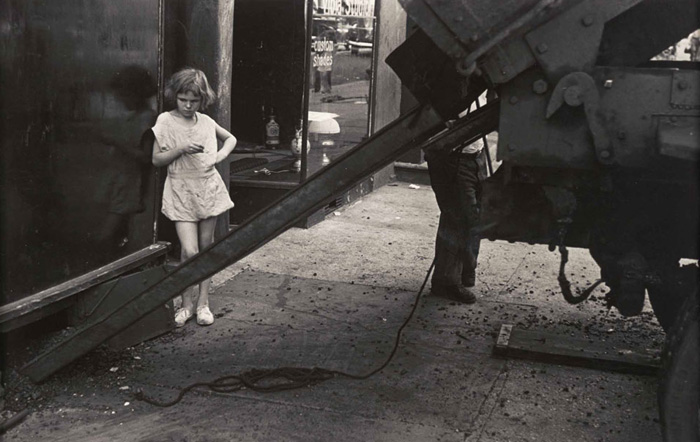
Homer Page (American, 1918-1985) New York, August 11, 1949 (girl and coal chute) 1949 Gelatin silver print
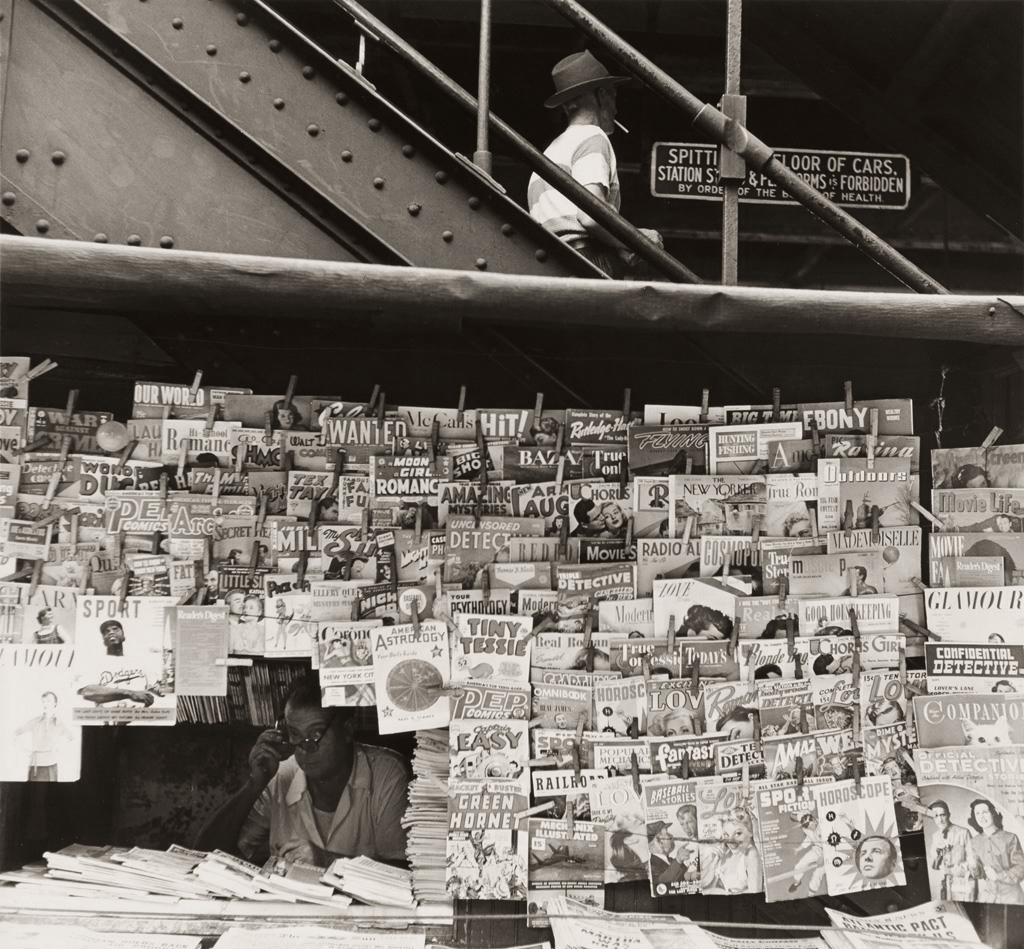
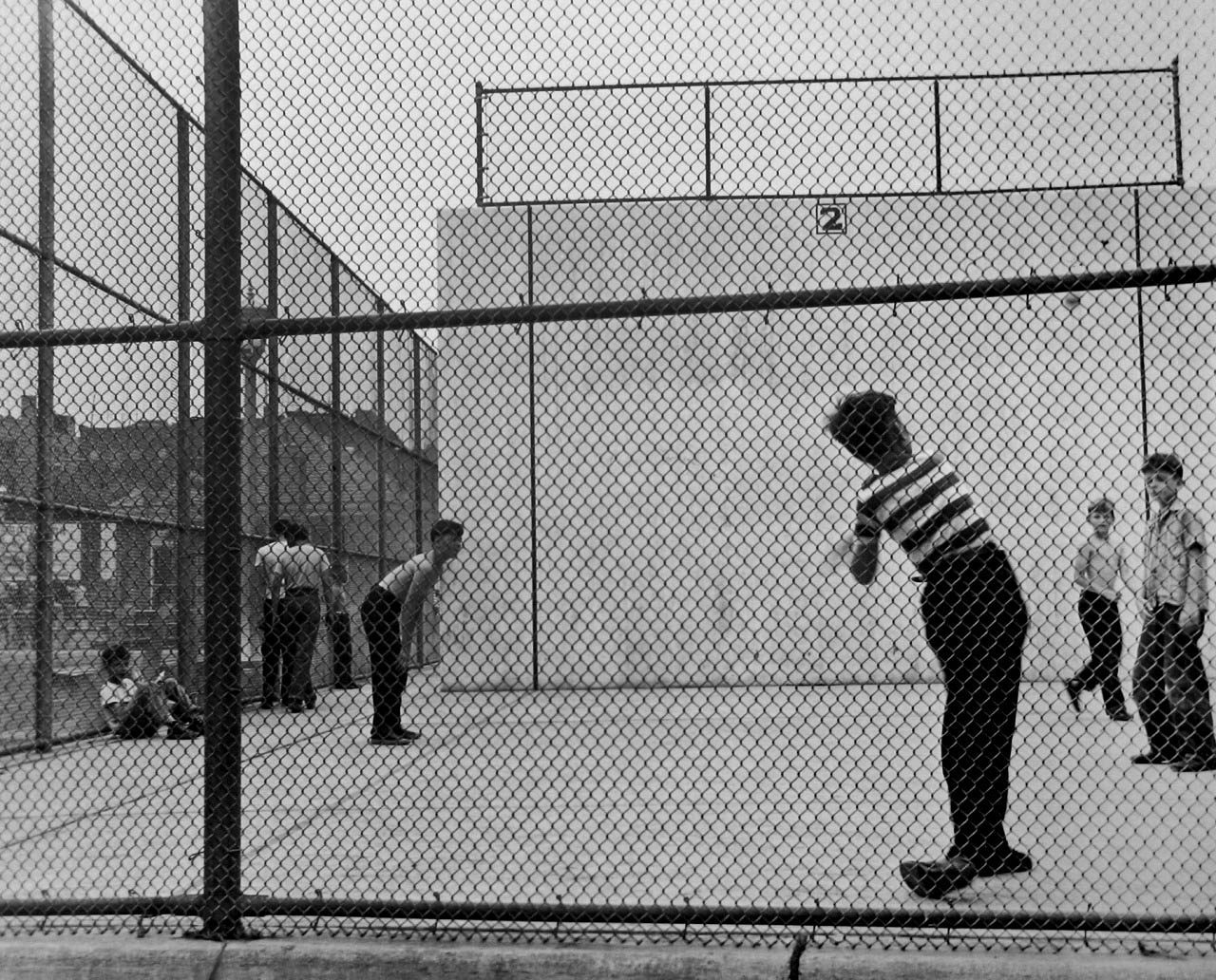
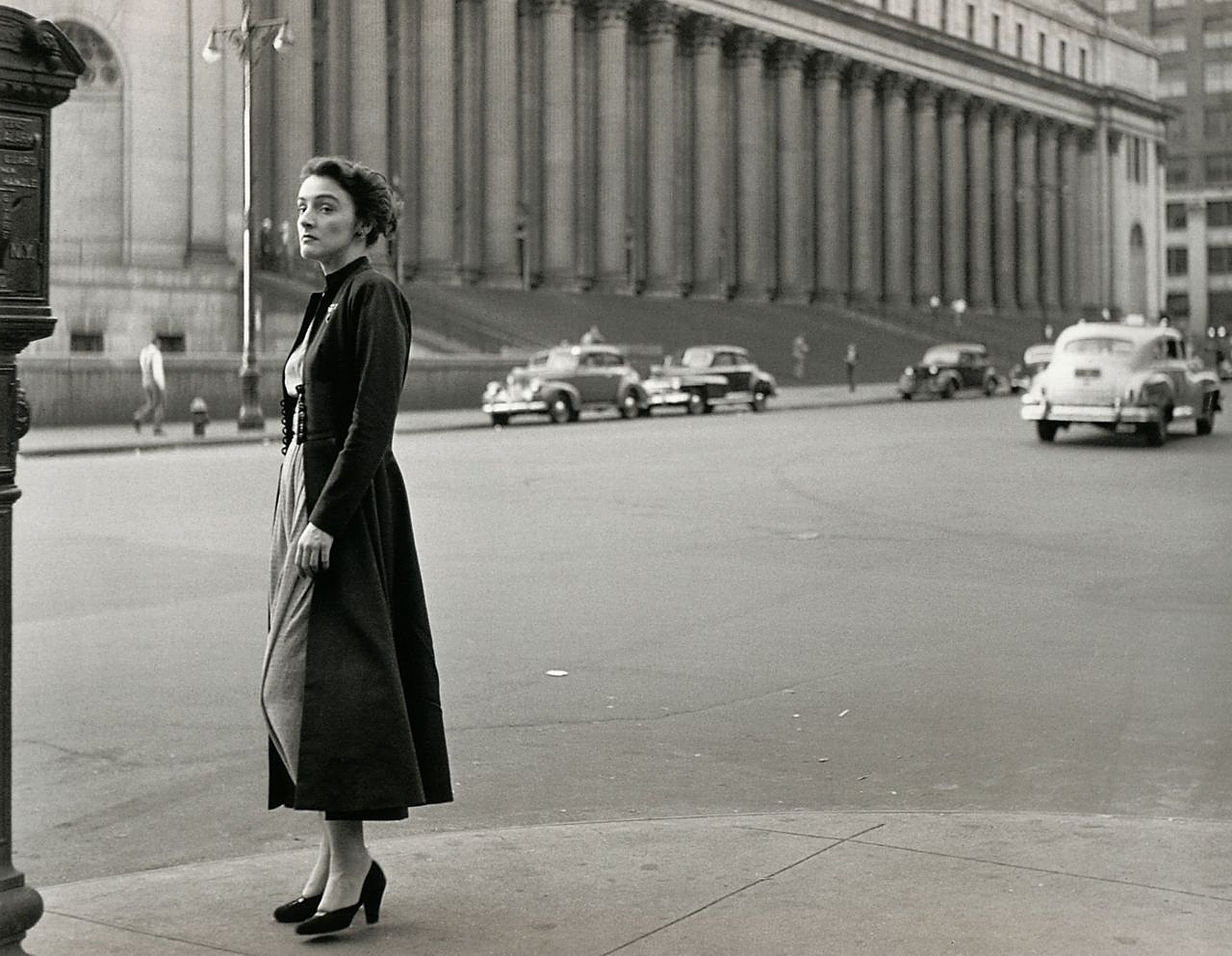
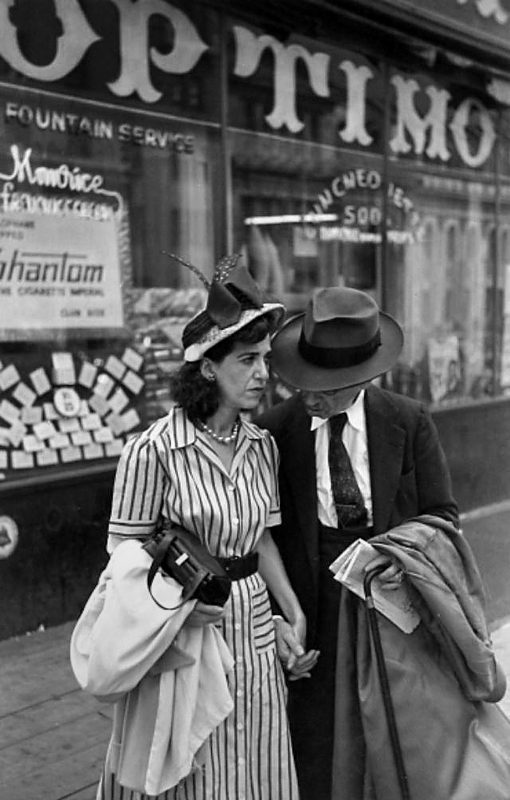
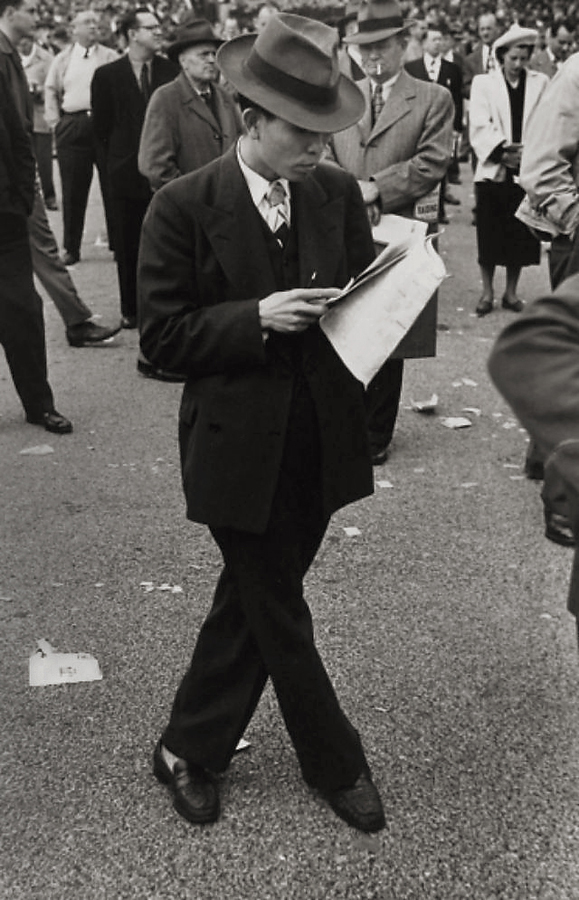
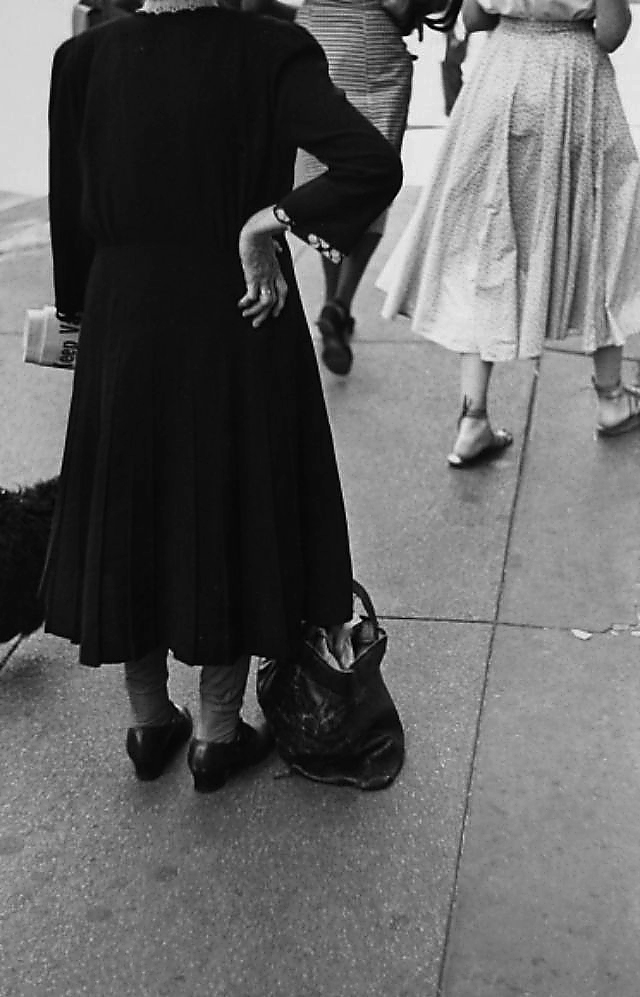
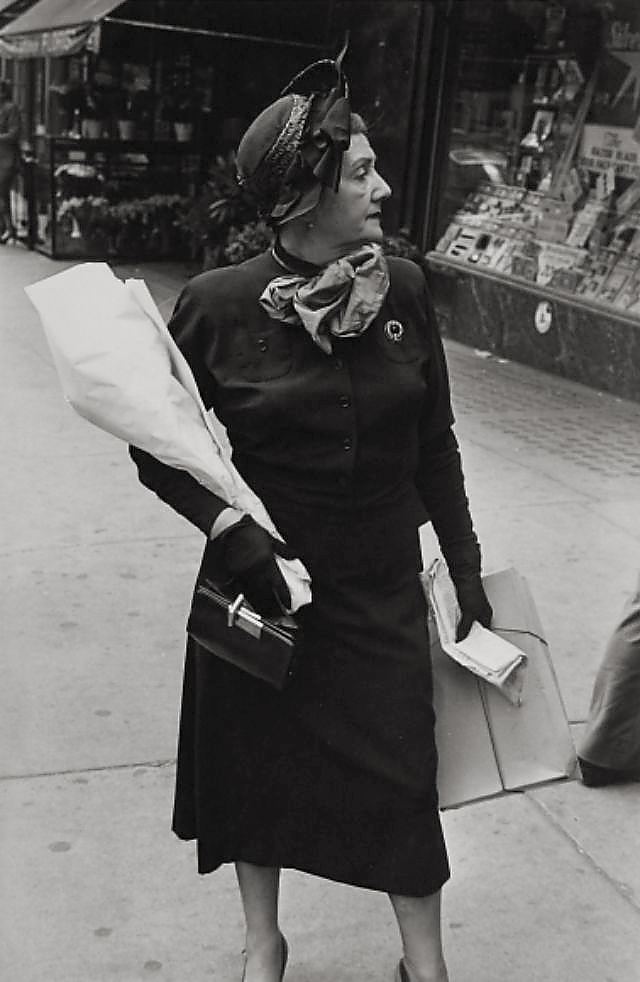
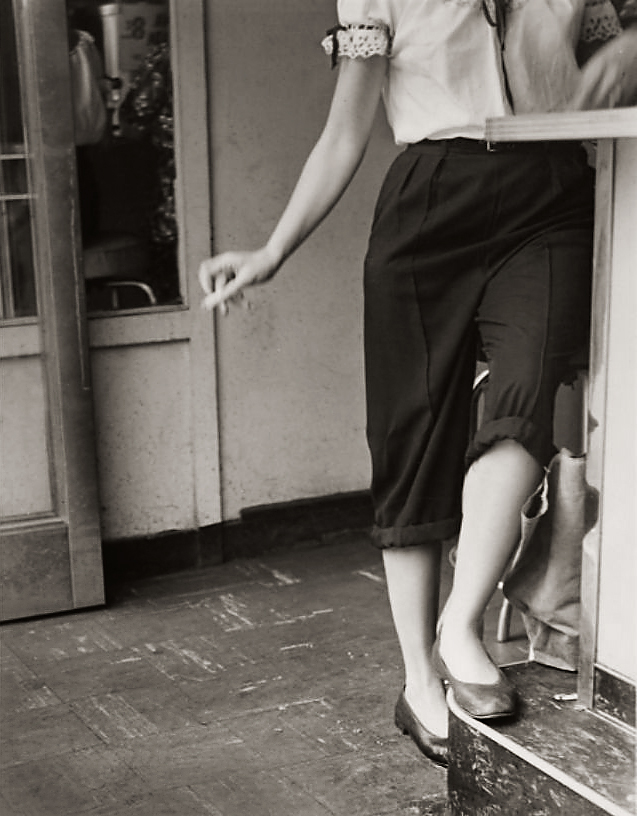
A brilliant but under appreciated American photographer, Homer Page used a Guggenheim fellowship in 1949-1950 to photograph New York City. Included in the 2006 Hallmark Photographic Collection gift to the Nelson-Atkins were some 100 of his vintage black-and-white prints. The Museum is thus in a unique position to celebrate his remarkable artistic achievement: his vision, at once gritty and lyrical, of the face of metropolitan America at mid-century. In recording the city so intently, Page had a larger goal in mind: to suggest nothing less than the emotional tenor of life at that time and place.
From an artistic standpoint, Page’s work represents a “missing link” between the warm, humanistic, and socially motivated documentary photographs of the 1930s and early 1940s in the works of Dorothea Lange, and the tougher, grittier and more existential work of the later 1950s as seen in the images of Robert Frank.
Text from The Nelson-Aitkens Museum of Art website
Many thankx to The Nelson-Atkins Museum of Art for allowing me to publish the photographs in the posting. Please click on the photographs for a larger version of the image.
Homer Page (American, 1918-1985) The El at 86th, New York 1949-1950 Gelatin silver print
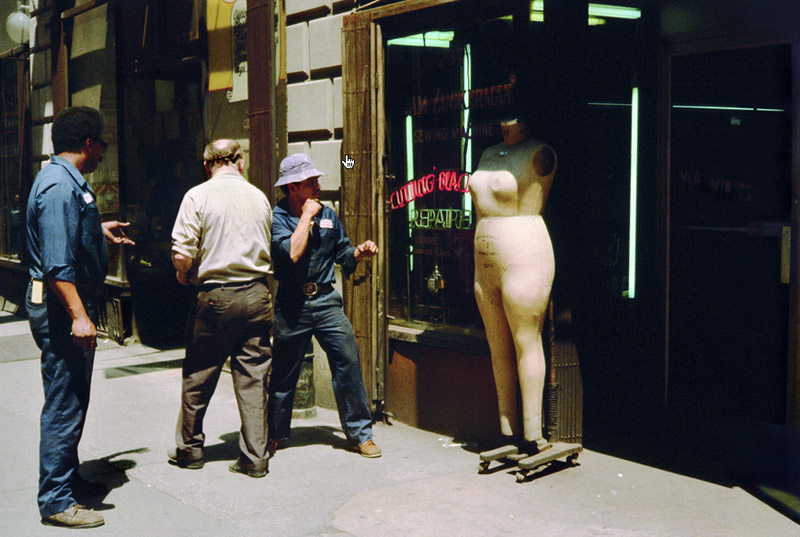
Homer Page (American, 1918-1985) New York (boys and manikin) 1949 Gelatin silver print Gift of Hallmark Cards, Inc.,
Homer Page (American, 1918-1985) New York City 1949 Gelatin silver print
Homer Page (American, 1918-1985) New York, June 19, 1949 1949 Gelatin silver print
“Page captured both the facts and the feeling of life in post-war New York: commuters in transit to and from their offices, the signs of commercial and consumer culture, leisure pursuits and night life, psychological vignettes of the lonely and dispossessed. His work provides a rich and original vision of 1949 America.
Page was devoted to the visible facts of his world, but his real goal was something much deeper: the emotional tenor of life at that time and that place. This is a body of work of great passion, intelligence, and artistic integrity – one that is all the more important for having remained essentially unknown to the present day,” Davis (former Hallmark Fine Art Programs Director) said.
Text from the ArtDaily.org website
Homer Page (American, 1918-1985) New York City 1949 Gelatin silver print
Homer Page (American, 1918-1985) New York City 1949 Gelatin silver print
Homer Page (American, 1918-1985) New York City 1949 Gelatin silver print
Homer Page (American, 1918-1985) New York City 1949 Gelatin silver print
Homer Page (American, 1918-1985) New York City 1949 Gelatin silver print
Homer Page (American, 1918-1985) New York City 1949 Gelatin silver print
Homer Page (American, 1918-1985) New York City 1949 Gelatin silver print
Homer Page (American, 1918-1985) New York City 1949 Gelatin silver print
Homer Page (American, 1918-1985) New York City 1949 Gelatin silver print
Homer Page (American, 1918-1985) New York City 1949 Gelatin silver print
Homer Page (American, 1918-1985) New York City 1949 Gelatin silver print
Homer Page (American, 1918-1985) New York, June 16, 1949 1949 Gelatin silver print
The Nelson-Atkins Museum of Art 4525 Oak Street Kansas City, MO 64111 Phone: 816-751-1278



![Walker Evans (American, 1903-1975) '[Detail of Stencilled Lettering on Yellow Railroad Car: "DO NOT HUMP"]' September 16, 1974](https://artblart.com/wp-content/uploads/2009/06/evans-do-not-hump-web.jpg "Walker Evans (American, 1903-1975) '[Detail of Stencilled Lettering on Yellow Railroad Car: \"DO NOT HUMP\"]' September 16, 1974")



![Walker Evans (American, 1903-1975) '[Fireplace in Floyd Burrroughs's Bedroom with Bedpost in Foreground, Hale County, Alabama]' 1936](https://artblart.com/wp-content/uploads/2009/06/walker-evans-fireplace-web.jpg "Walker Evans (American, 1903-1975) '[Fireplace in Floyd Burrroughs's Bedroom with Bedpost in Foreground, Hale County, Alabama]' 1936")



















 Art Blart _ art and cultural memory archive
You must be logged in to post a comment.