“Although these artists were explicitly not dealing with mundane reality but instead with what lies beneath, behind and in-between, the still relatively new medium of photography was of great importance for many. Last but not least, they also used it to make visible what remains hidden to the naked eye without technical means: the distant, the tiny, the moving.” (Press release)
Expressing the unconscious mind through illogical, dreamlike imagery and ideas, exploring the irrational, challenging notions of reality through a technical instrument – the camera – to create “a rich and multifarious cosmos of idiosyncratic realities that radically transcended traditional aesthetics.”
In the dream of the mind and the camera’s eye. Over and above the real.
Dr Marcus Bunyan
Many thankx to the Museum für Fotografie for allowing me to publish the photographs in the posting. Please click on the photographs for a larger version of the image.
“The invention of modern photomontage in the early twentieth century by Max Ernst with his Dada colleagues Hannah Höch, John Heartfield, George Grosz and Raoul Hausmann established new history in a variety of ways. Expanding modern art with multimedia as well as placing found photographs into art cut from printed magazines, rather than chemical made prints from the darkroom. Redefining final works of art without the paint brush or canvas. Ernst freed imagery into the unconscious by self-made combinations of drawing with torn and pasted photographic fragments, evoking memories and other responses by viewers that continue today.”
Steve Yates, Fulbright scholar, photographic artist, author and curator
Max Ernst holds a prominent position within Dada and Surrealist Art. His name stands for genre-bending works that combine dream and reality. The exhibition FOTOGAGA: Max Ernst and Photography. A Visit from the Würth Collection is the first to search for points of intersection between his work and photography. Commemorating Surrealism’s centenary, the Museum für Fotografie (Museum of Photography) is showing a representative overview of Max Ernst’s artworks from the Würth Collection. These are complemented by works from the Kunstbibliothek, Kupferstichkabinett, Sammlung Scharf-Gerstenberg and the Staatsbibliothek zu Berlin, and other exceptional loans from museums and private collections in France and Germany.
Max Ernst and Photography – A Special Connection
The art of Max Ernst (1891-1976) was created at a time characterised by a new, creative approach to photography. Snapshots, scientific photographs and images of war machinery inspired him and served as working materials, especially for his collages. Technical and artistic developments in the medium of photography significantly influenced his work. He used photographic reproduction techniques to increase the visual impact of his works: enlargements allowed his small-format collages to hold their own alongside paintings in exhibitions; the production of photo postcards of the collages ensured that the works could be distributed quickly and easily; and the inversion of the tonal values in a photogram enhanced the effect of his frottages.
Max Ernst himself never used a camera for his art, but he liked to pose for the camera, whether for images taken by well-known photographers or made in photo booths. At times serious, at times a little “gaga”, the portraits illustrate not just the artist’s love for playfulness but also an occasionally strategic use of photography to promote his artistic agenda. The title of the exhibition – “FOTOGAGA” – is derived from a group of works by Hans Arp and Max Ernst, which they called “FATAGAGA”: the “FAbrication de TAbleaux GAsométriques Garantis (Fabrication of Guaranteed Gasometric Images)”. One of these photocollages, in which the two artists address their relationship as friends, can be seen in the exhibition.
A Century of Surrealism
Some 270 works will be exhibited, primarily works on paper but also paintings by Max Ernst and photographs, photograms, collages, and illustrated books by his Surrealist contemporaries. Although these artists were explicitly not dealing with mundane reality but instead with what lies beneath, behind and in-between, the still relatively new medium of photography was of great importance for many. Last but not least, they also used it to make visible what remains hidden to the naked eye without technical means: the distant, the tiny, the moving.
Max Ernst’s works are framed within the context of both contemporary and historical references. There are numerous and surprising parallels to photographs by other artists. An avid delight in experimentation and a creative game played with chance characterise the works selected for the exhibition. Their originators reflected on forgotten photographic processes from the 19th century and developed new techniques using light-sensitive materials. Semi-automatic methods, working with found objects, unusual combinations, and the blurring of traces have equally shaped the work of Max Ernst and the photographic oeuvres of many of his contemporaries and other artists that followed. Even a century after André Breton published the first Surrealist Manifesto on 15 October 1924, they have not lost any of their fascination.
A cooperation with tradition
The Staatliche Museen zu Berlin look back on a longstanding cooperation with the Würth Collection. FOTOGAGA: Max Ernst and Photography is the fourth exhibition in a series that began in 2019‒2020 with Anthony Caro: The Last Judgement Sculpture from the Würth Collection at the Gemä-ldegalerie. It was followed in 2021‒2022 by Illustrious Guests: Treasures from the Kunstkammer Würth in the Kunstgewerbemuseum and David Hockney – Landscapes in Dialogue. “The Four Seasons” from the Würth Collection in 2022, also shown at the Gemäldegalerie. The exhibition at the Museum für Fotografie draws on the Würth Collection’s extensive holdings, especially of Max Ernst’s graphic works, which are now being shown in Berlin for the first time.
Press release from the Museum für Fotografie
Max Ernst (German, 1891-1976) Above the Clouds Midnight Passes 1920 Photographic enlargement of a collage and ink, facsimile, 2024 73 x 55cm Kunsthaus Zürich Public domain
László Moholy-Nagy (Hungarian, 1895-1946) The broken marriage 1925 Photomontage 16.5 x 12.2cm Sammlung Siegert, München Public domain
Max Ernst (German, 1891-1976) The Stall of the Sphinx 1925 Pencil on paper 16.4 x 15.2cm Sammlung Ulla und Heiner Pietzsch, Berlin
Max Ernst (German, 1891-1976) Little Tables around the Earth (Petites tables autour de la terre) 1926 From Natural History (Histoire naturelle) Collotype of a frottage 50 x 32.5 cm (sheet) Paris: Éditions Jeanne Bucher Portfolio with 34 collotypes of frottages 51.7 x 35 x 1cm
Aenne Biermann (German, 1898-1933) Cactus 1929 Silver gelatin paper 12.4 x 17.3cm
“The object, which, in its surroundings, is never seen other than in its most mundane aspect, is given new life when isolated in the lens of the viewfinder. […] It seemed to me that the clarity of a constructed form, when removed from its overly distracting surroundings, could be depicted convincingly through the use of photography.”
~ Aenne Biermann
Max Ernst (1891–1976) Quiétude from The Hundred-Headless Woman 1929 Collage novel with 147 reproductions of collages Paris: Éditions du Carrefour 25 x 19cm
The Hundred Headless Woman is Ernst’s first collage novel. It features a loosely narrative sequence of uncanny Surrealist collages, made by cutting up and reassembling nineteenth-century illustrations, accompanied by Ernst’s equally strange captions. Ernst’s French title, La Femme 100 têtes, is a double entendre; when read aloud it can be understood as either “the hundred-headed woman” or “the headless woman.” Along with this enigmatic title character, the book marks the introduction of Ernst’s favourite alter ego, Loplop, “the Bird Superior.” Ernst was deeply engaged with illustrated books during the 1930s; in addition to collage novels, he created many etchings and lithographs to complement the poems and stories of Surrealist writers with whom he was closely associated.
Gallery label from Max Ernst: Beyond Painting, September 23, 2017-January 1, 2018 on the MoMA website Nd [online] Cited 31/03/2025
Max Ernst (German, 1891-1976) Loplop presents the members of the Surrealist group 1931 Reproduction of a collage in Le Surréalisme au service de la revolution, No. 4 27.4 x 19.9cm
Claude Cahun (French, 1894-1954) / Marcel Moore (French, 1892-1972) Aveux non avenus / Disavowals (frontispiece) 1930 Paris: Éditions du Carrefour Book with 11 heliogravures of collages 22 x 17 x 2.8cm Sammlung Siegert, München
Raoul Ubac (Belgian, 1910-1985) The Battle of the Penthesilea II 1937 Photomontage, silver gelatin paper 18 x 24.2cm Sammlung Siegert, München
Max Ernst (1891-1976) is one of the most important representatives of Dadaism and Surrealism, two artistic movements that turned traditional norms on their head from the 1920s onwards. His boundary-crossing works combine dream and reality. His art also was created at a time characterized by a new, creative approach to photography. Snapshots, scientific photographs and images of war machinery inspired him and served as working materials, especially for his collages. Although he never used a camera for his art himself, technical and artistic developments in the medium of photography significantly influenced his work. Last but not least, Max Ernst liked to pose for the camera, whether for images taken by well-known photographers or made in photo booths.
Some 270 works will be exhibited, primarily works on paper but also paintings by Max Ernst and photographs, photograms, collages, and illustrated books by his Surrealist contemporaries. Although these artists were explicitly not dealing with mundane reality but instead with what lies beneath, behind and in-between, the still relatively new medium of photography was of great importance for many. Last but not least, they also used it to make visible what remains hidden to the naked eye without technical means: the distant, the tiny, the moving.
Max Ernst’s works are framed within the context of both contemporary and historical references. There are numerous and surprising parallels to photographs by other artists. Semi-automatic methods, working with found objects, unusual combinations, and the blurring of traces have equally shaped the work of Max Ernst and the photographic oeuvres of many of his contemporaries and other artists that followed. Even a century after André Breton published the first Surrealist Manifesto on 15 October 1924, they have not lost any of their fascination.
Gazes and Visions
The Motif of the Eye as a Surrealist Symbol
For the Surrealists, free, wild seeing opened up perspectives on an untamed world beyond reality – provided that the eyes were used in the right way or equipped with appropriate devices. Thus the motif of the eye symbolizes the translation of visions into perceptible images. Max Ernst’s frottages show radically enlarged, wide-open eyes hovering over a flat horizon. Visionary seeing can also be assisted by various instruments. In a coloured collage for Les malheurs des immortels, a young man gazes through two pipes, cheeks flushed with excitement: what might he be looking at?
The focus on inner vision becomes the theme of a 1929 collage, in which the portrait photos of the Surrealists, all shown with eyes closed, are arranged around the reproduction of a nude painting by René Magritte. In so doing, a very masculinely connoted group activity is simulated in which sexual desire makes possible the liberation of thought. A violent variation – a blinding, likewise understood as liberation – appears in the famous eyeball-slicing scene in the prologue of the 1928 film Un chien andalou by Luis Buñuel and Salvador Dalí.
Flora, fauna, firmament
Frottage, Nature Printing, and Plant Photography
Plantlike animals, seashell flowers, fishbone forests, crocheted stars – the visual world of Max Ernst is full of fantastic forms. For him, nature served as both inspiration and material. In his frottages, he used wood, leaves and much more for rubbings on paper. This is how the portfolio Histoire naturelle (Natural History) was created in 1926. The frottages were reproduced as collotype prints, photomechanically produced prints using an exposed glass plate as a printing block.
With Histoire Naturelle, Max Ernst drew on natural history encyclopaedias, but reworked the originals to create his own natural history. In so doing he dissected nature, showed the tiny and the distant, and created planar structures rather than views. This interest in the formal language of nature also resonates in the photography of the New Objectivity from around the same time, which reveal the aesthetic power of natural forms. That also made them interesting to the Surrealist movement.
In his artist’s book Maximiliana or the Illegal Practice of Astronomy from 1964, Max Ernst devoted himself entirely to celestial phenomena. As in photograms, Ernst used objects here like spirals or gears as stencils to evoke comets and nebulas.
Between Positive and Negative
Photogram, Cliché Verre, and Other Darkroom Experiments
The play of positive and negative effects is a recurring theme in Max Ernst’s oeuvre. Early works created using fine lines incised on a black ground show motifs that appear fragile and vague. He also used photographic techniques for some of his works and transformed his frottages into negative forms in Man Ray’s studio. In 1931, for example, he created dark photograms as illustrations for René Crevel’s text Mr. Knife, Miss Fork.
Max Ernst’s use of manually produced prototypes relates to a technique borrowed from the early days of photography: cliché verre, or glass printing. In this hybrid process, an etching is created on a glass plate coated with paint or ink, which then serves as a negative for the print. The twentieth century witnessed a rediscovery of cliché verre and the further amalgamation of photographic and drawing processes. The growing interest in camera-less photography led to a wide range of experiments using light and unconventional materials in various avant-garde circles.
Invisible Cuts
(Photo-) Collages, Collage Novels, and Surrealist Photography
For Max Ernst, collage is the fundamental mode of artistic production. It encompasses a colorful variety of methods for combining materials of all kinds, initiating an open-ended artistic process. Max Ernst had already experimented with collages of printed photographs during his Dada years. The combination of the most diverse illustrations and their fusion into a new image by painting and drawing over them all took place within the working process.
For his wood engraving collages, Max Ernst made use of old-fashioned illustrations from popular scientific magazines of the nineteenth century. Many of these images were also based on photographs; at that time, however, photos could not yet be reproduced and thus had to be rendered as wood engravings. His three collage novels featured visions and hallucinations alongside blasphemy, the critique of bourgeois morals, and the glorification of free love and revolution.
Photographers of the Surrealist movement from Claude Cahun to Karel Teige, from Georges Hugnet to Emila Medková created with the help of camera and darkroom as well as scissors and glue, a rich and multifarious cosmos of idiosyncratic realities that radically transcended traditional aesthetics.
Max Ernst in Front of the Camera
From Studio Portrait to Photo Booth
Max Ernst is one of the most frequently photographed artists of the twentieth century. He posed for the cameras of important photographers such as Berenice Abbott, Arnold Newman, Lee Miller, Irving Penn, and Man Ray. Their portraits demonstrate just how individual the view of a person can be. A whole series of photographs shows the artist at work, with his art, or in the studio. Whether in focused concentration wearing his painter’s smock, in the midst of creative chaos, or in intimate relation to his sculptures – such photographs reinforce or even create the iconic conception of the artist.
Another group of images shows Max Ernst with female companions such as the artists Leonora Carrington or Dorothea Tanning, which convey the intensity of their relations. As a member of the Surrealists Max Ernst frequently appears in group portraits. These images bear witness to the various stations of the movement – its beginnings in Paris or exile in America – as well as to constellations of fashion and gender. Whether individually or in a group, pensive, playful, joyful or serious, the photographs tell of Max Ernst’s delight in self-representation and in theatrical play.
Text from the Museum für Fotografie
George Platt Lynes (American, 1907-1955) Max Ernst, New York 1941 Silver gelatin paper, new print 25.1 x 20.1cm
Josef Breitenbach (German, 1896-1984) Max Ernst and the seahorse, New York 1942 Silver gelatin paper 24 x 19cm
Arnold Newman (American, 1918-2006) Max Ernst, New York 1942 Silver gelatin paper 24.2 x 18.6cm
Frederick Sommer (American, 1905-1999) Max Ernst 1946 Gelatin silver print
A reproduction of this image on postcard for the Max Ernst retrospective: 30 Years of his Work – A Survey, Copley Galleries, Beverly Hills 1949 is included in the exhibition.
John Kasnetzis Dorothea Tanning and Max Ernst with the sculpture Capricorne, Arizona 1948 Silver gelatin print, later print 23.6 x 18.8cm
In the summer of 1947, Max Ernst, exuberant and inspired by the arrival of water piped to our house (up to then we had hauled it daily from a well 5 miles away), began playing with cement and scrap iron with assists from box tops, eggshells, car springs, milk cartons and other detritus, The result: Capricorn, a monumental sculpture of regal but benign deities that consecrated our “garden” and watched over its inhabitants. Years later, when we had gone, a sculptor friend made molds and sent them to their creator in Huismes, France where he reassembled his Capricorn for casting in bronze. The above photo is a one-shot, spur-of-the-moment caper made after taking a people-less documentary photo.
Dorothea Tanning from Birthday, Santa Monica: The Lapis Press, 1986
Denise Colomb (French, 1902-2004) Max Ernst on the roof terrace on the Quai Saint-Michel in Paris 1953 Silver gelatin paper, later print 28 x 22cm
Fritz Kempe (German, 1909-1988) Max Ernst, Hamburg 1964 Silver gelatin print 12.8 x 17.7cm
Max Ernst (German, 1891-1976) Seen at the Neuilly fair 1971 Colour reproduction of a collage, sheet 3 from the portfolio: Commonplaces. Eleven Poems and Twelve Collages 49 x 34.5cm
Museum für Fotografie Jebensstraße 2, 10623 Berlin
Curators: Jeff L. Rosenheim, Joyce Frank Menschel Curator, Department of Photographs, assisted by Virginia McBride, Research Associate, Department of Photographs, Metropolitan Museum of Art, New York.
Bernd & Hiller Becher exhibition banner
Ghosts in the machine
In a way that Plato would recognise with his perfect forms (abstract yet perfect, unchanging concepts or ideals that transcend time and space and live on a spiritual plane behind the representation of a physical reality), I feel as though Neue Sachlichkeit (New Objectivity) has existed outside of time – a model of directness that was always there – in a timeless way, before the actual concept emerged into consciousness in the 1920s German art tradition.
German photographers Bernd & Hiller Becher (1931-2007; 1934-2015) were devoted to the ideals of Neue Sachlichkeit (New Objectivity) and their work evolved from these older traditions of objective photography as practiced by artists such as August Sander (German, 1876-1964) and Karl Blossfeldt (German, 1865-1932) during the 1920s. The typologies that the Bechers collected – their beautiful, multiple, conceptual, objective, documentary fine art ‘record photographs’ – made them among the most important figures in postwar German photography.
Their teaching at the Kunstakademie Dusseldorf in the mid 1970s lead to the formation of the Dusseldorf School of Photography which refers to a group of photographers who studied under the artist duo who also shared (and then modified) their aesthetic – a commitment to controlled objectivity and a documentary orientation. These important next generation artists included people such as Andreas Gursky, Candida Höfer, Axel Hütte, Thomas Ruff and Thomas Struth. The Bechers influence on contemporary documentary fine art photography continues today.
“The Bechers specialized in the photography of anonymous industrial sites and structures, methodically employing the same neutral perspective in each image, as in Water Towers. The nine nineteenth-century metal water towers are displayed in a grid as a single work, the black-and-white images revealing the differences between objects that had an identical function, and so bestowing an aesthetic value on them.”1
Here a definition of typology may be useful. ‘Typology’ is the study and interpretation of types and symbols, a classification according to a general type, especially in archaeology, psychology, or the social sciences. In this sense, the Becher’s photographs of industrial archetypes displayed in grids are excavations of historical types, representations of both pattern (type, grid) and randomness (interpretation, aesthetics). What does this mean? According to Katherine Hayles, pattern (in this case grids of photographs of the same archetype) cannot exist without its opposite, randomness, enacted through mutation of the code.
“Although mutation disrupts pattern, it also presupposes a morphological standard against which it can be measured and understood as mutation. We have seen that in electronic textuality, the possibility for mutation within the text are enhanced and heightened by long coding chains. We can now understand mutation in more fundamental terms. Mutation is critical because it names the bifurcation point at which the interplay between pattern and randomness causes the system to evolve in a new direction…
Mutation is the catastrophe in the pattern/randomness dialectic… It marks a rupture of pattern so extreme that the expectation of continuous replication can no longer be sustained… The randomness to which mutation testifies is implicit in the very idea of pattern, for only against the background of nonpattern can pattern emerge. Randomness is the contrasting term that allows pattern to be understood as such.”2
The pattern of the Bechers photographs are the grids, the randomness evidenced as we move in to observe individual images within the grid, for every water tower is different and its own form… and then we pull back to compare one image with another, one mutation with another. As we move closer the individual image becomes whole in its own right, but contains within the pictorial frame evidence of the subjects mutation through decay, evidence of an industrial revolution and means of production that is now archaic and arcane. It is as though we are looking at a fractal in which similar patterns recur at progressively smaller scales, but which in fact describe partly random or chaotic phenomena, the seeds of their own mutation. And the possibility for mutation within the text is enhanced and heightened by long coding chains, such as large typologies of objects and large grids of images.
As much as the Bechers objective photographs seek a cool sameness, they undermine their own project by their photographs inherent subversiveness. It’s as though the beauty of their object of desire is being played off against a rage against the machine, a critique of what industrialisation is doing to the divine landscape of the earth.
Of course images are always seen in context which, together with their formal characteristics and conditions, limits the meanings available from them at any one moment. As Annette Kuhn observes, “Meanings do not reside in images, then: they are circulated between representation, spectator and social function.”3 We understand the Bechers images then, through a representation of reality which always and necessarily entails, “the use of the codes and conventions of the available cultural forms of presentation. Such forms restrict and shape what can be said by and / or about any aspect of reality in a given place in a given society at a given time, but if that seems like a limitation on saying, it is also what makes saying possible at all.”4 Richard Dyer continues,
“I accept that one apprehends reality only through representations of reality, through texts, discourse, images; there is no such thing as unmediated access to reality. But because one can see reality only through representation, it does not follow that one does not see reality at all. Partial – selective, incomplete, from a point of view – vision of something is not no vision of it whatsoever.”4
Despite the Bechers attempt to catalogue vast typologies, there is no order without disorder. Their vision, and our vision, is only ever selective, incomplete and from a point of view. Much as they desire an enchantment of the subject so that the object of desire falls under their spell in order to validate its presence, so there is no single determinate meaning to any presentation of their work, for people make sense of images in different ways, according to the cultural codes available to them. “What is re-presented in representation is not directly reality itself but other representations. The analysis of images always needs to see how any given instance is embedded in a network of other instances…”4
The ghosts in the machine of the Bechers networks, those random bits of code that lurk behind a not so perfect representation, group together to form unexpected protocols seen from different points of view. “Unanticipated, these free radicals engender questions of free will, creativity, and even the nature of what we might call the soul.” (Asimov)
Dr Marcus Bunyan
Footnotes
1/ Anonymous. “A Movement in a Moment: The Düsseldorf School,” on the Phaidon website [Online] Cited 01/11/2022
2/ Katherine Hayles. How We Became Posthuman: Virtual Bodies in Cybernetics, Literature, and Informatics. Chicago: University of Chicago Press, 1999, p. 33.
3/ Annette Kuhn. The Power of the Image: Essays on Representation and Sexuality. London: Routledge and Kegan Paul, 1985, p. 6.
4/ Richard Dyer. The Matter of Images: Essays on Representations. London: Routledge, 1993, pp. 2-3.
Many thankx to the Metropolitan Museum of Art for allowing me to publish the photographs in the posting. Please click on the photographs for a larger version of the image.
“I think it’s best to imagine that they cast a doubting eye on earlier aspirations to scientific and technical order. After all, the Bechers hit their stride as artists in the 1960s and early ’70s, at just the moment when any aspiring intellectual was reading Thomas Kuhn’s “The Structure of Scientific Revolutions,” which pointed to how the sociology of science (who holds power in labs and who doesn’t) shapes what science tells us. The French philosopher Roland Barthes had killed off the all-powerful author and let the rest of us be the true makers of meaning, even if that left it unstable. European societies were in turmoil as they faced the terrors of the Red Brigades and Baader-Meinhof gang, so brilliantly captured in the streaks and smears of Gerhard Richter, that other German giant of postwar art. The Bechers were working in that world of unsettled and unsettling ideas. By parroting the grammar of technical imagery, without actually achieving any technical goals, their photos seem to loosen technology’s moorings. By collecting water towers the way someone else might collect cookie jars, they cut industry down to size… To get the full meaning and impact of the Bechers’ Machine Age black-and-whites, they should really be viewed through the windows of their Information Age orange van.”
Installation view of the exhibition Bernd & Hilla Becher at The Metropolitan Museum of Art showing at centre, Water Tower, Verviers, Belgium 1983, below Photo: Anna-Marie Kellen/The Met
00 Basic Forms 01 Framework Houses 02 Early Work 03 Industrial Landscapes 04 Zeche Concordia 05 Art and Evolution 06 Typologies
Bernd and Hilla Becher (German, active 1959-2007) Bernd Becher (German, 1931-2007) Hilla Becher (German, 1934-2015) Water Tower, Verviers, Belgium 1983 Gelatin silver print Image: 23 7/8 × 19 13/16 in. (60.6 × 50.4cm) Purchase, The Horace W. Goldsmith Foundation Gift, through Joyce and Robert Menschel, 1992
Both as artists and teachers, Bernhard and Hilla Becher are among the most important figures in postwar German photography. For the last thirty years, the artists have examined the dilapidated industrial architecture of Europe and North America, from water towers and blast furnaces to the surrounding workers’ houses. Photographing against a blank sky and without any pictorial tricks or effects, the artists treat these forgotten structures as the exotic specimens of a long-dead species.
The renowned German artists Bernd and Hilla Becher (1931-2007; 1934-2015) changed the course of late twentieth-century photography. Working as a rare artist couple, they focused on a single subject: the disappearing industrial architecture of Western Europe and North America that fuelled the modern era. Their seemingly objective style recalled nineteenth- and early twentieth-century precedents but also resonated with the serial approach of contemporary Minimalism and Conceptual art. Equally significant, it challenged the perceived gap between documentary and fine-art photography.
Using a large-format view camera, the Bechers methodically recorded blast furnaces, winding towers, grain silos, cooling towers, and gas tanks with precision, elegance, and passion. Their rigorous, standardised practice allowed for comparative analyses of structures that they exhibited in grids of between four and thirty photographs. They described these formal arrangements as “typologies” and the buildings themselves as “anonymous sculpture.”
This posthumous retrospective celebrates the Bechers’ remarkable achievement and is the first ever organised with full access to the artists’ personal collection of working materials and their comprehensive archive.
Text from the Metropolitan Museum of Art website
Bernd Becher (German, 1931-2007) Eisernhardter Tiefbau Mine, Eisern, Germany 1955-1956 Graphite and watercolour on paper 16 5/16 × 16 5/16 in. (41.5 × 41.5cm) Estate Bernd & Hilla Becher, represented by Max Becher, courtesy Die Photographische Sammlung/SK Stiftung Kultur – Bernd & Hilla Becher Archive, Cologne
The earliest surviving independent works by Bernd Becher are several rare drawings and photocollages of the Eisernhardter Tiefbau Mine, made before the formation of his artistic partnership with Hilla Wobeser in 1959. These include the works presented on this wall and directly opposite. They reveal the artist’s lifelong interest in the accurate description of mining and manufacturing structures familiar to him from his childhood. Here, Bernd takes special care to focus on the mine’s wooden framework features and its idiosyncratic winding tower, which rises above the buildings like an enormous windblown flag.
Bernd Becher (German, 1931-2007) Eisernhardter Tiefbau Mine, Eisern, Germany 1957 Collage of five gelatin silver prints Sheet: 15 3/4 × 11 3/4 in. (40 × 29.9cm) Estate Bernd & Hilla Becher, represented by Max Becher, courtesy Die Photographische Sammlung/SK Stiftung Kultur – Bernd & Hilla Becher Archive, Cologne
Bernd Becher (German, 1931-2007) [Assemblage of Pipes] 1964 or later Gelatin silver prints with graphite Sheet: 14 3/8 × 13 1/16 in. (36.5 × 33.2cm) Estate Bernd & Hilla Becher, represented by Max Becher, courtesy Die Photographische Sammlung/SK Stiftung Kultur – Bernd & Hilla Becher Archive, Cologne
This exceptional assemblage includes three razor-cut photographs of blast-furnace pipes braided together into a handsome knot. Part Giorgio de Chirico (one of the artist’s favourite painters), part pretzel, the metaphysical work shows Bernd Becher’s playful sense of humour and appreciation for the complexity and visual wonderment of industrial forms.
Hilla Becher (German, 1934-2015) [Mountain Elm Leaf] 1965 Gelatin silver print 9 5/16 × 6 15/16 in. (23.7 × 17.7cm) Estate Bernd & Hilla Becher, represented by Max Becher, courtesy Die Photographische Sammlung/SK Stiftung Kultur – Bernd & Hilla Becher Archive, Cologne
In these studies of tree leaves, Hilla Becher is operating in a long tradition of natural realism that connects her work to that of many earlier German artists, including the photographs of Karl Blossfeldt and the printed botanical and zoological studies of Ernst Haeckel (see display case). What was important to Blossfeldt, Haeckel, and the Bechers was not simple exactitude but a particular type of graphic description and presentation that could reveal the unique, often quirky, and at times humorous structure of any form.
Hilla Becher (German, 1934–2015) [Shell, for the German Industrial Exhibition, Khartoum, Sudan] 1961 Gelatin silver print 15 3/8 × 11 7/8 in. (39 × 30.1cm) Estate Bernd & Hilla Becher, represented by Max Becher, courtesy Die Photographische Sammlung/SK Stiftung Kultur – Bernd & Hilla Becher Archive, Cologne.
Even after the establishment of the Bechers’ professional partnership in 1959, Hilla continued to accept commission work. She produced this study of the inner architecture of a seashell as a graphic for a display of industrial design at a German trade fair in Khartoum. This vintage photograph was copied and used by the pavilion designer as oversize enlargements. Hilla also documented the interior and exterior of the innovative prefabricated shed pavilion with its lively metal banding.
Ernst Haeckel (German, 1834-1919) “Echinidea. – Igelsterne” Kunstformen der Natur (Leipzig and Vienna: Verlag des Bibliographischen Instituts, 1904) 1904 Lithograph Sheet: 13 5/8 × 10 1/4 in. (34.6 × 26cm) Joyce Frank Menschel Library, Department of Photographs, The Metropolitan Museum of Art
For both research purposes and aesthetic pleasure, Hilla Becher assembled a collection of illustrated books dedicated to scientific classification. None on the theme of biological order was more important to the artists’ development than Ernst Haeckel’s 1904 Kunstformen der Natur. The plate from a disbound volume presented here shows a typological comparison of sea urchins and sand dollars.
From July 15 to November 6, 2022, the renowned American museum is showing a retrospective of the important artist couple in cooperation with Studio Bernd & Hilla Becher, Dusseldorf, and Die Photographische Sammlung/SK Stiftung Kultur, Cologne.
Bernd and Hilla Becher (1931-2007, 1934-2015) are among the most important artists of the second half of the 20th century. Since the 1960s, their works have provided decisive impetus for photography, art and also generally for dealing with our culture, economy, science and society. For more than 50 years, the artist couple has devoted themselves to the subject of the industrial landscape, the functional buildings and constructions of the mining industry in Western Europe and North America. They created countless black-and-white photographs, which they took with their large-format cameras, of winding towers, blast furnaces, water and cooling towers, coal bunkers, gas tanks, half-timbered houses, entire industrial plants and landscapes. The photographs show precise, at the same time analytical views and individual forms, which Bernd and Hilla Becher subjected to a comparative analysis. So-called typologies, unfolding photographic sets or also large-format typologically conceived individual photographs were the results of their collaboration, which they exhibited internationally and published in monographs. Works that received a special appreciation under the term “Anonymous Sculptures” and attained top-class awards.
The method used by the Bechers can be regarded as style-defining. It transformed the descriptive, objective view of photography of the 19th and early 20th century, which the artist couple highly valued, into a new era, integrating it into clearly sequenced series of images and thus at the same time pointing to perspectives of minimal and conceptual art, which further underscores the innovative power of their work.
Between 1976 and 1996 Bernd Becher taught at the Art Academy in Dusseldorf. Numerous well-known photographers and artists emerged from his photography class. As of the 1960s Bernd and Hilla Becher had their studio in Dusseldorf. Today the studio is being continued as the Bernd & Hilla Becher Studio by their son, estate administrator and artist Max Becher. From 1995 until their death, the artist couple worked together with Die Photographische Sammlung / SK Stiftung Kultur in Cologne, from which the Bernd & Hilla Becher Archive emerged. The majority of the exhibition is furnished from this collection, including numerous previously little-shown and unknown materials by Bernd and Hilla Becher. Overall, the retrospective, which will be on view in a second venue at the SFMoMA between December 17, 2022 and April 2, 2023, introduces all of the artist couple’s areas of work.
The exhibition was curated by Jeff L. Rosenheim, Joyce Frank Menschel Curator, Department of Photographs, assisted by Virginia McBride, Research Associate, Department of Photographs, Metropolitan Museum of Art, New York.
Text from the Metropolitan Museum of Art website
Unknown photographer Bernd and Max Becher, Kintzel Coal Company, Big Lick Mountains, Schuylkill County, Pennsylvania 1978 Chromogenic print 4 3/8 × 3 7/16 in. (11.1 × 8.8cm) Estate Bernd & Hilla Becher, represented by Max Becher, courtesy Die Photographische Sammlung/SK Stiftung Kultur – Bernd & Hilla Becher Archive, Cologne
Unknown photographer Bernd and Hilla Becher, Ensdorf Mine, Saarland, Germany 1979 Gelatin silver print 4 3/4 × 5 9/16 in. (12 × 14.1cm) Estate Bernd & Hilla Becher, represented by Max Becher, courtesy Die Photographische Sammlung/SK Stiftung Kultur – Bernd & Hilla Becher Archive, Cologne
Their camera’s lens, facing Hilla, has been raised higher than the film plane that’s facing Bernd, a trick that lets them capture the tops of tall structures.
Unknown photographer Hilla Becher, Youngstown, Ohio, United States 1981 Instant diffusion transfer print (Polaroid) 2 7/8 × 3 3/4 in. (7.3 × 9.5cm) Estate Bernd & Hilla Becher, represented by Max Becher, courtesy Die Photographische Sammlung/SK Stiftung Kultur – Bernd & Hilla Becher Archive, Cologne
Bouwen voor de Industrie in de 19e en 20e eeuw, een fotografische dokumentatie door Bernd en Hilla Becher, Stedelijk van Abbemuseum, Eindhoven, The Netherlands 1968 Photomechanical reproduction Sheet: 34 5/8 × 24 3/16 in. (88 × 61.5cm) Frame: 36 15/16 × 26 7/16 in. (93.8 × 67.2cm) Estate Bernd & Hilla Becher, represented by Max Becher, courtesy Die Photographische Sammlung/SK Stiftung Kultur – Bernd & Hilla Becher Archive, Cologne
Bernd and Hilla Becher were notoriously exacting about how their photographs were constructed in the camera, printed in the darkroom, and sequenced and reproduced in their many publications. Interestingly, they were rather generous with how and where their photographs were used in other printed materials, such as promotional leaflets, invitations, and exhibition posters. The posters gathered in this exhibition display a variety of typographic treatments and arrangements.
Bernd och Hilla Becher, Form genom Funktion, Moderna Museet, Stockholm, Sweden 1970 Photomechanical reproduction Sheet: 39 5/16 × 27 1/2 in. (99.8 × 69.8cm) Frame: 41 9/16 × 29 3/4 in. (105.6 × 75.6cm) Estate Bernd & Hilla Becher, represented by Max Becher, courtesy Die Photographische Sammlung/SK Stiftung Kultur – Bernd & Hilla Becher Archive, Cologne
Bernd und Hilla Becher, Typologien industrieller Bauten, Museum für Fotografie im Hamburger Bahnhof, Museum für Gegenwart, Berlin, Germany 2005 Photomechanical reproduction Sheet: 46 7/8 × 33 1/16 in. (119 × 84cm) Frame: 49 1/16 × 35 5/16 in. (124.6 × 89.7cm) Estate Bernd & Hilla Becher, represented by Max Becher, courtesy Die Photographische Sammlung/SK Stiftung Kultur – Bernd & Hilla Becher Archive, Cologne
Bernd & Hilla Becher, First Posthumous Retrospective of the Highly Influential Photographers to Open at The Met July 15
Bernd and Hilla Becher (1931-2007; 1934-2015) are widely considered the most influential German photographers of the postwar period. Working as a rare artist couple, they developed a rigorous practice focused on a single subject: the disappearing industrial architecture of Western Europe and North America that fuelled the modern era. Opening at The Metropolitan Museum of Art on July 15, 2022, Bernd & Hilla Becher features some 200 works of art and is the artists’ first posthumous retrospective of their 50-year career. It is organised with full access to the Becher’s comprehensive archive and personal collection of working materials and is the first American retrospective since 1974 (when their mature style was still evolving).
The exhibition is made possible by Joyce Frank Menschel, the Barrie A. and Deedee Wigmore Foundation, the Edward John & Patricia Rosenwald Foundation, and Linda Macklowe. It is organised by The Metropolitan Museum of Art, in association with Studio Bernd & Hilla Becher and Die Photographische Sammlung / SK Stiftung Kultur.
“Bernd and Hilla Becher changed the course of late 20th-century photography, and their groundbreaking work continues to influence artists to this day,” said Max Hollein, Marina Kellen French Director of The Met. “It is a privilege to present this first posthumous retrospective and to celebrate their legacy and remarkable artistic achievement.”
Exhibition overview
The Bechers seemingly objective aesthetic looked back to 19th- and early 20th-century precedents but also resonated with the serial, premeditated progressions of contemporary Minimalism and Conceptual art. Equally significant, their aesthetic challenged the perceived gap between documentary and fine-art photography. The artists used a large-format view camera – similar to those used by 19th-century photographers such as the Bisson Frères in France and Carleton Watkins in the American West – and spurned the handheld, 35 mm roll-film cameras of the type preferred by journalists and pre- and postwar artists such as Henri Cartier-Bresson and Robert Frank. They worked exclusively with black-and-white photographic materials, intentionally avoiding the medium’s inevitable move to colour that took place during the 1960s and 1970s, and methodically recorded blast furnaces, winding towers, grain silos, cooling towers, and gas tanks with precision, elegance, and passion. Their standardised approach allowed for comparative analyses of structures that they exhibited in grids of between 4 and 30 photographs. They described these formal arrangements as “typologies” and the buildings themselves as “anonymous sculpture.”
The Bechers had a direct and profound influence on several generations of students at the renowned art academy Kunstakademie Düsseldorf, where Bernd was appointed the first professor of photography in 1976. Among the members of the so-called Becher School or Düsseldorf School of Photography are some of the most recognised German artists of the past 40 years, such as Thomas Struth, Andreas Gursky, Candida Höfer, and Thomas Ruff.
Featured in the exhibition alongside the individual and grids of photographs for which the Bechers are best known are extraordinary works in photography and other media executed by them before and after the formation of their creative partnership in 1959. These rarely seen lithographs, collages, photographs, ink and pencil sketches, Polaroids, and personal snapshots offer a deep understanding of the artists’ working methods and intellectual processes.
Following its debut at The Met, the exhibition will travel to the San Francisco Museum of Modern Art (SFMOMA), where it will be on view from December 17, 2022 through April 2, 2023. Bernd & Hilla Becher is curated by Jeff L. Rosenheim, Joyce Frank Menschel Curator in Charge of the Department of Photographs, with assistance from Virginia McBride, Research Assistant in the Department of Photographs, both at The Met. The Met developed the exhibition with Max Becher, the artists’ son, and with Gabriele Conrath-Scholl, director of the Photographische Sammlung / SK Stiftung Kultur in Cologne, where the artists’ vast photographic print archive is preserved.
The exhibition is accompanied by a scholarly publication, the first posthumous monograph published on the Bechers. It features essays by Gabriele Conrath-Scholl; Dr. Virginia Heckert, curator of photographs at the J. Paul Getty Museum and an expert on the Bechers; and Lucy Sante, arts critic, essayist, artist, and visiting professor of writing and photography at Bard College. The publication also includes an extensive interview with Max Becher that, together with the essays, introduces and surveys the Bechers’ photographs and the significance of their achievement over a remarkably productive half-century career. The catalogues is made possible by the Mary C. and James W. Fosburgh Publications Fund.
Press release from the Metropolitan Museum of Art
Bernd and Hilla Becher (German, active 1959-2007) Bernd Becher (German, 1931-2007) Hilla Becher (German, 1934-2015) Blast Furnaces (United States, Germany, Luxembourg, France, and Belgium) 1968-1993 Gelatin silver prints Estate Bernd & Hilla Becher, represented by Max Becher
Such series may have been less about the glories of heavy industry than its approaching demise in the West.
Bernd and Hilla Becher (German, active 1959-2007) Bernd Becher (German, 1931-2007) Hilla Becher (German, 1934-2015) Blast Furnace, Youngstown, Ohio, United States 1983 Gelatin silver print 23 1/8 × 18 1/4 in. (58.8 × 46.4cm) Estate Bernd & Hilla Becher, represented by Max Becher, courtesy Die Photographische Sammlung/SK Stiftung Kultur – Bernd & Hilla Becher Archive, Cologne
The buildings Bernd and Hilla Becher chose to photograph were meant to be altered or demolished when superseded technologically. Given the planned obsolescence of their subjects, the artists’ timing played an important role in the success of their practice. In one of their last books, Industrial Landscapes (2002), they commented: “Once we were in northern France, where we found a wonderful headgear [the top of a blast furnace] – a veritable Eiffel Tower. When we arrived the weather was hazy and not ideal for our work so we decided to postpone taking the photos for a day. When we arrived the next day, it had already been torn down, the dust was in the air.”
Bernd and Hilla Becher (German, active 1959-2007) Bernd Becher (German, 1931-2007) Hilla Becher (German, 1934-2015) Gravel Plants 1988-2001 Gelatin silver prints
Bernd and Hilla Becher (German, active 1959-2007) Bernd Becher (German, 1931-2007) Hilla Becher (German, 1934-2015) Gravel Plant, Günzburg, Germany 1989 Gelatin silver print 24 3/16 × 19 3/16 in. (61.4 × 48.7cm) Estate Bernd & Hilla Becher, represented by Max Becher, courtesy Die Photographische Sammlung/SK Stiftung Kultur – Bernd & Hilla Becher Archive, Cologne
In the late 1980s and early 1990s, Bernd and Hilla Becher completed a thorough documentation of the many gravel plants in and near Günzburg, a small city on the Danube River in Bavaria. This oddly shaped yet functional building was used as a stone breaker to produce gravel, the still-lucrative industrial material required for making roads and high-quality concrete. The asymmetrical facade delights the eye, recalling the Bechers’ frequently stated agenda: “We were fascinated above all by the shape of technical architecture, and hardly by its history.”
Bernd and Hilla Becher (German, active 1959-2007) Bernd Becher (German, 1931-2007) Hilla Becher (German, 1934-2015) Cooling Tower, Zeche Mont Cenis, Herne, Ruhr Region, Germany 1965 Gelatin silver print 23 5/8 x 18 1/4 in. (60.5 x 46.4cm) Collection of James Kieth Brown and Eric Diefenbach
Influenced by the formal rigour and conceptual methods of pre-World War II artists, such as August Sander and Walker Evans, Bernd and Hilla Becher were considered equals and fellow travellers by Minimalist sculptors, such as Carl Andre and Sol LeWitt. They treated their subject matter – the disappearing industrial architecture of the West – as “anonymous sculpture.” Here, a fabulous tower used to cool water at the Mont Cenis colliery rises from the ground like a modernist top hat made for a wooden giant. In 1978, just thirteen years after the Bechers visited the busy complex, it closed permanently, ending more than one hundred years of coal extraction on the site.
The Bechers photographed against a blank sky and without any pictorial tricks or effects, using an old-fashioned tripod-mounted view camera of the kind used by Eugène Atget and Walker Evans. They treated their subjects as “anonymous sculpture” (the name of their first monograph) that could only be fully rendered through either multiple views from different perspectives or more often, through the typological accumulation and serial presentation of multiple specimens. Although they were artists not scientists, the Bechers used an almost Linnean system of classification – another important 19th century precedent which they made resolutely modern.
Bernd and Hilla Becher (German, active 1959-2007) Bernd Becher (German, 1931-2007) Hilla Becher (German, 1934-2015) Cooling Tower, Caerphilly, South Wales, Great Britain 1966 Gelatin silver print Image: 14 5/8 × 11 3/4 in. (37.1 × 29.9cm) Gift of the LeWitt Family, in memory of Bernd and Hilla Becher, 2018
As both artists and professors at the Kunstakademie in Düsseldorf, the husband-and-wife team of Bernd and Hilla Becher have influenced an entire generation of German photographers with their typological approach to the medium, in which a single archetypal subject is described through an accumulation of diverse examples. For more than three decades, they have systematically examined the dilapidated industrial architecture of Europe and North America, from water towers and blast furnaces to the surrounding workers’ houses, all recorded against a blank sky and without expressive effects. As it developed in the 1960s, the Bechers’ project chimed with Conceptual Art in its emphasis on impersonal series as well as with older traditions of objective photography as practiced by such artists such as August Sander and Karl Blossfeldt.
Bernd and Hilla Becher (German, active 1959-2007) Bernd Becher (German, 1931-2007) Hilla Becher (German, 1934-2015) Cooling Towers (Wood) 1976 Gelatin silver prints 16 × 12 in. (40.6 × 30.5cm), each Fraenkel Gallery, San Francisco
Bernd and Hilla Becher (German, active 1959-2007) Bernd Becher (German, 1931-2007) Hilla Becher (German, 1934-2015) Cooling Towers (Wood) (detail) 1976 Gelatin silver prints 16 × 12 in. (40.6 × 30.5cm), each Fraenkel Gallery, San Francisco
Bernd and Hilla Becher (German, active 1959-2007) Bernd Becher (German, 1931-2007) Hilla Becher (German, 1934-2015) Cooling Towers (Wood) (detail) 1976 Gelatin silver prints 16 × 12 in. (40.6 × 30.5cm), each Fraenkel Gallery, San Francisco
The Bechers’ purpose has always been to make the clearest possible photographs of industrial structures. They are not interested in making euphemistic, socio-romantic pictures glorifying industry, nor doom-laden spectacles showing its costs and dangers. Equally, they have nothing in common with photographers who seek to make pleasing modernist abstractions, treating the structures as decorative shapes divorced from their function.
The Bechers’ goal is to create photographs that are concentrated on the structures themselves and not qualified by subjective interpretations. To them, these structures are the ‘architecture of engineers’ and their pictures should be seen as the photography of engineers – that is, record pictures. …
[Record photographers are the unsung heroes of the history of photography. They are the anonymous commercial photographers who were commissioned to record both great and everyday industrial and civic projects, from the construction of canals to the blooming of floral clocks.]
The Bechers are fascinated by the idiosyncratic appearance of each structure. The mass-produced, design-conscious assemblies devised by architects with an eye on appearance do not appeal as much as those with a mindfulness of function. What interests the Bechers are constructions made by engineers whose plans are pragmatic, where function dictates the form, rather than, as is increasingly the case, the other way round. In the words of Bernd: ‘There is a form of architecture that consists in essence of apparatus, that has nothing to do with design, and nothing to do with architecture either. They are engineering constructions with their own aesthetic.’
Their fascination is rooted in an understanding of the structures. The Bechers are the first to acknowledge the primarily functional role of the constructions, that their existence is justified solely by their industrial performance, and that once this has been superseded the structures will be modified or demolished. They liken the way a blast furnace develops over time, as furnaces and pipework are added, to the organic but apparently chaotic growth of a medieval city. This purpose-led rationale is what attracts them. They refer to some of the structures as ‘nomadic architecture’. Once they photographed a blast furnace that was being dismantled by Chinese workers in Luxembourg, who then had to reassemble it in China.
By placing photographs of similar subjects alongside each other, the individual differences emerge, making the fine details in each picture more noticeable, more distinct. Drawing on this, they began exhibiting the pictures as typologies; by the early 1960s they showed their work only in typological groups. Typically, a piece of work would comprise four small prints of, for example, water towers, adjacent to a larger print of one of the four. They would not supply prints of individual pictures; the typology was the work. Later, their typologies contained prints of equal size, measuring 30 cm by 40 cm. It could be three rows of five prints, a grid of nine or, in one case, 28 blast furnaces in three rows; a symphony of industrial structures.
The Bechers’ pictures do not have to be viewed in typologies in order to make sense, as they have validity as individual images. The typology has been developed for two reasons. First, by amassing such a detailed survey of industrial structures they are revealing sets and subsets, much like 19th-century zoologists did. With water towers, for example, there are round steel ones with conical tops, like hats, and semi-circular ones. Others are circular with sloping roofs, or without roofs, or on steel derricks, or brick towers, and so on. The more fine the differences, the better they are illustrated by the typology.
Second, the typology used by the Bechers emphasises the rewards of close scrutiny, and it is this that makes each and every one of their pictures fascinating. By presenting 15 water towers in a grid, the first effect is an imposing mass of industrial structures. You must stand back in order to take them all in as a group, but to look closer at an individual picture it is necessary to draw nearer.
Up close, only one tower is visible at a time. Isolated in pristine, black-and-white definition, this everyday object is revealed as an ‘anonymous sculpture’, an unostentatious but fabulous creation by mankind. To compare it with the others is to stand back again, and from here the impulse is to step up and examine another. Just as the beauty of the individual structure (for that is what they are) is there to see, so together as a typology they are a thrilling spectacle. …
There is a wisdom and honour in the Bechers’ work which frees them from imposing a conditional reading upon the viewer. The wisdom is the methodology they recognise in the ‘neutral’ depiction of record photography. The honour stems from a principle about not imposing their ideas on other people.
Hilla and Bernd both grew up under Adolf Hitler. They saw how he corrupted German art to promote his propaganda. This was particularly pertinent to photography, and it remained tainted after the war; witness the grim examples of Leni Riefensthal’s glorifying images of Nazis and the pseudo-scientific eugenic portrait studies that were published to defend anti-semitism and supremacism. This is why the legacy of August Sander (1876-1964), whose neutral approach to portraiture was damned by the Nazis, is so precious in Germany. It is also why the Bechers’ continuing example is extremely important. …
Because photography has, for so long, been used for commercial reasons, notably in advertising, people are accustomed to absorbing manipulative images, and have come to expect – or even rely on – a conditional presentation. Take away this interpretative control and the viewer is left free, which is unnerving if one is not used to it. This is why some regard the Bechers’ photographs as ‘cold’. There is no editorial, no soundtrack, no suggestions nor judgments. You are left to your own devices.
Of course, their motivations are not invisible, nor their presence unfelt. What does it mean when something ‘rings true’? How is it that one can sense the sincerity in another’s words? Perhaps this lies in the realm of intuition, not explanation. To analyse art is not necessarily to experience it. Sometimes, by focusing on a deliberation of it, one limits the engagement to a cerebral encounter. In the West particularly, we use explanations to try to control the unknown, to make uncertainties certain. Maybe there is a wisdom we have that is not learnt but is within us. Far better to look rather than puzzle, and to open one’s senses to what is there.
Here lies the wonder in the Bechers’ photographs. They are like rounding a hill and seeing a view spread out before you. In Cwmcynon Colliery, Mountain Ash, South Wales, 1966, a minehead stands above lines of terraced houses in the village. The giant pair of wheels on top of the single-tier steel headframe is an engineer’s structure. A device to do a job, not to win design awards. You could not dream up such structures, neither could you invent, say, your grandparents’ kitchen. These things arise from the conditions in which they are used.
They are the lines on the face of the world. The photographs are portraits of our history. And when the structures have been demolished and grassed over, as though they were never there, the pictures remain.
Michael Collins, “The long look,” Tate Research Publication, 2002 originally published in Tate Magazine issue 1 on the Tate website [Online] Cited 01/11/2022
Bernd and Hilla Becher (German, active 1959-2007) Bernd Becher (German, 1931-2007) Hilla Becher (German, 1934-2015) Winding Towers (Belgium and France) 1967-1988 Gelatin silver prints 15 15/16 × 12 3/8 in. (40.5 × 31.5cm), each The Doris and Donald Fisher Collection at the San Francisco Museum of Modern Art
Bernd and Hilla Becher (German, active 1959-2007) Bernd Becher (German, 1931-2007) Hilla Becher (German, 1934-2015) Winding Tower, Cwm Cynon Colliery, Mountain Ash, South Wales, Great Britain 1966 Gelatin silver print Image: 15 9/16 × 11 13/16 in. (39.6 × 30cm) Purchase, Vital Projects Fund Inc. Gift, through Joyce and Robert Menschel, Denise and Andrew Saul Fund, Louis V. Bell, Harris Brisbane Dick, Fletcher, and Rogers Funds and Joseph Pulitzer Bequest, and Jade Lau Gift, 2018
Bernd and Hilla Becher (German, active 1959-2007) Bernd Becher (German, 1931-2007) Hilla Becher (German, 1934-2015) Winding Tower, Zeche Neu-Iserlohn, Bochum, Germany 1963 Gelatin silver print Image: 15 9/16 × 11 1/4 in. (39.5 × 28.5cm) Purchase, Vital Projects Fund Inc. Gift, through Joyce and Robert Menschel, Denise and Andrew Saul Fund, Louis V. Bell, Harris Brisbane Dick, Fletcher, and Rogers Funds and Joseph Pulitzer Bequest, and Jade Lau Gift, 2018
Bernd and Hilla Becher (German, active 1959-2007) Bernd Becher (German, 1931-2007) Hilla Becher (German, 1934-2015) Water Towers (Germany, France, Belgium, United States, and Great Britain) 1963-1980 Gelatin silver prints Estate Bernd & Hilla Becher, represented by Max Becher
Is there some quiet comedy in revealing all the ways industry has managed the single job of storing water?
Bernd and Hilla Becher (German, active 1959-2007) Bernd Becher (German, 1931-2007) Hilla Becher (German, 1934-2015) Water Towers (New York, United States) 1978-1979 Gelatin silver prints 15 15/16 × 12 3/8 in. (40.5 × 31.5cm), each Estate Bernd & Hilla Becher, represented by Max Becher, courtesy Die Photographische Sammlung/SK Stiftung Kultur – Bernd & Hilla Becher Archive, Cologne
Bernd and Hilla Becher (German, active 1959-2007) Bernd Becher (German, 1931-2007) Hilla Becher (German, 1934-2015) Water Towers (New York, United States)(detail) 1978-1979 Gelatin silver prints 15 15/16 × 12 3/8 in. (40.5 × 31.5cm), each Estate Bernd & Hilla Becher, represented by Max Becher, courtesy Die Photographische Sammlung/SK Stiftung Kultur – Bernd & Hilla Becher Archive, Cologne
One wall is gridded up with photos of industrial cooling towers, portrayed in wildly detailed black-and-white.
Another gives us 30 different views of blast furnaces, at plants across Western Europe and the United States. You can just about make out each bolt in their twisting pipework.
An entire gallery surveys the vast Concordia coal plant in Oberhausen, Germany: Teeming photos present its gas-storage tanks, its “lean gas generator,” its “quenching tower,” its “coke pushers.”
These and something like another 450 images fill “Bernd & Hilla Becher,” a fascinating, frankly gorgeous show at the Metropolitan Museum of Art. The Met’s curator of photography, Jeff Rosenheim, has organized a thorough retrospective for the Bechers, a German couple who made some of the most influential art photos of the past half-century. Bernd (1931-2007) and Hilla (1934-2015) mentored generations of students at Düsseldorf’s great Kunstakademie, whose alumni include major photographic artists such as Andreas Gursky and Candida Höfer.
But for all the heft of the heavy industry on view in the Met show – it’s easy to imagine the stink and smoke and racket that pressed in on the Bechers as they worked – you come away with an overall impression of lightness, of delightful order, even sometimes of gentle comedy.
Wall after wall of gridded grays soothe the eye and calm the soul, like the orderly, light-filled abstractions of Agnes Martin or Sol LeWitt. The very fact of gathering 16 different water towers, from both sides of the Atlantic, onto a single museum wall helps to domesticate them, removing their industrial angst and original functions and turning them into something like curios, or collectibles. A catalog essay refers to the Bechers’ “rigorous documentation of thousands of industrial structures,” which is right – but it’s the rigour of a trainspotter, not an engineer. Despite their concrete grandeur, the assorted water towers come off as faintly ridiculous: Whether you’re collecting cookie jars or vintage wines – or shots of water towers – it’s as much about our human instinct to amass and organise as it is about the actual things you collect.
Consider the 32 Campbell’s Soup Cans (1962) that launched Andy Warhol’s pop career, which are a vital precedent for the Bechers’ ordered seriality. You can read the Soup Cans as a critical portrayal of American consumerism, but a catalog of canned soups also reads as a quiet joke, at least when it’s presented for the sake of art, not shopping. Ditto, I think, for the Bechers’ famous “typologies” of industrial buildings, presented without anything like an industrial goal.
Indeed, the one thing you don’t come away with from the Becher show is real knowledge of mechanical engineering, or coal processing, or steel making. In long-ago student days, I cut out and framed a wallful of images from the Bechers’ glorious book of blast-furnace photos. (Their art has always existed as much in their books as in exhibitions.) After living with my furnaces for a decade or so, I can’t say I could have passed a quiz from Smelting 101.
Early coverage referred to the Bechers as “photographer-archaeologists” and the Met’s catalog talks about how they revealed the “functional characteristics of industrial structures.” There are certainly parallels between the preternatural clarity and unmediated “objectivity” of their images and earlier, purely technical and scientific photos meant to teach about the constructions and processes of industry. The Bechers admired such pictures. But however systematic their own project might seem, its goal was art, which means it was always bound to let function and meaning float free.
I think it’s best to imagine that they cast a doubting eye on earlier aspirations to scientific and technical order. After all, the Bechers hit their stride as artists in the 1960s and early ’70s, at just the moment when any aspiring intellectual was reading Thomas Kuhn’s “The Structure of Scientific Revolutions,” which pointed to how the sociology of science (who holds power in labs and who doesn’t) shapes what science tells us. French philosopher Roland Barthes had killed off the all-powerful author and let the rest of us be the true makers of meaning, even if that left it unstable. European societies were in turmoil as they faced the terrors of the Red Brigades and Baader-Meinhof gang, so brilliantly captured in the streaks and smears of Gerhard Richter, that other German giant of postwar art. The Bechers were working in that world of unsettled and unsettling ideas. By parroting the grammar of technical imagery, without actually achieving any technical goals, their photos seem to loosen technology’s moorings. By collecting water towers the way someone else might collect cookie jars, they cut industry down to size.
The Bechers weren’t the only artists working that seam. Their era’s conceptualists also played games with science and industry. When John Baldessari had himself photographed throwing three balls into the air so they’d form a straight line, he was simulating experimentation, not aiming for any real experimental result: The repeated throwing and its failure was the point, not the straight line that could never get formed, anyway. When the Bechers’ friend Robert Smithson poured oceans of glue down a hillside or bulldozed dirt onto a shed until its roof cracked, he was mimicking the moves of heroic construction, not aiming to build anything.
What made the Bechers different from their peers is that they did their mimicking from the inside: They used the language of advanced photographic technology to inhabit the technophilic world they portrayed. Their photos are almost as constructed as any “lean gas generator” they might depict. The just-the-facts-ma’am objectivity of their images is only achieved through serious photographic artifice.
Take the Bechers’ four-square photos of four-square workers’ houses. Several houses are photographed from so close that, standing right in front of them, you’d never take in their entire facades at one glance, as the Bechers do in their images. It takes a wide-angle lens to allow that trick, and only if it’s installed on the kind of technical view camera whose bellows lets lens and film slide in opposite directions. That’s how the Bechers manage to line up our eyes with the top step on a stoop (we see it edge-on) while also catching the home’s gables, high above.
The preternatural level of detail on view and its glorious range of grays and blacks require negatives the size of a man’s hand, a tripod as big as a sapling, lens filters and an advanced darkroom technique. And the couple were relying on such labour-intensive technology at just the moment when most of their photographic peers, and millions of average people, had moved on to cameras and film that let them shoot on the fly, in lab-processed colour. With the Bechers, the “decisive moment” of 35 mm photography gets replaced by a gray-on-gray stasis that feels as though it could last forever – as though it’s as immovable as the steel girders it depicts.
But, in fact, those steel girders were more time-bound than the Bechers’ photos let on. “Just as Medieval thinking manifested itself in Gothic cathedrals, our era reveals itself in technological equipment and buildings,” the Bechers once declared, yet the era they revealed wasn’t really the one they were working in. In many cases, their factories and plants and mines were about to close when the Bechers shot them – a few had already been abandoned – as Western economies made the switch to services and design and computing. The outdatedness of the Bechers’ technique matches up with their subjects. Both represent a last-gasp moment in the “industrial” revolution, which is why there’s something almost poignant about this show.
One of its most revealing moments involves a film, not a photo, and it’s not even by the power couple. The Bechers’ young son, Max, who has since become a noted artist in his own right, once captured his parents in moving colour as they set out to document silos in the American Midwest. Max filmed Bernd and Hilla unloading their heavy-duty equipment, still much as it was in Victorian times, from a classic Volkswagen camper of the 1960s. It was an absurdly underpowered machine, but who could resist its colourful paint job or its mod lines and stylings?
To get the full meaning and impact of the Bechers’ Machine Age black-and-whites, they should really be viewed through the windows of their Information Age orange van.
Blake Gopnik. “Photography’s Delightful Obsessives,” on The New York Times website July 28, 2022 [Online] Cited 30/07/2022
Bernd and Hilla Becher (German, active 1959-2007) Bernd Becher (German, 1931-2007) Hilla Becher (German, 1934-2015) Lime Kiln, Brielle, Netherlands 1968 Gelatin silver print 24 in. × 19 1/2 in. (61 × 49.5cm) Estate Bernd & Hilla Becher, represented by Max Becher, courtesy Die Photographische Sammlung/SK Stiftung Kultur – Bernd & Hilla Becher Archive, Cologne
Lime, an important building material since ancient times, is used in the production of mortar and cement. Here, the Bechers focused their attention on six towering brick chimneys that look as much like sprouting asparagus as utilitarian structures. The artists chose a similar view of lime kilns for the cover image of Anonyme Skulpturen (1970), their ambitious first publication. The book presents comparative sequences of different industrial forms, from kilns and gasometers to cooling towers, blast furnaces, and winding towers.
Bernd and Hilla Becher (German, active 1959-2007) Bernd Becher (German, 1931-2007) Hilla Becher (German, 1934-2015) Gas Tank, Wesseling / Cologne, Germany 1983 24 in. × 19 13/16 in. (60.9 × 50.3cm) Estate Bernd & Hilla Becher, represented by Max Becher, courtesy Die Photographische Sammlung/SK Stiftung Kultur – Bernd & Hilla Becher Archive, Cologne
Bernd and Hilla Becher (German, active 1959-2007) Bernd Becher (German, 1931-2007) Hilla Becher (German, 1934-2015) Framework House, Schloßblick 17, Kaan-Marienborn, Siegen, Germany 1962 Gelatin silver print Image: 15 7/8 × 11 5/8 in. (40.3 × 29.6cm) Purchase, Vital Projects Fund Inc. Gift, through Joyce and Robert Menschel, Denise and Andrew Saul Fund, Louis V. Bell, Harris Brisbane Dick, Fletcher, and Rogers Funds and Joseph Pulitzer Bequest, and Jade Lau Gift, 2018
Both as artists and teachers, Bernd and Hilla Becher are the most important figures in European photography since 1950. Influenced by the formal rigour and typological method of prewar artists such as August Sander and Walker Evans, they were considered equals and fellow travellers by Minimalist sculptors such as Carl Andre and Sol LeWitt and paved the way for the medium’s integration into the broader arena of contemporary art. As professors at the Kunstakademie Düsseldorf, their influence was paramount on the celebrated generation of photographers known as the “Düsseldorf School” such as Thomas Struth, Andreas Gursky, Thomas Ruff, and Candida Höfer.
Bernd and Hilla Becher (German, active 1959-2007) Bernd Becher (German, 1931-2007) Hilla Becher (German, 1934-2015) High Tension Pylon near Düsseldorf, Germany 1969 Gelatin silver print Image: 15 13/16 × 11 11/16 in. (40.2 × 29.7cm) Purchase, Vital Projects Fund Inc. Gift, through Joyce and Robert Menschel, Denise and Andrew Saul Fund, Louis V. Bell, Harris Brisbane Dick, Fletcher, and Rogers Funds and Joseph Pulitzer Bequest, and Jade Lau Gift, 2018
Bernd and Hilla Becher (German, active 1959-2007) Bernd Becher (German, 1931-2007) Hilla Becher (German, 1934-2015) High Tension Pylon near Düsseldorf, Germany 1969 Gelatin silver print Image: 15 3/4 x 11 1/2 in. (40 x 29.2cm) Purchase, Vital Projects Fund Inc. Gift, through Joyce and Robert Menschel, Denise and Andrew Saul Fund, Louis V. Bell, Harris Brisbane Dick, Fletcher, and Rogers Funds and Joseph Pulitzer Bequest, and Jade Lau Gift, 2018
Bernd and Hilla Becher (German, active 1959-2007) Bernd Becher (German, 1931-2007) Hilla Becher (German, 1934-2015) Comparative Juxtaposition, Nine Objects, Each with a Different Function 1961-1972 Gelatin silver prints Estate Bernd & Hilla Becher, represented by Max Becher
These photographs show that the photographers Bernd and Hilla Becher were sometimes more interested in aesthetic form than in what industry actually does.
Bernd and Hilla Becher found artistic inspiration in the under appreciated beauty of the built environment, specifically, commonplace industrial and residential architecture. The Bechers’ use of typological ordering, as seen here in a grid of fifteen framework-house studies, can be traced to Hilla’s interest in the concepts of taxonomy and morphology, which are systems of biological classification based on shape and function. They called their assemblages “typologies” and used this effective graphic structure to compare similar and different forms, as would a researcher studying a collection of fossils or butterflies.
Bernd and Hilla Becher (German, active 1959-2007) Bernd Becher (German, 1931-2007) Hilla Becher (German, 1934-2015) Terre Rouge, Esch-sur-Alzette, Luxembourg 1979 Gelatin silver print 17 5/8 × 23 1/2 in. (44.8 × 59.7cm) Estate Bernd & Hilla Becher, represented by Max Becher, courtesy Die Photographische Sammlung/SK Stiftung Kultur – Bernd & Hilla Becher Archive, Cologne
Bernd and Hilla Becher (German, active 1959-2007) Bernd Becher (German, 1931-2007) Hilla Becher (German, 1934-2015) Charleroi-Montignies, Belgium 1971 Gelatin silver print 19 in. × 23 1/4 in. (48.2 × 59cm) Estate Bernd & Hilla Becher, represented by Max Becher, courtesy Die Photographische Sammlung/SK Stiftung Kultur – Bernd & Hilla Becher Archive, Cologne
Bernd and Hilla Becher (German, active 1959-2007) Bernd Becher (German, 1931-2007) Hilla Becher (German, 1934-2015) Duisburg-Bruckhausen, Ruhr Region, Germany 1999 19 3/8 × 23 7/8 in. (49.2 × 60.6cm) Estate Bernd & Hilla Becher, represented by Max Becher, courtesy Die Photographische Sammlung/SK Stiftung Kultur – Bernd & Hilla Becher Archive, Cologne
The Metropolitan Museum of Art 1000 Fifth Avenue at 82nd Street New York, New York 10028-0198 Phone: 212-535-7710
Curator: Lauren Hinkson, Associate Curator of Collections at the Guggenheim Museum in New York
Organised by The Solomon R. Guggenheim Foundation, New York
Josef Albers (American born Germany, 1888-1976) Study for Homage to the Square, Closing 1964 Acrylic on Masonite Solomon R. Guggenheim Museum, New York, Gift, The Josef Albers Foundation, Inc., 1996
It is fascinating to see “the influence and connectivity between the work of Josef Albers and the abstracted geometric vocabulary of pre-Columbian art, architecture and material culture” … and the press release might add, between Albers, architecture and the flattened, geometric vocabulary of his photographs.
The lesser-known photographs and collages are “a visual conversation Albers created in response to his frequent visits to Mexico to view archaeological sites as early as the 1930s, illustrating the nuanced relationship between the geometry and design elements of pre-Columbian monuments and the artist’s iconic abstract canvases and works on paper.”
But these photographic collages stand as works of art in their own right, for they are music not just notation. Just look at the elegance and tension between the lower images in Mitla (1956, below). You don’t group photographs together like this so that they sing, so that the ‘ice-fire’ as Minor White would say (that space between each image that acts as tension between two or more images), enacts powerful attractors of light, form and energy (or spirit, if you like) … without knowing what you are doing, without feeling the presence of what you are photographing.
While artists have used photographs as “models” for other forms of art for years (for example Atget’s “documents for artists”), and we acknowledge that purpose, these images stand on their own two feet as visually nuanced, cerebral and finished works of art.
Dr Marcus Bunyan
Many thankx to the Heard Museum for allowing me to publish the photographs in the posting. Please click on the photographs for a larger version of the image.
Josef Albers (American born Germany, 1888-1976) Study for Sanctuary 1941-1942 Ink on paper The Josef and Anni Albers Foundation, Bethany, Connecticut, 1976
Josef Albers (American born Germany, 1888-1976) Ballcourt at Monte Alban, Mexico c. 1936-1937 Gelatin silver print The Josef and Anni Albers Foundation, Bethany, Connecticut, 1976
Josef Albers (American born Germany, 1888-1976) Tenayuca I 1942 Oil on Masonite The Josef and Anni Albers Foundation, Bethany, Connecticut, 1976
Josef Albers (American born Germany, 1888-1976) The Pyramid of the Magician, Uxmal 1950 Gelatin silver print Solomon R. Guggenheim Museum, New York, Gift, The Josef Albers Foundation, Inc., 1996
Josef Albers (American born Germany, 1888-1976) Governor’s Palace, Uxmal 1952 Gelatin silver print Solomon R. Guggenheim Museum, New York, Gift, The Josef Albers Foundation, Inc., 1996
Josef Albers (American born Germany, 1888-1976) Luminous Day 1947-1952 Oil on Masonite The Josef and Anni Albers Foundation, Bethany, Connecticut, 1976
Josef Albers (American born Germany, 1888-1976) Platform of the Eagles, Chichen Itza 1952 Gelatin silver print The Josef and Anni Albers Foundation, Bethany, Connecticut, 1976
The Heard Museum is presenting Josef Albers in Mexico. The exhibition demonstrates the influence and connectivity between the work of Josef Albers (German, 1888-1976) and the abstracted geometric vocabulary of pre-Columbian art, architecture and material culture. The Heard Museum is the third and final stop of the exhibition which opened in New York in 2017 then traveled to the Peggy Guggenheim Collection in Venice in 2018.
Josef Albers in Mexico is organised by the Solomon R. Guggenheim Foundation, and curated by Lauren Hinkson, Associate Curator of Collections at the Guggenheim Museum in New York. Drawing from the collections of the Solomon R. Guggenheim Museum and the Josef and Anni Albers Foundation, Josef Albers in Mexico presents an opportunity to learn about a little-known aspect of the artist’s practice and the influences he absorbed in his travels.
“Through his close attention to ancient architecture, Josef Albers developed new modes of seeing the modern world,” says Lauren Hinkson. “This exhibition of his celebrated paintings, along with lesser-known photographs and collages, reveals the complex and often surprising roles of place, time, and spirituality in Albers’s body of work.”
Included in the exhibition are rarely seen early paintings by Albers, including Homage to the Square and Variant / Adobe series, works on paper, and a rich selection of photographs and photocollages, many of which have never before been on view. The photographic works reveal a visual conversation Albers created in response to his frequent visits to Mexico to view archaeological sites as early as the 1930s, illustrating the nuanced relationship between the geometry and design elements of pre-Columbian monuments and the artist’s iconic abstract canvases and works on paper. Accompanying the artworks are a series of letters, personal photographs, studies and other ephemera.
Josef Albers was born in Bottrop, Germany in 1888 and was a fixture at the pioneering school of art, architecture, and design, the Bauhaus, until its forced closure by the Nazis. Albers and his wife, Anni Albers (1899-1994), an accomplished artist and textile designer, relocated to the United States in 1933, where he first accepted a position as head of the department of art at Black Mountain College outside of Asheville, North Carolina, a position he held until 1949. He then went on to be the head of the design department at Yale University in New Haven, Connecticut. Josef and Anni Albers traveled often to Latin America with particular interest in Mexico – visiting the country more than a dozen times from the 1930s to the 1960s. Albers’ fascination with the visual culture of Mexico left an indelible mark on his own artistic production and methodology, with sites like Teotihuacán, Chichén Itza, Monte Albán, and Mitla resonating within his paintings and stimulating new experiments in his photography.
The Heard also produced a series of public programs co-curated by the Heard Museum’s Fine Arts Curator, Erin Joyce. Topics include explorations of colour theory with some of todays’ leading artists, designers, and architects; the influence of Indigenous art and aesthetics on broader visual art, the role it has on informing artistic production and investigations into formalism and politics. Josef Albers in Mexico runs through Monday, May 27, 2019 at the Heard Museum.
Press release from the Heard Museum website [Online] Cited 25/02/2019
Josef Albers (American born Germany, 1888-1976) Mitla 1956 Gelatin silver prints and postcards, mounted to paperboard The Josef and Anni Albers Foundation, Bethany, Connecticut, 1976
Josef Albers (American born Germany, 1888-1976) Mitla (detail) 1956 Gelatin silver prints and postcards, mounted to paperboard The Josef and Anni Albers Foundation, Bethany, Connecticut, 1976
Josef Albers (American born Germany, 1888-1976) Mitla (detail) 1956 Gelatin silver prints and postcards, mounted to paperboard The Josef and Anni Albers Foundation, Bethany, Connecticut, 1976
Josef Albers (American born Germany, 1888-1976) Mitla (detail) 1956 Gelatin silver prints and postcards, mounted to paperboard The Josef and Anni Albers Foundation, Bethany, Connecticut, 1976
Josef Albers (American born Germany, 1888-1976) Mitla (detail) 1956 Gelatin silver prints and postcards, mounted to paperboard The Josef and Anni Albers Foundation, Bethany, Connecticut, 1976
Anni Albers (American born Germany, 1899-1994) Josef Albers, Mitla 1935-1939 The Josef and Anni Albers Foundation, Bethany, Connecticut, 1976
Heard Museum 2301 N. Central Avenue Phoenix, Arizona 85004
Another fascinating exhibition and a bumper posting to boot (pardon the pun!)
A panoply of famous photographers along with a few I had never heard of before (such as Georges Hugnet) are represented in this posting. As the press blurb states, through “key photographic projects, experimental films, and photobooks, The Shaping of New Visions offers a critical reassessment of photography’s role in the avant-garde and neo-avant-garde movements, and in the development of contemporary artistic practices.”
The large exhibition seems to have a finger in every pie, wandering from the birth of the 20th-century modern metropolis, through “New Vision” photography in the 1920s, experimental film, Surrealism, Constructivism and New Objectivity, Dada, Rayographs, photographic avant-gardism, photocollages, photomontages, street photography of the 1960s, colour slide projection performance, through New Topographics, self-published books, and conceptual photography, featuring works that reevaluate the material and contextual definitions of photography. “The final gallery showcases major installations by a younger generation of artists whose works address photography’s role in the construction of contemporary history.”
Without actually going to New York to see the exhibition (I wish!!) – from a distance it does seem a lot of ground to cover within 5 galleries even if there are 250 works. You could say this is a “meta” exhibition, drawing together themes and experiments from different areas of photography with rather a long bow. Have a look at the The Shaping of New Visions exhibition checklist to see the full listing of what’s on show and you be the judge. There are some rare and beautiful images that’s for sure. From the photographs in this posting I would have to say the distorted “eyes” have it…
Dr Marcus Bunyan
Many thankx to MoMA for allowing me to publish the photographs in the posting. Please click on the photographs for a larger version of the image.
In 1920 Paul Strand and artist Charles Sheeler collaborated on Manhatta, a short silent film that presents a day in the life of lower Manhattan. Inspired by Walt Whitman’s book Leaves of Grass, the film includes multiple segments that express the character of New York. The sequences display a similar approach to the still photography of both artists. Attracted by the cityscape and its visual design, Strand and Sheeler favoured extreme camera angles to capture New York’s dynamic qualities. Although influenced by Romanticism in its view of the urban environment, Manhatta is considered the first American avant-garde film.
Aleksandr Rodchenko (Russian, 1891-1956) Sovetskoe foto (Soviet Photo) No. 10
October 1927
Letterpress
10 3/8 x 7 1/4″ (26.3 x 18.4cm) Publisher: Ogonek, Moscow
The Museum of Modern Art, New York. Gift of the Judith Rothschild Foundation
Dziga Vertov (Russian, 1896-1954) Chelovek s kinoapparatom (Man with a Movie Camera) (still) 1929
35mm film
65 min ( black and white, silent)
The Museum of Modern Art, New York
Department of Film
Dziga Vertov (Russian, 1896-1954) Chelovek s kinoapparatom (Man with a Movie Camera)
1929
Film
1 hr 6 mins 49 secs
Excerpt from a camera operators diary
ATTENTION VIEWERS:
This film is an experiment in cinematic communication of real events
Without the help of Intertitles
Without the help of a story
Without the help of theatre
This experimental work aims at creating a truly international language of cinema based on its absolute separation from the language of theatre and literature
Man with a Movie Camera (Russian: Человек с киноаппаратом (Chelovek s kinoapparatom) is an experimental 1929 silent documentary film, with no story and no actors by Soviet-Russian director Dziga Vertov, edited by his wife Elizaveta Svilova.
Vertov’s feature film, produced by the film studio VUFKU, presents urban life in the Soviet cities of Kiev, Kharkov, Moscow and Odessa. From dawn to dusk Soviet citizens are shown at work and at play, and interacting with the machinery of modern life. To the extent that it can be said to have “characters,” they are the cameramen of the title, the film editor, and the modern Soviet Union they discover and present in the film.
This film is famous for the range of cinematic techniques Vertov invents, deploys or develops, such as double exposure, fast motion, slow motion, freeze frames, jump cuts, split screens, Dutch angles, extreme close-ups, tracking shots, footage played backwards, stop motion animations and self-reflexive visuals (at one point it features a split-screen tracking shot; the sides have opposite Dutch angles).
In the British Film Institute’s 2012 Sight & Sound poll, film critics voted Man with a Movie Camera the 8th best film ever made. In 2014 Sight & Sound also named it the best documentary of all time.
Text from the YouTube website
László Moholy-Nagy (Hungarian, 1895-1946) Ein Lichtspiel: schwarz weiss grau (A Lightplay: Black White Gray) (excerpt)
1930
This short film made by László Moholy-Nagy is based on the shadow patterns created by his Light-Space Modulator, an early kinetic sculpture consisting of a variety of curved objects in a carefully choreographed cycle of movements. Created in 1930, the film was originally planned as the sixth and final part of a much longer work depicting the new space-time.
Georges Hugnet (French, 1906-1974) Untitled [Surrealist beach collage]
c. 1935
Collage of photogravure, lithograph, chromolithograph and gelatin silver prints on gelatin silver print
11 7/8 x 9 7/16″ (30.2 x 24cm)
The Museum of Modern Art, New York
Gift of Timothy Baum in memory of Harry H. Lunn, Jr.
William Klein (American, 1928-2022) Gun, Gun, Gun, New York
1955
Gelatin silver print
10 1/4 x 13 5/8″ (26 x 34.6cm)
The Museum of Modern Art, New York
Gift of Arthur and Marilyn Penn
Martha Rosler (American, b. 1943) Red Stripe Kitchen
1967-1972
From the series Bringing the War Home: House Beautiful
Pigmented inkjet print, printed 2011
23 3/4 x 18 1/8″ (60.3 x 46cm)
The Museum of Modern Art, New York
Purchase and The Modern Women’s Fund
The Museum of Modern Art draws from its collection to present the exhibition The Shaping of New Visions: Photography, Film, Photobook on view from April 18, 2012, to April 29, 2013. Filling the third-floor Edward Steichen Photography Galleries, this installation presents more than 250 works by approximately 90 artists, with a focus on new acquisitions and groundbreaking projects by Man Ray, László Moholy-Nagy, Aleksandr Rodchenko, Germaine Krull, Dziga Vertov, Gerhard Rühm, Helen Levitt, Robert Frank, Daido Moriyama, Robert Heinecken, Edward Ruscha, Martha Rosler, Bernd and Hilla Becher, Philip-Lorca diCorcia, Paul Graham, and The Atlas Group / Walid Raad. The exhibition is organised by Roxana Marcoci, Curator, Department of Photography, The Museum of Modern Art.
Punctuated by key photographic projects, experimental films, and photobooks, The Shaping of New Visions offers a critical reassessment of photography’s role in the avant-garde and neo-avant-garde movements, and in the development of contemporary artistic practices. The shaping of what came to be known as “new vision” photography in the 1920s bore the obvious influence of “lens-based” and “time-based” works. The first gallery begins with photographs capturing the birth of the 20th-century modern metropolis by Berenice Abbott, Edward Steichen, and Alfred Stieglitz, presented next to the avant-garde film Manhatta (1921), a collaboration between Paul Strand and Charles Sheeler.
The 1920s were a period of landmark constructions and scientific discoveries all related to light – from Thomas Edison’s development of incandescent light to Albert Einstein’s theory of relativity and light speed. Man Ray began experimenting with photograms (pictures made by exposing objects placed on photosensitive paper to light) – which he renamed “rayographs” after himself – in which light was both the subject and medium of his work. This exhibition presents Man Ray’s most exquisite rayographs, alongside his first short experimental film, Le Retour à la raison (Return to Reason, 1923), in which he extended the technique to moving images.
In 1925, two years after he joined the faculty of the Bauhaus school in Weimar Germany, László Moholy-Nagy published his influential book Malerei, Fotografie, Film (Painting, Photography, Film) – part of a series that he coedited with Bauhaus director Walter Gropius – in which he asserted that photography and cinema are heralding a “culture of light” that has overtaken the most innovative aspects of painting. Moholy-Nagy extolled photography and, by extension, film as the quintessential medium of the future. Moholy-Nagy’s interest in the movement of objects and light through space led him to construct Light-Space Modulator, the subject of his only abstract film, Ein Lichtspiel: schwarz weiss grau (A Lightplay: Black White Gray, 1930), which is presented in the exhibition next to his own photographs and those of Florence Henri.
The rise of photographic avant-gardism from the 1920s to the 1940s is traced in the second gallery primarily through the work of European artists. A section on Constructivism and New Objectivity features works by Paul Citroën, Raoul Hausmann, Florence Henri, Germaine Krull, El Lissitzky, Albert Renger-Patzsch, and August Sander. A special focus on Aleksandr Rodchenko underscores his engagement with the illustrated press through collaborations with Vladimir Mayakovsky and Sergei Tretyakov on the covers and layouts of Novyi LEF, the Soviet avant-garde journal of the “Left Front of the Arts,” which popularised the idea of “factography,” or the manufacture of innovative aesthetic facts through photomechanical processes. Alongside Rodchenko, film director Dziga Vertov redefined the medium of still and motion-picture photography with the concept of kino-glaz (cine-eye), according to which the perfectible lens of the camera led to the creation of a novel perception of the world. The exhibition features the final clip of Vertov’s 1929 experimental film Chelovek s kinoapparatom (Man with a Movie Camera), in which the eye is superimposed on the camera lens to form an indivisible apparatus fit to view, process, and convey reality, all at once. This gallery also features a selection of Dada and Surrealist works, including rarely seen photographs, photocollages, and photomontages by Hans Bellmer, Claude Cahun, George Hugnet, André Kertész, Jan Lukas, and Grete Stern, alongside such avant-garde publications as Documents and Littérature.
The third gallery features artists exploring the social world of the postwar period. On view for the first time is a group of erotic and political typo-collages by Gerhard Rühm, a founder of the Wiener Gruppe (1959-1960), an informal group of Vienna-based writers and artists who engaged in radical visual dialogues between pictures and texts. The rebels of street photography – Robert Frank, William Klein, Daido Moriyama, and Garry Winogrand – are represented with a selection of works that refute the then prevailing rules of photography, offering instead elliptical, off-kilter styles that are as personal and controversial as are their unsparing views of postwar society. A highlight of this section is the pioneering slide show Projects: Helen Levitt in Color (1971-1974). Capturing the lively beat, humour, and drama of New York’s street theatre, Levitt’s slide projection is shown for the first time at MoMA since its original presentation at the Museum in 1974.
Photography’s tradition in the postwar period continues in the fourth gallery, which is divided into two sections. One section features “new topographic” works by Robert Adams, Bernd and Hilla Becher, Stephen Shore, and Joel Sternfeld, along with a selection of Edward Ruscha’s self-published books, in which the use of photography as mapmaking signals a conceptual thrust. This section introduces notable works from the 1970s by artists who embraced photography not just as a way of describing experience, but as a conceptual tool. Examples include Eleanor Antin’s 100 Boots (1971-1973), Mel Bochner’s Misunderstandings (A theory of photography) (1970), VALIE EXPORT’s Einkreisung (Encirclement) (1976), On Kawara’s I Got Up… (1977), and Gordon Matta-Clark’s Splitting (1974), all works that reevaluate the material and contextual definitions of photography. The other section features two major and highly experimental recent acquisitions: Martha Rosler’s political magnum opus Bringing the War Home (1967-1972), developed in the context of her anti-war and feminist activism, for which the artist spliced together images of domestic bliss clipped from the pages of House Beautiful with grim pictures of the war in Vietnam taken from Life magazine; and Sigmar Polke’s early 1970s experiments with multiple exposures, reversed tonal values, and under-and-over exposures, which underscore the artist’s idea that “a negative is never finished.” The unmistakably cinematic turn that photography takes in the 1980s and early 1990s is represented with a selection of innovative works ranging from Robert Heinecken’s Recto/Verso (1988) to Philip-Lorca diCorcia’s breakthrough Hustler series (1990-1992).
The final gallery showcases major installations by a younger generation of artists whose works address photography’s role in the construction of contemporary history. Tapping into forms of archival reconstitution, The Atlas Group / Walid Raad is represented with My Neck Is Thinner Than a Hair: Engines (1996-2004), an installation of 100 pictures of car-bomb blasts in Beirut during the Lebanese civil war (1975-1990) that provokes questions about the factual nature of existing records, the traces of war, and the symptoms of trauma. A selection from Harrell Fletcher’s The American War (2005) brings together bootlegged photojournalistic pictures of the U.S. military involvement in Southeast Asia, throwing into sharp focus photography’s role as a documentary and propagandistic medium in the shaping of historical memory. Jules Spinatsch’s Panorama: World Economic Forum, Davos (2003), made of thousands of still images and three surveillance video works, chronicles the preparations for the 2003 World Economic Forum, when the entire Davos valley was temporarily transformed into a high security zone. A selection of Paul Graham’s photographs from his major photobook project a shimmer of possibility (2007), consisting of filmic haikus about everyday life in today’s America, concludes the exhibition.
Helen Levitt (American, 1913-2009) Projects: Helen Levitt in Color (detail)
1971-1974
40 colour slides shown in continuous projection
Originally presented at The Museum of Modern Art, New York, September 26-October 20, 1974
On Kawara (Japanese, 1932-2014) I Got Up At…
1974-1975
(Ninety postcards with printed rubber stamps)
The semi autobiographical I Got Up At… by On Kawara is a series of postcards sent to John Baldessari. Each card was sent from his location that morning detailing the time he got up. The time marked on each card varies drastically from day to day, the time stamped on each card is the time he left his bed as opposed to actually waking up. Kawara’s work often acts to document his existence in time, giving a material form to which is formally immaterial. The series has been repeated frequently sending the cards to a variety of friends and colleagues.
Atlas Group, Walid Raad My Neck is Thinner Than a Hair: Engines (detail)
1996-2004
100 pigmented inkjet prints
9 7/16 x 13 3/8″ (24 x 34cm) each
The Museum of Modern Art, New York
Fund for the Twenty-First Century
The Museum of Modern Art 11 West 53 Street
New York, NY 10019 Phone: (212) 708-9400
Opening hours:
10.30am – 5.30pm
Open seven days a week
Many thankx to the Metropolitan Museum of Art for allowing me to publish the images in this posting. Please click on the photographs for more information about the images from the Metropolitan Museum of Art.
Dr Marcus Bunyan
Kate Edith Gough (English, 1856-1948) Untitled page from the Gough Album Late 1870s Collage of watercolour and albumen silver prints 14 5/8 x 11 5/8 in. (37 x 29.5cm) V&A Images / Victoria and Albert Museum, London
Kate Gough was one of fourteen children born to the wealthy businessman Thomas Rolls Hoare and his wife, Emma. Although the Hoares possessed neither title nor land, their vast accumulated fortune allowed them to emulate the aristocratic lifestyle, renting a Sussex estate and dividing their time between the country and the city, where they enjoyed a variety of cultural amusements. Kate read widely, from Charles Dickens to Punch magazine, while also learning such feminine accomplishments as sketching and china painting. In 1878 she met Hugh Gough, a lieutenant in the Royal Navy. The couple married in January 1879 and lived the peripatetic life that Lieutenant Gough’s service and their lack of children enabled. Gough probably assembled her album during her courtship and early years of marriage.
A remarkable number of images found in photocollage albums combine humans and animals in fantastical ways; the temptation to cut out a photographed head and place it atop a painted animal seems to have been irresistible. This composition of ducks bearing ladies’ faces – one of them Kate herself, or her identical twin sister, Grace – may have been inspired by Charles Darwin’s new theories of evolution or by political cartoons from magazines such as Punch. On other pages of the Gough Album as well, an irreverent humor, disorienting scale shifts, mischievous visual puns, and whimsical fantasies reveal a sophisticated mind and very accomplished hand.
Text from The Metropolitan Museum of Art website
Frances Elizabeth, Viscountess Jocelyn (English, 1820-1880) Diamond Shape with Nine Studio Portraits of the Palmerston Family and a Painted Cherry Blossom Surround from the Jocelyn Album 1860s Collage of watercolour and albumen silver prints 11 x 9 1/8 in. (28 x 23.2cm) National Gallery of Australia, Canberra
The daughter of the exceedingly wealthy Peter Clovering-Cowper, Earl Cowper, and the legendary society hostess Emily Lamb, Countess Cowper, Viscountess Jocelyn was born into a life of privilege and social connections. When her mother remarried after her father died, Frances (known as Fanny) became the stepdaughter of Henry Temple, Viscount Palmerston, who would become the prime minister in 1855. Fanny also garnered the favor of Queen Victoria, serving as a bridesmaid at her wedding to Prince Albert and later as a Lady of the Bedchamber. In 1841 she wed Robert, Viscount Jocelyn, and bore six children over the next decade. Her husband died in 1854, and she lost each of her children to illness before her own death in 1880.
Unlike the other album makers in this exhibition, Jocelyn practiced amateur photography, using the wet-collodion process, a cumbersome technique that required time, money, education, and skill. A separate section of this album, entitled The Bygone Hours of the Viscountess Jocelyn, features nine photographs that she made of herself and her children in the garden of their estate. Most of the pages in the album, however, are photocollages employing amateur photographs and commercial cartes de visite in highly skilled watercolour designs that honour her aristocratic lifestyle, depicting family and friends, the estates they owned or visited, the jewellery and finery they wore, and the various pastimes they enjoyed.
Text from The Metropolitan Museum of Art website
The Johnstone Album represents the appropriation by the commercial printing press of an activity that was originally aristocratic and handmade. Here the grids are commercially printed and the collage maker need only paste within the shapes, offering the opportunity for those with less leisure time to create similar family albums.
Maria Harriet Elizabeth Cator (English, d. 1881) Untitled page from the Cator Album Late 1860s/1870s Collage of watercolour and albumen silver prints 10 7/8 x 8 1/2 in. (27.7 x 21.7cm) Hans P. Kraus, Jr., New York
Maria Harriet Elizabeth Cator, the likely maker of this album, filled its pages in the 1860s and 1870s with scenes of her childhood home, portraits of family members, and commemorative collages memorializing her father, who died in 1864, and a young niece who died as a child in 1866. Family mottoes and photographs of country seats belonging to relatives appear throughout the album, suggesting that it was intended more for family than for society. Set among all this seriousness, this image of a playful jester carelessly strewing photographs on the ground is surprising. Instead of serving as mementos of a loved one or records of an ancestral home, the jester’s photographs are stripped of symbolic meaning and used in the service of a lighthearted composition.
Text from The Metropolitan Museum of Art website
Viscount Jocelyn (Great Britain, 1820-1880) attributed to Circular design containing five male studio portraits and two ships c. 1860 Leaf 3 from an Untitled Album Collage (albumen silver photographs, water colour, pencil) Printed image 28.0 h x 23.2 w cm Purchased 1985 National Gallery of Canberra
Eva Macdonald (English, 1846/1850-?) “What Are Trumps?,” from the Westmorland Album 1869 Collage of watercolour and albumen prints The J. Paul Getty Museum, Los Angeles
A common leisure pastime in Victorian high society, card playing provided opportunities for socializing and flirting. Compositions involving cards are commonly found in photocollage albums, as if to emphasise the playfulness of the process of making such images. In many of these collages, photographic portraits replace the heads of kings and queens, elevating the subjects in rank and giving new meaning to the term “face cards.”
Text from The Metropolitan Museum of Art website
Elizabeth Pleydell-Bouverie (English, d. 1889) and Jane Pleydell-Bouverie (English, d. 1903) or Ellen Pleydell-Bouverie (English, 1849-?) and Janet Pleydell-Bouverie (English, 1850-1906) Untitledpage from the Bouverie Album 1872/1877 Collage of watercolour and albumen prints Courtesy of George Eastman House, International Museum of Photography and Film
Popular children’s tales by the Brothers Grimm, Hans Christian Anderson, and Lewis Carroll became fertile material for photocollages, including this one, which appears to relate the story of Thumbelina. Although the identity of the maker of this collection remains a mystery, the initials E.P.B. and J.P.B and the name Bouverie on various pieces suggest that it belonged to the Pleydell-Bouverie family.
Text from The Metropolitan Museum of Art website
In the 1860s and 1870s, long before the embrace of collage techniques by avant-garde artists of the early 20th century, aristocratic Victorian women were experimenting with photocollage. Playing with Pictures: The Art of Victorian Photocollage, on view at The Metropolitan Museum of Art February 2 – May 9, 2010, is the first exhibition to comprehensively examine this little-known phenomenon. Whimsical and fantastical Victorian photocollages, created using a combination of watercolour drawings and cut-and-pasted photographs, reveal the educated minds as well as accomplished hands of their makers. With subjects as varied as new theories of evolution, the changing role of photography, and the strict conventions of aristocratic society, the photocollages frequently debunked stuffy Victorian clichés with surreal, subversive, and funny images. Featuring 48 works from public and private collections – including many that have rarely or never been exhibited before – Playing with Pictures will provide a fascinating window into the creative possibilities of photography in the 19th century.
“In other recent exhibitions at the Metropolitan, we’ve shown masterpieces of 19th-century British photography by the period’s most prominent professionals and serious amateurs (almost always men), whose works were often displayed at the annual salons of the photographic societies and sold by printsellers throughout England and Europe,” commented Malcolm Daniel, Curator in Charge of the Department of Photographs. “What is so exciting about this exhibition is that we see a different type of artist – almost exclusively aristocratic women – using photography in highly imaginative ways, and creating pictures meant for private pleasure rather than public consumption. It is an aspect of photography’s history that has rarely been seen or written about.”
In England in the 1850s and 1860s, photography became remarkably popular and accessible as people posed for studio portraits and exchanged these pictures on a vast scale. The craze for cartes de visite – photographic portraits the size of a visiting card – led to the widespread hobby of collecting small photographs of family, friends, acquaintances, and celebrities in scrapbooks. Rather than simply gathering such portraits in the standard albums manufactured to hold cartes de visite, the amateur women artists who made the photocollages displayed in Playing with Pictures cut up these photographic portraits and placed them in elaborate watercolour designs in their personal albums.
With sharp wit and dramatic shifts of scale akin to those Alice experienced in Wonderland, Victorian photocollages stand the rather serious conventions of early photography on their heads. Often, the combination of photographs with painted settings inspired dreamlike and even bizarre results: placing human heads on animal bodies; situating people in imaginary landscapes; and morphing faces into common household objects and fashionable accessories. Such albums advertised the artistic accomplishments of the aristocratic women who made them, while also serving as a form of parlour entertainment and an opportunity for conversation and flirtation with the opposite sex.
Playing with Pictures showcases the best Victorian photocollage albums and loose pages of the 1860s and 1870s, on loan from collections across the United States, Europe, and Australia, including the Princess Alexandra Album lent by Her Majesty Queen Elizabeth II. Thirty-four photocollage album pages will be shown in frames on the wall and 11 separate albums will be displayed in cases, open to a single page. These works will be accompanied by “virtual albums” on computer monitors that allow visitors to see the full contents of the albums displayed nearby. As an introduction, the exhibition also includes two carte-de-visite albums of the period and a rare uncut sheet of carte-de-visite portraits from 1859.
Playing with Pictures: The Art of Victorian Photocollage is curated by Elizabeth Siegel, Associate Curator of Photography at The Art Institute of Chicago. The exhibition is organised at the Metropolitan Museum by Malcolm Daniel.
Ann Bermingham, professor, Department of the History of Art and Architecture, University of California, Santa Barbara
Sixty years before the embrace of collage techniques by avant-garde artists of the early twentieth century, aristocratic Victorian women were already experimenting with photocollage. The compositions they made with photographs and watercolours are whimsical and fantastical, combining human heads and animal bodies, placing people into imaginary landscapes, and morphing faces into common household objects. Such images, often made for albums, reveal the educated minds as well as the accomplished hands of their makers. With sharp wit and dramatic shifts of scale akin to those Alice experienced in Wonderland, these images stand the rather serious conventions of early photography on their heads. The exhibition features forty-eight works from the 1860s and 1870s, from public and private collections.
Text from the YouTube website
Society Cut-ups: Victorians and the Art of Photocollage
Elizabeth Siegel, Associate Curator of Photography, The Art Institute of Chicago
Sixty years before the embrace of collage techniques by avant-garde artists of the early twentieth century, aristocratic Victorian women were already experimenting with photocollage. The compositions they made with photographs and watercolors are whimsical and fantastical, combining human heads and animal bodies, placing people into imaginary landscapes, and morphing faces into common household objects. Such images, often made for albums, reveal the educated minds as well as the accomplished hands of their makers. With sharp wit and dramatic shifts of scale akin to those Alice experienced in Wonderland, these images stand the rather serious conventions of early photography on their heads. The exhibition features forty-eight works from the 1860s and 1870s, from public and private collections.
Text from the YouTube website
Marie-Blanche-Hennelle Fournier (French, 1831-1906) Untitled page from the Madame B Album 1870s Collage of watercolour, ink, and albumen silver prints 11 1/2 x 16 1/2 in. (29.2 x 41.9cm) The Art Institute of Chicago, Mary and Leigh Block Endowment
Marie-Blanche-Hennelle Fournier probably made the album from which this page was taken. Known as Blanche, she was the second wife of the career diplomat Hugues-Marie-Henri Fournier, who was posted in Stockholm and then in Rome during the years the album was made. Among the clues to the maker’s identity are the large painted B that graces the opening page, the many diplomats and Swedish figures and sites that fill the album, and the frequent depictions of the Fourniers and their daughter, Pauline (born 1855).
Because photocollage albums were almost exclusively made by upper-class English women, this album, with its French maker, is a rare exception. Fournier, however, likely was exposed to English diplomats in the international circles in which she traveled, and she may have been inspired to create her own album after seeing other examples or learning of the practice from her English acquaintances. As the second wife of a diplomat, Fournier may have used her album to help establish herself and her family within a specific social set or to demonstrate her role as a new wife. The album may also have functioned as a sort of travelogue, depicting places she visited or was stationed with her husband. The painted elements reveal that the maker of the album was knowledgeable about the artistic styles of various cultures and skilled in botanical and zoological drawing. Together, the photographs and watercolors often combine to create daring and fantastic compositions, transcending the simple recording of friends, family, and sites.
In the accomplished depiction of a peacock butterfly seen here, the “eye” spots on the wings have been replaced with portraits. Such a composition allowed Fournier to exhibit her artistic talents and her knowledge of natural history.
Text from The Metropolitan Museum of Art website
Georgina Berkeley (English, 1831-1919) Untitled page from the Berkeley Album 1867/71 Collage of watercolour and albumen silver prints 10 x 12 5/8 in. (25.5 x 32cm) Musée d’Orsay, Paris Photo credit: Réunion des Musées Nationaux / Art Resource, NY
Despite her lack of title or inheritance, Georgina Berkeley maintained the sophisticated lifestyle that her ancestry provided. Her collages reveal her fascination with London’s urban pastimes as well as her cutting social commentary.
Text from The Metropolitan Museum of Art website
Georgina Berkeley (English, 1831-1919) Untitled page from the Berkeley Album 1867/71 Collage of watercolour and albumen silver prints 10 x 12 5/8 in. (25.5 x 32cm) Musée d’Orsay, Paris Photo credit: Réunion des Musées Nationaux / Art Resource, NY
As the great-granddaughter of the 4th Earl of Berkeley, Georgina Louisa Berkeley occupied the lower echelon of aristocratic society. Despite her lack of title or inheritance, she maintained the sophisticated lifestyle that her ancestry provided. Georgina and her older sister, Alice, participated in the country-house party circuit, enjoying the hospitality of their many landed and titled relatives. Their home in London’s prestigious Belgravia district also offered them access to the city’s cultural amenities. At age forty-six, Berkeley married a man seven years her junior, Sydney Kerr Buller Atherley, the grandson of the 5th Marquess of Lothian. Sadly, Atherley died just ten months after the wedding. Rather than move back to the home of her father and sister, Georgina upheld her independence, keeping her own household and traveling with or visiting her relatives until her death in 1919.
Berkeley began to assemble the album from which this page is drawn about a decade before her marriage, when she was in her mid-thirties. In her designs, Berkeley constructed a vision of modern life far removed from the secluded domesticity of women that was idealised by middle-class Victorian culture. Many of the pages convey a fascination with London’s cosmopolitan pastimes, depicting bustling streets, theatrical entertainments, and various modes of travel. Berkeley’s photocollages reveal how this particularly modern medium enabled upper-class album makers to represent themselves as independent, urban women.
Text from The Metropolitan Museum of Art website
Mary Georgiana Caroline, Lady Filmer (English, 1838-1903) Untitled loose page from the Filmer Album mid-1860s Collage of watercolour and albumen silver prints 8 3/4 x 11 1/4 in. (22.2 x 28.6cm) Paul F. Walter
Constance Sackville-West (English, 1846-1929) or Amy Augusta Frederica Annabella Cochrane Baillie (English, 1853-1913) Untitled page from the Sackville-West Album 1867/73 Collage of watercolour and albumen silver prints 9 5/8 x 11 13/16 in. (24.5 x 30cm) Courtesy of George Eastman House, International Museum of Photography and Film
This album’s scenes of country-house life and London cosmopolitanism provide tongue-in-cheek commentary regarding the aristocratic society in which the Cochrane-Baille sisters grew up. The album contains a variety of styles suggesting more than one artist. Constance Sackville-West or Amy Augusta Frederica Annabella Cochrane-Baillie.
Text from The Metropolitan Museum of Art website
Metropolitan Museum of Art 1000 Fifth Avenue at 82nd Street New York, New York 10028-0198 Information: 212-535-7710
Opening hours: Sunday – Tuesday and Thursday: 10am – 5pm Friday and Saturday: 10am – 9pm Closed Wednesday



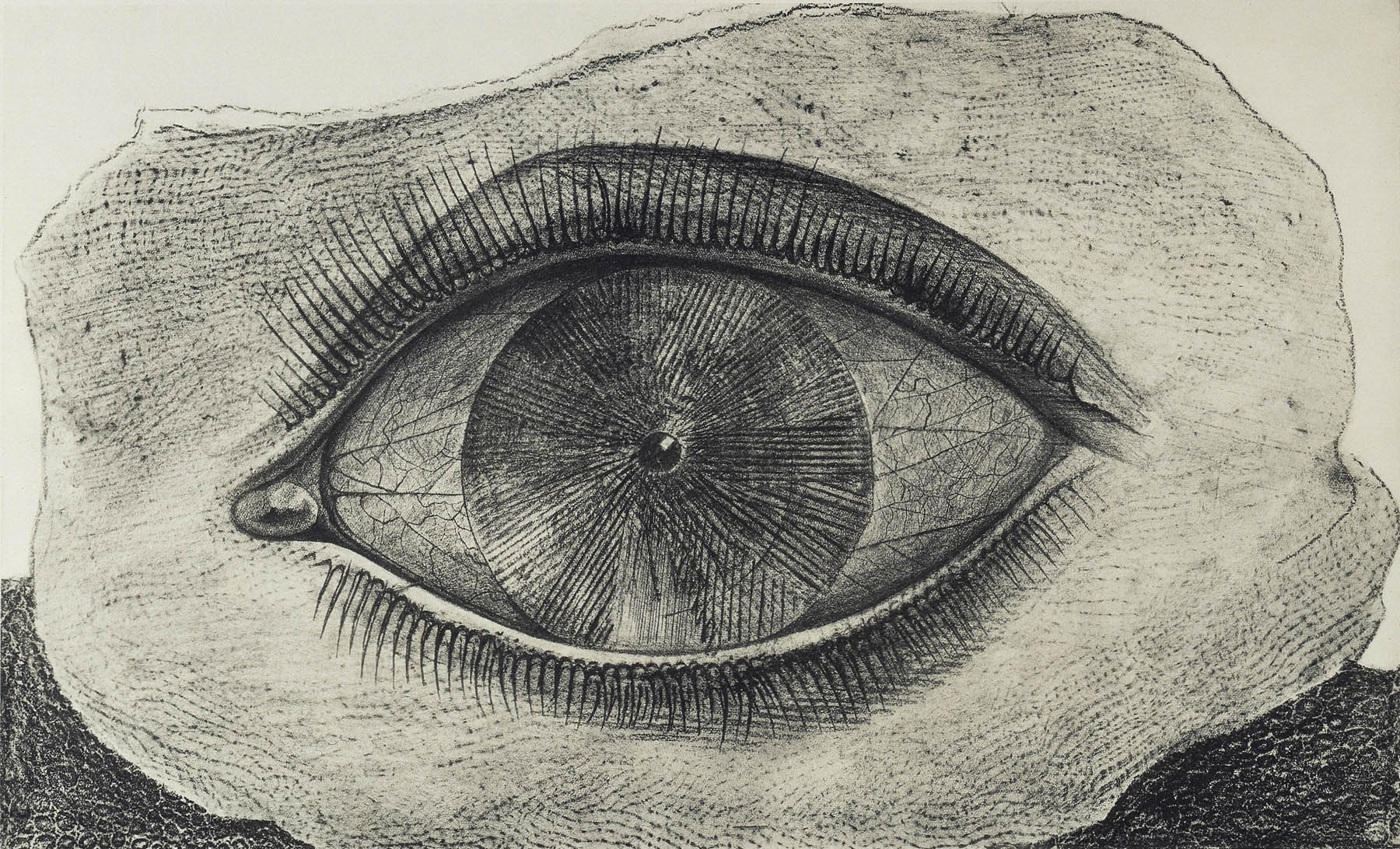


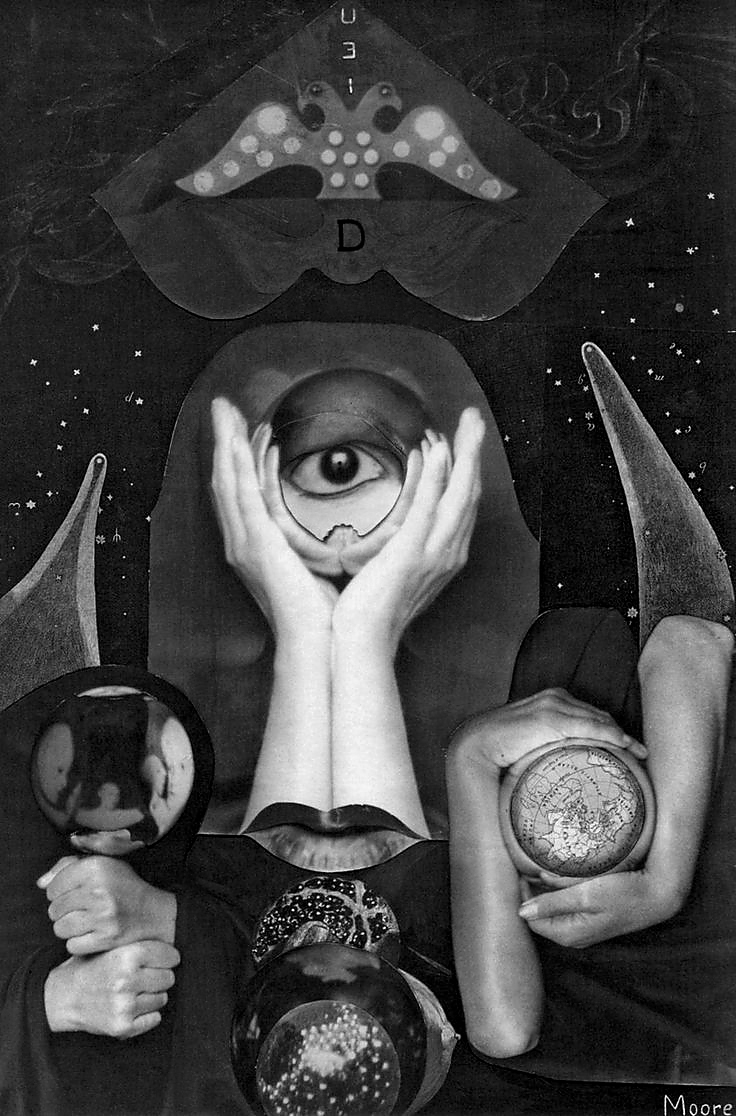

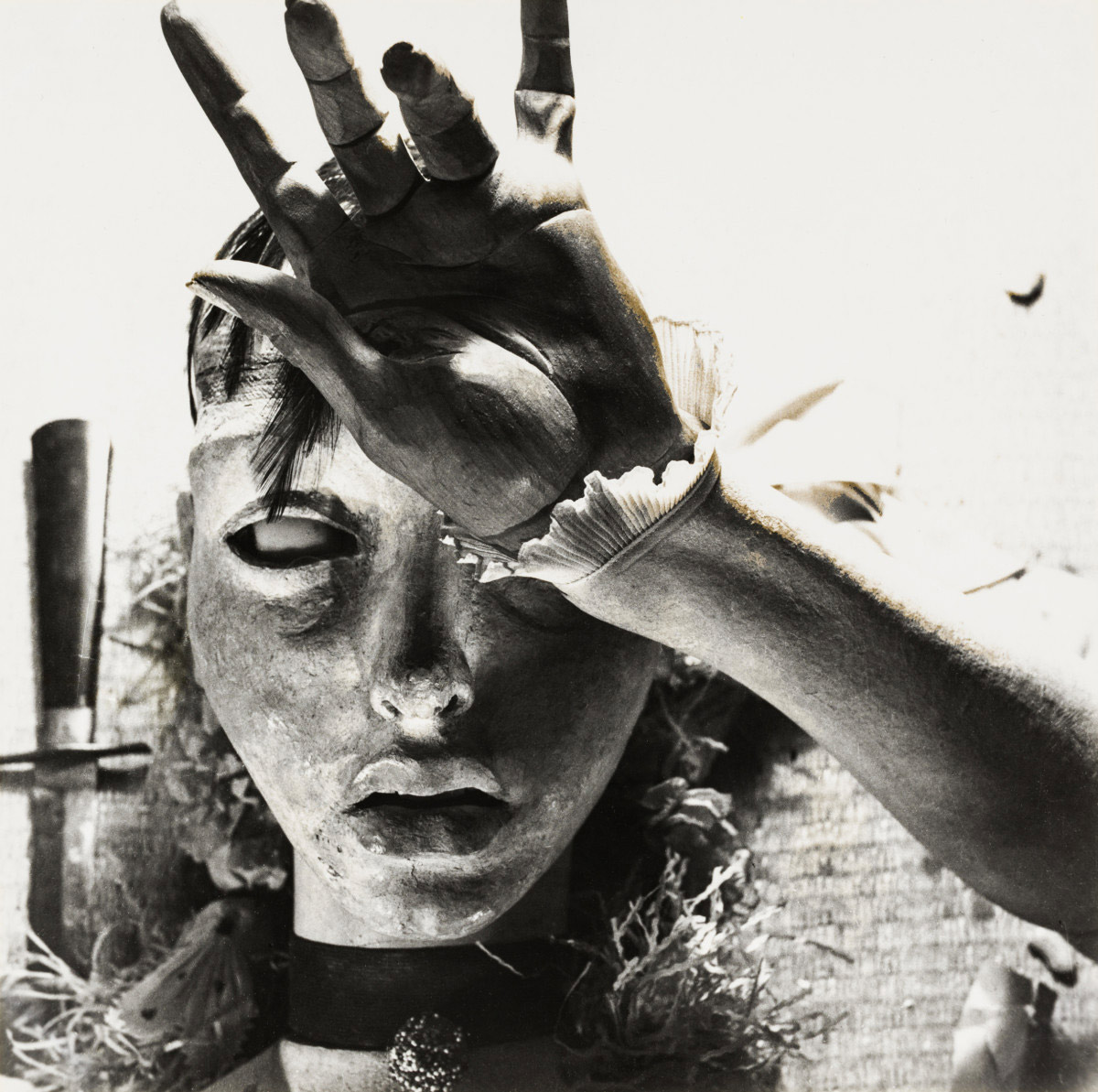


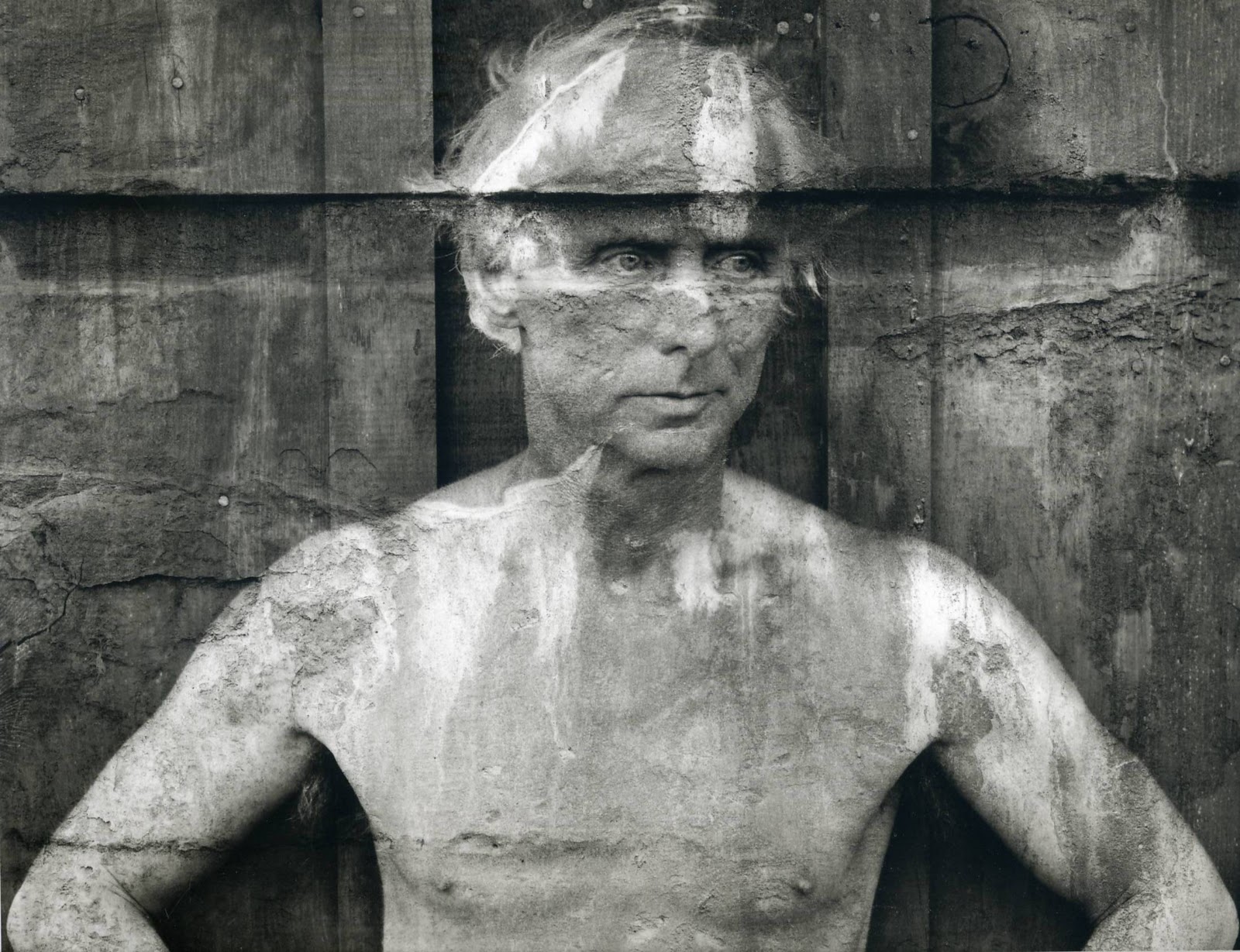


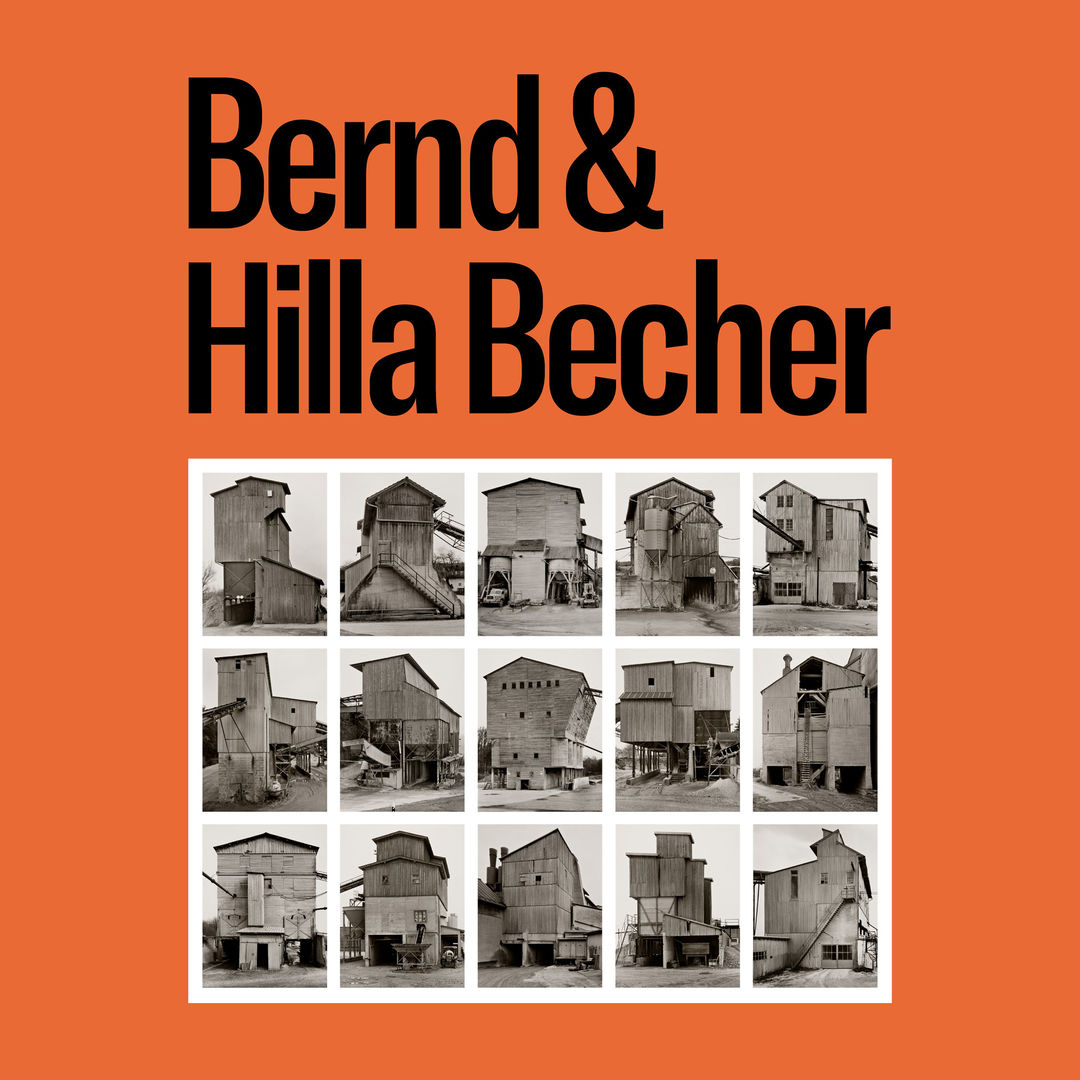


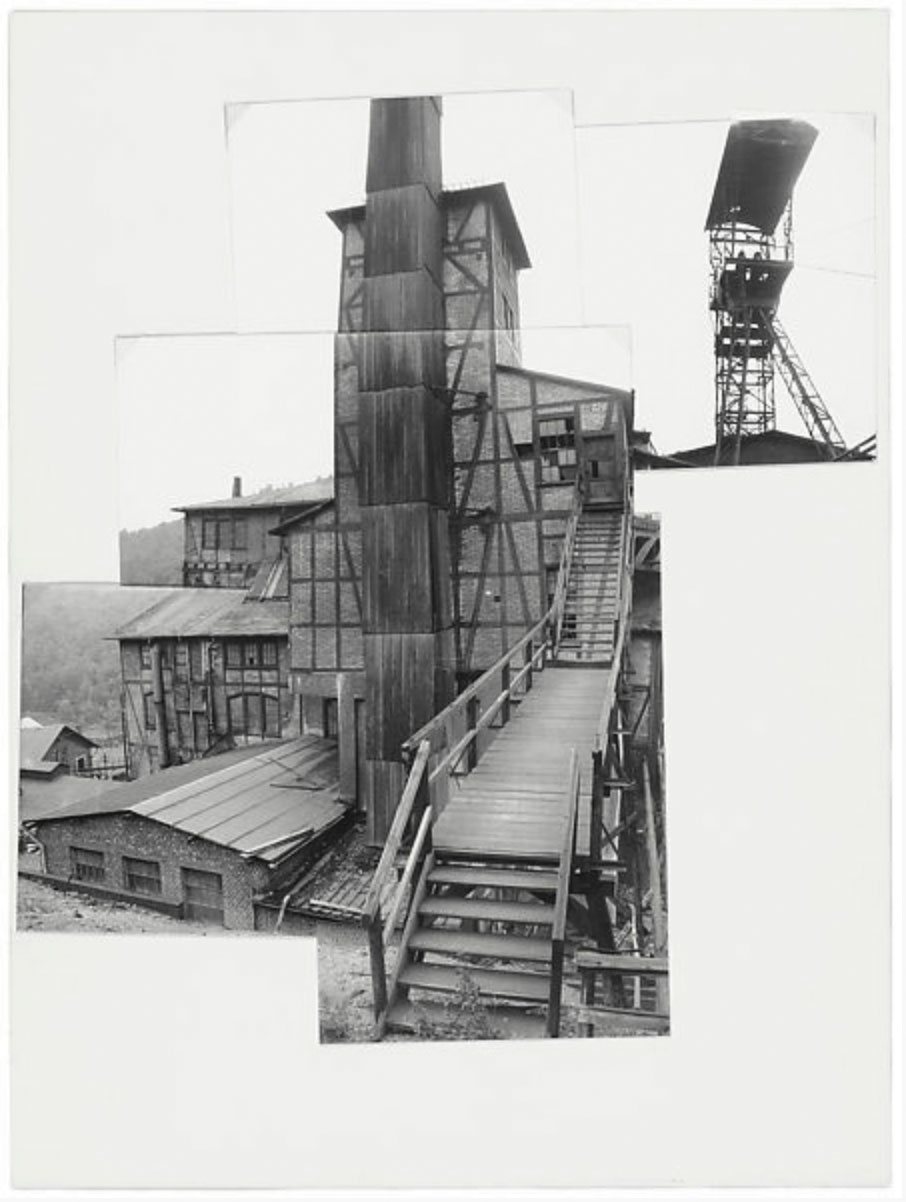
![Bernd Becher (German, 1931-2007) '[Assemblage of Pipes]' 1964 or later](https://artblart.com/wp-content/uploads/2022/10/bernd-becher-assemblage-of-pipes.jpg "Bernd Becher (German, 1931-2007) '[Assemblage of Pipes]' 1964 or later")
![Hilla Becher (German, 1934-2015) '[Mountain Elm Leaf]' 1965](https://artblart.com/wp-content/uploads/2022/10/hilla-becher-hilla-becher-mountain-elm-leaf.jpg "Hilla Becher (German, 1934-2015) '[Mountain Elm Leaf]' 1965")
![Hilla Becher (German, 1934-2015) '[Spruce Branch]' 1965](https://artblart.com/wp-content/uploads/2022/10/hilla-becher-spruce-branch.jpg "Hilla Becher (German, 1934-2015) '[Spruce Branch]' 1965")
![Hilla Becher (German, 1934-2015) '[Shell, for the German Industrial Exhibition, Khartoum, Sudan]' 1961](https://artblart.com/wp-content/uploads/2022/10/hilla-becher-shell-for-the-german-industrial-exhibition.jpg "Hilla Becher (German, 1934-2015) '[Shell, for the German Industrial Exhibition, Khartoum, Sudan]' 1961")


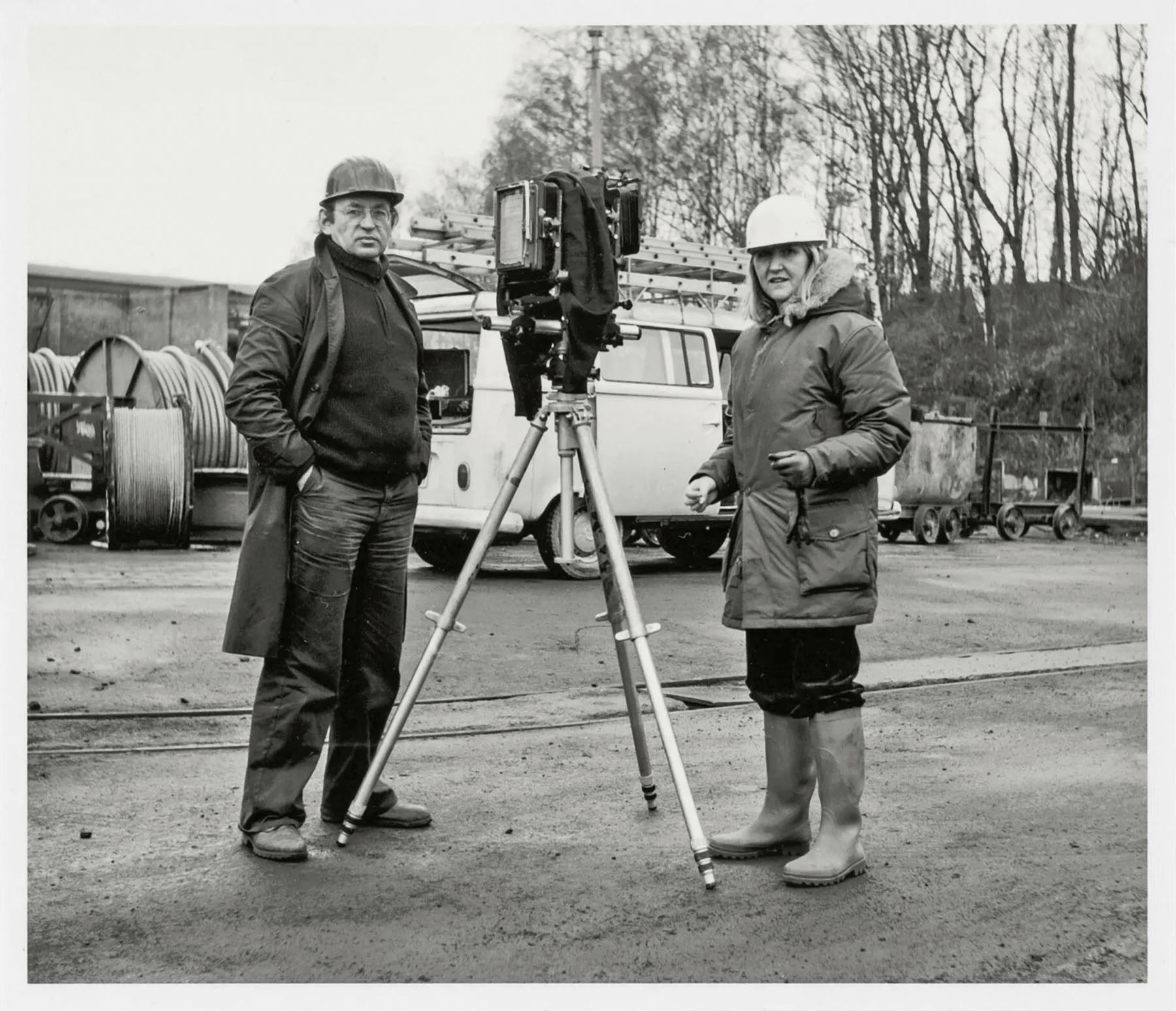

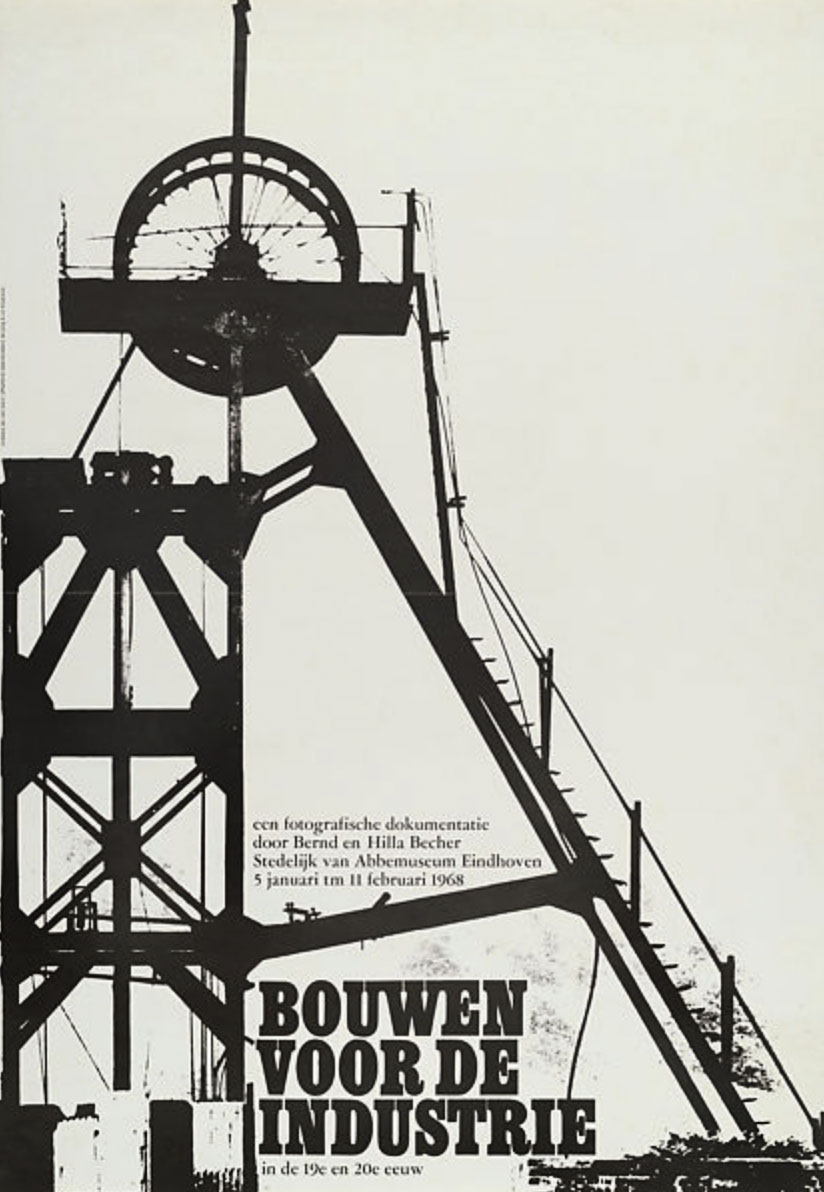


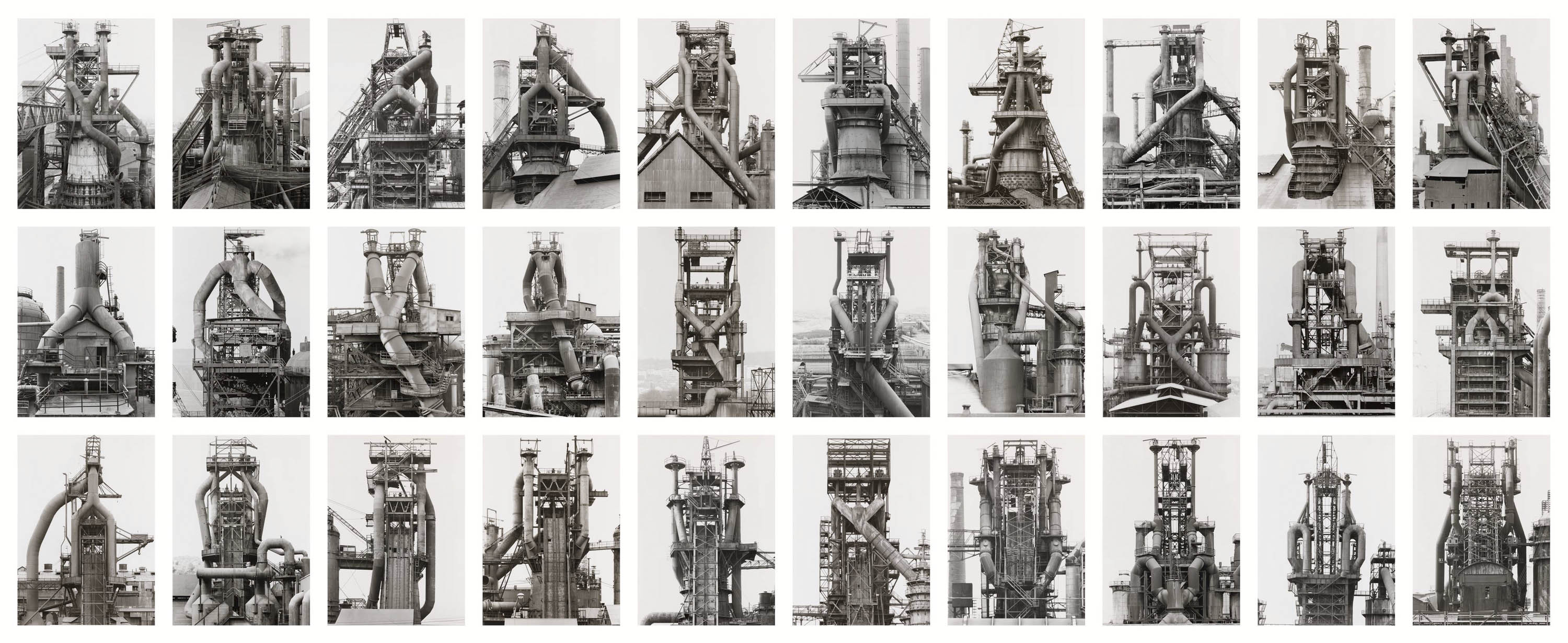
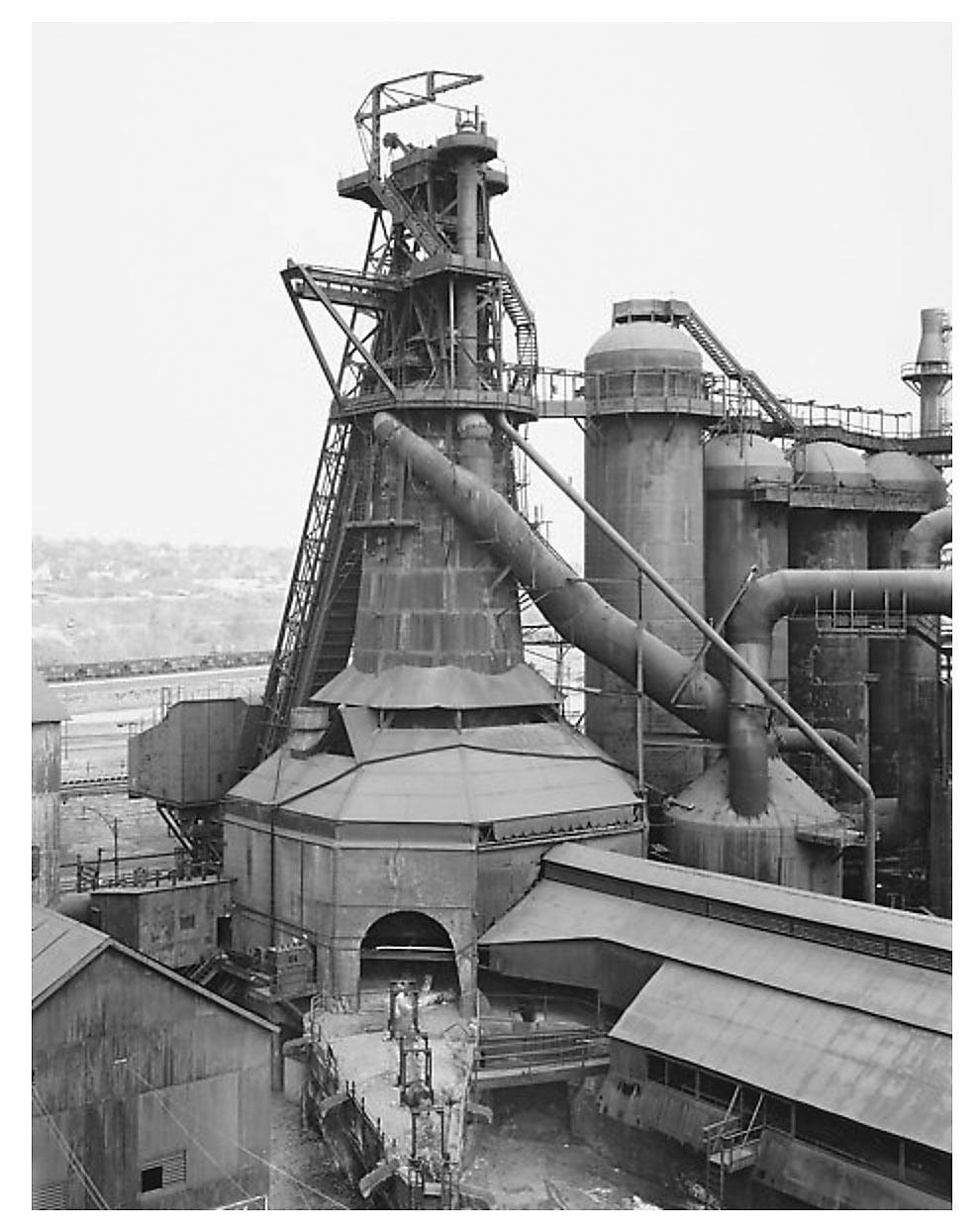


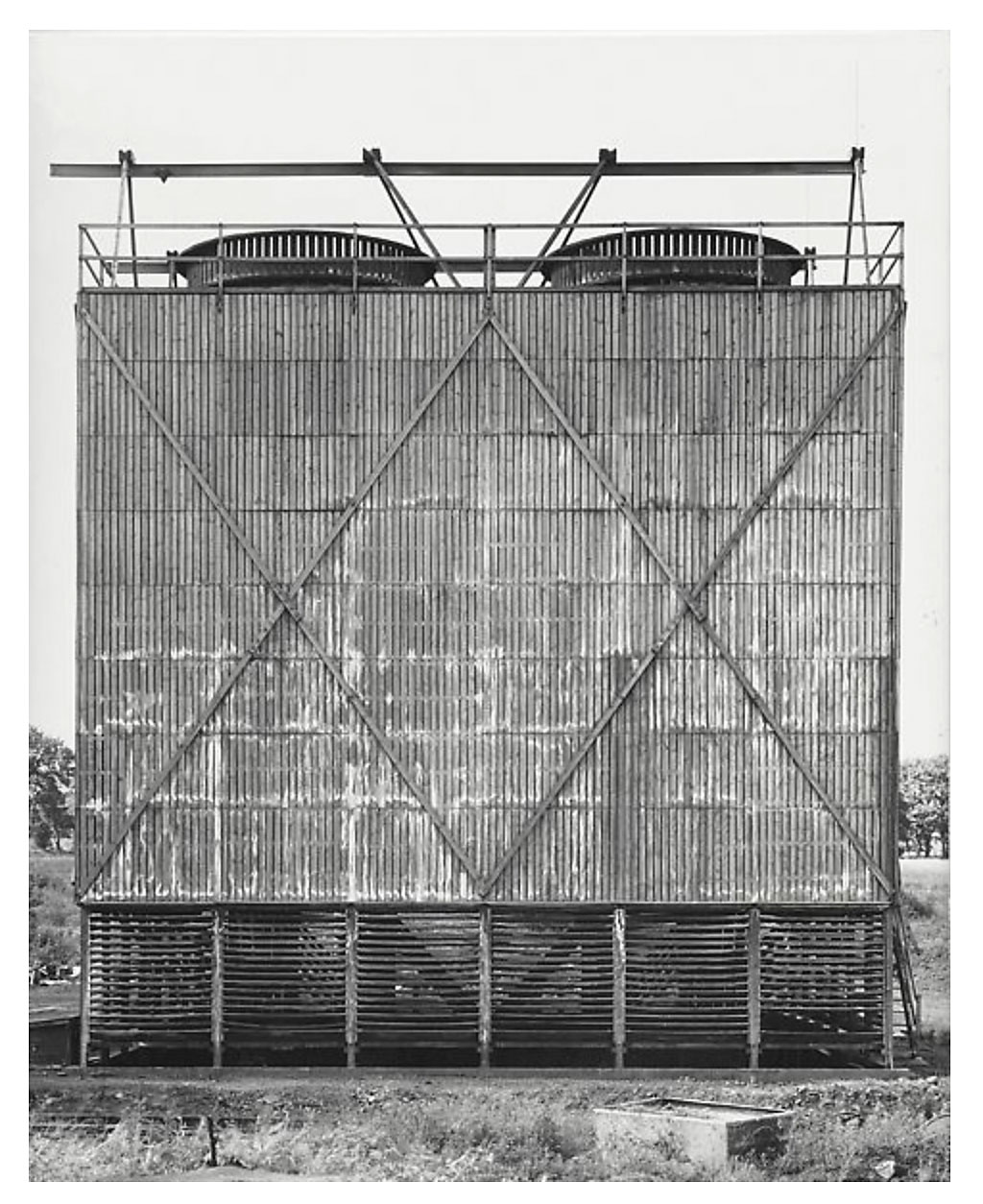


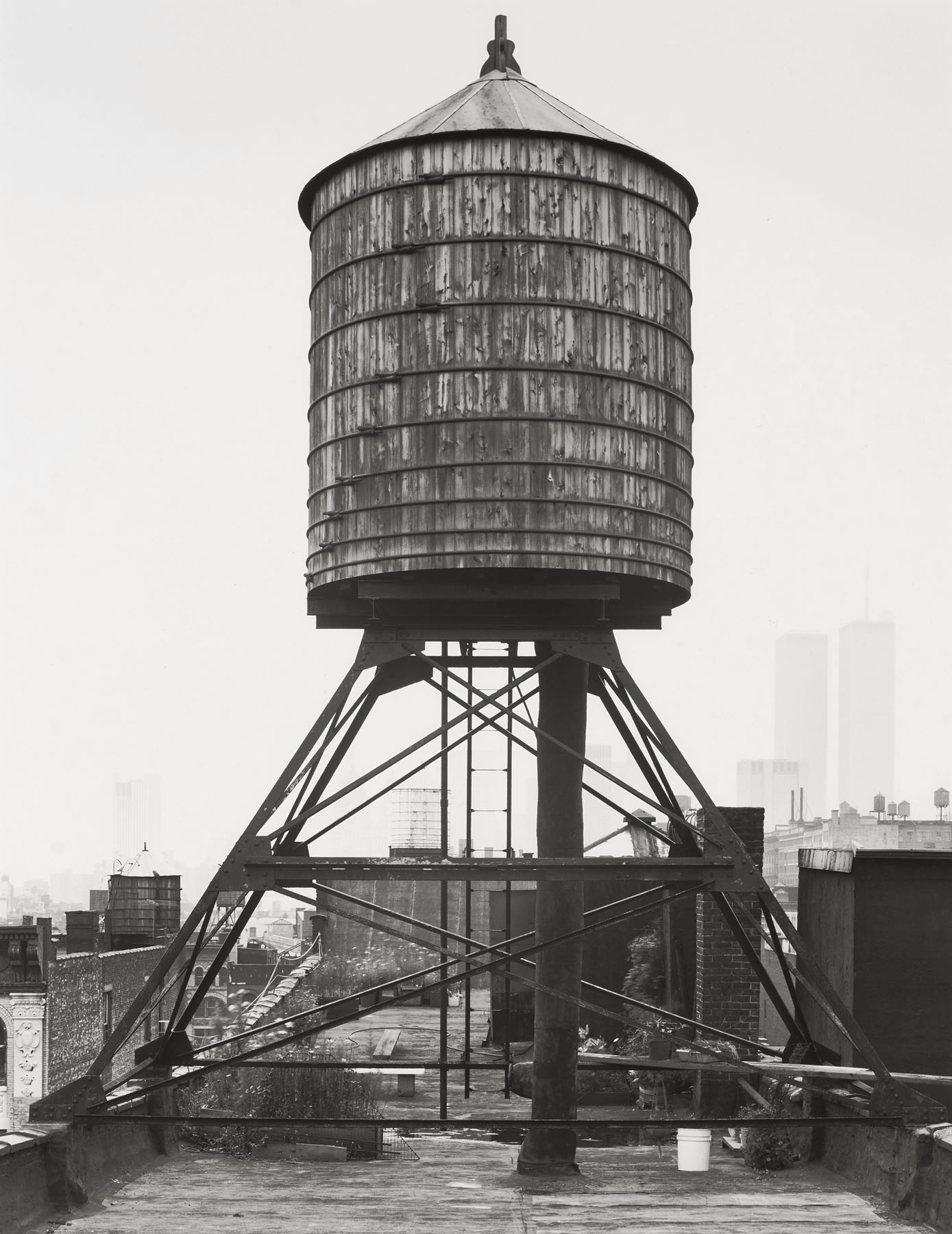
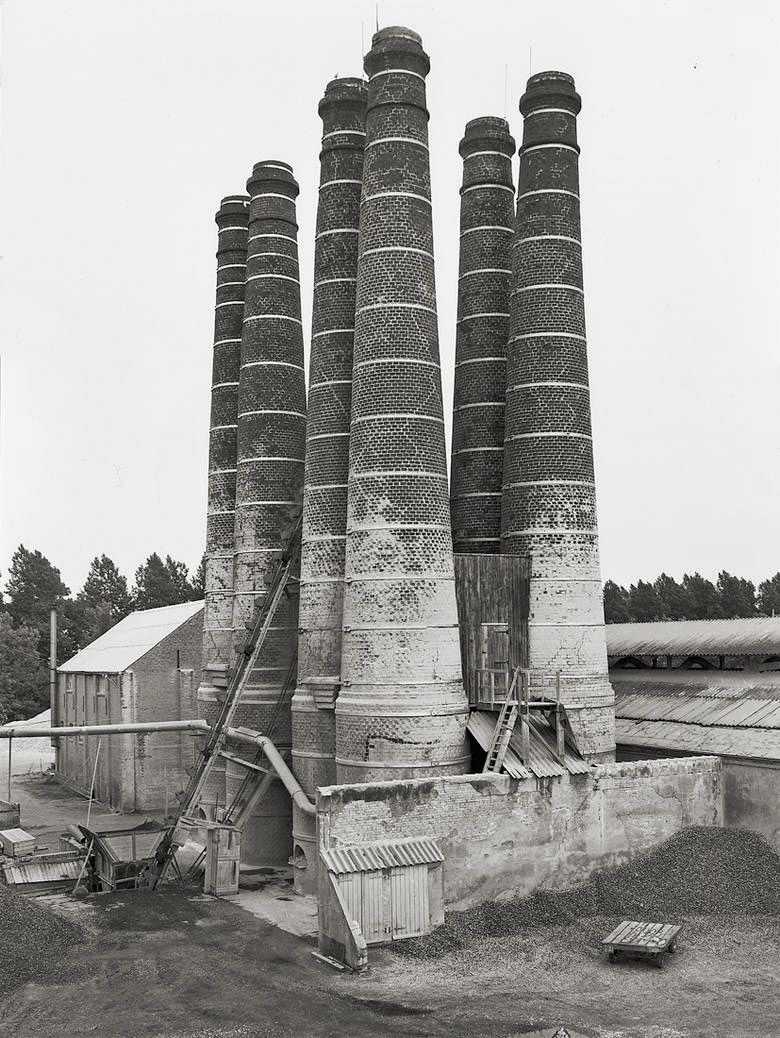

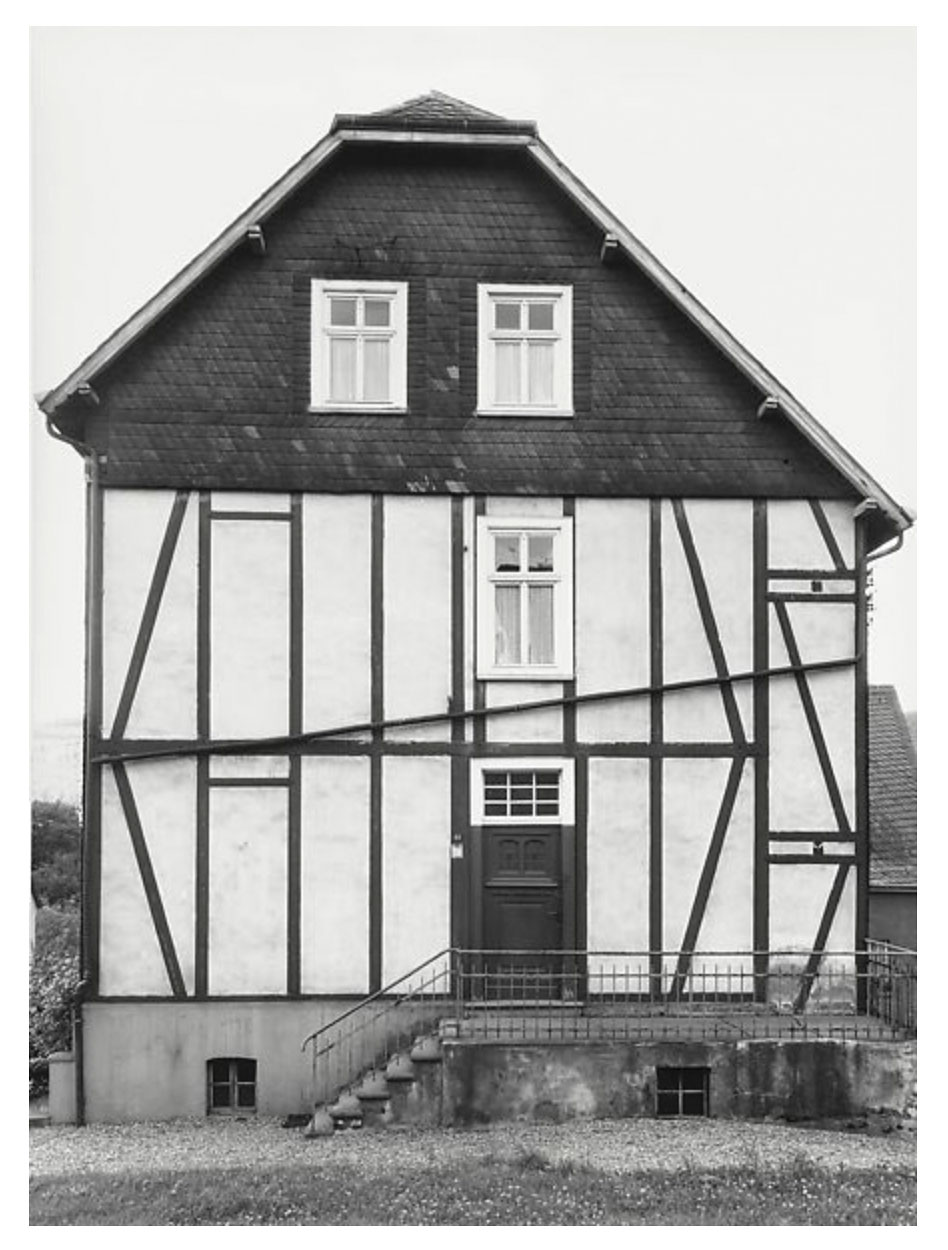
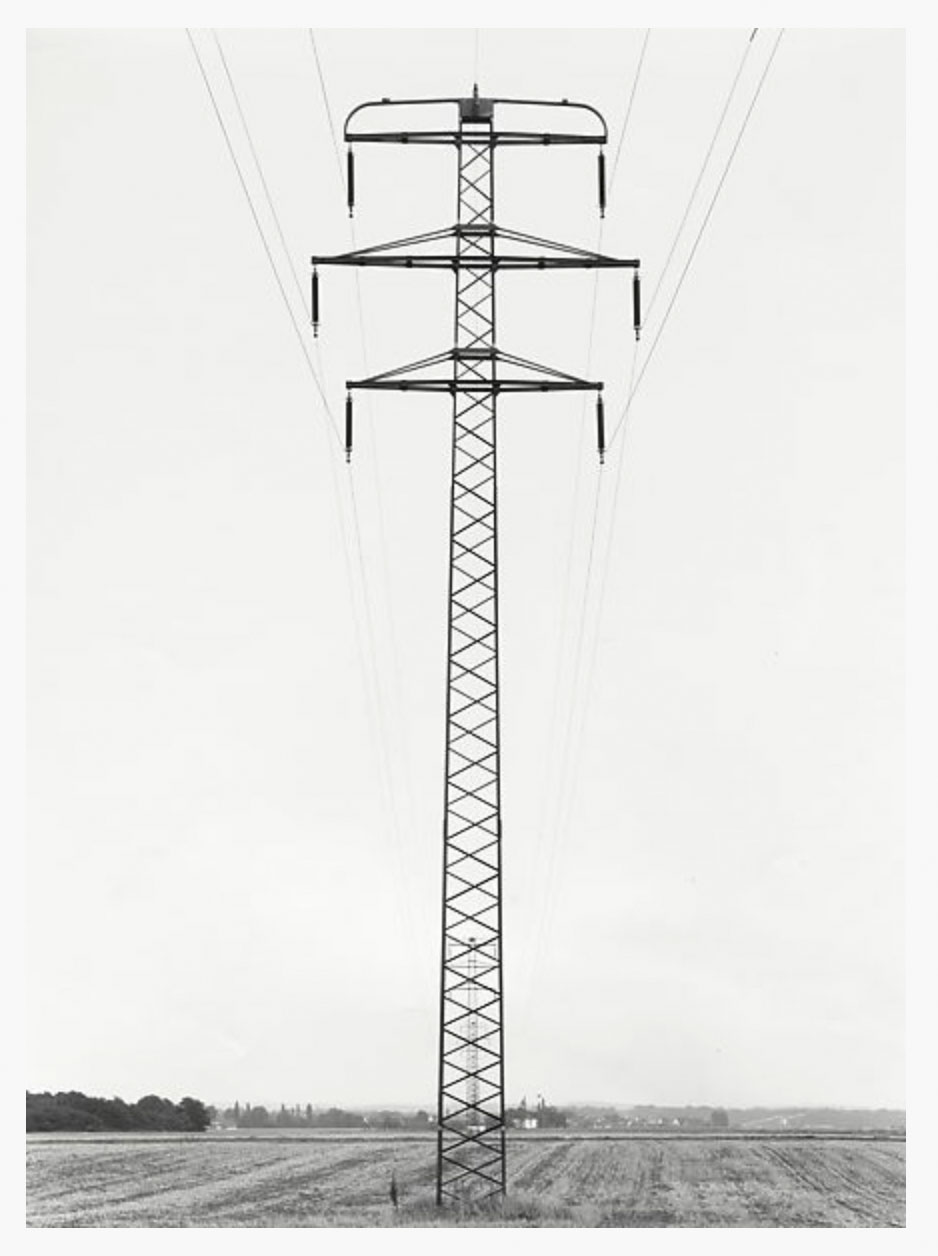

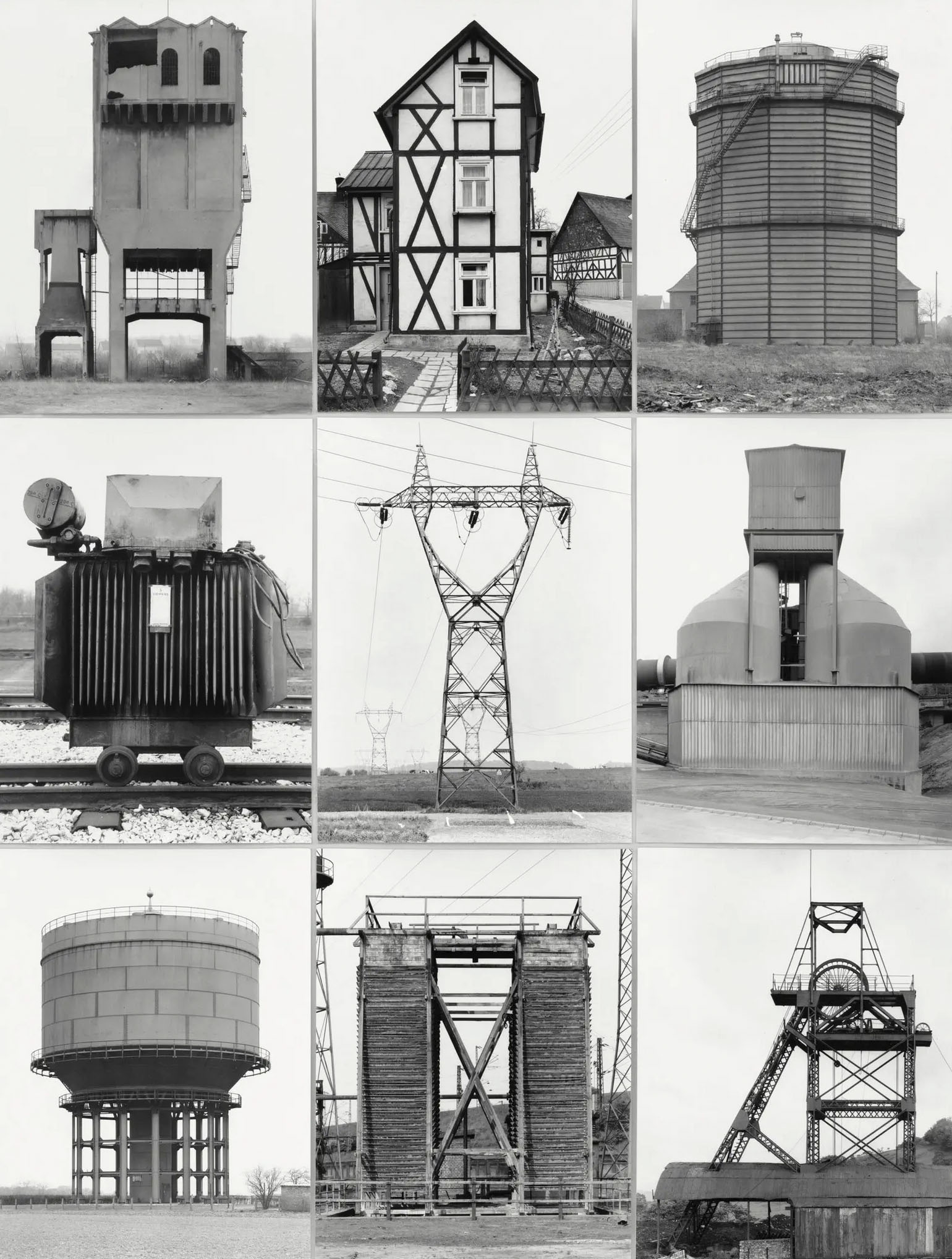


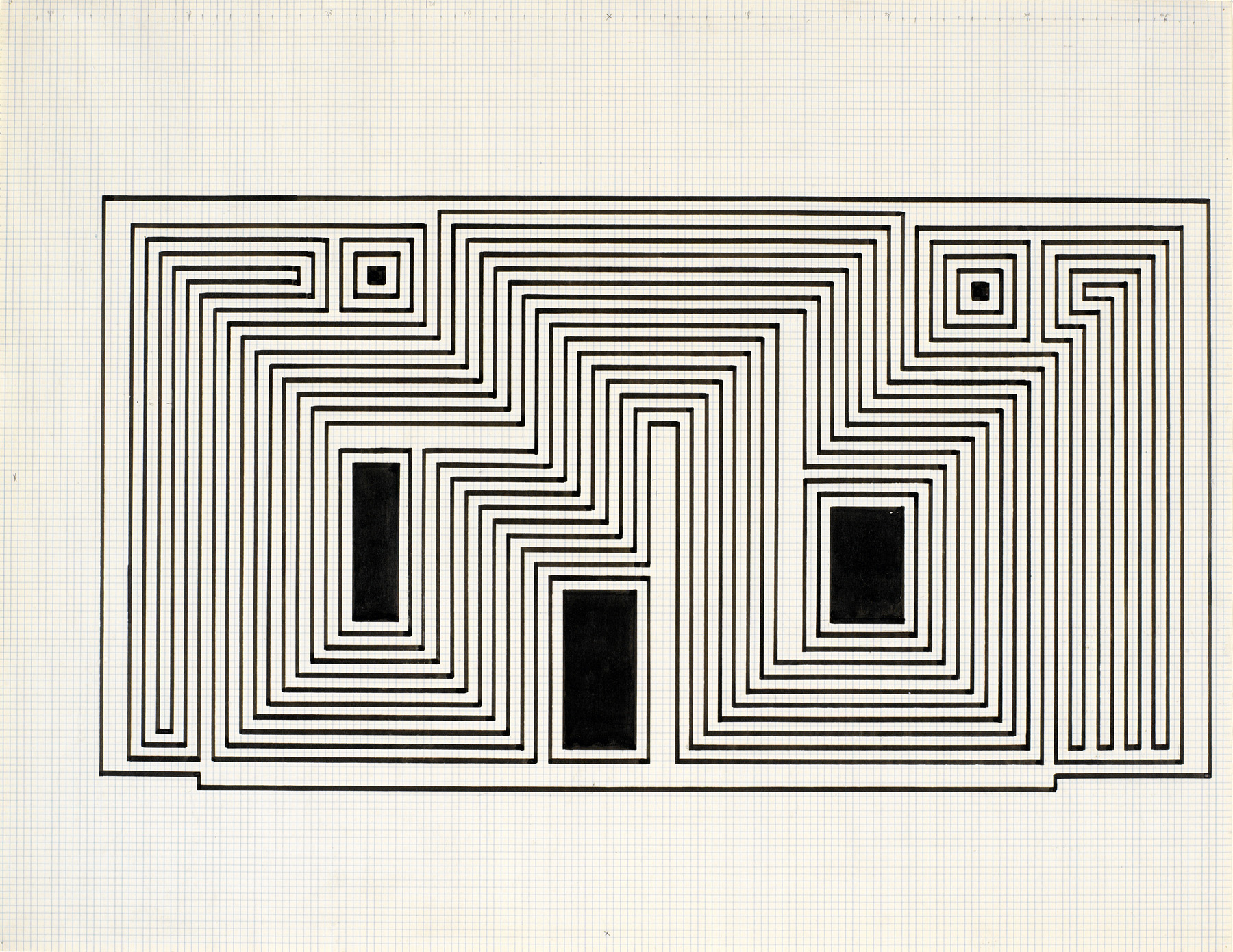
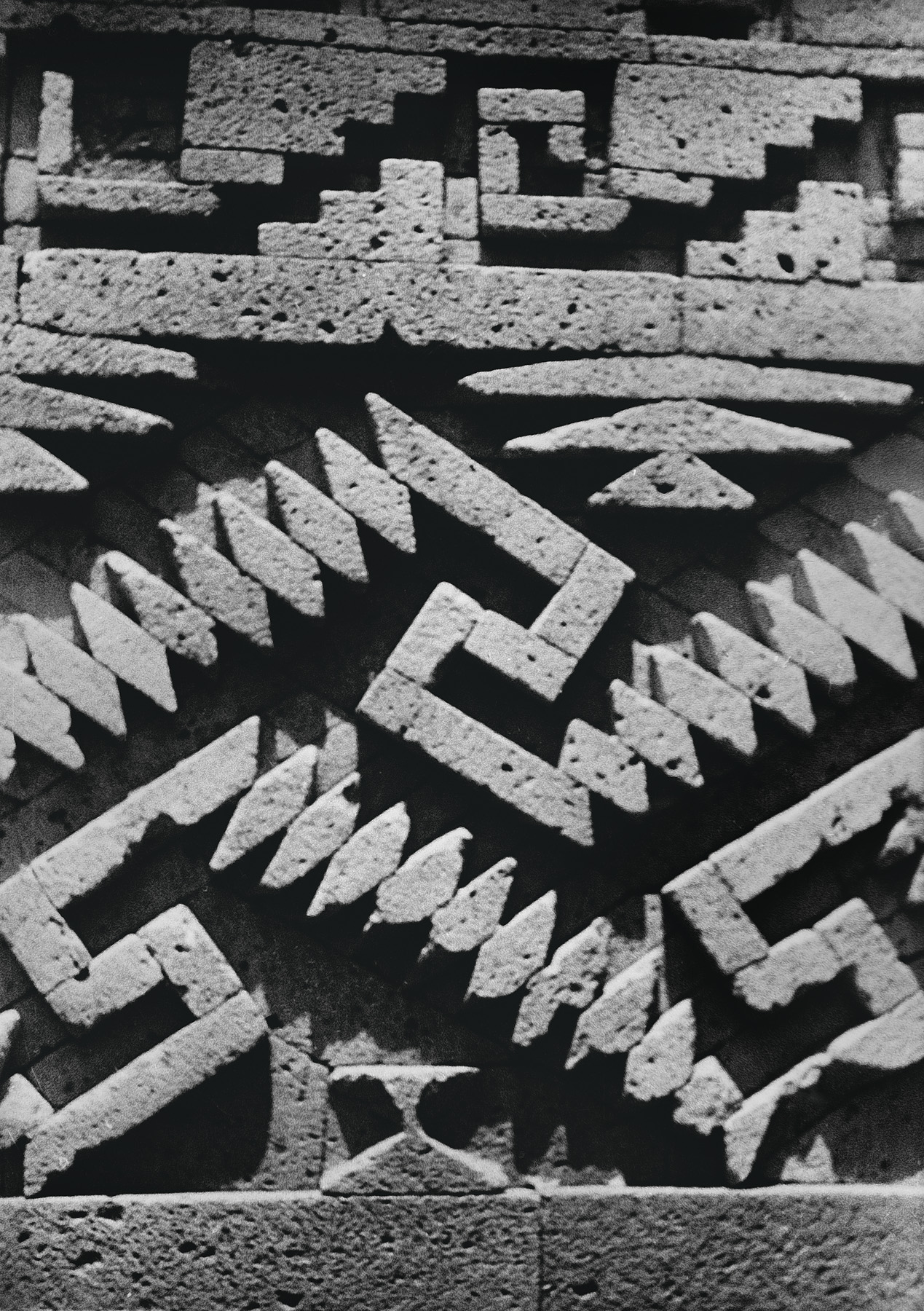

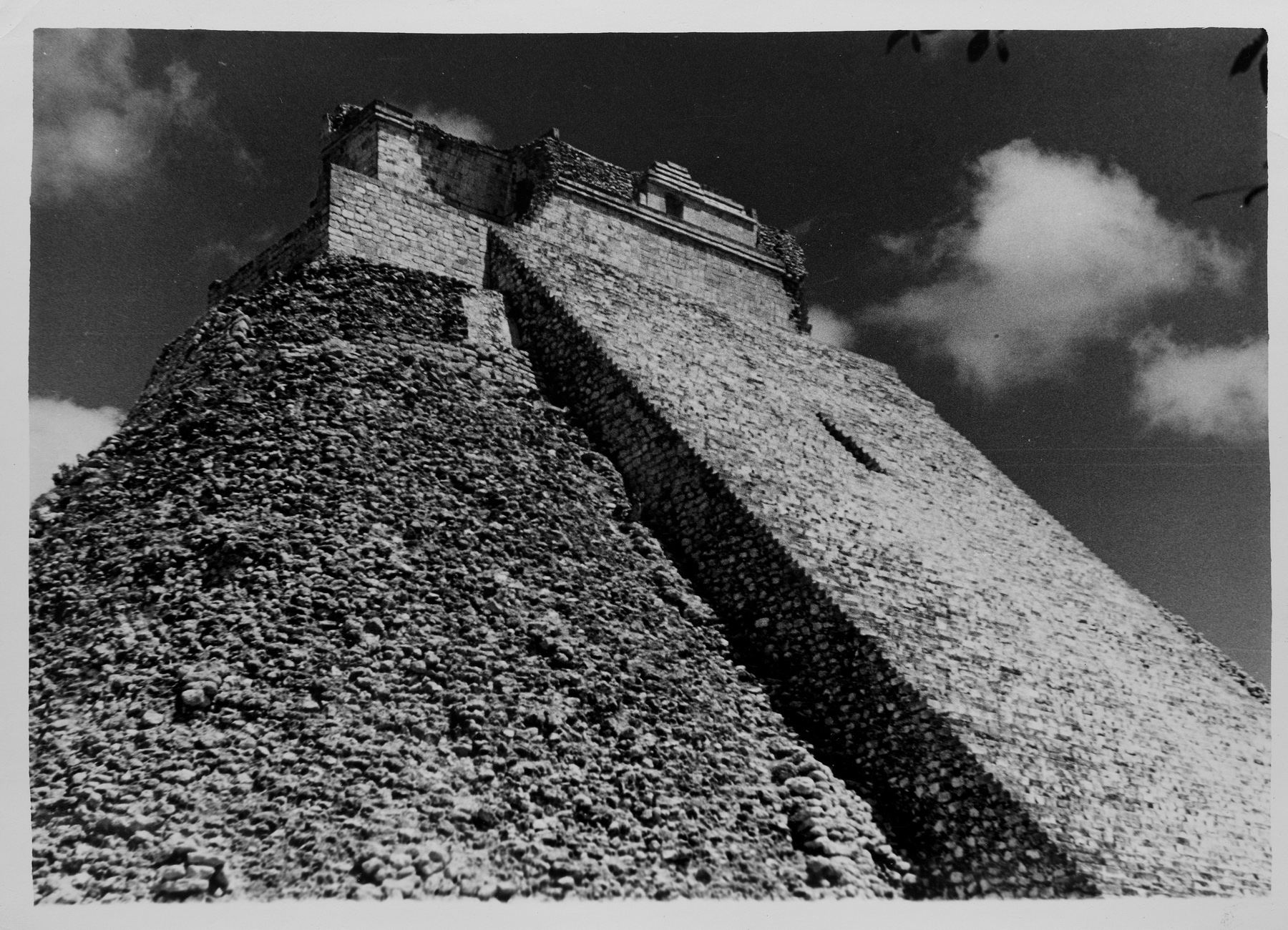
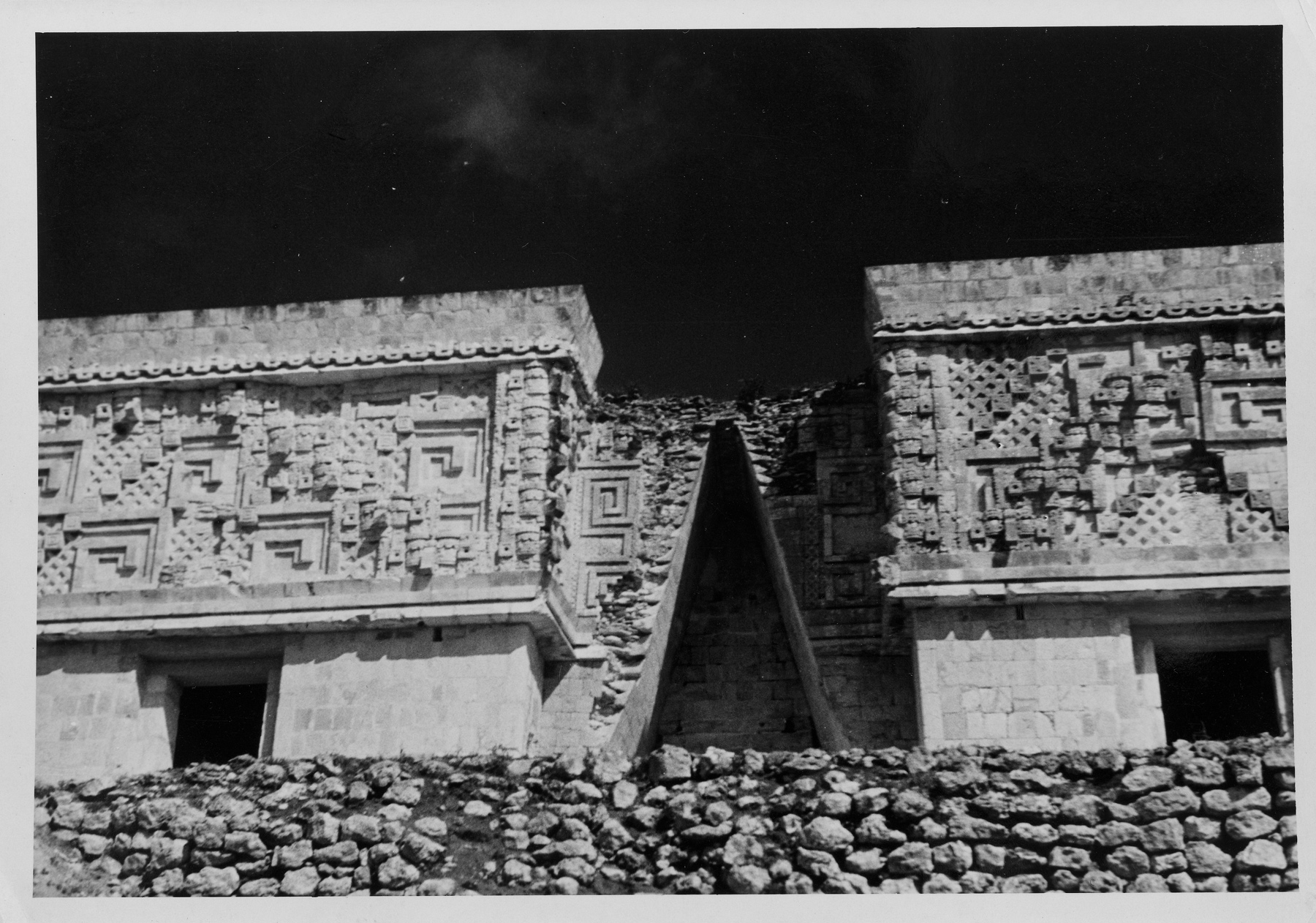
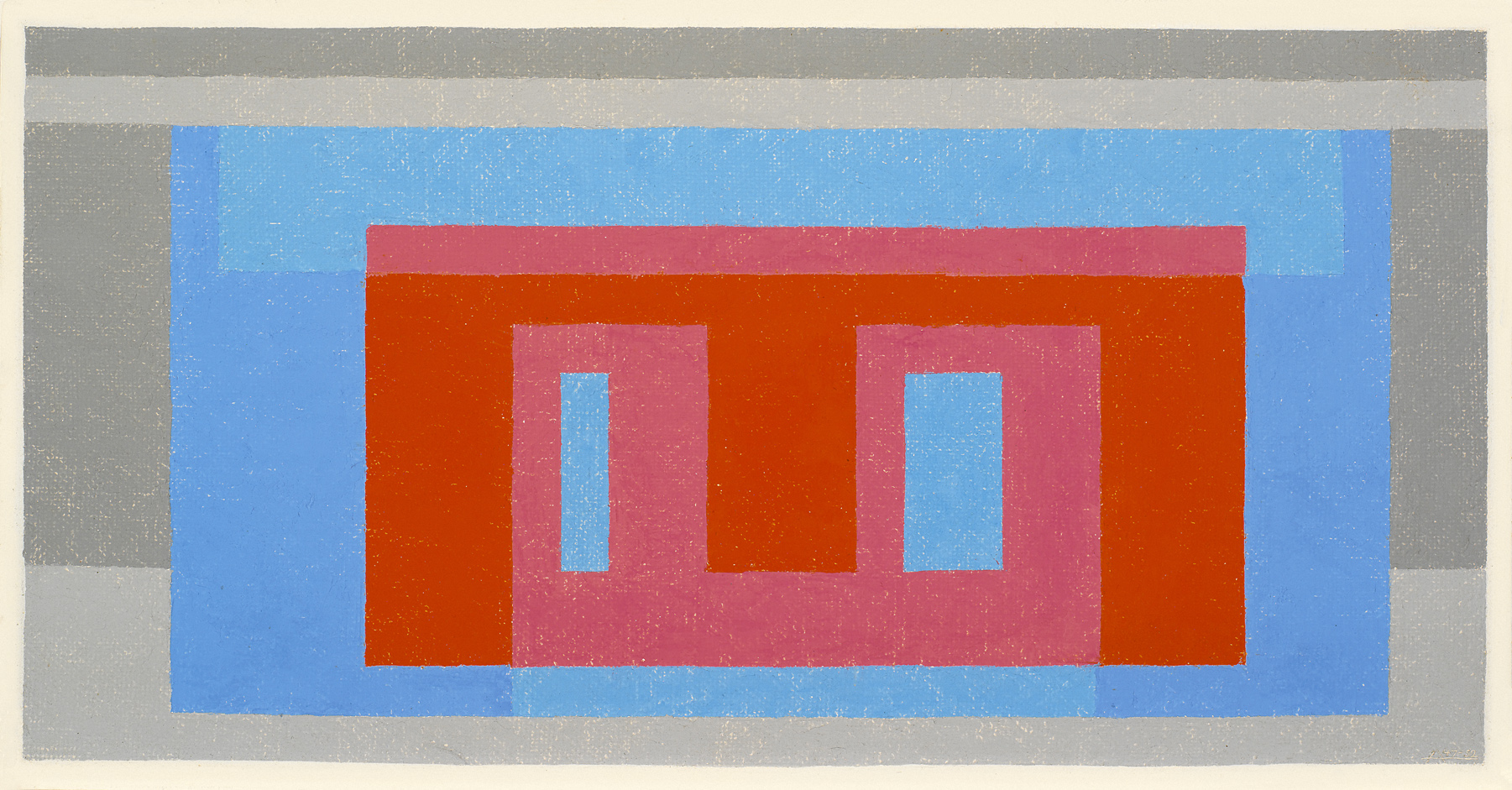
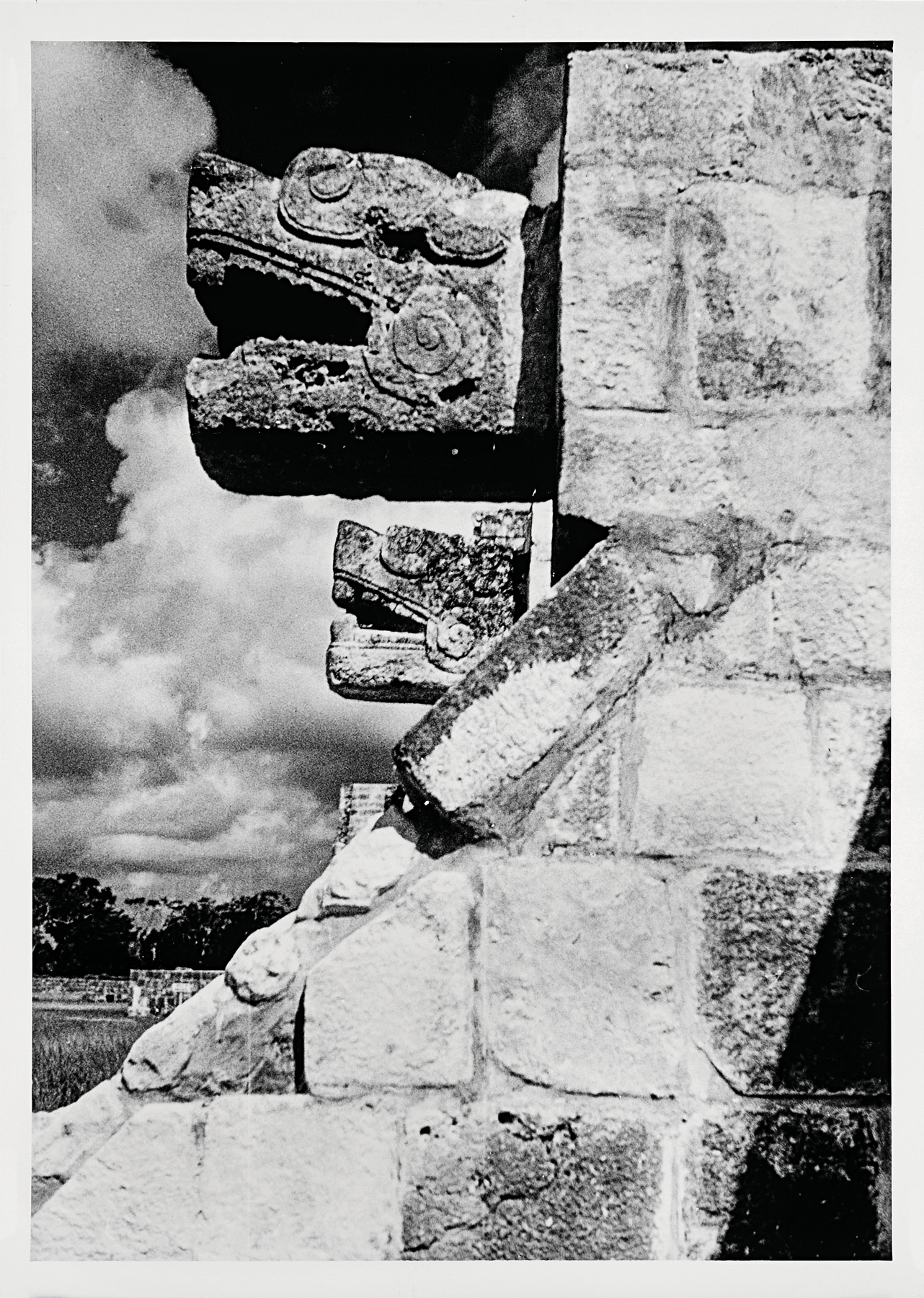
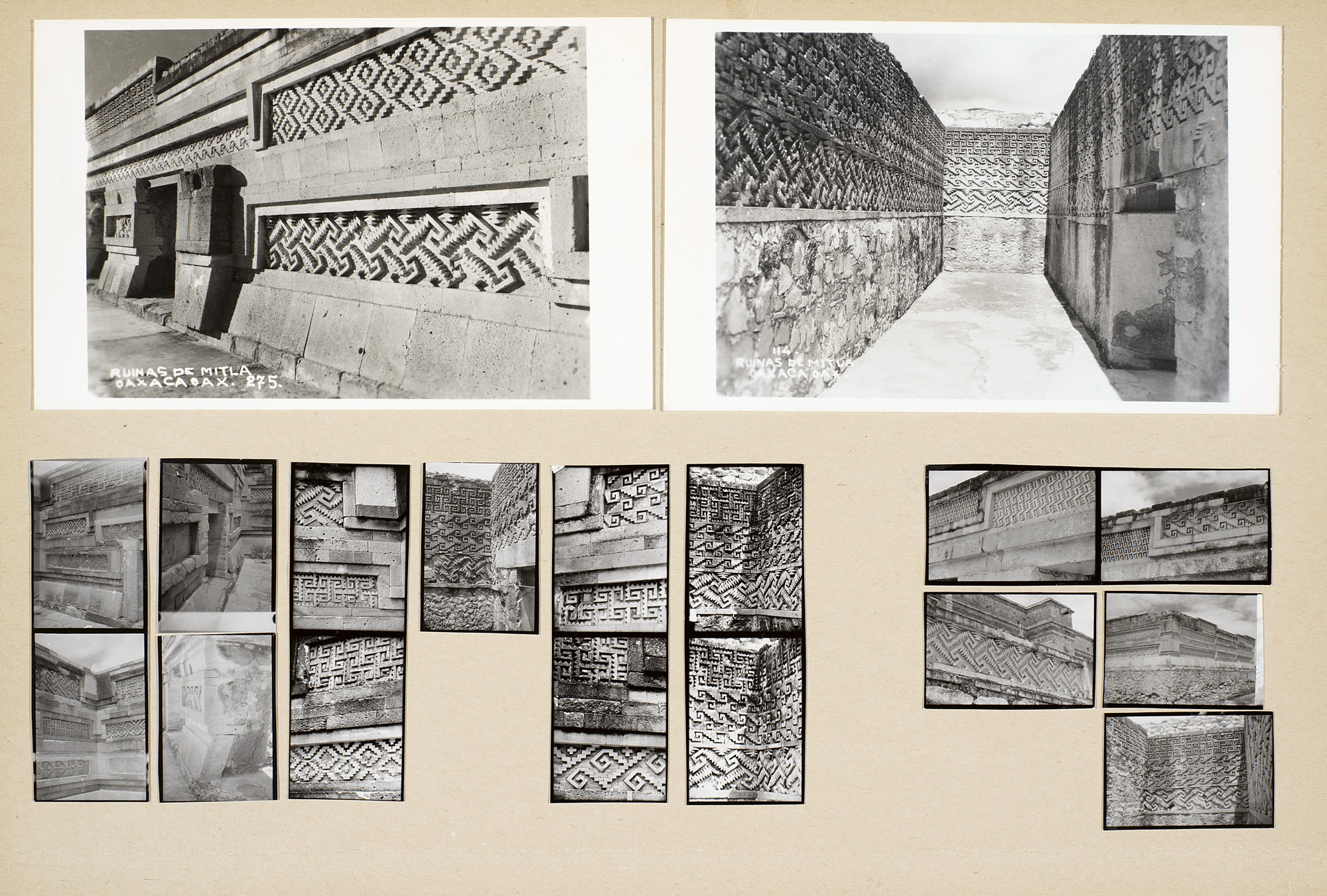

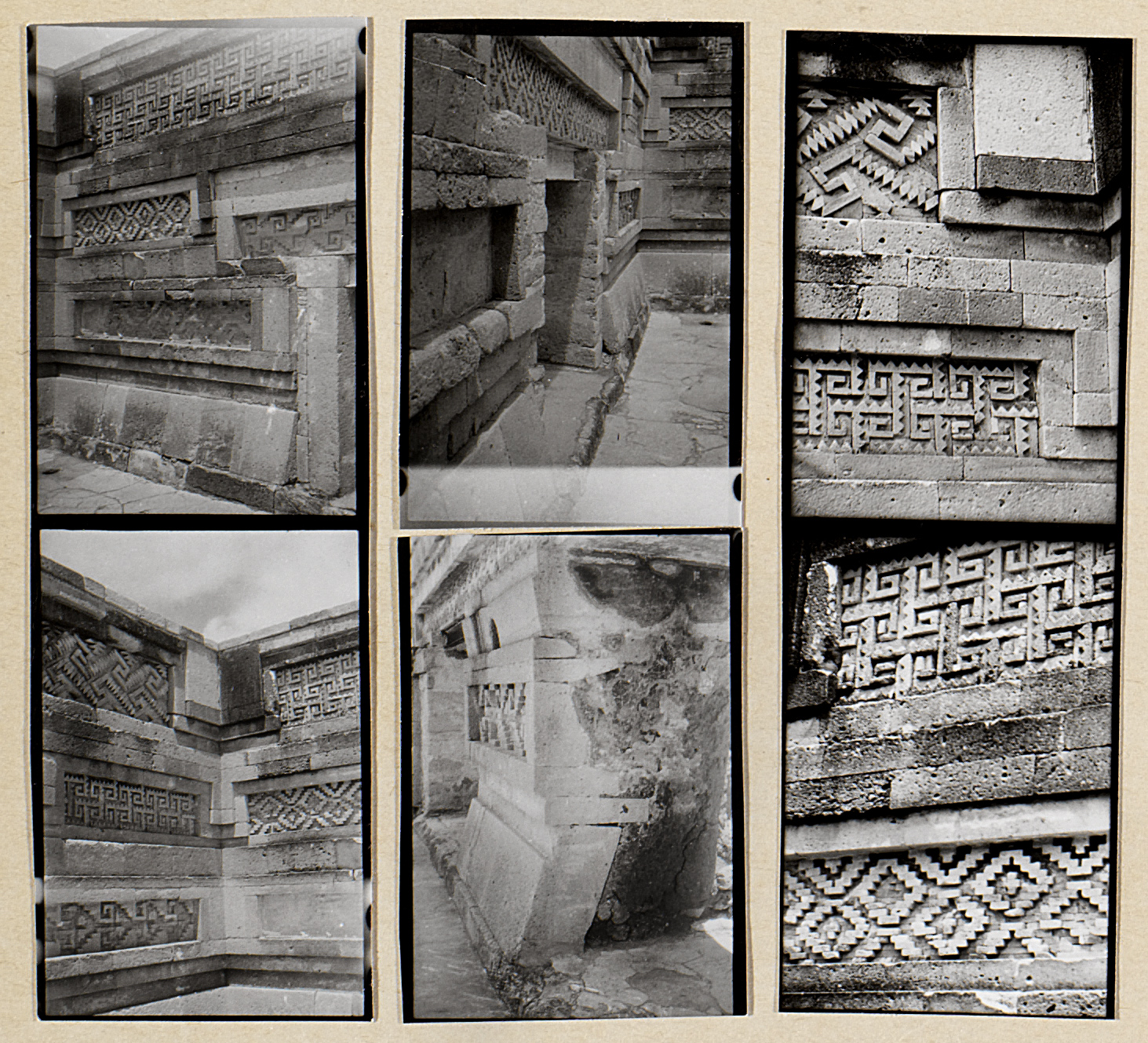
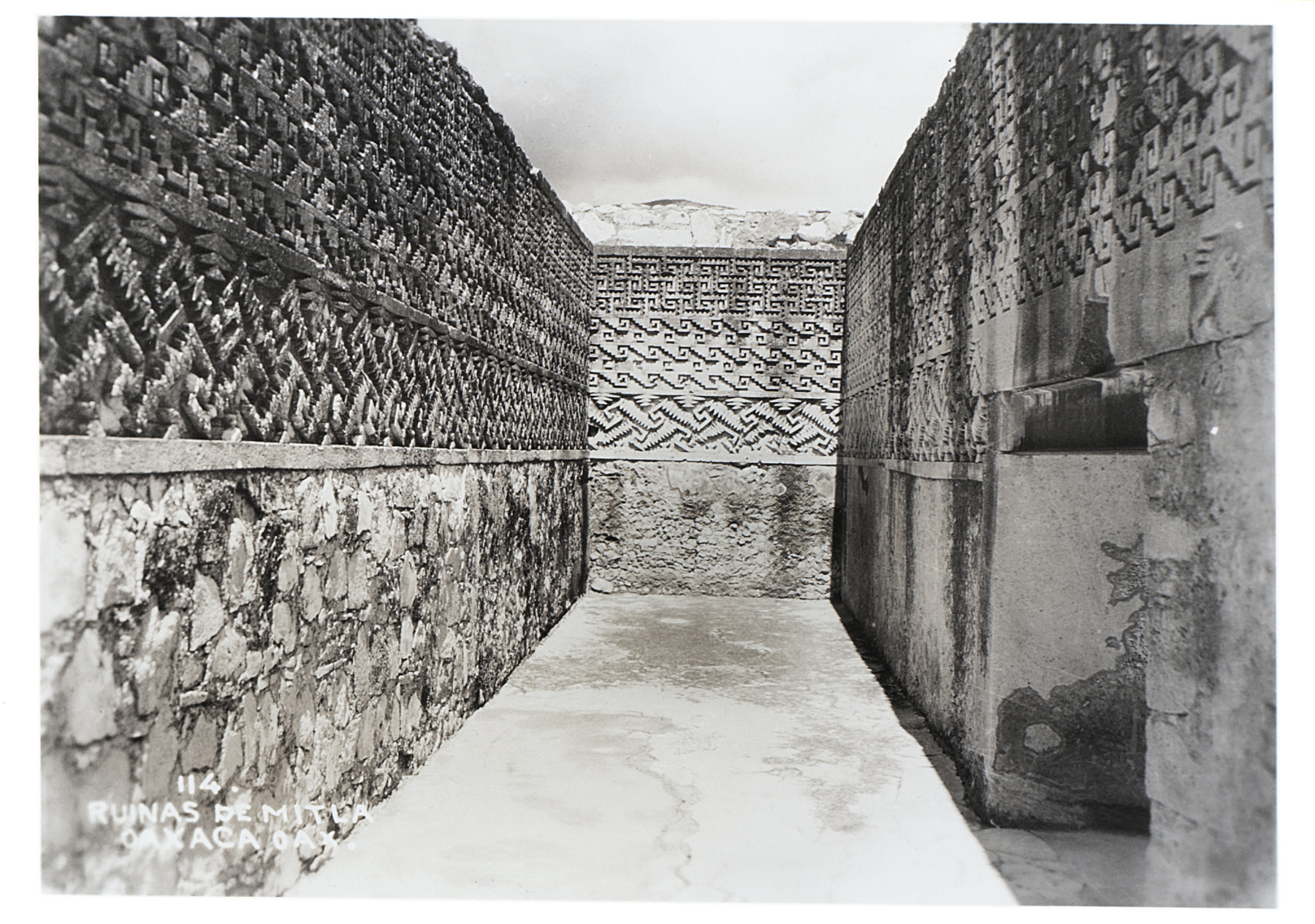
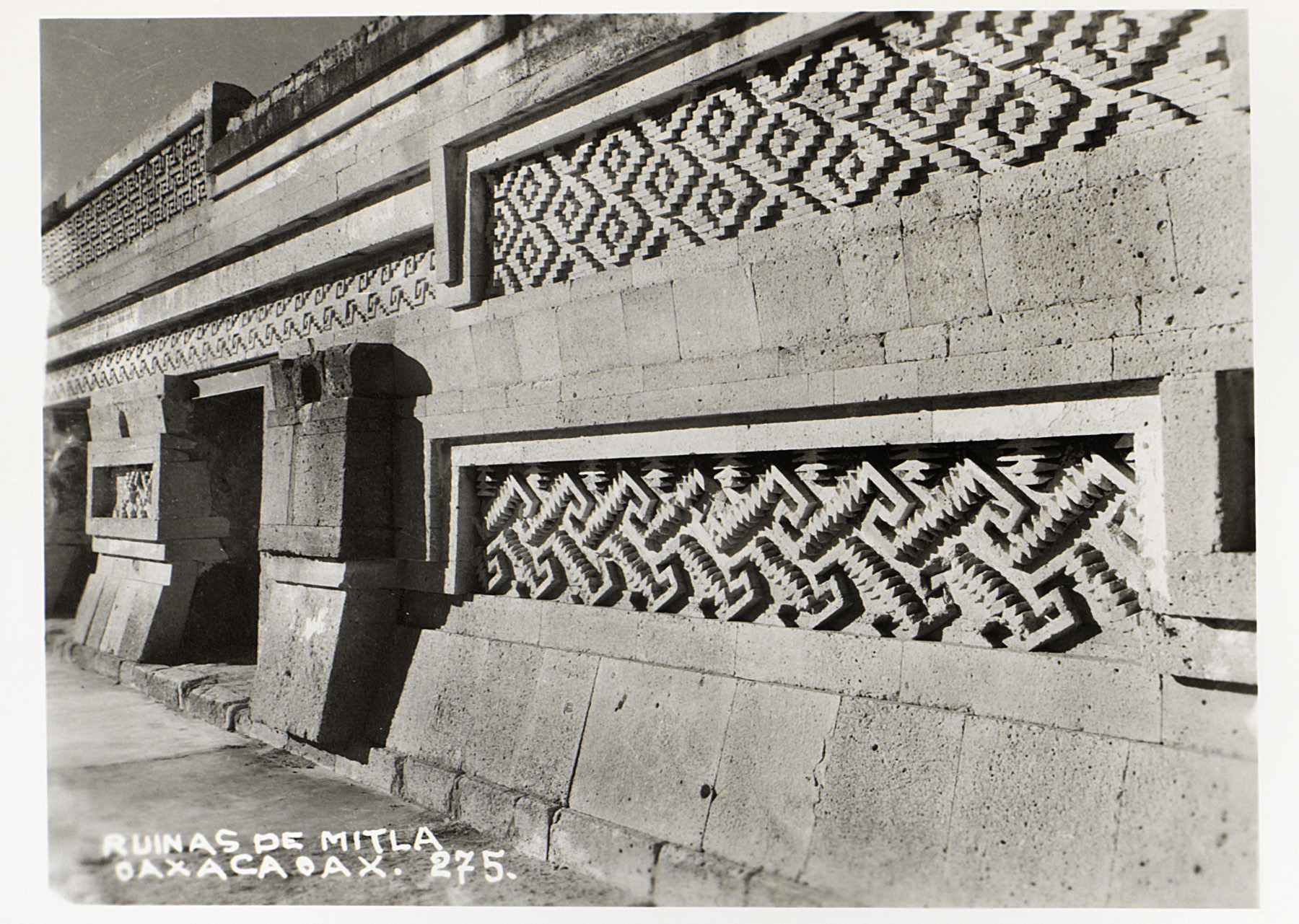

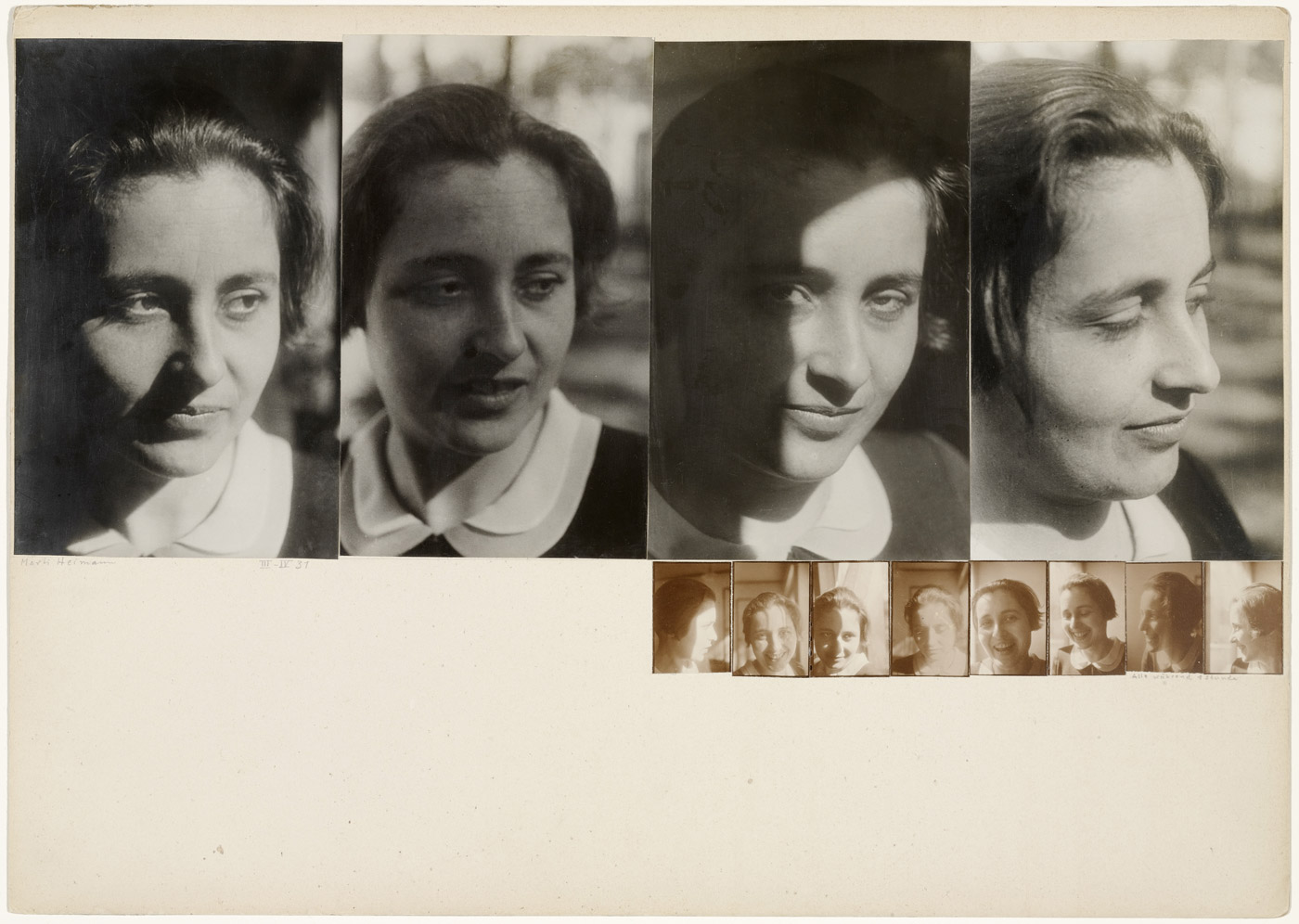

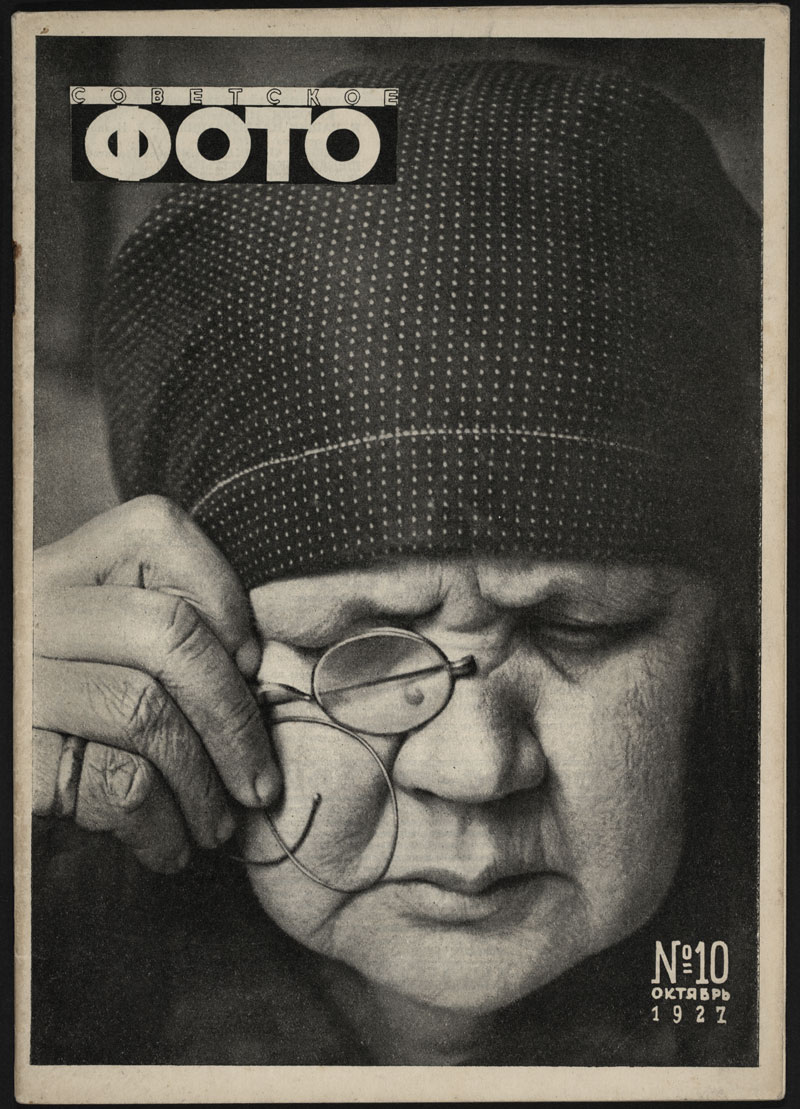


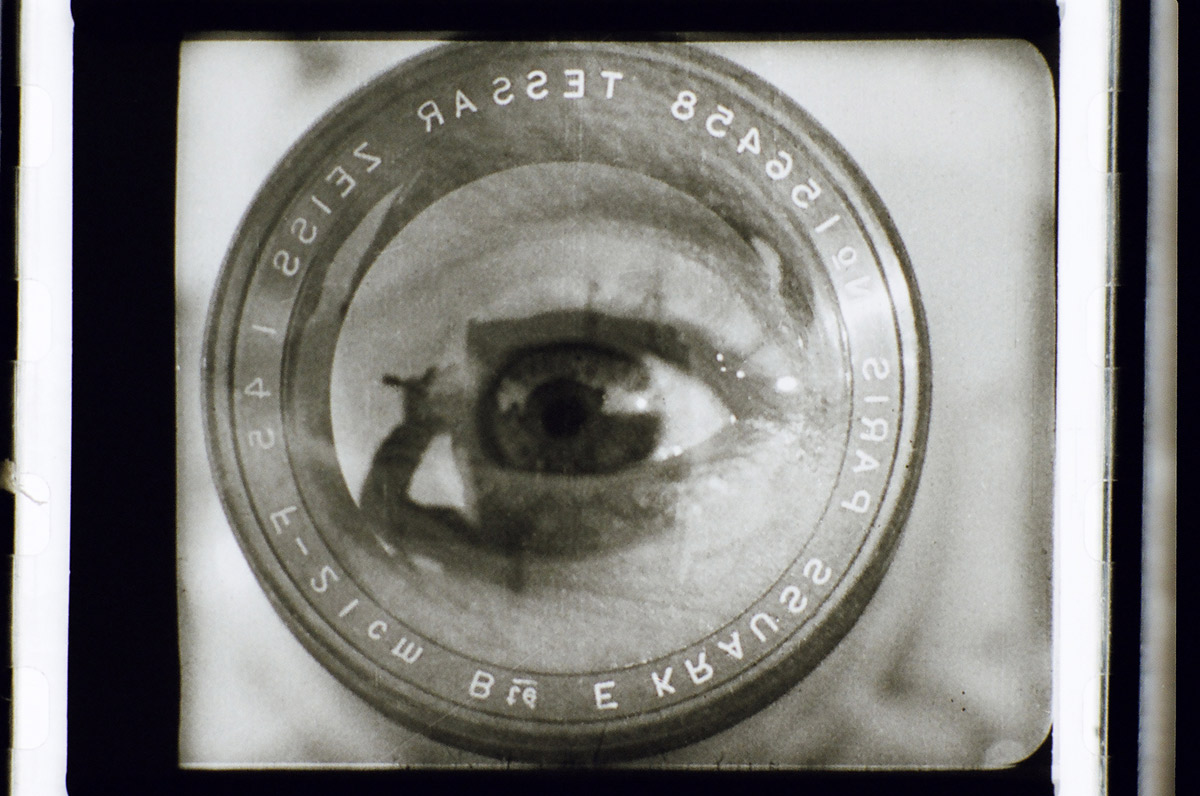

![Georges Hugnet (French, 1906-1974) 'Untitled [Surrealist beach collage]' c. 1935](https://artblart.com/wp-content/uploads/2013/04/georges-hugnet-untitled-surrealist-beach-collage.jpg "Georges Hugnet (French, 1906-1974) 'Untitled [Surrealist beach collage]' c. 1935")
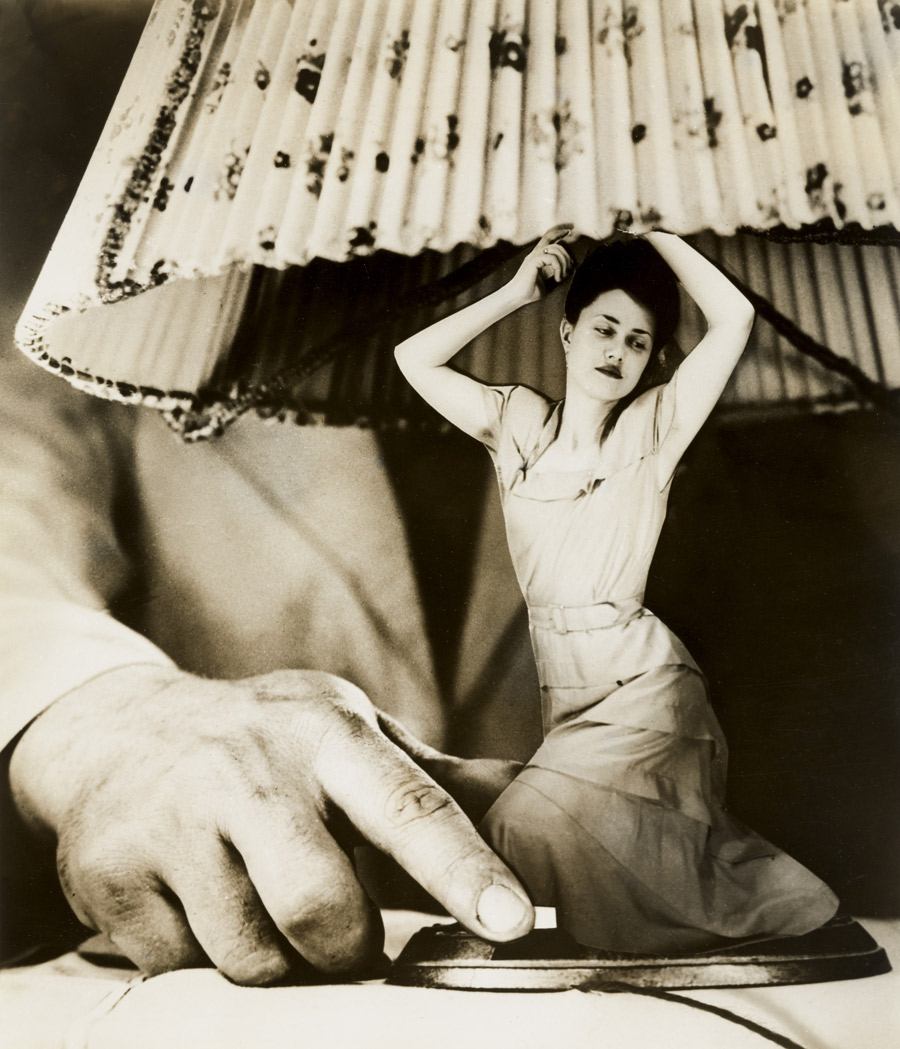
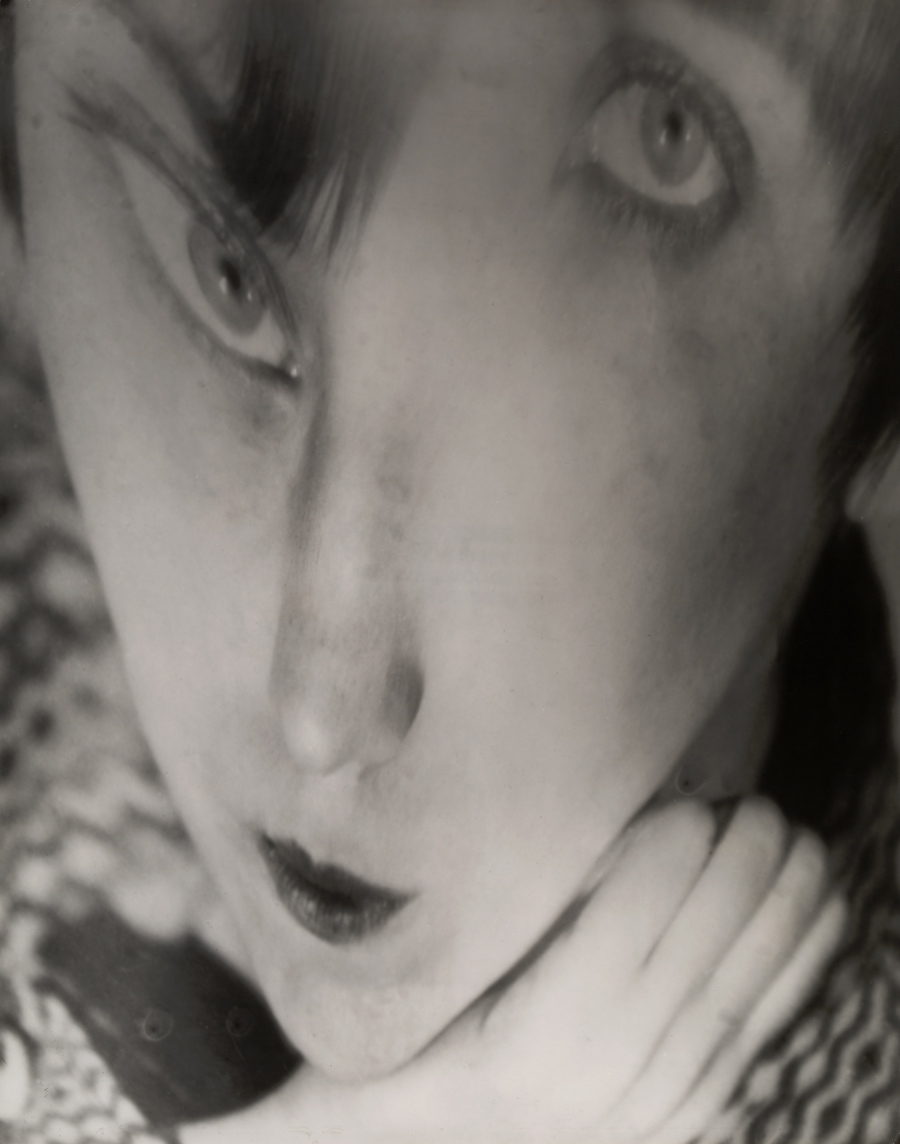
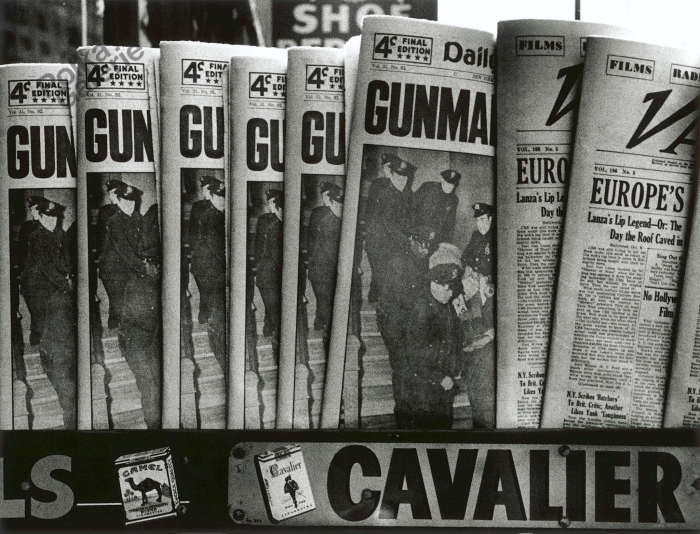




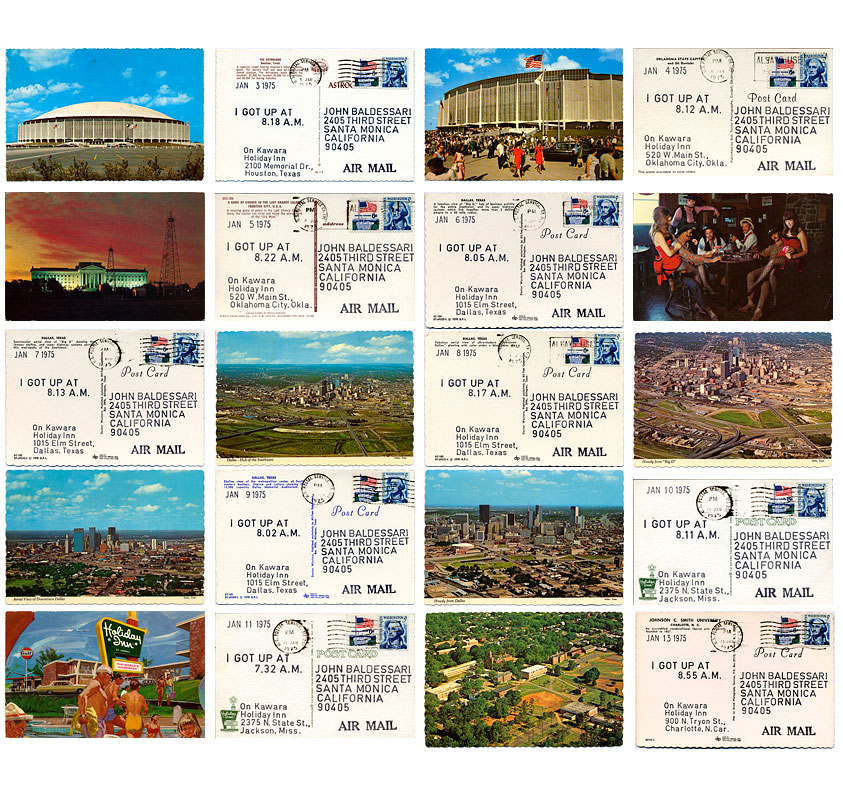
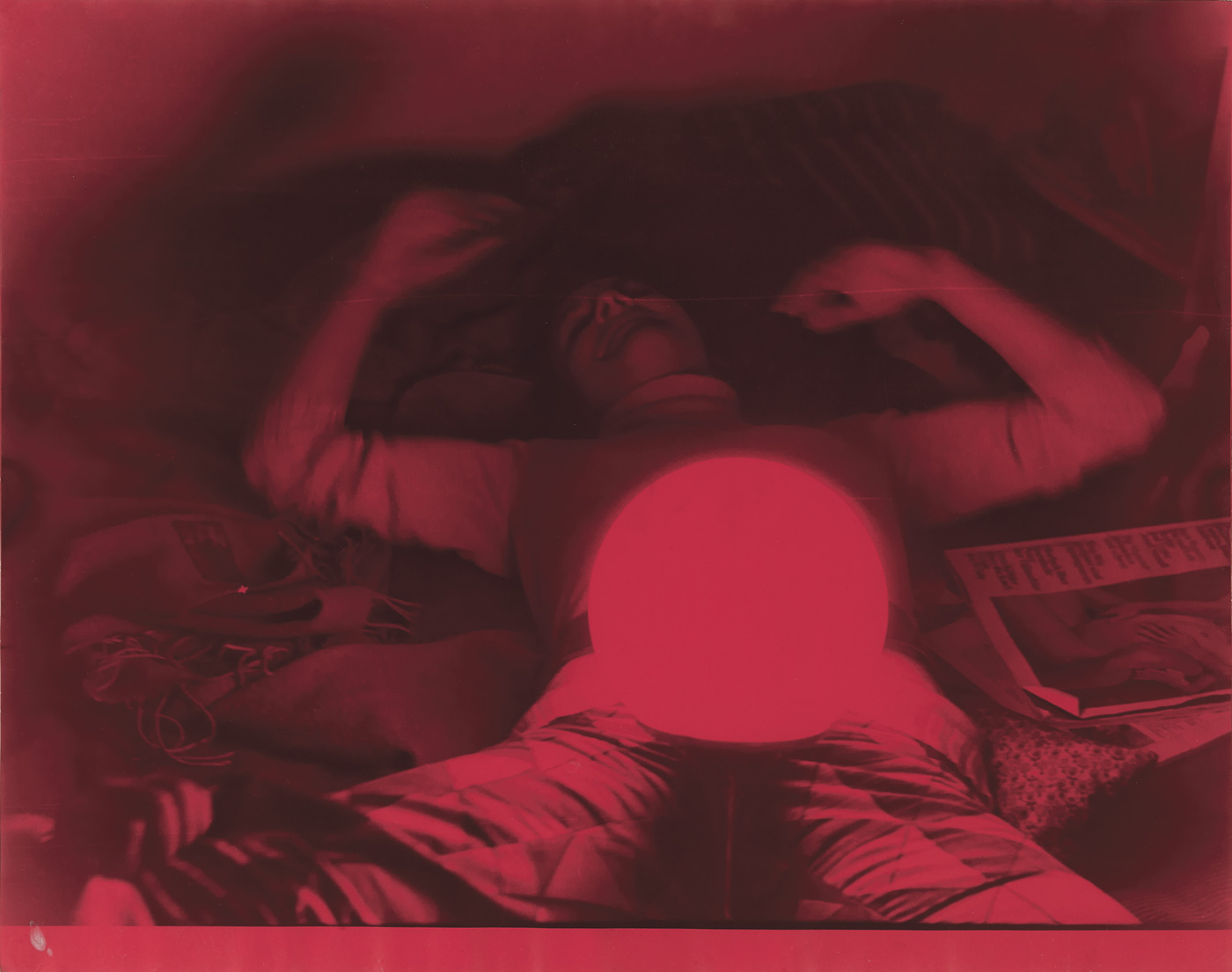
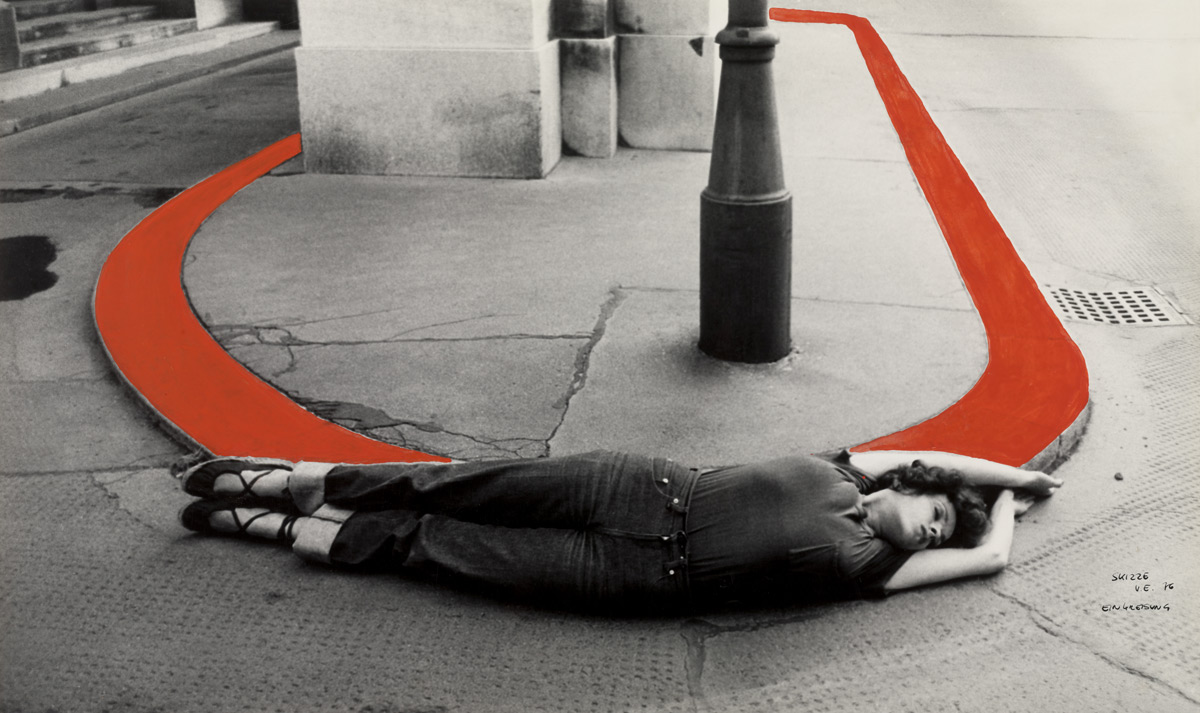
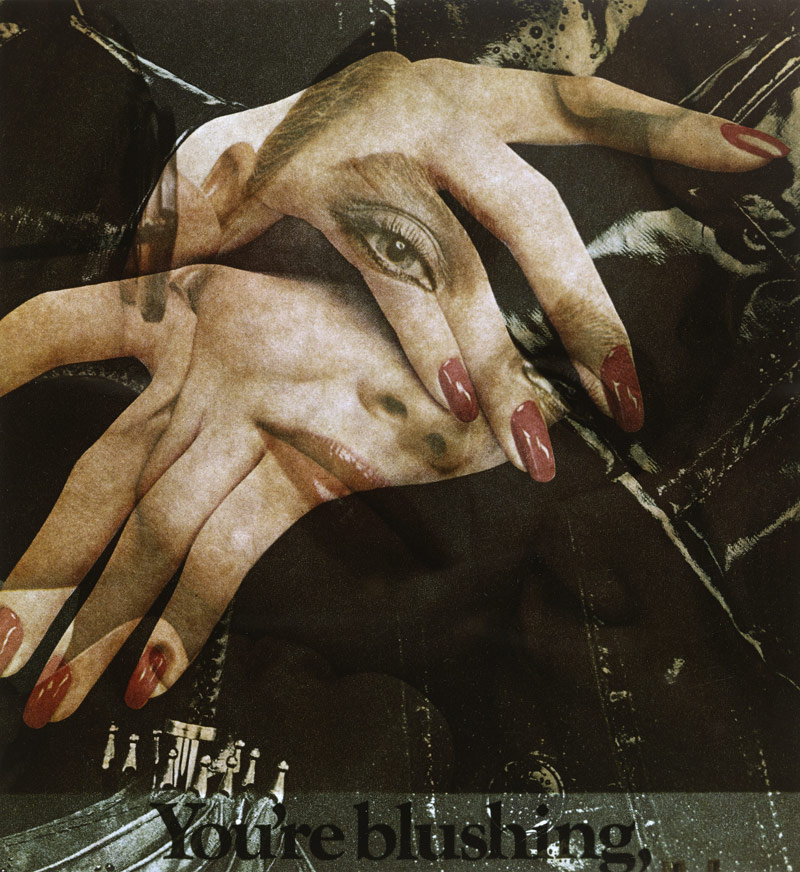
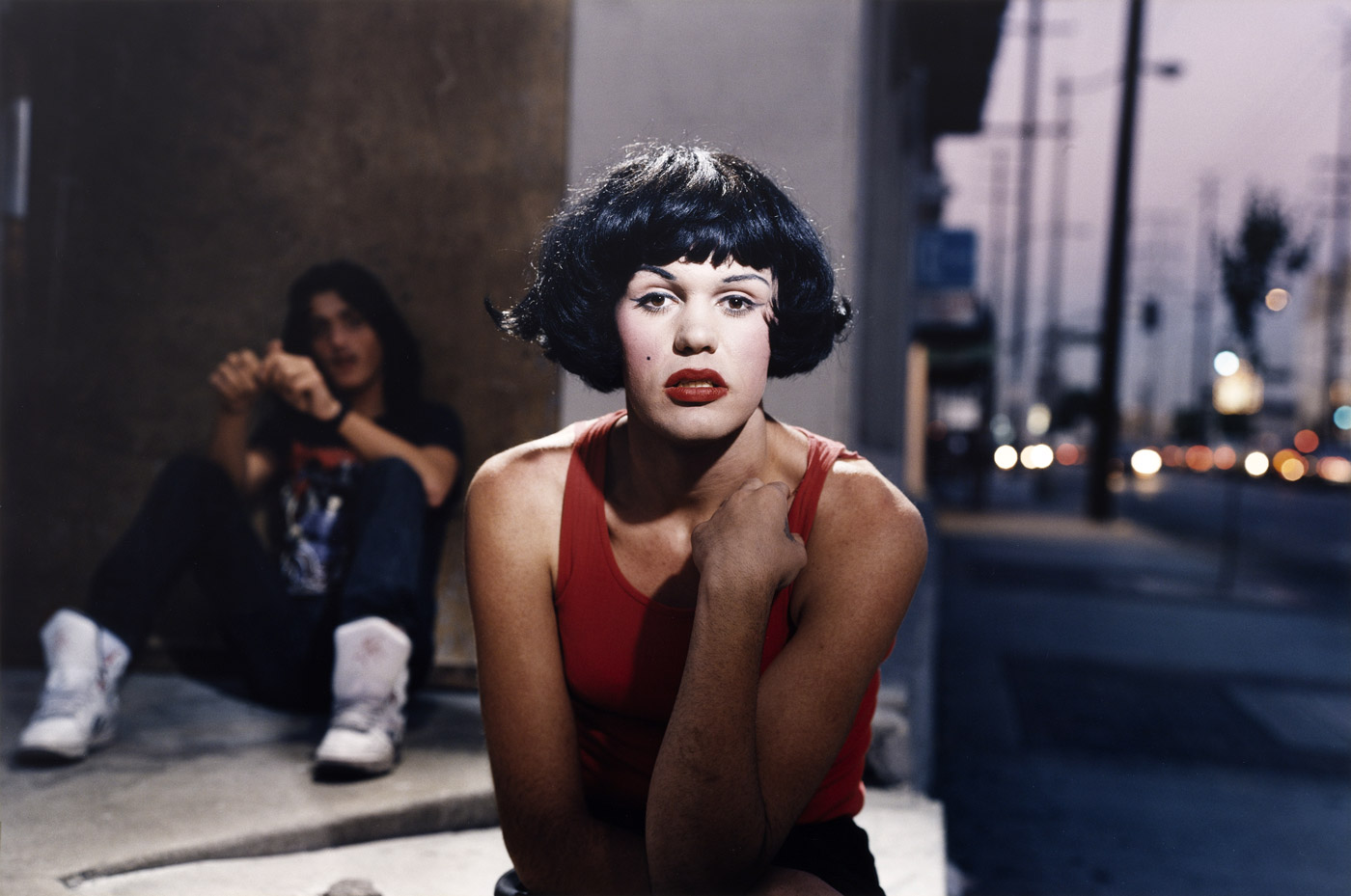
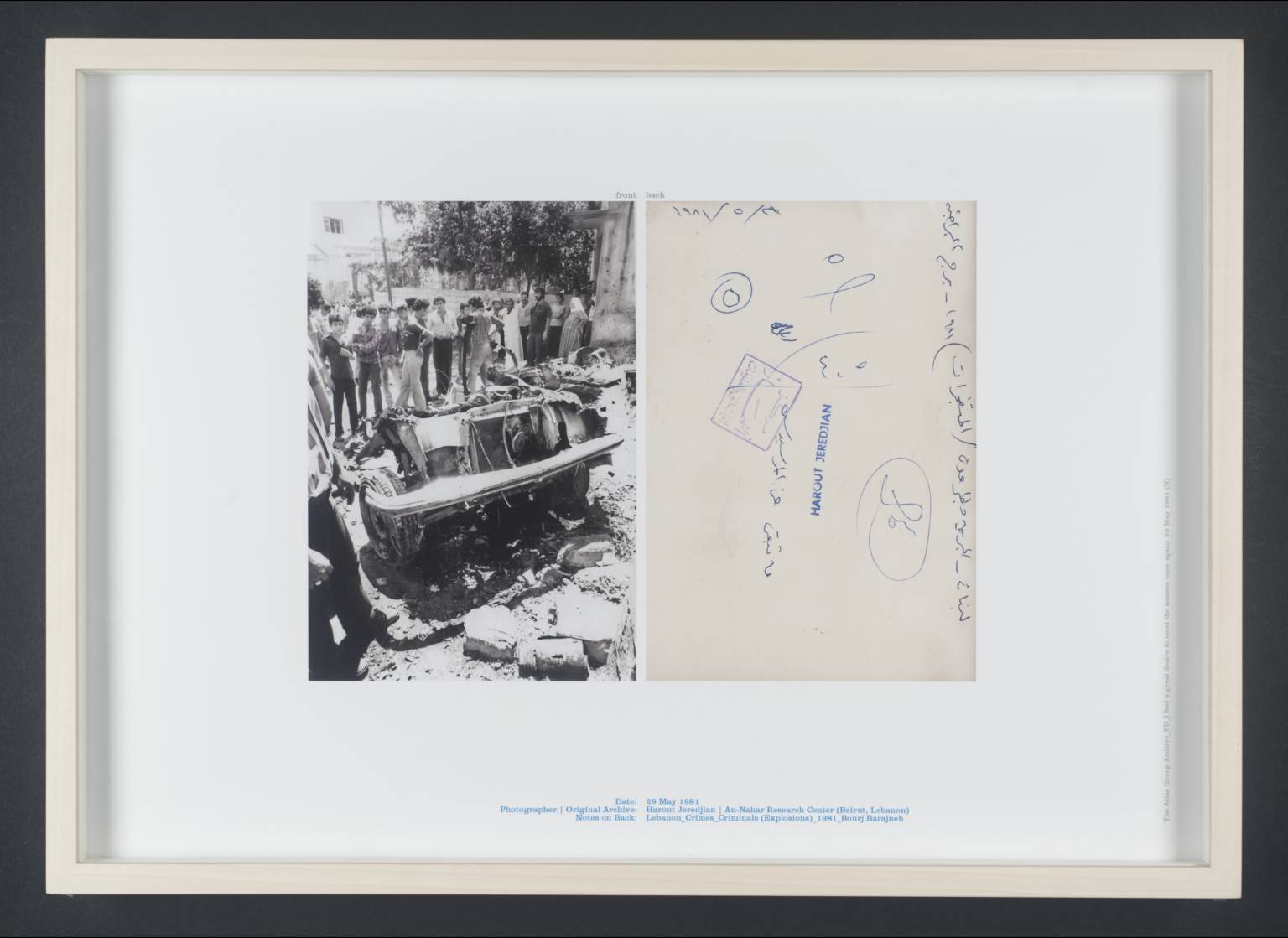
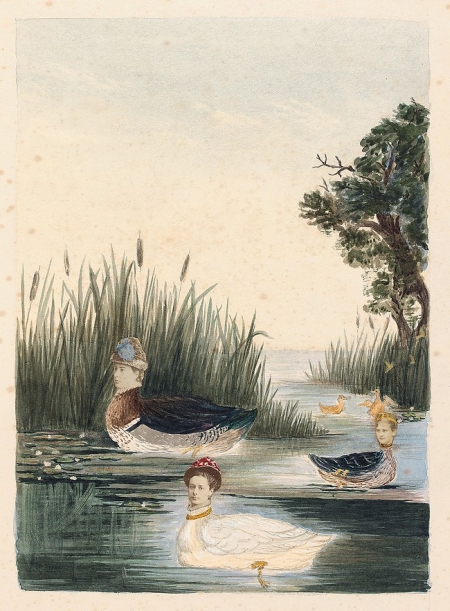
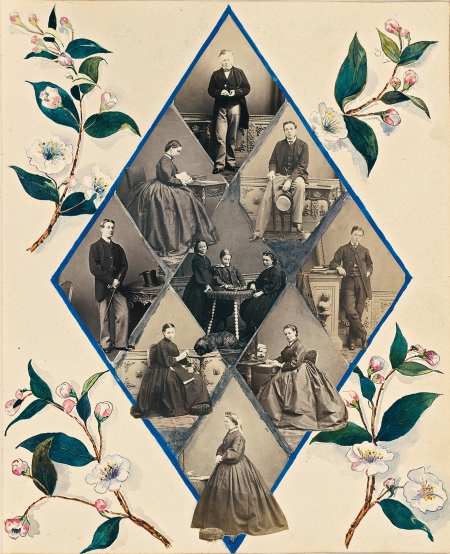
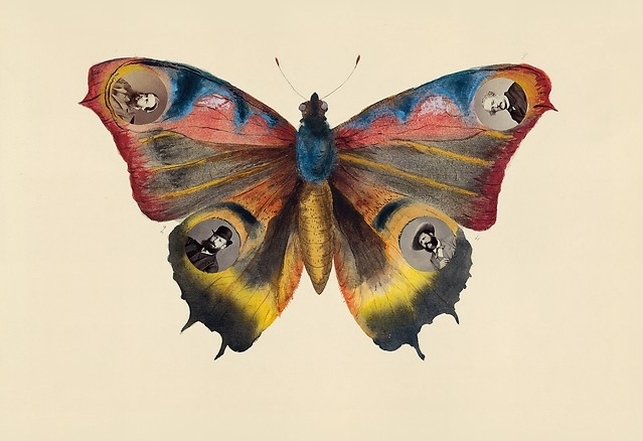
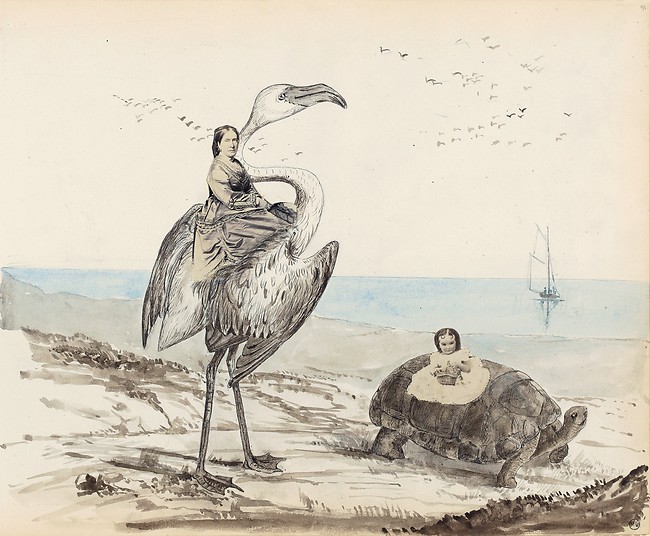
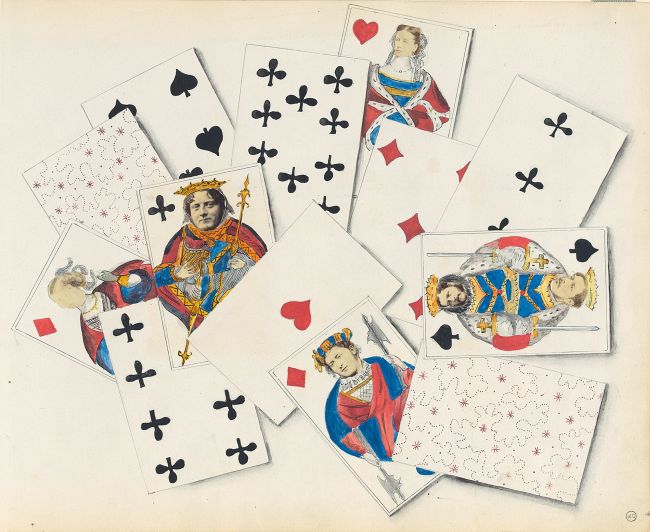
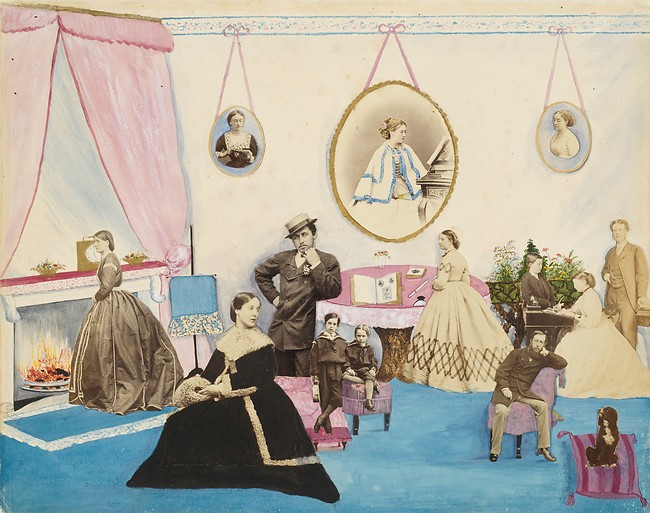
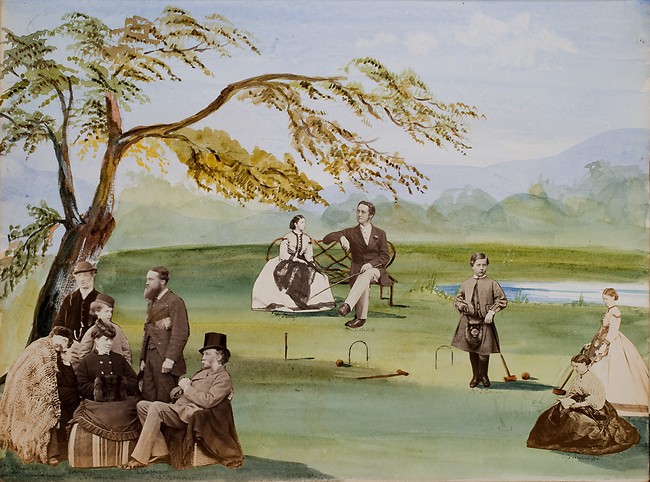
 Art Blart _ art and cultural memory archive
You must be logged in to post a comment.