Larry Fink (American, 1941-2023) John Sabatine and Molly 1980 Gelatin silver print
“To try to see more and better is not a matter of whim or curiosity or self-indulgence. To see or to perish is the very condition laid upon everything that makes up the universe, by reason of the mysterious gift of existence.”
Teilhard de Chardin, “Seeing” 1947
Being human
Another master photographer has died. We are losing so many important visionaries who were born pre-Second World War, during the war and post-war period.
While I have sequenced this posting to highlight the dichotomy in Fink’s exploration of social class in America, that is, between the haves and the have-nots, between the hedonistic party people of Studio 54, the urban New Yorkers of “high society” and rural, working-class Pennsylvanians1 – as ever in life, Fink’s work is much more complex and nuanced than that.
Fink acknowledged that the photographs in his series “Social Graces” of New York “high society” at play were hard of heart. “I used to judge people out of the hardness of my heart. So, I went into these very voluptuous and elegant bourgeois circumstances, and I would judge these people as if they were the enemy.” That does not make these photographs any less valuable as a record of that brief moment of encounter between photographer and subject. For he observed, “The moment that we have is the only moment we will ever have, insofar as it is fleeting. Every breath counts. So does every moment and perception.”
Thus, in any of his photographs you have to admire his skill at capturing that fleeting moment: marvel at the flying pigtail in Studio 54 (1977, below) and feel the immediacy of hand gesture in Pat Sabatine’s 8th Birthday Party (1977, below) or the contemptuous look on the woman’s face in Pat Sabatine’s 11th Birthday Party (1980, below) to understand that.
In later life Fink – an empathetic human with an inquiring mind who obviously worked on his inner growth, who had acquired knowledge and a little wisdom – was aware how he had wronged himself and others during the taking of the photographs for “Social Graces”.
“When age had given me entry into life’s harder organic experiences – my back, my heart, my prostate, my hip – I started to look at my own face in the mirror and see the results of pain. I would see that many of the judgments I had made in the early days, based on an ideal sense of a physical equilibrium, were absolutely and horrendously bigoted. I was not at all sensitive to either the inner or external trappings of what it means to just be alive and all its various, vulnerable complexities.”2
With every breath he understood that when he took photographs he was attempting to touch the eternal, an expression of admiration and gratitude at being alive.
“I am involved with the idea of reaching deeply into the pulsing matter of what it means to be alive and being vulnerable and seeing if I can cast an emotional legacy about being human.”
The emotional legacy of his photographs attests to his enduring spirit.
Dr Marcus Bunyan
1/ “He paired the tales of these two worlds – the chilly anomie of the haute monde and the lively, messy domesticity of the Sabatines – in a collection of photographs he called “Social Graces,” which was first shown in an exhibition at the Metropolitan Museum of Art in 1979 and then published in a book of the same title in 1984, now considered a collector’s item.”
2/ Larry Fink quoted in Adriana Teresa. “A Moment With Larry Fink,” on The New York Times website Jan. 6, 2011 [Online] Cited 02/12/2023
Please click on the photographs for a larger version of the image.
“The goal, I suspect, through harmonies and edges and everything that we have in our command, is to take a dumb two-dimensional picture and make it something that a viewer enters and doesn’t want to leave.”
Larry Fink
“It’s about empathy. But the necessary methodology is conventionally in-your-face. Not like other practitioners, who are in your face for the sake of being in your face, I am in your face because I want to be your face. I like to say that if I was not a photographer, I would be in jail. I want to touch everything. My life is profoundly physical. Photography for me is the transformation of desire. …
I don’t like to hurt people. I go after something and I start pointing the camera at somebody, looking for those hard, edgy things I know I am going to find. My pictures will be out of bounds in terms of the convention of how this person wants to be represented. It gives me pause. I don’t feel I have the right to do that. But I do it nevertheless. After all, a picture is not a murder. It is simply a moment which suggests so many things. …
I was severely analytical when I was young, like when I was doing “Social Graces.” I was a good-looking kid. My mother was very vain, competitive and judgmental, and I took on the same characteristics as a younger person. I used to judge people out of the hardness of my heart. So, I went into these very voluptuous and elegant bourgeois circumstances, and I would judge these people as if they were the enemy. I believed the work to be analytical, in a political fashion.
When age had given me entry into life’s harder organic experiences – my back, my heart, my prostate, my hip – I started to look at my own face in the mirror and see the results of pain. I would see that many of the judgments I had made in the early days, based on an ideal sense of a physical equilibrium, were absolutely and horrendously bigoted. I was not at all sensitive to either the inner or external trappings of what it means to just be alive and all its various, vulnerable complexities. …
The moment that we have is the only moment we will ever have, insofar as it is fleeting. Every breath counts. So does every moment and perception. It’s a way to be alive. I am involved with the idea of reaching deeply into the pulsing matter of what it means to be alive and being vulnerable and seeing if I can cast an emotional legacy about being human.”
Larry Fink quoted in Adriana Teresa. “A Moment With Larry Fink,” on The New York Times website Jan. 6, 2011 [Online] Cited 02/12/2023
Larry Fink (American, 1941-2023) Studio 54 1977 Gelatin silver print
Larry Fink was born in Brooklyn in 1941. In the 1960s, he studied with noted photographer Lisette Model. This photograph from Studio 54, made in 1977 in the hedonistic heyday of the disco era, is a well know image from Fink’s series “Social Graces,” which explored social class in America by comparing two different worlds: that of urban New Yorkers of “high society” and that of rural, working-class Pennsylvanians through social events like birthday parties. Fink has described his approach to his subject in a straightforward, non-judgmental manner, “The one thing I was trained in being was non-hierarchical. I don’t have an internal class system. Who you are is who is in front of me and who I am in the same, and that’s how we have to relate to each other.”
Larry Fink (American, 1941-2023) Pat Sabatine’s 8th Birthday Party 1977 Gelatin silver print
Larry Fink (American, 1941-2023) Russian Ball, New York City 1976 Gelatin silver print
Larry Fink (American, 1941-2023) Pat Sabatine’s 11th Birthday Party 1980 Gelatin silver print
Larry Fink (American, 1941-2023) Benefit, MoMA, New York 1977 Gelatin silver print
Larry Fink, a kinetic photographer whose intimate black-and-white on-the-fly portraits of rural Pennsylvanians, Manhattan society figures, Hollywood royalty, boxers, musicians, fashion models and many others were both social commentary on class and privilege and an exuberant document of the human condition, died on Saturday at his home in Martins Creek, Pa. He was 82. …
… in the early 1970s he turned to overt social commentary, infiltrating the society benefits, debutante parties and watering holes of Manhattan’s privileged tribes and their hangers-on. He was fueled, he once wrote, both by curiosity and by his own rage at the privileged class – “its abuses, voluptuous folds, and unfulfilled lives.”
A few years later, he and his wife at the time, the painter Joan Snyder, moved to a farm in Pennsylvania, where he began photographing his rural neighbors, a charismatic family called the Sabatines who embraced him as one of their own. He went on to capture years’ worth of the family’s baptisms, birthdays and graduations.
He paired the tales of these two worlds — the chilly anomie of the haute monde and the lively, messy domesticity of the Sabatines – in a collection of photographs he called “Social Graces,” which was first shown in an exhibition at the Metropolitan Museum of Art in 1979 and then published in a book of the same title in 1984, now considered a collector’s item.
“Social Graces” placed Mr. Fink firmly in the photographic canon. It drew comparisons to the street photos of Weegee and Diane Arbus and even to the paintings of Caravaggio. (Mr. Fink was a master of shadow and light.) When the pictures were shown in 2001 at the Yancey Richardson gallery in Manhattan’s Chelsea section, Ken Johnson, writing in The New York Times, described them as “wonderfully absorbing, funny, skewed, ethereally glowing documents of human situations.”
Elliott Erwitt (American born France, 1928-2023) New York City 1955 Gelatin silver print
The essence of what happens
Elliott Erwitt’s “art of observation” is a gift of the eye and the mind, where the artist must be truly aware of the world around them in order to capture the mosaic of reality.
Look at the photograph Jackie Kennedy, Arlington, Virginia (1963, below). Observe the split second that particular look of despair was present on Jackie’s face. And there was Erwitt fully aware, in the moment, with his gift of the eye and the mind – and he knew, he absolutely knew that was the moment to take the photograph.
As with much of his work it is the subtle cadences within the image that create their emotional power and magic: sadness, happiness, whimsy, comedy, anger, loneliness, joy – all captured through the reality of the visual language of the image, fully acknowledged in the heart and the mind of the viewer when they imbibe (absorb the ideas) of their spirit.
Dr Marcus Bunyan
Please click on the photographs for a larger version of the image.
“The work I care about is terribly simple … I observe, I try to entertain, but above all I want pictures that are emotion.”
Elliott Erwitt. Personal Exposures. W. W. Norton & Company, 1988
“You either see, or you don’t see.”
“You can take a picture of the most wonderful situation and it’s lifeless, nothing comes through… Then you can take a picture of nothing, of someone scratching his nose, and it turns out to be a great picture.”
“The whole point of taking pictures is so that you don’t have to explain things with words. To me, photography is an art of observation. It’s about finding something interesting in an ordinary place… I’ve found it has little to do with the things you see and everything to do with the way you see them.”
“All the technique in the world doesn’t compensate for the inability to notice.”
Elliott Erwitt
Elliott Erwitt (American born France, 1928-2023) Pasadena, California, USA Nd Gelatin silver print
Elliott Erwitt (American born France, 1928-2023) USA. California. Berkeley 1956 Gelatin silver print
Photographers with a comic outlook on life seldom win the acclaim granted to exalters of nature or chroniclers of war and squalor. Elliott Erwitt, who died at 95 on Wednesday at his home in Manhattan, was an exception.
For more than six decades he used his camera to tell visual jokes, finding material wherever he strolled. His sharp eye for silly, sometimes telling conjunctions – a dog lying on its back in a cemetery, a glowing Coca-Cola machine amid a public display of missiles in Alabama, a mangy potted plant in a tacky Miami Beach ballroom – earned him constant assignments as well as the affection of a public that shared his sweet, Chaplin-esque sense of the absurd.
Abbott appraises the camera with cool assurance in this portrait, made just after her return from Paris to New York. Her gamine-short hair and bare face affect a chic nonchalance that intrigued Evans. Describing her to a friend after their first meeting, he wrote: “You would like Berenice Abbott, with her hair brushed forward and her woozy eyes.” Her work likewise impressed the young photographer, then finding his footing in the field. Evans’s picture betrays admiration for his new acquaintance, whose burgeoning career offered a model for his own.
American visionary
What a wonderful photographer Berenice Abbott developed into and what a debt of gratitude we owe her for saving the archive of French photographer Eugène Atget whose photographs initially influenced her urban(e) style.
“Abbott felt the changing city [New York] needed an equivalent to the French photographer Eugène Atget (1857-1927), who had documented Paris during a critical period of transition in the late 19th and early 20th centuries with what Abbott called “the shock of realism unadorned.””
It is interesting to analyse Abbott’s New York photographs in relation to Atget. In photographs such as the grouping on Album Page 9: Fulton Street Fish Market and Lower East Side, Manhattan(1929, below) there is an almost symbiotic relationship between Atget’s photographs of street Petits Métiers (trades and professions) and those of Abbott. “The subjects were not sensational, but nevertheless shocking in their very familiarity,” she said of seeing Atget’s photographs in Man Ray’s studio in 1926. Similarly, we can recognise in Abbott’s grouping in Album Page: City Hall Park and Brooklyn Bridge Vicinity, Manhattan (1929, below) and Pingpank Barbershop, 413 Bleecker Street, Manhattan (1938, below) an affinity with Atget’s photographs of architectural details of door handles and the front of shops.
A step away from Atget’s aesthetic are Abbott’s photographs such as Brooklyn Bridge, With Pier 21, Pennsylvania R.R. (1937, below), West Street (1936, below) and Henry Street from Market, Looking West, Manhattan (1935, below) where the foreground of each photograph mimics Atget’s photographs of Old Paris whilst the soaring background of skyscrapers and bridges is all modernist New York, the near / far of the picture plane becoming old / new. Abbott chronicled “the changing aspect of the world’s great metropolis. … Its hurrying tempo, its congested streets, the past jostling the present.”
Still further away from Atget’s aesthetic are Abbott’s photographs grouped in Album Page 1: Financial District, Broadway and Wall Street Vicinity, Manhattan (1929, below) where the artist uses with the chiaroscuro (the treatment of light and shade) within the canyons of skyscraper New York – and modernist almost constructivist photographs such as Canyon, Broadway and Exchange Place (1936, below) and Manhattan Bridge, Looking Up (1936, below) where the artist plays with pictorial perspective by pointing her camera skywards.
Finally, there are Abbott’s photographs that bear no relation to those of Atget, where Abbott as an artist has stepped out of the older artist’s shadow and developed her own artistic signature. Those wonderfully abstract and enigmatic photographs at lower left and right in Album Page 5: Pier 17, South Street Seaport, Manhattan push the boundaries of 1930s photographic language. In other glorious photographs such as The El at Columbus and Broadway (1929, below) and The El, 2nd and 3rd Avenue Lines, Bowery and Division Street, Manhattan (1936, below) Abbott captured the random disorder of urban activity with a focused intensity of vision that produces magical images… and by that I mean, images that transport you into other spaces, other states of being. Her dadaist poet Tristan Tzara put it this way: “We leave with those leaving arrive with those arriving / leave with those arriving arrive when the others leave.”
Dr Marcus Bunyan
Many thankx to the Metropolitan Museum of Art for allowing me to publish the photographs in the posting. Please click on the photographs for a larger version of the image.
In January 1929, after eight years in Europe, the American photographer Berenice Abbott (1898-1991) boarded an ocean liner to New York City for what was meant to be a short visit. Upon arrival, she found the city transformed and ripe with photographic potential. “When I saw New York again, and stood in the dirty slush, I felt that here was the thing I had been wanting to do all my life,” she recalled. With a handheld camera, Abbott traversed the city, photographing its skyscrapers, bridges, elevated trains, and neighbourhood street life. She pasted these “tiny photographic notes” into a standard black-page album, arranging them by subject and locale.
Consisting of 266 small black-and-white prints arranged on thirty-two pages, Abbott’s New York album marks a key turning point in her career – from her portrait work in Paris to the urban documentation that culminated in her federally funded project, Changing New York (1935-1939). Berenice Abbott’s New York Album, 1929 presents a selection of unbound pages from this unique album, shedding new light on the creative process of one of the great photographic artists of the twentieth century. For context, the exhibition also features views of Paris by Eugène Atget (French, 1857-1927), whose extensive photographic archive Abbott purchased and publicised; views of New York City by her contemporaries Walker Evans, Paul Grotz, and Margaret Bourke-White; and photographs from Changing New York. The exhibition is made possible by The Robert Mapplethorpe Foundation, Inc.
Text from the Metropolitan Museum of Art website
MAP
This map charts some of the locations across Manhattan that Berenice Abbott photographed in her New York Album (1929). As the album bears almost no notations, identifying the exact sites depicted in the photographs had to be done through visual recognition of streets, buildings, and other urban landmarks.
Some of the iconic places Abbott photographed, such as the main branch of the New York Public Library and Trinity Church on Wall Street, haven’t changed much since 1929. Others, such as the city’s four elevated train lines and Harlem’s famed Lafayette Theater, have vanished completely. Several sites have gone through multiple transformations within the past century. The National Winter Garden Theater on Houston Street and Second Avenue opened in 1912 as a cinema and vaudeville theatre. By the time Abbott photographed it in 1929, it had been converted to a burlesque house; today, it’s a Whole Foods. The map is an invitation to explore Abbott’s photographs beyond the confines of the Museum’s galleries, and, like the artist herself, to cherish New York as a vibrant metropolis that is, and always has been, defined by change.
For their invaluable help with the historical research, The Met is grateful to the Jones Family Research Collective: former Manhattan Borough Historian Celedonia “Cal” Jones; his daughter, Diane Jones Randall; and his son, Kenneth Jones. Explore Abbott’s 1929 images of New York here with images of each album page.
Born in Ohio, Berenice Abbott moved to Paris and in 1923 became Man Ray’s darkroom assistant. In 1927 she made this photograph of Atget, the renowned documentarian of the streets of Paris and an unwitting hero of the surrealists; when she returned to his apartment to deliver a print of her portrait, Abbott learned of the elderly artist’s death. The unfortunate circumstance put in motion a process that led to Abbott’s purchase of Atget’s archive of five thousand photographs and one thousand negatives, the first (1930) monograph on Atget (edited by Abbott), and the collection’s eventual acquisition by MoMA in 1968.
In the spring of 1927, Abbott invited Atget to sit for a portrait in her Paris studio. She made only three exposures that day: a standing pose, a frontal view, and this profile view. Unfortunately, Atget never saw the photographs. When Abbott arrived at his apartment a few months later to deliver the proofs, she found that the elderly photographer had died suddenly. This portrait was used as the frontispiece in the first book devoted to his work, Atget, Photographe de Paris (1930), displayed in the case nearby.
Berenice Abbott opened a photographic portrait studio in Paris in 1926 after having worked for three years as an assistant to Man Ray, whom she had met in New York. Although her Paris portraits are indebted stylistically to Man Ray’s, she brought to them a sympathetic eye that was very much her own. Her portraits of women are notable for their empathic understanding of her subjects, but she reached a depth of expression in her photographs of James Joyce (1882-1941). Abbott photographed Joyce on two occasions, the first in 1926 at his home, the second in 1928 at her studio, as was her more customary practice. In spite of Abbott’s annotation on the back of the print, this portrait belongs to the earlier session, when Joyce was photographed both with and without the patch over his eye, worn because of his sadly degenerating sight. For this particular exposure Joyce removed the patch and held it, with his glasses, in his right hand; his forehead still bears the diagonal impression of the ribbon. This intimate portrait, with its softly diffused lighting, suggests the complex, introverted character of Joyce’s imagination. It is with good reason that Abbott’s are considered the definitive portraits of the author of “Ulysses” and “Finnegan’s Wake.”
Berenice Abbott (American, 1898-1991) Djuna Barnes 1925 Gelatin silver print 22.6 x 17.1cm (8 7/8 x 6 3/4 in.) Purchase, Joyce and Robert Menschel Gift, 1987
Abbott lived with the American writer Djuna Barnes when she moved from Ohio to Greenwich Village in 1918, and the two women remained friends, and occasional romantic rivals, throughout their lives. In this portrait, made in Man Ray’s Paris studio, Barnes is elegantly attired and addresses the camera with a smouldering gaze above a slight smile. A decade later, Barnes would publish Nightwood (1936), a classic of lesbian fiction inspired by her tormented affair with the American artist Thelma Wood (1901-1970), who also had a brief relationship with Abbott.
Berenice Abbott (American, 1898-1991) Buddy Gilmore, Paris 1926-1927 Gelatin silver print 23.1 x 17.2cm (9 1/8 x 6 3/4 in.) Purchase Gift of the Polaroid Corporation and matching funds from the National Endowment for the Arts, 1981
Gilmore was an American jazz drummer known for his acrobatic dexterity and energetic solos. After seeing him perform at Zelli’s, a nightclub in Paris, Abbott invited him to her studio to pose for this action portrait with his drum set. “I was simply crazy about his playing,” she recalled.
In 1929, after eight years in Paris, Abbott returned to America, bringing with her an immense collection of photographs by Eugène Atget and the ideas of European modernist photographers. Her first pictures of New York show the modernist influence in the sharply angled viewpoints and tendency toward abstraction. By the mid-1930s, however, Atget emerged as the stronger influence, as Abbott’s style became more straightforward and documentary.
In 1935 Abbott embarked on a series documenting New York funded by the Federal Art Project, and during the next four years she made hundreds of images of the city’s monuments and architecture. Ninety-seven of these, including “Fifth Avenue, Nos. 4, 6, 8,” were published in “Changing New York” (1939). The caption for this picture informs us that “No. 8 was once the home of the art collection which formed a part of the original Metropolitan Museum of Art.” It was built in 1856 for John Taylor Johnston, president of the Central Railroad of New Jersey. A leading collector of American art, Johnston was a founder of The Met and was elected its first president in 1870.
The New York Album
Abbott sailed for New York in January 1929, hoping to find an American publisher for a proposed book of Atget’s photographs and to promote her own portrait work. She brought with her a new handheld Curt Bentzin camera, thinking she might make some views of the city to sell to publishers in Europe. Inspired by the towering skyscrapers that had reshaped the American metropolis in the 1920s, Abbott pointed her camera up, down, and at skewed angles, creating dynamic compositions with sharp contrasts of light and shadow. She wandered all over Manhattan, photographing storefronts in Harlem, construction sites in midtown, and street vendors and tenement buildings in Chinatown and on the Lower East Side. She paid special attention to the city’s transportation infrastructure: bridges, elevated train lines, railroad terminals, ships docked on the waterfront.
Without access to a darkroom, Abbott had her negatives processed and printed at local drug stores and commercial labs. She pasted the little prints onto the pages of a standard photo album, creating a kind of sketchbook of subjects and themes. When The Met acquired it between 1978 and 1984, the album had already been disbound. Abbott reconstructed the sequence of the first eleven pages displayed here for a publication in 2013; the order of the remaining pages is unknown.
Changing New York
Abbott’s New York album laid the groundwork for her ambitious documentary project Changing New York (1935-1939). Comprising more than 300 negatives and a wealth of research, the project was funded by the Federal Art Project of the Works Progress Administration, a government program dedicated to supporting unemployed artists during the Great Depression. Aided by a team of researchers, field assistants, and darkroom technicians, Abbott chronicled “the changing aspect of the world’s great metropolis. … Its hurrying tempo, its congested streets, the past jostling the present.” She returned to many of the locations she visited in 1929, but the new photographs, made with a large-format view camera like the one Atget used, are more straightforward and less influenced by the jazzy, sharp-angled style of European modernism. The project culminated in a book, published in 1939, featuring ninety-seven photographs with captions by Abbott’s companion, the art critic Elizabeth McCausland. The photographs were widely exhibited and complete sets of the final images were distributed to high schools, libraries, and other public institutions throughout the New York area.
If you were an American artist or writer in the 1920s, Paris was where you wanted to be. Springfield, Ohio-born photographer Berenice Abbott (1898-1991) arrived there in 1921 by way of New York, and by early 1929 she had managed to establish herself in the French capital’s flourishing interwar avant-garde scene – first working as an assistant to Man Ray and later taking her own celebrated portraits of luminaries such as James Joyce and Djuna Barnes. She even changed the spelling of her name from “Bernice” to the more Gallic “Berenice.”
Yet somehow this magnet for culturally minded expatriates lost its hold on Abbott the moment she set foot in Lower Manhattan – on a messy January day, no less – at the beginning of what was supposed to be a short trip back to the United States. She had lived in New York once, just eight years before, but in her absence the city had been scaled up: new skyscrapers were rising, the population was exploding, and every block, it seemed, was abuzz with commerce and construction. (The market crash of October 1929 was still many months away). Suddenly, Paris was passe. “When I saw New York again, and stood in the dirty slush,” she later recalled, “I felt that here was the thing I had been wanting to do all my life.”
“Berenice Abbott’s New York Album, 1929,” a small but inspiring show at the Metropolitan Museum, channels the exhilaration Abbott felt upon arriving in the city. The exhibition’s focus is a disbound scrapbook with seven to nine photographs per page, all taken over the course of that year, as Abbott paced the streets (and piers, bridges and train platforms) with a hand-held camera and a compulsion to capture New York’s unruly, cutthroat modernity.
With its 32 pages of small contact prints processed at drugstores and commercial labs (or as Abbott called them, “tiny photographic notes”), the album can be seen as a rough draft of her well-known Works Progress Administration project of the 1930s, “Changing New York.” (Several examples from this later series are in the Met show, including a disconcertingly ethereal view of Seventh Avenue taken from the top of a 46-story building in the garment district.) But Abbott’s “New York Album” is a fascinating artwork in its own right, an adrenalized and ambitious alignment of artist and subject.
Abbott felt the changing city needed an equivalent to the French photographer Eugène Atget (1857-1927), who had documented Paris during a critical period of transition in the late 19th and early 20th centuries with what Abbott called “the shock of realism unadorned.” She had come to New York as part of an impassioned effort to promote Atget’s oeuvre, one that included purchasing the photographer’s archive after his death and making her own prints from his glass-plate negatives; in the “New York Album” she goes further, becoming, in effect, his heir.
The Met’s exhibition incorporates several Atget photographs from the museum’s collection, including one that Abbott was known to admire; it shows an early automobile garage in the Fifth Arrondissement, with a Renault parked in a cobblestoned courtyard. A similar appreciation for the collision of the newfangled with the outmoded can be seen throughout Abbott’s “New York Album,” in shots of skyscrapers looming over rows of tenements and, in one more subtle and almost surreal case, an overhead view of an equine statue photographed from the Ninth Avenue El.
Although the album is not strictly organized by location, it has a distinct cartography. Abbott gravitated to certain neighborhoods that, for her, showed the face of the new city emerging. Many of them were in lower Manhattan; multiple pages are devoted to the Lower East Side, where she was drawn to storefronts and their simultaneously poetic and transactional signage, and the Financial District, where she often pointed her camera skyward to exaggerate the intimidating height of new corporate towers.
Unlike peers such as Walker Evans, she did not take much of an interest in the human subject – or, at least, in individuals. To her, the city was a human construction and humanity was implicit in every part of it. “You’re photographing people when you’re photographing a city,” she explained in a documentary film about her life. “You don’t have to have a person in it.”
As Abbott’s biographer has noted, she was influenced by the French literary movement of Unanimism, which emphasized collective consciousness and expression. You can sense this especially in her shots of the city’s elevated train system, which revel in the formal modernism of all that interlaced steel and cast iron without losing sight of its function of moving millions of people.
As an extension of the exhibition, the Met has created a helpful digital map that identifies some of the subjects in Abbott’s album and updates them with present-day photographs (a collaboration between the Met curator of photography who organized the exhibition, Mia Fineman, and the Jones Family Research Collective, led by the Manhattan borough historian emeritus, Celedonia Jones, until his death last April). It reveals, for example, that the site of a burlesque theater on Houston Street photographed by Abbott is now a Whole Foods.
Visitors to the exhibition can spend a lot of time testing their own knowledge of the city’s geography, but the pleasures of the show have more to do with the drive and dynamism behind the pictures. “Berenice Abbott’s New York Album, 1929” takes us back to an invigorating moment in the history of the metropolis, captured on the fly by an emergent modern artist.
During her upbringing in Ohio, Abbott had planned to be a journalist – she attended Ohio State University’s School of Journalism before turning to art – and it’s clear from her photography that she never lost that instinct for wanting to be where the story was. In those early months of 1929 she recognized that New York was the big story; looking at her “New York Album” gives us hope that it could be again.
Unanimism (French: Unanimisme) is a movement in French literature begun by Jules Romains in the early 1900s, with his first book, La vie unanime, published in 1904. It can be dated to a sudden conception Romains had in October 1903 of a ‘communal spirit’ or joint ‘psychic life’ in groups of people. It is based on ideas of collective consciousness and collective emotion, and on crowd behaviour, where members of a group do or think something simultaneously. Unanimism is about an artistic merger with these group phenomena, which transcend the consciousness of the individual. Harry Bergholz writes that “grossly generalising, one might describe its aim as the art of the psychology of human groups”. Because of this collective emphasis, common themes of unanimist writing include politics and friendship.
In 1921 Ohio-native Abbott left New York to study in Paris. Returning to the city in 1929, she found it transformed and ripe with photographic potential. Following the model of the French photographer Eugène Atget, whose street views of Paris she admired, Abbott ventured around New York photographing seemingly incidental, but often profound, scenes that captured the city’s changing character. This page of small-scale photographs is one example of many of similar album pages in the Metropolitan’s collection. Assembled by Abbott, the album from which they derive comprised a kind of photographer’s sketchbook for subjects and themes.
In 1935 Abbott embarked on a series of photographs documenting New York City. Funded by the Federal Art Project, during the next four years she made hundreds of images of the city’s monuments and architecture, including this one of Sumner Healey’s shop. Attracted to the “extraordinary montage of antiques” – anchored by a ten-foot-tall figurehead of Mars from an eighteenth-century battleship – Abbott also captured the owner’s cat, seemingly trapped on either side by the decorative dogs flanking the store’s entrance. Healey died soon after Abbott made this photograph, and the shop closed two years later.
With its subtle interplay of reflection and interior, this slightly oblique view of a barbershop window reveals the influence of Atget’s photographs of Parisian storefronts. When Abbott made this image, August Pingpank was eighty-seven and was said to be the oldest barber in New York City. He lamented to Federal Art Project researchers that he would soon have to retire due to the invention of the safety razor: “It’s different now with men shaving themselves every morning at home.”
Berenice Abbott’s New York Album, 1929 presents selections from a unique unbound album of photographs of New York City created by American photographer Berenice Abbott (1898-1991), shedding light on the creative process of one of the great artists of the 20th century. Consisting of 266 small black-and-white prints arranged on 32 pages, the album is a kind of photographic sketchbook that offers a rare glimpse of an artist’s mind at work. In addition to some 25 framed album pages, the exhibition features photographs from The Met collection of Paris streets by Eugène Atget, whose archive Abbott purchased and promoted; views of New York by her contemporaries Walker Evans and Margaret Bourke-White; and selections from Abbott’s grand documentary project, Changing New York (1935-1939).
“Berenice Abbott’s groundbreaking work in photography continues to inspire and captivate audiences today, nearly a century after she first began documenting the world around her,” said Max Hollein, Marina Kellen French Director of The Met. “Abbott’s insightful and powerful images provide a window into the New York of the past, while also reminding us of the city’s enduring vitality and resilience.”
Born in Ohio, Abbott moved to New York City in 1918 and to Paris in 1921. She learned photography as a darkroom assistant in Man Ray’s studio and soon established herself as a prominent portraitist of the Parisian avant-garde. Through Man Ray, Abbott met the ageing French photographer Eugène Atget, whose documentation of Paris and its environs struck her as a model of modern photographic art. Following Atget’s sudden death in 1927, she purchased his archive of some 8,000 prints and 1,500 glass negatives and set about promoting his work through exhibitions and publications.
In January 1929, after eight years in Europe, Abbott boarded an ocean liner to New York City for what was intended to be a short visit. Upon arrival, she found the city transformed and ripe with photographic potential. “When I saw New York again, and stood in the dirty slush, I felt that here was the thing I had been wanting to do all my life,” she recalled. Inspired by Atget, Abbott traversed the city with a handheld camera, photographing its skyscrapers, storefronts, bridges, elevated trains, and neighbourhood street life. She pasted these “notes” into a standard black-page album, arranging them by subject and locale. As the immediate precursor to her 1930s WPA project, Changing New York, Abbott’s New York album marks a key moment of transition in her career: from Europe to America and from studio portraiture to urban documentation. The exhibition will be accompanied by an online feature that identifies, for the first time, the locations of many of the photographs in the album.
Berenice Abbott’s New York Album, 1929 is organised by Mia Fineman, Curator in the Department of Photographs, with assistance from Virginia McBride, Research Assistant in the Department of Photographs, both at The Met.
Following her eight years of expatriate life in Paris, Abbott saw New York with European eyes. In this view, made shortly after her return, she captured the random disorder of urban activity as handily as her friend the dadaist poet Tristan Tzara, who put it this way: “We leave with those leaving arrive with those arriving / leave with those arriving arrive when the others leave.”
Manhattan’s elevated (El) train lines fascinated Abbott when she first photographed the city in 1929. Seven years later, she used her large-format camera to capture this shadowed vista beneath the El in Chinatown. “I was right in the middle of the street on a little island,” she recalled. “This was one of the occasions when it was downright dangerous to document New York, with traffic whizzing by on both sides, but it was very important to get in exactly the right position to make the photograph work.”
The Brooklyn Bridge was New York’s first and most famous, but Abbott favoured the all-steel Manhattan Bridge, completed in 1909. She made this photograph on the southern pedestrian walkway; the vibrations of the suspension bridge required a fast shutter speed to avoid blur. “I seem to veer toward waterfronts,” she later said. “As Melville wrote in Moby Dick, the heart of a port city is around its waterfront, and by nature I seem to head right there. Perhaps I should have been a sailor – boats and bridges have always fascinated me.”
Abbott made this overhead view of skyscrapers in the garment district from atop the forty-six-story Nelson Tower on Seventh Avenue. The roof of the original Pennsylvania Station, demolished in 1962, can be seen in the lower right corner.
During the Depression, Horn & Hardart’s chain of “waiterless restaurants” served as many as eight hundred thousand freshly prepared meals a day to customers in New York and Philadelphia. With its clean lines, polished chrome details, and mechanical efficiency, the Automat struck Abbott as “an extremely American artefact.” New York’s first Automat opened in Times Square in 1912, but Abbott chose to document the branch at Columbus Circle, popular as a nighttime gathering spot for musicians and cabaret patrons.
Eugène Atget (French, 1857-1927)
Eugène Atget (French, 1857-1927) Printer: Berenice Abbott (American, 1898-1991) Street Musicians 1898-1999, printed 1956 Title page from the portfolio 20 Photographs by Eugène Atget (1856-1927), 1956 Published by Berenice Abbott, New York Gelatin silver print from glass negatives David Hunter McAlpin Fund, 1956
In 1956 Abbott produced a portfolio of twenty new prints from Atget’s glass-plate negatives and offered it by subscription to museums, libraries, and private collectors. This photograph of an organ grinder and exuberant female singer belongs to a series of photographs devoted to the rapidly vanishing street trades, or petits métiers, of Paris.
Eugène Atget (French, 1857-1927) [Atget’s Work Room with Contact Printing Frames] c. 1910 Albumen silver print from glass negative 20.9 x 17.3cm (8 1/4 x 6 13/16 in.) Metropolitan Museum of Art Purchase, The Horace W. Goldsmith Foundation Gift, through Joyce and Robert Menschel, 1990
This straightforward study by Atget of his own work room offers a rare glimpse of the inner sanctum of an auteur éditeur, as he described his profession. On the table are the wooden frames the photographer used to contact print his glass negatives; at right are several bins of negatives stacked vertically; below the table are his chemical trays; on the shelves above are stacks of paper albums – a shelf label reads escaliers et grilles (staircases and grills). Atget used these homemade albums to organise his vast picture collection from which he sold views of old Paris to clients.
Eugène Atget (French, 1857-1927) 15, rue Maître-Albert 1912 Gelatin silver print from glass negative 23.2 x 17.6 cm (9 1/8 x 6 15/16 in.) Metropolitan Museum of Art Rogers Fund, 1991 Creative Commons CC0 1.0
Eloquent testimony to Atget’s keen regard for the expressions of common folk, this photograph was part of a self-assigned survey of storefronts and commercial signs. Atget ennobled the little grocery with its modest façade and rudimentary display (covered for lunch hour against the midday heat) and framed it simply, thus withdrawing it from the predictable realm of the picturesque.
Eugène Atget (French, 1857-1927) Courtyard, 7 Rue de Valence, 5th arr. 1922 Gelatin silver print from glass negative Image: 17.2 x 22.7cm (6 3/4 x 8 15/16 in.) Mount: 36.7 x 28.7cm (14 7/16 x 11 5/16 in.) Metropolitan Museum of Art Gilman Collection, Purchase, Ann Tenenbaum and Thomas H. Lee Gift, 2005
Atget found his vocation in photography in 1897, at the age of forty, after having been a merchant seaman, an itinerant actor, and a painter. He became obsessed with making what he termed “documents” of Paris and its environs, and with compiling a visual compendium of the architecture, landscape, and artefacts that distinguish French culture and its history. By the end of his life, Atget had amassed an archive of over 8,000 negatives that he had organised into such categories as Parisian Interiors, Petits Métiers (trades and professions), and Vehicles in Paris.
The subject of this photograph is an early automobile garage occupying a timeworn courtyard near the intersection of rue Mouffetard and rue Monge in the fifth arrondissement. Although Atget’s interest was primarily in the texture of old Paris – not the city’s new promenades and modern monuments – he did make a few studies of automobiles, signs of modern times, beginning in 1922. Beside a pair of motorcycles rests an early-model Renault touring car, probably dating from 1908. It, too, may be a relic: its four-cylinder engine lies beside it.
Eugène Atget (French, 1857-1927) Printer: Berenice Abbott (American, 1898-1991) Fête du Trône 1925, printed c. 1929 Matte gelatin silver print from glass negative 23.4 x 17cm (9 3/16 x 6 11/16 in.) Metropolitan Museum of Art Purchase, The Horace W. Goldsmith Foundation Gift, through Joyce and Robert Menschel, 1999
Abbott made new contact prints from Atget’s glass-plate negatives, experimenting with various photographic papers and processes to try to approximate the clarity and detail of Atget’s own prints. Sometime early in 1930, Walker Evans visited Abbott’s studio in New York’s Hotel des Artistes, where she stored her vast Atget archive. Deeply affected by the French photographer’s work, Evans left that day with four of Abbott’s Atget prints: this one, Boutique, Marché aux Halles (displayed to the right), and two others. Although Atget’s work was never exhibited during his lifetime, his soulful documentation of Paris had a profound impact on both Abbott and Evans, and contributed to the emergence of a documentary style in twentieth-century American art photography.
Learning from Atget
When Abbott met Eugène Atget in 1926, he had been photographing Paris for thirty years. Working with a large wooden-view camera, Atget made what he modestly called “documents” of the city, compiling a vast visual archive of Parisian streets, courtyards, gardens, shop windows, architectural details, apartment interiors, and tradespeople. Atget’s studio was on the same street in Montparnasse as that of Man Ray, who purchased several dozen of his photographs, publishing four of them in the journal La Révolution surréaliste. Abbott was instantly captivated by Atget’s photographs when she encountered them in Man Ray’s studio. “Their impact was immediate and tremendous,” she recalled. “There was a sudden flash of recognition – the shock of realism unadorned. The subjects were not sensational, but nevertheless shocking in their very familiarity.” In 1927 Abbott persuaded Atget to sit for a portrait in her own studio on the rue du Bac. Months later, following his sudden death at age seventy, she purchased his archive of some 8,000 prints and 1,500 glass negatives and set about promoting his work through exhibitions, publications, and sales of the prints, a selection of which are on display here. When she moved to New York in 1929, Abbott brought the archive with her, and eventually sold it to the Museum of Modern Art in 1968.
Eugène Atget (French, 1857-1927) Printer: Berenice Abbott (American, 1898-1991) Boutique, Marché aux Halles, Paris 1925, printed c. 1929 Matte gelatin silver print from glass negative 23.1 x 17cm (9 1/8 x 6 11/16 in. ) Metropolitan Museum of Art Purchase, The Horace W. Goldsmith Foundation Gift, through Joyce and Robert Menschel, 1999 Creative Commons CC0 1.0
Eugène Atget (French, 1857-1927) Rue Laplace and Rue Valette, Paris 1926 Gelatin silver print from glass negative Image: 22 x 17.6cm (8 11/16 x 6 15/16 in.) Metropolitan Museum of Art The Elisha Whittelsey Collection, The Elisha Whittelsey Fund, by exchange, 1970 Creative Commons CC0 1.0
Eugène Atget (French, 1857-1927) Avenue des Gobelins 1927 Gelatin silver print from glass negative 36.8 x 28.6cm (14 1/2 x 11 1/4 in.) Metropolitan Museum of Art Purchase, Rogers Fund, and Joyce and Robert Menschel and Harriette and Noel Levine Gifts, 1994
In this headless mannequin, clothed in a simple white uniform, Atget recognised a modern version of the commedia dell’arte clown Gilles, depicted by the eighteenth-century painter Jean Antoine Watteau, for example. It was for the type of transforming vision seen in this picture, which is among the very last in Atget’s lifelong exploration of Paris, that the artist’s work was so enthusiastically embraced by the Surrealists.
The Metropolitan Museum of Art 1000 Fifth Avenue at 82nd Street New York, New York 10028-0198 Phone: 212-535-7710
Upon his tomb is inscribed this epitaph: “Cole – Photographer”
‘Photographer’ could have had the prefix: ethical, conscientious, brave, magnificent. But there is no need… Ernest Cole was a photographer.
Cole fled South Africa in 1966 in order to publish his seminal book about living under apartheid, House of Bondage (1967), and then lived a nomadic existence around the world until his death, never returning to the country of his birth.
I feel so sad that this legend of photography died penniless and living rough on the streets of New York in 1990.
But then I rejoice in the photographs that he left us. For (unlike so many photographs) they are memorable. They make us remember that we must respect each other – through an ability to see a person as he is, to be aware of his unique individuality.
“Respect is not fear and awe, it denotes, in accordance with the root of the word (respicere = to look at), the ability to see a person as he is, to be aware of his unique individuality. Respect means the concern that the other person should grow and unfold as he is. Respect, thus, implies the absence of exploitation … It is clear respect is possible only if I have achieved independence; if I can stand and walk without needing crutches, without having to dominate and exploit anyone else. Respect exists only on the basis of freedom … To respect a person is not possible without knowing him; care and responsibility would be blind if they were not guided by knowledge. Knowledge would be empty if it were not motivated by concern. There are many layers of knowledge; the knowledge which is an aspect of love is one which does not stay at the periphery, but penetrates to the core. It is possible only when I can transcend the concern for myself and see the other person in his own terms.”1
Respect exists only on the basis of freedom … and love.
Dr Marcus Bunyan
1/ Erich Fromm. The Art of Loving. London: Allen and Unwin, 1957, pp. 28-29.
Many thankx to FOAM for allowing me to publish the photographs in the posting. Many thankx to my friend and fellow artist Drager Meurtant for visiting the exhbition for me and allowing me to publish his photographs of the exhibition in the posting. Please click on the photographs for a larger version of the image.
“I knew what I must do. I would show the world what the white South African had done to the black.”
Ernest Cole
“Cole was born Ernest Levi Tsoloane Kole in 1940, to a working-class Black family in a Black township outside the city of Pretoria. Growing into that society he came to know, with a depth of understanding that only belonging could bring, both its richness and the hardship and humiliation imposed by apartheid. As a boy he photographed people in the township for a shilling a time. By the age of eighteen he had begun to work as a photojournalist, and within a few years he was deeply committed to his essay on what it meant to be Black under apartheid. At age twenty-six, to escape the Security Police and to publish his seminal book, House of Bondage, he went into bitter and destructive exile. Cancer killed him in 1990. Apartheid destroyed him.”
David Goldblatt
Foam x Aperture: Celebrating the Legacy of Ernest Cole
For the current exhibition House of Bondage by Ernest Cole, Foam has joined forces with Aperture to host a special online event celebrating the enduring legacy of Ernest Cole (1940-1990). During the evening, a distinguished panel of experts will share their insights and reflections on Cole’s powerful photographic work, which captured the brutal realities of apartheid-era South Africa, exposing the dehumanising effects of racial oppression in the daily life of black South Africans.
The Mines
Installation view of the exhibition Ernest Cole: House of Bondage at Foam, Amsterdam showing at left, Cole’s Pensive tribesmen, newly recruited to mine labour, awaiting processing and assignment (1960-1966, above)
Installation view of the exhibition Ernest Cole: House of Bondage at Foam, Amsterdam showing at right an Untitled image from Cole’s House of Bondage (1960-1966, below)
Installation view of the exhibition Ernest Cole: House of Bondage at Foam, Amsterdam
Foam proudly presents the first overview of the work of South African photographer Ernest Cole. The exhibition includes parts of his archive, which had long been considered lost. The overview was assembled in collaboration with the Ernest Cole Family Trust, which in 2017 secured control of Cole’s archive. Restless and tenacious, yet dedicated and empathetic. It is difficult to define the enigmatic South African photographer Ernest Cole (1940-1990). He is celebrated for his tireless documentation of Black lives in South Africa under apartheid: a regime of institutionalised racial segregation that was in effect from 1948 to the early 1990s.
As one of the first Black freelance photographers, Cole offered with his work an unprecedented view from the inside. Born in a township, Cole experienced the strains of apartheid first-hand. By having himself reclassified from ‘black’ to ‘coloured’, he managed to access places where most South Africans were banned. He risked his life exposing the grim reality of racial segregation, by documenting miners inside the mines, police controls and the demolition of townships, among others.
Cole lived a nomadic life, exiled from his native South Africa for his photographic publication House of Bondage (1967). The chapters from this book form the narrative for this exhibition. The book openly denounced the apartheid regime and was promptly banned in South Africa. In risk of arrest, Cole had gone into exile in 1966. He would never return to South Africa again.
Living between Sweden and the United States, Cole continued to document Black lives in the wake of the Civil Rights Movement. However, being Black and stateless proved debilitating there too, and a publication of his American work would never materialise. Towards the end of his life, Cole became increasingly disillusioned and reportedly started living on the streets of New York. He died at age 49 from pancreatic cancer. Much of Cole’s work had been considered lost, until the rediscovery of 60,000 negatives and contact sheets in the safety deposit boxes of a Swedish bank in 2017.
Besides (colour) images from his time in America, the archive contains unpublished photographs and contact sheets from House of Bondage. The exhibition in Foam is the first large scale overview of Cole’s work to include parts of his retrieved archive.
About the exhibition
As one of the first Black freelance photographers, Cole offered with his work an unprecedented view from the inside. Born in a township, Cole experienced the strains of apartheid first-hand. By having himself reclassified from ‘black’ to ‘coloured’, he managed to access places where most South Africans were banned. He risked his life exposing the grim reality of racial segregation, by documenting miners inside the mines, police controls and the demolition of townships, among others.
This exhibition shows the rediscovery of 60,000 negatives and contact sheets in the safety deposit boxes of a Swedish bank in 2017. Besides (colour) images from his time in America, the archive contains unpublished photographs and contact sheets from House of Bondage. The exhibition in Foam is the first large scale overview of Cole’s work to include parts of his retrieved archive.
The photographs in this exhibition were taken between 1958-1966, unless stated otherwise. All contact sheets are modern prints from scans. Original titles and text from House of Bondage are in quotation marks or italics. The exhibition pens in tandem with the launch of two volumes published by Aperture: the first a republication of House of Bondage, the second presenting US work for the first time in history.
This exhibition was made in collaboration with the Ernest Cole Family Trust and Magnum Photos.
Press release from Foam
Installation view of the exhibition Ernest Cole: House of Bondage at Foam, Amsterdam showing in the background at left the section of the exhibition entitled ‘Banishment’
Banishment
Cole secretly visited Frenchdale, a remote government detention camp. Its inhabitants were banished without trial, on account of their political views. Cole recorded the basis conditions under which they lived in exile, sometimes for decades. Cole’s presence in the camp was unauthorised, and he recalls having to hide from the police during his stay. When he left, he was relieved. “For them and infinity of unremarkable days stretched ahead. For me the frightful nothingness of Frenchdale was about to end (…) ironically, as I re-entered the restricted black life of Johannesburg, I felt free.”
Cole’s anger about apartheid education is inescapable in his chapter ‘Education for Servitude’, for which he visited various Bantu schools. His images and handwritten notes from a visit to a school in Vlakfontein in 1965 testify to overly crowded and understaffed classrooms in which children are studying to be “educated for servitude”.
Wall text from the exhibition
Installation views of the exhibition Ernest Cole: House of Bondage at Foam, Amsterdam showing photographs from the section ‘Education for Servitude’: in the bottom image at left, Cole’s Earnest boy (1960-1966, below); and at right, Teacher toward end of her day in school, South Africa (1960-1966, below)
Installation views of the exhibition Ernest Cole: House of Bondage at Foam, Amsterdam showing photographs and contact sheets from Cole’s series Black Spots from Cole’s House of Bondage (see photographs below)
Installation view of the exhibition Ernest Cole: House of Bondage at Foam, Amsterdam showing photographs and contact sheets from Cole’s series Black Spots from Cole’s House of Bondage Photo: Drager Meurtant
“African township is bulldozed out of existence to make way for white expansion. Government trucks will move residents and their few possessions to matchbox houses in new locations, usually in remote areas, perhaps not even named on the map. Even to live there, families must qualify. People at right did not, and thus have not only had their homes razed, but have nowhere to go.”
Installation view of the exhibition Ernest Cole: House of Bondage at Foam, Amsterdam showing Nightmare Rides (1960-1966, all below) from the House of Bondage Period Photo: Drager Meurtant
Encouraged by his boss Jürgen Schadeberg, and inspired by other photographers at Drum – such as Peter Magubane, Bob Gosani and Alf Kumalo – Cole became one of South Africa’s first Black freelance photojournalists. Working in Johannesburg but not being allowed to live there, he commuted to the office by train. The platforms and carriages were segregated and overcrowded leading to bizarre situations that inspired the series ‘Nightmare Rides’. The item was commissioned by the Rand Daily Mail and first published in the Netherlands in 1962 as Mensen als vee [People as Cattle] in Katholieke Illustratie.
“Twice each day, at the morning and evening rush hours, the segregated station platforms are a bizarre sight. At one end, a few white trailers stand about, surrounded by space. At the other, a dense mass of Africans is congregated, crowded and compressed.”
Installation views of the exhibition Ernest Cole: House of Bondage at Foam, Amsterdam showing in the bottom image at right, Untitled (Police and Passes) (1960-1966, below) from the House of Bondage Period Photos: Drager Meurtant
“The standard by which the police operate is cruelly simple. To them every black man is a criminal suspect. In a technical sense, the police are not far off the mark to be so suspicious. The laws of apartheid are a far-reaching tangle of restrictions, reaching so deeply into everyday life that it is a rare African who does not violate some law.”
As DeSana developed his Suburban series in the early 1980s, gender and sexuality became increasingly ambiguous in his images. Here, photographed from behind, the body is a headless, unidentifiable creature composed of shapes. The marker cones evoke a similar indeterminacy: they are socially gendered “feminine” as makeshift stilettos and “masculine” as signifiers of roadside construction or sports, perhaps pointing to DeSana’s own experiences or ideas about the disciplining of bodies. A glittering field of bright-green artificial grass adds to this surreal composition, evoking the Astroturf surface of a football field.
Exhibition label
FORGET ME NOT
I have to be honest and say that before I started constructing this posting I had never heard of the artist Jimmy DeSana. You can’t know everything.
But now, having spent many hours reading about his life and his art, now I am at least a little more informed… and stand in awe and wonder at what this artist achieved before he died. It has been a real privilege and honour to imbibe at the fountain of DeSana.
I am still processing the work and what I have learnt about it but it would seem to me that what DeSana left behind is a body of work that is challenging, vital, full of ideas, paradoxes and questions about the human condition. Not who are we, but who can we be if we follow the path of our imagination and our soul.
Written by many other commentators, I have distilled their thoughts about his life, work, subject matter and the concepts he investigated into a few words:
1/ To play and dream 2/ punk rebel, the queer visionary, the wry interpreter of consumerism and media cultures, and the sometime transgressor of “good taste” in photography 3/ masquerades = 4/ the body as object 5/ peeled back the veneer of suburban life 6/ discrepancy between the public and private lives of post-war Americans 7/ queer and radical 8/ surrealistic, S/M-tinged, staged photos 9/ absurdist and unsettling 10/ vagaries of the human heart and the human psyche 11/ his central subject was always himself, and especially his sexual and emotional identity 12/ address the basic enigmas of identity 13/ Punk Provocateur 14/ Fierce 15/ Downtown /East Village scene 16/ post-punk New York 17/ fetishistic work about human bodies, very poetic 18/ mail art 19/ negative prints, double exposures and luridly coloured lighting 20/ psychological portraits, sexually charged tableaux and still lifes 21/ the body as a playground, gender as an ongoing invention, and domestic interiors as surreal constructions 22/ potential to push boundaries 23/ autoerotic asphyxiation 24/ visceral, more lo-fi, and more voyeuristic 25/ Transgressive Vision of Life and Desire 26/ Surrealism, Fluxus, punk and pure Pop 27 queer visibility 28/ strangeness 29/ suburban life 30/ Stonewall 31/ Gay Liberation 32/ interconnectedness of art and life 33/ Pictures Generation 34/ sexual, political, degenerated, ungendered 35/ sexual and emotional identity 36/ AIDS, sexuality and death
But these words tell what the work is about, they don’t tell you how the art makes you feel!
The art makes me feel dis/embodied and at the same time emboldened and strong. It makes me feel queer (in its original sense, when it was primarily used to mean strange, odd, peculiar or eccentric). Personally, it opens up a new vision for exploring my ordered place in the world, pushing boundaries of who I am and who I could be. Never settling for something that you don’t want to be. I love the “queerness” of the art (in the recent use of the word, used to describe a broad spectrum of non-normative sexual or gender identities and politics). I love its panache and bravado, its sensitivity and camp, it raunchiness and colour. The colour of life. Being different.
Sadly, we lost so many people, so many artists during the first wave of the HIV/AIDS epidemic, supremely talented artists such as Peter Hujar, David Wojnarowicz, Stephen Varble, Robert Mapplethorpe and Jimmy DeSana. I would like to have met Jimmy, to have talked to him about his passion, his love, his vision of the world that surrounded him. From a distance in time and space he seems to have a certain magic energy within him.
In the vitality of the work lies his im/mortality. And it is because of this energy that we will never lose the remembrance of Jimmy DeSana. Forget him not.
Dr Marcus Bunyan
Many thankx to the Brooklyn Museum for allowing me to publish the photographs in the posting. Please click on the photographs for a larger version of the image.
“My dear, it’s all so Christian and medieval and gloomy. Precisely. Jimmy DeSana, your intrepid photographer, has witnessed and preserved for posterity the unspeakable rights of these benighted natives, rites as clearly derived from Christianity as a black mass”
William Burroughs, 1979
“DeSana’s camera was as dear to him as his sexual life; the two were mutually constitutive, and his engagement with the BDSM subculture provided boundless inspiration to him, both as an artist and as a gay man.”
“As a gay man, a photographer, an artist of the AIDS era, a lover, a son, and a friend, DeSana is as beautifully complex as his work. After he died of AIDS in 1990, DeSana left his estate to his best friend and muse, the artist Laurie Simmons. Simmons told me, “I gave myself twenty years to sort out a lifetime’s worth of breathtaking material. I also felt certain that the work would look as fresh twenty years later as it did at the time of its making.” The resurgence of DeSana’s revolutionary career could not come at a more opportune moment; his oeuvre is exemplary of new outlets for reconstituting the Pictures Generation with queer modes of vision and critique.”
William J. Simmons. “Surreal Sexuality,” in Aperture Issue 218, “Queer” on the Aperture website January 18, 2017 [Online] Cited 20/03/2023
Installation views of the exhibition Jimmy DeSana: Submission at the Brooklyn Museum, New York
The first comprehensive exhibition and book on the surreal, queer and humorous photographic art of Jimmy DeSana, a central figure in New York’s art and music scenes of the 1970s and ’80s
This is the first overview of the work of Jimmy DeSana, a pioneering yet under recognised figure in New York’s downtown art, music and film scenes during the 1970s and 1980s. The book situates DeSana’s work and life within the countercultural and queer contexts in the American South as well as New York, through his involvement in mail art, punk and No Wave music and film, and artist collectives and publications.
DeSana’s first major project was 101 Nudes, made in Atlanta during the city’s gay liberation movement. After moving to New York in 1973, DeSana became immersed in queer networks, collaborating with General Idea and Ray Johnson on zines and mail art, and documenting the genderqueer street performances of Stephen Varble.
By the mid-1970s, DeSana was a fixture in New York’s No Wave music and film scenes, serving as portraitist for much of the period’s central figures and producing album covers for Talking Heads, James Chance and others. His book Submission, made with William S. Burroughs, humorously staged scenes out of a S&M manual that explored the body as object and the performance of desire. DeSana was also an early adopter of colour photography, creating his best-known series, Suburban, in the late 1970s and early 1980s. This body of work explores relationships between gender, sexuality and consumer capitalism in often humorous, surreal ways. After DeSana became sick as a result of contracting HIV, he turned to abstraction, using experimental photographic techniques to continue to push against photographic norms.
Text from the Amazon website Nd [Online] Cited 15/03/2023
Introduction
James, Jim, Jimmy; de Sana, deSana, De Sana, DeSana. Just as Jimmy DeSana (American, 1949-1990) consistently altered his name, he refused to pin down his approach to two main artistic interests: photography and desire. From the 1960s until his death from AIDS-related illness, DeSana created experimental, subversive photographs that upended traditional approaches and viewpoints. He produced and shared these provocative works by participating in a range of avant-garde movements – from queer mail art networks to Fluxus [a loose international group of rebellious artists, poets, and musicians with a shared impulse to integrate art and life] to punk music and cinema, to the “Pictures Generation” and its image-based play with mass culture.
Jimmy DeSana: Submission, the first retrospective on this pioneering yet under recognised figure, unites these bodies of work to demonstrate how DeSana emphasised and expanded photography as a contemporary form. The first section considers his early years in Atlanta and New York (1968-1976), where he began exchanging artworks through the mail and playing with sexuality and identity. The next section follows DeSana’s entree into New York’s dynamic countercultural art, music, film, and club scenes (1976-1984). The final section delves into the artist’s darkroom experiments during his last years (1984-1990), after he was diagnosed with HIV. At a time when his own desires were considered deviant and even criminal, DeSana continually embraced transgression as a path toward both artistic and personal freedom.
DeSana was born in Detroit in 1949 to middle-class suburbanites, who raised him and his brother in Atlanta. His mother was a strict Methodist; his father abandoned the family as DeSana entered adulthood. While studying art at Georgia State University, DeSana began making precocious, conceptual photography of suburban houses, generally banal, and of his friends, often naked. But his final thesis, 101 Nudes (1972), is a landmark. Likely taken with a Leica IIIf and lit by a flash, as Sawyer notes in his catalog essay, the portraits form a kind of fanzine of queer friends. DeSana shows off their muscles like he’s making Physique Pictorial, or crouches and crops their bodies like a funnier Man Ray. A drag queen looks right into the camera, bold; a man shoves his face into a pillow, ass beckoning. Bodies are unstable, and DeSana captures how funny, and how frightening, that can be, and how those two emotions comprise desire. Sawyer hangs these prints on the wall like Teen Beat posters in a teenage bedroom. It’s hard not to be a fan. …
Photographer Jimmy De Sana was part of the countercultural “punk” community of artists and musicians living in New York’s East Village in the 1970s and ’80s. Among his best-known works are portraits of important figures from that scene, including Debbie Harry and Billy Idol, though these constitute only a small part of his practice. With work that is personal, surrealistic, and often shocking in its treatment of sexuality, De Sana helped raise the standing of photography in the art world and increased critical respect for the medium.
101 Nudes comprises 56 halftone black-and-white photographs of nude and partially nude figures posing inside or just outside homes. The artist was 20 years old and attending college in Atlanta when he first printed the series in 1972. The figures, which include De Sana’s friends as well as himself, are photographed from a variety of viewpoints. Although the series shows the influence of “grainy” pornography from the 1950s, the postures of the figures do not seem to suggest or invite sexual engagement; the artist noted that they are “without eroticism.” Sometimes the photographs feature only a fragment of the body, such as the pelvic area or buttocks. De Sana’s engagement with the history of surrealism has been noted, and these partial views in particular recall the surrealist photography of artists such as Man Ray, who in the 1920s photographed the body parts of friends and lovers in ways that removed them from their context and made them into almost abstract images.
Anonymous. “101 Nudes,” on the ICA website Nd [Online] Cited 20/03/2023
When De Sana (1950-1990) shot and self-published the 56 halftone images that would make up the “101 Nudes” series, he was just 20 years old and still a college student in Atlanta. Using his friends as models, he constructed each photograph as an insight into the possibilities of form, capturing with his flash-camera something both artful and sincere. His subjects (nearly all of them naked) were “without eroticism” as De Sana has said, the series as much about isolation as it is sexuality. The careful, strange postures of his figures, collapsed across a couch or balanced on a dining-room table, often had a touch of the surreal. His later work, in particular the S&M series that came to comprise his 1980 book “Submission” (also on display), explored sexuality and digression front-on in the spirit of William Burroughs, whose writing was a significant influence on the artist from a young age. De Sana created these images – which pre-dated Mapplethorpe’s fetish work – with an even stronger sense for composition, all the while seeking the boundaries of comfort through the bizarrely positioned, leather-bound figures.
One year later, on June 28, 1969, police raided the Stonewall Inn, the gay bar in New York’s Greenwich Village, sparking an uprising that would launch the modern gay liberation movement. This spark of rebellion and hope made its way to Atlanta’s Ansley Mall Mini Cinema, where Andy Warhol’s homoerotic underground film, “Lonesome Cowboys,” was showing. Fifteen minutes into the film’s only screening, police officers raided the cinema and confiscated the reels. Many of the audience members were harassed, photographed and arrested.
DeSana may or may not have been in the audience that night, but he was certainly aware that his classmates and professors experienced censorship from school officials and the city. In the catalog accompanying the Brooklyn exhibition, curator Sawyer writes that in 1972, DeSana’s teacher, photographer John McWilliams, organized Atlanta’s annual arts festival where he displayed nudes made by his students and invited the highly regarded photographer Frederick Sommer to judge the exhibition.
“Sommer awarded prizes to several of the students, but within days there were letters and reviews in Atlanta’s daily papers complaining of the exhibition’s pornography,” writes Sawyer.
Against this backdrop of censorship and taboos, DeSana turned his perceptions of suburbia into his final thesis project, “101 Nudes,” spoofing the title of Walt Disney’s “101 Dalmations.”
The 56 humorous black-and-white images in “101 Nudes” are all fairly innocent scenes carefully posed in middle-class American homes. It’s kink for beginners: a nude perches on the edge of an overstuffed sofa; another plunges face-first into cushions; a goofy-looking naked boy stands on one leg on a dining room table. There are even close-up shots of buttocks, breasts and genitals, yet, as DeSana himself noted, they are “without eroticism,” adding, “that is the way the suburbs are, in a sense.”
As Jean Cocteau said of a Jean Genet poem, “His obscenity is never obscene.”
Against a backdrop of gay liberation and censorship in early 1970s Atlanta, DeSana combined his explorations of suburban culture and nude figures into a final thesis project. In 1970-1972, DeSana staged photographs of his mostly queer friends, including the notorious drag performer Diamond Lil, nude in suburban environments. While other Conceptual artists were focused on the architectural homogeneity of suburbia, in 101 Nudes DeSana penetrated the veneer of seriality and conformity.
According to DeSana, both his subjects’ poses and his halftone reproduction techniques mimicked images from mass-market, soft-core pornographic magazines that emerged during his youth. The title sends up that of the wholesome 1961 Disney animated film 101 Dalmatians, which was rereleased in 1972. DeSana would continue to draw from and parody popular cultural forms into the early 1980s.
Against a backdrop of policing, censorship, and gay liberation in early 1970s Atlanta, DeSana staged photographs of his mostly queer friends, including the notorious drag performer Diamond Lil, nude in suburban environments. While other Conceptual artists using photography like Dan Graham were focused on the architectural homogeneity of suburbia, in “101 Nudes,” a portfolio of 56 photolithographic prints, DeSana penetrated the veneer of seriality and conformity.
Both his subjects’ poses and his halftone reproduction techniques mimicked images from mass-market, soft-core pornographic magazines that emerged during the artist’s youth. The title sends up that of the wholesome 1961 Disney animated film 101 Dalmatians, which was rereleased in 1972.
DeSana eventually sent copies of the portfolio through the mail, which served as an alternative channel for sharing Conceptual art and challenging the privileged spaces of museums and commercial galleries during these years. He embraced “correspondence art” in part to connect with other gay artists and construct identities that defied mainstream standards of “respectability” for gay people.
Text from the Brooklyn Museum Tumblr website
John Jack Baylin Fanzini Goes to the Movies 1974 Periodical; offset print 11 × 8 1/2 in. (27.9 × 21.6cm) Courtesy of Philip Aarons and Shelley Fox Aarons
Publisher: General Idea, Canadian, 1969-1994 File, vol. 3, no. 1, “Glamour” issue Autumn 1975 Periodical; off-set print, staple bound, illustrated wrappers 14 × 10 11/16 in. (35.6 × 27.1cm) Collection of Philip Aarons and Shelley Fox Aarons
Publisher: General Idea, Canadian, 1969-1994 File, vol. 2, no. 4, “Mondo Nudo” issue December 1973 Periodical; offset print, staple bound, illustrated wrappers 14 × 10 3/4 in. (35.6 × 27.3cm) Collection of Philip Aarons and Shelley Fox Aarons
Publisher: General Idea, Canadian, 1969-1994 File, vol. 2, no. 3, “Paris” issue September 1973 Periodical; offset print, staple bound, illustrated wrappers 14 × 11 in. (35.6 × 27.9cm) Collection of Philip Aarons and Shelley Fox Aarons
During the golden age of downtown performance art in the 1970s, Jimmy DeSana documented the work of numerous artists, sometimes for income.
In 1975, he photographed public interventions by Stephen Varble, an artist who performed his “Gutter Art” in the streets of Soho and Midtown, while wearing his signature gender-bending ensembles. As the critic Gregory Battcock put it, Varble came to be “considered by some the embarrassment of SoHo, and by others the only touch of real genius south of Houston Street.” DeSana’s photographs of Varble appeared in publications during this time, including General Idea’s FILE Megazine.
DeSana’s photographs are invaluable records of an ephemeral practice, which has only recently been given its proper due thanks in part to the work of art historian David Getsy.
Throughout the 1970s, Jimmy DeSana created campy portraits of his extended circle of friends and collaborators in New York, which included musicians, filmmakers, writers, artists, critics, and curators.
Performance artist and fixture of New York City’s downtown scene Stephen Varble, shown here, was one of DeSana’s repeat subjects. DeSana captured many of the performances staged by Varble whose guerilla practices served as commentary on gender identity, class, and capitalism. These performance-based and ephemeral events would continue to inform DeSana’s work in photography throughout the 1970s and 1980s.
Jimmy DeSana (American, 1949-1990) Stephen Varble 1975 Gelatin silver print 8 × 10 in. (20.3 × 25.4cm) Courtesy of the Jimmy DeSana Trust and P·P·O·W, New York
Jimmy DeSana (American, 1949-1990) Jack Smith c. 1976 Gelatin silver print 7 × 6 in. (17.8 × 15.2 cm) Courtesy of the Jimmy DeSana Trust and P·P·O·W, New York
Gregory Battcock Trylon and Perisphere, No. 1 December 1977 Periodical, offset print, saddle stitched, illustrated wrappers 10 × 7 in. (25.4 × 17.8cm) Courtesy of Philip Aarons and Shelley Fox Aarons
Jimmy DeSana (American, 1949-1990) Eric Mitchell 1977 Gelatin silver print 15 3/4 × 11 1/2 in. (40 × 29.2cm) Courtesy of the Jimmy DeSana Trust and P·P·O·W, New York
Throughout the 1970s, Jimmy DeSana created theatrical, often comic photographs related to his sexual S-M experiences.
Like other artists in his circle, such as Laurie Simmons and AA Bronson, he parodied advertising and fashion photography, as well as the disciplinary nature of heteronormativity and consumerism in the United States. He eventually published some of these photographs in his first book, Submission (1980), which included an introduction by the punk icon William Burroughs.
The photographs in this series typically feature nude, masked individuals eccentrically interacting with domestic interiors and objects. DeSana staged most images in his studio or the homes of friends and family. He used his signature lighting to create a heightened sense of drama and horror, calling attention to the images’ artifice. DeSana later observed: “I was trying to push sexuality to the limit. As long as I could come up with an idea that related to bizarre sexuality and still make an interesting statement about a product, the photo was successful for me.”
Text from the Brooklyn Museum Tumblr website
Jimmy DeSana (American, 1949-1990) Auto 1978 Gelatin silver print 6 3/4 × 9 9/16 in. (17.1 × 24.3cm) Courtesy of the Jimmy DeSana Trust and P·P·O·W, New York
Jimmy DeSana (American, 1949-1990) Television 1977-1978 Gelatin silver print 12 1/4 × 8 1/4 in. (31.1 × 21cm) Courtesy of the Jimmy DeSana Trust and P·P·O·W, New York
Jimmy DeSana (American, 1949-1990) Masking Tape 1977-1978 Gelatin silver print 9 1/2 × 6 1/2 in. (24.1 × 16.5cm) Courtesy of the Jimmy DeSana Trust and P·P·O·W, New York
Jimmy DeSana (American, 1949-1990) Pliers 1977-1978 Gelatin silver print 6 3/4 × 9 1/4 in. (17.1 × 23.5cm) Courtesy of the Jimmy DeSana Trust and P·P·O·W, New York
DeSana’s photographs and Terence Sellers’s writings engage with a variety of often erotic practices known then as S-M (sadomasochism) and more commonly now as BDSM (bondage, dominance, and submission / sadomasochism). The term “sadomasochism” is derived from the names of two European authors: the Marquis de Sade (1740-1814), who wrote about his exploits and fantasies of deriving pleasure from inflicting pain, and Leopold von Sacher-Masoch (1836-1895), who wrote of the erotic enjoyment he experienced while being dominated and punished.
In the 1970s, DeSana and Sellers were among a growing group of practitioners, writers, artists, and activists attempting to redefine “acceptable” behaviour and desires, as well as sexual and gender identities. In exploring S-M through an aesthetic lens, Sellers and DeSana also joined a long lineage of artists and thinkers who had engaged with these practices to encourage debate on freedom of expression and power.
It was not until 2010 that the American Psychiatric Association announced it would no longer diagnose consenting adults practicing BDSM as mentally ill, which had perpetuated stigmatisation that could lead to legal and social repercussions. More recently, studies have suggested that BDSM can provide therapeutic tools to investigate control and release, and to reclaim one’s sexuality after traumatic experiences.
“The very word ‘submission’ contains the paradox of wanting and not wanting,” William S. Burroughs wrote in the introduction of Jimmy DeSana’s 1980 book Submission.
For the photogragraphic series featured in the publication, made between 1977 and 1978, DeSana built on 101 Nudes (1972) and his work for File Megazine by creating theatrical and often comic photographs that push the limits of respectability and explore domestic confinement, consumer affluence, and social conformity. He was also mocking the recent trend of S-M scenarios in fashion photography and advertisements.
He titled many of the images after the objects depicted in them – Toilet, Coffee Table, Television, Shoes, Shower – rather than sex acts or the names of the individuals shown, who are always anonymous and often wearing masks. This strategy not only protected the identity of his models, many of whom were friends, but also contrasted with his better-known portrait work during this period, which he did to make money. Many of the photographs comically equate practices of everyday life and consumerism (washing dishes, taking a shower, driving a car) with forms of bondage and discipline.
In exploring S-M through an aesthetic and performative lens, DeSana joined a long history of twentieth-century avant-gardes that engaged with these practices in order to compel debate on freedom of expression and power.
Text from the Brooklyn Museum Tumblr website
Terence Sellers (American, 1952-2016) The Correct Sadist: The Memoirs of Angel Stern 1983 Book 8 1/2 × 5 9/16 in. (21.6 × 14.1 cm) Private collection
Jimmy DeSana (American, 1949-1990) Untitled 1978 From the Dungeon series Gelatin silver print 9 1/2 × 6 5/8 in. (24.1 × 16.8cm) Courtesy of the Jimmy DeSana Trust and P·P·O·W, New York
Jimmy DeSana (American, 1949-1990) Untitled 1978 From the Dungeon series Gelatin silver print 9 1/2 × 6 5/8 in. (24.1 × 16.8cm) Courtesy of the Jimmy DeSana Trust and P·P·O·W, New York
Jimmy DeSana (American, 1949-1990) Contact Sheet of Portraits of Jimmy DeSana and Laurie Simmons c. 1978 New York University, Fales Library, Jimmy DeSana Papers, MSS.202, Box 66 Photo: Courtesy of Fales Library at NYU
In 1973, shortly after moving to New York, Jimmy DeSana met fellow artist Laurie Simmons while riding the A train to Far Rockaway.
The two soon shared a SoHo loft with twin photographic darkrooms. Simmons has often acknowledged that DeSana, who received a BFA in photography, taught her most of what she knows about the medium, acting as a friend, mentor, and interlocutor until his death in 1990. Simmons also became a model and muse for DeSana’s work.
Now the executor of the Jimmy DeSana Trust for several decades, Simmons writes, “I am immensely grateful for every moment Jimmy and I spent together, for every freezing second I floated naked in a pool or held an awkward pose for way too long, for this was my graduate program in photography – this is really where I learned to make a picture… standing within Jimmy’s quiet but determined force field, emulating his laser-like focus and his ultimate belief that making art was a space to play and dream.”
Jimmy DeSana (American, 1949-1990) Betsy Sussler 1978 Gelatin silver print 15 7/8 × 11 in. (40.3 × 27.9cm) Courtesy of the Jimmy DeSana Trust and P·P·O·W, New York
The Brooklyn Museum Presents Jimmy DeSana: Submission, the First Museum Survey of Work by the Pioneering Queer, Punk Photographer. The exhibition features more than two hundred works, which trace a career that bridged mail art networks, New York’s 1970s punk and No Wave subcultures, the illuminating image-play of the “Pictures Generation,” and the various artistic and affective responses to the beginning of the HIV/AIDS epidemic.
Jimmy DeSana: Submission is the first museum survey of work by a major yet overlooked figure in the histories of photography, LGBTQ artists, and New York City. Among his many significant contributions, Jimmy DeSana (American, 1949-1990) reintroduced the body and sexuality into the conceptual photographic practices of the late 1960s and early 1970s, helping to elevate the medium within the contemporary art world. The exhibition traces the artist’s brief but prolific career through more than two hundred works on display (some for the first time), created during a time of profound cultural and political transformation in the United States. From his early days photographing suburban landscapes in Atlanta, Georgia, to his time as a key figure in the New York art and music scenes of the 1970s and 1980s, DeSana conveyed the radical spirit of his era and a pointed, ironic critique of the American Dream and its images. Jimmy DeSana: Submission opens November 11, 2022, and is organised by Drew Sawyer, Phillip Leonian and Edith Rosenbaum Leonian Curator of Photography, Brooklyn Museum.
“This retrospective, the first since DeSana’s death from AIDS-related complications in 1990, will enable so many to view for the first time the full breadth of his iconoclastic artistic output, positioning his more well-known series within his interdisciplinary and collaborative practice in mail art, zines, performance, and film,” says Sawyer. “DeSana drew upon punk, Camp, sadomasochism, dreamworlds, performance art, experimental film, club culture, and the legacy of twentieth-century avant-gardes in ways that make his work unique among his peers. Jimmy DeSana: Submission brings together these multiple themes to show why his work is so relevant to artistic practices today.”
Along with his friends and peers, Jimmy DeSana sought to forge arts communities outside of traditional institutions (and the concurrent gentrification that displaced artists from Lower Manhattan). Instead, he chose to display his work via collectives, artist-run spaces, and the informal groupings of the underground nightclub scene, as well as the more democratised dissemination systems of mail art networks. Submission prominently features examples of DeSana’s contributions to early queer zines throughout the 1970s – from General Idea’s File magazine to John Jack Baylin and John Dowd’s Fanzini to Gregory Battcock’s Trylon & Perisphere – as well as his first major series, 101 Nudes (1972), which was circulated through mail art networks. DeSana published this portfolio of photolithographic prints, portraying his friends posing nude in the bland interiors of Atlanta’s postwar houses, at the height of the Gay Liberation Movement and the city’s reactive censorship. These formative images employ a distinctly queer approach to domesticity and invite viewers to look beneath the veneer of suburban propriety, a concept that would capture the artist’s creative attention for the rest of his career.
The exhibition also contains selections from Submission (1980), DeSana’s book of BDSM-related photographs that play with liberation and conformity, and ideological power alongside the myths of postwar capitalism. This section also includes related photographs from a collaboration with writer and sex worker Terence Sellers (American, 1952-2016) that were intended for her first book, The Correct Sadist (1983). Most of these photographs have not been previously displayed or published.
Continuing the survey is DeSana’s series Suburban (1979-1984), perhaps the artist’s best-known photographs and his first in colour. Building off of 101 Nudes, DeSana used a cast of friends and collaborators to explore the queerness of postwar suburban culture by placing nude bodies, often abstracted and contorted, in suburban backyards, wood-panelled living rooms, and tiled bathrooms. Using vivid gel-lighting to produce its characteristic heavily saturated, candy-coloured prints, Suburban mimics the seductive, materialist aesthetics of fashion photography and the set design of television advertisements – strategies that were similarly deployed by his friends and peers during this period, including model and artist Laurie Simmons. The images are often skewed and shot from oblique angles, further destabilising the viewer’s perception of the subjects.
Accompanying the dreamlike colour photographs of the Suburban series are some of DeSana’s subsequent, more abstract efforts from the late 1980s. Made after 1984, when DeSana underwent spleen removal surgery after contracting HIV, the works superimpose warped colour images of everyday objects with collage elements, text, and fragments of figures in motion. DeSana turned away from directly representing the body during this period – in the early years of the ongoing HIV / AIDS epidemic, when gay artists in particular were expected to make work about the epidemic in reaction to government inaction and neglect or misinformation by dominant media.
DeSana was seemingly omnipresent in New York’s punk and No Wave scenes during the late 1970s and 1980s, joining other artists who engaged in symbolic forms of resistance through visual art, literature, music, and film. DeSana photographed a number of prominent figures in those subcultures; the survey will be the first to feature his portraits of art and music luminaries such as Kathy Acker, Laurie Anderson, Kenneth Anger, Patti Astor, David Byrne, John Giorno, Debbie Harry, and Richard Hell. Additionally, the exhibition will highlight DeSana’s photographic contributions to collectives like Collaborative Projects (including their groundbreaking exhibitions and publication, X Motion Picture Magazine), periodicals such as the New York Rocker and Semiotext(e), and No Wave Cinema, in which he was involved as both an actor and a director.
The exhibition will be accompanied by the first scholarly publication on DeSana’s work, featuring essays by Sawyer and artist Laurie Simmons as well as more than two hundred images, co-published with DelMonico Books. Jimmy DeSana: Submission is organised by Drew Sawyer, Phillip Leonian and Edith Rosenbaum Leonian Curator of Photography, Brooklyn Museum.
Press release from the Brooklyn Museum
Jimmy DeSana (American, 1949-1990) Untitled (Self-Portrait w/ Graduation Cap) 1978 Polaroid Cornell University, Division of Rare and Manuscript Collections, Diego Cortez No Wave Collection, 1972-1981, Collection Number: 8120, Box 1, Folder 17 Photo: Courtesy of Cornell University
James, Jim, Jimmy; de Sana, deSana, De Sana, DeSana. Just as Jimmy DeSana rarely stuck with one version of his name, he refused to limit two of his main artistic engagements – photography and the theme of desire – to fixed identities.
Born in Detroit on November 12, 1949, James Arthur DeSana Jr. developed an early involvement in photography when he received a Kodak camera for Christmas at age seven. After graduating with a BFA in photography from Georgia State University in 1972, DeSana moved to New York, where he became involved in correspondence art, collectives and alternative publications, post-punk music, underground film, and queer nightlife.
During this time, DeSana amassed a large collection of hats, like the graduation cap he’s wearing in this Polaroid self-portrait. This fervid interest in hats coincided with DeSana’s use of masquerade and invented personae in his mail artworks; he would go on to make use of the hats in his self-portraits throughout the 1970s and 1980s, continuing his subversion of identity.
Text from the Brooklyn Museum Tumblr website
Jimmy DeSana (American, 1949-1990) Stitches 1984 Silver dye bleach print 18 3/4 × 12 5/8 in. (47.6 × 32.1cm) Courtesy of the Jimmy DeSana Trust and P·P·O·W, New York
He was extending the legacy of the Surrealist photographers of the period between the World Wars. Man Ray in particular presented his subjects with a disorienting spin: He inverted the head of a female smoker whose cigarette looks like a chimney, cast dark shadows to make the naked torso of a woman with upheld arms resemble the head of a bull, and shot his lover, the photographer Lee Miller, from an extreme lower angle so that her neck and chin take on a phallic form. He mixed genders, even species, with gleeful abandon. DeSana joined in the game.
But a 1984 DeSana self-portrait pointed to the painful direction his life was about to take. He photographed himself in red Calvin Klein briefs illuminated in a red glow, one hand on his forehead, his eyes upturned and his expression concerned. A bright beam of white light is directed toward two dozen surgical stitches running from his sternum down his left side. His spleen had just been removed, an early warning of H.I.V. infection. The diagnosis of AIDS came a year later.
Jimmy DeSana (American, 1949-1990) Portrait with Dog Undated Chromogenic print 20 × 14 in. (50.8 × 35.6cm) Courtesy of the Jimmy DeSana Trust and P·P·O·W, New York
Jimmy DeSana (American, 1949-1990) Condom 1979 Cibachrome print 12 1/4 × 18 3/4 in. (31.1 × 47.6cm) Courtesy of the Jimmy DeSana Trust and P·P·O·W, New York
Jimmy DeSana (American, 1949-1990) Shoes 1979 Chromogenic print 15 1/4 × 23 1/2 in. (38.7 × 59.7cm) Courtesy of the Jimmy DeSana Trust and P·P·O·W, New York
Jimmy DeSana (American, 1949-1990) Gauze 1979 Chromogenic print 12 3/4 × 19 in. (32.4 × 48.3cm) Courtesy of the Jimmy DeSana Trust and P·P·O·W, New York
Jimmy DeSana (American, 1949-1990) Shoe 1979 Chromogenic print 13 × 19 in. (33 × 48.3cm) Courtesy of Jimmy DeSana Trust and PPOW
Many of the photographs in Jimmy DeSana’s “Suburban” series explore themes of domestic confinement and social conformity through consumer goods and rituals.
In “Sink” (1979), shown here, an anonymous figure wearing a corset and heels leans over, head dunked in a kitchen sink filled with soap suds. DeSana allows contradictions – between agency and conformity, critique and complicity, punishment and pleasure – to remain open-ended in his work, enabling them to identify and “disidentify” with dominant culture.
Text from the Brooklyn Museum Tumblr website
Jimmy DeSana (American, 1949-1990) Leaves 1979 Chromogenic print 18 3/4 × 12 1/2 in. (47.6 × 31.8cm) Courtesy of the Jimmy DeSana Trust and P·P·O·W, New York
In the late 1970s, the status of colour photography was still disputed within the spaces of museums and art galleries, in part because of its associations with commercial and vernacular uses of the medium, such as fashion photography, advertisements, and home snapshots.
Perhaps even more than the content of his photographs, Jimmy DeSana’s use of gels and tungsten lights to create garish pinks, greens, reds, and oranges flew in the face of accepted taste and allowed him to utilise the medium in decidedly unconventional ways.
In “Storage Boxes” (1980), shown here, a pair of figures sit poolside in lounge chairs, holding hands but with their heads and feet encased in boxes. While many of the figures in his work from this time appear to be confined or dominated by objects, their performances look not like a limitation so much as a relational space that generates a capacity for self-knowledge and pleasure.
DeSana’s photographs frequently feature visual puns. Here, a nude person, perhaps DeSana himself, lies beneath a car with a breathing tube connecting his gas mask to the exhaust pipe. The image appears to be a visual play on “autoerotic asphyxiation,” or the intentional restriction of oxygen to the brain for the purposes of sexual arousal. The image could also be interpreted as a metaphor for America’s subservience to car culture and the harm that automobiles cause us, the red glow adding an ominous tone.
Exhibition label
Jimmy DeSana (American, 1949-1990) Instant Camera 1980 Chromogenic print 15 1/8 × 23 in. (38.4 × 58.4 cm) Courtesy of the Jimmy DeSana Trust and P·P·O·W, New York
Jimmy DeSana (American, 1949-1990) Soap Suds 1980 Chromogenic print 15 1/8 × 22 3/4 in. (38.4 × 57.8cm) Courtesy of the Jimmy DeSana Trust and P·P·O·W, New York
Jimmy DeSana (American, 1949-1990) Four Legs with Shoes 1980 Chromogenic print 14 3/4 × 18 7/8 in. (37.5 × 47.9cm) Courtesy of the Jimmy DeSana Trust and P·P·O·W, New York
Jimmy DeSana (American, 1949-1990) Party Picks 1981 Inkjet print, printed 2013 32 3/4 × 49 1/2 in. (83.2 × 125.7cm) Courtesy of the Jimmy DeSana Trust and P·P·O·W, New York
Jimmy DeSana (American, 1949-1990) Kenneth Anger 1980 Chromogenic print 20 × 13 1/2 in. (50.8 × 34.3 cm) Courtesy of the Jimmy DeSana Trust and P·P·O·W, New York
Throughout his career, DeSana befriended and photographed an older generation of pioneering queer male artists and writers who similarly transgressed societal norms through their work and life. Also like DeSana, many subverted pop culture imagery and operated outside of official institutions.
In a group of photographs from 1984 and 1985, DeSana explored America’s obsession with fat and dieting, tying it in with his own interest in consumption and forms of discipline and pleasure. Bubblegum, for example, is a self-portrait with his cheeks puffed out, blowing a bubble, his oversize shirt and pants bursting at the seams from stuffing and his back slightly arched to emphasise his protruding belly. He printed this image in numerous colours, including bright pink and acid green.
With a wink to the commonalities of darkrooms and backrooms, Sawyer built a red-light district for DeSana’s extensive investigations of BDSM, in which piss is expelled and enjoyed, and gimp-masked figures kneel in toilets or near dog bowls. In Party Picks (1981 above), toothpicks stuck into gums between teeth make a crown of thorns around a gasping mouth, or maybe make that mouth St. Sebastian’s wound. Cardboard (1985 below) offers a room with a single, lurid red band of light and corrugated cardboard that slices a bending body. In such a place, you might think of Samuel Steward’s card catalog of his conquests, or if Flavin’s work is really about its shadows, or what to do with that butt. DeSana’s frisky, familiar portraits reject the po-faced posing of Mapplethorpe and the social-climbing sadism of Helmut Newton. He gets that such proclivities are mind games played with bodies and bets you might want to play them too.
In his series of photographs titled Suburban, Jimmy DeSana continued to photograph anonymous nude figures while making a more explicit connection between S-M and everyday life.
Many of the photographs comically equate attachments to the objects and ideals of postwar suburban life in the U.S. (washing dishes, taking a shower, driving a car) with forms of bondage and discipline. In Cardboard, from 1985 (shown here), a nude figure is intersected by sheets of cardboard.
Lit with tungsten lights and candy-coloured gels, his collaborators often turned their backs to the camera or buried their heads in purses, sinks, toilets, etc. rather than wearing leather masks. This not only protected the identity of his nude models, many of whom were friends, but also contrasted with his better-known portrait work during this period. Perhaps most important, these images continued his subversion of subjectivity. While all the photographs in the Suburban series feature nude figures, DeSana did not intend for the work to be erotic.
Text from the Brooklyn Museum Tumblr website
Jimmy DeSana (American, 1949-1990) Spoon 1985 Silver dye bleach print 7 1/2 × 9 1/2 in. (19.1 × 24.1 cm) Courtesy of the Jimmy DeSana Trust and P·P·O·W, New York
Jimmy DeSana (American, 1949-1990) Socks 1986 Silver dye bleach print 4 3/4 × 9 1/2 in. (12.1 × 24.1cm) Courtesy of the Jimmy DeSana Trust and P·P·O·W, New York
Jimmy DeSana (American, 1949-1990) Untitled (Self Portrait Sleeping) 1985 Silver dye bleach print 9 1/2 × 7 1/2 in. (24.1 × 19.1cm) Courtesy of the Jimmy DeSana Trust and P·P·O·W, New York
Jimmy DeSana (American, 1949-1990) Untitled (Male Nude) 1985 Silver dye bleach print 9 1/2 × 7 1/2 in. (24.1 × 19.1cm) Courtesy of the Jimmy DeSana Trust and P·P·O·W, New York
Jimmy DeSana (American, 1949-1990) Ties & Roses 1986 Silver dye bleach print 14 3/4 × 19 1/4 in. (37.5 × 48.9cm) Courtesy of the Jimmy DeSana Trust and P·P·O·W, New York
Jimmy DeSana (American, 1949-1990) Balloons 1985 Silver dye bleach print 13 1/4 × 10 1/4 in. (33.7 × 26 cm) Courtesy of the Jimmy DeSana Trust and P·P·O·W, New York
Jimmy DeSana (American, 1949-1990) Cellophane Tape 1985 Silver dye bleach print 13 15/16 × 10 1/2 in. (35.4 × 26.7cm) Courtesy of the Jimmy DeSana Trust and P·P·O·W, New York
In a series of “auto-portraits” from around 1985, DeSana assumed the guise of figures in famous portraits, such as Andy Warhol’s Marilyn Monroe and Leonardo da Vinci’s Mona Lisa. This body of work developed from DeSana’s previous experiments with role-playing, performance, and concealment.
Building on his engagement with colour photography, DeSana transformed these black-and-white negatives by enlarging them with dyed gels and colour dials. After exposing the colour photographic paper, he took the prints to a lab to finish the developing process.
The vivid colour profiles of the Suburban series are riotous, yet the scenes are often subdued, serious, even melancholic. These acid-toned prints are more sinister, more surreal, and less eager to please than the images we often associate with the Pictures Generation. It’s easier to draw a line between DeSana and the surrealist photography of Man Ray and Hans Bellmer than to Cindy Sherman’s plucky film tests or the crisp portraits by Robert Mapplethorpe or Peter Hujar. Further distancing his work from that of his contemporaries, DeSana almost never reveals the identity of his sitters. Faces are almost invariably obscured by a prop: a stocking, a helmet, soap suds, or even the camera itself. The viewers’ innate desire to know the subject is stymied by the unrecognisability of these exploded, contorted anonymous bodies. By making chairs, coat hangers, helmets, and even an iguana an extension of the body, the photographs propose a flattening of the hierarchy between prop and actor, blurring the distinction between stage and sitter, foreground and background, organic and artificial. In much the same way that subjugation and compliance are fundamental to BDSM culture, here the camera becomes dominant, imploring the body to perform for the photographer. DeSana uses these bodies are props, stripping them of agency and compelling them serve the needs of the composition.
DeSana made a career of piercing through the realm of the banal and conventional with the queer and radical. His works suggest that the home itself and the objects within it are in themselves a prop to conceal an arena of libidinal play. For DeSana, the camera acts as catalyst and instigator, a tool used to coerce a performance, a device that invites us to subjugate our egos in the service of latent desires.
Bryan Barcena. “Suburban/Submission,” Focus Essay from FOAM exhibition 09.01.2019 on the Salon 94 website [Online] Cited 20/03/2023
In a 1986 interview with Diego Cortez, Jimmy DeSana remarked on the mutability and transgressive potential of photography: “A photograph is how much you want to lie, how far you want to stretch the truth about the object. And, as photography is always based on real objects, it lends itself, by means of technique or manipulation, to explorations of what may appear to be an absence of reality, balancing on an ambiguous line between concrete and abstract space, between reality and illusion, in a way that no other medium is able to do.”
In a series of “portraits” from the mid 1980s, DeSana played with this tension by obscuring and transforming faces through collage and darkroom techniques. His movement into abstraction – in works that nonetheless address his experience living with HIV / AIDS – was in part a reaction to dilemmas over representations of sexuality and queer bodies during the first decade of the AIDS epidemic, from media bias to conservative censorship to activist demands. Critics recognised DeSana’s masquerades and darkroom experiments in colour as tributes to Surrealist photography of the 1920s and 1930s, which still had the power to confound expectations around photography and realism.
Text from the Brooklyn Museum Tumblr website
Skilled in the art of negation, DeSana staged intimate scenes that tease out the erotic – in Pants, 1984, a model arches his muscular, shirtless back under bold lighting – yet the artist routinely undermined and lampooned this sexual content: The model’s extremely large pants are filled with stuffing, comically emphasizing his ass and thighs. In this sense, DeSana’s work seems to parody Robert Mapplethorpe’s deadpan oeuvre. In 1979, DeSana published Submission, a photobook poking fun at notions of the body as a sexualized, gendered object. As the title implies, a power dichotomy is at play in the series – the camera assumes the dominant role, forcing the models into the passive ‘sub’ position. The photos … are black-and-white, giving them a self-serious quality, yet, as in his other work, DeSana punctured that effect with dark comedy. In Masking Tape, 1978, a latex bodysuit is traded for the household adhesive, with which a male model has been mummified head to toe – scrotum, penis, nipples, and nostrils excluded. Despite occasional comic absurdity, the photographs still retain a beguiling frisson. DeSana also ably mocked the supposed dangers of sexual alterity by allowing it a certain humanity – a melancholy picture of a hog-tied woman in black lingerie and high heels crouched in a refrigerator (empty save for a dozen eggs) exudes pathos and surprising sophistication. In Television, 1978, real danger in the form of electrocution threatens the supine and masked nude performer (DeSana himself) balancing a TV on his feet. Through this action, DeSana drew out the allure of mass media but underscored its potential for propagating constricting ideologies.
The introduction of beautifully jarring, chromatic lighting to DeSana’s post-Submission scenarios amplifies their urgency and defines his work’s signature aesthetic: slick and otherworldly yet proudly homemade. Thrown against domestic spaces and active bodies, strawberry reds and lysergic greens reverberate wildly. One such multi-hued image, Cowboy Boots, 1984, depicts a nude man in the midst of a one-armed handstand, his four splayed limbs straddling a corner of an apartment, feet and hands covered in tooled-leather cowboy boots. This hybridized body à la Hans Bellmer, not quite an object but a morphing being, defies the behavioural dicta of society. Representing a poignant act of shape-shifting, Bubblegum (Self-Portrait), 1985, an image printed with light-pink dye and made five years before the artist’s AIDS-related death, shows DeSana with his cheeks puffed up while blowing a bubble, his oversize shirt and pants bursting at the seams from stuffing. Such a transformation wryly suggests our physical mutability and the unknown extent to which our bodies and selves might evolve – grossly enlarge, wither away.
Beau Rutland. “Jimmy DeSana,” on the Art Forum website 2013 [Online] 20/03/2023
After his diagnosis with HIV in 1985, DeSana began making a series of still lifes, tackling a genre that for centuries has expressed both the abundance and transitoriness of life and earthly goods.
Like so much of DeSana’s work, this photograph transforms a prosaic object – a softball, with its associations of sports and American culture – into something strange through juxtaposition, scale, and colourisation. The image recalls DeSana’s 1984 self-portrait in which the long, curved scar on his torso evokes a baseball’s stitching.
“‘Abstract photography’ not only turns its back on [the] incessant desire to know and see everything – it seeks to undermine and invert those very intentions,” Jerry Saltz wrote for the catalog that accompanied Jimmy DeSana’s first major curatorial effort at the Emerson in 1989.
The show, which included the work of 26 artists (including: Vikky Alexander, Ellen Brooks, Charlesworth, Morrisroe, Sherman, and Simmons), spoke to how artists were attempting in this era to move beyond the instrumentalisation of representation during a period of intense political divisiveness, and to expand what photography could be as art.
Text from the Brooklyn Museum Tumblr website
That uncanny language was shared with Laurie Simmons, known for her staged domestic scenes using dolls and miniature objects that, like the works of DeSana, surrealized suburbia. The two shared a studio until DeSana’s death from AIDS-related illness in 1990. Simmons watched her friend transform after his diagnosis, a change that manifested as both physical degeneration and artistic metamorphosis. “We didn’t want to be painters. We didn’t want to be sculptors,” Simmons recalls. “We wanted that sense of distance and remove. We wanted a tool that we could work with, but that didn’t have anything to do with craft.” Illness forced DeSana to put his camera down and collage. Struggling to make sense of the purpose of the body, and especially the sexualized body, amid a vicious disease that mostly took queer, sexually active bodies like his own, DeSana made sense of his world through chopping and repasting it. The distance and remove that he and Simmons craved, that the camera gave him, was impossible as the reality of death loomed so near. …
The thing that drew us to using a camera was [that] we didn’t want to use our hands. We didn’t want to be painters. We didn’t want to be sculptors. We wanted that sense of distance and remove. We wanted a tool that we could work with, but that didn’t have anything to do with craft. Collage took him to a very intimate, hands-on way of working that’s so much more personal. Yet by rephotographing the collages, he could keep that sense of distance and still see himself as a conceptual artist, which I think was part of how he needed to see himself.
“Collage took him to a very intimate, hands-on way of working that’s so much more personal. Yet by rephotographing the collages, he could keep that sense of distance and still see himself as a conceptual artist, which I think was part of how he needed to see himself.”
“If I could do a show that confused people so much, that was so ambiguous that they didn’t know what to think, but they felt sort of sickened by it and also entertained,” Jimmy DeSana told Laurie Simmons shortly before he passed away from AIDS-related illness in 1990, “then for me that would capture the moment that we’re going through right now.”
For his last major artistic project, DeSana collected his contradictory feelings and images in a book to be titled Salvation. Although he would not complete the volume before his death, he created this maquette. It comprises photomontages of flowers and fragments of male bodies, many recycled from older photographs of DeSana and his partner Darell Bagley. The photographs are black-and-white, but DeSana intended them to be printed with lurid colour through the Cibachrome process.
Ambiguity and opacity became increasingly important to DeSana, especially in reaction to the media’s and other artists’ objectification of queer people living with HIV / AIDS. He also pushed against the expectation that gay artists should somehow counter government inaction and misinformation around the epidemic.
JC: There’s something unrefined about DeSana’s work compared to Mapplethorpe who was more stylistically precise. They must have been aware of each other; their work would feature together in issues of BOMB magazine and such. Of course, back then Mapplethorpe was a lot more famous and upwardly mobile, whereas DeSana seemed more invested in the punk scene. Overall, I appreciate DeSana’s spirit more than his images, many of which strike me as conceptually same-samey. The pictures are cheeky at times though not particularly humorous, so I was as perplexed as you when overhearing someone loudly chuckling at a photograph. To me, there’s too much death-drive going on in the work to laugh. Maybe it’s also because after witnessing Mugler’s flamboyance, finesse, and whimsy, a show like DeSana’s feels like a grim comedown by contrast. I don’t quite know what to make of the “acrobatic” works – contorted nude figures in backbends and pseudo-tantric / yogic poses that sometimes appear as levitation or a magic trick–and then the constant recourse to the stiletto motif – they’re somehow cooler in theory than in practice? The marker cone body as landscape is one of a kind, nobody else thought of that, but beyond this, I feel that had DeSana survived beyond those years of experimentation, he might have been making his best work by now. Of course, that’s total speculation and not entirely fair…
EC: I meant to mention that visitor laughing before, after which we both turned to each other in confusion. She was guffawing at Pink Furniture, which, if I remember correctly, had a blow-up doll hanging in the corner of the room. I do tend to always chuckle at Dog in the Submission series only because it looks like that furious wee puppy is going to bite the shit out of an erection. With his angry little growling face turned towards the camera, it is the perfect shot. Grrr… But I snicker at it more than a full-throated laugh. Full-throated laughing at DeSana feels like you should be put on some sort of watch list.
I agree with what you’re saying about DeSana’s work being still experimental and somewhat unresolved. A lot of work from that Downtown / East Village scene, though I have a special place in my heart for it in all of its flaws, doesn’t quite translate or age well and so much of that is because many of these artists all died so young. That being said, I like DeSana’s work much more than Mapplethorpe’s. Even Mapplethorpe’s self-portrait with a whip in his ass feels so precisely posed. In contrast, DeSana’s work just looks like it smells like ball sweat and assholes (this is a compliment). At least DeSana’s subcultural society pics of figures like Debbie Harry, The Talking Heads, Laurie Anderson, and William S. Burroughs lighten the mood, as do some of the vitrines of zines that don’t include hanging!
This book is the first monograph to present the work of Jimmy DeSana, a pioneering yet under recognised figure in New York’s downtown art, music, and film scenes during the 1970s and ’80s. The book situates DeSana’s work and life within the countercultural and queer contexts in the American South as well as New York, through his involvement in mail art, punk, and No Wave music and film, and artist collectives and publications. Featuring an original text by Drew Sawyer, Phillip Leonian and Edith Rosenbaum Leonian Curator of Photography at the Brooklyn Museum, it includes his major series that helped create a No Wave aesthetic as well as his portraits of art and music luminaries of the time.
Jimmy DeSana: Submission is the first monograph of this pioneering queer punk photographer whose brief but prolific career helped elevate the medium of photography within the contemporary art world. This publication traces his brief yet prolific career through nearly two hundred works and over twenty years that bridged mail-art networks, New York’s 1970s and ’80s subcultures, the illuminating image-play of the “Pictures Generation,” and various responses to HIV / AIDS.
The book showcases DeSana’s extensive involvement in zines, artist collectives, performance art, experimental film, and club culture. Included are his most famous series – 101 Nudes (1972), his first major work made during Atlanta’s gay liberation movement; Submission (1977-1979), created with the writer William Burroughs; and Suburban (1979-1984), which showcases his work as an early adopter of colour photography. During the late 1970s and early ’80s, DeSana was heavily involved in New York’s punk and No Wave scenes. Included in this book are his portraits of such art and music luminaries as Kathy Acker, Laurie Anderson, Kenneth Anger, Patti Astor, David Byrne, John Giorno, Debbie Harry, and Richard Hell. Accompanying these works are DeSana’s more abstract efforts from the late 1980s, after he was diagnosed with AIDS, that show an artist who resisted dominant narratives about the body and sexuality in the early years of the ongoing HIV / AIDS epidemic.
Text from the Brooklyn Museum website
Jimmy DeSana Submission content page
Jimmy DeSana Submission Performative Identities and Radical Networks pp. 10-11
Jimmy DeSana Submission pp. 30-31
Jimmy DeSana Submission pp. 32-33
Jimmy DeSana Submission pp. 60-61
Jimmy DeSana Submission pp. 66-67
Jimmy DeSana Submission pp. 116-117
Jimmy DeSana Submission pp. 124-125
Jimmy DeSana Submission pp. 126-127
Brooklyn Museum 200 Eastern Parkway Brooklyn, NY Phone: (718) 638-5000
Opening hours: Wednesday – Sunday 11am – 6pm Closed Mondays and Tuesdays Closed Thanksgiving, Christmas, and New Year’s Day
Exhibition dates: 18th February – 31st December, 2022
Curator: Sean Corcoran, senior curator of prints and photographs, Museum of the City of New York
William Klein (American, 1928-2022) Christmas Shoppers 1954 Gelatin silver print Museum of the City of New York Gift of Joy of Giving Something, Inc.,
Happy Easter to everyone around the world!
I had to have an emergency appendectomy on Wednesday night. Home now but not feeling so well just taking it easy… therefore a short text.
A fabulous exhibition in New York of photographs about New York: working, going, shopping, playing, gathering, loving, gazing, being, reflecting and buildings. Some excellent photographs that I have never seen before which evidence the soul of this imaginative city.
Dr Marcus Bunyan
Many thank to the Museum of the City of New York for allowing me to publish the art work in the posting. Please click on the photographs for a larger version of the image.
At left: Joseph Maida. Ben with fan 2001
At right: Mitch Epstein. Untitled [New York #3] 1995
Installation views of the exhibition Celebrating the City: Recent Acquisitions from the Joy of Giving Something at the Museum of the City of New York, showing in the bottom photograph at left, and enlargement of Bruce Cratsley’s Brooklyn Bridge Centennial 1983 Photos: Brad Farwell
Celebrating the City: Recent Photography Acquisitions from the Joy of Giving Something highlights a gift that has dramatically advanced the Museum’s already exceptional photography collection. Juxtaposing striking recent images with work by some of the 20th century’s most important photographers, including the Museum’s first images by Robert Frank and William Klein, the exhibition is a moving celebration of the power of photography to capture New York and New Yorkers.
Since the invention of photography, the streets of New York City have lured picture-makers from across the world. Each borough, neighbourhood, and corner offers and opportunity to see something new through the lens, yielding images as varied as the street life itself. New York’s diverse built environment provides a backdrop for the true subject of many photographers: the varied lives of New Yorkers.
The photographers in this exhibition have immortalised this ever-changing urban centre. Each has created a distinctive vision of the city, providing a window into a vast and complex metropolis. The have also made use of the changing technology of photography itself to produce images whose meanings range from apparently objective reflections of reality to highly crafted expression of the artists’ responses to the people and the city around them.
Introduction
New York City may always be in flux, but shared activities and experiences connect New Yorkers across time and space. For more than a century, many of the world’s best photographers have used their cameras to capture iconic scenes of New Yorkers in action – from mundane daily routines to special events of gathering and ritual. They have sought out the deeply personal moments that occur within this city of millions and have capture both the “New Yorkiness” of its inhabitants and he ways New York experiences are linked to the larger human condition.
The photographs in this gallery are arranged into themes that capture these quintessential New York moments without consideration to chronology. The images allow us to see a range of photographic styles applied to experiences that are common to so many New Yorkers, while also highlighting the ever-changing state of the city over many decades.
Wall text from the exhibition
Working
Michael Spano (American, b. 1949) Untitled (Man in street on phone, Police Plaza near Canal Street) 1994 Gelatin silver print Museum of the City of New York Gift of Joy of Giving Something, Inc., Courtesy of the Photographer
Michael Spano has made New York City the constant subject of his work over a long career, while exploring the possibilities of the medium, from print solarisation to collage. This photograph exemplifies Spano’s keen observational eye and attention to composition, with repeating patterns and visual dichotomy produced through light and shadow. Several other examples of work by this artist are on also on view in this gallery, including photographs from the series “Auto Portraits” and “Splits.”
William Gordon Shields (American, 1883-1947) Flag Day 1917 Museum of the City of New York Gift of Joy of Giving Something, Inc.,
Joseph Maida (American) Pizza Delivery 2002 Chromogenic development print Museum of the City of New York Gift of Joy of Giving Something, Inc., Courtesy of the Photographer
Mitch Epstein (American, b. 1952) Untitled (New York City #21) 1997 Chromogenic development print Museum of the City of New York Gift of Joy of Giving Something, Inc., Courtesy of the Photographer
Going
Inge Morath (Austrian, 1923-2002) A Llama in Times Square 1957 Gelatin silver print Museum of the City of New York Gift of Joy of Giving Something, Inc., Courtesy of the Estate of Inge Morath
The noted photojournalist Inge Morath made this photograph of a llama in Times Square, easily her most recognisable photograph, for Life magazine in 1952. Although the image looks spontaneous, it was part of a highly planned assignment. The image was published in a one-page story, in the magazine’s humorous “Animals” section, and was entitled “High-paid llama in big city.” The piece featured a menagerie of television animals – including, in addition to the llama, dogs, cats, birds, a pig, a kangaroo, and a miniature bull – living at home with their trainers in a Manhattan brownstone. Morath’s full caption for the image reads, “Linda, the Lama [sic], rides home via Broadway. She is just coming home from a television show in New York’s ABC studios and now takes a relaxed and long-necked look at the lights of one of the world’s most famous streets.”
Michael Spano (American, b. 1949) 5th Ave. & the Park 2005 From the series Auto Portraits Gelatin silver print Museum of the City of New York Gift of Joy of Giving Something, Inc., Courtesy of the Photographer
Ted Croner (American, 1922-2005) Going Slushy Street, Times Square 1948 Gelatin silver print Museum of the City of New York Gift of Joy of Giving Something, Inc., Courtesy of the Estate of Ted Croner
Ted Croner (American, 1922-2005)
Ted Croner (1922-2005) was an American photographer, described as an influential member of the New York school of photography during the 1940s and 1950s. His images are said to represent the best example of this movement.
Born in Baltimore in 1922 and raised in North Carolina, Croner developed an interest in photography while in high school. He honed his skills while serving as an aerial photographer in World War II before settling in New York City in 1947. At the urging of fashion photographer Fernand Fonssagrives, he enrolled in Alexey Brodovitch’s class at The New School where he studied with Diane Arbus, Richard Avedon and Lisette Model. During this period he produced many of his most memorable images including “Taxi, New York Night, 1947-1948”, which appears on the cover of Bob Dylan’s 2006 album, Modern Times. Another of Croner’s photographs was used on the cover of Luna’s album Penthouse.
Croner also had a successful career as a fashion and commercial photographer – his work was published in Harper’s Bazaar and Vogue. He also worked extensively with corporations such as Coca-Cola and Chase Manhattan Bank.
Ted Croner (1922-2005) was born in Baltimore, MD. and grew up in Charlotte, N.C. After joining the army during World War II, Croner worked as an aerial photographer with the United States Army Air Corps stationed in the South Pacific. In1946, Croner went to New York where he and Bill Helburn, another former Air Corps photographer, used their G.I. Bill aid to open a small photography studio on West 57th street in Manhattan. Shortly after that, Croner enrolled in Alexey Brodovitch’s photography class at the New School. Perhaps Croner’s best-known work, Taxi – New York Night, 1947-1948, was taken while he was a student in Brodovitch’s legendary “design laboratory”.
In 1948 Edward Steichen, then the director of photography at the Museum of Modern Art in New York, chose to include Croner in two exhibitions at the Museum: “In and Out of Focus” and “Four Photographers” which included three other photographers: Bill Brandt, Harry Callahan and Lisette Model. Other exhibitions of Croner’s work followed. As he continued to accept commercial work at magazines like Harper’s Bazaar and Vogue, Croner pursued his own photography, producing vigorously experimental, cinematic images of cafeterias, solitary diners and the city after dark.
Interest in Croner’s work was revived with the publication of The New York School, Photographs by Jane Livingston in 1992 which followed the 1985 exhibition of the same name at the Corcoran Gallery in Washington, DC. For the cover of the book, Livingston chose a picture by Croner, “New York at Night, 1948” which shows a Manhattan skyline reduced to abstract slashes of white light among black tall buildings against a gun-metal grey sky. This was followed by inclusion in the exhibition “By Night” at The Cartier Foundation in Paris in 1996, the Whitney Museum’s 1999 exhibition “American Century Part II” and in 2005, in the exhibition “At The Crossroads of Time: A Times Square Centennial” at the Axa Gallery in New York, and in “Street Seen: The Psychological Gesture in American Photography 1940-1959” at the Milwaukee Art Museum in 2010.
Ted Croner (American, 1922-2005) Home of the Brave, Times Square late 1940s Gelatin silver print Museum of the City of New York Courtesy of the Estate of Ted Croner
Alfred Stieglitz (American, 1864-1946) The Street – Design for a Poster 1903 Photogravure Museum of the City of New York Gift of Joy of Giving Something, Inc.,
In the late 19th and early 20th centuries, there was perhaps no more important figure for the advancement of photography’s position in the arts than Alfred Stieglitz. At a time when photography was viewed as a fact-based, scientific craft, Stieglitz had an unerring ambition to prove that the medium was as capable of artistic expression as painting or sculpture. This photograph, taken at Fifth Avenue and 30th Street, with its moody scene and soft-focused, impressionistic aesthetic, exemplifies the painterly qualities Stieglitz espoused (sometimes described as Pictorialism). In later years, the photographer changed course and embraced “straight” sharp-focused photography as the best representation of the artistic qualities of the medium.
Shopping
Walter Rosenblum (American, 1919-2006) Chick’s Candy Store, Pitt Street, NY 1938 Gelatin silver print Museum of the City of New York Gift of Joy of Giving Something, Inc.,
Walter A. Rosenblum (1919-2006) was an American photographer. He photographed the World War II D-Day landing at Normandy in 1944. He was the first Allied photographer to enter the liberated Dachau concentration camp.
Rosenblum was a member of the New York Photo League where he was mentored by Paul Strand and Lewis Hine. He became president of the League in 1941. He taught photography at Brooklyn College for 40 years.
Berenice Abbott (American, 1898-1991) Stanton and Orchard Streets 1936 Museum of the City of New York Gift of Joy of Giving Something, Inc.,
Berenice Abbott (American, 1898-1991) Stanton and Orchard Streets (detail) 1936 Museum of the City of New York Gift of Joy of Giving Something, Inc.,
A llama in Times Square… fireworks over the Brooklyn Bridge… polar bears playing in a pool at the zoo… subways, skylines, shadows, and stolen moments… all these things and more tell the varied story of New York City, captured by the lenses of many of the medium’s greatest photographers. Now, these images will be on view as part of “Celebrating the City: Recent Acquisitions from the Joy of Giving Something,” opening February 18th at Museum of the City of New York. The exhibition will feature approximately 100 photographs selected from the more than 1,000 images recently gifted to the Museum by the Joy of Giving Something (JGS), a non-profit organisation dedicated to the photographic arts.
“Photographs of New York are instantly recognisable and help us celebrate and elevate the many stories of our vibrant city that might otherwise go unnoticed,” says Whitney Donhauser, Ronay Menschel Director of Museum of the City of New York. “As we continue to emerge from the challenges of the COVID pandemic, this magnificent gift from the Joy of Giving Something dramatically advances MCNY’s already stellar 400,000+ image photography collection and gives us an even greater ability to share the stories of our beloved city and its inhabitants.”
“JGS is extremely pleased to donate a substantial group of prints from our collection to the Museum of the City of New York. Most of the work in our donation features New York as subject and it is a great match that the photographs stay in New York to be enjoyed by audiences far and wide,” says Jeffrey Hoone, President of Joy of Giving Something (JGS). “New York continues to be a subject for photographic artists from around the world and JGS is proud to help continue that legacy as we support younger artists through our many different programs. We applaud the Museum for their forward-thinking programs and their commitment to preserving and celebrating New York as a vibrant subject for photographers past, present, and future.”
Devoted to the field of photography, and ever on the search for its very best practitioners, JGS founder Howard Stein never limited himself to a single genre or style. Stein began acquiring photographs in the 1980s, eventually forming one of the most comprehensive collections in private hands, spanning the 19th through the 21st centuries. His understanding of the photographic medium and discerning eye for print quality and condition yielded a remarkable collection shared through exhibition loans around the world.
With images ranging from documentary to quirky, architectural to atmospheric, “Celebrating the City” features selections from this transformative donation, which notably includes works by 30+ creators new to the MCNY collection (see list on Page 4). The exhibition presents multiple images from Helen Levitt‘s dynamic and celebrated street photography; Sylvia Plachy‘s playful and eccentric examination of the people, animals, and moments of NYC; and Michael Spano‘s slice-of-life city shots spanning the 1990s and 2000s. Other key figures in 20th century photography are incorporated into the show, including Ilse Bing, Bruce Davidson, Mitch Epstein, Elliott Erwitt, Robert Frank, William Klein, Saul Leiter, Alfred Stieglitz, Rosalind Solomon, and Paul Strand, to name a few – all capturing indelible, sometimes implausible, intimate, and often incredible moments of the city.
MCNY’s “Celebrating the City” is organised into 10 categories, from working, going shopping, playing, and gathering to loving, gazing, being, reflecting and building, all illustrating the universality of the city and offering the opportunity to compare how some of the best-known photographers have returned to the same subjects again and again.
Some exhibition highlights include:
Bruce Cratsley’s “Brooklyn Bridge Centennial” (1983) Bruce Davidson’s “Square Riggers, South Street Seaport” (1996) Elliott Erwitt’s “New York City” (1955) Larry Fink’s “Studio 54” (1977) Ken Heyman’s “Dogs’ Last Swim in Central Park Lake, New York” (1985) Philip-Lorca diCorcia’s “Alice (Alice Rose George)” (1987) Inge Morath’s “A Llama in Times Square” (1957) Sylvia Plachy’s “Baseball Plié” (1982)
“In addition to offering glimpses of life in the city, ‘Celebrating the City’ juxtaposes various picture-making approaches, showing the different ways in which photographs are created as well as illuminating the decision-making process behind photography, collecting, and curation,” says Sean Corcoran, senior curator of prints and photographs, Museum of the City of New York. “We’ve paired the JGS photographs with a handful of recently acquired works – presented in the anteroom – in an effort to tell the story of a diverse and contemporary city from a range of perspectives.”
Press release from the Museum of the City of New York
Playing
Ken Heyman (American, 1930-2019) Dogs’ Last Swim in Central Park Lake, New York 1985 Gelatin silver print Museum of the City of New York Gift of Joy of Giving Something, Inc., Courtesy of the Estate of Ken Heyman
Paul Himmel (American, 1914-2009) Dog in Central Park c. 1955 Gelatin silver print Museum of the City of New York Gift of Joy of Giving Something, Inc., Courtesy of the Estate of Paul Himmel
Paul Himmel (American, 1914-2009)
Paul Himmel (1914 – February 8, 2009) was a fashion and documentary photographer in the United States.
Himmel was the son of Ukrainian-Jewish immigrants. He took up photography as a teenager and studied graphic journalism under art director Alexey Brodovitch. From 1947 to 1969, he worked as a professional photographer for Vogue and Harper’s Bazaar, and several of his photographs were included in Edward Steichen’s “Family of Man” exhibition.
In the 1950s, Himmel started his own projects, including series on boxers, the circus and ballet. He experimented with grain structure in his negatives and prints, using a series of silhouetted and elongated forms abbreviated almost to the point of abstraction.
Himmel took his last photograph in 1967, and by 1969, he became disenchanted with photography and retrained as a psychotherapist. An exhibit of his photographs in New York City in 1996 brought him back to public attention. Himmel’s photographs are fresh and unusual. Many are high-contrast, emphasising the design and patterns contained in an image. His subjects ranged from New York City scenes to nudes reduced to grainy vestiges to colour abstractions.
Larry Fink (American, 1941-2023) Studio 54 1977 Gelatin silver print Museum of the City of New York Gift of Joy of Giving Something, Inc., Courtesy of the Photographer
Larry Fink was born in Brooklyn in 1941. In the 1960s, he studied with noted photographer Lisette Model. This photograph from Studio 54, made in 1977 in the hedonistic heyday of the disco era, is a well know image from Fink’s series “Social Graces,” which explored social class in America by comparing two different worlds: that of urban New Yorkers of “high society” and that of rural, working-class Pennsylvanians through social events like birthday parties. Fink has described his approach to his subject in a straightforward, non-judgmental manner, “The one thing I was trained in being was non-hierarchical. I don’t have an internal class system. Who you are is who is in front of me and who I am in the same, and that’s how we have to relate to each other.”
Joseph Maida (American) Soccer Game 2002 Chromogenic development print Museum of the City of New York Gift of Joy of Giving Something, Inc., Courtesy of the Photographer
Pablo Delano (Puerto Rican, b. 1954) Merengue Musicians, Upper Broadway 1994-1995 Gelatin silver print Museum of the City of New York Gift of the photographer
Pablo Delano (Puerto Rican, b. 1954) Dancers at Dominican Day, Parade, Midtown 1994-1995 Gelatin silver print Museum of the City of New York Gift of the photographer
Dona Ann McAdams (American, b. 1954) Group of Hassidic Men, Williamsburg, Brooklyn 1978 From the series Williamsburg, Brooklyn Portfolio Gelatin silver print Museum of the City of New York Gift of Joy of Giving Something, Inc.,
Ed Grazda (American, b. 1947) Abu Bakr Sedig Mosque, Flushing NY 1995 Gelatin silver print Museum of the City of New York Gift of Joy of Giving Something, Inc., Courtesy of the Photographer
Ed Grazda, from Flushing, Queens, had been photographing in Pakistan and Afghanistan for almost 15 years when the underground garage at the World Trade Center became the site of a car bomb attack, on February 26, 1993. The explosion killed six people and injured more than a thousand; in both print and televised media, the grisly scene was often accompanied by the phrase “Muslim terrorist.” As a counter to the spreading media stereotypes, Grazda began a new effort: to document some of the dozens of communities of New Yorkers who practice Islam. He engaged both the immigrant populations and the native New Yorkers, including converts, the longstanding African-American Muslim community, and a growing Latino-Muslim community. This project was eventually published as the book New York Masjid: The Mosques of New York in 2002.
Joseph Maida (American) Men in Park 2001 Chromogenic development print Museum of the City of New York Gift of Joy of Giving Something, Inc. Courtesy of the Photographer
Loving
Ted Croner (American, 1922-2005) Top Hats at Horse Show 1947-1949 Gelatin silver print Museum of the City of New York Gift of Joy of Giving Something, Inc., Courtesy of the Estate of Ted Croner
Stephen Barker (American, b. 1956) Nightswimming, NYC 1993-1994 Gelatin silver print Museum of the City of New York Gift of Joy of Giving Something, Inc., Courtesy of Daniel Cooney Fine Art, NYC and the Photographer
After Stephen Barker graduated from The Cooper Union School of Art in 1980, he became an assistant for noted portraitist Hans Namuth and architectural photographer Wolfgang Hoyt. In response to the growing AIDS crisis, Barker became an activist, working with ACT UP (the AIDS Coalition to Unleash Power) and managing the Brooklyn Needle Exchange for two years. He also took his camera into New York City’s sex clubs. Given the necessity for anonymity, many of the figures that appeared in this work, entitled Nightswimming, appear indistinct at first glance. The settings are often darkened cinemas and hallways, yet there are flashes of intelligibility – tenderness, passion, and even introspection.
Mitch Epstein (American, b. 1952) Untitled (New York #9) 1996 Chromogenic development print Museum of the City of New York Gift of Joy of Giving Something, Inc., Courtesy of the Photographer
Since the 1970s, Mitch Epstein has been an early proponent of colour photography as a fine art, which he often uses to subtly examine American society. This photograph, and several others on view in this gallery, are drawn from a body of work entitled “The City.” The photographer describes the collection as a “series of photographs that reveal the blurred line between New York City’s public and private space and question its increasing surveillance. These pictures describe a chaotic and layered city, where people create an intimate solar system of family, friends, and associates to survive the brute anonymity of public space.”
Gazing
Helen Levitt (American, 1913-2009) New York (Woman and taxi) 1982 Gelatin silver print Museum of the City of New York Gift of Joy of Giving Something, Inc.,
Saul Leiter (American, 1923-2013) Dick and Adele, the Village c. 1947 Gelatin silver print Museum of the City of New York Gift of Joy of Giving Something, Inc.,
George S. Zimbel (American-Canadian, 1929-2023) Irish Dance Hall, The Bronx 1954 Gelatin silver print Museum of the City of New York Gift of Joy of Giving Something, Inc.,
George S. Zimbel (July 15, 1929 – 9 January 2023) was an American-Canadian documentary photographer. He has worked professionally since the late 1940s, mainly as a freelancer. He was part of the Photo League and is one of its last surviving members. Born in Massachusetts, he settled in Canada about 1971. His works have been shown with increasing frequency since 2000, and examples of his work are part of several permanent collections including the Museum of Modern Art and the Montreal Museum of Fine Arts. He has been described as a humanist. He has published several books of his photographs and in 2016 was the subject of a documentary retrospective film co-directed by his son Matt Zimbel and distributed by the National Film Board of Canada.
Rebecca Norris Webb (American, b. 1956) Brooklyn, NY 2000 From the series The Glass Between Us Chromogenic development print
Rebecca Norris Webb has lived in New York City for more than 25 years. Originally a poet, she brings a lyrical sensibility to her photography and often interweaves text into her imagery. This photograph is part of a larger series published as a book entitled The Glass Between Us: Reflections on Urban Creatures (2006), that examines people’s complex relationship with animals in cities, primarily in the context of “conservation parks” such as zoos and aquariums. This image, taken at the New York Aquarium in Coney Island, uses reflections and distortion of the water tanks to blur the boundaries between the young boy and the aquatic life he is observing.
Being
Ken Heyman (American, 1930-2019) Willie 1962 Gelatin silver print Museum of the City of New York Gift of Joy of Giving Something, Inc., Courtesy of the Estate of Ken Heyman
Ken Heyman met noted anthropologist Margaret Mead while attending Columbia University. The two became friends and worked together on several projects; the experience influenced Heyman to focus his photography on human relationships and interactions. Heymen went on to become a leading photojournalist, working for Life, LOOK, and TIME magazines. In the mid-1950s Haymen photographed “Willie,” a four-year-old boy from Hell’s Kitchen, over the course of several months in an attempt to observe him negotiate his one-block world. The results were published in Heymen’s first book in 1962. He went on to publish 45 additional books, including collaborations with composer Leonard Bernstein, President Lyndon B. Johnson, and artist Andy Warhol.
Philip-Lorca DiCorcia (American, b. 1951) Alice (Alice Rose George) 1987 Chromogenic development print Museum of the City of New York Gift of Joy of Giving Something, Inc.,
Philip-Lorca diCorcia, a native of Hartford, Connecticut, currently lives in New York City.He attended the School of the Museum of Fine Arts, Boston with other notable New York-based photographers David Armstrong and Nan Goldin. Beginning in the 1980s, he created an influential body of work that blurred the lines between fact and fiction, blending a documentary style with staged photography techniques. The resulting photographs, often depicting mundane moments of life, are known for their dramatic cinematic quality. This image of noted writer, curator, and photography editor Alice Rose George exemplifies the taut psychological quality of diCorcia staged tableaux.
DiCorcia alternates between informal snapshots and iconic quality staged compositions that often have a baroque theatricality.
Using a carefully planned staging, he takes everyday occurrences beyond the realm of banality, trying to inspire in his picture’s spectators an awareness of the psychology and emotion contained in real-life situations. His work could be described as documentary photography mixed with the fictional world of cinema and advertising, which creates a powerful link between reality, fantasy and desire.
During the late 1970s, during diCorcia’s early career, he used to situate his friends and family within fictional interior tableaus, that would make the viewer think that the pictures were spontaneous shots of someone’s everyday life, when they were in fact carefully staged and pre-planned. His work from this period is associated with the Boston School of photography. He would later start photographing random people in urban spaces all around the world. When in Berlin, Calcutta, Hollywood, New York, Rome and Tokyo, he would often hide lights in the pavement, which would illuminate a random subject, often isolating them from the other people in the street.
His photographs give a sense of heightened drama to accidental poses, unintended movements and insignificant facial expressions of those passing by. Even if sometimes the subject appears to be completely detached from the world around them, diCorcia has often used the city of the subject’s name as the title of the photo, placing the passers-by back into the city’s anonymity. Each of his series, Hustlers, Streetwork, Heads, A Storybook Life, and Lucky Thirteen, can be considered progressive explorations of diCorcia’s formal and conceptual fields of interest. Besides his family, associates and random people he has also photographed personas already theatrically enlarged by their life choices, such as the pole dancers in his latest series.
His pictures have black humour within them, and have been described as “Rorschach-like”, since they can have a different interpretation depending on the viewer. As they are pre-planned, diCorcia often plants in his concepts issues like the marketing of reality, the commodification of identity, art, and morality.
In 1989, financed by a National Endowment for the Arts fellowship of $45,000, DiCorcia began his Hustlers project. Starting in the early 1990s, he made five trips to Los Angeles to photograph male prostitutes in Hollywood. He used a 6×9 Linhof view camera, which he positioned in advance with Polaroid tests. At first, he photographed his subjects only in motel rooms. Later, he moved onto the streets. When the Museum of Modern Art exhibited 25 of the photographs in 1993 under the title Strangers, each was labeled with the name of the man who posed, his hometown, his age, and the amount of money that changed hands.
In 1999, diCorcia set up his camera on a tripod in Times Square, attached strobe lights to scaffolding across the street and took a series of pictures of strangers passing under his lights. This resulted in two published books, Streetwork (1998) which showed wider views including subjects’ entire bodies, and Heads (2001), which featured more closely cropped portraits as the name implies.
Stephen Barker (American, b. 1956) Nightswimming 1993-1994 Gelatin silver print Museum of the City of New York Gift of Joy of Giving Something, Inc., Courtesy of Daniel Cooney Fine Art, NYC and the Photographer
Louis Faurer (American, 1916-2001) Mary and Robert Frank at San Gennaro Festival 1950 Gelatin silver print Museum of the City of New York Gift of Joy of Giving Something, Inc.,
Louis Faurer was born in Philadelphia, where he worked as a photo technician in portrait studios. After serving in the U.S. Signal Corps of Philadelphia during World War II, he began to commute to New York City for work at magazines and attended classes at Alexey Brodovitch’s Design Laboratory. There, he met fellow photographer Robert Frank. The two became fast friends and Faurer eventually moved into Frank’s large loft and used his darkroom. At the time, Faurer worked for various magazines, including Harper’s Bazaar, Life, Vogue, and the short-lived Flair.
This image, made in those early days in New York, reflects Faurer’s close relationship with Frank and his then-wife Mary. The late 1940s and 1950s were especially important to Faurer’s development as a photographer and were when he created his most memorable images of New York. As in this photograph, Faurer concentrated his image making on people out on the streets, reflections of store windows, and the bright city lights. This psychologically charged work highlights the complexity and energy of city life.
Louis Faurer (August 28, 1916 – March 2, 2001) was an American candid or street photographer. He was a quiet artist who never achieved the broad public recognition that his best-known contemporaries did; however, the significance and caliber of his work were lauded by insiders, among them Robert Frank, William Eggleston, and Edward Steichen, who included his work in the Museum of Modern Art exhibitions In and Out of Focus (1948) and The Family of Man (1955).
“Faurer … proves to be an extraordinary artist. His eye is on the pulse [of New York City] – the lonely “Times-Square people” for whom Faurer felt a deep sympathy. Every photograph is witness to the compassion and obsession accompanying his life like a shadow. I am happy that these images survive while the world keeps changing.” ~ Robert Frank
Robert Frank (Swiss, 1924-2019) Andrea on Third Avenue 1955 Gelatin silver print Museum of the City of New York Gift of Joy of Giving Something, Inc.,
Swiss-born Robert Frank immigrated to New York in 1947 to work for Alexey Brodovitch at Harper’s Bazaar. Frank continued to create editorial work for magazines such as Life, LOOK, and Vogue until he was awarded a Guggenheim Fellowship in 1955. The award freed him to travel throughout the country for two years to make the photographs that would result in his seminal book, The Americans. This photograph, of Frank’s daughter Andrea in their apartment near Astor Place on Third Avenue, is emblematic of much of the photographer’s work; it is tender and intimate while remaining slightly enigmatic.
Sylvia Plachy (American born Hungary, b. 1943) Virgil Thomson 1986 Gelatin silver print Museum of the City of New York Gift of Joy of Giving Something, Inc.,
Virgil Thomson (November 25, 1896 – September 30, 1989) was an American composer and critic. He was instrumental in the development of the “American Sound” in classical music. He has been described as a modernist, a neo-romantic, a neoclassicist, and a composer of “an Olympian blend of humanity and detachment” whose “expressive voice was always carefully muted” until his late opera Lord Byron which, in contrast to all his previous work, exhibited an emotional content that rises to “moments of real passion”.
Mitch Epstein (American, b. 1952) Untitled (New York #11) 1996 Chromogenic development print Museum of the City of New York Gift of Joy of Giving Something, Inc., Courtesy of the Photographer
Mitch Epstein (American, b. 1952) Untitled (New York #3) 1995 Chromogenic development print Museum of the City of New York Gift of Joy of Giving Something, Inc., Courtesy of the Photographer
Buildings
Paul Strand (American, 1890-1976) From the Viaduct, 125th Street, New York 1915 Plate from Camera Work No. 49/50, June 1917 Photogravure Museum of the City of New York Gift of Joy of Giving Something, Inc.,
Arthur D. Chapman (American, 1882-1956) East River, New York 1914 Platinum print Museum of the City of New York Gift of Joy of Giving Something, Inc.,
Arthur D. Chapman (American, 1882-1956)
Arthur D. Chapman (1882-1956) was born in Bakersfield, California. An amateur photographer, he moved to New York and worked as a printer for The Globe and Commercial Advertiser and The New York American; he also listed himself in the New York City directories as a bookbinder (1913) and a photographer (1917). Chapman lived in Greenwich Village from 1911 until 1917 and, in his afternoons off from work, photographed everyday scenes around Manhattan. In his own neighbourhood, he chose to show not the Bohemian image the Village then projected, but rather what the residential Village looked like. With the use of shadow, Chapman was able to give depth and character to his photographs, and those focused down a street usually featured a striking foreground. His subjects include rooftops, buildings, and street scenes with such titles as “9½ Jane Street,” “Clinton Court,” and “Kelly’s Alley.” Most of the photographs are from the 1910s and show a quaint side of the Village that has all but vanished.
During the early 1950s Chapman thought it would be of historical interest to re-shoot some of the areas in Manhattan he had photographed almost a half-century before, in order to document how time had changed those places. Unfortunately, some of the scenes he wanted to photograph were still considered too “sensitive” so soon after the Second World War, and he was unable to obtain permission from the city government.
The New-York Historical Society bought this collection from Chapman between 1950 and 1955 as he, in his retirement, found and printed from old negatives which had lain hidden in his extensive collection. In 1953, Chapman gave two self-portraits to the Society as a gift, one taken in New York in 1913 and the second taken in 1953 in New Jersey. Both show him working with his photographic equipment.
In 1921, following his World War I service in France with the Photographic Section of the Army Signal Corp Chapman moved to New Jersey, where he continued with his “hobby” until his death on June 5, 1956. He was a member of Pictorial Photographers of America, and a member of New York Typographical Union No. 6 for over fifty years.
Anonymous text from the New York Historical Society website Nd [Online] Cited 11/03/2022
André Kertész (Hungarian, 1894-1985) A Brick-Built Wall, New York 1961 Gelatin silver print Museum of the City of New York Gift of Joy of Giving Something, Inc.,
Bruce Cratsley (American, 1944-1998) Brooklyn Bridge Centennial 1983 Gelatin silver print Museum of the City of New York Gift of Joy of Giving Something, Inc.,
John Reid Harlem Bridge, 4th Ave., NYC c. 1870 Albumen print Museum of the City of New York Gift of Joy of Giving Something, Inc.,
Museum of the City of New York 1220 Fifth Ave at 103rd St.,
It’s going to be really hot in Melbourne for the next few days so I won’t be able to get into the computer room to work – so a posting today, Friday 22 January, and the next one on Wednesday next week.
These iconic Walker Evans New York subway portraits of anonymous travellers (both physically and mentally) are remarkably unprepossessing. They just are. They exist. Taken with a hidden 35mm camera, they picture human beings in (allegedly) unposed, unguarded moments, unaware that they are being photographed. But un/aware in another sense – un/aware of their surroundings, the person opposite them, or the time, un/aware of their dreams – of past, present and future. Engrossed in reading, staring vacantly into space, deep in thoughtful repose, or possessing a sadness beyond belief, now, they impinge on our consciousness through their very facticity.
You could make up stories about their lives: the boy above in his postal cap(?), gay, nervous, lonely in the big city; the man with the spectacles staring down at his paper, an accountant, or a watchmaker, working all his life to support his family. The black man with his immaculate dress, coat, scarf and Fedora battling for his place in society; and the two woman together, polar opposites, she, clasping her bag, possibly an immigrant arrived through Ellis Island from Eastern Europe, and she, fur edged coat and steepling hat, severe, dour, rich, matronly.
Here they are, this panoply of archetypes, clothed in complete protection for spiritual warfare. Unguarded moments to the photographer they may be, but the mask is definitely not off. In my observation, human beings on public transport are always un/guarded, always protecting themselves from the stranger next to them, the unknown threat, or wandering off in daydreams to another time and place, absenting themselves so that only the shell, the husk, is left. Here and there, present but absent, absent but present, these creatures of the underground still roam the corridors of human consciousness.
Dr Marcus Bunyan
All photographs are used under fair use conditions for the purpose of educational research and informed comment. Please click on the photographs for a larger version of the image.
“Although the setting was public, he found that his subjects, unposed and lost in their thoughts, displayed a constantly shifting medley of moods and expressions – by turns curious, bored, amused, despondent, dreamy, and dyspeptic. “The guard is down and the mask is off,” he remarked. “Even more than in lone bedrooms (where there are mirrors), people’s faces are in naked repose down in the subway.””
Anonymous text from the Metropolitan Museum of Art website [Online] Cited 22/01/2021
The Unguarded Moment ~ The Church
So hard finding inspiration I knew you’d find me crying Tell those girls with rifles for minds That their jokes don’t make me laugh They only make me feel like dying In an unguarded moment So long, long between mirages I knew you’d find me drinking Tell those men with horses for hearts That their jibes don’t make me bleed They only make me feel like shrinking In an unguarded moment So deep, deep without a meaning I knew you’d find me leaving Tell those friends with cameras for eyes That their hands don’t make me hang They only make me feel like breathing In an unguarded moment
As photographic technology advanced – cameras became more portable and film more sensitive to light, requiring shorter exposure times – people were no longer required to stay still for pictures. Walker Evans was among the photographers who capitalised on this flexibility. Between 1938 and 1941, he took his camera underground, where he photographed subway riders in New York City. “The guard is down and the mask is off,” he wrote, “even more than when in lone bedrooms (where there are mirrors). People’s faces are in naked repose down in the subway.” (Walker Evans, quoted in Belinda Rathbone. Walker Evans. Boston: Houghton Mifflin, 1995, 170-71)
In order to discreetly capture these candid Subway Portraits, Evans came up with an undercover method of taking photographs. He concealed his 35-millimeter Contax camera by painting its shiny chrome parts black and hiding it under his topcoat, with only its lens peeking out between two buttons. He rigged its shutter to a cable release, whose chord snaked down his sleeve and into the palm of his hand, which he kept buried in his pocket. For extra assurance, he asked his friend and fellow photographer Helen Levitt to join him on his subway shoots, believing that his activities would be less noticeable if he was accompanied by someone. With these methods, Evans managed to capture people immersed in conversation, reading, or seemingly lost in their own thoughts and moods. His subjects’ faces display a range of emotions. He also succeeded in accomplishing a difficult challenge in making truly unposed portraits.
Anonymous text from the MoMA website [Online] Cited 22/01/2021
Walker Evans’ book Many Are Called is a three-year photographic study of people on the New York subway. Using a camera hidden in his jacket and a cable release running down his sleeve, Evans snapped unsuspecting passengers while they traveled through the city. Evans said that these photographs were his “idea of what a portrait ought to be,” he wrote, “anonymous and documentary and a straightforward picture of mankind.” As photographic technology advanced – cameras became more portable and film more sensitive to light, requiring shorter exposure times – people were no longer required to pose for pictures. In an effort to capture candid images of people in public places, Walker Evans affixed a right angle viewfinder to his camera to make it look as if he was pointing it off to the side rather than directly at his subjects. For his Subway Portraits, he went even further and concealed his camera by painting its shiny chrome parts black and hiding it under his topcoat, with only its lens peeking out between two buttons. He rigged its shutter to a cable release, whose chord snaked down his sleeve and into the palm of his hand, which he kept buried in his pocket. As a result, these portraits show people in unguarded moments.
Text from ‘Seeing Through Photographs’ online course, Coursera, 2016.
This is one of my favourite photo essays of all time. The story Davidson tells of this male-orientated Brooklyn gang and its culture through his photographs is one of brotherhood, friendship, rivalry, love, longing, agony, depression and death at a time of utter poverty and rock ‘n roll rebellion. He produced “unflinchingly honest images of these American youths.” Now, all these years later, the photographs possess a powerful nostalgia for the era mixed with the desolation of destroyed lives and lost youth.
Davidson gets under the skin of his subjects, embeds himself firmly in their milieu. The subjects allow him to photograph their most intimate moments, seemingly free from worry or anxiety. There is an insouciance to their attitude, a knowing insouciance. In one photograph inside Helen’s Candy Store, Bob Powers stares directly and disarmingly at the camera while the girl playing with the yo-yo and the youth in the background also stare directly into the lens, forming a strong compositional triangle of the gaze. Powers said he was voted “most likely to die before I was 21 years old.” He lived with his seven siblings and alcoholic parents in a three-bedroom apartment that had a coal-powered cookstove and no hot water or central heating.
There is a dark undertone to the narrative. While there are moments of joy and happiness, you can sense the isolation and despair of these disaffected youths. Cathy O’Neal, seen in front of a cigarette machine at Coney Island, committed suicide by shotgun. Jimmie and his family were wiped out by drugs. Junior Rice became a heroin dealer. Lefty od’d in bed at 19. “He was the first in the group to die from a drug overdose… within a few years, drugs would claim the lives of many in the gang and in the neighbourhood.” In picturing their lives, the photographs gather moments (in time), enunciating how the gang members railed against the conformity and materialism of 1950s America whilst imbibing its rebellious iconography. Only occasionally does the artist pull back to show us the wider picture, the context of the action, with photographs of New York skyscrapers seen in the distance and the Statue of Liberty.
Davidson does not let his spontaneity slip. He is informed, aware, absent (but present) in all of these photographs waiting for that special moment. In the photograph above, a bird-like creature swoops down on something invisible on the ground. In informal yet tightly focused photographs – of sunbathing or walking the boardwalks of Coney Island, gang members fixing their hair, rolling up their sleeves, dead beat(s) in the back of the bus, making out in the back seat of a car, walking in the park or hooning around on the Metro – Davidson is there to capture the off-beat moments of gang existence and the members relationship to each other.
Through a superb eye, a feeling, a sensibility and connection towards the gang members desperation and isolation, universally acknowledged by the photographer himself, Davidson sets them all on the path to immortality. Do not forget, these photographs seem to be saying. For a few brief moments these people did exist, their lives were valuable, these rebels with a cause.
Dr Marcus Bunyan
Many thankx to the Cleveland Museum of Art for allowing me to publish the photographs in the posting. Please click on the photographs for a larger version of the image.
One of Davidson’s best-known series, Brooklyn Gang was inspired by a news story he read about a teenage gang called the Jokers.
Davidson contacted the Jokers, one of Brooklyn’s roughest gangs, through their social worker. In the summer of 1959, Davidson roamed the streets of New York with these teens, loitered in stores that the Jokers called their own, and sunbathed with them on the beach at Coney Island. Eventually they allowed him to photograph even their most intimate, private moments. He responded by producing unflinchingly honest images of these American youths.
Gang membership was exclusively male, but the members’ girlfriends appear frequently in Davidson’s photographs. Some of the pictures depict the teenagers exploring lust and love and the boys struggling to define and prove their masculinity. Looking back at the series in 1998, Davidson said that he felt “the reason that body of work has survived is that it’s about emotion. That kind of mood and tension and sexual vitality, that’s what those pictures were really about.”
The pleasures and agonies of teenage romance are captured in Bruce Davidson’s photographs of the gang’s dance parties, which were held variously in Brooklyn’s Prospect Park, at a neighbourhood school, and in members’ homes. The basement wallpaper seen here – with its fairy-tale figures, including horses, queens, knights, marionettes, and jokers – suggests a domestic setting. The event could have been a farewell party for an older gang member going off to join the army, which was a common occurrence.
This rooftop view in Park Slope, Brooklyn, was taken from a building in the gang’s “turf,” which was a block anchored by the intersection of 17th Street and 8th Avenue. Davidson spent the summer hanging out with the gang and photographing them. Describing his process, the artist said, “I stay a long time. … I am an outsider on the inside.” Park Slope, now one of New York’s most desirable neighbourhoods, was then a poor, mostly Irish area.
Davidson contacted the Jokers, one of Brooklyn’s roughest gangs, through their social worker. In the summer of 1959, Davidson roamed the streets of New York with these teens, loitered in stores that the Jokers called their own, and sunbathed with them on the beach at Coney Island. Eventually they allowed him to photograph even their most intimate, private moments. He responded by producing unflinchingly honest images of these American youths.
The pleasures and agonies of teenage romance are captured in Bruce Davidson’s photographs of the gang’s dance parties, which were held variously in Brooklyn’s Prospect Park, at a neighbourhood school, and in members’ homes.
Childhood pastimes like playing yo-yo were a thing of the distant past for 15-year-old Bob Powers, a Joker seen here leaning against a fixture in Helen’s Candy Store. He had already been in and out of the court system numerous times by 1959. Powers stabbed someone when he was 12 and had been incarcerated for bringing zip guns (homemade firearms) and chains to school, where, Powers said, he was voted “most likely to die before I was 21 years old.”
The gang members, most of whom were 15 or 16 years old, thought tattoos made them look older and might help them get served at bars. Tattoos were also a demonstration of masculinity and a rite of passage. Bob Powers, seen here at age 15 displaying his first tattoo, recalled years later that “the first time you get a tattoo it’s scary. I was sitting back with a cigarette like it’s nothing. Meanwhile, it was killing me. … I got ‘Bobby’ with stars around it. … They said, ‘Get your name.’ … I hated it forever.”
One of the gang members – Bob Powers – suggested that Davidson follow him to a rooftop on the gang’s block. “I remember thinking,” said Davidson, “‘This kid’s going to throw me off the roof and then rob me,’ but he’s pointing down at the stickball game (an informal form of baseball played in the street) and saying, ‘Get that,’ and saying: ‘Oh, there’s the Statue of Liberty. You can see it through all these television antennas.'”
The gang members were very concerned with their appearance, although they did not have much money to spend on grooming or clothes. “If you see a picture of me,” said former gang member Bob Powers, “the broken tooth, my teeth were green because I didn’t go to the dentist. We never had any money even though my father worked. … We used Vaseline petroleum jelly to make our hair stick like iron in a pompadour. We combed our hair constantly, wore sunglasses, and all thought we were Marlon Brandos.”
The Jokers’ slicked-back pompadours … and their clothing echoed the greaser style, a rebellious youth subculture that was promoted by cinematic antiheroes of the era. Role models included Marlon Brando’s portrayal of a motorcycle gang member in The Wild One (1953) and James Dean as a troubled teen in Rebel without a Cause (1955). The “bad boy” image flouted the aspirational role model of the time, the upwardly mobile white-collar worker in a business suit and short haircut.
Petey, a Jokers member who looks out the second-story window here, was injured in that fight. Petey’s best friend, fellow Jokers member Bob Powers, walks by the house. Housing in the gang’s neighbourhood, the then-impoverished Park Slope, Brooklyn, was overcrowded and rundown. Powers lived with his seven siblings and alcoholic parents in a three-bedroom apartment that had a coal-powered cookstove and no hot water or central heating.
One of the most highly respected and influential American documentary photographers of the past half century, Bruce Davidson spent several months photographing the daily lives of a teenage street gang for his 1959 series Brooklyn Gang. A new exhibition in the Cleveland Museum of Art’s Mark Schwartz and Bettina Katz Photography Gallery, Bruce Davidson: Brooklyn Gang features 50 black-and-white photographs from that series, which are part of a recent anonymous gift to the museum of extensive selections from the artist’s archives. The exhibition is on view now through February 28, 2021.
Brooklyn Gang was Davidson’s first major project after joining the distinguished photo agency Magnum and was the fruit of several months spent immersing himself in the daily lives of the Jokers, one of the many teenage street gangs worrying New York City officials at the time. He recorded the teenagers’ pleasures and frustrations as they attempted to define masculinity and mimic adult behaviour. The photographs reflect the group’s camaraderie but also their alienation from societal norms. While many officials and commentators at the time saw the gangs as evidence of social deterioration resulting from poverty, others regarded them as the most visible manifestations of a socially disengaged generation of males – rebels without a cause.
“Bruce Davidson: Brooklyn Gang presents an intimate portrayal of the teens’ lives,” said William Griswold, director of the Cleveland Museum of Art. “Davidson was an outsider, but one who spent so much time with the gang that he became, as he liked to say, ‘an outsider on the inside.’ Davidson offered an independent look at the lives of these disadvantaged youths; this view of society was quite different from the age of visual and social homogenisation of the 1950s presented in mainstream magazines such as Life and Look and predicts the social turmoil of the 1960s.”
The images reflect the time Davidson spent with the teens hanging out on street corners and in the local candy store and accompanying them to the beach at Coney Island with their girlfriends. Included are several sets of variant images, affording a rare glimpse into Davidson’s working process.
“Despite a more than ten-year age difference, Davidson describes recognising his own repression in his subjects and feeling a connection to their desperation,” said Barbara Tannenbaum, the CMA’s chair of prints, drawings, and photographs and curator of photography.
The museum owns several groups of images from the series taken during the same shoot at Coney Island. They provide a rare glimpse of the artist’s selection process (see 2018.688, 2018.696, 2018.697, 2018.701, 2018.706, and 2018.735). The size of these prints, and the fact that the artist printed them long after they were shot, suggest he considered all four images worthwhile. In an exhibition print, the white marks on the woman’s cheek here, made by dust on the negative, would have been covered up with ink or dye, a process known as spotting. This may be a work print, made to aid in decisions on exactly how to print this picture. It has become one of the better-known images from Brooklyn Gang.
In this photograph, gang member Bob Powers talks with friends in one of the many Coney Island bathhouses where people could change, shower, or swim in pools. “We’d come down on a Friday and sometimes we’d stay the whole weekend till Monday, down on the beach, me, Lefty, Junior,” Powers recalled. “The girls would stay too… We would light fires and bury all the cans of beer. I remember stealing cars and driving down there. We’d drive the car under the boardwalk and bring it right onto the bay and leave it there.”
Shown here on the Coney Island boardwalk, from left to right, are gang members Junior Rice, Bob Powers, and Lefty, who “was a pretty tough guy in the gang and then he went to jail for about a year,” according to Powers. “He came out and he just lost it. He wasn’t the same guy. Something happened and nobody knew what. … We protected him a bit, but he caught a couple of bad beatings and lost his reputation. He ate a lot of pills one night and never woke up. His mother found him dead. OD’d in bed at 19. He was the first in the group to die from a drug overdose.”
This print is vintage – made soon after the picture was shot – and its 8 x 10-inch size was typical of the period and preferred for making reproductions for magazines and books. As photography began gaining acceptance into the gallery and museum world in the 1980s, larger prints became the norm. The museum also owns an unusually large print of the same image, made in the 1990s or 2000s, which was created to be exhibited in galleries and museums. The two may look the same on the computer screen, but do not feel the same when viewed in real life.
After a day at the beach at Coney Island, the teens “would take the long bus ride back to their neighbourhood,” remembered Bruce Davidson. “As they sat in the rear of the bus, the sunlight burned through the windows, giving them an angelic glow. They would drift into their dreams and awake alert to the mean streets awaiting them.”
Bruce Davidson
Barbara Tannenbaum
Curator of Photography
A hot topic in the 1950s, gangs were avidly analysed by sociologists, the press, and artists. Gordon Parks’s photographs of a young black Harlem gang leader were published in Life magazine in 1948. The musical West Side Story, which pitted a Polish gang against a Puerto Rican one, debuted on Broadway in 1957. The following year, a seven-part series in the New York Times analysed the social, economic, and psychological causes of this juvenile delinquency.
In the summer of 1959, Bruce Davidson went to Brooklyn to meet and photograph a teenage street gang called the Jokers. Davidson’s series Brooklyn Gang provided an in-depth view into the daily activities of an Irish and Polish gang whose turf was a block in the impoverished Park Slope neighbourhood. The Jokers were teenagers who were mostly students at the neighbourhood Catholic school or dropouts. They shoplifted and fought with members of rival gangs in rumbles that involved bricks, bats, knives, and occasionally zip (homemade) guns.
At age 25, Davidson was an outsider to them. He had been raised in a Jewish family in suburban Chicago and held an MFA in photography from Yale University. His images were being published in major magazines, and he had just joined Magnum, a distinguished, artist-run photographic agency. The Jokers’ role models were the greasers, a rebellious youth subculture promoted by cinematic antiheroes such as Marlon Brando’s motorcycle gang member in The Wild One (1953) and James Dean’s troubled teen in Rebel without a Cause (1955). The gang members’ “bad boy” image, replete with Vaseline-slicked pompadours and blue-collar clothing, flouted the era’s aspirational role model of an upwardly mobile white-collar worker in a business suit and short haircut.
Davidson did not sport a pompadour, but making a living as a freelance photojournalist was itself a rebellion against the nine-to-five office world. He spent the summer with the Jokers, hanging out on street corners, in the local candy store, and on the beach at Coney Island. His images reflect their alienation and anxieties but also their camaraderie. The boys explore male bonding rituals and act out their visions of maleness and adulthood. They may roughhouse, but gang ethics dictated that they were not to hurt each other. Real violence was reserved for rival gangs and, like their criminal acts, was not shown by Davidson.
He did capture the teens’ early experiences with lust and love. The Lothario in the back seat of a car is Lefty, of whom Bob Powers, a gang member who wrote a memoir 40 years later, remarked, “We never thought he was good-looking, but all the girls loved him.” This well-known image of Lefty is joined in the exhibition by three others from that same make-out session. Together they form an almost cinematic progression. Several other groups of related images of events are also included in the exhibition. These rare glimpses into the artist’s shooting and editing processes are all drawn from the recent anonymous gift to the museum of 367 works from Davidson’s archive, selections that span his 70-year career.
Davidson was careful not to pass judgment in his Brooklyn Gang photographs. The youngsters’ hairstyles, tattoos, and underage drinking, smoking, and sex were considered ruinous behaviour at the time. The memoirs of Bob Powers and the reminiscences of other members give the Jokers’ story a dark tone. The best-known image in the series, taken in front of a cigarette machine at Coney Island, shows Artie Giammarino, who later became a transit police detective, and Cathy O’Neal, whom the boys considered “beautiful like Brigitte Bardot.” Cathy is seen here at age 13 or 14, around the time she began dating the “coolest” of the gang, Junior Rice. At 14 she got pregnant. Though they were both under the legal age, they married. They later divorced, and Junior became a heroin dealer and user; within a few years, drugs would claim the lives of many in the gang and in the neighbourhood. Years after their divorce, Cathy committed suicide by shotgun.
Davidson would always remain an outsider to the gang, but his working process allowed for intimacy and trust to grow between the gang members and the photographer. By the end of the summer, Davidson realised that he and the Jokers were all considered outsiders in the conformist, materialistic 1950s. “I could see my own repression in them, and I began to feel a connection to their desperation,” he remembered. “I began to feel their isolation and even my own.”
Although most of the gang members’ time was spent in their neighbourhood of Park Slope, Brooklyn, the Jokers sometimes took excursions. Few had access to cars, so most travel was by bus and subway. The subway fare of 15 cents – the equivalent of $1.33 today – would take them anywhere in New York City. Here a gang member and his girlfriend wait for a train on the neighbourhood subway platform. The beach at Coney Island was a favourite summer destination for the gang.
“We used to hang out in [Brooklyn’s] Prospect Park all the time,” recalled Jokers member Bob Powers. “We did a lot of drinking and sleeping overnight in the park. … The cops with their bats would push us along, tell us to move. We were very defiant. If we moved, we moved ten feet. Then they had to tell us to move another ten feet. We’d kind of like move around in a circle and come back to where we originally started. The cops were mean at that time, but then we weren’t the best of kids either.”
The Jokers roughhoused and fought among themselves but were not allowed to hurt each other. Real violence was reserved for those in other gangs or occasionally for civilians. “Did we fight with chains and pipes and knives? Yeah,” gang member Bob Powers reminisced years later. “Did people get stabbed? Yeah, people got stabbed. And people got their heads cracked open with bats.”
The gang member making out in the back seat of a car on the way home from Coney Island is Lefty, identifiable by his tattoo. “We always wondered why the girls liked him,” recalled Jokers member Bob Powers. “We never thought he was good-looking, but all the girls loved him. It was amazing.”
Jimmie, an older member of the gang, watched over the younger members with his brother Johnny. In 1998, Jokers member Bob Powers recalled, “Later, the whole family, all six of them … died, wiped out, mostly from drugs. It’s amazing because at this particular time, if you see Jimmie, he’s like the ‘Fonz,’ like James Dean – handsome. He was good-looking, he had the women, and he was always working on cars.”
Cleveland Museum of Art 11150 East Boulevard Cleveland, Ohio 44106
An interesting selection of media images, including some early Swiss and American photographs, which are rarely seen.
Frank’s perceptiveness of human beings and their context of being and becoming is incredible. Look at the faces in Landsgemeinde, Hundwil (1949, below), Paris (1952, below) and the attitude of the bodies, surmounted by the sun (top left), in London (1951, below).
“It is important to see what is invisible to others.”
Dr Marcus Bunyan
Many thankx to Fotostiftung Schweiz for allowing me to publish the photographs in the posting. Please click on the photographs for a larger version of the image.
The recently deceased Robert Frank is widely regarded as one of the most important photographers of our time. His book The Americans, first published in Paris in 1958 and then in New York the following year, is quite possibly the most influential photo book of the 20th century. As a kind of photographic road movie, it sketches a gloomy social portrait that served as a wake-up call to all of America at the time. And his personal style, alternating between documentary and subjective expression, radically changed post-war photography. But The Americans wasn’t merely a spontaneous stroke of genius. Frank’s early works already feature back stories and side plots that are closely connected to the themes and images of his legendary book. The Fotostiftung Schweiz holds a collection of lesser-known works – many of which were donated by the artist – which illustrate the consolidation of Frank’s subjective style. In addition to essays from Switzerland and Europe, it also includes works from early 1950s America that are on par with the well-known classics, but remained unpublished for editorial reasons. At the heart of the exhibition Robert Frank – Memories is the narrative force of Frank’s visual language, which developed in opposition to all conventions and only received international recognition when Frank had already abandoned photography and turned to the medium of film.
The exhibition is accompanied by a presentation of the books that publisher Gerhard Steidl produced with Robert Frank over a period of more than 15 years.
Robert Frank, who was born in Zurich in 1924 and died last year in Canada, is widely regarded as one of the most important photographers of our time. Over the course of decades, he has expanded the boundaries of photography and explored its narrative potential like no other. Robert Frank travelled thousands of miles between the American East and West Coasts in the mid-1950s, going through nearly 700 films in the process. A selection of 83 black-and-white images from this blend of diary, sombre social portrait and photographic road movie would leave its mark on generations of photographers to come. The photobook The Americans was first published in Paris, followed by the US in 1959 – with an introduction by Beat writer Jack Kerouac, no less. Off-kilter compositions, cut-off figures and blurred motion marked a new photographic style teetering between documentation and narration that would have a profound impact on postwar photography.
It is quite possibly the single most influential book in the history of photography; however, rather than being a spontaneous stroke of genius, Frank had worked on his subjective visual language for years. Many of his photographs from Switzerland, Europe and South America, as well as his rarely shown works from the USA in the early 1950s, are on a par with the famous classics from The Americans. The photographer’s early work, which remained unpublished for editorial reasons and is therefore little known to this day, reveals connections to those iconic pictures that still define our image of America, even today.
At the heart of the exhibition Robert Frank – Memories is the narrative force of Robert Frank’s visual language, which developed in opposition to all conventions and only received international recognition after Frank had already abandoned photography and turned to the medium of film. The exhibition mainly features vintage silver gelatin prints from the collection of the Fotostiftung Schweiz, which either come from the former collection of Robert Frank’s long-time friend Werner Zryd (now owned by the Swiss Confederation) or were donated to the Fotostiftung Schweiz by the artist himself. They are complemented by a number of loans from the Fotomuseum Winterthur. A presentation of the books and films that publisher Gerhard Steidl released with Robert Frank over a period of more than 15 years accompanies the exhibition (in the corridor leading to the library and in the seminar room).
Early Work
In March 1947, Robert Frank arrived in New York following an adventurous journey on a cargo ship. The young, ambitious photographer had found Switzerland too stifling and he hoped to gain new freedom in America liberated from social and family obligations. The photographer carried a 6×6 Rolleiflex and a small spiral-bound book of 40 photographs taken during his apprentice years from 1941 to 1946. This portfolio included landscapes, portraits, personal photojournalistic works, and meticulously executed still lifes, all of which reveal that the 22-year old was a highly skilled photographer. It is therefore unsurprising that influential Harper’s Bazaar art director Alexey Brodovitch swiftly hired Frank as an assistant photographer after seeing his portfolio and first test photos.
In the magazine’s in-house photo studio, Frank photographed fashion industry products from clinical shots of women’s shoes and every imaginable accessory to laboriously staged fashion shoots and occasionally even photojournalistic assignments offering a little more freedom. Frank was successful and rose through the ranks, but quickly realised that this industry cared only about money, an attitude to which he couldn’t reconcile himself. Only a few months later, he quit his job in order to be able to work wholly free of constraints. He traveled to Peru and Bolivia the following year and often used his 35 mm Leica. Later he recalled: “I was making a kind of diary. I was very free with the camera. I didn’t think of what would be the correct thing to do; I did what I felt good doing. I was like an action painter.”
Frank returned to Europe in spring 1949. He photographed the yearly cantonal assembly in the Swiss canton of Appenzell Ausserrhoden, during which citizens (exclusively men back then) voted by a show of hands. However, he was unsuccessful in placing this story with a major periodical, even though he circulated the images via the acclaimed agency Magnum. Evidently, Frank had focused too little on the actual events. He was more interested in the bystanders’ stances than in the pomp of government officials wearing tailcoats and top hats. His photographs of this assembly prefigure the penetrating and critical gaze he would later level on America’s societal and political landscape. Here as there, his was an outsider’s subjective and inward looking perspective.
Black White and Things
In late 1949, the international magazine Camera published a first selection of Robert Frank’s work. The accompanying text described him as a photographer who loved “truth and unvarnished reality”, as someone “whose thirst for experience compelled him to get out and capture life with his camera”. Indeed, Frank worked chiefly in Paris, London, and Spain between 1949 and 1953, frequently traveling between Europe and the US. He reported on a bullfighter in Spain and observed life in London’s financial district. In Paris he took pictures of objects – mostly chairs and flowers – photographs he assembled in an album dedicated to his future wife. In subsequent years, he shook off any sentimental tendencies.
Frank continued his attempts to publish both smaller and more substantial stories and photo essays in glossy magazines such as Life, but with limited success. His reportage on Welsh coal miner Ben James, which appeared in U.S. Camera 1955 annual, was a rare exception. But Frank found himself less and less able to reconcile himself with the conventional view of photography as a universal language accessible to all. Instead, he increasingly distanced himself from print media’s expectations and developed a strong aversion to what he once termed stereotypical “Life stories”, “those goddamned stories with a beginning and an end”.
In autumn 1952, Frank created Black White and Things with his Zurich-based friend Werner Zryd. This handmade book comprising 34 photographs was an attempt to counter these expectations with something new: an intuitively ordered series of photos with neither text nor linear narrative structure, introduced simply by Saint-Exupéry’s famed lines from The Little Prince: “It is only with the heart that one can see rightly; what is essential is invisible to the eye.” Accordingly, Black White and Things is a kind of three-part visual poem: “Black” evokes death, materialism, loneliness, and anonymity; “White” evokes home, love, religion, and camaraderie; and “Things” engages with diametrical oppositions such as friendship and cruelty, and affection and solitude. The order and pairing of the images sparks thoughts, associations, and feelings. Yet Frank’s evocative arrangement is intentionally ambiguous and open: “Something must be left for the onlooker, he must have something to see. It is not all said for him.”
America, America
After a further trip to New York – which he assured his mother would be his last – Robert Frank applied for a Guggenheim fellowship in October 1954. His project proposal was for an “observation and record of what one naturalised American finds to see in the United States that signifies the kind of civilisation born here and spreading elsewhere”. The result was to be a book, for which he had already won support from Arnold Kübler, the long-standing editor of the Zurich-based culture magazine Du, and Robert Delpire, a young publisher in Paris. Thanks to help from Alexey Brodovitch, Walker Evans, Edward Steichen and others, Frank was the first European photographer to be awarded this generous fellowship. The award made it possible for him to set off on his now-legendary road trips across the US in spring 1955.
Over almost two years, Frank took more than 20,000 photographs on his travels. He made roughly 1,000 work prints in the autumn and winter of 1956-57, which he pinned to the walls and laid on the floor of his apartment. At the time his home was East Village, New York, where artists including Alfred Leslie and Willem de Kooning also lived. Over many months Frank made countless passes through his photographs, eliminating those images he was unsure of and focusing on specific themes. He constantly rearranged the selection that was gradually coming together until he had a first mocked-up book with just under 90 images and the provisional title America, America. Frank took this book with him when he traveled to Europe in summer 1957, showing it to Delpire and his Swiss photographer friend Gotthard Schuh.
Over the years, the America photographs not included in his final selection disappeared into archives and collections or even got lost altogether. Only recently has it been possible to ascertain that many of the rejected and unpublished photographs were of the same caliber as the 83 book images Frank and Delpire agreed on. Frank’s contact sheets show that these photos were often taken directly before or after the images that have become icons of photographic history. Rather than putting forth a single message, Frank’s dark take on 1950s America contains impressive variations, facets, and excursuses that made a powerful impression on many, including his early supporter, Schuh. Schuh wrote to his young friend: “I don’t know America, but your photographs frighten me because in them you show, with visionary alertness, things that affect us all.”
The Americans
Following the first French edition of Les Américains, Robert Frank’s book was published as The Americans in New York in 1959. The English edition dropped the cover illustration and the selection of texts on America (which Delpire had insisted on over Frank’s protests), and added an introduction by Jack Kerouac. Frank had much in common with the Beat poets, though he only met them after his Guggenheim-funded travels. Like Kerouac’s main character in On the Road, Frank crisscrossed the country with apparent aimlessness, working spontaneously. Moreover, his work shares a stylistic consonance with Beat literature: Frank had abandoned all technical conventions and photographed intuitively instead. Many of his photographs are underexposed and grainy; they frame a scene and omit key details; their horizons are slanting and the lighting is often murky. Frank’s focus was the everyday, the fleeting, and the marginal. People are shown turning away from the camera, and his landscapes are desolate and bleak, “really more like Russia”, as Frank once remarked to Kerouac. He flouted the rules he had learned during his early training as a photographer in Switzerland in order to be as true as possible to his subjective experience and to capture unvarnished reality.
Kerouac’s introduction begins with the words: “That crazy feeling in America when the sun is hot on the streets and music comes out of the jukeboxes or from a nearby funeral, that’s what Robert Frank has captured in tremendous photographs taken as he traveled on the road around practically forty-eight states in an old used car (on Guggenheim Fellowship) and with the agility, mystery, genius, sadness and strange secrecy of a shadow photographed scenes that have never been seen before on film …” The Americans is a long, poetic image arc with cross-references, digressions, and associations, but also mental leaps and ambiguities, which provoked many critics. Although most acknowledged that Frank’s photographs were highly powerful, they read his take on Americans as a malicious attack on the country. Frank, a Jewish foreigner, was resented for picking up on the racism, hollow patriotism, commodified cheer, and political corruption lurking behind the façade of American society. Even before his groundbreaking book was published, Robert Frank wrote: “Above all, I know that life for a photographer cannot be a matter of indifference. Opinion often consists of a kind of criticism. But criticism can come out of love. It is important to see what is invisible to others.”
Exhibition dates: 13th September – 30th November, 2019 Visited September 2019 posted January 2020
Installation view of the exhibition Robert Frank. Unseen at C/O Berlin Photo: Marcus Bunyan
Utopian dreaming / dystopian dreams
Synchronicity… when I visited this exhibition on the 16th September 2019, the grand man had only died the previous week on the 9th September 2019.
This was a fabulous exhibition of mainly VINTAGE prints (see labels) at C/O Berlin, with the added bonus of seeing many Robert Frank photographs I had never seen before.
Thoughts
1/ The vintage prints were much larger than I had thought they would be
2/ The English photographs were very impressive. A similar tonal range to Josef Sudek’s prints in these works i.e. no hard blacks or whites zones 2.5-8
3/ The Americans – to actually see a large vintage print of the Trolley Car was incredible. The Black American man’s face was only his mouth, nose and eyes, the rest was completely dark
4/ The vintage prints seemed more whimsical than the later prints: not so much contrast. Sometimes edges bleed off, grain was large, depth of field low, skylines askew. Frank loved his silhouettes and chiaroscuro
It was a great pleasure to see these iconic photographs together in one place. Several times I had to catch my breath as one famous image followed another. But then there were images I had never seen before. Mostly vintage prints as well… as close to Frank’s original vision as you can get. More poetic, more spontaneous, than the later prints. The United States photographs form a road trip of impressions, a reflective and elegiac poem to the American dream.
It’s not often that you can say that an artist changed how we see and interpret the world but that is the case. Through his seminal work The Americans, Frank’s importance to the history of photography and visual culture cannot be denied. Americans didn’t like the mirror that was held up to their society by an outsider, a European Jew. Frank certainly wasn’t afraid to picture the underbelly of America – a phlegmatic portrait of a disaffected and divided country that still has great relevance today.
Installation views of the exhibition Robert Frank. Unseen at C/O Berlin showing photographs titled Landsgemeinde / Cantonal Assembly Hundwil, Schweiz (1949). Later silver gelatin prints. No individual titles. Donation of the artist. Photos: Marcus Bunyan
Robert Frank (Swiss-American, 1924-2019) Landsgemeinde / Cantonal Assembly Hundwil, Schweiz (installation views) 1949 Gelatin silver photograph, later print Donation of the artist Photos: Marcus Bunyan
Installation views of the exhibition Robert Frank. Unseen at C/O Berlin Photos: Marcus Bunyan
Robert Frank (Swiss-American, 1924-2019) Peru (installation view) 1948 Gelatin silver photograph, later print Collection Fotomuseum Winterthur Permanent loan of the Volkart Stiftung Photo: Marcus Bunyan
Robert Frank. Unseen wall text Photo: Marcus Bunyan
Robert Frank (Swiss-American, 1924-2019) Geneva (installation view) 1945 Gelatin silver photograph, later print Donation of the artist Photo: Marcus Bunyan
Robert Frank (Swiss-American, 1924-2019) Geneva (installation view) 1945 Gelatin silver photograph, later print Donation of the artist Photo: Marcus Bunyan
Robert Frank (Swiss-American, 1924-2019) Geneva (installation view) 1944-1945 Vintage gelatin silver print Donation of the artist Photo: Marcus Bunyan
Robert Frank (Swiss-American, 1924-2019) New York c. 1949 Vintage silver gelatin print Donation of the artist
Robert Frank (Swiss-American, 1924-2019) Times Square, New York (installation view) 1949 Gelatin silver photograph, later print Donation of the artist Photo: Marcus Bunyan
Robert Frank. Unseen wall text Photo: Marcus Bunyan
Installation view of the exhibition Robert Frank. Unseen at C/O Berlin Photo: Marcus Bunyan
Robert Frank (Swiss-American, 1924-2019) Portfolio. 40 Photos (installation views) 1941-1946 First Edition Steidl, Göttingen, 2000 Photos: Marcus Bunyan
Installation views of the exhibition Robert Frank. Unseen at C/O Berlin Photos: Marcus Bunyan
Robert Frank (Swiss-American, 1924-2019) Mississippi, St Louis (installation view) 1948 Vintage gelatin silver print Property of the Confédération Suisse, Federal Office of Culture, Bern Photo: Marcus Bunyan
Robert Frank (Swiss-American, 1924-2019) Paris (installation view) 1949 Gelatin silver photograph, later print Donation of the artist Photo: Marcus Bunyan
Robert Frank (Swiss-American, 1924-2019) Paris (installation view) 1949 Vintage gelatin silver print Donation of the artist Photo: Marcus Bunyan
Installation views of the exhibition Robert Frank. Unseen at C/O Berlin Photos: Marcus Bunyan
Robert Frank (Swiss-American, 1924-2019) Mary and Pablo, New York (installation views) 1951 Vintage gelatin silver print Property of the Confédération Suisse, Federal Office of Culture, Bern Photos: Marcus Bunyan
Robert Frank (b. 1924 in Zurich, d. 2019 in Nova Scotia, Canada) traveled thousands of kilometres between America’s East and West coasts, taking almost 30,000 photographs. Just 83 black-and-white pictures from this mixture of diary, social portrait, and photographic road movie have influenced generations of photographers after him. Frank’s book The Americans was first published in Paris before it was released in the United States in 1959 with an introduction by the Beat novelist Jack Kerouac. Oblique angles, cropped figures, and blurred movement became the hallmarks of a new photographic style that would change the course of postwar photography. In 1985, Franks photographs have been displayed in Germany for the first time – in the Amerika Haus in Berlin. Now, C/O Berlin presents contact sheets, first editions, and vintage material from the photographer’s early work at the same place. His time in Switzerland, travels through Europe and South America, and unpublished pictures from the United States in the 1950s will be shown together with famous classic photos from The Americans.
Robert Frank. Unseen reveals the narrative power of a visual language that Frank developed long before it earned him international recognition.
The exhibition was organised in cooperation with the Fotostiftung Schweiz, Winterthur.
Robert Frank was born in Zurich in 1924. A trained photographer, he traveled to New York for the first time in 1947, where he found a position at the Harper’s Bazaar photo studio. He worked between Europe and the US for several years and in 1950, Edward Steichen invited him to participate in the 51 American Photographers exhibition at Museum of Modern Art, New York. Frank freelanced for Life, McCall’s, Look, Vogue and other magazines. In 1955, he was the first European to receive a prestigious Guggenheim fellowship that funded a comprehensive photo series for which he traveled across America. The result was the seminal photobook The Americans (1959). Following the volume’s unexpected success, the photographer turned to film. His later work juxtaposed Polaroids and autobiographical text fragments. This year Frank published his most recent book, Good Days Quiet, at the age of 95. Frank’s photographs have been exhibited internationally, most recently at Les Rencontres d’Arles (2018); Albertina, Vienna (2018); Art Institute of Chicago (2017); Museum Folkwang, Essen (2014); and at Tate Modern, London (2004). His films were shown at C/O Berlin in 2009. Robert Frank lived in New York and in Nova Scotia, Canada, where he died on September 9, 2019.
Text from the C/O Berlin [Online] Cited 28/12/2019
Installation views of the exhibition Robert Frank. Unseen at C/O Berlin showing at bottom, photographs of London Photos: Marcus Bunyan
Robert Frank (Swiss-American, 1924-2019) London (installation view) 1951 Vintage gelatin silver print Property of the Confédération Suisse, Federal Office of Culture, Bern Photo: Marcus Bunyan
Robert Frank (Swiss-American, 1924-2019) Paris (installation view) 1949 Vintage gelatin silver print Property of the Confédération Suisse, Federal Office of Culture, Bern Photo: Marcus Bunyan
Installation view of the exhibition Robert Frank. Unseen at C/O Berlin showing at right a photograph of London Photos: Marcus Bunyan
Robert Frank (Swiss-American, 1924-2019) London (installation view) 1951 Vintage gelatin silver print Arnold Kübler Archive Photo: Marcus Bunyan
Robert Frank (Swiss-American, 1924-2019) London 1951 Vintage gelatin silver print Arnold Kübler Archive
Robert Frank (Swiss-American, 1924-2019) London (installation views) 1951 Gelatin silver photographs, later prints Permanent loan of the Friends of the Fotostiftung Schweiz Photos: Marcus Bunyan
Robert Frank (Swiss-American, 1924-2019) London 1951 Gelatin silver photograph, later print Permanent loan of the Friends of the Fotostiftung Schweiz
Robert Frank (Swiss-American, 1924-2019) Paris 1952 Gelatin silver photograph, later print Donation of the artist
America
Robert Frank. Unseen wall text Photo: Marcus Bunyan
Installation view of the exhibition Robert Frank. Unseen at C/O Berlin showing at left, Nevada (1956); at second left, Los Angeles (1956); and at right, On the road to Carolina (1955) Photo: Marcus Bunyan
Robert Frank (American, 1924-2019) Nevada (installation view) 1956 Vintage gelatin silver print Donation of the artist Photo: Marcus Bunyan
Robert Frank (American, 1924-2019) Los Angeles (installation view) 1956 Vintage gelatin silver print Donation of the artist Photo: Marcus Bunyan
Robert Frank (American, 1924-2019) On the road to Carolina (installation view) 1955 Vintage gelatin silver print Donation of the artist Photo: Marcus Bunyan
Robert Frank (Swiss-American, 1924-2019) Route US 91, leaving Blackfoot, Idaho (installation views) 1956 Gelatin silver photograph, later print Donation of the artist Photos: Marcus Bunyan
Robert Frank (Swiss-American, 1924-2019) Route US 91, leaving Blackfoot, Idaho 1956 Gelatin silver photograph, later print Donation of the artist
Installation view of the exhibition Robert Frank. Unseen at C/O Berlin showing at left, Florida(1956); at third left, New York City (early 1950s); and at right, Ranch Market, Hollywood (1955-1956) Photo: Marcus Bunyan
Robert Frank (Swiss-American, 1924-2019) New York City (installation view) early 1950s Vintage gelatin silver photograph Donation of the artist Photo: Marcus Bunyan
Robert Frank (American, 1924-2019) Florida (installation view) 1956 Gelatin silver print Swiss Foundation for Photography Collection, Winterthur Photo: Marcus Bunyan
Robert Frank (American, 1924-2019) New York City (installation view) early 1950s Vintage gelatin silver photograph Donation of the artist Photo: Marcus Bunyan
Installation view of the exhibition Robert Frank. Unseen at C/O Berlin showing at left, Bar – Gallup, New Mexico (1955) and at right, Rodeo – New York City (1954) Photo: Marcus Bunyan
Robert Frank (Swiss-American, 1924-2019) Rodeo – New York City (installation views) 1954 Vintage gelatin silver print Property of the Confédération Suisse, Federal Office of Culture, Bern Photos: Marcus Bunyan
Robert Frank (Swiss-American, 1924-2019) Rodeo – New York City 1954 Vintage gelatin silver print Property of the Confédération Suisse, Federal Office of Culture, Bern
Installation view of the exhibition Robert Frank. Unseen at C/O Berlin showing at right, Charity Ball, New York 1954 Photo: Marcus Bunyan
Robert Frank (American, 1924-2019) Charity Ball, New York (installation views) 1954 Vintage gelatin silver print Property of the Confédération Suisse, Federal Office of Culture, Bern Photos: Marcus Bunyan
Robert Frank (Swiss-American, 1924-2019) Charity Ball, New York 1954 Vintage gelatin silver print Property of the Confédération Suisse, Federal Office of Culture, Bern
Installation views of the exhibition Robert Frank. Unseen at C/O Berlin showing at left in the bottom photograph, Bar – New York (1955) followed by, Yom Kippur – East River, New York City (1954) Photos: Marcus Bunyan
Robert Frank (Swiss-American, 1924-2019) Los Angeles (installation view) 1955 Vintage gelatin silver photograph Donation of the artist Photo: Marcus Bunyan
Robert Frank (Swiss-American, 1924-2019) Los Angeles 1955 Vintage gelatin silver photograph Donation of the artist
Robert Frank (Swiss-American, 1924-2019) Wanamaker Fire, 10th Street East, New York (installation view) 1956 Vintage gelatin silver print Donation of the artist Photo: Marcus Bunyan
Robert Frank (Swiss-American, 1924-2019) Bar – New York (installation view) 1955 Gelatin silver photograph, later print Donation of the artist Photo: Marcus Bunyan
Robert Frank (Swiss-American, 1924-2019) Bar – New York 1955 Gelatin silver photograph, later print Donation of the artist
Robert Frank (Swiss-American, 1924-2019) Yom Kippur – East River, New York City (installation view) 1954 Vintage gelatin silver print Property of the Confédération Suisse, Federal Office of Culture, Bern Photo: Marcus Bunyan
Robert Frank (Swiss-American, 1924-2019) USA (installation view) 1950s Vintage gelatin silver print Donation of the artist Photo: Marcus Bunyan
Robert Frank (Swiss-American, 1924-2019) Contact Sheet 62 / Factory, Detroit (installation views) 1955 From The Americans. 81 Contact Sheets. Yugensha, Tokyo/Motomura Kazuhiko, 2009 Private Collection Photos: Marcus Bunyan
Robert Frank (Swiss-American, 1924-2019) Contact Sheet 31 / U.S. 91, Leaving Blackfoot, Idaho (installation views) 1956 From The Americans. 81 Contact Sheets. Yugensha, Tokyo/Motomura Kazuhiko, 2009 Private Collection Photos: Marcus Bunyan
Robert Frank (Swiss-American, 1924-2019) Contact Sheet 18 / Trolley, New Orleans (installation views) 1955 From The Americans. 81 Contact Sheets. Yugensha, Tokyo/Motomura Kazuhiko, 2009 Private Collection Photos: Marcus Bunyan
Installation view of the exhibition Robert Frank. Unseen at C/O Berlin showing wall text Photo: Marcus Bunyan
Robert Frank (Swiss-American, 1924-2019) Bryant Park, New York (installation view) around 1955 Vintage gelatin silver print Donation of the artist Photo: Marcus Bunyan
Robert Frank (Swiss-American, 1924-2019) 42nd Street, New York (installation view) early 1950s Vintage gelatin silver print Donation of the artist Photo: Marcus Bunyan
Robert Frank (Swiss-American, 1924-2019) 41st Street and 7th Avenue (installation view) 1953 Vintage gelatin silver print Donation of the artist Photo: Marcus Bunyan
Robert Frank (Swiss-American, 1924-2019) Les Américans book cover and pages (installation views) 1958 Delpire. Paris
Robert Frank (Swiss-American, 1924-2019) Gli Americani book cover (installation view) 1959
Robert Frank (Swiss-American, 1924-2019) The Americans book cover and pages (installation views) 1959 Grove Press, New York
Robert Frank (Swiss-American, 1924-2019) Trolley – New Orleans (installation view) 1955 Vintage gelatin silver print Property of the Confédération Suisse, Federal Office of Culture, Bern Photo: Marcus Bunyan
Robert Frank (Swiss-American, 1924-2019) Trolley – New Orleans (installation view) 1955 Vintage gelatin silver print Property of the Confédération Suisse, Federal Office of Culture, Bern Photo: Marcus Bunyan
Robert Frank (Swiss-American, 1924-2019) Trolley – New Orleans 1955 Vintage gelatin silver print Property of the Confédération Suisse, Federal Office of Culture, Bern
Installation views of the exhibition Robert Frank. Unseen at C/O Berlin showing at left, Parade – Hoboken, New Jersey (1955) and at right, City Fathers – Hoboken, New Jersey (1955) Photos: Marcus Bunyan
Robert Frank (Swiss-American, 1924-2019) Parade – Hoboken, New Jersey (installation view) 1955 Vintage gelatin silver print Property of the Confédération Suisse, Federal Office of Culture, Bern Photo: Marcus Bunyan
Robert Frank (Swiss-American, 1924-2019) City Fathers – Hoboken, New Jersey (installation views) 1955 Vintage gelatin silver print Property of the Confédération Suisse, Federal Office of Culture, Bern Photos: Marcus Bunyan
Robert Frank (Swiss-American, 1924-2019) City Fathers – Hoboken, New Jersey 1955 Vintage gelatin silver print Property of the Confédération Suisse, Federal Office of Culture, Bern
Installation views of the exhibition Robert Frank. Unseen at C/O Berlin Photos: Marcus Bunyan
Installation views of the exhibition Robert Frank. Unseen at C/O Berlin Photos: Marcus Bunyan
C/O Berlin Foundation, Amerika Haus, Hardenbergstraße 22–24, 10623 Berlin Phone: +49 30 2844416 62



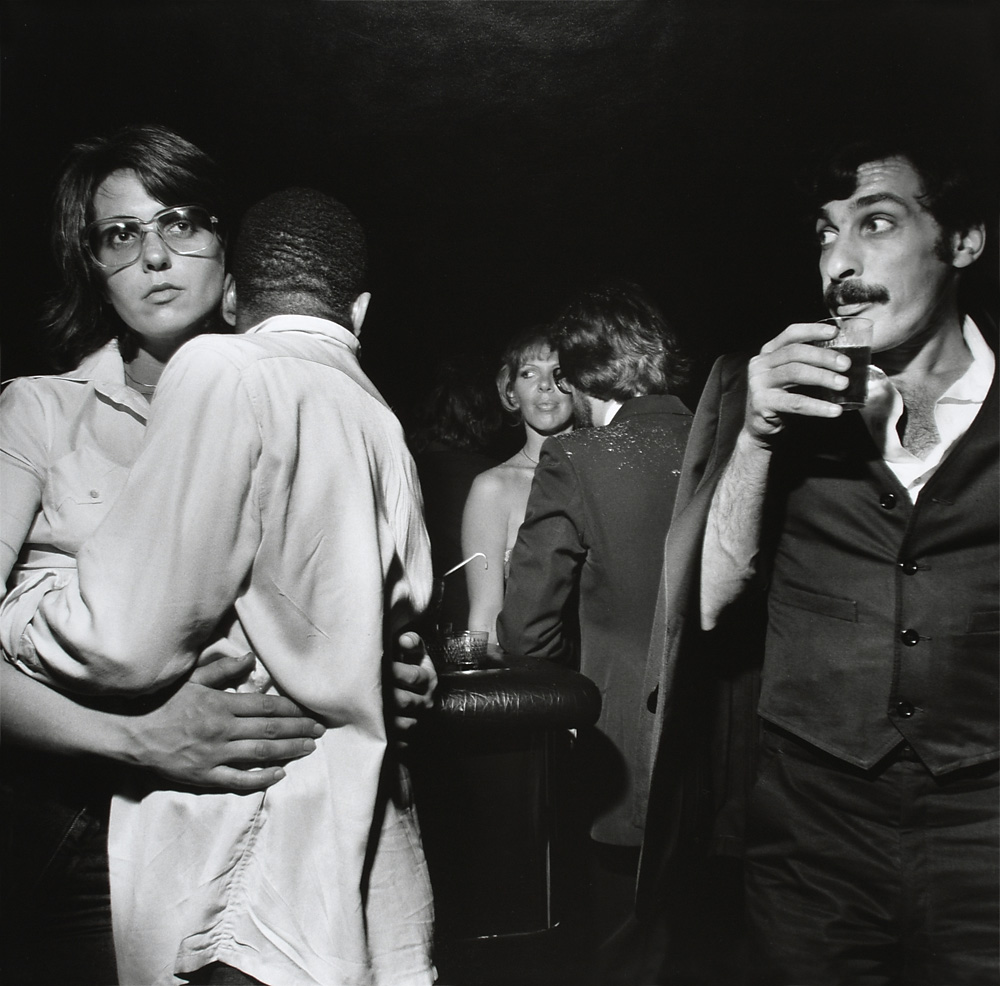

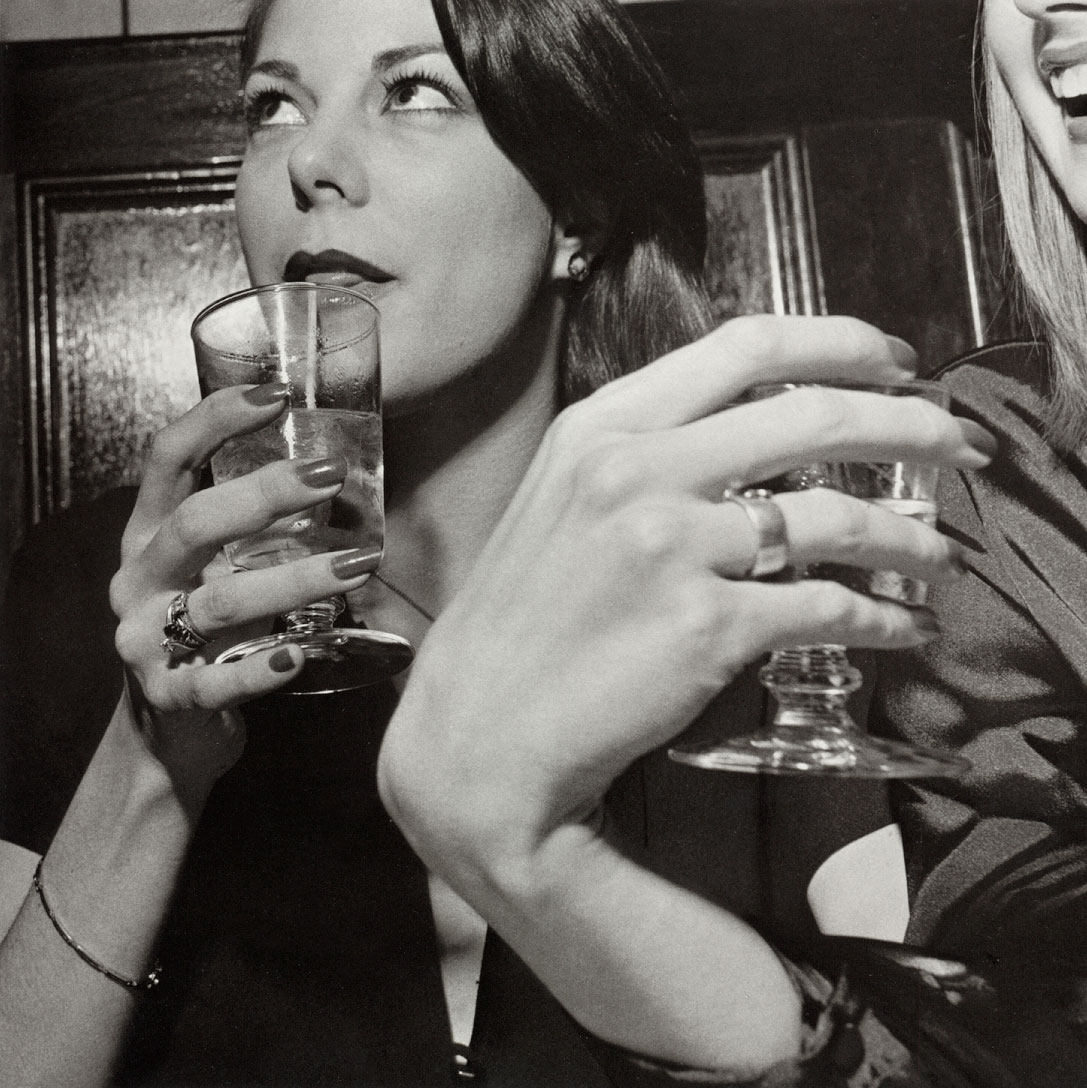


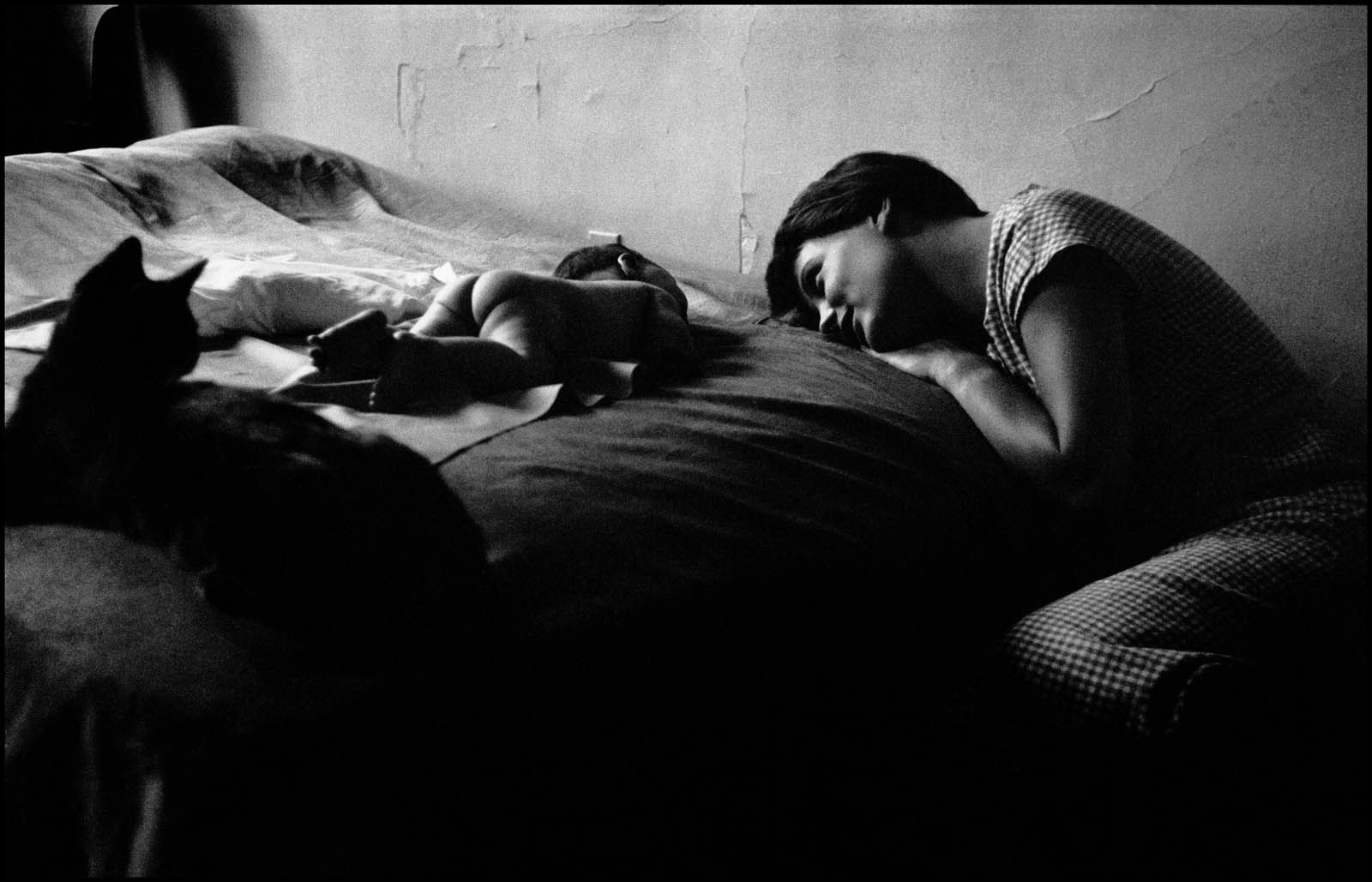

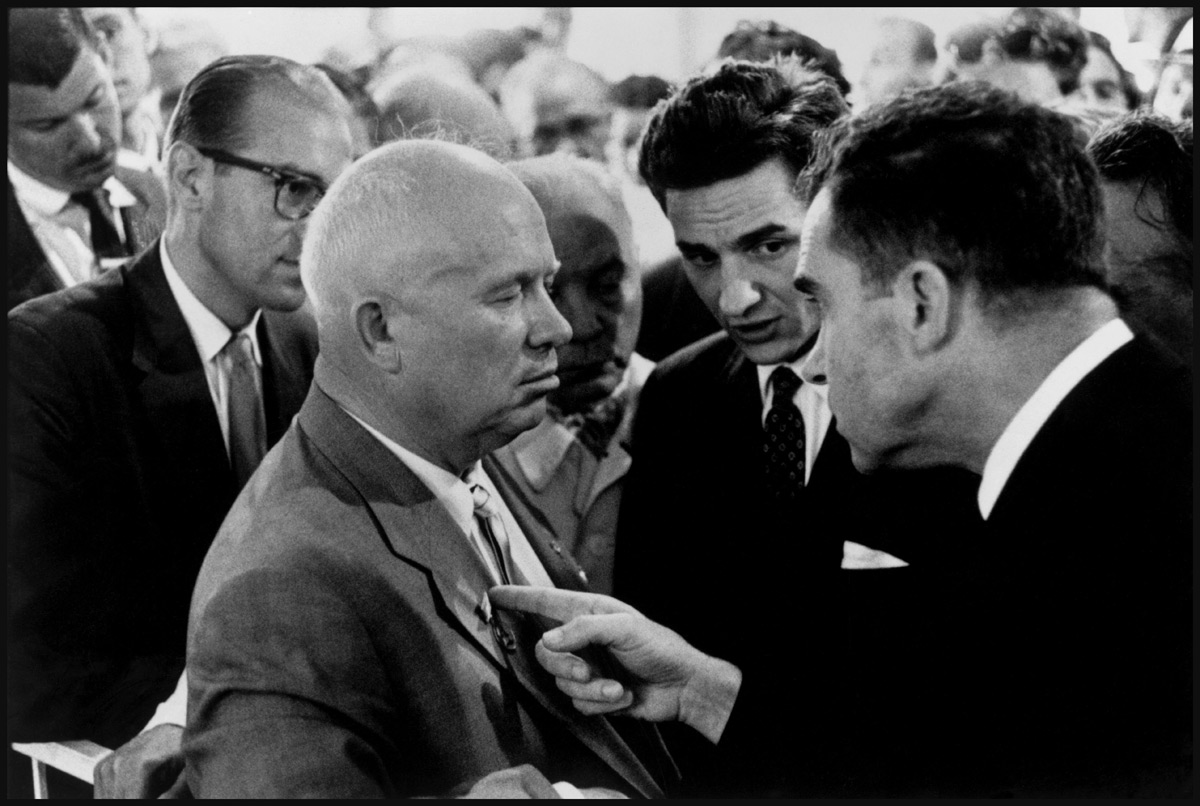

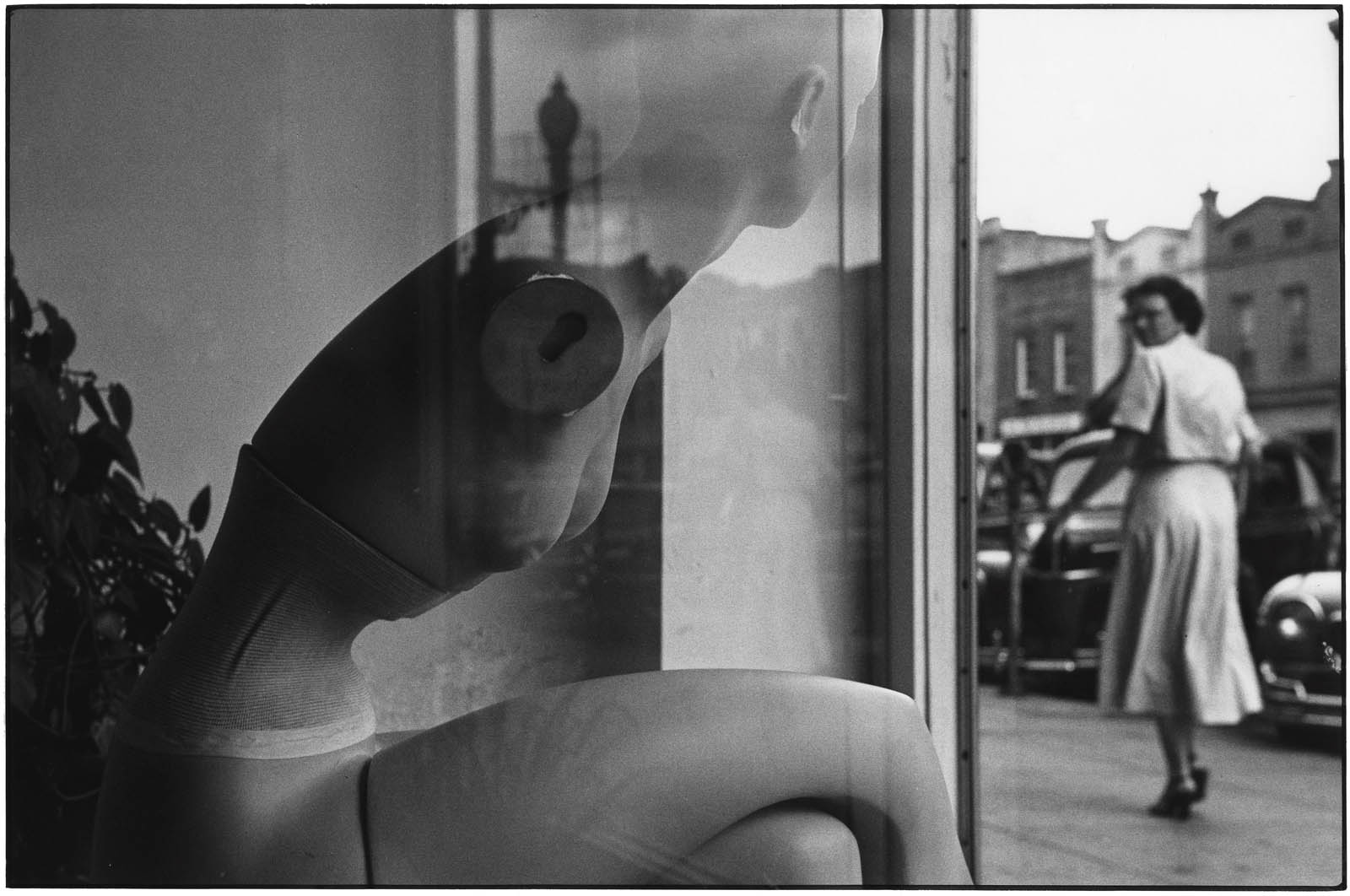


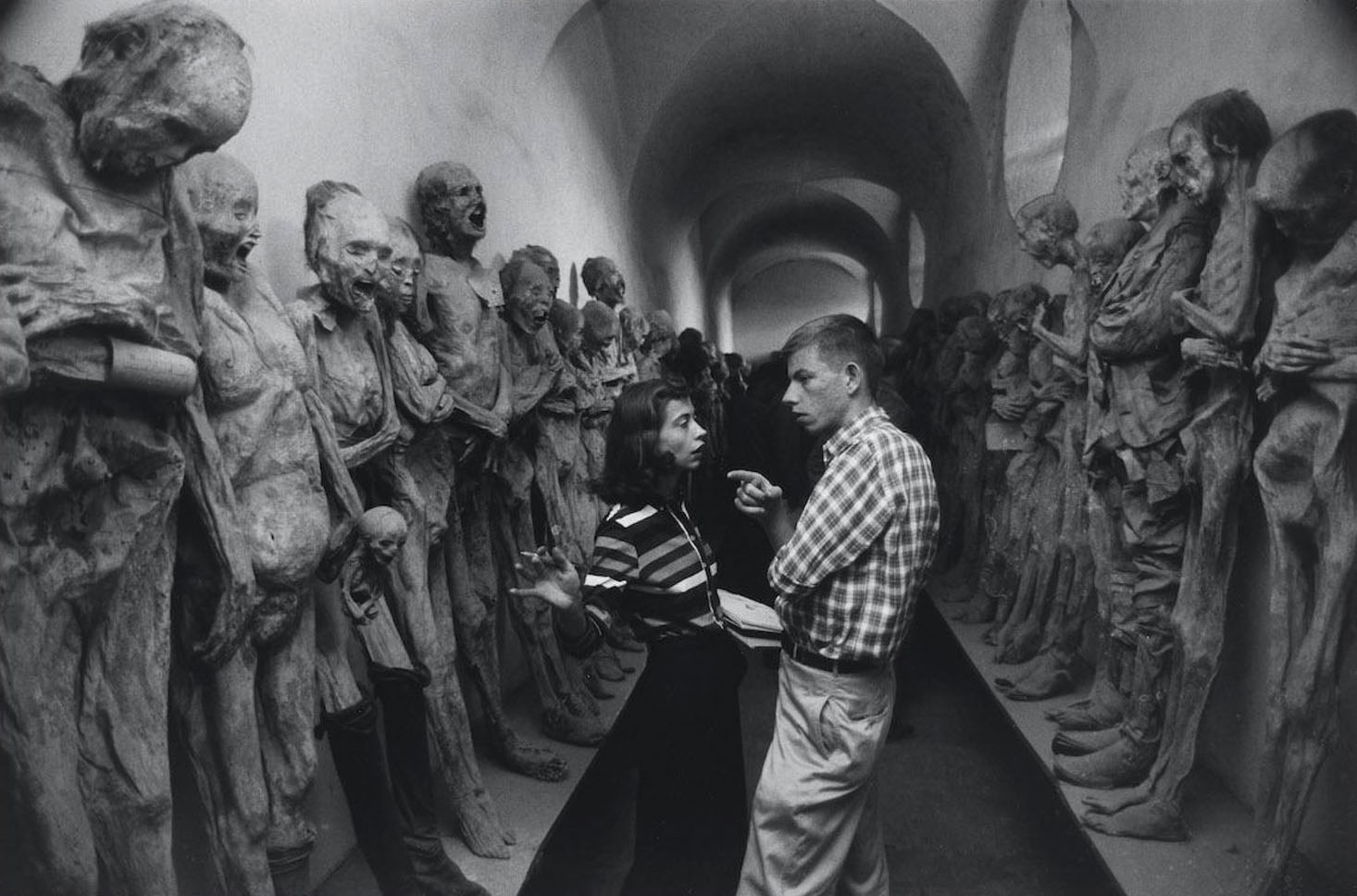
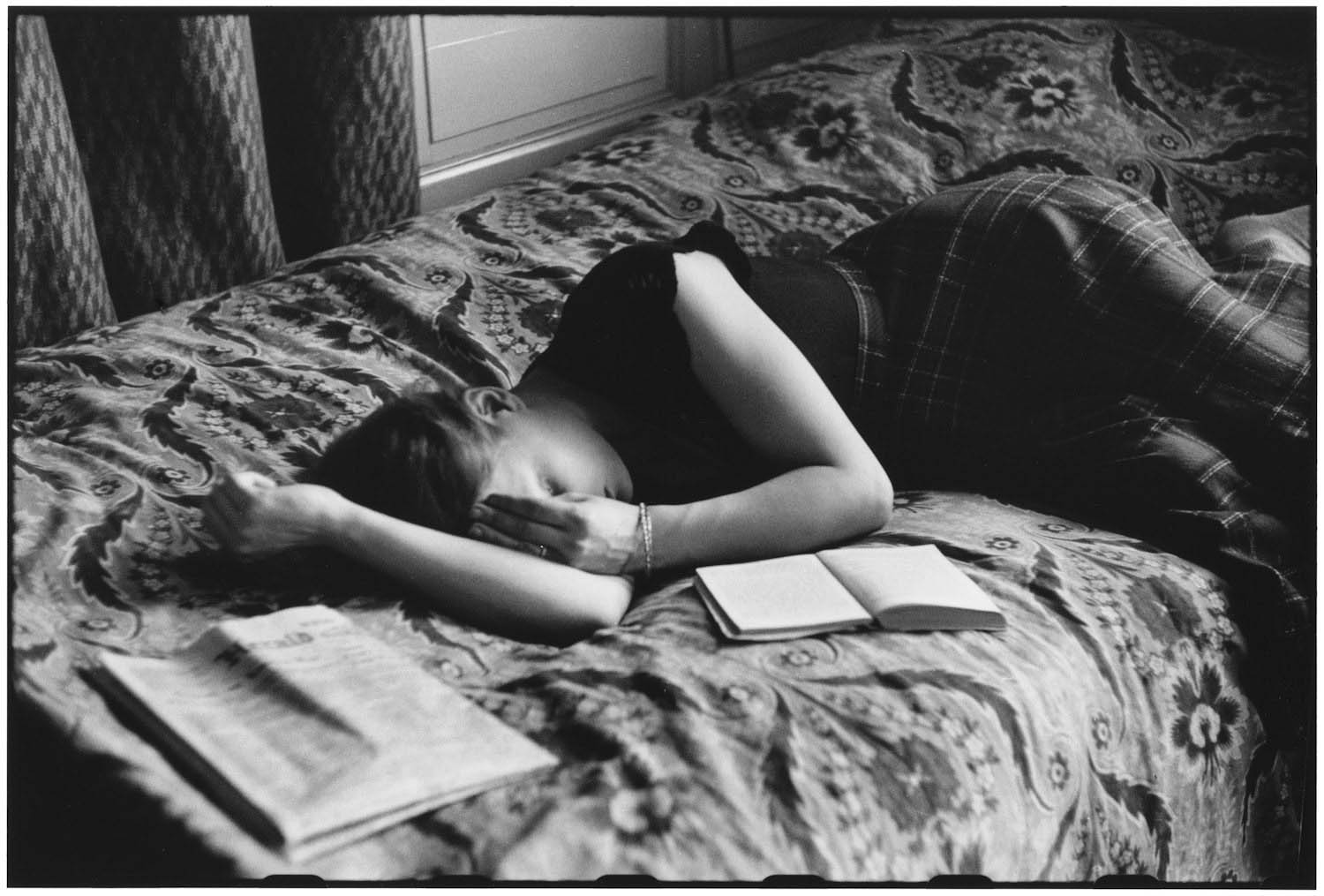


![Walker Evans (American, 1903-1975) [Berenice Abbott] 1929-1930 from the exhibition 'Berenice Abbott's New York Album, 1929' at the Metropolitan Museum of Art, New York, March - Sept 2023](https://artblart.com/wp-content/uploads/2023/08/11.-walker-evans-berenice-abbott.jpg "Walker Evans (American, 1903-1975) [Berenice Abbott] 1929-1930")


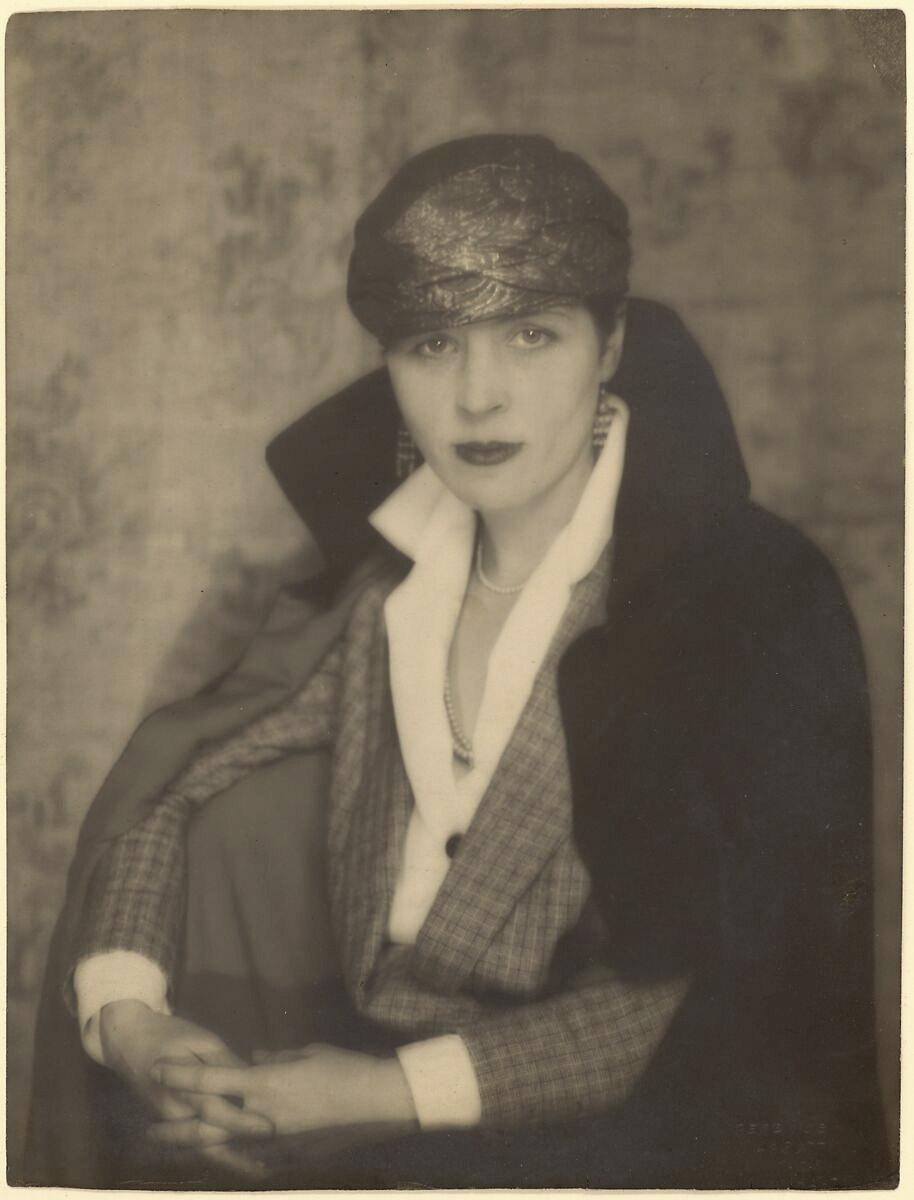


![Berenice Abbott (American, 1898-1991) [Album Page 1: Financial District, Broadway and Wall Street Vicinity, Manhattan] 1929](https://artblart.com/wp-content/uploads/2023/08/07.-berenice-abbott-album-page-1-financial-district-broadway-and-wall-street-vicinity-manhattan-1929.jpg "Berenice Abbott (American, 1898-1991) [Album Page 1: Financial District, Broadway and Wall Street Vicinity, Manhattan] 1929")
![Berenice Abbott (American, 1898-1991) [Album Page 1: Financial District, Broadway and Wall Street Vicinity, Manhattan] 1929 (detail)](https://artblart.com/wp-content/uploads/2023/08/abbott-album-page-financial-district-b.jpg "Berenice Abbott (American, 1898-1991) [Album Page 1: Financial District, Broadway and Wall Street Vicinity, Manhattan] 1929 (detail)")


![Berenice Abbott (American, 1898-1991) [Album Page: Madison Square Park, Third Avenue and Ninth Avenue Elevated Train Lines, Manhattan] 1929](https://artblart.com/wp-content/uploads/2023/08/abbott-album-page-madison-square-park-third-avenue-and-ninth-avenue-elevated-train-lines-manhattan.jpg "Berenice Abbott (American, 1898-1991) [Album Page: Madison Square Park, Third Avenue and Ninth Avenue Elevated Train Lines, Manhattan] 1929")
![Berenice Abbott (American, 1898-1991) [Album Page: City Hall Park and Brooklyn Bridge Vicinity, Manhattan] 1929](https://artblart.com/wp-content/uploads/2023/08/06.-berenice-abbott-album-page-city-hall-park-and-brooklyn-bridge-vicinity-manhattan-1929.jpg "Berenice Abbott (American, 1898-1991) [Album Page: City Hall Park and Brooklyn Bridge Vicinity, Manhattan] 1929")
![Berenice Abbott (American, 1898-1991) [Album Page 5: Pier 17, South Street Seaport, Manhattan] 1929](https://artblart.com/wp-content/uploads/2023/08/08.-berenice-abbott-album-page-5-pier-17-south-street-seaport-manhattan-1929.jpg "Berenice Abbott (American, 1898-1991) [Album Page 5: Pier 17, South Street Seaport, Manhattan] 1929")
![Berenice Abbott (American, 1898-1991) [Album Page 9: Fulton Street Fish Market and Lower East Side, Manhattan] 1929](https://artblart.com/wp-content/uploads/2023/08/09.-berenice-abbott-album-page-9-fulton-street-fish-market-and-lower-east-side-manhattan-1929.jpg "Berenice Abbott (American, 1898-1991) [Album Page 9: Fulton Street Fish Market and Lower East Side, Manhattan] 1929")
![Berenice Abbott (American, 1898-1991) [Sumner Healy Antique Shop, 942 3rd Avenue near 57th Street, Manhattan] 1930s, printed 1936](https://artblart.com/wp-content/uploads/2023/08/abbott-sumner-healy-antique-shop.jpg "Berenice Abbott (American, 1898-1991) [Sumner Healy Antique Shop, 942 3rd Avenue near 57th Street, Manhattan] 1930s, printed 1936")


![Berenice Abbott (American, 1898-1991) [The El, 2nd and 3rd Avenue Lines, Bowery and Division Street, Manhattan] 1936](https://artblart.com/wp-content/uploads/2023/08/abbott-the-el-2nd-and-3rd-avenue-lines-bowery-and-division-street-manhattan.jpg "Berenice Abbott (American, 1898-1991) [The El, 2nd and 3rd Avenue Lines, Bowery and Division Street, Manhattan] 1936")
![Berenice Abbott (American, 1898-1991) [Manhattan Bridge] 1936](https://artblart.com/wp-content/uploads/2023/08/abbott-manhattan-bridge.jpg "Berenice Abbott (American, 1898-1991) [Manhattan Bridge] 1936")
![Berenice Abbott (American, 1898-1991) [Seventh Avenue Looking South from Thirty-fifth Street, New York] 1935](https://artblart.com/wp-content/uploads/2023/08/abbott-seventh-avenue-looking-south-from-thirty-fifth-street.jpg "Berenice Abbott (American, 1898-1991) [Seventh Avenue Looking South from Thirty-fifth Street, New York] 1935")


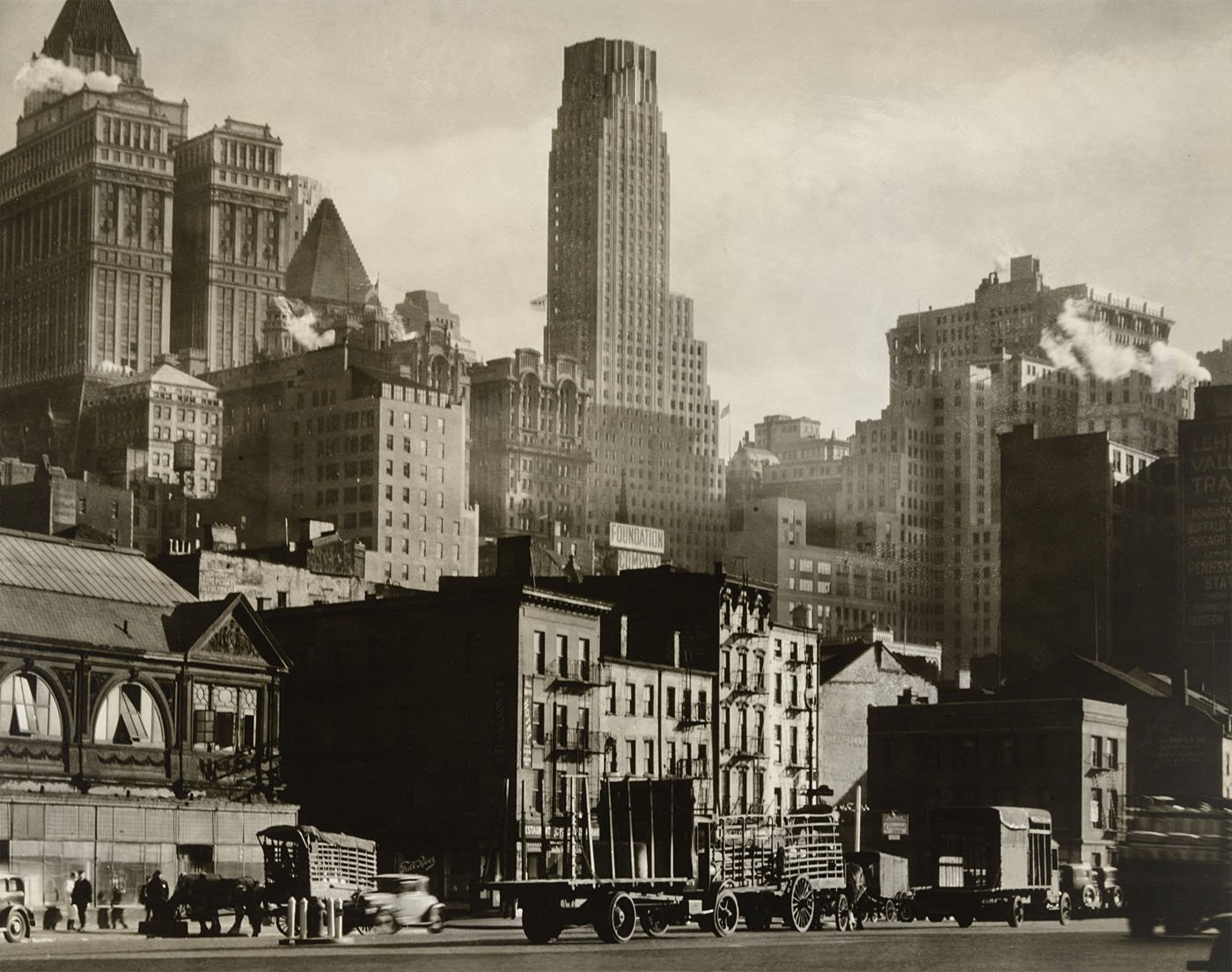


![Eugène Atget (French, 1857-1927) [Atget's Work Room with Contact Printing Frames] c. 1910](https://artblart.com/wp-content/uploads/2014/04/atgets-work-room-web1.jpg "Eugène Atget (French, 1857-1927) [Atget's Work Room with Contact Printing Frames] c. 1910")
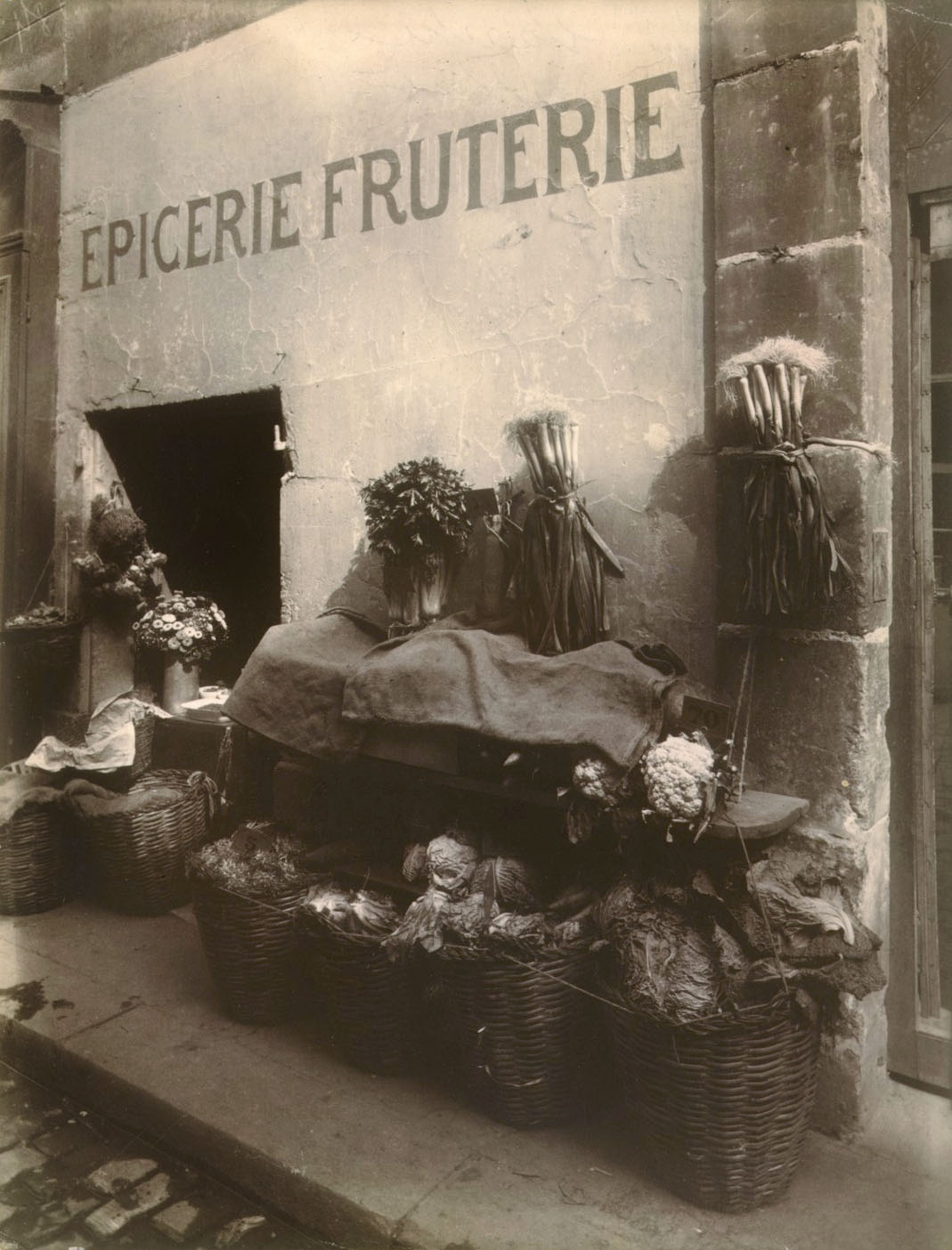

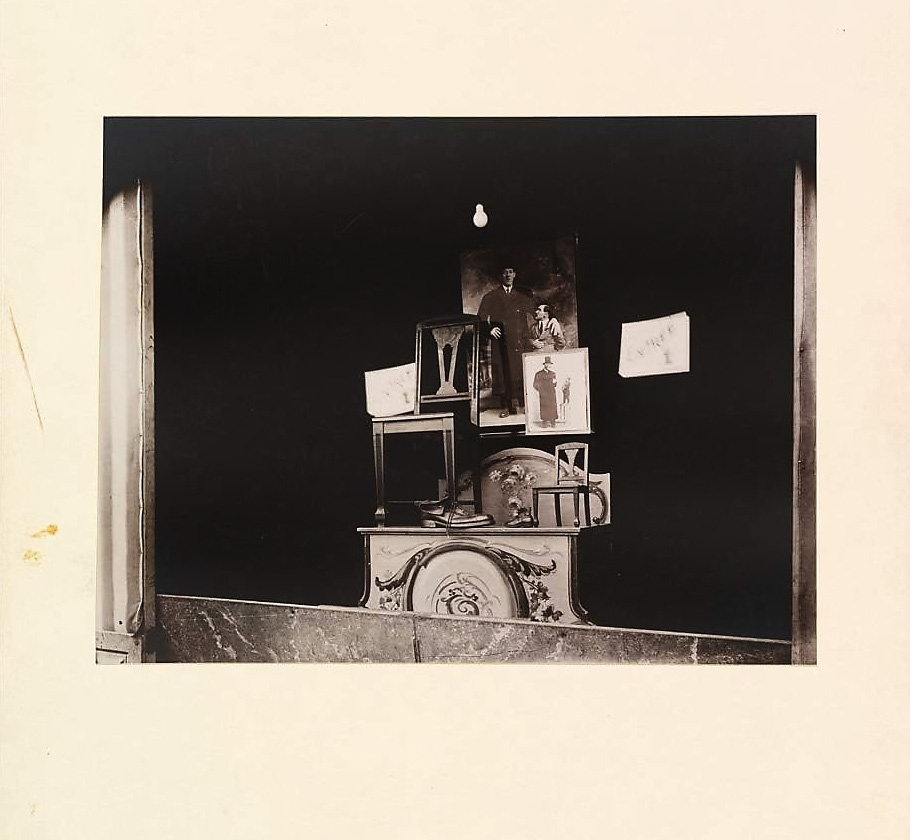


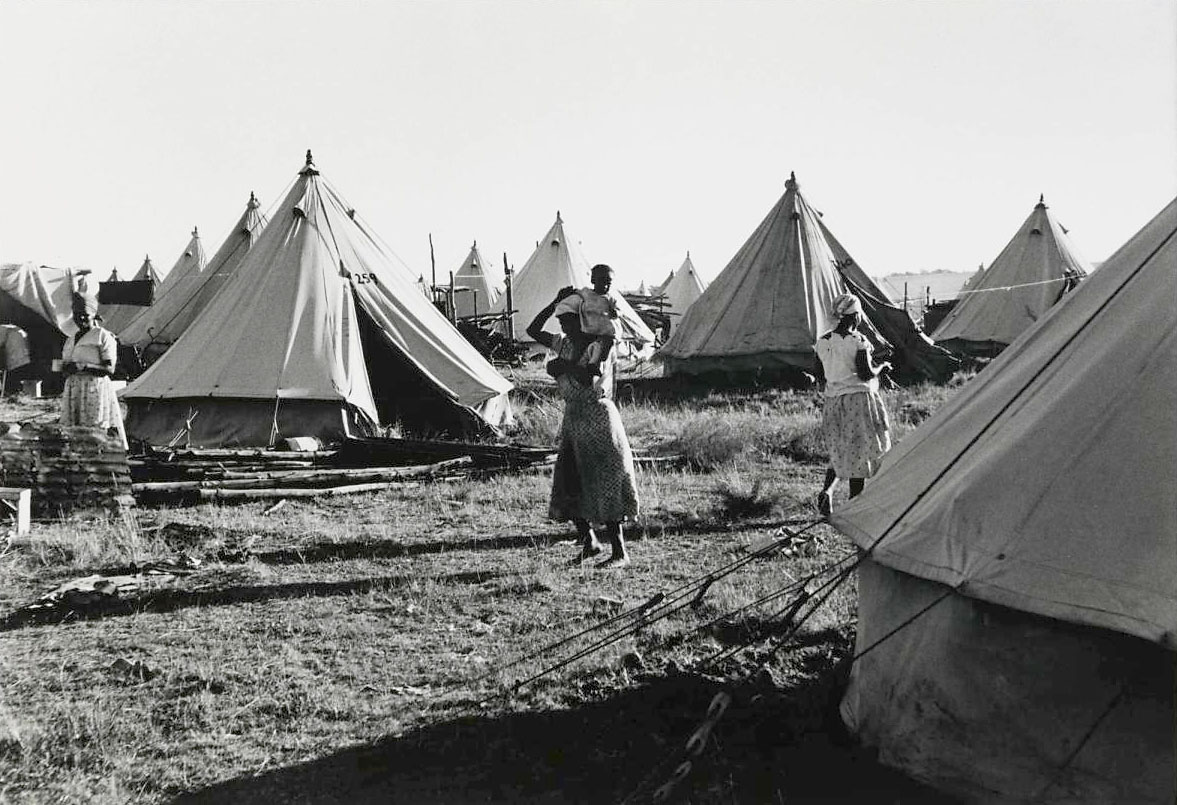


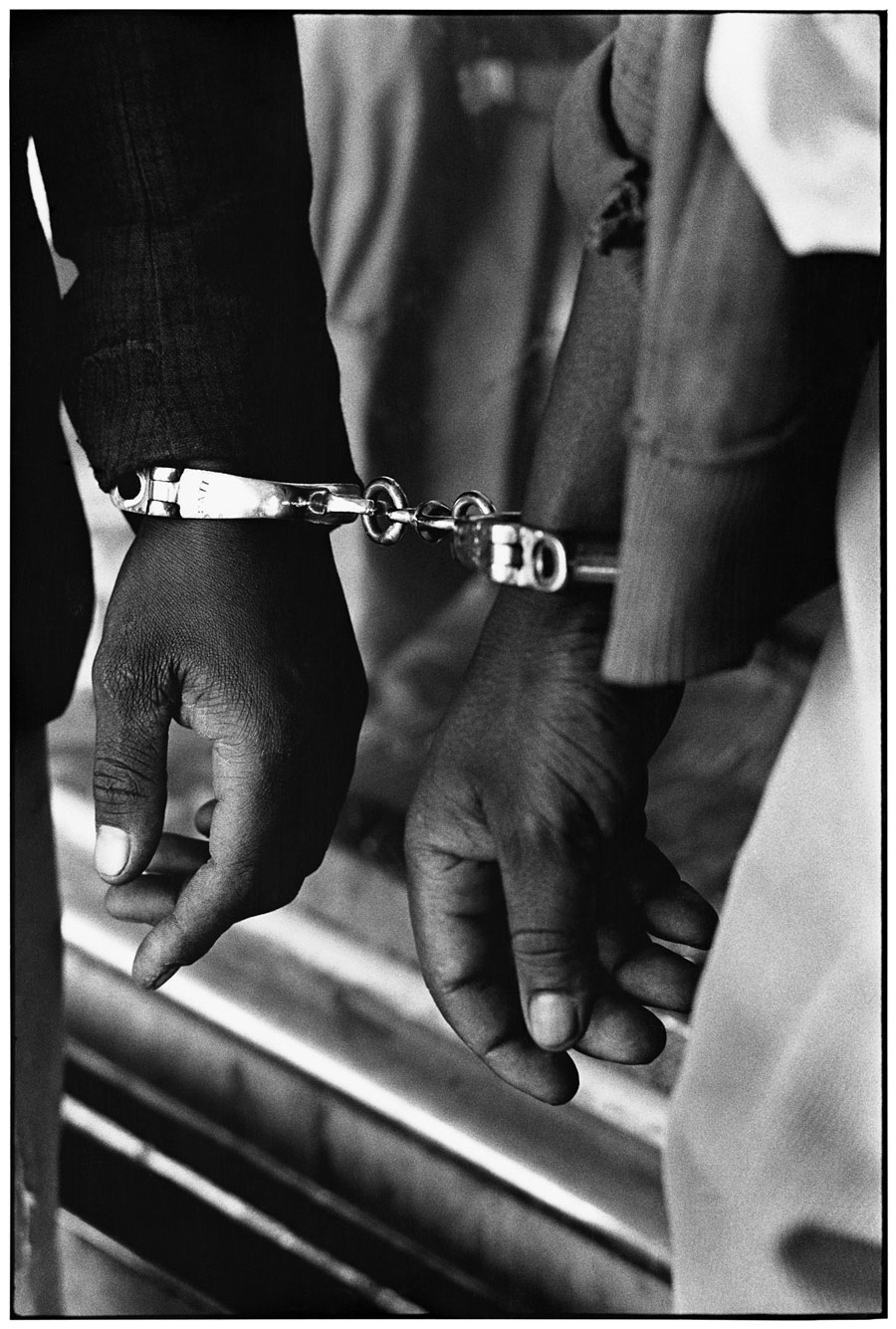


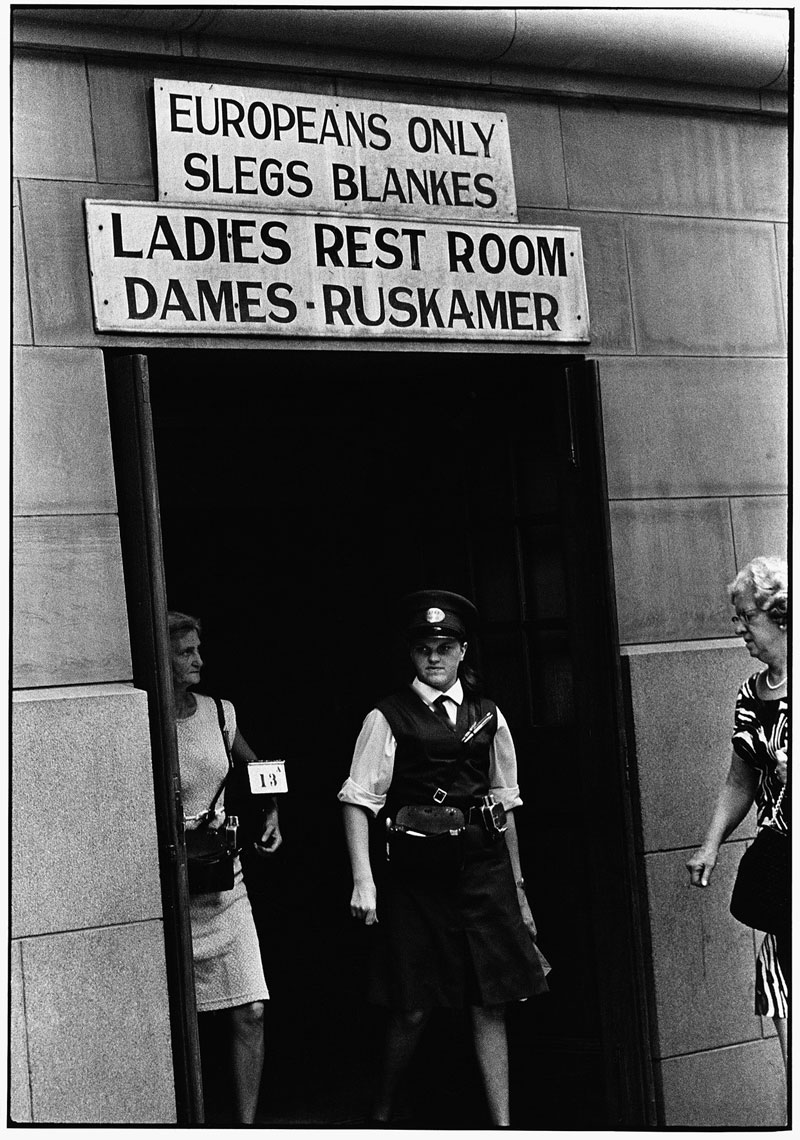

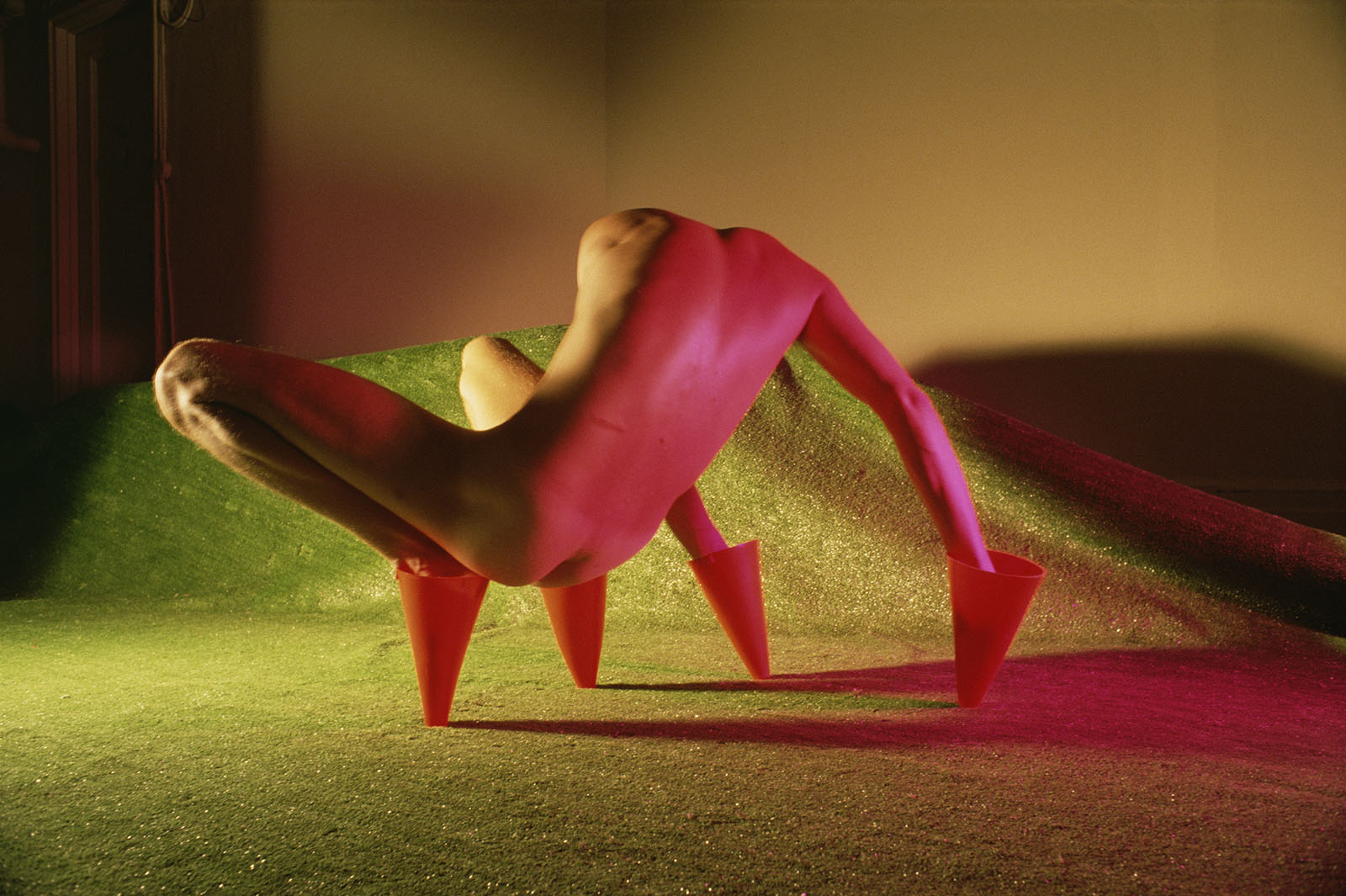
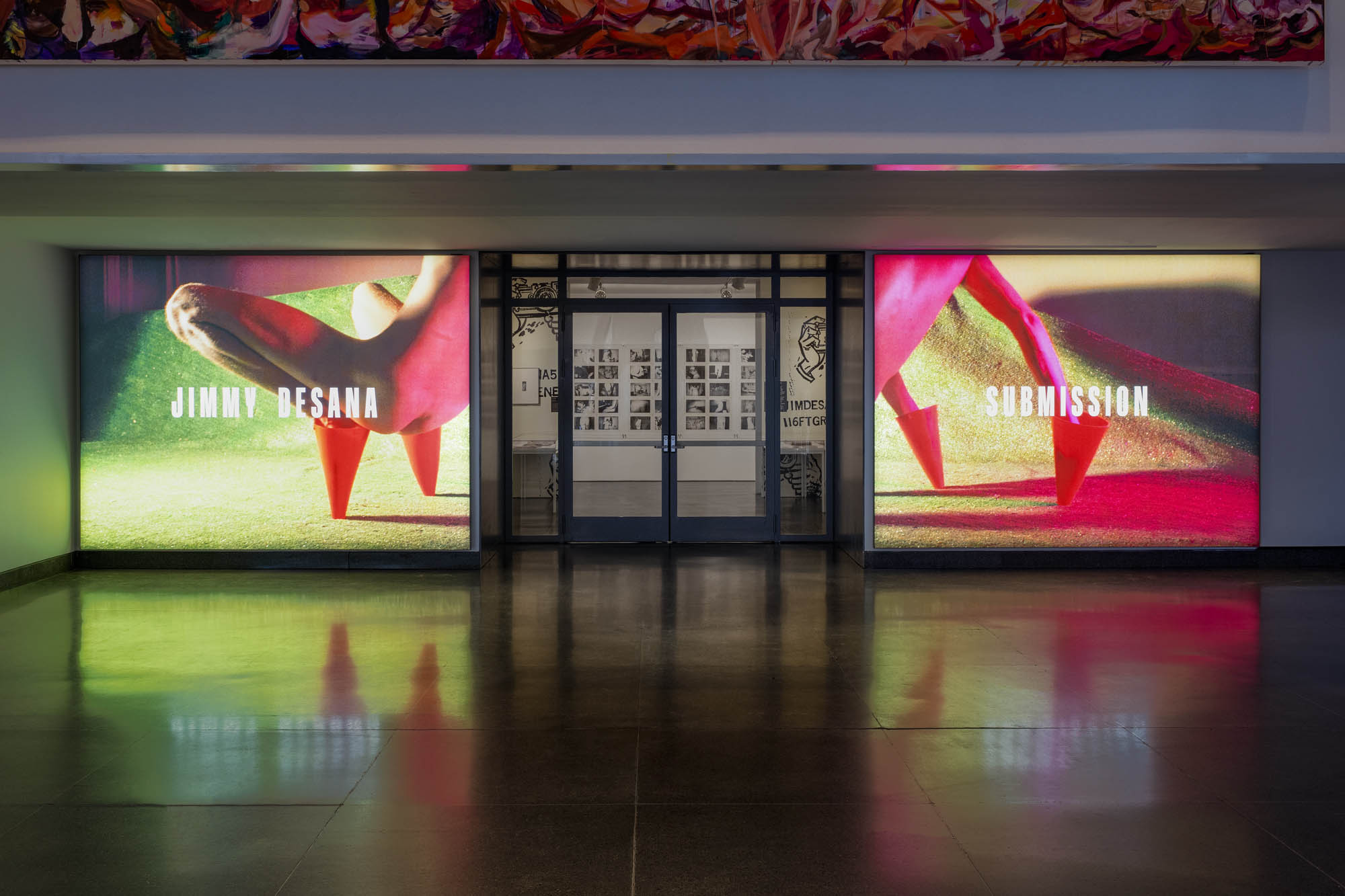
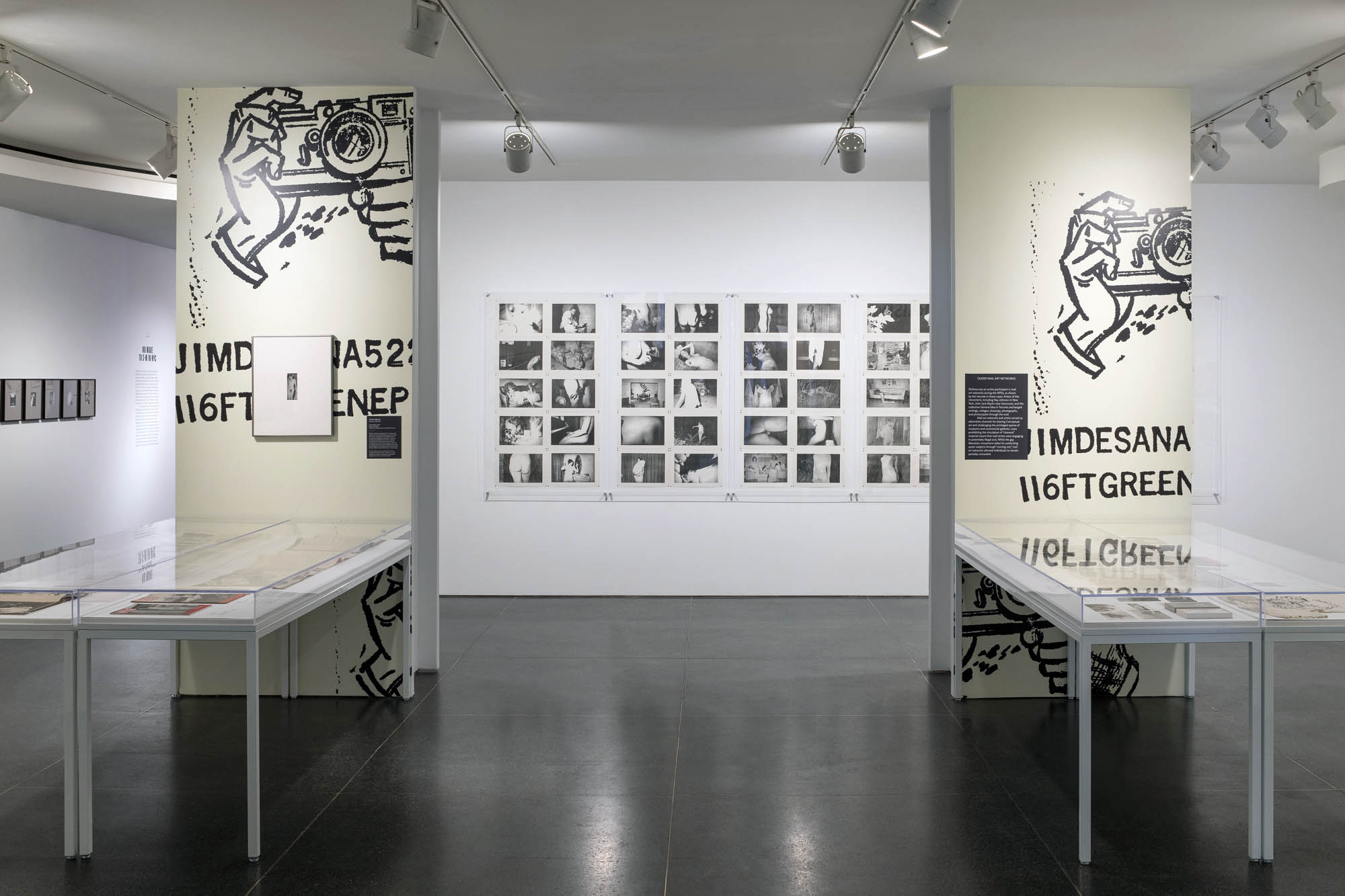
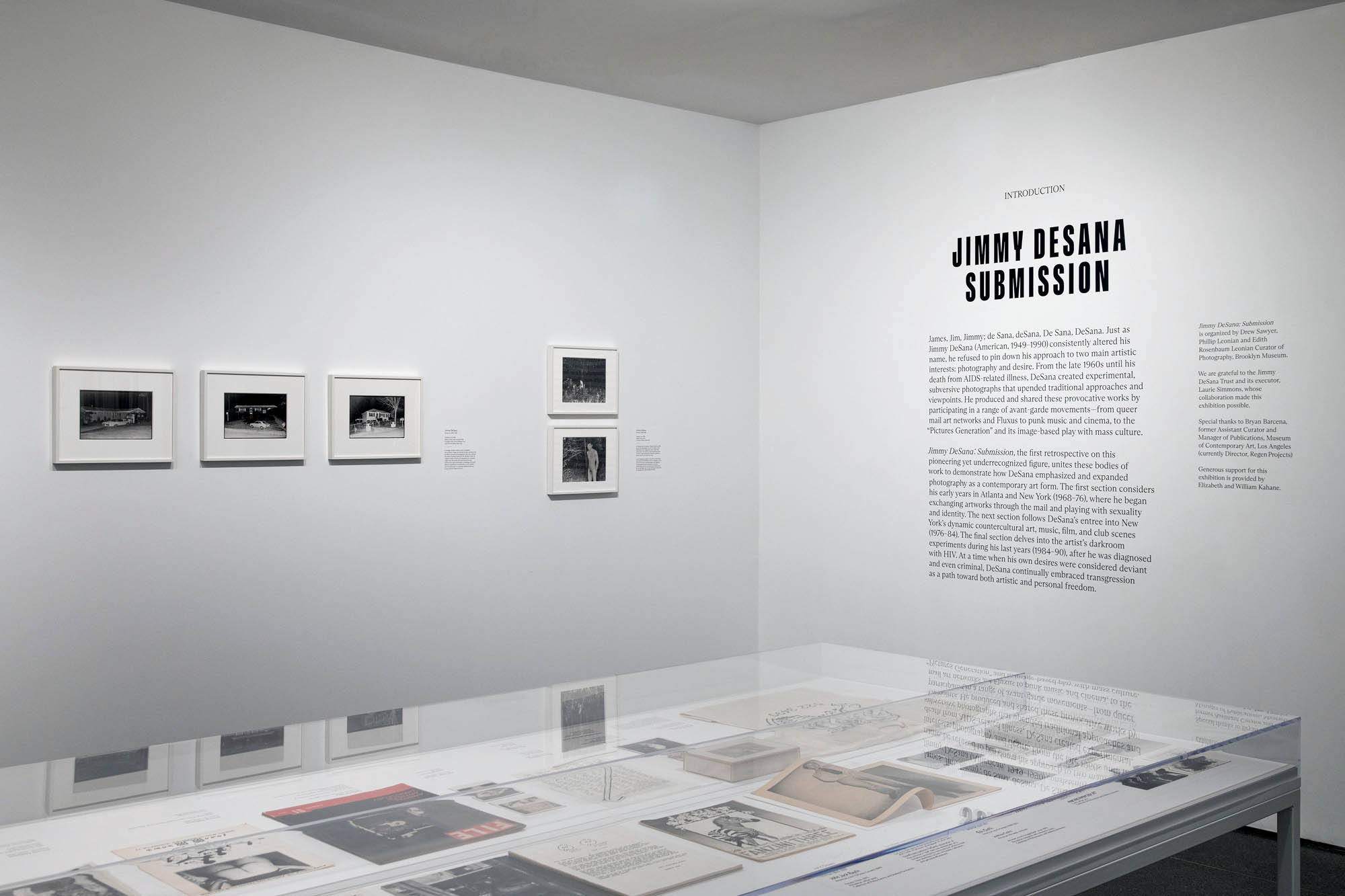
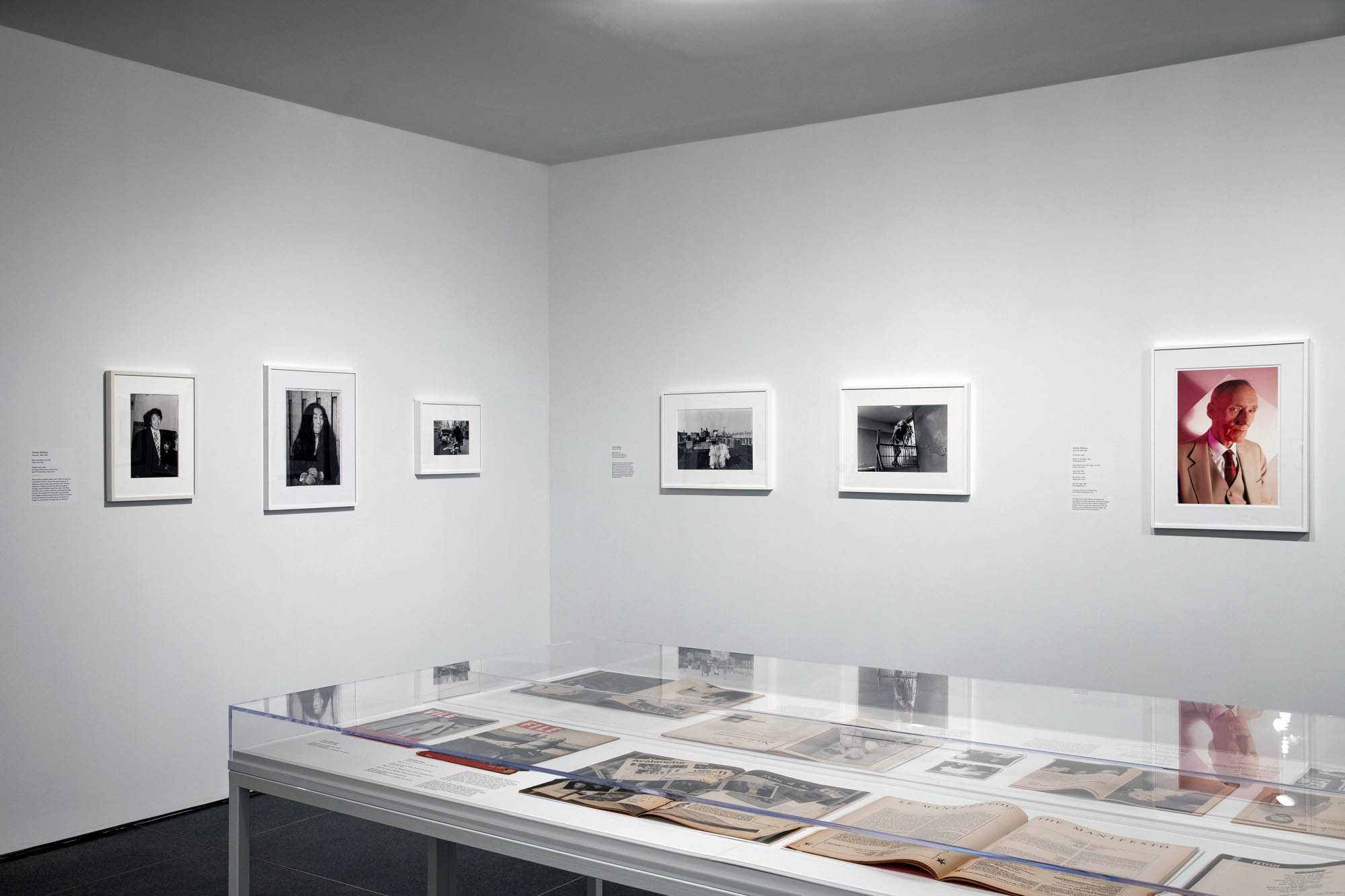
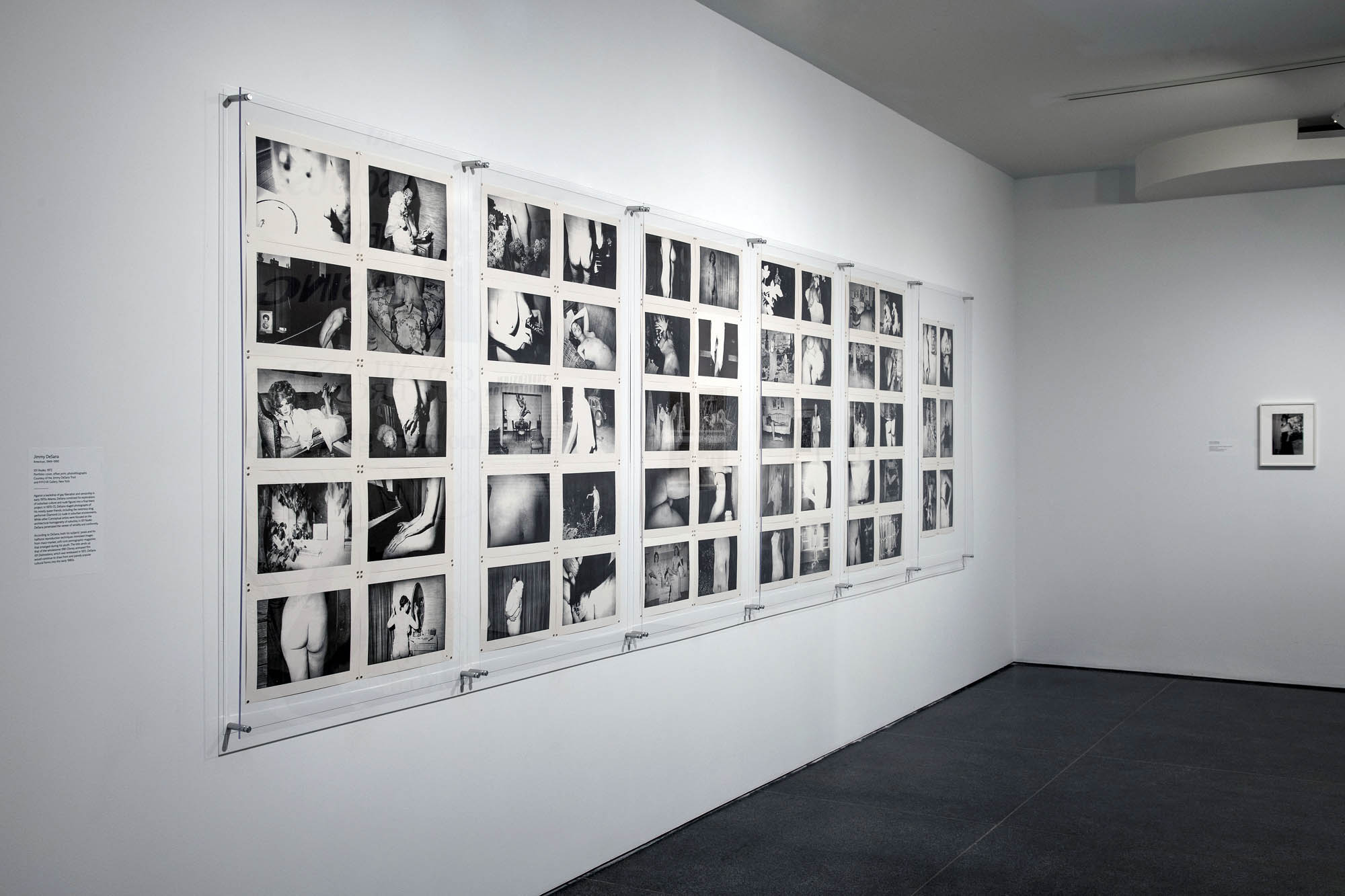
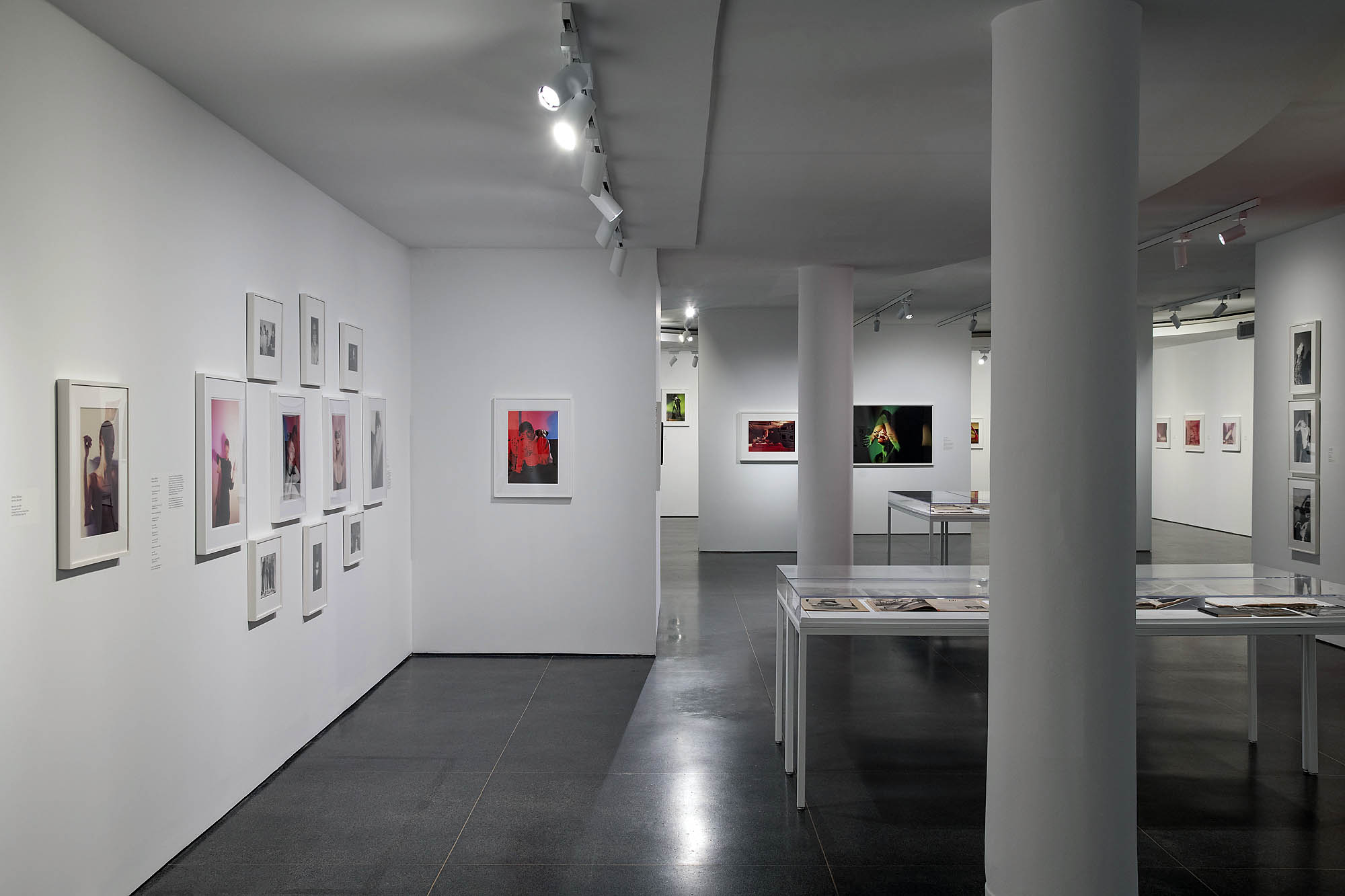
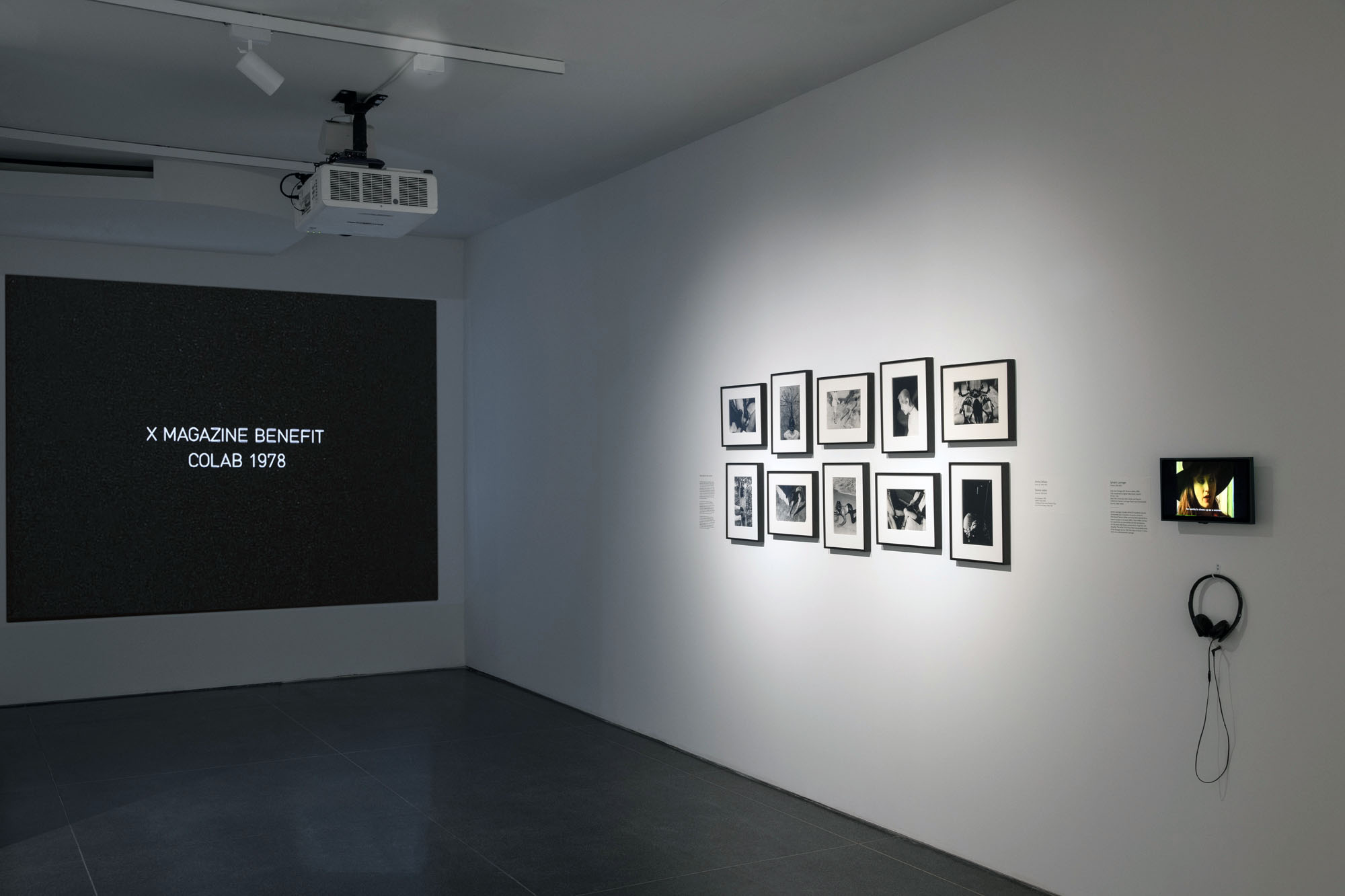
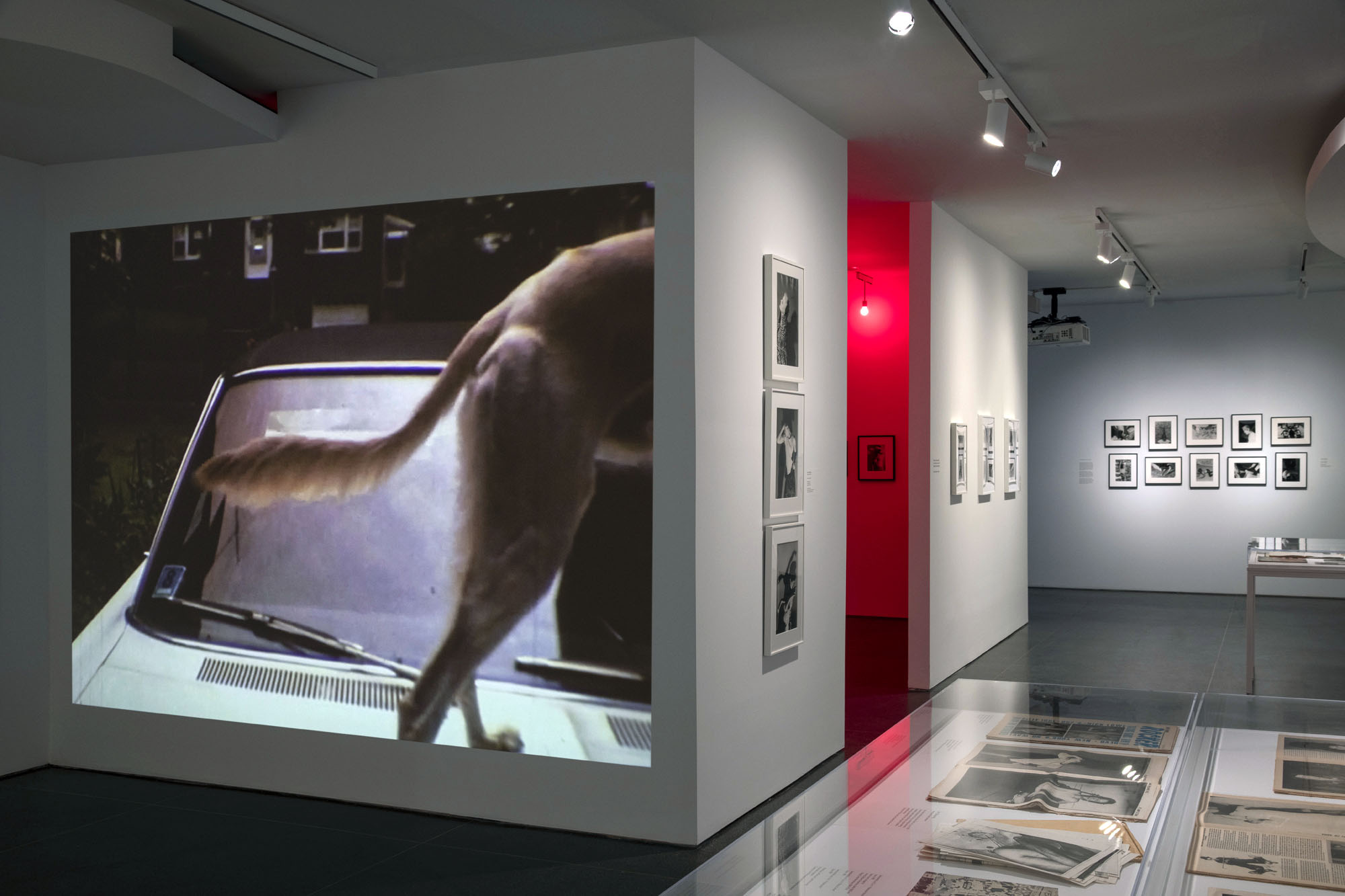
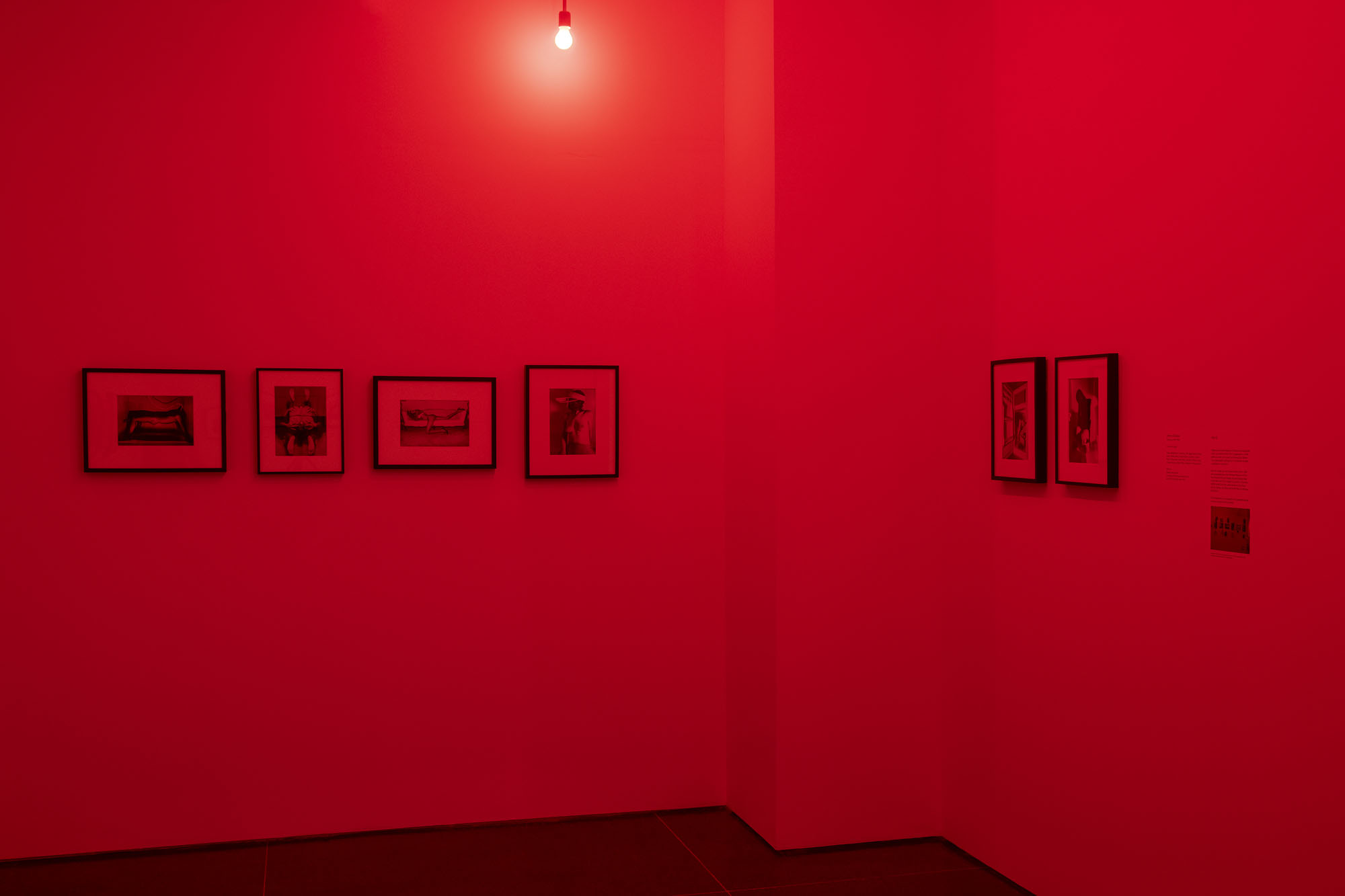
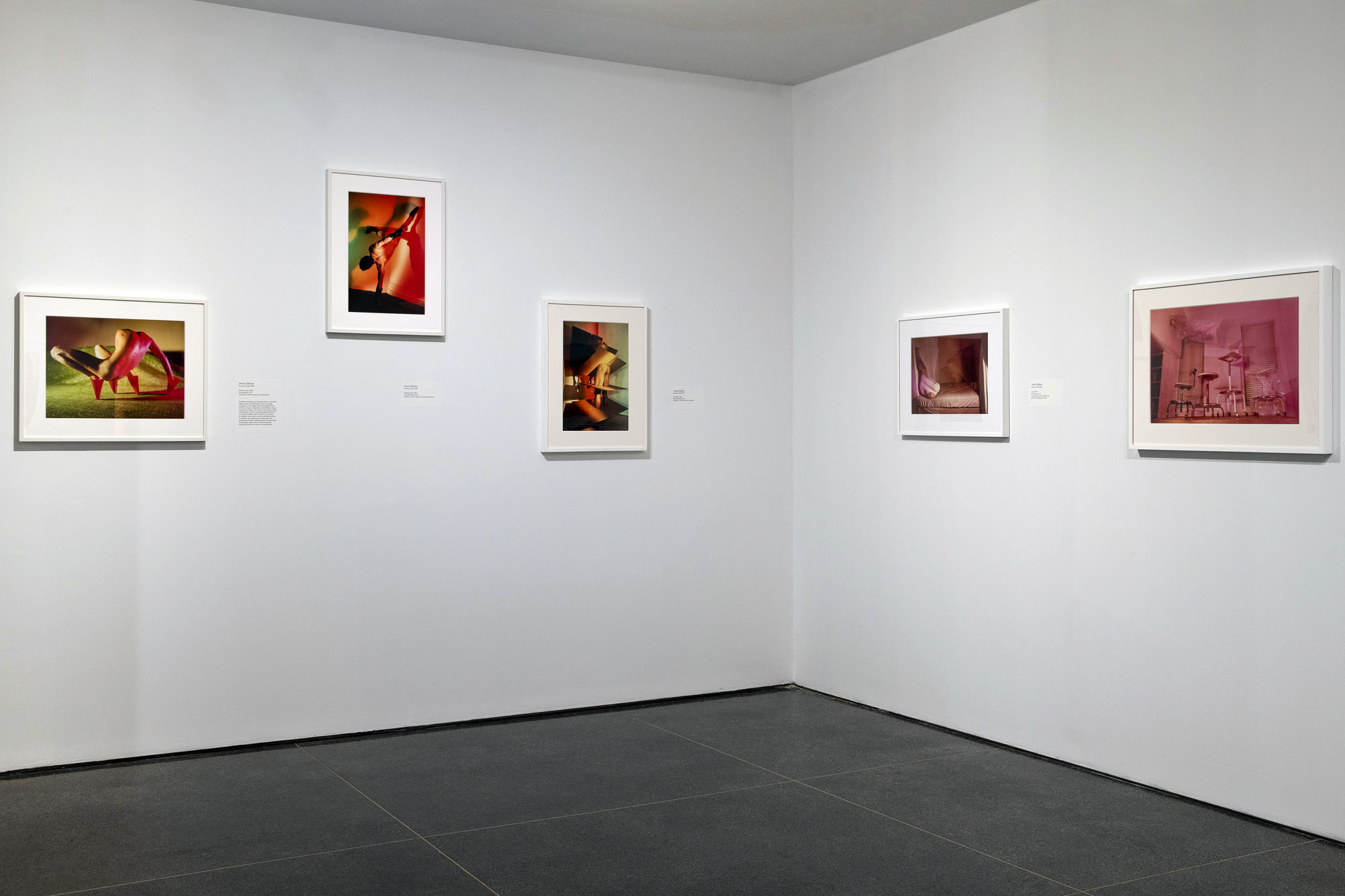
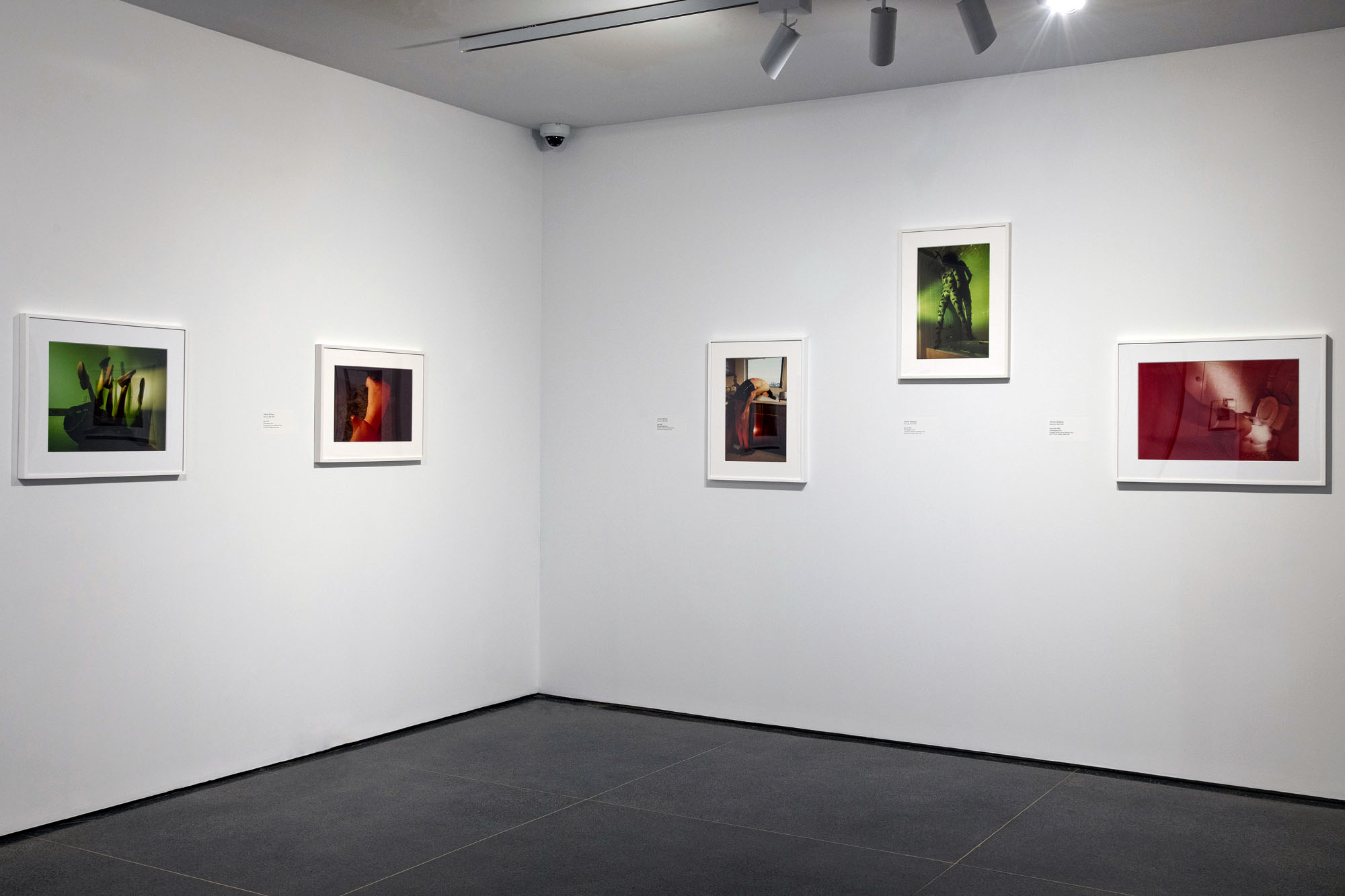
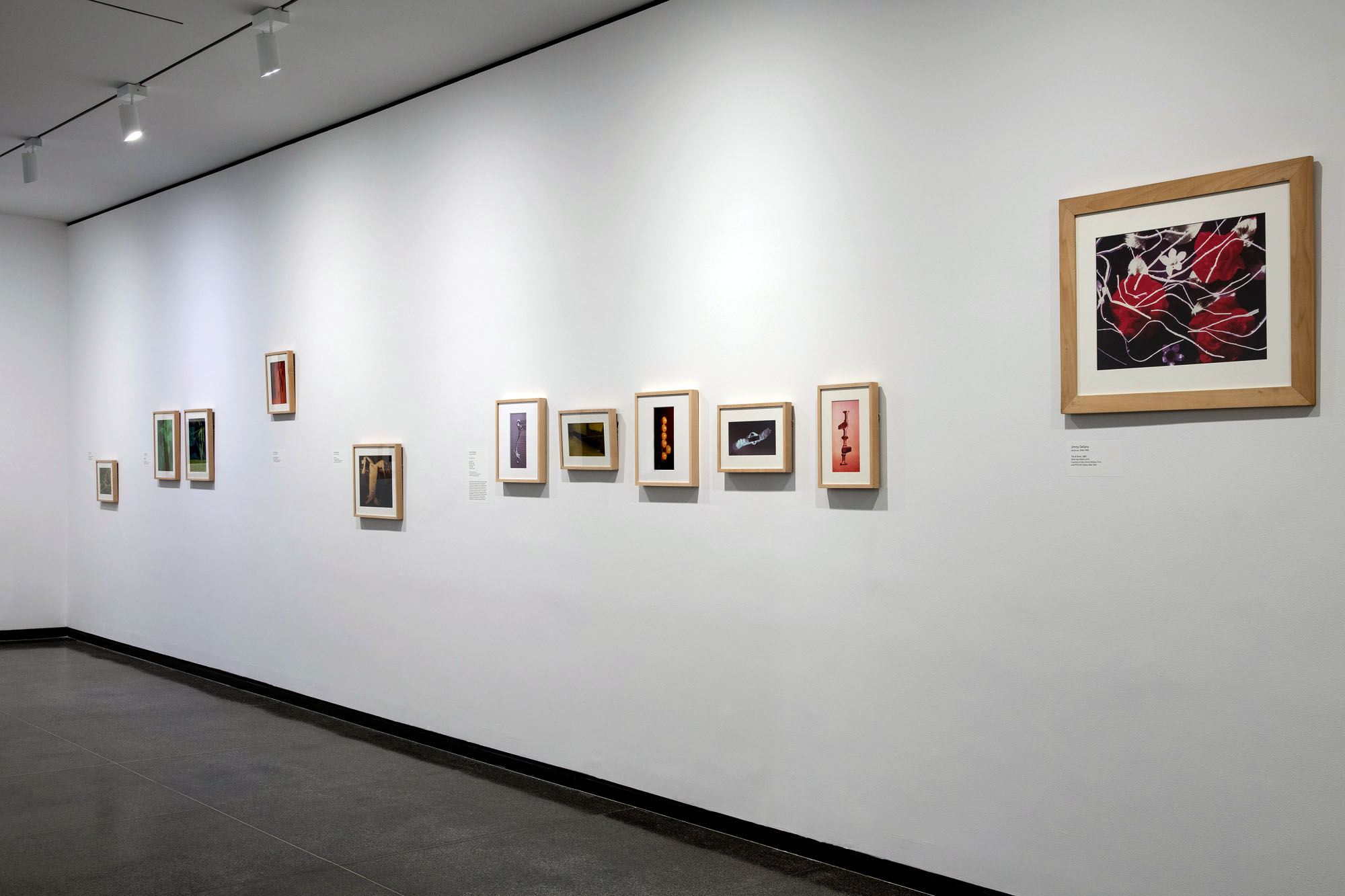
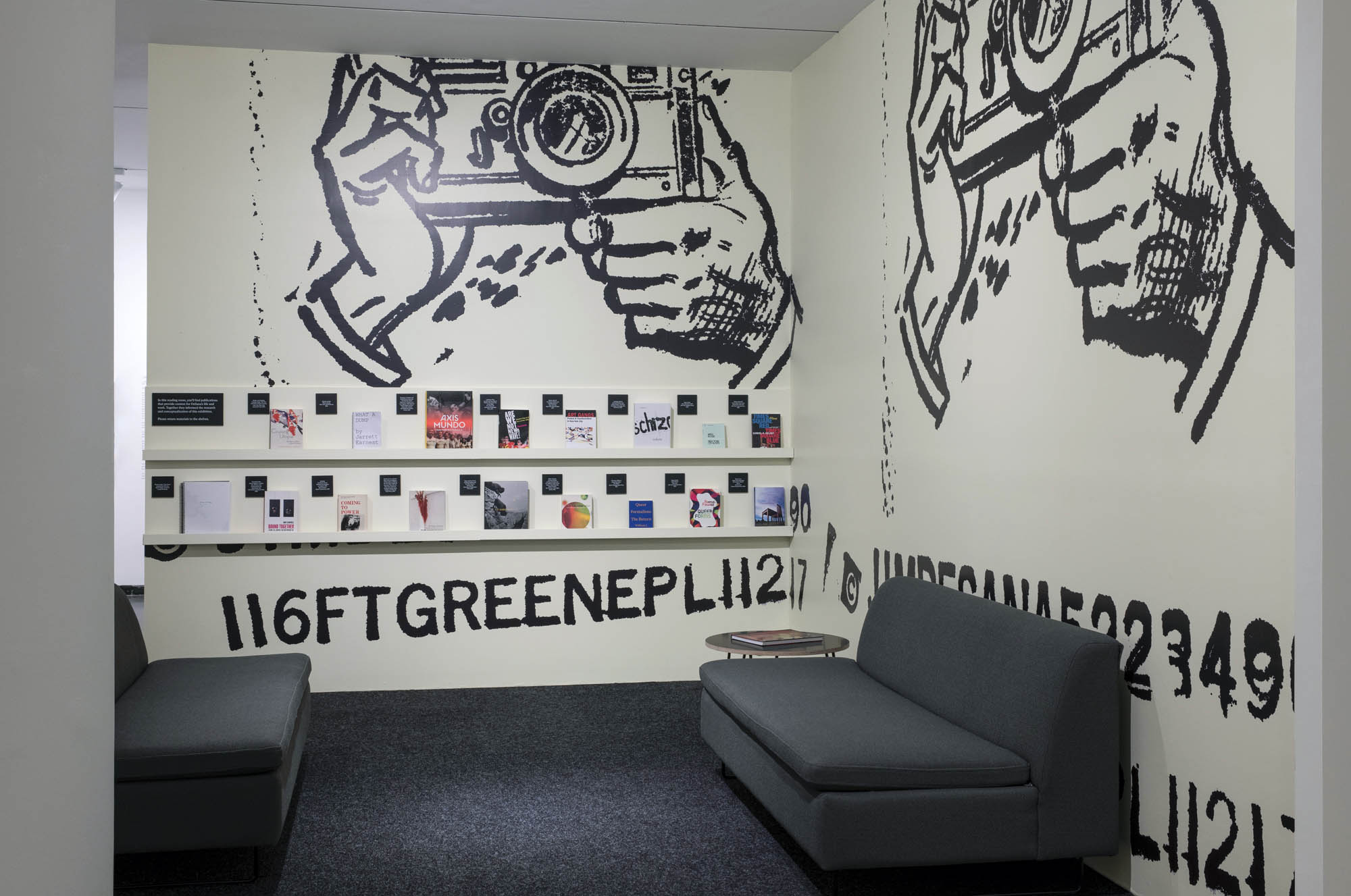
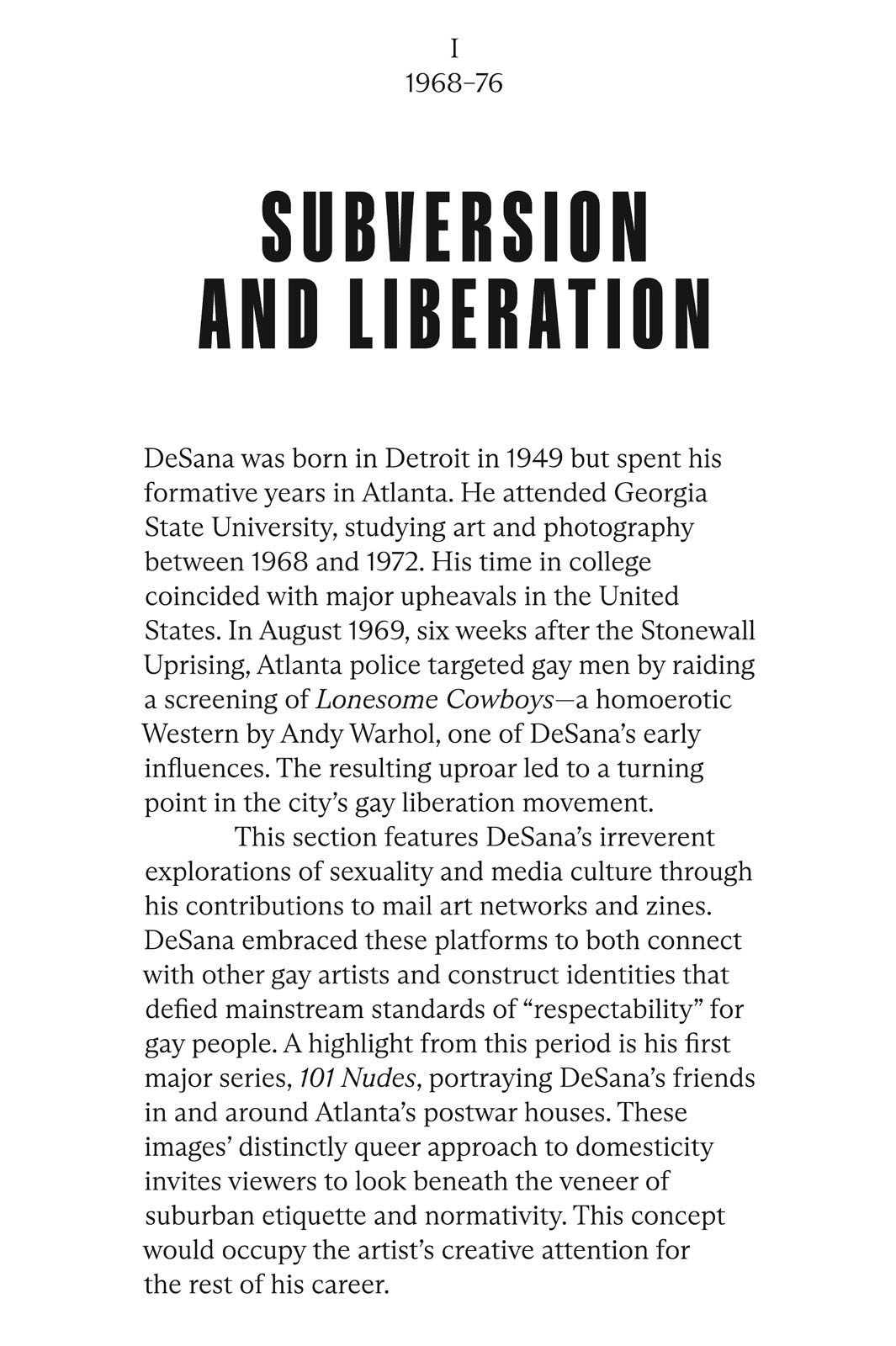
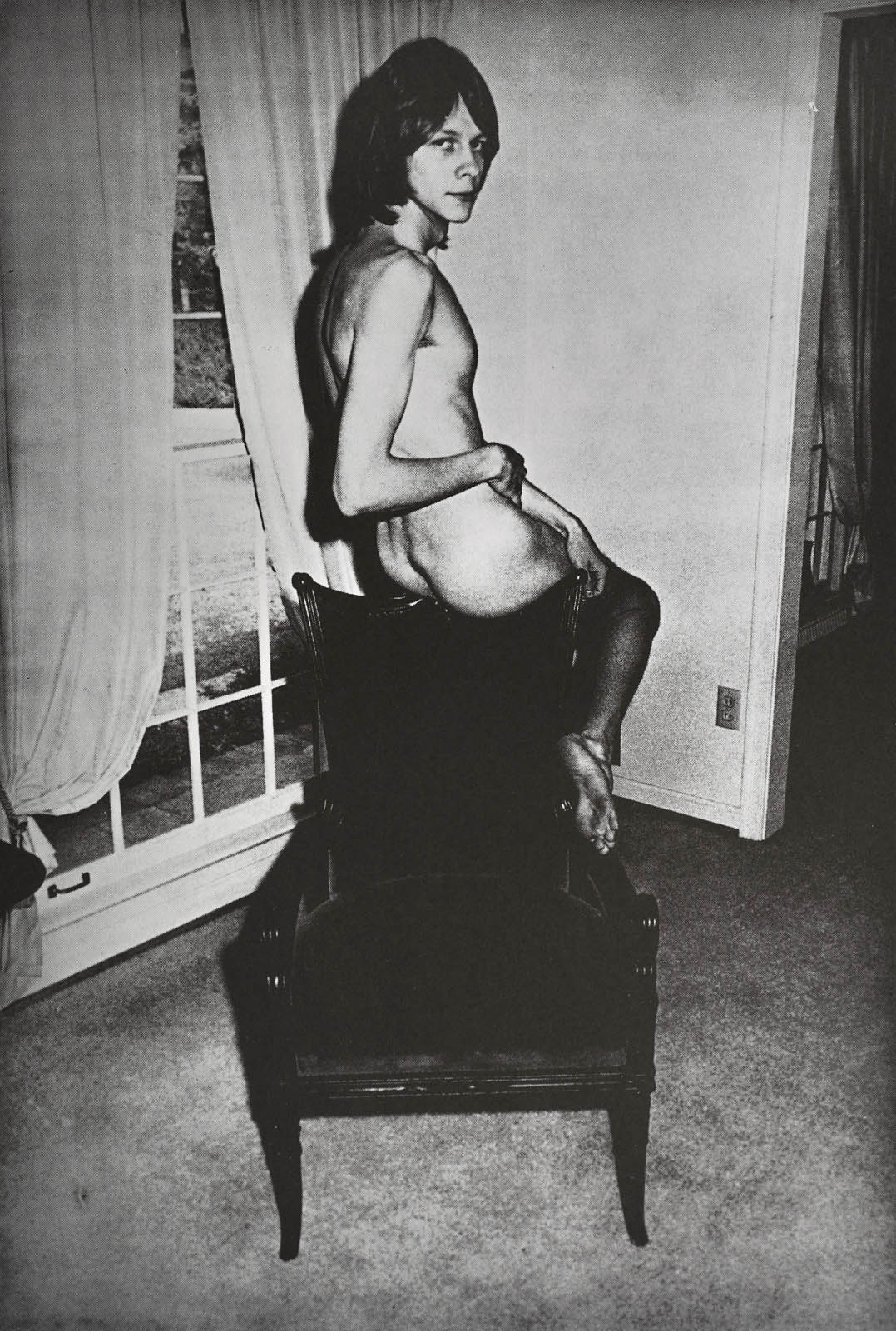
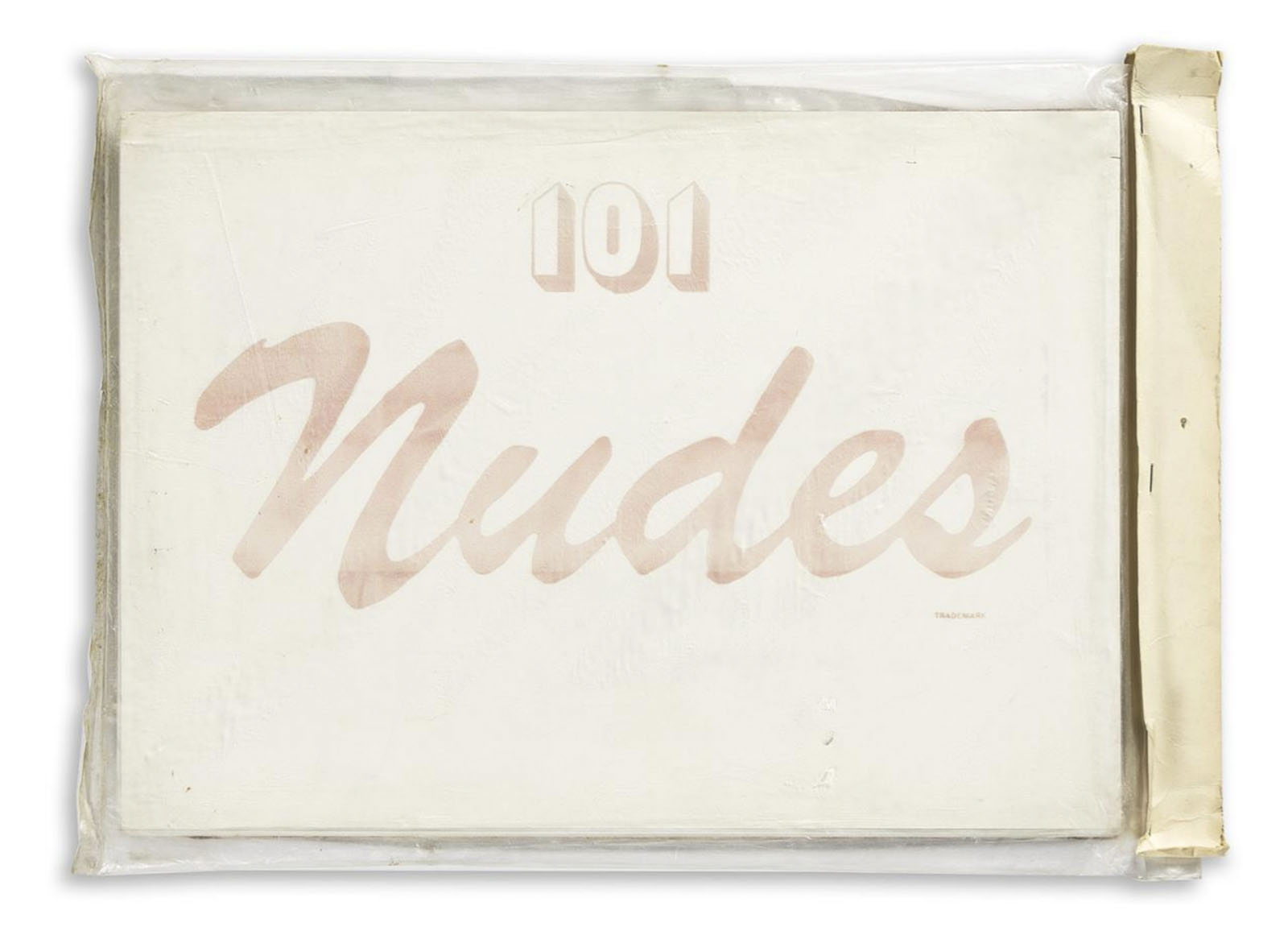
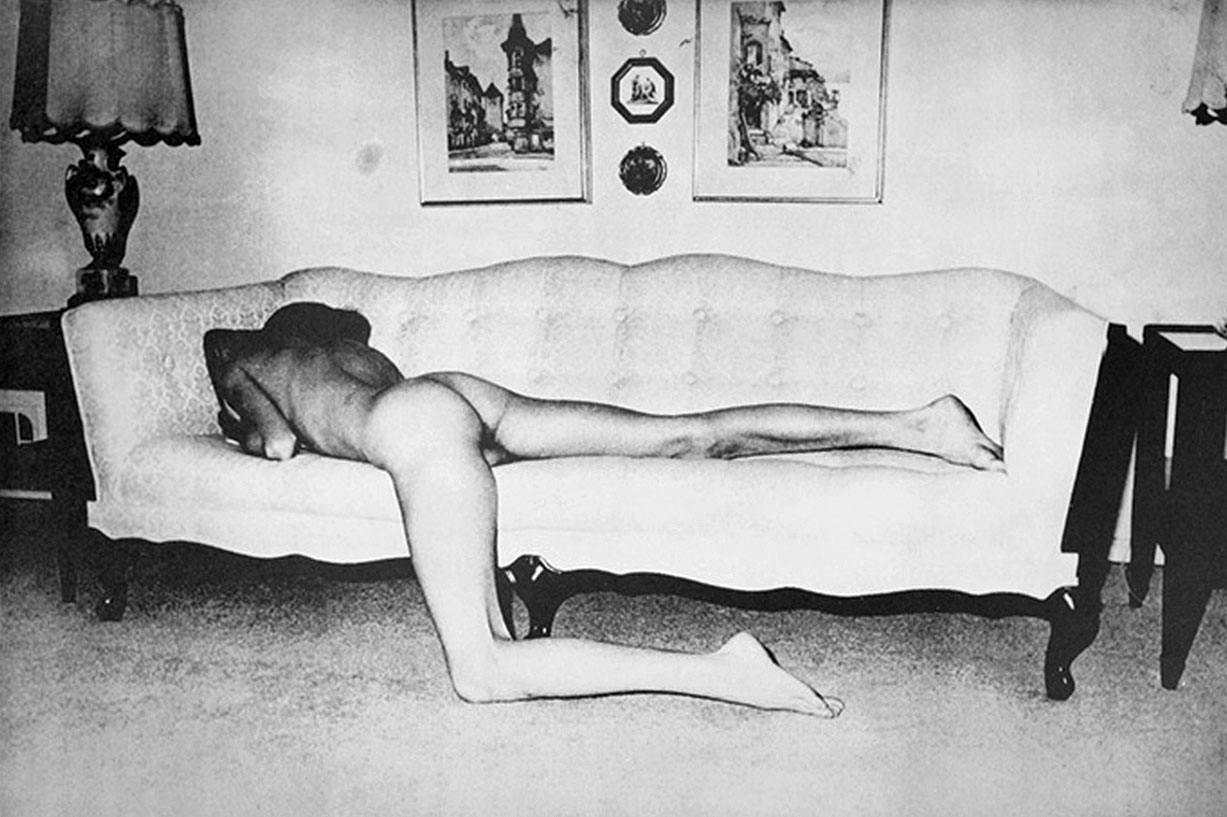
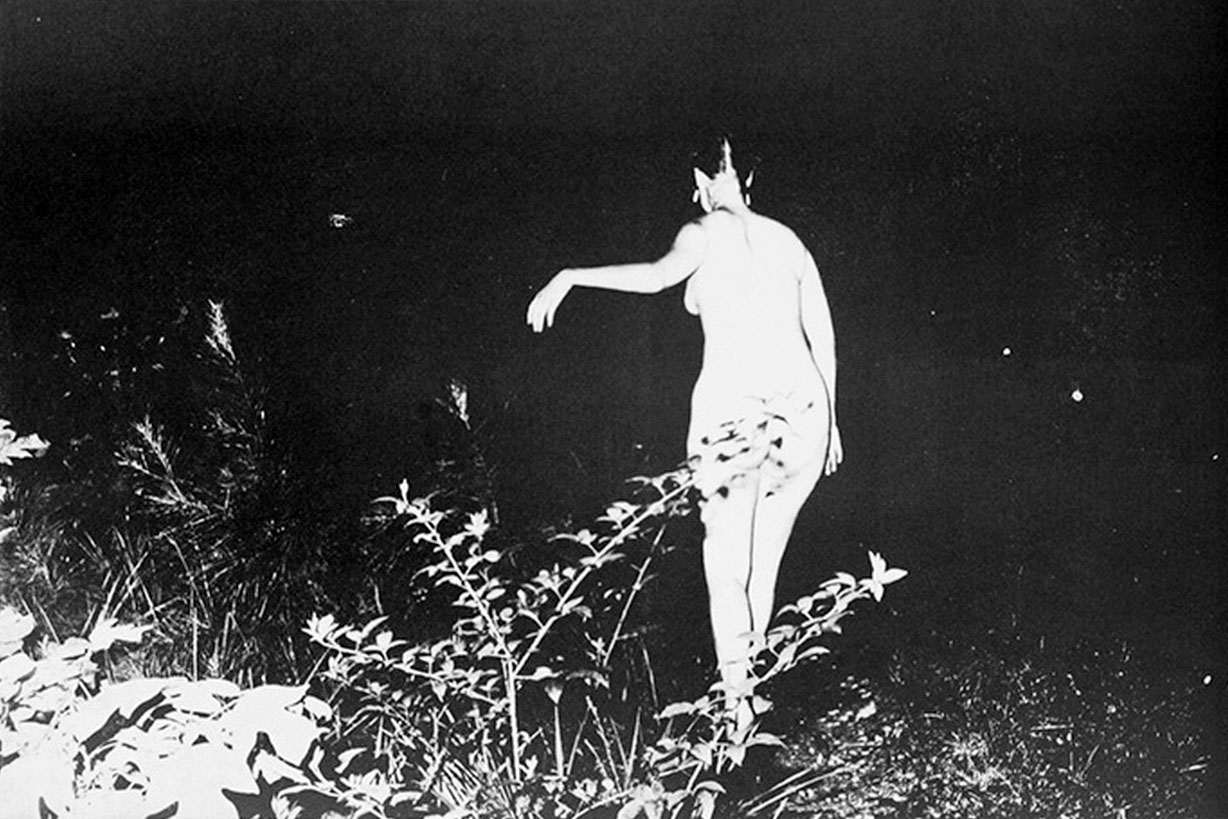
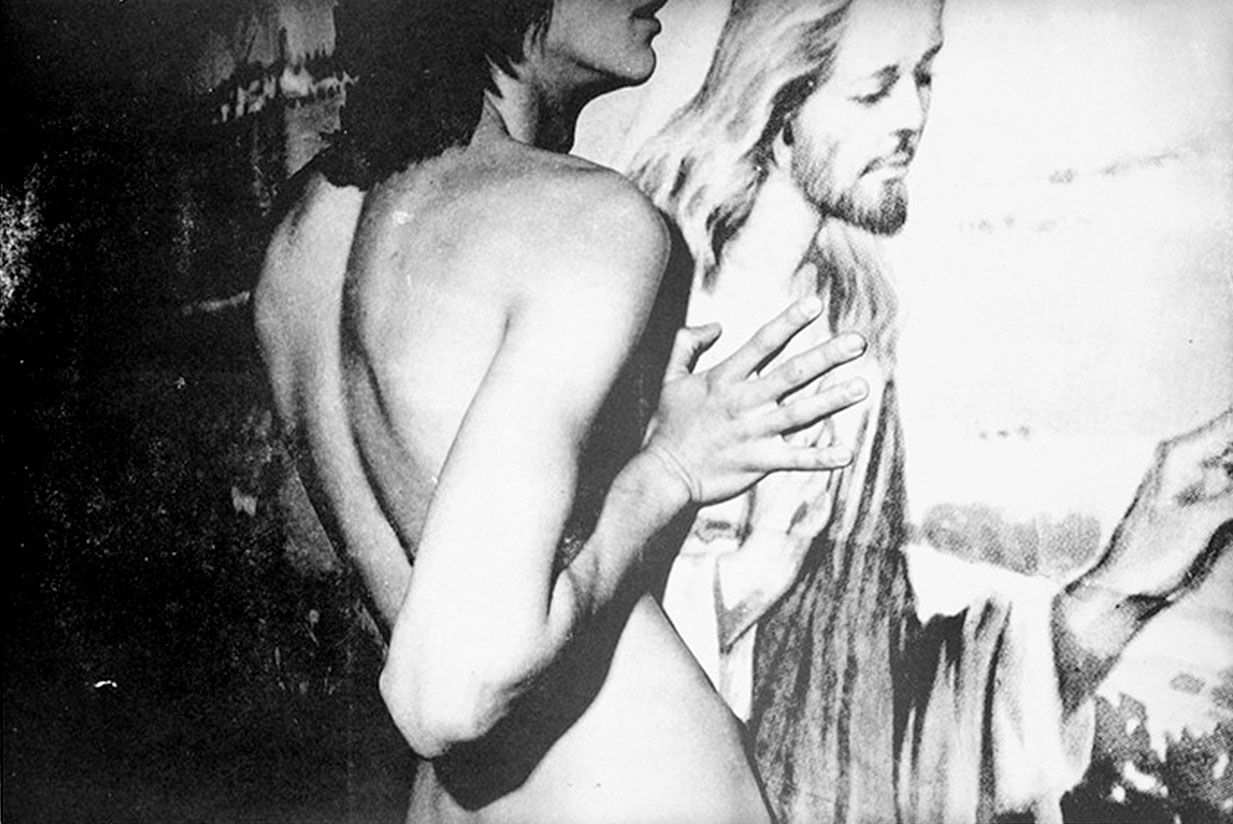
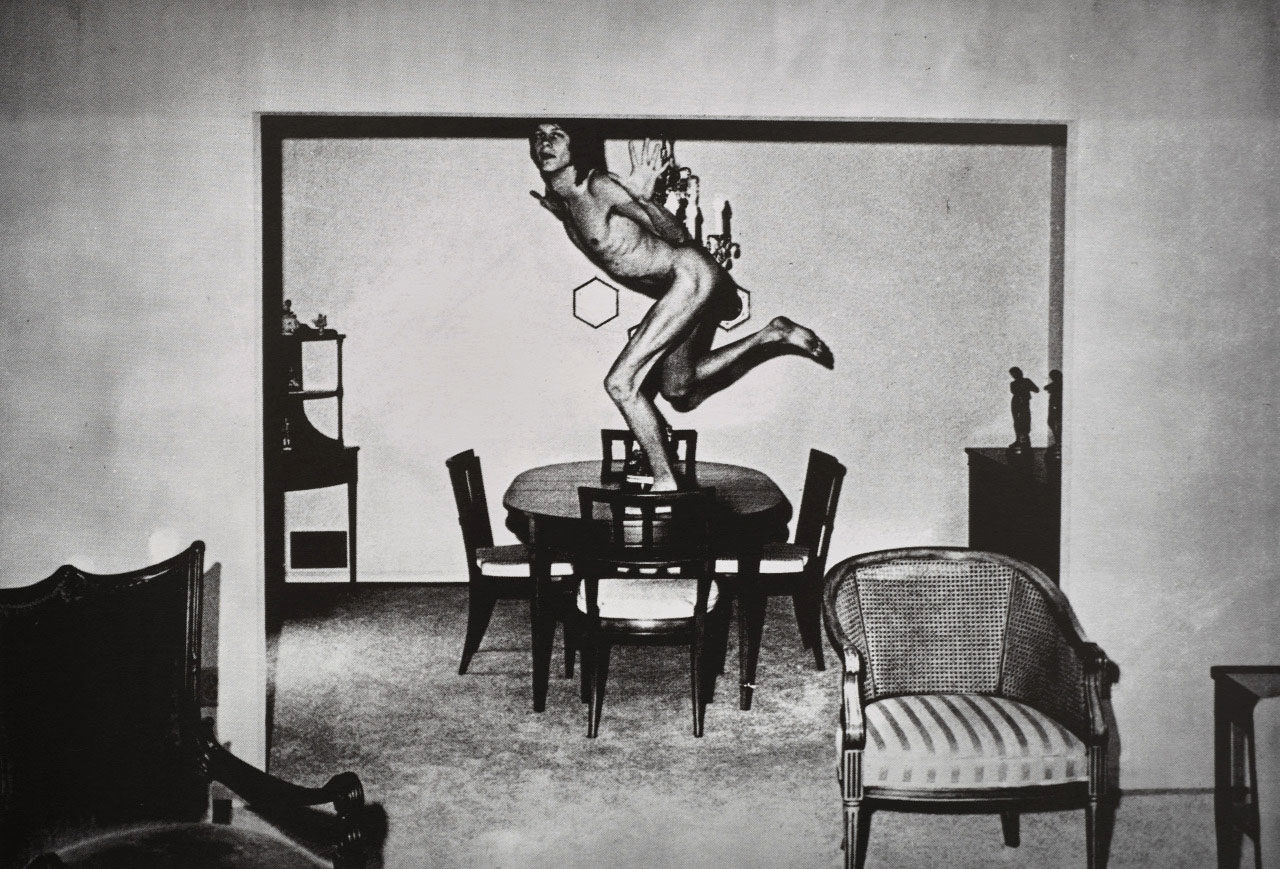
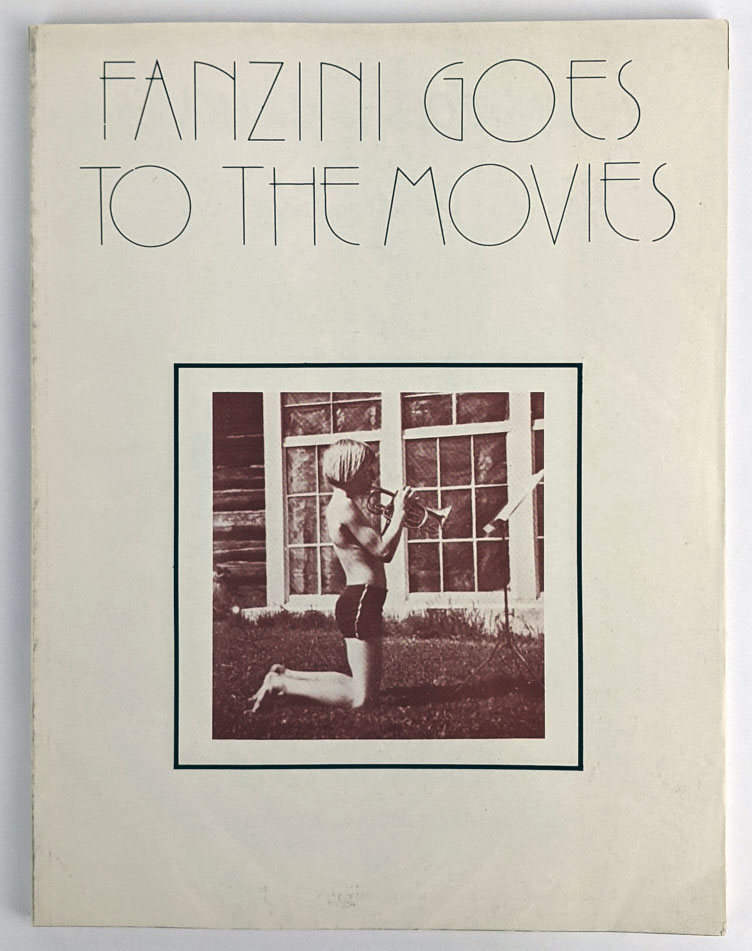
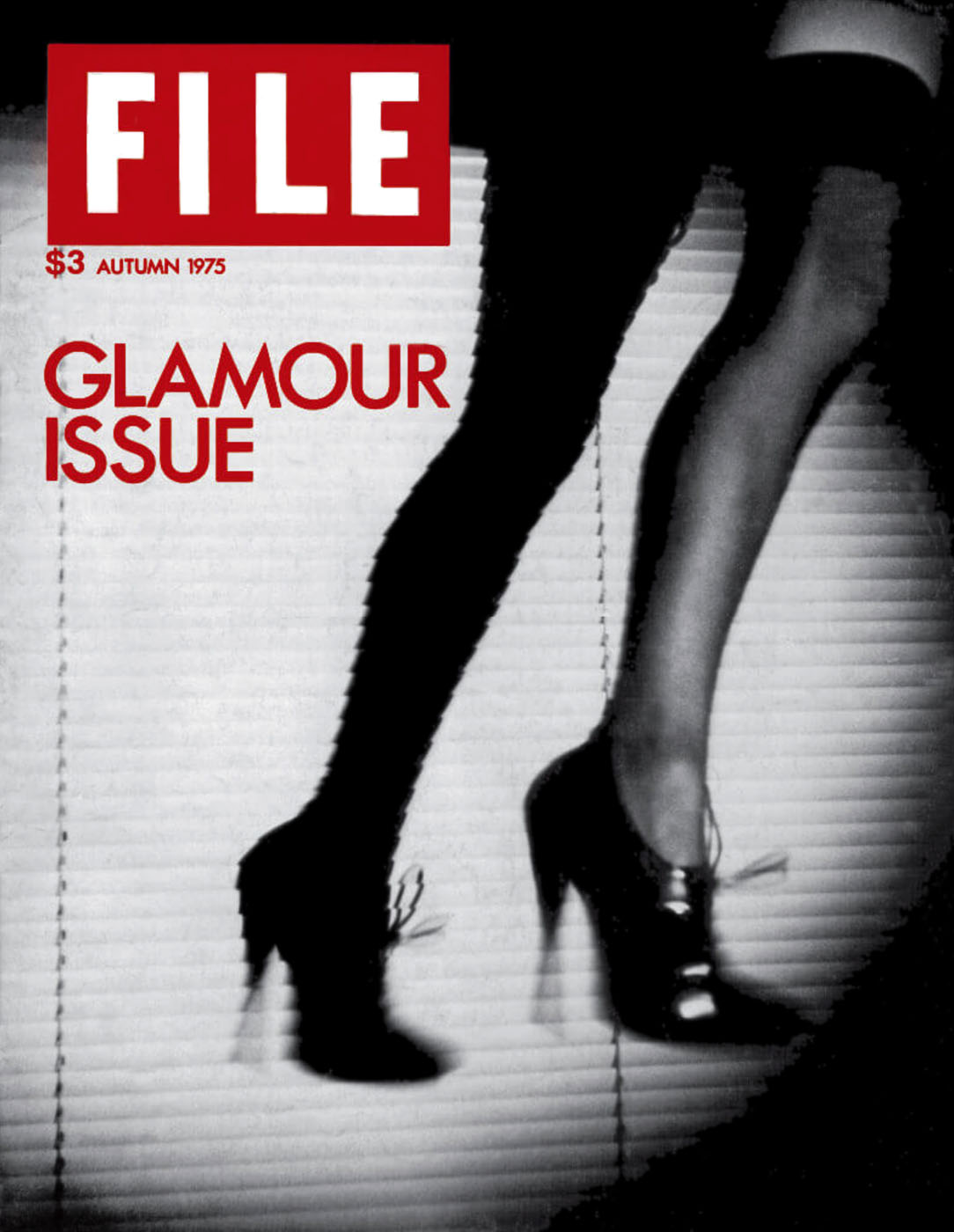
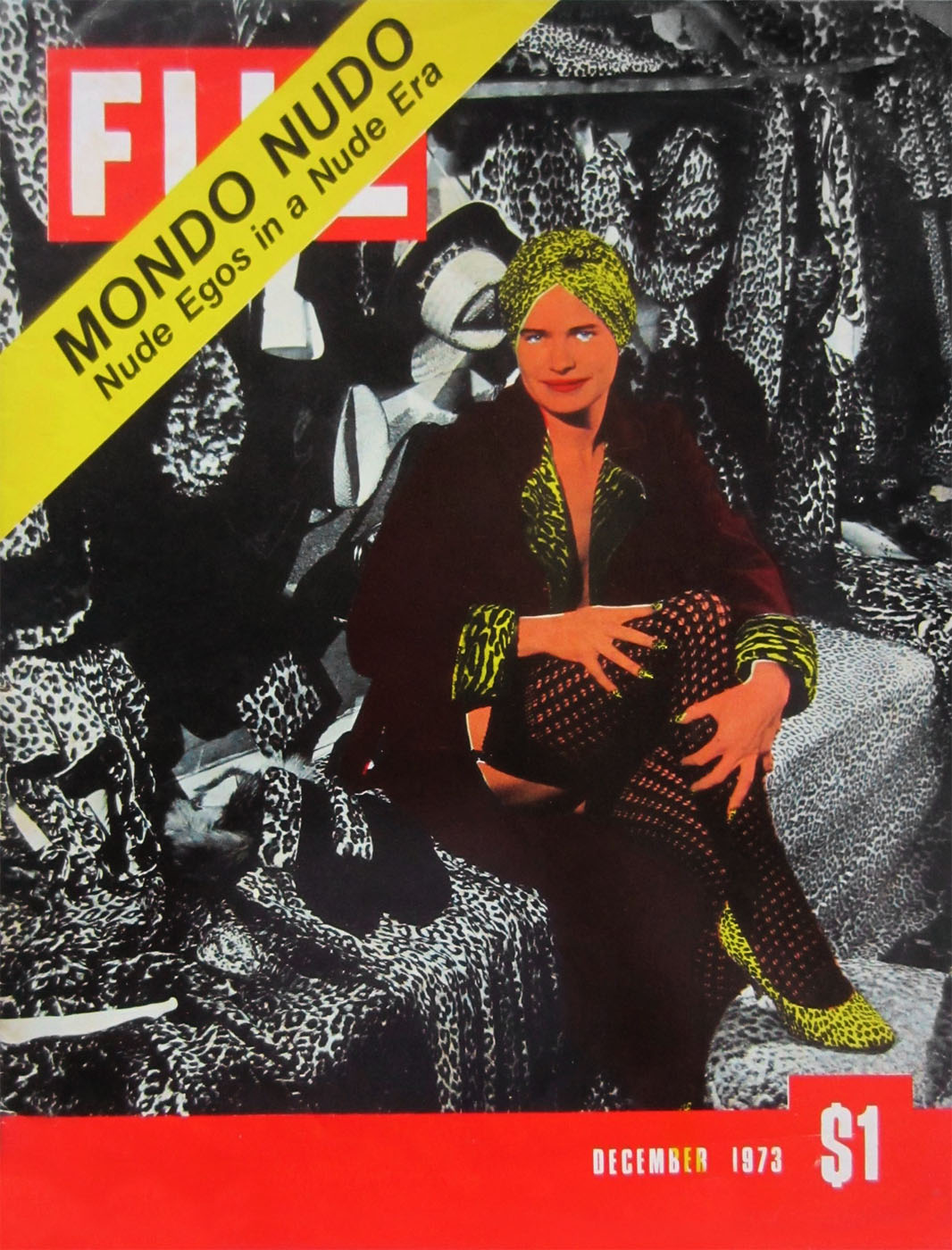
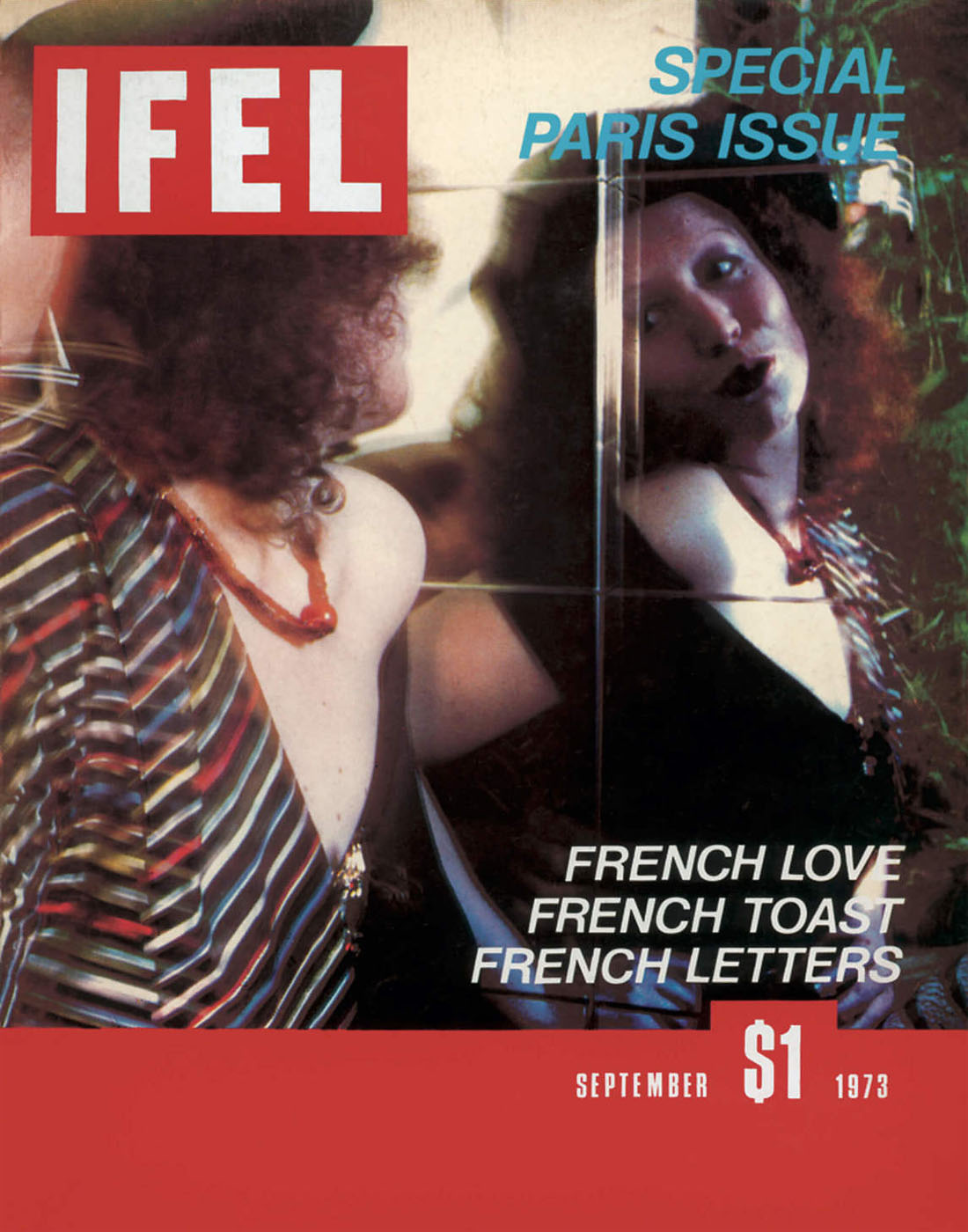
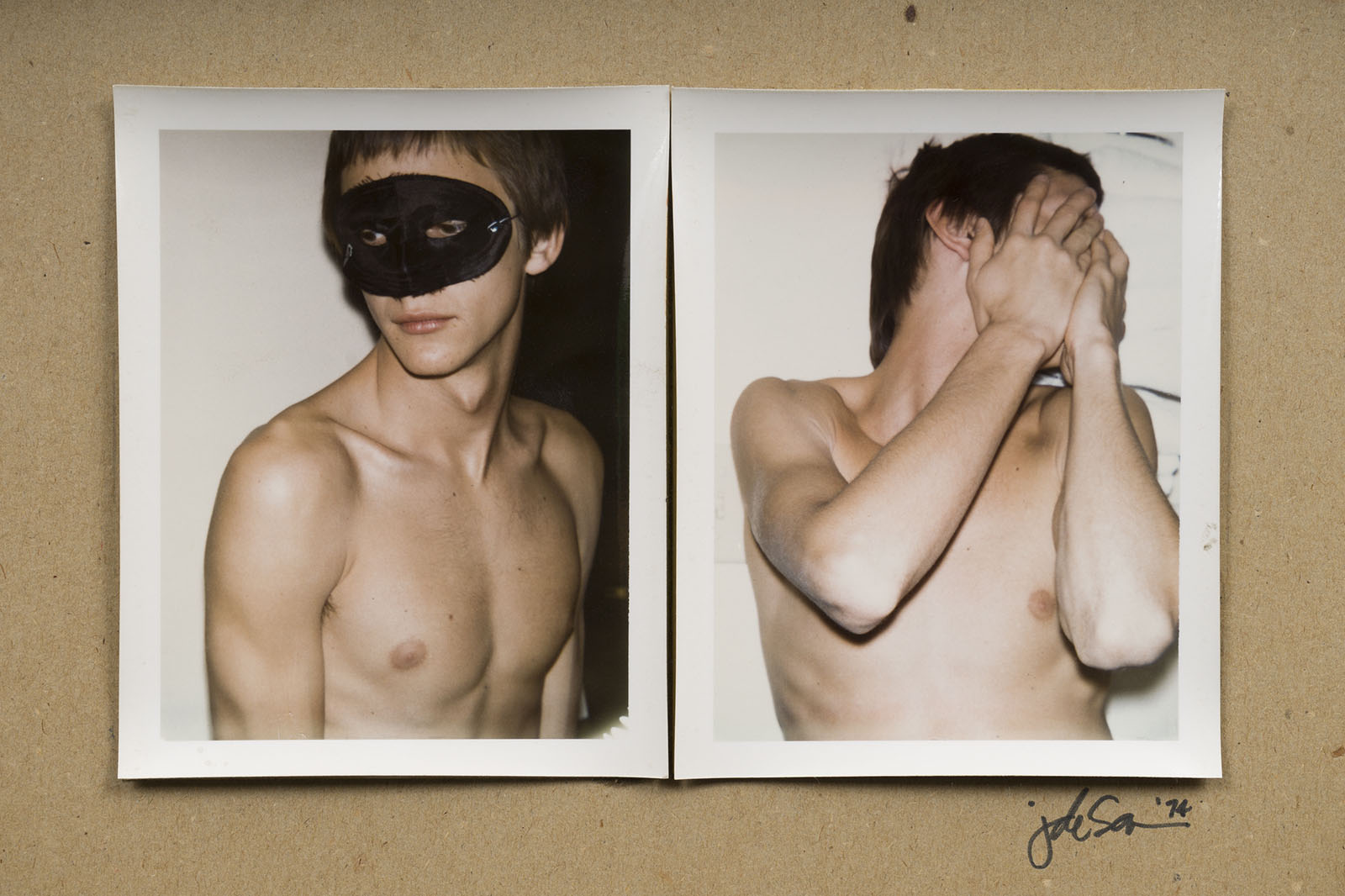
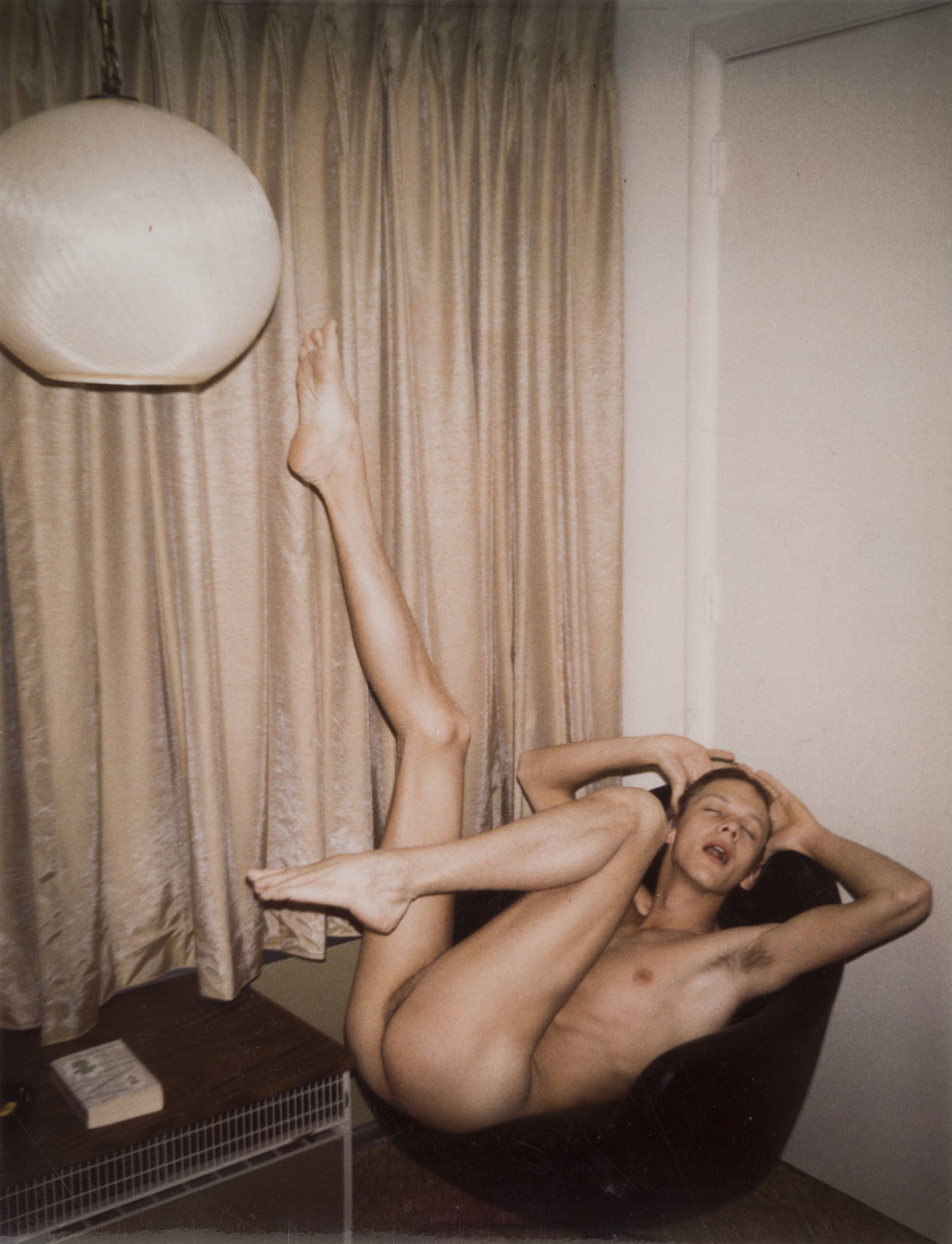
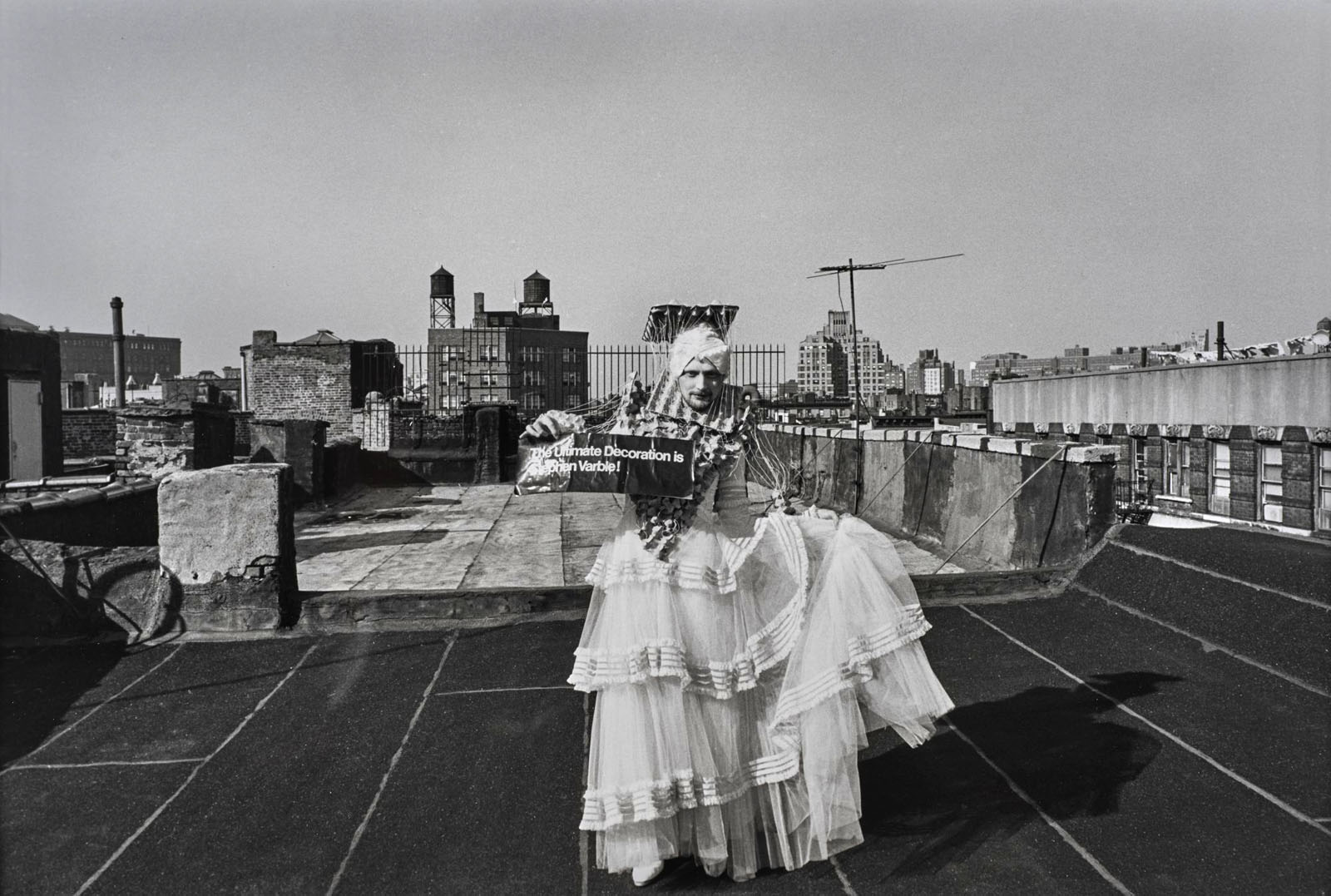
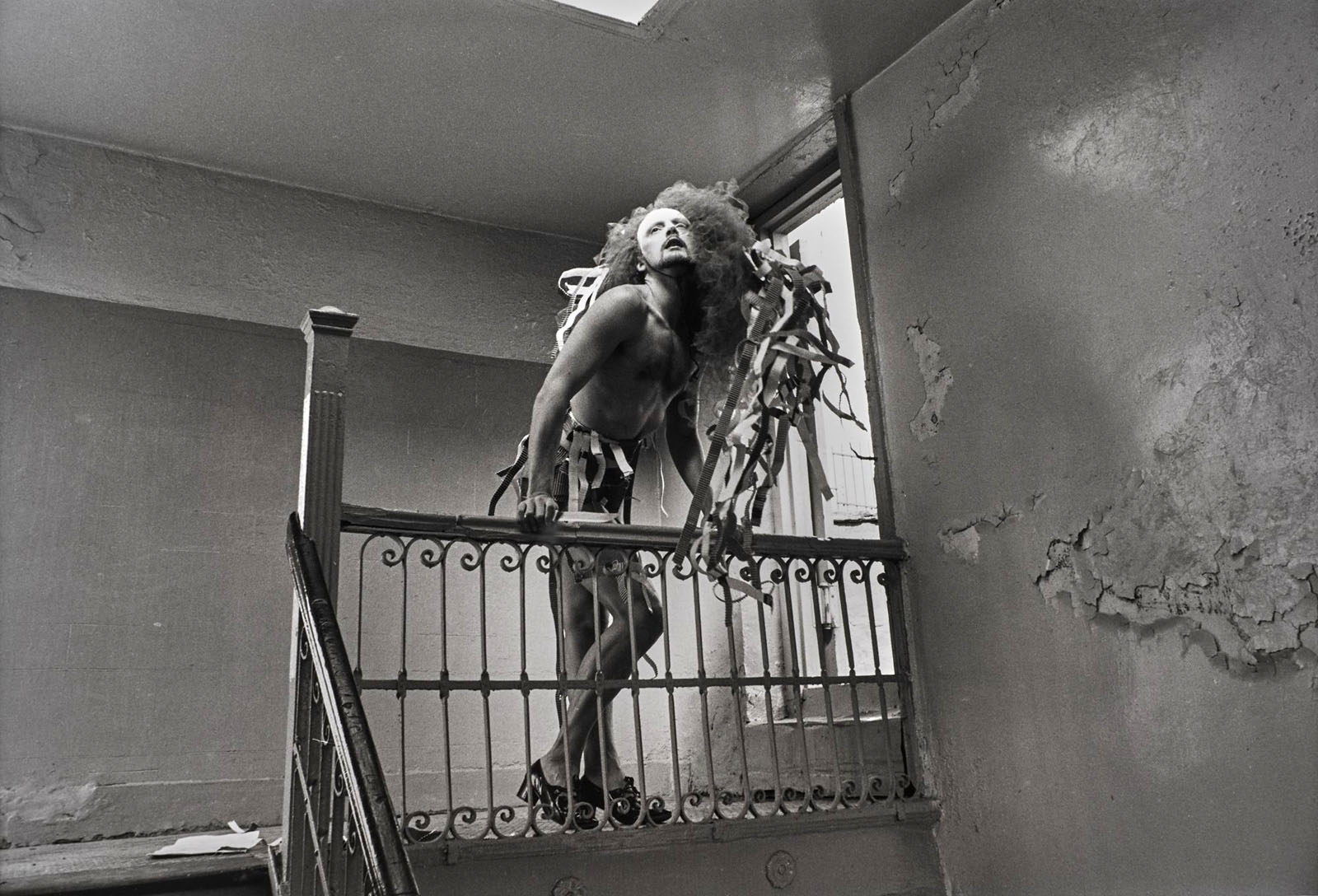
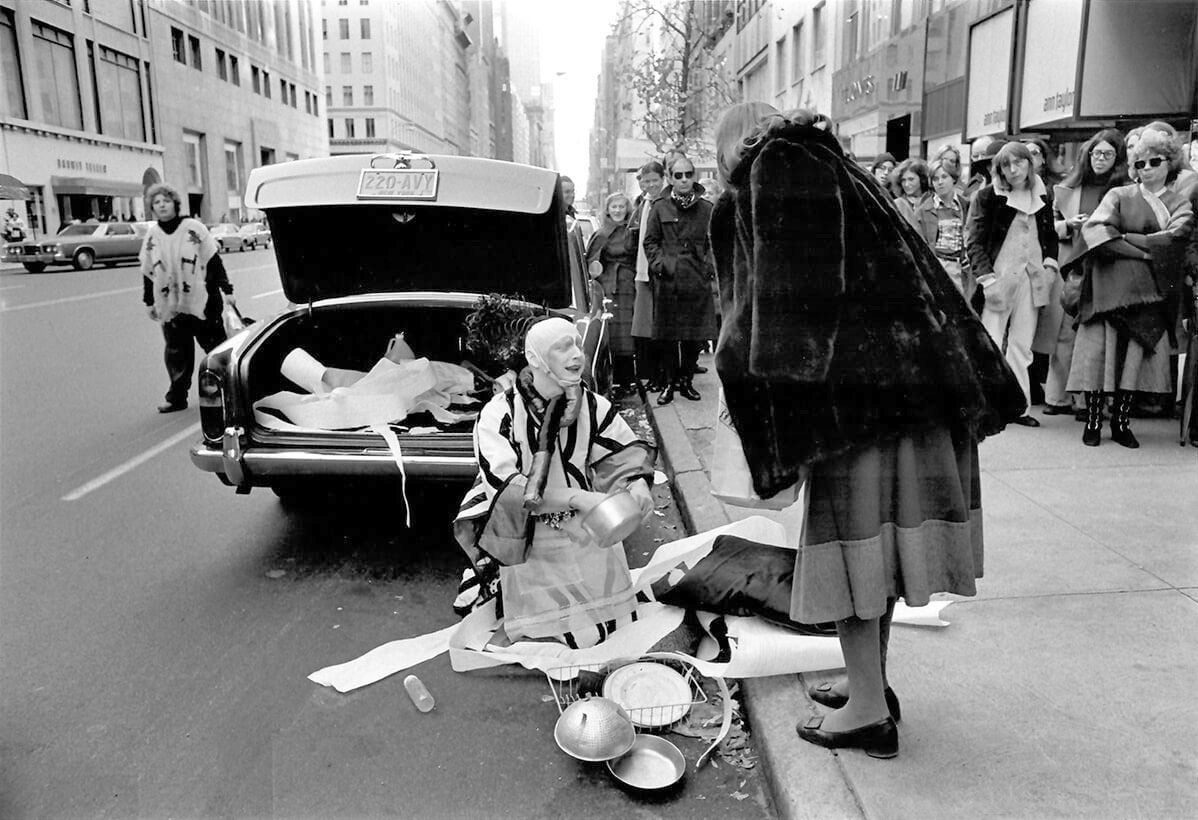
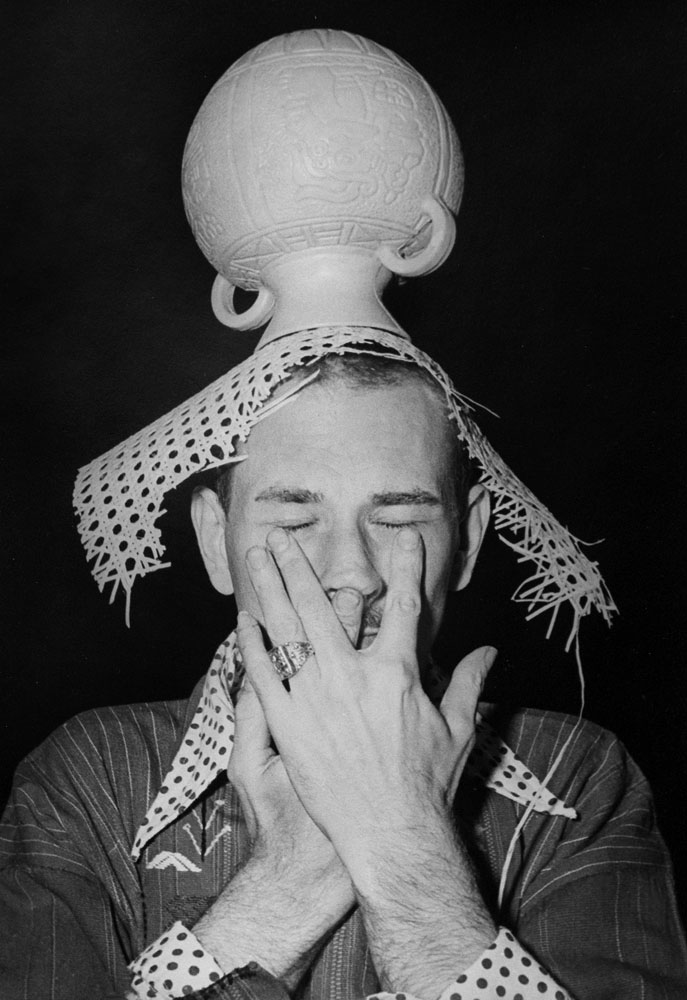
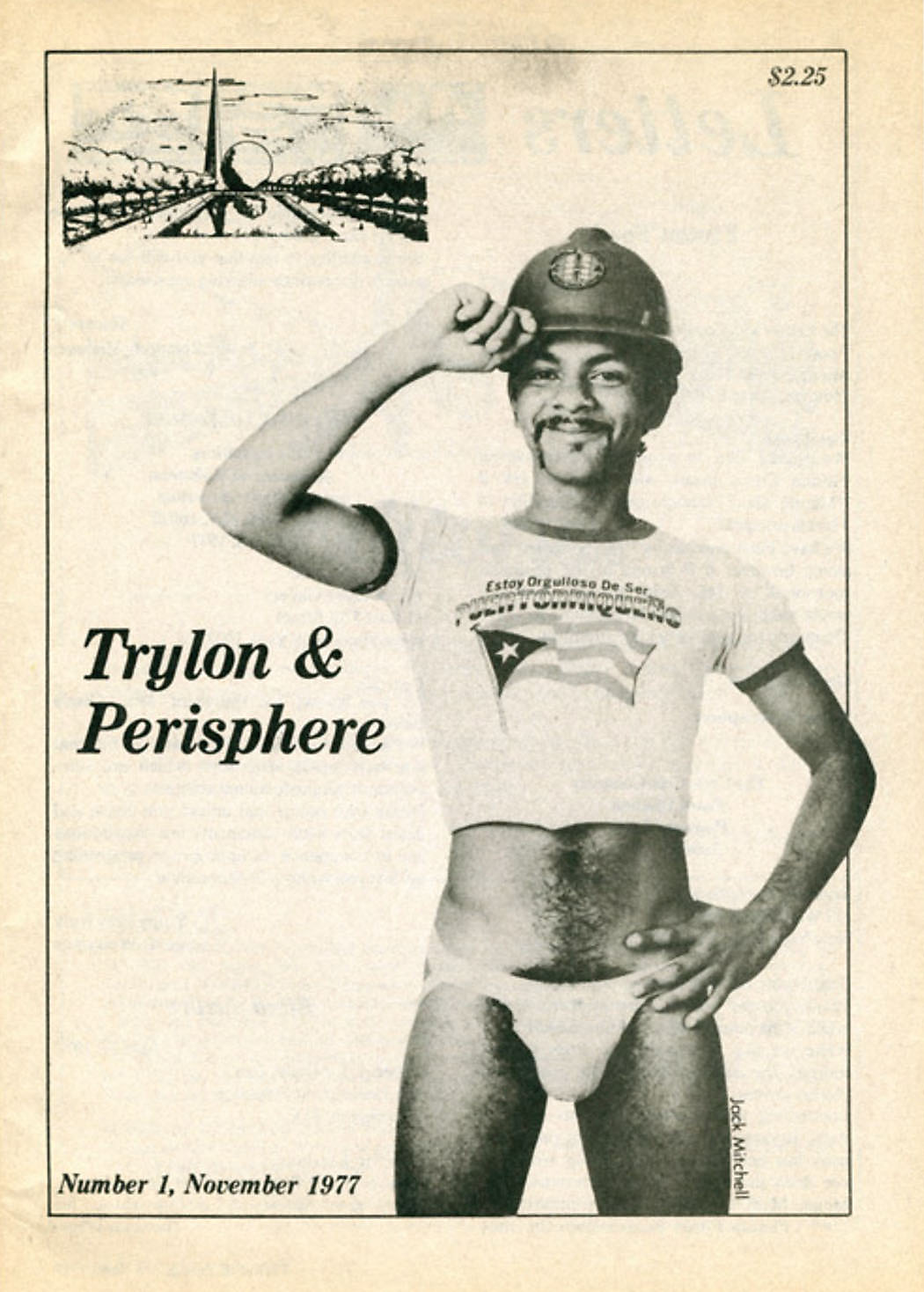
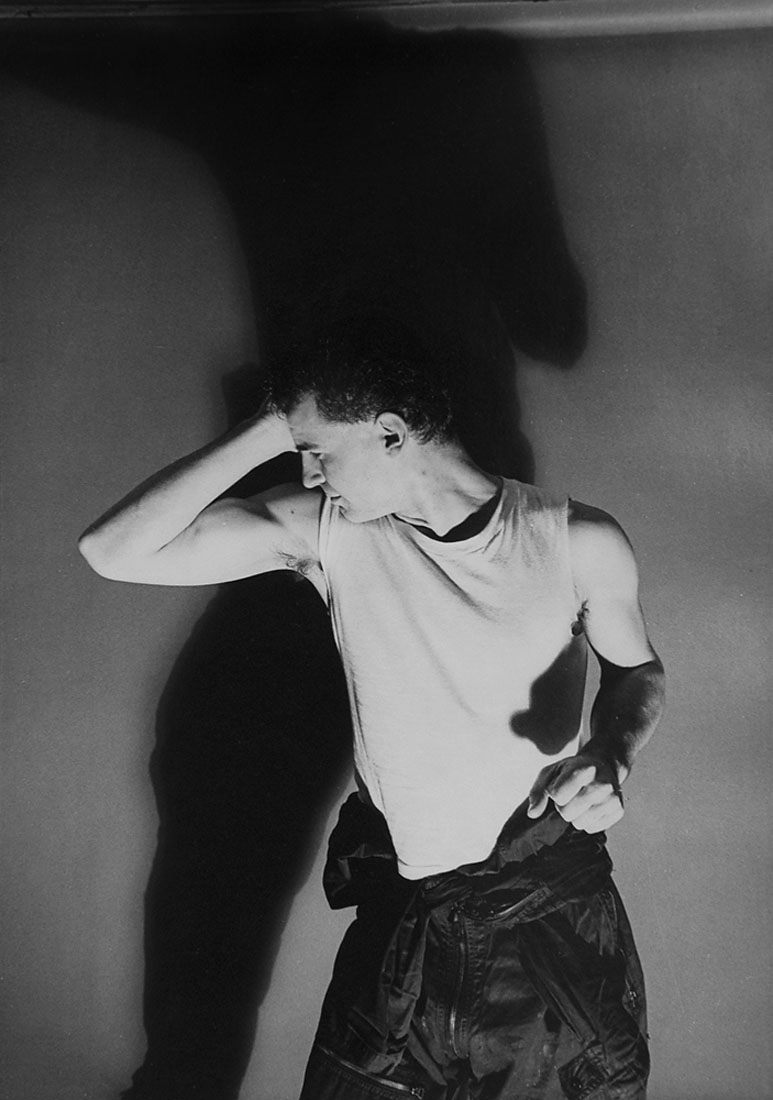
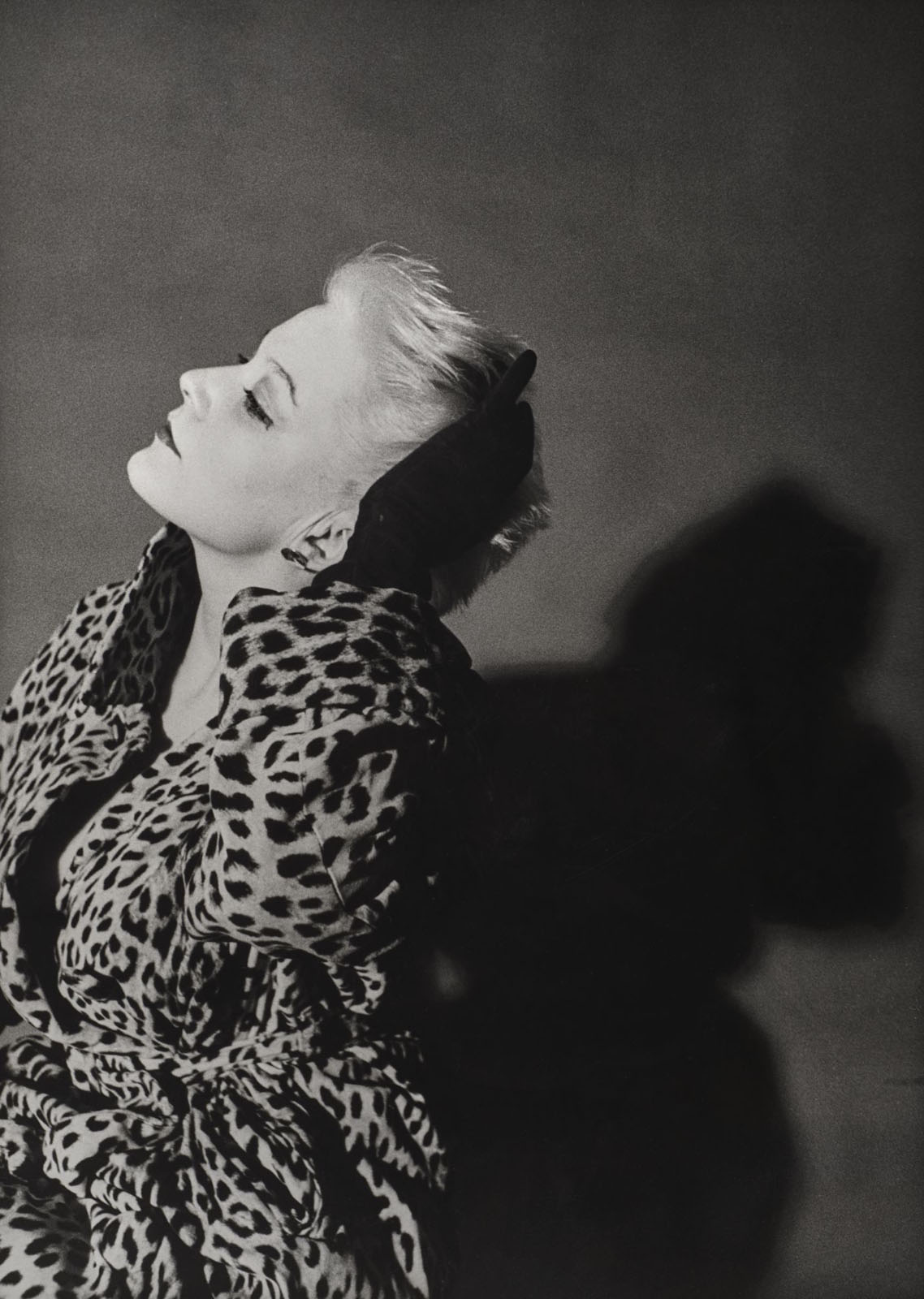
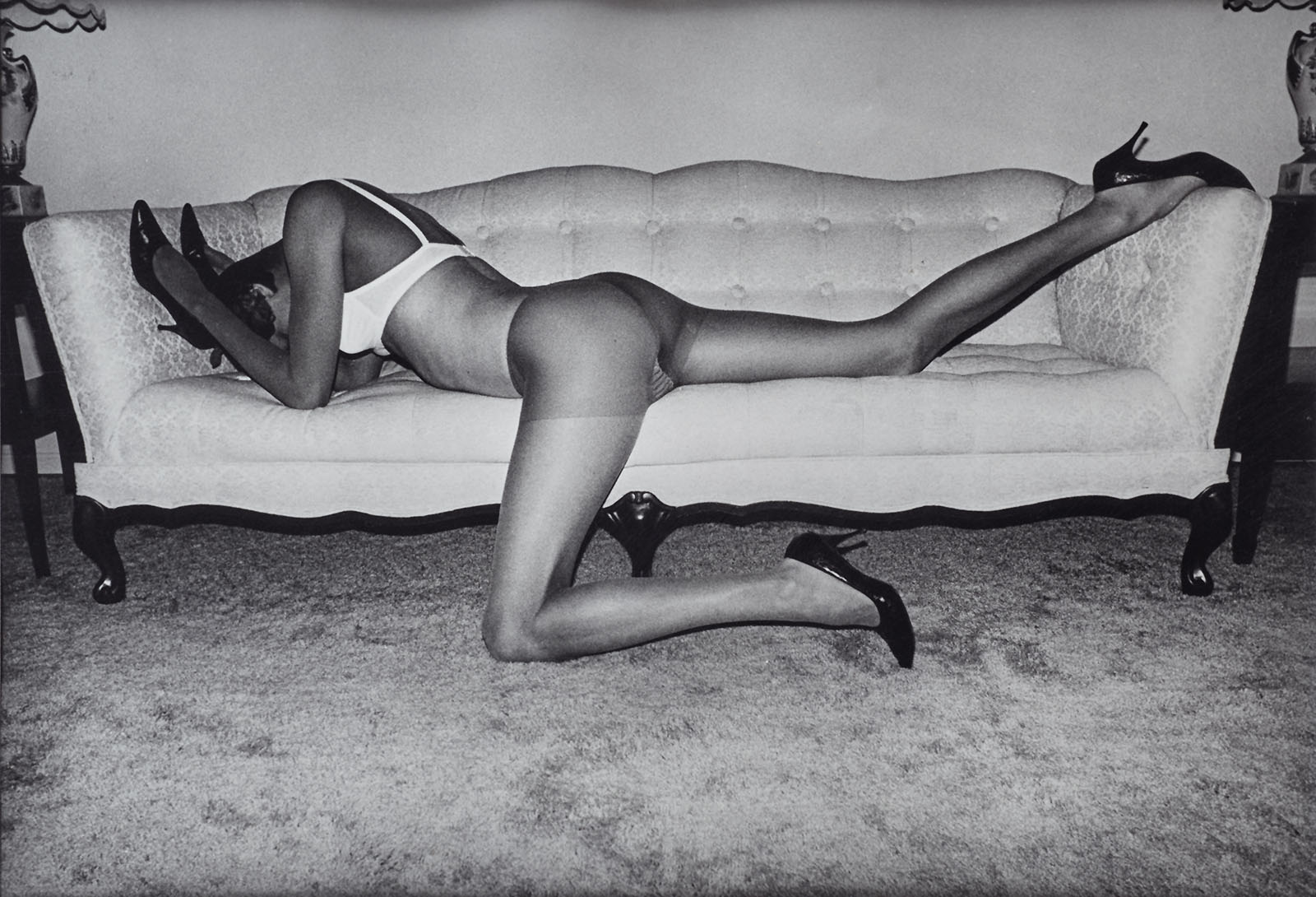
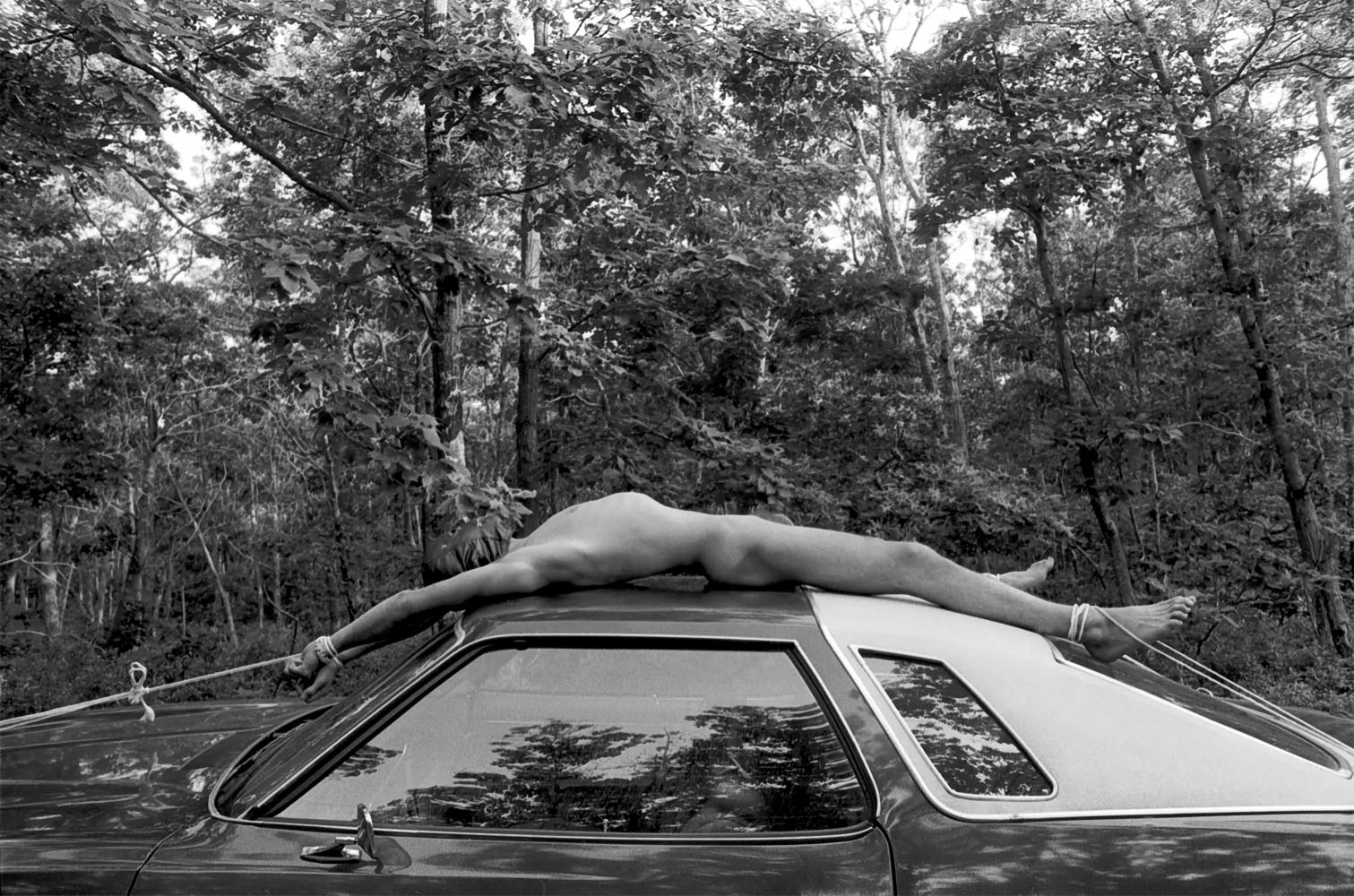
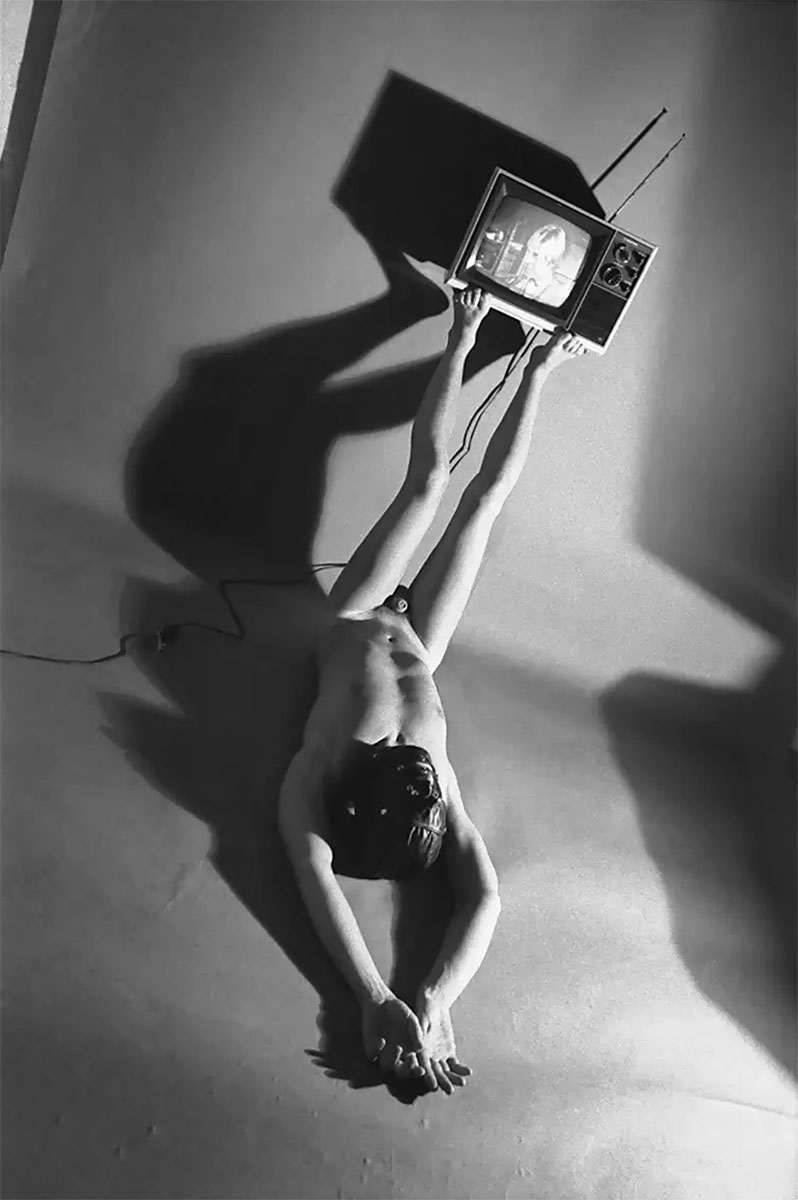
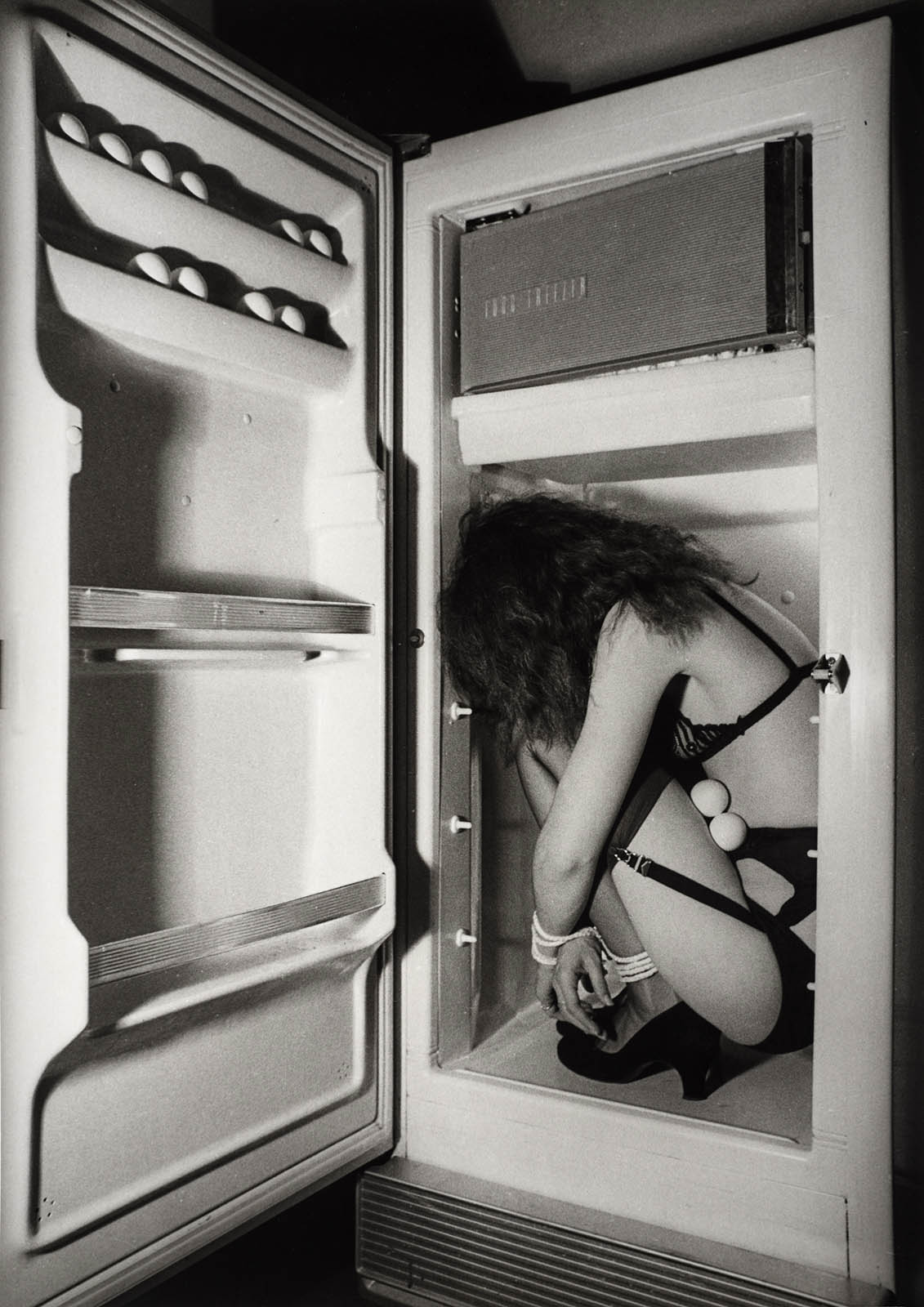
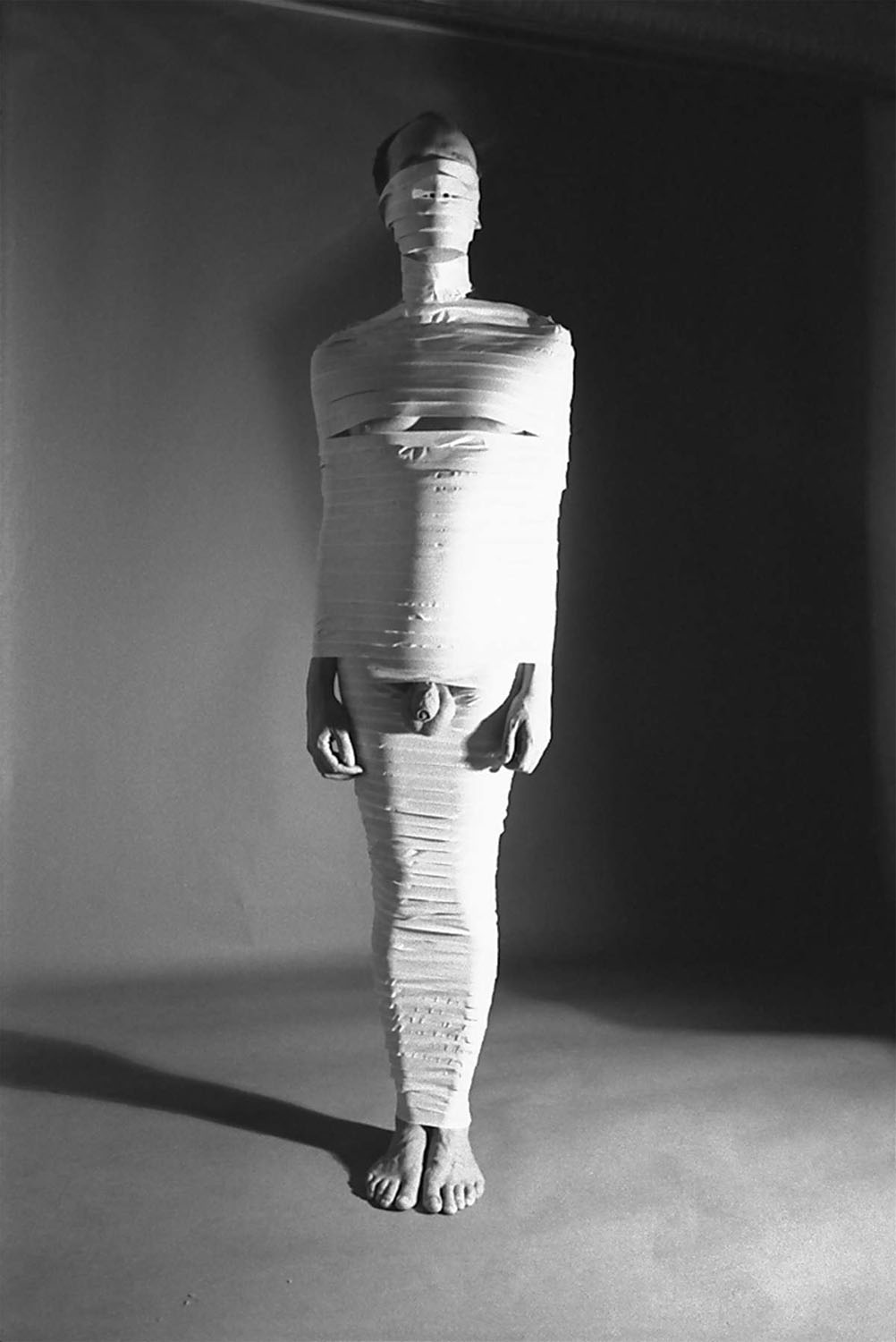
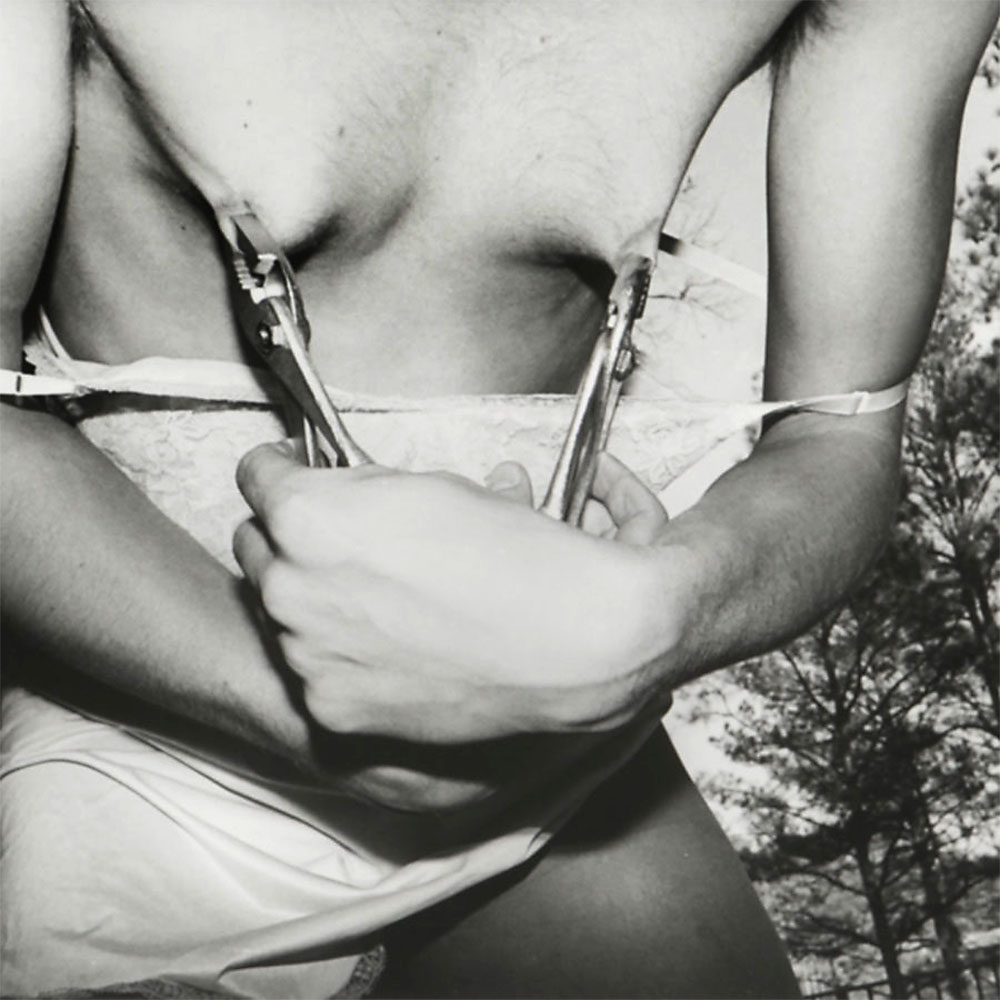
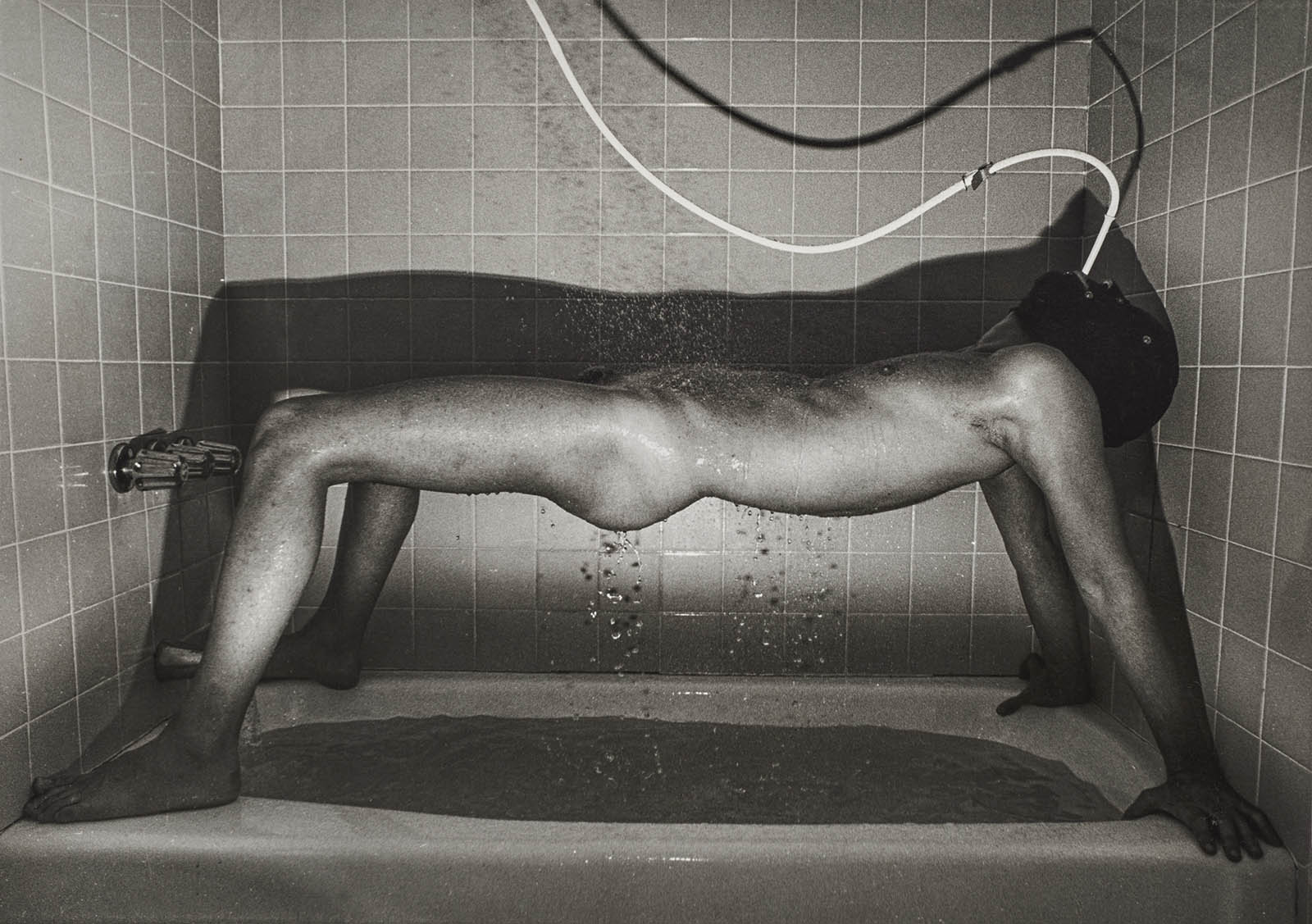
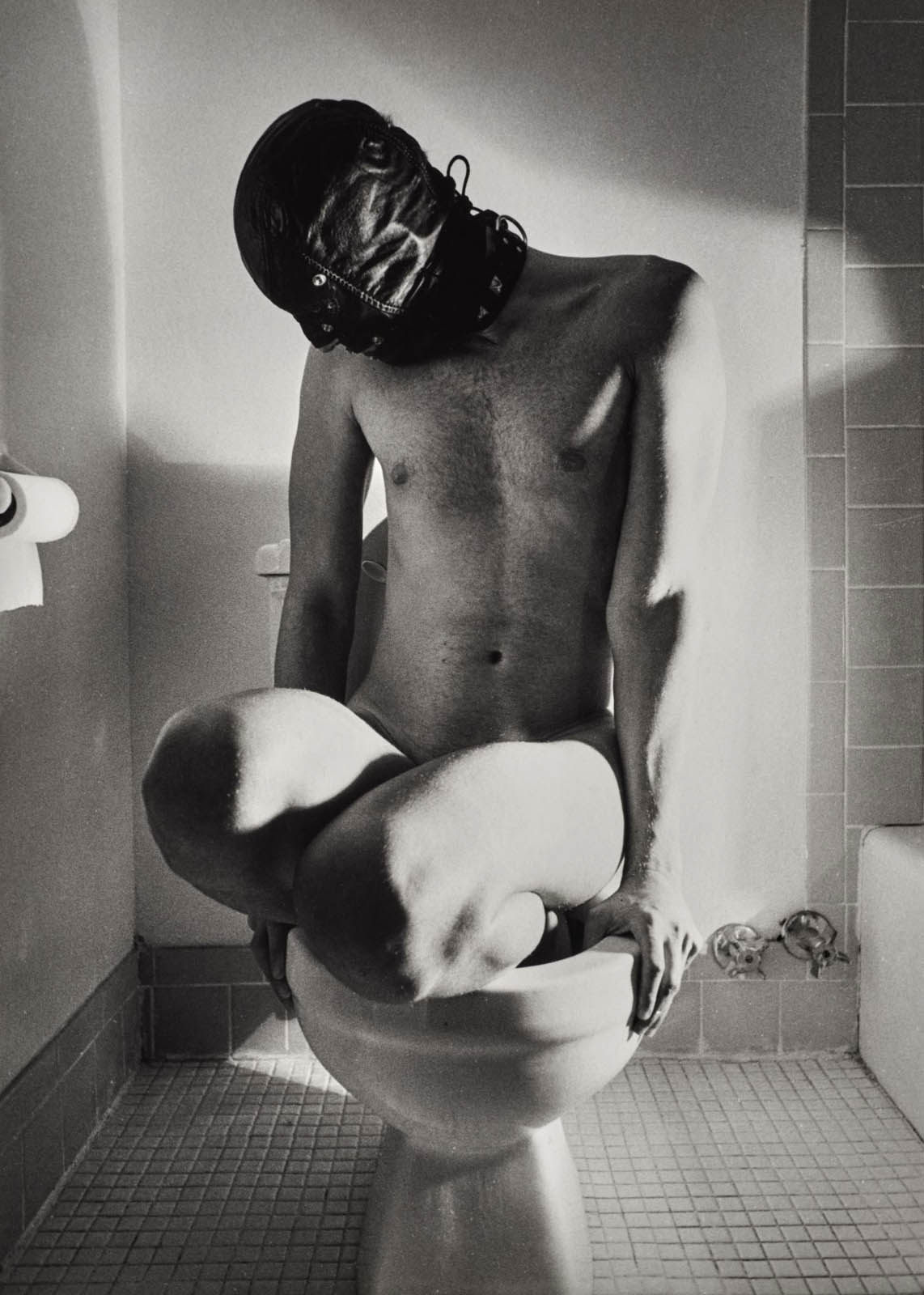
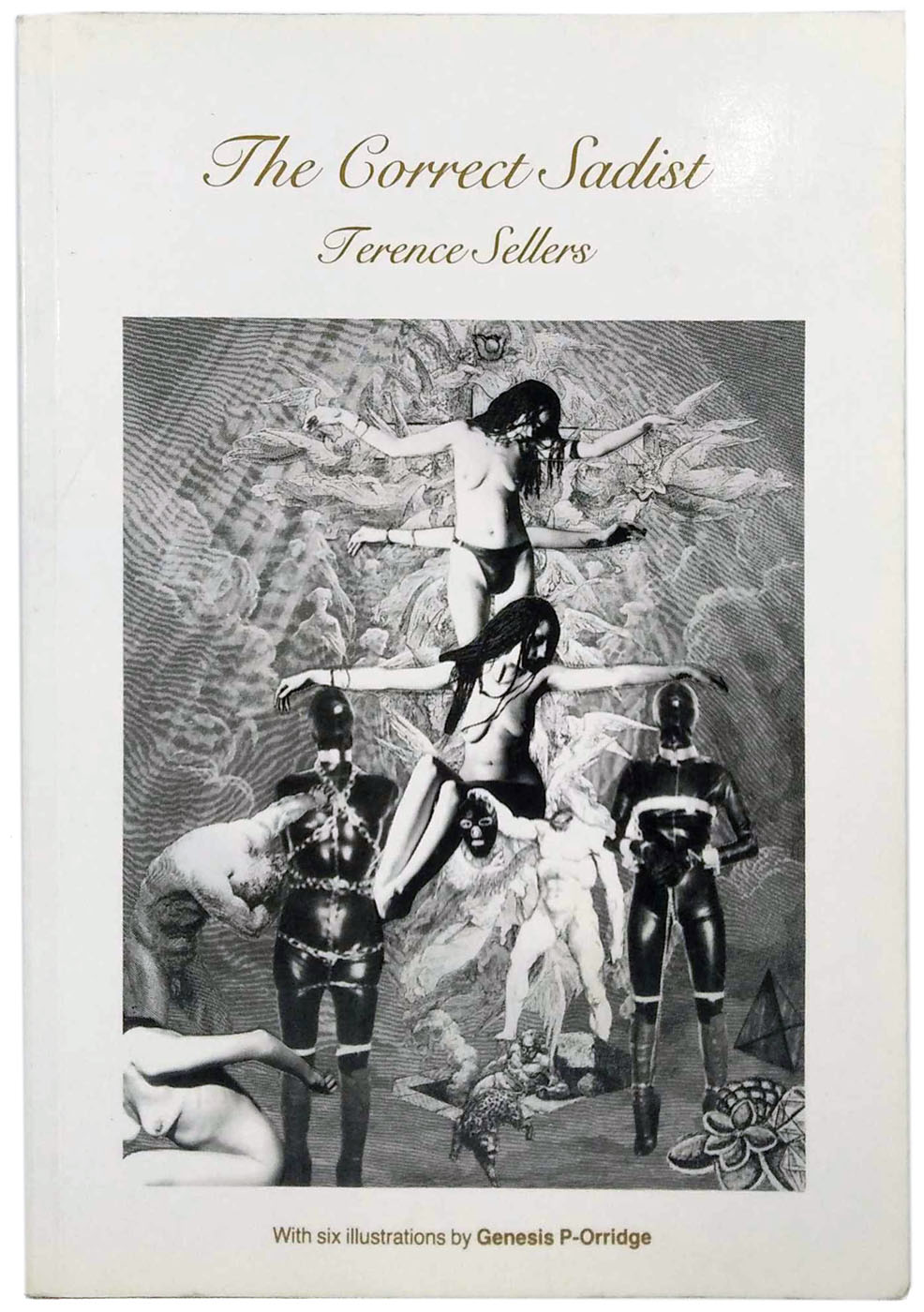
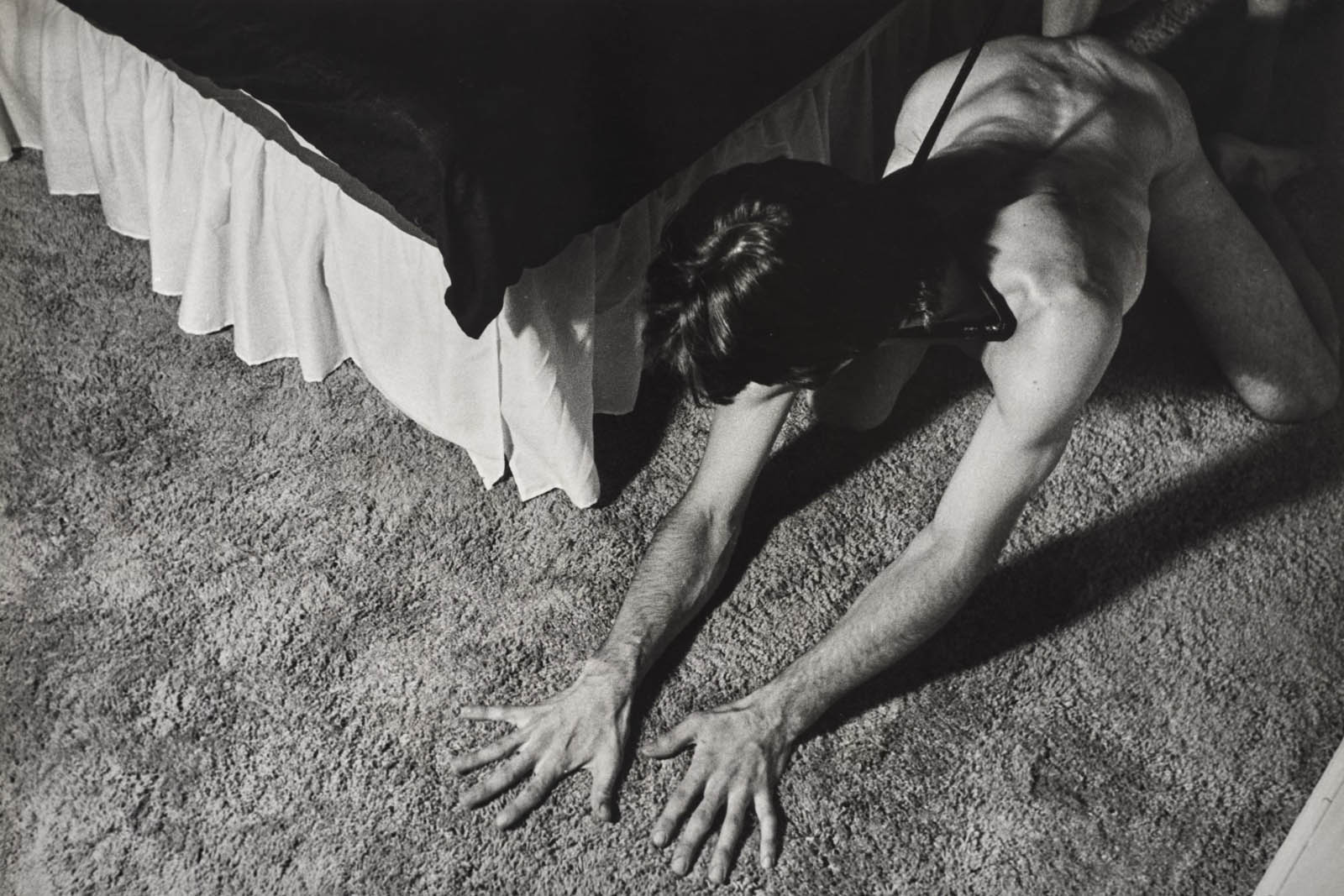
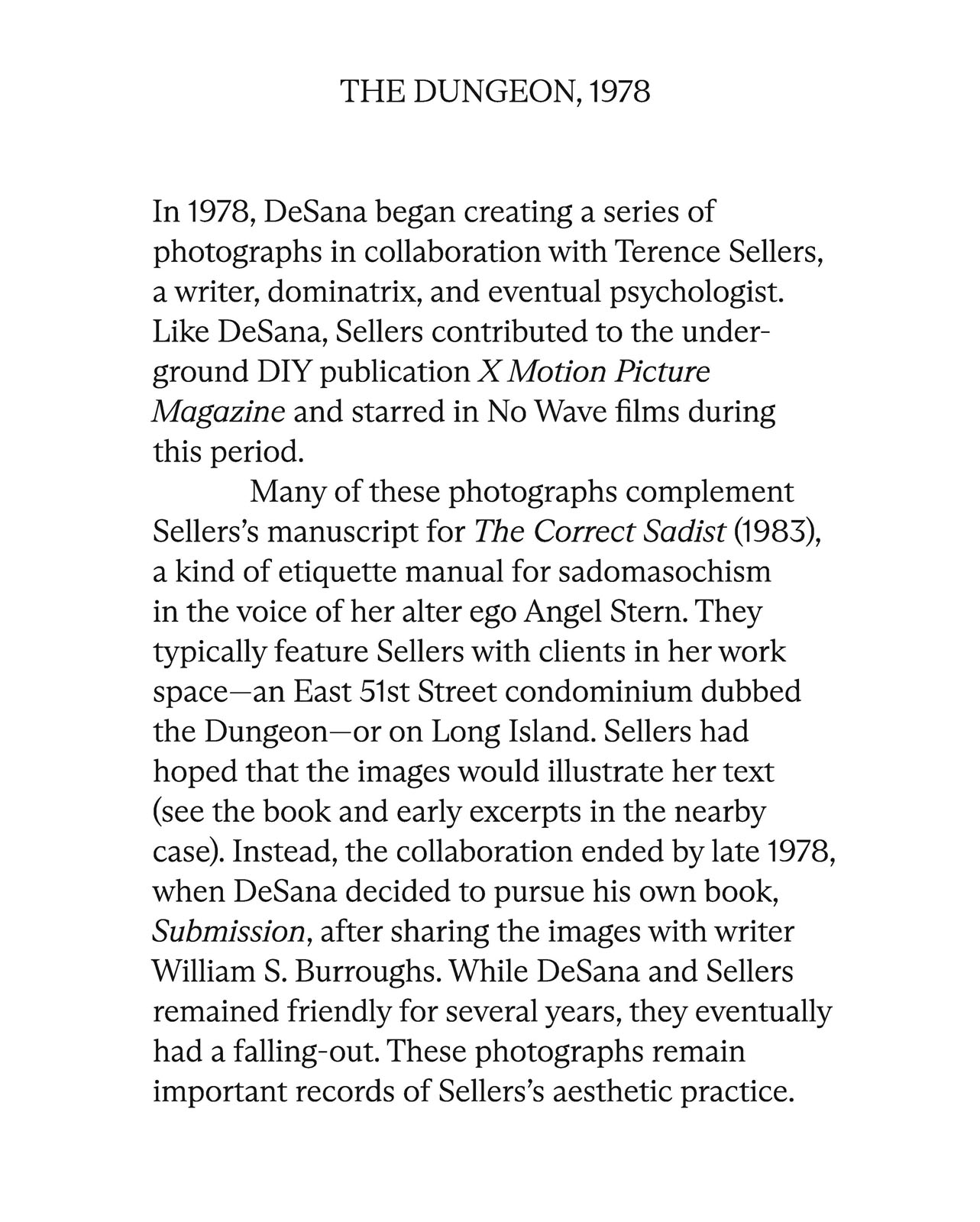
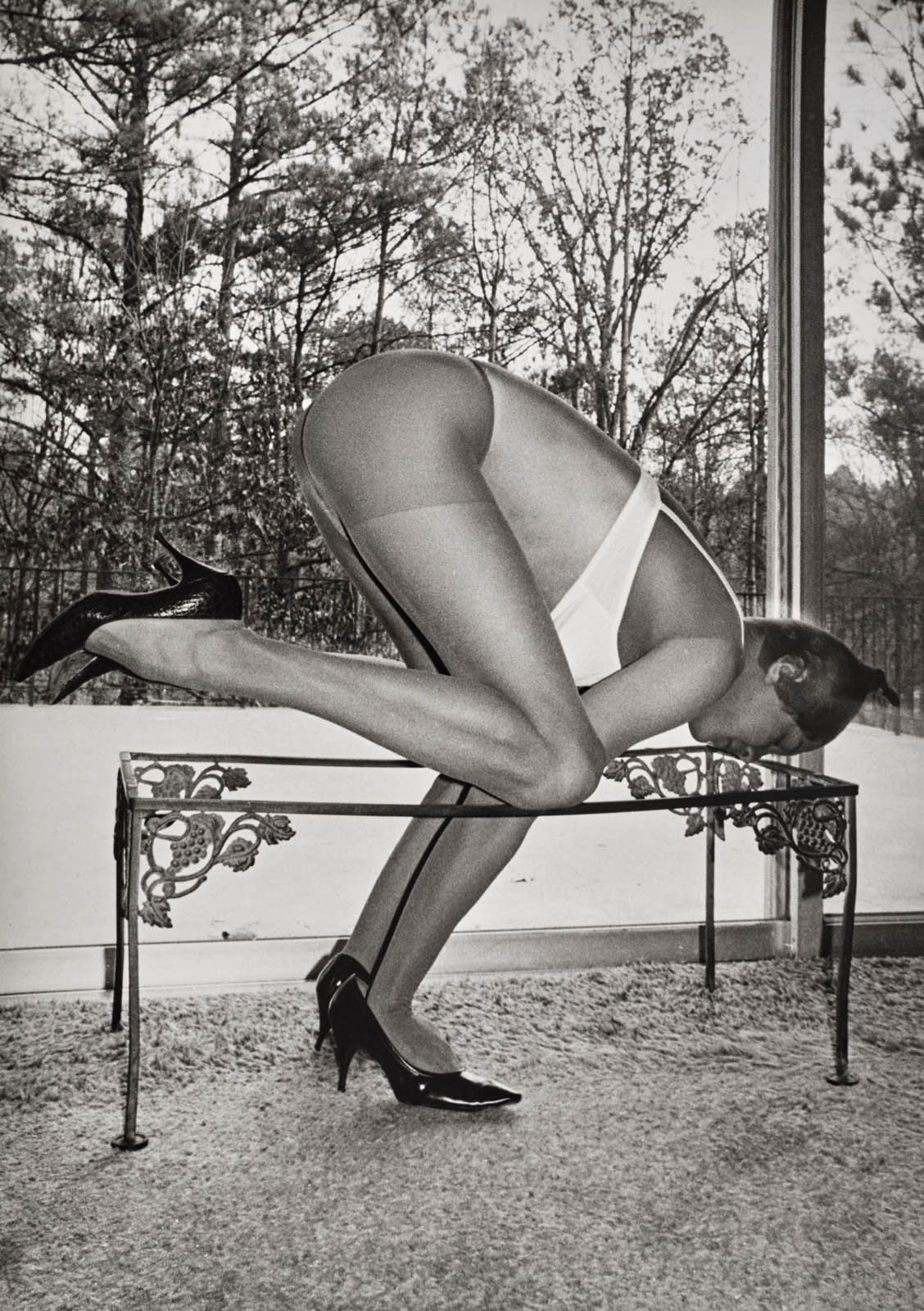
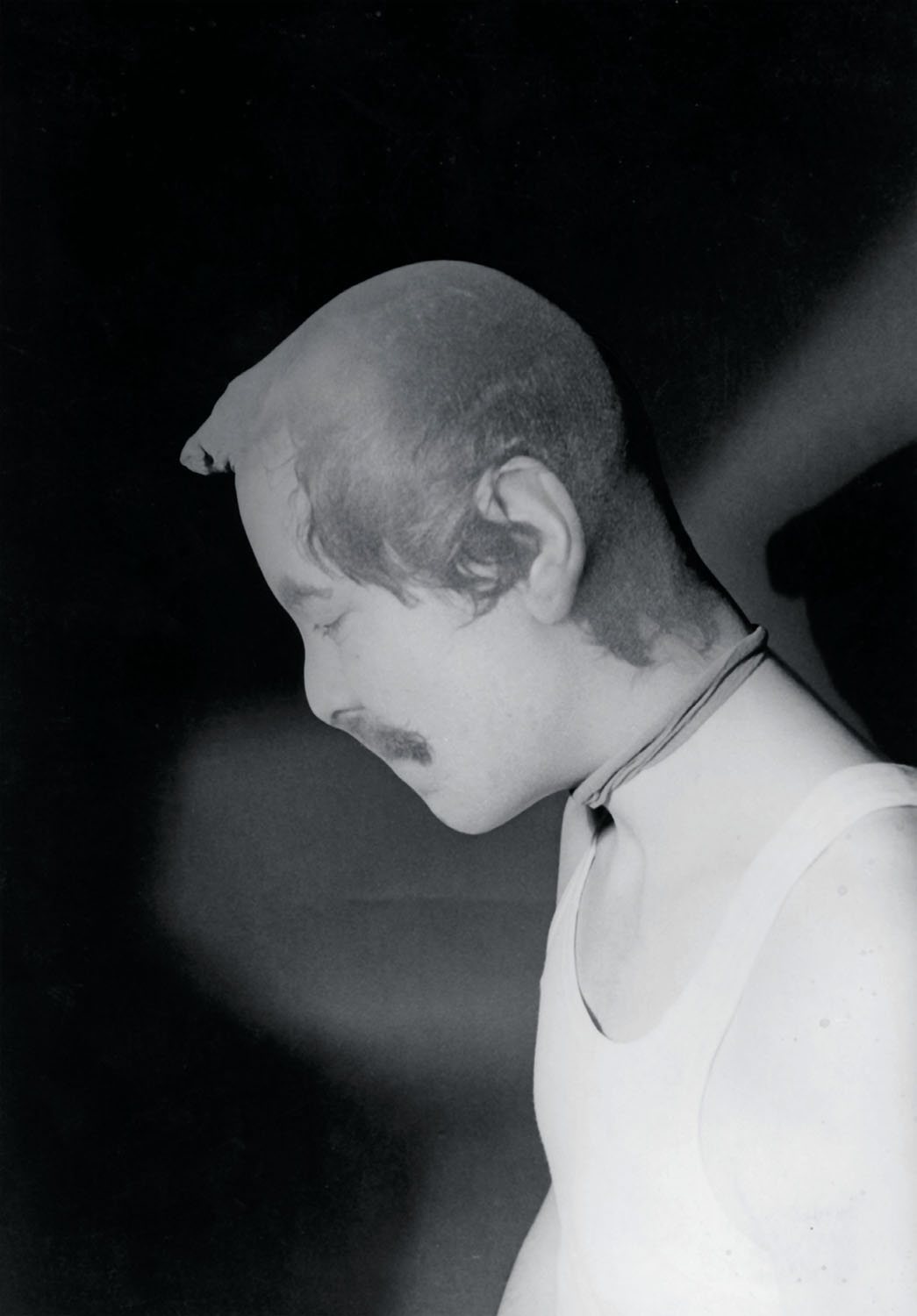
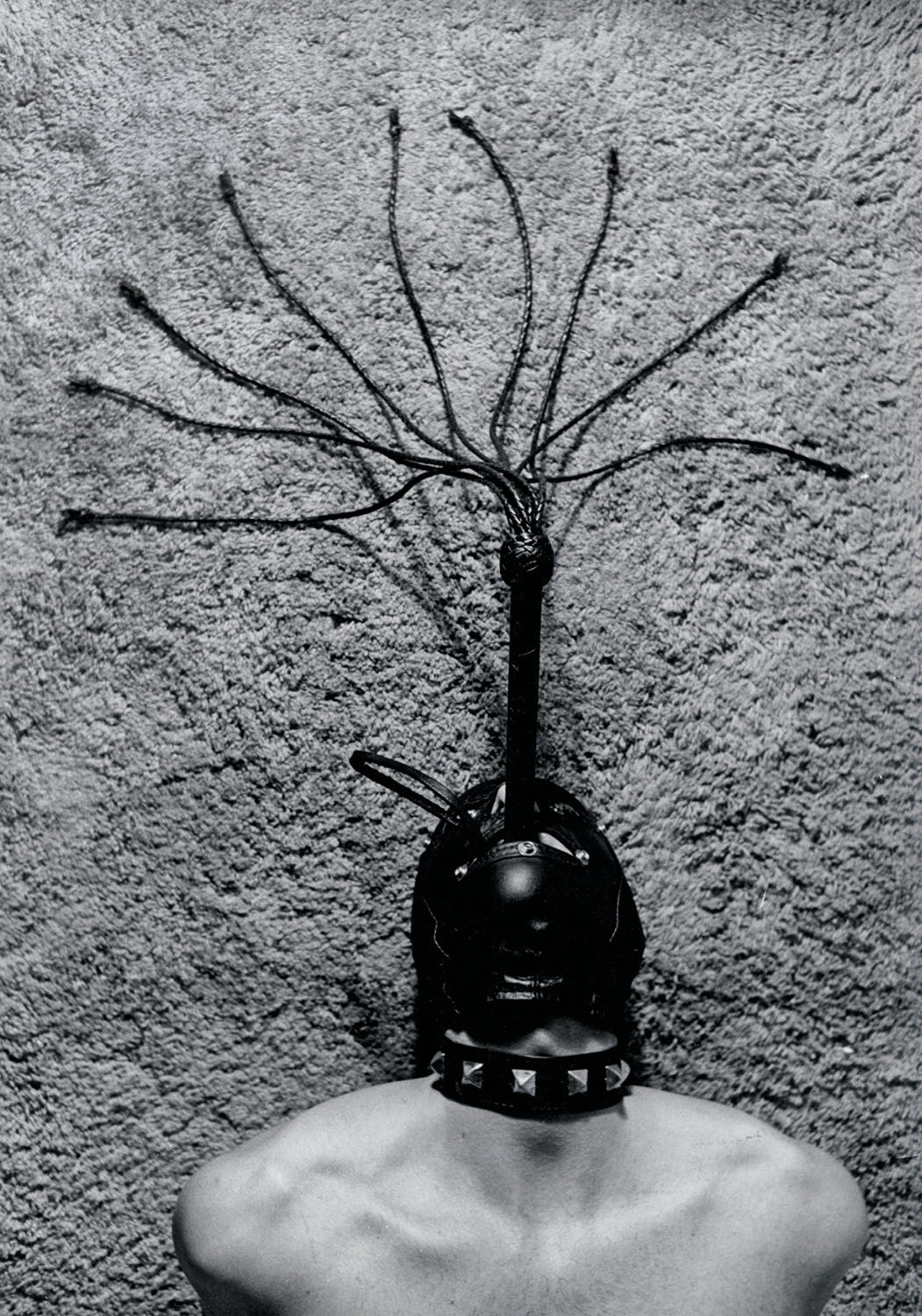
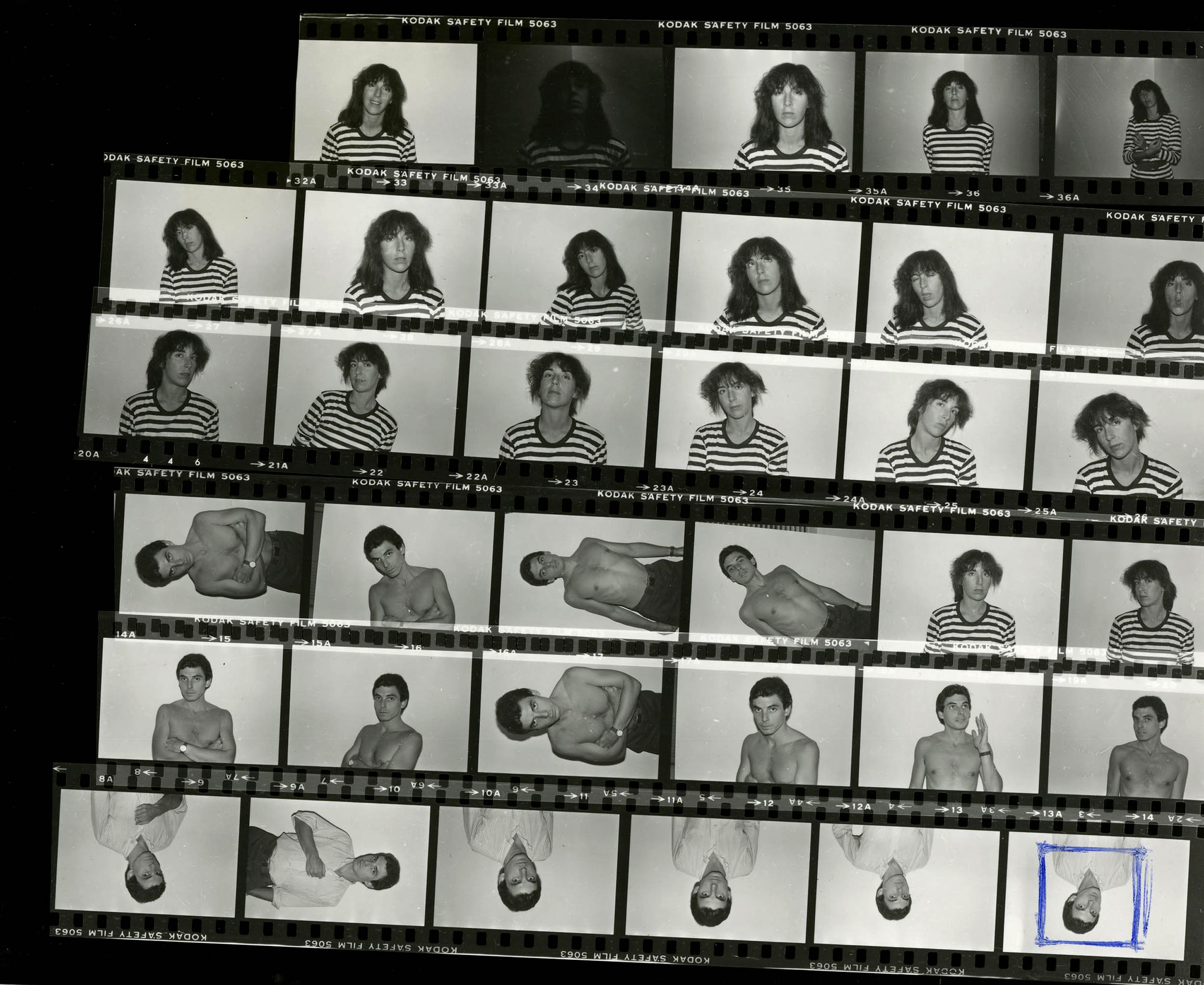
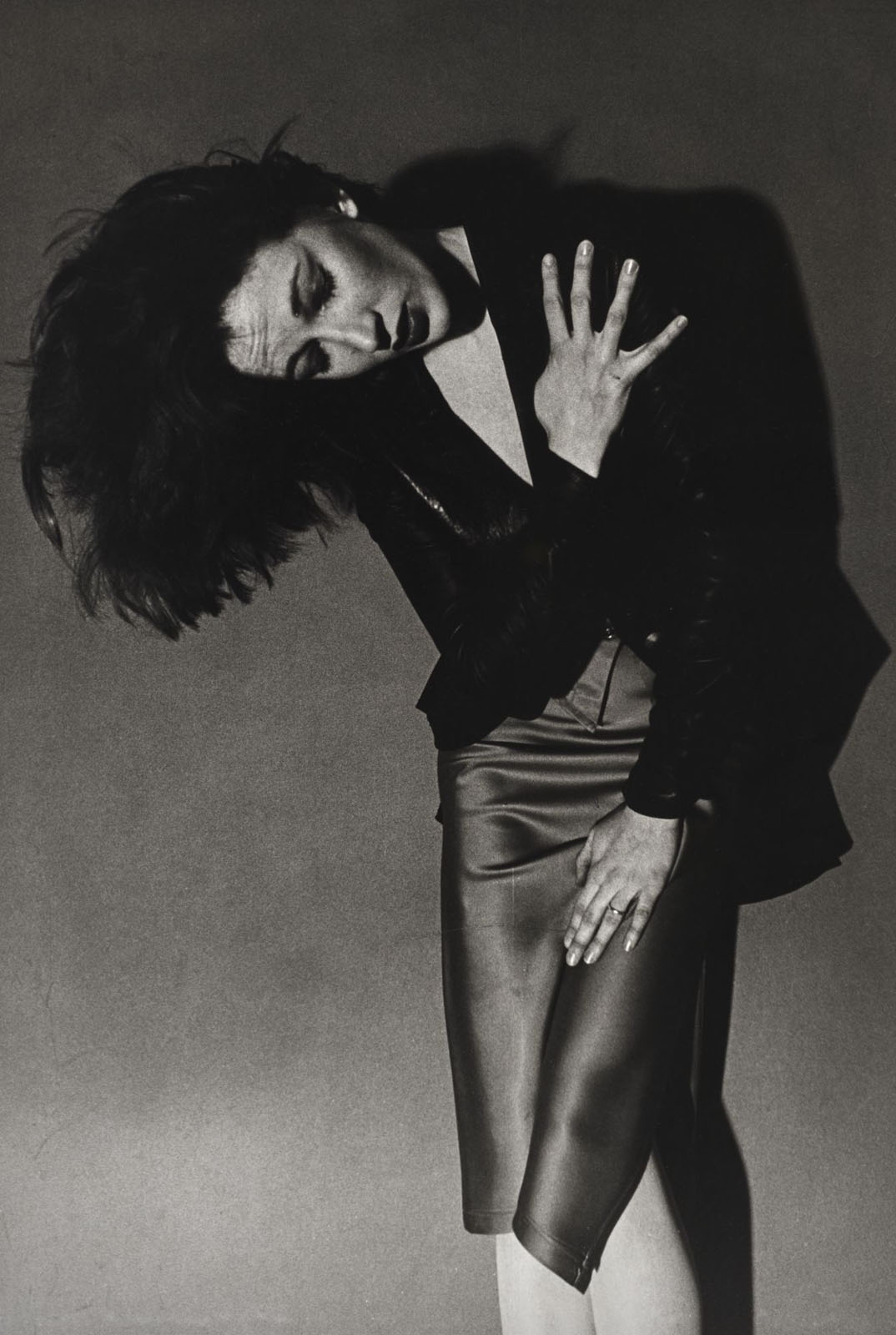
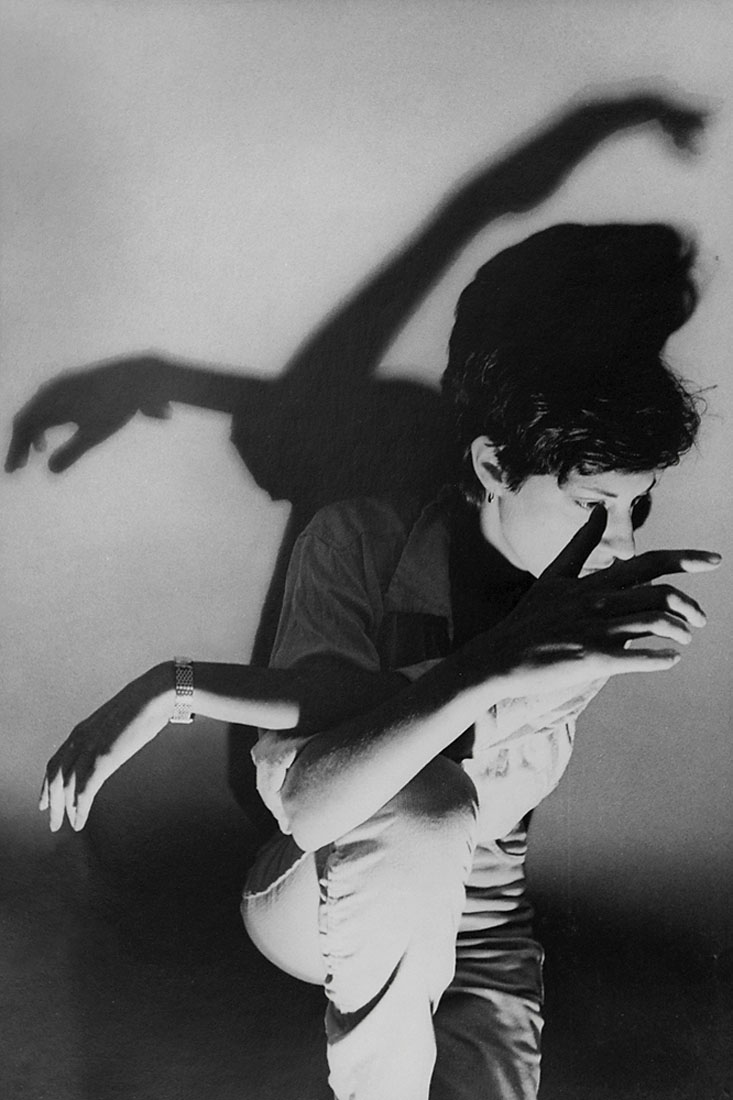
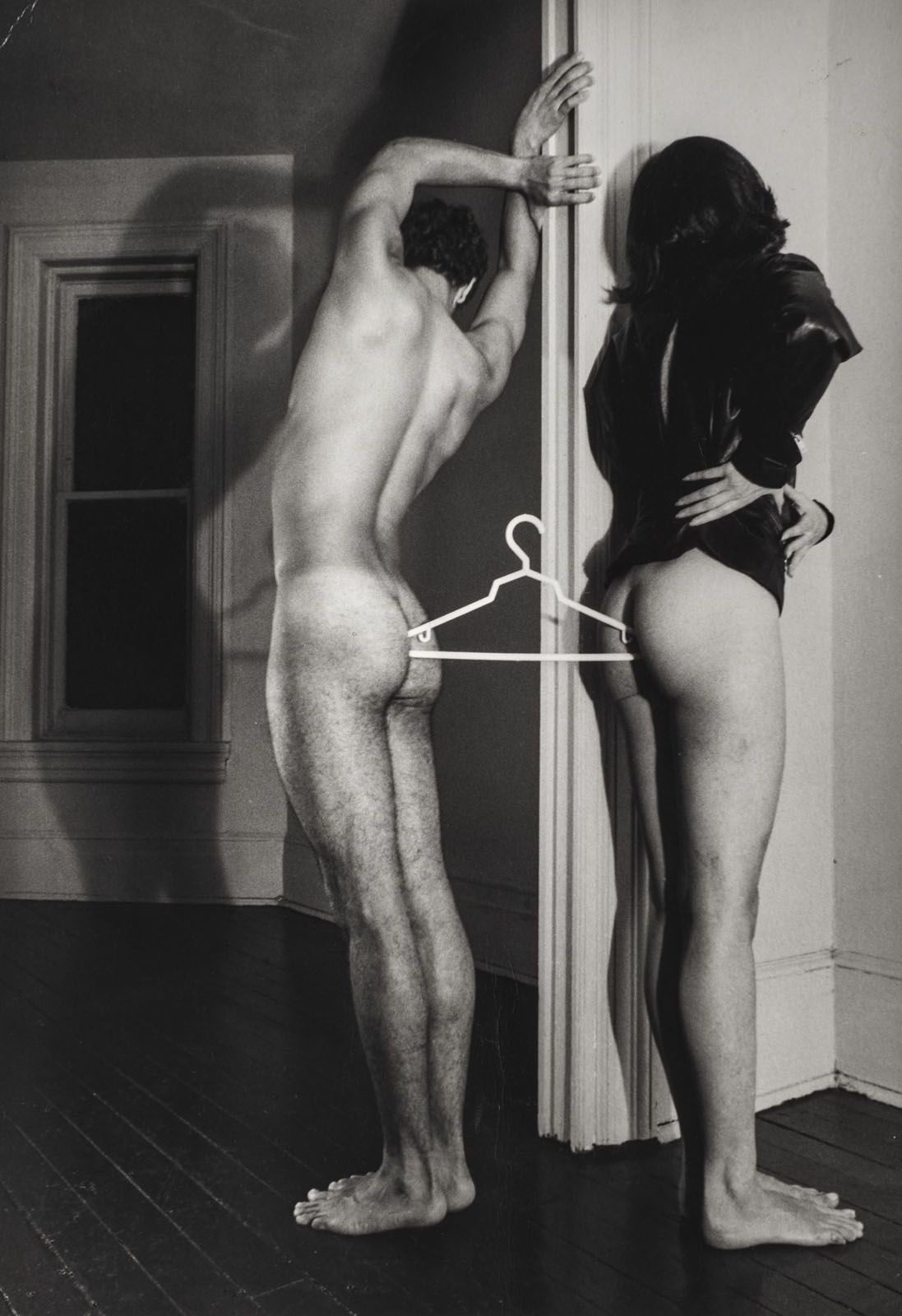
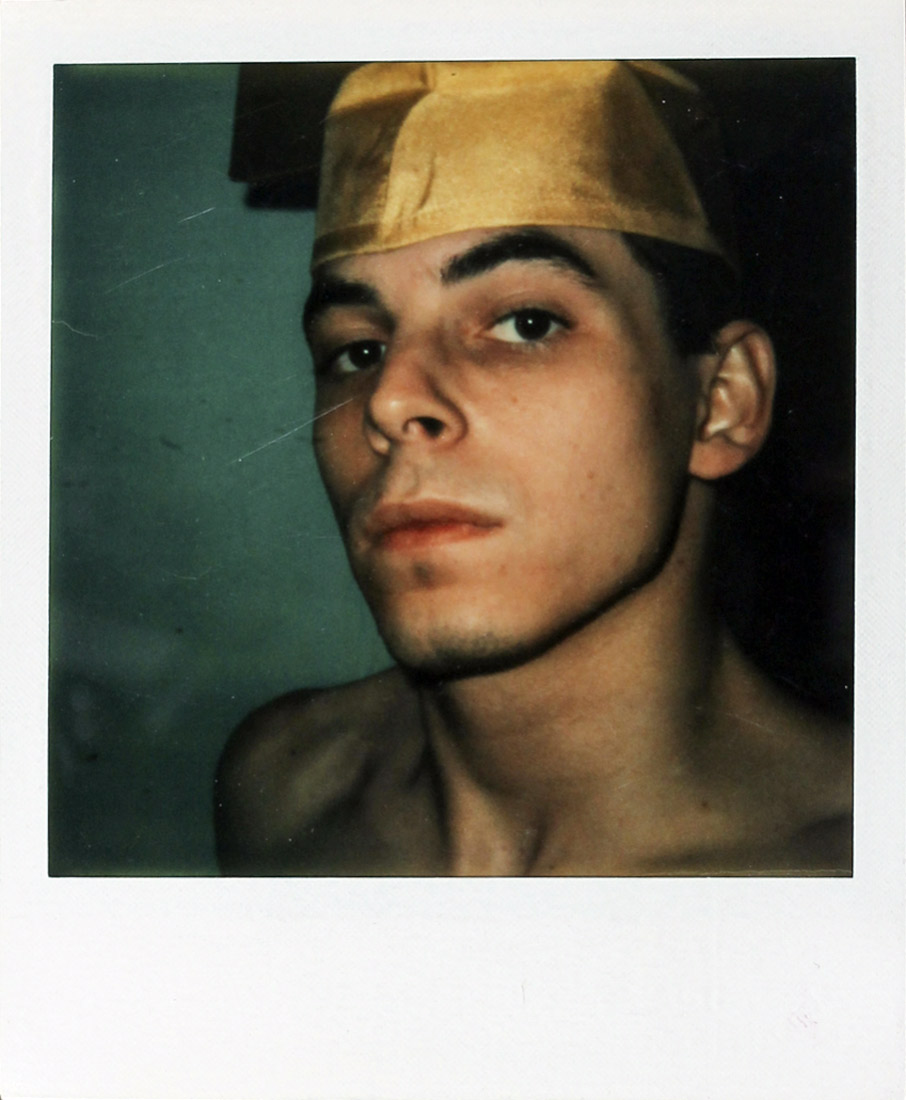
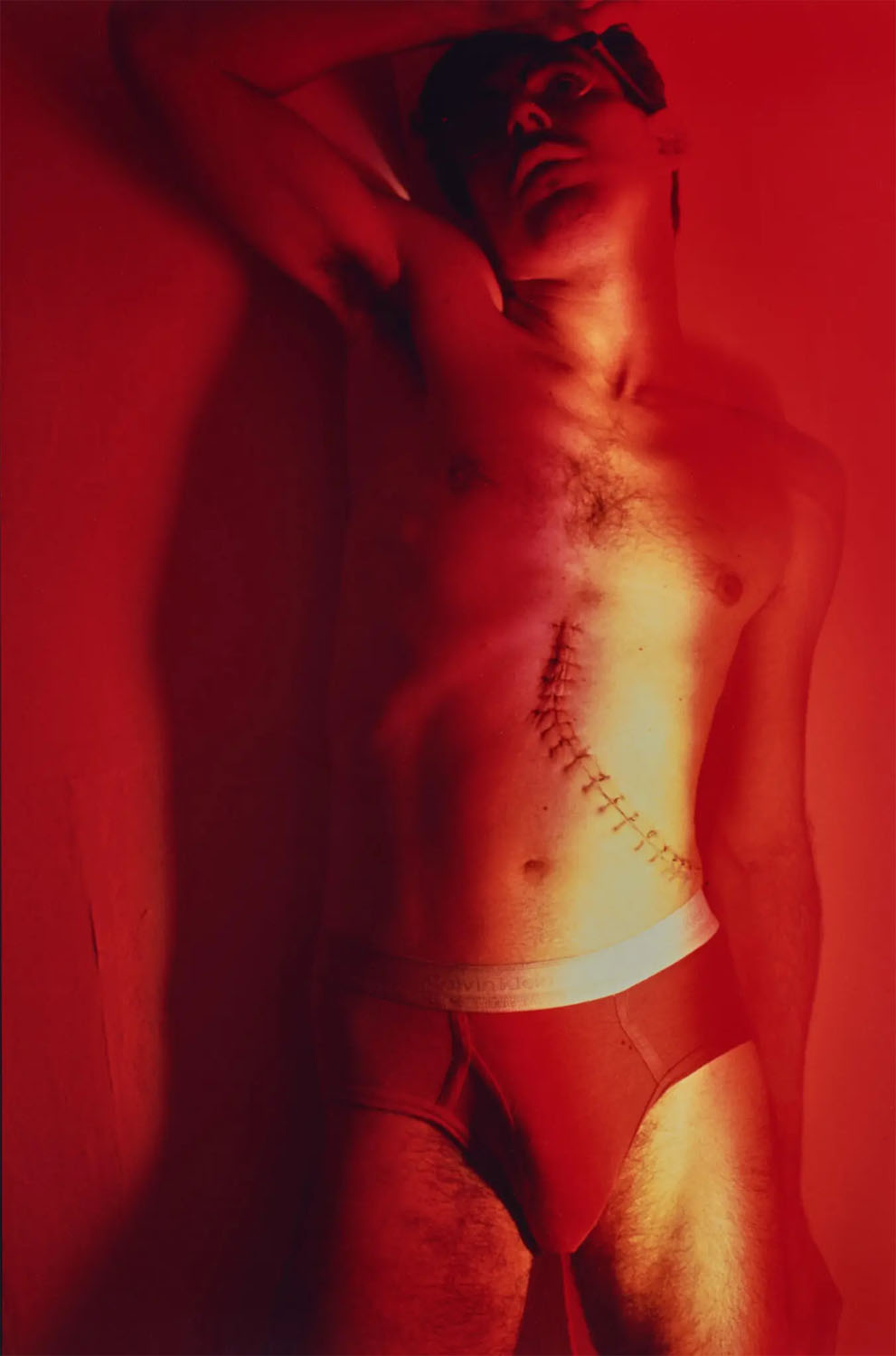
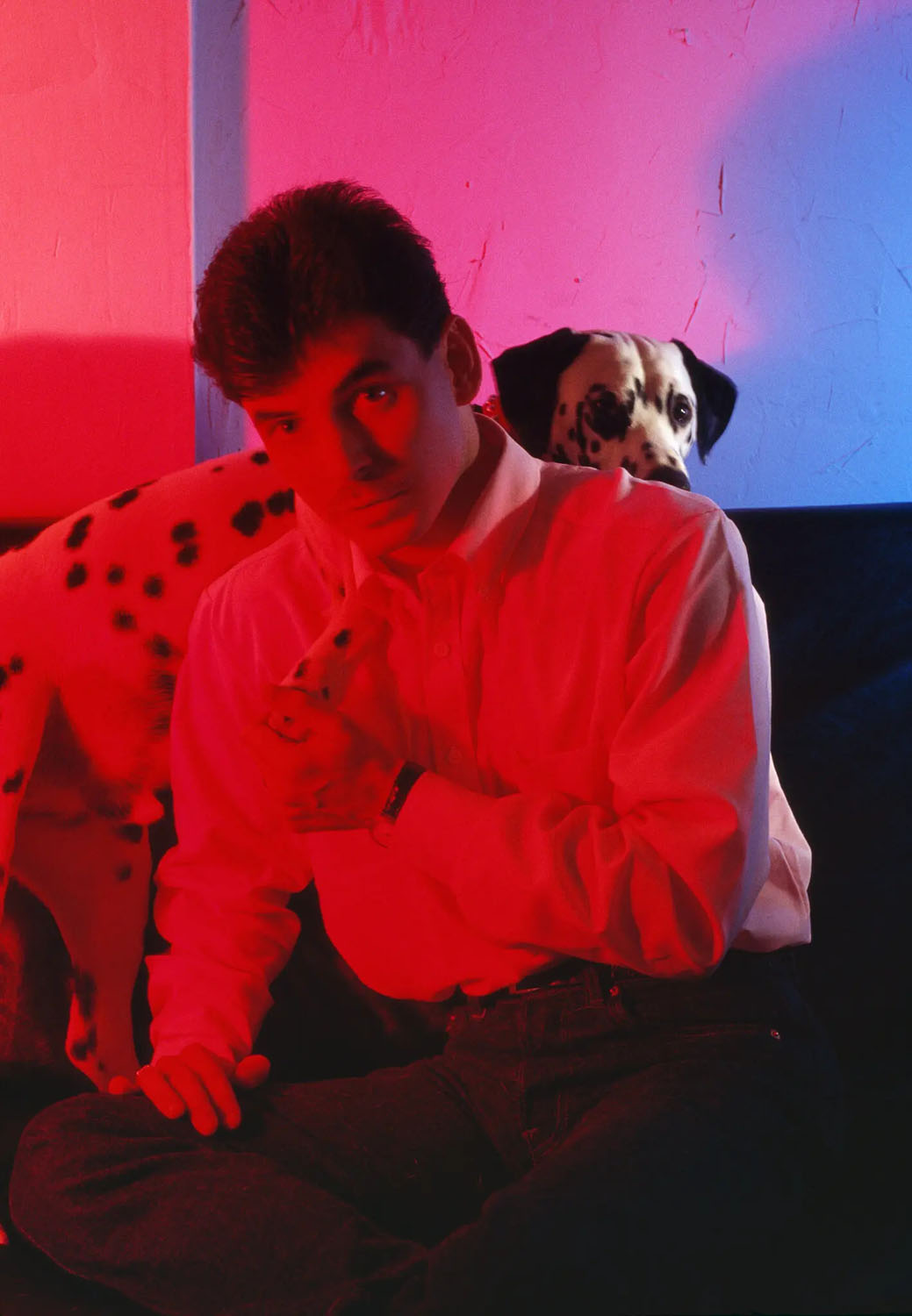
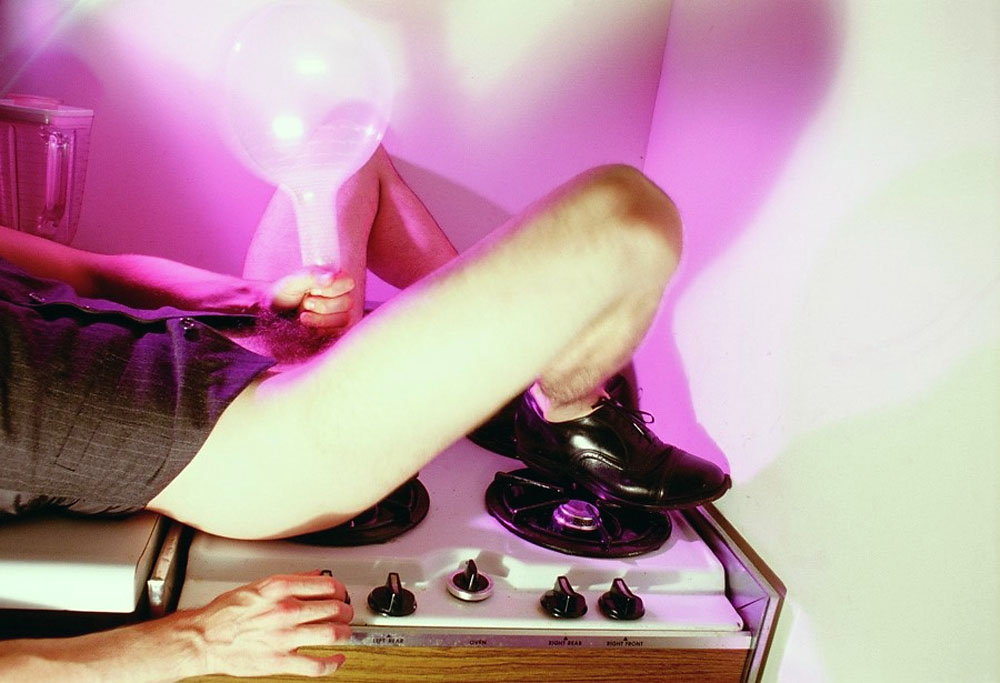
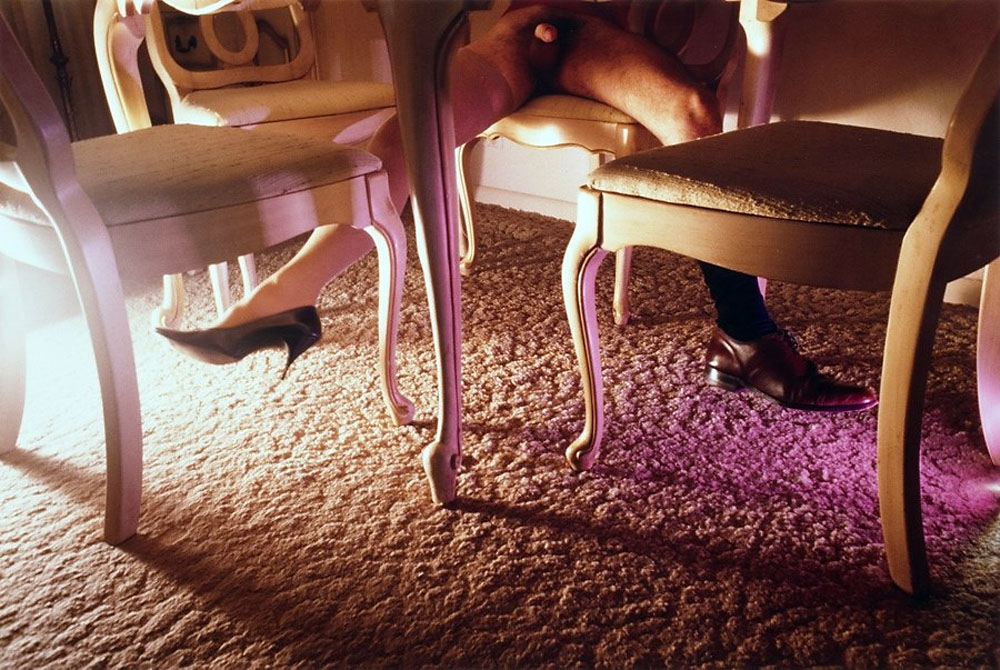
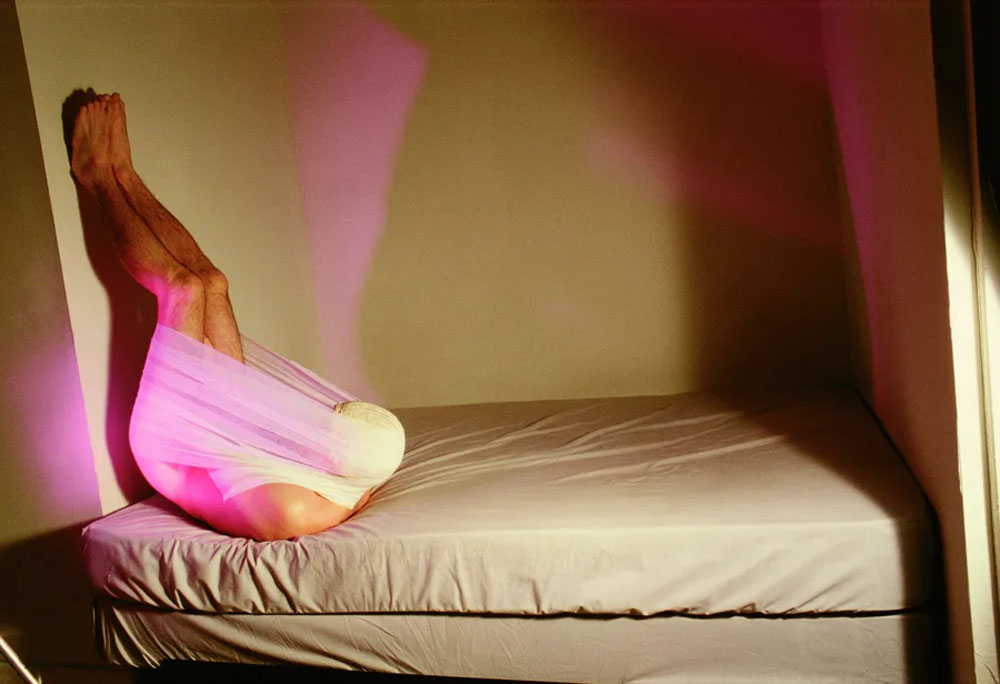
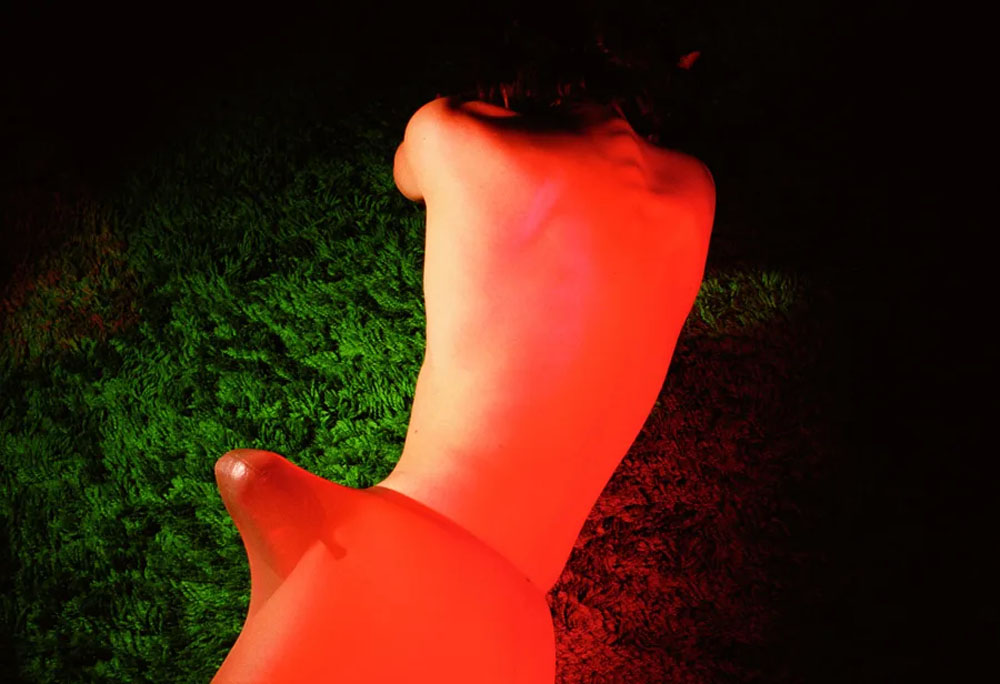
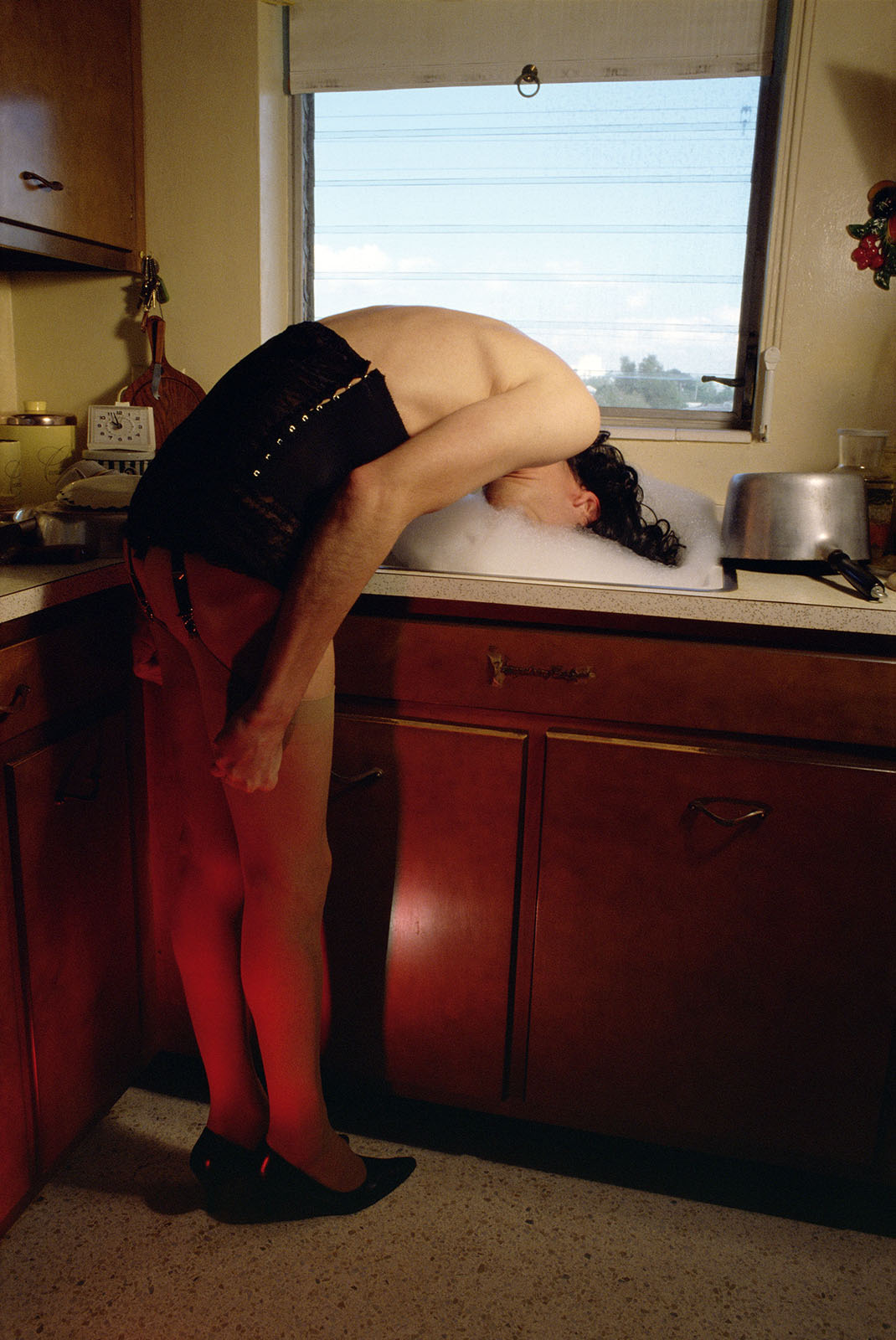
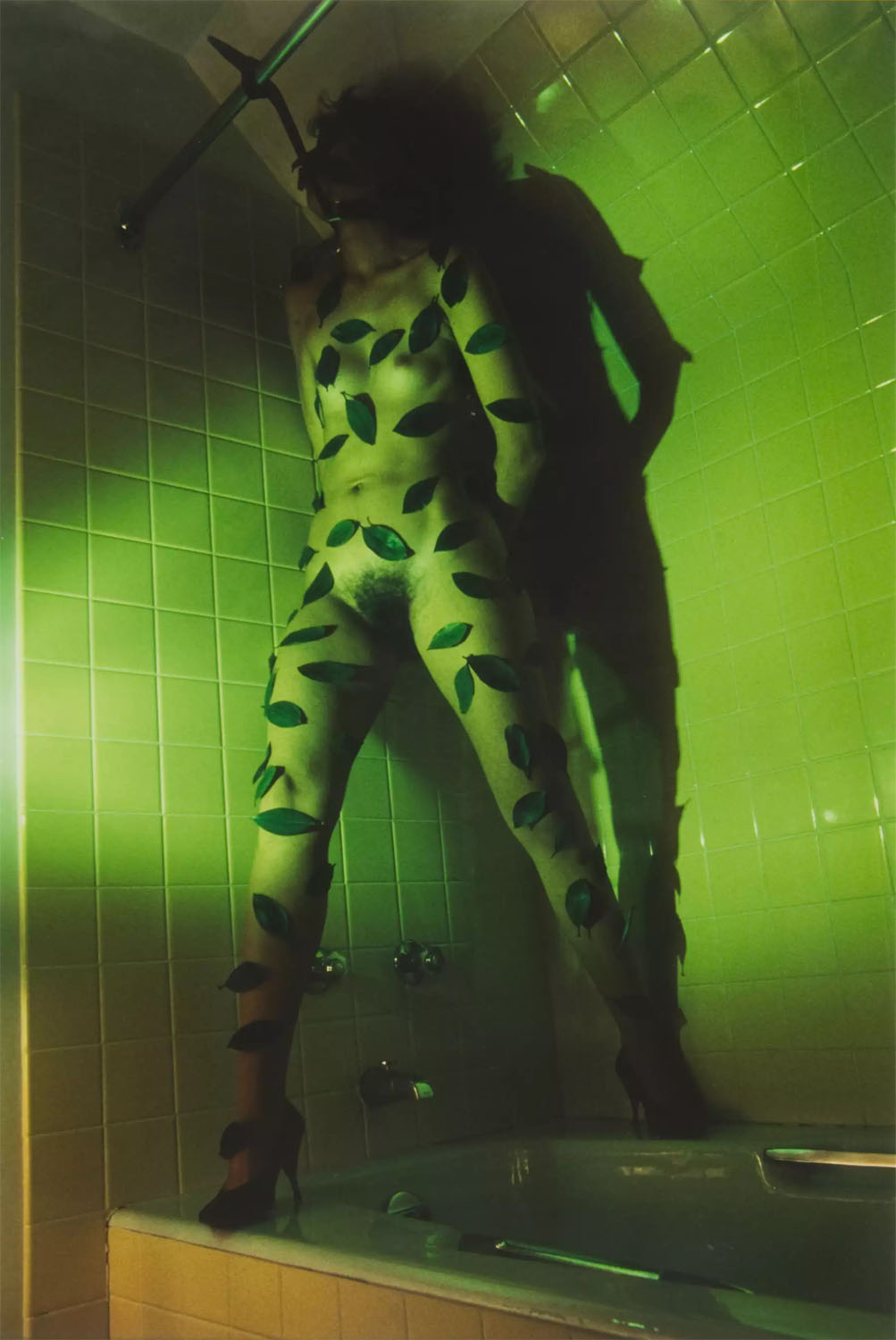
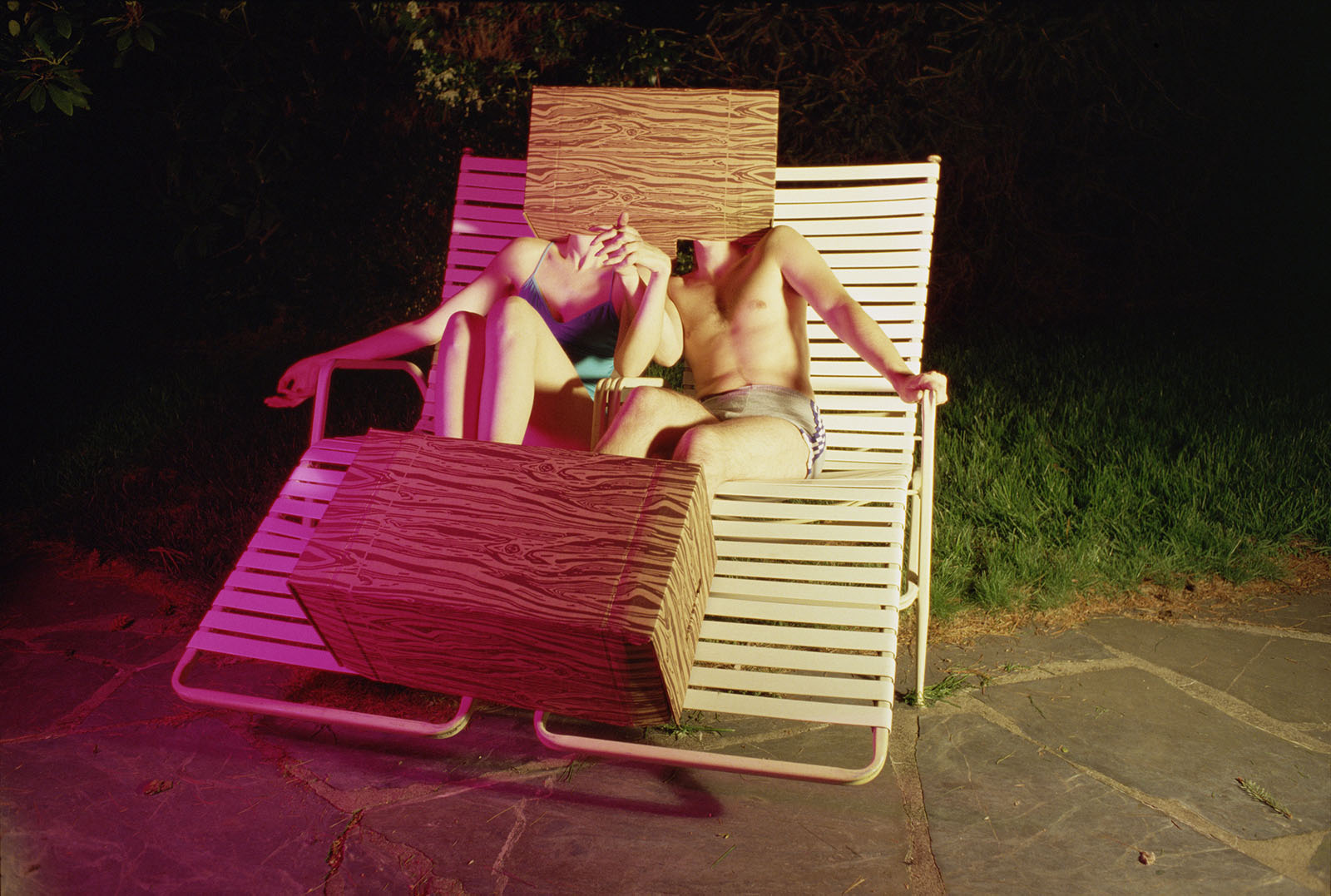
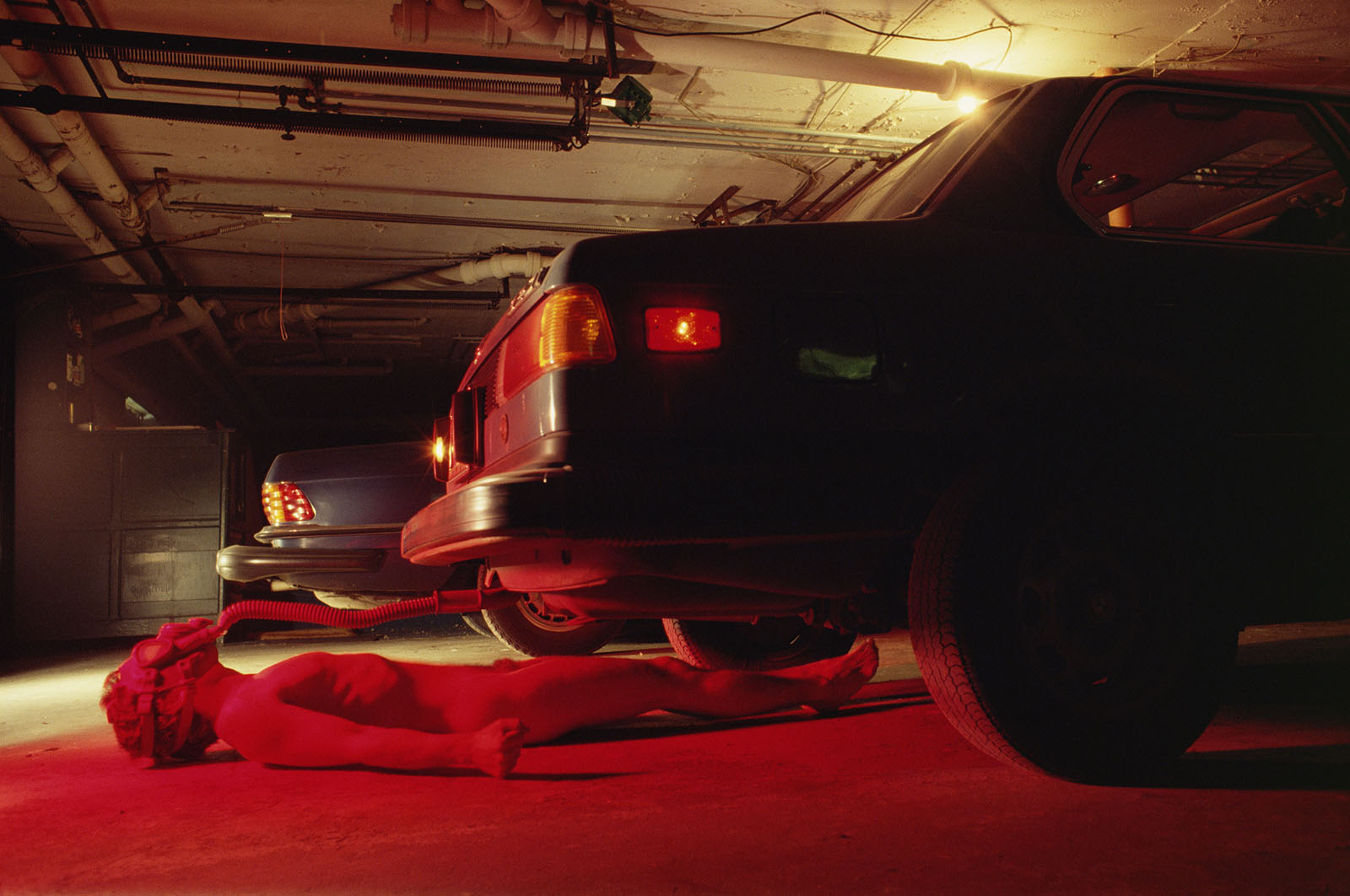
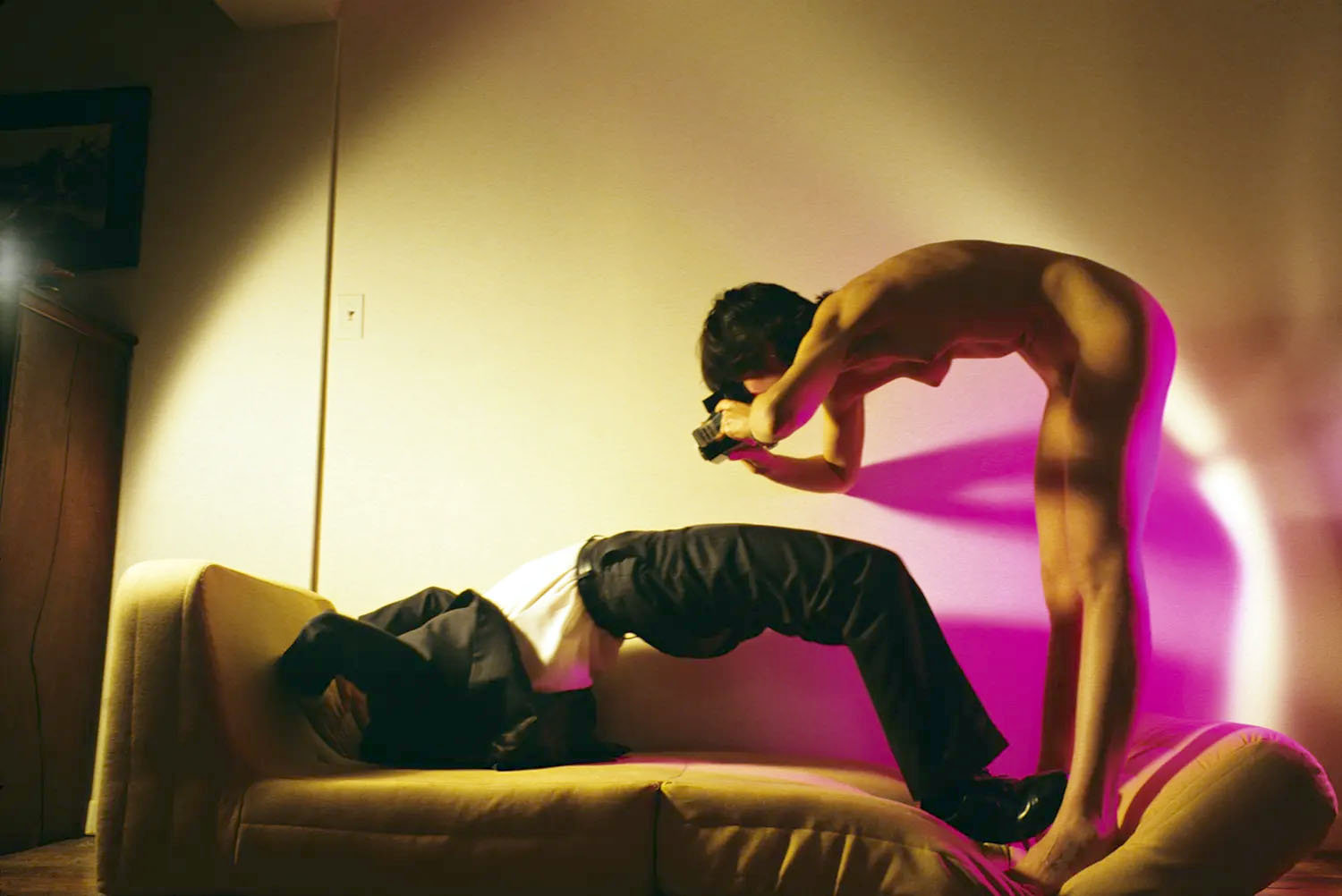
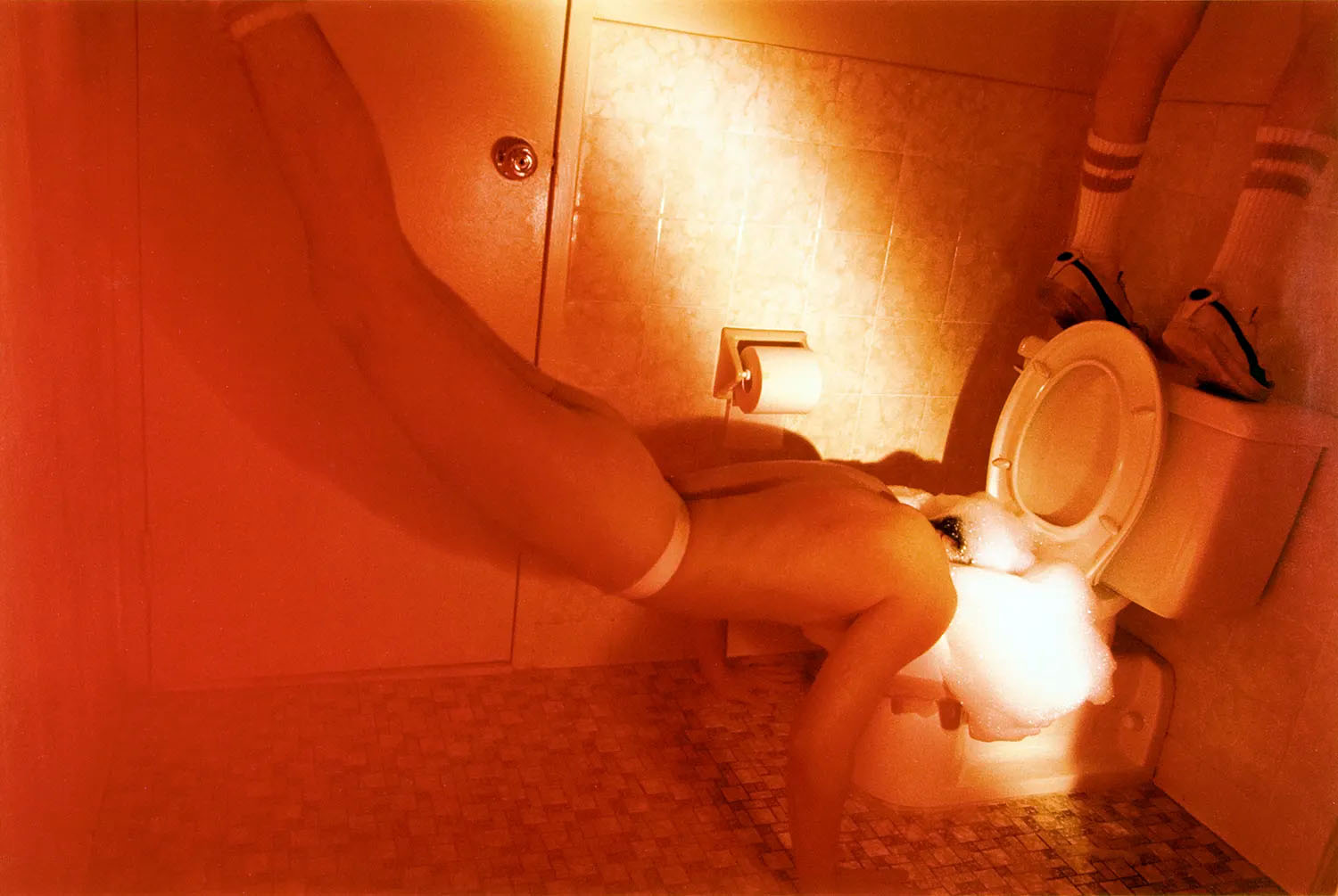
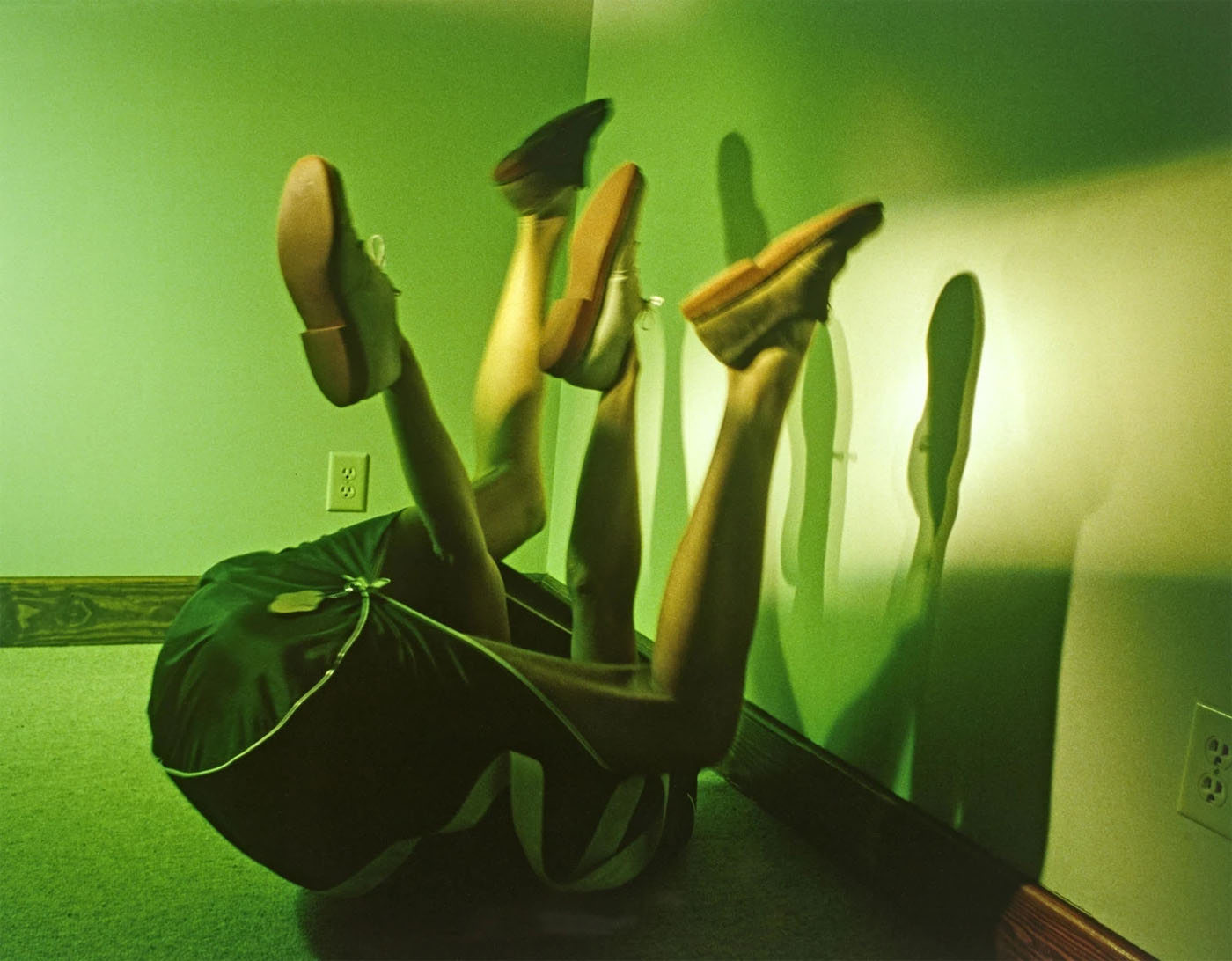
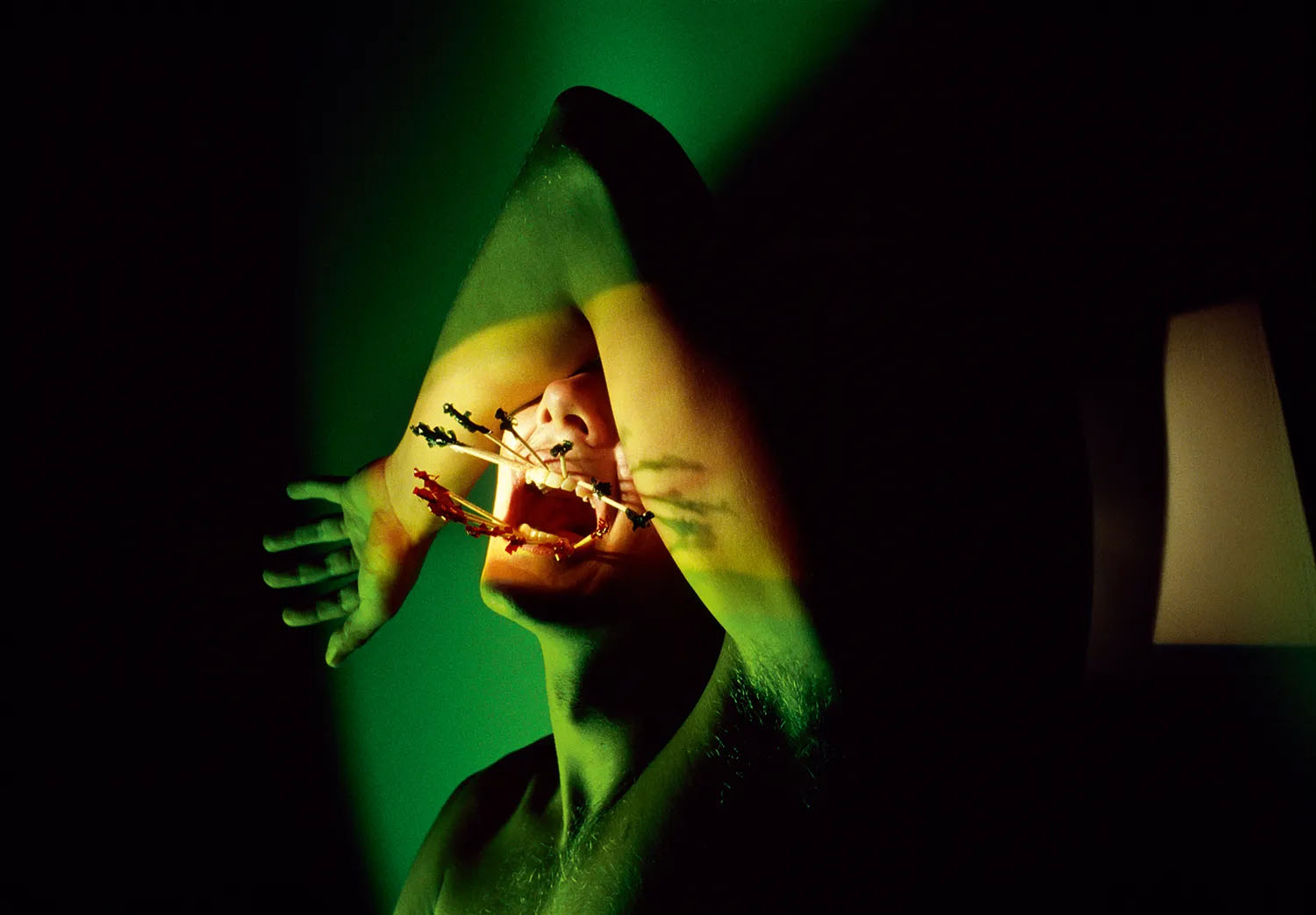
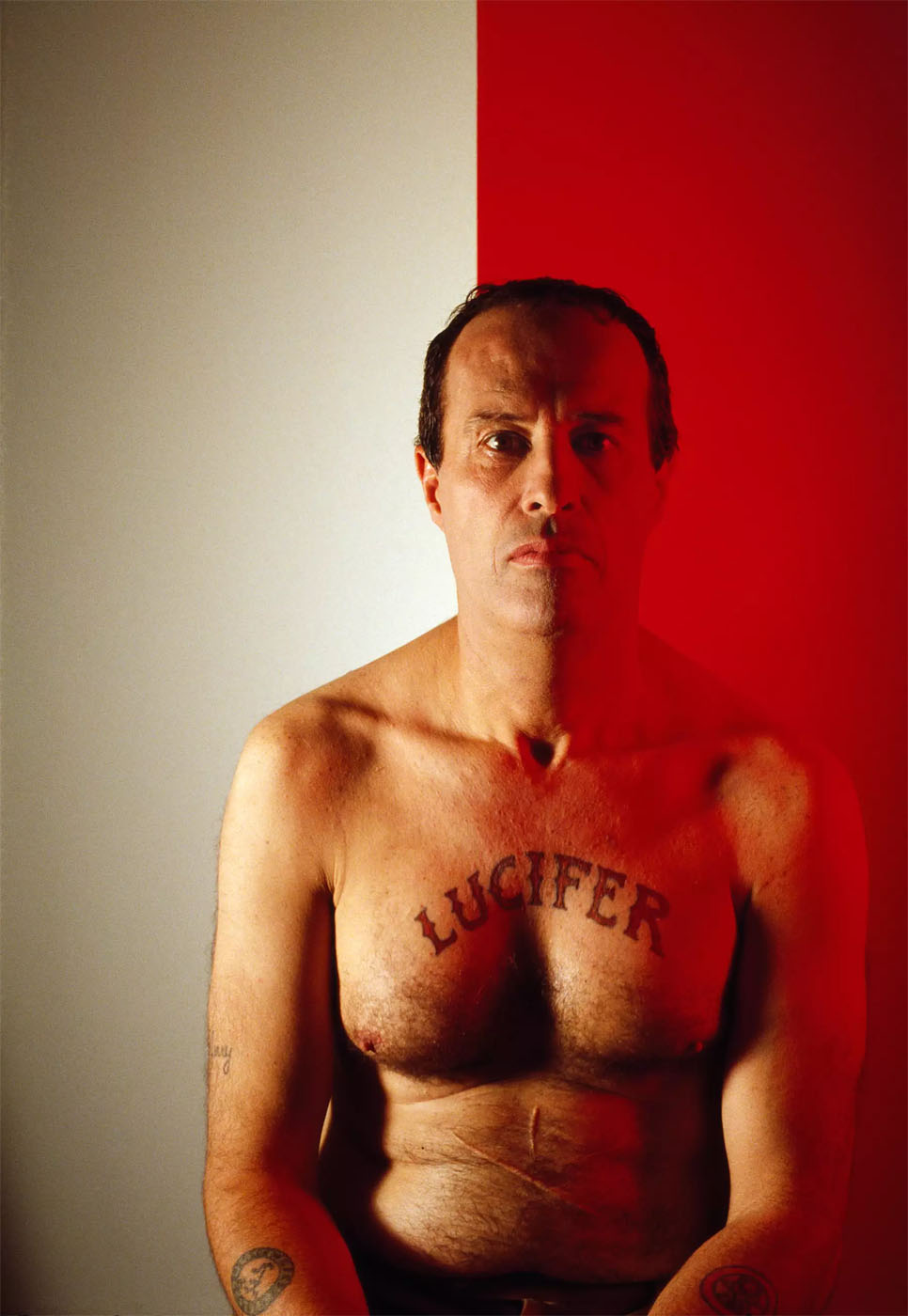
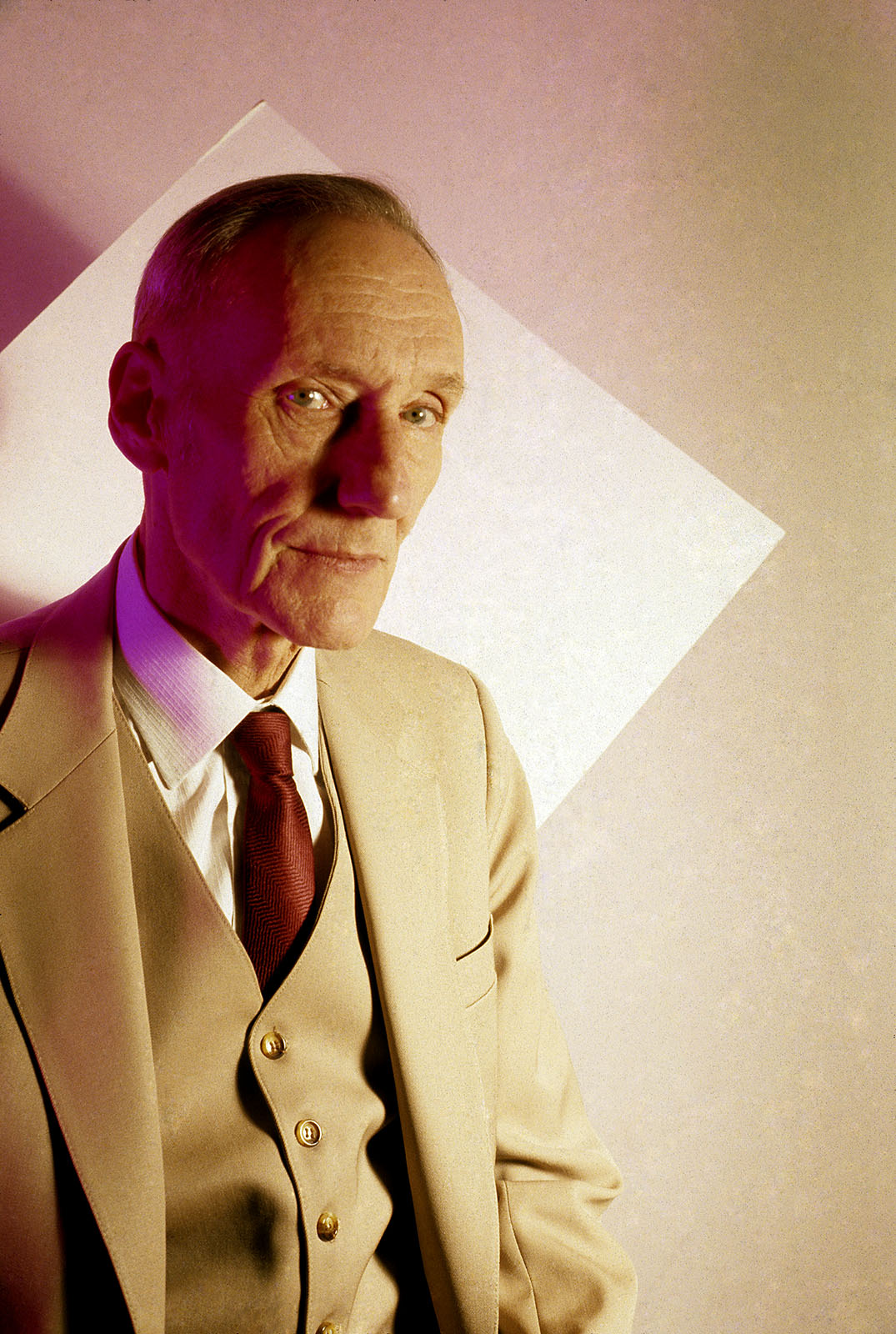
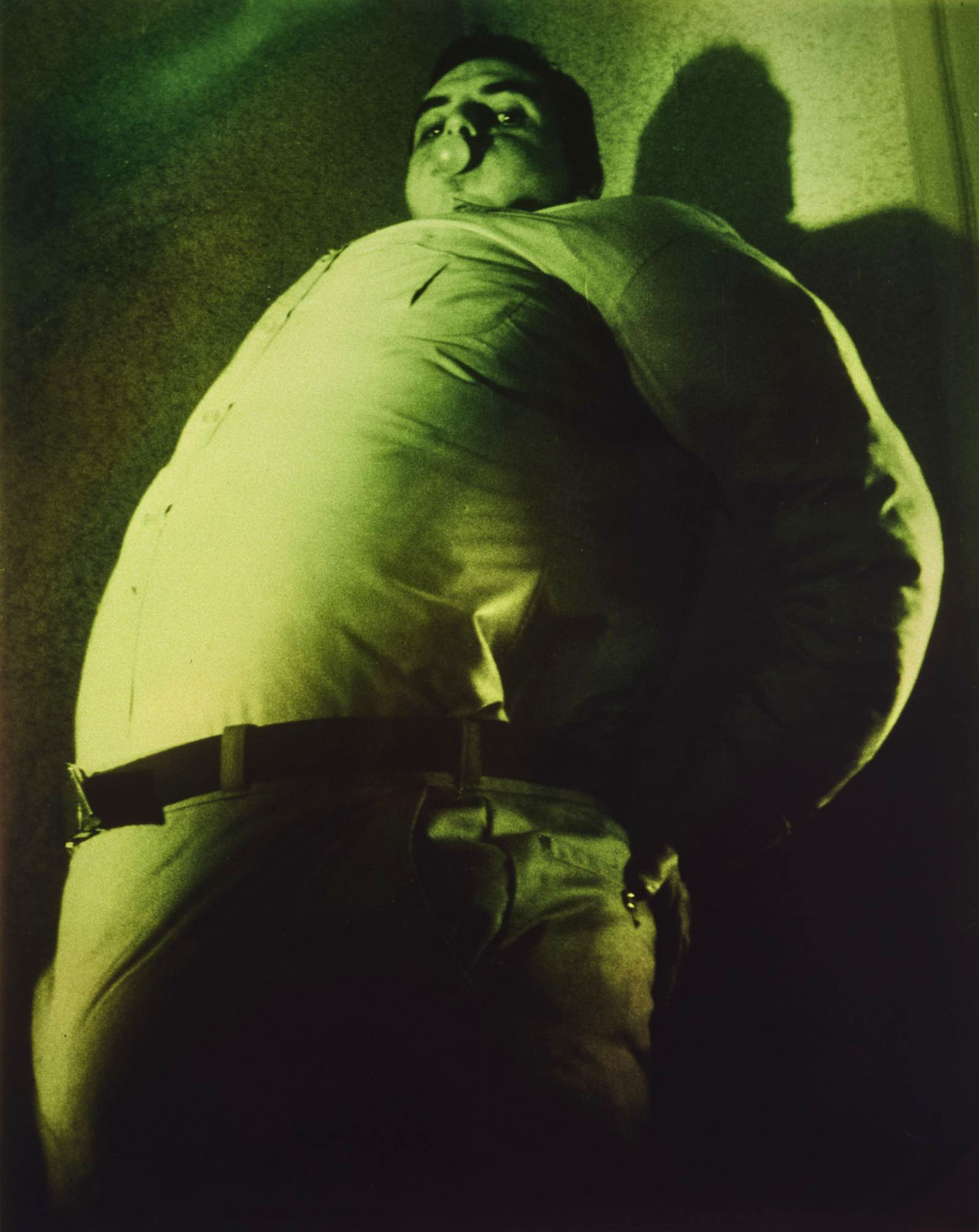
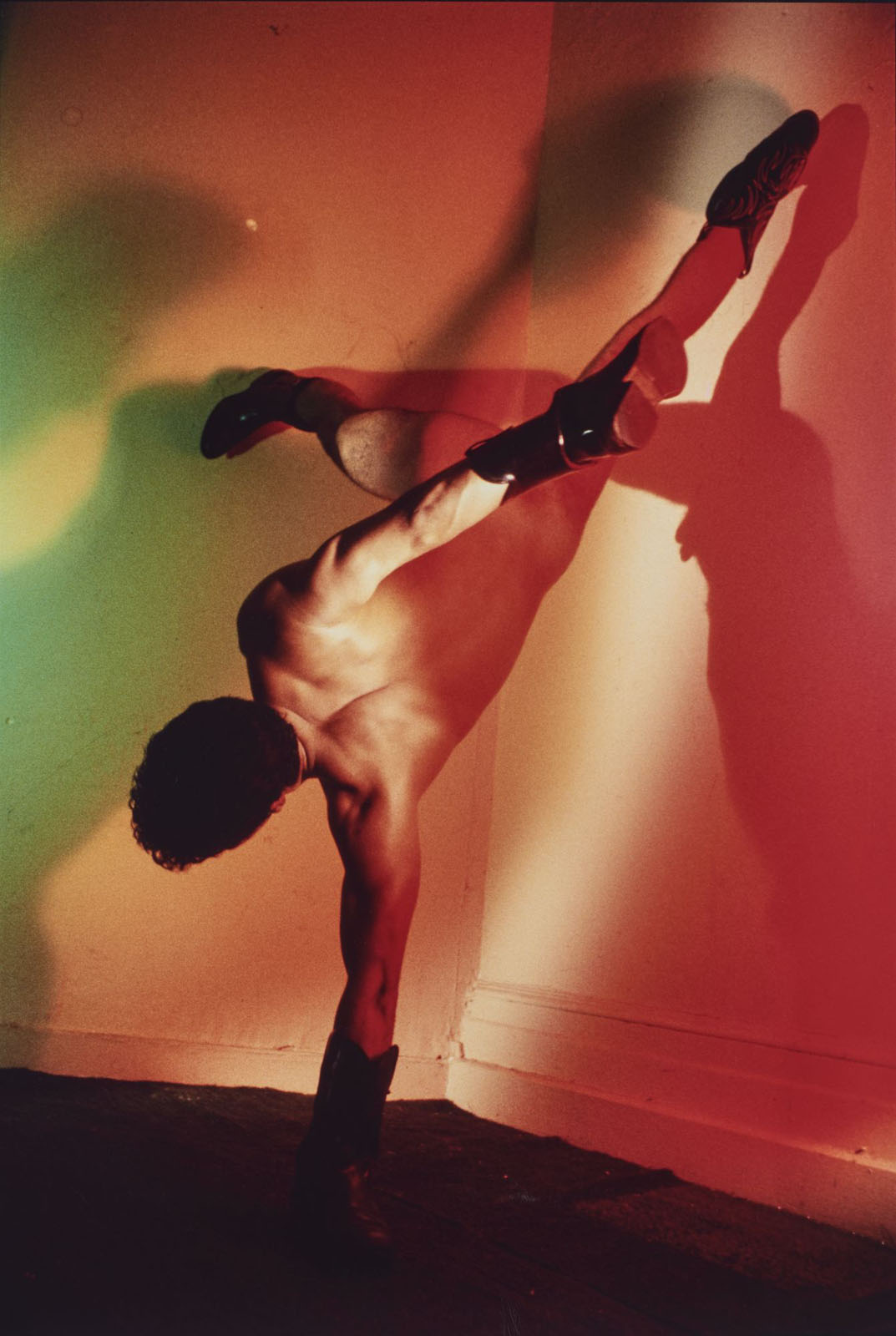
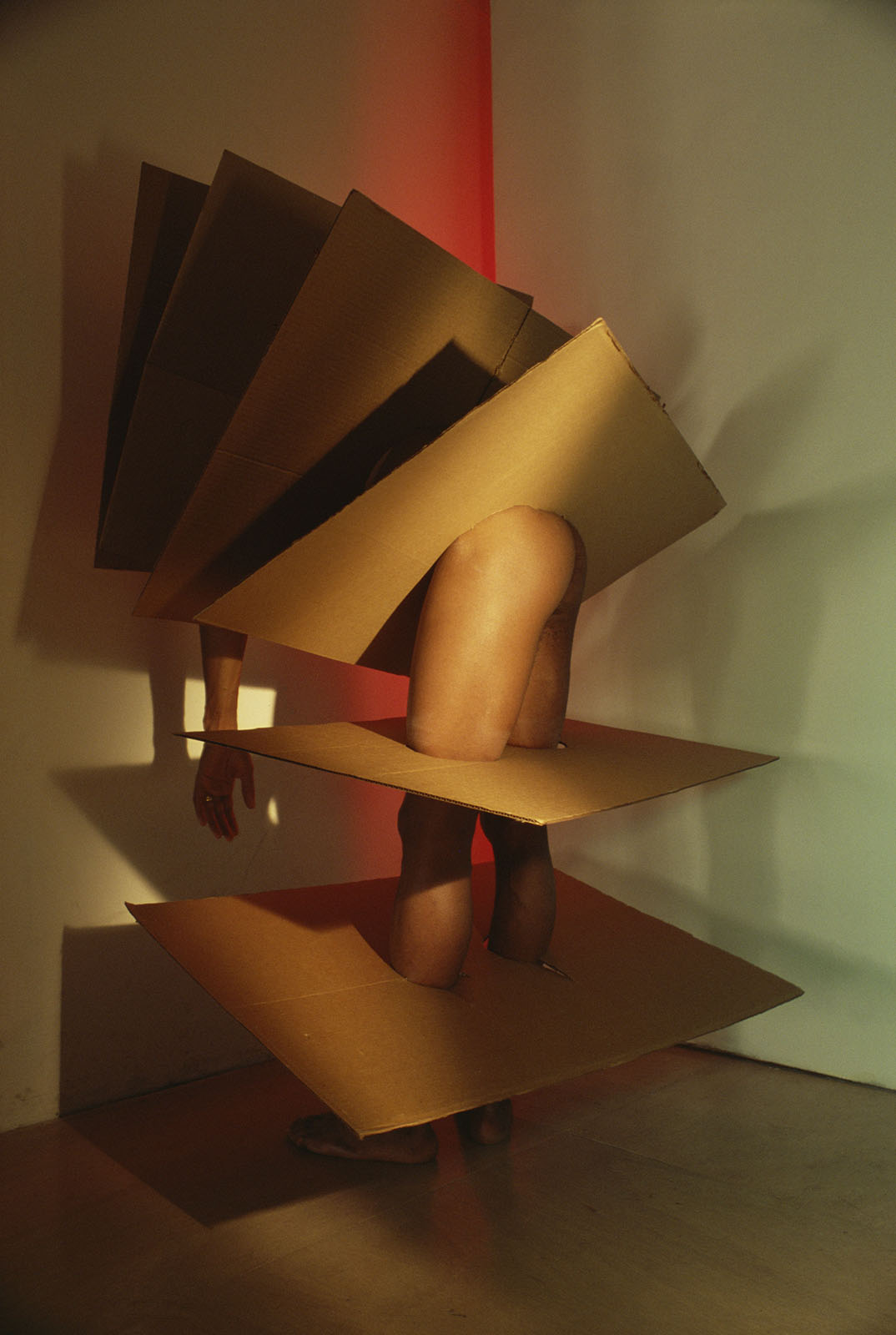
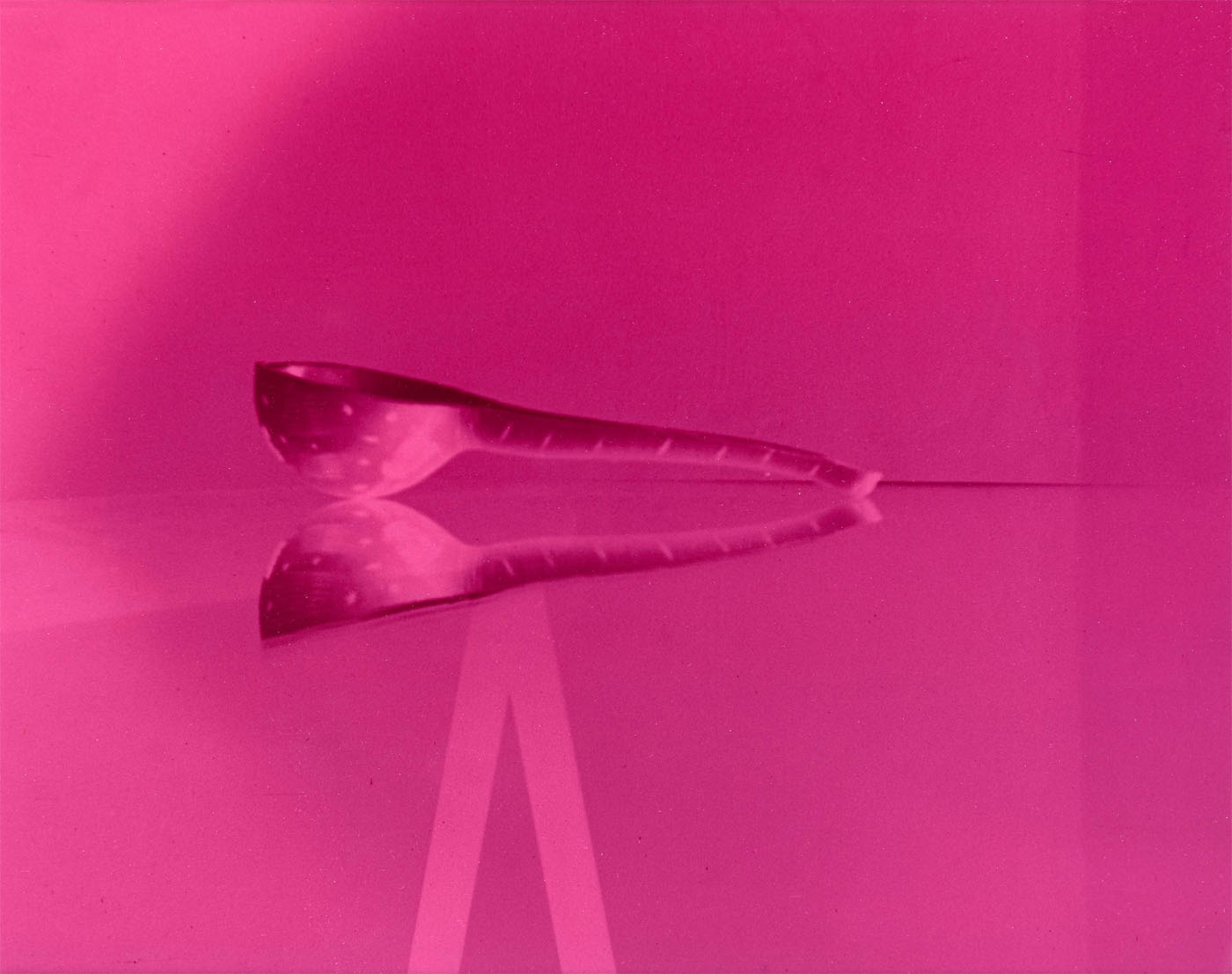
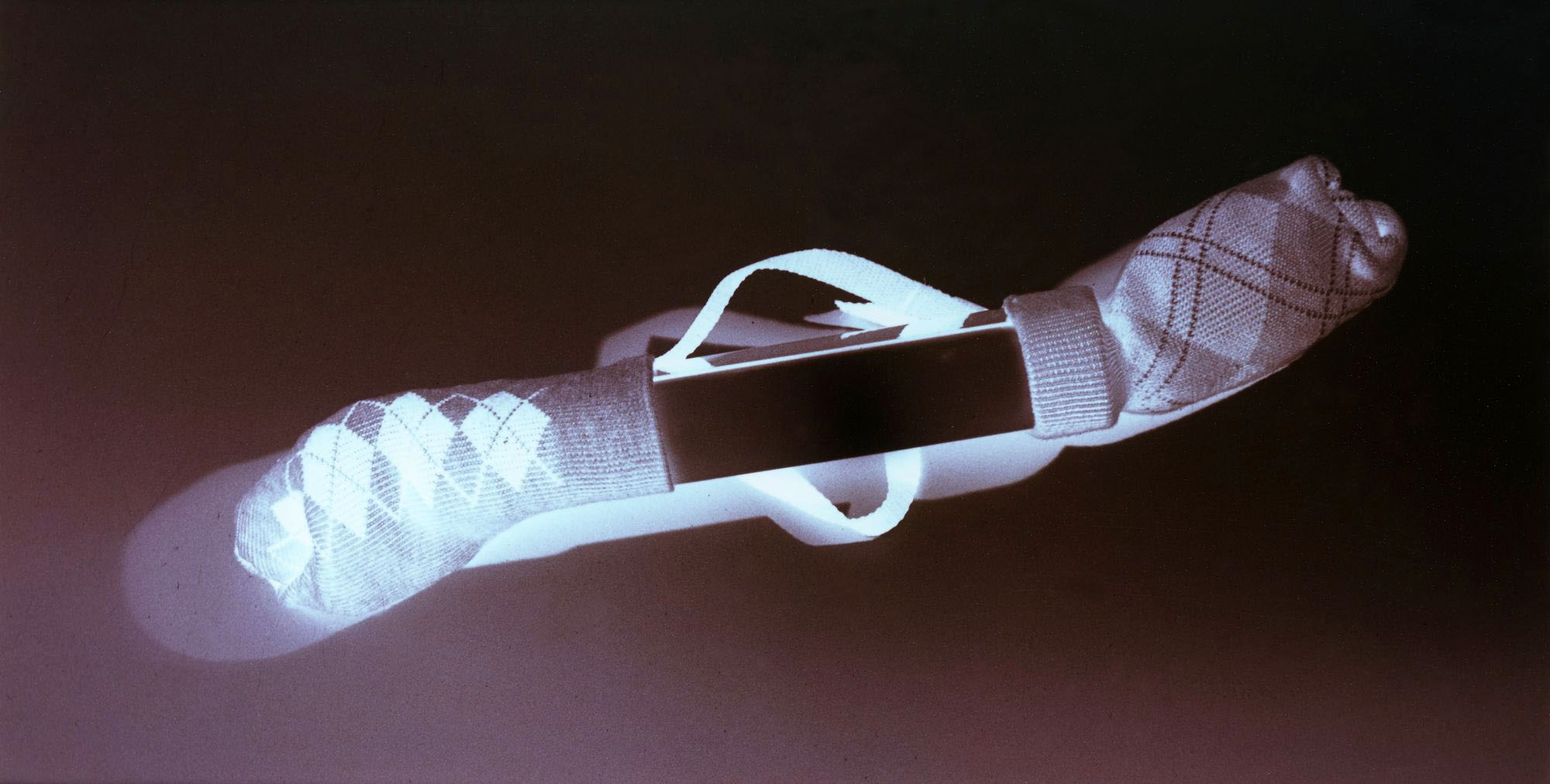
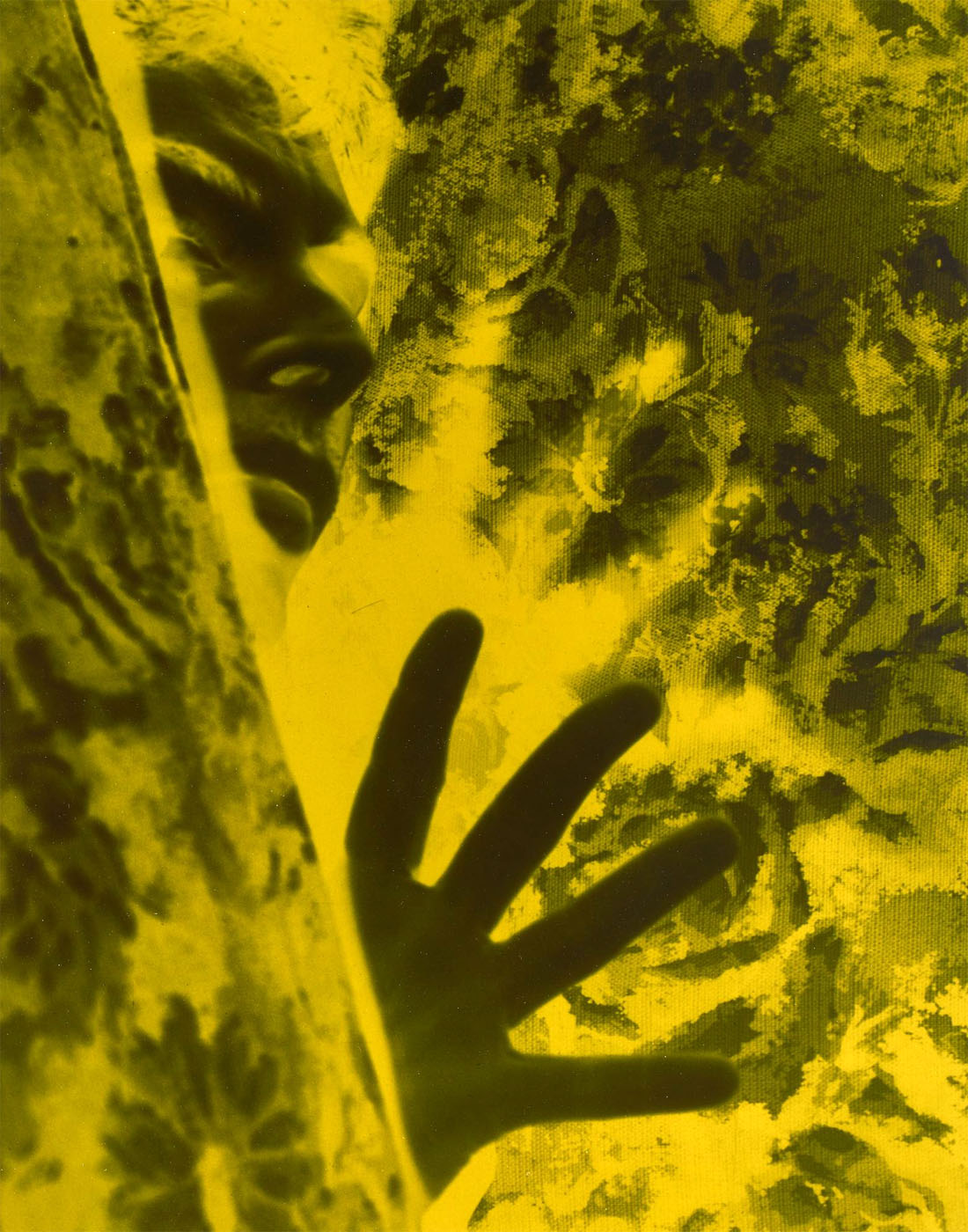
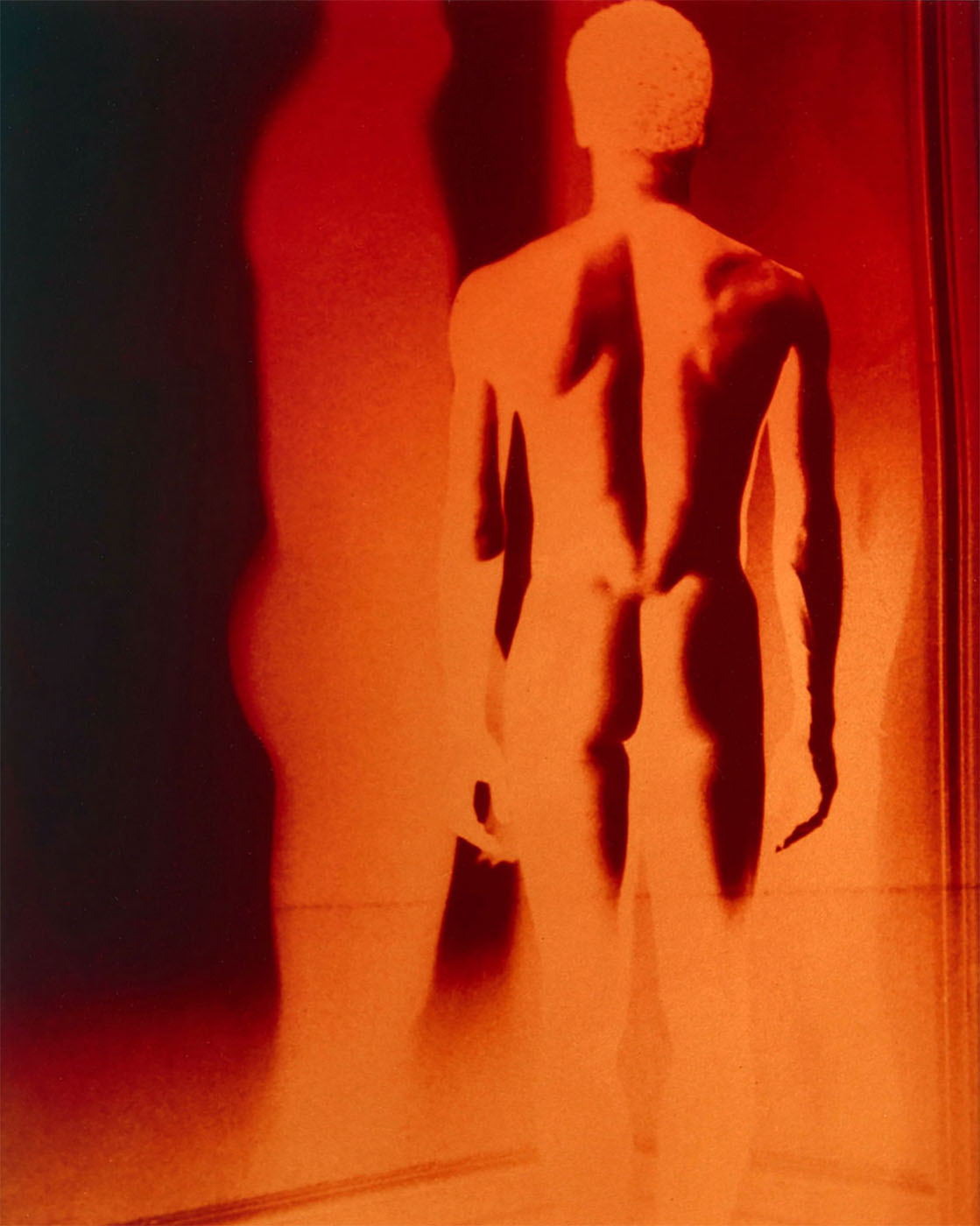
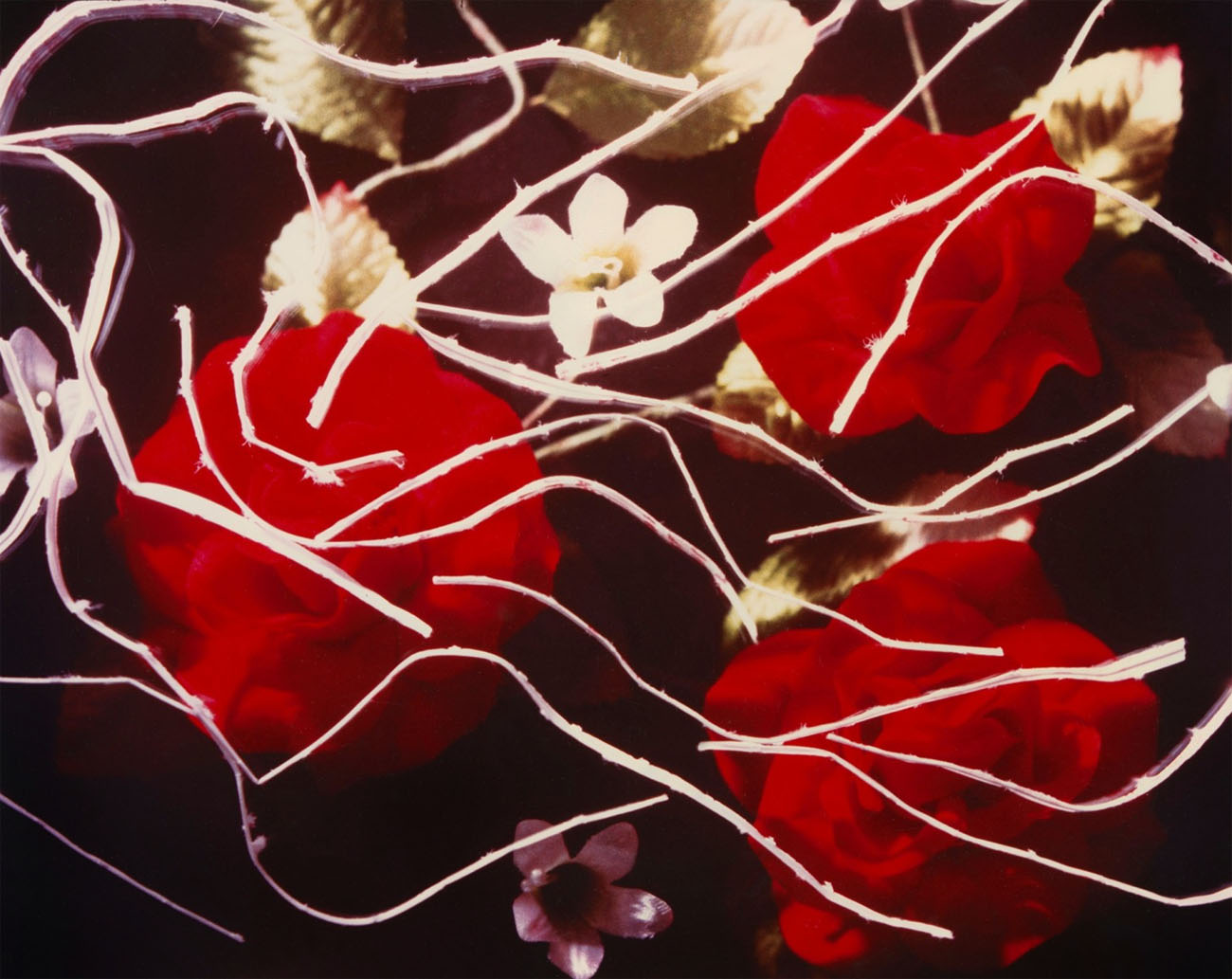
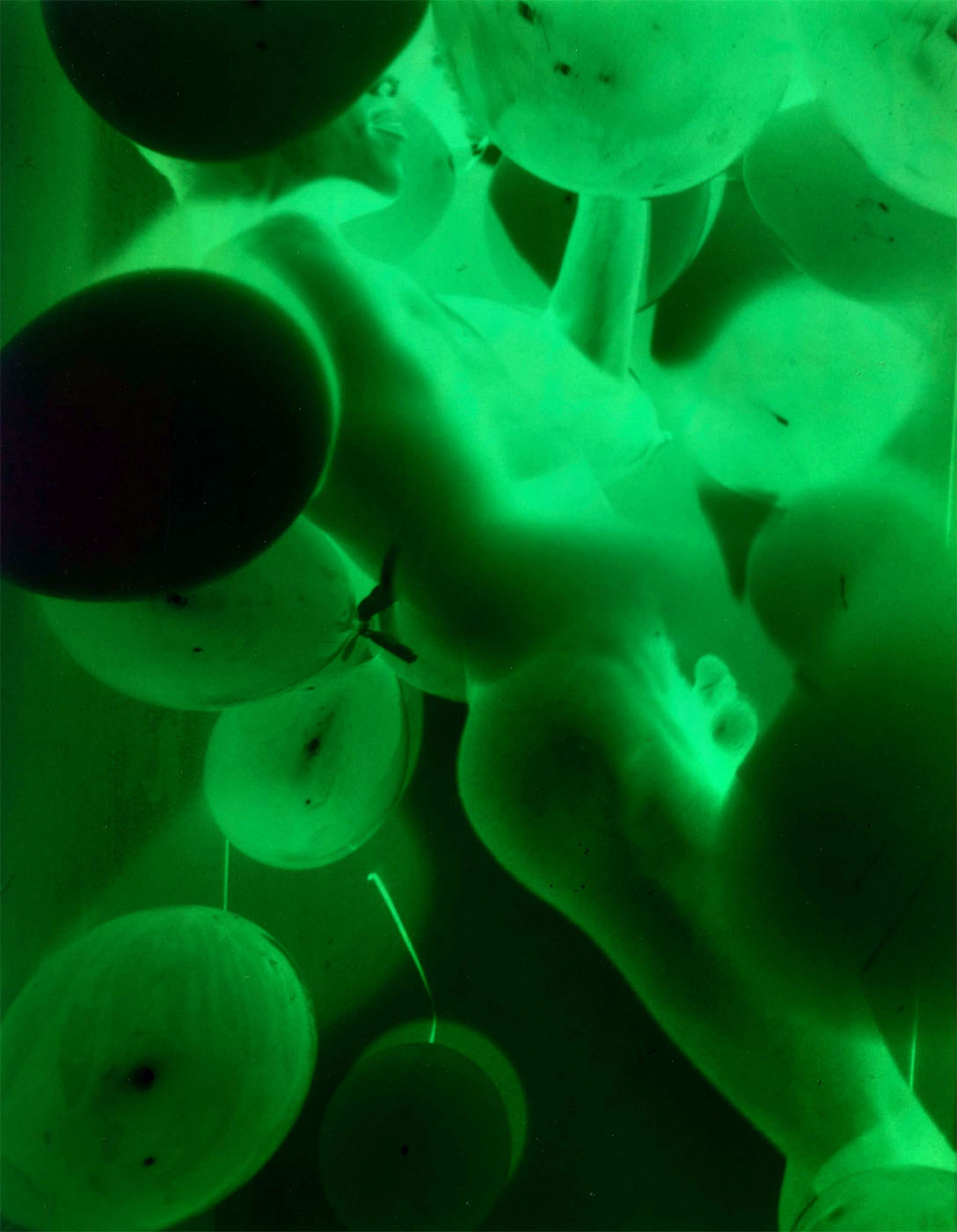
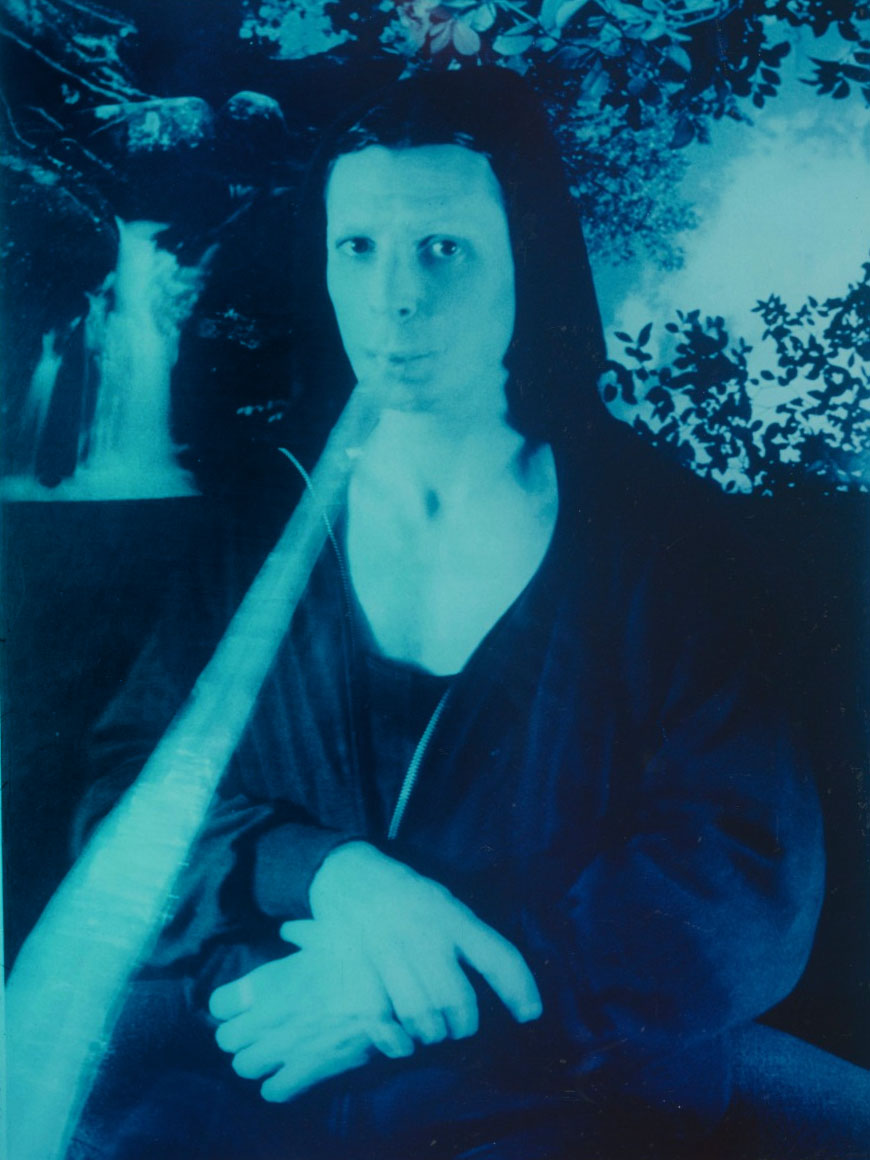
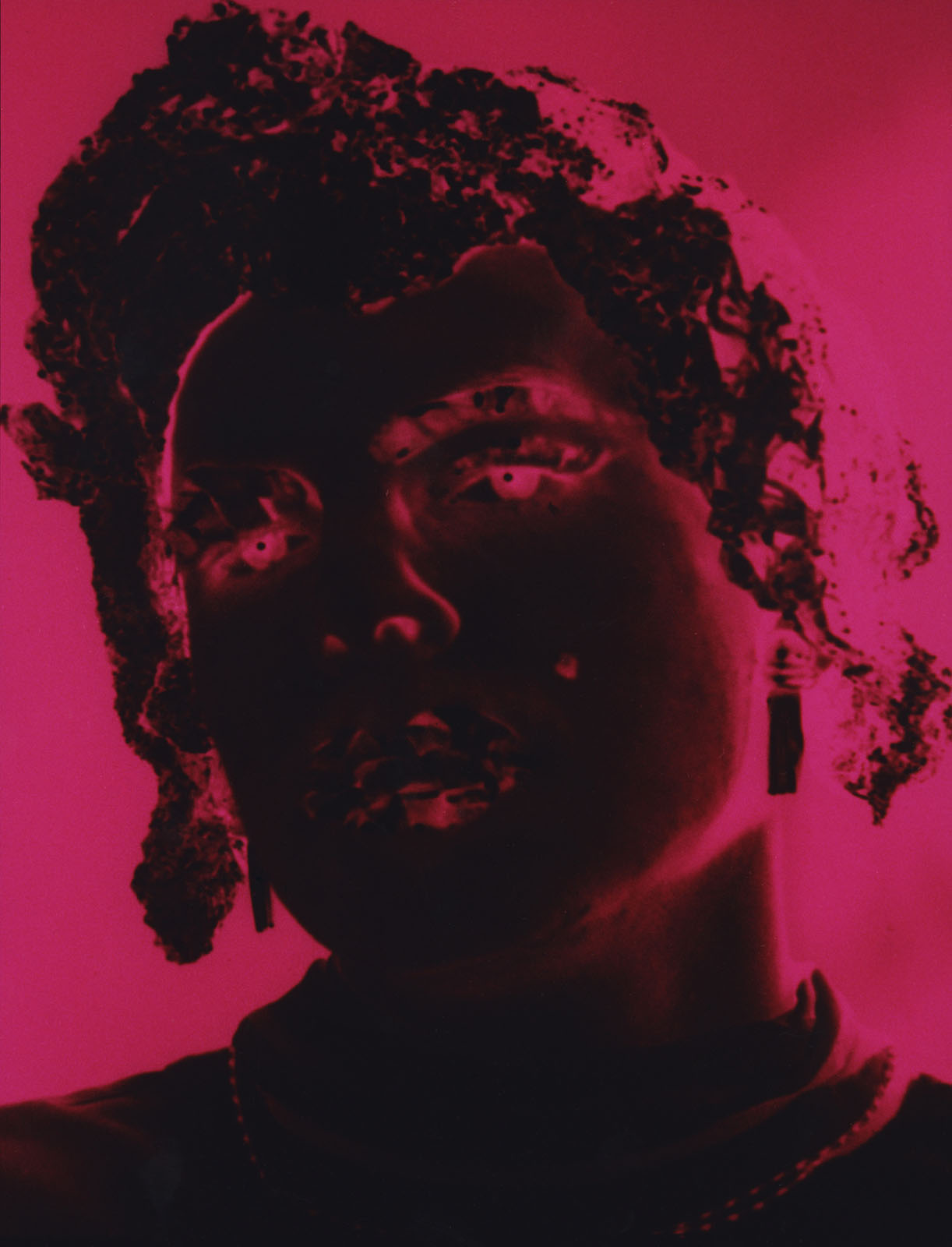
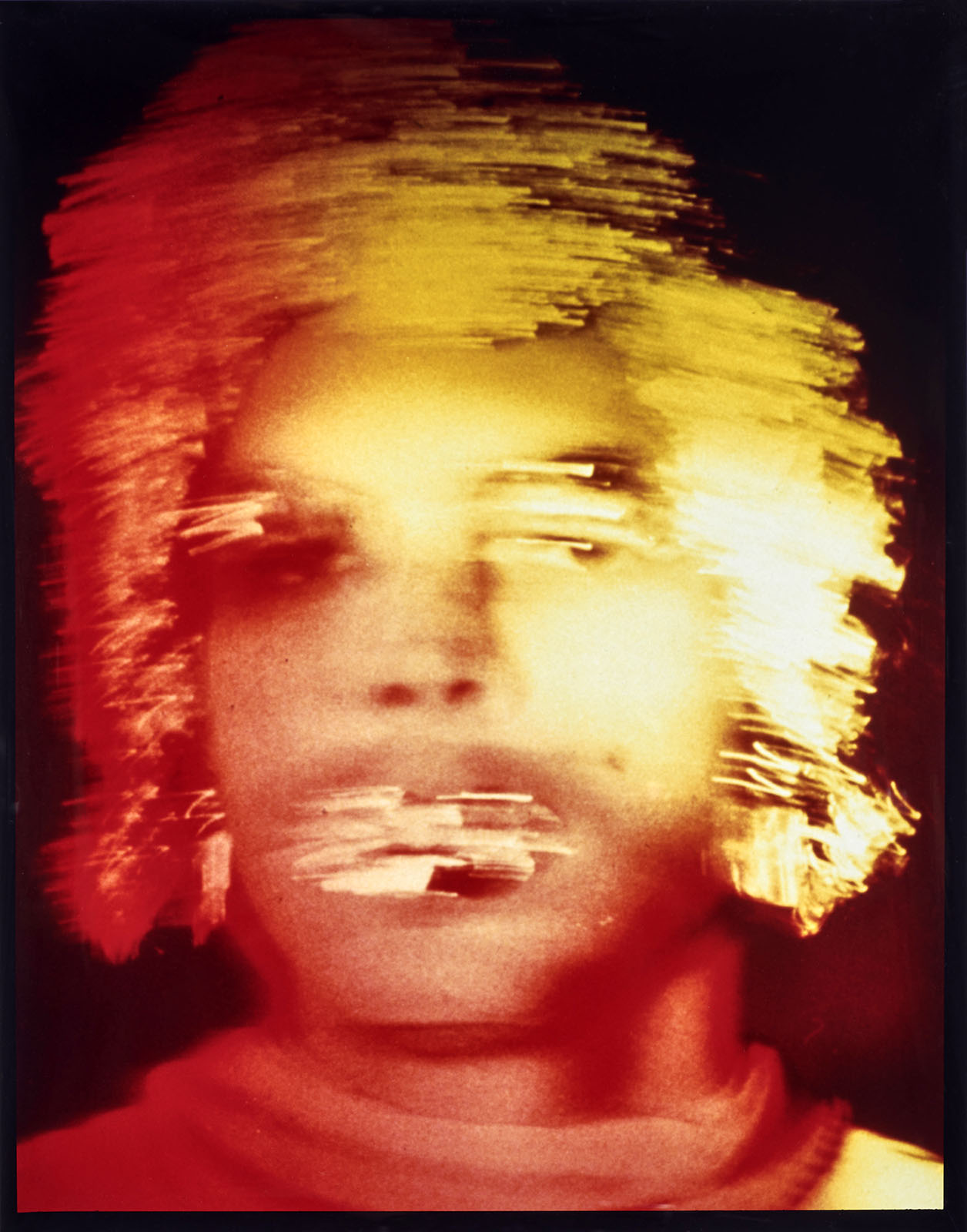
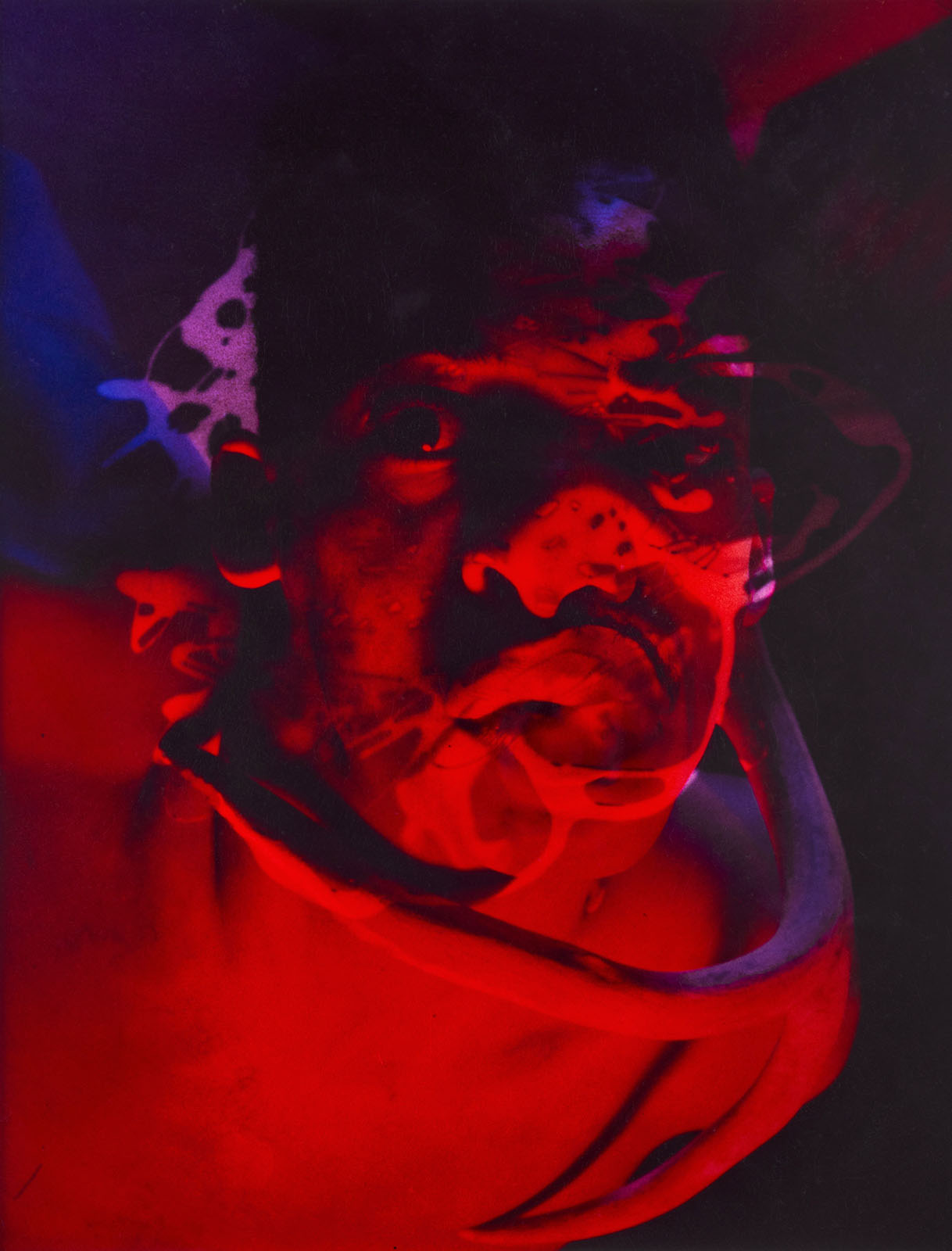
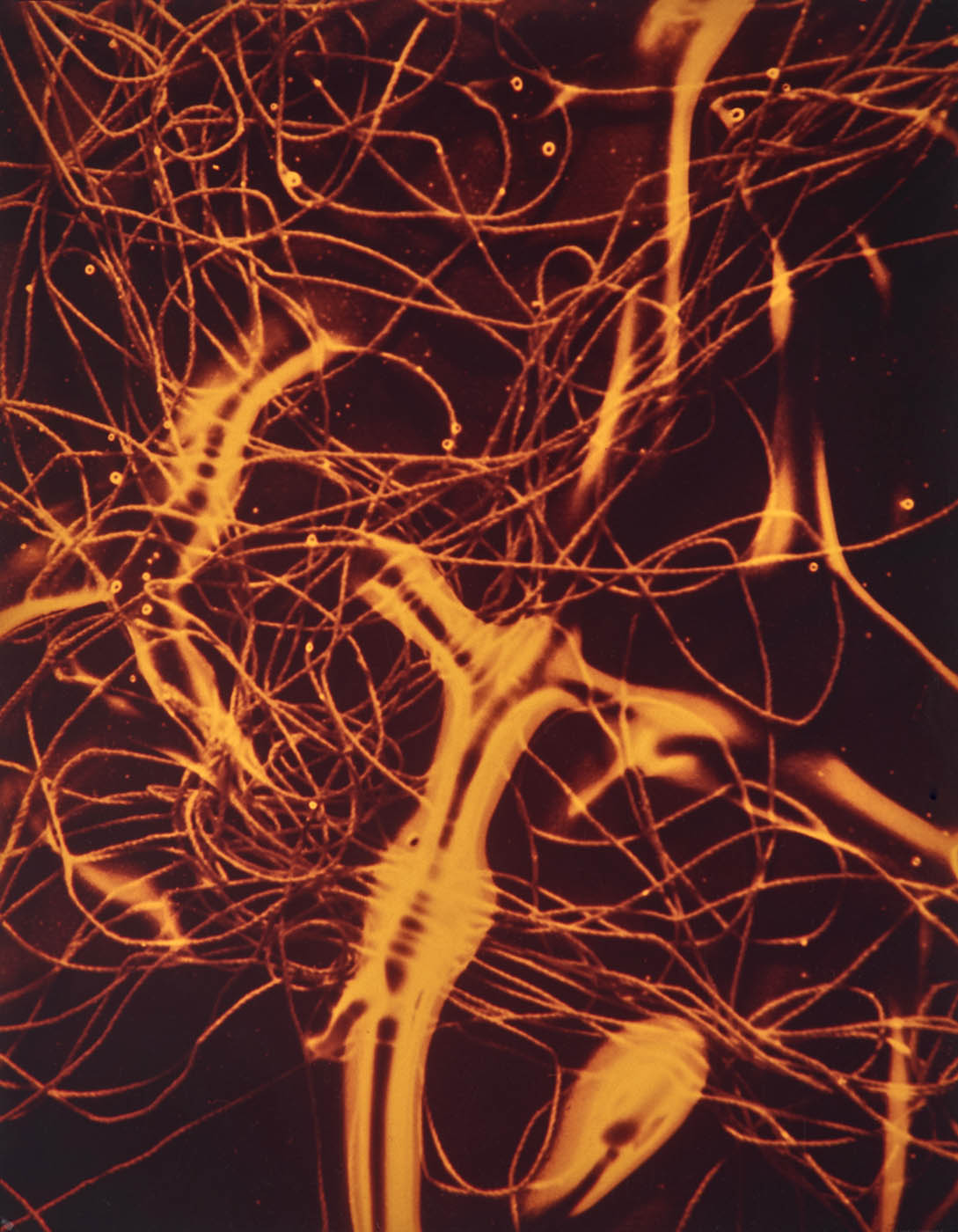
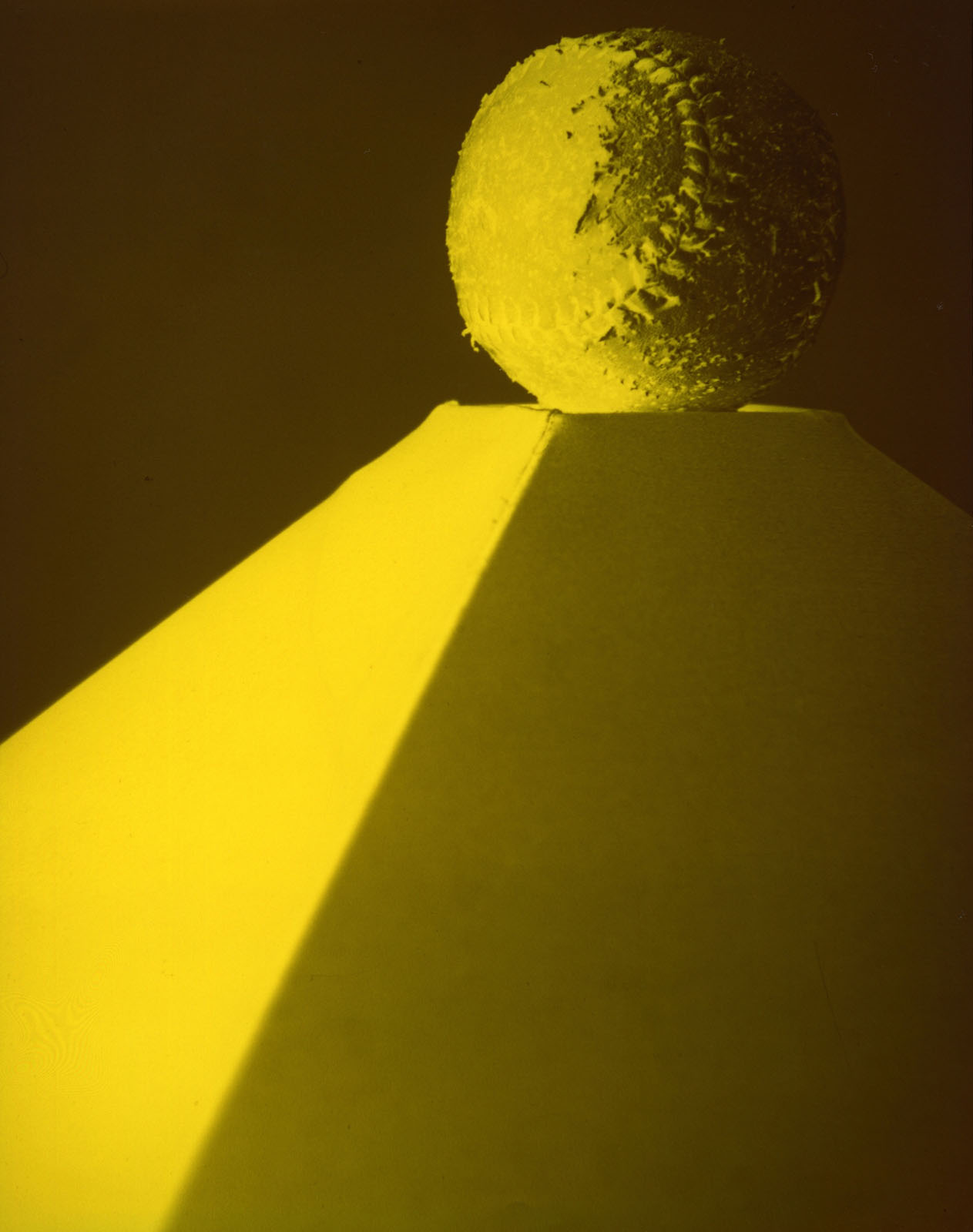
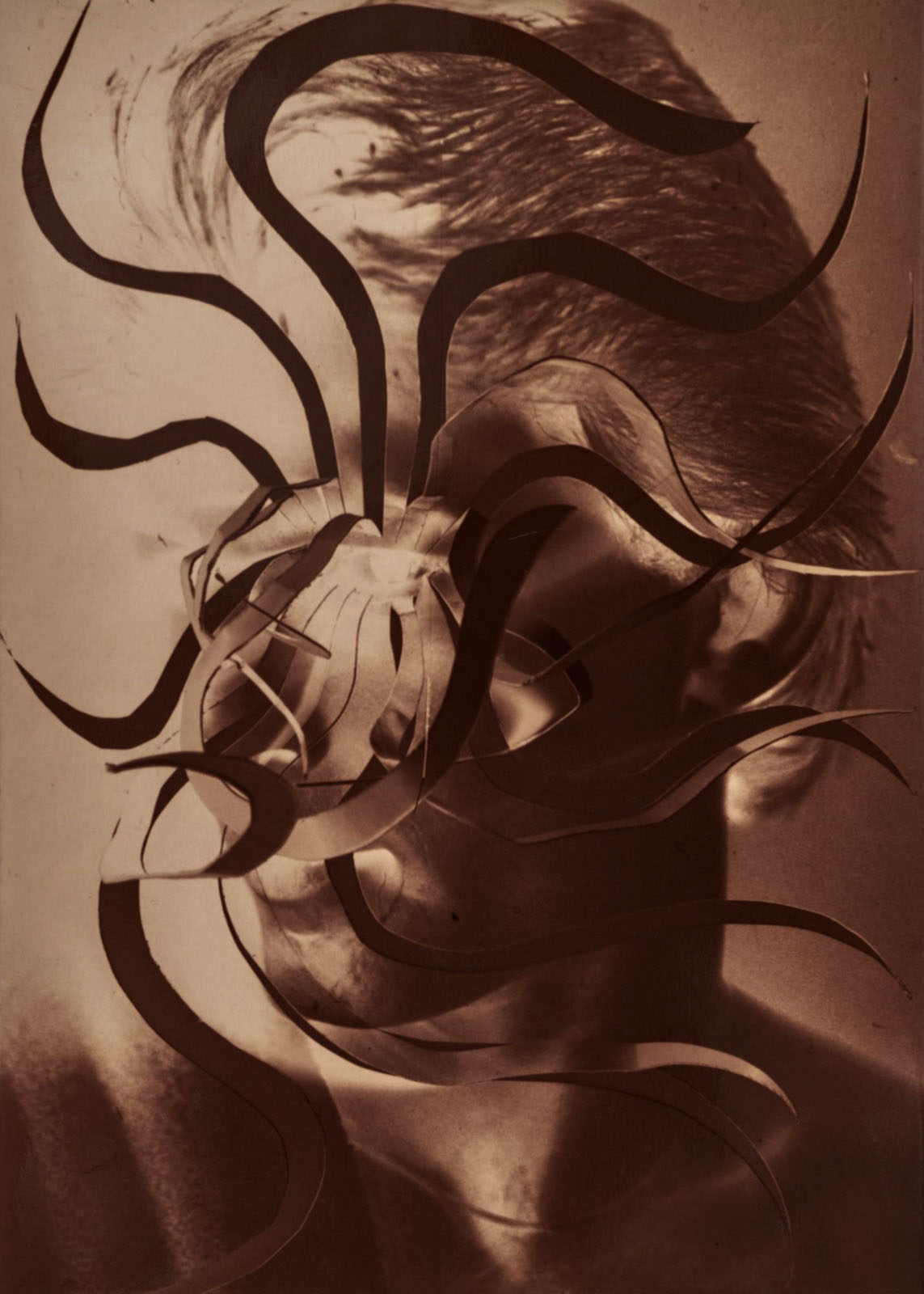
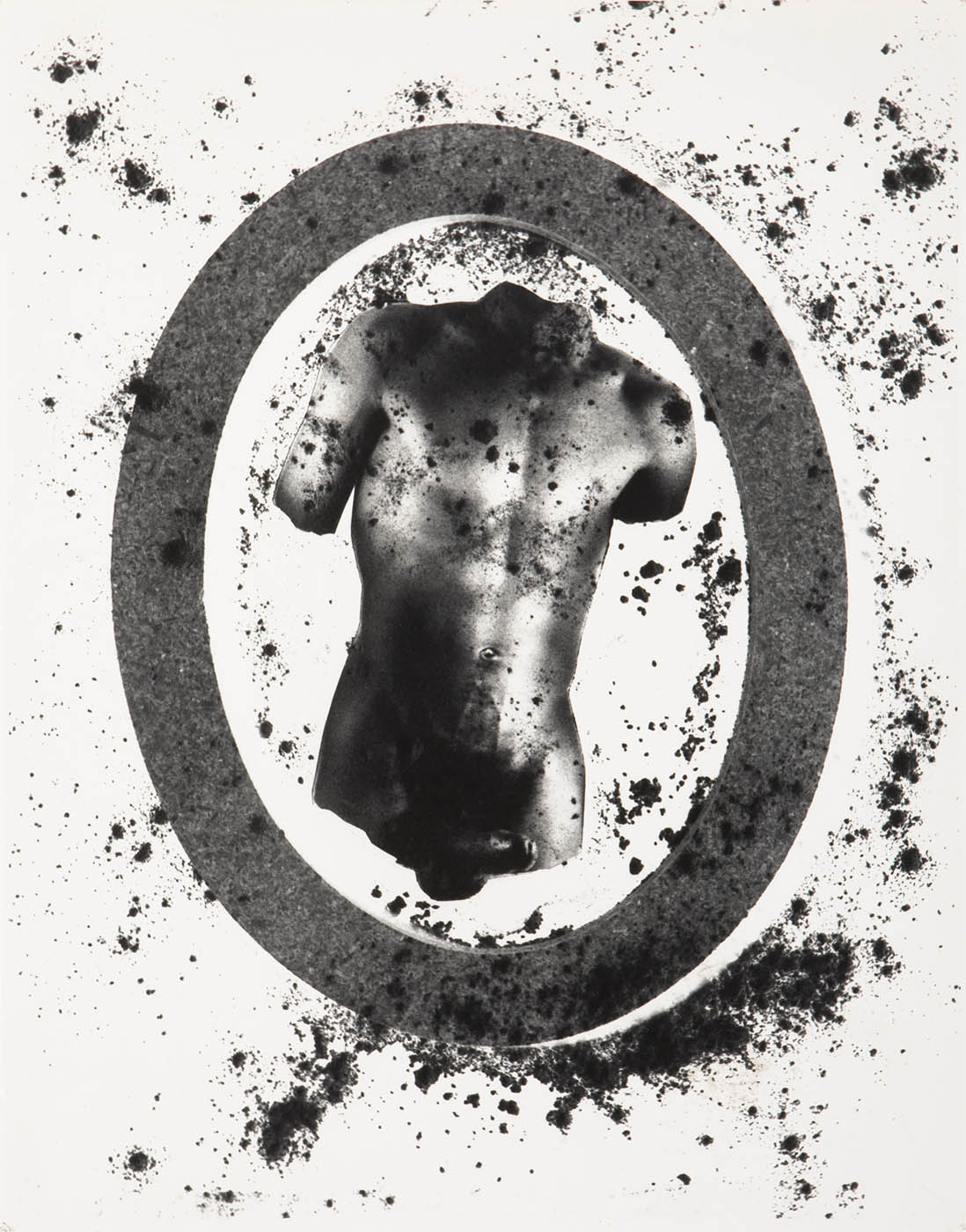
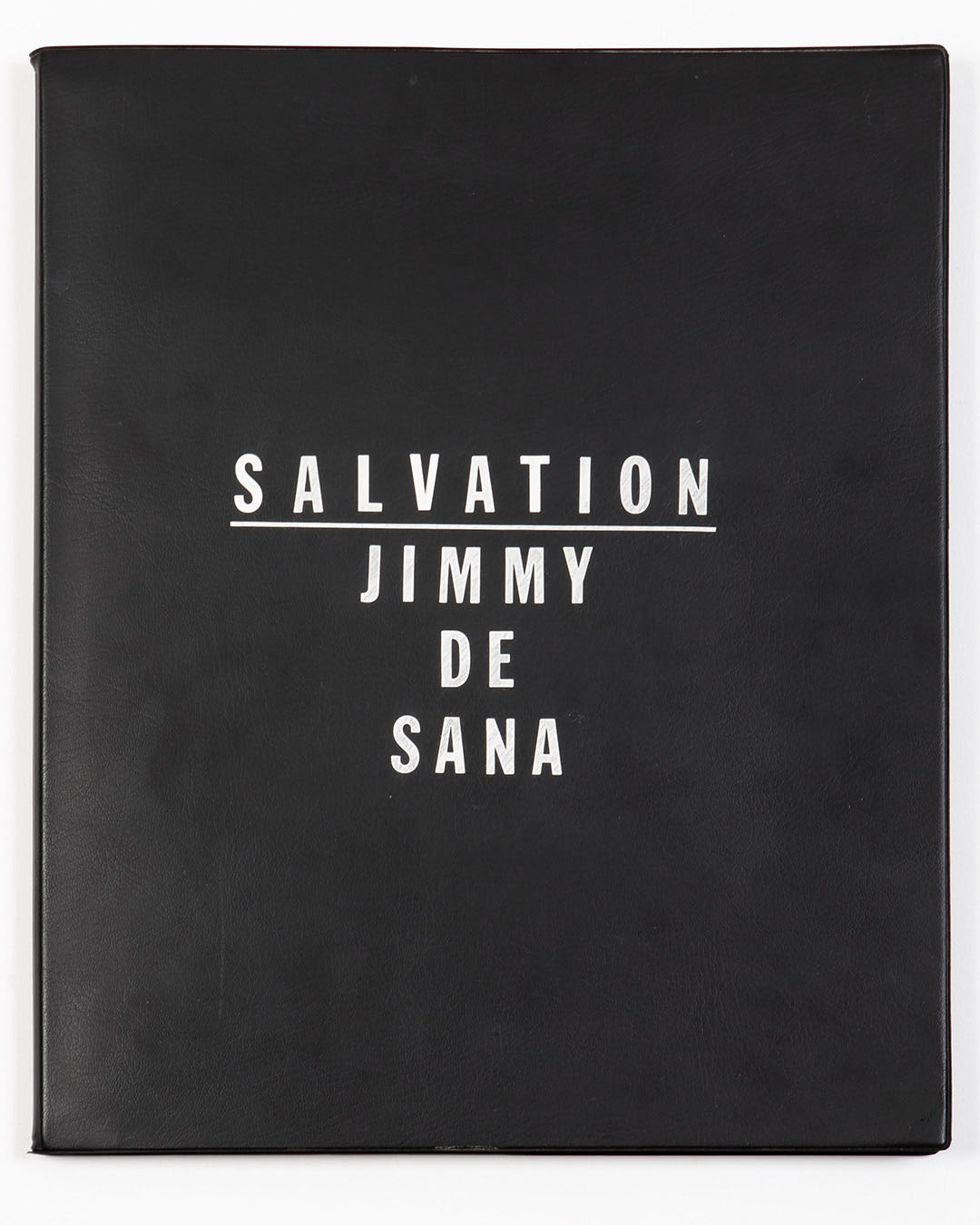
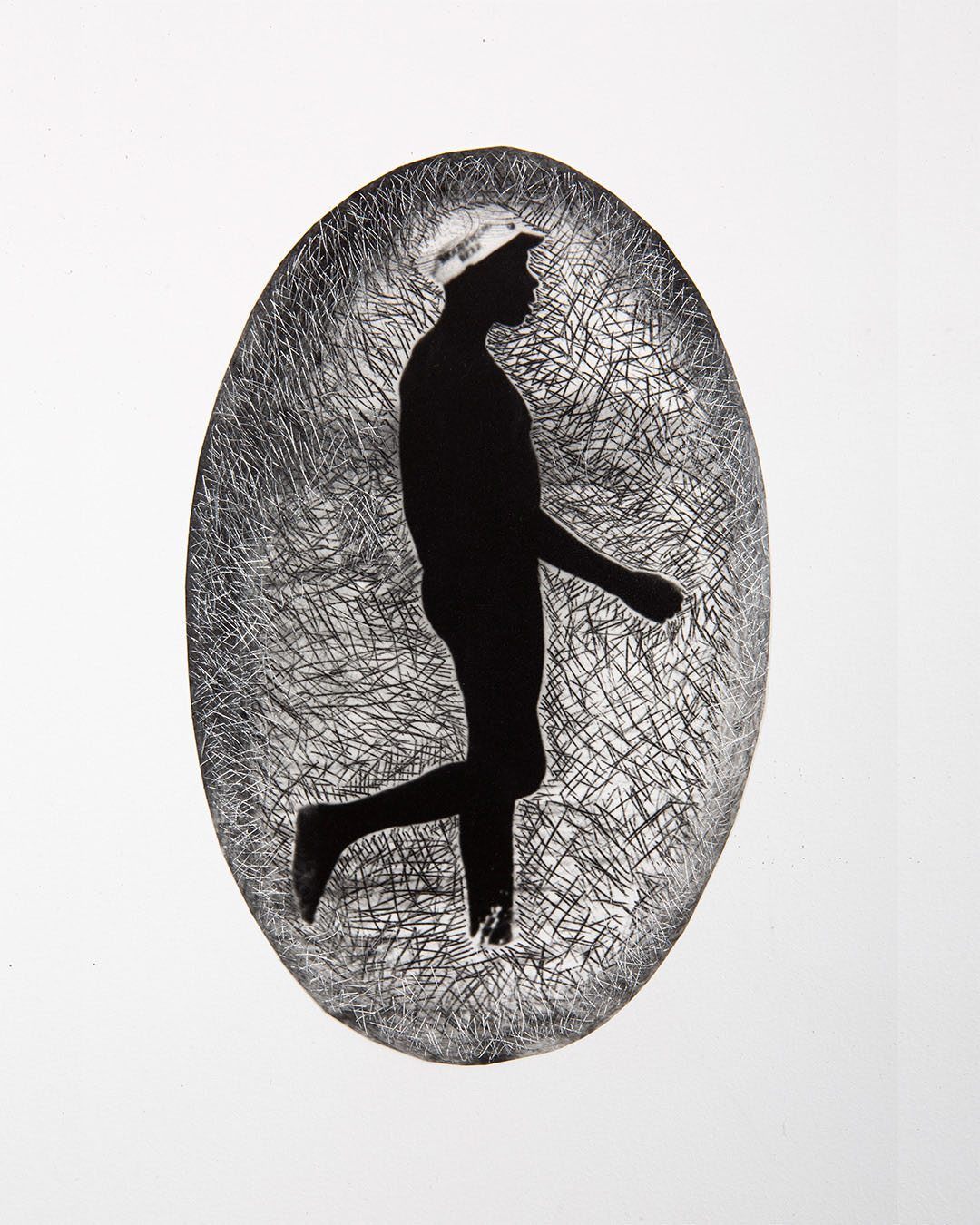
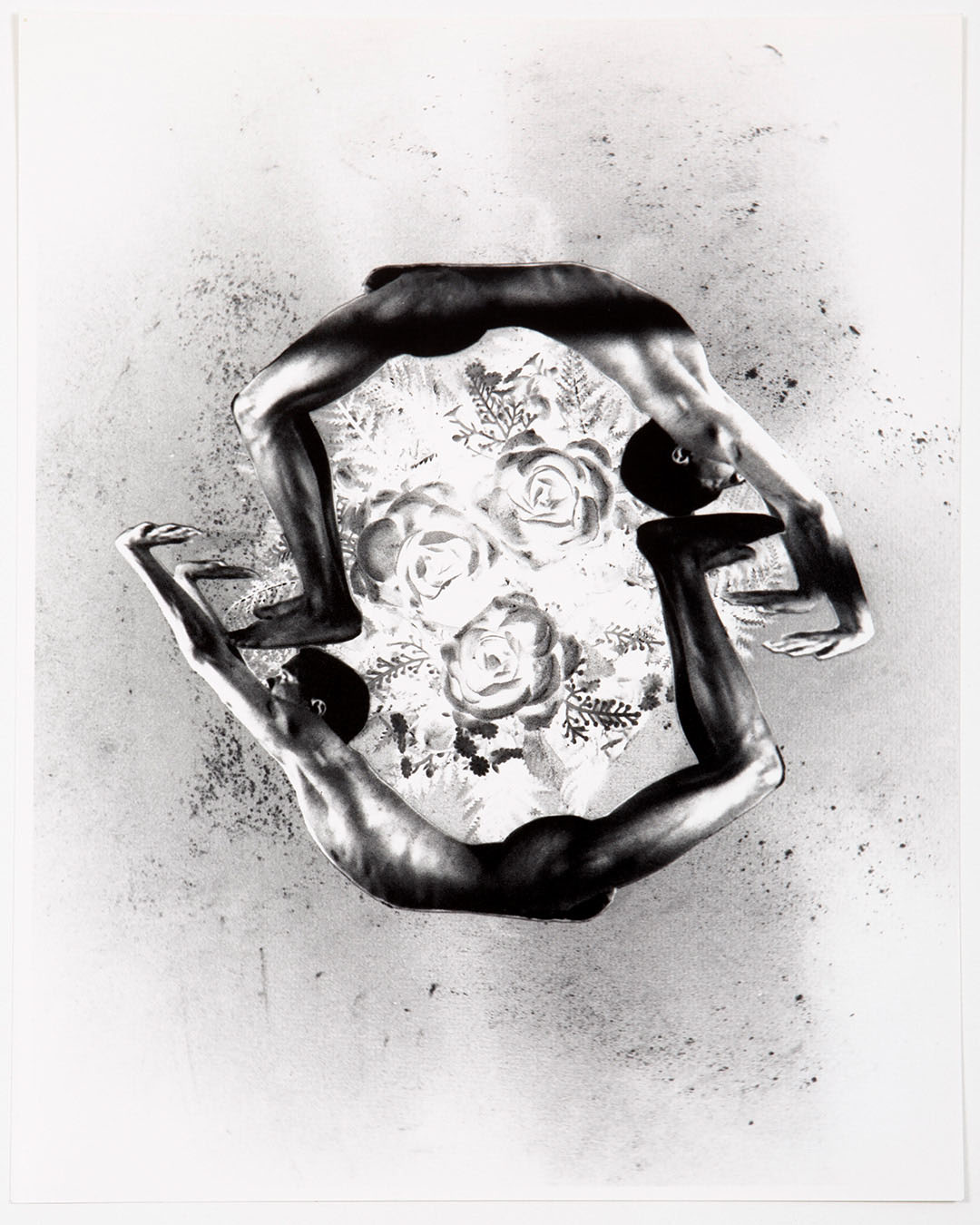
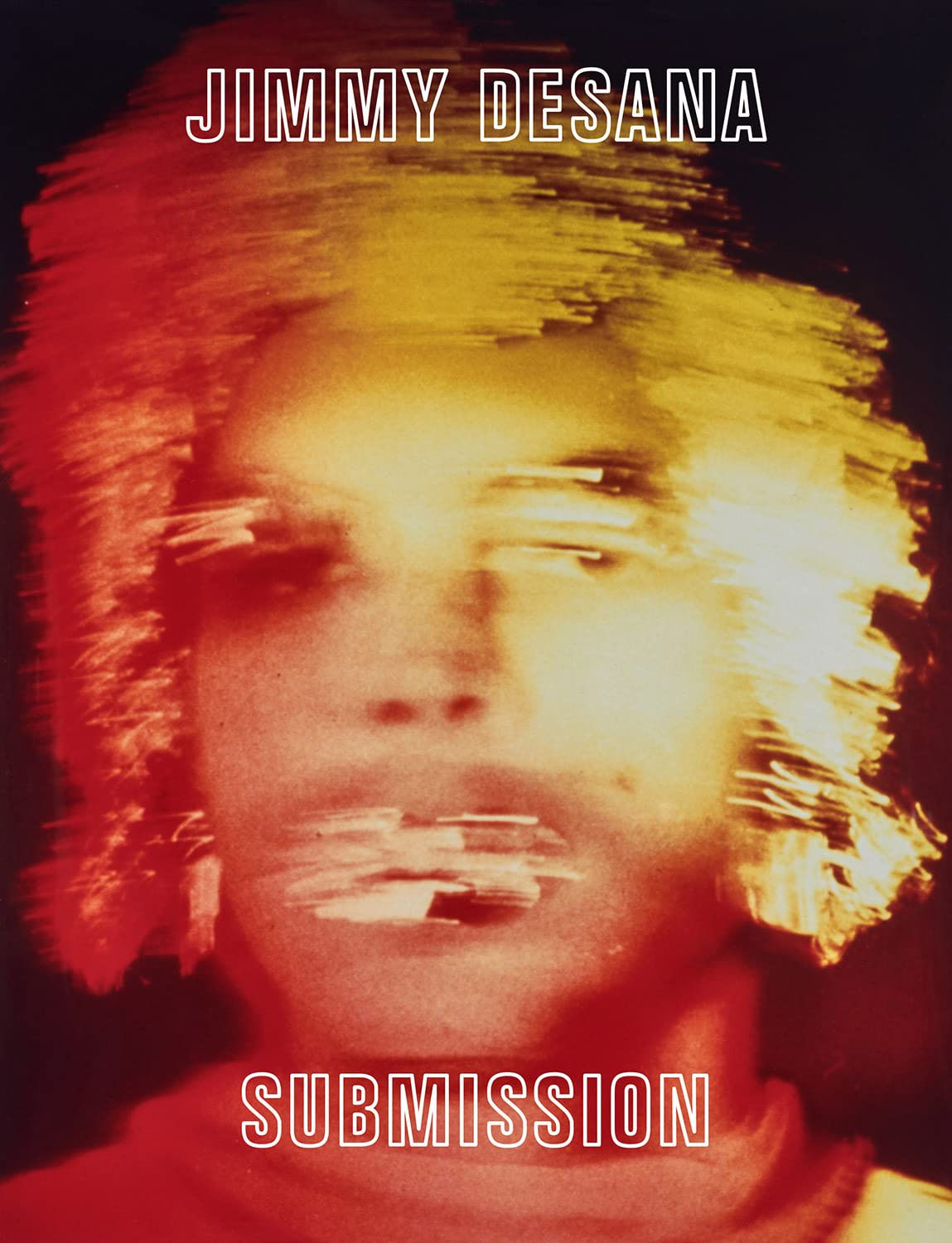
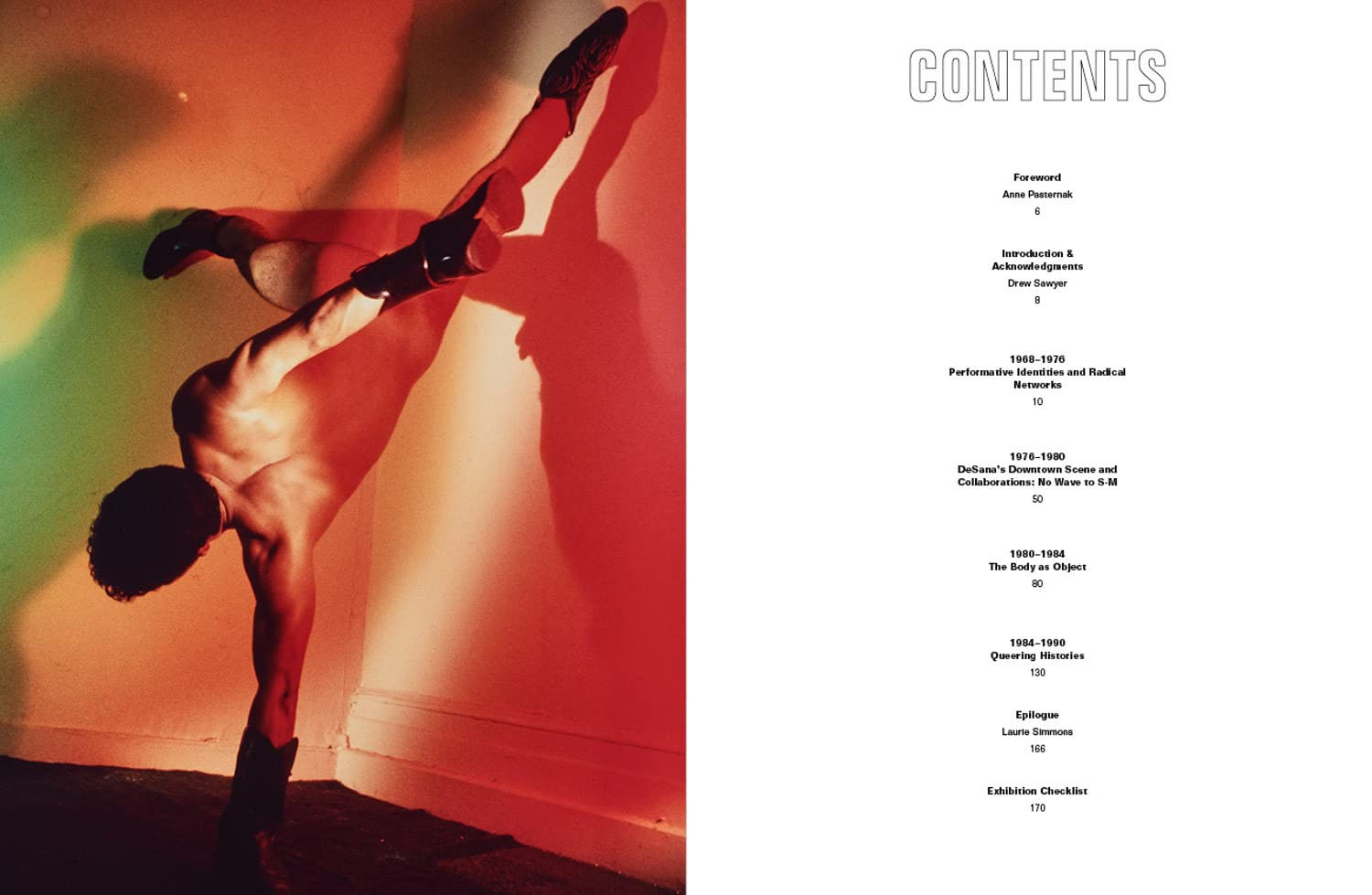
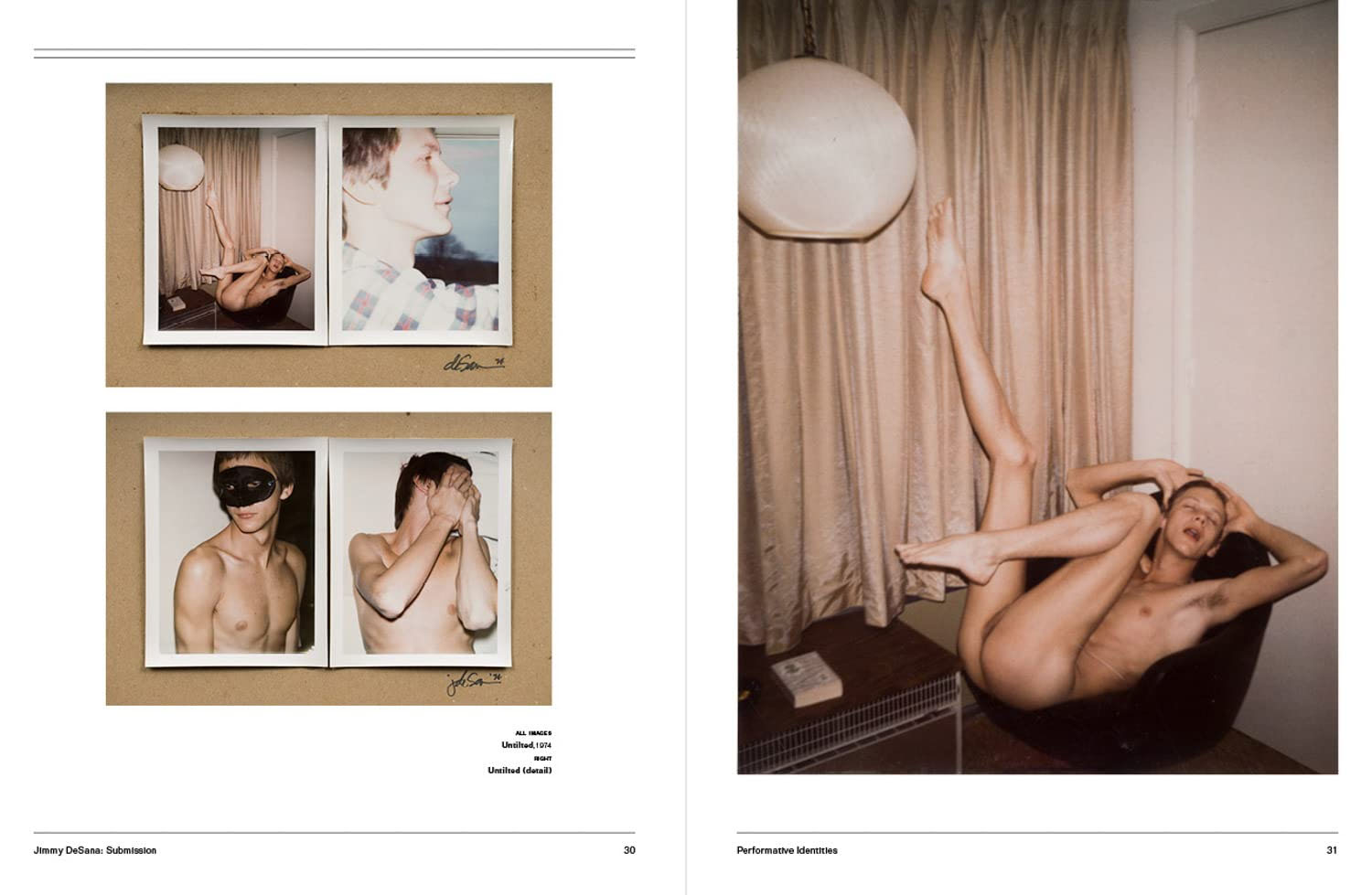
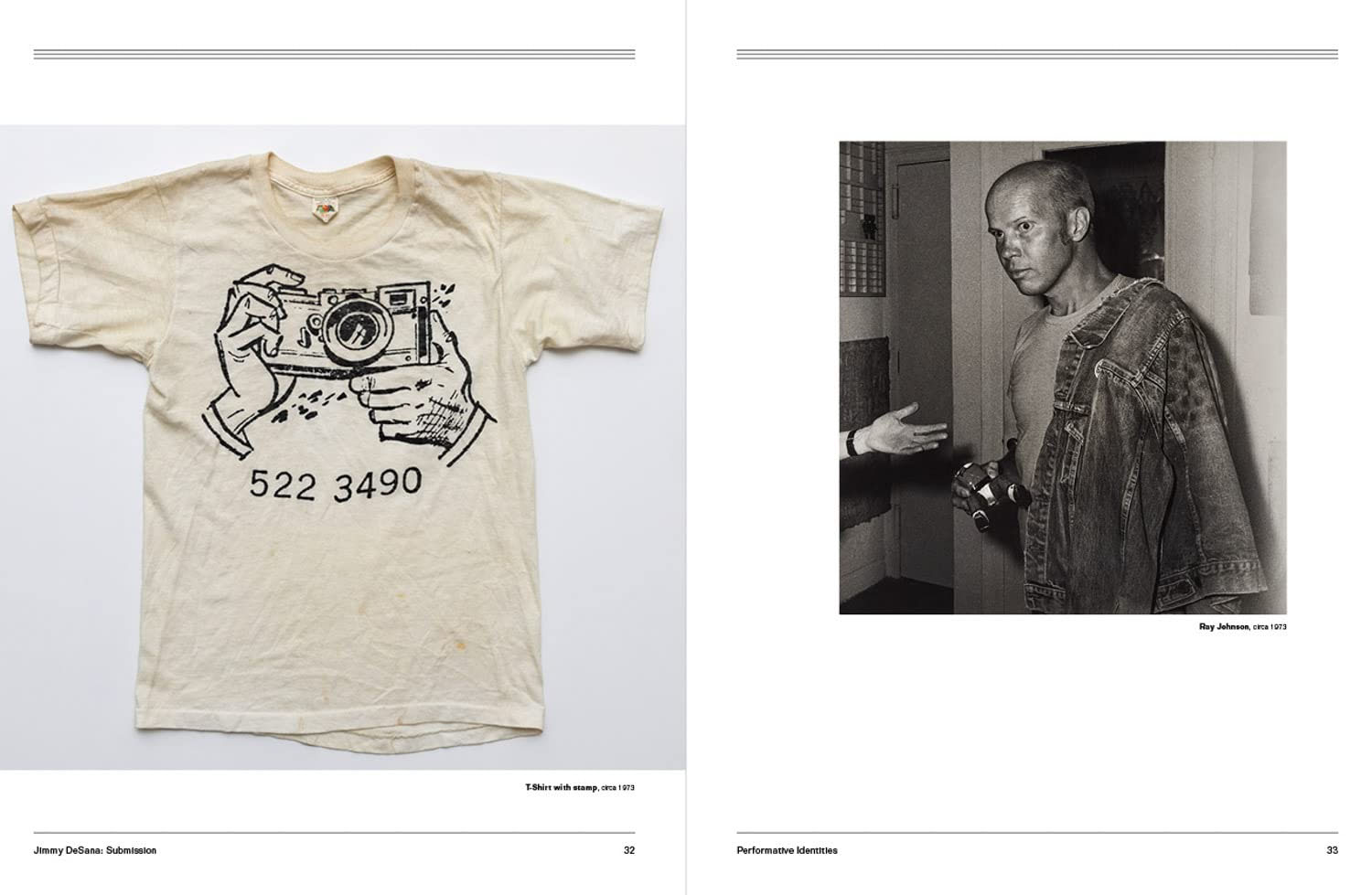
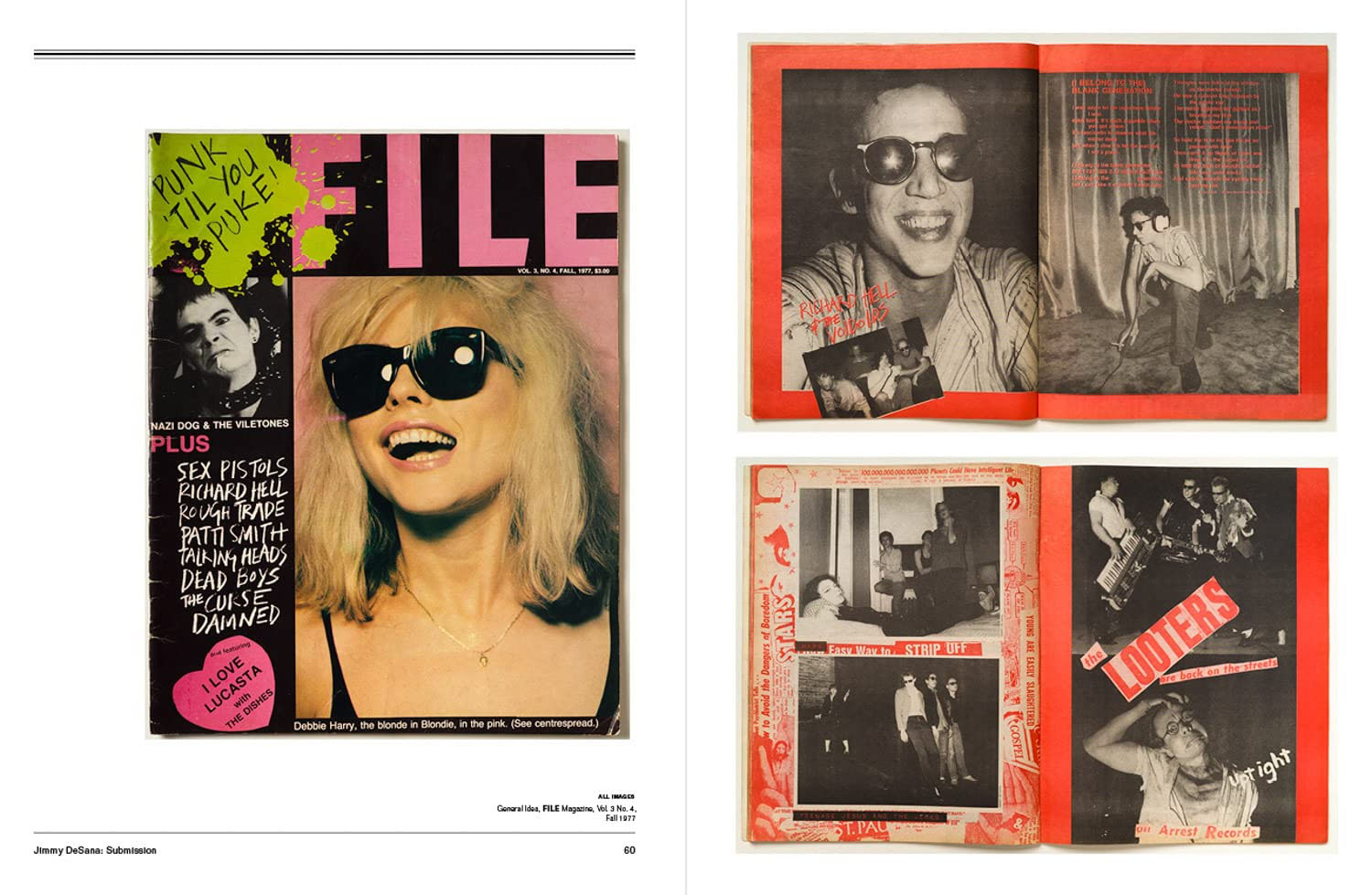
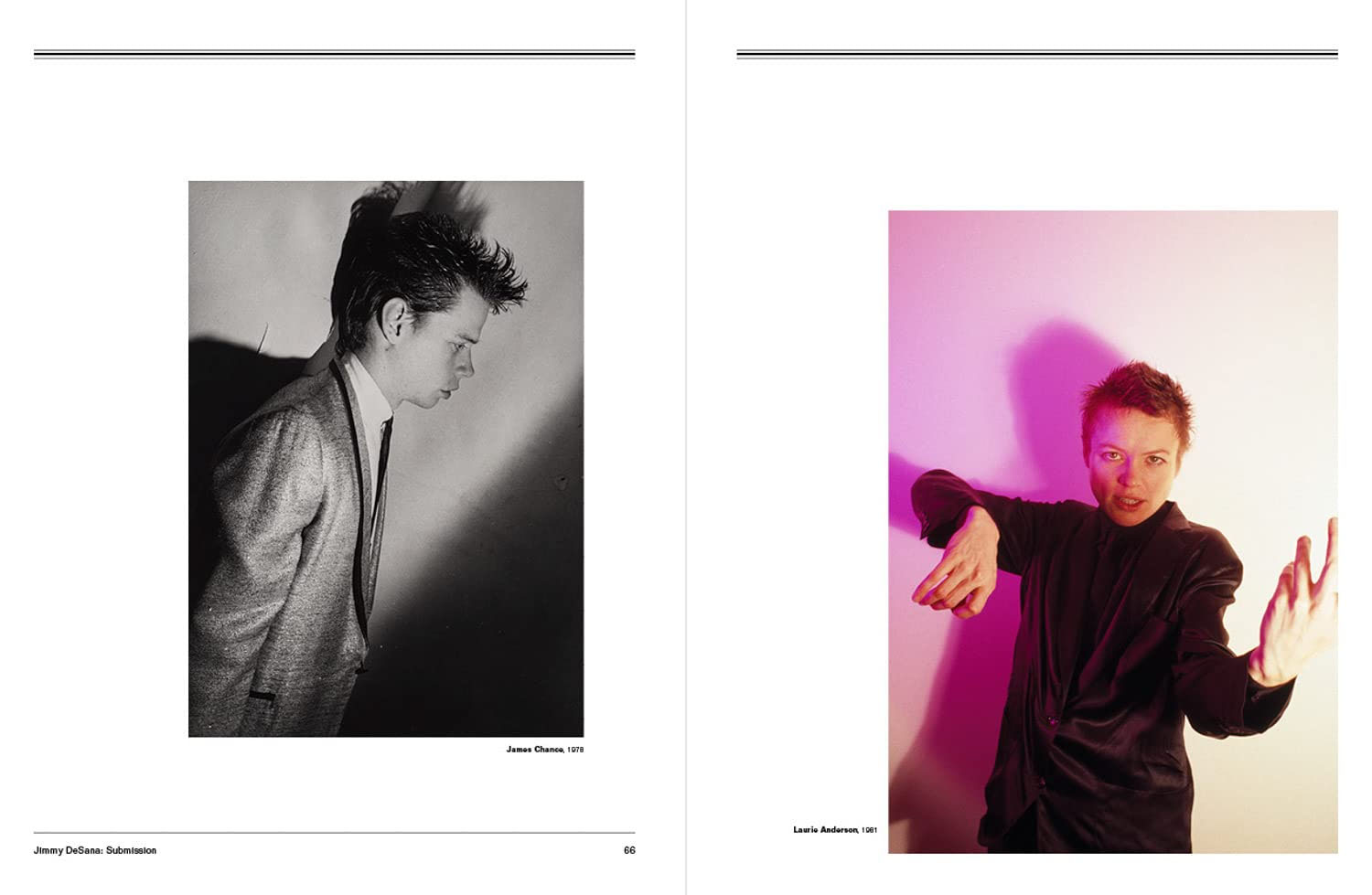
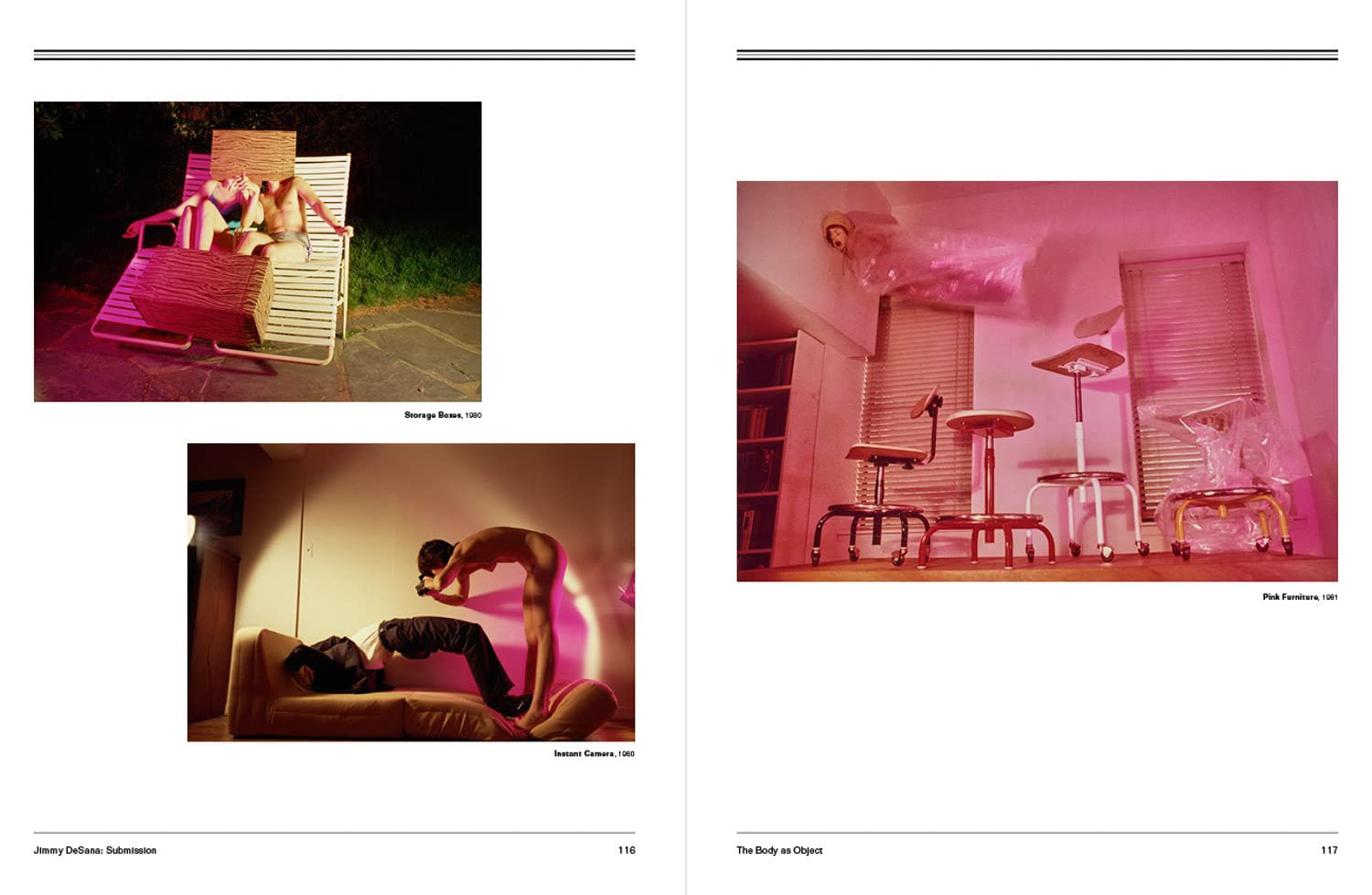
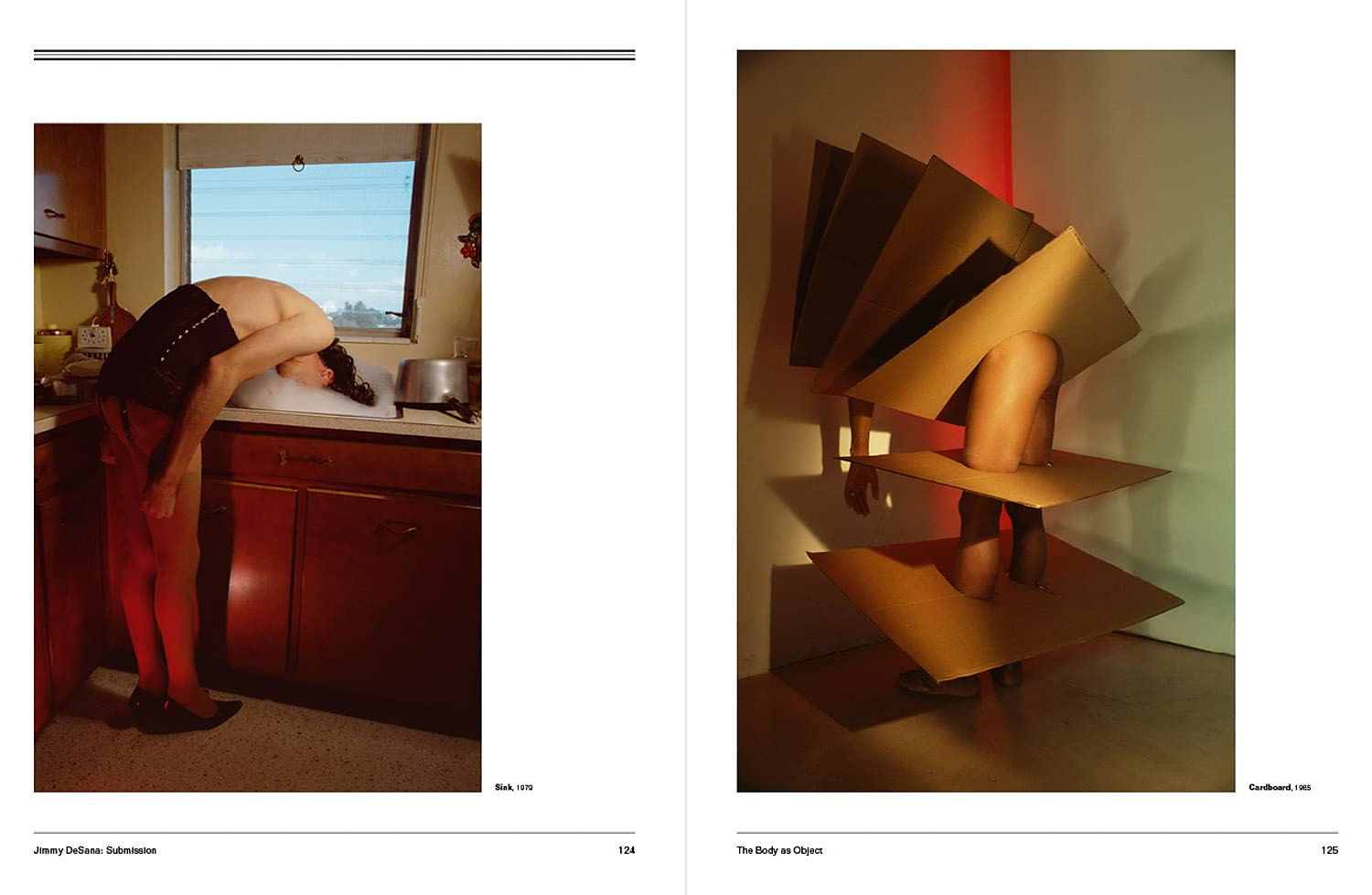
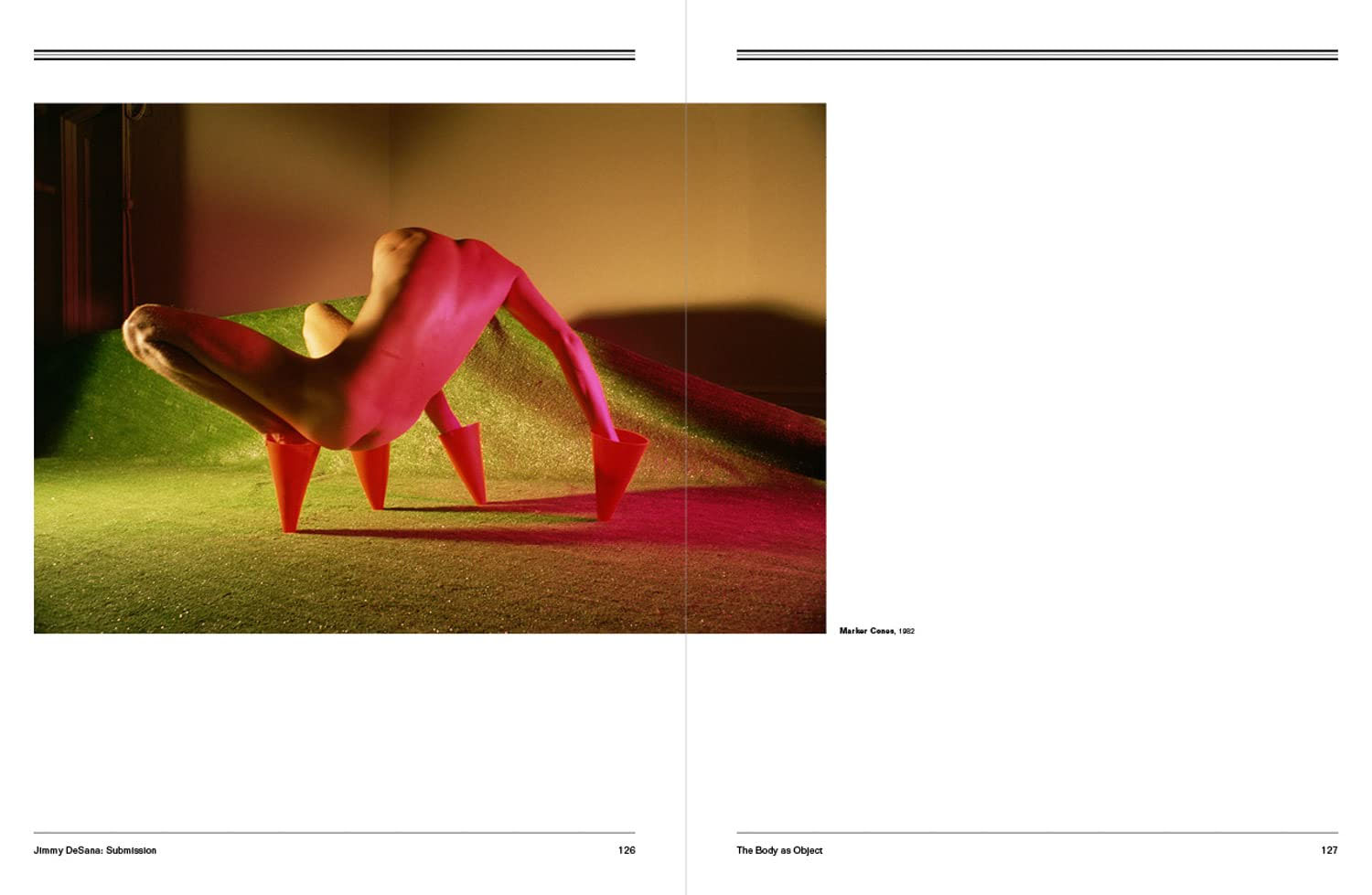

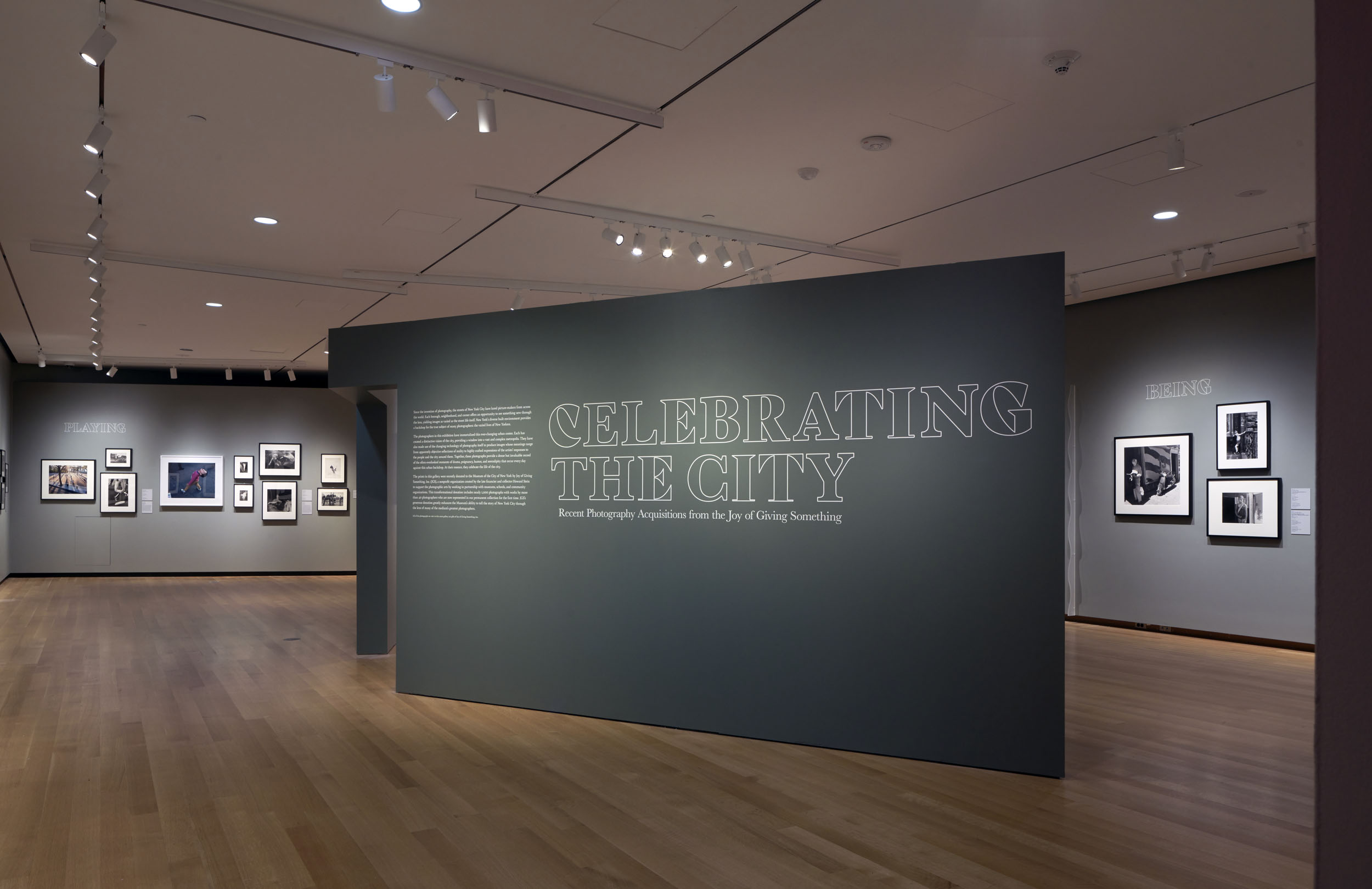
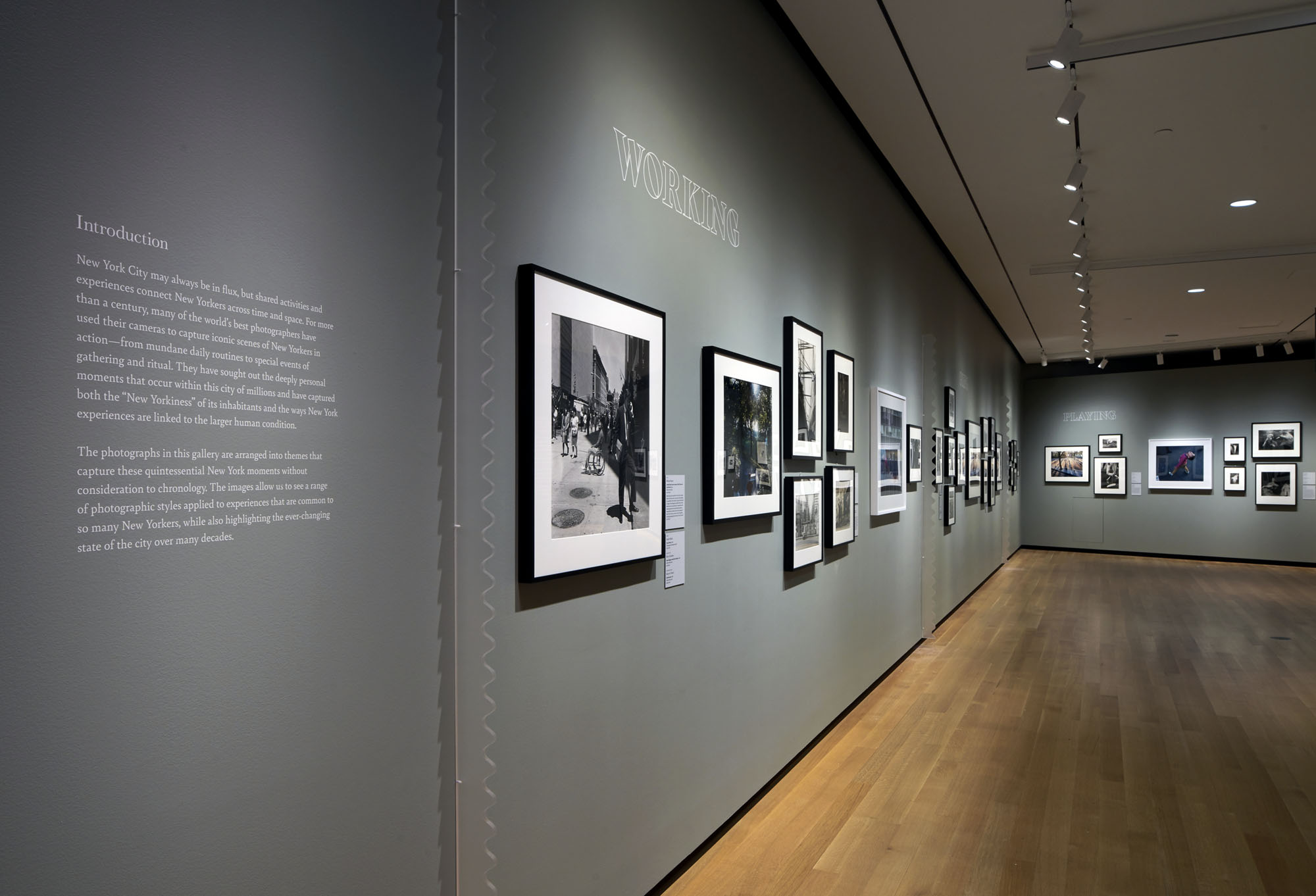
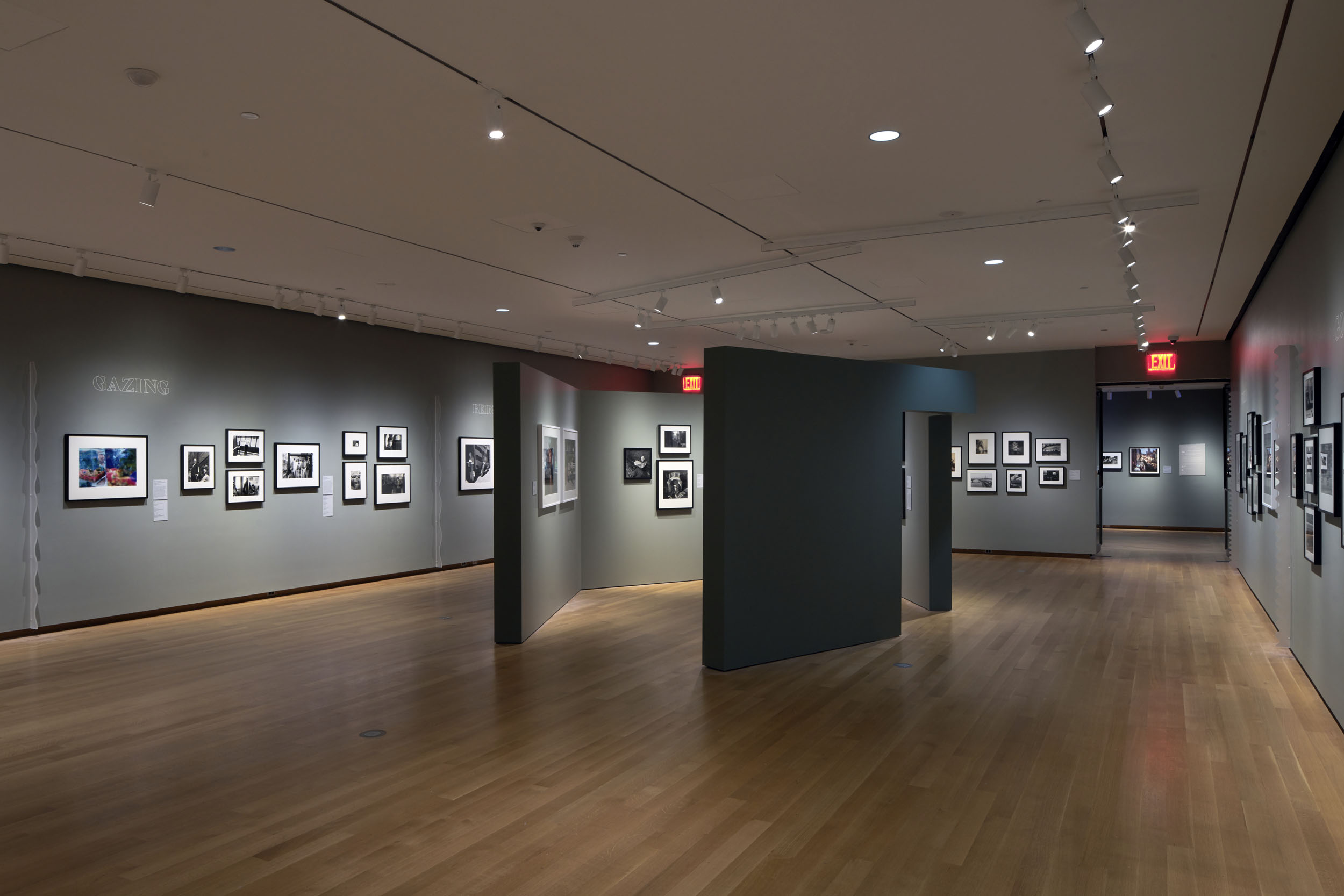
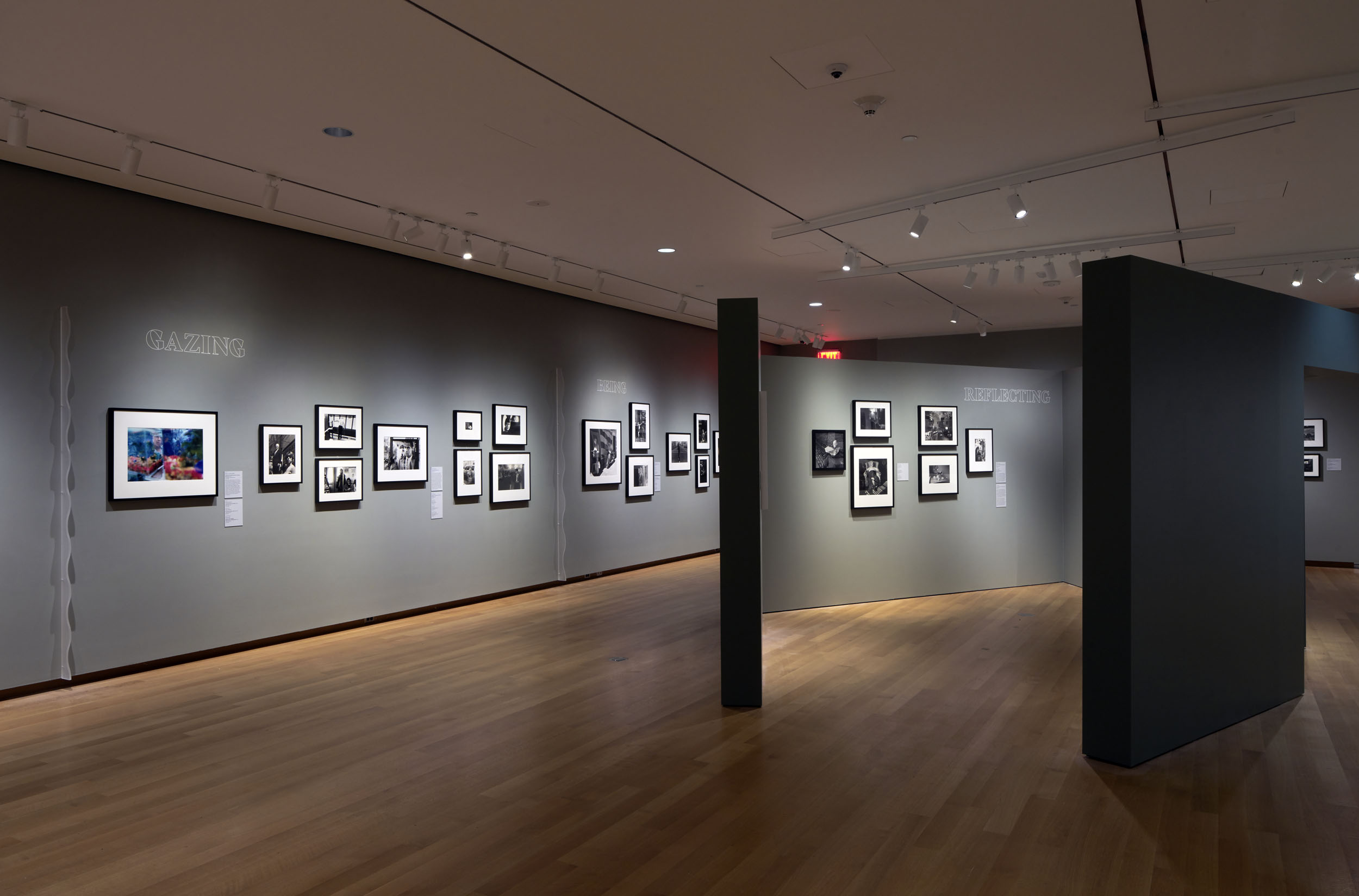
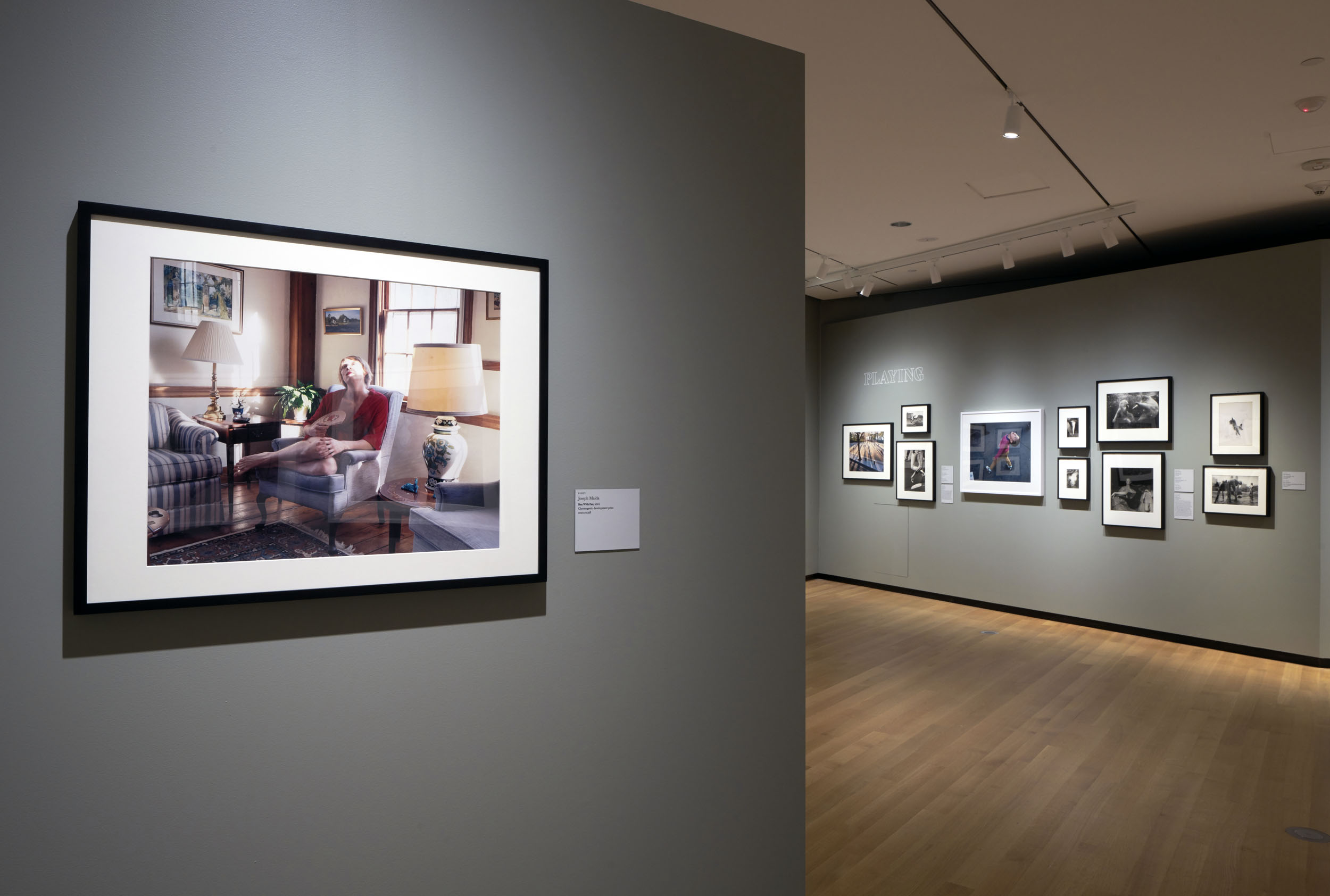
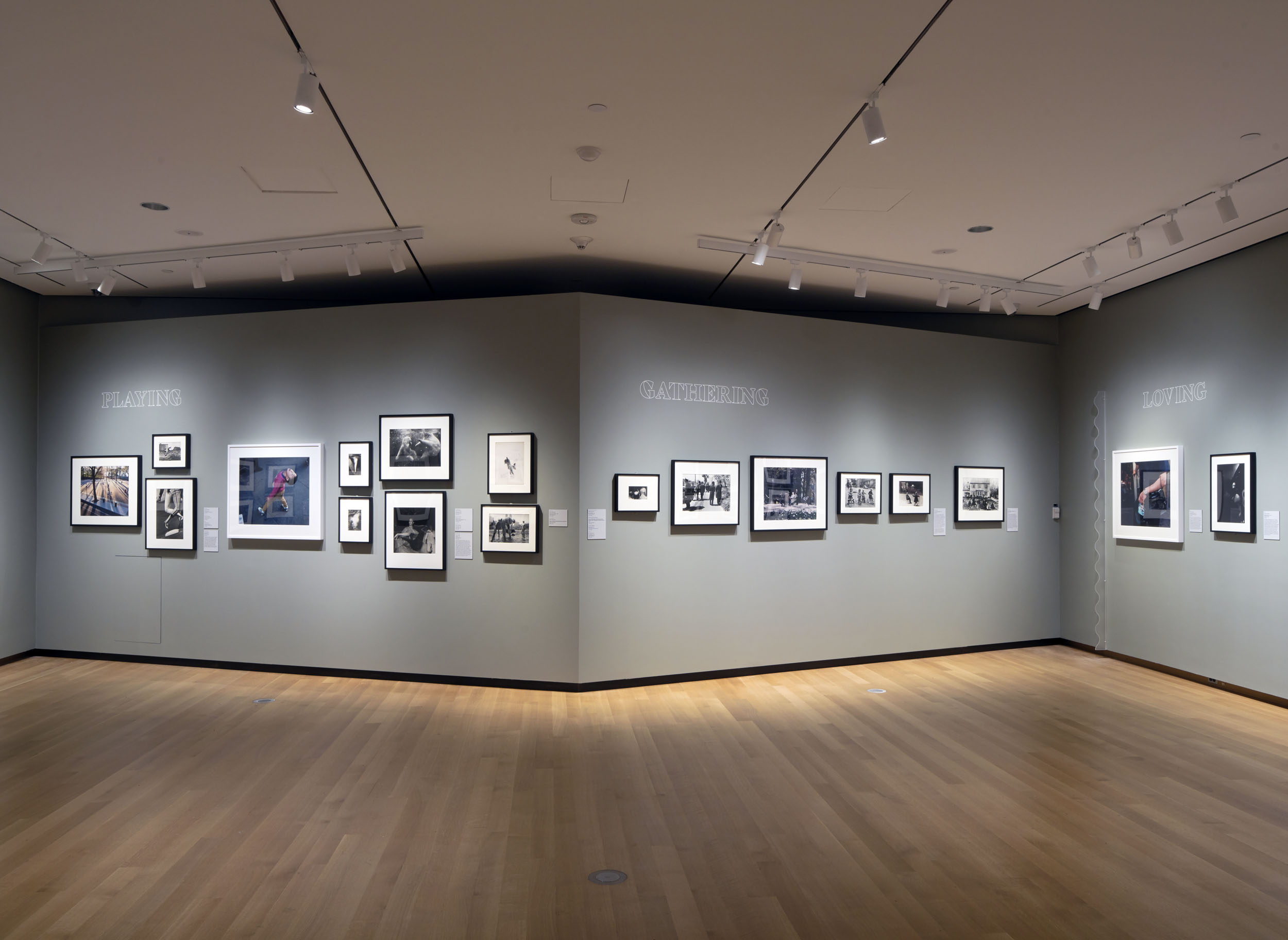
![Installation view of the exhibition 'Celebrating the City: Recent Acquisitions from the Joy of Giving Something' at the Museum of the City of New York showing at right, Mitch Epstein's 'Untitled [New York #3]' 1995](https://artblart.com/wp-content/uploads/2022/03/blf-2022-mcny-celebratingthecity-119.jpg "Installation view of the exhibition 'Celebrating the City: Recent Acquisitions from the Joy of Giving Something' at the Museum of the City of New York showing at right, Mitch Epstein's 'Untitled [New York #3]' 1995")
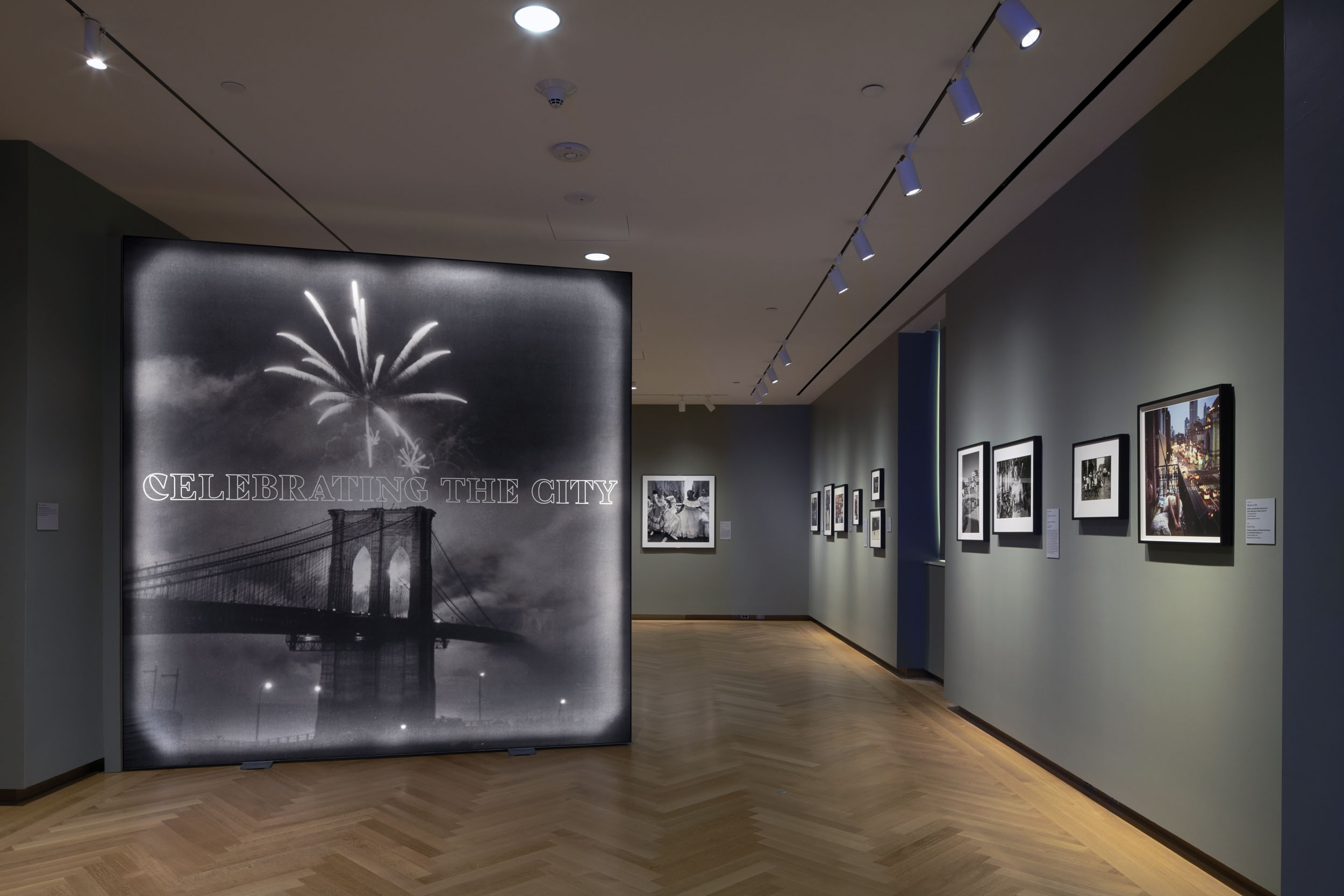
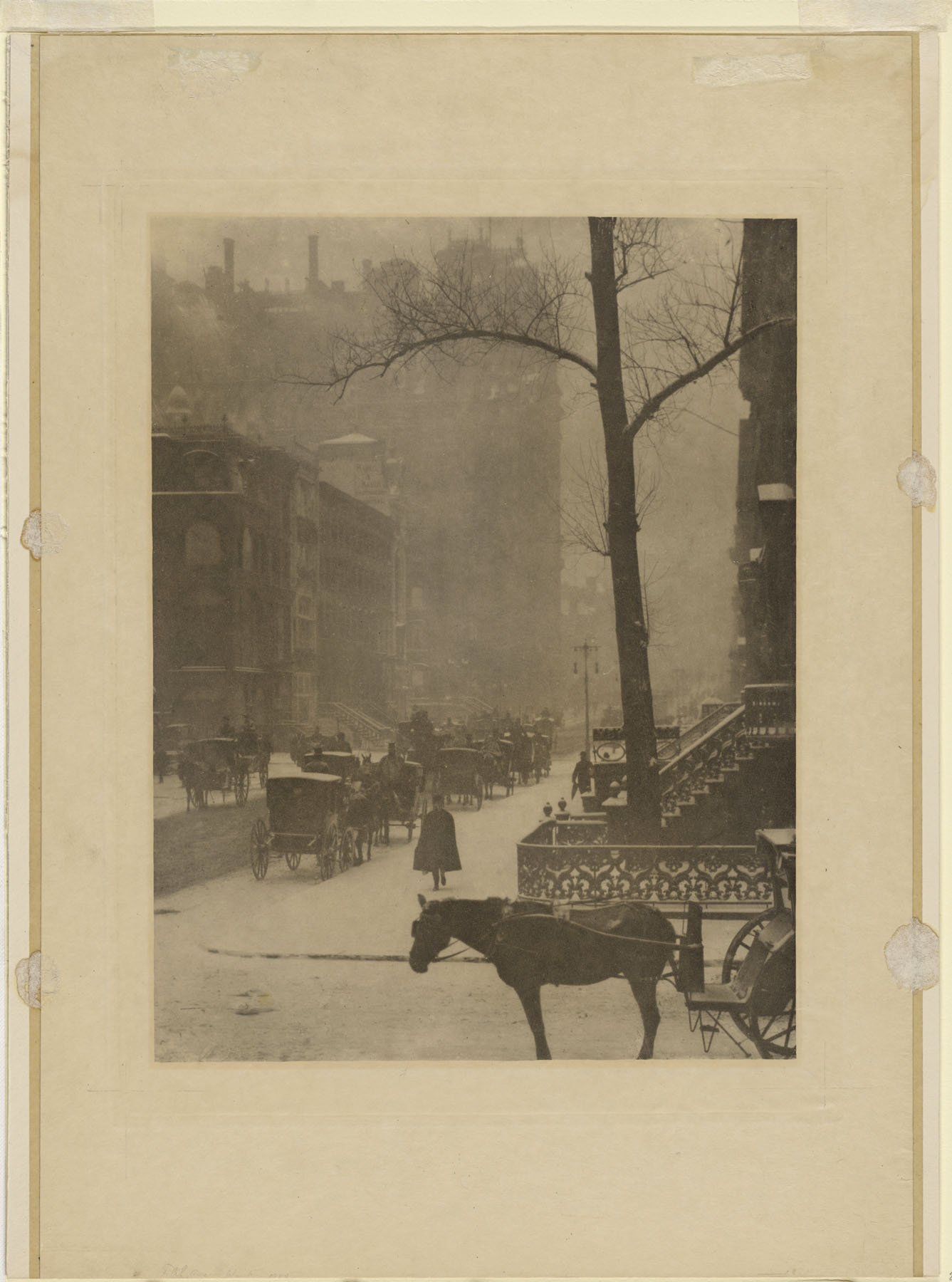
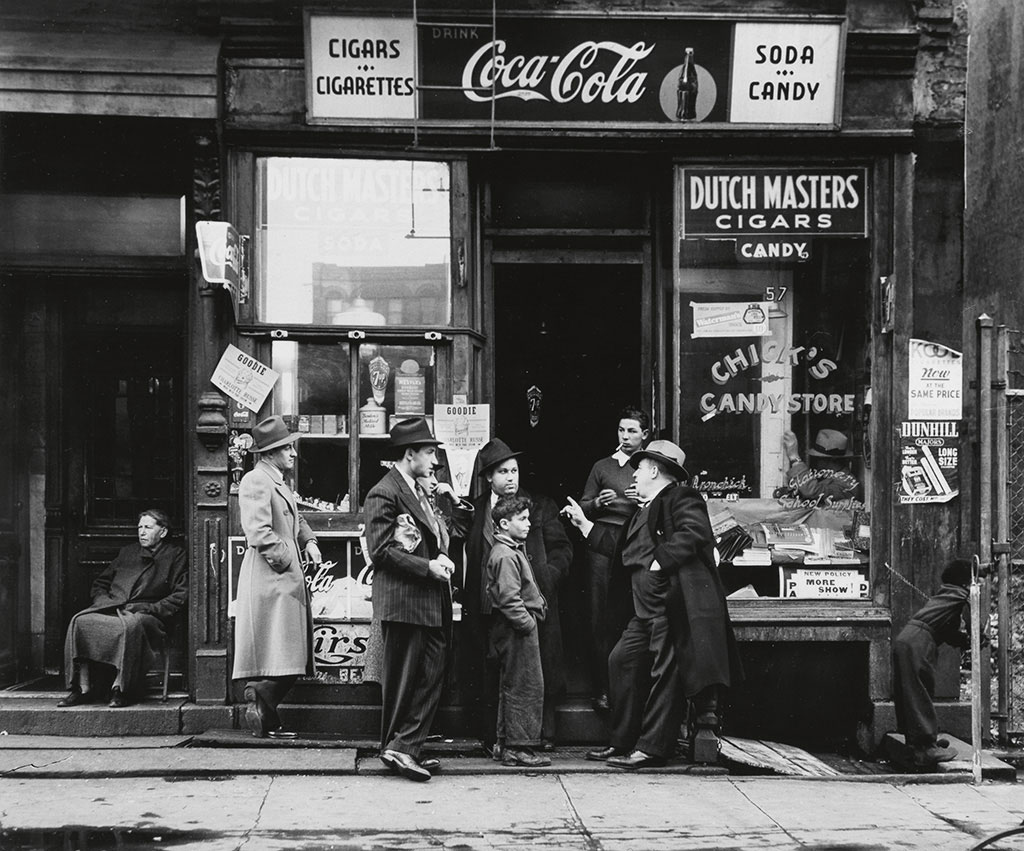
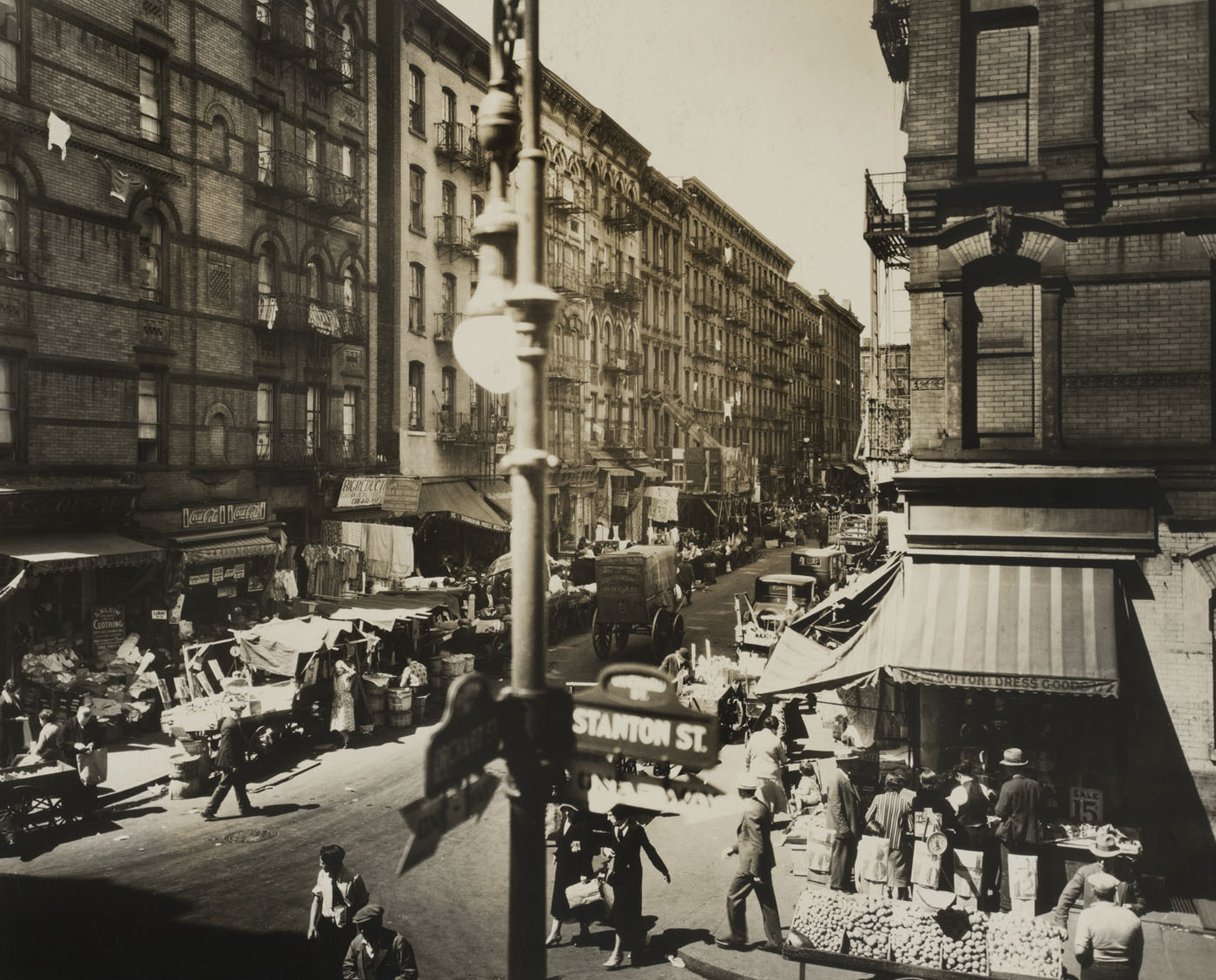
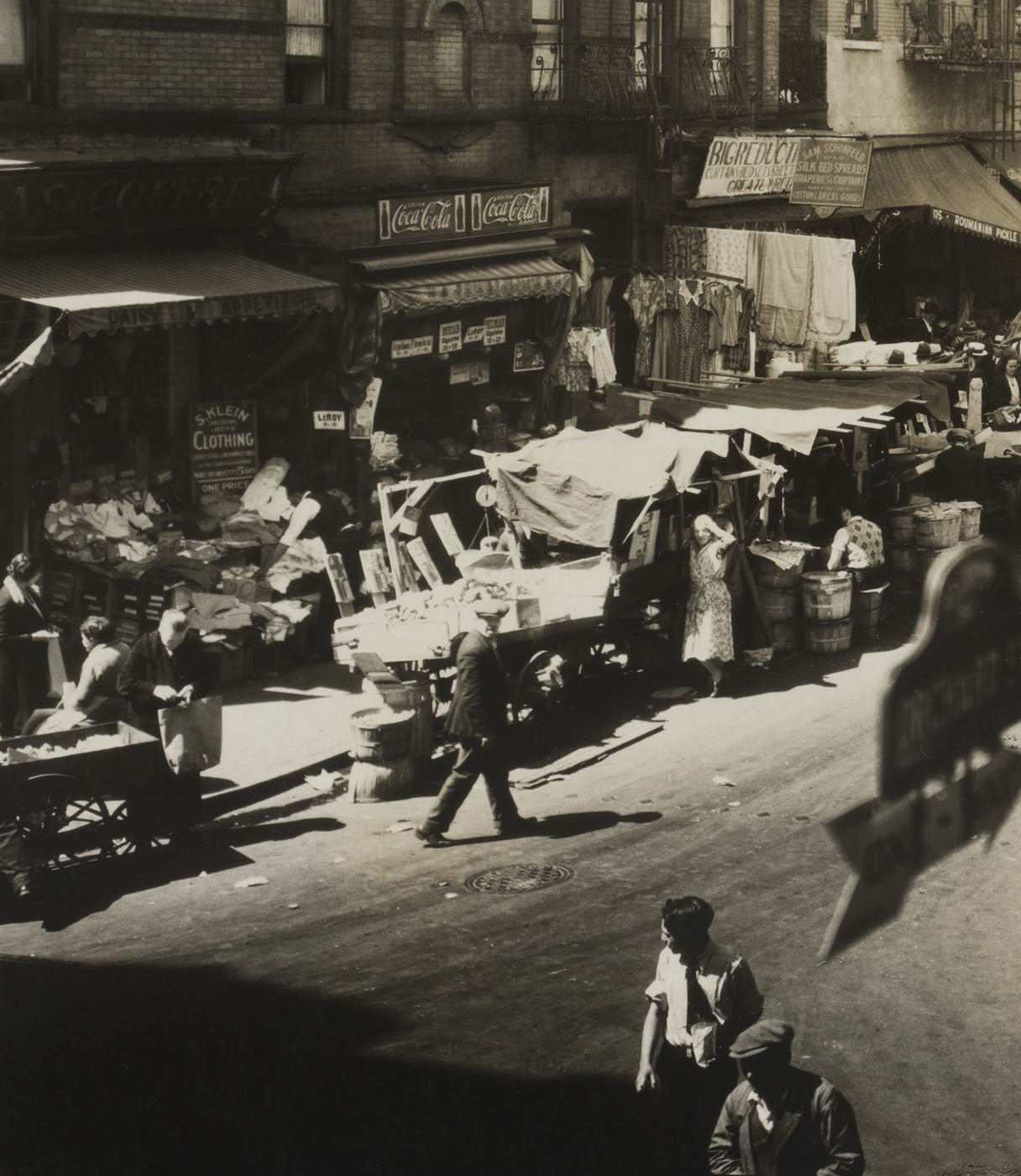
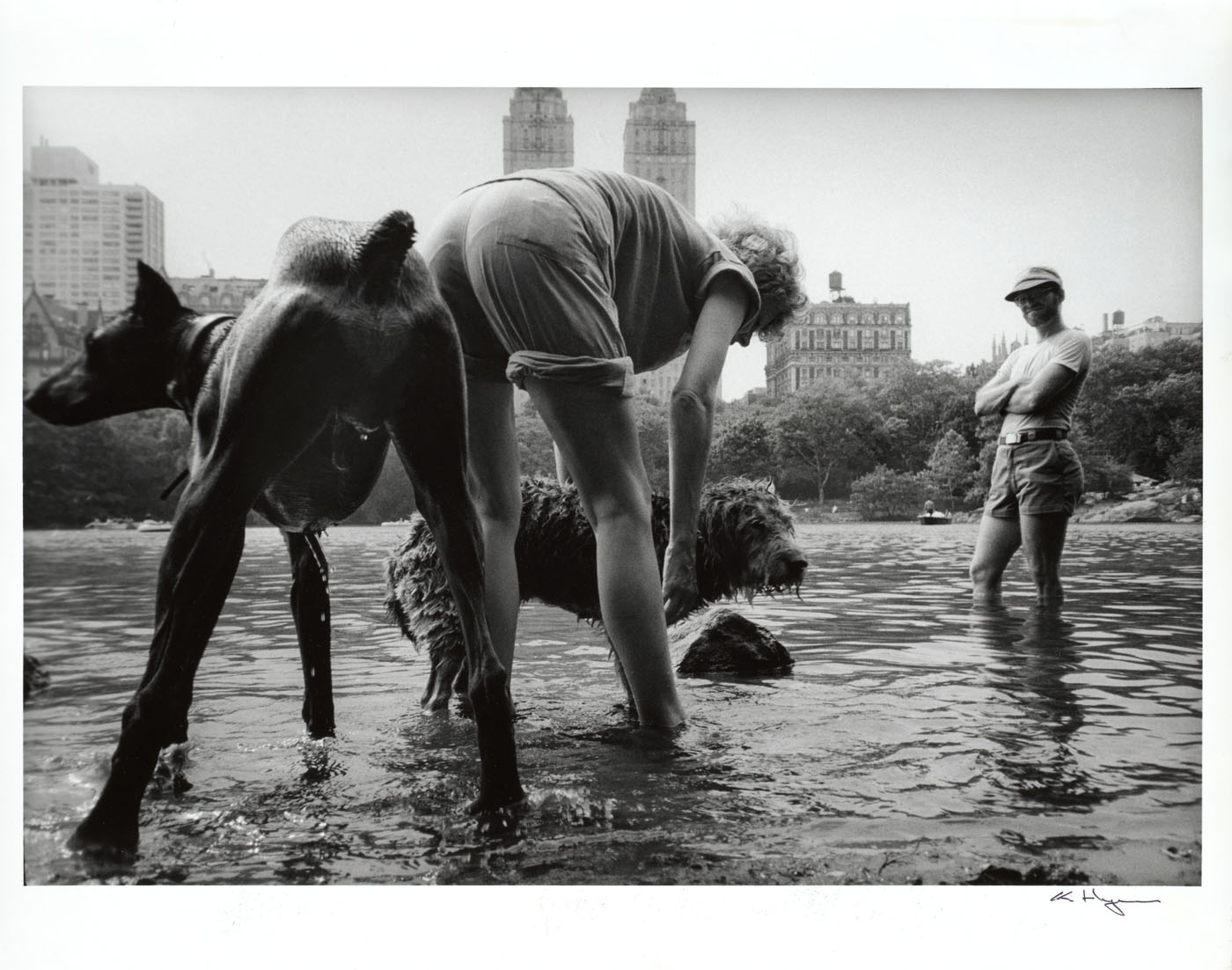
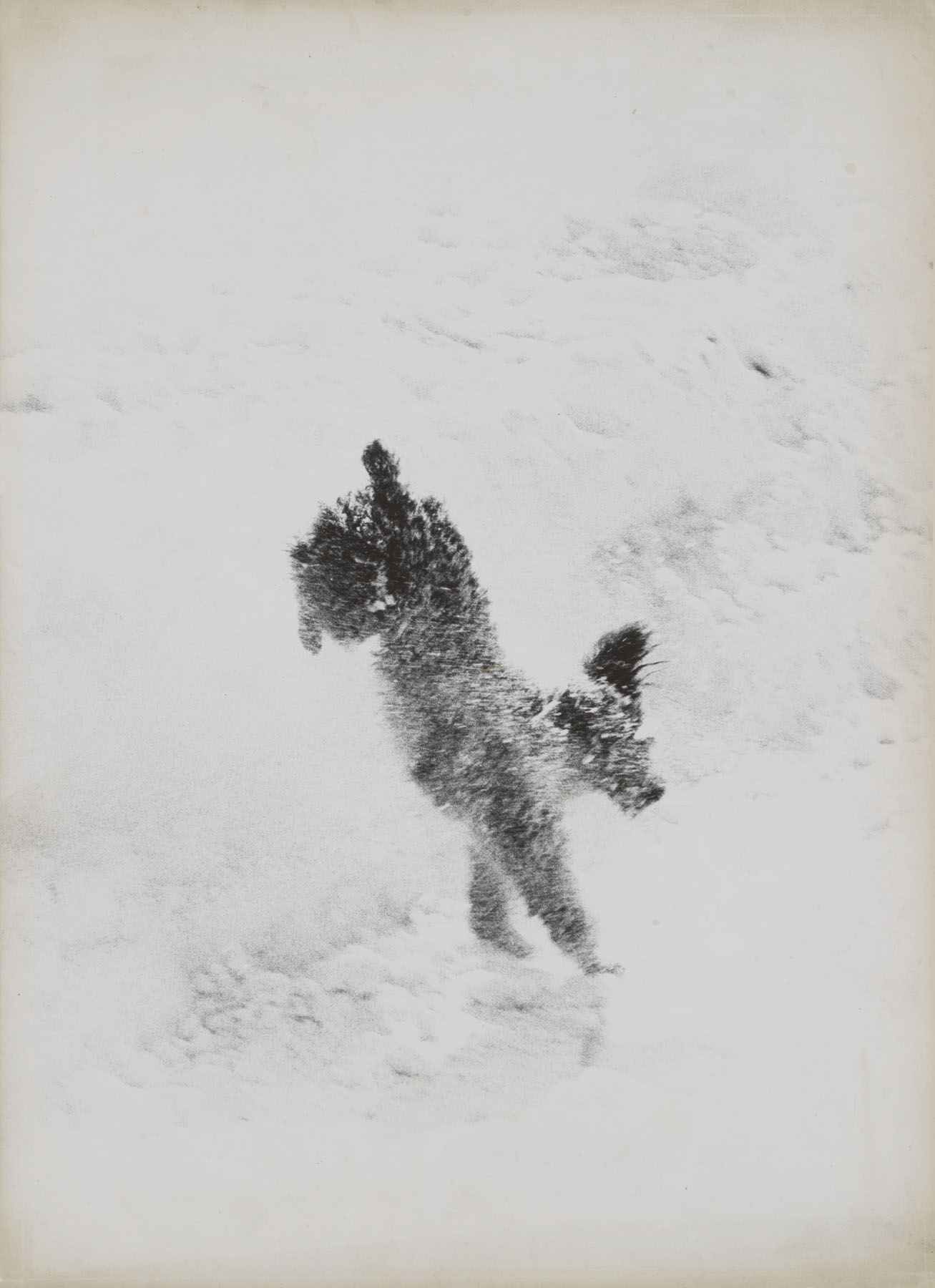
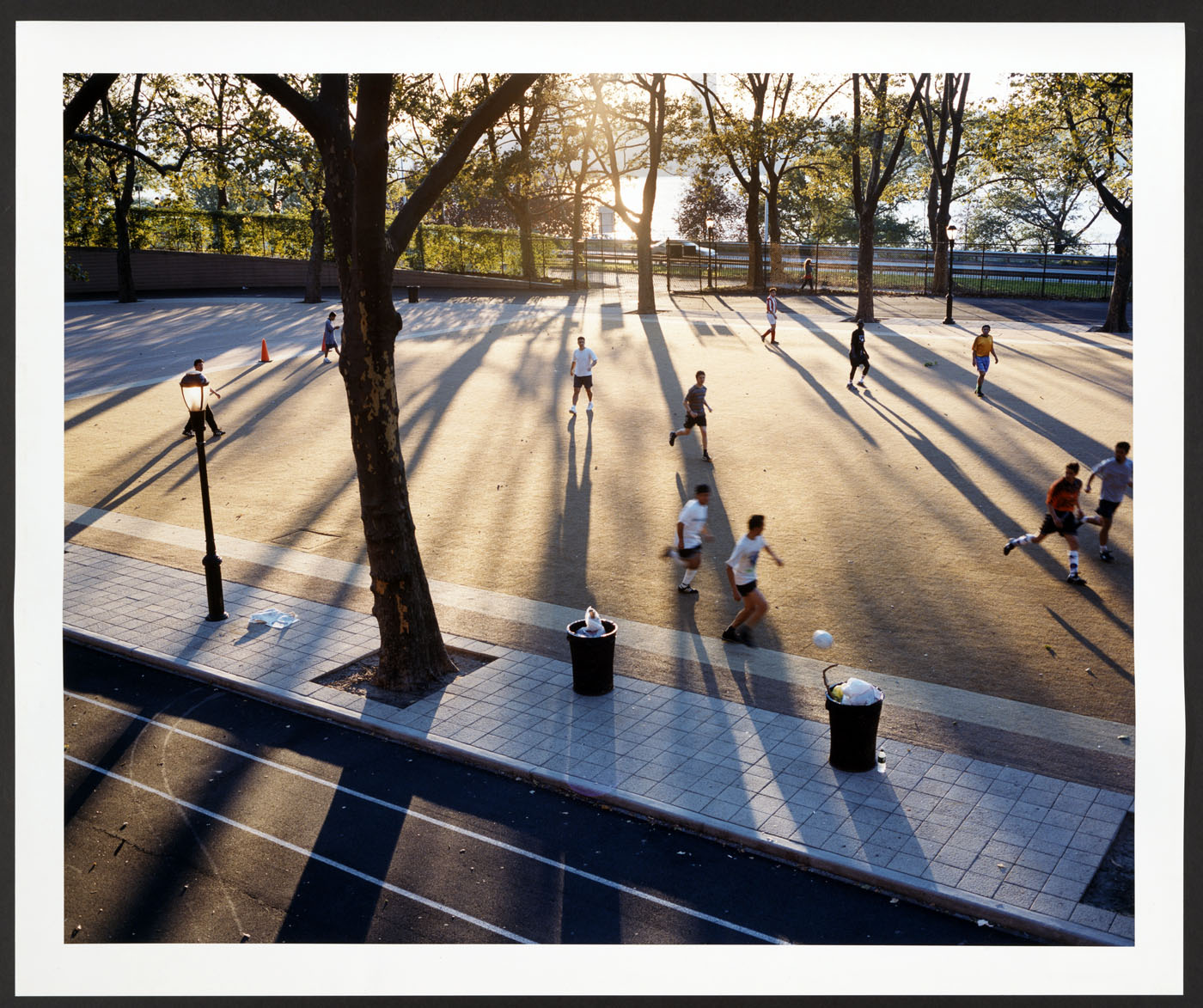
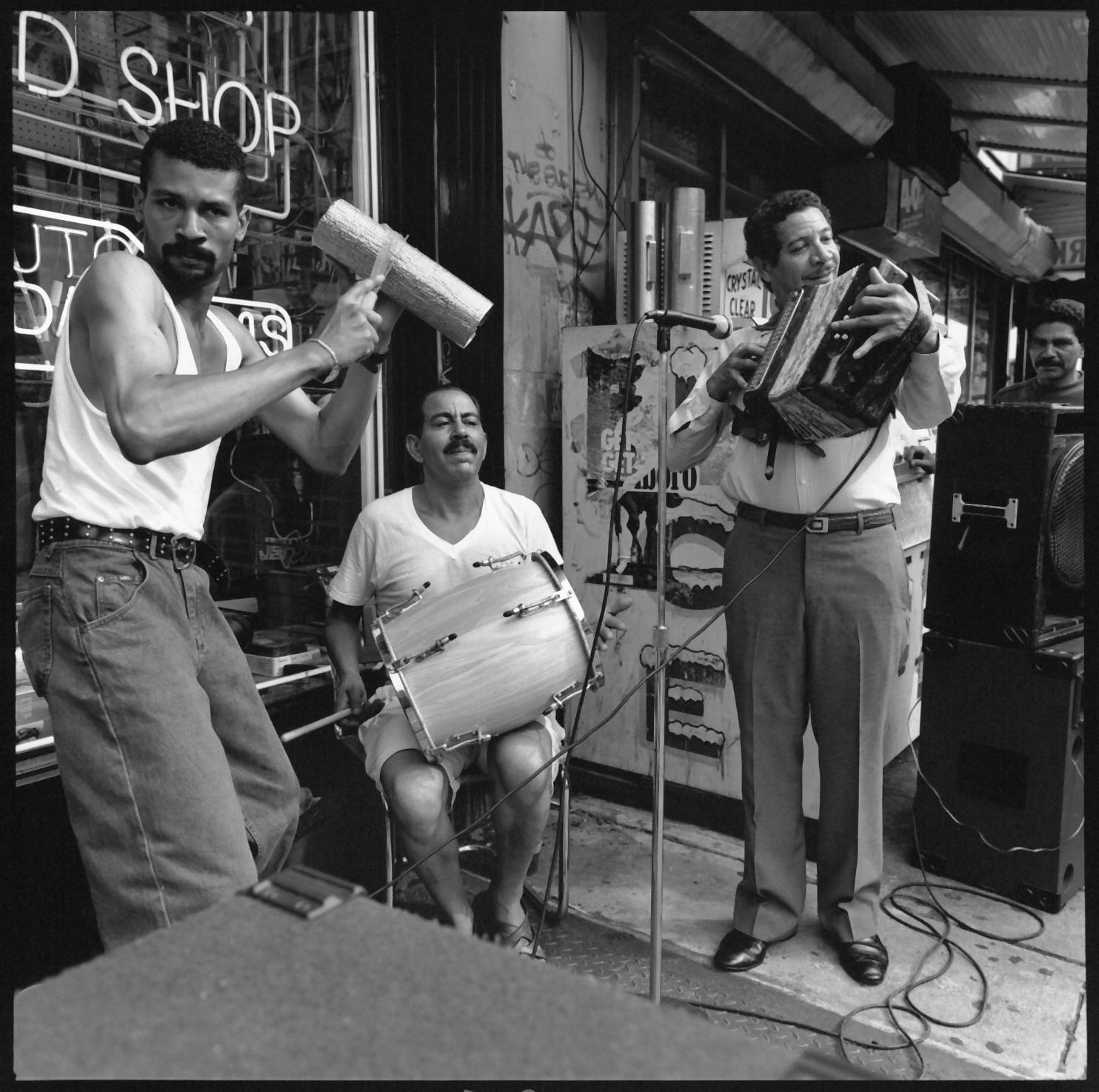
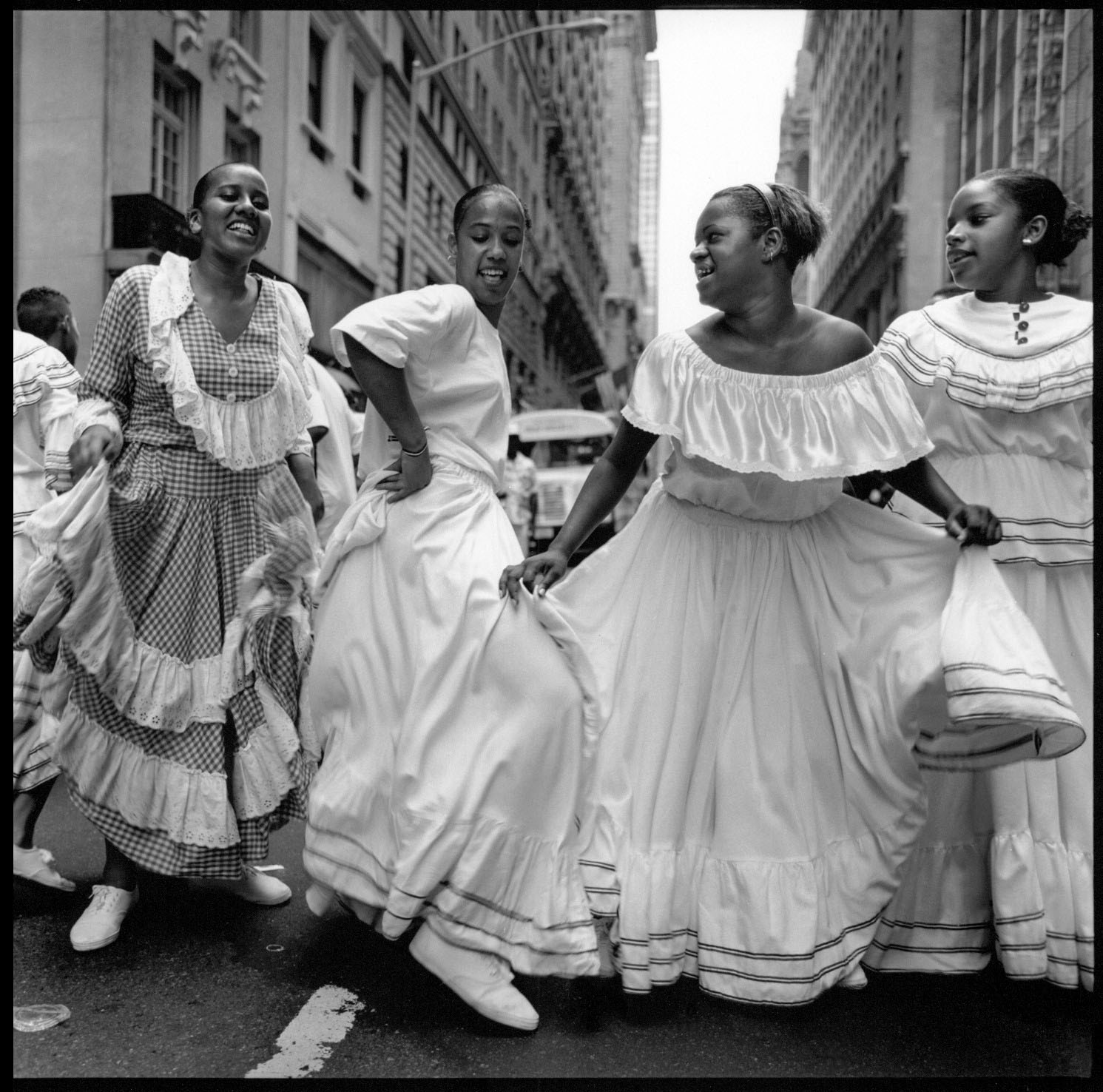
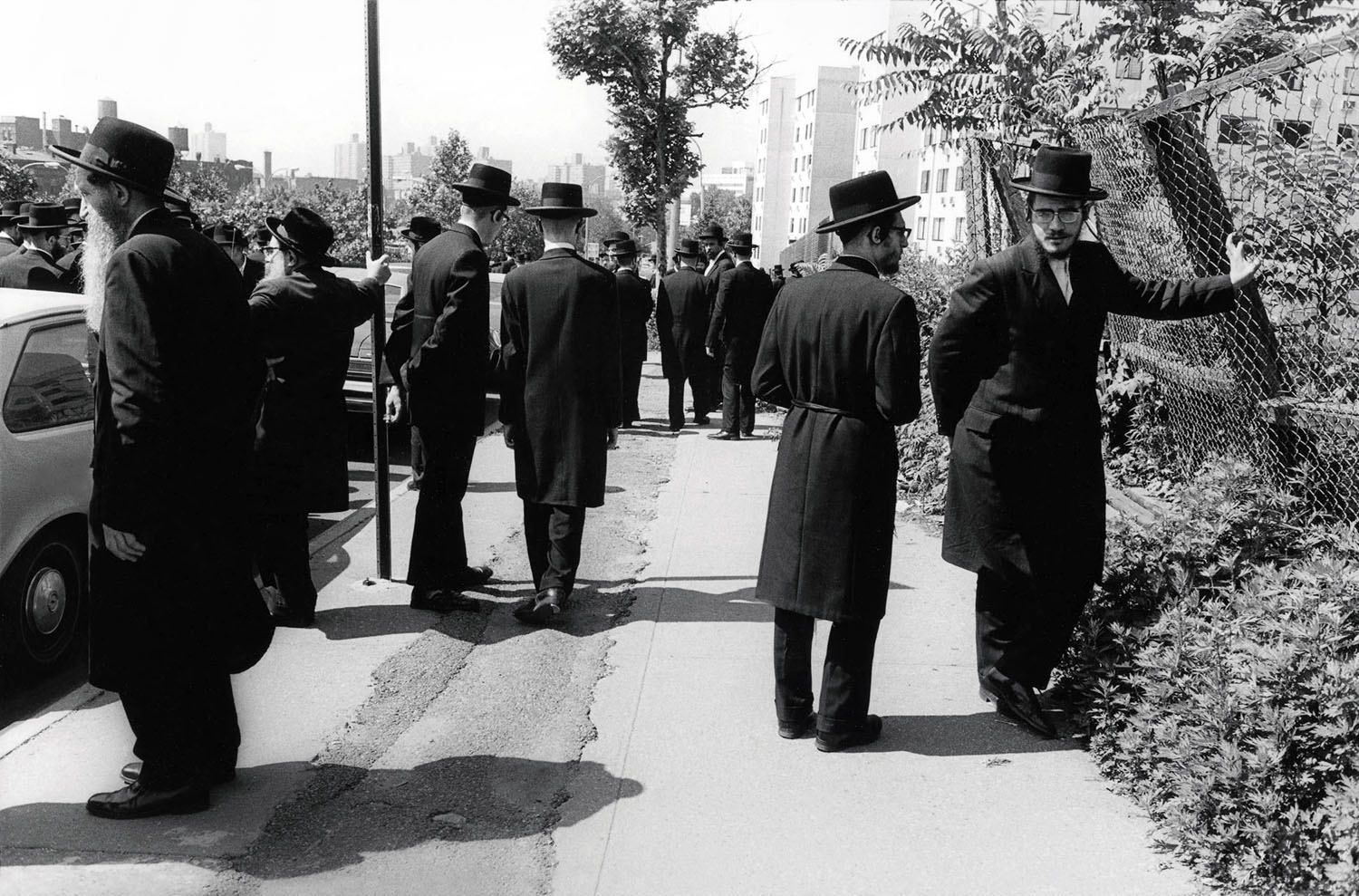
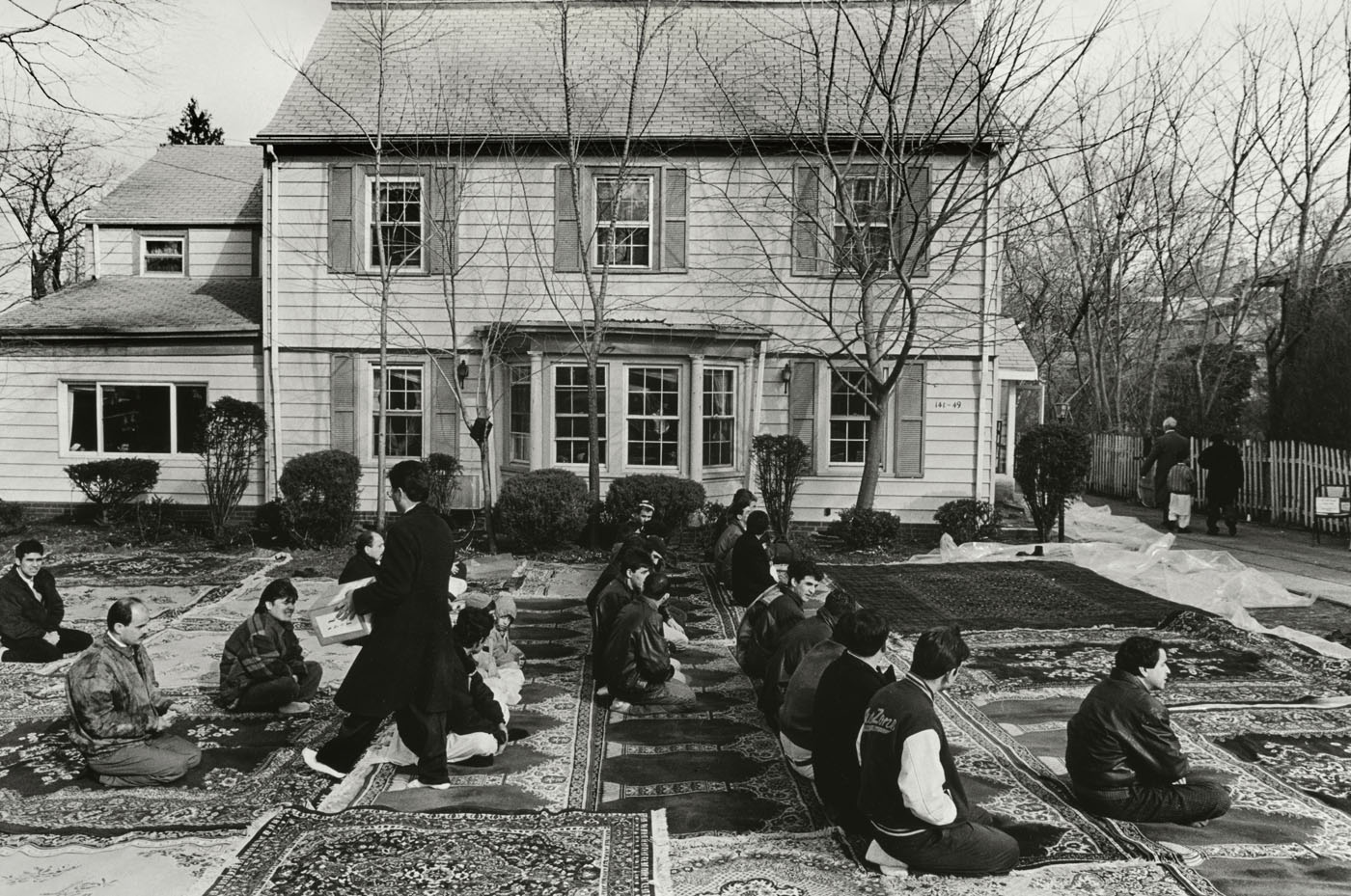
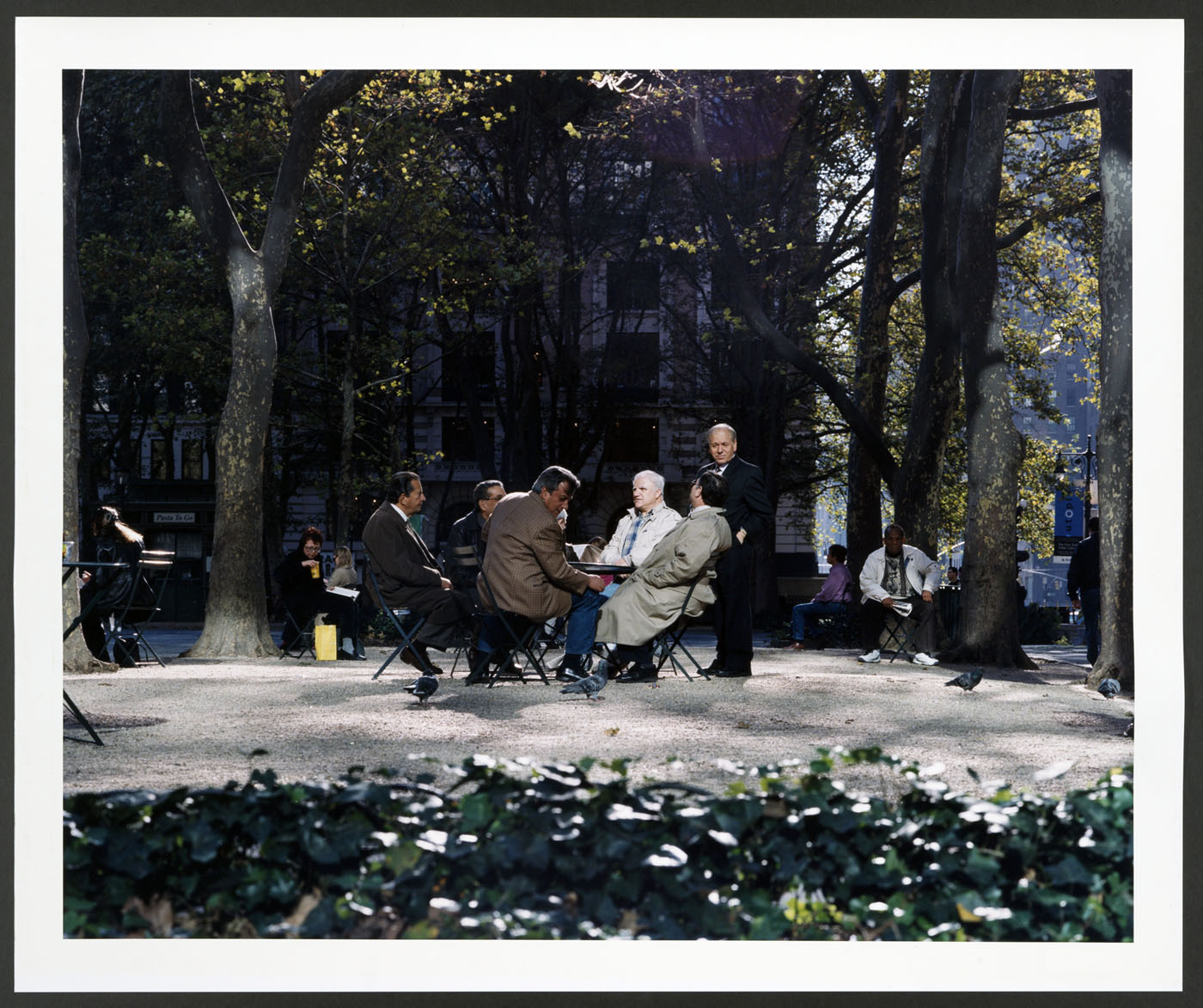
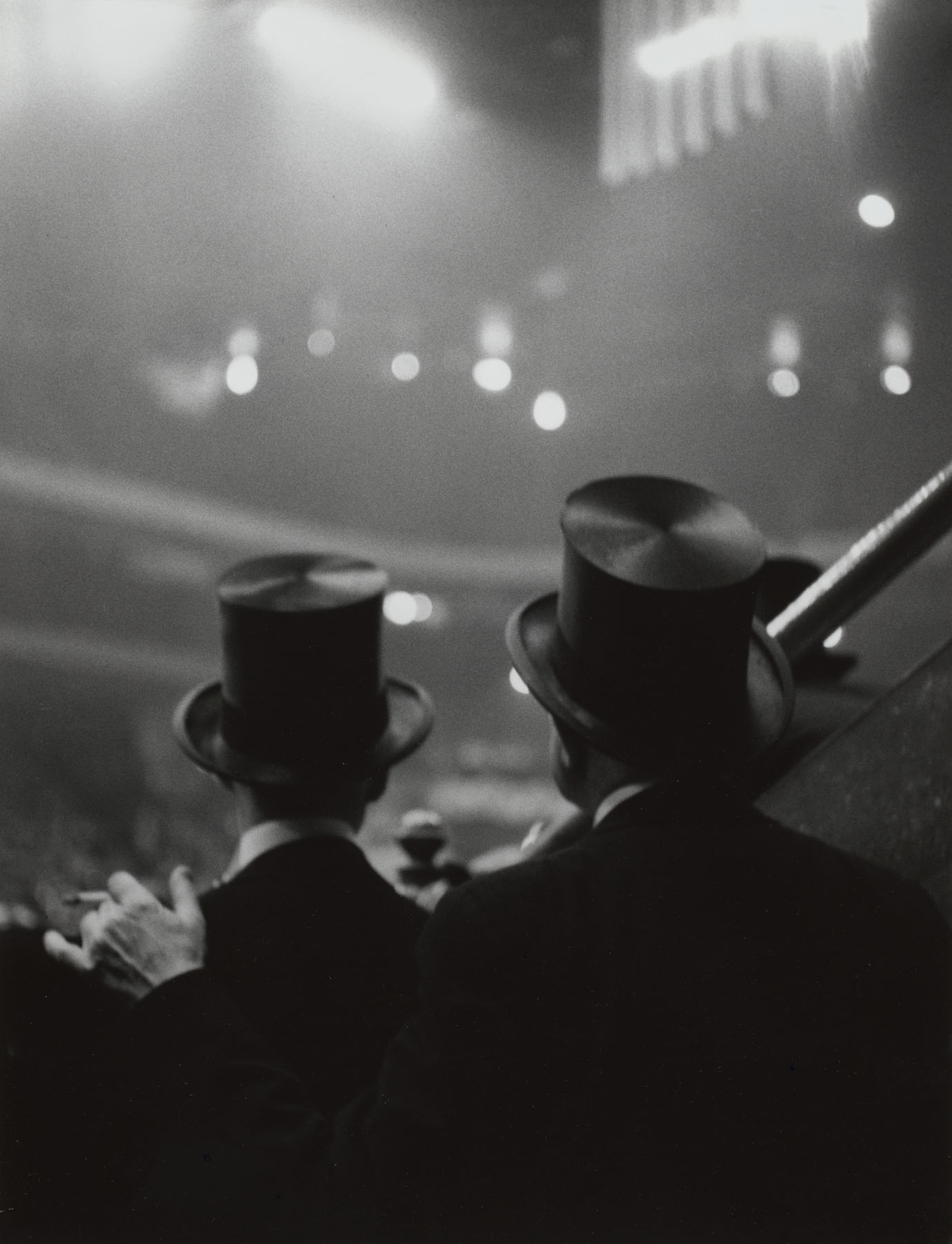
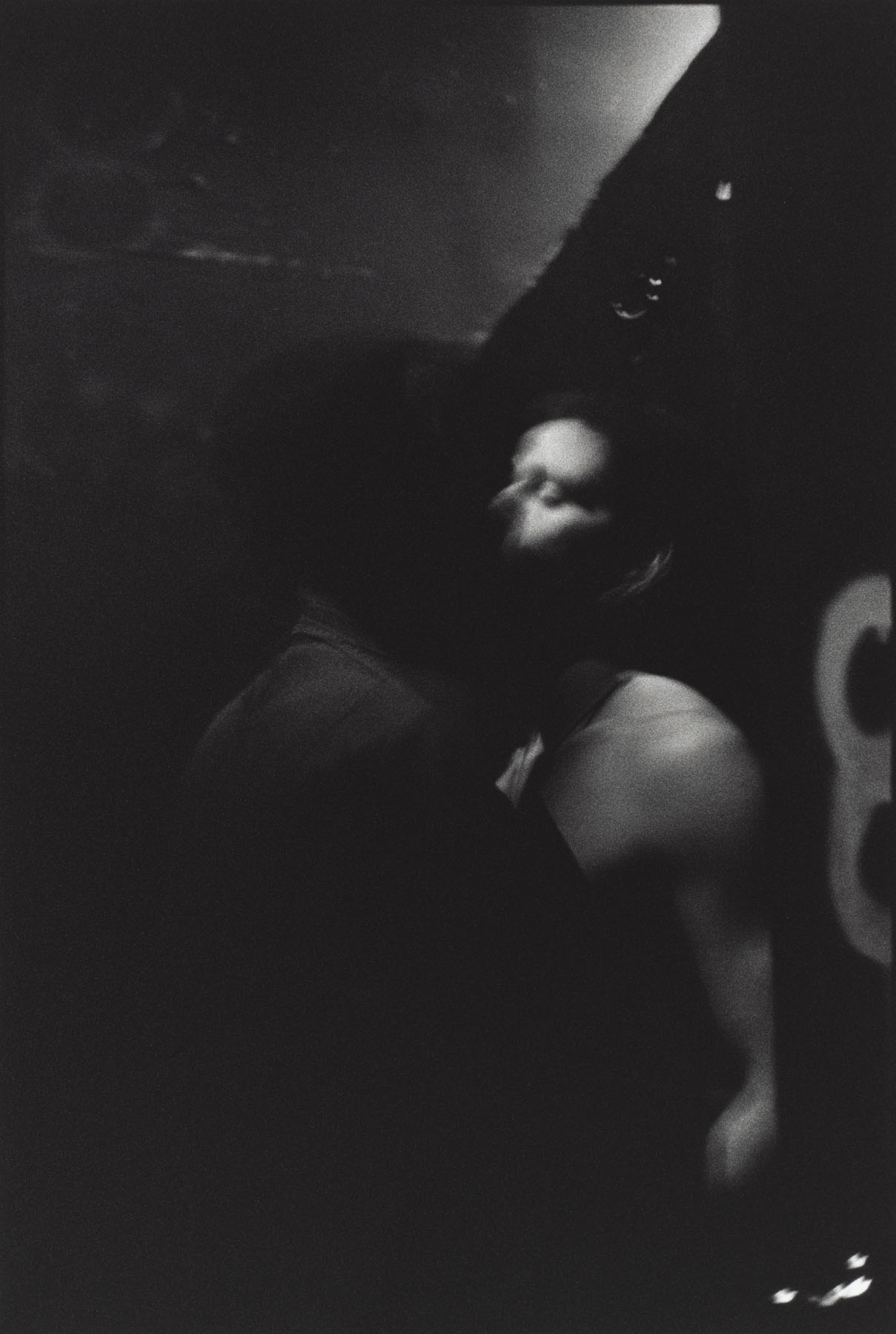
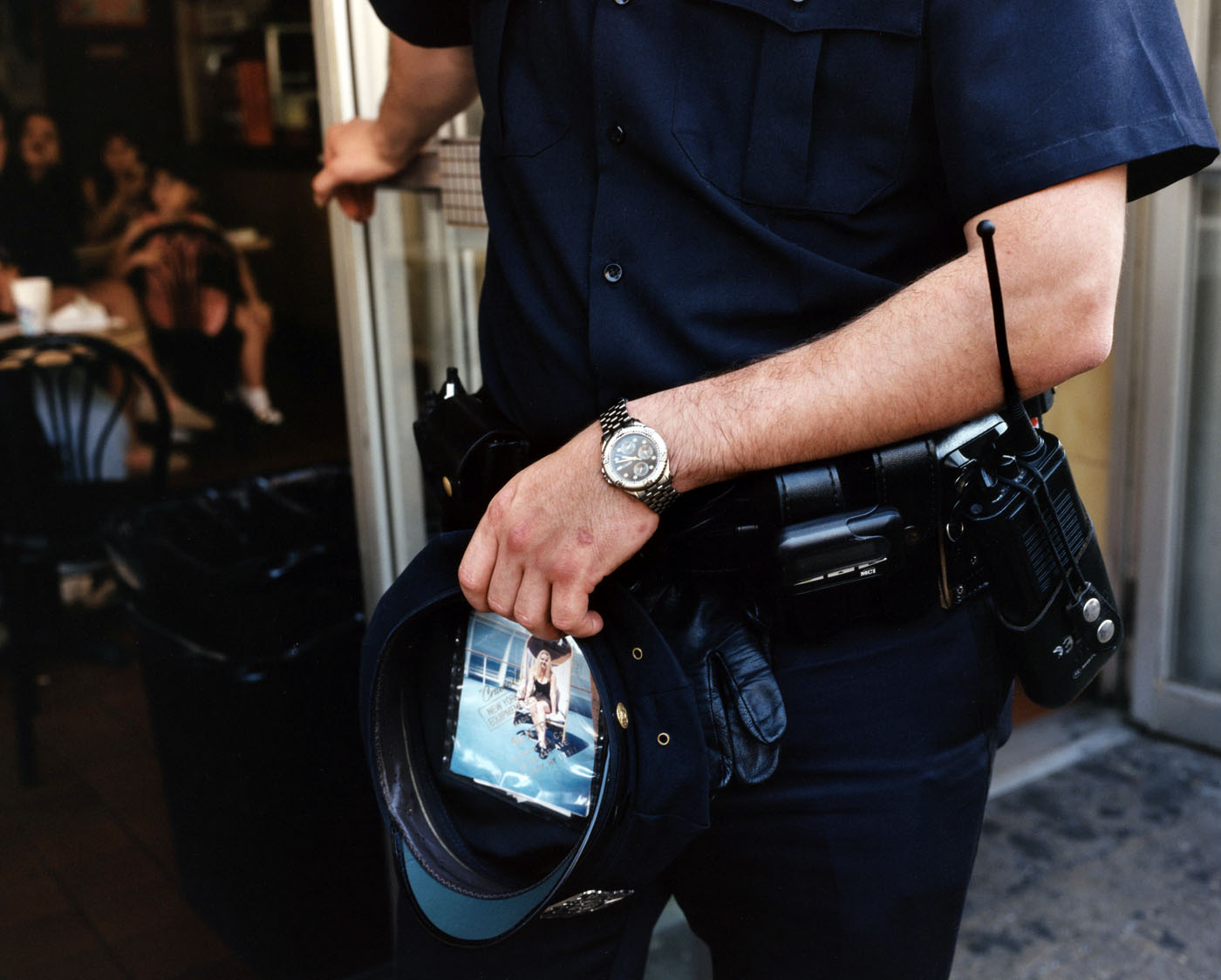
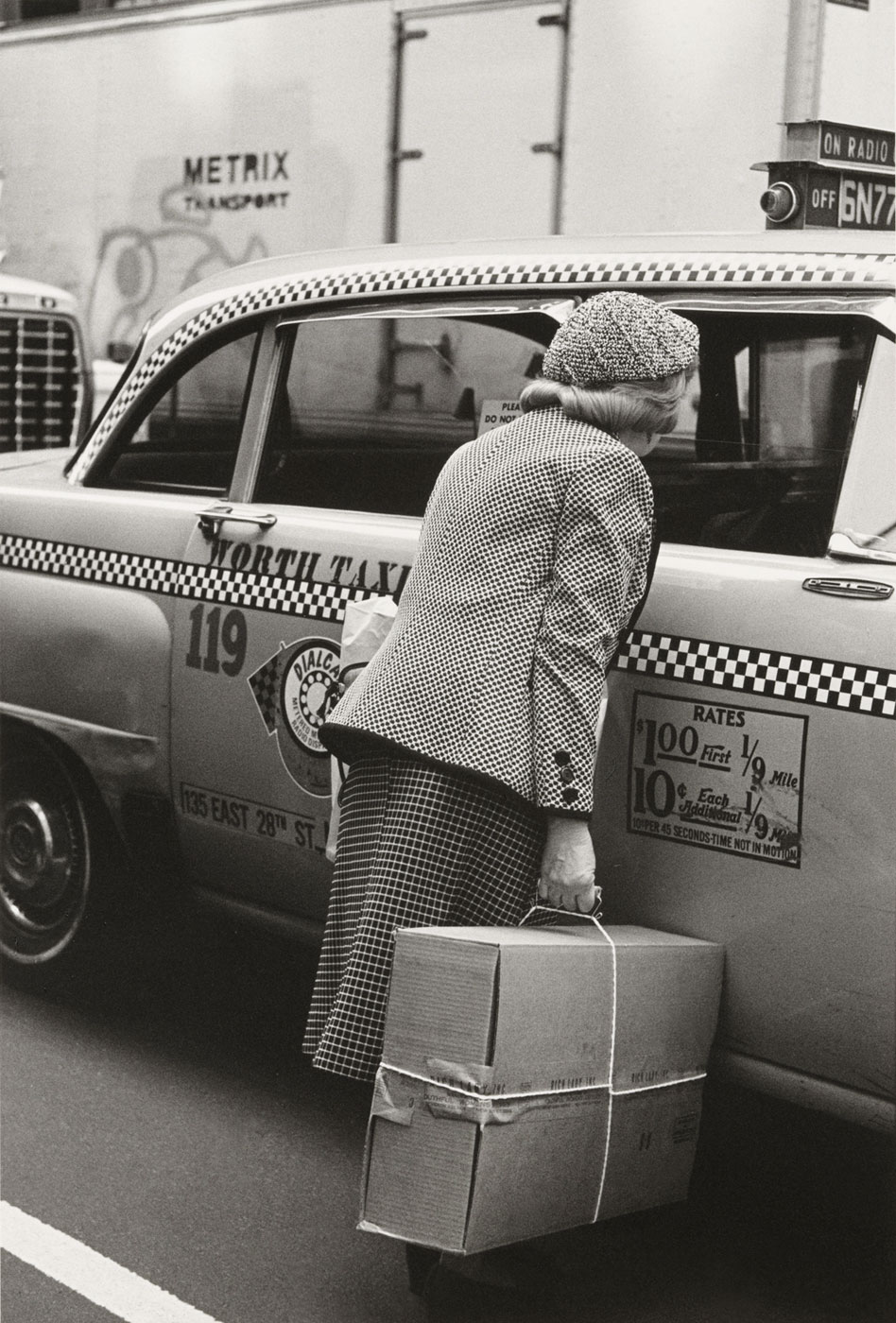
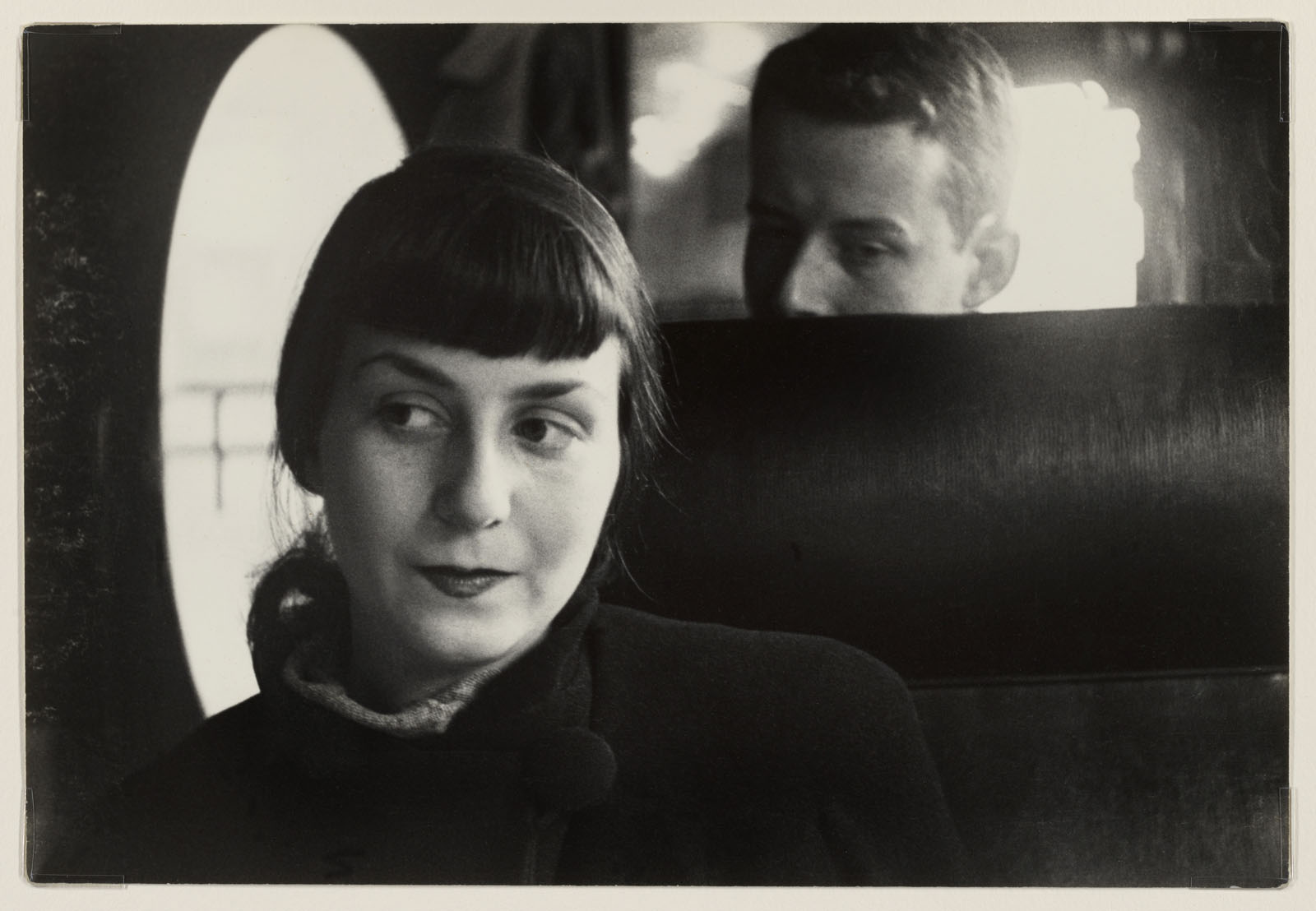
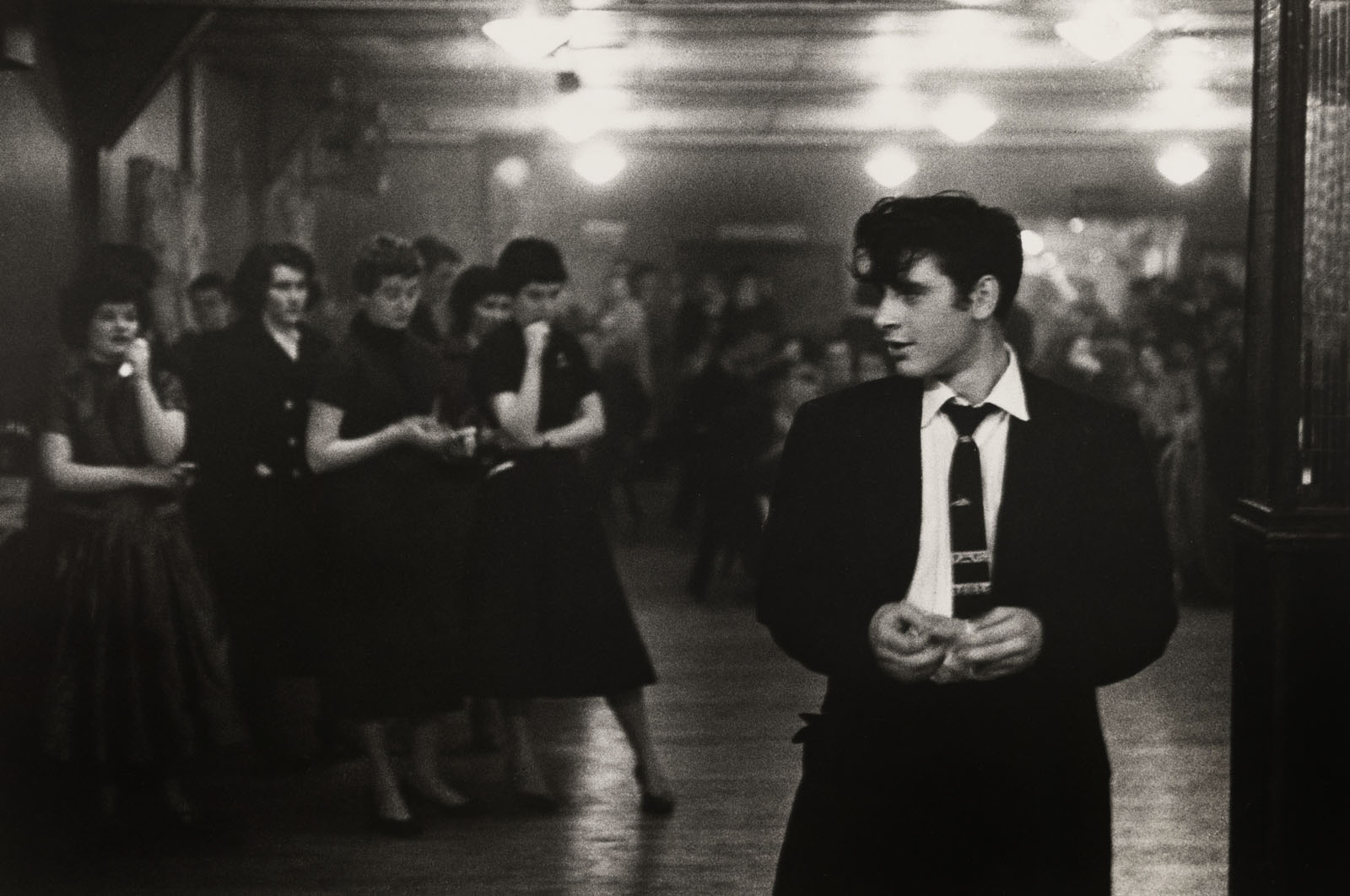
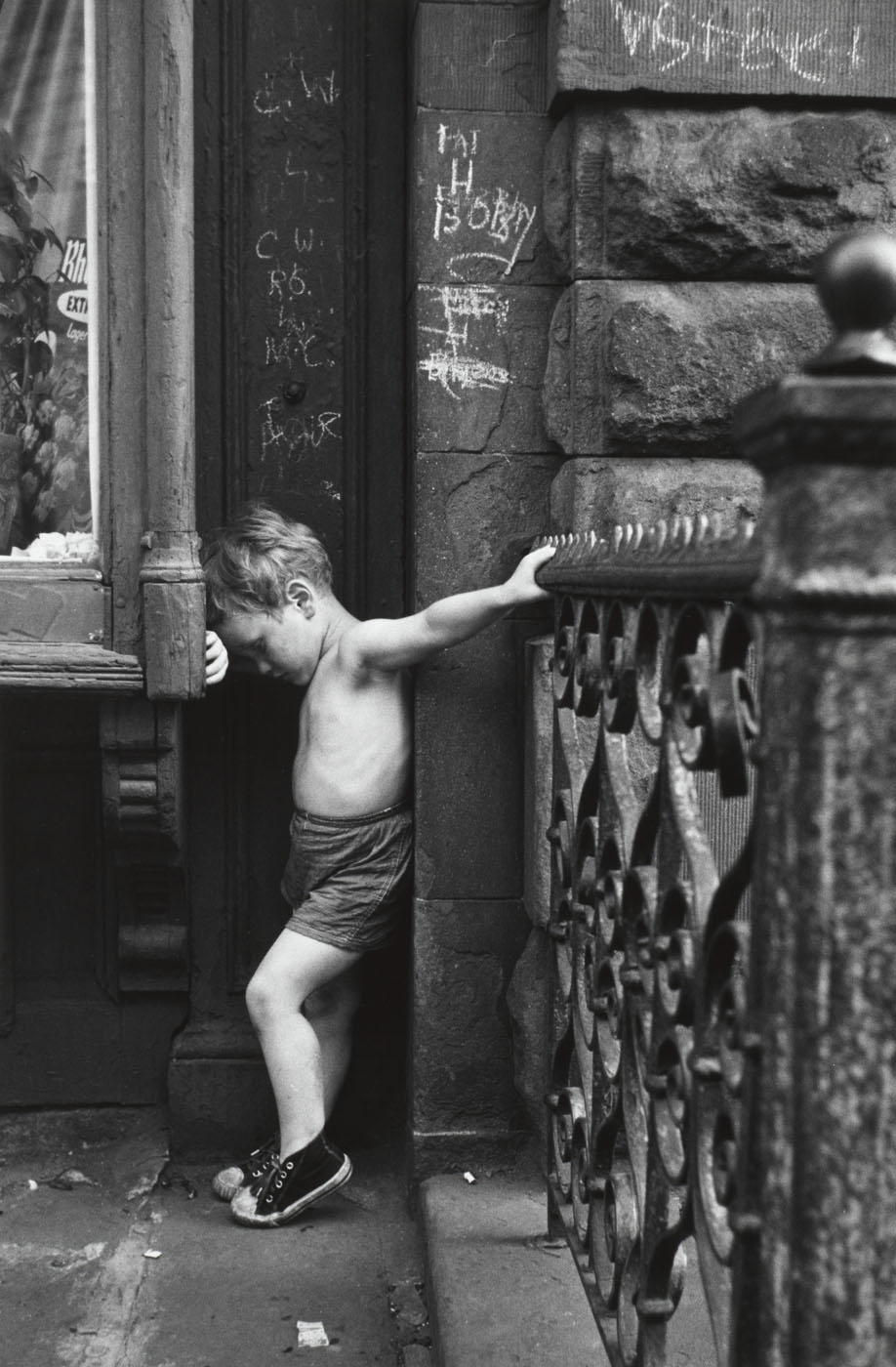
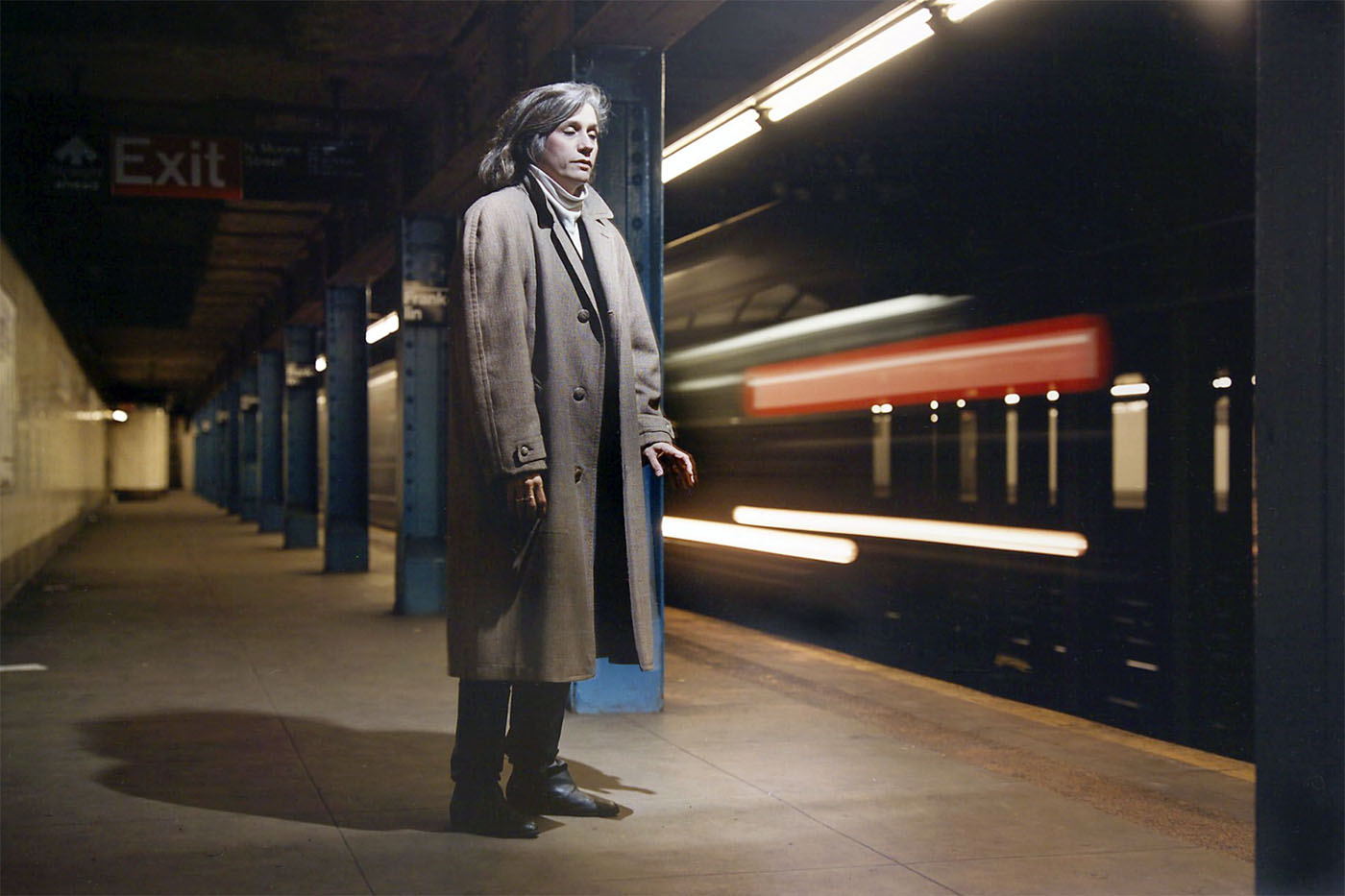
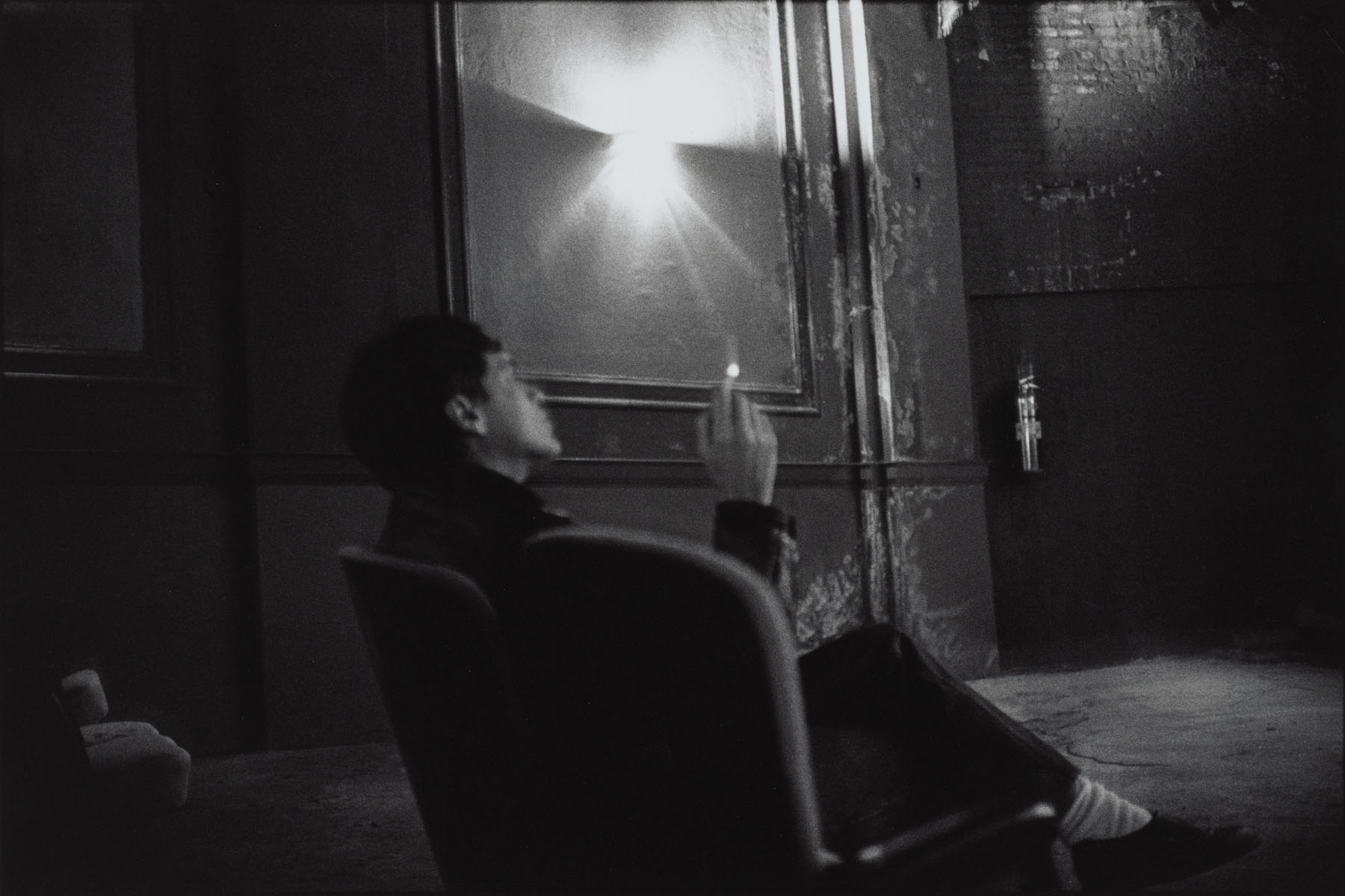
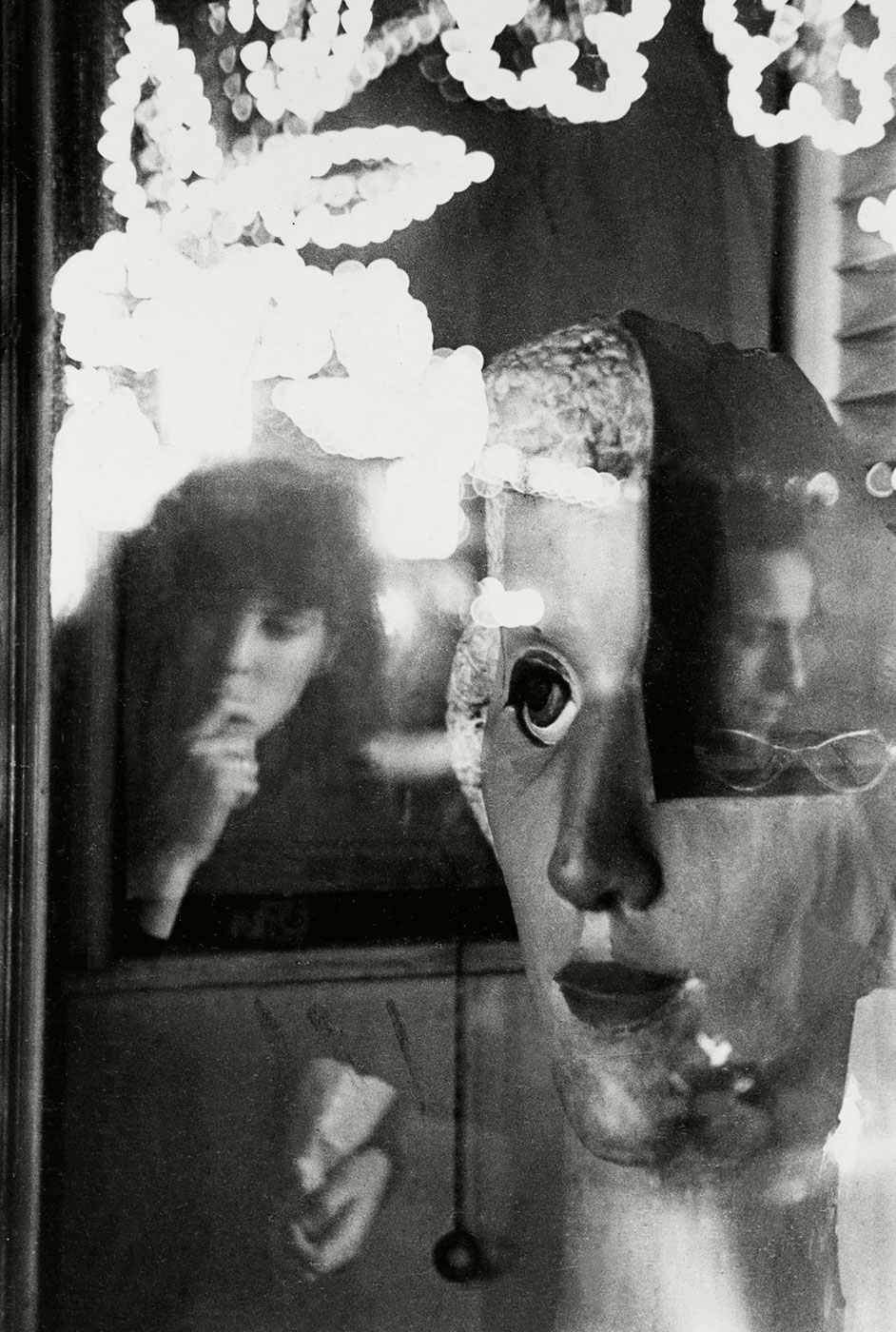
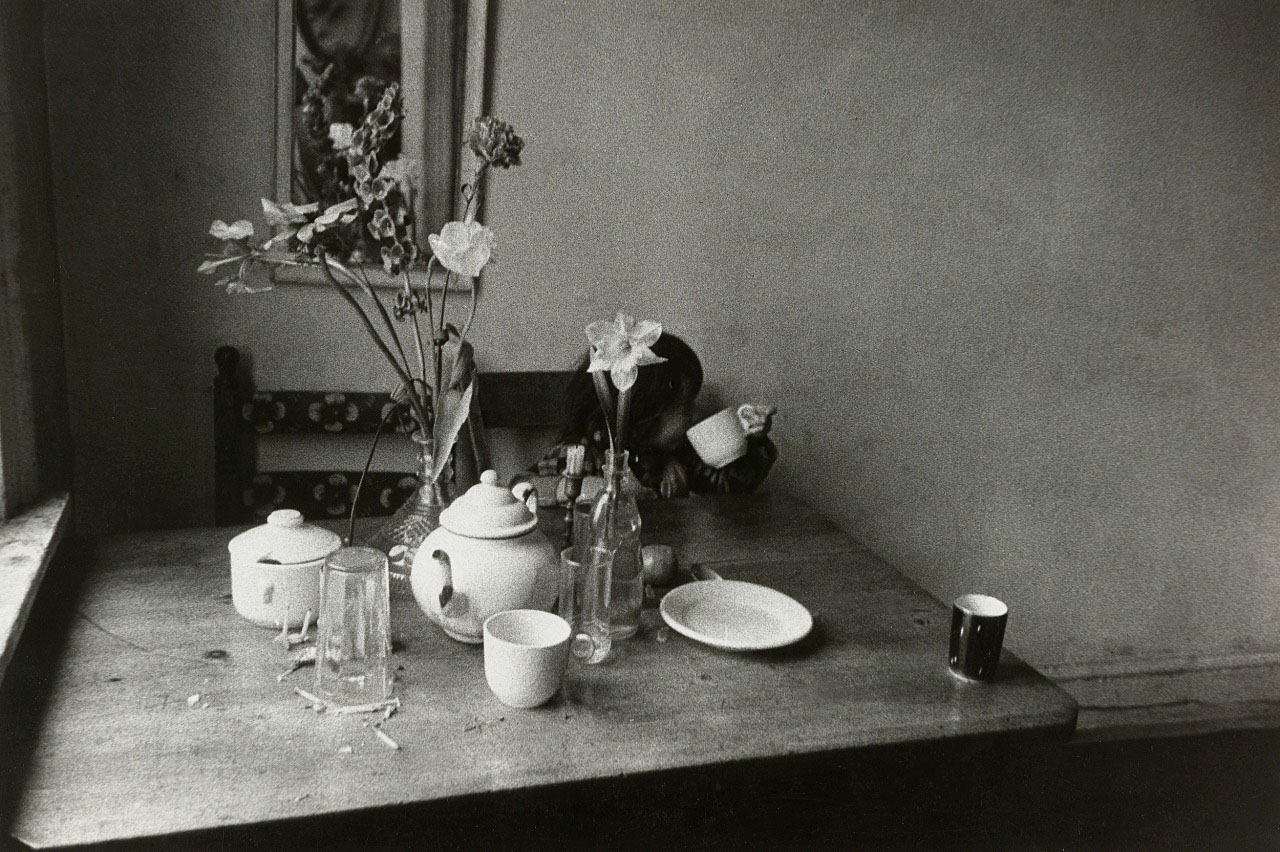
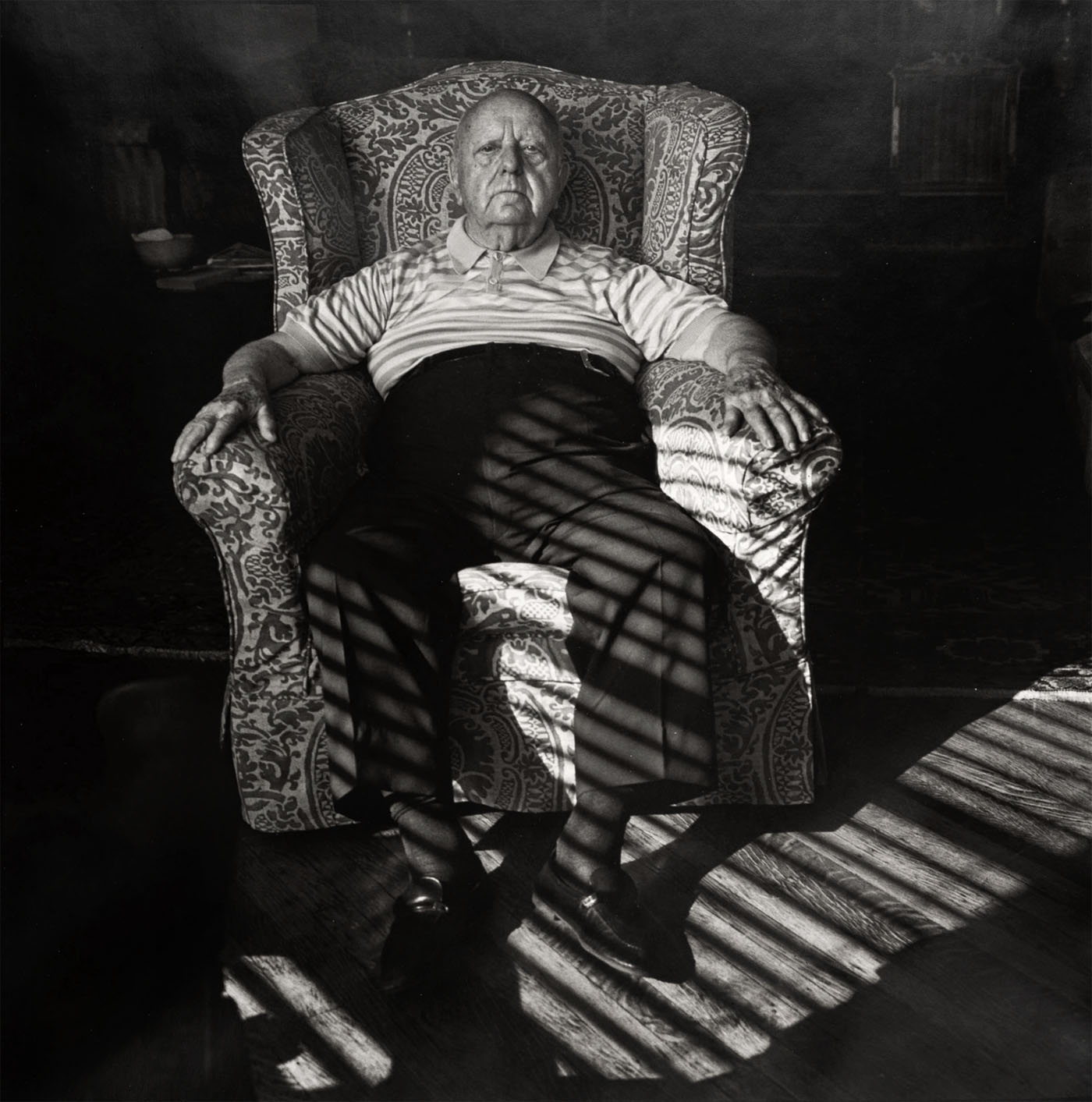
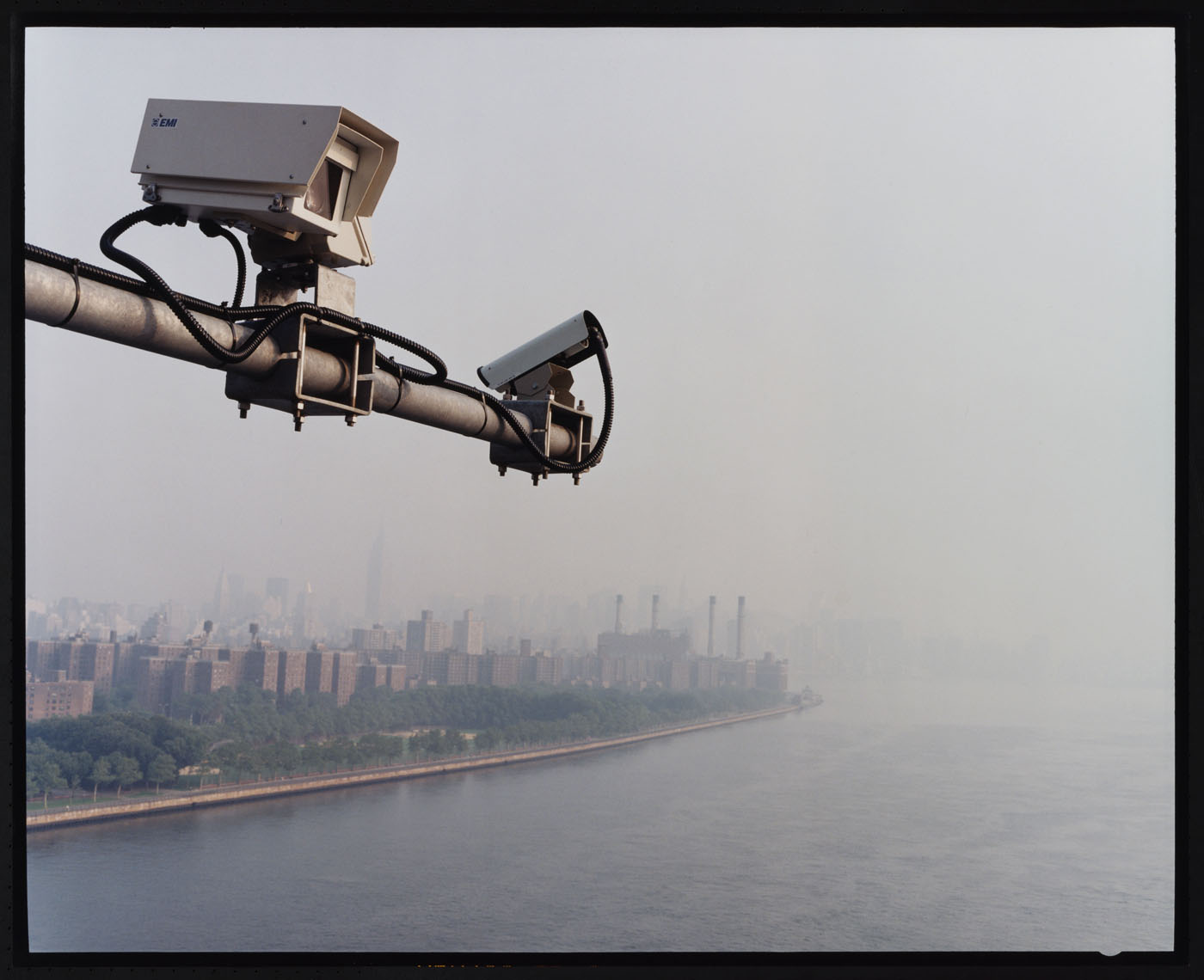
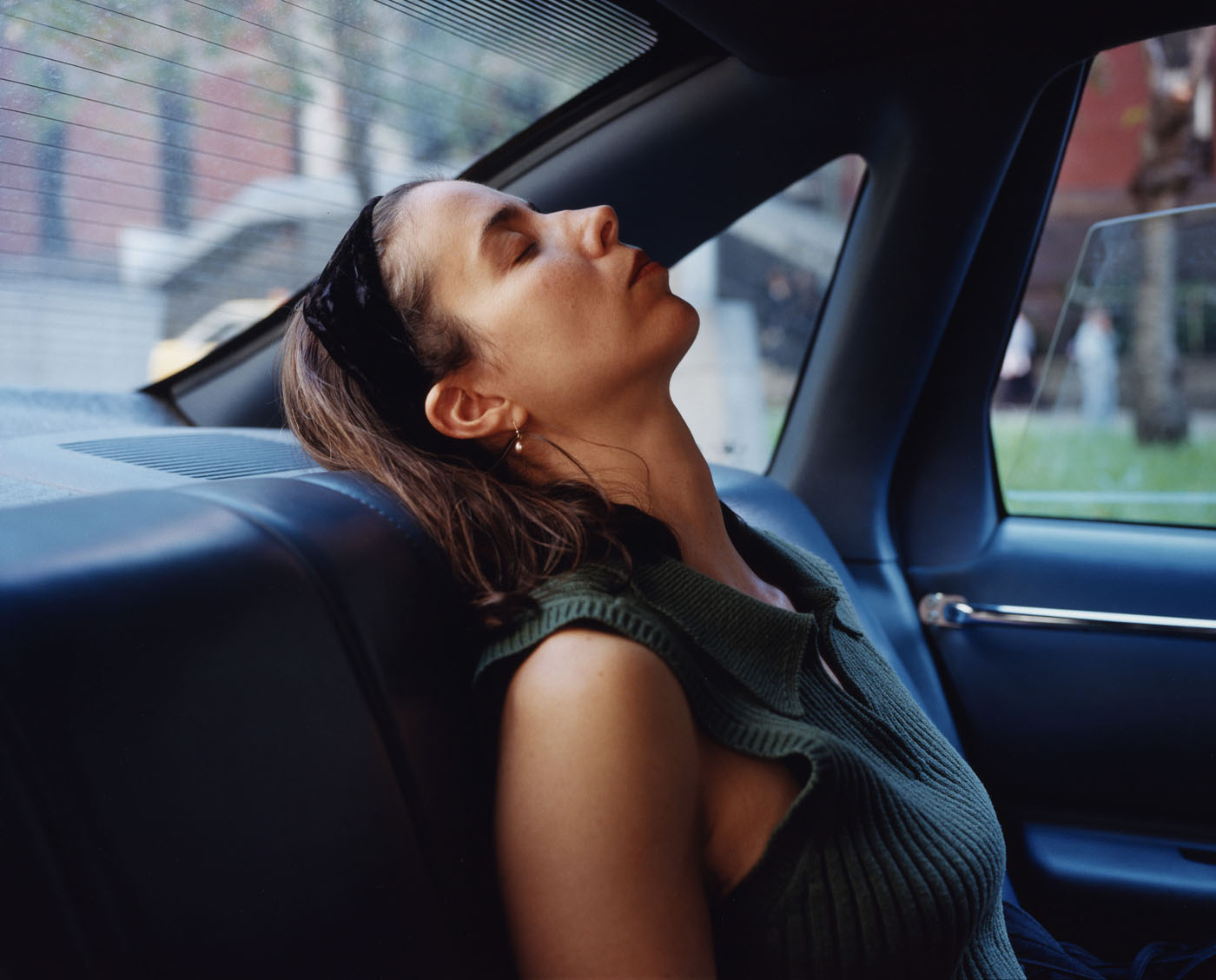
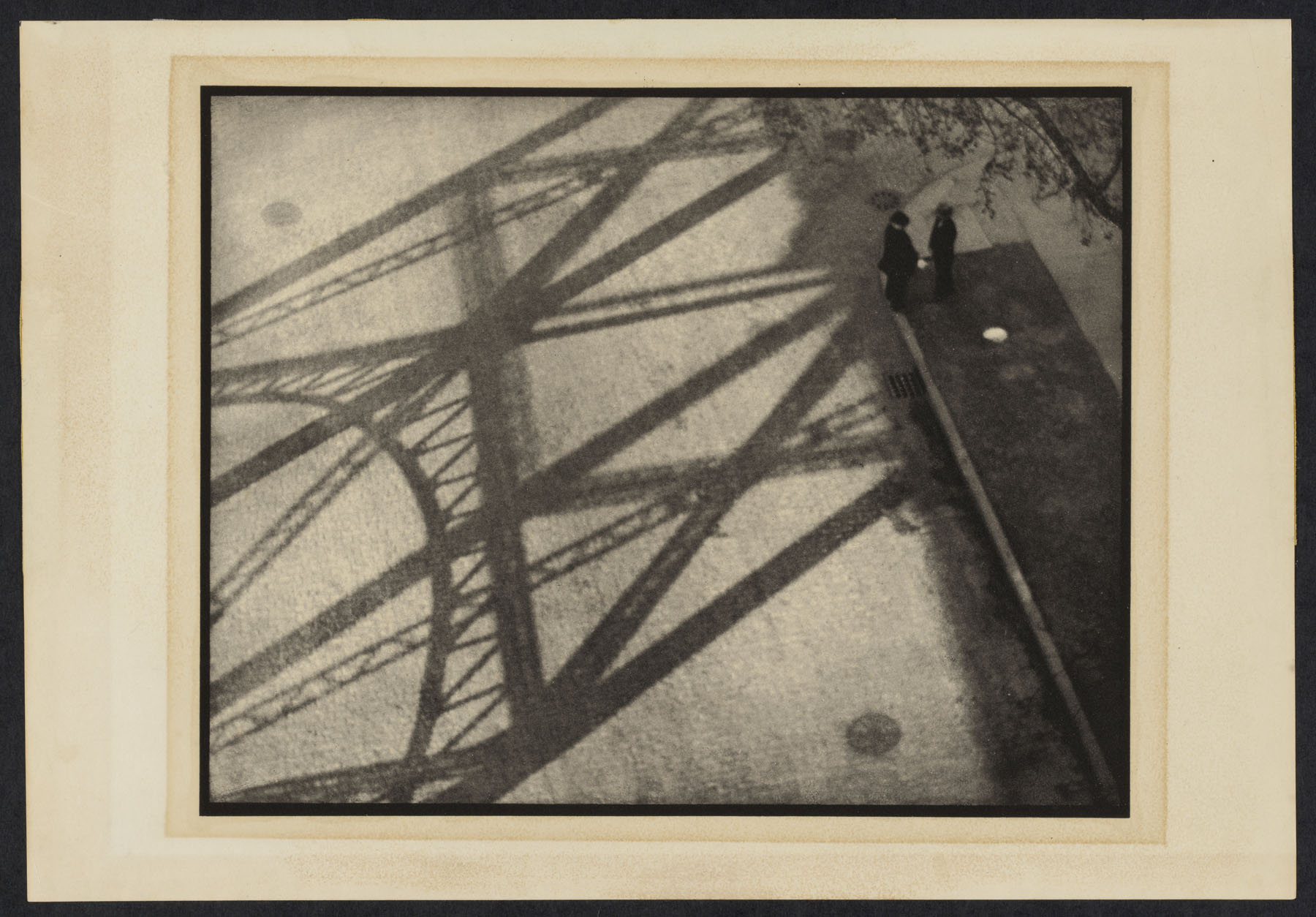
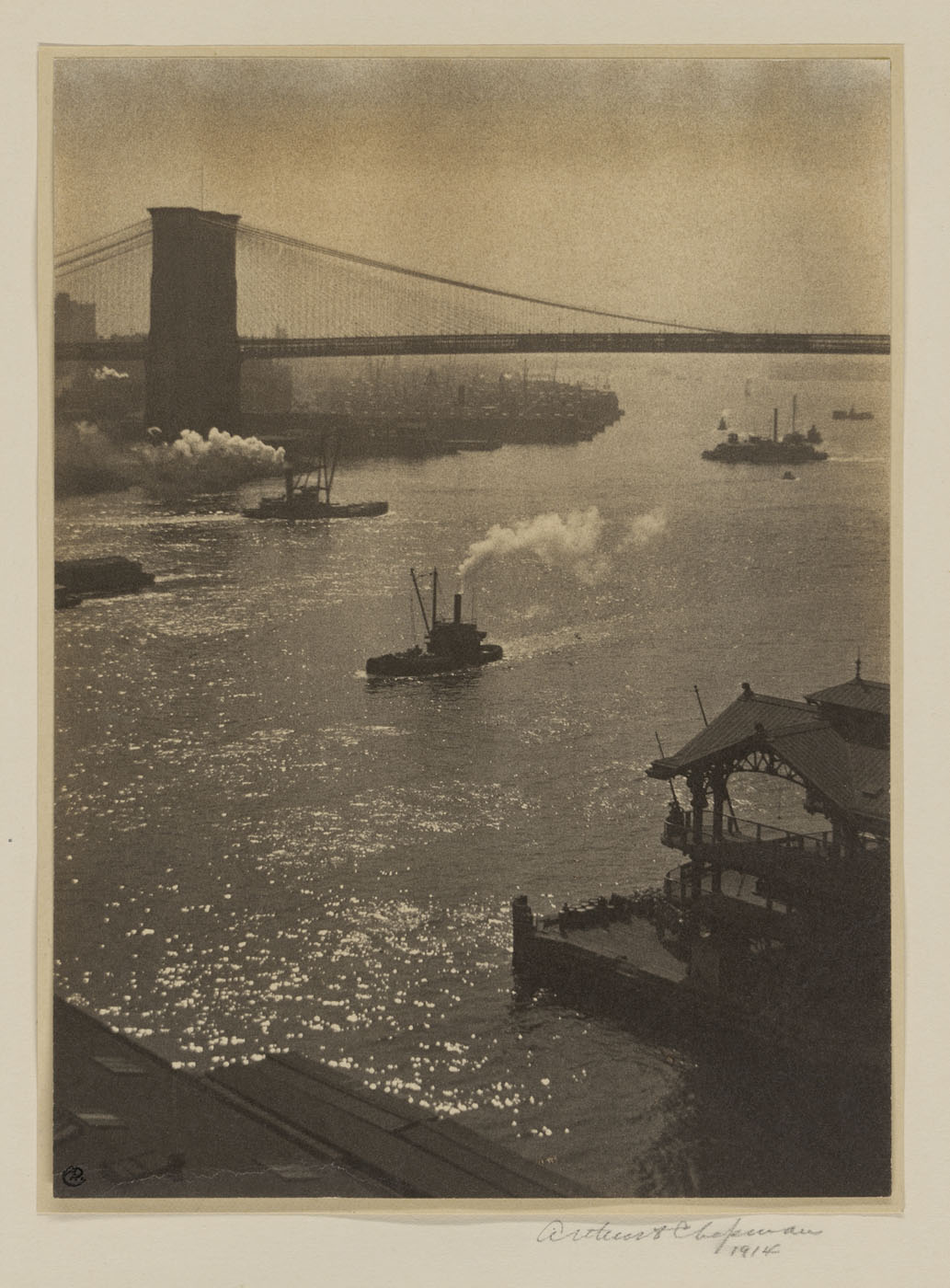
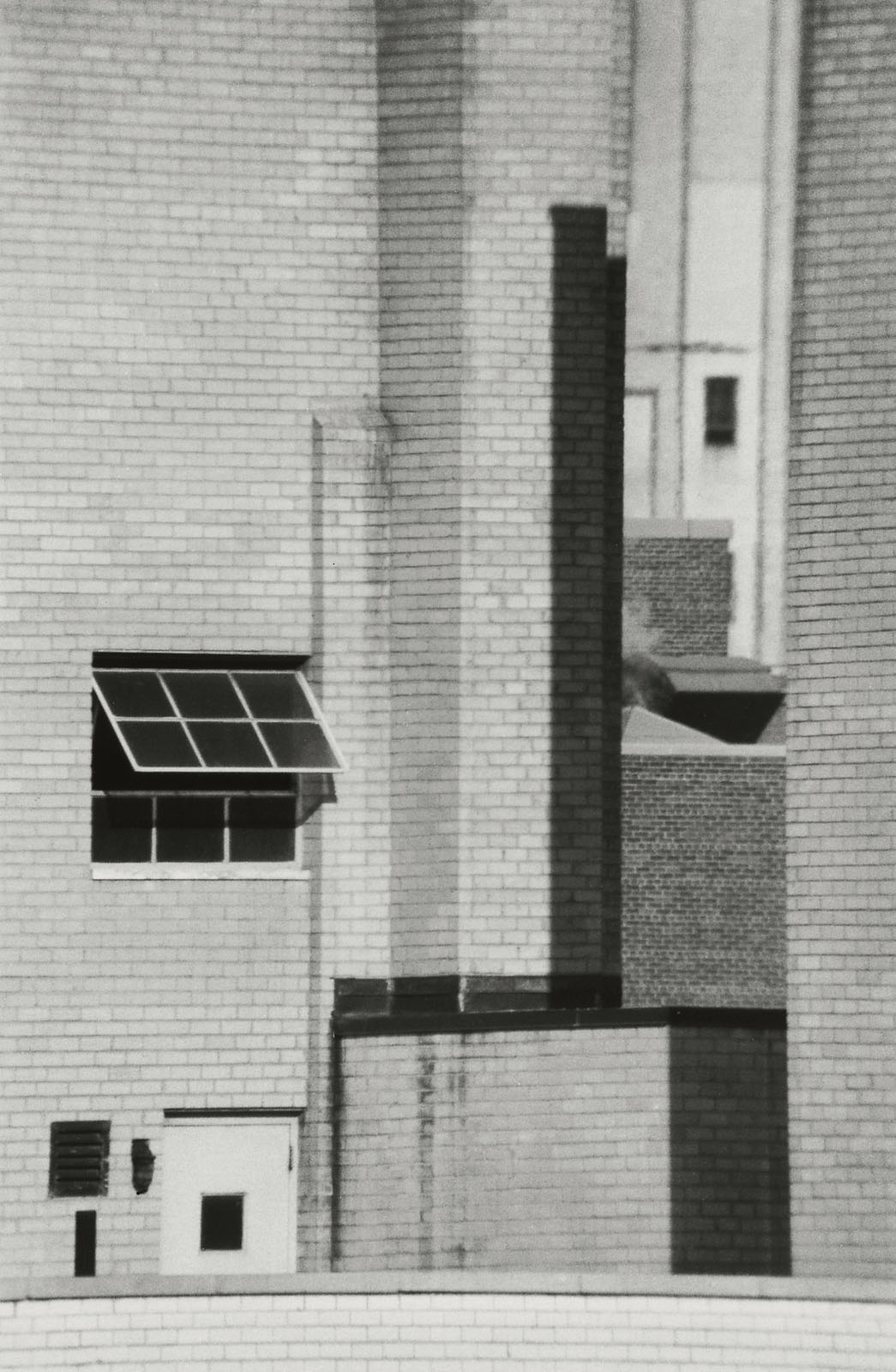
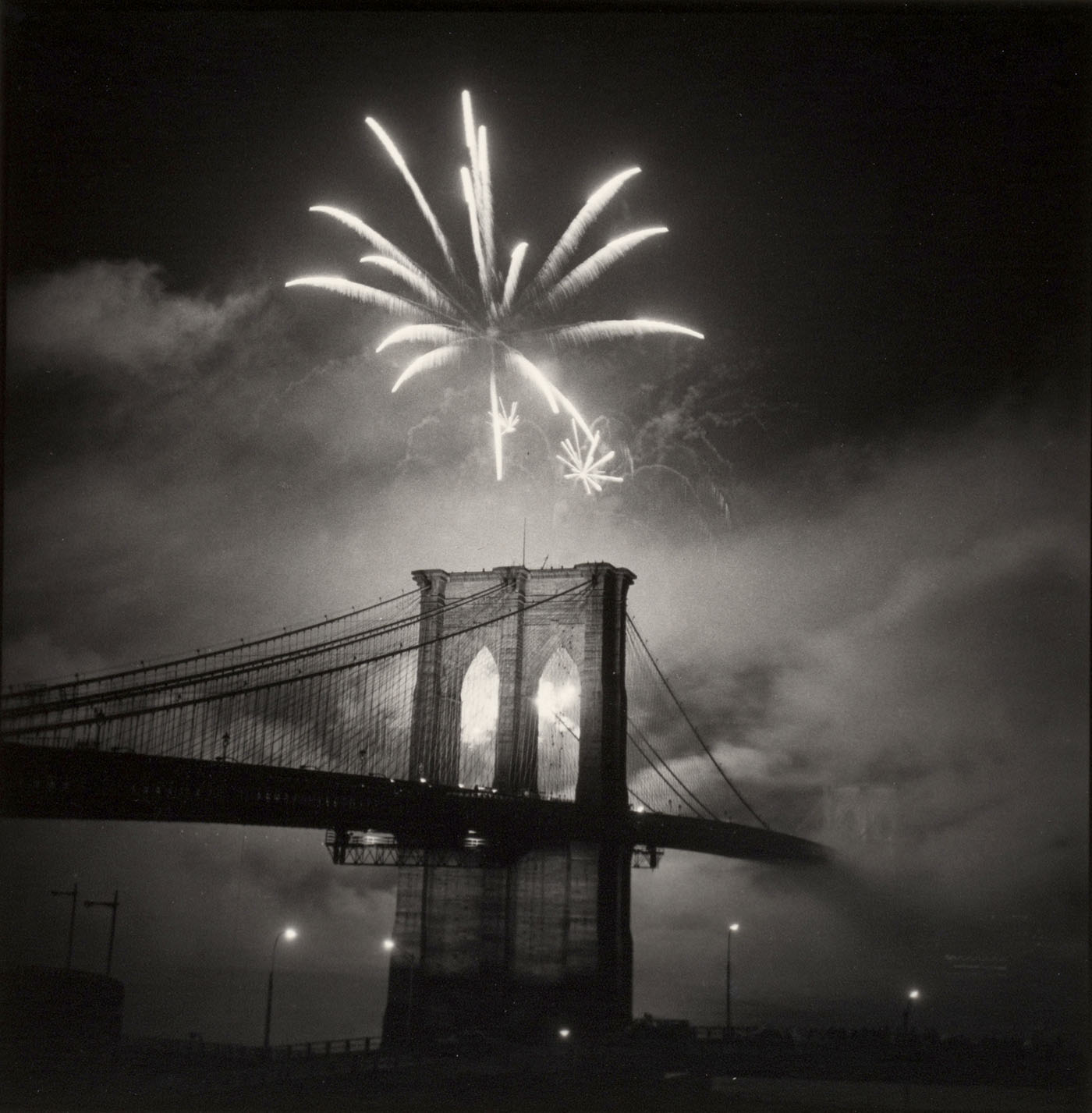
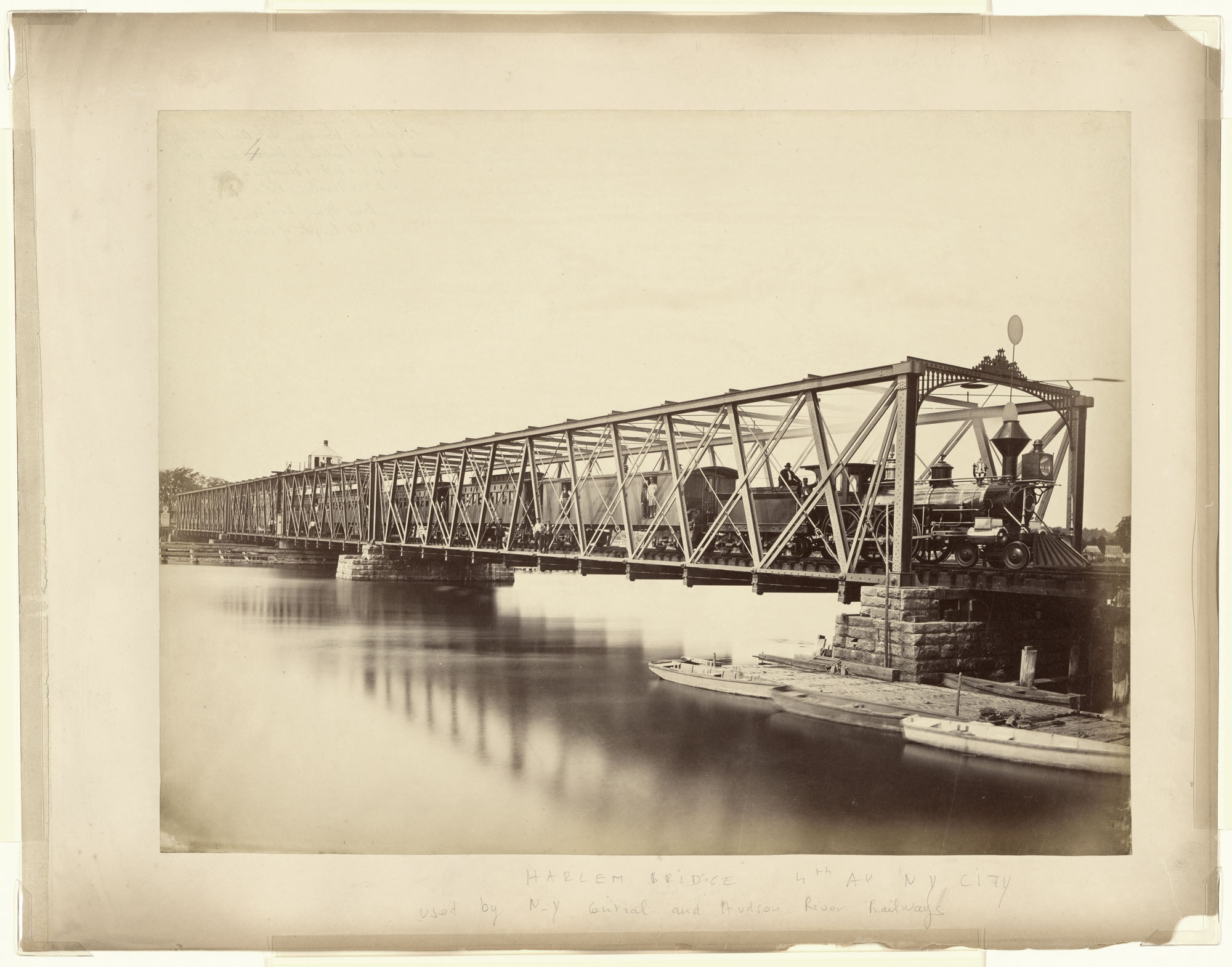










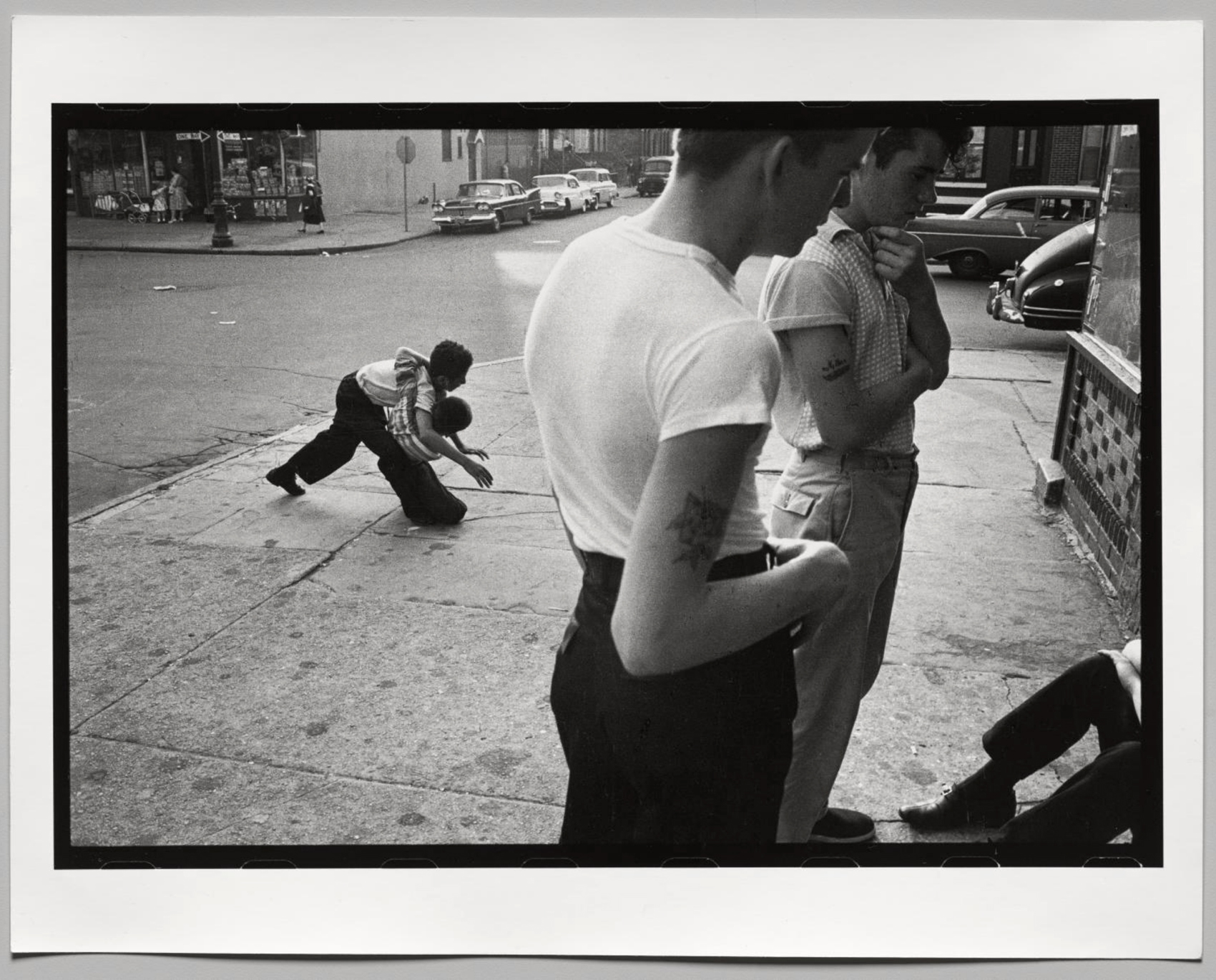
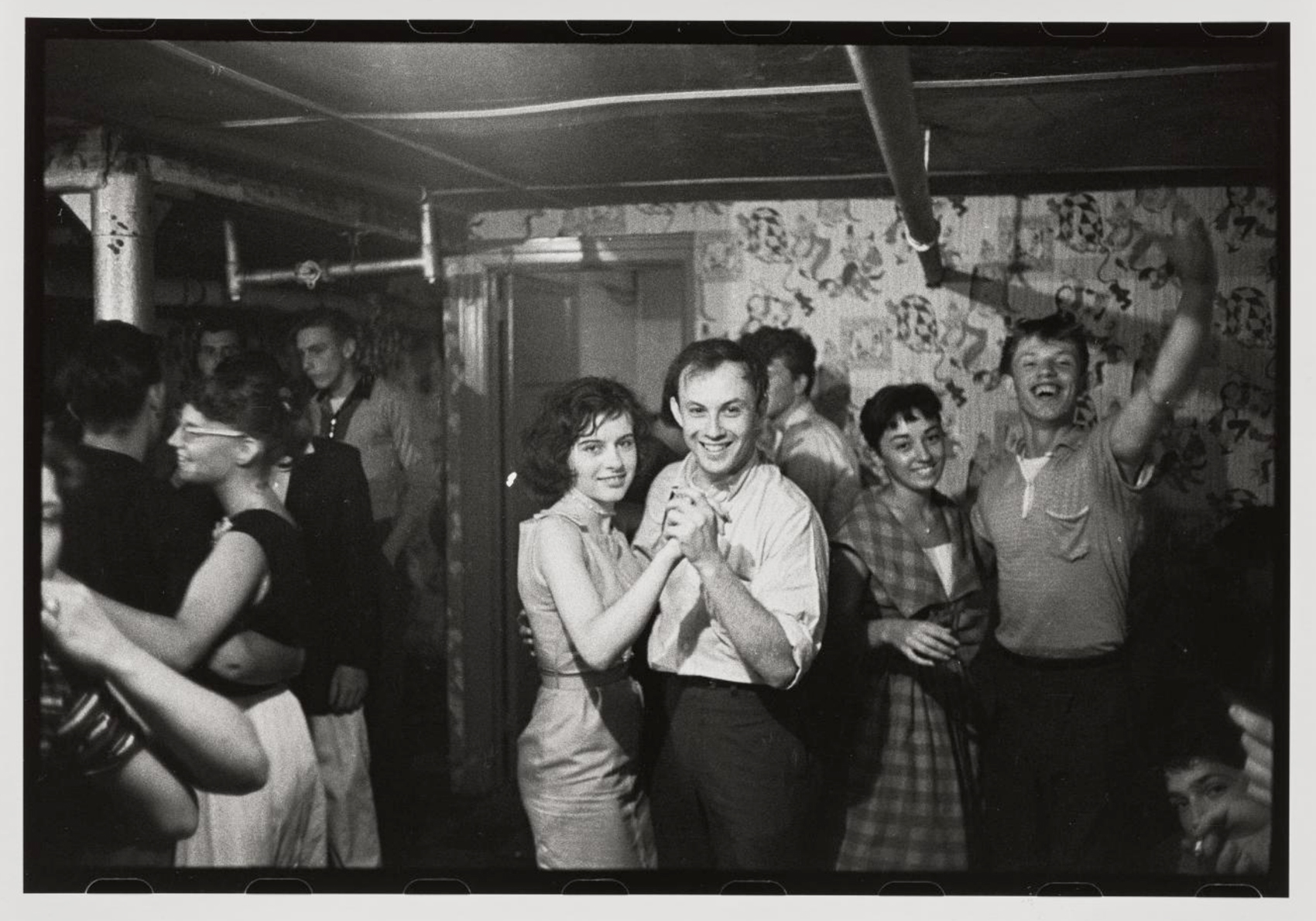
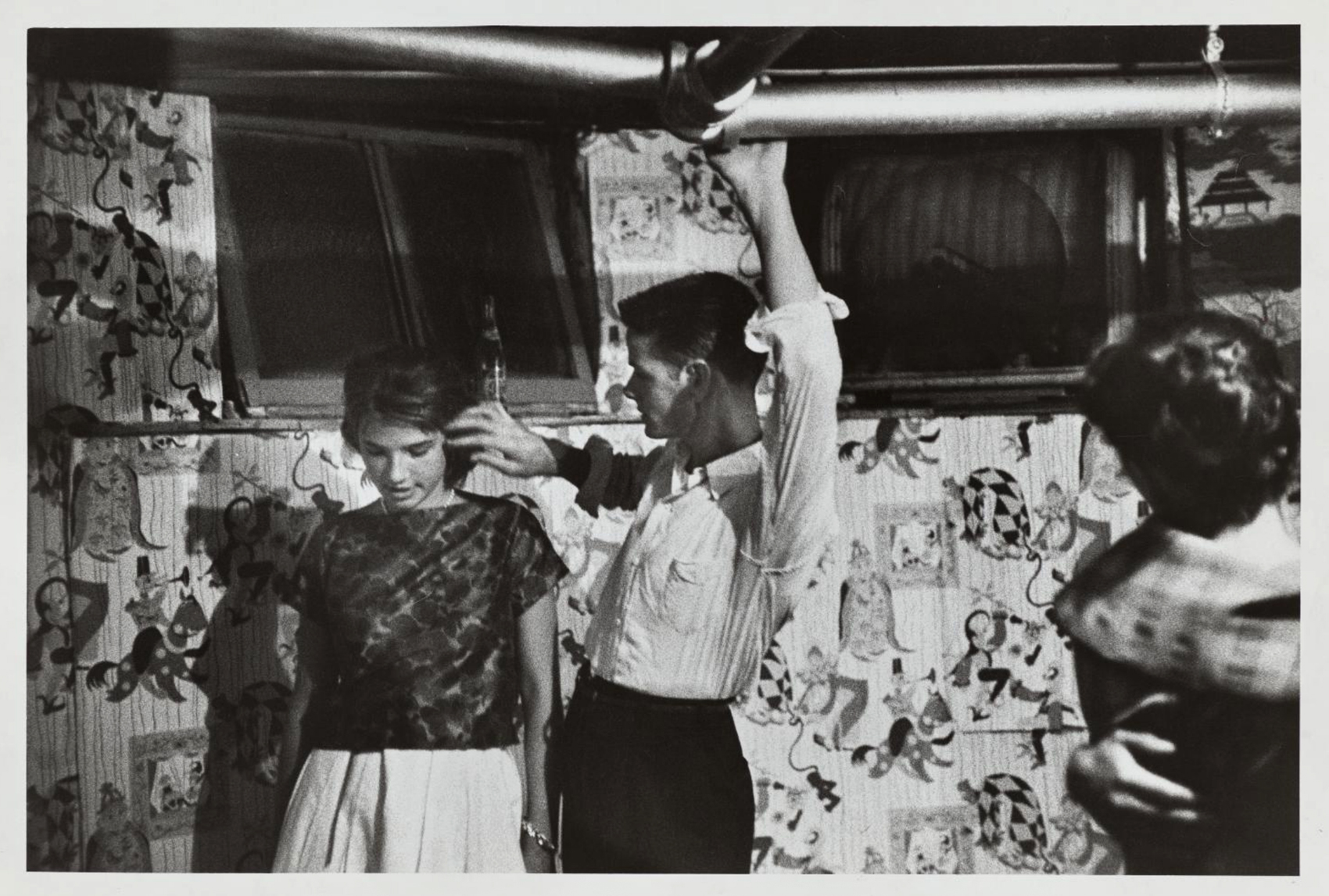
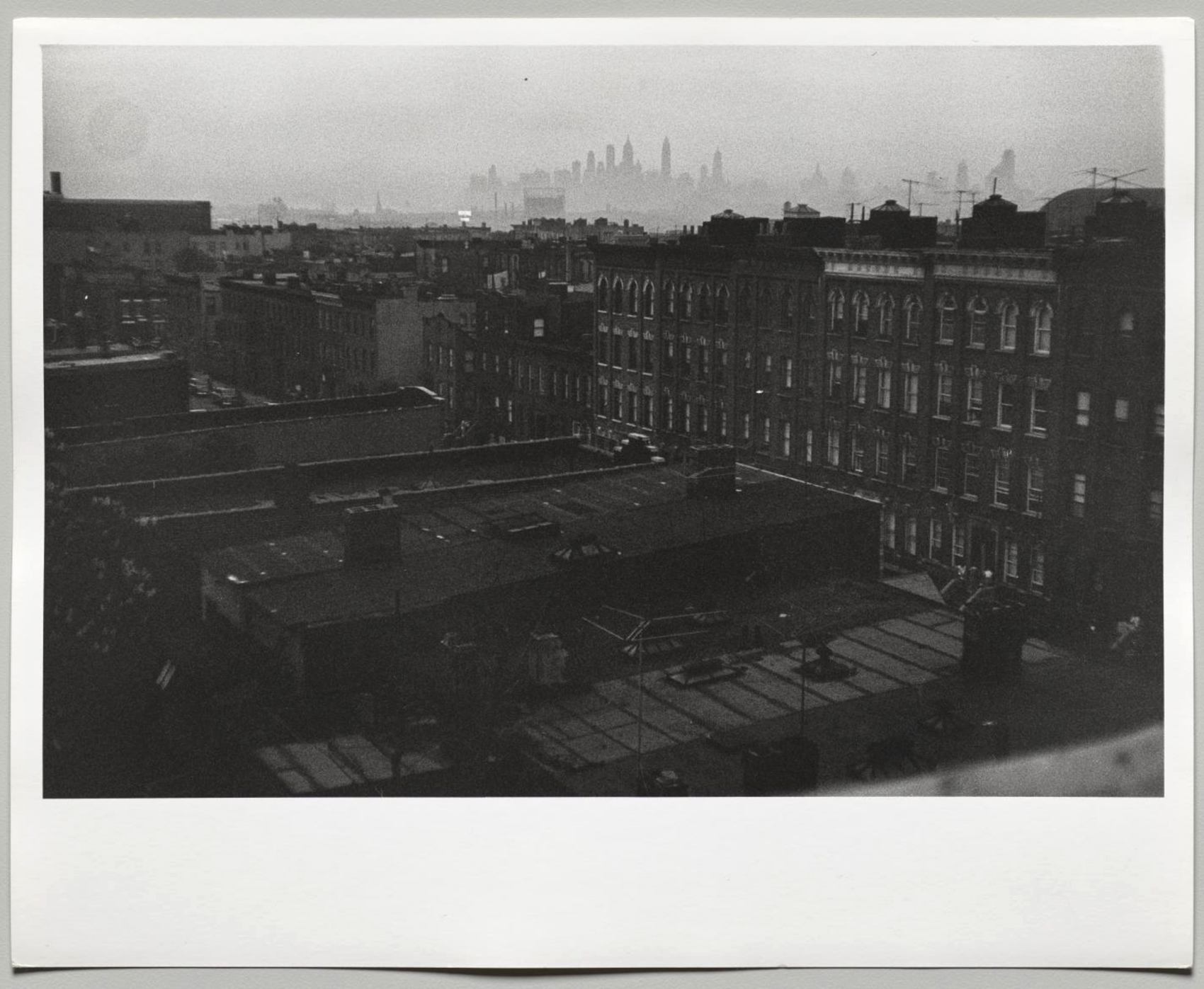
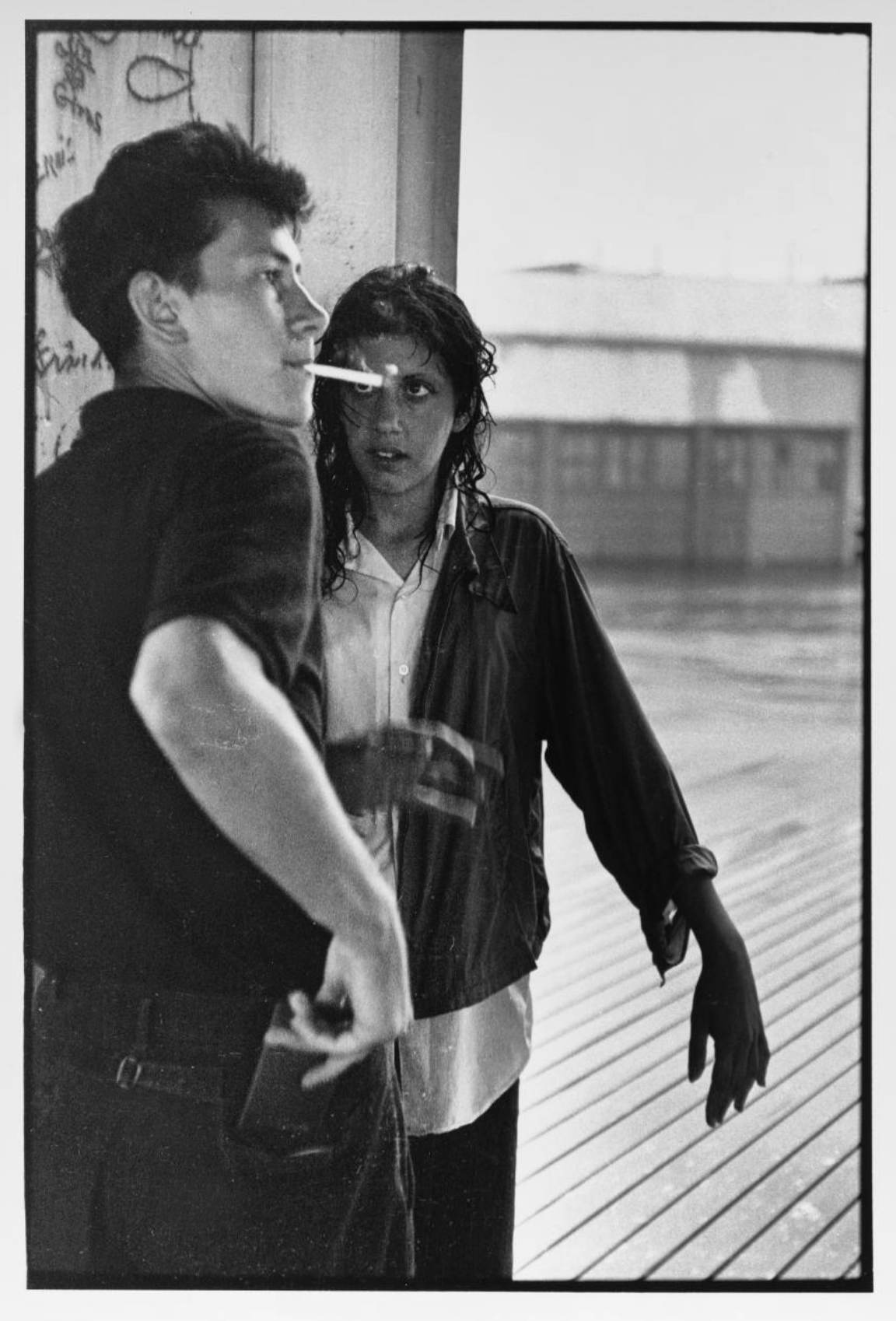
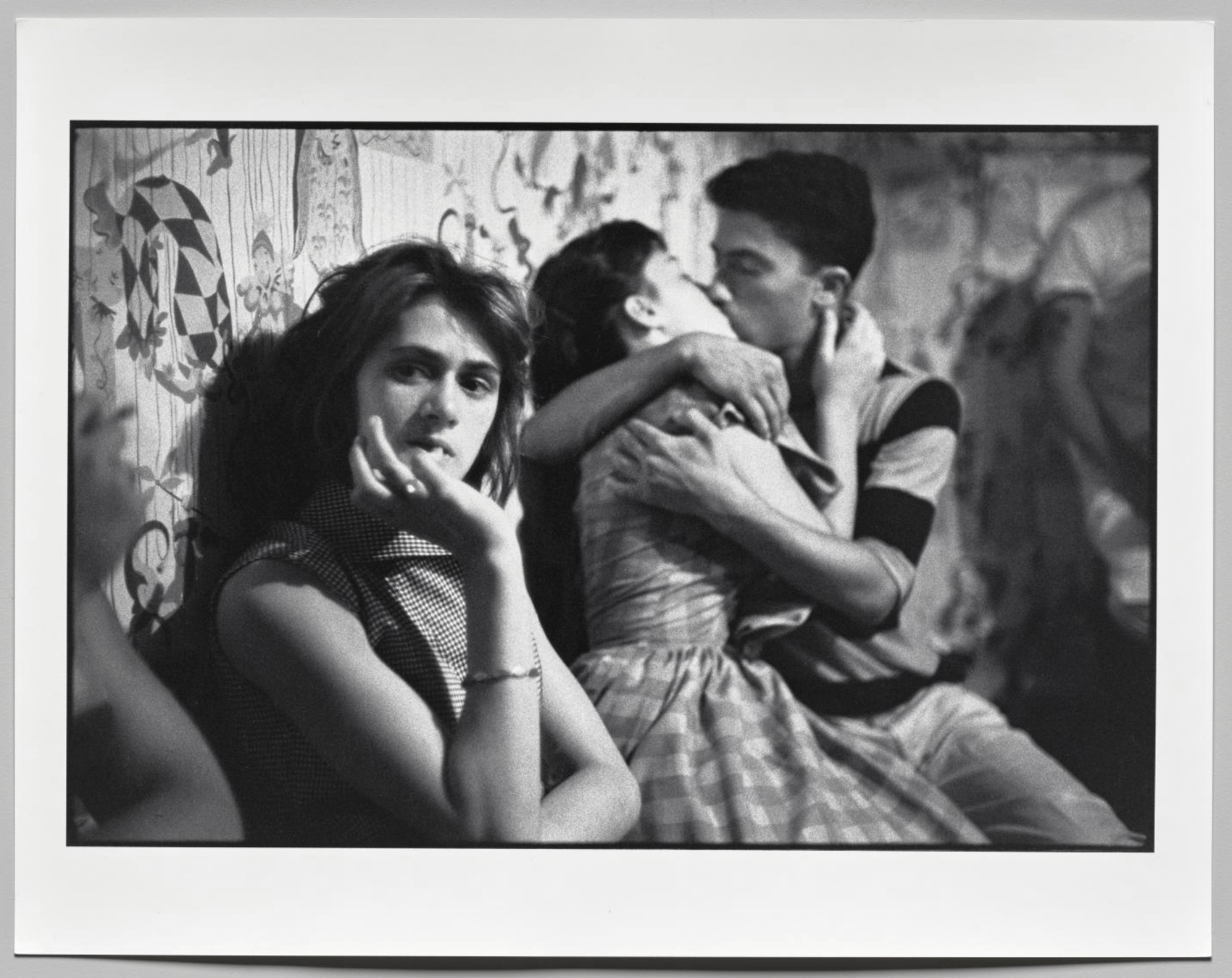
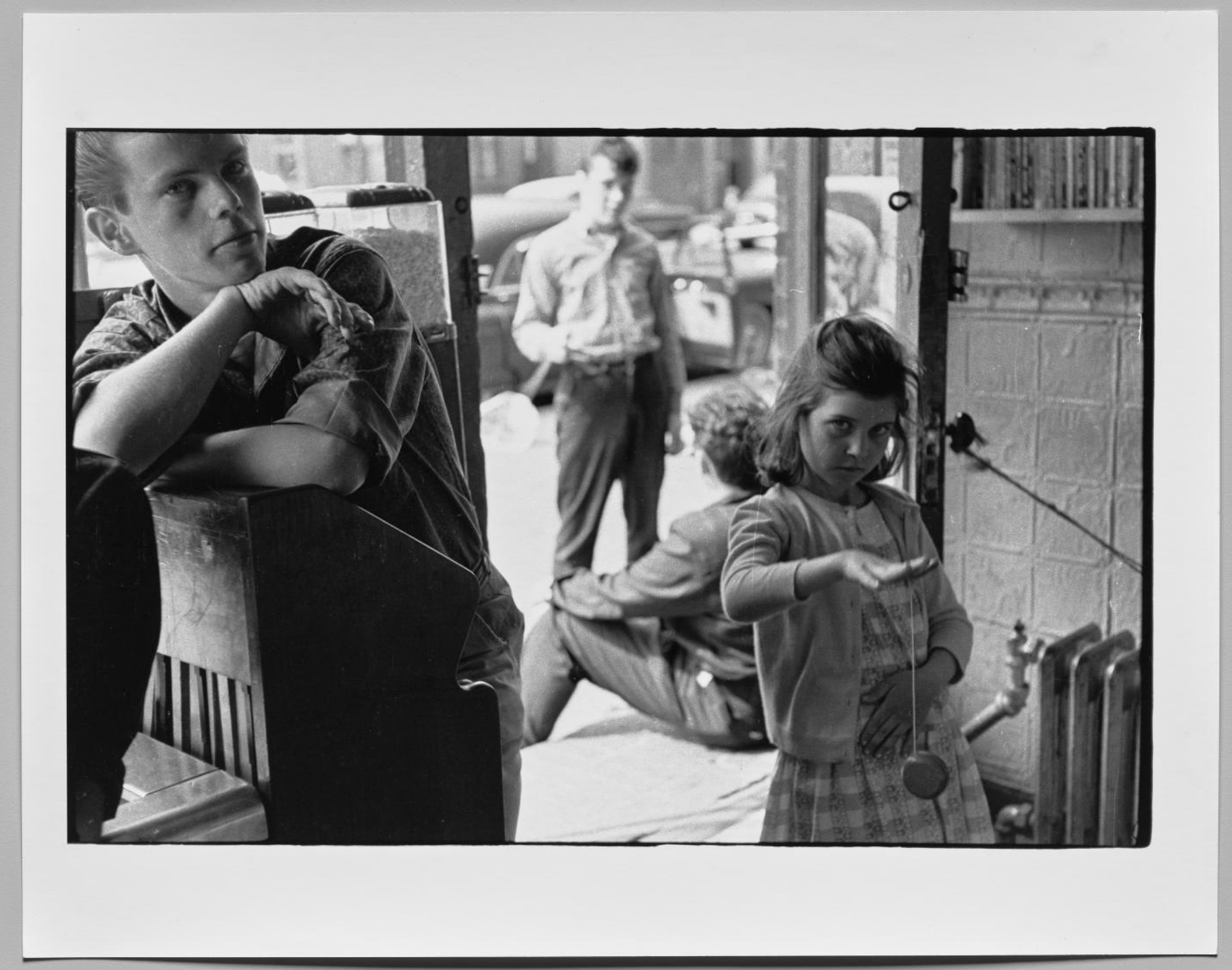
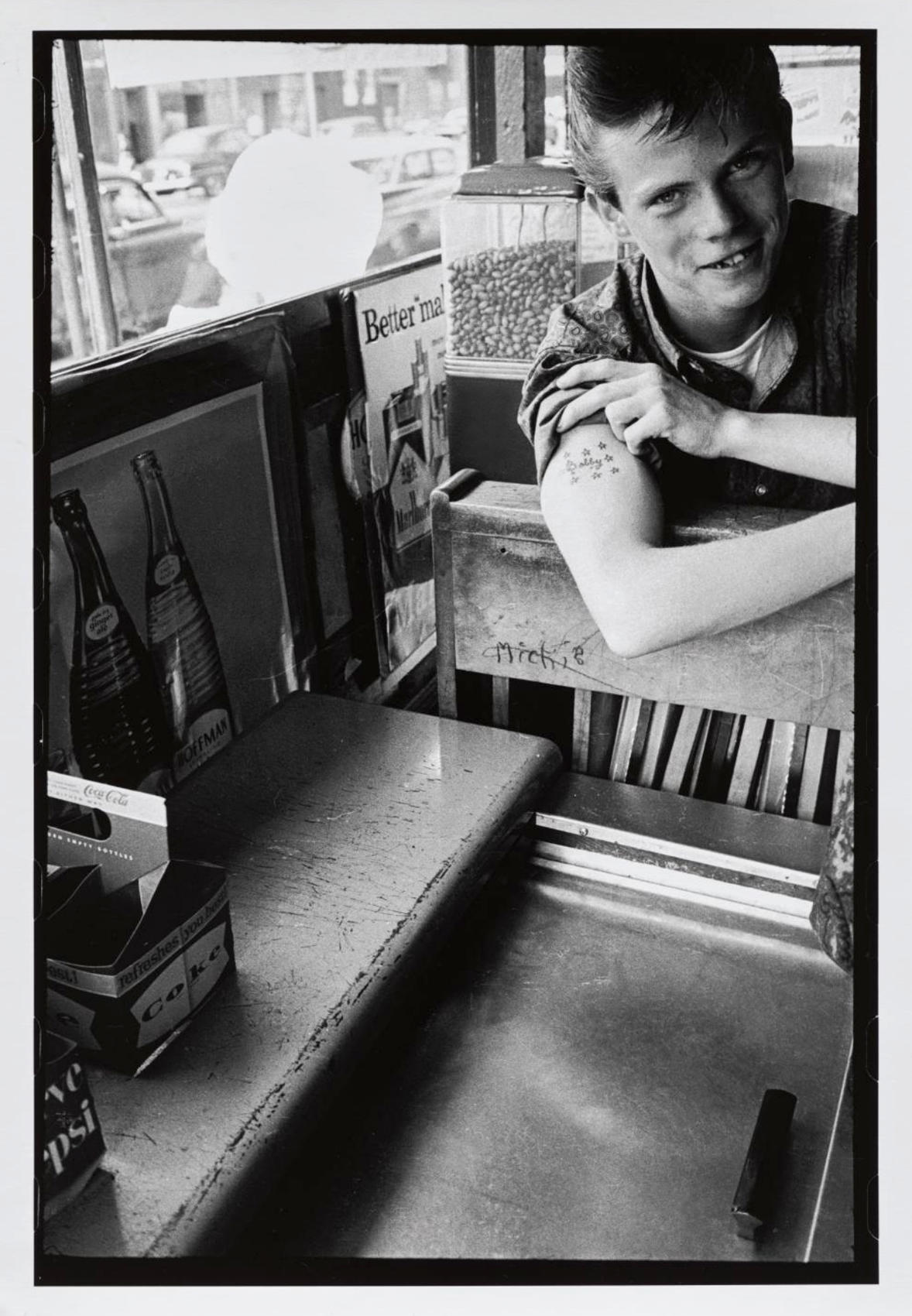
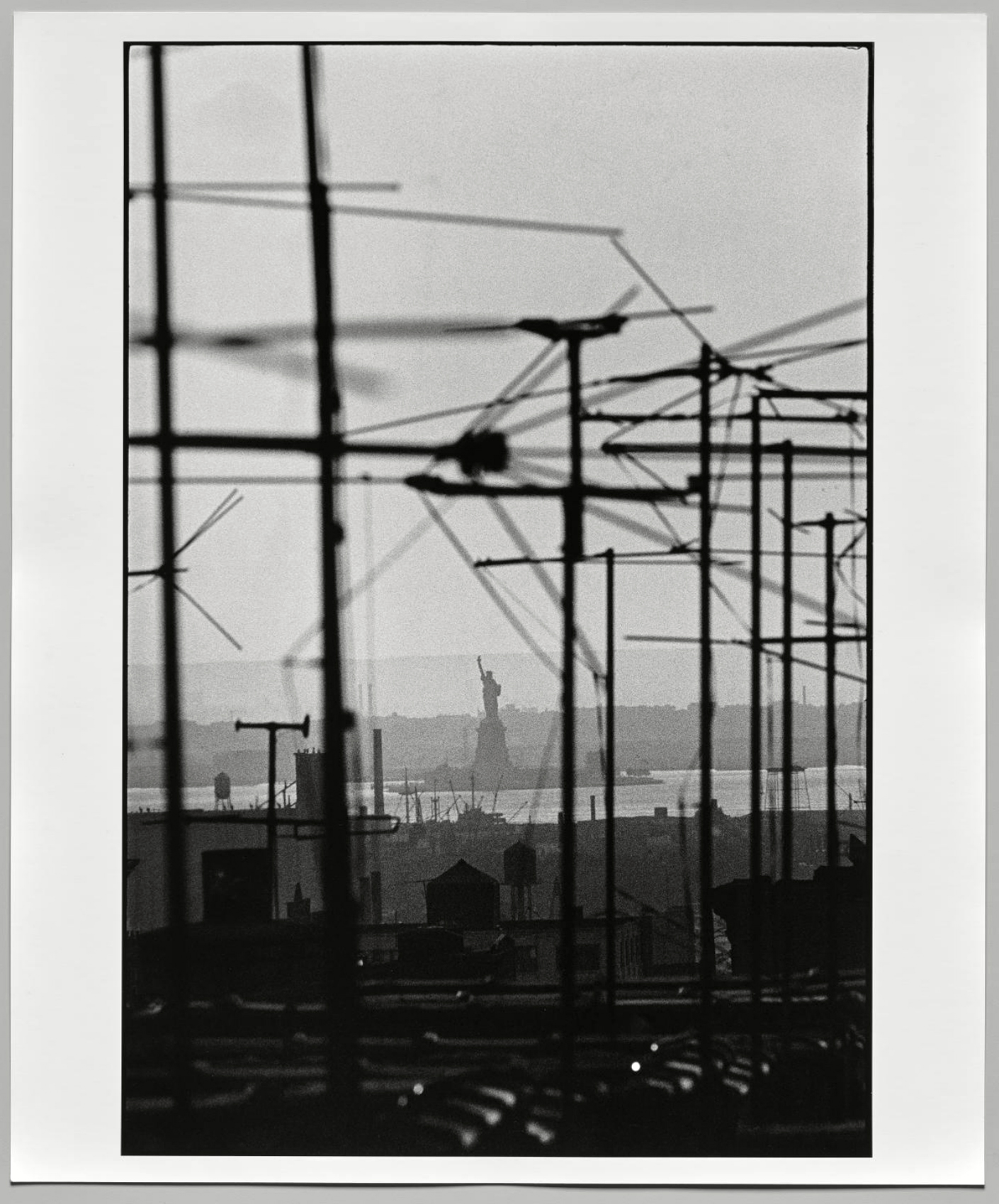
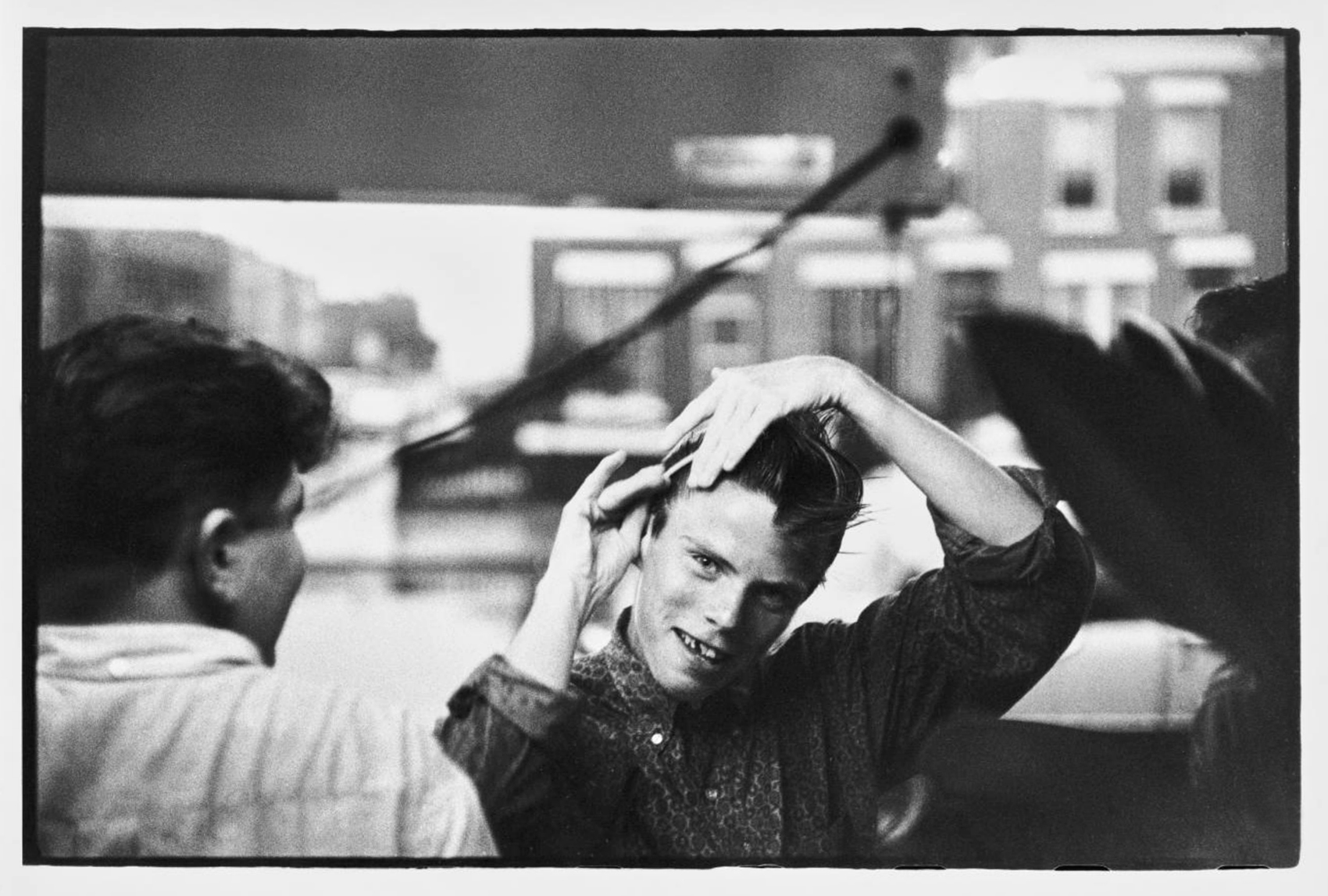
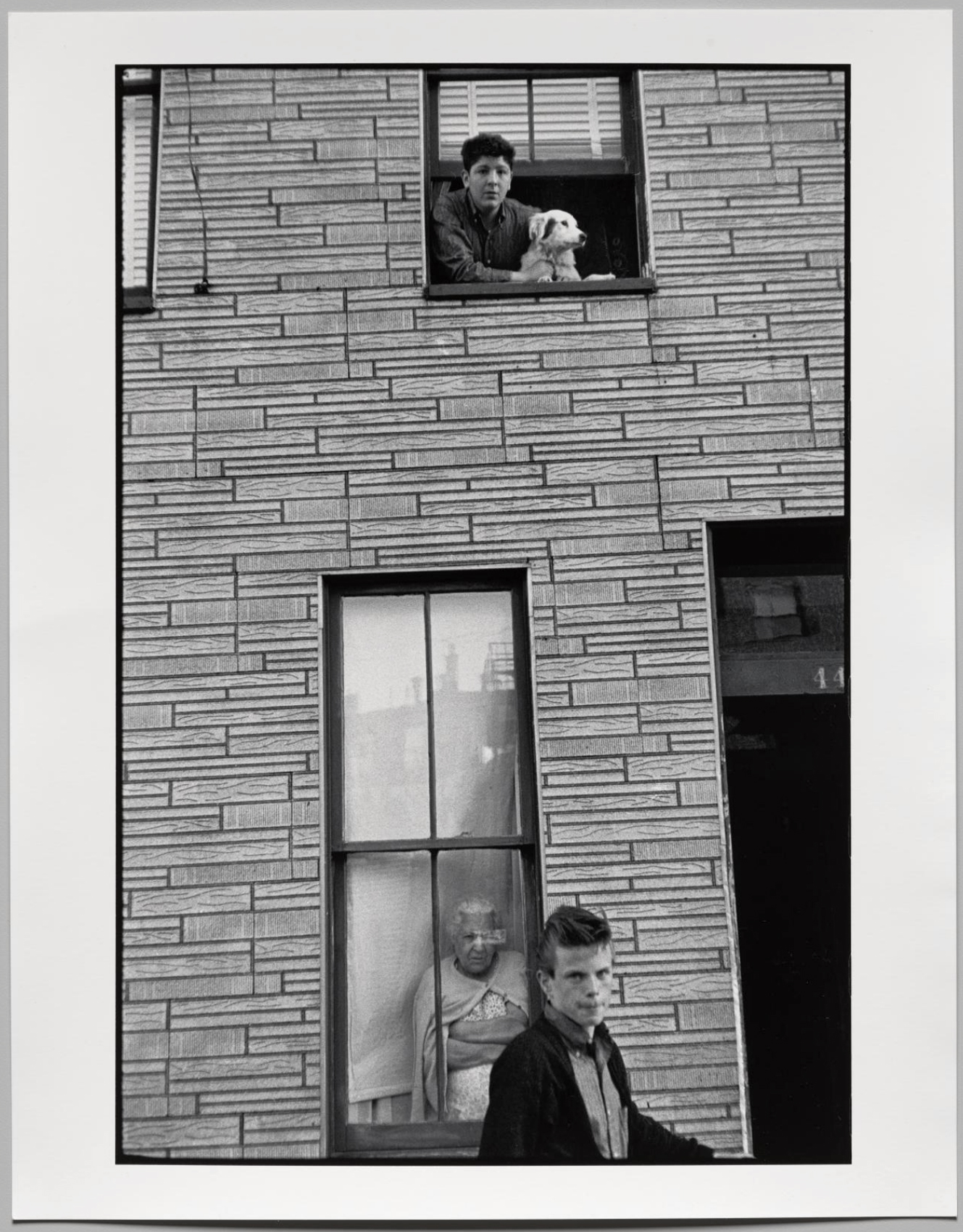
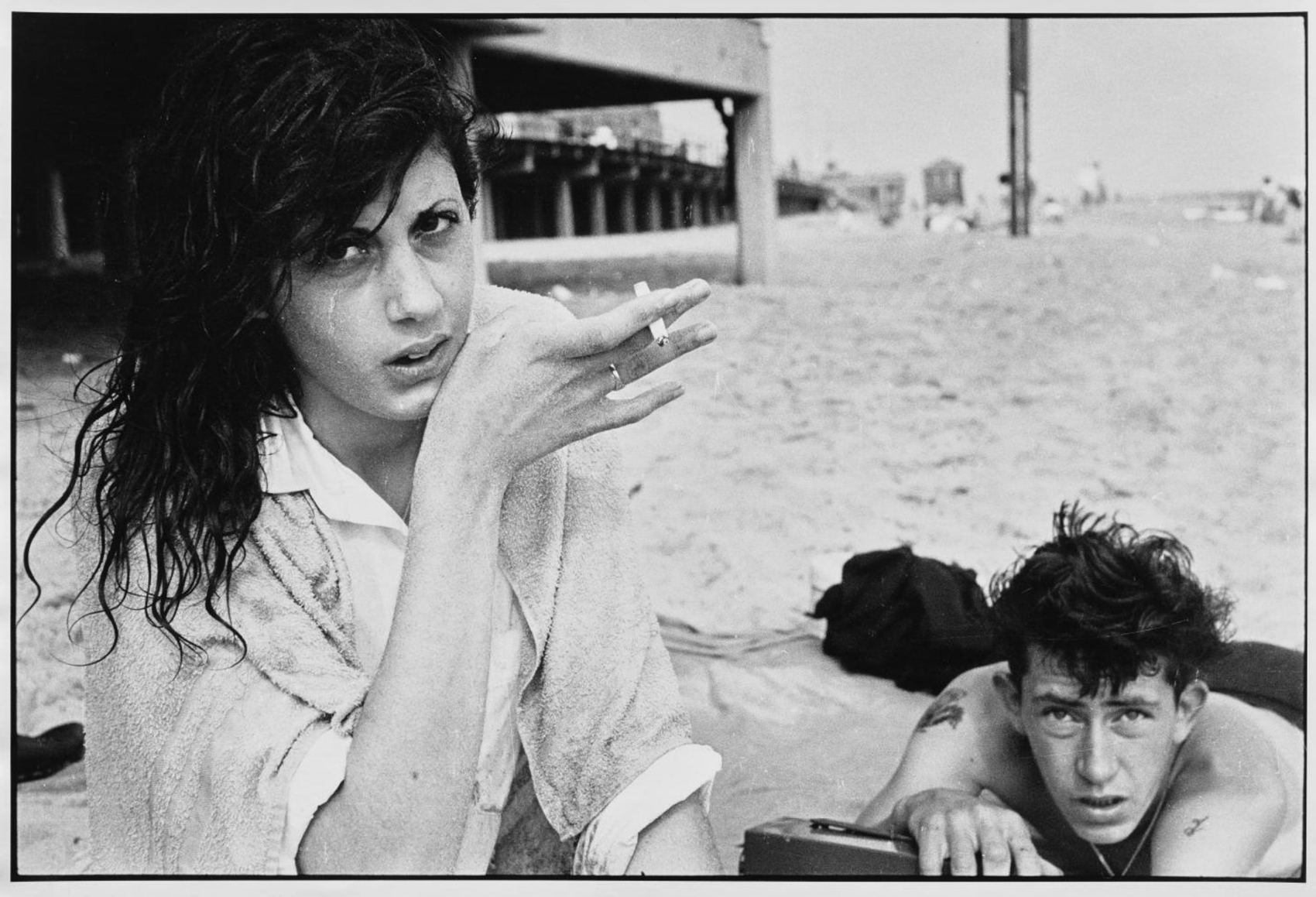
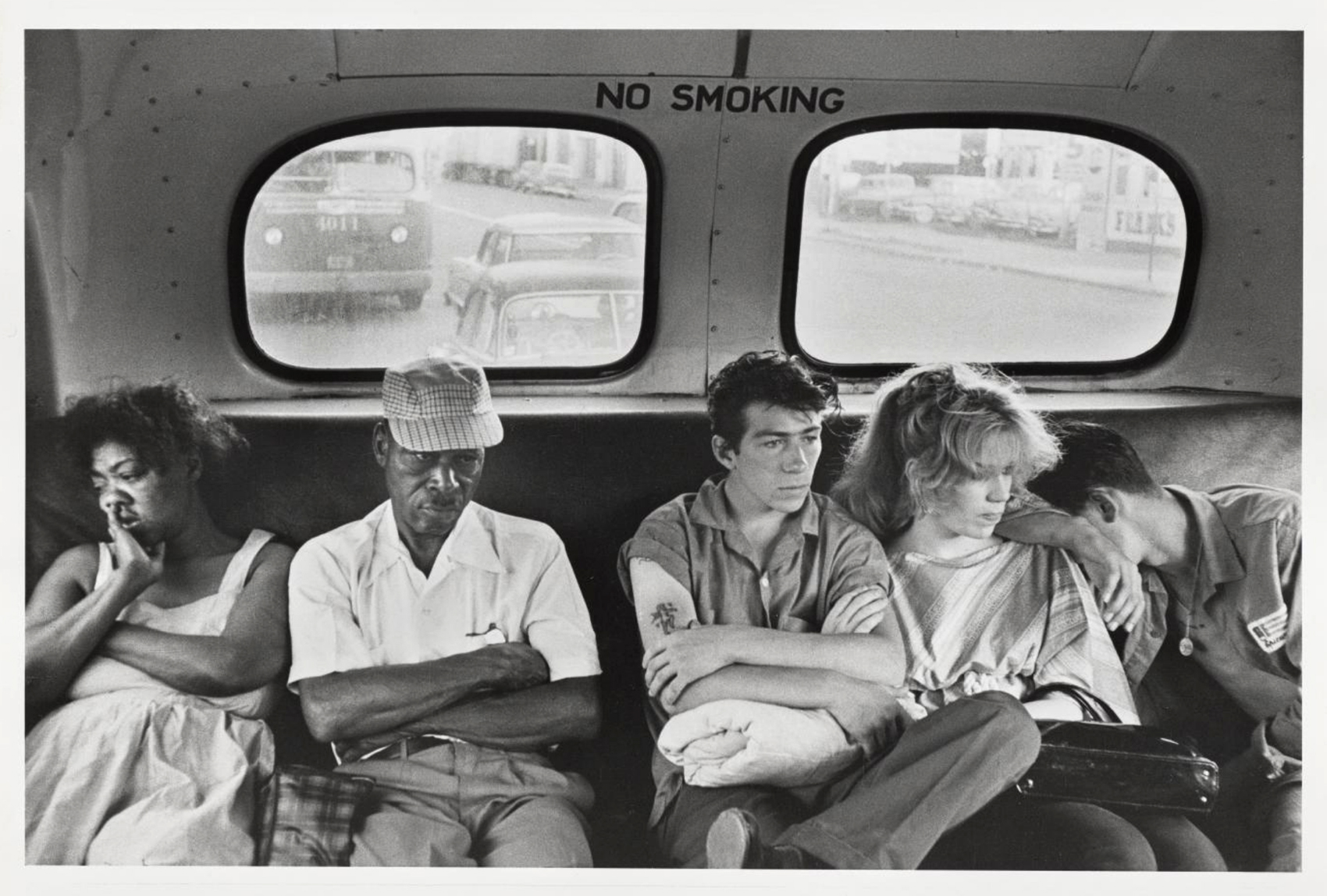
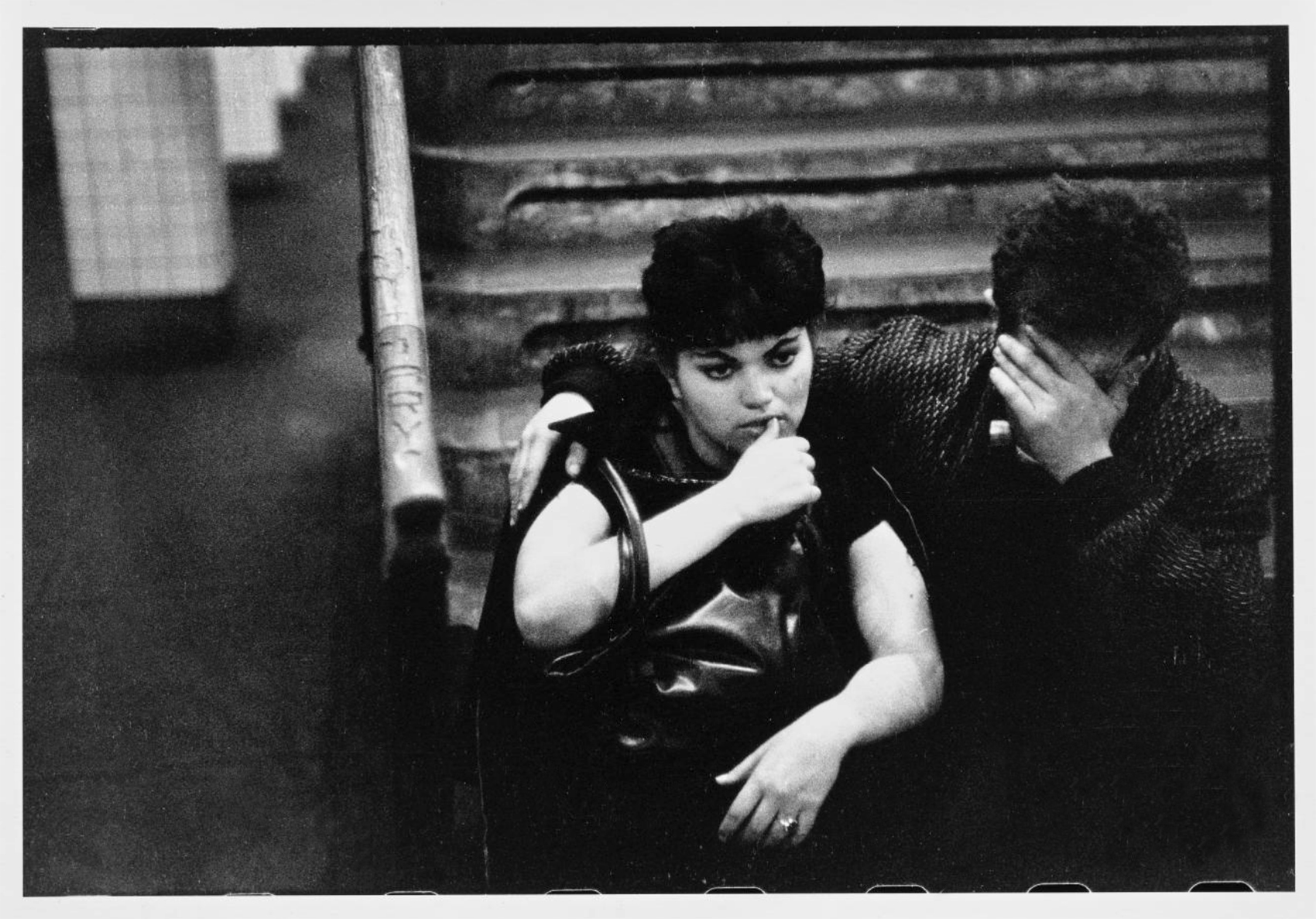
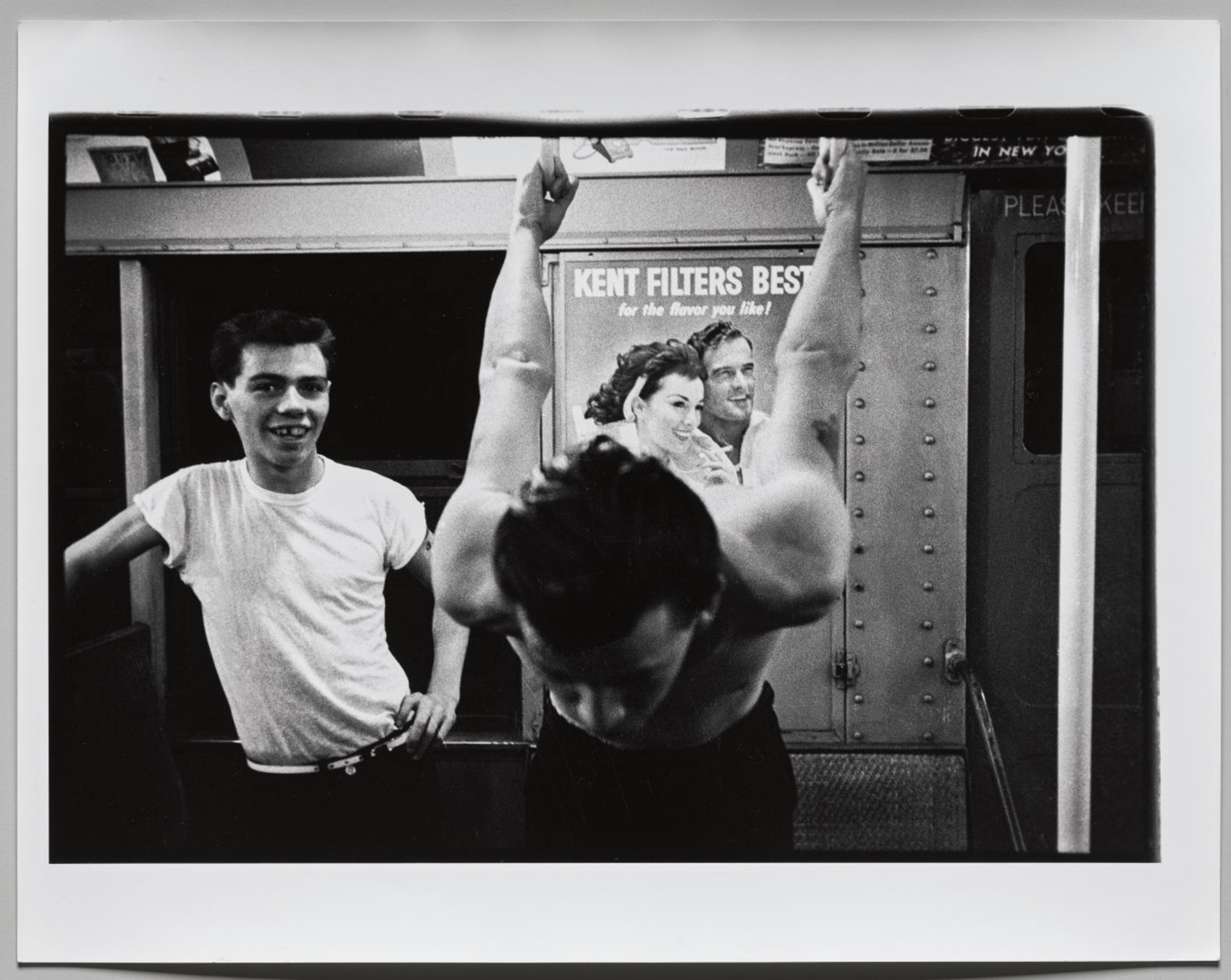
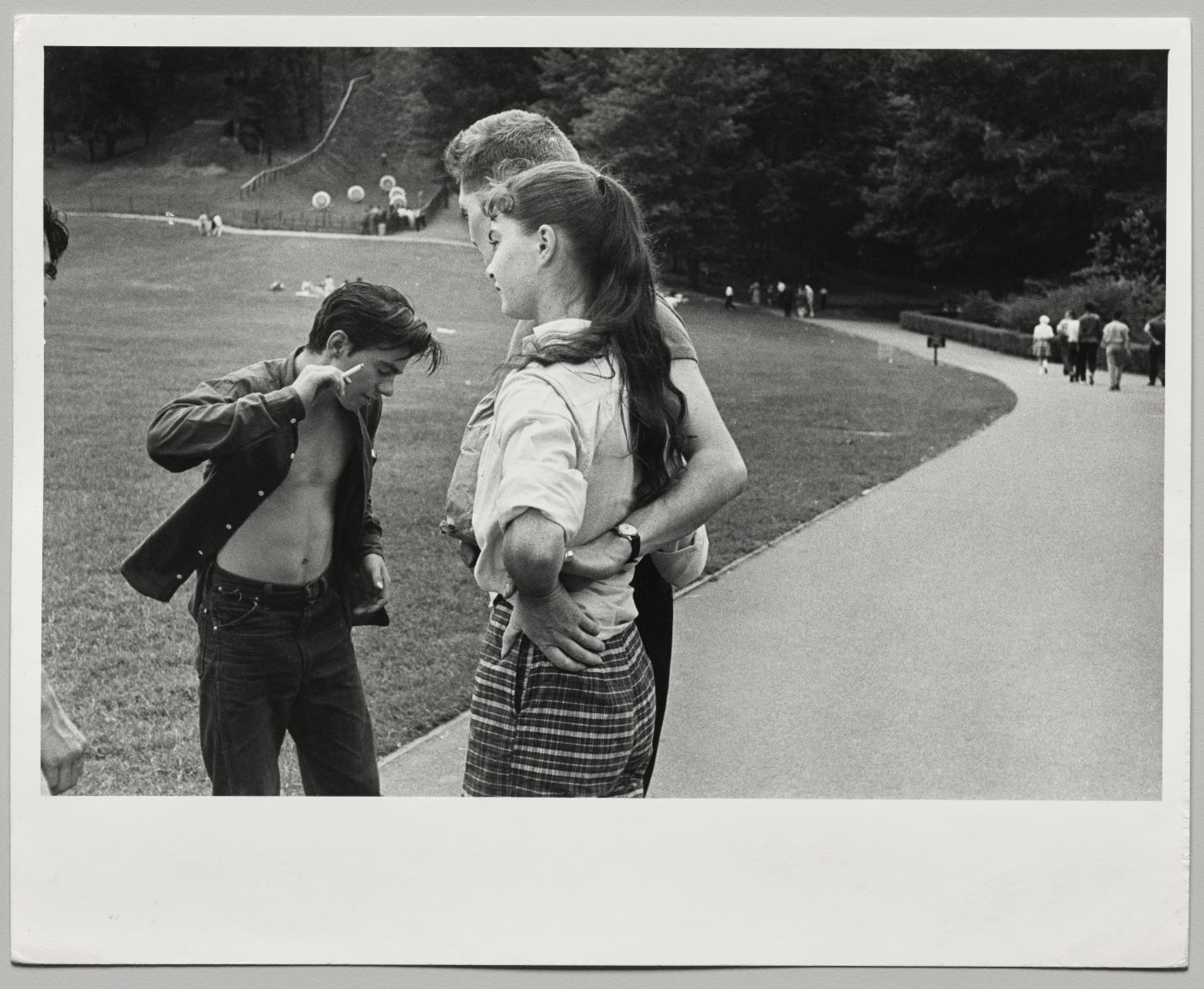
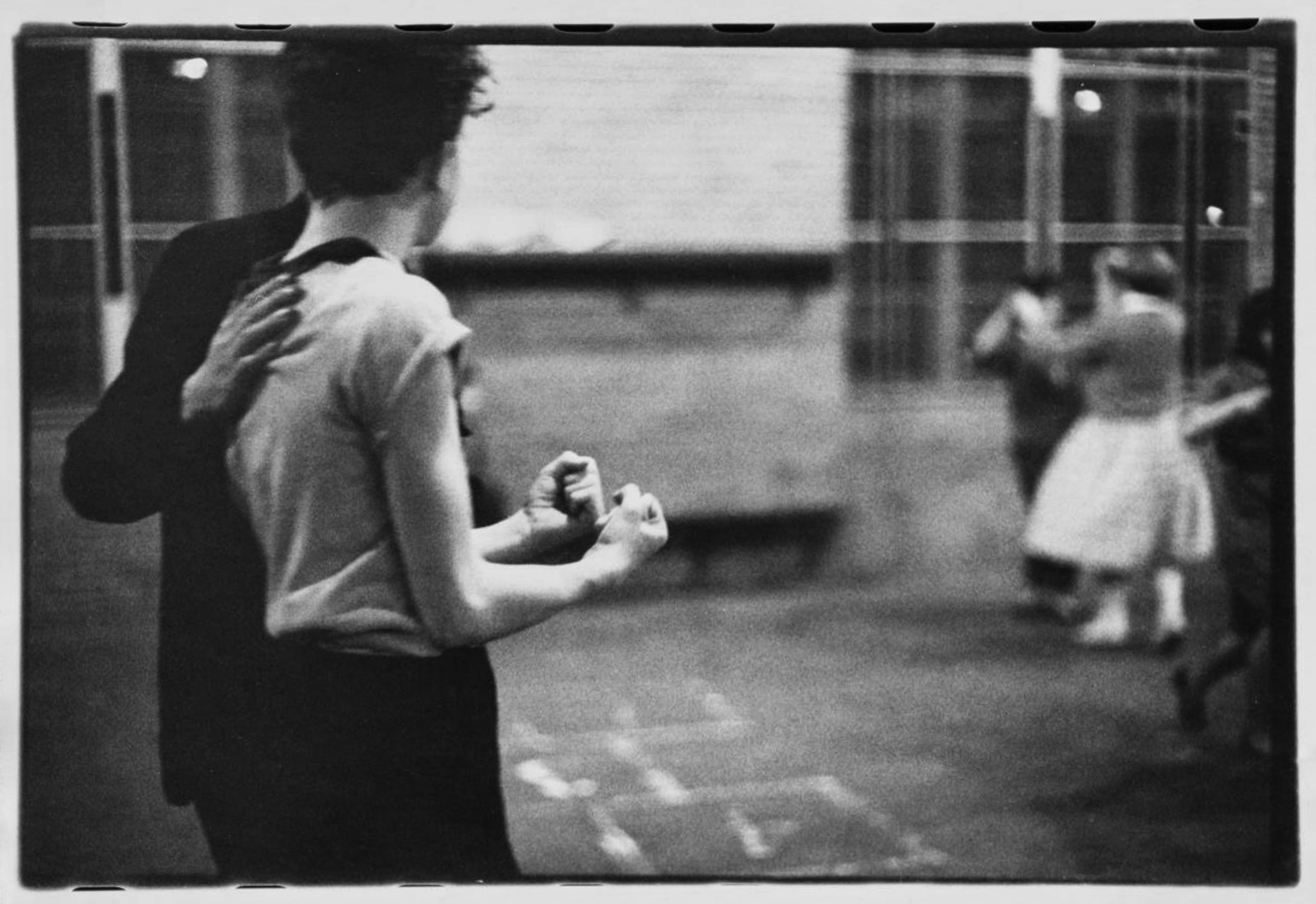
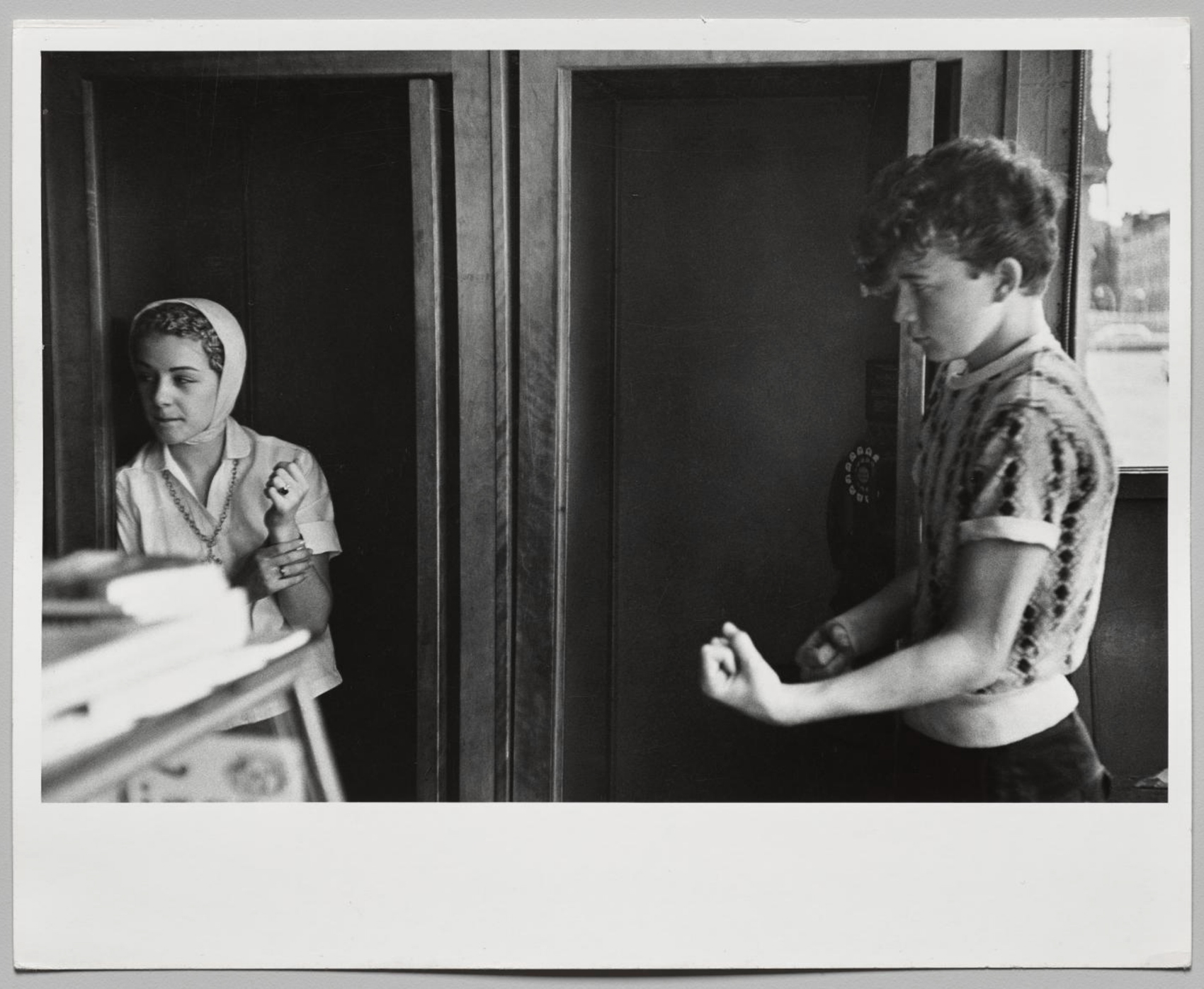
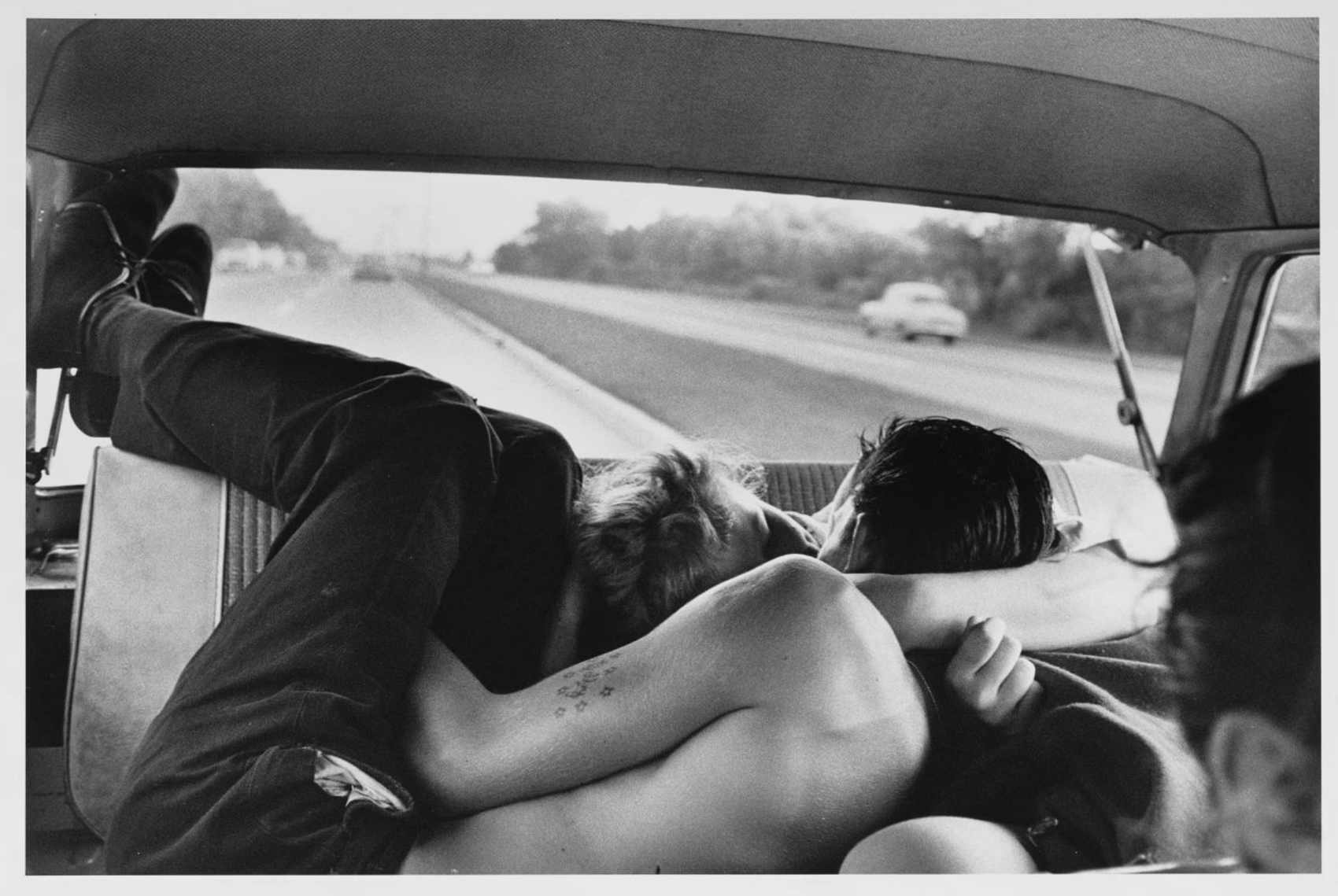

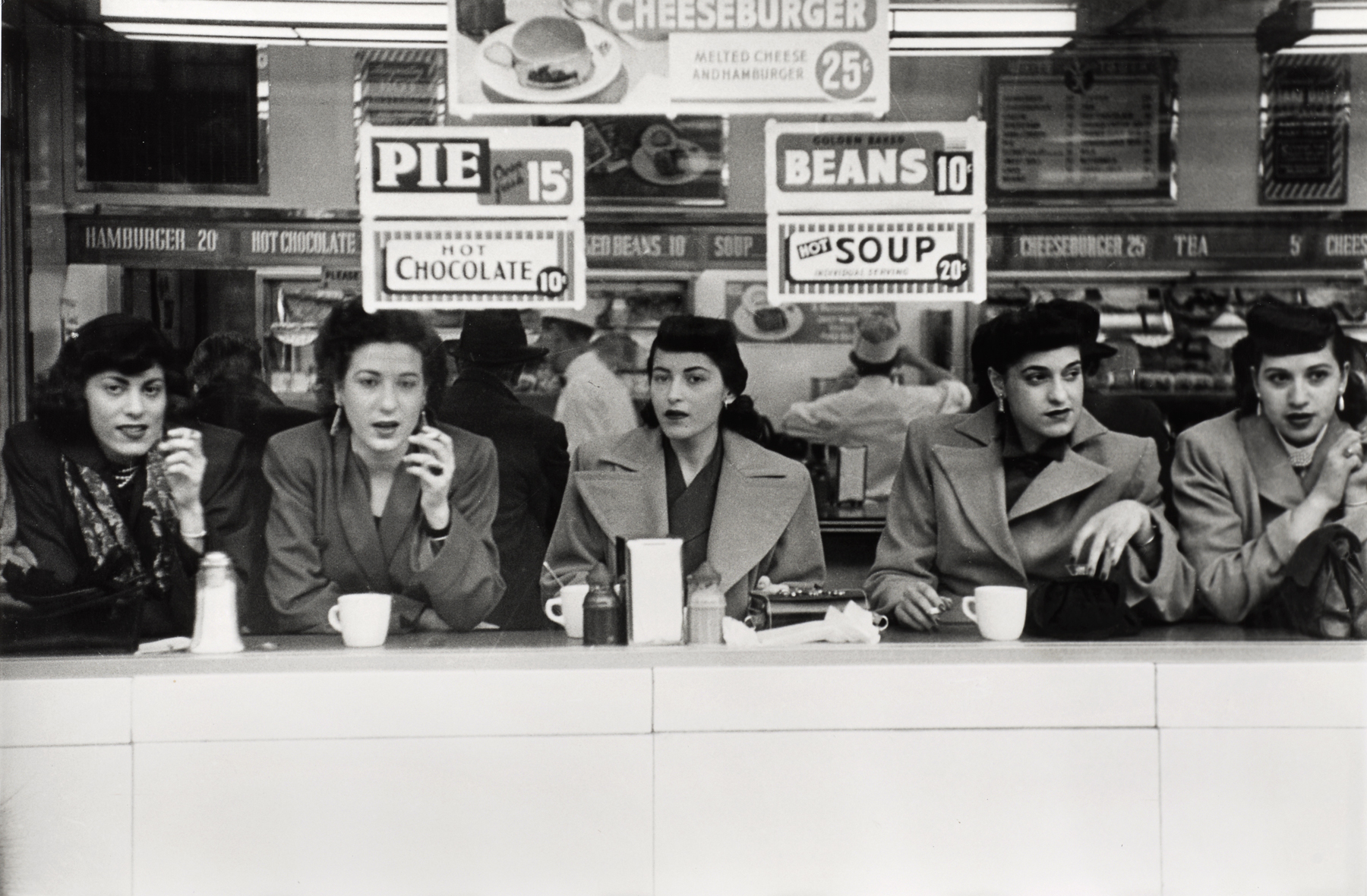
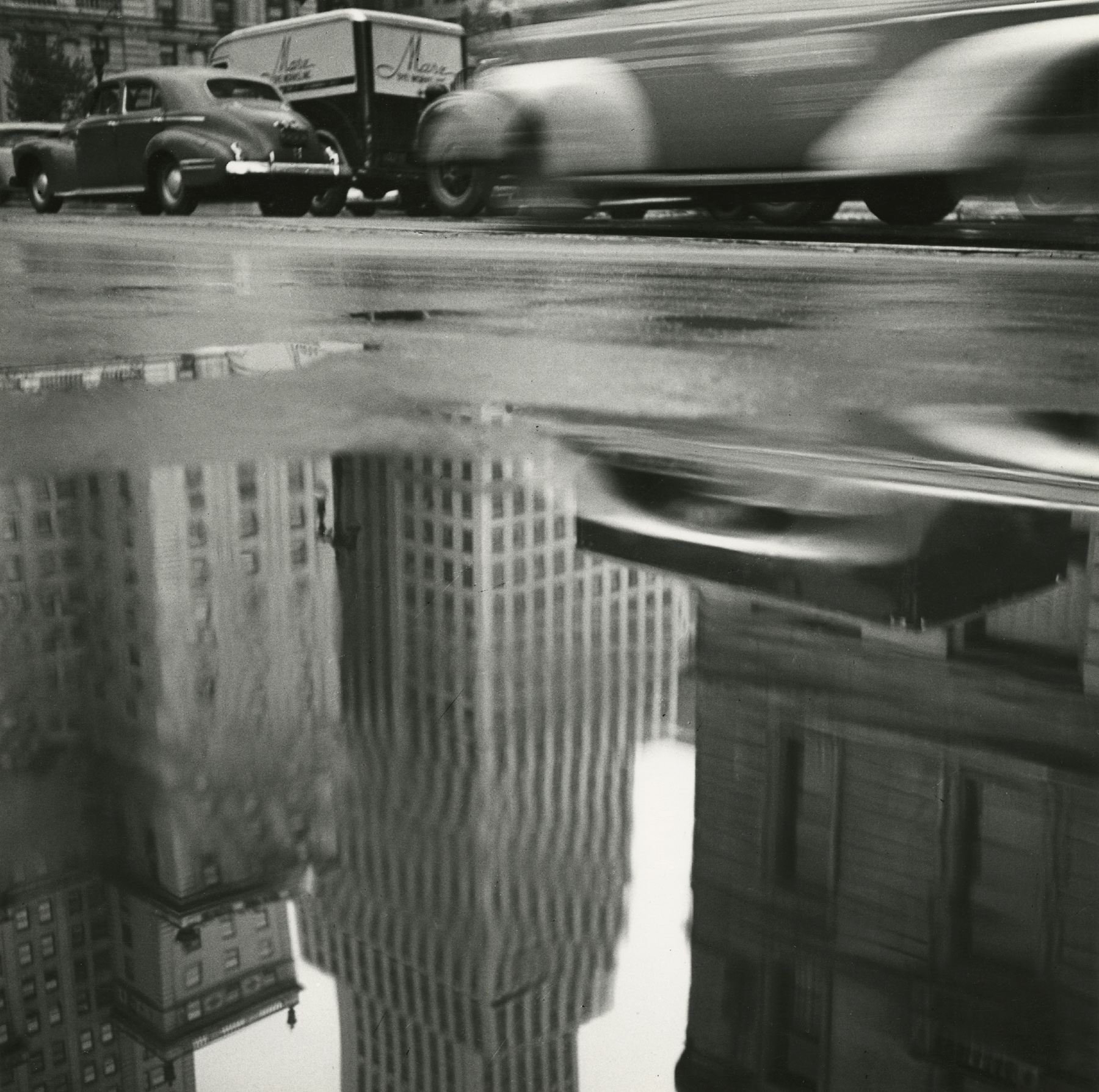
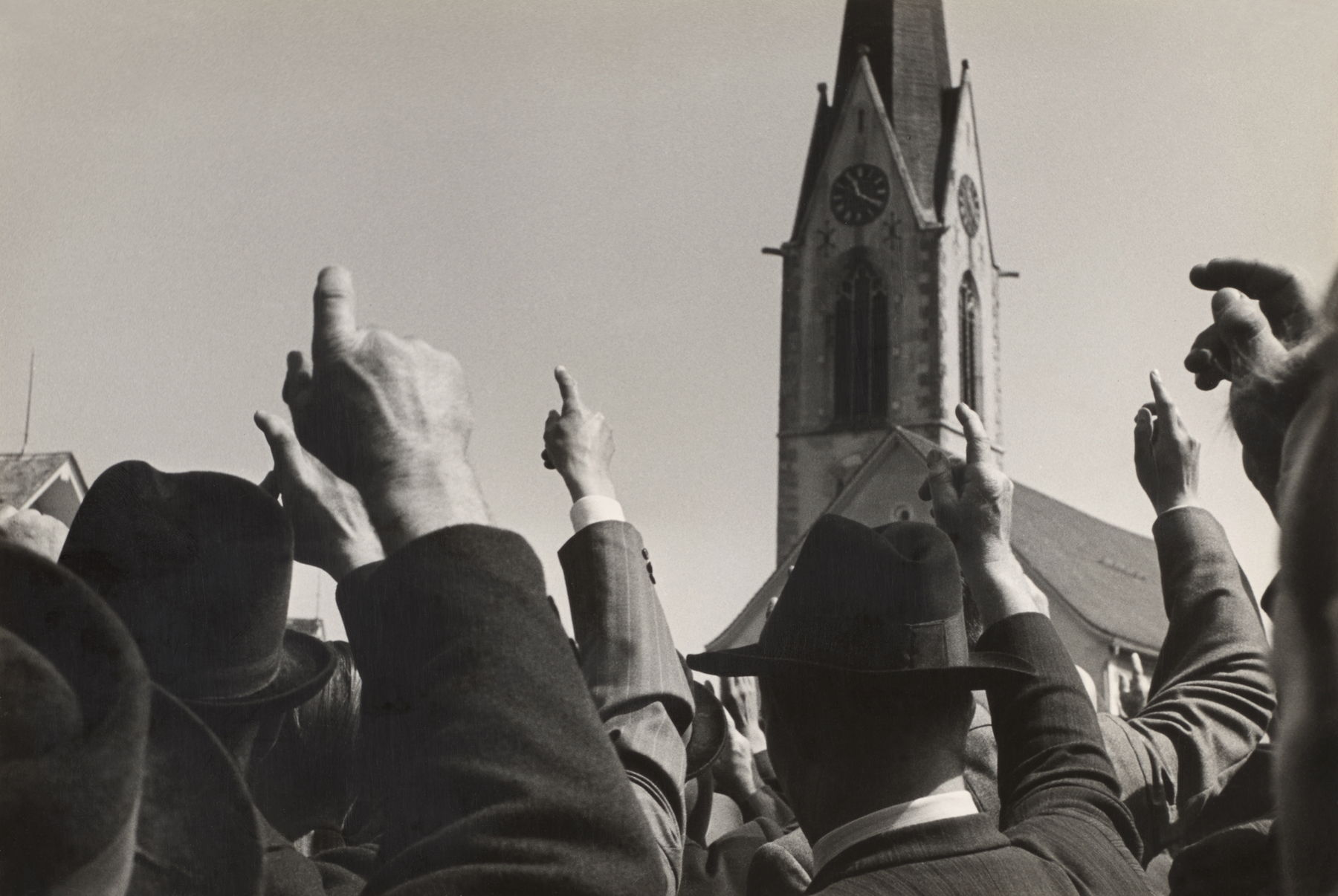
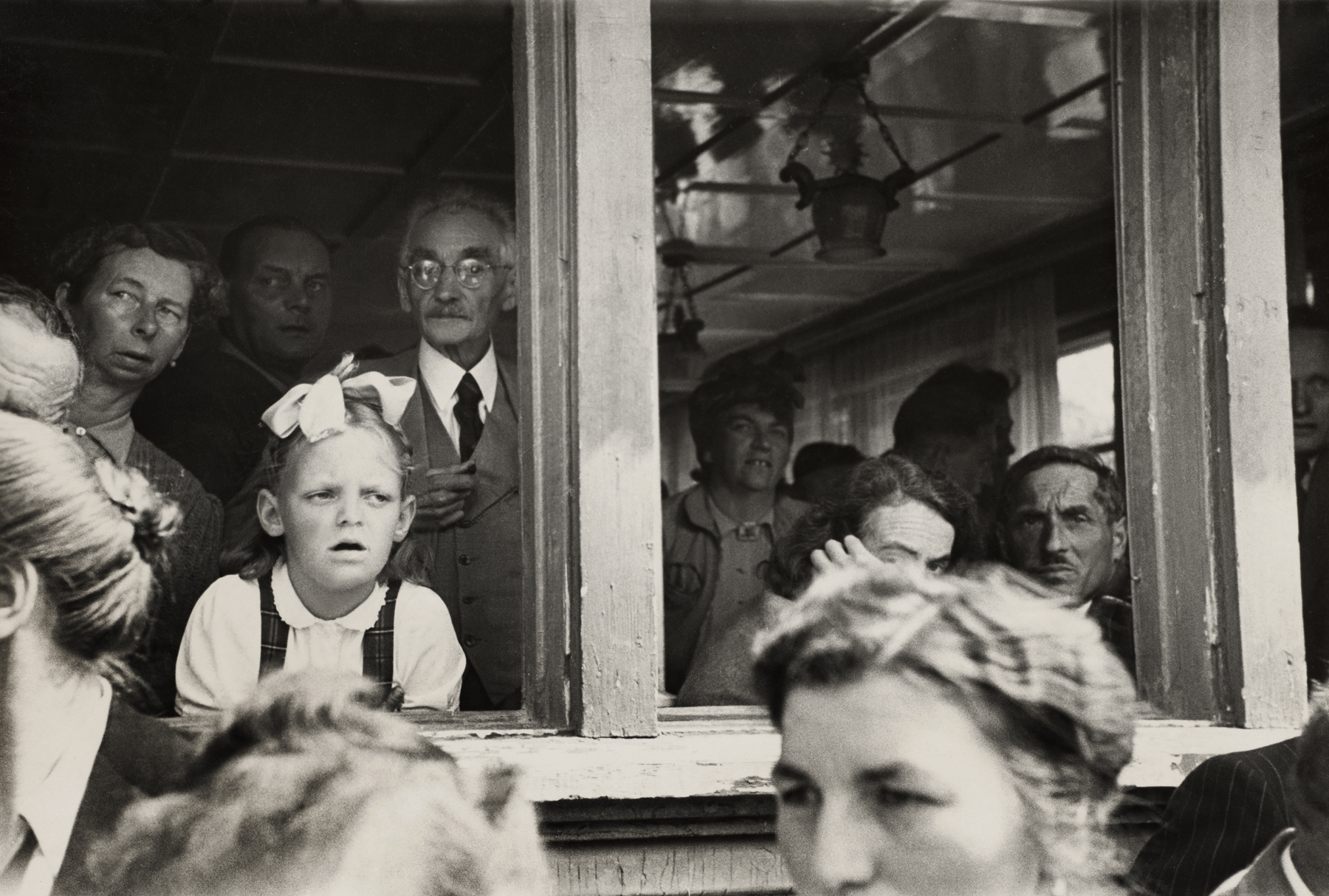
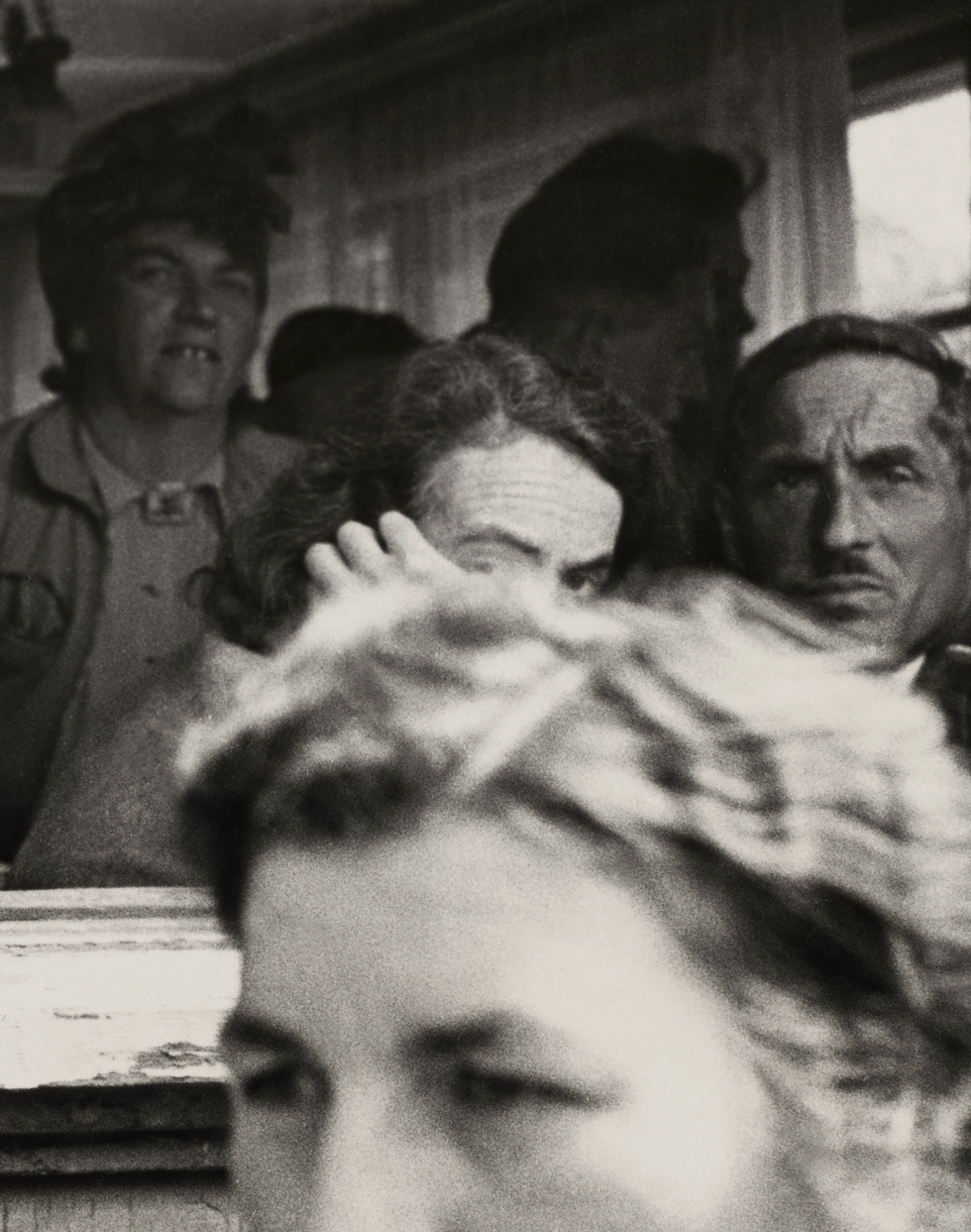
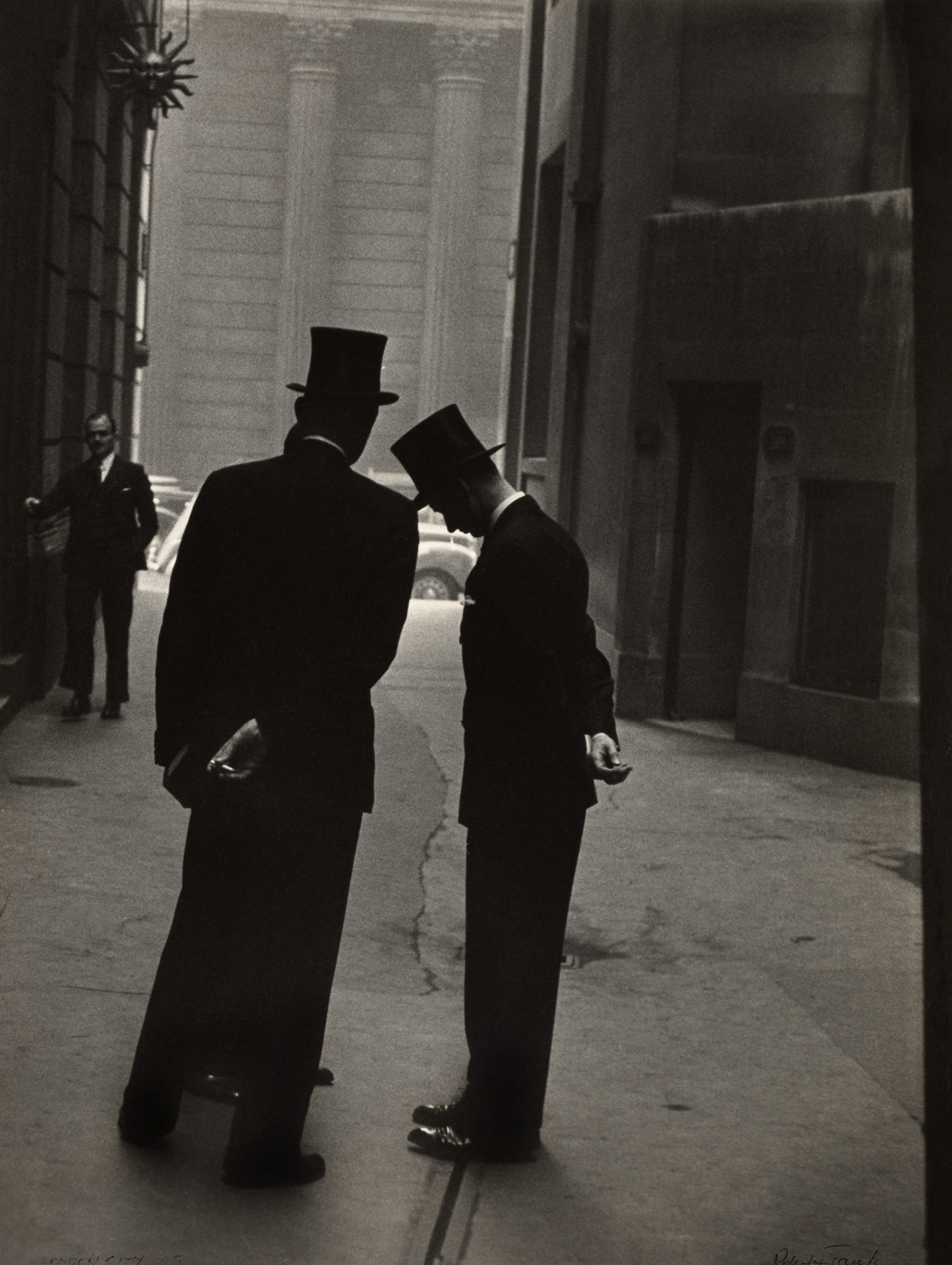
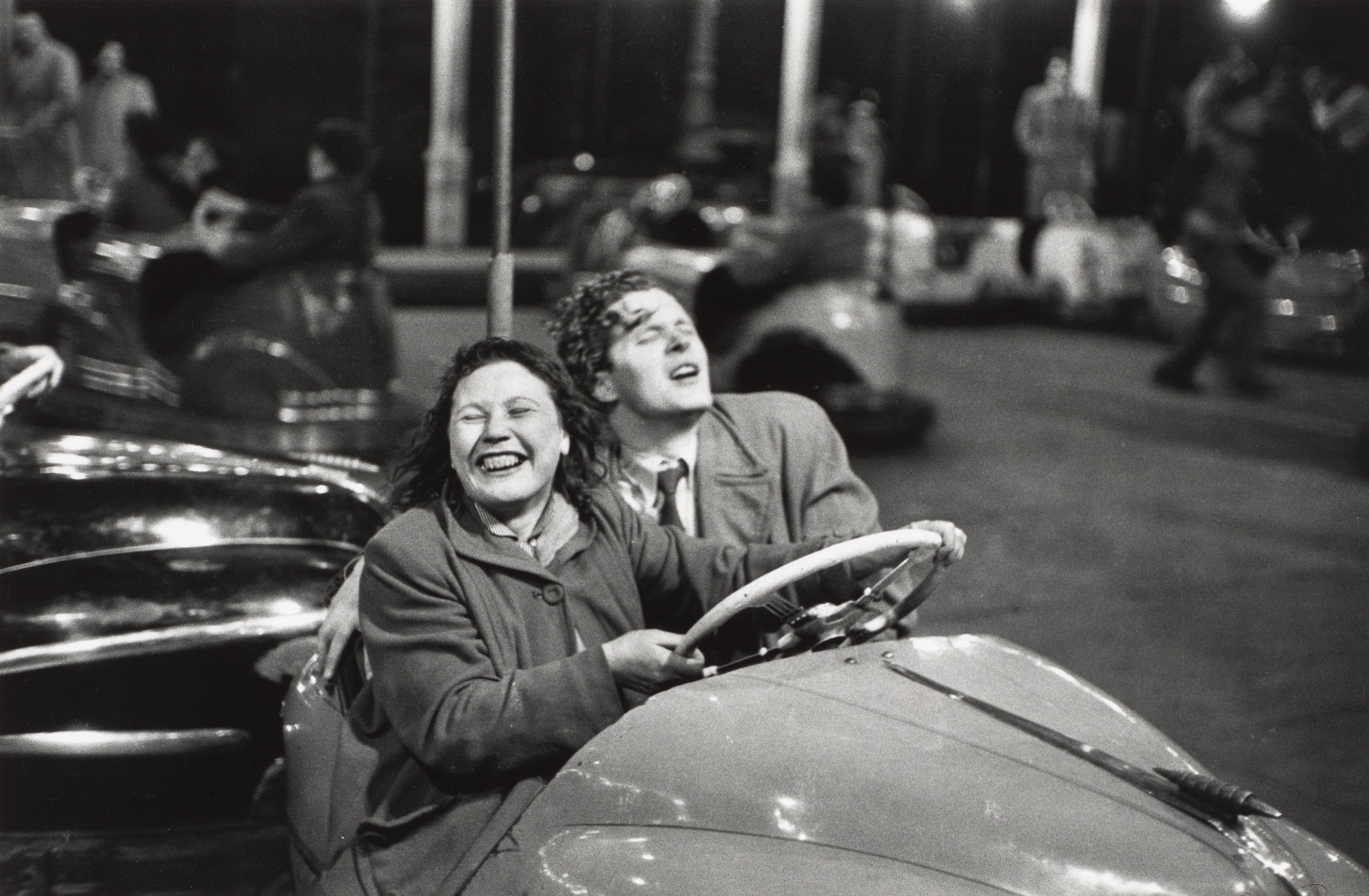
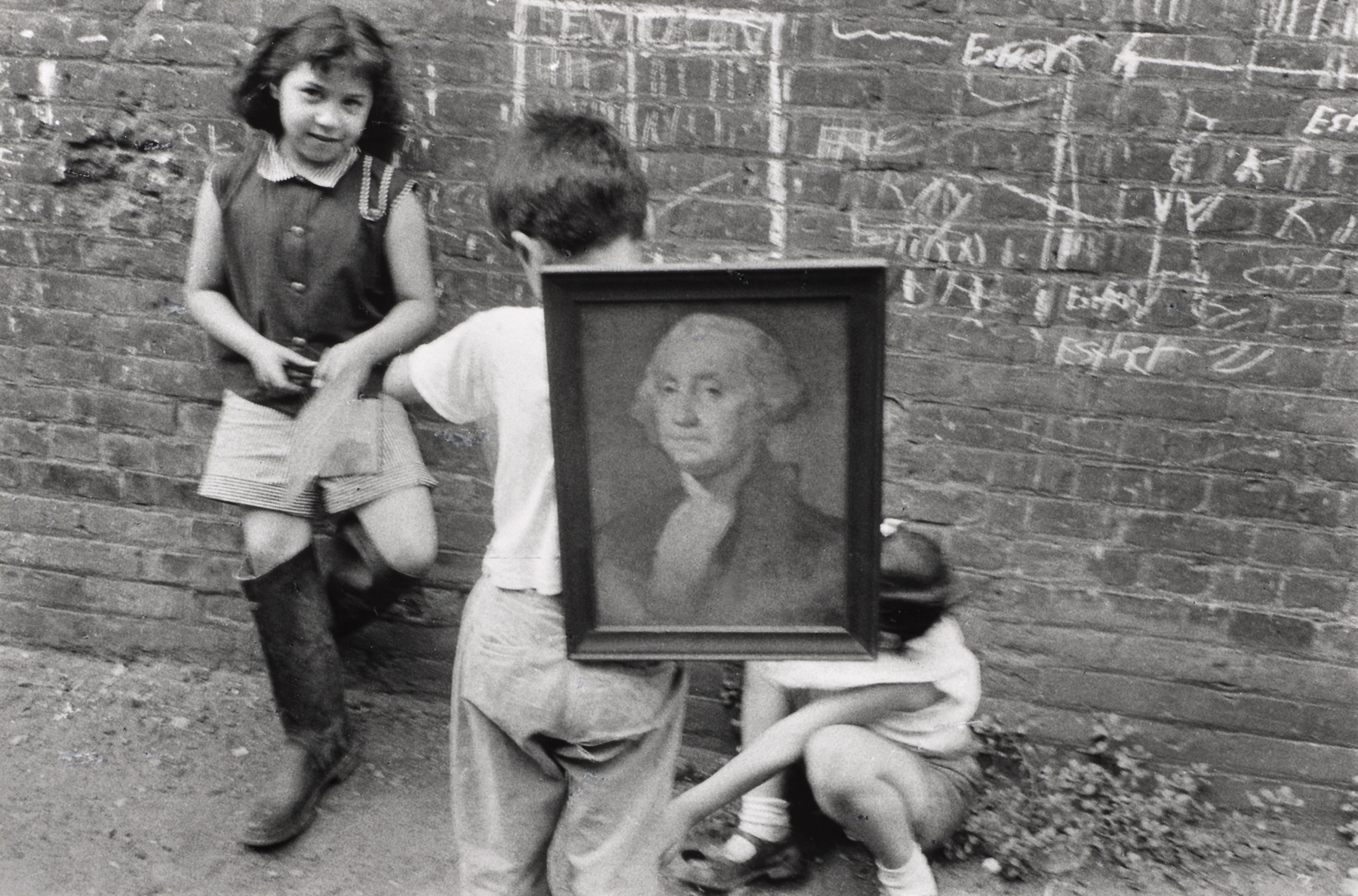
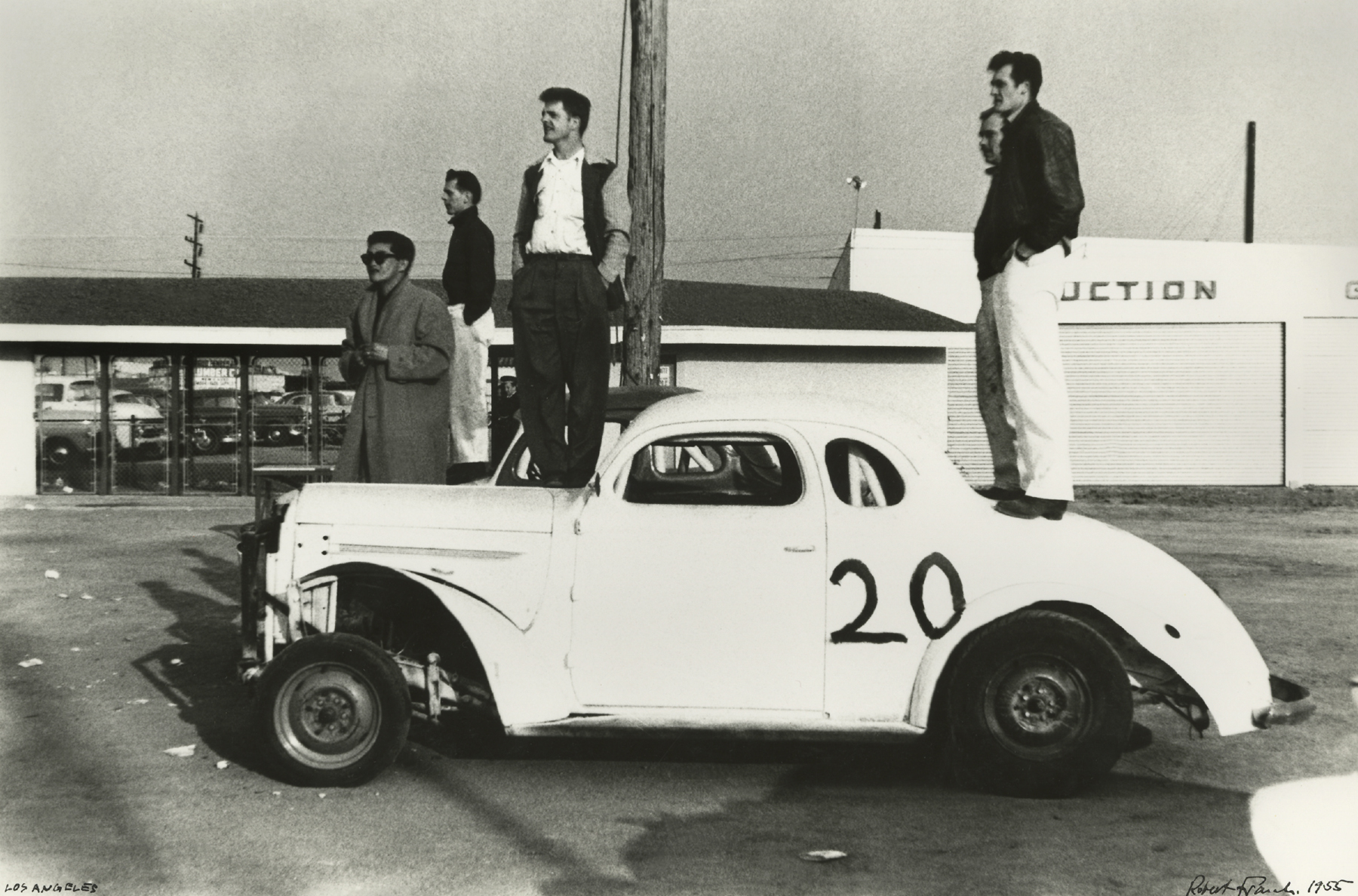
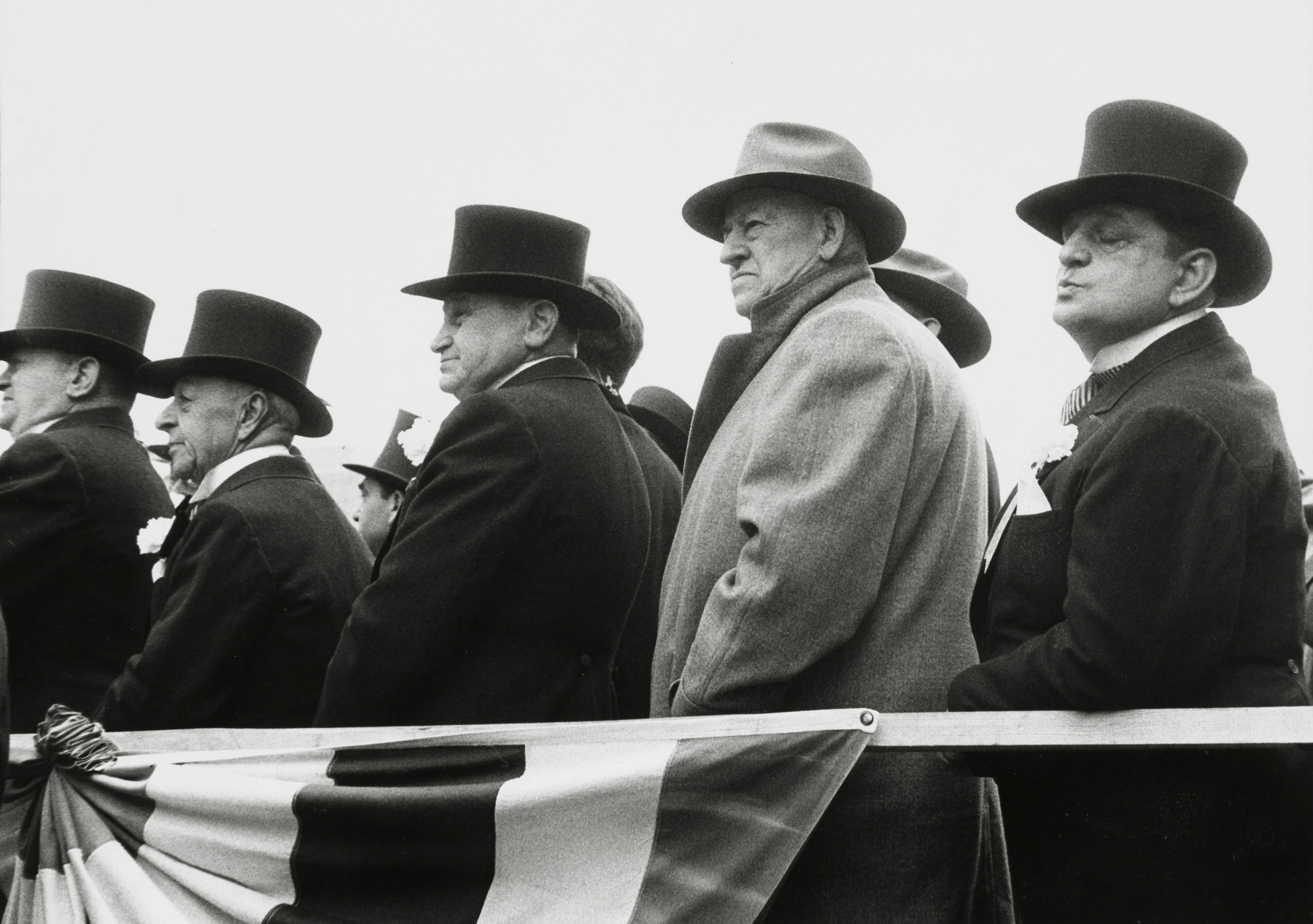
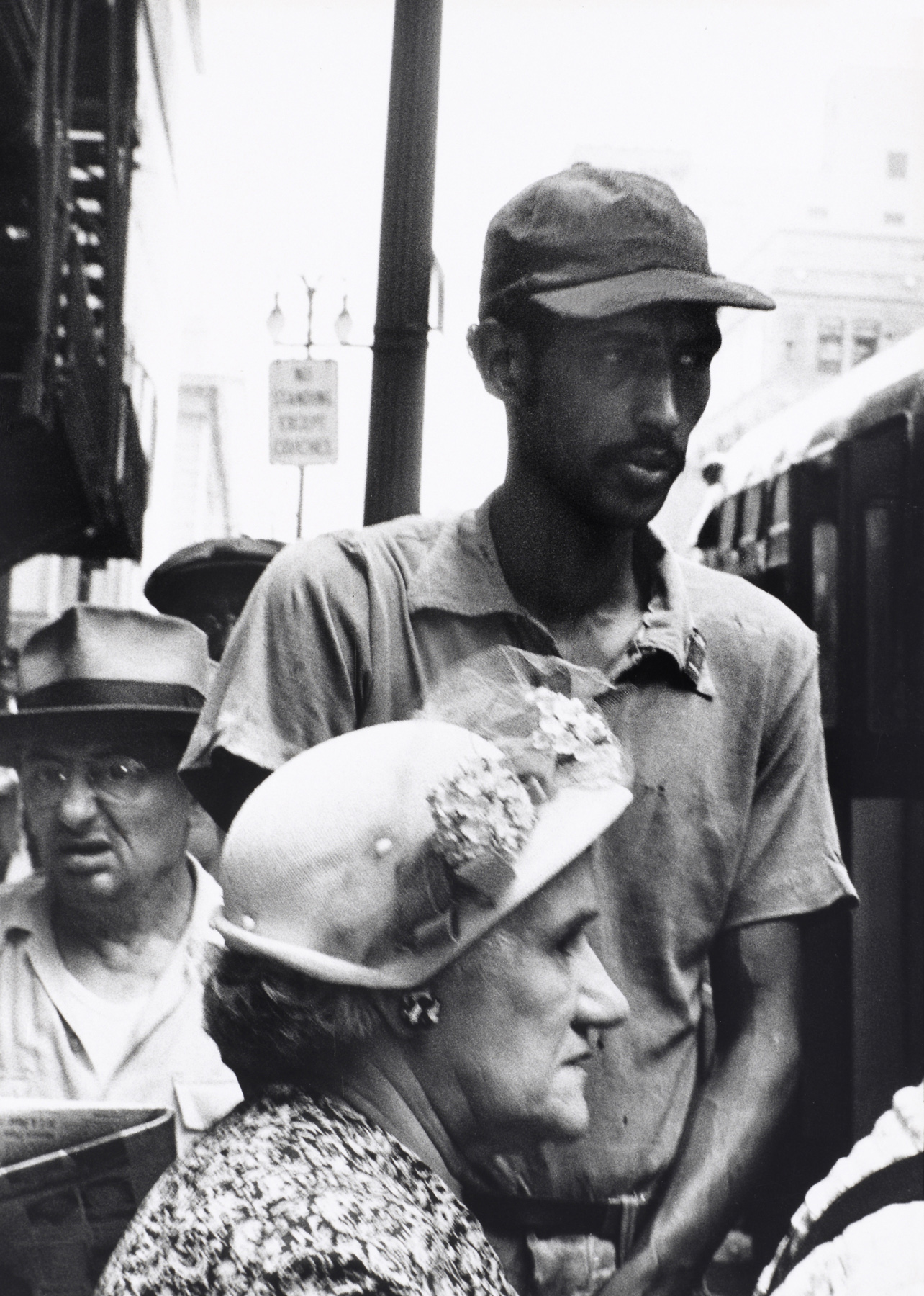
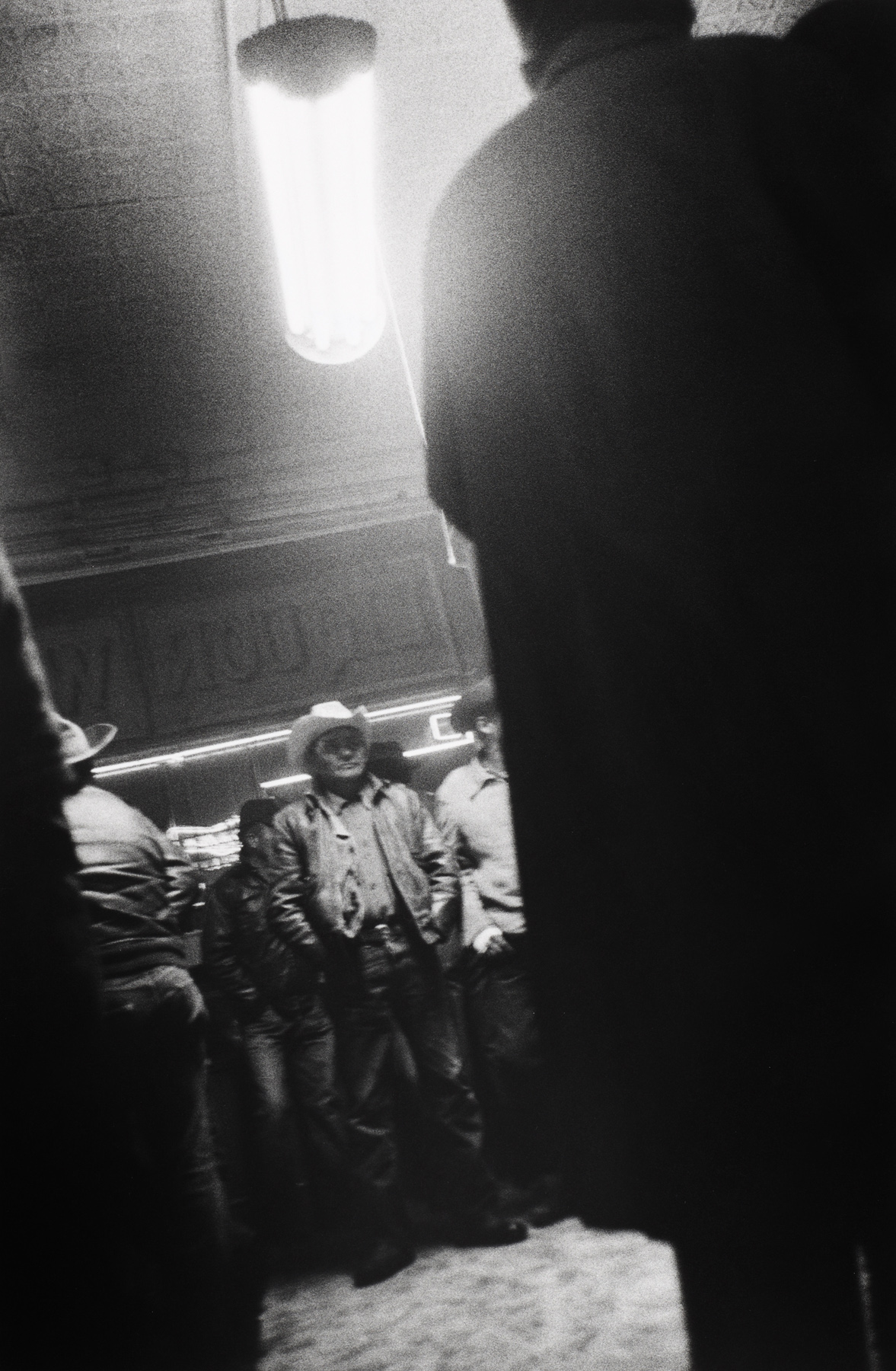
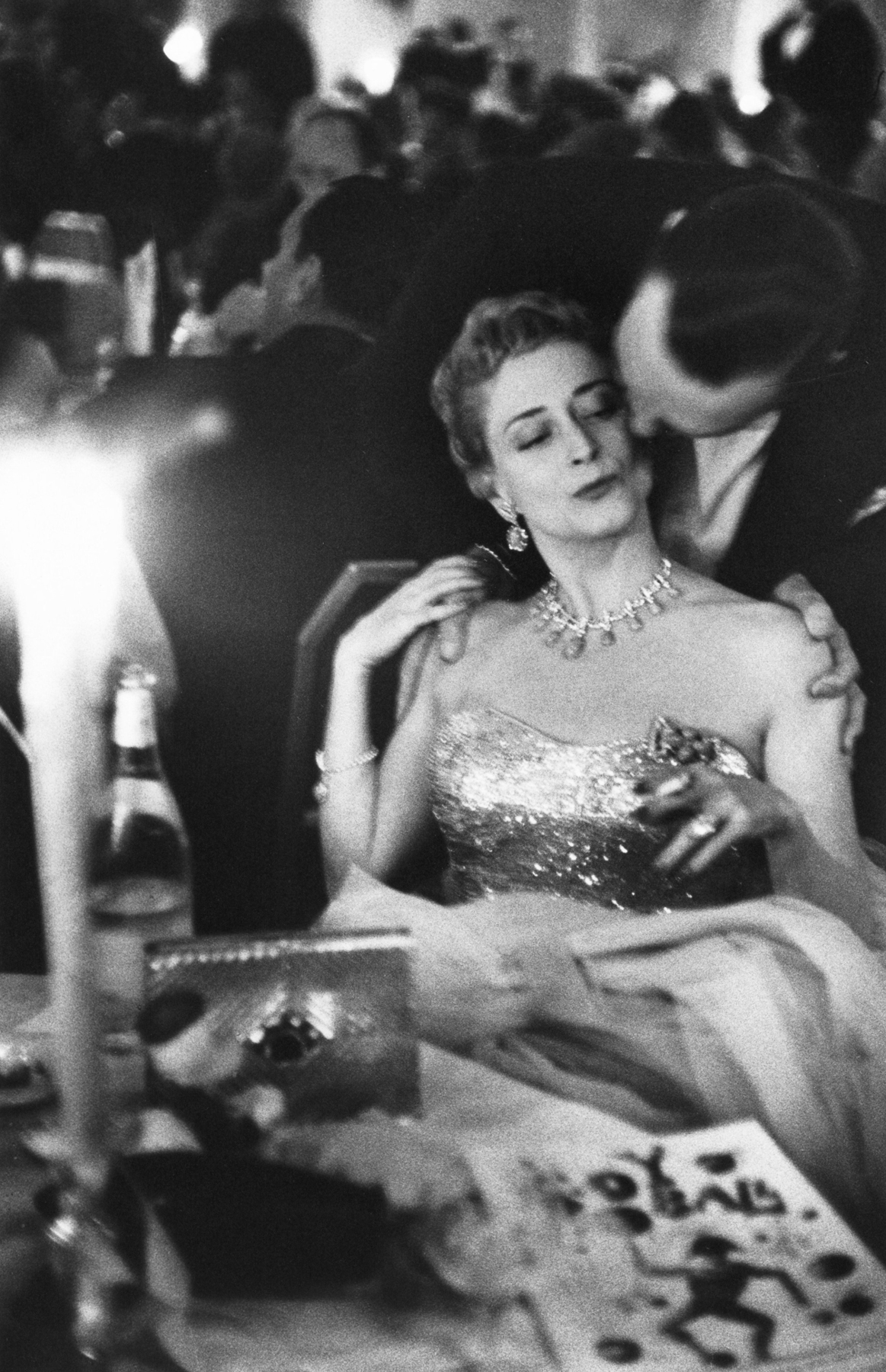
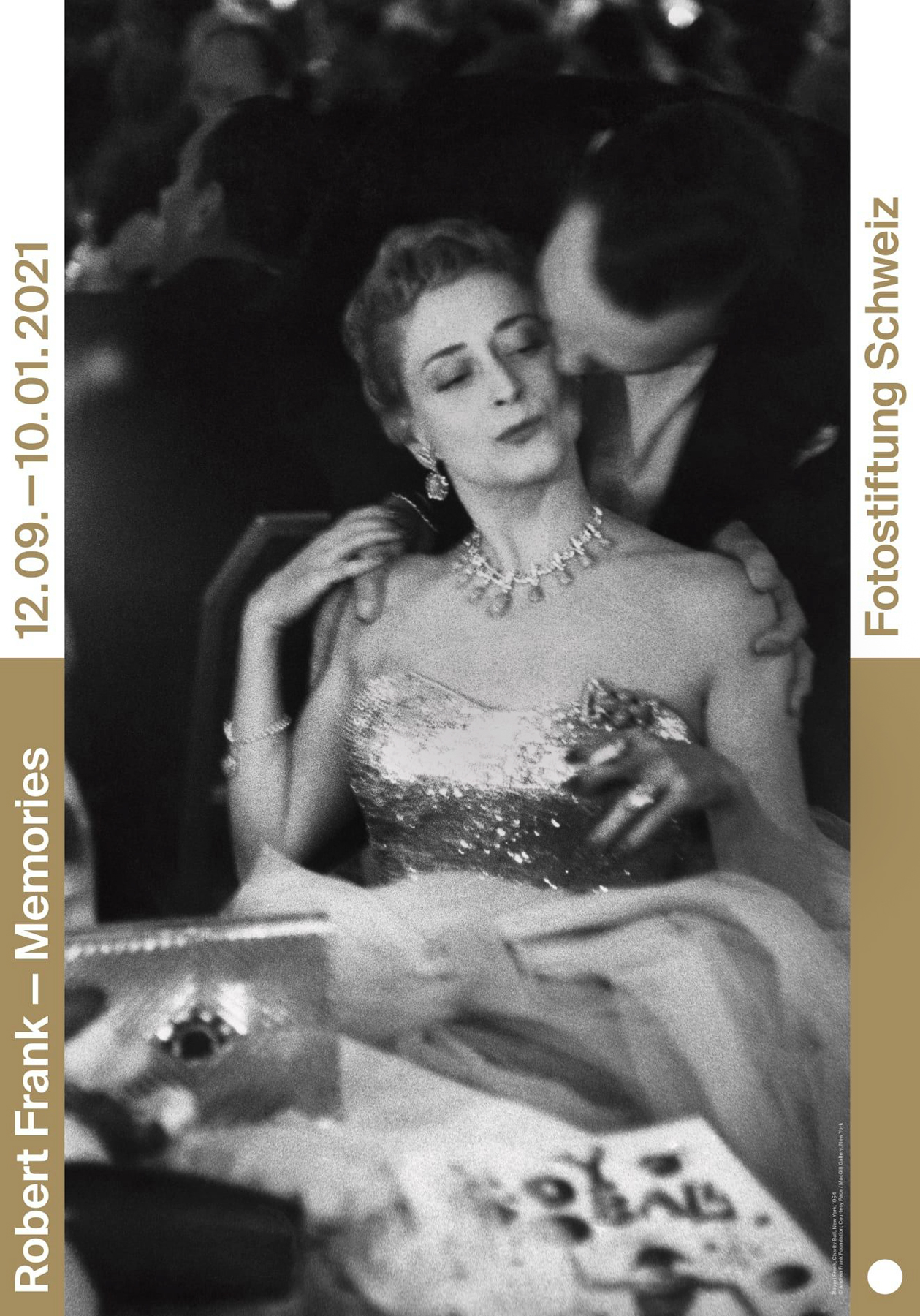


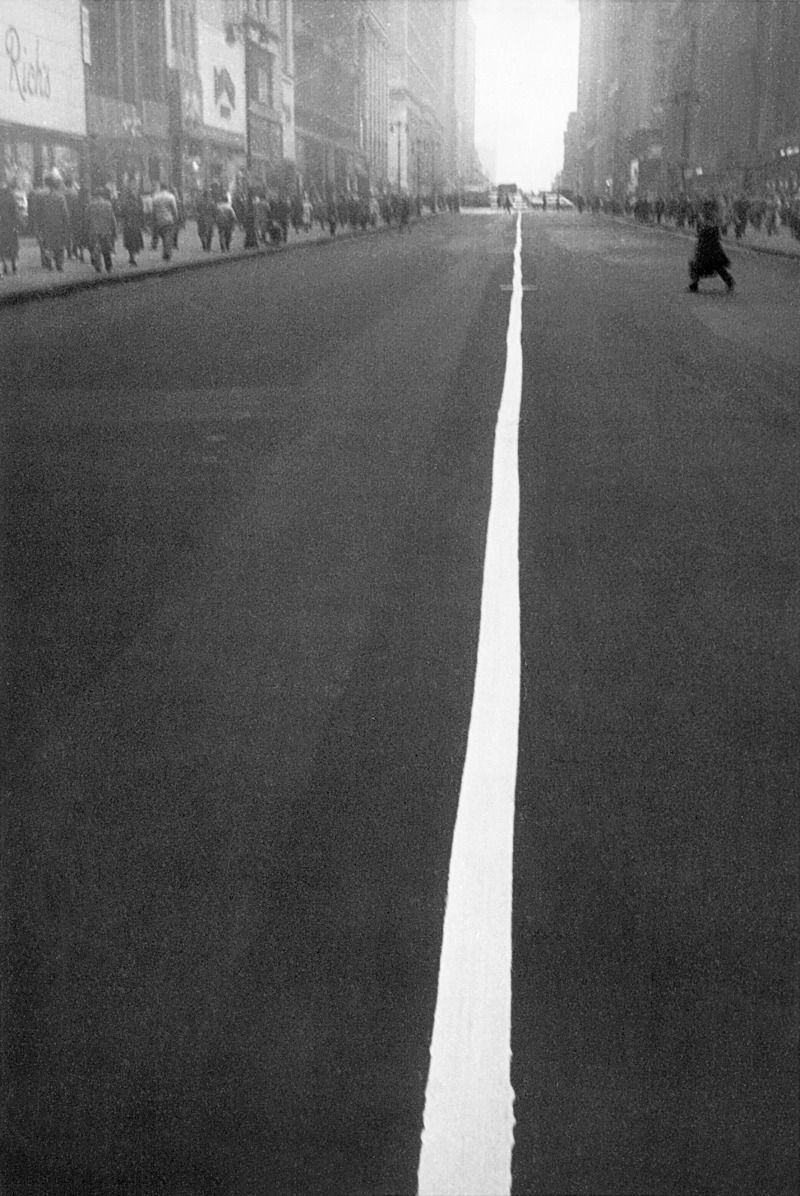


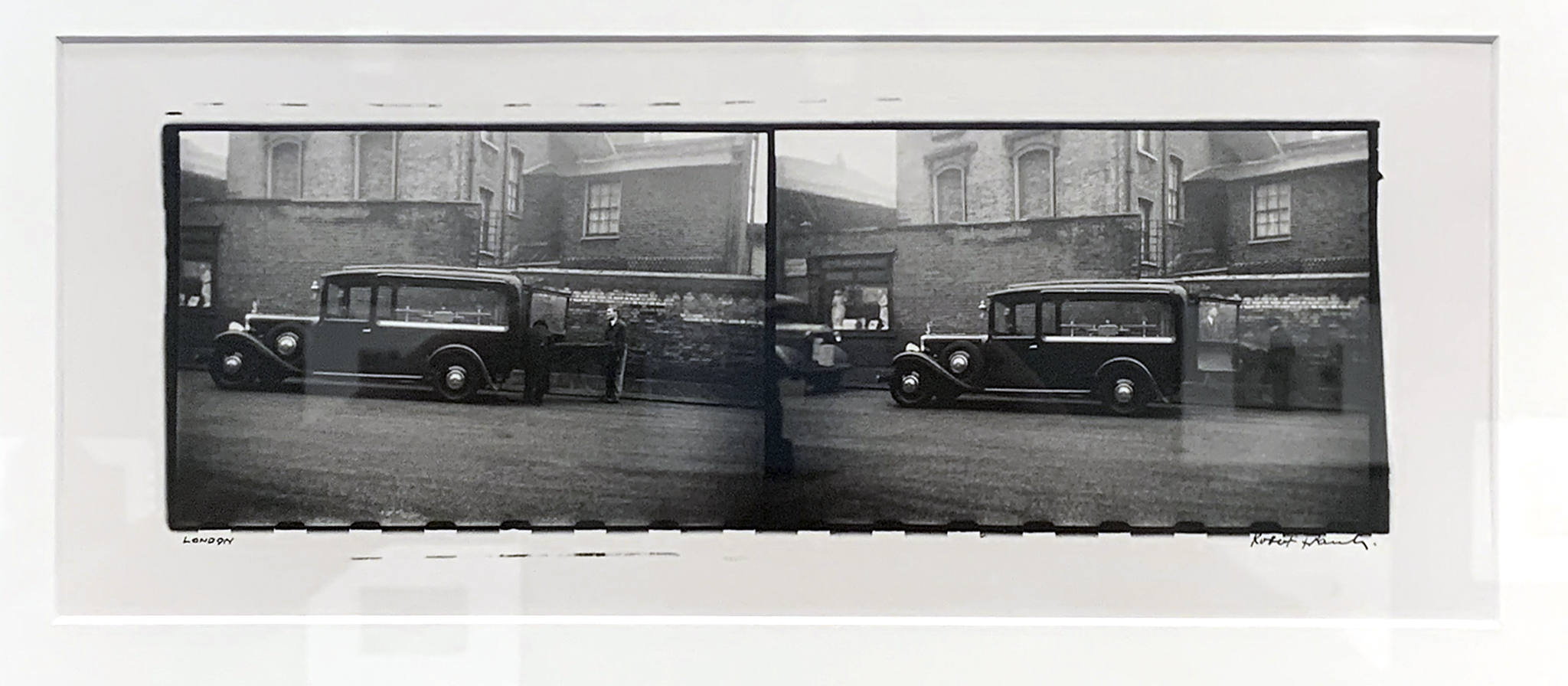


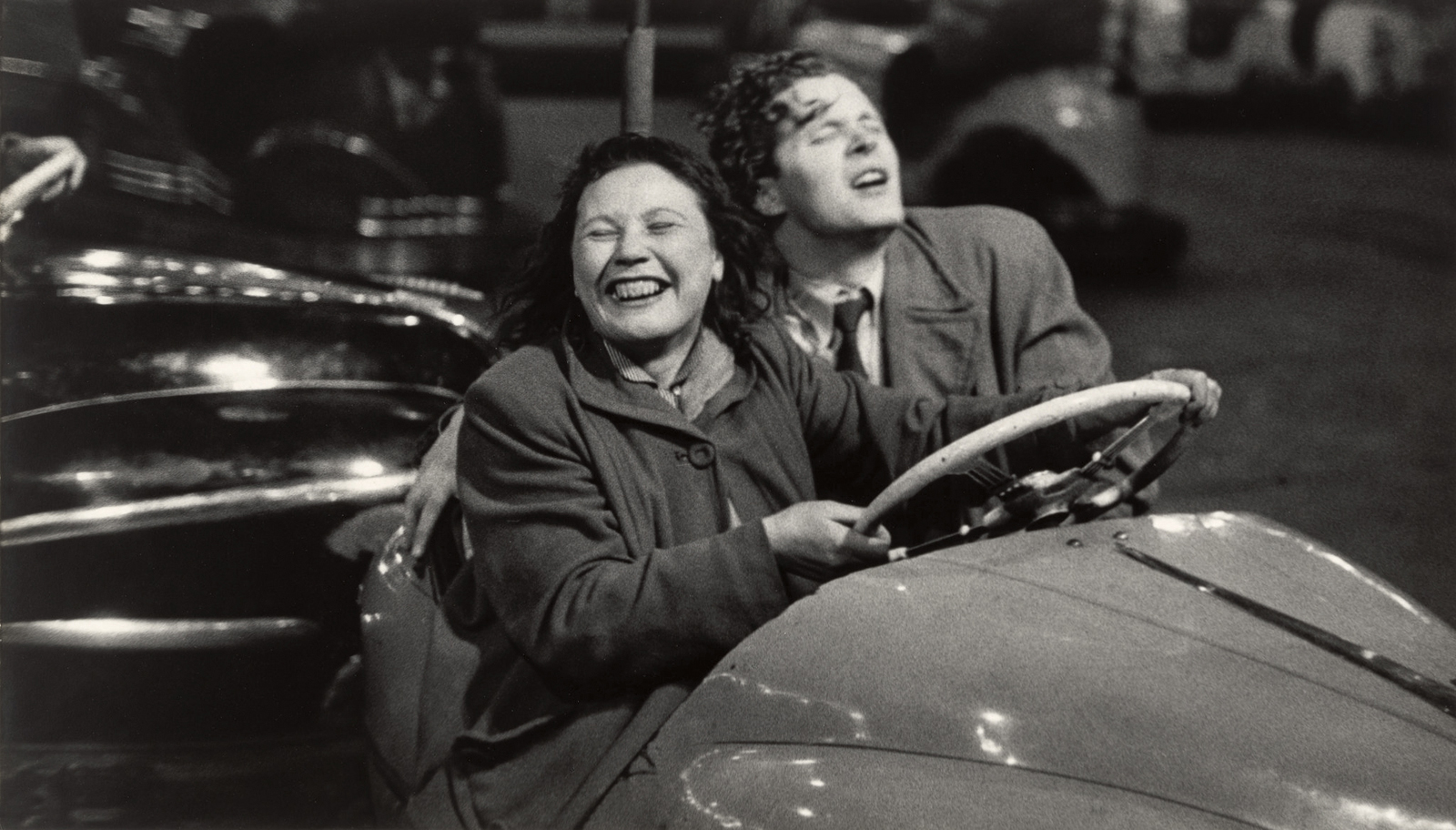


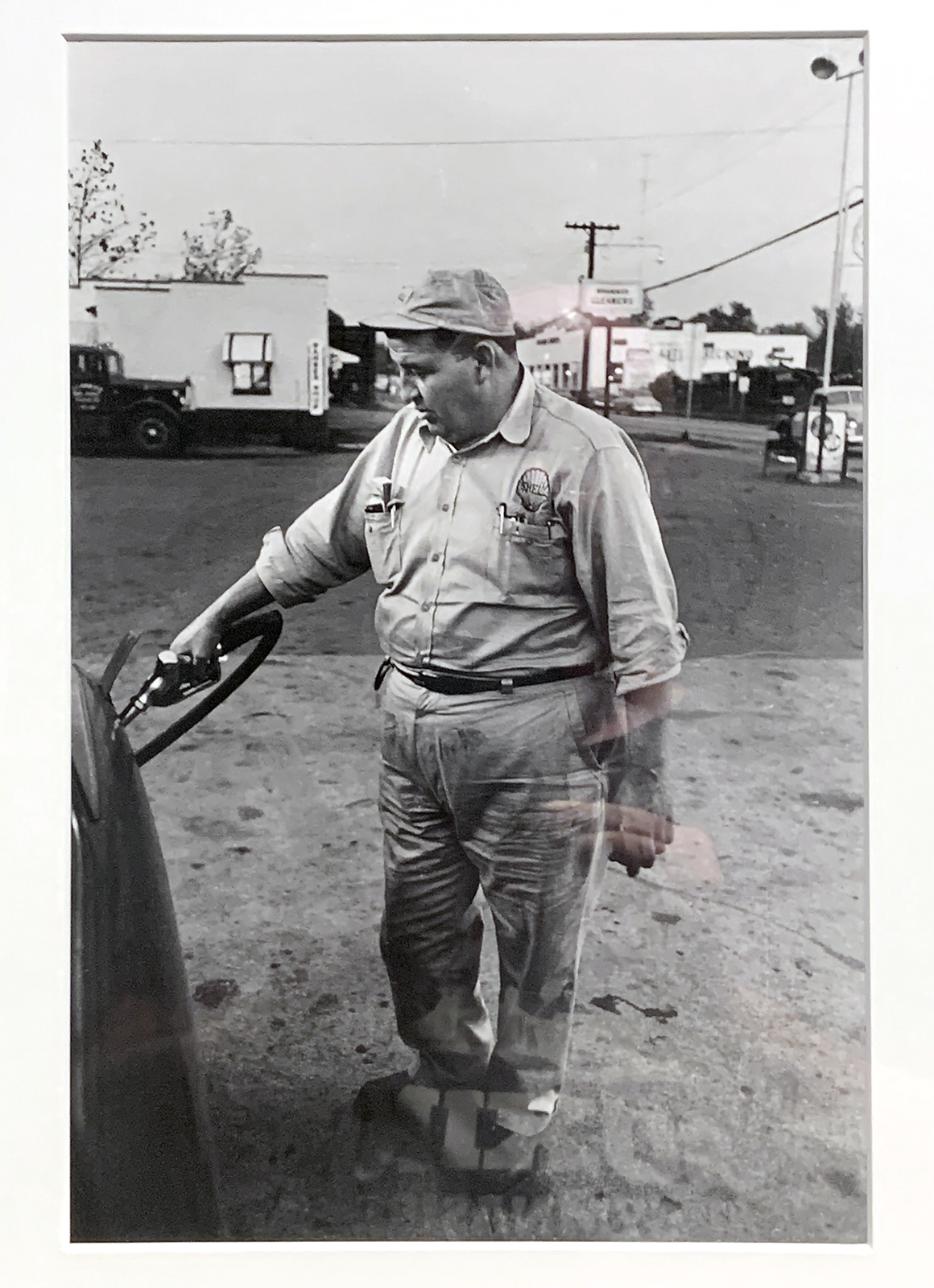


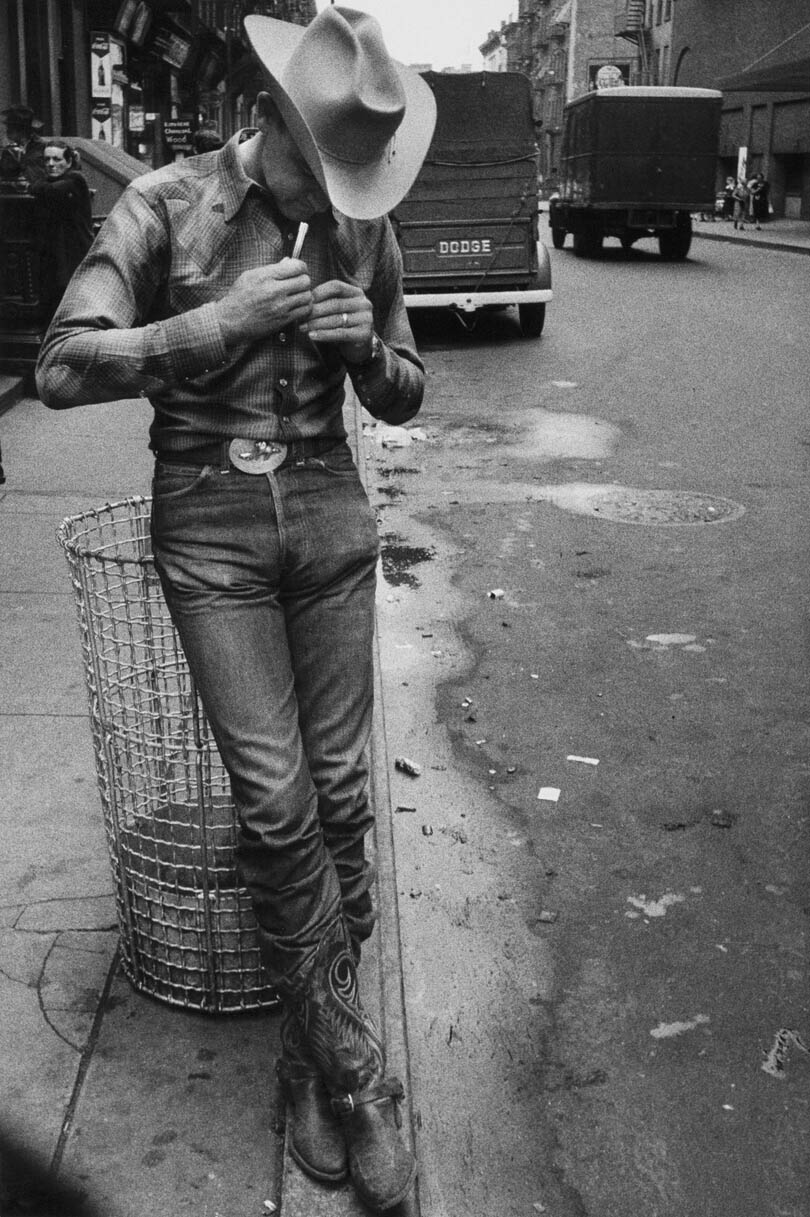




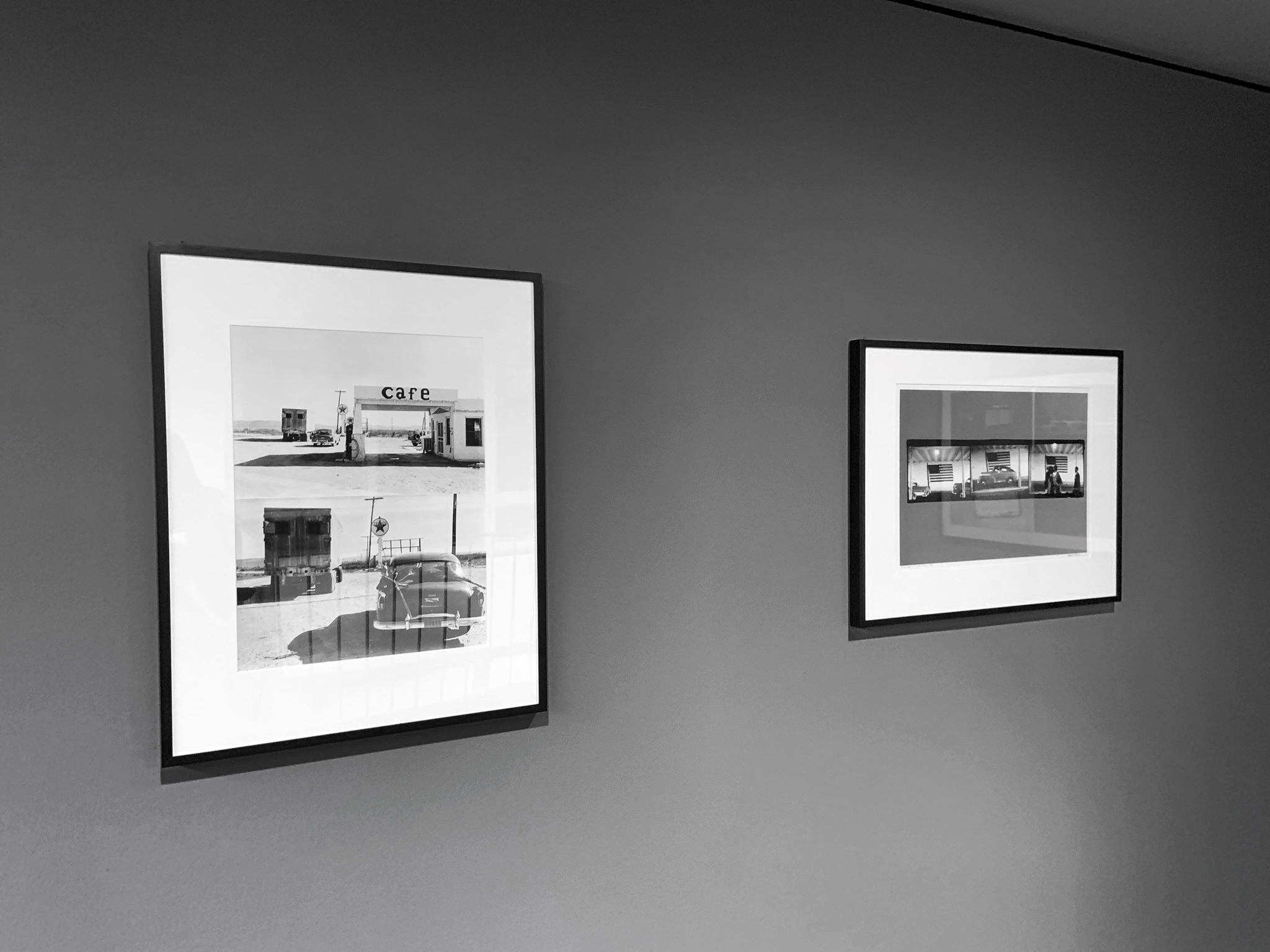


 Art Blart _ art and cultural memory archive
You must be logged in to post a comment.