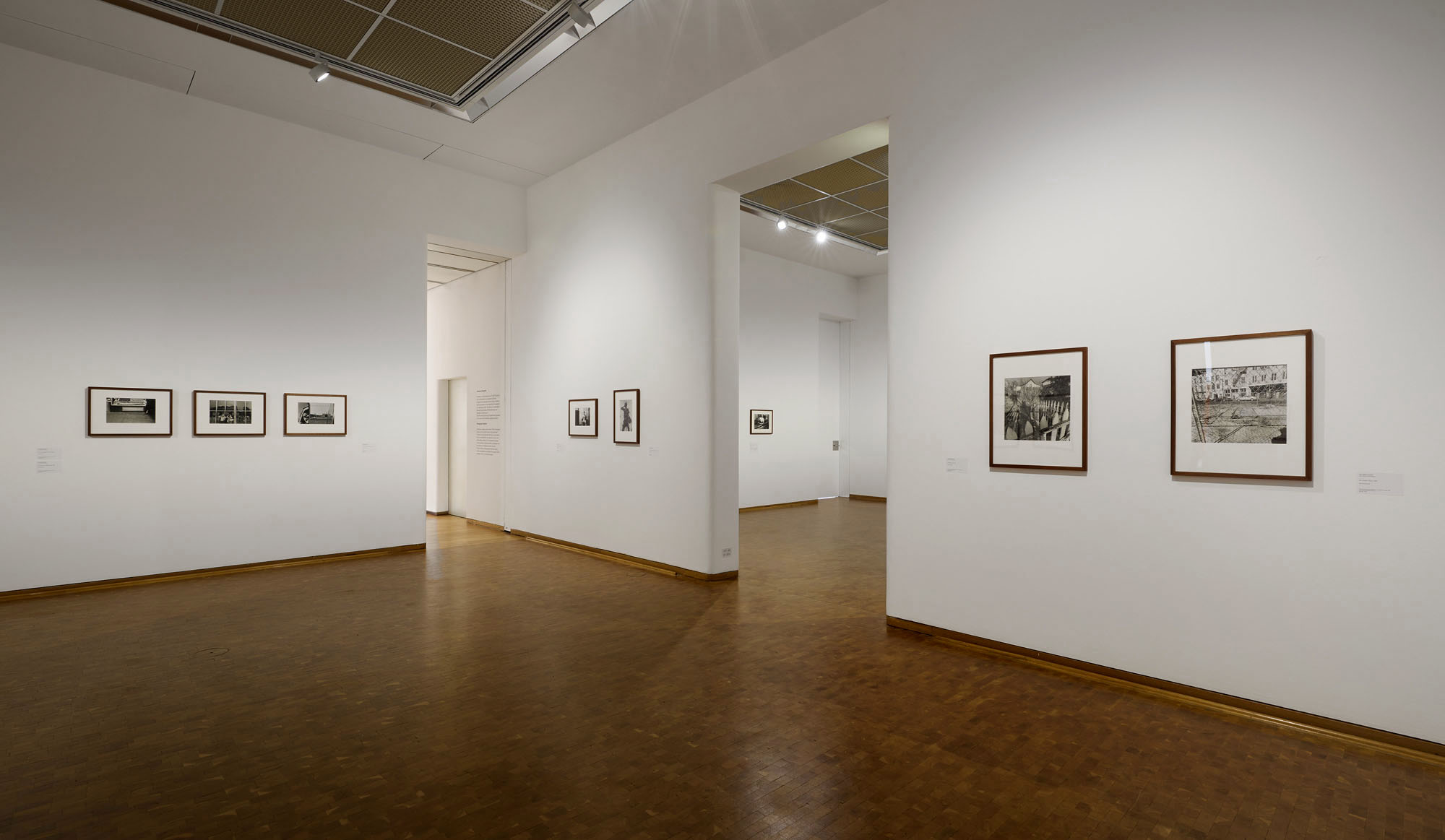
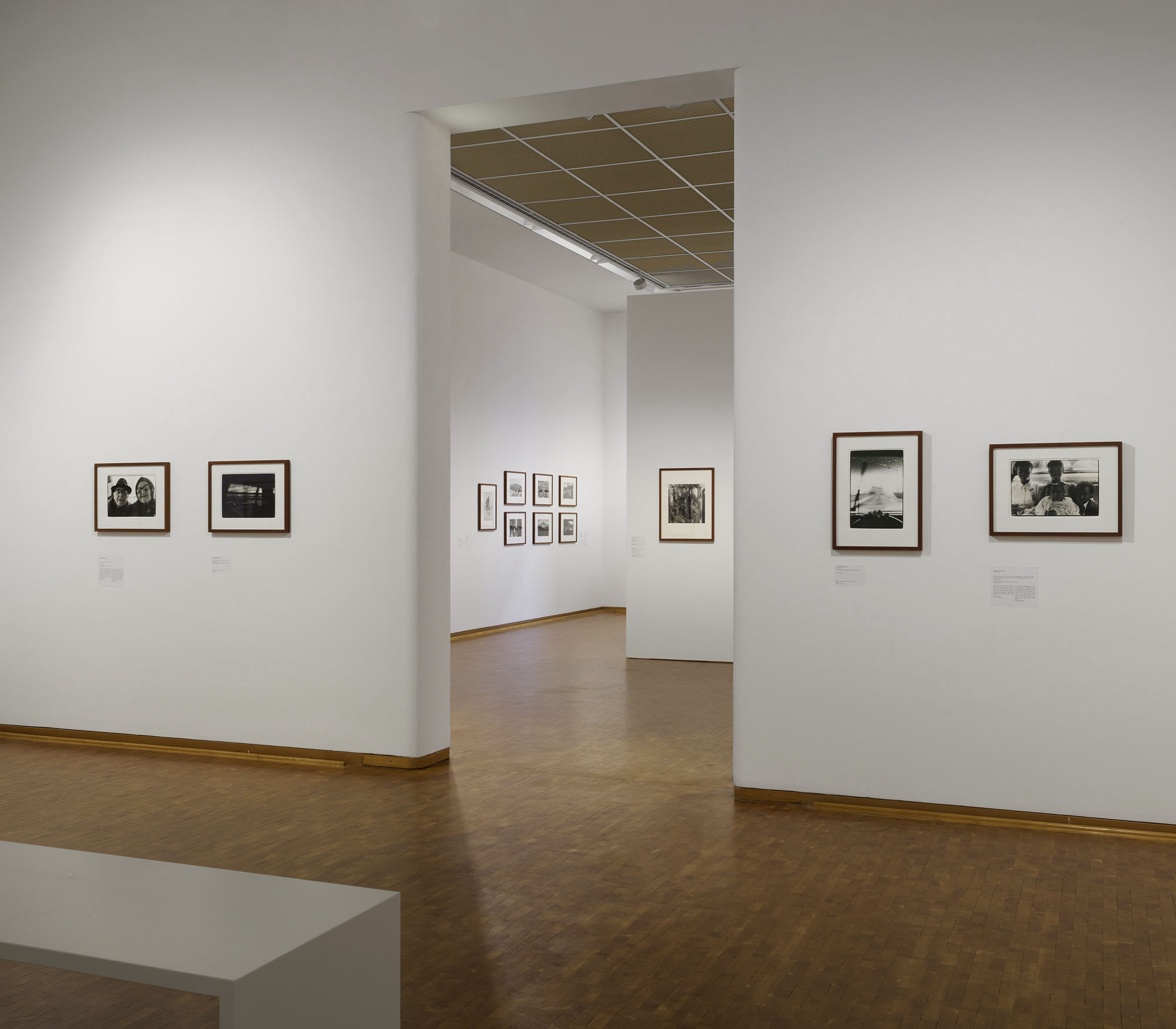
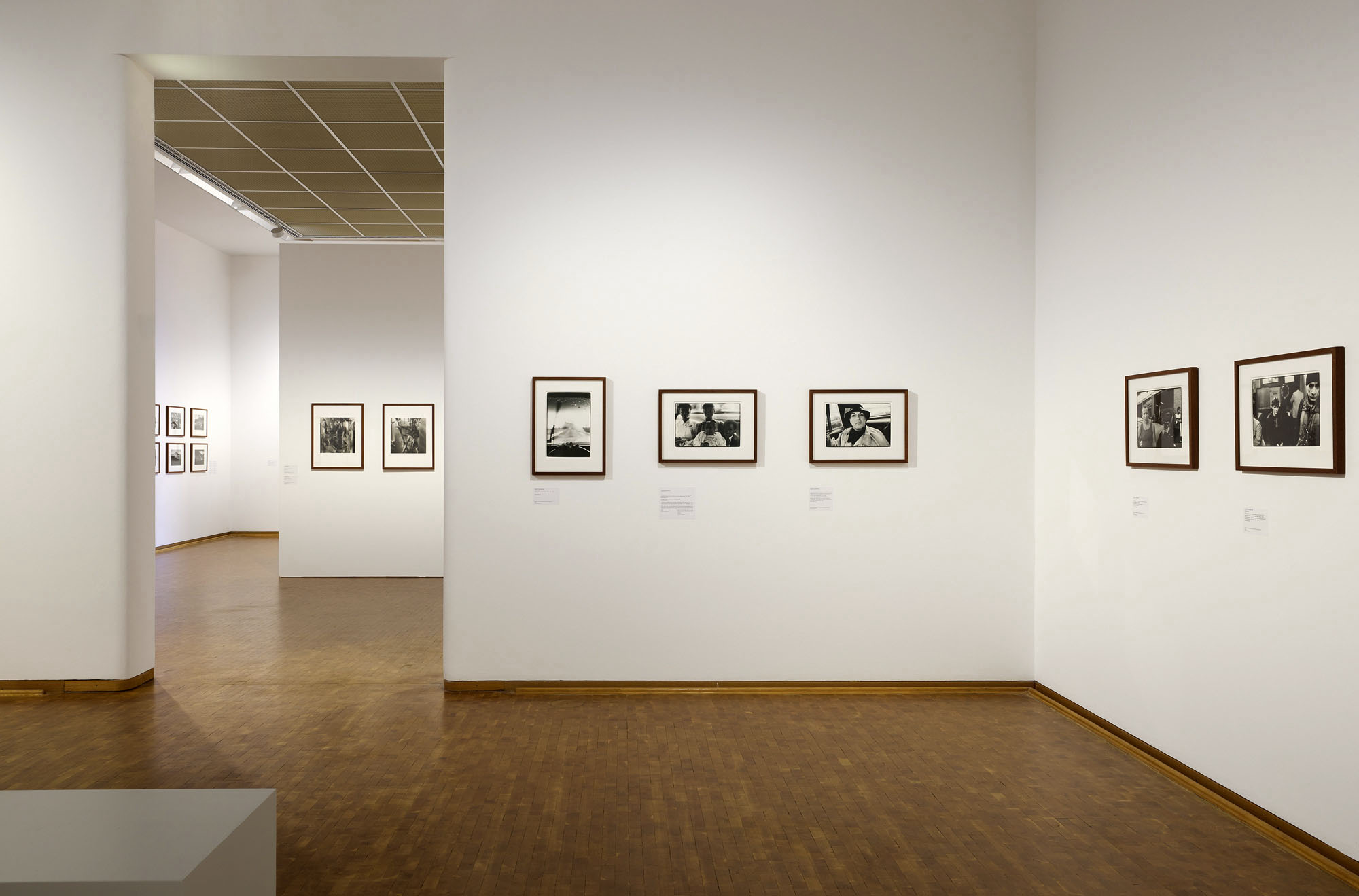
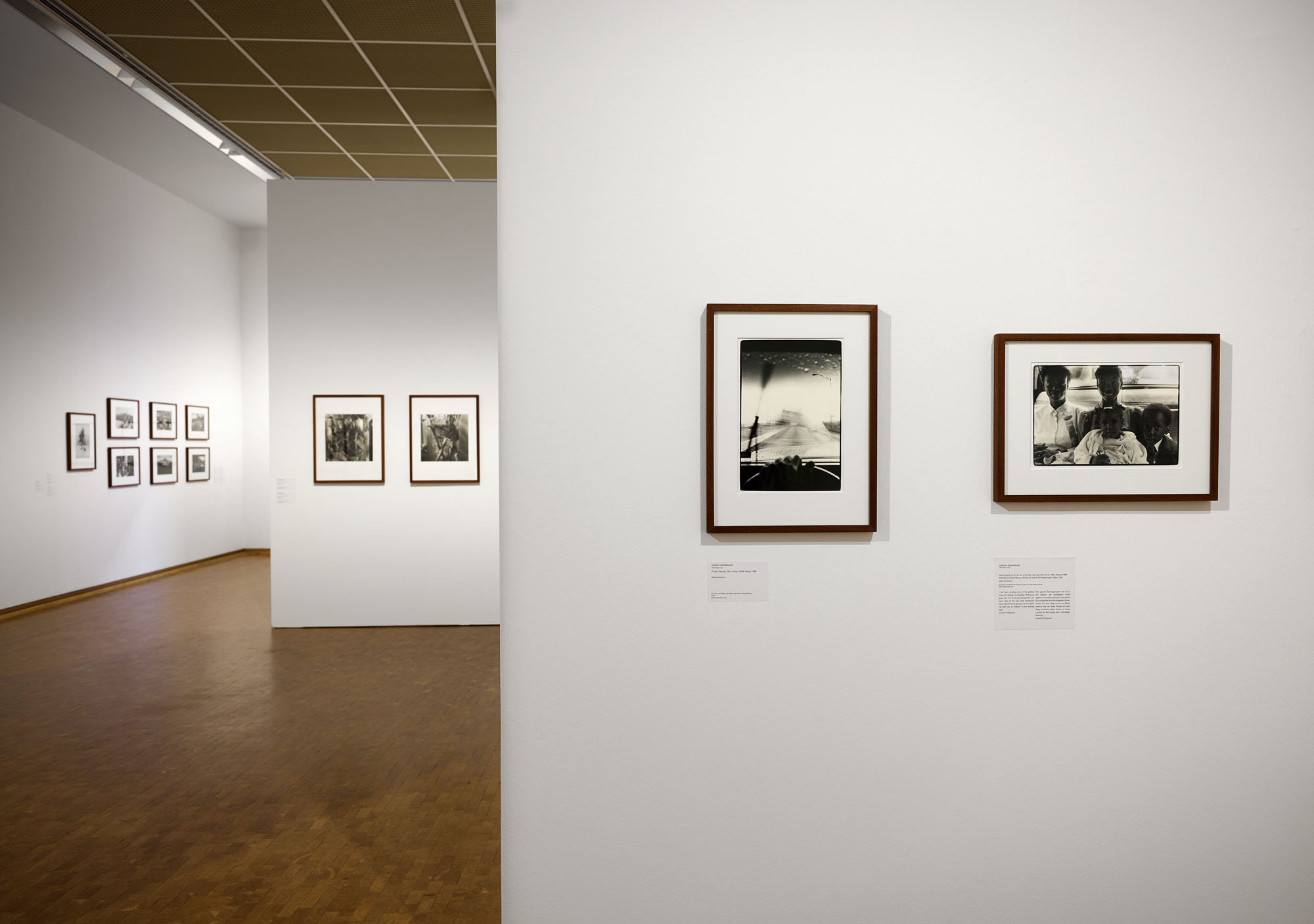
Exhibition: ‘Street Photography. Lee Friedlander, Joseph Rodríguez, Garry Winogrand’ at Museum Ludwig, Cologne, Germany

Exhibition dates: 3rd May – 12th October, 2025

Curator: Barbara Engelbach


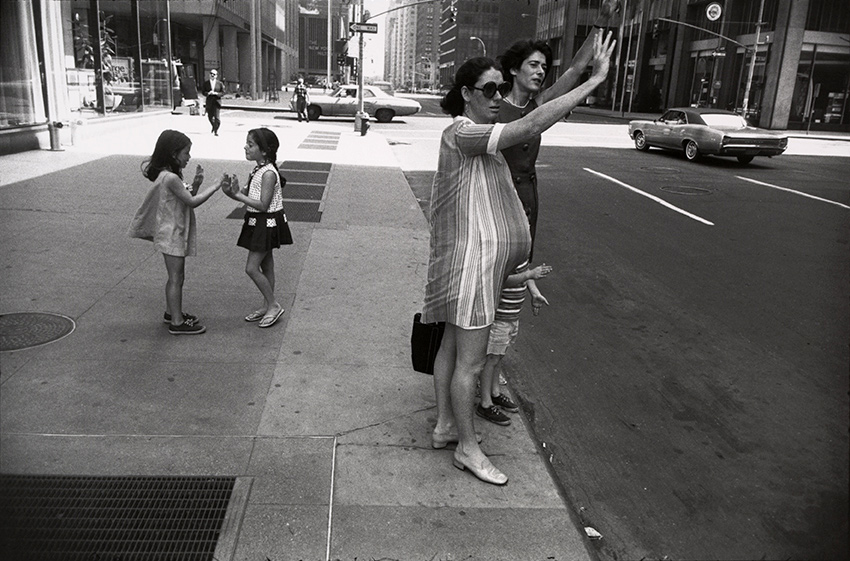
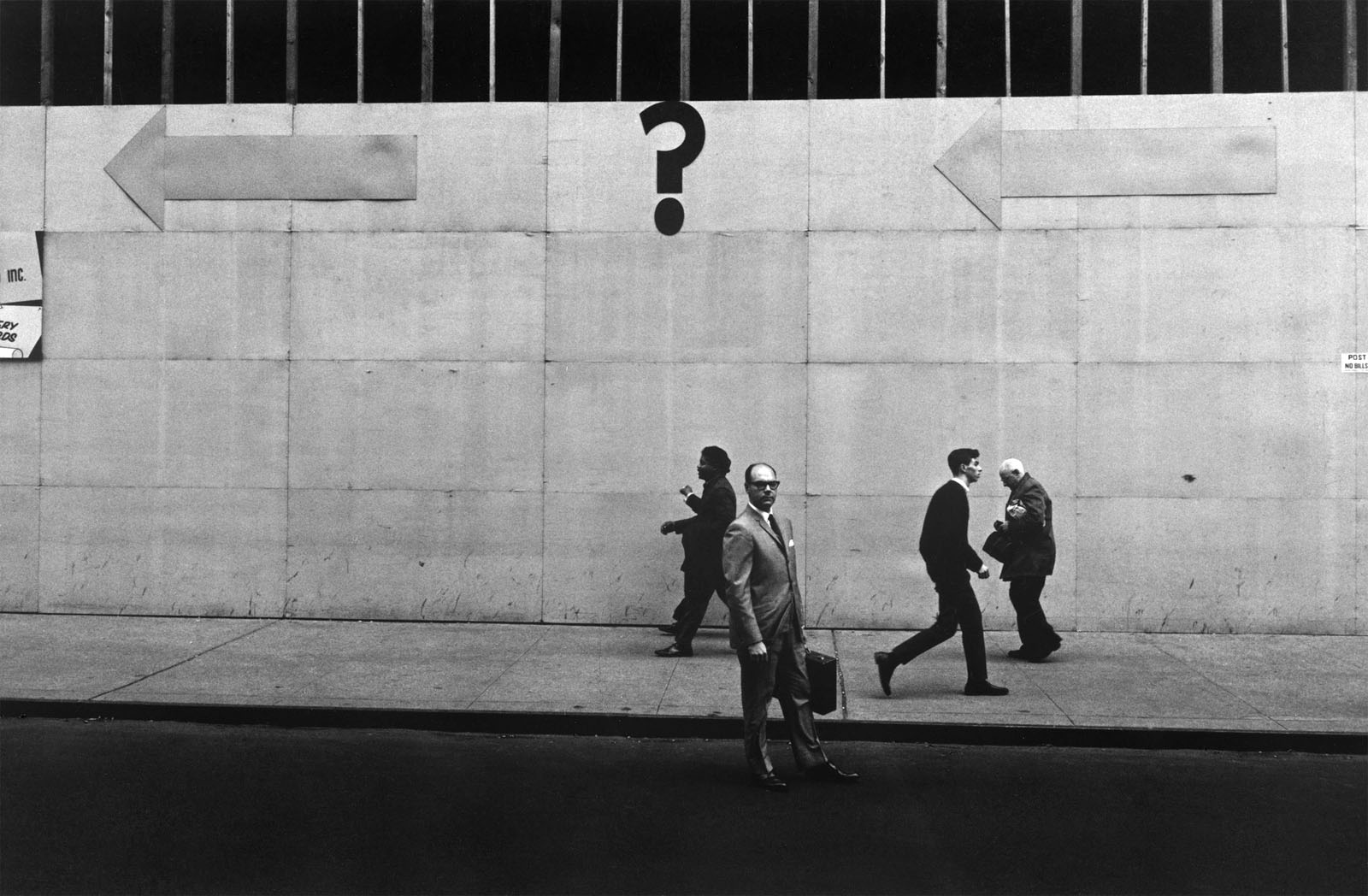
Lee Friedlander (American, b. 1934) 'New York City' 1966


Lee Friedlander (American, b. 1934)
New York City
1966
Gelatin silver paper, print after 1966
22 x 32.9cm
Museum Ludwig, Köln
© Lee Friedlander, courtesy Fraenkel Gallery, San Francisco and Luhring Augustine, New York and Luhring Augustine, New York
Repro: Historisches Archiv mit Rheinischem Bildarchiv


I know and greatly admire the presence and directness of legendary American photographer Lee Friedlander’s photographs containing fractured planes within the image construction.

I know and appreciate (if not admire) the immediacy and in your face obstinacy (shoot at all costs!) of American photographer Garry Winogrand’s photographs.

What I didn’t know was the excellent 1980s social documentary and humanist work of the American photographer Joseph Rodríguez – for me, the unexpected hero of this exhibition.

Rodríguez’s moody, high contrast photographs of humanity and street scenes pictured from behind the wheel of his taxi in New York proffer an intuitive, empathetic and subjective view of the city and its people at a time of great economic and social upheaval.

“The photographs in the Taxi series are a significant document of the 1980s in New York, a period marked by economic and social upheaval and the AIDS crisis. On his journeys crisscrossing the city, Rodríguez does not depict despair,
but rather shows people maintaining their dignity in the face of difficult and uncertain times.” (Text from Museum Ludwig)

Uncertain times, uncertain angles and perspectives, uncertain light give rise to a powerful body of work made certain by the talent of an impressive photographer. Glorious work.

Dr Marcus Bunyan


Many thankx to Museum Ludwig for allowing me to publish the photographs in the posting. Please click on the photographs for a larger version of the image.


Lee Friedlander (American, b. 1934)
'New York City' 1962


Lee Friedlander (American, b. 1934)
New York City
1962
Gelatin silver paper, print after 1962
22 x 32.9cm
Museum Ludwig, Köln
© Lee Friedlander, courtesy Fraenkel Gallery, San Francisco and Luhring Augustine, New York
Repro: Historisches Archiv mit Rheinischem Bildarchiv


Lee Friedlander (American, b. 1934) 'New York City' 1963


Lee Friedlander (American, b. 1934)
New York City
1963
Gelatin silver paper, print after 1963
22 x 32.9cm
Museum Ludwig, Köln
© Lee Friedlander, courtesy Fraenkel Gallery, San Francisco and Luhring Augustine, New York and Luhring Augustine, New York
Repro: Historisches Archiv mit Rheinischem Bildarchiv


Lee Friedlander

(*1934 in Aberdeen, Washington, lives and works in New York City, New York)

Lee Friedlander began photographing at the age of fourteen and studied under Edward Kaminski at the Art Center School in Los Angeles until 1955. In 1956, he moved to New York, where he met Diane Arbus, Robert Frank, and Garry Winogrand. As early as the end of the 1950s, he made his first photographic forays into the streets of New York. His often humorous photographs reveal the complexity of American society, which he documented in thoughtful compositions.

In 1962, Friedlander photographed a parade in which American President John F. Kennedy also participated. His interest, however, was not in the event itself, but in the fleeting moments on the sidelines. One of the photographs taken that day shows a waiter and a boy attentively gazing out the window of a café. Upon closer inspection, it becomes clear that the crowd behind them is actually a reflection of the audience gathered outside for the parade. Due to the reflection, the café’s advertising signs also appear to be on the same plane as the signs on the opposite side of the street. Such interweaving of perspectives through reflections, as well as picture-in-picture constructions and unusual cropping, characterize Friedlander’s work of the 1960s. By focusing his camera on the often unnoticed details of daily life, capturing them with precise focus and exposure, he found a new way to depict contemporary America. His own presence, as a reflection or a shadow, in many of these images draws attention to the process of photography itself.

Friedlander does not create complete series. Each shot stands on its own as a “sharp and crudely amusing, bitterly comic observation” (Walker Evans). He initially used a Leica 35mm, whose wide angle he valued. In the early 1990s, he discovered the depth of field of the Hasselblad camera, which he also used to photograph the suburban towns of San Angelo, Texas. His subjects remained the same, only he continually reinvented them. In the 1990s, Friedlander created his photographs of flower stems trapped in glass containers and surrounded by a veil of condensation, transforming a sober detail of everyday life into a contemporary memento mori – a reminder of transience. The self-portraits, which unvarnishedly depict his ageing body, date from the same period.

Text from Museum Ludwig translated by Google Translate
 

Lee Friedlander (American, b. 1934) 'New York City' 1965


Lee Friedlander (American, b. 1934)
New York City
1965
Gelatin silver paper, print after 1965
22 x 32.9cm
Museum Ludwig, Köln
© Lee Friedlander, courtesy Fraenkel Gallery, San Francisco and Luhring Augustine, New York and Luhring Augustine, New York
Repro: Historisches Archiv mit Rheinischem Bildarchiv


Lee Friedlander (American, b. 1934)
'Philadelphia, PA' 1965


Lee Friedlander (American, b. 1934)
Philadelphia, PA
1965
Gelatin silver paper, print after 1965
20.5 x 30.6cm
Museum Ludwig, Köln
© Lee Friedlander, courtesy Fraenkel Gallery, San Francisco and Luhring Augustine, New York
Repro: Historisches Archiv mit Rheinischem Bildarchiv
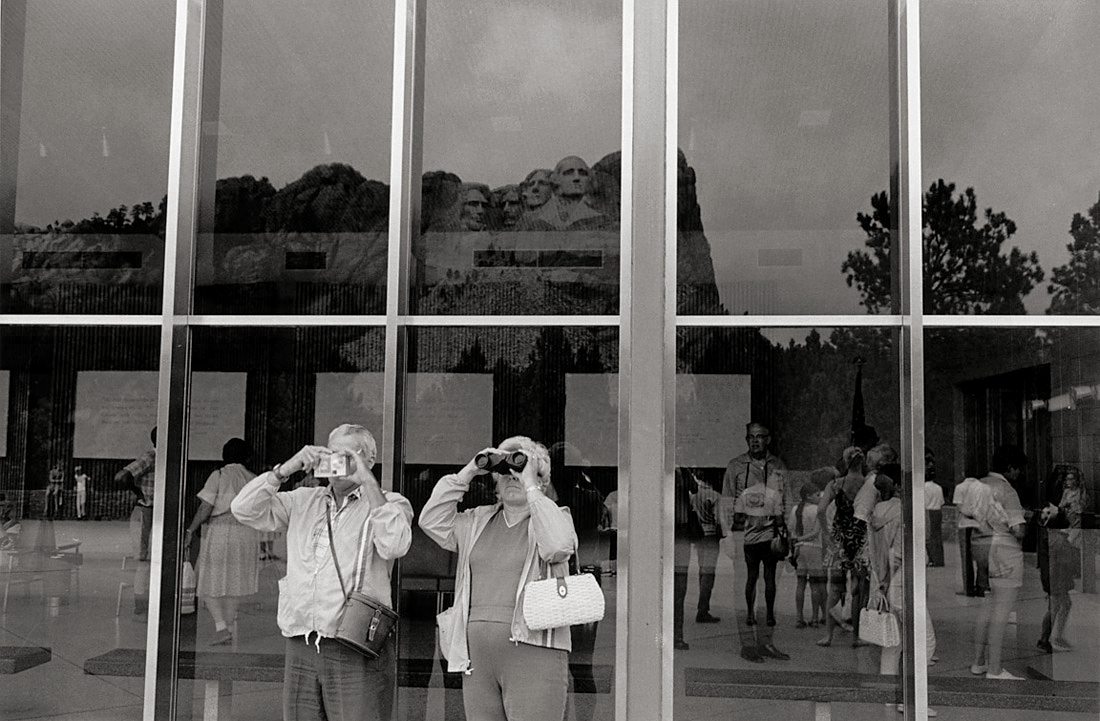
 

Lee Friedlander (American, b. 1934)
'Mount Rushmore' 1969


Lee Friedlander (American, b. 1934)
Mount Rushmore
1969
Gelatin silver paper, print after 1969
22 x 32.9cm
Museum Ludwig, Köln
© Lee Friedlander, courtesy Fraenkel Gallery, San Francisco and Luhring Augustine, New York and Luhring Augustine, New York
Repro: Historisches Archiv mit Rheinischem Bildarchiv


 The street life of cities has always been a fascinating subject for photographers, who have approached it in a variety of ways, from candid images documenting urban unrest to portraits that shine a spotlight on individuals. Since the nineteenth century, cities and photography have been directly linked through the idea of modernity. With the introduction of compact cameras such as the Leica, street photography developed into its own genre in the mid-twentieth century. Small-format cameras gave photographers greater flexibility and enabled them to respond quickly while remaining discrete. They explored public space without obtruding and, in contrast to staged photography, captured candid and spontaneous moments that had previously been considered unworthy photographic subjects. Influenced by Henri Cartier-Bresson’s concept of the “decisive moment,” these photographers sought to capture the fleeting instant when light, composition, and subject aligned to convey the significance of an event.

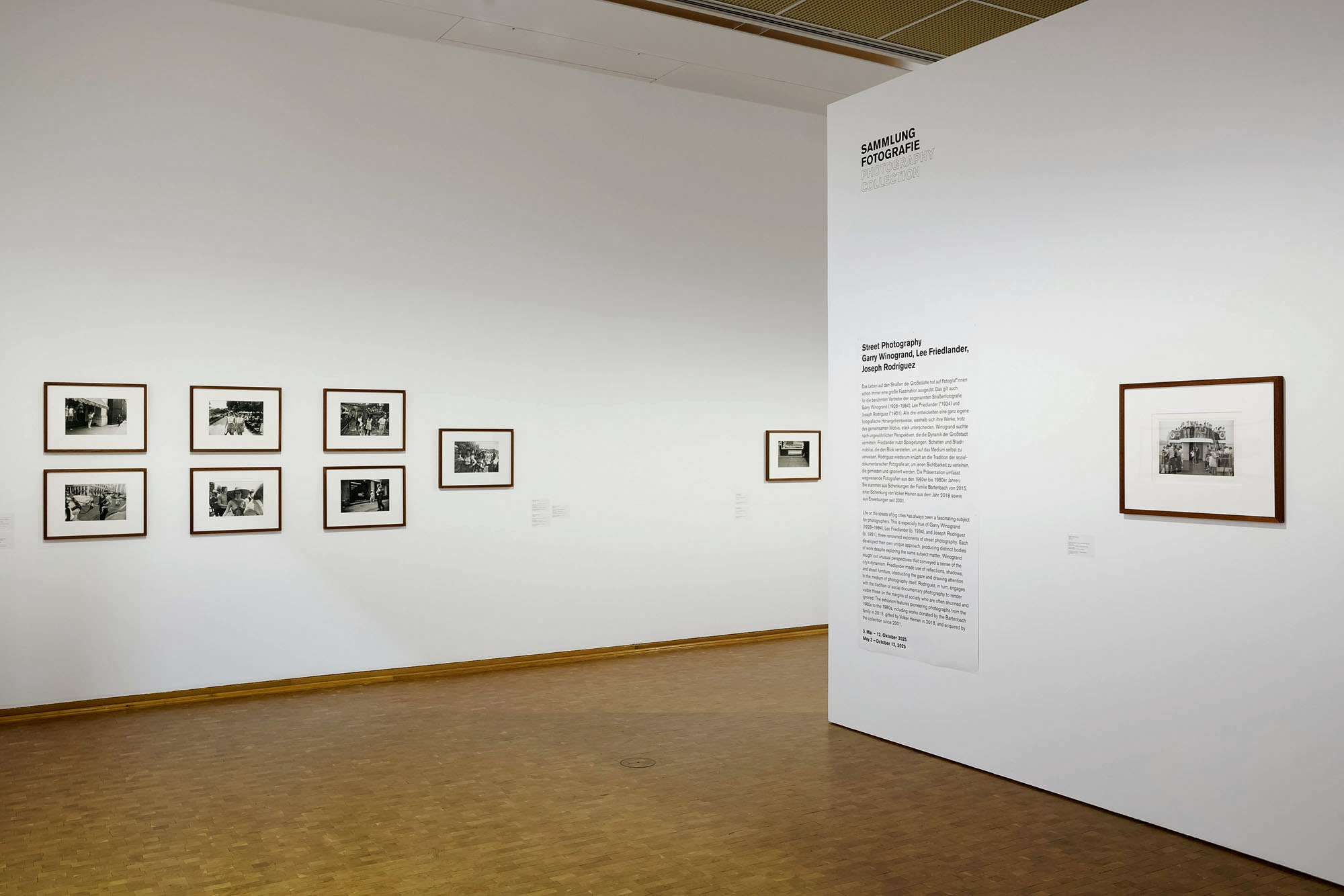
This exhibition in the Photography Rooms at the Museum Ludwig is dedicated to three protagonists from two generations of street photography: Garry Winogrand (b. 1928 in New York, d. 1984), Lee Friedlander (b. 1934 in Aberdeen, Washington, based in New York), and Joseph Rodríguez (b. 1951 in Brooklyn, based in New York). Despite all three photographers sharing the same subject matter, each one pursues a singular approach that produces distinct results. Iconic photographs from the 1960s to the 1980s are displayed alongside lesser-known examples from each photographer’s oeuvre. All of the works on display were included in donations made by the Bartenbach Family in 2015 and Volker Heinen in 2018, or have been acquired by the Museum Ludwig since 2001.

The landmark exhibition New Documents at the Museum of Modern Art in New York in 1967 helped launch the careers of Winogrand and Friedlander. Their striking photographs broke with visual conventions, such as a level horizon line or a centred main subject. Winogrand frequently tilted his viewfinder, producing skewed horizon lines that offer a new view of reality and make his images appear spontaneous, as does his purposeful use of blurriness, overexposure, underexposure, and backlighting. Friedlander, in turn, created compositions in which the viewer’s gaze is hindered by obstructions, such as shadows, signs, architectural elements, and streetlights, or is disoriented by reflections.

Winogrand and Friedlander, who are represented in the exhibition with twenty images each, both use photography in a self-reflective way that brings the formal aspects of photography to the fore. This encourages an analytical gaze, producing an emotional distance between the viewer and the subject, which often results in ambivalent images where the intention of the photographer remains unclear. Winogrand and Friedlander each developed their own distinct style, embracing originality and authorship by merging documentary photography and personal expression. While they attempted to distance themselves from photojournalism and social documentary photography, eschewing event-based, narrative-focused, and emotionally charged imagery, Rodriguez’s work deliberately engages with these genres. He aspires to give visibility to marginalised people by communicating with his subjects and attempting to tell their stories. Many of his photographs are accompanied by short commentaries that provide information about the context in which each image was created. Rodríguez’s pictures employ unusual perspectives and surprising compositions, and his use of reflections emphasises the subjectivity of the photographer’s empathic gaze beyond the momentariness of the shot. The exhibition features around twenty photographs from his Taxi series.

This is the first exhibition in the new Photography Rooms at the Museum Ludwig, centrally located on the second floor.

Text / press release from the Museum Ludwig website
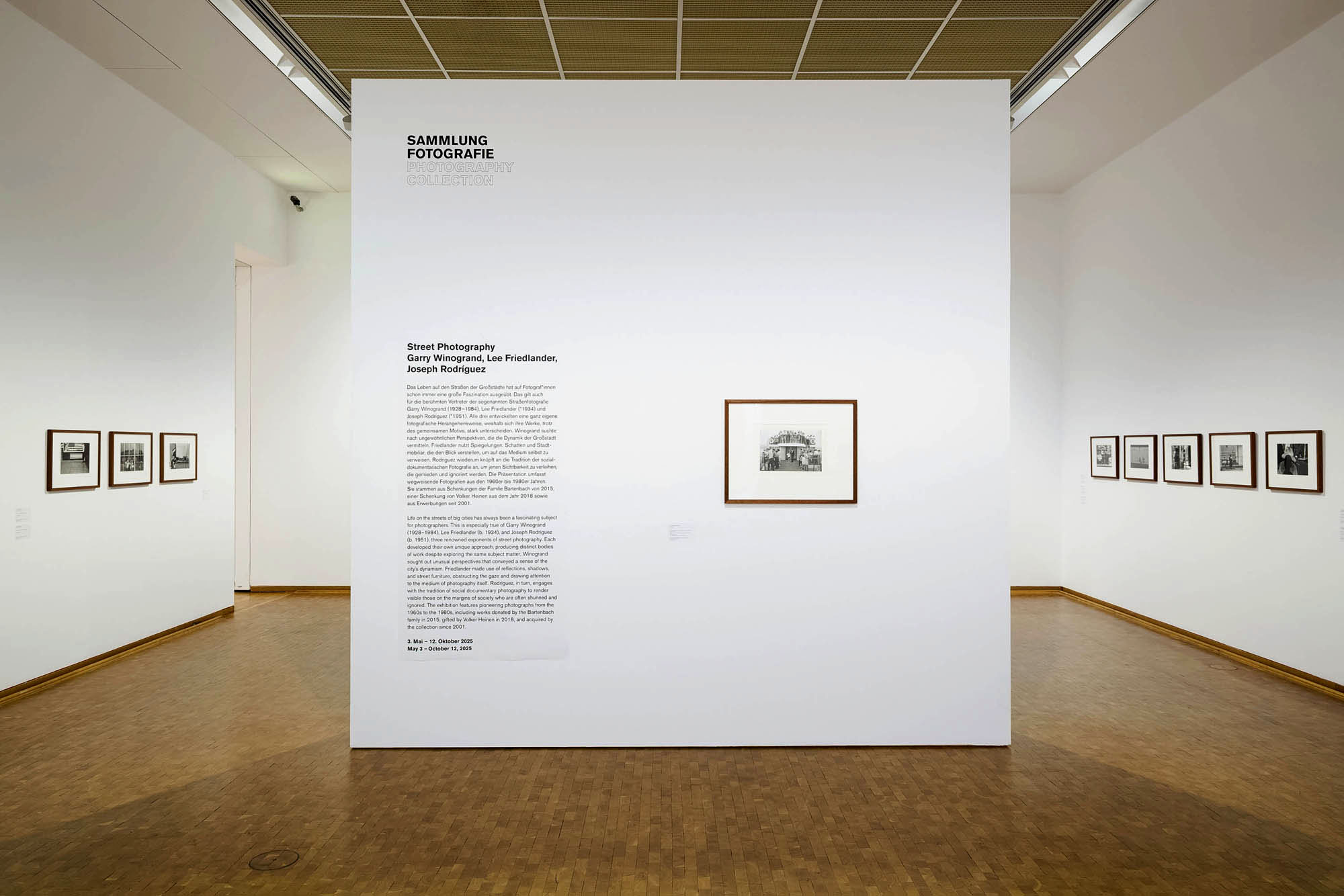
 

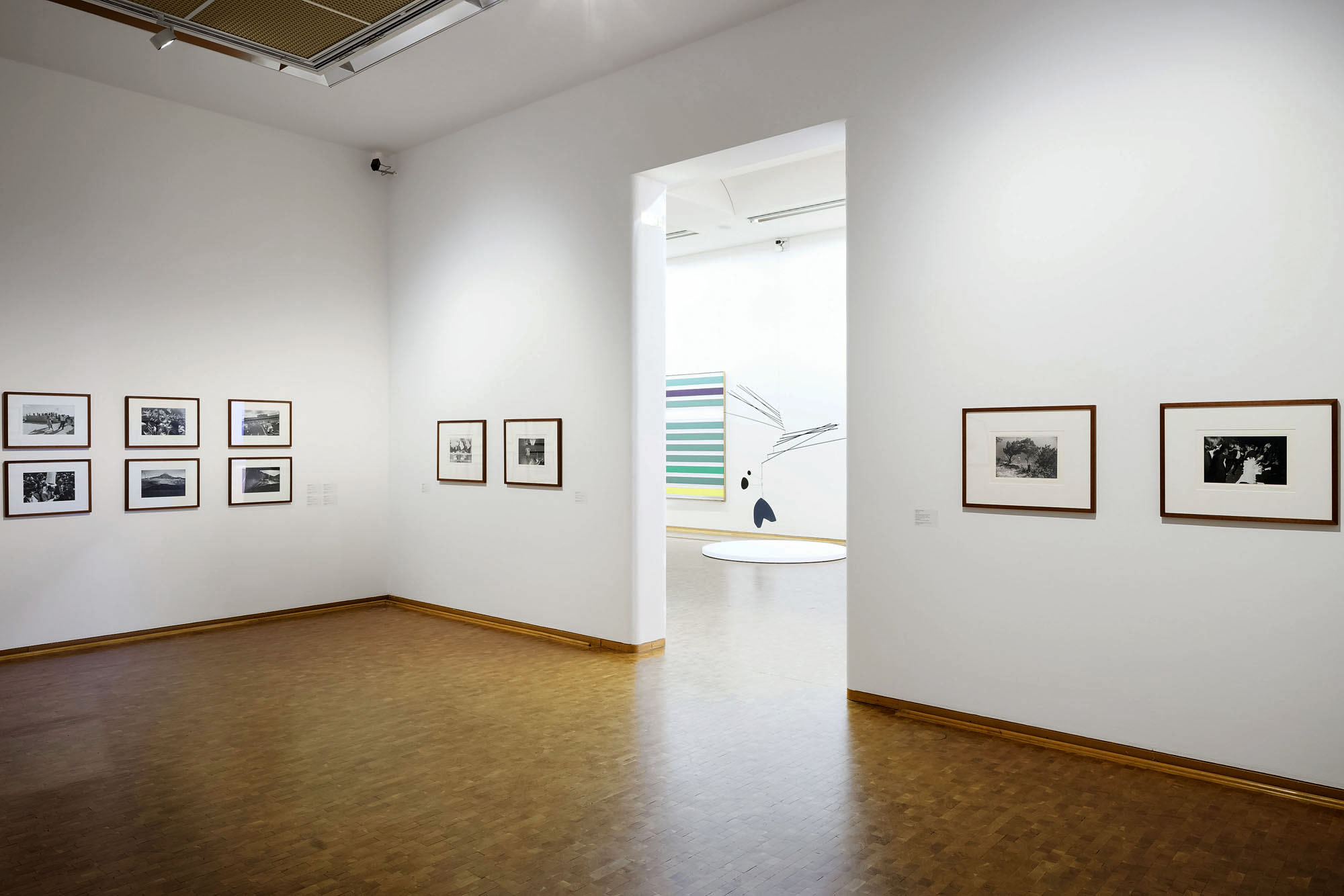
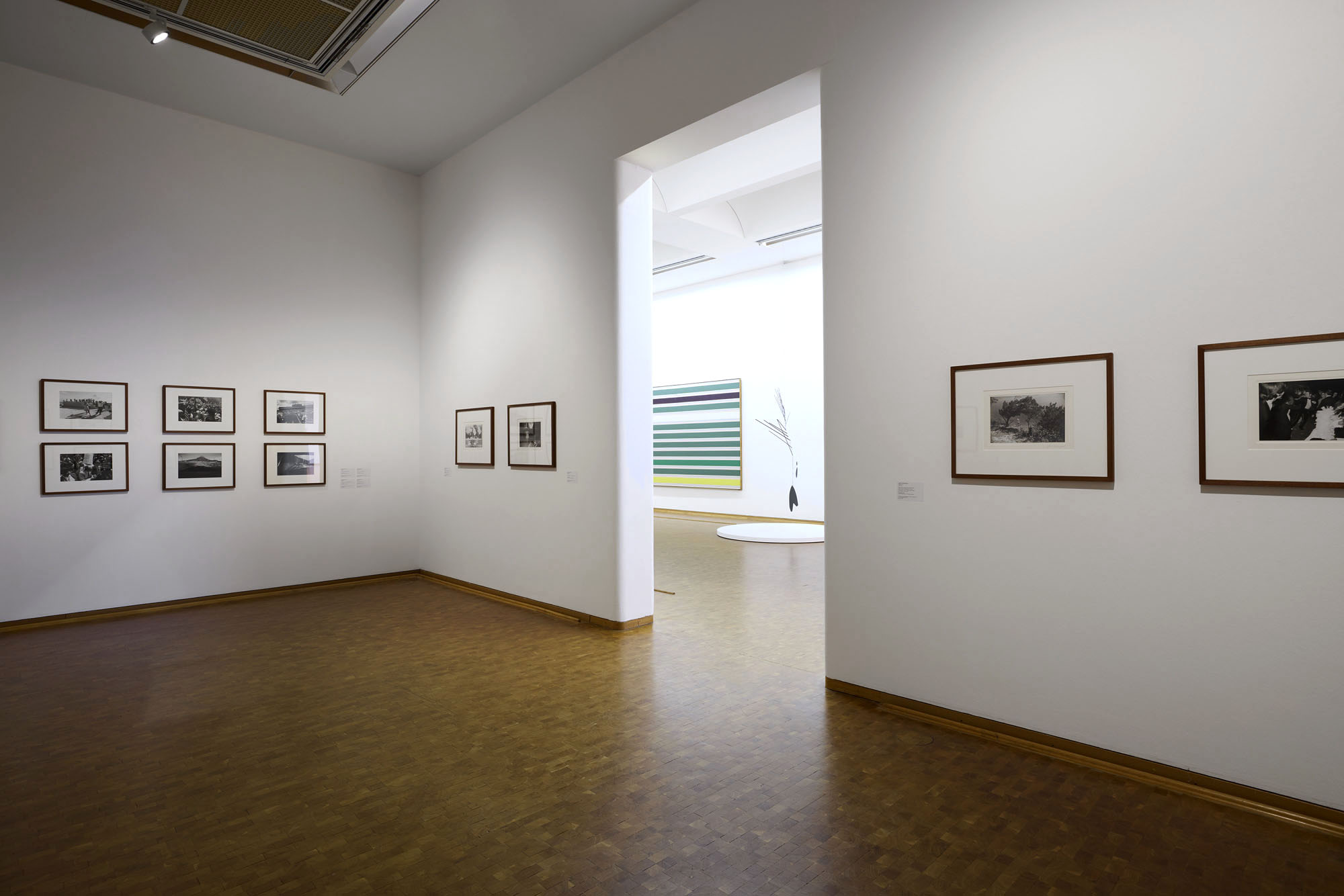
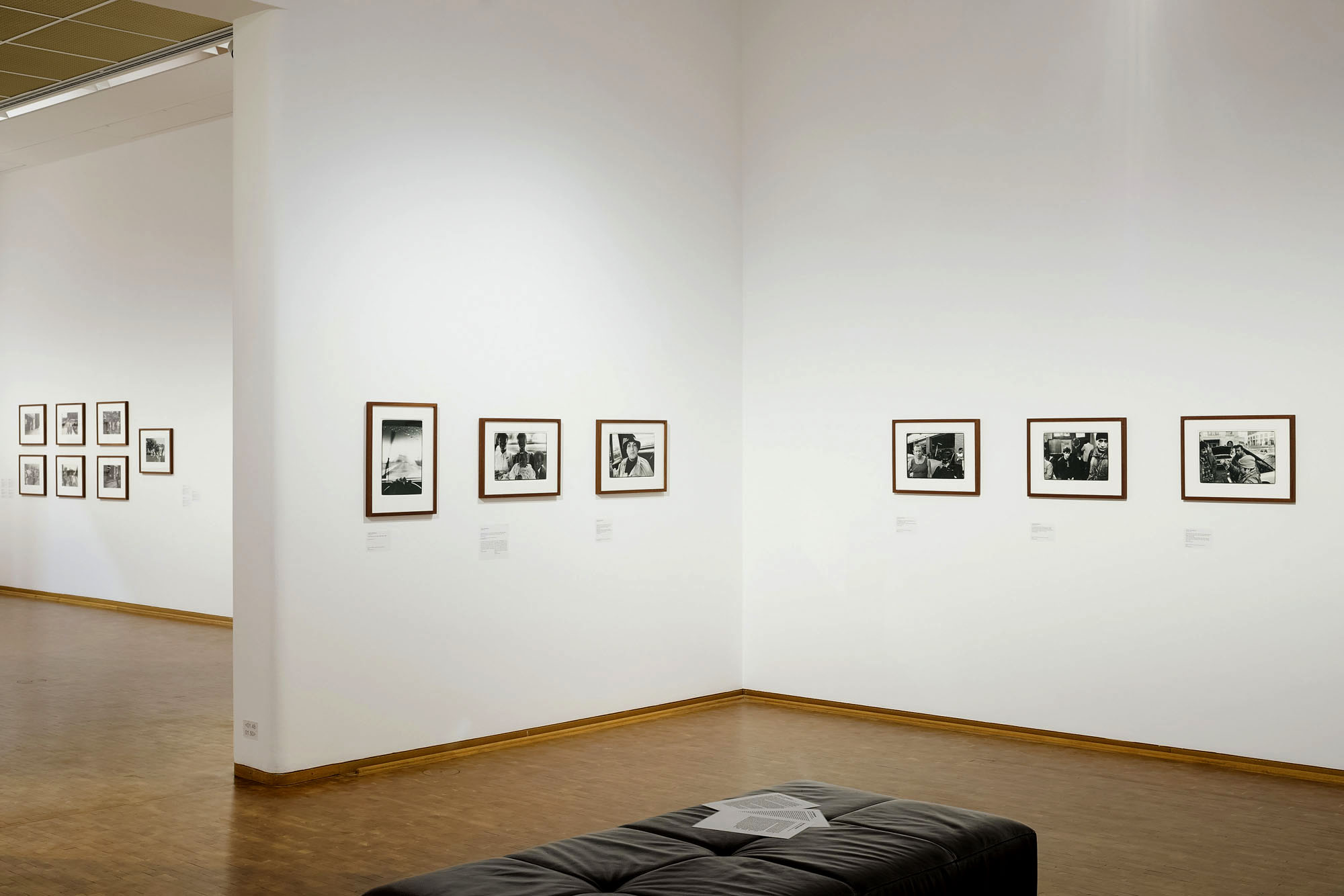
Installation view of the exhibition 'Street Photography. Lee Friedlander, Joseph Rodríguez, Garry Winogrand' at Museum Ludwig, Cologne, May - October, 2025


Installation views of the exhibition Street Photography. Lee Friedlander, Joseph Rodríguez, Garry Winogrand at Museum Ludwig, Cologne, May – October, 2025
Photo: Historisches Archiv mit Rheinischem Bildarchiv/Vincent Quack
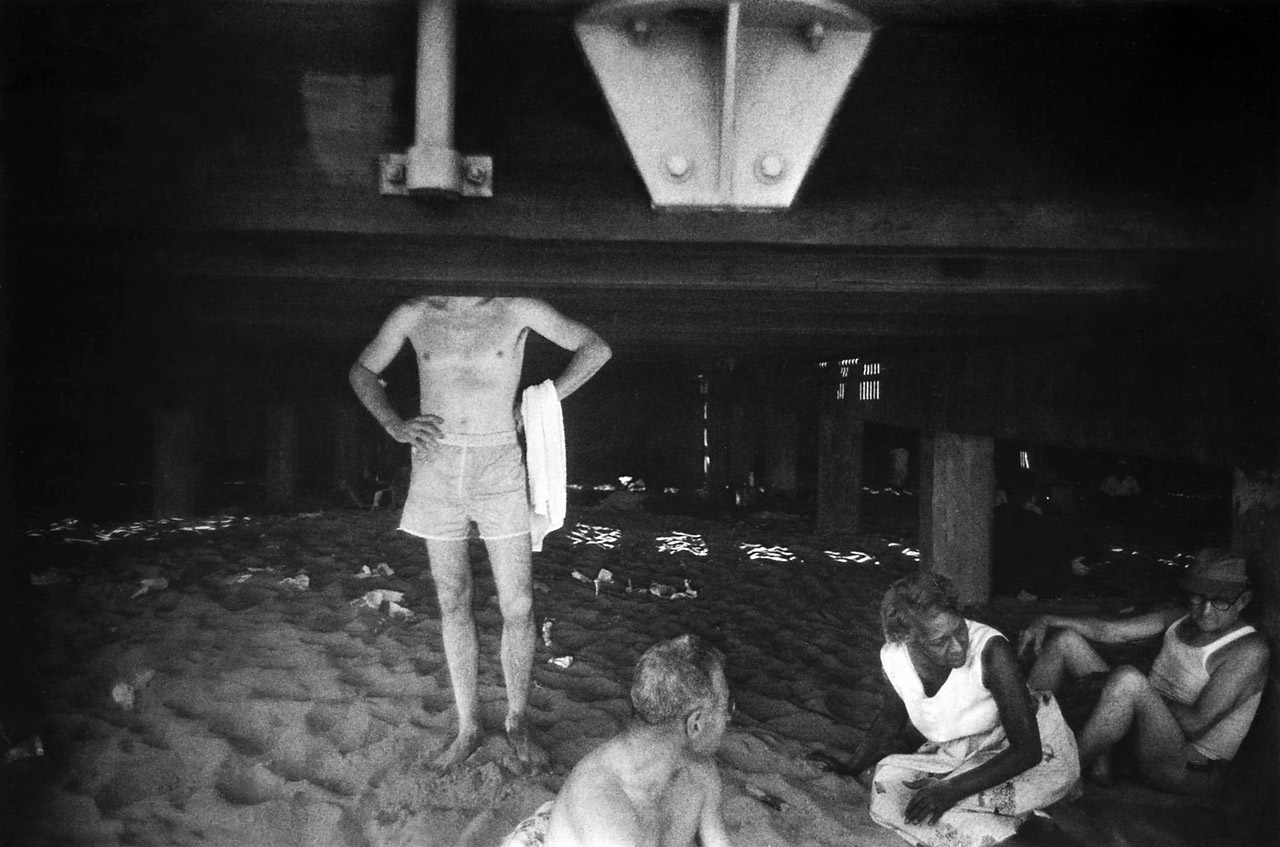
 

Garry Winogrand (American, 1928-1984) 'Coney Island, New York' 1952


Garry Winogrand (American, 1928-1984)
Coney Island, New York
1952
Gelatin silver paper, print after 1973
21.7 x 32.6cm
© The Estate of Garry Winogrand/Courtesy Fraenkel Gallery, San Francisco
Repro: Historisches Archiv mit Rheinischem Bildarchiv


Garry Winogrand (American, 1928-1984) 'Utah' 1964


Garry Winogrand (American, 1928-1984)
Utah
1964
Gelatin silver paper, print after 1978
23 x 34cm
© The Estate of Garry Winogrand/Courtesy Fraenkel Gallery, San Francisco
Repro: Historisches Archiv mit Rheinischem Bildarchiv


Garry Winogrand

(*1928 in New York City, New York, d. 1984)

For many years, Garry Winogrand found his subjects right on his doorstep, on the streets of his birthplace and longtime home, New York. Whether they depict individuals or groups of people, his photographs are characterised by a special dynamism, which is also the result of the unusual perspectives of his shots. Often chaotic, sometimes surreal, the images tell stories from everyday life in the big city, but also from mass events such as sporting events or political demonstrations.

Winogrand distanced himself from both the social documentary photography popular in the 1930s and 1940s and from photojournalism, with which he himself earned his living for a long time. He was concerned with shifting the perspective from the object of the photograph to the camera: “I photograph to find out what things look like when photographed.” In his photographs, Winogrand found a formal equivalent for the diverging social forces of the 1960s. He captured passersby on the streets and public squares with a wide-angle lens in such a way that the horizons tilted and a clear center of gravity was missing. His photographs of women in public often deviated from this principle. He dedicated the book Women are Beautiful to this motif, which he returned to repeatedly throughout his career, in 1975. In another project, beginning in 1969, he focused on the media world in order to – as he put it – “study the events produced in the news.” With a distanced perspective, Winogrand captured press conferences, demonstrations, open-air festivals, and the hustle and bustle of the art world – the spectacles and pseudo-events of a society in transition.

Text from Museum Ludwig translated by Google Translate
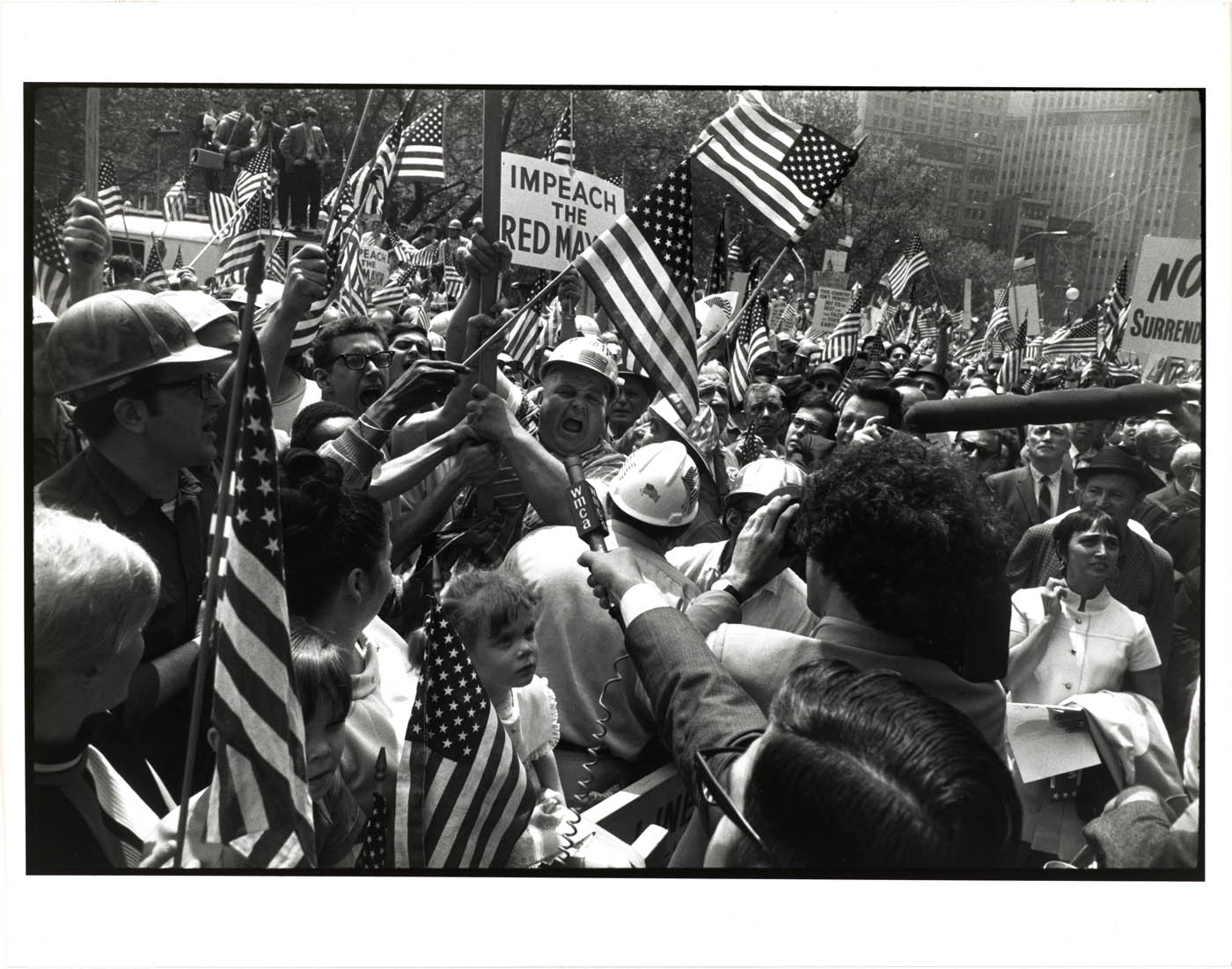
 

Garry Winogrand (American, 1928-1984)
'New York City' 1969


Garry Winogrand (American, 1928-1984)
New York City
1969
Gelatin silver paper, print after 1978
22.9 x 34.2cm
© The Estate of Garry Winogrand/Courtesy Fraenkel Gallery, San Francisco
Repro: Historisches Archiv mit Rheinischem Bildarchiv
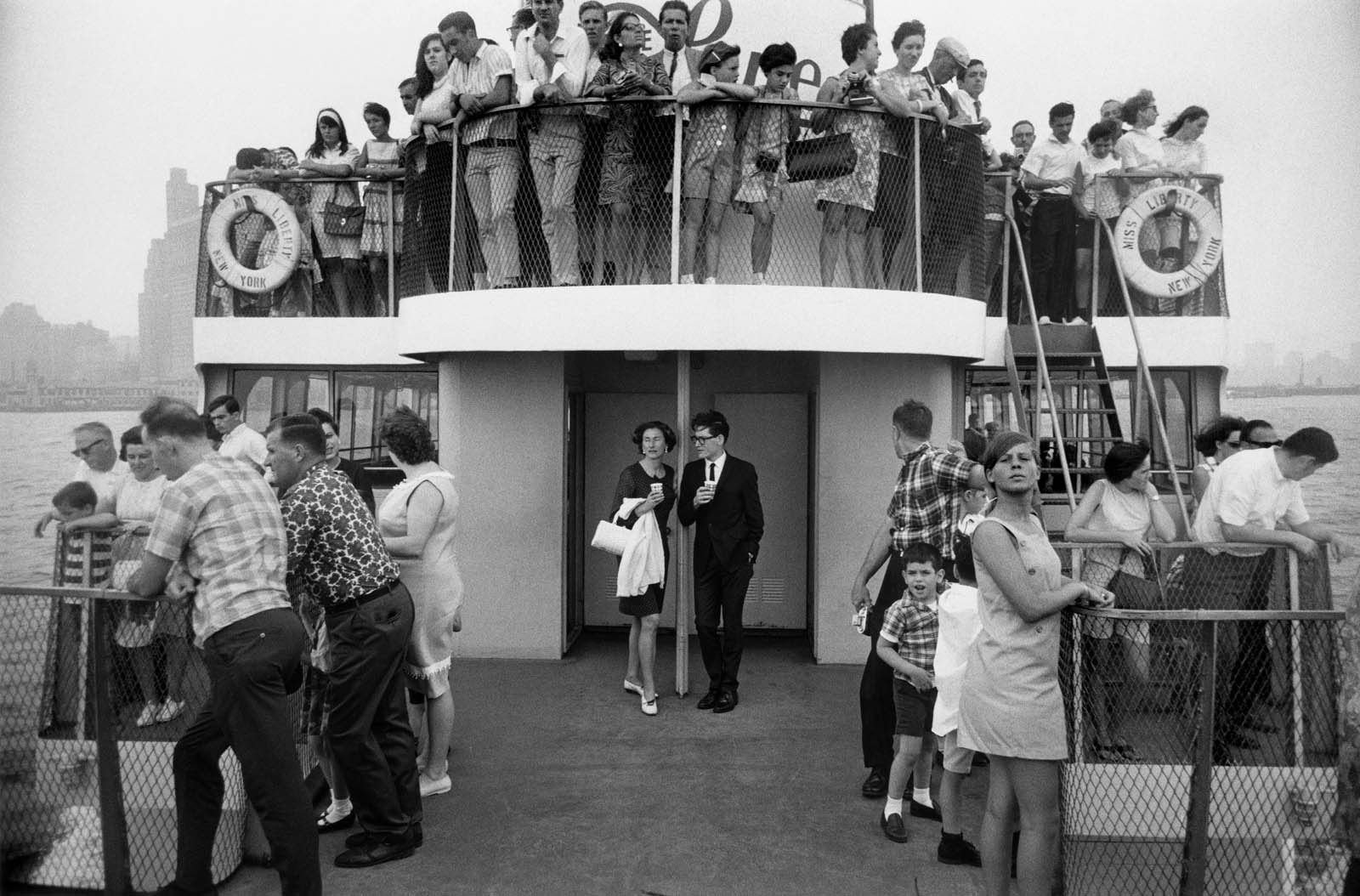
 

Garry Winogrand (American, 1928-1984) 'Circle Line Statue of Liberty Ferry, New York' 1971


Garry Winogrand (American, 1928-1984)
Circle Line Statue of Liberty Ferry, New York
1971
Gelatin silver paper, print after 1973
21.7 x 32.4cm
© The Estate of Garry Winogrand/Courtesy Fraenkel Gallery, San Francisco
Repro: Historisches Archiv mit Rheinischem Bildarchiv
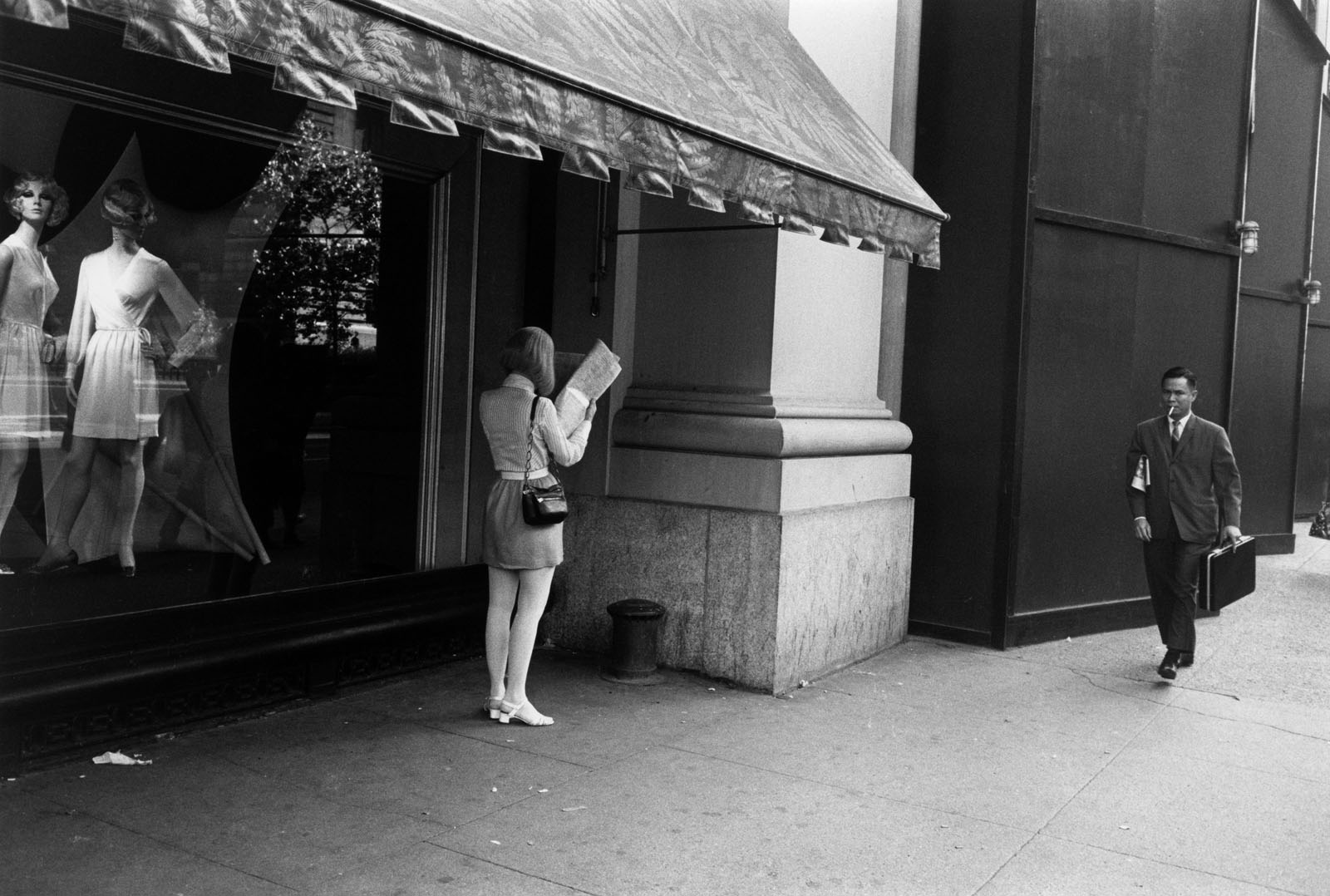
 

Garry Winogrand (American, 1928-1984) 'Untitled', from: 'Women are Beautiful' 1970


Garry Winogrand (American, 1928-1984)
Untitled, from: Women are Beautiful
1970
Gelatin silver paper, print after 1981
21.7 x 32.4cm
© The Estate of Garry Winogrand/Courtesy Fraenkel Gallery, San Francisco
Repro: Historisches Archiv mit Rheinischem Bildarchiv
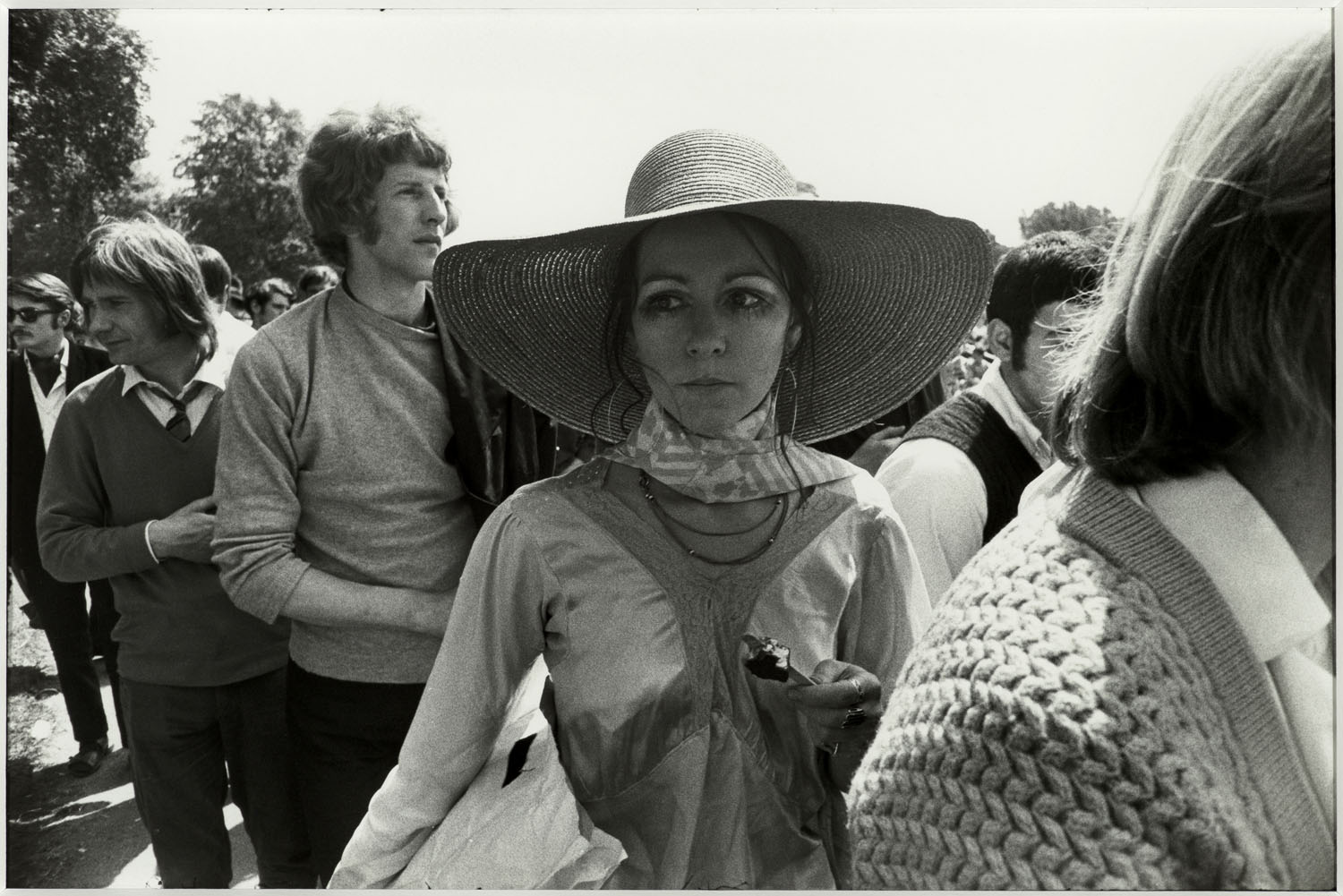
 

Garry Winogrand (American, 1928-1984) 'Untitled', from: 'Women are Beautiful' 1973


Garry Winogrand (American, 1928-1984)
Untitled, from: Women are Beautiful
1973
Gelatin silver paper, print after 1973
21.7 x 32.4cm
© The Estate of Garry Winogrand/Courtesy Fraenkel Gallery, San Francisco
Repro: Historisches Archiv mit Rheinischem Bildarchiv
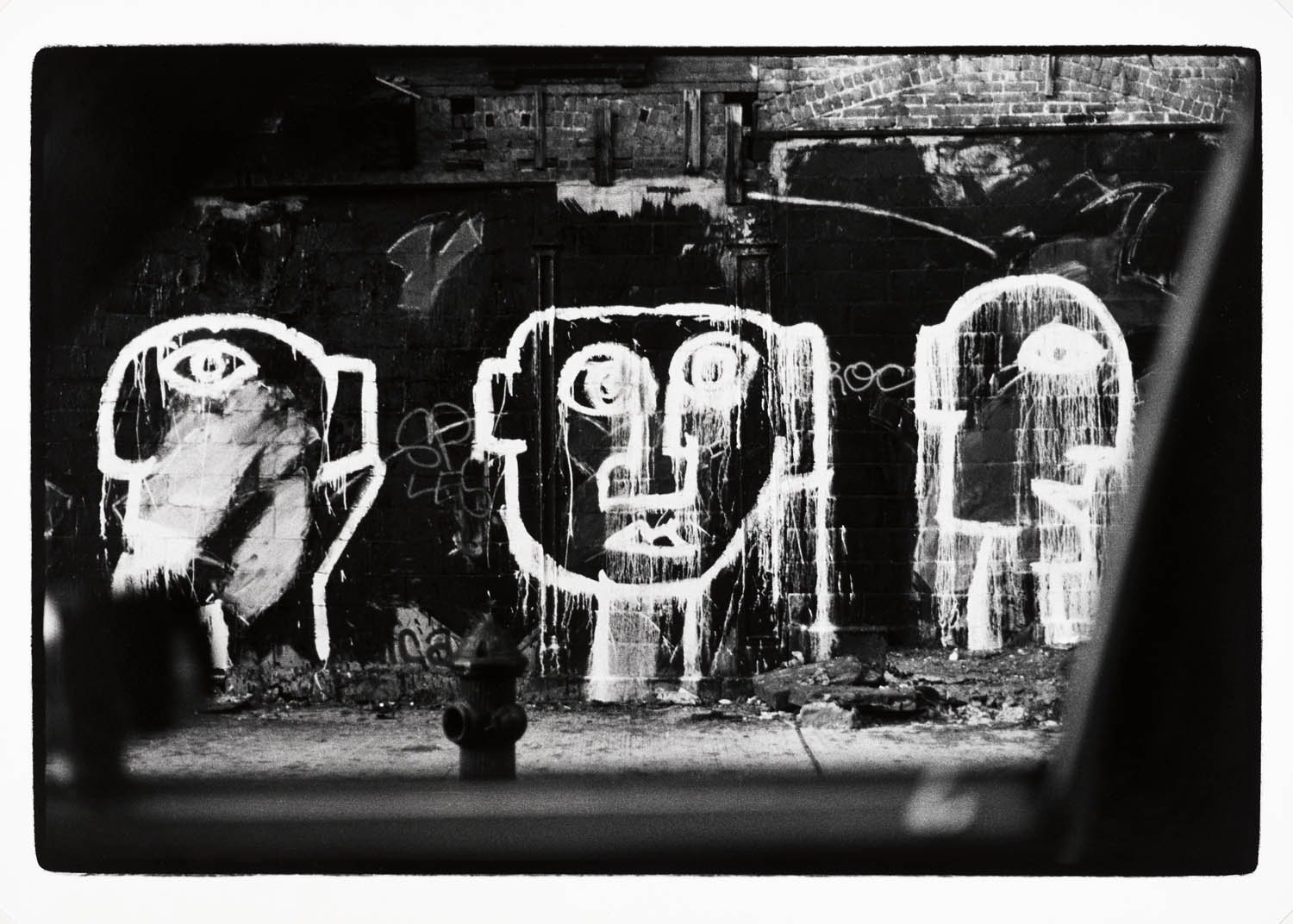
 

Joseph Rodríguez (American, b. 1952) 'East Village, New York' 1984


Joseph Rodríguez (American, b. 1952)
East Village, New York
1984
Gelatin silver paper, print after 1988
25.3 x 37.4cm
© Joseph Rodríguez, Courtesy Galerie Bene Taschen
Repro: Historisches Archiv mit Rheinischem Bildarchiv


“When I drove a cab, my taxi cab was a rolling psychology office. Everybody had something to say. Sometimes it’s just light conversation like the weather or kids. Baseball. But then you get all kinds of incredible stories. I was learning the foundations of humanism in my cab.”


Joseph Rodríguez


“To drive a cab back then, you either had to have a death wish or come to the job with a biography that inured you to the danger or graced you with such intuitive empathy/curiosity that to see and hear and sometimes engage with the cavalcade of humanity sliding in and out of your backseat trumped the nightly game of Russian roulette.”


Richard Price penned these poignant words that open photographer Joseph Rodríguez’s book, Taxi: Journey Through My Windows 1977-1987 


Joseph Rodríguez

(*1951 in Brooklyn, New York City, New York, lives and works there)

Joseph Rodríguez was a teenager when street photography was celebrated in New York with exhibitions such as New Documents at the Museum of Modern Art, which also brought Friedlander and Winogrand to the fore. Rodríguez studied graphic design and photography at the School of Visual Arts in New York and the New York City Technical College. In 1985, he graduated with a degree in photojournalism and documentary photography from the International Center for Photography in New York. During his studies, he worked as a taxi driver, photographing his passengers and street scenes from behind the wheel. The exhibited works are from the Taxi series. They document, on the one hand, Rodríguez’s work as a taxi driver, who has to try to secure well-paid long-distance rides to earn a living and cover the costs of his hired taxi. During his twelve-hour shifts, Rodríguez captures city life in the various neighborhoods at different times of day, from nightlife to the busy hours of the day. His shots of passersby in the rearview mirror, of a sunrise, or of someone urinating in public who believes they are unobserved, testify to the fleeting nature of the moment. Rodríguez also engages directly with his passengers. His portraits convey the openness and respect with which he treats them. Rodríguez sees himself in the tradition of social documentary photography. He advocates the goal of giving visibility to those who are overlooked. He often adds short comments to his images that shed light on what is being photographed. He also uses unusual perspectives, surprising crops, and reflections. However, these emphasize the subjectivity of his empathetic gaze beyond the momentary nature of the moment.

The photographs in the Taxi series are a significant document of the 1980s in New York, a period marked by economic and social upheaval and the AIDS crisis. On his journeys crisscrossing the city, Rodríguez does not depict despair,
but rather shows people maintaining their dignity in the face of difficult and uncertain times.

Text from Museum Ludwig translated by Google Translate
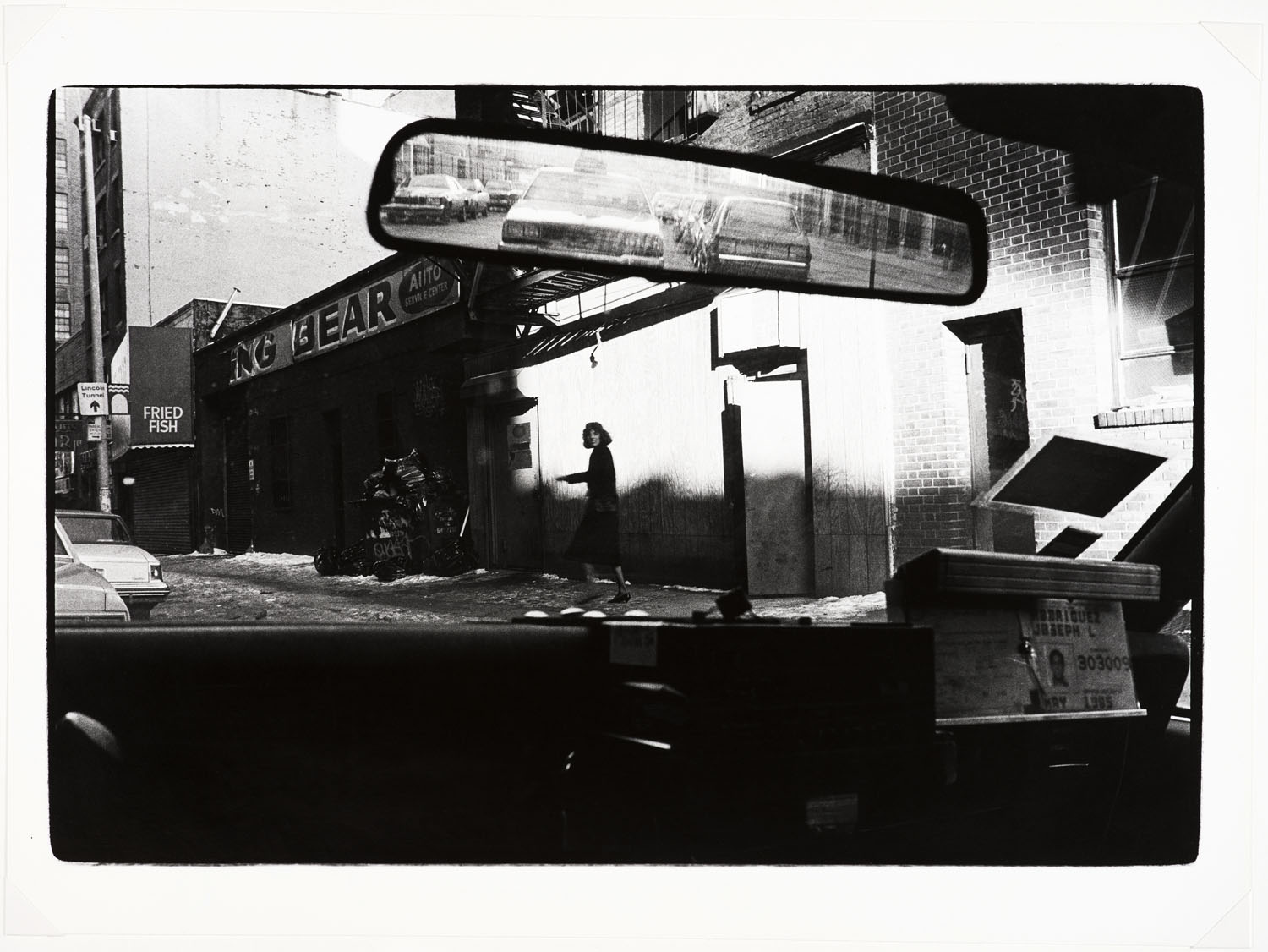
 

Joseph Rodríguez (American, b. 1952) '220 West Houston Street, New York' 1984


Joseph Rodríguez (American, b. 1952)
220 West Houston Street, New York
1984
Gelatin silver paper, print after 1988
25.3 x 37.2cm
© Joseph Rodríguez, Courtesy Galerie Bene Taschen
Repro: Historisches Archiv mit Rheinischem Bildarchiv
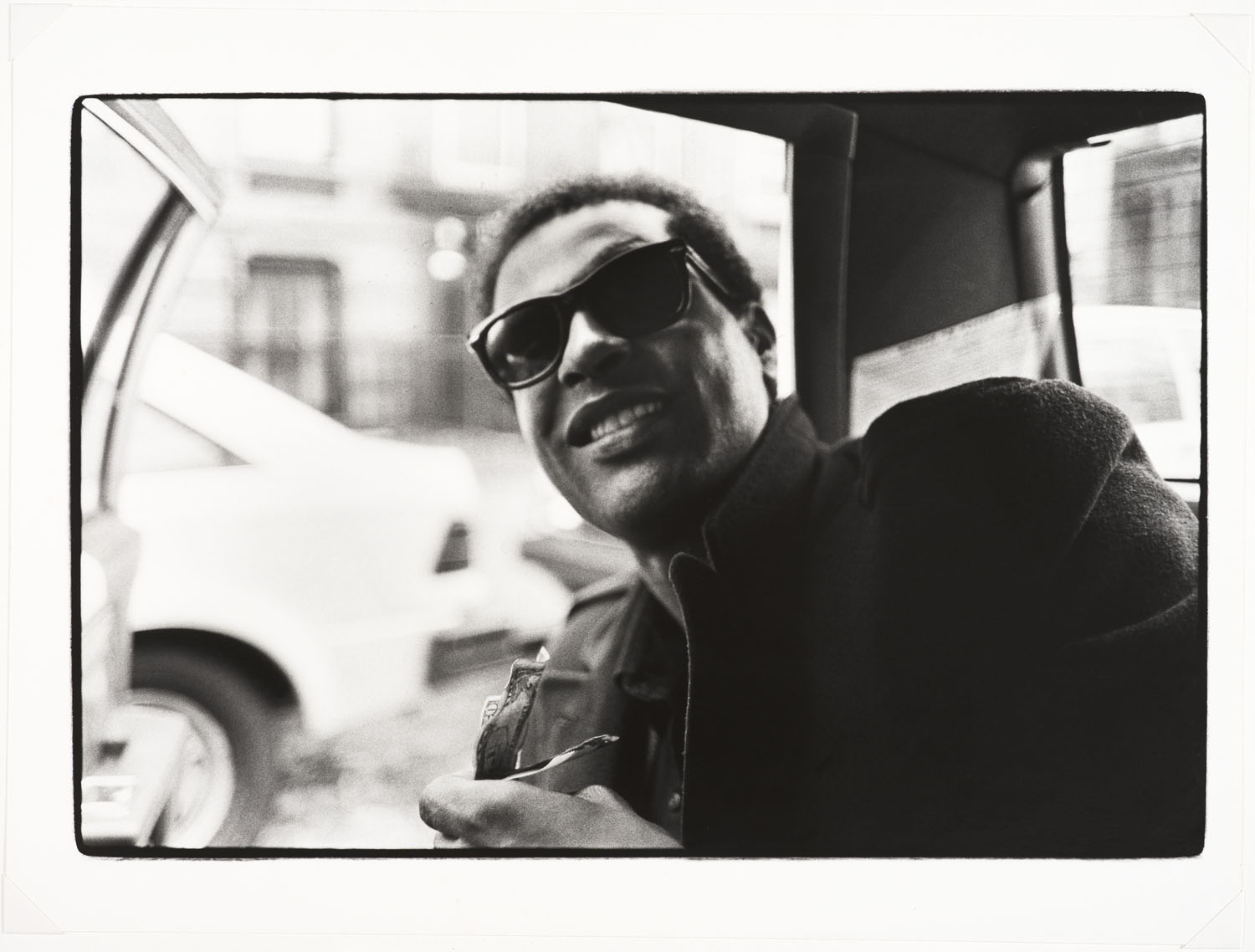
 

Joseph Rodríguez (American, b. 1952) 'I picked him up at a club and I took him to Brooklyn. He was a happy camper, New York' 1984


Joseph Rodríguez (American, b. 1952)
I picked him up at a club and I took him to Brooklyn. He was a happy camper, New York
1984
Gelatin silver paper, print after 1988
24.8 x 36.8cm
© Joseph Rodríguez, Courtesy Galerie Bene Taschen
Repro: Historisches Archiv mit Rheinischem Bildarchiv


Joseph Rodríguez (American, b. 1952) 'At the Garage, my cab broke down, New York' 1984


Joseph Rodríguez (American, b. 1952)
At the Garage, my cab broke down, New York
1984
Gelatin silver paper, print after 1988
25.3 x 37.5cm
© Joseph Rodríguez, Courtesy Galerie Bene Taschen
Repro: Historisches Archiv mit Rheinischem Bildarchiv
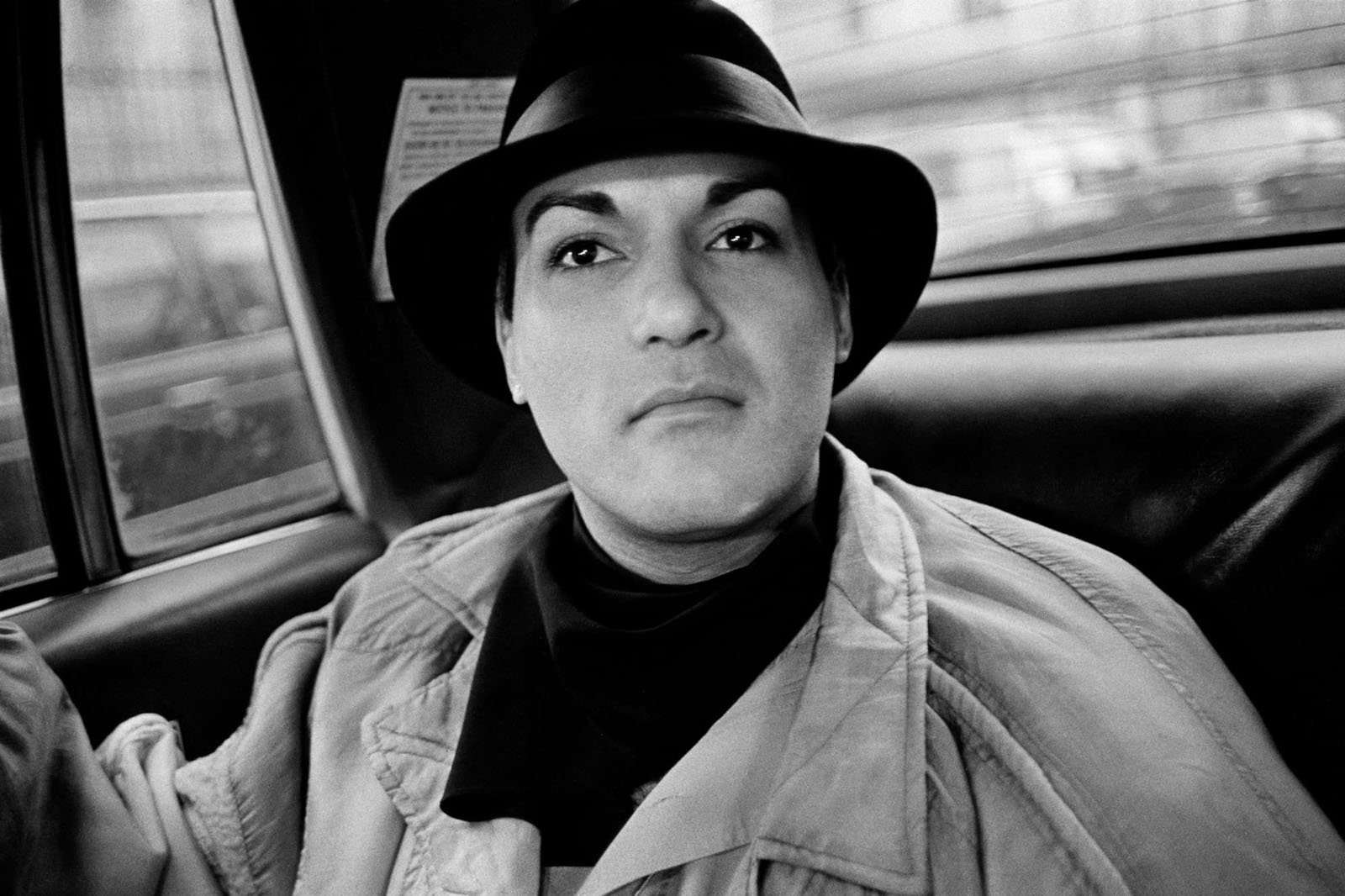
 

Joseph Rodríguez (American, b. 1952) 'Meatpacking District, I picked him up from one of the clubs. He was a drag performer and I was taking him home to Brooklyn, New York' 1984


Joseph Rodríguez (American, b. 1952)
Meatpacking District, I picked him up from one of the clubs. He was a drag performer and I was taking him home to Brooklyn, New York
1984
Gelatin silver paper, print after 1988
24.8 x 36.6cm
© Joseph Rodriguez, Courtesy Galerie Bene Taschen
Repro: Historisches Archiv mit Rheinischem Bildarchiv
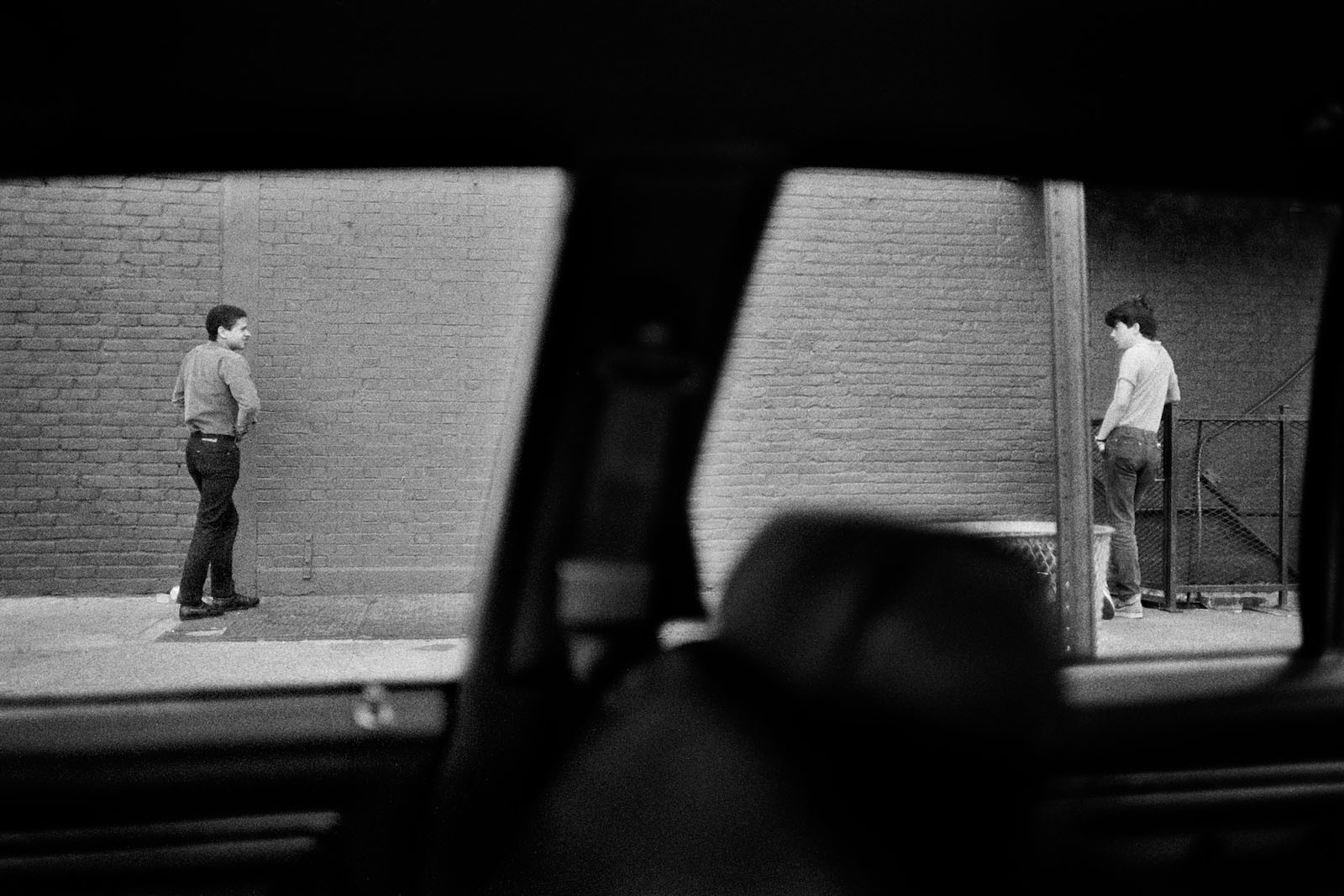
 

Joseph Rodríguez (American, b. 1952) 'Greenwich Village, The Anvil, New Jersey' 1984


Joseph Rodríguez (American, b. 1952)
Greenwich Village, The Anvil, New Jersey
1984
Gelatin silver paper, print after 1988
25.0 x 36.8cm
© Joseph Rodríguez, Courtesy Galerie Bene Taschen
Repro: Historisches Archiv mit Rheinischem Bildarchiv


“14th Street & West Side Highway. That’s the back of the Anvil. These guys would come outside to take a leak. And of course they’re having a conversation, so who knows what happened after that.” ~ Joseph Rodríguez

The Anvil was a gay BDSM after-hours sex club located at 500 West 14th Street, Manhattan, New York City, that operated from 1974 to 1985.


Joseph Rodríguez (American, b. 1952) 'Pulaski Skyway, New Jersey' 1984


Joseph Rodríguez (American, b. 1952)
Pulaski Skyway, New Jersey
1984
Gelatin silver paper, print after 1988
24.8 x 36.8cm
© Joseph Rodríguez, Courtesy Galerie Bene Taschen
Repro: Historisches Archiv mit Rheinischem Bildarchiv


Museum Ludwig
Heinrich-Böll-Platz, 50667 Köln, Germany

Opening hours:
Tues­­day through Sun­­day: 10am – 6pm
Museum Ludwig website

LIKE ART BLART ON FACEBOOK

Back to top

Exhibition: ‘Picturing New York: Photographs from the Museum of Modern Art’ at the Art Gallery of Western Australia (AGWA), Perth

Exhibition dates: 26th January – 12th May 2013


Berenice Abbott (American, 1898-1991) 'Fifth Avenue, nos. 4, 6, 8, Manhattan' March 20, 1936


Berenice Abbott (American, 1898-1991)
Fifth Avenue, nos. 4, 6, 8, Manhattan
March 20, 1936
Gelatin silver print
15 x 19 1/4″ (38.1 x 48.9cm)
The Museum of Modern Art, New York
Thomas Walther Collection
© 2012 Berenice Abbott/Commerce Graphics


A second tranche of images from this touring exhibition of photographs from the MoMA collection, presented at the Art Gallery of Western Australia in Perth. My personal favourites in this posting are the tonal Abbott, mean streets Gedney, luminous Groover and the intimate Burckhardt. There are two photographers I don’t know at all (Gedney and Burckhardt) and one who is very underrated: Peter Hujar.

Dr Marcus Bunyan


Many thankx to the AGWA for allowing me to publish the photographs in the posting. Please click on the photographs for a larger version of the image.


William Gedney (American, 1924-1989) 'Brooklyn' 1966


William Gedney (American, 1924-1989)
Brooklyn
1966
Gelatin silver print
7 9/16 x 11 5/16″ (19.3 x 28.8cm)
The Museum of Modern Art, New York
Gift of the Duke University Rare Book, Manuscript, and Special Collections Library
© 2012 Estate of William Gedney


William Gale Gedney (October 29, 1932 – June 23, 1989) was an American photographer. It wasn’t until after his death that his work gained momentum and his work is now widely recognised… William Gedney died of AIDS in 1989, aged 56, in New York City and is buried in Greenville, New York, a few short miles from his childhood home. He left his photographs and writings to his lifelong friend Lee Friedlander.

Text from the Wikpedia website

See more photographs by William Gedney on the Duke Libraries website and on The Selvedge Yard website


Jan Groover (American, 1943-2012) 'Untitled' 1981


Jan Groover (American, 1943-2012)
Untitled
1981
Platinum/palladium print
7 5/8 x 9 1/2″ (19.4 x 24.2cm)
The Museum of Modern Art, New York
Gift of Howard Stein
© 2012 Jan Groover


“Depicting the iconic New York that captivates the world’s imagination and the idiosyncratic details that define New Yorkers’ sense of home, this exhibition from MoMA’s extraordinary photography collection celebrates the city in all its vitality, ambition and beauty. Made by approximately 90 artists responding to the city as well as professionals on assignment, including Henri Cartier-Bresson, Walker Evans, Lewis Hine, Helen Levitt, Cindy Sherman, Alfred Stieglitz, and Weegee, over 150 works reveal the deeply symbiotic relationship between photography and the ‘city that never sleeps’ – New York. Both an exploration of the life of the city and a documentation of photography’s evolution throughout the twentieth century, Picturing New York celebrates the great and continuing tradition of capturing the grit and glamour of one of the world’s greatest urban centres.

Artists include Berenice Abbott, Diane Arbus, Henri Cartier-Bresson, Walker Evans, Lee Friedlander, Nan Goldin, Helen Levitt, Cindy Sherman, Alfred Stieglitz, Paul Strand, Weegee, and Garry Winogrand, among many others.”

Text from the AGWA website


Lisette Model (American born Austria, 1901-1983) 'Times Square' 1940


Lisette Model (American born Austria, 1901-1983)
Times Square
1940
Gelatin silver print
15 9/16 x 19 9/16″ (39.6 x 49.7cm)
The Museum of Modern Art, New York
Gift of the photographer
© 2012 Estate of Lisette Model, courtesy Baudoin Lebon Gallery, Paris and Keitelman Gallery, Brussels


Garry Winogrand (American, 1928-1984) 'New York City' 1968


Garry Winogrand (American, 1928-1984)
New York City
1968
Gelatin silver print
8 7/8 x 13 3/16″ (22.5 x 33.5cm)
The Museum of Modern Art, New York
Purchase and gift of Barbara Schwartz in memory of Eugene M. Schwartz
© The Estate of Garry Winogrand, courtesy Fraenkel Gallery


Henri Cartier-Bresson (French, 1908-2004) 'Near the Hall of Records, New York' 1947


Henri Cartier-Bresson (French, 1908-2004)
Near the Hall of Records, New York
1947
Gelatin silver print
15 5/16 x 22 13/16″ (38.9 x 57.9cm)
The Museum of Modern Art, New York
Gift of the photographer
© 2012 Henri Cartier-Bresson/Magnum, courtesy Foundation HCB, Paris


Rudy Burckhardt (American born Switzerland, 1914-1999) 'A View From Brooklyn I' 1954


Rudy Burckhardt (American born Switzerland, 1914-1999)
A View From Brooklyn I
1954
Gelatin silver print
10 5/16 x 9 3/16″ (26.2 x 23.4cm)
The Museum of Modern Art, New York
Gift of CameraWorks, Inc. and Purchase
© 2012 Rudy Burckhardt / Artists Rights Society (ARS), New York


Rudy Burckhardt (1914, Basel – 1999) was a Swiss-American filmmaker, and photographer, known for his photographs of hand-painted billboards which began to dominate the American landscape in the nineteen-forties and fifties.

Burckhardt discovered photography as a medical student in London. He left medicine to pursue photography in the 1930s. He immigrated to New York City in 1935. Between 1934 and 1939, he traveled to Paris, New York and Haiti making photographs mostly of city streets and experimenting with short 16mm films. While stationed in Trinidad in the Signal Corps from 1941-1944, he filmed the island’s residents. In 1947, he joined the Photo League in New York City. Burckhardt married painter Yvonne Jacquette whom he collaborated with throughout their 40 year marriage. He taught filmmaking and painting at the University of Pennsylvania from 1967 to 1975.

On his 85th birthday, Burckhardt committed suicide by drowning in the lake on his property.

Text from the Wikipedia website


Rudy Burckhardt and Edwin Denby
The Climate of New York
1980


Trailer for Rudy Burckhardt Films from Tibor de Nagy Gallery on Vimeo.


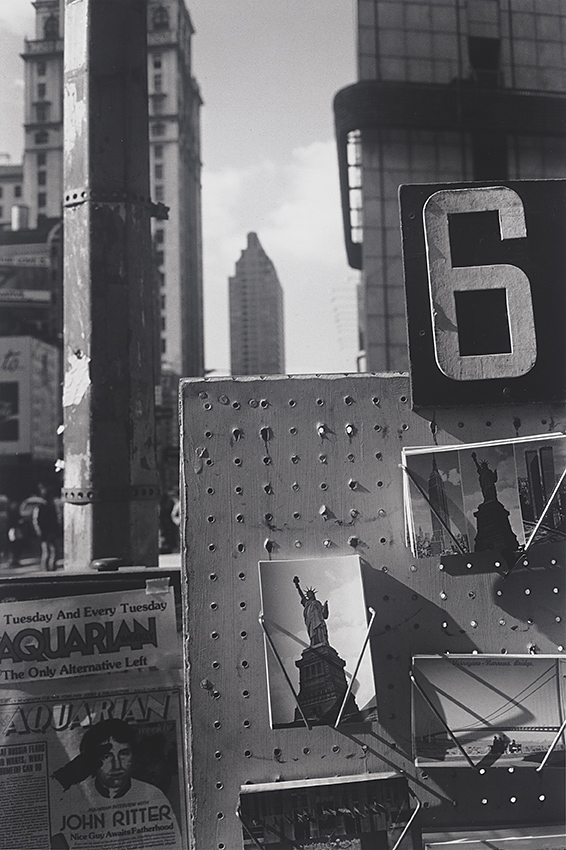
Lee Friedlander (American, b. 1934) 'New York City' 1980


Lee Friedlander (American, b. 1934)
New York City
1980
Gelatin silver print
18 5/8 x 12 3/8″ (47.3 x 31.5cm)
The Museum of Modern Art, New York
The Family of Man Fund
© 2012 Lee Friedlander


Underwood and Underwood (American, active 1880-1934) 'Above Fifth Avenue, Looking North' 1905


Underwood and Underwood (American, active 1880-1934)
Above Fifth Avenue, Looking North
1905
Gelatin silver print
9 1/2 x 7 5/16″ (24.2 x 18.6cm)
The Museum of Modern Art, New York
The New York Times Collection


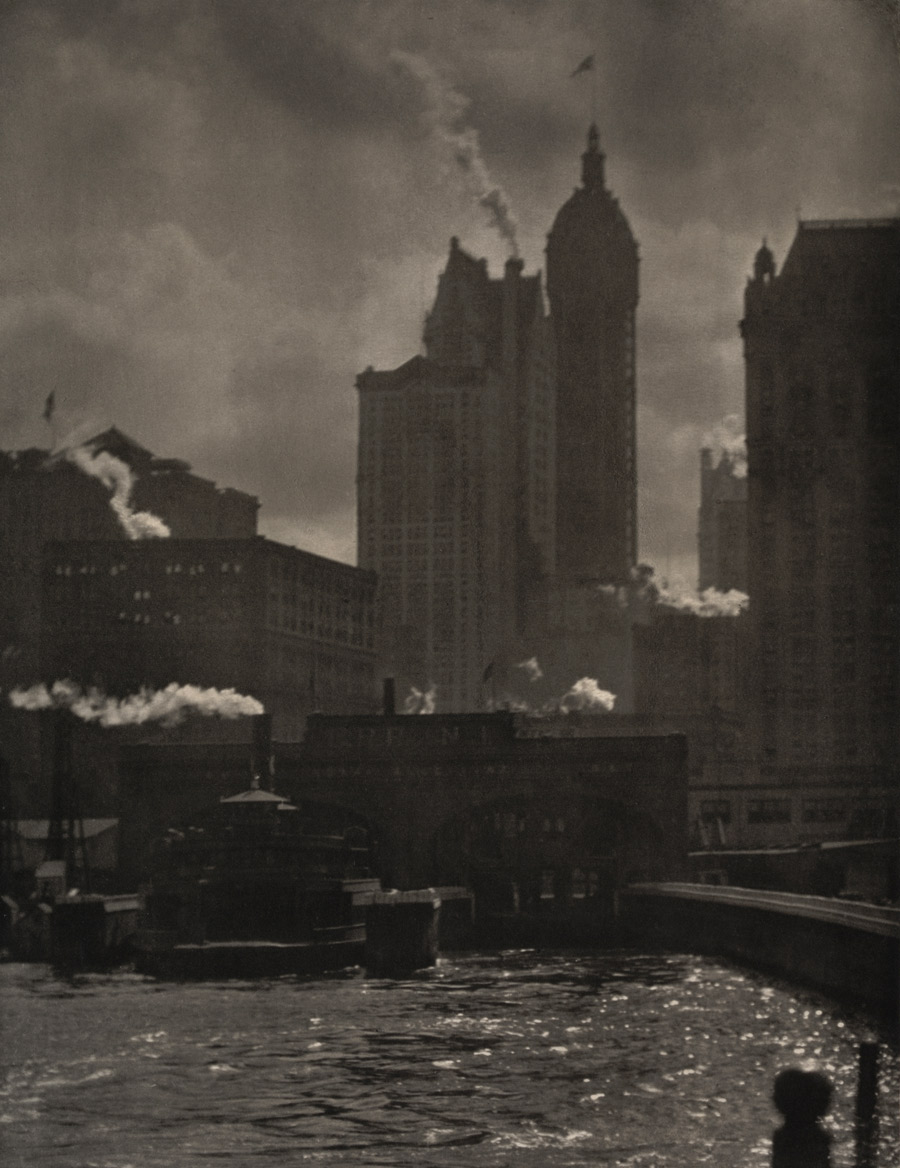
Alfred Stieglitz (American, 1864-1946) 'City of Ambition' 1910


Alfred Stieglitz (American, 1864-1946)
City of Ambition
1910
Photogravure
13 3/8 x 10 1/4″ (34 x 26.1cm)
The Museum of Modern Art, New York
© 2012 Estate of Alfred Stieglitz / Artists Rights Society (ARS), New York


Peter Hujar (American, 1934-1987) 'New York Series #22' 1976


Peter Hujar (American, 1934-1987)
New York Series #22
1976
Gelatin silver print
14 5/8 x 14 3/4″ (37.1 x 37.4cm)
The Museum of Modern Art, New York
Gift of the Estate of Peter Hujar and James Danziger Gallery, New York
© 2012 Peter Hujar Archive


Peter Hujar (October 11, 1934 – November 26, 1987) was an American photographer known for his black and white portraits. Born in Trenton, New Jersey, United States. Hujar later moved to Manhattan to work in the magazine, advertising, and fashion industries. His subjects also consisted of farm animals and nudes. His most famous photograph is Candy Darling on Her Deathbed which was later used by the group Antony and the Johnsons as cover for their album I Am a Bird Now. The one-time lover, friend and mentor of artist David Wojnarowicz, Hujar died of AIDS complications on November 26, 1987, aged 53.

See the more photographs on the Peter Hujar Archive website


Fairchild Aerial Surveys, Inc. 'The Mount Everest of Manhattan: The Silvered Peak of the Chrysler Building' 1930


Fairchild Aerial Surveys, Inc.
The Mount Everest of Manhattan: The Silvered Peak of the Chrysler Building
1930
Gelatin silver print
8 3/4 x 6 13/16″ (22.3 x 17.3cm)
The Museum of Modern Art, New York
The New York Times Collection


Walker Evans (American, 1903-1975) 'Girl in Fulton Street, New York 1929' 1929


Walker Evans (American, 1903-1975)
Girl in Fulton Street, New York 1929
1929
Gelatin silver print
7 1/2 x 4 5/8″ (19.1 x 11.7cm)
The Museum of Modern Art, New York
Gift of the photographer


Lewis W. Hine (American, 1874–1940) 'Italian Family Looking for Lost Baggage, Ellis Island, New York' 1905


Lewis W. Hine (American, 1874-1940)
Italian Family Looking for Lost Baggage, Ellis Island, New York
1905
Gelatin silver print
5 9/16 x 4 5/16″ (14.1 x 10.9cm)
The Museum of Modern Art, New York


Art Gallery of Western Australia
Perth Cultural Centre, James Street Mall, Perth

Opening hours:
Wednesday – Monday 10am – 5pm
Closed Tuesdays

AGWA website

LIKE ART BLART ON FACEBOOK

Back to top

Exhibition: ‘True Stories: American Photography from the Sammlung Moderne Kunst’ at Pinakothek der Moderne, Munich

Exhibition dates: 2nd March – 20th September 2012


Lewis Baltz (American, 1945-2014) 'Greenbrae' 1968


Lewis Baltz (American, 1945-2014)
Greenbrae
1968
from the series The Prototype Works
Vintage gelatin silver print
13.1 x 21.4cm
Sammlung Moderne Kunst in the Pinakothek der Moderne Munich, Acquired in 2011 by PIN. Freunde der Pinakothek der Moderne e.V.
© Lewis Baltz


You can’t get much better than this to start a posting: Baltz, Friedlander, Winogrand, Nixon, Baldessari, Eggleston and Shore. I recall seeing my first vintage Stephen Shore at the American Dreams exhibition at the Bendigo Art Gallery last year. What a revelation. At the time I said,

“Two Stephen Shore chromogenic colour prints from 1976 where the colours are still true and have not faded. This was incredible – seeing vintage prints from one of the early masters of colour photography; noticing that they are not full of contrast like a lot of today’s colour photographs – more like a subtle Panavision or Technicolor film from the early 1960s. Rich, subtle, beautiful hues.”

You can get an idea of those colours in the image posted here. Like an early Panavision or Technicolor feature film.

Perhaps there is something to this analogue photography that digital will never be able to capture, let alone reproduce…

Dr Marcus Bunyan


Many thankx to Pinakothek der Moderne for allowing me to publish the photographs in the posting. Please click on the photographs for a larger version of the image.


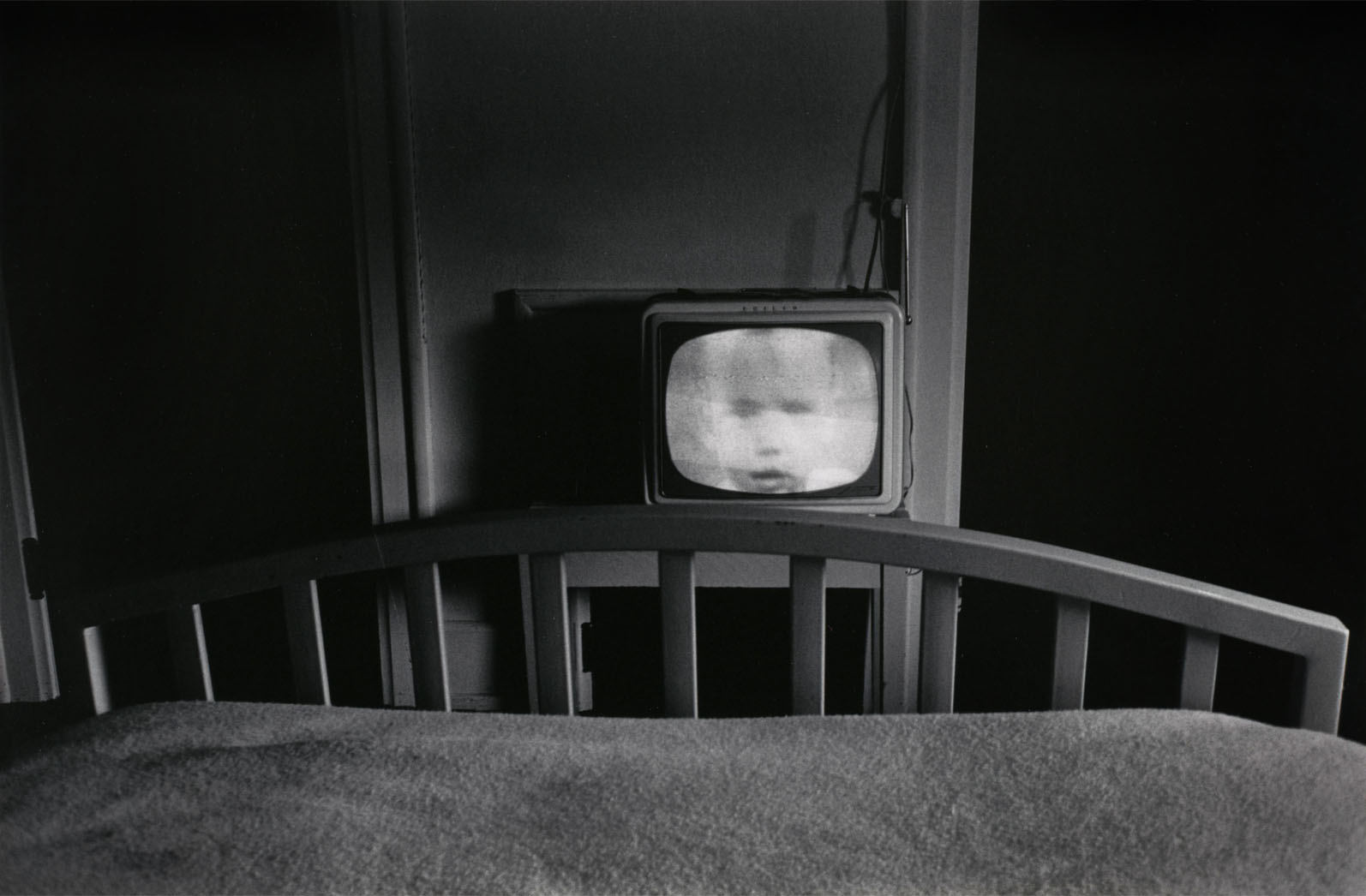
Lee Friedlander (American, b. 1934) 'T.V. in hotel room – Galax, Virginia' 1962


Lee Friedlander (American, b. 1934)
T.V. in hotel room – Galax, Virginia
1962
From the portfolio 15 Photographs
Gelatin silver print
© Lee Friedlander


Lee Friedlander (American, b. 1934) 'Untitled (Self-Portrait Reflected in Window, New Orleans)' c. 1965


Lee Friedlander (American, b. 1934)
Untitled (Self-Portrait Reflected in Window, New Orleans)
c. 1965
Gelatin silver print
© Lee Friedlander


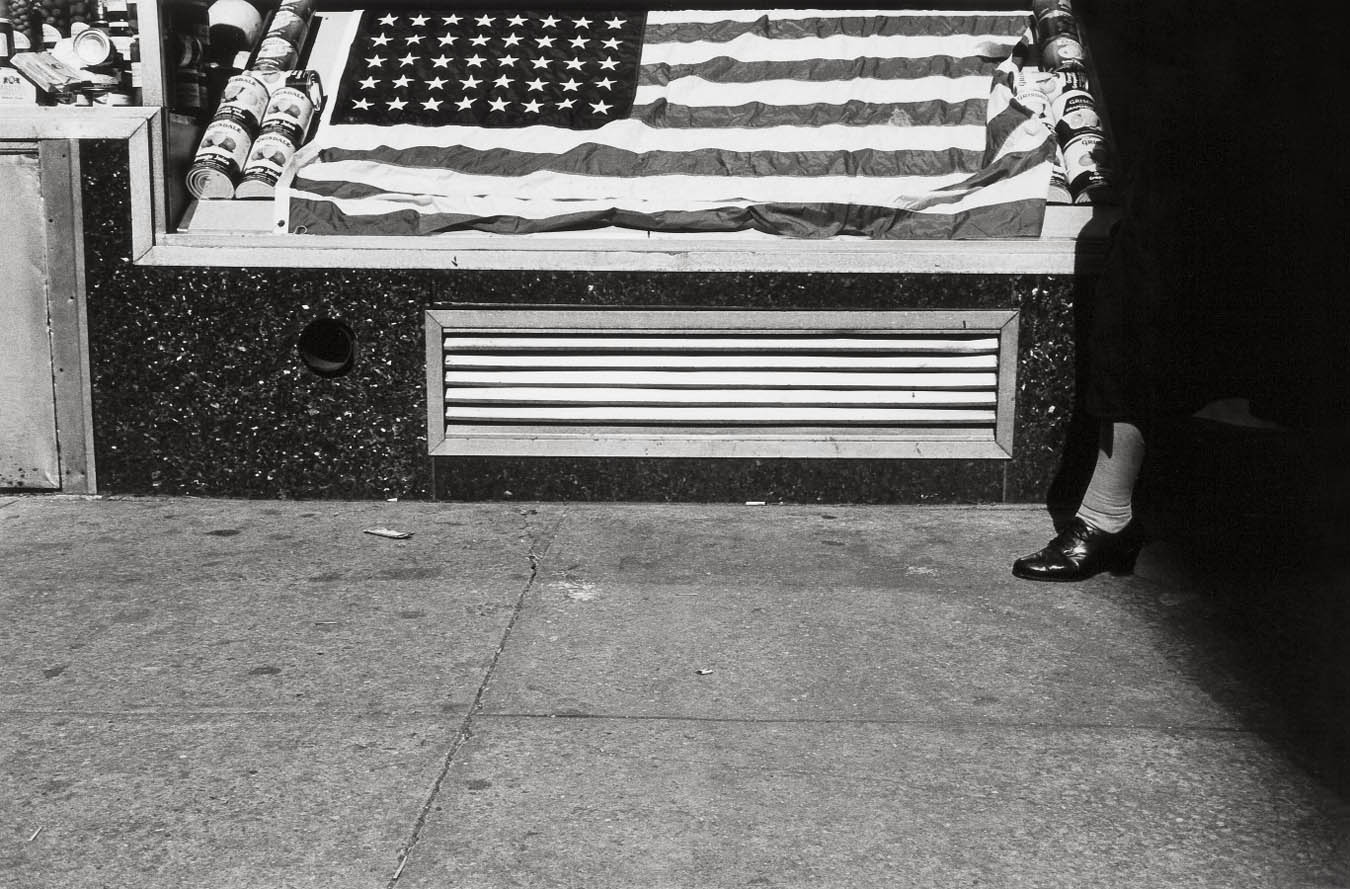
Lee Friedlander (American, b. 1934) 'Flag, New York City' 1965


Lee Friedlander (American, b. 1934)
Flag, New York City
1965
Gelatin silver print
© Lee Friedlander


Lee Friedlander (American, b. 1934) 'New York City' 1966


Lee Friedlander (American, b. 1934)
New York City
1966
Gelatin silver print
Baryt paper (card)
21.9 x 32.8cm
On permanent loan from Siemens AG, Munich, to the Sammlung Moderne Kunst since 2003
© Lee Friedlander


Lee Friedlander (American, b. 1934) 'Provincetown, Massachusetts' 1968


Lee Friedlander (American, b. 1934)
Provincetown, Massachusetts
1968
Gelatin silver print
© Lee Friedlander


Lee Friedlander (American, b. 1934) 'Route 9W, New York' 1969


Lee Friedlander (American, b. 1934)
Route 9W, New York
1969
Gelatin silver print, Baryt paper (card)
20.4 x 30.5cm
On permanent loan from Siemens AG, Munich, to the Sammlung Moderne Kunst since 2003
© Lee Friedlander


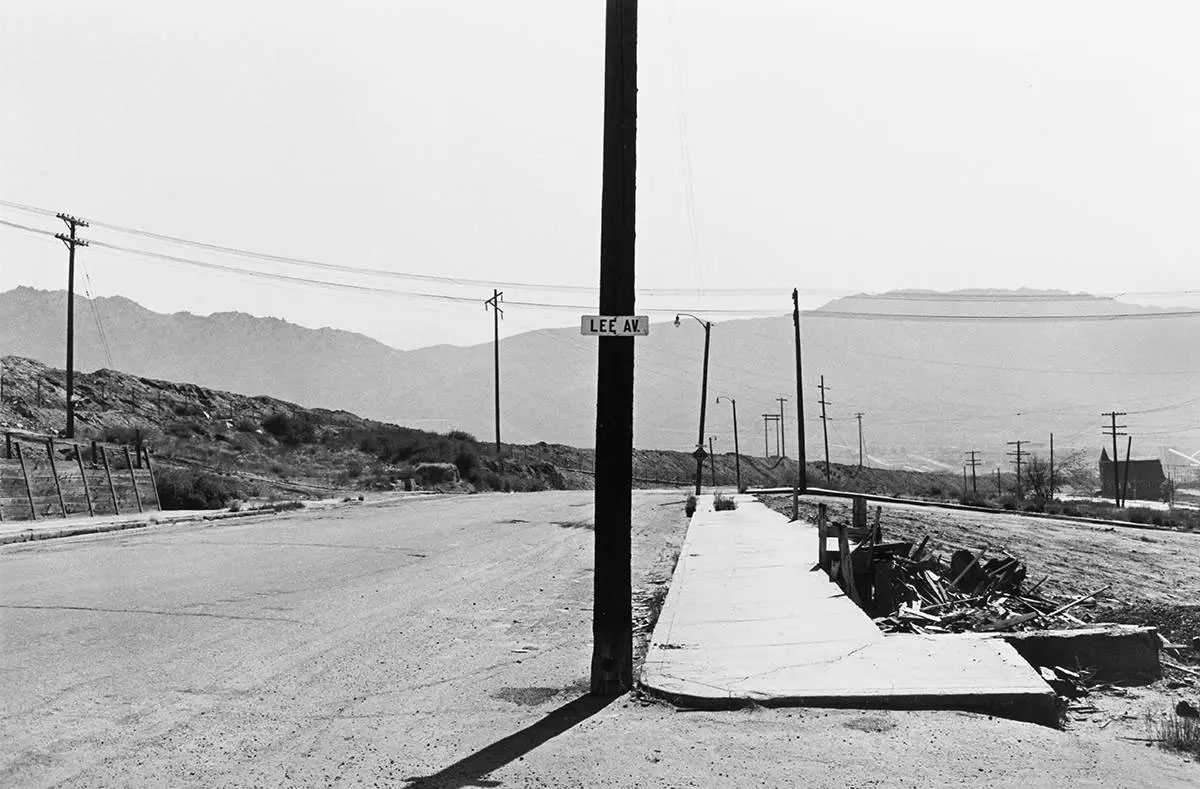
Lee Friedlander (American, b. 1934) 'Lee Ave., Butte, Montana' 1970


Lee Friedlander (American, b. 1934)
Lee Ave., Butte, Montana
1970
Gelatin silver print on baryta paper
© Lee Friedlander


Garry Winogrand (American, 1928-1984) 'New York World's Fair' 1964


Garry Winogrand (American, 1928-1984)
New York World’s Fair
1964
Gelatin silver print
© Estate of Garry Winogrand


Garry Winogrand (American, 1928-1984) 'Los Angeles, California' 1969


Garry Winogrand (American, 1928-1984)
Los Angeles, California
1969
Gelatin silver print (pre 1984)
21.8 x 32.8cm
On permanent loan from Siemens AG, Munich, to the Sammlung Moderne Kunst since 2003
© Estate of Garry Winogrand


Garry Winogrand (American, 1928-1984) 'New York City' 1969


Garry Winogrand (American, 1928-1984)
New York City
1969
Gelatin silver print
© Estate of Garry Winogrand


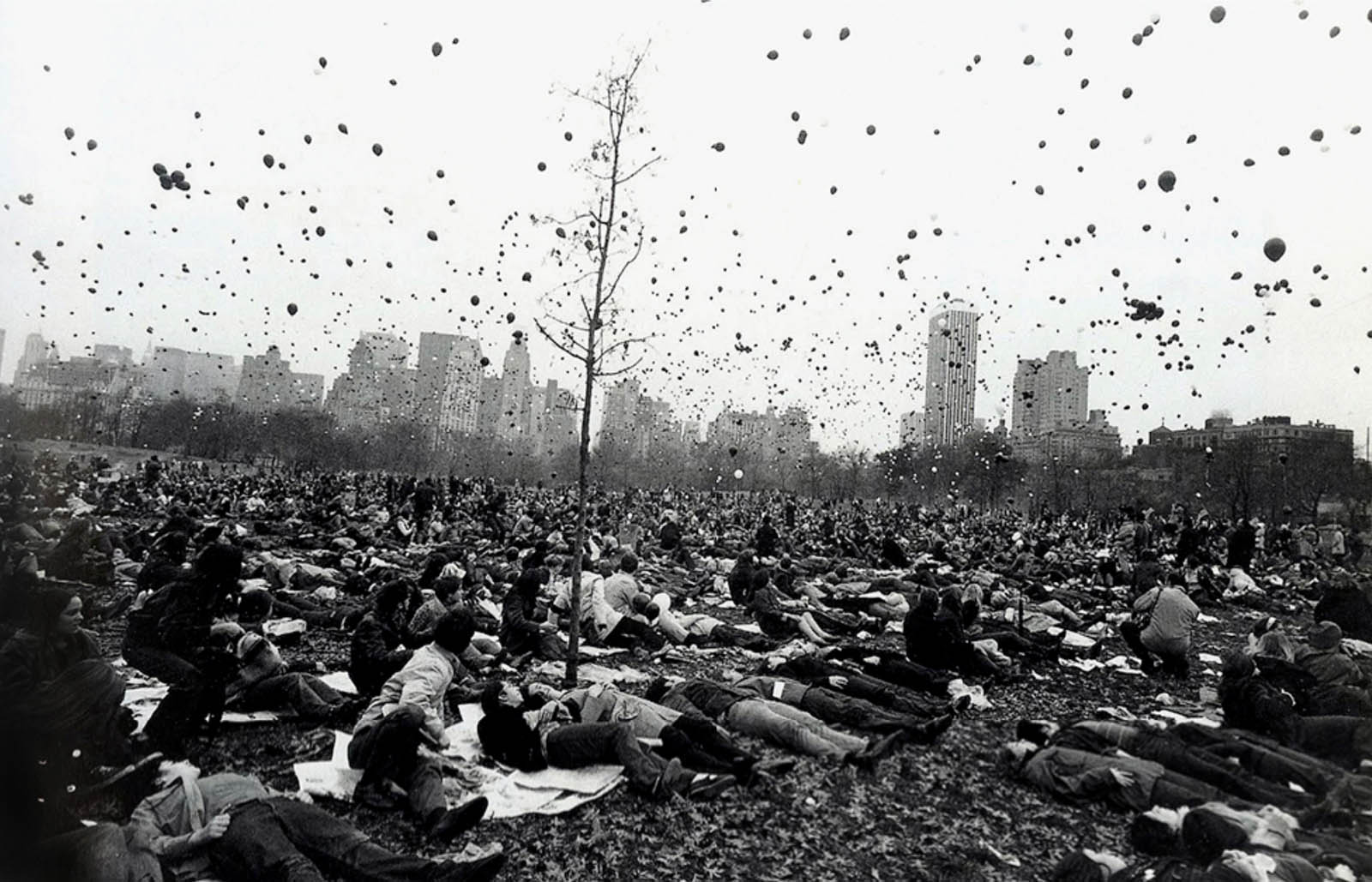
Garry Winogrand (American, 1928-1984) 'Peace Demonstration, Central Park, New York' 1970


Garry Winogrand (American, 1928-1984)
Peace Demonstration, Central Park, New York
1970
Gelatin silver print
© Estate of Garry Winogrand


Nicholas Nixon (American, b. 1947) 'Buildings on Tremont Street, Boston' 1975


Nicholas Nixon (American, b. 1947)
Buildings on Tremont Street, Boston
1975
From the series Boston Views 1974-1976
Gelatin silver print, Baryt paper (card)
© Nicholas Nixon


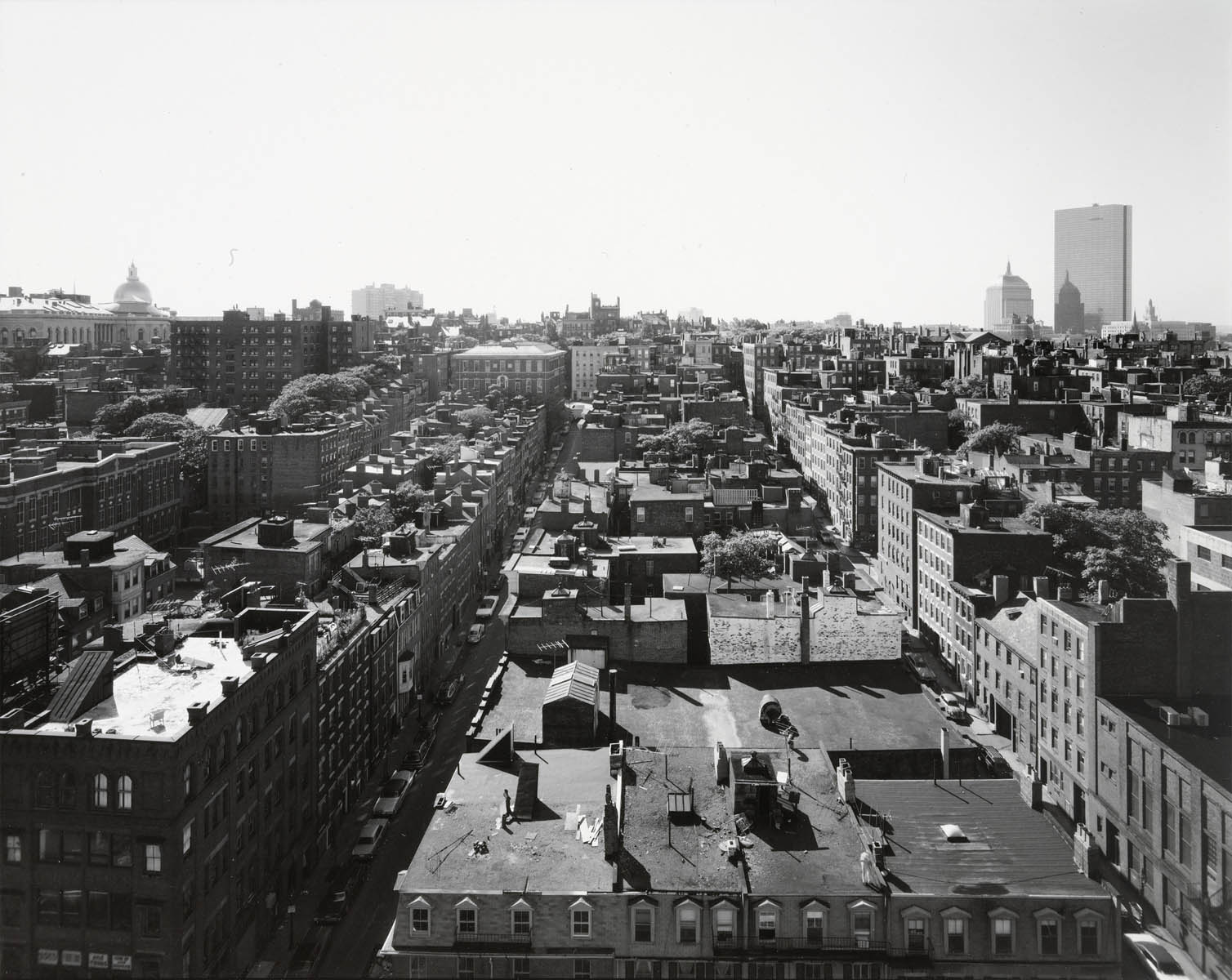
Nicholas Nixon (American, b. 1947) 'View of Beacon Hill, Boston' 1975


Nicholas Nixon (American, b. 1947)
View of Beacon Hill, Boston
1975
From the series Boston Views 1974-1976
Gelatin silver print, Baryt paper (card)
© Nicholas Nixon


Nicholas Nixon (American, b. 1947) 'View of State Street, Boston' 1976


Nicholas Nixon (American, b. 1947)
View of State Street, Boston
1976
From the series Boston Views 1974-1976
Gelatin silver print, Baryt paper (card)
20.3 x 25.2cm
On permanent loan from Siemens AG, Munich, to the Sammlung Moderne Kunst since 2003
© Nicholas Nixon


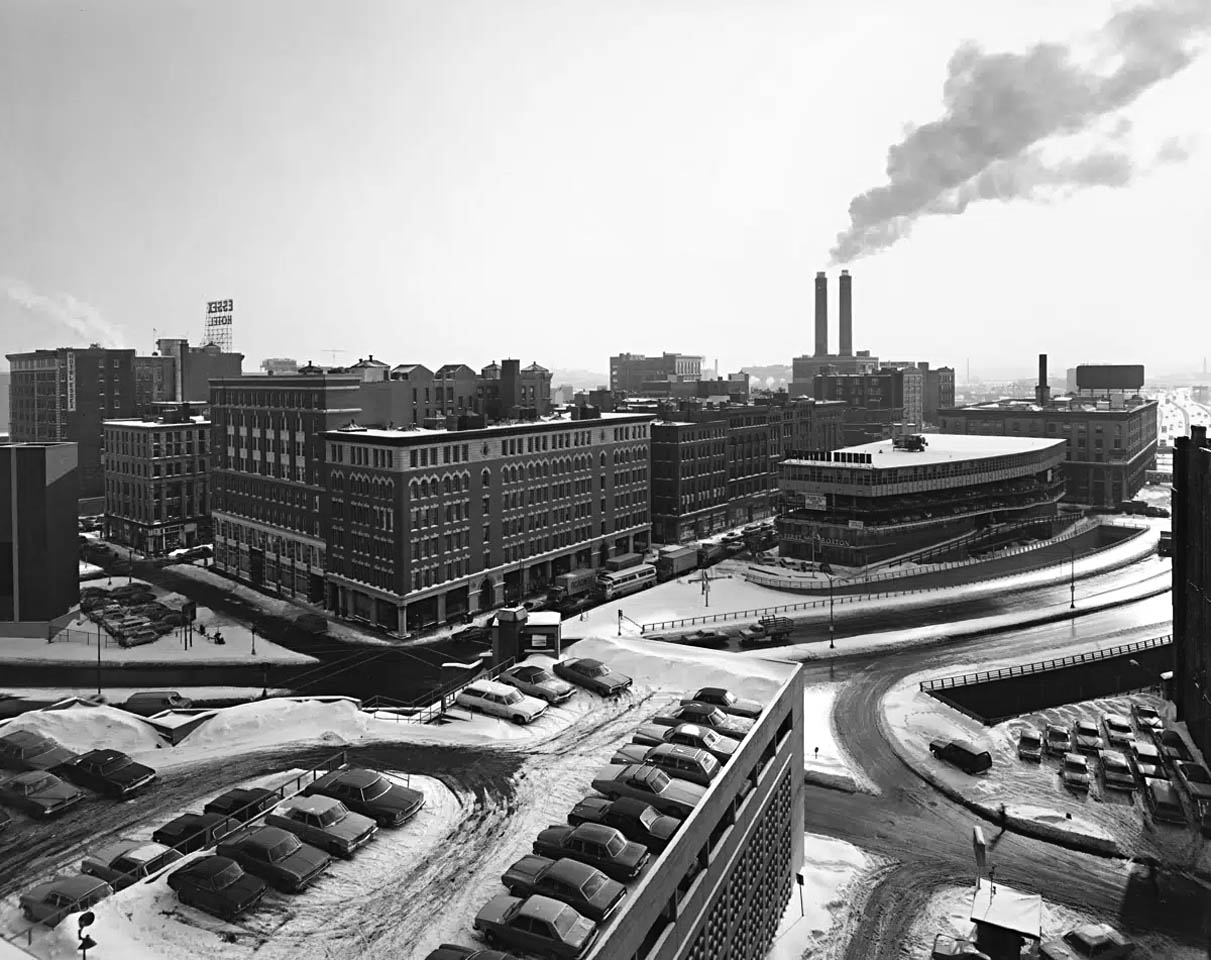
Nicholas Nixon (American, b. 1947) 'View of Essex Street and Downtown Entrance to the Massachusetts Turnpike, Boston' 1976


Nicholas Nixon (American, b. 1947)
View of Essex Street and Downtown Entrance to the Massachusetts Turnpike, Boston
1976
From the series Boston Views 1974-1976
Gelatin silver print, Baryt paper (card)
© Nicholas Nixon


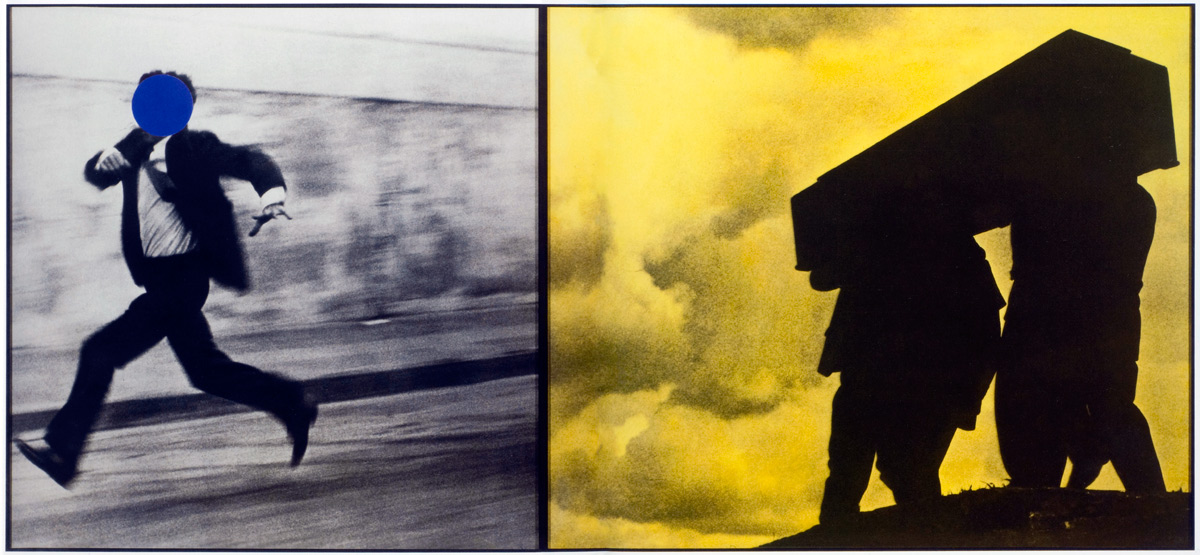
John Baldessari (American, 1931-2020) 'Man Running/Men Carrying Box' 1988-1990


John Baldessari (American, 1931-2020)
Man Running/Men Carrying Box
1988-1990
Gelatin silver prints, vinyl paint and shading in oil
Part 1: 121.3 x 118.6cm; Part 2: 121.3 x 146.6cm
On permanent loan from Siemens AG, Munich, to the Sammlung Moderne Kunst since 2003
© John Baldessari


William Eggleston (American, b. 1939) 'Untitled' 1970-1973 From the portfolio 'Troubled Waters'


William Eggleston (American, b. 1939)
Untitled
1970-1973
From the portfolio Troubled Waters 1980
© Eggleston Artistic Trust


William Eggleston (American, b. 1939) 'Untitled' 1980 From the portfolio 'Troubled Waters' 1980


William Eggleston (American, b. 1939)
Untitled
1980
From the portfolio Troubled Waters 1980
© Eggleston Artistic Trust


William Eggleston (American, b. 1939) 'Untitled' 1970-1973 From the portfolio 'Troubled Waters' 1980


William Eggleston (American, b. 1939)
Untitled
1970-1973
From the portfolio Troubled Waters 1980
© Eggleston Artistic Trust


William Eggleston (American, b. 1939) 'Untitled' 1980


William Eggleston (American, b. 1939)
Untitled
1980
The first of 15 works from the portfolio Troubled Waters
Dye transfer print
29 x 44cm
On permanent loan from Siemens AG, Munich, to the Sammlung Moderne Kunst since 2003
© Eggleston Artistic Trust


William Eggleston (American, b. 1939) 'Tennessee (Gulf Sign)' 1971


William Eggleston (American, b. 1939)
Tennessee (Gulf Sign)
1971
Dye transfer print
© Eggleston Artistic Trust


William Eggleston (American, b. 1939) from 'Southern Suite' (10-part series) 1981


William Eggleston (American, b. 1939)
from Southern Suite (10-part series)
1981
Dye transfer print
25.0 x 38.2cm
Sammlung Moderne Kunst in the Pinakothek der Moderne Munich. Acquired in 2006 through PIN. Freunde der Pinakothek der Moderne e.V.
© Eggleston Artistic Trust


American photography forms an extensive and simultaneously top-quality focal point in the collection, of which a selected overview is now being exhibited for the first time. The main interest of young photographers, who have been examining changes in political, social and ecological aspects of everyday American life since the late 1960s, has been the American social landscape. They have developed new pictorial styles that define stylistic devices perceived as genuinely American while at the same time being internationally recognised. Whereas Lee Friedlander, Garry Winogrand, Robert Adams, Lewis Baltz and Larry Clark, who are now considered classical modern photographers, have remained true to black-and-white photography, William Eggleston and Stephen Shore in particular have established colour photography as an artistically independent form of expression. The exhibition brings together around 100 works that, thanks to the Siemens Photography Collection and through acquisitions, bequests and donations, are now part of the museum’s holdings. True stories covers a spectrum from the street photography of the late 1960s to New Topographics and pictures by the New York photographer Zoe Leonard, taken just a few years ago.

“A new generation of photographers has directed the documentary approach toward more personal ends. Their work betrays a sympathy for the imperfection and frailties of society. Their aim has been not to reform life but to know it.” With the exhibition New Documents in spring 1967, John Szarkowski, the influential curator of photography at the Museum of Modern Art in New York, rang in a new era in American photography. Those photographers represented, including Lee Friedlander and Garry Winogrand in addition to Diane Arbus, stood for a change in attitude within documentary photography that was conditioned exclusively by the subjective viewpoint of an individual’s reality. The object of photographic interest lay in the American social landscape and its conditions. It was less concerned with the natural landscape and its increasingly cultural reshaping than with the urban or urbanised space and how people move within it. In so doing, the New Documentarians rejected any obviously explanatory impetus, turning instead to the everyday and commonplace.

The exhibition New Topographics: Photographs of a Man-Altered Landscape that was staged in the mid 1970s at the International Museum of Photography in Rochester, represented a countermovement to this subjective form of expression. Their protagonists, including Robert Adams, Lewis Baltz, Nicholas Nixon and Stephen Shore, also pleaded for a documentary approach and were influenced by figures such as Walker Evans und Robert Frank, but considered themselves rooted in the tradition of 19th-century topographical photography in particular. The prime initiator of this working method, that was expressly not governed by style, is the Los Angeles-based artist Ed Ruscha. Their central aim is a distanced and seemingly analytical depicition, free of judgement; their topic, the landscape altered by mankind. It is the image of the American West in particular, so much conditioned by myths and dreams but long since brought back to reality as a result of commercial and ecological exploitation, that is visible in their works.

The decisive quantum leap to establishing the position of colour photography was made by the Southerner William Eggleston in his exhibition in 1976, also held at the Museum of Modern Art in New York, and the publication of the William Eggleston’s Guide. The harsh public criticism of his pictures was not to do with his use of colour but the fact that Eggleston photographed things and everyday situations – on the spur of the moment and in a seemingly careless manner – that, until then, had not been considered worthy of being photographed turning them into exquisite prints using the expensive and complicated dye-transfer process. In Eggleston’s cosmos of images that is strongly influenced by motifs and the light of the Mississippi Delta, colour constitutes the picture. The “rush of colour” championed by this exhibition led to the comprehensive implementation of colour photography in the field of artistic photography in the years that followed, starting in the USA and then in Europe – and especially in Germany.

An artistic attitude became established at the end of the 1970s that, with recourse to existing picture material from art, film, advertising and the mass media, formulated new pictorial concepts and, in the same breath, opened up traditional artistic and art-historical categories such as authorship, originality, uniqueness, intellectual property and authenticity to discussion. Appropriation Art owes its decisive influences to the artist John Baldessari, who lives and teaches in California. One of its most famous representatives is Richard Prince, who became famous in particular as a result of his artistic adaptation of advertising images. Concept art in the 1960s and ’70s similarly makes use of photography, both as part of an artistic practice using the most varied of materials and as a unique medium for documenting campaigns, happenings and performances. As works by Dan Graham and Zoe Leonard clearly show, the previously precisely delineated boundaries between photography that alludes to its own intrinsically, media-related history and the use of photography as an artistic strategy, have become more fluid.

Press release from the Pinakothek der Moderne website


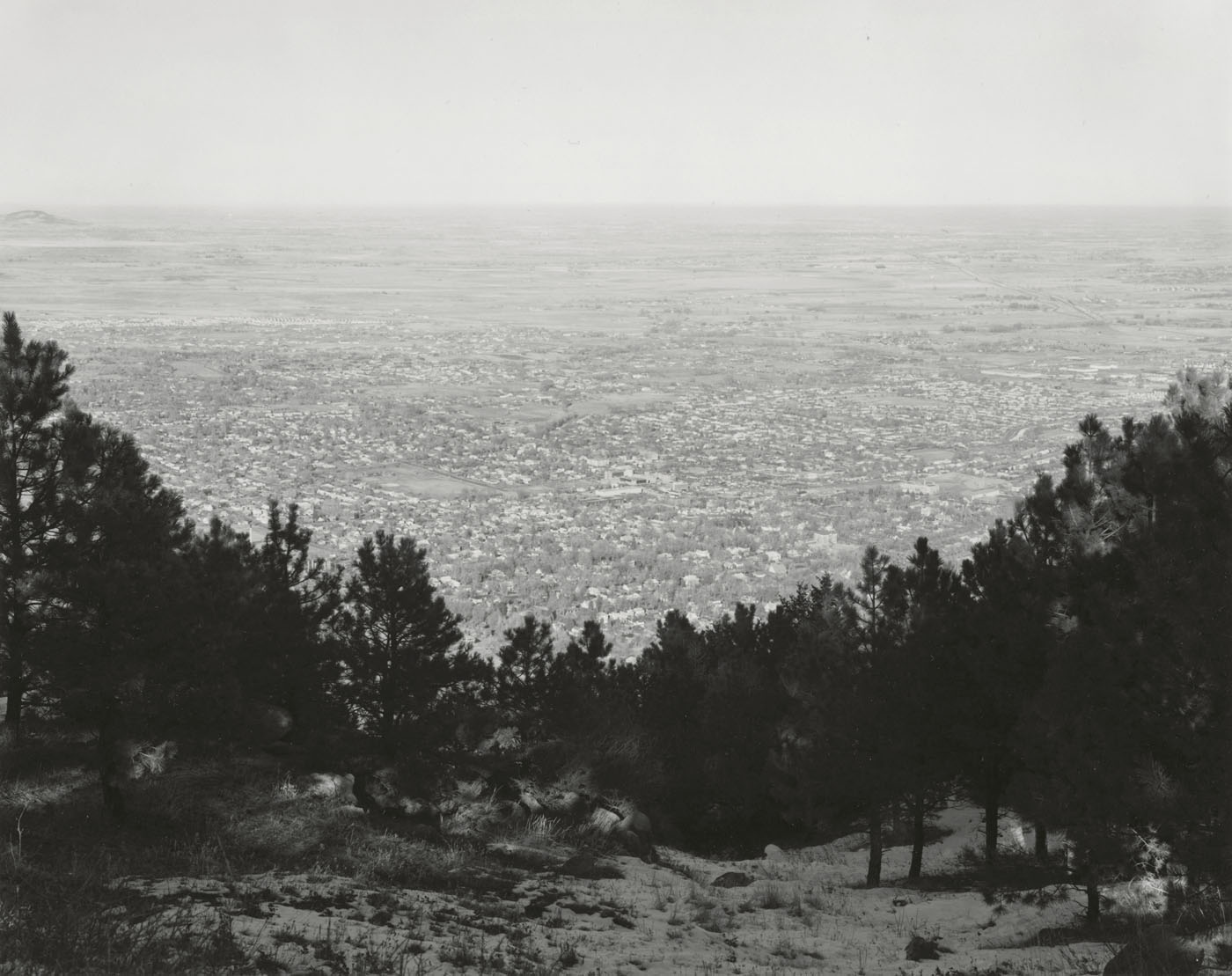
Robert Adams (American, b. 1937) 'East from Flagstaff Mountain, Boulder County, Colorado' 1975


Robert Adams (American, b. 1937)
East from Flagstaff Mountain, Boulder County, Colorado
1975
Gelatin silver print
Courtesy Fraenkel Gallery, San Francisco
© Robert Adams


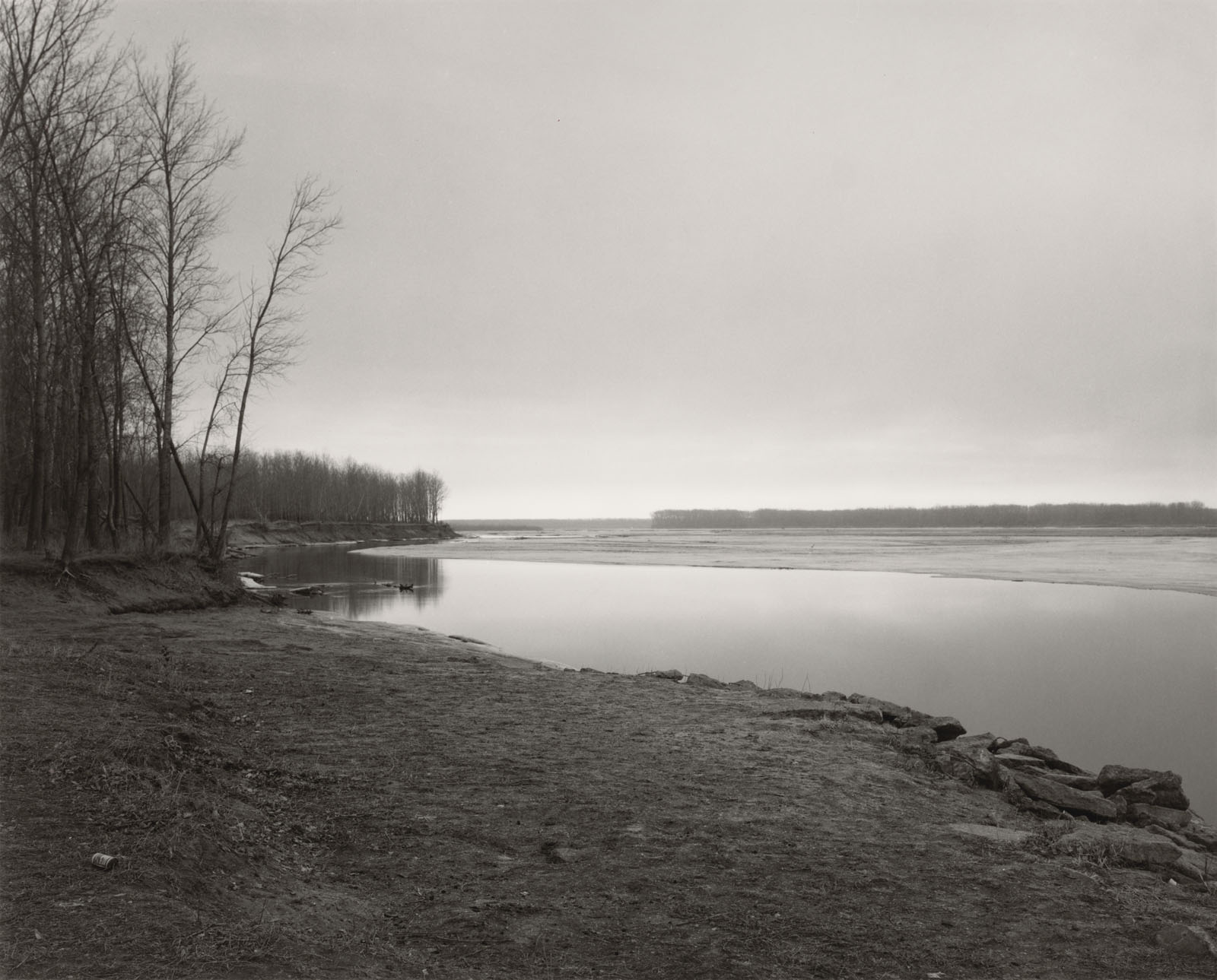
Robert Adams (American, b. 1937) 'Missouri River, Clay County, South Dakota' 1977


Robert Adams (American, b. 1937)
Missouri River, Clay County, South Dakota
1977
Gelatin silver print
Courtesy Fraenkel Gallery, San Francisco
© Robert Adams


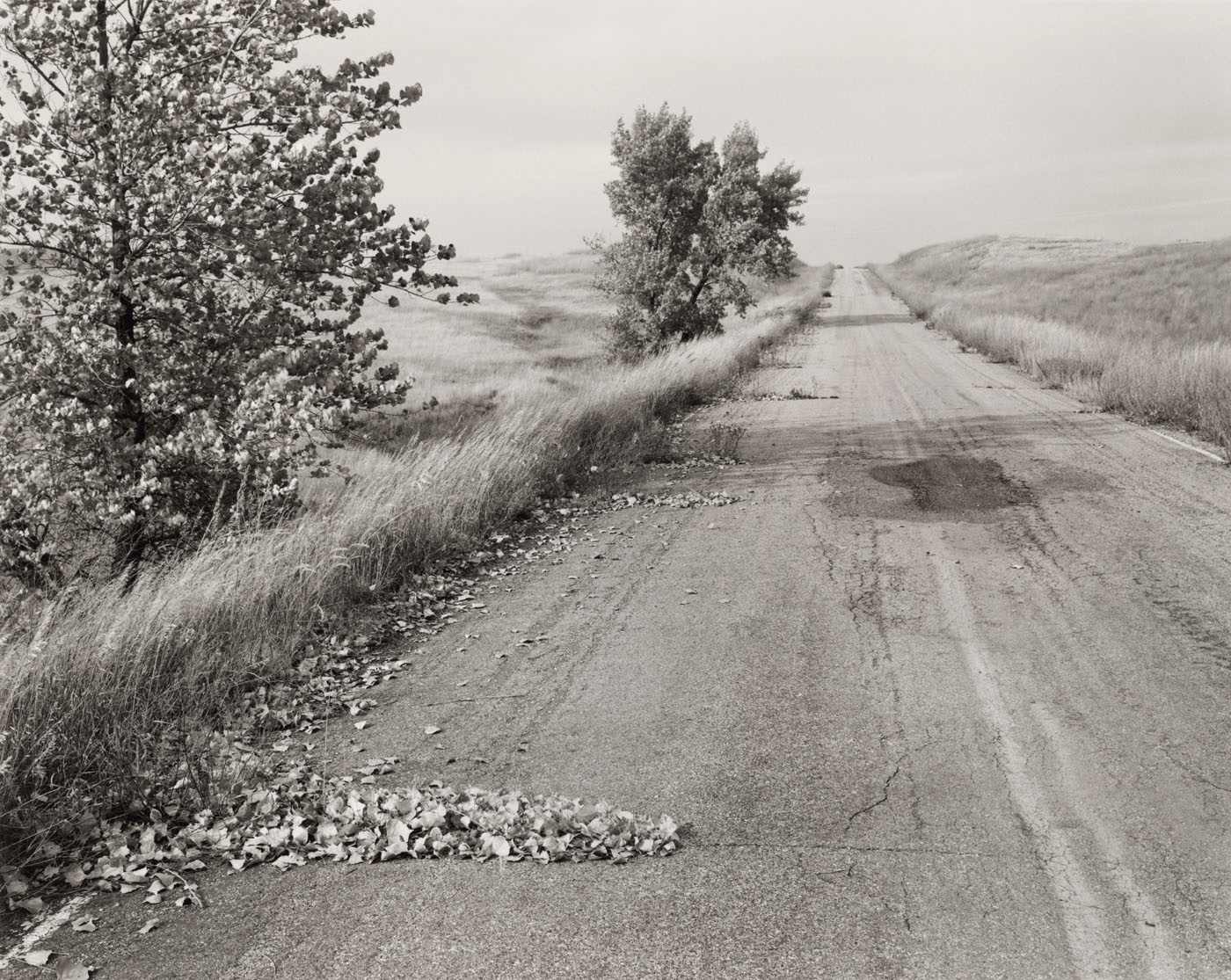
Robert Adams (American, b. 1937) 'Nebraska State Highway 2, Box Butte County, Nebraska' 1978, printed 1991


Robert Adams (American, b. 1937)
Nebraska State Highway 2, Box Butte County, Nebraska
1978, printed 1991
Gelatin silver print
Courtesy Fraenkel Gallery, San Francisco
© Robert Adams


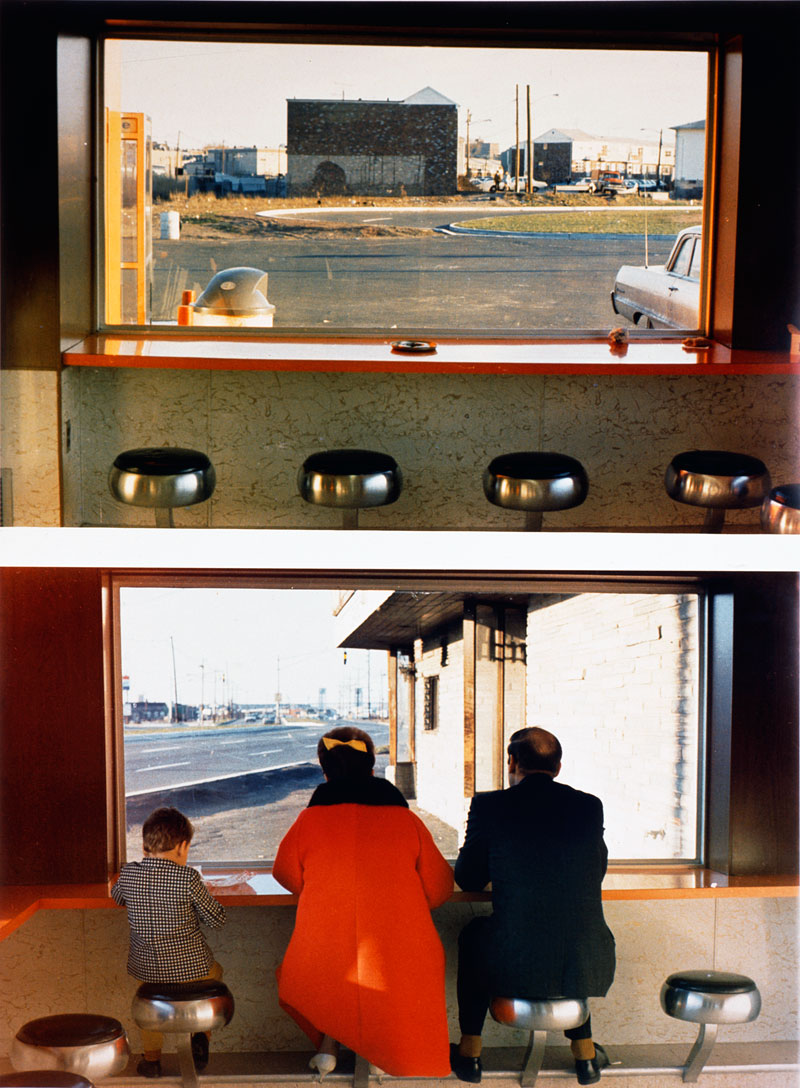
Dan Graham (American, b. 1942) 'View Interior, New Highway Restaurant, Jersey City, N.J.,' 1967 (detail)


Dan Graham (American, b. 1942)
View Interior, New Highway Restaurant, Jersey City, N.J., (detail)
1967 (printed 1996)
C-prints
Each 50.6 x 76.2cm
On permanent loan from Siemens AG, Munich, to the Sammlung Moderne Kunst since 2003
© Dan Graham


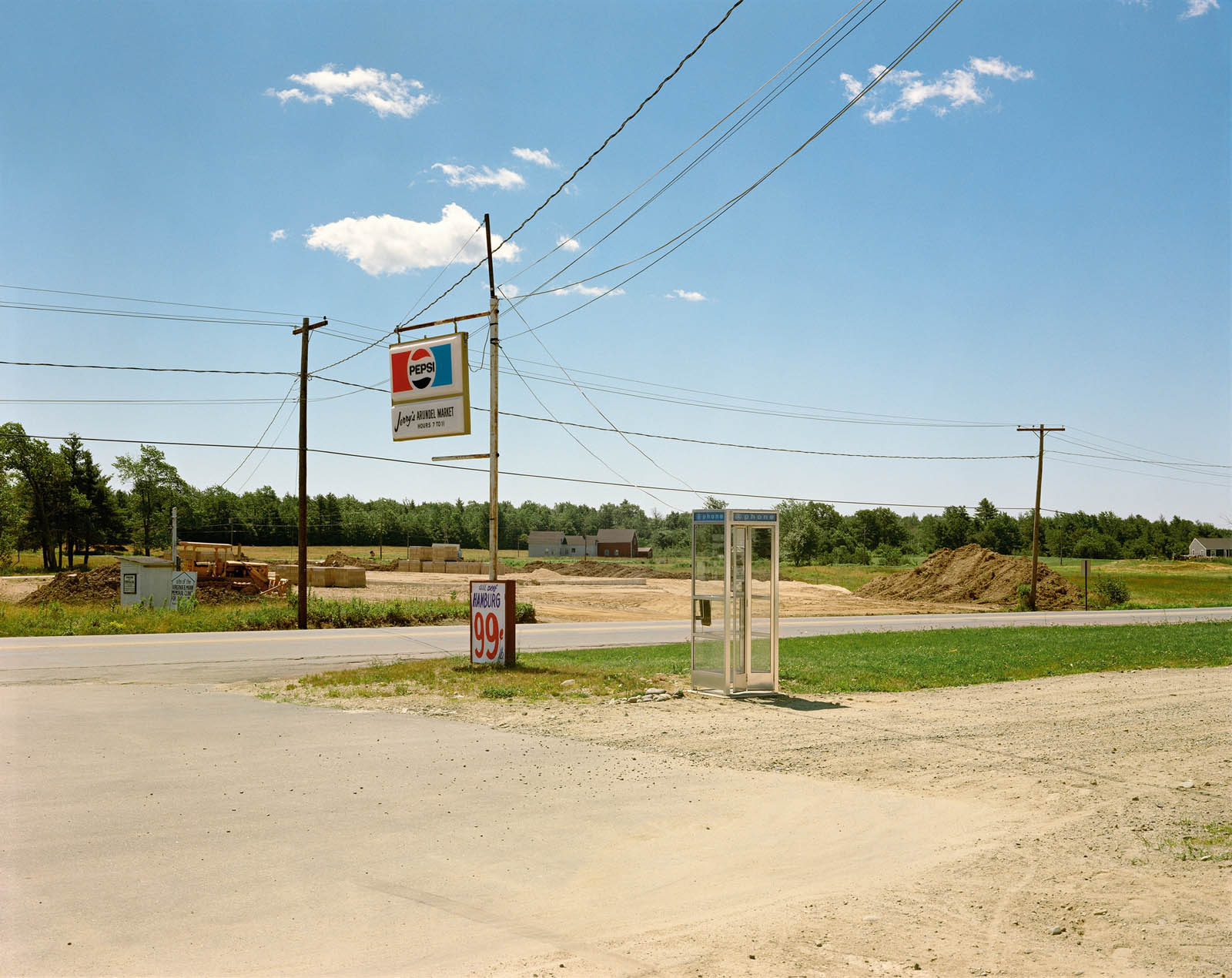
Stephen Shore (American, b. 1947) 'U.S. 1, Arundel, ME.' 1974


Stephen Shore (American, b. 1947)
U.S. 1, Arundel, ME.
1974
Chromogenic print
© Stephen Shore


Stephen Shore (American, b. 1947) 'Wilde Street and Colonization Avenue, Dryden, Ontario' 1974


Stephen Shore (American, b. 1947)
Wilde Street and Colonization Avenue, Dryden, Ontario
1974
Chromogenic print
© Stephen Shore


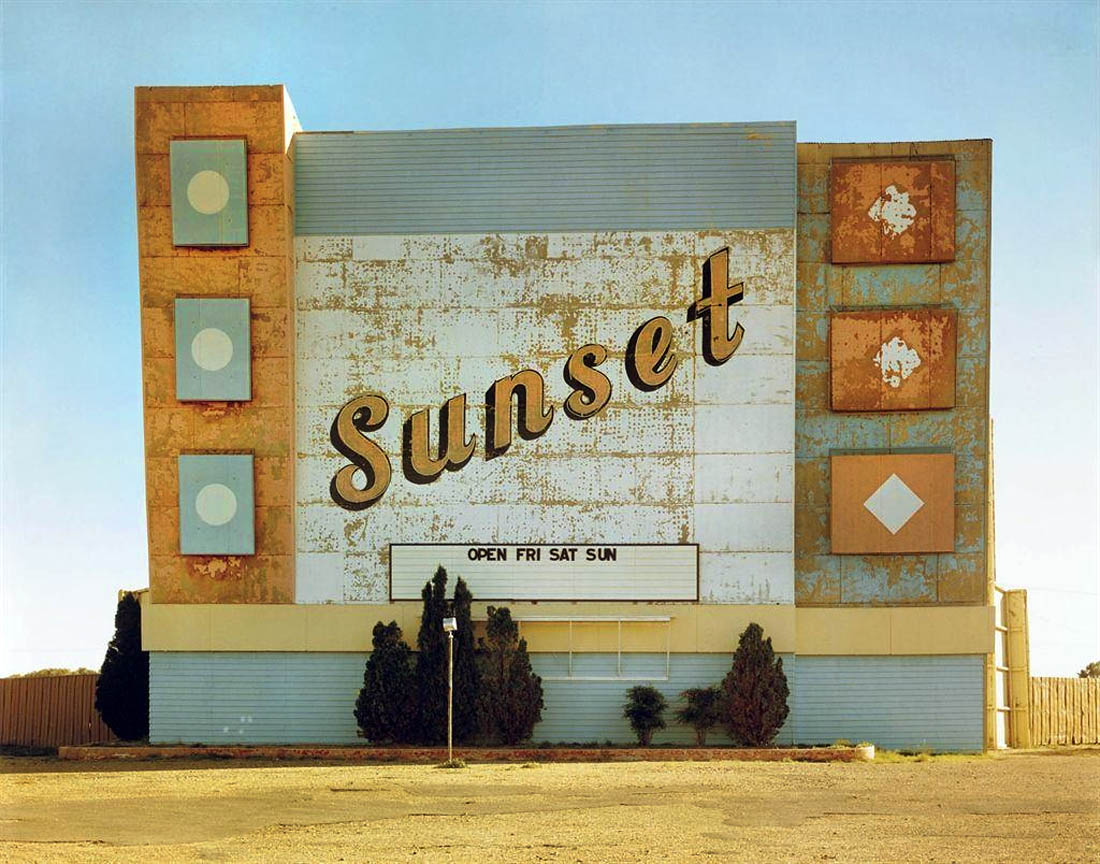
Stephen Shore (American, b. 1947) 'West 9th Avenue, Amarillo, Texas' 1974


Stephen Shore (American, b. 1947)
West 9th Avenue, Amarillo, Texas
1974
Dye coupler print
© Stephen Shore


Shore was a consummate New York City boy who dropped out of high school when he was 17 and instead spent his time watching and making films and photographing Andy Warhol and his compatriots at his studio, the Factory. But a 1969 trip to Amarillo, Texas, to visit the family of his friend Michael Marsh set him on a new path, spurring a decade of road trips exploring the United States. His itineraries usually included Amarillo, and its people and buildings appear throughout his photographs from the time. “I loved Amarillo, not just what it looked like but the way people hung out – the pace of the life, the car culture, the barbecue joints,” he said. This stark, frontal portrait of the Sunset drive-in conveys the withering Texas heat that has peeled the facade’s paint, as well as a sense of forlornness and neglect that proved prescient when the drive-in closed two years later.

Text taken from the Carter Handbook (2023) on the American Carter Museum of American Art website


Stephen Shore (American, b. 1947) 'La Brea Avenue & Beverly Boulevard, Los Angeles, California' 1975


Stephen Shore (American, b. 1947)
La Brea Avenue & Beverly Boulevard, Los Angeles, California
1975
Chromogenic print, Kodak professional paper (1998)
20.4 x 25.5cm
On permanent loan from Siemens AG, Munich, to the Sammlung Moderne Kunst since 2003
© Stephen Shore


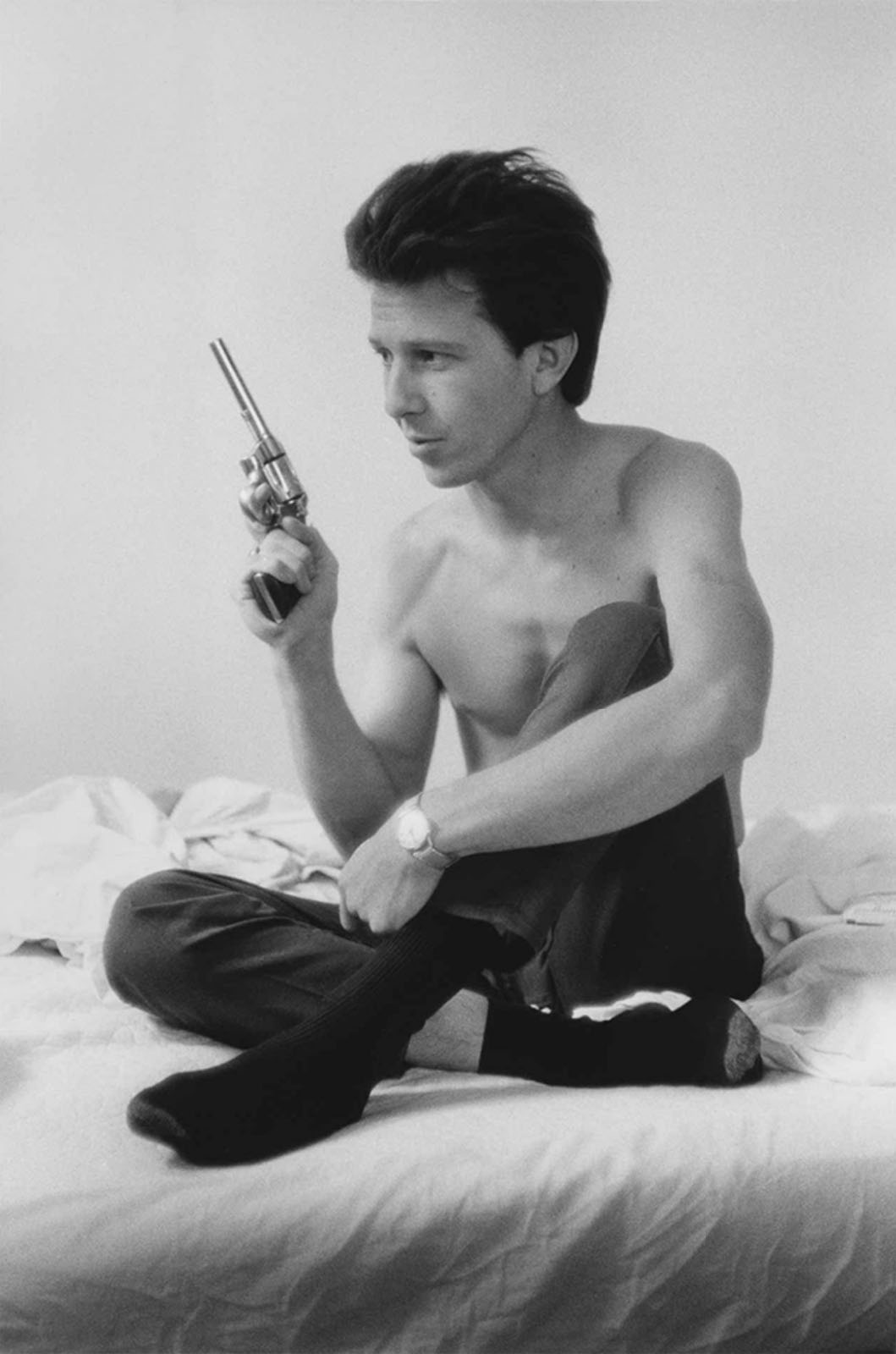
Larry Clark (American, b. 1943) 'Billy Mann Dead 1970' 1968


Larry Clark (American, b. 1943)
Billy Mann Dead 1970
1968
From the series Tulsa
Gelatin silver print
© Larry Clark


Larry Clark (American, b. 1943) 'Tulsa' 1972


Larry Clark (American, b. 1943)
Tulsa
1972
Gelatin silver print
20.3 x 25.4cm (sheet)
Sammlung Moderne Kunst in the Pinakothek der Moderne Munich. Acquired in 2003 by PIN. Freunde der Pinakothek der Moderne
© Larry Clark


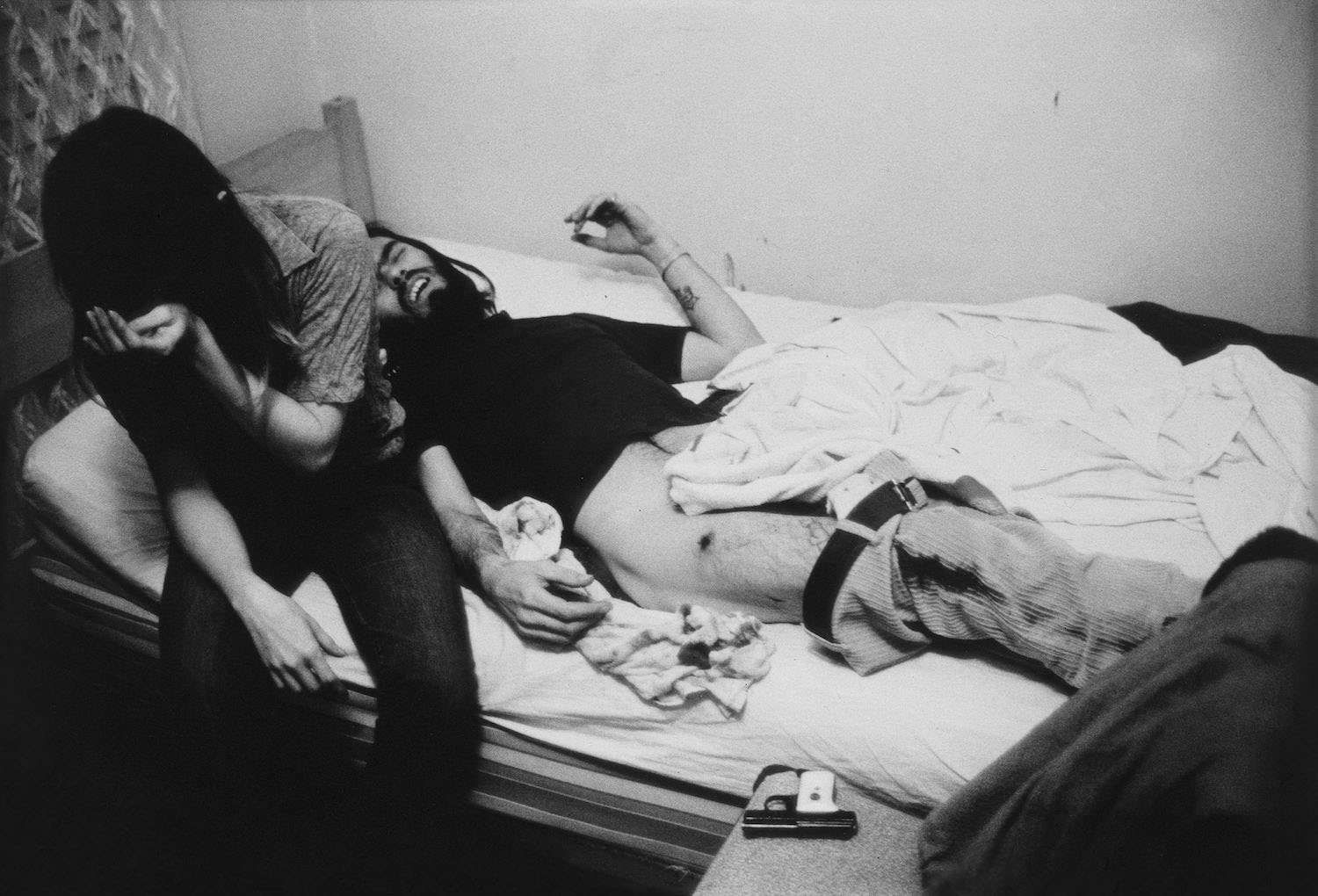
Larry Clark (American, b. 1943) 'Accidental Gunshot Wound' 1971


Larry Clark (American, b. 1943)
Accidental Gunshot Wound
1971
Gelatin silver print
© Larry Clark


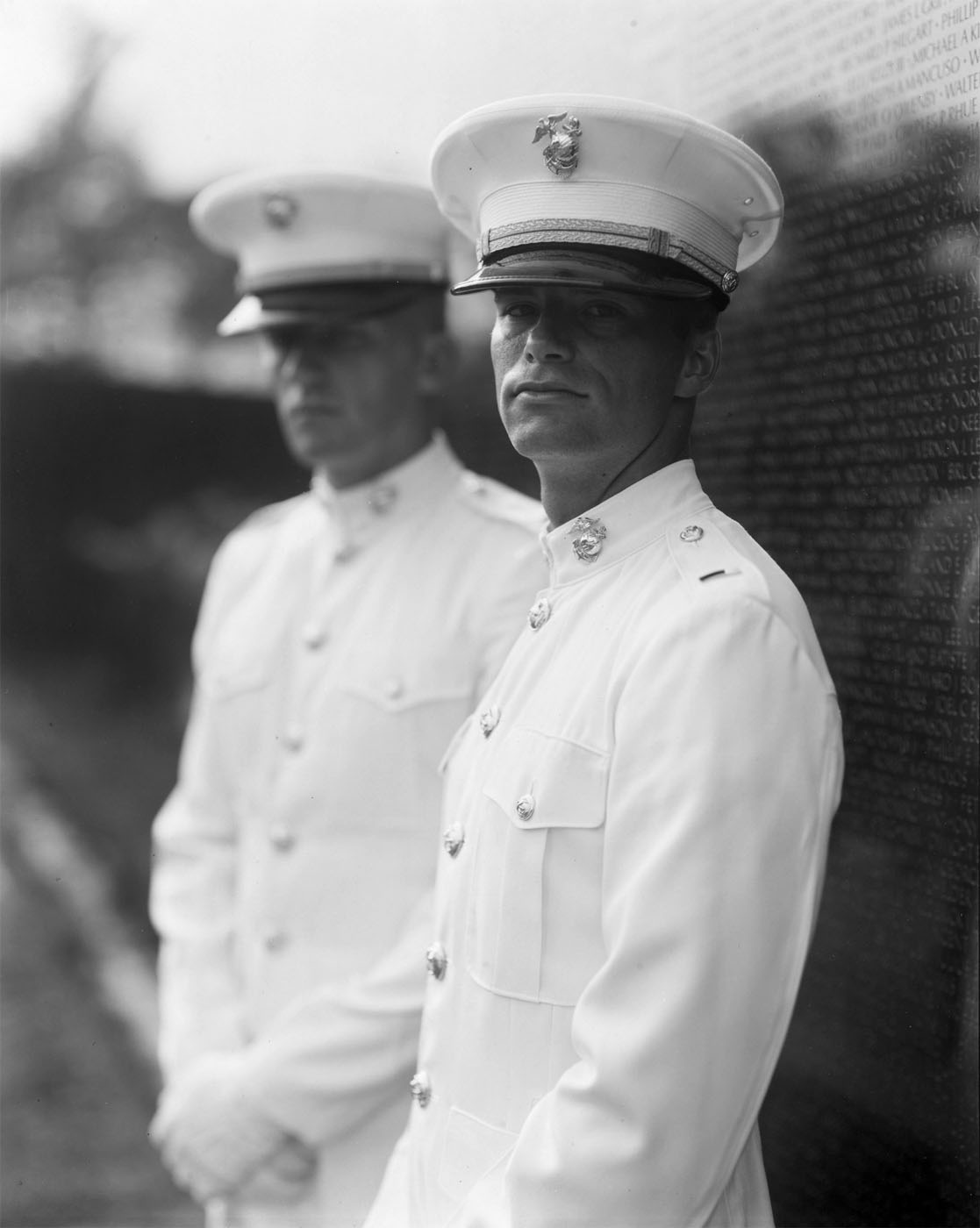
Judith Joy Ross (American, b. 1946) 'Untitled' 1984 from the series 'Portraits at the Vietnam Veterans Memorial, Washington, D.C.'


Judith Joy Ross (American, b. 1946)
Untitled
1984, printed 1996
From the series Portraits at the Vietnam Veterans Memorial, Washington, D.C. 1983-1984
Gelatin silver print on daylight printing-out paper, shading in gold
25.2 x 20.2cm
On permanent loan from Siemens AG, Munich, to the Sammlung Moderne Kunst since 2003
© Judith Joy Ross


Judith Joy Ross (American, b. 1946) 'Untitled' 1984, printed 1996 From the series 'Portraits at the Vietnam Veterans Memorial, Washington, D.C.'


Judith Joy Ross (American, b. 1946)
Untitled
1984, printed 1996
From the series Portraits at the Vietnam Veterans Memorial, Washington, D.C. 1983-1984
Gelatin silver print on daylight printing-out paper
© Judith Joy Ross


Judith Joy Ross (American, b. 1946) 'Untitled' 1984, printed 1996 From the series 'Portraits at the Vietnam Veterans Memorial, Washington, D.C.'


Judith Joy Ross (American, b. 1946)
Untitled
1984, printed 1996
From the series Portraits at the Vietnam Veterans Memorial, Washington, D.C. 1983-1984
Gelatin silver print on daylight printing-out paper
© Judith Joy Ross


John Gossage (American, b. 1946) 'EL NEGRITO' 1997


John Gossage (American, b. 1946)
EL NEGRITO
1997
From the series There and Gone
Gelatin silver print, Baryt paper, screen print on photo mount card
55.4 x 45.0 cm
On permanent loan from Siemens AG, Munich, to the Sammlung Moderne Kunst since 2003
© John Gossage


Pinakothek Der Moderne
Barer Strasse 40
Munich

Opening hours:
Daily except Monday 10am – 6pm
Thursday 10am – 8pm
Pinakothek der Moderne website

LIKE ART BLART ON FACEBOOK

Back to top