Edward Weston (American, 1886-1958) Surf, Bodega 1937 19 x 24cm Gelatin silver print Center for Creative Photography, The University of Arizona. Edward Weston Archive
Three week’s to the day since my hip replacement operation and I’m still in pain. I know, slowly slowly but it’s very frustrating…
Thus, I just have two words for you about this exhibition –
GREAT WESTERN!
Dr Marcus Bunyan
Many thankx to the Fundación MAPFRE for allowing me to publish the photographs in the posting. Please click on the photographs for a larger version of the image.
“Not I, nor anyone else can travel that road for you, You must travel it for yourself.
It is not far, It is within reach, Perhaps you have been on it since you were born, and did not know, Perhaps it is every where on water and land.”
Walt Whitman. Part of Song of Myself from Leaves of Grass. 1855
I never try to limit myself by theories, I do not question right or wrong approach when I am interested or amazed – impelled to work. I do not fear logic, I dare to be irrational, or really never consider whether I am or not. This keeps me fluid, open to fresh impulse, free from formulae; and precisely because I have no formulae – the public who know my work is often surprised, the critics, who all, or most of them, have their pet formulae are disturbed. And my friends distressed.
I would say to any artist – don’t be repressed in your work – dare to experiment – Consider any urge – if in a new direction all the better – as a gift from the Gods not to be lightly denied by convention or a priori concept. Our time is becoming more and more bound by logic, absolute rationalism; this is a straitjacket I – it is the boredom and narrowness which rises directly from mediocre mass thinking.
The great scientist dares to differ from accepted ‘facts’ -think irrationally – let the artist do likewise.
Edward Weston 28 January, 1932 from The Daybooks of Edward Weston. Vol. ll Horizon Press, New York 1966
Edward Weston (American, 1886-1958) Guadalupe Marín de Rivera 1924 20.8 x 17.9cm Gelatin silver print Center for Creative Photography, The University of Arizona. Gift of Ansel and Virginia Adams
Strongly linked to the landscape and to North American cultural history, Edward Weston’s work, in its extreme simplicity and originality, allows us to appreciate a unique perspective on the process of consolidation of photography as an artistic medium and its relevant role in the context of modernity in the visual arts. The exhibition Edward Weston. La matèria de les formes (Edward Weston. The Matter of Forms) is conceived as an anthology that covers the different phases of the artist’s photographic production.
A pioneer in the use of a modern photographic style, his use of the large-format camera gives rise to richly detailed black and white images of extraordinary clarity. His technical expertise and his affection for nature and form led to the development of a body of work in which iconic images of still lifes, nudes, landscapes and portraits stand out. His images are essential for understanding the new aesthetic and new American lifestyle that emerged in the United States between the wars.
The exhibition, curated by Sergio Mah, consists of around two hundred photographs grouped into seven sections. The exhibition tour is completed with numerous documentary material and is conceived from a European perspective on the legacy of modern American photography. An aesthetic and conceptual counterpoint to the photographic modernism in Europe that emerged with the first avant-garde of the 20th century.
The emancipation of photography
Edward Weston was one of the pioneers, along with Alfred Stieglitz and Paul Strand, in defending the emancipation of photography from other artistic disciplines. In this sense, his work contributed decisively to demonstrating, in this early period of photography, the aesthetic and perceptual dimension of the medium, the capacity to express aesthetic qualities in the same way as painting or sculpture.
Figuration and abstraction
The technical mastery of the photographic medium leads Weston to a formalism in which framing becomes one of the most relevant elements of his work. Weston eliminates any anecdotal aspect and focuses on the motif that interests him, and does so with such realism and exaltation of the two-dimensional nature of photography, which often results in an abstract image. In this way, the artist shows that figuration and abstraction do not exempt one from the other, but are perfectly compatible.
Exhibition organised with the support of the Center for Creative Photography at the University of Arizona, Tucson.
Text from the Fundación MAPFRE website translated from the Spanish by Google Translate
Edward Weston (American, 1886-1958) Two Shells 1927, print about 1933 24.1 x 18.4cm Gelatin silver print The J. Paul Getty Museum, Los Angeles
Edward Weston (American, 1886-1958) Pepper No. 30 1930 22.8 x 17.7cm Gelatin silver print Courtesy by Trockmorton Fine Art
Highlights
Fundación MAPFRE presents the exhibition Edward Weston. The Matter of Forms, dedicated to the five decades of the career of this North American artist, one of the most important figures in modern photography. In addition, through the work of the artist himself, the exhibition aims to offer a pedagogical reflection on the history of the medium and its relevance as an aesthetic and perceptive discipline, apart from the more traditional plastic arts; specifically, painting.
Key points
The emancipation of photography
Edward Weston was one of the pioneers, along with Alfred Stieglitz and Paul Strand, in defending the emancipation of photography from other artistic disciplines. In this sense, his work is essential to understanding the aesthetic and perceptive capacity of the medium in its beginnings. This capacity allows photography to express aesthetic qualities such as beauty, pain or ugliness at the same level as painting or sculpture.
Figuration and abstraction
The technical mastery of the photographic medium leads Weston to a formalism where framing becomes one of the most relevant elements of his work. In this sense, he eliminates any anecdotal aspect and focuses on the motif that interests him, and he does so with such realism and with such exaltation of the two-dimensional character of photography that he ends up obtaining an abstract image as a result. In this way, the artist shows that figuration and abstraction do not exclude each other, but are perfectly compatible.
Pepper No. 30
Edward Weston took this photograph, one of the most representative of his entire career, at the beginning of August 1930. It was not the first time he had photographed a vegetable, nor a pepper. The artist himself spoke about this image: “It is a fully satisfactory classic: a pepper, but more than a pepper. It is abstract, in the sense that it exists completely outside the subject. It has no psychological attributes, it does not awaken human emotions: this new pepper takes us beyond the world we know in the conscious mind.” In the light of this photograph and the artist’s words, the innovative character of his work can be distinguished, which transcended not only modern American photography, but also European photography.
The exhibition
Weston’s work, strongly linked to the landscape and to North American cultural history, in its extreme simplicity and originality, reveals a unique perspective on the process of consolidation of photography as an artistic medium and its relevant role in the context of modernity in the visual arts. The exhibition Edward Weston. The Matter of Forms is conceived as an anthology that covers the different phases of the artist’s photographic production. From his initial interest in Pictorialist approaches to his consolidation as one of the central figures in the affirmation of the poetic and speculative value of direct photography. A pioneer in the use of a modern photographic style, his work is characterised by the use of a large-format camera, which allows him to offer richly detailed black and white images of extraordinary clarity. His mastery of technique, together with his love of nature and form, led him to develop a photographic production in which iconic images of still lifes, nudes, landscapes and portraits stand out. As a co-founder of the photography collective Group f/64, his images are key to understanding the new North American aesthetic and lifestyle that emerged in the United States between the wars.
The exhibition, grouped into seven sections and curated by Sérgio Mah, consists of around 200 photographs and a large amount of documentary material. The exhibition is conceived as a European look at the legacy of modern North American photography. An aesthetic and conceptual counterpoint to the modern photography that emerged in Europe with the first avant-garde of the 20th century.
Edward Weston (American, 1886-1958) Prologue to a Sad Spring 1920 23.8 x 18.7cm Platinum print Center for Creative Photography, The University of Arizona. Johan Hagemeyer Collection/Purchase
1 /
Edward Weston began photography very early, thanks to a Kodak Bulls-Eye No. 2 camera that his father gave him when he was just sixteen. Although he was practically self-taught, in 1911 he opened his first photographic establishment in a suburb of Los Angeles. His early works reveal the influence of the Pictorialist atmosphere of the time: impressionistic views and pastoral subjects with soft or slightly blurred focus, scenography and expressive poses.
Edward Weston (American, 1886-1958) Janitzio, Mexico 1926 20.4 x 25.2cm Gelatin silver print Center for Creative Photography, The University of Arizona. Edward Weston Archive/Gift of the Heirs of Edward Weston
2 /
Weston’s dissatisfaction with this artistic approach to photography, which sought to assimilate itself to painting, coincided with the appearance of other photographers with similar ideas, such as Alfred Stieglitz and Paul Strand, whom he met in New York in 1922. In 1923 he set sail for Mexico accompanied by one of his sons and the photographer Tina Modotti. There he found a true renaissance of the arts and culture, and he came into contact with artists such as Diego Rivera, Frida Kahlo and Rafael Sala. He expanded his visual horizon and tackled new themes, photographing objects, figures and motifs far from their original context, turning them into suggestive and extraordinary elements. It was then that he realised that true photographic art is intuitive and immediate, that the elimination of everything that is accessory constitutes the essence of his creative talent.
Edward Weston (American, 1886-1958) Excusado, Mexico October 1925 24.1 x 19.1cm Gelatin silver print Center for Creative Photography, The University of Arizona. Edward Weston Archive
3 /
From 1927, influenced by the humanism of Walt Whitman and his work Leaves of Grass, he felt attracted, in the words of Sérgio Mah, by “the extraordinariness of banality”. Fruits, shells and vegetables became the protagonists of his works, and he made one of his most famous photographs: a toilet, an unusual object as an artistic subject, with the title Excused. In these images, Weston accentuated the two-dimensionality of the motifs, since it was one of the characteristics of photography that interested him. He looked for details as a way of fragmenting, isolating and approximating the photographed object, eliminating the sense of depth, a technique particularly notable in still lifes with dark backgrounds, as is the case with his photographs of peppers.
Edward Weston (American, 1886-1958) Floating Nude 1939 19.3 x 24.2cm Gelatin silver print Center for Creative Photography, The University of Arizona. Edward Weston Archive
4 /
From 1926, after leaving Mexico, Weston photographed several sets of nudes. In these nudes, the photographer’s gaze varies depending on the model. In some cases, the frame is wide and even shows the face, while in others the gaze is more segmented and focuses on parts of the body as a way of cutting out and accentuating the shapes within the frame. It must be recognized that eroticism is a quality present in some of these photographs. However, it is incorrect to conclude that this type of gaze prevails in most of the nudes he photographed. Above all, Weston observes the body as a formal reality. The beauty and sensuality that these bodies suggest is reflected in the play of lines, shadows and contours they offer.
Edward Weston (American, 1886-1958) Clouds, Death Valley 1939 20.4 x 25.2cm Gelatin silver print Center for Creative Photography, The University of Arizona. Edward Weston Archive
5 /
From the late 1920s and into the following decades, landscape became a central element in Weston’s work. The artist photographed in the desert near Palm Springs, California, as well as in New Mexico, Arizona, and other Californian areas near his home in Carmel. In these works, the horizon and the depth of the background become a structural part of his works: the panoramic shots highlight the sublime character of the landscape. It was also during this period that Weston began to be interested in meteorological phenomena such as rain, the configuration of clouds, and the aridity of the territory.
Edward Weston (American, 1886-1958) Crescent Beach, North Coast 1939 24.3 x 19.2cm Silver print mounted on board The Huntington Library, Art Museum, and Botanical Gardens
6 /
Over the years, Weston’s work increasingly acquired a “dense and melancholic” patina, an aspect that is accentuated by the tones that the images acquire. This characteristic is particularly evident in the photographs he took in 1941 to illustrate Leaves of Grass, a project for which he traveled throughout much of the United States for nearly two years. The images he captured in cemeteries in Louisiana and Georgia stand out, as well as those of abandoned, destroyed and burned buildings where the interest in formal aspects predominates and in which a critical and disillusioned commentary on reality and American society can already be seen.
Edward Weston (American, 1886-1958) Drift Stump, Crescent Beach 1937 20.3 x 25.2cm Gelatin silver print Center for Creative Photography, The University of Arizona. Edward Weston Archive
7 /
In the vicinity of Point Lobos, California, was the log cabin built by his son Neil on Wildcat Hill, where Weston moved in 1938. In this area of California, the artist found the wild nature that he had sought in distant places. His images from this period denote less compositional and formal rigidity and show the cycles of nature in the territory, the wild beauty, the trees, stones and rocky landscapes that seem to arise and remain in a time that is stopped. These images express a certain melancholy and solitude, while allowing the viewer to rediscover nature in all its splendour.
Edward Weston (American, 1886-1958) Dunes, Death Valley 1938 20.4 x 25.1cm Gelatin silver print Center for Creative Photography, The University of Arizona. Edward Weston Archive
Catalogue
The catalogue accompanying this exhibition reproduces all the photographs on display. In addition, it includes essays by Sérgio Mah, its curator, by Rebecca Senf, who discusses the artist’s relationship with Mexico, and by Jason Weems, who focuses on Weston’s landscapes and vegetable photographs. It also includes a series of reflections by the artist himself on photography taken from his diaries.
The publication of the catalogue, published in Spanish and Catalan by Fundación MAPFRE, also has a co-edition in Italian published by Dario Cimorelli Editore.
Text from Fundación MAPFRE translated from the Spanish by Google Translate
Edward Weston (American, 1886-1958) Nude 1936 23.4 x 19.1cm Gelatin silver print Center for Creative Photography, The University of Arizona. Gift of the Estate of A.Richard Diebold, Jr.
Author of a vast and diverse body of work spanning five and a half decades, Edward Weston (1886-1958) is one of the great figures in the history of modern photography, partly because his work allows us to reflect on the distinctive qualities of photography as a technical, aesthetic and perceptual category.
His first creative experiments reveal a momentary adherence to the pictorialist tendencies of the time, but he would later stand out as one of the protagonists of a new generation of American photographers who sought to refocus the artistic axis of photography based on its exceptional capacity to represent the most diverse subjects in the world with rigor, clarity and sobriety.
With their extreme simplicity and originality, the exceptional quality of Weston’s images also lies in the way in which he was able to rethink and articulate the extraordinary realistic and objective capacity of photography with its aesthetic, poetic and phenomenological potential, contributing to expanding the horizon of the subjective experience of the image. In this way, Weston enunciated the unique role of photography in the panorama of the visual arts of his time.
Weston was an immensely prolific photographer and his work brings together a whole series of photographic themes, types and genres: portraits, nudes, still lifes, natural and urban landscapes, object photography, architecture… This anthological exhibition aims to cover the entirety of Weston’s photographic career, which began at the beginning of the 20th century and was uninterrupted until the end of the 1940s. The selection of works aims to go well beyond the period in which Weston took most of the images that gave him wide critical and institutional recognition. The truth is that a more complete and heterogeneous approach to his work allows us to summon other layers of aesthetic appreciation, broadening the understanding of the depth and articulations that Weston developed in the various fields he explored. Furthermore, it offers the opportunity to point out the aspects and affinities (in the gaze, in the construction of the image or in its peculiar relationship with certain themes) present throughout his career, emphasizing the coherence of his imagery, as well as the nuances and moments of transition that occurred in it.
Sérgio Mah Curator
Text from Fundación MAPFRE translated from the Spanish by Google Translate
Edward Weston (American, 1886-1958) Dunes, Oceano 1936 24.1 x 18.9cm Silver print mounted on board The Huntington Library, Art Museum, and Botanical Gardens
From an early age, Edward Weston showed an interest in developing a creative side of photography apart from his commercial work. His early experiments show the influence of painting and reveal his attention and attachment to the pictorialist atmosphere of the time. These photographs include impressionistic views, pastoral subjects with soft or slightly blurred focus, numerous staged portraits that explore expressive poses and combinations with shadows and graphic elements of the environment.
The two periods he spent in Mexico, between 1923 and 1924 and then between 1925 and 1926, were decisive in Edward Weston’s creative career. There he began to explore new themes and genres and his visual horizon expanded significantly. He covered a wide variety of subjects, types of places, figures and things, parts of things, appropriate objects, motifs taken from their original context and repositioned in another interpretative framework. At the same time, his visual style completely sheds any reminiscence of the Pictorialist phase. A photography of great technical, formal and compositional rigour was consolidated. Weston realised that he had the capacity to transform trivial things into suggestive and extraordinary. He was clear that the art of photography lies fundamentally in the moment of making the image, in the way in which the photographer contemplates the subject and makes decisions according to the variables inherent in the photographic device. For him, the process is instinctive. This way of seeing – intuitive, intense and immediate – which seeks to isolate the subject, eliminating the accessory, the unnecessary, anything that could divert or attenuate the intensity of the photographic vision, constitutes the essence of Weston’s creative talent.
From 1927, Weston began a series of still life photographs. In these images he fully reveals the principles and characteristics of his work: the desire to represent the timeless essence of a natural object and, correlatively, to emphasise the duplicative and perceptive capacities of the photographic medium.
The compositions are carefully conceived. In the space of the image, there is a calculated conformity between the dimension of the forms and the format of the image. Here it is important to reiterate the focus on detail as a defining aspect of Weston’s imagery, evident in these still lifes and also in other aspects of his work. Weston understands the vision of detail as a way of fragmenting, isolating and bringing our gaze closer to certain things, accentuating the two-dimensional character of the image, its closed and opaque nature, without depth or horizon, evident above all in still lifes with dark backgrounds, such as photographs of peppers, but also in the various images of plants, trees, rocks and stones that he has been making since the early 1930s.
Weston left Mexico in 1926. In the following years, he made several series of nudes. This is not a new subject. He had already made some important ones before, including one of Anita Brenner’s back and another of her son Neil, whose torso is cut out in an image that evokes ancient Greek statues. In the nudes, the photographer’s gaze varies depending on the model. In some cases, the framing is wide and even shows the face, while in others the gaze is more segmented and focuses on parts of the body as a way of cutting out and accentuating the shapes within the frame. We can recognise that eroticism is a quality present in some of these photographs. It is incorrect, however, to conclude that this gaze prevails in most of his nudes. Weston observes the body mainly as a formal reality. The beauty and sensuality that these bodies suggest are based above all on the play of lines, shadows and contours that they provide.
From the late 1920s, and with greater intensity in the following decades, the landscape genre occupies a central place in Weston’s photographic production. In 1927, the artist takes photos in the Californian desert near Palm Springs. In the following years, he travels through New Mexico, Arizona and other areas of California, such as Oceano, Death Valley, Yosemite, the Mojave Desert and Point Lobos, near his home in Carmel. In these various places, he captures wide views of inhospitable territories in which there are no signs of human presence or intervention. The horizon line and the breadth of the territory become structuring motifs in his work. The impetus for these images is a feeling of admiration for the epic and immeasurable nature of these natural landscapes. Beyond his choice of panoramic shots, the images reveal other aspects and elements of nature, such as meteorological phenomena, rain, cloud formations and variations in sunlight, often in conjunction with their visual effect on the arid land or the vegetation and unique morphology of these territories. It is a vision sensitive to the transformative nature of the landscape, subject to environmental and geological changes.
Gradually, and with greater intensity from the 1940s onwards, Edward Weston’s imagery became denser and more melancholic, not only in terms of the selection of subjects, but also in the tonalities of the images. This tendency is particularly evident in the photographs he takes for an edition of Leaves of Grass, the masterpiece of the poet Walt Whitman. He travels throughout the United States for two years. He revisits many of the recurring themes in his work, but the large number of images he takes of cemeteries in Louisiana and Georgia stand out. These are photographs in which his interest in formal aspects, texture and light predominates. All the subjects are seen as an integral part of a geography that is at once physical, social and mental. On the other hand, there are a lot of images of abandoned, destroyed and burnt buildings, of rubbish and things destined to disappear. We can identify that the themes of finitude and death contribute to an imagery increasingly characterised by loneliness, melancholy, and decadence. For the first time in his work, the images suggest a disillusioned and critical commentary on American reality, on the relationship between nature and culture, continuity and change, alienation and social tension.
In 1938, Weston moved with Charis Wilson to the wooden house built by his son Neil on Wildcat Hill, near Point Lobos, California. The artist spent long periods taking photos in this coastal region. He wandered through areas that he knew well. The images show a nature permeated with cycles, rhythms and forces, a macrocosm where Weston found the material to continue his work. At Point Lobos, Weston encountered a wild, dazzling and ineffable beauty that he had always sought in distant places. In the trees, forests, stones and rocky landscapes, the photographer found a vital energy that led perception towards a diffuse time, contrary to the linearity of history, alien to modernity. Nature then emerged as a theme and setting that allowed him to think and experience a renewed gaze (spontaneous, intuitive, aesthetic), a gaze that was both concrete and metaphysical that allowed him to rediscover nature.
Text from Fundación MAPFRE translated from the Spanish by Google Translate
Edward Weston (American, 1886-1958) Charis, Lake Ediza 1937 19.1 x 24.1cm Silver print mounted on board The Huntington Library, Art Museum, and Botanical Gardens
KBr Fundación MAPFRE Av. del Litoral, 30 08005 Barcelona Phone: +34 932 723 180
Jules Ainaud (French, 1837-1900) Montserrat (Barcelona). The Devil’s Rock September 1871 Arxiu Fotogràfic de Barcelona
I’ve assembled five photography exhibitions before they all finish around the 3rd of September, so let’s have a posting on a Monday!
After the recent Louis Stettner posting, this is the second of three fine photography exhibitions at Fundación MAPFRE.
The third of the trio, an exhibition on the revolutionary (in more ways than one) Italian photographer Tina Modotti, will be posted this weekend – to be followed in quick succession by the exhibitions Conditions of Living (photographs of the housing in the East End of London), Images of Italy (19th century views of Italy) and Berenice Abbott’s New York Album.
As usual, an eclectic mix if ever there was one.
As also with this exhibition which “brings to light” the Spanish views of the Levante peninsula and Catolonia by the long forgotten photographer Jules Ainaud, acknowledging his place in photographic history.
Dr Marcus Bunyan
Many thankx to Fundación MAPFRE for allowing me to publish the photographs in the posting. Please click on the photographs for a larger version of the image.
Jules Ainaud (French, 1837-1900) Barcelona. The Main Theater 1872 Arxiu Fotogràfic of Barcelona
Jules Ainaud has been a practically unknown photographer, until his work is now exhibited today one hundred and fifty years after it was first seen in Barcelona. Ainaud always worked for Jean Laurent, whose studio was, as is well known, was one of the great centres for the production of photographs in Spain in the middle decades of the 19th century and up to 1885.
Ainaud was one of the photographers that Laurent “commissioned” to obtain images of some provinces and thus complete his catalogue. In his case, the Levante peninsula and a large part of Catalonia, in an activity that as a whole lasted between 1870 and 1872. The exhibition recovers practically all the images corresponding to Catalonia, in an exhibition that wants to give Ainaud his proper place in photographic history.
Text from the Fundación MAPFRE website
Jules Ainaud (French, 1837-1900) Barcelona. The Provincial Council 1872 Arxiu Fotogràfic de Barcelona
Jules Ainaud’s Catalonia (1871-1872)
This exhibition, which continues the line of exhibition programming started by Fundación MAPFRE with the desire to deepen the knowledge of photographic archives and funds, presents the photographic work that Jules Ainaud made during his trip through Catalonia between 1871 and 1872. The exhibition restores the legitimate authorship of this photographer and makes his work known.
It has been more than 150 years since the set of photographs that Jules Ainaud took in Catalonia between 1871 and 1872 on behalf of the J. Laurent house were exhibited at the Ateneu Barcelonès for the first and only time. Like the photographs of the Levant area that this house marketed, for a long time these images had been considered to be the work of Jean Laurent himself. “today (…) with the documentary evidence on the table, it can be affirmed that Jules Ainaud was the effective author of these shots taken in this area that the J. Laurent house used for marketing between 1872 and 1879”, says the curator of the exhibition, Jep Martí Baiget.
The firm J. Laurent, for which Ainaud worked, was founded in Madrid in 1856 by the Frenchman Jean Laurent, and represents the main example in Spain of the emergence and development, since the middle of the 19th century, of companies destined to satisfy the increasingly intense demand for photographic images, for private portraits, but also for reproductions of works of art, landscapes and views of cities and monuments.
The exhibition presents one hundred vintage copies on albumen paper from wet collodion glass negatives. In addition, it includes fourteen stereoscopic views and thirteen reproductions of the glass plate negatives of these views, which allow one to appreciate the richness of image detail compared to works on paper. All these photographs were part of the catalogs that the Laurent company used for marketing between 1872 and 1879. The tour is completed with an oil portrait of Ainaud, the only one that is preserved, documentation and four letters that talk about the author’s trip to Catalonia in 1871 and 1872.
Text from the Fundación MAPFRE website
Jules Ainaud (French, 1837-1900) Barcelona. Private house of the 17th century 1872 Arxiu Fotogràfic de Barcelona
Jules Ainaud (French, 1837-1900) Barcelona. Panoramic view of Barcelona, from Montjuïc 1872 Arxiu Fotogràfic de Barcelona
Jules Ainaud (French, 1837-1900) Barcelona. Panoramic view of Barcelona, from Montjuïc 1872 Arxiu Fotogràfic de Barcelona
Jules Ainaud (French, 1837-1900) Poblet (Tarragona). Royal Gate of the convent September 1871 National Library of Spain, Madrid
Jules Ainaud (French, 1837-1900) Tarragona. The Cyclopean Wall 1871-1872 National Library of Spain, Madrid
Jules Ainaud (French, 1837-1900) Tarragona. View of the port from the city 1871-1872 National Library of Spain, Madrid
It is now over one hundred and fifty years since the set of photographs Jules Ainaud took in Catalonia between 1871 and 1872, commissioned by the Laurent house, were exhibited for the first and only time to date at the Ateneo Barcelonés. Like the pictures of the Levante area marketed by that firm, this interesting set of images was long considered to be the work of Jean Laurent himself.
Jules Ainaud’s Catalonia (1871-1872) is the first public presentation that restores his legitimate authorship and highlights his contribution to the history of our photography.
The firm “J. Laurent & Cía.” for which Ainaud worked had been founded in Madrid in 1856 by the Frenchman Juan Laurent and represents the main example in Spain of the appearance and development, from the mid-19th century onwards, of companies aimed at satisfying the increasingly intense demand for photographic images, initially of private portraits, but soon also of reproductions of works of art, landscapes and views of cities and monuments.
This exhibition brings together around a hundred period prints on albumen paper from wet collodion glass negatives and is completed by fourteen stereoscopic views and thirteen reproductions of the glass plate negatives of these views, which allow the richness of the image details to be appreciated in comparison with the works on paper. All the prints were included in the catalogues that the Laurent company used to market them between 1872 and 1879.
Text from the Fundación MAPFRE website
Jules Ainaud (French, 1837-1900) Barcelona. The castle of Montjuïc 1872 National Library of Spain, Madrid
Jules Ainaud (French, 1837-1900) Barcelona. Plaza del Comercio, before the Palace June 4, 1872 National Library of Spain, Madrid
Jules Ainaud (French, 1837-1900) Tarragona. General view of Tarragona 1871-1872 National Library of Spain, Madrid
Jules Ainaud (French, 1837-1900) Tarragona. Quarries of Tarragona February 8, 1872 National Archaeological Museum of Tarragona
At the moment I’m still recovering from my appendicitis operation… slowly, slowly.
While Adolf Mas is certainly not in the league of the great Eugène Atget in terms of his importance to the history of art photography1, nor are his photographs of Barcelona to the standard of the latter’s “records of a rare and subtle perception” – vis a vis Atget’s subtle placement of the camera and his visionary, almost hallucinatory, renditions of Old Paris – the documentary photographs by Mas of the old and new city have a certain, stimulating, viscerality to them (a quality of being related to the physical as opposed to the virtual or imaginary world or reality).
Unlike Atget’s photographs of a deserted Paris, it is wonderful to see Mas’ early photographs of Barcelona grounded in the people who lived in the city: playing games, watching entertainment, waiting for a train and, in groups (mainly children), watching the performance of the photographer with unabashed inquisitiveness. Mas’ city photographs are more reminiscent of the photographs of an earlier era (notably those of the Danish-American social documentary photographer Jacob Riis and those taken by the photographers of the Society for Photographing Relics of Old London directed by Alfred Marks) than those of Atget. They are direct and frontal but still possess a delightful “atmosphere”. Just look at the light in Carrer del Sant Crist de l’Argenteria des del carrer Argenteria (before 1911, below) and Pati de la casa núm. 25 del carrer dels Mercaders (before 1911, below) and tell me this man didn’t know his business.
Just as impressive are Mas’ staged mise-en-scène group portraits such as Ramon Casas painting Júlia and Flora Peraire in the presence of Adolf Mas (1912, below) and Lactation House (1903, below). The formal arrangement of figures is like a piece of music as it rises and falls: chairs to people to easels to screens or, the curve of the adult figures as they spiral in towards the baby on the weighing apparatus. The men have an almost idealistic, Rembrandt-esque feel to them, such as the figures in The Anatomy Lesson of Dr. Nicolaes Tulp (1632) … surrounded by Baroque chairs, cupboards of instruments and the mechanics of medicine. And the light, the light!
If ever there were such a thing, I wonder whether Mas died at the right time (1936). Although I don’t know his political values any artist who produces an extraordinary record of the intellectual and artistic circles of his time would surely have been dismayed, had he lived, at the outcome of the Spanish Civil War, with the “long Spanish postwar recovery during the 1940s and 1950s creating a cultural wasteland within the destroyed, hungry and isolated Spain, exacerbated by repression, the ‘purification’ of the educational system and cultural institutions, the purges of books, and widespread censorship. Compared with the preceding period, called the Silver Age (la Edad de Plata), shows one of the clearest contrasts in the cultural history of Spain.”2
It’s such a pity, with 100,000 negatives to play with, that there aren’t other photographs available to publish online. I would have liked to have seen more of this artist’s work.
Dr Marcus Bunyan
1/ Atget’s documentary vision proved highly influential, first on the Surrealists, in the 1920s, who found his pictures of deserted streets and stairways, street life, and shop windows beguiling and richly suggestive (these were published in La Révolution surréaliste in 1926, with a fourth, of a crowd gathered to watch an eclipse, on the cover); and then on two generations of American photographers, from Walker Evans to Lee Friedlander … In 1931, four years after Atget’s death, the American photographer Ansel Adams wrote, “The Atget prints are direct and emotionally clean records of a rare and subtle perception, and represent perhaps the earliest expression of true photographic art.” Ansel Adams, in The Fortnightly (San Francisco) 1, no. 5 (Nov. 5, 1931), 25 quoted in Natalie Dupêcher. “Eugène Atget,” on the MoMA website 2017 [Online] Cited 23/04/2022.
Many thankx to Fundación MAPFRE for allowing me to publish the photographs in the posting. Please click on the photographs for a larger version of the image.
Born in Solsona (Lérida) on September 28, 1860, Adolf Mas moved to Barcelona shortly before 1890. He left his hometown and a job as a solicitor for an uncertain future in the big city and initially made a niche for himself in the textile industry. A few years later he frequented the local Els Quatre Gats, where he established relationships with intellectuals and artists of the time. After his training as a photographer, in 1901 he founded his first establishment selling photographic material, which would become, a few years later, the “Estudio de Fotografía A. Mas”, the predecessor of “Archivo Mas”.
Mas established himself as the photographer of reference for architects such as Josep Puig i Cadafalch, who hired him to photograph their buildings as an inventory. The author produced a wide range of reports, most notably images of the Sagrada Familia.
A pioneer of photojournalism in Catalonia at the beginning of the 20th century, his commissioned portraits for illustrated magazines are an extraordinary record of the intellectual circles of the time. From 1910 onwards, his production focused on recording artistic and monumental heritage, especially after being commissioned to compile an iconographic catalogue of Spain in 1915. His work therefore focused on the administration of a powerful archival structure for public consultation which, in 1936, the year of his death, contained approximately 100,000 negatives.
In collaboration with the Mas Archive of the Fundació Institut Amatller d’Art Hispànic, Fundacion MAPFRE presents Adolf Mas: The Eyes of Barcelona, a journey through the work of this Catalan photographer, recognised for his major contribution to the field of heritage photography, and a figure of paramount importance for understanding the social transformation of Barcelona during the early 20th century.
Born in Solsona (Lleida) on September 28, 1860, Adolf Mas moved to Barcelona prior to 1890. He left his hometown and his work as a solicitor for an uncertain future in the Condal city, initially making his way in the textile industry. A few years later, he became a regular at the Els Quatre Gats café where he established contacts with the intellectuals and artists of the day. In 1901, after training as a photographer, he founded his first business selling photographic materials, a business that years later would become the “Estudi de Fotografía A. Mas” (the A. Mas Studio of Photography), the predecessor of the “Mas Archive.”
Mas became the main photographer for architects such as Josep Puig i Cadafalch, who commissioned him to photograph his buildings, as if he were compiling an inventory. He also produced a repertoire of other images, of which those of the Sagrada Familia stand out.
A pioneer of photojournalism in Catalonia, he documented a wide range of cultural and current events, as well as the new infrastructures and healthcare initiatives that were flourishing in Barcelona in the early 20th century. His commissioned portraits produced for illustrated magazines are an extraordinary testimony of the intellectual circles of the time.
From 1910 his production was centred on compiling a registry of artistic and monumental heritage, and in 1915 he received a commission to produce an iconographic repertoire of Spain. From this time on his work would focus on the administration of an impressive archival resource which was intended for public consultation; by 1936, the year of his death, it consisted of approximately 100,000 negatives.
“The photographs by Adolf Mas portray Barcelona in the midst of a socio-cultural, artistic, political, and urban transformation. The graphic narrative constructed by the photographer allows us to explore a reality that was rapidly changing, and understanding his photographic legacy is fundamental for the correct interpretation of the dynamics linked to early 20th-century Barcelona.
Adolf Mas is mainly known for the creation and consolidation of the renowned Mas Archive and for being one of the first heritage photographers in Catalonia. However, he is also a more complex photographer. His beginnings as a photojournalist ran in parallel with something akin to artistic photography, which became apparent in his portraits. These were not traditional, and brought his work closer to the artistic circles of the time. Although Mas’s production cannot be included in the movement known as pictorialism, it undoubtedly goes beyond what was being done in other contemporary photographic studios, and it is an aspect of his work that this exhibition highlights.
Over the years, many national and international exhibitions covering a wide range of topics have included works by Adolf Mas and other photographers. However, Adolf Mas. The Eyes of Barcelona is a monographic project that aims to present him in the round, as a photographer and as manager of one of the most important photographic archives in Spain.”
Adolf Mas: The Eyes of Barcelona offers a broad overview of the work of this key figure in Catalan Noucentista photography through 200 photographs and a wide range of documentary material that are divided into four thematic sections and address the main aspects of his career.
The core of the show includes the author’s photographic production centring on the city of Barcelona. Adolf Mas captured the architectural, social and cultural changes in the city through images that combine aspects of documentary recording with the aesthetic concerns of contemporary European artistic movements. Barcelona was a city of contrasts, ranging from the slums on the periphery to the mansions of the Eixample district; and from the luxurious cafés frequented by the bourgeoisie to the shanty towns built by panhandlers in the Barceloneta area.
The exhibition ends with a section dedicated to the campaigns on heritage indexing undertaken by Adolf Mas and the articulation of what has been recognised as the most important photographic archive on Spanish heritage in Europe: the Mas Archive.
Works by artists such as Ramon Casas, Alexandre de Riquer, and Eusebi Arnau produced in the context of Adolf Mas’s photographic studio business will be on display along with the author’s photographs.
The exhibition is part of the program Fundación MAPFRE has established at KBr Barcelona Photo Center in collaboration with Catalan institutions dedicated to preserving Catalonia’s rich photographic heritage. On this occasion, the exhibition has been organised in collaboration with Fundació Institut Amatller d’Art Hispànic. It has been supported by the Diputació de Barcelona. Arxiu General; the Biblioteca Nacional de Catalunya in Barcelona; the Arxiu Històric de la Ciutat de Barcelona; the Arxiu Fotogràfic de Barcelona, Barcelona City Hall; the MAE-Theater Institute; and the private collection of the Pasans Bertolin Family, who have all generously loaned their works.
Adolf Mas: The Eyes of Barcelona brings together the extraordinary visual landscape and collective memory of early 20th-century Barcelona as seen through the eyes of Adolf Mas, one of the key figures in the history of modern photography in Spain.
Pau Audouard (1857-1918) was a photographer active in Barcelona, Catalonia, Spain at the end of the 19th century.
Adouard was born in Havana, Cuba. He moved with his family to Barcelona in 1879, where he opened a studio. He became one of the most important photographers in Spain in the late 19th century, winning two gold medals for his work from the Real Sociedad Económica Aragonesa in 1886. Two years later, he was appointed official photographer of the 1888 Barcelona World’s Fair. Adouard was a member of the French Société française de photographie from 1879 to 1894. From 1905 to 1915, he lived and worked in the Casa Lleó Morera, built by architect Lluís Domènech i Montaner.
The exhibition Adolf Mas. Los ojos de Barcelona traces the work of this key figure in Catalan noucentista photography, through 200 photographs and diverse documentary material, divided into four thematic sections that deal with the central aspects of his career.
The central core of the exhibition features the photographs taken by the author in the context of Barcelona. Adolf Mas captures the architectural, social and cultural changes of the city in images that interweave a documentary record with the aesthetic lines of contemporary European artistic tendencies: a Barcelona of contrasts, stratified between the barraca shacks in the suburbs and the mansions of the Eixample, between the luxurious cafés in the centre for the pleasure of the bourgeoisie and the shantytowns built by beggars in Barceloneta.
The exhibition is part of the program that Fundación MAPFRE has initiated in Barcelona in collaboration with Catalan institutions that house a rich photographic heritage. On this occasion, the exhibition has been organised in collaboration with the Fundació Institut Amatller d’Art Hispànic. We have also benefited from the generosity of the Diputació de Barcelona. Arxiu General; Biblioteca de Catalunya. Barcelona; the Arxiu Històric de la Ciutat de Barcelona; the Arxiu Fotogràfic de Barcelona. Barcelona City Hall; the MAE-Institut del Teatre; and the Familia Pasans Bertolin private collection, who have altruistically lent their works.
Four key features
Archivo Mas
Created by Adolf Mas in 1900 for the purpose of inventorying the iconographic catalog of Catalonia and, subsequently, the whole of Spain, this is the most important photographic archive in Europe on Spanish heritage. A monumental work developed over more than thirty years in which an avant-garde idea, conceived originally for commercial purposes, materialised without losing sight of the importance of documenting and disseminating a shared cultural heritage. After the Spanish Civil War, the Archivo Mas was acquired by Teresa Amatller in 1941, and is now part of the holdings of the Institut Amatller d’Art Hispànic.
Els Quatre Gats
On June 12, 1897, Els Quatre Gats, designed by a young Josep Puig i Cadafalch, opened its doors on the first floor of the Casa Martí on Carrer Montsió in Barcelona. A famous café that was modelled after Le Chat Noir in Paris, as intended by its founders: Ramon Casas, Pere Romeu, Santiago Rusiñol and Miquel Utrillo. Over the six year period that it was active, the celebrated café was a landmark in Catalan modernism. A catalyst of ideas and trends in Barcelona’s artistic and intellectual scene, the place was frequented by figures such as Antoni Gaudí, Isidre Nonell and Pablo Picasso. Adolf Mas documented its interior from 1900 onwards and forged important links with the artists associated with the establishment, in particular with Ramon Casas, whose friendship would continue over the years.
Artistic competition on old Barcelona
In 1908, the construction of the future Via Laietana, foreseen by the great urban reform implemented by the “Pla Cerdà” plan, led to the demolition of a densely populated area in Barcelona’s old town. The city council, at the request of the Barcelona artists’ union, organised a competition to document the architectural heritage destined to be torn down. The initiative was very successful and 38 series of drawings and photographs were submitted. Adolf Mas was one of the most decorated artists. His images, reminiscent of Eugène Atget’s photographs of Old Paris, show the presence of people who humanise the architectural vistas, in a clear attempt to dignify the history of those buildings, as well as their inhabitants, in the face of their imminent disappearance.
Photographs of spectacle
Within the framework of his activity as a portraitist, Mas developed a range of works specifically linked to the show business sector. Examples of this activity include the reports made between 1914 and 1915 dedicated to two iconic figures of the time: the dancer Tórtola Valencia (1882-1955) and the soprano María Barrientos (1884-1946). The spectacular nature of the images in these series, in which technical execution and the charisma of the artists themselves are undoubtedly fundamental, is highlighted by a striking chromaticism that references an interest in the exotic.
Ramon Casas i Carbó (Catalan pronunciation: [rəˈmoŋ ˈkazəs]; 4 January 1866 – 29 February 1932) was a Catalan artist. Living through a turbulent time in the history of his native Barcelona, he was known as a portraitist, sketching and painting the intellectual, economic, and political elite of Barcelona, Paris, Madrid, and beyond. He was also known for his paintings of crowd scenes ranging from the audience at a bullfight to the assembly for an execution to rioters in the Barcelona streets (El garrot). Also a graphic designer, his posters and postcards helped to define the Catalan art movement known as modernisme.
Marià Josep Maria Bernat Fortuny i Marsal (Catalan pronunciation: [məɾiˈa ʒuˈzɛb məˈɾi.ə βəɾˈnat fuɾˈtuɲ i məɾˈsal]; Spanish: Mariano José María Bernardo Fortuny y Marsal; June 11, 1838 – November 21, 1874), known more simply as Marià Fortuny or Mariano Fortuny, was the leading Spanish painter of his day, with an international reputation. His brief career encompassed works on a variety of subjects common in the art of the period, including the Romantic fascination with Orientalist themes, historicist genre painting, military painting of Spanish colonial expansion, as well as a prescient loosening of brush-stroke and colour. …
Legacy
Fortuny paintings are colorful, with a vivacious iridescent brushstroke that at times recalls the softness of Rococo painting but also anticipates impressionist brushwork. Richard Muther states:
his marvellously sensitive eye … discerned the stalls of Moorish carpet-sellers, with little figures swarming, and the rich display of woven stuffs of the East; the weary attitude of old Arabs sitting in the sun; the sombre, brooding faces of strange snake-charmers and magicians. This is no Parisian East… every one here speaks Arabic.
Fortuny often painted scenes where contemporary life had still not shaken off the epaulets and decorations of ancient traditions such as the “Burial of a matador” and couples signing marriage contracts (La Vicaria). Each has the dazzle of bric-a-brac ornament, but as in his painting of the Judgement of the Model, that painterly decorative air of Rococo and Romanticism was fading into academicism and left to confront the naked reality of the represented object. He inherited Goya’s eye for the paradox of ceremony and reality.
Marià Fortuny Marsal (Spanish, 1838–1874) La Batalla de Tetuan Between 1862 and 1864 Oil on canvas 300cm (118.1 in) x 972cm (10.6 yd) Museu Nacional d’Art de Catalunya
When ADOLF MAS GINESTÀ (1860-1936) – solicitor by obligation and photographer by vocation – journeyed through the streets of Barcelona in around 1900, the city’s walls had already disappeared decades ago and its urban layout was being enriched by the effervescence of Modernism. The city was changing and the people of Barcelona were witnessing the establishment of new social infrastructures.
At that time, camera in hand, Mas captured in his photographs a profound and simultaneously dynamic vision of a city that had just shed its provincial reputation. His eyes became a vehicle through which to approach this new reality. The illustrated press found its way into people’s homes, and so did the photographer’s reportages. His photographs provided insight into a new urban, social, and institutional reality by portraying current and public events, as well as the city’s new infrastructures. The paths he traced between the broad arteries of the Eixample district and the narrow alleys of the city’s old quarter – sometimes awaiting their imminent demolition – configured a collective memory of early 20th century Barcelona.
But Mas’s photographic work went beyond urban reportage. The relationships he established with important architects and art historians of the time led to his specialisation in the subject of heritage. In 1907 his participation in the mission set up by the Institut d’Estudis Catalans with the objective of documenting Pyrenean artistic heritage signified a turning point for his career and for his business; indeed his business would go on to become the main photographic archive in Europe specialising in Spanish heritage.
Carmen Perrotta, curator of the exhibition
Adolf Mas Ginestà was one of the key figures in the field of Catalan photography in the early 20th century. Born into a wealthy family from Solsona (Lleida), he renounced a stable job as a solicitor in order to move to Barcelona, the city where he trained as a photographer. He must have arrived in the city before 1890, because that year he married Apolonia Castañeda de Ortega (1866-1954), a young seamstress from Itero de la Vega (Palencia) with whom he had two children: Pelai (1891-1954) and Màrius (1896-1902).
Although evidence exists of his activity as a photographer during the last decade of the 19th century, it was not until the early 20th century that his first reportages were published in the press. In 1901, as the director of Helius, he combined his role as manager of the business with that of a photojournalist. From 1905 Helius, a newly renamed commercial enterprise, would become known as Etablissements “MASS” (also Estudi de Fotografia A. Mas, Estudio de Fotografia A. Mas and Photographic Studio A. Mas). In the decade of 1910 further restructuring of the business would lead to the consolidation of the Mas Archive as we know it today. In 1924 the business moved its commercial headquarters located on Carrer del Rosselló to Carrer de la Freneria, leaving the recently renovated Eixample district behind and taking over a space in the old quarter that had once belonged to two important figures in Catalan art nouveau, Alexandre de Riquer and Miquel Utrillo.
Mas’s ties to the cultural and artistic circles of the time were reflected in his photographic repertoires – which ranged from artists’ studios to portraits of the musicians, poets and intellectuals of the time – and also in the graphic and advertising materials produced for the business from its early beginnings as Helius until its final years as the Mas Archive. Ramon Casas, a friend of the photographer and a great exponent of Catalan art nouveau, was one of the renowned artists Mas commissioned to produce emblematic logos for the business.
The famous café Els Quatre Gats (1897-1903), located on the ground floor of Casa Martí on Carrer del Montsió and designed by Josep Puig I Cadafalch, was an important catalyst in Mas’s relationship with the artistic trends linked to Barcelona. A drawing by Ricard Opisso from 1900 is proof that Adolf Mas was a regular visitor at the café, possibly since it first opened. His familiarity with the cultural circles linked to the establishment undoubtedly allowed him to come into contact with the great figures of the time, such as Santiago Rusiñol and Ramon Casas. The reportages he produced in the company of the most important artists of his generation give a perspective on the interiors of the main studios operating at the time, from the studio of Lluís Masriera to that of Manuel Cano de Castro, and from the studio of Salvador Alarma to that of Félix Urgellés de Tovar.
The elite of early 20th century Catalan society – painters, architects, sculptors, musicians, dancers, singers, intellectuals, collectors and politicians, among others – posed in front of Mas’s camera at some point during their time in the limelight. These images were mostly unpublished portraits and allow an even more precise understanding of Mas’s position in contemporary artistic circles, while also revealing a previously unknown aspect – one that was far from the kind of documentary photography with which he is generally associated. Although he cannot be directly linked to pictorialism, his portraits were reminiscent of an aesthetic search and his use of formal devices such as blurring, contrasts in lighting, and the representation of introspective states of mind sets them apart from the structure of conventional portraiture; in this way they are similar to the artistic movement known as pictorialism which clearly influenced Mas. The interplay of light and shadow, and the use of extreme close-ups on the subjects’ faces, give the portraits a strength and intensity and in some cases a resemblance to phantasmagoric apparitions.
The first reportages by Adolf Mas were set in Barcelona, a city that from a social, cultural and urban planning perspective was undergoing a radical change. Assignments produced for illustrated magazines such as Los Deportes, Álbum Salón, Ilustració Catalana, Femina and Ilustración Artística, among others, led to the substantial growth of Mas’s photographic repository. His collaboration with the publishers Editorial López, at the time managed by Antoni López i Benturas, resulted in his reportages being circulated in the main journalistic outlets of the day. Mas began to make his way in photojournalism and was one of the first photojournalists of his generation in Catalonia.
Among his first repertoires are those of the main sporting events that took place in the early 20th century, such as the celebrations of the Spanish Gymnastics Federation (1900); the grand political events linked to the Liga Regionalista, among others; and a wide range of recreational events like the Fiesta de las Palomas, organised by the Real Sociedad Colombófila de Cataluña (1904), and the traditional Batalla de Flores (1907).
Mas also participated in the documentation of ambitious urban projects like the construction of Via Layetana, and took part in the Old Barcelona artistic competition (1908).
In 1909 his camera bore witness to the dramatic event of the Semana Trágica. In addition to his documentation of the destruction suffered by ecclesiastical heritage, there were other images related to a wide range of motifs such as his portrayal of the Compañía Barcelonesa de Electricidad, which he photographed after the building had been raided. Within the framework of his production, it is also important to note Mas’s documentation of the avant-garde infrastructures that were being implemented by a number of institutions at this time. These included social initiatives promoted by the Diputació de Barcelona and led to a turning point in welfare practices. Early 20th century Barcelona cannot be properly understood without the photographic repertoires of Adolf Mas: his wide-ranging body of work not only encompasses images of recreational, political, and religious events, but also documents Spain’s cultural heritage.
Perfumería Ideal and Bar Torino
Perfumería Ideal (established by Teodoro Sánchez Illá at number 642 Gran Vía de les Corts Catalanes) and bar Torino (founded at number 18 Passeig de Gràcia by Faminio Mezzalama, the representative of Martini & Rossi vermouth in Barcelona) [see photograph below] were the finalists of the first annual competition for urban buildings and businesses awarded by Barcelona City Hall in 1902, in the new category for best decorated business opened that year. Both were included in the Anuario estadístico de la ciudad de Barcelona (1903), which highlighted Perfumería Ideal’s “ostentatious richness […] boasting its grandiose construction and splendid decorations” while Bar Torino’s “flattering simplicity and its fine and aristocratic elegance […] surpass anything seen before.” Ultimately, the latter – which was the work of Ricard Capmany, Antoni Gaudí, Pere Falqués, Josep Puig I Cadafalch, Eusebi Arnau, and Ricard Urgell, among others – became the winner of the competition.
Photography and Press
Photography became fully integrated into the Spanish press from the 1890s, when the great illustrated magazines – such as Blanco y Negro, which stands out for its track record – began to appear. At the turn of the century, the growing demand for photographic repertoires by newspapers, magazines, and large editorial projects, which illustrated their pages with photographs, consolidated the profession of the photojournalist. It was during the first three decades of the century that Spanish photojournalism achieved a high degree of professionalism, and photographic techniques advanced considerably. Text and photography began to be regarded as an informative unicum and Noucentista reporters were faced with readers who were eager to consume eloquent and immediate images capable of relaying information while remaining clear and understandable. The binary relationship between press and photography allowed public figures to enter readers’ homes enabling their deferred participation in the most contemporary current affairs.
The legacy of Adolf Mas goes beyond his work as a photographer. In order to fully understand his oeuvre one must look at the photographic repository and business model he established, which was unlike any other at that time. The innovative nature of this enterprise, on which Mas spent nearly twenty years, was based on a hybrid formula offering both the sale of photographic materials and the possibility of consulting the collections on-site, following the model of a public archive. Anyone interested in consulting the photographic materials at the archives could do so in dedicated rooms by means of “graphic cards”. These were presented in the form of postcards printed directly onto photographic paper which showed an image of the subject on the front and provided basic information on the location and characteristics of the subject on the back. The system was unique in Europe and Mas took advantage of the 1925 VI Congrès International de Photographie in Paris to reveal it to an international audience.
At this point Mas’s business had already moved toward a specialisation in heritage photography. Its participation in the expedition organised by the Institut d’Estudis Catalans with the object of documenting Pyrenean heritage would be another turning point. In 1915 Adolf Mas was commissioned to compile an iconographic repertoire of Spain for what would become the 1929 Barcelona International Exhibition. The scope of the project led him to expand the number of staff photographers as his son Pelai, who had been officially working alongside his father since 1907, was no long able to cover all the business’s production requirements.
The success of the Mas Archive, which survives today as part of the repository at the Institut Amatller d’Art Hispànic, must be understood as the result of the work of its founder Adolf Mas, his wife Apolonia, and their son Pelai. It is also important to highlight the work of archive staff, a team comprising apprentices, archivists, typists, photographers, officers and lab directors.
María Alejandra Barrientos Llopis (4 March 1884 – 8 August 1946) was a Spanish opera singer, a light coloratura soprano.
Barrientos was born in Barcelona on 4 March 1884. She received a thorough musical education (piano and violin) at the Municipal Conservatory of Barcelona, before turning to vocal studies with Francisco Bonet. She made her debut at the Teatro Novedades in Barcelona, as Ines in L’Africaine, on March 10, 1898, aged only 15, quickly followed by the role of Marguerite de Valois in Les Huguenots.
She was immediately invited to all the major opera houses of Europe, singing in Italy, Germany, England, France, to great acclaim. It is however in South America, especially at the Teatro Colón in Buenos Aires, that she enjoyed her greatest triumphs. Her career was temporarily interrupted in 1907 by her marriage and the birth of a son, the union did not prove a happy one and she returned to the stage in 1909.
Barrientos made her Metropolitan Opera debut on January 31, 1916, in the title role of Lucia di Lammermoor with Giovanni Martinelli as Edgardo, Pasquale Amato as Enrico, and Gaetano Bavagnoli conducting. She remained committed to that house through 1920 where her other roles included Adina in L’elisir d’amore, Amina in La sonnambula, Elvira in I puritani, Gilda in Rigoletto, Rosina in The Barber of Seville, and the title roles in Lakmé and Mireille. She notably portrayed The Queen of Shemakha in Nikolai Rimsky-Korsakov’s The Golden Cockerel for the opera’s United States premiere on March 6, 1918. Her Met career came to an end on May 1, 1920 with a tour performance of L’elisir d’amore opposite Enrico Caruso.
Barrientos continued appearing on stage in standard coloratura roles until 1924. She then restricted herself to recitals, and became an admired interpreter of French and Spanish songs.
Barrientos was a singer with a voice of almost instrumental limpidity. She made a valuable set of recordings for Fonotipia Records and Columbia Records. She retired to the south-west of France, where she became an enthusiastic bridge player. She died at Ciboure on 8 August 1946.
Carmen Tórtola Valencia (June 18, 1882 – February 13, 1955) was a Spanish early modern dancer, choreographer, costume designer, and painter, who generally performed barefoot. Tórtola Valencia is said to have been the inspiration for Rubén Darío’s poem, La bailarina de los pies desnudos (“The Barefoot Dancer”).
Biography
Born in Seville to a Catalan father (Florenç Tórtola Ferrer, d. 1891) and Andalusian mother (Georgina Valencia Valenzuela, d. 1894), she was three years old when her family emigrated to London. In his book Tortola Valencia and Her Times (1982), Odelot Sobrac, one of her early biographers, said Tórtola Valencia developed a style that expressed emotion through movement and that she was inspired by Isadora Duncan. A member of Generación del 13, her costumes are part of the collection of Centre de Documentació i Museu de les Arts Escèniques. Her Spanish modernismo style enabled a career as a solo concert dance artist who performed classic, Oriental, and Spanish pieces. She made her debut at the Gaiety Theatre in London (1908), appearing at the Berlin Wintergarten theatre and the Folies Bergère of Paris in the same year. She performed in Nuremberg and London in 1909. One of the people she taught was the Anglo-Indian dancer Olive Craddock aka Roshanara. In 1911, she made her Spanish debut at the Romea Theatre of Madrid. She was at the Ateneo de Madrid in 1913.
The feminist
Tórtola Valencia was also a “pioneer Spanish feminist of the 20th century”. Being gay and having leftist ideas, Tórtola Valencia was jailed at the end of the Spanish Civil War. In 1928, she met Magret Angeles-Vila and they were inseparable thereafter. She danced for the last time in 1930 in Quito. She began painting in Barcelona where she died in 1955 and is buried at Poblenou Cemetery.
La Bayadère (“the temple dancer”) (ru. «Баядерка», Bayaderka) is a ballet, originally staged in four acts and seven tableaux by French choreographer Marius Petipa to the music of Ludwig Minkus. The ballet was staged especially for the benefit performance of the Russian Prima ballerina Ekaterina Vazem, who created the principal role of Nikiya. La Bayadère was first presented by the Imperial Ballet at the Imperial Bolshoi Kamenny Theatre in St. Petersburg, Russia, on 4 February [O.S. 23 January] 1877. From the first performance the ballet was universally hailed by contemporary critics as one of the choreographer Petipa’s supreme masterpieces, particularly the scene from the ballet known as The Kingdom of the Shades, which became one of the most celebrated pieces in all of classical ballet. By the turn-of-the 20th century, The Kingdom of the Shades scene was regularly extracted from the full-length work as an independent showpiece, and it has remained so to the present day.
Nearly all modern versions of La Bayadère are derived from the Kirov Ballet’s production of 1941, which was a severely redacted edition staged by Vakhtang Chabukiani and Vladimir Ponomarev in Leningrad in 1941. Natalia Makarova’s 1980 production of La Bayadère for American Ballet Theatre was the first full-length production to find a permanent place in the repertories of western ballet troupes, having been staged by several theatres throughout the world. Makarova’s version is itself derived from Chabukiani and Ponomarev’s 1941 redaction for the Mariinsky Theatre.
Carl Van Vechten (American, 1880-1964) (Portrait of Adolfo Mas, Barcelona) June 17, 1935 Gelatin silver print Library of Congress
Jacob Riis (1849-1914) Bandits’ Roost, 59 1/2 Mulberry Street 1888 Gelatin silver print, printed 1958 Museum of Modern Art Public domain
Jacob August Riis (May 3, 1849 – May 26, 1914) was a Danish-American social reformer, “muckraking” journalist and social documentary photographer. He contributed significantly to the cause of urban reform in America at the turn of the twentieth century. He is known for using his photographic and journalistic talents to help the impoverished in New York City; those impoverished New Yorkers were the subject of most of his prolific writings and photography. He endorsed the implementation of “model tenements” in New York with the help of humanitarian Lawrence Veiller. Additionally, as one of the most famous proponents of the newly practicable casual photography, he is considered one of the fathers of photography due to his very early adoption of flash in photography.
While living in New York, Riis experienced poverty and became a police reporter writing about the quality of life in the slums. He attempted to alleviate the bad living conditions of poor people by exposing their living conditions to the middle and upper classes.
Alfred and John Bool were a pair of British brothers who photographed 19th century London. Alfred Henry Bool (1844-1926) and John James Bool (1850-1933) were both born in London. They opened a photo studio together in Pimlico in the 1860s, and John Bool worked there until 1918.
In 1875 the brothers were hired by Alfred Marks, the director of the Society for Photographing Relics of Old London, and would go on to photograph historic buildings including the Oxford Arms Inn, Lincoln’s Inn, the Smithfield area, Temple Bar, Gray’s Inn, St. Bartholomew’s and the Cloth Fair. The album prints were made by the brothers in the company of Henry Dixon.
[Alfred] Marks was well-positioned for such nostalgia. He was an antiquarian scholar, and his father had been a coach builder, which may explain his particular attachment to the Oxford Arms. When he heard the building was to be demolished, Marks raised money from a few friends. He hired Alfred and John Bool, a father-son photography team best known for their landscapes, to take photos of the Arms. He then started looking for others who felt the same way he did, and might want to buy the work. “Should any readers … interested in London antiquities desire to join the subscription, I shall be happy to hear from them,” he announced in the London Times.
The Society launched “one of the first efforts” to use photography to document endangered buildings, says Foote. It was also special in that its photos were meant to be collected, like fine art. All were printed in carbon – an expensive process – to ensure they wouldn’t fade.
The first photograph set, released in 1875, consisted of six different views of the Oxford Arms, including the entrance, the yard, and the galleries. The second, which came a year later, focused on old houses and inns near Wynch Street and Drury Lane. In 1878, Marks doubled his production speed, going from six photos per year to 12. Three years later, he began writing up short texts about the buildings, printing them out, and issuing them to subscribers along with the photographs.
“The project became much bigger than he originally intended,” says Chitra Ramalingam, the Assistant Curator of Photography at the Yale Center for British Art, which exhibited SPROL’s photographs in 2016. Still, Marks ran the show, choosing which buildings to focus on, and particular details to highlight. (Despite its name, there’s no evidence the Society ever met up in real life, or had any true members besides Marks.) …
Marks gave such scrupulous instructions to the Bools – as well as to Henry and Thomas James Dixon, who he hired to replace them in 1879 – that each photograph was effectively “a collaboration between Marks and the photographer,” says Ramalingam. …
Marks disbanded his Society in 1886, 11 years after he’d started it. By this point, he had released 120 photographs, in 12 sets, and had enjoyed a certain amount of commercial success, selling over 100 subscriptions. “It is not suggested that the subject has been exhausted,” he wrote at the time, “but it is hoped that the work may be regarded as fairly complete within the lines at first marked out.”
Not everyone can see. It takes a great eye and a great mind, and the liberation of that mind, to be able to transform the mundane, the everyday, the vernacular – into art. Brassaï’s folklore, his mythology of life, suggests that the life of others (those living on the edge) is as valuable and essential to the formation of culture as any other part of existence.
Brassaï’s work comes alive at night and, as Alejandra Uribe Ríos observes, “The night was undoubtedly the great muse of his work, his inspiration.” While he got some of his friends to stage scenes for his book Paris by night – acting as prostitutes and customers hanging around in back alleys – it matters not one bit. The artist was embedded in this world and represents what he knows, what he has seen in his mind’s eye.
The density of his photographs is incredible – their atmosphere thick and heavy; revealing and beautiful. “In certain photographs, objects take on a particular light, a fascinating presence. Vision has fixed them “as they are in themselves” […]. It confers a density that is entirely foreign to their real existence. They are there, one might say, for the first time, but at the same time for the last.” The first and last, a circular compaction of time and space into the eternal present, objects as they are in themselves and will always be.
That fascinating presence can be felt even today, for that is what the time freeze of photography does: it “look backwards and forwards in the same instance.”
Brassaï saw something clearly, so that we might see it now. Look at the seemingly mundane space portrayed in Concierge’s Lodge, Paris (1933, below) from his book Paris de jour / Paris by Day. The photograph could be taken at night, but it is day! The small amount of sunlight falls on the tied-back curtain in the doorway; the crumpled mat lies outside the door; the two doors compete for our visual attention – one the solid presence that holds up the left hand side of the image, the other the vanishing point in the distance; and the eye is led down to this door by the pavement and the gutter with a band of water emphasising the form. The verticality of the worn and ancient stone work is emphasised by the modern metal box in front of it, leading the eye up to the Concierge sign only, mind you, for numbers 5 & 7. But then the mystery… what is going on above the ancient door at the rear – the sky, a ceiling, another wall lit by the last rays of the sun? Such a dense, complex image that requires an intimate knowledge of the mystery of place, in both the artist and the viewer.
Here we see Brassaï in Self-portrait, Boulevard Saint-Jacques, Paris 14ème, standing in the snow at night, heavy overcoat, hat, cigarette hanging out of his mouth, squinting through his camera to previsualise not just the photograph he is taking, but it’s final, physical embodiment, the print. In our world today of Insta-photos, millions and millions of photographs that mean basically nothing, and where anyone without training can pick up a camera and think of themselves a photographer, there is something to be said for taking the time to train and educate your eye and your mind. Only then might you reveal something about the world and, possibly, yourself as well.
Dr Marcus Bunyan
@mapfrefcultura #expo_brassai
Many thankx to Fundación MAPFRE for allowing me to publish the photographs in the posting. Please click on the photographs for a larger version of the image.
“I was eager to penetrate this other world, this fringe world, the secret, sinister world of mobsters, outcasts, toughs, pimps, whores, addicts, inverts. Rightly or wrongly, I felt at the time that this underground world represented Paris at its least cosmopolitan, its most alive, its most authentic, that in these colourful faces of its underworld there had been preserved from age to age, almost without alteration, the folklore of its most remote past.”
Brassaï, 1976
“In certain photographs, objects take on a particular light, a fascinating presence. Vision has fixed them “as they are in themselves” […]. It confers a density that is entirely foreign to their real existence. They are there, one might say, for the first time, but at the same time for the last.”
Brassaï, undated note
“To oblige the model to behave as if the photographer isn’t there really is to stage a comic performance. What’s natural is precisely not to dodge the photographer’s presence. The natural thing in that situation is for the model to pose honestly.”
Brassaï, undated note
“The night suggests, he does not teach. The night finds us and surprises us by its strangeness; it liberates in us the forces that, during the day, are dominated by reason.”
“Night does not show things, it suggests them. It disturbes and surprises us with its strangeness. It liberates forces within us which are dominated by our reason during the daytime.”
Brassaï
“The night was undoubtedly the great muse of his work, his inspiration. The train tracks, the lovers, the fog, the posters, the ballet and the cabarets. Everything is worthy of portraying for those who know how to look and that is undoubtedly one of Brassai’s merits: embodying the everyday, rescuing the magical, the lyrical, the mystery of common life, and doing it with elegance, converting the seemingly trivial into a artwork.”
Fundación MAPFRE is launching its 2018 exhibition programme in Barcelona with the exhibition Brassaï, a comprehensive survey of the career of this celebrated Hungarian-born French photographer whose work helped to define the spirit of Paris in the 1930s. Brassaï was one of the most important of the group of European and American photographers whose work in the inter-war years greatly enriched photography’s potential as a form of artistic expression.
The artist began to take photographs in 1929 or 1930, maintaining an intense level of activity throughout the 1930s. Brassaï’s principal subject was Paris, where he settled in 1924, intending to become a painter. Around the end of World War I the artistic centre of the city had shifted from Montmartre to Montparnasse where most of the artists, constituting a major international community, lived like a large family. Brassï was fascinated by the French capital and later said that he started to take photographs in order to express his passion for the city at night. Soon, however, he also began to take portraits, nudes, still life, images of everyday life and depictions of picturesque corners of the city and moments captured during the day.
Brassaï’s confidence in the power of blunt, straightforward photography to transform what it describes, as well as his talent for extracting from ordinary life iconic images of lasting force, won him an important place among the pioneers of modern photography.
This exhibition offers a survey of the artist’s career through more than 200 works (vintage photographs, a number of drawings, a sculpture and documentary material) grouped into twelve thematic sections, of which the two devoted to Paris in the 1930s are the most important. Produced by Fundación MAPFRE and curated by Peter Galassi, chief curator of the Department of Photography at the MoMA, New York, from 1991 to 2011, this is the first retrospective exhibition on Brassaï to be organised since 2000 (Centre Pompidou) and the first to be held in Spain since 1993.
The exhibition benefits from the exceptional loan of the Estate Brassaï Succession (Paris) and other loans from some of the most important institutions and private collections in Europe and the United States, including: The Art Institute of Chicago, The Museum of Fine Arts (Houston), The Metropolitan Museum of Art (New York), The Museum of Modern Art (New York), the Musée National d’Art Moderne, Centre Pompidou (París), The Philadelphia Museum of Art, The San Francisco Museum of Modern Art, David Dechman and Michel Mercure, ISelf Collection (London) and Nicholas and Susan Pritzker.
The Photographer – Brassaï (Gyulá Halász, 1899-1984)
Brassaï (the pseudonym of Gyulá Halász) was born in 1899 in Brassó, Transylvania (present-day Braşov in Rumania), from where he subsequently took his name for signing his photographs (Brassaï means “from Brassó”).
After studying art in Budapest and Berlin, he moved to Paris and very soon began to earn occasional money and establish a reputation by selling articles and caricatures to German and Hungarian magazines. Photographs were rapidly replacing traditional magazine illustrations and Brassaï also functioned as a one-man photo-agency. Eventually he started making photographs himself, abandoning painting and sculpting, disciplines for which he nevertheless retained great interest and to which he returned during his career. Around 1900, an aesthetic movement had justified its claim that photography was as a fine art by imitating the appearance of the traditional arts. It was not until the 1920s and 1930s that a new generation rejected that approach and began exploring the artistic potential of plain, ordinary photographs. When the tradition that they launched began to achieve widespread recognition in the 1970s, Brassaï would be recognised as one of its leading figures.
During the German occupation of Paris, Brassaï was obliged to stop taking photographs and he thus returned to drawing and writing. In 1949 he obtained French nationality. After the war he once again devoted part of his time to photography and traveled regularly to undertake commissions for the American magazine Harper’s Bazaar. He died in Beaulieu-sur-Mer (France) in 1984 without ever returning to his native Brassó.
The sections of the exhibition
Paris by Night
Paris by Night was in fact the result of a commission which the publisher Charles Peignot gave to the young and still unknown Brassaï. The book, of which a copy is presented in the exhibition, was published in December 1932 and was extremely successful thanks in part to its modern design, pages without margins and richly toned photogravures. Brassaï continued to explore nocturnal Paris throughout the 1930s, developing a personal vision that is embodied in numerous prints in the exhibition.
They evoke the city’s dynamic, vibrant mood: the close-up image of a gargoyle on Notre Dame Cathedral rather than a conventional view of that building, or the Pont Royal seen from the water rather than from above. These are almost always silent images in which time seems to stand still.
Pleasures
When Brassaï reorganised his archive just after World War II, gathered under the rubric Plaisirs he included his pictures of small-time criminals and prostitutes and other figures of Parisian low life together with images of Parisian entertainments, including cheap dance halls to local street fairs to the annual entertainments designed to flout bourgeois conventions. Brassaï obtained permission to work backstage at the famous Folies Bergère, which allowed him to observe everything that was happening from a high viewpoint. His images of Parisian low life transpose to the vivid new medium of photography a vital mythology that had been elaborated in literature and the traditional visual arts.
No one photographed Paris by night as skilfully as Brassaï but he also built up a considerable collection of images of the city by day. Its famous monuments, picturesque corners and details of everyday life are the subject of many of these photographs. Some of his images of the early 1930s reveal his interest in daring geometrical forms and abrupt truncation, for example his famous images of the city’s cobblestones. But even his boldest graphic experiments reflect his abiding fascination with the continuities of an enduring human civilisation.
Paris by day
Nobody photographed Paris at night as accurately as Brassaï, but also accumulated a considerable collection of images of the city in daylight. Monuments, picturesque corners or details of everyday life play a large part in these scenes.
Some of his photographs from the thirties also reflect his interest in geometric styles or abrupt cuts, as shown by the famous cobblestone images of city streets. But even these bolder graphic experiments reflect, like the rest of his images of the city, his permanent fascination with what for him was presented as a remote and inexhaustible tradition, in constant development.
Graffiti
The notion of graffiti as a powerful art form first emerged in the 20th century. Like African tribal objects, children’s art or that of the mentally ill, graffiti was considered more expressive and vital than the refined forms of traditional western art.
Brassaï was in fact one of the first to focus on this subject matter. He was an inveterate hoarder who throughout his life collected all types of cast-off objects and from almost the moment he began to take photographs he used the medium to record the graffiti he saw on the walls of Paris. He preferred examples of graffiti that had been incised or scratched to drawn or painted ones, as well as those in which the irregularity of the wall itself played an important role in aesthetic terms. He took hundreds of images of this type of which only a small selection is on display here.
Minotaure
Between the time of his arrival in Paris in early 1924 and his first steps in photography taken six years later, Brassaï built up a large circle of friends within the international community of artists and writers in Montparnasse. They included Les deux aveugles [The two blind men], as the art critics Maurice Raynal and the Greek-born E. Tériade referred to themselves. In December 1932, the same month that Paris de nuit was published, Tériade invited Brassaï to photograph Picasso and his studios to illustrate the first issue of Minotaure, the deluxe art magazine that would be published in 1933 by the Swiss publisher Albert Skira. Copies of various different issues are on display in this section. This collaboration marked the starting point of Brassaï’s friendship with Picasso, one of the most important of his entire life. Over the following years Brassaï would play an important role in the life of the magazine, particularly with the projects for which he collaborated with Salvador Dalí and as an illustrator to texts by André Breton, although in some cases as an artist in his own right. The first number of the magazine included a series of nudes by Brassaï and his growing graffiti series, while number 7 devoted several pages to Brassaï’s nocturnal visions. All these evoke the artist’s modernity and his relationship with the most important circles of the Parisian avant-garde.
Personages / Characters
In 1949 in his prologue to Camera in Paris, a monograph on contemporary photographers, Brassaï paraphrased Baudelaire in The Painter of modern Life and established a line of continuity between the art of the photographer and that of some of the great artists of the past such as Rembrandt, Goya and Toulouse-Lautrec. In this sense he explained how, like them, photography could elevate ordinary subjects to the level of the universal. The people depicted in this gallery reflect that idea as not only do we see a worker at Les Halles market, a transvestite or a penitent in Seville, but through the dignity given to them by the image all of them exceed their individuality and come to represent a collective.
Places and things
One of Brassaï’s earliest projects, which was never produced, was a book of photographs of cacti. Many years later, in 1957, he made a short film on animals. Most of his photographs of objects or places, however, focus on human creations, reflecting his boundless curiosity about the people that made them, used them or lived in them.
During his trips Brassaï took numerous photographs of which a small selection are on display here: a view of Gaudí’s Sagrada Familia from a high viewpoint, a painted wall in Sacromonte, Granada, and a shop window in New Orleans. In some of these images, such as Vineyard, Château Mouton-Rothschild (June 1953), the viewpoint jumps sharply from the foreground to the background, splitting the image in half along its horizontal axis – a pictorial device invented by Brassaï.
Society
During the mid-1930s and just after World War II, Brassaï photographed at more than two dozen gatherings of Parisian high society – costume balls, fancy soirées, and other events both at private homes and such elegant venues as the Ritz – as well as the famous Nuit de Longchamp (the race course just outside of Paris) every summer from 1936 to 1939. At these events he had much less opportunity to intervene in the action than in Parisian dance halls and bars, but he nonetheless was able to create lasting images of a distinct social reality. Perhaps the most extraordinary of them is his photograph of the celebration of the fiftieth anniversary of the Art Nouveau interior of the swank restaurant Maxim’s (completed just a few years before the Casa Garriga Nogués). Although that image has been famous since it was made in 1949, Brassaï’s series on Parisian high society is poorly known, and several of the photographs are presented for the first time in this exhibition.
Body of a woman
During the occupation of Paris (1940-1944), Brassaï declined to work for the Germans and so was unable to photograph openly. His only income seems to have come from a clandestine commission from Picasso to photograph the master’s sculptures. Partly at Picasso’s urging, Brassaï returned to drawing. Most of the drawings that he made in 1943-1945, like most of the drawings that survive from his time as an art student in Berlin in 1921-1922, are female nudes. The same is the case with many of the sculptures that he started to produce after the war, often made from stones worn by the effect of water.
It would be foolish to attempt to disguise the intensity of Brassaï’s male gaze behind the curtain of a purely aesthetic pursuit of “form.” What is distinctive and powerful in his images of the female body is their unembarrassed carnal urgency.
Portraits: artists, writers, friends
Pablo Picasso, Salvador Dalí, Henry Miller (who gave Brassaï the sobriquet “The eye of Paris”), Pierre Reverdy, Jacques Prévert, Henri Matisse and Léon-Paul Fargue are just a few of the subjects of the portraits on display in this section of the exhibition.
Most of Brassaï’s portraits are of people that he knew and perhaps as a result of that closeness they convey a powerful spirit of frankness, unencumbered by posturing. It is also true; however, that Brassaï regularly achieved that spirit even when he did not know the subject.
Sleep
Broadly speaking, the hallmark of advance European photography in the 1920s and 1930s was a new sense of mobility and spontaneity. But spontaneity was alien to Brassaï’s sensibility, which instead sought clarity and stability. Instead of the popular, hand-held camera, a 35mm Leica, Brassaï chose a camera that used glass plates and often stood on a tripod. As if to declare his independence from the aesthetic of mobility, he chose sleeping in public as a recurrent motif.
The street
Brassaï’s work for Harper’s Bazaar led him to travel in France and in numerous other places, from Spain to Sweden, the United States and Brazil. While the roots of his talent lay in Paris he thus produced an extensive body of photographs taken in places that were unfamiliar to him. The exhibition includes a number of these works, three of them depicting Spain.
Exhibition dates: 27th May, 2014 – 5th January, 2015
Curator: Horacio Fernández
Artists: Francesc Català-Roca, Colita (Isabel Steva Hernández), Joan Colom, Salvador Costa, Ramón Masats, Xavier Miserachs, Francisco Ontañón, José Ortiz Echagüe Puertas, Leopoldo Pomés, Alfonso Sánchez Portela
Installation photograph of the exhibition photobooks. Spain 1905-1977 at the Museo Nacional Centro de Art Renia Sofia
This is one of those eclectic exhibitions that this archive likes to promote. What a fascinating subject, something that I knew nothing about.
The posting is especially for my colleague Professor Martinez Alfredo-Exposito, Head of the School of Languages and Linguistics at the University of Melbourne.
Dr Marcus Bunyan
Many thankx to the Museo Nacional Centro de Art Renia Sofia for allowing me to publish the photographs in the posting. Please click on the photographs for a larger version of the image.
Installation photographs of the exhibition photobooks. Spain 1905-1977 at the Museo Nacional Centro de Art Renia Sofia
Álvaro Bartolomé (poems) and Joaquín del Palacio (Spanish, 1905-1989) (photographer) Momentos 1944 Madrid: edición del autor
Joaquín del Palacio (Kindel) was a Spanish photographer who was born in Madrid in 1905 and died in Madrid in 1989. He changed his name to Kindel to adapt to the foreign names that were starting to work in Spain and so look modern too: KIN came from Joaquín and DEL was for the beginning of his last name.
He did most of his work between 1940 and 1970. He started in 1939, taking pictures of devastated regions of Spain after the Spanish Civil War had finished. Those pictures were social and dramatic scenes according to that period of time.
Later, he began to travel around Spain working for the “Dirección General de Turismo” (General Tourism Office). He took pictures of people and landscapes of Spain in the 1950s. This was a kinder image of the reality.
He was a master of photography that was able to capture the correct natural light for each image.
Enrique Palazuelo Sans Titre. Nuevas escenas matritenses c. 1957 / posthumous print, 2013 Copia de exposición
Francesc Català-Roca (Valls, Tarragona, Spain, 1922 – Barcelona, Spain, 1998) Llegada a Barcelona (Arriving at Barcelona) 1950 (circa) / posthumous print, 2003 Selenium-toned gelatin silver print on paper 34.8 x 47.5cm
Francesc Català Roca (Spain, 1922-1998)
Son of Pere Català i Pic, a pioneer of avant-garde photography in Catalonia, Francesc Català Roca is considered the master of Catalan documentary photography. Learning his trade within the family, he opened his own studio in 1947 and began making street photography for editorial assignments. Thereafter, he worked continuously producing photographs for publications such as Destino, Gaceta Ilustrada and La Vanguardia. This was to be accompanied by studio work, illustrating artists’ books in collaboration with renowned architects, sculptors and painters such as Josep M. Sert, Eduardo Chillida and Joan Miró, books about the history of Catalan art and documentary photography on the real Spain. As a neo-realist photographer, Català Roca’s took risks, looking for unusual and unconventional viewpoints, playing with the plastic strength of shadows and contrasts, and always focusing on the human element. His technical skill was matched by a great ability to relate to the people he portrayed. His photography acts as a witness to a time when the country had one foot in the hardest era of the Franco regime and the other in what is known as the period of ‘developmentalism’. Following his first solo exhibition in 1953 at Sala Caralt, Barcelona, Català Roca exhibited extensively in parallel with his activity as a book illustrator, publishing numerous titles. Retrospective exhibitions of his work include those held at the Fundació Joan Miró (2000), La Pedrera, Barcelona (2012) and the Círculo de Bellas Artes, Madrid (2013).
Anonymous. “Francesc Català Roca,” on the MACBA Museu d’Art Contemporani de Barcelona website Nd [Online] Cited 23/12/2014. Used under fair use conditions for the purposes of education and research
Francesc Català-Roca (Valls, Tarragona, Spain, 1922 – Barcelona, Spain, 1998) La Vía Layetana entre las calles Junqueras y Condal (The Vía Layetana between Junqueras and Condal streets) 1950 / posthumous print, 2003 Selenium-toned gelatin silver print on paper 36.9 x 45.3cm
Francesc Català-Roca (Valls, Tarragona, Spain, 1922 – Barcelona, Spain, 1998) La Vía Layetana, Barcelona (The Via Layetana, Barcelona) 1950 (circa) / posthumous print, 2003 Selenium-toned gelatin silver print on paper
Francesc Català-Roca (Valls, Tarragona, Spain, 1922 – Barcelona, Spain, 1998) Monumento a Colón (Columbus Monument) 1949 / posthumous print, 2003 Selenium-toned gelatin silver print on paper With frame: 114 x 88cm
Francesc Català-Roca (Valls, Tarragona, Spain, 1922 – Barcelona, Spain, 1998) Calle Muntaner (Muntaner Street) 1950 (circa) / Posthumous print, 2003 Selenium-toned gelatin silver print on paper 47.5 x 32.8cm
Francesc Català-Roca (Valls, Tarragona, Spain, 1922 – Barcelona, Spain, 1998) Las Ramblas con lluvia (The Ramblas in the Rain) 1950 (circa) / posthumous print, 2003 Selenium-toned gelatin silver print on paper 47.7 x 37.5cm
Francesc Català-Roca (Valls, Tarragona, Spain, 1922 – Barcelona, Spain, 1998) Vestíbulo de la tienda, Barcelona (Shop Vestibule, Barcelona) 1950 (circa) / posthumous print, 2003
Francesc Català-Roca (Valls, Tarragona, Spain, 1922 – Barcelona, Spain, 1998) El hombre del saco (The Bogeyman) 1950 (circa) / posthumous print, 2003 Selenium-toned gelatin silver print on paper 47.8 x 35.7cm
The exhibition photobooks. Spain 1905-1977 presents a journey through the history of the photobook in Spain, setting off at the beginning of the 20th century and ending in the mid seventies, via a selection from the Museo Reina Sofía Collection, contextualised and accompanied by an assortment of complementary material.
For a long time the aesthetic consideration of photography has been limited to individual images that are able to work in a similar way to paintings or etchings, a blueprint developed by historians and museum curators alike to assemble a canon of ‘masterpieces’ for studios or exhibitions. Yet this model is not the only one, and many photographers cannot synthesise their work in a single image, devising it instead in a series. Both models give rise to two coherent histories of photography: one comprised of photos to hang on walls, with a limited number of copies and on sale at art galleries; the other in book form, possibly with a reissue, available in bookstores. By and large, photographers prefer the last option: “pictures on walls and photos in books” (Cartier-Bresson).
A photobook is a publication made up of photographs ordered as a set of images, with plots and complex meanings, and the medium used by some of the most pre-eminent photographers to produce their greatest work; a tried-and-tested model to present, communicate and read photos. Photobooks are becoming more widely recognised as the best medium for presenting series of photographs.
As far as Spain is concerned, the history of photo books is determined by the avatars of its own national history, for instance the Civil War and the transition to democracy, the focus of some of the finest work produced. In addition to propaganda, changes to the image and social role of peasants and, above all, women, are also prominent issues that are explored. The relationship between literature and photography is another characteristic of Spanish photobooks, which also include works in closer proximity to the international history of the format, such as publications on urban matters.
The study of photobooks is leading to a reinterpretation of the history of photography in diverse countries, as well as in Spain. Along with well-known photographers (the likes of José Ortiz Echagüe, Alfonso, Francesc Català-Roca, Ramón Masats, Xavier Miserachs, Francisco Ontañón and Colita), the exhibition features a considerable number of practically unknown frontline artists who in their day actually published first-rate photography collections, as is the case with photographers like Antonio Cánovas, the collective work of Misiones Pedagógicas (Teaching Missions), José Compte, Enrique Palazuelo, Luis Acosta Moro and Salvador Costa.
Curated by Horacio Fernández, the exhibition photobooks. Spain 1905-1977 is in collaboration with Acción Cultural Española (AC/E) to present part of the line of investigation and acquisition carried out by the Museo Reina Sofía concerning photobooks. The exhibition, which coincides with the PHE2014 festival, is concluded with the publication of a catalogue raisonné, jointly published by the Museo Reina Sofía, AC/E and RM.
Text from the Museo Reina Sofía website
Enrique Palazuelo (photographs) and Camilo José Cela (text) Nuevas escenas matritenses Madrid, Alfaguara 1965-1966
Colita (Spanish, 1940-2023) (photographs) and Maria Aurèlia Capmany (Spanish, 1918-1991) (text) Antifémina (Antifemale) Madrid, Editorial Nacional 1977
Maria Aurelia Capmany i Farnés (3 August 1918, in Barcelona – 2 October 1991) was a Catalan novelist, playwright and essayist. She was also a prominent feminist cultural and anti-Franco activist.
Isabel Steva i Hernández (24 August 1940 – 31 December 2023), whose pseudonym was Colita, was a Spanish photographer. She trained with Xavier Miserachs i Ribalta, and began her professional career in 1961 as a laboratory technician and stylist for Miserachs.
Initially, she demonstrated great interest in dance photography – almost always flamenco music – and later she also specialised in portraits and journalistic photography. She had numerous exhibitions with photographs of Catalan artists and singers from the Nova Cançó era to the present. She published many books. …
Colita’s work in the press was published in magazines such as Siglo XX, Destino, Fotogramas, Interviú, Boccaccio, Primera Plana and Mundo Diario.
Throughout her career, Colita put on more than forty exhibitions and published some fifty books of photographs. Stylistically, she was closer to the ideas of the Barcelona School, although she was considered an all-purpose photographer. Her work is part of the collections of the Museu Nacional d’Art de Catalunya.
Colita (Isabel Steva Hernández) (Spanish, 1940-2023) Novios gitanos. Barcelona (Gypsy Couple. Barcelona) 1962 / later print, 2011 Gold-toned chlorobromide print on paper 17.9 x 18cm
Joan Colom (Spanish, 1921-2017) Raval 1958 (circa) / vintage print Gelatin silver print on paper 23.5 x 11cm
Joan Colom published his series on Barcelona’s Chinatown in the magazine AFAL (1962) with an autobiography: “Age: 40. Profession: Accountant. Hobbies: Apart from photography, obviously, none.” Of his method, Colom said: “I have decided to only work with subjects that I have predetermined.” Oriol Maspons adds the technical details: “Everything was taken using a Leica M2, shot from the hip without framing or focusing. A real photographer’s work. More than a year on the same subject.” The series had been exhibited with some success (and controversy) at the Sala Aixelá in Barcelona the previous year, under the title El carrer (The Street). In 1964 it was finally published by Lumen in one of the finest photo-books in their Palabra e Imagen collection, “Izas, rabizas y colipoterras”, designed by Oscar Tusquets and Cristian Cirici. Camilo José Cela contributed a text based around Colom’s (surreptitious but captionless) photos that was full of broad, cruel humour, pitilessly mocking the women, photographed by Colom and judged by Cela. Somewhat ahead of her time, one of the women actually sued the photographer, the only result of which was the photo-book’s withdrawal from bookshops, and Colom’s retirement from photography for years. From the 1980s onwards public obscurity became public recognition, which has continued to grow.
Horacio Fernández
Joan Colóm (Spain, 1921-2017)
Joan Colóm was born in Barcelona in 1921. Following his military service, he became accountant in a firm where he stayed until his retirement in 1986. At the age of 36 he developed a passion for photography, joined the Photographic Association of Catalonia where he learnt very fast the technical skills that helped him in his atypical career: “I discovered the Barrio Chino in 1958, I understood that it was my world. I was fascinated by its diversity and its social richness… I literally got sucked in by the human quality of these characters…”
Every week end, for more than two years, Joan Colóm explored the “Raval”* neighbourhood, the “bas-fonds” of Barcelona; by photographing without aiming the camera, he was concerned about staying discreet and breaking with the aesthetised tradition of his elders. He was very aware of what he was doing “images that touch me,” he was an impassioned witness of a social theatre. It is whilst printing that he exactly framed the image, with a constant search for truth.
Today, the “imaginaire” of urban life of the Barrio Chino is rooted in Colóm’s images… His work was praised early on by personalities such as Ramon Massats and Josep Maria Casademont who wrote in 1961: “with Joan Colóm, we are entering a new phase of our history of photography.” In these images the modernist avant garde of the fifties is interwined with the “dark” and pessimist tradition of Spain during the Franco era.
In 1964 part of his work on the Barrio Chino – the prostitutes – was published in a book that is now legendary “Izas, rabizas y colipoterras” published by Lumen in Barcelona with a text by Camilo José Cela, who received the Nobel prize for literature in 1989. The book was a great success but also the subject of a scandal: in this repressive era dominated by Franco’s regime, it was obvious that this zone of unrestrained freedom was not appreciated. In addition one of the women photographed wanted to sue Colóm, this event disgusted him and led him to give up the pursuit of his project: “these women had all my respect and there was nothing exotic about them, they were part of whole, that tried to present a neighbourhood with authenticity.”
His work has been compared to Walker Evans’s New York Subway project: the strait crude vision, the rejection of the Pictorialist aesthetic. This work for sure is close to a search for pure realist photography, comparable to Brassai in its content.
Joan Colóm returned to photography when he retired in 1986: every day he roamed the streets in pursuit of his motto: “Yo hago la calle”– “Je fais le trottoir”– a play on words that Henri Cartier-Bresson liked to use often also. Some memorable images by HCB of the Barrio Chino in the 30’s are present in everyone’s memory. Joan Colóm didn’t know these photographs when he began his project, different but animated with this same desire to show life as it is.
*The “Raval” is the real name for this district of Barcelona which is known today as the “Barrio Chino”.
Anonymous. “Joan Colóm: Les Gens du Raval,” on the Fondation Henri-Cartier Bresson website April 2006 [Online] Cited 01/06/2024. Used under fair use conditions for the purposes of education and research
Joan Colom (Spanish, 1921-2017) No Title 1958 / vintage print From the series El carrer (The Street) Gelatin silver print on paper 27 x 21cm
Joan Colom (Spanish, 1921-2017) No Title 1958 / vintage print From the series El carrer (The Street) Gelatin silver print on paper 23.2 x 16.2cm
Joan Colom (Barcelona, Spain, 1921) No Title 1958 / vintage print From the series El carrer (The Street) Gelatin silver print on paper 23.2 x 16.2cm
photobooks. Spain 1905-1977 is a history of Spanish photography through a selection of its best photobooks, many of them little known. The exhibition, organised by the Museo Nacional Centro de Arte Reina Sofía and Acción Cultural Española (AC/E), is the result of a line of acquisitions and research undertaken by the Museum’s Department of Collections with the collaboration of Horacio Fernández, curator of the exhibition.
This exhibition offers a new perspective on Spanish photography during its most important period through the work of photographers like Luis Acosta Moro, Alfonso, Jalón Ángel, Antonio Cánovas, Robert Capa, Francesc Català-Roca, Colita, Joan Colom, José Compte, Salvador Costa, Ramón Masats, Xavier Miserachs, Misiones Pedagógicas, Fernando Nuño, Francisco Ontañón, José Ortiz Echagüe, Joaquín del Palacio, Enrique Palazuelo and Leopoldo Pomés.
photobooks. Spain 1905-1977 shows works published in Spain between 1905 and 1977 – in different styles, in limited or mass editions, printed using refined techniques or on inexpensive paper, for all audiences or for minorities. They are about people, things, behaviours, and ideas. Photobooks were few and far between at the start of the twentieth century, increased in number during the war, and reached their height of development in the sixties. They subsequently grew scarce, only to make a triumphal comeback in the new century, represented in the Museum’s Library in the show Books that are Photos, Photos that are Books. Together they make up a specialised collection that is unique in its kind and embodies the Museo Reina Sofia’s commitment to all aspects of photographic images.
The works on display, most of which are little known, provide a fresh insight into Spanish photography. photobooks probes the broad and suggestive relationships between photography, publishing, design and literature, popular art and culture, history and politics, and public and private life. In the pages of these works is a plural history of the profound transformation of Spanish society. Thanks to the collective work of photographers, publishers, designers and writers, the themes presented in photobooks include the image of woman, seen from perspectives as different as the submission to patriarchal culture in the works of Cánovas and Compte and the militant feminism of Colita. Another major topic is the representation of the Spanish Civil War from both sides, with books like Madrid, which deals with the victims of the bombings during the siege of the capital, contrasting with Jalón Ángel’s portraits of soldiers on the side of the uprising. The war is followed by the sadness and harshness of the dictatorship, shown in photobooks by Joaquín del Palacio and Alfonso.
The relationship between photography and literature emerges throughout the exhibition, starting with the book by Cánovas mentioned above. From the period of the Civil War, special attention is merited by the photobooks of Antonio Machado, Miguel Hernández and Arturo Barea. In the sixties, the Lumen publishing house brought out the Palabra e Imagen (Word and Image) collection, designed by Oscar Tusquets, with extraordinary contributions by writers like Aldecoa, Cela, Delibes, Vargas Llosa and Caballero Bonald, and photographers like Masats, Maspons, Miserachs and Colita. One outstanding work in this section is Nuevas escenas matritenses (New Scenes of Madrid), with photos by Enrique Palazuelo.
Urban culture is also present in the photobooks of Alfonso, Català-Roca, Miserachs and Ontañón. Mention should be made too of the books on the end of the dictatorship by Nuño and the Diorama and Foto FAD teams, which show the gradual disappearance of the old identifying features of Spanish society under the influence of tourism and the global economy.
Apart from displaying some photographs autonomously, the show also features systems that allow visitors to view the plural content of each work exhibited, since it is in the work as a whole, as a coherent sequence of images, that the true entity of the photobook resides.
The first Spanish photobooks
“What a history painter would have painted I photographed,” wrote Antonio Cánovas of ¡Quién supiera escribir!… (If Only I Knew How to Write!…), his adaptation of a poem by Ramón de Campoamor about women’s dependence in a patriarchal world. Using actors and sets, Cánovas recreated a group of tableaux vivants or living pictures subtitled like films, which were as novel as photobooks in 1905. The photographic poem came out in two editions: one in postcards, which was a great commercial success; and a limited edition printed using the technique of the finest twentieth-century photobooks, photogravure.
José Ortiz Echagüe’s photobook Spanische Köpfe, later published as España, tipos y trajes (Spain: Types and Costumes), is the first instalment of an extensive photographic project to document folk culture by seeking out tradition. His aim was to preserve ways of life that were dying out; to show situations from the past: “In wandering through the little villages, I talk to the people, select models one by one, start the difficult task of dressing them in the typical garb.” The result was photographs that were chiefly aesthetic, close to the paintings of Sorolla or Zuloaga, but also political, as they visualised concepts (people, race, collective identity…) used by different ideologies.
With the Misiones Pedagógicas (Educational Missions), the Second Republic set out to bring urban life closer to the rural world through culture. The ‘missionaries’ were university students who took the theatre, music, art, and the cinema to villages. Some of them, such as José Val del Omar and Guillermo Fernández, photographed the audiences, capturing shots that are devoid of local character. Instead of seeking references to the past, they hint at a better future represented by the people’s curious gazes: the photographs chosen for the photobook Patronato de Misiones Pedagógicas (Educational Missions Trust) are intended to disseminate democratic values and confidence in progress.
Both sides of the Spanish Civil War
The Spanish Civil War was photogenic. Dozens of photographers engaged in documenting it. Media all over the world published images of the war, which were used by the both sides to convey their own virtues and the atrocities committed by their opponents.
The collective photobook Madrid is a visual account of the consequences of a siege: destruction, homeless people, the exodus of refugees. The effects of the bombings on the civilian population are captured in montages and photographs by Luis Lladó, Robert Capa, Hans Namuth, Chim, and Margaret Michaelis, among others. The faces of the child victims should be stressed – some appalling forensic photographs that were widely used in Republican propaganda and have been mentioned by Arturo Barea, Virginia Woolf, and Susan Sontag, among other writers.
A type of cultural propaganda characteristic of the Republican side was the publication of books combining words and pictures. Several came out during the war, among them Madrid baluarte de nuestra guerra de independencia (Madrid Bulwark of Our War of Independence), with texts by Antonio Machado; Miguel Hernández’s book of poems Viento del pueblo (Winds of the People); and Arturo Barea’s collection of stories titled Valor y miedo (Courage and Fear). All three feature photographs whose authorship is not credited, though we now know that they were taken by photographers such as Walter Reuter or designers such as Mauricio Amster.
The cult of personality was a salient feature of the Nationalist side’s propaganda. In 1939 the rebel military were presented as serious and efficient technicians in Jalón Ángel’s Forjadores de imperio (Empire Builders), a triumphal parade by no means epically portrayed and much less generous with the defeated. This collection of portraits of the men who had won a war was published in a luxury version designed to hang in public offices and in a popular version in postcard form for mass distribution.
The conservative values of the new fascist regime were conveyed in photographs. In Mujeres de la Falange (Women of the Falange, a collection of photographs by José Compte published in luxury magazines and as humble postcards) woman as mother, subordinate to man and an outsider to society and employment, was a compulsory role model, the only exception being that dictated by war itself, which required her to perform “heavy work with feminine grace for when the men return…”
The postwar years
The hardship of the postwar years is conveyed in a few photobooks that managed to slip past the censors. Literature with photos continued to be published in books such as Momentos (Moments), whose poems would be less sad without the ruins, deserted villages, and bare trees found in the photographs of Joaquín del Palacio (Kindel). Rincones del Viejo Madrid (Corners of Old Madrid), a collection of night shots by Alfonso, is an expressionist photobook printed in the opaque tones of the finest photogravure work. Alfonso portrays the capital as yet another victim – a frozen and sinister backdrop as dead as its missing inhabitants.
The book of poems titled Les fenêtres (The Windows) features many closed windows that also resemble abstract paintings in Leopoldo Pomés’s photos, which bring to mind a confined, stifling place. But in spite of everything, life carries on, as shown by the photos in Barcelona, the city of Francesc Català-Roca, who believed that “what words describe photography places on view”: images found in the street, as alive as the people in the photos, in a pleasant urban photobook.
The 60’s: the golden decade of Spanish photography
Palabra e Imagen (Word and Image) was the creation of publisher Esther Tusquets and designer Oscar Tusquets. It was advertised by the Lumen publishing house as “a collection that is different from everything that has been done so far.” Its books “are not art books, they are not photography books, they are not literary works,” but “a new concept.” They all have a theme “and the writers, the photographer and those who plan and produce the book work on it as a team.” The aim was to present “an idea” using different means: “not just words but also the photography, the composition, the type of lettering, and the colour of the paper can be used to express it.”
Palabra e Imagen was Spain’s main contribution to the history of photobooks. For fifteen years it was a laboratory for experimenting with different ways of publishing a collective work produced by writers, designers, photographers, and editors that attached equal importance to visual and textual readings – word and image.
The photographs are by Jaime Buesa, F. Català-Roca, Colita, Joan Colom, Julio Cortázar, Dick Frisell, Antonio Gálvez, Paolo Gasparini, Sergio Larrain, César Malet, Ramón Masats, Oriol Maspons, Xavier Miserachs, Francisco Ontañón, and Julio Ubiña. Prominent among the graphic designers, in addition to the collection’s creator Oscar Tusquets, are Mariona Aguirre, José Bonet, Lluís Clotet, Toni Miserachs, and Enric Satué. Finally, the authors of the texts include writers such as Rafael Alberti, Ignacio Aldecoa, Carlos Barral, Juan Benet, José María Caballero Bonald, Alejo Carpentier, Cavafis, Camilo José Cela, Julio Cortázar, Miguel Delibes, Federico García Lorca, Alfonso Grosso, Ana María Matute, Pablo Neruda, Octavio Paz, Julián Ríos, and Mario Vargas Llosa.
Important photo-essays were published in the sixties, such as Los Sanfermines (The San Fermín Festivities) by Ramón Masats and Barcelona blanc i negre (Barcelona Black and White) by Xavier Miserachs, both of them masters of documentary photography. The first book was hailed as “the most personal photographic work that has been produced in Spain.” It is a “story told in pictures” that shows the expressive possibilities of the photobook and to what extent “a still photograph is not sufficient for a photographer who pursues a narration.” The second is a stroll through the streets of Barcelona in search of its inhabitants, and is more interested in life than in history. It is a “book to look at” that attempts a difficult combination of the subjective humanist photography of the previous decade and the new international urban photography based on the model established by William Klein, a “highly original way of hinting at cities” without succumbing to commonplaces or picturesqueness.
Also by Miserachs is Costa Brava Show, a photobook based on the mass phenomenon of tourism and featuring black-and-white photos on subjects such as young people enjoying themselves, sexual liberation, and the consequences of economic progress: chaotic town planning, corruption, and loss of authenticity. An equally critical intention underlies the photobook Vivir en Madrid (Living in Madrid), which is documentary in content and experimental in form – both the text and the pictures. Francisco Ontañón’s distant, stark photographs are kind to the common folk and critical of the privileged classes, but always humorous.
Nuevas escenas matritenses (New Scenes of Madrid) is a collection of 63 urban tales written by Camilo José Cela based on street photographs by Enrique Palazuelo that show an “incredible Madrid, where time stood still, oblivious and forgotten.” Published in several formats (from low to high culture: popular weekly and literary review; in normal and bibliophile editions), it tells stories invented from documentary photographs – a literary procedure that has been dubbed the ‘Celian picture-story.’ The photos make possible “hearing with new ears, seeing with different eyes what we believed to have been seen and heard forever.”
Luis Acosta Moro believed that the book of the future would be “a poem of short words and great pictures” of the kind embodied by his photobook Cabeza de muñeca (Doll’s Head), a symbolic work that alludes, among other themes, to the Civil War and the image of women. The publisher regarded it as a new type of book, a “film-novel-artistic essay.” The main subject is the model featured in all the pictures, sometimes dancing (or wrestling) with the photobook’s absolute author, who was responsible for everything: photographs, design, and text.
The 70’s: the last auteur photobooks
Los últimos días de Franco (The Last Days of Franco) is a photobook that is unique in both form and content: the funeral rites of the dictator. Live history is fleeting and the propaganda chiefs needed an official history capable of preserving “the living warmth of memories.” To achieve this, Fernando Nuño photographed videos. The result was a photobook consisting of television images that were second-hand but equally or more documentary than the original reports. “As they have been reproduced from video, [the photos] have the quality of a living document,” explains the book, a visual account that is completed with a second volume titled Los primeros días del Rey (The First Days of the King).
The second half of the seventies witnessed the transition to democracy, a highly politicised period in Spain. Two photobooks, Pintadas del referendum (Graffiti on the Referendum) and Pintades Pintadas (Graffiti), compile the propaganda of the day, in this case in the form of street graffiti – a subject also dealt with in French and Portuguese publications. The aim is to preserve the graffiti “as a necessary testament to and document of the vicissitudes of a people in pursuit of their future.” The authors are two short-lived groups of photographers, Equipo Diorama of Madrid and the Barcelona based Foto Fad.
The photobook Punk is pioneering in its portrayal of an international popular culture phenomenon. In Salvador Costa’s photographs taken from “close up and above the subject,” the scene is less important than the audience featured in the shots of ultramodern people, clothing, and rituals captured by the photographer, who was lucky enough to find a publisher capable of discovering more than just another short-lived fad in his photos.
Photographer Colita and writer Maria Aurèlia Capmany, collaborators on the Vindicación feminista magazine, are the authors of Antifémina (Antifemale), a photobook that set out to portray a type of woman “no one wants to look at” but who “is genuine and real, who is not twenty years old, who is not pretty.” To achieve this, Colita selected photos from her archives on themes such as old age, marriage, work, religion, prostitution, the body, marginalisation, advertising, fashion, and the practice of making flirtatious remarks at women. Antifémina is a visual and political essay, a manifesto in favour of women but against ‘femininity,’ which is always “related to the passive role of women.”
Catalogue
A catalogue on this exhibition has been published by the Museo Reina Sofía, Acción Cultural Española (AC/E) and RM. This books includes a text written by the curator and Javier Ortiz-Echagüe, photographies of all the artworks shown and complete and individual information about each photobook by different specialized authors (Horacio Fernández, Javier Ortiz-Echagüe, Concha Calvo, Rocío Robles, Mafalda Rodríguez, Angélica Soleiman and Laura Terré).
Press release from the Museo Nacional Centro de Art Renia Sofia website
José Ortiz Echagüe Puertas (Guadalajara, Spain, 1886 – Madrid, Spain, 1980) Sermón en la aldea (Village Sermon) 1903 Carbondir on laid paper 40.5 x 38.7cm
One of José Ortiz Echagüe’s objectives is to achieve “the strange feeling of travelling to a different time.” He comes very close in one of his earliest photographs, Sermón en la aldea (Village Sermon), taken at the parish church of Viguera, a village in La Rioja, using a Photosphere 9 x 12 camera. With artistic photographs, what really matters is the quality of the copies, which in this case are numerous and have varying dates. Ortiz Echagüe made them himself in a laboratory using a personal variant on the technique known as direct carbon, developed under the name of “Carbondir”: a fine pigment print method which is complicated, slow and absolutely artisanal, that results in velvety blacks and clouds of pointillist faded half-colours. The specifics of the carbon direct method mean that Ortiz Echagüe’s prints approach the quality of chalcography, one of the aspirations of less imaginative artistic photography. However, these prints get further from photography the closer they get to engravings. As early as 1923 a review was criticising the disappearance of “what there originally may have been of photography” in his prints, and the artist’s excesses as he “scraped, eliminated, rubbed, smudged, lightened and darkened it.”
Horacio Fernández
José Ortiz-Echagüe (Spain, 1886-1980)
José Ortiz-Echagüe (2 August 1886 in Guadalajara – 7 September 1980 in Madrid) was a Spanish entrepreneur, industrial and military engineer, pilot and photographer…
Photographic work
Ortiz-Echagüe believed strongly on the one hand that Spain must modernise itself in accordance with the spirit of the times – inter alia by founding industrial companies – but on the other hand was well aware that a broad modernisation could lead to disappearance of traditional clothing, a change in the villages and even a transformation of the landscape. He wanted at least to capture with his camera and hold this cultural heritage, before the change occurred.
Aesthetics
In the field of artistic photography, he is perhaps the most popular photographer in Spain and one of the most well known abroad. In 1935 the magazine ‘American Photography’ named him one of the top three photographers in the world, while some critics have also considered him to be one of the best Spanish photographers to date. This recognition becomes even more meritorious when it is considered that photography was a hobby to which he only devoted his spare time, especially during weekends and his various trips.
From an artistic point of view one might consider him as a representative of the generation of ’98 in photography, but he is also often included within the photographic movement of Pictorialism, being in fact the best known representative of the Spanish photographic Pictorialism, even though this late definition was never liked by Ortiz-Echagüe. His photographic work focuses on portraying the most defining characteristics of a people, their customs and their traditional costumes as well as locations. He managed to project through his pictures a personal expression which is closer to painting, often using effects during photo processing. Echagüe remained faithful throughout his life to the aesthetics and techniques of Pictorialism, including using gum bichromate and coal.
Working technique
Since 1898 when he got his first camera, he took thousands of photographs entirely in black-and-white. He exposed his negatives using a special technique similar to the carbon printing one (‘carbón fresson’) which was the mainstream practice during his youth. Soon its use would become outdated, however he followed that technique throughout his art, giving a special hue and a greater contrast result to his positives, which now makes his work easily recognisable.
Both paper-making as well as the procedure of obtaining photographs required a lot of patience, an extraordinary ability and a perfect management of that particular technique. Therefore, over the years and as photographic processes would become more simplified and automated, the few photographers still using this technique would tend to abandon it.
The sheet had a thin layer of gelatin onto which was added a black pigment and it was sensitised to light. The photographer obtained his copies under a process based on the principle that in the parts of the image receiving less light the gelatin would remain soft whereas in the parts of the image receiving more light the gelatin would become hardened. The treatment of the copy – bathing in water and sawdust – dissolved the unhardened gelatin together with the pigment onto it revealing a white zone underneath, while the hardened gelatin resisted the bathing process, trapping the pigment inside and subsequently producing black areas. In this way the image on paper was exposed. But furthermore this printed image with the paper still wet, could be retouched using brushes and cotton swabs or scrapers, giving a lot of freedom for creativity.
The ability to intervene in the outcome of a photograph, the greater richness of tones given from the pigment and its stability were the main reasons that Jose Ortiz-Echagüe used this technique. Nevertheless, this archaic method is not considered to be the strongest component in his images. Without an intriguing subject, a good composition, well directed lights on models and the correct layout of the scene, the procedure of coal placed directly to Fresson paper would give a vulgar result.
José Ortiz Echagüe Puertas (Guadalajara, Spain, 1886 – Madrid, Spain, 1980) Puertas Lagarteranas (Women of Lagartera) 1920-1923 (circa) Carbondir on laid paper 49.8 x 33.1cm
In 1929 José Ortiz Echagüe’s first photo-book came out in Berlin, Spanische Köpfe (Spanish Heads), published in Madrid in 1930 as Tipos y Trajes de España (Characters and Costumes of Spain), a title which, by 1971, would reach twelve editions. The photos needed to be set up, as the author wrote in 1925: “As I walk around the little villages, I talk to the people, I choose the models and then, one by one, I start the job of dressing them in traditional costumes. Having overcome the models’ objections to dressing up in their ancestors’ clothes, I get them together in a setting that I have chosen beforehand, which might be a typical square, the little church or a nearby hillside, from which one can see the village with its majestic castle which is included to create a wonderful backdrop. The sun has just come out, or is about to go down: its rays light the characters perfectly.” Ortiz Echagüe’s references are paintings by Ignacio Zuloaga and Joaquín Sorolla, particularly the Visión de España (Vision of Spain) series from New York’s Hispanic Society of America. Sorolla’s aim was to observe “without symbolisms or literature, the psychology of every region.” Ortiz Echagüe, on the other hand, is content to “perpetuate in graphic documents unalterable by time’s passage, all that Spanish attire has been and continues to be.” Lagartera, a village in the province of Toledo famous for its crafts, was one of his favourite places for photography, particularly with its unusual festival clothing, which the philosopher José Ortega y Gasset does not believe to be native. In the prologue to Tipos y trajes, he writes: “Lagartera attire is common to almost all Europe: with slight differences, it can be found across the whole of the central and Northern part of the continent.”
Horacio Fernández
José Ortiz Echagüe Puertas (Guadalajara, Spain, 1886 – Madrid, Spain, 1980) Lagarteranas en misa (Women of Lagartera at Mass) 1920-1923 (circa) Carbondir on laid paper 46.9 x 33.4cm
Xavier Miserachs (Barcelona, Spain, 1937 – Badalona, Barcelona, Spain, 1998) No Title 1964 (circa) / vintage print From the seriesCosta Brava Show Gelatin silver print on paper 21.4 x 30.3cm
Costa Brava Show (1966) is a photo-book by the photographer Xavier Miserachs, also the author of Barcelona. Blanc i negre (1964), another urban photo-book that travels paths opened up by William Klein. Miserachs claims that in Costa Brava Show “the incorporation of Pop Art elements is obvious, because this is an aesthetic movement that absolutely fascinated me.” And it is true that the subject matter really could not be more perfect for Pop Art: firstly, there is what Manuel Vázquez Montalbán describes as “the paradise of leisure”, secondly “the party (that) is the most baroque display of that leisure time” and finally a “peculiar eroticism”, noted by Josep Pla, who wrote introduction and claims that the photographs are “the best ever taken of what is known as the Costa Brava.” Basically, this is mass tourism as experienced and presented by Miserachs with excellent humour in 155 colour and black and white photographs, covering all the clichés and presaging the globalisation awaiting us all.
Horacio Fernández
Xavier Miserachs (Barcelona, Spain, 1937 – Badalona, Barcelona, Spain, 1998) No Title 1965 (circa) / vintage print From the seriesCosta Brava Show Gelatin silver print on paper
Xavier Miserachs i Ribalta (Spain, 1937-1998)
Xavier Miserachs i Ribalta (July 12, 1937 – August 14, 1998) was a Spanish photographer. He studied medicine at the University of Barcelona, but left school to be a photographer. He exhibited his work in Barcelona from 1956. His work is reminiscent of neorealism and is representative of the years of Spanish economic recovery, 1950-1960. His photographs show him as a creator of a new image of the city and its people.
Miserachs was born in Barcelona on July 12, 1937, in the middle of the Spanish Civil War. He was the son of a hematologist and a librarian, Manuel Miserachs and Montserrat Ribalta. He discovered photography at the Technical Institute of Santa Eulàlia, in Barcelona, where he met Ramon Fabregat and his brother Antonio. He studied four courses of a career in medicine, but left shortly before the end to embark on a career as a professional photographer.
In 1952, he became a member of the Photographic Association of Catalonia (Agrupació Fotogràfica de Catalunya), where he became friends with Oriol Maspons. He first exhibited at the headquarters of the Photographic Association of Catalonia in 1957, along with Ricard Terré and Ramon Masats. In 1959 they presented work together again in the Sala Aixelà of Barcelona. He began his professional career in 1959, when Xavier Busquets commissioned him to guide Picasso in his drawings of the facade of the College of Architects of Catalonia.
In 1961, after returning from military service, Miserachs wanted independence, and set up his first studio in Casa David at Carrer Tuset in Barcelona. He began photographing on request and for book authors with his work appearing in books such as Barcelona Blanc i Negre (with 400 photographs recounting the war in Barcelona) and Costa Brava Show.
During the 1960s he also served as a news reporter for Spanish magazines. In 1968 he signed an exclusive contract with the Revista Triunfo. He also published several articles in La Vanguardia, Gaceta Ilustrada, Interviú, Bazaar and Magazin. He was thus able to witness such historic events as May 68, Swinging London and Prague Spring. Miserachs engaged mainly in editorial photography but also did work doing reports.
In January 1967 he co-founded the Escola Eina, where he was one of the first professors of photography. He occasionally frequented Boccaccio’s, then the meeting place par excellence of the gauche divine [a movement of left-wing intellectuals, professionals and artists that emerged in Barcelona during the sixties and early seventies]. In 1997 he published his memoir, contact sheets, which won a Gaziel prize.
Xavier Miserachs (Barcelona, Spain, 1937 – Badalona, Barcelona, Spain, 1998) No Title 1964 (circa) / vintage print From the seriesCosta Brava Show Gelatin silver print on paper 17.9 x 21.4cm
Francisco Ontañón (Barcelona, Spain, 1930 – Madrid, Spain, 2008) La actual M-30 (Madrid) (The M-30 Ring Road Today [Madrid]) 1963 (May) / posthumous print, 2013 From the series Vivir en Madrid (Living in Madrid) Selenium-toned chlorobromide print on fibre-based paper 24.7 x 37.1cm
“It has been several years since I discovered photography; Today it is a physiological necessity for me. It was what I intended; It took me a lot to prove to myself that it was an open path, with an indefinite horizon; and without these conditions I would surely have abandoned […] with my work I have discovered everything that I imagined existed in the world; and little by little I have been penetrating into life and its things […] I think I am a little in the middle of it all as a simple spectator; As a photographer I am in a privileged place. […] In addition to all this, I am also one of those who think, with modesty, that I am contributing something to life and history. Having reached this conclusion, it should be added that it is also necessary to say something; that this testimony alone as such is not enough […] photography is also a utilitarian art.”
~ Francisco Ontañón, translated from the Spanish by Google Translate
Francisco Ontañón (Barcelona, Spain, 1930 – Madrid, Spain, 2008) Sans Titre (Madrid) (No Title [Madrid]) 1963 (May) / posthumous print, 2013 Selenium-toned chlorobromide print on fibre-based paper 25.6 x 38.4cm
Francisco Ontañón (Barcelona, Spain, 1930 – Madrid, Spain, 2008) Sans Titre (Madrid) (No Title [Madrid]) 1964-65 / posthumous print, 2013 From the series Vivir en Madrid (Living in Madrid) Selenium-toned chlorobromide print on fibre-based paper 25.4 x 38.2cm
Francisco Ontañón (Barcelona, Spain, 1930 – Madrid, Spain, 2008) Sans Titre (Madrid) (No Title [Madrid]) 1964-65 / posthumous print, 2013 From the series Vivir en Madrid (Living in Madrid) Selenium-toned chlorobromide print on fibre-based paper 25.7 x 38.4cm
Francisco Ontañón (Barcelona, Spain, 1930 – Madrid, Spain, 2008) Sans Titre (Madrid) (No Title [Madrid]) 1964 / posthumous print, 2013 From the series Vivir en Madrid (Living in Madrid) Selenium-toned chlorobromide print on fibre-based paper 25.6 x 38.5cm
Francisco Ontañón (Barcelona, Spain, 1930 – Madrid, Spain, 2008) 600 en Casa de Campo con familia (Madrid) (Outing to Casa de Campo in the 600, with Family [Madrid]) 1964-65 / posthumous print, 2013 From the series Vivir en Madrid (Living in Madrid) Selenium-toned chlorobromide print on fibre-based paper 25.5 x 37.7cm
Francisco Ontañón (Barcelona, Spain, 1930 – Madrid, Spain, 2008) Parque Sindical (Madrid) (Parque Sindical Sports Area [Madrid]) 1964 / posthumous print, 2013 From the series Vivir en Madrid (Living in Madrid) Selenium-toned chlorobromide print on fibre-based paper 25.5 x 38.1cm
Francisco Ontañón (Barcelona, Spain, 1930 – Madrid, Spain, 2008) Entierro (Madrid) (Burial [Madrid]) 1967 / posthumous print, 2013 From the series Vivir en Madrid (Living in Madrid) Selenium-toned chlorobromide print on fibre-based paper 25.5 x 38.1cm
VV.AA. Madrid Barcelona, Industries Graphiques Seix i Barral 1937
“Ramón Masats’ work dovetails with the end of the autarchy of the Franco regime and new policy of openness, which the photographer captured with a dynamic, unflinching language.”
“Masats, a man of few words, phlegmatic and stubborn in his convictions, coherent in his eye-heart connection, created a photographic legacy that is essential to understanding the development of graphic reporting in Spain.”
~ Chema Conesa
Mario Vargas Llosa (Peruvian, b. 1936) (text),Xavier Miserachs (Spanish, 1937-1988) (photographs) Los cachorros 1967 Barcelona: Lumen, colección Palabra e Imagen
Xavier Miserachs (Spain, 1937-1998)
Xavier Miserachs (Barcelona, 1937-1998) was one of Catalonia’s leading photographers. His career began when he joined the Agrupació Fotogràfica de Catalunya as a teenager in 1952. It was there that he met Oriol Maspons and began what would become a lifelong friendship. In 1954, aged seventeen, he won the 1st Luis Navarro Trophy at the 2nd National Salon of Modern Photography organised by the Agrupació Fotogràfica de Catalunya. That same year, he began studying medicine, although he dropped out in the last year of his studies in order to concentrate fully on photography. The first of the two now-classic exhibitions with photographs by Xavier Miserachs, Ricard Terré and Ramón Masats was held in 1957 at the Agrupació Fotogràfica de Catalunya in Barcelona, at AFAL in Almeria, and at the Real Sociedad Fotográfica in Madrid. Two years later, in 1959, the second Terré-Miserachs-Masats show was held at Sala Aixelà in Barcelona.
From then on, Miserachs became one of the driving forces behind the renewal of documentary photography in Catalonia, which picked up the thread of a tradition that had been cut short by the Spanish Civil War. Miserachs published books that have, for decades, shaped the imaginary of Barcelona and the Costa Brava. Barcelona. Blanc i negre (Avmà, 1964), Costa Brava Show (Kairós, 1966) and Los cachorros (Lumen, 1967) are two key works from the photographic avant-garde of the time. Miserachs was strongly influenced by the work of the photographer William Klein and his books on cities, particularly the first one dealing with New York, which was published in 1955. The 1955 exhibition The Family of Man also left a deep impression on Miserachs and his contemporaries, and helped to shape the neutralist poetics that showed the working classes moving towards the new urban environment. From the late sixties onwards, Miserachs expanded his professional activities to include advertising, photojournalism and editorial photography. In 1966, be began travelling around the world as correspondent for La Actualidad Española, Gaceta Ilustrada, La Vanguardia, Interviú and Triunfo. In 1969 he co-founded Eina art school and became its first photography teacher, and in 1970 he began his occasional experiments with film: he was producer and director of photography for two underground films directed by Enrique Vila-Matas and Emma Cohen, and directed and produced the short film Amén, historieta muda. In the final years of his life, Miserachs became interested in writing as a way of leaving a written record of his way of conceiving photography, and he wrote books such as Fulls de contactes. Memòries (Edicions 62, 1998) and Criterio fotográfico (Omega, 1998). His photographs are part of some of the most important collections of the photography of the period, including Fotocolectania and MACBA.
Anonymous. “Xavier Miserachs,” on the MACBA Museu d’Art Contemporani de Barcelona website Nd [Online] Cited 23/12/2014. Used under fair use conditions for the purposes of education and research
Salvador Costa (Spanish, 1948-2008) and Jordi Valls (Spanish) Sans Titre 1977 From the series Punk
Salvador Costa (Spain, 1948-2008)
Salvador Costa (Barcelona, 1948-2008), photographer and author of one of the seminal photo-books on the international punk phenomenon. In the spring of 1977, called by his cousin Jordi Valls, he was a direct witness to its emergence in London, attending in the span of just a few days numerous concerts held in the British capital in venues such as the Roxy, where he documented with his camera not only the performances of Cherry Vanilla, The Cortinas, Generation X, The Jam, Johnny Mopped, The Lurkers, Models, The Polices, XTC, and The Strangles, but also the audience who became the undisputed protagonists of his shots, including Johnny Rotten of the Sex Pistols as well just hanging out.
Back from his London foray, Costa presented the work to Juan José Fernández, who published it that same year under his label Producciones Editoriales label with the title Punk (below), the eighth publication of his Especial Star Books collection, in which there are only two dedicated to photography (the other, Disparos, bears witness to the hippie movement of the sixties).
Anonymous. “Salvador Costa,” on the Archivo Lafuente website Nd [Online] Cited 23/12/2014. Used under fair use conditions for the purposes of education and research
Salvador Costa (Spanish, 1948-2008) and Jordi Valls (Spanish) Punk Barcelona: Producciones Editoriales, colección Especial Star Book 1977
Museo Nacional Centro de Art Renia Sofia Calle Santa Isabel, 52 28012 Madrid
Many thankx to Fundació Foto Colectania for allowing me to publish the photographs in the posting. Please click on the photograph for a larger version of the image.
Foundation Foto Colectania presents for the first time in Barcelona the famous series Women Are Beautiful by Garry Winogrand.
Garry Winogrand is considered one of the greatest innovators of photography of the twentieth-century in America. He knew like no other how to capture the social transformation of females in the 60’s and 70’s through his portraits of women who stand as an allegory of women’s emancipation and their new role in society. The Foundation Foto Colectania presents his series Women Are Beautiful, including 85 photographs taken between 1960 and 1975 and collected in the book with the same title by the legendary director of photography at the MoMA, John Szarkowski. The exhibition from the collection of Lola Garrido, is part of the programming line of the foundation which is dedicated to authors who changed the course of the history of photography. The exhibition can be seen in Barcelona until June 4, 2011. In the 60’s ended the era of big images as symbols of timeless truths, by the devastating influence first from Walker Evans, and later from Robert Frank and William Klein. The pictures are focused on the reflection of reality, no retouching or other ideas added. Garry Winogrand and Lee Friedlander represent “the new American style” which broke new ground in the so-called Street Photography.
Winogrand combines spontaneity with an apparent confusion, which is more than aware of the complexity of the photography world: “I photograph to see what the world looks like in photographs.” The presence of human beings, contrasting with the crowds and the streets in his photographs reveals a new way of looking, in which the anarchy results in a wealth of shapes and structures. The biased and cold style of Winogrand is associated with Abstract Expressionism and its sharp diagonals are similar to paint brush strokes of those years. If the photographer Robert Frank was critical of the 50’s, Garry Winogrand is one of the largest photographers of the 60’s.
Press release from the Fundació Foto Colectania website
Anyone who reads this archive regularly will know of my love of exceptional jewellery. This posting satiates my desire!
The Calder pieces are just outstanding.
Marcus
Many thankx to the Museu Nacional d’Art de Catalunya for allowing me to publish the photographs in the posting. Please click on the photographs to see a larger version of the image.
Calder possessed an uncanny ability to synthesise a variety of influences from the world around him to create often simple, always meaningful, and ultimately modern jewellery. In the early 20th century, many avant-garde artists began to collect African tribal art and to reference it in their paintings and sculptures. Likewise, Calder’s brooches, tiaras, and necklaces have more in common with the pectorals, collars, diadems, and neckpieces made by ancient cultures than traditional western European jewellery. For example, Calder repeatedly incorporated the spiral – a typical motif in late Bronze Age artefacts – into his jewellery, as well as his wire figures, drawings, paintings, and other decorative arts. The artist’s personal collections, which included objects from African, Oceanic, and Precolumbian cultures, substantiate his eclectic taste.
Calder’s exploration of jewellery in the 1930s also coincided with his burgeoning interest in Surrealism. As his largest and most dramatic ornaments are unwieldy to wear, Calder’s jewellery may be seen as a Surrealistic strategy to entrap the wearer into participating in an art performance or being metamorphosed by the object. Among those who wore his jewellery were sophisticated art aficionados and artists, such as Peggy Guggenheim, Mary Rockefeller, French actress Jeanne Moreau, and Georgia O’Keeffe.
His sculptural art, regardless of category, has less to do with solidity than with lightness, air, motion, and graceful formal relationships. Calder’s sense of economy, balance, and adaptability, so characteristic of the artist’s much larger and more familiar mobiles and stabiles, extends to his jewellery. While Calder’s more diminutive avant-garde creations converged closely with the aesthetics of the modern age, they remain unmistakably Calder.
Anon. “Metropolitan Museum of Art features Alexander Calder – Inventive Jewelry” on Art Knowledge News website Nd. [Online] Cited 11/01/2011 no longer available online
Artist’s jewels. From Modernisme to the avant-garde explores the approach to the world of jewellery by leading artists of the main art movements in the first decades of the fertile 20th century. The exhibition gathers almost 350 works, chiefly jewels, that strike a dialogue with paintings, sculptures, photographs, fabrics and objets d’art, showing how jewellery made up the little universe of great artists.
Artist’s jewels. From Modernisme to the avant-garde reveals the relations between jewellery and the work of art. This exhibition, the first on this subject to be held in our country, shows the less well-known side of Auguste Rodin, Hector Guimard, Josef Hoffmann, Josep Llimona, Serrurier-Bovy, Henri Van de Velde, Manolo Hugué, Paco Durrio, Pau Gargallo, Max Ernst, Salvador Dalí, Georges Braque, Alexander Calder, Charlotte Perriand, Hans Arp, Pablo Picasso, Juli González, Henri Laurens and many others.
Painters and sculptors, since earliest times, have transferred their artistic forms to the world of jewellery, but it was not until the end of the 20th century, under the powerful influence of Art Nouveau, that artists approached this discipline more openly: ‘Carrying out a large work’, according to Otto Wagner, ‘means expressing beauty without distinguishing between large and small’.
The merger of arts that was a feature of Modernisme and the subsequent elimination of borders between the arts reached a crescendo in the 1920s and 1930s and crystallised in the numerous interesting incursions into the world of jewellery by the painters, sculptors and architects of the historic avant-garde. In producing these small-format objects (‘micro-sculptures’ or ‘painted jewels’), artists channelled their artistic thinking from different perspectives.
The exhibition opens with a selection of items produced by jeweller artists, who very often also cultivated multiple skills and who incorporated into their creations the offerings of the artistic movements of the time.
The high point of the first section of the exhibition are the jewels by René Lalique, which were purchased at the time of their production by European museums, rich amateurs and collectors. This is the case of the pendant purchased by the director of the Hamburg Museum at the Universal Exhibition in Paris in 1900, the jewels purchased by Calouste Gulbenkian and the unique pendant Antoni Amatller bought in Paris for his daughter Teresa. In a dialogue with these works are the ones with rich enamelling and varied ranges of colour made by the Barcelona jeweller Lluís Masriera, who played a key role in introducing the new style to Barcelona.
Making up the core of the exhibition are the jewels conceived by artists who were not jewellers, such as Hector Guimard, Paco Durrio, Manolo Hugué, Herich Heckel, Pau Gargallo, Juli González, Joaquim Gomis, Ramón Teixé, Anni Albers, Charlotte Perriand, Alexander Calder, Henri Laurens, Hans Arp, Pablo Picasso, Georges Braque and Salvador Dalí. This second section shows these artists’ production in relation to their usual work of painting, sculpture, photography and other creations, establishing parallels with the artistic disciplines they worked at and revealing the affinities and echoes between them.
The legacy of the Arts and Crafts movement and the Bauhaus, which were committed to integration between all the arts, can clearly be seen in the work of these artists, who opened the way to experimentation in the arts, questioning the very nature of jewellery, and who incorporated new materials into their production that were foreign to the tradition of precious metals. Examples of this are Ramon Teixé’s unusual creations in iron, glass, enamel and string and the jewellery by the sculptor Josep de Creeft made with bits of scrap metal from his motor car, not forgetting the jewellery by the architect and designer Charlotte Perriand or the ones produced by the photographer Joan Gomis in collaboration with Manuel Capdevila, which make use of shells and pebbles like real objets trouvées.
Alongside these hand-made items of jewellery that are often produced with non-precious materials, we are exhibiting the ones designed by Braque and Dalí and manufactured by professional jewellers using noble materials like rubies, sapphires or diamonds.
A third section of the exhibition explores the relationship between jewels and the body and shows a selection of clothes, mainly loaned by the Museo del Traje in Madrid, and photographs from the 1930s by Man Ray, Edward Steichen, George Hoyningen-Huené and Horst P. Horst.
The works presented in this exhibition come from public institutions and museums all over the world, such as the Metropolitan Museum of Art, The Museum of Modern Art, Whitney Museum of American Art in New York, the Victoria and Albert Museum in London, the Musée des Arts Décoratifs, the Musée d’Orsay and the Musée Rodin in Paris, the Museo Nacional Centro de Arte Reina Sofía in Madrid, the Institut d’Art Modern (IVAM) in Valencia, the Museo de Bellas Artes in Bilbao and the Fundació Gala-Salvador Dalí in Figueres, who have generously made an exception in lending some of the most emblematic jewels in their collections, as well as from the MNAC itself and from numerous European and American private collections.”
Press release from the Museu Nacional d’Art de Catalunya website

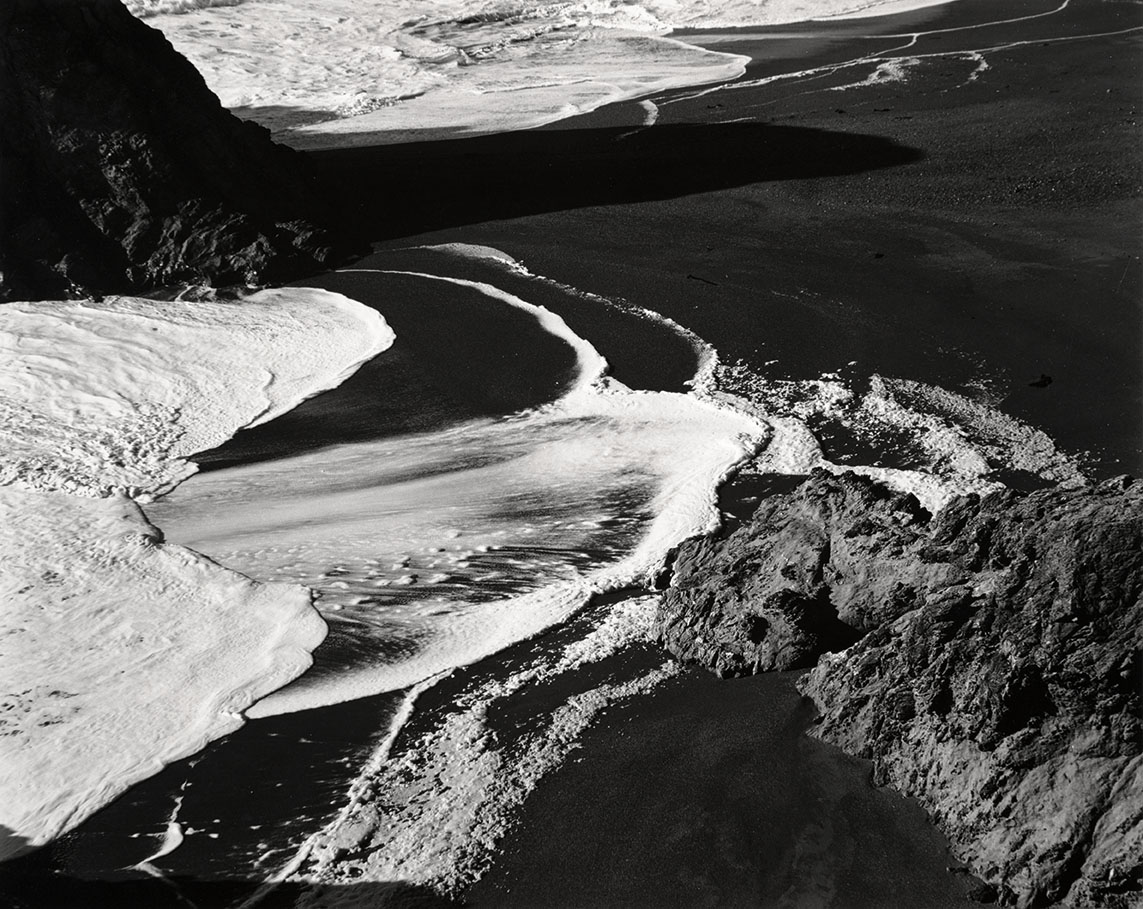
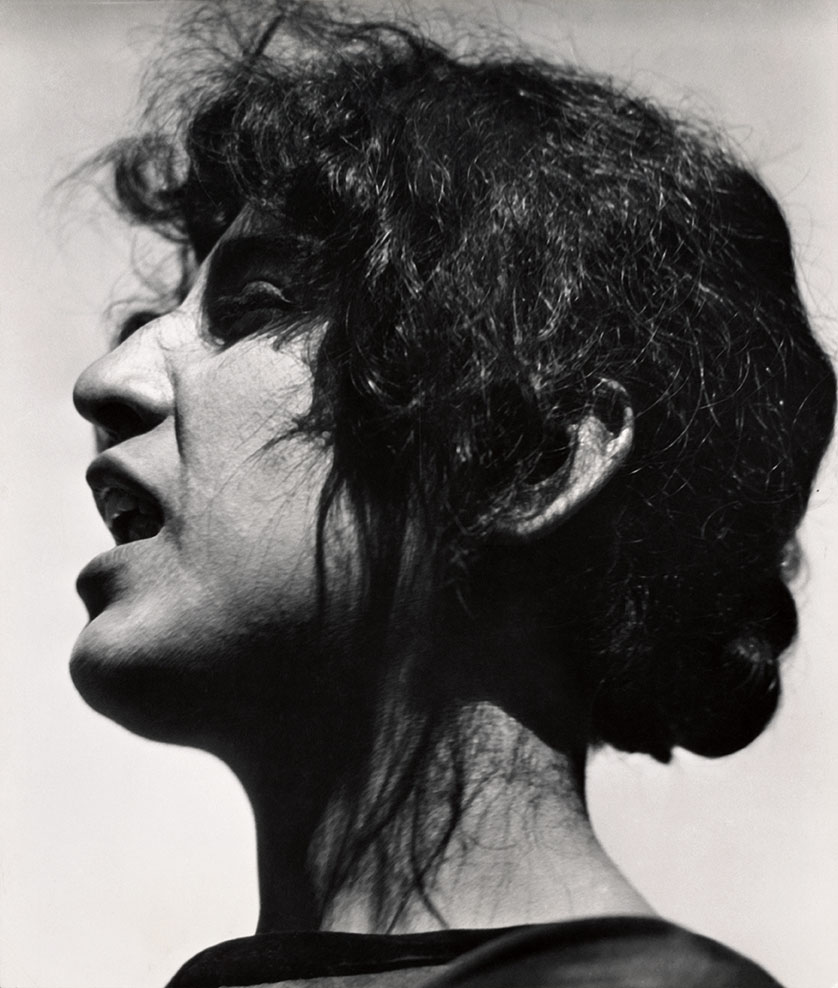
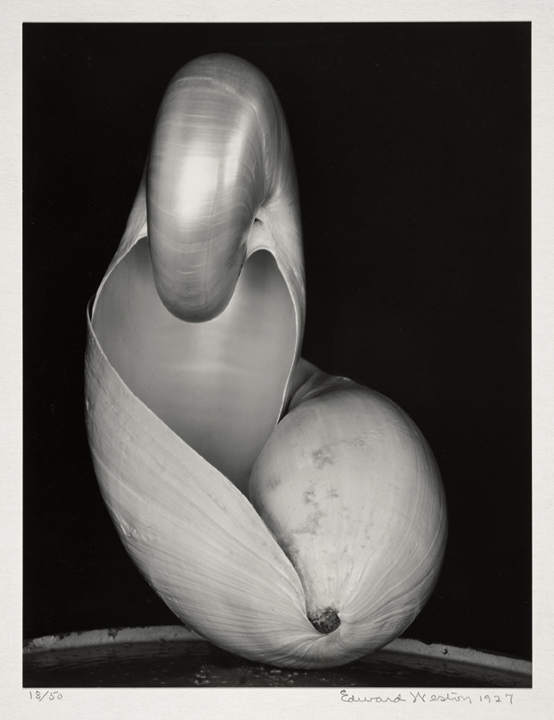

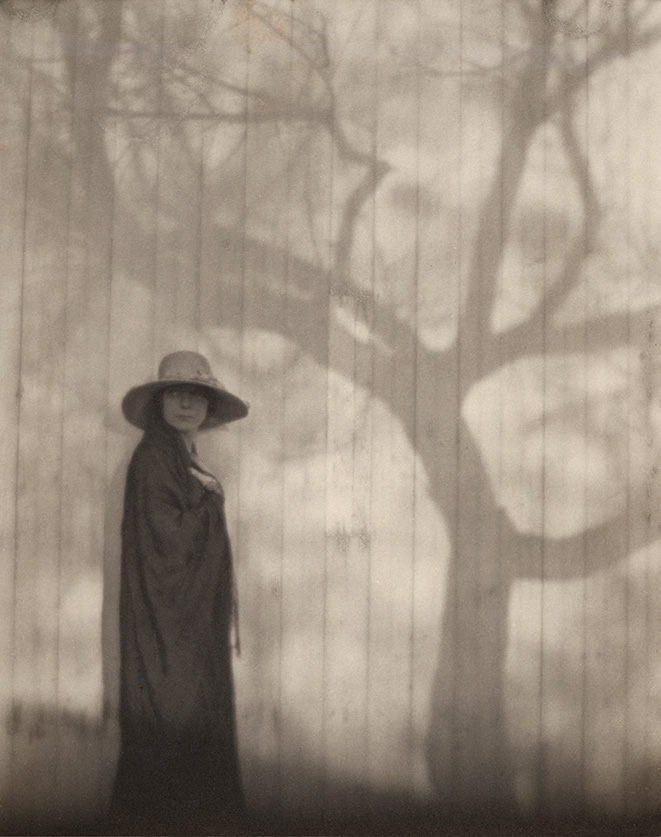
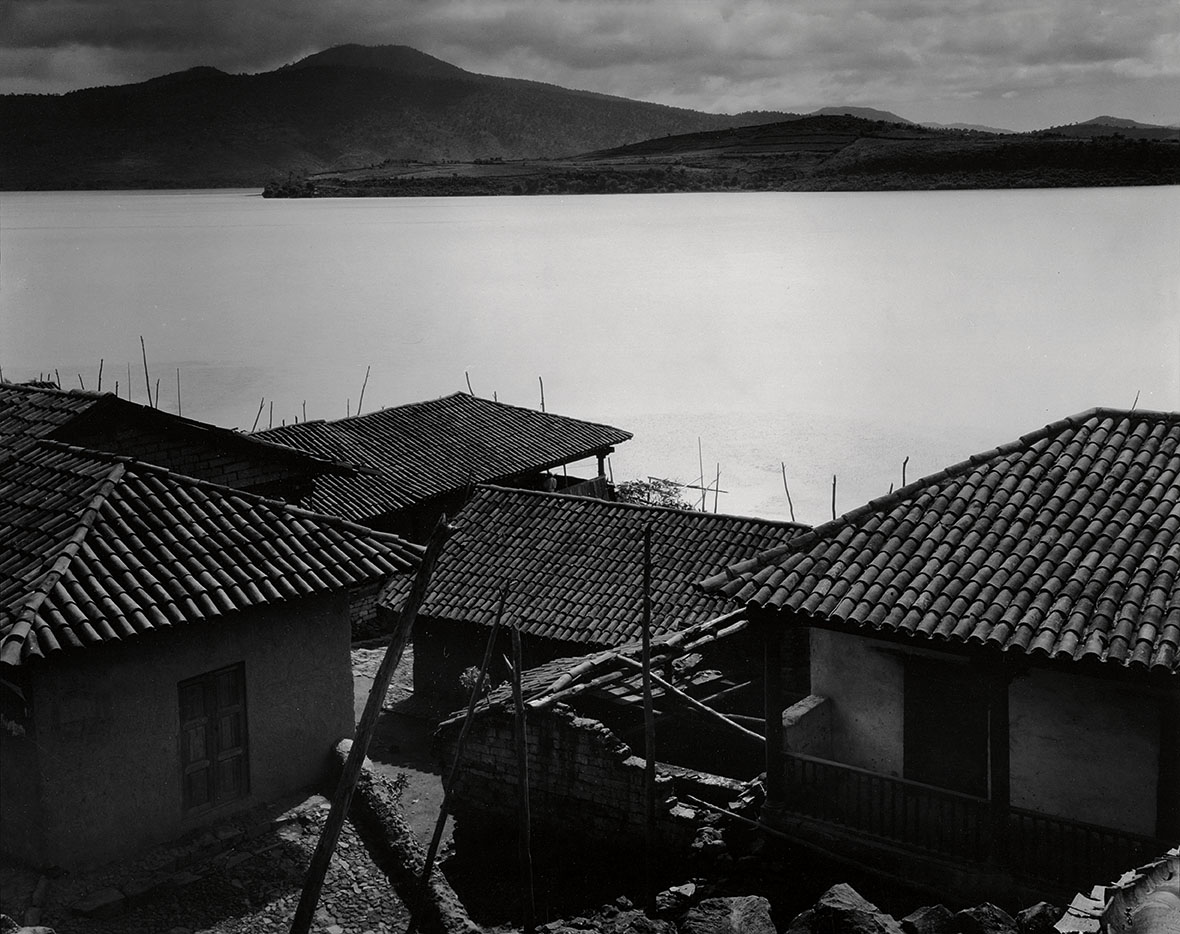
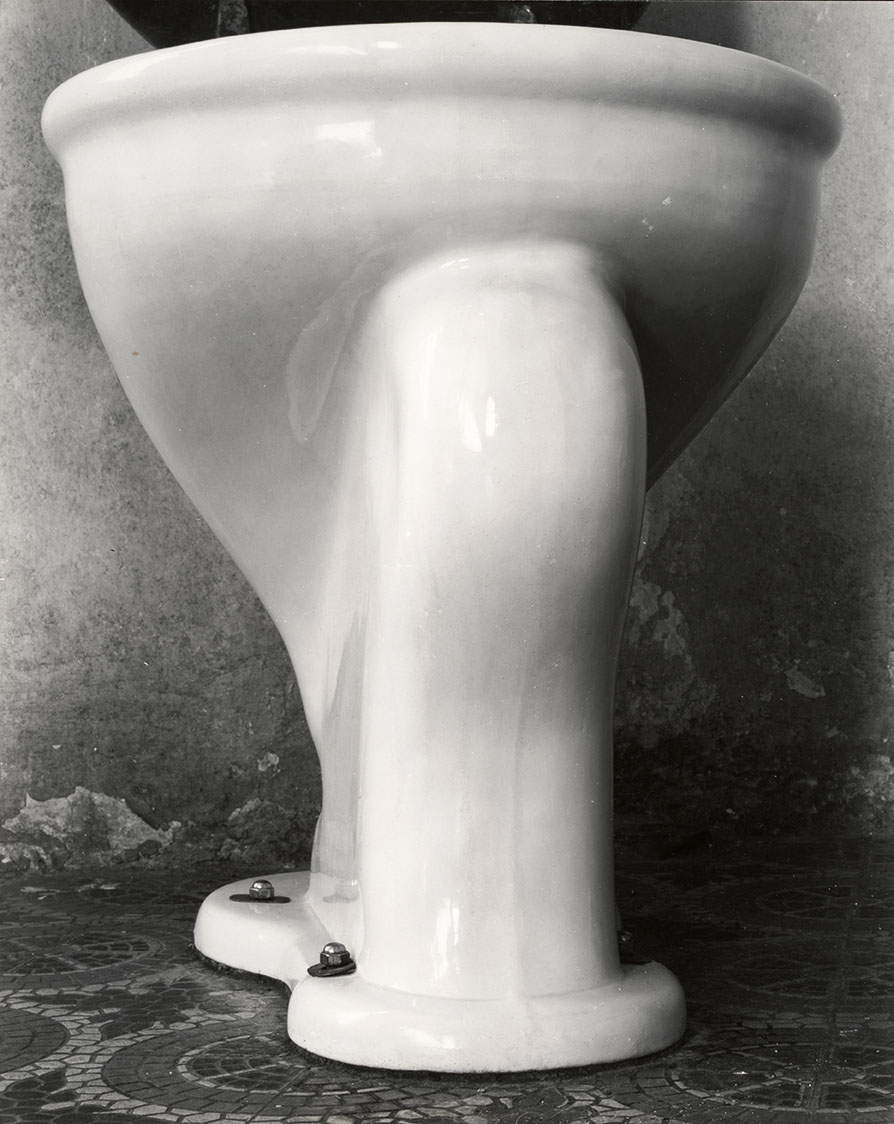
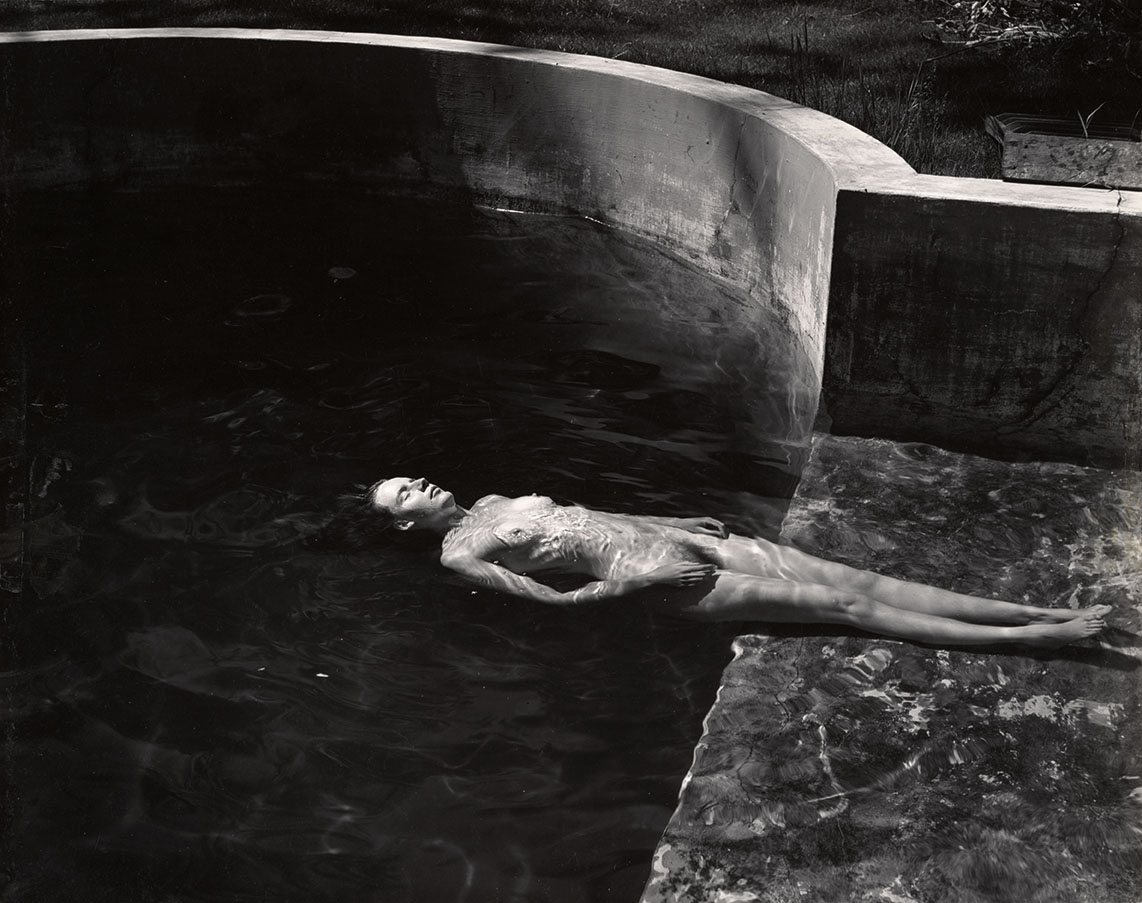
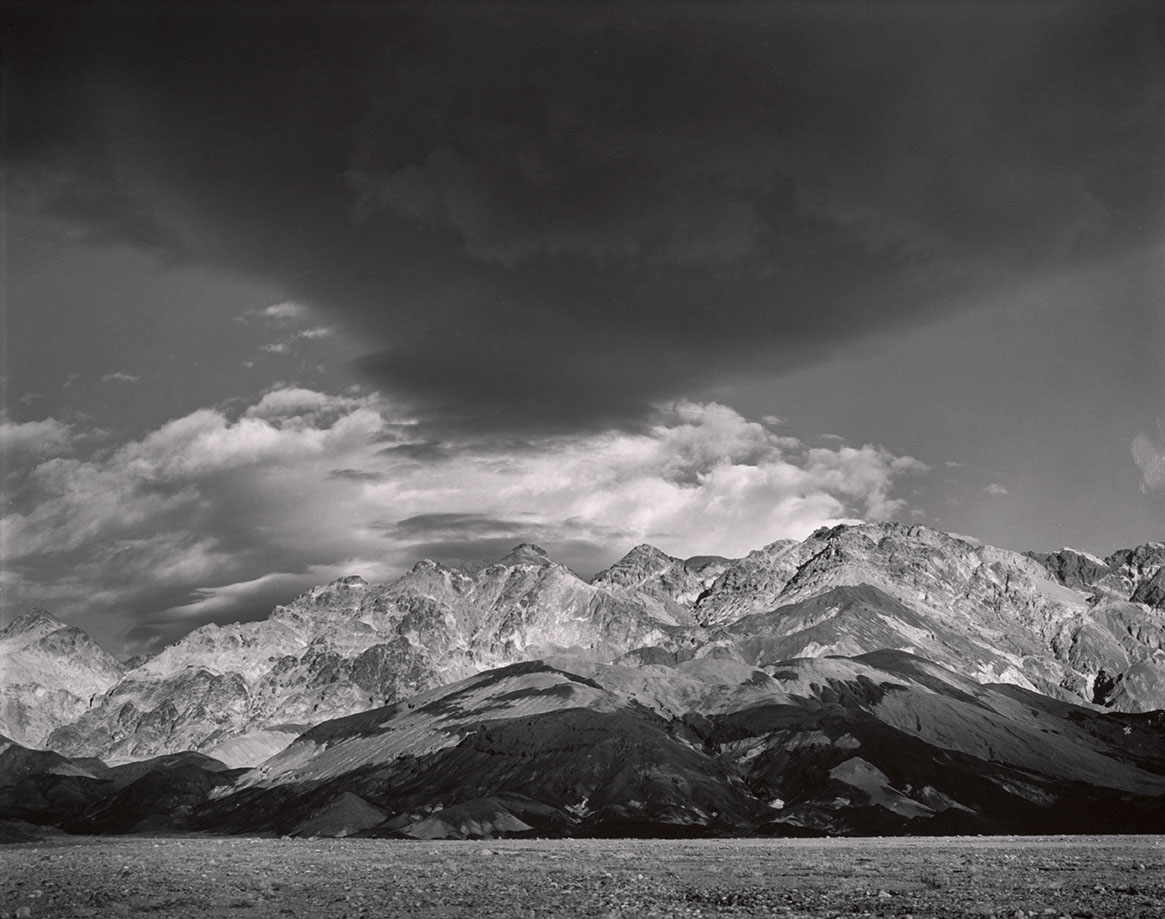
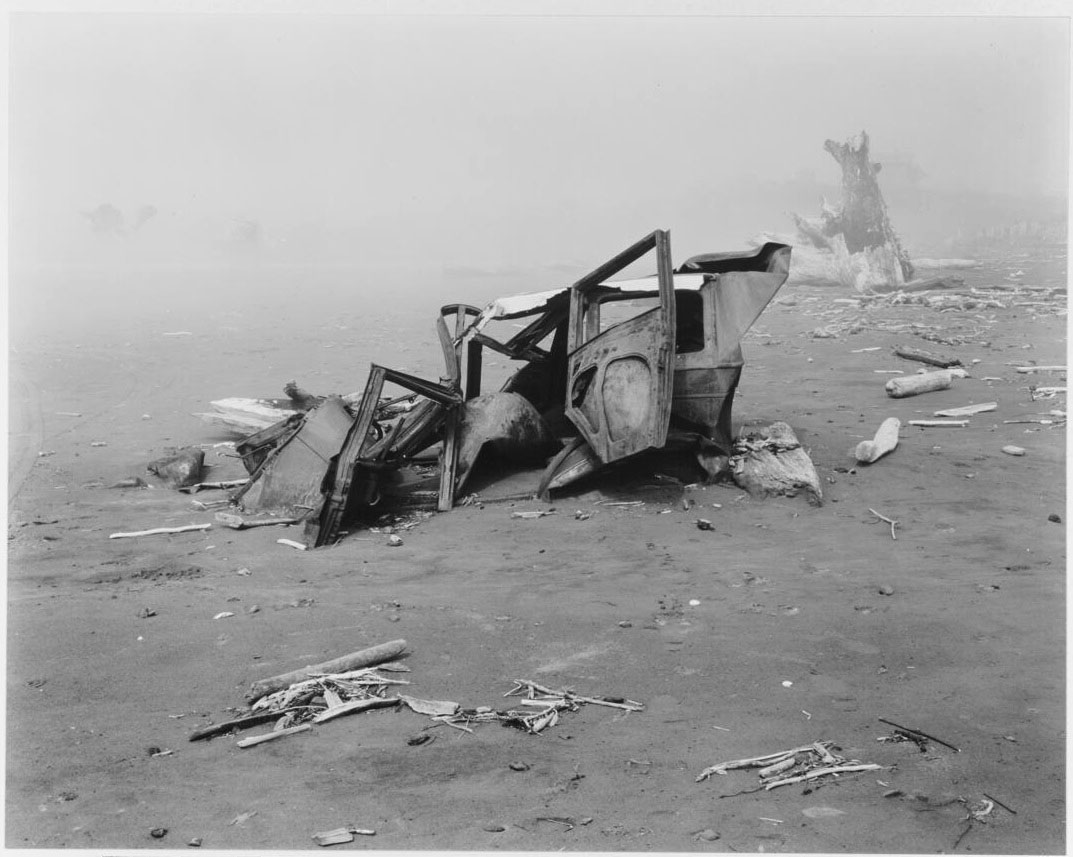
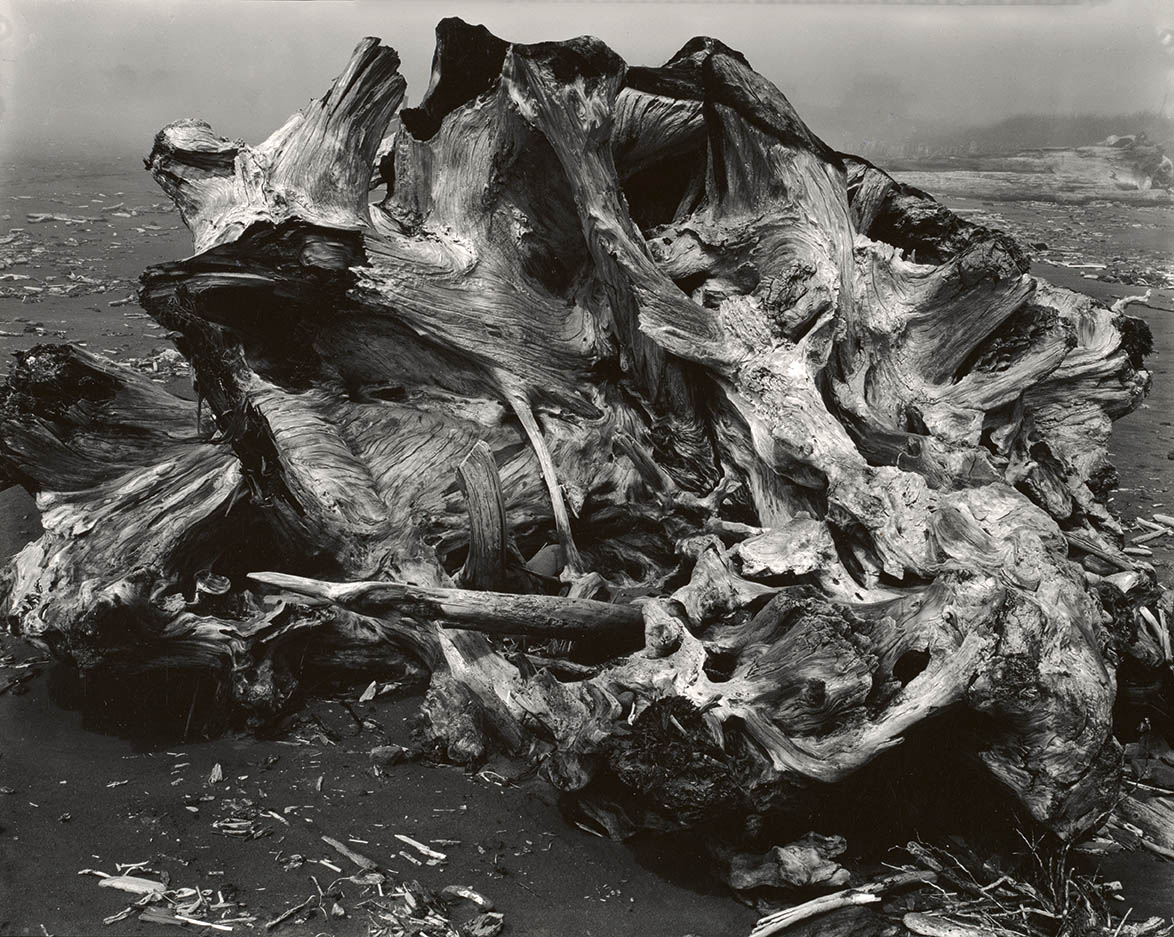

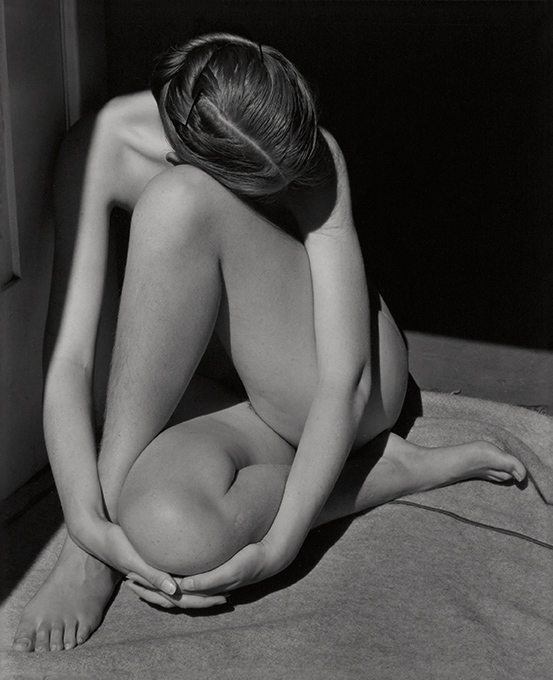
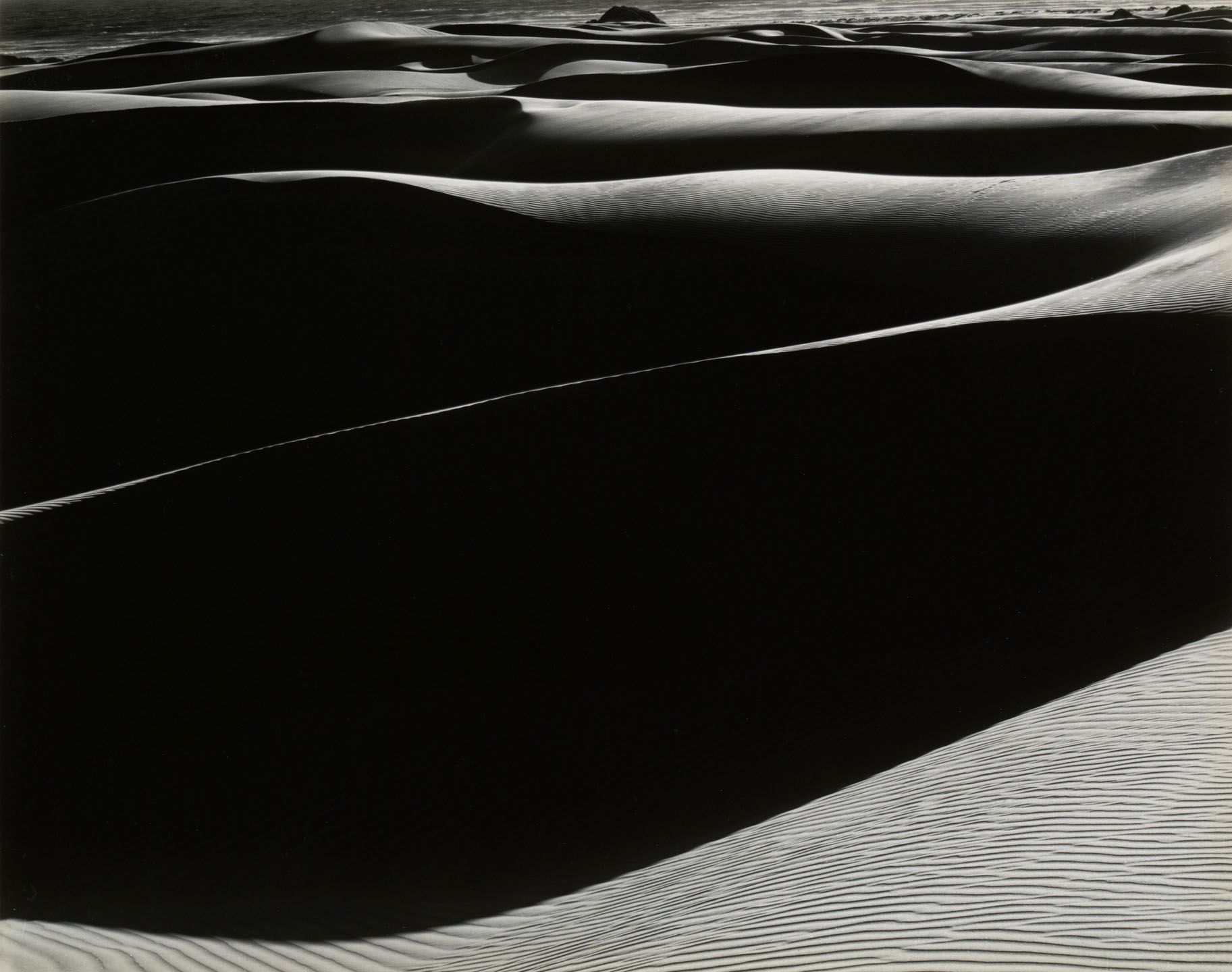

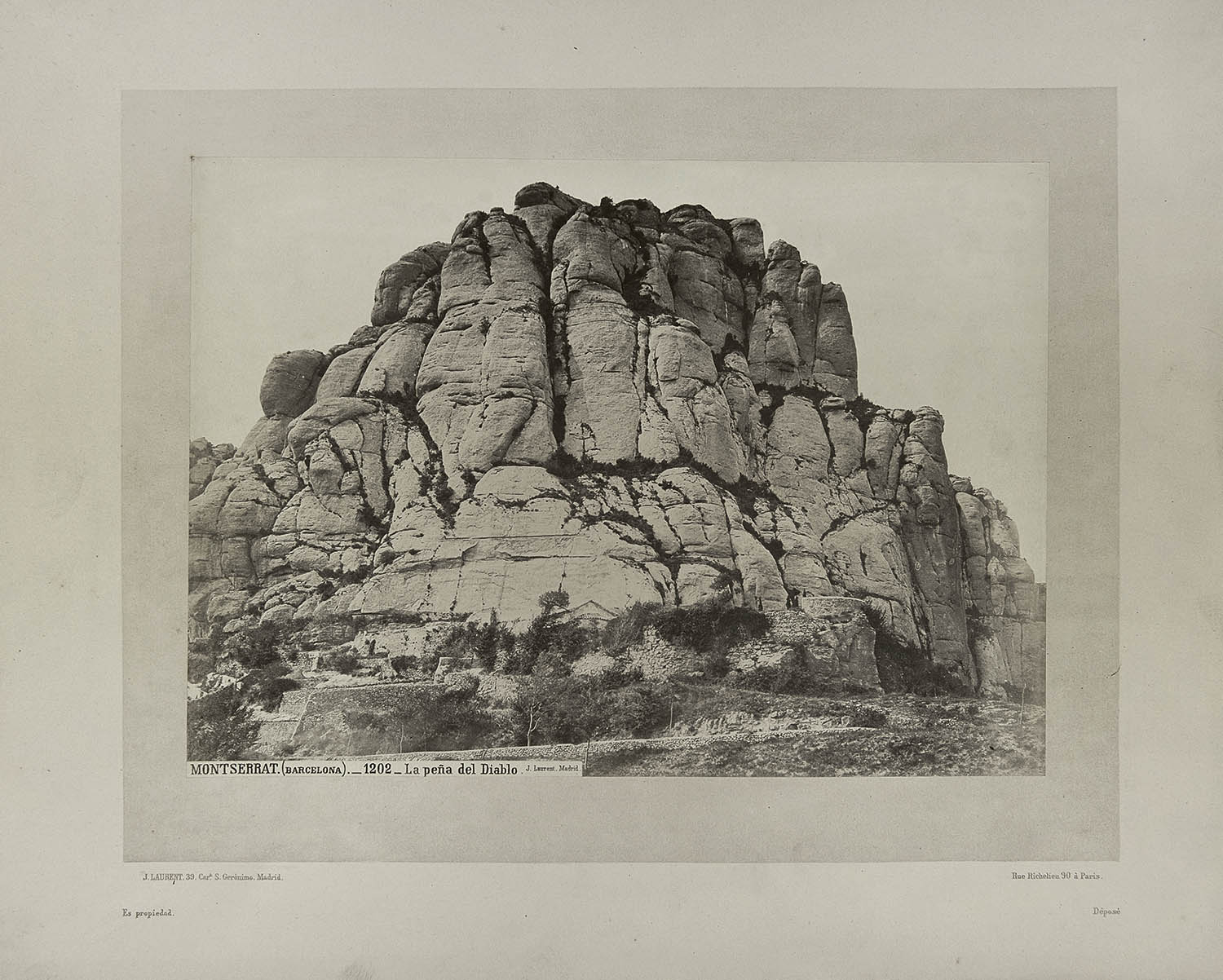
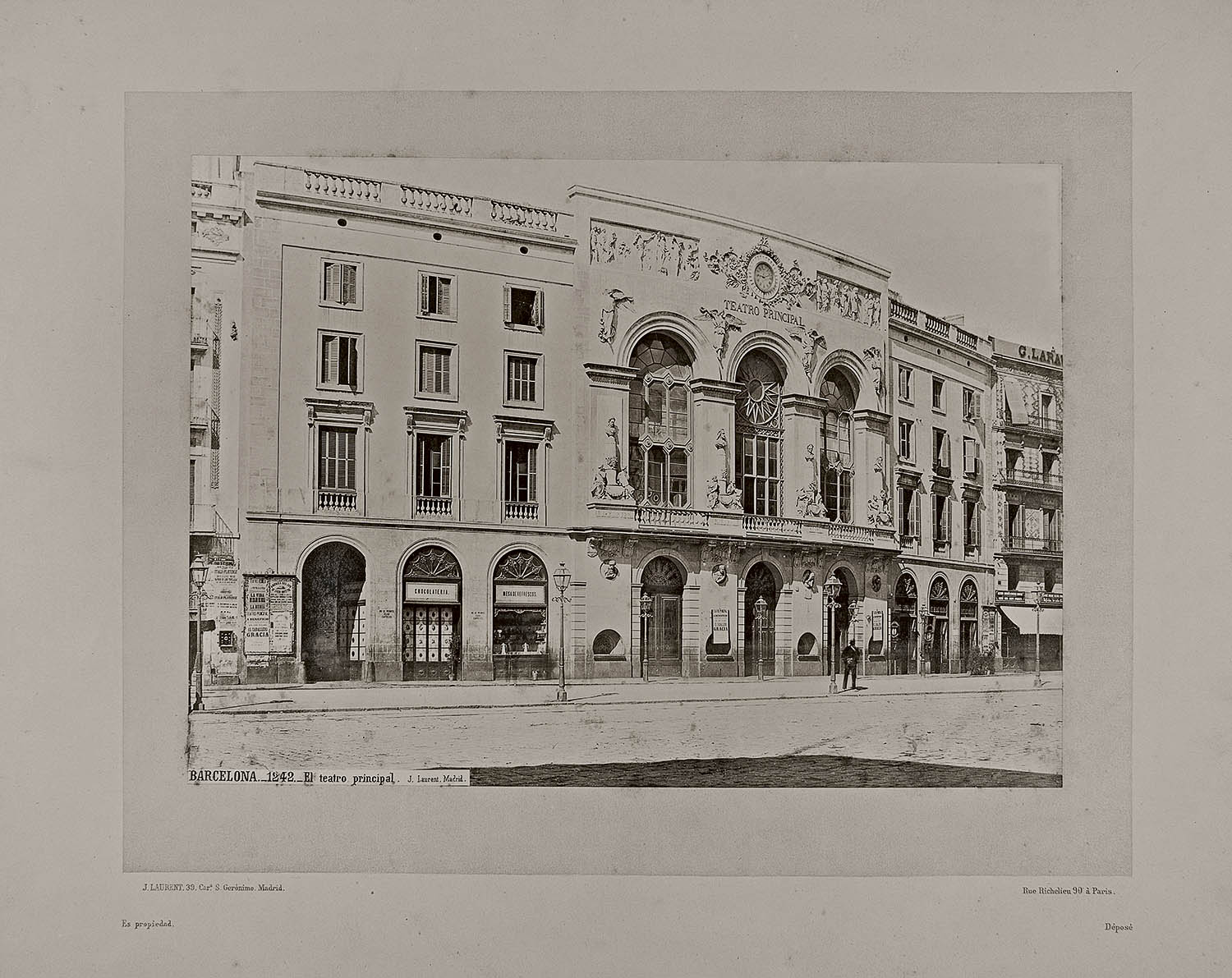
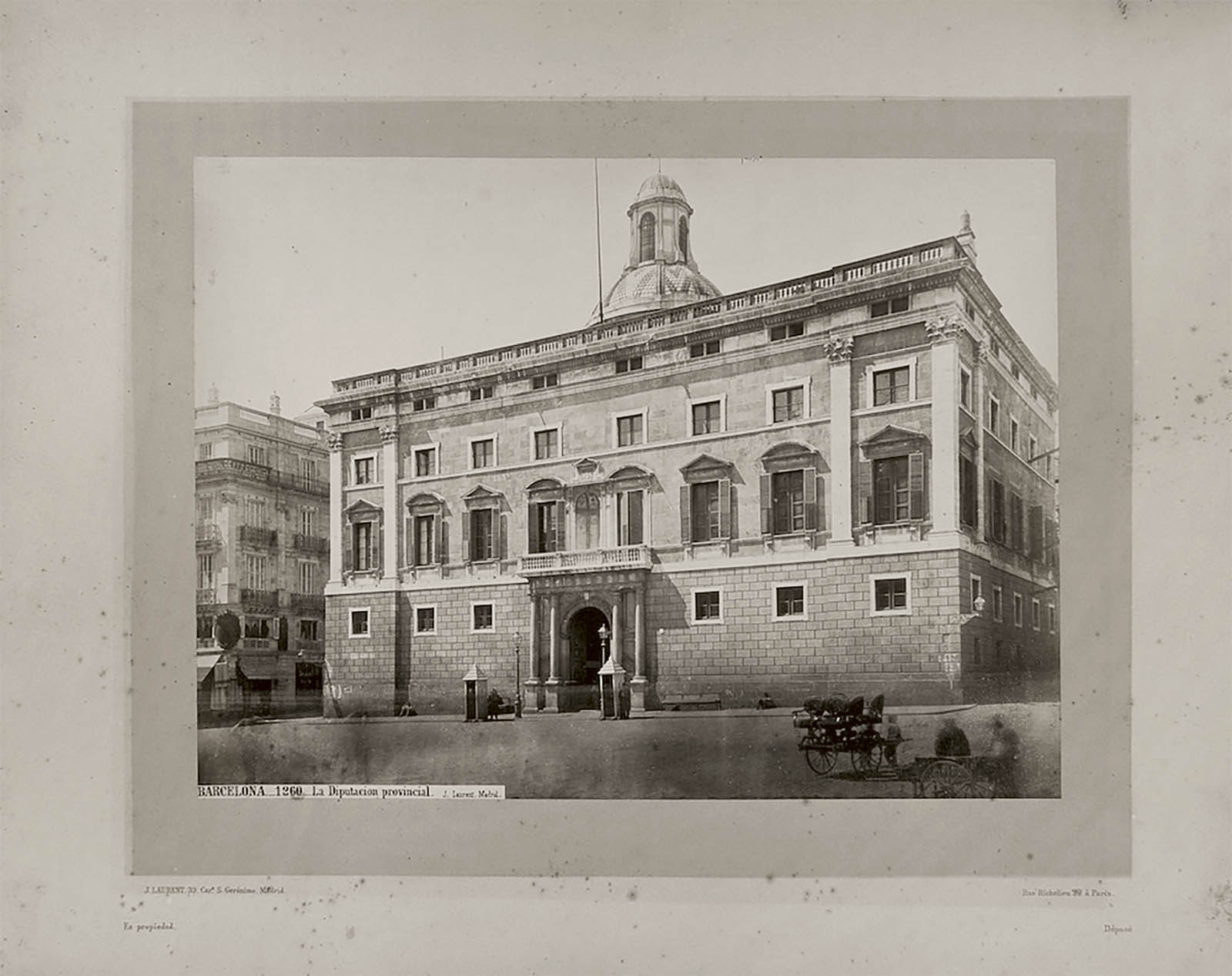
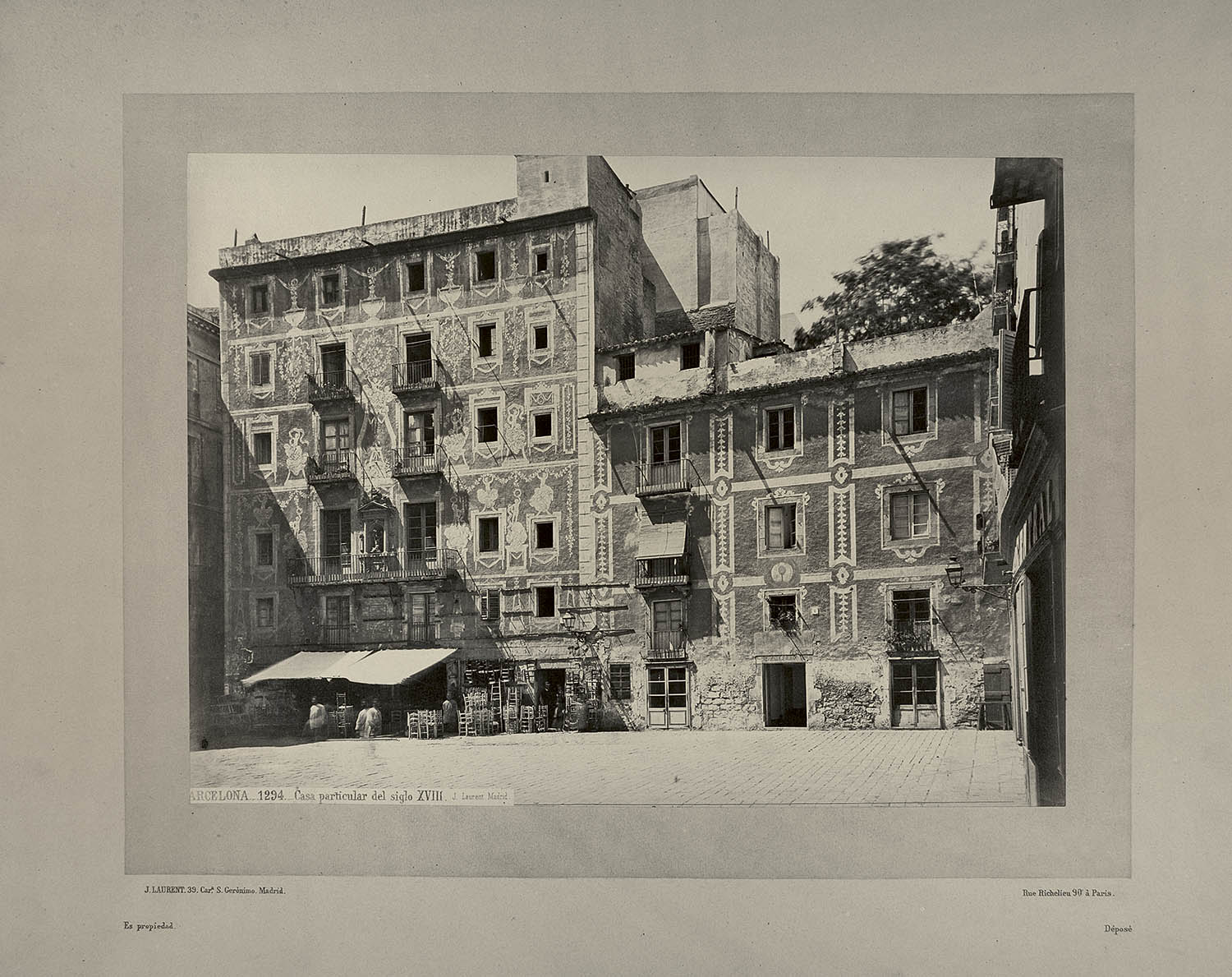
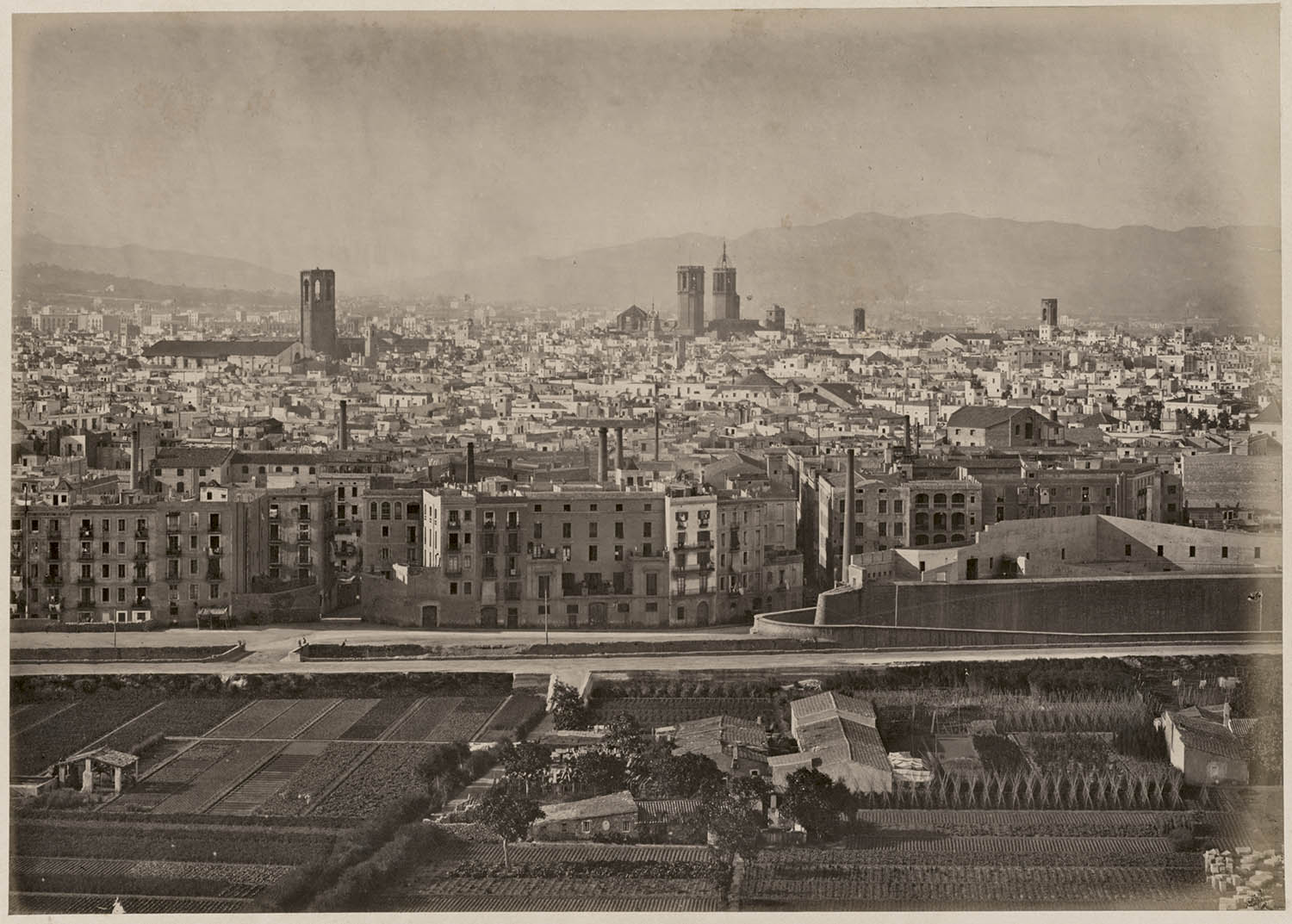
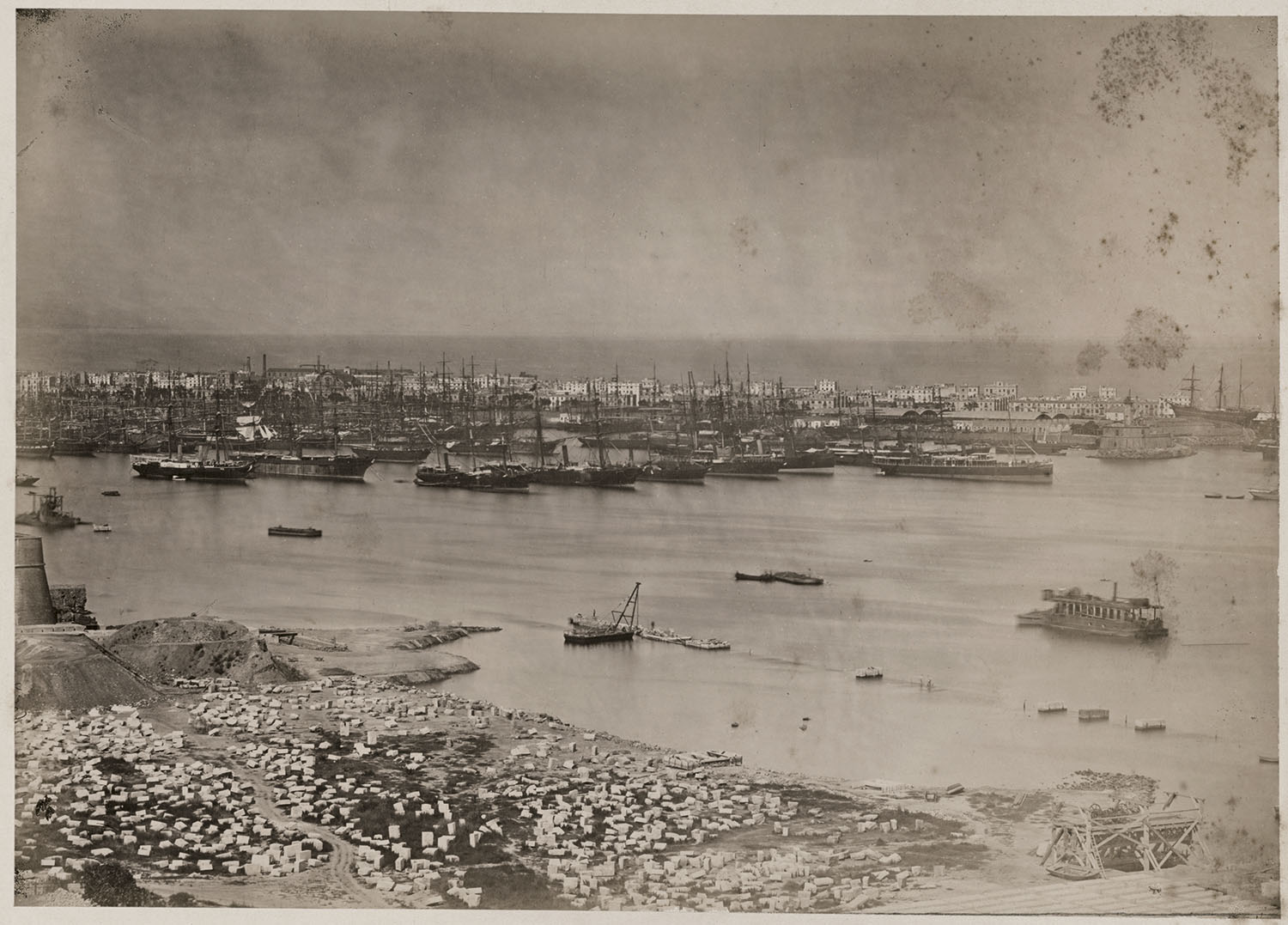
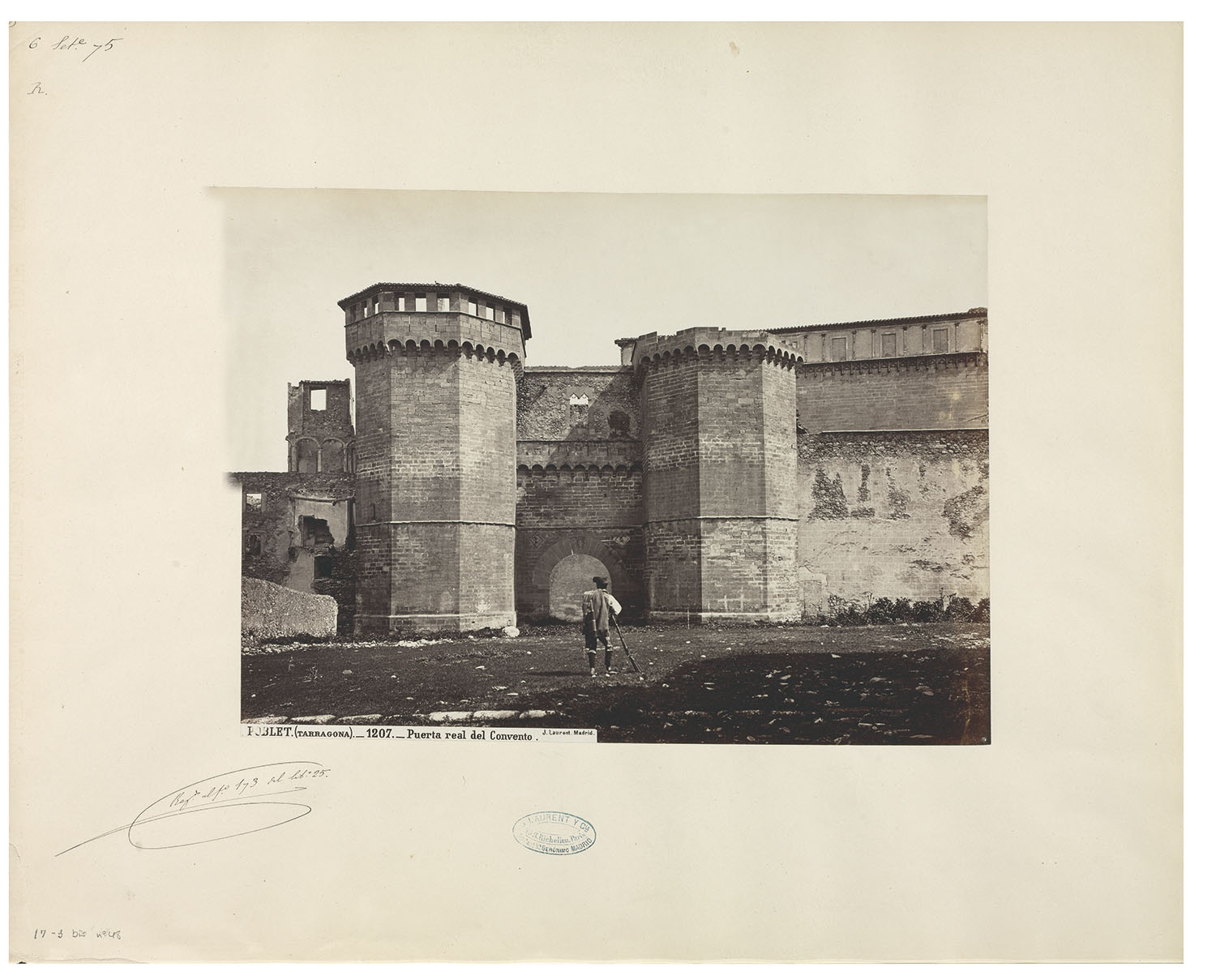
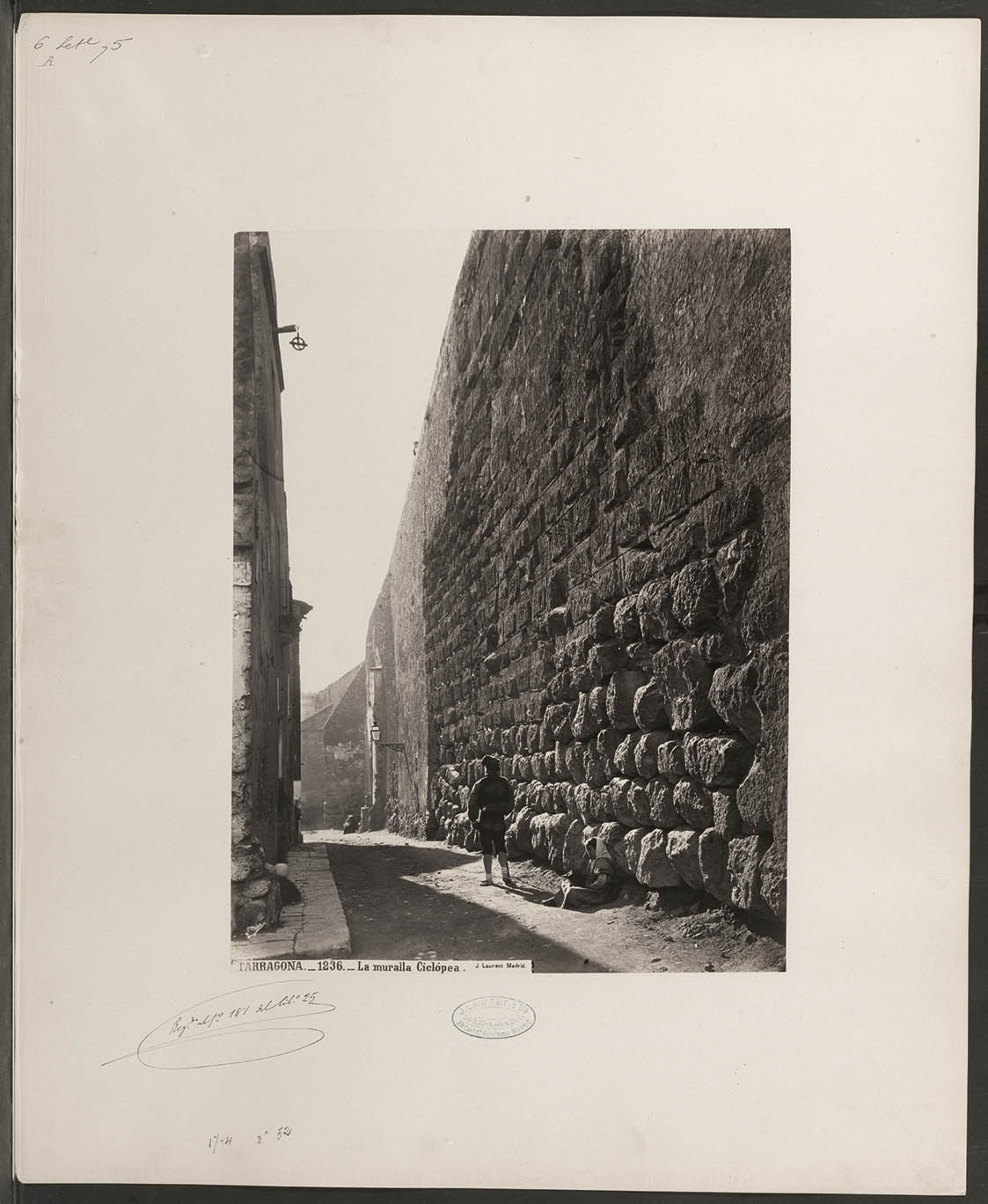
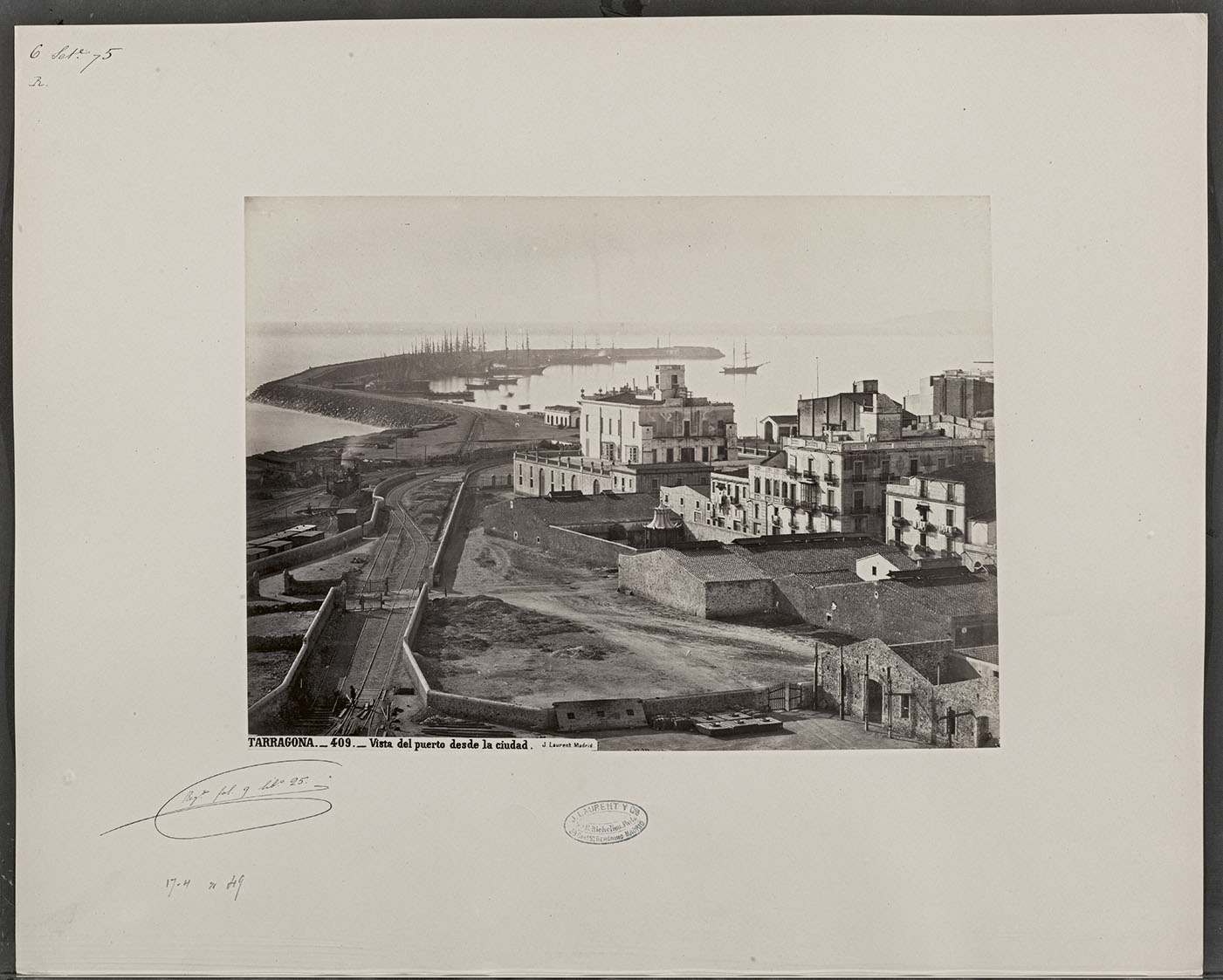
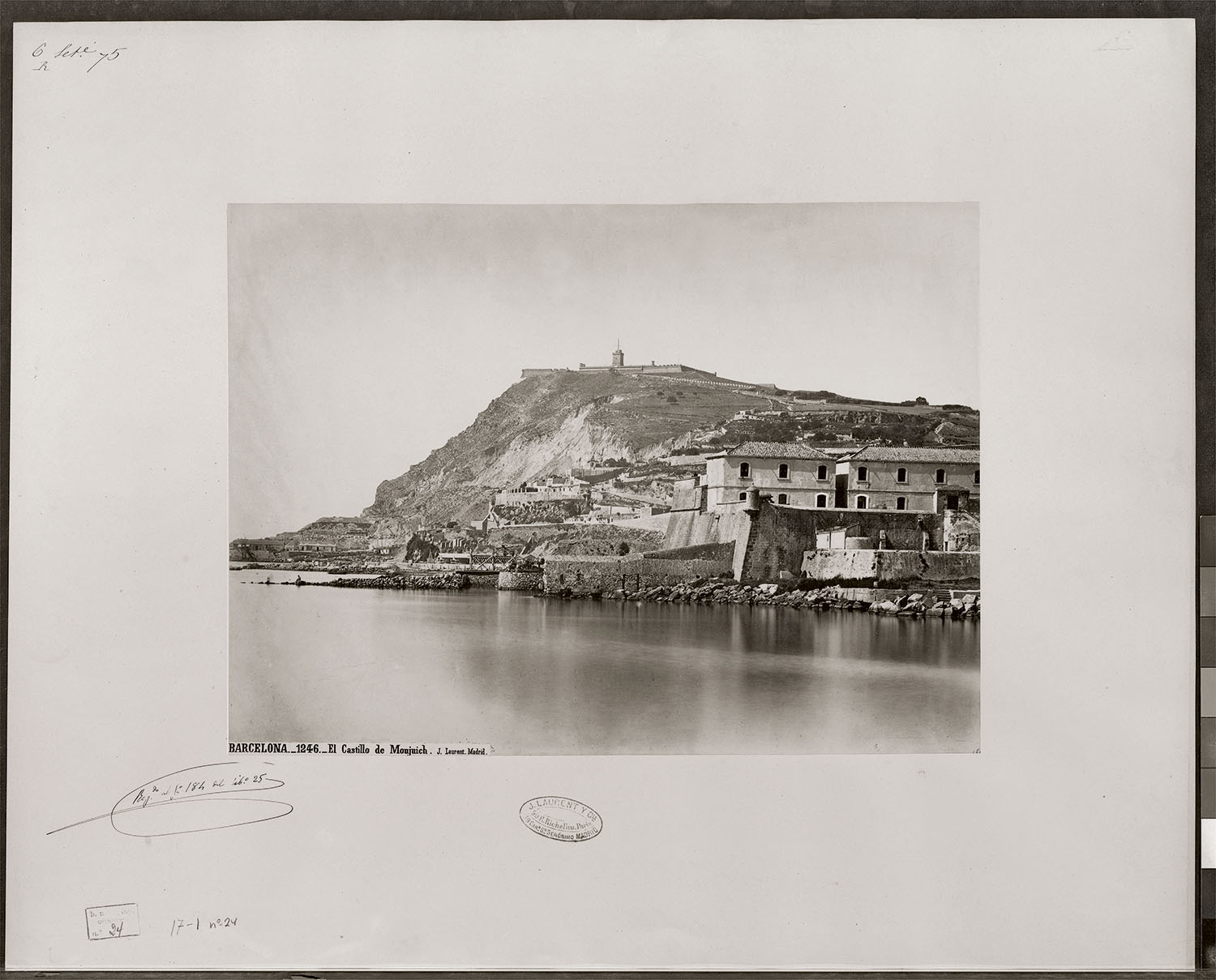
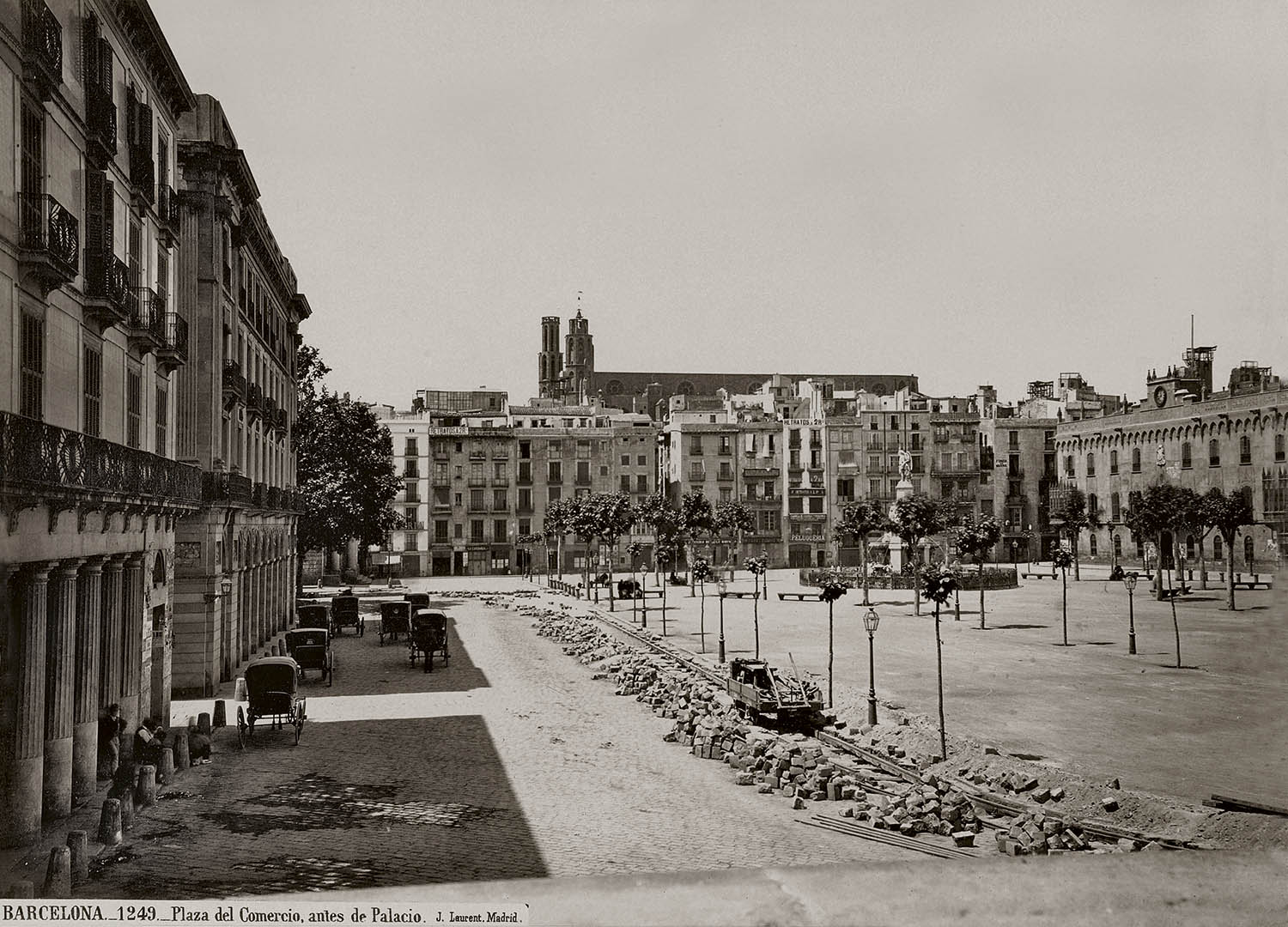
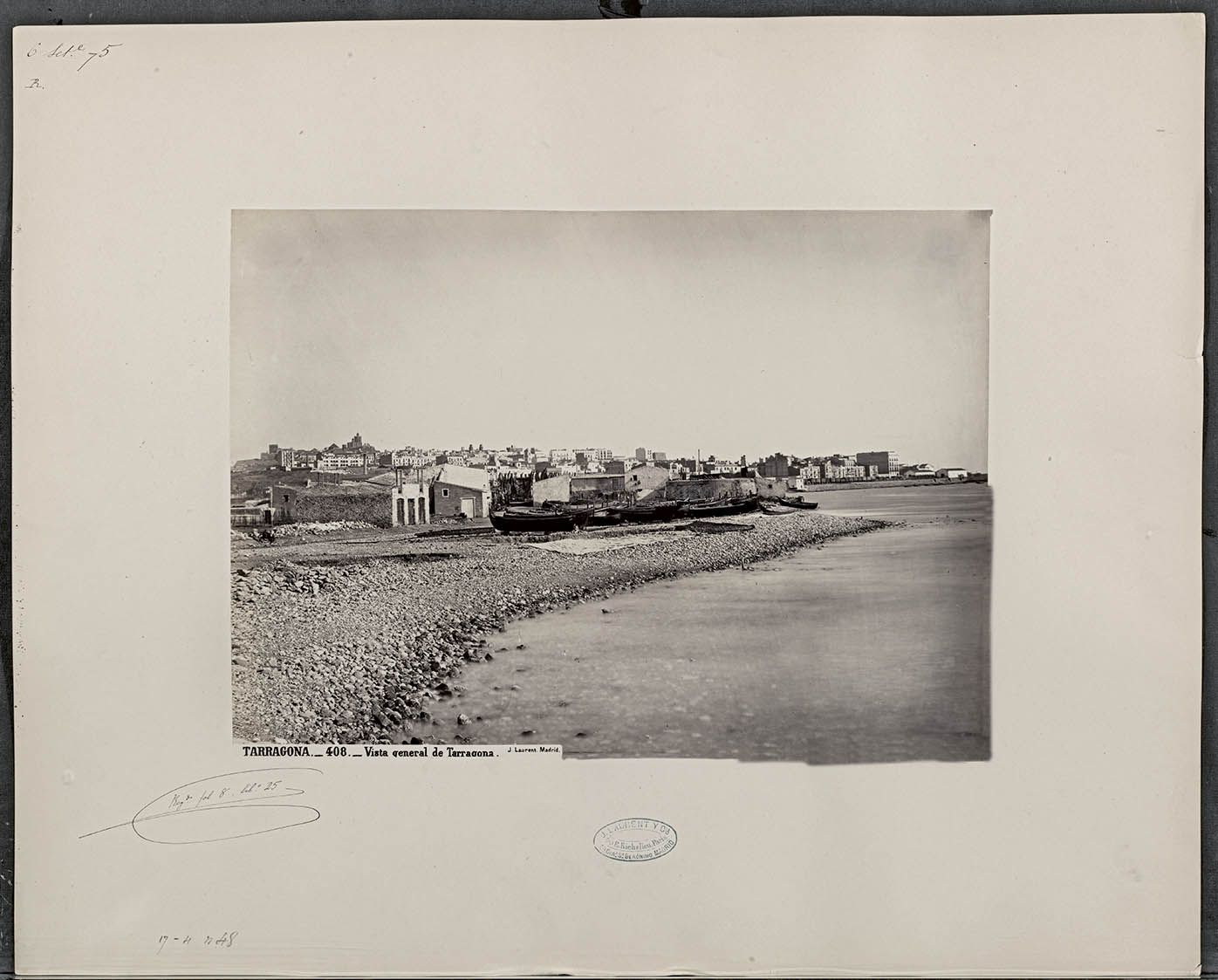
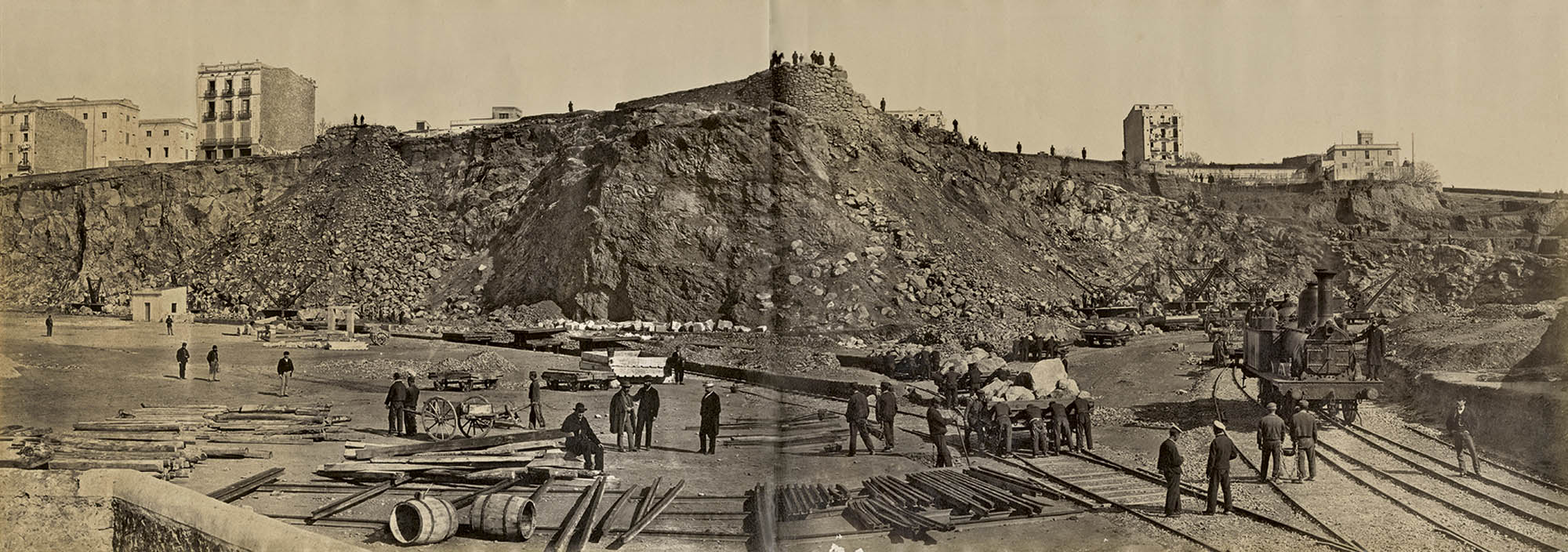
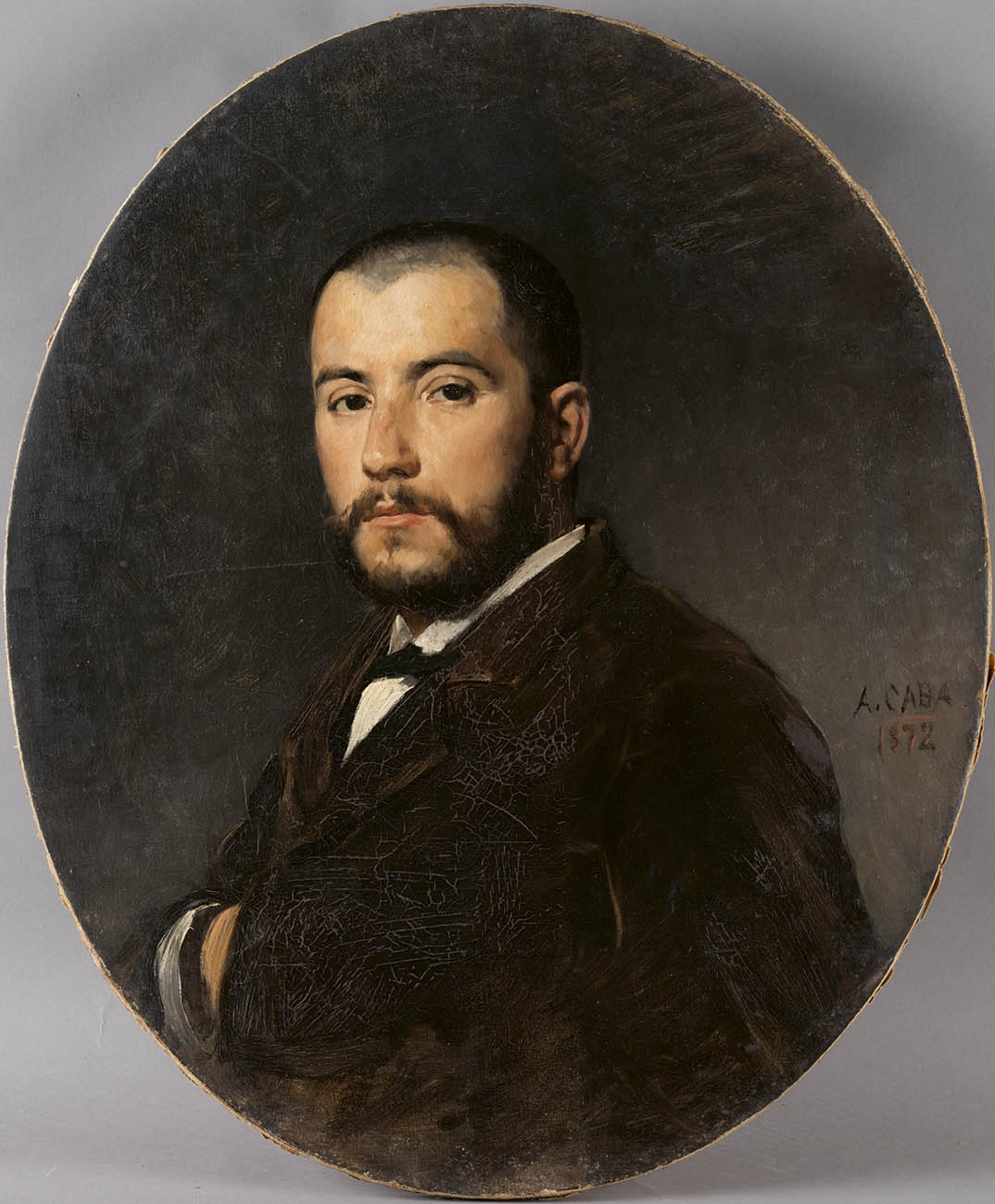
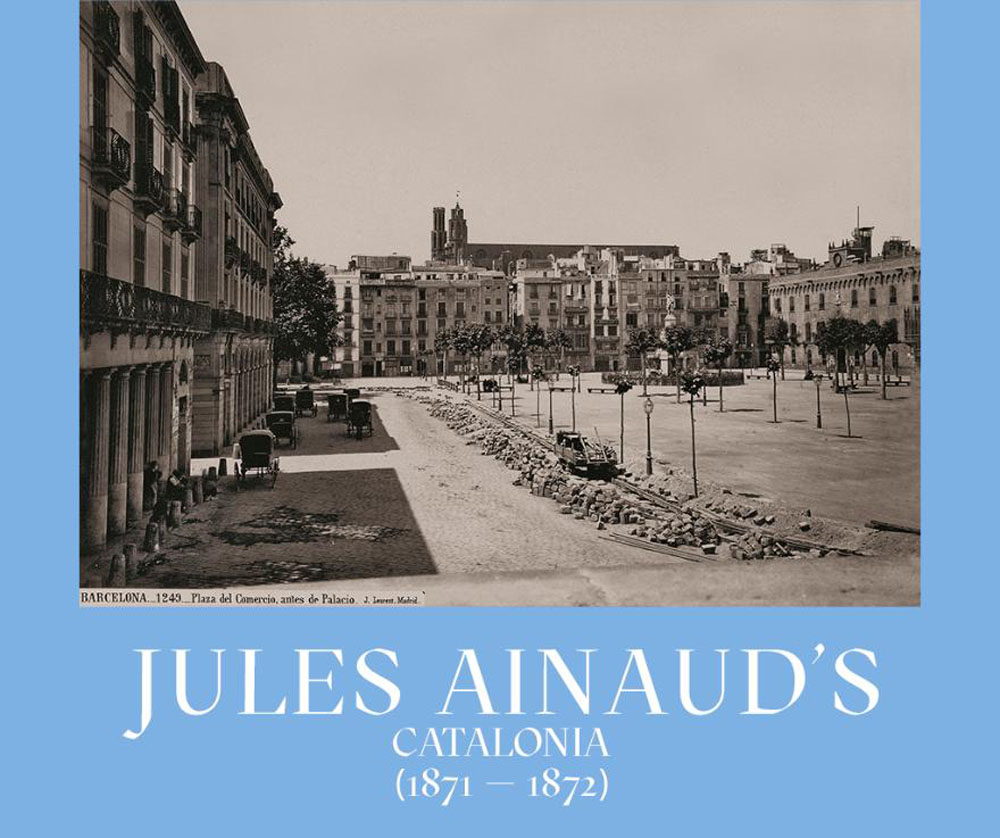
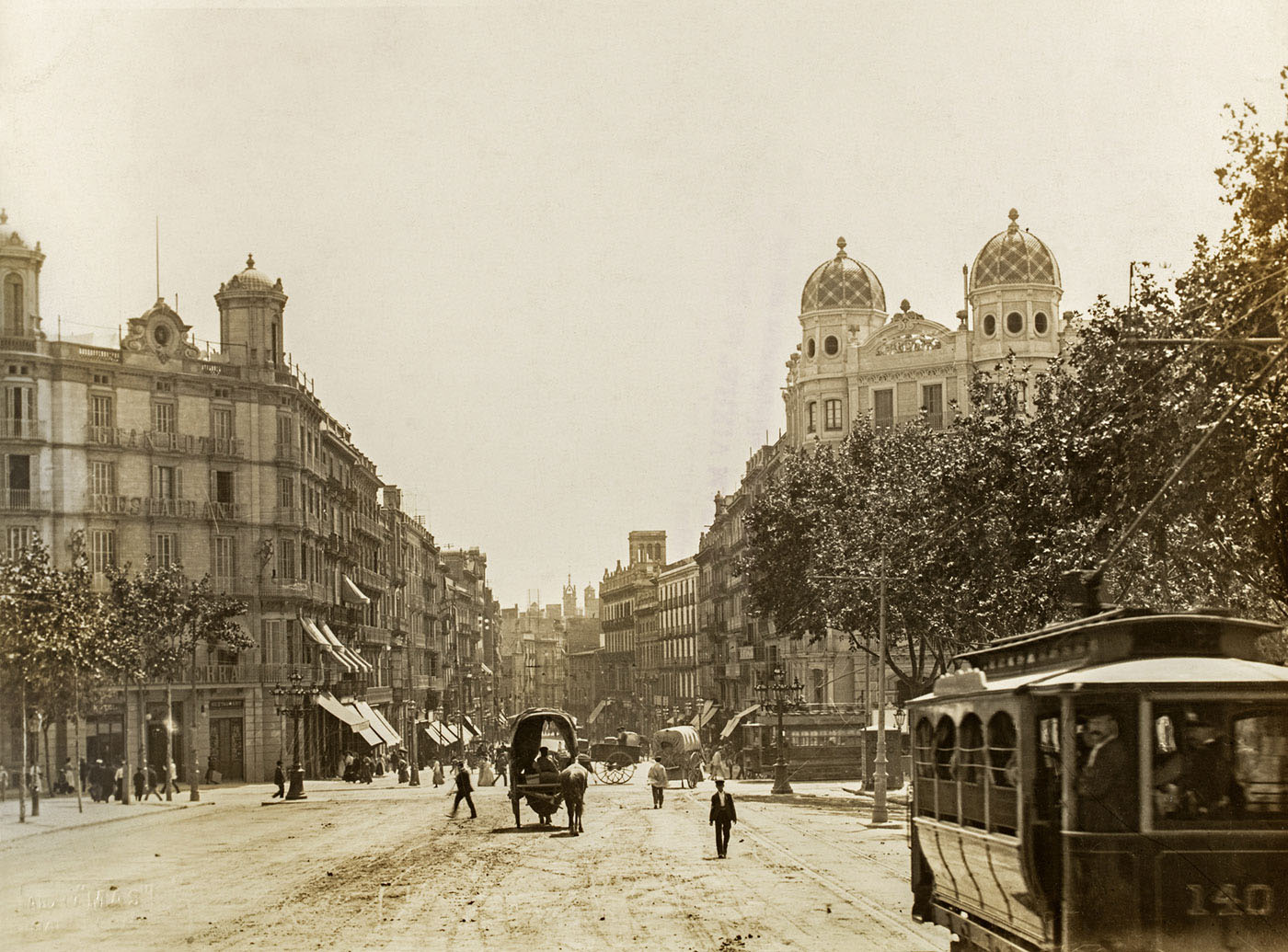
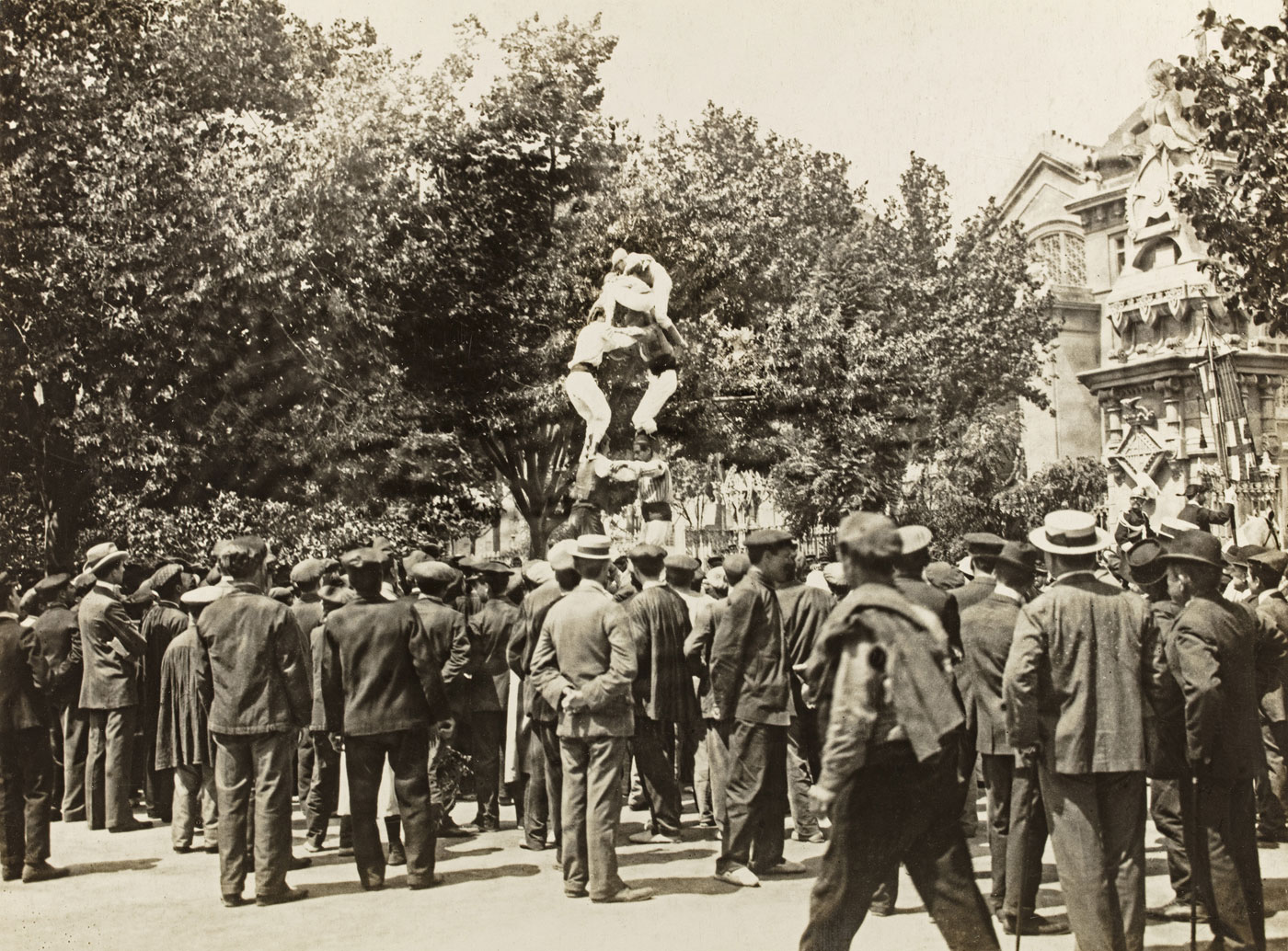
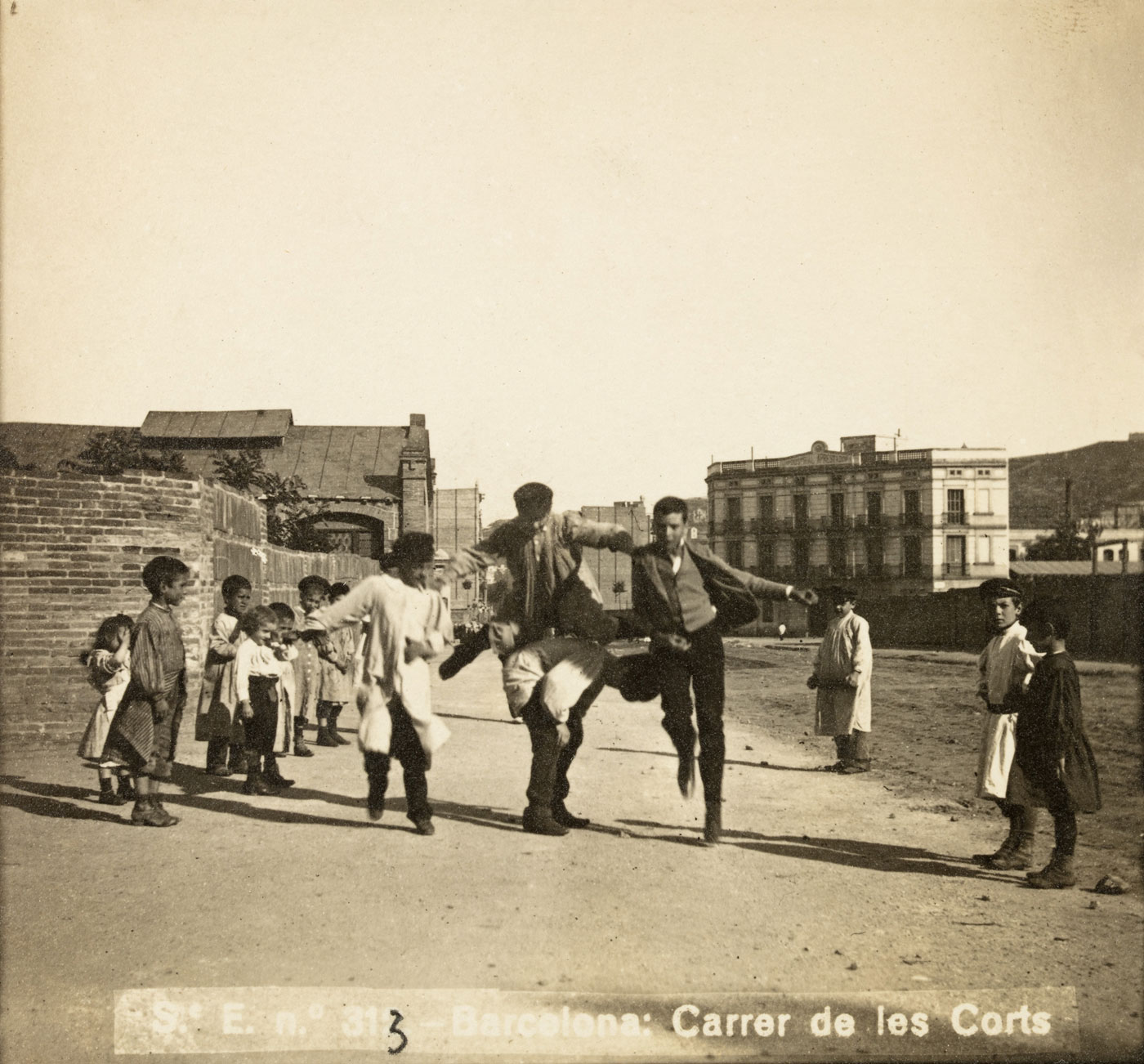
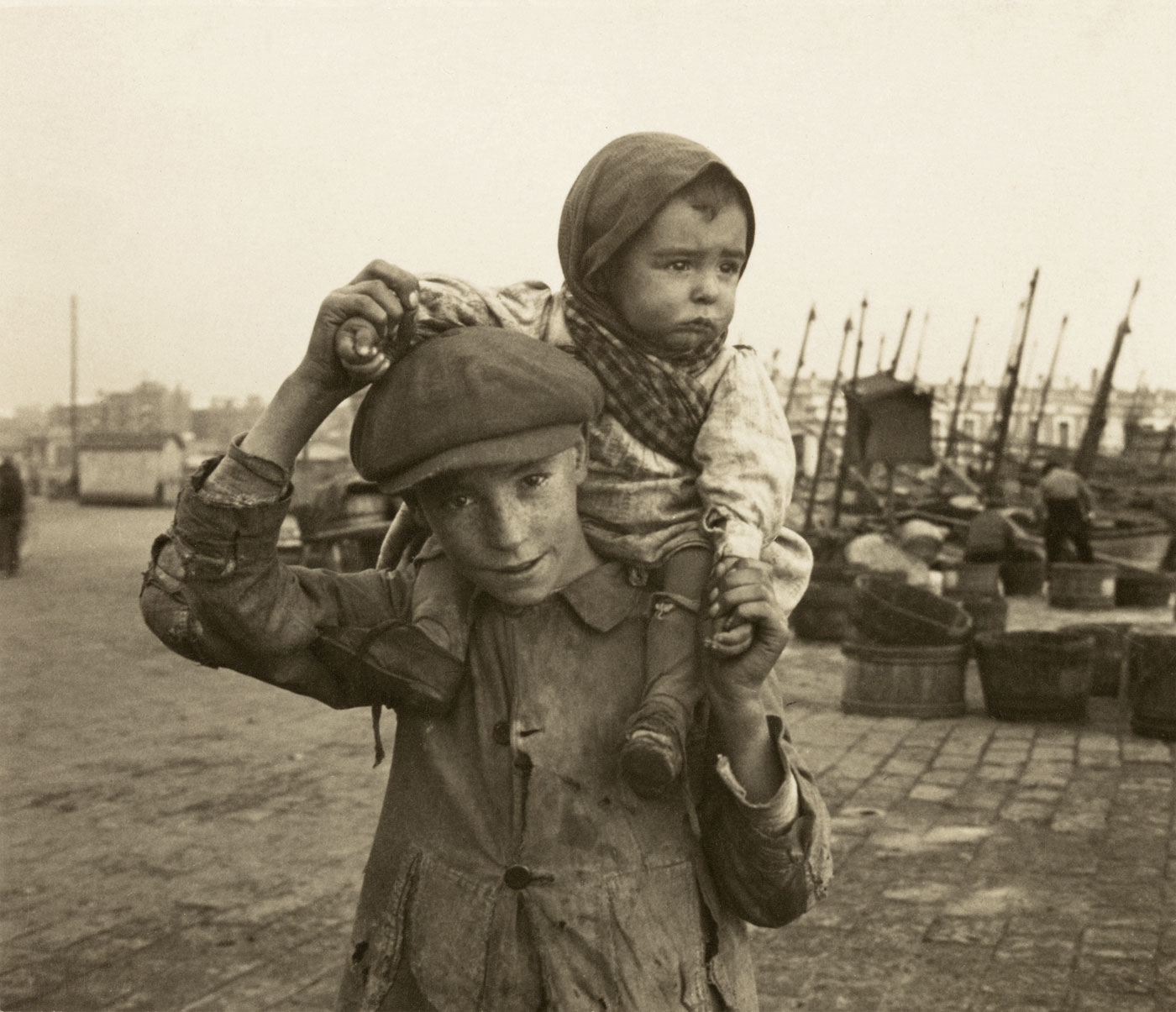
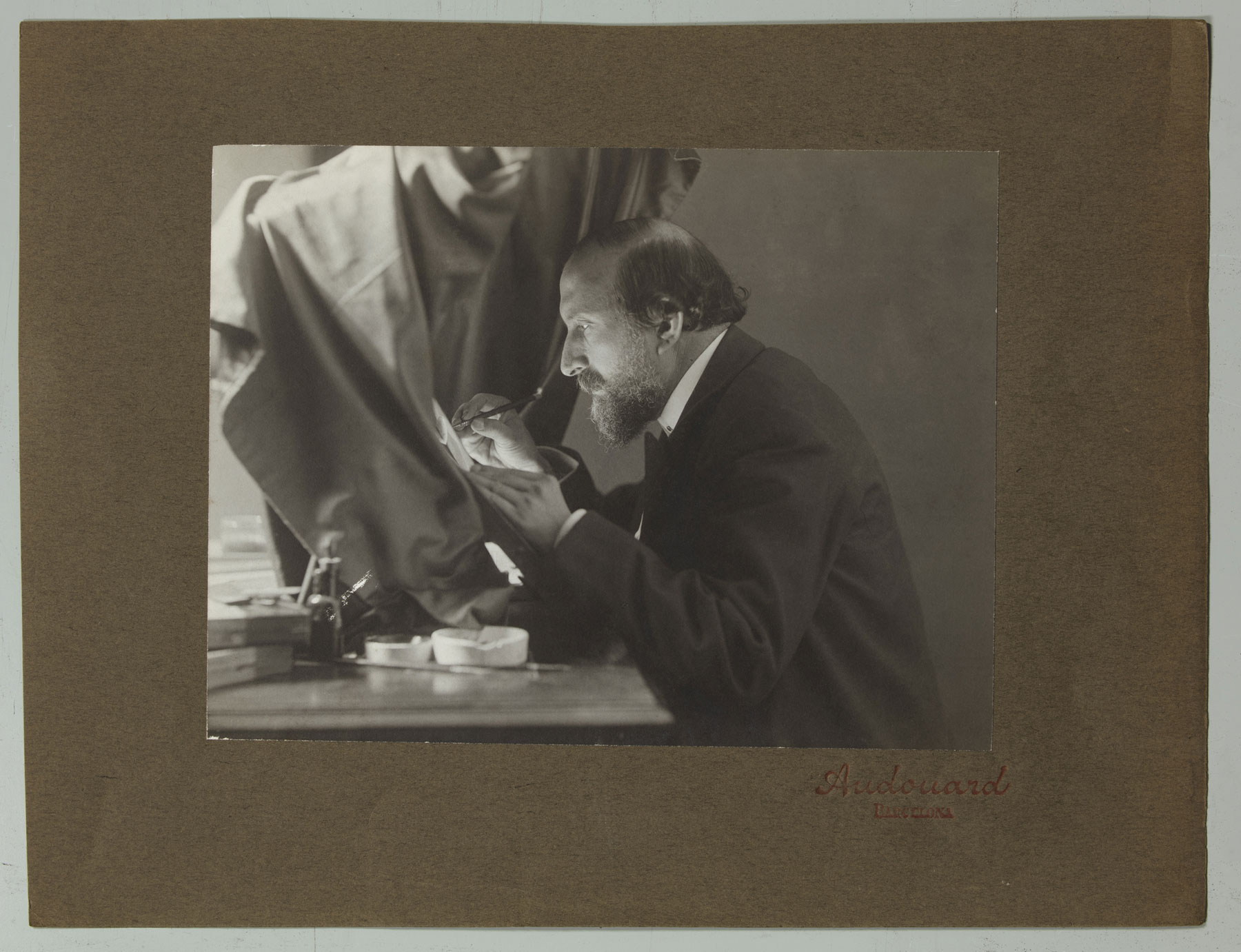
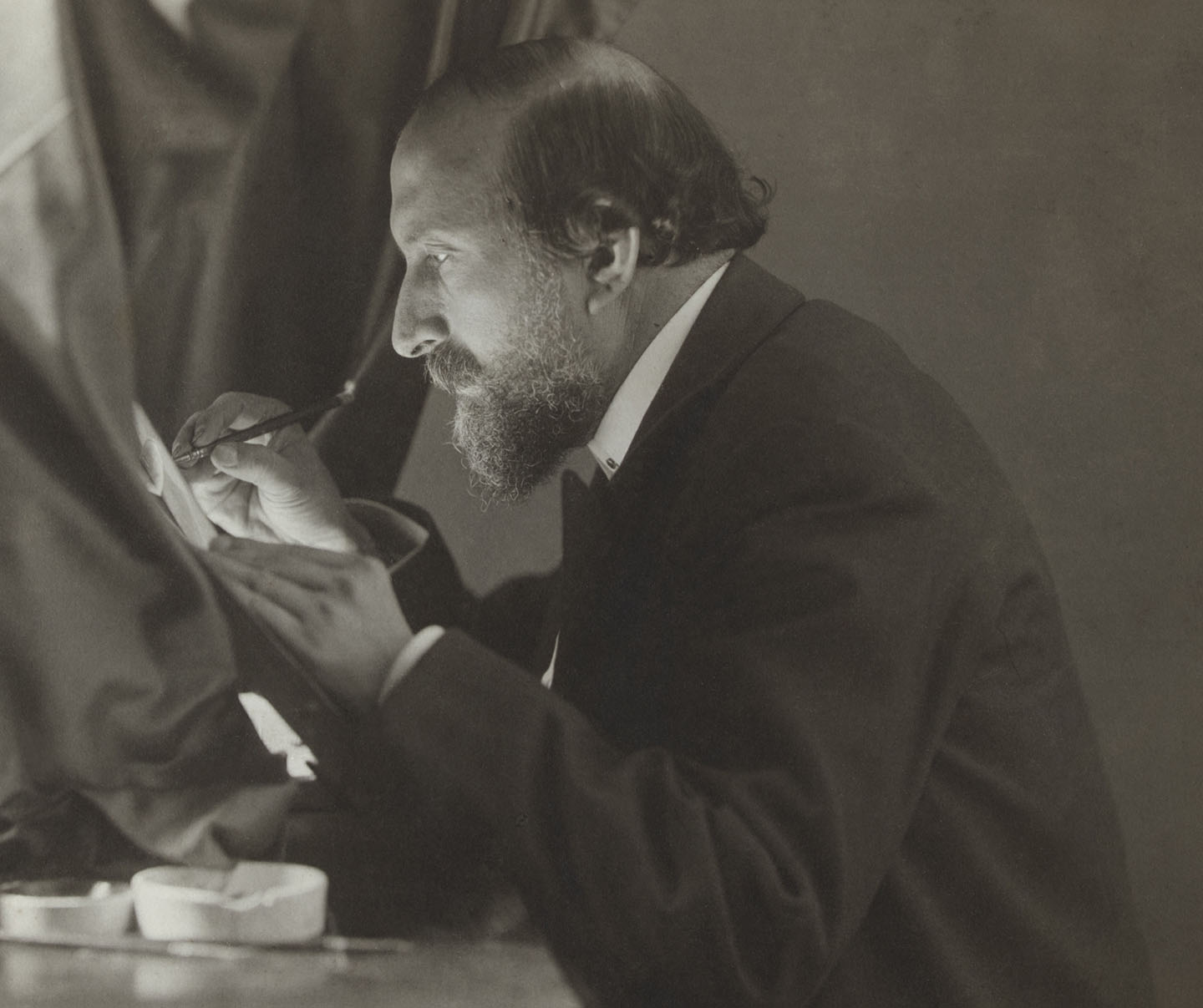
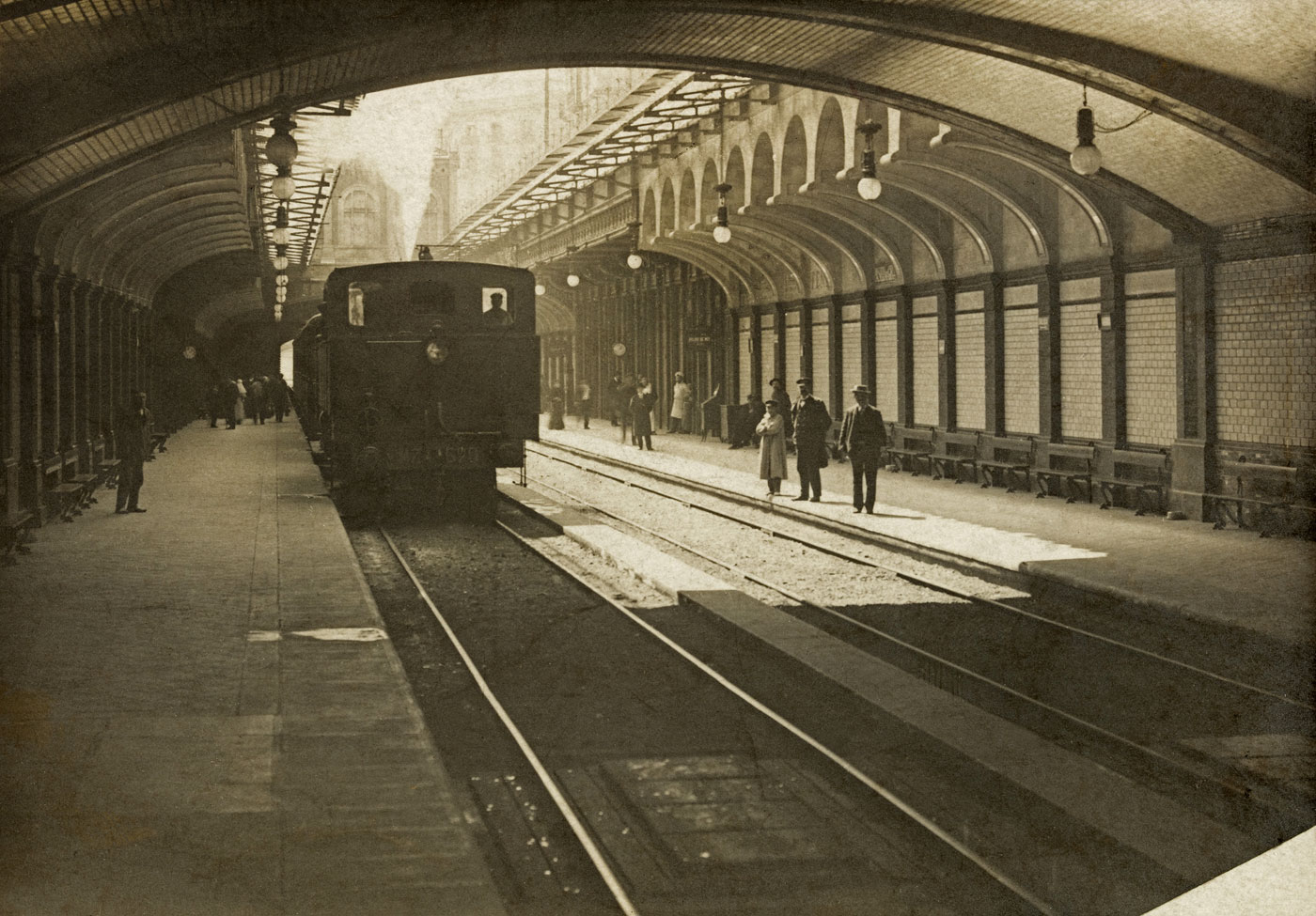
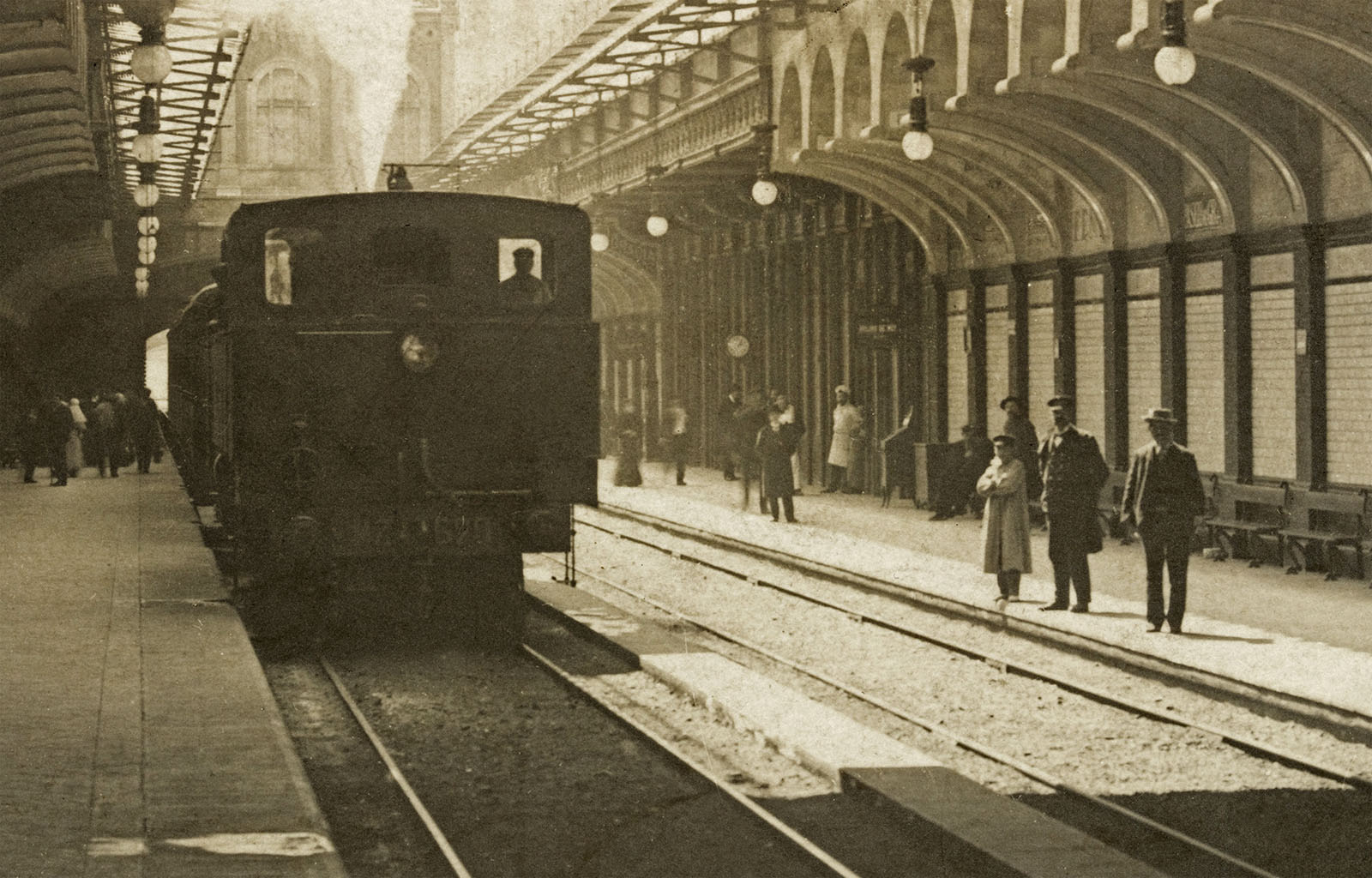
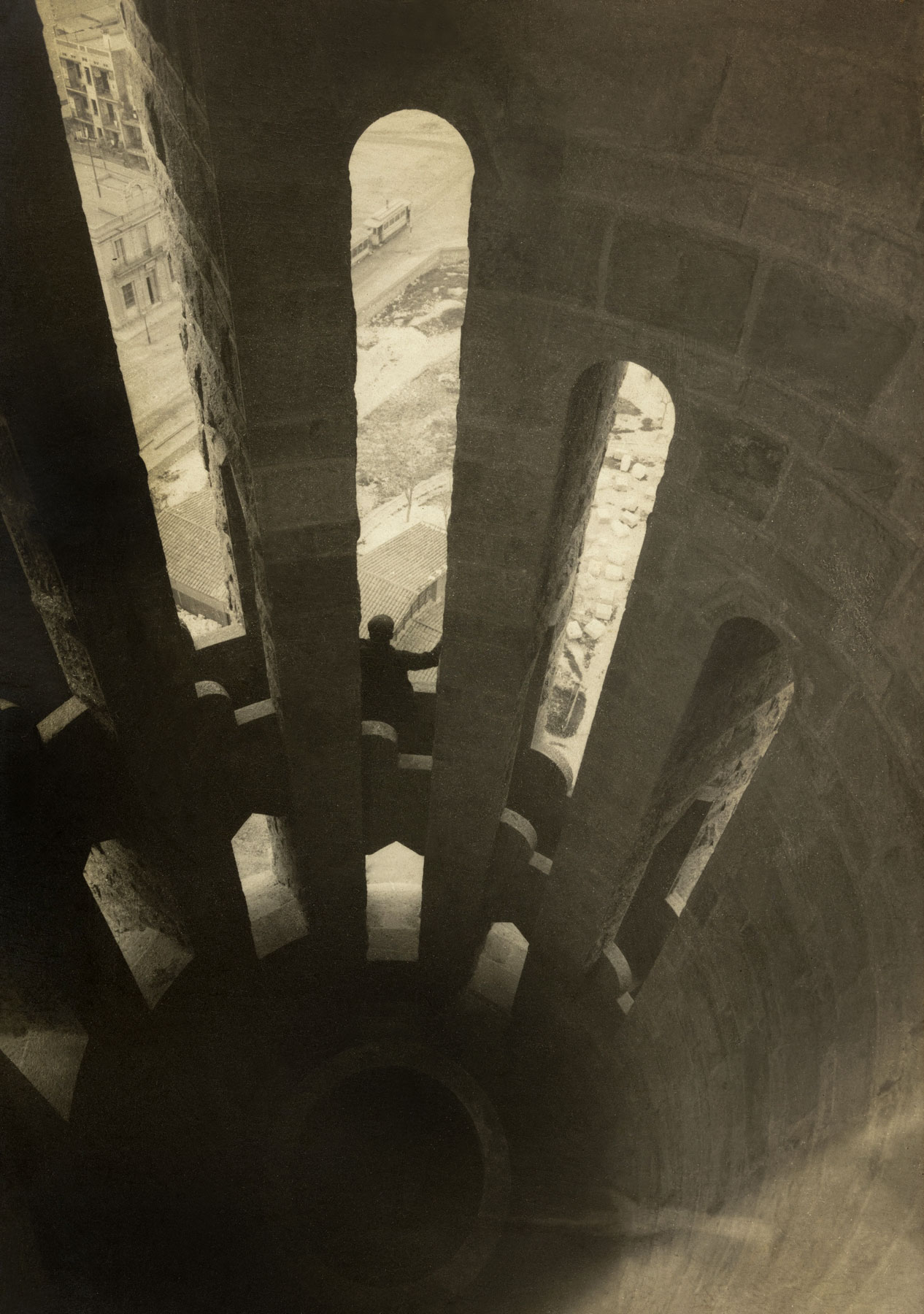
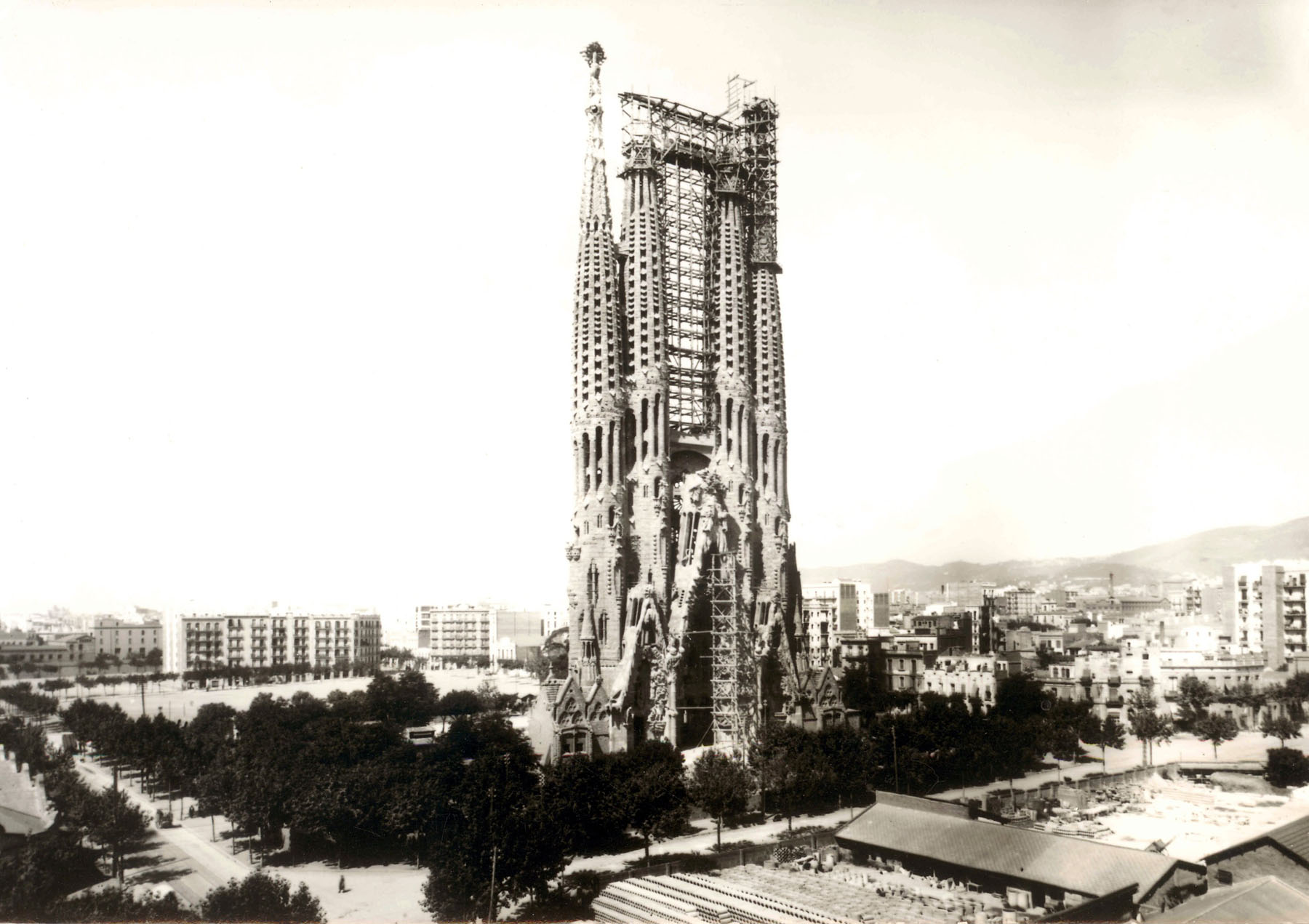
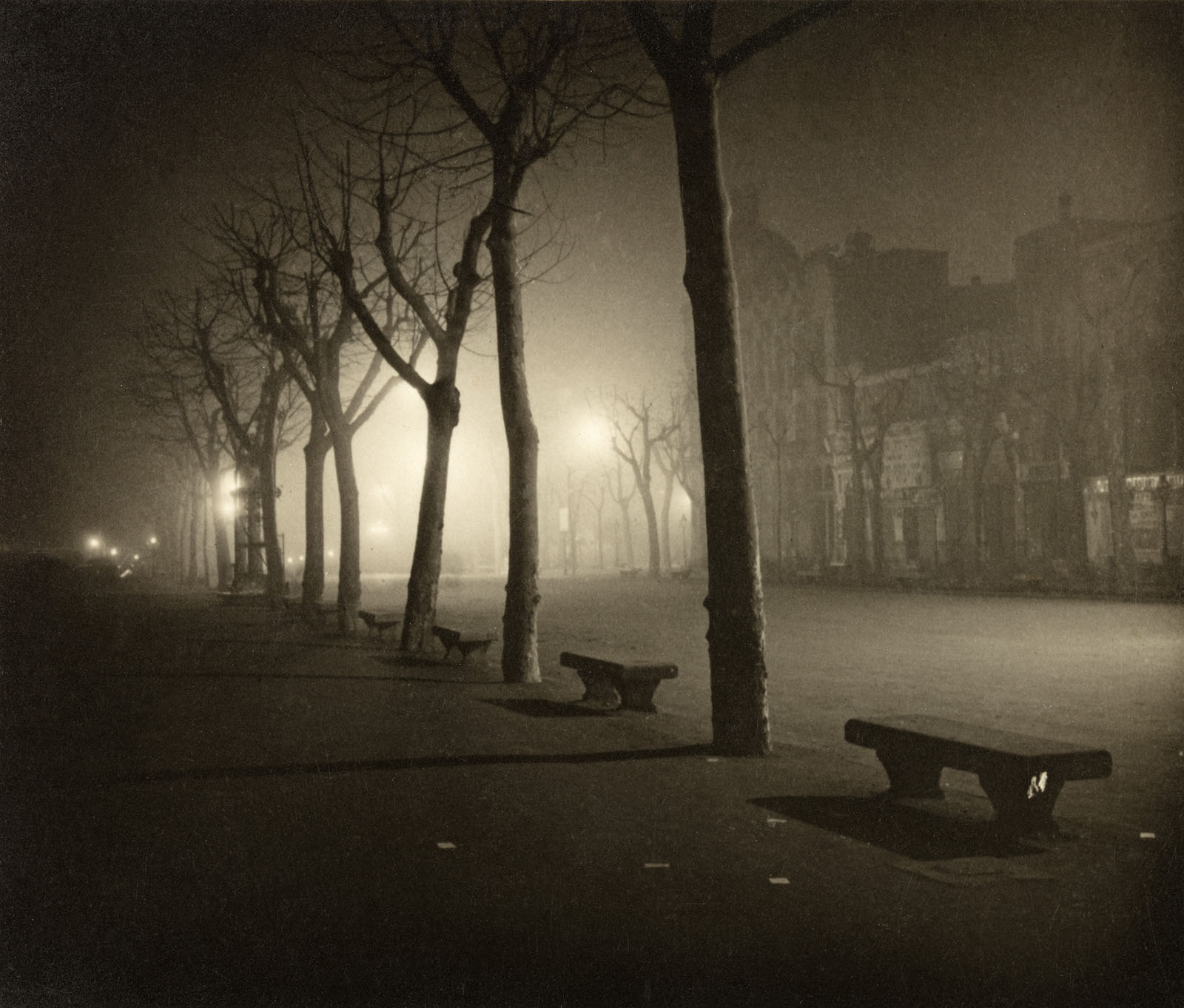
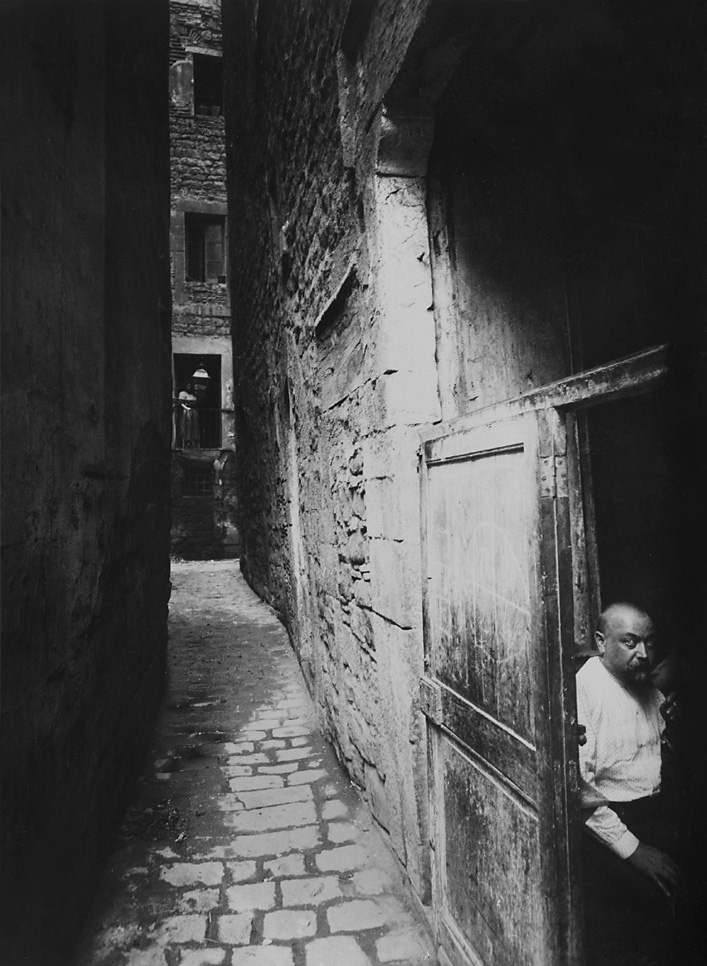
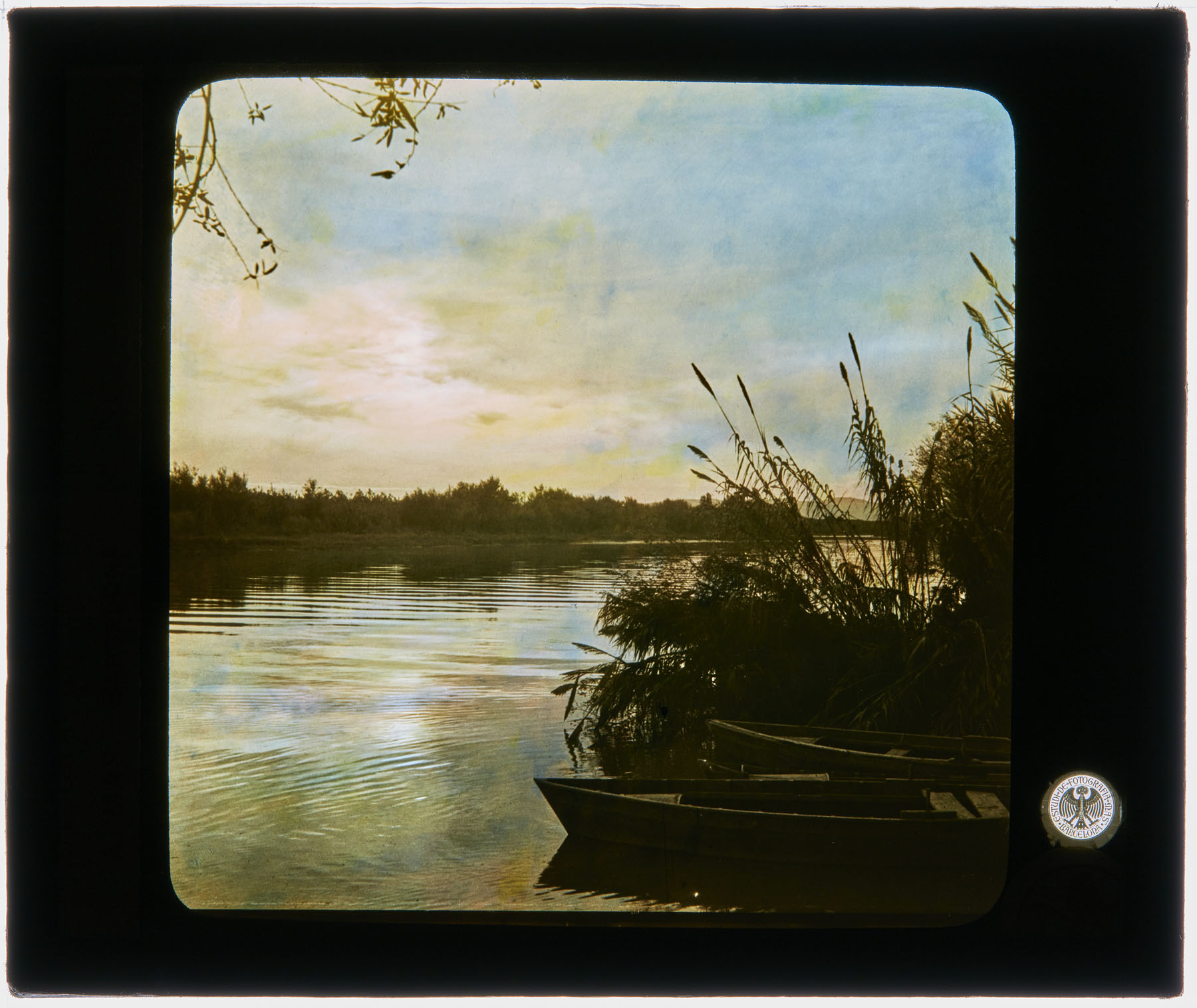
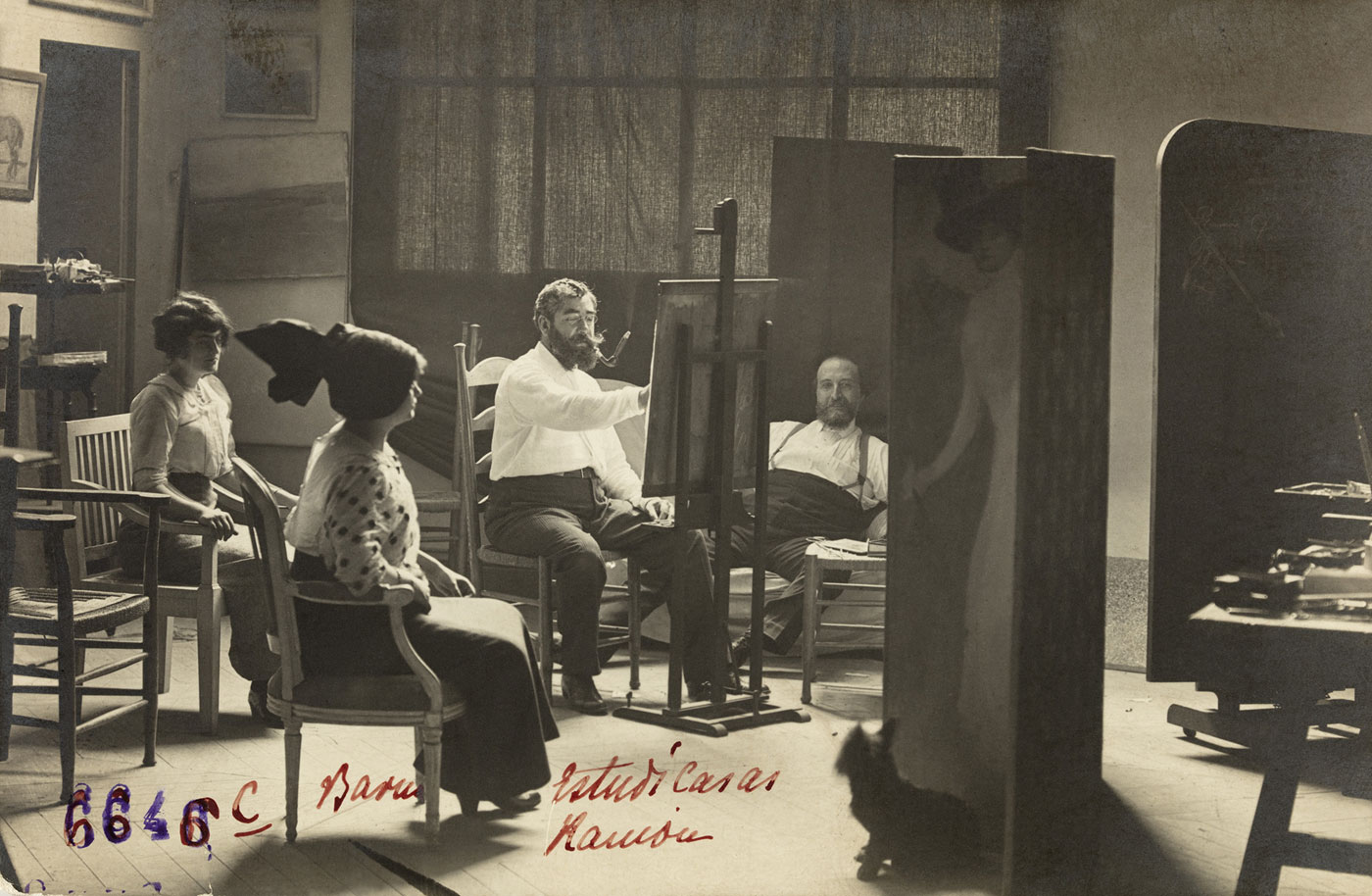
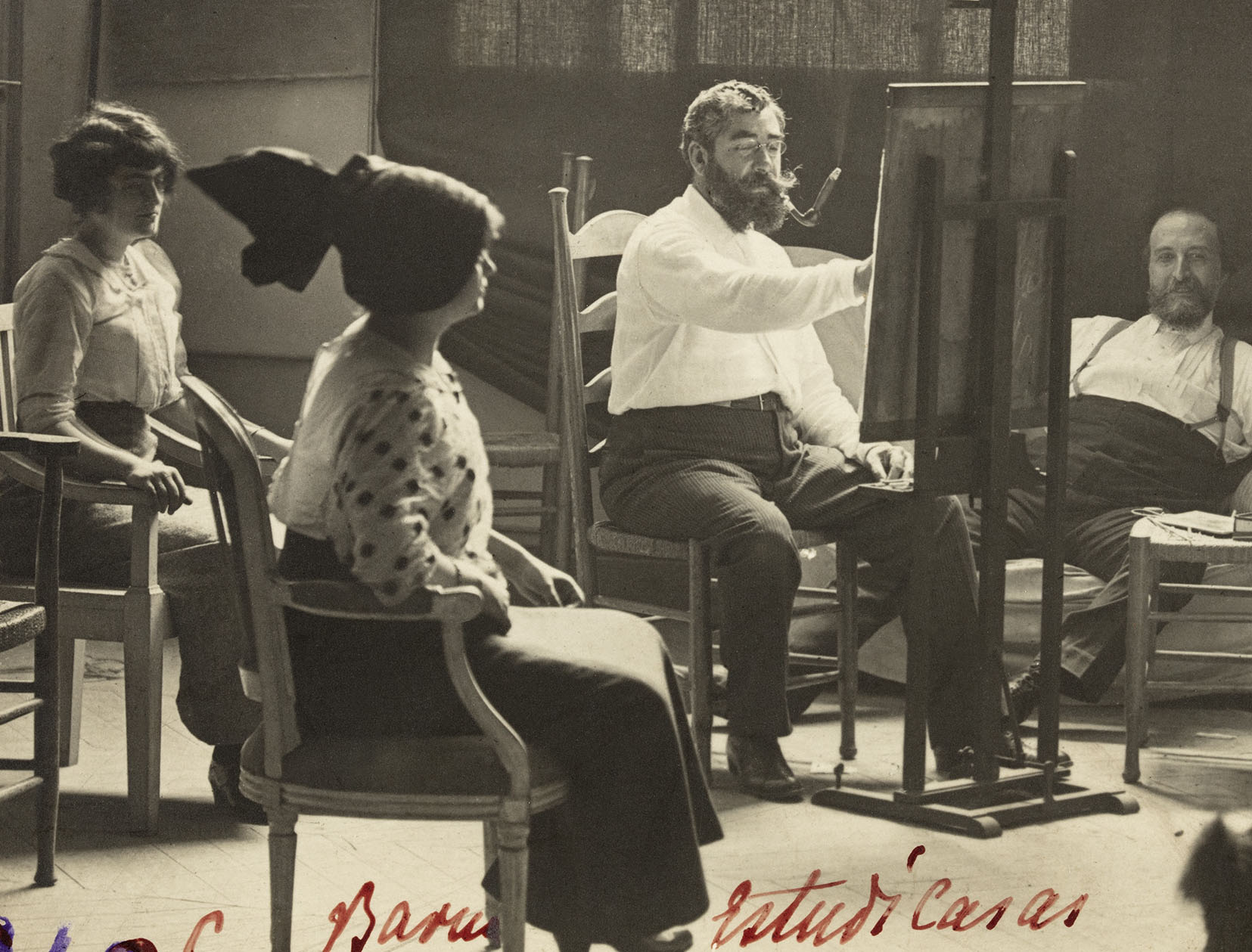
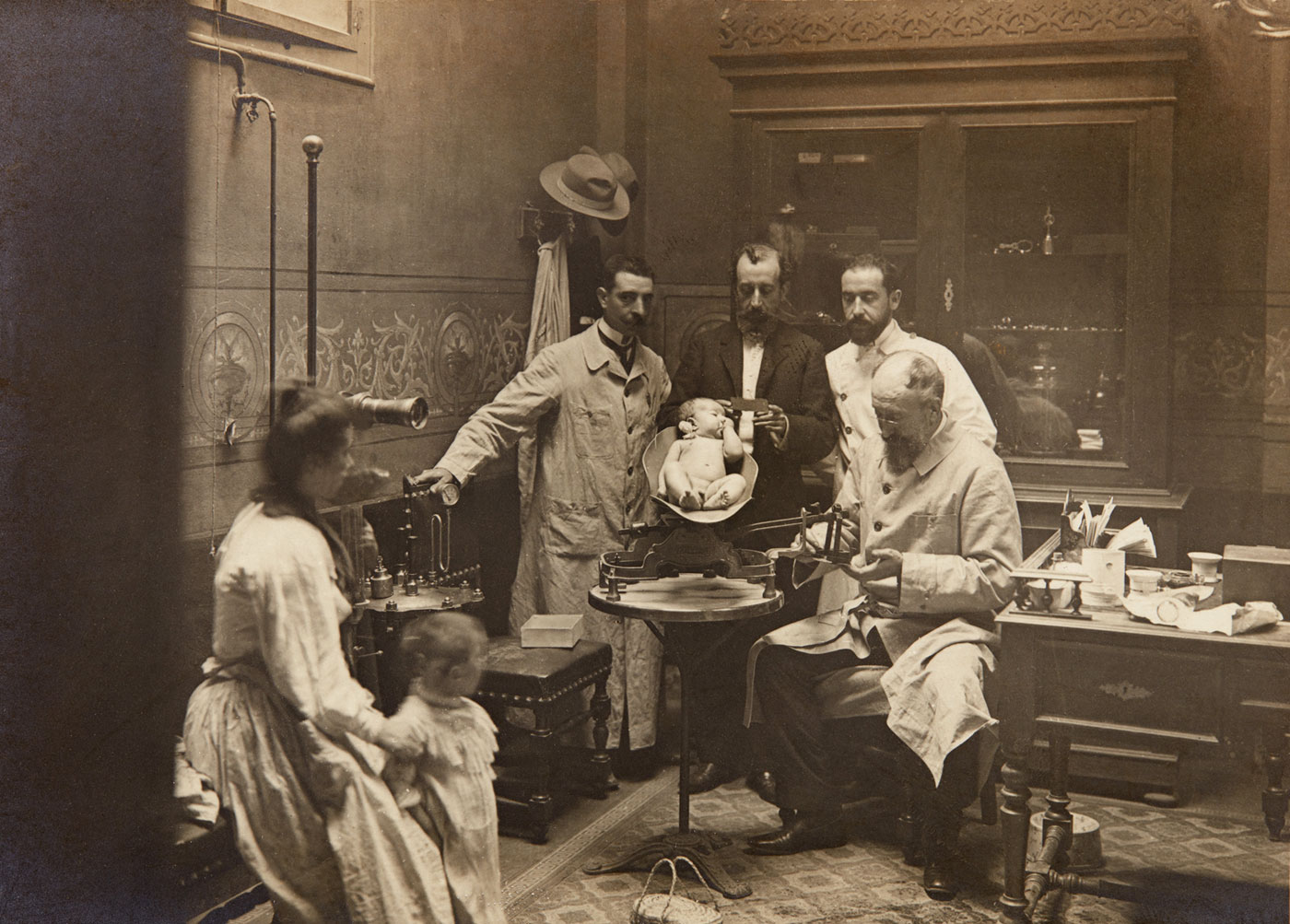
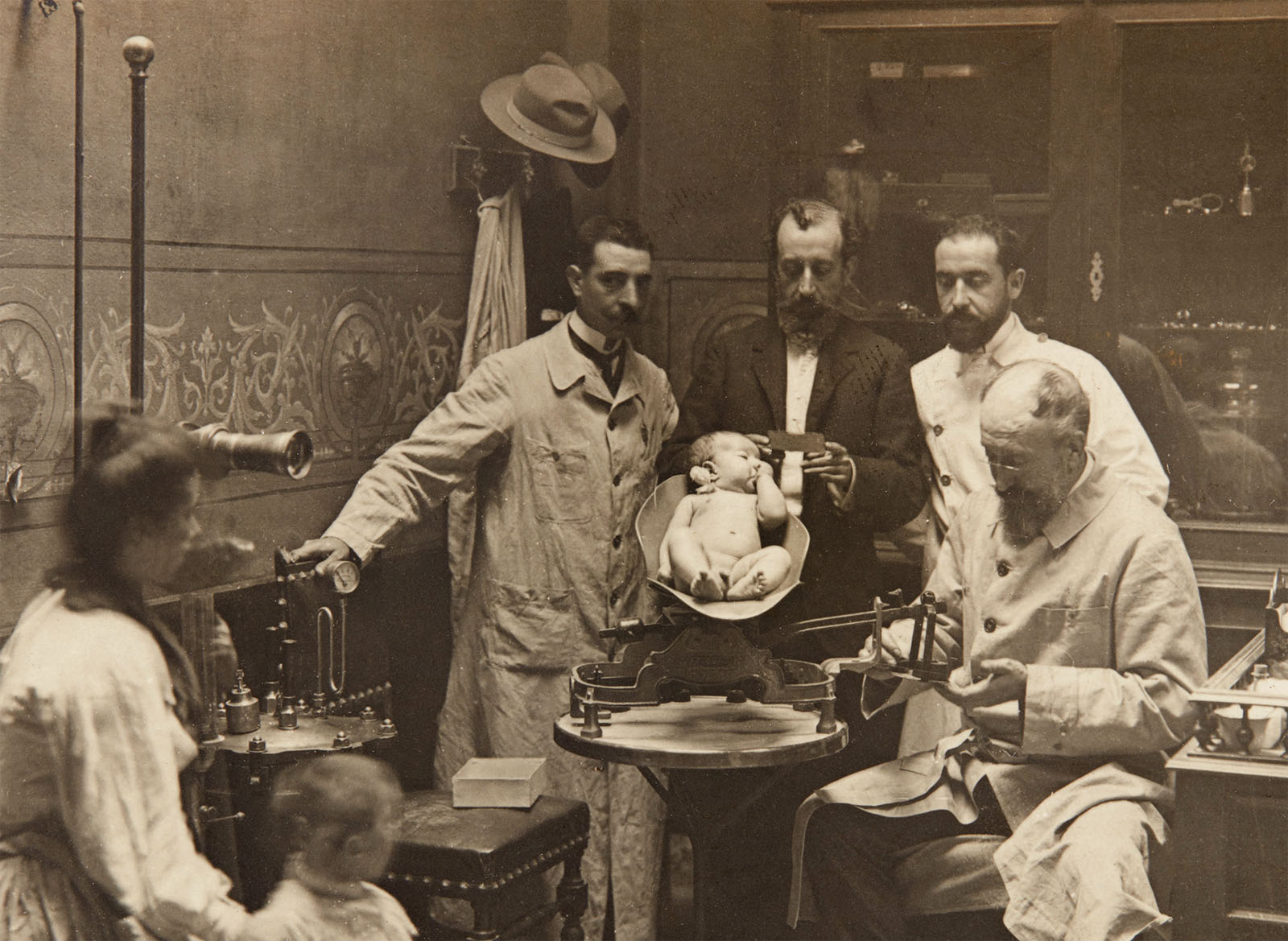
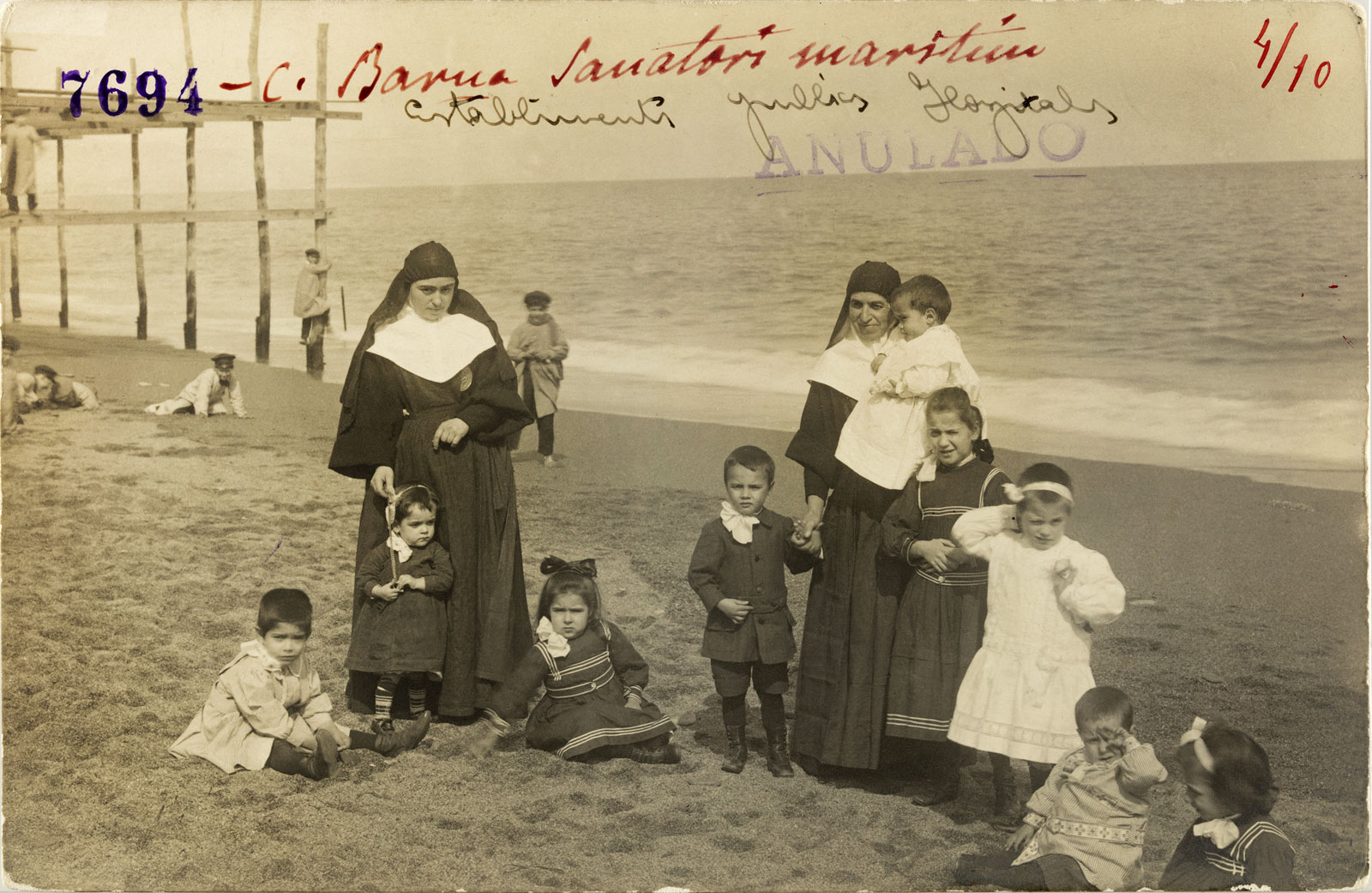
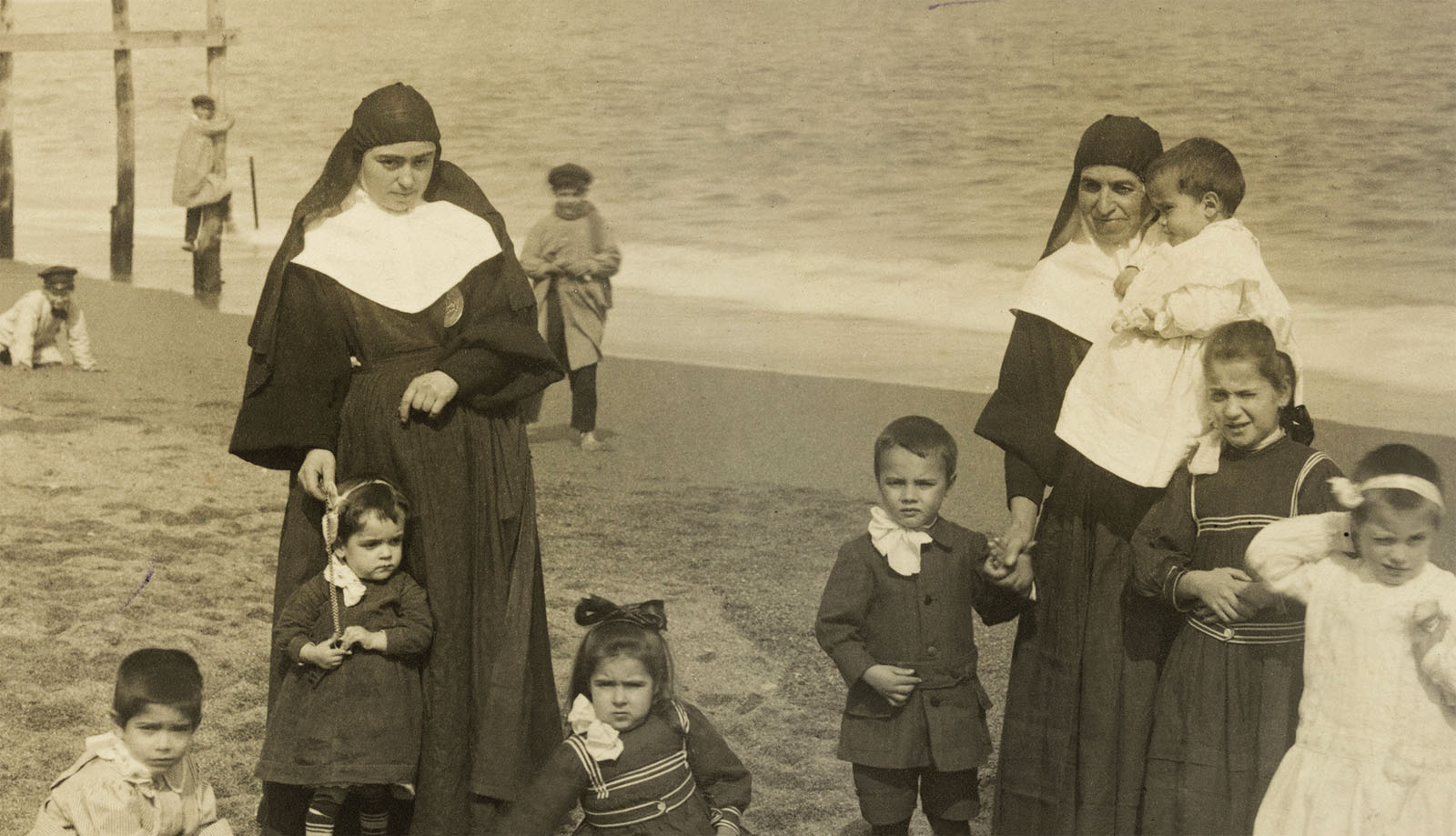
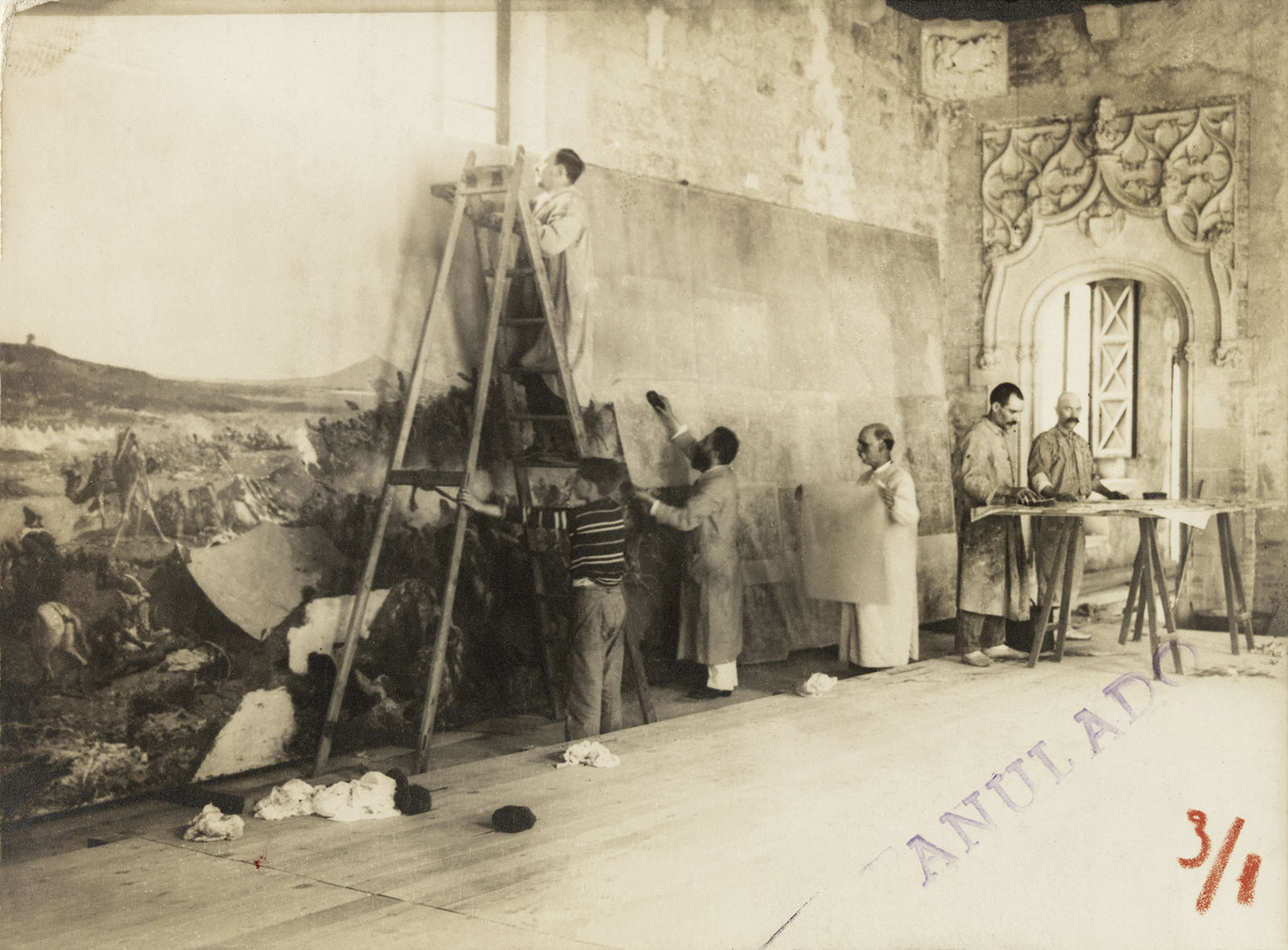
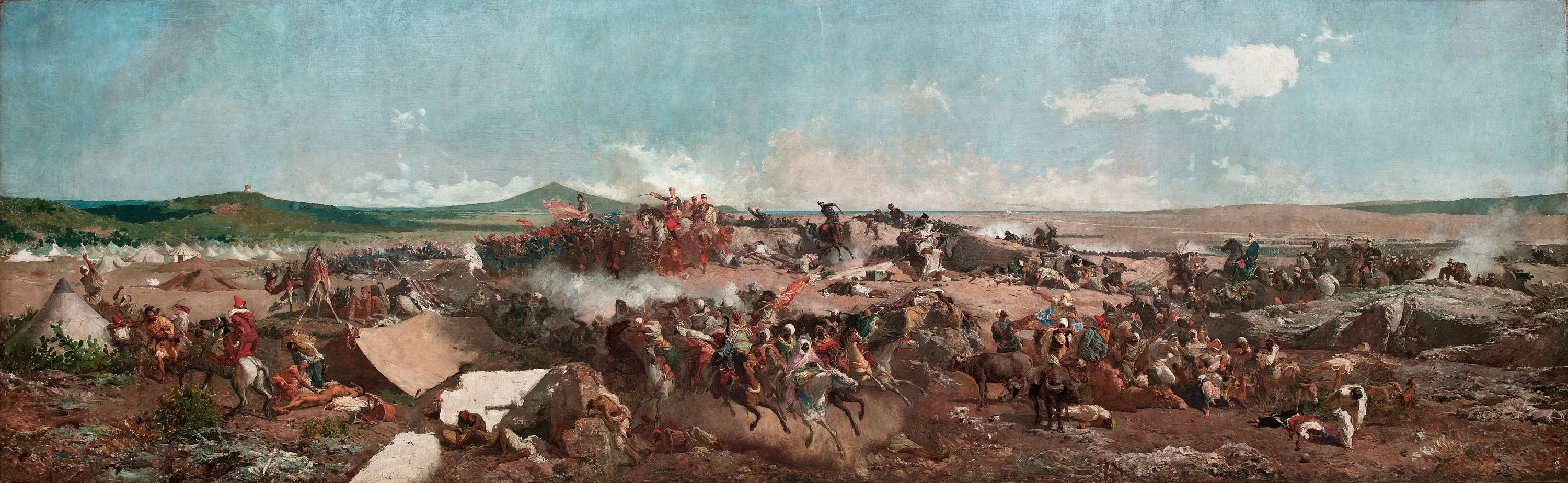
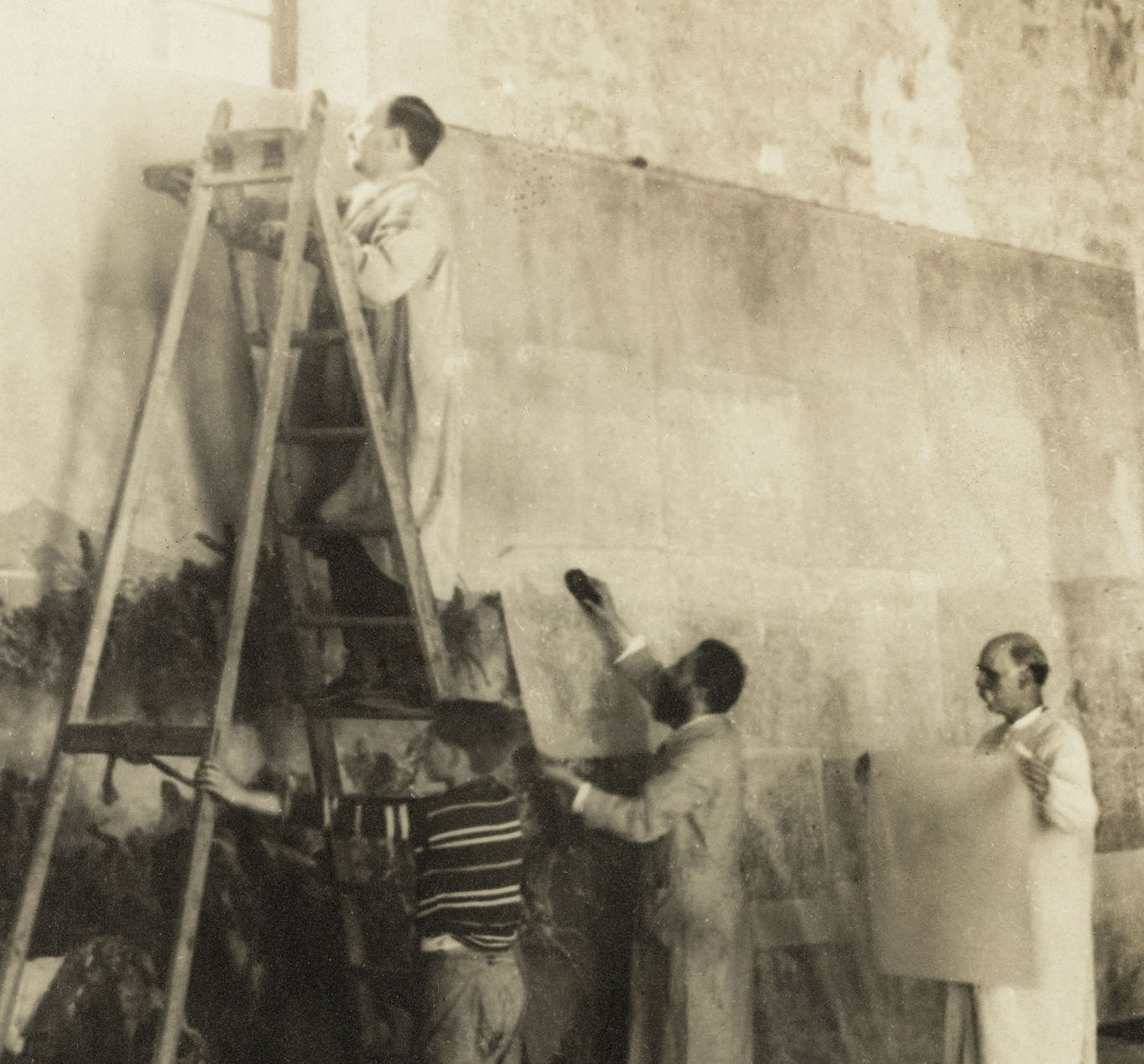
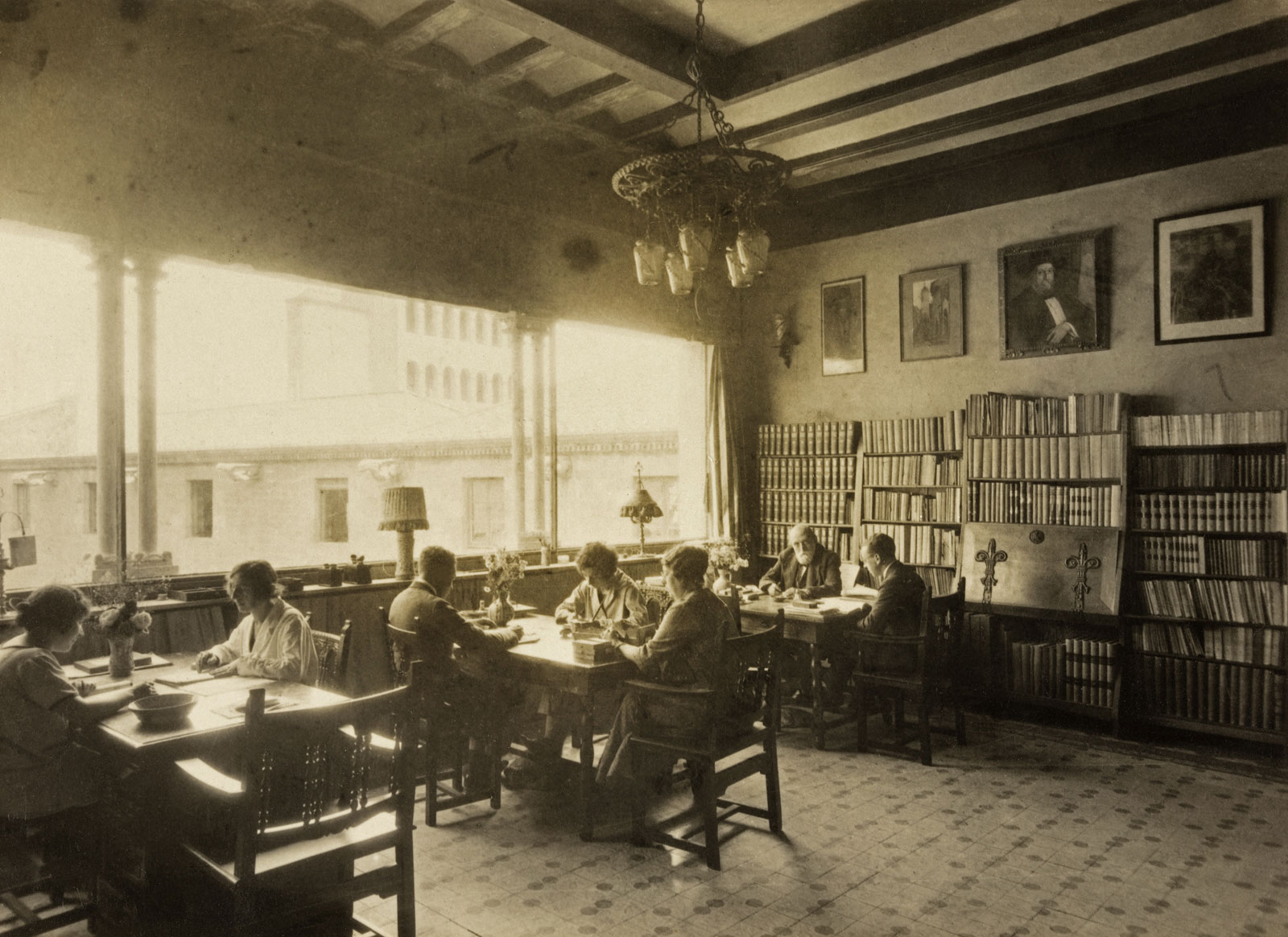
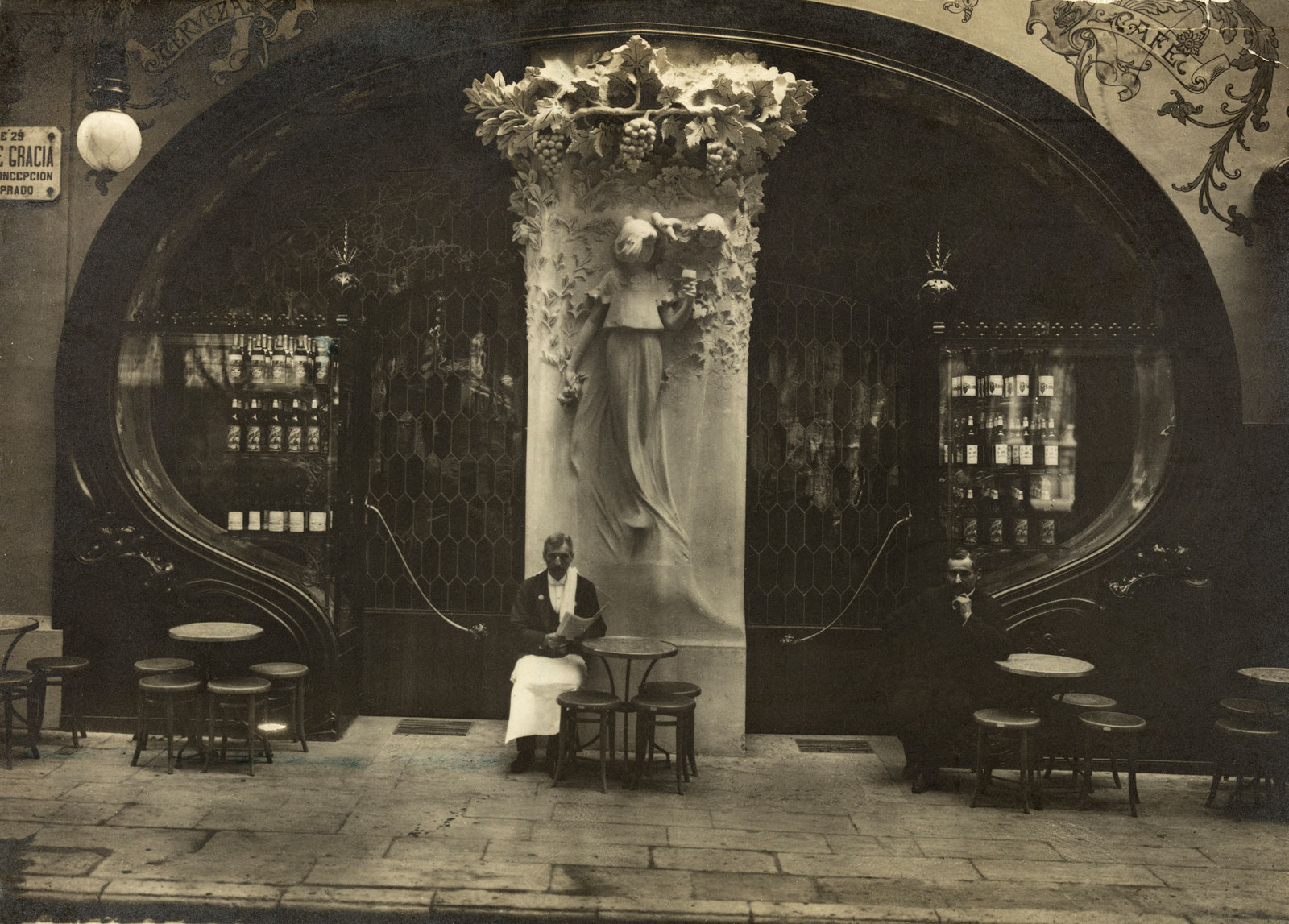
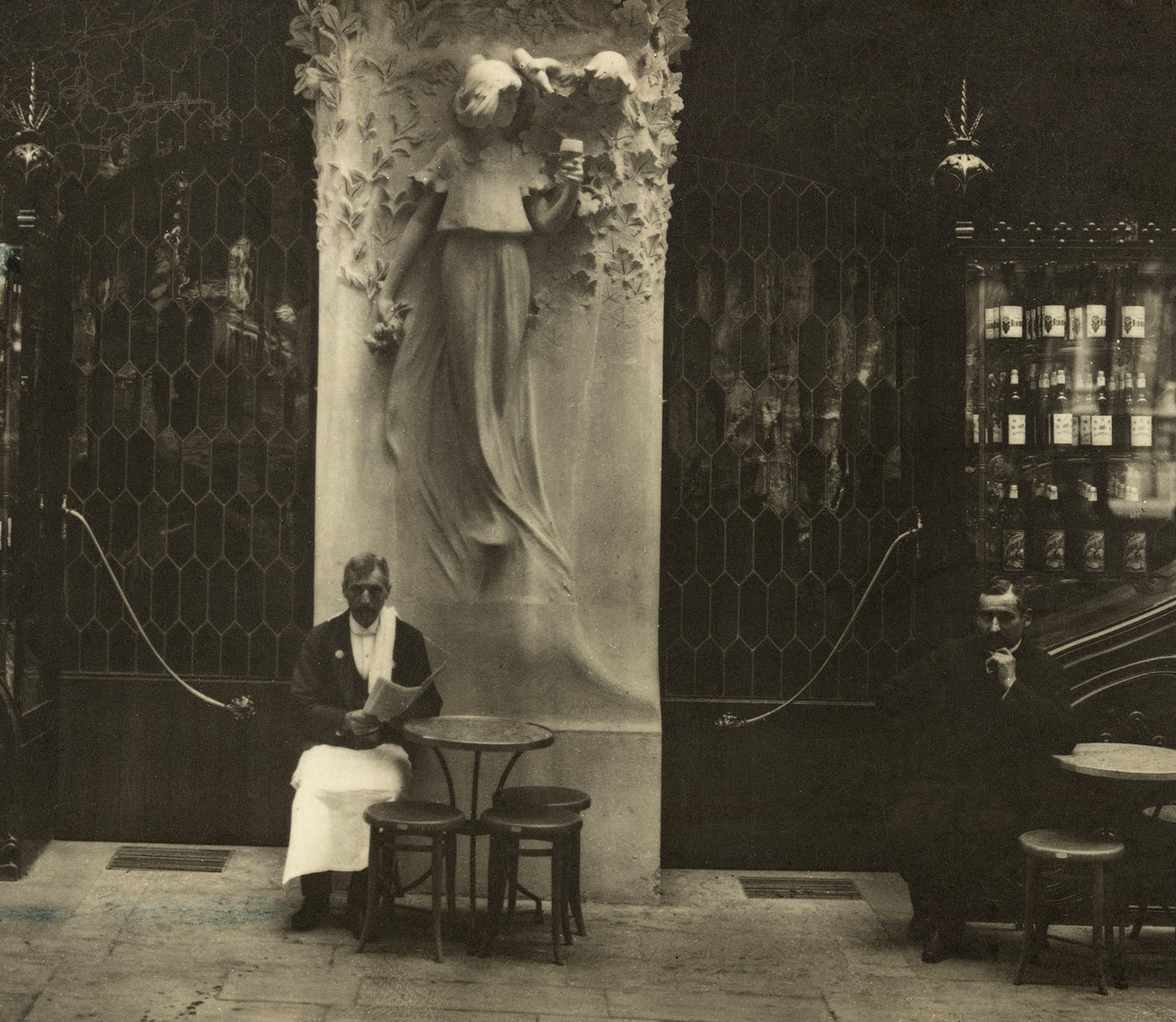
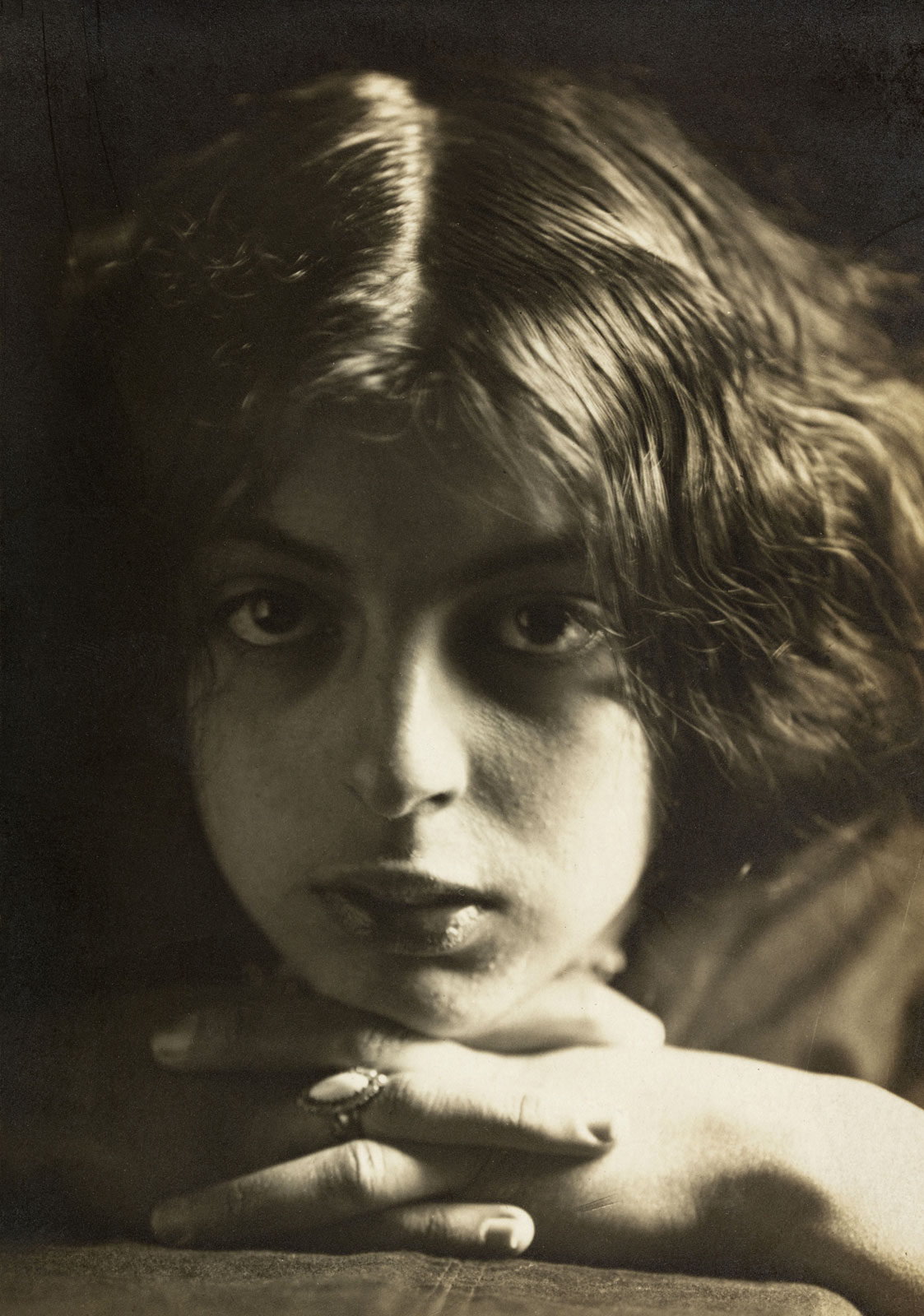
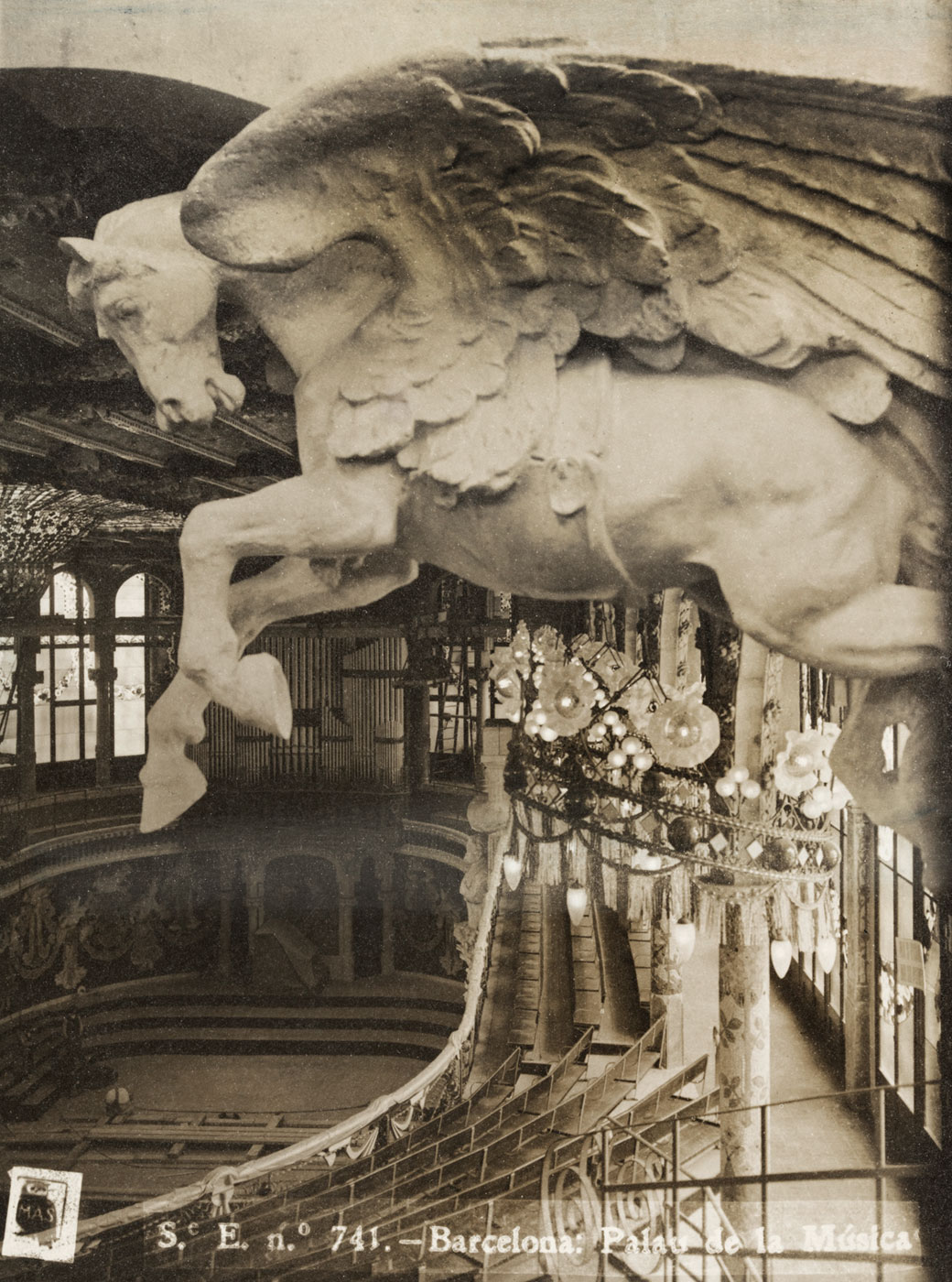
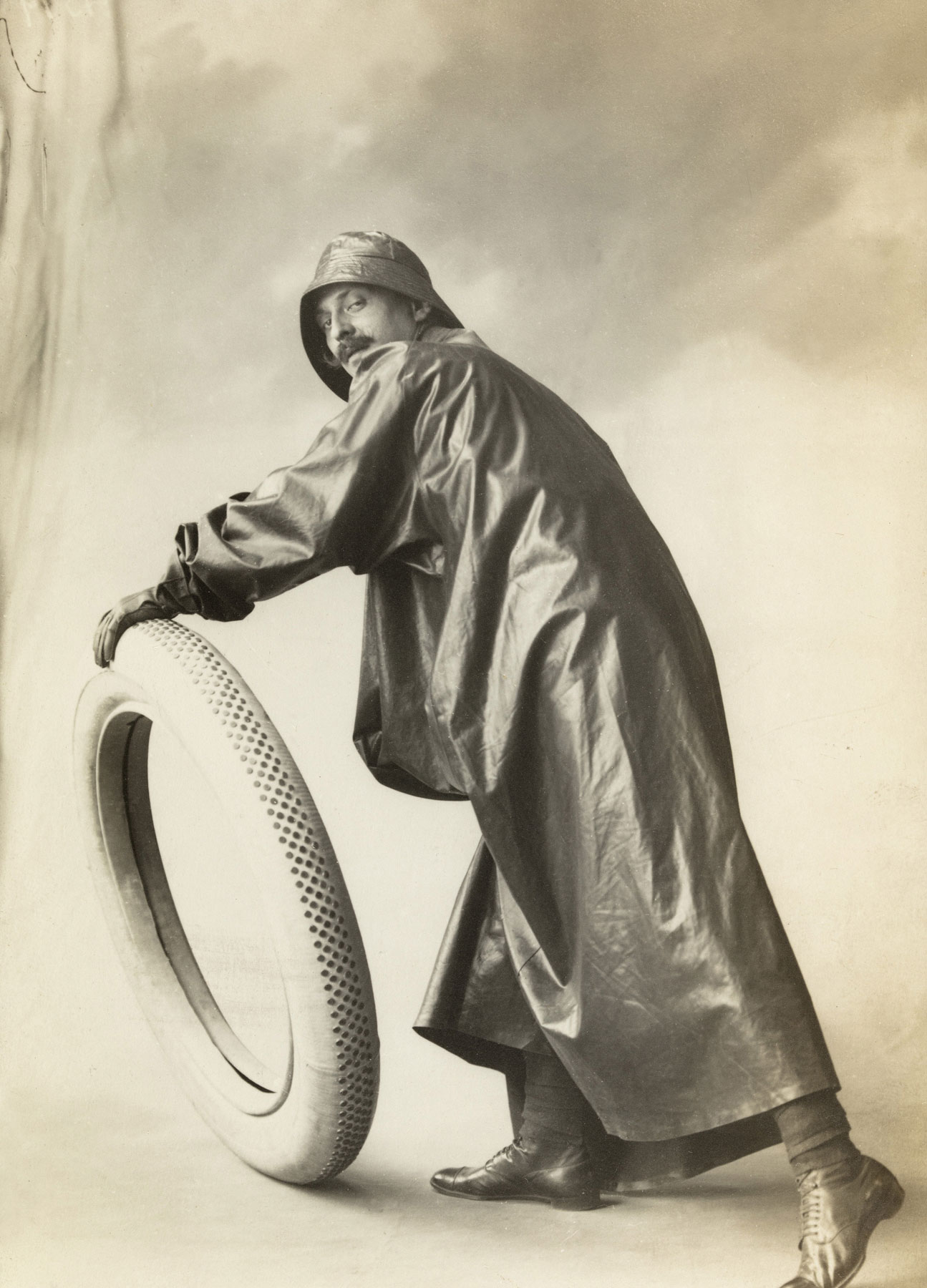
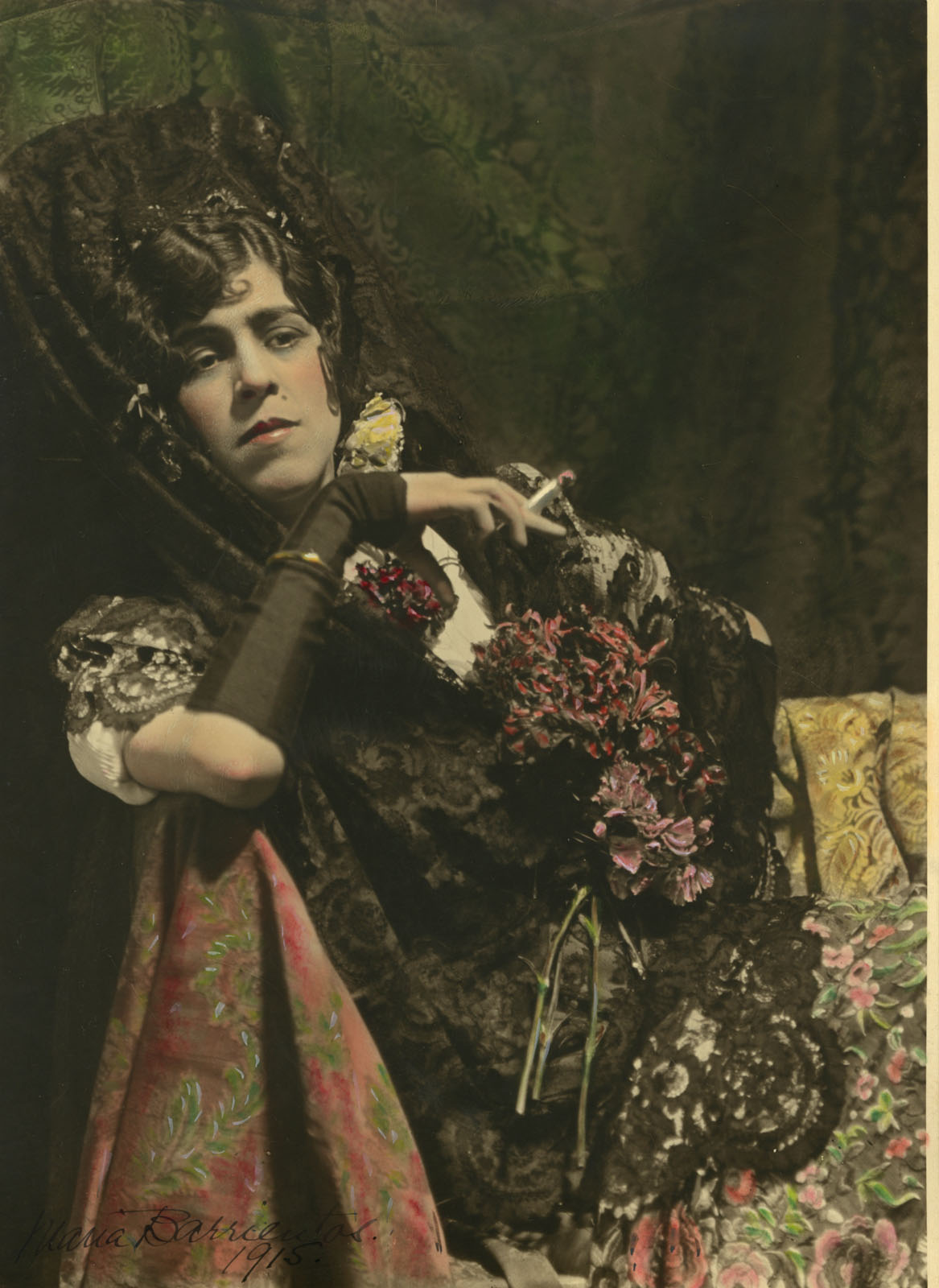
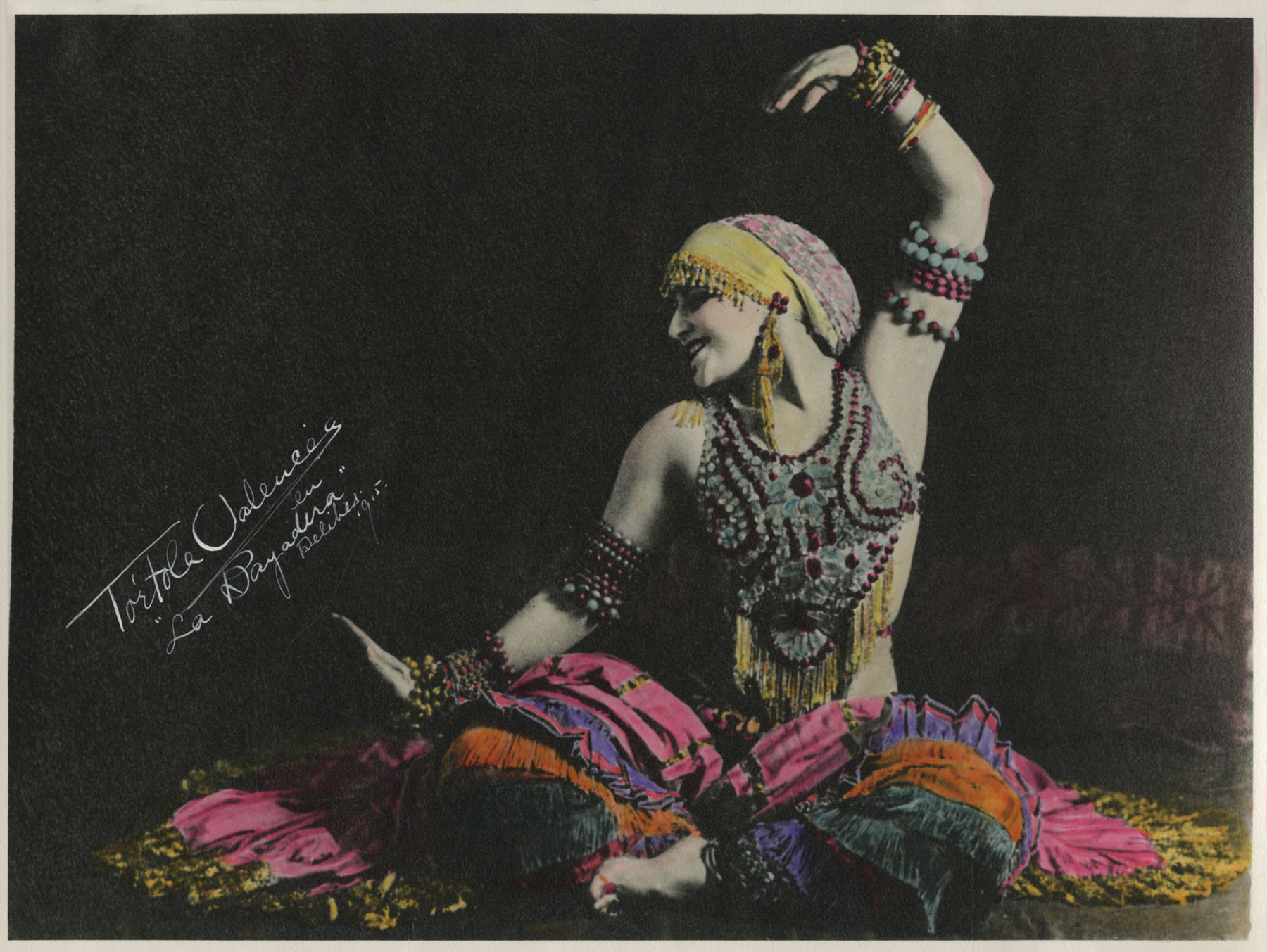
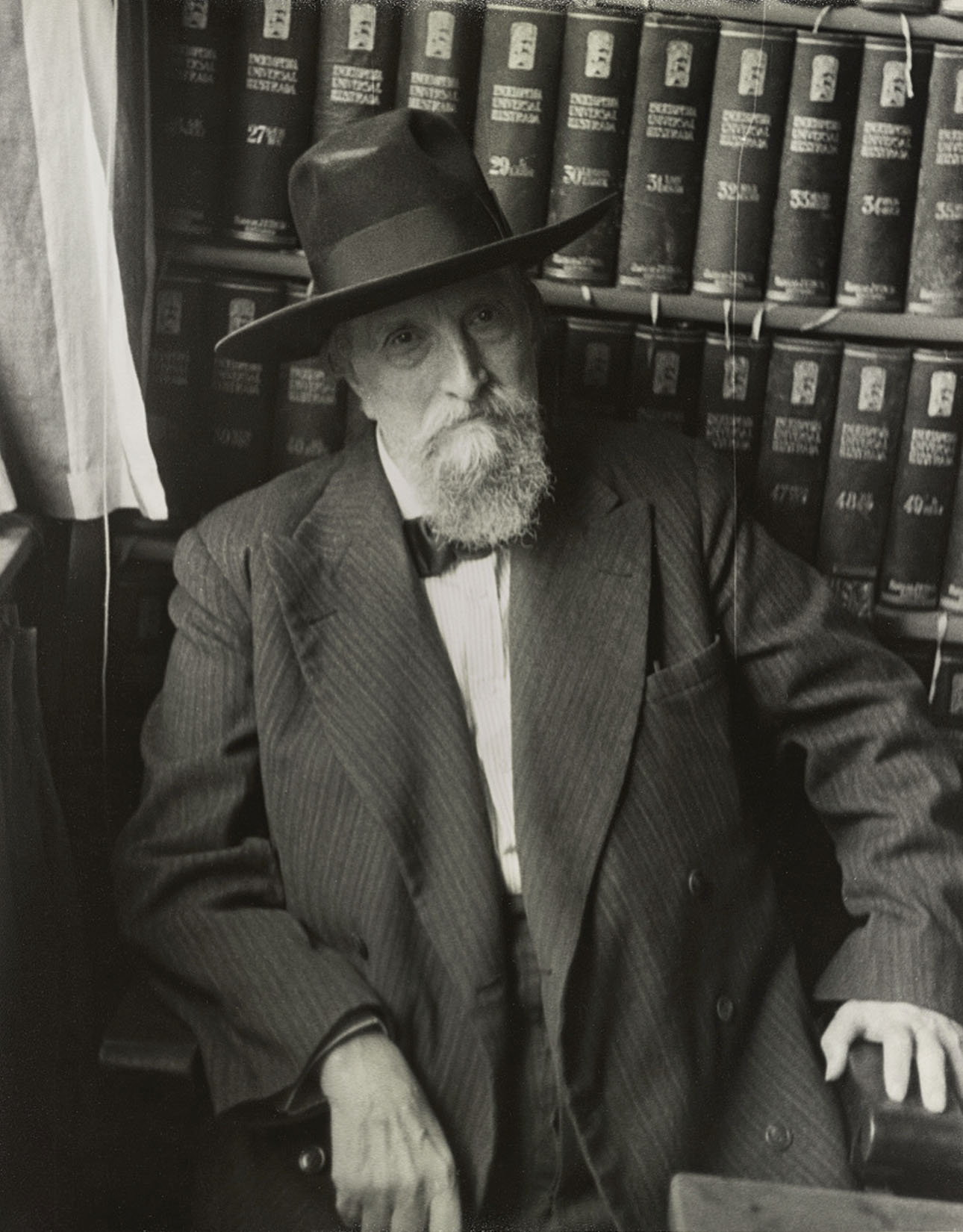
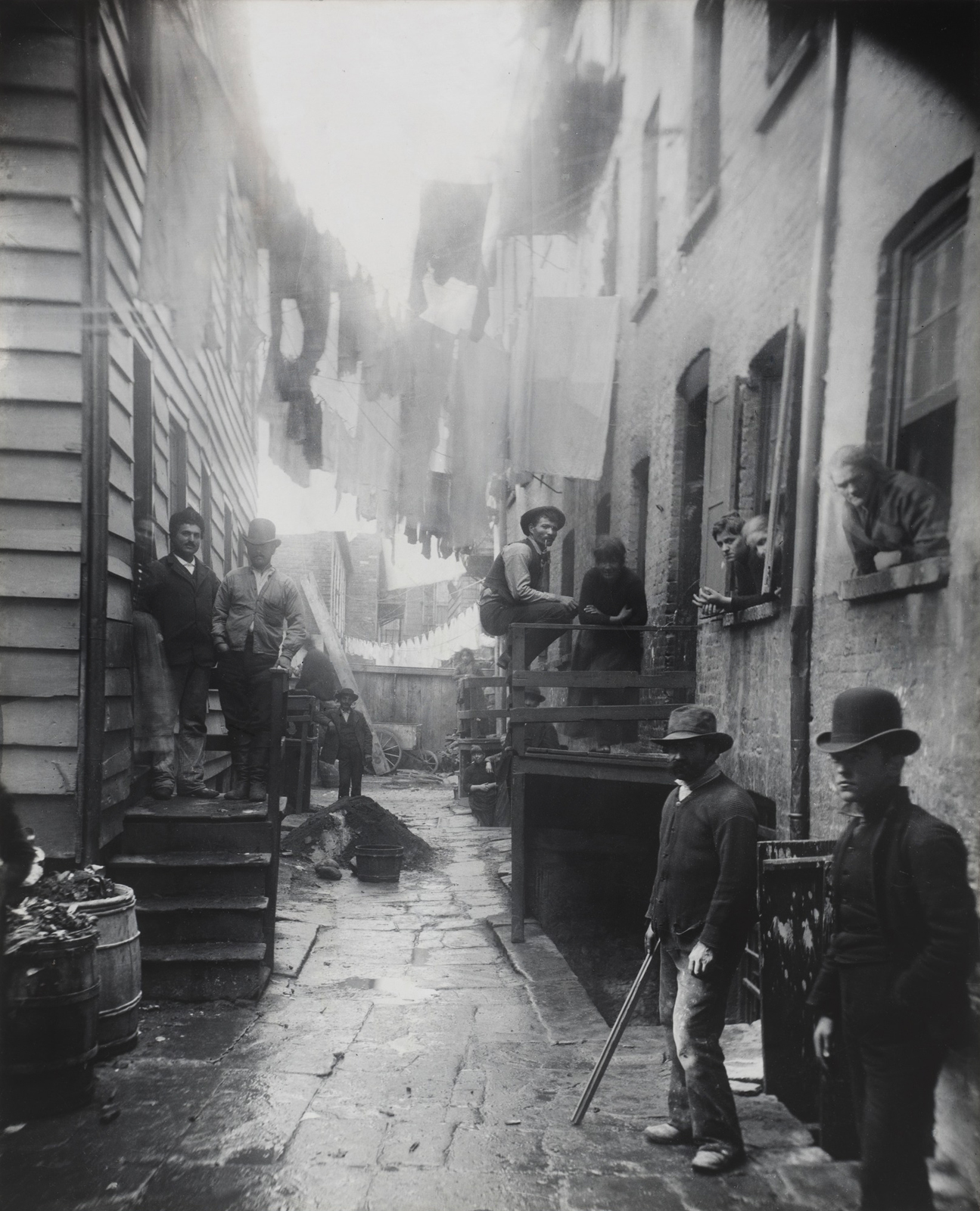
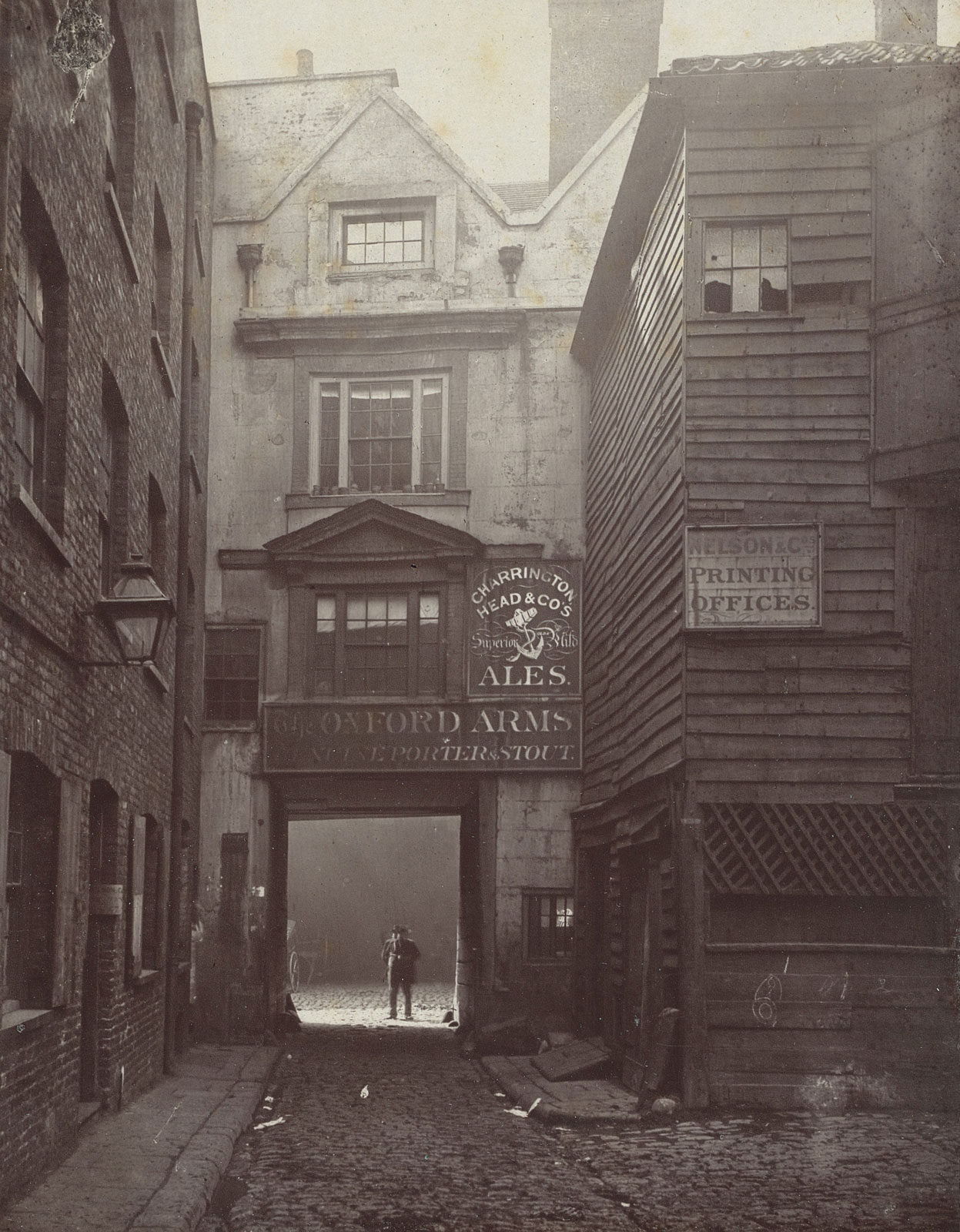
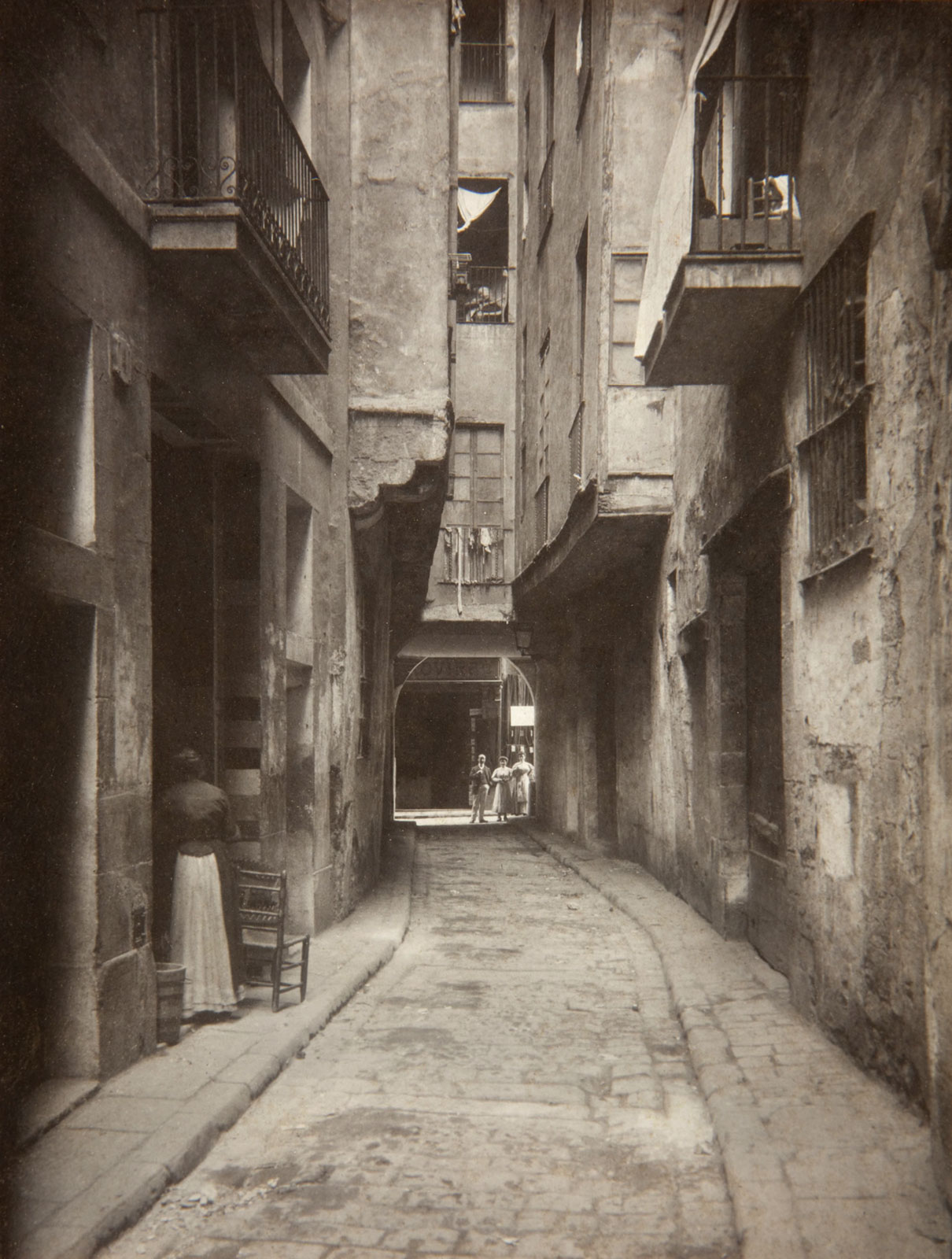
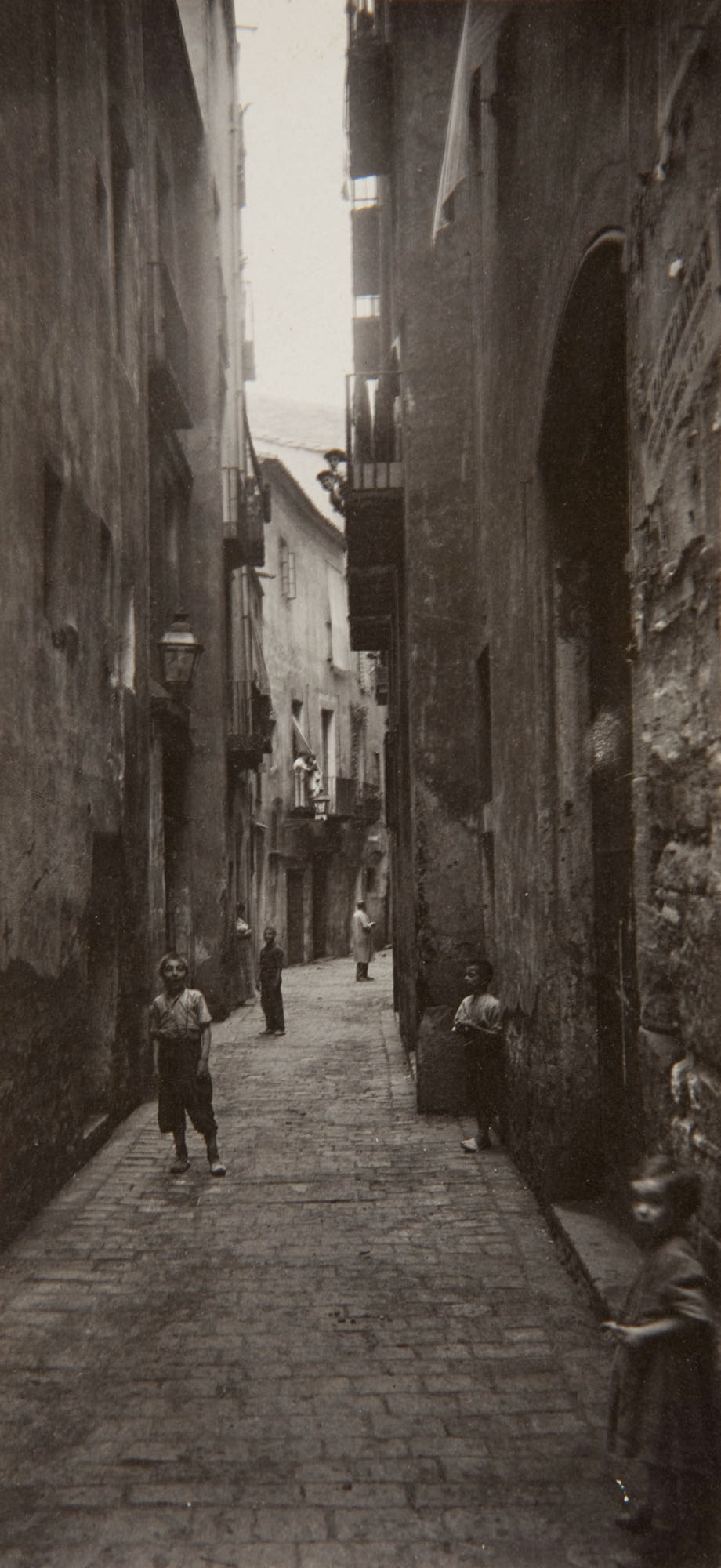
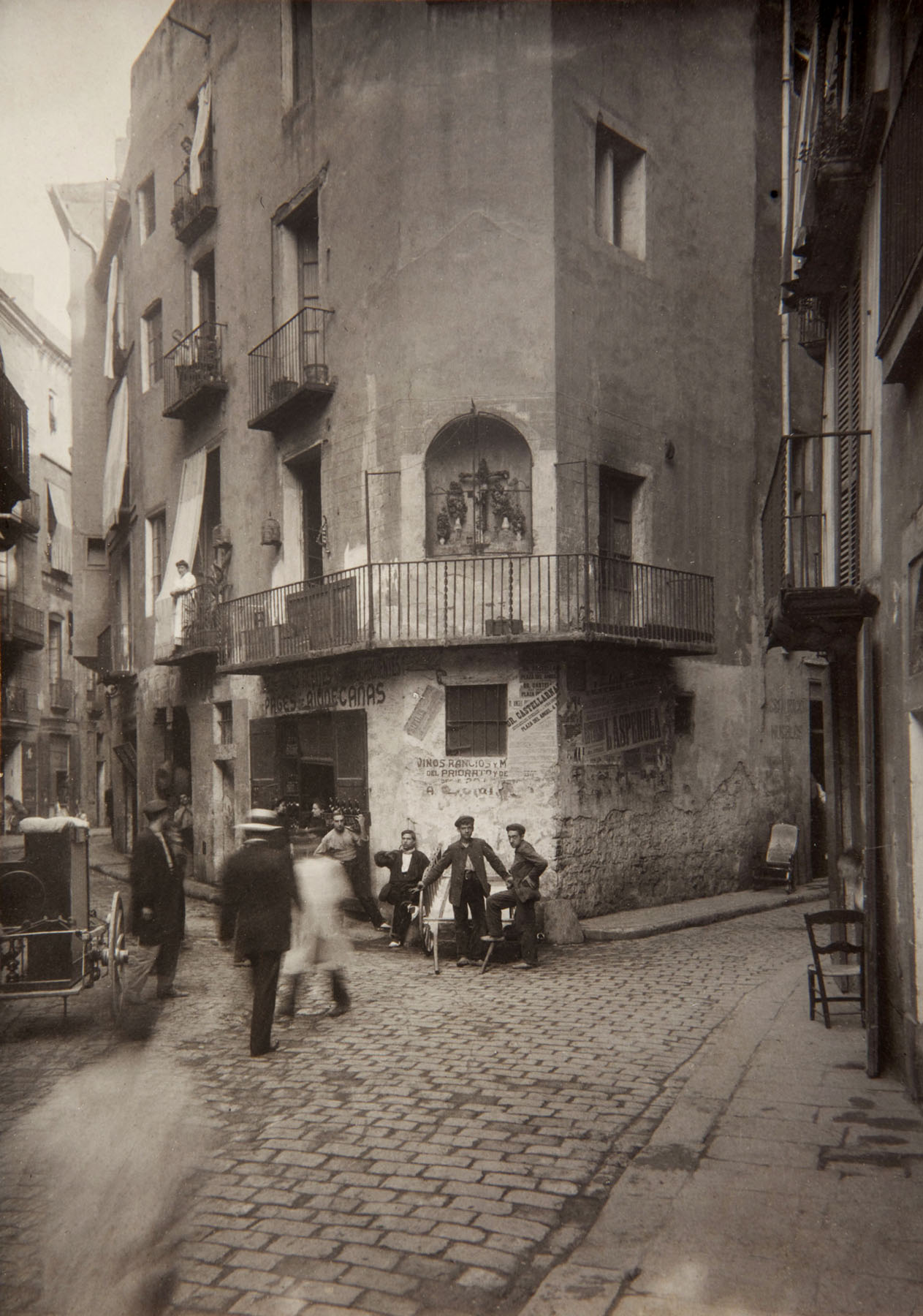
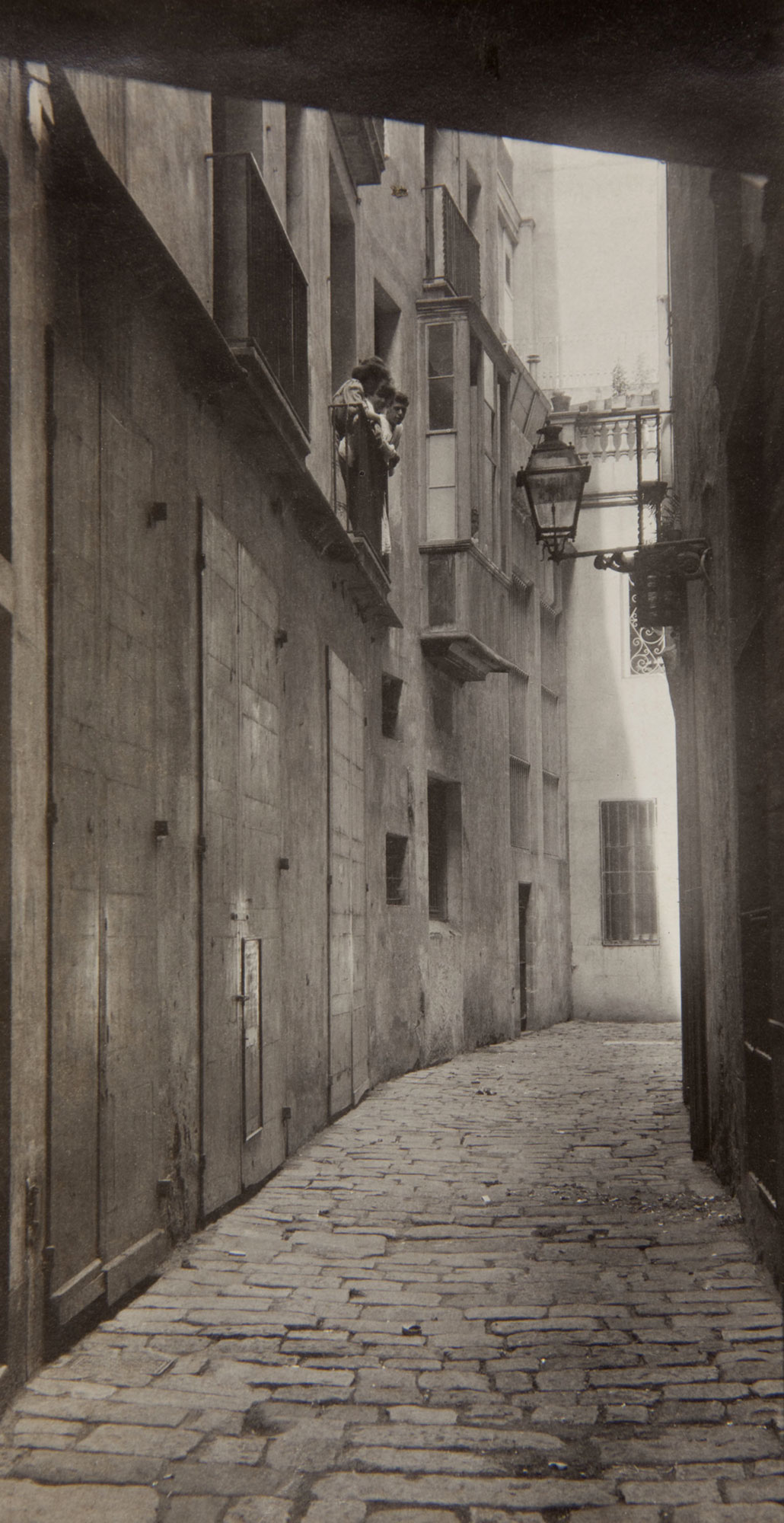
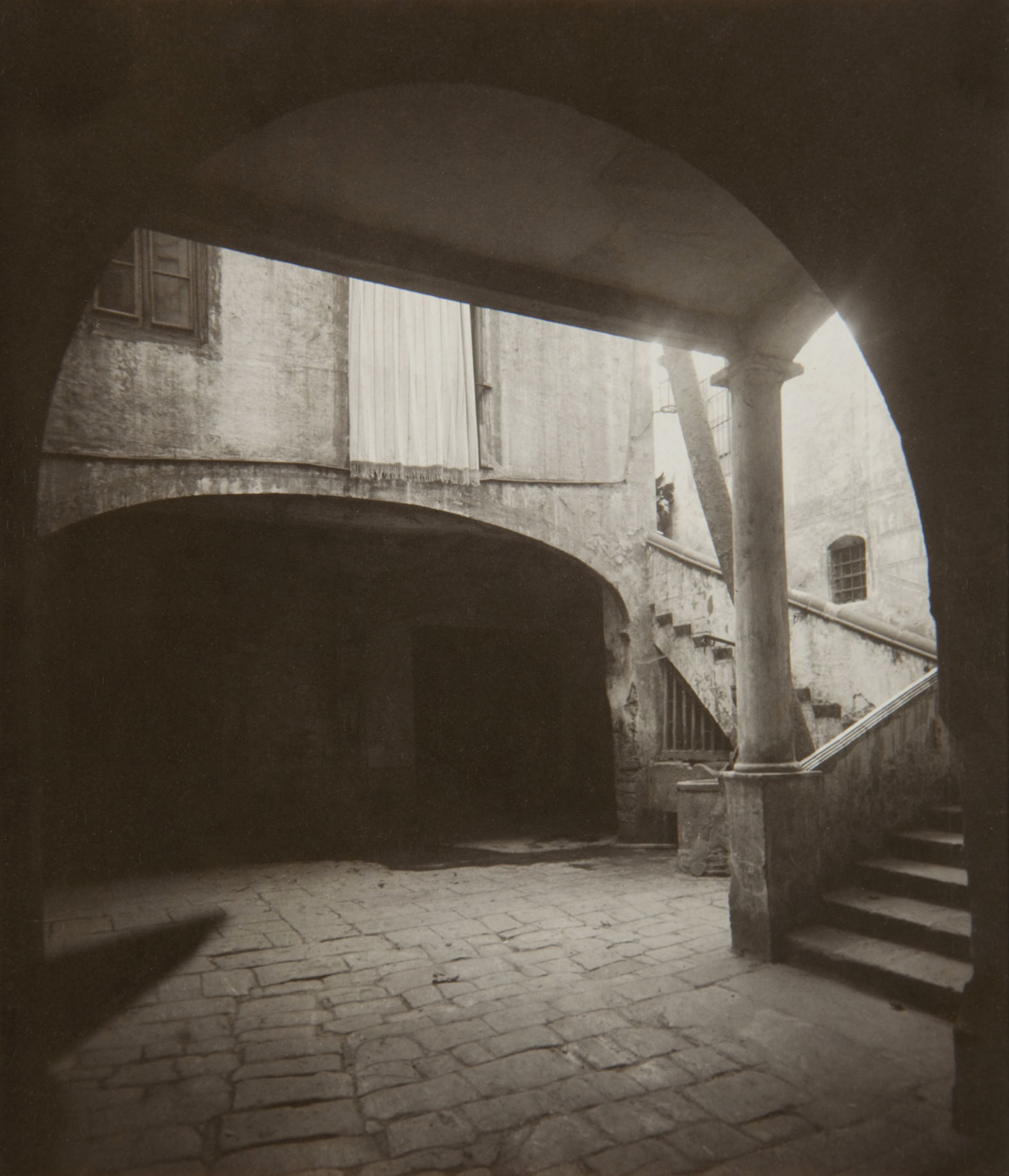
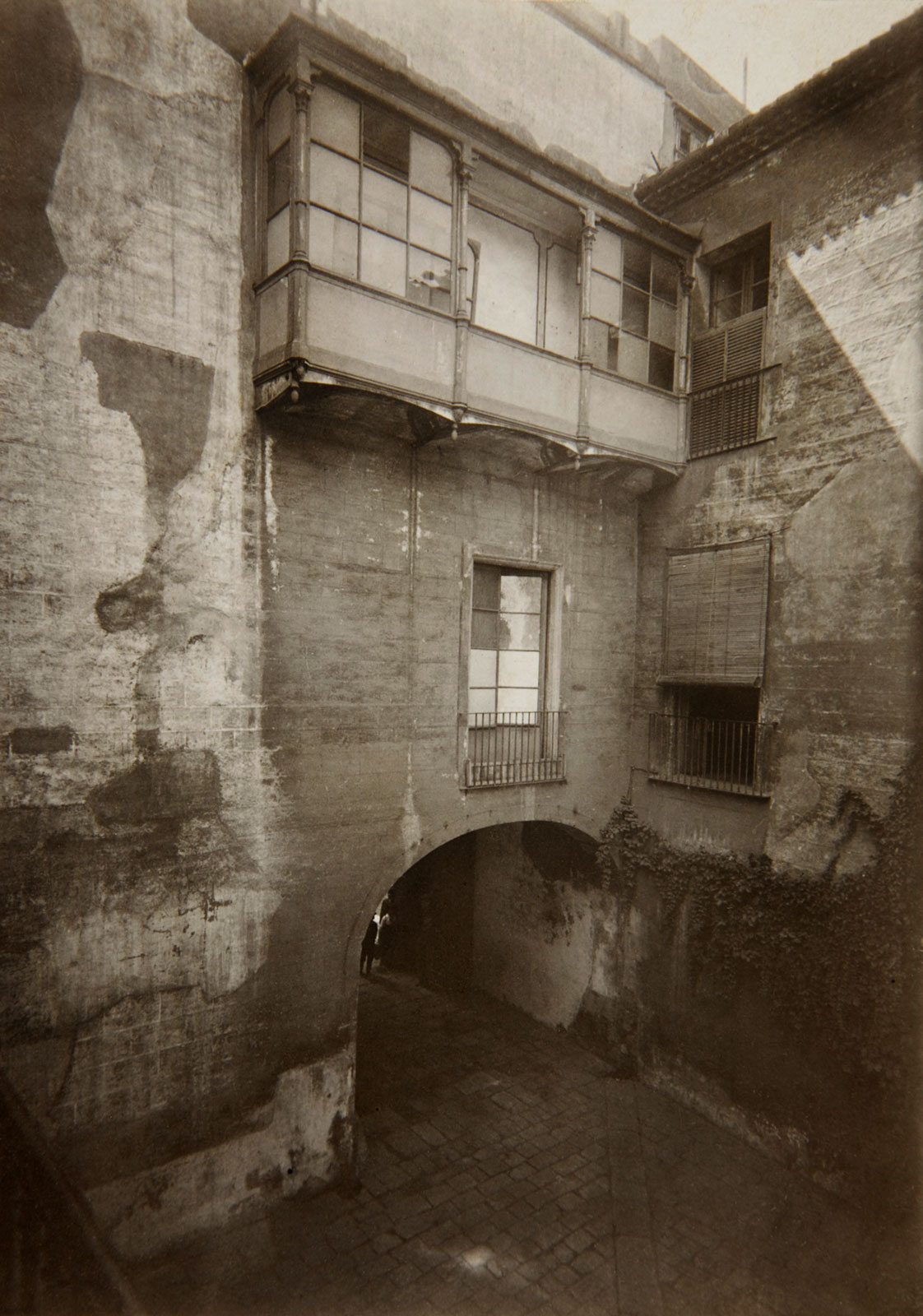
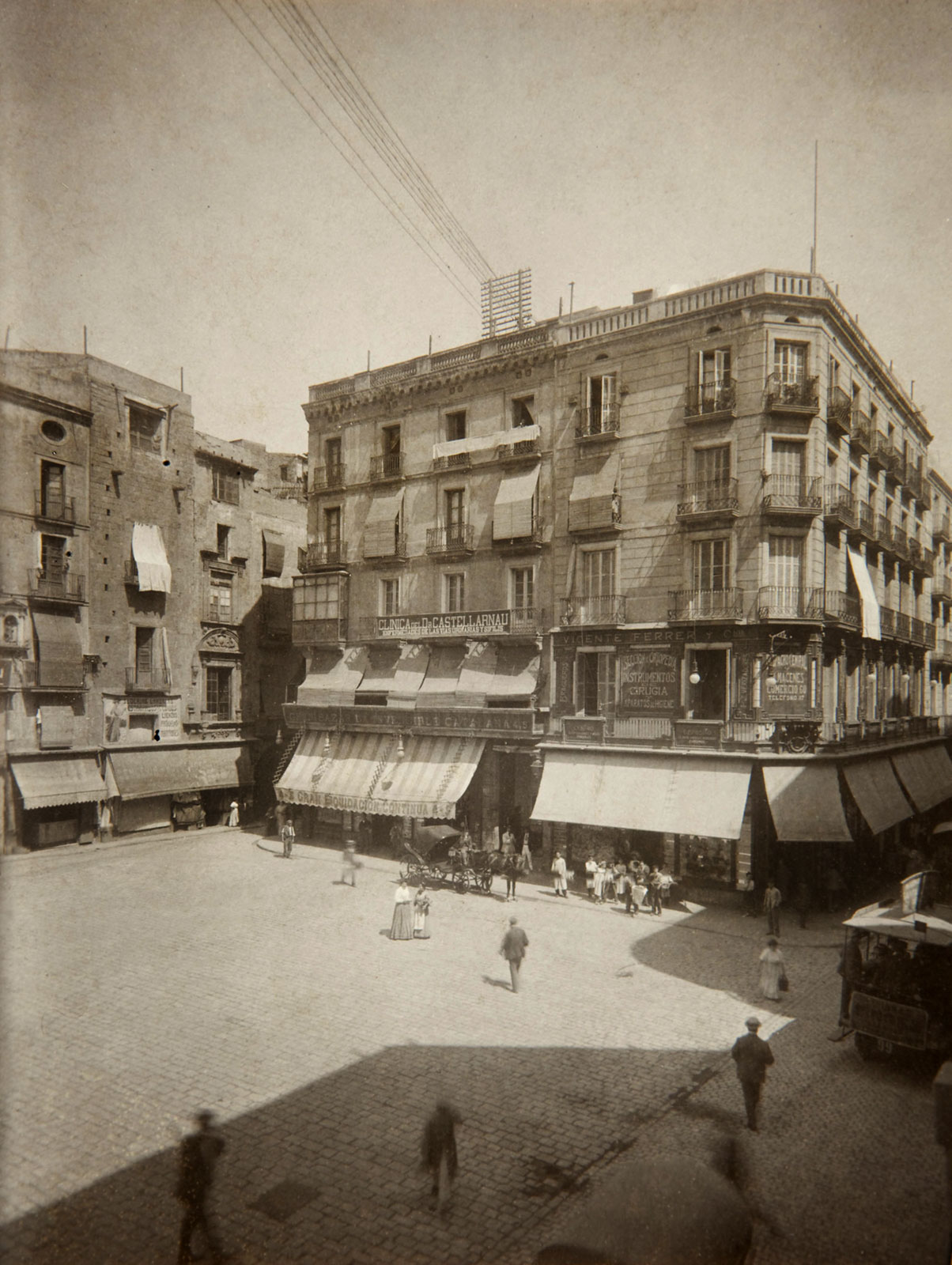
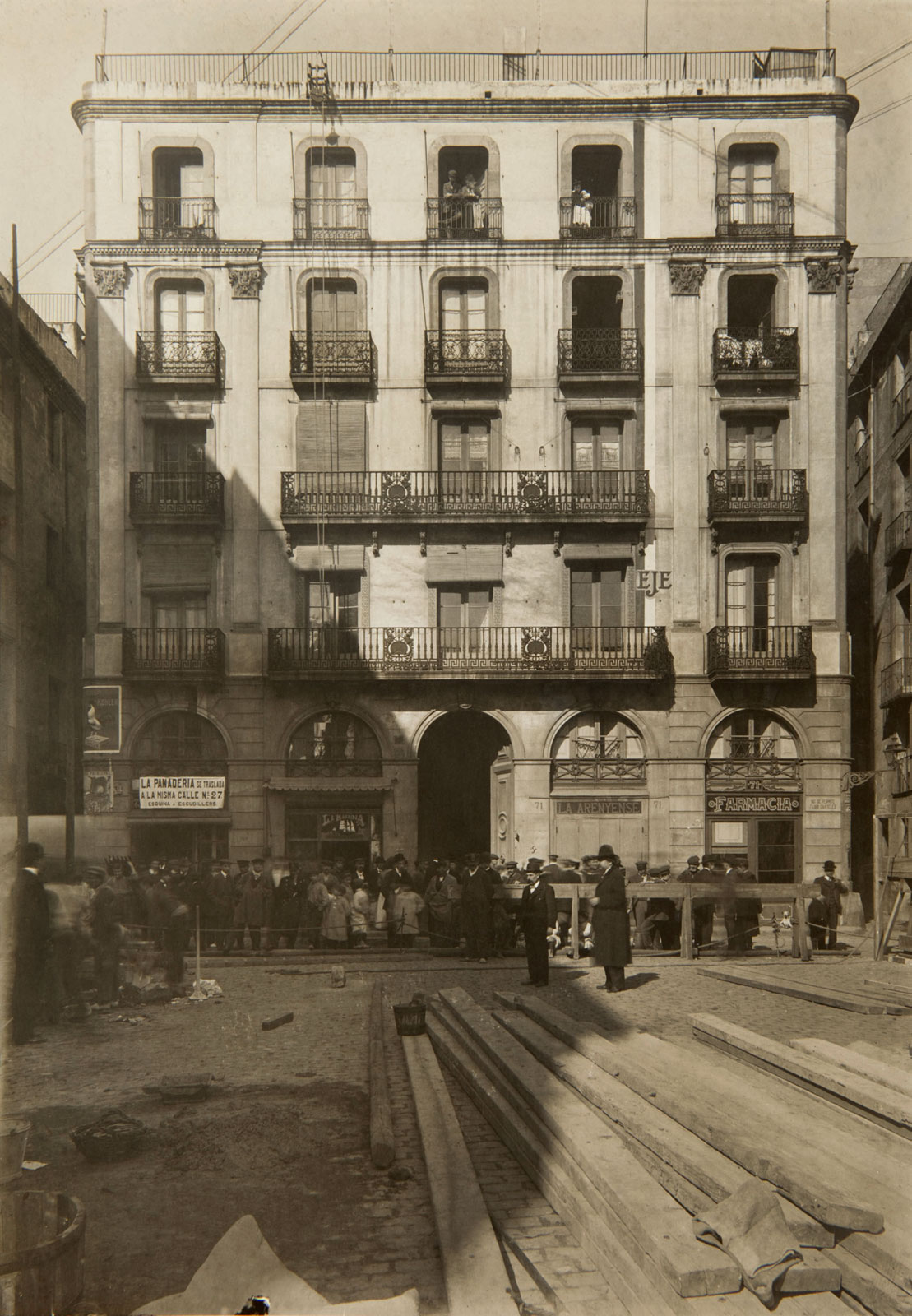
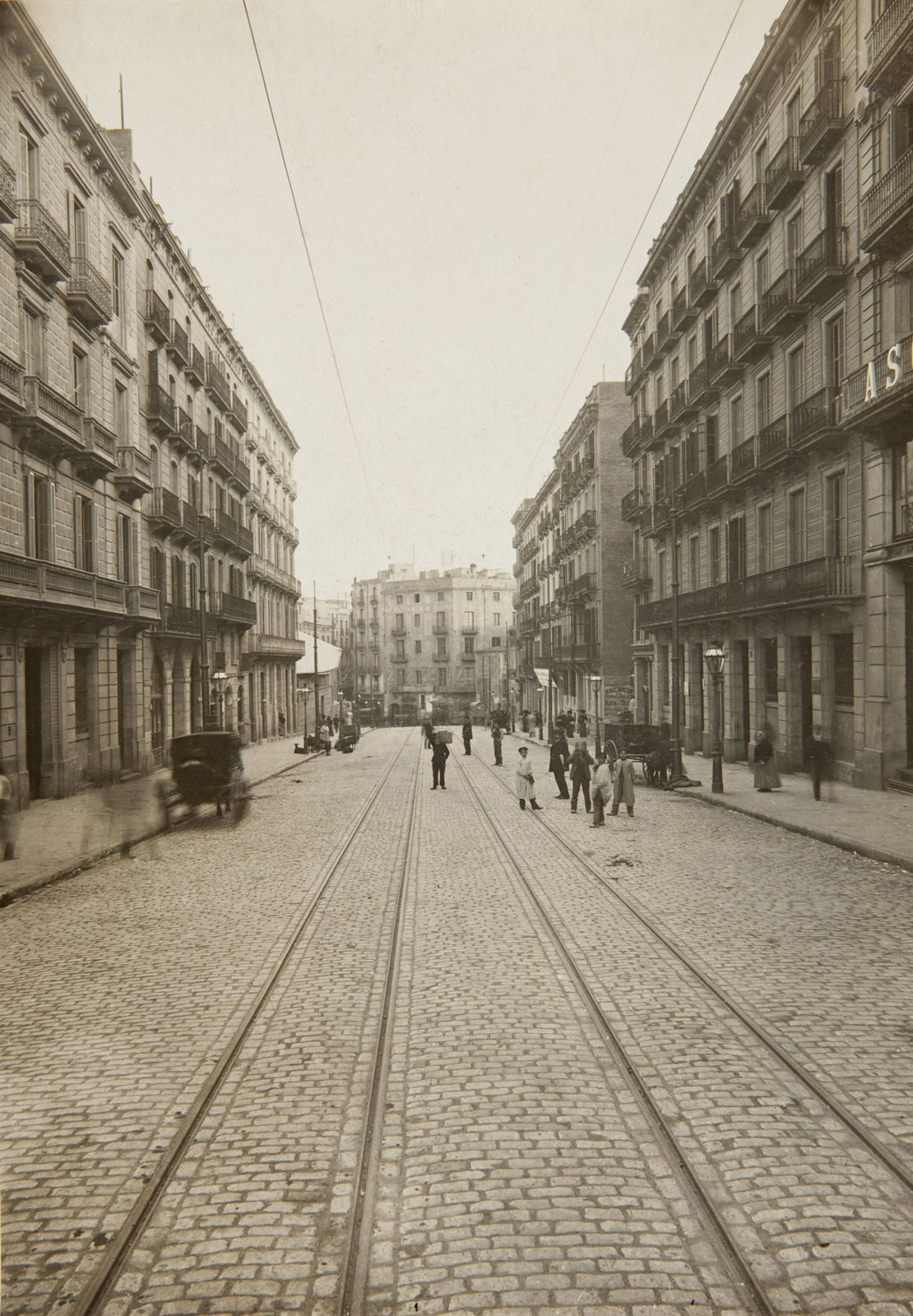
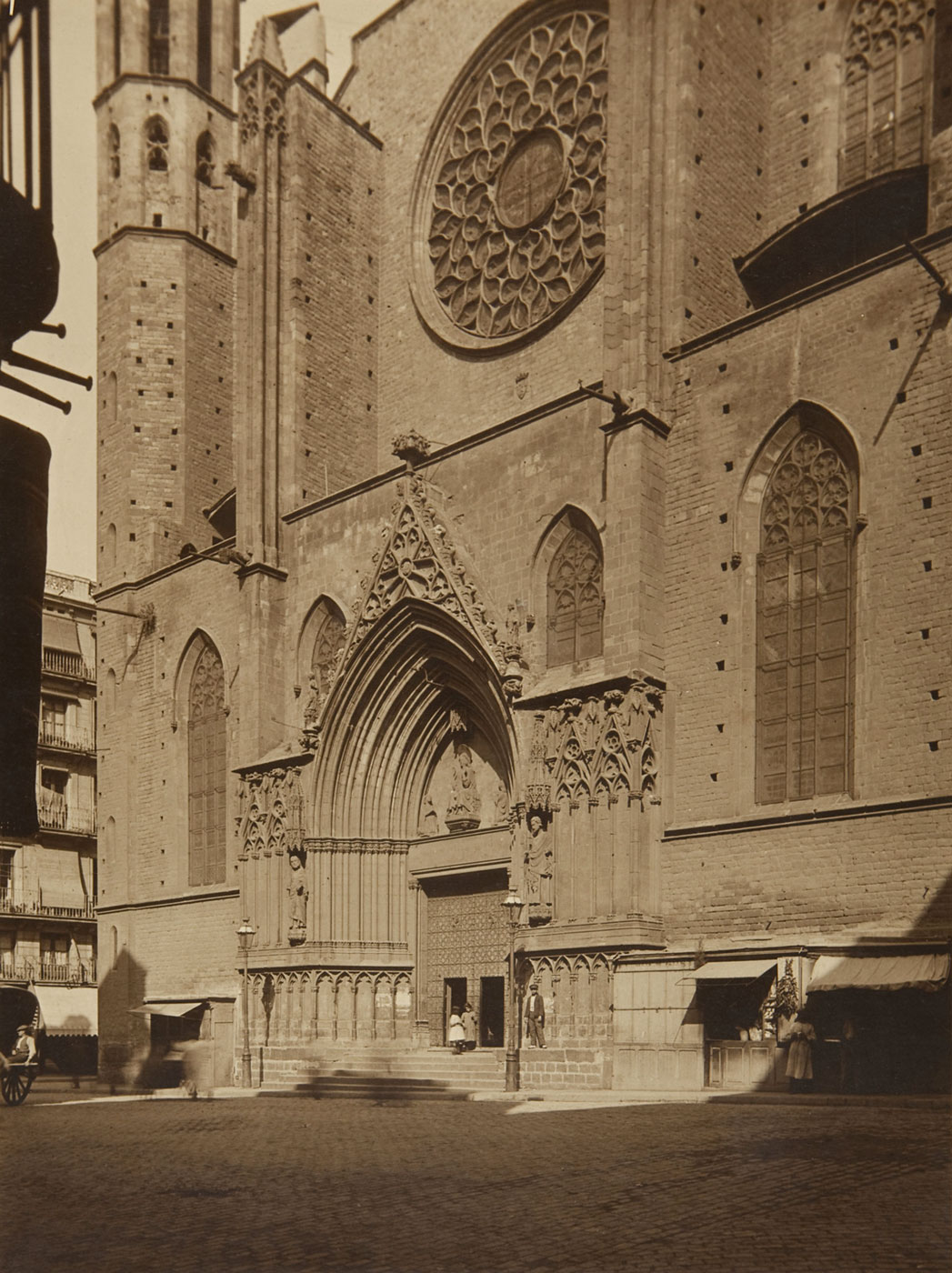
![Brassaï (Gyulá Halász) (Hungarian-French, 1899-1984) 'Vista per sota del Pont Royal cap al Pont de Solférino [View through the pont Royal toward the pont Solférino]' c. 1933 from the exhibition 'Brassaï' at Fundación MAPFRE, Barcelona, Feb - May, 2018](https://artblart.com/wp-content/uploads/2018/04/br-4-web.jpg "Brassaï (Gyulá Halász) (Hungarian-French, 1899-1984) 'Vista per sota del Pont Royal cap al Pont de Solférino [View through the pont Royal toward the pont Solférino]' c. 1933 from the exhibition 'Brassaï' at Fundación MAPFRE, Barcelona, Feb - May, 2018")
![Brassaï (Gyulá Halász) (Hungarian-French, 1899-1984) 'Porteria, París [Concierge's Lodge, Paris]' 1933 from the exhibition from the exhibition 'Brassaï' at Fundación MAPFRE, Barcelona, Feb - May, 2018](https://artblart.com/wp-content/uploads/2018/04/br-1-web.jpg "Brassaï (Gyulá Halász) (Hungarian-French, 1899-1984) 'Porteria, París [Concierge's Lodge, Paris]' 1933 from the exhibition 'Brassaï' at Fundación MAPFRE, Barcelona, Feb - May, 2018")


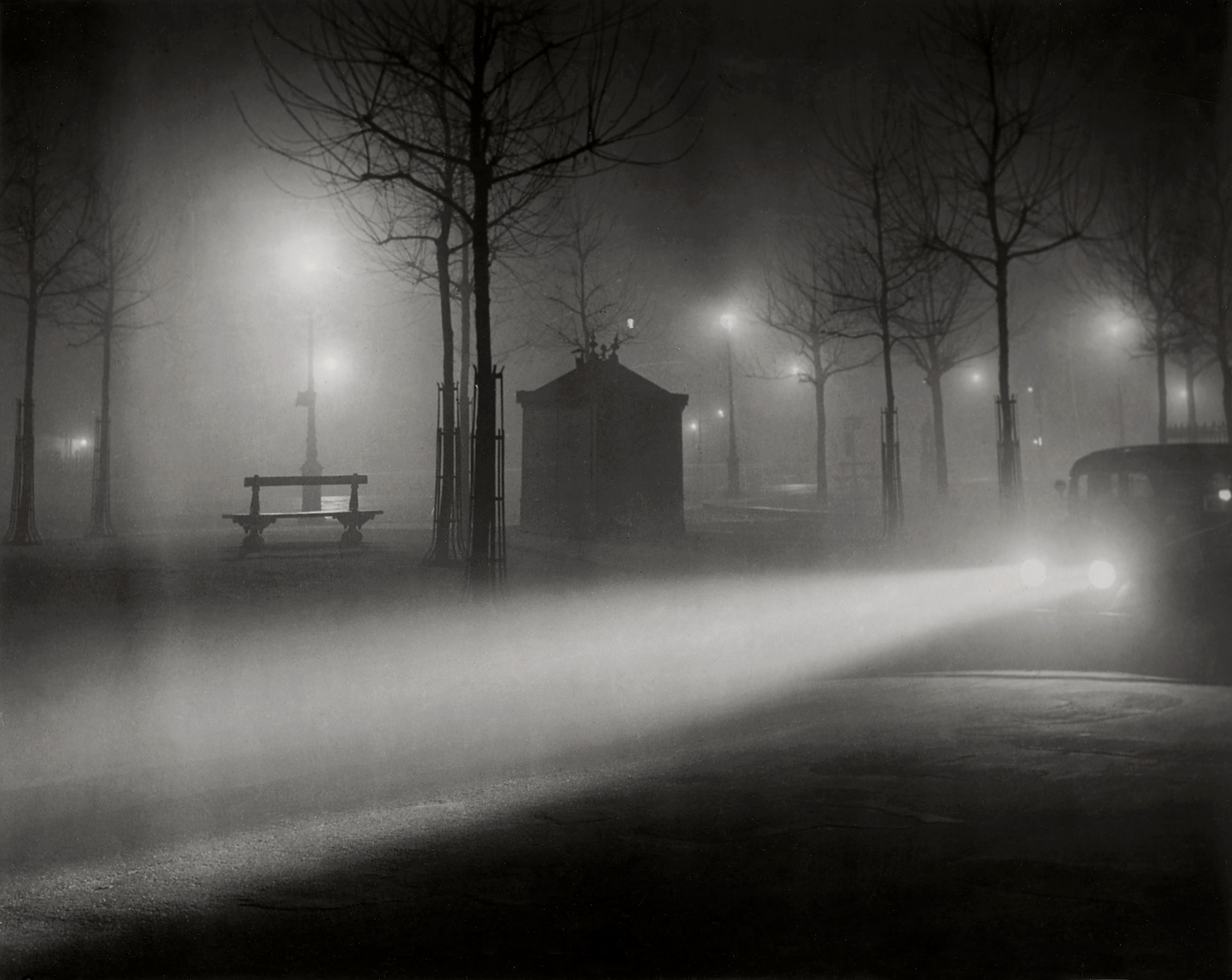

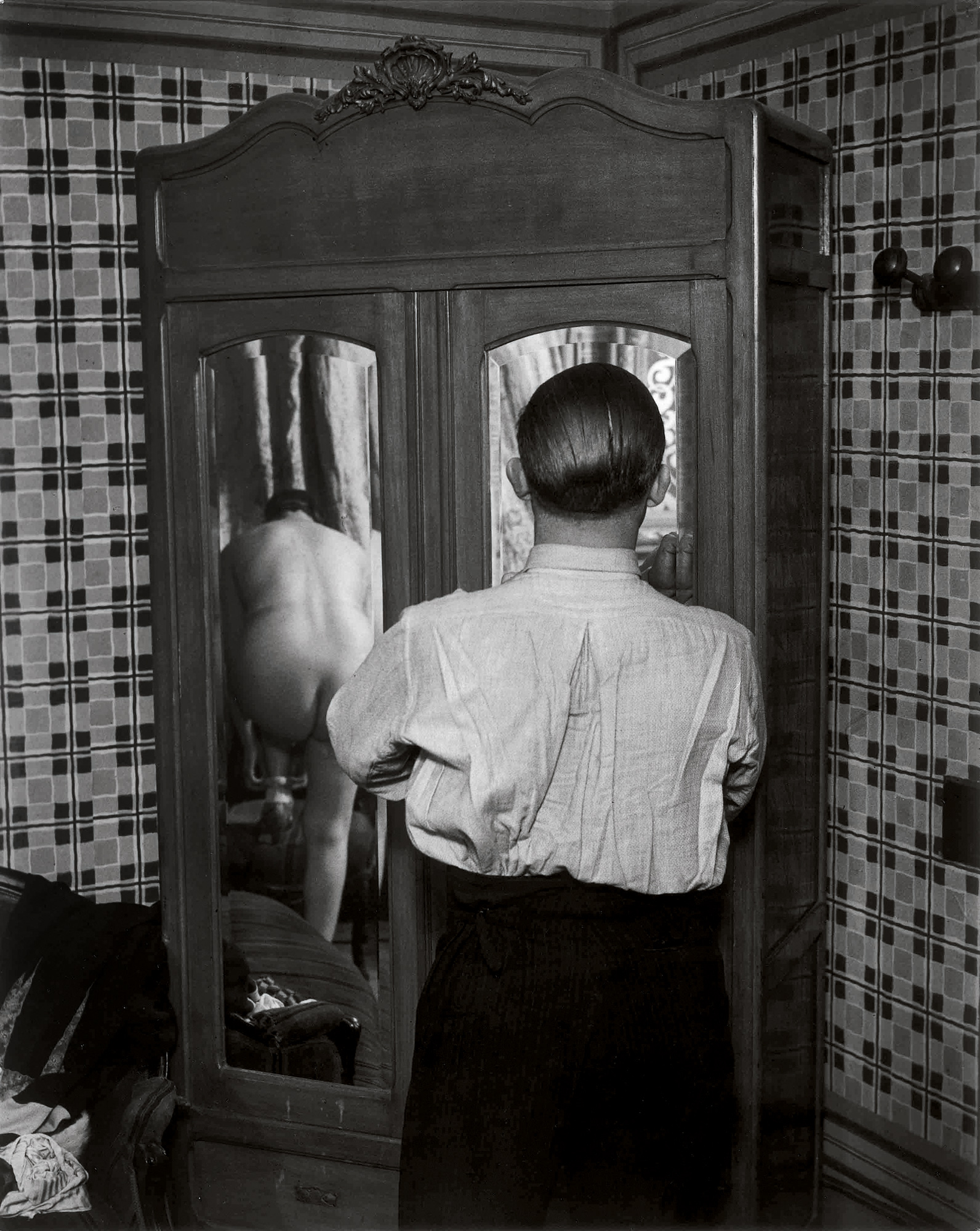
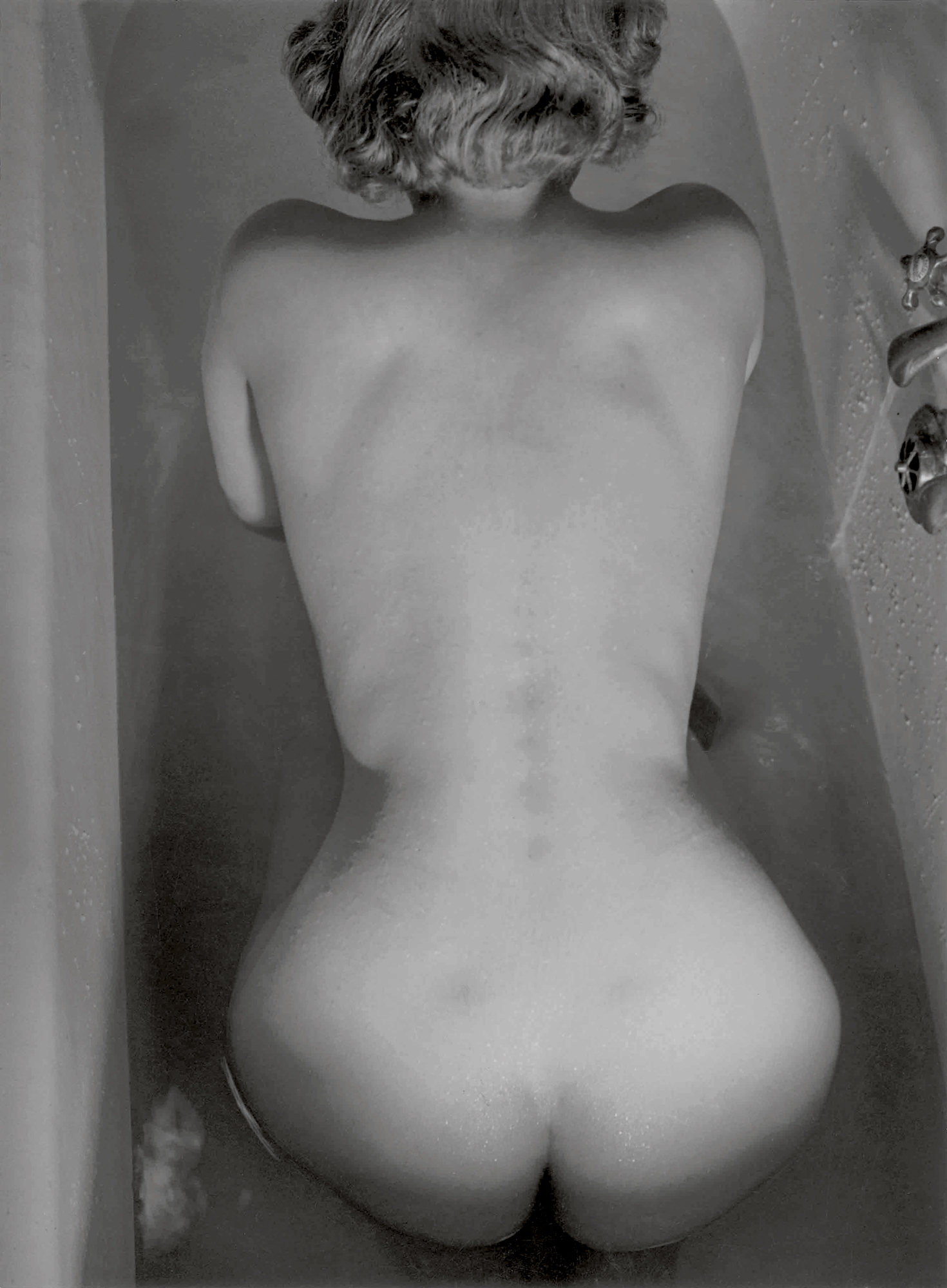


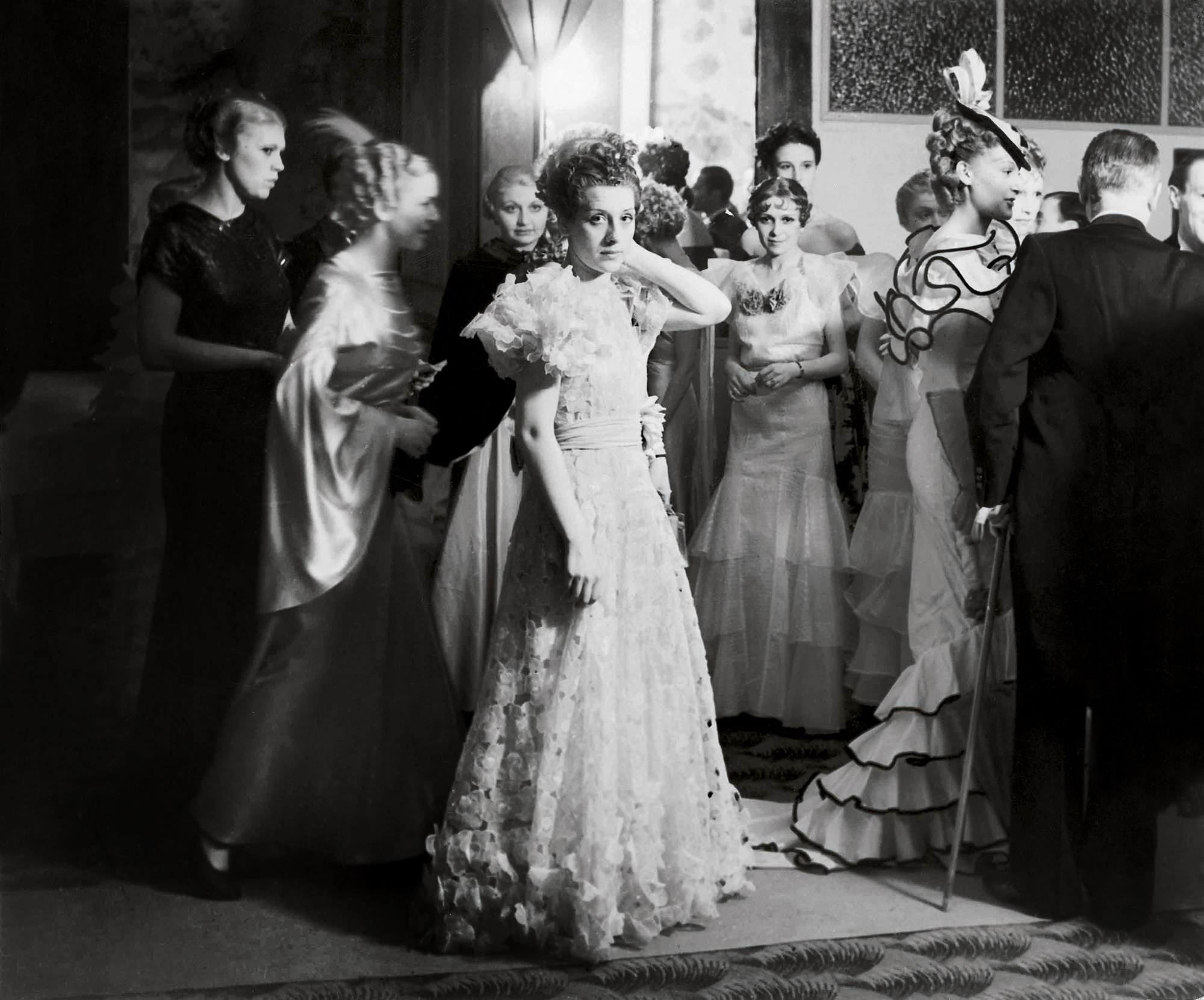
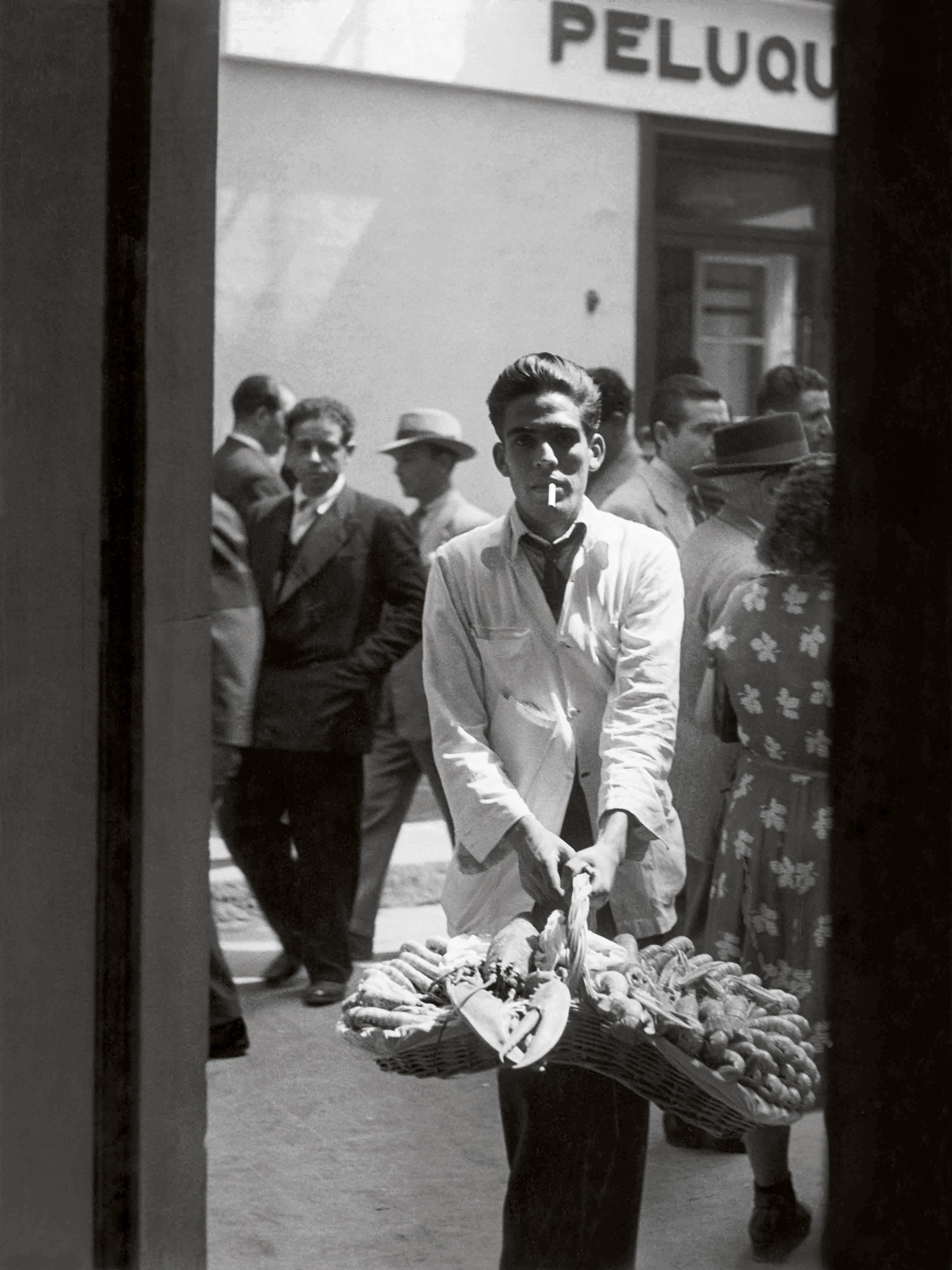
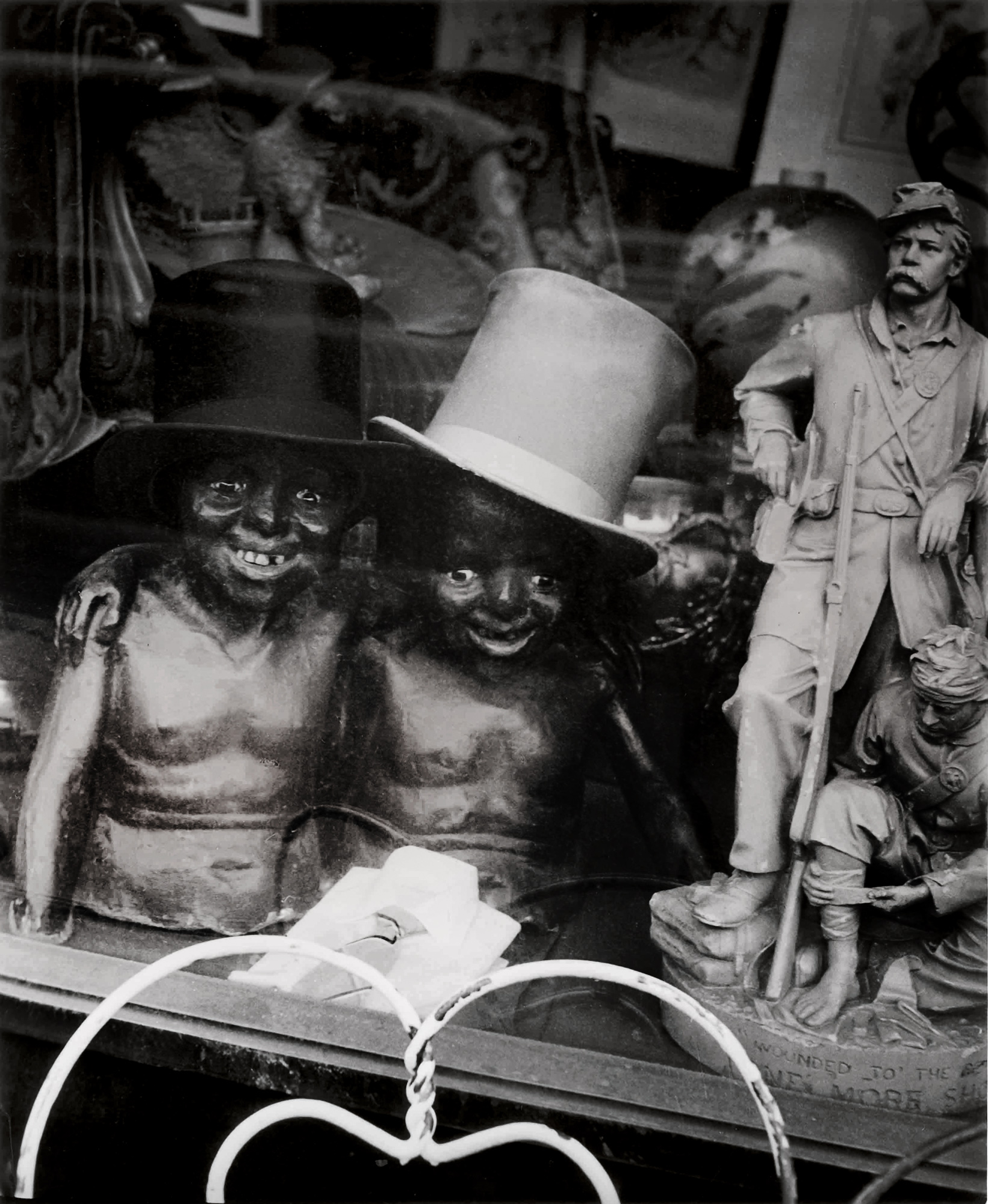

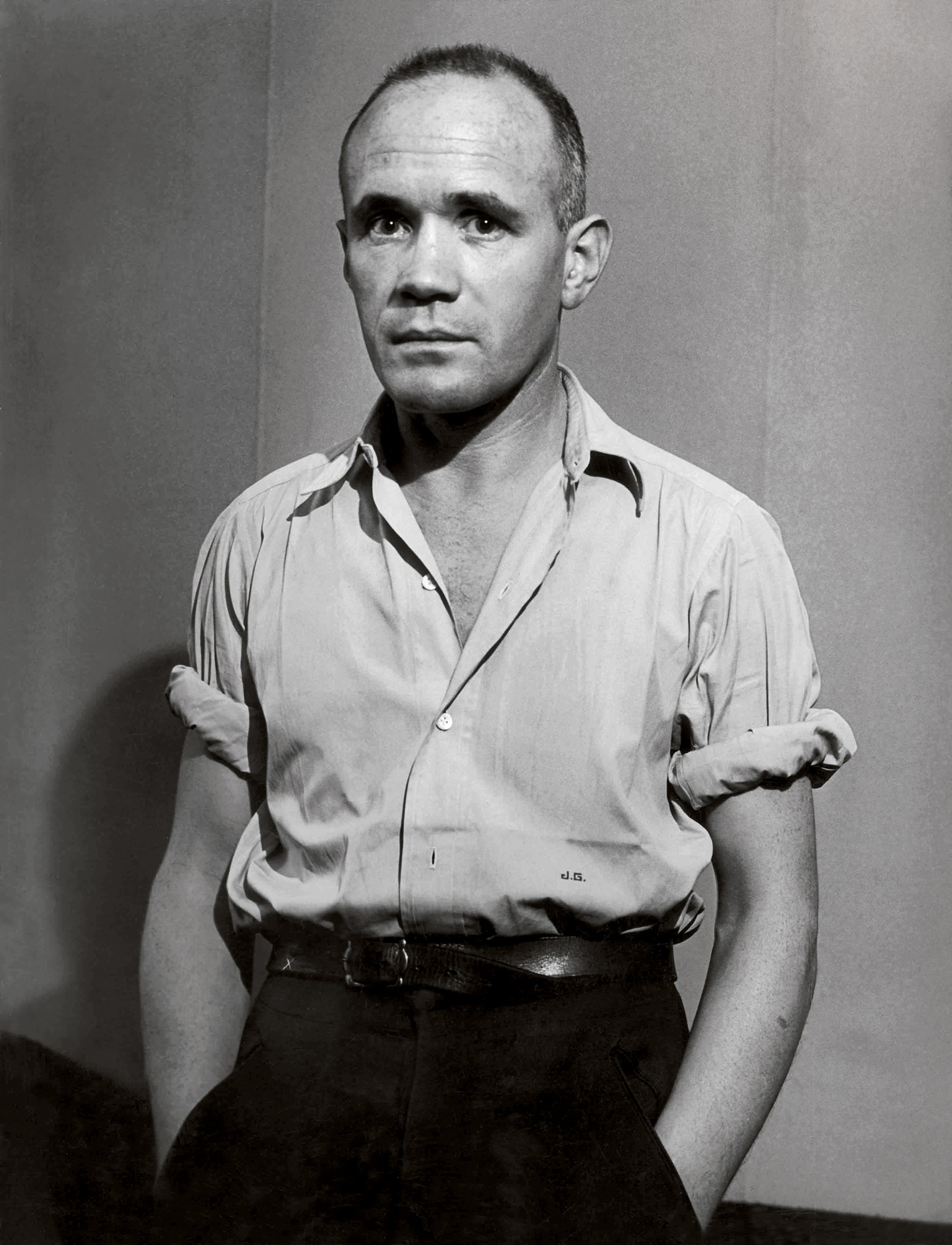

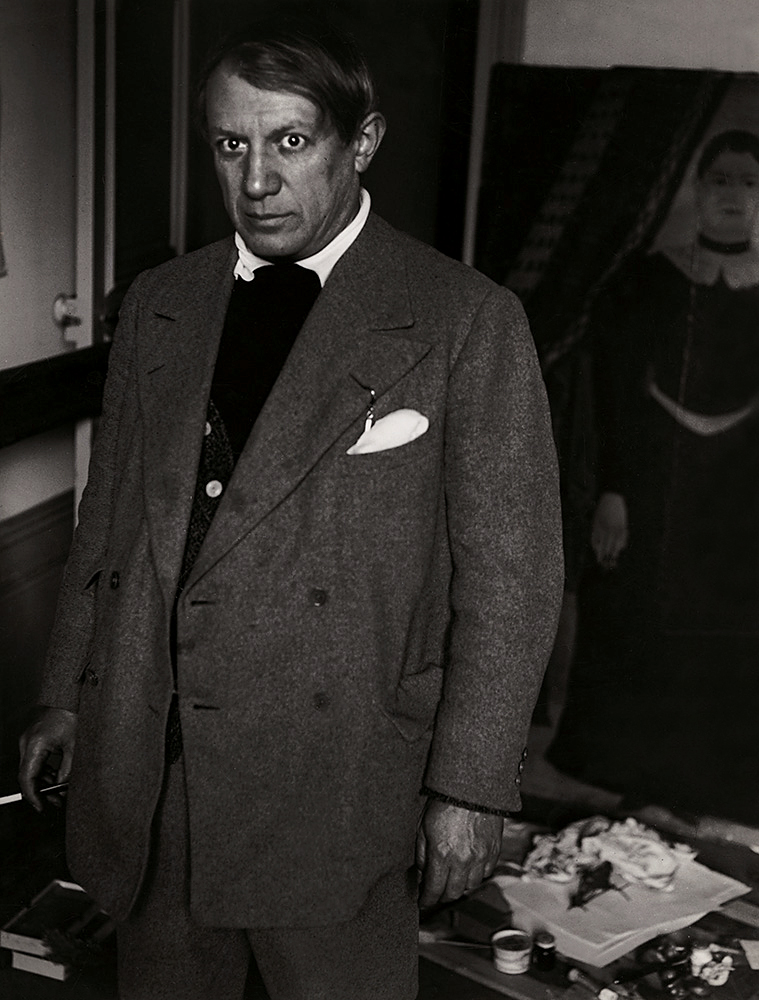
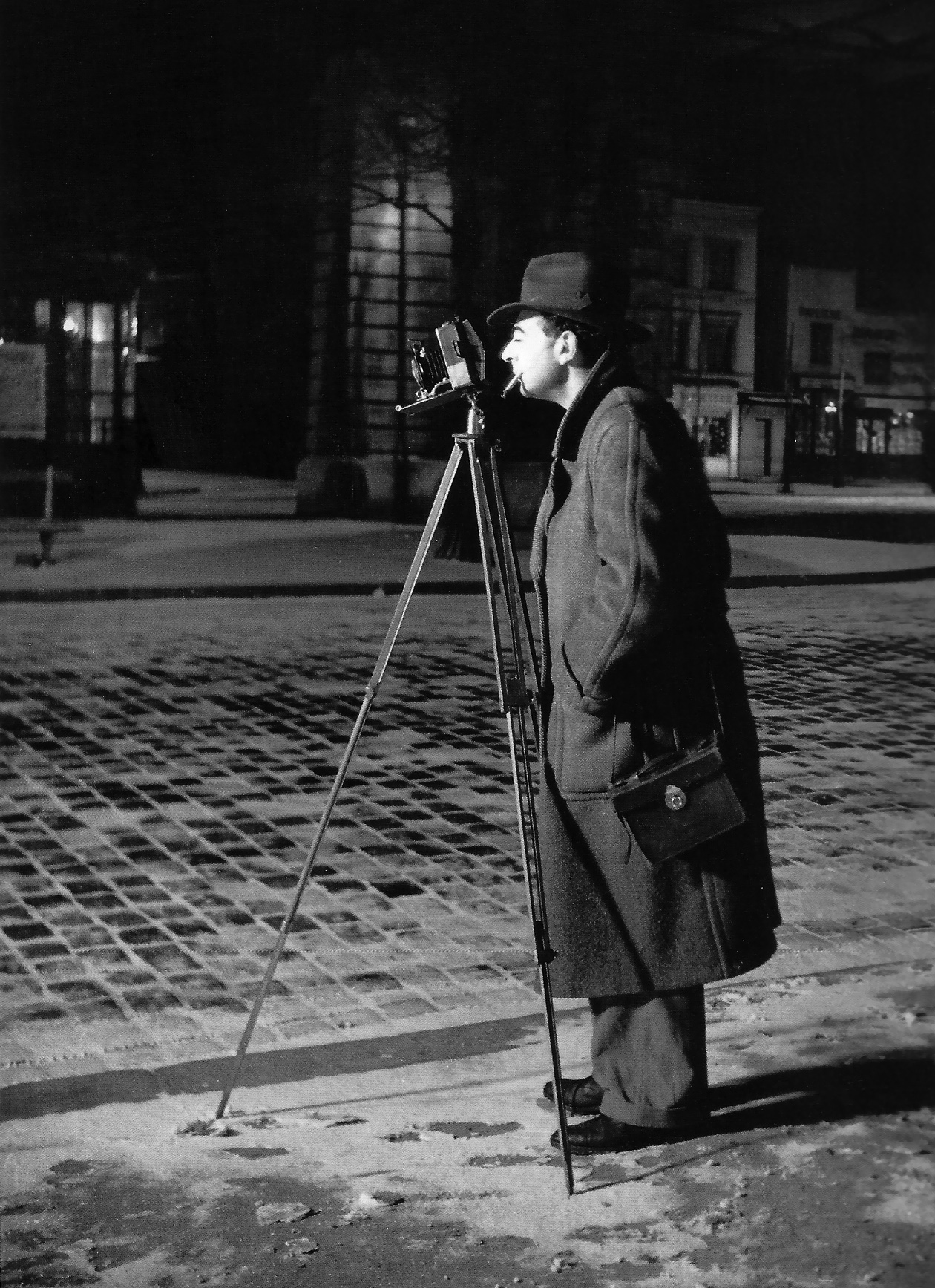


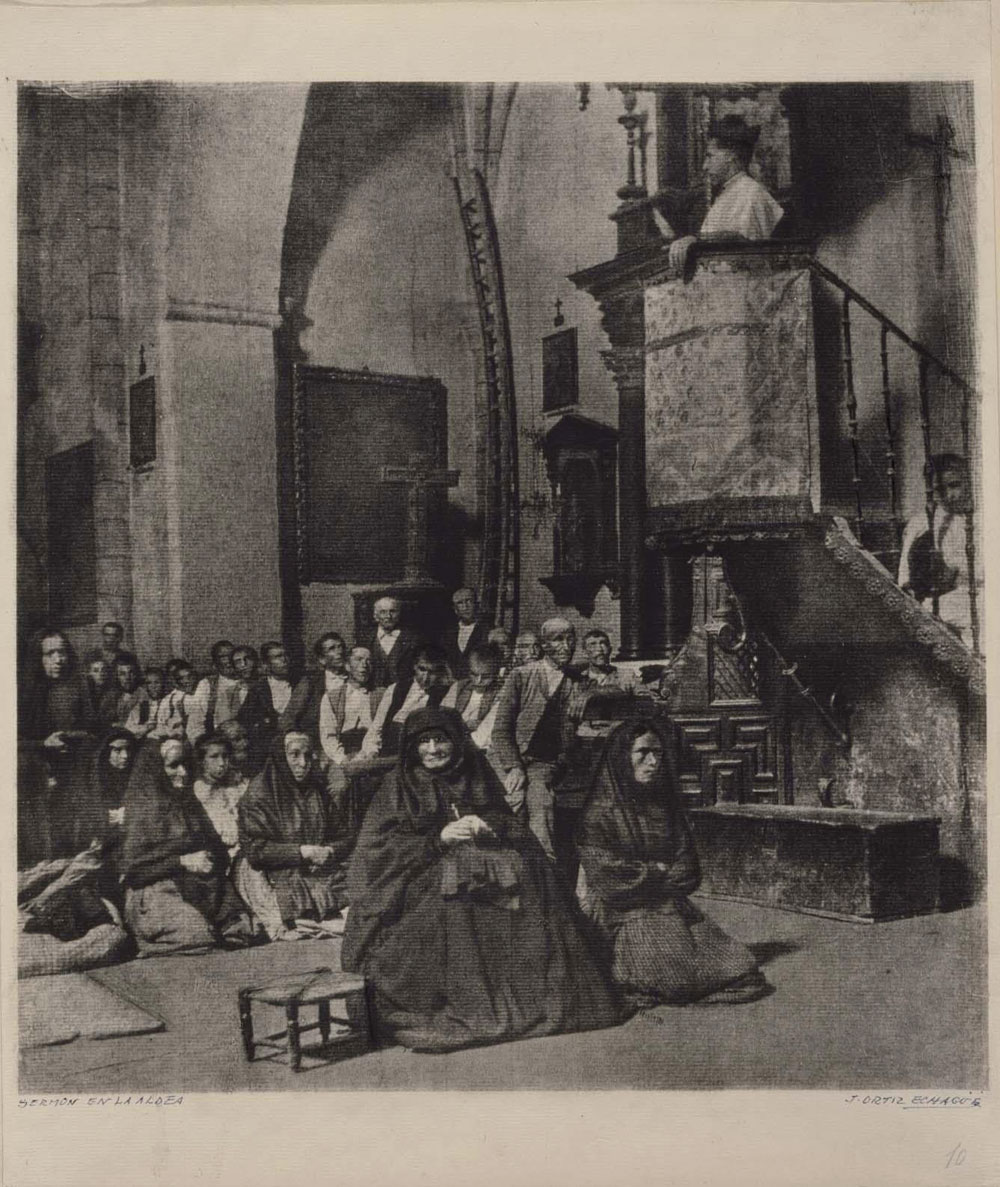


![Francisco Ontañón (Barcelona, Spain, 1930 - Madrid, Spain, 2008) 'La actual M-30 (Madrid)' (The M-30 Ring Road Today [Madrid]) 1963 (May) / posthumous print, 2013](https://artblart.com/wp-content/uploads/2014/12/francisco-ontac3b1c3b3n-la-actual-m-30-madrid-web.jpg "Francisco Ontañón (Barcelona, Spain, 1930 - Madrid, Spain, 2008) 'La actual M-30 (Madrid)' (The M-30 Ring Road Today [Madrid]) 1963 (May) / posthumous print, 2013")
![Francisco Ontañón (Barcelona, Spain, 1930 - Madrid, Spain, 2008) 'Sans Titre (Madrid)' (No Title [Madrid]) 1963 (May) / posthumous print, 2013](https://artblart.com/wp-content/uploads/2014/12/francisco-ontac3b1c3b3n-s_t-madrid-web.jpg "Francisco Ontañón (Barcelona, Spain, 1930 - Madrid, Spain, 2008) 'Sans Titre (Madrid)' (No Title [Madrid]) 1963 (May) / posthumous print, 2013")
![Francisco Ontañón (Barcelona, Spain, 1930 - Madrid, Spain, 2008) 'Sans Titre (Madrid)' (No Title [Madrid]) 1964-65 / posthumous print, 2013](https://artblart.com/wp-content/uploads/2014/12/francisco-ontac3b1c3b3n-s_t-madrid-b-web.jpg "Francisco Ontañón (Barcelona, Spain, 1930 - Madrid, Spain, 2008) 'Sans Titre (Madrid)' (No Title [Madrid]) 1964-65 / posthumous print, 2013")
![Francisco Ontañón (Barcelona, Spain, 1930 - Madrid, Spain, 2008) 'Sans Titre (Madrid)' (No Title [Madrid]) 1964-65 / posthumous print, 2013](https://artblart.com/wp-content/uploads/2014/12/francisco-ontac3b1c3b3n-s_t-madrid-c-web.jpg "Francisco Ontañón (Barcelona, Spain, 1930 - Madrid, Spain, 2008) 'Sans Titre (Madrid)' (No Title [Madrid]) 1964-65 / posthumous print, 2013")
![Francisco Ontañón (Barcelona, Spain, 1930 - Madrid, Spain, 2008) 'Sans Titre (Madrid)' (No Title [Madrid]) 1964 / posthumous print, 2013](https://artblart.com/wp-content/uploads/2014/12/francisco-ontac3b1c3b3n-s_t-madrid-d-web.jpg "Francisco Ontañón (Barcelona, Spain, 1930 - Madrid, Spain, 2008) 'Sans Titre (Madrid)' (No Title [Madrid]) 1964 / posthumous print, 2013")
![Francisco Ontañón (Barcelona, Spain, 1930 - Madrid, Spain, 2008) '600 en Casa de Campo con familia (Madrid)' (Outing to Casa de Campo in the 600, with Family [Madrid]) 1963 (May) / posthumous print, 2013](https://artblart.com/wp-content/uploads/2014/12/francisco-ontac3b1c3b3n-600-en-casa-de-campo-web.jpg "Francisco Ontañón (Barcelona, Spain, 1930 - Madrid, Spain, 2008) '600 en Casa de Campo con familia (Madrid)' (Outing to Casa de Campo in the 600, with Family [Madrid]) 1963 (May) / posthumous print, 2013")
![Francisco Ontañón (Barcelona, Spain, 1930 - Madrid, Spain, 2008) 'Parque Sindical (Madrid)' (Parque Sindical Sports Area [Madrid]) 1964 / posthumous print, 2013](https://artblart.com/wp-content/uploads/2014/12/francisco-ontac3b1c3b3n-parque-sindical-madrid-web.jpg "Francisco Ontañón (Barcelona, Spain, 1930 - Madrid, Spain, 2008) 'Parque Sindical (Madrid)' (Parque Sindical Sports Area [Madrid]) 1964 / posthumous print, 2013")
![Francisco Ontañón (Barcelona, Spain, 1930 - Madrid, Spain, 2008) 'Entierro (Madrid)' (Burial [Madrid]) 1967 / posthumous print, 2013](https://artblart.com/wp-content/uploads/2014/12/francisco-ontac3b1c3b3n-entierro-madrid-web.jpg "Francisco Ontañón (Barcelona, Spain, 1930 - Madrid, Spain, 2008) 'Entierro (Madrid)' (Burial [Madrid]) 1967 / posthumous print, 2013")
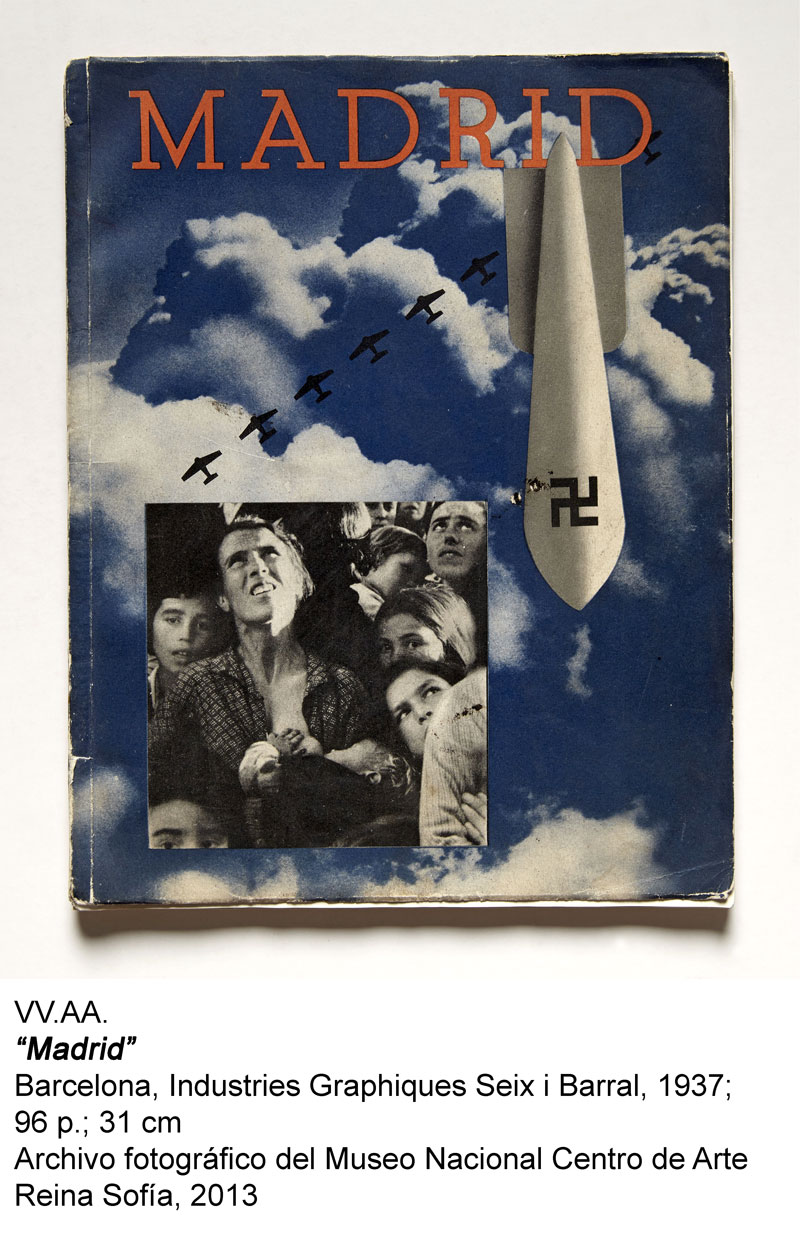


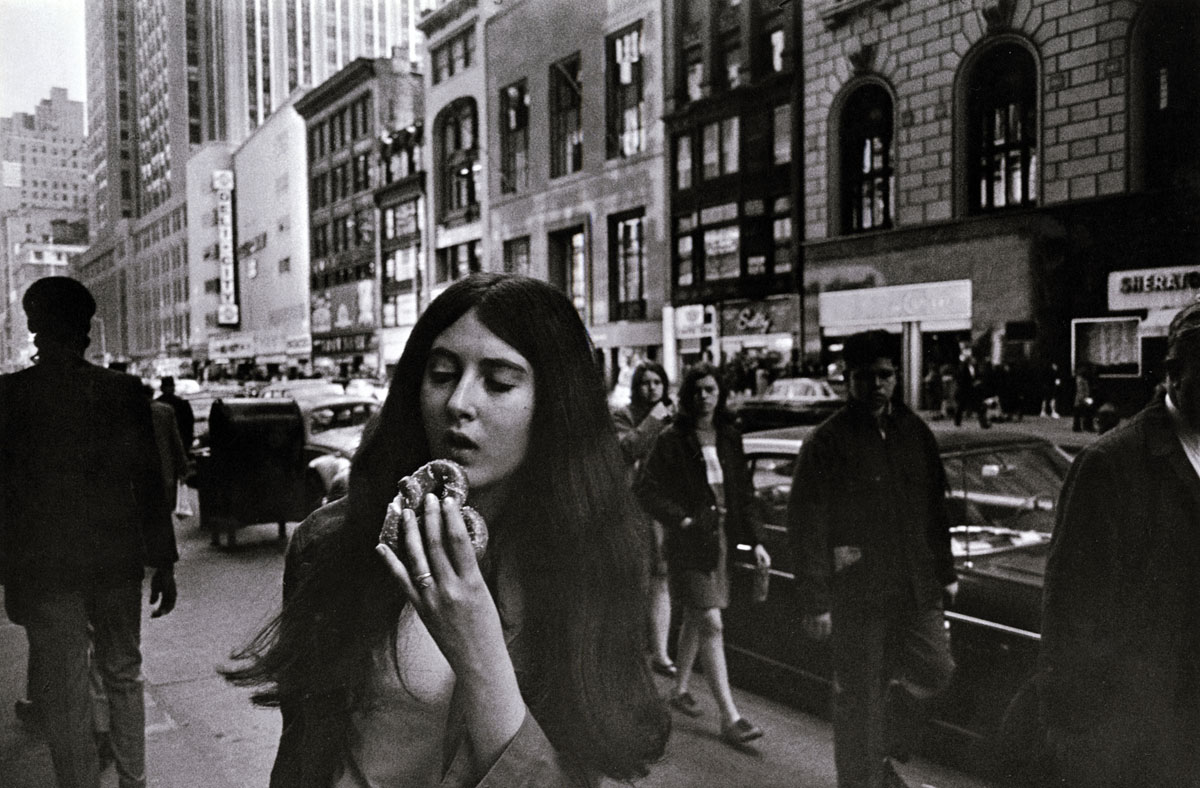


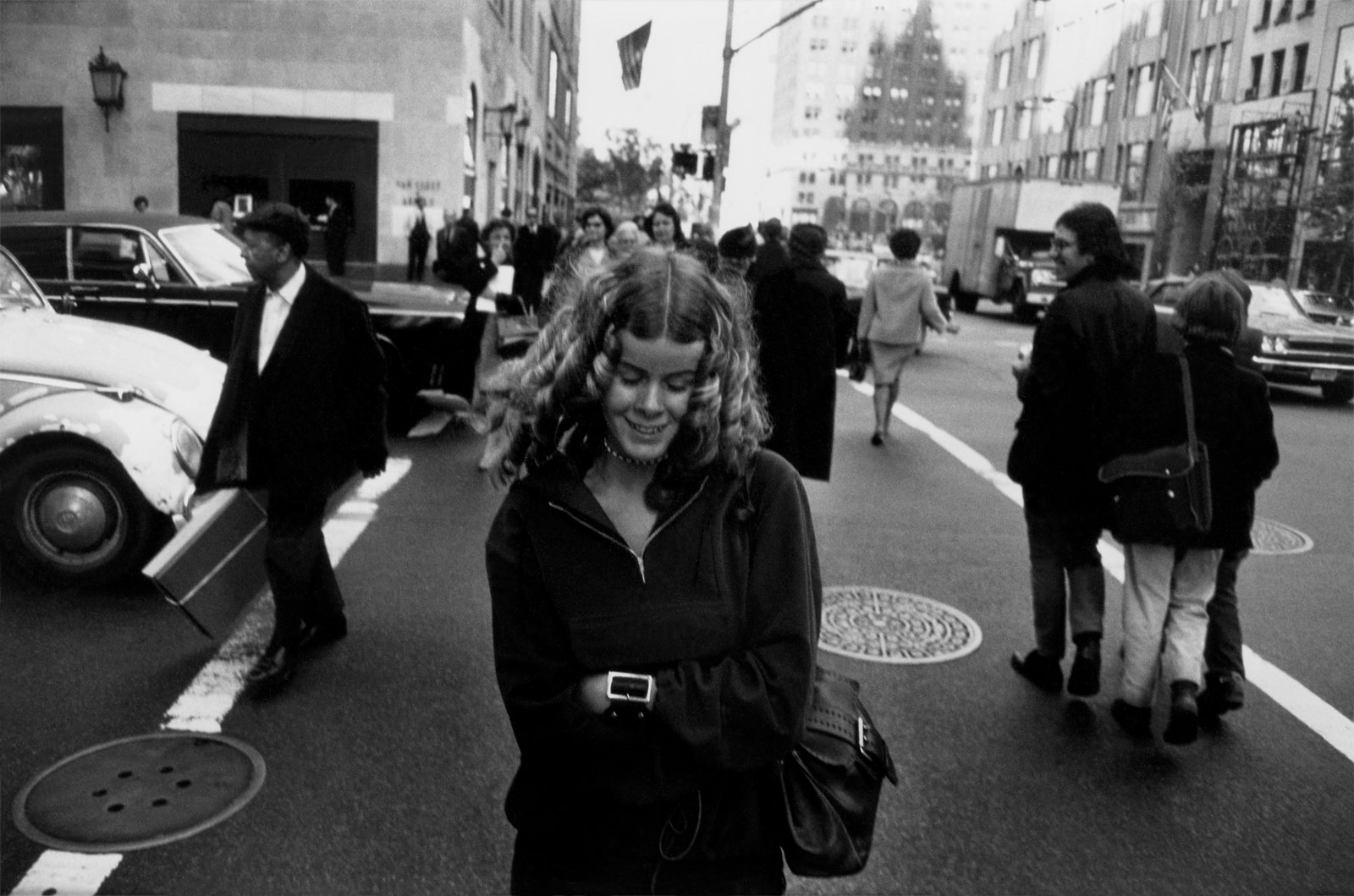





 Art Blart _ art and cultural memory archive
You must be logged in to post a comment.