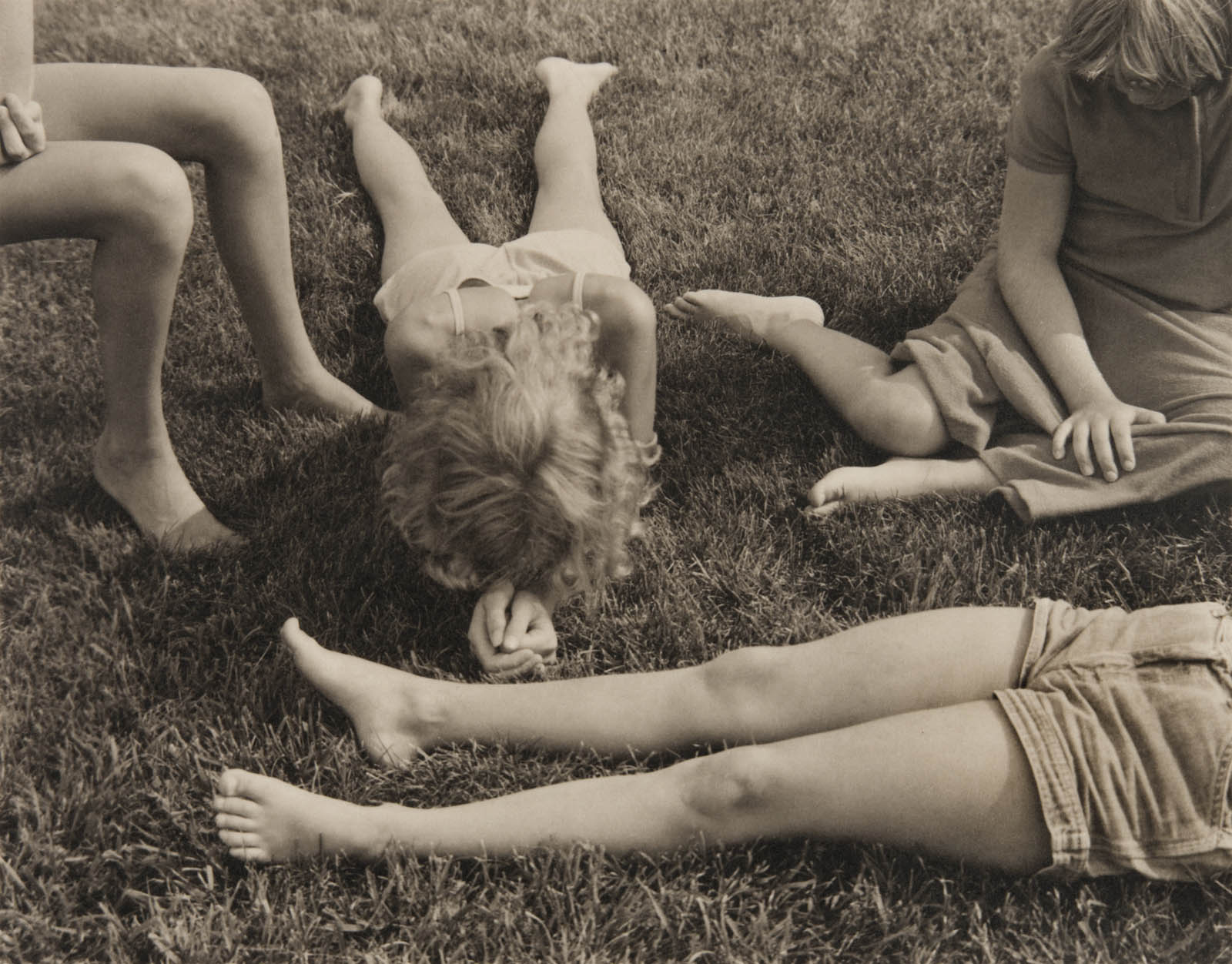
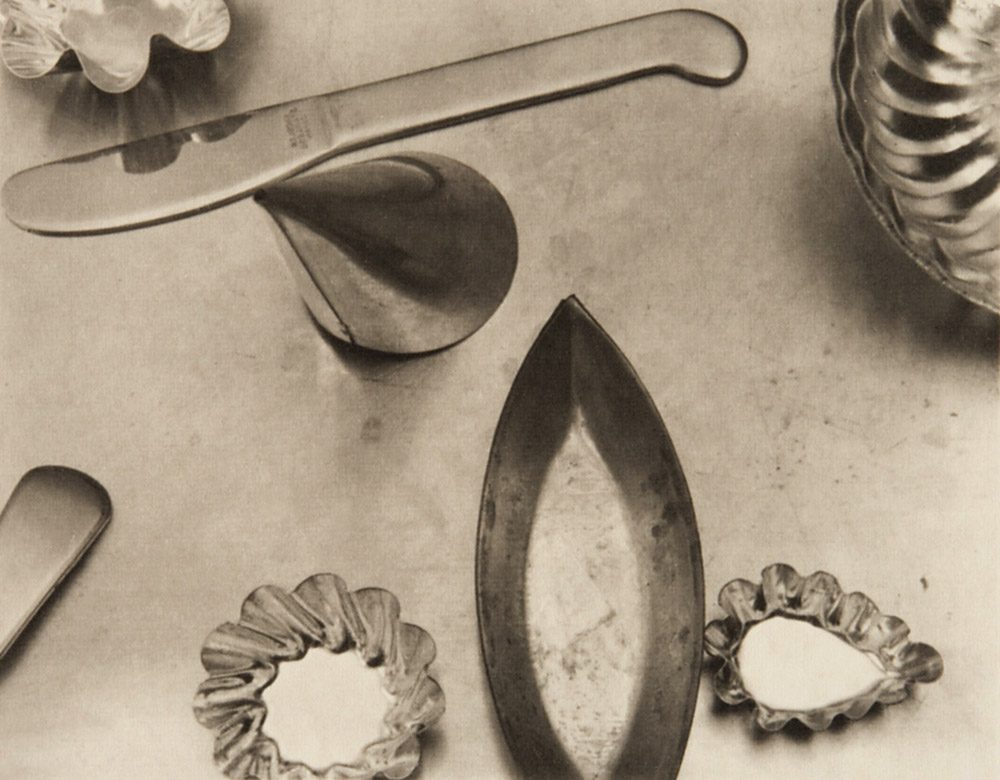
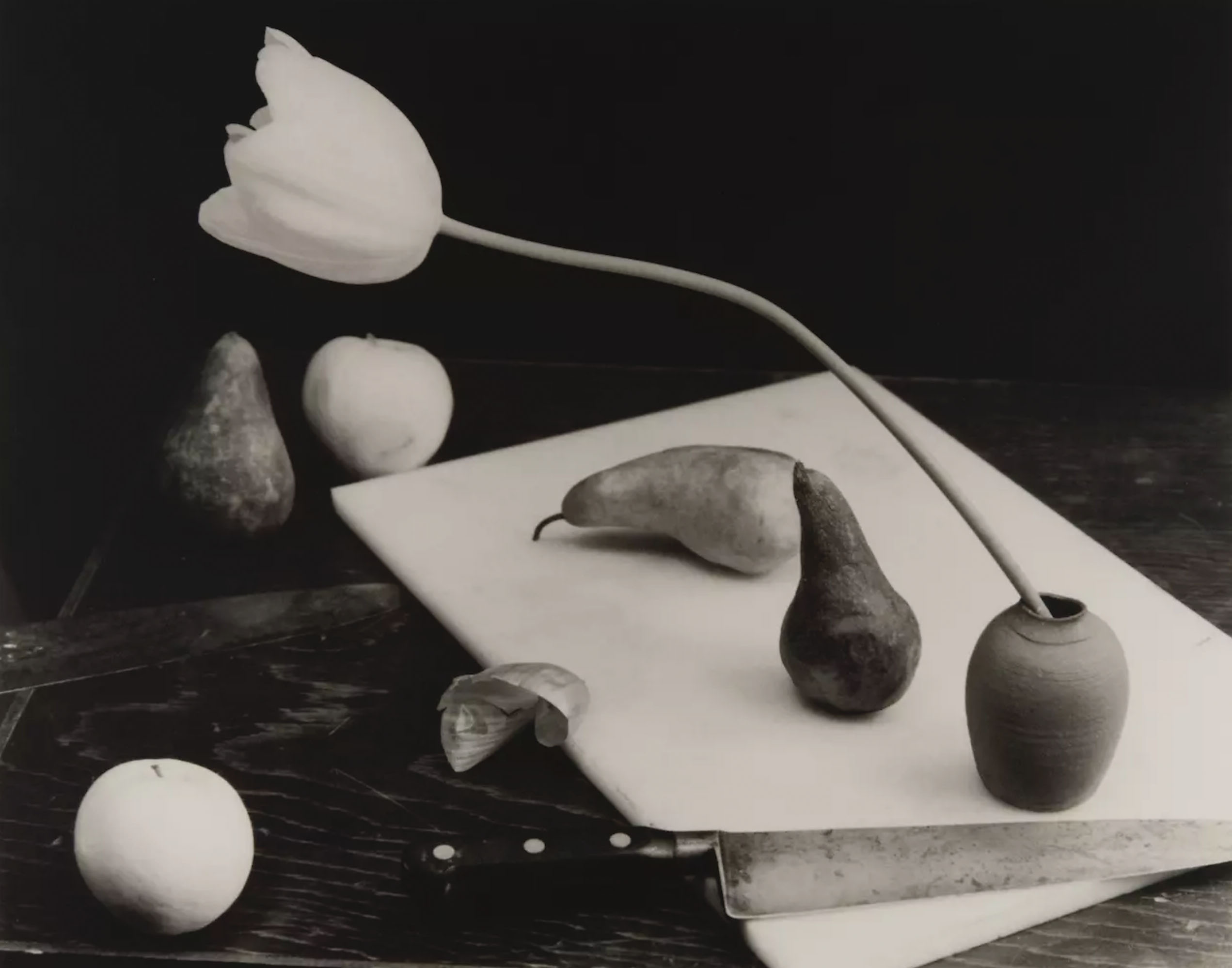
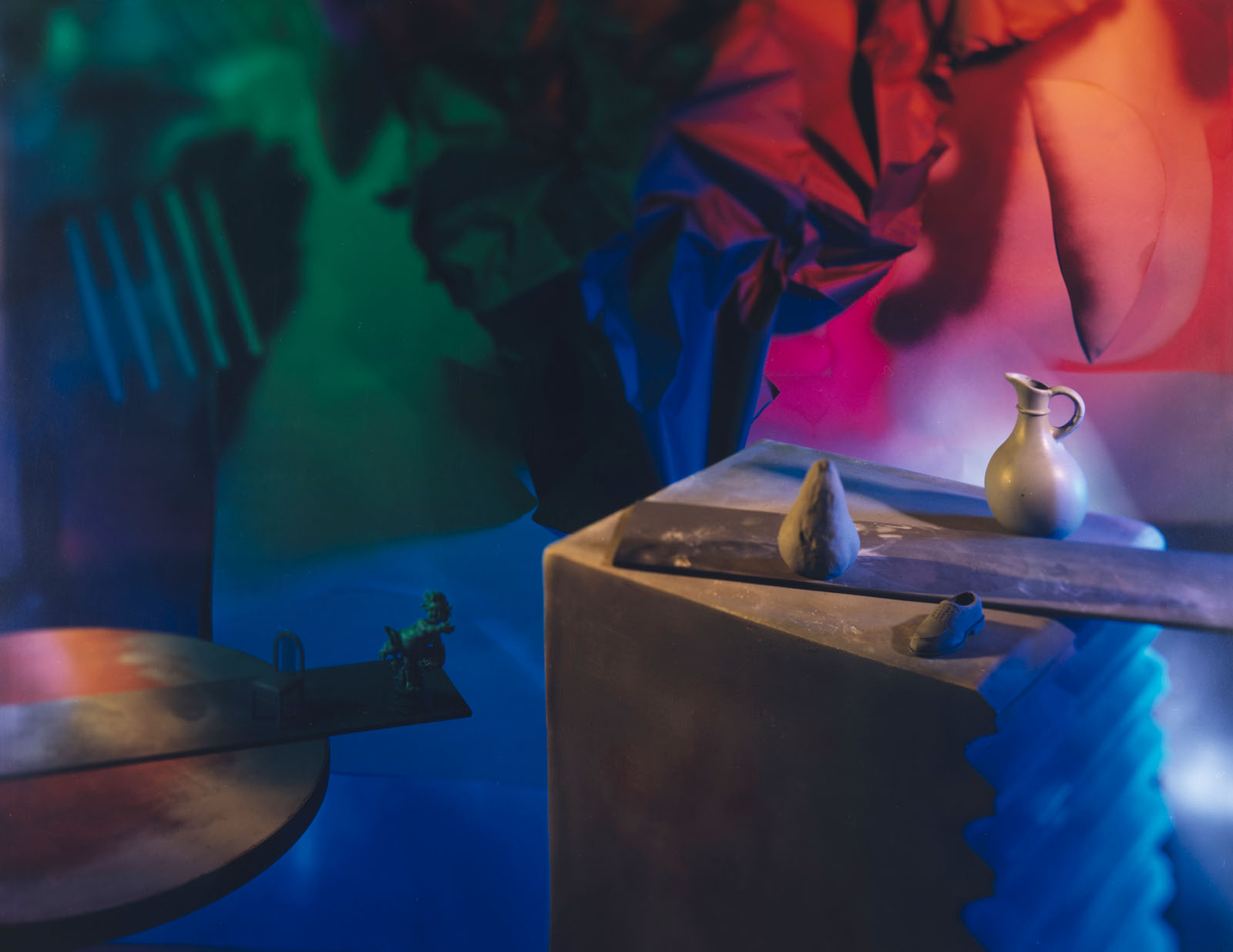
Exhibition: ‘Edward Weston. La matèria de les formes’ at Centro de Fotografía KBr Fundación MAPFRE, Barcelona

Exhibition dates: 12th June – 31st August, 2025

Curator: Sérgio Mah
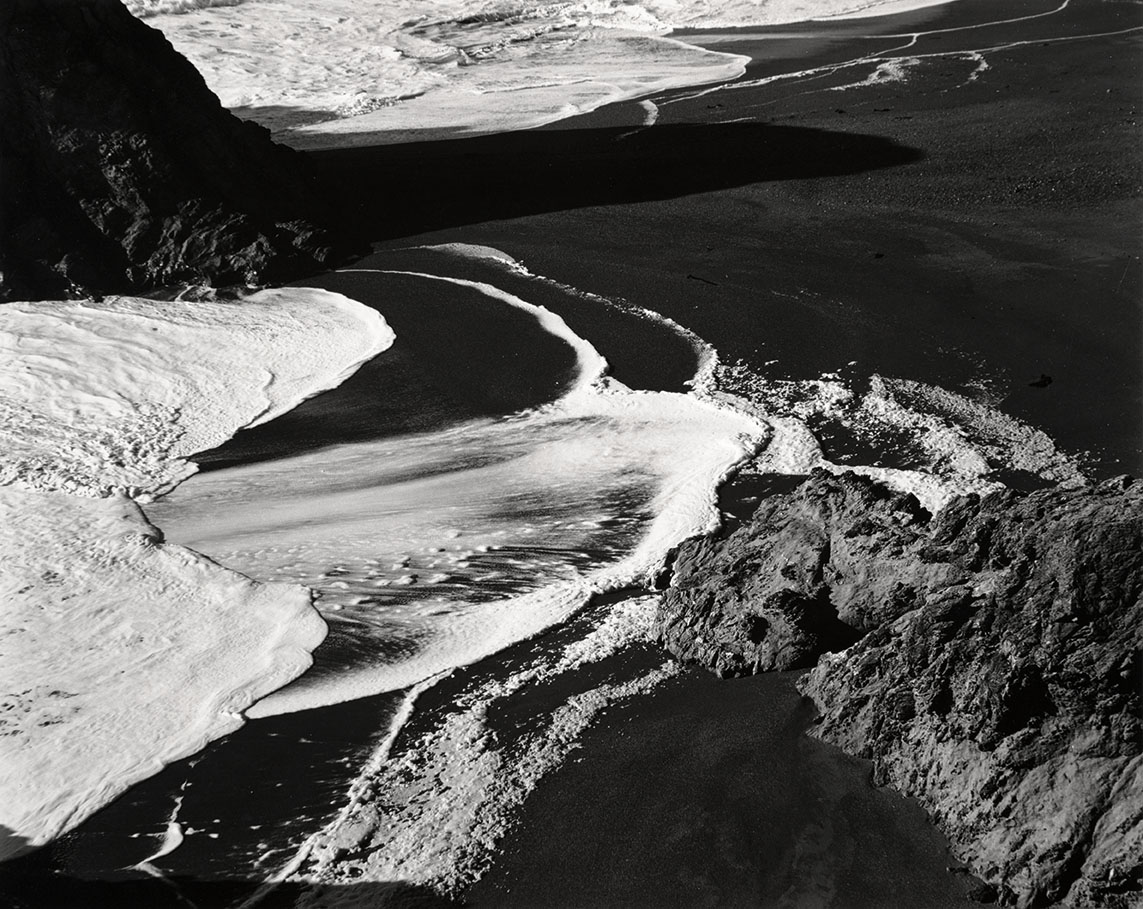
 

Edward Weston (American, 1886-1958)
'Surf, Bodega' 1937


Edward Weston (American, 1886-1958)
Surf, Bodega
1937
19 x 24cm
Gelatin silver print
Center for Creative Photography, The University of Arizona. Edward Weston Archive


Three week’s to the day since my hip replacement operation and I’m still in pain. I know, slowly slowly but it’s very frustrating…

Thus, I just have two words for you about this exhibition –

GREAT WESTERN!


Dr Marcus Bunyan


Many thankx to the Fundación MAPFRE for allowing me to publish the photographs in the posting. Please click on the photographs for a larger version of the image.


“Not I, nor anyone else can travel that road for you,
You must travel it for yourself.

It is not far, It is within reach,
Perhaps you have been on it since you were born, and did not know,
Perhaps it is every where on water and land.”


Walt Whitman. Part of Song of Myself from Leaves of Grass. 1855


I never try to limit myself by theories, I do not question right or wrong approach when I am interested or amazed – impelled to work. I do not fear logic, I dare to be irrational, or really never consider whether I am or not. This keeps me fluid, open to fresh impulse, free from formulae; and precisely because I have no formulae – the public who know my work is often surprised, the critics, who all, or most of them, have their pet formulae are disturbed. And my friends distressed.

I would say to any artist – don’t be repressed in your work – dare to experiment – Consider any urge – if in a new direction all the better – as a gift from the Gods not to be lightly denied by convention or a priori concept. Our time is becoming more and more bound by logic, absolute rationalism; this is a straitjacket I – it is the boredom and narrowness which rises directly from mediocre mass thinking.

The great scientist dares to differ from accepted ‘facts’ -think irrationally – let the artist do likewise.


Edward Weston 28 January, 1932 from The Daybooks of Edward Weston. Vol. ll Horizon Press, New York 1966
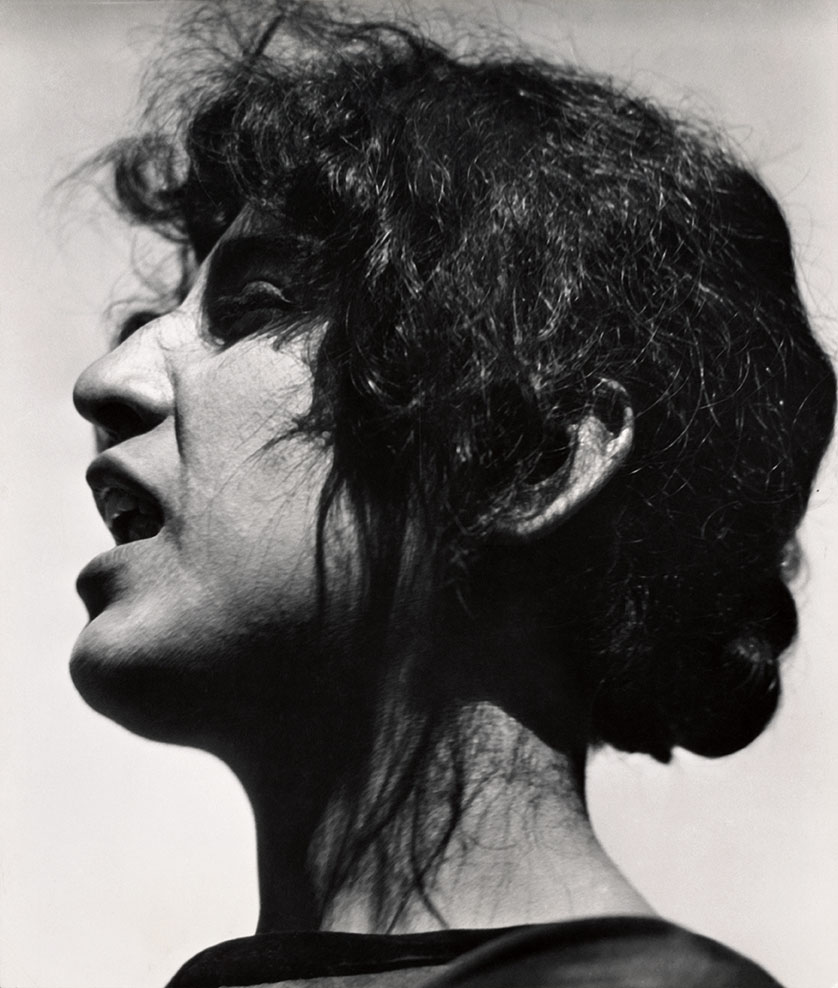


Edward Weston (American, 1886-1958)
'Guadalupe Marín de Rivera' 1924


Edward Weston (American, 1886-1958)
Guadalupe Marín de Rivera
1924
20.8 x 17.9cm
Gelatin silver print
Center for Creative Photography, The University of Arizona. Gift of Ansel and Virginia Adams


Strongly linked to the landscape and to North American cultural history, Edward Weston’s work, in its extreme simplicity and originality, allows us to appreciate a unique perspective on the process of consolidation of photography as an artistic medium and its relevant role in the context of modernity in the visual arts. The exhibition Edward Weston. La matèria de les formes (Edward Weston. The Matter of Forms) is conceived as an anthology that covers the different phases of the artist’s photographic production.

A pioneer in the use of a modern photographic style, his use of the large-format camera gives rise to richly detailed black and white images of extraordinary clarity. His technical expertise and his affection for nature and form led to the development of a body of work in which iconic images of still lifes, nudes, landscapes and portraits stand out. His images are essential for understanding the new aesthetic and new American lifestyle that emerged in the United States between the wars.

The exhibition, curated by Sergio Mah, consists of around two hundred photographs grouped into seven sections. The exhibition tour is completed with numerous documentary material and is conceived from a European perspective on the legacy of modern American photography. An aesthetic and conceptual counterpoint to the photographic modernism in Europe that emerged with the first avant-garde of the 20th century.

The emancipation of photography

Edward Weston was one of the pioneers, along with Alfred Stieglitz and Paul Strand, in defending the emancipation of photography from other artistic disciplines. In this sense, his work contributed decisively to demonstrating, in this early period of photography, the aesthetic and perceptual dimension of the medium, the capacity to express aesthetic qualities in the same way as painting or sculpture.

Figuration and abstraction

The technical mastery of the photographic medium leads Weston to a formalism in which framing becomes one of the most relevant elements of his work. Weston eliminates any anecdotal aspect and focuses on the motif that interests him, and does so with such realism and exaltation of the two-dimensional nature of photography, which often results in an abstract image. In this way, the artist shows that figuration and abstraction do not exempt one from the other, but are perfectly compatible.

Exhibition organised with the support of the Center for Creative Photography at the University of Arizona, Tucson.

Text from the Fundación MAPFRE website translated from the Spanish by Google Translate
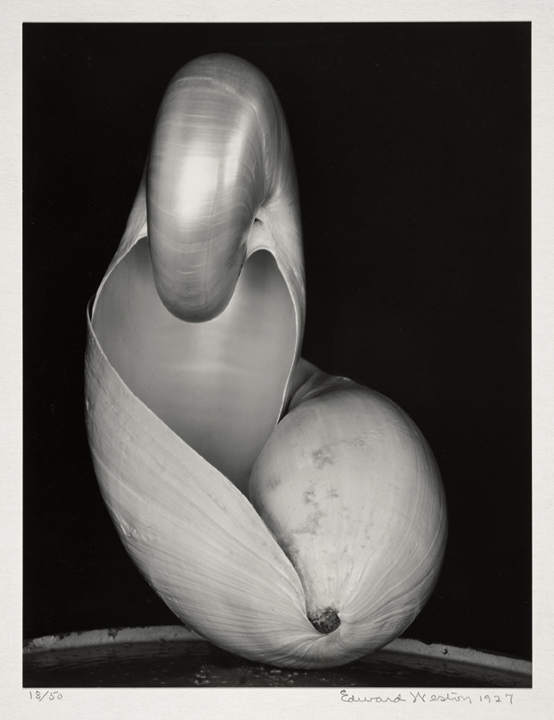
 

Edward Weston (American, 1886-1958) 'Two Shells' 1927, print about 1933


Edward Weston (American, 1886-1958)
Two Shells
1927, print about 1933
24.1 x 18.4cm
Gelatin silver print
The J. Paul Getty Museum, Los Angeles


Edward Weston (American, 1886-1958) 'Pepper No. 30' 1930


Edward Weston (American, 1886-1958)
Pepper No. 30
1930
22.8 x 17.7cm
Gelatin silver print
Courtesy by Trockmorton Fine Art


Highlights

Fundación MAPFRE presents the exhibition Edward Weston. The Matter of Forms, dedicated to the five decades of the career of this North American artist, one of the most important figures in modern photography. In addition, through the work of the artist himself, the exhibition aims to offer a pedagogical reflection on the history of the medium and its relevance as an aesthetic and perceptive discipline, apart from the more traditional plastic arts; specifically, painting.

Key points

The emancipation of photography

Edward Weston was one of the pioneers, along with Alfred Stieglitz and Paul Strand, in defending the emancipation of photography from other artistic disciplines. In this sense, his work is essential to understanding the aesthetic and perceptive capacity of the medium in its beginnings. This capacity allows photography to express aesthetic qualities such as beauty, pain or ugliness at the same level as painting or sculpture.

Figuration and abstraction

The technical mastery of the photographic medium leads Weston to a formalism where framing becomes one of the most relevant elements of his work. In this sense, he eliminates any anecdotal aspect and focuses on the motif that interests him, and he does so with such realism and with such exaltation of the two-dimensional character of photography that he ends up obtaining an abstract image as a result. In this way, the artist shows that figuration and abstraction do not exclude each other, but are perfectly compatible.

Pepper No. 30

Edward Weston took this photograph, one of the most representative of his entire career, at the beginning of August 1930. It was not the first time he had photographed a vegetable, nor a pepper. The artist himself spoke about this image: “It is a fully satisfactory classic: a pepper, but more than a pepper. It is abstract, in the sense that it exists completely outside the subject. It has no psychological attributes, it does not awaken human emotions: this new pepper takes us beyond the world we know in the conscious mind.” In the light of this photograph and the artist’s words, the innovative character of his work can be distinguished, which transcended not only modern American photography, but also European photography.

The exhibition

Weston’s work, strongly linked to the landscape and to North American cultural history, in its extreme simplicity and originality, reveals a unique perspective on the process of consolidation of photography as an artistic medium and its relevant role in the context of modernity in the visual arts. The exhibition Edward Weston. The Matter of Forms is conceived as an anthology that covers the different phases of the artist’s photographic production. From his initial interest in Pictorialist approaches to his consolidation as one of the central figures in the affirmation of the poetic and speculative value of direct photography. A pioneer in the use of a modern photographic style, his work is characterised by the use of a large-format camera, which allows him to offer richly detailed black and white images of extraordinary clarity. His mastery of technique, together with his love of nature and form, led him to develop a photographic production in which iconic images of still lifes, nudes, landscapes and portraits stand out. As a co-founder of the photography collective Group f/64, his images are key to understanding the new North American aesthetic and lifestyle that emerged in the United States between the wars.

The exhibition, grouped into seven sections and curated by Sérgio Mah, consists of around 200 photographs and a large amount of documentary material. The exhibition is conceived as a European look at the legacy of modern North American photography. An aesthetic and conceptual counterpoint to the modern photography that emerged in Europe with the first avant-garde of the 20th century.
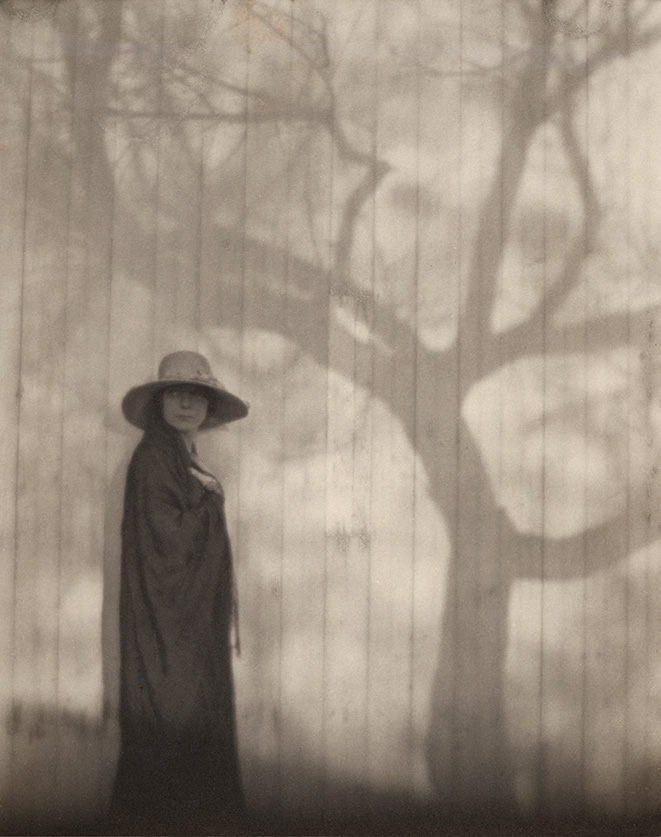
 

Edward Weston (American, 1886-1958) 'Prologue to a Sad Spring' 1920


Edward Weston (American, 1886-1958)
Prologue to a Sad Spring
1920
23.8 x 18.7cm
Platinum print
Center for Creative Photography, The University of Arizona. Johan Hagemeyer Collection/Purchase


1 /

Edward Weston began photography very early, thanks to a Kodak Bulls-Eye No. 2 camera that his father gave him when he was just sixteen. Although he was practically self-taught, in 1911 he opened his first photographic establishment in a suburb of Los Angeles. His early works reveal the influence of the Pictorialist atmosphere of the time: impressionistic views and pastoral subjects with soft or slightly blurred focus, scenography and expressive poses.
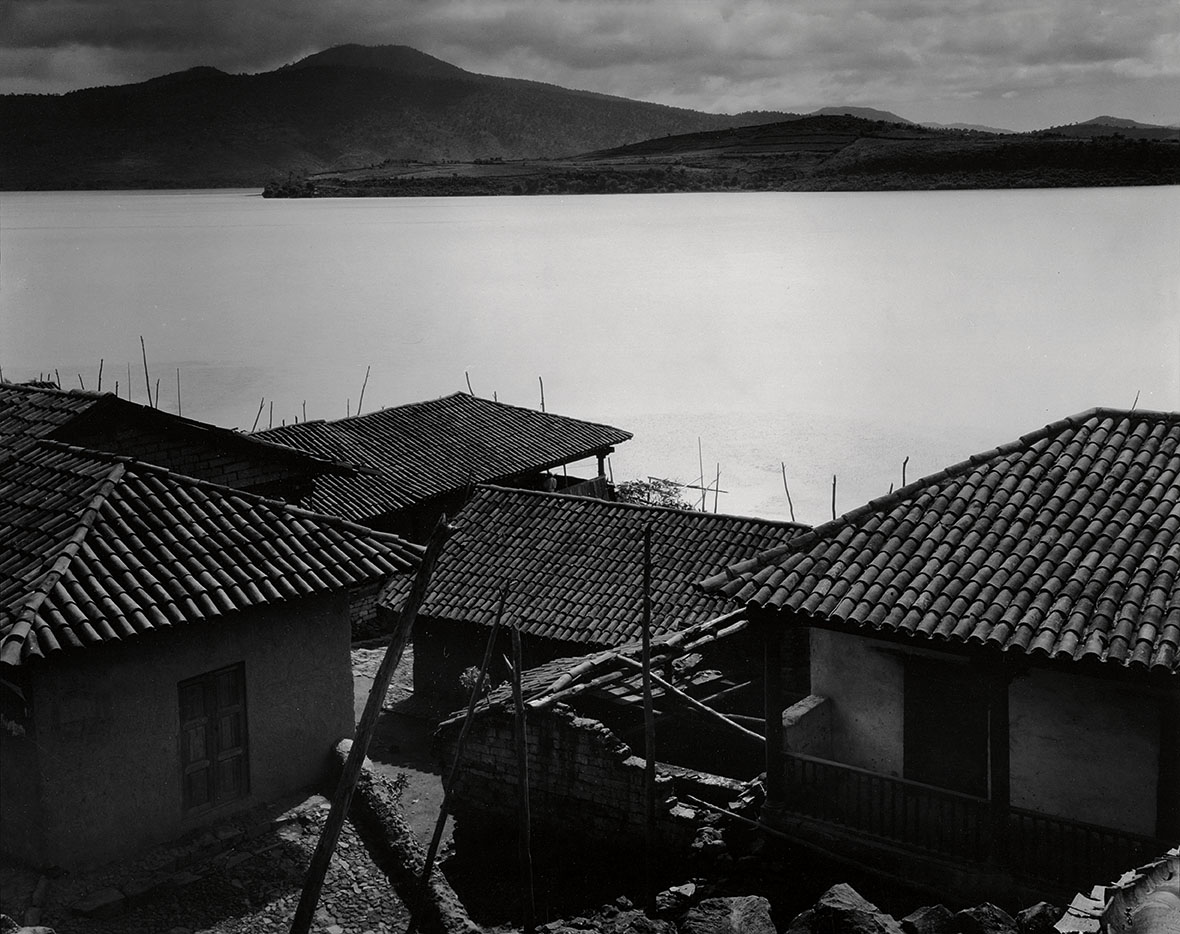
 

Edward Weston (American, 1886-1958) 'Janitzio, Mexico' 1926


Edward Weston (American, 1886-1958)
Janitzio, Mexico
1926
20.4 x 25.2cm
Gelatin silver print
Center for Creative Photography, The University of Arizona. Edward Weston Archive/Gift of the Heirs of Edward Weston


2 /

Weston’s dissatisfaction with this artistic approach to photography, which sought to assimilate itself to painting, coincided with the appearance of other photographers with similar ideas, such as Alfred Stieglitz and Paul Strand, whom he met in New York in 1922. In 1923 he set sail for Mexico accompanied by one of his sons and the photographer Tina Modotti. There he found a true renaissance of the arts and culture, and he came into contact with artists such as Diego Rivera, Frida Kahlo and Rafael Sala. He expanded his visual horizon and tackled new themes, photographing objects, figures and motifs far from their original context, turning them into suggestive and extraordinary elements. It was then that he realised that true photographic art is intuitive and immediate, that the elimination of everything that is accessory constitutes the essence of his creative talent.
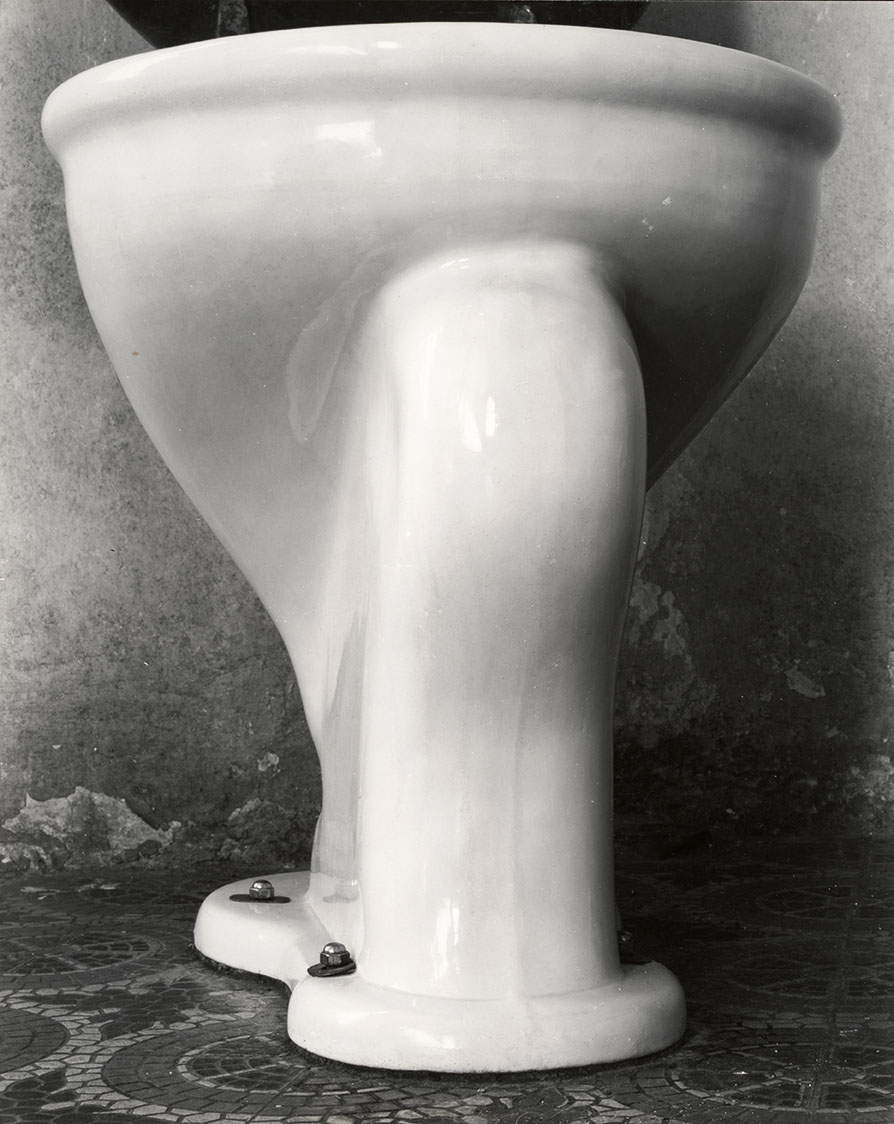
 

Edward Weston (American, 1886-1958) 'Excusado, Mexico' October 1925


Edward Weston (American, 1886-1958)
Excusado, Mexico
October 1925
24.1 x 19.1cm
Gelatin silver print
Center for Creative Photography, The University of Arizona. Edward Weston Archive


3 /

From 1927, influenced by the humanism of Walt Whitman and his work Leaves of Grass, he felt attracted, in the words of Sérgio Mah, by “the extraordinariness of banality”. Fruits, shells and vegetables became the protagonists of his works, and he made one of his most famous photographs: a toilet, an unusual object as an artistic subject, with the title Excused. In these images, Weston accentuated the two-dimensionality of the motifs, since it was one of the characteristics of photography that interested him. He looked for details as a way of fragmenting, isolating and approximating the photographed object, eliminating the sense of depth, a technique particularly notable in still lifes with dark backgrounds, as is the case with his photographs of peppers.
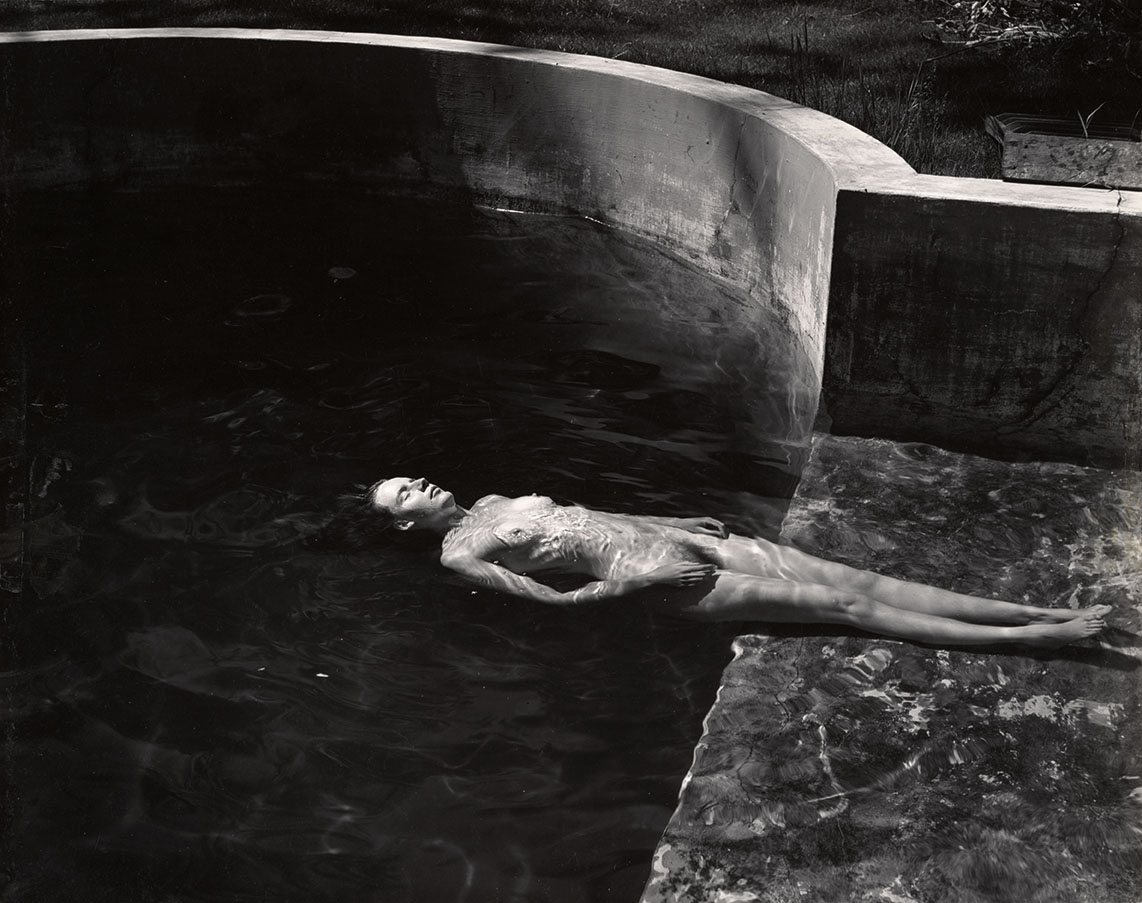
 

Edward Weston (American, 1886-1958) 'Floating Nude' 1939


Edward Weston (American, 1886-1958)
Floating Nude
1939
19.3 x 24.2cm
Gelatin silver print
Center for Creative Photography, The University of Arizona. Edward Weston Archive


4 /

From 1926, after leaving Mexico, Weston photographed several sets of nudes. In these nudes, the photographer’s gaze varies depending on the model. In some cases, the frame is wide and even shows the face, while in others the gaze is more segmented and focuses on parts of the body as a way of cutting out and accentuating the shapes within the frame. It must be recognized that eroticism is a quality present in some of these photographs. However, it is incorrect to conclude that this type of gaze prevails in most of the nudes he photographed. Above all, Weston observes the body as a formal reality. The beauty and sensuality that these bodies suggest is reflected in the play of lines, shadows and contours they offer.
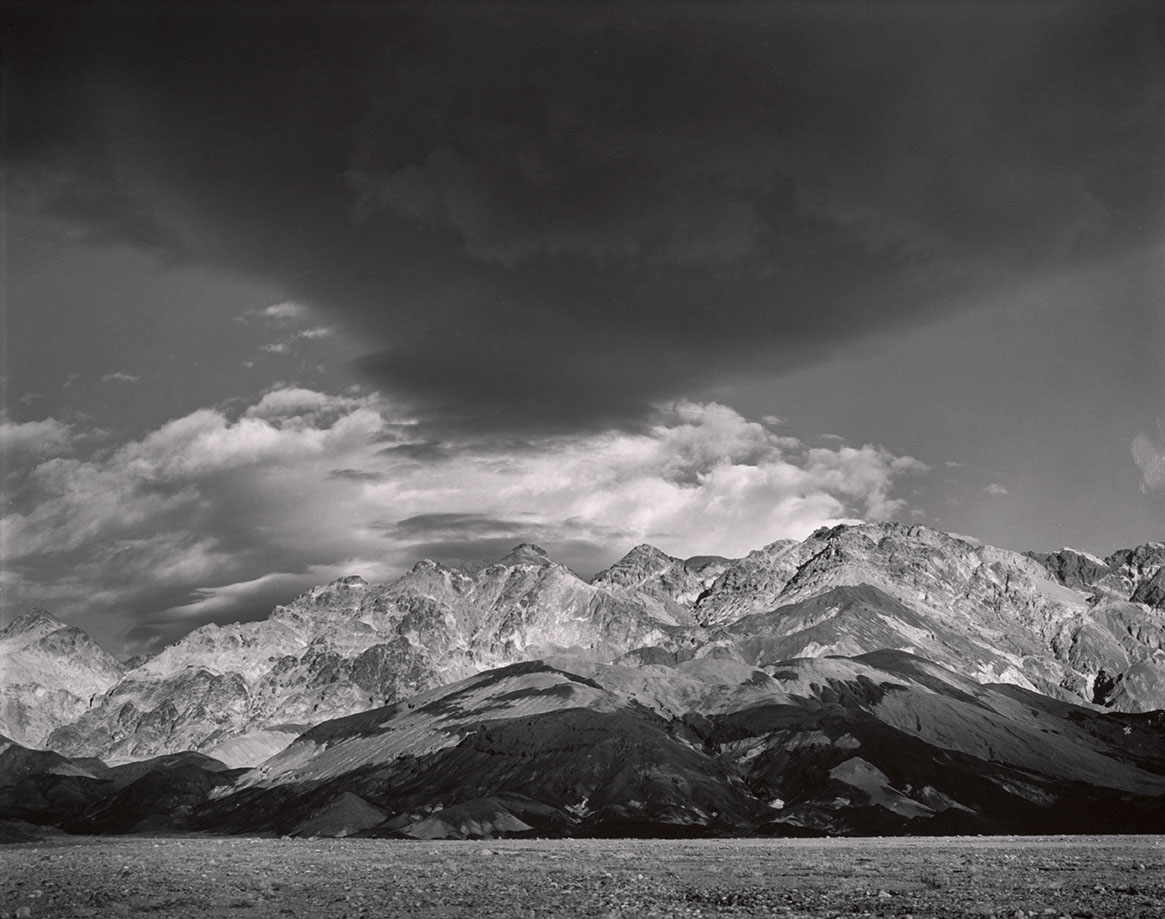
 

Edward Weston (American, 1886-1958) 'Clouds, Death Valley'
1939


Edward Weston (American, 1886-1958)
Clouds, Death Valley
1939
20.4 x 25.2cm
Gelatin silver print
Center for Creative Photography, The University of Arizona. Edward Weston Archive


5 /

From the late 1920s and into the following decades, landscape became a central element in Weston’s work. The artist photographed in the desert near Palm Springs, California, as well as in New Mexico, Arizona, and other Californian areas near his home in Carmel. In these works, the horizon and the depth of the background become a structural part of his works: the panoramic shots highlight the sublime character of the landscape. It was also during this period that Weston began to be interested in meteorological phenomena such as rain, the configuration of clouds, and the aridity of the territory.
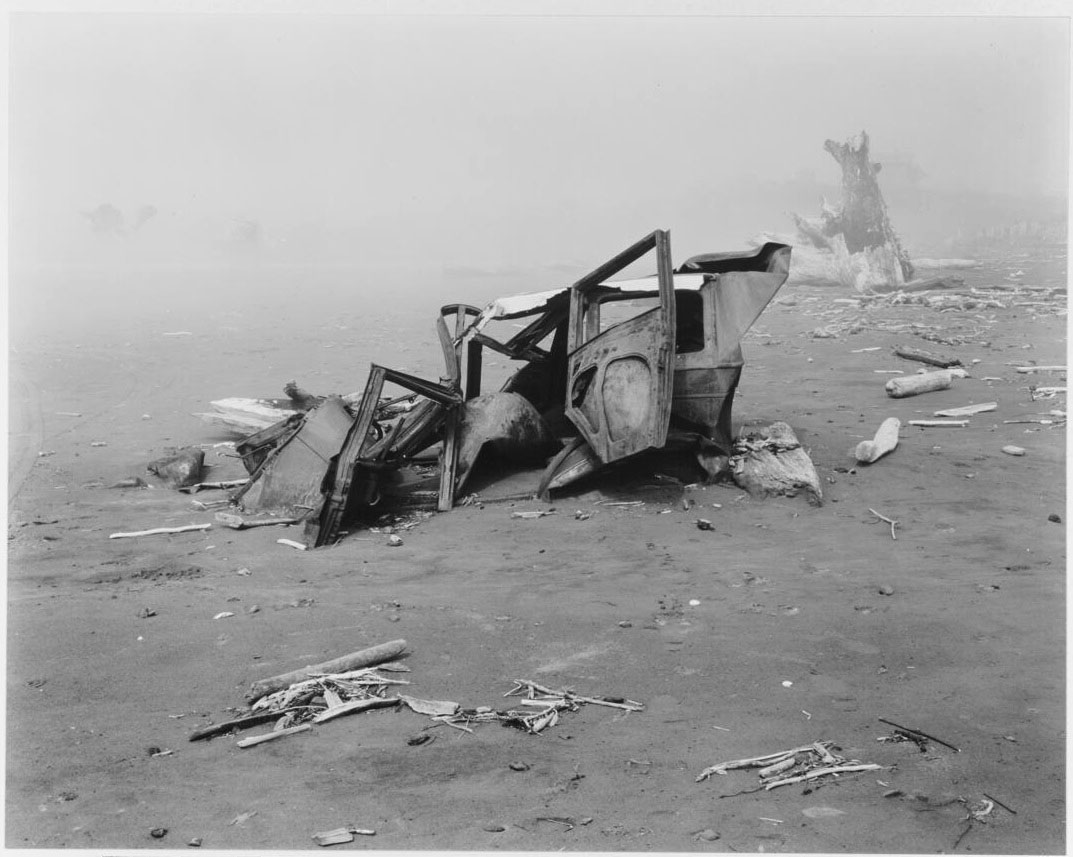
 

Edward Weston (American, 1886-1958) 'Crescent Beach, North Coast' 1939


Edward Weston (American, 1886-1958)
Crescent Beach, North Coast
1939
24.3 x 19.2cm
Silver print mounted on board
The Huntington Library, Art Museum, and Botanical Gardens


6 /

Over the years, Weston’s work increasingly acquired a “dense and melancholic” patina, an aspect that is accentuated by the tones that the images acquire. This characteristic is particularly evident in the photographs he took in 1941 to illustrate Leaves of Grass, a project for which he traveled throughout much of the United States for nearly two years. The images he captured in cemeteries in Louisiana and Georgia stand out, as well as those of abandoned, destroyed and burned buildings where the interest in formal aspects predominates and in which a critical and disillusioned commentary on reality and American society can already be seen.
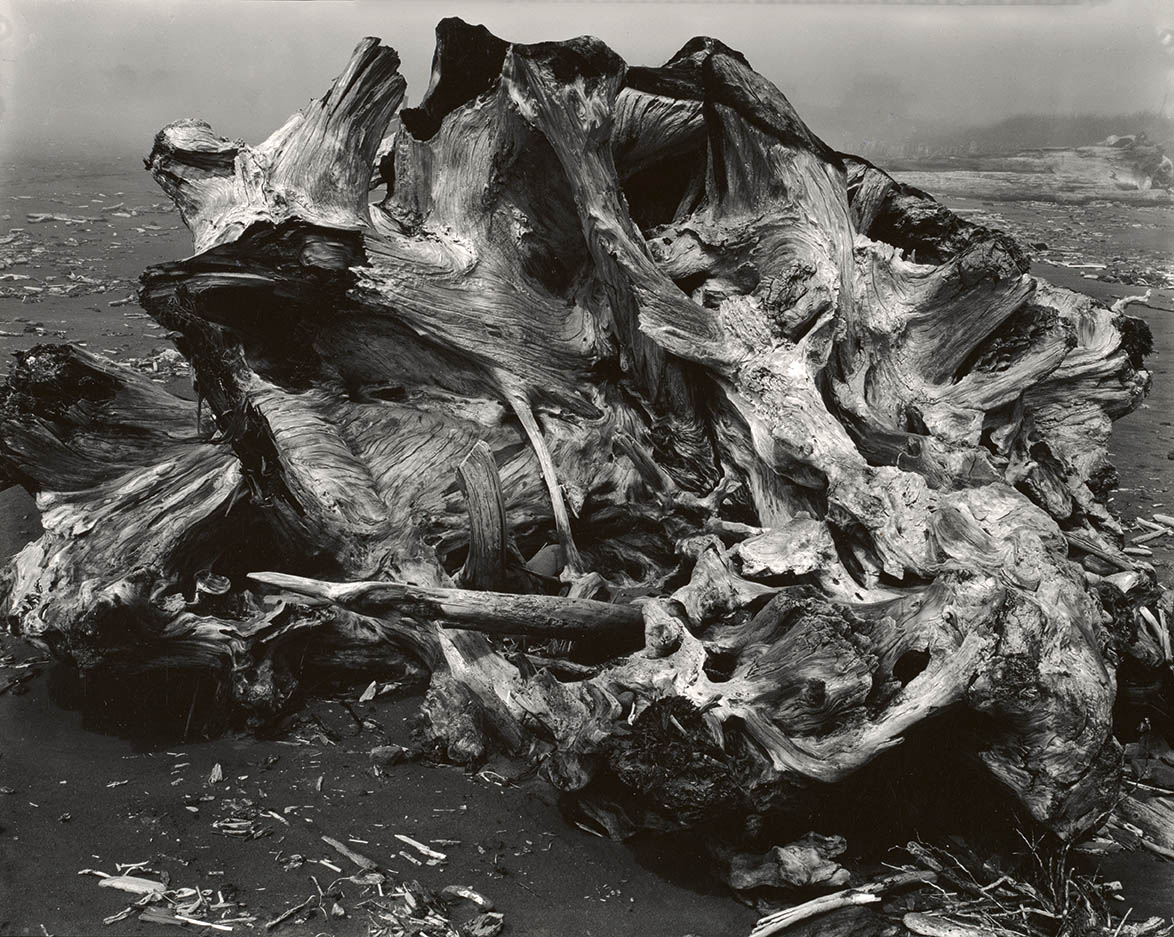
 

Edward Weston (American, 1886-1958) 'Drift Stump, Crescent Beach' 1937


Edward Weston (American, 1886-1958)
Drift Stump, Crescent Beach
1937
20.3 x 25.2cm
Gelatin silver print
Center for Creative Photography, The University of Arizona. Edward Weston Archive


7 /

In the vicinity of Point Lobos, California, was the log cabin built by his son Neil on Wildcat Hill, where Weston moved in 1938. In this area of ​​California, the artist found the wild nature that he had sought in distant places. His images from this period denote less compositional and formal rigidity and show the cycles of nature in the territory, the wild beauty, the trees, stones and rocky landscapes that seem to arise and remain in a time that is stopped. These images express a certain melancholy and solitude, while allowing the viewer to rediscover nature in all its splendour.


Edward Weston (American, 1886-1958) 'Dunes, Death Valley' 1938


Edward Weston (American, 1886-1958)
Dunes, Death Valley
1938
20.4 x 25.1cm
Gelatin silver print
Center for Creative Photography, The University of Arizona. Edward Weston Archive


Catalogue

The catalogue accompanying this exhibition reproduces all the photographs on display. In addition, it includes essays by Sérgio Mah, its curator, by Rebecca Senf, who discusses the artist’s relationship with Mexico, and by Jason Weems, who focuses on Weston’s landscapes and vegetable photographs. It also includes a series of reflections by the artist himself on photography taken from his diaries.

The publication of the catalogue, published in Spanish and Catalan by Fundación MAPFRE, also has a co-edition in Italian published by Dario Cimorelli Editore.

Text from Fundación MAPFRE translated from the Spanish by Google Translate
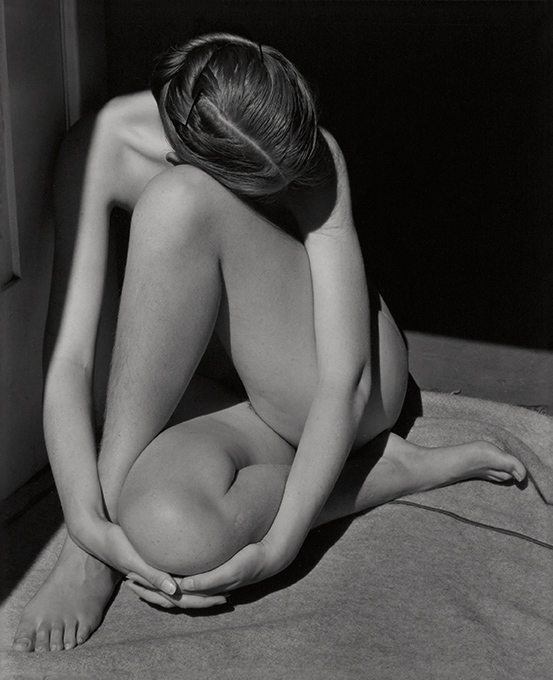
 

Edward Weston (American, 1886-1958) 'Nude' 1936


Edward Weston (American, 1886-1958)
Nude
1936
23.4 x 19.1cm
Gelatin silver print
Center for Creative Photography, The University of Arizona. Gift of the Estate of A.Richard Diebold, Jr.


Author of a vast and diverse body of work spanning five and a half decades, Edward Weston (1886-1958) is one of the great figures in the history of modern photography, partly because his work allows us to reflect on the distinctive qualities of photography as a technical, aesthetic and perceptual category.

His first creative experiments reveal a momentary adherence to the pictorialist tendencies of the time, but he would later stand out as one of the protagonists of a new generation of American photographers who sought to refocus the artistic axis of photography based on its exceptional capacity to represent the most diverse subjects in the world with rigor, clarity and sobriety.

With their extreme simplicity and originality, the exceptional quality of Weston’s images also lies in the way in which he was able to rethink and articulate the extraordinary realistic and objective capacity of photography with its aesthetic, poetic and phenomenological potential, contributing to expanding the horizon of the subjective experience of the image. In this way, Weston enunciated the unique role of photography in the panorama of the visual arts of his time.

Weston was an immensely prolific photographer and his work brings together a whole series of photographic themes, types and genres: portraits, nudes, still lifes, natural and urban landscapes, object photography, architecture… This anthological exhibition aims to cover the entirety of Weston’s photographic career, which began at the beginning of the 20th century and was uninterrupted until the end of the 1940s. The selection of works aims to go well beyond the period in which Weston took most of the images that gave him wide critical and institutional recognition. The truth is that a more complete and heterogeneous approach to his work allows us to summon other layers of aesthetic appreciation, broadening the understanding of the depth and articulations that Weston developed in the various fields he explored. Furthermore, it offers the opportunity to point out the aspects and affinities (in the gaze, in the construction of the image or in its peculiar relationship with certain themes) present throughout his career, emphasizing the coherence of his imagery, as well as the nuances and moments of transition that occurred in it.

Sérgio Mah
Curator

Text from Fundación MAPFRE translated from the Spanish by Google Translate
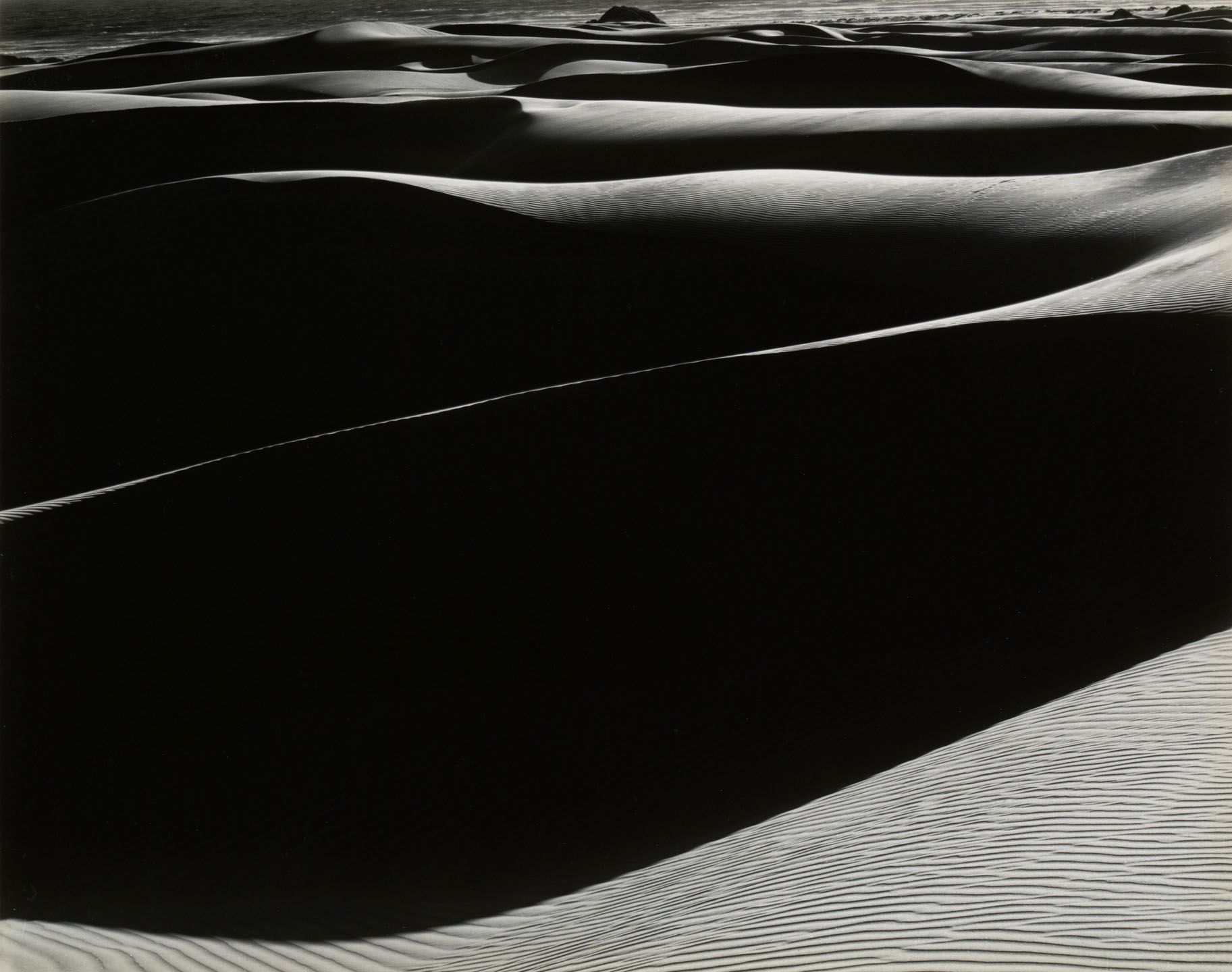
 

Edward Weston (American, 1886-1958) 'Dunes, Oceano' 1936


Edward Weston (American, 1886-1958)
Dunes, Oceano
1936
24.1 x 18.9cm
Silver print mounted on board
The Huntington Library, Art Museum, and Botanical Gardens


From an early age, Edward Weston showed an interest in developing a creative side of photography apart from his commercial work. His early experiments show the influence of painting and reveal his attention and attachment to the pictorialist atmosphere of the time. These photographs include impressionistic views, pastoral subjects with soft or slightly blurred focus, numerous staged portraits that explore expressive poses and combinations with shadows and graphic elements of the environment.

The two periods he spent in Mexico, between 1923 and 1924 and then between 1925 and 1926, were decisive in Edward Weston’s creative career. There he began to explore new themes and genres and his visual horizon expanded significantly. He covered a wide variety of subjects, types of places, figures and things, parts of things, appropriate objects, motifs taken from their original context and repositioned in another interpretative framework. At the same time, his visual style completely sheds any reminiscence of the Pictorialist phase. A photography of great technical, formal and compositional rigour was consolidated. Weston realised that he had the capacity to transform trivial things into suggestive and extraordinary. He was clear that the art of photography lies fundamentally in the moment of making the image, in the way in which the photographer contemplates the subject and makes decisions according to the variables inherent in the photographic device. For him, the process is instinctive. This way of seeing – intuitive, intense and immediate – which seeks to isolate the subject, eliminating the accessory, the unnecessary, anything that could divert or attenuate the intensity of the photographic vision, constitutes the essence of Weston’s creative talent.

From 1927, Weston began a series of still life photographs. In these images he fully reveals the principles and characteristics of his work: the desire to represent the timeless essence of a natural object and, correlatively, to emphasise the duplicative and perceptive capacities of the photographic medium.

The compositions are carefully conceived. In the space of the image, there is a calculated conformity between the dimension of the forms and the format of the image. Here it is important to reiterate the focus on detail as a defining aspect of Weston’s imagery, evident in these still lifes and also in other aspects of his work. Weston understands the vision of detail as a way of fragmenting, isolating and bringing our gaze closer to certain things, accentuating the two-dimensional character of the image, its closed and opaque nature, without depth or horizon, evident above all in still lifes with dark backgrounds, such as photographs of peppers, but also in the various images of plants, trees, rocks and stones that he has been making since the early 1930s.

Weston left Mexico in 1926. In the following years, he made several series of nudes. This is not a new subject. He had already made some important ones before, including one of Anita Brenner’s back and another of her son Neil, whose torso is cut out in an image that evokes ancient Greek statues. In the nudes, the photographer’s gaze varies depending on the model. In some cases, the framing is wide and even shows the face, while in others the gaze is more segmented and focuses on parts of the body as a way of cutting out and accentuating the shapes within the frame. We can recognise that eroticism is a quality present in some of these photographs. It is incorrect, however, to conclude that this gaze prevails in most of his nudes. Weston observes the body mainly as a formal reality. The beauty and sensuality that these bodies suggest are based above all on the play of lines, shadows and contours that they provide.

From the late 1920s, and with greater intensity in the following decades, the landscape genre occupies a central place in Weston’s photographic production. In 1927, the artist takes photos in the Californian desert near Palm Springs. In the following years, he travels through New Mexico, Arizona and other areas of California, such as Oceano, Death Valley, Yosemite, the Mojave Desert and Point Lobos, near his home in Carmel. In these various places, he captures wide views of inhospitable territories in which there are no signs of human presence or intervention. The horizon line and the breadth of the territory become structuring motifs in his work. The impetus for these images is a feeling of admiration for the epic and immeasurable nature of these natural landscapes. Beyond his choice of panoramic shots, the images reveal other aspects and elements of nature, such as meteorological phenomena, rain, cloud formations and variations in sunlight, often in conjunction with their visual effect on the arid land or the vegetation and unique morphology of these territories. It is a vision sensitive to the transformative nature of the landscape, subject to environmental and geological changes.

Gradually, and with greater intensity from the 1940s onwards, Edward Weston’s imagery became denser and more melancholic, not only in terms of the selection of subjects, but also in the tonalities of the images. This tendency is particularly evident in the photographs he takes for an edition of Leaves of Grass, the masterpiece of the poet Walt Whitman. He travels throughout the United States for two years. He revisits many of the recurring themes in his work, but the large number of images he takes of cemeteries in Louisiana and Georgia stand out. These are photographs in which his interest in formal aspects, texture and light predominates. All the subjects are seen as an integral part of a geography that is at once physical, social and mental. On the other hand, there are a lot of images of abandoned, destroyed and burnt buildings, of rubbish and things destined to disappear. We can identify that the themes of finitude and death contribute to an imagery increasingly characterised by loneliness, melancholy, and decadence. For the first time in his work, the images suggest a disillusioned and critical commentary on American reality, on the relationship between nature and culture, continuity and change, alienation and social tension.

In 1938, Weston moved with Charis Wilson to the wooden house built by his son Neil on Wildcat Hill, near Point Lobos, California. The artist spent long periods taking photos in this coastal region. He wandered through areas that he knew well. The images show a nature permeated with cycles, rhythms and forces, a macrocosm where Weston found the material to continue his work. At Point Lobos, Weston encountered a wild, dazzling and ineffable beauty that he had always sought in distant places. In the trees, forests, stones and rocky landscapes, the photographer found a vital energy that led perception towards a diffuse time, contrary to the linearity of history, alien to modernity. Nature then emerged as a theme and setting that allowed him to think and experience a renewed gaze (spontaneous, intuitive, aesthetic), a gaze that was both concrete and metaphysical that allowed him to rediscover nature.

Text from Fundación MAPFRE translated from the Spanish by Google Translate


Edward Weston (American, 1886-1958) 'Charis, Lake Ediza' 1937


Edward Weston (American, 1886-1958)
Charis, Lake Ediza
1937
19.1 x 24.1cm
Silver print mounted on board
The Huntington Library, Art Museum, and Botanical Gardens


KBr Fundación MAPFRE
Av. del Litoral, 30 08005 Barcelona
Phone: +34 932 723 180

Opening hours:
Tuesdays – Sundays (and public holidays) 11am – 8pm
Fundación MAPFRE website

LIKE ART BLART ON FACEBOOK

Back to top

Exhibition: ‘Jan Groover. Laboratory of Forms’ at the Fondation Henri Cartier-Bresson, Paris

Exhibition dates: 8th November 2022 – 12th February 2023

Exhibition curators: Tatyana Franck, President of the French Institute Alliance Française in New York, former director of Photo Elysée Emilie and Delcambre Hirsch Agnès Sire, Artistic director, for the Paris version


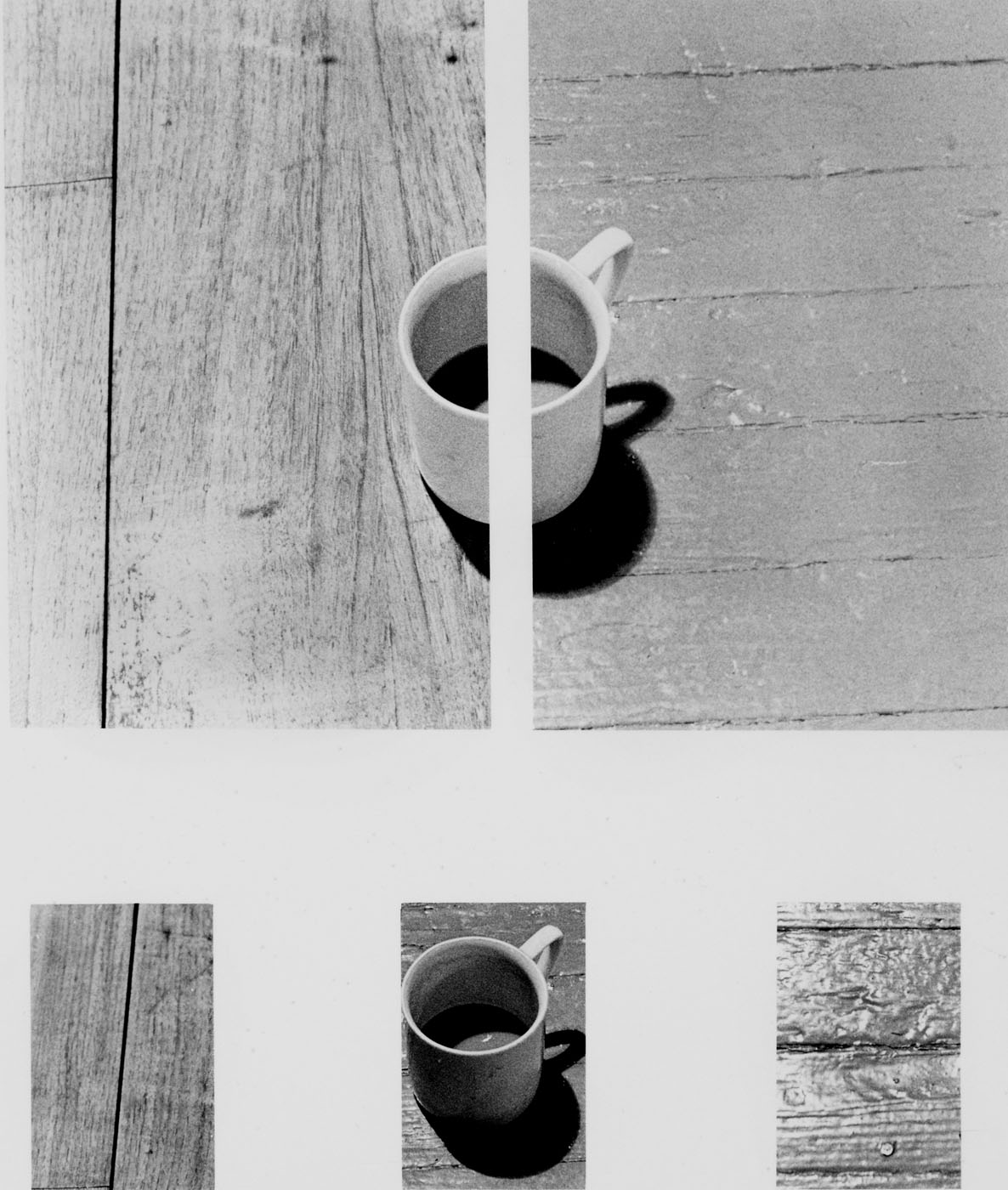
Jan Groover (American, 1943-2012) 'Untitled' c. 1971 from the exhibition 'Jan Groover. Laboratory of Forms' at the Fondation Henri Cartier-Bresson, Paris, Nov 2022 - Feb 2023


Jan Groover (American, 1943-2012)
Untitled
c. 1971
Diptych
© Photo Elysée – Fonds Jan Groove


Formalism is everything

Well no. No it isn’t. Groover is not one of my favourite photographers but I acknowledge how she broadened the definition of what a photograph can be. But her photographs are too clinical for my taste. They leave me cold. I like a little serendipity and spirit in my photography…

A painter before she became a photographer.

All images are constructions.

She composed her photographs as artists compose their paintings.

She wanted to “reinvent everything”.

Still life were influenced by Edward Weston, Paul Outerbridge and Alfred Stieglitz.

The reality is in the detail.

Nothing was left to chance. Every photograph had a plan:

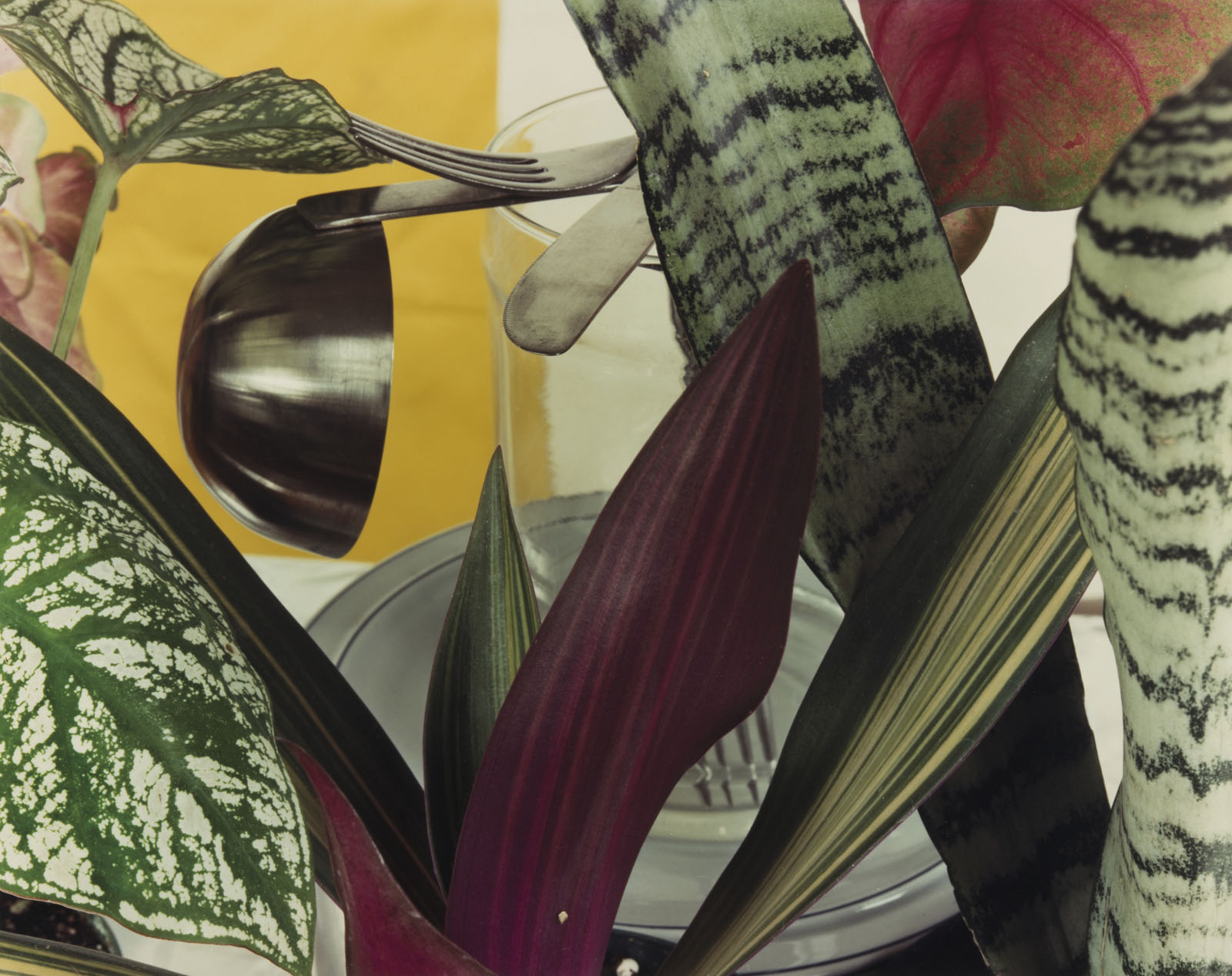
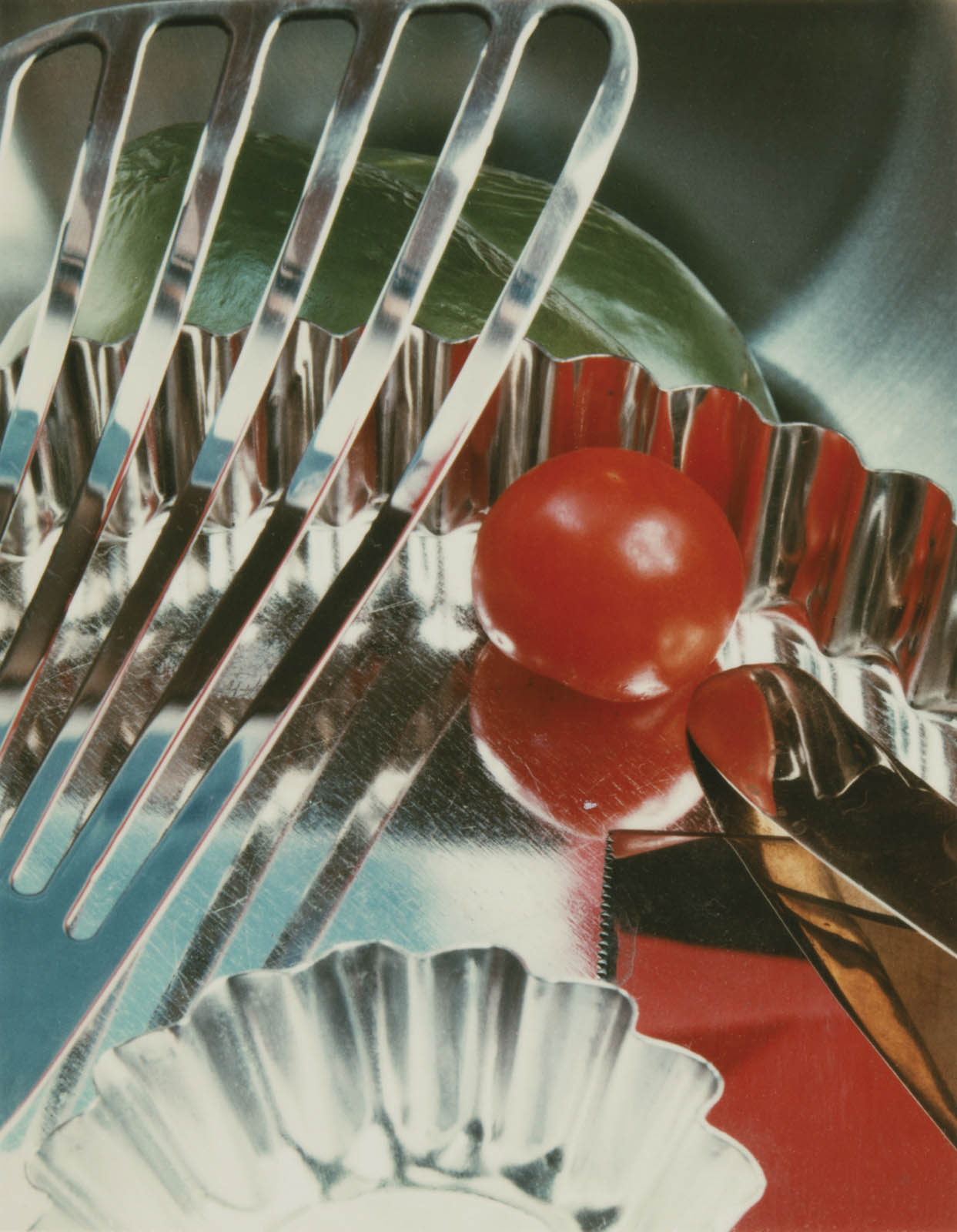
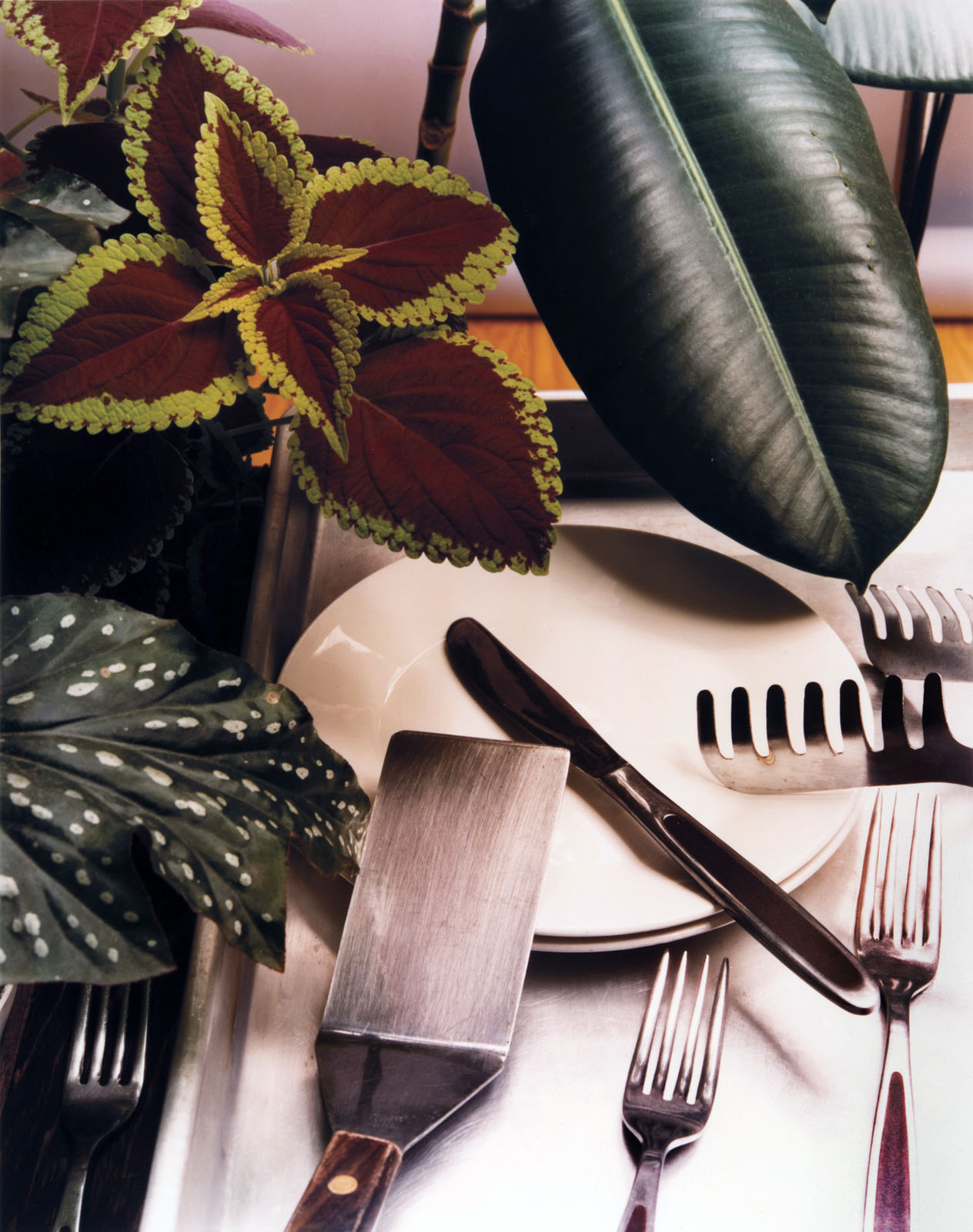
“Spotlight on the house sink: who would have thought that so much beauty was nestled there? Reflection of a fork, transparency of a glass, sliding of water, damaged enamel, burning of coffee: under its tight framing, effects and materials are intertwined. Nothing is left to chance, each arrangement is first sketched out in pencil, tested with Polaroid.”1


concept [of] space

elements [of] reality

perception [of] image

photographs [of] objects


Dr Marcus Bunyan


1/ Emmanuelle Lequeux. “Jan Groover, l’abstraction du réel,” on the Le Monde website 18 September 2019 [Online] Cited 10/01/2022. Translated from the French by Google Translate


Many thankx to the Fondation Henri Cartier-Bresson for allowing me to publish the photographs in the posting. Please click on the photographs for a larger version of the image.


“And then one day I had the thought that I didn’t want to have to make everything up, so I quit painting. Then I found out that you have to make everything up anyway.”


Jan Groover, in Pure invention: The Tabletop Still Life, 1990


“I had some wild concept that you could change space – which you can… If the thing doesn’t look like the way I want it to look, I’ll try something else.”


Jan Groover, 1994


Interview with Tatyana Franck around the Jan Groover. Laboratory of Forms exhibition

A singular artist, Jan Groover (1943-2012), of American origin, had a considerable impact on the recognition of colour photography. This exhibition, the first retrospective to be dedicated to her since her death in 2012, shows the evolution of her work, from her original polyptychs to the still lifes that she would produce throughout her life. Thanks to the donation of Jan Groover’s archives to Photo Elysée (Lausanne) in 2017, this exhibition, presented in 2019 in Lausanne, pays tribute to an artist who has constantly renewed herself, thus becoming part of the history of photography.


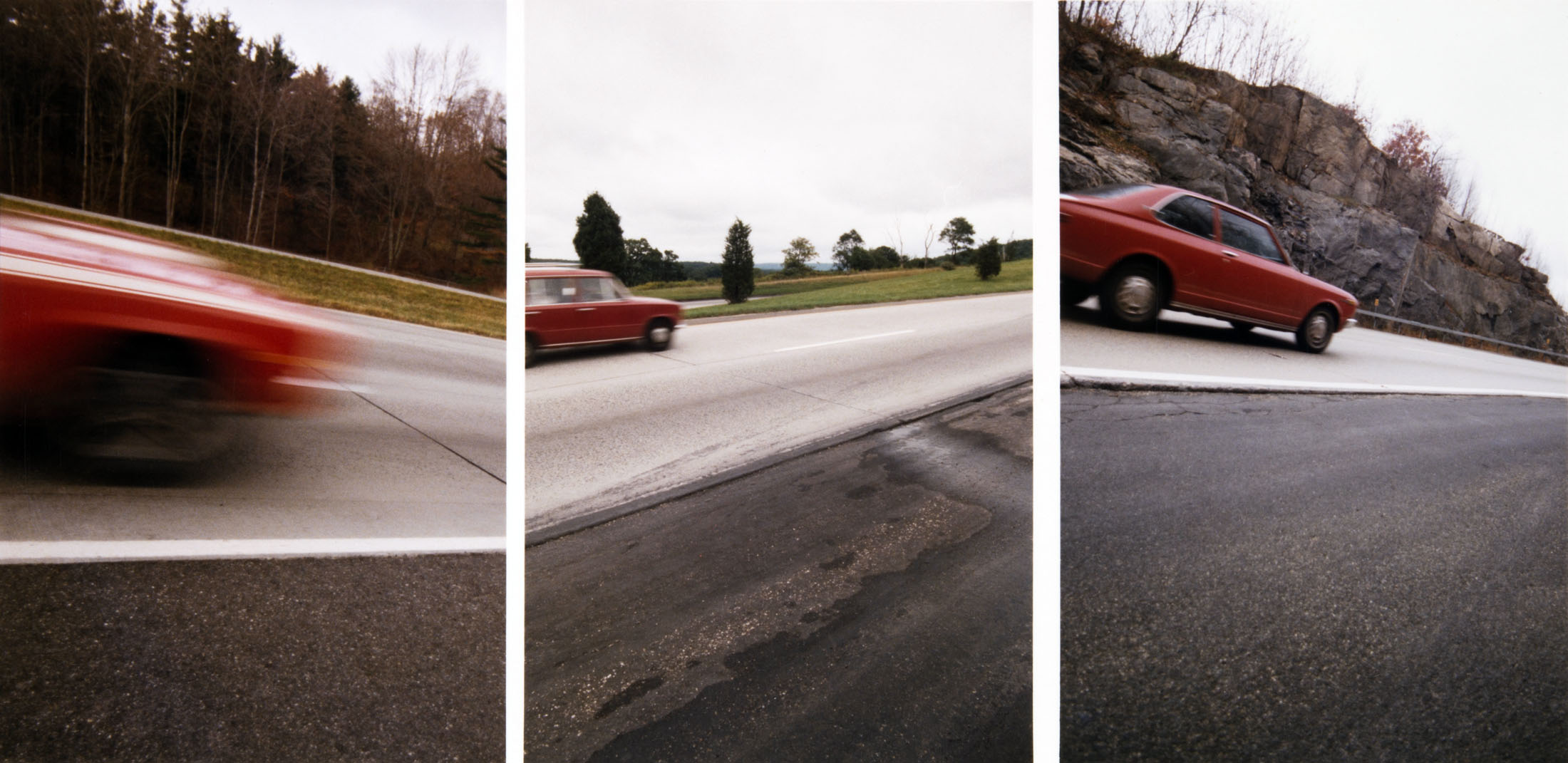
Jan Groover (American, 1943-2012) 'Untitled' c. 1971 from the exhibition 'Jan Groover. Laboratory of Forms' at the Fondation Henri Cartier-Bresson, Paris, Nov 2022 - Feb 2023


Jan Groover (American, 1943-2012)
Untitled
c. 1971
© Photo Elysée – Fonds Jan Groover


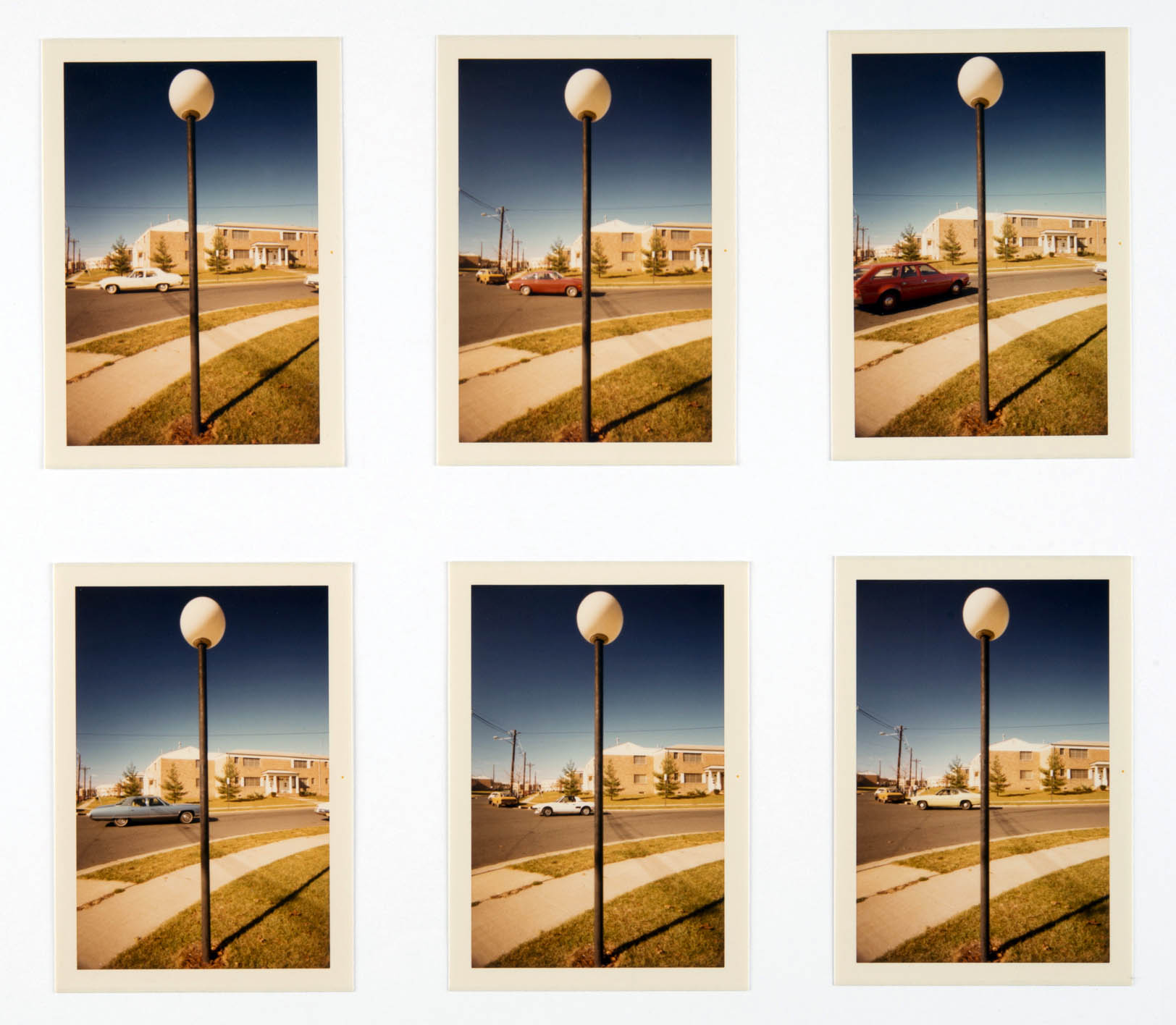
Jan Groover (American, 1943-2012) 'Untitled' c. 1975 from the exhibition 'Jan Groover. Laboratory of Forms' at the Fondation Henri Cartier-Bresson, Paris, Nov 2022 - Feb 2023


Jan Groover (American, 1943-2012)
Untitled
c. 1975
© Photo Elysée – Fonds Jan Groover


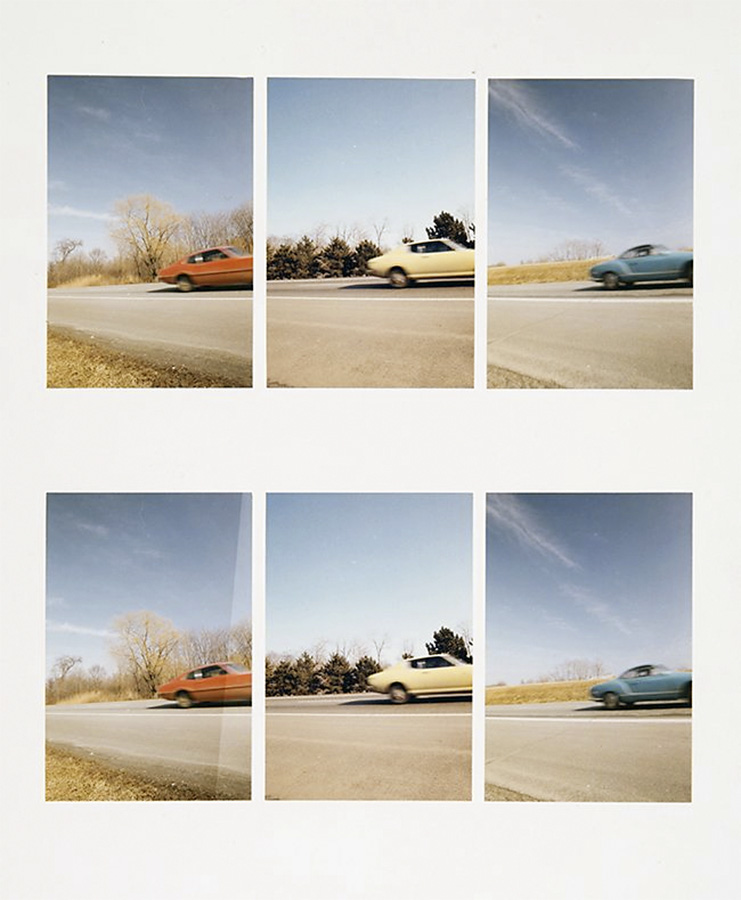
Jan Groover (American, 1943-2012) 'Untitled' c. 1975


Jan Groover (American, 1943-2012)
Untitled
c. 1975
© Photo Elysée – Fonds Jan Groover


Jan Groover (American, 1943-2012) 'Untitled' c. 1975


Jan Groover (American, 1943-2012)
Untitled
c. 1975
© Photo Elysée – Fonds Jan Groover


Exhibition

Born in the United States, singular artist Jan Groover (1943-2012) played a significant role in the appreciation of colour photography. In the first retrospective since her death in 2012, the exhibition shows the development of Groover’s work, from original polyptychs to still lifes she produced throughout her career. Thanks to a donation from the Jan Groover archives at Photo Elysée (Lausanne) in 2017, the exhibition, shown in Lausanne in 2019, pays tribute to an artist who constantly reinvented herself, thus leaving her mark on the history of photography.

Jan Groover took up photography as a sort of challenge. Noting that “photography wasn’t taken seriously” in the United States in the 1960s, she distanced herself from abstract painting, which she’d previously studied. In 1967, Groover bought her first camera in what she described as her “first adult decision.” Her fondness for abstraction and the pictorial can already be seen in her first series of polyptychs, where the subject is multiplied, divided, or hidden behind opaque forms to the point of negation.

Starting in the late 1970s, Groover turned to the still life, a traditional genre in pictorial art, experimenting with it until the end of her life through impressively diverse subjects, formats and techniques. At a time when documentary photography was at the forefront in magazines like LIFE, Groover applied her background in painting to photography, giving abstract photography due credit by creating images for the sake of form, far from signification and statement. On top of her still lifes, Groover also produced series on freeways, portraits, and Body Parts.

As an actor in rendering the photographic medium more versatile – a property then attributed to painting and drawing – Groover explored different creative techniques, as in the use of platinum and palladium prints for her urban series and portraits of close friends (John Coplans or Janet Borden, with whom she was in constant intellectual dialogue).

In Jan Groover. Laboratory of Forms, colour and black-and-white vintage prints are presented, along with the artist’s work materials (polaroids, notebooks, etc.). The exhibition explores Groover’s artistic process and gives us insight into the experimental nature of her work and her influence on modern photography.

Biography

Born on April 24, 1943, in Plainfield, New Jersey, Jan Groover first studied abstract painting at the Pratt Institute in New York before taking up photography, with the purchase of her first camera in the early 1970s. This marked the beginning of a diverse career made of polyptychs, series of shots of the same location, portraits and still lifes (a recurring theme of her art). In 1970, she earned a Master’s in Art Education from Ohio State University, Columbus. She then moved to New York with her partner, painter and art critic Bruce Boice.

In New York, a center of contemporary art, she gradually gained recognition on the art scene and experimented with other techniques in photography, like platinum/palladium prints.

In 1974, the Light Gallery put on her first solo exhibition, and in 1978 she received a grant from the federal agency National Endowment for the Arts. As a respected teacher at Purchase College, she taught photographers Gregory Crewdson, Laurie Simmons and Philip-Lorca diCorcia, for a few.

In 1987, the New York Museum of Modern Art (MoMA) held a retrospective on Groover’s work.

The Groover-Boice couple turned in this way on the New York art scene until 1991, the year they settled in the Dordogne region of France. Groover continued her series of still lifes despite falling ill in 1998. The couple gained French nationality in 2005. Jan Groover passed away a few years later, on January 1st, 2012.

Thanks to Bruce Boice’s donation, Photo Elysée in Lausanne was able to expand its collection with the archive of Jan Groover, including a great majority of her work as well as unpublished archival material from her studio. The museum ensures the conservation, study and distribution of the archive.

Text from the Fondation Henri Cartier-Bresson website


Jan Groover (American, 1943-2012) 'Untitled' Nd


Jan Groover (American, 1943-2012)
Untitled
Nd
© Photo Elysée – Fonds Jan Groover


Jan Groover (American, 1943-2012) 'Untitled' c. 1978


Jan Groover (American, 1943-2012)
Untitled
c. 1978
© Photo Elysée – Fonds Jan Groover


Jan Groover (American, 1943-2012) 'Untitled' c. 1978


Jan Groover (American, 1943-2012)
Untitled
c. 1978
© Photo Elysée – Fonds Jan Groover


In 1978, another radical turning point. Jan Groover focuses all her efforts on still life. Spotlight on the house sink: who would have thought that so much beauty was nestled there? Reflection of a fork, transparency of a glass, sliding of water, damaged enamel, burnt coffee: under its tight framing, effects and materials are intertwined. Nothing is left to chance, each arrangement is first sketched out in pencil, tested with Polaroid. In fact, she has never stopped painting: she simply does it with the elements of reality. Her challenge, “that the entire surface of the photo have the same magnetism and the same importance,” summarises the painter Bruce Boice, her husband.

Resounding success: her Kitchen Still Lifes establish her as an immense visual artist. In the eyes of Susan Kismaric, curator in the photography department at MoMA in New York, she invented “nothing less than a resplendent new way of seeing”. An “anomaly of the photographic world”? Some call it that. But of those who have a sacred heritage: initiated by Jan Groover, photographers Gregory Crewdson and Philip-Lorca diCorcia bring her composition lessons to incandescence.

Emmanuelle Lequeux. “Jan Groover, l’abstraction du réel,” on the Le Monde website 18 September 2019 [Online] Cited 10/01/2022. Translated from the French by Google Translate


Jan Groover (American, 1943-2012) 'Untitled' c. 1978


Jan Groover (American, 1943-2012)
Untitled
c. 1978
© Photo Elysée – Fonds Jan Groover


Jan Groover (American, 1943-2012) 'Untitled' c. 1978


Jan Groover (American, 1943-2012)
Untitled
c. 1978
© Photo Elysée – Fonds Jan Groover


Jan Groover (American, 1943-2012) 'Untitled (Ealan Wingate)' c. 1980


Jan Groover (American, 1943-2012)
Untitled (Ealan Wingate)
c. 1980
© Photo Elysée – Fonds Jan Groover


A summary inventory of Groover’s archive tallied a total of 11,663 negatives, 525 slides, and 9,485 paper prints, along with unpublished drawings and all of her camera equipment. “Jan Groover was not only interested in beautiful prints, but she was very much interested in techniques, and the artisanal way of making images,” says Franck. “We were very lucky to have been able to find a complete laboratory with all of her prints, negatives, everything was kept in her house.”

Marigold Warner. “Jan Groover: Laboratory of Forms,” on the British Journal of Photography website 8th November 2019 [Online] Cited 10/01/2022.


Jan Groover (American, 1943-2012) 'Untitled (Mel Bochner)' 1980


Jan Groover (American, 1943-2012)
Untitled (Mel Bochner)
1980
© Photo Elysée – Fonds Jan Groover


Jan Groover (American, 1943-2012) 'Untitled' 1983


Jan Groover (American, 1943-2012)
Untitled
1983
© Photo Elysée – Fonds Jan Groover


Jan Groover (American, 1943-2012) 'Untitled' c. 1981


Jan Groover (American, 1943-2012)
Untitled
c. 1981
© Photo Elysée – Fonds Jan Groover


Jan Groover (American, 1943-2012) 'Untitled' c. 1983


Jan Groover (American, 1943-2012)
Untitled
c. 1983
© Photo Elysée – Fonds Jan Groover


An unpublished exhibition, from the artist’s archive

This exhibition looks back over the life’s work of Jan Groover (1943- 2012), the American photographer whose personal collection was added to the Musée de l’Elysée’s collections in 2017. Based on a selection of archives from her personal collections, the exhibition evokes not only the artist’s years in New York but also her years in France – a less known part of her career. With the will to enrich research on Jan Groover, the exhibition displays the first results of the considerable work on the collection conducted by the museum – from the perspective both of conservation as well as historical documentation.

Formalism is everything

Taking Jan Groover’s statement as a guiding principle, the exhibition highlights the eminently plastic design pursued by the photographer throughout her career. Conducted in a spirit of endless experimentation, this research and the creative process it involves are emphasised not only by the presentation of early tests and experiments but also by the inclusion of unique documents, notes and preparatory notebooks.

In the early 1970s, abandoning her earlier vocation as a painter, Jan Groover began to attract attention with her photographic polyptychs constructed around the motifs of the road, cars and the urban environment. As the early stages of her formal and aesthetic explorations, they offer an opportunity to re-examine the reflections initiated at the time by the conceptual trend (especially with regard to notions of seriality and sequence).

By 1978, Jan Groover had radically changed subject, turning to still life. She embarked on pictures that were to form the main body of her work and thanks to which she remains to this day one of the eminent figures of the genre. Mostly created in her studio, her compositions use a variety of processes. In the 1980s, they actively contributed to the recognition of colour photography. Despite the indisputable pre-eminence of her photographs of objects, Jan Groover’s work is also studded with landscapes, bodies and portraits, often in monochrome. She developed a keen interest in the technique of platinum and palladium, which she studied in greater depth when she arrived in France, with several series in a very specific elongated format (banquet camera) concluding the exhibition.

Text from the Musée de l’Elysée website


Jan Groover (American, 1943-2012) 'Untitled' c. 1985


Jan Groover (American, 1943-2012)
Untitled
c. 1985
© Photo Elysée – Fonds Jan Groover


Jan Groover (American, 1943-2012) 'Untitled' c. 1989


Jan Groover (American, 1943-2012)
Untitled
c. 1989
© Photo Elysée – Fonds Jan Groover


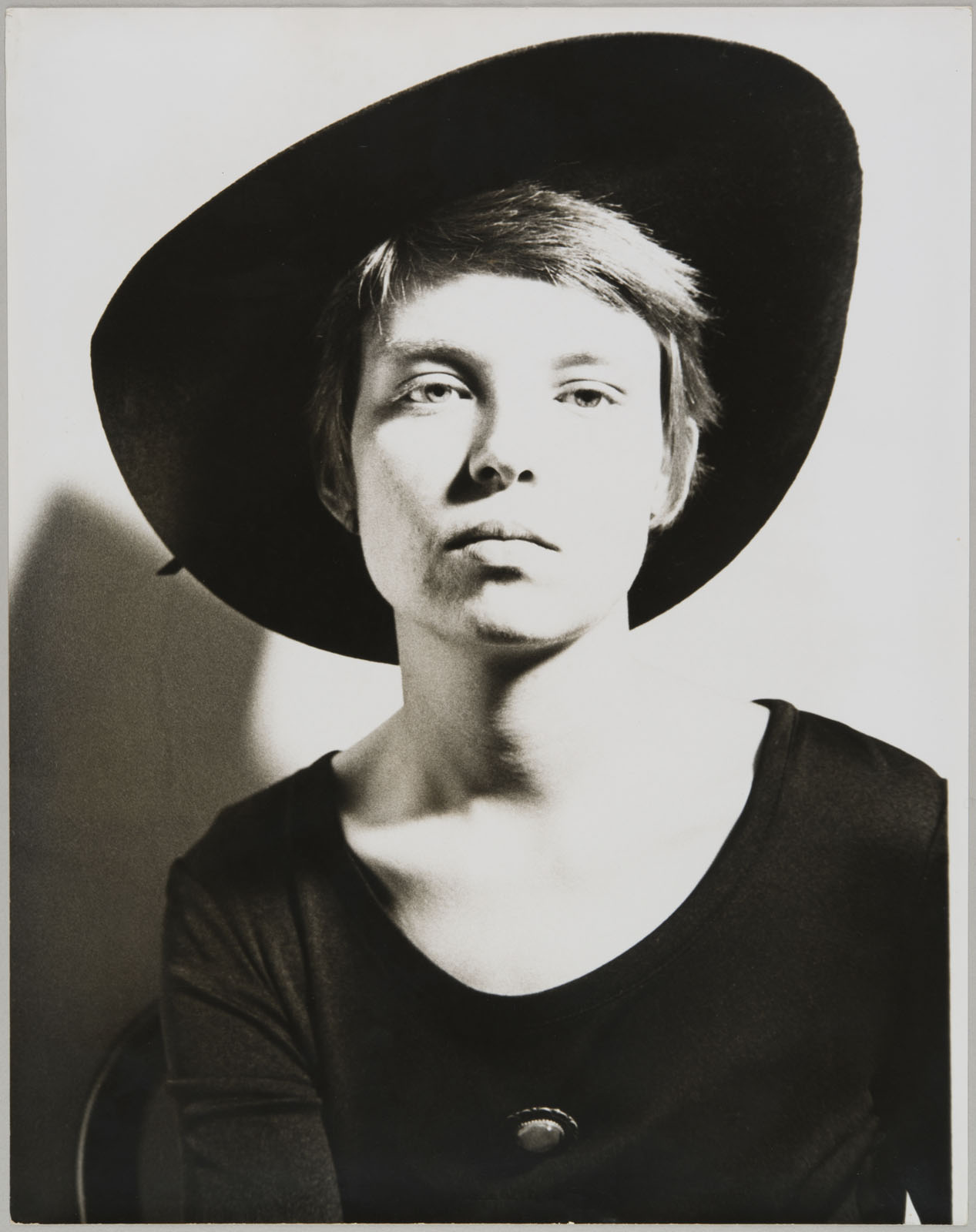
Bruce Boice (American, b. 1941) 'Jan Groover' c. 1968


Bruce Boice (American, b. 1941)
Jan Groover
c. 1968
© Photo Elysée – Fonds Jan Groover


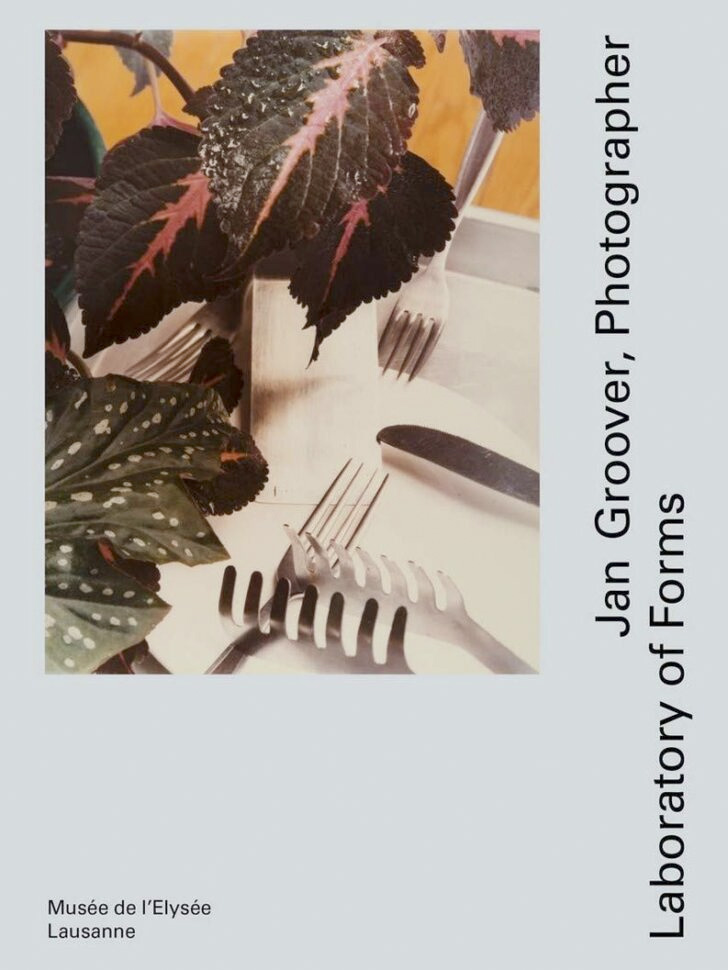
Tatyana Franck (author). 'Jan Groover. Laboratory of Forms' book cover 2019


Tatyana Franck (author)
Photo Elysée & Scheidegger and Spiess (publisher)
February, 2020 (date of publication)
ISBN 978-3858818386
192 pages
48 euros


This book accompanies the eponymous exhibition presented at Photo Elysée from September 18, 2019 to January 5, 2020, then at the Fondation Henri Cartier-Bresson from November 8, 2022 to February 12, 2023.

“Formalism is everything”: Jan Groover’s statement alone sums up the plastic ambition of a work that today embodies one of the key moments in the history of photography and the genre of still life.

Conducted through constant and varied experimentation, her research focused on forms and their ability to transform the perception of the image. In the early 1970s, the photographer was noticed by the New York art scene for her polyptychs based on the motifs of the car and the urban environment. Around 1978, Jan Groover radically changed the subject to still life, which would form the main part of his later work. Produced in the studio, her compositions use a variety of techniques; in the 1970s and 1980s, they actively contributed to the institutional and artistic recognition of colour photography. She then developed a great interest in a late 19th century process, the platinum-palladium.

Defending the historical and technical importance of her work, the publication thus puts Jan Groover’s work in perspective with the analysis of the archival finds given by her husband, Bruce Boice, to Photo Elysée.

Edited by Tatyana Franck

With contributions from Bruce Boice, Emilie Delcambre Hirsch, Paul Frèches, Tatyana Franck, Sarah Hermanson Meister, and Pau Maynés Tolosa

21 x 27 cm.
Texts in English


Fondation Henri Cartier-Bresson
79 rue des Archives
75003 Paris

Opening hours:
Tuesday – Sunday
11am – 7pm
Closed on Mondays

Fondation Henri Cartier-Bresson website

LIKE ART BLART ON FACEBOOK

Back to top

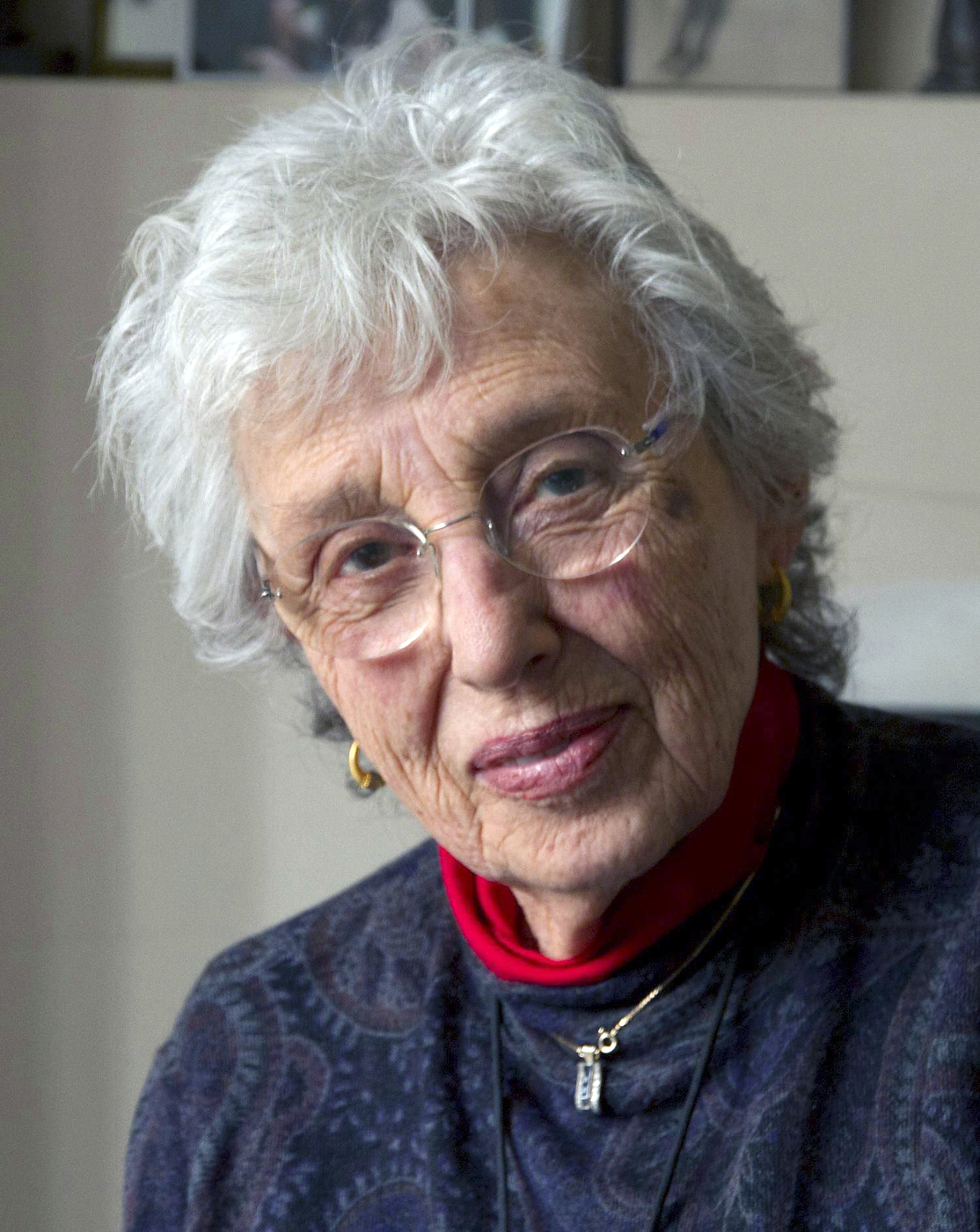
Joyce Evans celebration

May 2019

Where: Monash Gallery of Art, Wheelers Hill
When: Monday 20th May 2019, 6-9pm
 

Joyce Evans photographer celebration… I hope many of you can attend.

A celebration of Joyce and her contribution to art, photography, women’s status, mentorship and philanthropy. At least 30 of her prints will be displayed. Celebrants will talk and recall in their own words experiences with Joyce and her passions. The event will be recorded and made available for non-attendees. Snacks and drinks will be available.

A truly remarkable human being.

Marcus


If we can find out what we are… that is the artist. This goes to the core element of your being, and the core element of your enquiry remains the same.

If the core part of your life is the search for the truth then that becomes a core part of your identity for the rest of your life. It becomes embedded in your soul.


Joyce Evans


Michael Silver (Australian) 'Joyce Evans' Nd


Michael Silver (Australian)
Joyce Evans
Nd


Monash Gallery of Art
860 Ferntree Gully Road, Wheelers Hill
Victoria 3150 Australia
Phone: + 61 3 8544 0500

Opening hours:
Tue – Fri: 10am – 5pm
Sat – Sun: 10pm – 4pm
Mon/public holidays: closed

Monash Gallery of Art website

LIKE ART BLART ON FACEBOOK

Back to top

In memoriam: Joyce Olga Evans (Australian, 1929-2019)

April 2019


We have lost a pioneer and legend of Australian photography.

We were blessed to have known her. What a life. What an incredible human being.

A tribute to Joyce Evans will appear on this website in due time.

I am so so sad at her loss. All my love…

Marcus xx


Two new books have be published after Joyce’s passing: “We Had Such High Hopes: Student activism and the Peace Movement 1947-52” which features Joyce’s stories of going behind the Iron Curtain to photograph in 1949 and 1951, protests against the atom bomb, and the beginning of civil rights protests after the Second World War in Australia (published by Australian Scholarly Publishing edited by Jenny Zimmer); and a large publication of her own work with text by Sasha Grishin.

A fitting tribute to a pioneer and legend of Australian photography.


Marcus Bunyan. 'Joyce Evans with Max Dupain's 'Sunbaker' 1937' 2018


Joyce Evans standing in front of Max Dupain’s Sunbaker 1937
Photo: Marcus Bunyan


LIKE ART BLART ON FACEBOOK

Back to top

In conversation: Marcus Bunyan and Elizabeth Gertsakis discuss his new work, ‘The Shape of Dreams’ 2013-2017

December 2017


Marcus Bunyan (Australian, b. 1958) 'Untitled' from the series 'The Shape of Dreams' 2013 - 2017


Marcus Bunyan (Australian, b. 1958)
Untitled from the series The Shape of Dreams 
2013-2017
Silver gelatin print
© Marcus Bunyan


In conversation

EG: Just saw your most recent Art Blart and your work. It’s very beautiful. Congratulations. At first I didn’t know whose they were. Then I went through them one by one, and only after responding to them ‘unknown’ I saw it was your work. SO BEAUTIFUL, so potent and yet, within the ambivalence and questioning there was space for great stillness and contemplation. Powerful and so poetic. The one of the children, close up is dazzling, but so are the open fields, mountains, roadways and minute images of flight.

MB: Thank you so much Elizabeth. Yes, my work would you believe. I can now believe after 4 years hard work. A poem to the uncertainty of human dreams. It’s a conceptual series in the vein of my hero Minor White – contemplative, poetic as always with me, but with an edge under the poetry as you so correctly observe EG – you are caught in the dream in the end image, suspended in time and space, in your imagination. You are always so spot on with your observations.

EG: Your own tendency is also closely linked to language and ideas?

MB: This is very true. The basis for all my work is body, time, space, environment and their link to language and ideas… and how conceptual work can be spiritual as well.

EG: I’m with you on that one, and political as well.

MB: Indeed – all my work, including this series, is very anti-war.

EG: What is unseen, invisible in these images is definitely the dark quiet hole of hell that war is. Or at least those that invest in it.

MB: The key image in this regard is the one of the explosion.

EG: But the ones of the distant and misdirected aerial machines also…

MB: Indeed, and the second one, where all the men are looking away while the cloud expands in the background.

EG: Yes, the casual indifference and banality of it.

MB: You have it perfectly Elizabeth!

EG: But the children, oh those children, and the innocent implacability of the natural world.

MB: To find these images on Ebay and then spend four years of my life cleaning and saving them was an incredible experience. It was almost like I was breathing these images as I was saving them, looking into each one and being immersed in them. Thus, the art demands contemplation from the viewer in order to begin to understand its resonances.


Many thankx to Elizabeth Gertsakis for her wisdom, knowledge, friendship and advice throughout the year. These observations of my work mean a great deal to me.

See the full sequence including the spacing of images (enlarge and use scroll bar)

See the full images on my website

Photographs are available from this series for purchase. As a guide, a digital colour 16″ x 20″ costs $1000 plus tracked and insured shipping. For more information please see my Store web page.


Marcus Bunyan (Australian, b. 1958) 'Untitled' from the series 'The Shape of Dreams' 2013 - 2017

Marcus Bunyan (Australian, b. 1958) 'Untitled' from the series 'The Shape of Dreams' 2013 - 2017

Marcus Bunyan (Australian, b. 1958) 'Untitled' from the series 'The Shape of Dreams' 2013 - 2017

Marcus Bunyan (Australian, b. 1958) 'Untitled' from the series 'The Shape of Dreams' 2013 - 2017


Marcus Bunyan (Australian, b. 1958)
Untitled from the series The Shape of Dreams
2013-2017
Silver gelatin print
© Marcus Bunyan


Marcus Bunyan website

LILKE ART BLART ON FACEBOOK

Back to top

Photographs: Marcus Bunyan. ‘There But For The Grace of You Go I’ 2009

December 2009


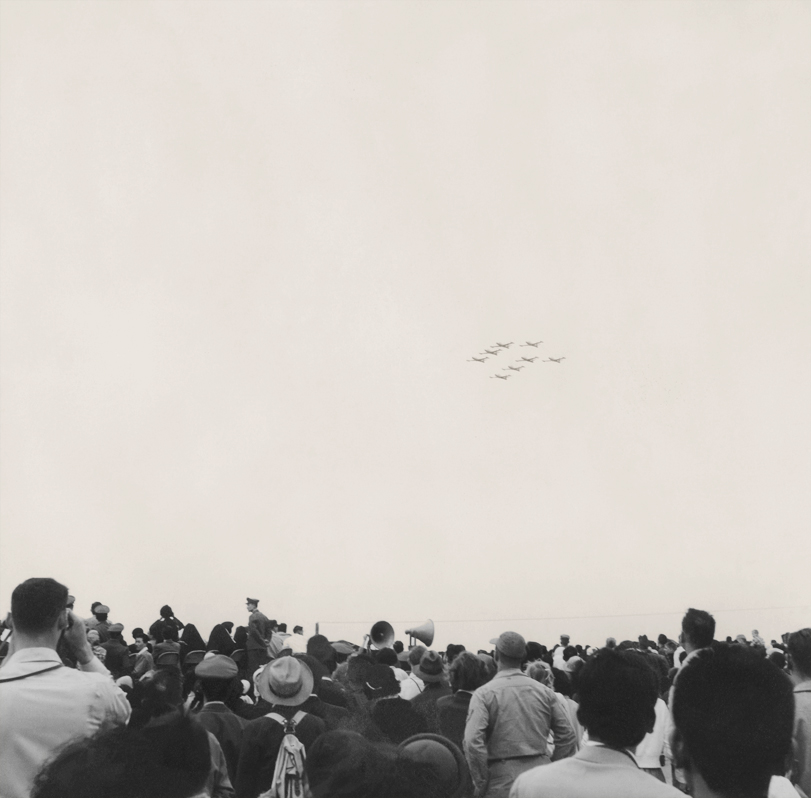
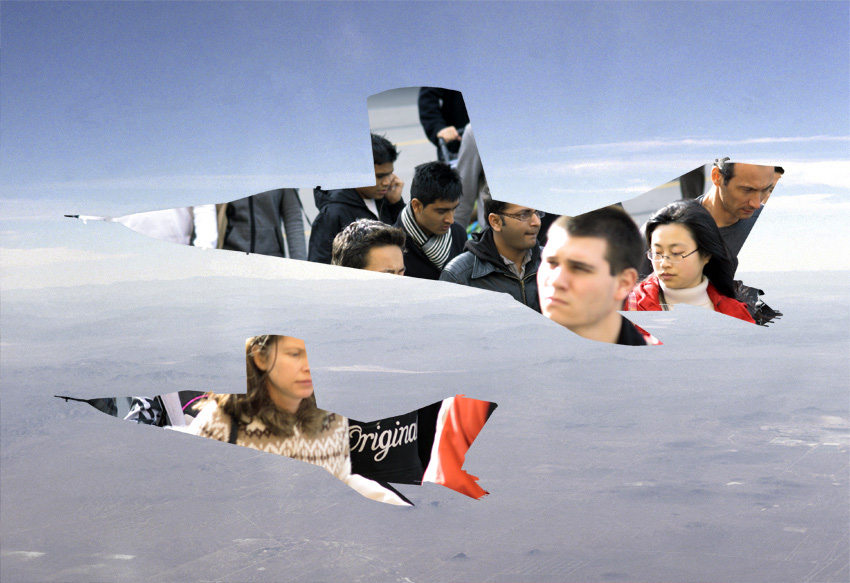
Marcus Bunyan (Australian, b. 1958) 'Untitled' from the series 'There But For The Grace of You Go I' 2009


Marcus Bunyan (Australian, b. 1958)
Untitled from the series There But For The Grace of You Go I
2009
Digital colour photograph


There But For The Grace of You Go I

A body of work, There But For The Grace of You Go I (2009) is now online on my website.

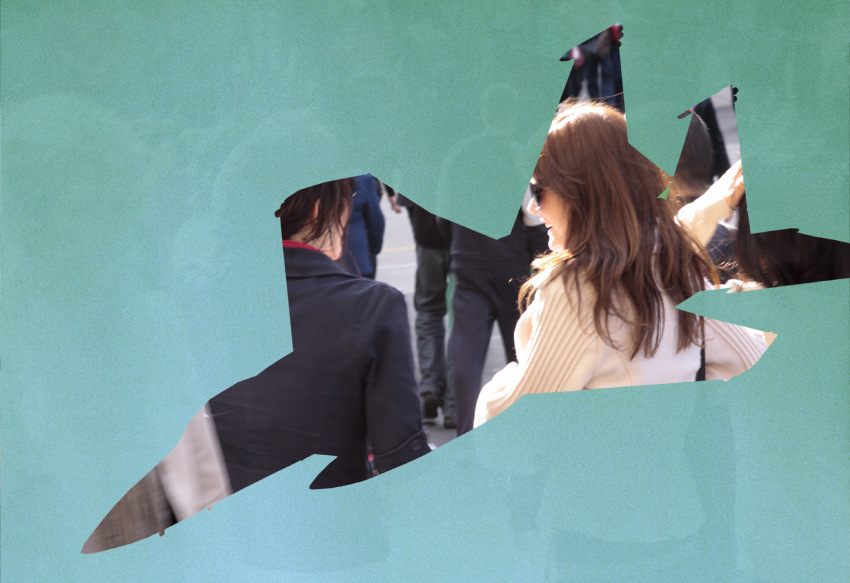
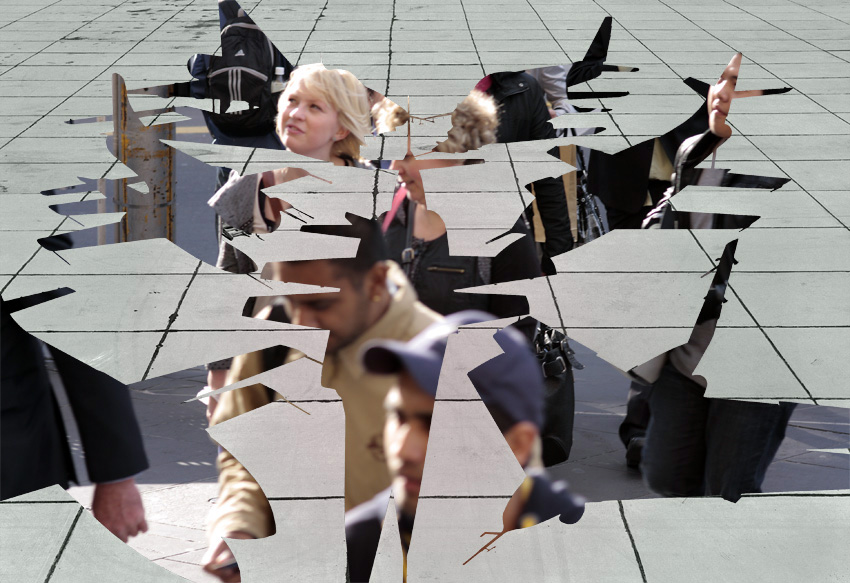
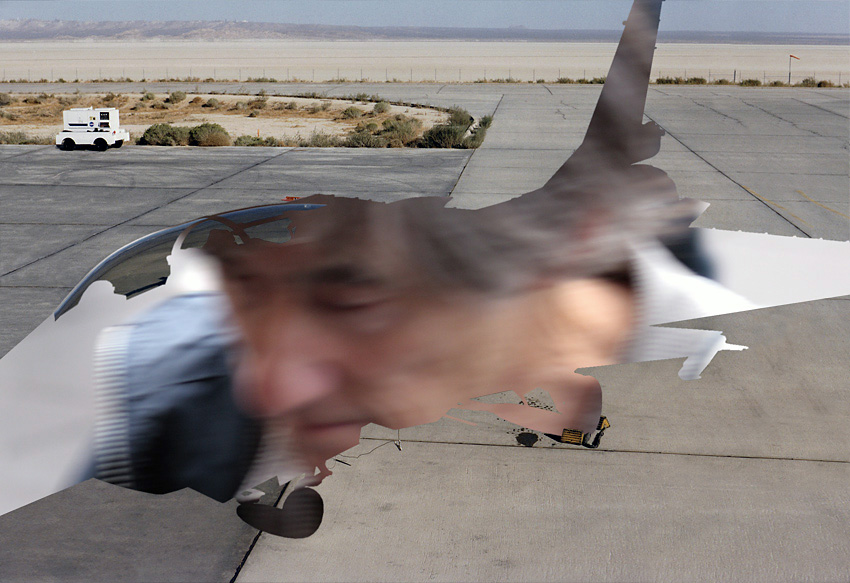
There are twenty images in the series which can be viewed as a sequence, rising and falling like a piece of music. Below are a selection of images from the series. The work continues an exploration into the choices human beings make. The silhouettes and landscapes of planes are taken from found copyright free images; the people from my photographs captured as they crossed the intersection outside Flinders Street Station, Melbourne. Other images are paintings from the Renaissance and POW’s during World War II.

I have always been creative from a very early age, starting as a child prodigy playing the piano at the age of five and going on to get my degree as a concert pianist at the Royal College of Music in London. I have always felt the music and being creative has helped me cope with life, living with bipolar.

These days as I reach my early 50’s ego is much less a concern – about being successful, about having exhibitions. I just make the work because I love making it and the process gives me happiness – in the thinking, in the making. I can loose myself in my work.

When Andrew Denton asked Clive James what brings him joy, James replies The arts, and then qualified his answer. What I mean is creativity. When I get lost in something that’s been made, it doesn’t matter who it is by. It could be Marvin Gaye singing ‘I Heard it Through the Grapevine’ or it could be the adagio of the Ninth Symphony …”

What a wise man.

Dr Marcus Bunyan


Please click on the photographs for a larger version of the image.

Photographs are available from this series for purchase. As a guide, a digital colour 16″ x 20″ costs $1000 plus tracked and insured shipping. For more information please see my Store web page.


Marcus Bunyan (Australian, b. 1958) 'Untitled' from the series 'There But For The Grace of You Go I' 2009


Marcus Bunyan (Australian, b. 1958)
Untitled from the series There But For The Grace of You Go I
2009
Digital colour photograph


Marcus Bunyan (Australian, b. 1958) 'Untitled' from the series 'There But For The Grace of You Go I' 2009


Marcus Bunyan (Australian, b. 1958)
Untitled from the series There But For The Grace of You Go I
2009
Digital colour photograph


Marcus Bunyan (Australian, b. 1958) 'Untitled' from the series 'There But For The Grace of You Go I' 2009


Marcus Bunyan (Australian, b. 1958)
Untitled from the series There But For The Grace of You Go I
2009
Digital colour photograph


Marcus Bunyan (Australian, b. 1958) 'Untitled' from the series 'There But For The Grace of You Go I' 2009


Marcus Bunyan (Australian, b. 1958)
Untitled from the series There But For The Grace of You Go I
2009
Digital colour photograph


Marcus Bunyan (Australian, b. 1958) 'Untitled' from the series 'There But For The Grace of You Go I' 2009


Marcus Bunyan (Australian, b. 1958)
Untitled from the series There But For The Grace of You Go I
2009
Digital colour photograph


Marcus Bunyan (Australian, b. 1958) 'Untitled' from the series 'There But For The Grace of You Go I' 2009


Marcus Bunyan (Australian, b. 1958)
Untitled from the series There But For The Grace of You Go I
2009
Digital colour photograph


Marcus Bunyan (Australian, b. 1958) 'Untitled' from the series 'There But For The Grace of You Go I' 2009


Marcus Bunyan (Australian, b. 1958)
Untitled from the series There But For The Grace of You Go I
2009
Digital colour photograph


Marcus Bunyan (Australian, b. 1958) 'Untitled' from the series 'There But For The Grace of You Go I' 2009


Marcus Bunyan (Australian, b. 1958)
Untitled from the series There But For The Grace of You Go I
2009
Digital colour photograph


There But For The Grace of You Go I (2009) series

Marcus Bunyan website

LIKE ART BLART ON FACEBOOK

Back to top

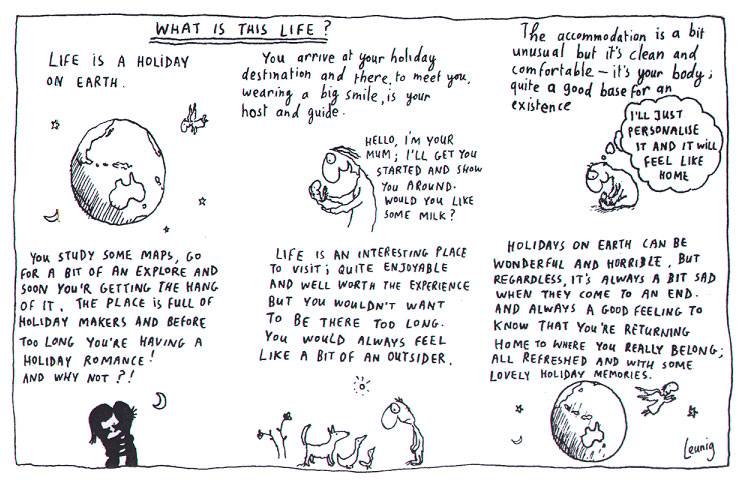
Cartoon: Michael Leunig. ‘What is This Life?’ 2009

February 2009


What a wonderful invocation of life, to life!

Marcus


Please click on the image for a larger version of the cartoon.


Michael Leunig (Australian, 1945-2024) 'What is This Life?' 2009


Michael Leunig (Australian, 1945-2024)
What is This Life?
2009


Michael Leunig on Wikipedia

LIKE ART BLART ON FACEBOOK

Back to top

Photographs: Marcus Bunyan. ‘Momentum’ 2009

February 2009


Marcus Bunyan (Australian, b. 1958) 'Untitled' from the series 'Momentum' 2009


Marcus Bunyan (Australian, b. 1958)
Untitled from the series Momentum
2009
Digital colour photograph


Momentum

A new body of work – the first of 2009 – is now online.

All 30 images can be seen on my website.

Marcus

Photographs are available from this series for purchase. As a guide, a digital colour 16″ x 20″ costs $1000 plus tracked and insured shipping. For more information please see my Store web page.


Marcus Bunyan (Australian, b. 1958) 'Untitled' from the series 'Momentum' 2009


Marcus Bunyan (Australian, b. 1958)
Untitled from the series Momentum
2009
Digital colour photograph


Marcus Bunyan (Australian, b. 1958) 'Untitled' from the series 'Momentum' 2009


Marcus Bunyan (Australian, b. 1958)
Untitled from the series Momentum
2009
Digital colour photograph


Marcus Bunyan (Australian, b. 1958) 'Untitled' from the series 'Momentum' 2009


Marcus Bunyan (Australian, b. 1958)
Untitled from the series Momentum
2009
Digital colour photograph


Marcus Bunyan (Australian, b. 1958) 'Untitled' from the series 'Momentum' 2009


Marcus Bunyan (Australian, b. 1958)
Untitled from the series Momentum
2009
Digital colour photograph


Marcus Bunyan (Australian, b. 1958) 'Untitled' from the series 'Momentum' 2009


Marcus Bunyan (Australian, b. 1958)
Untitled from the series Momentum
2009
Digital colour photograph


Marcus Bunyan (Australian, b. 1958) 'Untitled' from the series 'Momentum' 2009


Marcus Bunyan (Australian, b. 1958)
Untitled from the series Momentum
2009
Digital colour photograph


Marcus Bunyan website

LIKE ART BLART ON FACEBOOK

Back to top

Exhibition: ‘Edward Burtynsky: The Residual Landscapes’ at The Whyte Museum of the Canadian Rockies, Banff, Alberta

Exhibition dates: 7th February – 26th April, 2009


Edward Burtynsky (Canadian, b. 1955) 'Silver Lake Operations #1, Lake Lefroy, Western Australia 2007' from the exhibition 'Edward Burtynsky: The Residual Landscapes' at The Whyte Museum of the Canadian Rockies, Banff, Alberta, Feb - April, 2009


Edward Burtynsky (Canadian, b. 1955)
Silver Lake Operations #1, Lake Lefroy, Western Australia 2007
2007


One of the great photographers of the world.

Enjoy some of his images and for more photographs please visit his website.


Many thankx to The Whyte Museum of the Canadian Rockies for allowing me to publish the photographs in the posting. Please click on the photographs for a larger version of the image.


Edward Burtynsky (Canadian, b. 1955) 'Tanggu Port, Tianjin, China 2005' from the exhibition 'Edward Burtynsky: The Residual Landscapes' at The Whyte Museum of the Canadian Rockies, Banff, Alberta, Feb - April, 2009


Edward Burtynsky (Canadian, b. 1955)
Tanggu Port, Tianjin, China 2005
2005


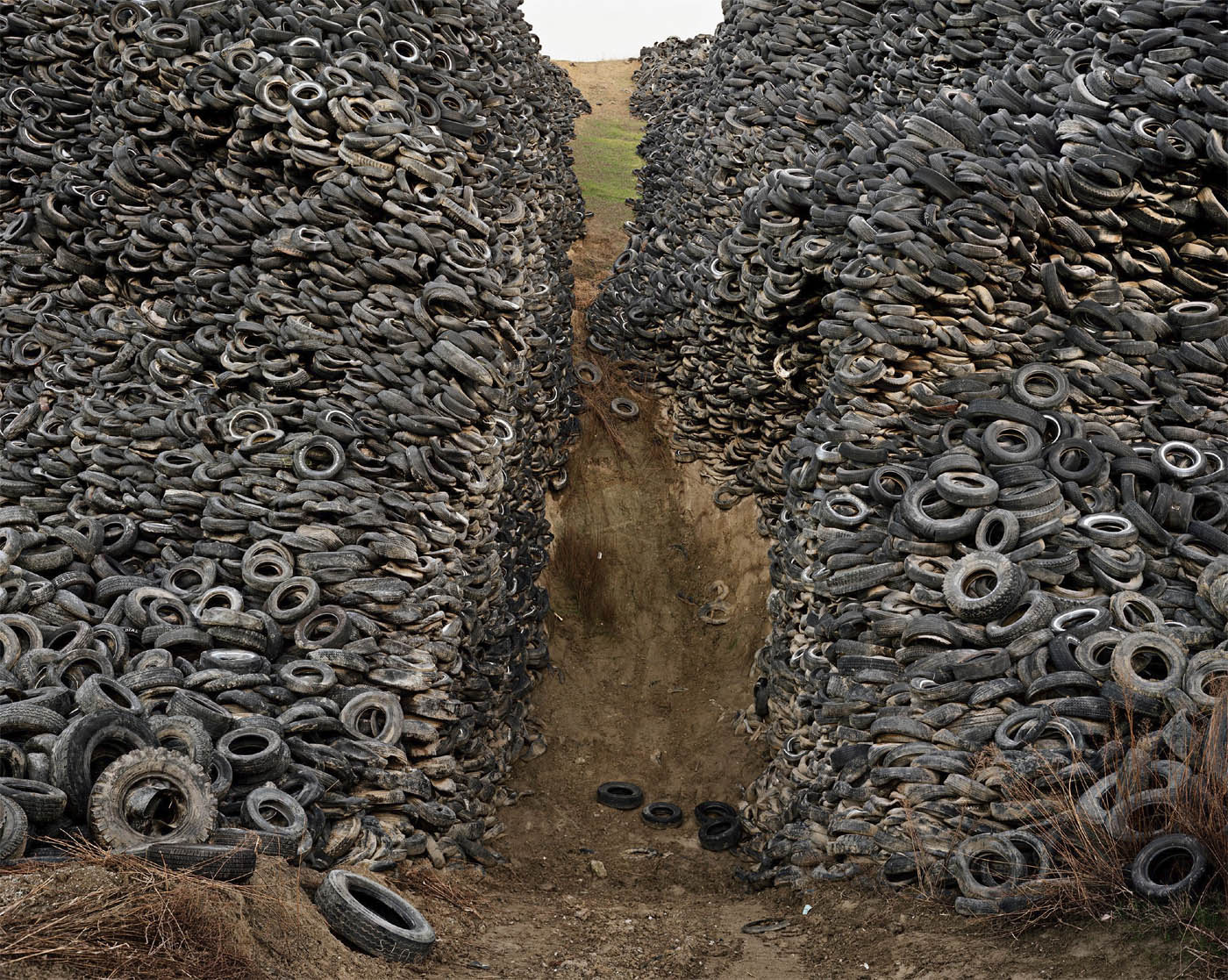
Nature transformed through industry is a predominant theme in my work. I set course to intersect with a contemporary view of the great ages of man; from stone, to minerals, oil, transportation, silicon, and so on. To make these ideas visible I search for subjects that are rich in detail and scale yet open in their meaning. Recycling yards, mine tailings, quarries and refineries are all places that are outside of our normal experience, yet we partake of their output on a daily basis.

These images are meant as metaphors to the dilemma of our modern existence; they search for a dialogue between attraction and repulsion, seduction and fear. We are drawn by desire – a chance at good living, yet we are consciously or unconsciously aware that the world is suffering for our success. Our dependence on nature to provide the materials for our consumption and our concern for the health of our planet sets us into an uneasy contradiction. For me, these images function as reflecting pools of our times.

Edward Burtynsky quoted on The Whyte Museum website


Edward Burtynsky (Canadian, b. 1955) 'Oxford Tire Pile #8, Westley, California 1999' 1999


Edward Burtynsky (Canadian, b. 1955)
Oxford Tire Pile #8, Westley, California 1999
1999


Edward Burtynsky (Canadian, b. 1955) 'Nickel Tailings #30, Sudbury, Ontario, 1996'


Edward Burtynsky (Canadian, b. 1955)
Nickel Tailings #30, Sudbury, Ontario, 1996
1996


Edward Burtynsky (Canadian, b. 1955) 'Nickel Tailings #31, Sudbury, Ontario 1996'


Edward Burtynsky (Canadian, b. 1955)
Nickel Tailings #31, Sudbury, Ontario 1996
1996


Edward Burtynsky (Canadian, b. 1955) 'Feng Jie #4, Three Gorges Dam Project, Yangtze River, 2002'


Edward Burtynsky (Canadian, b. 1955)
Feng Jie #4, Three Gorges Dam Project, Yangtze River, 2002
2002


These images are meant as metaphors to the dilemma of our modern existence; they search for a dialogue between attraction and repulsion, seduction and fear,” said Edward Burtynsky, photographer. “We are drawn by desire – a chance at good living, yet we are consciously or unconsciously aware that the world is suffering for our success. Our dependence on nature to provide the materials for our consumption and our concern for the health of our planet sets us into an uneasy contradiction. For me, these images function as reflecting pools of our times.

Speaking of his “Quarries” series, Burtynsky has said, “The concept of the landscape as architecture has become, for me, an act of imagination. I remember looking at buildings made of stone, and thinking, there has to be an interesting landscape somewhere out there, because these stones had to have been taken out of the quarry one block at a time. I had never seen a dimensional quarry, but I envisioned an inverted cubed architecture on the side of a hill. I went in search of it, and when I had it on my ground glass I knew that I had arrived.”

Text from The Whyte Museum of the Canadian Rockies


Edward Burtynsky (Canadian, b. 1955) 'Shipbreaking #1, Chittagong, Bangladesh, 2000'


Edward Burtynsky (Canadian, b. 1955)
Shipbreaking #1, Chittagong, Bangladesh, 2000
2000


Edward Burtynsky (Canadian, b. 1955) 'Bao Steel #2, Shanghai, China, 2005'


Edward Burtynsky (Canadian, b. 1955)
Bao Steel #2, Shanghai, China, 2005
2005


Edward Burtynsky (Canadian, b. 1955) 'Iberia Quarries #3, Bencatel, Portugal, 2006'


Edward Burtynsky (Canadian, b. 1955)
Iberia Quarries #3, Bencatel, Portugal, 2006
2006


Edward Burtynsky (Canadian, b. 1955) 'China Quarries #8, Xiamen, Fujian Province, 2004'


Edward Burtynsky (Canadian, b. 1955)
China Quarries #8, Xiamen, Fujian Province, 2004
2004


Edward Burtynsky (Canadian, b. 1955) 'Dam #6 ,Three Gorges Dam Project, Yangtze River, 2005'


Edward Burtynsky (Canadian, b. 1955)
Dam #6, Three Gorges Dam Project, Yangtze River, 2005
2005


Trailer for the film Manufactured Landscapes in which Jennifer Baichwal documents Edward Burtynsky doing what artists do – making art, in this case photographing Bangladesh and China as he observes the “manufacturer to the world”.


Edward Burtynsky Manufactured Landscapes


The Whyte Museum of the Canadian Rockies
111 Bear Street, Banff, Alberta
T1L 1A3 Canada
Phone: 1 403 762 2291

Opening hours:
Thursday – Monday 11am – 5pm
Tuesday and Wednesday – CLOSED

The Whyte Museum of the Canadian Rockies website

LIKE ART BLART ON FACEBOOK

Back to top

New work: Marcus Bunyan ‘Discarded Views’ 2008

December 2008


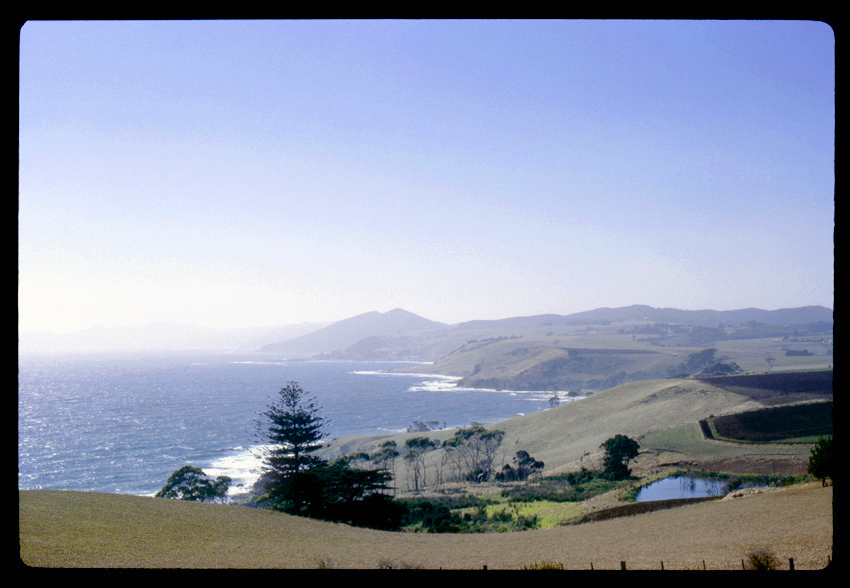
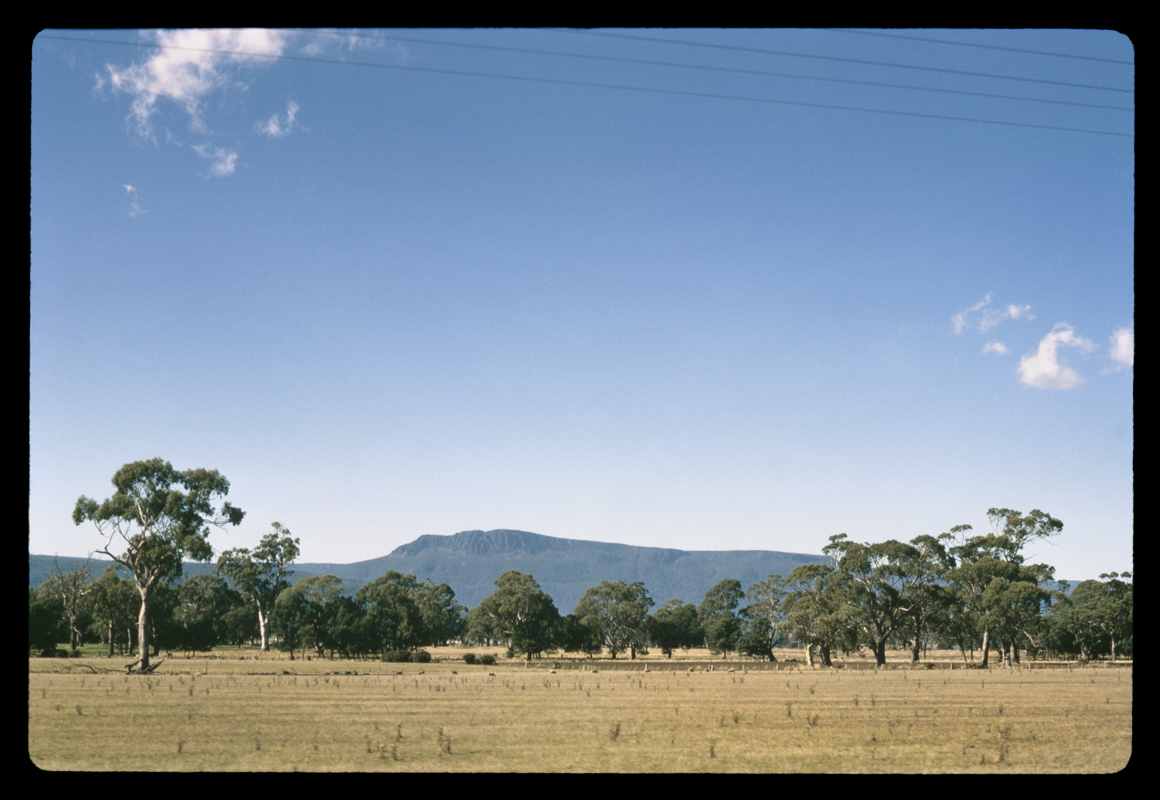
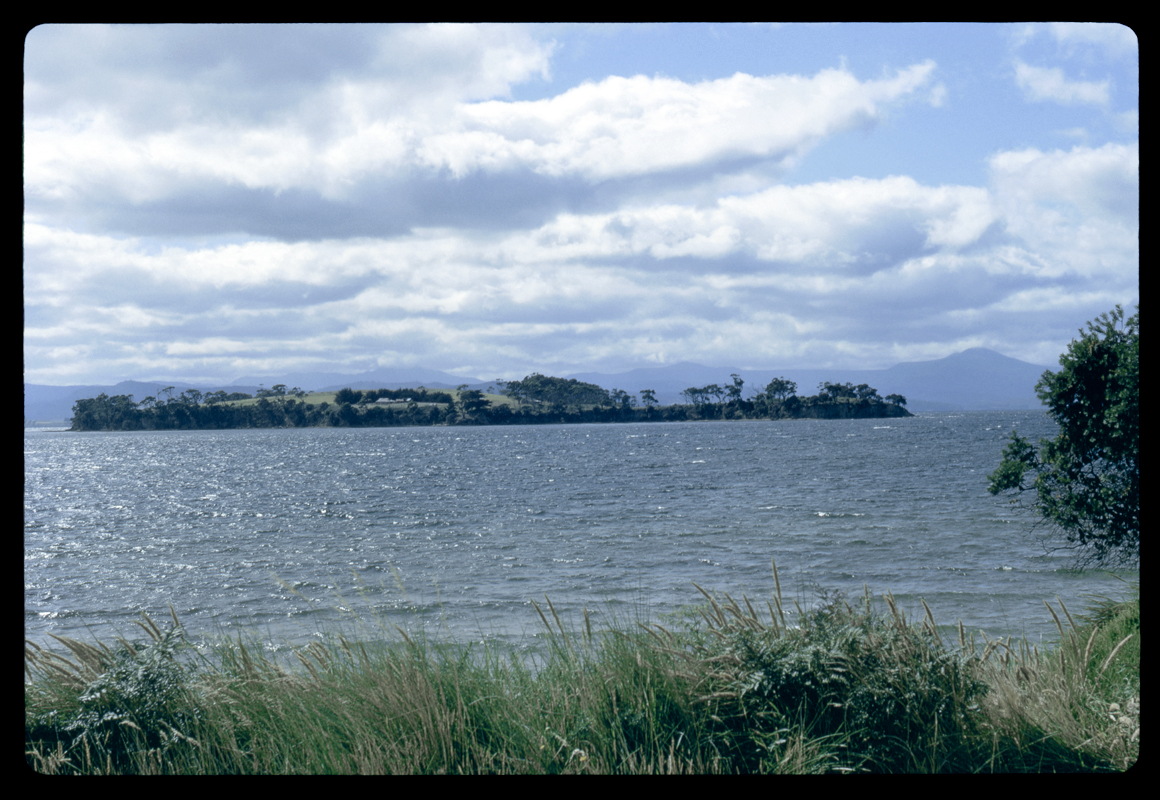
Marcus Bunyan (Australian, b. 1958) "Untitled" from the series 'Discarded Views' 2008


“Everything to be believed is an image of truth.”


William Blake


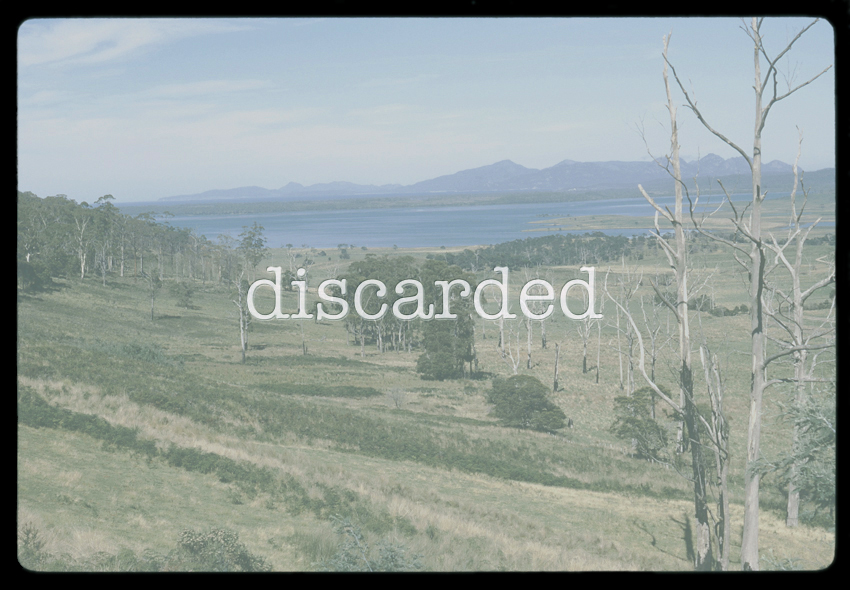
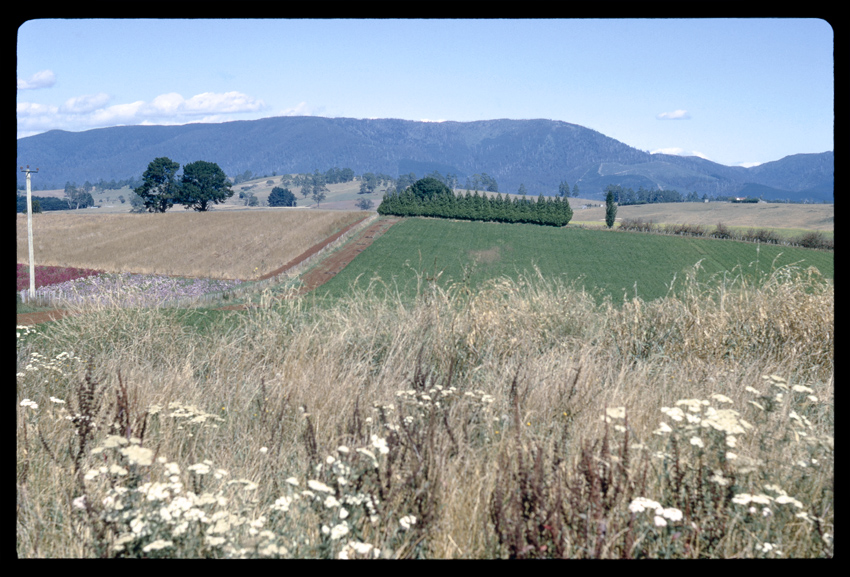
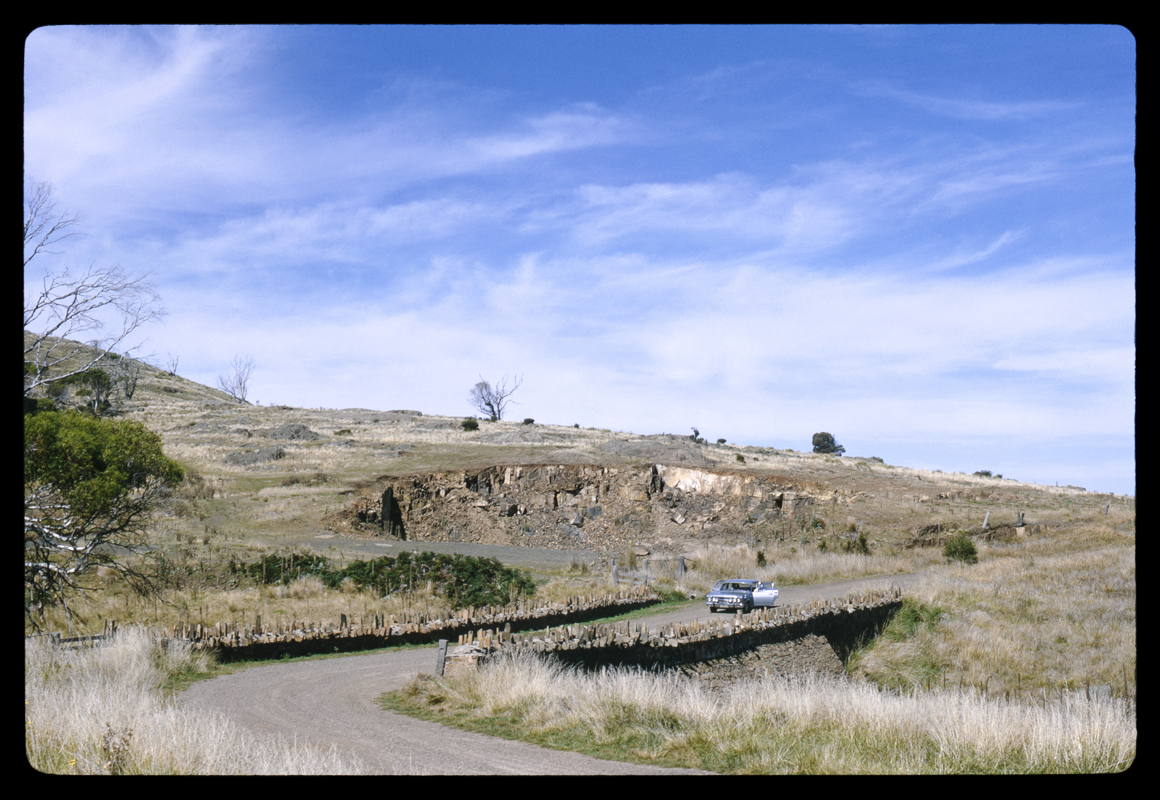
dirty, fragile colour slides
found in an op shop,
rescued, re-visioned

Tasmania 1971 – Melbourne 2008

discarded image
discarded earth


Marcus Bunyan (Australian, b. 1958) "Untitled" from the series 'Discarded Views' 2008


Marcus Bunyan (Australian, b. 1958) "Untitled" from the series 'Discarded Views' 2008


Marcus Bunyan (Australian, b. 1958) "Untitled" from the series 'Discarded Views' 2008


Marcus Bunyan (Australian, b. 1958) "Untitled" from the series 'Discarded Views' 2008


Marcus Bunyan (Australian, b. 1958)
Images from the series Discarded Views
2008
28 images in the series


SEE THE FULL SERIES ON MY WEBSITE


Marcus Bunyan website

LIKE ART BLART ON FACEBOOK

Back to top