Charles Sheeler is a cracking good photographer who’s work has not got the recognition that it deserves – in comparison to, say, Stieglitz, Strand, Steichen or Weston. When you think of those top echelon artists from the early twentieth century, his name is never mentioned. And it should be.
Sheeler’s Side of White Barn, Bucks County, Pennsylvania (1915, above) predates one of the most famous early modernist photographs, Strand’s White Fence, Port Kent, New York (1916, above) by a year, yet is hardly known. While Strand’s image possesses low depth of field, strong lighting and a focus on the fence as physical, geometric, sculptural object within the picture frame, Sheeler’s photograph is much more subtle but no less effective in its modernist vocation. The pictorial space is flattened into geometric shapes, the bottom of the photograph grounded by a cracked wall, hay, chickens and a fence, the top of the image foreclosed by the tiled roof of the barn and its attendant shadow (showing that the sun was high in the sky when this image was taken). Within the boundaries of the rectangle are subtle graduations of tone, colour and form, almost like an modernist etching with light, so beautifully does the artist both understand what he is seeing and how to render it through the physicality of the print. Unlike Strand’s “knock you over the head with the white picket fence”, Sheeler’s subtle paean to the modern world requires contemplation on the nature of light, photography and the fine art print. This is a masterpiece in the history of photographic art.
I am similarly convinced by Sheeler’s Ford Plant – Criss–Crossed Conveyors (1927, below), in my opinion one of the top ten photographs of all time.
I cannot fault this image. The light falling on the subject is incredible (notice the shadow from the beam mid-upper left, telling us the time of day the photograph was taken), the tonality superb, the framing of the subject admirable – all elements tensioned perfectly within the pictorial plane. The bottom of the photograph is grounded by stacked tyres and the structure ascends to the heavens from there… not just in one element, but in five! The main criss-cross of the conveyors is placed off centre supported by an iron tower, which allows the eye to roam freely across the image. The placement also allows for another elevator to ascend behind the main two, while a set of steps climbs higher and higher eventually exiting the picture stage left. Behind the criss-crossed conveyors the depth of space that must exist in reality is proposed by two tanks, further reinforced by 8 chimney stacks, and yet this photograph evidences no such depth of field. While everything is reduced to flattened shapes in this machine age, modernist, objectified world – and while no human being is presented for scale – the human hand is all over this image: in the construction of such technology, in the presence of the human scale stairs, in the ascension to the sky of the organ pipes of the industrial cathedral, in the comprehending eye of the photographer, and in the presence, the aura, of this magnificent print. While this image may seem the antithesis of humanist photography in one sense, conversely it reaffirms the very act of humanity in another. Or perhaps I’m just an old romantic.
Dr Marcus Bunyan
Many thankx to the Museum of Fine Arts Boston for allowing me to publish the photographs in the posting. Please click on the photographs for a larger version of the image.
This exhibition celebrates the MFA’s unparalleled holdings of works by Charles Sheeler (1883-1965), presenting 40 photographs from three significant series created during the heyday of his career as a founder of American modernism.
After enjoying success as a painter, Sheeler initially took up photography as a way to make a living. His experiments with the medium included the 1916-1917 series of photographs capturing various elements of an 18th-century house he rented in Doylestown, Pennsylvania. The sequence of stark, geometric compositions was among the most abstract and avant-garde work being made in the US at the time – created in response to the Cubist art of Picasso and Braque that Sheeler had previously encountered in Europe.
In 1920, Sheeler collaborated with fellow photographer Paul Strand on the short film Manhatta, presenting dramatic views of lower Manhattan. Abstract stills from the 35mm film, which was shot from steep angles, are presented alongside larger prints of Sheeler’s cinematic images of New York City, produced shortly after Manhatta – which he used as source material for his paintings. The film Manhatta is on view in the gallery.
Charles Sheeler from Doylestown to Detroit culminates with the 1927 photographs of the Ford Motor Company plant in River Rouge, Michigan, commissioned to celebrate the introduction of Ford’s Model A. The cathedral-like scenes convey an optimism for American industry, and are now considered icons of Machine Age photography. All of the photographs in the exhibition are drawn from the Museum’s Lane Collection – one of the finest private holdings of 20th-century American art in the world, including Sheeler’s entire photographic estate – given to the MFA in 2012.
In 1920 Paul Strand and artist Charles Sheeler collaborated on Manhatta, a short silent film that presents a day in the life of lower Manhattan. Inspired by Walt Whitman’s book “Leaves of Grass,” the film includes multiple segments that express the character of New York. The sequences display a similar approach to the still photography of both artists. Attracted by the cityscape and its visual design, Strand and Sheeler favoured extreme camera angles to capture New York’s dynamic qualities. Although influenced by Romanticism in its view of the urban environment, Manhatta is considered the first American avant-garde film.
Last day for this exhibition from one of the masters of photography. Apologies to the gallery and the readers that I did not get the posting up earlier but I have just been so busy at work. At least we have a record of the exhibition online.
Some of the media images were in a really shocking state. I can’t believe that an artist of Paul Strand’s standing would ever have wanted his photographs distributed in such a state – for example, enlarge the unrestored Milly, John and Jean MacLellan, South Uist, Hebrides (1954, detail) below, and then look at the restored version above that I have digitally cleaned.
What can you say about Strand that has not already been said before? He is a seminal figure in the history of photography. His Wall Street, New York (1915, below) is still one of my favourite images of all time – for its light, foreboding, and incisive comment on capitalism and the worker. Follow this by one of the first truly “modernist” images, and one that changed the course of photography (and what a difference a year, and an image makes), White Fence, Port Kent, New York (1916, below) and you set the scene for a stellar career. To have that natural perspicaciousness: a penetrating discernment – a clarity of vision or intellect which provides a deep understanding and insight – is an element of wisdom that cannot be taught. As an artist, you’ve either got it or you haven’t.
As is observed in the Wikipedia entry on perspicacity, “In 17th century Europe René Descartes devised systematic rules for clear thinking in his work Regulæ ad directionem ingenii (Rules for the direction of natural intelligence). In Descartes’ scheme, intelligence consisted of two faculties: perspicacity, which provided an understanding or intuition of distinct detail; and sagacity, which enabled reasoning about the details in order to make deductions. Rule 9 was De Perspicacitate Intuitionis (On the Perspicacity of Intuition). He summarised the rule as
Oportet ingenii aciem ad res minimas et maxime faciles totam convertere, atque in illis diutius immorari, donec assuescamus veritatem distincte et perspicue intueri.
We should totally focus the vision of the natural intelligence on the smallest and easiest things, and we should dwell on them for a long time, so long, until we have become accustomed to intuiting the truth distinctly and perspicuously.”
Intuiting the truth distinctly and perspicuously… quick to pick out, from among the thousands of things he sees, those that are significant, and to synthesise observations. This is what Strand does so well. His photographs are honest, direct, without ego. They just are. They live and breathe the subject. How do you get that look, that presence such as in Young Boy, Gondeville, Charente, France (1951, below). That presence is repeated again and again – in rocks, tendrils, people, buildings, landscapes – and finally, in the last years of his life, in intimate, sensitive and complex images of his garden at Orgeval.
God bless that we have great artists like Paul Strand.
Dr Marcus Bunyan
Many thankx to the V&A for allowing me to publish the photographs in the posting. Please click on the photographs for a larger version of the image.
Installation photographs of the exhibition Paul Strand: Photography and Film for the 20th Century at the Victoria & Albert Museum, London
For the first time in the UK in 40 years a major retrospective on the American photographer Paul Strand (1890-1976) opens at the V&A. The exhibition is the first of its kind since Strand’s death in 1976 and shows how the pioneering photographer defined the way fine art and documentary photography is understood and practiced today.
Part of a tour organised by Philadelphia Museum of Art, in collaboration with Fundación MAPFRE and made possible by the Terra Foundation for American Art, the V&A exhibition reveals Strand’s trailblazing experiments with abstract photography, screens what is widely thought of as the first avant-garde film and shows the full extent of his photographs made on his global travels beginning in New York in 1910 and ending in France in 1976. Newly acquired photographs from Strand’s only UK project – a 1954 study of the island of South Uist in the Scottish Hebrides – are also on show, alongside other works from the V&A’s own collection.
Paul Strand: Photography and Film for the 20th Century encompasses over 200 objects from exquisite vintage photographic prints to films, books, notebooks, sketches and Strand’s own cameras to trace his career over sixty years. Arranged both chronologically and thematically, the exhibition broadens understanding of Strand as an international photographer and filmmaker with work spanning myriad geographic regions and social and political issues.
Martin Barnes, curator of the exhibition said: “The V&A was one of a handful of UK institutions to collect Paul Strand’s work during his lifetime and the Museum now houses the most extensive collection of his prints in the UK. Through important additional loans, the exhibition explores the life and career of Strand, but also challenges the popular perception of Strand as primarily a photographer of American places and people of the early 20th century.”
The exhibition begins in Strand’s native New York in the 1910s, exploring his early works of its financial district, railyards, wharves and factories. During this time he broke with the soft-focus and Impressionist-inspired ‘Pictorialist’ style of photography to produce among the first abstract pictures made with a camera. The influence of photographic contemporaries Alfred Stieglitz and Alvin Langdon Coburn as well European modern artists such as Braque and Picasso can be seen in Strand’s experiments in this period. On display are early masterpieces such as Wall Street which depicts the anonymity of individuals on their way to work set against the towering architectural geometry and implied economic forces of the modern city. Strand’s early experiments in abstraction, Abstraction, Porch Shadows and White Fence are also shown, alongside candid and anonymous street portraits, such as Blind Woman, made secretly using a camera with a decoy lens.
The exhibition explores Strand’s experiments with the moving image with the film Manhatta (1920-21). A collaboration with the painter and photographer Charles Sheeler, Manhatta was hailed as the first avant-garde film, and traces a day in the life of New York from sunrise to sunset punctuated by lines of Walt Whitman’s poetry. Strand’s embrace of the machine and human form is a key focus of the exhibition. In 1922, he bought an Akeley movie camera. The close-up studies he made of both his first wife Rebecca Salsbury and the Akeley during this time are shown alongside the camera itself. Extracts of Strand’s later, more politicised films, such as Redes (The Wave), made in cooperation with the Mexican government are featured, as well as the scarcely-shown documentary Native Land, a controversial film exposing the violations of America’s workforce.
Strand travelled extensively and the exhibition emphasises his international output from the 1930s to the late 1960s, during which time he collaborated with leading writers to publish a series of photobooks. As Strand’s career progressed, his work became increasingly politicised and focused on a type of social documentary alongside the desire to depict a shared humanity. The exhibition features Strand’s first photobook Time in New England (1950), alongside others including a homage to his adopted home France and his photographic hero Eugène Atget, La France de profil, which he made in collaboration with the French poet, Claude Roy. One of Strand’s most celebrated images, The Family, Luzzara, (The Lusetti’s) was taken in a modest agricultural village in Italy’s Po River valley for the photobook Un Paese, for which he collaborated with the Neo-Realist screen writer, Cesare Zavattini. On display, this hauntingly direct photograph depicts a strong matriarch flanked by her brood of five sons, all living with the aftermath of the Second World War.
From the late 1950s to the mid-1960s, Strand photographed in Egypt, Morocco and Ghana, all of which had gone through transformative political change. The exhibition shows Strand’s most compelling pictures from this period, including his tender portraits, complemented by street pictures showing public meetings and outdoor markets. The exhibition concludes with Strand’s final photographic series exploring his home and garden in Orgeval, France, where he lived with his third wife Hazel until his death in 1976. The images are an intimate counterpoint to Strand’s previous projects and offer a rare glimpse into his own domestic happiness.
Fred Zinnemann and Emilio Gómez Muriel (directors) Paul Strand (photography) Silvestre Revueltas (music) Redes / The Wave 1936 Filmada en Alvarado, Veracruz (México)
Paul Strand and Leo Hurwitz (directors) Paul Strand (photography) Native Land 1942 VOSE (Tierra Natal)
Ahead of the first UK retrospective on Paul Strand in over 40 years, the V&A has acquired nine rare photographs from the pioneering 20th century photographer’s only UK-based series. Taken in 1954 in the Outer Hebrides in Scotland, the photographs document the threat to traditional Gaelic life during the Cold War. The photographs will be unveiled for the first time together as part of the exhibition, Paul Strand: Photography and Film for the 20th Century, opening 19 March.
Paul Strand defined the way fine art and documentary photography is understood and practiced today through his revolutionary experiments with the medium. The major acquisition, purchased for the V&A with the assistance of its Photographs Acquisition Group, comprise an intimate set of nine exquisite black and white vintage prints originally made for Strand’s photobook Tir A’Mhurain (‘Land of Bent Grass’).
A committed Marxist, Strand fled McCarthyism in the U.S. in 1950, pursued by the FBI. He settled in France, and carried out work there and in Italy before arriving on the Hebridean island of South Uist in 1954. Inspired by a BBC radio programme on Gaelic song, and news that the island would become home to a testing range for America’s new nuclear missile, Strand raced to capture the sights, sounds and textures of the place steeped in the threatened traditions of Gaelic language, fishing and agricultural life of pre-Industrial times. The photographs reveal Strand’s meticulous and methodical approach to photography, much like a studio photographer in the open air. They capture not only a pivotal moment in time, but also the end of a particular way of life for the islanders.
The acquisition encompasses four portraits of islanders staring directly at the camera, exuding strength and dignity. Each was photographed in their own environment, usually in or around their home, and is framed by weathered walls, doors or window frames – devices used often by Strand and borrowed from his 19th century photographic heroes David Octavius Hill and Robert Adamson. The V&A has also acquired five of Strand’s evocative landscapes, revealing the island’s reliance on the land and sea.
John MacLellan was eight years’ old when he was photographed by Strand with his two sisters for the picture Milly, John and Jean MacLellan, South Uist (below). Of the experience, he said: “I was very young when I met Strand, but I knew he must have been a serious photographer because of the quality of his camera. Me and my sisters were lined up and knew to look at the camera. Looking at the picture, my mother had combed our hair and dressed us in our smartest clothes. I’ve since read that Strand was motivated to take these photographs by the idea that things would change. I know so many people in the photographs, it’s wonderful to be able to look at them now and remember the place I used to call home.”
Martin Barnes, Senior Curator of Photographs at the V&A said: “The photographs made by Strand in the Hebrides are for me a high point in his long and distinguished career. Strand worked slowly yet deliberately and with great poise in his pictures. By this time, his vision for his work had fully matured. His approach to sequencing and editing images in books such as ‘Tir A’Mhurain’ was informed by his collaborative experience making films for over twenty years. The Scottish book contains establishing panoramas of landscapes and the sea, a cast of characters with memorable faces, details of homes and workplaces and close-ups of the rocks, sands and grasses of the natural environment. The accompanying text by Basil Davidson is eloquent and informative about life on the islands, both in the past and at a pivotal time in the 1950s.The whole is a subtle sequence of meditative, revealing pictures and texts that avoid sentimentality and are yet full of empathy. These pictures make a surprising British link with this major American Modernist photographer and will have a satisfying legacy as part of the permanent collection at the V&A.”
Strand is an important figure in the history of photography not only because his career spanned much of the 20th century, but because he relentlessly trialled and pioneered myriad photographic approaches, subjects and technologies. Ironically it was his variety and failure to coin a signature style, and his belief in the integrity of the photographic print as an original artwork, that have seen him increasingly overlooked in the 40 years since his death. The V&A’s exhibition seeks to redress the balance, covering all aspects of Strand’s long career, from his trailblazing experiments in abstraction and dynamic views of New York in the 1910s to his final intimate pictures of his home and garden in France made during the 1970s.
He is making an image – his lower hand is about to go to the shutter button – the lens doesn’t have to be a camera lens, it could be an enlarger lens = note how the lens is tilted slightly forward to extend the depth of field… He has dressed up to take photos!!”
After I questioned holding a camera like this to take a photograph without using a tripod:
“Strand may not be making a picture – he may be just pretending. But he might be shooting @ f4. He might be showing off!!”
Victoria and Albert Museum Cromwell Road London SW7 2RL Phone: +44 (0)20 7942 2000
If your subject is essentially unrecognisable – a defining characteristic of many of Weston’s photographs – devoid of sentimentality, featuring an explosion of geometry as a form of Western expressionism, able to extract the microcosm from the macrocosm through an absence of human presence and apparent narrative – then your previsualisation must be spot on otherwise you loose clear focus as to just what it is you are trying to communicate. It’s all very well being obsessed with capturing the intricacies and rhythms of form, light and shadow, visual poetry in photography, but if that obsession has no ‘feeling’ outcome then you are doomed to failure.
Imagine (if you can) that master of documentary realism Eugène Atget placing his camera in just the wrong position for one of his photographs. The tripod just a little too low, the position a metre to the left of where it should have been. The resulting image would not feel like an Atget, the angles would not feel right, the mixture of objective and subjective would not be present, the magic of his photographs – recognisably his photographs – would be missing. What Atget does so convincingly is to combine the aesthetic with the documentary or representational. As G.H. Saxon Mills observes in his essay ‘Modern photography’ ‘”modern” photography means photography whose aim is partly or wholly aesthetic, as opposed to photography which is merely documentary or representational.’ Atget proves that both were possible within the same frame.
This is not the case with the photographs by Brett Weston in this posting. Although I have commented elsewhere on this website that, “Brett Weston’s pictures are ageing well – the decorative aesthetic seems to have more currency today than previously when the values of his father were predominant,” and admired the reductive minimalism of his photographs … this is not the case with these ‘significant details’. In this instance they are just representation, poor relations to the photographs of Minor White and Aaron Siskind.
I think that the best of his work is very fine – a sort of celebration of all that had gone before with a layer of super-fineness added. However he made many images that were a bit like a preacher rather than an artist. In some of his portfolios the choice of images is just plain weird, catering to the market rather than taking the chance to make a powerful statement. And photography aficionados remain unconvinced by his work, shying away from collecting it. Perhaps they know, or feel a lack of something, some spirit or other, or a seeming unevenness in the quality of his artistic production.
Perhaps it is his printing, which is a bit “Kodak meets EW” in the darkroom (even as his father entrusted him with printing some of his negatives). Weston achieved his good results because he was a careful craftsman, not an experimenter. Someone, I forget who, said that you never looked at his work when desperate for sustenance – and I think a lot of “connoisseurs” think that – and in a Brett Weston you can too often argue yourself out of the celebration. There is a certain dourness that is hard to overcome. I challenge you, now, to say one meaningful thing about any of the images presented here. They take you nowhere. They are either too tightly cropped (that lack of true previsualisation / placing the camera in the wrong position / lack of context) or rely on pattern and representation, and only that, to do the heavy lifting.
My feeling about his work is that he saw and felt many great things that he used in his work – but at the final hurdle, his implementation was always handled a little directly, or not a well as might have been… or is sometimes absent. Perhaps it’s just his viewpoint which seems to be too limited in a psychological sense. If Atget had photographed the city without those magnificent tripod positions and understanding of space, then they would have been dead. That’s how BW’s work sometimes feels. Instead of the space feeling larger than the camera can contain, on occasions his photographs feel enclosed and stilted.
Weston said, “There are a million choices for shot. At its simplest, photography is very complex. So I try to keep it simple and focus on things I can master.”
Sometimes, keeping things simple does not result in preternatural outcomes.
Dr Marcus Bunyan
Many thankx to the Pasadena Museum of California Art for allowing me to publish the photographs in the posting. Please click on the photographs for a larger version of the image.
“My father was driven and so am I. You’re ruthless. You brush off your friends and women. He was much kinder than me. I don’t verbalize well and I don’t socialize much. Too time consuming. And I’m not a good salesman of my work. I love people, but they can be a drain. Some are stimulating; some are leeches. So I seek people on my own terms. Most artists are loners. I guess they have to be.”
Brett Weston
“Weston isn’t really a nature photographer… He was obsessed with capturing the intricacies and rhythms of form, light and shadow. Weston is as fascinated by close-ups of the exfoliating bark of a bristlecone pine or the spikes of a Joshua Tree as he is with the visual poetry of peeling paint on the side-panel of a rusted out truck.”
Jeffrey St. Clair. “A Natural Eye,” on the Counter Punch website, May 25, 2012 [Online] Cited 01/10/2021
Although Brett Weston (1911-1993) is best known for his striking scenic photographs, the majority of his work ranges from middle-distance scenes to close-up abstractions. These concentrated images share the high-contrast and graphic qualities of Weston’s panoramas while emphasising his affinity for “significant details” and the unprecedented attention to form, texture, shadow, and light that he explored throughout his nearly-seventy-year career.
Weston took up photography at the age of fourteen. Although he received basic technical instruction from his father, renowned photographer Edward Weston, Brett’s early efforts owed much to his intuition and innate eye. His elemental talent coupled with an unflagging commitment to his photographic vision – often at the expense of personal relationships and fiscal well-being – carried him from early critical acclaim, through difficult periods, to eventual financial success within his own lifetime.
By the age of twenty-five, Weston’s photographs were included in significant exhibitions both nationally and internationally, but despite early recognition he served as a WPA photographer during the Great Depression and as a Signal Corps photographer during World War II. By necessity, he also worked intermittently in the first half of his career as an industrial and portrait photographer. However, when he achieved prosperity beginning in the 1970s, he devoted himself exclusively to the photography and intercontinental expeditions that fulfilled him. His initial interest in abstracted details continually revealed itself, especially once he began using a new, smaller camera after health problems in the late 1960s forced him to abandon the bulky equipment he had used for over thirty years.
Early and continuing critical success notwithstanding, following Brett’s death, the comparison to his famed father left the younger Weston on the wrong side of a narrowing modern canon of photography. Reaffirming Weston’s legacy and his exceptional contributions to modernist photography, these uncharted, close-up images – more than half of which are on view for the first time – demonstrate the major themes present in Weston’s work: a focus on natural and urban landscapes and the objects therein, the absence of human presence and apparent narrative, and an extraordinary ability to extract the microcosm from the macrocosm.
Introduction text from the exhibition
Brett Weston (American, 1911-1993) Worm Wood, California c. 1937 (printed c. 1970) Silver gelatin print 10 1/2 x 13 3/4 inches The Brett Weston Archive Courtesy Christian Keesee Collection, 2016
Although Weston’s wife Cicely provided the couple with a steady income, she became pregnant with the pair’s first (and only) child in 1937, providing Weston impetus to generate additional means of support. Hoping to replicate the financial success of Ansel Adams’s portfolio of limited edition original photographs, Weston produced one of his own. His first portfolio San Francisco (1937) consisted of twelve 8 x 10 original prints. Unlike the photograph Staircase, San Francisco (1928) included in this exhibition, the portfolio photos were panoramic vistas. However, without the robust support of a collector like Albert Bender, who both promoted and purchased enough of Adams’s portfolios to assure commercial success, Weston didn’t profit from his portfolio. He lacked not only the promotional skills and collector base but also refused gallery sales owing to his deep distrust and outrage at their commissions.
Brett Weston (American, 1911-1993) Wood 1972 Silver gelatin print 7 1/2 x 8 5/8 inches The Brett Weston Archive Courtesy Christian Keesee Collection, 2016
One of the most celebrated and prolific photographers of the twentieth century, Brett Weston (1911-1993) is best known for his striking scenic images, yet the bulk of his work ranges from middle-distance scenes to closeup abstractions. The Pasadena Museum of California Art (PMCA) is proud to present Brett Weston: Significant Details, the first museum exhibition to focus on Weston’s close-up photography. The works – over half of which are on view for the first time – share the high-contrast and graphic qualities of Weston’s panoramic photographs while emphasising the “significant details,” the tendency toward abstraction and extremes in tonality that Weston explored through his nearly 60-year career. The exhibition further contextualises Weston within the pivotal Group f/64 and highlights how intuition and a dedication to photography in its purest form guided his practice.
Although the teaching of his father, famed modernist photographer Edward Weston, was invaluable and his influence undeniable, Weston’s practice was largely shaped by instinct and informal training. He took up photography at the age of 14 when, on an extended trip to Mexico with his father, he started photographing the crew of the SS Oaxaca with the elder Weston’s Graflex camera. This trip also coincided with the end of his formal education; he was enrolled at an English-speaking school, but dropped out within two weeks. While in Mexico, Weston became part of the modernist mileu, socialising with and viewing the work of some of the greatest artists of the time, including David Siqueiros, Diego Rivera, and José Clemente Orozco.
Weston’s professional entry into the world of photography occurred during a shift from the East Coast Pictorialists and their accentuation of romantic effects to the West Coast photographic movement, which coalesced with Group f/64 and their sharp images that captured daily life. Like the members of Group f/64, which included Edward Weston and Ansel Adams, Brett Weston focused primarily on two types of images: close-ups and the scenic view. However, Weston’s approach was distinct, tending toward highly graphic images, with intense areas of dark and highlights, rather than mid-grey tones used by many, including his father.
By the age of 25, Weston’s work had been included in the landmark international photography exhibition Film und Foto and in a solo exhibition at the M. H. de Young Museum in San Francisco. Though he received critical acclaim and his reputation grew, Weston remained dedicated to art for art’s sake and to creating pure, elemental photographs. He was a simple man and used the same equipment for most of his career. However, when health problems forced him to switch to a smaller camera – the Rollei – in 1968, he further experimented with close-up photographs, and his work became even more intent on exploring specific details and abstract qualities. In Torn Leaf, Hawaii (1978, below), for example, the brittle, curling leaf appears monumental on a black ground. It exists as a singular object, not fully contained within the composition, and the size is indeterminable without context.
The uncharted, close-up images that are the focus of Significant Details demonstrate the major themes present in Weston’s work: a play on scale, the absence of the human presence, and a refrain from imposed order. This exhibition features approximately 40 works taken over a period of 55 years, ranging from 1929 to 1984, and brings to the forefront the unprecedented attention to form, texture, shadow, and light that was the distinctive characteristic of Weston’s oeuvre.
Press release from the Pasadena Museum of California Art
Brett Weston (American, 1911-1993) Wall, Europe 1971 Silver gelatin print 8 x 10 inches The Brett Weston Archive Courtesy Christian Keesee Collection, 2016
In 1971 Brett returned to Europe for the third time. While there, he captured both abstract images, like this one, and panoramas. Notably, this trip resulted in the photograph of Holland Canal, which Weston grew to hate, despite its commercial success or perhaps because of it, “I’m so sick of the thing but people love it. I could retire on sales of this print alone. I’d hate to tell you how many of these I’ve printed.” Although this scenic print wasn’t the legacy Weston desired for himself, it led to an overall increased attention from collectors interested in his work, including his abstractions.
Brett Weston (American, 1911-1993) Cracked Mud, High Sierra, California 1960 Silver gelatin print 8 x 10 inches The Brett Weston Archive Courtesy Christian Keesee Collection, 2016
Direct evidence of human presence was rare in Weston’s photos. But here, two playful sets of handprints on the mud provide scale, which would otherwise be indeterminable in the image.
Brett Weston (American, 1911-1993) Electrical Towers, Metal c. 1975 Silver gelatin print 8 x 10 inches The Brett Weston Archive Courtesy Christian Keesee Collection, 2016
Brett Weston: Significant Details
Brett Weston, born in 1911 in Tropico, CA (now Glendale), took up photography at the age of fourteen while on an extended trip to Mexico with his father, famed photographer Edward Weston. In Mexico for just over a year, his time there was pivotal in many ways, not only marking the start of his photography career, but also the end of his formal education. His father allowed him to drop out of the international school after two short weeks and provided the younger Weston with basic instructions in photography. Still, Brett relied heavily on his innate sensibilities toward form and tonality, evident in Tin Roof, Mexico, an early photograph from 1926 featuring a cropped view of a jagged roofline with dramatic dark shadows splitting the image. Weston also benefited from a social education of sorts. Through connections of his father’s mistress, photographer Tina Modotti, Weston became a part of the Mexican modernist milieu, socialising with and viewing the work of some of the greatest artists of the time, including Frida Kahlo, Diego Rivera, José Clemente Orozco, and David Alfaro Siqueiros.
During his nearly-seventy-year career, Weston’s talent and unique vision developed into two related types of works, panoramic landscapes and abstracted close-ups. The image most associated with Weston was and probably still is Holland Canal from 1971. The photograph of a tree-lined canal with still water reflecting a flawless image of the surrounding landscape is sensual and magnificently balanced. However, the photographer bemoaned his connection to this particular work and its extreme popularity saying, “I’m so sick of the thing, but people love it.” Although this print and other panoramic images, such as Mendenhall Glacier, Alaska (1973), came to typify his work in the public’s mind, the bulk of Weston’s photographs range from middle-distance scenes to close-ups, which became increasingly abstract beginning in the 1950s. Brett Weston: Significant Details focuses on the close-up works that epitomise his unique and unwavering vision. These images share the high-contrast and graphic qualities of Weston’s well-known scenic photographs while emphasising what the photography historian Beaumont Newhall characterised as his affinity for “significant details.” Weston applied this penchant for details to natural and urban environments alike. Another early image, Stairway, Grandview Park, San Francisco from 1928, offers a fragmented view of a San Francisco stairwell. Without context, the unpopulated image’s narrative possibilities are limited; instead, the emphasis is on the orderly, graphic form of the staircase.
From the beginning of his career, Weston’s work was celebrated by institutions and peers. The year following Stairway, Weston’s work was included in the landmark 1929 German photography exhibition Film und Foto, and the early 1930s saw his association with Group f/64, a distinctly West Coast movement of “straight” photographers (as opposed to the East Coast Pictorialist tradition, which was waning at this time) that comprised Ansel Adams, Imogen Cunningham, Edward Weston, and others. Brett’s work appeared in their 1932 inaugural exhibition at the M.H. de Young Memorial Museum in San Francisco. The following year, both San Francisco Stairway and Tin Roofs (presumably the same works discussed in this essay) were included with forty-three other photographs in a solo exhibition at the de Young.
Although Weston saw early success with his work included in major exhibitions, this did not translate into a steady income. Like most artists during the Great Depression, the Federal Art Project – a branch of the Works Progress Administration – employed Weston, first as a sculptor and then later as a photographer. He quit the FAP in December of 1936 after about two and half years because he had no passion for the documentary nature of the work and it impinged upon time for his personal projects, something that he could not bear for long. Throughout the thirties and forties, he worked intermittently – and discontentedly – as a portrait and industrial photographer to stave off poverty and support his daughter who was born in 1938. In complete contrast to the realistic, documentary style of his FAP and commissioned works, an untitled photograph from 1937 is an extreme close-up of paint that is almost organic in appearance, with leaf-like veins in the upper portion of the image. The subject is essentially unrecognisable, which is a defining characteristic of many of Weston’s photographs.
The slim Depression years segued into the tumultuousness of World War II, during which Weston served in the US Army before a much-requested transfer to the US Signal Corps stationed him to work as a photographer in New York. At the end of the war, when Brett returned to Carmel, CA, where the Weston family had made their long-time home, he found his father beginning to show marked symptoms of Parkinson’s disease, which would increasingly debilitate the elder Weston in the last decade of his life. Before Edward’s death in 1958, he enlisted his sons Brett and Cole and a small group of trusted assistants to secure his lasting legacy by making thousands of prints under his supervision. In addition to printing work for his father, during this time, Brett also worked on his Guggenheim fellowship project and his second and third portfolios, White Sands (1949) and New York (1954).
Besides photographing the beaches of Carmel, one of which was dubbed “Weston Beach,” Brett also traveled up and down the California coast countless times over the decades. He repeatedly returned to capture the dunes of Oceano, and these images range from sweeping vistas to striking abstractions. An image from 1952, Dune, Oceano, although not technically a detail, falls into the latter category. The dunes appear wave-like and swirling, and a dark, somewhat-menacing shadow at the centre – similar to the roofline image taken in Mexico – provides graphic force. Jellyfish, California, another beach image, taken in 1967, is a close-up of one of the bulbous marine animals washed ashore. In contrast to the ethereal and weightless appearance jellyfish take underwater, it looks monumental and grotesquely beautiful. The curving form expands beyond the picture’s boundaries and in place of luminescence is a gradation of pure white reflections to jet-black striated patterns on the bell.
Although the tendency to work close-up had always been present in Weston’s work, it became much more pronounced and obvious after health issues necessitated a change in camera equipment. For over thirty years, Weston worked with a large format 8 x 10 camera and preferred contact prints (versus enlarging from smaller negatives). However, a heart attack in 1967 and an ongoing battle with angina forced Weston to switch to a smaller camera because he could no longer manage the bulky equipment. In 1968, he began using the Rollei SL-66 almost exclusively. The camera used roll film that produced small, square negatives and allowed the artist to work close-up with ease. As a result, his work became even more intent on exploring specific elements and abstract qualities. Sand and Kelp from around 1970 is a lyrical example of this. Individual grains of sand are visible and marked by traces of implied movement, both in the dancing shadows of the kelp and the trailing patterns lightly indented into the surface.
While Weston had traveled steadily and as often as he could afford to in his younger years – expeditions that included Europe, Japan, the Pacific Northwest, Baja California, and Mexico – his later years were spent primarily in Hawaii. The tropical climate was beneficial for his health, and the varied terrain provided limitless visual appeal. In 1979, the photographer purchased land there on the slopes of a volcanic mountain. He became especially engrossed with the lava formations and the verdant and spectacular plant life, which he photographed until his death in 1993.
Weston achieved, within his lifetime, the recognition and financial comforts of a highly esteemed photographer. Even so, following his death, Brett’s reputation was eclipsed in favour of his father, due in part to the notion that there wasn’t room for two Westons in the canon of modernist photography. The 2008 exhibition Out of the Shadow (Oklahoma City Museum of Art and The Phillips Collection) and his biography A Restless Eye (2011) have begun to remedy this situation. Significant Details furthers that work by centring on the uncharted, closeup images that characterise Weston’s innate and distinctive eye. These photographs reveal the major themes present in his oeuvre: a focus on natural and urban landscapes and the objects therein, the absence of human presence and apparent narrative, and an extraordinary ability to extract the microcosm from the macrocosm.
Erin Aitali, Director of Exhibitions and Registrar
Brett Weston (American, 1911-1993) Broken Glass, California 1954 Silver gelatin print 8 x 10 inches The Brett Weston Archive Courtesy Christian Keesee Collection, 2016
Brett Weston (American, 1911-1993) Torn Leaf, Hawaii 1978 Silver gelatin print 10 3/4 x 12 inches The Brett Weston Archive Courtesy Christian Keesee Collection, 2016
Brett Weston (American, 1911-1993) Jellyfish, California 1967 Silver gelatin print 7 5/8 x 9 5/8 inches The Brett Weston Archive Courtesy Christian Keesee Collection, 2016
Brett Weston (American, 1911-1993) Cracked Paint 1937 (printed later) Silver gelatin print 12 1/2 x 10 1/8 inches The Brett Weston Archive Courtesy Christian Keesee Collection, 2016
Like Broken Glass, California (1954, above), this image of cracked paint is an extreme close-up to the point that the subject is indistinguishable. Instead pure form becomes the focus. This intense focus also characterises Weston’s approach to life; he prioritised his photography above all else, often at the expense of both financial stability and personal relationships (he was married four times and had countless lovers).
In 1937 Weston was living with his first wife, Cicely, in San Francisco who was employed as a violinist in the WPA symphony. Weston had recently quit the WPA because, as he explained in a letter to his father in December 1936, “It has been a good thing in many ways but after 2 1/2 years I feel that I have had enough experience of this kind. I feared it was beginning to tell on me as well as my work. I would rather divorce, starve, anything, than have this happen. The actual work I’ve been doing for the work program has been child’s play but the sacrifice of one’s priceless days… has become too much.”
Brett Weston (American, 1911-1993) Snow 1954 Silver gelatin print 9 1/2 x 7 5/8 inches The Brett Weston Archive Courtesy Christian Keesee Collection, 2016
What can you say about one of the greatest photographers in the history of the medium, a man with a social conscience, a man who’s fame “rests on his extraordinary artistic talent as well as his belief in the transformative power of the medium in which he chose to work.”
From a personal perspective, in my first year at university learning the history of the medium in the early 1990s, the image White Fence, Port Kent, New York (1916, below) was proposed as the first truly modernist photograph. I remember seeing this image for the first time, placing myself in that time (the First World War) and trying to understand what a shock that photograph must have been to the world of Pictorialism. Even now, the strength of that white picket fence is electrifying in its frontality and geometric solidity. In this image, “Strand deliberately destroyed perspective to build a powerful composition from tonal planes and rhythmic pattern.”1 A year earlier Strand had produced what is one of my favourite photographs of all time, a modernist image – Wall Street, New York (1915, below), with the dark maw of industry ready to swallow the rushing workers framed in streaming sunlight. We cannot underestimate the impact that Strand’s revolutionary photographs had on the history of photography.
You only have to look at the images. Look at the tonality and intense stare in Young Boy, Gondeville, Charente, France (1951, below), so haunting and beautiful. Observe the ensemble of figures so tightly choreographed in The Family, Luzzara (The Lusettis) (1953, below) or the darkness and weight of the cheese in Parmesan, Luzzara (1953, below) – an image I had never seen before – as it presses into the upturned hand. Magnificent. What seems so difficult to others and what is difficult in reality, is expressed simply and eloquently by Strand, whether it be portraits of tribal elders, market squares or oil refineries. That is the mark of a master craftsman, when the difficult appears simple and insightful at one and the same time. I vividly recall seeing a folio from The garden series (1957-67, printed in the year of his death 1976) – still lifes of his garden in Orgeval, outside Paris – at the National Gallery of Victoria and being awestruck by their tonality, their beauty, quietness and lyricism. No ego here… just a reflection of life on earth and “the beauty of myriad textures.” Several of these photographs are at the bottom of the posting.
An aphorism that I was taught when first starting out as a photographer was that Strand said it took ten years to become a photographer. Ten years of study to understand your equipment, your medium and what you are trying to say yourself as an artist – and to get rid of ego in the work, to let the work just speak for itself. Whether he actually said this I am not sure, but from my experience I would say that it is about right. Strand starting studying photography at the Ethical Culture School in 1907 under the tutelage of documentary photographer Lewis Hine and his first important images were produced in 1915. The timeline is there.
For Strand, “the camera was a machine – a modern machine,” says curator of the exhibition Peter Barberie. “He was preoccupied with the question of how modern art – whether it’s photography or not – could contain all of the humanity that you see in the western artistic traditions.”
A big ask but a great artist to produce such work.
Dr Marcus Bunyan
Many thankx to the Philadelphia Museum of Art for allowing me to publish the photographs in the posting. Please click on the photographs for a larger version of the image.
“Who can say what amalgam of memory, dreams, study, pain and discipline brought Paul Strand to photograph Mr. Bennett and to record him so perfectly? The picture is almost as unaccountable as the fact of Mr. Bennett, we are left with our little cosmologies and the certainty that we will never fully know. But we continue to speculate, as with all great art, because the picture is clearer than life and this is consoling.”
Robert Adams, Why People Photograph
“Treating the human condition in the modern urban context, Strand’s photographs are a subversive alternative to the studio portrait of glamour and power. A new kind of portrait akin to a social terrain, they are, as Sanford Schwartz put it, “cityscapes that have faces for subjects.””
Department of Photographs, The Metropolitan Museum of Art
“The portrait of a person is one of the most difficult things to do, because in order to do it it means that you must almost bring the presence of that person photographed to other people in such a way that they don’t have to know that person personally in any way, but they are still confronted with a human being that they won’t forget. The images of that person that they will never forget. That’s a portrait.”
Paul Strand’s 1915 photograph of Wall Street workers passing in front of the monolithic Morgan Trust Company can be seen as the quintessential representation of the uneasy relationship between early twentieth-century Americans and their new cities. Here the people are seen not as individuals but as abstract silhouettes trailing long shadows down the chasms of commerce. The intuitive empathy that Strand demonstrates for these workers of New York’s financial district would be evident throughout the wide and varied career of this seminal American photographer and filmmaker, who increasingly became involved with the hardships of working people around the world. In this and his other early photographs of New York, Strand helped set a trend toward pure photography of subject and away from the Pictorialist imitation of painting. Wall Street is one of only two known vintage platinum prints of this image and one of the treasures of some five hundred photographs in the Museum’s Paul Strand Retrospective Collection.
Martha Chahroudi, from Philadelphia Museum of Art: Handbook of the Collections (1995), p. 230.
The Philadelphia Museum of Art is presenting the first major retrospective in nearly fifty years to be devoted to Paul Strand (American, 1890-1976), one of the greatest photographers in the history of the medium. It explores the remarkable evolution of Strand’s work spanning six decades, from the breakthrough moment when he brought his art to the brink of abstraction to his broader vision of the place of photography in the modern world. This exhibition examines every aspect of Strand’s work, from his early efforts to establish photography as a major independent art form and his embrace of filmmaking as a powerful medium capable of broad public impact to his masterful extended portraits of people and places that would often take compelling shape in the form of printed books. Paul Strand: Master of Modern Photography celebrates the recent acquisition of more than 3,000 prints from the Paul Strand Archive, which has made the Philadelphia Museum of Art the world’s largest and most comprehensive repository of Strand’s work.
Timothy Rub, the George D. Widener Director, stated: “Strand’s achievement was remarkable. The distinctive place he holds in the history of modern photography rests on his extraordinary artistic talent as well as his belief in the transformative power of the medium in which he chose to work. From his early experiments with street photography in New York to his sensitive portrayal of daily life in New England, Italy, and Ghana, Strand came to believe that the most enduring function of photography and his work as an artist was to reveal the essential nature of the human experience in a changing world. He was also a master craftsman, a rare and exacting maker of pictures. We are delighted to be able to present in this exhibition a selection of works drawn almost exclusively from the Museum’s collection, and to share these with audiences in the United States and abroad. Paul Strand: Master of Modern Photography will introduce a new generation of visitors to a great modern artist.”
Paul Strand’s career spanned a period of revolutionary change both in the arts and in the wider world. Always motivated by a strong sense of social purpose, he came to believe that depicting the human struggle, both economic and political, was central to his responsibility as an artist. The exhibition begins with his rapid mastery of the prevailing Pictorialist style of the 1910s, reflected in serene landscapes such as The River Neckar, Germany (1911). On view also are his innovative photographs of 1915-1917 in which he explored new subject matter in the urban landscape of New York and innovative aesthetic ideas in works such as Abstraction, Porch Shadows, Twin Lakes, Connecticut (1916). These new directions in Strand’s photography demonstrated his growing interest both in contemporary painting – especially Cubism and the work of the American artists championed by Alfred Stieglitz – and in discovering for photography a unique means of expressing modernity. Strand’s work of this period includes candid, disarming portraits of people observed on the street – the first of their type – such as Blind Woman, New York (1916), and Wall Street, New York (1915), an arrangement of tiny figures passing before the enormous darkened windows of the Morgan Trust Company Building, which illustrates Strand’s fascination with the pace of life and changing scale of the modern city.
During the 1920s – a period often called “the Machine Age” – Strand became transfixed by the camera’s capacity to record mesmerising mechanical detail. At this time his ideas about the nature of portraiture began to expand significantly. These new and varied concerns can be seen in the sensuous beauty of close-up images of his wife, Rebecca Salsbury Strand, to cool, probing studies of his new motion picture camera, such as Akeley Camera with Butterfly Nut, New York (1922-23). His ideas about portraiture also extended to his growing preoccupation with photographic series devoted to places beyond New York, such as the southwest and Maine, where he would make seemingly ordinary subjects appear strikingly new. The exhibition looks at Strand’s widening engagement with his fellow artists of the Stieglitz circle, placing his works alongside a group of paintings by Georgia O’Keeffe, Marsden Hartley, Arthur Dove, and John Marin, as well as photographs by Stieglitz, who played an important role in launching Strand’s career. These juxtapositions reveal the rich interaction between Strand and his friends and peers during this time.
Over the next several decades Strand traveled widely, seeking always to establish a broader role for photography. The exhibition conveys his growing interest in the medium’s unique ability to record the passage of time and the specific qualities of place, as seen in Elizabethtown, New Mexico (1930), one of many photographs he made of abandoned buildings. It shows Strand returning to a core motif – the portraiture of anonymous subjects – during the time when he lived in Mexico, from 1932 to 1934. This period abroad had a profound influence on him, deepening his engagement with the politics of the left. Many of the works he created at this time, whether depicting individuals, groups of people, or even religious icons, show in their exceptional compositions a deep empathy. This can also be seen in his series devoted to Canada’s Gaspé Peninsula from the same decade.
By the 1940s, books would become Strand’s preferred form of presentation for his work, reflecting a synthesis of his aims both as a photographer and filmmaker, and offering him the opportunity to create multifaceted portraits of modern life. In his photographs of New England, Strand drew upon cultural history, conveying a sense of past and present in order to suggest an ongoing struggle for democracy and individual freedom. Images of public buildings, such as Town Hall, New Hampshire (1946), and portraits of people he met, including Mr. Bennett, East Jamaica, Vermont (1943), were reproduced in Time in New England. This book was published in 1950, the year Strand moved to France in response to a growing anti-Communist sentiment in the U.S., and reflected his political consciousness. Strand described New England as “a battleground where intolerance and tolerance faced each other over religious minorities, over trials for witchcraft, over the abolitionists … It was this concept of New England that led me to try to find … images of nature and architecture and faces of people that were either part of or related in feeling to its great tradition.”
The exhibition also highlights his project in Luzzara, Italy (1953), where he focused his attention on the everyday realities of a northern village recovering from the miseries of war and fascism. This series is centred on images of townspeople, as seen in The Family, Luzzara (The Lusettis) (1953), and fulfils his long-held ambition to create a major work of art about a single community. Strand’s photographs of Luzzara were published in Un Paese: Portrait of an Italian Village (1955).
In 1963, Strand was invited to Ghana at the invitation of Kwame Nkrumah, its first president following the end of British rule. Fascinated by Ghana’s democracy during these years, Strand was excited to photograph a place undergoing rapid political change and modernisation. He saw modernity in the efforts of a newly independent nation to chart its future unfolding simultaneously alongside traditional aspects of Ghanaian culture. Portraiture was central to the project, as seen in Anna Attinga Frafra, Accra, Ghana (1964), in which a young schoolgirl balances books on her head. The project led to the publication of Ghana: An African Portrait (1976).
In Strand’s later years, he would increasingly turn his attention close to his home in Orgeval, outside Paris, often addressing the countless discoveries he could make within his own garden. There he produced a remarkable series of still life. These were at times reflective of earlier work, but also forward-looking in their exceptional compositions that depict the beauty of myriad textures, free-flowing movement, and evoke a quiet lyricism.
In addition to Strand’s still photography, the exhibition features three of his most significant films. Manhatta (1921), his first film and an important collaboration with painter and photographer Charles Sheeler, will be shown in full. This brief non-narrative “scenic” is considered the first American avant-garde film. It portrays the vibrant energy of New York City, juxtaposing the human drama on the street with abstracted bird’s-eye perspectives taken from high buildings and scenes of the ferry and harbour, all punctuated by poetry from Walt Whitman. Two of the films are seen in excerpts. Redes (1936), Strand’s second film, reflects the artist’s growing social awareness during his time in Mexico. Released as The Wave in the U.S., the film is a fictional account of a fishing village struggling to overcome the exploitation of a corrupt boss. Native Land (1942) is Strand’s most ambitious film. Co-directed with Leo Hurwitz and narrated by Paul Robeson, it was created after his return to New York when Strand became a founder of Frontier Films and oversaw the production of leftist documentaries. Ahead of its time in its blending of fictional scenes and documentary footage, Native Land focuses on union-busting in the 1930s from Pennsylvania to the Deep South. When its release coincided with the Japanese attack on Pearl Harbor, it was criticised as out-of-step with the nation, leading Strand to return exclusively to still photography.
Paul Strand: Master of Modern Photography is curated by Peter Barberie, the Brodsky Curator of Photographs, Alfred Stieglitz Center at the Philadelphia Museum of Art, with the assistance of Amanda N. Bock, Project Assistant Curator of Photographs. Barberie said, “Whether he was printing in platinum, palladium, gelatin-silver, making films, or preparing books, Strand was ultimately more than a photographer. He was a great modern artist whose eloquent voice addressed the widest possible audience, and this voice continues to resonate today.
Born in New York City, Strand first studied with the social documentary photographer Lewis Hine at New York’s Ethical Culture School from 1907-1909, and subsequently became close to the pioneering photographer Alfred Stieglitz. Strand fused these powerful influences and explored the modernist possibilities of the camera more fully than any other photographer before 1920. In the 1920s, Strand tested the camera’s potential to exceed human vision, making intimate, detailed portraits, and recording the nuances of machine and natural forms. He also created portraits, landscapes, and architectural studies on various travels to the Southwest, Canada, and Mexico. The groups of pictures of these regions, in tandem with his documentary work as a filmmaker in the 1930s, convinced Strand that the medium’s great purpose lay in creating broad and richly detailed photographic records of specific places and communities. For the rest of his career he pursued such projects in New England, France, Italy, the Hebrides, Morocco, Romania, Ghana, and other locales, producing numerous celebrated books. Together, these later series form one of the great photographic statements about modern experience. The last major retrospective dedicated to Strand was organised by the Philadelphia Museum of Art in 1971.
The Paul Strand Collection at the Philadelphia Museum of Art
In 2010, the Philadelphia Museum of Art began to acquire the core collection of photographs by Paul Strand. Through the generosity of philanthropists Lynne and Harold Honickman, Marjorie and Jeffrey Honickman, and H.F. “Gerry” and Marguerite Lenfest, the Museum received as partial and promised gifts from The Paul Strand Archive at the Aperture Foundation, as well as master prints from Strand’s negatives by the artist Richard Benson.
The Paul Strand Collection permits the study of Strand’s career with prints from the majority of his negatives, including variants and croppings of individual images. Together with other photographs already owned by the Museum, the acquisition makes the Philadelphia Museum of Art the world’s most comprehensive repository for the study of his work.
Catalogue
The exhibition will be accompanied by a substantial scholarly catalogue, co-published by the Philadelphia Museum of Art and Yale University press in collaboration with MAPFRE. The accompanying publication is supported by Lynne and Harold Honickman and The Andrew W. Mellon Fund for Scholarly Publications at the Philadelphia Museum of Art.”
Never the objective camera, always a mixture of spirit and emotion
Minor White and Eugène Atget. Eugène Atget and Minor White. These two photographers were my heroes when I first started studying photography in the early 1990s. They remain so today. Nothing anyone can say can take away from the sheer simple pleasure of really looking at photographs by these two icons of the art form.
I have waited six years to do a posting on the work of Minor White, and this exhibition is the first major retrospective of White’s work since 1989. This posting contains thirty seven images, one of the biggest collections of his photographs available on the web.
What drew me to his work all those years ago? I think it was his clarity of vision that so enthralled me, that showed me what is possible – with previsualisation, clear seeing, feeling and thinking – when exposing a photograph. And that exposing is really an exposing of the Self.
Developing the concept of Steiglitz’s ‘equivalents’ (where a photograph can stand for an/other state of being), White “sought to access, and have connection to, fundamental truths… Studying Zen Buddhism, Gurdjieff and astrology, White believed in the photographs’ connection to the subject he was photographing and the subject’s connection back via the camera to the photographer forming a holistic circle. When, in meditation, this connection was open he would then expose the negative in the camera hopeful of a “revelation” of spirit in the subsequent photograph.” (MB) The capturing of these liminal moments in the flux of time and space is such a rare occurrence that one must be patient for the sublime to reveal itself, if only for a fraction of a second.
Although I cannot view this exhibition, I have seen the checklist of all the works in the exhibition. The selection is solid enough covering all the major periods in White’s long career. The book is also solid enough BUT BOTH EXHIBITION AND BOOK ARE NOT WHAT WE REALLY WANT TO SEE!
At first, Minor White photographed for the individual image – and then when he had a body of work together he would form a sequence. He seemed to be able to switch off the sequence idea until he felt “a storm was brewing” and his finished prints could be placed in another context. It was only with the later sequences that he photographed with a sequence in mind (of course there is also the glorious fold-out in The Eye That Shapes that is the Totemic sequence that is more a short session that became a sequence). In his maturity Minor White composed in sequences of images, like music, with the rise and fall of tonality and range, the juxtaposition of one image next to another, the juxtaposition of twenty or more images together to form compound meanings within a body of work. This is what we really need to see and are waiting to see: an exhibition and book titled: THE SEQUENCES OF MINOR WHITE. I hope in my lifetime! **
How can you really judge his work without understanding the very form that he wanted the work to be seen in? We can access individual images and seek to understand and feel them, but in MW their meaning remains contingent upon their relationship to the images that surround them, the ice/fire frisson of that space between images that guides the tensions and relations to each other. Using my knowledge as an artist and musician, I have sequenced the first seven images in this posting just to give you an idea of what a sequence of associations may look like using the photographs of Minor White. I hope he would be happy with my selection. I hope I have made them sing.
Other than a superb range of tones (for example, in Pavilion, New York 1957 between the flowers in shadow and sun – like an elegy to Edward Weston and the nautilus shell / pepper in thetin) the size, contrast, lighter/darker – warmer/cooler elements of MW’s photographs are all superb. These are the first things we look at whenwe technically critique prints from these simple criteria, and there aren’t many that pass. But these are all well made images by MW. He was never Diogenes with a camera, never the objective camera, he was always involved… and his images were printed with a mixture of spirit and emotion. Now, try and FEEL your response to the first seven images that I have put together. Don’t be too analytical, just try, with clear, peaceful mind and still body, to enter into the space of those images, to let them take you away to a place that we rarely allow ourselves to visit, a place that is is out of our normal realm of existence. It is possible, everything is possible. If photography becomes something else -then it does -then it does.
Finally, I want to address the review of the book by Blake Andrews on the photo-eye blog website (Blake Andrews. “Book Review: Manifestations of the Spirit,” on the photo-eye blog website October 6, 2014 [Online] Cited 26/06/2021). The opening statement opines: “Is photography in crisis again? Well then, it must be time for another Minor White retrospective.” What a thrown away line. As can be seen from the extract of an interview with MW (published 1977, below), White didn’t care what direction photography took because he could do nothing about it. He just accepted it for what it is and moved with it. He was not distressed at the direction of contemporary photography because it was all grist to the mill. To say that when photography is in crisis (it’s always in crisis!) you wheel out the work of Minor White to bring it back into line is just ridiculous… photography is -what it is, -what it is.
Blake continues, “Minor White was a jack-of-all-styles in the photo world, trying his hand at just about everything at one time or another. The plates in the book give a flavour of his shifting – some might say dilettantish – photo styles.” Obviously he agrees with this assessment otherwise he would not have put it in. I do not. Almost every artist in the world goes on a journey of discovery to find their voice, their metier, and that early experimentation is part of the overall journey, the personal and universal narrative that an artist pictures. Look at the early paintings of Jackson Pollock or Mark Rothko in their representational ease, or the early photographs of Aaron Siskind and how they progress from social documentary to abstract expressionism. The same with MW. In this sense every artist is a dilettante. Every photograph is part of his journey as an artist and has value in an of itself.
And I don’t believe that his mature voice was “internalised, messy, and deliberately obtuse,” – it is only so to those that do not understand what he sought to achieve through his images, those who don’t really understand his work.
Blake comments, “Twenty-five years later White’s star is rising again. One could speculate the reasons for the timing, that photography is in crisis, or at least adrift, and in need of a guru. But the truth is photography has been on the therapist’s couch since day one, going through this or that level of doubt or identity crisis. Is it an art? Science? Documentation? Can it be trusted? When Minor White came along none of these questions had been resolved, and they never will. But every quarter century or so it sure feels good to hang your philosopher’s hat on something solid. Or at least someone self-assured.”
Every quarter of a century, hang your philosophers hat on something solid? Or at least someone self-assured? The last thing that you would say about MW was that the was self-assured (his battles with depression, homosexuality, God, and the aftermath of his experiences during the Second World War); and the last thing that you would say about the philosophy and photographs of MW is that they are something solid and immovable.
For me, the man and his images are always moving, always in a constant state of flux, as avant-garde (in the sense of their accessing of the eternal) and as challenging and essential as they ever were. Through his work and writings Minor White – facilitator, enabler – allowed the viewer to become an active participant in an aesthetic experience that alters reality, creating an über reality (if you like), one whose aesthetics promotes an interrogation of both ourselves and the world in which we live.
“There are plays written on the simplest themes which in themselves are not interesting. But they are permeated by the eternal and he who feels this quality in them perceives that they are written for all eternity.” ~ Constantin Stanislavsky, (1863-1938) / My Life in Art.
Dr Marcus Bunyan
**The Minor White Archive at Princeton University Museum of Art has a project called The Minor White Archive proof cards: “The ultimate goal of this project is a stand-alone website dedicated to the Minor White Archive, and the completely scanned proof cards represent significant progress to this end. The website will be an authoritative source for the titles and dates of White’s photographs. All of the scanned proof cards will be available on the website so that users can search the primary source information as well as major published titles. Additionally, the website will include White’s major published sequences, with additional sequences uploaded gradually until the complete set is online. Eventually, the hope is to have subject-term browsing available, adding another access point to the Archive.”
Many thankx to the J. Paul Getty Museum for allowing me to publish the photographs in the posting. Please click on the photographs for a larger version of the image.
“Self-discovery through a camera? I am scared to look for fear of discovering how shallow my Self is! I will persist however … because the camera has its eye on the exterior world. Camera will lead my constant introspection back into the world. So camerawork will save my life.”
“When you try to photograph something for what it is, you have to go out of yourself, out of your way, to understand the object, its facts and essence. When you photograph things for what ‘Else’ they are, the object goes out of its way to understand you.”
Minor White
When Paul Martineau, an associate curator at the J. Paul Getty Museum, in Los Angeles, was collecting photographs for a new retrospective of Minor White’s photography, he discovered an album called The Temptation of Saint Anthony Is Mirrors. Only two copies of the volume were produced, each containing thirty-two images of Tom Murphy, Minor’s student and model. “It’s a visual love letter: he only created two, one given to Tom and one for him,” Martineau told me.
Martineau’s show, Minor White: Manifestations of the Spirit, is the first major retrospective of White’s work since 1989. White was born in Minneapolis, in 1908, took photographs for the Works Progress Administration during the nineteen-thirties, and served in the Army during the Second World War. He kept company with Ansel Adams, Alfred Steiglitz, and Edward Steichen, and, in 1952, he helped found the influential photography magazine Aperture. Martineau said that, while the Getty retrospective “comes at a time when life is rife with visual imagery, most of it designed to capture our attention momentarily and communicate a simple message,” White aimed to more durably express “our relationships with one another, with the natural world, with the infinite.” White believed that all of his photographs were self-portraits; as Martineau put it, “he pushed himself to live what he called a life in photography.”
Controversial, misunderstood, and sometimes overlooked, Minor White (American 1908-1976) pursued a life in photography with great energy and ultimately extended the expressive possibilities of the medium. A tireless worker, White’s long career as a photographer, teacher, editor, curator, and critic was highly influential and remains central to understanding the history of photographic modernism. Minor White: Manifestations of the Spirit, on view July 8 – October 19, 2014 at the J. Paul Getty Museum, Getty Center is the first major retrospective of his work since 1989.
The exhibition includes never-before-seen photographs from the artist’s archive at Princeton University, recent Getty Museum acquisitions, a significant group of loans from the collection of Daniel Greenberg and Susan Steinhauser, alongside loans from the Museum of Modern Art, New York, the Portland Art Museum, and the Los Angeles County Museum of Art. Also featured is White’s masterly photographic sequence Sound of One Hand (1965).
“Minor White had a profound impact on his many students, colleagues, and the photographers who considered him a true innovator, making this retrospective of his work long overdue” says Timothy Potts, director of the J. Paul Getty Museum. “The exhibition brings together a number of loans from private and public collections, and offers a rare opportunity to see some of his greatest work alongside unseen photographs from his extensive archive.”
One of White’s goals was to photograph objects not only for what they are but also for what they may suggest, and his pictures teem with symbolic and metaphorical allusions. White was a closeted homosexual, and his sexual desire for men was a source of turmoil and frustration. He confided his feelings in the journal he kept throughout his life and sought comfort in a variety of Western and Eastern religious practices. This search for spiritual transcendence continually influenced his artistic philosophy.
Early Career, 1937-1945
In 1937, White relocated from Minneapolis, where he was born and educated, to Portland, Oregon. Determined to become a photographer, he read all the photography books he could get his hands on and joined the Oregon Camera Club to gain access to their darkroom. Within five years, he was offered his first solo exhibition at the Portland Art Museum (1942). White’s early work exhibits his nascent spiritual awakening while exploring the natural magnificence of Oregon. His Cabbage Hill, Oregon (Grande Ronde Valley) (1941) uses a split-rail fence and a coil of barbed wire to demonstrate the hard physical labor required to live off the land as well as the redemption of humankind through Christ’s sacrifice on the cross.
During World War II, White served in Army Intelligence in the South Pacific. Upon discharge, rather than return to Oregon, he spent the winter in New York City. There, he studied art history with Meyer Shapiro at Columbia University, museum work with Beaumont Newhall at the Museum of Modern Art, and creative thought in photography with photographer, gallerist, and critic Alfred Stieglitz (American, 1864-1946).
Midcareer, 1946-1964
In 1946, famed photographer Ansel Adams (American, 1902-1984) invited White to teach photography at the California School of Fine Arts (CSFA) in San Francisco. The following year, White established himself as head of the program and developed new methods for training students. His own work during this period began to shift toward the metaphorical with the creation of images charged with symbolism and a critical aspect known as “equivalence,” meaning an image may serve as an idea or emotional state beyond the subject pictured. In 1952, White co-founded the seminal photography journal Aperture and was its editor until 1975.
In 1953, White accepted a job as an assistant curator at the George Eastman House (GEH) in Rochester, New York, where he organised exhibitions and edited GEH’s magazine Image. Coinciding with his move east was an intensification of his study of Christian mysticism, Zen Buddhism, and the I Ching. In 1955, he began teaching a class in photojournalism at the Rochester Institute of Technology and shortly after began to accept one or two live-in students to work on a variety of projects that were alternately practical and spiritually enriching. During the late 1950s and continuing until the mid-1960s, White traveled the United States during the summers, making his own photographs and organising photographic workshops in various cities across the country.
By the late 1950s, at the height of his career, White pushed himself to do the impossible – to make the invisible world of the spirit visible through photography. White’s masterpiece – and the summation of his persistent search for a way to communicate ecstasy – is the sequence Sound of One Hand, so named after the Zen koan which asks “What is the sound of one hand clapping?”
“White’s sequences are meant to be viewed from left to right, preferably in a state of relaxation and heightened awareness,” says Paul Martineau, associate curator of photographs at the J. Paul Getty Museum and curator of the exhibition. “White called on the viewer to be an active participant in experiencing the varied moods and associations that come from moving from one photograph to the next.”
Late Career, 1965-1976
In 1965, White was appointed professor of creative photography at the Massachusetts Institute of Technology (MIT), where he developed an ambitious program in photographic education. As he aged, he became increasingly concerned with his legacy, and began working on his first monograph, Mirrors Messages Manifestations, which was published by Aperture in 1969. The following year, White was awarded a Guggenheim Foundation Fellowship, and he was the subject of a major traveling retrospective organised by the Philadelphia Museum of Art in 1971.
Beginning in the late 1960s and continuing until the early 1970s, White organised a series of groundbreaking thematic exhibitions at MIT – the first of which served as a springboard for forming the university’s photographs collection. In 1976, White died of heart failure and bequeathed his home to the Aperture Foundation and his photographic archive of more than fifteen thousand objects to Princeton University. The exhibition also includes work by two of White’s students, each celebrated photographers in their own right, Paul Caponigro (American, 1932-2024) and Carl Chiarenza (American, born 1935).
“An important aspect of Minor White’s legacy was his influence on the next generation of photographers,” says Martineau. “Over the course of a career that lasted nearly four decades, he managed to maintain personal and professional connections with hundreds of young photographers – an impressive feat for a man dedicated to the continued exploration of photography’s possibilities.
Press release from the J. Paul Getty Museum website
A. It makes absolutely no difference what I want it to do. It’s going to do what it’s going to do. All I can do is stand back and observe it.
Q. What don’t you want it to do?
A. That doesn’t make any difference either, It’ll do that whether I want it to or not!
Q. Surely, you’ve got to have some feelings?
A. In one sense I don’t care what photography does at all. I can just watch it do it. I can control my photography, I can do what I want with it – a little. If I can get into contact with something much wiser than myself , and it says get out of photography, maybe I would. I hesitate to say this because I know its going to be misunderstood. I’ll put I this way – I’m trying to be in contact with my Creator when I photograph. I know perfectly well its not possible to do this all the time, but there can be moments.
Q. Do you see anything in contemporary photography that distresses you?
A. What ever they do is fine.
Q. Is there any work that you are particularly interested in?
A. What ever my students are doing.
Q. There seems to be a passing on of certain sets of ideas and understandings. Do you feel yourself to be an inheritor of a set of ideas or ideals?
A. Naturally. After all I have two parents, so I inherited some thing. I’ve had many spiritual fathers for example. The photographers who I have been influenced by for example. There have been many other external influences. Students have had an influence. In a sense that’s an inheritance. After a while we work with material that comes to us and it becomes ours, we digest it. It becomes energy and food for us, its ours. And then I can pass it on to somebody else with a sense of responsibility and validity. I am quoting it in my words, it has become mine and that person will take it from me – just as I have taken it from people who have influenced me. Take what you can use, digest it, make it yours, and then transmit it to your children or your students.
Q. It’s a cycle?
A. No, it’s a continuous line. Not a cycle at all.
Interview by Paul Hill and Thomas Cooper of Minor White, published in 3 parts in the January, February and March editions of Camera 1977.
Controversial, eccentric, and sometimes overlooked, Minor White (1908-1976) is one of the great photographers of the twentieth century, whose ideas and philosophies about the medium of photography have exerted a powerful influence on a generation of practitioners and still resonate today. Born and raised in Minneapolis, his photographic career began in 1938 in Portland, Oregon with assignments as a “creative photographer” for the Oregon Art Project, an outgrowth of the Works Progress Administration (WPA).
After serving in World War II as a military intelligence officer, White studied art history at Columbia University in New York. It was during this period that White’s focus started to shift toward the metaphorical. He began to create images charged with symbolism and a critical aspect called “equivalency,” which referred to the invisible spiritual energy present in a photograph made visible to the viewer and was inspired by the work of Alfred Stieglitz. White’s belief in the spiritual and metaphysical qualities in photography, and in the camera as a tool for self-discovery, was crucial to his oeuvre.
Minor White: Manifestations of the Spirit (Getty Publications, 2014) gathers together for the first time a diverse selection of more than 160 images made by Minor White over five decades, including some never published before. Accompanying the photographs is an in-depth critical essay by Paul Martineau entitled “‘My Heart Laid Bare’: Photography, Transformation, and Transcendence,” which includes particularly insightful quotations from his journals, which he kept for more than forty years.
The result is an engaging narrative that weaves through the main threads of White’s work and life – his growth and tireless experimentation as an artist; his intense mentorship of his students; his relationships with Edward Weston, Alfred Stieglitz, and Ansel Adams, who had a profound influence on his work; and his labor of love as cofounder and editor of Aperture magazine from 1952 until 1976. The book also addresses White’s life-long spiritual search and ongoing struggle with his own sexuality and self-doubt, in response to which he sought comfort in a variety of religious practices that influenced his continually metamorphosing artistic philosophy.
Published here in its entirety for the first time is White’s stunning series The Temptation of Anthony Is Mirrors, consisting of 32 photographs of White’s student and model Tom Murphy made in 1947 and 1948 in San Francisco. White’s photographs of Murphy’s hands and feet are interspersed within a larger group of portraits and nude figure studies. White kept the series secret for years as at the time he made the photographs it was illegal to publish or show images with male frontal nudity. Anyone making such images would be assumed to be homosexual and outed at a time when this invariably meant losing gainful employment.
Other works shown in this rich collection are White’s early images of the city of Portland that depict his experimentations with different styles and nascent spiritual awakening; his photographs of the urban streets of San Francisco where he lived for a time; his elegant images of rocks, sandy beaches and tidal pools in Point Lobos State Park in Northern California that are an homage to Edward Weston; and the series The Sound of One Hand made in the vicinity of Rochester, New York where he also taught classes at the Rochester Institute of Technology (RIT) and curated shows at the George Eastman House (GEH). Paul Martineau describes this iconic series as “White’s chef d’oeuvre, the work that is the summation of his persistent search or a way to communicate ecstasy.” Among the eleven images in the Getty collection are Windowsill Daydreaming, Rochester, Night Icicle, 72 N. Union Street, Rochester, and Pavilion, New York.
Minor White (American, 1908-1976) Dodd Building, Portland, Oregon c. 1939 Gelatin silver print 34.3 x 26.7cm (13 1/2 x 10 1/2 in.) Fine Arts Program, Public Buildings Service, U.S. General Services Administration
Minor White (American, 1908-1976) Lily Pads and Pike, Portland, Oregon c. 1939 Gelatin silver print 34 x 26.8cm (13 3/8 x 10 9/16 in.) Fine Arts Program, Public Buildings Service, U.S. General Services
Minor White (American, 1908-1976) Design (Cable and Chain), Portland, Oregon c. 1940 Gelatin silver print 33.8 x 25.8cm (13 5/16 x 10 3/16 in.) Fine Arts Program, Public Buildings Service, U.S. General Services Administration
Curators: Brian Wallis, Chief Curator at the International Center of Photography (ICP), and Julie Maguire, Director of the Brett Weston Archive
Brett Weston (American, 1911-1993) [Air vents, New York] 1945 Image: 10 3/4 x 13 13/16 in. (27.3 x 35.1cm) Gelatin silver print Gift of the Brett Weston Archive, from the collection of Christian Keesee, 2003
Out of the 84 images online on eMuseum I have picked just 13 from the exhibition for this posting. While the press release is loquacious in its praise for these 8 x 10 view camera photographs – and Weston’s subjective and abstract view of the city with it’s flattened and abstracted deep space “distinguished by an attention to the formal values of linearity, depth, and contrast” – only the few that I have focused on here really work to any considerable degree.
Most of the photographs are mundane, prosaic experiments in form, shape and detail. Church door, Bowery, New York and Wrought iron fence, New York (both c. 1945, below) are better examples of detail photographs by Weston, but other than their formal qualities they are pretty boring images. More interesting is the photograph Stoop with broom, arrow, and pushcart, New York (1944, below) with its cacophony of shapes and angles, form, light and shadow.
While most photographs in the posting have some interesting qualities, the only real show stopper is Air vents, New York (1944, below). This is a beautifully resolved modernist image which contrasts the air vents as sculptural objects with the city skyline beyond. Here Weston manipulates deep space (without deep focus / large depth of field) as part of the mise en scène, placing the significant props in different planes of the picture while successfully flattening the whole tableau vivant at the same time. The rendition of light is handsomely controlled, the air vents becoming Brancussi-like sculptures or some form of alien creature.
Dr Marcus Bunyan
Many thankx to the International Center of Photography and the Avenue of the Americas Art Gallery for allowing me to publish the photographs in the posting. Please click on the photographs for a larger version of the image.
Brett Weston (American, 1911-1993) [42nd Street at First Avenue, New York] c. 1945 Image: 7 3/4 x 9 3/4 in. (19.7 x 24.8cm) Gelatin silver print Gift of the Brett Weston Archive, from the collection of Christian Keesee, 2003
Brett Weston (American, 1911-1993) [Oceano Dunes, California] 1934 Image: 10 5/8 x 13 13/16 in. (27 x 35.1cm) Gelatin silver print Gift of the Brett Weston Archive, from the collection of Christian Keesee, 2003
Brett Weston (American, 1911-1993) [Stoop with broom, arrow, and pushcart, New York] 1944 Image: 10 1/4 x 13 5/8 in. (26 x 34.6cm) Gelatin silver print Gift of the Brett Weston Archive, from the collection of Christian Keesee, 2003
Brett Weston (American, 1911-1993) [Airshafts, New York] c. 1945 Image: 13 13/16 x 10 11/16 in. (35.1 x 27.1cm) Gelatin silver print Gift of the Brett Weston Archive, from the collection of Christian Keesee, 2003
Brett Weston (American, 1911-1993) [Courtyard, New York] c. 1945 Image: 19 x 15 1/4 in. (48.3 x 38.7cm) Gelatin silver print Gift of the Brett Weston Archive, from the collection of Christian Keesee, 2003
Brett Weston (1911-1993) is widely regarded as one of the leading photographers of the 20th century. He is known primarily for his bold compositions based on Western landscapes and natural forms, and for his extraordinary printing style. Weston was among a small group of California photographers in the 1930s, known as the Group f/64, who favoured large-format view cameras, straight and uncropped images, and stark black-and-white prints, often contact printed. This group included Ansel Adams and Brett Weston’s father, Edward Weston. But Brett Weston’s style became even more radical when he was drafted into the army during World War II, and, in 1944, sent to the Army Pictorial Center in New York. There, in addition to routine Army work, Weston explored the streets of New York with his large 8 x 10 view camera. Over the next two years, Weston took over 300 photographs, each distinguished by an attention to the formal values of linearity, depth, and contrast. Turning away from the documentary style that characterised much of the photography of New York in the preceding decade, notably Berenice Abbott’s project Changing New York (1939), Weston pioneered a highly subjective and abstract view of the city, often focusing on details such as the finial on an iron railing or ivy on the side of a building. In pictures like Air Vents (1944) and Whelans Drugstore (1944), Weston flattened and abstracted the deep space of the New York cityscape creating rich, two-dimensional black-and-white images. This approach would govern the most prolific period of Weston’s work in the late 1940s and 1950s, when he utilised this highly polished style to photograph Western dunes, beaches, rocks, and vegetation.
This exhibition includes over 100 photographs, drawn largely from the collection of the International Center of Photography. The exhibition is a collaboration between the International Center of Photography, the Brett Weston Archive, and the host Gallery of the Americas. It is organised by Brian Wallis, Chief Curator at the International Center of Photography, and Julie Maguire, Director of the Brett Weston Archive.
Please note that this exhibition is at the 1285 Avenue of the Americas Art Gallery between 51st and 52nd Streets.
Press release from the ICP website
Brett Weston (American, 1911-1993) [House, Ewing Street, Staten Island, New York] c. 1945 Image: 10 x 8 in. (25.4 x 20.3cm) Paper: 10 x 8 in. (25.4 x 20.3cm) Gelatin silver print Gift of the Brett Weston Archive, from the collection of Christian Keesee, 2003
Brett Weston (American, 1911-1993) [Sutton Place, New York] c. 1945 Image: 10 x 8 in. (25.4 x 20.3cm) Paper: 10 x 8 in. (25.4 x 20.3 cm) Gelatin silver print Gift of the Brett Weston Archive, from the collection of Christian Keesee, 2003
Brett Weston (American, 1911-1993) [Skylight and fences, Midtown, New York] c. 1945 Image: 10 x 8 in. (25.4 x 20.3cm) Gelatin silver print Gift of the Brett Weston Archive, from the collection of Christian Keesee, 2003
Brett Weston (American, 1911-1993) [Wrought iron fence, New York] c. 1945 Image: 9 9/16 x 6 13/16 in. (24.3 x 17.3cm) Gelatin silver print Gift of Christian K. Keesee, 2012
Brett Weston (American, 1911-1993) [Church door, Bowery, New York] c. 1945 Image: 9 1/2 x 7 9/16 in. (24.1 x 19.2cm) Gelatin silver print Gift of the Brett Weston Archive, from the collection of Christian Keesee, 2003
Brett Weston (American, 1911-1993) [Pillars and tree, New York] 1944 Image: 10 x 8 in. (25.4 x 20.3cm) Gelatin silver print Gift of the Brett Weston Archive, from the collection of Christian Keesee, 2003
Brett Weston (American, 1911-1993) [St. Francis Grocery & Fruit, New York] c. 1945 Image: 9 1/2 x 7 9/16 in. (24.1 x 19.2cm) Gelatin silver print Gift of Christian K. Keesee, 2012
International Center of Photography 79 Essex Street, New York, NY 10002 between Delancey Street and Broome Street
Exhibition dates: 18th September 18 2012 – 20th January 2013
Imogen Cunningham exhibition poster
This is the first posting on one of my favourite photographers of all time: Imogen Cunningham. The sensuality of this artist, from the early Pictorialist studies (including her ground breaking depiction of the male nude, her husband artist Roi Partridge) to the later Modernist nudes, portraits, industrial landscapes and botanical photographs is of the highest order. Cunningham reminds me of a photographic version of Georgia O’Keeffe without the undoubted darkness that inhabits some of O’Keeffe’s work.
The portrait of Frida Kahlo Rivera (1931, below) is a magnificent study of a proud woman with delicate use of natural light framing the face and gently clasped hands. Note the textures within the photograph – the dress, the shawl, the wicker chair and the wall – and also notice the reflective light falling behind the sitter upper left to balance the frontal light coming from bottom right. Masterful. Cunningham’s famous Two Callas (1929, below) is an glorious study of form, light and texture, a sensual symphony for the eyes, the background a kind of mutable black that allows the viewer’s gaze to be immersed in the subject. The viewer’s voyeuristic gaze is further engaged by the voluptuous suggestiveness of the copious hair and out of focus breast of Phoenix Recumbent (1968, below) where, “the object of the gaze is not aware of the current viewer (though they may originally have been aware of being filmed, photographed, painted etc. and may sometimes have been aware that strangers could subsequently gaze at their image).” (Daniel Chandler “Notes on ‘The Gaze'” on the Aberystwyth University website [Online] Cited 12/01/2013 no longer available online)
Finally, the photograph of Imogen Cunningham and Twinka Thiebaud by Judy Dater (1974, below) seems to me to capture the spirit of the human being Imogen Cunningham with indelible grace. Youth, beauty, age, wisdom. A constantly inquisitive mind, wanting to know, wanting to see things more clearly, taking photographs right up until her final years. There she is with her twin-lens Rollei dressed as if from another century, the quizzical nature of her left hand and the look that passes between Imogen and Twinka, the space between them seeming to shimmer with possibility. That space seems to wash away the years of Imogen’s life to when she was young, lying naked near some trees (Self-Portrait (1906, below). It is a truly memorable image. In the sensitivity of this image, Dater embodies everything that I admire in Cunningham’s work: light, texture, sensitivity to subject, an understanding of beauty and an irrepressible, joyous sensuality. A fitting tribute to one of the world’s great photographers.
Dr Marcus Bunyan
Many thankx to the Fundación Mapfre, Madrid for allowing me to publish the photographs in the posting. Please click on the photographs for a a larger version of the image.
Minor White (American, 1908-1976) Bird Lime and Surf, Point Lobos, CA
1951
Gelatin silver print
8 1/4 in. x 10 3/8 in. (20.96 x 26.35cm)
Currier Museum of Art, Manchester, New Hampshire
Gift of Edith Vallarino
The conceptual idea of Modernist photography is “look at this,” look at how photography interprets the world: through light, lens, glass, film, paper, brain and eye. Early Modernist photography occurred in the first two decades of the twentieth century (through the vision of Alfred Steiglitz, Paul Strand, Edward Steichen et al) before it was even named “Modernism” and led to radically different forms of artistic expression that broke the pictorialist conventions of the era. Gritty realism was the order of the day, clean lines, repetition of form, strange viewpoints where the photographers observation of the subject is as important as the subject itself. Look at how I, and the camera, see the world: that is all there is, the indexical relation to the word of truth.
“Artists and photographers began looking at the photographs used in mass culture, to develop an aesthetic true to the intrinsic qualities of photographic materials: the accurate rendition of visible reality; framing that crops into a larger spatial and temporal context; viewpoints and perspectives generated by modern lenses and typically modern spatial organisations (for example, tall buildings); and sharp, black-and-white images. This objective, mechanised vision became art by foregrounding not its subject matter, but its formal structure as an image.”1
Steiglitz and Strand, “often abstracted reality by eliminating social or spatial context; by using viewpoints that flattened pictorial space, acknowledging the flatness of the picture plane; and by emphasising shape and tonal rendition in highlights and shadows as much as in the actual subject matter.”2 Such use of highlights and shadows can be seen in the most famous work by the photographer Helmar Lerski, Transformation Through Light (1937), a photograph of which is presented below. Have a look on Google Images to see the changes wrought on the same face just through the use of light.
It is interesting to note the inclusion of photographers such as Paul Caponigro and Brett Weston in this exhibition as later examples of artists influenced by language of Modernism. While this may be partially true by the mid-1970s the mechanised vision of early Modernism (with its link to the indexicality of the image, its documentary authority and ability to express the individuality of the artist) had dissipated with the advent of the seminal exhibition New Topographics: Photographs of a Man-Altered Landscape (International Museum of Photography at the George Eastman House, 1975). “The pictures were stripped of any artistic frills and reduced to an essentially topographic state, conveying substantial amounts of visual information but eschewing entirely the aspects of beauty, emotion and opinion.” These typologies, often shown in grids, “depicted urban or suburban realities under changes in an allegedly detached approach… casting a somewhat ironic or critical eye on what American society had become.” (Wikipedia) While the photographs by Weston and Caponigro do show some allegiance to Modernist Photography they are of an altogether different order of things, one that is not predicated on what the object is or what the artist says it is (its reality), but also, what else it can be.
Of course, this leads into more critical readings on the meaning of photographs that emerged in the late 1970s-80s. As Patrizia di Bello has insightfully written,
“John Tagg, in The Burden of Representation (1988), argues that the indexical nature of the photograph does not explain its meanings. “What makes the link between the pre-photographic referent and the sign is a discriminatory technical, cultural and historical process in which particular optical and chemical devices are set to work to organise experience and desire and produce a new reality – the paper image which, through further processes, may become meaningful in all sorts of ways.” Rather than being a guarantor of realism, the camera is itself an ideological construct, producing an all-seeing spectator and effacing the means of its production. Analyses of who has possessed the means to represent and who has been represented reveal that photography has been profoundly implicated in issues of political, cultural, and sexual domination. This area of investigation has especially drawn upon Michel Foucault’s (1926-84) reflections on the emergence of forms of knowledge; on the modern notion of the subject; and on practices of power which produce subjects actively participating in the dominant disciplinary order. Particularly influential have been his rejection of the notion of a pre-given self or human nature, and his insistence that every system of power and knowledge also creates possibilities of resistance. The role of critics then becomes the deconstruction of dominant assumptions within and about representations, to identify works embodying the possibility of resistance.”3
The camera as ideological construct. Photography as profoundly implicated in issues of political, cultural, and sexual domination. In other words who is looking, at what, what is being pictured or excluded, who has control over that image (and access to it), who understands the language of that representation and controls its meaning (this picturing of a version of reality), and who resists the dominant assumptions within and about its representations.
Modernist Photography does indeed have a lot to answer for.
Dr Marcus Bunyan
1/ Patrizia di Bello. “Modernsim and Photography,” on Answers.com website [Online] Cited 03/08/2012 no longer available online
2/ Ibid.,
3/ Ibid.,
Many thankx to the Currier Museum of Art for allowing me to publish the photographs in the posting. Please click on the photographs for a larger version of the image.
Paul Caponigro (American, 1932-2024) Two Pears, Cushing, ME 1999
Gelatin silver print
7 9/16 x 9 11/16 in
Currier Museum of Art, Manchester, New Hampshire
Gift of Paul Caponigro, photographer
Captured from above, the still-life Two Pears, Cushing, ME by Paul Caponigro is composed of two pieces of fruit nestled in a wooden bowl. The oval bowl is centrally located in the horizontal composition and is surrounded by a black background. The composition is roughly symmetrical, except for the stems of the pears, which break the central axis and create a diagonal frame. The pears hold a complementary position with relation to each other, reminiscent of a yin-yang symbol.
The pears glow a brilliant white in stark contrast to the black background. The fruit seems impossibly smooth, as though carved from marble, with the subtlest of grays suggesting vaguely corporeal curves. The smooth texture is juxtaposed with the rough natural bark that lines the edge of the wooden bowl. The interior of the bowl shows the subtle patterns, striations and concentric rings, of the tree from which the bowl was carved. …
Context and Analysis
Though primarily known as a landscape photographer, Caponigro also focuses on still-life. One of his favourite subjects is fruit. Caponigro began producing dramatic, black-and-white images of apples and pears in the 1960s. Devoid of their characteristic colour, the close-up images become abstract studies in form and, more important, pattern.
Many of Caponigro’s fruit still-lifes from the 1960s focus on the marks and patterns on the skin of the fruit. This is particularly true in Galaxy Apple, New York (1964), a high-contrast image that highlights the natural white markings on the dark surface of an apple, creating an effect reminiscent of stars in the night sky. Documenting decay in fruit still-life pictures is a tradition dating back hundreds of years, as seen in such works as Balthasar Van der Ast’s 1617 oil painting Still Life with Fruit on a Kraak Porcelain Dish (Currier, 2004.15 ). Still-life compositions are often about the passage of time. In the late-career photograph Two Pears, Cushing, ME, Caponigro instead presents the fruit as near-perfect and timeless.
Connections
Caponigro studied with pioneering photographer Minor White, whose work is also represented in the Currier’s collection. White and Caponigro shared an interest in modernist techniques and in ways of conveying the passage of time by using the natural world as subject matter. White’s 1963 photograph Bird Lime and Surf, Point Lobos, CA (Currier, 1992.15.13, above) shows a rock spotted with bright white bird droppings, traces of the birds gathering and flying along the shoreline.
Jane Seney. “Two Pears, Cushing, ME,” on the Currier Museum of Art website Nd [Online] Cited 17/10/2024
Paul Caponigro (American, 1932-2024) San Sebastian, New Mexico
1980
gelatin silver print
9 3/4 in. x 13 11/16 in. (24.77 x 34.77cm)
Currier Museum of Art, Manchester, New Hampshire
Henry Melville Fuller Fund
Helmar Lerski (Swiss, 1871-1956) Metamorphosis through Light #587 1935-1936
Vintage gelatin silver print
11 1/2 x 9 1/4 in
Currier Museum of Art, Manchester, New Hampshire
Helmar Lerski (18 February 1871, Strasbourg – 19 September 1956, Zürich) was a photographer who laid some of the important foundations of modern photography. He focused mainly on portraits and the technique of photography with mirrors. Lerski concentrated on archetypal characteristics rather than on individual features, favouring extreme close-ups and tight cropping, and he became renowned for his experiments with multiple light sources.
Lerski was involved concurrently in the two major, emergent mediums of his time: film and photography. Born in Alsace in the then German city of Strausburg, he became involved in the theatre and, in 1896, moved to New York to pursue a career in acting, eventually working at the Irving Place Theater and later the German Pabst Theater. It was in this setting that Lerski first became aware of the unique visual effects achievable with stage lighting. Drawing from his acting experience, he began investigating photography as an artistic medium after meeting his wife, also a photographer. While photographing their colleagues, Lerski experimented with a series of portraits that severely manipulated the lighting effects. The resulting images formed a base for his later success in both commercial and art photography… This body of work upholds the artist’s declaration that “in every human being there is everything; the question is only what the light falls on.”
In 1937 he created his masterpiece, Transformation Through Light, on a rooftop terrace in Tel Aviv, in which he projected 175 different images of a single model, altered using multiple mirrors to direct intense sunlight towards his face at various angles and intensities. Siegfried Kracauer wrote about this series in his Theory of Film (Oxford University Press, 1960, p. 162):
“His model, he [Lerski] told me in Paris, was a young man with a nondescript face who posed on the roof of a house. Lerski took over a hundred pictures of that face from a very short distance, each time subtly changing the light with the aid of screens. Big close-ups, these pictures detailed the texture of the skin so that cheeks and brows turned into a maze of inscrutable runes reminiscent of soil formations, as they appear from an airplane. The result was amazing. None of the photographs recalled the model; and all of them differed from each other…
Out of the original face there arose, evoked by the varying lights, a hundred different faces, among them those of a hero, a prophet, a peasant, a dying soldier, an old woman, a monk. Did these portraits, if portraits they were, anticipate the metamorphoses which the young man would undergo in the future? Or were they just plays of light whimsically projecting on his face dreams and experiences forever alien to him? Proust would have been delighted in Lerski’s experiment with its unfathomable implications.”
The Currier Museum of Art’s latest special exhibition traces the development of the modernist movement from the 1920s to its impact on artists today. Featuring more than 150 works displayed in three expansive galleries, A New Vision: Modernist Photography reflects the international nature of modernism, and includes American photographers such as Ansel Adams, Edward and Brett Weston, Margaret Bourke-White, Man Ray and Charles Sheeler, as well as European artists including Lotte Jacobi, László Moholy-Nagy, Helmar Lerski and Imre Kinszki…
[Marcus: Imre Kinszki (1901-1944) was a pioneer of modernist photography in Hungary, and a founder member of the group called Modern Hungarian Photographers. His son died in Buchenwald while he died on a death march to Sachsenhausen in 1944. See a moving video on YouTube where his daughter, who survived the ghetto, Judit Kinszki Talks About Her Father. The heartbreaking quotation below comes from the Articles and Texticles website which is no longer available online. It makes me very angry and very sad.
“In the ghetto we didn’t know anything about Auschwitz and what happened to those in forced labor service. It didn’t even occur to us that my father might not be alive. My mother and I went every day to the Keleti railroad station and went up to everybody who got off and asked them. Once my mother found a man who had been in the same group, and he remembered my father. He said that their car had been unhooked and the train went on towards Germany. They got off somewhere and went on foot towards Sachsenhausen – this was a death march. They spent the night on a German farm, in a barn on straw, and the man [who came back] said his legs had been so full of injuries that he couldn’t go on, and had decided that he would take his chances: he wormed himself into the straw. He did it, they didn’t find him, and that’s how he survived. He didn’t know about the others. We never found anyone else but this single man. So it’s clear that somewhere between this farm and Sachsenhausen everyone had been shot. But we interpreted this news in such a way that all we knew about him was that he would arrive sometime soon. We didn’t have news of my brother for a long time, then my mother found a young man who had worked with my brother. He told us that when they arrived in Buchenwald in winter, they were driven out of the wagon, and asked them what kind of qualifications they had. My brother told them that he was a student. This young man told us that the Germans immediately tied him up, it was a December morning, and they hosed him down with water just to watch him freeze to death. Those who didn’t have a trade were stripped of their clothes and hosed with cold water until they froze. I think that at that moment something broke in my mother. She was always waiting for my father, she refused to declare him dead even though she would have been eligible for a widow’s pension. But she waited for my father until the day she died. She couldn’t wait for my brother, because she had to believe what she had heard. Why would that young man have said otherwise?”]
Boris Ignatovich’s 1930s Tramway Handles and Margaret Bourke-White’s 1928 photo Turbine, Niagara Falls Power Co. [see below] showcase modernist images of isolated elements from the manmade world. While close-ups of nature, such as Brett Weston’s 1980 (Untitled) Tide Pool and Kelp, reveal striking abstract compositions that emphasise the repetition of patterns and dramatic contrast of light and shade. This new vision shared by modernist photographers makes form and composition as important as subject matter in their photographs.
“This exhibition illustrates the diversity of the modernist movement and its important contribution to the art of the 20th and 21st centuries,” said Kurt Sundstrom, curator of the exhibition. Adding, “Modernist photographers expanded the visual vocabulary of art – making everyday objects – from grass, drying laundry, machinery and lumber to details of the human body – subjects worthy of artistic interest.”
Contemporary New England photographers are still building upon the artistic language that their predecessors developed. Paul Caponigro, who lives in Cushing, Maine, Carl Hyatt of Portsmouth, New Hampshire and Arno Minkkinen of Andover, MA all clearly connect to modernism and are part of A New Vision.
A New Vision also explores the reciprocal influences among all media that shaped the modern art movement. Artists in the varied media shared a common vision; to illustrate this interconnectedness, paintings by Marsden Hartley, Georgia O’Keeffe, Charles Sheeler and Childe Hassam are paired with photographs in this exhibition.
Press release from the Currier Museum of Art website
Boris Ignatovich, born in Lutsk, Ukraine in 1899, was a Soviet photographer and a member of the Russian avant-garde movement. Ignatovich began his career in 1918, first working as a journalist and a newspaper editor before taking up photography in 1923. In the early 1920s he worked for a number of publications, most notably, Bednota (Poverty), Krasnaya Niva (Red Field) and Ogonyok. Ignatovich’s first photographic success was a documentary series about villagers in the Ramenskoe’s Workers’ settlement, which coincided with the first 5-year plan after Stalin’s victory. Ignatovich tried to alter the traditional format of documentary photography by using very low and very high unconventional angles, developing new perspectives, and including birds-eye constructions, which rendered the landscape as an abstract composition. In 1926 Ignatovich participated at the exhibition of the Association of Moscow Photo-Correspondents, and later became one of its leaders. In 1927, he photographed power plants and factories for Bednota and developed close association with Alexander Rodchenko, as they photographed for Dajosch together. Ignatovich’s famous photo stories also included the first American tractors in the USSR and aerial photographs of Leningrad and Moscow. In 1928, Ignatovich participated in the exhibition 10 Years of Soviet Photography, in Moscow and Leningrad, which was organized by the State Academy of Artistic Sciences. Due to his companionship with Rodchenko, Ignatovich was greatly influenced by his style and unconventional techniques. Both became members of the distinguished Oktiabr, the October group, which was a union of artists, architects, film directors, and photographers. In February of 1930, a photographic section of the October group was organised. Rodchenko was the head of the section and wrote its program. Other members include Dmitrii Debabov; Boris, Ol’ga, and Elizaveta Ignatovich; Vladimir Griuntal’; Roman Karmen; Eleazar Langman; Moriakin; Abram Shterenberg; and Vitalii Zhemchuzhnyi. The October group, whose styles favored fragmentary techniques and the distortion of images in an avant-garde manner, captured the idea of a world in dynamic form and rhythms.
First general October exhibition opened at Gorky Park, a park of culture and rest named after Gorky in Moscow. The photography section, organised by Rodchenko and Stepanova, includes the magazine Radioslushatel, designed by Stepanova and illustrated with photographs by Griuntal, Ignatovich, and Rodchenko. When Rodchenko was expelled from the October group for his formalist photography, Ignatovich took over as head of the photographic section of the group until the group was dissolved in 1932 by governmental decree. Apart from October, Ignatovich worked on documentary films from 1930 to 1932. As a movie cameraman, Ignatovich worked on the first sound film, Olympiada of the Arts. After 1932 he began to pioneer ideas such as the theory of collectivism in photojournalism at the Soyuzfoto agency where he developed specific rules and laws of photography, so much so that the photographers working under him were obliged to follow and jointly credit their work to Ignatovich by signing their photographs “Ignatovich Brigade.” Ignatovich participated in 1935 Exhibition of the Work of the Masters of Soviet Photography as well as the All-Union Exhibition of Soviet photography at the State Pushkin Museum in 1937. During the 1930s, Ignatovich also contributed photographs to the USSR In Construction, and in 1941, worked as a war photo correspondent on the front. After the War, Ignatovich concentrated on landscape and portraiture, experimenting with the use of symbols, picture captions, and ideas of collectivism, particularly at the Soyuzfoto agency where he continued to work as a photojournalist until he died in 1976.
Text from the Nailya Alexander Gallery website
Man Ray (American, 1890-1976) Mr. and Mrs. Woodman
c. 1930
Rayograph
Currier Museum of Art, Manchester, New Hampshire
Paul Strand (American, 1890-1976) Akeley Motion Picture Camera
1923, printed 1976
Gelatin silver print
9 1/2 in. x 7 5/8 in. (24.13 x 19.37cm)
Currier Museum of Art, Manchester, New Hampshire
Gift of Edith Vallarino
The Currier’s Akeley Motion Picture Camera is one of the machine-inspired photographs that distinguished Strand early in his career. In the summer of 1922 Strand purchased an Akeley motion picture camera for the purpose of making freelance newsreel and documentary films. Fascinated by the camera’s complex construction, he made it the subject of a series of close-up photographs. In these works, Strand explored the expressive possibilities of abstract form and composition while simultaneously celebrating the technological achievement of the dawning machine age.
Avoiding anecdotal associations that might arise from showing the motion picture camera within a larger pictorial context, Strand adopts a close-up view that makes it difficult to identify the machine or its purpose. The resulting composition is a nearly abstract presentation that expresses the spirit of all machinery rather than the facts of a particular model of motion picture camera. Here the viewer is presented with an assemblage of interlocking parts, each polished and gleaming. Although it is unclear as to each part’s specific function, one cannot help but admire the precision with which each is made and fitted together. Taking the viewer’s gaze past an array of complex shapes and forms -disks, cylinders, spiral springs, and others more organic in nature- Strand points to the ingenuity of the engineers, draftsmen, and manufacturers behind their making. Like the Precisionist paintings of Strand’s friend Charles Sheeler, the image is one of newness, cleanliness, and logical rigor. Epitomizing the efficiency and purity of the modern machine, Akeley Motion Picture Camera becomes a metaphor for modernism itself, and a key to understanding Strand’s own philosophy as an artist.
Lotte Jacobi (American, 1896-1990) Kaiser Wilhelm Memorial Church, Berlin
1932
Gelatin silver print
9 1/2 in. x 7 1/2 in. (24.13 x 19.05cm)
Currier Museum of Art, Manchester, New Hampshire
Gift of Mr. and Mrs. Richard Thorner in honor of Kurt Sundstrom
Emerging out of the enveloping darkness, a large church stands out from the background with a sense of imposing volume. The burned-in whites of the street lamps, the lights of the cars, and the bright reflections on the rain-streaked streets are all emphasised by the photographer’s use of a long exposure. Looking carefully, one can notice the trail of light left by a moving car, which also suggests a long exposure.
Photographer Lotte Jacobi chose to angle her camera slightly downward. In doing so, she enlarged the foreground space and enhanced the scale of the church by lowering the horizon line and emphasising the leading lines of the streetcar tracks. The massive medieval shapes of the church contrast in form and theme with the modernity of the lamps, cars, and streetcar tracks.
Context and Analysis
Jacobi is best known for her expressive portraits and also for her abstract “photogenic” series, but she photographed other subjects as well. Her body of work includes cityscapes of Berlin, Germany, her native city, and photographs documenting her trip to the Soviet Union in 1932-33.
Kaiser Wilhelm Memorial Church, Berlin is a modernist experiment with the expressive power of nighttime photography. Jacobi’s use of dramatic light and shadows recalls Brassaï’s nocturnal photographs of Paris from the same era. Jacobi would later explain: “I am involved in seeing.” In this photograph she created a dramatic record of her vision.
Although its architecture appears to be from the Middle Ages, with stone towers, arches, and stained-glass windows, Kaiser Wilhelm Memorial Church was actually built in the late 1800s in the Romanesque Revival architectural style. Designed by architect Franz Schwechten, it was constructed between 1891 and 1906. The church was dedicated to Kaiser Wilhelm I by his grandson, Kaiser Wilhelm II. Wilhelm I had achieved the unification of Germany, becoming the first German emperor. After Germany’s loss in World War I, Wilhelm II abdicated, and the German Empire was replaced by the Weimar Republic.
Eleven years after Jacobi made this photograph, the church was irreparably damaged by Allied bombing in World War II, one of many culturally significant buildings destroyed in that war. In the early 1960s a modern church was built around the site, preserving the ruins of the old structure.
Berenice Abbott (American, 1898-1991) Canyon, Broadway and Exchange Place 1936 Gelatin silver print National Gallery of Art, Gift of Marvin Breckinridge Patterson
Berenice Abbott – what a photographer! You couldn’t have thought of a better person to save the archive of Eugene Atget for the world. It’s all there at the bread store.
Marcus
Many thankx to Tracy Greene for her help and The Amon Carter Museum of American Art for allowing me to publish the photographs in the posting. Please click on the photographs for a larger version of the image.
Berenice Abbott (American, 1898-1991) The El at Columbus and Broadway 1929 Gelatin silver print
Berenice Abbott (American, 1898-1991) Hell Gate Bridge 1937 Gelatin silver print Collection of Norma B. Marin, Courtesy Meredith Ward Fine Art
Berenice Abbott (American, 1898-1991) Squibb Building with Sherry Netherland in Background 1935 Gelatin silver print Collection of Norma B. Marin, Courtesy Meredith Ward Fine Art
Berenice Abbott (American, 1898-1991) Manhattan Bridge Looking Up 1936 Gelatin silver print The Art Institute of Chicago, Works Progress Administration Allocation
Berenice Abbott (American, 1898-1991) Bread Store, 259 Bleecker Street 1937 Gelatin silver print Museum of the City of New York
Margaret Bourke-White (American, 1906-1971) Boy with hound dog 1936 Gelatin silver print 13 1/4 x 17in (33.5 x 43.2cm)
Walker Evans (American, 1903-1975) Penny Picture Display, Savannah 1936 Gelatin silver print Amon Carter Museum
The Amon Carter Museum of American Art presents American Modern: Abbott, Evans, Bourke-White. This special exhibition explores the work of three of the foremost photographers of the twentieth-century and the golden age of documentary photography in America. American Modern will be on view through January 2, 2011; admission is free.
Featuring more than 140 photographs by Berenice Abbott (1898-1991), Margaret Bourke-White (1906-1971) and Walker Evans (1903-1975), American Modern was co-organised by the Amon Carter Museum of American Art and the Colby College Museum of Art in Waterville, Maine. The exhibition is the result of a unique partnership between three curators: Jessica May and Sharon Corwin of the Carter and Colby, respectively, and Terri Weissman, assistant professor of art history at the University of Illinois, Urbana-Champaign. Together, the three curators present the works of these three artists as case studies of documentary photography during the Great Depression and demonstrate how three factors supported the development of documentary photography during this important period in American history: first, the expansion of mass media; second, a new attitude toward and acceptance of modern art in America; and third, government support for photography during the 1930s.
“This exhibition considers the work of three of the best-loved American photographers in a new light, which is very exciting,” says curator Jessica May. “Abbott, Evans, and Bourke-White are undisputed masters of the medium of photography, but they have never been shown in relation to one another. This exhibition offers viewers an opportunity to see works together that have not been shown as such since the 1930s.”
In addition to vintage photographs from over 20 public and private collections, the exhibition also features rare first-edition copies of select books and periodicals from the 1930s. American Modern, May says, “reminds us that documentary photography was very much a public genre – this was the first generation of photographers that truly anticipated that their work would be seen by a vast audience through magazines and books.”
Press release from the Amon Carter Museum of American Art website [Online] Cited 01/12/2010. No longer available online
Installation view of the exhibition American Modern: Abbott, Evans, Bourke-White at the Amon Carter Museum of American Art, Fort Worth, Texas showing at second right, Walker Evans photograph Allie Mae Burroughs, Hale County, Alabama (1936, below)
Walker Evans (American, 1903-1975) Allie Mae Burroughs, Hale County, Alabama 1936 Gelatin silver print
Installation view of the exhibition American Modern: Abbott, Evans, Bourke-White at the Amon Carter Museum of American Art, Fort Worth, Texas showing at second left, Margaret Bourke-White’s photograph The Towering Smokestacks of the Otis Steel Co., Cleveland (1927-1928, below); and at second right top, her photograph Delman Shoes (1933, below)
Installation views of the exhibition American Modern: Abbott, Evans, Bourke-White at the Amon Carter Museum of American Art, Fort Worth, Texas showing in the bottom photograph at left, pages from Berenice Abbott’s Early New York Scrapbook (1929-1930)
Alfred Stieglitz (American, 1864-1946) Ford V-8 1935 Gelatin silver photograph 19.5 x 24.3cm George Eastman House, part purchase and part gift from Georgia O’Keeffe
Many thankx to Susanne Briggs and the Art Gallery of New South Wales for allowing me to publish the photographs in the posting. Please click on the photographs for a larger version of the image.
“… much has happened in photography that is sensational, but very little that is comparable with what Stieglitz did. The body of his work, the key set – I think – is the most beautiful photographic document of our time.”
Georgia O’Keeffe 1978
The photographs Alfred Stieglitz (1864-1946) took around his summer house at Lake George, New York state, USA after 1915 are considered a major departure and dramatically influenced the course of photography. The desire to build a specifically ‘American’ art led Stieglitz to explore the essential nature of photography, released from contrivances and from intervention in print and negative. “Photography is my passion. The search for truth my obsession,” he would write in 1921.
This major exhibition is the first in Australia of Stieglitz’s photographs. 150 are included and are amongst the very best Stieglitz ever printed. They are also the rarest. One third of the exhibition is being lent by the National Gallery of Art, Washington DC, which holds ‘the key set’ – selected by his lover, muse and wife, the artist Georgia O’Keeffe, and deposited there after Stieglitz’s death.
Alfred Stieglitz (American, 1864-1946) City of ambition 1911 Photogravure 33.9 x 26.0cm George Eastman House, Museum purchase from Museum of Modern Art, New York
Alfred Stieglitz (American, 1864-1946) Ellen Koeniger 1916 Gelatin silver photograph 11.1 x 9.1cm J Paul Getty Museum, Los Angeles
Alfred Stieglitz (American, 1864-1946) Waldo Frank 1920 Palladium photograph 25.1 x 20.2cm Art Institute of Chicago, Alfred Stieglitz Collection
Waldo David Frank was an American novelist, historian, political activist, and literary critic, who wrote extensively for The New Yorker and The New Republic during the 1920s and 1930s.
Alfred Stieglitz (American, 1864-1946) Spiritual America 1923 Gelatin silver photograph 11.7 x 9.2cm Philadelphia Museum of Art: the Alfred Stieglitz Collection 1949
The photographs Alfred Stieglitz (1864-1946) took around his summer house at Lake George, New York state, USA after 1915 are considered a major departure and dramatically influenced the course of photography. The desire to build a specifically ‘American’ art led Stieglitz to explore the essential nature of photography, released from contrivances and from intervention in print and negative.
‘Stieglitz’s mature photographs from the 1910s onwards are free from any sense that photography must refer to something outside of itself in order to express meaning,’ said Judy Annear, senior curator photography, Art Gallery of New South Wales.
This major exhibition is the first in Australia of Stieglitz’s photographs. 150 are included and are amongst the very best Stieglitz ever printed. They are also the rarest. One third of the exhibition is being lent by the National Gallery of Art, Washington DC, which holds ‘the key set’ – selected by his lover, muse and wife, the artist Georgia O’Keeffe, and deposited there after Stieglitz’s death.
‘Passionate and provocative; charismatic, verbose and intellectually voracious; a self described revolutionist and iconoclast with an unwavering belief in the efficacy of radical action; competitive, egotistical, narcissistic and at times duplicitous, but also endowed with a remarkable ability to establish a deep communion with those around him – these are but some of the adjectives that can be used to describe Alfred Stieglitz,’ said Sarah Greenough, senior curator of photographs, National Gallery of Art, Washington.
Major loans are also coming from the J Paul Getty Museum, Los Angeles, Museum of Modern Art and Metropolitan Museum of Art, New York, Philadelphia Museum of Art, Art Institute of Chicago, and George Eastman House, Rochester amongst others.
The exhibition begins with a selection of Stieglitz’s photographs from the 1910s including those that he took at his gallery 291 in New York City of artists and collaborators, including O’Keeffe. Stieglitz was a superb photographic printer and dedicated to aesthetics in publishing. A number of the later editions (from 1911-1917) of his publication Camera work – described as the most beautiful journal in the world – are included.
Stieglitz’s portraits grew steadily in power in the 1910s and 20s, and continued to be a major part of his photographic practice. He would sometimes photograph his subjects over and over again and none more so than O’Keeffe, whom he met in 1916.
Stieglitz photographed O’Keeffe for the first time in 1917. He continued to photograph her from every angle, clothed and unclothed, indoors and out until his last photographs from 1936/1937. In all there are more than 300 photographs of O’Keeffe which convey all the nuances of their relationship in that 20-year period. A selection is included.
Stieglitz first visited Lake George in the 1870s with his parents. The visits slowed until the 1910s but from 1917 until his death he spent every summer there. Stieglitz’s ashes are buried at Lake George.
The photographs of people, buildings, landscapes and skies that Stieglitz took at Lake George form a collective portrait of a place which has not been rivalled in the history of photography worldwide for its subtlety of feeling expressed in the simplest of terms.
Stieglitz developed the idea for his cloud photographs in 1922 because he wanted to create images which carried the emotional impact of music and to disprove the idea being put about that he hypnotised his (human) subjects. The first title for the cloud photographs was simply Music: a sequence…; this was eventually superseded by Equivalent as Stieglitz believed that these photographs could exist as the visual equivalent to other forms of expression.
Stieglitz changed the course of photography worldwide and has influenced major figures in photography from Minor White to Robert Mapplethorpe, Max Dupain to Tracey Moffatt and Bill Henson.”
Alfred Stieglitz (American, 1864-1946) Georgia O’Keeffe: a portrait 1918 Platinum photograph 24.6 x 19.7cm The J. Paul Getty Museum Copyright J. Paul Getty Trust
Alfred Stieglitz (American, 1864-1946) Georgia O’Keeffe 1920 Gelatin silver photograph 23.5 x 19.69cm San Francisco Museum of Modern Art Alfred Stieglitz Collection. Gift of Georgia O’Keeffe
“Stieglitz is too easily bundled in amongst a rush to the reductions of modernism and cubism, the time he inhabits and the new technology he is stretching make that almost inevitable. On looking at the images here it feels like a mistake to label him that simply. We can see hints of the abstract, the grids of Mondrian or the blocks of Braque, but his work is as human and as smudged as a fingerprint. It is this sense of flaw and serendipity is what makes him so different to photographers like Man Ray for Stieglitz seems to embrace the beauty of imperfection. The memorable works here inhabit a world of infinite shining gradations between black and white, they are expansive and open rather than reductive and finished, in doing this Stieglitz’s greatest innovation might be to take a static form and make it so intensely moving.”
John Matthews on his Art Kritique blog Sunday 15 August 2010 [Online] Cited 22/12/2019
Alfred Stieglitz (American, 1864-1946) Self-portrait 1907, printed 1930 Gelatin silver photograph 24.8 x 18.4cm J. Paul Getty Museum, Los Angeles
Alfred Stieglitz (American, 1864-1946) From the Back Window – 291 1915 Platinum print 25.1 x 20.2cm (9 7/8 x 7 15/16 in.) Metropolitan Museum of Art Alfred Stieglitz Collection, 1949
From the Back Window – 291 is a black and white photograph taken by Alfred Stieglitz in 1915. The picture was taken at night from a back window of his 291 gallery in New York. Its one of the several that he took that year from that window, including at a snowy Winter.
The night photograph depicts an urban cityscape of New York. The reigning darkness is leavened by several sources of artificial light. The background building is the 105 Madison Avenue, at the southeast corner of Madison and 30th Street, while the smaller building with the advertisements is 112 Madison Avenue.
Stieglitz seems to have taken inspiration from a recent exhibition of Cubist painters Pablo Picasso and Georges Braque at the 291 gallery, which would explain his interest in the geometrical forms and lines, but also of the 19th century photographers, like David Octavius Hill. He wrote then to R. Child Bailey: “I have done quite some photography recently. It is intensely direct. Portraits. Buildings from my back window at 291, a whole series of them, a few landscapes and interiors. All interrelated. I know nothing outside of Hill’s work which I think is so direct, and quite so intensely honest.” The picture also seems still reminiscent of Pictorialism, while being more in the straight photography style.
There are prints of this photograph at several public collections, including the Metropolitan Museum of Art, in New York, the National Gallery of Art, in Washington, D.C., the Museum of Fine Arts, Boston, and at the Williams College Museum of Art, in Williamstown, Massachusetts.
Alfred Stieglitz (American, 1864-1946) The Steerage 1907 Gelatin silver print Gift of Miss Georgia O’Keeffe
Alfred Stieglitz (American, 1864-1946) Hodge Kirnon 1917 Palladium print 9 11/15 x 7 13/16 in The Metropolitan Museum of Art Alfred Stieglitz Collection, 1949
The noted West Indian scholar and historian Hodge Kirnon leaning against a doorframe.
Alfred Stieglitz (American, 1864-1946) Georgia O’Keeffe – Torso 1918 Gelatin silver print 23.6 x 18.8cm (9 5/16 x 7 3/8 in.) Metropolitan Museum of Art Gift of Mrs. Alma Wertheim, 1928
Stieglitz took dozens of pictures of O’Keeffe’s body, including her hands and her nude torso. The photograph depicts her naked torso, seen from below, with her arms only partially visible and without showing her head. The Torso, with its uplifted arms and muscular thighs, has a sculptoric quality that seems influenced by Auguste Rodin, whose work Stieglitz knew well and had shown at the Photo-Secession.
The Torso was in the Stieglitz exhibition at the Anderson Galleries in New York, where he presented pictures of several parts of the body of O’Keeffe, and which had a particular impact. Herbert Seligmann wrote that “Hands, feet, hands and breasts, torsos, all parts and attitudes of the human body seen with a passion of revelation, produced an astonishing effect on the multitudes who wandered in and out of the rooms”.
A print of this picture sold for $1,360,000 at Sotheby’s New York, on 14 February 2006, making it the second most expensive price reached by a Stieglitz photograph.
There are prints of Torso at the Metropolitan Museum of Art, New York, the National Gallery of Art, Washington, D.C., The Art Institute of Chicago, the J. Paul Getty Museum, Los Angeles, and the Museé d’Orsay, in Paris.

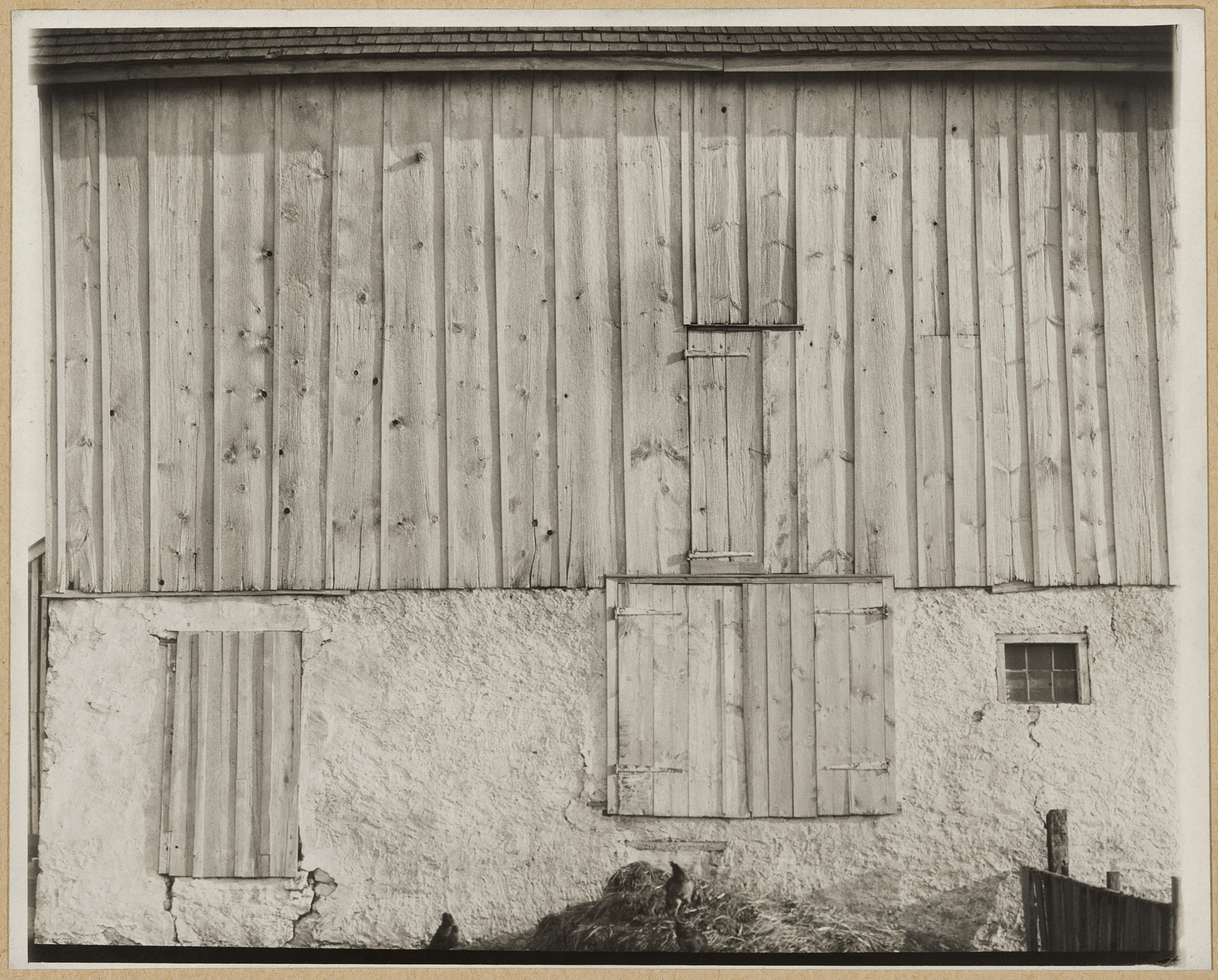

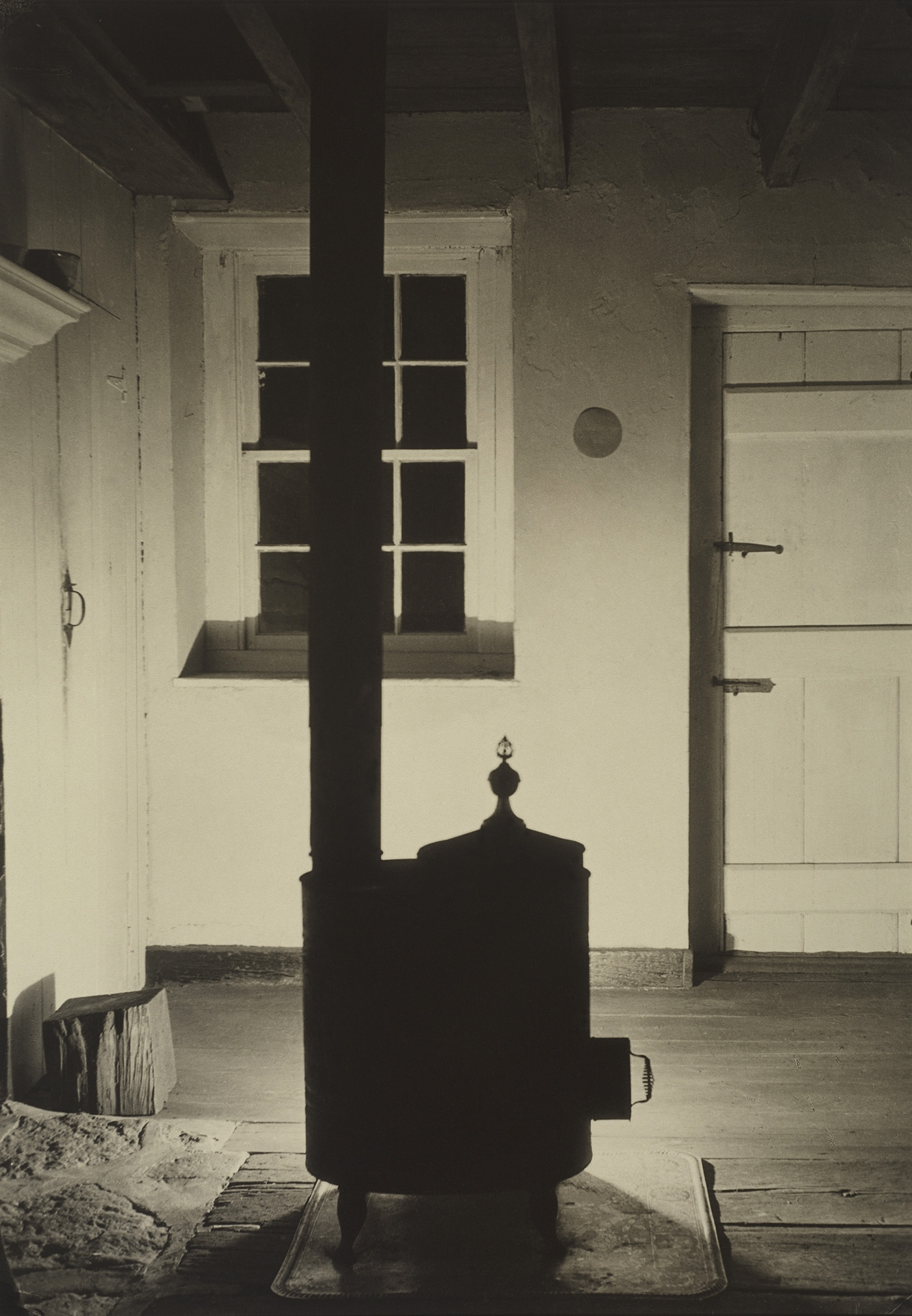
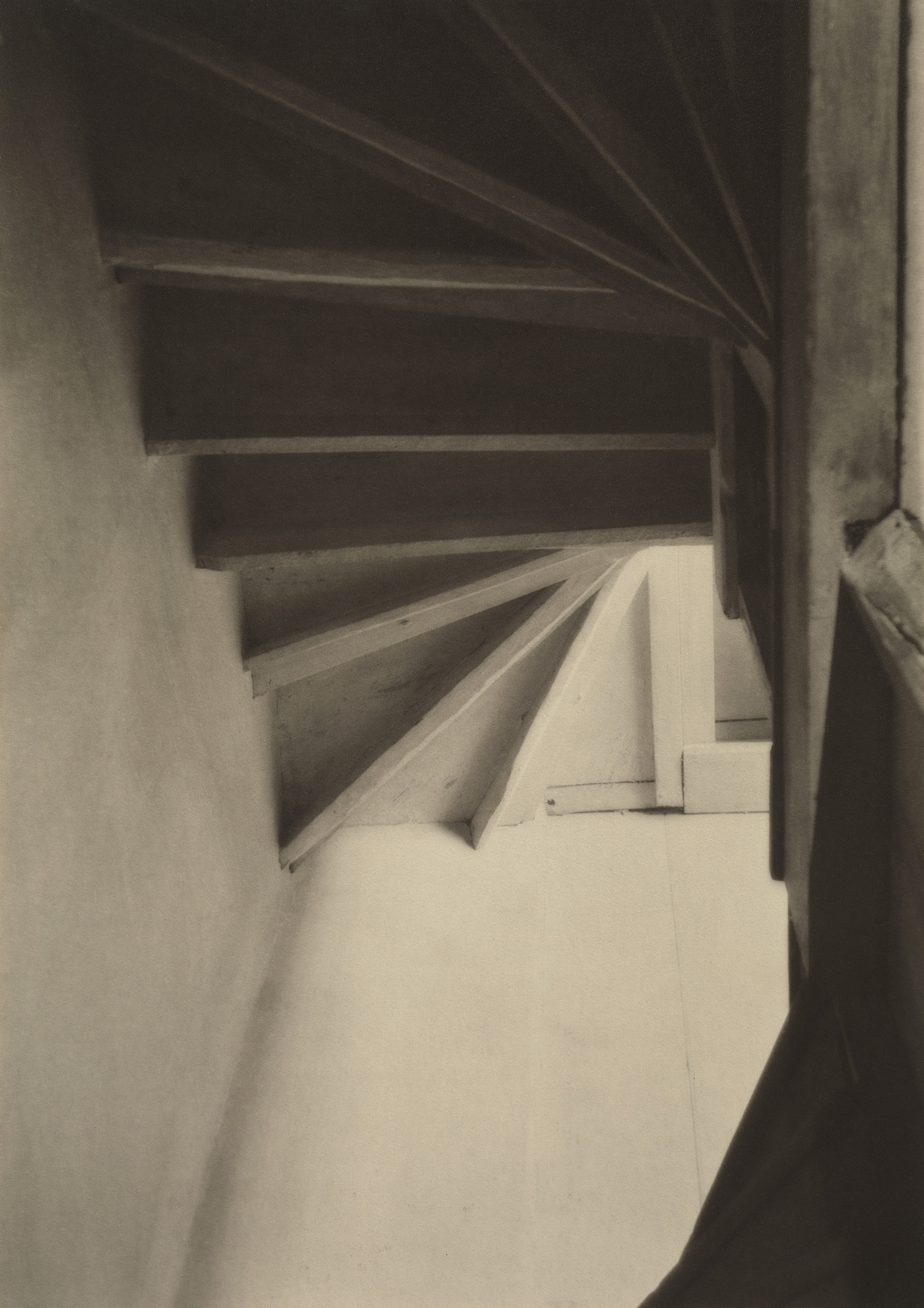
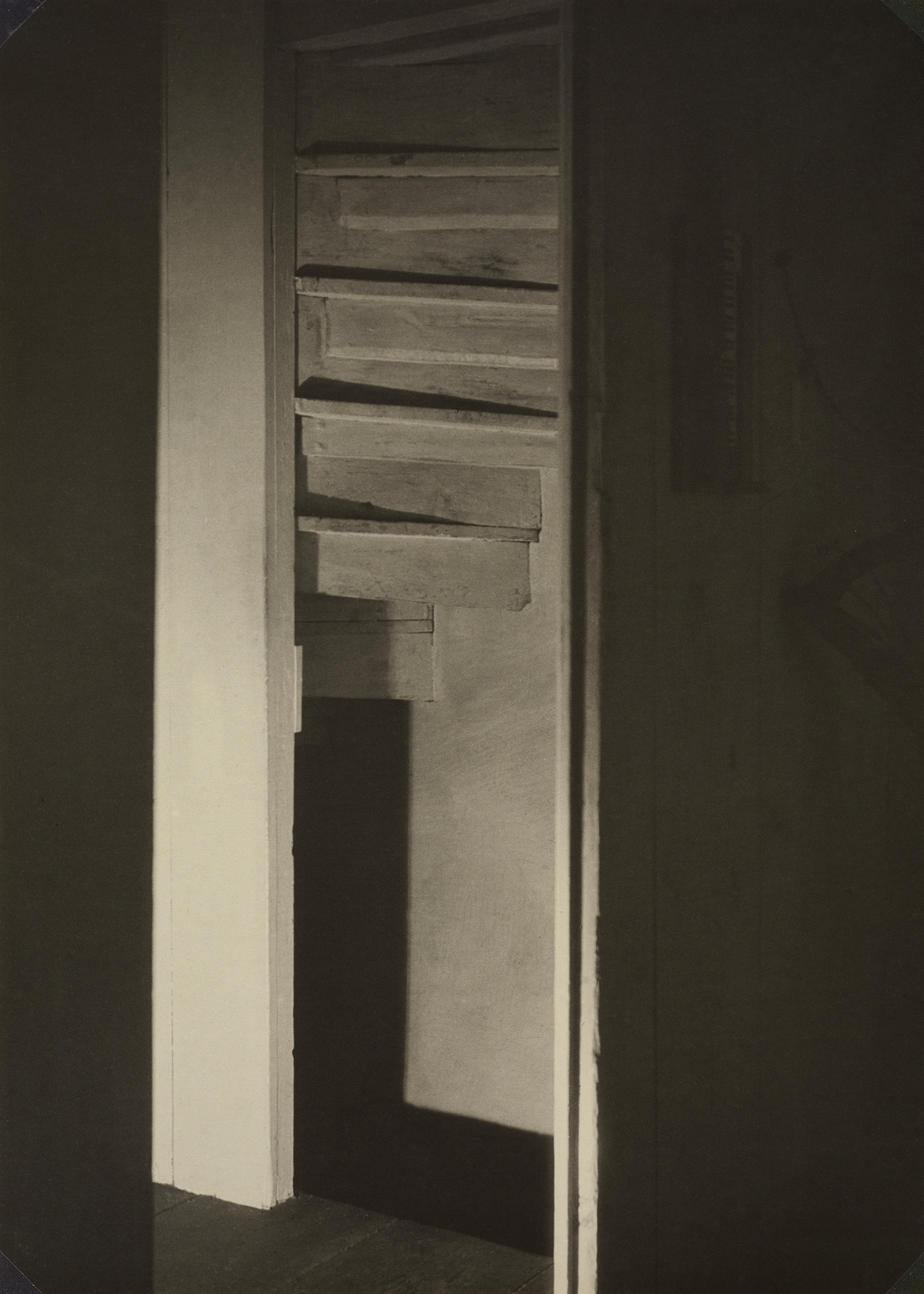
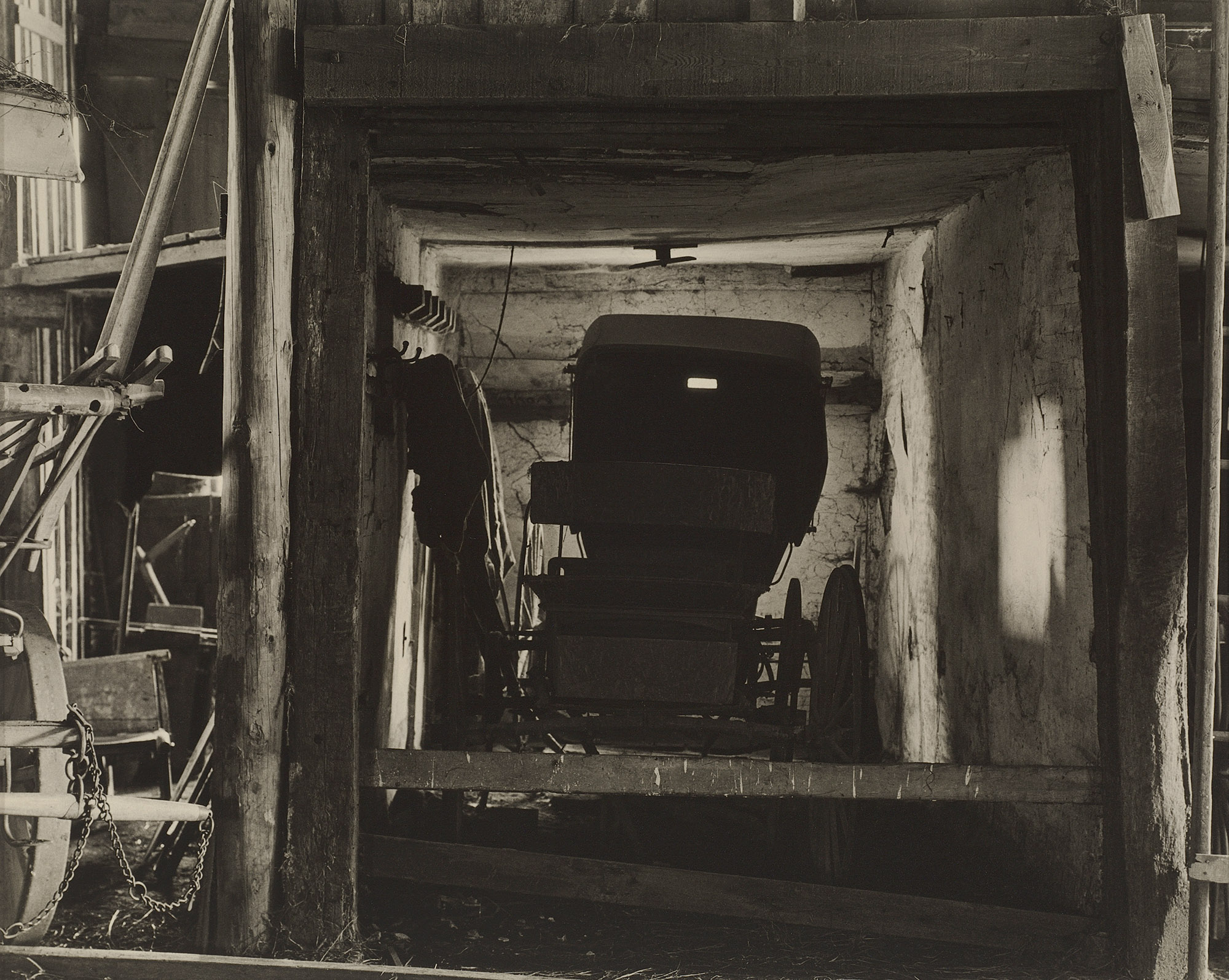
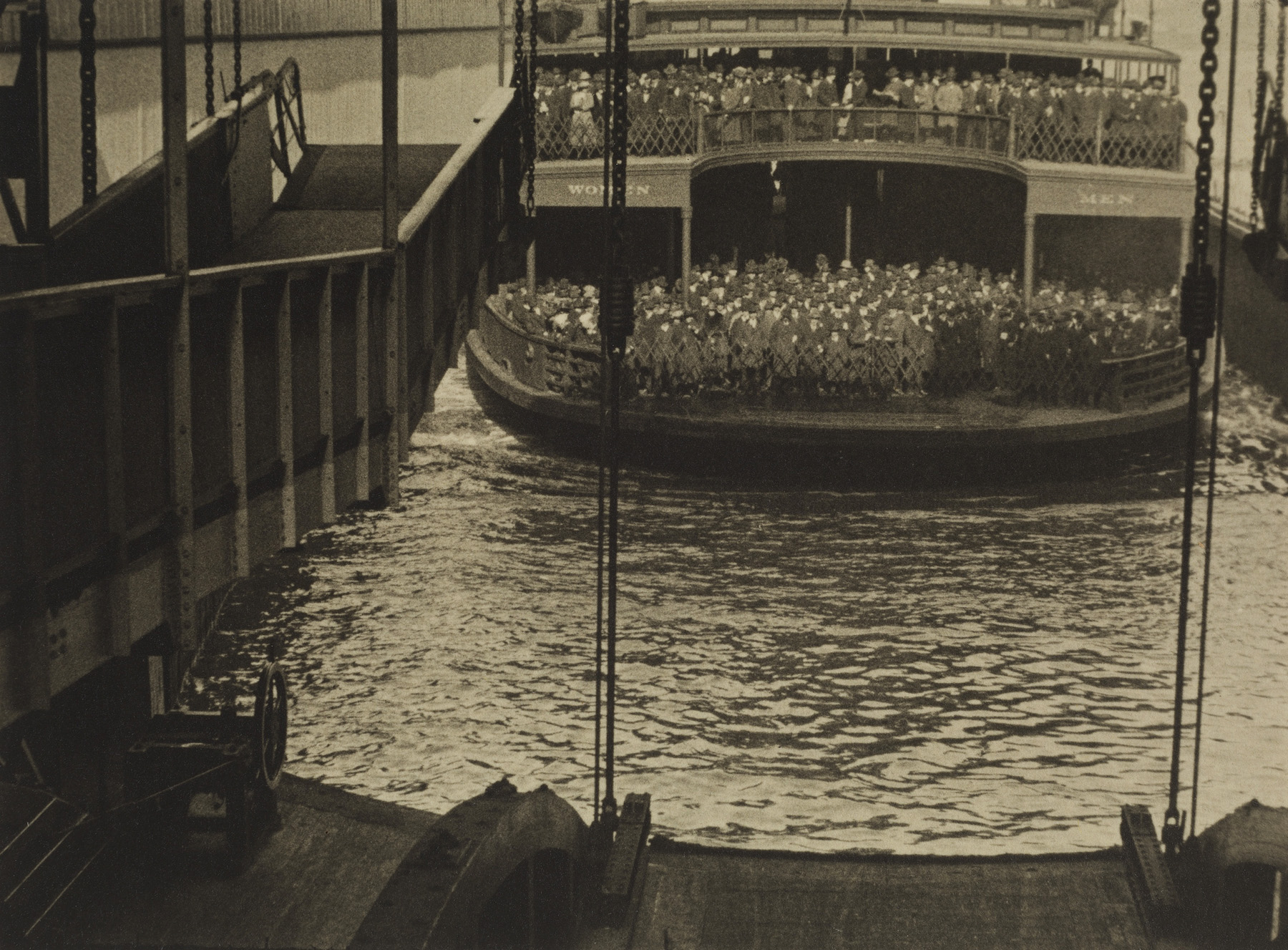
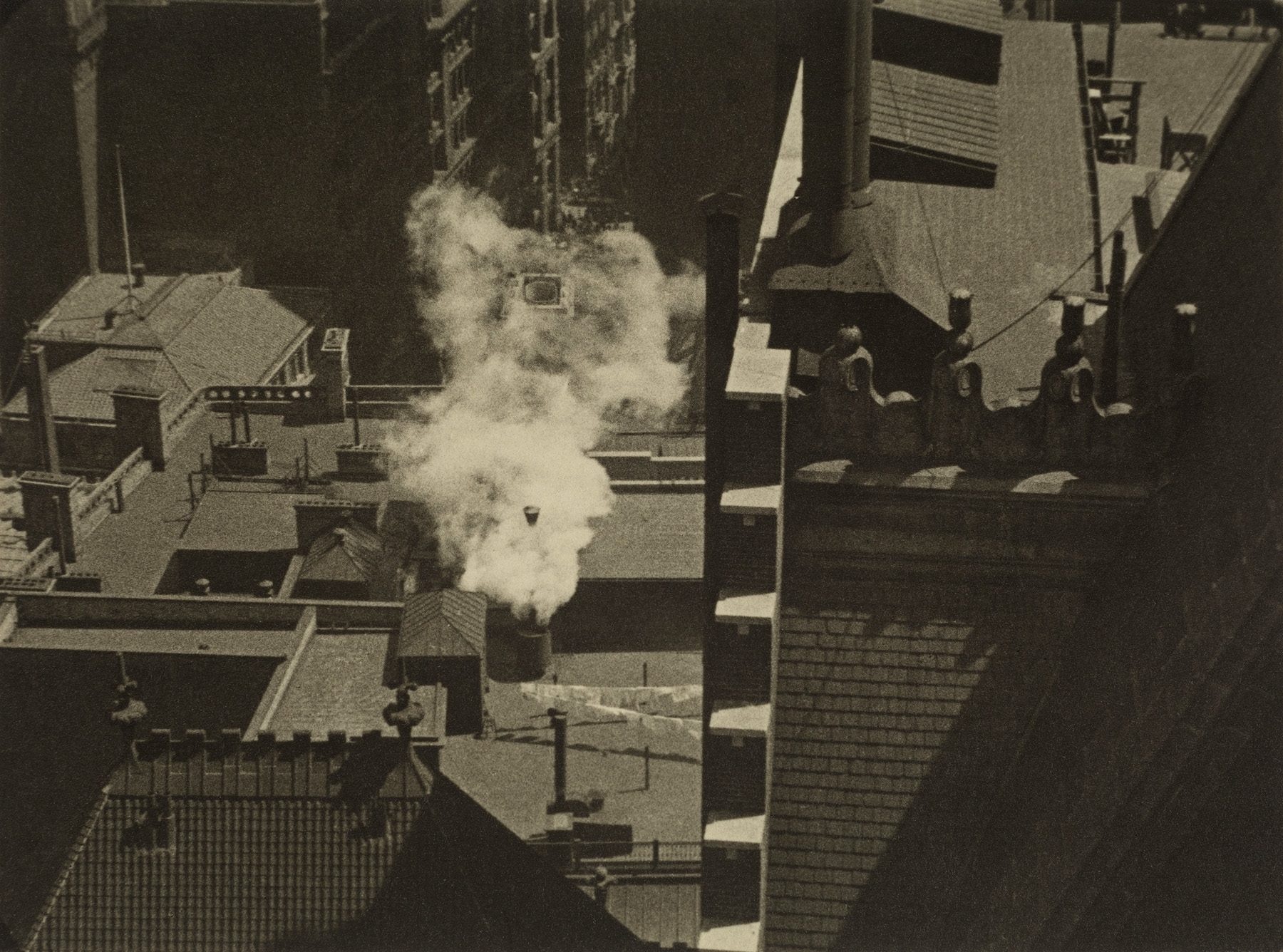
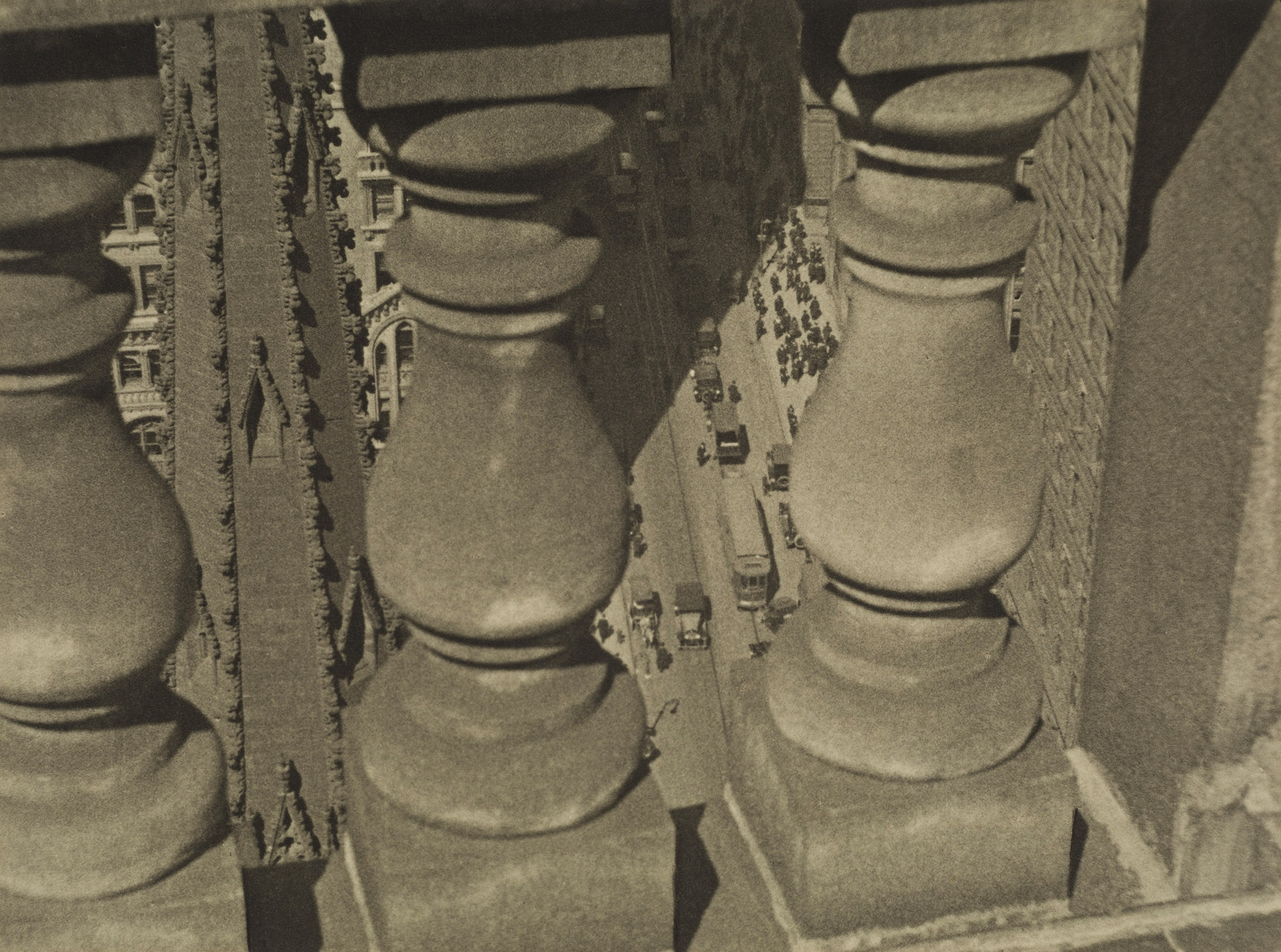
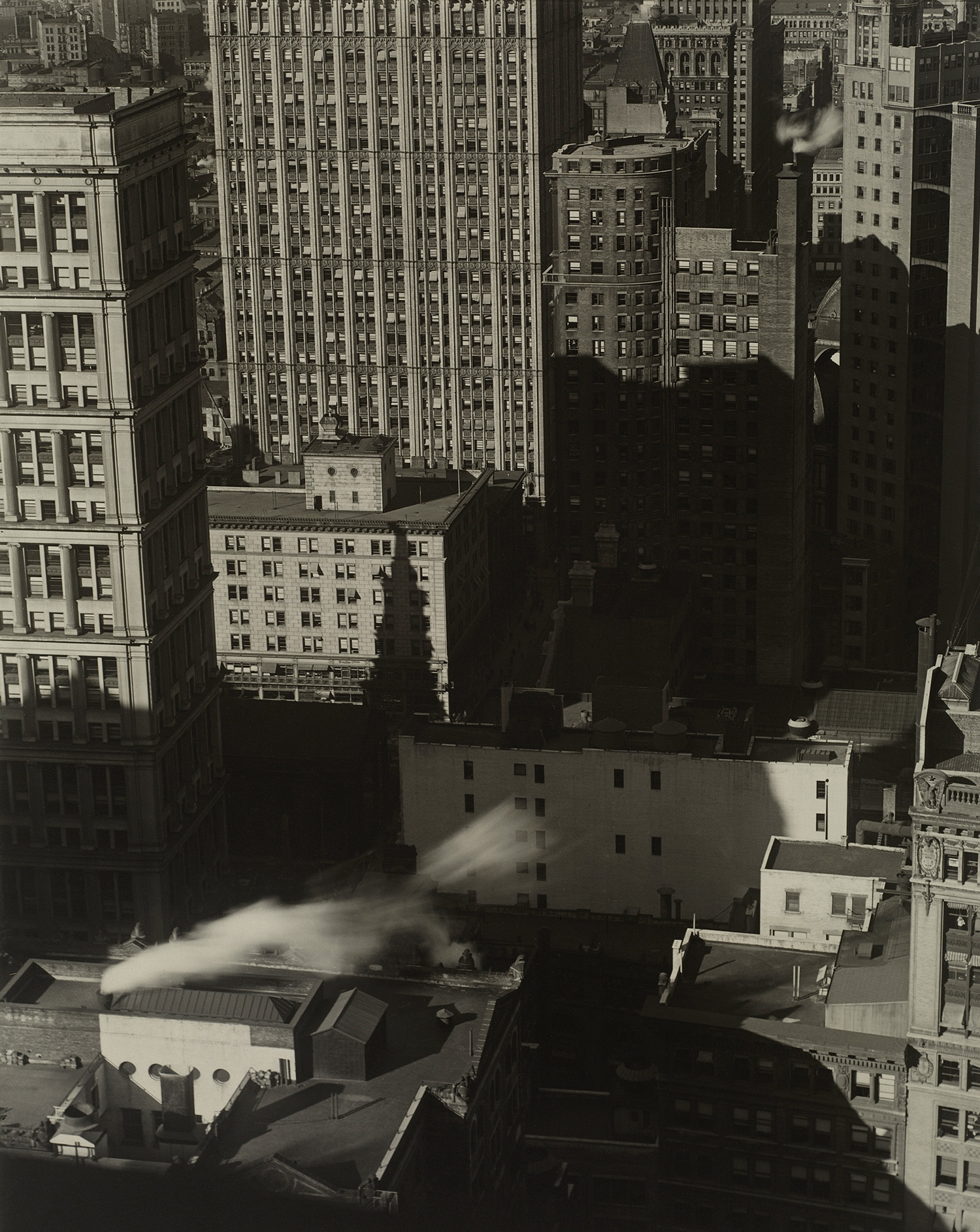

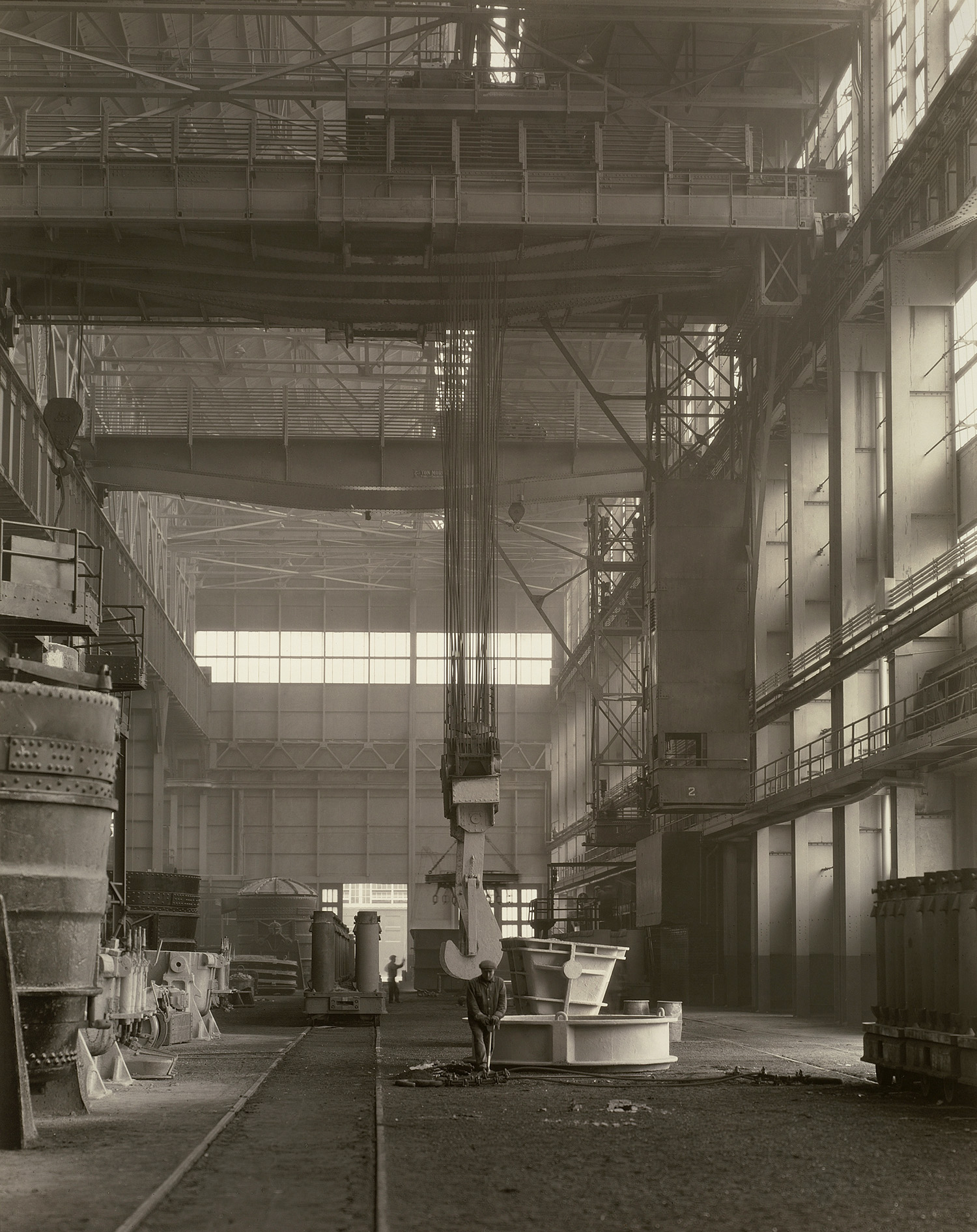
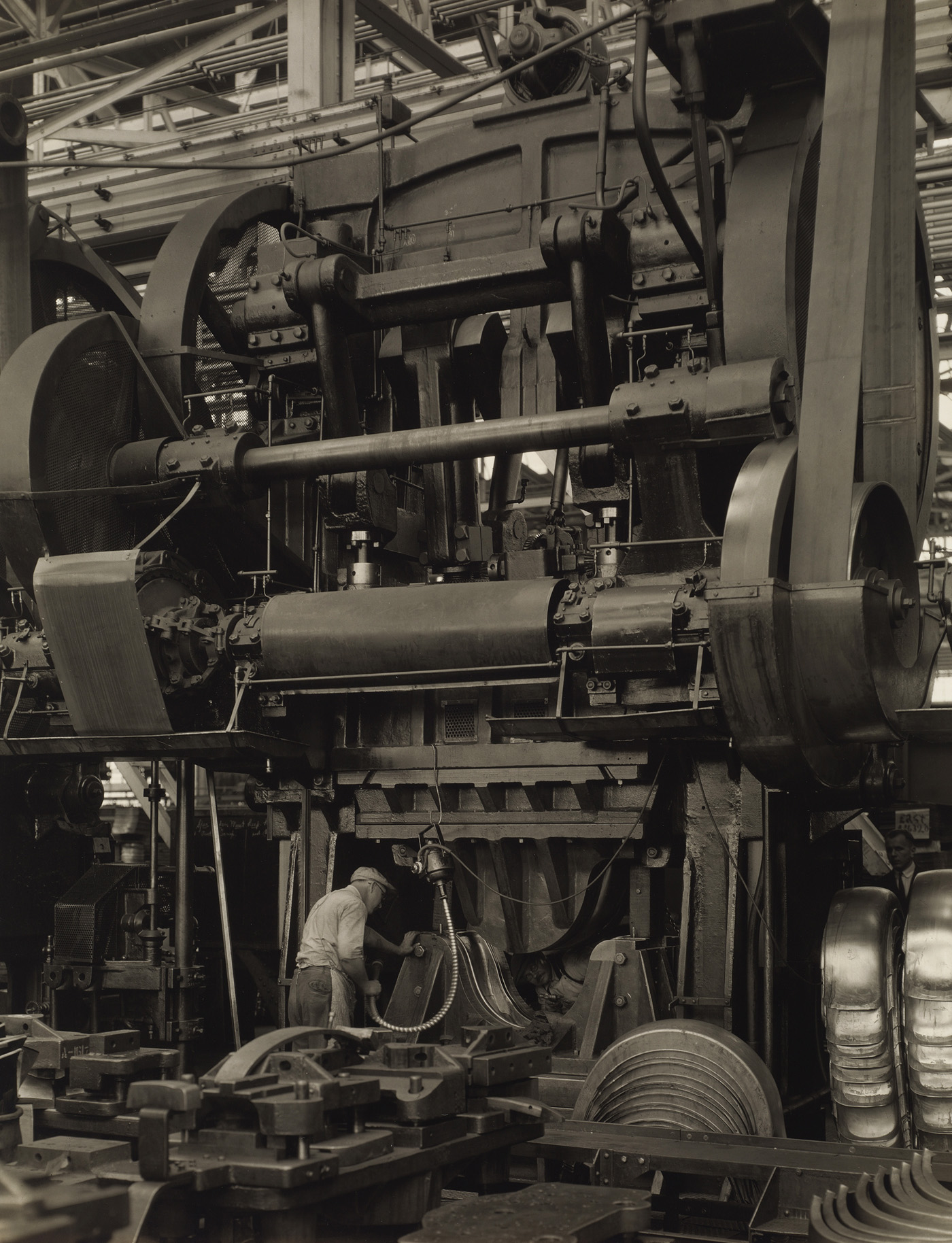

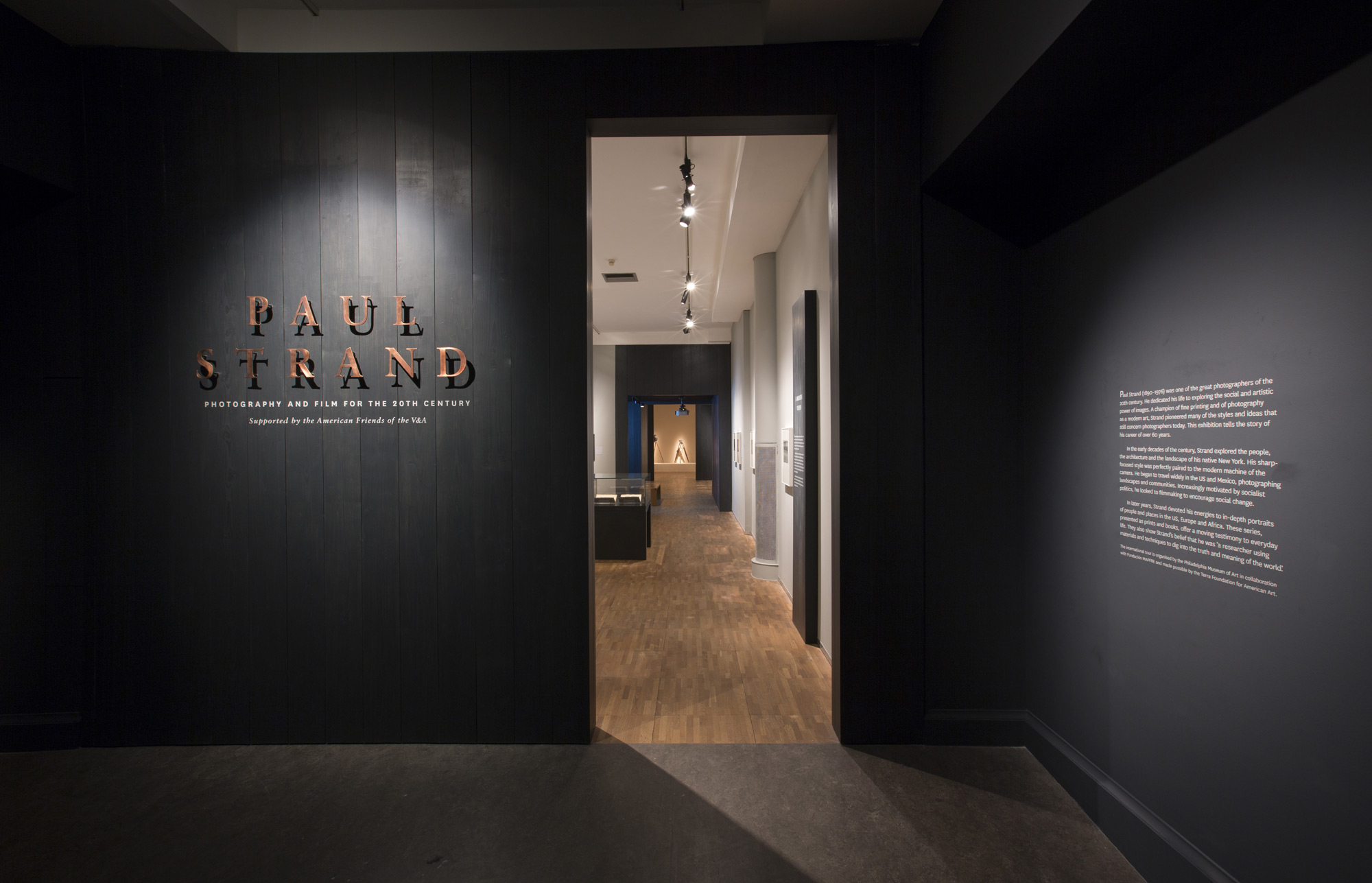
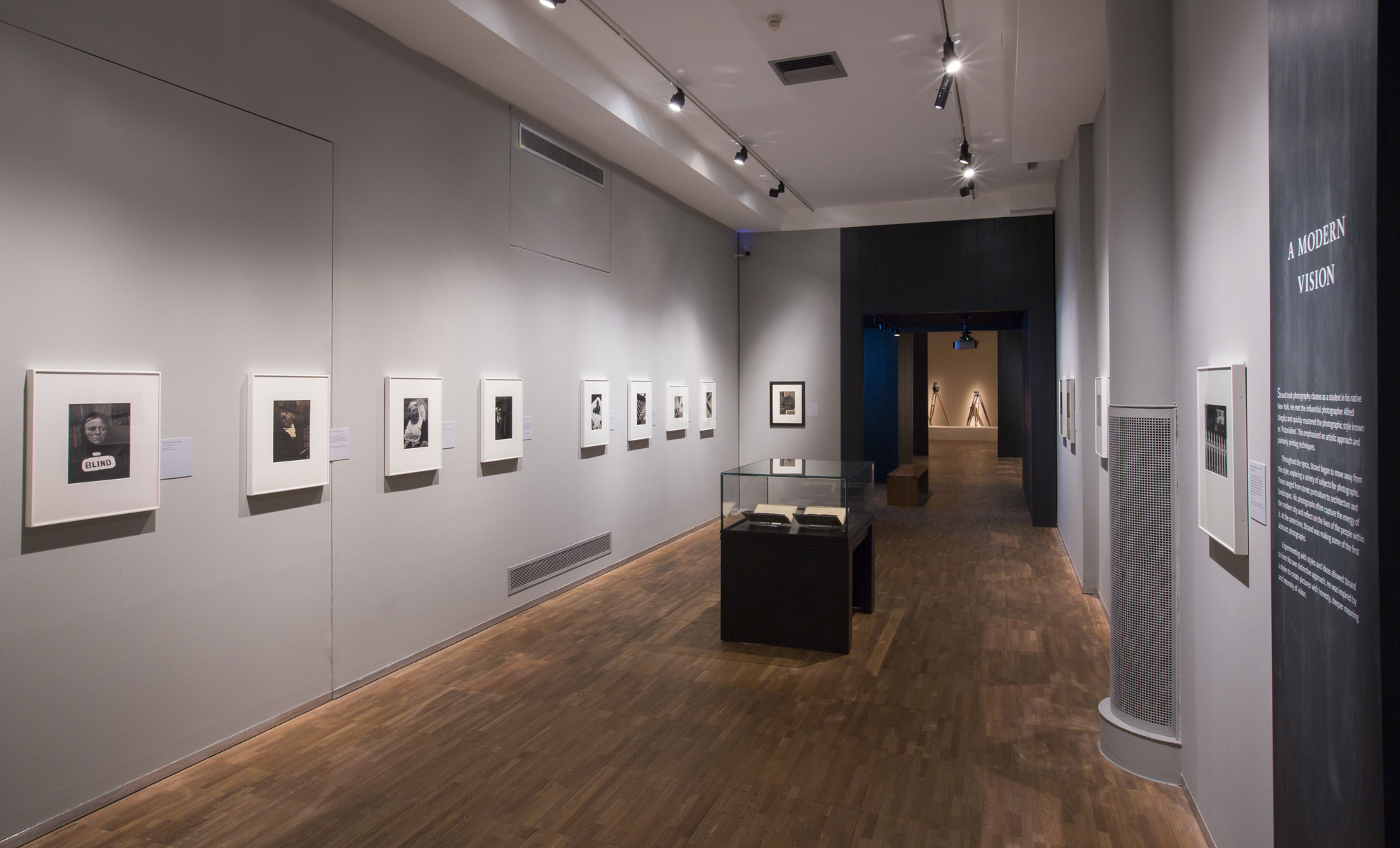
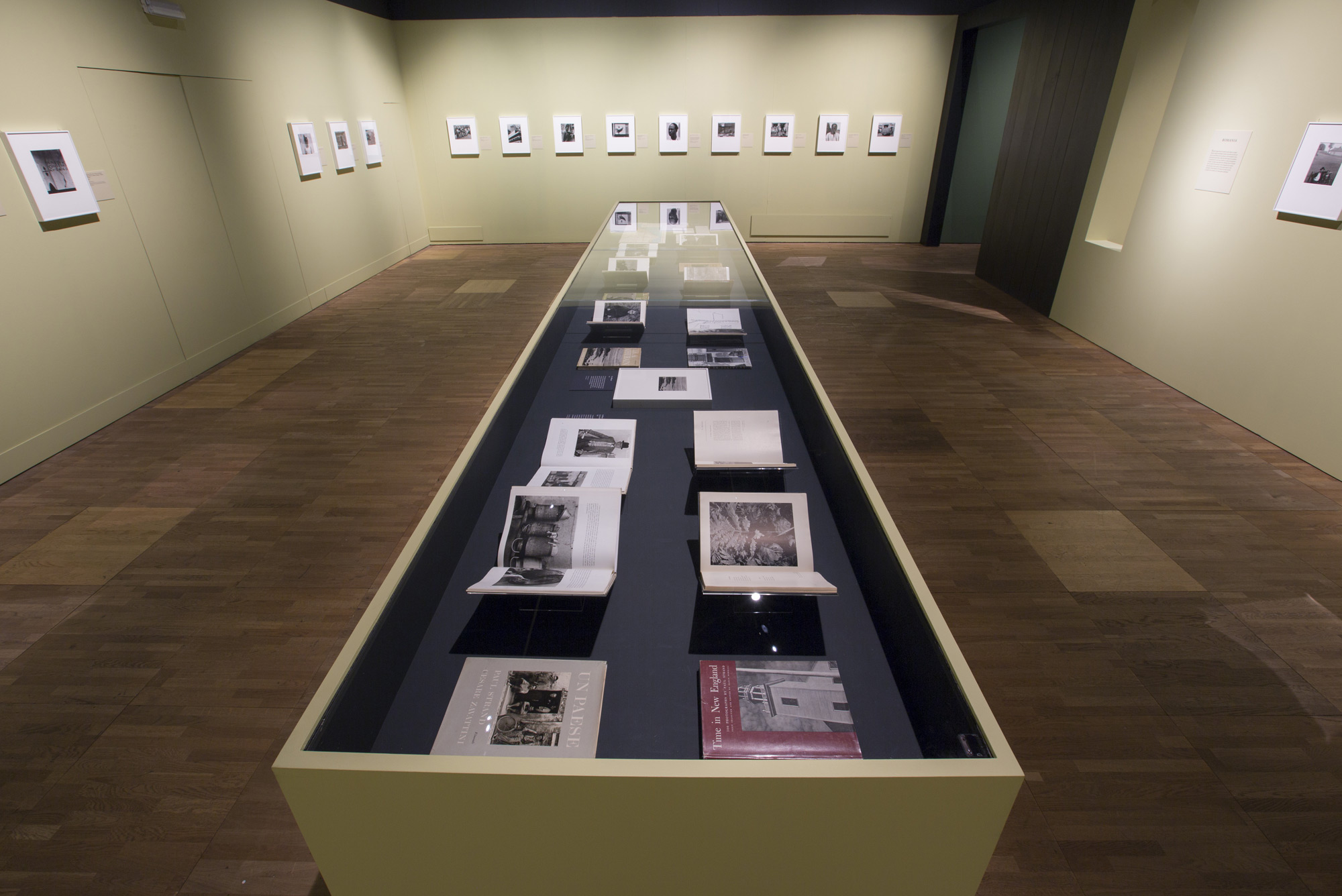


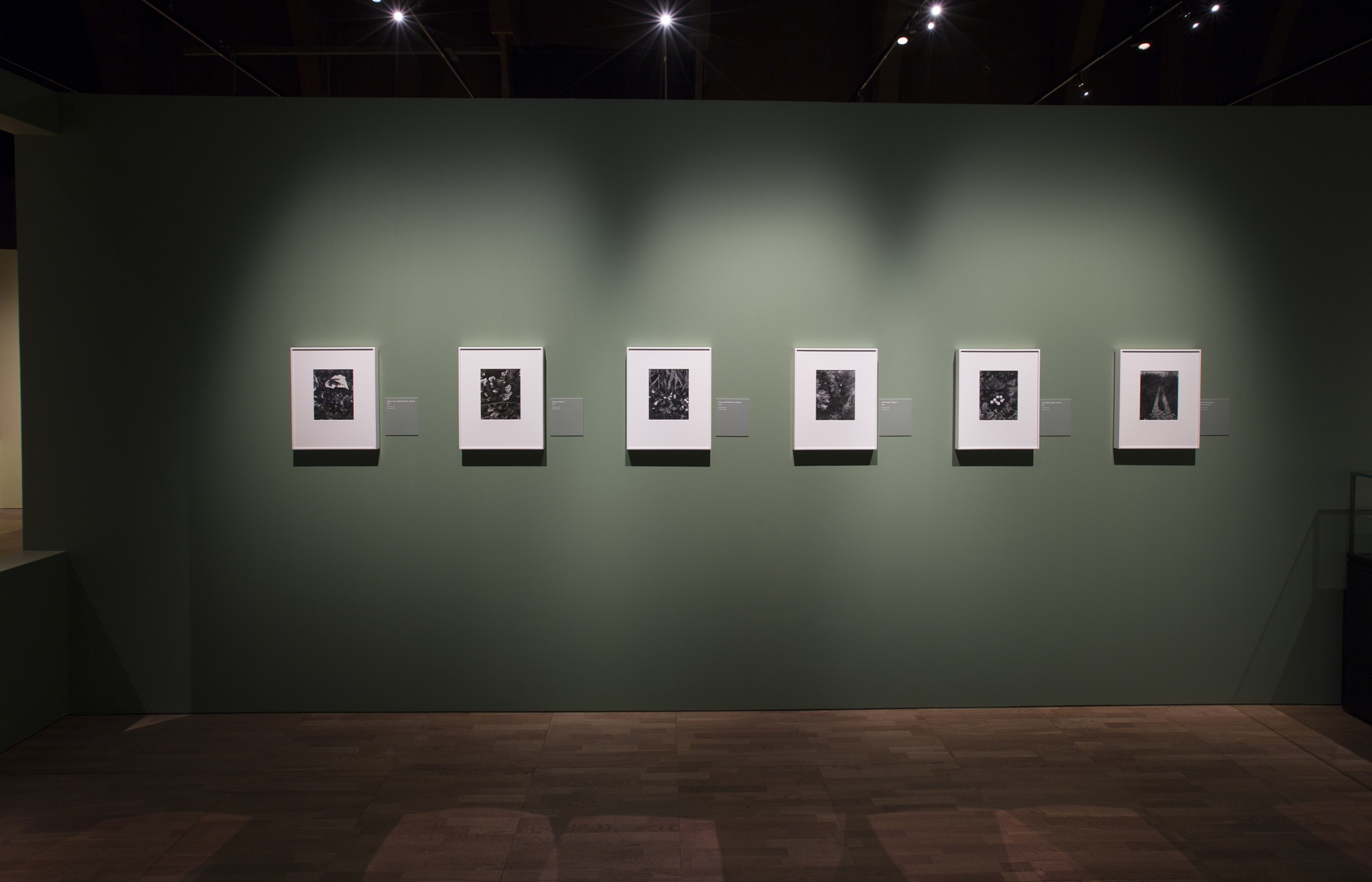
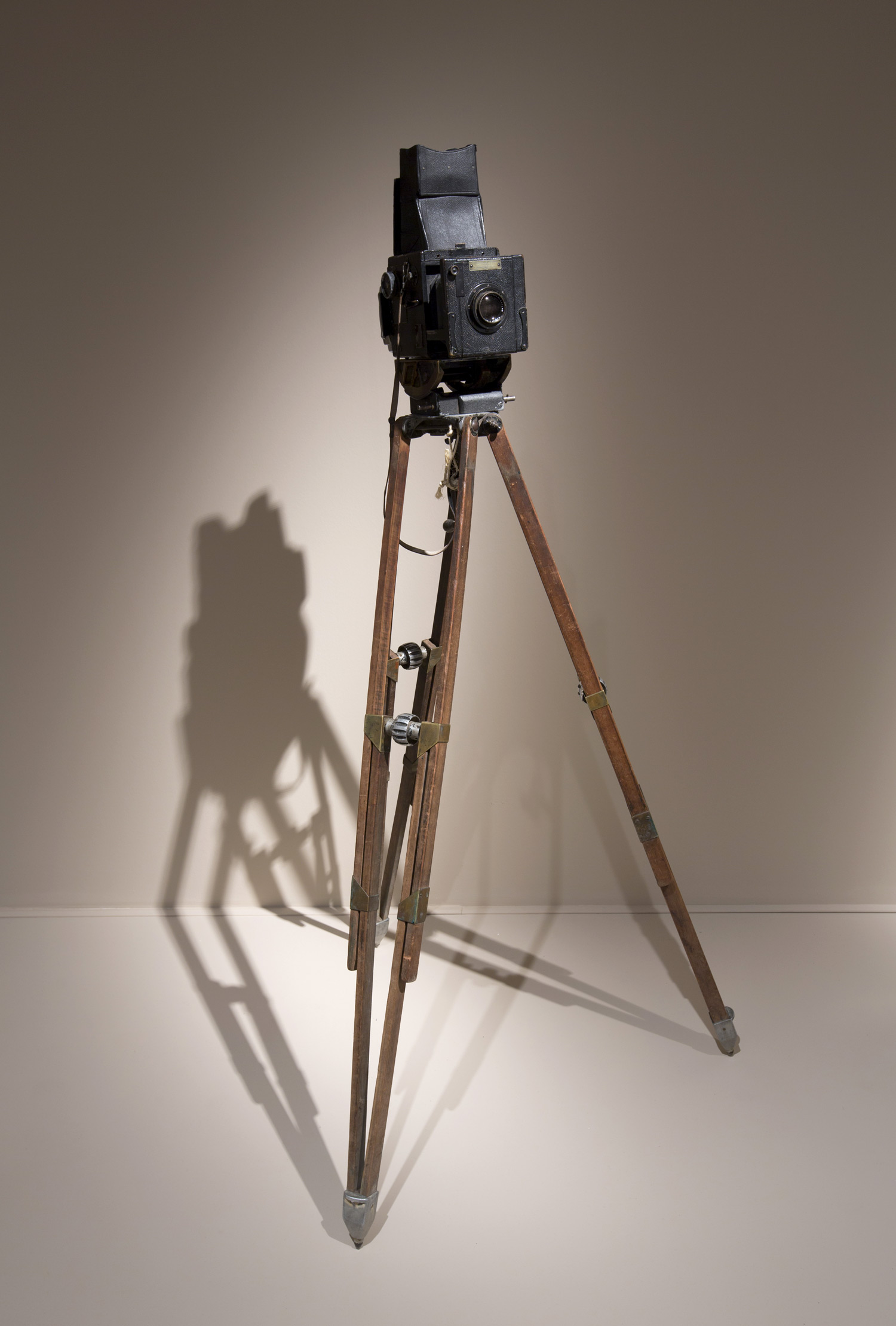
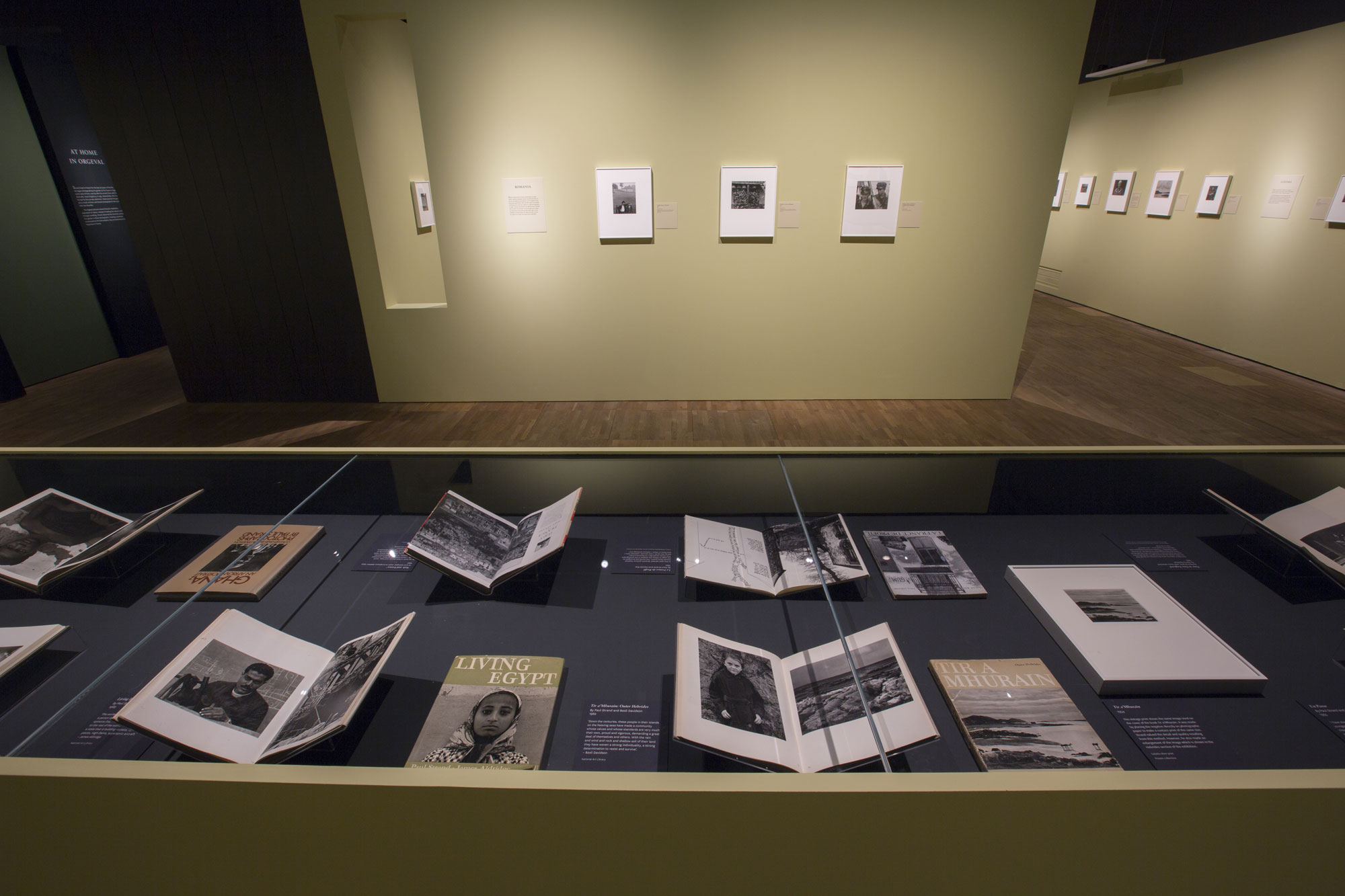


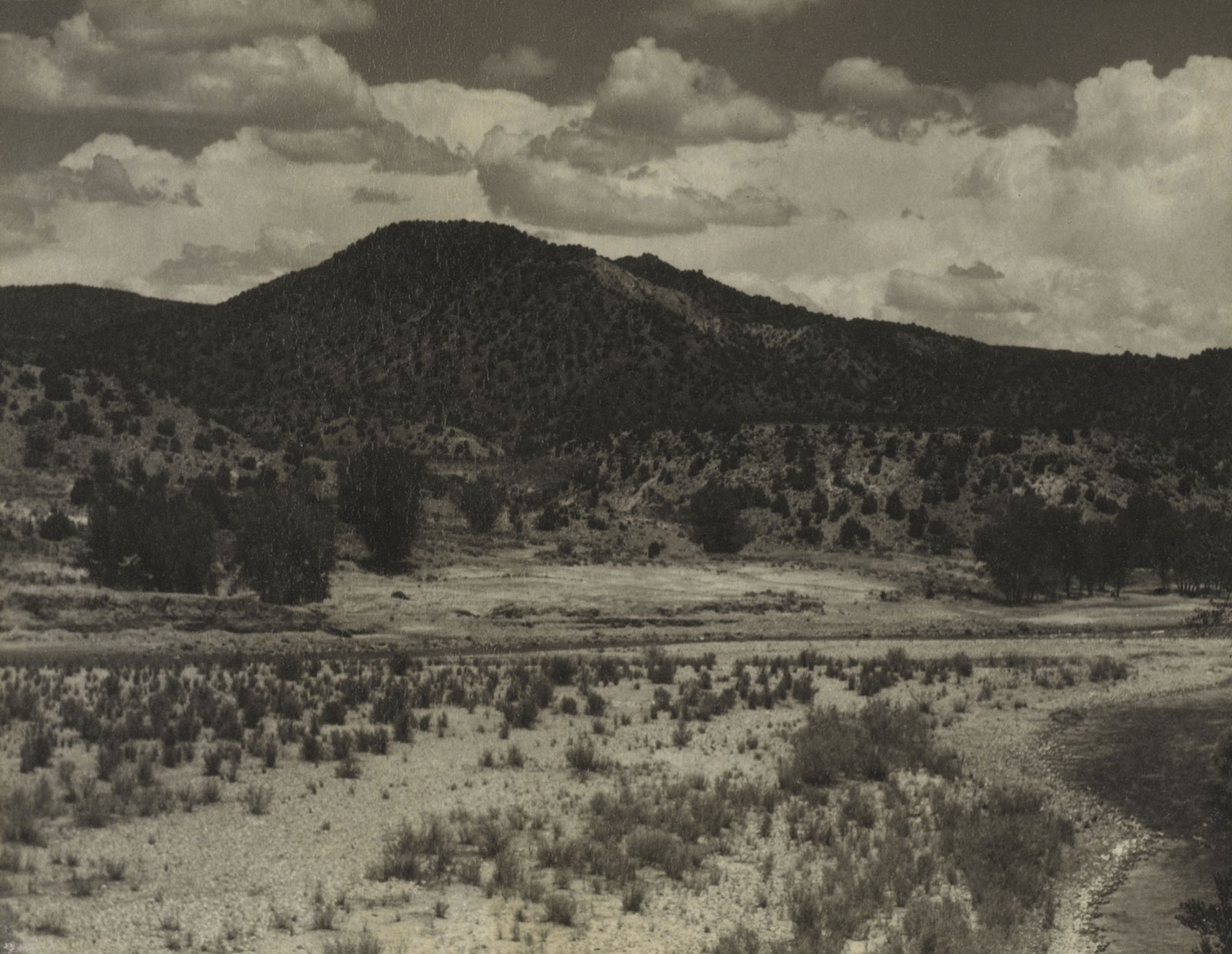

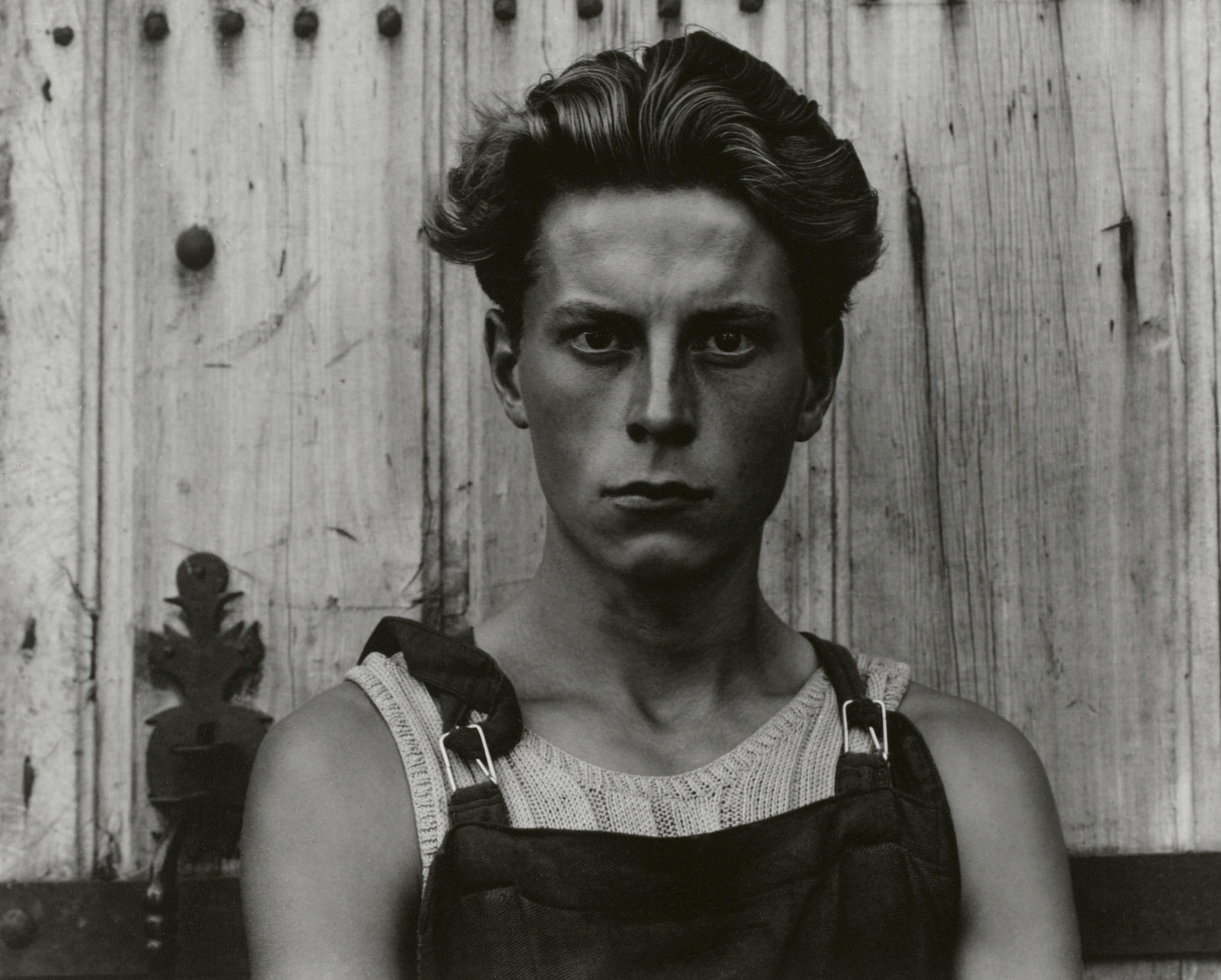
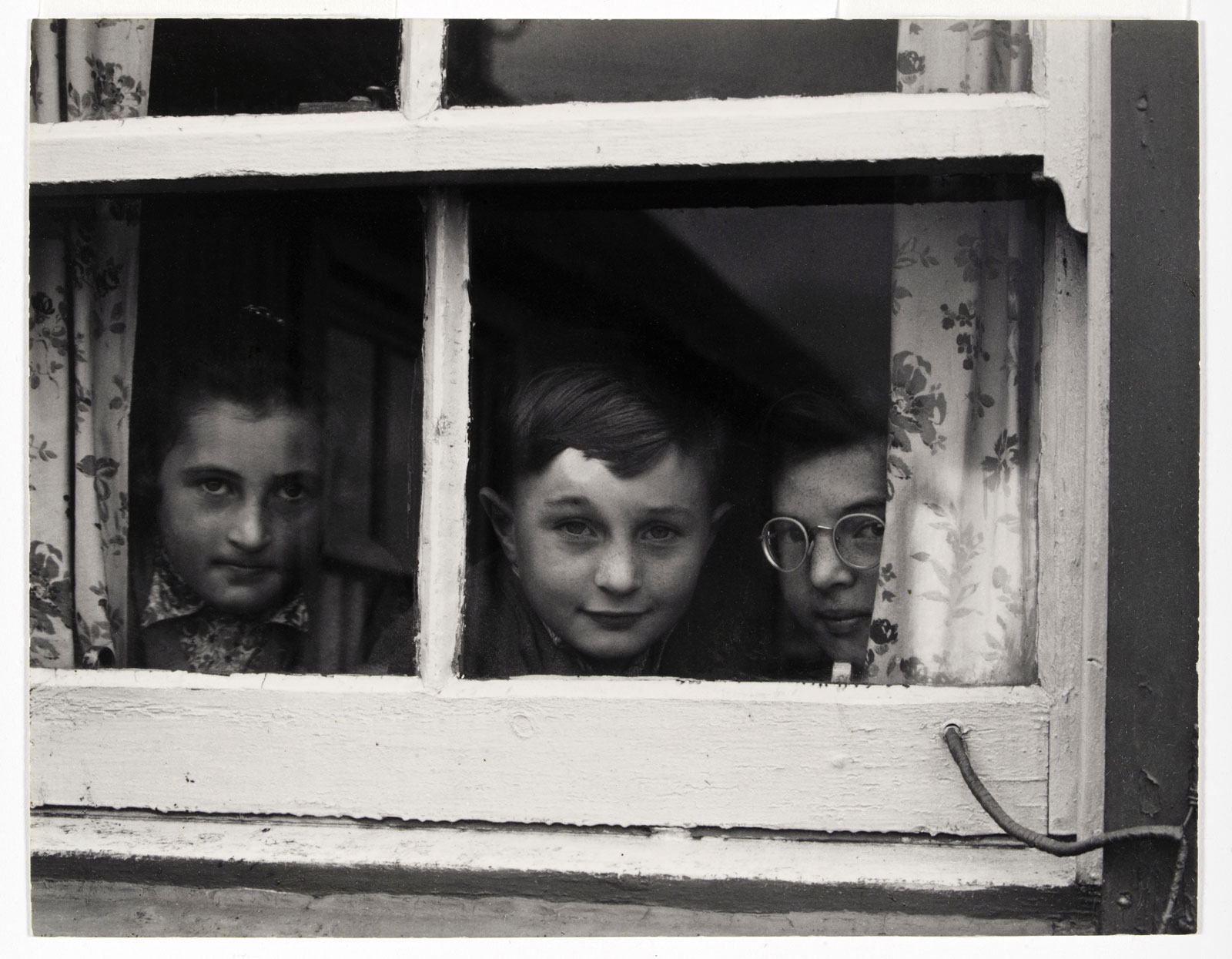
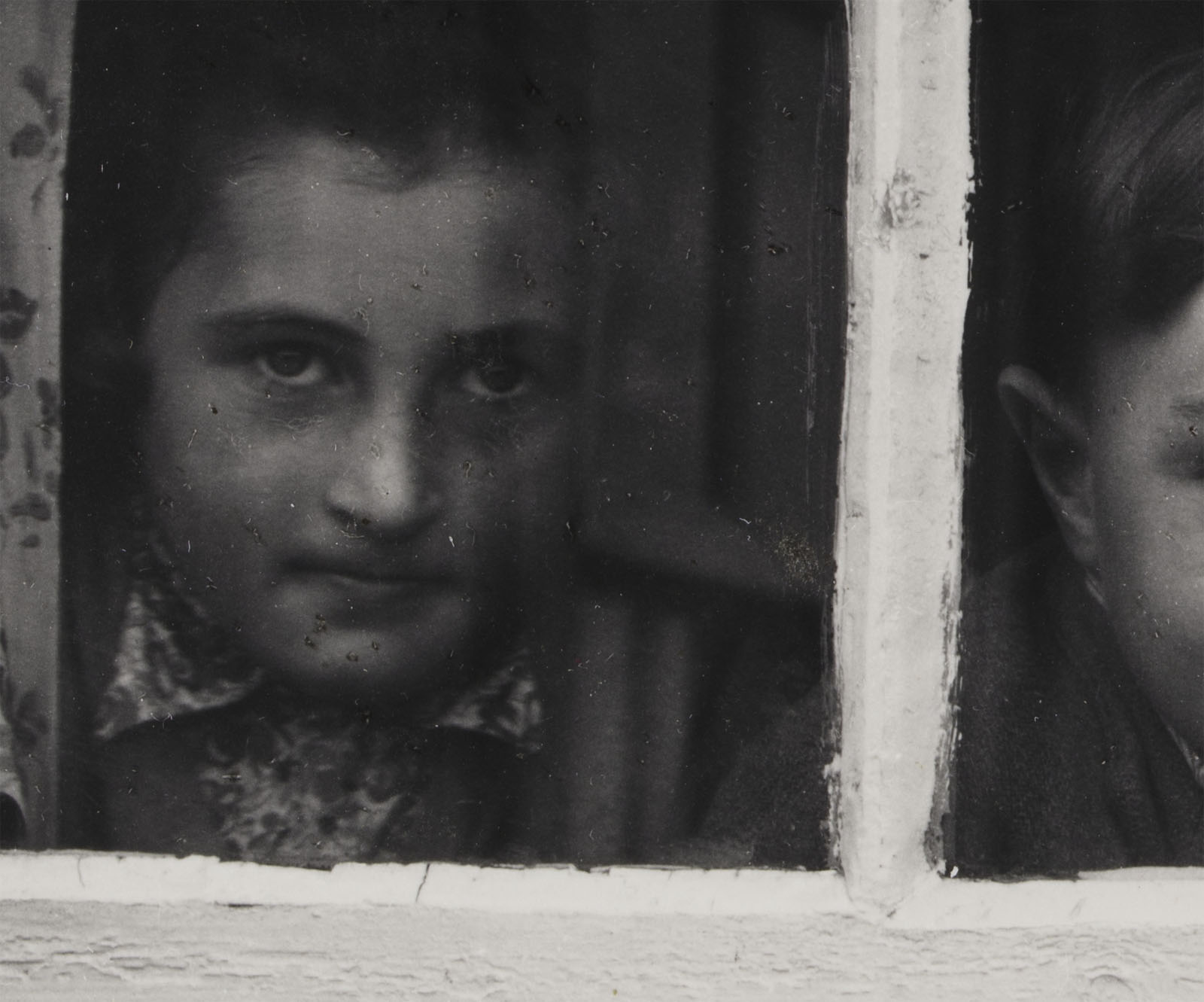

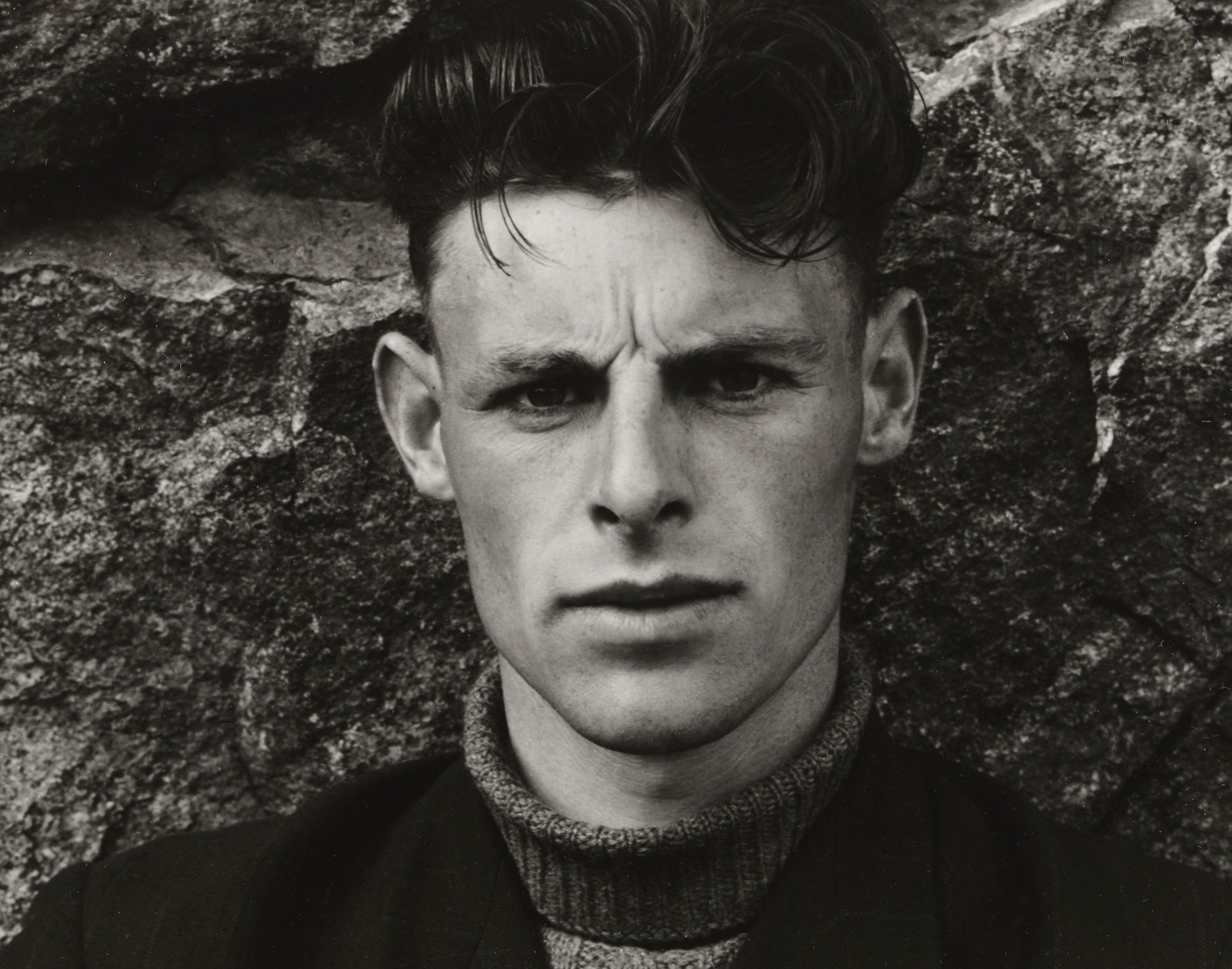


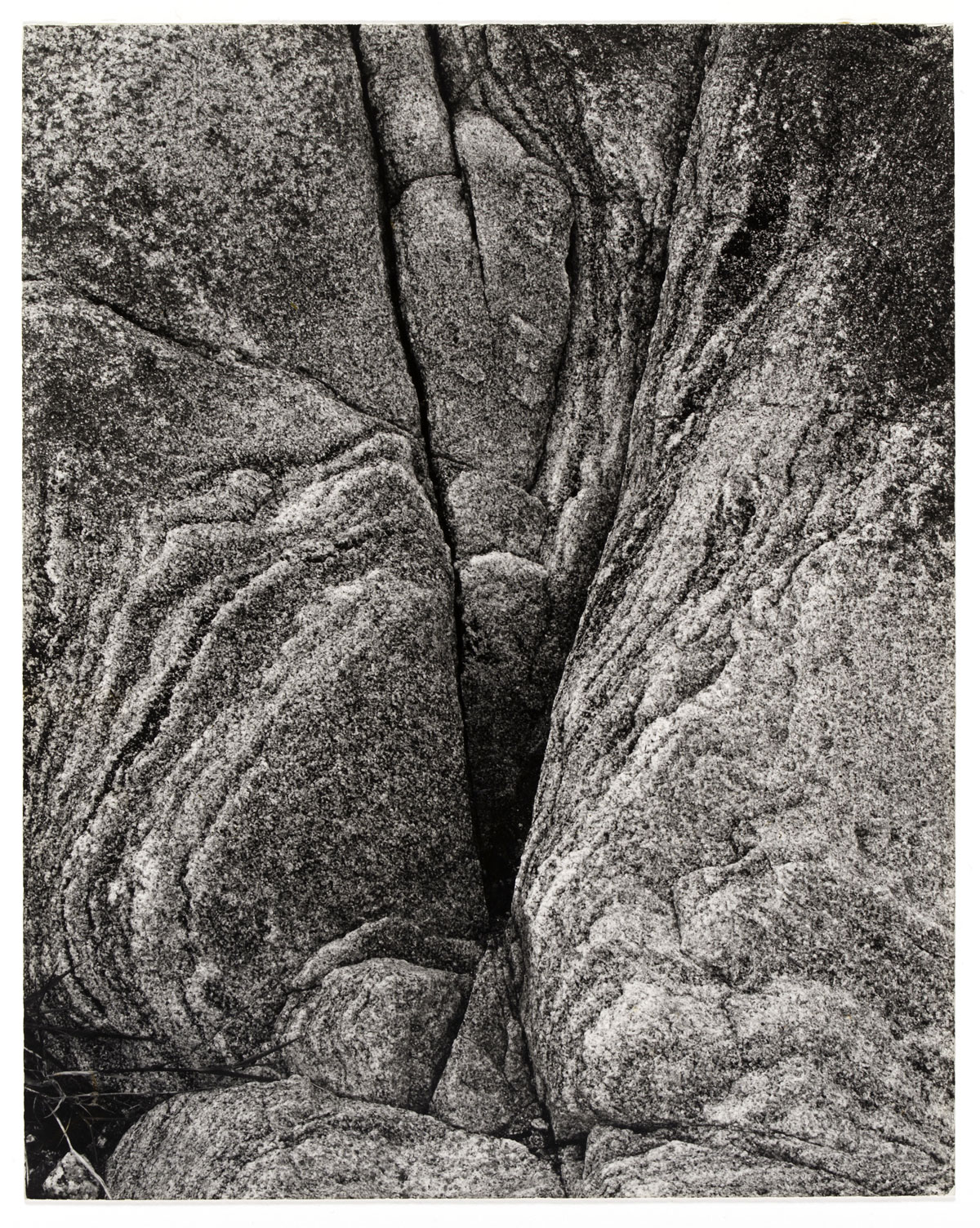

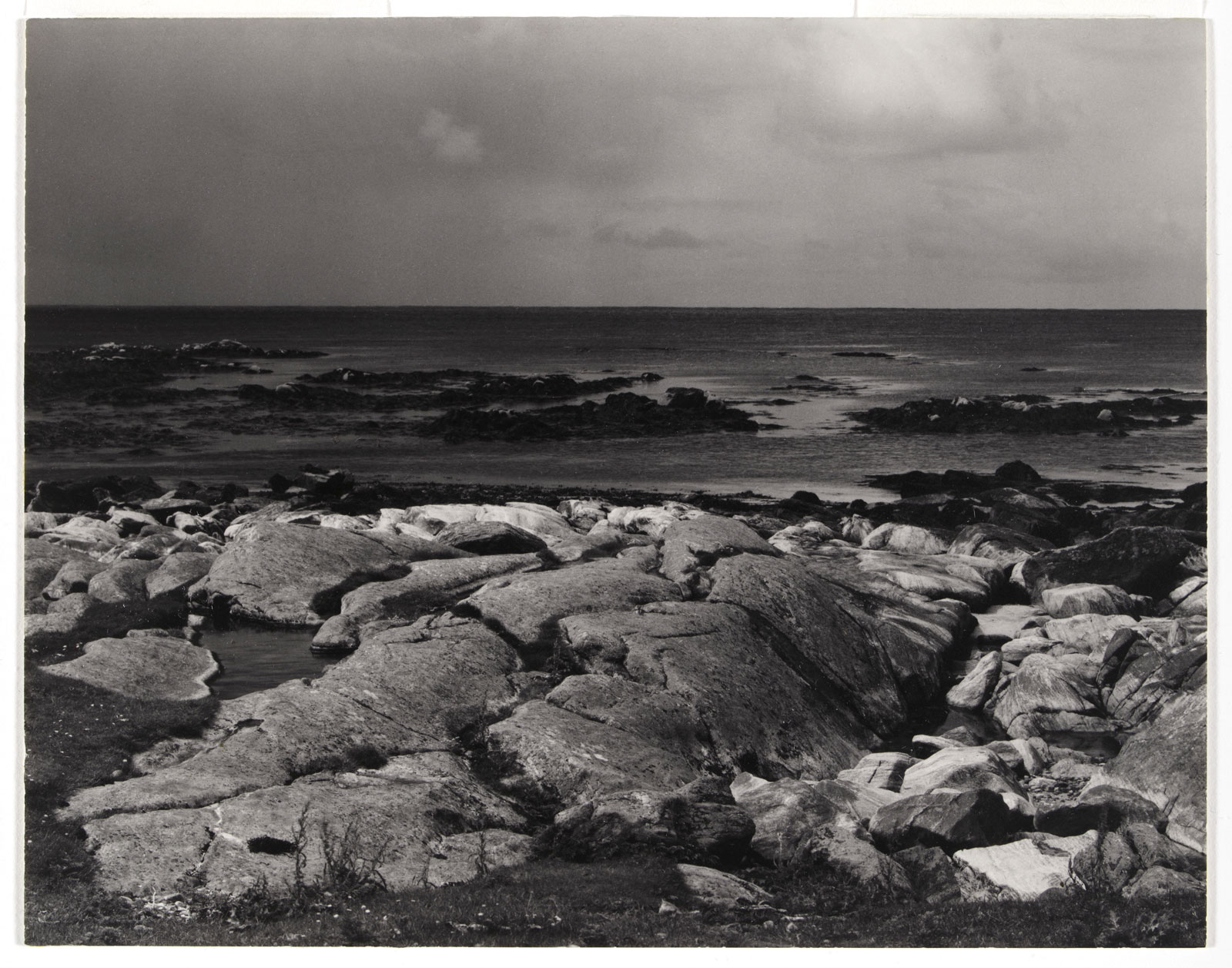
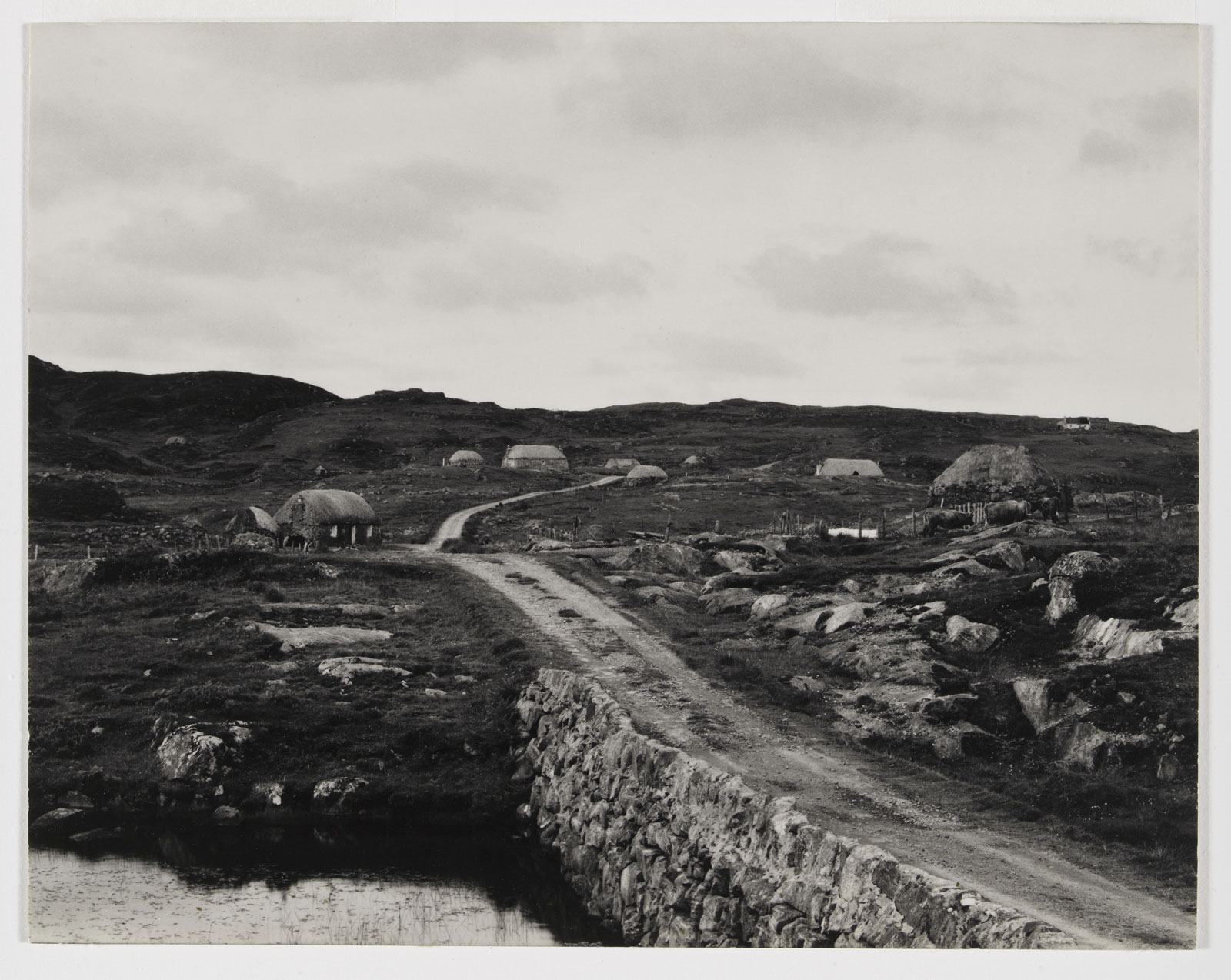


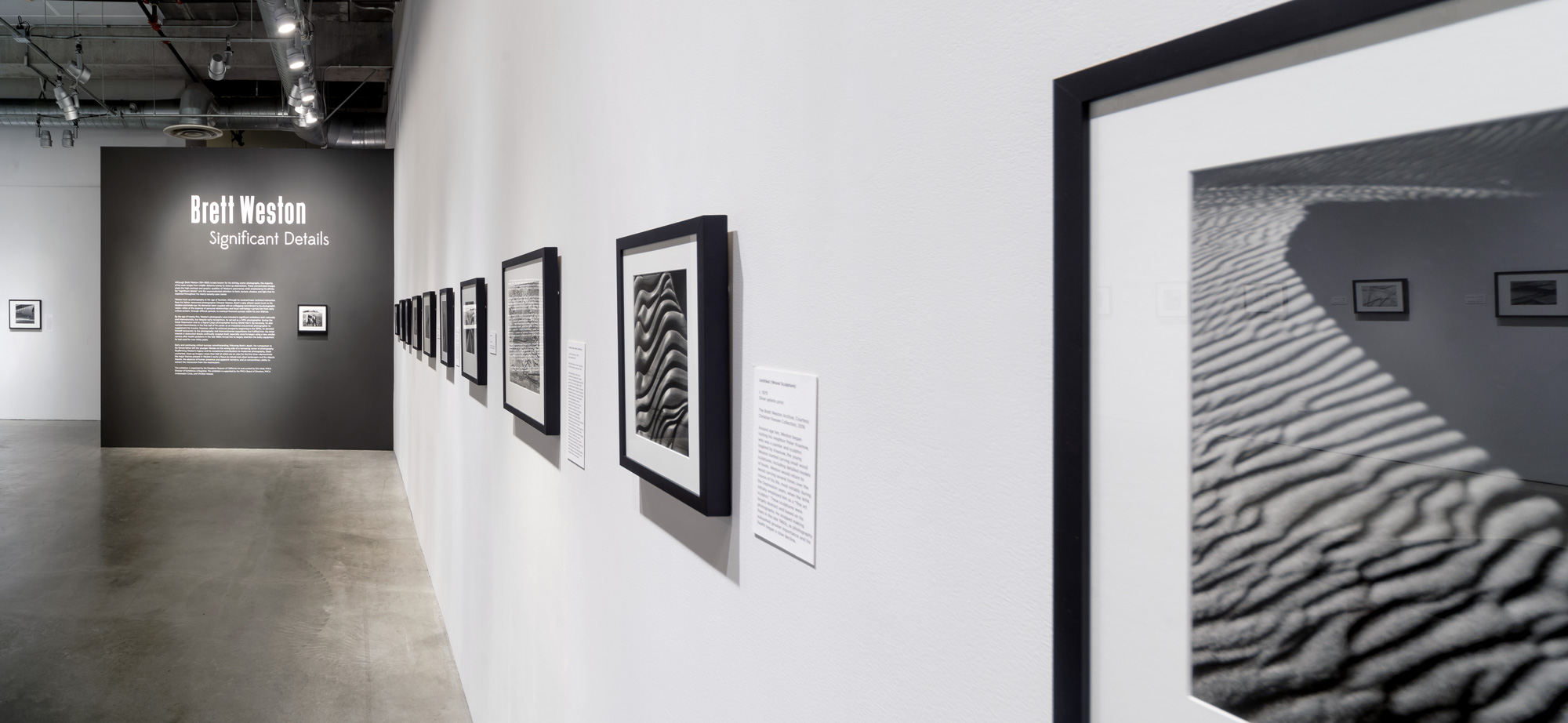
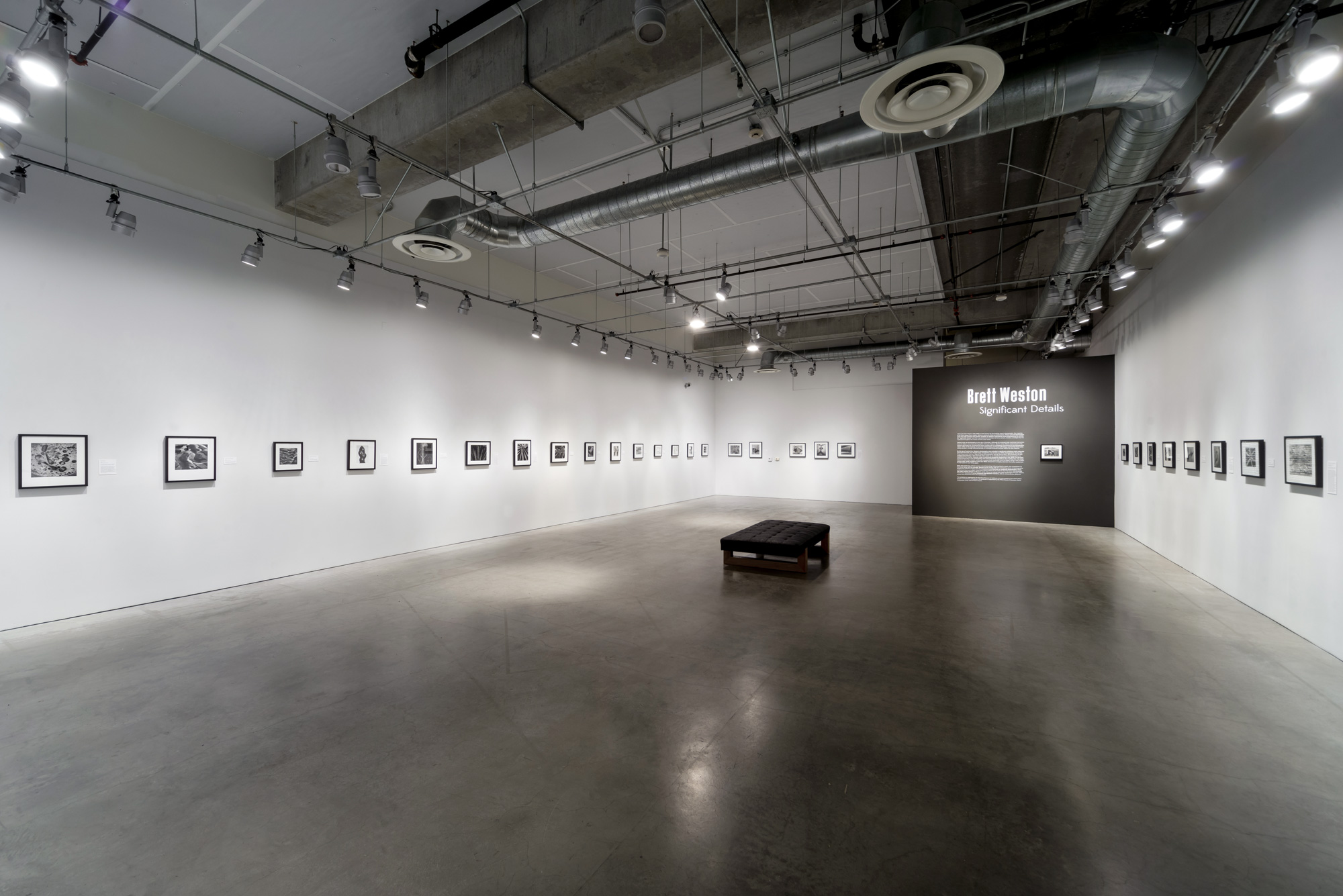


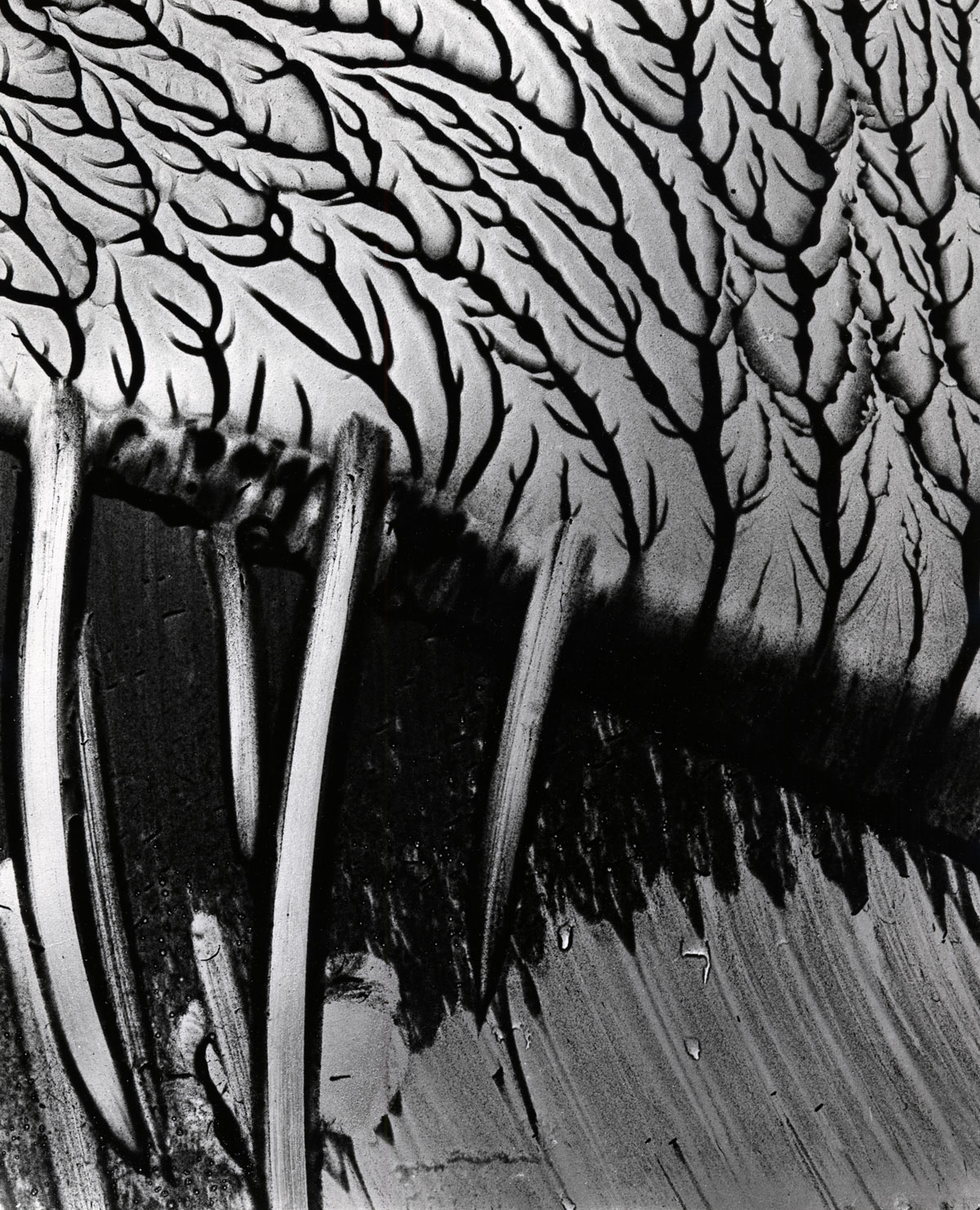
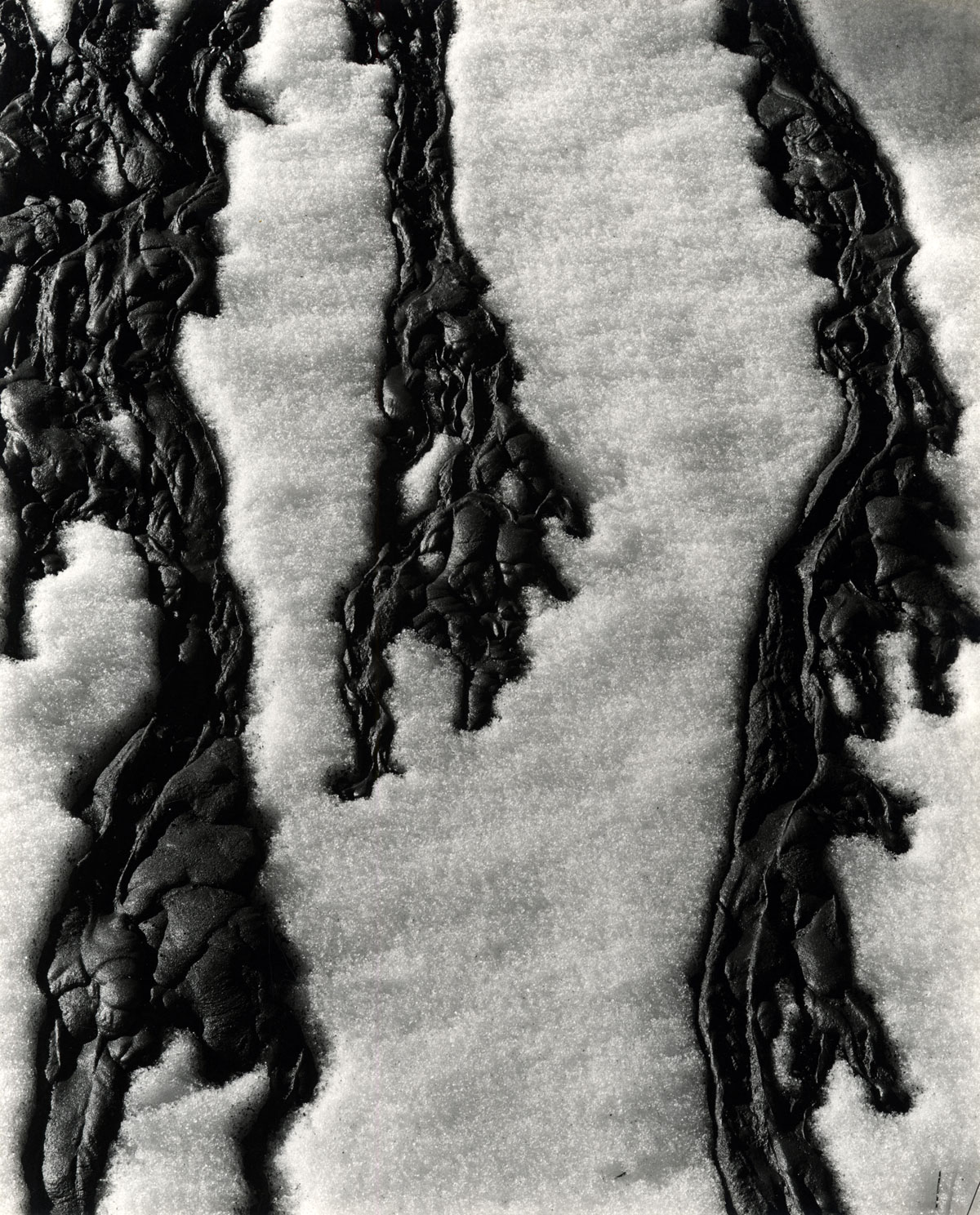

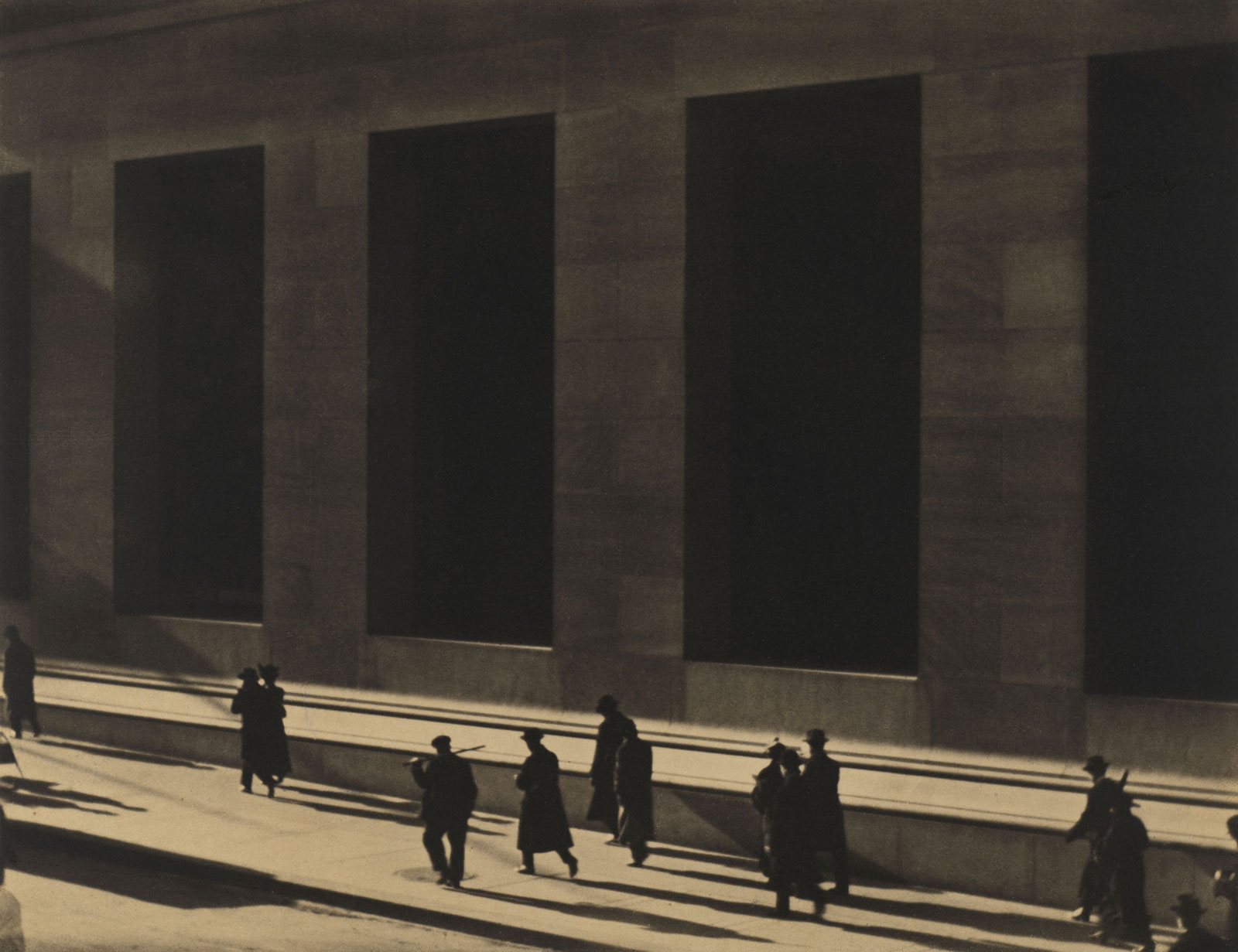
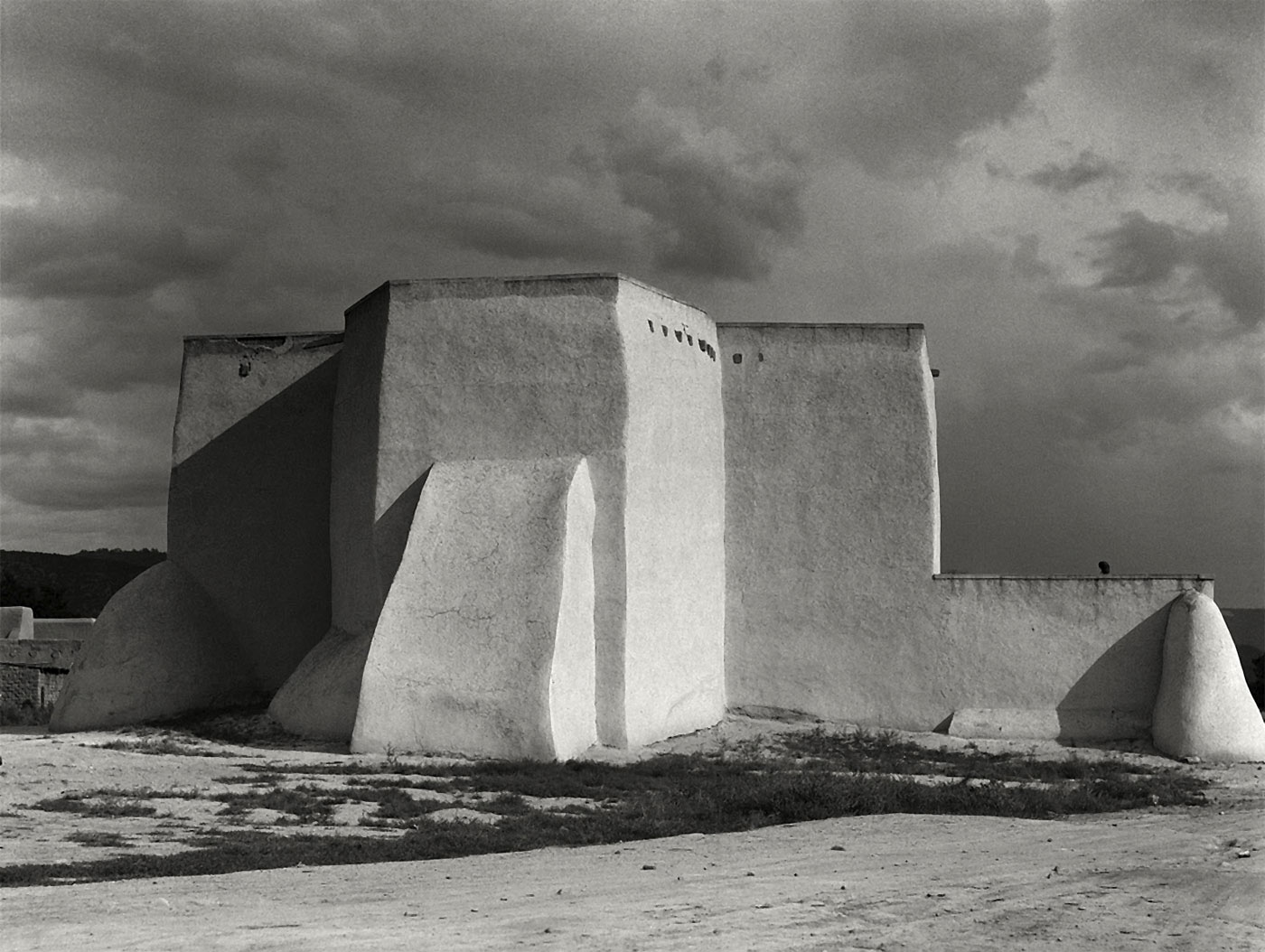
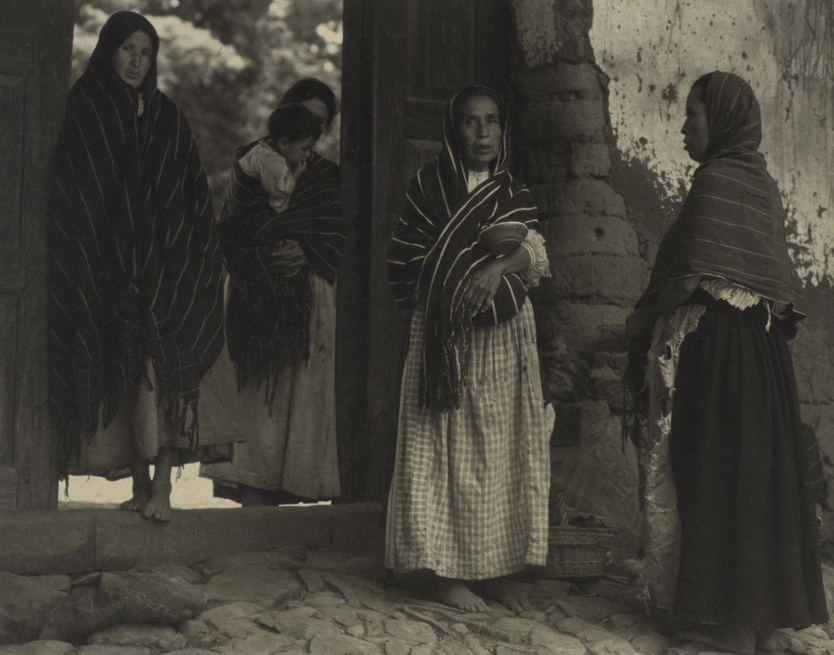

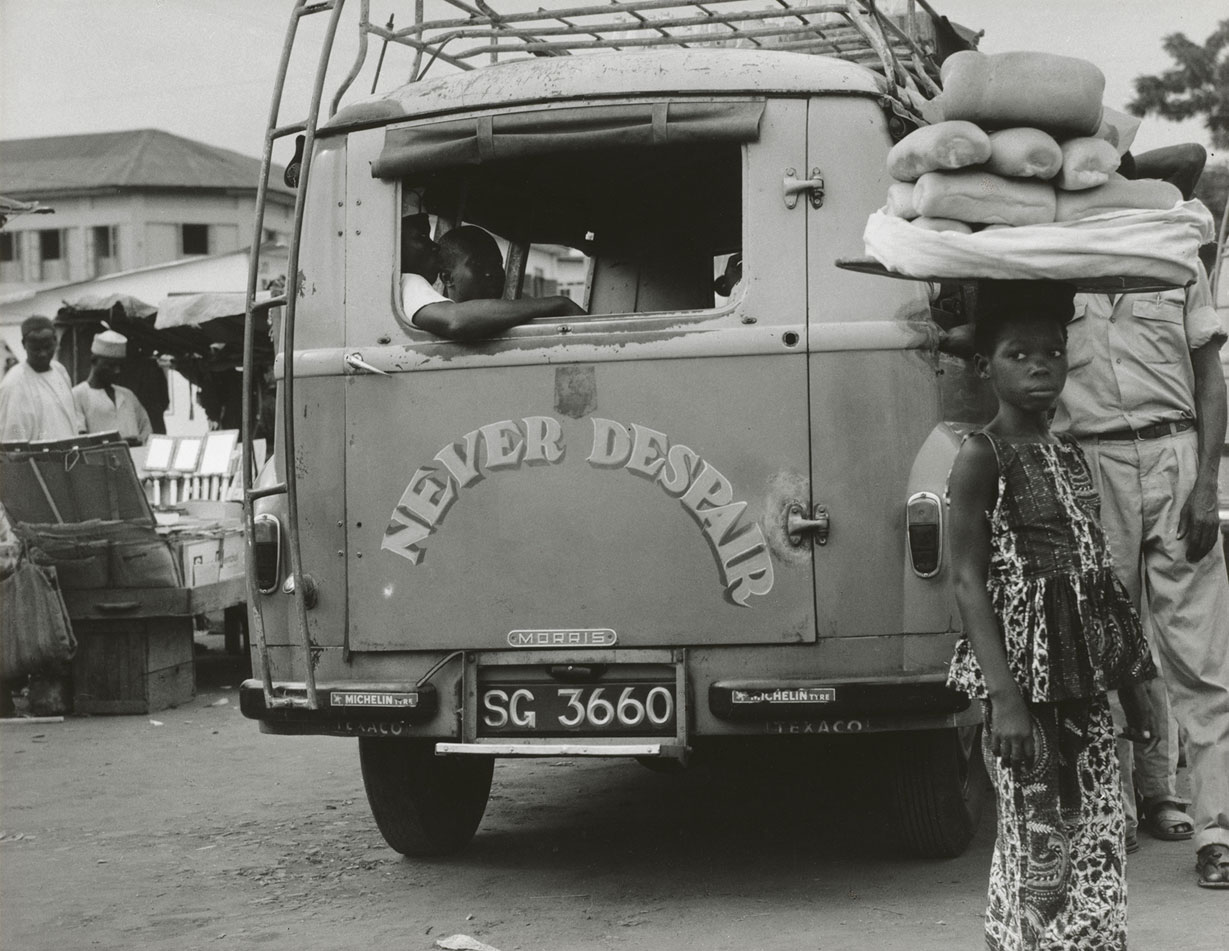
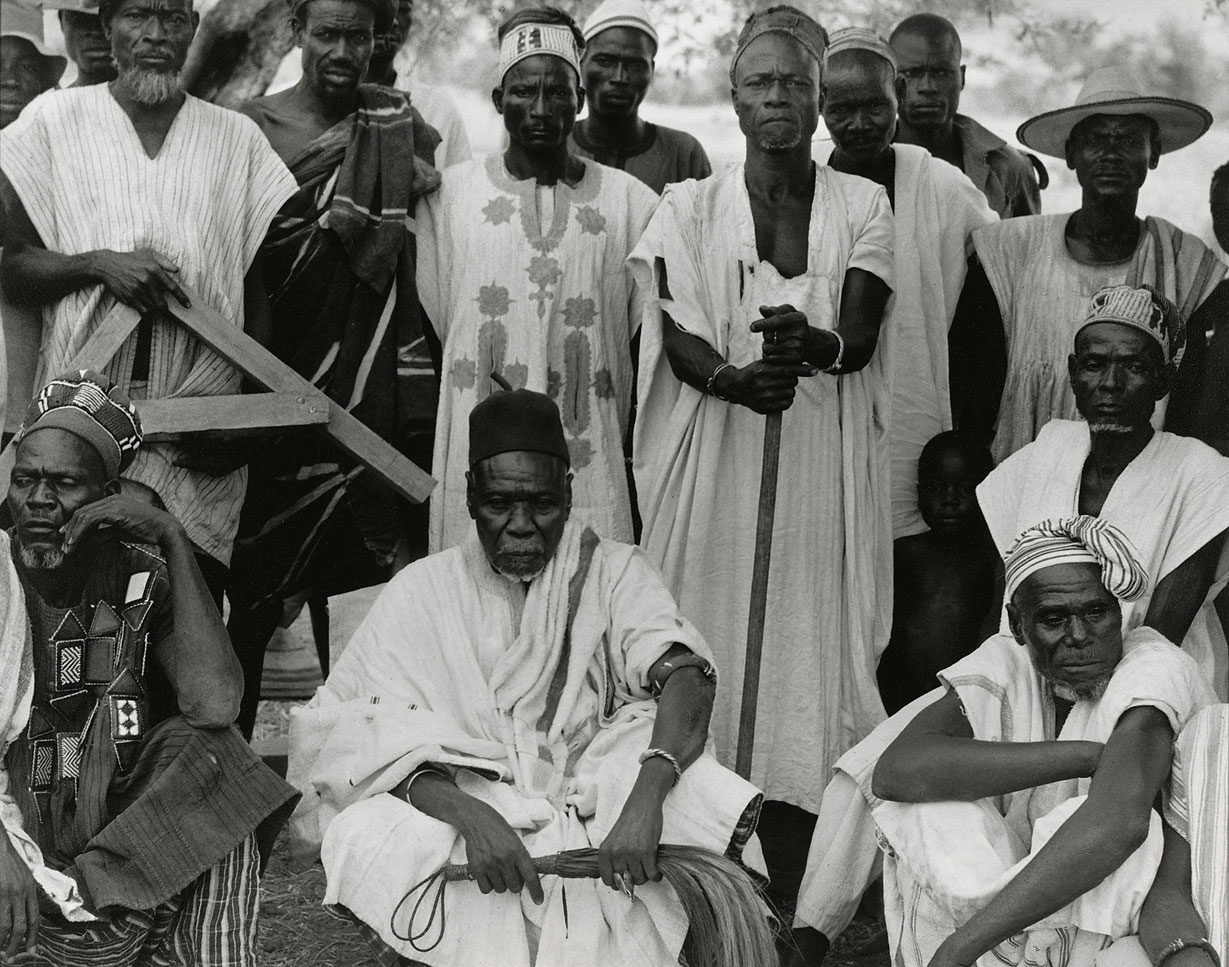

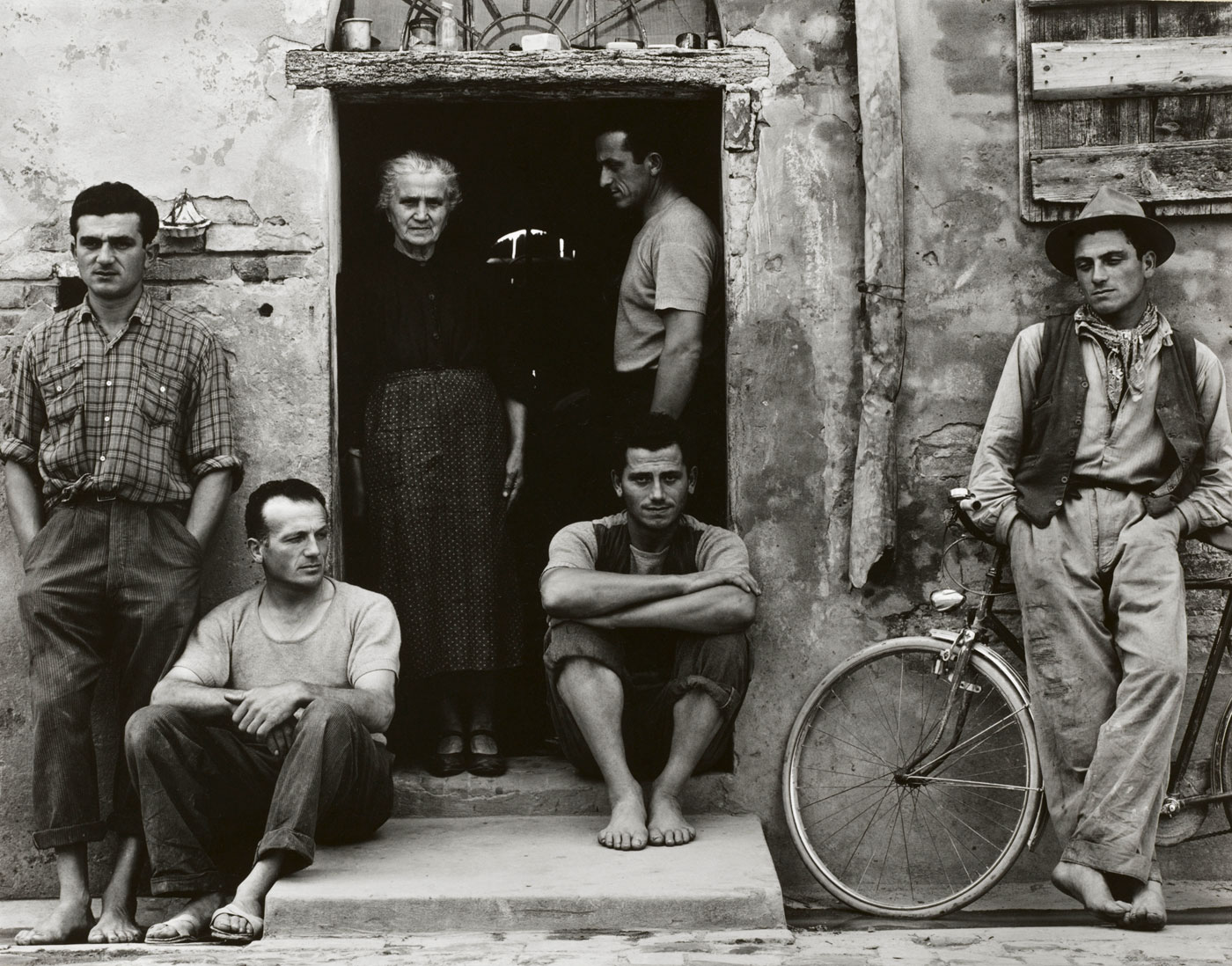
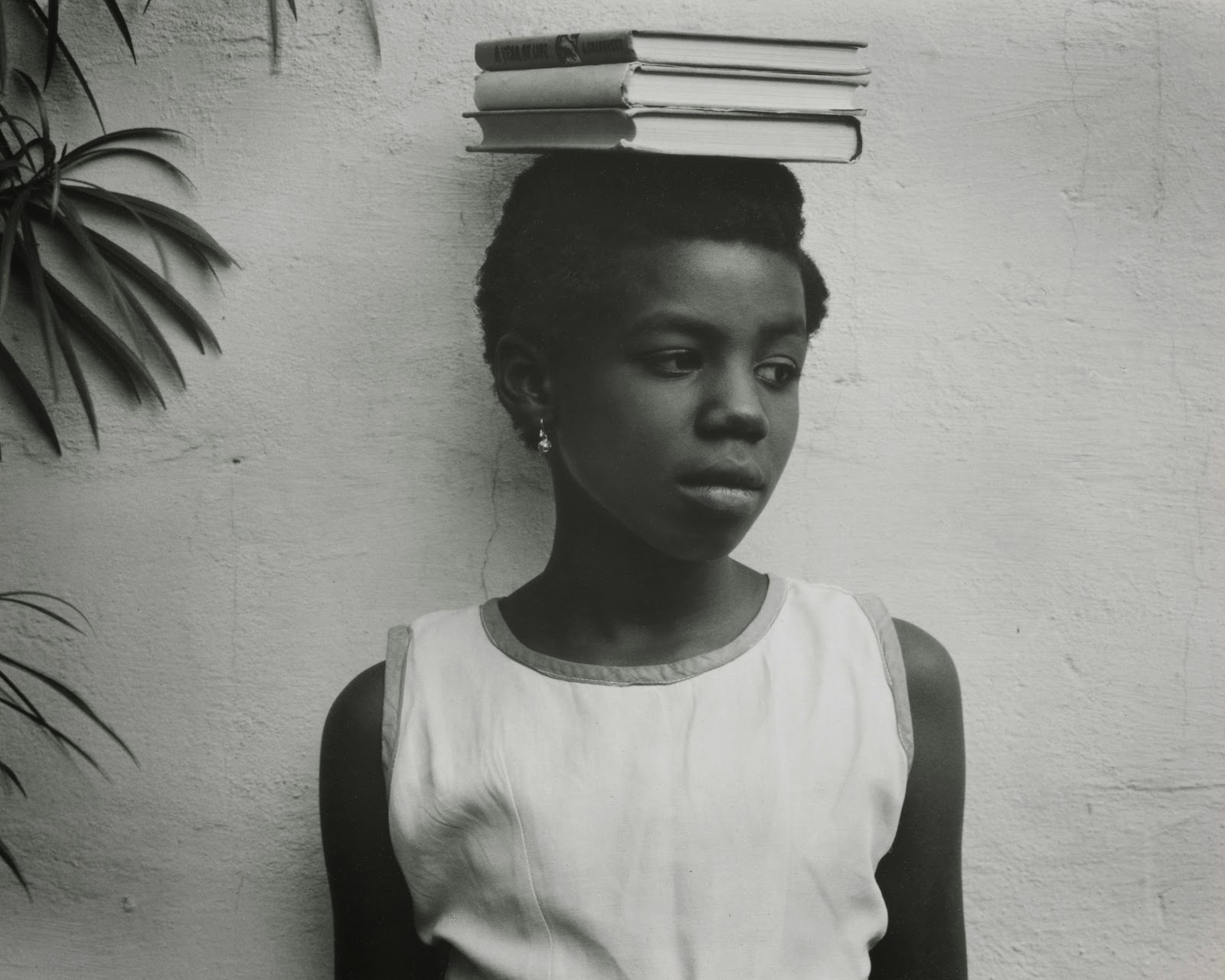
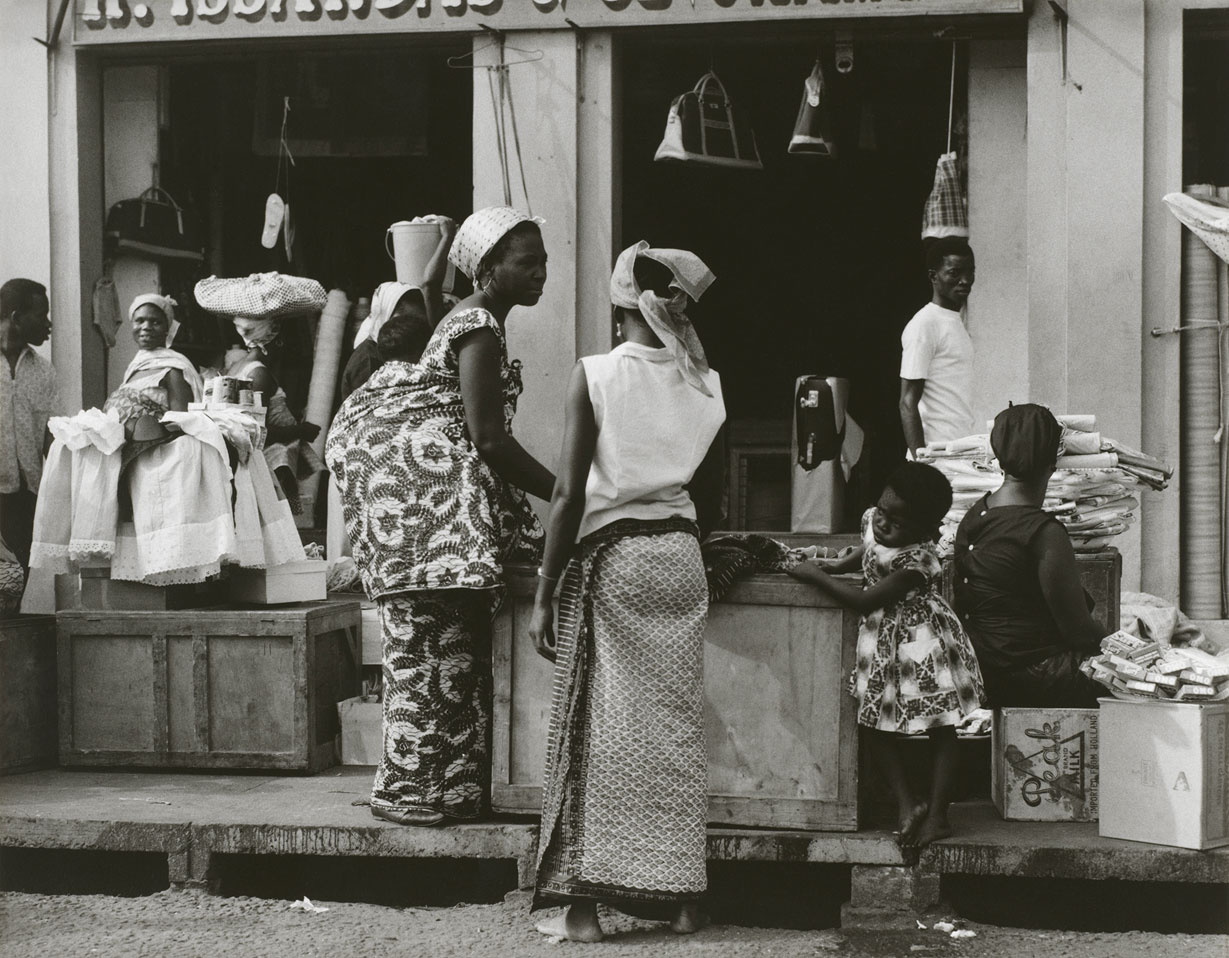

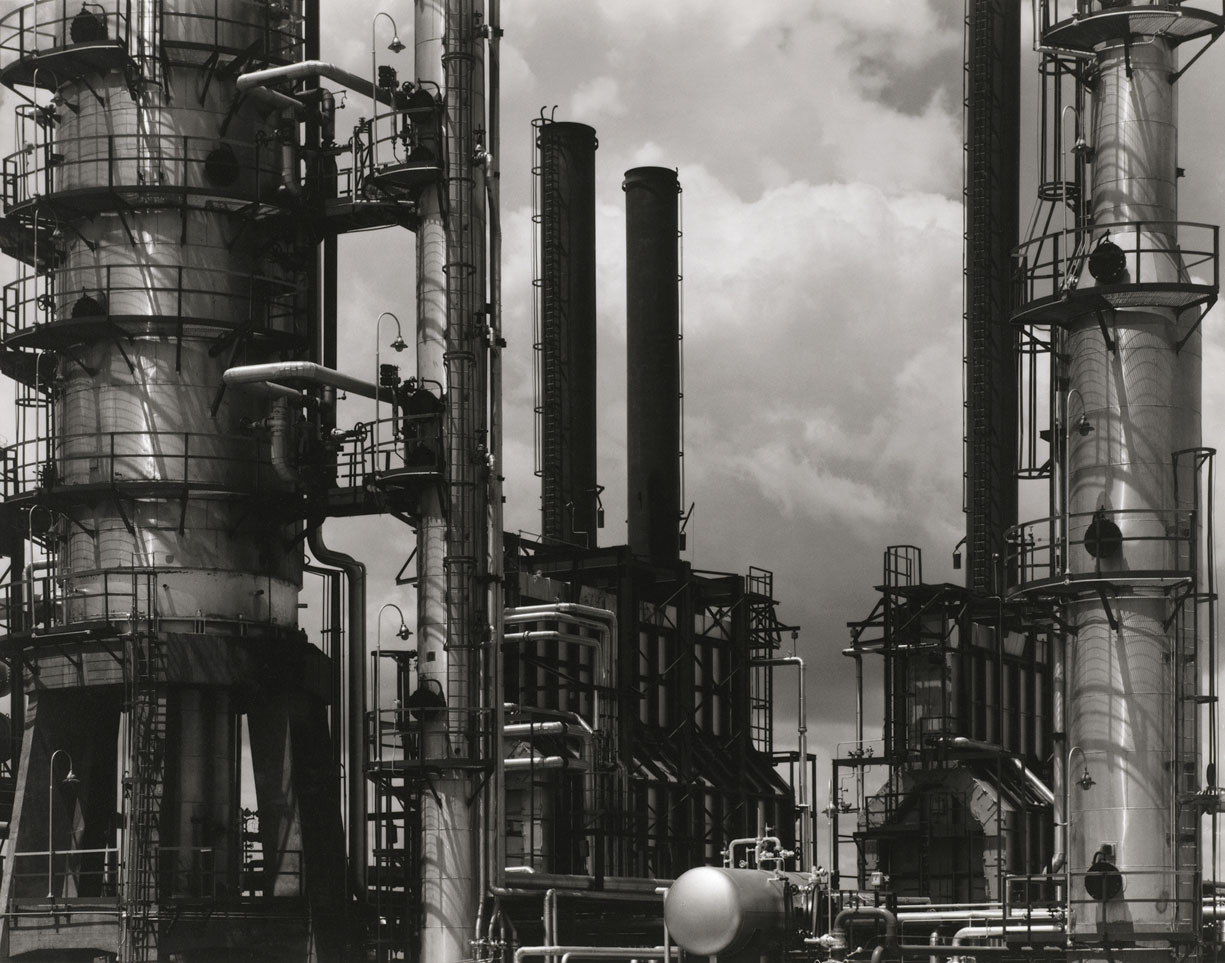
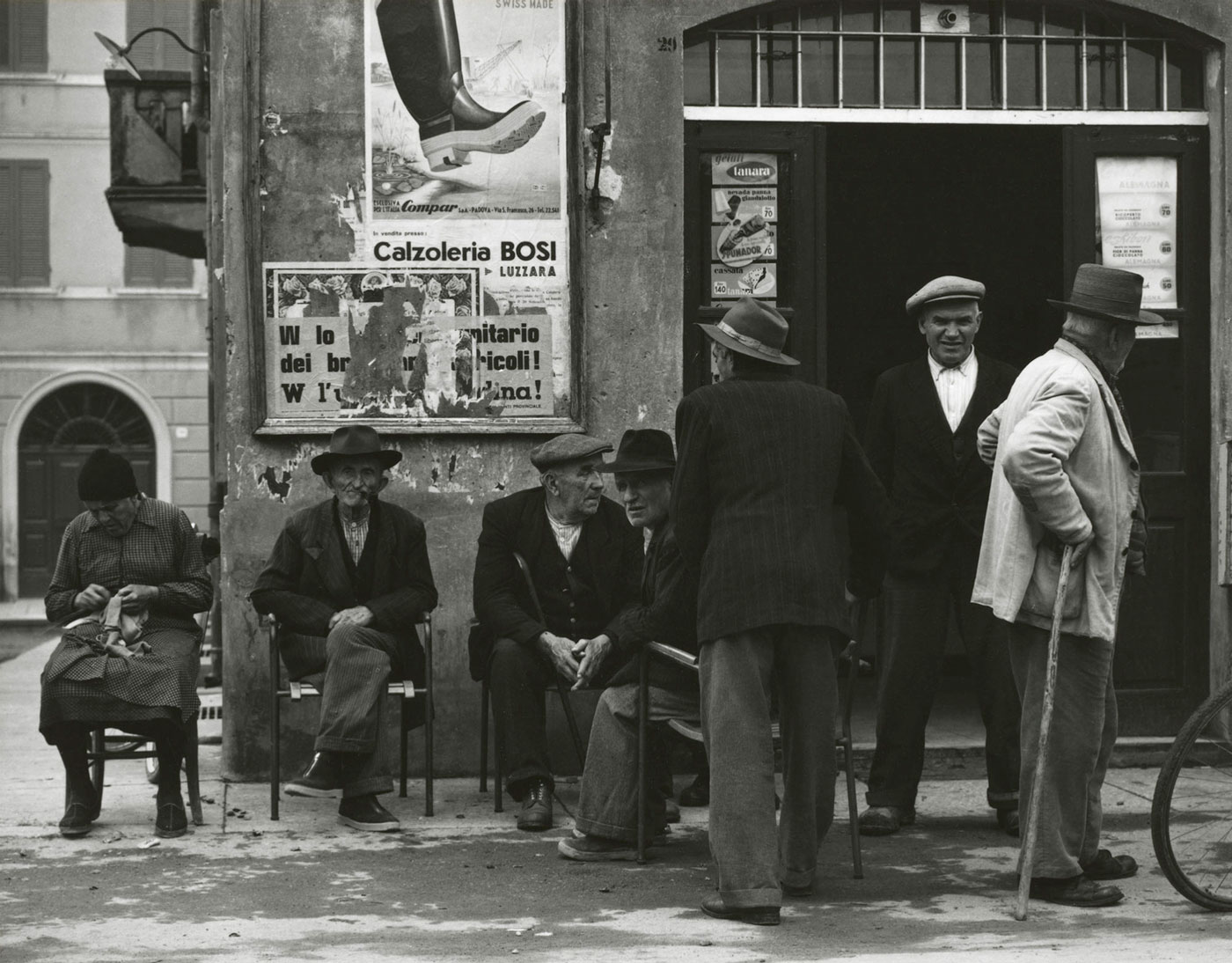
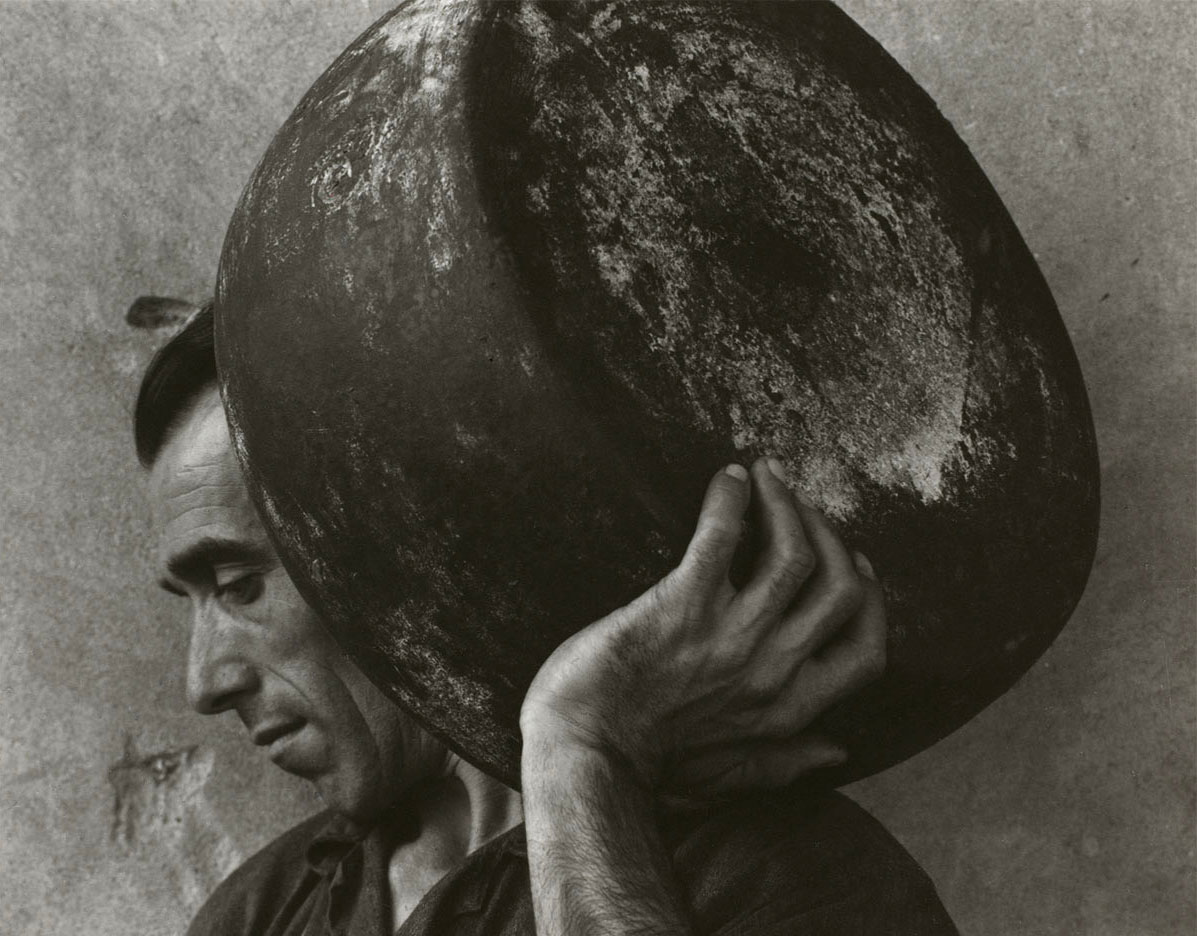
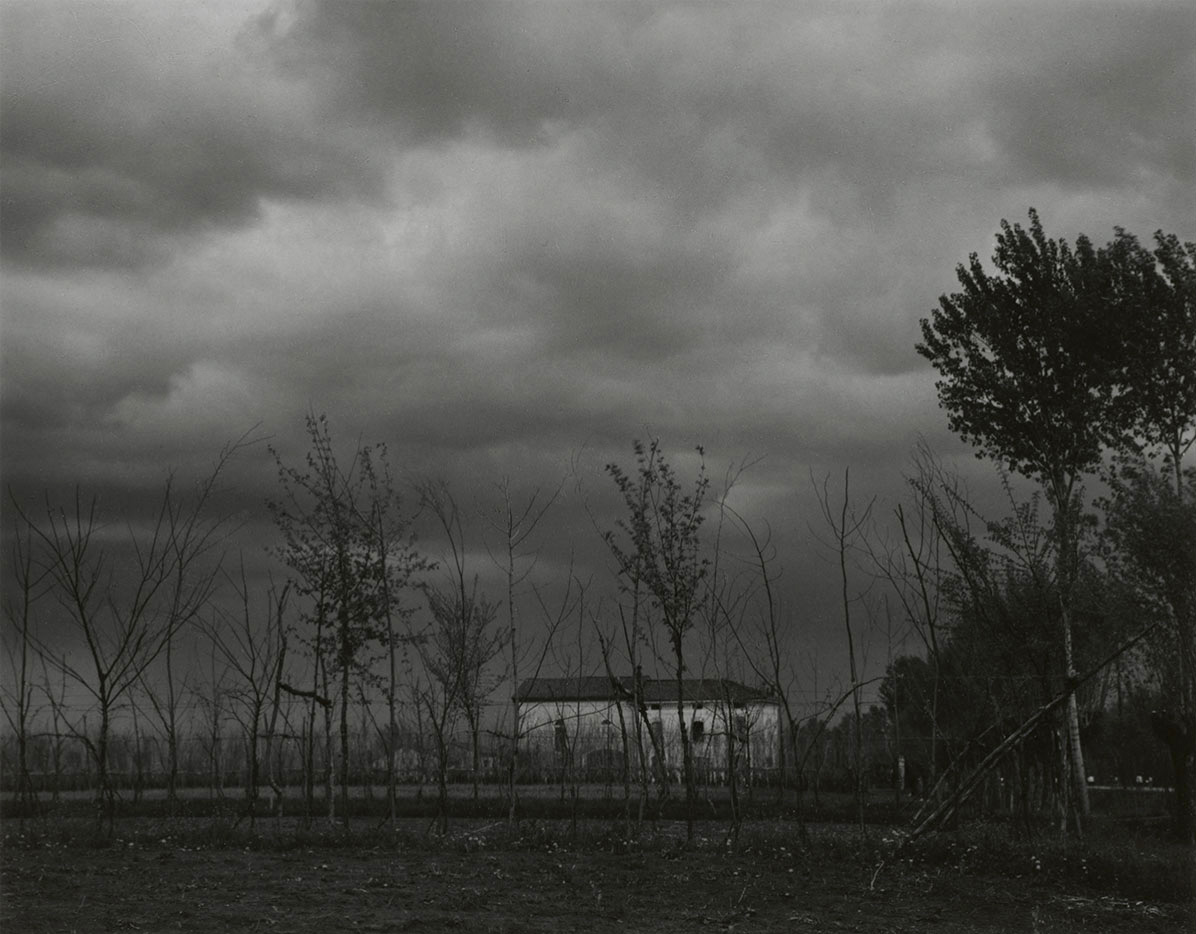

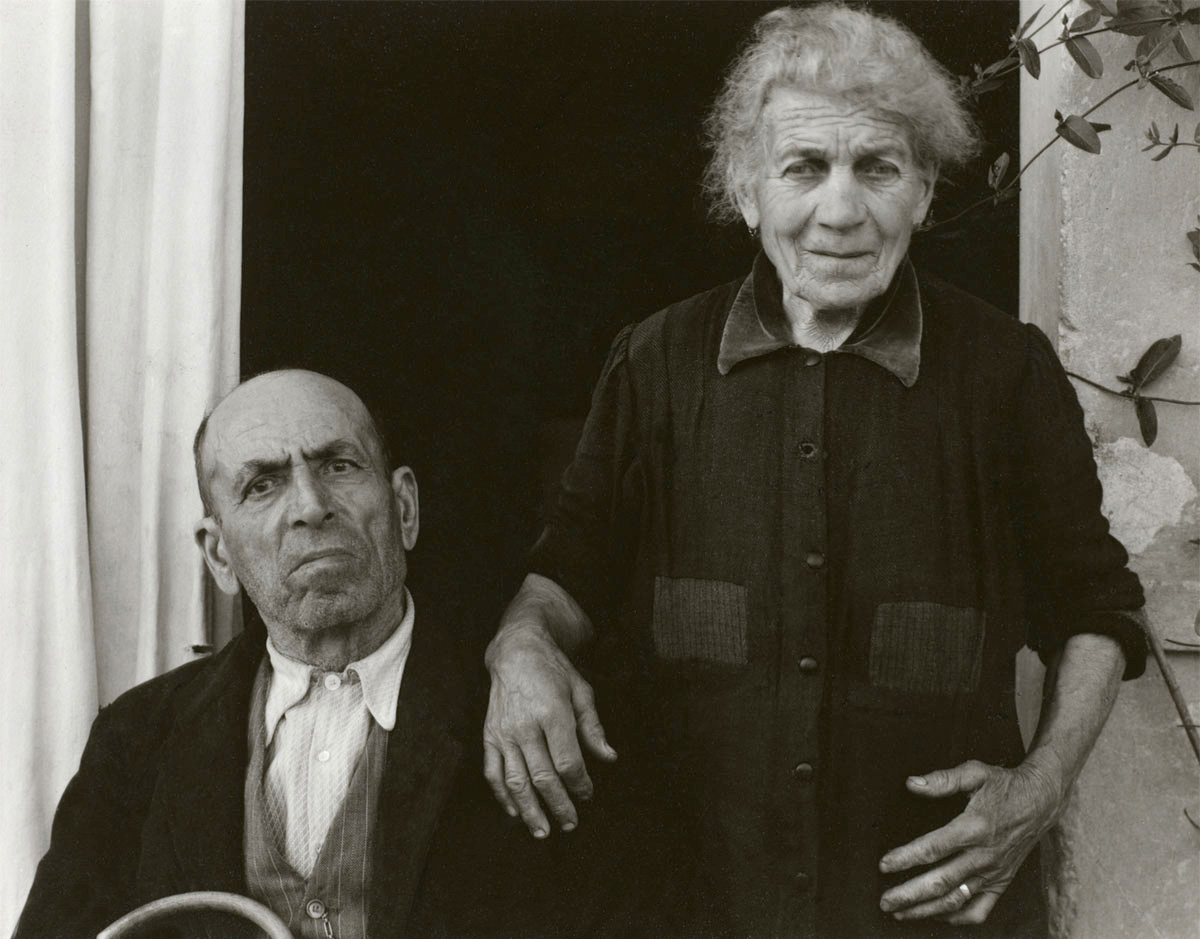
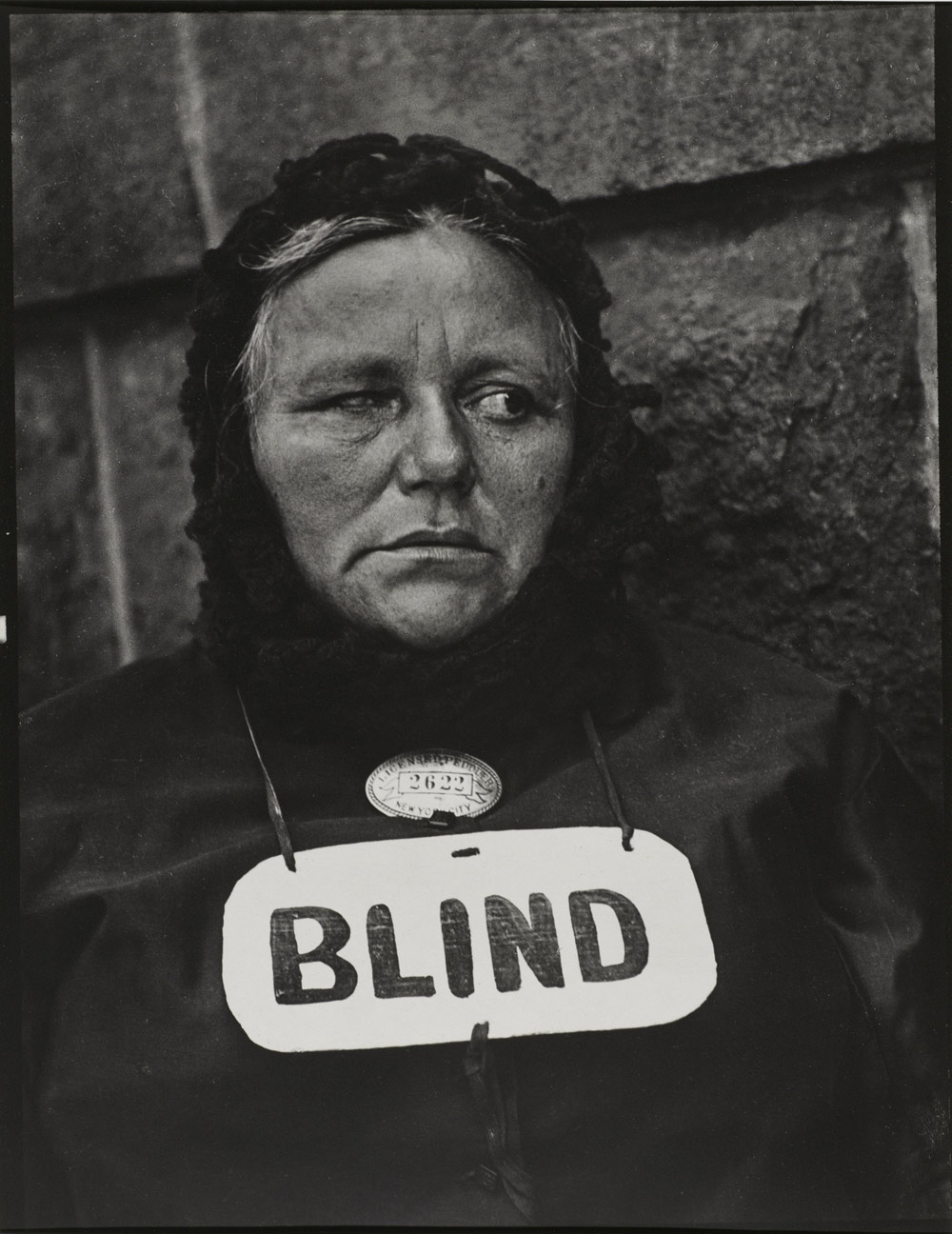


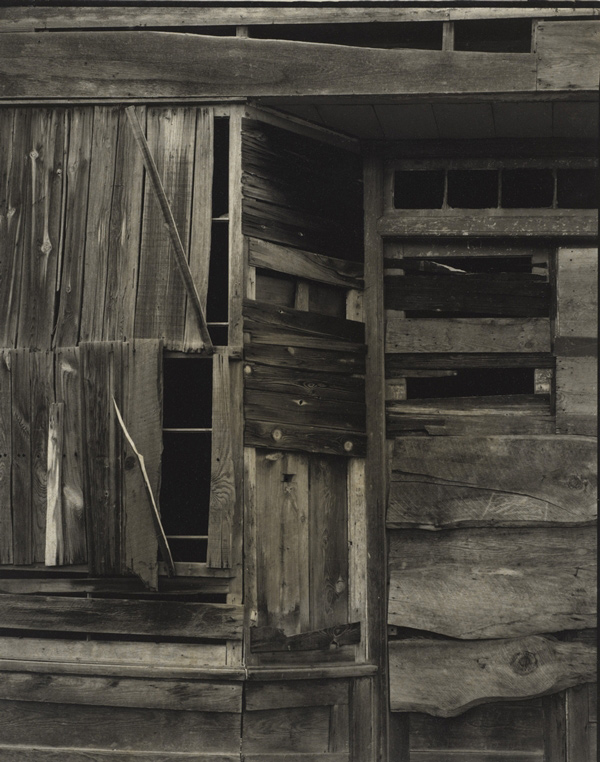
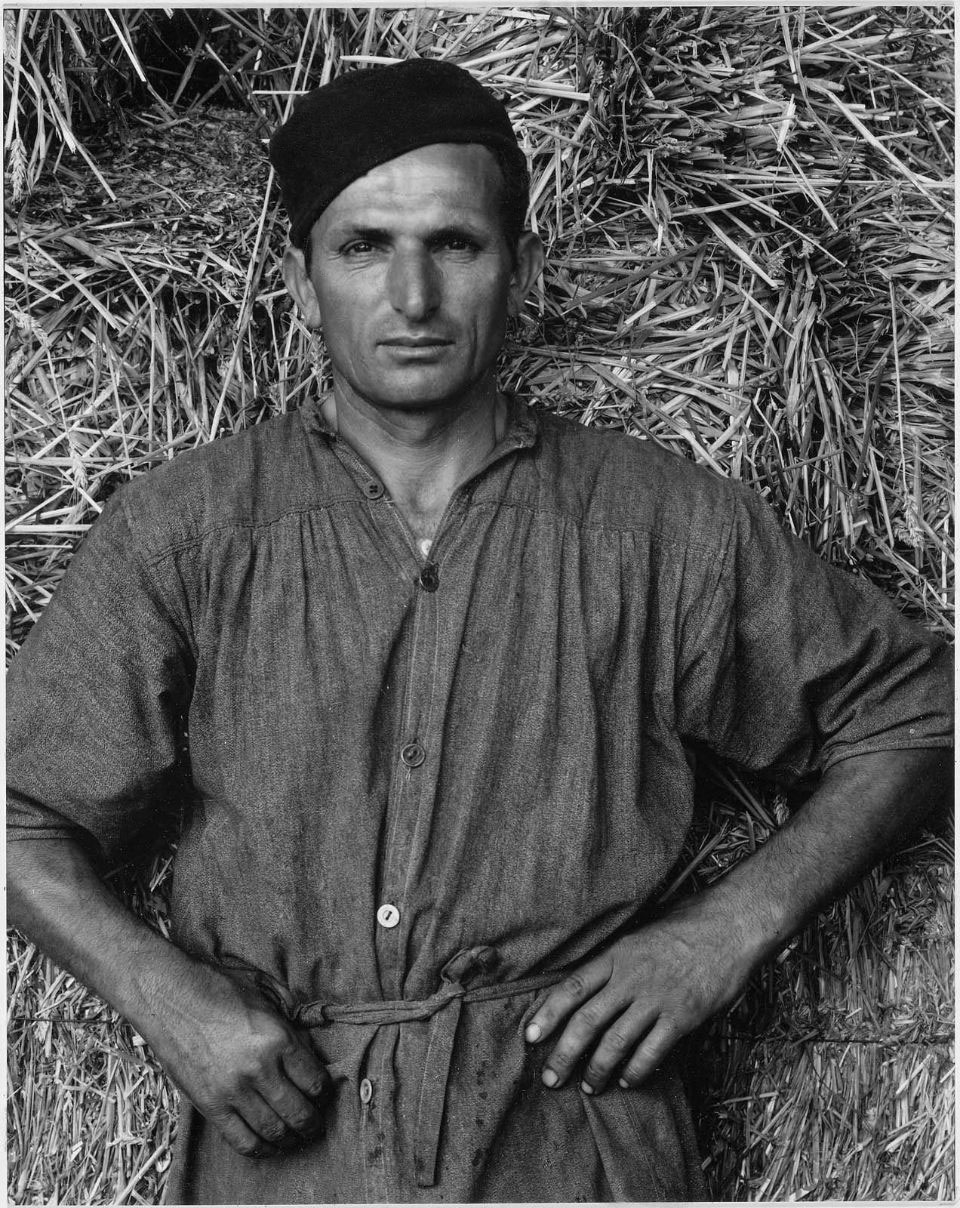
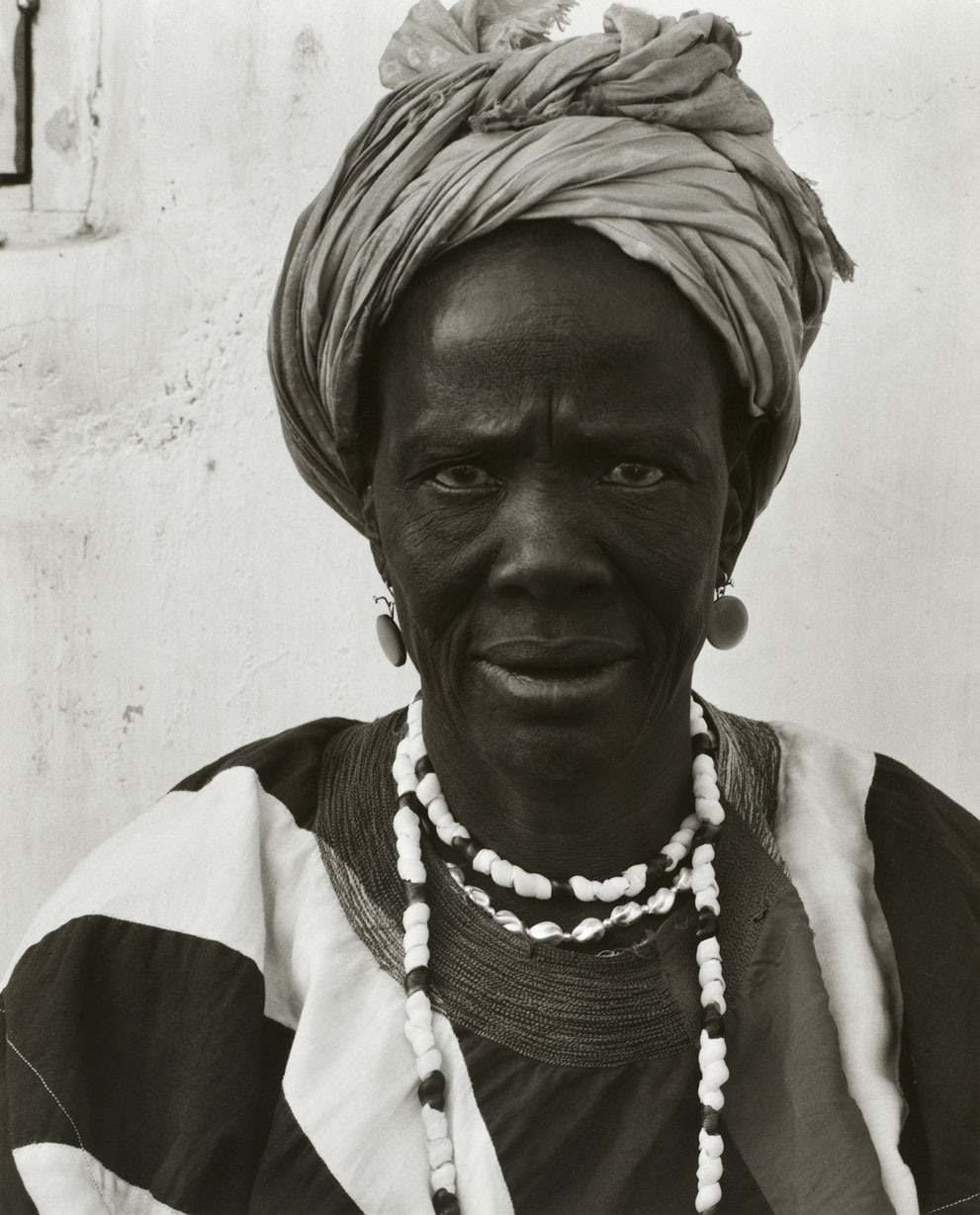
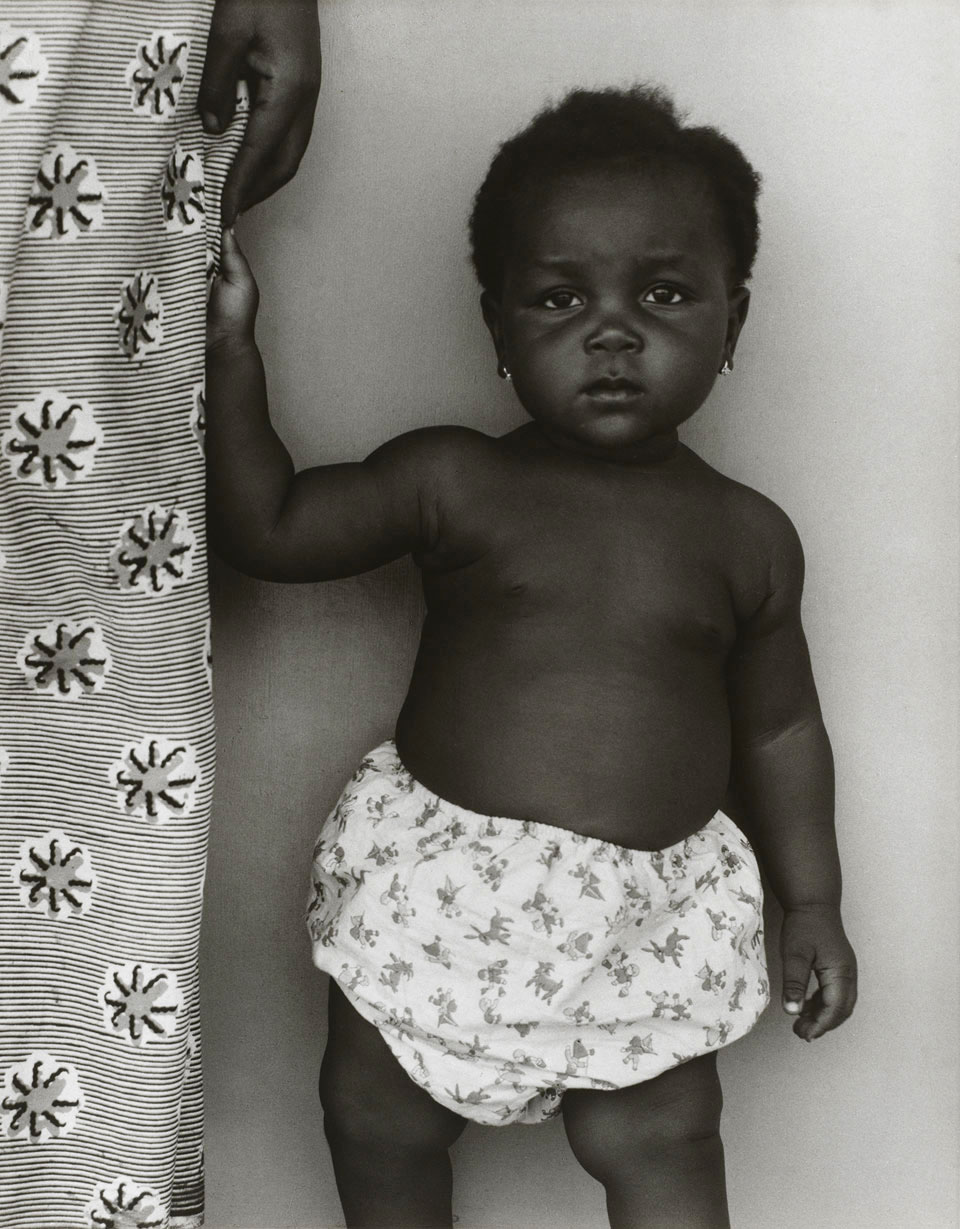
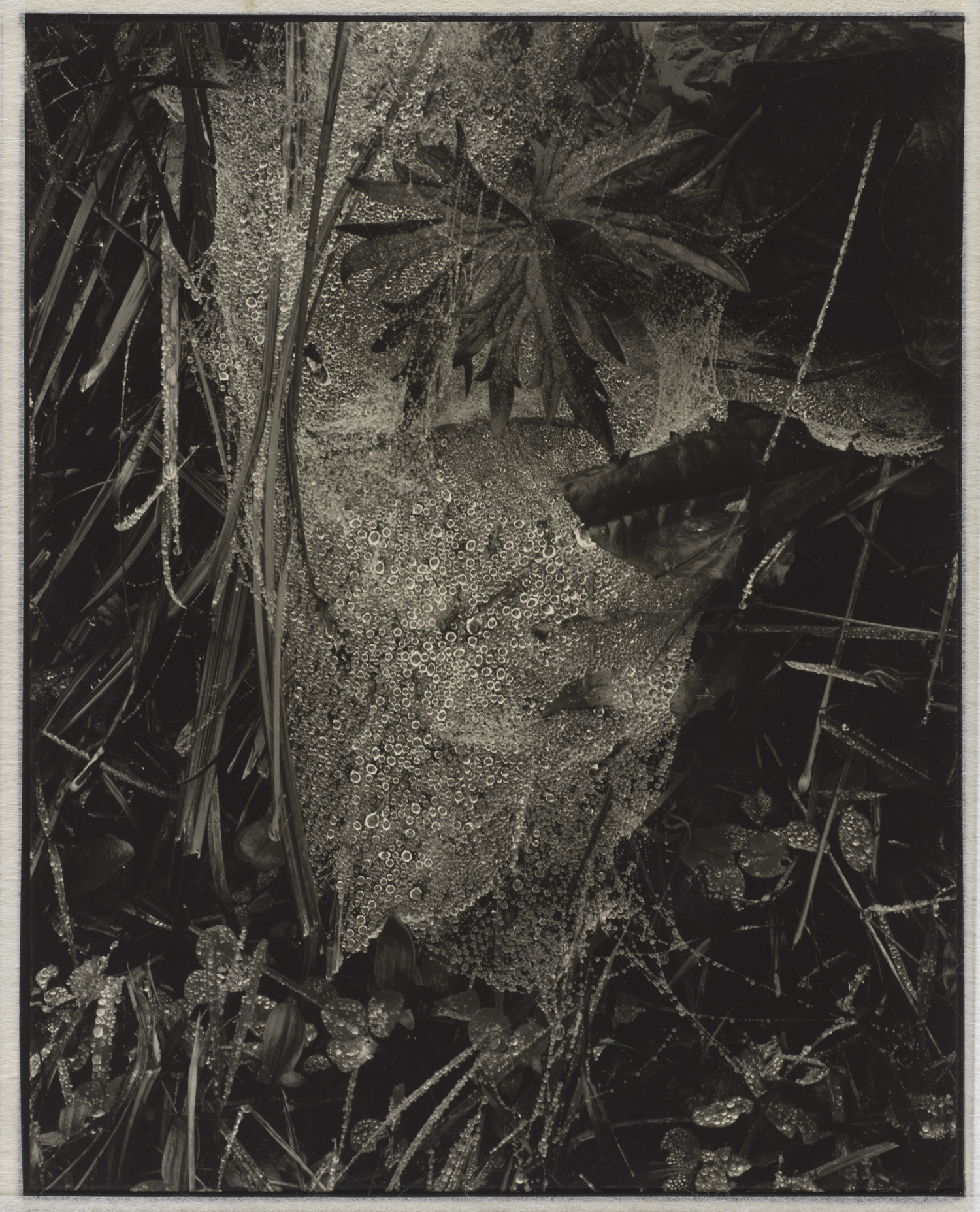


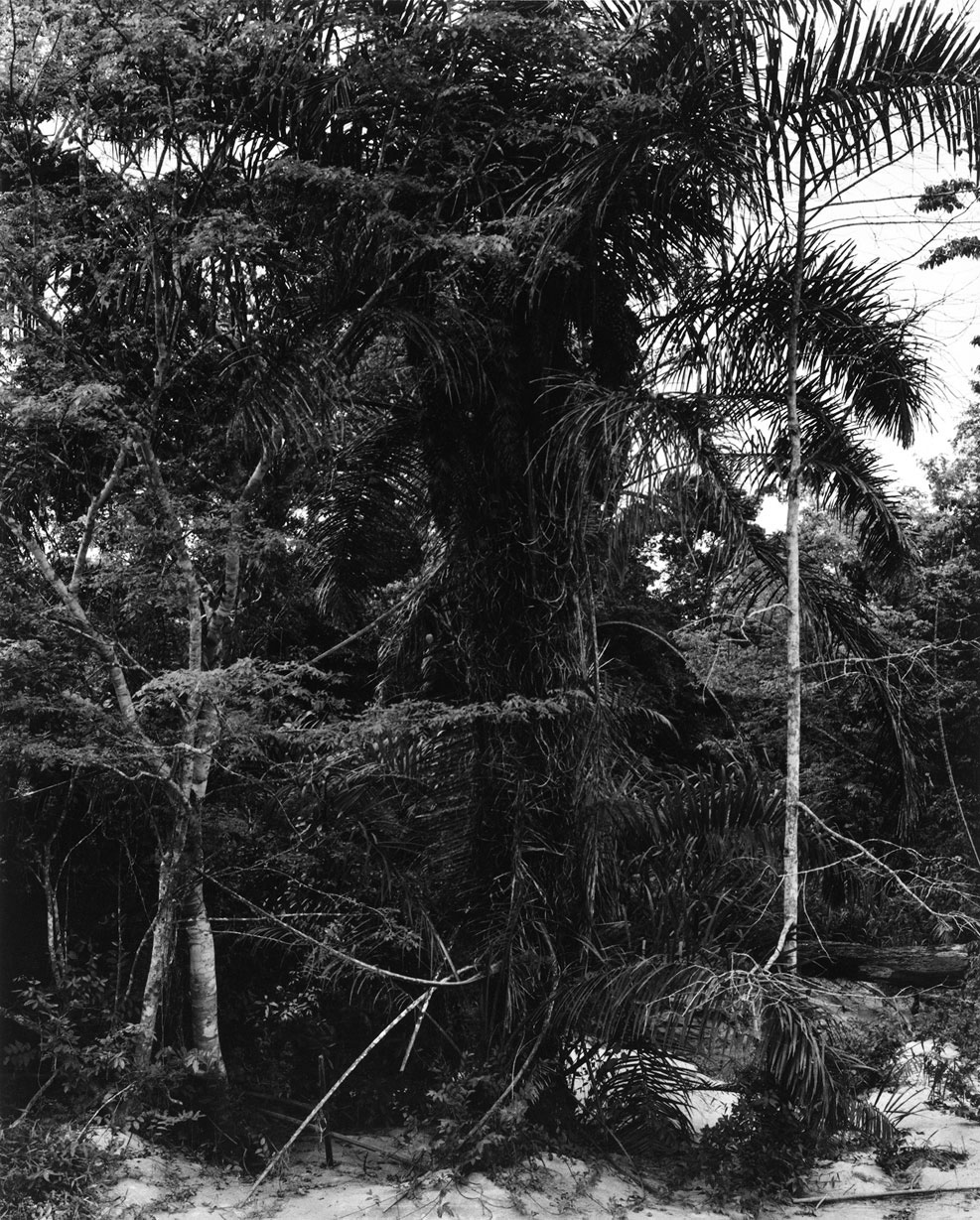


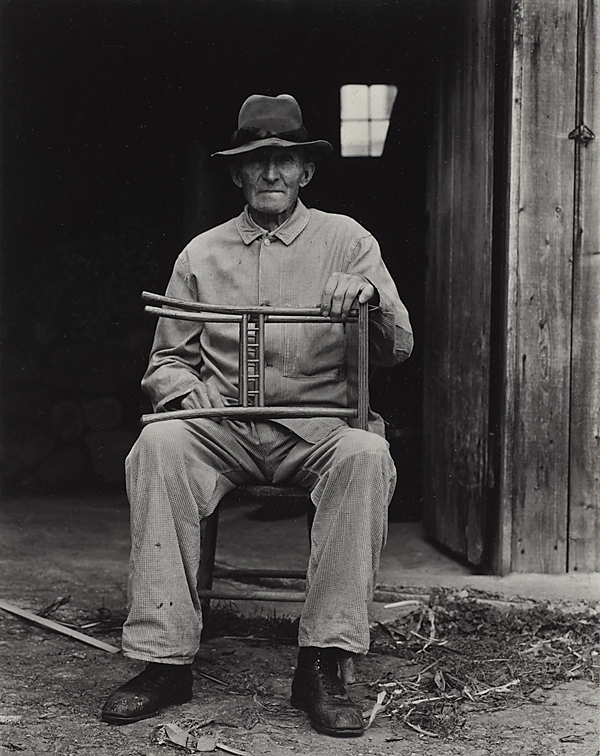
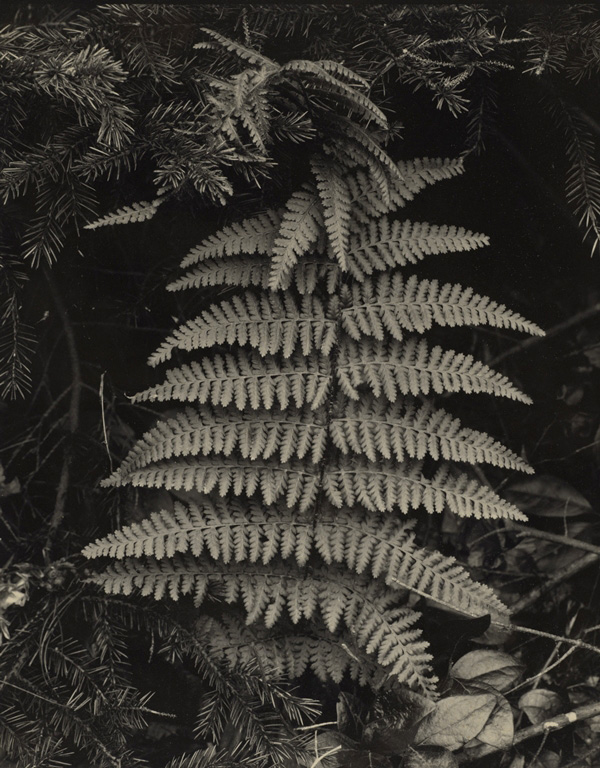
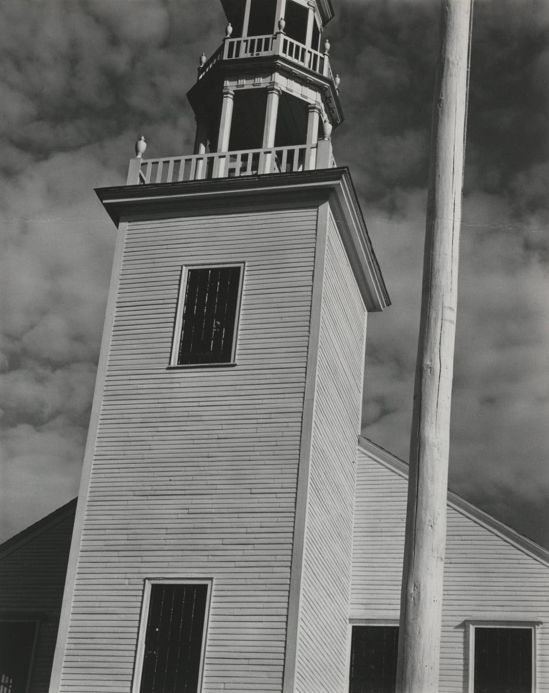

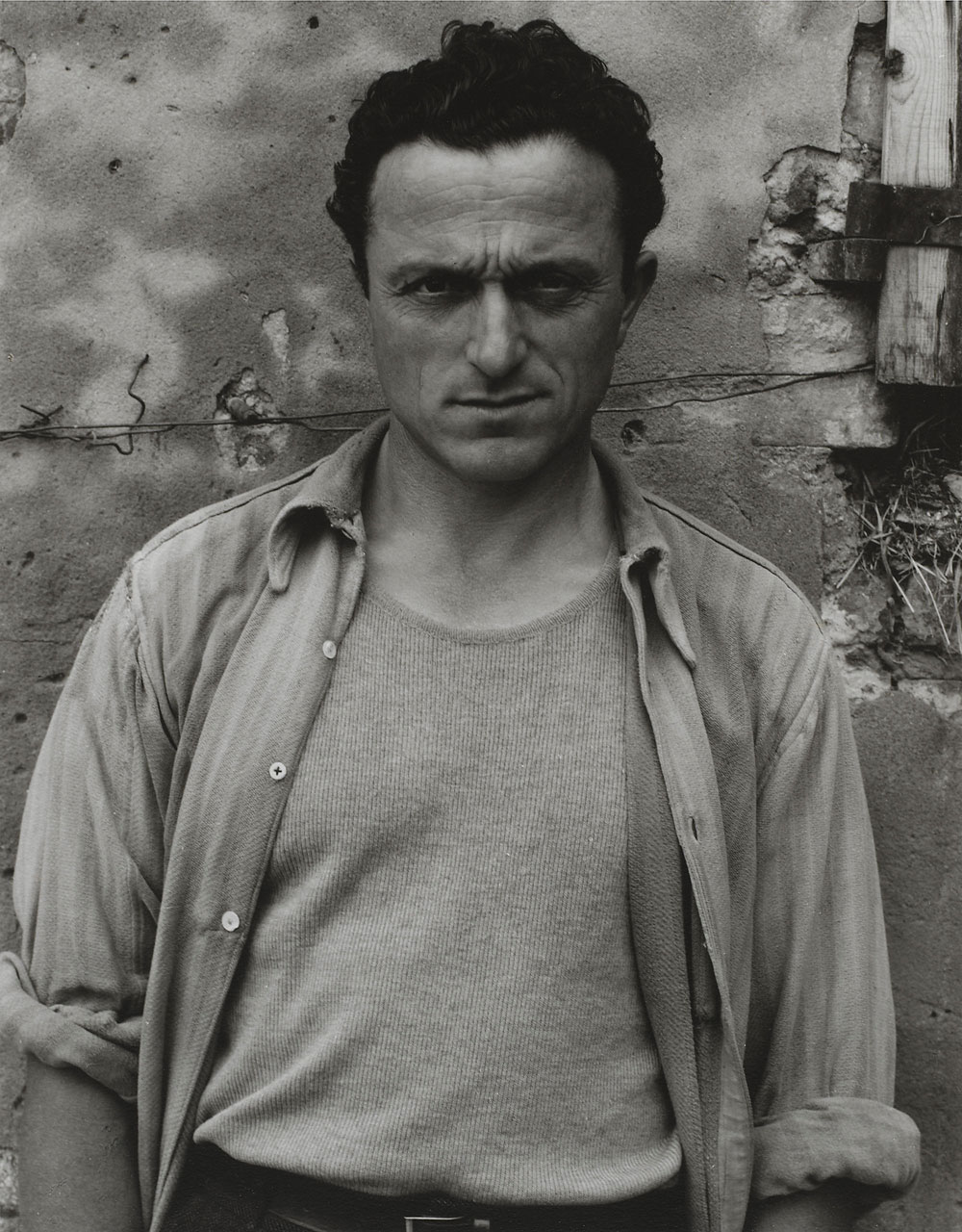
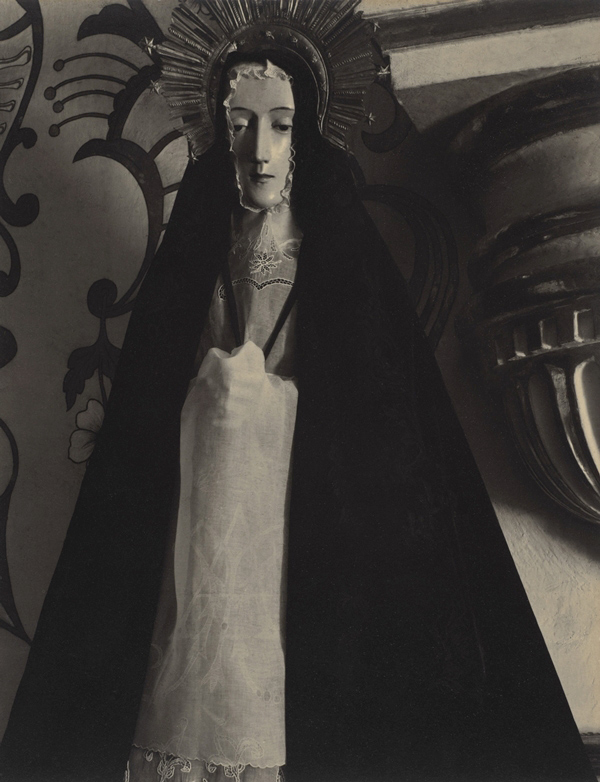

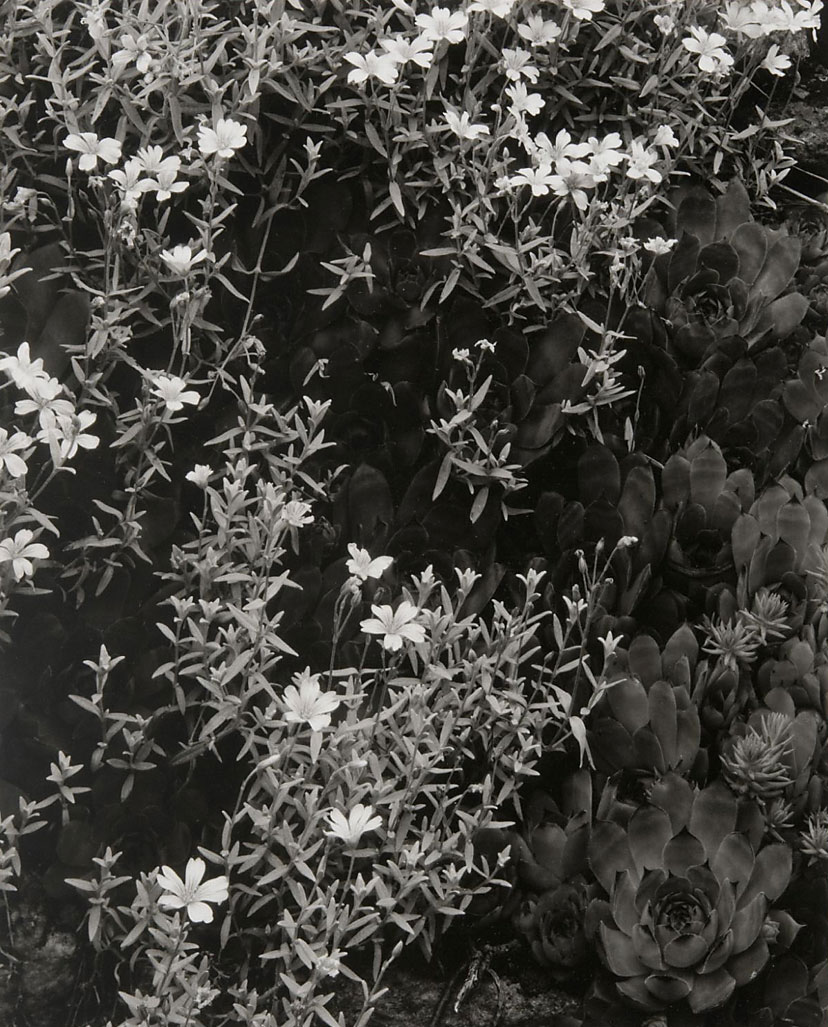
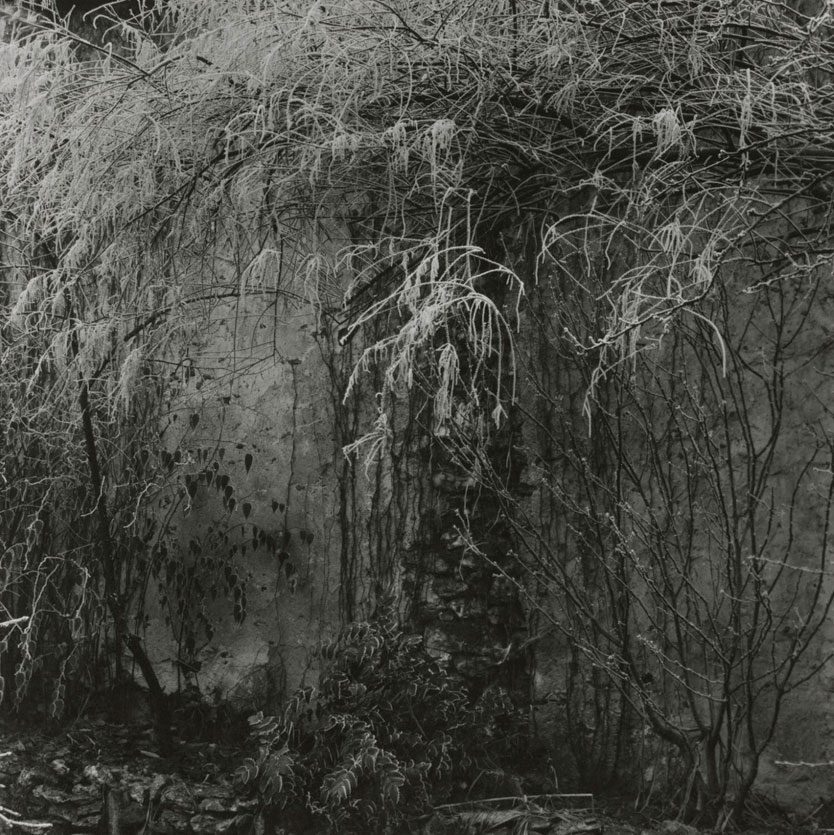
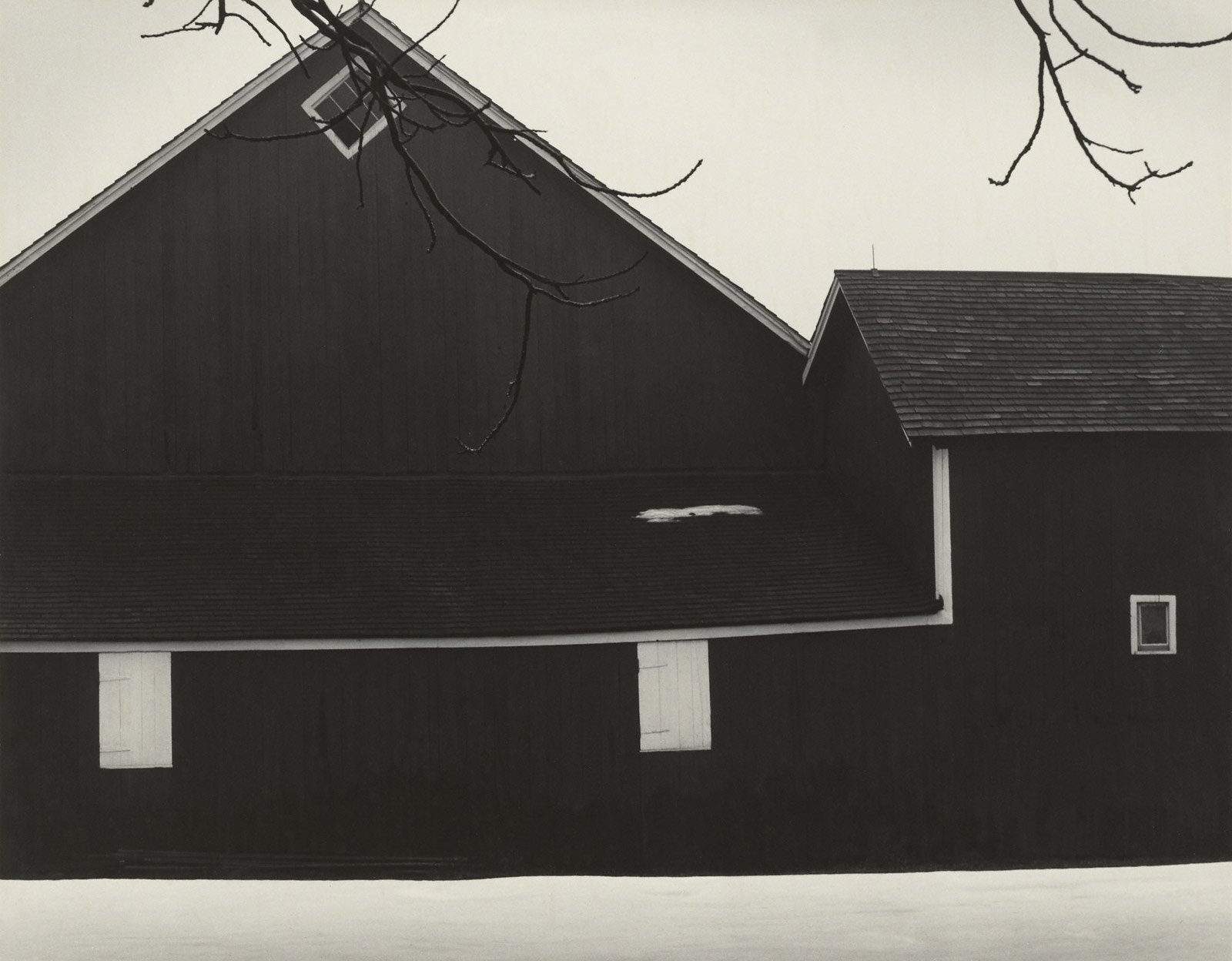
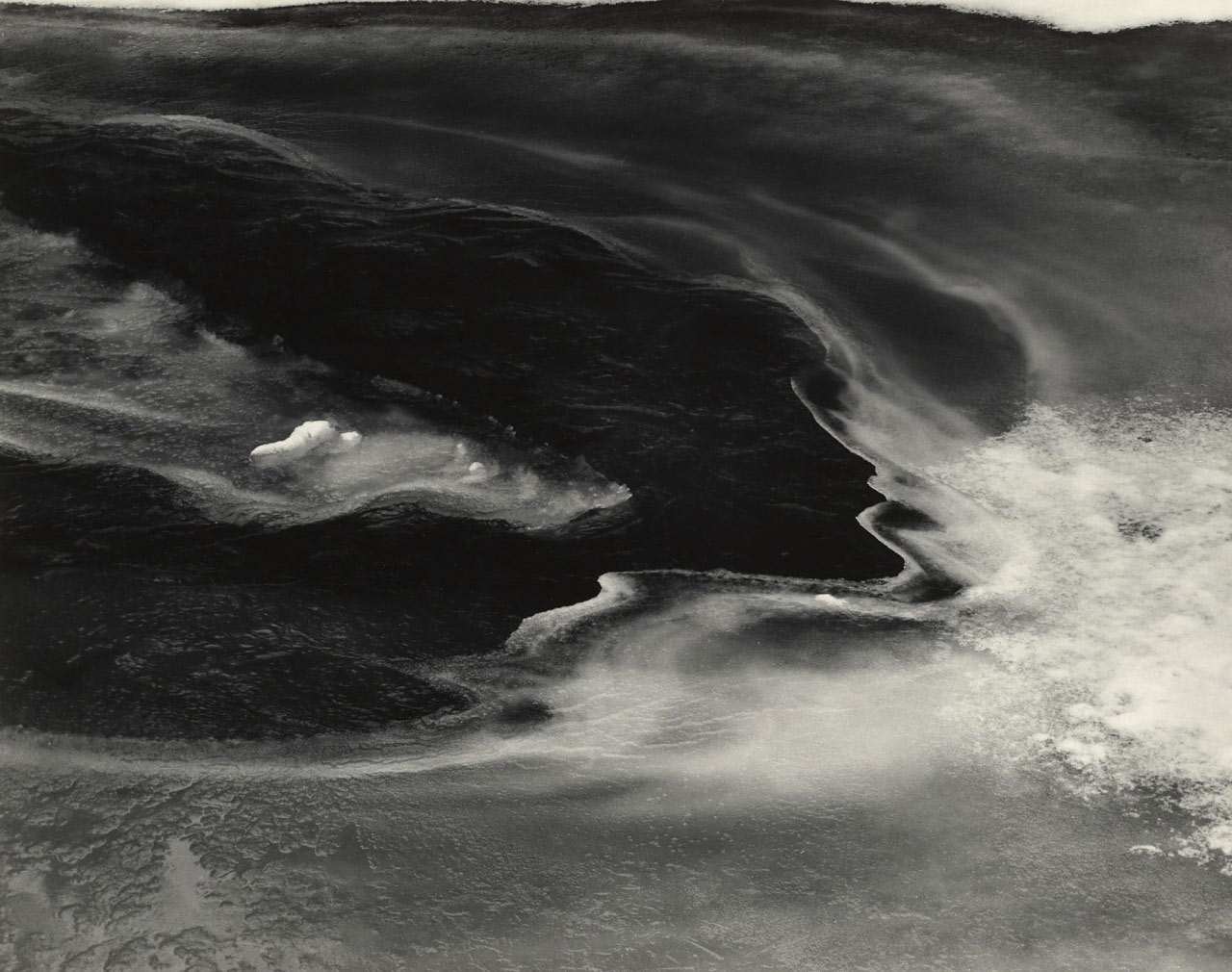
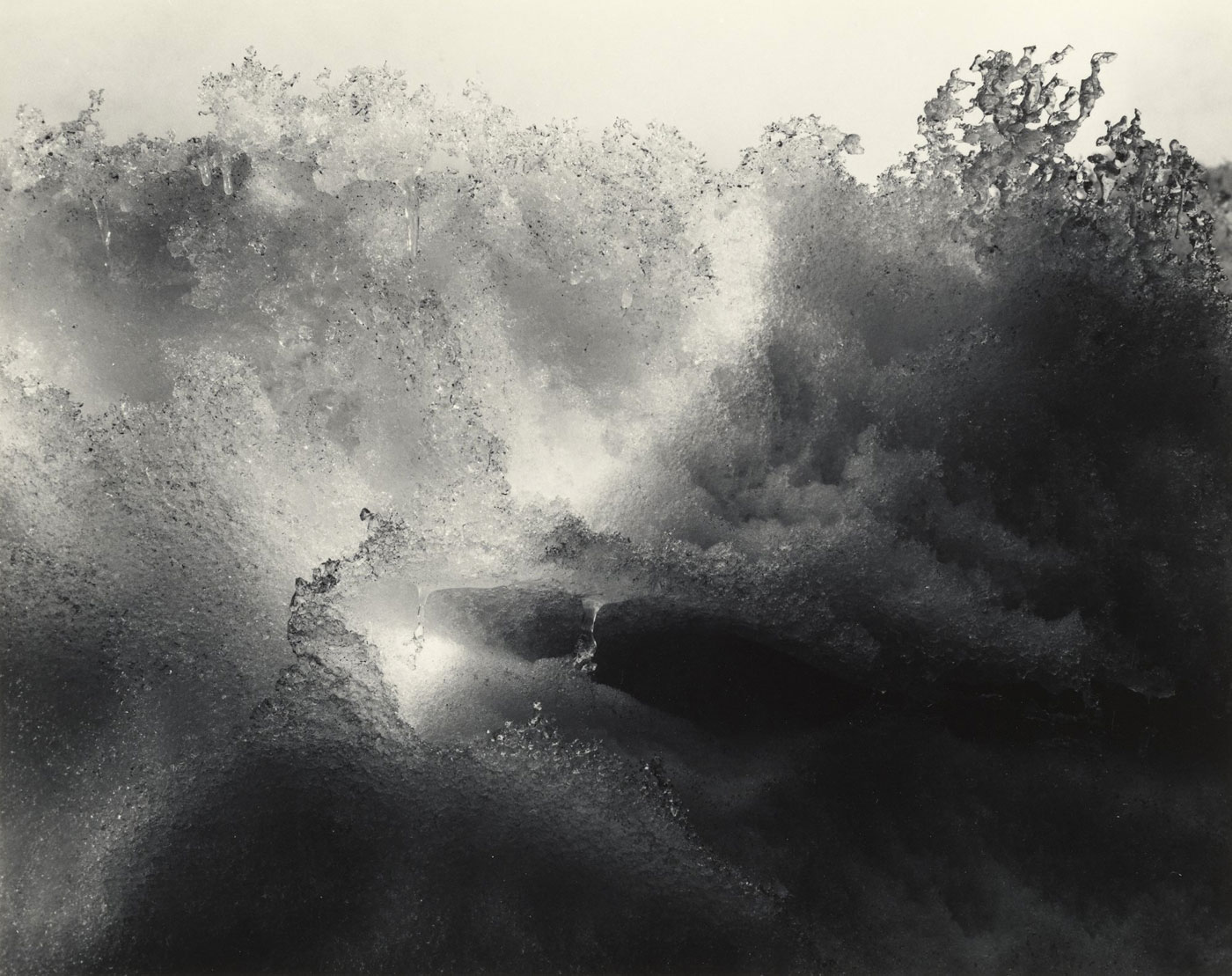

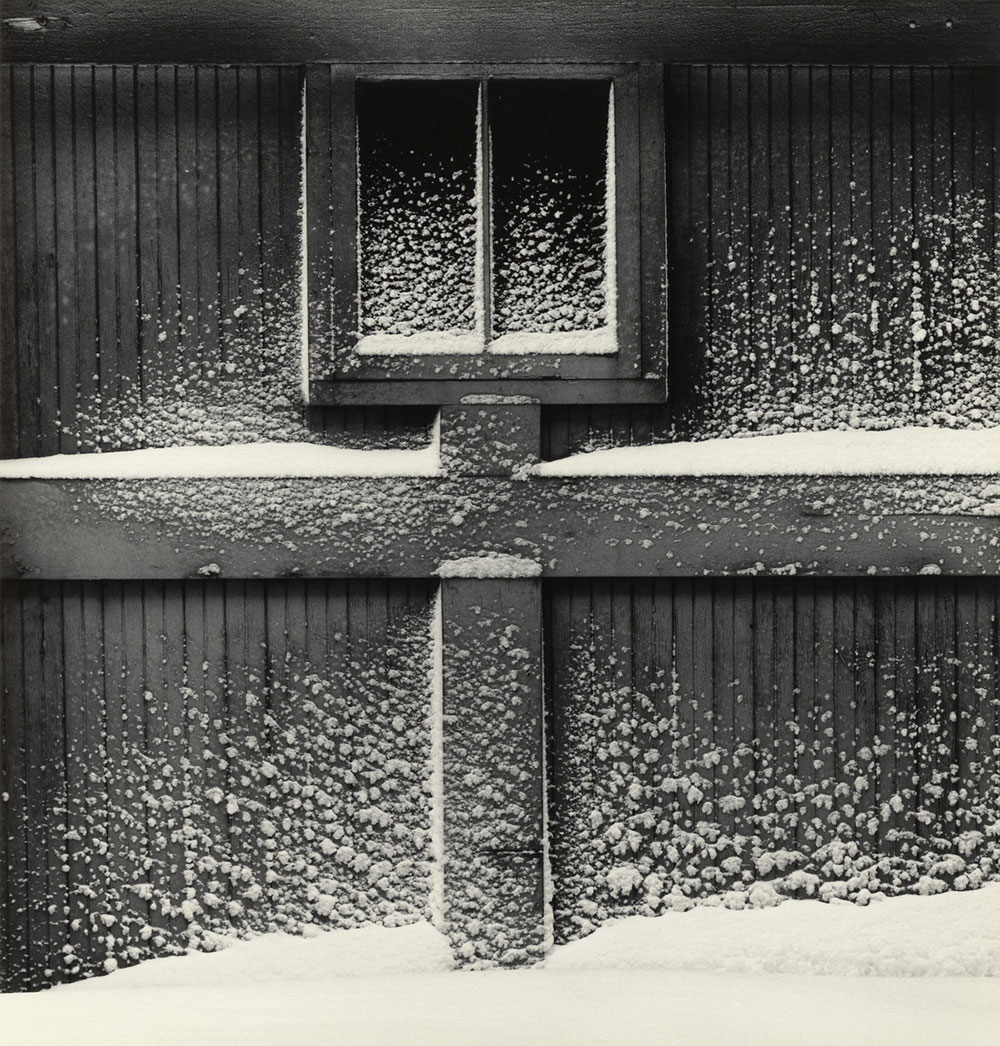
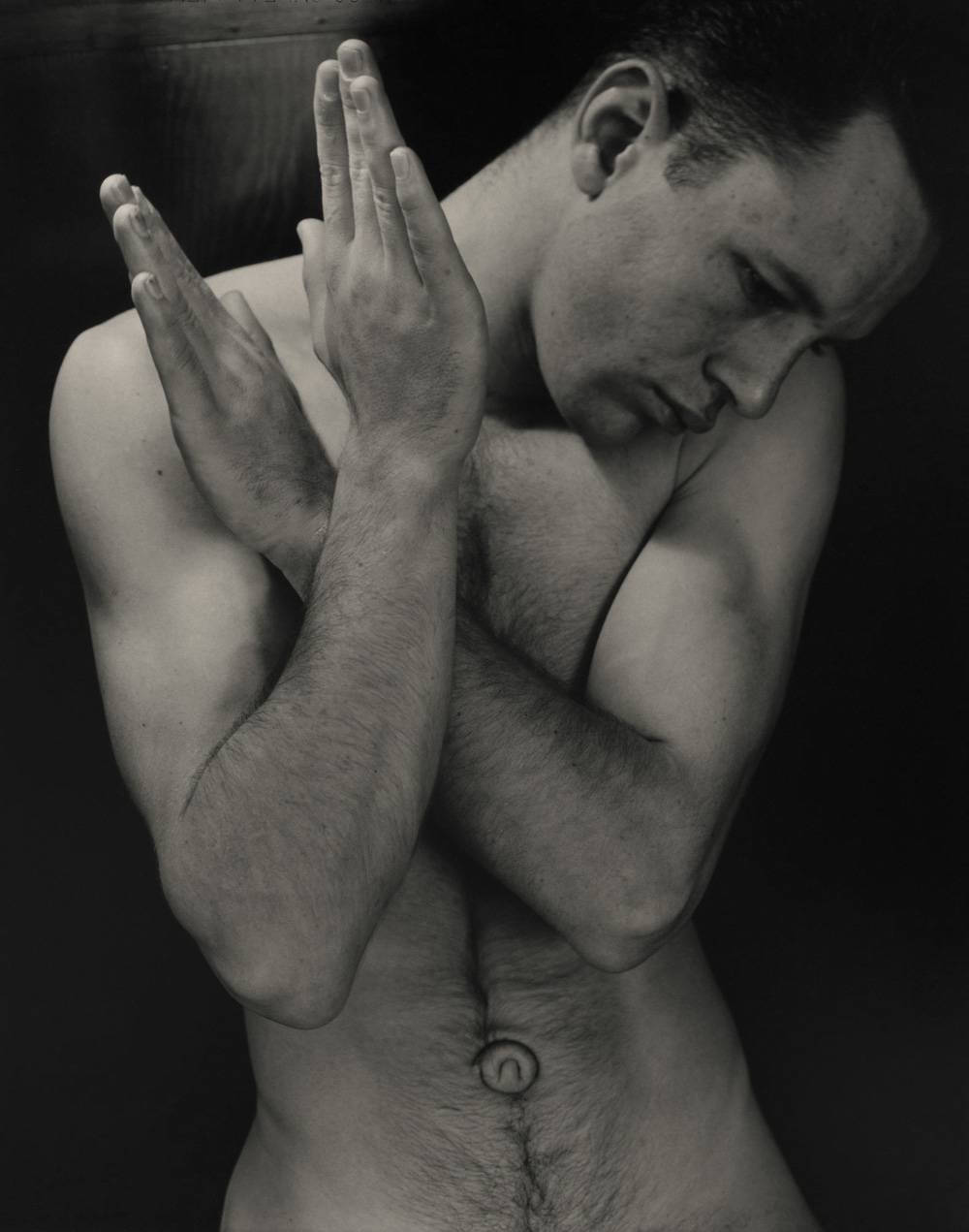
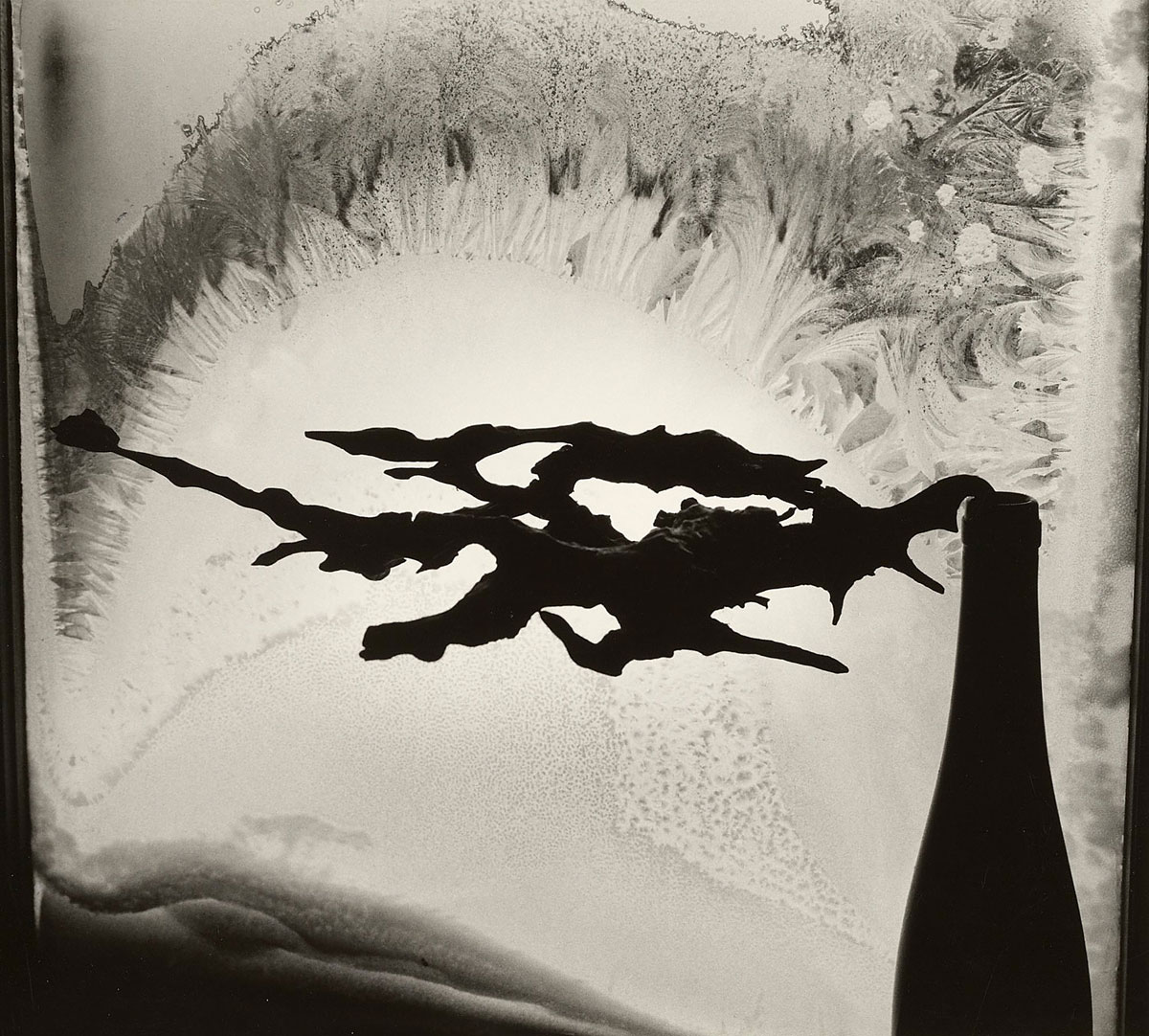
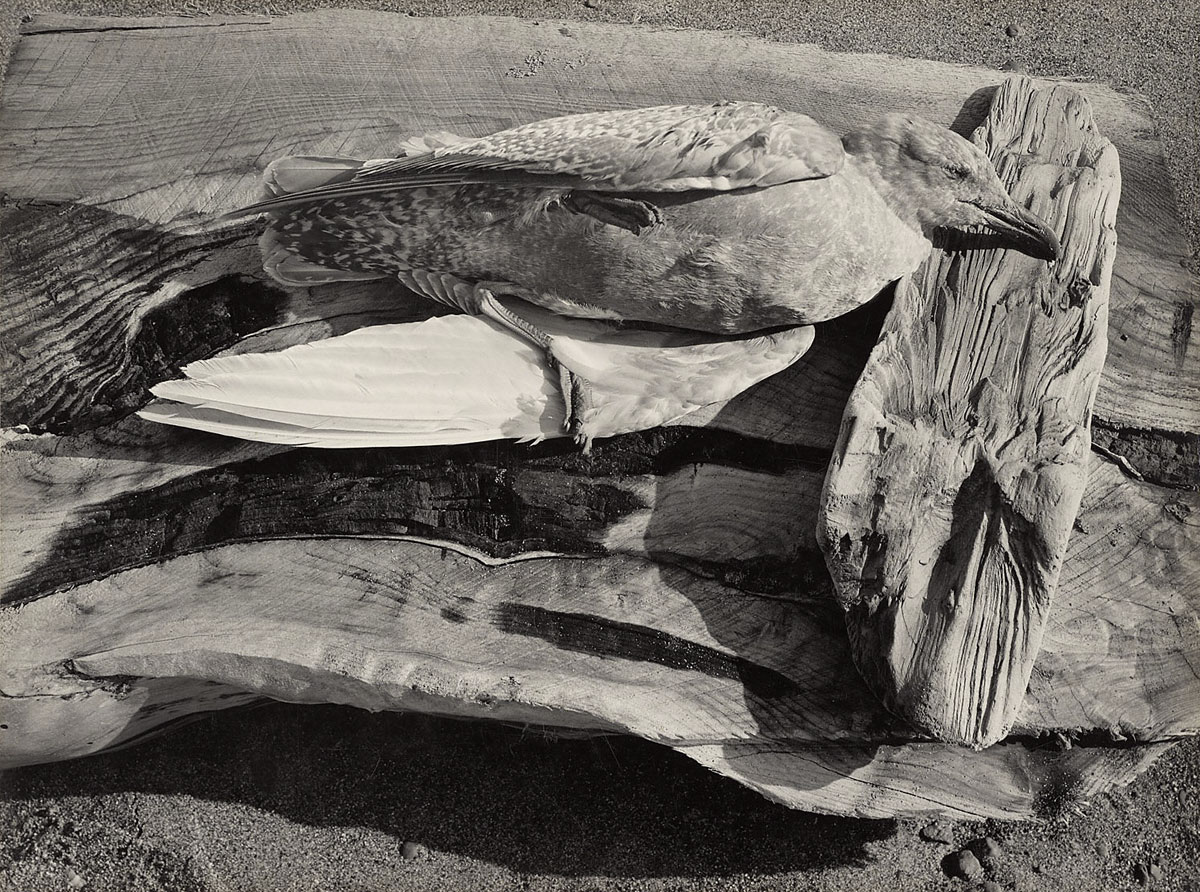

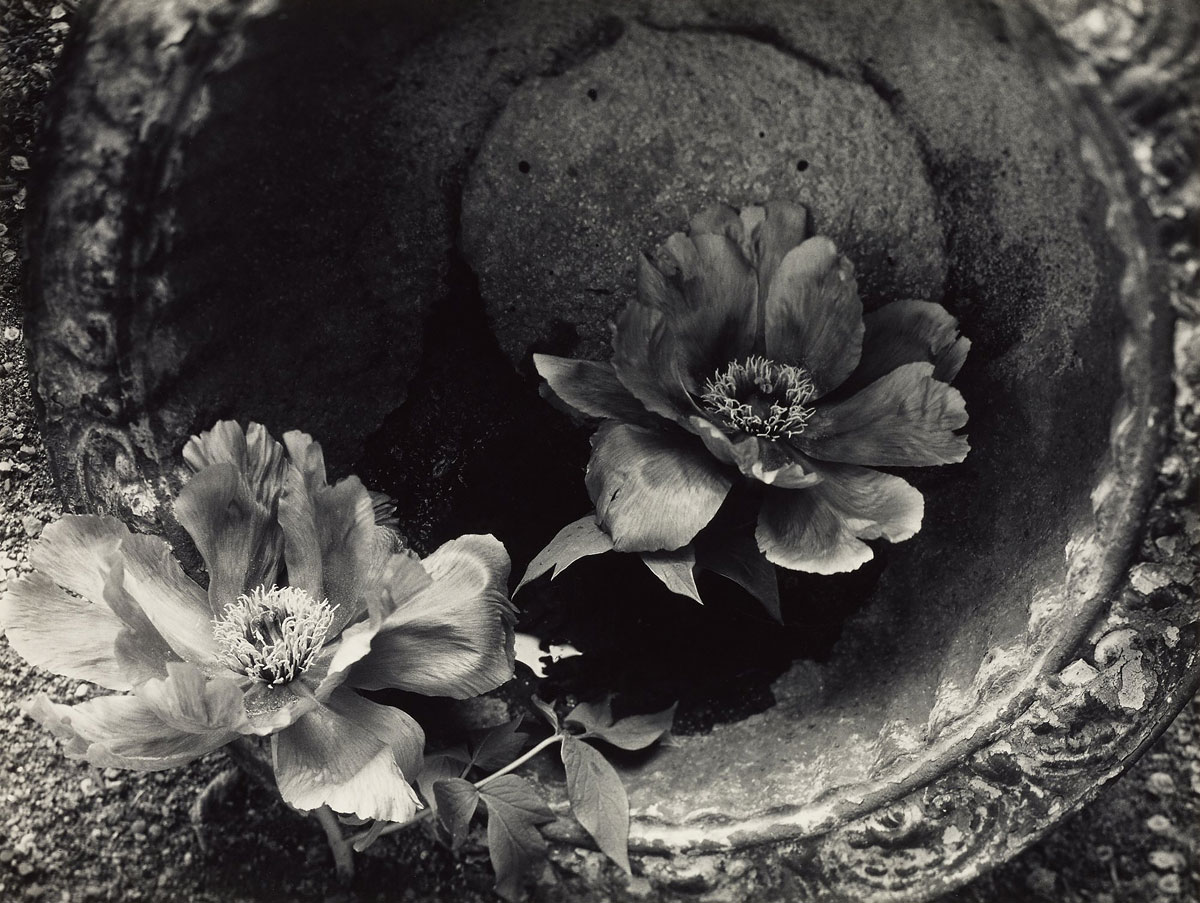
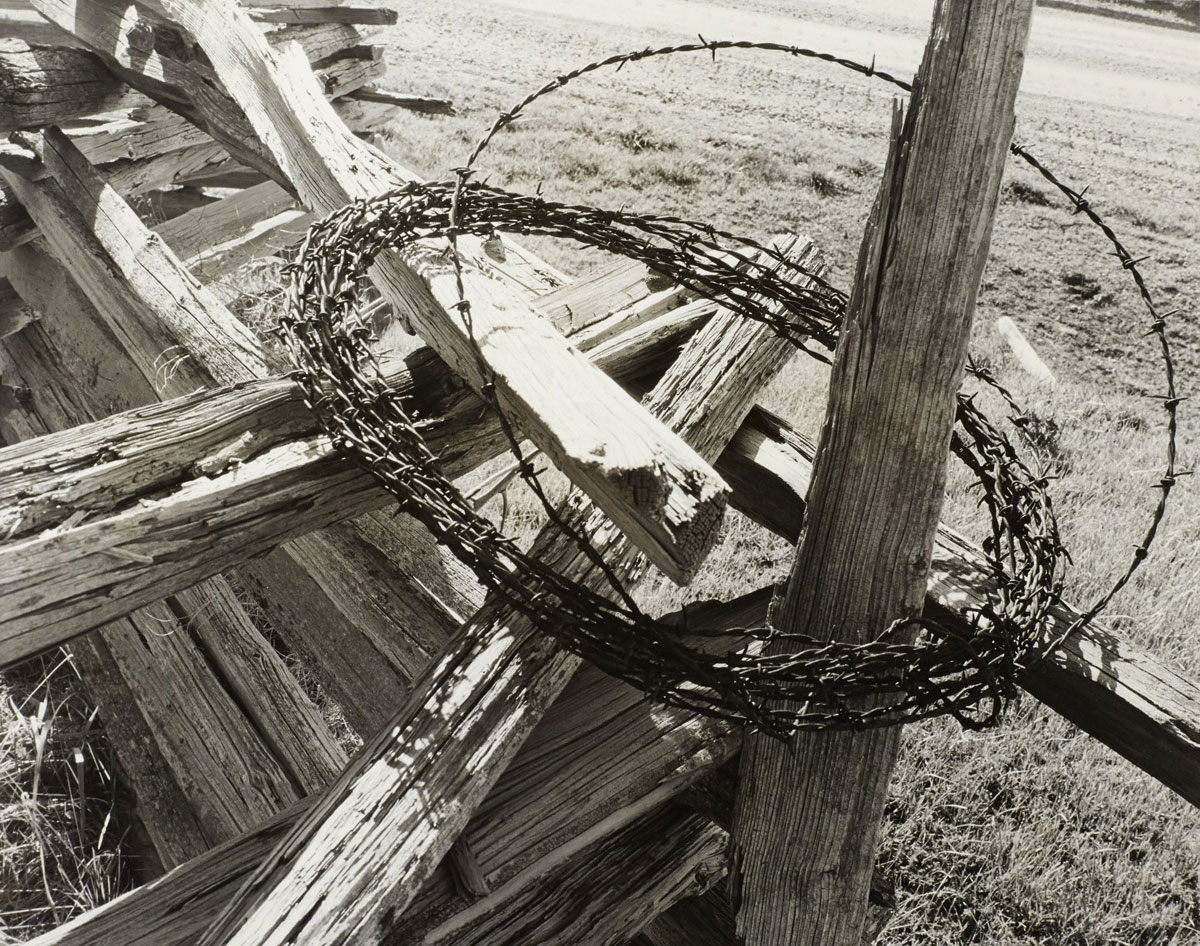
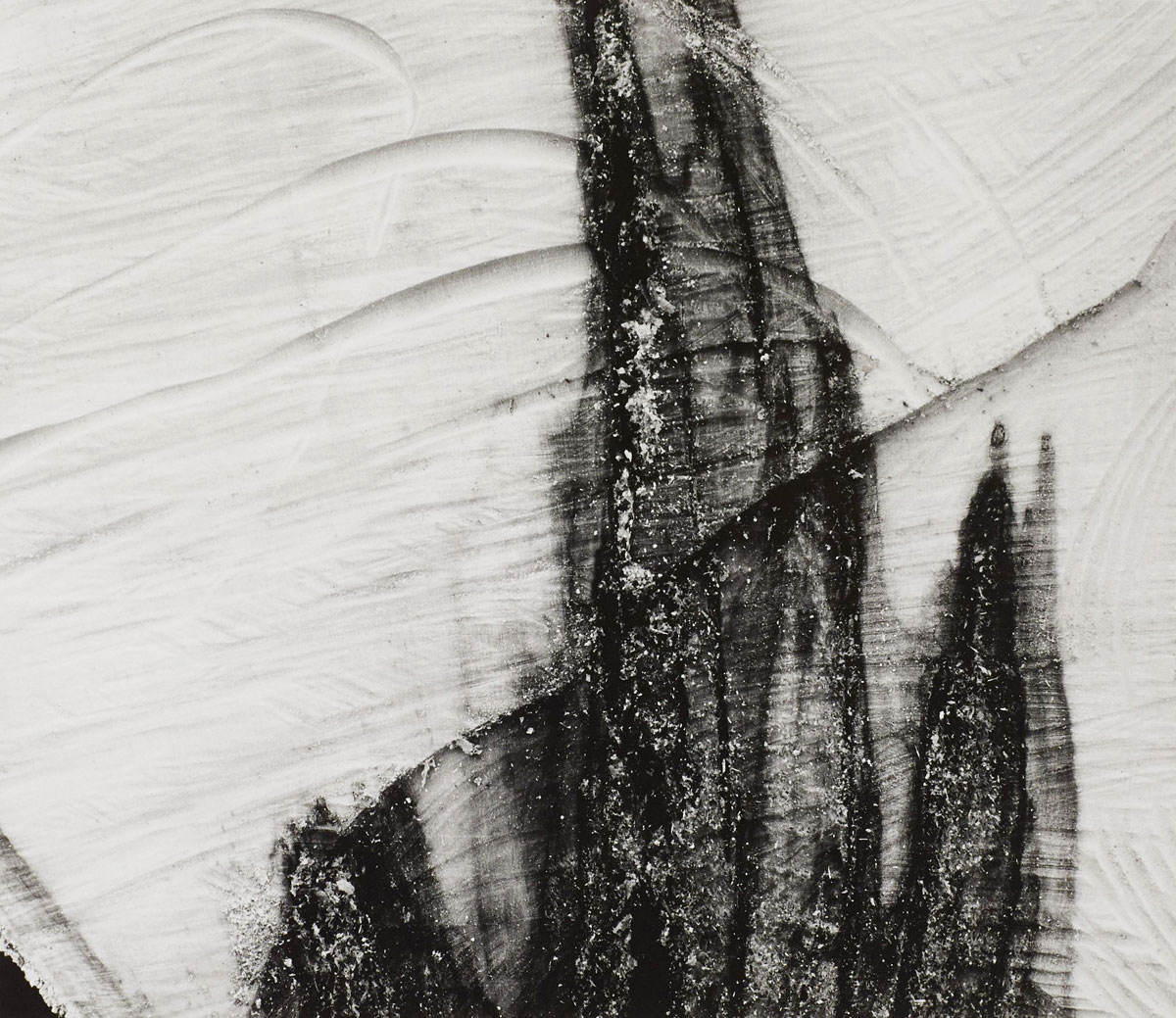
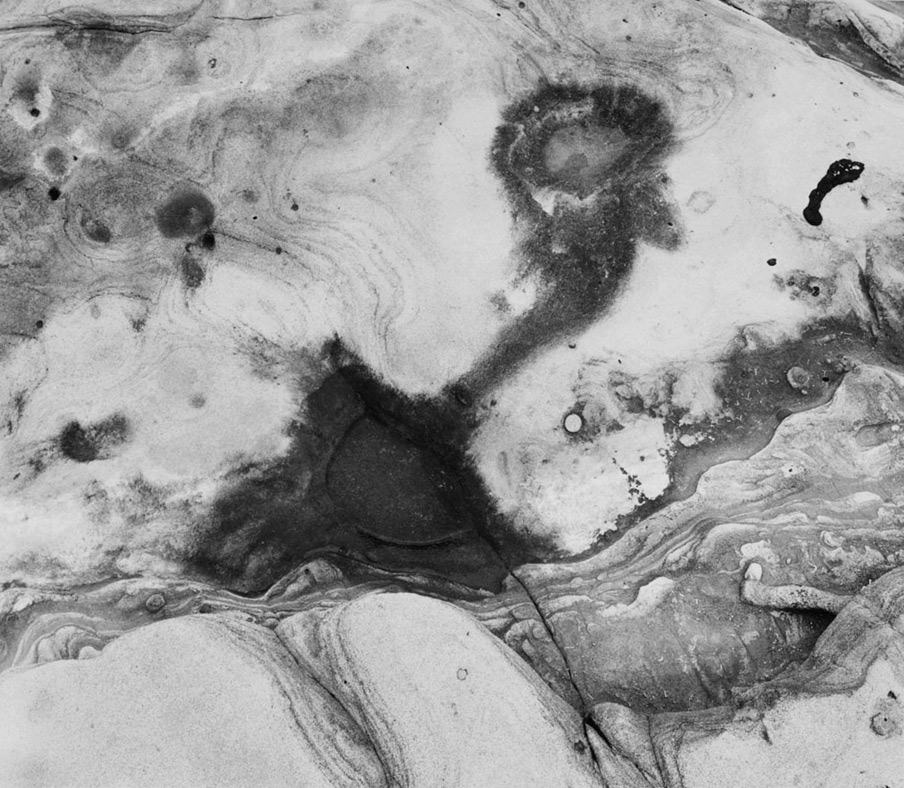
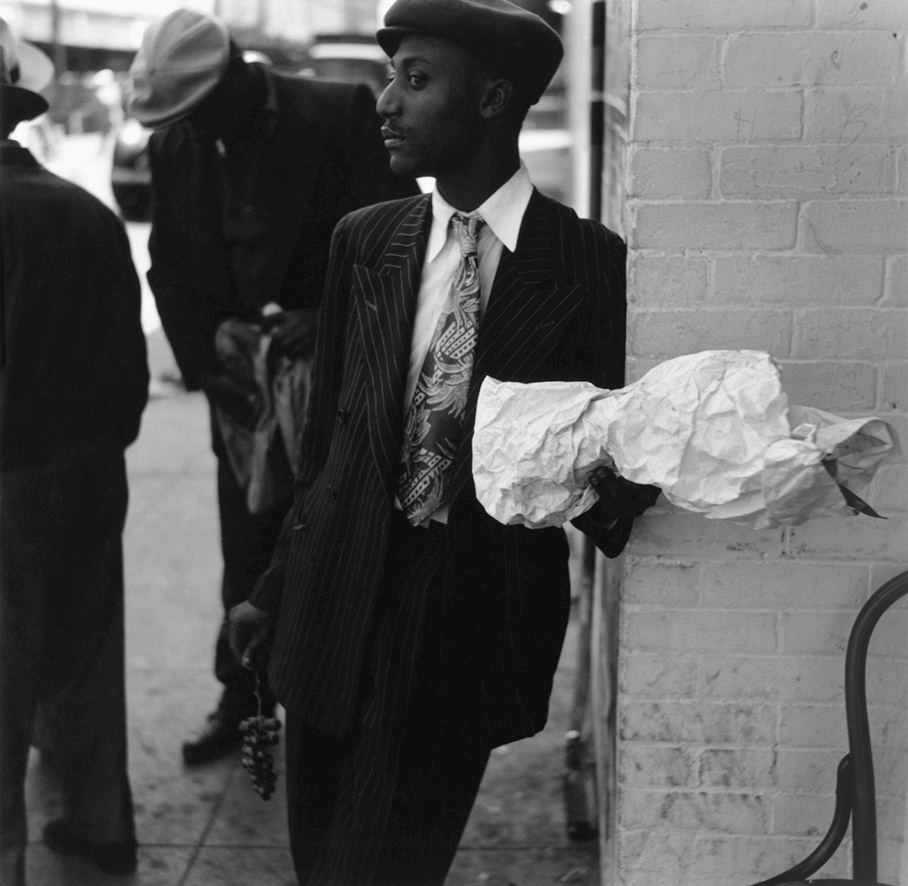
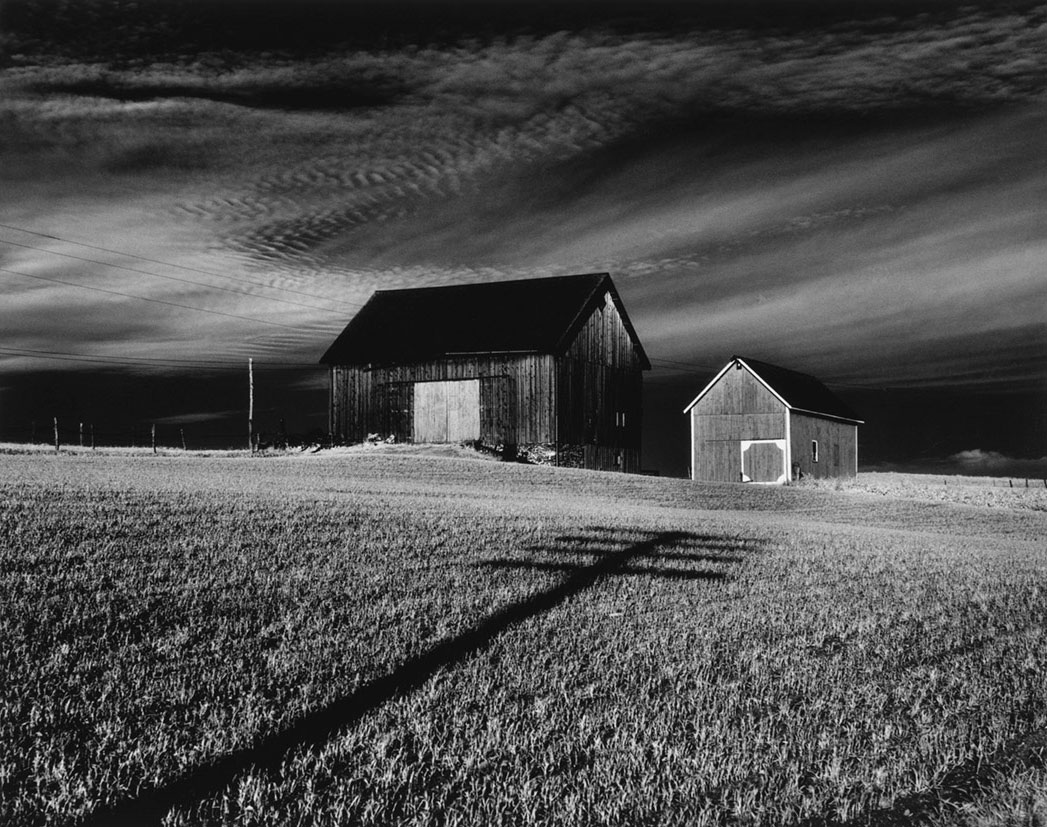
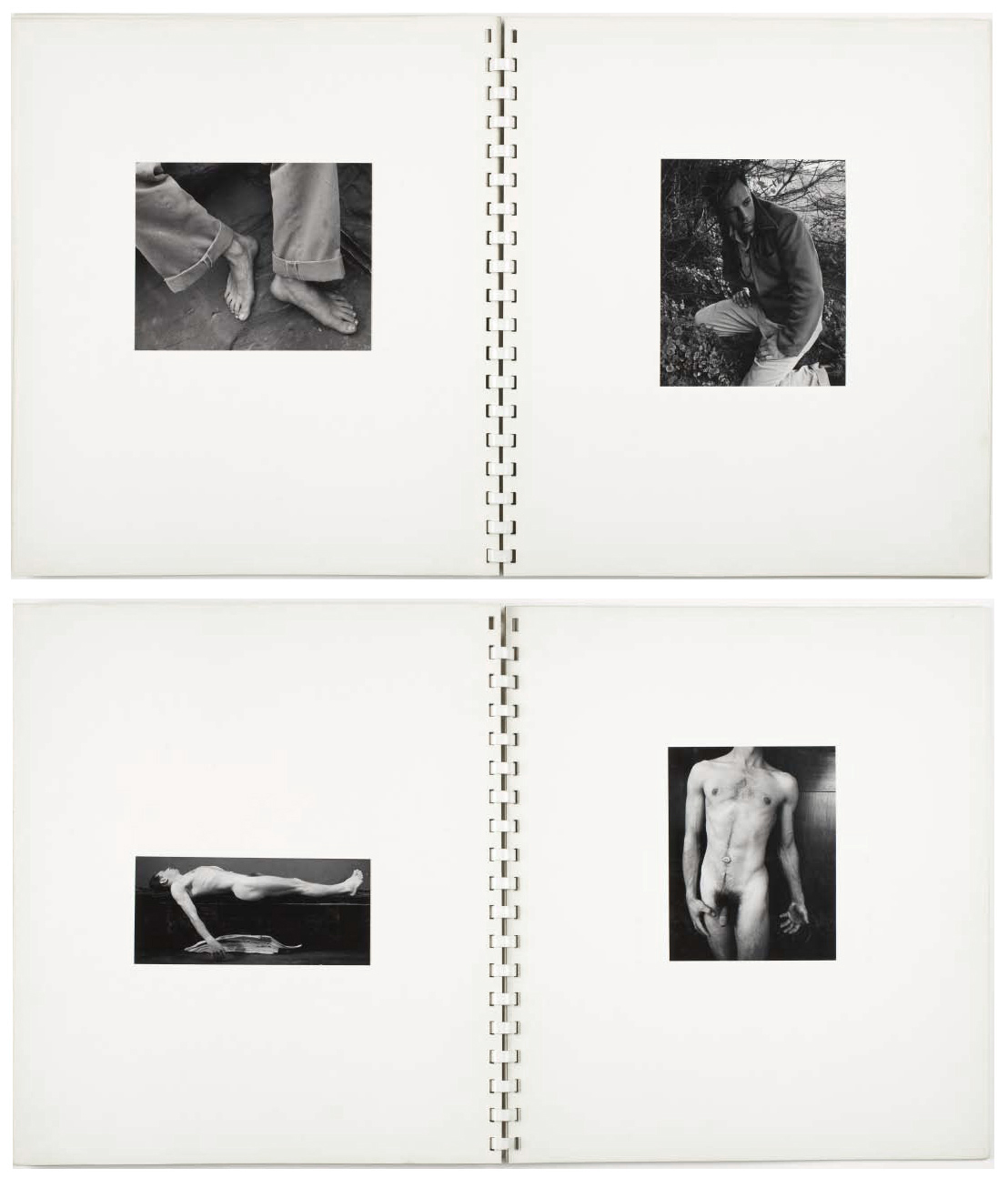
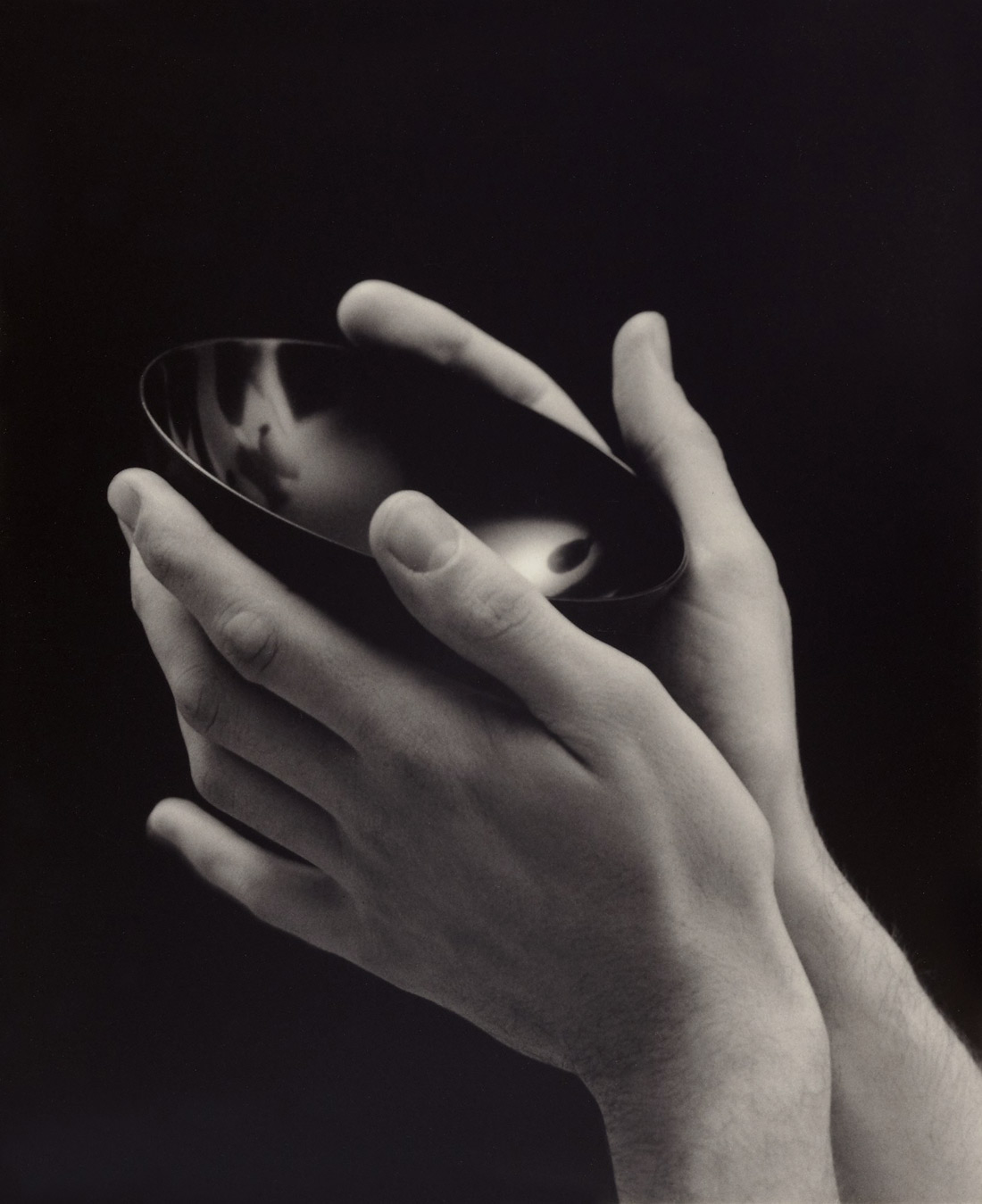
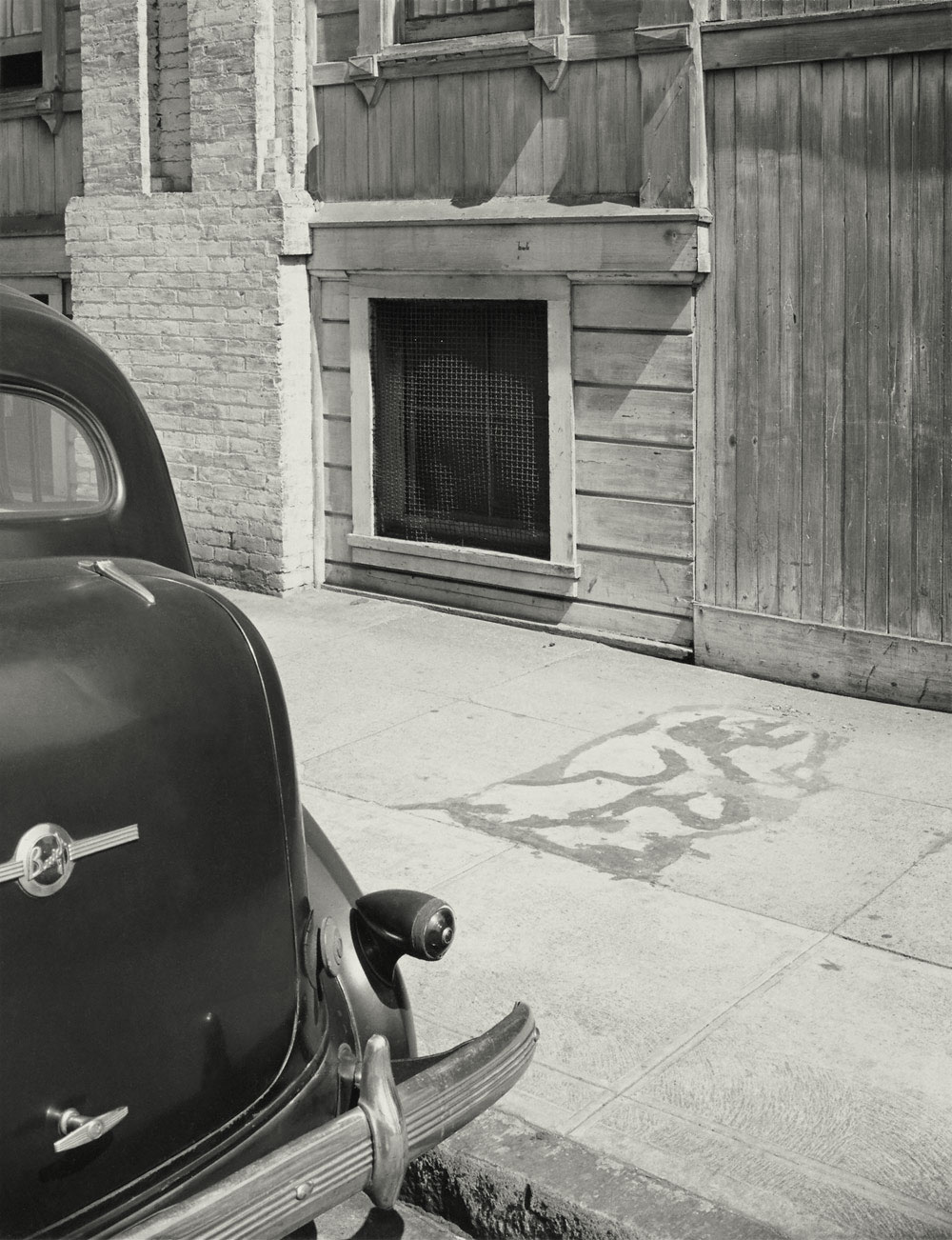
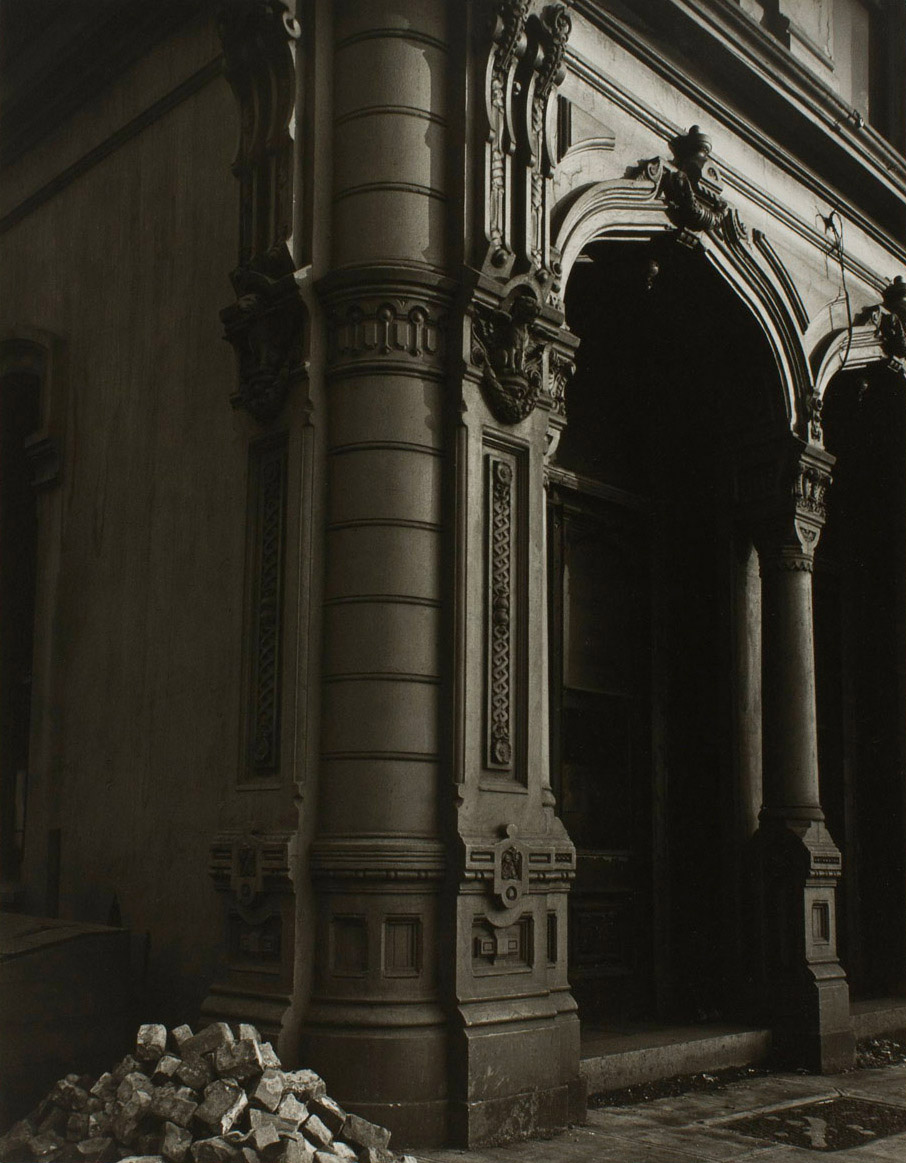
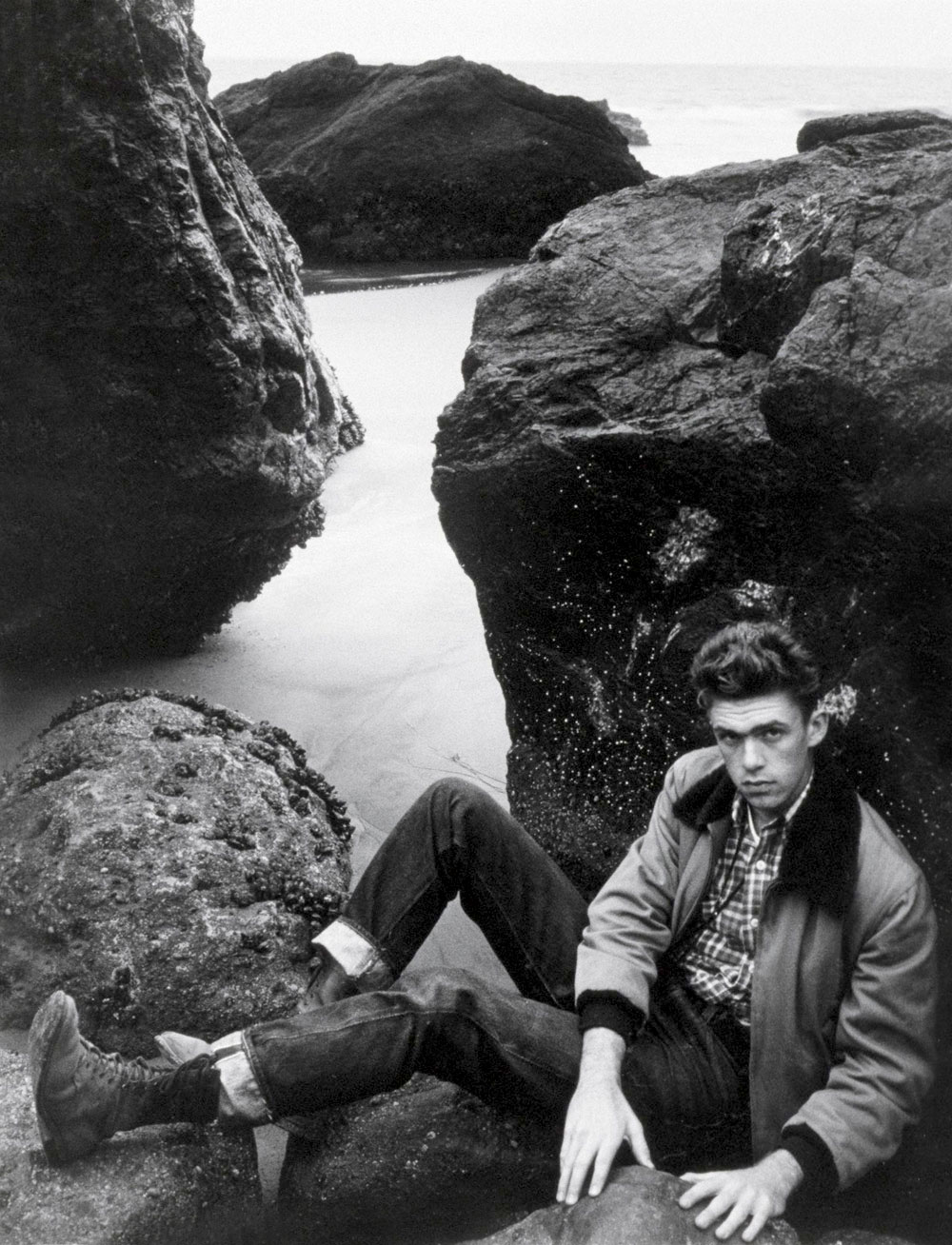
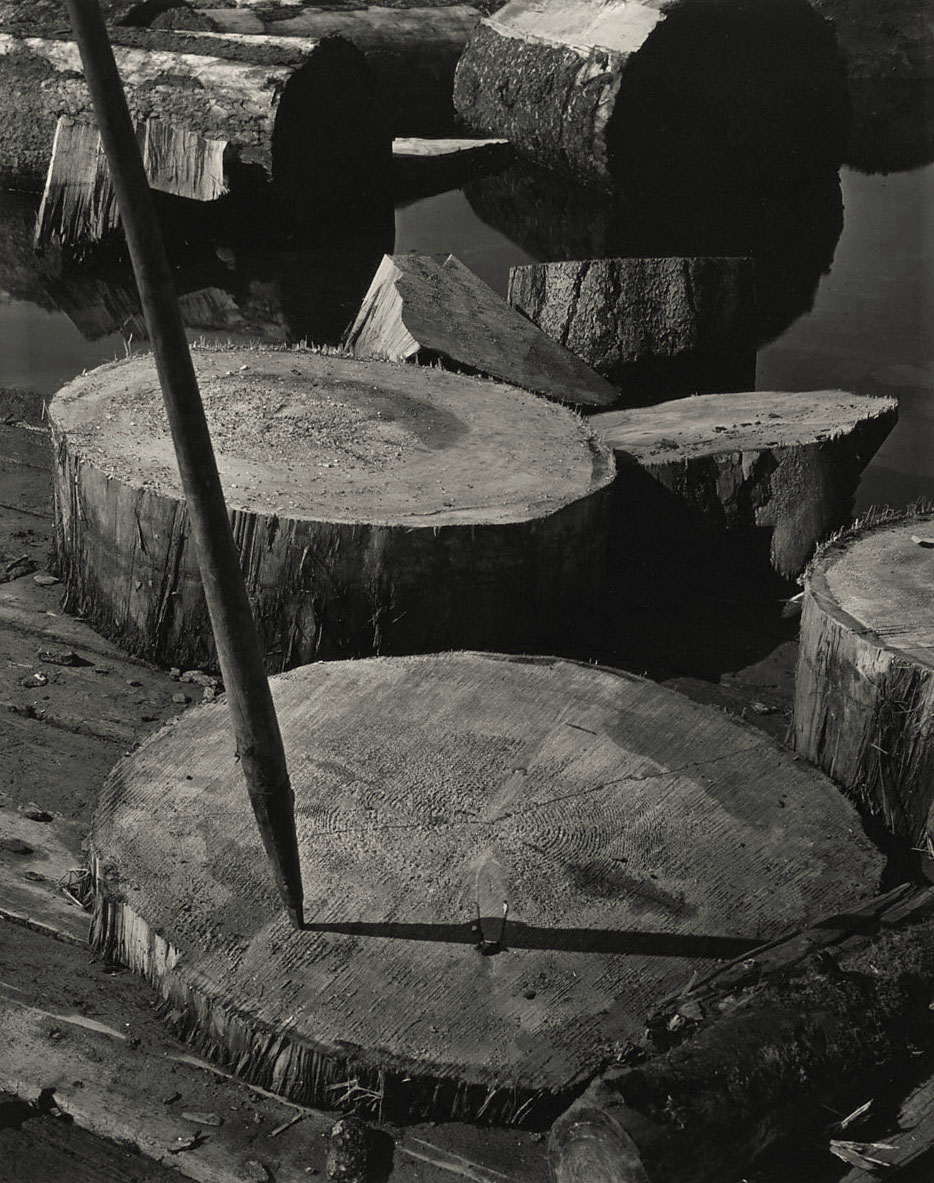
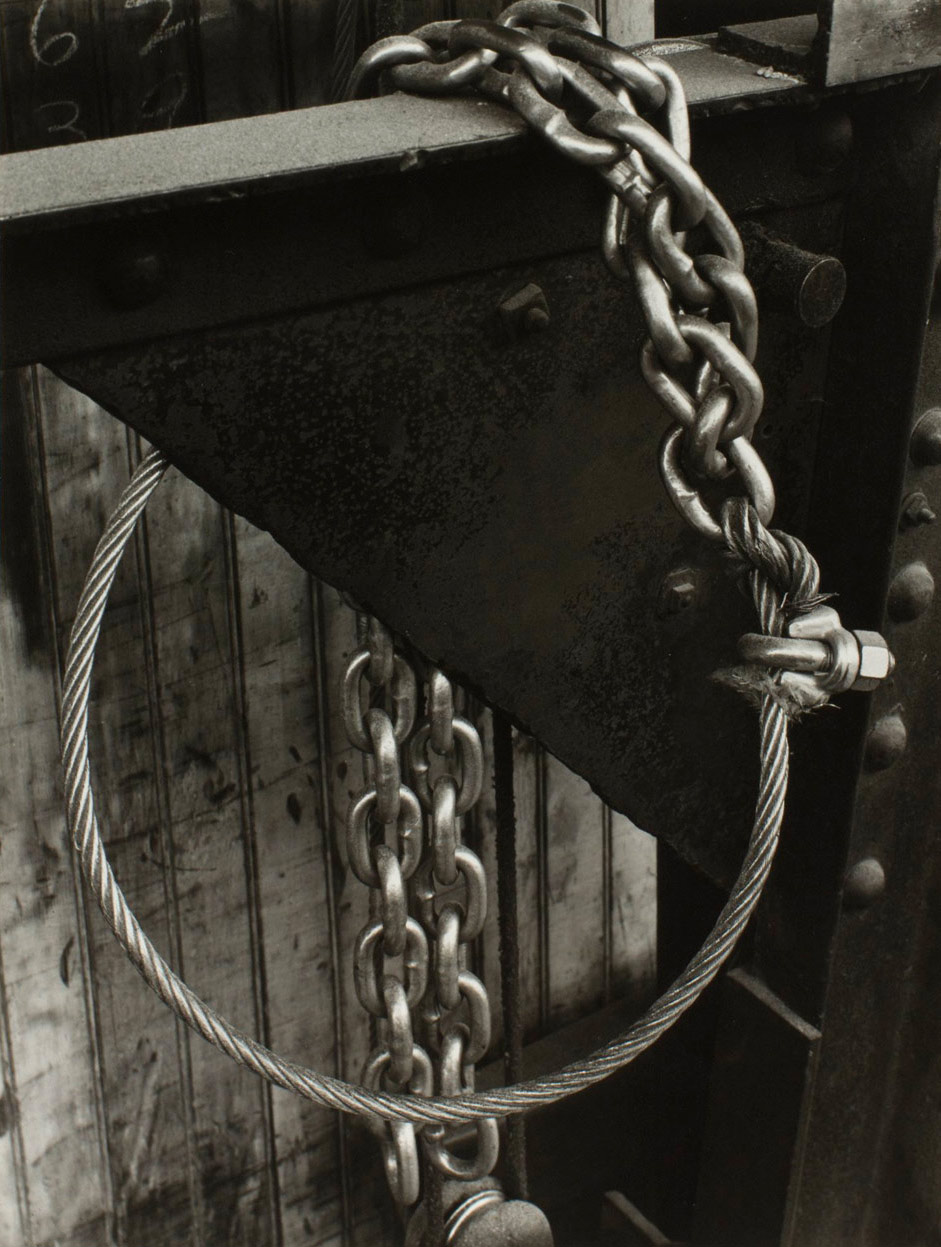
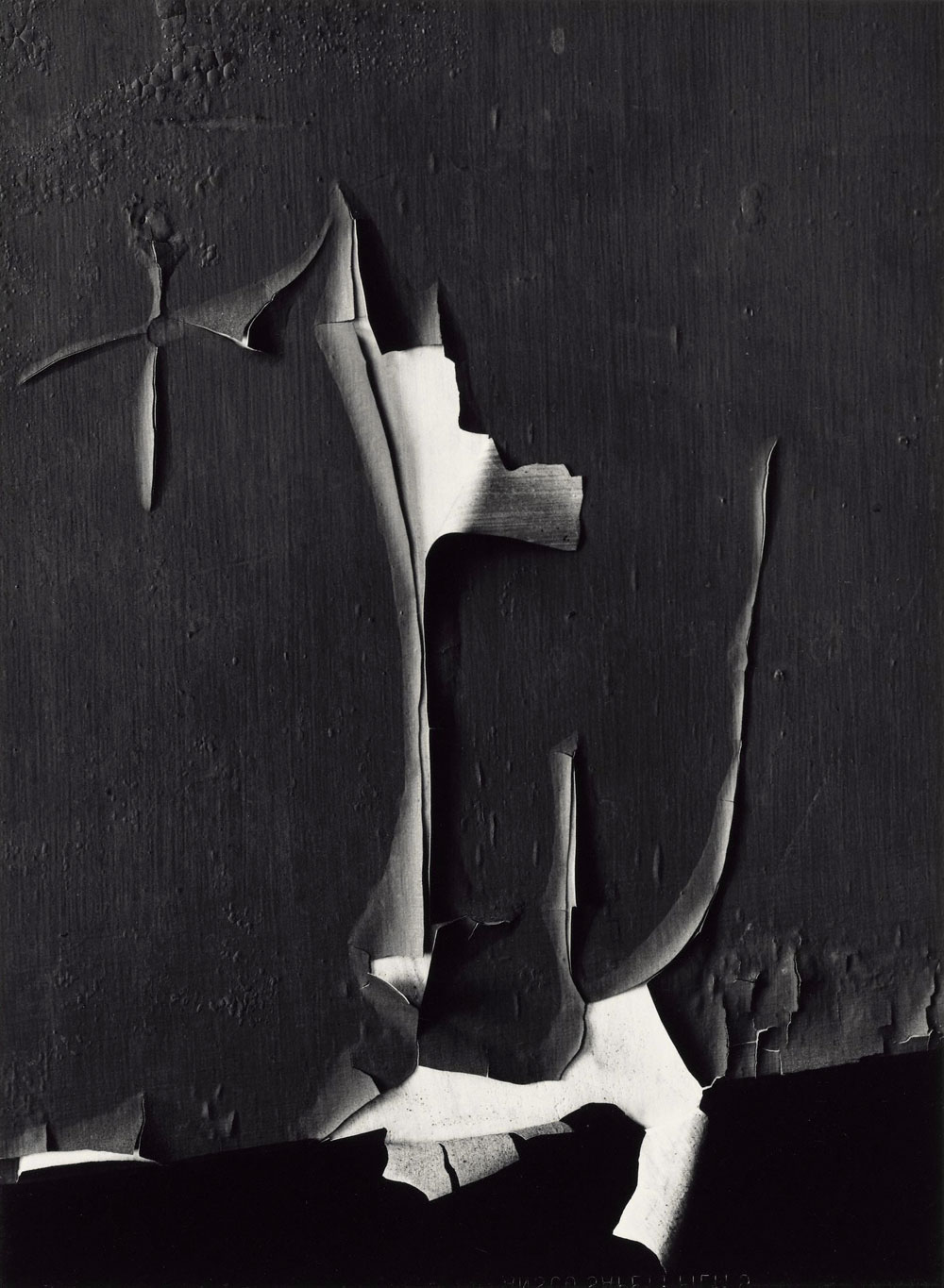
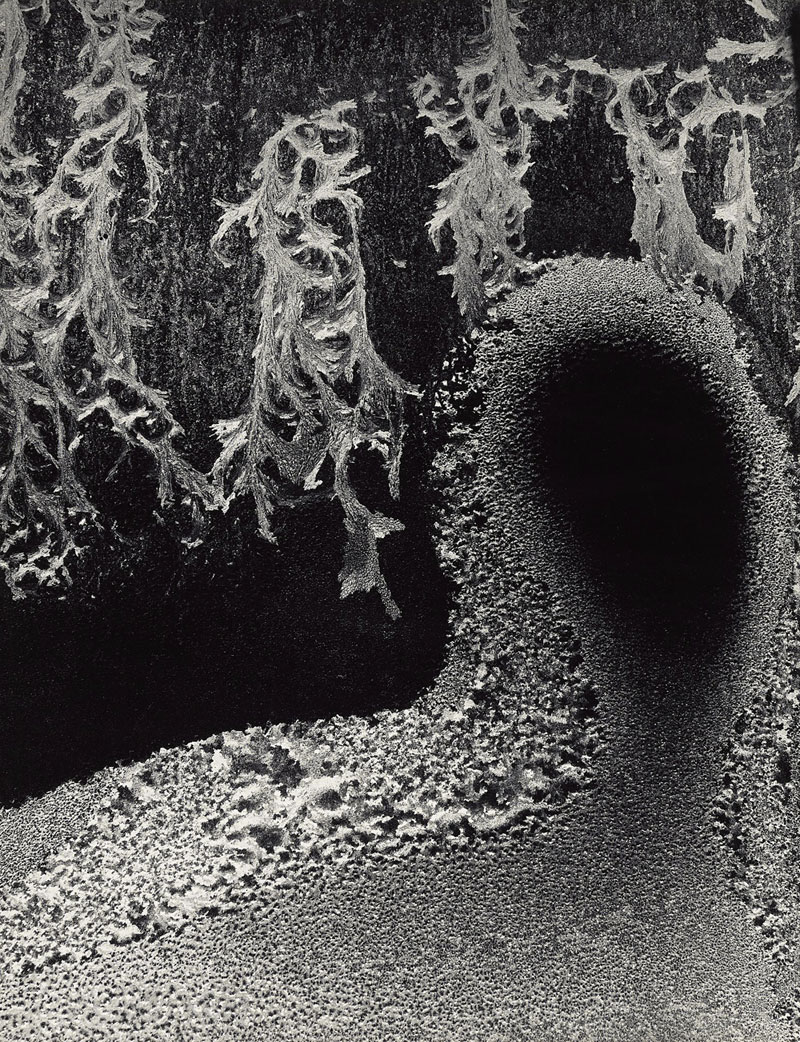
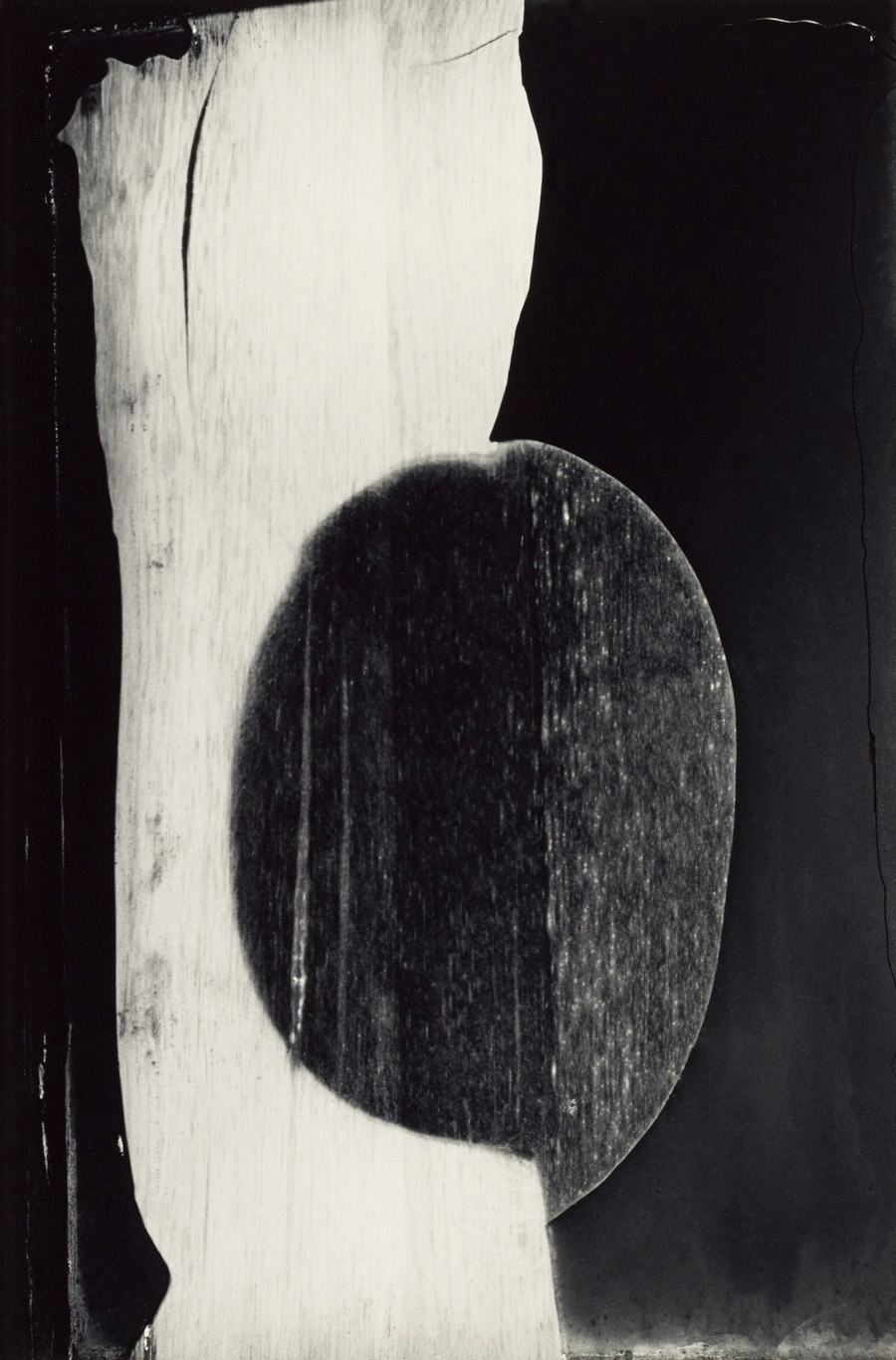
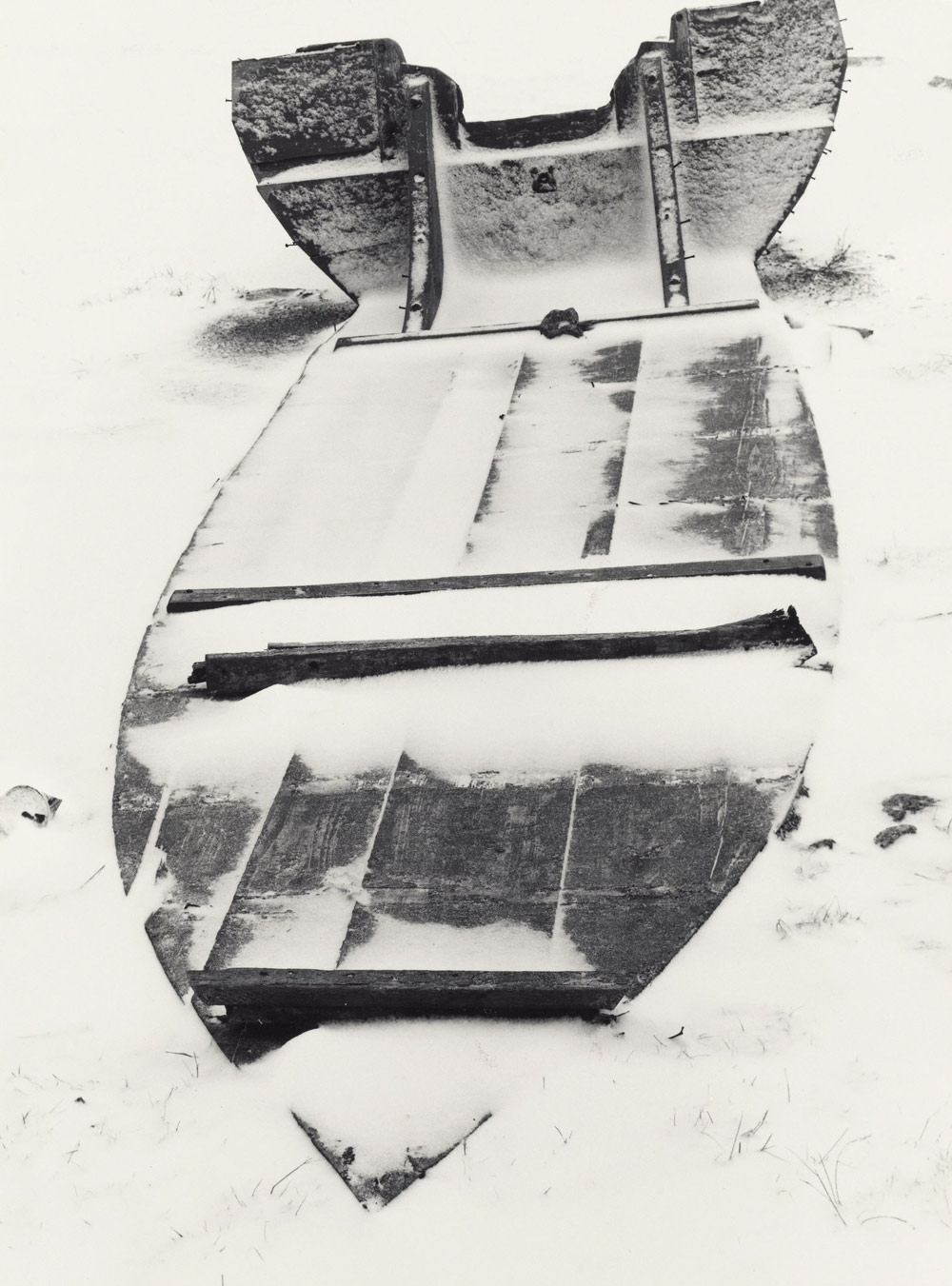
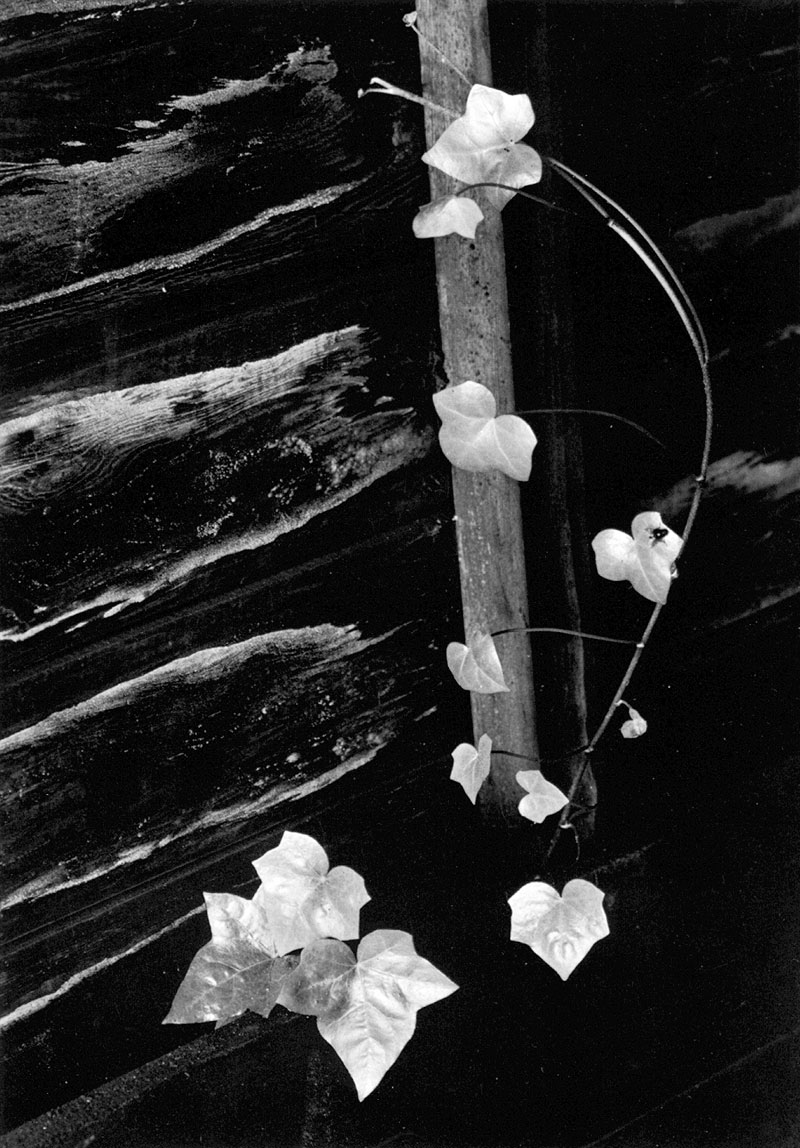
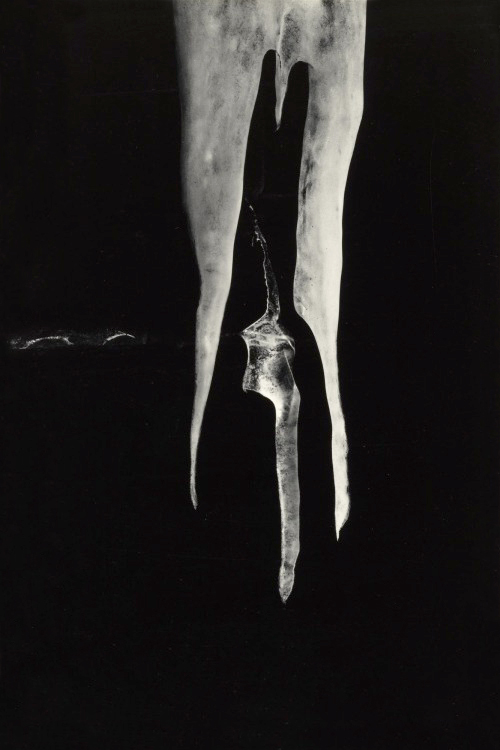
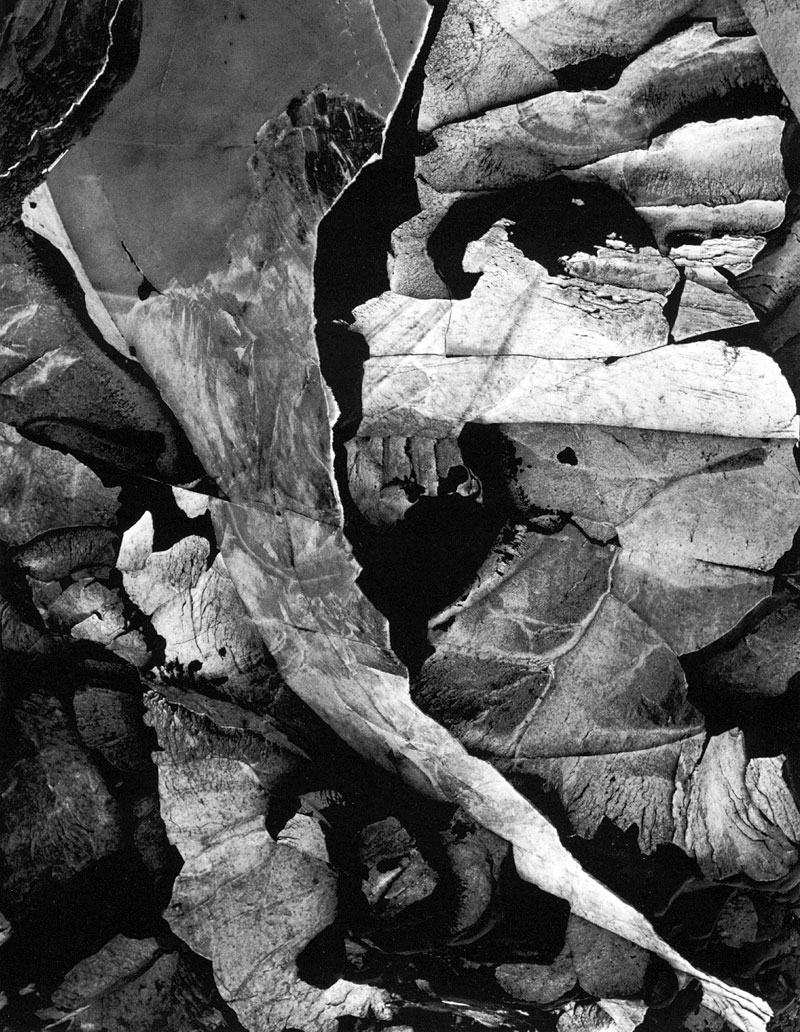
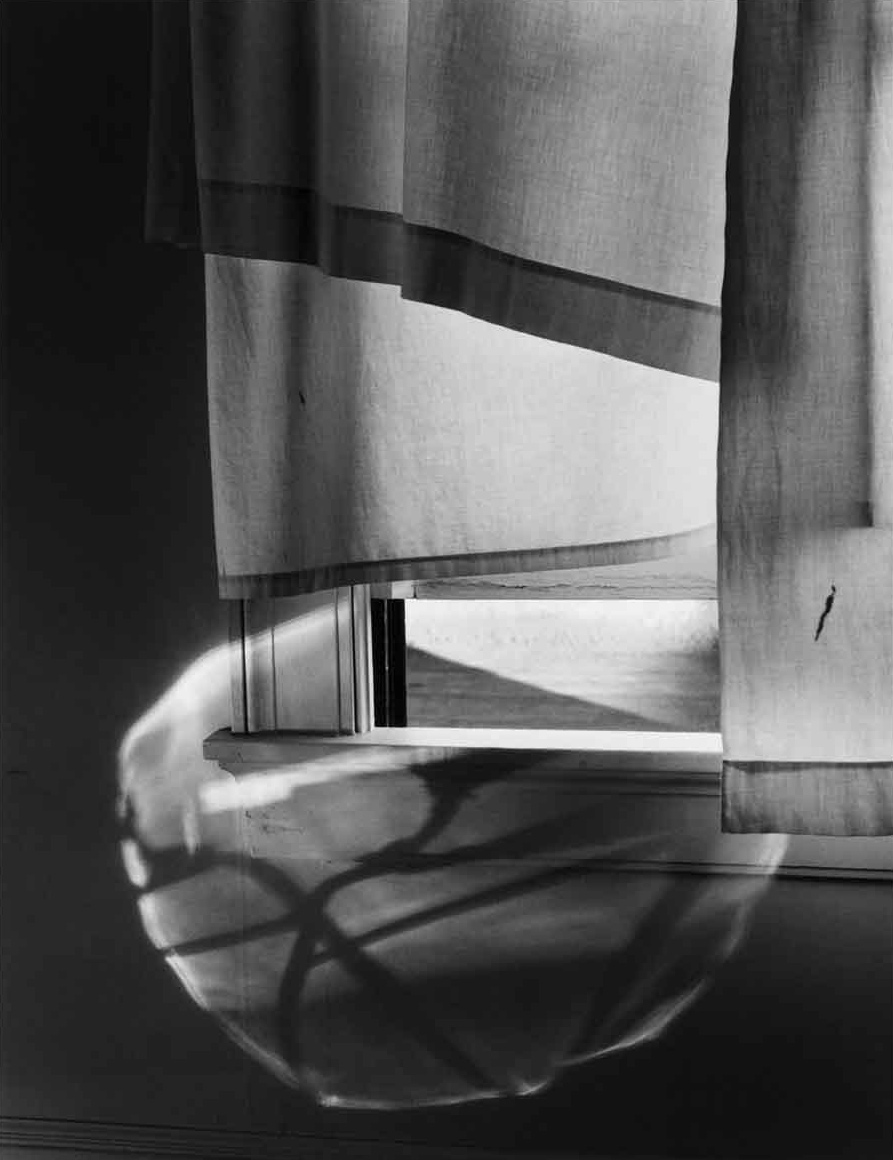
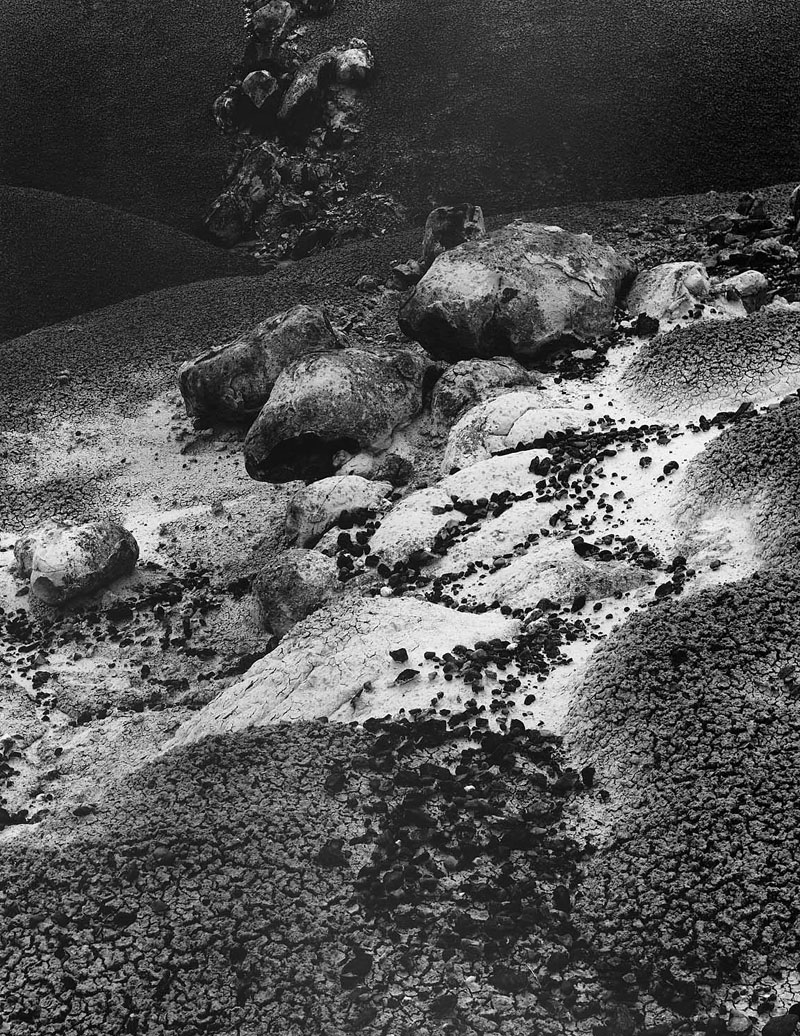
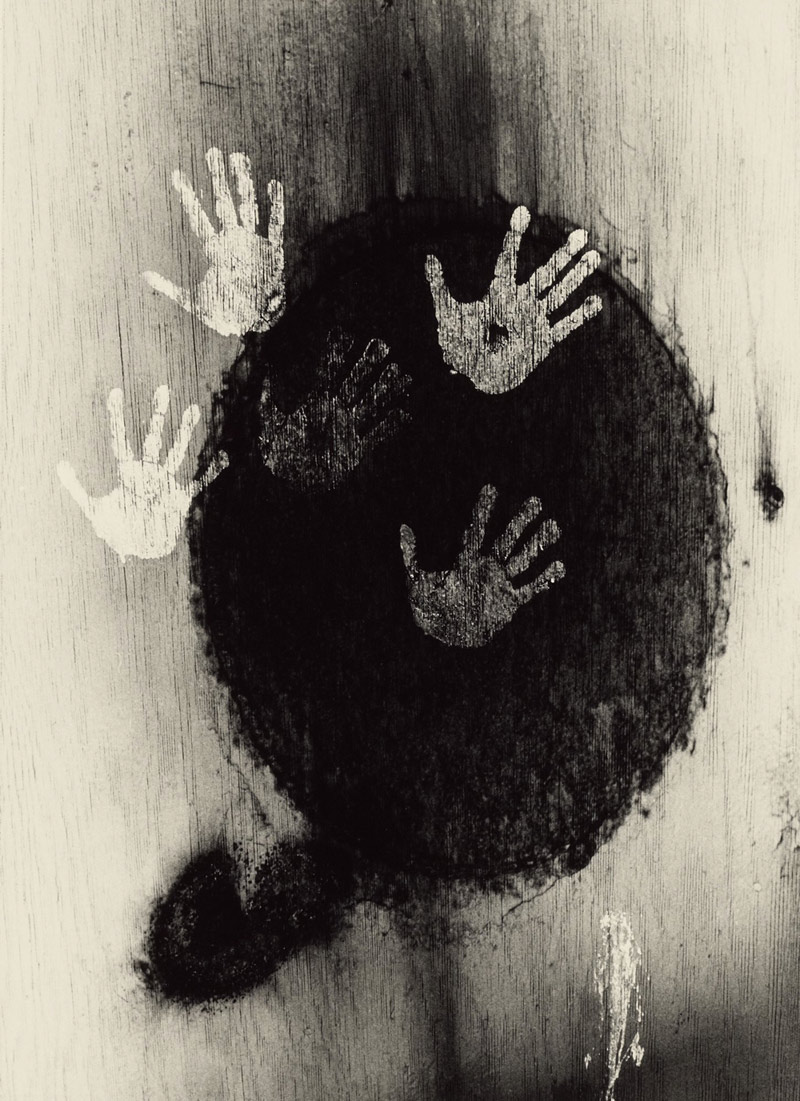
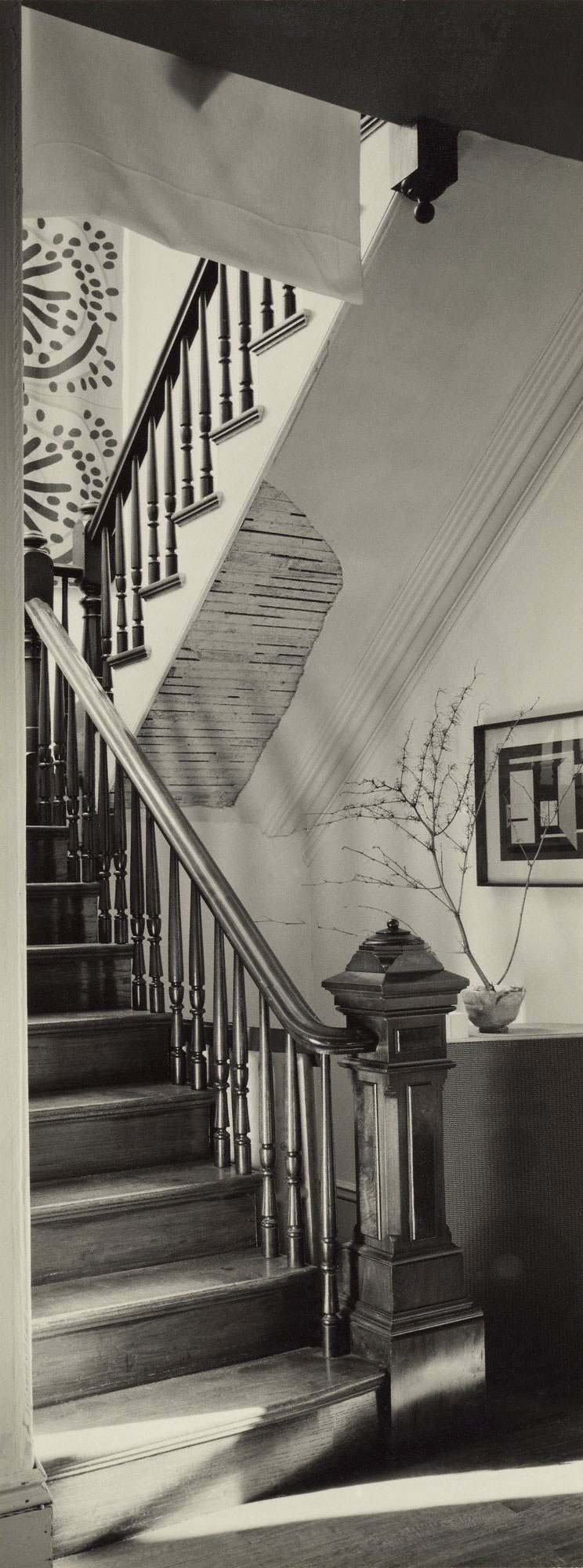
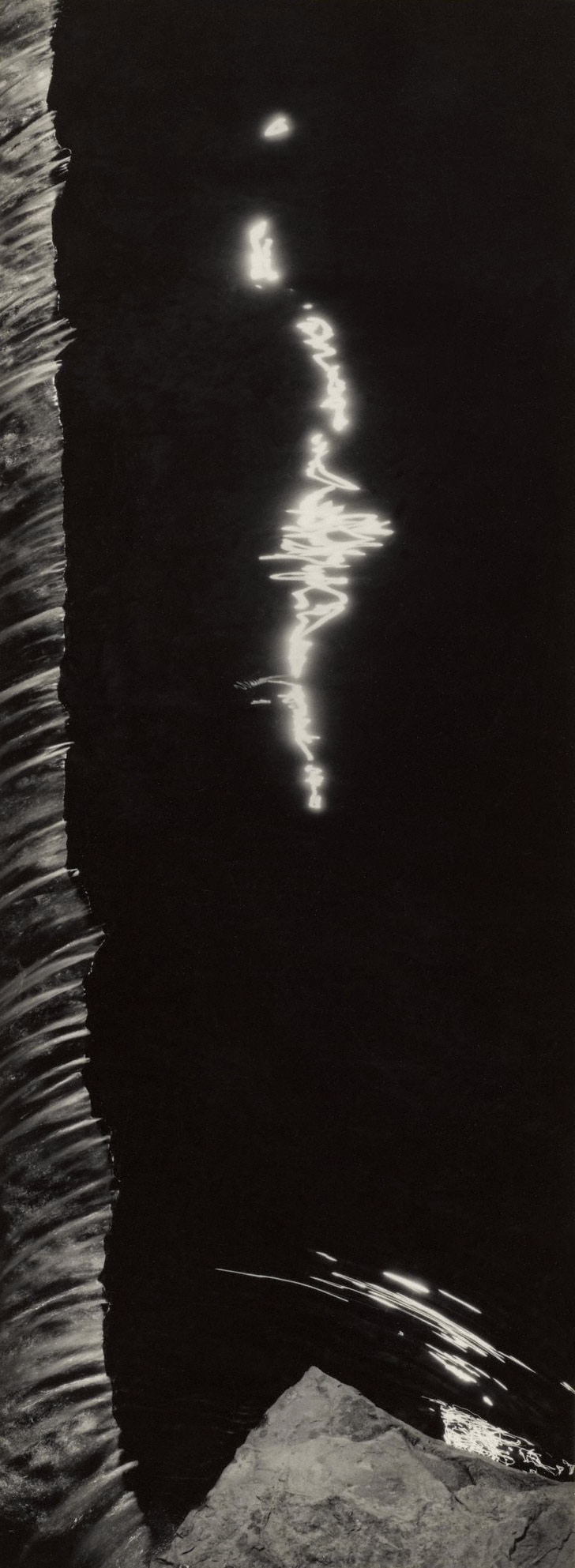
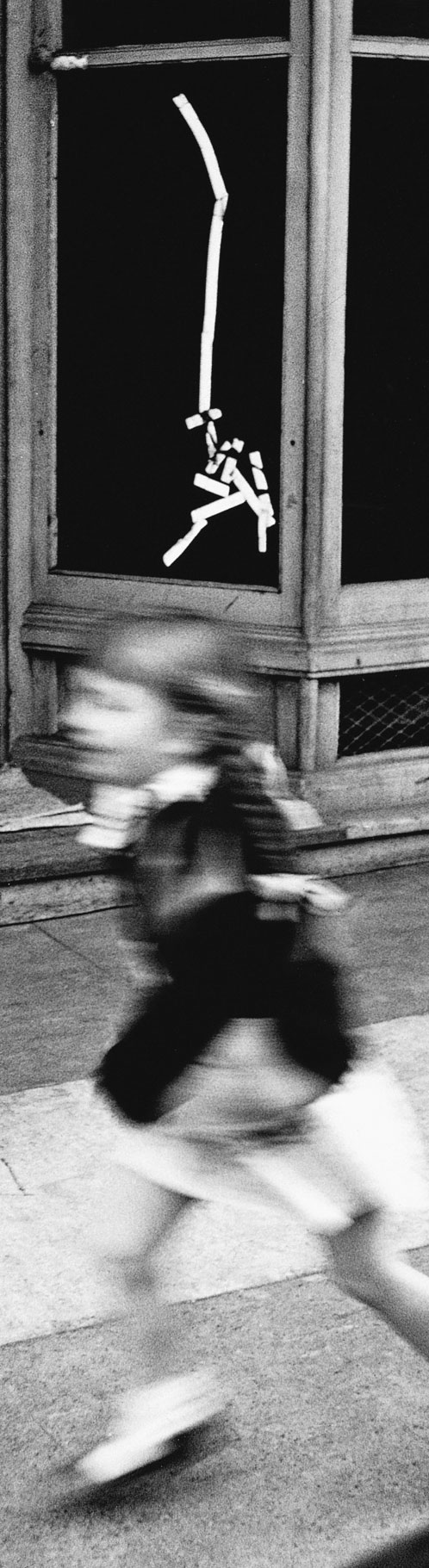
![Brett Weston (American, 1911-1993) '[Air vents, New York]' 1945 from the exhibition 'City of Abstractions: Brett Weston in New York, 1944-45' at 1285 Avenue of the Americas Art Gallery, New York, September 2013- January 2014](https://artblart.com/wp-content/uploads/2014/01/air-vents-web.jpg "Brett Weston (American, 1911-1993) '[Air vents, New York]' 1945 from the exhibition 'City of Abstractions: Brett Weston in New York, 1944-45' at 1285 Avenue of the Americas Art Gallery, New York, September 2013- January 2014")
![Brett Weston (American, 1911-1993) '[42nd Street at First Avenue, New York]' c. 1945 from the exhibition 'City of Abstractions: Brett Weston in New York, 1944-45' at 1285 Avenue of the Americas Art Gallery, New York, September 2013- January 2014](https://artblart.com/wp-content/uploads/2013/12/42nd-street-at-first-avenue-web.jpg "Brett Weston (American, 1911-1993) '[42nd Street at First Avenue, New York]' c. 1945 from the exhibition 'City of Abstractions: Brett Weston in New York, 1944-45' at 1285 Avenue of the Americas Art Gallery, New York, September 2013- January 2014")
![Brett Weston (American, 1911-1993) '[Oceano Dunes, California]' 1934](https://artblart.com/wp-content/uploads/2013/12/oceano-dunes-california-web.jpg "Brett Weston (American, 1911-1993) '[Oceano Dunes, California]' 1934")
![Brett Weston (American, 1911-1993) '[Stoop with broom, arrow, and pushcart, New York]' 1944](https://artblart.com/wp-content/uploads/2013/12/stoop-with-broom-web.jpg "Brett Weston (American, 1911-1993) '[Stoop with broom, arrow, and pushcart, New York]' 1944")
![Brett Weston (American, 1911-1993) '[Airshafts, New York]' c. 1945](https://artblart.com/wp-content/uploads/2014/01/airshafts-web.jpg "Brett Weston (American, 1911-1993) '[Airshafts, New York]' c. 1945")
![Brett Weston (American, 1911-1993) '[Courtyard, New York]' c. 1945](https://artblart.com/wp-content/uploads/2013/12/courtyard-web.jpg "Brett Weston (American, 1911-1993) '[Courtyard, New York]' c. 1945")
![Brett Weston (American, 1911-1993) '[House, Ewing Street, Staten Island, New York]' c. 1945](https://artblart.com/wp-content/uploads/2013/12/house-ewing-street-web.jpg "Brett Weston (American, 1911-1993) '[House, Ewing Street, Staten Island, New York]' c. 1945")
![Brett Weston (American, 1911-1993) '[Sutton Place, New York]' c. 1945](https://artblart.com/wp-content/uploads/2014/01/sutton-place-web.jpg "Brett Weston (American, 1911-1993) '[Sutton Place, New York]' c. 1945")
![Brett Weston (American, 1911-1993) '[Skylight and fences, Midtown, New York]' c. 1945](https://artblart.com/wp-content/uploads/2013/12/skylight-and-fences-web.jpg "Brett Weston (American, 1911-1993) '[Skylight and fences, Midtown, New York]' c. 1945")
![Brett Weston (American, 1911-1993) '[Wrought iron fence, New York]' c. 1945](https://artblart.com/wp-content/uploads/2013/12/wrought-iron-fence-web.jpg "Brett Weston (American, 1911-1993) '[Wrought iron fence, New York]' c. 1945")
![Brett Weston (American, 1911-1993) '[Church door, Bowery, New York]' c. 1945](https://artblart.com/wp-content/uploads/2013/12/church-door-web.jpg "Brett Weston (American, 1911-1993) '[Church door, Bowery, New York]' c. 1945")
![Brett Weston (American, 1911-1993) '[Pillars and tree, New York]' 1944](https://artblart.com/wp-content/uploads/2013/12/pillars-and-tree-web.jpg "Brett Weston (American, 1911-1993) '[Pillars and tree, New York]' 1944")
![Brett Weston (American, 1911-1993) '[St. Francis Grocery & Fruit, New York]' c. 1945](https://artblart.com/wp-content/uploads/2013/12/st-francis-grocery-and-fruit-web.jpg "Brett Weston (American, 1911-1993) '[St. Francis Grocery & Fruit, New York]' c. 1945")
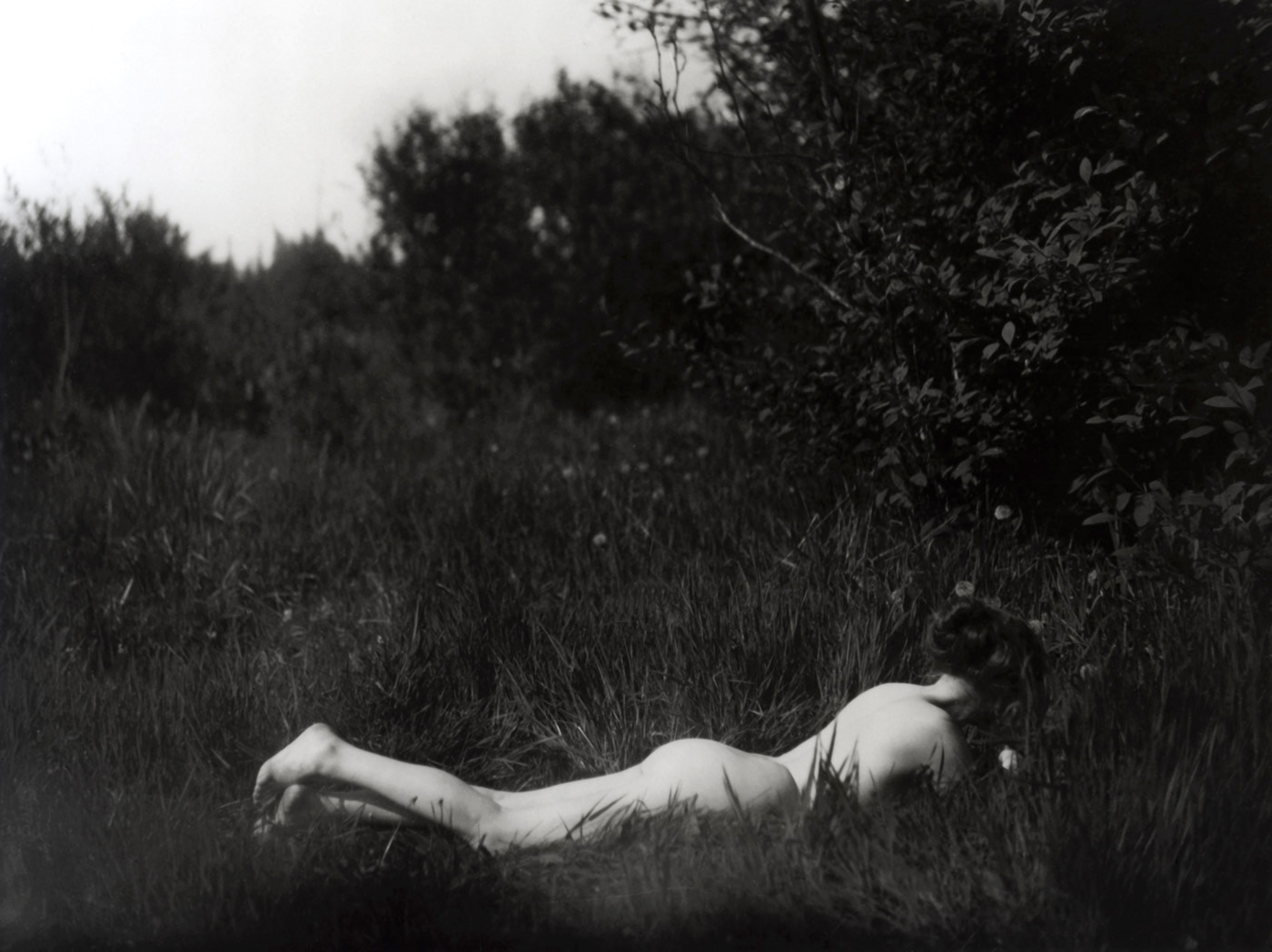
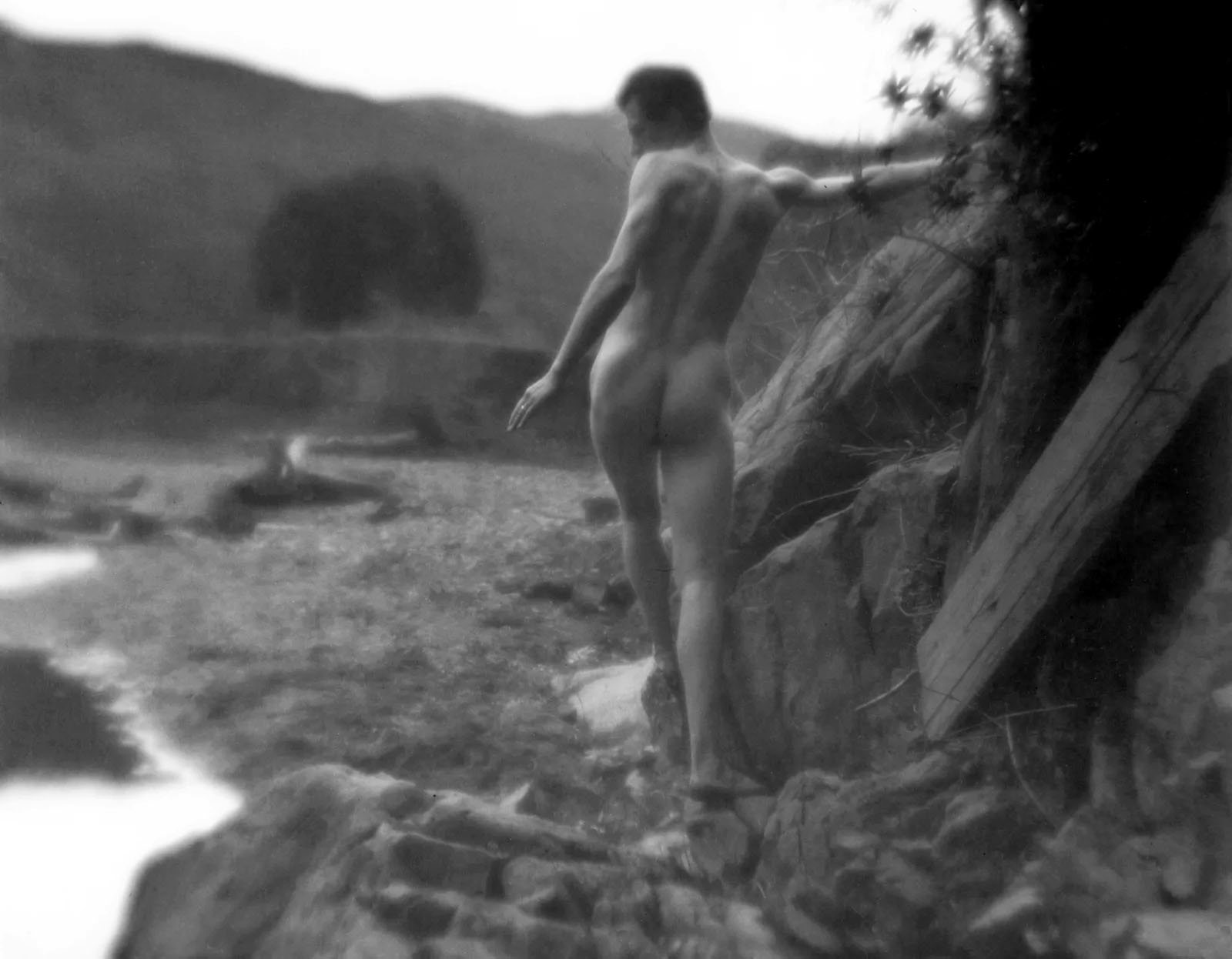




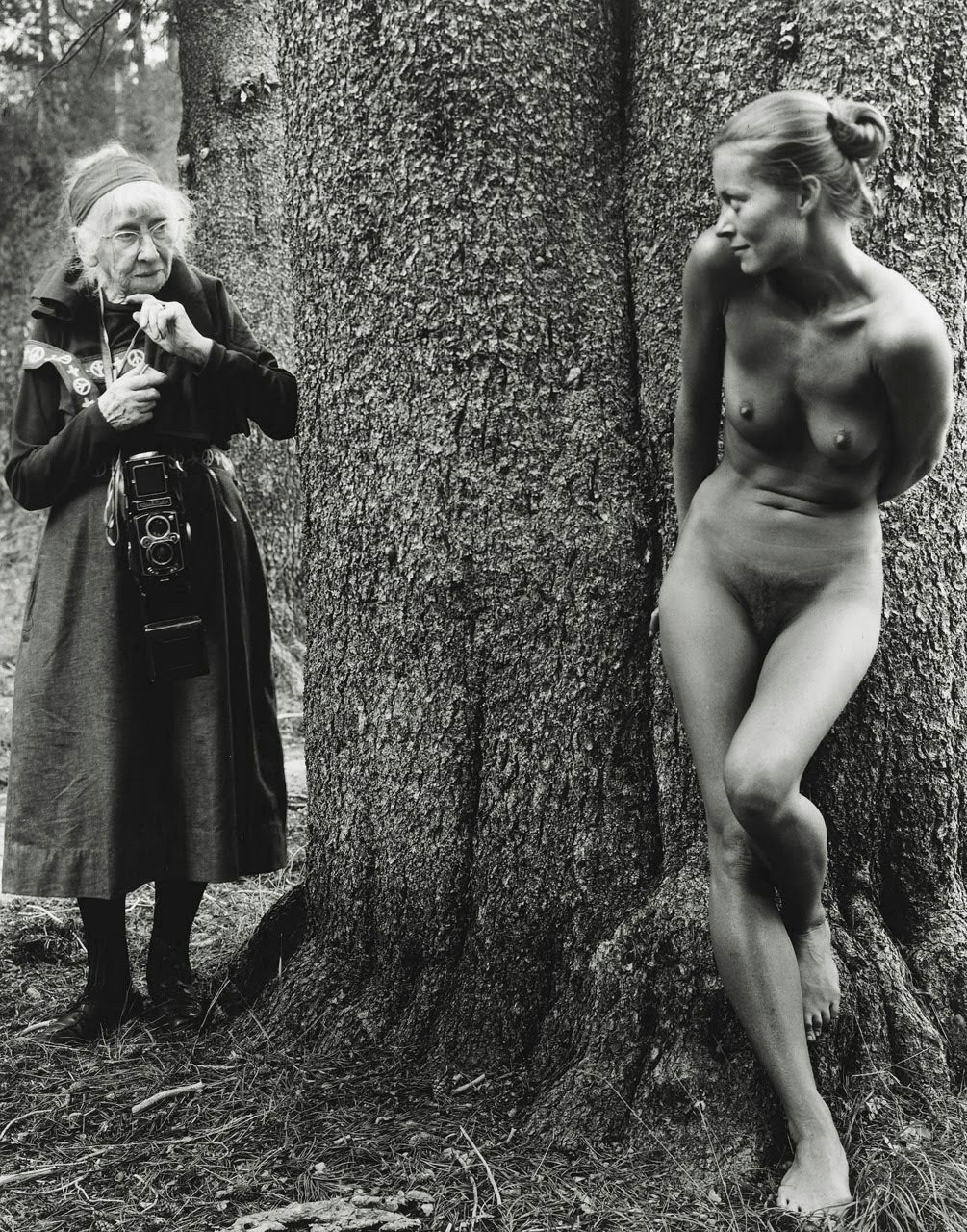
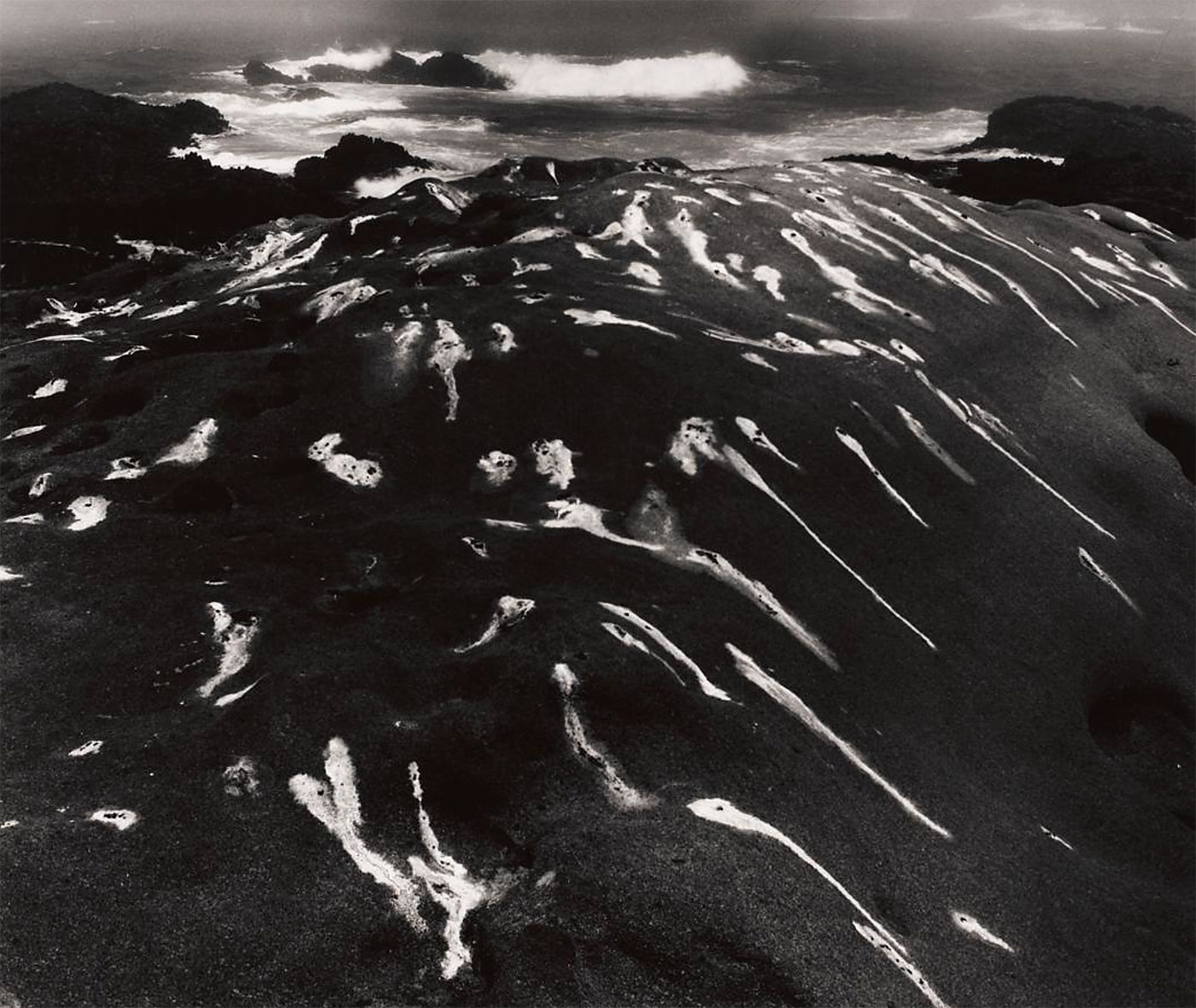
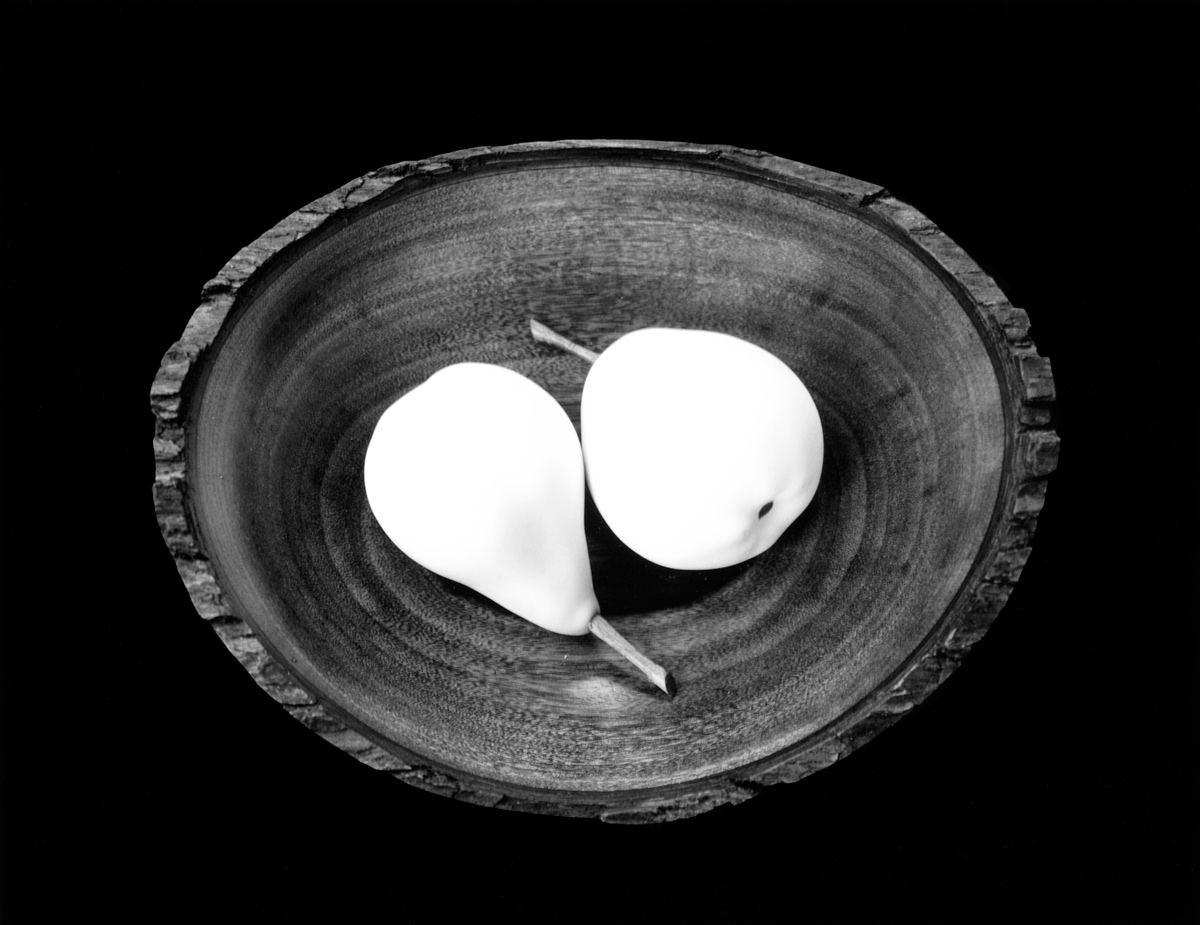
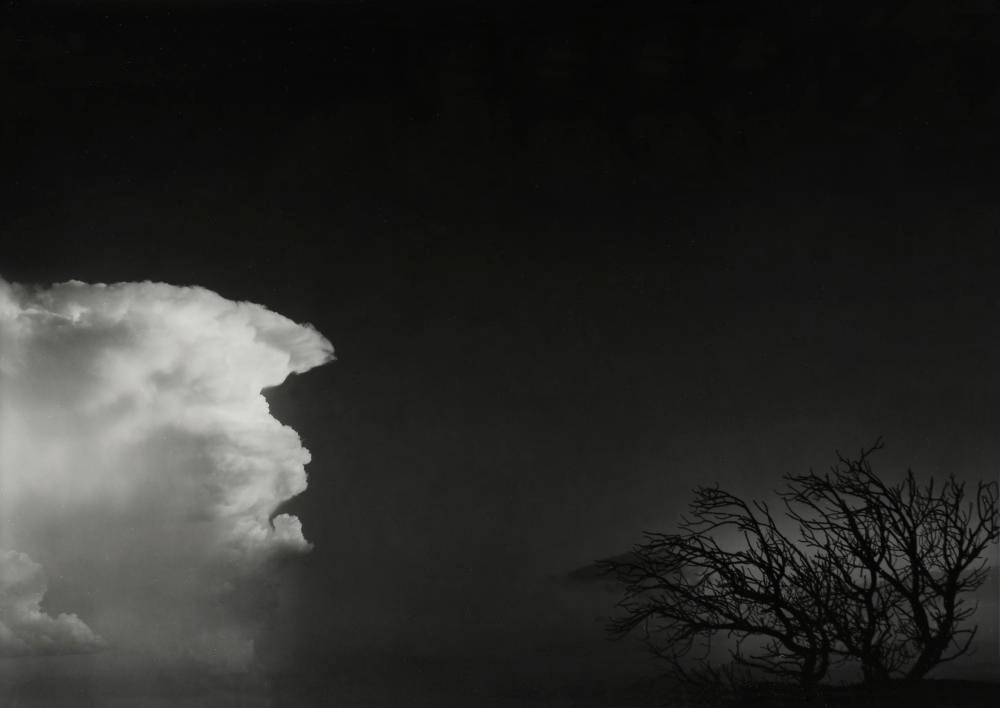


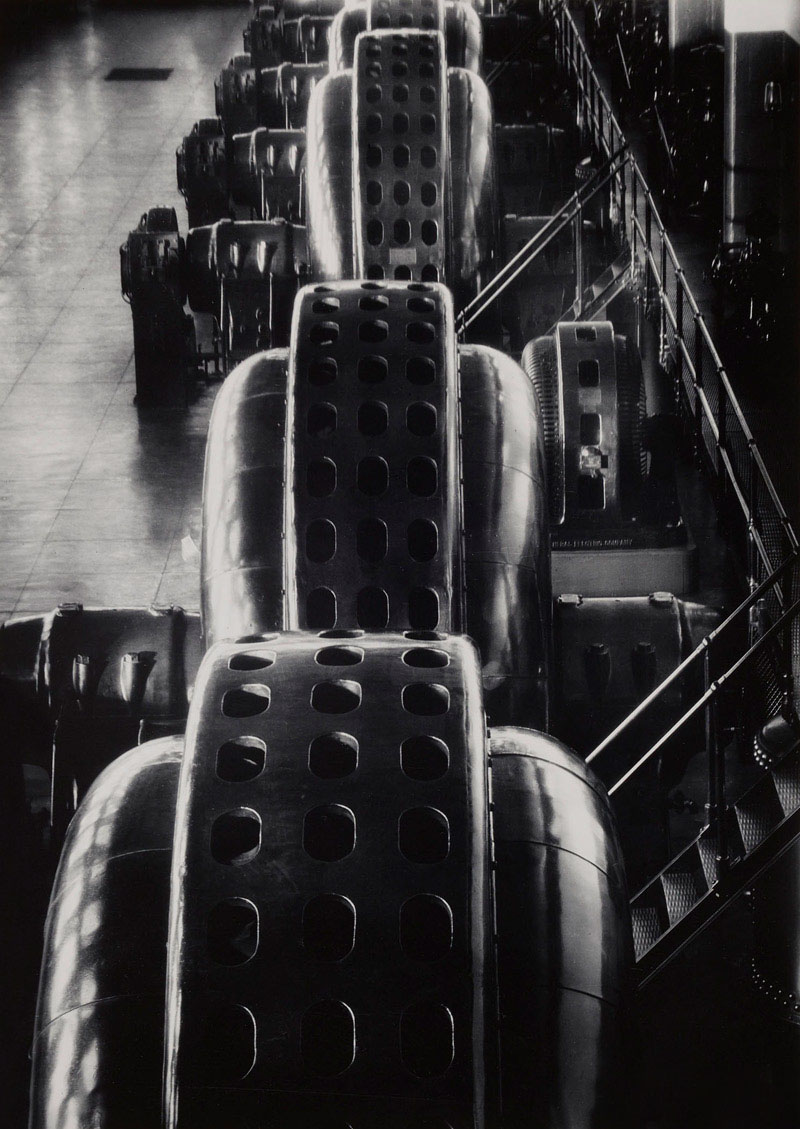

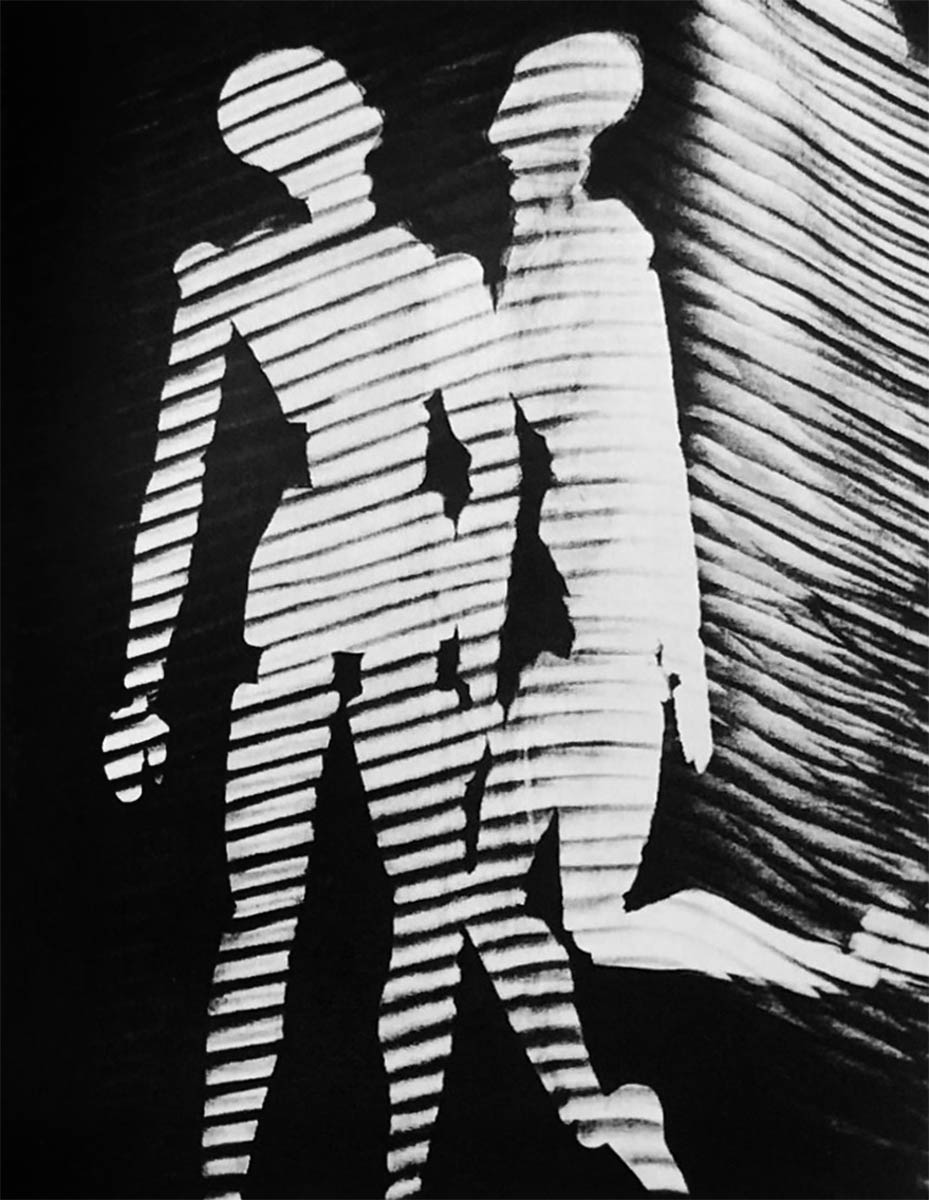

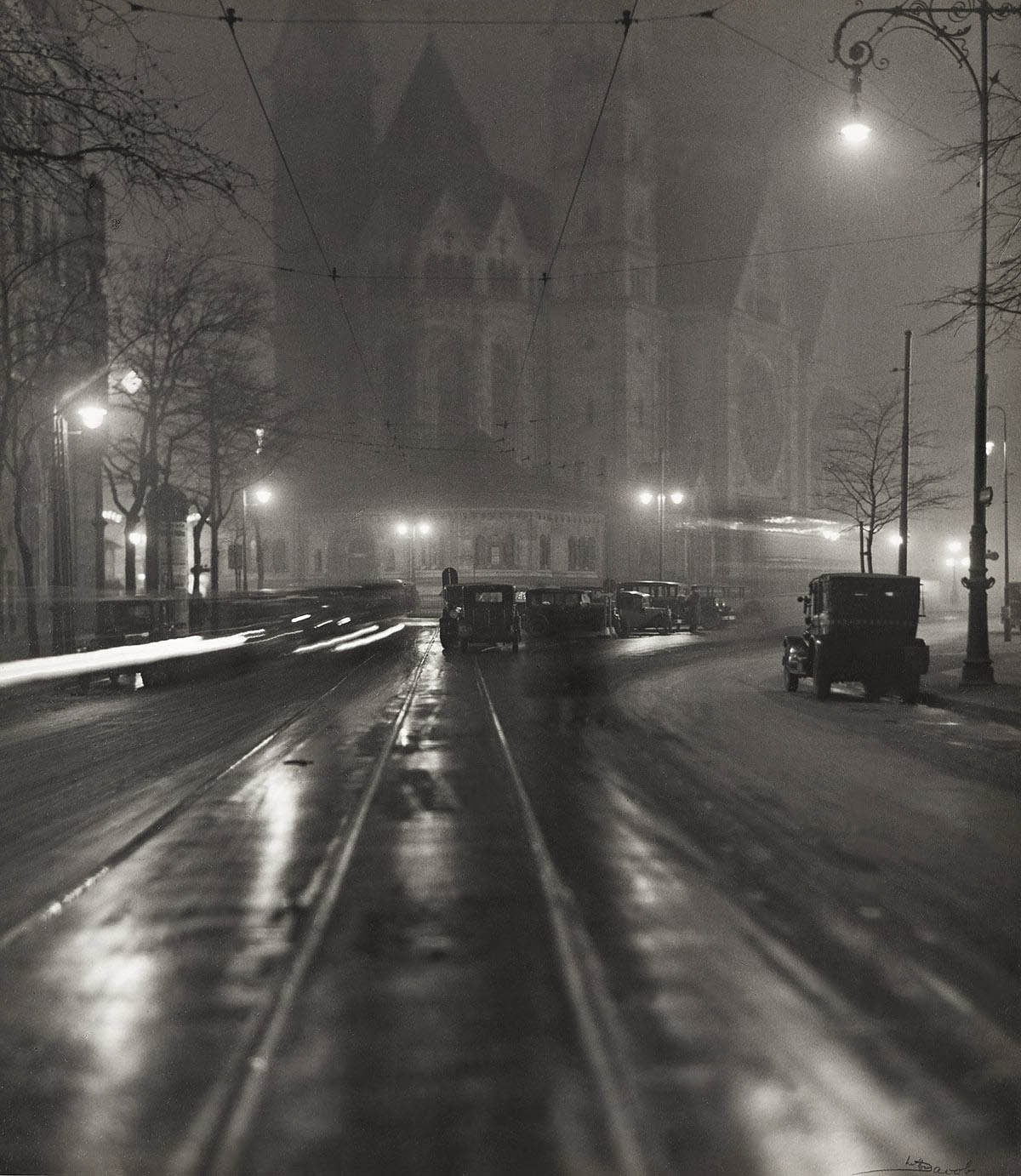


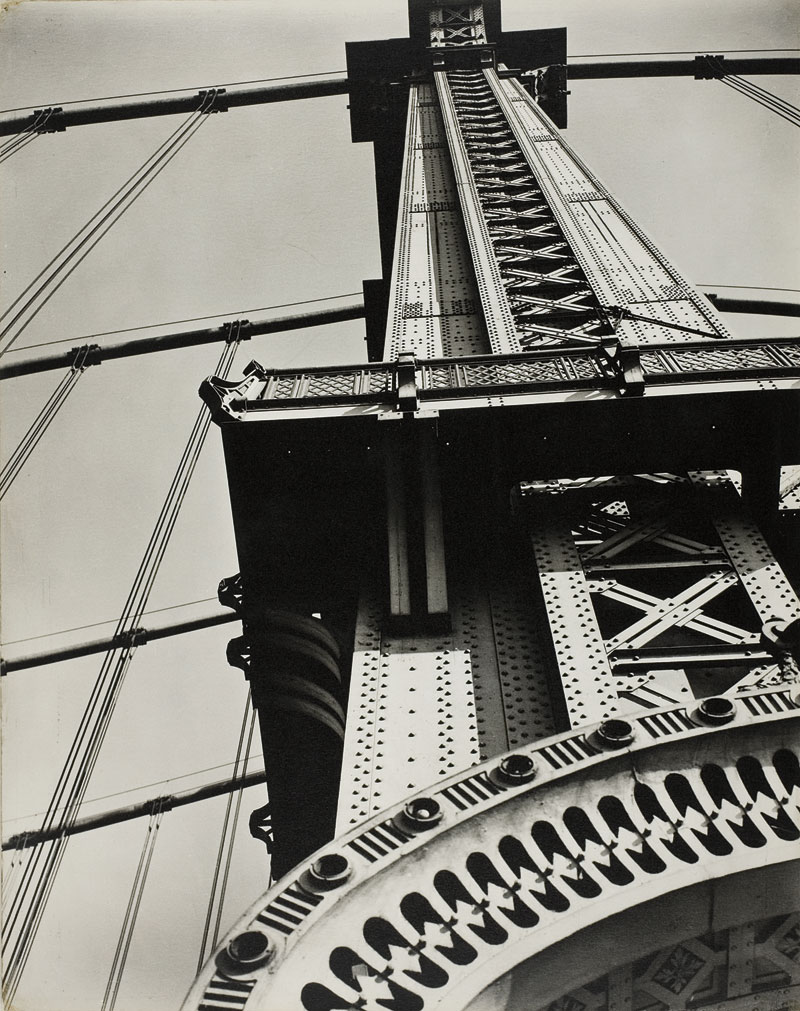


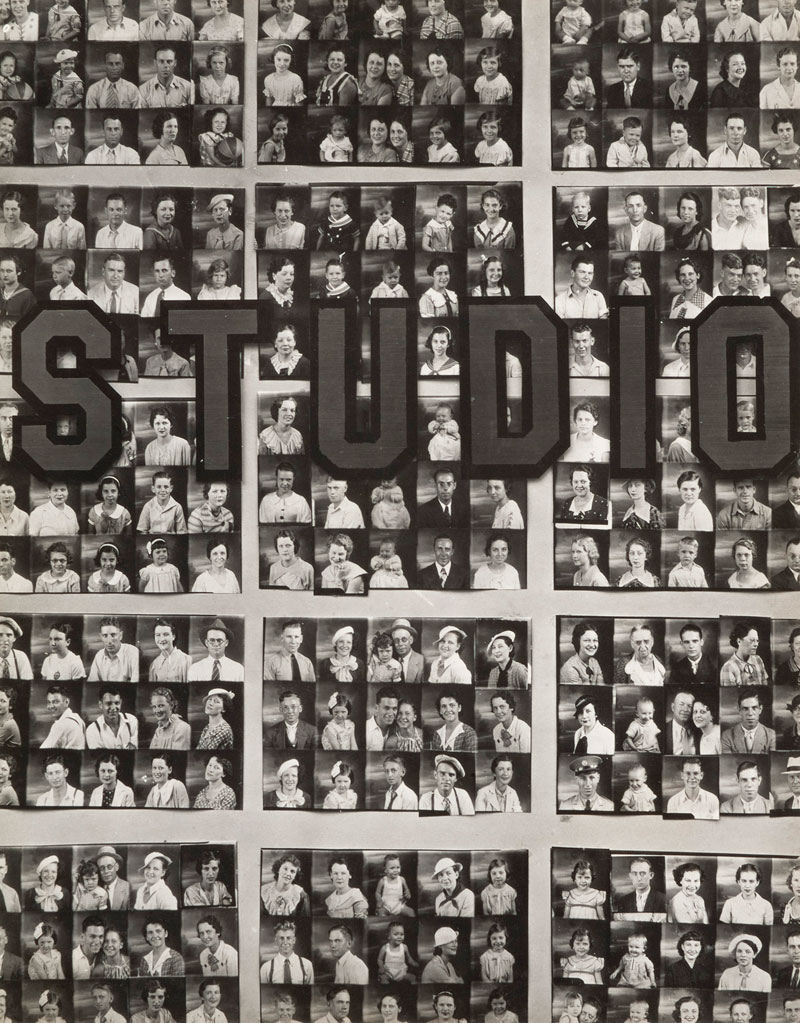
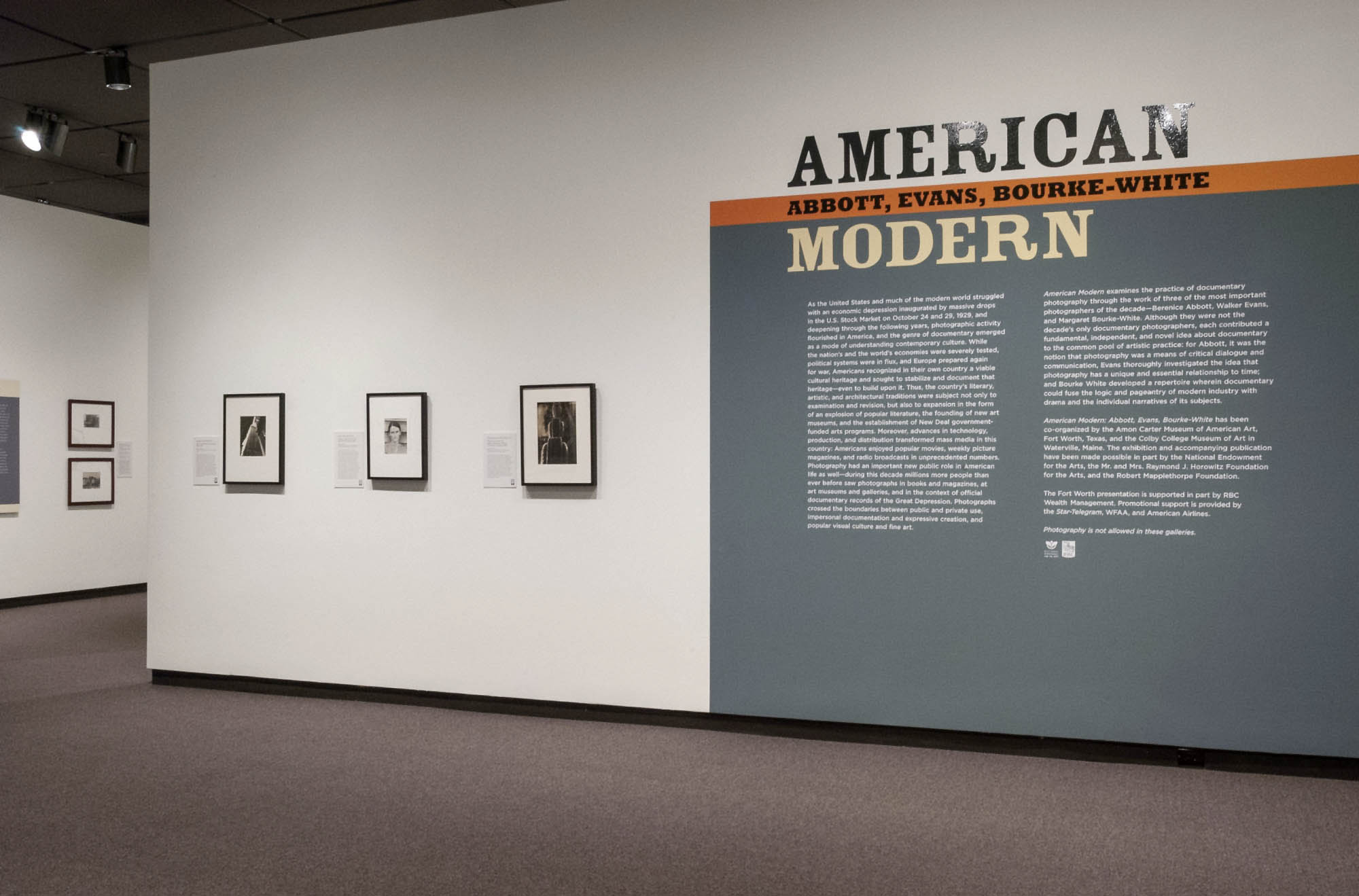

![Margaret Bourke-White (American, 1906-1971) '[Iron Mountain, Tennessee]' 1937 from the exhibition 'American Modern: Abbott, Evans, Bourke-White' at the Amon Carter Museum of American Art, Fort Worth, Texas](https://artblart.com/wp-content/uploads/2010/12/margaret-bourke-white-iron-mountain-tennessee-1937.jpg "Margaret Bourke-White (American, 1906-1971) '[Iron Mountain, Tennessee]' 1937 from the exhibition 'American Modern: Abbott, Evans, Bourke-White' at the Amon Carter Museum of American Art, Fort Worth, Texas")
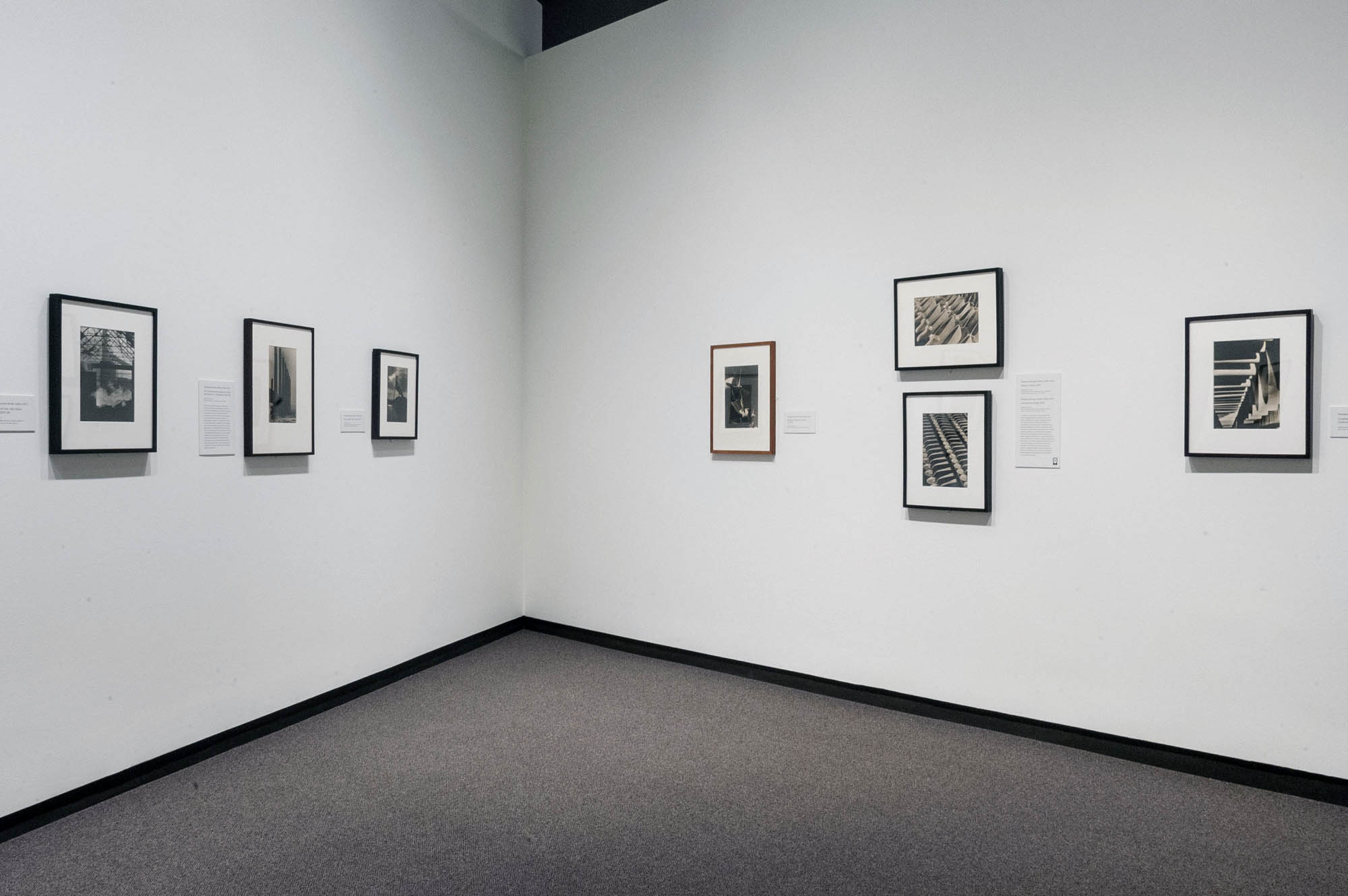
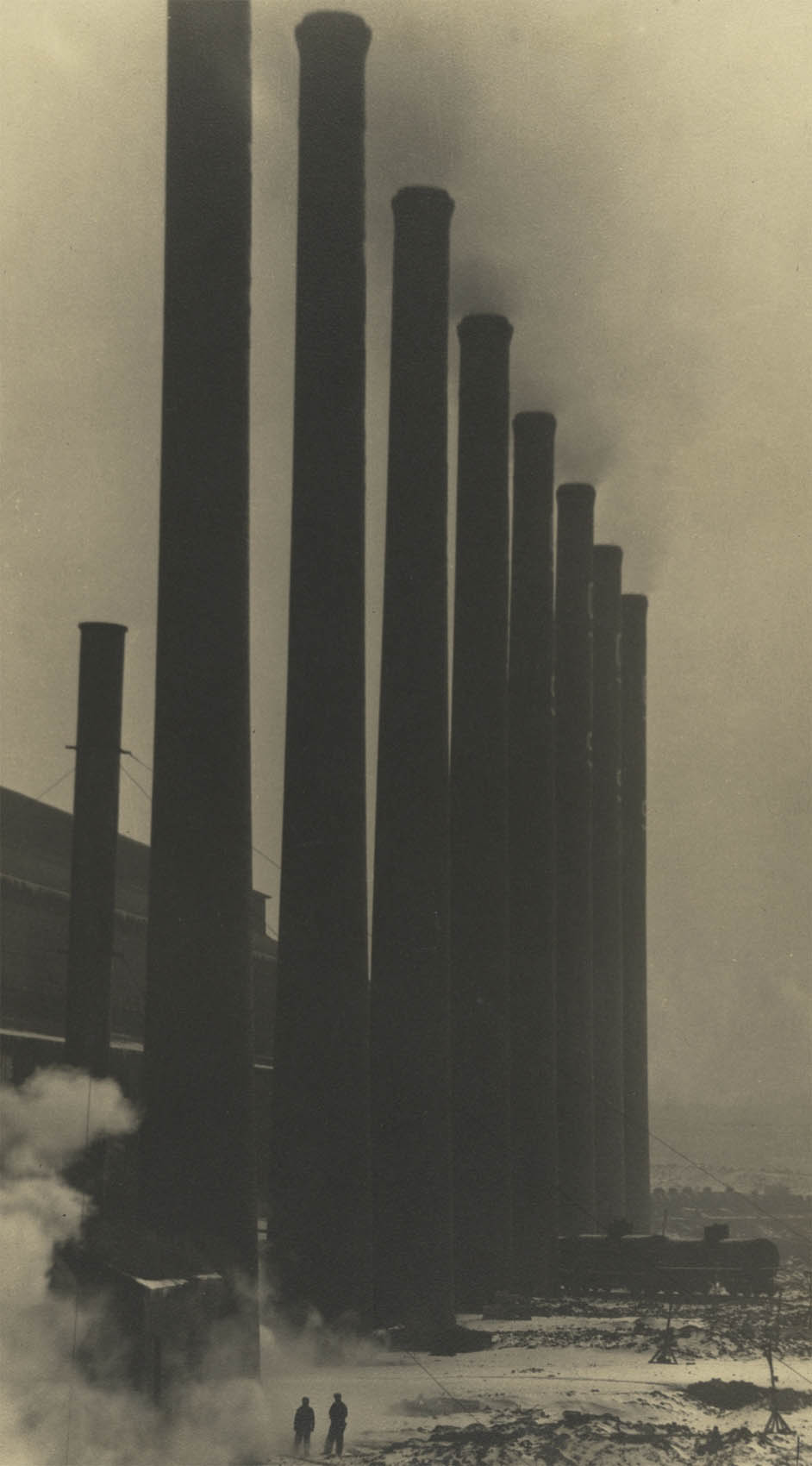
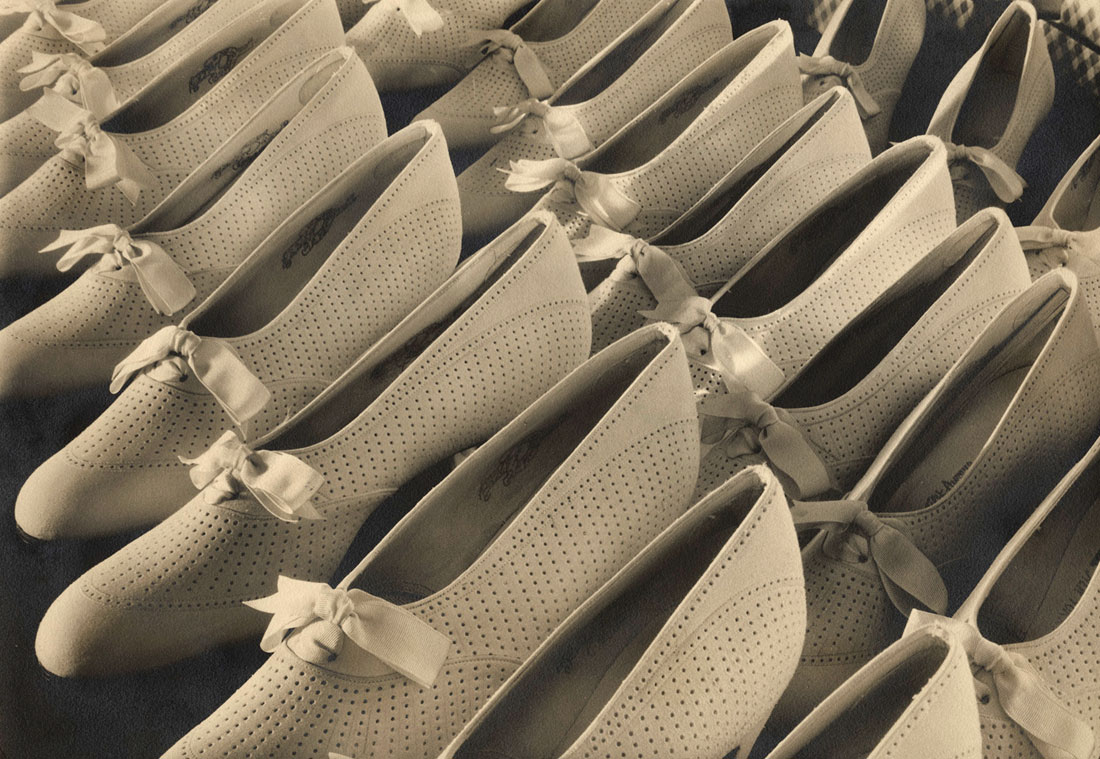
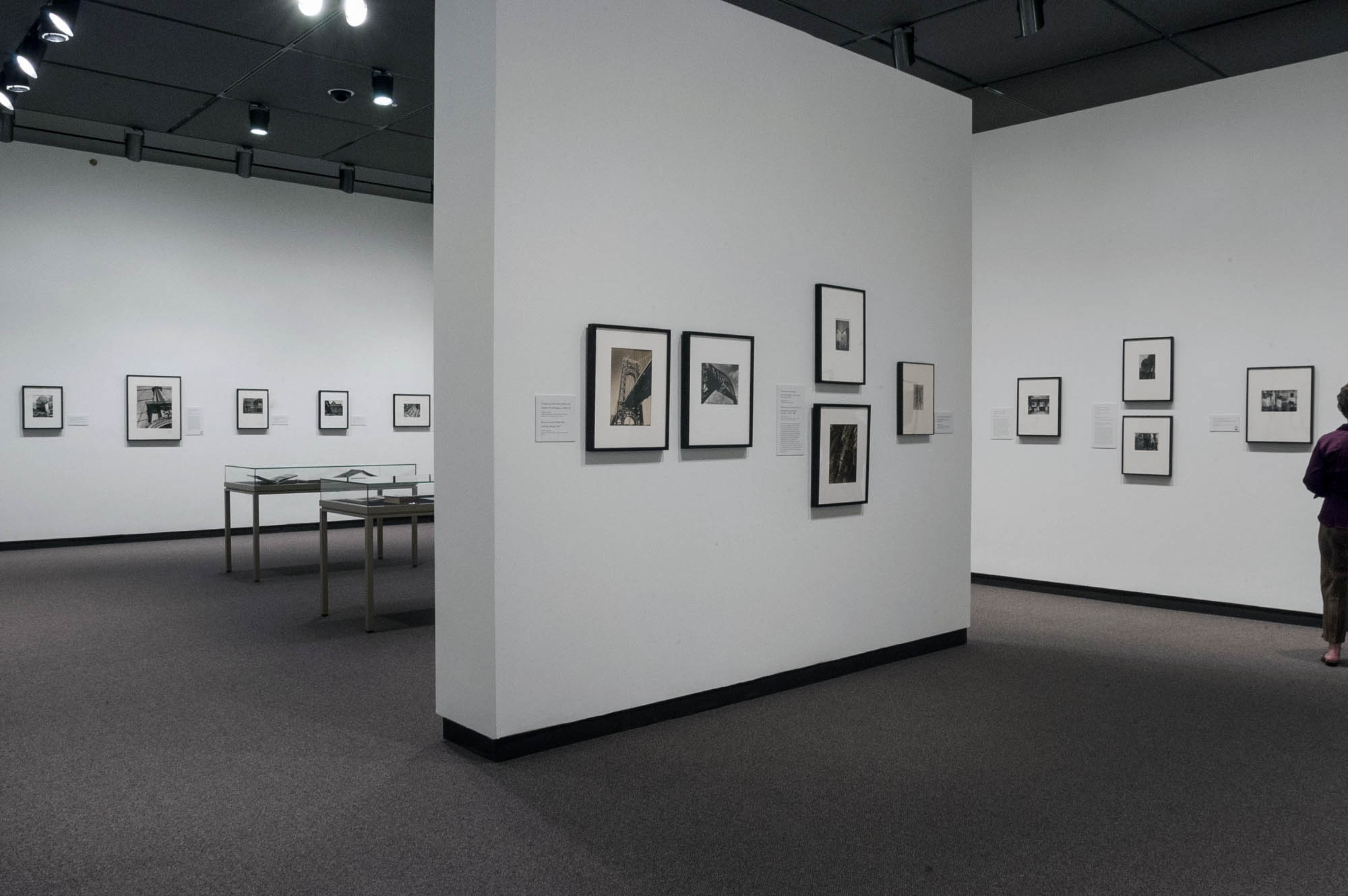
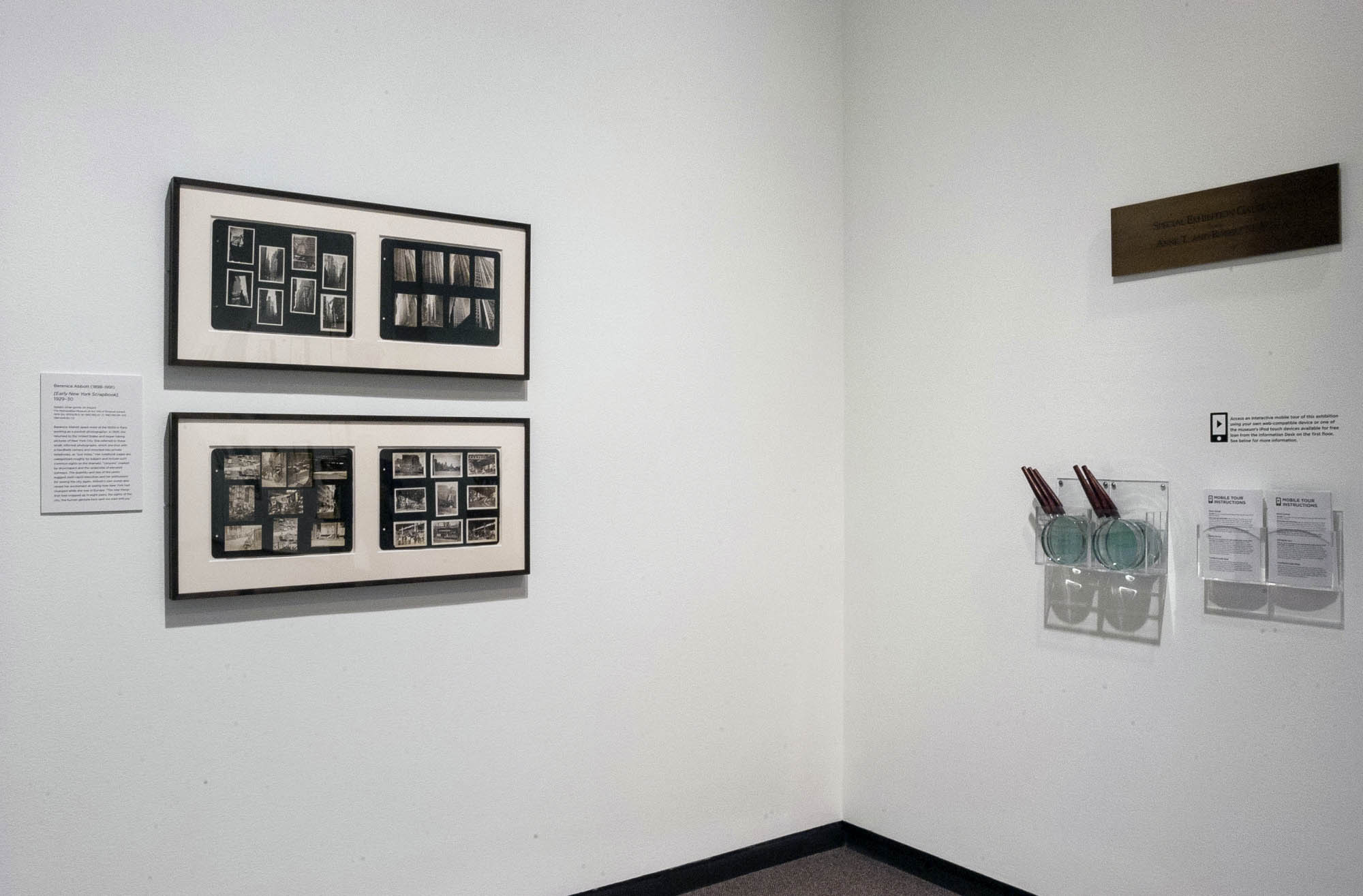
![Walker Evans (American, 1903-1975) '[Lunchroom Window, New York City]' 1929 from the exhibition 'American Modern: Abbott, Evans, Bourke-White' at the Amon Carter Museum of American Art, Fort Worth, Texas](https://artblart.com/wp-content/uploads/2010/12/walker-evans-lunchroom-window-new-york-city-1929.jpg "Walker Evans (American, 1903-1975) '[Lunchroom Window, New York City]' 1929 from the exhibition 'American Modern: Abbott, Evans, Bourke-White' at the Amon Carter Museum of American Art, Fort Worth, Texas")
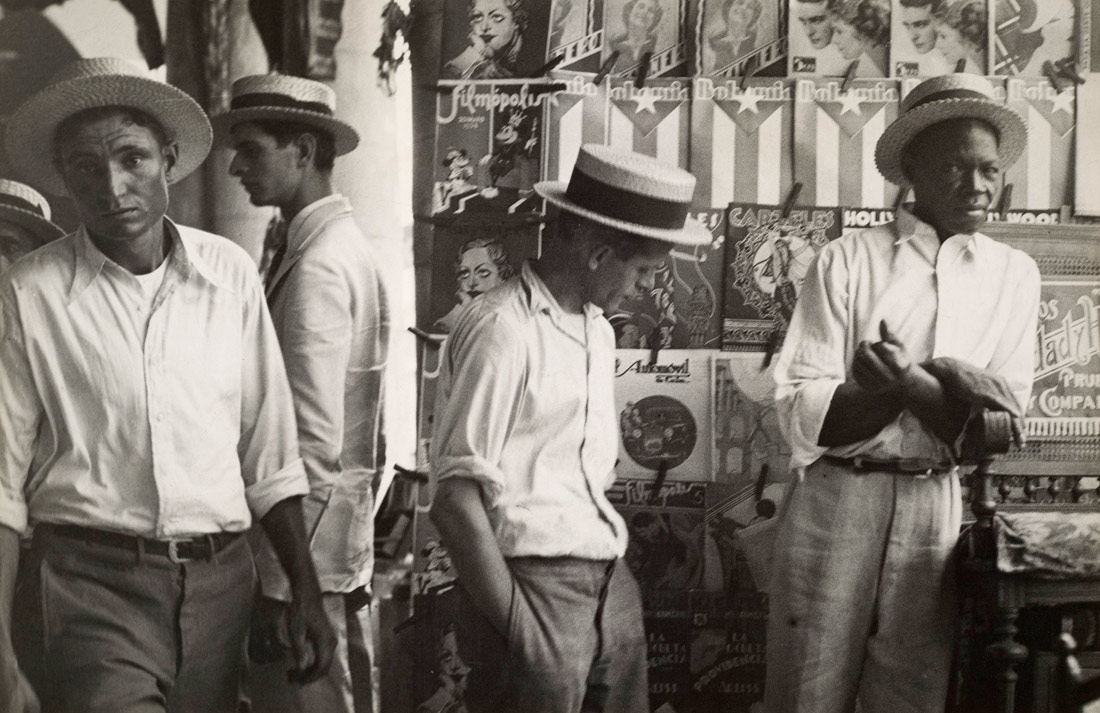
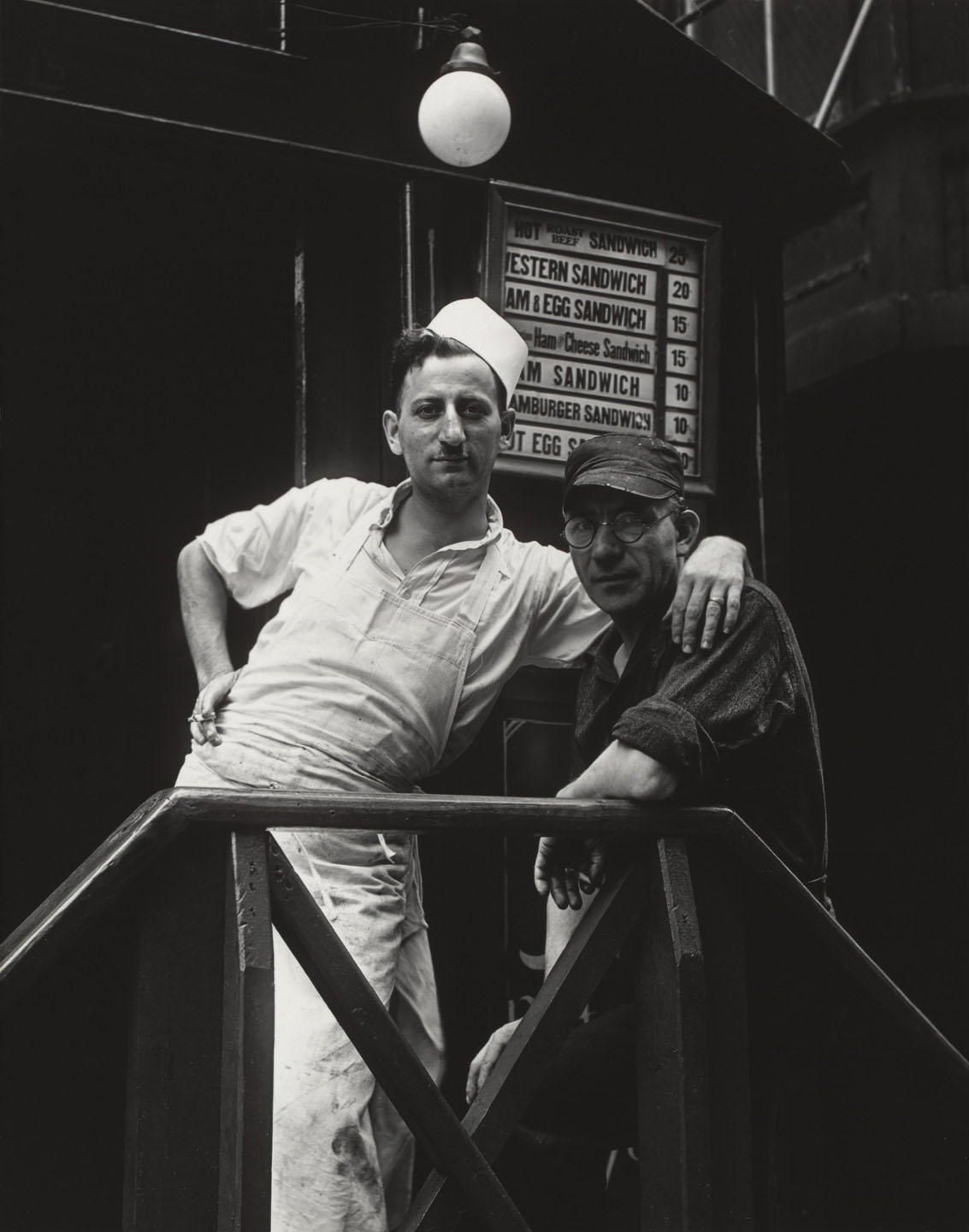


 Art Blart _ art and cultural memory archive
You must be logged in to post a comment.