Many thankx to the Los Angeles County Museum of Art for allowing me to publish the photographs in the posting. Please click on the photographs for a larger version of the image.
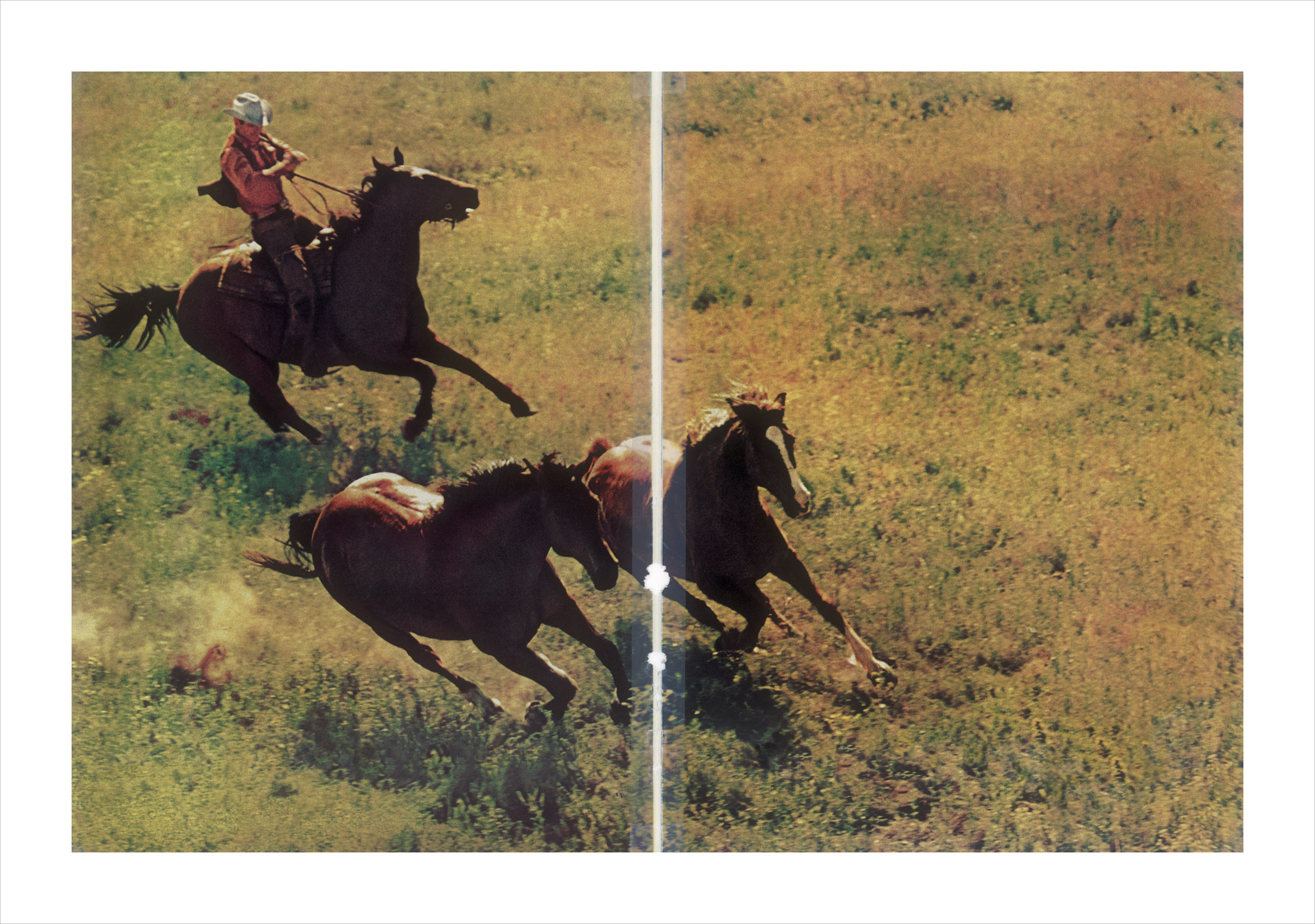
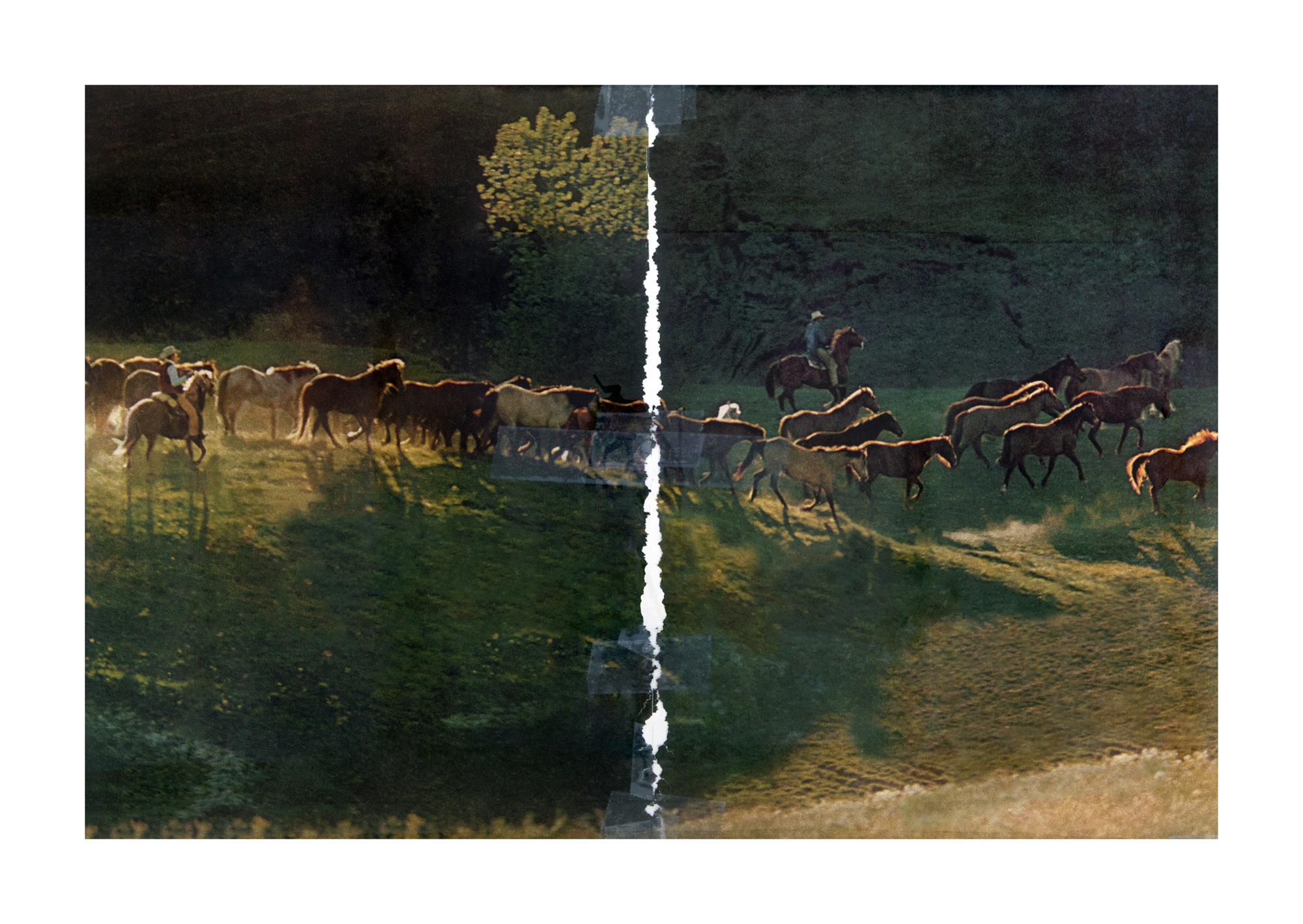
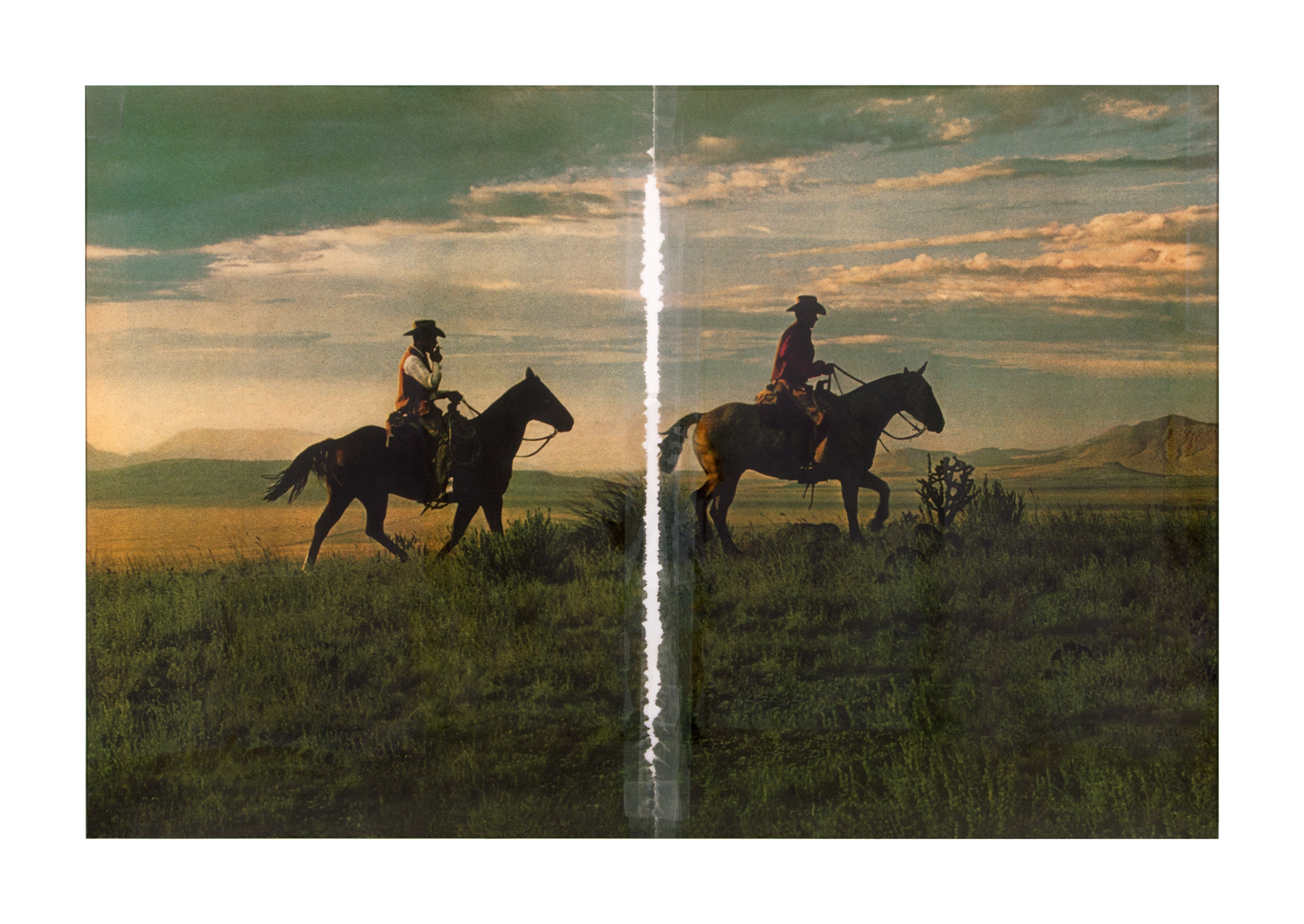
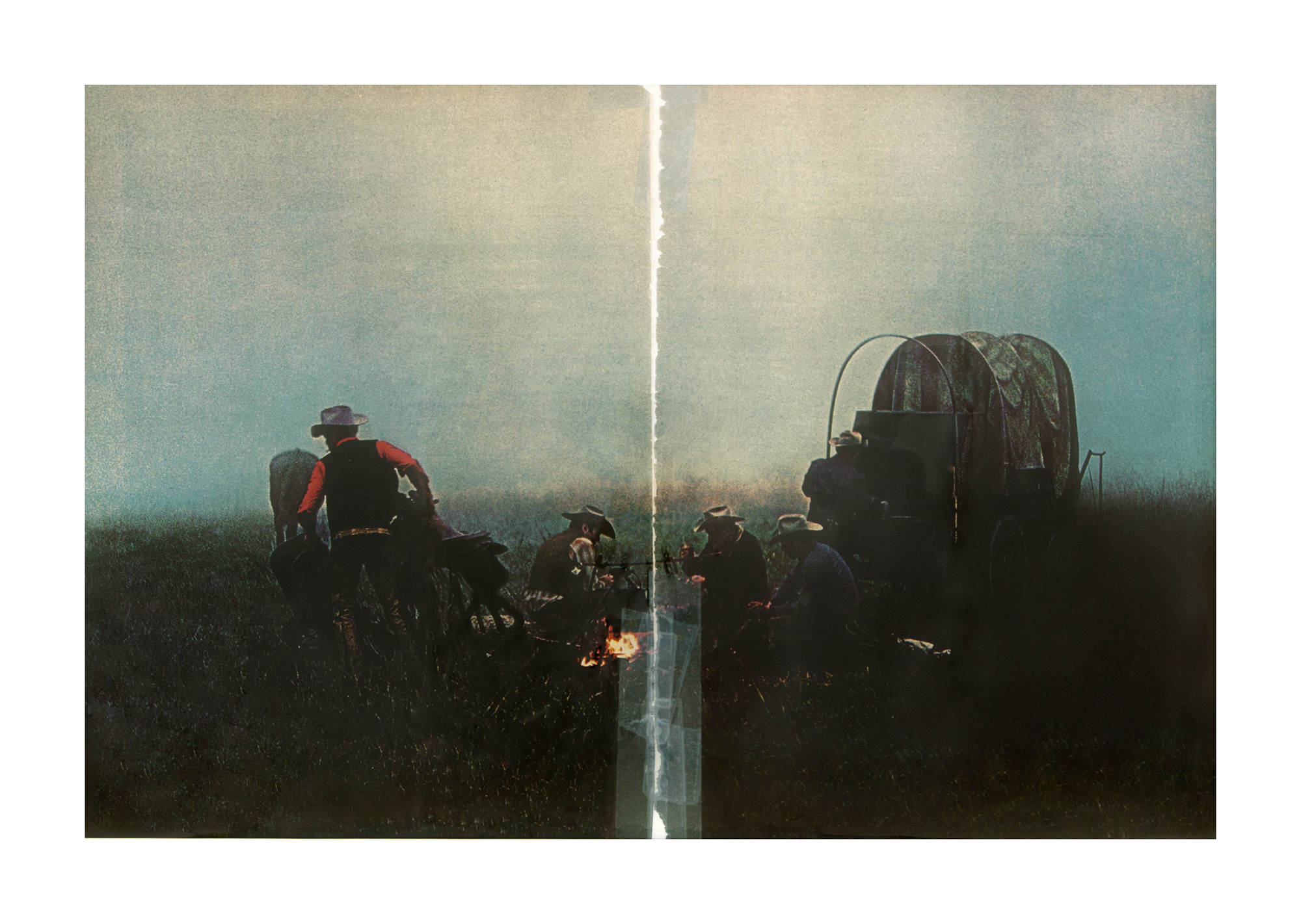
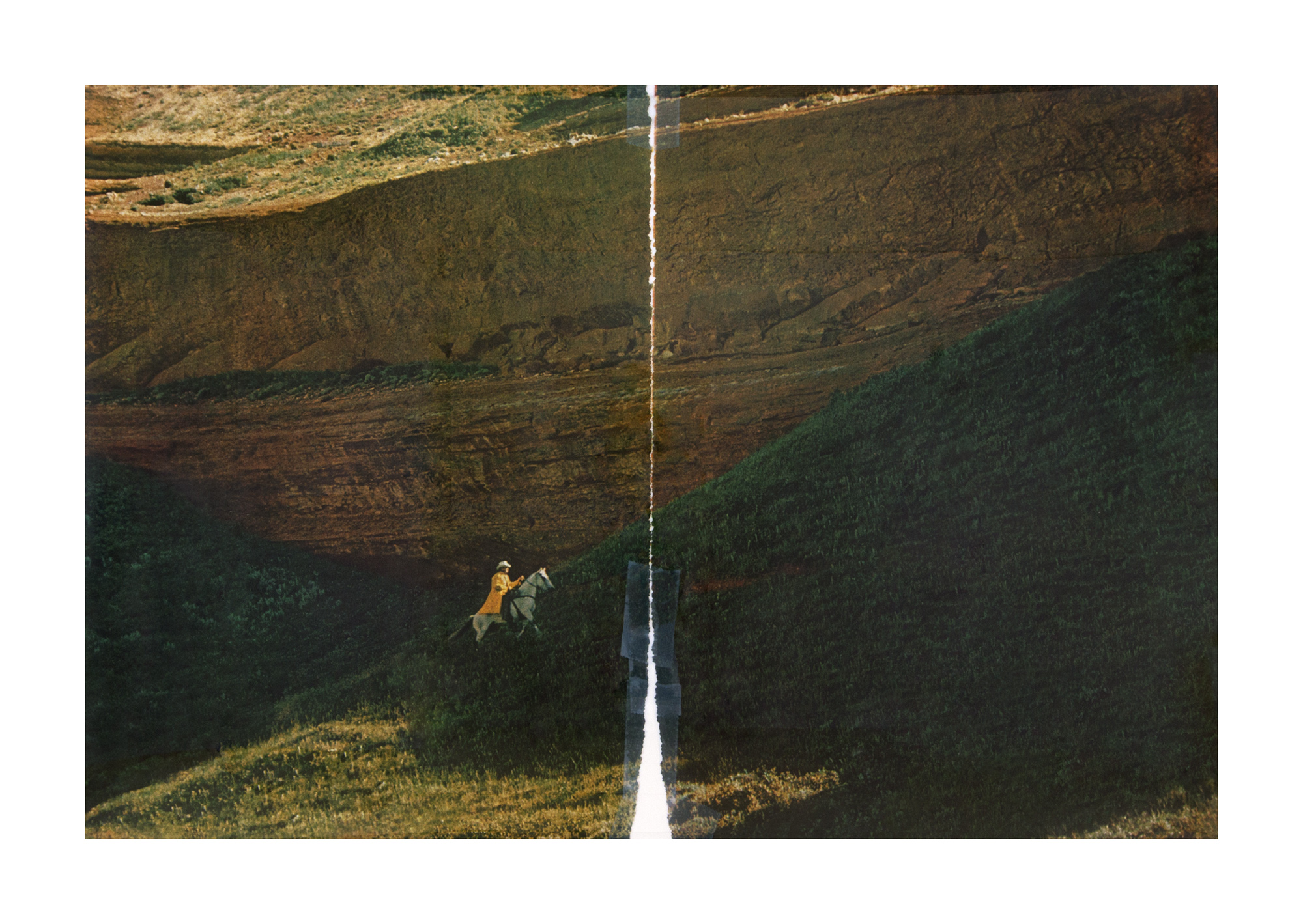
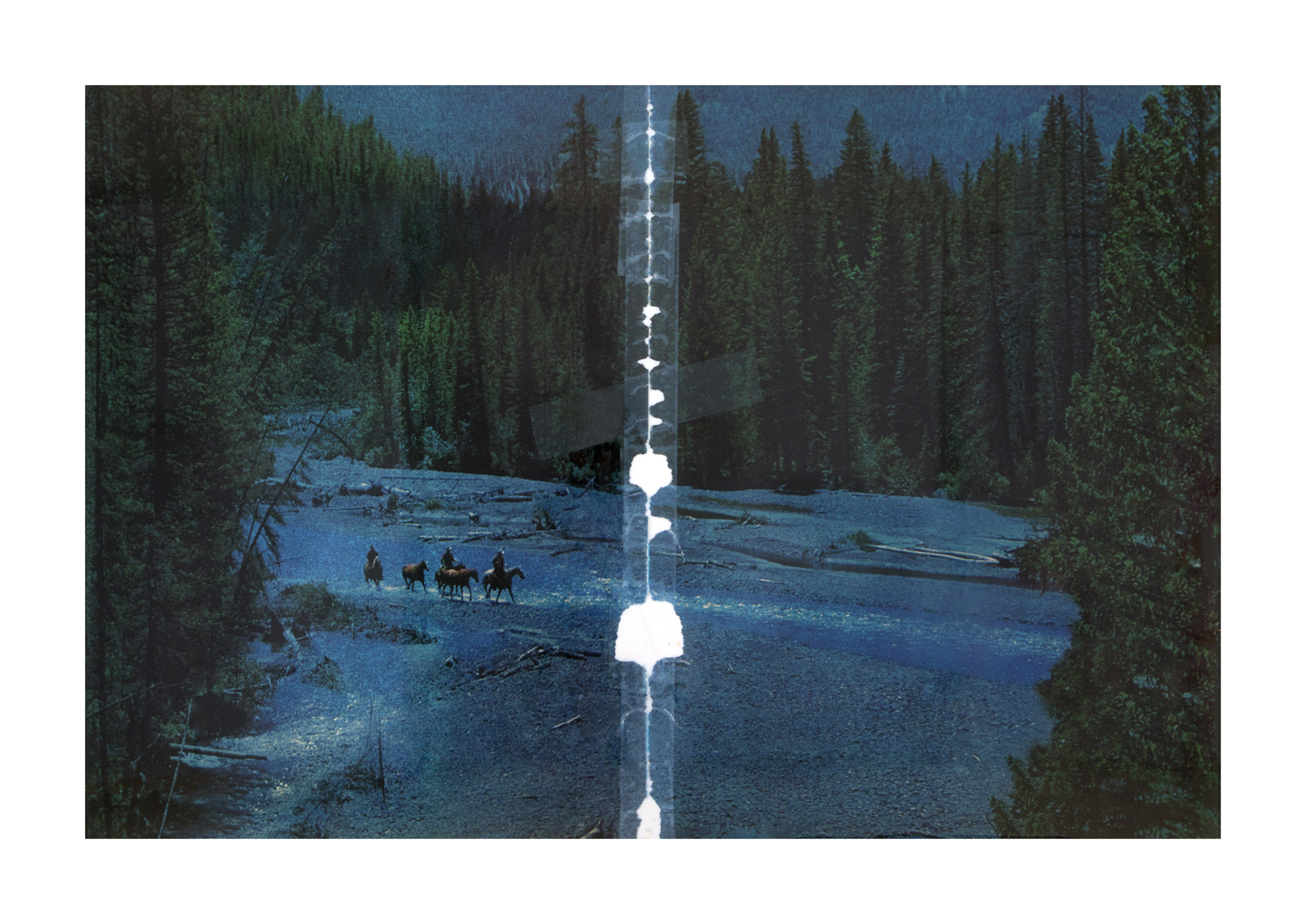
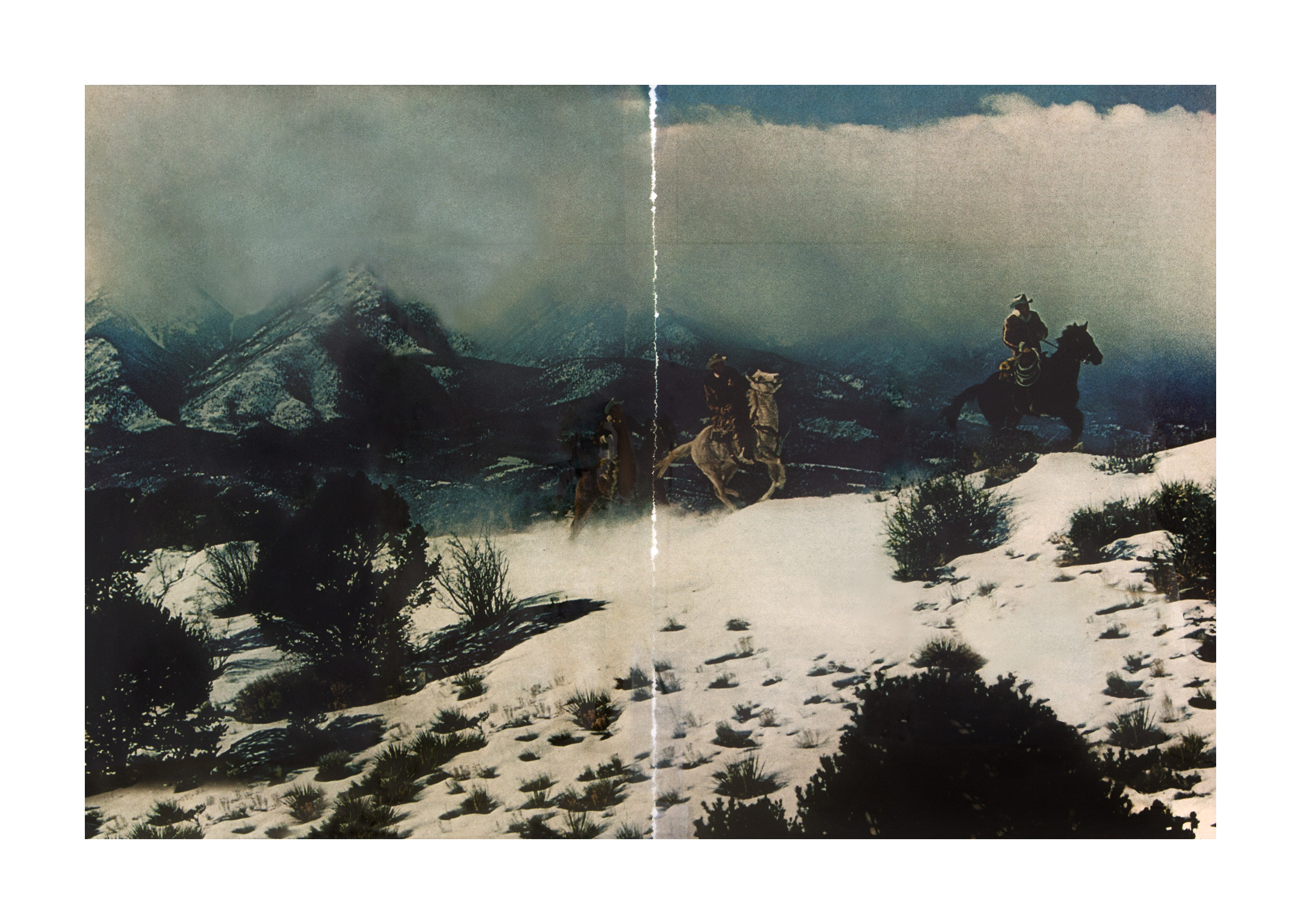
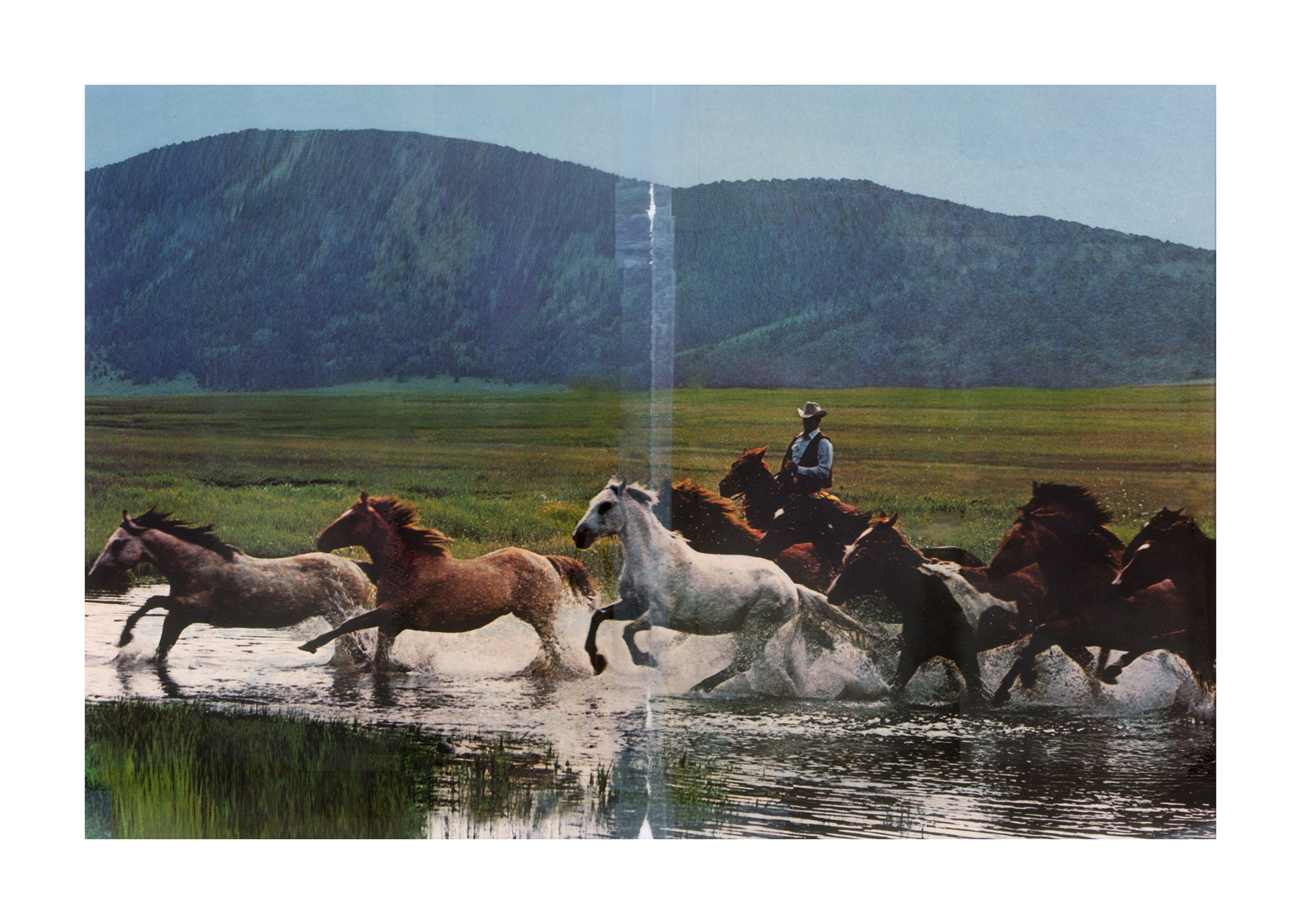
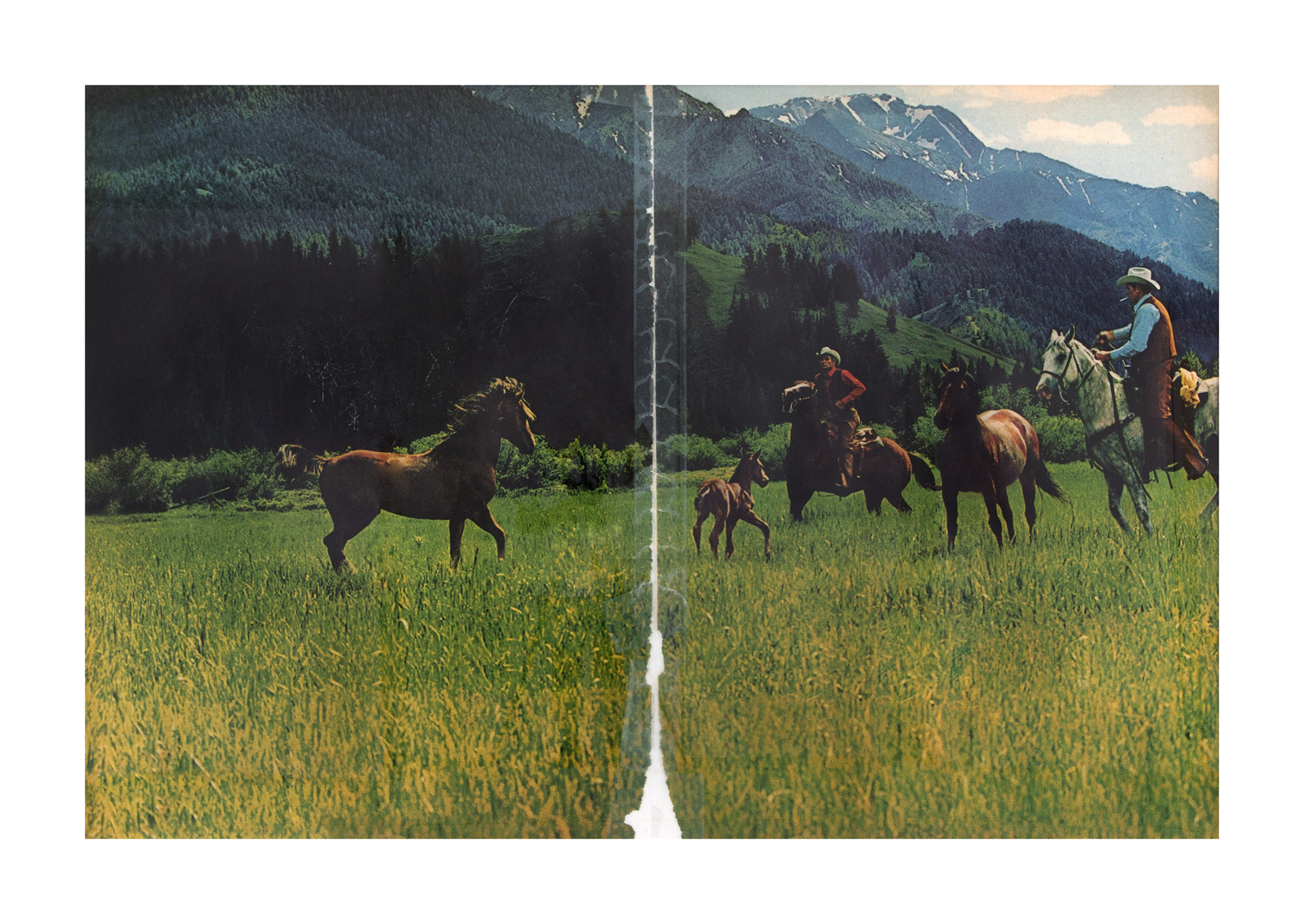
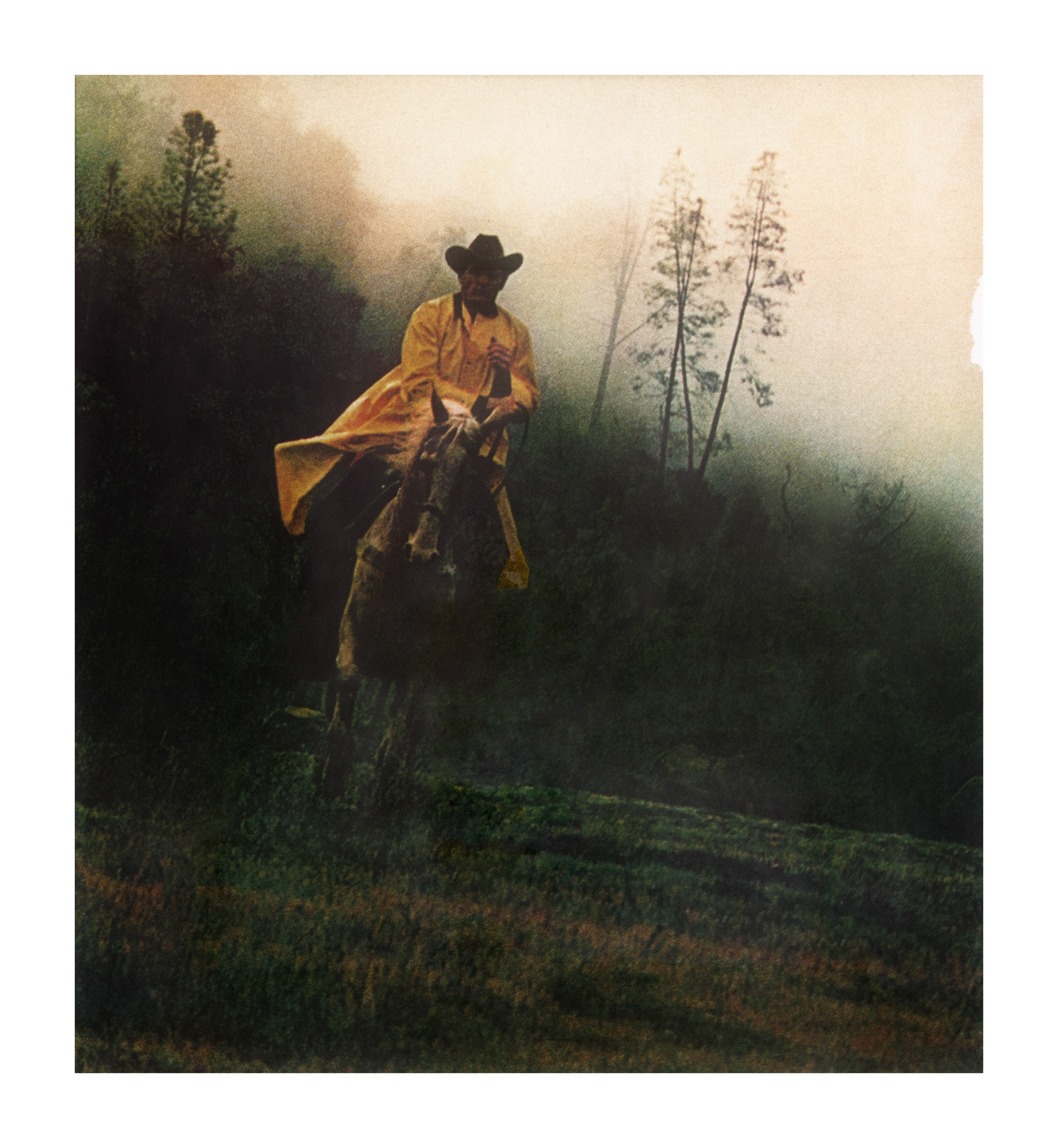
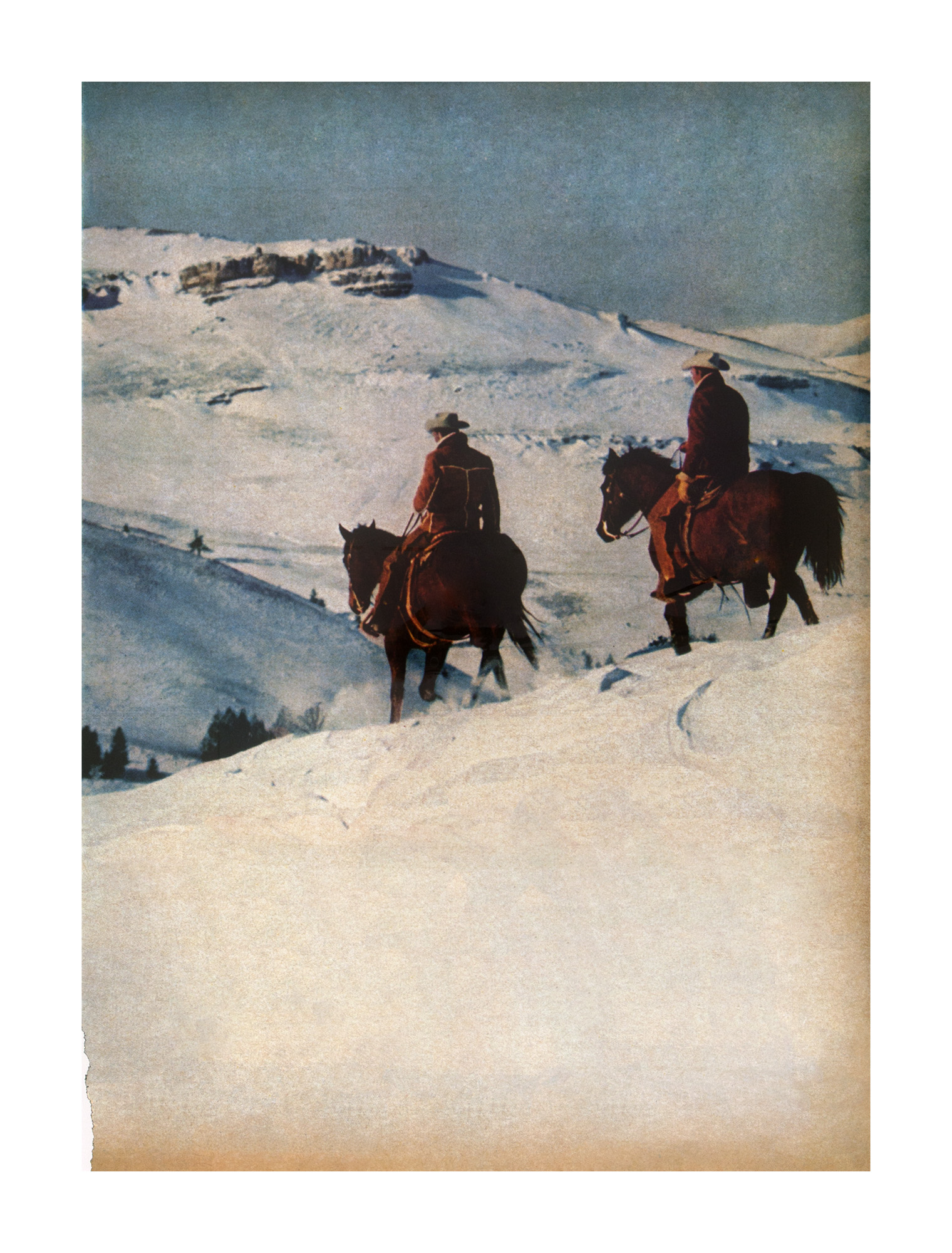
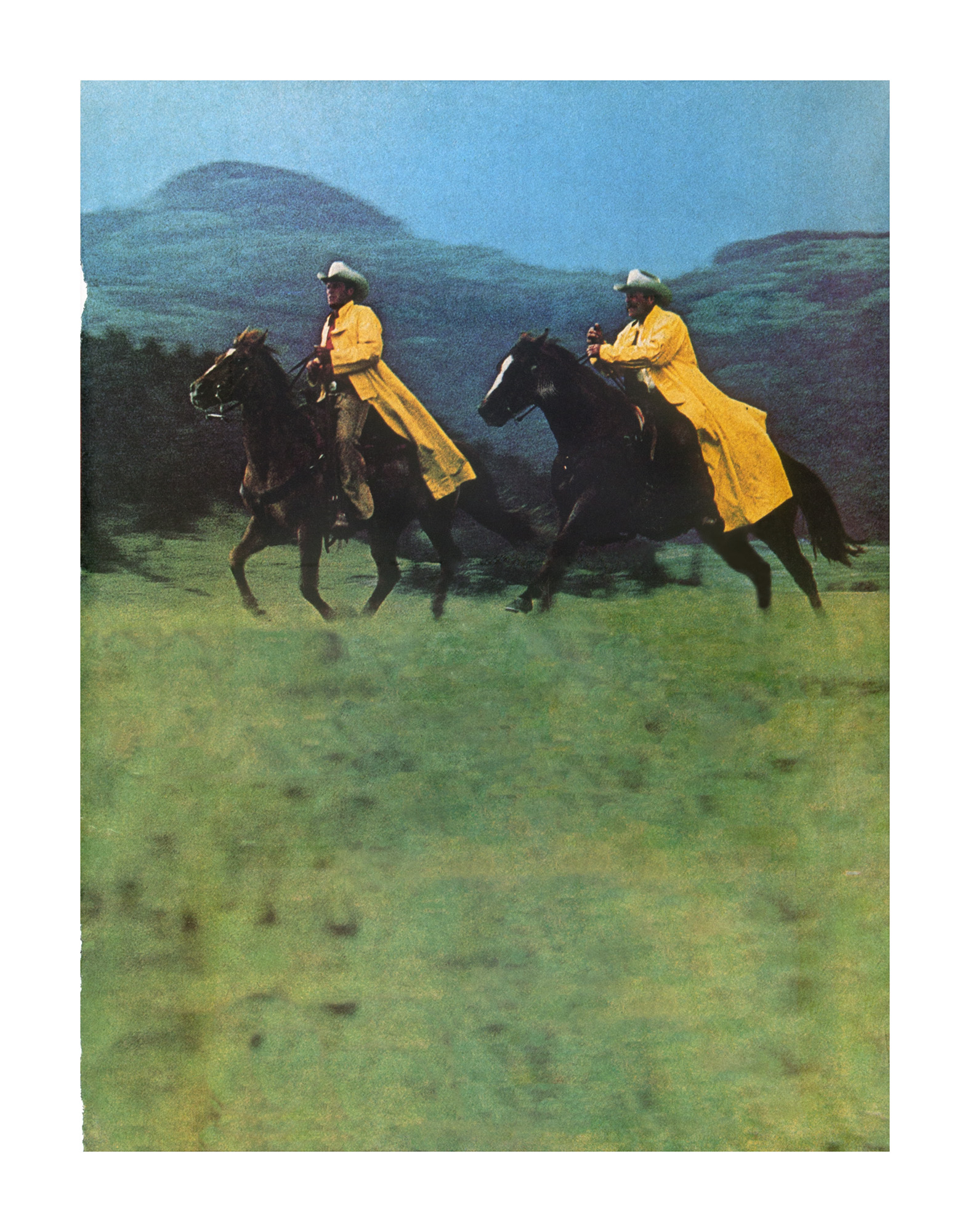
Richard Prince: Untitled (cowboy) presents two photographic series from the 2010s that are being publicly exhibited for the first time at LACMA. Continuing the artist’s career-long engagement with the motif of the cowboy, Untitled (cowboy), recently acquired by LACMA, and Untitled (original cowboy) achieve the grandeur of 19th-century history painting while also deconstructing the iconography of the American West. Once again challenging the conventional meanings and limits of the photographic medium, Prince reignites debates he sparked some 40 years ago.
In the mid-1970s, Prince was an aspiring painter working in Time Inc.’s tear sheet department, clipping texts for magazine writers. After he removed the articles, he was left with advertisements: glossy pictures of commodities, models, and other objects of desire. Between 1980 and 1992, Prince paid particular attention to the motif of the cowboy, as depicted in a series of advertisements for Marlboro cigarettes. Prince began to rephotograph the advertisements, cropping and enlarging them to make limited-edition prints as artworks of his own. Prince’s re-photography had an explosive effect on the art world, provoking lawsuits and setting auction records. With this controversial practice, he redefined what it means to “take” a photograph.
For his 2015-16 Untitled (cowboy) photographs, Prince revisited copies of TIME from the 1980s and 1990s using contemporary technology. In contrast to this studio-based manipulation, for the 2013 series Untitled (original cowboy) Prince went to Utah, seeking out quintessential viewpoints established by legions of photographers – tourists and artists alike – who preceded him. Extending his interrogation of this particular American protagonist into the era of Instagram, Prince demonstrates that the stakes around originality, appropriation, and truth in advertising are as high as ever.
Curators: Matthieu Rivallin, collections officer, Médiathèque de l’architecture et du patrimoine, Paris, and Pia Viewing, curator – researcher at the Jeu de Paume, Paris.
François Kollar is a magnificent photographer. He produced strong images that possess few histrionics, even less ego. They simply just are.
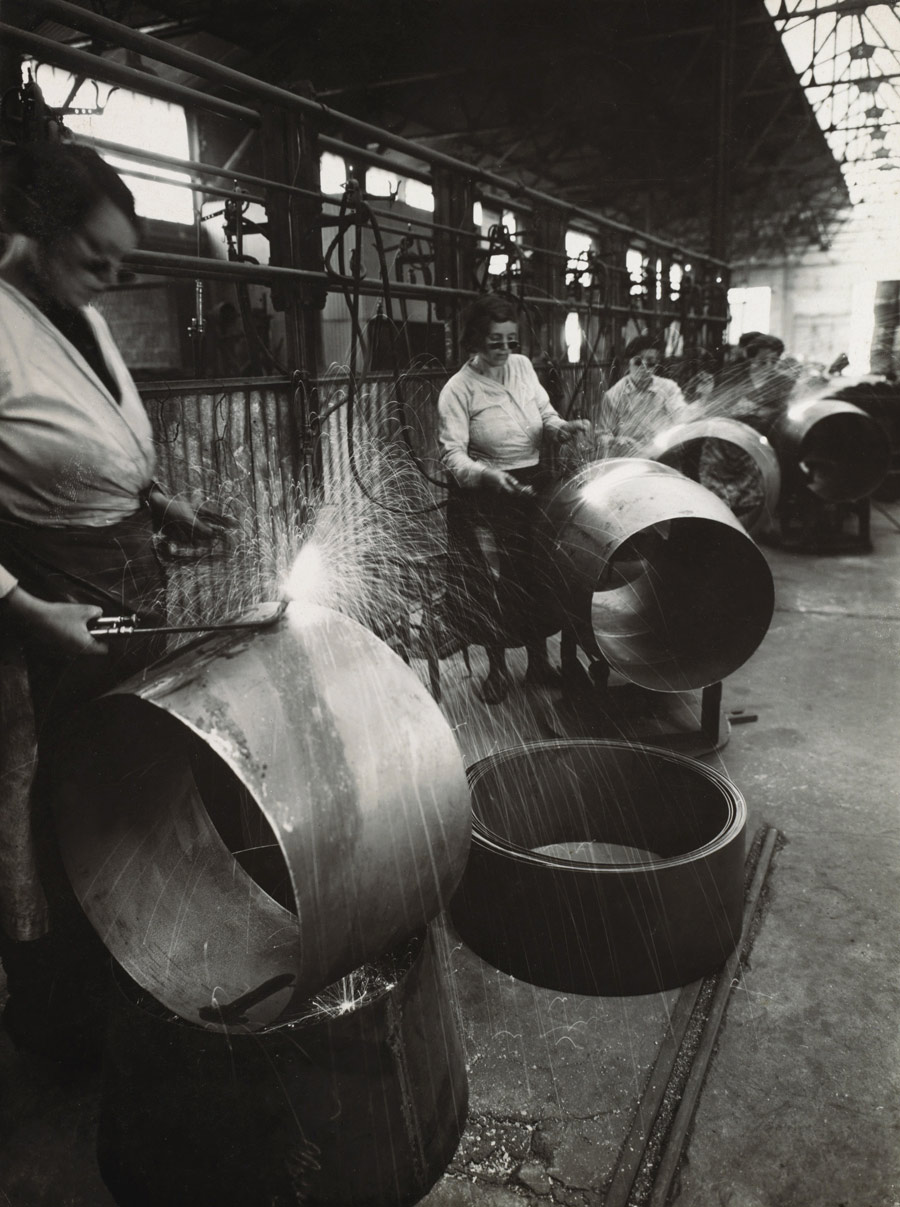
People quoted in this posting comment that in his photographs “human measure is omnipresent”; that you never loose the sense of scale; that there are “frequent contrasts between near and far, the intimate and the monumental”; that his photographs are “an anthropological investigation into the behaviour, gestures and postures of people at work”; that “Men and women and their functions and roles in the production process are recurrent elements.”
All these statements are true.
Further, his images are sensitive, beautiful, show no traces of any social movements, and little sign of emotion. As Dominique Vautrin observes, “François Kollar is a photographer who resembles his images: somewhat mysterious, beautiful, and discreet…” And as the text from Jeu de Paume states, “He revealed himself to be a temperate photographer, somewhere between the barebones modernism of Bauhaus and a humanist approach to photography.” Other photographers who could fit into this playlist could be Bill Brandt in England, Walker Evans in America and Wolfgang Sievers in Australia.
But what a splendid description – a “temperate photographer”. Showing moderation and self-restraint… there is far too little of that in contemporary photography. A humanist with an avant-garde edge, a photographer whose vision was clear and consistent throughout his oeuvre, who could turn his hand to anything: advertising, fashion, avant-garde, double exposures, solarisation, photomontage, documentary reportage, surrealism, constructivism, modernism.
Joseph Nechvatal comments that Kollar’s work is poignant. This is an incorrect word to describe the work, for the photographs never evoke a keen sense of sadness or regret. They are of a different order altogether. Let me explain.
There is a wonderful stoicism about the people who Kollar chooses to photograph, who inhabit his world of work. The endurance of work without the display of feelings and without complaint. Labour is not represented in any glorified way, not as a noble undertaking, and certainly not heroic (although the worker can be represented as intimate and monumental). The workers are represented as an adjunct to the machine but not in a cyborg fashion. In his photographs there is a distinctness about the worker which sets the human apart from the machine, even as he is “deeply embedded within their functions and roles in the production process.” I don’t believe that people understand this separation, preferring instead to comment on the embedding of the human within machine processes. But something was bothering me when I looked at these images and I have pondered long and hard over how to interpret them. There was something I could not put my finger on and it is this…
In the work of Lewis Hine, the workers are in the present looking to the future. In the work of François Kollar there is no justification for the work it is just work… being there in the present. No ego, no elevation of experience or emotion, and the photographs are just so. Just being in the world. The thing itself. Nothing more, nothing less. It seems simple when you say it like that, but the concept is very complex – to allow the photograph to materialise from consciousness, as a sort of previsualisation of experience – of being a poor, working class immigrant (which Kollar was) picturing his own.
That he achieved such photographs “with his 5 x 7 large-format camera and cumbersome lighting equipment” is a testament to the dedication to his craft, to his work, and to his roots – a connection to the working man and woman. These are honest and forthright photographs of what most humans do for most of their life: work at a job they may not like – to pay the bills, to put food on the table. The lighting is superb, the compositions eloquent, the characters in his images unforgettable (Kollar particularly likes portraits of men shot from below with their arms folded) but it is the balance between the subjective and objective which is so finely honed in his work. The dispassionate nature of humans when at work is balanced by the aesthetics of the artist and the humanity of the individual.
Dr Marcus Bunyan
Many thankx to Jeu de Paume for allowing me to publish the photographs in the posting. Please click on the photographs for a larger version of the image. View an interesting video of the exhibition and the work of François Kollar on Vimeo.
This retrospective features an ensemble of 130 vintage prints, some of which are previously unseen, as well as others from the photographer’s family’s bequest to the state. It puts Kollar’s work in the spotlight and shows how he managed to lift the veil on the working world in the 20th century. As visitors discover the documentary, artistic and historical qualities of the material on show, they will be able to observe how individuals found their place in society by the means of their occupation and realise the profound changes that took place in industry between the 1930s and the 1960s.
François Kollar. Courtesy Jeu de Paume
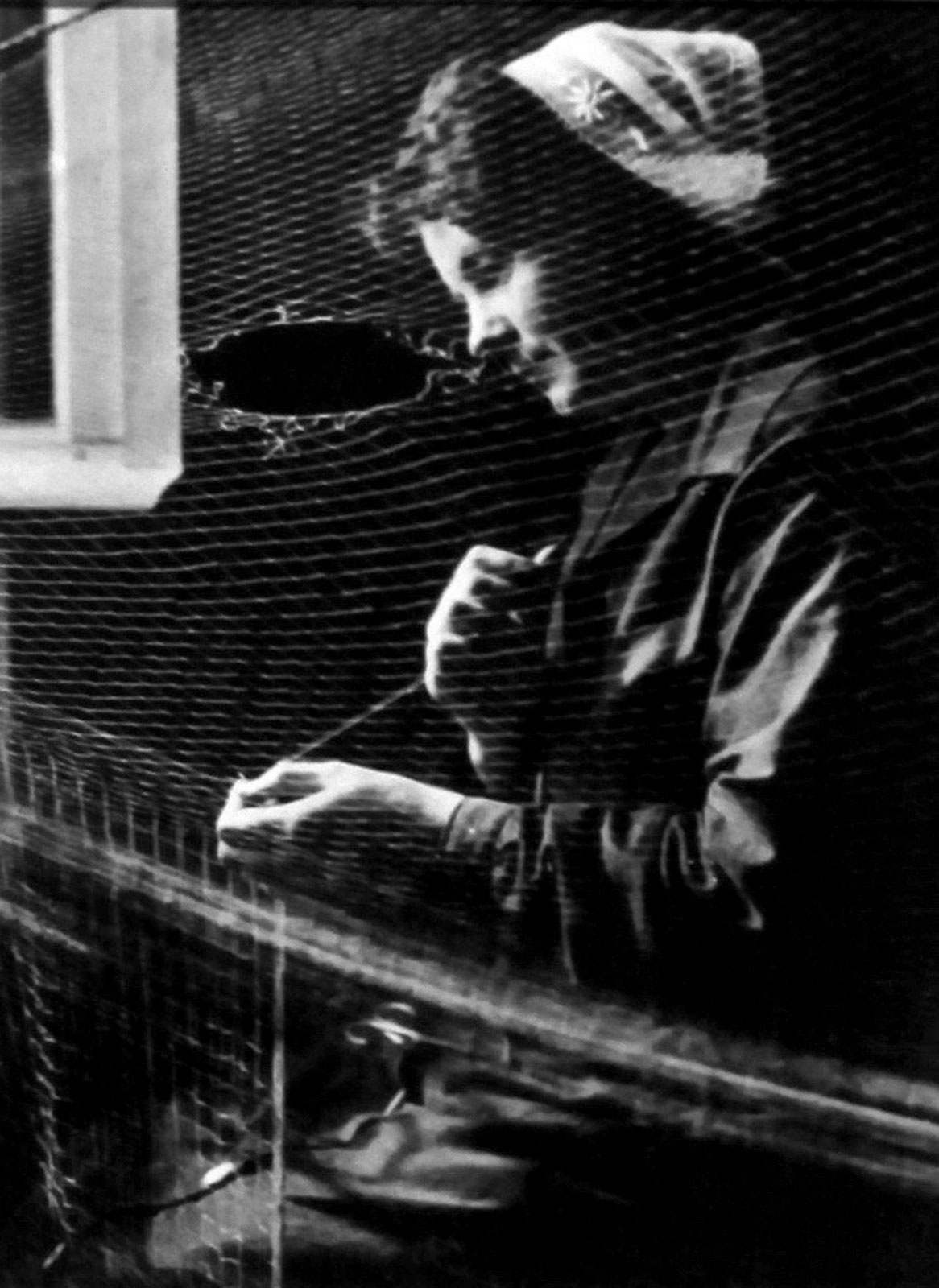
“Without falling into hammy Socialist Realism style, Kollar rendered French working class heroes in beautiful, discreet, lush black-and-white tones. These images of the working person endow them with qualities of excellence, nobility, and respect, and evoked in me mixed sensations of hard materialistic capability and human tenderness. These images of men and women, such as “Nettoyage des lampes. Société des mines de Lens, Lens (Pas-de-Calais)” [1931-34, below], show people deeply embedded within their functions and roles in the production process. In that sense, they contrast with Dorothea Lange’s famous and beautiful Migrant Mother series and the uninhabited, rigorously stark industrial scenes photographed by Bernd and Hilla Becher…
Kollar’s distinctive aesthetic provides a strong, sweet spot amid the sour struggles for employment taking place today in economies shaped by histories of slavery, colonialism, union-busting, sexual exploitation, and corporate capitalism. His artistic style, one that colorlessly abstracts, unifies, and embeds the worker within his or her technological environment, broadens the social politics of employment beyond the heroic human. Rather, he depicts through his unifying, ashen tones the conjunction of laborer and machine. In these photographs, the human worker is bound up with non-human apparatuses in cyborg fashion, depicting a complex technological laborer who is no less real and worthy of our aesthetic delectation.”
François Kollar (French born Slovakia, 1904-1979) Construction des grands paquebots, Rivetage de tôles d’un pont de navire, chantier et ateliers de Saint-Nazaire à Penhoët Construction of large ships, riveting the sheets of a ships deck, site workshops of Saint Nazaire Penhoët 1931-1932 Vintage silver gelatin photograph 28.9 x 23.5cm Donation François Kollar, Médiathèque de l’architecture et du patrimoine
François Kollar: “A Working Eye” from 09 February 2016 until 22 May 2016 at Jeu de Paume, Paris
François Kollar (French born Slovakia, 1904-1979) Dans le port, à bord. Super Ile de France: cisaillage au chalumeau oxhydrique. Société des chantiers et ateliers de Saint-Nazaire à Penhoët In port, on board. Super Ile de France: cutting using the welding torch. Company building sites and workshops of Saint Nazaire Penhoët 1931 Vintage silver gelatin photograph
François Kollar (French born Slovakia, 1904-1979) Dans le port, à bord. Champlain: grattage du pont. Société des chantiers et ateliers de Saint-Nazaire à Penhoët In port, on board. Champlain: scraping the bridge. Company building sites and workshops of Saint Nazaire Penhoët 1931 Vintage silver gelatin photograph
François Kollar (French born Slovakia, 1904-1979) Dans le port, à bord. “Negre” soutier, Bordeaux (Gironde) In port, on board. “Negro” help, Bordeaux (Gironde) 1931 Vintage silver gelatin photograph
François Kollar was born in Szenc, Hungary in 1904 (now the Slovakian town of Senec) and died in Créteil, France in 1979. He was first employed on the railways in his native country and then worked as a lathe operator at Renault’s Boulogne-Billancourt factory, before becoming a professional photographer at the age of 24 after gaining solid experience as a studio manager at the Parisian printer’s, Draeger. His in-depth knowledge of the world of work, in sectors as diverse as advertising, fashion, industry, handicrafts and agriculture, allowed him to portray tools, materials and gestures with exceptional professional expertise.
This retrospective features an ensemble of 130 vintage prints, some of which are previously unseen, as well as others from the photographer’s family’s bequest to the state. It puts Kollar’s work in the spotlight and shows how he managed to lift the veil on the working world in the 20th century. As visitors discover the documentary, artistic and historical qualities of the material on show, they will be able to observe how individuals found their place in society by the means of their occupation and realise the profound changes that took place in industry between the 1930s and the 1960s.
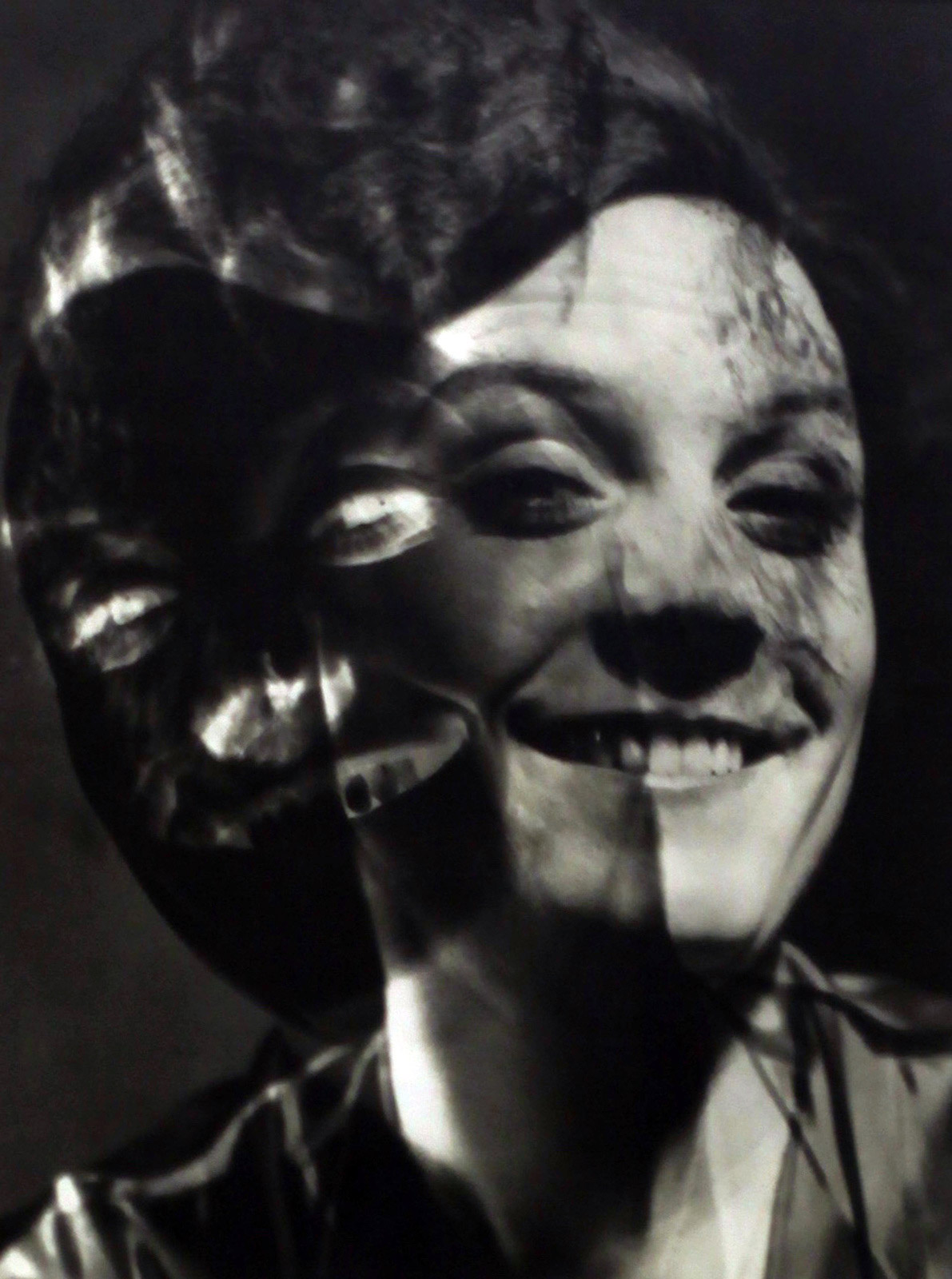
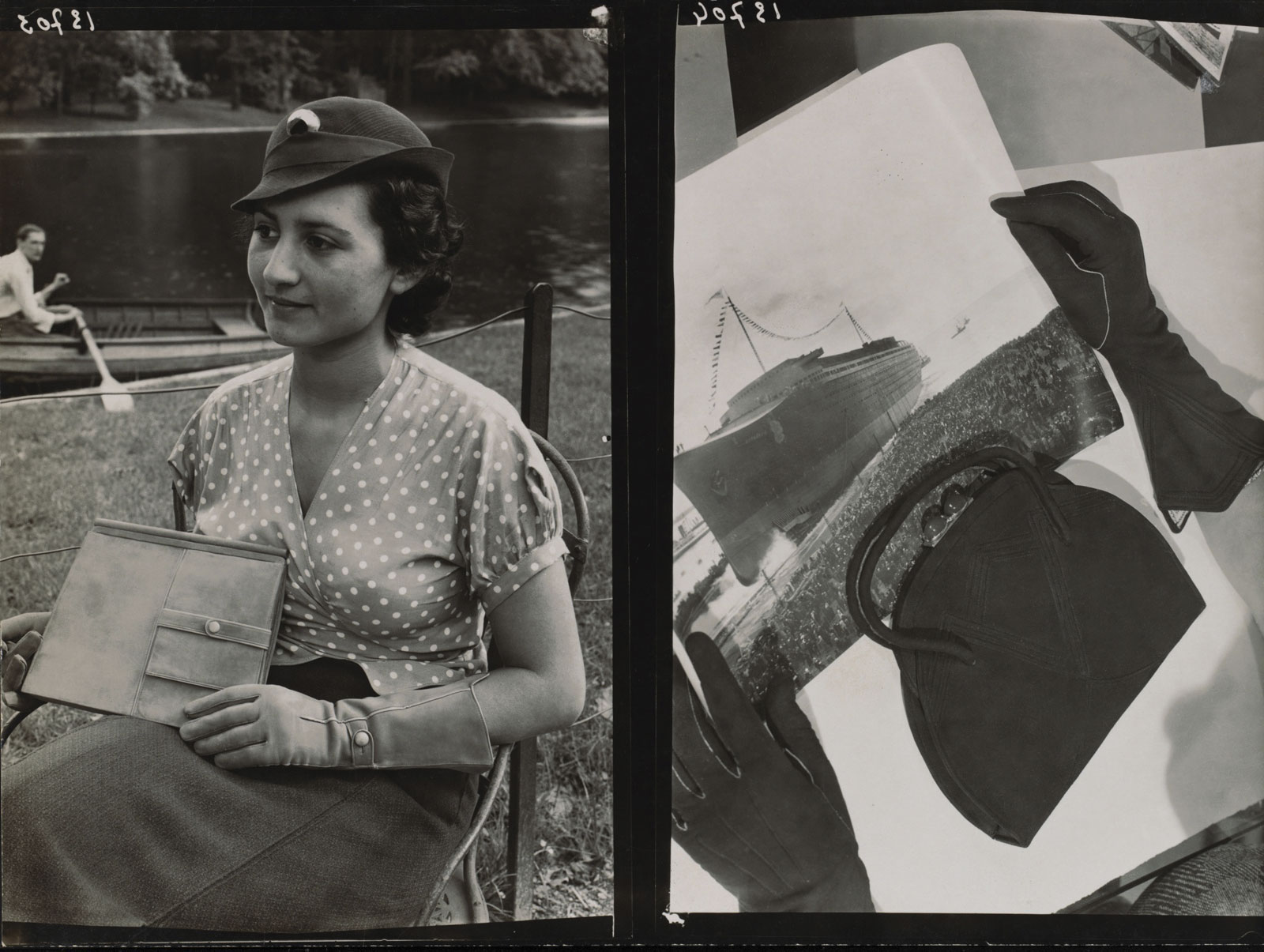
In 1930 Kollar got married and set up his own studio in Paris. His wife, who was his first model, worked faithfully by his side throughout his life. He worked for advertising agencies and famous luxury brands and excelled in showcasing the qualities of his models, forms and fabrics thanks to his feeling for light and texture. François Kollar worked with several fashion magazines, notably Harper’s Bazaar for which, over the course of more than fifteen years, he produced many photographic series, particularly images shot on location. Whether he was photographing the period’s fashion celebrities (Coco Chanel, Elsa Schiaparelli, Pierre Balmain) or models and adverts for the major fashion houses (Hermès, Molyneux, Oméga, Christofle and Worth et Coty perfumes…), he experimented with a wide variety of modern photographic techniques, freely creating original compositions using backlighting, double exposures, overprinting and solarisation…
In 1930, after exhibiting at “Das Lichtbild”, an international photography exhibition in Munich alongside Florence Henri, André Kertész, Germaine Krull and Ergy Landau, François Kollar received a major commission from a publishing company, Horizons de France entitled La France travail (1931-1934) that would establish his reputation as one of the period’s greatest industrial reporters. During the war he refused to collaborate with the powers that be during the German occupation and left the public eye, moving with his wife and three children to the Poitou-Charentes region and only returning to photography in 1945 on his return to Paris. In the 1950s and 1960s, Kollar covered numerous industrial subjects in France and abroad.
Text from the Jeu de Paume website
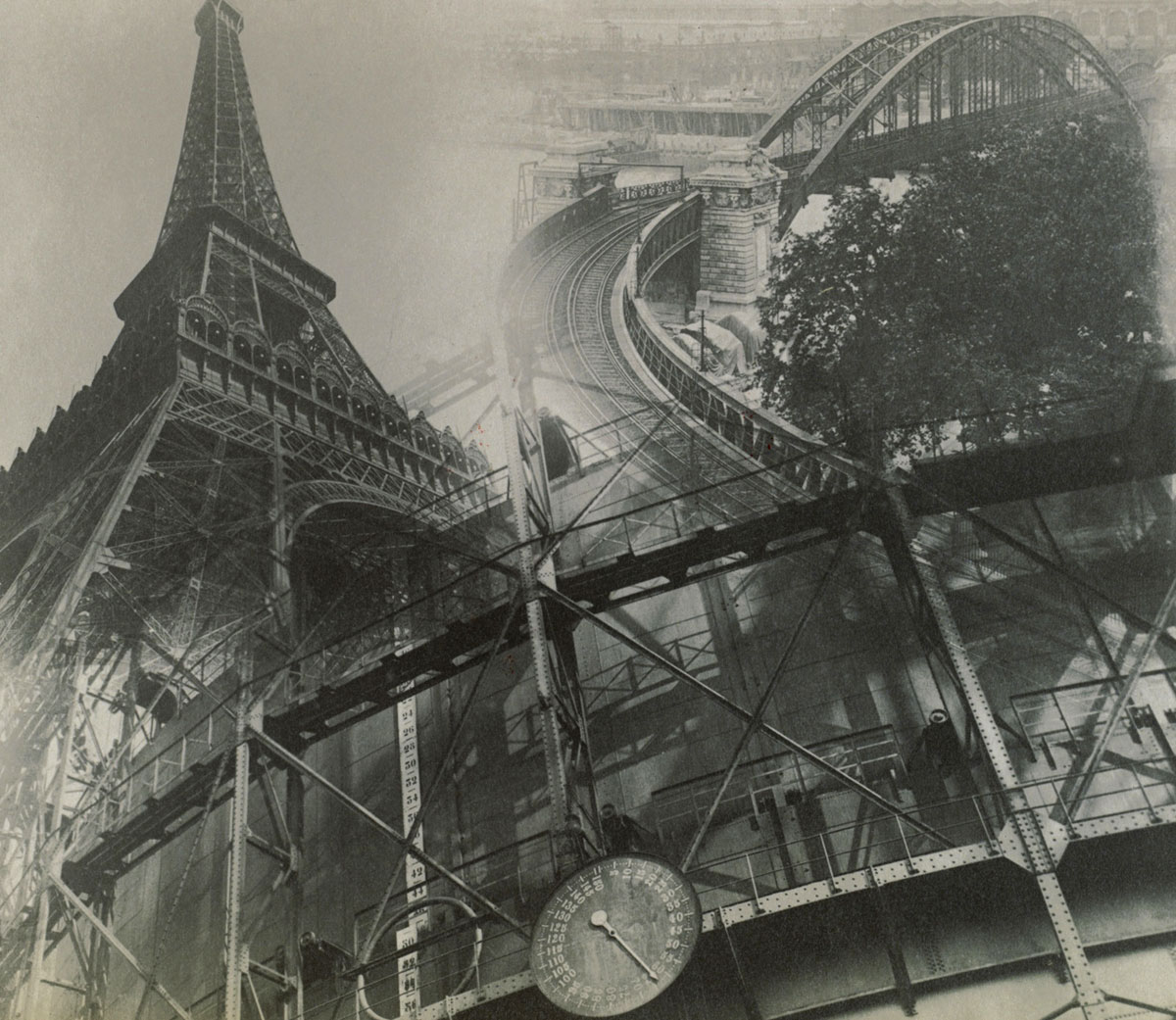
François Kollar (French born Slovakia, 1904-1979) La Tour Eiffel (The Eiffel Tower) 1930 Montage of a negative and interpositive, period photomontage 18 x 24cm Donation François Kollar, Médiathèque de l’architecture et du patrimoine
François Kollar (French born Slovakia, 1904-1979) Bouche du tunnel Sainte-Catherine, Sotteville-lés-Rouen St. Catherine tunnel mouth, Sotteville-lés-Rouen 1931-1932 Vintage silver gelatin photograph Donation François Kollar, Médiathèque de l’architecture et du patrimoine
François Kollar (French born Slovakia, 1904-1979) Étude publicitaire pour Magic Phono, portrait de Marie Bell en photomontage Advertising study for Magic Photo, Marie Bell portrait photomontage 1930 Vintage silver gelatin photograph Donation François Kollar, Médiathèque de l’architecture et du patrimoine
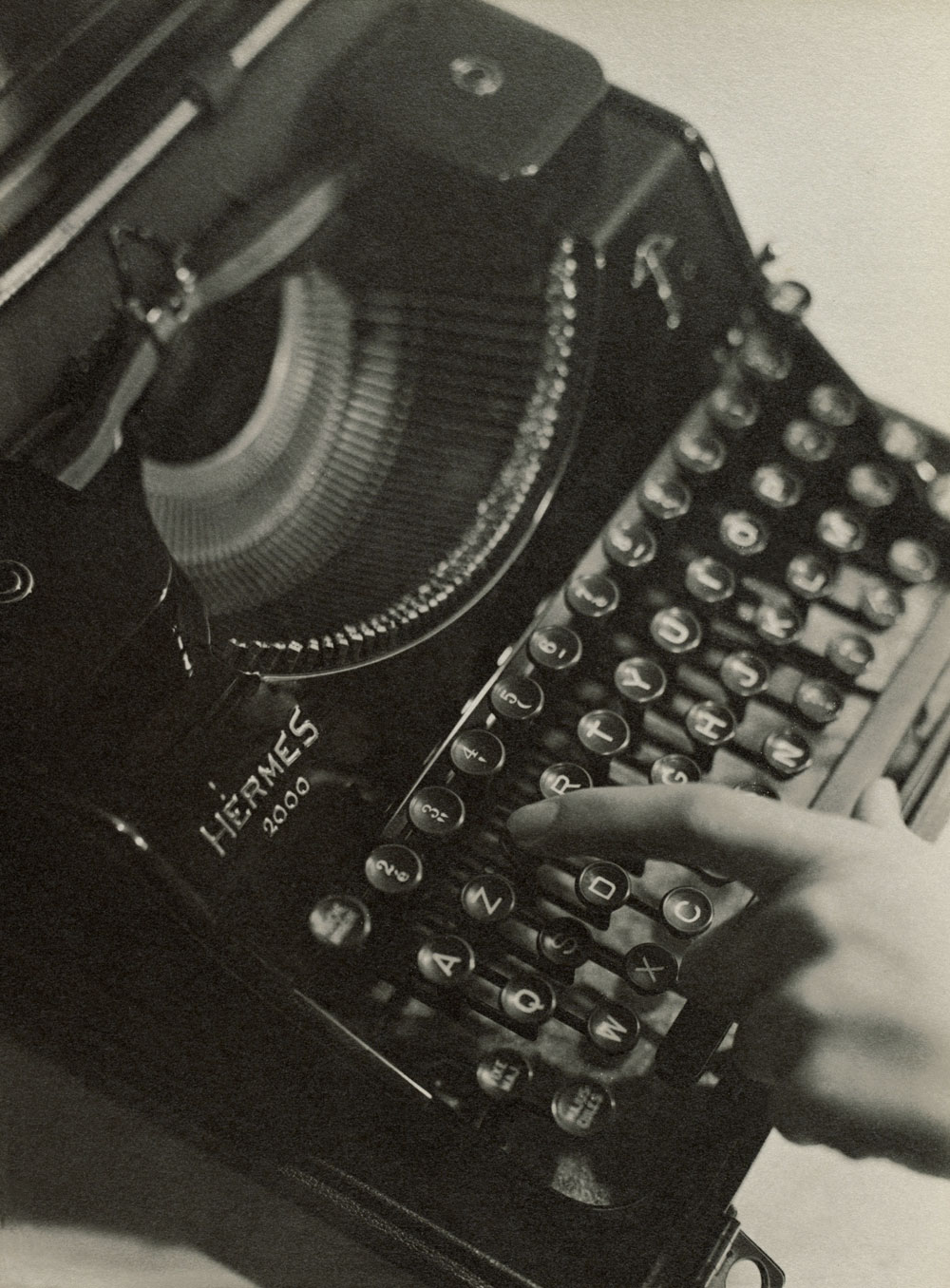
François Kollar (French born Slovakia, 1904-1979) Publicité pour machine à écrire Hermès Advertising for the Hermes typewriter 1930 Vintage silver gelatin photograph 30.1 x 23.7cm Donation François Kollar, Médiathèque de l’architecture et du patrimoine
François Kollar (French born Slovakia, 1904-1979) Escalier chez Chanel Staircase at Chanel 1937 Vintage silver gelatin photograph Donation François Kollar, Médiathèque de l’architecture et du patrimoine
François Kollar (French born Slovakia, 1904-1979) Gabrielle Chanel 1938 Silver gelatin photograph
François Kollar (French born Slovakia, 1904-1979) Le mannequin Muth, Balenciaga The model Muth, Balenciaga 1930 Vintage silver gelatin photograph Donation François Kollar, Médiathèque de l’architecture et du patrimoine
François Kollar (French born Slovakia, 1904-1979) Haute couturière Elsa Schiaparelli in a window of her showroom at 21 Place Vendôme in Paris 1938 Vintage silver gelatin photograph Courtesy Jeu de Paume
The design of the three large exhibition halls, which sometimes suffers from inadequate lighting, is completed by numerous documents (leaflets, magazines, personal albums) and an extensive slide show. The rooms are color-coded: white, blue-grey, and light beige, corresponding to the curators’ pedagogical intention. The beige in the last room is particularly interesting because it nearly blends in with the wooden frames, thereby intensifying the magical black-and-white tones in François Kollar’s work.
In addition to the documentary dimension of his work, the power of this photographer lies in his evocation of a “journey”: hence the exhibition walls are brimming with gems such as Les enseignes lumineuses (“Illuminated signs”, above), La bouche du tunnel (“The entrance of the tunnel”, above), or La fabrique à papier (“Paper factory”), advertisements for Hermès or Chanel (above), and many other photographs which, I have no doubt, will resonate with the visitor.
François Kollar is a photographer who resembles his images: somewhat mysterious, beautiful, and discreet, such as his small picture of a river outside the city of Abidjan. A Working Eye which conveys the nobility of men who, one day, had to travel far from home to earn their living.
François Kollar was commissioned by the publishers Horizons de France for a major documentary investigation into the world of work. He took a large number of photos, a part of which were published in a work that has since become famous: La France travaille. This ensemble comprises the main part of the exhibition. The photographer criss-crossed the whole of France, observing the country through the prism of work. Kollar delivered more than 2,000 images covering agricultural and industrial activity in twenty regions of France, including Paris and its suburbs. Horizons de France published La France travaille between 1932 and 1934 in the form of fifteen separate booklets, which are presented in the exhibition in relation to a selection of around sixty prints. The images are organised by theme. Each theme corresponds to a type of raw material used in industry: coal, iron, products of the sea, glass, textiles etc. Slideshows are used to underline the extent of this archive and the variety of photos it contains, as well as analysing it from a contemporary point of view.
The fifteen booklets that comprise La France Travaille constitute “an anthropological investigation into the behaviour, gestures and postures of people at work” (Jean-François Chevrier, ‘La France travaille: les vertus de l’illustration’, Jeu de Paume, Editions de La Martinière). These fifteen volumes touch on the revolutions taking place across the country – factories, hydroelectric installations etc – as well as the place of the workers in these infrastructures. Apart from the recognition that he had earned in the world of fashion and luxury products, it was through his work to fulfil this commission, the most important in France in the 1930s, that Kollar distinguished himself as a photographer and an ‘industrial reporter’.
From 1931 to 1934, just before the major protests led by the Popular Front, François Kollar (1904-1979) traveled across France meeting its working population. This wide-ranging survey of the working world, which featured 1400 illustrations, was published in 1934 in booklets entitled La France Travaille (France at Work). With his 5 x 7 large-format camera and cumbersome lighting equipment, this Slovak immigrant of humble origins convinced miners, winemakers, boatmen and railroad men to pose for him during their daily routines. The images from La France Travaille, negatives and positives, are preserved at the Bibliothèque Forney and distributed exclusively by the Agence Roger-Viollet.
François Kollar’s body of work covers two major periods in photographic history and the history of the 20th century: the 1930s and the 1950s-1960s. This retrospective at the Jeu de Paume is part of a cycle of exhibitions devoted to the emblematic photographers of the period, such as Laure Albin Guillot, André Kertész, Claude Cahun and Germaine Krull. The exhibition gives pride of place to the photographer’s three children’s bequest of negatives, prints, magazines, press cuttings and advertising pamphlets that was accepted by the French state in 1987.
The exhibition is organised chronologically following the photographer’s life and career, starting with his experimentations in the 1930s (self-portraits and photomontages) with his wife and close collaborator, Fernande. Right from the start of his photographic work in the field of advertising and fashion, François Kollar asserted his talent with photo shoots for Oméga, Christofle, Hermès and Worth et Coty perfumes. For many years he worked with such magazines as Harper’s Bazaar, L’Illustration, VU, Voilà, Le Figaro Illustré and Plaisir de France. Following his coverage of the transformation of the working world in the 1930s, during the 1950s and 60s industrial reports in French West Africa and in France set the tempo for the later years of his career.
Thanks to his experience as a manual worker in Renault, François Kollar’s photography demonstrates his awareness of the world of industry and industrial spaces. ‘Un ouvrier du regard’ bears witness to his high level of technical expertise, both in the studio and on location and his deep-seated interest for industrial trades. It highlights the wide variety of subjects photographed by François Kollar throughout his career, a variety that is mirrored in the techniques he used, as well as the evolutions in the working world as it transitioned from handicrafts and cottage industries to industrial production.
The central part of the exhibition is devoted to the high point of François Kollar’s career, La France travaille. This commission from the publishing company Horizons de France comprises some fifteen booklets produced between 1931 and 1934. The reports, indexed by sector – from agriculture to the steel industry, including the maritime industry and electricity production – were produced with the aim of showcasing France’s leading companies and the figure of the working man, contributing in this way to idealising the image of men and women at work. Taken as a whole, these reports constitute a unique chronicle in images of the world of work and French society from the beginning of the 1930s up until the 1960s. During this entire period, François Kollar endeavoured to photograph the mechanised world of serial production, standardisation and the rationalisation of production.
Through a play with light, transparency and chiaroscuro effects, as well as compositions that highlighted different textures, François Kollar managed to reveal a sensitive side to industrial landscapes. He revealed himself to be a temperate photographer, somewhere between the barebones modernism of Bauhaus and a humanist approach to photography. At the beginning of his career, François Kollar had immortalised dresses, jewellery and objets d’art for Harper‘s Bazaar in a manner that demonstrated his attention to the gesture and the ‘intelligence of the hand’. Kollar’s work is characterised by an approach that is simultaneously sensitive and distant: sensitive to shape and light in the situations in which objects and human bodies are portrayed; distant because of this lens between him and the general population. The camera’s lens distanced him from the ordinary men and women and their demands, which explains why his work shows no traces of any social movements, although they were frequent at the time (1929 and 1931-1936).
The retrospective provides the means to fully-apprehend the diversity of a photographer who was himself a ‘worker’ (ouvrier) at the service of his clients – whether advertising companies, clients from the world of fashion and the media, or industrialists – but who nevertheless managed to preserve a strong photographic identity and a unique view on his times. Throughout his body of work, François Kollar bears witness to the ideology of progress that drives the capitalist economy, whilst preserving his characteristic objectivity.
First part
The first part of the exhibition features Kollar’s experimental period including self-portraits taken in his Parisian studio, as well as his work for advertising firms and the fashion industry. This section is made up of photos that reflect the spirit of the modern world he lived in and bear witness to Kollar’s desire to develop an experimental and expressive style of photography through an almost playful approach to his models, objects, lighting and composition. Detailed documentary resources enable visitors to understand the context of his advertising work and the photos for the blossoming illustrated magazine sector, which were published in L’Illustration, Vu, Voilà, Art et Médecine and Plaisir de France, amongst others.
Second part
The central part of the exhibition, devoted to La France travaille (1931-1934), features vintage prints and slideshows, as well as archives and publications. This photographic commission constitutes a unique record of the world of work in the 1930s. Kollar photographed every sector of activity: industry, agriculture, aviation, handicrafts, as well as the automobile, maritime and railway industries. Men and women and their functions and roles in the production process are recurrent elements in François Kollar’s images. Published in the form of fifteen themed booklets, printed in photogravure by Editions Horizons de France, Kollar’s photographs were used to illustrate texts by popular authors from the period (Paul Valéry, Pierre Hamp, Lucien Favre…) dealing with the main professions in French industry.
Third part
The third part of the exhibition presents works by Kollar from the period following on from La France travaille, notably fashion photography and commissions for industrial reporting assignments. Thanks to his reputation as a talented advertising photographer, François Kollar was much in demand for portrait work and he notably photographed Coco Chanel, Elisa Schiaparelli and the Duchess of Windsor. Although his collaboration with Harper’s Bazaar came to an end in 1955, Kollar continued to enjoy a successful career in industrial photography. Amongst his numerous photographic series, the Jeu de Paume has chosen to show in particular the 1951 commission from the French State for a report on French West Africa (now Burkina Faso, Ivory Coast, Mali and Senegal), as well as a series of photos showing the workshops of the Union Aéromaritime de Transport. In this way, the exhibition highlights the transformations in the world of work during the 20th century and the place occupied by men and women at a time when the world was in a state of upheaval because of global conflicts, as well as in the midst of rebuilding itself.
Text from Jeu de Paume
François Kollar (French born Slovakia, 1904-1979) Untitled 1930
François Kollar (French born Slovakia, 1904-1979) Untitled 1930
François Kollar (French born Slovakia, 1904-1979) Fleur d’ail (Garlic flower) 1930 Vintage silver gelatin photograph 29.4 x 22.6cm Donation François Kollar, Médiathèque de l’architecture et du patrimoine
FRENCH WEST AFRICA (A.O.F.) COMMISSION ED BY THE FRENCH STATE, 1951
When France invested massively in the 1950s in the construction of infrastructures in French West Africa, Kollar went to document this milestone in the relationship between France and its colonies, notably today’s Burkina Faso, Ivory Coast, Mali and Senegal. His photos were published in the magazines of French West Africa to portray France’s initiatives in a positive light. Continuing to play his part in the ‘manufacture’ of consensual, positive images, Kollar continued his career by taking photos of men and women at work in factories, building roads or on ships plying their trade… “What François Kollar wants to portray is a sort of gradual disengagement of the colonial power, (…) but also how behind the ‘modernity’ (which is the subject of his remit) lies a form of tradition, rather as if he wanted to show how the two aspects are in contradiction with each other” (Pascal Blanchard, ‘Francois Kollar. Afrique 50. Dans l’oeil de la propagande’, Jeu de Paume, Editions de La Martinière).
Text from Jeu de Paume
INDUSTRIAL REPORTS 1950-1960
Back in Paris in 1945, François Kollar re-established his contacts and started receiving commissions from French industry once more. His photos powerfully document the relationship between the human body, the machine and the working environment. “In Kollar’s images, the human measure is omnipresent; one almost never loses the sense of scale […] with frequent contrasts between near and far, the intimate and the monumental”. (Jean-François Chevrier, ‘La France travaille: les vertus de l’illustration’, Jeu de Paume, Editions de La Martinière). Indeed the design of new industrial buildings took the question of ergonomics into account, which went hand-in-hand with the evolutions in the roles and tasks of factory workers. Amongst others, François Kollar worked for the Union Aéromaritime de Transport, (an airline that mainly served Africa, and French West Africa in particular, later to become UTA); the potash mines of Alsace; Moulinex; Christofle; and Poliet-et-Chausson. Kollar, who learnt how to use colour photography techniques early on, used this new medium for some of these reports.
Text from Jeu de Paume
François Kollar (French born Slovakia, 1904-1979) Chaussures Bata, Rufisque, Senegal Bata Shoes, Rufisque, Senegal 1951 Vintage silver gelatin photograph 22.6 x 24.8cm Donation François Kollar, Médiathèque de l’architecture et du patrimoine
François Kollar (French born Slovakia, 1904-1979) Poliet et Chausson, Gargenville 1957-1958 Vintage silver gelatin photograph 29.7 x 21.6cm Donation François Kollar, Médiathèque de l’architecture et du patrimoine
François Kollar (French born Slovakia, 1904-1979) Untitled [Emplacement de traverses, usine Cima, Croix] [Replacement of sleepers, Cima factory, Croix] c. 1954 Vintage silver gelatin photograph 29.7 x 21.6cm Donation François Kollar, Médiathèque de l’architecture et du patrimoine
François Kollar (French born Slovakia, 1904-1979) Type de laiterie dans une ferme Normande Type of dairy farm in Normandy 1950 Vintage silver gelatin photograph 15.5 x 11.5cm Donation François Kollar, Médiathèque de l’architecture et du patrimoine
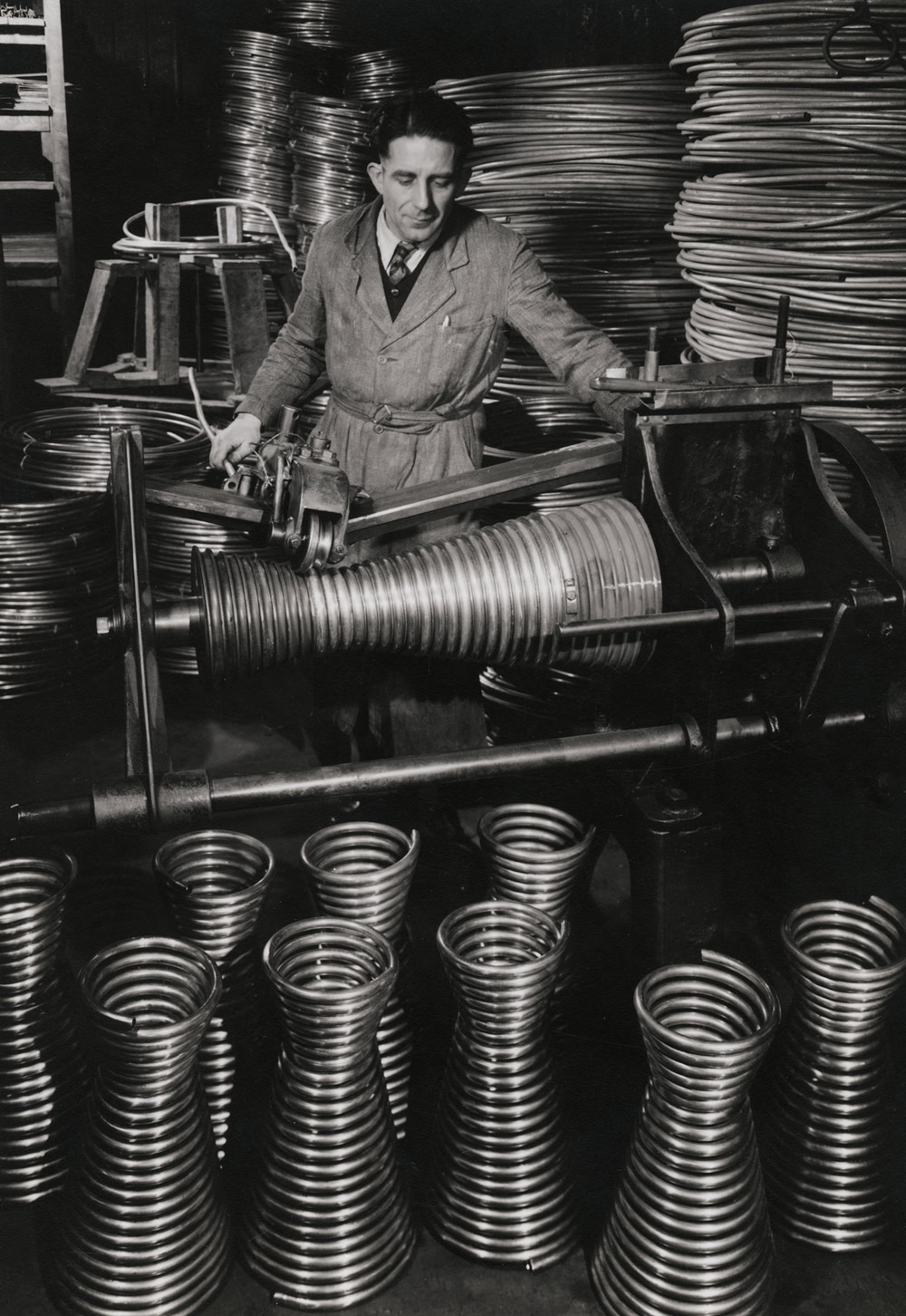
François Kollar (French born Slovakia, 1904-1979) Fabrication de corps de chauffe de chauffe-eau, usine Brandt, France Manufacturing water heater, heater factory Brandt, France 1950 Vintage silver gelatin photograph 13.6 x 8.9cm Donation François Kollar, Médiathèque de l’architecture et du patrimoine
François Kollar (French born Slovakia, 1904-1979) Untitled [Fabrication des moulins à légumes, usine Moulinex, Alençon] [Production of vegetable mills, Moulinex factory, Alençon] 1950 Vintage silver gelatin photograph 29.6 x 21.6cm Donation François Kollar, Médiathèque de l’architecture et du patrimoine
François Kollar (French born Slovakia, 1904-1979) Untitled [Emboutissage des couverts, Christofle, France] [Stamping cutlery, Christofle, France] 1957-1958 Vintage silver gelatin photograph 30 x 21.6cm Donation François Kollar, Médiathèque de l’architecture et du patrimoine
Other François Kollar photographs
François Kollar (French born Slovakia, 1904-1979) Untitled 1931 Silver gelatin photograph
François Kollar (French born Slovakia, 1904-1979) Untitled 1936 Silver gelatin photograph
François Kollar (French born Slovakia, 1904-1979) Construction 1936 Silver gelatin photograph
Jeu de Paume 1, Place de la Concorde 75008 Paris métro Concorde Phone: 01 47 03 12 50
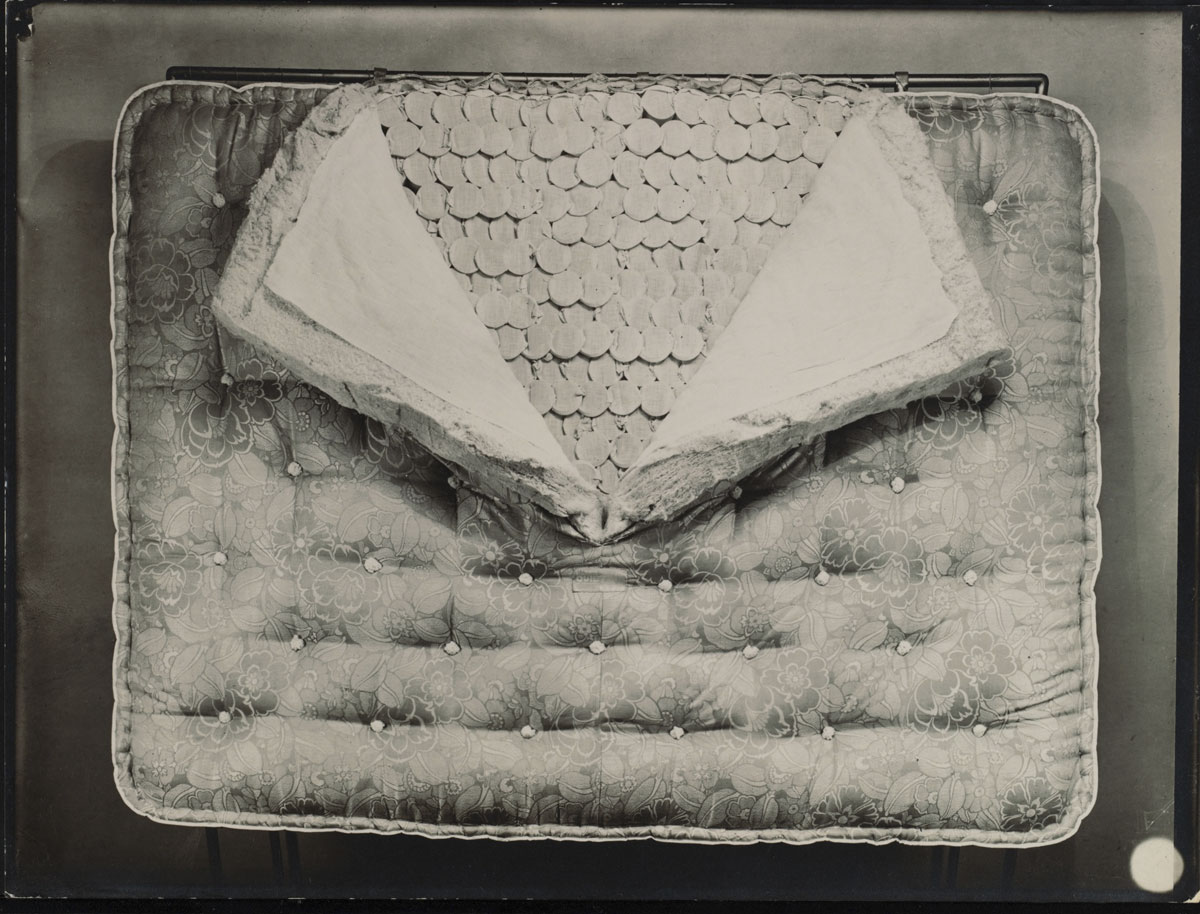
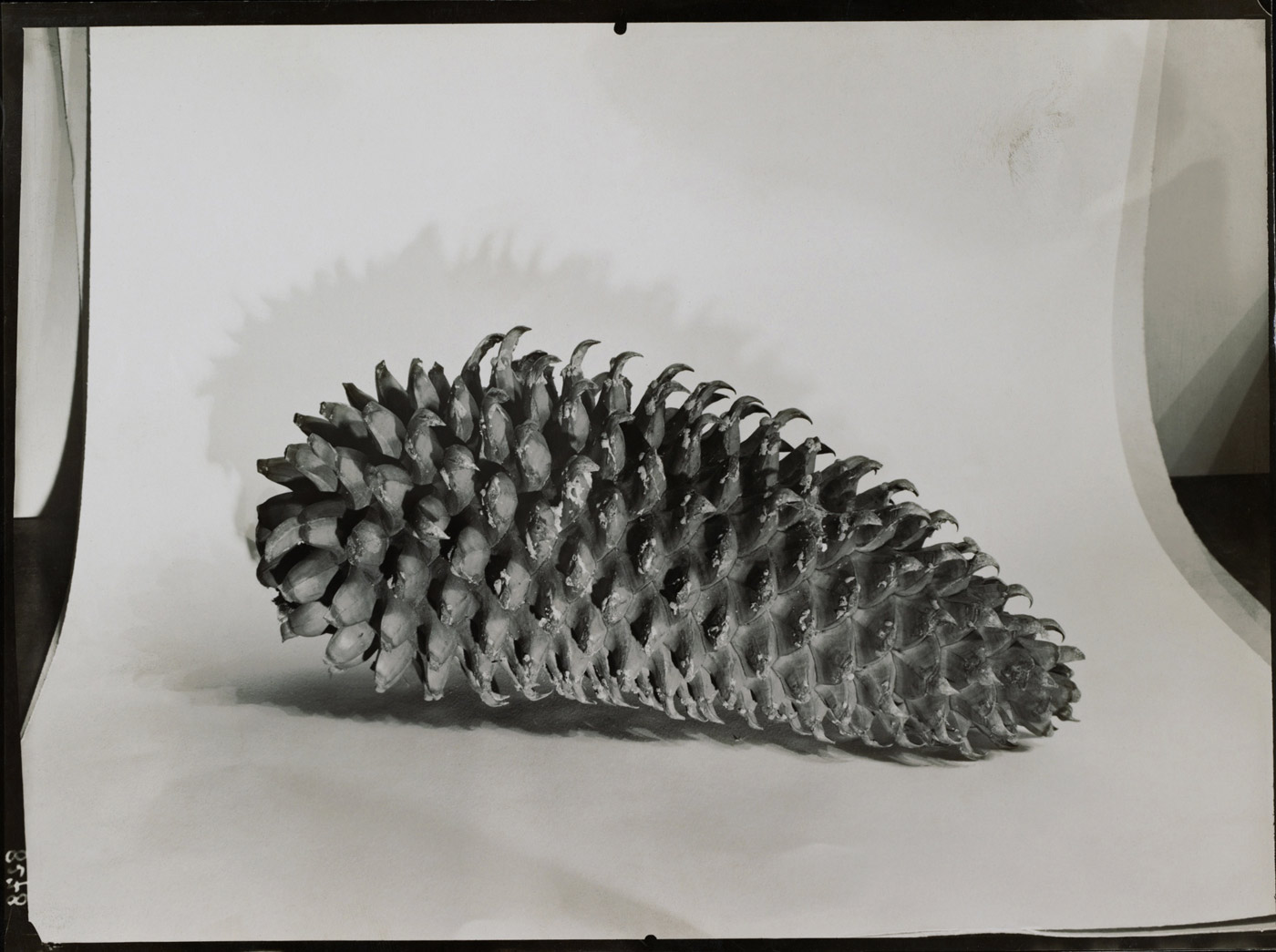
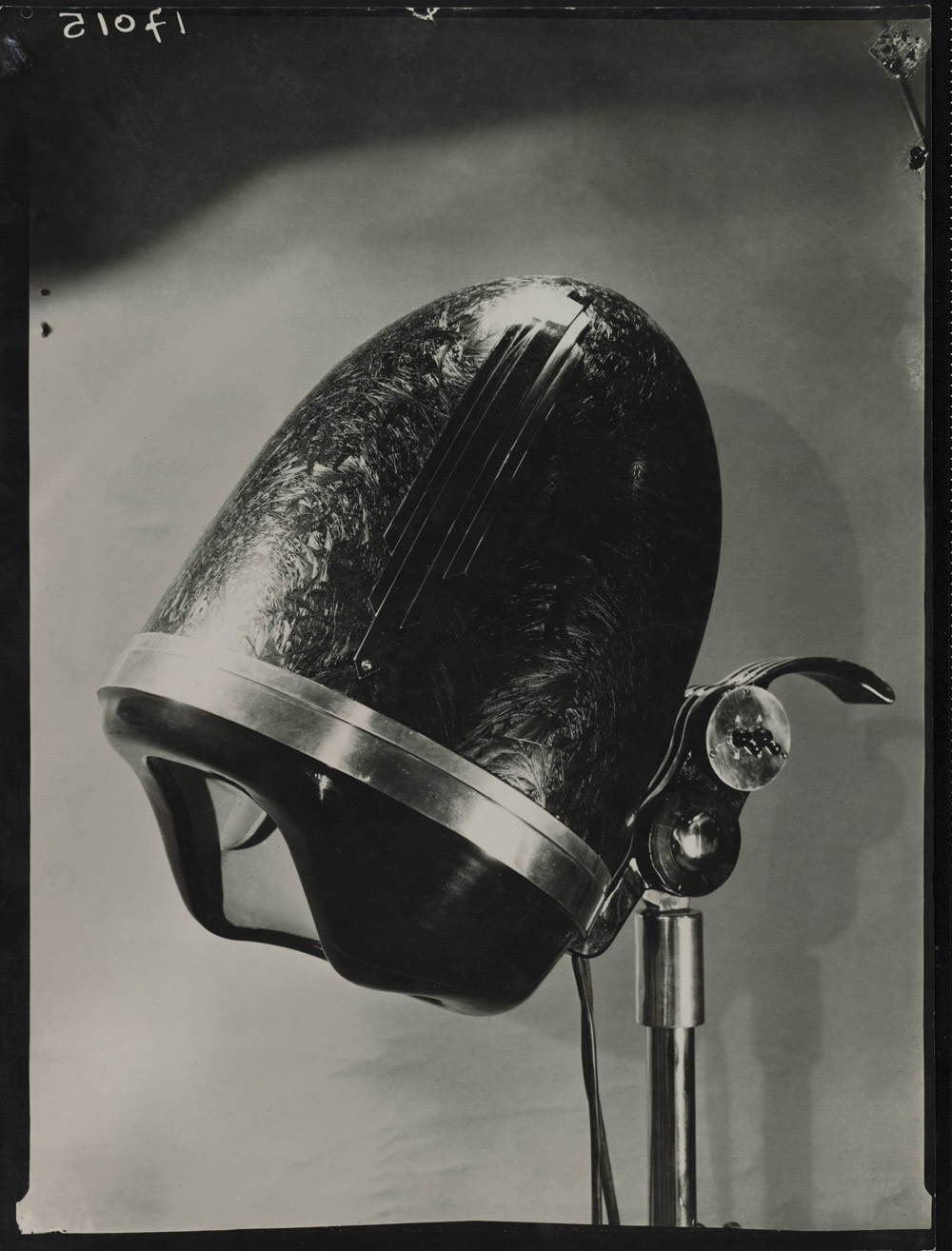
My god, how can a dryer hood or a pine cone become so sensual?
It should have been Paul-Martial’s World of Extra-Ordinary Things!
Marcus
Many thankx to the Kunstmuseum Basel for allowing me to publish the photographs in the posting. Please click on the photographs for a larger version of the image.
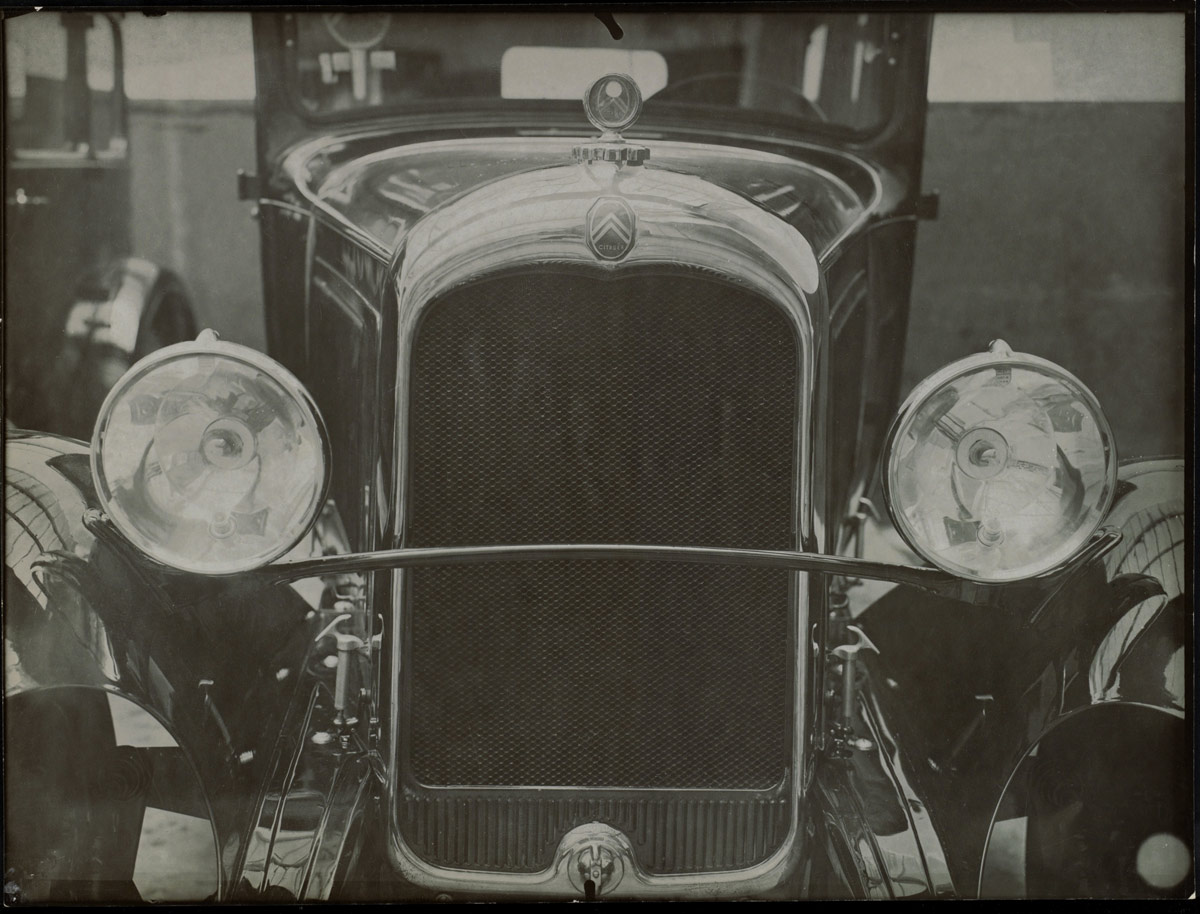
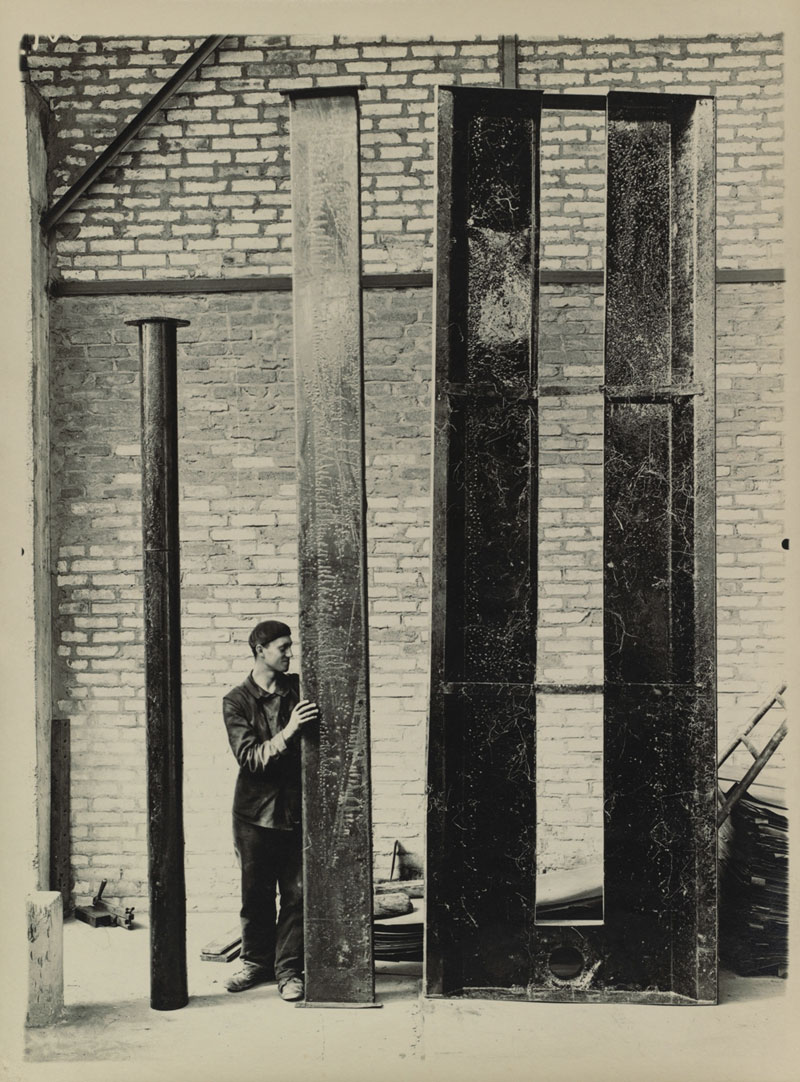
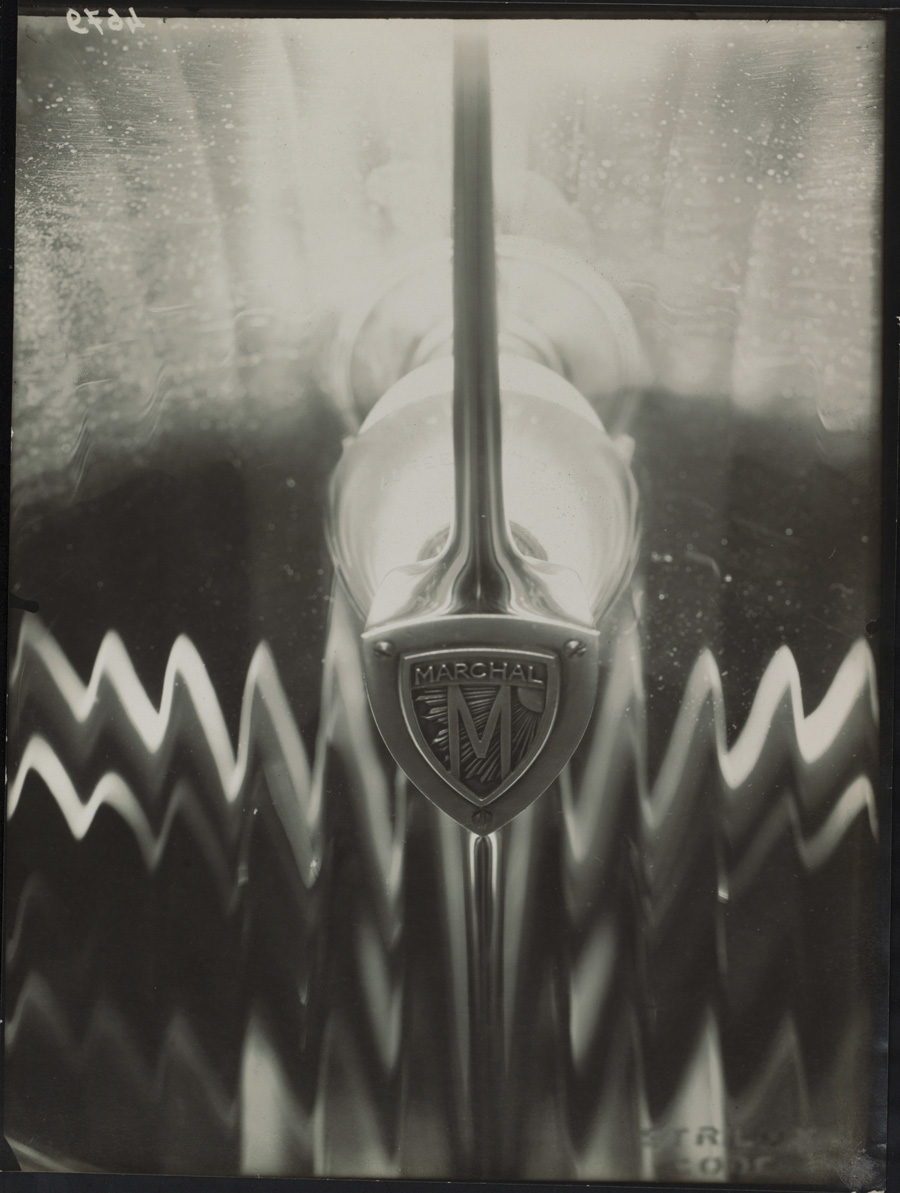
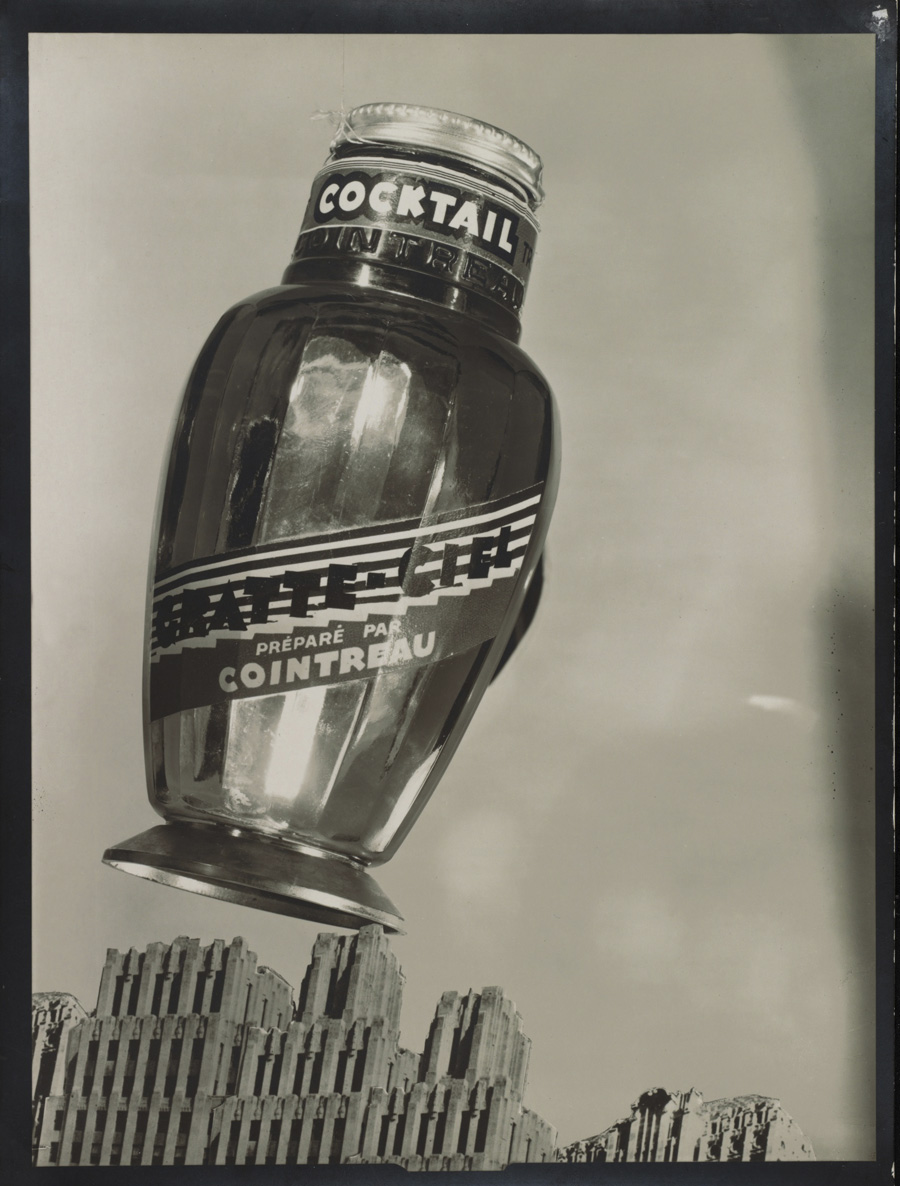
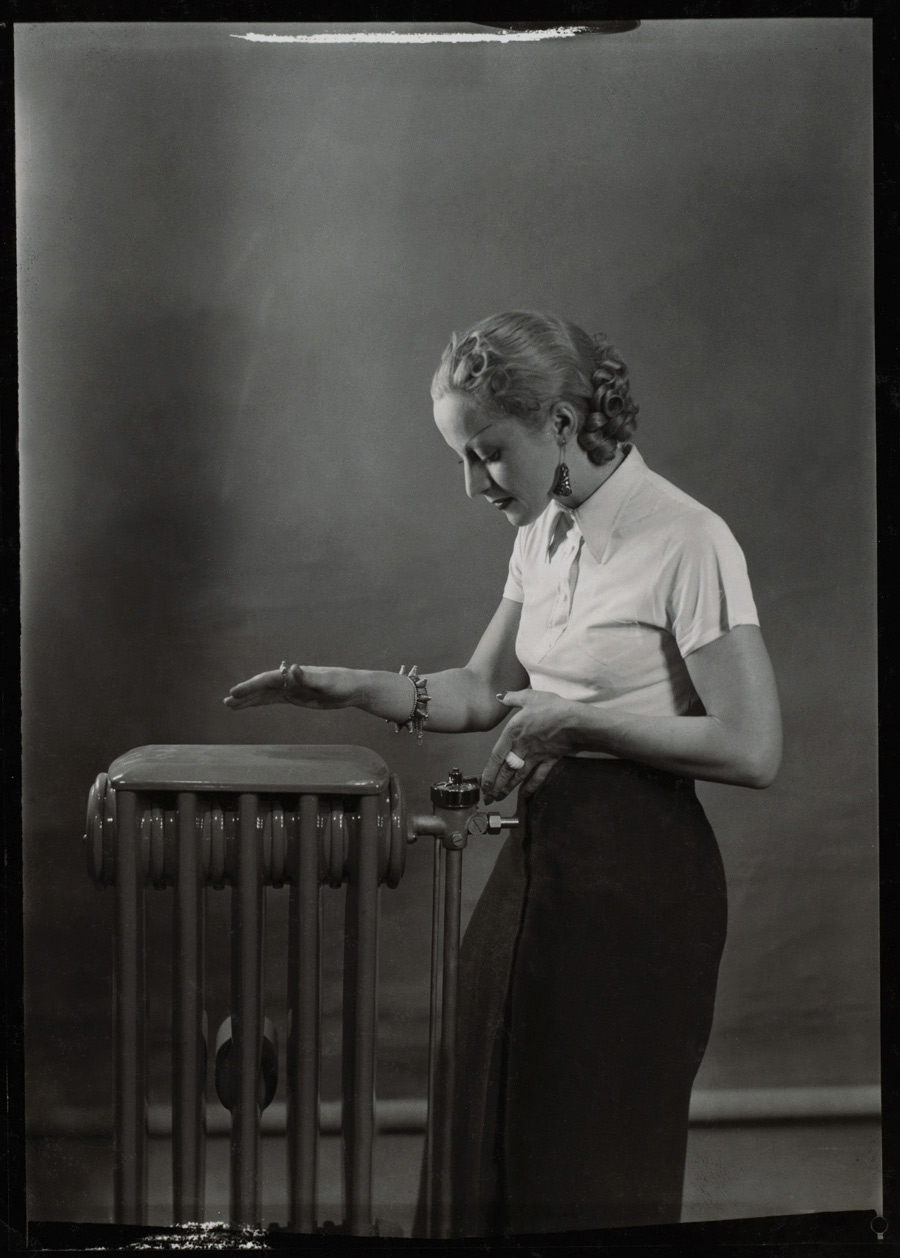
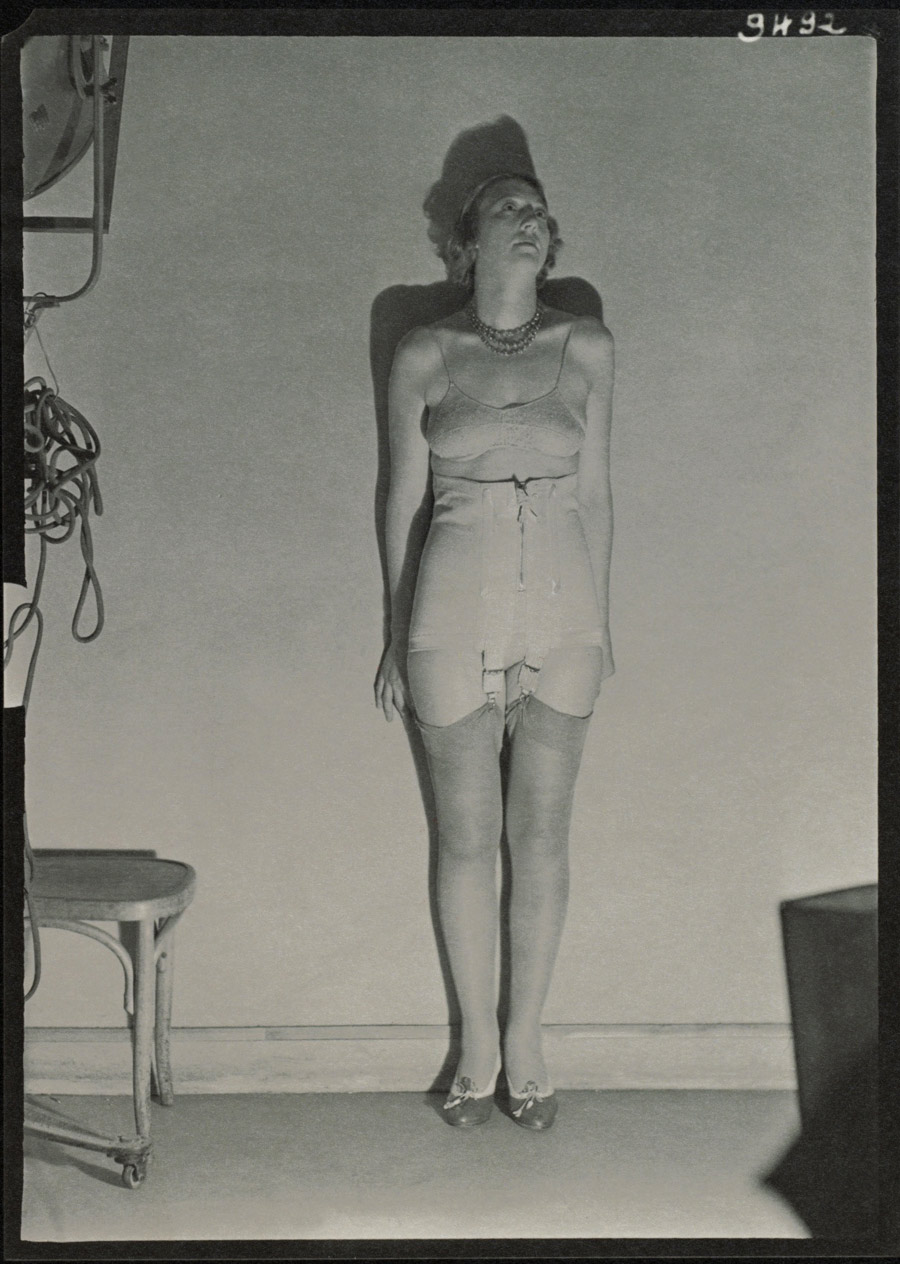
On July 5, 2014, the Kunstmuseum Basel opens a new exhibition presenting a selection of one hundred photographs from the archives of the Paris-based advertising agency Éditions Paul-Martial. The black-and-white pictures formed the basis for posters, newspaper advertisements, and brochures and show ordinary things: buildings, cars, typewriters, radiators, mannequins. What was unusual and novel, however, were the composition, lighting, and exposure of the pictures. In today’s perspective, the collection reflects the multifaceted evolution of photography from the 1920s onward. At the same time, it is an invaluable source for historians, documenting early forms of the carefully designed presentation of commodities and strategies designed to lure the consumer. The photographs are part of a collection newly acquired from the Herzog Collection and have never been on public display.
Cans make it possible to preserve food for the long term; zippers allow bags and pockets to be securely closed; rubber soles protect the walker from slipping; car jacks make it easier to change a tire: the advertising photographs produced by Éditions Paul-Martial tell stories about everyday life and how products like radiators, boilers, and cooking stoves help make it more pleasant. This renders the collection an extraordinarily valuable resource for historians: it illustrates the early history of the staging of consumer goods and the strategies employed to seduce the viewer. Beyond consumer products, the agency’s photographers also captured the new worlds of work in factories and offices and the rise of modern travel and communication technologies. For the time being, most of the photographs’ creators remained anonymous; in the business perspective, individual authorship was obviously a secondary concern, especially since the majority of the pictures were a sort of intermediate product to be used by graphic artists in the design of brochures and posters.
New Objectivity and Neues Sehen
The historic photographs also reflect the multifaceted evolution of photography as an art in its own right from the 1920s onward. Pictures of buildings, machines, and selected products hew to the sober aesthetic of the New Objectivity, which took hold after the Great War. Photographs of transformer stations and bridges point to the Neues Sehen (New Vision) of the Bauhaus photographers and the works of the Russian avant-garde, which emphasised diagonal lines to heighten the dynamic quality of the picture – this influence is also evident in techniques such as photomontage and double exposures. In isolated objects and enigmatic motifs such as a pinecone, the surreal, mysterious, and sometimes also absurd infiltrate the world of ordinary things.
The photographers’ love of experimentation is palpable throughout: they often created small series in which they tried different lighting effects and unusual angles of view. The selection of a hundred photographs is drawn from a larger collection the museum acquired from the collection of Peter and Ruth Herzog, Basel, in 2012 through a combined purchase-and-donation agreement. The exhibition was designed in close collaboration between the curator, Anita Haldemann, and the photography collector and expert Peter Herzog.
The Fonds Paul-Martial – considerable parts of its inventory have also gone to the Musée d’Art Moderne de Saint-Étienne Métropole, the department of prints and photography at the Bibliothèque nationale de France, and the collection of Marc Pagneux, France – is still widely unknown, and the work of exploring this exceptionally rich archive, which promises important insights into the history of photography and especially of contemporary art, has only just begun.
He “photographed a little bit of everything: animals, Paris, the homeless, underwater, nudes, advertising, fashion and, above all, celebrities portraits, from Ali, Einstein, Churchill, Hepburn, Warhol, Hitchcock and, of course, Marilyn Monroe.”
You could say that he was a versatile photographer, doing everything to pay the bills and anything to make interesting images. He never stopped experimenting with the image, but it is the “straight” portraits that I find are his strongest work. Not the “jump” photos, Monroe, or the surreal experiments withDalí, much as they delight, but the portraits of Hepburn, Einstein and Churchill for example.
Look at the photograph of Winston Churchill (1951, below). What a way to portray the great man. The bulk of the overcoat, the slope of the shoulders (evincing a certain weariness), the famous Homburg hat pulled down on the head, the leader staring into the tranquil landscape. But what makes the image is the seam down the back of the overcoat which speaks to history itself – the backbone of the country, the never say die spirit, stiff upper lip, the rock of the British empire which Nazism could not defeat – epitomising the British bulldog spirit. Cometh the hour, cometh the man. Solid. Immovable. What a glorious photograph to capture that essence.
Dr Marcus Bunyan
Many thankx to the Elysée Lausanne for allowing me to publish the photographs in the posting. Please click on the photographs for a larger version of the image.
“Shortly before World War I, the greatest sensation in Paris was the Russian Imperial Ballet under Serge Diaghilev. The divine Nijinsky and Pavlova were dancing for him, Stravinsky composed, Picasso, Bakst, and Chagall were painting scenery for him. To work for Diaghilev was the highest accolade for an artist. Jean Cocteau approached Diaghilev and asked: ‘What can I do for you?’ Diaghilev looked at him and answered: ‘Etonne-moi!’ (‘Astonish me!’) These two words can be considered as a motto, as a slogan for the development of the modern art which followed.”
Philippe Halsman
“Photography is a separate form of expression since it falls between two art forms… It’s not only trying to give us a visual impression of reality, like painting and graphic arts, but also to communicate and inform us the way writing does. No writer should be blamed for writing about subjects that exist only in his imagination. And no photographer should be blamed when, instead of capturing reality, he tries to show things that he has only seen in his imagination.”
“In my serious work I am striving for the essence of things and for goals which are possibly unobtainable. On the other hand, everything humorous has great attraction for me, and a childish streak leads me into all kinds of frivolous endeavour.”
Photographer Philippe Halsman had an exemplary career. Over a forty-year period, in Paris during the 1930s and in New York from 1940 on, he developed a broad range of activities (portraits, fashion, reportage, advertisements, personal projects, commissions from individuals and institutions). The Musée de l’Elysée presents the first study dedicated to his entire body of work, with a selection of over 300 pieces.
This project, produced in collaboration with the Philippe Halsman Archive, includes many exclusive unseen elements of the photographer’s work (contact sheets, annotated contact prints, preliminary proofs, original photomontages and mock-ups). The exhibition shows Philippe Halsman’s creative process and reveals a unique approach to photography: a means of expression to explore.
Born in 1906 in Riga, Latvia, Halsman studied engineering in Dresden before moving to Paris, where he opened a photographic studio in 1932. His years in Paris already heralded the approach he was to develop throughout his long career. A studio and reportage photographer, Halsman took inspiration from the contemporary art scene and participated in promoting it. Though he specialised in portraiture, he also branched out into advertising and publishing, which were thriving at the time. In 1940, the German invasion brought Halsman’s prosperous career to a halt, leading him to flee with his family to New York. Though initially unknown, he succeeded in establishing himself on the American market in under a year, and his studio soon became successful. Halsman stood out for his “psychological” approach to portraiture.
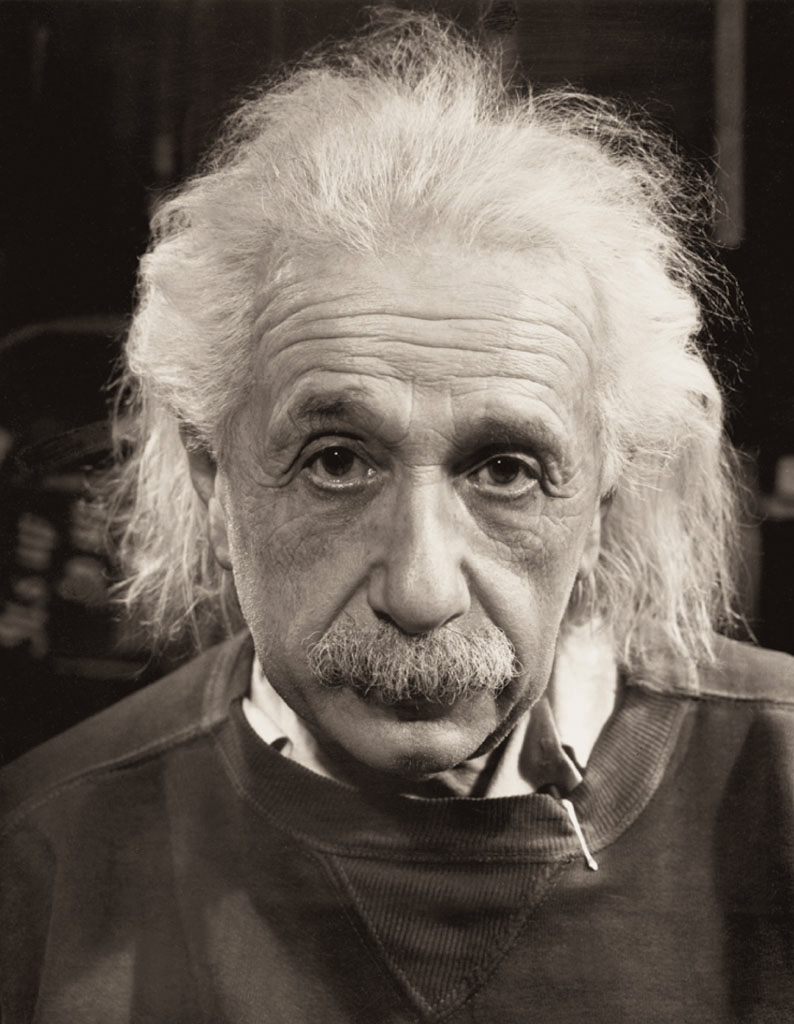
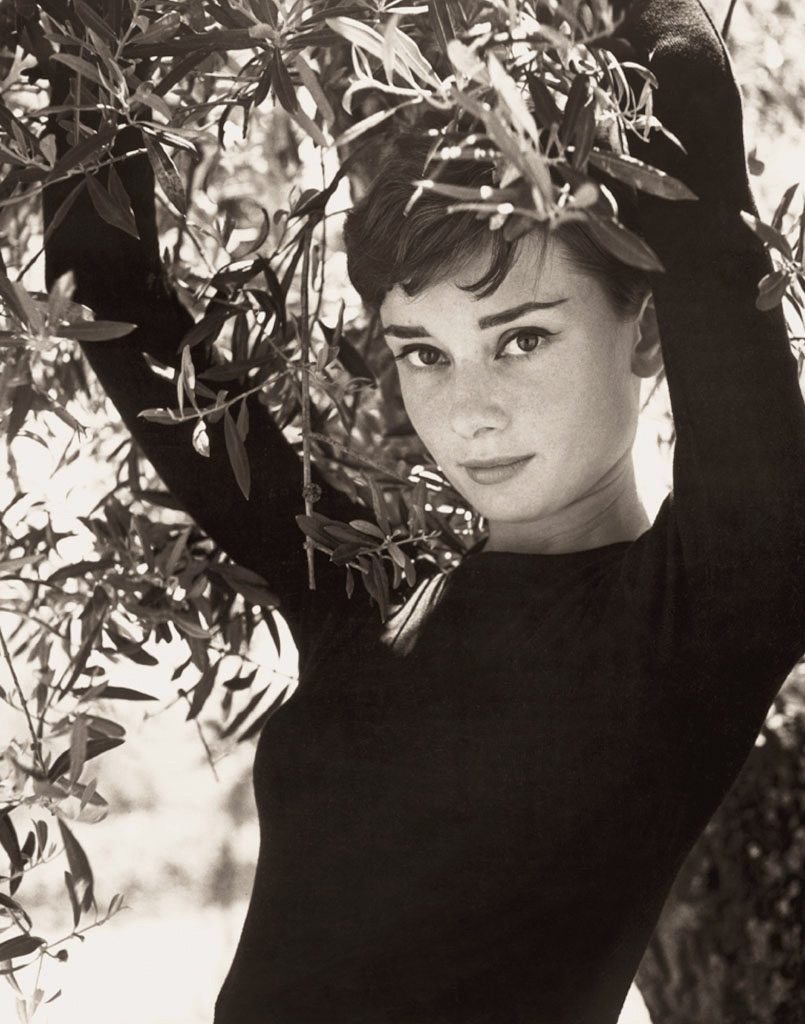
He distinguished himself in this area with his vast portrait gallery of celebrities (actors, industrialists, politicians, scientists, writers). Some of these images, such as Audrey Hepburn, Marilyn Monroe, Winston Churchill or Albert Einstein, became icons. He produced the largest number of covers (101) for Life magazine, the first weekly magazine to be illustrated only by photographs.
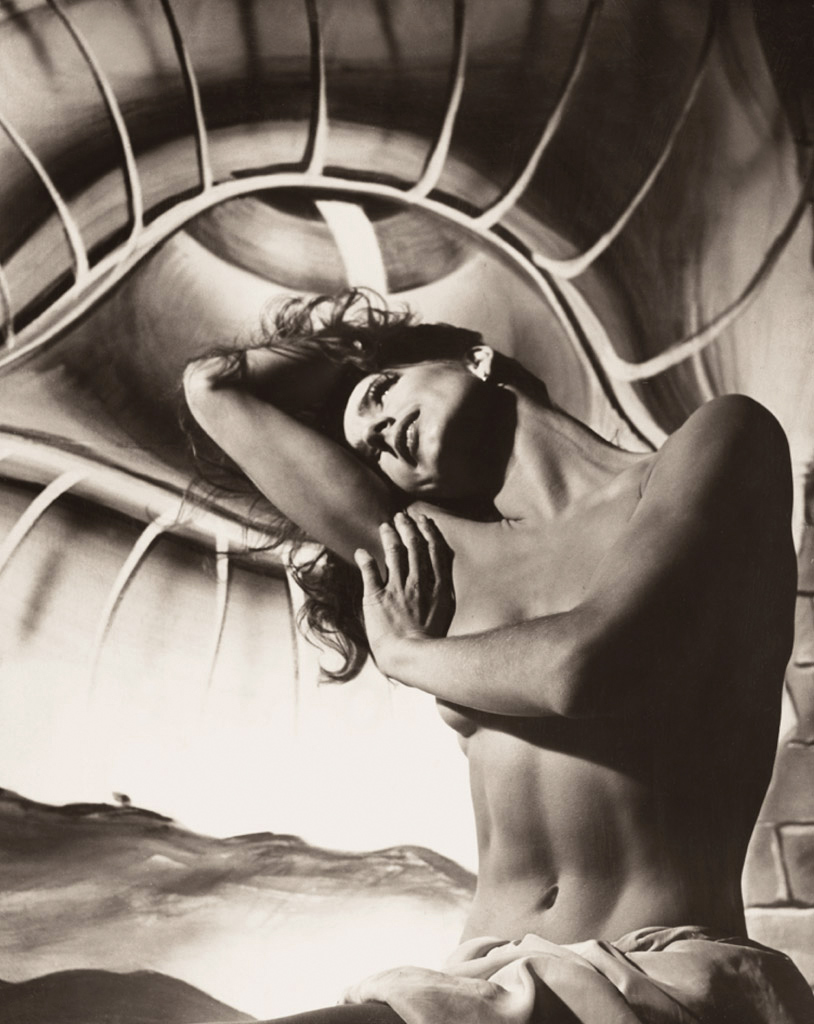
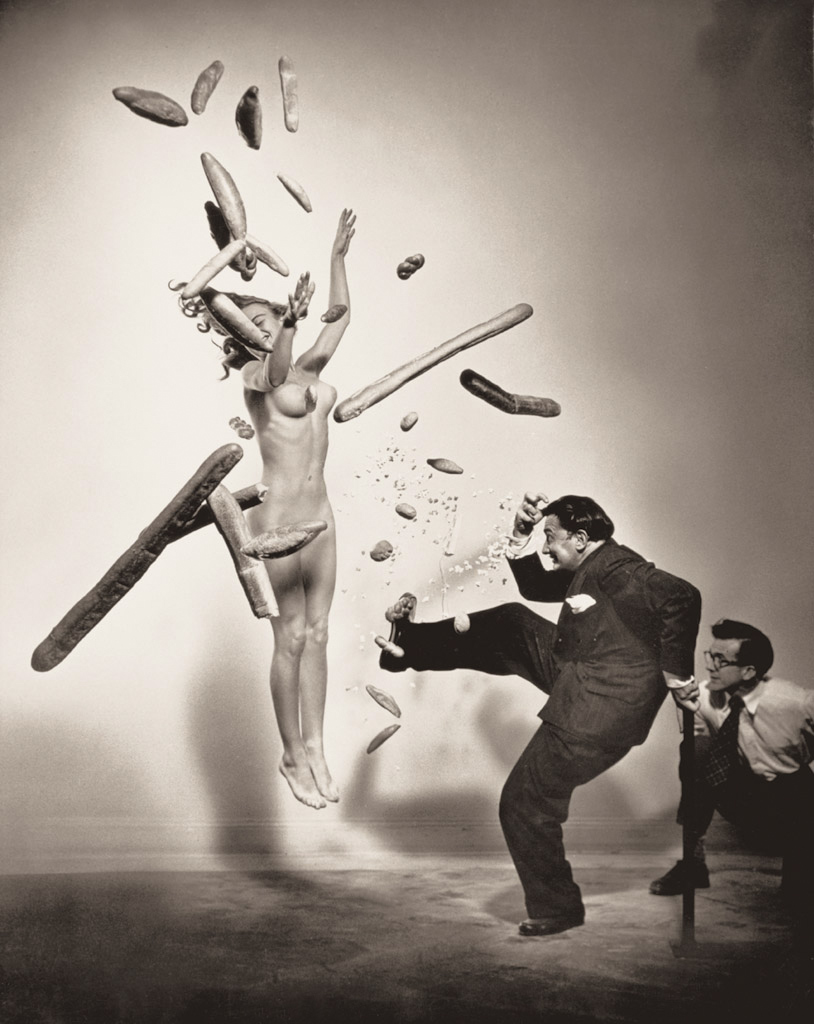
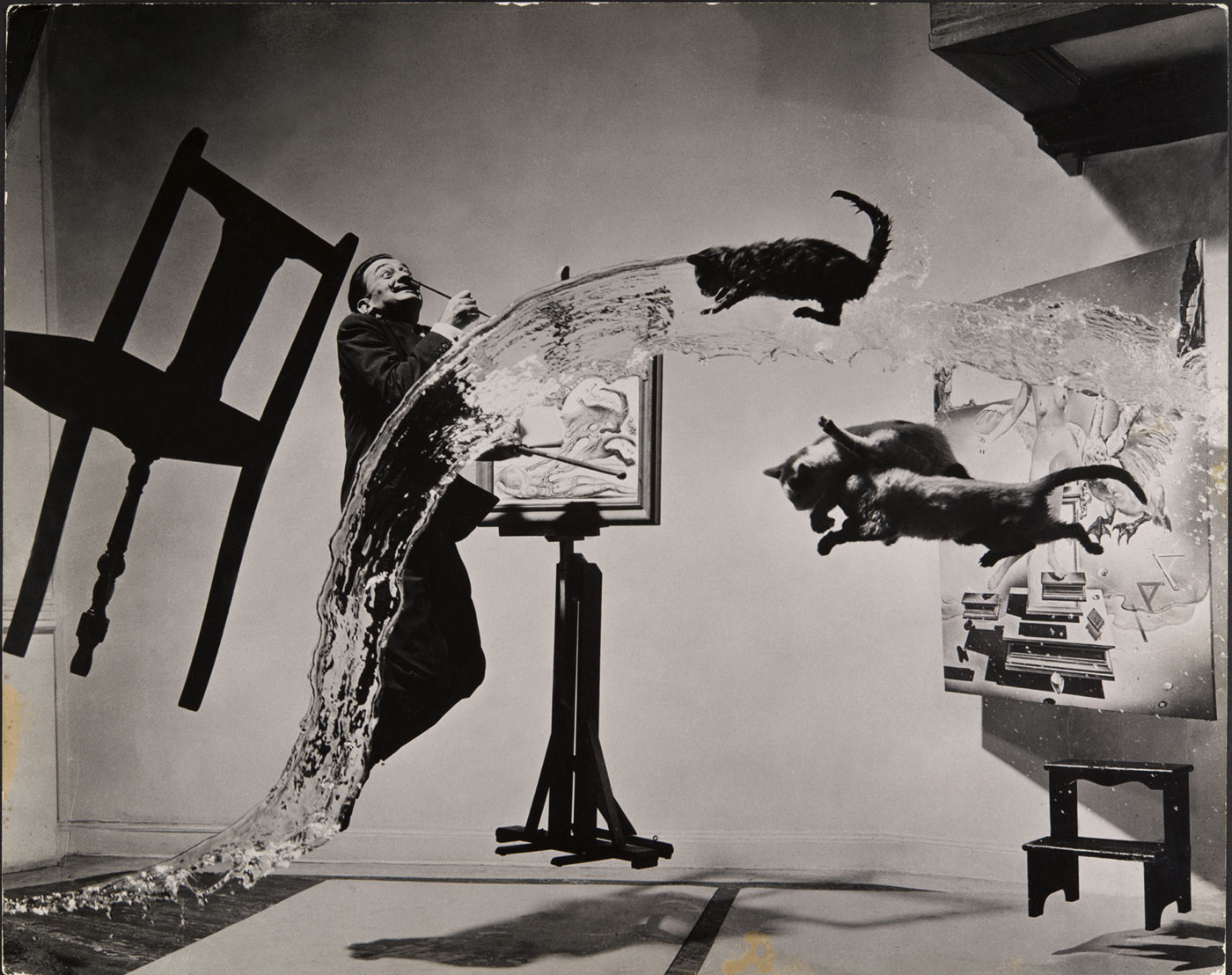
Halsman’s photography is characterised by a direct approach, masterful technique and a particular attention to detail. His work testifies to his constant research and his interest in all forms of technical and aesthetic experimentation, which he applied to a wide variety of subjects. For Halsman, photography was an excellent way of giving his imagination free reign. He was especially interested in mises en scène – in the form of single images or fictional series. He met Salvador Dalí in 1941 and the artist turned out to be the ideal accomplice. Their fruitful collaboration lasted 37 years. Philippe Halsman also introduced innovations through more personal creations such as the “photo-interview book” or ‘jumpology’.
Press release from the Musée de l’Elysée Lausanne website
In 1921, Philippe Halsman found his father’s old camera, and spoke of a “miracle” when he developed his first glass plates in the family’s bathroom sink. He was 15 years old, and this was the first encounter with photography of someone who was to become one of the leading photographers of the 20th century. This exhibition, produced by the Musée de l’Elysée in collaboration with the Philippe Halsman Archive, showcases the American photographer’s entire career for the first time, from his beginnings in Paris in the 1930s to the tremendous success of his New York studio between 1940 and 1970.
Halsman was able to go to Paris thanks to the support of French minister Paul Painlevé – whose son Jean, a scientific filmmaker, gave him one of the best cameras of the time upon his arrival. He remained in Paris for ten years, until 1940. Over that period, he collaborated with the magazines Vogue, Vu and Voilà and created portraits of numerous celebrities like Marc Chagall, Le Corbusier and André Malraux. He exhibited his work several times at the avant-garde Pléiade gallery, alongside photographers like Laure Albin Guillot, whose work was exhibited at Musée de l’Elysée in 2013.
Fleeing Nazism, he left Paris in 1940 and moved to New York. There, he worked for many American magazines including Life, which brought him into contact with the century’s top celebrities – Marilyn Monroe, Rita Hayworth, Duke Ellington, the Duke and Duchess of Windsor, Richard Nixon, Albert Einstein to name only a few. Halsman shot 101 covers for Life magazine. Far from restricting himself to photographing celebrities, throughout his whole life Halsman never stopped experimenting and pushing the limits of his medium. He collaborated with Salvador Dalí for over thirty years and invented ‘jumpology’, which consisted in photographing personalities in the middle of jumping, offering a more natural, spontaneous portrait of his subjects.
The exhibition Philippe Halsman, Astonish me!is divided into four sections illustrating memorable periods, collaborations and themes in the photographer’s work and life.
“When I arrived in America in 1940 I had to adapt to the American style, that is to say, produce photographs that were technically perfect, clear, precise and properly modelled by the light without being distorted. Once, to accentuate the coldness of a rainy landscape I added a blue gelatin to my transparent film. Wilson Hicks took this gelatin off saying: ‘You’re cheating, Philippe’. Any hint of artifice was considered dishonest.”
Philippe Halsman
Paris in the 1930s
Philippe Halsman was born in Riga, Latvia in 1906. When he was 22, his father died in a hiking accident in Austrian Tyrol, and Philippe Halsman was wrongly convicted of his murder in a highly anti-Semitic climate. He was freed thanks to his sister’s support; she organised the support of prominent European intellectuals, who endorsed his innocence.
He went to Paris, where he began his career as a photographer, quickly distinguishing himself through his portrait technique. He explored various genres, such as views of Paris, nudes and fashion. His work was exhibited three times at the La Pléiade gallery, a famous avant-garde gallery where artists like Man Ray, André Kertész and Brassaï presented their works.
Focus on La Pléiade gallery
Founded by publisher Jacques Schiffrin in the spring of 1931 and located in the heart of the Latin Quarter, this art gallery was one of the first to present photographic exhibitions, and it started specialising in this field in April 1933 under directorship of Rose Sévèk. Dedicated to contemporary photography, the program incorporated its new practices and applications. It was one of the places where New Photography was promoted in the form of solo, group or thematic exhibitions.
It was probably through his friend Jean Painlevé that Halsman entered in contact with La Pléiade gallery. He was given a first solo exhibition, Portraits and Nudes, which ran from March 28 to April 30, 1936. The following year, his name became associated with the New Vision movement in the context of two group exhibitions: Portraits of Writers (April 17 to May 14, 1937) which included Emmanuel Sougez, Rogi André, Roger Parry and others; La Parisienne de 1900… à 1937 (June 4-30, 1937), which included photographs by Florence Henri and Maurice Tabard. It was one of the last exhibitions at the gallery, which was sold a few months later in October, to Paul Magné.
Having initially been unable to flee wartime Paris, Halsman finally received an emergency visa in 1940 thanks to a letter from Albert Einstein to Eleanor Roosevelt, making it possible for him to join his family, who had left six months earlier.
“Of the group of starlets only Marilyn emerged. Still photographers discovered her natural talent for flirting with the camera lens, and her blond looks of instant availability made her America’s most popular pin-up girl. Marilyn felt that the lens was not just a glass eye, but the symbol of the eyes of millions of men. She knew how to woo this lens better than any actress I ever photographed.”
Philippe Halsman
Portraits
Champion of the direct approach, Philippe Halsman also experimented with a wide range of techniques in order to capture the essence of his subjects and express their individuality. Many portraits became iconic images such as his 101 Life magazine covers.
Focus on Marilyn Monroe
Philippe Halsman photographed Marilyn Monroe on several occasions between 1949 and 1959. This important corpus traces the actress’s career and reveals the photographer’s varied approach during this period. In the autumn of 1949, Halsman was sent to Hollywood by Life magazine to do a report on eight young models embarking on acting careers. Halsman photographed them in four scenes he imposed (the approach of a monster, embracing a lover, reacting to a funny story and drinking a favourite drink). He quickly noticed the talents of the young Marilyn Monroe.
This opinion was confirmed three years later when Life commissioned him to do a feature on the actress entitled “The Talk of Hollywood”. These shots, some in colour and some in black and white, illustrated the actresses’s everyday life and talents. She acted out a series of scenes, humorously presenting the different stages of the strategy she used when being interviewed for roles. Most importantly, Halsman created several emblematic images of the actress and helped promote her by giving her a chance to have her first Life magazine cover.
In 1954, Halsman welcomed Marilyn Monroe to his New York studio. Halsman’s photographs reflect the ‘sex symbol’ image she cultivated. However, he managed to shoot a more natural portrait of the actress by asking her to jump in the air. There was only a few images of this type because when Halsman explained his ‘jumpology’ concept, Marilyn Monroe, frightened by the idea of revealing her personality, refused to repeat the experiment.
It took five years before she agreed to go along with ‘jumpology’. Marilyn Monroe had become a star by the time Life magazine offered to feature her on its cover in 1959 to illustrate a major article on Philippe Halsman’s ‘jumpology’. She treated it as a request for a performance. Over the course of three hours, the actress jumped over 200 times in front of Halsman’s lens, in order to achieve the “perfect jump”.
Several times Halsman suggested to Marilyn Monroe that they continue this collaboration, but without success. The actress was then at a turning point in her life that was foreshadowing her decline. However, Halsman continued his photographic work on the actress by creating new images, or more precisely variations of portraits he had previously shot. These compositions – montages of prints cut out and rephotographed together expressing the idea of movement, or reworked images transposed in negative format are characteristic of Halsman’s approach in the 1960s. Ten years later, he created a portrait of Marilyn Monroe as Chairman Mao, as requested by Salvador Dalí during his guest editorship of the French edition of Vogue magazine (December 1971 – January 1972).
Halsman was often commissioned to photograph the contemporary art scene for magazines including dance, cinema and theatre. Collaborations with artists were important in Halsman’s career and inspired performances resulting in picture stories or striking individual images.
Focus on ‘Jumpology’
In 1950, Halsman invented ‘jumpology’, a new way of creating spontaneous, authentic portraits: “When you ask a person to jump, his attention is mostly directed toward the act of jumping and the mask falls so that the real person appears”. Over a period of ten years, Halsman created an extraordinary gallery of portraits of American society.
Containing over 170 portraits, Philippe Halsman’s Jump Book illustrated a new “psychological portrait” approach developed by Philippe Halsman in the 1950s. His method was systematic. During commissioned work, at the end of shooting sessions Halsman would ask his subjects if they would agree to take part in his personal project, and then the jumps were done on the spot. In this way he managed to photograph hundreds of jumps. Producing these shots was in fact simple: his equipment was limited to a Rolleiflex camera and an electronic flash, and as he pointed out, the only constraint was the height of the ceiling.
Although these portraits are characterised by their lightheartedness, Halsman viewed ‘jumpology’ as a new scientific tool for psychology. While the subject was concentrating on his jump, “the mask” fell, and it was this moment that the photographer needed to capture. Over the time that he was conducting this experiment, Halsman noticed the great diversity of the various participants’ postures, and discerned in these gestures – leg positions, arm positions, facial expressions and other details revealing signs of their character, expressed unwillingly.
The arrangement of the portraits in Philippe Halsman’s Jump Book illustrated these views. Halsman made a distinction in the form of two corpuses. First he presented influential personalities from different fields (political, industrial, scientific, theological, literary, etc…) resulting in a gallery of unexpected portraits that contrasted with their official image. For this project, Halsman also enjoyed the collaboration of actors, singers, dancers, etc… Conscious of the special character of their performances, Halsman assembled their images in a second part, categorised by discipline. This organisation was punctuated by various themes like American flamboyance, British reserve, and the eloquence of actresses’ legwork. The layout played with different photograph formats and assemblages.
Although it only presented well-known personalities, the publication nevertheless encouraged the democratisation of this practice: it ended with a photograph of Philippe Halsman jumping on a beach, with a caption asking: “How do you jump?”
“In the thirty years of our friendship I have made countless photographs showing the surrealist painter in the most incredible situations. Whenever I needed a striking or famous protagonist for one of my wild ideas, Dalí would graciously oblige. Whenever Dalí thought of a photograph so strange that it seemed impossible to produce, I tried to find a solution. ‘Can you make me look like Mona Lisa?… Can you make a man one half of whom would look like Dalí and the other half like Picasso?’ I could and I did.”
Philippe Halsman
Halsman/Dalí
One of Halsman’s favourite subjects was Salvador Dalí with whom he shared a unique collaboration that spanned 37 years. Their 47 sittings, combining Dalí’s talent for performance and Halsman’s technical skill and inventiveness, resulting in an impressive repertoire of “photographic ideas”.
Focus on Dalí’s Mustache
As Halsman explains, Dalí’s Mustache is the fruit of this marriage of the minds. They conceived this book entirely dedicated to Dalí’s moustache, and created over thirty portraits of the painter absurdly answering Halsman’s questions. In 1953 Halsman realised that Salvador Dalí’s expanding moustache gave him the “chance to fulfil one his most ambitious dreams yet and create an extraordinarily eccentric work”. Dalí was enormously fond of his own person and of his mustache in particular, which he saw as a symbol of the power of his imagination, and was immediately thrilled at the idea. To create a “picture book” containing an interview with Salvador Dalí, Halsman reused an editorial concept he had introduced five years earlier with French actor Fernandel: a question asked of the artist was printed on one page, and the answer appeared on the following page in the form of a captioned photograph.
For this project, it was no longer just a matter of photographic expression, but of genuine mise en scène, combining Dalí’s theatrical character with Halsman’s impressive inventiveness and technical skill. Halsman presented the book as a genuine collaboration between two artists, representing their mutual understanding.
Halsman photographed Dalí with his 4×5 camera and his electronic flash through many sessions over a period of two years. Most of the plates in the book are portraits of the artist posing in a variety of positions, playing with his moustache in various ways, accentuated by light and framing effects. Dalí was ready to go along with any whim to create the scenes: he styles his precious moustache with the help of Hungarian wax, and agrees to take part in incongruous mises en scène, pressing his head behind a round of cheese to put the ends of his moustache through its holes, or plunging his head into a water-filled aquarium, his mouth full of milk.
As for Halsman, he put a lot of his effort into the post-production work in order to give concrete expression to their ideas. It sometimes took a laborious process to achieve images like the Mona Lisa portrait, inner conflicts, surrealism or the essence of Dalí, which not only required work on the print or negative (cutting, enlargement, deformation, double exposure) but also a montage and a new shot to create a negative of the final image. For the portrait of the artist in the form of a “soft watch”, Halsman worked around one hundred hours. He photographed Dali close up, then tacked a wet print of the image onto the edge of a table and re-photographed it at an angle that matched the angle of the original painting. He then cut it out, made a collage, and re-photographed it again – creating an image of Dali’s melted face. For the photographer, it was a genuine technical challenge, which he seized with patience and success.
Six new images in this posting that I have not published before in a previous posting on this exhibition, at a different venue. I love her style and sensuality!
Marcus
Many thankx to The Musée de l’Elysée for allowing me to publish the photographs in the posting. Please click on the photographs for a larger version of the image.
Louis Jouvet (24 December 1887 – 16 August 1951) was a renowned French actor, director, and theatre director.
Overcoming speech impediments and sometimes paralysing stage fright as a young man, Jouvet’s first important association was with Jacques Copeau’s Théâtre du Vieux-Colombier, beginning in 1913. Copeau’s training included a varied and demanding schedule, regular exercise for agility and stamina, and pressing his cast and crew to invent theatrical effects in a bare-bones space. It was there Jouvet developed his considerable stagecraft skills, particularly makeup and lighting (he developed a kind of accent light named the jouvet). These years included a successful tour to the United States.
While influential, Copeau’s theatre was never lucrative. Jouvet left in October 1922 for the Comédie des Champs-Élysées (the small stage of the Théâtre des Champs-Élysées). In December 1923 he staged his single most successful production, the satire Dr. Knock, written by Jules Romains. Jouvet’s meticulous characterisation of the manipulative crank doctor was informed by his own experience in pharmacy school. It became his signature and his standby; “Jouvet was to produce it almost every year until the end of his life”.
Jouvet began an ongoing close collaboration with playwright Jean Giraudoux in 1928, with a radical streamlining of Giraudoux’s 1922 Siegfried et le Limousin for the stage. Their work together included the first staging of The Madwoman of Chaillot in 1945, at the Théâtre de l’Athénée, where Jouvet served as director from 1934 through his death in 1951.
Jouvet starred in some 34 films, including two recordings of Dr. Knock, once in 1933 and again in 1951. He was professor at the French National Academy of Dramatic Arts. He had a heart attack while at his beloved Théâtre de l’Athénée and died in his dressing room on August 16, 1951. Jouvet is buried in the Montmartre Cemetery in Paris. The Athénée theatre now bears his name.
Text from the Wikipedia website
Louis Jouvet in a scene from Entrée des artistes (Marc Allegret, 1938)
Laure Albin Guillot (French, 1879-1962) Off-print for the Mayoly-Spindler laboratory, Paris
c. 1940
Pivate collection, Paris
Laure Albin Guillot (French, 1879-1962) Advertisement for the Manufacture Jaeger-LeCoultre
c. 1940
Private collection, Paris
The Fashion Designer and His Muse – Audrey Hepburn and Hubert de Givenchy
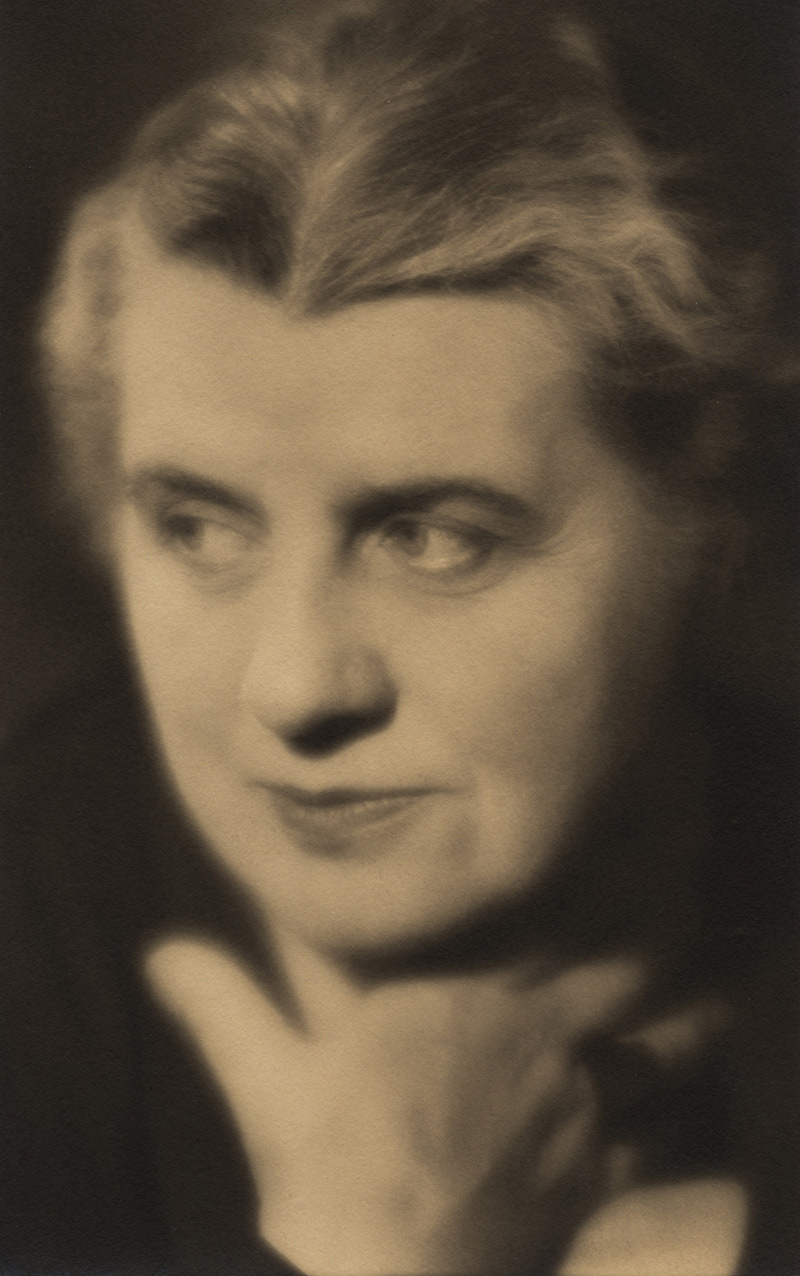
Laure Albin Guillot (French, 1879-1962), a “resounding name that should become famous”, one could read just after World War II. Indeed, the French photographic scene in the middle of the century was particularly marked by the signature and aura of this artist, who during her lifetime was certainly the most exhibited and recognised, not only for her talent and virtuosity but also for her professional engagement.
The exhibition presented at the Musée de l’Elysée in collaboration with the Jeu de Paume gathers a significant collection of 200 original prints and books by Laure Albin Guillot, as well as magazines and documents of the period from public and private collections. A large number of the original prints and documents on show come from the collections of the Agence Roger-Viollet, in collaboration with Parisienne de Photographie, which acquired Laure Albin Guillot’s studio stock in 1964. Made up of 52,000 negatives and 20,000 prints, this source has made it possible to question the oeuvre and the place that the photographer really occupies in history. The photographer’s work could appear as a counter-current to the French artistic scene of the 1920s to 40s, whose modernity and avant-garde production attract our attention and appeal to current tastes. It is however this photography, incarnating classicism and a certain “French style” that was widely celebrated at the time.
If Laure Albin Guillot’s photography was undeniably in vogue between the wars, her personality remains an enigma.
Paradoxically, very little research has been carried out into the work and career of this artist. Her first works were seen in the salons and publications of the early 1920s, but it was essentially during the 1930s and 40s that Laure Albin Guillot, artist, professional and institutional figure, dominated the photographic arena. As an independent photographer, she practised several genres, including portraiture, the nude, landscape, still life and, to a lesser degree, documentary photography. Technically unrivalled, she raised the practice to a certain elitism. A photographer of her epoch, she used the new means of distribution of the image to provide illustrations and advertising images for the press and publishing industry.
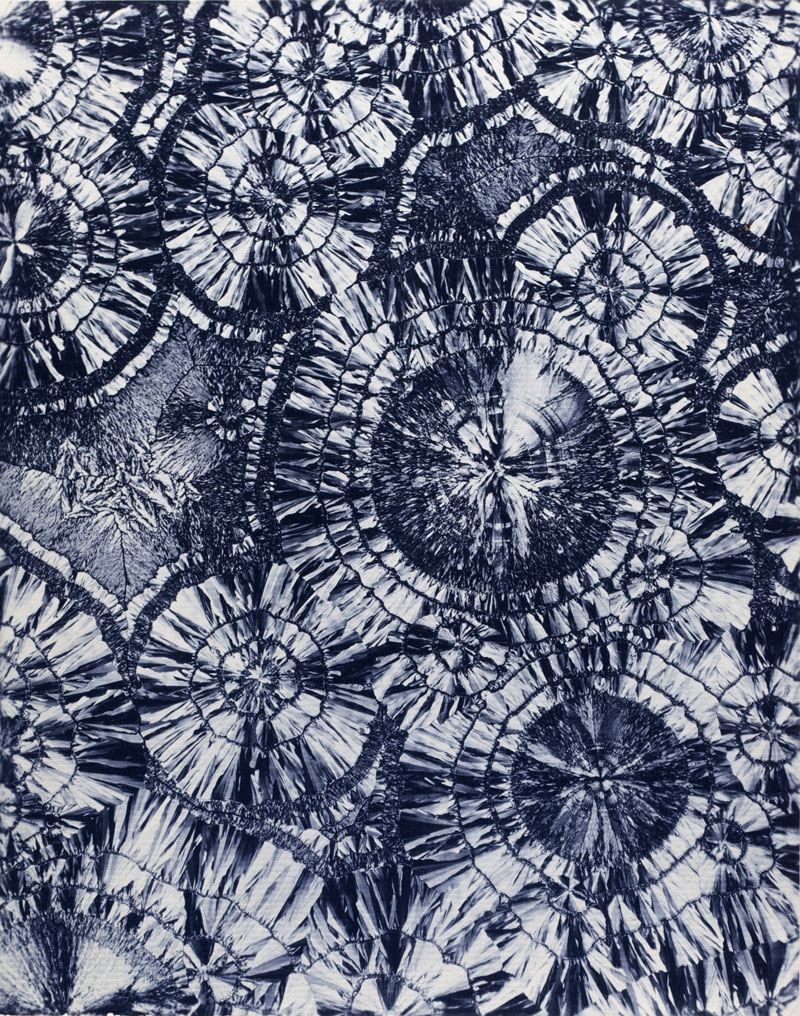
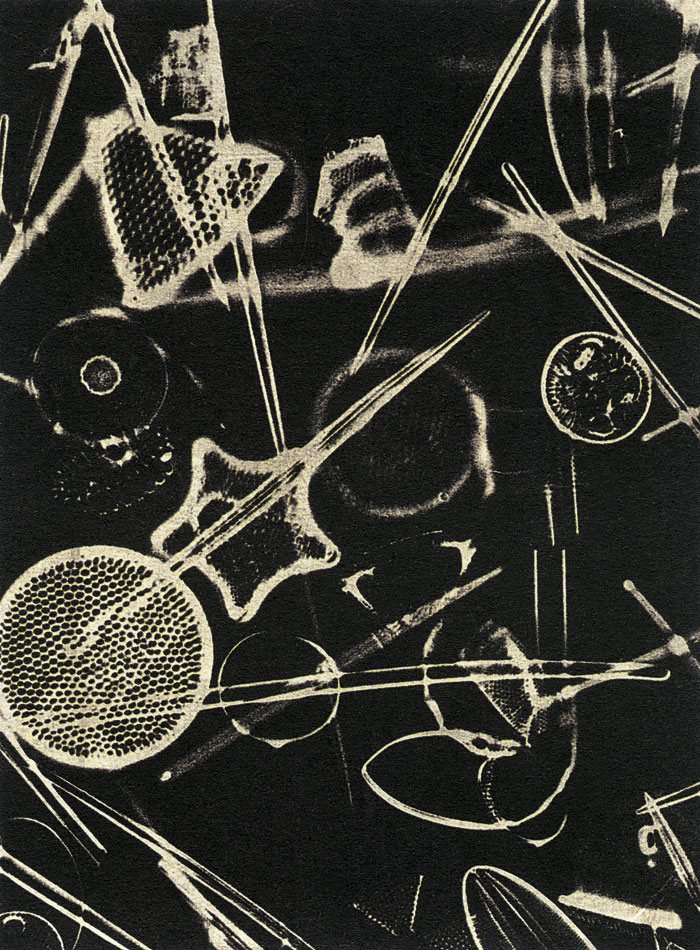
She was notably one of the first in France to consider the decorative use of photography through her formal research into the infinitely tiny. With photomicrography, which she renamed “micrographie”, Laure Albin Guillot offered new creative perspectives in the combination of art and science. Finally, as member of the Société des artistes décorateurs, the Société française de photographie, director of photographic archives for the Direction générale des Beaux-Arts (forerunner of the Ministry of Culture) and director of the project for the Cinémathèque nationale, president of the Union féminine des carrières libérales, she emerges as one of the most active personalities and most aware of the photographic and cultural stakes of the period.
Organised in four parts, the exhibition explores the various aspects of Laure Albin Guillot’s work
Portraits
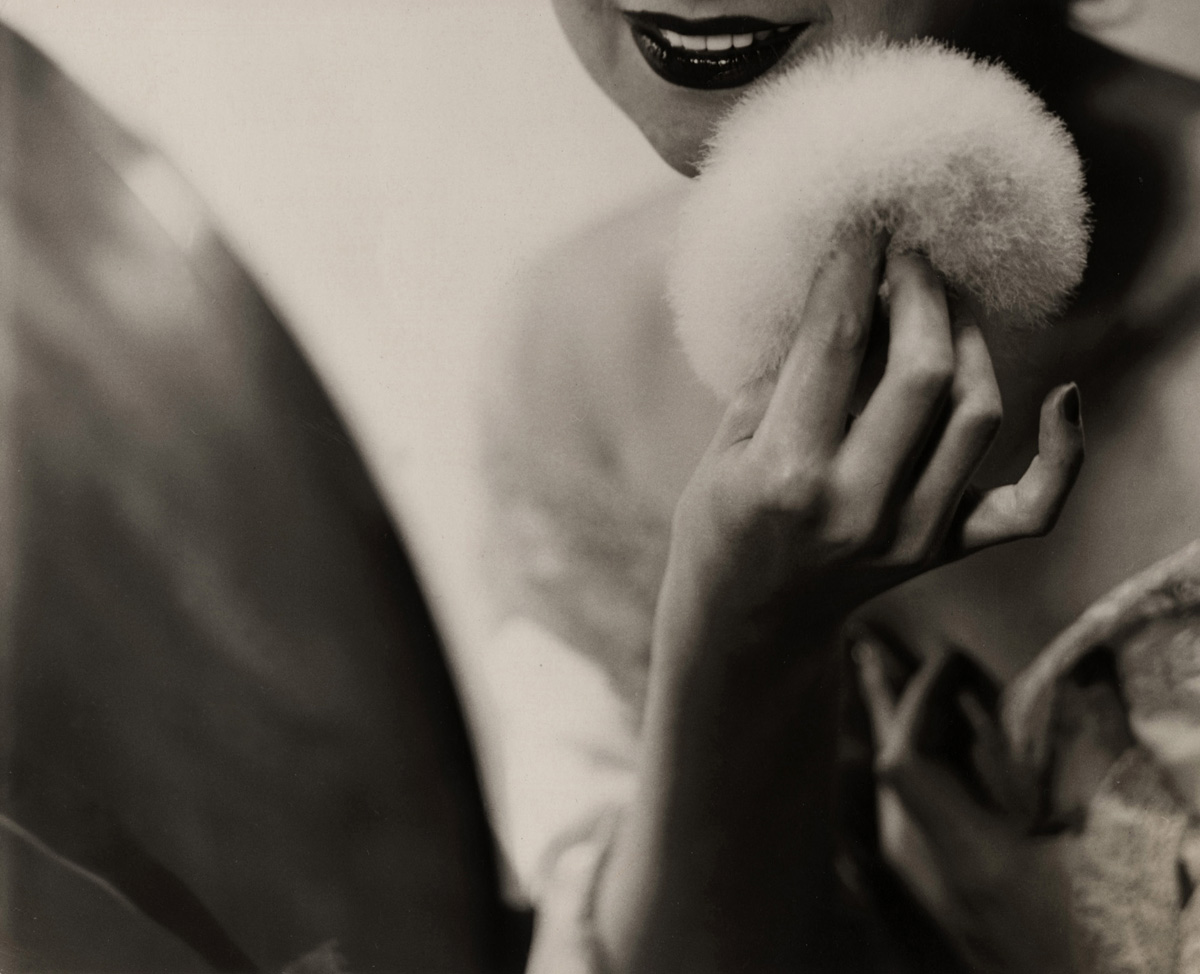
Laure Albin Guillot began her career in the early 1920s with portraits and fashion photography. Already, her trademark was elegance, her method was quite systematic and she used various artifices: pared-back decor, close-ups, limited depth of field, simple lighting. The sought-after effect of interiority and intimacy was accentuated by inspired poses that translate the sitter’s character as is done by painters. She accepted being compared to the Pictorialists. At the start she was quite close to them in her form and technique, following an aesthetic whose expression was facilitated by her use of lenses that blur (Opale and Eïdoscope). Her sessions were short (never more than twenty minutes), the lamps were positioned to supplement each other and not a detail was left in the shadow thanks to a weaker lighting facing the first; while claiming not to go beyond a certain naturalism, she improved the natural: contours are softened, the diffused light is flattering.
In the exercise of the nude, the photographer privileged the mastery of form over inspiration, she sought a poetic purity, a dematerialisation of the body through the power of the spirit; her nudes are constructed by light, they tend towards the ideal. In complete contrast to the importance of character in the portrait, its reduction to a visual form makes the model into a collection of lines, the face is pushed into the corners, almost rubbed out. Laure Albin Guillot did not practise a fragmented language, she proposed fluid forms that appear simple but in reality are highly worked. The reference to statuary is assumed and provides a wide variety of uses for the photographs, each containing several.
A Decorative Art
After 1918, Paris rediscovered its artistic vocation and the “French style” triumphed at the 1925 Exposition internationale des arts industriels et modernes. Alongside the artists and craftsmen, Laure Albin Guillot exhibited an exceptional series of portraits of decorators. She herself made some kakemonos [a Japanese unframed painting made on paper or silk and displayed as a wall hanging], starting from stylised photographs and, inspired by Japanisation, she had some of her photographs inserted into lacquered wood as screens or fire guards.
In 1931, her book Micrographie décorative won her instant international recognition; the work is a visual curiosity, playing on the ambiguity between the origins of the photographic subject and the nature of the reproduced image. The twenty plates of diatoms, minerals and plants taken through a microscope are as much aesthetic propositions as the magisterial culmination of a reflection shared with her late husband, himself a collector of microscopic preparations. This much publicised publication triggered a series of glowing articles that enthused on the fusion between science and art. The micrographs were declined in wallpaper, silks, bindings and assorted objects. In the debate between partisans and detractors of photography as art, she provided her answer: according to her, photography is a decorative art. Micrographie décorative was to be published with a preface by Paul Léon, Director of Fine Art, in homage to Albin Guillot, deceased in 1929.
Advertising Photography
In 1933, Laure Albin Guillot published Photographie publicitaire (Advertising Photography). This book is one of the rare theoretical works written by a French photographer between the wars. At the time she was known for her portraits, her decorative proposals, her fashion photographs and advertising images. But she was also an institutional figure, director of both the photographic archives of the Beaux-Arts (the future Ministry of Culture) and the Cinémathèque nationale.
Laure Albin Guillot was fully aware of the media and commercial stakes developing around the cinema, radio and the illustrated press. Based on her own experience, she tried with this book to define the role that photography could play in the world of advertising that was taking shape. From the end of the 1920s, she carried out a large number of advertising illustrations. She thus elaborated a repertory of simple, effective and easily understandable visual diagrams. A large proportion of her work concerned luxury products such as fine watchmaking, jewellery or fashion. But she also carried out numerous advertisements for the cosmetic and pharmaceutical industries, the newest and most dynamic industrial sectors of the time.
Books and Bibliophile Editions
Laure Albin Guillot’s work was published extensively. The photographer did not work only for the press but also for book publishers, whether it was a matter of portraits of writers for the frontispiece of novels or photographs used here and there in collective works. Between 1934 and 1951, she illustrated no less than eleven books of varying type and subject: novel, school textbook, guide to the Musée du Louvre, prayer book, etc.
In parallel, in collaboration with Paul Valéry, Henry de Montherlant, Marcelle Maurette and Maurice Garçon, she made sumptuous “artist’s books” combining literature and photography. It was with a real strategy of promoting her work that the photographer undertook these works, which were mostly sold by subscription. Their fabrication, luxury and rarity made them true collectors’ pieces at a time when a photography market did not exist (“I made photography an accepted part of bibliophilia,” she would write at the end of her life).
Exhibitions and artist’s books were intimately linked in her method: their publication was heralded by the presentation at a salon or a gallery of sets of prestigious proofs (the large majority pigmented proofs from Ateliers Fresson). Thus, the large-format prints exhibited in this section showing roads or landscapes were probably destined to appear in albums finally not published.
Press release from the The Musée de l’Elysée website
PLEASE NOTE: THIS POSTING CONTAINS ART PHOTOGRAPHS OF MALE AND FEMALE NUDITY – IF YOU DO NOT LIKE PLEASE DO NOT LOOK, FAIR WARNING HAS BEEN GIVEN
Laure Albin Guillot (French, 1879-1962) Estampe pour F. Marquis chocolatier-confiseur, Paris (Print for F. Marquis chocolate maker, Paris)
Sans date (without date)
Collection particulière, Paris
The ravishing sensuality of the nudes make all the hours spent assembling this archive worthwhile!
Marcus
Many thankx to Jue de Paume for allowing me to publish the photographs in the posting. Please click on the photographs for a larger version of the image.
Laure Albin Guillot (French, 1879-1962) Étude publicitaire (Advertising study)
Sans date (without date)
Collection Musée Nicéphore Niépce, Ville de Chalon-sur-Saône
Laure Albin Guillot (French, 1879-1962) Publicité pour la pommade-vaccin Salantale (Advertisement for Salantale ointment vaccine)
1942
Bibliothèque nationale de France
Laure Albin Guillot (Paris, 1879-1962), a “resounding name that should become famous”, one could read just after World War II. Indeed, the French photographic scene in the middle of the century was particularly marked by the signature and aura of this artist, who during her lifetime was certainly the most exhibited and recognised, not only for her talent and virtuosity but also for her professional engagement.
Organised in four parts, the exhibition, Laure Albin Guillot: The Question of Classicism allows one to discover her art of portraiture and the nude, her active role in the advertising world, her printed work and, at last, a significant gathering of her “micrographies décoratives”, stupefying photographs of microscopic preparations that made her renown in 1931. The exhibition presented at the Jeu de Paume gathers a significant collection of 200 original prints and books by Laure Albin Guillot, as well as magazines and documents of the period from public and private collections, such as the Parisienne de Photographie, the Musée National d’Art Moderne, the Bibliothèque Nationale de France, the Musée Nicéphore Niépce (Chalon-sur-Saône) and the Musée Français de la Photographie (Bièvres).
A large number of the original prints and documents on show come from the collections of the Agence Roger-Viollet, which acquired Laure Albin Guillot’s studio stock in 1964. This archive, which now belongs to the City of Paris, recently became accessible after a long inventory process. Made up of 52,000 negatives and 20,000 prints, this source has made it possible to question the oeuvre and the place that the photographer really occupies in history. The photographer’s work could appear as a counter-current to the French artistic scene of the 1920s to 40s, whose modernity and avant-garde production attract our attention and appeal to current tastes. It is however this photography, incarnating classicism and a certain “French style” that was widely celebrated at the time.
If Laure Albin Guillot’s photography was undeniably in vogue between the wars, her personality remains an enigma. Paradoxically, very little research has been carried out into the work and career of this artist. Her first works were seen in the salons and publications of the early 1920s, but it was essentially during the 1930s and 40s that Laure Albin Guillot, artist, professional and institutional figure, dominated the photographic arena. As an independent photographer, she practised several genres, including portraiture, the nude, landscape, still life and, to a lesser degree, documentary photography. Technically unrivalled, she raised the practice to a certain elitism. A photographer of her epoch, she used the new means of distribution of the image to provide illustrations and advertising images for the press and publishing industry.
She was notably one of the first in France to consider the decorative use of photography through her formal research into the infinitely tiny. With photomicrography, which she renamed “micrographie”, Laure Albin Guillot thus offered new creative perspectives in the combination of art and science. Finally, as member of the Société des artistes décorateurs, the Société Française de Photographie, director of photographic archives for the Direction générale des Beaux-Arts (forerunner of the Ministry of Culture) and first curator of the Cinémathèque nationale, president of the Union Féminine des Carrières Libérales, she emerges as one of the most active personalities and most aware of the photographic and cultural stakes of the period.
Laure Albin Guillot (French, 1879-1962) Sans titre [women with crossed legs on a plinth] 1937
Collection musée Nicéphore Niépce, Ville de Chalon-sur-Saône
Jeu de Paume
1, Place de la Concorde
75008 Paris
métro Concorde Phone: 01 47 03 12 50
Opening hours:
Tuesday: 11am – 9pm
From Wednesday to Sunday: 11am – 7pm
Closed Monday
Many thankx to the Moderna Museet for allowing me to publish the photographs in the posting. Please click on the photographs for a larger version of the image.
The French photographer Jeanloup Sieff (1933-2000) is a legend in fashion photography and one of the most prominent photographers of his generation. Opening on 19 February, Moderna Museet in Stockholm presents the first Nordic solo exhibition of Jeanloup Sieff.
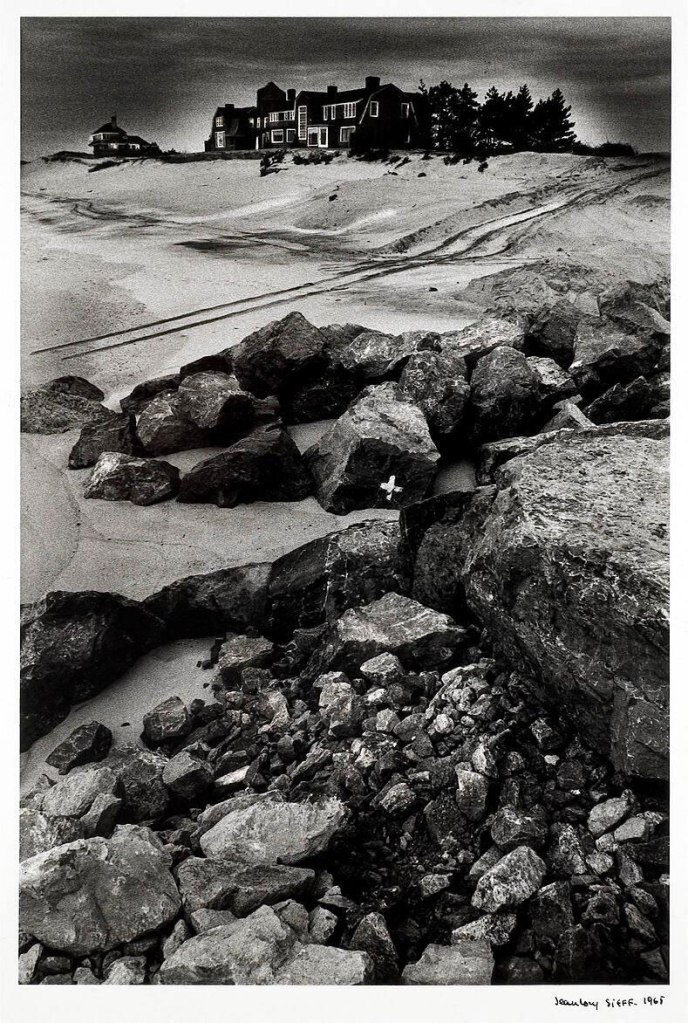
Jeanloup Sieff began photographing in the early 1950s, as a contemporary of Helmut Newton and David Bailey, belonging to the generation succeeding Irving Penn. In the course of a long career, his photography spanned from fashion, advertising and portraits to reportage and landscapes. His images are often sensual and elegant, and in the 1960s he was much in demand as a fashion photographer, especially in the USA, where he lived for some years in New York. As a respected fashion photographer, Sieff had assignments for magazines such as Elle, Harper’s Bazaar, Vogue, Esquire, Glamour and Jardin des Modes. Sieff also engaged in commercial photography, including promotion campaigns for Chanel and Revlon and the first Yves Saint Laurent fragrance.
“In his fashion and advertising photographs the models are characteristically close to the pictorial surface, an effect achieved by using a wide-angle lens. His working method was based on physical and emotional closeness. This lack of distance makes his images exciting and visually interesting,” says Anna Tellgren, curator.
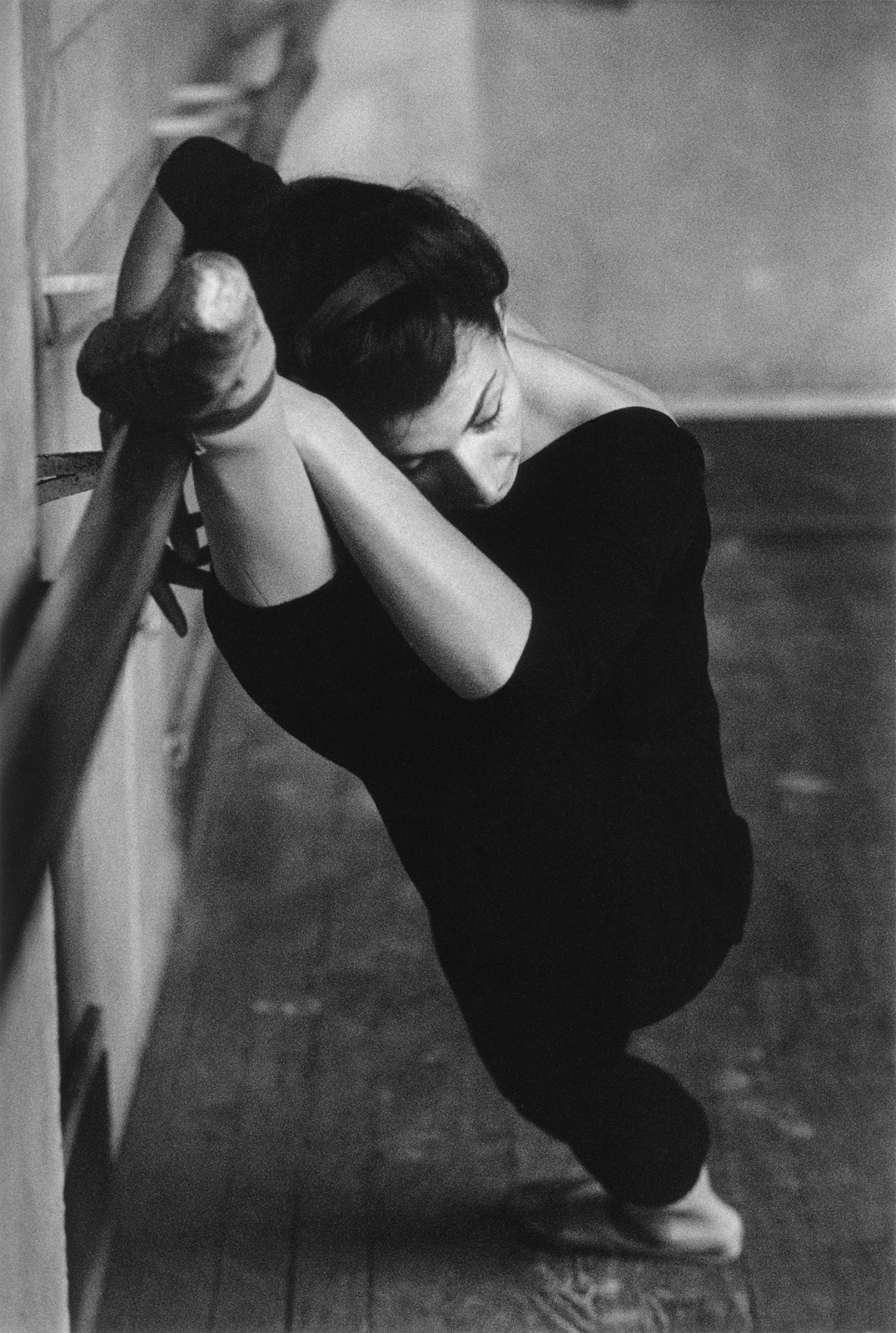
In the course of his career, Jeanloup Sieff took several now classic portraits of prominent fashion icons, including Yves Saint Laurent, Karl Lagerfeld and Jane Birkin. French cultural celebrities such as François Truffaut, Catherine Deneuve and Serge Gainsbourg have also been portrayed by Sieff. Several of these portraits will be featured in the exhibition at Moderna Museet. Jeanloup Sieff was deeply fascinated by dance, another of his frequent subjects. He got to know Rudolf Nureyev just after he had defected to the West, and collaborated with the American dancer and choreographer Carolyn Carlson. The exhibition at Moderna Museet presents a selection of 53 pictures from Sieff’s photographic oeuvre, with an emphasis on his dance photography.
“He was interested in the dancers as artists, and the actual struggle during rehearsal to get their bodies to perform more or less impossible movements. His dance photographs are fascinating because they really convey the smell of sweat and the shuffling sound of dance shoes, which is exactly what he was after,” Anna Tellgren, the curator of the exhibition, commented.
Moderna Museet is ten minutes away from Kungsträdgården, and twenty minutes from T-Centralen or Gamla Stan. Walk past Grand Hotel and Nationalmuseum on Blasieholmen, opposite the Royal Palace. After crossing the bridge to Skeppsholmen, continue up the hill. The entrance to Moderna Museet and Arkitekturmuseet is on the left-hand side.
Opening hours: Tuesday and Friday 10 – 20 Wednesday, Thursday, Saturday and Sunday 10 – 18 Monday closed



![François Kollar (French born Slovakia, 1904-1979) 'Untitled [mine worker]' 1931-1934](https://artblart.com/wp-content/uploads/2016/05/kollar-worker-web.jpg "François Kollar (French born Slovakia, 1904-1979) 'Untitled [mine worker]' 1931-1934")




![François Kollar (French born Slovakia, 1904-1979) Untitled [Emplacement de traverses, usine Cima, Croix]' [Replacement of sleepers, Cima factory, Croix] c. 1954](https://artblart.com/wp-content/uploads/2016/05/kollar_18-web.jpg "François Kollar (French born Slovakia, 1904-1979) Untitled [Emplacement de traverses, usine Cima, Croix]' [Replacement of sleepers, Cima factory, Croix] c. 1954")

![François Kollar (French born Slovakia, 1904-1979) 'Untitled [Fabrication des moulins à légumes, usine Moulinex, Alençon]' [Production of vegetable mills, Moulinex factory, Alençon] 1950](https://artblart.com/wp-content/uploads/2016/05/kollar_16-web.jpg "François Kollar (French born Slovakia, 1904-1979) 'Untitled [Fabrication des moulins à légumes, usine Moulinex, Alençon]' [Production of vegetable mills, Moulinex factory, Alençon] 1950")
![François Kollar (French born Slovakia, 1904-1979) 'Untitled [Emboutissage des couverts, Christofle, France]' [Stamping cutlery, Christofle, France] 1957-1958](https://artblart.com/wp-content/uploads/2016/05/kollar_15-web.jpg "François Kollar (French born Slovakia, 1904-1979) 'Untitled [Emboutissage des couverts, Christofle, France]' [Stamping cutlery, Christofle, France] 1957-1958")











![Laure Albin Guillot (French, 1879-1962) 'Estampe pour F. Marquis chocolatier-confiseur, Paris [Print for F. Marquis chocolate maker, Paris]' sans date (without date)](https://artblart.com/wp-content/uploads/2013/04/albinguillot_13-web.jpg "Laure Albin Guillot (French, 1879-1962) 'Estampe pour F. Marquis chocolatier-confiseur, Paris [Print for F. Marquis chocolate maker, Paris]' sans date (without date)")
![Laure Albin Guillot (French, 1879-1962) 'Les tierces alternées, illustration pour les Préludes de Claude Debussy [The third alternative, illustration for Claude Debussy Preludes]' 1948](https://artblart.com/wp-content/uploads/2013/04/laure-albin-guillot-les-tierces-alternes-illustration-pour-les-prludes-de-claude-debussy-1948-web.jpg "Laure Albin Guillot (French, 1879-1962) 'Les tierces alternées, illustration pour les Préludes de Claude Debussy [The third alternative, illustration for Claude Debussy Preludes]' 1948")





![Laure Albin Guillot (French, 1879-1962) 'Nudite de Jeune Femme [Nude of a Young Woman]' c. 1950](https://artblart.com/wp-content/uploads/2013/04/laure_albin-guillot_nudite_de_jeune_femme-web.jpg "Laure Albin Guillot (French, 1879-1962) 'Nudite de Jeune Femme [Nude of a Young Woman]' c. 1950")

![Laure Albin Guillot (French, 1879-1962) 'Sans titre [women with crossed legs on a plinth]' 1937](https://artblart.com/wp-content/uploads/2013/04/albinguillot_sanstitre-web.jpg "Laure Albin Guillot (French, 1879-1962) 'Sans titre [women with crossed legs on a plinth]' 1937")






 Art Blart _ art and cultural memory archive
You must be logged in to post a comment.