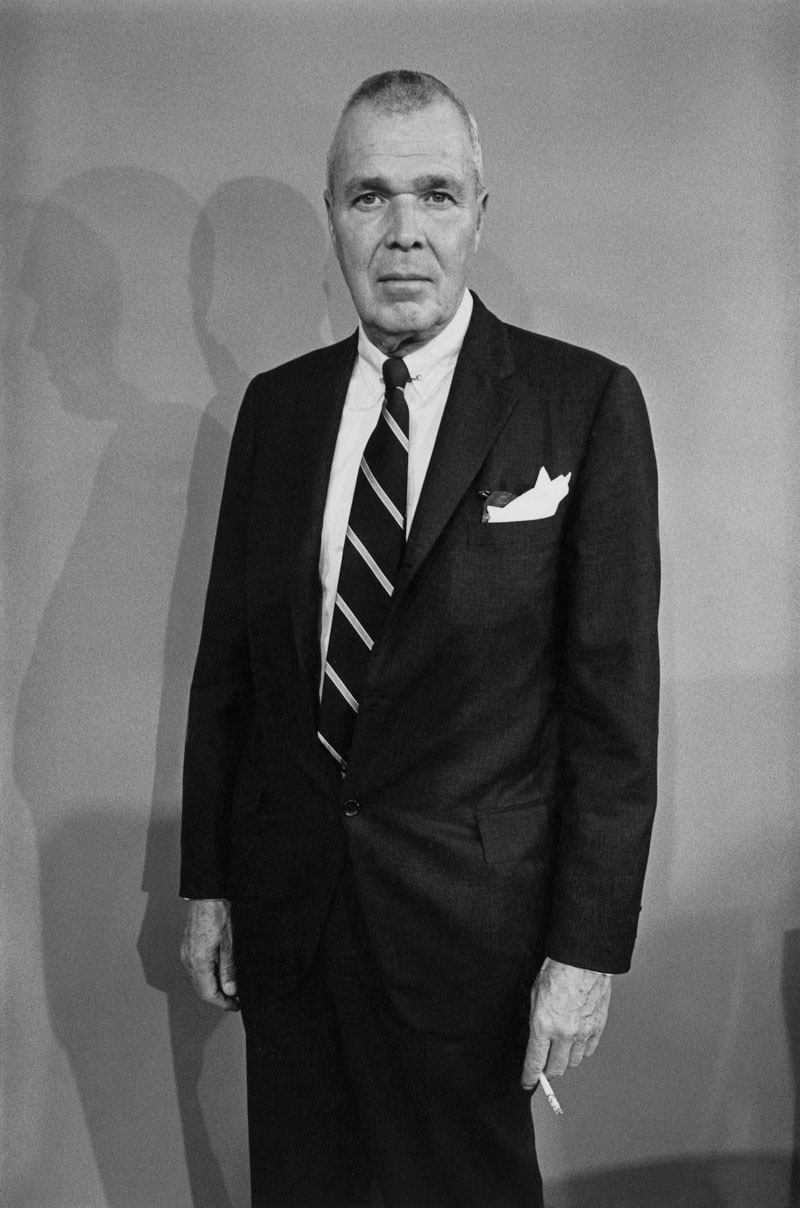
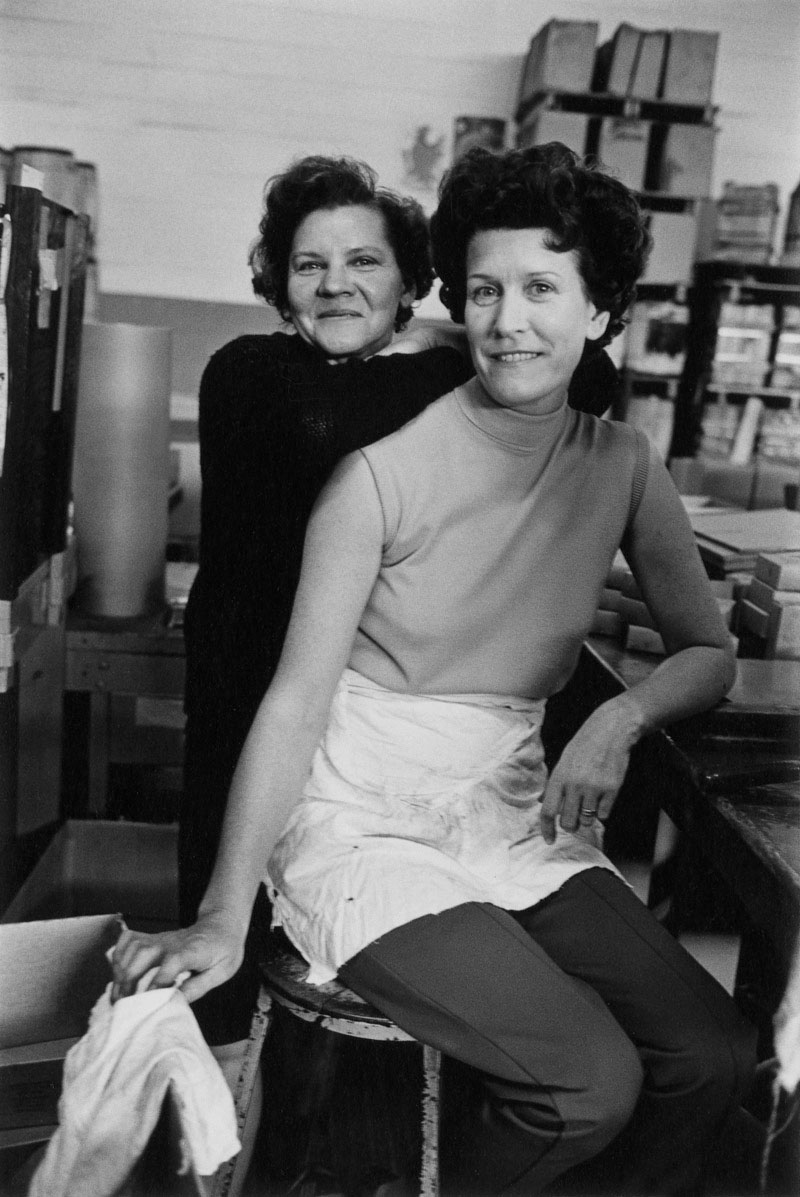
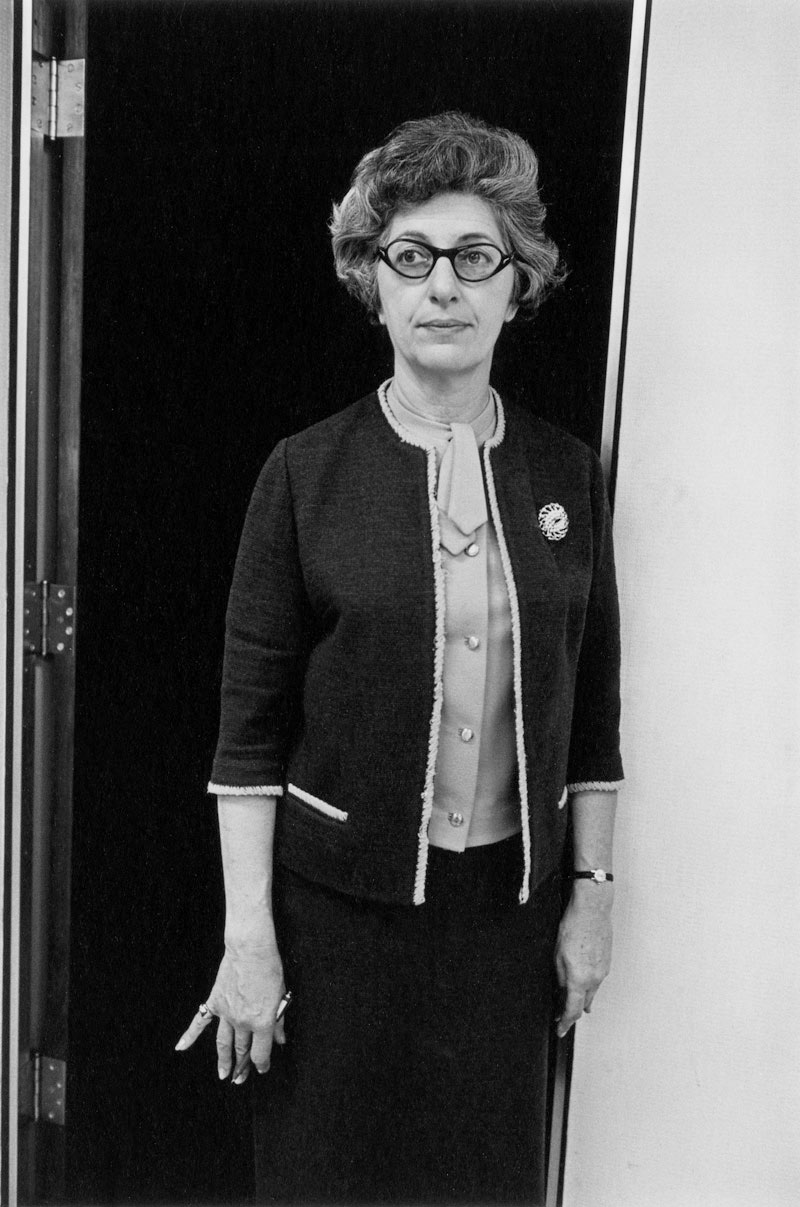
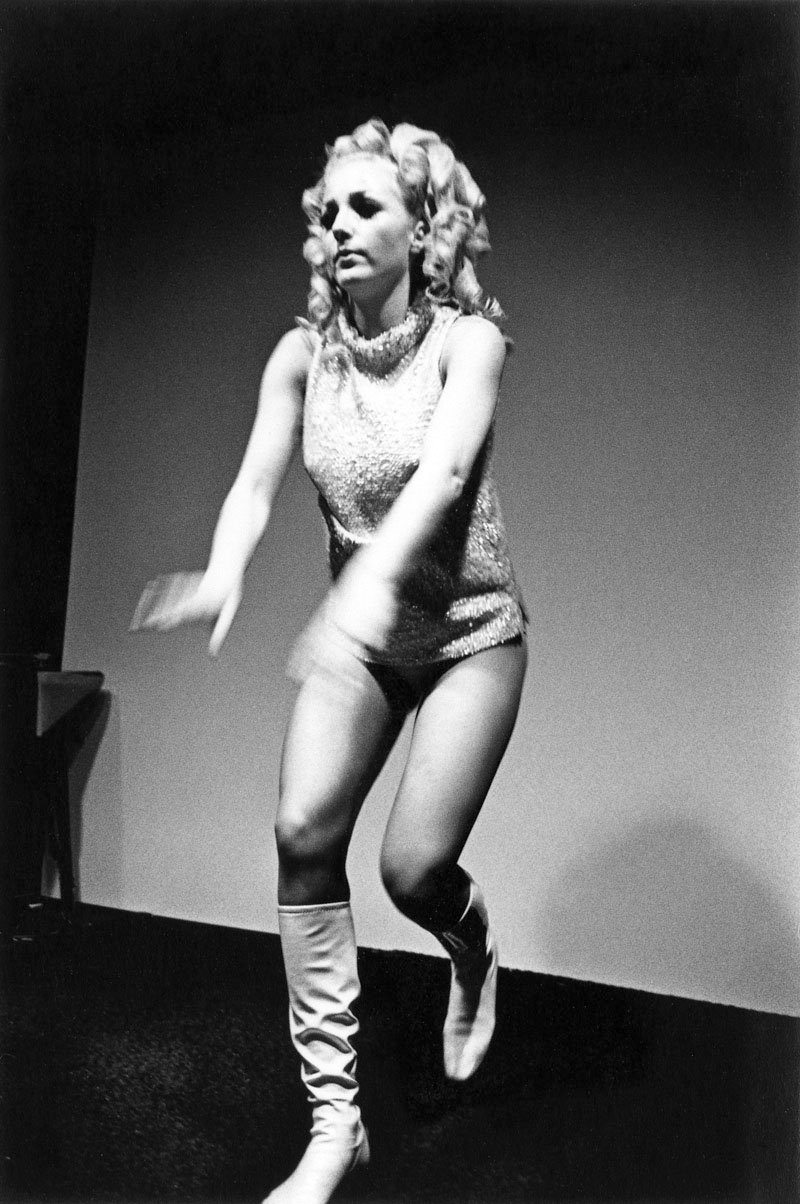
Exhibition: ‘Diane Arbus: Sanctum Sanctorum’ at David Zwirner, London

Exhibition dates: 6th November, 2025 – 17th January, 2026


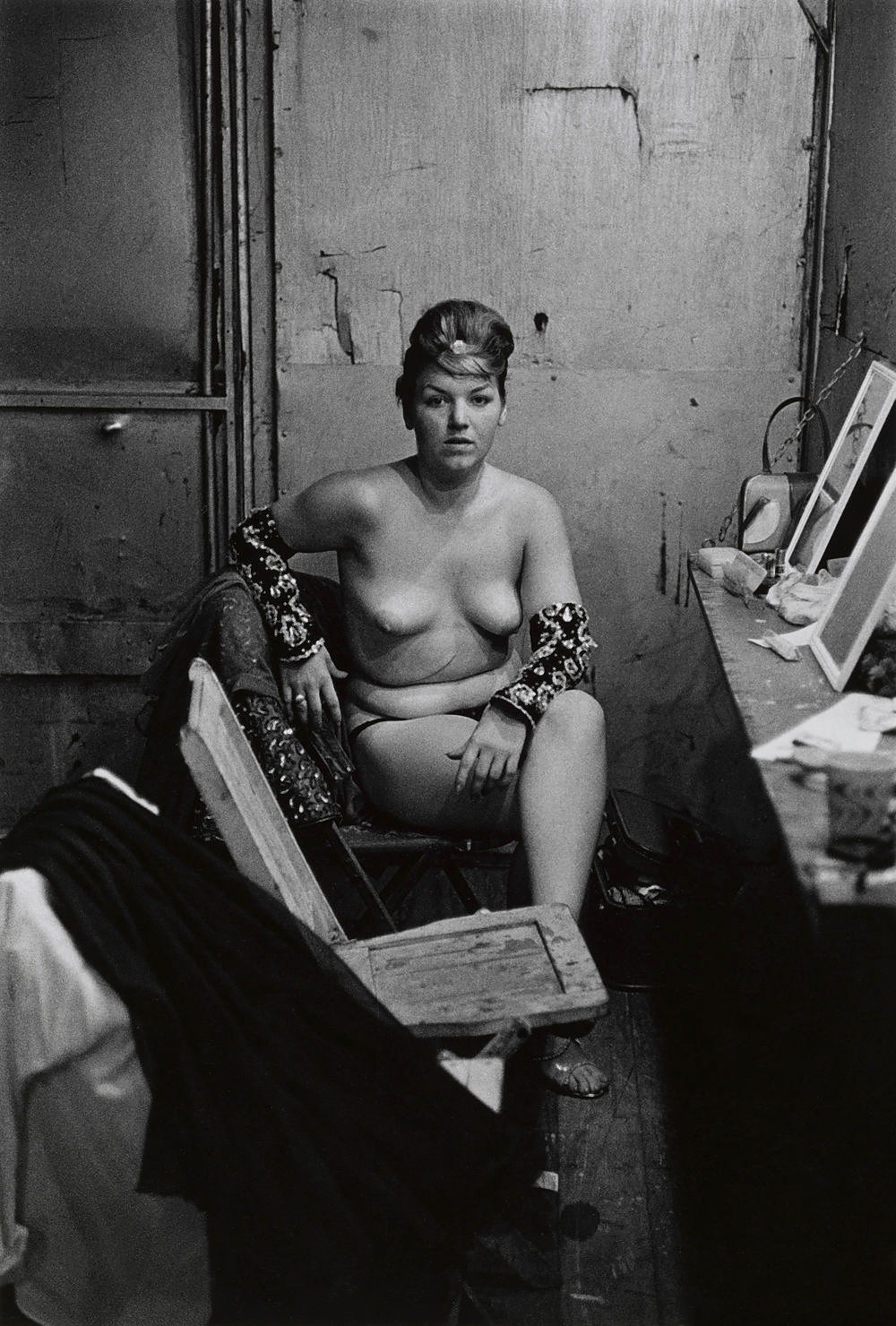
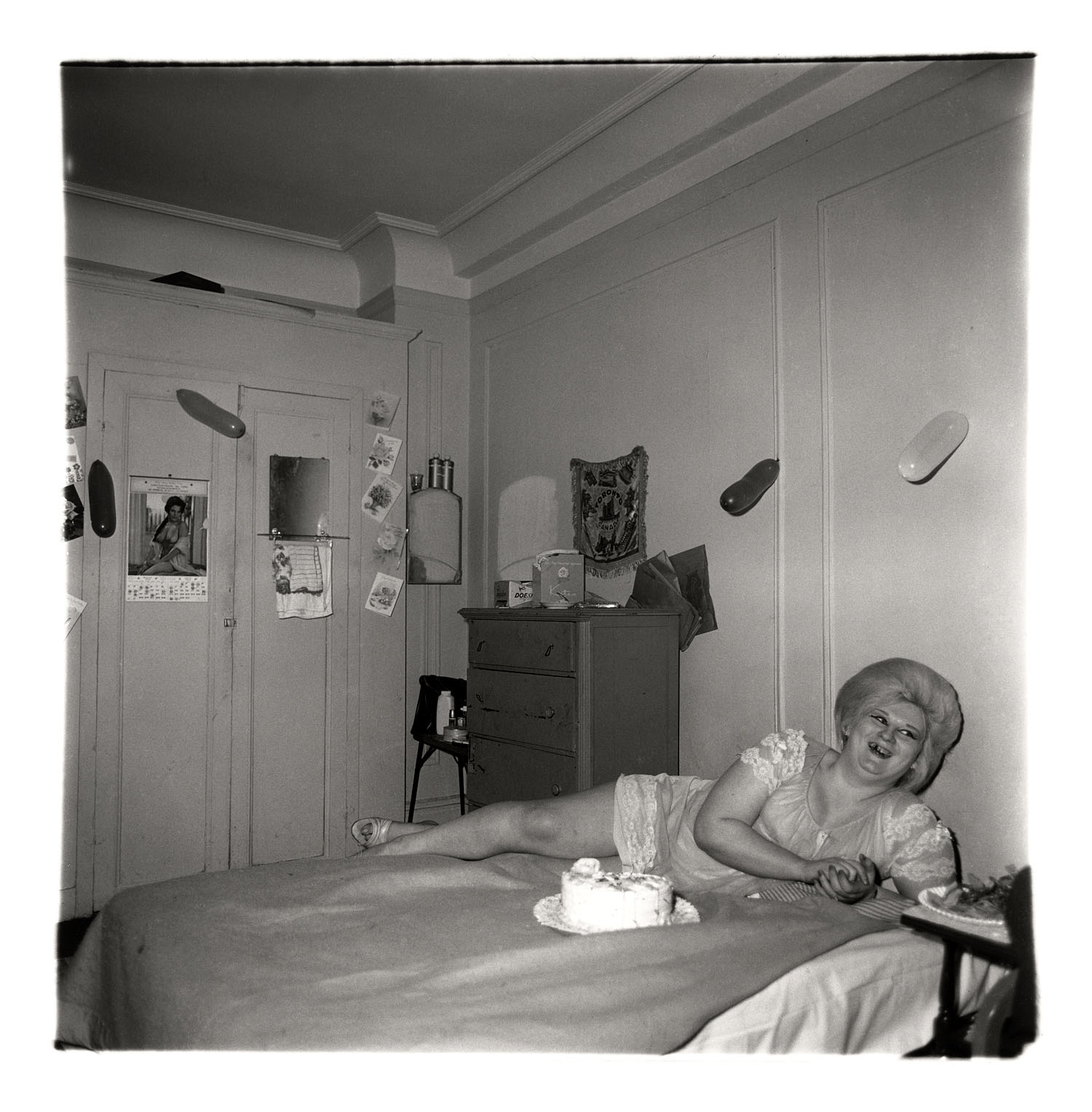
Diane Arbus (American, 1923-1971) 'Transvestite with her birthday cake, N.Y.C. 1969' 1969 from the exhibition 'Diane Arbus: Sanctum Sanctorum' at David Zwirner, London, Nov 2025 - Jan 2026


Diane Arbus (American, 1923-1971)
Transvestite with her birthday cake, N.Y.C. 1969
1969
Gelatin silver print
© The Estate of Diane Arbus


Without judgement

In my humble opinion Diane Arbus is the best portrait photographer of the 20th century.

As can be seen in the quotation from a 1939 high-school essay on Plato when Arbus was just 19 years old (below), latent inside her was an appreciation of difference, uniqueness, and the importance of life – all awaiting an out, an emanation of her spirit later manifested in her photographs through the picturing of her subjects.

Arbus found her mature voice as an artist, her métier if you like, when in 1962 she switched from a 35mm camera to a 2 1/4 inch twin-lens reflex (TLR) Rolleiflex (later a Mamiyaflex), a square format which became her iconic signature.

In the photograph Nancy Bellamy’s bedroom, N.Y.C. 1961 (1961, below) we therefore have evidence of the early results of the use of this new camera. In this photograph I believe you can feel how Arbus is still getting used to his new way of seeing the world, for you have to approach your visualisation of the world in a completely different way when constructing the image plane in a square format. Here she is still unsure as to where to place the camera. The light is fantastic coming in through the window and flooding the room but the out of focus left wall is weak and simply does not work with the image.

Fast forward to 1963-1965 and we see Arbus in complete control of her physical and emotional environment. In photographs from this period, whether medium distance portraits showing subjects in situ or tightly cropped portraits with minimal backgrounds, we see her undoubted mastery of natural light, flash, construction and tensioning of the image plane but, above all, in control of the feeling that emanates from the photographs that flows to the viewer.

Whether direct / acceptance / this is who I am (Interior decorator at the nudist camp in his trailer, New Jersey, 1963, 1963 below) to contained / introspective (Lucas Samaras, N.Y.C. 1966, 1966 below) – but never the dreaded “dead pan” – and on to the inscrutable / open / closed looks on each of the three faces in the photograph Triplets in their Bedroom, N.J., 1963 (1963, below), Arbus is the master at conjuring, no what is the word I’m looking for … Arbus is the master at materialising the energy of a person or place before our very eyes.

As the press release so eloquently states, “Through her singular combination of intelligence, charisma, intuition, and courage, Diane Arbus was frequently invited into homes and other private realms seldom seen by strangers. Though made in intimate settings, her photographs evidence no sense of intrusion or trespass. Instead, they reveal an unspoken exchange between photographer and subject, a moment of recognition in which confidences emerge freely and without judgment.”

An unspoken exchange between photographer and subject. A moment of revelation, or revelatio, where the curtain is pulled back to reveal our innermost secrets. Visualised by Arbus without judgement.

As the years progress towards 1968-1970 Arbus becomes bolder still. In photographs such as A naked man being a woman, N.Y.C., 1968 (1968, below), Girl sitting on her bed with her shirt off, N.Y.C., 1968 (1968, below) and Mexican Dwarf in his hotel room, N.YC., 1970 (1970, below) we see and feel such an intimate bond between the photographer and the subject – all crap cut out, all extraneous noise gone, just the baring of the soul of the sitter looking directly into the camera. As Minor White used to say, a communication / communion between the photographer and the subject, back through the lens of the camera and onto the film, forming a Zenian circle of energy, hoping for a revelation of spirit in the negative and subsequent print – whether that be from a rock, a landscape or a portrait.

And in two photographs from the same sitting, we can begin to understand how Arbus achieved her aim. In the photograph Transvestite at the birthday party, N.Y.C. 1969 (1969, below) we have the subject in situ, in context, laughing, happy, enjoying her birthday party surrounded by her things. Then things change. In Transvestite with her birthday cake, N.Y.C. 1969 (1969, below) Arbus closes in on this wonderful human being on her bed with her birthday cake. Isolating her from the background through the use of flash, there she is, fag in hand, staring directly into the camera in all her strength and vulnerability. Arbus evinces what it is to be this human being, she has empathy for the subject in these intimate settings.

I believe that Arbus’ empathy for her subjects was greatly enhanced by the waist level engagement with her sitters when using her medium format camera. Instead of bringing the camera up to the eye, Arbus looks down into the viewfinder to locate and ground the energy of her subjects, and the camera is nestled at solar plexus / belly button, with all the connection to mother, blood, energy and water (Amniotic Fluid) from which we all come. When singing and in yoga practice, breathing comes from the stomach and the energy flows in an out of the navel, the Manipura (solar plexus) in yoga, linked to personal power, emotional balance, and metabolism, acting as a hub for energy distribution.1 Having used an old Mamiya twin-lens C220 medium format camera myself I can totally appreciate the unique perspective and energy such a camera position brings to picturing the world.

“These archetypal images have become deeply embedded in the collective conscience where conscience is pre-eminently the organ of sentiments and representations. The snap, snap, snap of the shutter evinces the flaws of human nature, reveals the presence of a quality or feeling to which we can all relate. As Arbus states, the subject of the picture is always more important than the picture. And more complicated. That is why these photographs always capture our attention – because we become, we inhabit, we are the subject.”2

Dr Marcus Bunyan


1/ The (navel) is seen as a powerful energy centre in many traditions (Yoga, Ayurveda, TCM) and science, representing our origin, core strength, digestion (Agni/digestive fire), self-esteem, and life force (prana).

2/ Marcus Bunyan commenting on the exhibition Diane Arbus at Jeu de Paume, Paris, October 2011 – February 2012


Many thankx to David Zwirner for allowing me to publish the 5 images and installation photographs in the posting. All other photographs are used under fair use conditions for the purposes of eduction and research. Please click on the photographs for a larger version of the image.


“For me the subject of the picture is always more important than the picture. And more complicated.”


Diane Arbus


“There are and have been and will be an infinite number of things on earth: individuals all different, all wanting different things, all knowing different things, all loving different things, all looking different. Everything that has been on earth has been different from any other thing. That is what I love: the differentness, the uniqueness of all things and the importance of life…. I see something that seems wonderful; I see the divineness in ordinary things.”


Diane Arbus in a high-school essay on Plato, 1939


Dennis McGuire (American) 'Untitled [Diane Arbus using her medium format Mamiya camera]' Nd


Dennis McGuire (American)
Untitled [Diane Arbus using her medium format Mamiya camera]
Nd
© Dennis McGuire

Used under fair use conditions for the purposes of education and research
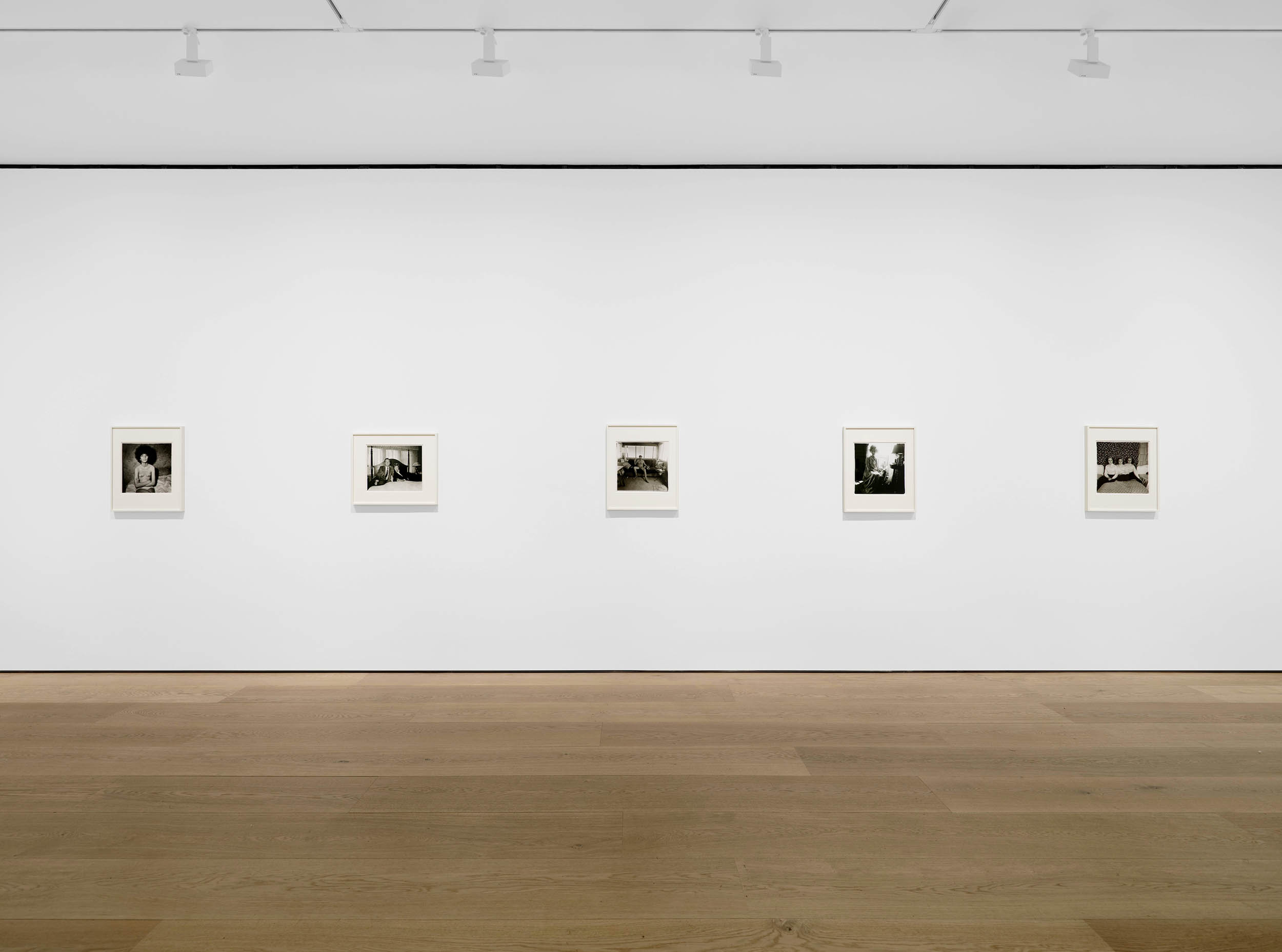
 

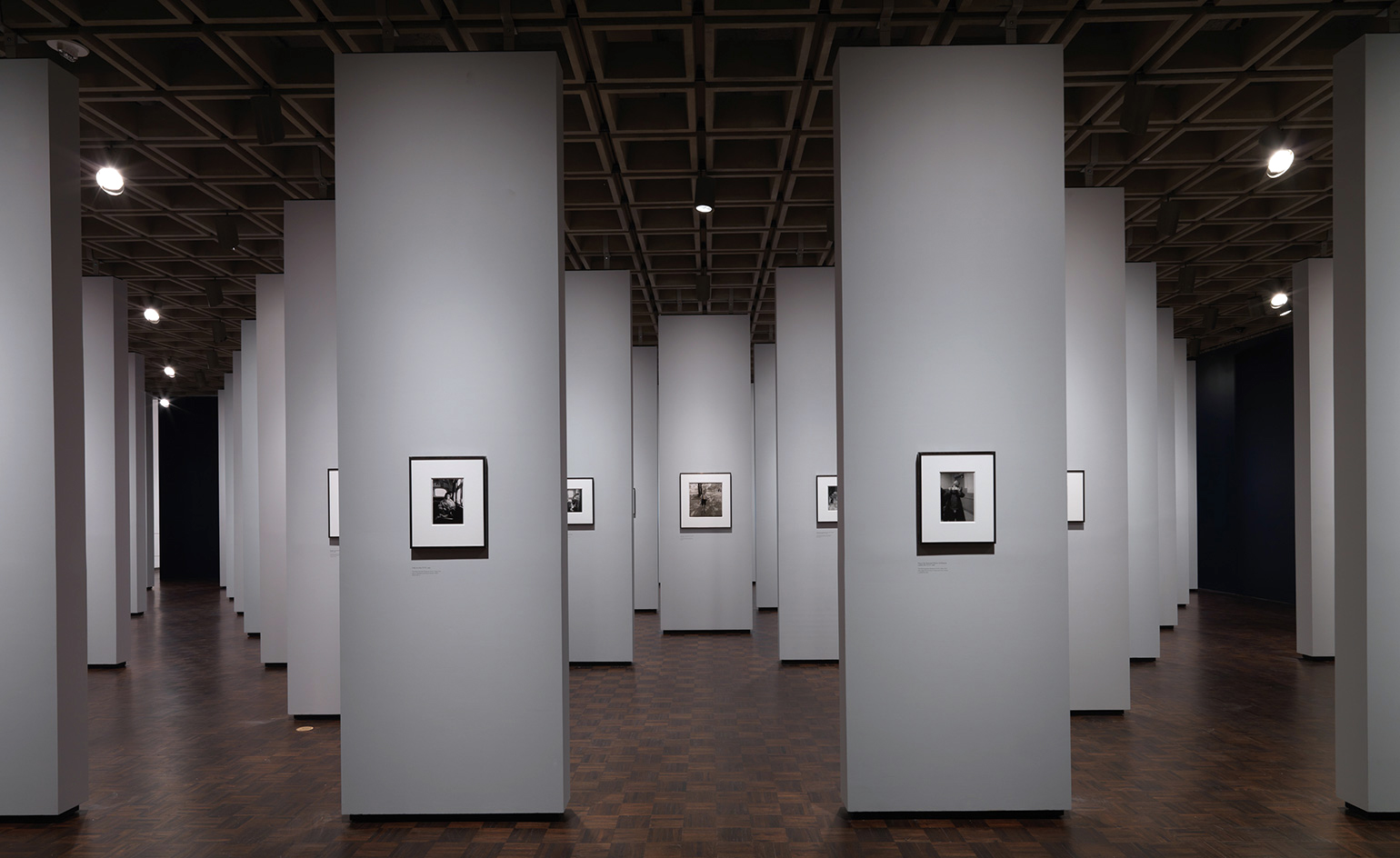
Installation view of the exhibition 'Diane Arbus: Sanctum Sanctorum' at David Zwirner, London


Installation view of the exhibition Diane Arbus: Sanctum Sanctorum at David Zwirner, London showing at left, Arbus’ Girl sitting on her bed with her shirt off, N.Y.C., 1968; at centre, Interior decorator at the nudist camp in his trailer, New Jersey 1963; at second right, Mrs. T. Charlton Henry in a negligee, Philadelphia, Pa. 1965; and at right, Triplets in their Bedroom, N.J., 1963
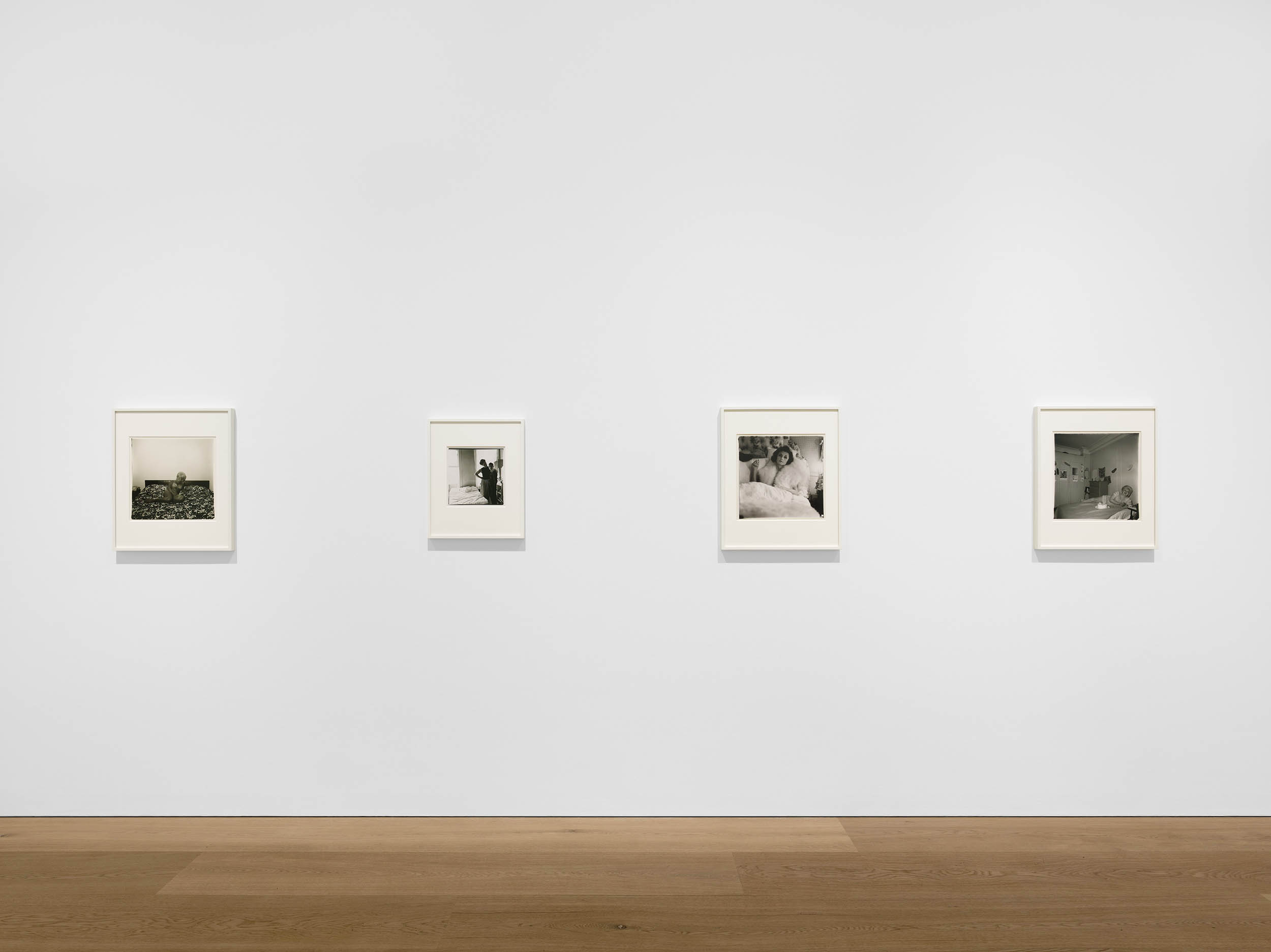
 

Installation view of the exhibition 'Diane Arbus: Sanctum Sanctorum' at David Zwirner, London


Installation view of the exhibition Diane Arbus: Sanctum Sanctorum at David Zwirner, London showing at second left, Arbus’ Two friends at home, N.Y.C., 1965; at second right, Brenda Diana Duff Frazier, 1938 Debutante of the Year, at home, Boston, Mass. 1966; and at right, Transvestite at her birthday party, N.Y.C., 1968
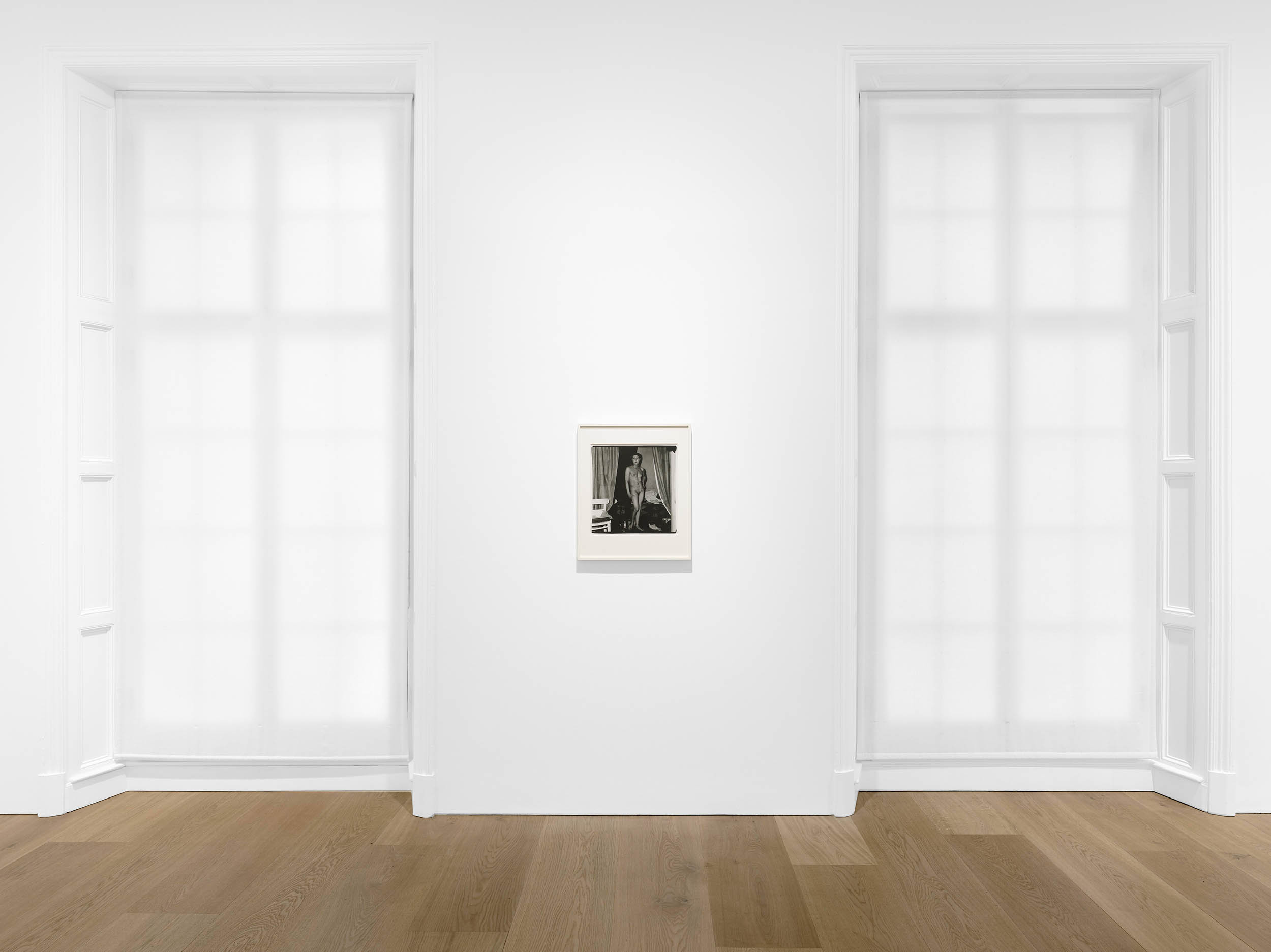
 

Installation view of the exhibition 'Diane Arbus: Sanctum Sanctorum' at David Zwirner, London


Installation view of the exhibition Diane Arbus: Sanctum Sanctorum at David Zwirner, London showing Arbus’ photograph A naked man being a woman, N.Y.C. 1968
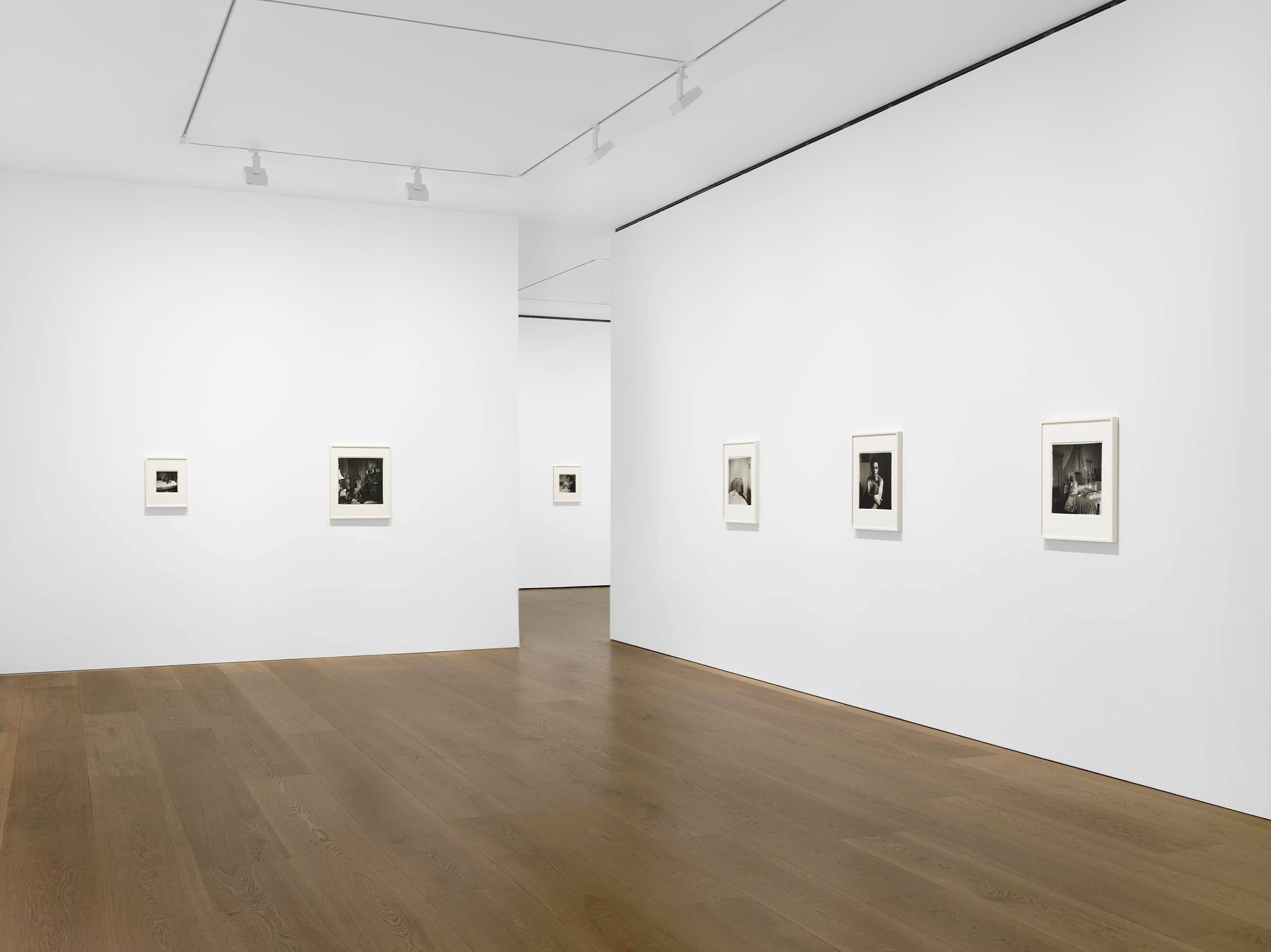
 

Installation view of the exhibition 'Diane Arbus: Sanctum Sanctorum' at David Zwirner, London


Installation view of the exhibition Diane Arbus: Sanctum Sanctorum at David Zwirner, London showing in the centre distance, Arbus’ Mexican dwarf in his hotel room, N.Y.C. 1970; at second right, Lucas Samaras, N.Y.C. 1966; and at right, Bishop on her bed, Santa Barbara, Cal., 1964


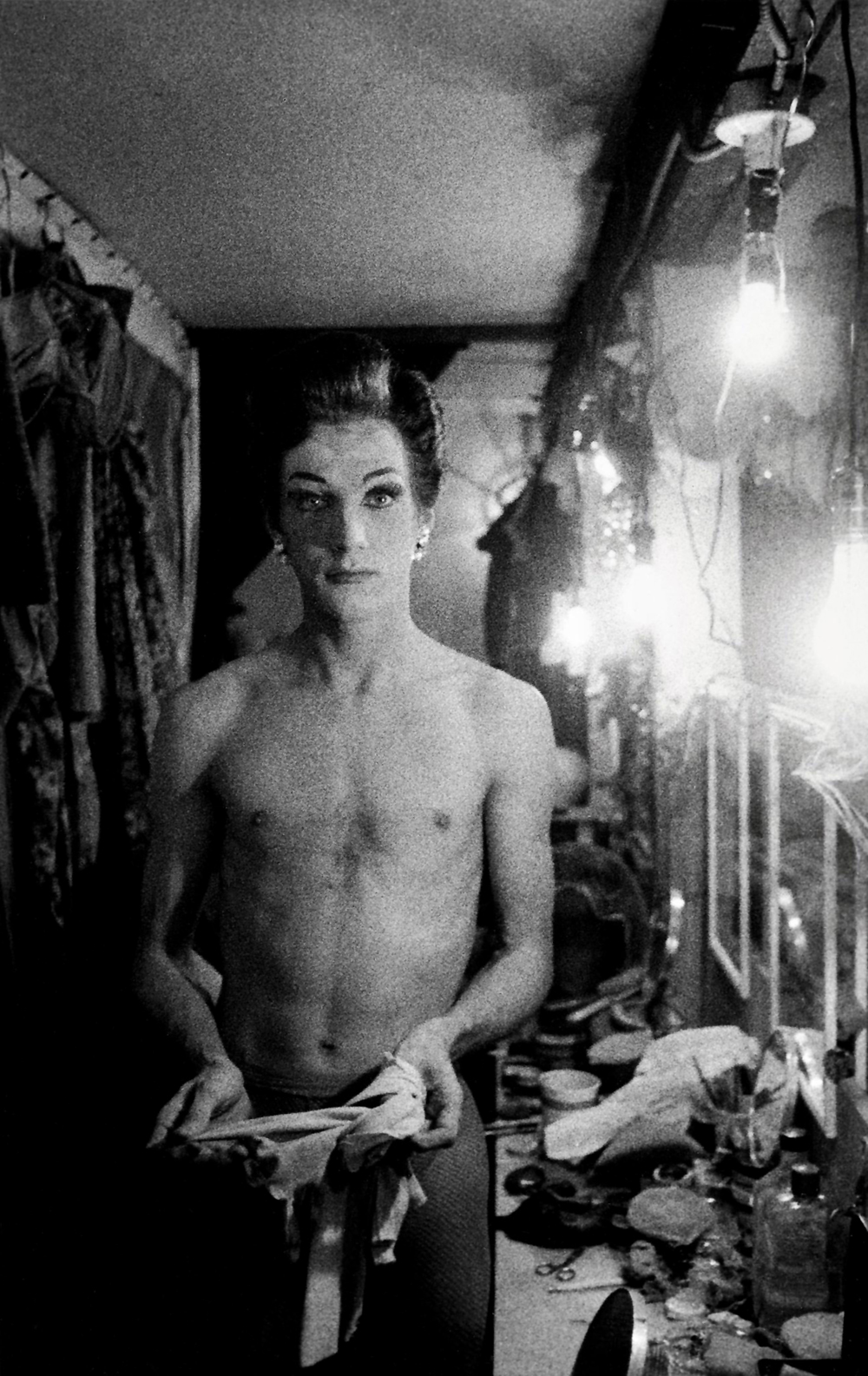
Diane Arbus (American, 1923-1971) 'Female impersonator on bed, N.Y.C. 1961' 1961 from the exhibition 'Diane Arbus: Sanctum Sanctorum' at David Zwirner, London, Nov 2025 - Jan 2026


Diane Arbus (American, 1923-1971)
Female impersonator on bed, N.Y.C. 1961
1961
Gelatin silver print
© The Estate of Diane Arbus
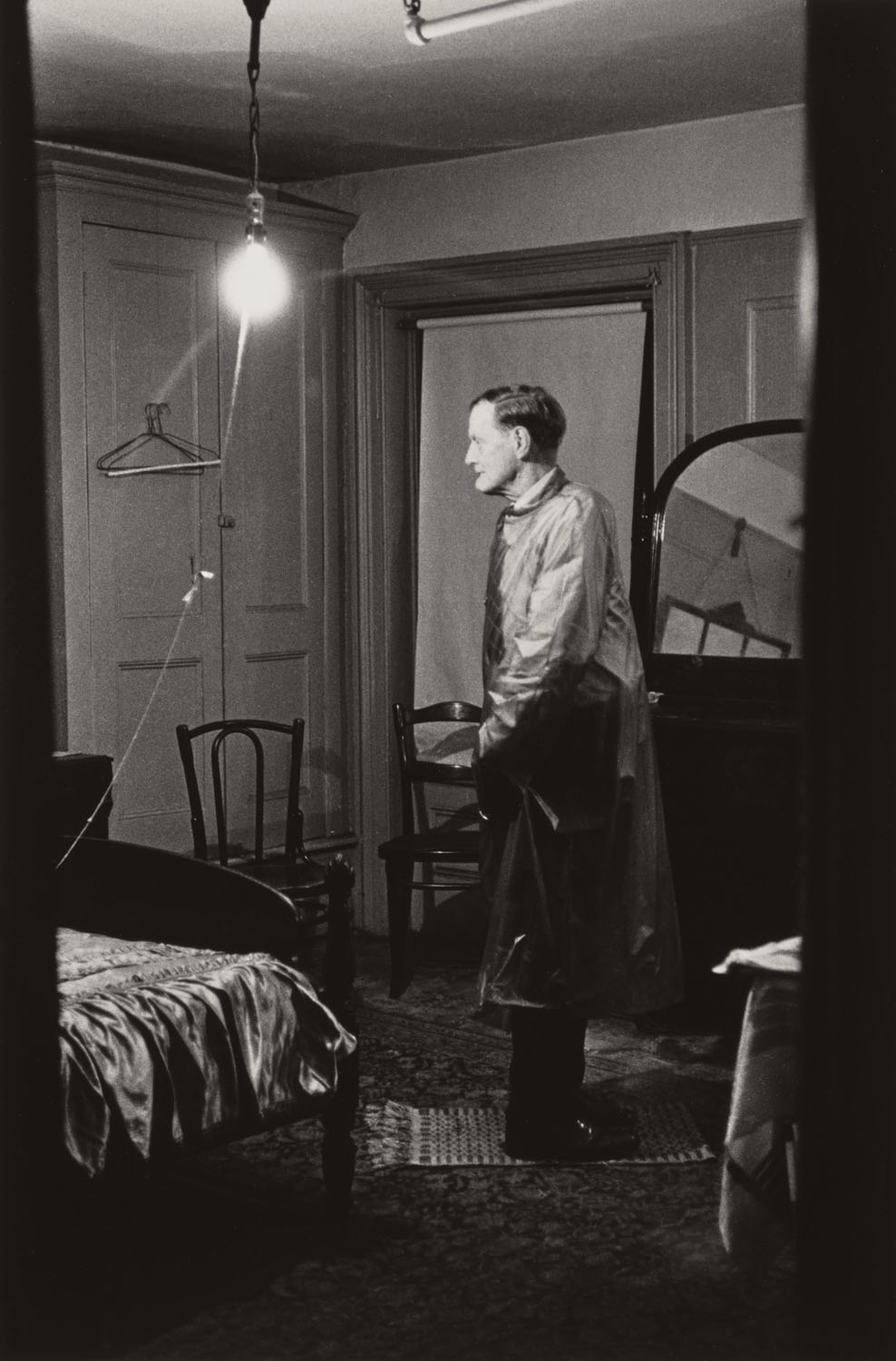
 

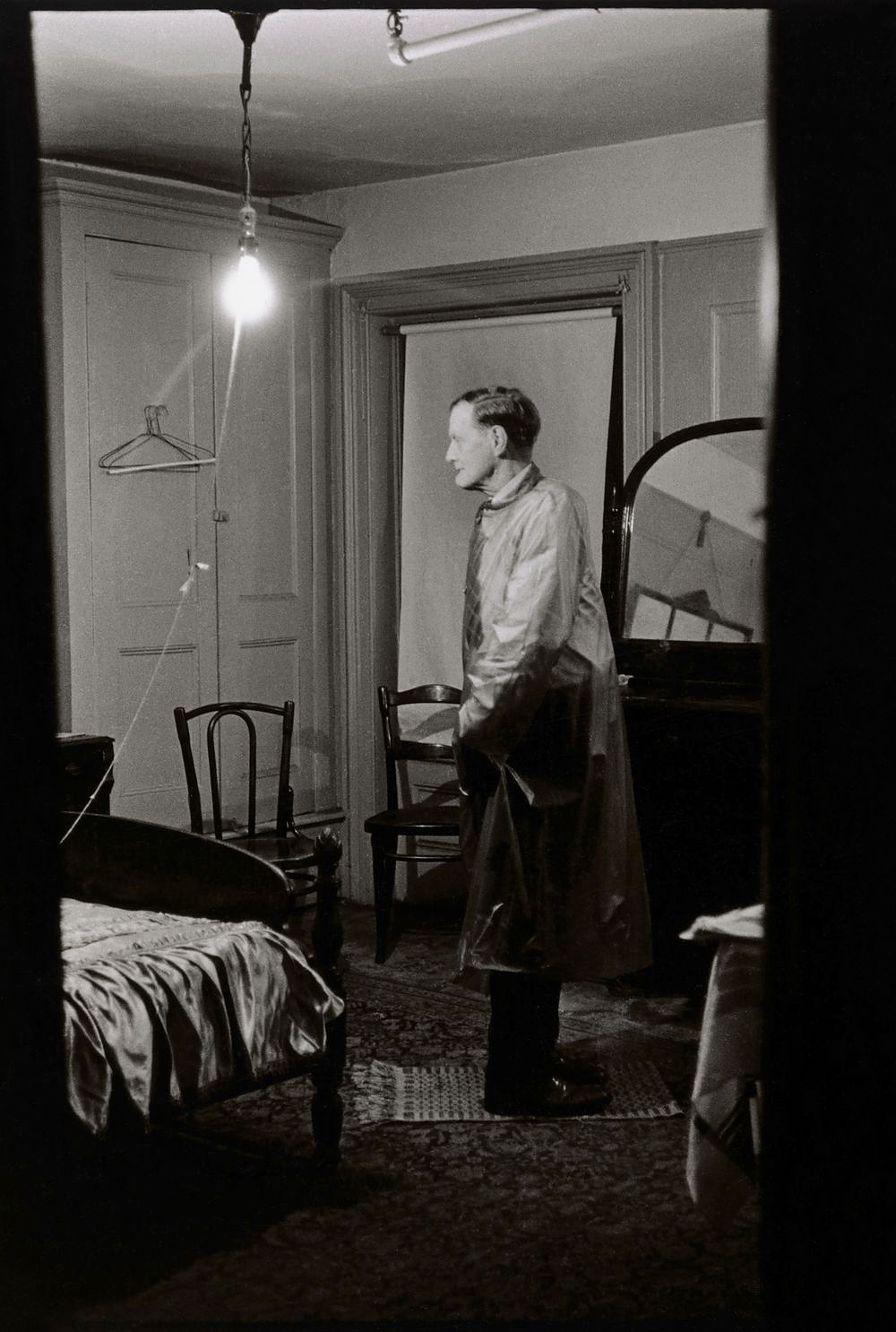
Diane Arbus (American, 1923-1971) 'The Backwards Man in his hotel room, N.Y.C. 1961' 1961


Diane Arbus (American, 1923-1971)
The Backwards Man in his hotel room, N.Y.C. 1961
1961
Gelatin silver print
© The Estate of Diane Arbus
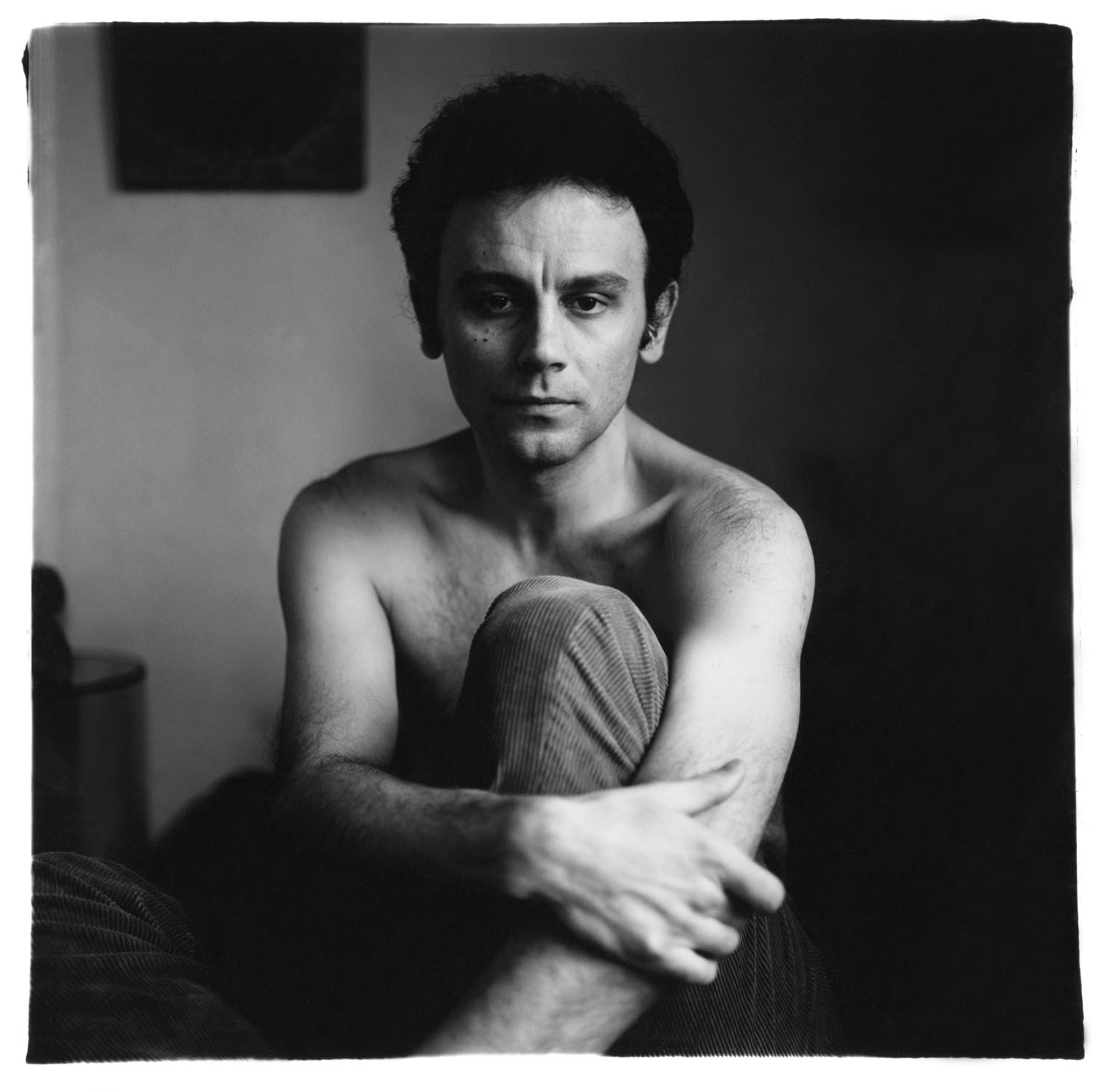
 

Diane Arbus (American, 1923-1971) 'Lucas Samaras, N.Y.C. 1966' 1966


Diane Arbus (American, 1923-1971)
Lucas Samaras, N.Y.C. 1966
1966
Gelatin silver print
© The Estate of Diane Arbus


Lucas Samaras (Greek: Λουκάς Σαμαράς; September 14, 1936 – March 7, 2024) was a Greek-born American photographer, sculptor, and painter. …

His “Auto-Interviews” were a series of text works that were “self-investigatory” interviews. The primary subject of his photographic work is his own self-image, generally distorted and mutilated. He worked with multi-media collages, and by manipulating the wet dyes in Polaroid photographic film to create what he calls “Photo-Transformations”.

Text from the Wikipedia website


Diane Arbus (American, 1923-1971) 'Brenda Diana Duff Frazier, 1938 Debutante of the Year, at home, Boston, Mass. 1966' 1966


Diane Arbus (American, 1923-1971)
Brenda Diana Duff Frazier, 1938 Debutante of the Year, at home, Boston, Mass. 1966
1966
Gelatin silver print
© The Estate of Diane Arbus


~ Sanctum Sanctoruma sacred room or inner chamber; a place of inviolable privacy

Diane Arbus: Sanctum Sanctorum, an exhibition of forty-five photographs made in private places across New York, New Jersey, California, and London between 1961 and 1971, is on view at David Zwirner, London, from 6 November to 17 January 2025, and travels to Fraenkel Gallery, San Francisco in spring 2026. The exhibition will be accompanied by a comprehensive monograph reproducing all works in the exhibition, jointly published by both galleries.

Through her singular combination of intelligence, charisma, intuition, and courage, Diane Arbus was frequently invited into homes and other private realms seldom seen by strangers. Though made in intimate settings, her photographs evidence no sense of intrusion or trespass. Instead, they reveal an unspoken exchange between photographer and subject, a moment of recognition in which confidences emerge freely and without judgment.

Arbus’s desire to know people embraced a vast spectrum of humanity. Her subjects in Sanctum Sanctorum include debutantes, nudists, celebrities, aspiring celebrities, socialites, transvestites, babies, widows, circus performers, lovers, female impersonators, and a blind couple in their bedroom.

The exhibition brings together little-known works, such as Girl sitting in bed with her boyfriend, N.Y.C1966Ozzie and Harriet Nelson on their bed, Los Angeles 1970; and Interior decorator at the nudist camp in his trailer, New Jersey 1963, alongside celebrated images like Mexican dwarf in his hotel room, N.Y.C. 1970 and A naked man being a woman, N.Y.C. 1968

While many of Arbus’s photographs have become part of the public’s collective consciousness since her landmark retrospective at The Museum of Modern Art, New York, in 1972, seen in this context, viewers may discover aspects of even familiar works that have previously gone unnoticed.

Sanctum Sanctorum follows two recent major exhibitions of the artist’s work: Cataclysm: The 1972 Diane Arbus Retrospective Revisited at David Zwirner New York (2022) and Los Angeles (2025), and Diane Arbus: Constellation at LUMA, Arles (2023–2024) and the Park Avenue Armory, New York (2025).

Exhibition Catalogue

This new title ‘Sanctum Sanctorum’ illuminates Diane Arbus’s singular ability to enter private worlds.

Press release from the David Zwirner
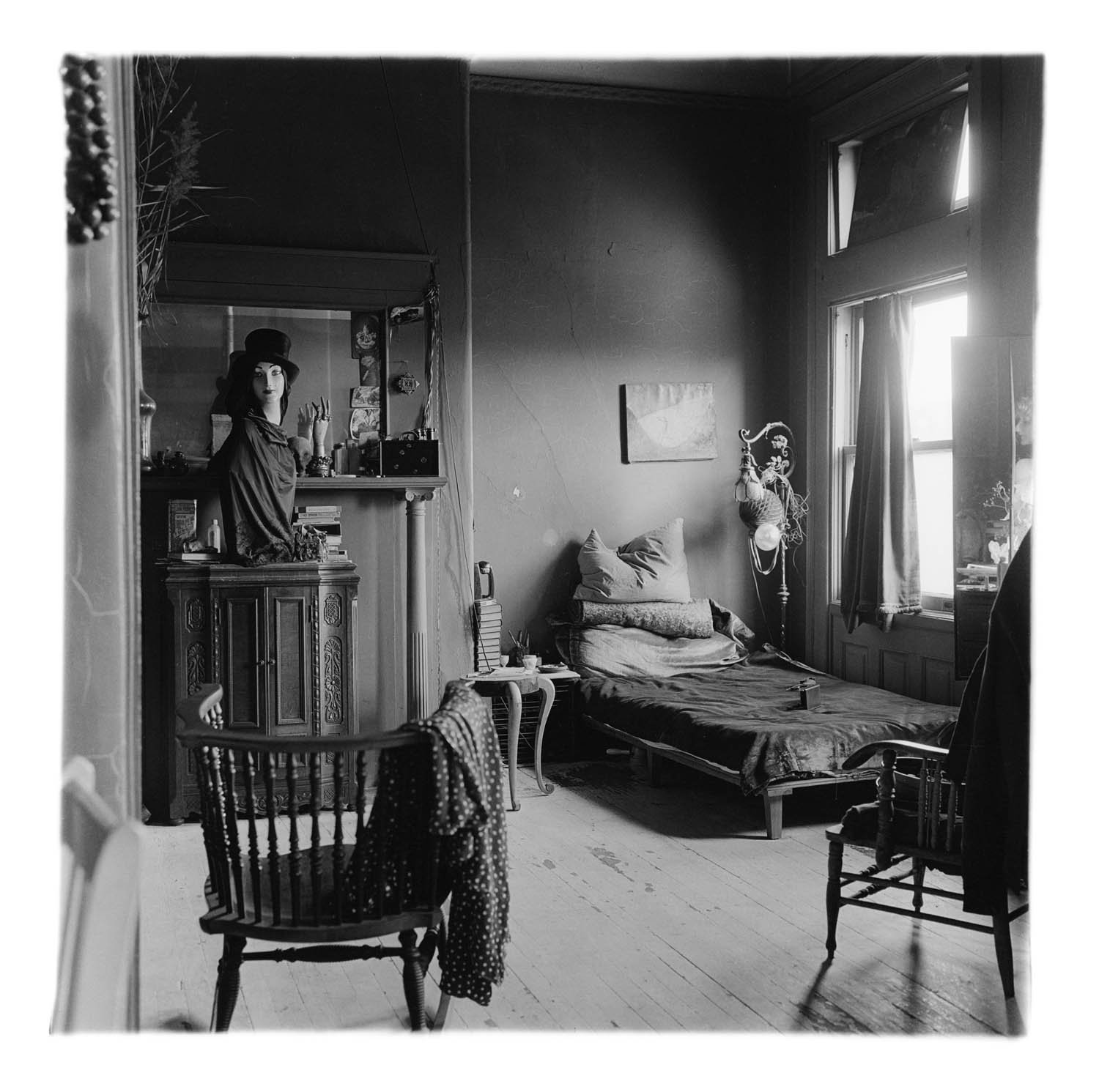
 

Diane Arbus (American, 1923-1971) 'Nancy Bellamy’s bedroom, N.Y.C. 1961' 1961


Diane Arbus (American, 1923-1971)
Nancy Bellamy’s bedroom, N.Y.C. 1961
1961
Gelatin silver print
© The Estate of Diane Arbus

Used under fair use conditions for the purposes of education and research.


One of Arbus’s lesser known pictures, this photograph is of the bedroom of Nancy Bellamy, the wife of Richard Bellamy, a leading gallerist in 1960s New York who influentially championed Pop Art and Minimalism. Before she began her personal projects, Arbus worked in fashion photography with her husband, Allan, and she first met Nancy when she modelled for the Arbuses on a fashion shoot. As well as modelling, Bellamy also worked as a dancer, painter and costume designer, and had a keen interest in spiritualism. Like ‘Xmas Tree in a Living Room in Levittown 1963’, Arbus uses an empty room to create a portrait of the person – the dressmaker’s dummy, the canvas on the wall, the photographs by the mirror and the simple, yet elegant furnishings together create an impression of Arbus’s friend’s personality.

Text from the National Galleries of Scotland website
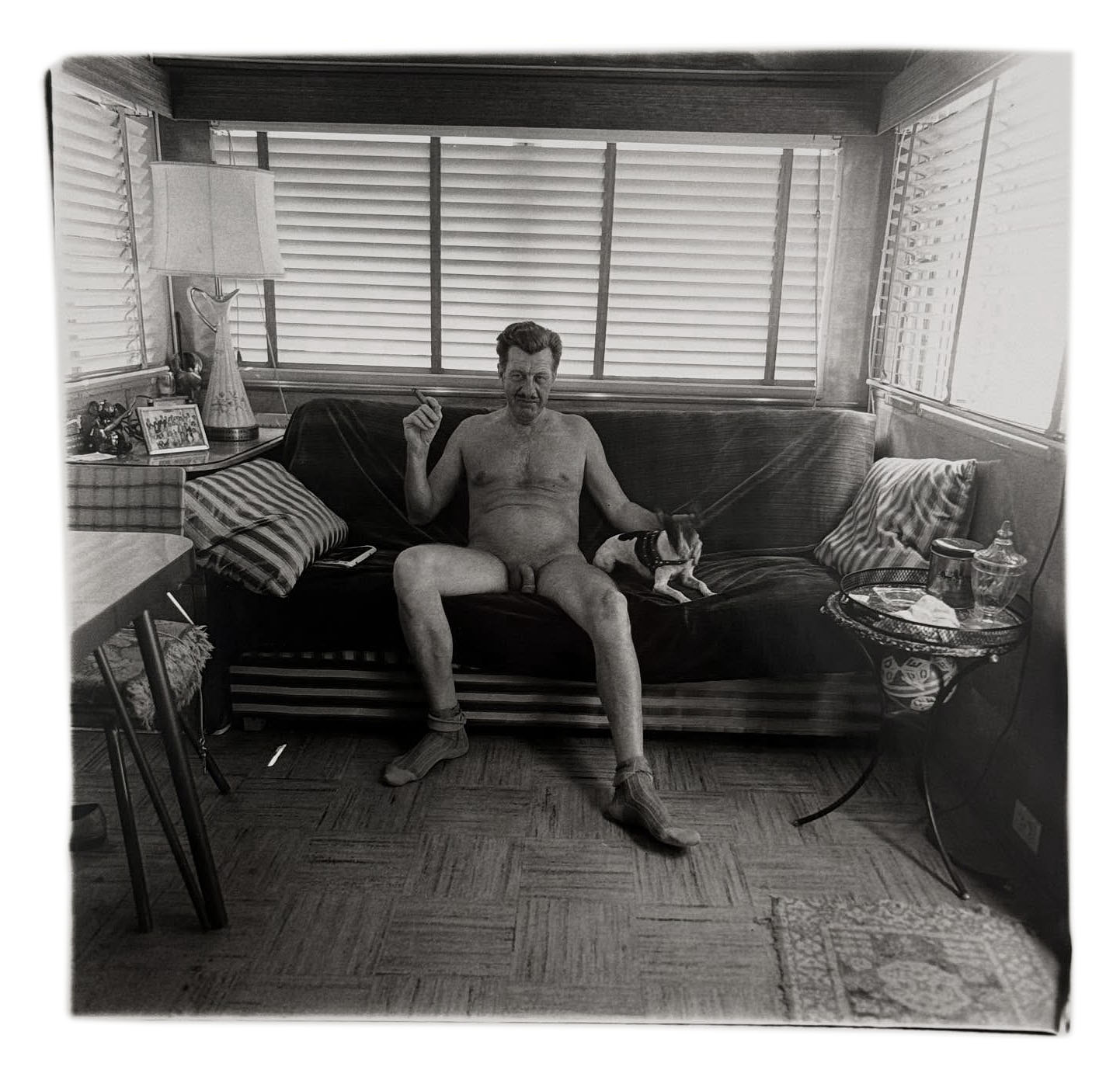
 

Diane Arbus (American, 1923-1971) 'Interior decorator at the nudist camp in his trailer, New Jersey, 1963' 1963


Diane Arbus (American, 1923-1971)
Interior decorator at the nudist camp in his trailer, New Jersey, 1963
1963
Gelatin silver print
© The Estate of Diane Arbus

Used under fair use conditions for the purposes of education and research.
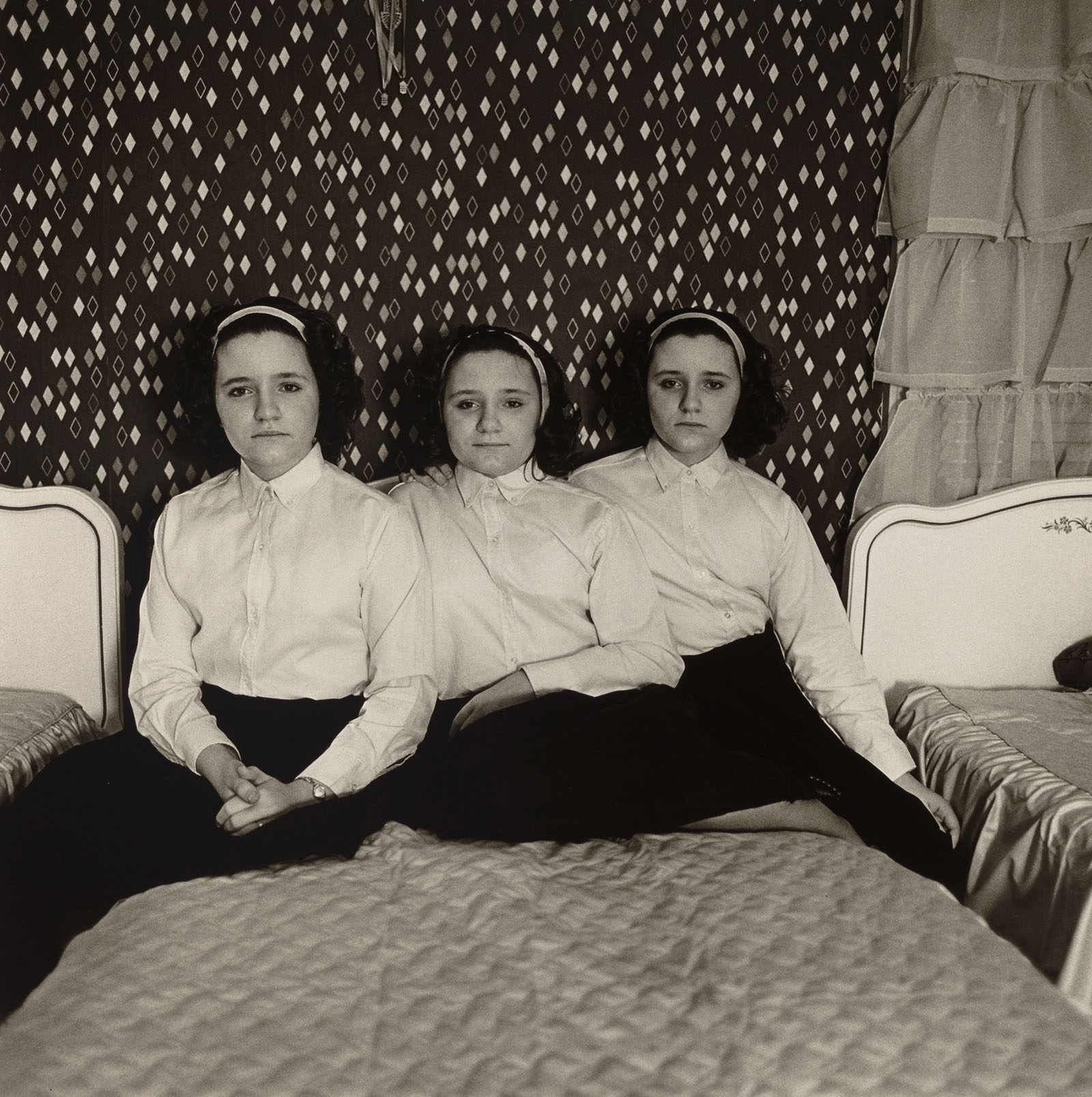
 

Diane Arbus (American, 1923-1971) 'Triplets in their Bedroom, N.J., 1963' 1963


Diane Arbus (American, 1923-1971)
Triplets in their Bedroom, N.J., 1963
1963
Gelatin silver print
© The Estate of Diane Arbus

Used under fair use conditions for the purposes of education and research.
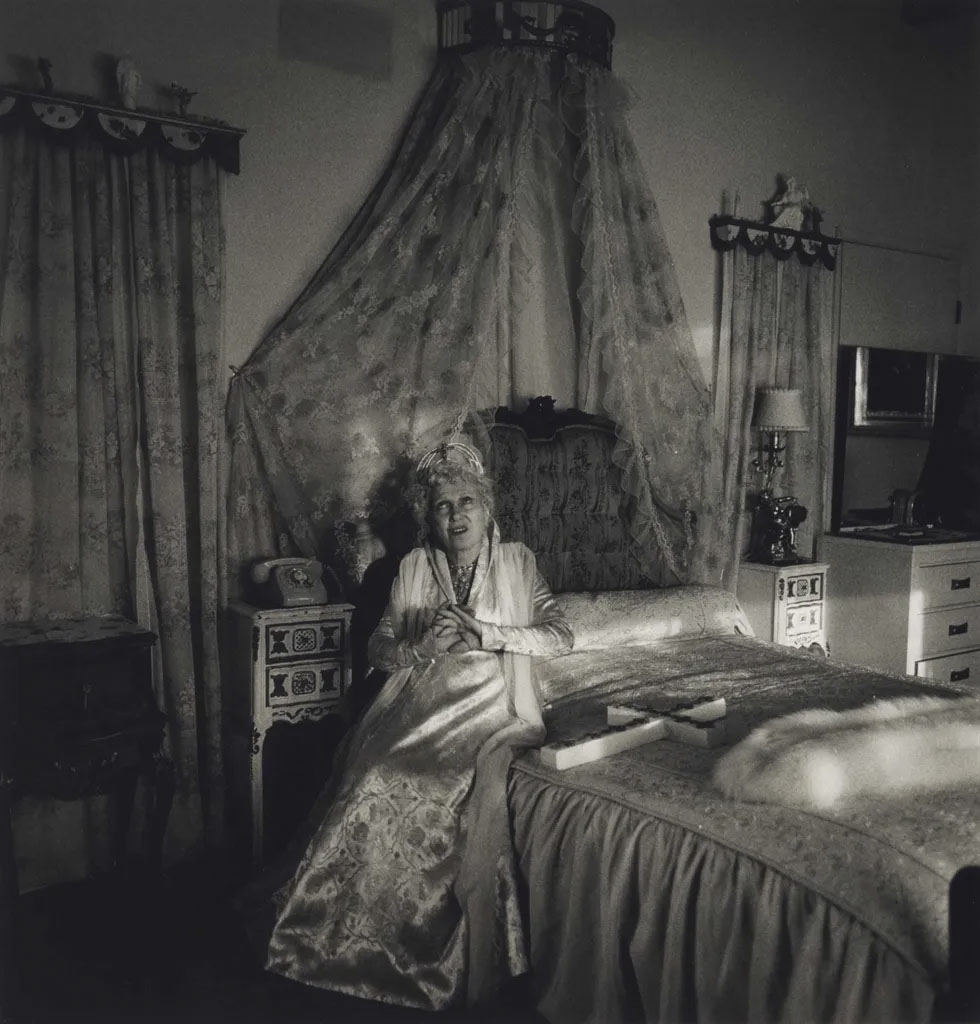
 

Diane Arbus (American, 1923-1971) 'Bishop on her bed, Santa Barbara, Cal., 1964' 1964, printed later


Diane Arbus (American, 1923-1971)
Bishop on her bed, Santa Barbara, Cal., 1964
1964
Gelatin silver print
© The Estate of Diane Arbus

Used under fair use conditions for the purposes of education and research.


The bishop in Diane Arbus’s photograph “Bishop on her bed, Santa Barbara, Cal.” (1964, above) was Bishop Ethel Predonzan, a unique figure who believed she was in Santa Barbara to await the Second Coming of Christ and wore elaborate robes, described by Arbus as a “small lady in damask robes with hair of phosphorescent pink”.

Predonzan was a key subject in Arbus’s exploration of individuals on the fringes, showcasing the artist’s ability to find deep personal connection and reveal inner strangeness. 

Google AI
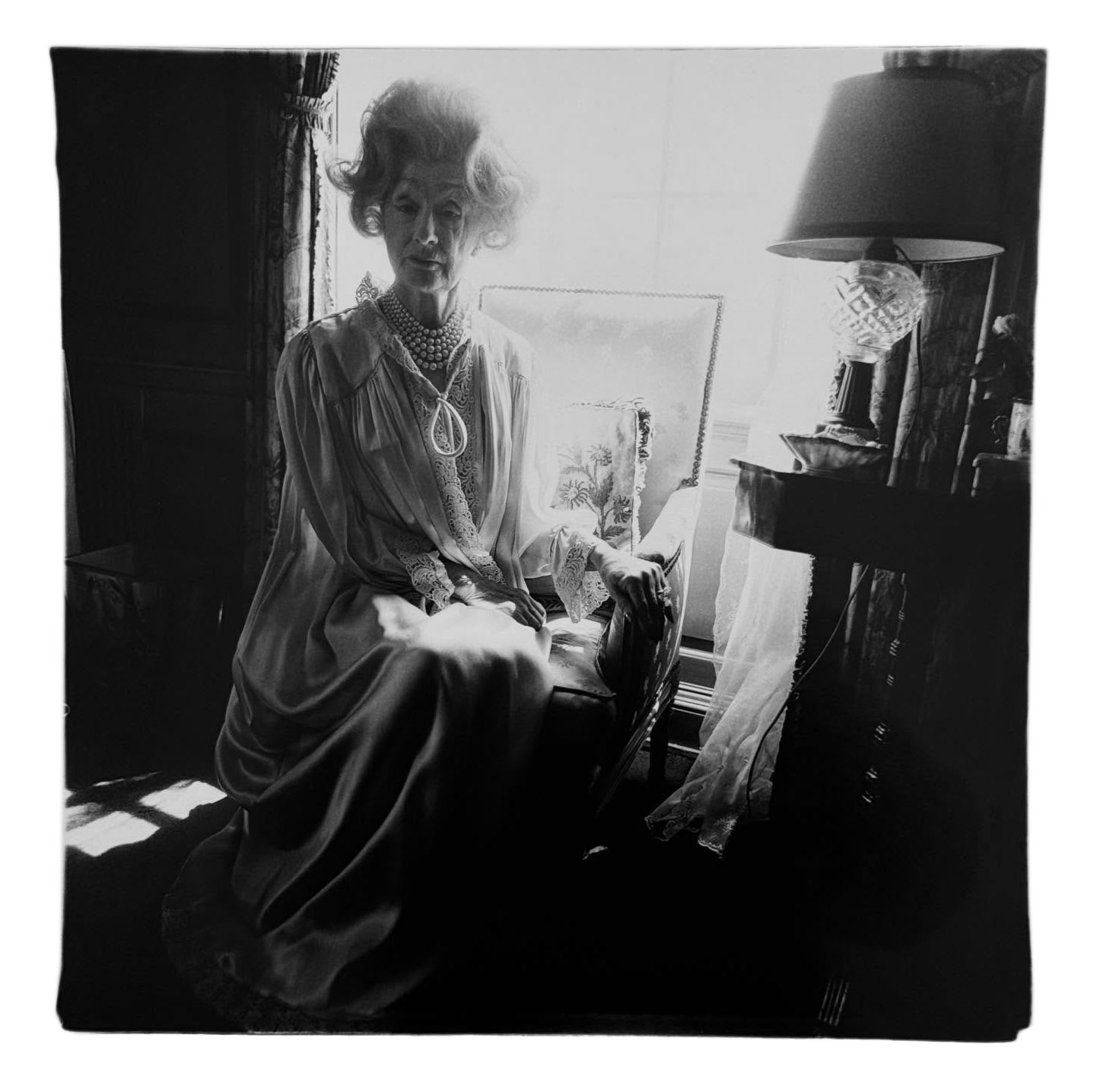
 

Diane Arbus (American, 1923-1971) 'Charlton Henry in a negligee, Philadelphia, Pa. 1965' 1965


Diane Arbus (American, 1923-1971)
Charlton Henry in a negligee, Philadelphia, Pa. 1965
1965
Gelatin silver print
© The Estate of Diane Arbus

Used under fair use conditions for the purposes of education and research.


Mrs T. Charlton Henry was a Philadelphia socialite, a philanthropist, and a fashion icon – often top of the ‘best-dressed’ lists. She was the kind of wealthy upper-class woman that Arbus’s father would have hoped to see in his Fifth Avenue department store buying the latest furs.

Text from the National Galleries of Scotland website


“Mrs. Henry, born Julia Rush Biddle of Philadelphia’s Main Line, weighs approximately 88 pounds. She will be 82 years old this month. She has been on the best-dressed list so often that she is now a member of fashion’s Hall of Fame. She still lives in Philadelphia, but commutes to New York for luncheon, shopping, theater. She sits, with the posture of another era, on a bound-to-be-seen banquette at La Caravelle restaurant and delves into a curry (“I’ll have jellied soup for dinner tonight”). Her silver and gold “57 varieties” hair is meticulously coifed; the fingernails that blow delicate little kisses of greeting to friends are tinted a deep pink. Her brown and white gingham Mainbocher is perked up with her favorite day jewels. There are marble-size pearls around the neck and one wrist, and massive yellow sapphires at the other wrist, the ears, and flashing away on a ring and a brooch.”

Enid Nemy. “Mrs. T. Charlton Henry: A Grande Dame and a Jogger,” on The New York Times website July 29, 1968 [Online] Cited 05/01/2026
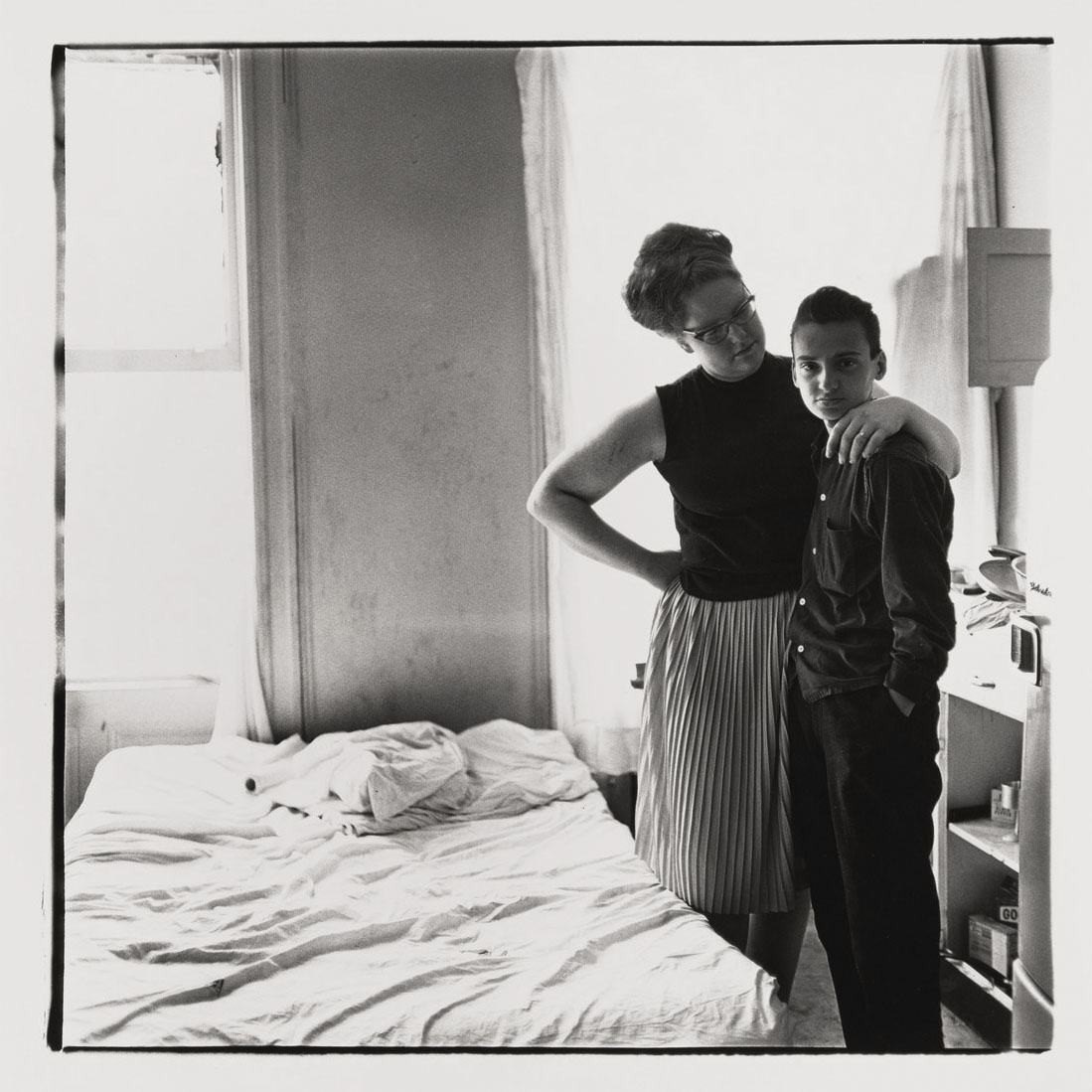
 

Diane Arbus (American, 1923-1971) 'Two friends at home, N.Y.C., 1965' 1965


Diane Arbus (American, 1923-1971)
Two friends at home, N.Y.C., 1965
1965
Gelatin silver print
© The Estate of Diane Arbus

Used under fair use conditions for the purposes of education and research.


Diane Arbus (American, 1923-1971) 'A naked man being a woman, N.Y.C., 1968' 1968


Diane Arbus (American, 1923-1971)
A naked man being a woman, N.Y.C., 1968
1968
Gelatin silver print
© The Estate of Diane Arbus

Used under fair use conditions for the purposes of education and research.
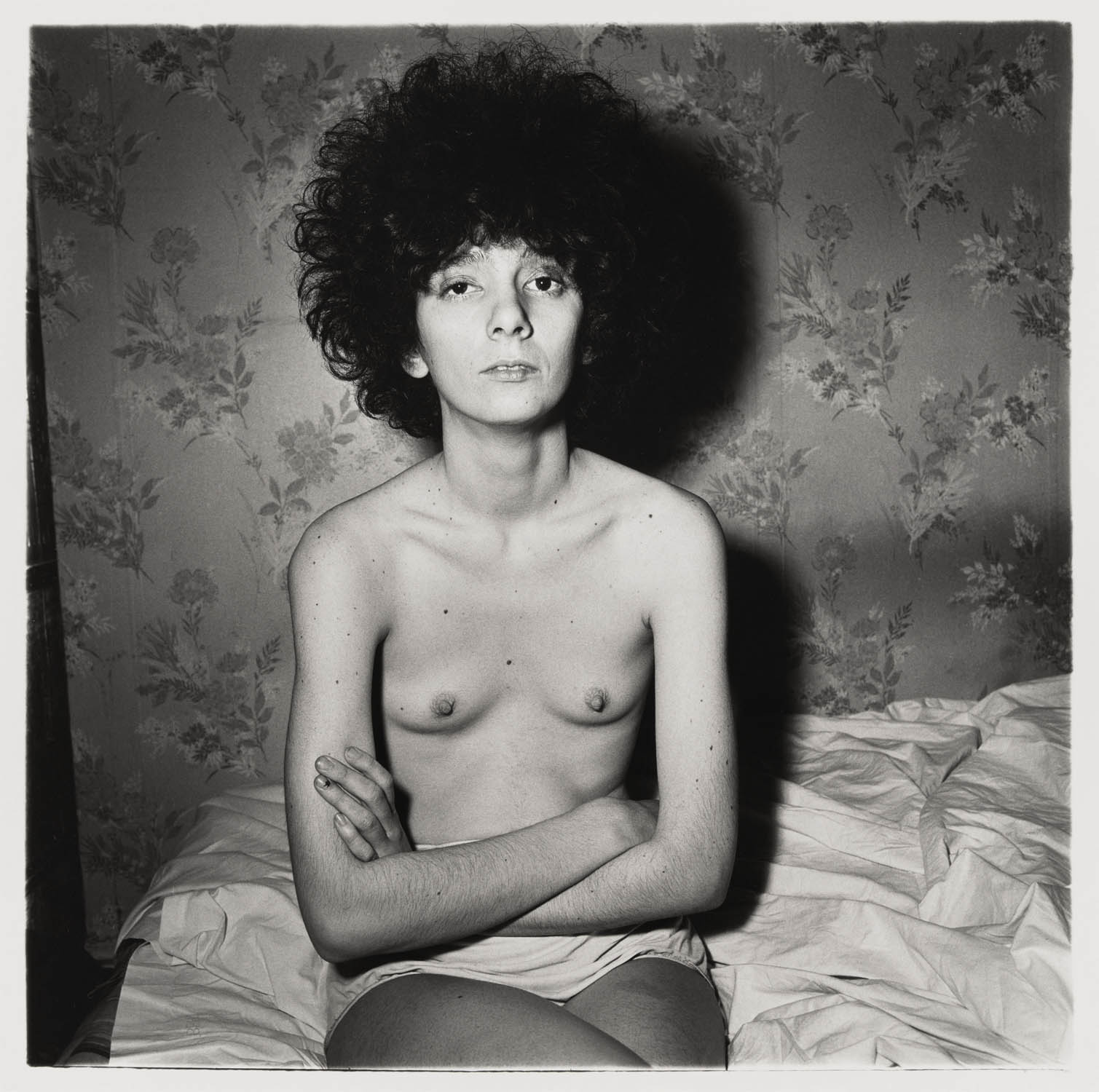
 

Diane Arbus (American, 1923-1971) 'Girl sitting on her bed with her shirt off, N.Y.C., 1968' 1968


Diane Arbus (American, 1923-1971)
Girl sitting on her bed with her shirt off, N.Y.C., 1968
1968
Gelatin silver print
© The Estate of Diane Arbus

Used under fair use conditions for the purposes of education and research.
 

Diane Arbus (American, 1923-1971) 'Transvestite at the birthday party, N.Y.C. 1969' 1969


Diane Arbus (American, 1923-1971)
Transvestite at the birthday party, N.Y.C. 1969
1969
Gelatin silver print
© The Estate of Diane Arbus

Used under fair use conditions for the purposes of education and research.
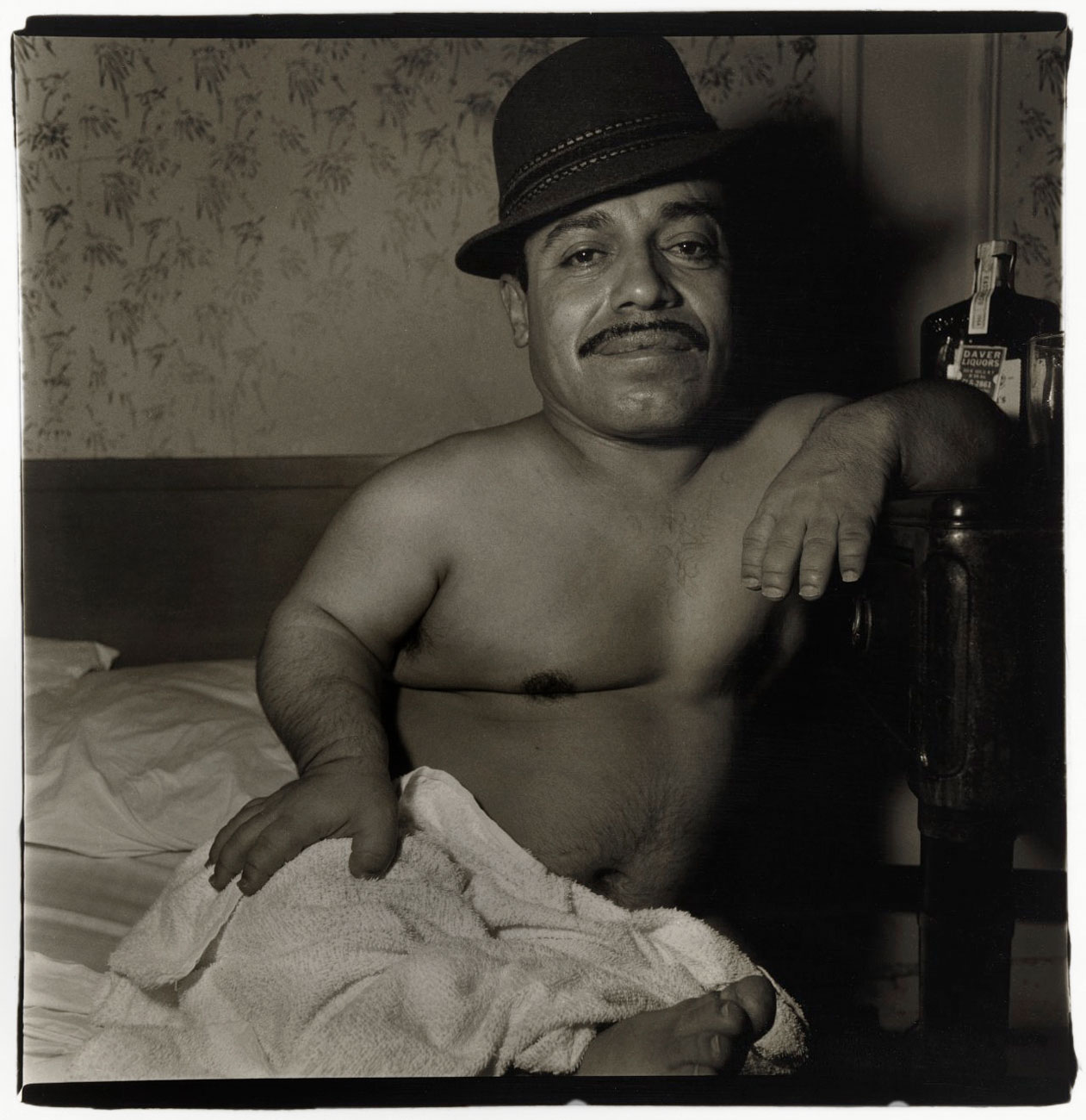
 

Diane Arbus (American, 1923-1971) 'Mexican Dwarf in his hotel room, N.YC., 1970' 1970


Diane Arbus (American, 1923-1971)
Mexican Dwarf in his hotel room, N.YC., 1970
1970
Gelatin silver print
© The Estate of Diane Arbus

Used under fair use conditions for the purposes of education and research.


David Zwirner
24 Grafton Street
London W1S 4EZ

Opening hours:
Tuesday – Saturday, 10am – 6pm

David Zwirner website

LIKE ART BLART ON FACEBOOK

Back to top

Exhibition: ‘Street Photography. Lee Friedlander, Joseph Rodríguez, Garry Winogrand’ at Museum Ludwig, Cologne, Germany

Exhibition dates: 3rd May – 12th October, 2025

Curator: Barbara Engelbach


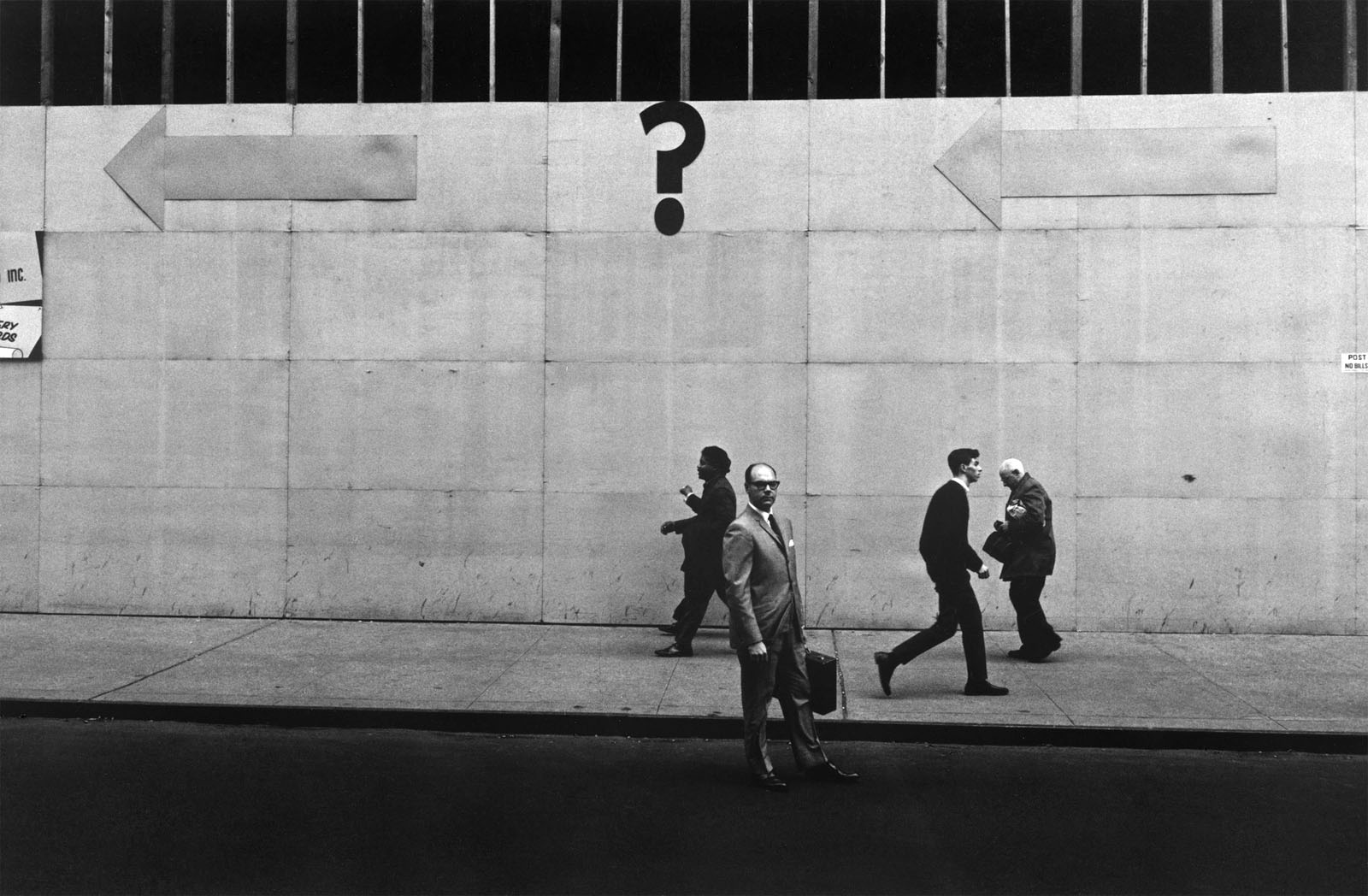
Lee Friedlander (American, b. 1934) 'New York City' 1966


Lee Friedlander (American, b. 1934)
New York City
1966
Gelatin silver paper, print after 1966
22 x 32.9cm
Museum Ludwig, Köln
© Lee Friedlander, courtesy Fraenkel Gallery, San Francisco and Luhring Augustine, New York and Luhring Augustine, New York
Repro: Historisches Archiv mit Rheinischem Bildarchiv


I know and greatly admire the presence and directness of legendary American photographer Lee Friedlander’s photographs containing fractured planes within the image construction.

I know and appreciate (if not admire) the immediacy and in your face obstinacy (shoot at all costs!) of American photographer Garry Winogrand’s photographs.

What I didn’t know was the excellent 1980s social documentary and humanist work of the American photographer Joseph Rodríguez – for me, the unexpected hero of this exhibition.

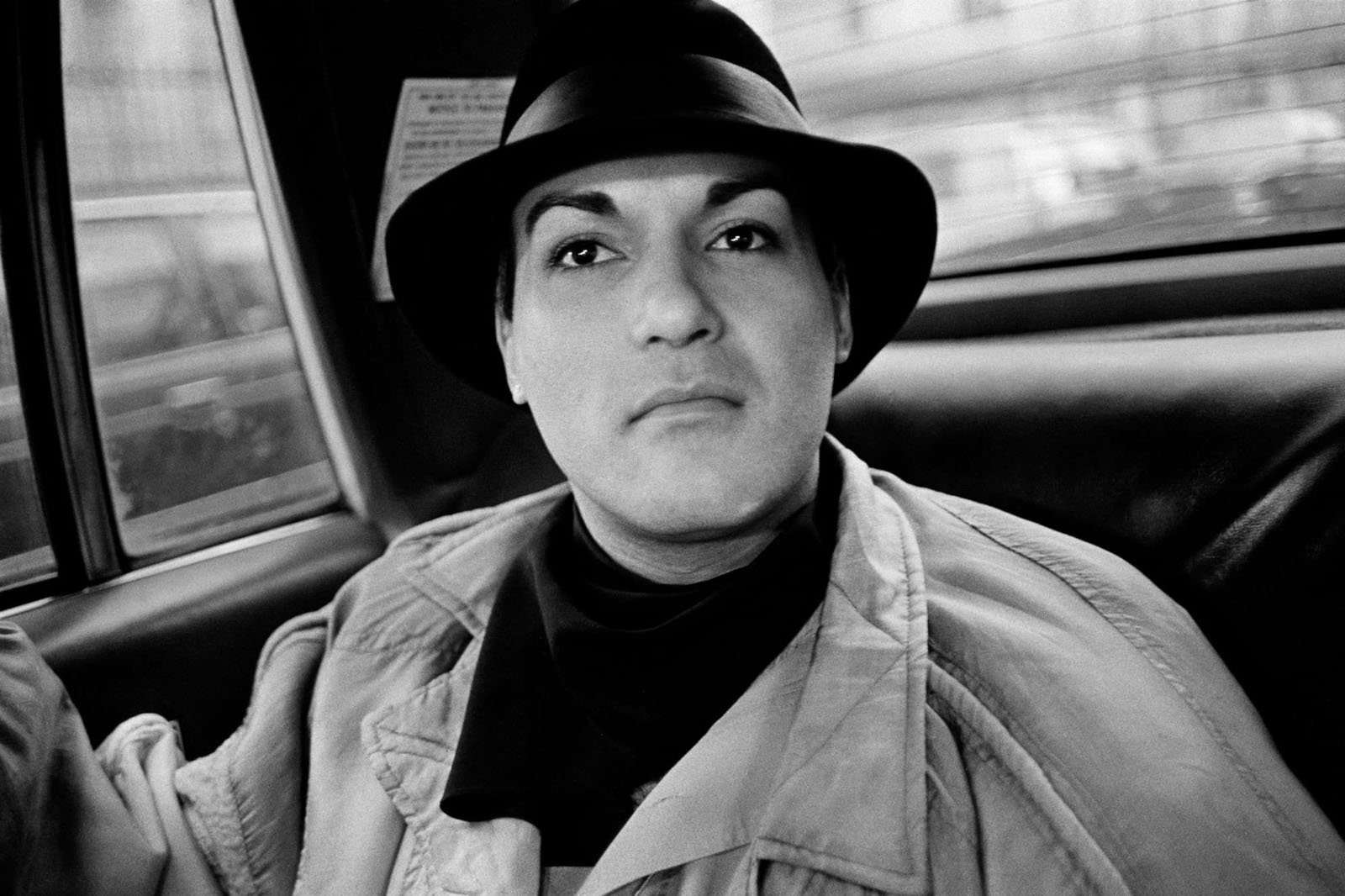
Rodríguez’s moody, high contrast photographs of humanity and street scenes pictured from behind the wheel of his taxi in New York proffer an intuitive, empathetic and subjective view of the city and its people at a time of great economic and social upheaval.

“The photographs in the Taxi series are a significant document of the 1980s in New York, a period marked by economic and social upheaval and the AIDS crisis. On his journeys crisscrossing the city, Rodríguez does not depict despair,
but rather shows people maintaining their dignity in the face of difficult and uncertain times.” (Text from Museum Ludwig)

Uncertain times, uncertain angles and perspectives, uncertain light give rise to a powerful body of work made certain by the talent of an impressive photographer. Glorious work.

Dr Marcus Bunyan


Many thankx to Museum Ludwig for allowing me to publish the photographs in the posting. Please click on the photographs for a larger version of the image.


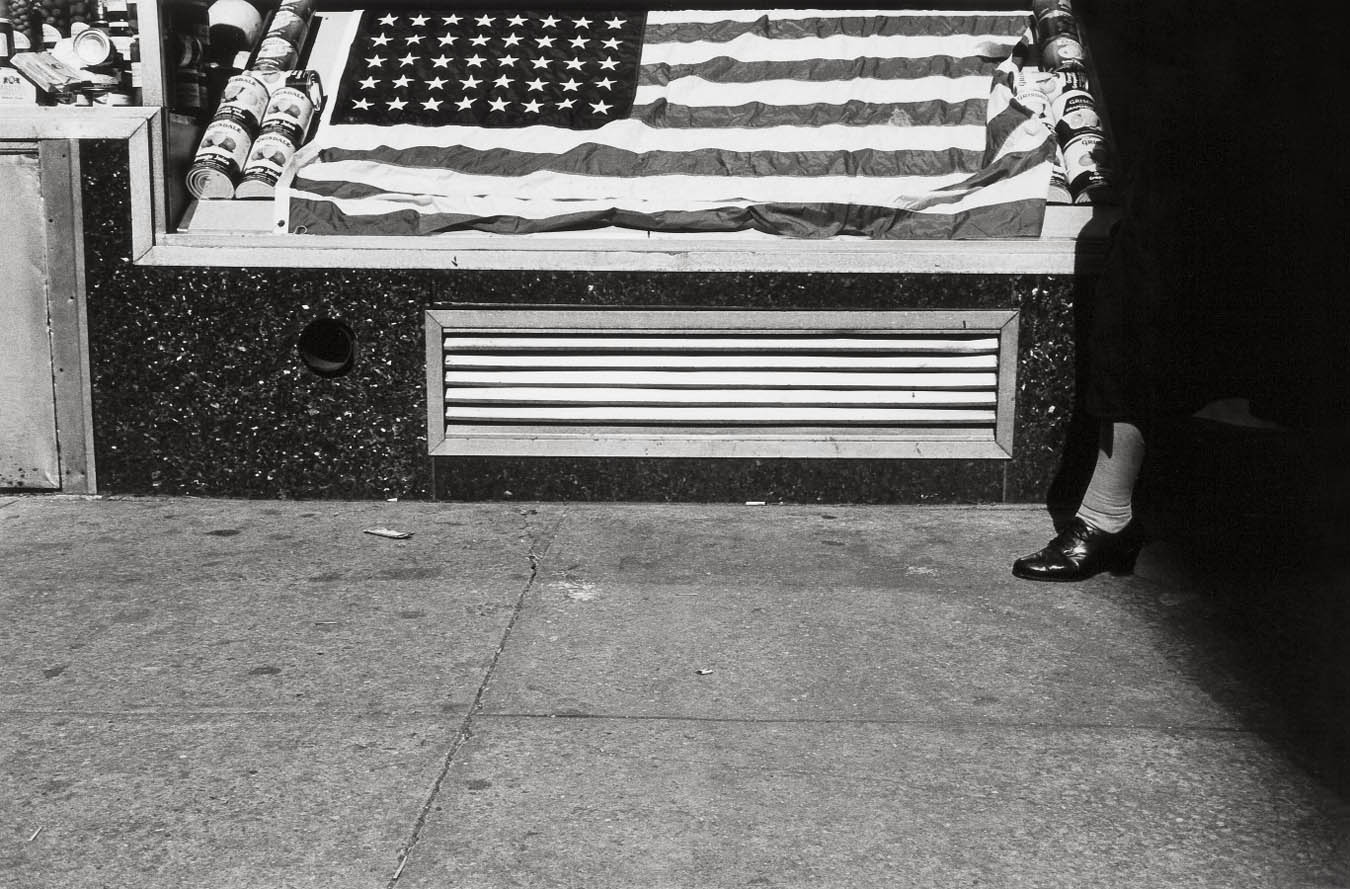
Lee Friedlander (American, b. 1934)
'New York City' 1962


Lee Friedlander (American, b. 1934)
New York City
1962
Gelatin silver paper, print after 1962
22 x 32.9cm
Museum Ludwig, Köln
© Lee Friedlander, courtesy Fraenkel Gallery, San Francisco and Luhring Augustine, New York
Repro: Historisches Archiv mit Rheinischem Bildarchiv


Lee Friedlander (American, b. 1934) 'New York City' 1963


Lee Friedlander (American, b. 1934)
New York City
1963
Gelatin silver paper, print after 1963
22 x 32.9cm
Museum Ludwig, Köln
© Lee Friedlander, courtesy Fraenkel Gallery, San Francisco and Luhring Augustine, New York and Luhring Augustine, New York
Repro: Historisches Archiv mit Rheinischem Bildarchiv


Lee Friedlander

(*1934 in Aberdeen, Washington, lives and works in New York City, New York)

Lee Friedlander began photographing at the age of fourteen and studied under Edward Kaminski at the Art Center School in Los Angeles until 1955. In 1956, he moved to New York, where he met Diane Arbus, Robert Frank, and Garry Winogrand. As early as the end of the 1950s, he made his first photographic forays into the streets of New York. His often humorous photographs reveal the complexity of American society, which he documented in thoughtful compositions.

In 1962, Friedlander photographed a parade in which American President John F. Kennedy also participated. His interest, however, was not in the event itself, but in the fleeting moments on the sidelines. One of the photographs taken that day shows a waiter and a boy attentively gazing out the window of a café. Upon closer inspection, it becomes clear that the crowd behind them is actually a reflection of the audience gathered outside for the parade. Due to the reflection, the café’s advertising signs also appear to be on the same plane as the signs on the opposite side of the street. Such interweaving of perspectives through reflections, as well as picture-in-picture constructions and unusual cropping, characterize Friedlander’s work of the 1960s. By focusing his camera on the often unnoticed details of daily life, capturing them with precise focus and exposure, he found a new way to depict contemporary America. His own presence, as a reflection or a shadow, in many of these images draws attention to the process of photography itself.

Friedlander does not create complete series. Each shot stands on its own as a “sharp and crudely amusing, bitterly comic observation” (Walker Evans). He initially used a Leica 35mm, whose wide angle he valued. In the early 1990s, he discovered the depth of field of the Hasselblad camera, which he also used to photograph the suburban towns of San Angelo, Texas. His subjects remained the same, only he continually reinvented them. In the 1990s, Friedlander created his photographs of flower stems trapped in glass containers and surrounded by a veil of condensation, transforming a sober detail of everyday life into a contemporary memento mori – a reminder of transience. The self-portraits, which unvarnishedly depict his ageing body, date from the same period.

Text from Museum Ludwig translated by Google Translate


Lee Friedlander (American, b. 1934) 'New York City' 1965


Lee Friedlander (American, b. 1934)
New York City
1965
Gelatin silver paper, print after 1965
22 x 32.9cm
Museum Ludwig, Köln
© Lee Friedlander, courtesy Fraenkel Gallery, San Francisco and Luhring Augustine, New York and Luhring Augustine, New York
Repro: Historisches Archiv mit Rheinischem Bildarchiv


Lee Friedlander (American, b. 1934)
'Philadelphia, PA' 1965


Lee Friedlander (American, b. 1934)
Philadelphia, PA
1965
Gelatin silver paper, print after 1965
20.5 x 30.6cm
Museum Ludwig, Köln
© Lee Friedlander, courtesy Fraenkel Gallery, San Francisco and Luhring Augustine, New York
Repro: Historisches Archiv mit Rheinischem Bildarchiv


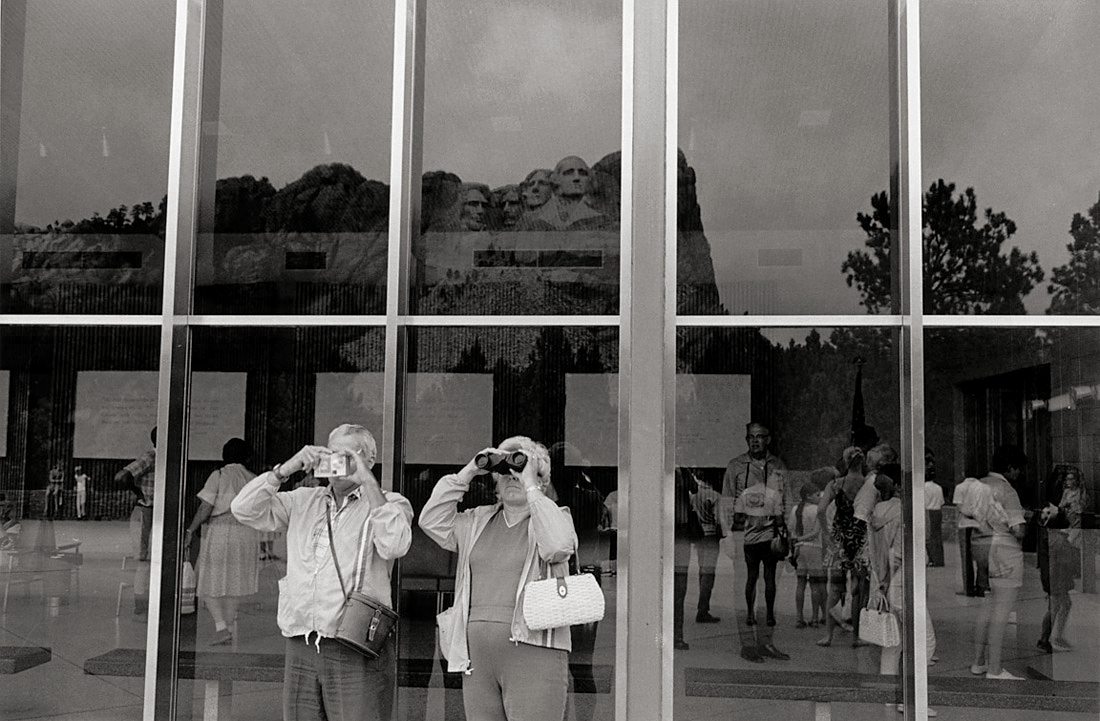
Lee Friedlander (American, b. 1934)
'Mount Rushmore' 1969


Lee Friedlander (American, b. 1934)
Mount Rushmore
1969
Gelatin silver paper, print after 1969
22 x 32.9cm
Museum Ludwig, Köln
© Lee Friedlander, courtesy Fraenkel Gallery, San Francisco and Luhring Augustine, New York and Luhring Augustine, New York
Repro: Historisches Archiv mit Rheinischem Bildarchiv


 The street life of cities has always been a fascinating subject for photographers, who have approached it in a variety of ways, from candid images documenting urban unrest to portraits that shine a spotlight on individuals. Since the nineteenth century, cities and photography have been directly linked through the idea of modernity. With the introduction of compact cameras such as the Leica, street photography developed into its own genre in the mid-twentieth century. Small-format cameras gave photographers greater flexibility and enabled them to respond quickly while remaining discrete. They explored public space without obtruding and, in contrast to staged photography, captured candid and spontaneous moments that had previously been considered unworthy photographic subjects. Influenced by Henri Cartier-Bresson’s concept of the “decisive moment,” these photographers sought to capture the fleeting instant when light, composition, and subject aligned to convey the significance of an event.

This exhibition in the Photography Rooms at the Museum Ludwig is dedicated to three protagonists from two generations of street photography: Garry Winogrand (b. 1928 in New York, d. 1984), Lee Friedlander (b. 1934 in Aberdeen, Washington, based in New York), and Joseph Rodríguez (b. 1951 in Brooklyn, based in New York). Despite all three photographers sharing the same subject matter, each one pursues a singular approach that produces distinct results. Iconic photographs from the 1960s to the 1980s are displayed alongside lesser-known examples from each photographer’s oeuvre. All of the works on display were included in donations made by the Bartenbach Family in 2015 and Volker Heinen in 2018, or have been acquired by the Museum Ludwig since 2001.

The landmark exhibition New Documents at the Museum of Modern Art in New York in 1967 helped launch the careers of Winogrand and Friedlander. Their striking photographs broke with visual conventions, such as a level horizon line or a centred main subject. Winogrand frequently tilted his viewfinder, producing skewed horizon lines that offer a new view of reality and make his images appear spontaneous, as does his purposeful use of blurriness, overexposure, underexposure, and backlighting. Friedlander, in turn, created compositions in which the viewer’s gaze is hindered by obstructions, such as shadows, signs, architectural elements, and streetlights, or is disoriented by reflections.

Winogrand and Friedlander, who are represented in the exhibition with twenty images each, both use photography in a self-reflective way that brings the formal aspects of photography to the fore. This encourages an analytical gaze, producing an emotional distance between the viewer and the subject, which often results in ambivalent images where the intention of the photographer remains unclear. Winogrand and Friedlander each developed their own distinct style, embracing originality and authorship by merging documentary photography and personal expression. While they attempted to distance themselves from photojournalism and social documentary photography, eschewing event-based, narrative-focused, and emotionally charged imagery, Rodriguez’s work deliberately engages with these genres. He aspires to give visibility to marginalised people by communicating with his subjects and attempting to tell their stories. Many of his photographs are accompanied by short commentaries that provide information about the context in which each image was created. Rodríguez’s pictures employ unusual perspectives and surprising compositions, and his use of reflections emphasises the subjectivity of the photographer’s empathic gaze beyond the momentariness of the shot. The exhibition features around twenty photographs from his Taxi series.

This is the first exhibition in the new Photography Rooms at the Museum Ludwig, centrally located on the second floor.

Text / press release from the Museum Ludwig website


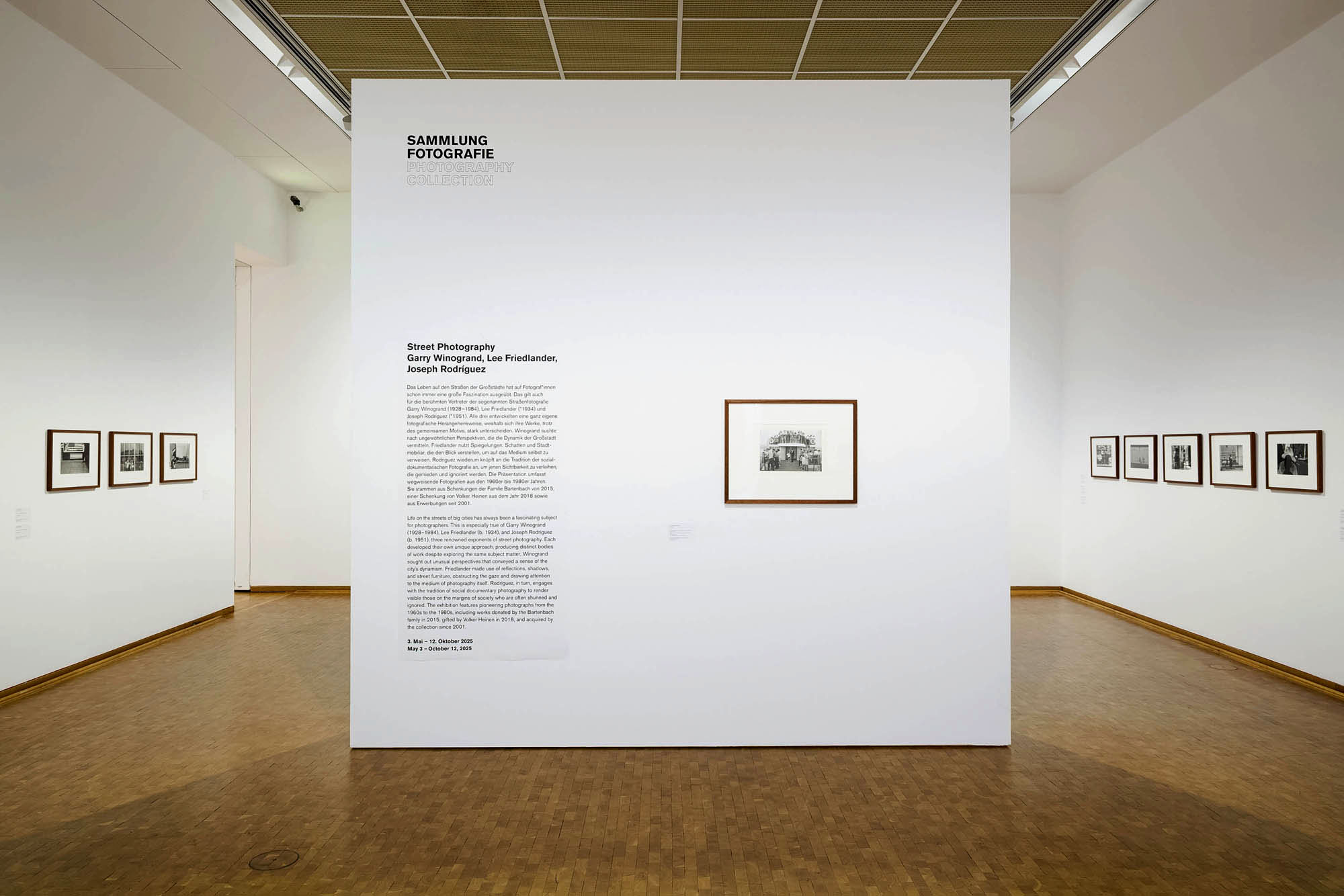
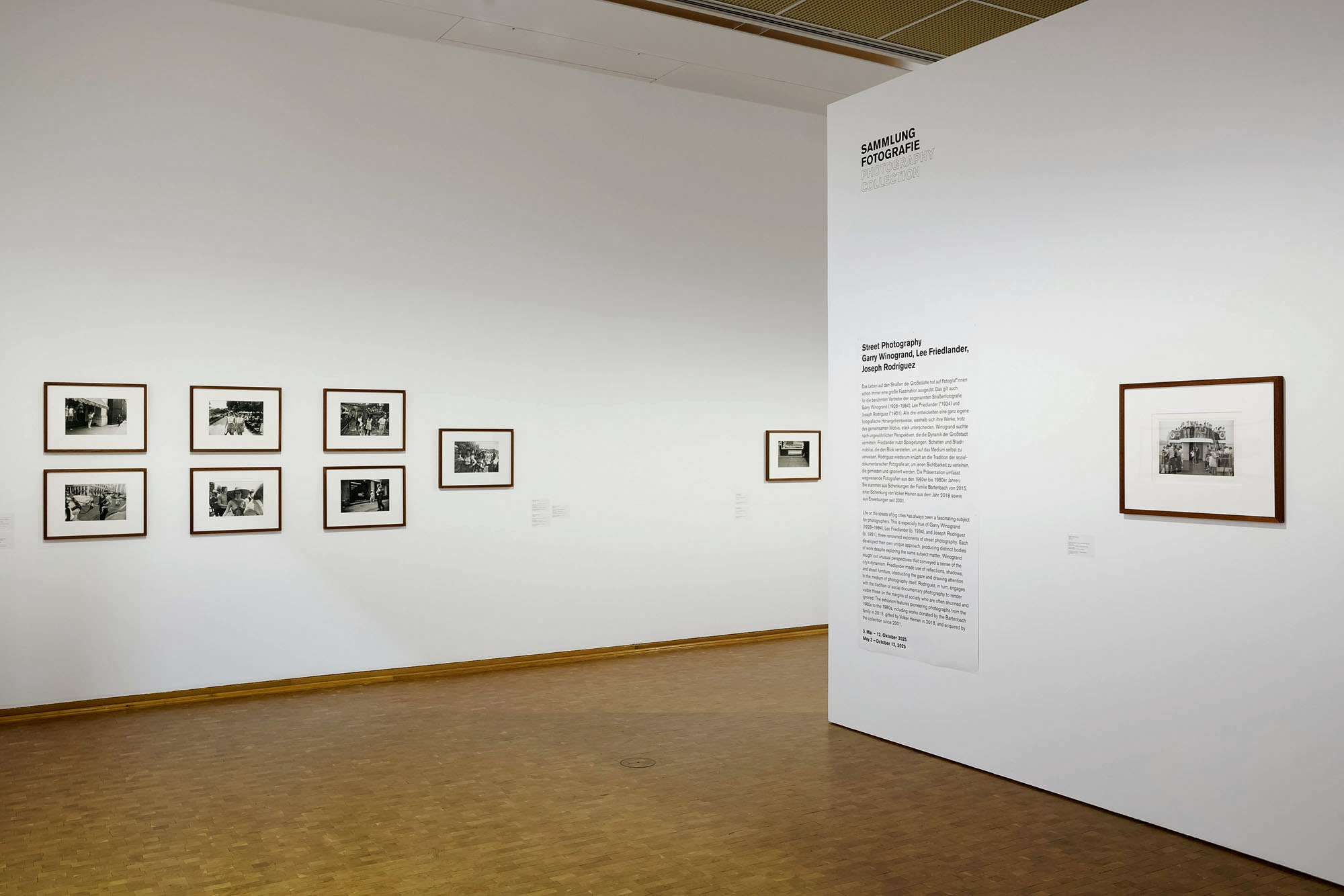
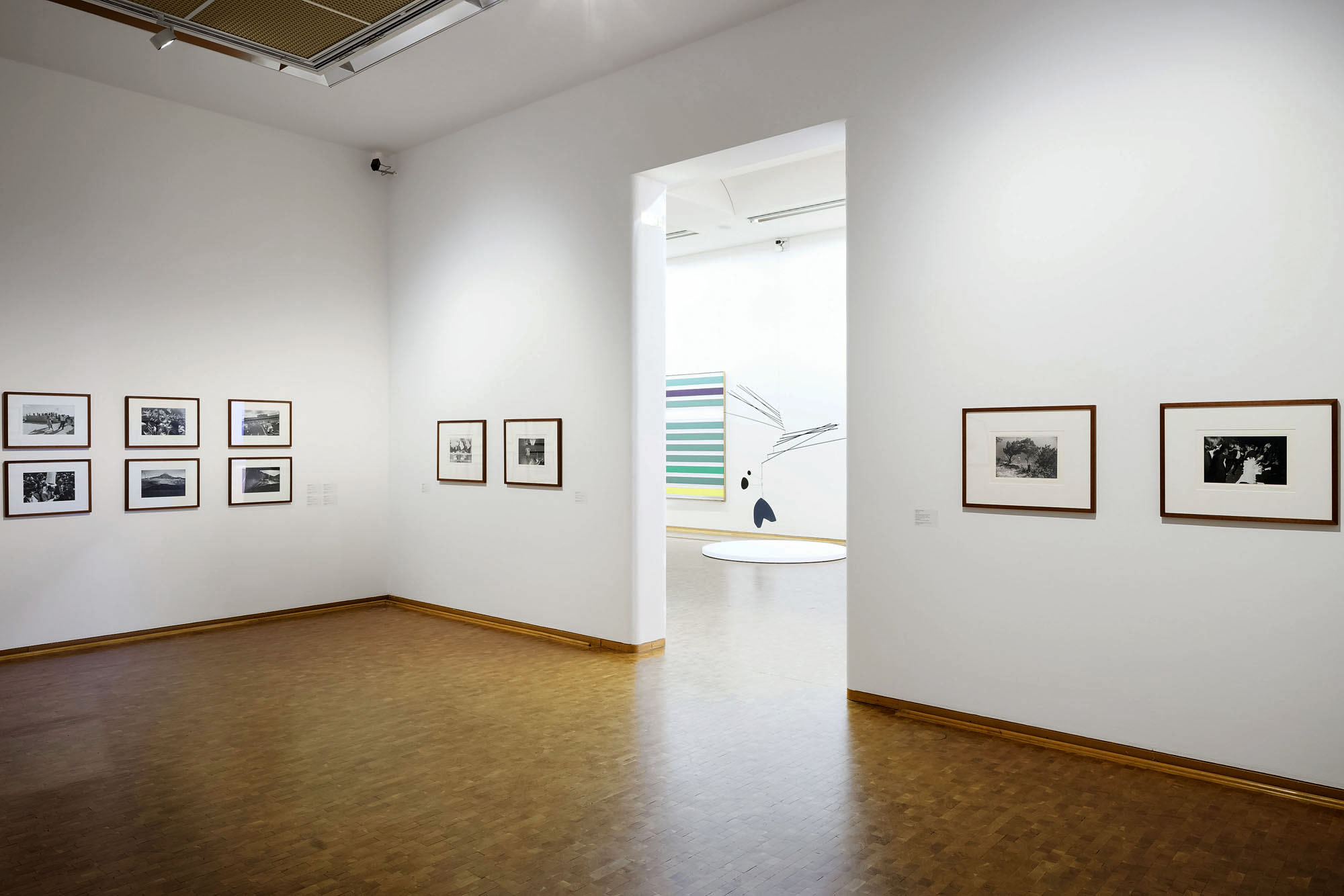
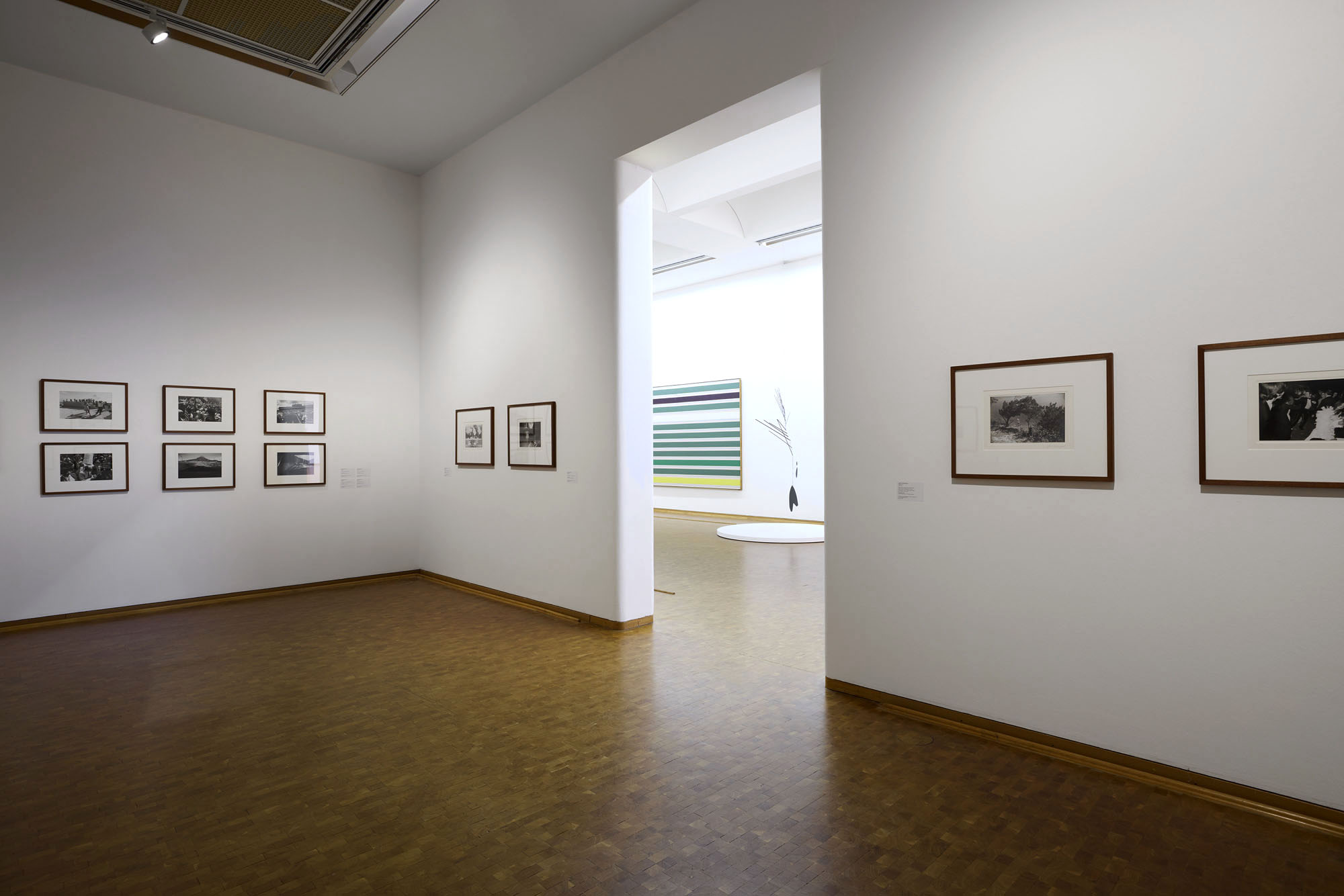
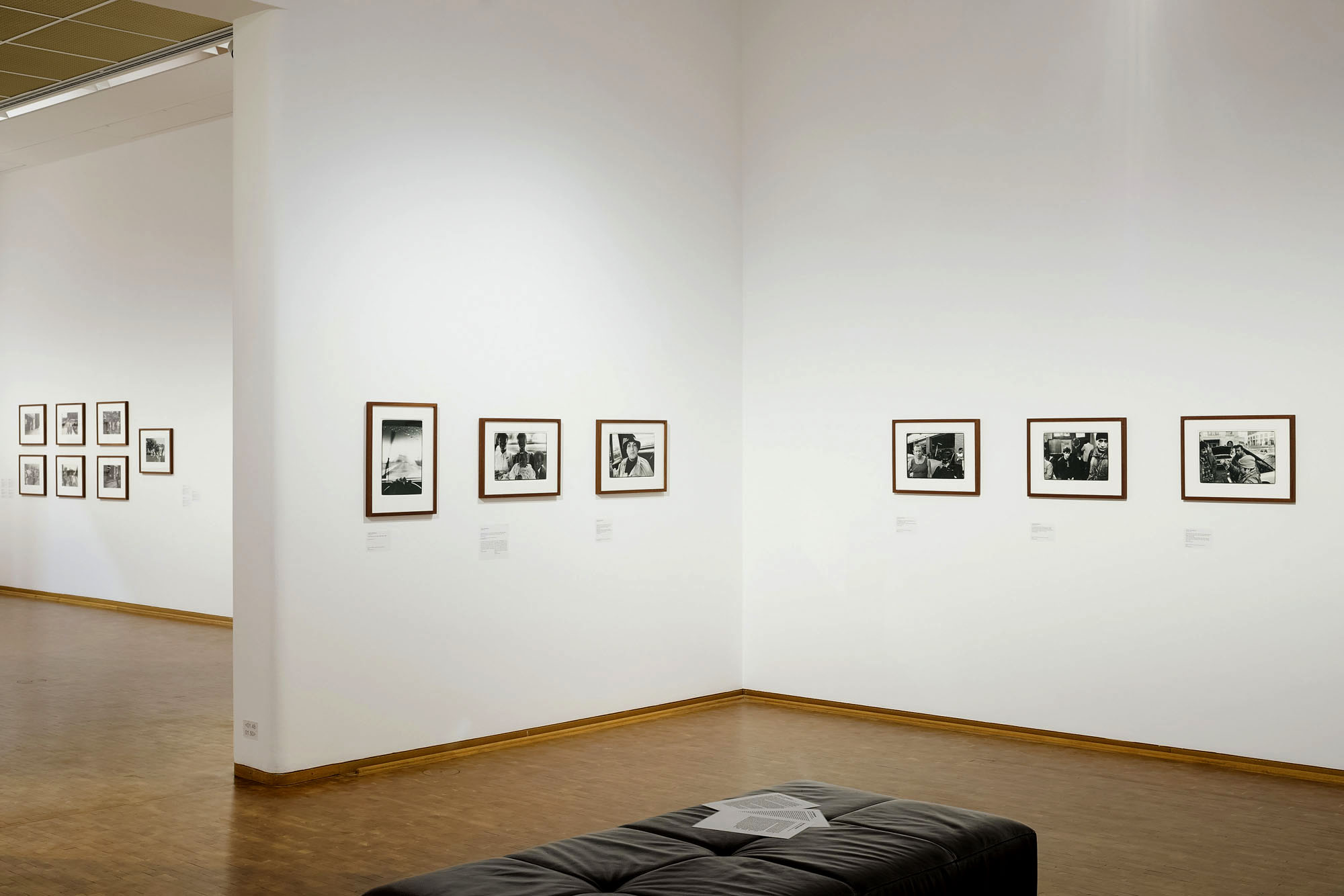
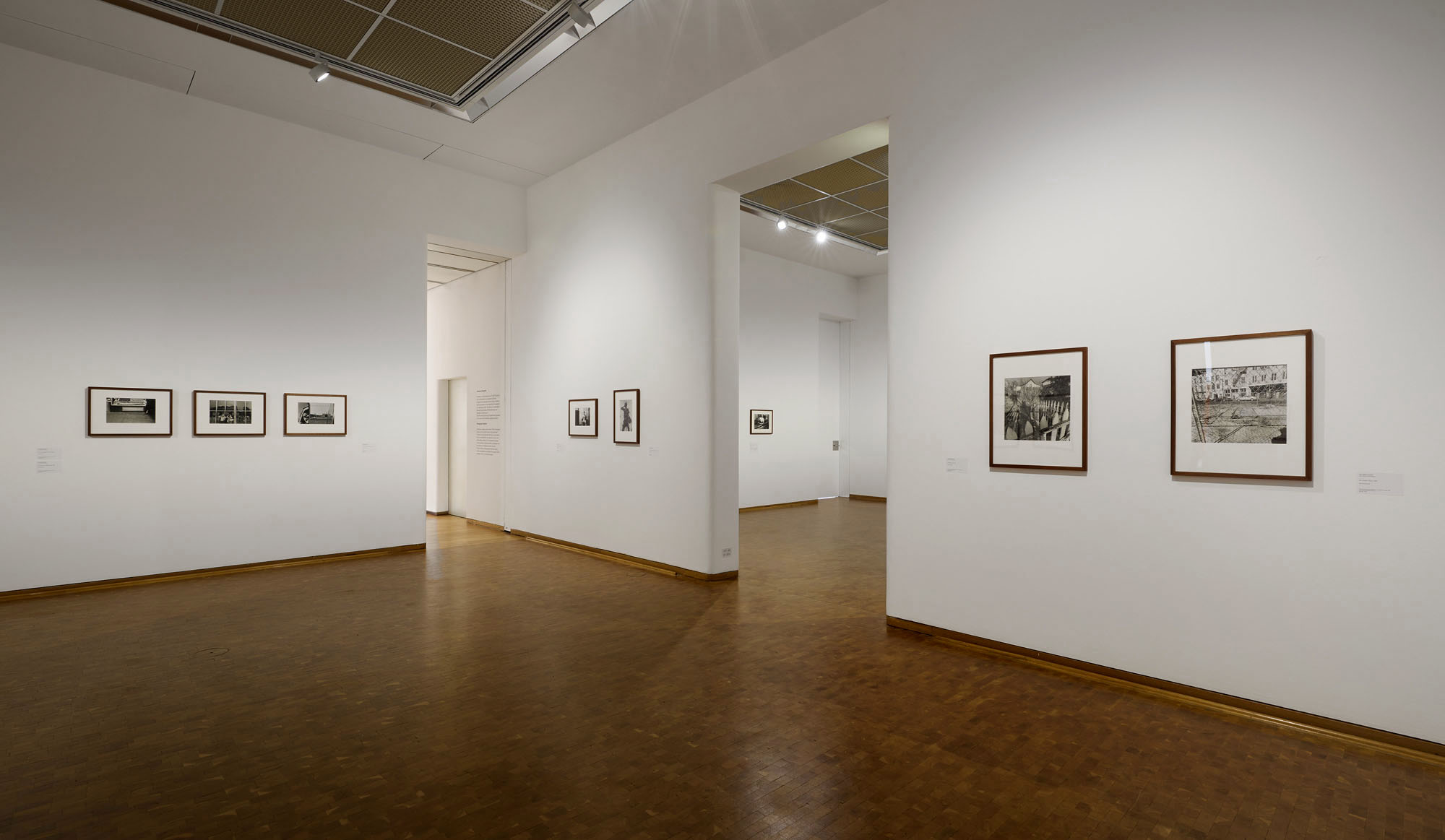
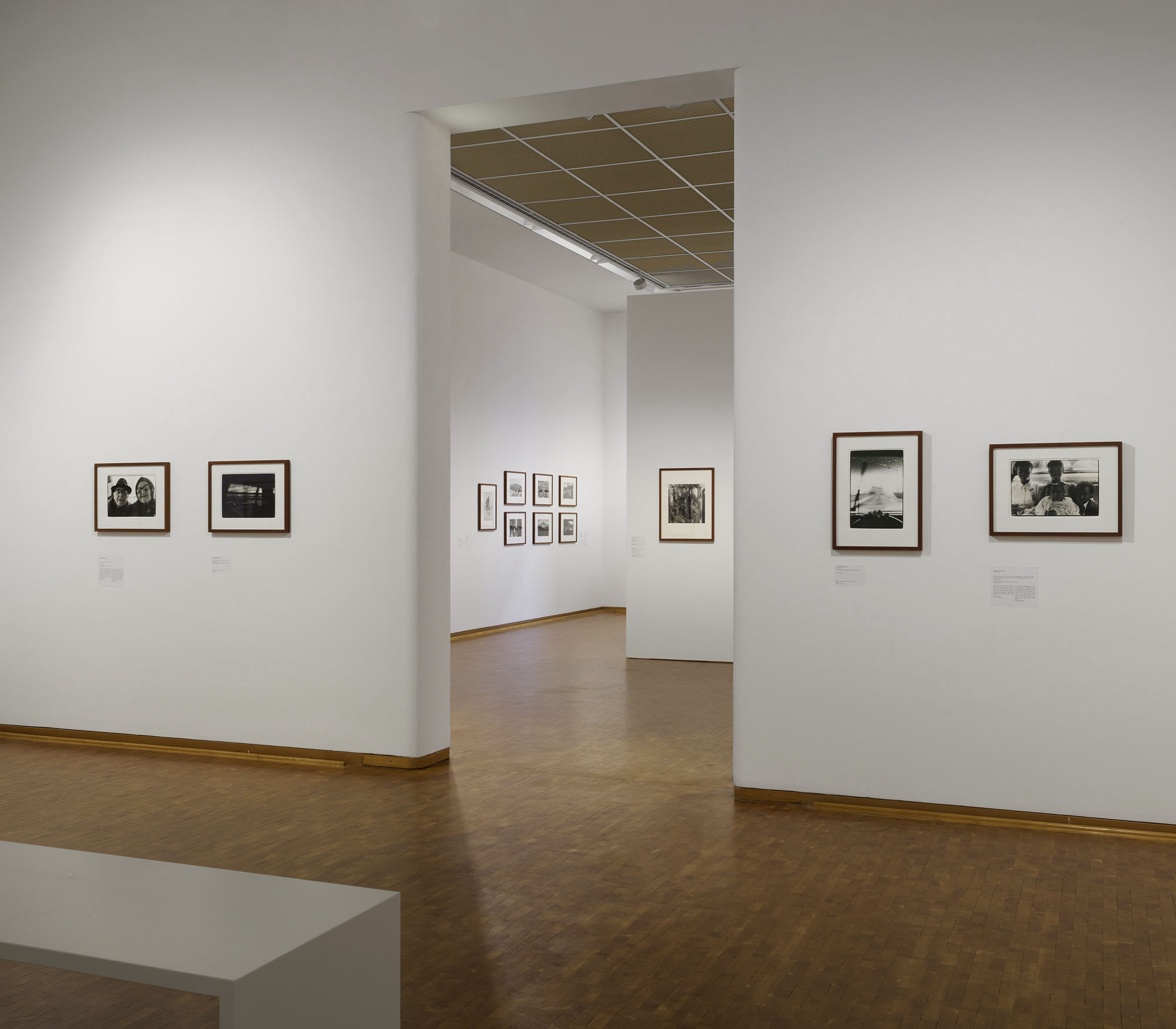
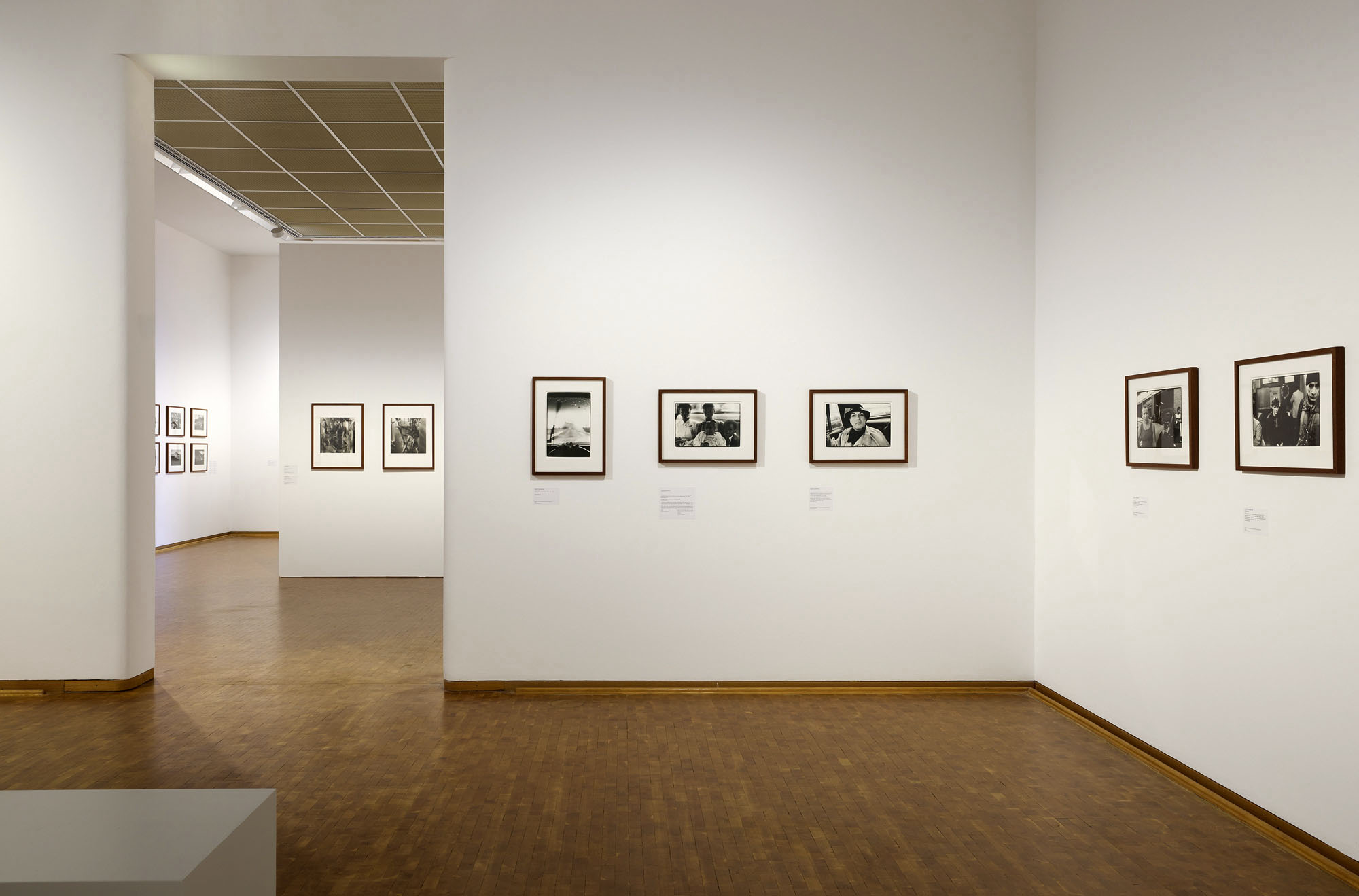
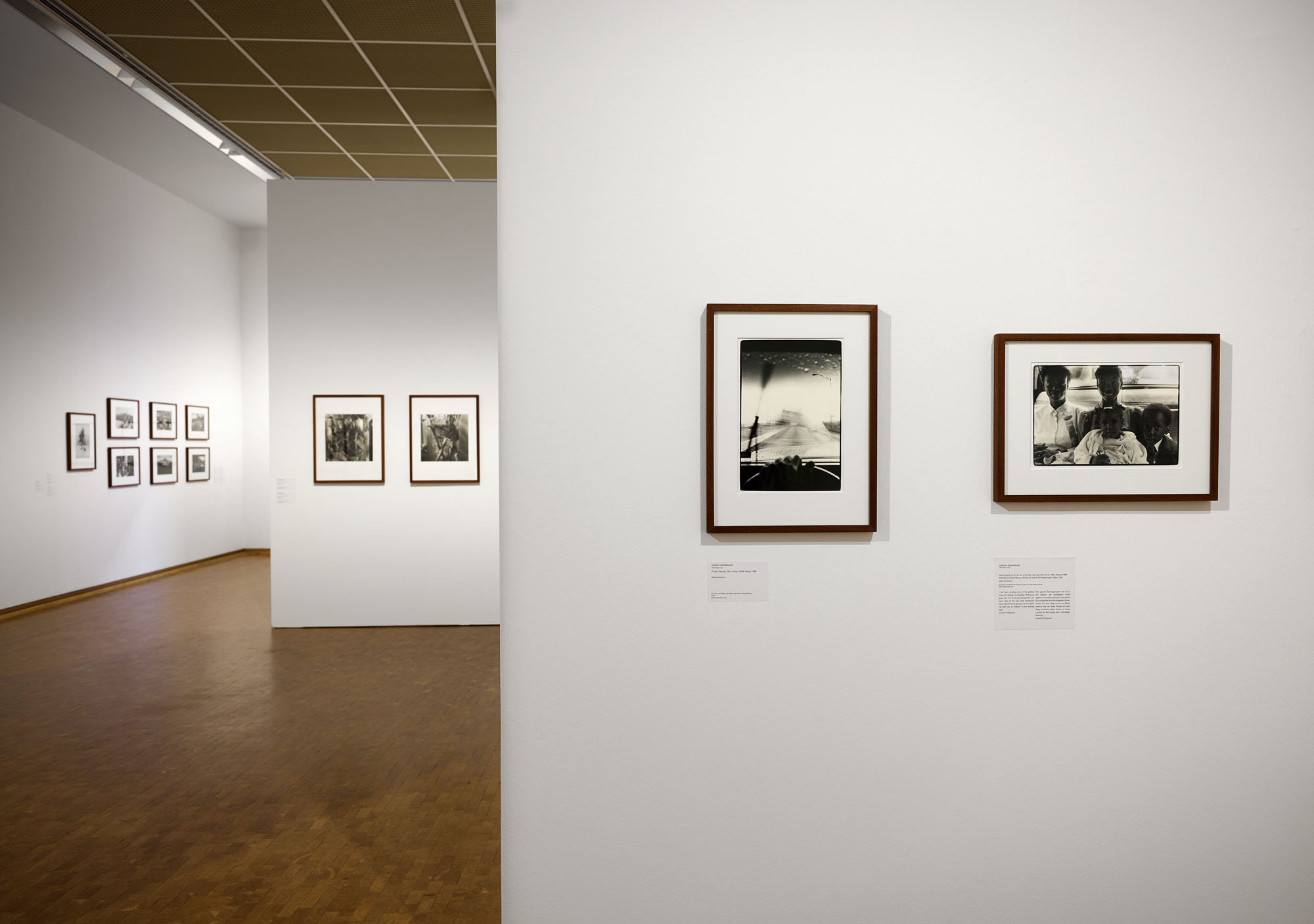
Installation view of the exhibition 'Street Photography. Lee Friedlander, Joseph Rodríguez, Garry Winogrand' at Museum Ludwig, Cologne, May - October, 2025


Installation views of the exhibition Street Photography. Lee Friedlander, Joseph Rodríguez, Garry Winogrand at Museum Ludwig, Cologne, May – October, 2025
Photo: Historisches Archiv mit Rheinischem Bildarchiv/Vincent Quack


Garry Winogrand (American, 1928-1984) 'Coney Island, New York' 1952


Garry Winogrand (American, 1928-1984)
Coney Island, New York
1952
Gelatin silver paper, print after 1973
21.7 x 32.6cm
© The Estate of Garry Winogrand/Courtesy Fraenkel Gallery, San Francisco
Repro: Historisches Archiv mit Rheinischem Bildarchiv


Garry Winogrand (American, 1928-1984) 'Utah' 1964


Garry Winogrand (American, 1928-1984)
Utah
1964
Gelatin silver paper, print after 1978
23 x 34cm
© The Estate of Garry Winogrand/Courtesy Fraenkel Gallery, San Francisco
Repro: Historisches Archiv mit Rheinischem Bildarchiv


Garry Winogrand

(*1928 in New York City, New York, d. 1984)

For many years, Garry Winogrand found his subjects right on his doorstep, on the streets of his birthplace and longtime home, New York. Whether they depict individuals or groups of people, his photographs are characterised by a special dynamism, which is also the result of the unusual perspectives of his shots. Often chaotic, sometimes surreal, the images tell stories from everyday life in the big city, but also from mass events such as sporting events or political demonstrations.

Winogrand distanced himself from both the social documentary photography popular in the 1930s and 1940s and from photojournalism, with which he himself earned his living for a long time. He was concerned with shifting the perspective from the object of the photograph to the camera: “I photograph to find out what things look like when photographed.” In his photographs, Winogrand found a formal equivalent for the diverging social forces of the 1960s. He captured passersby on the streets and public squares with a wide-angle lens in such a way that the horizons tilted and a clear center of gravity was missing. His photographs of women in public often deviated from this principle. He dedicated the book Women are Beautiful to this motif, which he returned to repeatedly throughout his career, in 1975. In another project, beginning in 1969, he focused on the media world in order to – as he put it – “study the events produced in the news.” With a distanced perspective, Winogrand captured press conferences, demonstrations, open-air festivals, and the hustle and bustle of the art world – the spectacles and pseudo-events of a society in transition.

Text from Museum Ludwig translated by Google Translate


Garry Winogrand (American, 1928-1984)
'New York City' 1969


Garry Winogrand (American, 1928-1984)
New York City
1969
Gelatin silver paper, print after 1978
22.9 x 34.2cm
© The Estate of Garry Winogrand/Courtesy Fraenkel Gallery, San Francisco
Repro: Historisches Archiv mit Rheinischem Bildarchiv


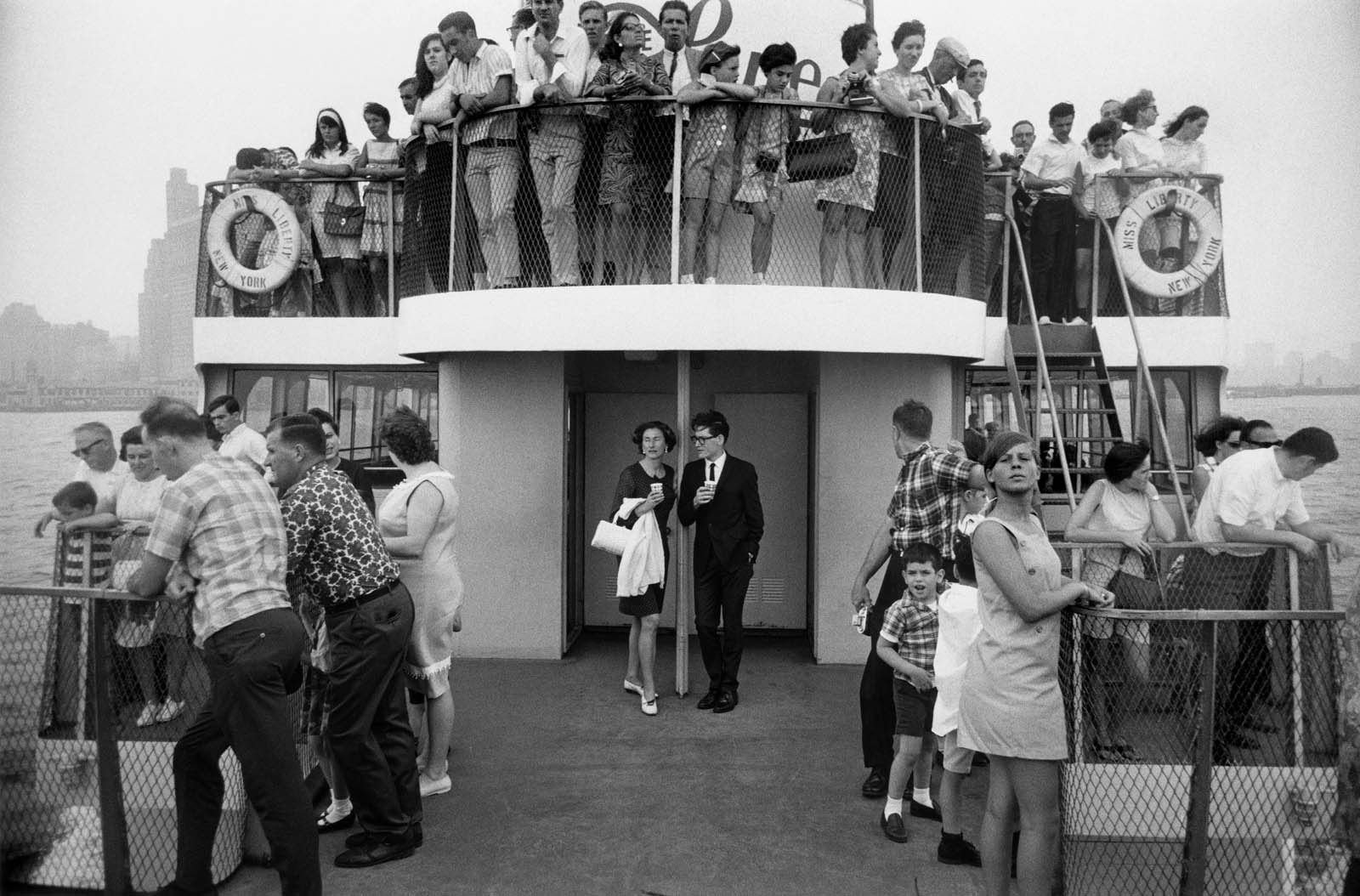
Garry Winogrand (American, 1928-1984) 'Circle Line Statue of Liberty Ferry, New York' 1971


Garry Winogrand (American, 1928-1984)
Circle Line Statue of Liberty Ferry, New York
1971
Gelatin silver paper, print after 1973
21.7 x 32.4cm
© The Estate of Garry Winogrand/Courtesy Fraenkel Gallery, San Francisco
Repro: Historisches Archiv mit Rheinischem Bildarchiv


Garry Winogrand (American, 1928-1984) 'Untitled', from: 'Women are Beautiful' 1970


Garry Winogrand (American, 1928-1984)
Untitled, from: Women are Beautiful
1970
Gelatin silver paper, print after 1981
21.7 x 32.4cm
© The Estate of Garry Winogrand/Courtesy Fraenkel Gallery, San Francisco
Repro: Historisches Archiv mit Rheinischem Bildarchiv


Garry Winogrand (American, 1928-1984) 'Untitled', from: 'Women are Beautiful' 1973


Garry Winogrand (American, 1928-1984)
Untitled, from: Women are Beautiful
1973
Gelatin silver paper, print after 1973
21.7 x 32.4cm
© The Estate of Garry Winogrand/Courtesy Fraenkel Gallery, San Francisco
Repro: Historisches Archiv mit Rheinischem Bildarchiv


Joseph Rodríguez (American, b. 1952) 'East Village, New York' 1984


Joseph Rodríguez (American, b. 1952)
East Village, New York
1984
Gelatin silver paper, print after 1988
25.3 x 37.4cm
© Joseph Rodríguez, Courtesy Galerie Bene Taschen
Repro: Historisches Archiv mit Rheinischem Bildarchiv


“When I drove a cab, my taxi cab was a rolling psychology office. Everybody had something to say. Sometimes it’s just light conversation like the weather or kids. Baseball. But then you get all kinds of incredible stories. I was learning the foundations of humanism in my cab.”


Joseph Rodríguez


“To drive a cab back then, you either had to have a death wish or come to the job with a biography that inured you to the danger or graced you with such intuitive empathy/curiosity that to see and hear and sometimes engage with the cavalcade of humanity sliding in and out of your backseat trumped the nightly game of Russian roulette.”


Richard Price penned these poignant words that open photographer Joseph Rodríguez’s book, Taxi: Journey Through My Windows 1977-1987 


Joseph Rodríguez

(*1951 in Brooklyn, New York City, New York, lives and works there)

Joseph Rodríguez was a teenager when street photography was celebrated in New York with exhibitions such as New Documents at the Museum of Modern Art, which also brought Friedlander and Winogrand to the fore. Rodríguez studied graphic design and photography at the School of Visual Arts in New York and the New York City Technical College. In 1985, he graduated with a degree in photojournalism and documentary photography from the International Center for Photography in New York. During his studies, he worked as a taxi driver, photographing his passengers and street scenes from behind the wheel. The exhibited works are from the Taxi series. They document, on the one hand, Rodríguez’s work as a taxi driver, who has to try to secure well-paid long-distance rides to earn a living and cover the costs of his hired taxi. During his twelve-hour shifts, Rodríguez captures city life in the various neighborhoods at different times of day, from nightlife to the busy hours of the day. His shots of passersby in the rearview mirror, of a sunrise, or of someone urinating in public who believes they are unobserved, testify to the fleeting nature of the moment. Rodríguez also engages directly with his passengers. His portraits convey the openness and respect with which he treats them. Rodríguez sees himself in the tradition of social documentary photography. He advocates the goal of giving visibility to those who are overlooked. He often adds short comments to his images that shed light on what is being photographed. He also uses unusual perspectives, surprising crops, and reflections. However, these emphasize the subjectivity of his empathetic gaze beyond the momentary nature of the moment.

The photographs in the Taxi series are a significant document of the 1980s in New York, a period marked by economic and social upheaval and the AIDS crisis. On his journeys crisscrossing the city, Rodríguez does not depict despair,
but rather shows people maintaining their dignity in the face of difficult and uncertain times.

Text from Museum Ludwig translated by Google Translate


Joseph Rodríguez (American, b. 1952) '220 West Houston Street, New York' 1984


Joseph Rodríguez (American, b. 1952)
220 West Houston Street, New York
1984
Gelatin silver paper, print after 1988
25.3 x 37.2cm
© Joseph Rodríguez, Courtesy Galerie Bene Taschen
Repro: Historisches Archiv mit Rheinischem Bildarchiv


Joseph Rodríguez (American, b. 1952) 'I picked him up at a club and I took him to Brooklyn. He was a happy camper, New York' 1984


Joseph Rodríguez (American, b. 1952)
I picked him up at a club and I took him to Brooklyn. He was a happy camper, New York
1984
Gelatin silver paper, print after 1988
24.8 x 36.8cm
© Joseph Rodríguez, Courtesy Galerie Bene Taschen
Repro: Historisches Archiv mit Rheinischem Bildarchiv


Joseph Rodríguez (American, b. 1952) 'At the Garage, my cab broke down, New York' 1984


Joseph Rodríguez (American, b. 1952)
At the Garage, my cab broke down, New York
1984
Gelatin silver paper, print after 1988
25.3 x 37.5cm
© Joseph Rodríguez, Courtesy Galerie Bene Taschen
Repro: Historisches Archiv mit Rheinischem Bildarchiv


Joseph Rodríguez (American, b. 1952) 'Meatpacking District, I picked him up from one of the clubs. He was a drag performer and I was taking him home to Brooklyn, New York' 1984


Joseph Rodríguez (American, b. 1952)
Meatpacking District, I picked him up from one of the clubs. He was a drag performer and I was taking him home to Brooklyn, New York
1984
Gelatin silver paper, print after 1988
24.8 x 36.6cm
© Joseph Rodriguez, Courtesy Galerie Bene Taschen
Repro: Historisches Archiv mit Rheinischem Bildarchiv


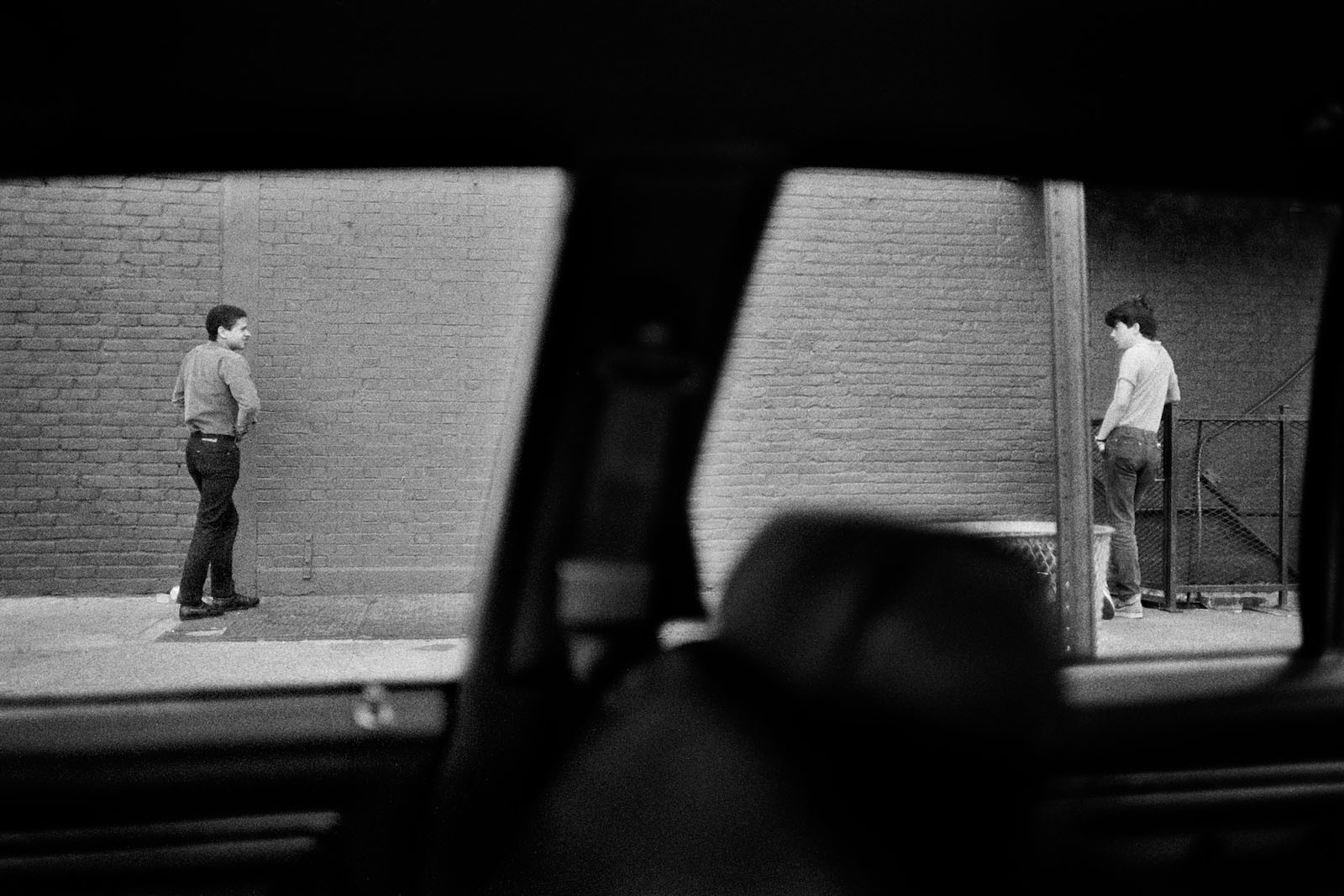
Joseph Rodríguez (American, b. 1952) 'Greenwich Village, The Anvil, New Jersey' 1984


Joseph Rodríguez (American, b. 1952)
Greenwich Village, The Anvil, New Jersey
1984
Gelatin silver paper, print after 1988
25.0 x 36.8cm
© Joseph Rodríguez, Courtesy Galerie Bene Taschen
Repro: Historisches Archiv mit Rheinischem Bildarchiv


“14th Street & West Side Highway. That’s the back of the Anvil. These guys would come outside to take a leak. And of course they’re having a conversation, so who knows what happened after that.” ~ Joseph Rodríguez

The Anvil was a gay BDSM after-hours sex club located at 500 West 14th Street, Manhattan, New York City, that operated from 1974 to 1985.


Joseph Rodríguez (American, b. 1952) 'Pulaski Skyway, New Jersey' 1984


Joseph Rodríguez (American, b. 1952)
Pulaski Skyway, New Jersey
1984
Gelatin silver paper, print after 1988
24.8 x 36.8cm
© Joseph Rodríguez, Courtesy Galerie Bene Taschen
Repro: Historisches Archiv mit Rheinischem Bildarchiv


Museum Ludwig
Heinrich-Böll-Platz, 50667 Köln, Germany

Opening hours:
Tues­­day through Sun­­day: 10am – 6pm

Museum Ludwig website

LIKE ART BLART ON FACEBOOK

Back to top

Exhibition: ‘The Summer of Love: Photography and Graphic Design’ at the Museum of Fine Arts, Boston

Exhibition dates: 6th July – 22nd October, 2017


Bonnie MacLean (American, 1939-2020) 'Muddy Waters, Buffalo Springfield, Richie Havens (Fillmore Auditorium, 1-6 August 1967)' 1967 from the exhibition 'The Summer of Love: Photography and Graphic Design' at the Museum of Fine Arts, Boston, July - Oct, 2017


Bonnie MacLean (American, 1939-2020)
Muddy Waters, Buffalo Springfield, Richie Havens (Fillmore Auditorium, 1-6 August 1967)
1967
Offset lithographic poster
Gift of Robert Bradford Wheaton and Barbara Ketcham Wheaton
Photograph: © Museum of Fine Arts, Boston


Aubrey Beardsley and “The Yellow Book,” Art Nouveau and the Vienna Secession, Josef Albers, Dada, Surrealism, William Blake (a favourite of mine), photography, typography and graphic design. You couldn’t ask for more… except for those psychedelic colours!

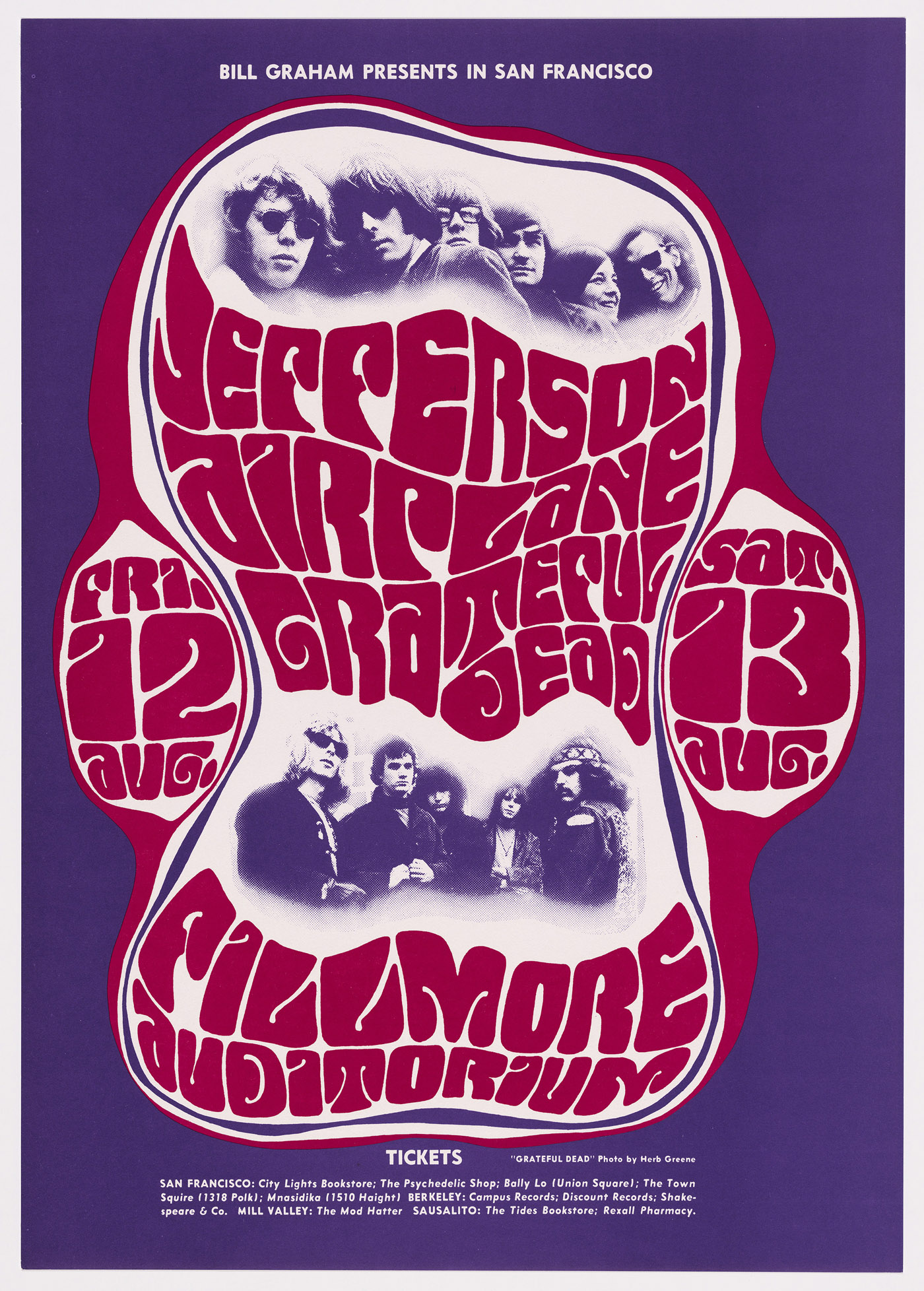
As a friend of mine observed of the Grateful Dead, Oxford Circle (1966) poster – look where the tickets were sold: psychedelic shops, book stores, record shops and coffee houses. He actually saw the Grateful Dead play live while he was in America, and he said it was quite a trip. As Mark Feeney keenly observes, this art was “liberation in two dimensions.”

He is correct, for these posters and record covers reflect the cultural era from which they emerge – the official beginnings of Gay Liberation, Feminism, student revolt, protests against war and racism, civil rights, drugs, free love and peace. They are powerful and eloquent works of art that summon the noisy spirit of the age, a riotous poltergeist hell bent on change.

And all these years later, they still look as fresh and as relevant (perhaps even more so in this conservative world), as they day they were created. Just fab!

Dr Marcus Bunyan

PS. It always amazes me the cultural contexts in which photography can be put to use.


Many thankx to the Museum of Fine Arts, Boston for allowing me to publish the photographs in the posting. Please click on the photographs for a larger version of the image.


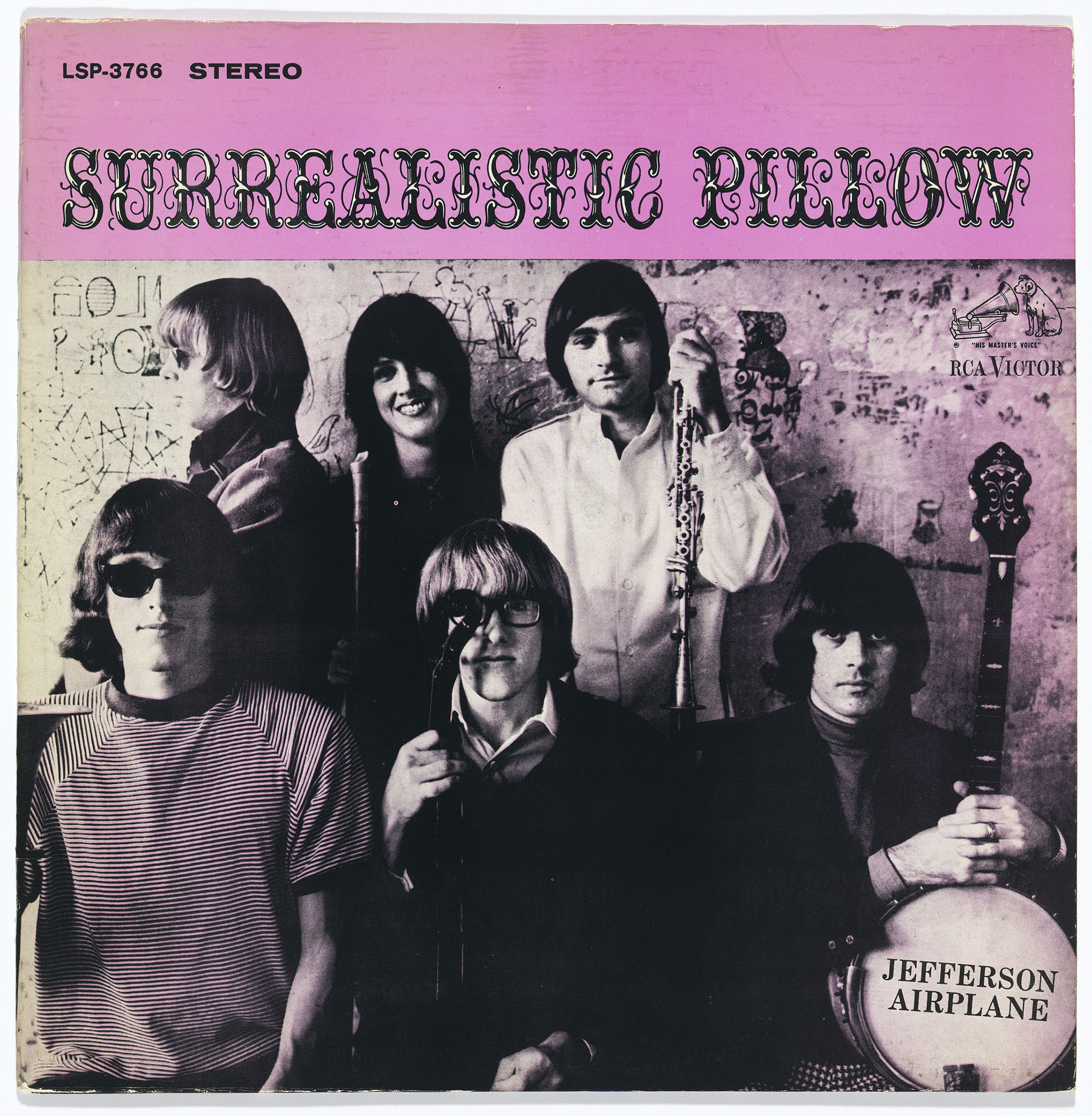
“What’s fascinating is how the graphic designs manage to have a kind of coherence despite being such a jumble. Certain principles recur: curves, yes, angles, no; a pugilistic employment of colour (psychedelia really did look … psychedelic); legibility as afterthought. So do certain influences: Aubrey Beardsley and “The Yellow Book,” Art Nouveau and the Vienna Secession, Dada, Surrealism (among the album covers on display is, yes, the Jefferson Airplane’s “Surrealistic Pillow”). The presiding spirit is William Blake: “The road of excess leads to the palace of wisdom.” The last thing the Haight cared about was history, but history’s hand lay all over it.

The look of these designs is assaultive, overly busy, restrained only by the confines of poster size or album cover. That look still feels exhilarating: liberation in two dimensions. It must have felt close to Martian back then. NASA wanted to put a man on the moon. Why stop there? Gravity was just another law to flout. One of the 32 Herb Greene photographs in “The Summer of Love” shows Airplane lead singer Grace Slick looking at the camera and flipping the bird. Maybe that image, even more than Blakean excess, is the presiding spirit.”


Mark Feeney. “The MFA celebrates San Francisco’s Summer of Love,” on the Boston Globe website July 6th 2017 [Online] Cited 02/01/2022. No longer available online


Victor Moscoso (American born Spain, b. 1936) 'The Chambers Brothers (The Matrix, 28 March-6 April 1967)' 1967 from the exhibition 'The Summer of Love: Photography and Graphic Design' at the Museum of Fine Arts, Boston, July - Oct, 2017


Victor Moscoso (American born Spain, 1936)
The Chambers Brothers (The Matrix, 28 March-6 April 1967)

1967
Offset lithographic poster
Gift of Robert Bradford Wheaton and Barbara Ketcham Wheaton
© ’67 Neon Rose
Photograph: © Museum of Fine Arts, Boston


Victor Moscoso (Spanish-American, b. 1936)

Victor Moscoso (born Galicia in 1936) is a Spanish-American artist best known for producing psychedelic rock posters, advertisements, and underground comix in San Francisco during the 1960s and 1970s.

Moscoso was the first of the rock poster artists of the 1960s era with formal academic training and experience. After studying art at Cooper Union in New York City and at Yale University, he moved to San Francisco in 1959. There, he attended the San Francisco Art Institute, where he eventually became an instructor. Moscoso’s use of vibrating colours was influenced by painter Josef Albers, one of his teachers at Yale. He was the first of the rock poster artists to use photographic collage in many of his posters.

Professional success came in the form of the psychedelic rock and roll poster art created for San Francisco’s dance halls and clubs. Moscoso’s posters for the Family Dog dance-concerts at the Avalon Ballroom and his Neon Rose posters for the Matrix resulted in international attention during the 1967 Summer of Love.

Text from the Wikipedia website


Stanley Miller (Mouse) (American, born in 1940) and Alton Kelley (American, 1940-2008) 'Moby Grape, Sparrow, The Charlatans (Avalon Ballroom, 13-14 January 1967)' 1967


Stanley Miller (Mouse) (American, b. 1940) and Alton Kelley (American, 1940-2008)
Moby Grape, Sparrow, The Charlatans (Avalon Ballroom, 13-14 January 1967)
1967
Poster, offset lithograph
Collection of Patrick Murphy
Courtesy, Museum of Fine Arts, Boston


Bonnie MacLean (American, 1939-2020) 'The Yardbirds, The Doors, James Cotton Blues Band, Richie Havens (Fillmore Auditorium, 25-30 July 1967)' 1967


Bonnie MacLean (American, 1939-2020)
The Yardbirds, The Doors, James Cotton Blues Band, Richie Havens (Fillmore Auditorium, 25-30 July 1967)
1967
Poster, offset lithograph
Collection of Patrick Murphy
Photograph: © Museum of Fine Arts, Boston


Bonnie MacLean (American, 1939-2020)

Bonnie MacLean, also known as Bonnie MacLean Graham is an American artist known for her classic rock posters. In the 1960s and 1970s she created posters and other art for the promotion of rock and roll concerts managed by Bill Graham, using the iconic psychedelic art style of the day. MacLean went on to continue her art as a painter focusing mostly of nudes, still lifes and landscapes.

Fillmore posters

Artist Wes Wilson was the main poster artist for the Fillmore Auditorium when he and Bill Graham had a “falling out” and Wilson quit. MacLean had been painting noticeboards at the auditorium in the psychedelic style, and took up the creation of the posters after Wilson left, creating about thirty posters, most in 1967. MacLean’s posters are included in many museum collections including at the Brooklyn Museum, the Fine Arts Museums of San Francisco collection and at the DeYoung museum. A few examples of her posters are in the San Francisco Museum of Modern Art collection.

Text from the Wikipedia website


Stanley Miller (Mouse) (American, b. 1940) and Alton Kelley (American, 1940-2008) 'Grateful Dead, Oxford Circle (Avalon Ballroom, 16-17 September 1966)' 1966


Stanley Miller (Mouse) (American, b. 1940) and Alton Kelley (American, 1940-2008)
Grateful Dead, Oxford Circle (Avalon Ballroom, 16-17 September 1966)
1966
Handbill, offset lithograph
Collection of Patrick Murphy
Photograph: © Museum of Fine Arts, Boston


Stanley Miller (Mouse) (American, b. 1940)

Stanley George Miller (born October 10, 1940), better known as Mouse and Stanley Mouse, is an American artist, notable for his 1960s psychedelic rock concert poster designs for the Grateful Dead and Journey albums cover art as well as many others.

Psychedelic posters

In 1965, Mouse travelled to San Francisco, California with a group of art school friends. Settling initially in Oakland, Mouse met Alton Kelley. Kelley, a self-taught artist, had recently arrived from Virginia City, Nevada, where he had joined a group of hippies who called themselves the Red Dog Saloon gang. Upon arrival in San Francisco Kelley and other veterans of the gang renamed themselves The Family Dog, and began producing rock music dances. In 1966, when Chet Helms assumed leadership of the group and began promoting the dances at the Avalon Ballroom, Mouse and Kelley began working together to produce posters for the events. Later the pair also produced posters for promoter Bill Graham and for other events in the psychedelic community.

In 1967, Mouse collaborated with artists Kelley, Rick Griffin, Victor Moscoso and Wes Wilson to create the Berkeley Bonaparte Distribution Agency. Mouse and Kelley also worked together as lead artists at Mouse Studios and The Monster Company – producing album cover art for the bands Journey and Grateful Dead. The Monster Company also developed a profitable line of T-shirts, utilising the four colour process for silk screening.

The psychedelic posters Mouse and Kelley produced were heavily influenced by Art Nouveau graphics, particularly the works of Alphonse Mucha and Edmund Joseph Sullivan. Material associated with psychedelics, such as Zig-Zag rolling papers, were also referenced. Producing posters advertising for such musical groups as Big Brother and the Holding Company, Quicksilver Messenger Service, and Grateful Dead led to meeting the musicians and making contacts that were later to prove fruitful.

Text from the Wikipedia website


Alton Kelley (American, 1940-2008)

Alton Kelley (June 17, 1940 in Houlton, Maine – June 1, 2008 in Petaluma, California) was an American artist best known for his psychedelic art, in particular his designs for 1960s rock concerts and albums. Along with artists Rick Griffin, Stanley Mouse, Victor Moscoso and Wes Wilson, Kelley founded the Berkeley Bonaparte distribution agency in order to produce and sell psychedelic poster art.

Along with fellow artist Stanley Mouse, Kelley is credited with creating the wings and beetles on all Journey album covers as well as the skull and roses image for the Grateful Dead. Kelley’s artwork on the 1971 self-titled live album, Grateful Dead, incorporated a black and white illustration of a skeleton by Edmund Sullivan, which originally appeared in a 19th-century edition of the Rubáiyát of Omar Khayyám.

Text from the Wikipedia website


Herb Greene (American, 1942-2025) 'Jefferson Airplane' 1966


Herb Greene (American, 1942-2025)
Jefferson Airplane
1966
Photograph, gelatin silver print
Gift of Arlette and Gus Kayafas and The Living New England Artists Purchase Fund, created by The Stephen and Sybil Stone Foundation
© Herb Greene
Photograph: © Museum of Fine Arts, Boston


Cover photograph by Herb Greene (American, 1942-2025) 'Jefferson Airplane, Surrealistic Pillow' 1967


Cover photograph by Herb Greene (American, 1942-2025)
Jefferson Airplane, Surrealistic Pillow
1967
Album cover, offset lithograph
Collection of Patrick Murphy
Photograph: © Museum of Fine Arts, Boston


Wes Wilson (American, 1937-2020) Photograph by Herb Greene (American, 1942-2025) 'Jefferson Airplane, Junior Wells Chicago Blues Band, Tim Rose (Fillmore Auditorium, 16-18 December 1966)' 1966


Wes Wilson (American, 1937-2020)
Photograph by Herb Greene (American, 1942-2025)
Jefferson Airplane, Junior Wells Chicago Blues Band, Tim Rose (Fillmore Auditorium, 16-18 December 1966)
1966
Offset lithographic poster
Gift of Robert Bradford Wheaton and Barbara Ketcham Wheaton
Photograph: © Museum of Fine Arts, Boston


In celebration of the Summer of Love’s 50th anniversary, this exhibition explodes with a profusion of more than 120 posters, album covers and photographs from the transformative years around 1967. That summer, fuelled by sensational stories in the national media, San Francisco’s Haight-Ashbury neighbourhood became a mecca for thousands seeking an alternative to the constrictions of postwar American society. A new graphic vocabulary emerged in posters commissioned to advertise weekly rock concerts at the Fillmore Auditorium and the Avalon Ballroom, with bands such as Jefferson Airplane, the Grateful Dead, and the Janis Joplin-led Big Brother & The Holding Company.

A group of more than 50 concert posters highlights experiments with psychedelic graphic design and meandering typography – often verging on the illegible. These include works by Wes Wilson, who took inspiration from earlier art movements such as the Vienna Secession, and Victor Moscoso, whose studies of colour theory with Josef Albers at Yale University translated into striking use of bright, saturated colours in his own designs. A grid of 25 album covers traces the influence of the famously amorphous lettering in the Beatles’ 1965 album Rubber Soul on countless covers and posters from later in the decade.

At the heart of the exhibition is a group of 32 photographs by Herb Greene, a pioneering member of the Haight-Ashbury counterculture and now a resident of Massachusetts. Many of his iconic images document the city’s burgeoning music scene, while a selection from a newly published portfolio offers a glimpse at everyday life in the Haight during the fabled summer of 1967.

Text from the Museum of Fine Arts website


Herb Greene (American, 1942-2025) 'Ohio to San Fransico: Haight Street 1967 (Plate 17)' 1967, printed 2013


Herb Greene (American, 1942-2025)
Ohio to San Fransico: Haight Street 1967 (Plate 17)
1967, printed 2013
Photograph, gelatin silver print
Private collection
Courtesy, Museum of Fine Arts, Boston


Herb Greene (American, 1942-2025) 'Ohio to San Fransico: Haight Street 1967 (Plate 20)' 1967, printed 2013


Herb Greene (American, 1942-2025)
Ohio to San Fransico: Haight Street 1967 (Plate 20)
1967, printed 2013
Photograph, gelatin silver print
Private collection
Courtesy, Museum of Fine Arts, Boston


Herb Greene (American, 1942-2025) 'Ohio to San Fransico: Haight Street 1967 (Plate 30)' 1967, printed 2013


Herb Greene (American, 1942-2025)
Ohio to San Fransico: Haight Street 1967 (Plate 30)
1967, printed 2013
Photograph, gelatin silver print
Private collection
Courtesy, Museum of Fine Arts, Boston


Herb Greene (American, 1942-2025) 'Dead on Haight' From the portfolio 'Brief Encounters with the Dead' 1966, printed 2006


Herb Greene (American, 1942-2025)
Dead on Haight
From the portfolio Brief Encounters with the Dead
1966, printed 2006
Photograph, gelatin silver print
Collection of Jeanne and Richard S. Press
Photograph: © Museum of Fine Arts, Boston


Herb Greene (American, 1942-2025)

Herb “Herbie” Greene (born April 3, 1942 – March 3, 2025) was an American photographer best known for his portraits of The Grateful Dead, the iconic psychedelic rock band led by Jerry Garcia. Over 50 years, Greene’s photographs traced the band’s evolution from its roots in San Francisco’s psychedelic underground to global stardom.

His portraits of other rock and roll luminaries – including Janis Joplin, Grace Slick, Led Zeppelin, Rod Stewart, Jeff Beck, The Pointer Sisters, Carlos Santana, Sly Stone, and more – have been regularly featured in Rolling Stone magazine and several books documenting the music of the 1960s counterculture.

Known as “Herbie” by his friends, Greene won high praise for his ability to capture intimate portraits of the most revered figures in rock. That access was largely due to his relationships with the bands he photographed. Although he refers to himself as “just the guy with the long hair and the camera,” Greene lived in San Francisco during the 1960s rock revolution and was friends with renowned musicians, promoters, and artists.

1960s San Francisco

In 1961, Greene took photography classes at City College of San Francisco and later enrolled at San Francisco State University, where he majored in anthropology and communications. After moving into an apartment near the famed Haight-Ashbury district, he met Jerry Garcia at a bluegrass café called the Fox and Hound. The two became friends and Greene booked his first gig, a portrait session with Garcia’s band, The Warlocks. (The band would eventually change its name to The Grateful Dead).

As Greene’s reputation grew, some of the decade’s most iconic performers came to him for portraits and album covers. He photographed Big Brother and the Holding Company and its lead singer, Janis Joplin. He shot the cover for the Jefferson Airplane’s second album, Surrealistic Pillow, and captured rare portrait sessions with Rod Stewart, Jeff Beck, Led Zeppelin, Jethro Tull, Procol Harem and others. His portfolio landed him a job as a fashion photographer with Joseph Magnin and Co, a prominent San Francisco department store. Greene began to split his time between San Francisco and a new studio in Los Angeles. As the 1960s came to a close, his work with The Grateful Dead and other iconic rockers continued.

Greene and The Grateful Dead

Greene first met Jerry Garcia in 1963 at The Fox and Hound, a bluegrass café on North Beach in San Francisco. Both were just 21 years old, and Garcia had not yet formed The Warlocks, the band that would eventually become The Grateful Dead. He was playing as part of the Sleepy Hollow Hog Stompers, a folk trio. After one of the Garcia’s sets, Greene introduced himself. It was the start of a lifelong friendship. The pair remained friends until Garcia’s death in August 1995.

While many photographers have captured The Grateful Dead on film, Greene is widely regarded as the group’s unofficial photographer. Over 50 years, he shot just 10 sit-down sessions with the band, but his images’ intimacy offer a rare glimpse into the band’s evolution from a fledgling group to international stars.

Photography style and equipment

Despite ample opportunities, Greene did not photograph musicians on stage. Instead, he shot portraits of his subjects in his studios, backstage, and in his home. His pieces include both one-on-one and group shots, and he is renowned for his ability to capture intimate expressions from revered musical figures.

Green’s portraits were shot in both colour and black-and-white, and the bulk of his work was captured on Kodak Tri-X 120-roll film, using D76 developer. His go-to cameras were a Hasselblad and Mamiya RB67.

Text from the Wikipedia website


Wes Wilson (American, 1937-2020) Photographs by Herb Greene (American, 1942-2025) 'Jefferson Airplane, Grateful Dead (Fillmore Auditorium, 12-13 August 1966)' 1966


Wes Wilson (American, 1937-2020)
Photographs by Herb Greene (American, 1942-2025)
Jefferson Airplane, Grateful Dead (Fillmore Auditorium, 12-13 August 1966)
1966
Poster, offset lithograph
Collection of Patrick Murphy
Photograph: © Museum of Fine Arts, Boston


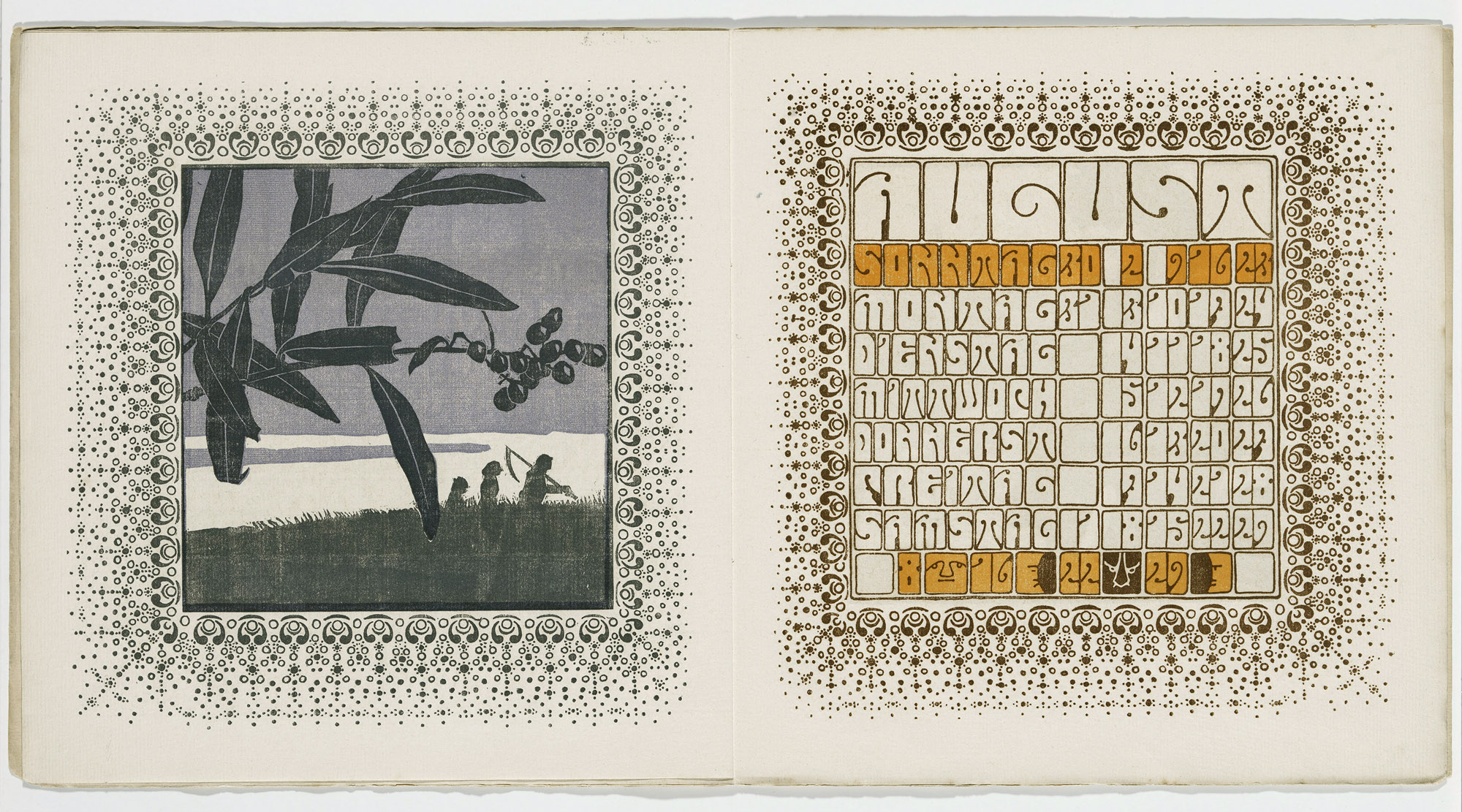
Alfred Roller (Austrian, 1864-1935) 'Ver Sacrum Calendar: August' 1902


Alfred Roller (Austrian, 1864-1935)
Ver Sacrum Calendar: August
1902
Calendar illustrated with colour woodcuts
William A. Sargent Fund
Photograph: © Museum of Fine Arts, Boston


Alfred Roller (Austrian, 1864-1935)

Alfred Roller (2 October 1864 – 21 June 1935) was an Austrian painter, graphic designer, and set designer.

Roller was born in Brünn (Brno), Moravia. He at first studied painting at the Academy of Fine Arts in Vienna under Christian Griepenkerl and Eduard Peithner von Lichtenfels, but eventually became disenchanted with the Academy’s traditionalism. In 1897 he co-founded the Viennese Secession with Koloman Moser, Joseph Maria Olbrich, Josef Hoffmann, Gustav Klimt, and other artists who rejected the prevalent academic style of art. He became a professor of drawing at the University of Applied Arts Vienna (Kunstgewerbeschule) in 1899, and president of the Secession in 1902.

In his early career Roller was very active as a graphic designer and draughtsman. He designed numerous covers and vignettes for the pages the Secessionist periodical Ver Sacrum, as well as the posters for the fourth, fourteenth, and sixteenth Secession exhibitions. He also designed the layout of the exhibitions themselves.

In 1902 Roller was introduced to the composer Gustav Mahler by Carl Moll. Roller expressed an interest in stage design and showed Mahler several sketches he had made for Wagner’s Tristan und Isolde. Mahler was impressed and decided to employ Roller to design the sets for a new production of the piece. The production, which premiered in February 1903, was a great critical success. Roller continued to design sets for Mahler’s productions. Eventually Roller left the Secession and his teaching post at the Kunstgewerbeschule to be appointed chief stage designer to the Vienna State Opera, a position he held until 1909. He died in Vienna in 1935.

Text from the Wikipedia website


Museum of Fine Arts, Boston
Avenue of the Arts
465 Huntington Avenue
Boston, Massachusetts

Opening hours:
Sunday 10am – 5pm
Monday 10 am – 5pm
Tuesday Closed
Wednesday 10am – 5pm
Thursday 10am – 10pm
Friday 10am – 10pm
Saturday 10am – 5pm

Museum of Fine Arts, Boston website

LIKE ART BLART ON FACEBOOK

Back to top

Exhibition: ‘diane arbus: in the beginning’ at the Metropolitan Museum of Art, New York

Exhibition dates: 12th July – 27th November, 2016

Curator: Jeff L. Rosenheim, Curator in Charge of the Department of Photographs at The Met


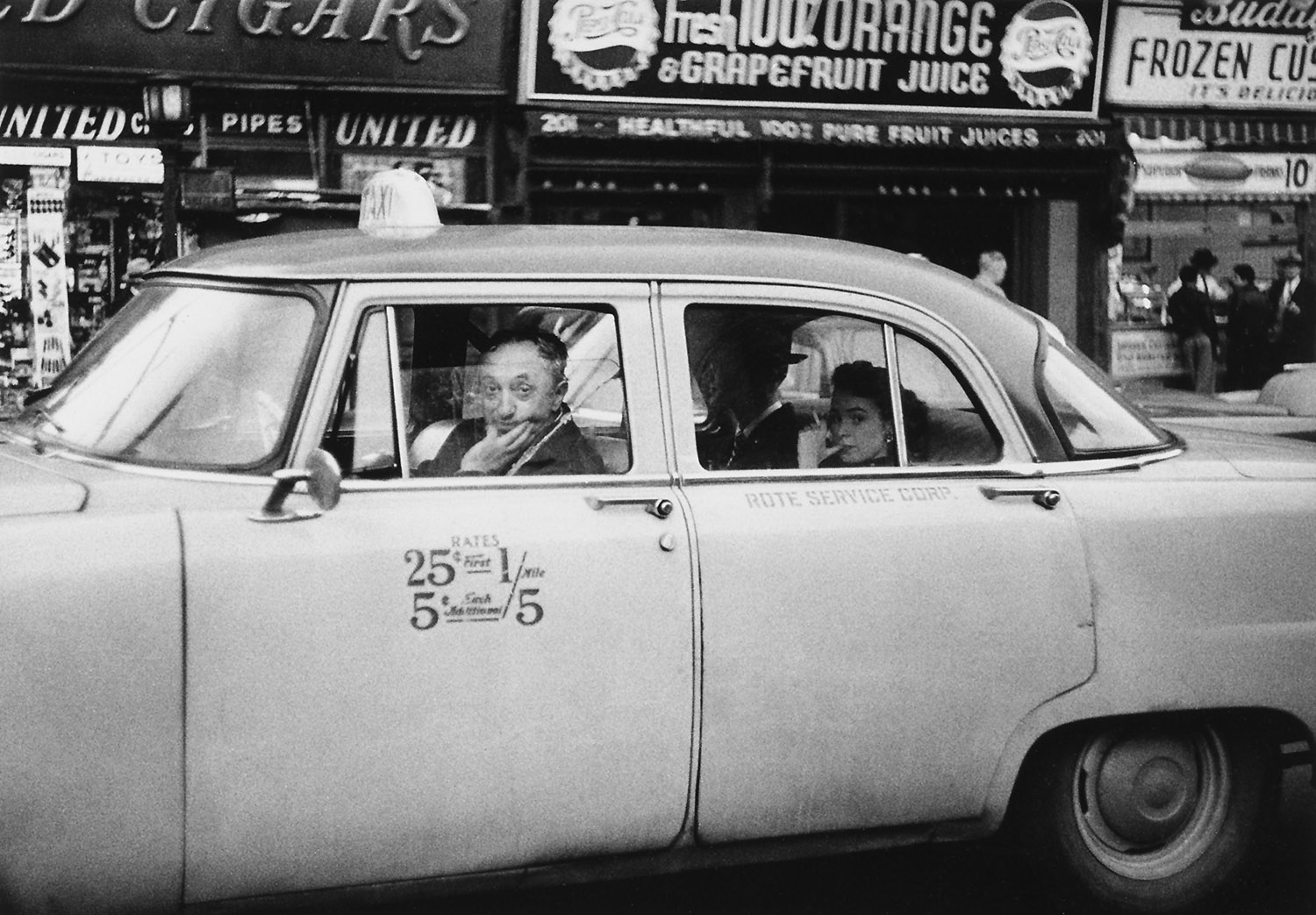
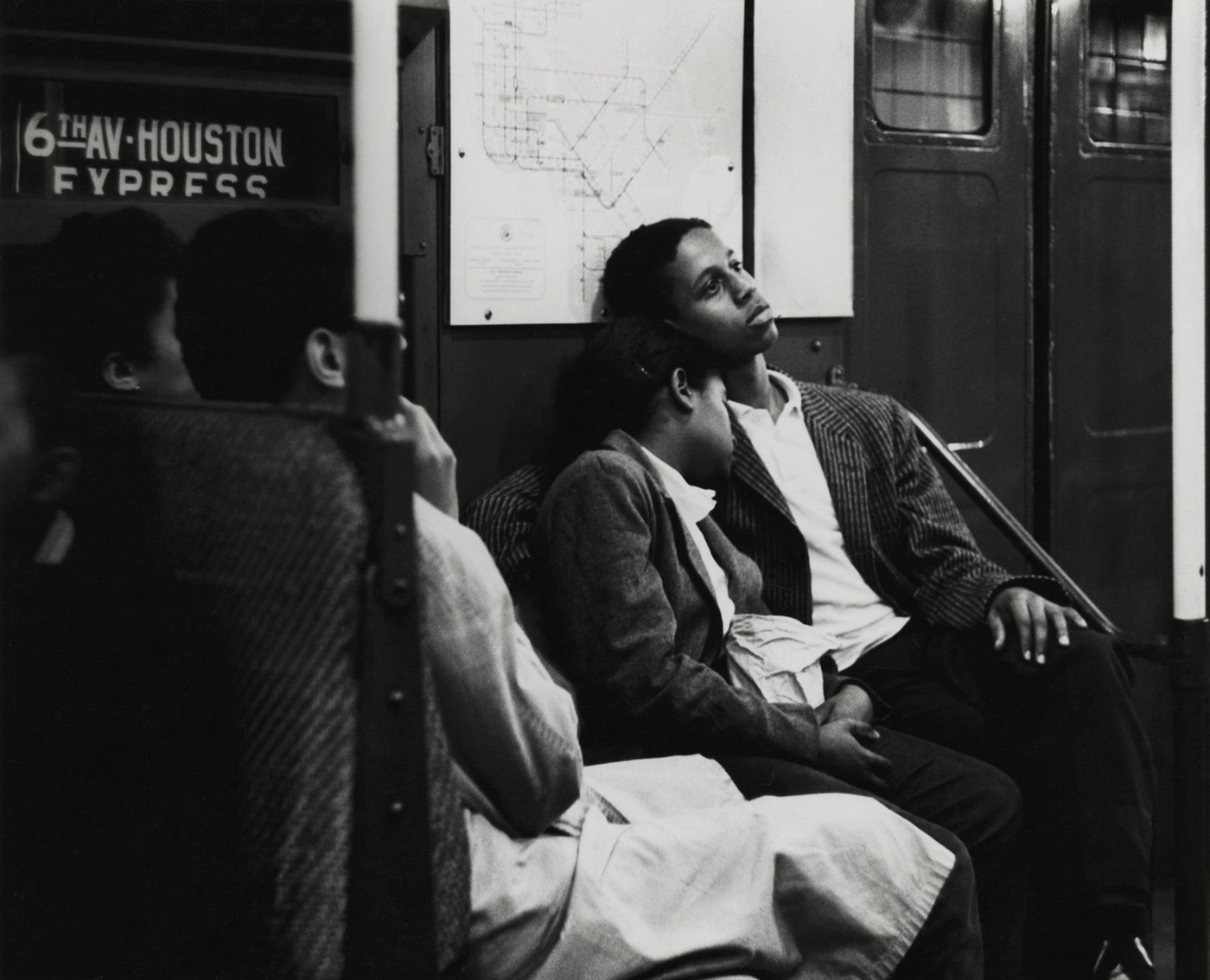
Diane Arbus (American, 1923-1971) 'Taxicab driver at the wheel with two passengers, N.Y.C. 1956' 1956 from the exhibition 'diane arbus: in the beginning' at the Metropolitan Museum of Art, New York, July - Nov, 2025


Diane Arbus (American, 1923-1971)
Taxicab driver at the wheel with two passengers, N.Y.C. 1956
1956
Silver gelatin print
© Diane Arbus/The Estate of Diane Arbus LLC


#1

This looks to be a fascinating exhibition, presenting as it does images from the first seven years of Arbus’ career as an independent artist. I wish I could see it.

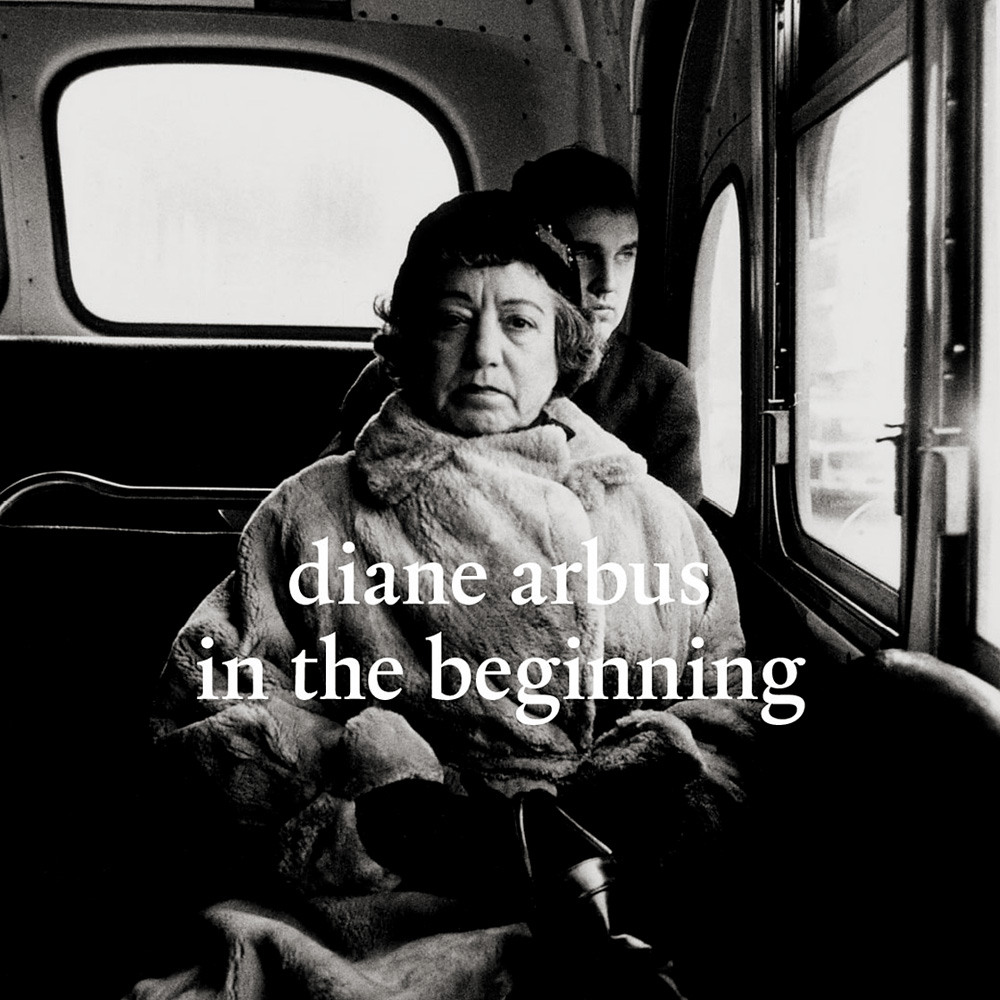
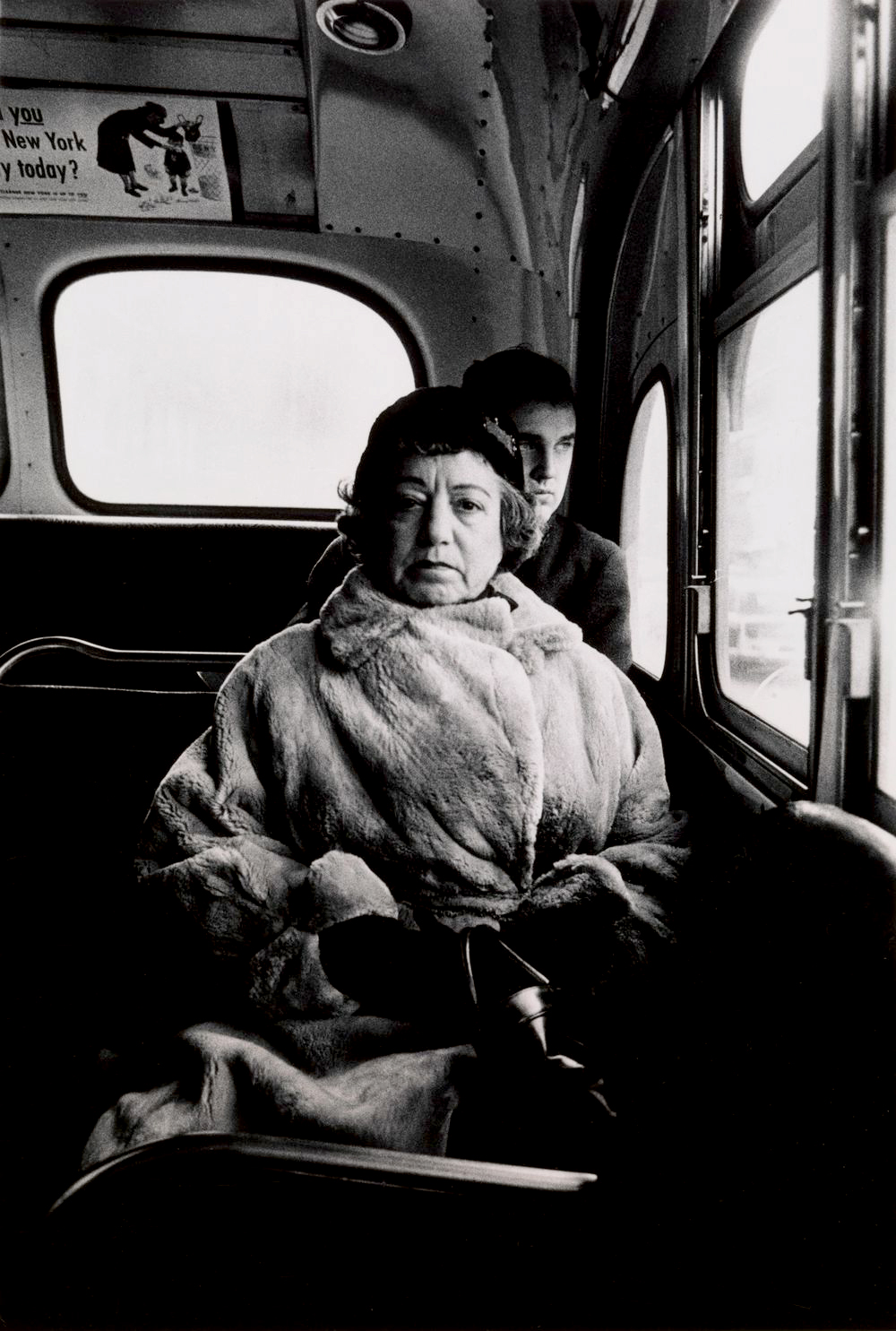
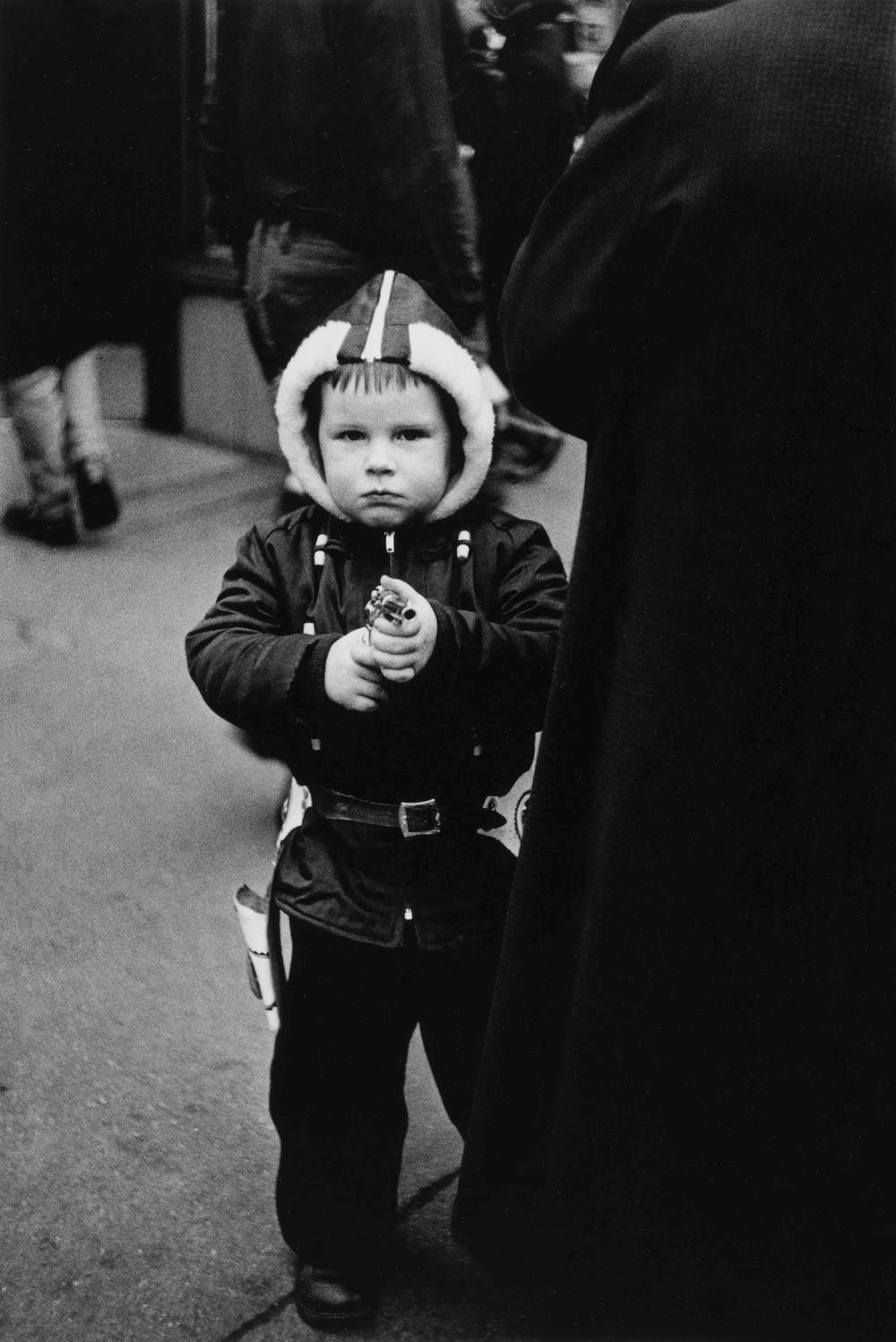
What strikes one when viewing the 35mm photographs is how loose they are in terms of the framing and composition. Most of them could do with a good crop to tighten the image frame. Stripper with Bare Breasts Sitting in Her Dressing Room, Atlantic City, N.J. 1961 would have worked better if the focus had been tightened on the central figure. Similarly, Lady on a Bus, N.Y.C. 1957 works much better as a square image as seen in the feature image for the exhibition (below). Gone is the extraneous frontal detritus which adds nothing to the image. But just feel the intensity of the withering look of the women being projected out of the photograph – it’s as if she could bit your head off at any moment. She’s not a happy camper at being photographed.

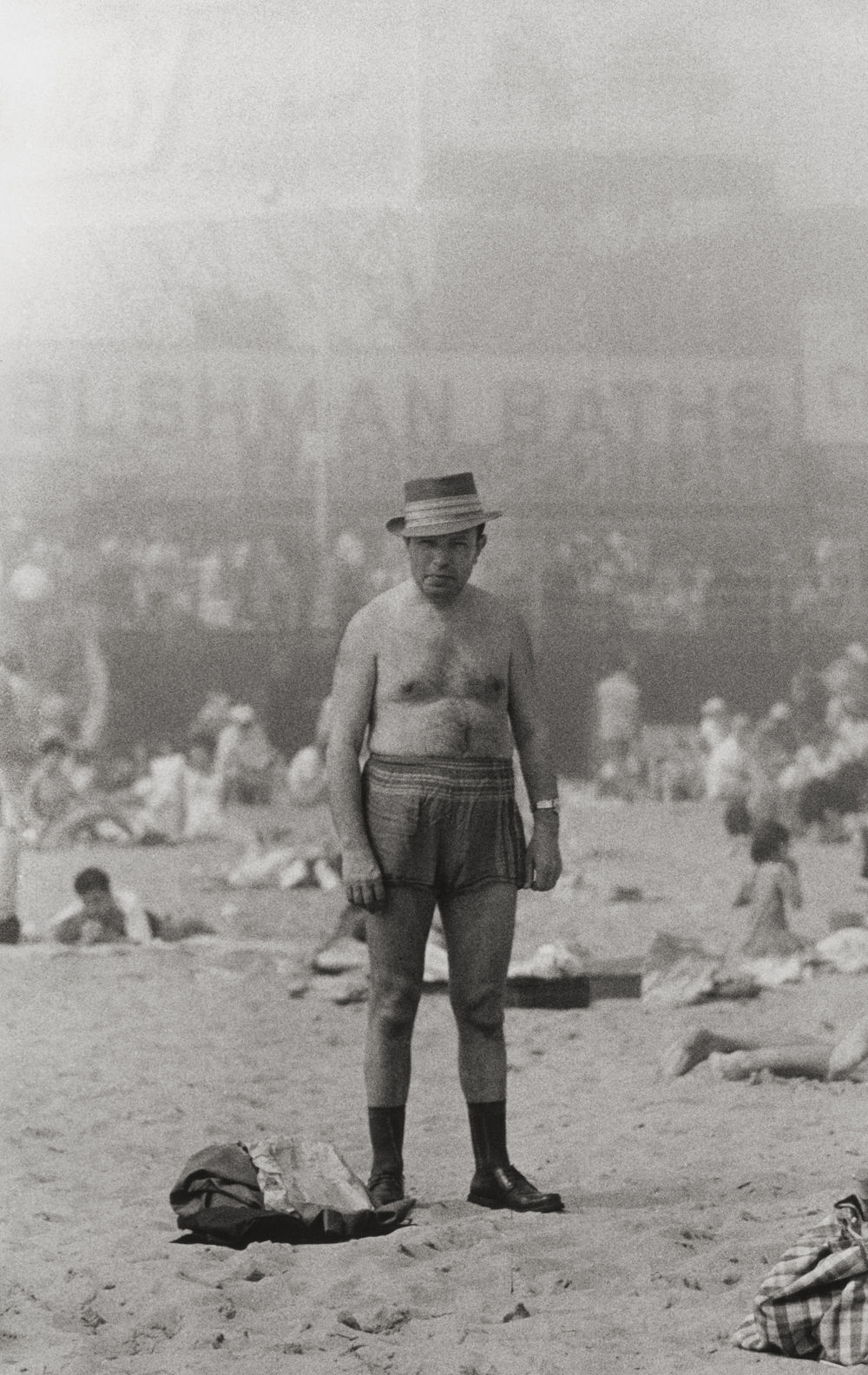
This is Arbus experimenting, feeling out the medium and trying to find her signature voice as an artist. All the later, well known elements are there: keen observation; wonderful timing; a love of intimacy and a formal, visual relationship with the subject; strong central characters; a respect for outsiders; an understanding of the pain of others; and “the poignancy of a direct personal encounter … [and] a passionate interest in the individual.”

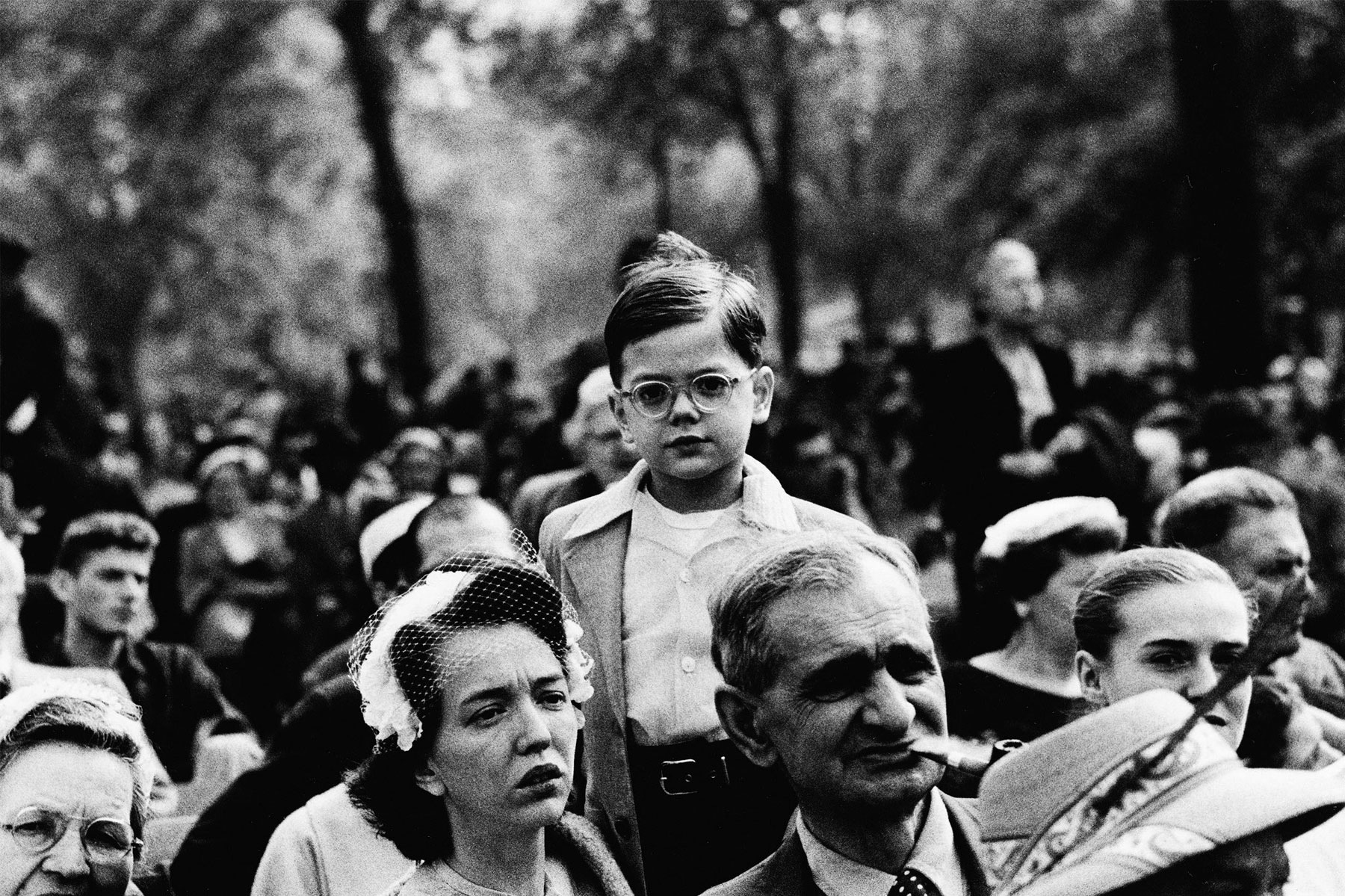
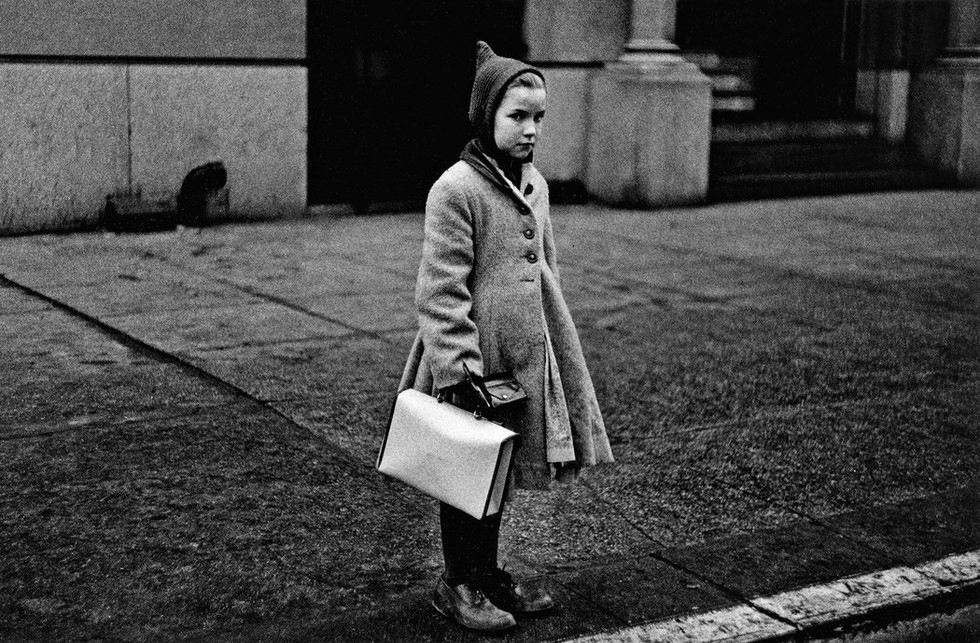
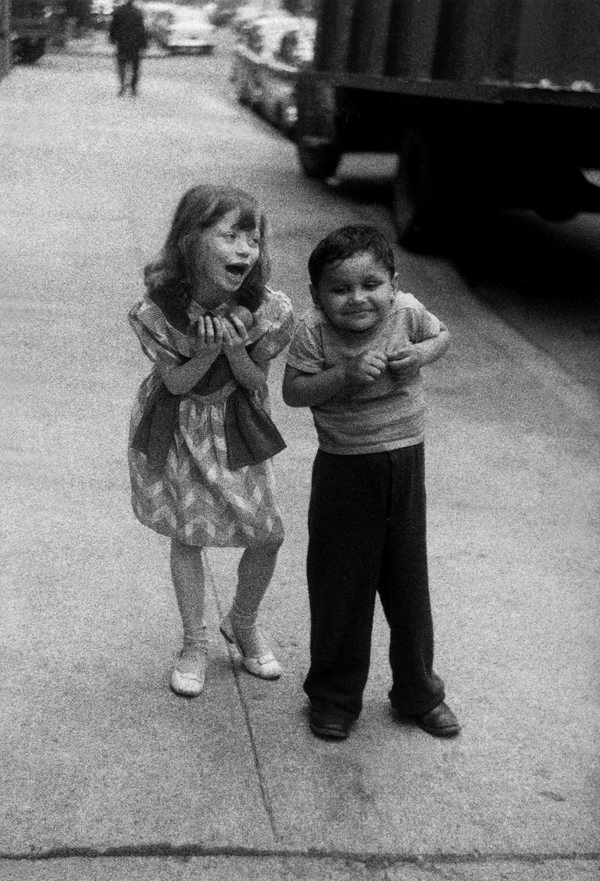
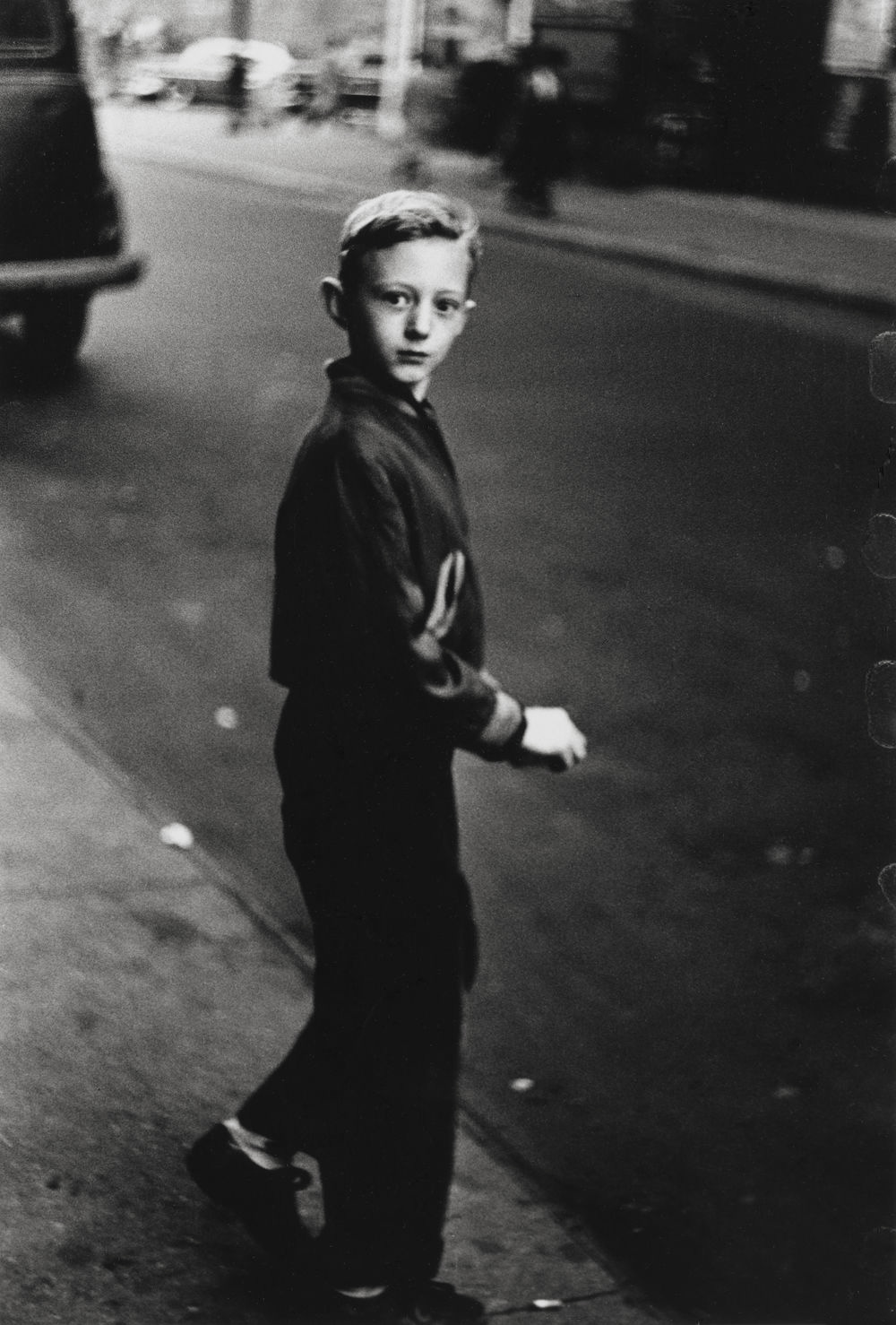
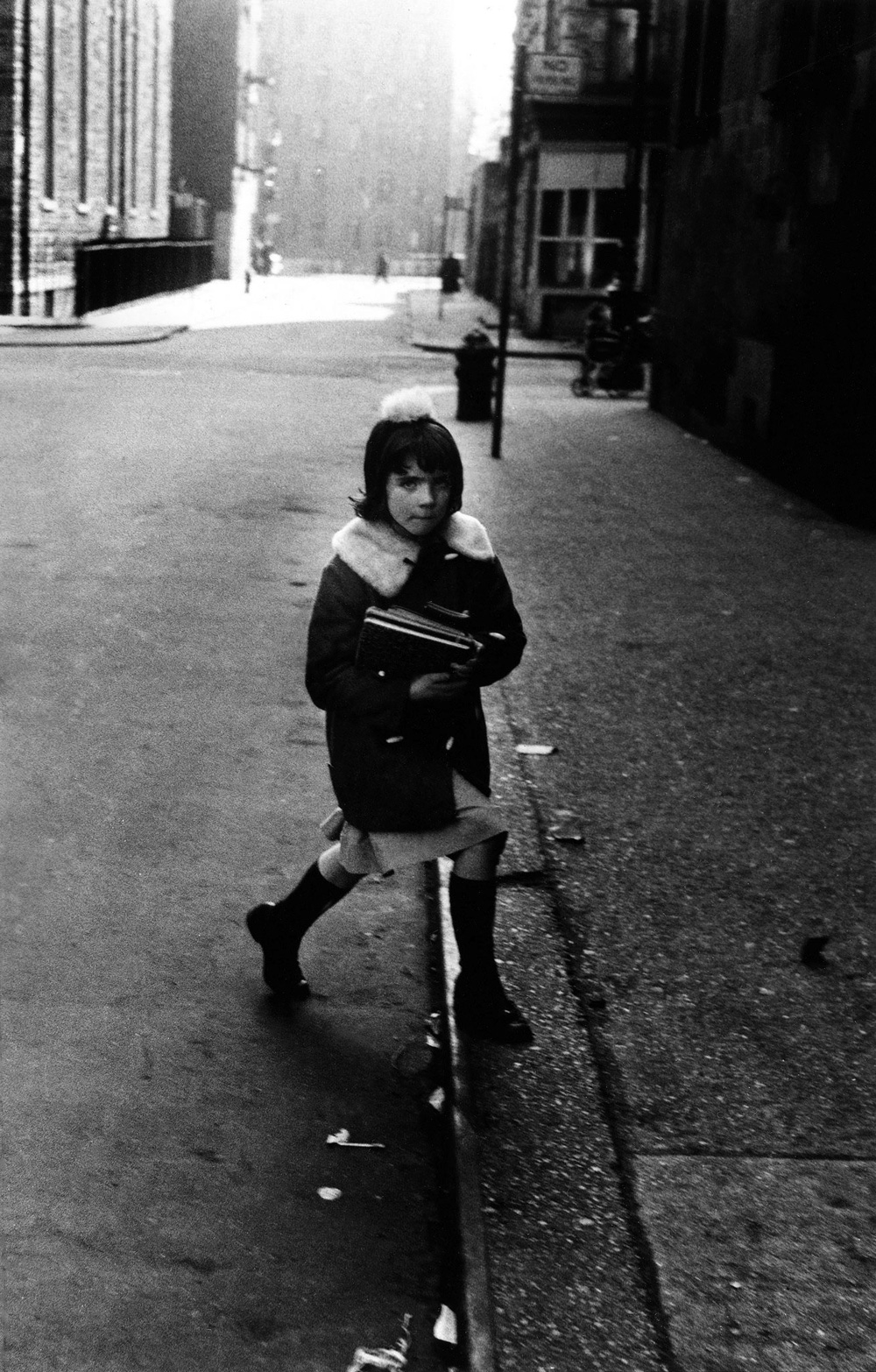
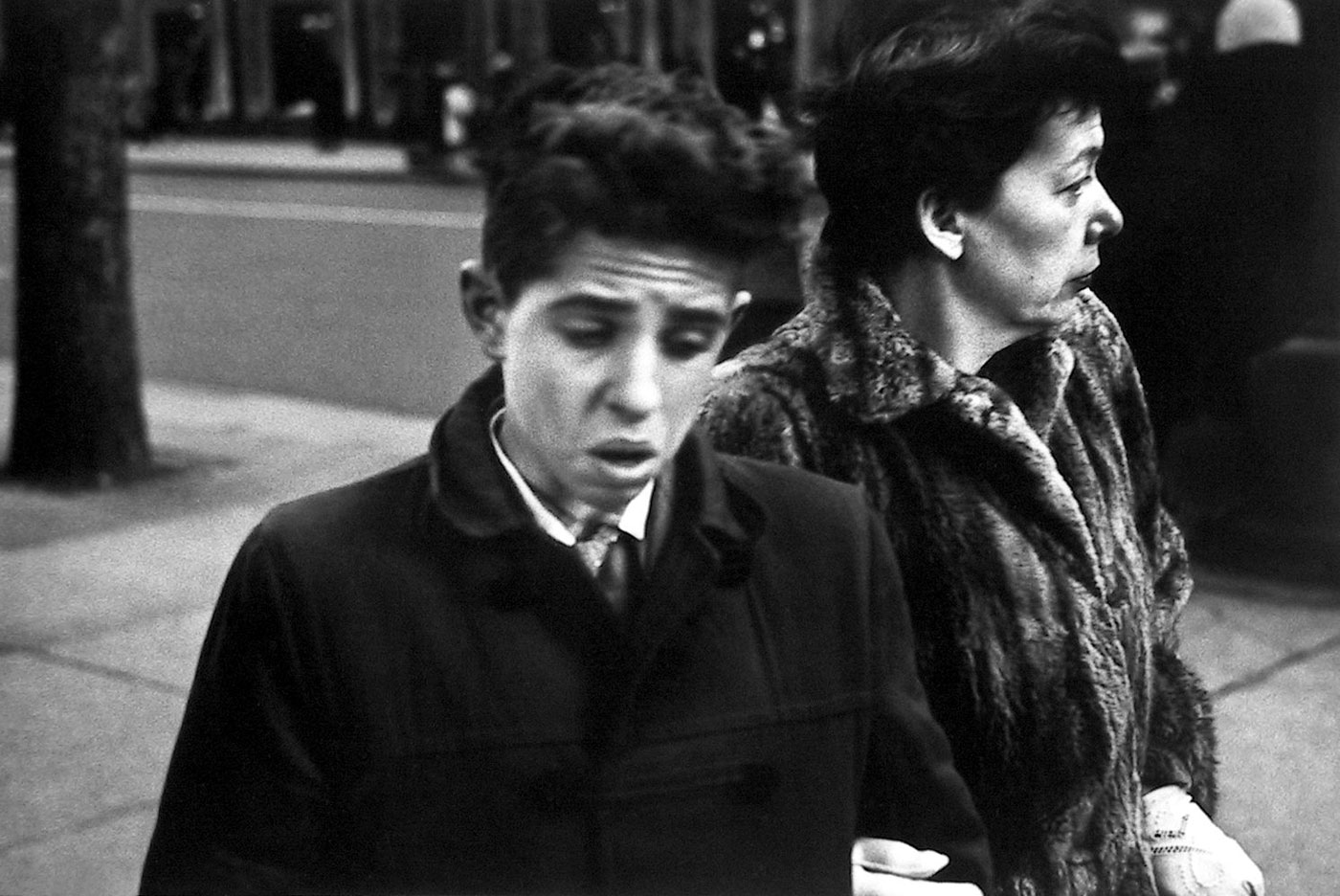
My favourite photographs in this posting are the two images Boy stepping off the curb, N.Y.C. 1957-58 and Girl with schoolbooks stepping onto the curb, N.Y.C., 1957. There is a marvellous insouciance about these photographs, “the divineness in ordinary things” embedded in the innocence of youth. We could be these people caught half-stride in their young lives, lightly stepping onto the pavement of the future. The reciprocal gaze makes us stare, and stare again… for even as those photographs are glimpses, glances of a life they become so much more, long lasting archetypes to which we can all relate. As Arthur Lubow observes citing John Szarkowski, a longtime director of photography at the Museum of Modern Art, “The reciprocal gaze that marks her early photographs would be furthered and intensified in the collaborative form of portraiture in her mature work, done with a medium-format camera. Szarkowski, for one, believed that the sharpness that larger film offered was in keeping with her aim to be both particular and mythic.”

Particular and mythic. How magical.

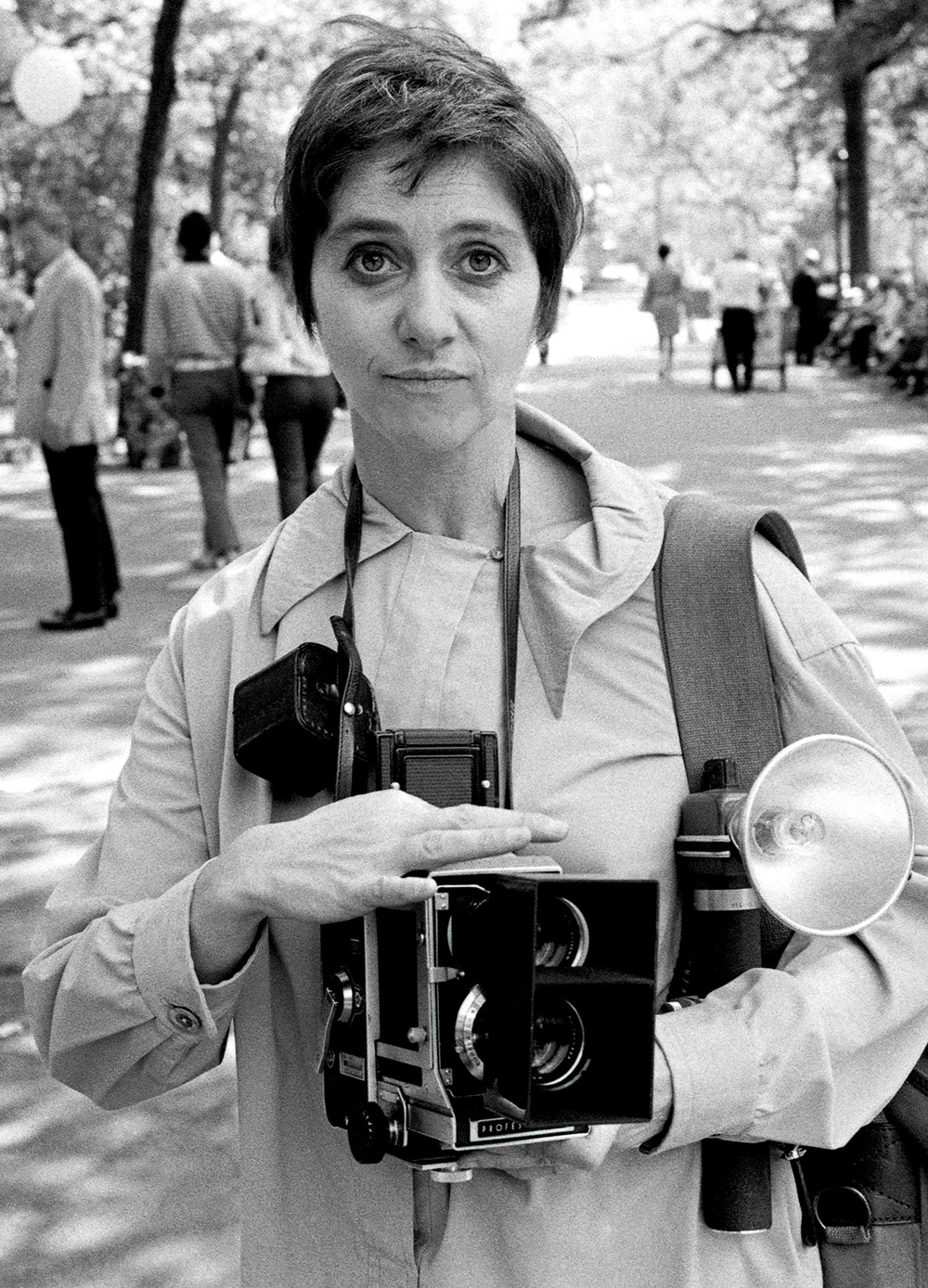
Not only did her work need the sharpness that medium format film offered, what a lot of people forget is that using a medium format camera like a Rollei is a totally different way of seeing the world. This is something that hardly anybody mentions. With a 35mm camera you bring the camera to your face and look through the viewfinder; with a medium format camera such as Arbus’ Rolleiflex or her Mamiya C330 (seen around her neck in a portrait of her in Central Park, below), the camera is held at waist level and you look down into the viewing prism of the camera… and everything is seen in reverse. I remember travelling around the world in 2000 and using a Mamiya C220 and thinking to myself, this is the most amazing experience staring down at the world, moving the camera left and right and the image moving the opposite way to what you think it will move, and then having to account for for parallax in the framing (where the image seen in the viewfinder is not framed the same as the image seen through the lens, because the viewfinder is in a slightly different position to the lens). Even with the one medium format image featured in this posting, I can just feel the different relationship of the camera and photographer to the world – in the format, in the cropping and in the previsualisation of the image. Looking down, back up to the subject, back down into the camera – instead of a horizontal perspective, both a horizontal, vertical and square perspective on the world. It’s all about feeling (in) her work. And you couldn’t really miss her if she wanted to take your photograph… look at all the equipment slung around her neck in her portrait in Central Park: twin lens hoods to stop glare, boom and large flash. She wanted you to know that she was there, to acknowledge her presence.

Arbus intuitively knew what she wanted – the presence of the person and the presence of the photographer acknowledged through a circular, two-way relationship. And we, the viewer, understand that process and acknowledge it. Hence, these photographs are not “apparently artless”, they are the very antithesis of that. They are both a thinking and feeling person’s photography. All of her photographs are intelligent investigations of the human condition which produce an empathic response in the viewer. They are a form of empathic vision in which the viewer is drawn into that magical and transcendent relationship. In my opinion, there has never been anyone like her, before or since: no devotees, followers or disciples (except, perhaps, Mary Ellen Mark). Arbus is one of a kind. She will always be my #1.

Dr Marcus Bunyan


Many thankx to the Metropolitan Museum of Art for allowing me to publish the photographs in the posting. Please click on the photographs for a larger version of the image.


The photographs from her early career reveal that the salient characteristics of her work – its centrality, boldness, intimacy and apparent artlessness – were present in her pictures since the very beginning. Arbus’s creative life in photography after 1962 is well documented and already the stuff of legend; now, for the first time, we can properly examine its origins.


'diane arbus: in the beginning' book cover


“The camera is cruel, so I try to be as good as I can to make things even.”

“I do feel I have some slight corner on something about the quality of things. I mean it’s very subtle and a little embarrassing to me but I really believe there are things which nobody would see unless I photographed them.”

“One thing that struck me early is that you don’t put into a photograph what’s going to come out. Or, vice versa, what comes out is not what you put in.”

“…I would never choose a subject for what it means to me. I choose a subject and then what I feel about it, what it means, begins to unfold.”


Diane Arbus


“I think Arbus was suggesting that just as people are looking at us and we’re looking at them every day, the pictures made us introspective as viewers. They forced us to confront our own identity. And that’s a really beautiful switch, that switcheroo. We’re looking at somebody else but we’re mindful of our voyeurism, and we’re mindful of how we ourselves are presenting. ‘How am I different? How did I become the person I am?’ That’s one of the qualifying elements of an Arbus photograph: that you feel something about you, often something that might not be comfortable.”

“Arbus’s early photographs are wonderfully rich in achievement and perhaps as quietly riveting and ultimately controversial as the iconic images for which she is so widely known. She brings us face-to-face with what she had first glimpsed at the age of 16 – “the divineness in ordinary things” – and through her photographs we begin to see it too.”


Exhibition curator Jeff L. Rosenheim


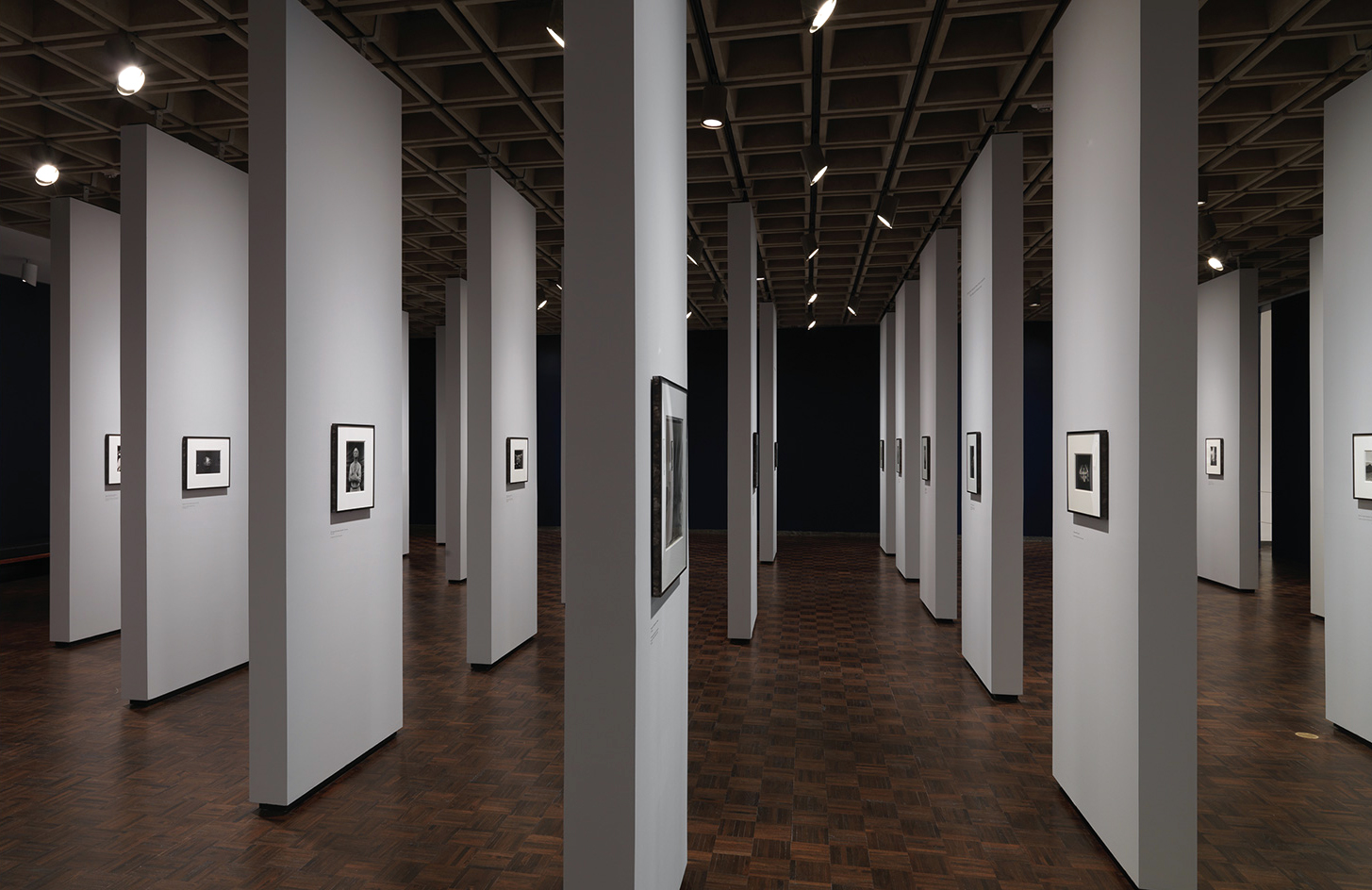
Installation view of the exhibition 'diane arbus: in the beginning' at the Metropolitan Museum of Art, New York

Installation view of the exhibition 'diane arbus: in the beginning' at the Metropolitan Museum of Art, New York

Installation view of the exhibition 'diane arbus: in the beginning' at the Metropolitan Museum of Art, New York


Installation views of the exhibition diane arbus: in the beginning at the Metropolitan Museum of Art, New York


This landmark exhibition features more than 100 photographs that together redefine Diane Arbus (American, 1923-1971), one of the most influential and provocative artists of the 20th century. It focuses on the first seven years of her career, from 1956 to 1962, the period in which she developed the idiosyncratic style and approach for which she has been recognised praised, criticised, and copied the world over.

Arbus made most of her photographs in New York City, where she lived and died, and where she worked in locations such as Times Square, the Lower East Side, and Coney Island. Her photographs of children and eccentrics, couples and circus performers, female impersonators and Fifth Avenue pedestrians are among the most intimate and surprising images of the era.

The majority of the photographs in the exhibition have never before been seen and are part of the Museum’s Diane Arbus Archive, acquired in 2007 by gift and promised gift from the artist’s daughters, Doon Arbus and Amy Arbus. It was only when the archive came to The Met that this remarkable early work came to be fully explored. Arbus’s creative life in photography after 1962 is well documented and already the stuff of legend; now, for the first time, we can properly examine its origins.


Diane Arbus (American, 1923-1971) 'Boy above a crowd, N.Y.C., 1957' 1957 from the exhibition 'diane arbus: in the beginning' at the Metropolitan Museum of Art, New York, July - Nov, 2025


Diane Arbus (American, 1923-1971)
Boy above a crowd, N.Y.C., 1957
1957
Silver gelatin print
© Diane Arbus/The Estate of Diane Arbus LLC


Diane Arbus (American, 1923-1971) 'Girl with a pointy hood and white schoolbag at the curb, N.Y.C. 1957' 1957


Diane Arbus (American, 1923-1971)
Girl with a pointy hood and white schoolbag at the curb, N.Y.C. 1957
1957
Silver gelatin print
© Diane Arbus/The Estate of Diane Arbus LLC


Diane Arbus (American, 1923-1971) 'Empty snack bar, N.Y.C., 1957' 1957


Diane Arbus (American, 1923-1971)
Empty snack bar, N.Y.C., 1957
1957
Silver gelatin print
© Diane Arbus/The Estate of Diane Arbus LLC


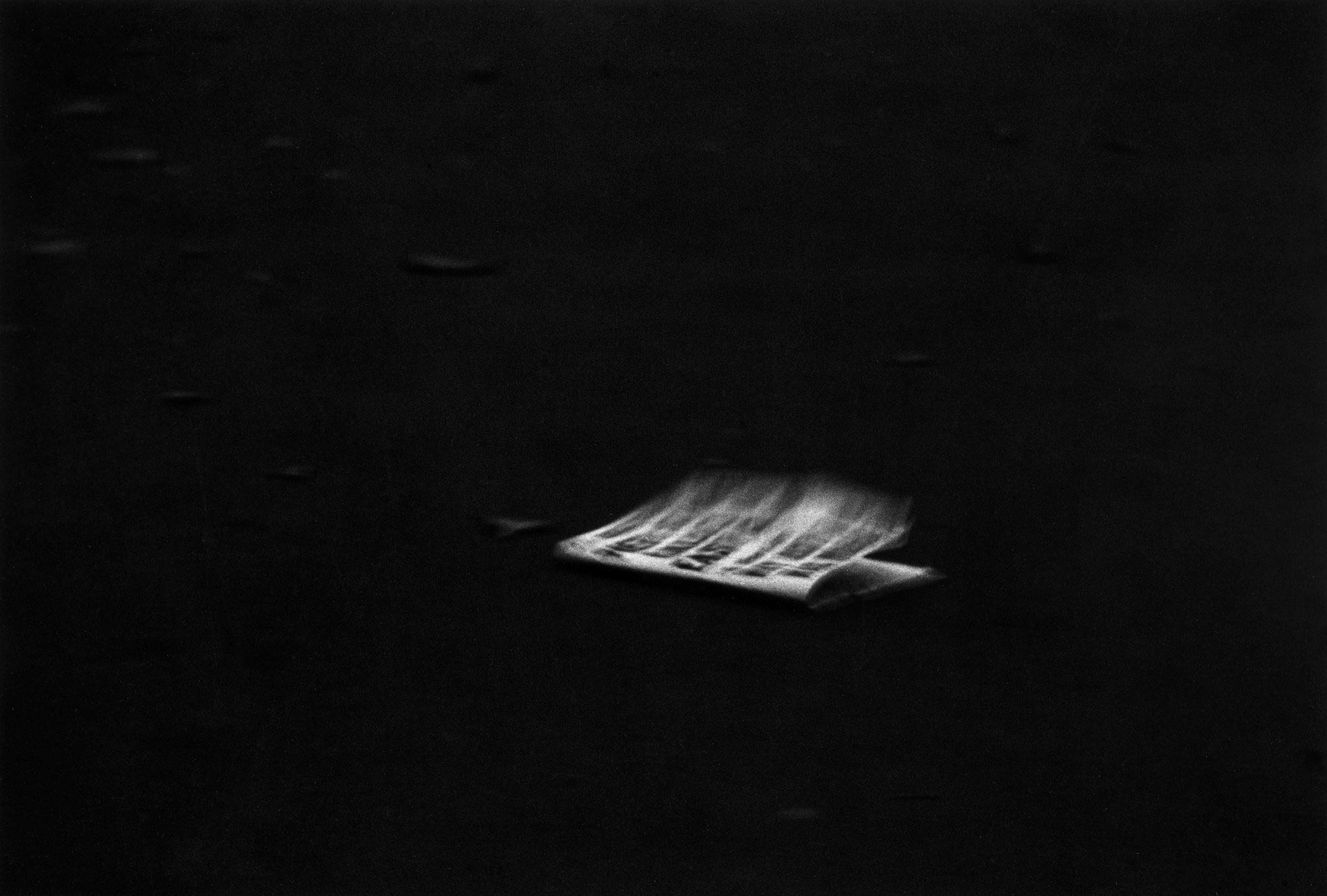
Diane Arbus (American, 1923-1971) 'Windblown headline on a dark pavement, N.Y.C., 1956' 1956


Diane Arbus (American, 1923-1971)
Windblown headline on a dark pavement, N.Y.C., 1956
1956
Silver gelatin print
© Diane Arbus/The Estate of Diane Arbus LLC


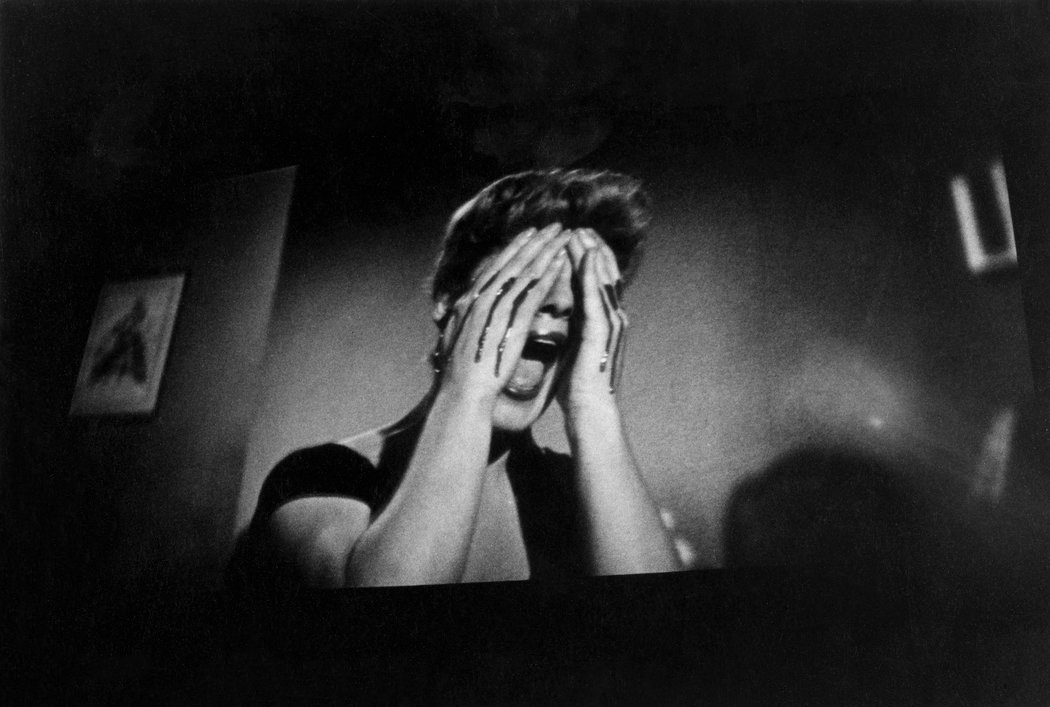
Diane Arbus (American, 1923-1971) 'Screaming woman with blood on her hands, 1961' 1961


Diane Arbus (American, 1923-1971)
Screaming woman with blood on her hands, 1961
1961
Silver gelatin print
© Diane Arbus/The Estate of Diane Arbus LLC


“This is a shot inside a theater, of a movie called ‘Horrors of the Black Museum.’ The woman is using binoculars and when she focuses, daggers come out and blind her.”


As part of the inaugural season at The Met Breuer, diane arbus: in the beginning will open on July 12, featuring more than 100 photographs that together will redefine one of the most influential and provocative artists of the 20th century. This landmark exhibition will highlight never-before-seen early work of Diane Arbus (1923-1971), focusing on the first seven years of her career, from 1956 to 1962 – the period in which she developed the idiosyncratic style and approach for which she has been recognised, praised, criticised, and copied the world over. The exhibition is made possible by the Alfred Stieglitz Society. Additional support is provided by The Horace W. Goldsmith Foundation and the Art Mentor Foundation Lucerne.

“It is a rare privilege to present an exhibition this revelatory, on an artist of Arbus’s stature. More than two-thirds of these works have never before been exhibited or published,” said Thomas P. Campbell, Director and CEO of The Met. “We sincerely thank the Estate of Diane Arbus for entrusting us to show an unknown aspect of this remarkable artist’s legacy with the camera.”

Jeff Rosenheim, Curator in Charge of the Department of Photographs, added, “Arbus’s early photographs are wonderfully rich in achievement and perhaps as quietly riveting and ultimately controversial as the iconic images for which she is so widely known. She brings us face-to-face with what she had first glimpsed at the age of 16 – ‘the divineness in ordinary things’ – and through her photographs we begin to see it too.”

diane arbus: in the beginning focuses on seven key years that represent a crucial period of the artist’s genesis, showing Arbus as she developed her style and honed her practice. Arbus was fascinated by photography even before she received a camera in 1941 at the age of 18 as a present from her husband, Allan, and made photographs intermittently for the next 15 years while working with him as a stylist in their fashion photography business. But in 1956 she numbered a roll of 35mm film #1, as if to claim to herself that this moment would be her definitive beginning. Through the course of the next seven years (the period in which she primarily used a 35mm camera), an evolution took place – from pictures of individuals that sprang out of fortuitous chance encounters to portraits in which the chosen subjects became engaged participants, with as much stake in the outcome as the photographer. This greatly distinguishes Arbus’s practice from that of her peers, from Walker Evans and Helen Levitt to Garry Winogrand and Lee Friedlander, who believed that the only legitimate record was one in which they, themselves, appear to play little or no role. In almost complete opposition, Arbus sought the poignancy of a direct personal encounter.

Arbus made most of her photographs in New York City, where she was born and died, and where she worked in locations such as Times Square, the Lower East Side, Coney Island, and other areas. Her photographs of children and eccentrics, couples and circus performers, female impersonators and Fifth Avenue pedestrians are among the most intimate and surprising images of the era. From the beginning, Arbus believed fully that she had something special to offer the world, a glimpse of its many secrets: “I do feel I have some slight corner on something about the quality of things. I mean it’s very subtle and a little embarrassing to me but I really believe there are things which nobody would see unless I photographed them.”

Nearly half of the photographs that Arbus printed during her lifetime were made between 1956 and 1962, the period covered by this exhibition. At the time of her death in 1971, much of this work was stored in boxes in an inaccessible corner of her basement darkroom at 29 Charles Street in Greenwich Village. These prints remained undiscovered for several years thereafter and were not even inventoried until a decade after her death. The majority of the photographs included in the exhibition are part of the Museum’s vast Diane Arbus Archive, acquired in 2007 by gift and promised gift from the artist’s daughters, Doon Arbus and Amy Arbus. It was only when the archive – a treasury of photographs, negatives, notebooks, appointment books, correspondence, and collections – came to The Metropolitan Museum of Art in 2007 that this seminal early work began to be fully explored.

Among the highlights in the exhibition are lesser-known published works such as Lady on a bus, N.Y.C. 1957, Boy stepping off the curb, N.Y.C. 1957-58, The Backwards Man in his hotel room, N.Y.C. 1961, and Jack Dracula at a bar, New London, Conn. 1961, as well as completely unknown additions to her oeuvre, such as Taxicab driver at the wheel with two passengers, N.Y.C. 1956, Woman with white gloves and a pocket book, N.Y.C. 1956, Female impersonator holding long gloves, Hempstead, L.I. 1959, and Man in hat, trunks, socks and shoes, Coney Island, N.Y. 1960. Included among the selection of six square-format photographs from 1962 is the iconic Child with a toy hand grenade in Central Park, N.Y.C. 1962, a photograph that signals the moment when Arbus turned away from the 35mm camera and started working with the 2 1/4 inch square format Rolleiflex camera, a format that remained a distinctive attribute of her work for the rest of her life. The photographs from her early career reveal that the salient characteristics of her work – its centrality, boldness, intimacy, and apparent artlessness – were present in her pictures since the very beginning. Arbus’s creative life in photography after 1962 is well documented and already the stuff of legend; now, for the first time, we can properly examine its origins.

diane arbus: in the beginning is curated by Jeff L. Rosenheim, Curator in Charge of the Department of Photographs at The Met.

Press release from the Metropolitan Museum of Art


Diane Arbus (American, 1923-1971) 'Child teasing another, N.Y.C., 1960' 1960


Diane Arbus (American, 1923-1971)
Child teasing another, N.Y.C., 1960
1960
Silver gelatin print
© Diane Arbus/The Estate of Diane Arbus LLC


Diane Arbus (American, 1923-1971) 'Boy at the pool hall, N.Y.C., 1959' 1959


Diane Arbus (American, 1923-1971)
Boy at the pool hall, N.Y.C., 1959
1959
Silver gelatin print
© Diane Arbus/The Estate of Diane Arbus LLC


Diane Arbus (American, 1923-1971) 'Child in a nightgown, Wellfleet, Mass., 1957' 1957


Diane Arbus (American, 1923-1971)
Child in a nightgown, Wellfleet, Mass., 1957
1957
Silver gelatin print
© Diane Arbus/The Estate of Diane Arbus LLC


Diane Arbus (American, 1923-1971) 'Woman wearing a mink stole and bow shoes, N.Y.C., 1956' 1956


Diane Arbus (American, 1923-1971)
Woman wearing a mink stole and bow shoes, N.Y.C., 1956
1956
Silver gelatin print
© Diane Arbus/The Estate of Diane Arbus LLC


Diane Arbus (American, 1923-1971) 'Woman with white gloves and a pocket book, N.Y.C. 1956' 1956


Diane Arbus (American, 1923-1971)
Woman with white gloves and a pocket book, N.Y.C. 1956
1956
Silver gelatin print
© Diane Arbus/The Estate of Diane Arbus LLC


“We’re in the isolationist ’50s, and here’s a glamorous woman on Fifth Avenue, wearing gloves, with her pocketbook, but with this anxiety on her face.”


Diane Arbus (American, 1923-1971) 'Lady on a Bus, N.Y.C. 1957' 1957


Diane Arbus (American, 1923-1971)
Lady on a Bus, N.Y.C. 1957
1957
Gelatin silver print
8 1/2 x 5 3/4 in. (21.6 x 14.6cm)
The Metropolitan Museum of Art, New York, Gift of Danielle and David Ganek, 2005
© Diane Arbus/The Estate of Diane Arbus LLC


Jeff L. Rosenheim curator: There are many pictures from her first 50 rolls of film in the show. And you can see for yourself that she is already isolating individuals, pedestrians on Fifth Avenue. She is approaching people, and in almost every instance, it’s one image and the subject is addressing the camera. Arbus did not want to do what almost every one of her peers was doing, which she was highly aware of – she was well versed in the history of the medium; she was taking classes from Lisette Model and she had studied with Berenice Abbott and Alexey Brodovitch. What she took away from that training was this feeling that she could find her subject and they could find her in equal measure. She allowed herself to be vulnerable enough. Helen Levitt used a right-angle viewfinder so her subjects couldn’t see what she was doing. Walker Evans used the folds of his coat to hide his camera on the subway. The style of documentary photography was that you wanted to see but you didn’t want to be seen, and Arbus had a completely different method. It was to use the camera as an expressive device that allows the viewer of the photograph to be implicated by the subject looking directly at the artist.

Randy Kennedy. “The Diane Arbus You’ve Never Seen,” on the New York Times website 26 May 2016 [Online] Cited 25/10/2021


“Arbus is not without her critics and, where some people praise her ability to celebrate the marginalized and glorify the unusual, others see her work as cruel and exploitative. Lubow, however, claims that both stances oversimplify the real complexity of her work, which is perhaps where both he and Jeff Rosenheim, the curator in charge of photography at the Met, take a stab at redefining Arbus, because if we define her solely by the people she photographed, we’re missing the point.

“I think both Jeff and I realized that from the beginning she wanted to capture a moment where she was seeing and being seen, she wanted a reciprocal look,” Lubow says. “Jeff is doing that formally, and showing you that she needed it as an artist, and I’ve tried to show that she needed it as a person. She was motivated to feel and to record the response of her subject to her. That was how she felt real, this was how she felt alive.””

Krystal Grow. “Diane Arbus and the Art of Exchange,” on the Popular Photography website July 15, 2016 [Online] Cited 25/10/2021


“From the very beginning of her career, she was taking photographs to obtain a vital proof – a corroboration of her own existence. The pattern was set early. When she was 15, she described to a friend how she would undress at night in her lit bathroom and watch an old man across the courtyard watch her (until his wife complained). She not only wanted to see, she needed to be seen. As a street photographer, she dressed at times in something attention-grabbing, like a fake leopard-skin coat. She didn’t blend into the background, she jumped out of it. And she fascinated her subjects. “People were interested in Diane, just as interested in her as she was in them,” John Szarkowski, a longtime director of photography at the Museum of Modern Art, once told me…

Diane had a talent for friendship, and she maintained long-term connections with all sorts of people – eccentrics in rooming houses, freaks in sideshows, socialites on Park Avenue. She needed those relationships. But she also relied on filmed verification of her impact on others. The reciprocal gaze that marks her early photographs would be furthered and intensified in the collaborative form of portraiture in her mature work, done with a medium-format camera. Szarkowski, for one, believed that the sharpness that larger film offered was in keeping with her aim to be both particular and mythic.”

Arthur Lubow. “How Diane Arbus Became ‘Arbus’,” on the New York Times website May 26, 2016 [Online] Cited 25/10/2021


Diane Arbus (American, 1923-1971) 'Boy stepping off the curb, N.Y.C. 1957-58' 1957-1958


Diane Arbus (American, 1923-1971)
Boy stepping off the curb, N.Y.C. 1957-58
1957-1958
Silver gelatin print
© Diane Arbus/The Estate of Diane Arbus LLC


Diane Arbus (American, 1923-1971) 'Girl with schoolbooks stepping onto the curb, N.Y.C., 1957' 1957


Diane Arbus (American, 1923-1971)
Girl with schoolbooks stepping onto the curb, N.Y.C., 1957
1957
Silver gelatin print
© Diane Arbus/The Estate of Diane Arbus LLC


Diane Arbus (American, 1923-1971) 'Kid in a hooded jacket aiming a gun, N.Y.C., 1957' 1957


Diane Arbus (American, 1923-1971)
Kid in a hooded jacket aiming a gun, N.Y.C., 1957
1957
Silver gelatin print
© Diane Arbus/The Estate of Diane Arbus LLC


Diane Arbus (American, 1923-1971) 'Man in hat, trunks, socks and shoes, Coney Island, N.Y. 1960' 1960


Diane Arbus (American, 1923-1971)
Man in hat, trunks, socks and shoes, Coney Island, N.Y. 1960
1960
Silver gelatin print
© Diane Arbus/The Estate of Diane Arbus LLC


Diane Arbus (American, 1923-1971) 'The Backwards Man in his hotel room, N.Y.C. 1961' 1961


Diane Arbus (American, 1923-1971)
The Backwards Man in his hotel room, N.Y.C. 1961
1961
Silver gelatin print
© Diane Arbus/The Estate of Diane Arbus LLC


Diane Arbus (American, 1923-1971) 'Stripper with Bare Breasts Sitting in Her Dressing Room, Atlantic City, N.J. 1961' 1961


Diane Arbus (American, 1923-1971)
Stripper with Bare Breasts Sitting in Her Dressing Room, Atlantic City, N.J. 1961
1961
Silver gelatin print
© Diane Arbus/The Estate of Diane Arbus LLC


Diane Arbus (American, 1923-1971) 'Female impersonator holding long gloves, Hempstead, L.I., 1959' 1959


Diane Arbus (American, 1923-1971)
Female impersonator holding long gloves, Hempstead, L.I., 1959
1959
Silver gelatin print
© Diane Arbus/The Estate of Diane Arbus LLC


Diane Arbus (American, 1923-1971) 'Jack Dracula at a bar, New London, Conn. 1961' 1961


Diane Arbus (American, 1923-1971)
Jack Dracula at a bar, New London, Conn. 1961
1961
Silver gelatin print
© Diane Arbus/The Estate of Diane Arbus LLC


I think Arbus was suggesting that just as people are looking at us and we’re looking at them every day, the pictures made us introspective as viewers. They forced us to confront our own identity. And that’s a really beautiful switch, that switcheroo. We’re looking at somebody else but we’re mindful of our voyeurism, and we’re mindful of how we ourselves are presenting. ‘How am I different? How did I become the person I am?’ That’s one of the qualifying elements of an Arbus photograph: that you feel something about you, often something that might not be comfortable.

Randy Kennedy. “The Diane Arbus You’ve Never Seen,” on the New York Times website 26 May 2016 [Online] Cited 25/10/2021


Diane Arbus (American, 1923-1971) 'Elderly Woman Whispering to Her Dinner Partner, Grand Opera Ball, N.Y.C. 1959' 1959


Diane Arbus (American, 1923-1971)
Elderly Woman Whispering to Her Dinner Partner, Grand Opera Ball, N.Y.C. 1959
1959
Silver gelatin print
© Diane Arbus/The Estate of Diane Arbus LLC


Diane Arbus (American, 1923-1971) 'Fire Eater at a Carnival, Palisades Park, N.J. 1957' 1957


Diane Arbus (American, 1923-1971)
Fire Eater at a Carnival, Palisades Park, N.J. 1957
1957
Silver gelatin print
© Diane Arbus/The Estate of Diane Arbus LLC


Diane Arbus (American, 1923-1971) 'Little man biting woman's breast, N.Y.C.' 1958


Diane Arbus (American, 1923-1971)
Little man biting woman’s breast, N.Y.C.
1958
Silver gelatin print
© Diane Arbus/The Estate of Diane Arbus LLC


Diane Arbus (American, 1923-1971) 'Old woman with hands raised in the ocean, Coney Island, N.Y.C.' 1960


Diane Arbus (American, 1923-1971)
Old woman with hands raised in the ocean, Coney Island, N.Y.C.
1960
Silver gelatin print
© Diane Arbus/The Estate of Diane Arbus LLC


Diane Arbus (American, 1923-1971) 'Blonde receptionist behind a picture window, N.Y.C.' 1962


Diane Arbus (American, 1923-1971)
Blonde receptionist behind a picture window, N.Y.C.
1962
Silver gelatin print
© Diane Arbus/The Estate of Diane Arbus LLC


“This is the transition year, when she changed to square format. The receptionist is in a kind of diorama, not one made by the woman but by the culture.”


Diane Arbus in Central Park with her Mamiya Camera in 1967


Diane Arbus in Central Park with her Mamiya Camera (330?) in 1967


Diane Arbus (American, 1923-1971) 'Child with a toy hand grenade in Central Park, N.Y.C. 1962'


Diane Arbus (American, 1923-1971)
Child with a toy hand grenade in Central Park, N.Y.C. 1962
1962
Silver gelatin print


The Metropolitan Museum of Art
1000 Fifth Avenue at 82nd Street
New York, New York 10028-0198
Phone: 212-535-7710

Opening hours:
Sunday – Tuesday and Thursday: 10am – 5pm
Friday and Saturday: 10am – 9pm
Closed Wednesday

The Metropolitan Museum of Art website

LIKE ART BLART ON FACEBOOK

Back to top

Exhibition: ‘Multitude, Solitude: The Photographs of Dave Heath’ at the Philadelphia Museum of Art

Exhibition dates: 19th September – 20th December, 2015

Curators: Keith F. Davis, Senior Curator of Photography at The Nelson-Atkins Museum of Art and Peter Barberie, The Brodsky Curator of Photographs, Alfred Stieglitz Center, Philadelphia Museum of Art


Dave Heath (American, 1931-2016) 'Kansas City, Missouri, March 1967' from the exhibition 'Multitude, Solitude: The Photographs of Dave Heath' at the Philadelphia Museum of Art, Sept - Dec, 2015


Dave Heath (American, 1931-2016)
Kansas City, Missouri, March 1967
1967 (negative); 1968 (print)
Gelatin silver print
7 1/8 x 10 1/2 inches (18.1 x 26.7cm)
The Nelson-Atkins Museum, Kansas City, Missouri: Gift of the Hall Family Foundation


Following on from the magnificent Francesca Woodman, here we have an artist from a previous period who investigates aspects of alienation, despair, loss and hope. These are of the era:

Post-McCarthyism but still caught in that cataclysm / Henri Cartier-Bresson / Irving Penn / Ansel Adams / Saturday Evening Post / Allen Ginsberg / Beat Generation / emerging counterculture of the 1960s.

It is an Americana (the despairing history, geography and culture of the United States) with an elusive meaning and a aesthetic that seems to be tight … but one that can’t stand to be scratched.

While some of the images are memorable (such as Vengeful Sister, Chicago, 1956) there is not much living, lying underneath. Nothing that reveals itself to me over time, that makes me return to the image again and again, for insight and, possibly, refreshment. A little hope and much sadness.

Dr Marcus Bunyan


Many thankx to the Philadelphia Museum of Art for allowing me to publish the photographs in the posting. Please click on the photographs for a larger version of the image.


“City streets were Heath’s first studio: Philadelphia; Chicago; New York, where he came to prominence; and later Toronto. Isolation is a prevailing theme: Subjects gaze cryptically into the camera, their expressions unreadable. Often they stare beyond the frame, lost in thought. Crowds of individuals populate a single location, but don’t interact; disconnected, in their own worlds.

The dispossessed and alienated are Heath’s subjects, and he wrote his autobiography with their images: children with ragged clothes and dirty faces, stone-faced or crying, hardly ever smiling. A sweet-faced girl with tangled hair and huge light eyes stares out from the cover of Heath’s masterwork A Dialogue with Solitude, as if to say, “Here I am,” and nothing more…

Heath, who had to find his way alone, photographed passengers looking out of car windows and riding in elevated trains, going who knows where? Many photos are of just one person, and even the group shots set one occupant apart. Faces are expressionless, but their eyes are full of sorrow, uncertainty, loneliness, fear. We recognise that look: the one we all have when our public mask falls away and our faces betray the thoughts that wake us in the middle of the night.”


Pamela J.  Forsythe. “Alone together,” on the Broad Street Review website October 18, 2015 [Online] Cited 07/09/2015. No longer available online


Dave Heath (American, 1931-2016) 'Berkeley, California, 1964' from the exhibition 'Multitude, Solitude: The Photographs of Dave Heath' at the Philadelphia Museum of Art, Sept - Dec, 2015


Dave Heath (American, 1931-2016)
Berkeley, California, 1964
1964
Gelatin silver print
4 5/8 x 6 13/16 inches (11.7 x 17.3cm)
The Nelson-Atkins Museum, Kansas City, Missouri: Gift of the Hall Family Foundation


Dave Heath (American, 1931-2016) 'Erin Freed, New York City, 1963'


Dave Heath (American, 1931-2016)
Erin Freed, New York City, 1963
1963
Gelatin silver print
7 5/16 x 8 3/4 inches (18.6 x 22.2cm)
The Nelson-Atkins Museum, Kansas City, Missouri: Gift of the Hall Family Foundation


Dave Heath (American, 1931-2016) 'Carl Dean Kipper, Korea, 1953-54'


Dave Heath (American, 1931-2016)
Carl Dean Kipper, Korea, 1953-54
1953-1954
Gelatin silver print
6 3/4 x 9 3/4 inches (17.1 x 24.8cm)
The Nelson-Atkins Museum of Art, Kansas City, Missouri: Gift of Hallmark Cards, Inc.,


Dave Heath (American, 1931-2016) 'Philadelphia, 1952'


Dave Heath (American, 1931-2016)
Philadelphia, 1952
1952
The Nelson-Atkins Museum, Kansas City, Missouri: Gift of the Hall Family Foundation


Experience Dave Heath’s bittersweet vision of modern life in his powerful photographs of loss and hope.

From a crowd gathered in Central Park to solitary figures lost in thought, Dave Heath’s images conjure feelings of alienation and a desire for human connection. Multitude, Solitude highlights the photographer’s black-and-white pictures of the 1950s and 1960s, an intense period of self-discovery and innovation for the artist. During these pivotal years, Heath developed groundbreaking approaches to narrative and image sequence, producing exquisite individual prints, handmade book maquettes, his poetic masterwork, A Dialogue with Solitude, and multimedia slide presentations. His sensitive explorations of loss, pain, love, and hope reveal Heath to be one of the most original photographers of those decades.

This exhibition is the first comprehensive survey of Heath’s deeply personal early work. Abandoned by both his parents by the age of four, Heath lived in Philadelphia foster homes and in an orphanage until the age of sixteen. The turmoil of his childhood profoundly shaped Heath and his artistic vision. Just before his sixteenth birthday, he encountered a poignant photo-essay about foster care in Life magazine, and became intrigued by photography’s potential to transcend simple reportage. Almost entirely self-taught, Heath channeled his feelings of abandonment into a body of work that underscores the importance and difficulties of human contact and interaction. Multitude, Solitude reaffirms Heath’s status as a key figure in twentieth-century photography and highlights his deeply empathetic sensibility.

About the artist

Born in Philadelphia in 1931, Dave Heath became interested in photography as a teenager. In the following years he trained himself in the craft, taking courses in commercial art, working in a photo-processing lab, and studying paintings at the Philadelphia Museum of Art. While stationed in Korea with the US Army, he photographed his fellow soldiers, creating images that are at once candid and subdued. In 1957 Heath moved to New York City and established himself as a major artistic talent.Heath taught at the Dayton Art Institute, Ohio, and Moore College of Art, Philadelphia, before moving in 1970 to Toronto, where he headed the photography program at Ryerson University for many years. His work is in the collections of leading museums, including The Nelson-Atkins Museum of Art, Kansas City, Missouri; the Philadelphia Museum of Art; the Museum of Modern Art, New York; the Art Institute of Chicago; and the National Gallery of Canada, Ottawa.

Heath’s major monograph, A Dialogue with Solitude, was published in 1965 and reprinted in 2000. His work has been included in important historical studies and surveys, such as Robert M. Doty’s Photography in America (1974); John Szarkowski’s Mirrors and Windows: American Photography Since 1960 (1978); James Borcoman’s Magicians of Light: Photographs from the Collection of the National Gallery of Canada (1993); and Keith F. Davis’s An American Century: From Dry-Plate to Digital (1999).

Text from the Philadelphia Museum of Art website


Dave Heath (American, 1931-2016) 'Drowning Scene, Central Park, New York City, 1957'


Dave Heath (American, 1931-2016)
Drowning Scene, Central Park, New York City, 1957
1957
Gelatin silver print
6 3/8 x 9 9/16 inches (16.2 x 24.3cm)
The Nelson-Atkins Museum, Kansas City, Missouri: Gift of the Hall Family Foundation


Dave Heath (American, 1931-2016) 'Drowning Scene, Central Park, New York City, 1957' (detail)


Dave Heath (American, 1931-2016)
Drowning Scene, Central Park, New York City, 1957 (detail)
1957
Gelatin silver print
6 3/8 x 9 9/16 inches (16.2 x 24.3cm)
The Nelson-Atkins Museum, Kansas City, Missouri: Gift of the Hall Family Foundation


Dave Heath (American, 1931-2016) 'Vengeful Sister, Chicago, 1956'


Dave Heath (American, 1931-2016)
Vengeful Sister, Chicago, 1956
1956
Gelatin silver print
7 3/16 x 8 15/16 inches (18.3 x 22.7cm)
The Nelson-Atkins Museum, Kansas City, Missouri: Gift of the Hall Family Foundation


Dave Heath (American, 1931-2016) '7 Arts Coffee Gallery, New York City, 1959'


Dave Heath (American, 1931-2016)
7 Arts Coffee Gallery, New York City, 1959
1959
Gelatin silver print
7 3/4 x 8 3/4 inches
The Nelson-Atkins Museum, Kansas City, Missouri: Gift of the Hall Family Foundation


Dave Heath (American, 1931-2016) 'New York City, 1958-59'


Dave Heath (American, 1931-2016)
New York City, 1958-59
1958-1959
Gelatin silver print
7 x 8 5/8 inches
The Nelson-Atkins Museum, Kansas City, Missouri: Gift of the Hall Family Foundation


Dave Heath (American, 1931-2016) '5th Avenue at 43rd Street, New York City, 1958'


Dave Heath (American, 1931-2016)
5th Avenue at 43rd Street, New York City, 1958
1958
Gelatin silver print
6 1/2 x 9 3/4 inches
The Nelson-Atkins Museum, Kansas City, Missouri: Gift of the Hall Family Foundation


Dave Heath (American, 1931-2016) 'Santa Barbara, California, 1964'


Dave Heath (American, 1931-2016)
Santa Barbara, California, 1964
1964
Gelatin silver print
5 x 7 9/16 inches (12.7 x 19.2cm)
The Nelson-Atkins Museum, Kansas City, Missouri: Gift of the Hall Family Foundation


Dave Heath, (Canadian born United States, 1931-2016) 'Rochester, New York' 1958


Dave Heath (American, 1931-2016)
Rochester, New York, 1958
1958
Gelatin silver print
6 9/16 x 9 13/16 inches (16.7 x 24.9cm)
The Nelson-Atkins Museum, Kansas City, Missouri: Gift of Hallmark Cards, Inc.,


Dave Heath (American, 1931-2016) 'Washington Square, New York City, 1959-1960'


Dave Heath (American, 1931-2016)
Washington Square, New York City, 1959-1960
1959-1960
Gelatin silver print
7 1/2 x 9 1/4 inches
The Nelson-Atkins Museum, Kansas City, Missouri: Gift of the Hall Family Foundation


Forever the outsider

Heath left Philadelphia to serve in the Korean War, where he photographed fellow soldiers and his impressions of war. Soon after his return, he departed for Chicago, where he worked as a photographer’s assistant. He began to assemble handmade books, grouping photos into themed essays and putting text to the images, establishing the template he would use in A Dialogue with Solitude.

Relocating to New York in 1957, Heath studied with photojournalist W. Eugene Smith, refining his photo essay technique and adopting Smith’s practice of making fine art prints of his work. He took photos with available light, in the street and at favourite haunts like Washington Square Park and Seven Arts Coffee Gallery, mounting the Dialogue exhibition in 1963. In that same year, he won his first Guggenheim.

Accepting life on its own terms

When Dialogue went to print in 1965, Heath employed the same editorial control he had with earlier creations, selecting, sizing, and laying out every photo, dictating typeface and size, and selecting text from famous authors, such as William Butler Yeats, Hermann Hesse, and T.S. Eliot. Only in the preface did he use his own words:

“Pressed from all sides by the rapid pace of technological progress and increased authoritarian control, many people are caught up in an anguish of alienation. Adrift and without sense of purpose, they are compelled to engage in a dialogue with the inmost depths of their being in a search for renewal.” He concludes, “What I have endeavoured to convey in my work is not a sense of futility… but an acceptance… that the pleasures and joys of life are fleeting and rare.”

The final sections convey a few of those pleasurable moments: In two photos entitled Chicago (1956), a small boy stands, head thrown back in exultation, and two boys mug for the camera. In Fifth Avenue, New York City (1960), a father snuggles his baby to his face, looking over the child’s head protectively, and in Barbara Freed and Her Son Sean, New York City (1959), a toddler heads toward a pair of outstretched female hands. Heath selected the final excerpt from Eliot’s “Journey of the Magi”:

All this was a long time ago, I remember,
And I would do it again, but set down
This set down
This: were we led all that way for
Birth or Death?


Pamela J.  Forsythe. “Alone together” on the Broad Street Review website October 18, 2015 [Online] Cited 07/09/2015. No longer available online


Dave Heath (American, 1931-2016) 'Greenwich Village, New York City, 1957'


Dave Heath (American, 1931-2016)
Greenwich Village, New York City, 1957
1957
Gelatin silver print
12 5/8 x 9 9/16 inches (32.1 x 24.3cm)
The Nelson-Atkins Museum, Kansas City, Missouri: Gift of the Hall Family Foundation


Dave Heath (American, 1931-2016) 'New York City, 1962'


Dave Heath (American, 1931-2016)
New York City, 1962
1962
Gelatin silver print
10 13/16 x 7 7/16 inches (27.5 x 18.9cm)
The Nelson-Atkins Museum, Kansas City, Missouri: Gift of the Hall Family Foundation


Dave Heath (American, 1931-2016) 'Chicago, 1956'


Dave Heath (American, 1931-2016)
Chicago, 1956
1956
Gelatin silver print
12 9/16 x 8 9/16 inches (31.9 x 21.7cm)
The Nelson-Atkins Museum, Kansas City, Missouri: Gift of the Hall Family Foundation


Dave Heath (American, 1931-2016) 'Chicago, 1956'


Dave Heath (American, 1931-2016)
Chicago, 1956
1956
Gelatin silver print
9 3/4 x 6 5/8 inches
The Nelson-Atkins Museum, Kansas City, Missouri: Gift of the Hall Family Foundation


Dave Heath (American, 1931-2016) 'Chicago, 1956'


Dave Heath (American, 1931-2016)
Chicago, 1956
1956
Gelatin silver print
10 x 8 inches
The Nelson-Atkins Museum, Kansas City, Missouri: Gift of the Hall Family Foundation


Dave Heath (American, 1931-2016) 'Washington Square, New York City, 1960'


Dave Heath (Canadian, born United States, 1931)
Washington Square, New York City, 1960
1960
Gelatin silver print
12 5/8 x 8 5/8 inches (32.1 x 21.9cm)
The Nelson-Atkins Museum, Kansas City, Missouri: Gift of the Hall Family Foundation


Dave Heath (American, 1931-2016) 'Washington Square, New York City, 1958'


Dave Heath (American, 1931-2016)
Washington Square, New York City, 1958
1958
Gelatin silver print
12 5/8 x 8 3/8 inches (32.1 x 21.3cm)
The Nelson-Atkins Museum, Kansas City, Missouri: Gift of the Hall Family Foundation


Dave Heath (American, 1931-2016) 'Howard Crawford, c. 1953-54'


Dave Heath (American, 1931-2016)
Howard Crawford, c. 1953-54
c. 1953-1954
Gelatin silver print
13 1/2 x 9 1/4 inches
The Nelson-Atkins Museum, Kansas City, Missouri: Gift of the Hall Family Foundation


Philadelphia Museum of Art
26th Street and the Benjamin Franklin Parkway
Philadelphia, PA 19130

Opening hours:
Thursday – Monday: 10am – 5pm
Closed Tuesday and Wednesday

Philadelphia Museum of Art website

LIKE ART BLART ON FACEBOOK

Back to top

Exhibition: ‘Everyday Epiphanies: Photography and Daily Life Since 1969’ at The Metropolitan Museum of Art, New York

Exhibition dates: 25th June 2013 – 26th January 2014


John Baldessari (American, 1931-2020) 'Hands Framing New York Harbor' 1971


John Baldessari (American, 1931-2020)
Hands Framing New York Harbor
1971
Gelatin silver print
25.4 x 18cm (10 x 7 1/16 in.)
Purchase, The Horace W. Goldsmith Foundation Gift, through Joyce and Robert Menschel, 1992
Shunk-Kender © Roy Lichtenstein Foundation


Epiphany: a moment in which you suddenly see or understand something in a new or very clear way.

Stephen Shore’s photographs seem the most insightful epiphanies in this posting, picturing as they do “what he ate, the rest stops he visited, the people he met.” In other words, the wor(l)d as he saw it.

Marcus

Many thankx to The Metropolitan Museum of Art, New York for allowing me to publish the photographs in the posting. Please click on the photographs for a larger version of the image.


“With the unspoken rules that exhibitions in the Met’s contemporary photography gallery must be drawn exclusively from the museum’s permanent collection and be organised as surveys of the period from the late 1960s to the present, it’s no wonder that these long running shows are often so broad that their themes seem to dissolve into edited collections of everything. The newest selection of images is tied up under the umbrella of “everyday epiphanies”, a construct that implies a delight in the ordinary, the quotidian, or the familiar, but in fact, reaches outward beyond these routine boundaries to works that have a wide variety of conceptual underpinnings and points of view. With some effort, it’s possible to follow the logic of why each piece has been included here, but when seen together, the diversity of the works on view diminishes the show’s ability to deliver any durable insights… The works that function best inside this theme are those that capture moments of unexpected, elemental elegance, often as a result of the way the camera sees the world.”


Loring Knoblauch. “Everyday Epiphanies: Photography and Daily Life Since 1969 @Met,” on the Collector Daily website August 14, 2013 [Online] Cited 20/01/2014


Martha Rosler (American, b. 1943) 'Semiotics of the Kitchen' 1975 (still)


Martha Rosler (American, b. 1943)
Semiotics of the Kitchen (still)
1975
Video
Purchase, Henry Nias Foundation Inc. Gift, 2010
Courtesy Electronic Arts Intermix (EAI), New York


Jan Groover (American, 1943-2012) 'Untitled' 1980


Jan Groover (American, 1943-2012)
Untitled
1980
Platinum print
19 x 24cm (7 1/2 x 9 7/16 in.)
David Hunter McAlpin Fund, 1981
The Metropolitan Museum of Art
© Jan Groover


Carrie Mae Weems (American, b. 1953) 'Untitled (Man Smoking)' 1990


Carrie Mae Weems (American, b. 1953)
Untitled (Man Smoking)
1990
From the Kitchen Table Series
Gelatin silver print
Image: 71.8 × 71.8cm (28 1/4 × 28 1/4 in.)
Courtesy of the artist and Jack Shainman Gallery, New York


Erica Baum (American, b. 1961)  'Buzzard' 2009


Erica Baum (American, b. 1961) 
Buzzard
2009
Inkjet print
22.9 x 22.9cm (9 x 9 in.)
Purchase, Marian and James H. Cohen Gift, in memory of their son, Michael Harrison Cohen, 2012
The Metropolitan Museum of Art
© Erica Baum


Since the birth of photography in 1839, artists have used the medium to explore subjects close to home – the quotidian, intimate, and overlooked aspects of everyday existence. Everyday Epiphanies: Photography and Daily Life Since 1969, an exhibition of 40 works at The Metropolitan Museum of Art, presents photographs and videos from the last four decades that examine these ordinary moments. The exhibition features photographs by a wide range of artists including John Baldessari, Philip-Lorca diCorcia, Fischli & Weiss, Jan Groover, Robert Gober, Nan Goldin, Elizabeth McAlpine, Gabriel Orozco, David Salle, Robert Smithson, Stephen Shore, and William Wegman, as well as videos by Martha Rosler, Ilene Segalove, Brandon Lttu, and Svetlana and Igor Kopytiansky.

Daily life, as it had been lived in Western Europe and America since the 1950s, was called into question in the late 1960s by a counterculture that rebelled against the prior “cookie-cutter” lifestyle. Everything from feminism to psychedelic drugs to space exploration suggested a nearly infinite array of alternative ways to perceive reality; and artists and thinkers in the ’60s and ’70s proposed a “revolution of everyday life.” A four-part work by David Salle from 1973 exemplifies the artist’s flair for piquant juxtaposition at an early stage in his career. In depicting four women in bathrobes standing before their respective kitchen windows in contemplative states, Salle goes against the grain of feminist orthodoxy – revealing a penchant for courting controversy that he would expand in his later paintings; pasted underneath the black-and-white images of the women are brightly coloured labels of their preferred coffee brands, with the arbitrarily differentiated brands signifying an insufficient substitute for true freedom in the postwar era. Martha Rosler’s bracingly caustic video Semiotics of the Kitchen and Ilene Segalove’s wistfully funny The Mom Tapes complete a trio of works investigating the role of women in a rapidly changing society.

In the 1980s, artists’ renewed interest in conventions of narrative and genre led to often highly staged or produced images that hint at how even our deepest feelings are mediated by the images that surround us. In the wake of the economic crash of the late 1980s, photographers focused increasingly on what was swept under the carpet – the repressed and the taboo. Sally Mann’s Jesse at Five (1987) depicts the artist’s daughter as the central figure, half-dressed, dolled-up, and posed like an adult. Mann often created these frank images of her children and caused some controversy during the culture wars of the late 1980s and early 1990s. However, her photographs of her children are remarkable for the artist’s assured handling of a potentially explosive subject with equanimity and grace.

During the following decade, artists created photographs and videos that confused the real and the imaginary in ways that almost eerily predicted the epistemological quandaries posed by the digital revolution. Meanwhile, a trio of recently made works by Erica Baum, Elizabeth McAlpine, and Brandon Lattu combine process and product in novel ways to comment obliquely on the shifting sands of how we come to know the world in our digital age.

Press release from The Metropolitan Museum of Art website


Jean-Marc Bustamante (French, b. 1952) 'Untitled' 1997


Jean-Marc Bustamante (French, b. 1952) 
Untitled
1997
Chromogenic print
40 x 59cm (15 3/4 x 23 1/4 in.)
Purchase, The Horace W. Goldsmith Foundation Gift, through Joyce and Robert  Menschel, 1999
The Metropolitan Museum of Art
© Jean-Marc Bustamante


Nan Goldin (American, b. 1953) 'Heart-Shaped Bruise, NYC' 1980


Nan Goldin (American, b. 1953)
Heart-Shaped Bruise, NYC
1980
Silver dye bleach print
50.8 x 60.96cm (20 x 24 in.)
Purchase, The Horace W. Goldsmith Foundation Gift, through Joyce and Robert  Menschel, 2001
The Metropolitan Museum of Art
© Nan Goldin, Courtesy Matthew Marks Gallery, New York


Larry Sultan (American, 1946-2009) 'My Father Reading the Newspaper' 1989


Larry Sultan (American, 1946-2009)
My Father Reading the Newspaper
1989
Chromogenic print
Stewart S. MacDermott Fund, 1991
© Larry Sultan


Gabriel Orozco (Mexican, b. 1962) 'Caja vacia de zapatos' (Empty shoebox) 1993


Gabriel Orozco (Mexican, b. 1962)
Caja vacia de zapatos (Empty shoebox)
1993
Silver dye bleach print
31.8 x 46.4cm (12 1/2 x 18 1/4 in.)
Gift of the artist, 1995
The Metropolitan Museum of Art
© Gabriel Orozco


Gabriel Orozco (Mexican born Jalapa Enriquez, b. 1962) 'Vitral' 1998


Gabriel Orozco (Mexican, born Jalapa Enriquez, b. 1962)
Vitral
1998
Silver dye bleach print
40.6 x 50.8cm (16 x 20 in.)
Purchase, The Judith Rothschild Foundation Gift, 1999
© Gabriel Orozco

.

Stephen Shore (American, b. 1947) 'Oklahoma City, Oklahoma' July 9, 1972


Stephen Shore (American, b. 1947)
Oklahoma City, Oklahoma
July 9, 1972
From the series American Surfaces
Chromogenic print
Gift of Weston J. Naef, 1974
© Stephen Shore


As a teenager in the 1960s, Shore was one of two in-house photographers at Andy Warhol’s Factory. During his first cross-country photographic road trip, Shore adopted the catholic approach of his mentor, accepting into his art everything that came along – what he ate, the rest stops he visited, the people he met. He then processed his colour film as “drugstore prints”, the imprecise, colloquial term for the kind of amateur non-specialised snapshots that filled family photo albums. The entire series of 229 prints was shown for the first time in 1974 and acquired by the Metropolitan from that exhibition.


Stephen Shore (American, b. 1947) 'West Palm Beach, Florida' January 1973


Stephen Shore (American, b. 1947)
West Palm Beach, Florida
January 1973
From the series American Surfaces
Chromogenic print
Gift of Weston J. Naef, 1974
© Stephen Shore


Stephen Shore (American, b. 1947) 'Clovis, New Mexico' 1974


Stephen Shore (American, b. 1947)
Clovis, New Mexico
1974
From the series American Surfaces
Chromogenic print
Gift of Weston J. Naef, Jr., 1974
The Metropolitan Museum of Art
© Stephen Shore


The Metropolitan Museum of Art
1000 Fifth Avenue at 82nd Street
New York, New York 10028-0198
Phone: 212-535-7710

Opening hours:
Sunday – Tuesday and Thursday: 10am – 5pm
Friday and Saturday: 10am – 9pm
Closed Wednesday

The Metropolitan Museum of Art website

LIKE ART BLART ON FACEBOOK

Back to top

Exhibition: ‘Detroit 1968: Photographs by Enrico Natali’ at Joseph Bellows Gallery, La Jolla, CA – Part 1

Exhibition dates: 2nd November – 21st December 2013


Enrico Natali (American, b. 1933) 'Spectators at a public demonstration, Detroit, 1968' 1968


Enrico Natali (American, b. 1933)
Spectators at a public demonstration, Detroit, 1968
1968
Gelatin silver print


It takes about five or six photographs. Then, in a light bulb moment, you realise what the artist is doing and how good these images really are.

They stink of humanity!

They are good because the humanity is not something that the photographer has been able to whip around to serve his photography. In fact, because of the milieu in which they were made, he might not have even been aware of it as an outstanding feature. But after looking at contemporary photography, Natali serves up something that is now missing in aces. As a full house in fact.

The strength of these photographs lies in their directness, intimacy and immediacy. The 35mm format adds to latter quality, as does the photographers ability to get his subjects to engage with the process of having their photograph taken. In different contexts, Natali seems to have a wonderful rapport with all sorts of people, whether it be office workers, people at home, students at school or men sitting under hair dryers. The look of the woman with sunglasses fourth in line in the photograph Women’s Convention, Detroit, 1968 (1968, below) is priceless.

Natali never defines his point of departure and just moves around it but in his case it doesn’t matter, for the “humanity” present in his work is obvious. Admittedly, there are elements that Natali borrows from people such as Robert Frank and Diane Arbus. And a photographer such as Lee Friedlander for example, by his intellect / aesthetic, tops the attribute of humanity under a layer of quality and a veneer of fame. But this work has a wonderful presence and substance, a respect for human beings and their worlds and real guts to the work. You can absolutely feel his love for the medium, the craft of photography, and the capturing of these self-contained moments.

Today – all too often (as in most of the photography in the Melbourne Now exhibition) – we have a top layer of aesthetic / intellect etc… but there is rarely anything under it. And that my friends, gives me the shits.

Dr Marcus Bunyan


Many thankx to Joseph Bellows Gallery for allowing me to publish the photographs in the posting. Please click on the photographs for a larger version of the image.


Enrico Natali (American, b. 1933) 'Incident at Bell Isle Park, Detroit, 1968' 1968


Enrico Natali (American, b. 1933)
Incident at Bell Isle Park, Detroit, 1968
1968
Gelatin silver print


Enrico Natali (American, b. 1933) 'Businessmen at a squash match, Detroit, 1968' 1968


Enrico Natali (American, b. 1933)
Businessmen at a squash match, Detroit, 1968
1968
Gelatin silver print


Enrico Natali (American, b. 1933) 'Woman at a gym, Detroit, 1968' 1968


Enrico Natali (American, b. 1933)
Woman at a gym, Detroit, 1968
1968
Gelatin silver print


Enrico Natali (American, b. 1933) 'Husband and wife at home with their youngest child, Detroit, 1968' 1968


Enrico Natali (American, b. 1933)
Husband and wife at home with their youngest child, Detroit, 1968
1968
Gelatin silver print


Enrico Natali (American, b. 1933) 'Office workers, Detroit, 1968' 1968


Enrico Natali (American, b. 1933)
Office workers, Detroit, 1968
1968
Gelatin silver print


Enrico Natali (American, b. 1933) 'Woman in her kitchen with rollers in her hair, Detroit, 1968' 1968


Enrico Natali (American, b. 1933)
Woman in her kitchen with rollers in her hair, Detroit, 1968
1968
Gelatin silver print


Enrico Natali (American, b. 1933) 'Students at school, Detroit, 1968' 1968


Enrico Natali (American, b. 1933)
Students at school, Detroit, 1968
1968
Gelatin silver print


Enrico Natali (American, b. 1933) 'Waitress in an empty restaurant, Detroit, 1968' 1968


Enrico Natali (American, b. 1933)
Waitress in an empty restaurant, Detroit, 1968
1968
Gelatin silver print


Enrico Natali (American, b. 1933) 'High school basketball, Detroit, 1968' 1968


Enrico Natali (American, b. 1933)
High school basketball, Detroit, 1968
1968
Gelatin silver print


Enrico Natali (American, b. 1933) 'Formal cocktail party, Detroit, 1968' 1968


Enrico Natali (American, b. 1933)
Formal cocktail party, Detroit, 1968
1968
Gelatin silver print


Enrico Natali (American, b. 1933) 'Programmer with computer, Detroit, 1968' 1968


Enrico Natali (American, b. 1933)
Programmer with computer, Detroit, 1968
1968
Gelatin silver print


Enrico Natali (American, b. 1933) 'Women's gymnastics class, Detroit, 1968' 1968


Enrico Natali (American, b. 1933)
Women’s gymnastics class, Detroit, 1968
1968
Gelatin silver print


Enrico Natali (American, b. 1933) 'Women's gymnastics class, Detroit, 1968' 1968


Enrico Natali (American, b. 1933)
Couple picnicking, Detroit, 1968
1968
Gelatin silver print


Enrico Natali (American, b. 1933) 'Beauty salon client with a new haircut, Detroit, 1968' 1968


Enrico Natali (American, b. 1933)
Beauty salon client with a new haircut, Detroit, 1968
1968
Gelatin silver print


Enrico Natali (American, b. 1933) 'Men under hairdryers, Detroit, 1968' 1968


Enrico Natali (American, b. 1933)
Men under hairdryers, Detroit, 1968
1968
Gelatin silver print


Enrico Natali (American, b. 1933) 'Shoe repair shop owner, Detroit, 1968' 1968


Enrico Natali (American, b. 1933)
Shoe repair shop owner, Detroit, 1968
1968
Gelatin silver print


Enrico Natali (American, b. 1933) 'Women waiting at a bus stop in the rain, Detroit, 1968' 1968


Enrico Natali (American, b. 1933)
Women waiting at a bus stop in the rain, Detroit, 1968
1968
Gelatin silver print


Enrico Natali (American, b. 1933) 'Women's Convention, Detroit, 1968' 1968


Enrico Natali (American, b. 1933)
Women’s Convention, Detroit, 1968
1968
Gelatin silver print


As the fall of Detroit began, as her middle class American Dreamers began moving to greener pastures, and while the Motor City’s status as one of the shining stars of the industrial revolution began to fade, Detroit became a locus for the racial conflict and political upheaval that swept the country during the late 1960s. Throughout this pivotal moment, Enrico Natali was present, empathically documenting Detroit, her people and their environments, and their lives and conditions in his compelling photographs.

Forty-one years later, Natali’s photographs of Detroit still resonate with hope and emotion, and indeed, have taken on an added pathos. These pictures capture the relative calm before the storm: people attending art exhibitions, sporting events, a high school prom; families posing together for portraits; secretaries smoking their afternoon cigarettes; children, parents and grandparents, workers of every stripe – machinists, waitresses, beauticians – plying their trades with what might be described in retrospect as innocence. The spirits of these nameless faces, young and old, are the ghosts that haunt what is now – very literally – this bankrupt metropolis.

Enrico Natali was born in 1933, in Utica, New York. During the 1960s he lived and photographed in various American cities, including New York, New Orleans, Chicago, and Detroit. At the end of that decade he ceased work as a photographer and began a meditation practice that became his primary focus, as he built a home and raised his family in California’s Los Padres National Forest. In 1990 Natali and his wife Nadia founded the Blue Heron Center for Integral Studies, a Zen meditation center in Ojai, California. A handsome, timely and poignant publication, Detroit 1968, published by Foggy Notion Books, including an essay by Mark Binelli, author of the critically acclaimed Detroit City is the Place to Be (2012, Metropolitan Books), accompanies the exhibition.

Press release from the Joseph Bellows Gallery website


Enrico Natali (American, b. 1933) 'Young woman on a street, Detroit, 1968' 1968


Enrico Natali (American, b. 1933)
Young woman on a street, Detroit, 1968
1968
Gelatin silver print


Enrico Natali (American, b. 1933) 'Warehouse foreman, Detroit, 1968' 1968


Enrico Natali (American, b. 1933)
Warehouse foreman, Detroit, 1968
1968
Gelatin silver print


Enrico Natali (American, b. 1933) 'Community organizer, Detroit, 1968' 1968


Enrico Natali (American, b. 1933)
Community organiser, Detroit, 1968
1968
Gelatin silver print


Enrico Natali (American, b. 1933) 'Opening night at the Detroit Opera, Detroit, 1968' 1968


Enrico Natali (American, b. 1933)
Opening night at the Detroit Opera, Detroit, 1968
1968
Gelatin silver print


Enrico Natali (American, b. 1933) 'Hair stylist smoking, Detroit, 1968' 1968


Enrico Natali (American, b. 1933)
Hair stylist smoking, Detroit, 1968
1968
Gelatin silver print


Enrico Natali (American, b. 1933) 'Boy in a backyard, Detroit, 1968' 1968


Enrico Natali (American, b. 1933)
Boy in a backyard, Detroit, 1968
1968
Gelatin silver print


Enrico Natali (American, b. 1933) 'Young men at a debutante ball, Detroit, 1968' 1968


Enrico Natali (American, b. 1933)
Young men at a debutante ball, Detroit, 1968
1968
Gelatin silver print


Enrico Natali (American, b. 1933) 'Ana Kuzick at home in high chair, Detroit, 1968' 1968


Enrico Natali (American, b. 1933)
Ana Kuzick at home in high chair, Detroit, 1968
1968
Gelatin silver print


Enrico Natali (American, b. 1933) 'Businessman at a press party, Detroit, 1968' 1968


Enrico Natali (American, b. 1933)
Businessman at a press party, Detroit, 1968
1968
Gelatin silver print


Enrico Natali (American, b. 1933) 'Margaret Carpenter at home, Detroit, 1968' 1968


Enrico Natali (American, b. 1933)
Margaret Carpenter at home, Detroit, 1968
1968
Gelatin silver print


Enrico Natali (American, b. 1933) 'William Day, president of Michigan Bell Telephone Company, Detroit, 1968' 1968


Enrico Natali (American, b. 1933)
William Day, president of Michigan Bell Telephone Company, Detroit, 1968
1968
Gelatin silver print


Enrico Natali (American, b. 1933) 'Bolt and nut sorters, Detroit, 1968' 1968


Enrico Natali (American, b. 1933)
Bolt and nut sorters, Detroit, 1968
1968
Gelatin silver print


Enrico Natali (American, b. 1933) 'Executive secretary, Detroit, 1968' 1968


Enrico Natali (American, b. 1933)
Executive secretary, Detroit, 1968
1968
Gelatin silver print


Enrico Natali (American, b. 1933) 'Go-Go dancer, Detroit, 1968' 1968


Enrico Natali (American, b. 1933)
Go-Go dancer, Detroit, 1968
1968
Gelatin silver print


Enrico Natali (American, b. 1933) 'Warehouse worker, Detroit, 1968' 1968


Enrico Natali (American, b. 1933)
Warehouse worker, Detroit, 1968
1968
Gelatin silver print


Enrico Natali (American, b. 1933) 'Trucking company executive, Detroit, 1968' 1968


Enrico Natali (American, b. 1933)
Trucking company executive, Detroit, 1968
1968
Gelatin silver print


Enrico Natali (American, b. 1933) 'Sales meeting in an auditorium, Detroit, 1968' 1968


Enrico Natali (American, b. 1933)
Sales meeting in an auditorium, Detroit, 1968
1968
Gelatin silver print


Enrico Natali (American, b. 1933) 'Elevator operator, Detroit, 1968' 1968


Enrico Natali (American, b. 1933)
Elevator operator, Detroit, 1968
1968
Gelatin silver print


Joseph Bellows Gallery
7661 Girard Avenue
La Jolla, CA 92037
Phone: (858) 456-5620

Opening hours:
Tuesday – Saturday 11am – 5pm

Joseph Bellows Gallery website

LIKE ART BLART ON FACEBOOK

Back to top

Exhibition: ‘Garry Winogrand. Women are beautiful’ at Fundació Foto Colectania, Barcelona

Exhibition dates: 23rd February – 4th June 2011


Many thankx to Fundació Foto Colectania for allowing me to publish the photographs in the posting. Please click on the photograph for a larger version of the image.


Garry Winogrand (American, 1928-1984) 'Centennial Ball, Metropolitan Museum' New York, 1969


Garry Winogrand (American, 1928-1984)
Centennial Ball, Metropolitan Museum
New York, 1969, printed 1981
Silver gelatin print
22 x 33cm
© The Estate of Garry Winogrand, courtesy Fraenkel Gallery, San Francisco


Garry Winogrand (American, 1928-1984) 'Untitled', New York, 1965


Garry Winogrand (American, 1928-1984)
Untitled
New York, 1965, printed 1981
Silver gelatin print
22 x 33cm
© The Estate of Garry Winogrand, courtesy Fraenkel Gallery, San Francisco


Garry Winogrand (American, 1928-1984) 'Untitled', New York, 1968


Garry Winogrand (American, 1928-1984)
Untitled
New York, 1968, printed 1981
Silver gelatin print
22 x 33cm
© The Estate of Garry Winogrand, courtesy Fraenkel Gallery, San Francisco


Foundation Foto Colectania presents for the first time in Barcelona the famous series Women Are Beautiful by Garry Winogrand.

Garry Winogrand is considered one of the greatest innovators of photography of the twentieth-century in America. He knew like no other how to capture the social transformation of females in the 60’s and 70’s through his portraits of women who stand as an allegory of women’s emancipation and their new role in society. The Foundation Foto Colectania presents his series Women Are Beautiful, including 85 photographs taken between 1960 and 1975 and collected in the book with the same title by the legendary director of photography at the MoMA, John Szarkowski. The exhibition from the collection of Lola Garrido, is part of the programming line of the foundation which is dedicated to authors who changed the course of the history of photography. The exhibition can be seen in Barcelona until June 4, 2011. In the 60’s ended the era of big images as symbols of timeless truths, by the devastating influence first from Walker Evans, and later from Robert Frank and William Klein. The pictures are focused on the reflection of reality, no retouching or other ideas added. Garry Winogrand and Lee Friedlander represent “the new American style” which broke new ground in the so-called Street Photography.

Winogrand combines spontaneity with an apparent confusion, which is more than aware of the complexity of the photography world: “I photograph to see what the world looks like in photographs.” The presence of human beings, contrasting with the crowds and the streets in his photographs reveals a new way of looking, in which the anarchy results in a wealth of shapes and structures. The biased and cold style of Winogrand is associated with Abstract Expressionism and its sharp diagonals are similar to paint brush strokes of those years. If the photographer Robert Frank was critical of the 50’s, Garry Winogrand is one of the largest photographers of the 60’s.

Press release from the Fundació Foto Colectania website


Garry Winogrand (American, 1928-1984) 'World's Fair', New York, 1964


Garry Winogrand (American, 1928-1984)
World’s Fair
New York, 1964, printed 1981
Silver gelatin print
22 x 33cm
© The Estate of Garry Winogrand, courtesy Fraenkel Gallery, San Francisco


Garry Winogrand (American, 1928-1984) 'New York City' 1967, printed 1981


Garry Winogrand (American, 1928-1984)
New York City
1967, printed 1981
Silver gelatin print
22 x 33cm
© The Estate of Garry Winogrand, courtesy Fraenkel Gallery, San Francisco


Garry Winogrand (American, 1928-1984) 'Central Park, New York' 1968, printed 1981


Garry Winogrand (American, 1928-1984)
Central Park, New York
1968, printed 1981
Silver gelatin print
22 x 33cm
© The Estate of Garry Winogrand, courtesy Fraenkel Gallery, San Francisco


Garry Winogrand (American, 1928-1984) 'Untitled' New York, c. 1970, printed 1981


Garry Winogrand (American, 1928-1984)
Untitled
New York, c. 1970, printed 1981
Silver gelatin print
22 x 33cm
© The Estate of Garry Winogrand, courtesy Fraenkel Gallery, San Francisco


Garry Winogrand (American, 1928-1984) 'New York' 1961, printed 1981


Garry Winogrand (American, 1928-1984)
New York
1961, printed 1981
Silver gelatin print
33 x 22cm
© The Estate of Garry Winogrand, courtesy Fraenkel Gallery, San Francisco


Garry Winogrand (American, 1928-1984) 'Untitled', New York, 1969


Garry Winogrand (American, 1928-1984)
Untitled
New York, 1969, printed 1981
Silver gelatin print
33 x 22cm
© The Estate of Garry Winogrand, courtesy Fraenkel Gallery, San Francisco


Garry Winogrand (American, 1928-1984) 'Untitled', New York, 1968


Garry Winogrand (American, 1928-1984)
Untitled
New York, 1968, printed 1981
Silver gelatin print
33 x 22 cm
© The Estate of Garry Winogrand, courtesy Fraenkel Gallery, San Francisco


Fundació Foto Colectania
Julián Romea 6, D2
08006
Barcelona

Opening hours:
Wednesday to Saturday: 11am – 2.30pm and 4pm – 8 pm
Sunday: 11am – 3pm

Fundació Foto Colectania website

LIKE ART BLART ON FACEBOOK

Back to top

Exhibition: ‘Diane Arbus’ at the National Museum of Wales, Cardiff

Exhibition dates: 9th May – 31st August, 2009


Diane Arbus (American, 1923-1971) 'Tattooed Man at a Carnival, Md.' 1970 from the exhibition 'Diane Arbus' at the National Museum of Wales, Cardiff, may-  Aug, 2009


Diane Arbus (American, 1923-1971)
Tattooed Man at a Carnival, Md.
1970
Gelatin silver print
15 x 14 5/8 in. (38.3 x 37.3 cm)


Diane Arbus is one of my favourite photographs – how I would love to see this exhibition!

I have posted some photographs from the exhibition, including all ten images from the Box of Ten 1971 that features in the show.

Dr Marcus Bunyan


Many thankx to the National Museum of Wales for allowing me to publish the photographs in the posting. Please click on the photographs for a larger version of the image.


“A photograph is a secret about a secret. The more it tells you, the less you know.”


Diane Arbus


Diane Arbus (American, 1923-1971) 'A young man in curlers at home on West 20th St., N.Y.C. 1966' 1966 from the exhibition 'Diane Arbus' at the National Museum of Wales, Cardiff, may-  Aug, 2009


Diane Arbus (American, 1923-1971)
A young man with curlers at home on West 20th Street, N.Y.C.
1966
Gelatin silver print


One of National Museum Cardiff’s main art exhibitions in 2009 reveals the work of legendary New York photographer Diane Arbus (1923 -1971), who transformed the art of photography. Diane Arbus, which comprises 69 black and white photographs including the rare and important portfolio of ten vintage prints: Box of Ten, 1971, is one of the best collections of Arbus’s work in existence. A large selection of these images will be on display at the Museum from 9 May until 31 August 2009.

Capturing 1950s and 1960s America, Arbus is renowned for portraits of people who were then classed on the outskirts of society nudists, transvestites, circus performers and zealots. In one of her most famous works, Identical Twins, Roselle, NJ of 1967, the twins are photographed as if joined at the shoulder and hip with only three arms between them.

Her powerful, sometimes controversial, images often frame the familiar as strange and the strange or exotic as familiar. This singular vision and her ability to engage in such an uncompromising way with her subjects has made Arbus one of the most important and influential photographers of the twentieth century.

This singular vision and her ability to engage in such an uncompromising way with her subjects has made Arbus one of the most important and influential photographers of the twentieth century.

Text from the National Museum of Cardiff website [Online] Cited 18/05/2009. No longer available online


Diane Arbus (American, 1923-1971) 'A Jewish Giant at home with his parents in the Bronx' 1967


Diane Arbus (American, 1923-1971)
A Jewish Giant at home with his parents in the Bronx
1967
Gelatin silver print


From 1969 to 1971 Arbus was absorbed in the creation of a limited edition portfolio, A box of ten photographs. The portfolio was intended to present her work as an artist in the manner of the special print editions offered by new artists’ presses such as Crown Point and Universal Limited Art Editions (ULAE). This group of pictures and its presentation was a very conscious statement of what she stood for, and how she regarded her own photography. The pictures range from the relatively early ones of the Nudists in their summer home and Xmas tree in a living room in Levittown, L.I., both of 1963; through the now iconic Identical twins, Roselle, N.J., 1967 and Westchester Couple sunning themselves on their lawn, to the later pictures of the Jewish giant, the Mexican Dwarf in his hotel room, N.Y.C. and the King and Queen of a senior citizens’ dance, N.Y.C., all of 1970. There is clearly an attempt to be representative of the general idea, the larger plan behind her work. There is also a significant stylistic range, from the graceful daylight in the picture of the older couple in the nudist camp, to the later picture of the elderly king and queen, whom she photographed with sharp flash. She included Xmas tree, a work without human subjects. The prints for this portfolio were selected three years after the New Documents exhibition, before there was thought of another show. But the pictures constituted a kind of exhibition in and of themselves, to be examined one at a time, rather than all at once. From her letters, we know that the idea of a clear box was very important; it was to serve as both a container and a display case allowing the owner to reorder and display the pictures easily. Just as she had wanted the black border of the print to show in the New Documents exhibition, here she wished to exhibit the entire print as it appeared on the photographic paper …

Most of the pictures in the portfolio either depict families or refer to the family. Even the corner of the cellophane-looking room in Levittown is made by peering over the two outstretched arms of a family armchair, posed like the trousered knees of the empty chair in the picture of the Jewish giant. The idea of the family album was a private but expressive metaphor for her. As in a family album, each member is part of the larger group; they are related, perhaps even tolerated, and harmony may be rare and perhaps even uninteresting. But they are all considered with the same intelligent and human regard. She photographed the Jewish giant as a mythic figure, enclosed in a modest Bronx living room, an unconventional member of an otherwise conventional family: ‘I know a Jewish giant who lives in Washington Heights or the Bronx with his little parents. He is tragic with a curious bitter somewhat stupid wit. The parents are orthodox and repressive and classic and disapprove of his carnival career…They are truly a metaphorical family. When he stands with his arms around each he looks like he would gladly crush them. They fight terribly in an utterly typical fashion which seems only exaggerated by their tragedy… Arrogant, anguished, even silly.’

Sandra S. Phillips, senior curator of photography at the San Francisco Museum of Modern Art from the book Diane Arbus Revelations.1

1/ Phillips, Sandra. “The Question of Belief,” in Diane Arbus Revelations. London: Random House, 2003, pp. 66-67.


Diane Arbus (American, 1923-1971) 'Mexican dwarf in his hotel room N.Y.C. 1970' 1970


Diane Arbus (American, 1923-1971)
Mexican Dwarf in his hotel room, N.Y.C.
1970
Gelatin silver print


Diane Arbus (American, 1923-1971) 'Xmas tree in a living room in Levittown, L.I. 1963' 1963


Diane Arbus (American, 1923-1971)
Xmas tree in a living room in Levittown, L.I.
1963
Gelatin silver print


Diane Arbus (American, 1923-1971) 'Identical twins, Roselle, N.J., 1966' 1966


Diane Arbus (American, 1923-1971)
Identical twins, Roselle, N.J.
1967
Gelatin silver print


Diane Arbus (American, 1923-1971) 'King and Queen of a senior citizens' dance, N.Y.C.' 1970


Diane Arbus (American, 1923-1971)
King and Queen of a senior citizens’ dance, N.Y.C.
1970
Gelatin silver print


Diane Arbus (American, 1923-1971) 'A family on their lawn one Sunday in Westchester, N.Y.,' 1968


Diane Arbus (American, 1923-1971)
A family on their lawn one Sunday in Westchester, N.Y., 1968
1968
Gelatin silver print


Diane Arbus (American, 1923-1971) 'Retired man and his wife at home in a nudist camp one morning, N.J.' 1963


Diane Arbus (American, 1923-1971)
Retired man and his wife at home in a nudist camp one morning, N.J.
1963
Gelatin silver print


Diane Arbus (American, 1923-1971) 'Boy with a straw hat waiting to march in a pro-war parade, N.Y.C., 1967' 1967


Diane Arbus (American, 1923-1971)
Boy with a straw hat waiting to march in a pro-war parade, N.Y.C., 1967
1967
Gelatin silver print


Diane Arbus (American, 1923-1971) 'A young Brooklyn family going for a Sunday outing, NYC., 1966' 1966


Diane Arbus (American, 1923-1971)
A young Brooklyn family going for a Sunday outing, NYC., 1966
1966
Gelatin silver print


Diane Arbus (American, 1923-1971) 'A child crying, N.J.' 1967


Diane Arbus (American, 1923-1971)
A child crying, N.J.
1967
Gelatin silver print


Diane Arbus (American, 1923-1971) 'A young man and his pregnant wife in Washington Square Park, N.Y.C., 1965' 1965


Diane Arbus (American, 1923-1971)
A young man and his pregnant wife in Washington Square Park, N.Y.C., 1965
1965
Gelatin silver print


Diane Arbus (American, 1923-1971) 'Untitled (1)' 1970-1971


Diane Arbus (American, 1923-1971)
Untitled (1)
1970-1971
Gelatin silver print


Diane Arbus (American, 1923-1971) 'Untitled (1)' 1970-1971


Diane Arbus (American, 1923-1971)
Untitled
1970-1971
Gelatin silver print


National Museum of Wales, Cardiff
Cathays Park, Cardiff CF10 3NP

Opening hours:
Tuesday – Sunday, 10 – 5pm

National Museum of Wales website

LIKE ART BLART ON FACEBOOK

Back to top

Exhibition: ‘Hyper’ by Denis Darzacq at Australian Centre for Photography (ACP), Sydney

Exhibition dates: 13th March – 12th April, 2009


Denis Darzacq (French, b. 1961) 'Hyper #4' 2007 from the exhibition 'Hyper' by Denis Darzacq at Australian Centre for Photography (ACP), Sydney, March - April, 2009


Denis Darzacq (French, b. 1961)
Hyper #4
2007


These images form an interesting body of work: levitating bodies suspended between heaven and earth, neither here nor there, form a hyper-real image grounded in the context of the fluorescent isles of French supermarkets. The mainly anonymous humans look like mannequins in their inertness, frozen at the moment of throwing themselves/being thrown into the consumer environment. After his brilliant series La Chute (The Fall) Darzacq has taken people gathered in a casting call from around the town of Rouen and made their frozen bodies complicit in the mass production of the supermarket and the mass consumption of the image as tableaux vivant: the mise en scène directed by the photographer to limited effect. There is something unsettling about these images but ultimately they are unrewarding, as surface as the environment the bodies are suspended in, and perhaps this is the point.

Suspension of bodies is not a new idea in photography. Jacques Henri Lartigue used the freeze frame to good effect long before Henri Cartier-Bresson came up with his ‘decisive moment’: playing with the effect of speed and gravity in an era of Futurism, Lartigue used the arrested movement of instant photography then afforded by smaller cameras and faster film to capture the spirit of liberation in the ‘Belle Epoque’ period before the First World War.

“All the jumping and flying in Lartigue’s photographs, it looks like the whole world at the turn of the century is on springs or something. There’s a kind of spirit of liberation that’s happening at the time and Lartigue matches that up with what stop action photography can do at the time, so you get these really dynamic pictures. And for Lartigue part of the joke, most of the time, is that these people look elegant but they are doing these crazy stunts.”1


One of the greatest, if not the greatest ever, series of photographs of levitating bodies is that by American photographer Aaron Siskind. Called Pleasures and Terrors of Levitation (sometimes reversed as Terrors and Pleasures of Levitation as on the George Eastman House website) the images feature divers suspended in mid-air with the sky as their blank, background canvas. The images formal construction makes the viewer concentrate on the state of the body, its positioning in the air, and the look on the face of some of the divers caught between joy and fear.

“Highly formal, yet concerned with their subject as well as the idea they communicate, the ‘Pleasures and Terrors of Levitation’ photographs depict the dark shapes of divers suspended mid-leap against a blank white sky. Shot with a hand-held twin-lens reflex camera at the edge of Lake Michigan in Chicago, the balance and conflict suggested by the series’ title is evident in the divers’ sublime contortions.”2


Perhaps because of their air of balance and conflict we can return to these vibrant images again and again and they never loose their freshness, intensity and wonder. The same cannot be said of Denis Darzacq’s Hyper photographs. Slick and surface like the consumer society on which they comment the somnambulistic bodies are more like floating helium balloons, perhaps even tortured souls leaving the earth. Reminiscent of the magicians trick where the girl is suspended and a hoop passed around her body to prove the suspension is real these photographs really are more smoke and mirrors than any comment on the binary between being and having as some commentators (such as Amy Barrett-Lennard, Director Perth Institute of Contemporary Arts) have suggested. There is no spirit of liberation here, no sublime revelation as the seemingly lifeless bodies are trapped between the supermarket shelves, as oblivious to and as anonymous as the products that surround them. The well shot images perhaps possess a sense of fun, if I am being generous, as Darzacq plays with our understanding of reality… but are they more than that or is the Emperor just wearing very thin consumer clothing?

Dr Marcus Bunyan


1/ Kevin Moore (Lartigue biographer) quoted in “Genius of Photography,” on the BBC website [Online] Cited 15/03/2009

2/ Text from the Museum of Contemporary Photography website [Online] Cited 15/03/2009 (no longer available)


Many thankx to the Australian Centre for Photography for allowing me to publish the Darzacq photographs in the posting. Please click on the photographs for a larger version of the image. All other images are used under “fair use” for the purpose of education, research and critical discourse.


    Denis Darzacq (French, b. 1961) 'Hyper #8' 2007 from the exhibition 'Hyper' by Denis Darzacq at Australian Centre for Photography (ACP), Sydney, March - April, 2009


    Denis Darzacq (French, b. 1961)
    Hyper #8
    2007


    “The astonishing photographs that make up Hyper involve no digital manipulation, just close collaboration between young dancers and sportspeople as they jump for the camera to form strange, exaggerated poses and body gestures. Denis Darzacq was drawn to the trashy, consumerist nature of the French Hypermarkets (the equivalent of our supermarkets) and the hyper coloured backgrounds they provided. These supermarkets offered a sharp juxtaposition to the sublime, almost-spiritual bodies that appear to float in their aisles.

    Hyper is the latest series of works by French photographer Denis Darzacq, who continues to explore the place of the individual in society, a theme which has been crucial to his work in the last few years.”

    Text from the ACP website [Online] Cited 15/03/2009. No longer available online


    Jacques Henri Lartigue (French, 1894-1986) 'L'envol de Bichonnade' 1905


    Jacques Henri Lartigue (French, 1894-1986)
    Bichonnade, 40, Rue Cortambert, Paris
    1905
    Gelatin silver print


    Jacques Henri Lartigue (French, 1894-1986) 'Mr Folletete (Plitt) et Tupy, Paris, March 1912' 1912


    Jacques Henri Lartigue (French, 1894-1986)
    Mr Folletete (Plitt) et Tupy, Paris, March 1912
    1912
    Gelatin silver print


    Jacques Henri Lartigue (French, 1894-1986) 'Fuborg' 1929


    Jacques Henri Lartigue (French, 1894-1986)
    Fuborg
    1929
    Gelatin silver print


    Herni Cartier-Bresson (French, 1908-2004) 'Behind Saint Lazare Station, Paris, France' 1932


    Herni Cartier-Bresson (French, 1908-2004)
    Behind Saint Lazare Station, Paris, France
    1932
    Gelatin silver print


    Aaron Siskind (American, 1903-1991) 'Pleasures and Terrors of Levitation #37' 1954


    Aaron Siskind (American, 1903-1991)
    Pleasures and Terrors of Levitation #37
    1956
    Gelatin silver print


    Aaron Siskind (American, 1903-1991) 'Pleasures and Terrors of Levitation #47' 1954


    Aaron Siskind (American, 1903-1991)
    Pleasures and Terrors of Levitation #47
    1954
    Gelatin silver print


    Aaron Siskind (American, 1903-1991) 'Pleasures and Terrors of Levitation #93' 1961


    Aaron Siskind (American, 1903-1991)
    Pleasures and Terrors of Levitation #93
    1961
    Gelatin silver print


    Aaron Siskind (American, 1903-1991) 'Pleasures and Terrors of Levitation #99' 1953


    Aaron Siskind (American, 1903-1991)
    Pleasures and Terrors of Levitation #99
    1956
    Gelatin silver print


    Aaron Siskind (American, 1903-1991) 'Pleasures and Terrors of Levitation #491' 1954


    Aaron Siskind (American, 1903-1991)
    Pleasures and Terrors of Levitation #491
    1956
    Gelatin silver print


    Denis Darzacq (French, b. 1961) 'Hyper #3' 2007


    Denis Darzacq (French, b. 1961)
    Hyper #3
    2007


    Hyper picks up on La Chute while explicitly focusing the artist’s message on the consumerism which hovered in the background of several previous series. In Casques de Thouars Darzacq explored the connecting power and the limits of a consumer product; here the critique is more biting. Hyper opposes bodies in movement and the saturated, standardised space of mass distribution outlets. In this totally commercial setting, the body’s leap expresses the freedom and unhampered choice of its movement. It is a clear challenge to the marketing strategies which seek to control our behaviour. Some of the figures, glowing with an aura, impose glory and give off a sense of spirituality in total contrast with the temples of consumption in which they are found.

    “Hyper 1, 2007-2010,” on the Denis Darzacq website Nd [Online] Cited 13/06/2022


    Denis Darzacq (French, b. 1961) 'Hyper #14' 2007


    Denis Darzacq (French, b. 1961)
    Hyper #14
    2007


    Australian Centre for Photography

    This gallery has now closed

    Denis Darzacq website

    Denis Darzacq Hyper images

    LIKE ART BLART ON FACEBOOK

    Back to top