Richard Nicholson (British, b. 1968) Peter Guest darkroom 2006 Courtesy of the artist and Riflemaker
I started my life as an artist as a black and white photographer. I spent many hours ensconced in the enveloping black and red safety light of the darkroom, listening to the sound of running water – a nurturing, womb-like environment despite the toxic nature of the chemicals involved. It was magical to see the image appear in the developing tray out of nothing, an alchemical process that never ceased to amaze me, a link to the early days of photography and the wonder that those first images would have generated. At that time the photography course at Phillip Institute (soon to become part of RMIT University) had 3 huge darkrooms; now they have one with only a couple of enlargers.
Working in those darkrooms did teach you a solid foundation for your art practice: for one thing, the value of developing a working methodology – choosing a good negative that you wanted to print, spending time with it, adjusting the enlarger to obtain optimum size and printing it beautifully – for in a good day I could only print one or possibly two negatives a day. Then there was the process of washing the chemicals out of the paper and drying the prints. The whole process taught you patience, precision and dedication to the task at hand so that the negative revealed in the print something else that might be present, some ‘other’ that photography has the ability to capture if you take time, are aware and receptive to this illumination. These disciplines have held me in good stead during the following years.
I still love analogue colour and black and white photographs. To me it is like the difference between an LP and a CD. The CD might have it all over the LP in terms of information captured but there is this ineffable feeling about an LP with it’s scratches and pops, it’s atmosphere. The same goes for an analogue print and it is something that you can’t quite put your finger on. I believe that there is still a place for analogue prints in the world – for the magical process, for their beauty, sensitivity and downright inspiration. Long may they live.
Dr Marcus Bunyan
Many thankx to The Riflemaker Gallery for allowing me to publish the photographs and text in the posting. Please click on the photographs for a larger version of the image.
Richard Nicholson (British, b. 1968) Roy Bass darkroom, Michael Dyer Associates, Covent Garden 2006 Courtesy of the artist and Riflemaker
The End of Professional Photographic Darkrooms and Music Recording Studios
The impact of digital technology on print photography and music production is the subject of ANALOG at Riflemaker, Soho from 10 January 2011. The exhibition invites us inside the last of London’s photographic darkrooms as well as taking a visit to a working reel-to-reel music studio, courtesy of an installation by Lewis Durham of the band Kitty, Daisy & Lewis.
Richard Nicholson. “A Survey of London’s Remaining Professional Darkrooms 2006-2010”
1979. The year my father constructed a darkroom and introduced me to photography. I was immediately entranced by the printing process and cherished the long hours spent in this dark, private space; standing in the gloom of the red safelight, slowly rocking the print tray, watching the ghost-like image reveal itself through the gently lapping developer solution. As I experimented with the many formulas and techniques detailed in my father’s guidebooks, I often found the most interesting prints were the chemically stained accidents pulled from the bin at the end of a session. The darkroom became a bolt-hole for me; a private space where I could escape from the noise of family life. As I passed through school, university and various jobs, I often sought out a darkroom to escape from the crowd. But as I honed my skills – solarising, masking, bleaching, split-toning, hand-colouring – my prints began to attract public attention.
2006. I’m working in London as a photographer. I’m still shooting film, but digital is becoming ubiquitous. The photographic manufacturer Durst announces that it will no longer be producing enlargers. Annual sales have dropped from a peak of 107,000 units in 1979 to just a few hundred units in recent years. The darkroom has always been integral to my practice as a photographer. But for how much longer? Once bustling hire darkrooms have become eerily quiet, and London labs are dropping like flies. Joe’s Basement, Primary, Metro Soho, Keishi Colour, Ceta, Team Photographic, Sky – all gone. Polaroid has stopped making instant film and Kodak and Fuji are discontinuing one emulsion after another. The recently introduced Canon 5d camera has persuaded many diehard film photographers that digital is the future, and those who remain unconvinced are facing clients who no longer have the budgets for film, Polaroids, clip-tests, contact-sheets and prints. The darkroom’s days are numbered.
Against this backdrop, I begin to look at the darkroom in a new light. My enlarger (a handsomely engineered GeM 504) has been an invisible tool, but now it presents itself as a sad and lumpen creature in the face of extinction. With its long neck, heavy head and inviting focus handles, the thing has a human form which elicits sympathy – the surrounding matt black walls add an air of theatricality. Hearing tales of noble machines being unceremoniously dumped in skips when labs close down, I decide to document them before they all disappear.
I chose to photograph professional darkrooms because they are often shrouded in mystery; hidden behind the tidy glass facade of the lab’s front desk. As a keen printer myself, I was curious to see the workspaces of the master printers; craftsmen who had spent their working lives in darkness. The spaces I discovered were often haphazard and brimming with personal details; coffee cups, CD collections, family snapshots, unpaid invoices, curious knick-knacks brought back by globe-trotting photographers. These human elements transformed what might have been a detached typology of modernist industrial design into something more intimate and nuanced.
I photographed each darkroom on large format film. Working in total darkness, I carefully painted these normally dingy spaces with a flashgun, seeking to reveal the beauty of the machinery, and shed some light on the clutter stained with the patina of time. Some of the darkrooms were busy, whilst others were neglected (all attention being given to the new inkjet printer in the adjoining corridor). Many of the darkrooms were facing imminent closure. (The one with the slogan pinned to the wall, ‘I want to stay here forever’, was dismantled the day after I photographed it and is currently being converted into luxury apartments.)
Many of the iconic images of recent decades were crafted in these rooms. Mike Spry’s high contrast lith prints of U2 and Depeche Mode for music photographer Anton Corbijn, Peter Guest’s black and white prints of the Trainspotting cast for portrait photographer Lorenzo Agius, or Brian Dowling’s intricately masked colour prints for fashion photographer Nick Knight. Such commercial work is now routinely carried out in Photoshop and professional printers have had to seek out new avenues for their skills. The art market is perhaps the last bastion for traditional darkroom printing, but even this area is being taken over by digital machines – Lightjet, Lambda, and Chromira printers. But suddenly there is a resurgence of interest in analog processes amongst younger photographers who were brought up on digital. Left cold by the clinical nature of the virtual workspace, they seek depth and authenticity via the chemical ambience of the traditional darkroom. Alternative processes from the early history of photography are being rediscovered, Polaroid instant film has been relaunched, and the craze for poorly engineered Russian and Chinese film cameras (Lomo, Holga, Diana etc) continues unabated.
I wonder at this enthusiasm. Like many committed film photographers, I experienced a belated epiphany when I finally switched to digital. My darkroom skills were easily transferred to the digital realm, and I soon discovered that Photoshop offered creative printmaking possibilities that far exceeded what I could achieve in the darkroom. Whilst I don’t miss the chemistry of the darkroom – much of it highly toxic – I do miss the aura of the red safelight and the soothing sound of running water. I miss the excited sense of performance when making a complicated print (there’s no ‘undo’ button in the darkroom), and the physicality of dodging and burning – the manual shaping of the light. With film I had a network of contacts across London and felt embedded in the city, whereas with digital I feel disembodied. The history of photography is young and fast moving. The darkroom era was short lived. This collection of images represents its apotheosis.”
Richard Nicholson, November 2010
I would like to thank all the printers who kindly allowed me to photograph their darkrooms.
Nicholson, Richard. “A Survey of London’s Remaining Professional Darkrooms 2006-2010,” in Taylor, Tot (ed.,). ANALOG: trends in sound and picture book. London: Riflemaker, 2011, pp. 17-19. ISBN 978-0-9563571-6-8.
Richard Nicholson (British, b. 1968) Roy Snell darkroom, Earlsfield 2006 Courtesy of the artist and Riflemaker
Richard Nicholson (British, b. 1968) Gordon Bishop Associates, Paddington Street 2006 Courtesy of the artist and Riflemaker
The Riflemaker Gallery 79 Beak Street, Regent Street, London W1
It might be useful to know the meaning and application of the word ‘orogenesis’ in relation to the work of Fontcuberta.
“Orogeny refers to forces and events leading to a severe structural deformation of the Earth’s crust due to the engagement of tectonic plates. Response to such engagement results in the formation of long tracts of highly deformed rock called orogens or orogenic belts. The word “orogeny” comes from the Greek (oros for “mountain” plus genesis for “creation” or “origin”), and it is the primary mechanism by which mountains are built on continents. Orogens develop while a continental plate is crumpled and thickened to form mountain ranges, and involve a great range of geological processes collectively called orogenesis …
An orogenic event may be studied as (a) a tectonic structural event, (b) as a geographical event, and (c) a chronological event. Orogenic events (a) cause distinctive structural phenomena related to tectonic activity, (b) affect rocks and crust in particular regions, and (c) happen within a specific period of time.” (Wikipedia)
In his post-landscape, post-memory worlds constructed by computer technologies there are mediated memories present – of the original paintings, shifting and reinterpreted by the computer and of place interpreted by the original artist – that form a simulated memory of double amnesia. Orogensis is a perfect title for these works as they map such a double memory over time in an future anterior (the death of the past (this has been) and the present (this will have be), pace Barthes); the word and the works also closely align to the word erogenous for these images stimulate the senses and heighten our appreciation and personal memory of the constructed environment. And how beautiful they are!
Dr Marcus Bunyan
Many thankx to the Foam Fotografiemuseum for allowing me to publish the photographs in the posting. Please click on the photographs for a larger version of the image.
For the project Landscapes without Memory Catalan artist Joan Fontcuberta (b. 1955, Barcelona) used software developed by the US Air Force. It translates two-dimensional cartographic data into a simulated three-dimensional image. Instead of feeding maps into the software, in Landscapes without Memory Fontcuberta inserts painted landscapes: from Gauguin to Van Gogh, from Cezanne to Turner and Constable. The software translates them into new, virtual landscapes that Fontcuberta calls ‘post-landscapes’. They form a no-man’s land between the virtual and the real, between truth and illusion.
Ever since the medium was first invented, photography’s relationship with the real world has been as perplexing as it is fascinating. Far more than a medium such as paint, photography was supposed to have a certain level of truth. In recent decades in particular the idea has taken root that truth and reality are ambiguous concepts in photography. The unprecedented digital revolution has brought the potential for manipulation into focus. How much more reliable is the photographic image of the real world? Who and what can we still believe? This juxtaposition of illusion and reality lies at the heart of Spanish artist Joan Fontcuberta’s oeuvre. At the same time, he also refers to the connection between science and truth. Like photography (itself a product of science), we see science as a way of expanding our knowledge of the real world using rational, objective, verifiable methods. Science has a certain authority: what science proves is true. Fontcuberta turns the myth of scientific authority around and manages to persuade the public in many of his projects of the veracity of a purely fictitious narrative – simply by expressing himself in the language of science.
In recent years, Fontcuberta has been especially fascinated by the influence of the digital revolution on the way we communicate and on our use of image. Landscapes without Memory is one such project. He begins here by subjectively interpreting and portraying a landscape, and then using software to interpret and translate the artificial object. The result is a new reality which Foncuberta calls ‘technologically-defined contemporary hallucinations’.
This exhibition is part of the Life Like platform, a project launched by Foam, EYE Film Institute of the Netherlands and Van Gogh Museum to draw attention to the realist art movement. The three museums join forces from 8 October 2010 to 16 January 2011 to throw light on the different aspects of this multi-disciplinary movement.
Fredrick White (Australian) Before The After 2010 Steel 220 x 105 x 95cm
Another beautiful sculpture by Australian sculptor Fredrick White that will be appearing in the Montalto Sculpture Prize that opens this weekend at 33 Shoreham Road, Red Hill South, Victoria and continues until 1st May, 2011. The work has great presence and continues the artist’s exploration into the matrix of what is seen and not seen, what lies above and below. Please click on the photographs for a larger version of the image.
Dr Marcus Bunyan
Please click on the photographs for a larger version of the image.
Fredrick White (Australian) Before The After 2010 Steel 220 x 105 x 95cm
Marcus Bunyan (Australian, b. 1958) Lord Buddha at Wot Poh, Bangkok 2011
I love reading Judith Butler; she challenges you to think about the world in different ways, always intelligently and insightfully.
Marcus
“We can think about demarcating the human body through identifying its boundary, or in what form it is bound, but that is to miss the crucial fact that the body is, in certain ways and even inevitably, unbound – in its acting, its receptivity, in its speech, desire, and mobility. It is outside itself, in the world of others, in a space and time it does not control, and it not only exists in the vector of these relations, but as this very vector.11 In this sense, the body does not belong to itself.
The body, in my view, is where we encounter a range of perspectives that may or may not be our own. How I am encountered, and how I am sustained, depends fundamentally on the social and political networks in which this body lives, how I am regarded and treated, and how that regard and treatment facilitates this life or fails to make it liveable. So the norms of gender through which I come to understand myself or my survivability are not made by me alone. I am already in the hands of the other when I try to take stock of who I am. I am already up against a world I never chose when I exercise my agency. It follows, then, that certain kinds of bodies will appear more precariously than others, depending on which version of the body, or of morphology in general, support or underwrite the idea of the human life that is worth protecting, sheltering, living, mourning. These normative frameworks establish in advance what kind of life will be a life worth living, what life will be a life worth preserving, and what life will become worthy of being mourned. Such views of lives pervade and implicitly justify contemporary war. Lives are divided into those representing certain kinds of states and those representing threats to state-centered liberal democracy, so that war can then be righteously waged on behalf of some lives, while the destruction of other lives can be righteously defended.”
Butler, Judith. Frames of War: When is Life Grievable? London: Verso, 2010. pp. 52-53
Footnote 11. A given morphology takes shape through a specific temporal and spatial negotiation. It is a negotiation with time in the sense that the morphology of the body does not stay the same; it ages, it changes shape, it acquires and loses capacities. And it is a negotiation with space in the sense that no body exists without existing somewhere; the body is the condition of location, and every body requires an environment to live. It would be a mistake to say that the body exists in its environment, only because the formulation is not quite strong enough. If there is no body without environment, then we cannot think the ontology of the body without the body being somewhere, without some “thereness.” And here I am not trying to make an abstract point, but to consider the modes of materialization through which a body exists and by means of which that existence can be sustained and/or jeopardized.
Exhibition dates: 7th December 2010 – 14th February 2011
Many thankx to the Rijksmuseum for allowing me to publish the photographs in the posting. Please click on the photographs for a larger version of the image.
Lewis Hine (American, 1874-1940) Don’t Smoke, Visits Saloons 1910
Lewis Hine. May 1910. Wilmington, Delaware. “James Lequlla, newsboy, age 12. Selling newspapers 3 years. Average earnings 50 cents per week. Selling newspapers own choice. Earnings not needed at home. Don’t smoke. Visits saloons. Works 7 hours per day.”
Gordon Parks (American, 1912-2006) Bessie Fontenelle and Little Richard in bed, Harlem New York 1968 Gelatin silver print
Helen Levitt (American, 1913-2009) Squatting girl/spider girl, New York City 1980
From 7 December, the Rijksmuseum will display a selection of 20th-century photographic works acquired in recent years with the support of Baker & McKenzie. The sponsorship from the renowned law firm has already allowed the museum to purchase more than thirty photographs, including works by László Moholy-Nagy, Bill Brandt, Robert Capa and Helen Levitt, as well as photography books by Man Ray and others. When it reopens in 2013, the Rijksmuseum will be the only museum in the Netherlands able to provide an overview of the history of photography in the Netherlands and abroad.
The most recent acquisition sponsored by Baker & McKenzie and the independent art fund Vereniging Rembrandt is a monumental photograph by Bauhaus photographer László Moholy-Nagy (1895-1946). The photograph from 1929 is a key work that marks the transition into modernity. From atop a high bridge, the Pont Transbordeur in Marseille, Moholy-Nagy pointed his camera straight down, where an almost abstract pattern of metal beams contrasted with the sailing boat passing under the bridge. Metal, bridges, machines, aeroplanes and cars formed the icons of a new era for Moholy-Nagy’s generation of artists. They were faced with advancing technology, an enormous increase in scale and mechanisation, and a faster pace of life.
The other photographs to be displayed represent a range of movements in the history of photography. Two photographs by Emil Otto Hoppé (1878-1972) will be displayed. They are both studies of form focusing first and foremost on composition, just as in the Moholy-Nagy work. It was in around 1920 that Hoppé photographed the play of light on cobblestones in New York, and the building of a metal construction in Philadelphia.
The documentary aspects of photography will also be highlighted, with magnificent portraits of a black mother and her child in a report about Harlem in the late 1960s (by Gordon Parks), and a portrait of two men in the southern ‘Cotton States’ of America during the Great Depression of the 1930s (by Peter Sekaer). As early as 1909, Lewis Hine used photography as a weapon in the struggle against injustice. Commissioned by the National Child Labour Committee he documented the child labour industry, in this case a small boy standing on the street selling newspapers.
During the 1930s, Bill Brandt published a (now famous) book on life in London at the time, from which came the photograph Sky lightens over the suburbs, which is both a study of form and documentary in nature. It shows a forest of glistening roofs, depicted in a melancholy yet realistic manner.
In 1942, Piet Mondrian was photographed in his studio by Arnold Newman, a session from which the Rijksmuseum has acquired a range of photographs. There are few portraits of Mondrian in Dutch collections, making this series particularly special.
A work by Helen Levitt is one of the few colour photographs included in the exhibition. Until the 1980s, colour photography was simply ‘not done’ and Levitt was one of the first to experiment with the method. The photograph of a girl searching for something underneath a green car is a marvellous example of composition in colour.
Press release from the Rijksmuseum website
Arnold Newman (American, 1918-2006) Piet Mondrian, New York 1942 Gelatin silver print
Emil Otto Hoppé (British born Germany, 1979-1942) Steel construction, Philadelphia 1926 Gelatin silver print
László Moholy-Nagy (Hungary, 1895-1946) View from Pont Transbordeur, Marseille 1929 Gelatin silver print
Rijksmuseum, Amsterdam Jan Luijkenstraat 1, Amsterdam
Exhibition dates: 28th September 2010 – 6th February 2011
Curators: Michel Frizot and Annie-Laure Wanaverbecq
Many thankx to Jeu de Paume for allowing me to publish the photographs in the posting. Please click on the photographs for a larger version of the image.
André Kertész (Hungarian, 1894-1985) Underwater Swimmer, Esztergom 1917, printed in the 1980s Gelatin silver print Bibliothèque Nationale de France
André Kertész
André Kertész (Budapest, 1894 – New York, 1985) has never seen his work the subject of a real retrospective in Europe, although he donated all his negatives to the French State. However, he is one of the major photographers of the 20th century, both in terms of the richness of his work and the longevity of his career…
André Kertész (Hungarian, 1894-1985) Esztergom 1918 Gelatin silver print
André Kertész (Hungarian, 1894-1985) Tisza Szalka 1924 Vintage gelatin silver contact print Salgo Trust for Education, New York
André Kertész (Hungarian, 1894-1985) Self-portrait, Paris 1927 Gelatin silver print
André Kertész (Hungarian, 1894-1985) Plaque cassée, Paris (Broken Plate, Paris) 1929 Gelatin silver print
André Kertész (Hungarian, 1894-1985) Distortion n° 41 1933 [with André Kertész selportrait] Gelatin silver print, later print Collection of the Maison Européenne de la Photographie, Paris
Twenty-five years after his death, André Kertész (1894-1985) is today a world-famous photographer who produced images that will be familiar to everyone, but he has yet to receive full recognition for his personal contribution to the language of photography in the 20th century. His career spanning more than seventy years was chaotic, and his longevity was matched by an unwavering creative acuity that rendered difficult an immediate or retrospective understanding of his work.
This exhibition attempts to provide for the first time a broad and balanced view of Kertéz’s work, presenting new elements and bringing together, for the first time also, a large number of period prints (two thirds of the 300 photographs on show). Both the exhibition and the accompanying catalogue were produced in collaboration with The André and Elizabeth Kertész Foundation (New York) and the Médiathèque de l’Architecture et du Patrimoine (Paris), which holds Kertész’s donation to the ministère de la Culture.
An initial investigation was undertaken during his lifetime as part of preparations for the first retrospective in 1985. The book Ma France (1990) paid tribute to his French donation and celebrated his Parisian periods (1925-1936 and after 1963), and the recent catalogue for the exhibition at the National Gallery of Art (2005), Washington, provided lots of circumstantial information and new analyses. With this retrospective exhibition, which draws extensively on archive documents, we have attempted to present Kertész’s work as a whole in its homogeneity and its continuity, as he himself conceived it, reflecting closely the course of his life.
Adopting a chronological and linear exhibition layout reflecting the various periods of his creative life, punctuated by self-portraits at the entrance to each space, we have created thematic groups in the form of “cells” highlighting the unique aspects of his output: his personal photography (the photographic postcards, the Distortions), his involvement in publishing (the book Paris vu par Kertész, 1934), his recurrent creative experiments (shadows, chimneys), and the more diffuse expression of emotions (solitude). The exhibition sheds light on the importance of previously neglected or unexplored periods (his time as a soldier between 1914 and 1918, the New York period and the Polaroids of his last years). In particular, it highlights the beginnings of photojournalism in Paris in 1928, and the dissemination of his photographs in the press, which had become a professional activity for him. Thus numerous copies of magazines are presented (Vu, Art et Médecine, Paris Magazine), as are the various publications of his photo essay on the Trappist monastery in Soligny, with Kertész’s original shots.
Press release from the Jeu de Paume website
André Kertész (Hungarian, 1894-1985) Place de la Concorde Paris, 1928, printed in the 1970s Gelatin silver print Collection of Robert Gurbo
André Kertész (Hungarian, 1894-1985) The Eiffel Tower, Paris 1933 Vintage gelatin silver print Courtesy Stephen Daiter Gallery
André Kertész (Hungarian, 1894-1985) Elizabeth and I 1933 Gelatin silver print
A Small Journal
André Kertész (1894-1985) is today famous for his extraordinary contribution to the language of photography in the 20th century. This retrospective, which will be traveling to Winterthur, Berlin, and Budapest, marshals a large number of prints and original documents that highlight the exceptional creative acuity of this photographer, from his beginnings in Hungary, his homeland, to Paris, where between 1925 and 1936 he was one of the leading figures in avant-garde photography, to New York, where he lived for nearly fifty years without encountering the success that he expected and deserved. It pays tribute to a photographer whom Cartier-Bresson regarded as one of his masters, and reveals, despite an apparent diversity of periods and situations, themes and styles, the coherence of Kertész’s approach. It emphasises his originality and poetic uniqueness, drawing on new elements to present his oeuvre as the photographer himself conceived it, reflecting as closely as possible the course of his life. It makes full use of archive documents, focusing in particular on an area of his work that is little known (the beginnings of photo-reportage in Paris and the publication of his images in the press and books), and it analyses the circumstances surrounding his late resurgence. By exploring the recurring preoccupations and themes of Kertész’s work, it sheds light on the complex output of this unclassifiable photographer, who defined himself as an “amateur,” and in connection with whom Roland Barthes talked of a photography “that makes us think.”
Hungary 1894-1925: from Andor to André
Kertész’s youth left him with an enduring love of the countryside, animals, leisurely walks, and down-to-earth people. His sentimental nature led him to treat photography as “a little notebook, a sketchbook,” whose principal subjects were his friends, his family, his fiancée Elizabeth, and above all his younger brother, Jenö, with whom he carried out most of his early experiments in photography. Called up during the war, he continued to take photographs, capturing for the most part trivial events in the lives of the soldiers, whose situation he shared, for in spite of the context photography remained for him a way of expressing emotions. André Kertész was very independent at this time – his work diverged radically from the prevailing pictorialism of the time – and he was laying the foundations for a unique innovative photographic language. In 1914, he began photographing at night; in 1917, he took an astonishing photo of an underwater swimmer, and captured his brother “as a scherzo” in 1919. The two persons watching the Circus (1920) and The Blind Musician (1921) immediately emerged as modernist images. André Kertész’s photography was distinguished at this time by its freedom and diversity of approach, as well as its reliance on feelings and emotional bonds for inspiration.
France, 1925-1936: The Garden of André Kertész
Hard up and speaking only Hungarian, André Kertész lived in Paris amid a circle of fellow Hungarian émigrés. It was in the studio of one of them, Étienne Beöthy, that the dancer Magda Förstner, mimicking one of the artist’s sculptures, instigated the famous photograph Satiric Dancer in 1926. In the same year, when taking photographs at Mondrian’s studio, the photographer emerged as the master of a new type of unorthodox “portrait in absence.” Kertész evokes more than he shows, giving life to the inanimate, and creating a poetic language of allusive signs, both poetic and visual. During the early years of his life in Paris, he printed a large number of his images on photographic paper in postcard format (this inexpensive practice occupied a notable place in his work, because he resorted to it so persistently and with such inventiveness).
The street also provided the photographer with micro-events, fleeting associations and multiple signs that became metaphors. The leading representative, along with Man Ray, of international modernity in Paris, he worked for the press, initiating photo-reportage; he took part in several important exhibitions, including “Film und Foto” in Stuttgart in 1929. Kertész nevertheless insisted on retaining his independence, keeping artistic movements, in particular Surrealism, at arm’s length. Nourished by his emotions, surprises, and personal associations, his work, with its mirrored images, reflections, shadows, and doubles, established him as a leading exponent of avant-garde photography. But he nevertheless avoided conventional doctrines and styles. The Fork (1928), for example, a perfect application of the modernist creed that held sway at the time, reveals another distinguishing feature of Kertész’s work: his interest in shadows cast by objects or people. In The Hands of Paul Arma (1928) and the extraordinary Self-Portrait (1927), these play subtly on the alternation between absence and presence, doubling and disappearance.
André Kertész always sought to take advantage of innovations that would enable him to reconfigure reality through unusual images. He very quickly became interested in the optical distortions produced by waves (The Swimmer, 1917), or by the polished surfaces of such objects as silver balls or by car headlights. In 1930, when the magazine VU commissioned him to take a portrait of its new editor, Carlo Rim, Kertész took him to the funhouse at Luna Park to pose in front of the distorting mirrors. Then, in 1933, at the request of the editor of a girlie magazine, Le Sourire, he produced an extraordinary series of female nudes, known as Distortions. He used two models, who posed with two distorting mirrors that, depending on the vantage point chosen, produced grotesque elongations, monstrous protuberances, or the complete disintegration of the body. Following his move to the United States, Kertész hoped to make use of this technique by adapting it to advertising, but he was met with incomprehension (it was not until 1976 that a book devoted to the Distortions was published in American and French editions).
United States, 1936-1962: A Lost Cloud
The offer of a contract from the Keystone agency (which would be broken after one year) prompted Kertész’s to move to New York in October 1936. His reservations about fashion photography, the rejection of his photo essays that “talked too much” according to the editorial board of Life, and the incomprehension that greeted the Distortions series gradually plunged Kertész into depression. The war and the curtailment of the “foreign” photographer’s freedom merely added to his difficulties. In 1947, in order to have a regular income, Kertész was forced to accept a contract from the magazine House & Garden. In 1952, he moved into an apartment overlooking Washington Square, which prompted a change of direction in Kertész’s work. He now watched and witnessed what was taking place on the surrounding terraces and in the square. He used telephoto lenses and zooms to create whimsical series, such as the one featuring chimneys.
André Kertész lived in New York from 1936 to 1985 and he never stopped photographing “in” the city, rather than the city itself. He did not record the life of its neighbourhoods, the picturesque aspects of its various trades, and its often paradoxical architectural environments. For him, New York was a sound box for his thoughts, which the city echoed back to him in the form of photographs. He sought everywhere an antidote to the city’s regularity, in the dilapidated brick walls and the inextricable tangle of shadows, beams, and external staircases, and it is sometimes impossible to recognise specific places in these broken geometries: Kertész’s New York is highly fragmented, but a single photo could reveal the imaginary city.
He remained true to his intuitive, allusive personal style, and used his work to give voice to the sadness that undoubtedly permeated his entire life in New York, rendered most explicitly in The Lost Cloud (1937). Right up until the end of his life, he sought images of solitude, sometimes incorporating pigeons into them. On January 1, 1972, during a trip to Martinique, he caught the fleeting, pensive profile of a man behind a pane of frosted glass: this nebulous vision of a solitary man before the immensity of the sea was the last image in his retrospective collection, Sixty Years of Photography, 1912-1972, providing a very provisional conclusion to his career.
Returns and Renewal, 1963-1985
After his retirement in 1961, Kertész developed a new appetite for life and photography. Following a request from the magazine Camera for a portfolio, he made a sort of inventory of his available work. In 1963 he had one-man exhibitions at the Venice Photography Biennale and the Bibliothèque Nationale de Paris, the latter enabling him to stay in a city that, on an emotional level, he had never left. In addition, he located and took possession of several boxes of negatives that had been entrusted to a friend in 1936, at the time of his departure, which prompted a review of his entire oeuvre and led to new prints, with fresh croppings. These various episodes, which can be seen as part of a general reassessment of the value of photography and its history, had a rejuvenating effect on Kertész (who was seventy at the time). The traveling exhibition “The Concerned Photographer” even presented him as a pioneer of photojournalism.
Kertész continued his never-ending search for images, both in the cities that he visited and from the window of his apartment. His two books J’aime Paris (1974) and Of New York … (1976) express his sense of being torn between two cultures. The death of his wife Elizabeth in 1977, shortly before his one-man show at the Centre Georges Pompidou, led him to develop an interest in Polaroids, which enabled him to adopt a more introspective approach. As always, emotion was the driving force behind his work. Of the fifty-three Polaroids brought together in the small book From My Window, dedicated to Elizabeth, Kertész, always curious about new technology, was in reality capturing the light of his recollections and the distortions of his memory.”
Michel Frizot and Annie-Laure Wanaverbecq, curators of the exhibition
André Kertész (Hungarian, 1894-1985) Peintre d’ombre, Paris (Shadow painter, Paris) 1926 Gelatin silver print
André Kertész (Hungarian, 1894-1985) Satiric Dancer 1926, printed in the 1950s Gelatin silver print Bibliothèque nationale de France
André Kertész (Hungarian, 1894-1985) Melancholic Tulip New York, 1939, printed c. 1980 Gelatin silver print Courtesy Bruce Silverstein Gallery
André Kertész (Hungarian, 1894-1985) Lost Cloud, New York 1937, printed in the 1970s Gelatin silver print Courtesy Sarah Morthland Gallery, New York
André Kertész (Hungarian, 1894-1985) Washington Square, New York 1954 Gelatin silver print
André Kertész (Hungarian, 1894-1985) July 3, 1979 Polaroid
Jeu de Paume 1, place de la Concorde 75008 Paris métro Concorde information: 01 47 03 12 50
Opening hours: Tuesday – Friday 12 – 8pm Saturday and Sunday 11am – 7pm Closed Monday (including public holidays)
Exhibition dates: 2nd July 2010 – 3rd February, 2011
Curator: Douglas Eklund, Associate Curator in the Department of Photographs
Many thankx to The Metropolitan Museum of Art for allowing me to publish the photographs in the posting. Please click on the photographs for a larger version of the image.
Long was a key figure in recasting sculpture in two directions: inward toward the gestures of bodies in space and outward toward the creation of ephemeral works made directly in the landscape. A student of the sculptor Anthony Caro at Saint Martins College of Art, Long was well versed in the reductive quality of geometric abstraction but sought to make the form of his works even more elegantly simple and wedded to life. He would go for solitary walks in the English countryside, and at a particular place he would create elemental forms such as a line, an x shape, or a circle by walking over the ground to leave a temporary imprint. A photograph such as County Cork, Ireland – in which the shape seems to hover in the image like a flying saucer – is thus an imprint of an imprint; the form of the work is derived from the holistic relationship between the concept (idea), the action of the body (figure), and the site of his gesture (ground). It is also informed by an astute understanding of the profound links between British culture and the landscape, from prehistoric hill figures through nineteenth-century theories of the Picturesque.
In her series Body Configurations, the artist had herself or female colleagues photographed in local streets, stairwells, and alleyways, contorting their bodies to mimic the harsh geometries of the city. Influenced not only by the Actionists but also by the human sculpture of Robert Morris, Export complicates the coolly inhuman systems of Minimalism by reintroducing the human body into abstraction, an intimate yet public gesture that effortlessly transmutes the personal into the political.
Gonzalez-Torres first came to prominence in the early 1990s with his interactive site-specific installations of candy stacks and printed paper. These “antimonuments” parody the coldness and rigor of Minimalist sculpture while actively encouraging participation by the audience. This early work conveys the sense of exile that the artist felt in America after fleeing his native Cuba. It can also suggest a Romantic conception of the soul yearning for the Infinite (represented by the sea) despite the hemming-in of the razor-thin barbed wire that blocks our passage. On the back of this photograph, the artist collaged a printed fragment, possibly from a magazine advertisement, showing cut-off portions of the words “THE BO[?]” and “ANYMORE.” Although made, signed, and dated by the photographer, Gonzalez-Torres thought of works such as this as lying outside his core oeuvre.
Aitken is best known for multiscreen video installations exploring the ways in which perception and consciousness are transformed by our global, technology-driven existence. Passenger belongs to a group of still photographs made in 1997 showing planes in flight, most of which focus on the faint traceries of takeoffs and landings over desolate airport landscapes. In its emphasis on luminosity and atmosphere, this example reveals Aitken’s debt to older California artists such as James Turrell and Robert Irwin. It is also unabashedly sensual: Aitken’s high production values – reminiscent of Technicolor cinematography and glossy advertising – refer directly to the media images that unavoidably condition our responses to the world.
There is something of the sublime in Aitken’s photograph, however, in that it describes the limits of the visible while flooding the eye with colour. Starting from an experience familiar to all air travellers of “two ships passing” in the ether, the artist proposes a more complex statement about the way we perceive reality – namely, that the one thing that we cannot see is ourselves seeing and thus that our understanding of the world is always partial and incomplete.
Wall text from the exhibition
Themes of dislocation and displacement in contemporary photography will be explored in The Metropolitan Museum of Art’s forthcoming exhibition in the Joyce and Robert Menschel Hall for Modern Photography. Drawn almost entirely from the Museum’s collection, Between Here and There: Passages in Contemporary Photography on view July 2, 2010 through February 13, 2011, will feature 22 artists whose photographic works convey a sense of a rootless or unfixed existence.
In the 1960s and 1970s, photography was often embraced by artists who had abandoned conventional art media and who were more interested in creating a work of art that took place over a period of time, in a serial progression, or in a fleeting gesture. The individual painting or sculpture was deemed insufficient to represent the fragmented experience that characterises the modern world; thus artists showed how a work of art could take the form of a walk (Richard Long), a 20-foot-long book (Ed Ruscha), or a series of postcards outlining the precise time that the artist got up each day (On Kawara). Since the 1980s, however, the more conventional practice of creating a carefully executed, singular photograph has regained prominence in contemporary art. Works by Rineke Dijkstra, Thomas Struth, and Weng Fen embody a belief in photography’s traditional powers of description, while reflecting feelings of dislocation in our newly global society.
The exhibition also will include works by: Vito Acconci, Doug Aitken, Darren Almond, Lothar Baumgarten, Matthew Buckingham, VALIE EXPORT, Felix Gonzalez-Torres, Svetlana Kopystiansky, Bruce Nauman, Dennis Oppenheim, Allen Ruppersberg, Fazal Sheikh, Erin Shirreff, Robert Smithson, Anne Turyn, and Jeff Wall.
The first half of the exhibition shows how artists in 1960s and 1970s, working in the context of Minimal and Conceptual art, were drawn to photography for its differences from traditional art media: it was low-tech, easily reproducible, and not considered a valuable art object. Photography was also enlisted to document ephemeral works of art. Bruce Nauman and Vito Acconci, for instance, created performances that focused on the actions and movements of their bodies in space, and captured these works in photographs and videos.
Other artists, such as Robert Smithson, chose to work directly in the landscape – often in distant or inaccessible locations – and their “Earthworks” could generally be seen only through photographs. Smithson is best known for his landmark Spiral Jetty (1970) in the Great Salt Lake, Utah. For an early experiment in his Mirror Displacements series of photographs, Smithson placed small mirrors into snow drifts on the roof of his apartment building. Through dizzying shifts in scale, the artist’s 1969 study transforms a corner of his Manhattan roof into an Alpine landscape.
A student of Anthony Caro, British artist Richard Long was well versed in the reductive quality of geometric abstraction, but sought to make his works even more simple and wedded to life. He would go for solitary walks in the countryside, and at a particular place he would create elemental forms such as a line, X, or circle by walking over the ground to leave a temporary imprint. Long’s photograph County Cork, Ireland (1967) – in which a circle seems to hover over the grass like a flying saucer – is thus an imprint of an imprint, creating a holistic relationship between the concept, the action of the body, and the site of his gesture.
For her series Body Configurations, the Austrian artist VALIE EXPORT had herself and female colleagues photographed in local streets, as they contorted their bodies to mimic the harsh geometries of the city. Encirclement (1976) shows a woman lying in the street, her body elongated and arched to follow the bright red curve the sidewalk. The photograph reintroduces the human body into abstraction in an intimate yet public gesture.
Beginning in the 1980s, there was a renewed interest in photography’s historical genres and recommitment to technical skill and visual fidelity, as seen in Rineke Dijkstra’s portraits. Geopolitical displacement and cultural migration are referenced in one of Dijkstra’s most important bodies of work to date: her photographs of a Bosnian refugee girl, Almerisa. Between Here and There will feature four portraits of Almerisa that Dijkstra made between 1994 and 2000, beginning at an asylum seekers’ center in the Netherlands. Eight photographs from this series of 11 works were acquired recently by the Museum.
In both photographs and films, Doug Aitken explores the ways in which perception is transformed by our global, technology-driven existence. Aitken’s photograph Passenger (1997), taken from the window of an airplane in flight, shows another plane flying in parallel in the remote distance, illuminated by the sun setting on a slanted horizon. Aitken references sensations of being adrift in mid-air and of “two ships passing” – paths that do not quite connect, despite their proximity to each other.
Chinese artist Weng Fen explores a young generation poised at a transitional moment between China’s traditional rural society and a quickly burgeoning urbanism. Bird’s Eye View: Haikou V (2002) shows a woman – perhaps an outsider or a new arrival to the city – perched on an old wall, looking toward the new skyscrapers on the horizon, but not fully occupying the space of the past or the future. This work is part of a group of recent gifts and promised gifts of contemporary Chinese photographs to the Museum.
The exhibition comes full circle with a recently acquired video by Erin Shirreff. Roden Crater (2009) takes as its subject artist James Turrell’s legendarily inaccessible and still unfinished celestial observatory carved out of a 400,000-year-old extinct volcano. Shirreff’s mesmerising fixed-camera view of the distant “Earthwork” shows an improbable succession of slow-moving climactic and light effects on the crater, creating a haunting meditation on the never-ending quest for resolution in life and in art.
Between Here and There: Passages in Contemporary Photography is organised by Douglas Eklund, Associate Curator in the Department of Photographs.”
Early in the development of both Minimal and Conceptual art, the linguistic phrase as instruction or directive became paramount: the idea was primary and its execution could be by anyone who followed directions. This paradigm displaced the role of the artist from a kind of benighted savage to cool producer, and no artist commented more sharply on this new “informational” style than the West Coast painter Ed Ruscha, whose Pop-inflected canvases were often of resonant or humorous words such as Flash or Oof rendered in cartoonish yet formally precise typefaces floating on monochromatic backgrounds.
Ruscha’s books are similarly head-scratching fulfillments of their titles. First came Twentysix Gasoline Stations (1962), as blank as an instructional manual and offering a serial Warholian accounting of the most flatfooted-looking snapshots of banal roadside filling stations imaginable. The photographs were not the art, and it was not a luxurious livre d’artiste. Its meaning lay somewhere in the puzzled response of the reader thumbing through it and the circuitous, even futile route that it took through the culture. As Ruscha himself kidded, “My books end up in the trash.” Every Building on the Sunset Strip … is – like a row of bricks placed on the floor by sculptor Carl Andre – a model of “one thing after another” Minimalism as well as a readymade chance arrangement (the strip itself) of the artist’s beloved vernacular architectural eyesores.
Throughout the 1990s Struth photographed people in museums, cathedrals, and other shrines that function as tourist meccas for the secular religion of art. The subject of this work is half of a Japanese-French exchange of treasures. The Japanese sent their prized eighth-century bodhisattva from Nara to the Louvre, where it was encased in bulletproof glass and displayed in an incongruously ornate Second Empire gallery. Struth’s photograph shows the French contribution, also behind glass, in the hall the Japanese designed to exhibit it.
Quintessentially Gallic, Delacroix’s 1830 painting Liberty Leading the People is a hymn to the supreme rights of the individual, shot through with sex and high drama. The mise-en-scène, however, is an uncanny reflection of late twentieth-century spectacle culture – the movie theatre, where the crowd passively absorbs images on a glowing screen. Yet, Struth is not simply demonstrating the collision between Delacroix’s characters, who rush forward into history, and those who are immobilised in the face of it; he also discerns a respectful distance on the part of the Japanese toward their visitor, an appreciation of difference and cultural specificity that is a key to this artist’s work.
Wall’s tableaux straddle the worlds of the museum and the street. For the last three decades, the artist has created elaborately staged and meticulously rendered scenes of urban and suburban conflict and disorder that he witnessed firsthand, which were then shown as colour transparencies in light boxes reminiscent of backlit advertising images seen in airports and bus stops. About 2000, Wall also began to make smaller, more elliptical photographs – isolating the kinds of details that previously would have been seen in the background of his larger, more programmatic pictures. This grimy half of an abandoned suitcase filled with old clothes and rain seems paradoxically to be both as obsessively arranged as a still life and as randomly disordered as the average flotsam and jetsam on any down-and-out street corner.
This is the maquette for a postcard that the artist created for the group show “Nostalgia.” The postcard was sold in the shops along Canal Street accompanied by the following text beneath the image:
ABOVE: a section of Canal Street as it might look today if a 1791 proposal to build a “Venetian-style” canal connecting the Hudson and East Rivers across Lower Manhattan had been realised. The canal and an accompanying commercial harbour were meant to replace both a small stream which ran along present-day Canal Street, and the so-called Fresh Water or Collect Pond, a befouled 70-acre swamp that one New York newspaper of the day called a “shocking hole.” Instead, real-estate interests prevailed, and the stream was widened only enough to drain the pool so it could be filled in and developed. Many basements of new buildings on the landfill soon flooded, so the stream was further enlarged to increase drainage – making it, in effect, an open sewer. After much complaint about odour, and despite efforts to beautify the waterway with a tree-lined promenade, it was covered over in 1819. Flaws in this re-design kept Canal Street smelling foul for years. It is rumoured that the natural spring which once fed the Fresh Water Pond still flows deep below Canal Street today.*
Wall text from the exhibition
*Luc Sante defines nostalgia as a state of inarticulate contempt for the present combined with a fear of the future.
Weng Fen belongs to a generation of Chinese photographers whose principal subject is a China in the throes of physical, social, economic, and political change. His Bird’s Eye View series focuses on the elevated urbanism of cities such as Haikou, Shanghai, and Shenzhen. Many of these photographs feature schoolgirls with their backs to the camera, perched on a wall or precipice, staring at the landscape – adolescent figures on the threshold of personal transition looking out onto a landscape and a culture at a similarly transformational moment.
Dijkstra is best known for her portraits of teenage beachgoers in Poland, Croatia, the Ukraine, Belgium, England, and America, which convey the poignant intensity of adolescence with startling eloquence. In all her work, she is particularly drawn to subjects in a state of transition – blood-spattered matadors just minutes after bullfights, women cradling their newborns moments after delivery – and renders them with respect, attentiveness, and compassion.
Between 1994 and 2008 Dijkstra made eleven photographs of a Bosnian refugee girl named Almerisa, from her initial processing at an asylum seekers’ center in the Netherlands to her fully Westernised adulthood and motherhood. Here, the imprint of geopolitical displacement is rendered without cant and that of childhood is captured without nostalgia. Like all great portraitists, Dijkstra extracts an elemental, almost mythic quality from the irreducible individuality of her subject – of the eternal radiating from the everyday. This selection is from a recent gift to the Metropolitan of eight of the eleven portraits of Almerisa.
Wall text from the exhibition
The Metropolitan Museum of Art 1000 Fifth Avenue at 82nd Street New York, New York 10028-0198 Information: 212-535-7710
Opening hours: Sunday – Tuesday and Thursday: 10am – 5pm Friday and Saturday: 10am – 9pm Closed Wednesday
Exhibition dates: 28th September 2010 – 30th January, 2011
Gerhard Gronfeld (German, 1911-2000) Arrival at the transit camp 1942
Female forced labourers from the Soviet Union on their arrival at the Berlin-Wilhelmshagen Transit Camp, December 1942.
Source: Deutsches Historisches Museum, Berlin
This is an emotional and sobering posting.
The photograph of the Liberated forced laborer with tuberculosis by an unknown photographer (1945, below) is as heartbreaking as the photograph of a mother and child, Tomoko Uemura in Her Bath, Minamata (1972) by Eugene Smith. The look on the man’s face when I first saw it made me burst into tears… it is difficult to talk about it now without being overcome. An unknown man photographed by an unknown photographer.
There is something paradoxical about the solidity of the doctor’s steel helmet, his uniform and the fact he is a doctor contrasted with the strength, size and gentleness of his hand as it rests near the elbow of this emaciated man, this human … yet the intimacy and tenderness of this gesture, as the man stares straight into the camera lens – is so touching that to look at this picture, is almost unbearable. Man’s (in)humanity to man.
Some pertinent facts
The Germans abducted about 12 million people from almost twenty European countries; about two thirds of whom came from Eastern Europe. Many workers died as a result of their living conditions, mistreatment or were civilian casualties of the war. They received little or no compensation during or after the war … At the peak of the war, one of every five workers in the economy of the Third Reich was a forced labourer. According to Fried, in January 1944 the Third Reich was relying on 10 million forced labourers. Of these, 6.5 million were civilians within German borders, 2.2 million were prisoners of war, and 1.3 million were located at forced labor camps outside Germany’s borders. Homze reported that civilian forced labourers from other countries working within the German borders rose steeply from 300,000 in 1939 to more than 5 million in 1944.
Examples
Russian Foreign Civilian Forced Labourers in Nazi Germany (total number approximately): 2,000,000
Russian Number of Known and Estimated Survivors Reported by Reconciliation Foundations: 334,500
(Source: Beyer, John C. and Schneider, Stephen A. “Forced Labour under Third Reich – Part 1” (pdf). Nathan Associates Inc.. 1999.)
Russian “volunteer” POW workers
“Between 22 June 1941 and the end of the war, roughly 5.7 million members of the Red Army fell into German hands. In January 1945, 930,000 were still in German camps. A million at most had been released, most of whom were so-called “volunteer” (Hilfswillige) for (often compulsory) auxiliary service in the Wehrmacht. Another 500,000, as estimated by the Army High Command, had either fled or been liberated. The remaining 3,300,000 (57.5 percent of the total) had perished.”
(Source: Streit, Christian. Keine Kameraden: Die Wehrmacht und die Sowjetischen Kriegsgefangenen, 1941-1945, Bonn: Dietz (3. Aufl., 1. Aufl. 1978))
The remaining 3,300,000 had perished. A sobering figure indeed (if you can even imagine such a number of human beings).
Dr Marcus Bunyan
Many thankx to the Jewish Museum in Berlin for allowing me to publish the photographs in the posting. Please click on the photograph for a larger version of the image.
Unknown photographer Liberated forced laborer with tuberculosis 1945
A doctor of the U.S. Army examines a former forced labourer from Russia who was ill with tuberculosis. The Americans had discovered the sick forced labourers in a barrack yard in Dortmund. Dortmund, 30 April 1945.
Source: National Archives, Washington
Gerhard Gronfeld (German, 1911-2000) Registration at the transit camp 1942
Berlin-Wilhelmshagen Transit Camp, December 1942. Labour office staff registered the forced labourers and handed out employment certificates.
Source: Deutsches Historisches Museum, Berlin
Unknown photographer Humiliation of Bernhard Kuhnt in Chemnitz Nd
The inscription, “Always dignified! The naval fleet’s mutineer Bernh. Kuhnt arrives at his new workplace (washing off the dirt),” refers to the myth that mutinous social democratic and communist sailors were responsible for the defeat of the German empire in the First World War.
Source: Bundesarchiv, Koblenz
Workbooks issued by the employment office of the German Reich for foreign forced labourers; Buchenwald Concentration Camp Memorial, Weimar
Unknown photographer Selection in a Prisoner of War Camp: Recruitment for Mining 1942
In the summer of 1942, Soviet prisoners of war were selected from the prisoner of war camp Zeithain to perform forced labor in Belgian mines. Source: Gedenkstätte Ehrenhain Zeithain
Selection in a Prisoner of War Camp
In the summer of 1942, Karl Schmitt – head of the Wehrmacht mining division in Liège, Belgium – went to Berlin on vacation with his wife. On the way, he visited the Zeithain prisoner of war camp in Saxony. The Soviet POWs were ordered to present themselves for inspection with the aim of deploying them to Belgian mines under German control. They were accordingly checked for physical fitness. Karl Schmitt decided who was to be transported to Belgium and who was not.
Soviet prisoners of war were frequently put to work in mines. The Reich Security Main Office had ruled that they could be employed only in work gangs kept separate from German workers. The authorities considered the mines particularly suitable in that respect.
Source: Gedenkstätte Ehrenhain Zeithain.
Over 20 million men, women, and children were taken to Germany and the occupied territories from all over Europe as “foreign workers,” prisoners of war, and concentration camp inmates to perform forced labor. By 1942, forced labourers were part of daily life in Nazi Germany. The deported workers from all over Europe and Eastern Europe in particular were exploited in armament factories, on building sites and farms, as craftsmen, in public institutions and private households. Be it as a soldier of the occupying army in Poland or as a farmer in Thuringia, all Germans encountered forced labourers and many profited from them. Forced labor was no secret but a largely public crime.
The exhibition Forced Labor. The Germans, the Forced Laborers, and the War on view at the Jewish Museum in Berlin provides the first comprehensive presentation of the history of forced labor and its ramifications after 1945. The exhibition was curated by the Buchenwald and Mittelbau-Dora Memorials Foundation and initiated and sponsored by the “Remembrance, Responsibility and Future” Foundation. Federal President Christian Wulff has assumed patronage for the exhibition. The exhibition’s first venue on its international tour is the Jewish Museum Berlin, other venues are planned in European capitals and in North America.
Forced labor was without precedent in European history. No other Nazi crime involved so many people – as victims, perpetrators, or onlookers. The exhibition provides the first comprehensive presentation of the history of this ubiquitous Nazi crime and its ramifications after 1945. It shows how forced labor was part of the Nazi regime’s racist social order from the outset: The propagated “Volksgemeinschaft” (people’s community) and forced labor for the excluded belonged together. The German “Herrenmenschen” (superior race) ruthlessly exploited those they considered “Untermenschen” (subhumans). The ordinariness and the broad societal participation of forced labor reflect the racist core of Nazism.
The exhibition pays special attention to the relationships between Germans and forced labourers. Every German had to decide whether to treat forced labourers with a residual trace of humanity or with the supposedly required racist frostiness and implacability of a member of an allegedly superior race. How Germans made use of the scope this framework reveals something not only about the individuals but also about the allure and shaping power of Nazi ideology and practice. Through this perspective, the exhibition goes beyond a presentation of forced labor in the narrow sense to illustrate the extent to which Nazi values had infiltrated German society. Forced labor cannot be passed off as a mere crime of the regime but should rather be considered a crime of society.
Over 60 representative case histories form the core of the exhibition. As is true of the majority of documents on show, they resulted from meticulous investigations in Europe, the USA, and Israel. Moreover the exhibition team viewed hundreds of interviews with former forced labourers that have been carried out in recent years. In terms of content, these case histories range from the degrading work of the politically persecuted in Chemnitz through the murderous slave labor performed by Jews in occupied Poland to daily life as a forced labourer on a farm in Lower Austria.
Among the surprises of the extensive international archival research was discovering unexpectedly broad photographic coverage of significant events. The photos relating to the case histories represent the second pillar of the exhibition. Whole series of photos were traced back to their creator and the scene and people depicted. This presentation, based on well-founded sources, allows quasi dramatic insight into aspects of forced labor. Cinematically arranged photo or photo-detail enlargements form the introduction to the continued inquiry into the history of forced labor.
The exhibition is divided into four sections. The first covers the years from 1933 to 1939 and unveils in particular how the racist ideology of Nazi forced labor struck roots. What was propagated up to the beginning of WWII, partly laid down in laws and widely implemented by society in practice, formed the basis for the subsequent radicalisation of forced labor in occupied Europe culminating in extermination through labor. This escalation and radicalisation is the focus of the second section of the exhibition. The third part covers forced labor as a mass phenomenon in the Third Reich from 1941/1942, ending with the massacre of forced labourers at the end of the war. The fourth section explores the period from the time of liberation in 1945 to society’s analysis and recognition of forced labor as a crime today. Former forced labourers have the last word.
Press release from The Jewish Museum website
Unknown photographer Daimler facility in Minsk 1942
Female forced laborers of the Daimler facility in Minsk, September 1942.
Source: Mercedes-Benz Classic, Archive, Stuttgart
Minsk: German firms in occupied Eastern Europe
In Minsk, a town which had suffered major destruction, Daimler-Benz ran a large repair facility for motorised Wehrmacht vehicles. Together, Daimler and Organisation Todt set up more than thirty repair sheds on the grounds of a ruined military base. With a workforce of five thousand, the facility was soon one of the largest enterprises in occupied Eastern Europe. The management exploited prisoners of war and members of the local population, among them Jews. Labourers were also deported from White Russian villages to the Minsk works as part of the effort to crush the partisan movement.
In the occupied areas of Eastern Europe, many German companies took advantage of the opportunity to take over local firms or establish branch operations. The unlimited availability of labourers was an important factor in their business strategies.
Unknown photographer Foreign workers at BMW in Allach c. 1943
All the foreigners in aircraft engine production had to be visibly identifiable as such. The Soviet prisoners of war had the “SU” symbol on their jackets. Concentration camp inmates could be recognised by their striped uniforms. These photographs were most likely propaganda photos. Munich-Allach, c. 1943.
Source: BMW Group Archiv.
Munich-Allach: Working for BMW
Toward the end of the war ninety percent of the workforce at the largest aircraft engine factory in the German Reich – BMW’s plant in Munich-Allach – consisted of foreign civilian workers, POWs and concentration camp inmates. The number of workers had risen from 1,000 in 1939 to more than 17,000 in 1944.
Forced labourers worked not only in the assembly halls, but also on the factory’s expansion. Due to BMW’s importance to the armament industry, the authorities gave it priority over other companies in the assignment of workers. Nevertheless, its personnel demand was never completely met.
Some of the Western European workers lived in private quarters. For all others, barrack camps were set up all around the factory grounds until 1944, ultimately accommodating 14,000 people. That figure included several thousand concentration camp inmates which the company management had applied for already in 1942.
These young Jewish women were released from a forced labor camp at Kauritz (Saxony) by U.S. Army troops in early April, 1945. They are part of a large group removed from homes in France, Holland, Belgium and other occupied areas in Europe.
Source: National Archives, Washington
Unknown photographer Wladyslaw Kolopoleski Nd
“In addition to the hard work, which exceeded my strength, I was beaten on the slightest provocation, sometimes to the point of unconsciousness. Once, for example, I suffered a severe head injury after I was beaten by Max Ewert, an SA officer. I not only lost consciousness, but I had to have head surgery,” wrote Władysław Kołopoleski, a young Pole born in Łódź in 1932. He was deployed in April 1940 on the estate of mayor Max Ewert in Gervin, now Górawino, in Pomerania.
Source: Foundation “Polish-German Reconciliation,” Warsaw
Jewish Museum Berlin Lindenstraße 9-14, 10969 Berlin Phone: +49 (0)30 259 93 300
Exhibition dates: 26th November 2010 – 27th February, 2011
A Queensland Art Gallery Touring Exhibition
Ava Seymour (New Zealand, b. 1967) State Highway I 1997 From Health, happiness and housing series Colour photograph of a photomontage
Ava Seymour (New Zealand b. 1967) Day Care Walkabouts 1997 From Health, happiness and housing series Photomontage on colour photograph
New Zealand art adrift in a myriad of stories and symbols – not a brave ‘new world’
This is an underwhelming group exhibition of over 100 works drawn from the Queensland Art Gallery collection, a show to wander around on a lazy weekend afternoon and not get too excited about. The large number of works in the exhibition make it impossible to review each work individually (although I critique some works below) but one does get an overall sense of the investigation by New Zealand artists into their history, place, culture and identity. While there are a few good works in the exhibition there are also some very mediocre works as well and, other than a few splashes of self-deprecating humour (such as the wonderful The Horn of Africa (2006) by Michael Parekowhai, below) it all seems importantly earnest: an exhibition for serious people (apologies to Oscar Wilde).
On the evidence of this exhibition the country of New Zealand must be a very unnerving place to live, mainly because their artists can’t seem to keep their hand off it – cultural history that is.
Throughout this exhibition we have psychological unease, physical unease, a little humour, parody, poetry, symbology, allegory, mythology, colonialism, post-colonialism, nationalism, commercialisation, representation, anthropology, travel, landscape, topography, advertising, first contact, sacred spaces, indigenous politics, Māori culture, Pacific Islander culture, pakeha (non-indigenous) culture, tools, guns, rabbits, seals, pianos, traditional tattoos, tourist sites and museums, surfing, suburbia, personal journeys, family albums, androgyny, identity, public housing, ambiguous states, hyperreality, surreality, dislocation, disenfranchisement, alienation, bodies, portraits, subjects, past, present, future (and more!)
Ronnie van Hout exhibits three atmospheric, eerie, dark photographs of constructed model landscapes: of a Nazi doodlebug and the words ABDUCT and HYBRID. The wall text tries, unsuccessfully, to link the images to the obscure and haunted landscapes of New Zealand – a very long bow to draw indeed. Bill Cuthbert’s “nice” photographs offer generalised statements of light and place but really don’t take you anywhere and in fact could have been taken anywhere. The wall text offers that the photographs are a “self-conscious, critical response” to the dismantling of colonial ideas of empire and nation … this is art speak gobbledygook at its worst trying to justify basic photography.
Mark Adams panoramic photograph of one of the sites of first contact – an important historical moment of encounter between Māori and pakeha (non-Māori people of European descent) – are a beautiful photograph of a sound and mountains that has then been dissected, fragmented and individually framed and then mounted unevenly on the gallery wall – just to make sure we get the point about the ‘nature’ of the scenery and its cultural implications. Lonnie Hutchinson’s cut wall work Cinco “offers an interplay between paper and space and explores the ‘va’ or space between – a relation between the Samoan people and the landscape saturated with the dialogue of our ancestors … being adrift in a sea of memories caused by feelings related to cultural loss and uncertainty.” I know how they feel: adrift, underwhelmed by the art and overwhelmed by the text.
Other than the striking photograph of the Dandy (2007, below) Lisa Reihana’s series Digital Marae (2001- ) also fails to inspire. The marae is a highly structure space where Māori families come together – an outdoor, cleared area, a communal or sacred place which serves religious and social purposes in Polynesian societies. Here can be found male sculptures called poupou featuring diverse forms of masculinity, Māori gods and goddesses. The elder Mahuika, while sometimes described as male, is deliberately depicted in her female state in this series. In Reihanna’s digital interpretation of the marae her gods and goddesses become slick, media-inspired glossy magazine type images printed large, mounted on aluminium and lit for maximum theatrical effect. The unstructured spaces behind the figures have no context, no placement and give lie to the inspiration for the series (a highly structured space) and, as such, they land with a commercial thud onto the cleared earth.
The lowest point in the exhibition must be reserved for the 80 photographs of the series ‘The homely’ (1997-2000) by Gavin Hipkins. Usually when reviewing I refrain from saying anything bad about works of art. Robert Nelson in The Age describes the series as “visually and conceptually incoherent.” Taken over 4 years and supposedly “examining notions of nationhood that are unstable and fractured” Hipkins describes it as “a post-colonial gothic novel.” !!
The series features flat, one-dimensional images of symbols: sculptures, closed doors, open doors, flags, people, repeating circles and vertical elements – where the aggregate of all the images is supposed to MEAN SOMETHING. These are the most simple, most basic of year 12 images formed into a sequence that is conceptually irrelevant in terms of its symbolism and iconography vis a vis the purported critical examination it seeks to undertake. This artist needs to look at the sequences of Minor White to see how a master artist puts photographs together – not just in terms of narrative but the meaning in the spaces between the images, their spiritual resonance – or if wanting to be more literal, study that seminal book The Americans by Robert Frank to see how to really make a sequence.
On to better things. For me the absolute gem of this exhibition were the photomontages of Ava Seymour from her ‘Health, happiness and housing’ series (see photographs above). These are just fantastic! Featuring as a backdrop photographs of state houses built in the 1950s and 60s Seymour assembles her cast of characters – composite figures of found limbs, bodies and faces taken from old medical text books – and creates stark, psychological sites of engagement. The can be seen as family portraits, social documents of unseen alienation and dis-enfranchisement with communities and also a comment on the conduct of the welfare system and state housing, but in their ironic, self-deprecating humour they become so much more. Even though they use old photographs the artist recasts them ingenuously to become something new, a new space that the viewer can step into, unlike most of the work in this exhibition.
Most artists in this exhibition seem intent on a form of cultural excavation to make their work, digging and rooting around in cultural history and memory to find “meaning”, to make new forms from old that actually lead nowhere. They excavate symbols and signs and reform them hoping for what, exactly? All that appears is work that is stunted and fragmented, chopped up dislocations that offer nothing new in terms of a way forward for the culture from which these histories and memories emerge. There is no holistic, healing vision here, only a series of mined observations that fragment, distort and polarise, descending into the decorative, illustrative or the commercial. The same can be said of some Australian art (including the exhibition Stormy Weather: Contemporary Landscape Photography at NGV Federation Square that I will review next). As Robert Nelson succinctly observed in his review of this exhibition in The Age (Wednesday, December 29th, 2010), this exhibition “reveals a weakness that also exists in our scene: fertile tricks and noble intentions, but patchy skill or poetic imagination for connecting them.” Well said.
“”When the soul wants to experience something she throws out an image in front of her and then steps into it.” (Meister Eckhart) It is an evocation of the image as a threshold leading to new dimensions of meaning. Symbolic images are more than data; they are vital seeds, living carriers of possibility.”1
New dimensions of meaning, vital seeds, living carriers of possibility. Everyone of us is a living, breathing embodiment of cultural history and memory. We know that intimately in our bones, as human beings. What artists need to do is observe this legacy but offer a way forward, not constantly excavating the past and hoping this is enough when creating work. These are not new spaces to step into! The cohabitation of indigenous and ethnically mixed non-indigenous cultures in both Australia and New Zealand requires this holistic forward looking vision. It is a redemptive vision that is not mired in the symbols and archetypes of the past but, as Australia writer David Malouf envisages it, ‘a dream history, a myth history, a history of experience in the imagination’.2 It is a vision of the future that all post-colonial countries can embrace, where a people can come to know their sense of place more fully.
Rather than an escapist return to the past perhaps a redemptive vision of New Zealand’s cultural future, a history of experience in the imagination, would be less insular and more open to the capacity to wonder.
Dr Marcus Bunyan
1/ Ronnberg, Ami (ed.,). “Preface,” in The Book of Symbols. Cologne: Taschen, 2010, p. 6
2/ Footnote 6. Daniel, Helen. “Interview with David Malouf,” in Australian Book Review (September , 1996), p. 13 quoted in Ennis, Helen. “The Presence of the Past,” in Photography and Australia. London: Reaktion Books, 2007, p. 141
Many thankx to Jemma Altmeier for her help and to the National Gallery of Victoria for allowing me to publish the photographs in the posting. Please click on the photographs for a larger version of the image.
The National Gallery of Victoria today opened a major exhibition celebrating the extraordinary work of 26 contemporary New Zealand artists in Unnerved: The New Zealand Project.
Unnerved explores a particularly rich, dark vein found in contemporary New Zealand art. The psychological or physical unease underlying many works in the exhibition is addressed with humour, parody and poetic subtlety by artists across generations and mediums. Bringing together more than 100 works ranging from intimate works on paper to large scale installations by both established and emerging artists, Unnerved engages with New Zealand’s changing social, political and cultural landscape as the country navigates its indigenous settler and migrant histories. These works explore a changing sense of place, the continued importance of contemporary Maori art, biculturalism, a complex colonial past, the creative reworking of memory, and the often interconnected mediums of performance, photography and video. If the vision is unsettling, it is also compelling and Unnerved: The New Zealand Project offers us new ways of seeing one of our closest neighbours.
This fascinating exhibition explores a rich and dark vein found in contemporary art in New Zealand, drawing on the disquieting aspects of New Zealand’s history and culture reflected through more than 100 works of art.
Jane Devery, Coordinating Curator, NGV said: “The works presented in Unnerved reveal a darkness and distinctive edginess that characterises this particular trend in New Zealand contemporary art. The psychological or physical unease underlying many works in the exhibitions is addressed with humour, parody and poetic subtlety.
The exhibition reflects the strength and vitality of contemporary art in New Zealand with works created by both established and emerging artists, across a range of mediums including painting, photography, sculpture, installation, drawing, film and video.
Unnerved engages with New Zealand’s changing social, political and cultural landscape, exploring a shifting sense of place, complex colonial past, the relationships between contemporary Māori, Pacific Islander and pakeha (non-indigenous) culture, and the interplay between performance, video and photography,” said Ms Devery.
A highlight of the exhibition is a group of sculptural works by Michael Parekowhai including his giant inflatable rabbit, Cosmo McMurtry, which will greet visitors to the exhibition, and a spectacular life-size seal balancing a grand piano on its nose titled The Horn of Africa. Also on display are a series of haunting photographs by Yvonne Todd, whose portrait photography often refers to B-grade films and pulp fiction novels.
Gerard Vaughan, Director, NGV said this exhibition demonstrates the NGV’s strong commitment to interesting and challenging contemporary art secured from around the world; he noted that the NGV has made a special commitment to exhibition the contemporary art of our region.
“Unnerved will introduce visitors to the rich contemporary arts scene of one of our closest neighbours, fascinating audiences with works ranging from the life size installations by Parekowhai through to the spectacular 30 metre photographic essay by Gavin Hipkins. This truly is a must see show this summer!” said Dr Vaughan.
Unnerved will also offer a strong and engaging collection of contemporary sculpture, installations, drawings, paintings, photography, film and video art by artists including Lisa Reihana, John Pule, Gavin Hipkins, Anne Noble, Ronnie van Hout, Shane Cotton, Julian Hooper and many others.
Press release from the National Gallery of Victoria website
Exhibition dates: 24th September 2010 – 23rd January, 2011
Agnolo di Cosimo named Bronzino (Monticelli, Florence 1503 – Florence 1572) Holy Family with St Anne and St John 1545 or 1546 Oil on panel 124.5 x 99.5cm Vienna, Kunsthistorisches Museum, Gemäldegalerie, inv. n. 183
Despite the sensitivity of the religious paintings it is the portraits of strong yet somehow vulnerable women that move me most in this posting. The paintings are “often read as static, elegant, and stylish exemplars of unemotional haughtiness and assurance.” (Wikipedia)
I don’t agree. Of course they have the trappings of the rich and powerful, the knowledgeable books at hand, the elongated Mannerist hands, the lush colours and detail of their pleated robes falling from their shoulders like liquid opulence (imagine the shock of these colours in 1530!) but there is something in their open stare that seems to reach across time to tap me on the shoulder and say yes, I can still see into your soul as you can into mine. Incredibly moving this work of genius.
Dr Marcus Bunyan
Many thankx to the Palazzo Strozzi, Florence for allowing me to publish the photographs of the paintings in the posting. Please click on photographs for a larger version of the image.
Agnolo di Cosimo named Bronzino (Monticelli, Florence 1503 – Florence 1572) Holy Family with St John (Panciatichi Madonna) c. 1540 Oil on panel 116.5 x 89.5cm Florence, Galleria degli Uffizi, Inv. 1890 n. 8377
Agnolo di Cosimo named Bronzino (Monticelli,Florence 1503 – Florence 1572 ) Portrait of Eleonora of Toledo with her son Giovanni c. 1545 Oil on panel 115 x 96cm Florence, Galleria degli Uffizi, Inv. 1890 n. 748
Agnolo di Cosimo named Bronzino and Alessandro Allori (Bronzino (Monticelli, Florence 1503) Allori (Florence 1535) – Bronzino (Florence 1572) Allori (Florence 1607)) Holy Family with St John c. 1555-1559 Tempera on panel 117 x 99cm Moscow, State Pushkin Museum of Fine Arts. Inv.2699
Agnolo di Cosimo, known as Bronzino (1503-1572), was one of the greatest artists in the history of Italian painting. Court artist to Cosimo I de’ Medici (1519-1574), his work embodied the sophistication of the Mannerist style. Bronzino. Artist and Poet at the Court of the Medici, on view at the Palazzo Strozzi in Florence from 24 September 2010 to 23 January 2011, will be the very first exhibition devoted to his painted work. Bronzino conveyed the elegance of the Medici court in his work with “naturalness” and, at the same time, austere beauty.
Florence is the perfect setting for a monographic exhibition on Bronzino. The son of a butcher, not only was he born and died here, the city houses some of his greatest masterpieces, particularly in the Uffizi but also in other museums and churches. This landmark exhibition, with loans from the world’s most important museums, presents presents 63 works attributed to Bronzino, and 10 to Bronzino and his workshop, along with others by his master Pontormo, with whom he had close ties throughout his life. Bronzino’s paintings, with their sculptural definition, will be shown alongside sculptures by such 16th century masters as Benvenuto Cellini, Tribolo, Baccio Bandinelli and Pierino da Vinci, who were his friends and with whom he exchanged sonnets. The exhibition concludes with a number of works by Alessandro Allori, his favourite pupil.
Most of these jewel-like masterpieces have never been shown together. Alongside the paintings from the Uffizi, the exhibition will include such works as The Adoration of the Shepherds and the Allegory of Venus, Cupid and Jealousy from the Szépmüvészeti Múzeum in Budapest, the Venus, Cupid and Satyr from the Galleria di Palazzo Colonna in Rome, the Portrait of a Young Man with a Book from the Metropolitan Museum of Art in New York, and the Holy Family with St Anne and St John in the versions in the Musée du Louvre in Paris and the Kunsthistorisches Museum in Vienna, together with panel paintings from the J. Paul Getty Museum, Los Angeles, and from the National Gallery of Art, in Washington.
The exhibition will show three hitherto ‘missing’ works by Bronzino, two of which, while recorded and mentioned by Giorgio Vasari, were thought to have been lost: the Crucified Christ which he painted for Bartolomeo Panciatichi, and the St Cosmas, the right-hand panel accompanying the Besançon altarpiece when it originally graced Eleonora da Toledo’s chapel in Palazzo Vecchio. Their rediscovery sheds new light on Bronzino’s work and on his ties with the heretical religious mood that permeated the Medici court before 1550. The third previously unknown picture is Christ Carrying the Cross ascribed to his later years.
The exhibition, which has taken over four years to prepare, is curated by Carlo Falciani and Antonio Natali, the foremost experts on Cinquecento painting who have also contributed to the scholarly catalogue. The exhibition, in conjunction with Drawings of Bronzino at the Metropolitan Museum of Art in New York (20 January to 18 April 2010), will play a central role in fostering a new interpretation of this important artist. For those who enjoyed the New York show, this Florence exhibition is a must-see.
Press release from the Palazzo Strozzi website [Online[ Cited 17/01/2011 no longer available online
Agnolo di Cosimo named Bronzino (Monticelli, Florence 1503 – Florence 1572 ) Portrait of Lorenzo Lenzi 1527 Oil on panel 90 x 71cm Milan, Civiche Raccolte Artistiche – Pinacoteca del Castello Sforzesco
Agnolo di Cosimo named Bronzino (Monticelli,Florence 1503 – Florence 1572 ) Portrait of Guidubaldo II della Rovere 1531-1532 Oil on panel 114 x 86cm Florence, Palazzo Pitti, Galleria Palatina, inv. 1912 n. 149
Agnolo di Cosimo named Bronzino (Monticelli, Florence 1503 – Florence 1572) Portrait of a Women (Matteo Sofferoni’s Daughter?) c. 1530-1532 Oil on panel 76.6 x 66.2 x 1.3cm London, Lent by Her Majesty Queen Elizabeth II, RCIN 405754
Agnolo di Cosimo named Bronzino (Monticelli,Florence 1503 – Florence 1572 ) Portrait of Lucrezia Panciatichi 1540 Oil on panel 101 x 82.8cm Florence, Galleria degli Uffizi
Agnolo di Cosimo named Bronzino (Monticelli,Florence 1503 – Florence 1572) Christ on the Cross, Agnolo Allori c. 1540 Oil on panel 145 x 115cm Musée des Beaux-Arts
The Crucifixion (1540-1541 circa) is the third and most intriguing of the debuts in that it tells us something about the religious sensibilities of Bartolomeo and Lucrezia Panciatichi who were tried for heresy between 1551 and 1552. Only the direct intervention of Duke Cosimo I stayed off their conviction. Carlo Falciani and Philippe Costamagna used Vasari’s description and other historical records to identify the piece hanging in Nizza with the label “anonymous Italian work”. Reflectographic analysis shows that it was painted according to the modus operandi of Bronzino himself, who used a preparatory drawing modified several times. According to the original plan, Christ hung more heavily from the cross with head drooping, arms distended, and legs bent. Such a posture would have evoked the preaching of Savonarola, for whom the sufferings of Christ are a stark warning about the consequences of sin. To have extolled these sufferings in the painting would have emphasized the necessity of humans to suffer for their salvation. The Panciatichi, however, persuaded by the poetry of Juan de Valdès, wished that the painting show that salvation comes by faith alone, in such a way that suffering is no longer necessary since Christ himself has already suffered.
To reflect the theology of justification by faith alone, Bronzino ignored the original drawing and instead painted Christ already deceased rather than in the throes of agony. Vasari writes that the artist worked long and hard to render the composition more calm and serene. The statuesque corpse is affixed lightly to the cross, which in turn is situated in an altar-niche rather than on Mount Calvary, suggesting that the painting is a memorial in the same way the eucharist is but a memorial according to the theology the Panciatichi found so attractive.
Agnolo di Cosimo named Bronzino (Monticelli,Florence 1503 – Florence 1572) Nano Morgante Before 1553 Oil on canvas Uffizi Gallery, Florence
Agnolo di Cosimo named Bronzino (Monticelli,Florence 1503 – Florence 1572) Venus, Cupid and Satyr 1553-1554 Oil on panel 135 x 231cm Palazzo Colonna
Agnolo di Cosimo named Bronzino (Monticelli,Florence 1503 – Florence 1572 ) Portrait of Laura Battiferri c. 1555-1560 Oil on panel 83 x 60cm Florence, Palazzo Vecchio, Collezione Loeser
Agnolo di Cosimo named Bronzino (Monticelli, Florence 1503 – Florence 1572) Francesco I De Medici between 1555 and 1565 Oil on panel 97.9 (38.5 in) x 76.4cm (30 in) Art Institute of Chicago

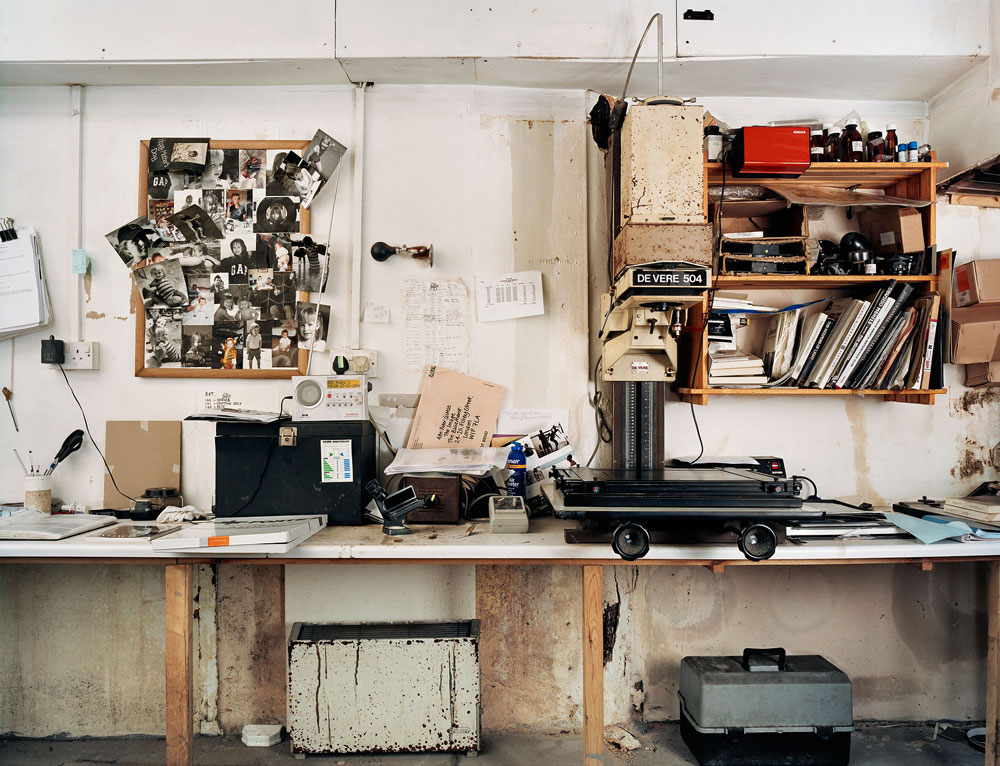
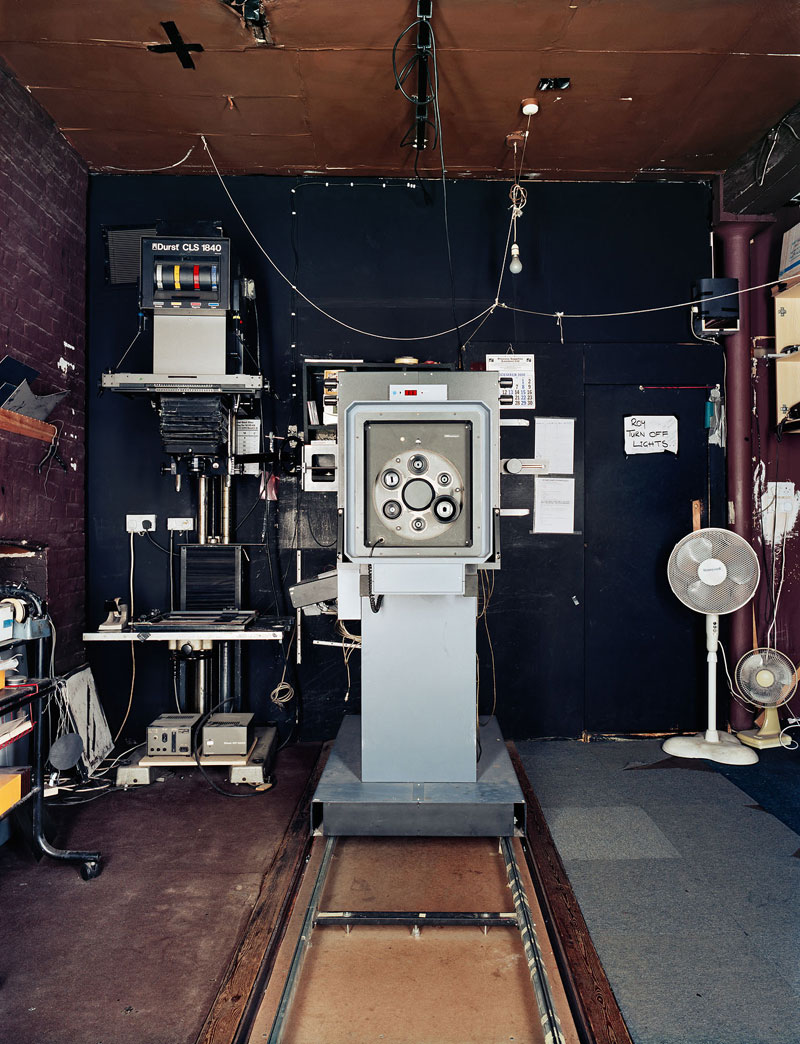
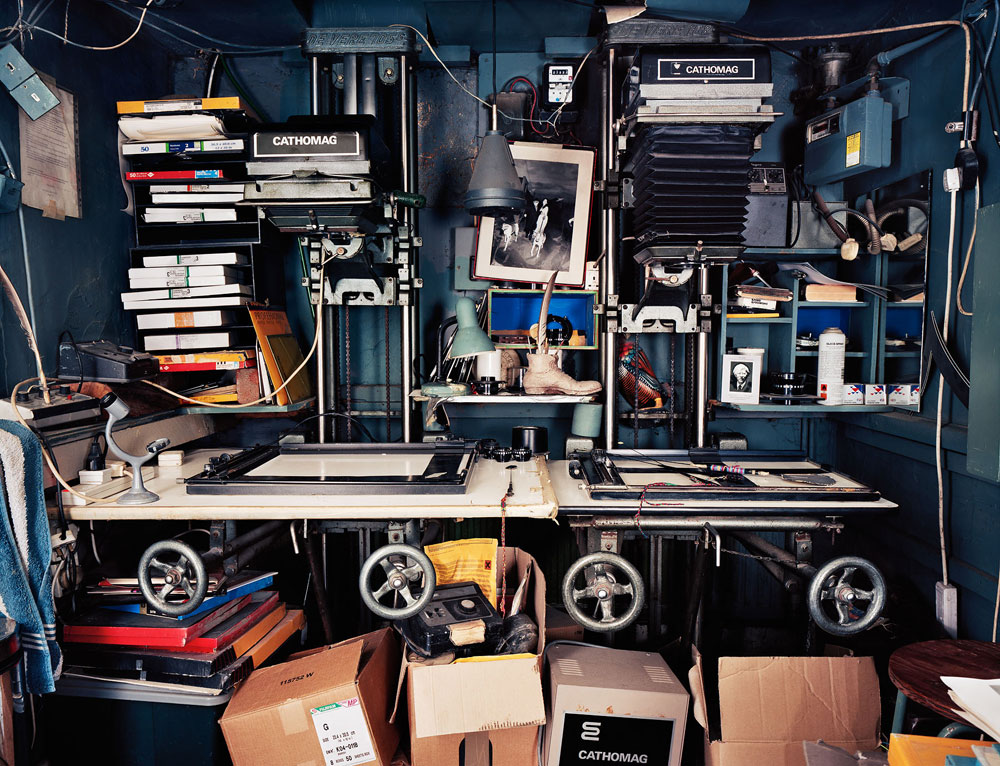
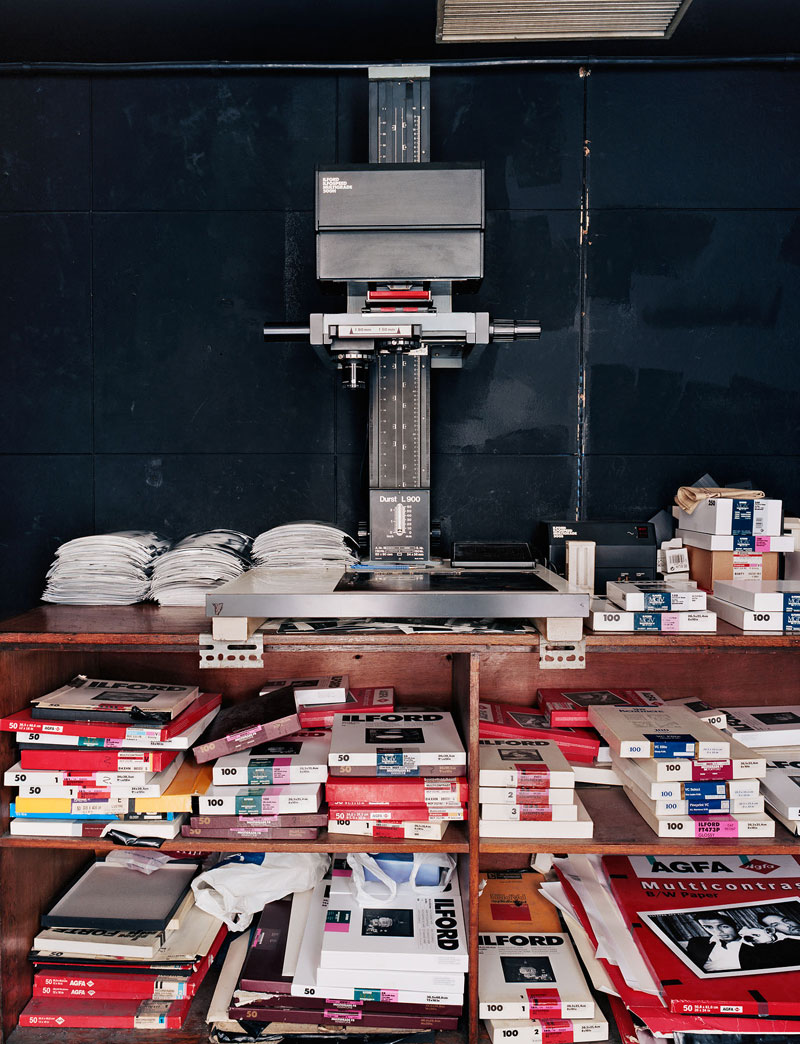


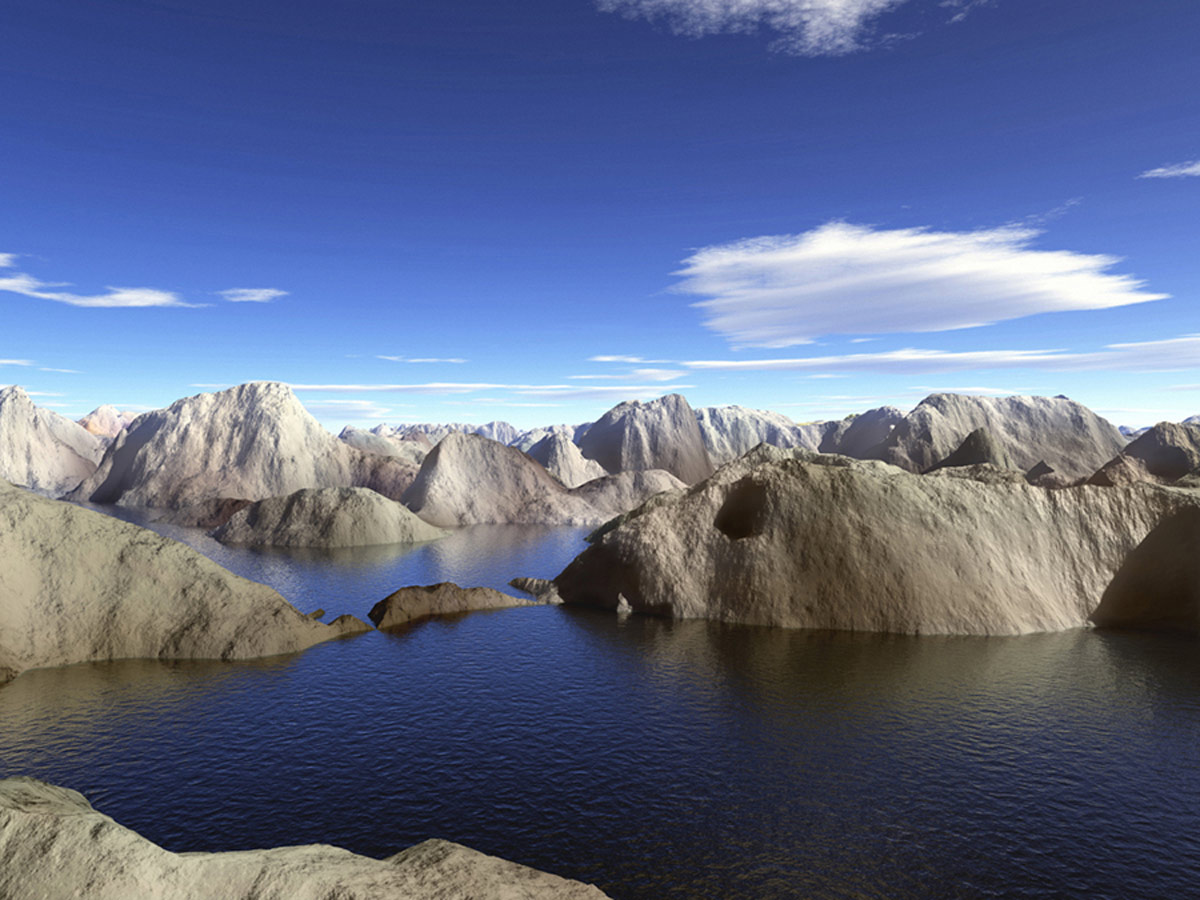
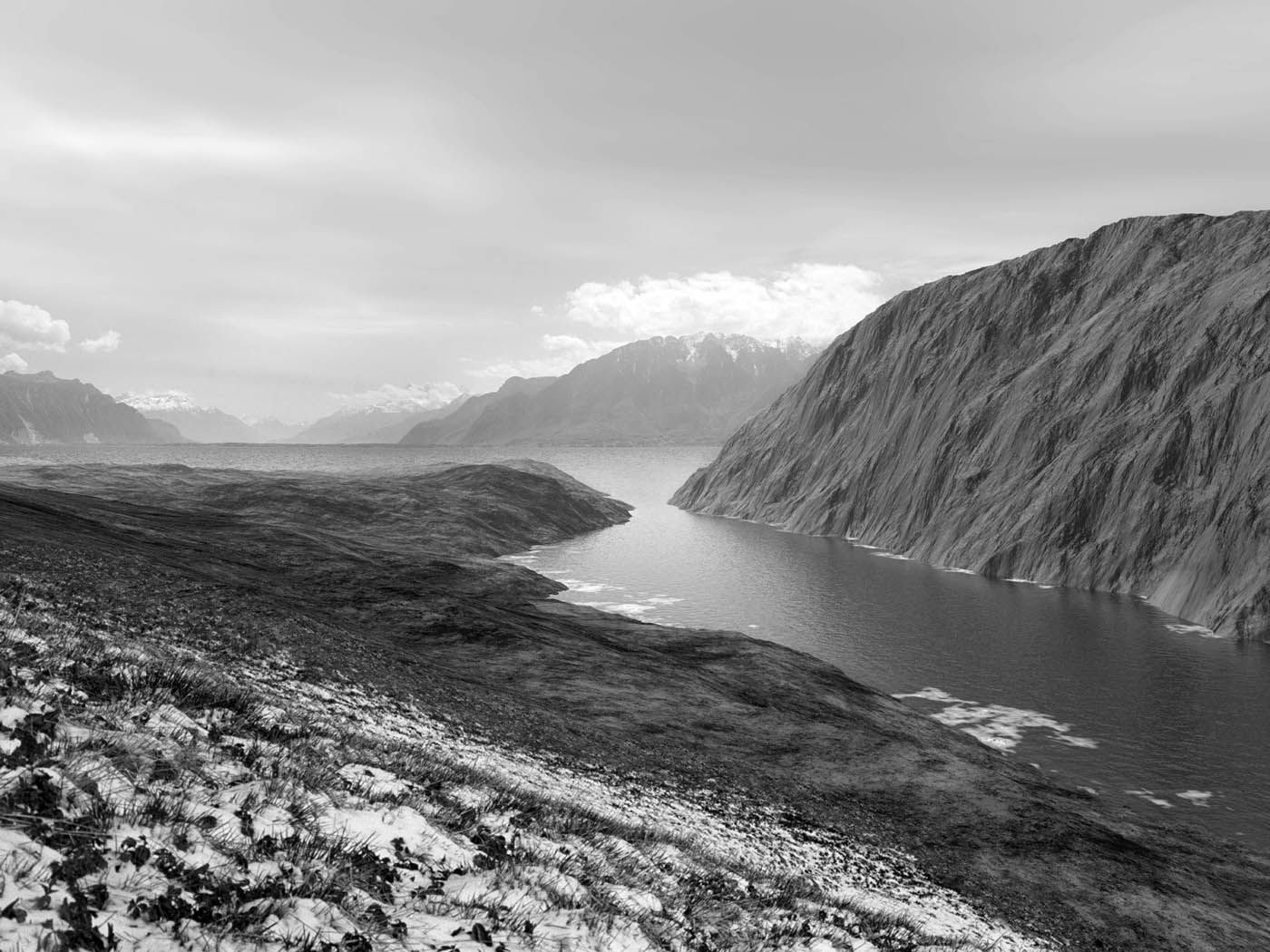
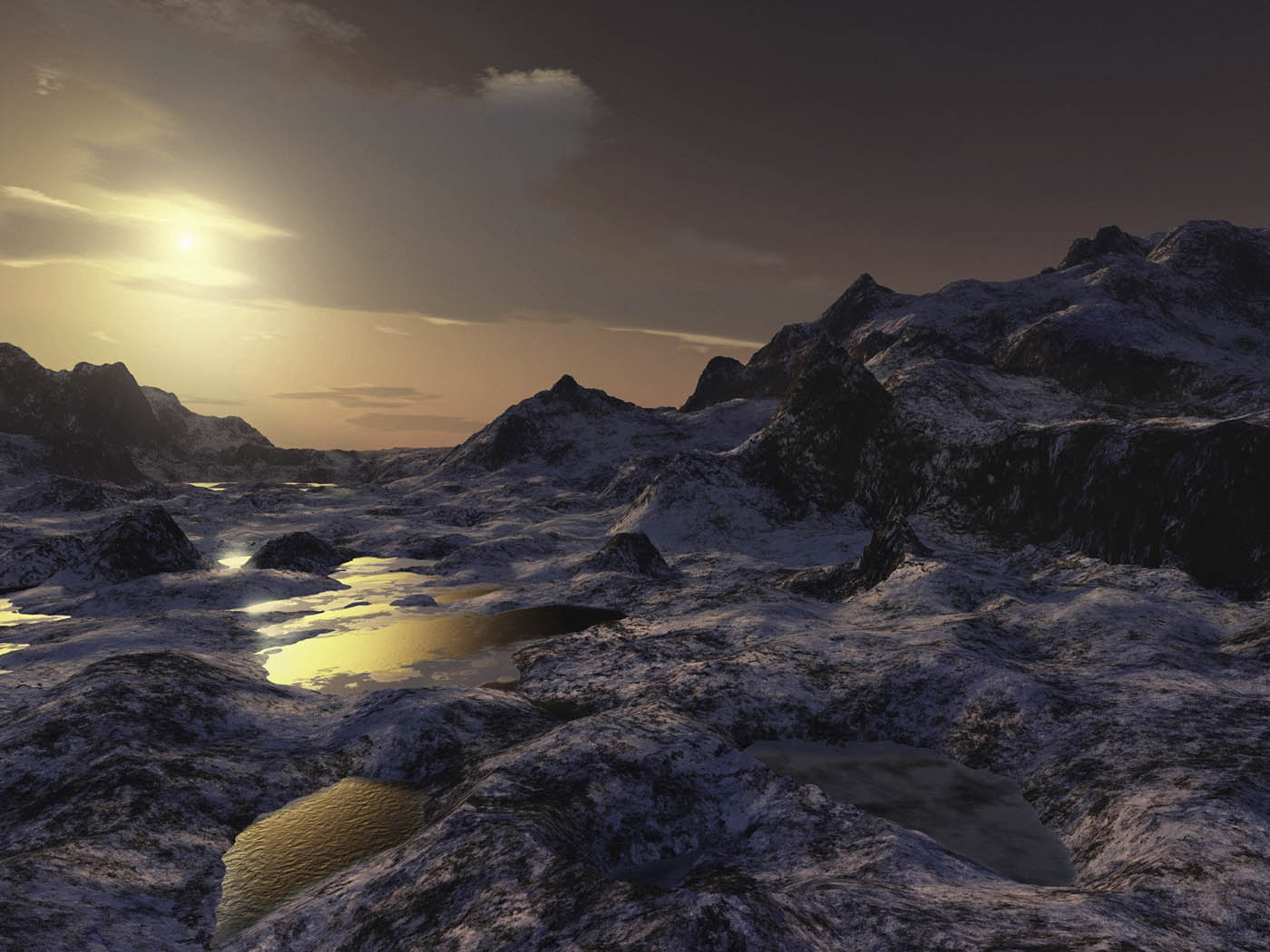
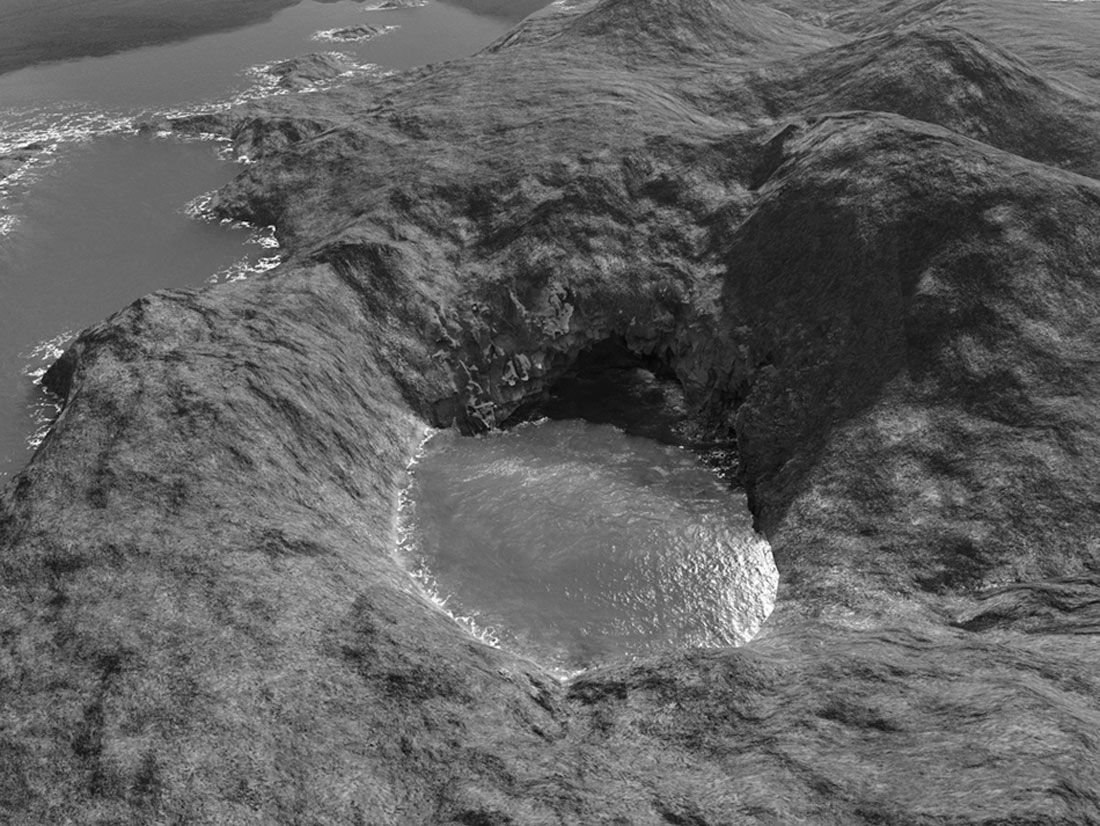
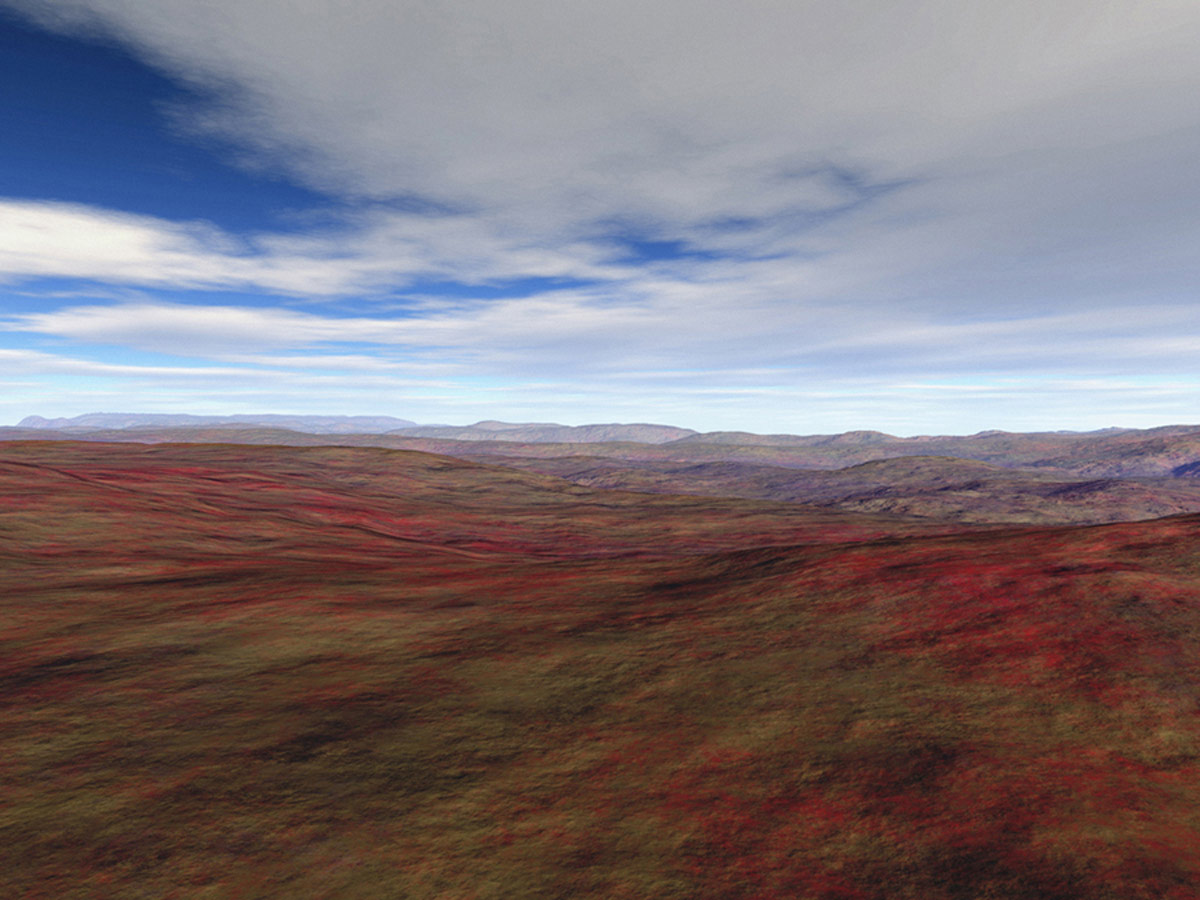
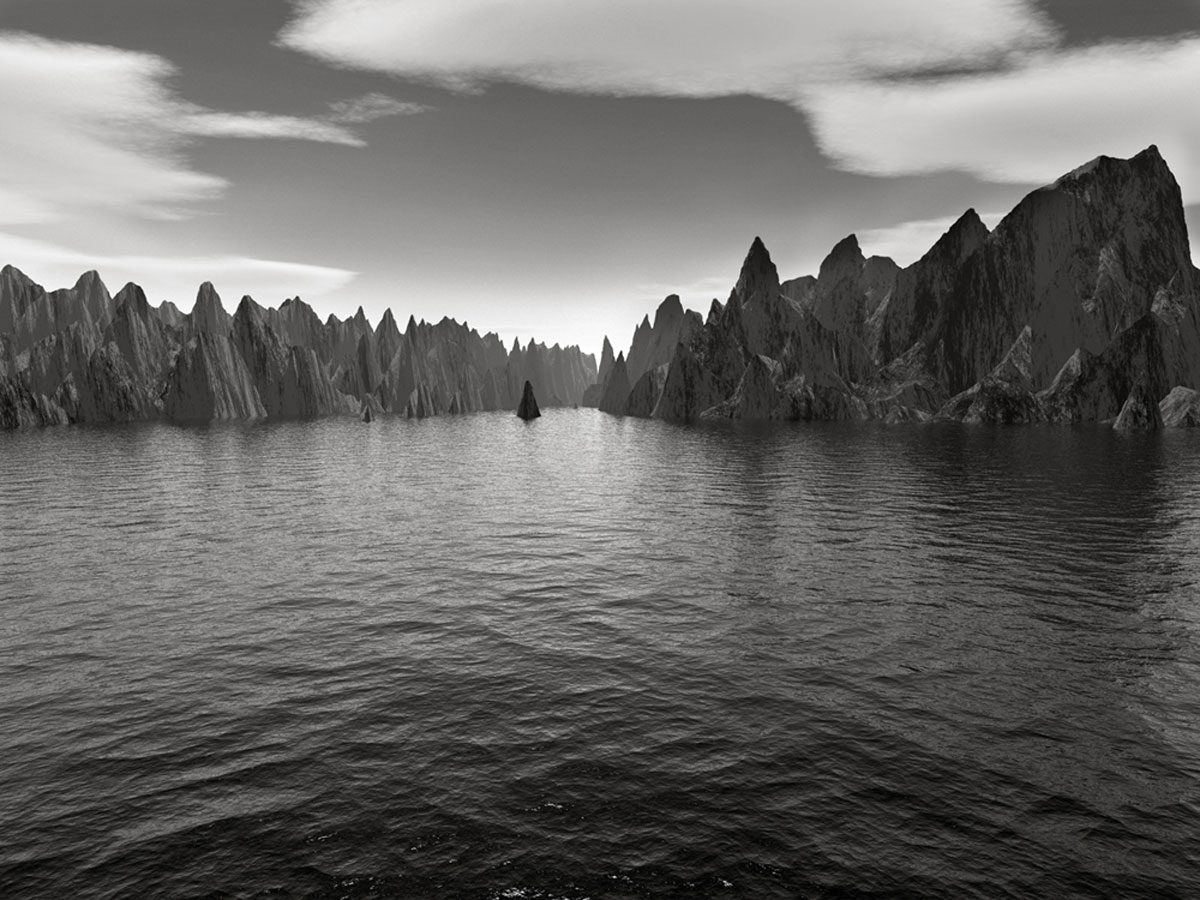
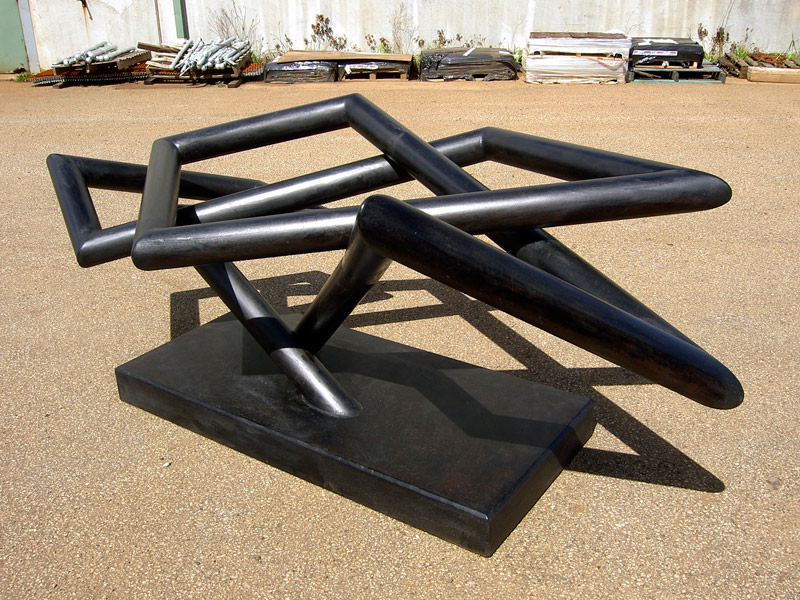
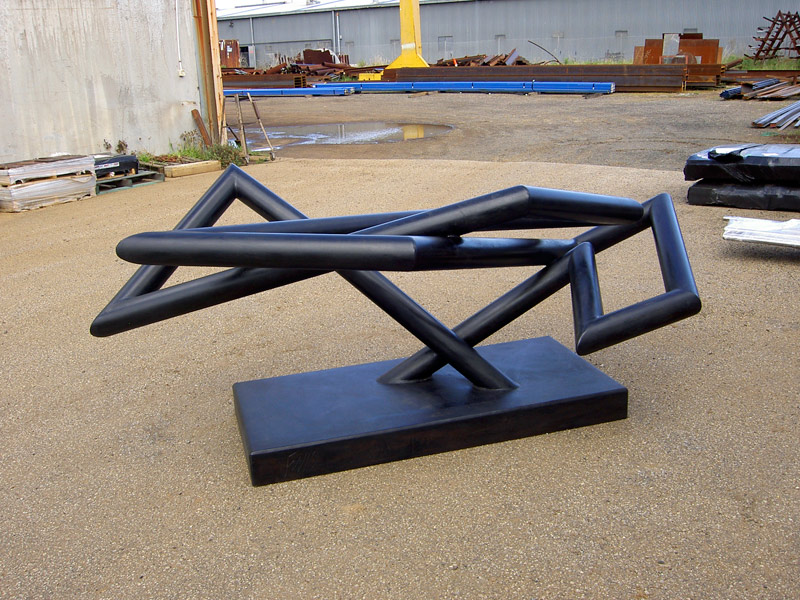

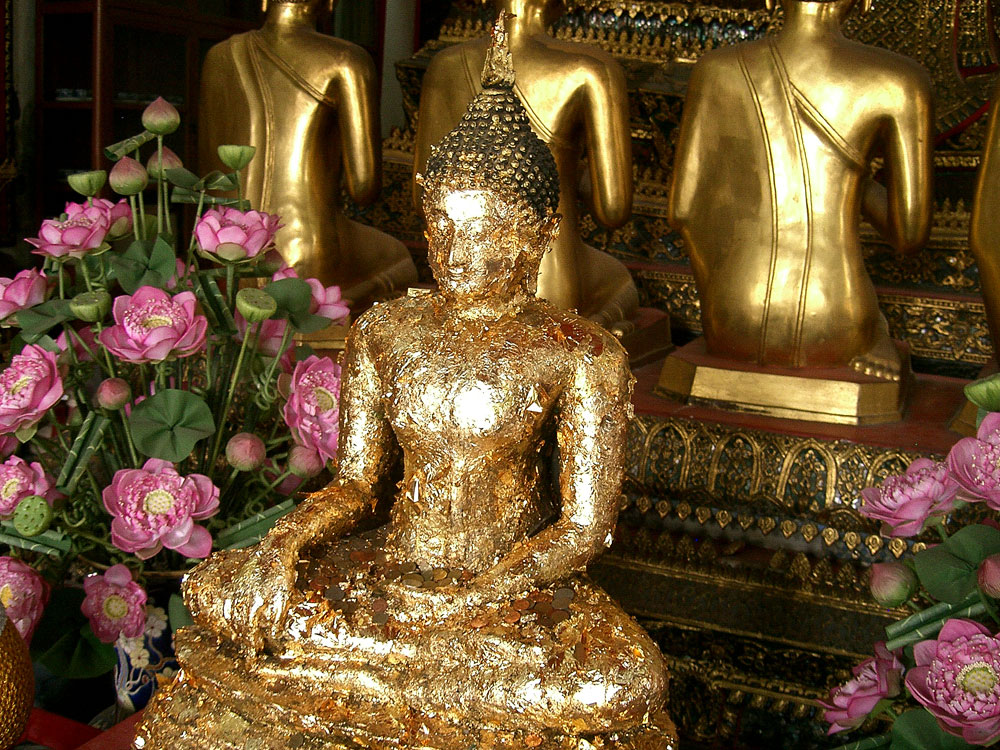
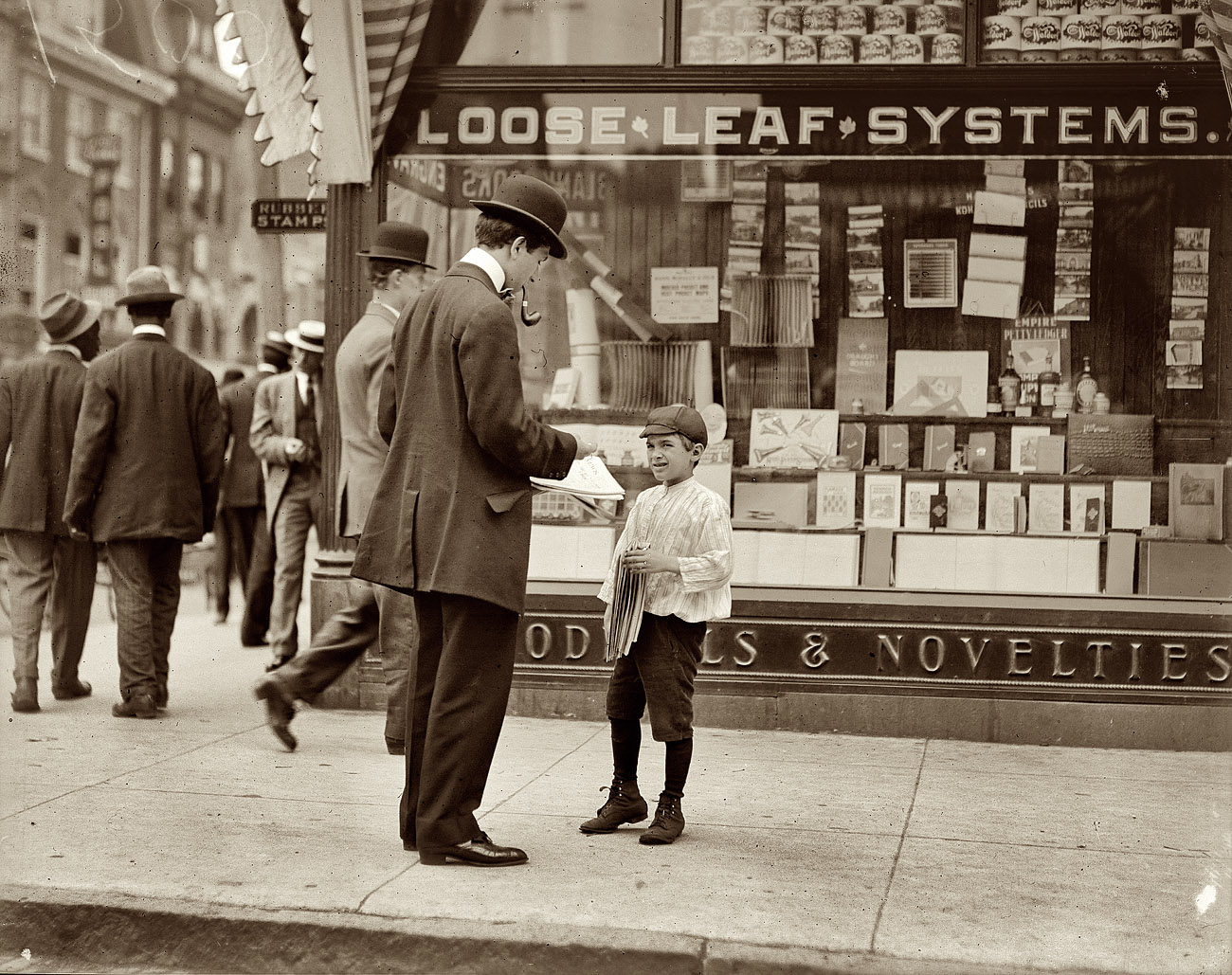
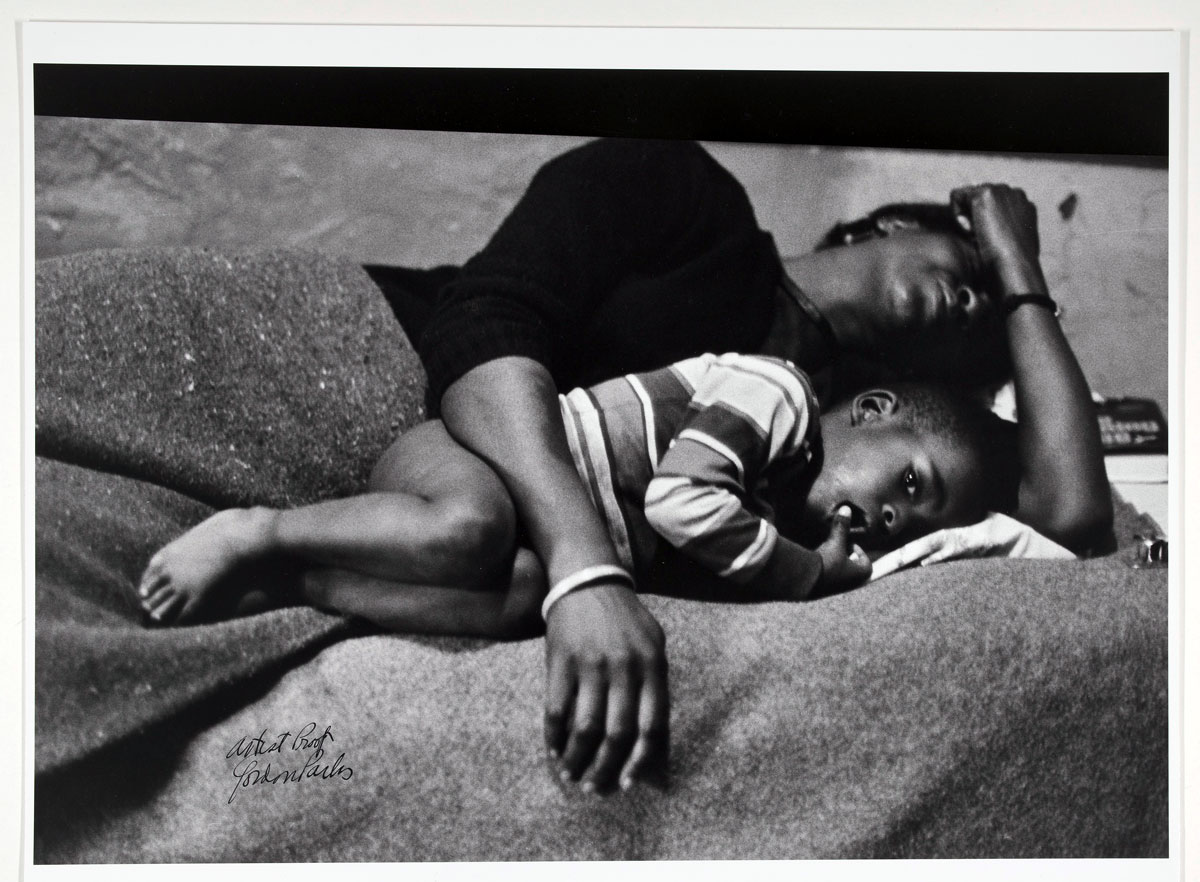
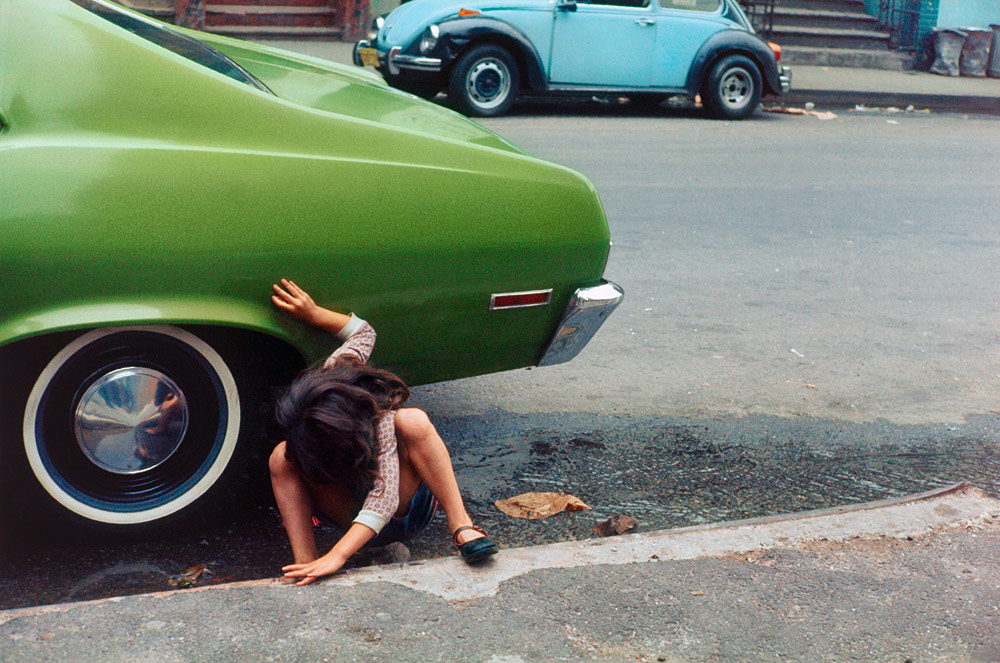
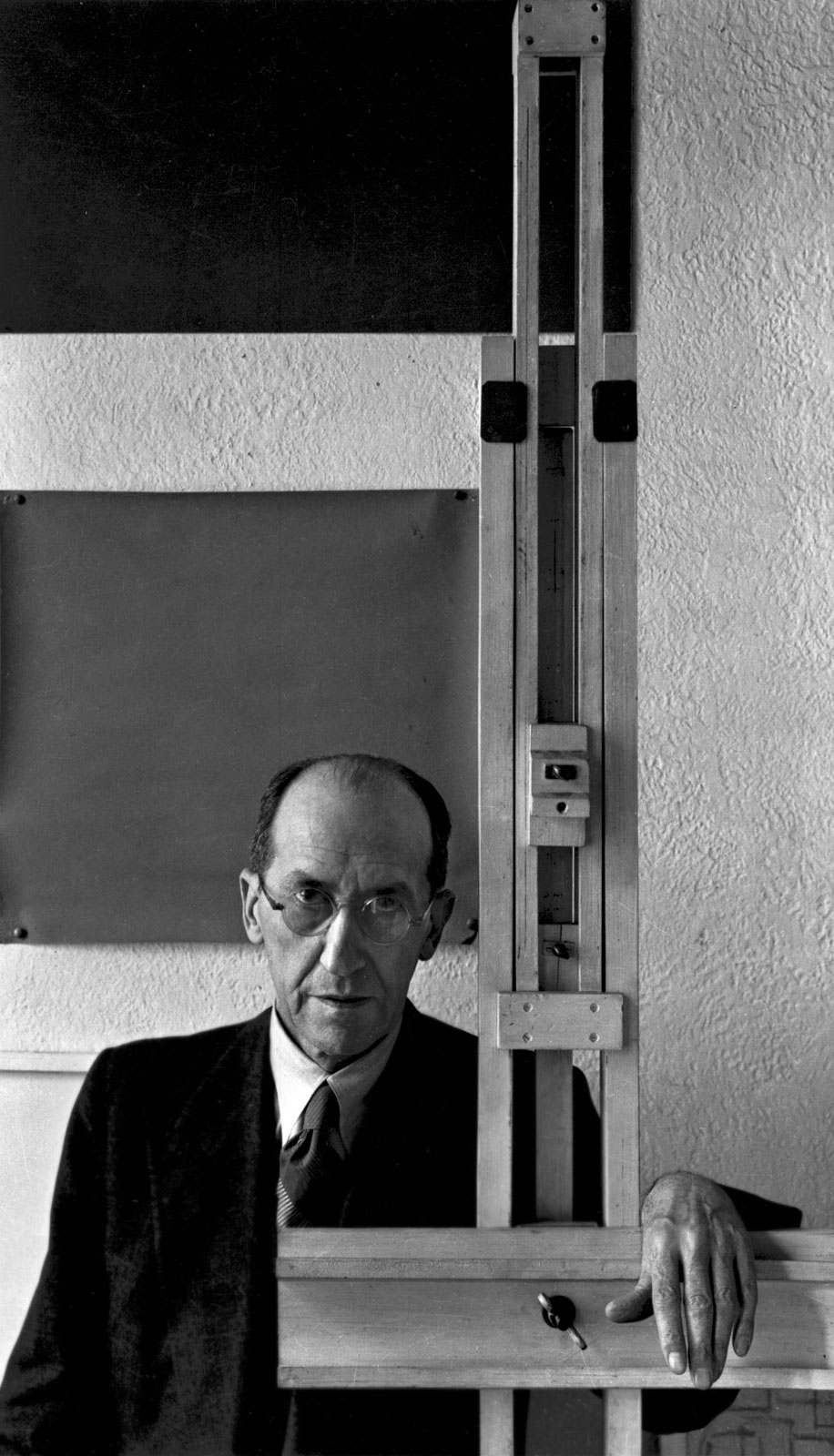
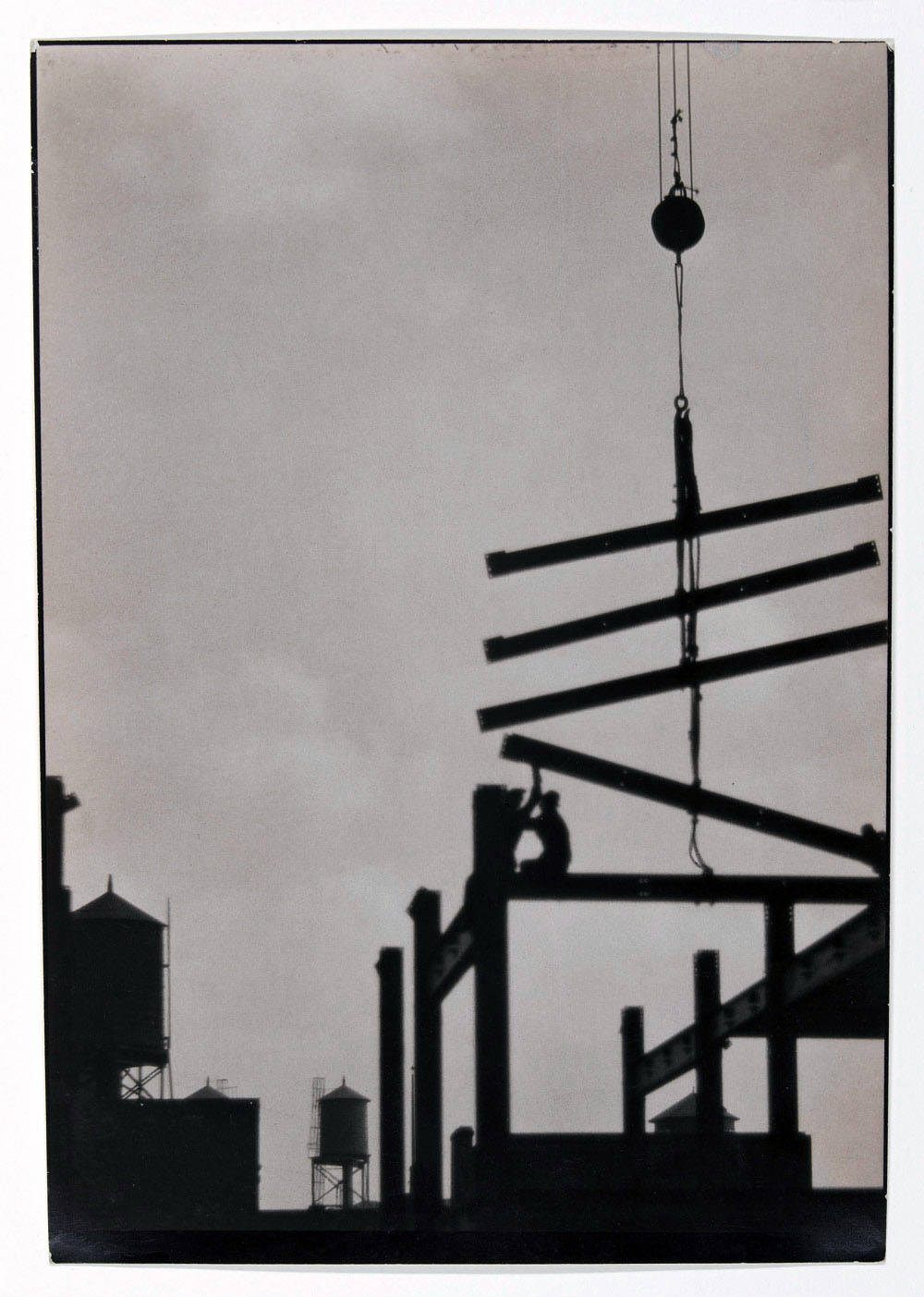
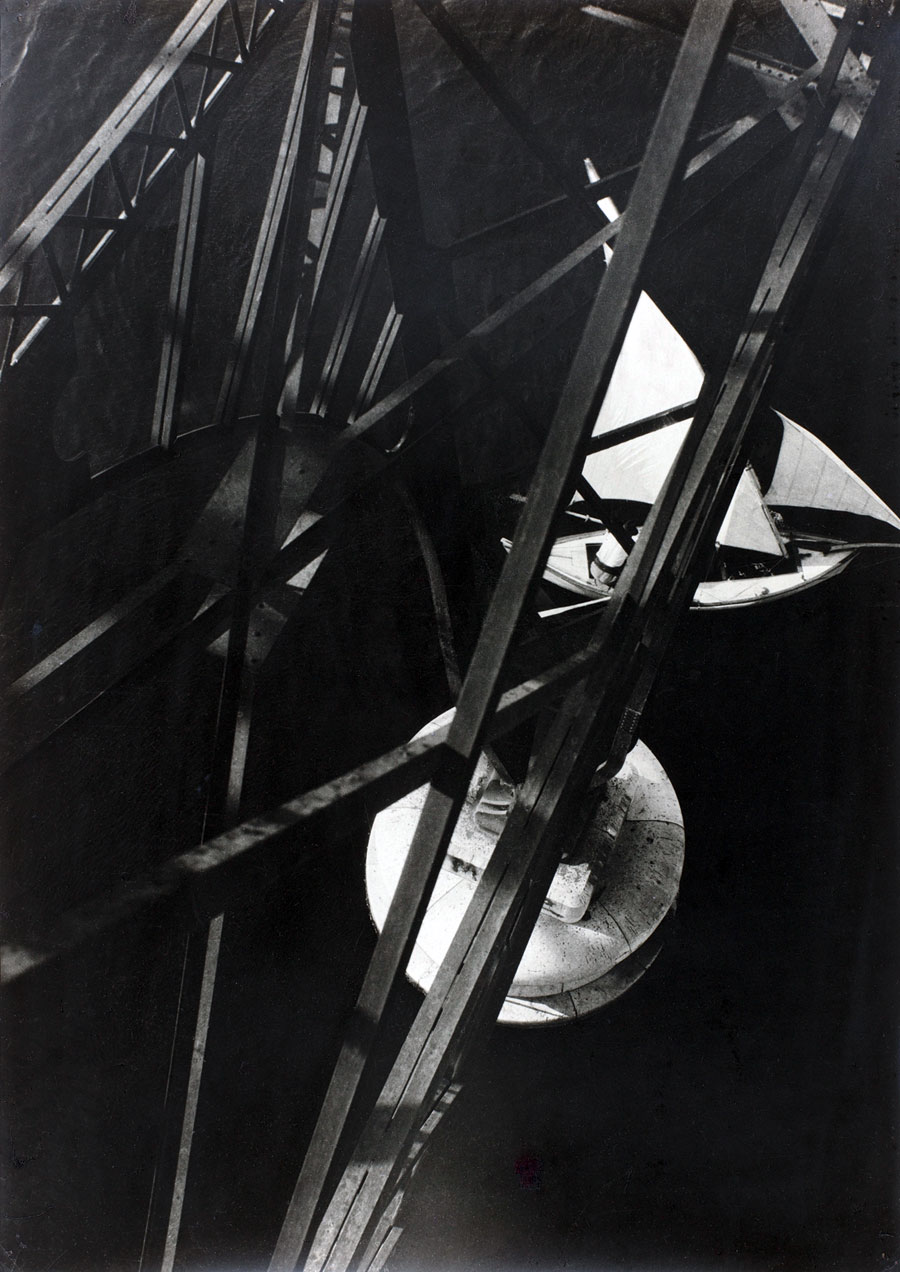
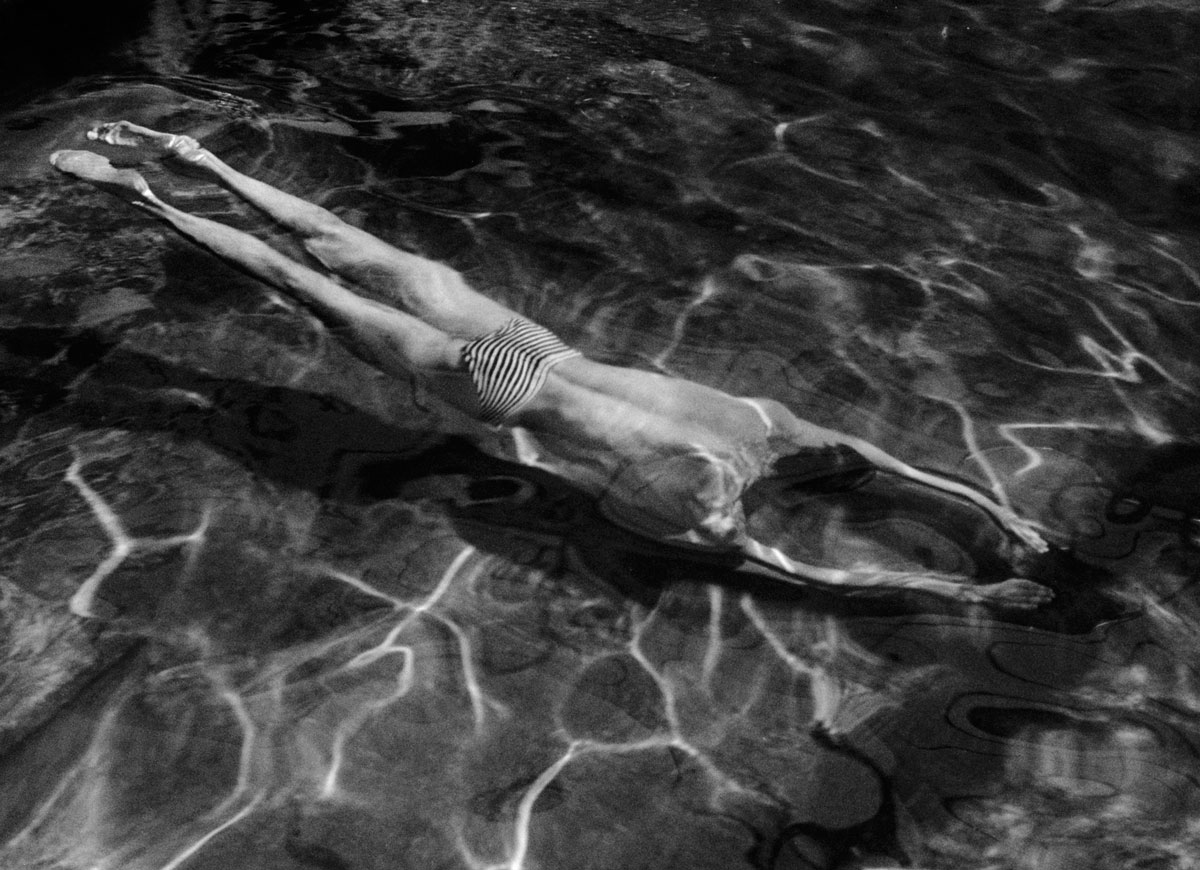

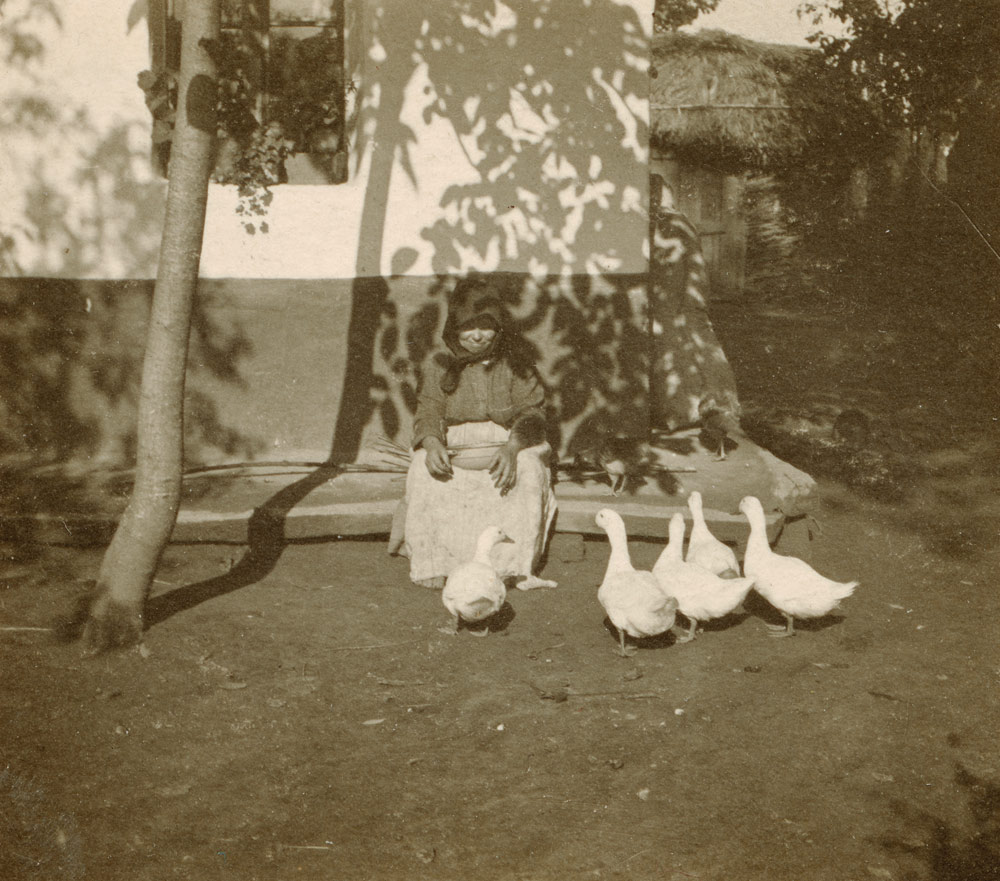
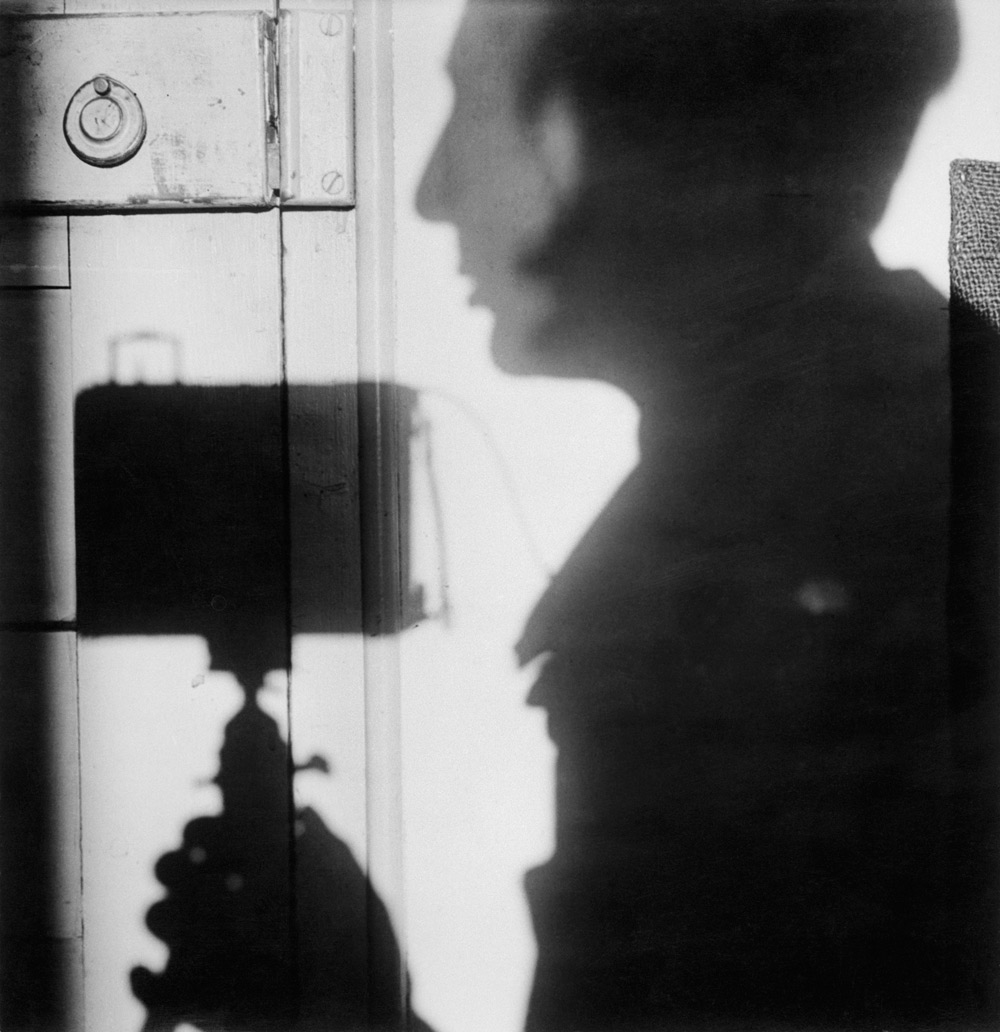


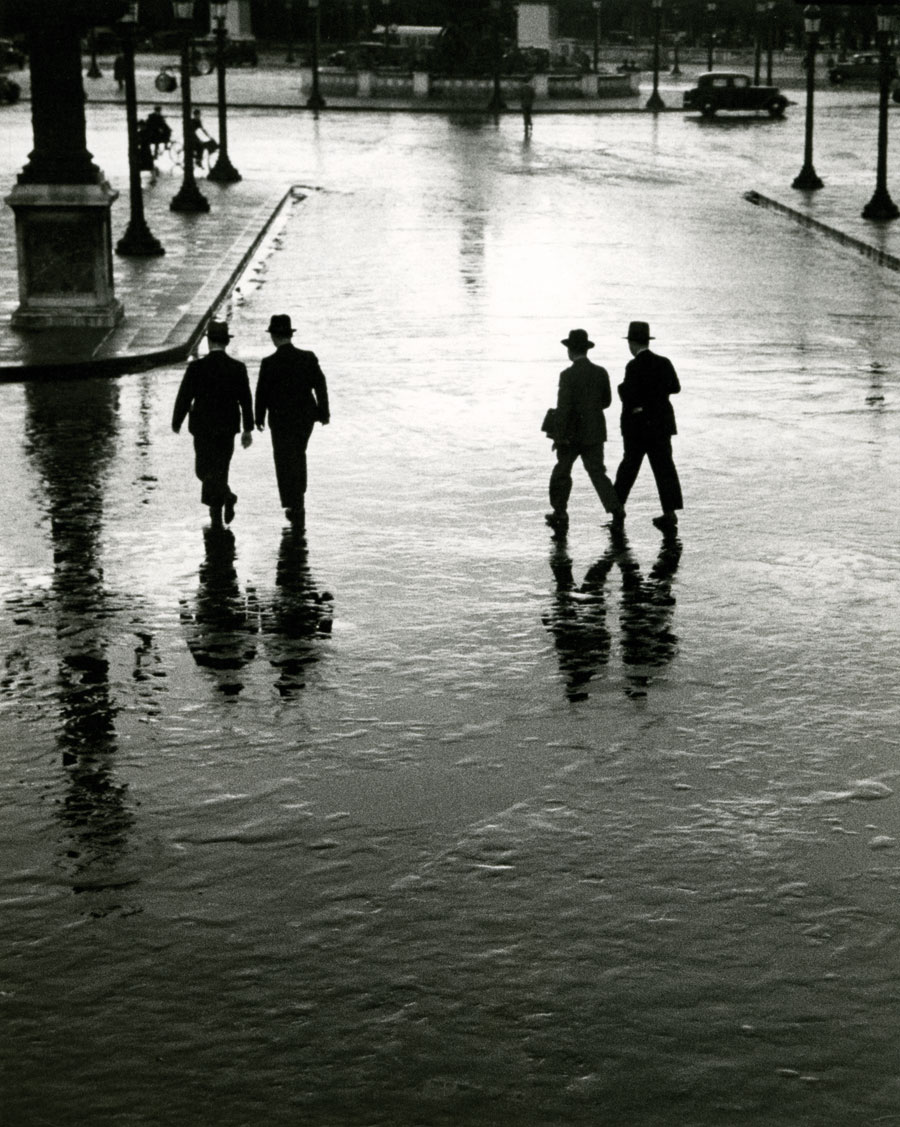
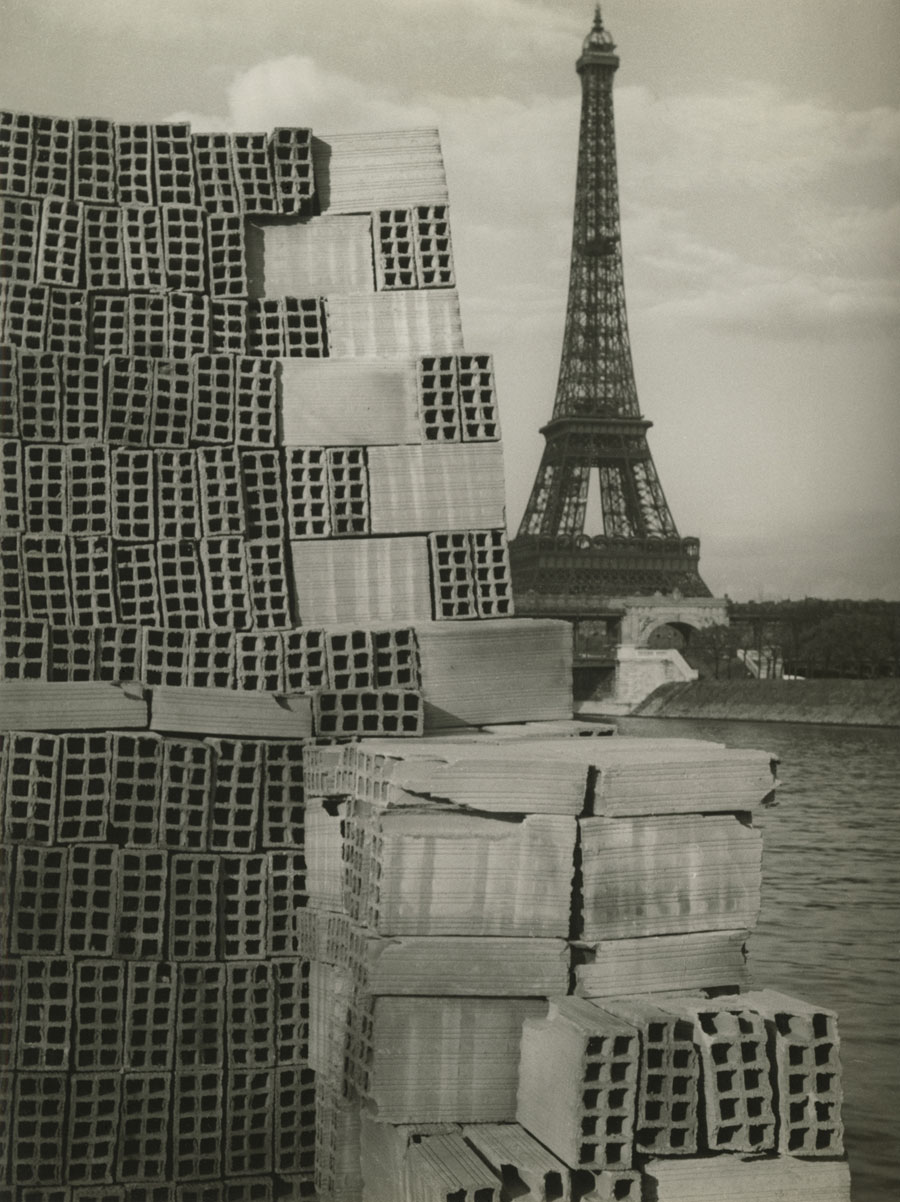


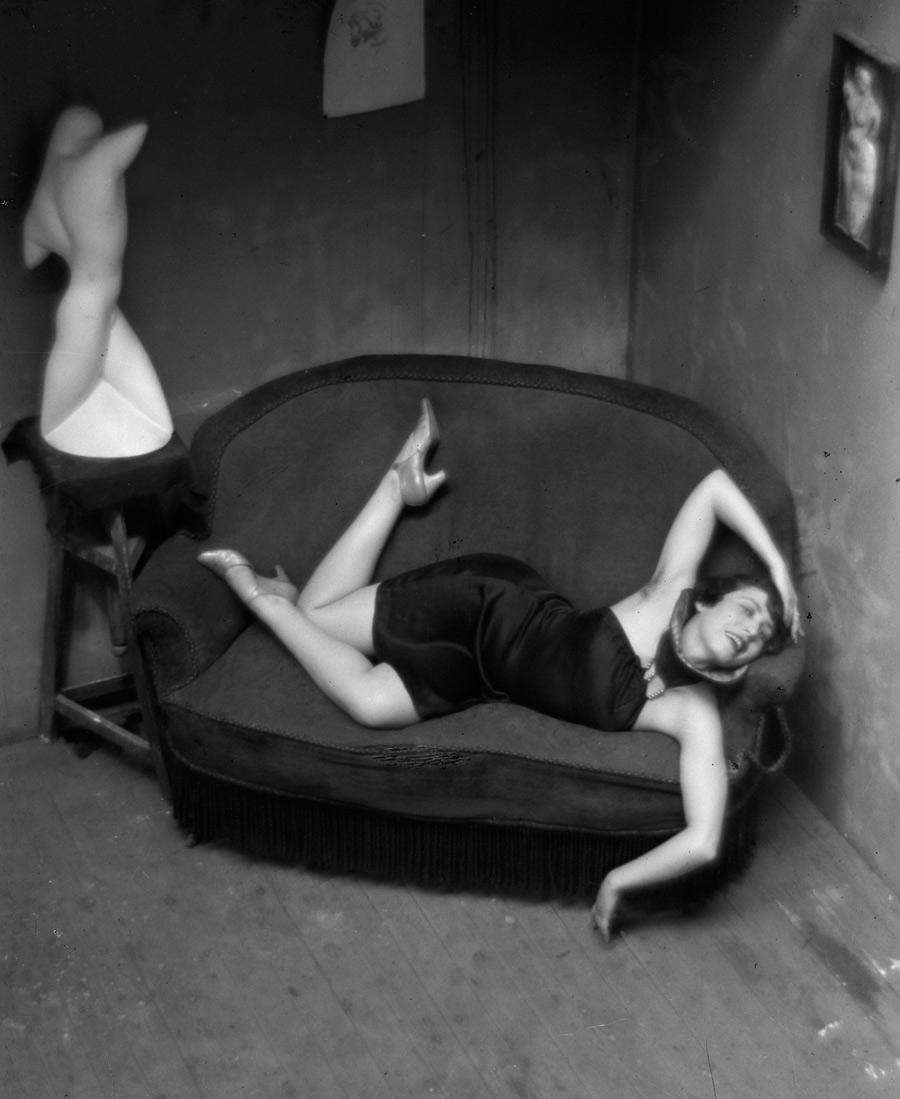

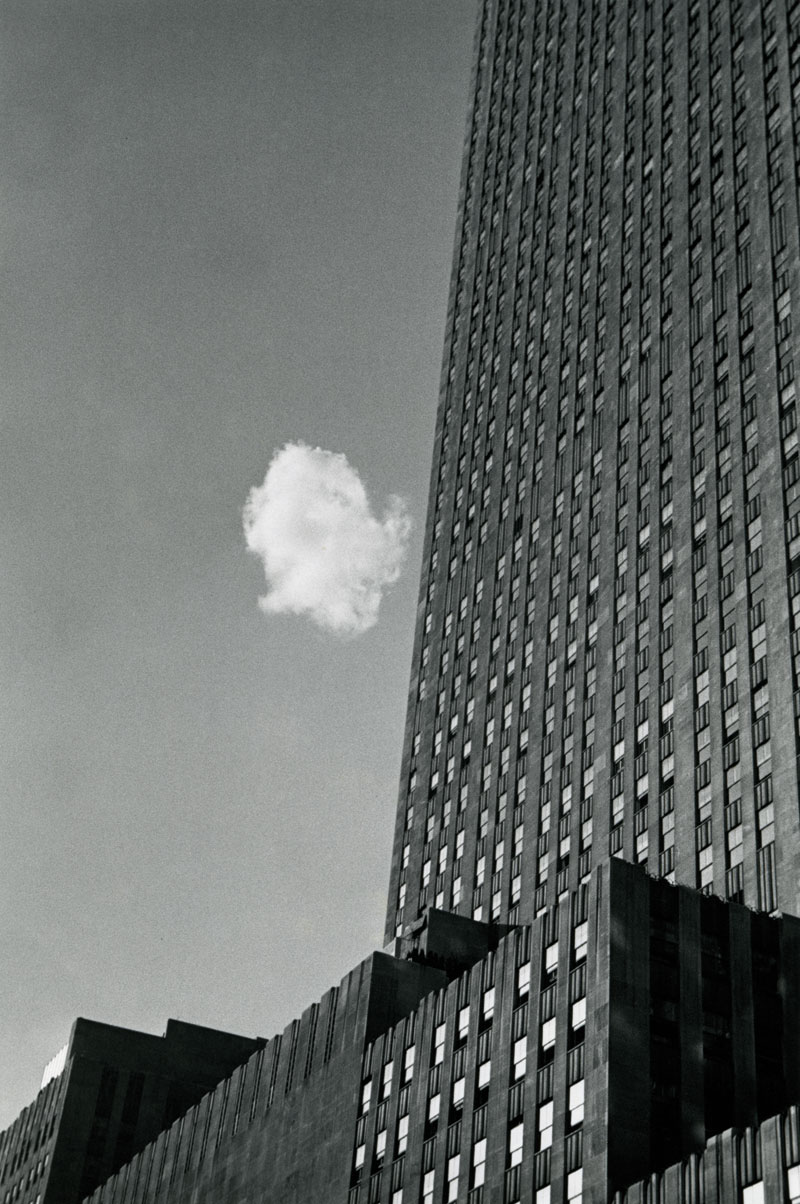
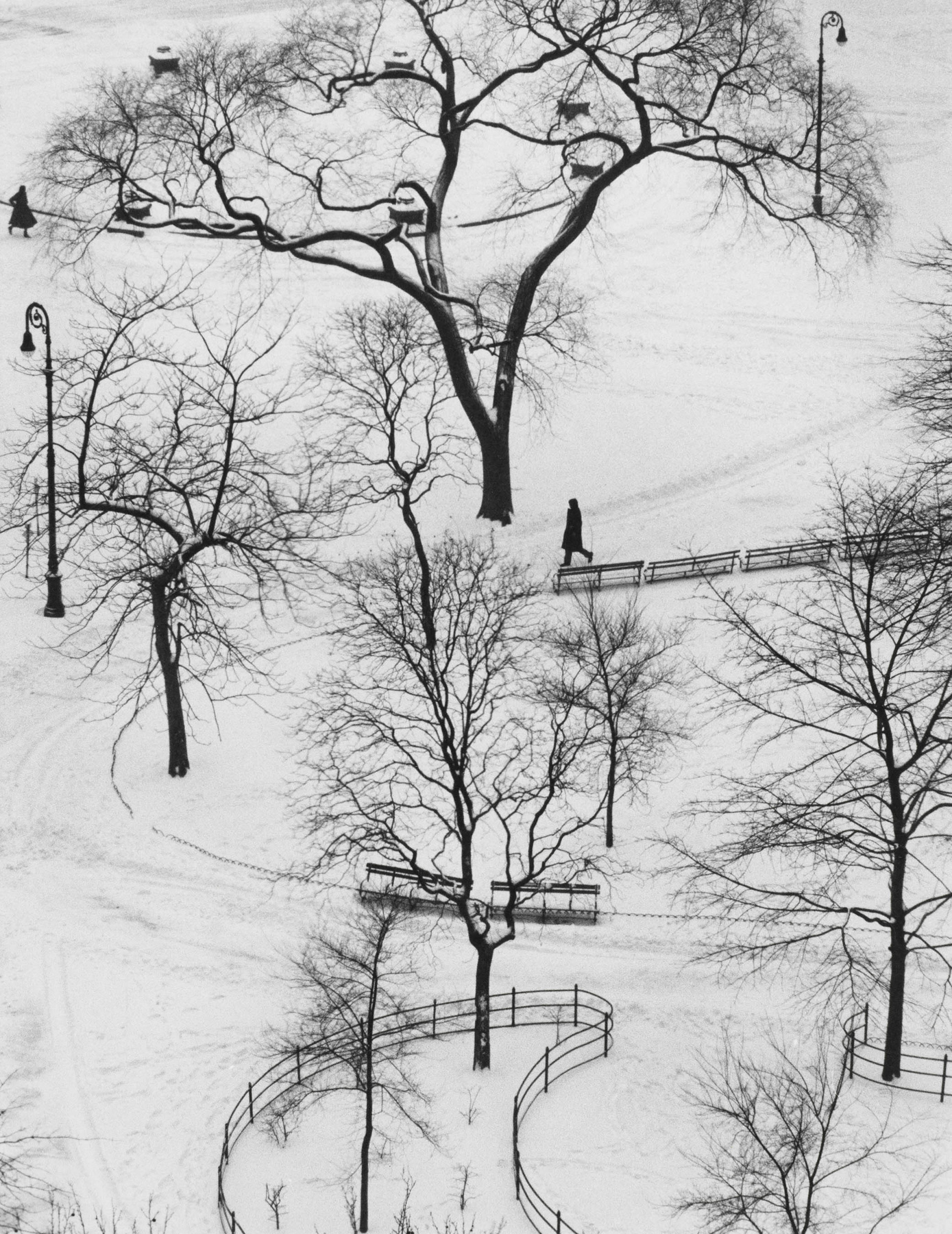
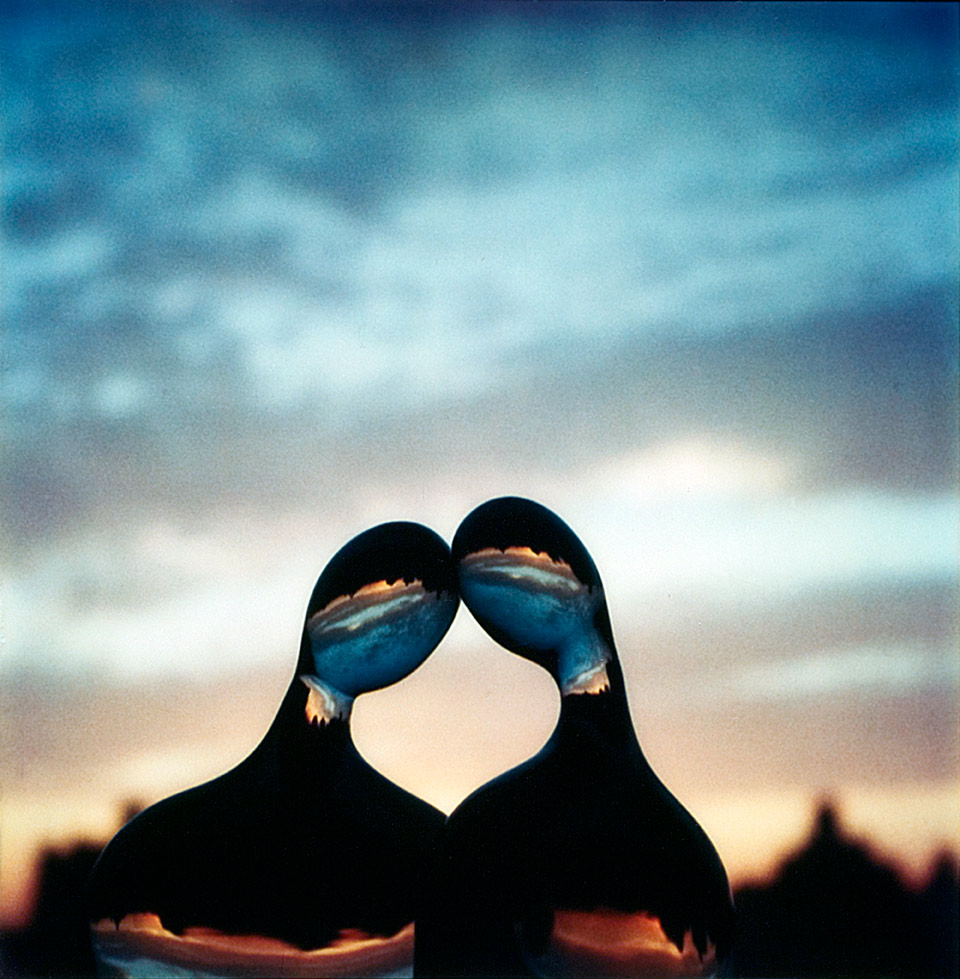

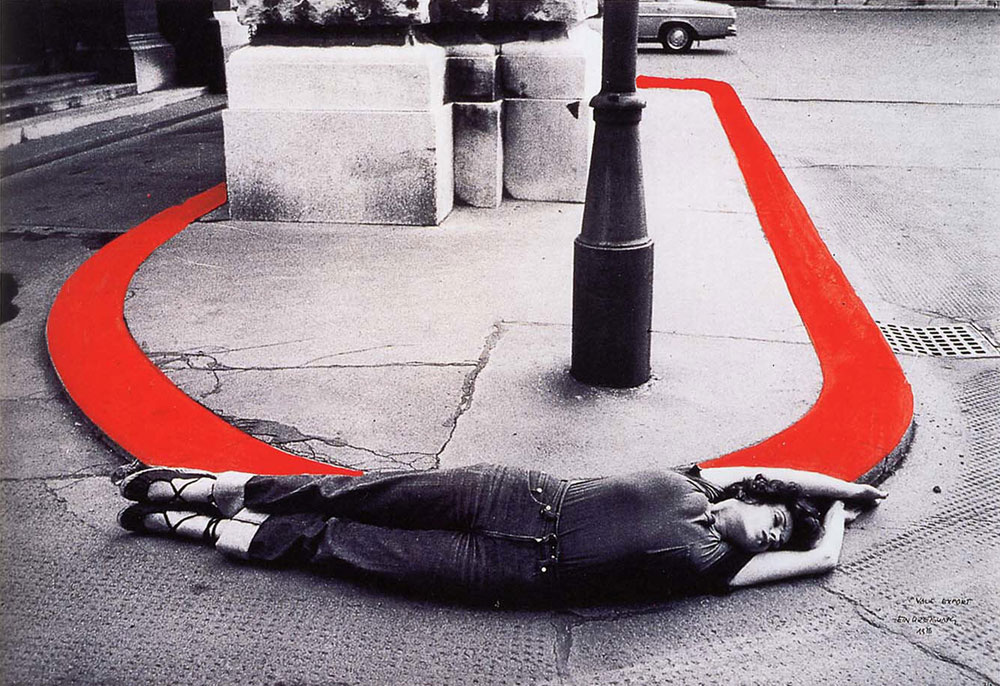
![Felix Gonzalez-Torres (American born Cuba, 1957–1996) '[No Title]' 1985 from the exhibition 'Between Here and There: Passages in Contemporary Photography' at The Metropolitan Museum of Art](https://artblart.com/wp-content/uploads/2011/02/felix-gonzalez-torres-no-title-1985.jpg "Felix Gonzalez-Torres (American born Cuba, 1957–1996) '[No Title]' 1985 from the exhibition 'Between Here and There: Passages in Contemporary Photography' at The Metropolitan Museum of Art")
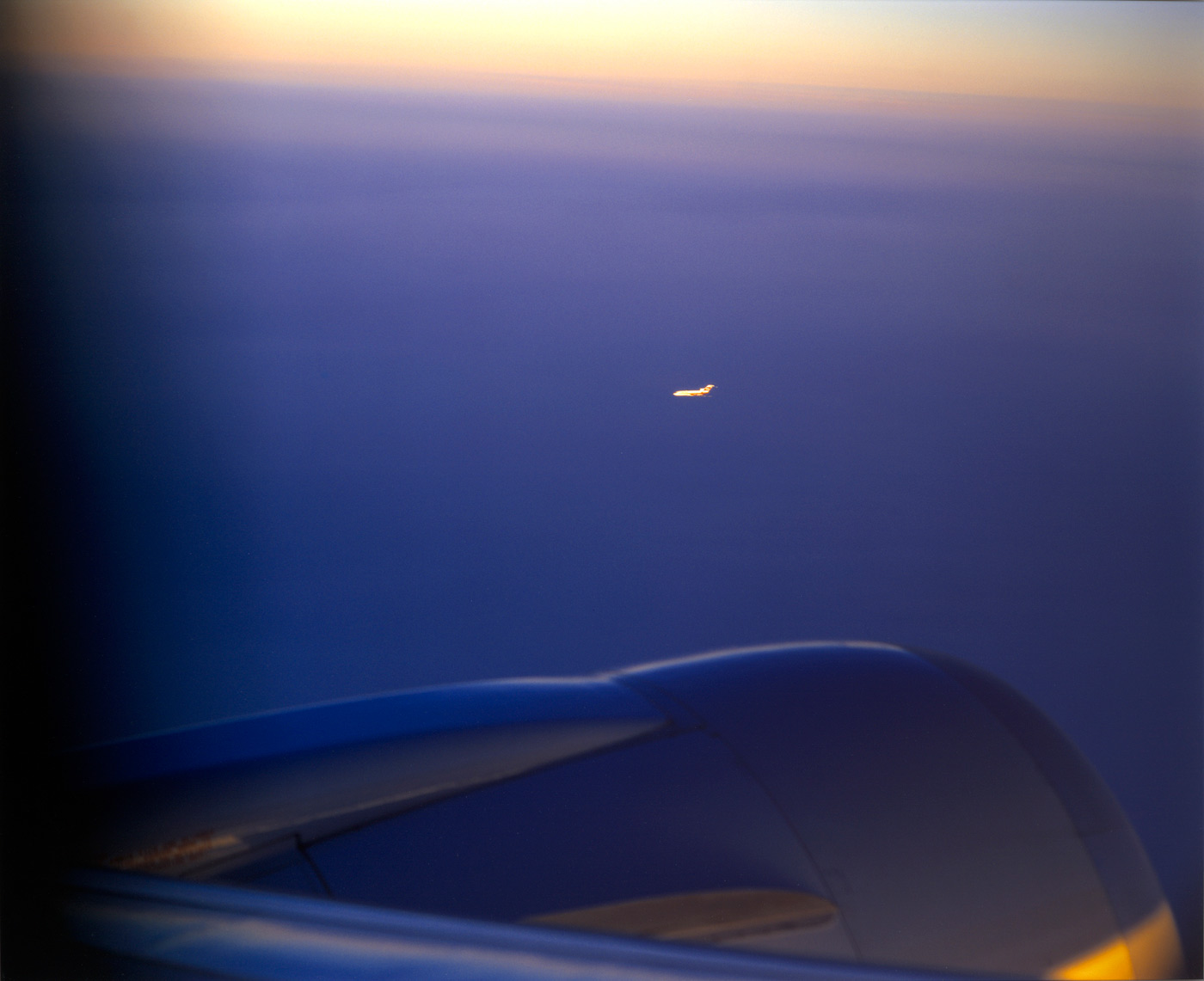
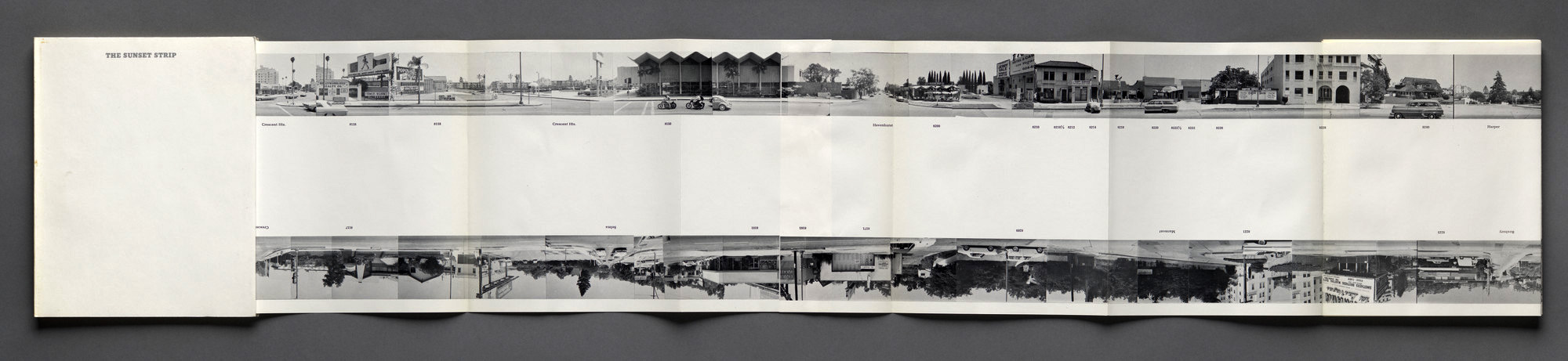

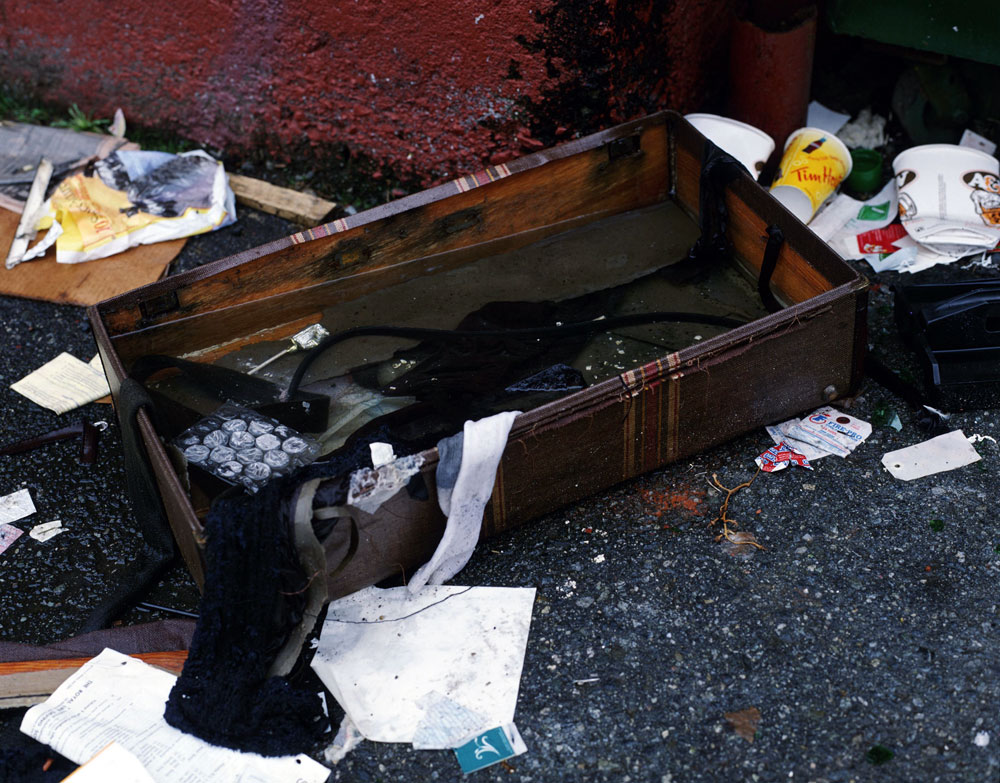
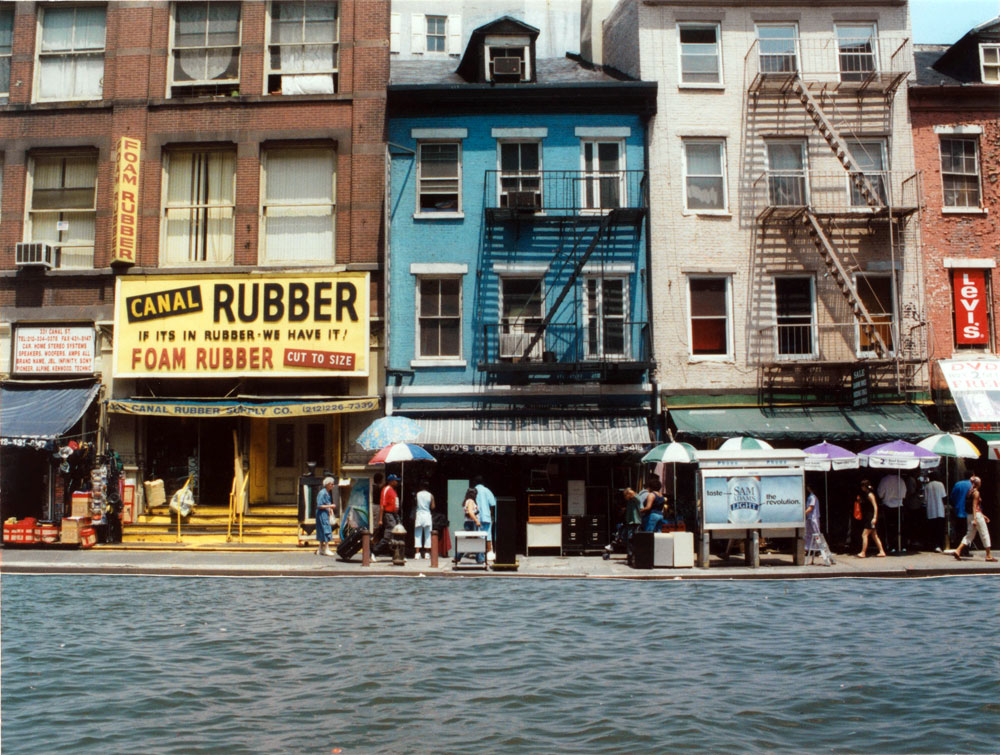
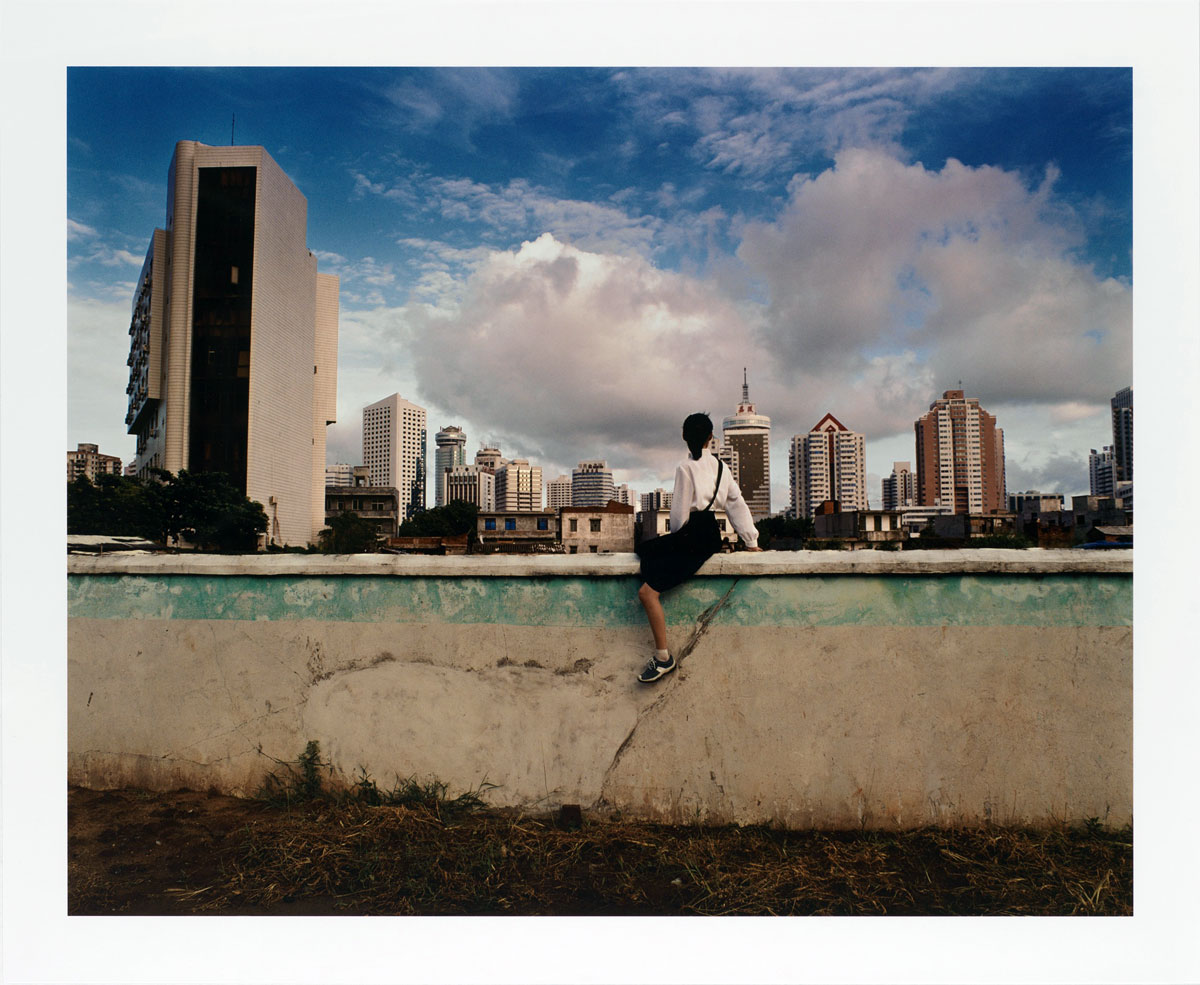


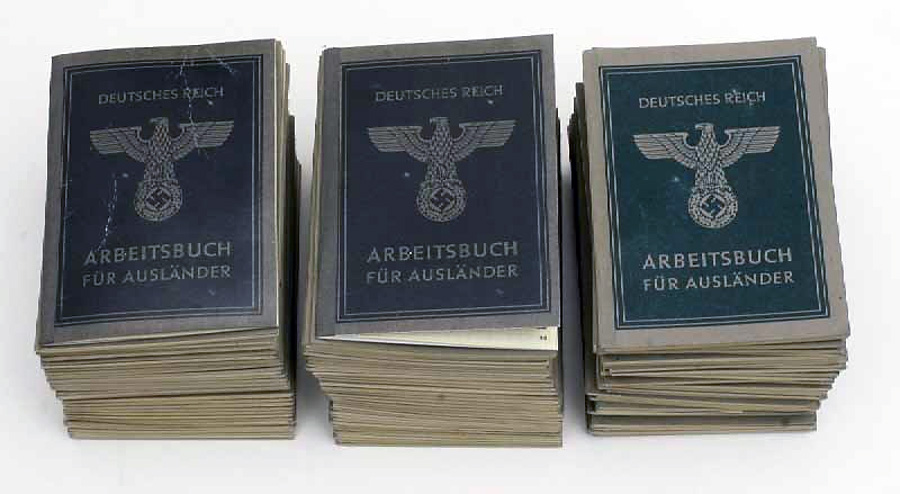


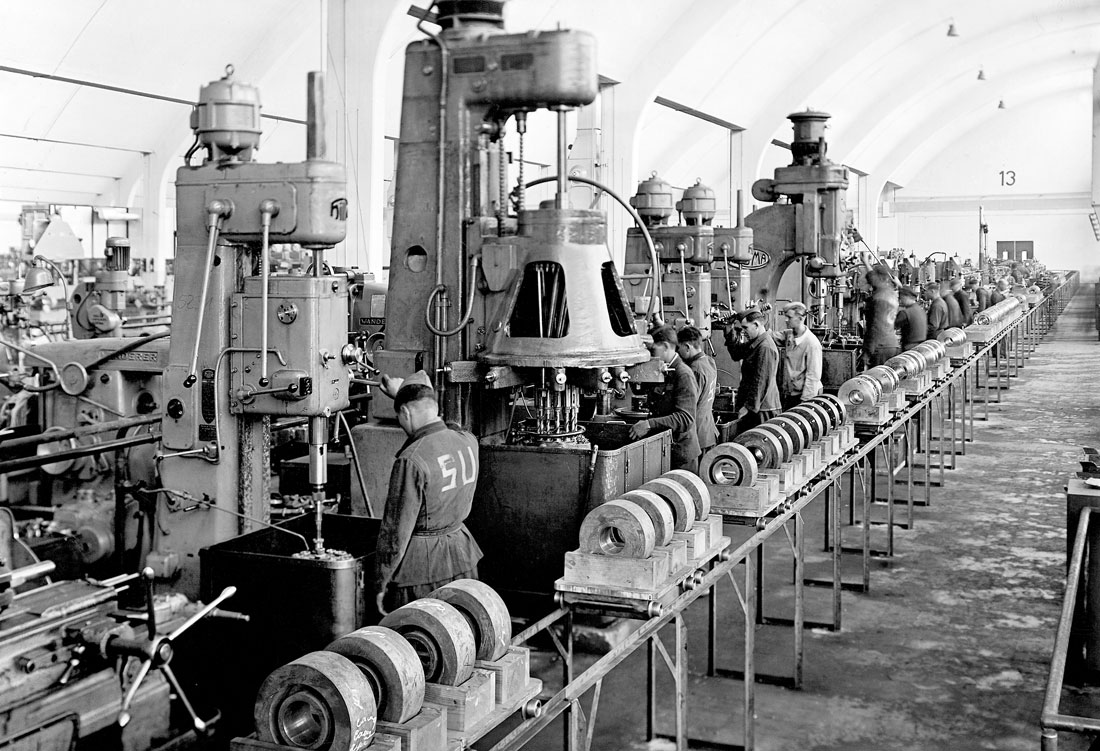

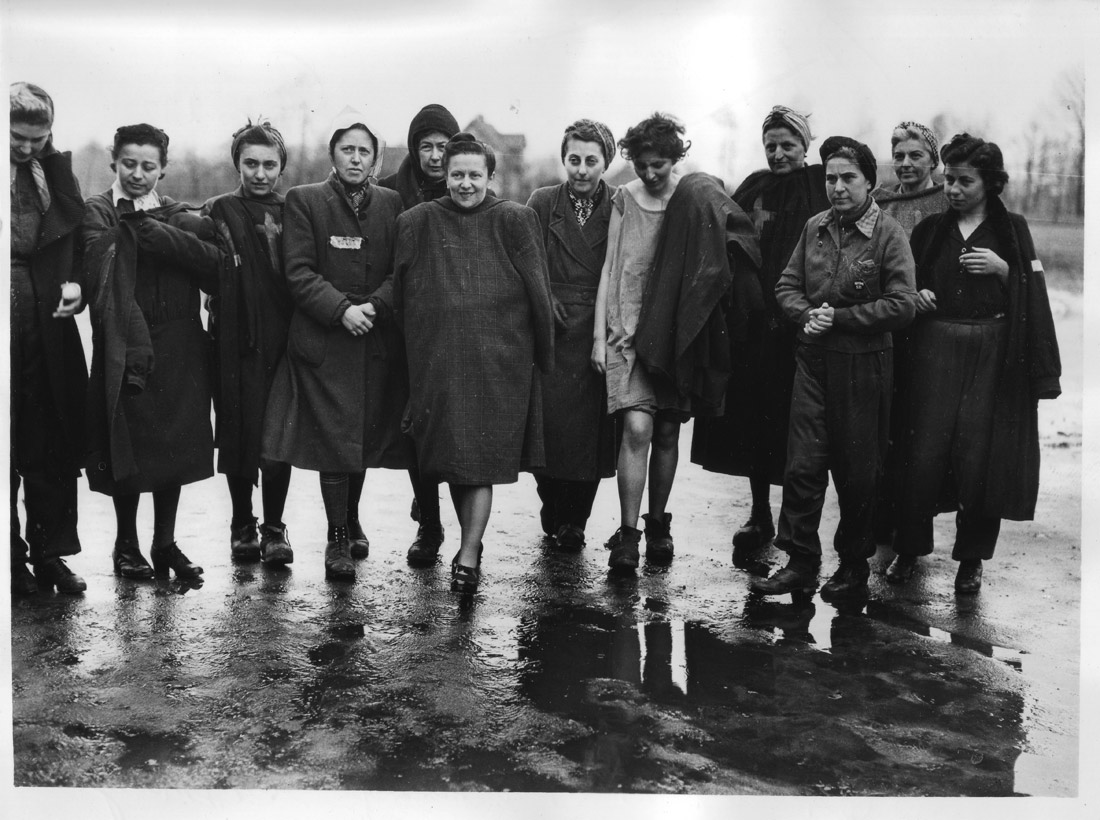

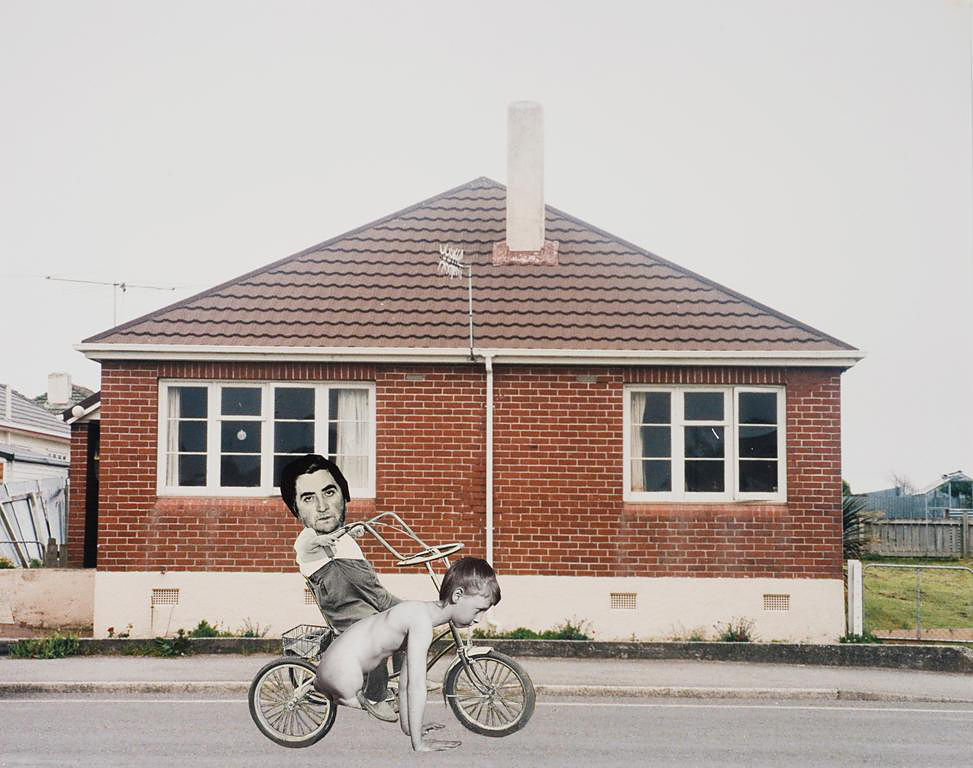
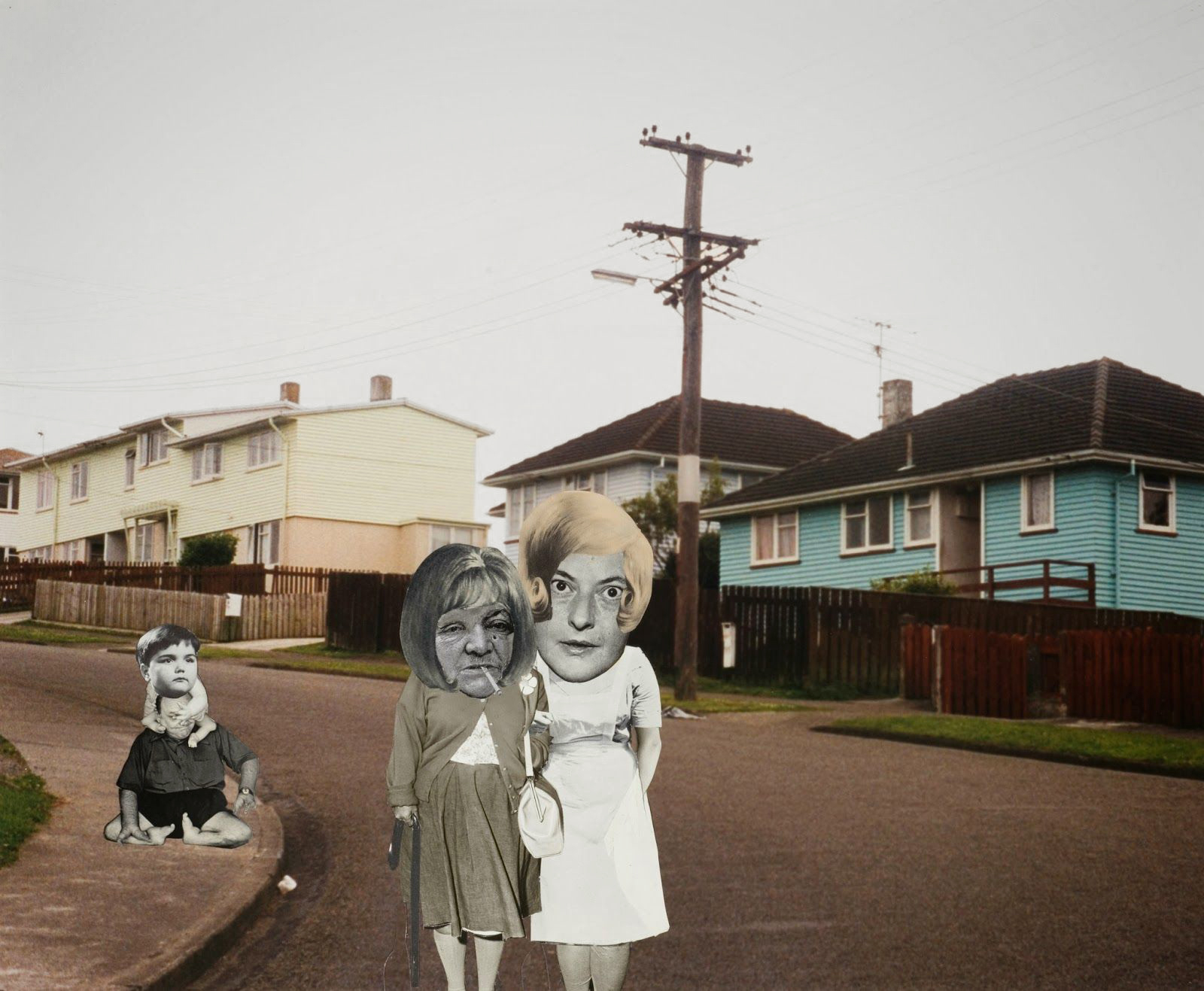
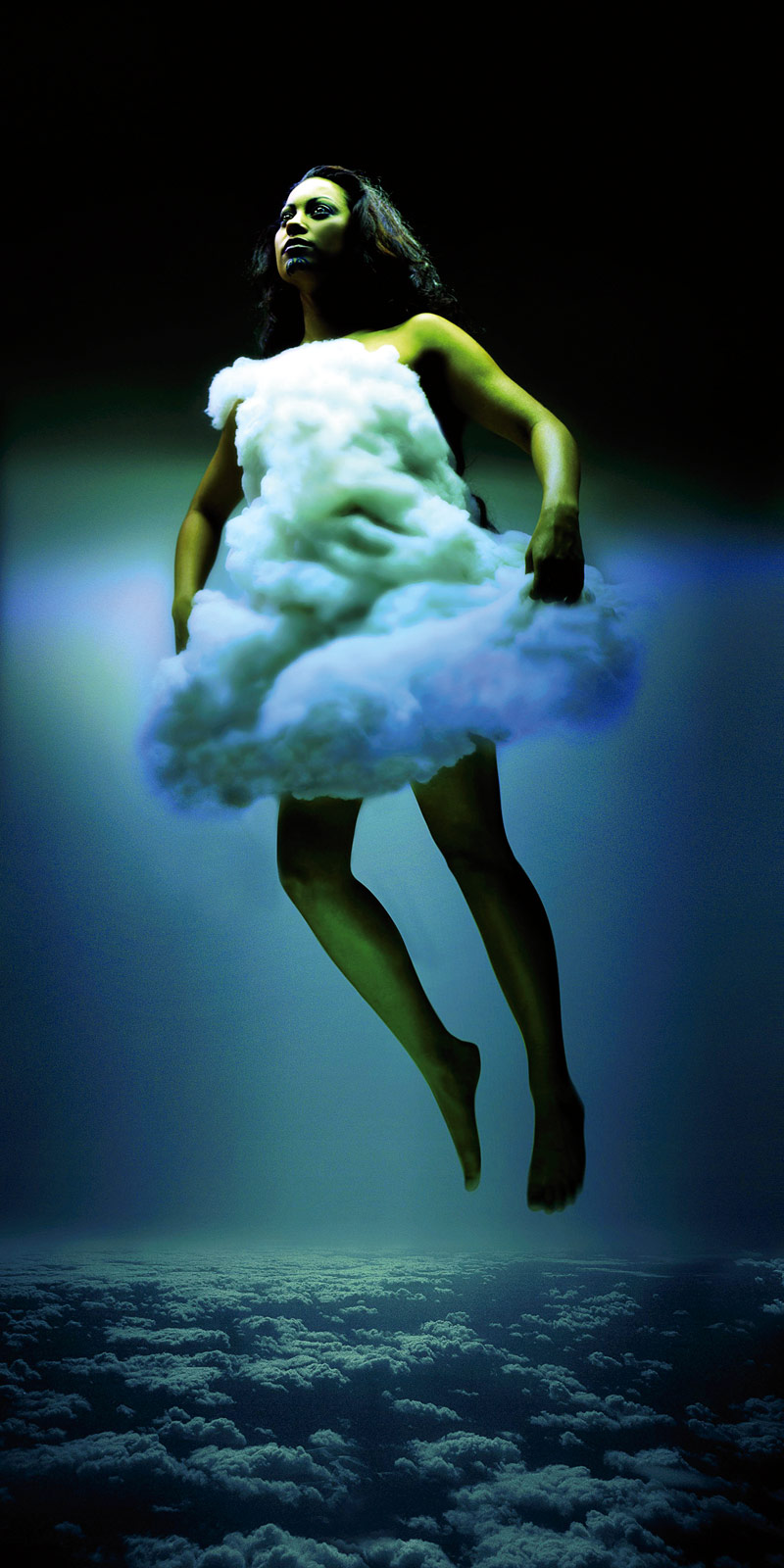
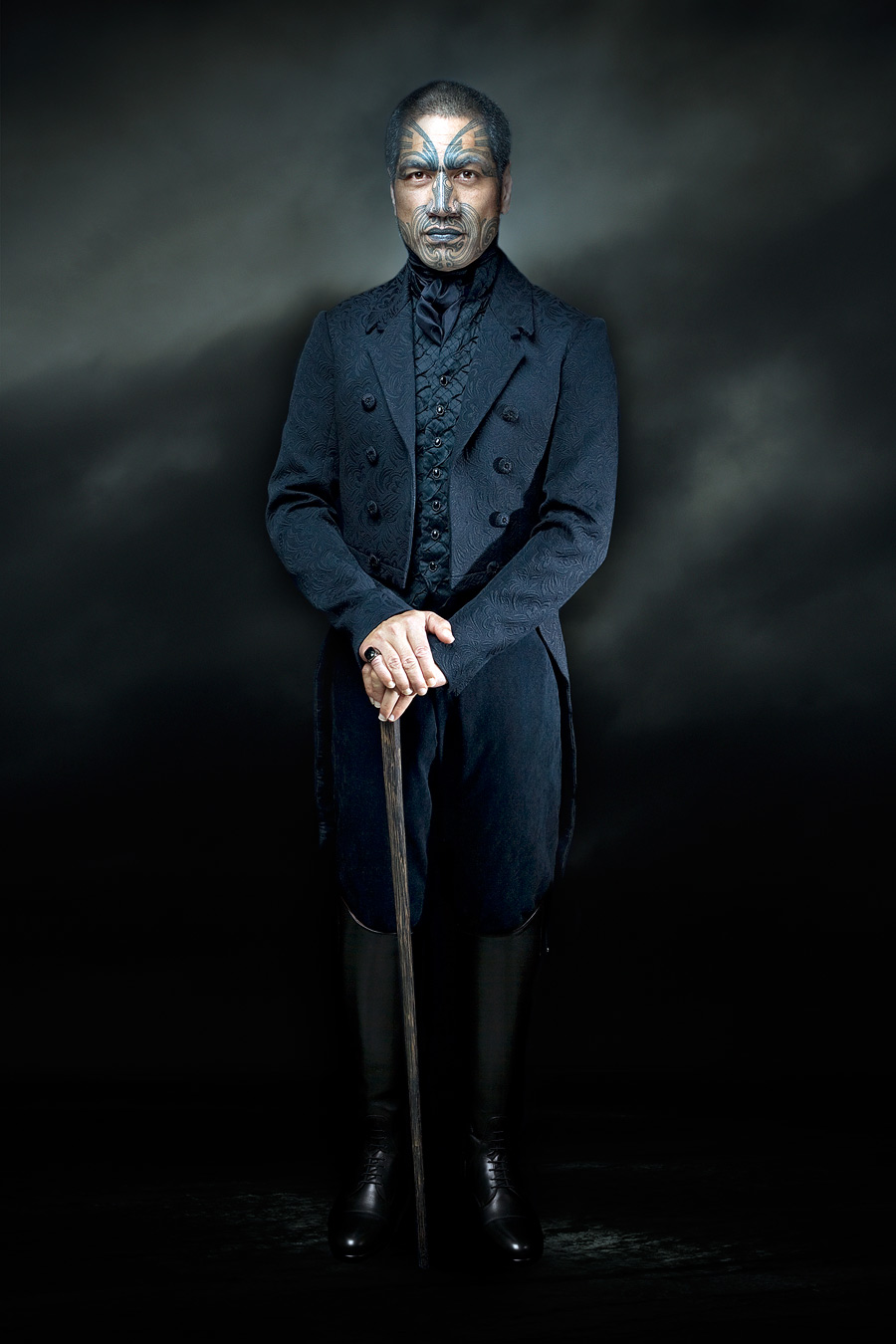
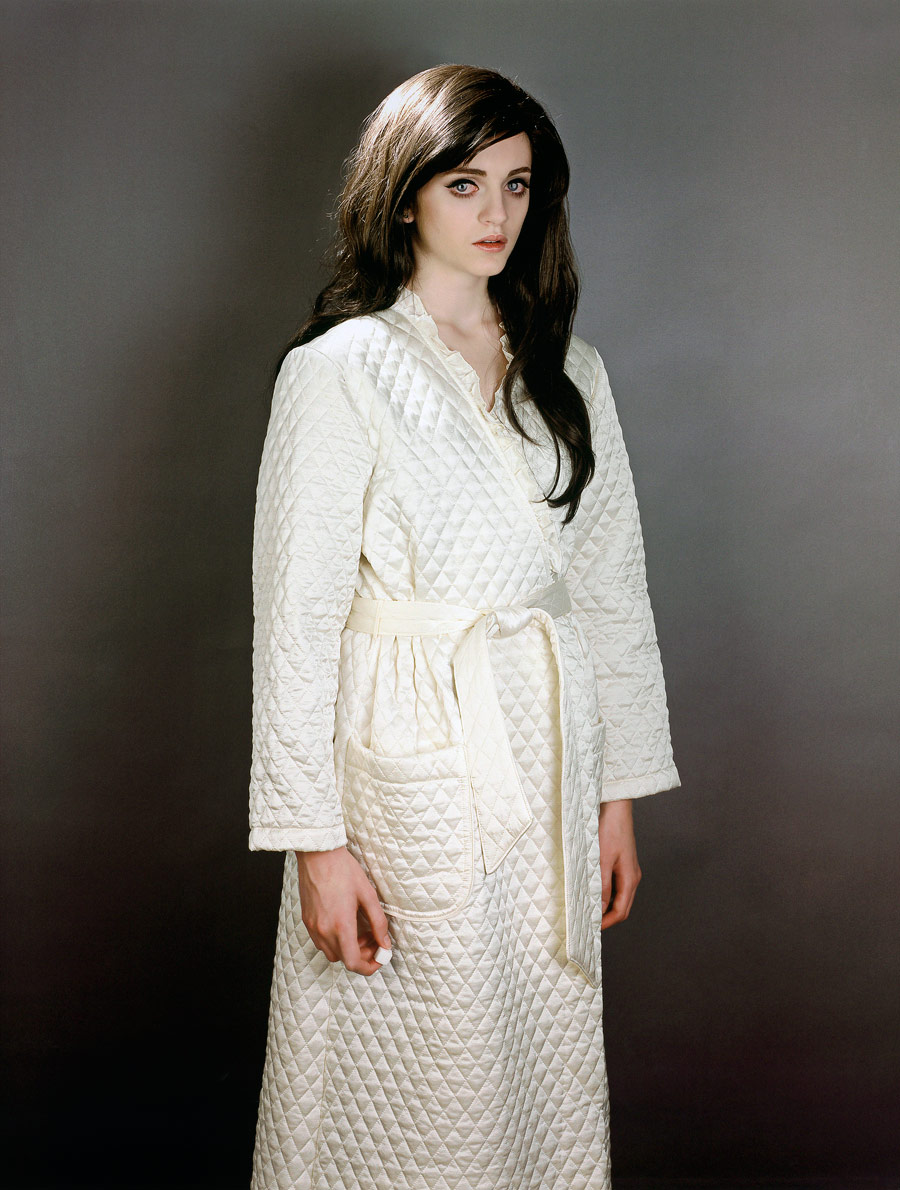
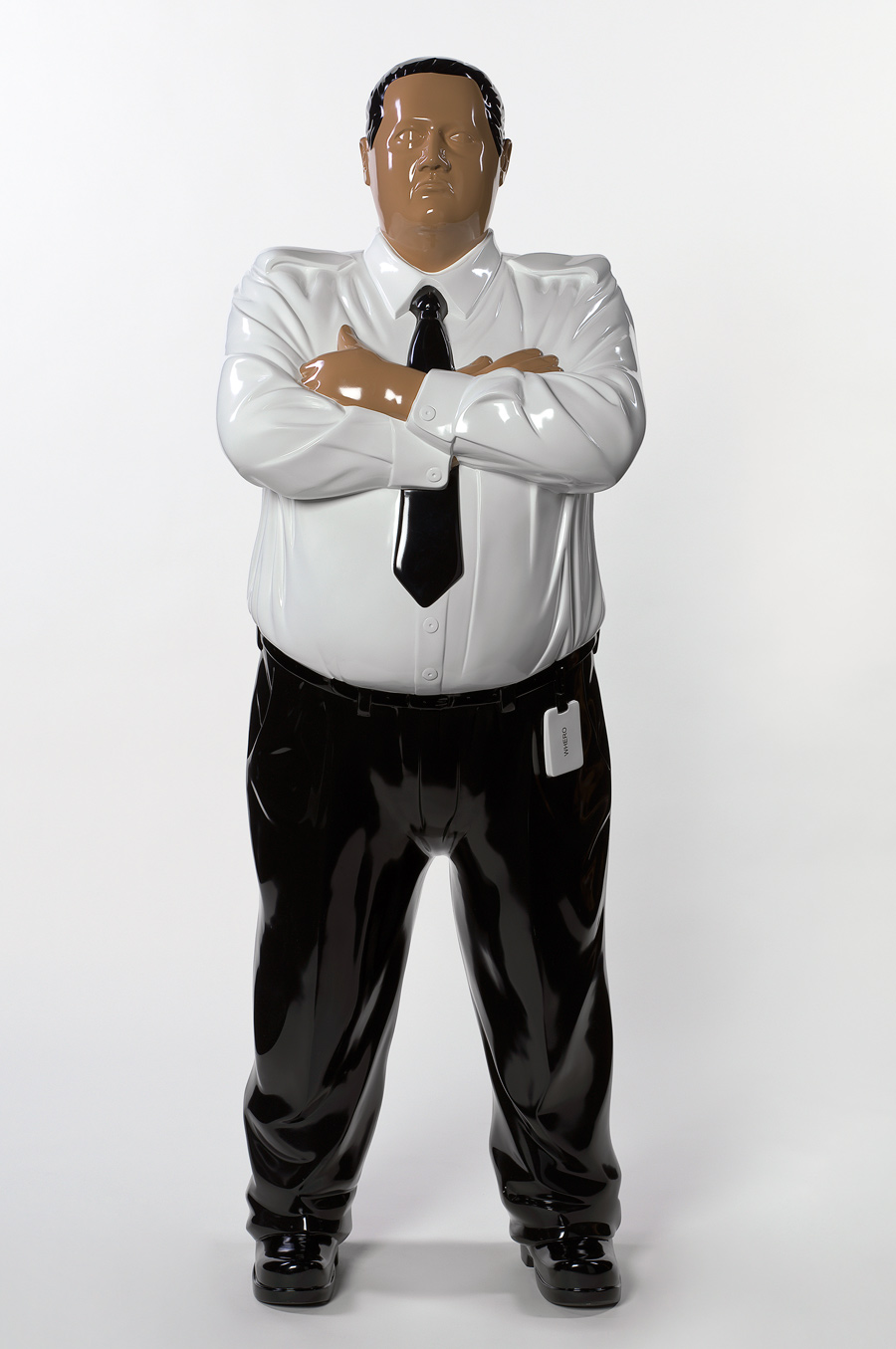
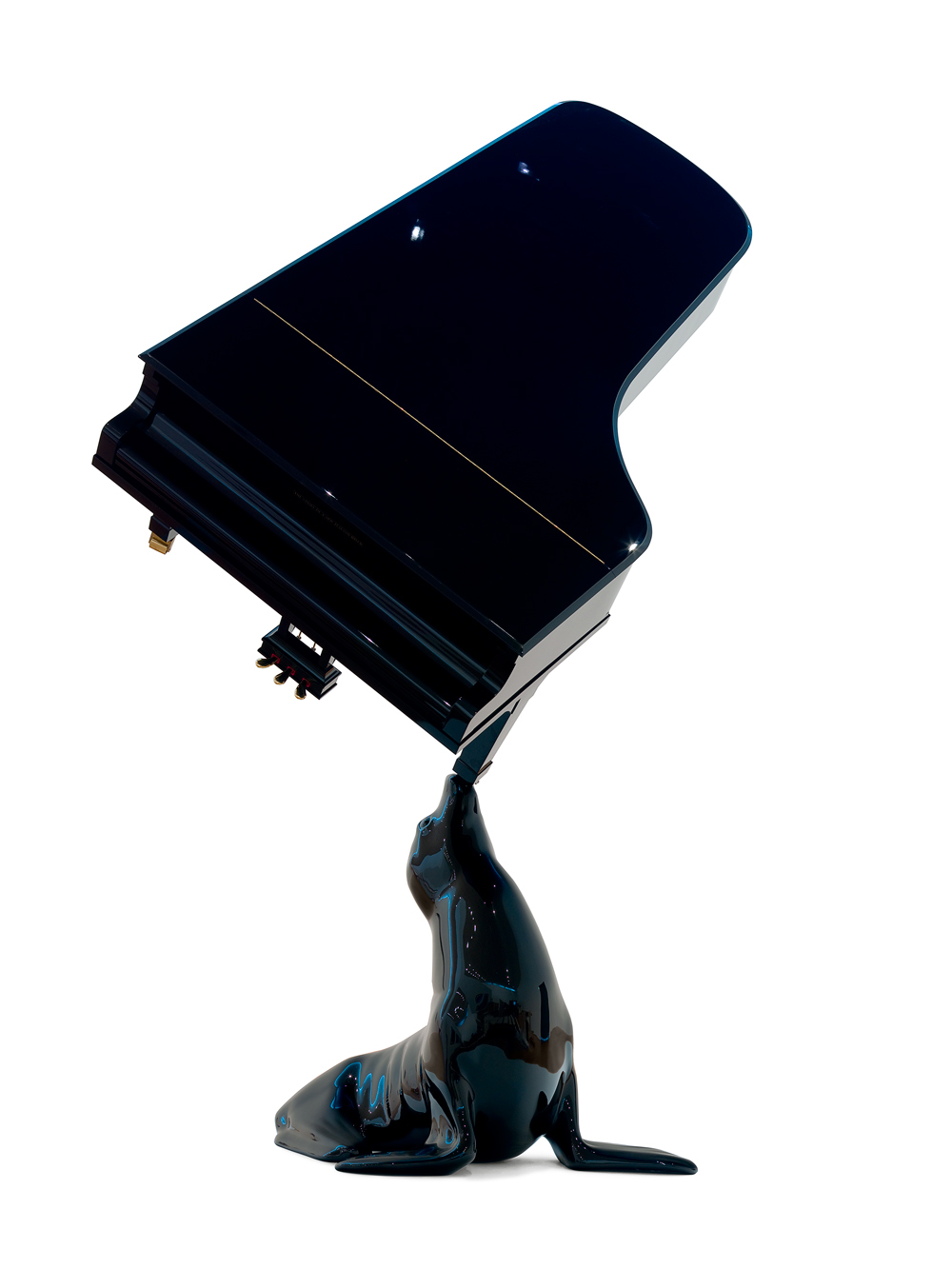

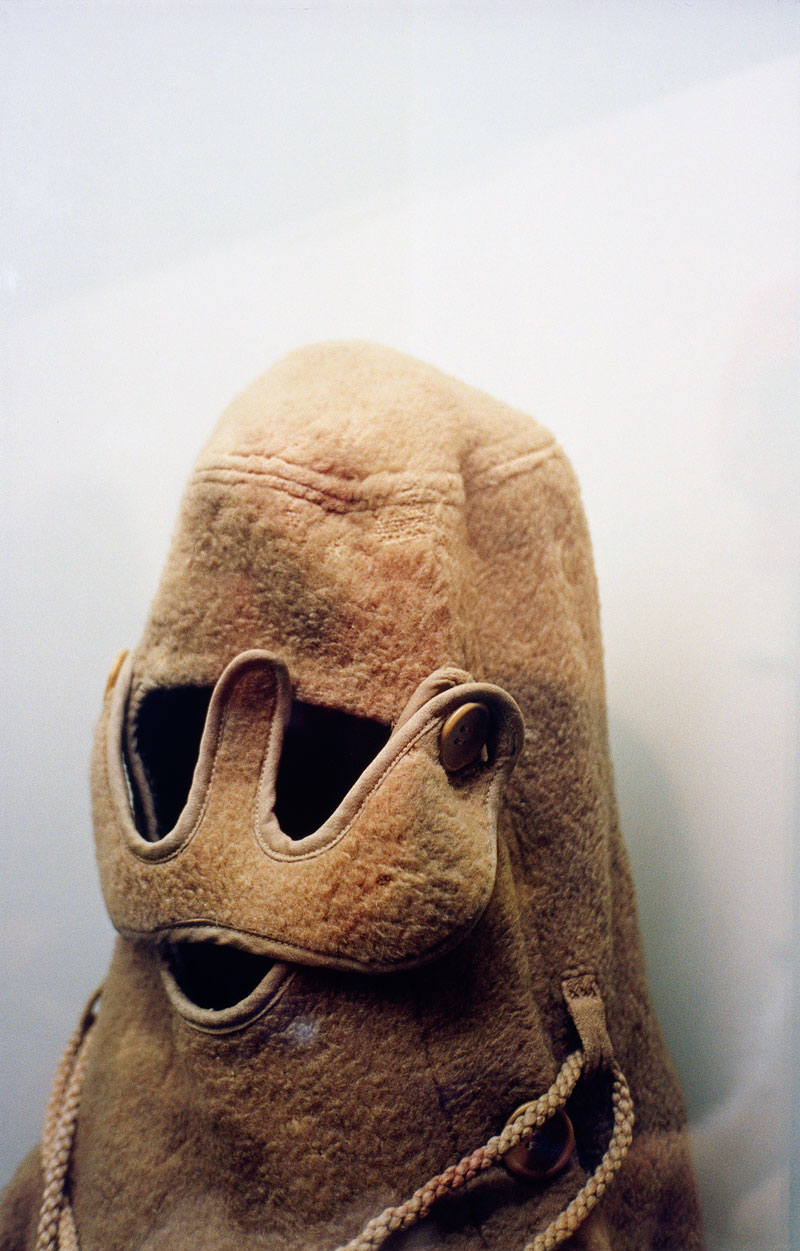
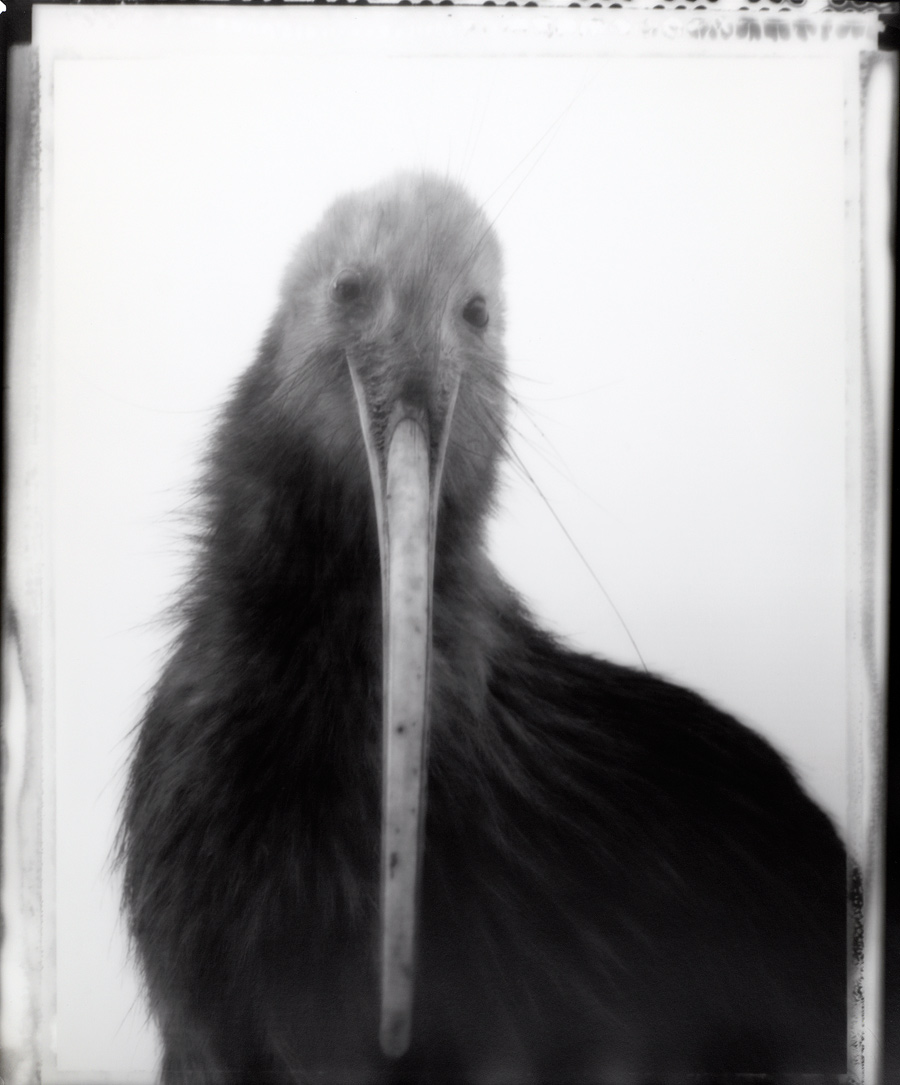
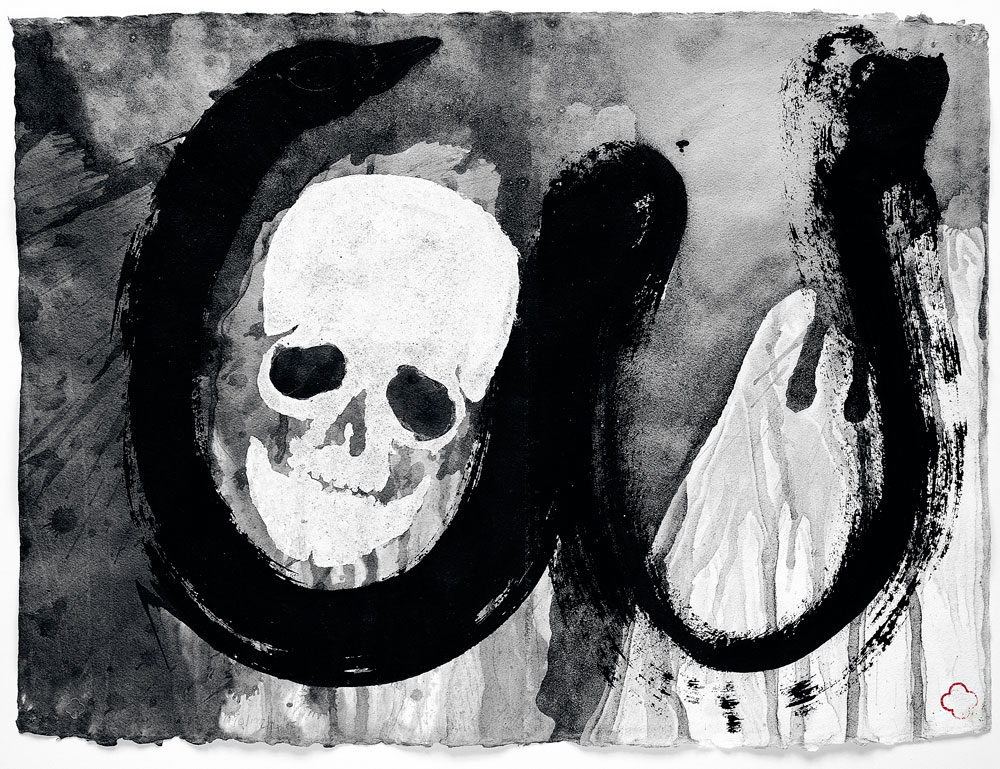
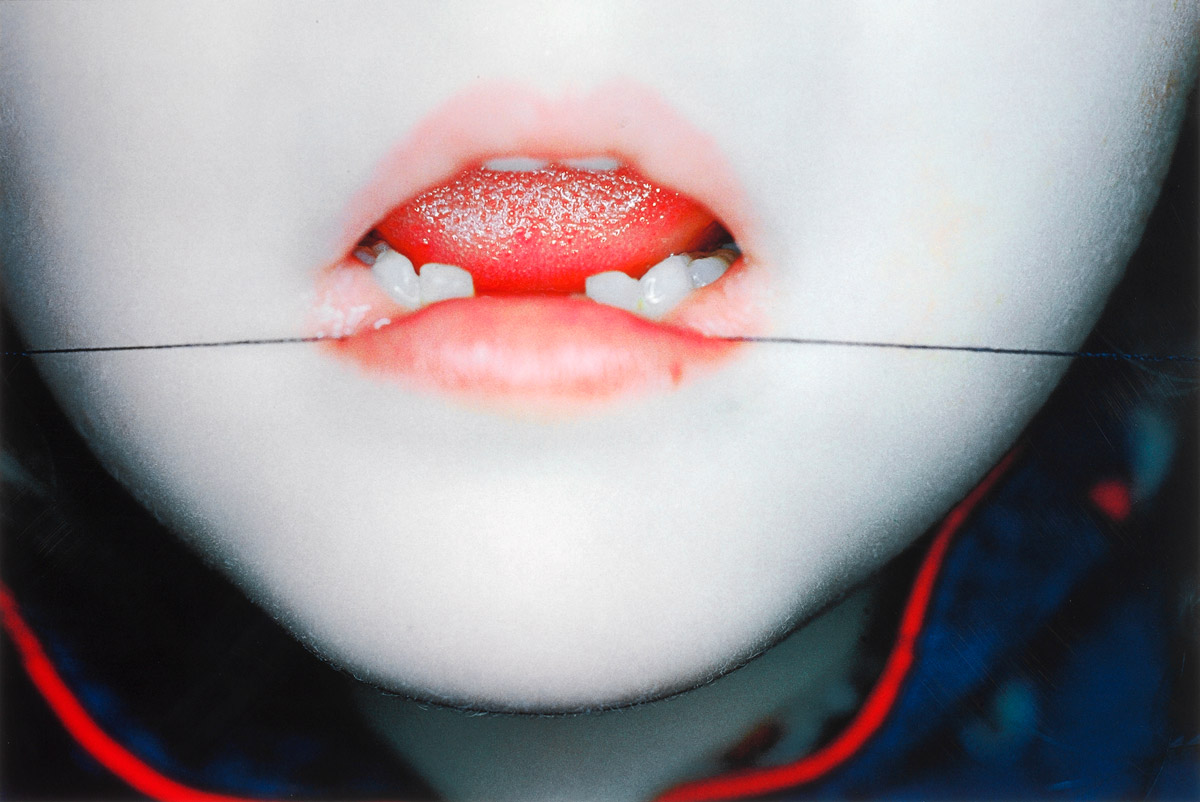






You must be logged in to post a comment.