Curators: Jennifer Blessing, Senior Curator, Photography, with Susan Thompson, Assistant Curator, Solomon R. Guggenheim Museum
My apologies, I am feeling very poorly at the moment, so just a small comment on this exhibition.
After the trilogy of 19th century photography, now for something completely different… two consecutive postings on contemporary photography.
In this art, the photograph becomes a conceptual “speech” act, where the artists speak with photographs, working with the context of the image – the image as concept, as talk.
It’s not just that the artists make photographic objects, they push what the medium can do. As the press release observes, “Theirs is a sort of “photo poetics,” an art that self-consciously investigates the laws of photography and the nature of photographic representation, reproduction, and the photographic object.” It is art that requires contemplation and meditation on source by Self. I have included several videos and extra text to illuminate aspects of the work in the posting.
I like the intertextuality that the artists employ when pushing the boundaries of photographic practice and representation, particularly Claudia Angelmaier’s series Works on Paper (2008-) and Lisa Oppenheim’s series The Sun is Always Setting Somewhere Else (2006).
Dr Marcus Bunyan
Many thankx to the Solomon R. Guggenheim Museum for allowing me to publish the photographs in the posting. Please click on the photographs for a larger version of the image.
99 SECONDS OF: PHOTO-POETICS: An Anthology / Guggenheim New York
The exhibition and its accompanying catalogue examine an important new development in contemporary photography, offering an opportunity to define the concerns of a younger generation of artists and contextualise their work within the history of art and visual culture. Drawing on the legacies of Conceptualism, these artists pursue a largely studio-based approach to still-life photography that centres on the representation of objects, often printed matter such as books, magazines, and record covers. The result is an image imbued with poetic and evocative personal significance – a sort of displaced self-portraiture – that resonates with larger cultural and historical meanings. Driven by a profound engagement with the medium of photography, these artists investigate the nature, traditions, and magic of photography at a moment characterised by rapid digital transformation. They attempt to rematerialise the photograph through meticulous printing, using film and other disappearing photo technologies, and creating artist’s books, installations, and photo-sculptures. While they are invested in exploring the processes, supports, and techniques of photography, they are also deeply interested in how photographic images circulate. Theirs is a sort of “photo poetics,” an art that self-consciously investigates the laws of photography and the nature of photographic representation, reproduction, and the photographic object.
Collier’s photographs offer a straightforward presentation of found images and printed ephemera, and explore themes of appropriation, iconography, and surrogacy… Though implicitly layered with feminist critiques of mass media, Collier’s images of famous women – especially those of other artists, like Cindy Sherman, for example – can also be interpreted as oblique self-portraits.
Text from the Guggenheim artist’s web page
“Ephemera and mediation are at the quiet center of Collier’s Crying, one of her works in the exhibition. Seen from across the room, “Crying” looks like a photograph overlaid upon a painted surface, or perhaps a portrait integrated within a two-dimensional space. The image, indeed a photo, is divided horizontally; the upper two-thirds are white, the bottom third is black, and on the left-hand side there is a small square close-up of a distraught woman crying. The woman is Ingrid Bergman, and this is the cover of the LP that accompanied her 1943 film For Whom the Bell Tolls. The LP is upright, facing the viewer dead-on, and up close we can see that there are a number of records behind it and that the flat spaces above and below are actually a white wall and black floor. The work is in no way overwhelming; there is nothing bombastic about it. Rather, the thrill of it comes from the reading it requires. Collier deploys her references strategically – this brings to mind abstract painting, Bas Jan Ader’s I’m Too Sad to Tell You, Bergman’s films and unconventional life, and the joy of the collector in the record store. Should that not be enough, it also awakens the empathy centers that begin firing when we see someone cry. Crying is part of a series involving records – others are of The Smiths and Sylvia Plath – but it contains the tensions within all of her work: advertising and fine art, nostalgia and distance, the camera and the eye. Collier has said she is interested in photographing objects that have “had previous lives… been handed and used,” and these rely on a kind of slow intertextuality; the gradual unfolding of meaning and feeling working towards a dizzying remove. It’s disorienting and evocative, a poetics in which the camera is not just the set-up but the punchline, and all the previous lives can be felt lurking beneath the surface.”
Anonymous text from “Woman with Camera: Anne Collier’s Feminist Image Critique,” on the Deutsche Bank ArtMag 88 website Nd [Online] Cited 13/03/2016. No longer available online
In the mid-2000s, the moving image took on a renewed prominence in Davey’s work. Inspired by her deep interest in the process of reading and writing, the artist’s essayistic video practice layers personal narrative with detailed explorations of the texts and lives of authors and thinkers she admires, such as Walter Benjamin, Jean Genet, and Mary Wollstonecraft. Davey’s own writing is central to her videos. The transcript of Fifty Minutes (2006), in which the artist reflects on her years in psychoanalysis, was published as a personal essay in the artist book Long Life Cool White: Photographs and Essays by Moyra Davey (2008), and her text “The Wet and the Dry” formed the basis of the narration of Les Goddesses (2011).
Shirreff’s work in photography, video, and sculpture reflects on the distance between an object and its representation, exploring the capacities of photography in conveying a sculptural experience.
Since scale and presence were central concerns of much mid-century abstract sculpture, Shirreff often draws on images of such works as she explores the disjunction between photographs and their subjects. Sculpture Park (Tony Smith) (2006), Shirreff’s first video work, features small cardboard maquettes the artist made of five Tony Smith sculptures. Filmed against a black background, their dark forms become discernible only as “snow” (Styrofoam) slowly accumulates on their surfaces. For subsequent video works, including Ansel Adams, RCA Building, circa 1940 (2009), Roden Crater (2009), and UN 2010 (2010), Shirreff photographed printed pictures of her subjects – often landscapes or iconic modernist buildings – under varying lighting conditions in the studio, inputting the resultant images into video editing software. These videos appear at first to be long, static shots of the subjects pictured, but eventually belie their own artifice as the viewer becomes gradually aware of the texture of the image surface.
Text from the Guggenheim artist’s web page
Lisa Oppenheim (American, b. 1975) The Sun is Always Setting Somewhere Else (detail) 2006 Slide projection of fifteen 35 mm slides, continuous loop, dimensions variable Solomon R. Guggenheim Museum, New York Purchased with funds contributed by the Photography Committee
Oppenheim’s work explores the interactions between an image, its source, and the context in which it is encountered. The Sun is Always Setting Somewhere Else (2006) originates from photographs of the setting sun taken by U.S. soldiers in Iraq, which Oppenheim found on the image-sharing website Flickr. Holding each photograph at arm’s length in such a way that it aligns with the horizon of the setting sun in the artist’s native New York, the artist reshot the images as the sun set within the frame. Presented as a 35 mm slide show, the significance of seemingly quotidian sunsets shifts with the knowledge of who captured them and where.
Text from the Guggenheim artist’s web page
Guggenheim Examines New Developments in Contemporary Photography with Photo-Poetics: An Anthology
The Solomon R. Guggenheim Museum presents Photo-Poetics: An Anthology, an exhibition documenting recent developments in contemporary photography and consisting of photographs, videos, and slide installations by ten international artists. With more than 70 works by Claudia Angelmaier, Erica Baum, Anne Collier, Moyra Davey, Leslie Hewitt, Elad Lassry, Lisa Oppenheim, Erin Shirreff, Kathrin Sonntag, and Sara VanDerBeek, the exhibition runs from November 20, 2015 – March 23, 2016, and presents a focused study into the nature, traditions, and magic of photography in the context of the rapid digital transformation of the medium.
Organised by Jennifer Blessing, Senior Curator, Photography, with Susan Thompson, Assistant Curator, Solomon R. Guggenheim Museum, Photo-Poetics: An Anthology offers an opportunity to define the concerns of a new generation of photographic artists and contextualise their work within the history of art and visual culture. These artists mainly pursue a studio-based approach to still-life photography that centres on the representation of objects, often printed matter such as books, magazines, and record covers. The result is often an image imbued with poetic and evocative personal significance that resonates with larger cultural and historical meanings.
The artists in the exhibition attempt to rematerialise the photograph through meticulous printing, using film and other disappearing photo technologies. Drawing on the legacies of Conceptualism and invested in exploring the processes and techniques of photography, they are also deeply interested in how photographic images circulate. Theirs is a sort of “photo poetics,” an art that self-consciously investigates the laws of photography and the nature of photographic representation, reproduction, and the photographic object. The works in the exhibition, rich with detail, reward close and prolonged regard; they ask for a mode of looking that is closer to reading than the cursory scanning fostered by the clicking and swiping functionalities of smartphones and social media. Both the exhibition and its accompanying catalogue are conceived as anthologies, as independent vehicles to introduce each artist’s important and unique practice. #photopoetics
Press release from the Solomon R. Guggenheim Museum
VanDerBeek’s photographs utilise a variety of formal strategies and references yet remain consistently engaged with issues of memory and the experience of time and space.
VanDerBeek first became known in the mid-2000s for photographs featuring her own makeshift sculptural configurations in which appropriated photos were combined into collages that resounded with personal and political meaning. Constructed in the studio out of found images and pieces of wood, metal, and string, these works, such as From the Means of Reproduction (2007) and Calder and Julia (2006), were created solely for the camera and were disassembled after being photographed.
Encompassing sculpture, photography, film, and drawing, Sonntag’s work offers a complex analysis of the nature of objects and the division between fiction and reality. Using stools, tripods, tables, and mirrors to create unusual perspectives, her installations strip meaning from readily identifiable objects via photographic experiments within the confines of her studio. Mittnacht (2008) comprises eighty-one slides of found images of paranormal phenomena photographed among the artist’s studio tools and furniture. The supernatural elements are enhanced by their disorienting placement within the studio, which both creates illusions and allows errors and smudges in processing to cast an eerie shadow on certain images in the series.
Taking art historical masterpieces – and, by extension, art history itself – as her referents, Angelmaier traces the photographic representation of artworks across the pages of textbooks, classroom slides, coffee table monographs, and postcards. Cognisant that major artworks are most often encountered via reproduction rather than in person, she highlights the analogue media that have facilitated the circulation of such images for many decades…
The larger scope of Angelmaier’s concerns is particularly evident in the series Works on Paper (2008- ). Here, the artist photographs the backlit versos of postcards from museum gift shops. The artwork pictured on a card’s front appears muted yet faintly discernible, while the caption information and museum insignia on the back remain fully legible. By foregrounding the text, logos, and barcodes, Angelmaier not only examines the material realities of the postcard, but the social and economic systems both the souvenir and the work it depicts inhabit.
Baum takes the printed page as her primary subject, photographing fragments of found language at close range. Commingling image and text, her works often operate simultaneously as both photograph and poem… For the Naked Eye series (2008- ), Baum directs her camera into the partially opened pages of stipple-edged paperbacks from the 1960s and ’70s, capturing slivers of image and text separated by the vertical striations of adjacent pages’ brightly dyed edges. Although the compositions are each the result of a single, unaltered photograph, they operate visually as collages and veer toward abstraction.
Lassry positions his photographic works as “pictures,” entities that operate simultaneously as both objects and images. In doing so, he shifts their relationship to the viewer, inviting a broader examination of how photographs are seen and understood.
Lassry regularly presents his photographs in lacquered frames that match the colours of his bright, saturated images, or in warm walnut frames in the case of his work in black and white. The artist used this approach as early as 2008, in works such as Wolf (Blue) (2008). The continuity between frame and photo, heightened by the absence of matting, highlights the physicality of the picture without disrupting the illusion of depth in the photographic image. Lassry’s pictures derive from his own studio-based photographs as well as appropriated imagery. In both cases, the images reference the language of advertising and stock photography – and the attendant notions of desire therein. However, the would-be product is either obscured or excluded, removing the sense of purpose that drives such imagery. The artist sometimes employs techniques such as double exposure, blurring, superimposition, or collage that create an unsettling instability within his pictures. In more recent works, Lassry has incorporated sculptural elements, most often silk valances that cover significant sections of the image, as in Untitled (Woman, Blond) (2013), or looping coloured wires that penetrate it, as in Untitled (Dolphins, Two) (2014).
Text from the Guggenheim artist’s web page
Leslie Hewitt (American, b. 1977) Riffs on Real Time (3 of 10) 2006-09 Chromogenic print 76.2 x 61cm Solomon R. Guggenheim Museum, New York Purchased with funds contributed by the Photography Committee
Commingling photography and sculpture, Hewitt’s works often present arrangements of personally and politically charged materials – including historically significant books and magazines from the 1960s and ’70s as well as family photos (not necessarily her own) – that conjure associative meaning through juxtaposition.
In Hewitt’s series Riffs on Real Time (2006-2009), snapshots lay atop appropriated printed matter shot against a wood floor or carpet so that the contrasting textures of these layered materials build up and outward toward the viewer. In Hewitt’s various photo-sculptural series, the photographs begin to pointedly inhabit the space of the viewer. Positioned on the floor, their frames lean against the gallery walls, asserting their own materiality and calling attention to the space of the gallery.
Text from the Guggenheim artist’s web page
Solomon R. Guggenheim Museum 1071 5th Avenue (at 89th Street) New York
This is another solid thematic group exhibition at the Mornington Peninsula Regional Art Gallery (curator Wendy Garden), following on from their recent success, Storm in a teacup.
The exhibition is not as successful as Storm in a teacup, mainly because most of the works are based on the monolithic, monosyllabic representation of beach culture, and its figuration, during the early decades of the twentieth century (White Australia policy, Australian stereotypes of the interwar period) and the re-staging of these ideas in the contemporary art presented through a diachronic (through/time), performative discourse.
There is so much re-staging in this exhibition I was left to wonder whether there was any original art work being produced that does not quote sources of history, memory, identity, representation and art from past generations. Daniel Boyd re-stages Captain Cook’s landing at Botany Bay with said hero as a pirate. Stephen Bowers replicates the Minton willow pattern motif and early paintings of kangaroos. Leanne Tobin re-stages Bungaree’s disrobing on the beach during his journey with Matthew Flinders. Diane Jones re-stages Max Dupain’s Sunbaker replacing the anonymous prostrate man with her head looking into the camera, or Dupain’s Form at Bondi with her head turned towards the camera. Worst offender is Anne Zahalka who re-states Dupain’s Sunbaker (again!) as a red-headed white women on the beach; or re-presents Charles Meere’s Australian beach pattern (1940, below) not once but twice – the first time in The bathers (1989) broadening the racial background of people to depict multicultural Australia in the 1980s, the second time in The new bathers (2013) broadening the mix even further. Most successful of these re-stagings is Michael Cook’s series of photographs Undiscovered in which the artist subverts deeply ingrained understandings of settlement, that of terra nullius, by depicting Captain Cook as black and positioning him in high-key, grey photographs of impressive beauty and power, surveying the land he has ‘discovered’ while perched upon an invisibly balanced ladder.
But with all of the works that quote from the past there is a sense that, even as the artists are critiquing the culture, they are also buying into the system of patriarchy, racism and control that they seek to comment on. They do not subvert the situation, merely (and locally) extrapolate from it. The idealised, iconic representation of early 20th century Australia culture in the paintings from the 1920-30s and the photographs from the 1940s-70s – specimens of perfect physical beauty – are simply shifted to a new demographic – that of iconic, individual figures in the same poses as the 1940s but of a different ethnicity. The colour of the figure and the clothing might have changed, but the underlying structure remains the same. And if you disturb one of the foundation elements, such as the base figure in one of George Caddy’s balancing beachobatics photographs, the whole rotten edifice of a racism free, multicultural Australia will come tumbling down, just as it did during the Cronulla Riot.
What I would have liked to have seen in this exhibition was a greater breadth of subject matter. Where are the homeless people living near the beach, the sex (for example, as portrayed in Tracey Moffat’s voyeuristic home video Heavenwhich shows footage of male surfers changing out of their wetsuits in car parks – “shot by Moffatt and a number of other women as if they were making a birdwatching documentary” – which challenges the masculinity of Australian surf culture and the ability of women to stare at men, instead of the other way around), death (drownings on beaches, the heartbreak of loss), and debauchery (the fluxus of Schoolies, that Neo-Dada performance of noise and movement), the abstract nature of Pictorialist photographs of the beach, not to mention erosion and environmental loss due to global warming. The works presented seem to have a too narrowly defined conceptual base, and a present narrative constructed on a coterie of earlier works representing what it is to be Australian at the beach. The contemporary narrative does not address the fluidity of the landscape in present time (in works such as Narelle Autio’s series Watercolours or The place in between).
The dark underside of the beach, its abstract fluidity, its constant movement is least well represented in this exhibition. Although I felt engaged as a viewer the constant re-quoting and rehashing of familiar forms left me a little bored. I wanted more inventiveness, more insight into the conditions and phenomena of beach culture in contemporary Australia. An interesting exhibition but an opportunity missed.
“The landing of Captain Cook in Botany Bay, 1770 by E. Phillips Fox is such an iconic and important image relating to the birth of Australia. Shifting the proposed view of Fox’s painting to something that was an indigenous person’s perspective allowed for me to challenge the subjective history that has been created.”
Daniel Boyd, 2008
In this painting Daniel Boyd parodies E. Phillips Fox’s celebrated painting which was commissioned in 1902 by the Trustees of the National Gallery of Victoria to commemorate federation. No longer an image valorising colonial achievement, Boyd recasts the scene as one of theft and invasion. Captain Cook is depicted as a pirate to contest his heroic status in Australia’s foundation narratives. Smoke in the distance is evidence of human occupation and is a direct retort to the declaration that Australia was ‘terra nullius’ – land belonging to no-one, which was used to justify British possession.
In these works Bowers combines the willow pattern motif, a ready-made metaphor of hybridity, with an image of a kangaroo as envisioned by George Stubbs in 1772. The willow pattern as an English invention, created by Thomas Minton in 1790. It is an imaginative geography and, like the first known European painting of a kangaroo, considers other lands as strange, exotic places. In this work the imagery of colonial occupation is visualised as a fusion of cultures underpinned by half-truths, fantasy and desire.
Installation views of Leanne Tobin’s Clothes don’t always maketh the man (2012)
Bungaree (c. 1755-1830) was a Garigal man who circumnavigated the continent of Australia with Matthew Flinders on the H.M.S. Investigator between 1802-1803. Unlike Bennelong, who attempted to assimilate with British ways and Pemulwuy, who resisted, Bungaree made the decision to navigate a relationship with the British while still maintaining his cultural traditions. He played an important role as an envoy on Flinder’s voyages, negotiating with the different Aboriginal groups they encountered. A skilled mediator, Bungaree was adept at living between both worlds. When coming ashore he would shed his white man’s clothes so that he could conduct protocol relevant to the local elders. In this respect the beach became a zone of transformation and exchange.
Michael Cook (Australian, b. 1968) Undiscovered 4 2010 inkjet print on Hahnemuhle paper 124.0 x 100.0cm Australian National Maritime Museum
A selection of works from a series of ten photographs in which Michael Cook contests the idea of ‘discovery’ that underpins narratives of the British settlement of Australia… Cook depicts the historic Cook as an Aboriginal man replete in his British naval officers attire. His ship, the famed Endeavour, is anchored in the sea behind him. By mimicking the moment of first discovery Cook subverts deeply ingrained understandings of settlement and asks us to consider what type of national Australia would be if the British had acknowledged Aboriginal people’s prior ownership.
Max Dupain (Australian, 1911-1992) At Newport 1952, Sydney Silver gelatin photograph
George Caddy (Australian, 1914-1983) Chest strength and breathing exercise, 20 February 1937 1937 Digital print on paper Paul Caddy collection Courtesy of Paul Caddy
Like Max Dupain, who was three years his senior, Caddy was interested in the new modernist approach to photography. During 1936 he read magazines such as Popular Photography from New York and US Camera rather than Australasian Photo-Review which continued to champion soft-focus pictorialism. This photograph was taken the same year as Dupain’s famous Sunbather photograph. The framing and angle is similar reflecting their common interest in sharp focus, unusual vantage points and cold composition.
George Caddy (Australian, 1914-1983) Freshwater Surf Life Saving Club reel team march past, 3 April 1938 1938 Digital print Collection of the Mitchell Library, State Library of New South Wales Purchased from Paul Caddy, 2008
This photograph was taken only months after an infamous rescue at Bondi. On 6 February 1938 a sand bar collapsed sweeping two hundred people out to sea. 80 lifesavers rescued all but 5 people in a day subsequently described as Black Sunday. By 1938 the Surf Life Saving Association, which incorporated clubs from around Australia, had rescued 39,149 lives in its 30 year history. In 1938 alone there were 3,442 rescues. Up until the events of Black Sunday no one had drowned while lifesavers were on duty at Australian beaches. In comparison 2,000 people drowned in England each year.1
1/ Alan Davies, Bondi Jitterbug: George Caddy and his amera, Sydney: State Library of New South Wales, p. 13.
Zahalka restates Charles Meere’s painting in order to subvert the narrow stereotype of the Australian ideal… In this work Zahalka broadens the racial background of people depicted to create a more representative image of multicultural Australia in the 1980s
A now iconic representation of early 20th century Australia culture… The scene is dominated by a mass of suntanned bodies: muscular, square-jawed white Australians – specimens of perfect physical beauty – enjoying the strenuous physical activities of the beach. A glorification of the strong, healthy, racially pure Australian ideal of the 1930s, it is eerily reminiscent of Nazi German Aryan propaganda between the wars.
Notably, the figures themselves all appear anonymous and disconnected, with indistinct facial features that show no acknowledgement of their fellow beach-goers. Their identities are overwhelmed by Meere’s obsession with arrangement. Rather than reflect real life, the figures are placed to create an idealised work of perfect balance. It is fascinating to consider that this iconic representation of Australian beach culture actually came from the imagination of an Englishman, who had only lived in Australia since the mid-1930s and who, according to his apprentice, ‘never went to the beach’ and ‘made up most of the figures’.1
1/ Freda Robertshaw quoted in Linda Slutzkin, Charles Meere 1890-1961. Sydney: S. H. Ervin Gallery, 1987, p. 6.
When bans on daylight bathing were lifted in 1902, the beach became a prime leisure destination. The beach became not only as a public space of recreation but also as a place where the Australian identity was developing, for many epitomising the liberties of Australia’s society. On the beach brings together 76 outstanding and iconic paintings, photographs and installations to consider the defining relationship we have to the shore.
Works by artists including Vernon Ah Kee, Arthur Boyd, Gordon Bennett, Daniel Boyd, Max Dupain, Charles Meere, Tracey Moffatt, David Moore, Sidney Nolan, Polixeni Papapetrou, John Perceval, Scott Redford, Jeffrey Smart, Albert Tucker, Guan Wei and Anne Zahalka, as well as outstanding recently discovered works by George Caddy (see above). A champion jitterbug dancer, Caddy’s photographs of ‘beachobatics’ were kept undisturbed in a shoebox for 60 years until they were ‘discovered’ by his son after his death. They capture the exuberance and optimism of Australian society between the wars.
The beach first became a prime leisure destination in the early decades of the twentieth century. Up to Federation many artists had looked to the bush to galvanise a fledging nationalism, but during the interwar years this shifted and increasingly the beach became the site of Australian identity. Already by 1908 one Melbourne newspaper commented upon the ‘vast throng of holidaymakers all along the coast.’ In the years following the First World War, against a backdrop of a growing interest in physical fitness, the beach was seen as a place for creating ‘a fine healthy race of men.’ Understandings of the beach as an Australian way of life emerged during this period and increasingly the Australian type was associated with bronzed athletic bodies on the beach.
On the beach looks at artists’ responses to the stereotype of the interwar period and juxtaposes modernist works with contemporary artists’ responses to include a more culturally diverse mix of people. Other artists in the exhibition challenge understandings of the beach as a benign space and consider the history of violence that is latent.
Press release from the Mornington Peninsula Regional Art Gallery
Rennie Ellis (Australian, 1940-2003) Union Jack, Lorne c. 1968 Silver gelatin selenium toned fibre-based print Rennie Ellis Photographic Archive
Rennie Ellis (Australian, 1940-2003) Four Sunbathers, Lorne c. 1968 Type C photograph (ed. AP) Rennie Ellis Photographic Archive
Rennie Ellis (Australian, 1940-2003) Bondi, New South Wales 1997
“On the beach we chuck away our clothes, our status and our inhibitions and engage in rituals of sun worship and baptism. It’s a retreat to our primal needs.”
Rennie Ellis
Installation views of Vernon Ah Kee’s cantchant 2007-09
Vernon Ah Kee’s response to the events at Cronulla (the Cronulla Riot) us a powerful retort to the racists and their mantra ‘we grew here, you flew here’ chanted on the beach during the riots. Ah Kee takes issue pointing out the hypocrisy in their statement.
“We grew here, you flew here is an insincere statement and they were chanting it over and over again. It’s a way to exercise racism. I’m like ‘WE’ grew here, say what you want, but we’re the fellas that grew here.”
The surfboards are printed with Yidinji shield designs and the portraits are members of the artists family. The work was exhibited in the Australian Pavilion at the 2009 Venice Biennale.
This is one of a number of paintings and drawings made in response to Blackman’s observations of life on Melbourne’s beaches. Blackman moved from Sydney to Melbourne in 1945 to be part of Melbourne’s burgeoning art scene, making friends with John Perceval, Joy Hester and John and Sunday Reed amongst others.
During this period Blackman regularly took the tram to St Kilda beach to swim and paint. Although he enjoyed spending time on the beach, there is a sinister overtone to this painting of a prostrate figure lying on the sand. A bleak, grey palette articulates the pallid lifeless flesh amplifying a sense of death. The hollow slits that substitute for eyes further accentuate the corpse-like appearance. It is a stark contrast to many paintings of the era that emphasise physical vitality and wellbeing. Rather the sense of isolation and heavy treatment of shadows and water creates a painting that is psychologically disturbing. This painting can be seen as a response to his wife, Barbara’s developing blindness. It has been noted that as the ‘darkness grew in her life, his pictures got darker.’1 Blackman stated many years later ‘I was trying to paint pictures which were unseeable.’2
1/ Barry Humphries quoted in Peter Wilmoth. “An artist in wonderland,” in The Age, 21 May 2006 2/ Charles Blackman interviewed by James Gleeson, 28 April 1979
Nancy Kilgour (Australian, 1904-1954) Figures on Manly Beach c. 1930 Oil on canvas 76 x 117cm Manly Art Gallery and Museum, Sydney Purchase with the assistance of the NSW Ministry for the Arts, 1986
Nancy Kilgour’s artificial arrangement of figures is believed to have been painted in the 1930s before Charles Meere painted his highly contrived composition Australian Beach Pattern, 1940. The staged poses create a tableau of Australians enjoying the freedoms of life on the beach. What is interesting about Kilgour’s painting is that a number of people are depicted fully clothed. so the emphasis is not so much on toned physiques but rather the pleasures of relaxing on the beach. The painting is also unusual because, whereas most beach scenes are cast in brilliant sunshine, the figures in the foreground in this painting are rendered in shadow suggesting the presence of the towering Norfolk Island Pine trees which form a crescent along the Manly foreshore.
Norma Bull (Australian, 1906-1980) Bathing Beach c. 1950s-60s Oil on aluminium 30.5 x 40cm Collection of the Warrnambool Art Gallery, Victoria
Norma Bull began her career at the National Gallery School in 1929, Receiving acclaim for her portraits she won the Sir John Longstaff Scholarship in 1937 and travelled to London where she worked as a war artist during the Second World War. After nine years in Europe, Bull returned to Australia and spent the next year following Wirth’s Circus, painting acrobats, clowns and scenes from circus life. She settled in the Melbourne suburb of Surrey Hills and spent her summer holidays at Anglesea which provided the opportunity to paint seascapes and beach scenes.
George Lambert, Australia’s official war artist, travelled to Gallipoli where he created detailed studies of large battle scenes. He also painted a number of smaller, more intimate works which were execute rapidly on the spot such as this scene of men bathing in the sea. Lambert’s focus is the musculature of their bodies. They are depicted as exemplars of heroic Australian masculinity. Historian C.E.W. Bean reflected in the 1920s that it was through the events on Anzac Cove on 25th April 1915 ‘that the consciousness of Australian nationhood was born.’1 In this respect the painting can be seen to have baptismal overtures.
1/ C.E.W. Bean, Official history of Australia in the War of 1914-1918 Volume 2, Sydney: Angus and Robertson, 1934, p. 346.
Anne Zahalka (Australian, b. 1957) The girls #2, Cronulla Beach 2007 From the series Scenes from the Shire 2007 Type C photograph 73.3 x 89.2cm Mornington Peninsula Regional Art Gallery Gift of the artist, 2012
John Hopkins (Australian, b. 1943) The crowd 1970 Synthetic polymer paint on canvas 172.7 x 245.2cm Mornington Peninsula Regional Art Gallery Gift of the artist, 1974
Polixeni Papaetrou (Australian, 1960-2018) Ocean Man 2013 From the series The Ghillies 2012-13 National Gallery of Victoria, Melbourne Purchased NGV Foundation, 2013
The ghillie suit is a form of camouflage originally used by hunters and the military. Recently popularised in the video game, Call of duty, the ghillie suit is worn by Papapetrou’s son, Solomon, who poses on the beach at Queenscliff. Appearing neither man nor nature, his indistinct form speaks of transformation and becoming – of prison and absence. By depicting the figure as some sort of monster emerging from the depths of the ocean, Papapetrou creates an image that draws upon Jungian understanding of the sea as a symbol of the collective unconscious – both a source of life and return.
Mornington Peninsula Regional Art Gallery Civic Reserve, Dunns Road, Mornington
Artists: Danica Chappell, Peta Clancy, Eliza Hutchison, Megan Jenkinson, Justine Khamara, Paul Knight, Derek Kreckler, Luke Parker, Emidio Puglielli, David Rosetzky, Jo Scicluna, Martin Smith, Vivian Cooper Smith, James Tylor and Joshua Yeldham
This is a solid if slightly dour exhibition at the Monash Gallery of Art which examines the phenomena of the deconstruction of the physicality of the photograph. It “features the work of contemporary artists who disrupt the seamless uniformity of screen-based photography by cutting, pinning, folding and puncturing photographic prints. These are photographs that need to be engaged with in physical space, rather than contemplated on a screen; this is an exhibition about making rather than taking photographs.”
Therein lies the rub. If you start such an exercise (the physical deformation of the surface of the print), without caring about the quality of the base image, then you are automatically starting from a bad position. It’s like printing a black and white print from an underexposed negative. Further, much as many of these works are interesting conceptual exercises, most of them lead to emotional dead ends.
A friend of mine, Ian Lobb, has a good analogy: imagine standing on a bridge with a fast running stream flowing underneath, and dropping a pebble off the bridge. And then another, and another. Unless they cluster around each other to form an ongoing enquiry by a group of people – such as Australian women’s hand-coloured photography of the 1970s – INTO ONE IDEA (in the 1970s it was feminism and the urban environment), then they will be washed away. And this is the feeling I get from this exhibition: every idea possible is up for grabs (in an earnest kind of way), but nothing sticks memorably in the mind. That is the world in which we live today.
To my mind the best work in the exhibition is the simplest and most eloquent. Out of Joshua Yeldham’s trio of images, it is Owl of tranquillity (2015, below) which is the standout. The base image is beautiful and the careful incision work just adds to the magical resonance of the image. A truly knockout piece that would be a joy in any collection. The other two works suffer from the base image being taken on a mobile phone… the quality of the image is just not there to start with, and to then print and work the image at such great scale (see installation images below) means both images tend to loose cohesiveness. You can get away with it once, but not three times.
I also very much liked the concept and execution of the installation by Jo Scicluna (below). The photographs were well printed, the alterations intellectually and visually challenging, the framing and construction of the installation effective with the use of wood and shadow, and the whole had a wonderful resonance in the corner of the gallery. Plus you got a free poster of the work to take away with you!
In the early years of the 21st century many cultural commentators were excited by the prospect of photography becoming a truly global art form. With cameras, computers and printers all communicating seamlessly through digital networks, and with the internet providing a worldwide platform for sharing photographs, it looked like the photographic medium might transcend the specificities of both place and materials.
While global digital networks have clearly impacted photography generally, the work of many art photographers has taken a different turn. Instead of embracing the seamless space of digital production, or the expanded horizon of online galleries, artists working with photography have found a range of ways to ground their practices in the material world.
Cutting edge: 21st-century photography features the work of contemporary artists who disrupt the seamless uniformity of screen-based photography by cutting, pinning, folding and puncturing photographic prints. These are photographs that need to be engaged with in physical space, rather than contemplated on a screen; this is an exhibition about making rather than taking photographs.”
Danica Chappell‘s practice belongs to a long artistic tradition of visual abstraction, which rejects representation in favour of sensual and experimental processes. While this tradition is dominated by painters, Chappell employs the light-sensitive chemistry of traditional photography to generate her images. Even though Chappell’s practice can be described as ‘photographic’, she doesn’t use a camera to produce her work. This helps turn photography into something abstract, rather than representational, but it also allows Chappell to distance herself from the ‘instamatic moment’ and foreground an extended process of creative intuition with colour and form. The work being exhibited here, Light shadow (5 days + 5 hrs in 8 parts + test strips), was created in a colour darkroom over several hours. Approaching this as a type of unseeable performance, Chappell arranged and rearranged scraps of paper and other off-cuts on the light sensitive paper while exposing it to light for different periods of time. Chappell’s final installation of this work incorporates test strips, which have been placed at intervals over the print. The test strips, which were integral in the making of the work, interrupt the fl ow of the underlying print, adding an extra layer of abstraction and temporality.
David Rosetzky (Australian, b. 1970) Hamish 2004 Chromogenic prints Courtesy of the artist and Sutton Gallery (Melbourne) Monash Gallery of Art, City of Monash Collection acquired 2005
David Rosetzky‘s practice encompasses a range of media, including video and photography, and typically explores themes of identity and interpersonal relationships. Throughout his career, Rosetzky has created photographic series and has periodically returned to work on photographic cut-out and collaged portraits. To produce these images, Rosetzky creates cool studio portraits of young models, referencing the style of photography found in advertising and fashion magazines. He then layers as many as three photographic portraits on top of each other before hand cutting sections to reveal parts of the underlying prints (above). Through these works Rosetzky represents his subjects as being multi-layered and highlights the idea that identity is fragile, changeable and often concealed. The crumpled paper, represented in his more recent portraits (below), suggests that surfaces are dynamic thresholds rather than superficial masks. Used in a photographic context, the crumpled paper can also be seen as a reference to photography’s power to transform and elaborate a person’s social identity.
David Rosetzky (Australian, b. 1970) Pieces #2 2015 Chromogenic prints Courtesy of the artist and Sutton Gallery (Melbourne) Collection of Ten Cubed Collection of the artist
Megan Jenkinson began working with lenticular printing technologies in 2007. Lenticular printing combines multiple still images to give the impression of movement and three-dimensionality. The work on display here is from Jenkinson’s Transfigurations series, which employs a handmade form of lenticular photography to evoke the transience of the natural world. This large-scale image of water foliage is composed of two separate photographs that have been digitally spliced together and printed on a single sheet of paper. The artist has then hand-folded the photograph to create a concertinaed surface that can only be seen in its complete form when viewed from multiple angles. As a consequence, viewers need to physically interact with the photographic object, walking from side-to-side in order to experience the artwork. This form of photography disrupts traditional expectations of two-dimensional photography and introduces a tactile aspect to digital production.
In a world where photographs are often viewed on screens, Justine Khamara is interested in the physicality of the photographic surface and how this affects the meaning of an image. Her works begin as two-dimensional photographic portraits, which she then sculpts into three-dimensional forms that protrude from walls or stand alone in exhibition spaces. To create these works, Khamara cuts her photographic prints, either by hand or using a laser cutter. She then manipulates the intricately shredded surfaces by hand to give them a sculptural form. This involves an array of different techniques, such as adhering part of the photograph to a backing board and allowing the filleted paper to hang loosely from the top. In other instances she pulls and weaves the segmented photograph to create more purposeful geometric shapes. By working in this way, Khamara invests the photographic still with a sense of movement and playful elaboration, which effaces the mechanical nature of photographic reproduction.
Justine Khamara (born Australia 1971) Orbital spin trick #2 2013 UV print on plywood 50.0 x 50.0 x 50.0cm Reproduction courtesy of the artist and ARC ONE Gallery (Melbourne) Collection of the artist
Luke Parker works across a range of media, his practice is largely concerned with giving a sense of metaphysical weight to everyday events and chance encounters. The works on display here are made up of Parker’s own photographs combined with found images that he has collected over the past 20 years. To create these works, Parker categorised seemingly disparate images according to formal patterns and poetic associations. He then arranged the images onto a unifying background and used a needle and thread to stitch them into a type of artistic circuit board. Parker created this series as a way of making sense of his own image archive as well as the proliferation of images encountered in everyday life.
In a world where images are increasingly set adrift from specific economies of meaning, to circulate freely through digital networks, Parker’s works function as conceptual nets that encourage viewers to think about photographs rather than just watch them pass by.
Martin Smith‘s practice revolves around the integration of photography and text. Using photographs that have been recovered from family albums or personal archives, Smith incorporates texts into the visual fi eld of the image. The texts, which have no obvious relationship with the content of the photographs, recall personal memories or lyrics from popular songs. To incorporate the texts, Smith hand-cuts letters out of the photographic prints, often leaving the letters scattered beneath the image. The disconnect between the text and the image is a deliberate attempt to combine two discrete methods of storytelling – image and text – while also emphasising the way memories of an event are usually different from the original experience. By cutting letters out of the photograph, Smith complicates the viewer’s ability to believe in either the text or the image, and opens up a space that encourages new interpretations.
Paul Knight‘s style of his photographs is influenced by his background in commercial photography; they are technically proficient and almost illustrative in their documentary clarity. These cool formal qualities, however, are unsettled by the subject matter, which is often about private desires and passions. Knight’s 2010-11 untitled series of folded photographs document couples embracing in bed. The series reflects Knight’s broader interest in photographing moments of candour and intimacy between lovers, which remains a preoccupation of his practice. In this series, however, Knight has folded the photographic prints to frustrate any expectation we might have about a photograph’s capacity to show or reveal its subject. Instead of offering a crude, voyeuristic perspective, the intimacy documented in these images is obscured and concealed in the folds of the print.
Emidio Puglielli‘s work focuses on the relationship between the photograph as a material object and the photograph as an image. He is particularly interested in old photographs and their continued resonance in contemporary society. Puglielli finds and collects vernacular photography to use as the starting point for his works. He then highlights the materiality of the photographs by drawing attention to their surface and structure. To do this he employs strategies such as rubbing off the emulsion or piercing the surface with map pins. Puglielli is interested in the way such interventions alter the meaning of a photograph and offer new readings of images.
By damaging the smooth surface of the print, he is able to disrupt the illusion of the photographic image, but his interventions also embellish the photographs in sympathetic ways. This is particularly evident in Snow disruption, where the pins appear as snowflakes, and Shadow disruption where pins become eyeballs in the shadow of the unknown photographer. Puglielli’s works therefore seek to question the nature of photography and the way in which photographs are viewed and reinterpreted.
Vivian Cooper Smith‘s artistic practice revolves around photography. Timeless (2013) explores identity and conceptions of self while also reflecting on the nature of photography. To create this work, Smith photographed film noir classics directly from an old television screen. He then printed the images and hand-cut them to fit pieces of irregularly shaped plywood. Smith created this work during a period of personal turmoil and felt that the film noir genre of the post-war period resonated with his own desire to remake himself after a relationship breakdown. As is common to his practice, Smith has interfered with the photograph’s smooth, seamless surface, in this case by dissecting it and creating a three dimensional sculpture. By focussing on the materiality of the photograph, Smith aims to highlight its artificial or constructed nature.
Derek Kreckler originally trained as a sculptor and established himself as a performance and sound artist during the 1990s, he has more recently concentrated on producing photographic and installation work. Kreckler’s Holey series consists of beach scenes and seascapes that have been punctured with circular apertures. The excised sections of the images have been transformed into spherical objects that sit in front of the two photographs, as if the photographs have spawned offspring from their holey orifices. This sculptural configuration challenges the notion that photography offers a straightforward document of time and place. Instead, the photograph has been turned into a type of puzzle that the viewer is encouraged to investigate and solve. To further deepen the viewing experience, Holey 1 is a diptych. The two photographs show the same location; the right side captured a short time after the left side. A number of the subjects in the photographs, beach goers on a summer’s day, are displaced by time. Some have remained static, some seem to have meandered between beach and sand, whilst others have disappeared from the scene altogether.
Jo Scicluna works with a range of media, including photography, video, sculpture and installation, often combining these art forms to bring photography into the space of lived experience. Dissatisfied with the way photography, as a documentary device, is almost always tied to past events, Scicluna encourages viewers to engage with the presence of photographic objects. By cutting into the smooth surface of a photographic print, she disrupts the notion that a photograph is a window into the past. She also elaborates conceptual relationships between different photographic objects in her installations. In doing this, Scicluna activates the space between the photographic print, the sculptural form and the phenomenology of a gallery space. For Scicluna, the experience of being in-between things is related to her personal experience of migration and geographic rupture. Scicluna is not interested in using photography to create documents of specific times and places but uses the medium in a conceptual way to evoke sensations that are not as easy to represent in a literal sense.
Joshua Yeldham uses a range of media, his practice is focused on exploring the landscape and elaborating spiritual and symbolic narratives around his engagement with the natural world. He captures photographic images on a smart phone before blowing them up and printing them on cotton paper. He then uses tools to physically carve into the paper, disrupting the smooth surface of the photographic image and adding a personal, handmade effect. It is as if the artist is tattooing his own map or story into the skin of the image. The intricate carving creates a textured pattern of lightness over his otherwise dark and mysterious photographs. The technique allows Yeldham to explore history and mythology in the landscape and imbue his works with elements of both the real and the imagined. It also allows him to reference the passing of time as well as the weather and destruction that the natural environment endures on a daily basis.
Among the artists exhibited are: Emile Bernard, Edward Burne-Jones, Peter Behrens, Carlo Bugatti, Mariano For-tuny, Loïe Fuller, Emile Gallé, Paul Gauguin, Karl Gräser, Josef Hoffmann, Gustav Klimt, Fernand Khnopff, René Lalique, Elena Luksch-Makowsky, Charles R. Mackintosh, Madame D’Ora, Louis Majorelle, Paula Modersohn-Becker, William Morris, Alfons Mucha, Richard Riemerschmid, Dante Gabriel Rossetti, Louis C. Tiffany, Henry van de Velde.
The presentation of the work is excellent, just what one would hope for, and the works themselves are magnificent – objects that you would hope existed, but didn’t know for sure that they did.
Particularly interesting are the use of large historical photographs of the objects in use in situ, behind the actual object itself; the presence of large three-dimensional structures (such as the Erkerzimmer for the Hotel Gallia in Nice, 1894-1900) built in the gallery; and the welcome lack of “wallpaper noise” (as I call it) that has dogged recent exhibitions at the National Gallery of Victoria (eg. the ongoing Andy Warhol / Ai Weiwei exhibition). It is so nice to be able to contemplate these objects without the additional and unnecessary “noise” of competing wallpaper behind each object.
The work itself reflects the time from which it emanates – visual, disruptive, psychological, technical, natural, beautiful and sensual – locating “Art Nouveau in its historical context of ideas as a reform movement with all its manifold facets and extremes. Adopting a particular focus on the relationship between nature and technology, [the exhibition] illuminates the most varied disciplines, ranging far beyond the movement of arts and crafts and reaching as far as the history of medicine and the technology of film-making… The ideal of superior craft in contrast to industrial articles collides with the commercial idea of competition and the marketing strategies at that time. Therefore the exhibition project manoeuvres at the intersection of utopia and capitalism.”
One of the most vital periods of creativity in all fields in recent history.
Dr Marcus Bunyan
Many thankx to the Museum für Kunst und Gewerbe Hamburg for allowing me to publish the photographs in the posting. Please click on the photographs for a larger version of the image.
A Trip to the Moon – the 1902 Science Fiction Film by Georges Méliès
A Trip to the Moon (French: Le Voyage dans la Lune) is a 1902 French silent film directed by Georges Méliès. It’s considered one of the first science fiction film.
A Trip to the Moon ( Le Voyage dans la Lune) is a 1902 French adventure film directed by Georges Méliès. Inspired by a wide variety of sources, including Jules Verne’s novels From the Earth to the Moon and Around the Moon, the film follows a group of astronomers who travel to the Moon in a cannon-propelled capsule, explore the Moon’s surface, escape from an underground group of Selenites (lunar inhabitants), and return to Earth with a captive Selenite. It features an ensemble cast of French theatrical performers, led by Méliès himself in the main role of Professor Barbenfouillis, and is filmed in the overtly theatrical style for which Méliès became famous.A Trip to the Moon was named one of the 100 greatest films of the 20th century by The Village Voice, ranked 84th. The film remains the best-known of the hundreds of films made by Méliès, and the moment in which the capsule lands in the Moon’s eye remains one of the most iconic and frequently referenced images in the history of cinema. It is widely regarded as the earliest example of the science fiction film genre and, more generally, as one of the most influential films in cinema history.
The Museum für Kunst und Gewerbe Hamburg (MKG) would like to dare a quite new approach to the epoch of the Art Nouveau in its exhibition project Art Nouveau. The Great Utopia. In contrast to the period about a century ago, when Art Nouveau was le dernier cri, it can be seen today not just as a mere historical stylistic era, but can open up parallels to complex phenomena familiar to visitors from their own experience: scarcity of resources and issues of what materials to use, precarious working conditions and consumer behaviour, the trade-off between ecological and aesthetic considerations in manufacturing processes or the desire for stylishly elegant, prestigious interior furnishings. These are just a few of the aspects which emerge as central motives common to both the reform movement of the years around 1900 and for the decisions facing today’s consumers. The exhibition has therefore been chosen in order to bring out as clearly as possible in this new setting the roots of the ideas and motives which informed Art Nouveau. The new presentation still revolves, for instance, around the World Exhibition of 1900 as an international platform of modern design. Furthermore the flight away from European industrialisation and the march of technology to imagined places of yearning such as the Middle Ages or nature is highlighted.
A further aspect is the change in the way people experienced their bodies in the fashion of the rational dress reform movement and modern dance. The exhibition project will attempt to locate Art Nouveau in its historical context of ideas as a reform movement with all its manifold facets and extremes. Adopting a particular focus on the relationship between nature and technology, it illuminates the most varied disciplines, ranging far beyond the movement of arts and crafts and reaching as far as the history of medicine and the technology of film-making. The exhibits can be read as artistic positions that address technological innovation as well as theories from Karl Marx (1818-1883) to Sigmund Freud (1856-1939). The ideal of superior craft in contrast to industrial articles collides with the commercial idea of competition and the marketing strategies at that time. Therefore the exhibition project manoeuvres at the intersection of utopia and capitalism. Visitors will be able to see paintings, sculptures, drawings and prints, posters, books, tapestries, reform dresses, photo-graphs and films as well as scientific and historical medical apparatus and models.
Text from the Museum für Kunst und Gewerbe Hamburg website
Albert Londe (1858-1917) was an influential French photographer, medical researcher and chronophotographer.He is remembered for his work as a medical photographer at the Salpêtrière Hospital in Paris, funded by the Parisian authorities, as well as being a pioneer in X-ray photography. During his two decades at the Salpêtrière, Albert Londe developed into arguably the most outstanding scientific photographer of his time.
In 1878 neurologist Jean-Martin Charcot hired Londe as a medical photographer at the Salpêtrière.In 1882 Londe devised a system to photograph the physical and muscular movements of patients (including individuals experiencing epileptic seizures). This he accomplished by using a camera with nine lenses that were triggered by electromagnetic energy, and with the use of a metronome he was able to sequentially time the release of the shutters, therefore taking photos onto glass plates in quick succession. A few years later Londe developed a camera with twelve lenses for photographing movement. In 1893 Londe published the first book on medical photography, titled La photographie médicale: Application aux sciences médicales et physiologiques. In 1898 he published Traité pratique de radiographie et de radioscope: technique et applications médicales.
Paul Gauguin (French, 1848-1903) Vase mit Selbstbildnis | Vase with self-portrait 1889 Stoneware, engobe, copper and oxblood glaze 19.5 x 12cm Designmuseum Danmark, Kopenhagen Photo: Pernille Klemp
The goldsmiths and jewellers of the second half of the nineteenth century constantly strove to perfect and develop the techniques of enamelling for artistic purposes. Eugène Feuillâtre, who headed the Lalique enamelling workshop before opening his own workshop in 1897, specialised in enamel on silver. The dilatation of the metal and its reactions with the colouring agents made this technique difficult. But it allowed Feuillâtre to obtain the blurred, milky, pearly tones that are so characteristic of his work. Feuillâtre’s use of colours illustrates his ability to choose materials to suit the effect he wanted. He is one of the craftsmen whose talent swept artistic enamelling to a veritable apotheosis about 1900.
In the nineteenth century, Europe is shaken by the arrival of industrialisation which upsets the social organisation. This crisis is particularly felt in Germany where signs of rejection of the industrial world appear as early as 1870. Thus, in response to the urbanisation generated by a new organisation of work, Naturism appears. Attempting to flee the pollution of the cities, to create communities and “garden city” to live in harmony with nature. Those who share this view soon gather around the movement of Reform of the life (Lebensreform, 1892). The movement attracts followers of vegetarianism, naturism, spiritism, natural medicines, the Hygienism, the Theosophical Society, as well as artists.
In 1889, Franz Hartmann, German astrologer and Alfredo Pioda, a local man into progressive politics, both loving theosophical theories under strong Hindu influence, launched the idea of a “secular monastery” bringing together individuals “regardless of race, creed, sex, caste or colour. ” But nothing came of it. Eleven years later, he resurfaced with seven young men from good families, born in Germany, Holland, Slovenia and Montenegro, who landed in Ascona (Switzerland), attracted by the beauty of the place, its climate and possible telluric forces which the place would wear. The clan consists of Henri Oedenkoven (son of wealthy industrialists Antwerp), Karl Gräser (former officer of the Imperial Army, founder of the peace group Ohne Zwang, Unconstrained), his brother, the painter Gustav Gräser, Ida Hoffman (a feminist intellectual) Jeny and her sister, Lotte Hattemer (a beautiful young girl with anarchist ideas, breaking with a father who nonetheless supports herself needs) and Ferdinand Brune.
Spiritualist sects, pharmacists, nudists, philosophical circles, feminist movements, pacifists, socialists, libertarians, gurus, Theosophists, come together to form a nebula of more or less related interest, a band that will unite in a place that combines lifestyle and utopian effervescence. The hill is named Monte Verità, the Mountain of the truth. The group advocated free love, equality between men and women, they gardening scantily clad (or bare), alcohol was banned, meals consist of raw vegetables and fruits. As often, the ideal was overtaken by reality: after several months of reciprocity disagreement appears, especially between Henry Oedenkoven, who plans to open a place of cure, and the brothers Gräser. They who dedicate themselves to self-sufficiency and barter reject this conversion to money. Monte Verita knowns immediately two trends: the bourgeois dream paradise enjoying the modern comfort (water, electricity) and potentially profitable; and aspiration of returning to a liberated state of nature.
L.M.L.M. “Karl Gräser,” text translated from the La Maud La Maud website January 23, 2014 [Online] Cited 30/01/2016
Curator of Coney Island exhibition: Dr Robin Jaffee Frank
Samuel S. Carr (American, 1837-1908) Beach Scene c. 1879 Oil on canvas 12 x 20 in. (30.5 x 50.8cm) Smith College Museum of Art, Northampton, Massachusetts; Bequest of Annie Swan Coburn (Mrs. Lewis Larned Coburn)
The first posting of 2016, and it is a doozy – a multimedia extravaganza of sight and sound showcasing exhibitions that focus on that eclectic playground, Coney Island.
Featuring images supplied by the gallery – plus videos, other art work featured in the exhibitions and texts that I sourced myself – this posting documents “the luridness of the sideshow acts, the drunk sailors, the amorous couples and the scantily dressed bathers who were so much a part of the allure and menace of Coney Island.” I spent many hours scouring the internet, undertaking research and cleaning poor quality images to bring this selection to you.
The exhibition is divided into five sections, and I have attempted to keep the posting in this chronological order.
~ Down at Coney Isle, 1861-1894 ~ The World’s Greatest Playground, 1895-1929 ~ The Nickel Empire, 1930-1939 ~ A Coney Island of the Mind, 1940-1961 ~ Requiem for a Dream, 1962-2008
There are some interesting art works in both exhibitions. The correspondence between elephant / handler and mural is delightful in Edgar S. Thomson’s Coney Island (1897, below), while Joseph Stella’s Battle of Lights, Coney Island, Mardi Gras (1913-1914, below) is a revelation to me, considering the date of production and the portrayal of contemporary life which is akin to our own. Walker Evans’ Couple at Coney Island, New York (1928, below) seems staged and confused in its pictorial construction, not one of his better photographs, while Edward J. Kelty’s photographs of sideshow revues including a “coloured revue” are interesting for their social context and formalism.
Paul Cadmus’ satirical view of American vacationers Coney Island (1934, below) is a riot of colour, movement and social commentary, including references to homosexuality and Hitler, while his friend Reginald Marsh’s effusive Coney Island paintings play with “reimagined bathers and sideshow audiences in poses derived from Michelangelo and Rubens” packed into compressed, collage like spaces. Particular favourites are photographs by Garry Winograd, Bruce Davidson, Diane Arbus and Robert Frank. Surprise of the posting are the black and white photographs of Morris Engel.
Dr Marcus Bunyan
Many thankx to the Brooklyn Museum for allowing me to publish the photographs in the posting. Please click on the photographs for a larger version of the image.
Strobridge Lithographing Company The great Forepaugh & Sells Brothers shows combined. Terrific flights over ponderous elephants by a company of twenty five splendid artists in a great contest for valuable prizes, introducing high, long distance, layout, twisting, single and double somersault leapers, enlivened by mirth provoking comedy surprises. c. 1899 Promotional poster for Forepaugh & Sells Brothers circus Colour lithograph poster
“The mixed-media exhibit captures Coney Island’s campy, trippy aesthetic with a hodgepodge of photographs by the likes of Walker Evans, Weegee, Bruce Davidson, and Diane Arbus (since Coney Island was basically tailor-made for a Diane Arbus photo shoot). Also on view are pastoral seascapes from the 1800s; sideshow posters galore; a turn-of-the-century gambling wheel and carousel animals presented like sculpture; film stills from Woody Allen’s Annie Hall and Darren Aronofsky’s Requiem for a Dream; and a modernist abstract composition by Frank Stella. With red and yellow stripes around a blue square, Stella distills the sand and sea and sun into a primary-colored flag for Brooklyn’s most famous destination.
In these pictures, Coney Island serves as a microcosm of American mass culture as a whole, and the chronology of 140 art objects here chart major societal shifts, from the dawn of the Great Depression to desegregation. “The modern American mass-culture industry was born at Coney Island, and the constant novelty of the resort made it a seductively liberating subject for artists,” Dr Robin Jaffee Frank, curator of the exhibit, which Wadsworth Athenaeum helped organize, said in a statement. “What these artists saw from 1861 to 2008 at Coney Island, and the varied ways in which they chose to portray it, mirrored the aspirations and disappointments of the era and the country. Taken together, these tableaux of wonder and menace, hope and despair, dreams and nightmares become metaphors for the collective soul of a nation.”
Strobridge Lithographing Company The Barnum & Bailey Greatest Show on Earth /The Great Coney Island Water Carnival /Remarkable Head-Foremost Dives from Enormous Heights into Shallow Depths of Water 1898 Colour lithograph poster 30 1/6 x 38 3/4 in. (76.6 x 98.4 cm) Cincinnati Art Museum; Gift of the Strobridge Lithographing Company
Strobridge Lithographing Company Beach and boardwalk scenes, Coney Island c. 1898 Colour lithograph foldout poster approx. 21 feet long
George Bradford Brainerd (American, 1845-1887) Bathers, Steel Pier, Coney Island c. 1880-1885, printed 1940s Gelatin silver photograph 7 5/8 x 12 in. (19.4 x 30.5cm) Brooklyn Museum, Brooklyn Museum Collection Photo: Sarah DeSantis, Brooklyn Museum
Edgar S. Thomson (American, active 1890s-1900s) Coney Island 1897 Gelatin dry glass plate negative 4 x 5 in. (10.2 x 12.7cm) Brooklyn Museum, Brooklyn Museum/Brooklyn Public Library, Brooklyn Collection Photo: Althea Morin, Brooklyn Museum
Edgar S. Thomson (American, active 1890s-1900s) Coney Island (detail) 1897 Gelatin dry glass plate negative 4 x 5 in. (10.2 x 12.7cm) Brooklyn Museum, Brooklyn Museum/Brooklyn Public Library, Brooklyn Collection Photo: Althea Morin, Brooklyn Museum
William Merritt Chase (American, 1849-1916) Landscape, near Coney Island c. 1886 Oil on panel 8 1/8 x 12 5/8 in. (20.6 x 32cm) The Hyde Collection, Glens Falls, New York; Gift of Mary H. Beeman to the Pruyn Family Collection
Joseph Stella (American born Italy, 1877-1946) Battle of Lights, Coney Island, Mardi Gras 1913-1914 Oil on canvas 77 by 84 3/4 inches Yale University Art Gallery, New Haven, Conn.
“In 1913, to celebrate Mardi Gras, Joseph Stella took a bus ride to Coney Island that changed his life. The Italian immigrant painter remembered that up until this point he had been “struggling … working along the lines of the old masters, seeking to portray a civilization long since dead.” He continued:
“Arriving at the Island I was instantly struck by the dazzling array of lights. It seemed as if they were in conflict. I was struck with the thought that here was what I had been unconsciously seeking for so many years… On the spot was born the idea for my first truly great picture.” (Joseph Stella, “I Knew Him When (1924),” in Barbara Haskell, ed., Joseph Stella, New York, Whitney Museum of American Art, distributed by Harry N. Abrams, 1994, p. 206)
The result of Stella’s revelation, the enormous oil painting Battle of Lights, Coney Island, Mardi Gras (1913-1914), was the inspiration for the traveling exhibition Coney Island: Visions of an American Dreamland, 1861-2008…
If the broken planes and neon coloring of Stella’s painting suggest the exhilaration of contemporary life, they also express dislocation and alienation. Stella himself spoke of the “dangerous pleasures” of Coney Island, implying that its unleashing of desires could provoke anxiety (Joseph Stella, “Autobiographical Notes (1946),” in Barbara Haskell, ed., Joseph Stella, p. 213). And yet for all of the dynamism of Stella’s aesthetic, his painting’s sweeping arabesques are checked by the rectangle of the picture plane, and its decorative unity distances the disruptive power of its discordant subjects. The contained anarchy of Stella’s painting is the perfect metaphor for Coney Island’s manipulation and control of the unruly masses, who, at the end of the day, go back to their homes and their ordered existence.
Looking closely at Battle of Lights we might be able to make out fragments of actual rides and even shapes that suggest people, but Stella’s abstraction obscures the luridness of the sideshow acts, the drunk sailors, the amorous couples and the scantily dressed bathers who were so much a part of the allure and menace of Coney Island.”
Text from Jonathan Weinberg “Coney Island Forever,” on the Art in America website, October 1st 2015 [Online] Cited 14/12/2015.
Irving Underhill (American, 1872-1960) Luna Park and Surf Avenue, Coney Island 1912 Gelatin dry glass plate negative Brooklyn Museum, Brooklyn Museum/Brooklyn Public Library, Brooklyn Collection Photo: Althea Morin, Brooklyn Museum
Irving Underhill (American, 1872-1960) Luna Park and Surf Avenue, Coney Island (detail) 1912 Gelatin dry glass plate negative Brooklyn Museum, Brooklyn Museum/Brooklyn Public Library, Brooklyn Collection Photo: Althea Morin, Brooklyn Museum
Roscoe Fatty Arbuckle (director) Fatty Arbuckle and Buster Keaton (actors) Coney Island 1917 25 mins – short, comedy
The 5th film starring the duo of Buster Keaton & Fatty Arbuckle, who also directed. Taking place at the Coney Island amusement park of New York City, it’s notable as the only film where Buster Keaton is seen laughing as this is before he developed his “Great Stoneface” persona.
Gambling Wheel 1900-1920 Wood, glass, metal 65 x 14 in. (165.1 x 35.6cm) Collection of The New-York Historical Society; Purchase
Charles Carmel (American born Russia, 1865-1931) Carousel Horse with Raised Head, Coney Island, Brooklyn, New York c. 1914 Paint on wood, jewels, glass eyes, horsehair tail 62 x 58 x 14 in. (157.5 x 147.3 x 36.6cm) Collection of American Folk Art Museum, New York; Gift of Laura Harding
Born in Russia in 1865, Charles Carmel and his young bride immigrated to the U.S. in 1883 and lived in Brooklyn for most of their lives. Charles was a perfectionist in his work and a disciplinarian with his family. Their home was located close to Prospect Park and its stable of riding horses, which served as a source of inspiration for Charles’ carousel horse carving work. It is generally accepted that Charles Carmel carved carousel horses from 1905 to 1920, and sold his work to all of the major carousel manufacturers of the time including Dolle, Borelli, Murphy, and Mangels.
In 1911 Charles invested most of his money in a newly constructed carousel that he intended to operate on Coney Island. The day before the park was to open, a fire totally destroyed the amusement park along with the uninsured carousel. This was a devastating financial blow to the Carmel family. Later his health deteriorated due to diabetes and arthritis until Charles closed his shop and carved a few hours a day at home, filling orders. Charles died in 1933 of cancer, but his legacy lives on with the exquisite carousel animals that he produced throughout his life.
Text from the Gesa Carousel of Dreams website [Online] Cited 01/01/2016. No longer available online
Anonymous artist Looping the Loop, Coney Island 1901-1910 Postcard Private Collection
Walker Evans (American, 1903-1975) Couple at Coney Island, New York 1928 Gelatin silver print 8 x 5 13/16 inches The Metropolitan Museum of Art, New York, Ford Motor Company Collection. Gift of Ford Motor Company and John C. Waddell, 1987
Edward J. Kelty (American, 1888-1967) X-ray of Ajax, “The Sword Swallower” 1928 20 x 20 inches Collection of Ken Harck
Paul Cadmus (American, 1904-1999) Coney Island 1934 Oil on canvas 32 7/16 x 36 5/16 inches Los Angeles County Museum of Art. Gift of Peter Paanakker
Paul Cadmus’s “Coney Island” takes a satirical view of American vacationers. The fleshy members of the human pyramid seem carefree and frivolous in light of the ominous rise to power of the Nazi Party in Germany (Hitler’s face can be seen printed on the magazine resting on the sleeping man’s chest at the bottom of the painting).
“… Paul Cadmus, who shared Marsh’s use of old-master forms and techniques but not his heterosexuality, filled his beach painting with purposely ugly women and mostly beautiful men. The main action in Cadmus’s Coney Island (1934) is the human pyramid of men and women at its center. And yet the Adonis who lies on his stomach in the foreground has no interest in this heterosexual game. Instead, he looks off at another muscular youth farther down the beach. For Marsh, Cadmus and their fellow Coney Island artists, the chance to gaze unabashedly at the body of a stranger was one of the great pleasures of the milieu.
… traditional figuration, like that of Cadmus and Marsh, is so dominant that the exhibition arguably offers an alternate history of American art – one in which the modernist painting of Milton Avery or Frank Stella seems like a sideshow. Breaking out of the canon of modernism, “Coney Island” puts new focus on neglected realist painters like Harry Roseland, Robert Riggs, George Tooker and a particular favorite of mine, Henry Koerner.”
Text from Jonathan Weinberg “Coney Island Forever,” on the Art in America website, October 1st 2015 [Online] Cited 14/12/2015.
Curator notes
Coney Island was the first painting Cadmus made after he ceased working for the federally sponsored Public Works of Art Project. It is typical of his paintings of the period in both theme and form. Cadmus viewed the prosaic activity of bathing on a beach in devastatingly satirical terms. Poking fun at the bathers’ carefree pleasures, Cadmus accumulated an odd assortment of bulging, burnt bodies. The bathers are oblivious to their ridiculous appearance and uncouth behaviour. Swarming the beach, their bodies are strangely intertwined, their faces smiling inanely. Everything is exaggerated, the color verging on the garish to intensify their grossness. In the 1930s Cadmus used oil paint almost as if it were a graphic medium, consequently Coney Island looks more like a tinted drawing than a painting. His small, exacting brushstrokes impart a flickering quality to the surface, which intensifies the impression that the figures are in constant motion. Cadmus actually began to sketch the scene on Martha’s Vineyard, before he visited Coney Island. He was attracted to the Brooklyn beach because it offered him the opportunity to delineate the human figure with as little clothing as possible. Moreover, he considered the beach scene to be a classical subject. His treatment, however, is rather baroque.
As was his friend Reginald Marsh, Cadmus was attracted to the elaborate compositions of old master paintings. Coney Island, with its seminude figures arranged in complex groupings, their bodies twisted and in constant motion, was for Cadmus the twentieth-century version of a baroque allegorical composition. Cadmus claimed that his intent was not to be sensational, but when the painting was exhibited in the Whitney Museum of American Art’s second biennial, it suffered the same hostile reception as did his earlier The Fleet’s In!. The Coney Island Showmen’s League, a local trade group, denounced the painting as offensive and inaccurate and threatened a libel suit if the painting was not removed from the exhibition. According to the artist’s incomplete records, it seems that the painting was rejected from several annual exhibitions to which it was submitted soon after it was shown at the Whitney biennial, probably because of the controversy it stirred. In 1935 Cadmus produced an etching from a photograph of the painting in the hope that it would reach a larger public. In the etching the image is reversed but otherwise differs only in a few minor details.
Exhibition Label, 1997
Cadmus was one of the most controversial American artists of the 1930s. His satirical perspective made people uncomfortable, and consequently reviewers sometimes questioned the decency of his rollicking scenes of New York City life. Coney Island, with its amusement park and beach on the south shore of Brooklyn, was a favourite destination of working-class people. Rather than glamorise labourers enjoying their day off, Cadmus poked fun at these beachgoers and their bulging, entangled bodies. They seem oblivious to their sunburnt flesh and the silliness of their activities. Coney Island met a particularly hostile reception when it was first exhibited. A businessman organisation associated with the amusement park denounced the painting as offensive, resulting in its rejection from subsequent exhibitions. Cadmus’s meticulous painting technique – pigments applied with thin, pencil like strokes – enabled him to delineate minute detail. For example, the viewer can read the headline about Hitler in the newspaper held by the reclining man in the foreground. This subtle reference to the horrifying political developments abroad underscores the inanities of the beachgoers. Carved in wood, this simple frame was rubbed with pigment rather than gilded, a treatment that came into fashion during World War I, as gold became scarce.
Text from the LACMA website [Online] Cited 01/01/2016.
Reginald Marsh (American, 1898-1954) Pip and Flip 1932 Tempera on paper mounted on canvas 48 1/4 x 48 1/4 in. Terra Foundation for American Art, Chicago Daniel J. Terra Collection
“Such bodies were the great subjects of Reginald Marsh. Instead of Stella’s spirals of lights abstracted and seen from a distance, Marsh’s George C. Tilyou’s Steeplechase Park (1936) gives us a close-up view of the Human Roulette Wheel where young women are spun into all kinds of unladylike postures. For the Yale-educated Marsh, Coney Island was a chance to go “slumming,” to mingle with the lower classes on the beach and in the amusement parks. Hostile to modernism and abstract art, he reimagined bathers and sideshow audiences in poses derived from Michelangelo and Rubens. And yet, like Stella, Marsh overpacked his Coney Island paintings so that every inch is activated and in motion like a carnival ride. The highly compressed space of a Marsh painting like Pip and Flip (1932, above), with its collage-like play of rectangular billboards advertising human-oddity sideshows, would be unthinkable without the precedent of Cubism that he supposedly detested.”
Text from Jonathan Weinberg “Coney Island Forever,” on the Art in America website, October 1st 2015 [Online] Cited 14/12/2015.
Human Roulette Wheel at Steeplechase Park, Coney Island, early 1900s
Reginald Marsh (American, 1898-1954) George Tilyou’s Steeplechase Park 1936 Oil and egg tempera on linen mounted on fiberboard 30 1/8 x 40 1/8 in. (76.5 x 101.8cm) Smithsonian American Art Museum Gift of the Sara Roby Foundation
Steeplechase Mechanical Horse Ride at Steeplechase Park, Coney Island, early 1900s
The spirit of Coney Island comes alive with Coney Island: Visions of an American Dreamland, 1861-2008 on view at the Brooklyn Museum. The exhibition traces the evolution of the Coney Island phenomenon from tourist destination during the Civil War to the World’s Greatest Playground to a site of nostalgia. Covering a period of 150 years, the exhibition features 140 objects, including paintings, drawings, photographs, prints, posters, artefacts, carousel animals, ephemera, and film clips. Also on view is Forever Coney, 42 photographs from the Brooklyn Museum collection.
An extraordinary array of artists have viewed Coney Island as a microcosm of the American experience and used their works to investigate the area as both a place and an idea. Coney Island: Visions of an American Dreamland offers up early depictions of “the people’s beach” by Impressionists William Merritt Chase and John Henry Twachtman; modernist depictions of the amusement park by Joseph Stella; Depression-era scenes of cheap thrills by Reginald Marsh; photographs by Walker Evans, Diane Arbus, Weegee, and Bruce Davidson; and contemporary works by Daze and Swoon.
“The modern American mass-culture industry was born at Coney Island, and the constant novelty of the resort made it a seductively liberating subject for artists,” said Dr Robin Jaffee Frank, exhibition curator. “What these artists saw from 1861 to 2008 at Coney Island, and the varied ways in which they chose to portray it, mirrored the aspirations and disappointments of the era and the country. Taken together, these tableaux of wonder and menace, hope and despair, dreams and nightmares become metaphors for the collective soul of a nation.”
Coney Island: Visions of an American Dreamland, 1861-2008 is organised by the Wadsworth Atheneum Museum of Art, Hartford, Connecticut. The Brooklyn presentation is organised by Connie H. Choi, Assistant Curator, Arts of the Americas and Europe, Brooklyn Museum. A fully illustrated 304-page catalogue, co-published by Yale University Press and the Wadsworth Athenaeum, incorporates the first continuous visual analysis of great works of art about Coney Island by Dr Frank as well as essays by distinguished cultural historians.
Forever Coney
As one of America’s first seaside resorts, Coney Island has attracted adventurous visitors and undergone multiple transformations, inspiring photographers since the mid-nineteenth century. Forever Coney: Photographs from the Brooklyn Museum Collection features forty-two images that celebrate the people and places that make up Coney Island. The earliest works, taken by photographers such as George Bradford Brainerd and Irving Underhill, document the resort from the post-Civil War period through the turn of the twentieth century. Later artists such as Harry Lapow and Stephen Salmieri have photographed the many personalities that have passed through the site.
The photographers included in this exhibition are George Bradford Brainerd, Lynn Hyman Butler, Anita Chernewski, Victor Friedman, Kim Iacono, Sidney Kerner, Harry Lapow, Nathan Lerner, Jack Lessinger, H.S. Lewis, John L. Murphy, Ben Ross, Stephen Salmieri, Edgar S. Thomson, Arthur Tress, Irving Underhill, Breading G. Way, Eugene Wemlinger, and Harvey R. Zipkin. Forever Coney: Photographs from the Brooklyn Museum Collection is organized by Connie H. Choi, Assistant Curator of American Art, Brooklyn Museum. It is presented in conjunction with the exhibition Coney Island: Visions of an American Dreamland, 1861-2008.
Morris Engel (American, 1918-2005) Mother with Children 1938 Gelatin silver print 8 x 10 inches Orkin/Engel Film and Photo Archive, New York
Nieman Studios, Inc., Chicago Shackles the Great 1940 Sideshow banner 118 x 108 inches Collection of Ken Harck
Quito, Human Octopus 1940 Sideshow banner 140 x 117 inches Collection of Ken Harck
Steeplechase Funny Face Nd Painted metal 23 inches Collection of Ken Harck
Henry Koerner (American born Austria, 1915-1991) The Barker’s Booth 1948-1949 Oil on Masonite 26 x 40 1/2 in. (66 x 102.9cm) Collection of Alice A. Grossman
George Tooker (American, 1920-2011) Coney Island 1948 Egg tempera on gesso panel 19 1/4 x 26 1/4 inches Curtis Galleries, Minneapolis
George Tooker’s thought-provoking “Coney Island” places traditional beach goers in a Pietà tableau.
Weegee (Arthur Fellig) (American, 1899-1968) Coney Island Beach 1940 Gelatin silver print 8 1/8 x 10 inches The Metropolitan Museum of Art, New York. Ford Motor Company Collection, Gift of Ford Motor Company and John C. Waddell, 1987
Looking at Weegee’s photograph, it is easy to be carried away with longing for what seems like a simpler and happier time. Undoubtedly, the picture’s sense of naïve jubilation was part of its appeal for Red Grooms, who essentially copied the image in paint for Weegee 1940 (1998-1999). And yet, like much at Coney Island, Weegee’s photograph is an illusion. Taken when Europe was already at war and the Depression had not yet ended, its merriment was only a momentary respite.
Text from Jonathan Weinberg “Coney Island Forever,” on the Art in America website, October 1st 2015 [Online] Cited 14/12/2015.
Unknown artist Modern Venus of 1947 Coney Island, 1947 Gelatin silver photograph 10 3/4 x 13 7/8 in. (27.3 x 35.2cm) Brooklyn Museum, Brooklyn Museum Collection Photo: Christine Gant, Brooklyn Museum
Unknown artist Modern Venus of 1947 (detail) Coney Island, 1947 Gelatin silver photograph 10 3/4 x 13 7/8 in. (27.3 x 35.2cm) Brooklyn Museum, Brooklyn Museum Collection Photo: Christine Gant, Brooklyn Museum
Morris Engel (American, 1918-2005) Under the Boardwalk, Coney Island [Production still from Little Fugitive] 1953 Gelatin silver print 8 x 10 inches Orkin/Engel Film and Photo Archive, New York
Raymond Abrashkin (as “Ray Ashley”), Morris Engel and Ruth Orkin (directors) Little Fugitive 1953
Joey, a young boy, runs away to Coney Island after he is tricked into believing he has killed his older brother. Joey collects glass bottles and turns them into money, which he uses to ride the rides.
“Little Fugitive (1953), one of the most beautiful films featured in the exhibition, conveys the feeling of moving through the enormous crowds in Weegee’s photograph. The creation of two master still photographers, Morris Engel and Ruth Orkin, and writer Ray Ashley, the film tells the story of Joey, a seven-year-old boy who runs away to Coney Island. But if Joey initially exalts in the freedom of being lost in the crowd, he feels abandoned when the amusement park closes down. Robert Frank’s photograph from the same year of a man asleep on a deserted beach with the Parachute Tower at his back [see below] echoes the film’s invocation of the resort’s fleeting joys. When Coney Island empties out it reveals the superficiality and pathos of the fantasies it evokes. In 1894, even before the big amusement parks were built, Stephen Crane mused about how in winter the “mammoth” hotels became “gaunt and hollow, impassively and stolidly suffering from an enormous hunger for the public.” (Stephen Crane, “Coney Island’s Failing Days,” in A Coney Island Reader, p. 69).”
Text from Jonathan Weinberg “Coney Island Forever,” on the Art in America website, October 1st 2015 [Online] Cited 14/12/2015.
Installation of views of the exhibition Coney Island: Visions of an American Dreamland, 1861-2008 at the Brooklyn Museum, New York
Cyclops Head from Spook-A-Rama c. 1955 Mixed media 60 x 47 x 42 inches The Vourderis Family. Deno’s Wonder Wheel
Garry Winogrand (American, 1928-1984) Coney Island, New York City, N.Y., 1952 Silver bromide 8 1/2 x 13 inches Yale University Art Gallery, New Haven, Conn. Gift of Barbara and James L. Melcher
Bruce Davidson (American, b. 1933) Untitled (Cathy and Cigarette Machine), from the series Brooklyn Gang 1959, printed later Gelatin silver print Image: 8 3/8 x 12 5/8 Sheet: 11 x 14 inches Yale University Art Gallery, New Haven, Conn. The Heinz Family Fund
Diane Arbus (American, 1923-1971) The House of Horrors 1961 Gelatin silver print 14 1/2 x 14 inches Fraenkel Gallery, San Francisco
“As its carnival rides and sideshows became increasingly dated in the 1960s, Coney Island was unable to maintain even the phony thrills that Miller derided in the 1930s. In Diane Arbus’s The House of Horrors (1961), the fake skeleton and the cartoon ape mask aren’t as scary as the ride’s sorry state and the impression that something terrible has driven all the people away. (The 1970 low-budget slasher film Carnival of Blood, not included in the exhibition, brilliantly uses this seediness to create a sense of uncanny doom.) In Arnold Mesches’s painting Anomie 1991: Winged Victory (1991), the creaky rides mingle with images of war, turning dreamland into an apocalyptic nightmare.”
Text from Jonathan Weinberg “Coney Island Forever,” on the Art in America website, October 1st 2015 [Online] Cited 14/12/2015.
Diane Arbus (American, 1923-1971) Couple Arguing, Coney Island, N.Y., 1960 Vintage gelatin silver print Image: 8 1/2 x 6 5/8 inches Sheet: 14 x 11 inches Collection Thomas H. Lee and Ann Tenenbaum
Robert Frank (American, 1924-2019) Coney Island July 4, 1958 15 5/8 x 11 9/16 inches Gelatin silver print National Gallery of Art, Washington, D.C., Robert Frank Collection. Gift of the Richard Florsheim Art Fund and an Anonymous Donor
Frank Stella (American, b. 1936) Coney Island 1958 Oil on canvas 85 1/4 x 78 3/4 inches Yale University Art Gallery, New Haven, Conn. Gift of Larom B. Munson, B.A. 1951
Harry Lapow began frequenting Coney Island to capture quirks of the beach and boardwalk after receiving a Ciroflex camera on his forty-third birthday. He was intrigued by the camera’s ability to isolate details and fleeting moments of everyday life. Here, a toddler’s crossed legs appear above the head of a buried woman whose eyes are covered by a floral towel. In cropping this beach sighting, Lapow crafts a surprising juxtaposition, forming an unlikely dynamic between the lively child and the masked adult.
Bruce Davidson (American, b. 1933) Untitled July 4, 1962 Gelatin silver print 11 x 14 inches Howard Greenberg Gallery, New York
Daze (American, b. 1962) Coney Island Pier 1995 Oil on canvas 60 x 80 in. (152.4 x 203.2cm) Collection of the artist
Daze (American, b. 1962) Kiddyland Spirits 1995 Oil on canvas 42 x 71 inches Collection of the artist
Requiem for a Dream, production still, directed by Darren Aronofsky, 2000
Marie Roberts (American, b. 1954) A Congress of Curious Peoples 2005 Acrylic on unstretched canvas 84 x 120 in. (213.4 x 304.8cm) Collection of Liz and Marc Hartzman
Swoon Coney, Early Evening 2005 Linoleum print on Mylar Variable; overall: 213 x 39 x 113 inches Brooklyn Museum. Healy Purchase Fund B, Emily Winthrop Miles Fund, and Designated Purchase Fund
Swoon’s “Coney, Early Evening” suspends youthful figures intertwined throughout the iconic tracks of a Coney Island roller coaster.
Exhibition dates: 11th December, 2015 – 24th April, 2016
Curator: Max Delany, Senior Curator of Contemporary Art at the NGV
Marcus photographing the exhibition Andy Warhol | Ai Weiwei at the National Gallery of Victoria Photo: Nick Henderson
A monster posting of installation images of the exhibition Andy Warhol | Ai Weiwei at the National Gallery of Victoria, in chronological order. Thoughts to follow. See my review of the exhibition.
The assembly and replication of readymade bicycles in Ai’s Forever Bicycles series, ongoing since 2003, promotes an intensely spectacular effect. ‘Forever’ is a popular brand of mass-produced bicycles manufactured in China since the 1940s and desired by Ai as a child. Composed from almost 1500 bicycles, this installation suggests both the individual and the multitude, with the collective energy of social progress signalled in the assemblage and perspectival rush of multiple forms.
Forever Bicycles disconnects the bicycles from their everyday function – reconfiguring them as an immense labyrinth-like network. The multi-tiered installation also achieves an architectural presence, much like a traditional arch or gateway to the exhibition.
In Ai’s series of Coloured Vases, ongoing since 2006, Neolithic and Han dynasty urns are plunged into tubs of industrial paint to create an uneasy confrontation between tradition and modernity. In what might be considered an iconoclastic form of action painting, Ai gives ancient vessels a new glaze and painterly glow, appealing to new beginnings and cultural change through transformative acts of obliteration, renovation and renewal.
Ai’s photographic triptych Dropping a Han Dynasty Urn, 1995, which shows the artist holding, releasing and smashing a Han dynasty vase, is one of the artist’s most iconic works and demonstrates his critical engagement with China’s violent cultural tradition. Drawing attention to the desecration of cultural heritage, the artist’s performative action is presented matter-of-factly, with the viewer left to contemplate the event and what might be salvaged from the destruction. Ai has recreated the image here in children’s building blocks, in pixelated form, attesting to the distribution of images by digital technologies.
Bringing together a readymade cultural artefact (after Marcel Duchamp) and pop-cultural imagery (after Andy Warhol), Ai’s painted Neolithic vase presents a rich albeit uneasy confrontation of elements. The Coca-Cola logo – emblem of American capitalism and brand identity – adorns an ancient, revered Chinese artefact. In branding a unique handcrafted object with a product of mass-consumption, Ai delivers a nuanced cultural comment, candidly invoking the conflicted contemporary identity of Chinese cultural heritage, socialist government and capitalist economics.
Installation views of second room including at centre, Ai Weiwei’s Pillar through Round Table (2004-2005) with Ai’s black and white photographs behind
Pillar through Round Table is constructed from a pair of elmwood half-tables bisected horizontally by an ironwood pillar. It is one of an extensive body of works by Ai composed of furniture and architectural fragments from the Qing dynasty period (1644-1911) which have been dismantled and painstakingly reassembled with the assistance of highly skilled carpenters to create new and often confounding arrangements. Ai’s reinvention of historical forms serves to enliven traditional crafts and skills, while his disavowal of modern industrial production processes also acts as a counterpoint to contemporary models of productivity and efficiency in Chinese industrial production.
Ai Weiwei (Chinese, b. 1957) Tonne of Tea 2006 Compressed pu’er tea, wood base Ai Weiwei Studio, Beijing
Ai’s Tonne of Tea is a readymade object redolent of the artist’s cultural context and heritage. Ai’s compressed cube of Pu’er tea – a staple of Chinese life, trade and custom – recalls not only the commercial aesthetics of Warhol’s Brillo Soap Pads Box but also the minimalist sculpture of postwar American artists such as Donald Judd, while introducing a specifically Chinese historical reference and cultural narrative into the readymade tradition.
Andy Warhol (American, 1928-1987) Brillo Soap Pads Box 1964 Silkscreen ink and house paint on plywood The Andy Warhol Museum, Pittsburgh Founding Collection, Contribution The Andy Warhol Foundation for the Visual Arts, Inc.
First created in late 1963, Warhol’s Brillo Soap Pads Box recasts the Duchampian readymade through the lens of American popular culture. Warhol produced approximately 100 of these boxes for his exhibition at Stable Gallery, New York, in March 1964, where they were tightly packed and piled high in a display reminiscent of a grocery warehouse. Unlike Duchamp’s use of real objects as readymade works of art, Warhol’s Brillo Soap Pads Boxes are carefully painted and silkscreened to resemble everyday consumer items. For philosopher Arthur C. Danto, Warhol’s Brillo boxes marked the end of an art-historical epoch and represented a new model of how art could be produced, displayed and perceived.
Andy Warhol (American, 1928-1987) You’re in 1967 Spray paint, glass bottles, printed wooden crate The Andy Warhol Museum, Pittsburgh Founding Collection, Contribution The Andy Warhol Foundation for the Visual Arts, Inc.
Warhol was interested in the democratic cultural significance of mass-produced consumer goods. Popular grocery items distributed in vast quantities worldwide, at an affordable price, represented the best and brightest of American consumer society. Warhol’s first paintings of Coke bottles appeared in 1961. Here the artist turned to readymade objects as source material, coating the actual softdrink bottles with silver paint. Three years later Warhol went a step further by filling 100 silver bottles with a perfume he rakishly labelled ‘You’re In’ / ‘Eau d’Andy’. Not surprisingly, the Coca-Cola Company responded with a cease and desist letter.
A major international exhibition featuring two of the most significant artists of the twentieth and twenty-first centuries – Andy Warhol and Ai Weiwei – opened at the National Gallery of Victoria, Melbourne, on 11 December 2015.
Andy Warhol | Ai Weiwei, developed by the NGV and The Warhol, with the participation of Ai Weiwei, explores the significant influence of these two exemplary artists on modern art and contemporary life, focussing on the parallels, intersections and points of difference between the two artists’ practices. Surveying the scope of both artists’ careers, the exhibition at the NGV presents over 300 works, including major new commissions, immersive installations and a wide representation of paintings, sculpture, film, photography, publishing and social media.
The exhibition explores modern and contemporary art, life and cultural politics through the activities of two exemplary figures – one of whom represents twentieth century modernity and the ‘American century’; and the other contemporary life in the twenty-first century and what has been heralded as the ‘Chinese century’ to come. Ai Weiwei commented, “I believe this is a very interesting and important exhibition and an honour for me to have the opportunity to be exhibited alongside Andy Warhol. This is a great privilege for me as an artist.”
Andy Warhol | Ai Weiwei premieres a suite of major new commissions from Ai Weiwei, including an installation from the Forever bicycles series, composed from nearly 1500 bicycles; a major five metre-tall work from Ai’s Chandelier series of crystal and light; Blossom 2015, a spectacular installation in the form of a large bed of thousands of delicate, intricately designed white porcelain flowers; and a room-scale installation featuring portraits of Australian advocates for human rights and freedom of speech and information.
Ai Weiwei lived in the United States from 1981 until 1993, where he experienced the works of Marcel Duchamp, Andy Warhol and Jasper Johns, among others. The Philosophy of Andy Warhol (From A to B & Back Again) was the first book that Ai Weiwei purchased in New York, and was a significant influence upon his conceptual approach. Ai Weiwei’s relationship to Warhol is explicitly apparent in a photographic self-portrait, taken in New York in 1987, in which Ai Weiwei poses in front of Warhol’s multiple self-portrait, adopting the same gesture.
Each artist is also recognised for his unique approach to notions of artistic value and studio production. Warhol’s Factory was legendary for its bringing together of artists and poets, film-makers and musicians, bohemians and intellectuals, ‘drag queens’, ‘superstars’ and socialites, and for the serial-production of silkscreen paintings, films, television, music and publishing.
The studio of Ai Weiwei is renowned for its interdisciplinary approach, post-industrial modes of production, engagement with teams of assistants and collaborators, and strategic use of communications technology and social media. Both artists have been equally critical in redefining the role of ‘the artist’ – as impresario, cultural producer, activist and brand – and both are known for their keen observation and documentation of contemporary society and everyday life.
Blossom is a new installation in the form of a garden bed, comprising thousands of flowers made from fine white porcelain. In response to the Flowers for Freedom movement which grew out of the artist’s With Flowers project, Blossom serves as a memorial to people who live in restricted conditions because of their fight for freedom of speech or human rights. The work was fabricated in collaboration with the finest craftspeople from Jingdezhen, whose predecessors once produced the highest quality porcelain for emperors of the past. Because of its size, the technical aspect of manufacturing this work was highly complex.
By reassembling Qing Dynasty furniture, which was constructed by traditional joinery techniques without glue or nails, Ai transforms the meaning and function of these cultural artefacts. Here he reconfigures a collection of wooden stools into a group resembling an organically formed cluster of grapes. The arrangement serves as a metaphor for the relationship between the individual and the collective, signifying the deferral of personal interests to those of the community and state characteristic of China’s socialist history. The linked structure of Grapes also recalls the idea of networks and communication, which are recurrent motifs in the Ai work. Manufactured by skilled craftsmen, this type of three-legged stool was used for centuries in China by all kinds of people – the rich and the poor, in towns and in the country. Every family had one, and they were passed on through many generations.
In 2011 Ai was detained by Chinese authorities for eighty-one days without being charged. Upon his release, Ai’s passport was revoked and his studio placed under constant surveillance. With Flowers saw the artist place a fresh bunch of flowers in the basket of a bicycle outside his studio on a daily basis in a poetic protest against restriction on his right to travel. Images of the flowers were posted to Ai’s social media feeds, and an internet movement called Flowers for Freedom emerged. The project concluded upon the return of Ai’s passport in July 2015.
Composed of more than three million plastic building blocks, Ai Weiwei’s Letgo room is a new installation featuring portraits of Australian activists and champions of human rights and freedom of speech. Ai has chosen people who represent grassroots community activism and advocacy within the fields of international law and academia, social welfare and the rights of Indigenous people, asylum seekers, sex workers and the gender nonspecific, among other cultural contexts. Each subject was asked to provide a one-line statement reflecting their philosophy and views to accompany his or her portrait.
The work attests to Ai’s longstanding commitment to liberty, manifested in his work as an artist, social commentator, activist and public intellectual. Letgo room was intended to be constructed from LEGO blocks; however, the LEGO company declined to provide a bulk order of their product due to the purported ‘political’ nature of the proposed work. Instead, the installation is composed of building blocks manufactured in China, continuing the artist’s exploration of the copy and fake.
Andy Warhol (American, 1928-1987) Mao 1972 Colour silkscreens on paper, ed. 162/250 National Gallery of Australia, Canberra Purchased, 1973
The source image for Warhol’s numerous portraits of Mao Zedong is the frontispiece to the Chairman’s famous Little Red Book of quotations. Mao’s image was in the media spotlight in 1972, the year US President Richard Nixon travelled to China, and his official portrait could be seen on the walls of homes, businesses and government buildings throughout the country. It was also extremely popular among literary and intellectual circles in the West. Warhol’s repetition of the image as pop-cultural icon underlines the cult of celebrity surrounding Mao, and the ways in which the proliferation of images in media and advertising promotes consumer desire and identification.
These maquettes are sculptural models for Ai’s major installation S.A.C.R.E.D., a series of architecturally scaled dioramas depicting scenes from the detention cell where he was held without charge by the Chinese government for eighty-one days in 2011. The work consists of six parts to which its acronymic title refers: Supper, Accusers, Cleansing, Ritual, Entropy and Doubt. The maquettes serve as archaeological evidence of the denial of personal freedom and dignity that Ai and many other dissidents have experienced, and cast him in the dual roles of rebel and victim of oppression.
Ai Weiwei (Chinese, b. 1957) Feet 2005 Set of 13 fragments of sculpture from the Northern Wei dynasty CE 386-535 and North Qi dynasty CE 550-77 on a table stone, wood Queensland Art Gallery/Gallery of Modern Art, Brisbane Purchased, 2006
Ai Weiwei is a connoisseur of Chinese antiquity and Feet is an example of his practice of giving new life to found cultural artefacts. These stone feet are the remains of looted Buddhist statues dating from the Northern Wei (386-535 CE) and Northern Qi (550-577 CE) dynasties. Much destruction took place during periods of dynastic change in China as new regimes attempted to destroy the cultural and aesthetic achievements of former rulers. These fragments gathered by Ai demonstrate that the past cannot be erased that easily.
Ai Weiwei (Chinese, b. 1957) Handcuffs 2015 Jade Ai Weiwei Studio, Beijing
This pair of handcuffs sculpted in jade – the most precious stones in Chinese culture – replicate those worn by Ai during his imprisonment in 2011. Historically, the wearing of jade was reserved for high-ranking members of the imperial family, and today wearing jade jewellery is still believed to bestow good health and protection upon the wearer. Here Ai recasts this material and its historical cultural connotations in relation to the containment of dissident political expression in contemporary China.
Ai Weiwei’s Circle of Animals is based on twelve zodiac animal heads which functioned as a water clock-fountain in the European-style gardens of Yuanmingyuan palace, Beijing, designed in the eighteenth century by two European Jesuits for the Qing dynasty Emperor Qianlong. In 1860 Yuanmingyuan was ransacked by French and British troops and the heads were pillaged. In reinterpreting these objects, Ai focuses attention on the ethics of looting and repatriation, the role of the fake and the copy and power relations between China and the West.
The State of Victoria has some truly wonderful regional galleries. I hadn’t been to Castlemaine Art Gallery and Historical Museum for a few years and I had forgotten what an absolutely stunning gallery it is. Stylish art deco building, diffused natural light filling the expansive spaces of the wood floored galleries, displaying interesting art works from their collection. I particularly liked the Edward J Shearsby, Ethel Carrick, John Perceval and, my favourite, a most glorious Sydney Long Pastoral scene (1909, below).
To top off an inspirational visit, there was the most beautiful exhibition of small oil on canvas and oil on cedar panel paintings by the artist David Moore: Glimpses of Chewton. These works had me entranced. Comprised of three years work, these paintings are an exploration of the region by the artist who bought a house in the area with his partner. Moore set out to discover Chewton through driving the local roads and by doing small paintings of the views… not the big vista but the small glimpse. As I said to Moore in a recent telephone conversation, small vibrations of energy.
You can really feel that the artist has captured the frequency – and by that I mean the song line – and spiritual energy of the landscape. These are strong paintings with sensuous brush work yet they are quiet and still in their presence before you – sensitive and beautiful. I love the size of them, like small jewels, and they draw you in and hold you. The gridded hang is especially effective. For an artist to feel these vibrations of energy is one thing, for it then to be transferred into the art is an entirely, and difficult, other. The correspondence between Moore’s work and the Sydney Long Pastoral scene is quite delicious to contemplate. Apparently, these were supposed to be preparatory sketches for larger studio based work, which will eventuate over time, but once Moore had started on these “glimpses” he kept going, creating this body of work. I am so thankful that he did, and I am grateful that I visited the gallery to see them. They made my day.
Do yourself a favour, take a day trip to Castlemaine. It’s well worth the visit.
An exhibition of works painted in and around the town of Chewton, in North Central Victoria. Local artist David Moore is one of Australia’s foremost painters and was a recipient of the A.M.E Bale Residental Scholarship and the Norman Kaye award. He teaches painting in Melbourne, and is represented by Chrysalis Galleries in Melbourne.
About the Castlemaine Art Gallery and Historical Museum
Founded in 1913, the Castlemaine Art Gallery and Historical Museum has a unique collection of Australian art and fascinating historical artefacts reflecting the early history of the district. The beautiful art deco building, dating from 1931 with several extensions since then, is a work of art itself, with purpose-built galleries, lit largely by natural lighting.
The Gallery and Museum is fully accredited by Museums Australia. It is governed by private trustees and managed by a committee elected by subscribers. State and local government support is provided, and the Gallery has a strong tradition of support from benefactors, local families, artists and patrons.
Sydney Long (Australian, 1871-1955) Pastoral scene (installation view) 1909 Oil on cardboard Gift of Lady Mary Spencer 1949 Photos: Marcus Bunyan
Formerly known as Narrabeen landscape, this painting has been retitled due to uncertainty in its depiction of Narrabeen.
With paintings such as this, Long sought to produce works of the most imaginative kind from his surroundings. A panoramic vista, the artist focused on the patterns of light and shade over the landscape to create a sense of depth, leading the viewer’s eye to the blue hills in the background.
Sydney Long (Australian, 1871-1955) Pastoral scene (installation view detail) 1909 Oil on cardboard Gift of Lady Mary Spencer 1949 Photo: Marcus Bunyan
Edward J Shearsby (active c. 1900-1930 Melbourne) An Impression of Collins Street (installation view) c. 1910 Oil on board Estate of Barbara H Gordon 1999 Photo: Marcus Bunyan
The high viewpoint and bustling street are similar to Pissarro’s Boulevard Montmartre, morning, cloudy weather 1897 in the National Gallery of Victoria. Impressionism had an enormous influence on Australian artists from the late 19th century, mostly in the form of reproductions brought back by expatriate artists.
Edward J Shearsby (active c. 1900-1930 Melbourne) An Impression of Collins Street (installation view detail) c. 1910 Oil on board Estate of Barbara H Gordon 1999 Photo: Marcus Bunyan
Frederick McCubbin (Australian, 1855-1917) Golden sunlight (installation view) 1914 Oil on canvas Gift of Dame Nellie Melba 1923 Photo: Marcus Bunyan
Frederick McCubbin (Australian, 1855-1917) Golden sunlight (installation view detail) 1914 Oil on canvas Gift of Dame Nellie Melba 1923 Photo: Marcus Bunyan
The setting is below the artist’s family home on the Yarra River, South Yarra. Instead of the sight of the industrial stone crusher on the opposite bank, McCubbin has created an Arcadian fantasy of colour and light. Dame Nellie Melba possibly bought the work when she visited the McCubbin’s during an Australian tour. Melba’s father, David Mitchell, had an interest in a local Newstead mine and she visited the Gallery collection prior to donating.
The artist has used a ‘scumble’ technique: building up many layers of thinly applied paint giving a transparent effect. The composition was fist sketched in white and sienna, followed by pigment mixed on the palette and applied with a knife and brush handle to keep the colours pure. Later the work was rubbed with a pumice stone to give a smooth surface. Colours from different layers were allowed to show through. Highlights were applied over the top with paint straight from the tube.
E Phillips Fox (Australian, 1865-1915) On the Mediterranean Coast (installation view) c. 1911 Oil on canvas Presented 1935 Photo: Marcus Bunyan
Ethel Carrick (Australian, 1872-1952) Untitled (Royal Avenue, Versailles) (installation view) c. 1909 Oil on panel Gift of Major B R F MacNay 1978 Photo: Marcus Bunyan
Ethel Carrick (Australian, 1872-1952) Untitled (Royal Avenue, Versailles) (installation view detail) c. 1909 Oil on panel Gift of Major B R F MacNay 1978 Photo: Marcus Bunyan
Lina Bryans (Australian, 1909-2000) Plum Tree (installation view) 1947 Oil on composition board Purchased with funds from the Felix Cappy Bequest in his memory, 2014 Photo: Marcus Bunyan
Probably painted at Stanhope House, Eltham by the font gate near the cedar tree overlooking the old orchard on the property.
Lina Bryans (Australian, 1909-2000) Plum Tree (installation view detail) 1947 Oil on composition board Purchased with funds from the Felix Cappy Bequest in his memory, 2014 Photo: Marcus Bunyan
Lina Bryans (Australian, 1909-2000)
A modernist, Bryans was associated with Frater’s circle which included Ada May Plante and Isabel Hunter Tweddle. Her first works were painted early in 1937 and Basil Burdett selected her Backyards, South Yarra in 1938 for the Herald Exhibition of Outstanding Pictures of 1937. Her work was included in Burdett’s article in Studio (1938) and in the exhibition, Art of Australia 1788-1941, shown at MoMA (New York) in 1941. Bryans went to live in Darebin Bridge House, a converted coach-house at Darebin, in the late 1930s, joining Ada May Plante. Bryans subsequently purchased it using her inheritance, painted and decorated it distinctively and named it “The Pink Hotel”. It became an artists’ colony for Bryans, Plante, Frater, Ambrose Hallen and Ian Fairweather and other artists. It was a centre for a group of writers associated with the journal Meanjin, from whom Lina’s son Edward developed his interest in journalism.
In 1948 Bryans had her first solo exhibition. It included Nude (1945, NGV) and Portrait of Nina Christesen (1947), both painted at Darebin, which she sold later that year and moved to Harkaway, near Berwick. She took a few lessons from George Bell in 1948 and from Mary Cockburn Mercer in 1951. In 1953 she went to America, then to France where she studied for a few months at La Grande Chaumière and visited Mercer in the south of France. Back at Melbourne, she once more became prominent in the city’s artistic and cultural milieu.
Landscape painting was always important to Bryans and throughout the 1960s and 1970s, it became more dramatic and abstract. In 1965 she visited Central Australia and painted extremely colourful modernist paintings of the Australian bush. She was awarded the 1966 Crouch Prize for Embedded Rock (1964, BFAG). Her major work Landscape Quartet from her second solo exhibition, held at Georges Gallery in 1966, was purchased by the National Gallery of Victoria, which awarded her a retrospective in 1982, held at Banyule Gallery in 1982, which subsequently toured regional galleries in Victoria.
Nevertheless, as Forwood notes (2001), her portraits ‘best reveal her contribution to Australian art’, moreover, ‘her seventy-three portraits of friends engaged in the world of art and letters form a pictorial biography of Bryans herself’. Her well-known portrait of Australian writer Jean May Campbell, The Babe is Wise, (named after Campbell’s novel of the year before) was painted in 1940. It is held in the National Gallery of Victoria collection.
John Perceval (Australian, 1923-2000) Double Sunset (installation view) 1961 Oil on composition board Purchased 1962 Photo: Marcus Bunyan
John Perceval (Australian, 1923-2000) Double Sunset (installation view detail) 1961 Oil on composition board Purchased 1962 Photo: Marcus Bunyan
Charles Blackman (Australian, 1928-2018) Dream Image (installation view) 1963 Oil on canvas on composition board Purchased 1964 Photo: Marcus Bunyan
Charles Blackman (Australian, 1928-2018) Dream Image (installation view detail) 1963 Oil on canvas on composition board Purchased 1964 Photo: Marcus Bunyan
Two views of Castlemaine Art Gallery and Historical Museum with works in situ Photos: Marcus Bunyan
Clifton Pugh (Australian, 1924-1990) The Crab Catcher (installation view) 1958 Oil on composition board Purchased 1958 Photo: Marcus Bunyan
Robert Jacks (Australian, 1943-2014) Goddess (installation view) 1959-1960 Bronze Gift of the artist 2001 Photo: Marcus Bunyan
Clifford Last (Australian, 1918-1993) Family Group 1958 Limed Pine Gift of the Subscribers 1958 Photo: Marcus Bunyan
Castlemaine Art Gallery and Historical Museum 14 Lyttleton Street (PO Box 248) Castlemaine, Vic 3450 Australia Phone: (03) 5472 2292 Email:info@castlemainegallery.com
Curators: Malcolm Rogers, Director of the Museum of Fine Arts, Boston working with curatorial research associate James Leighton, and other curators including Karen Haas, Anne E. Havinga, and Kristen Gresh
Another artist lost too soon to HIV/AIDS. At least we have these fine classics to remember him by. The portrait of Nelson Mandela is especially powerful – tightly cropped, the photographer portrays a man of immense strength and intensity through the hand and the finger, but above all the single eye which contains ageless wisdom.
Dr Marcus Bunyan
Many thankx to the Museum of Fine Arts Boston for allowing me to publish the photographs in the posting. Please click on the photographs for a larger version of the image.
The Museum of Fine Arts, Boston (MFA), flashes back to the ’90s this spring with an evocative exhibition dedicated to the photography of Herb Ritts (1952-2002). Known for his beautifully printed, formally bold and sensual black-and-white images of celebrities and supermodels such as Cindy Crawford and Naomi Campbell, his works often blurred the line between art and commerce. Throughout the ’90s, his photography was inescapable in popular culture – appearing everywhere from magazine covers to music videos and commercials. This exhibition revisits the artist, whose groundbreaking 1996 retrospective at the MFA, Herb Ritts: WORK, remains one of the most highly attended exhibitions in Museum history. Nearly 20 years later, the MFA is taking a second look at his career, which was cut short in 2002 with his death from complications related to AIDS. Along with a selection of music videos and commercials, the exhibition features 52 black-and-white photographs that celebrate the sculpted body and the variable beauty of the human face. Ritts’ expert use of natural light results in dramatic images full of high-contrast lights and darks, as well as softer effects, such as light reflecting off water. Of the works on view, 15 are from a recent gift from the Herb Ritts Foundation – acquired by the MFA in December in honor of Malcolm Rogers, Ann and Graham Gund Director at the MFA. This, and previous gifts from Ritts and the Foundation dating back to 2000, allow the Museum to tell the full story of Ritts’ career, and comprise the largest museum holdings of Ritts photographs in the world (248 in total). The exhibition is on view in the MFA gallery named in honour of a gift from the Ritts Foundation – the Museum’s first dedicated solely to photography – and the adjacent Clementine Brown Gallery…
The exhibition explores every aspect of the photographer’s career, and is divided into two sections: one dedicated to the human body and one dedicated to his photographs of celebrity personalities. His approach to the nude pushed the confines of convention. Ritts captured not only beautiful bodies, but also the environment and elements surrounding his set: the Pacific Ocean, desert landscapes, and mountains. Whether photographing a Versace dress, a basketball star, or interpreting classical sculpture through dried, cracked clay on skin – as in Tony with Black Face, Profile, Los Angeles (1986) – Ritts and his photography embody the era. The predominant aesthetic in Ritts’s images is one of strong lines, bold contours and striking shadows. Today, his work appears in museum exhibitions around the globe.
Preferring to shoot during the golden hours of the day – when the sun is at a low angle – Ritts created works that demonstrate not only an expert use of natural light, but the ability to immortalise the subjects in front of his camera. In addition to photography, he also directed 13 music videos and more than 50 commercials throughout his career. Exploration of the human figure in its idealised form is a recurring theme in his video work, a selection of which is also included in the exhibition on three video screens. Lent by the Herb Ritts Foundation are videos of Madonna’s Cherish (1989), Chris Isaak’s Wicked Game (1991) and commercials dating from 1990-2002. A special MFA playlist on Spotify allows visitors to listen to music as they explore the gallery, and a case of archival materials includes a marked-up contact sheet and magazine spread that shed light on Ritts’ process.
During his career, Ritts forged strong connections with his subjects, many of whom became close friends. Throughout the exhibition visitors can find quotes from some of his sitters, including Cindy Crawford, who said of the artist: “There was something magical about when you stepped in front of his camera and what happened then. This give-and-take, and that’s what makes it fun. I’ve had the opportunity to work with Helmut Newton to Avedon to Penn but probably the images that are the most timeless of me, most of them, were shot by Herb and are some of my favourite images of myself.”
Crawford appears in one of Ritts’ most famous images, Stephanie, Cindy, Christy, Tatjana, Naomi, Hollywood (1989). Taken at the end of a long day photographing a fashion editorial assignment for Rolling Stone, the image also includes Stephanie Seymour, Tatjana Patitz, Naomi Campbell and Christy Turlington. Ritts also worked with Turlington on a Gianni Versace advertising campaign, which took them to the dry Mojave Desert lakebed known as El Mirage, where the vast open space gave him a sense of creative freedom. He used the gusts of a rising storm to coax a swath of fabric into an arch over the model’s head in Versace Dress, Back View, El Mirage (1990). Ritts’ photographs of celebrities and models appeared on magazine covers including Vanity Fair, Vogue, Interview, Playboy, TIME, Rolling Stone, and Allure.
Ritts had a particular affinity for photographing actors, musicians and cultural icons. The artist that he collaborated with most frequently was Madonna, whose whimsical Madonna, Tokyo (1987) was taken in her hotel when the Who’s That Girl World Tour opened in Japan. Generally, Ritts preferred to capture his subjects in spontaneous, playful moments such as these. “I think that with her, and with other people as well, the big word is trust,” Ritts said. “A person feels they can trust you because they know your reputation and what you’re about. Or they can feel it because over the years a tight relationship develops, as it did with Madonna. You work together and it clicks; you evolve.
Press release from the Museum of Fine Arts Boston website
The fascination continues. All these centuries later.
Marcus
Many thankx to the J. Paul Getty Museum for allowing me to publish the art work in the posting. Please click on the photographs for a larger version of the image.
“Beauty is the only thing that time cannot harm. Philosophies fall away like sand, creeds follow one another, but what is beautiful is a joy for all seasons, a possession for all eternity.”
Oscar Wilde
“Our ambition should be to rule ourselves, the true kingdom for each one of us; and true progress is to know more, and be more, and to do more.”
Oscar Wilde
During the Hellenistic period – from the death of Alexander the Great in 323 B.C. until the establishment of the Roman Empire in 31 B.C. – the medium of bronze drove artistic innovation in Greece and elsewhere across the Mediterranean. Sculptors moved beyond Classical norms, supplementing traditional subjects and idealised forms with realistic renderings of physical and emotional states. Bronze – surpassing marble with its tensile strength, reflective effects, and ability to hold the finest detail – was employed for dynamic compositions, dazzling displays of the nude body, and graphic expressions of age and character.
Cast from alloys of copper, tin, lead, and other elements, bronze statues were produced in the thousands throughout the Hellenistic world. They were concentrated in public spaces and outdoor settings: honorific portraits of rulers and citizens populated city squares, and images of gods, heroes, and mortals crowded sanctuaries. Few, however, survive, and those that do are dispersed worldwide and customarily displayed as isolated masterpieces. This exhibition unites a significant number of the large-scale bronzes preserved today so that they can be seen in context. New discoveries are presented together with works known for centuries, and several closely related statues are shown side by side for the first time.
Text from the J. Paul Getty Museum website
Pathos
Pathos is one of the three modes of persuasion in rhetoric (along with ethos and logos). Pathos appeals to the audience’s emotions. It is a part of Aristotle’s philosophies in rhetoric.
It is not to be confused with ‘bathos’, which is an attempt to perform in a serious, dramatic fashion that fails and ends up becoming comedy.
Pathetic events in a plot are also not to be confused with tragic events. In a tragedy, the character brings about his or her own demise, whereas those invoking pathos often occur to innocent characters, invoking unmerited grief.
Emotional appeal can be accomplished in a multitude of ways: by a metaphor or story telling, common as a hook, by a general passion in the delivery and an overall number of emotional items in the text of the speech, or in writing.
Pathos is an appeal to the audience’s ethical judgment. It can be in the form of metaphor, simile, a passionate delivery, or even a simple claim that a matter is unjust. Pathos can be particularly powerful if used well, but most speeches do not solely rely on pathos. Pathos is most effective when the author connects with an underlying value of the reader.
Aristotle’s Three Modes of Persuasion in Rhetoric
Installation views of the exhibition Power and Pathos at the J. Paul Getty Museum, Los Angeles
During the Hellenistic era artists around the Mediterranean created innovative, realistic sculptures of physical power and emotional intensity. Bronze – with its reflective surface, tensile strength, and ability to hold the finest details – was employed for dynamic compositions, graphic expressions of age and character, and dazzling displays of the human form. On view at the J. Paul Getty Museum from July 28 through November 1, 2015, Power and Pathos: Bronze Sculpture of the Hellenistic World is the first major international exhibition to bring together more than 50 ancient bronzes from the Mediterranean region and beyond ranging from the 4th century B.C. to the 1st century A.D.
“The representation of the human figure is central to the art of almost all ancient cultures, but nowhere did it have greater importance, or more influence on later art history, than in Greece,” said Timothy Potts, director of the J. Paul Getty Museum. “It was in the Hellenistic period that sculptors pushed to the limit the dramatic effects of billowing drapery, tousled hair, and the astonishingly detailed renderings of veins, wrinkles, tendons, and musculature, making the sculpture of their time the most life-like and emotionally charged ever made, and still one of the high points of European art history. At its best, Hellenistic sculpture leaves nothing to be desired or improved upon. The more than 50 works in the exhibition represent the finest of these spectacular and extremely rare works that survive, and makes this one of the most important exhibitions of ancient classical sculpture ever mounted. This is a must-see event for anyone with an interest in classical art or sculpture.”
Large-scale bronze sculptures are among the rarest survivors of antiquity; their valuable metal was typically melted and reused. Rows of empty pedestals still seen at many ancient sites are a stark testimony to the bygone ubiquity of bronze statuary in the Hellenistic era. Ironically, many bronzes known today still exist because they were once lost at sea, only to be recovered centuries later. Power and Pathos: Bronze Sculpture of the Hellenistic World is especially remarkable for bringing together rare works of art that are usually exhibited in isolation. When viewed in proximity to one another, the variety of styles and techniques employed by ancient sculptors is emphasised to greater effect, as are the varying functions and histories of the bronze sculptures. Bronze, cast in moulds, was a material well-suited to reproduction, and the exhibition provides an unprecedented opportunity to see objects of the same type, and even from the same workshop together for the first time. For example, two herms of Dionysos – the Mahdia Herm from the Bardo National Museum, Tunisia and the Getty Herm were made in the same workshop and have not been shown together since antiquity.
“The Mahdia Herm was found off the Tunisian coast in 1907 together with the cargo of an ancient ship carrying many artworks from Greece,” said Jens Daehner, one of the curators of the exhibition. “It is the only surviving case of an ancient bronze signed by an artist (Boëthos of Kalchedon). The idea that the Getty Herm comes from the same workshop is based on the close match of the bronze – an alloy of copper, tin, lead, and other trace elements that’s like the DNA of bronze sculptures. The information that these two works yield when studied together is extraordinary. It is a perfect example of how revealing and instructive it is to contemplate Hellenistic bronzes in concert with one another.”
The exhibition is organised into six sections: Images of Rulers, Bodies Ideal and Extreme, Images of the Gods, The Art of Replication, Likeness and Expression, and Retrospective Styles.
“Our aim in bringing together this extraordinary group of the most significant ancient bronzes that have survived is to present these works, normally viewed as isolated masterpieces, in their larger contexts,” said Kenneth Lapatin, the show’s co-curator. “These stunning sculptures come together to tell a rich story, not only of artistic accomplishment, but also of the political and cultural concerns of the people who commissioned, created, and viewed them more than two thousand years ago.”
Among the many famous works is the so-called Head of a Man from Delos from the National Museum of Athens, a compellingly expressive portrait with well-preserved inlaid eyes. The dramatic image of an unknown sitter is believed to date from the end of the second or beginning of the first century BC. The iconic Terme Boxer on loan from the National Roman Museum, with its realistic scars and bruises, stands out as the epitome of the modern understanding of Hellenistic art, employing minute detail and an emphatic, arresting subject. The weary fighter, slumped and exhausted after his brutal competition, combines the power and pathos that is unique to Hellenistic sculpture.
Although rarely surviving today, multiple versions of the same work were the norm in antiquity. A good example is the figure of an athlete shown holding a strigil, a curved blade used to scrape oil and dirt off the skin, known in Greek as the apoxyomenos or “scraper”. This exhibition brings together three bronze casts – two full statues and a head – that are late Hellenistic or early Roman Imperial versions of a statue created in the 300s BC by a leading sculptor of the time. This was evidently one of the most famous works of its time and copies were made well into the Roman Imperial period.
Press release from the J. Paul Getty Museum website
Encountering Ancient Bronzes
Portrait of Aule Meteli “The Arringatore” 125-100 B.C. Greek Bronze and copper H: 170 x W: 68.6 x D: 101.6cm (5 ft 6 15/16 x 27 x 40 in.) Image courtesy of the Soprintendenza per i Beni Archeologici della Toscana – Museo Archeologico Nazionale, Firenze Museo Archeologico Nazionale, Firenze (Soprintendenza per i Beni Archeologici della Toscana)
Discovered in the mid-1500s at Sanguineto, in the Etruscan heartland that is now the border between Tuscany and Umbria, this statue entered the Medici collection in Florence shortly thereafter. Identified as Aule Meteli in an Etruscan inscription on the lower edge of the garment, the figure raises one hand in a gesture that appears to request silence at the start of a speech – hence the modern Italian name Arringatore (Orator). He wears a striped tunic under a toga, laced sandals, and a ring on his left hand. The realism of his facial features is a Hellenistic Greek hallmark that is also seen in contemporary Italic and Roman Republican portraits. The statue was assembled from nine separately cast parts. The extended right arm demonstrates the ability of bronze – stronger and lighter than marble – to render dynamic poses without support.
The retrograde inscription is in the Etruscan alphabet reads: “auleśi meteliś ve[luś] vesial clenśi / cen flereś tece sanśl tenine / tu θineś χisvlicś” (“To (or from) Auli Meteli, the son of Vel and Vesi, Tenine (?) set up this statue as a votive offering to Sans, by deliberation of the people”)
Herm of Dionysos 200-100 B.C. Bronze, copper, and stone H 103.5cm; W 23.5cm; D 19.5cm Attributed to the Workshop of Boëthos of Kalchedon (Greek, active about 200-100 B.C.) The J. Paul Getty Museum
This herm is nearly identical in type and size to its “twin” from Mahdia, which is signed by the artist Boëthos of Kalchedon. Both were manufactured using the same method: hollow casting by the lost-wax process. Somewhat better preserved, this example retains one of its original stone eyes, encased in copper lashes. Its wax model, however, was less artfully prepared than that of the signed version. There are shortcuts in the looping of the ribbons, and the absence of grape leaves on the headdress is particularly noticeable. Metal analysis has established that both works were cast with a remarkably similar alloy that distinguishes them from other bronze sculptures. Thus despite differences in detail and execution, they were likely produced at the same time, in the same workshop, and using the same batch of metal.
Survival
Large-scale bronze statues have rarely survived from antiquity, as most were melted down so that their valuable metal could be reused. Rows of empty stone pedestals can still be seen at ancient sites, leaving just an impression of the ubiquity of bronze sculpture in the Hellenistic world. Ironically, many bronzes known today have been preserved because they were buried or lost at sea, only to be recovered centuries later by archaeologists, divers, and fishermen.
Cultural Geography
Hellenistic art was a widespread phenomenon, propelled by the vast expansion of the Greek world under Alexander the Great in the late fourth century B.C. The impact of Greek culture can be traced not only throughout the Mediterranean from Italy to Egypt, but also in regions beyond such as Thrace in the Balkans, Colchis (in the present-day Republic of Georgia), and the southern Arabian Peninsula. Itinerant Greek bronze workers satisfied commissions far from their homeland, while local craftsmen employed indigenous techniques to create statues in fashionable Greek styles. Through trade, migration, plunder, and emulation, bronze sculpture served as a vehicle for the transfer of culture and technology.
Reproduction
Unique as most ancient bronzes appear today, many were never intended as “originals” in the modern sense of the word. The process of casting statues in moulds not only facilitated the production of multiples but also allowed for the faithful reproduction of older works from the Archaic and Classical periods of the sixth and fifth centuries B.C. Bronze copies as well as adaptations and recombinations in a variety of styles were made well into the Roman Imperial period.
Formulas of Power: Images of Rulers
The conquests of Alexander the Great (ruled 336-323 B.C.) transformed ancient politics and culture, creating new kingdoms and diminishing the autonomy of individual city-states. Alexander’s early death left his domain in the hands of his generals, the Diadochoi (Successors). They sought to emulate his charismatic style of leadership and adopted the visual models used to portray him as a dynamic, invincible young ruler. Many of these images were fashioned by Lysippos of Sikyon, Alexander’s favorite sculptor and the most celebrated artist of the time. Lysippos seems to have worked exclusively in bronze, adapting earlier Classical formulas for athletes, heroes, and gods and turning them into vigorous depictions of powerful kings.
Ruler portraiture emerged as a distinctive genre in the Hellenistic age, and bronze was its primary medium. The Diadochoi, like Alexander, were shown in various modes – nude, in armour, and on horseback. Although they typically commissioned their own portraits, statues of them were also erected as public honors by disempowered cities seeking or acknowledging favour. Today, the fragmentary condition of most of the surviving sculptures makes identification of the individuals difficult.
Alexander the Great on Horseback 100-1 B.C. Greek Bronze and silver H: 51 x W: 29 x D: 51cm (20 1/16 x 11 7/16 x 20 1/16 in.) Su concessione Ministero dei Beni e delle Attività Culturali e del Turismo – Soprintendenza per i Beni Archeologici di Napoli Photo: Giorgio Albano
Alexander the Great is recognisable by the royal diadem in his characteristic wavy hair. The Macedonian king wears a short chlamys (cloak), a cuirass, and laced military sandals. He once brandished a sword in his right hand, while his left hand grasped the reins of his rearing horse, presumably his favourite Boukephalos (Bull Head). Found in 1761 at Herculaneum in Italy, the statuette is thought to be a small-scale replica of the centrepiece of a monumental group by Lysippos. The now-lost original was set up in the Sanctuary of Zeus at Dion, in northern Greece, to commemorate Alexander’s victory over the Persians at the Granikos River in 334 B.C.; it was transferred to Rome in 146 B.C.
Horse Head “The Medici Riccardi Horse” About 350 B.C. Italian Bronze and gold H: 81.3 x W: 97 x D: 35cm (32 x 38 3/16 x 13 3/4 in.) National Archaeological Museum of Florence (Superintendency for the Archaeological Heritage of Tuscany) Image courtesy of the Soprintendenza per i Beni Archeologici della Toscana – Museo Archeologico Nazionale, Firenze
Once part of an equestrian statue, this well preserved horse head displays highly realistic anatomical features. Although the inset eyes are missing, the flaring nostrils, the folds of the neck, and the open mouth stretched by a bit serve to emphasise the dynamic posture. Traces remain of the original gilding and the now-lost bridle. The medium of bronze allowed for the fine detail of the sculpture, whose vigorous muscularity and pulsing veins are among the expressive forms developed by Hellenistic artists.
Portrait of Seuthes III about 310-300 B.C. Greek Bronze, copper, calcite, alabaster, and glass Object: H: 32 x W: 28 x D: 27.9cm (12 5/8 x 11 x 11 in.) Image courtesy of National Institute of Archaeology with Museum, BAS Photo: Krasimir Georgiev
The power and intensity of this man’s gaze are enhanced by the use of several kinds of materials for his eyes. With long hair and full beard, the portrait is thought to depict Seuthes III, who ruled the Odrysian kingdom of Thrace (in present day Bulgaria) from about 331 B.C. to 300 B.C. Found in 2004 at the monumental tomb of Seuthes at Šipka, the head may have been part of a full-length statue that originally stood in Seuthopolis, a city he founded in the vicinity.
Portrait of a Man 100-1 B.C. Bronze H 29.5cm; W 21.5cm; D 21.5cm The J. Paul Getty Museum
Probably once part of a full-length statue, this head has roughly modelled hair that recalls portraits of Alexander the Great. The deep-set eyes were originally inlaid in another material, and the lips – with edges outlined in bronze – may have been plated with copper to achieve a more realistic polychromatic effect. Two short bronze rods inside the mouth could have been used to facilitate casting, or perhaps to attach teeth from the interior.
The kausia, a brimmed hat that originated in Macedonia (northern Greece), suggests that this figure is a Macedonian general or king. The band underneath his kausia may be a royal diadem. His preserved eyes are composed of different materials, including glass paste for the whites, a metal ring outlining each iris, and dark stone for the pupils. The head was found in 1997 in the Aegean Sea off the Greek island of Kalymnos. Components of bronze sculptures depicting cuirassed horsemen were recovered nearby.
The thick, curly hair of this youthful male recalls the style popularised by Alexander the Great, while the individualised features are reminiscent of portraits of his successors in the late fourth century B.C. The head originally belonged to a full-length figure that would have stood some 3.5 meters tall. Although lacking a diadem signifying royalty, the colossal portrait may represent the Macedonian ruler Demetrios Poliorketes, who was first proclaimed king at the age of thirty in 307 B.C., along with his father, Alexander’s general, Antigonos I Monophthalmos.
Ruler in the Guise of Hermes or Perseus 100 B.C. – A.D. 100 Bronze and copper H 71.2cm (76.5cm with base); W 30cm Soprintendenza per i Beni Archeologici di Napoli
The distinctive facial features suggest that this figure is a Hellenistic ruler, and the strap under his chin indicates that he originally wore a petasos, a wide-brimmed traveler’s hat. This cap as well as the wings attached to his ankles are attributes of both the god Hermes and the hero Perseus. Hellenistic kings were often shown in the guise of deities or mythological heroes, and scholars have proposed various identities for the individual depicted here. The statuette was discovered in 1901 in a house at Pompeii.
Flesh and Bronze: Bodies Ideal and Extreme
Hellenistic sculptors exploited Classical prototypes and continued to create idealised figures, but with a new interest in realistic detail and movement. Lysistratos, the brother of Lysippos, was credited with fashioning moulds directly from living bodies, and many Hellenistic bronzes exhibit considerable anatomical subtlety. Lifelike effects were achieved through the use of alloys and inlays to convey the contrasting colours of eyes, nipples, lips, teeth, bruises, and even blood.
Expanding the repertoire of images, Hellenistic artists represented diverse body types in a variety of states – young and old, energised and exhausted, ecstatic and asleep. Looking back to their predecessors, sculptors adopted the contrapposto stance that had become the norm in the Classical period, but they also experimented with extreme poses that took greater advantage of the tensile strength of bronze. Figures were shown moving more fully in three dimensions, with limbs emphatically advanced, heads and bodies dynamically turned. Even figures at rest occupied more space, encouraging viewers to walk around them. This experience of viewer and statue sharing a common space enhanced the understanding of complex imagery and heightened empathy with the subjects depicted.
Reportedly found on the Greek island of Rhodes, this statue of Eros as a sleeping infant departs from Classical images of the deity as a graceful adolescent. For the Hellenistic sculptor, the recumbent Eros, draped limply over a rock, provided a perfect subject for the artistic exploration of a child’s body at rest. The statue may even be a playful inversion of the earlier Greek characterisation of the love god as “limb loosening.” Hellenistic images of Eros as a winged baby inspired many depictions of Cupid in Roman art and, much later, the cherubs and putti of the Renaissance.
Hellenistic artists represented subjects not previously considered worthy of depiction, such as elderly individuals, dysfunctional bodies, and figures from the periphery of society. This stocky, balding old man wears an exomis (short tunic) that identifies him as an artisan. Tucked into his belt is a small notebook that suggests he may not be an ordinary day labourer. Among the identities scholars have proposed for him are the god Hephaistos, the mythical craftsman-engineer Daidalos, and the famous fifth-century B.C. sculptor Pheidias. The statuette is said to have been found at the site of Cherchel in Algeria.
Male Torso 300-200 B.C. Bronze H 152cm; W 52cm; D 68cm The Hellenic Ministry of Culture, Education and Religious Affairs. The Ephorate of Underwater Antiquities, Athens
In 2004 this torso was accidentally netted by fishermen at a depth of five hundred meters near the Greek island of Kythnos in the Aegean Sea. The absence of attributes leaves the figure’s identity open: he could be an athlete, a hero, or even a god. The position of his left hand suggests that he held a flat object, perhaps a discus or a scabbard. The artist realistically rendered the body’s anatomical details as well as the texture and creases of the skin.
Victorious Athlete, “The Getty Bronze” 300-100 B.C. Greek Bronze and copper H: 151.5 x W: 70 x D: 27.9cm (59 5/8 x 27 9/16 x 11 in.) The J. Paul Getty Museum
Victorious Athlete, “The Getty Bronze” (detail) 300-100 B.C. Greek Bronze and copper H: 151.5 x W: 70 x D: 27.9cm (59 5/8 x 27 9/16 x 11 in.) The J. Paul Getty Museum
Italian fishermen recovered this bronze from the depths of the Adriatic Sea in the early 1960s. Commemorating a successful athlete, the figure stands in the conventional pose of a victor: he is about to remove his victory wreath and dedicate it to the gods in gratitude. The rendering of the nude body, with its rounded volumes and softly swelling forms, is a subtle description of male post-adolescence. The face is less idealised, seeming to convey the distinct features of a real individual.
Herakles Epitrapezios 100 B.C. – A.D. 79 Bronze and limestone H 75cm (95cm with base); W of base 67cm; D of base 54cm Soprintendenza per i Beni Archeologici di Napoli Su concessione del Ministero dei Beni e delle Attività Culturali e del Turismo – Soprintendenza per i Beni Archeologici di Napoli – Foto Giorgio Albano
Excavated in 1902 in a suburban villa just outside Pompeii, this figure of Herakles seated on a rock is one of dozens of this type to survive. They range in scale from miniature to colossal, and the composition has been associated with Lysippos based on ancient descriptions. Both Martial and Statius, Roman writers of the late first century A.D., recount attending a dinner hosted by the collector Novius Vindex, who showed them a statuette of Herakles Epitrapezios (At / Upon the Table) created by Lysippos. Martial describes the “small bronze statue of a large god,” and Statius further contrasts its small size with the enormity of the subject represented: “How great was the experience of that learned artist in the details of his art, endowing him with the ingenuity to fashion a table ornament but at the same time to conceive a colossus.”
The brutal realism of this boxer – a man who has received many violent blows and is ready to deal them himself – is designed to arouse empathy in the viewer. Copper inlays line the cuts of the skin and represent dripping blood. The swollen right cheekbone was cast in a different alloy (containing less tin), imitating the discolouration of a hematoma. While the face expresses physical and mental exhaustion after a fight, the boxer’s body is toned and strong, showing few signs of age, and his hair and beard are neatly coiffed. Excavated in 1885 on the south side of the Quirinal Hill in Rome, this statue was found carefully deposited in the foundations of an ancient building. Originally, the figure would have been erected in a Greek sanctuary or displayed publicly in the hometown of the athlete it commemorated.
A New Realism: Images of the Gods
Statues of divinities, an important genre in Archaic and Classical Greek art, remained significant in the Hellenistic period, especially as new shrines were established in new cities. The expressive capabilities of bronze and the dynamic styles of Hellenistic sculpture were adapted to representations of divine beings. Indeed, it seems to have been expected that the gods be depicted in the most up-to-date manner, and thus their images, like those of mortals, sometimes became less ideal and more “realistic” or “human.” Athena, for example, was portrayed as a young maiden as well as a formidable warrior; Eros, an elegant adolescent in Classical art, was shown as a pudgy infant. Deities were now thought of and represented more as living beings – in touch with human experience and with changing physical and emotional states.
Athena “The Minerva of Arezzo” 300-270 B.C. Bronze and copper H 155cm; W 50cm; D 50cm Museo Archeologico Nazionale, Firenze (Soprintendenza per i Beni Archeologici della Toscana)
Wearing a protective aegis with a Gorgon’s head, the goddess of war and wisdom probably held a spear in her right hand. An owl decorates her helmet; most of the serpent on top is modern restoration. Athena’s lips are plated with copper, and her eyes were originally inlaid to achieve a more lifelike appearance. This statue is a variant of a popular type invented in the fourth century B.C., but technical features – the composition of the alloy, casting process, and assembly method – suggest a date in the early third century B.C. Discovered in fragments in the remains of an ancient Roman house at Arezzo, Italy, in 1541, the sculpture was acquired by the Medici and brought to Florence. The gray epoxy-resin fills were added in a recent conservation treatment.
Head of Apollo 50 B.C. – A.D. 50 Bronze H 51cm; W40cm; D 38cm H of the face 23cm Province of Salerno – Museums Sector Image courtesy of Archivio Fotografico del Settore Musei e Biblioteche della Provincia di Salerno – Foto Gaetano Guida
Found in 1930 by Italian fishermen dragging their nets in the Gulf of Salerno, this monumental head of the god Apollo probably belonged to a statue installed in an ancient building or precinct along the coastal bluffs. While the idealised face shares much with Classical antecedents, the extreme turn of the neck and the exuberant locks of hair (many of which were individually cast and attached) are more typical of Hellenistic sculpture.
Head of a God or Poet 100-1 B.C. Bronze H 29cm The Museum of Fine Arts, Houston. Museum purchase funded by Isabel B. and Wallace S. Wilson, 2001
Cast in several pieces, this head is marked by its strong individualism, yet the identity of the figure remains uncertain. The fillet in the hair suggests a god but is also a common attribute of poets such as Homer. While the furrowed brow, sunken cheeks, and bags under the eyes characterise an older man, the luxuriant beard and full mouth, with lips parted as if to speak, convey power. Pronounced asymmetries indicate that the head was turned energetically to its left and – with the neck stretched forward – may have belonged to a seated figure. Paternal deities such as Poseidon or Asklepios were commonly depicted in a seated position, a format likewise employed for portraits of intellectuals.
Apoxyomenos and the Art of Replication
Although rarely surviving today, multiple bronze versions of the same work were the norm in antiquity. Statues honouring victorious athletes, for example, were likely commissioned in a first edition of two: one to be dedicated in the sanctuary where the competition was held, and the other for display in the winner’s proud hometown.
The figure of an athlete holding a strigil (a curved blade used to scrape oil and dirt off the skin) is often referred to as an apoxyomenos (scraper). The three bronze replicas in this room – two full statues and one head – are not first editions but late Hellenistic or early Roman Imperial copies of a statue created in the 300s B.C., probably by a prominent sculptor. The original must have been so famous that it was still reproduced centuries later. An additional ten replicas in marble and dark stone further attest to its reputation. The exact relationship of the bronze copies to the original and to one another remains to be investigated by comparing their technique, metallurgy, and craftsmanship.
During Austrian excavations at Ephesos (in present-day Turkey) in 1896, this bronze sculpture was found broken into 234 fragments. Previously thought to be an athlete scraping his skin with a strigil – a literal apoxyomenos – the figure is better understood as cleaning the strigil by running the fingers of his left hand over the blade. The statue is widely accepted as an early Roman Imperial replica of a famed Greek work created in the late fourth century B.C., which has been variously attributed to the school of Polykleitos, to Daidalos, or to Lysippos. The circular plinth is modern but of a type used for mounting bronze sculptures in Roman times.
Athlete “The Croatian Apoxyomenos” 100-1 B.C. Greek Bronze and copper H 192cm; W 50cm; D 40cm Head H 29cm Bronze plinth H 7.8cm Republic of Croatia, Ministry of Culture
Athlete “The Croatian Apoxyomenos” (detail) 100-1 B.C. Greek Bronze and copper H 192cm; W 50cm; D 40cm Head H 29cm Bronze plinth H 7.8cm Republic of Croatia, Ministry of Culture
Head of an Athlete Ephesian Apoxyomenos type 200-1 B.C. Greek Bronze and copper H 29.2cm; W 21cm; D 27.3cm The Kimbell Art Museum, Fort Worth, Texas Image courtesy of Kimbell Art Museum, Fort Worth, Texas/Scala, Firenze
This head of an apoxyomenos has been known since the 1700s, when it was part of a private collection in Venice. The rendering of the hair – with rows of finely delineated strands swept from the forehead in different directions – creates the realistically disheveled look of an athlete still sweating after a competition. A distinctive technique was used to attach the head to the now-missing body: the join runs beneath the chin and jaw and follows the hairline behind the ears to the base of the skull. Like the head of the Croatian Apoxyomenos, this head rested on the neck by means of an interior bronze ledge, which was practically invisible from the front.
When Pathos Became Form: Likeness and Expression
Realistic features and emotional states are hallmarks of Hellenistic sculpture. Whether depicting fresh youth or withered age, stoic calm or attention to cares, individualised portraits superseded the largely idealised types of earlier periods through details such as soft, rolling flesh, furrowed brows, and crow’s-feet. Personal traits were even given to fictive portraits of historical figures such as Homer and other significant literati of the past.
Pathos – lived experience – came to be represented physically, and naturalistic, expressive forms soon became formulas. Hellenistic conventions of balancing pathos with the ideal were borrowed by sculptors working in Italy for both Etruscan and Roman Republican patrons, spreading Greek styles to the West just as Alexander and his successors had in the East. Realism was also applied to images of foreigners and figures on the margins of society – new subjects that further broadened the sculptural genres of the period.
Portrait of a Man about 100 B.C. Greek, from Delos Bronze, copper, glass, and stone H: 32.5 x W: 22 x D: 22cm (12 13/16 x 8 11/16 x 8 11/16 in.) Image courtesy of the Hellenic Ministry of Culture, Education and Religious Affairs. The National Archaeological Museum, Athens Photo: Marie Mauzy/Art Resource, NY
Portrait of a Man (detail) about 100 B.C. Greek, from Delos Bronze, copper, glass, and stone H: 32.5 x W: 22 x D: 22cm (12 13/16 x 8 11/16 x 8 11/16 in.) Image courtesy of the Hellenic Ministry of Culture, Education and Religious Affairs. The National Archaeological Museum, Athens Photo: Marie Mauzy/Art Resource, NY
Highly individualised, this beardless male head epitomises the intense realism employed by Greek artists in the late Hellenistic period. The portrait was once part of a full-length statue, and its dynamic turn to the left would have further enhanced the pathos of the expression. Both inserted eyes are preserved, giving a vivid impression of the original appearance of portraits that have lost them. Found in 1912 at the Granite Palaistra on the Greek island of Delos, the head likely belonged to an honorific statue of a citizen displayed in or near the palaistra, a training ground for athletes.
Discovered in the 1620s at Smyrna (present-day Izmir, in western Turkey), this portrait originally had inset eyes, and the open mouth may have contained silvered teeth. Its copper lips are still preserved. The graphic realism of the wrinkled face, the interest in characterising old age, and the heightened emotional expression embody Hellenistic style, yet the locks of hair are neatly arranged in a Classical fashion. The full beard, long hair, and round fillet on the head are attributes of Greek poets, playwrights, and other intellectuals.
Excavated in 1861 near the Temple of Apollo at Cyrene (in present-day Libya) along with fragments of a gilt-bronze horse, this head represents an indigenous Libyan or Berber. High cheekbones, crow’s-feet at the eyes, and a short beard contribute to the image’s realism. The full lips, inset with copper, are slightly parted to reveal bone teeth, and the inlaid eyes, outlined with copper lashes, preserve traces of white enamel. The portrait’s distinctive features demonstrate the widespread popularity of Greek-style works as well as Hellenistic artists’ interest in depicting different ethnic characteristics.
Portrait of a Man About 150 B.C. Marble H 40.7cm; W 25cm; D 31.7cm The J. Paul Getty Museum
Drapery at the back of the neck suggests that this over-life-size head belonged to a full-length figure wearing a cloak – possibly a hero, a king, or a benefactor. Although carved in marble, the portrait displays traits associated with bronze sculpture: sharply outlined lips, rendered as if inset in copper, and finely incised eyebrows, moustache, and beard. The fleshy neck and highly modelled forehead and cheeks are also features of Hellenistic bronzes, and similarly derive from prototypes worked in softer materials such as clay or wax.
The idealised features of this head and the arrangement of the hair reflect pre-Hellenistic traditions of Greek sculpture. The short bangs and the large, compass-drawn pupils, however, are distinctly Etruscan, as is the beard stubble, which seems to have been employed in central Italian portraiture to express strength and wisdom. Reportedly found on an island in Lake Bolsena, Italy, in 1771, this sculpture may have been produced by a workshop in nearby Volsinii (present-day Orvieto). According to ancient sources, Roman soldiers plundered two thousand bronzes when they sacked that city in 265 B.C.
Portrait of a Man About 300 B.C. Bronze, copper, and glass H 26.8cm; W 21.8cm; D 23.5cm Bibliothèque nationale de France
Found near San Giovanni Lipioni in central Italy, this portrait has been linked with Rome’s conquest of the region of Samnium, but whether it depicts a Roman general or a local leader remains uncertain. The crown of the head, now lost, was separately cast. Glass-paste eyes are set between copper lashes, and the lips too are copper. As on the Head of a Votive Statue, a faint beard is indicated. The cubic shape of the head, the flat facial planes, and the distinctive forward comb of the hair situate this sculpture within an Etrusco-Italic artistic tradition.
Wearing a long cloak that envelops both arms and hands, this figure was discovered in 1958 along the beach of Hierapetra, on the Greek island of Crete. Its original context and function remain uncertain, and the subject’s identity is unknown. Distinguished by the individualised, almost petulant face and elaborate sandals, the portrait may have been intended to honour a local youth of high status.
Said to be from Rhodes, a Greek island noted for its skilled bronze workers, this graceful figure was assembled from at least seven separately cast parts: two arms, two legs, the torso and head, and two sections of drapery. Apparently intended to be seen from below, the statue may have been erected on a tall base and set into a niche. The comma-shaped curls over the forehead echo portraits of the Roman imperial family, but the garment is Greek. The boy may have been a young member of the local aristocracy.
Portrait of a Man 100 – 1 B.C. Bronze H 43cm; W 26cm; D 25cm Soprintendenza per i Beni Archeologici di Napoli Su concessione del Ministero dei Beni e delle Attività Culturali e del Turismo – Soprintendenza per i Beni Archeologici di Napoli Foto Giorgio Albano
This portrait of an anonymous older man is distinguished by its meticulous characterisation of the hair, eyebrows, and beard. These features were worked into the wax model before casting, using different techniques and tools including a pointed modelling knife, a multi-pronged instrument, and a pen-like device. The asymmetry of the face and neck muscles suggests that the head was originally turned further to its right. The current orientation is the creation of a Renaissance restorer, who transformed the ancient fragment into a bust.
Editions of the Past / Retrospective Styles
Retrospection, or the borrowing of earlier forms and styles, appears to have begun as early as the fifth century B.C. It continued into Hellenistic and early Roman Imperial times, when sculptors regularly employed and adapted Archaic and Classical features, sometimes eclectically, to recall the art of previous periods. Throughout the second century B.C., conquering Roman generals took original Greek art back to Rome, where it was paraded in triumphal processions, dedicated in temples, erected in civic spaces, and displayed in elite homes. To satisfy an eager market, Greek artists flocked to Rome and produced new works emulating older ones, often taking advantage of bronze as an ideal medium for replication and serial production. Statues in Archaic style were created not only to appeal to the interests of antiquarian collectors but also to evoke the religious piety of a bygone age. The Classical style came to be favoured by the emperor Augustus for much of his official art, as it conjured the golden age of Athens.
Herm Bust of the Doryphoros 50-1 B.C. Bronze H 58cm; W 66cm; D 27cm Inscribed in Greek: “Apollonios, son of Archias, of Athens, made [this]” Soprintendenza per i Beni Archeologici di Napoli Su concessione del Ministero dei Beni e delle Attività Culturali e del Turismo – Soprintendenza per i Beni Archeologici di Napoli Foto Luigi Spina
The Doryphoros was a famous full-length statue of a heroic spear bearer created by the fifth-century B.C. Greek sculptor Polykleitos. This herm bust, which excerpts just the head and chest of that figure, is considered one of the most accurate surviving replicas, capturing the finely incised hair and idealised facial features of the now-lost original; its eyes are eighteenth-century restorations. The bust was found amid an extensive collection of sculpture that decorated the Villa dei Papiri at Herculaneum. The artist Apollonios of Athens added his signature in Greek along the front, advertising his skill and guaranteeing the authenticity of his work for his Roman patron.
The wreath of wild olive suggests that this figure is a victorious athlete, and the form of the bust indicates that it was set atop the pillar of a herm. The precise arrangement and striations of the hair are reminiscent of works by the fifth-century B.C. sculptor Polykleitos, but the melancholy expression and the delicate appearance of the face are characteristic of first-century B.C. Roman creations made in Classical Greek style. Found in Herculaneum, this bust was given by King Ferdinand II to the Pedicini family of Beneventum and subsequently sold to the emperor Napoleon III in the 1800s.
With its stiff posture and left foot placed forward, this figure of a nude male youth looks like an Archaic Greek kouros. Yet the smooth musculature, relatively slender limbs, and treatment of the hands and feet appear more naturalistic than original Archaic kouroi, which functioned as religious dedications and grave markers in the sixth century B.C. A pseudo-Archaic votive inscription to Athena on the left foot, now only partially legible, indicates that this statue too was intended as an offering in a sanctuary. Another inscription on a lead tablet found inside the bronze links it to the Greek island of Rhodes. The statue was eventually transported to Italy and lost when the ship carrying it foundered in port at Piombino, where the figure was discovered in 1832.
Torso of a Youth “The Vani Torso” 200 – 100 B.C. Bronze H 105cm; W 45cm; D 25cm Georgian National Museum, Vani Archaeological Museum-Reserve Photo: Rob Harrell, Freer Gallery of Art and Arthur M. Sackler Gallery, Smithsonian Institution
Boy Removing a Thorn from His Foot “The Spinario” About 50 B.C. Bronze and copper H 73cm Musei Capitolini, Rome, 1186 Image courtesy of Archivio Fotografico dei Musei Capitolini, Palazzo dei Conservatori, Sala dei Trionfi – foto Zeno Colantoni
The lithe body and naturalistic pose of this boy contrast with the highly stylised face and hair, and the fall of the hair does not correspond to gravity given the inclination of the head. Other versions of the sculpture (no. 54) confirm that this bronze combines a Hellenistic body with an early-fifth-century B.C. head type originally intended for another figure. Such eclecticism is characteristic of late Hellenistic and early Roman Imperial sculpture. This statue seems never to have been buried underground and has been famous in Rome since medieval times, inspiring artists for centuries.
Boy with Thorn, also called Fedele (Fedelino) or Spinario, is a Greco-Roman Hellenistic bronze sculpture of a boy withdrawing a thorn from the sole of his foot, now in the Palazzo dei Conservatori, Rome. A Roman marble of this subject from the Medici collections is in a corridor of the Uffizi Gallery, Florence.
The sculpture was one of the very few Roman bronzes that was never lost to sight. It was standing outside the Lateran Palace when the Navarrese rabbi Benjamin of Tudela saw it in the 1160s and identified it as Absalom, who “was without blemish from the sole of his foot to the crown of his head.” It was noted in the late twelfth or early thirteenth century by the English visitor, Magister Gregorius, who noted in his De mirabilibus urbis Romae that it was ridiculously thought to be Priapus.It must have been one of the sculptures transferred to the Palazzo dei Conservatori by Pope Sixtus IV in the 1470s, though it is not recorded there until 1499-1500.It was celebrated in the Early Renaissance, one of the first Roman sculptures to be copied: there are bronze reductions by Severo da Ravenna and Jacopo Buonaccolsi, called “L’Antico” for his refined classicising figures: he made a copy for Isabella d’Este about 1501and followed it with an untraced pendant that perhaps reversed the pose. For a fountain of 1500 in Messina, Antonello Gagini made a full-size variant, probably the bronze that is now in the Metropolitan Museum of Art, New York.
Curators: Penelope Curtis, Director, Tate Britain and Chris Stephens, Lead Curator, Modern British Art and Head of Displays with Assistant Curator Inga Fraser and Sophie Bowness, the artist’s granddaughter
Sculptor Barbara Hepworth
A national treasure. An old soul.
My favourite period of Hepworth’s is the 1940s-1950s, when she found her true voice as an artist. Working with wood, inspired by the landscape, she carved into the space of form / the form of space. She was a master of inner space. The sculptures with string are like harps, they resonate with the energy of life, sea, rock, wind and become … oracles, evidencing some deep inner knowledge. My god, what an artist. Underrated by some but to those that know, a magical voice of becoming.
Dr Marcus Bunyan
Many thankx to the Tate for allowing me to publish the art works in the posting. Please click on the photographs for a larger version of the image.
Barbara Hepworth: Sculpture for a Modern World exhibition banner
Pelagos (‘sea’ in Greek) was inspired by a view of the bay at St Ives in Cornwall, where two arms of land enfold the sea on either side. The hollowed-out wood has a spiral formation resembling a shell, a wave or the roll of a hill. Hepworth wanted the taut strings to express ‘the tension I felt between myself and the sea, the wind or the hills’. She moved to Cornwall with her husband Ben Nicholson in 1939, and produced some of her finest sculpture in its wild landscape.
Barbara Hepworth (British, 1903-1975) Oval Sculpture (No. 2) 1943, cast 1958 Plaster on wooden base 293 x 400 x 255mm Tate Presented by the artist 1967
In the 1930s Barbara Hepworth and her husband Ben Nicholson were members of the London-based avant-garde. Shortly before the outbreak of war they moved to Cornwall with their children. Running a nursery school and living in cramped conditions reduced Hepworth’s output of sculpture to a minimum. In 1943, the family moved to larger accommodation with studio space. Hepworth’s abstract forms, which seem akin to caves and shells, were affected by the Cornish landscape. Her response to nature was not romantic or mystical but more firmly based on actual observation. Circles and spheres had dominated her work. These were replaced by ovals which gave her sculptures two centres rather than one, complicating their interior form.
Tate Britain will open the first London museum retrospective for five decades of the work of Barbara Hepworth, one of Britain’s greatest artists. Barbara Hepworth (1903-1975) was a leading figure of the international modern art movement in the 1930s, and one of the most successful sculptors in the world during the 1950s and 1960s. This major retrospective opens on 24 June 2015 and will emphasise Hepworth’s often overlooked prominence in the international art world. It will highlight the different contexts and spaces in which Hepworth presented her work, from the studio to the landscape.
The exhibition will feature over 70 works by Hepworth from major carvings and bronzes to less-familiar works and those by other artists. It opens with Hepworth’s earliest surviving carvings from the 1920s alongside works by predecessors and peers artists from Jacob Epstein to Henry Moore. The selection reveals how her work related to a wider culture of wood and stone carving between the wars when Hepworth studied at Leeds Art School and at the Royal College of Art.
Hepworth and her second husband Ben Nicholson made works in dialogue and photographed their studio in Hampstead, London in order to reinforce the idea of a common practice integrated into a way of life. Major carvings like Kneeling Figure, 1932 (rosewood) and Large and Small Form, 1934 (alabaster) will be shown with paintings, prints and drawings by Nicholson, and rarely seen works by Hepworth including textiles, drawings, collages and photograms. Archival photographs will show the two artists and their works in the studio demonstrating their integrated life of art and craft.
In the later 1930s, Hepworth made more purely abstract work as part of an international movement disseminated through magazines and exhibitions. A display of the majority of Hepworth’s surviving carvings of this period will include Discs in Echelon 1935 (padouk wood) and Single Form 1937 (lignum vitae) which will be seen in conjunction with the journals in which they featured alongside the work of artists such as Alberto Giacometti and Piet Mondrian.
In the mid-1940s, Hepworth, in St Ives, Cornwall, began making sculptures in wood that expressed her response to her new surroundings. These will be set alongside her two-dimensional work: the abstract works on paper of the early 1940s and her figurative ‘hospital drawings’ of 1947-48, both expressing utopian ideals. A selection of photographs and film will consider the different ways in which Hepworth’s sculpture was presented or imagined – in landscape, in a gallery, in the garden and on stage – and the impact such variant stagings have on the work’s interpretation.
One room will reunite four large carvings in the sumptuous African hardwood guarea, made in 1954-5, which are probably the highpoint of Hepworth’s carving career. In the post-war period, Hepworth’s sculpture became a prominent part of the international art scene. This will be evoked through a focus on her retrospective at the Kröller-Müller Museum in 1965 and the display of bronzes that inaugurated the Museum’s reconstructed Rietveld Pavilion.
Barbara Hepworth: Sculpture for a Modern World is curated by Penelope Curtis, Director, Tate Britain and Chris Stephens, Lead Curator, Modern British Art and Head of Displays with Assistant Curator Inga Fraser and Sophie Bowness, the artist’s granddaughter. The exhibition is accompanied by a fully illustrated catalogue. It will tour to the Kröller-Müller Museum, Otterlo in the Netherlands from November 2015 to April 2016 and to the Arp Museum, Rolandseck in Germany from May to August 2016.
Press release from the Tate Britain website
Barbara Hepworth at Tate Britain
Barbara Hepworth helped to reshape sculpture in post-war Britain, experimenting with abstract forms and piercing holes through her works to play with light and shade. Alastair Sooke takes a look at Tate Britain’s remarkable retrospective which displays magnificent bronzes and intimate, personal carvings.
Barbara Hepworth – Figures in a Landscape (1953) – extract
Narrated by future Poet Laureate Cecil Day Lewis, Figures in a Landscape offers a poetic portrait of sculptor Barbara Hepworth and the otherworldly Cornwall landscapes that inspired her work. Priaulx Rainier’s haunting score beautifully complements the extraordinary works of art, placed in the Cornish spaces that influenced them. Hepworth had been commissioned to design sculptures for the Festival of Britain two years before this film, and remains one of Britain’s most celebrated sculptors – she was made a Dame in 1965. She died during a fire at her St. Ives studio in 1975.
~ Alex Davidson
Barbara Hepworth’s Sculpture Garden | TateShots
Barbara Hepworth first came to live in Cornwall with her husband Ben Nicholson and their young family at the outbreak of war in 1939. She lived and worked in Trewyn studios, now the Hepworth Museum, from 1949 until her death in 1975.
TateShots travelled to St Ives to explore the studio and its gardens, where Hepworth’s sculptures are seen in the environment for which they were created. ‘Finding Trewyn Studio was a sort of magic’, wrote Hepworth; ‘here was a studio, a yard and garden where I could work in open air and space’. The film includes archival footage from an interview with the artist from 1973.
Who is Barbara Hepworth?
3 June 2015
Who is she?
Barbara Hepworth was a British sculptor, who was born in Wakefield, Yorkshire in 1903. She was a leading figure in the international art scene throughout a career spanning five decades.
Who were her peers?
Hepworth studied at Leeds school of Art from 1920-1921 alongside fellow Yorkshire-born artist Henry Moore. Both students continued their studies in sculpture at the Royal College of Art in London. Both became leading practitioners of the avant-garde method of Direct Carving (working directly in to the chosen material) avoiding the more traditional process of making preparatory models and maquettes from which a craftsman would produce the finished work.
From 1924 Hepworth spent two years in Italy, and in 1925 married her first husband, the artist John Skeaping, in Florence; their marriage was to last until 1931.
From 1932, she lived with the painter Ben Nicholson and, for a number of years, the two artists made work in close proximity to each other, developing a way of working that was almost like a collaboration. They spent periods of time travelling throughout Europe, and it was here that Hepworth met Georges Braque and Piet Mondrian, and visited the studios of Picasso, Constantin Brancusi, and Jean Arp and Sophie Taueber-Arp. The experience was a hugely exciting one for Hepworth, for she not only found herself in the studios of some of Europe’s most influential artists, which helped her to approach her own career with renewed vigour and clarity, but also found there mutual respect. The School of Paris had a lasting effect on both Hepworth and Nicholson as they became key figures in an international network of abstract artists.
By now married and with triplets as well as a son from her first marriage, when war broke out in 1939, Hepworth and Nicholson moved to St Ives. Though she didn’t know it, the seaside town would remain her home for their rest of her life, and after the war she and Nicholson became a hub for a generation of younger emerging British artists such as Peter Lanyon, Roger Hilton and Terry Frost – who was Hepworth’s studio assistant for a time. As she had found, the wild beauty of the surrounding terrain offered a counter to the disruption and destruction of the war. And, like her, those artists made paintings and sculptures inspired by the place and the forces and their experience of nature.
Though concerned with form and abstraction, Hepworth’s art was primarily about relationships: not merely between two forms presented side-by-side, but between the human figure and the landscape, colour and texture, and most importantly between people at an individual and social level.
What’s her legacy?
Barbara Hepworth’s name is still intertwined with the history and culture of St Ives and her studio and sculpture Garden remain one of the town’s most popular destinations. In the town where Hepworth was born, as well as housing a rich archive of the artist’s work and serving as a platform for contemporary artists working today, The Hepworth Wakefield also pays lasting homage to an artist who spoke frequently of the effect her surroundings had on her formative years.
The whole of this Yorkshire background means more to me as the years have passed. I draw on these early experiences not only visually in texture and contour, but humanly. The importance of man in landscape was stressed by the seeming contradiction of the industrial town springing out of the inner beauty of the country.
In her lifetime, however, she was also a major international figure, showing her work in exhibitions around the globe. As a woman in a largely male-dominated art-world, Hepworth took an active role in the way her work was presented. She was particular about documentation of her works, and collaborated closely with others. She established innovative ways to push the boundaries of her technique and thematic investigations and sustained a career that saw her mount a retrospective at Kröller-Müller Museum in 1965, represent Britain at the Venice Biennale in 1950 and won first prize at the São Paulo Bienal in 1959. She has influenced countless artists, designers, architects and performers such as Linder Sterling, Peter Jensen and Rebecca Warren citing her as an influential figure in their own creative practice.
Hepworth is known first and foremost as a sculptor, but she also worked in other mediums – and was very interested in documenting her own work through photography. The landscape around St Ives became part of the way her works were presented in the media; St Ives Bay, Godrevy Lighthouse and The Island all become compositional tools for those documenting her works, creating an additional dialogue between the forms and their surroundings.
From 1947-1949, during an illness her daughter suffered, Hepworth produced a series of drawings and paintings based on her time observing doctors and surgeons at St Mary’s hospital in Exeter. Read about their creation in Tate Etc. magazine
What do the critics say?
No militant feminist herself, she asked simply to be treated as a sculptor (never a sculptress), irrespective of sex. ~ Alan Bowness
Hepworth was an artist of extraordinary stature whose importance is still to some extent occluded. Over 50 years, from 1925 to her death in 1975, she made more than 600 works of sculpture remarkable in range and emotional force. ~ Fiona McCarthy
In these works this brave and indefatigable woman transcends the difficulties and ugliness of modern life and evokes a vision of radiant calm perfection. ~ Herbert Read
Hepworth in Quotes…
“The sculptor carves because he must. He needs the concrete form of stone and wood for the expression of his idea and experience, and when the idea forms the material is found at once.”
“From the Sculptors point of view one can either be the spectator of the object or the object itself. For a few years I became the object.”
“I think every sculpture must be touched, it’s part of the way you make it and it’s really our first sensibility, it is the sense of feeling, it is first one we have when we’re born. I think every person looking at a sculpture should use his own body. You can’t look at a sculpture if you are going to stand stiff as a ram rod and stare at it, with as sculpture you must walk around it, bend toward it, touch it and walk away from it.”
“I think every person looking at a sculpture should use [their] own body. You can’t look at a sculpture if you’re going to stand stiff as a ramrod and stare at it. With a sculpture you must walk around it [or] bend towards it…”
Text from the Tate Britain website. No longer available online
The original of this bronze was a carved plaster column set on a wooden base. The plaster was sent to Paris in 1938 for an exhibition and remained there until 1961. In 1963 Hepworth had it cast in an edition of seven. By the mid 1930s Hepworth had turned from carving semi-naturalistic figures and animals to an exploration of pure sculptural forms. She has written that her interest then centred on the relationship between a form and its surrounding space as well as its integral size, texture and weight. But these sculptures almost always retained an organic character.
Constellation of artworks in the Hepworth display
This constellation forges connections between modern and contemporary works concerned with a sculptural relationship to the artist’s body and to the natural world, revealing a pathway that links geometric abstraction with the surrealist ability to recognise human shapes in natural forms. The phased development of Single Form (Eikon), as it moved through versions in plaster and wood to its final metal incarnation nearly 30 years later, raises questions about the role of sculpture and the importance of materials – concerns that are echoed in the works of Naum Gabo, Marisa Merz and Max Ernst. Louise Bourgeois’ printmaking suite presents a dark vision of biomorphic assimilation and amputation, while the strength and stability of Hepworth’s direct carving method is echoed on an intimate scale by Merz’s knitted nylon works, whose delicate appearance belies their tough industrial materials.
The geometric abstraction of Hepworth’s monolithic bronze highlights her association with the constructive art championed by Gabo in 1936, which focused on the universal nature of pure forms. She also had connections to the surrealist movement. With its phallic quality and contrasting purified aesthetic, the cast bronze sculpture can relate to both of these important movements; like other works in the constellation powerfully oscillating between abstraction and figuration.
In a strong statement on her own artistic philosophy, Hepworth proclaimed: ‘I think every person looking at a sculpture should use his own body. You can’t look at a sculpture if you are going to stand stiff as a ram rod and stare at it, with a sculpture you must walk around it, bend toward it, touch it and walk away from it.’ This invitation to engage in a bodily experience of sculpture shares its premise with Bruce Nauman’s cast plaster and fibreglass work, Isa Genzken’s totemic concrete monuments, and Daria Martin’s film In the Palace, which dramatically enlarges to architectural scale an iconic Giacometti sculpture, enabling performers to inhabit its time and space, in an uncanny fusing of materials and people.
Text from the Tate Britain website. No longer available online
Valerie Sybil Wilmer (born 7 December 1941) is a British photographer and writer specialising in jazz, gospel, blues, and British African-Caribbean music and culture. Her notable books include Jazz People (1970) and As Serious As Your Life (1977), both first published by Allison and Busby. Wilmer’s autobiography, Mama Said There’d Be Days Like This: My Life in the Jazz World, was published in 1989.
Barbara Hepworth (British, 1903-1975) Sea Form (Porthmeor) 1958 Bronze on wooden base 830 x 1135 x 355mm Tate Presented by the artist 1967
Porthmeor is a beach close to Hepworth’s studio in St Ives, Cornwall. A critic thought this sculpture ‘seems to belong to the living world of the sea.’ However, the curling lip of the bronze is quite a literal representation of a breaking wave. At Porthmeor, Hepworth loved to watch the changing tide, the movement of sand and wind and the footprints of men and birds. For her, the rhythm of the tides was part of a natural order to which humankind also belongs.



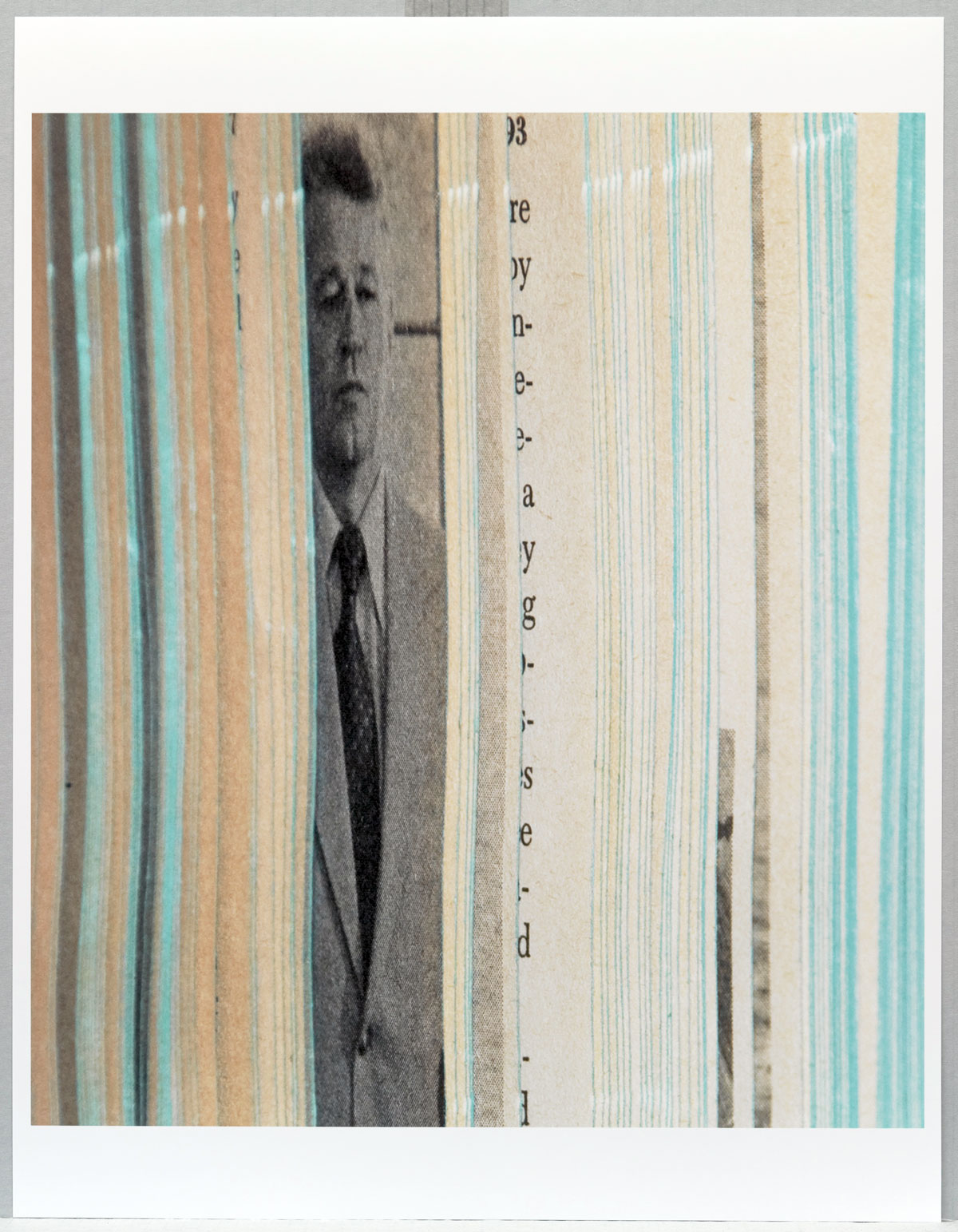


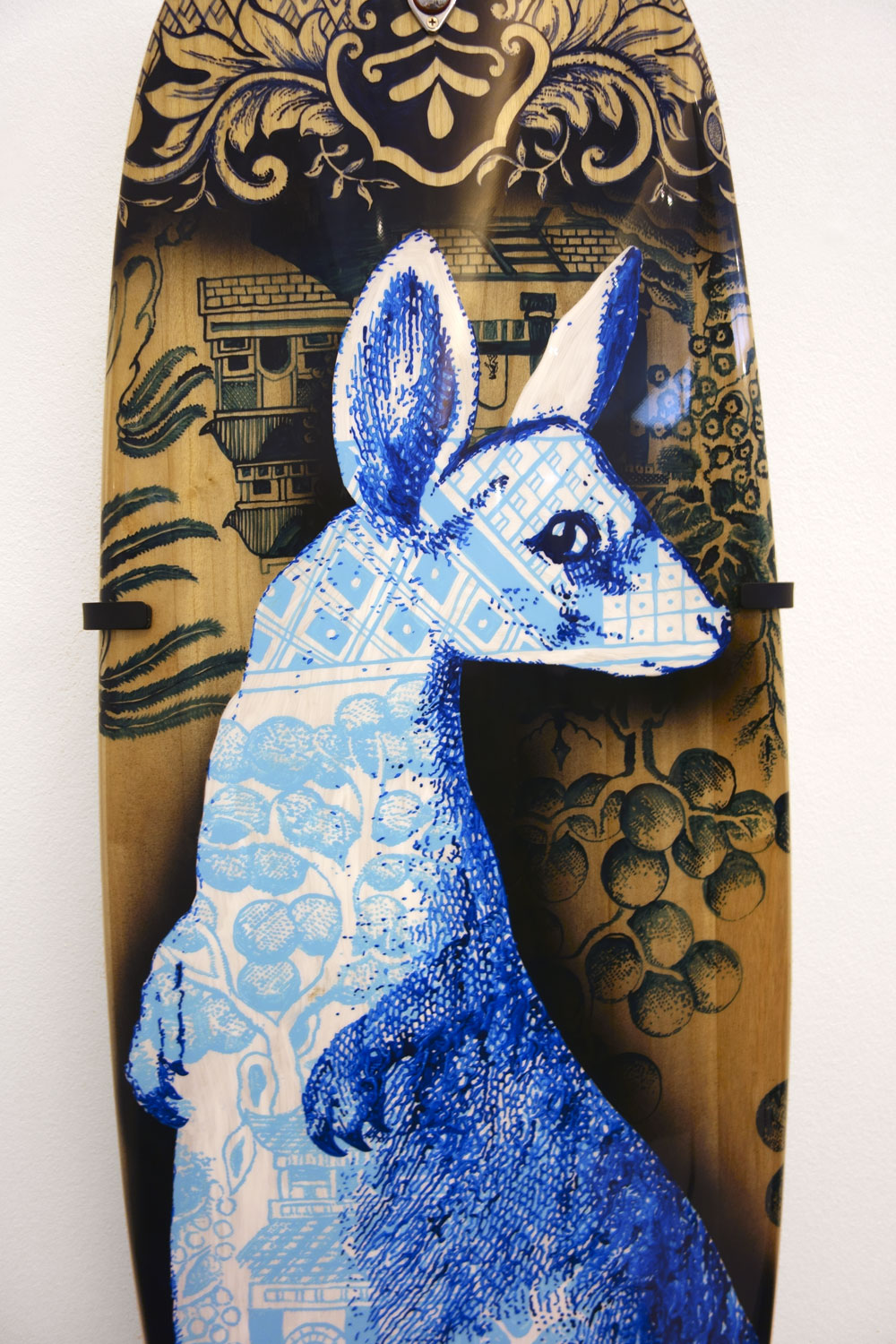
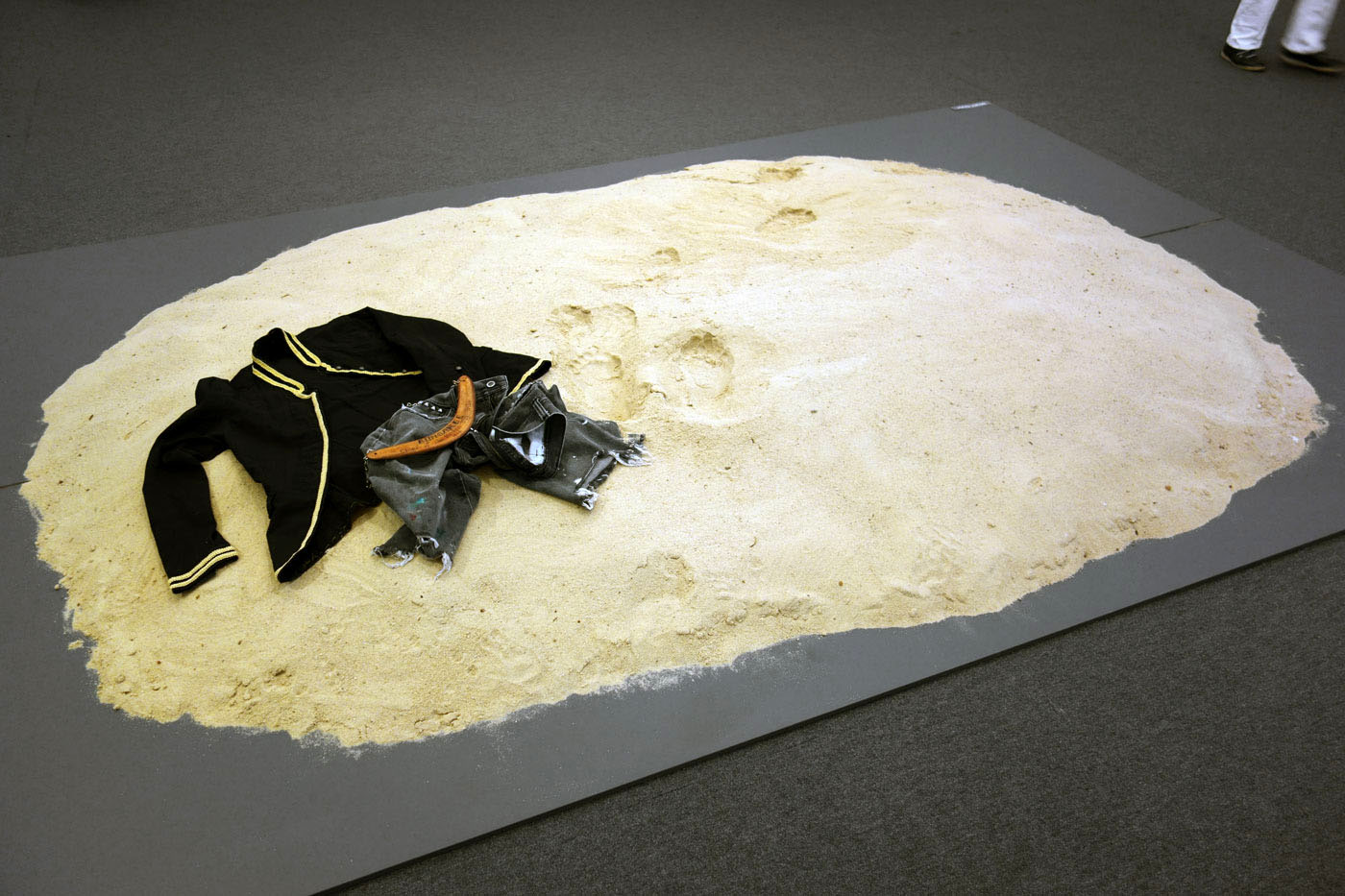
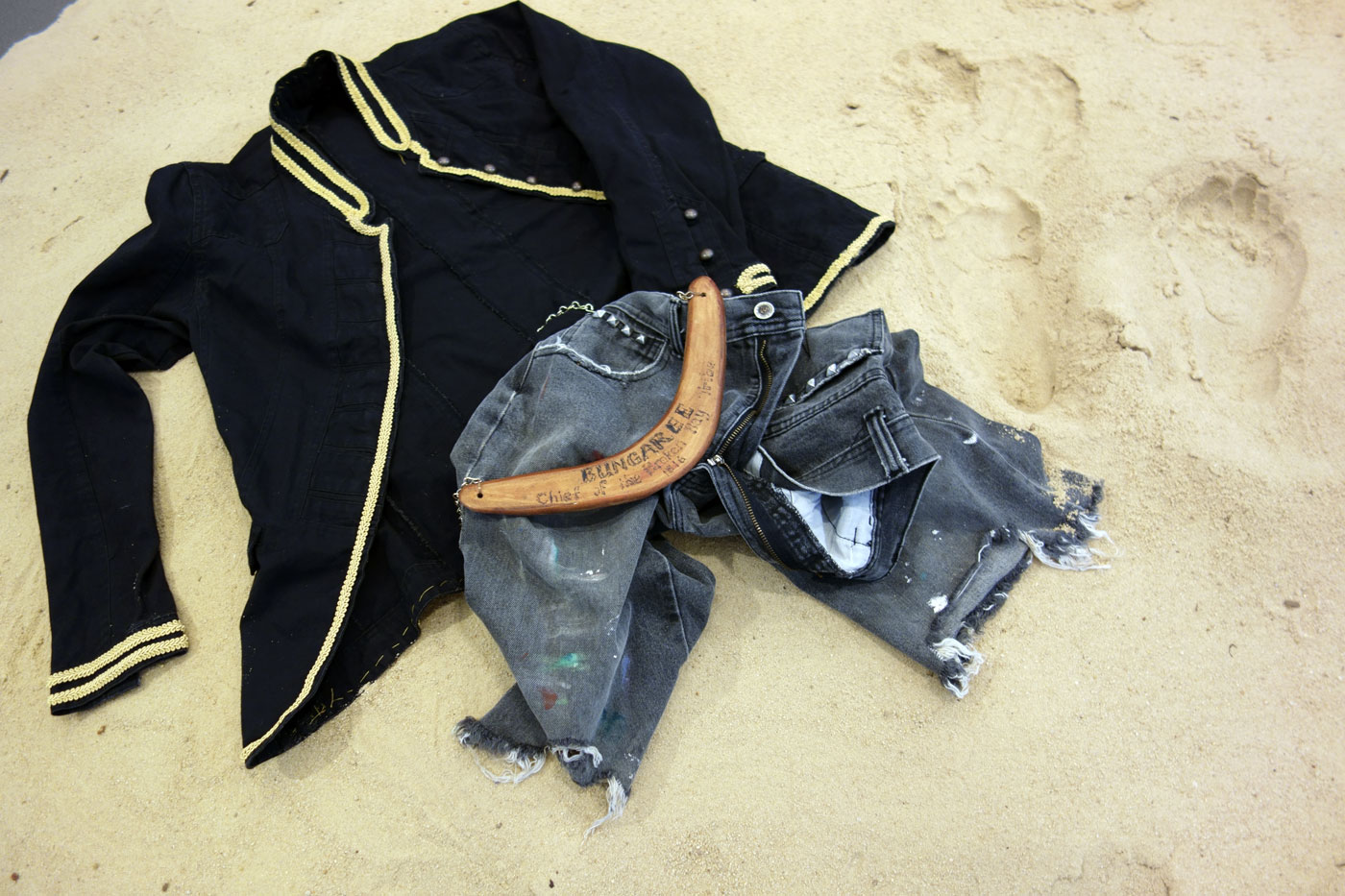
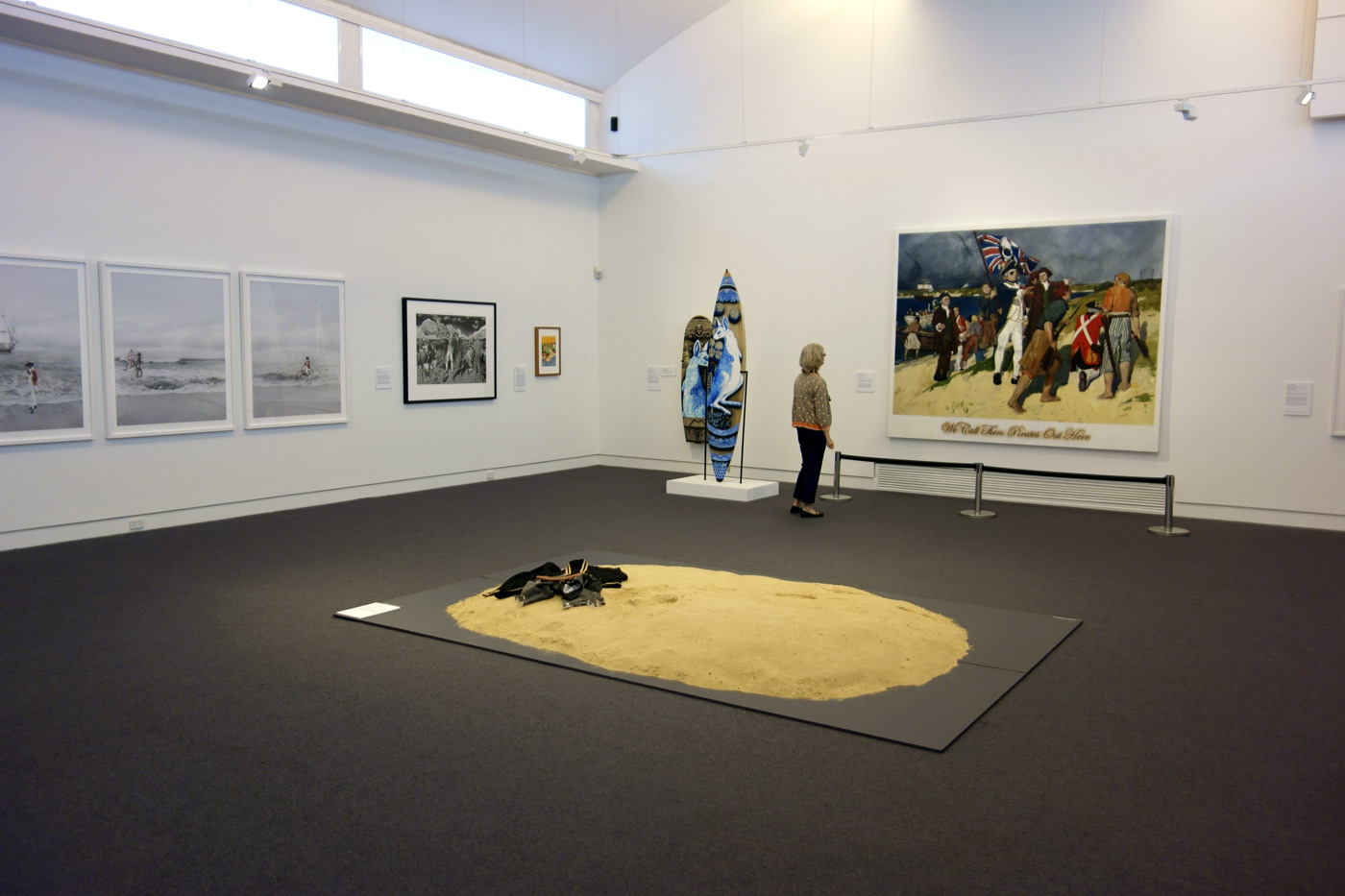
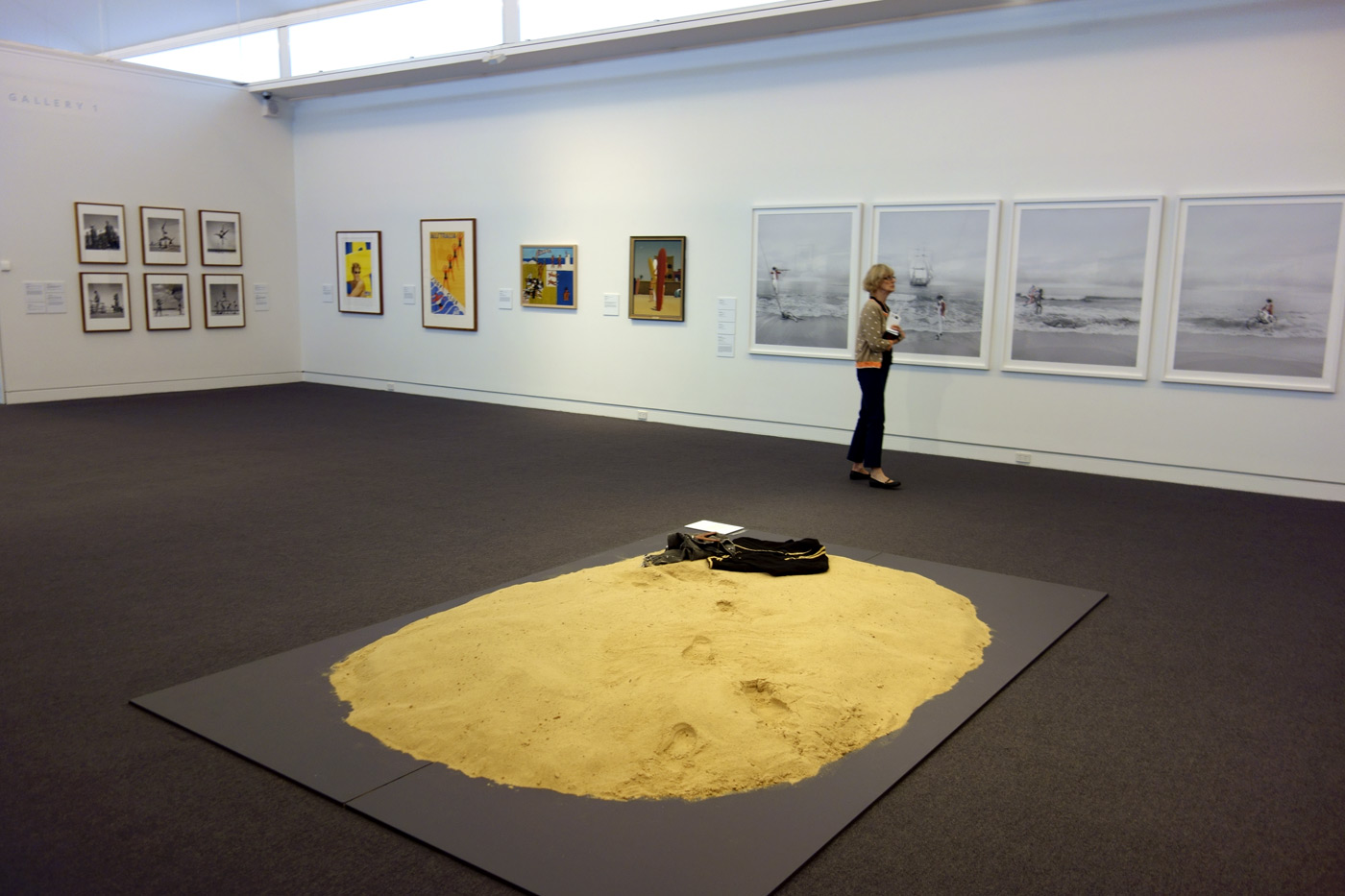
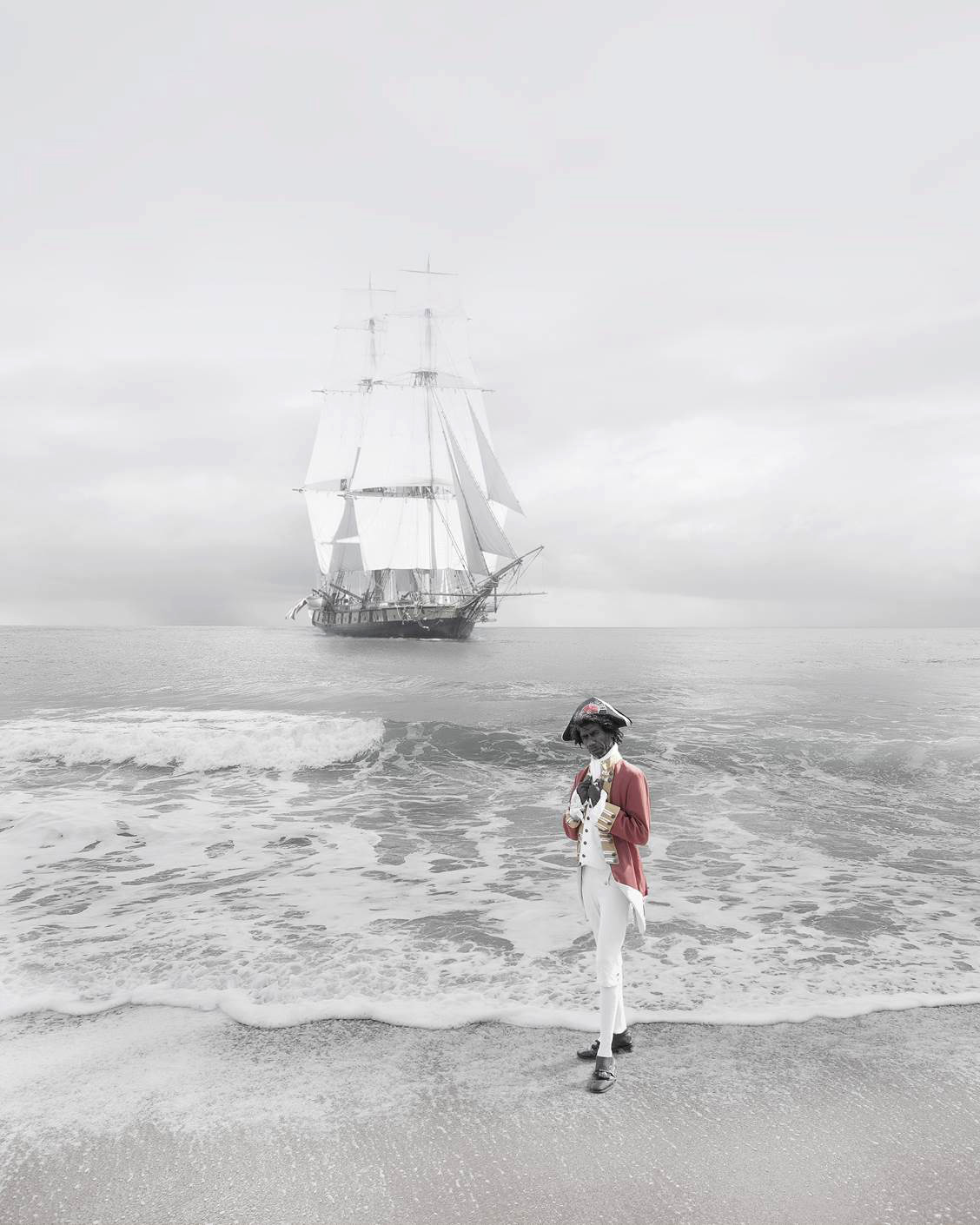
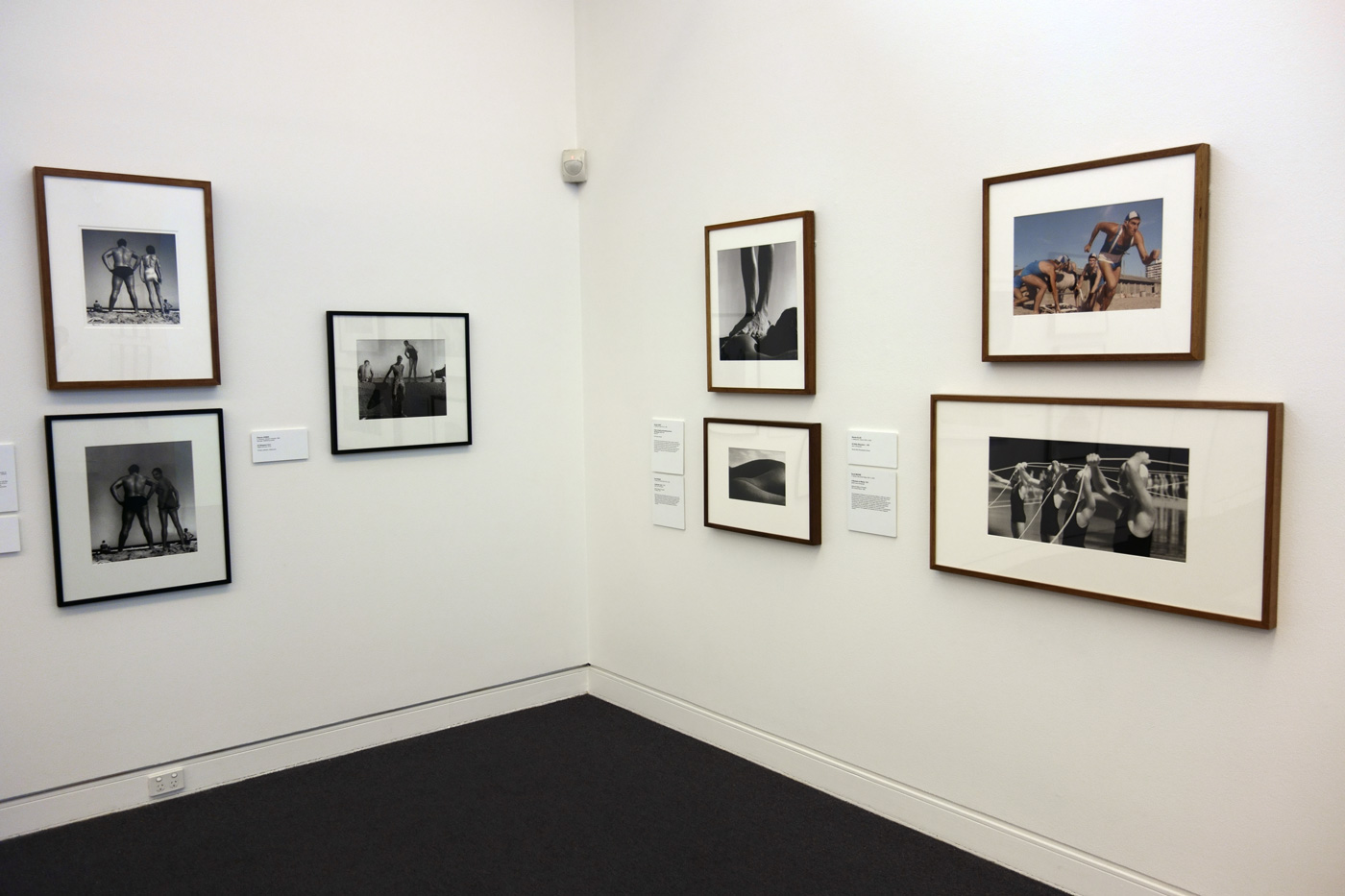

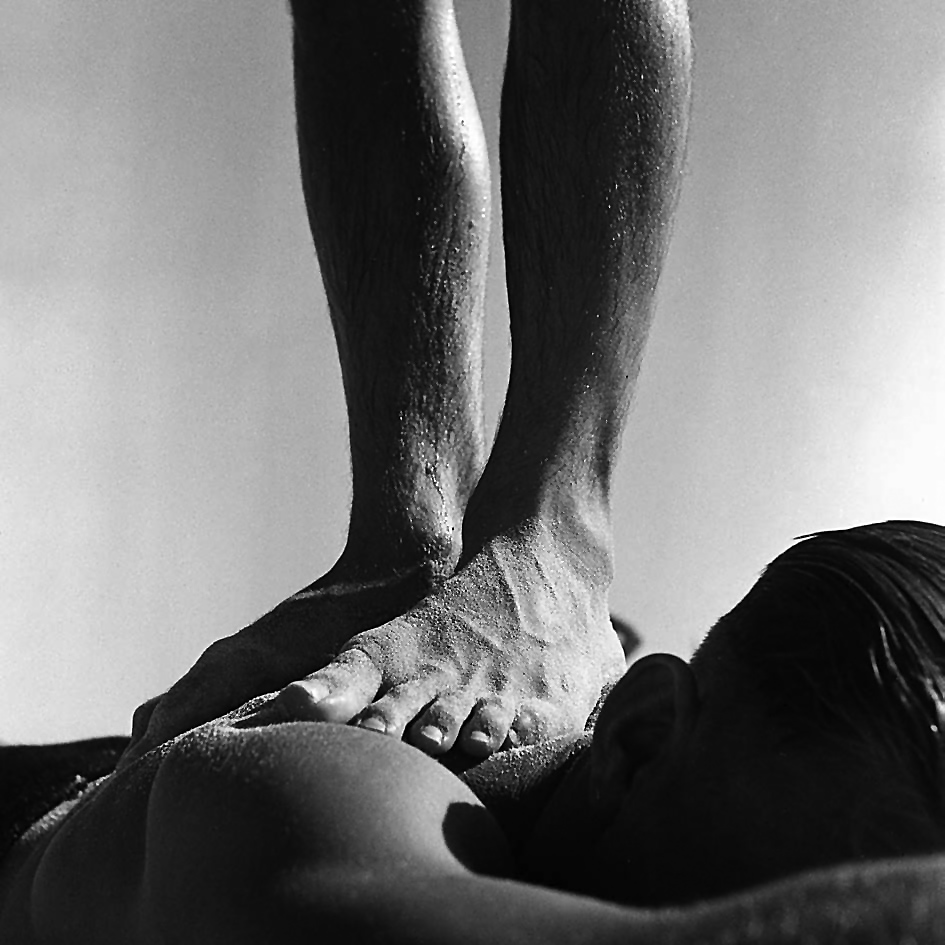
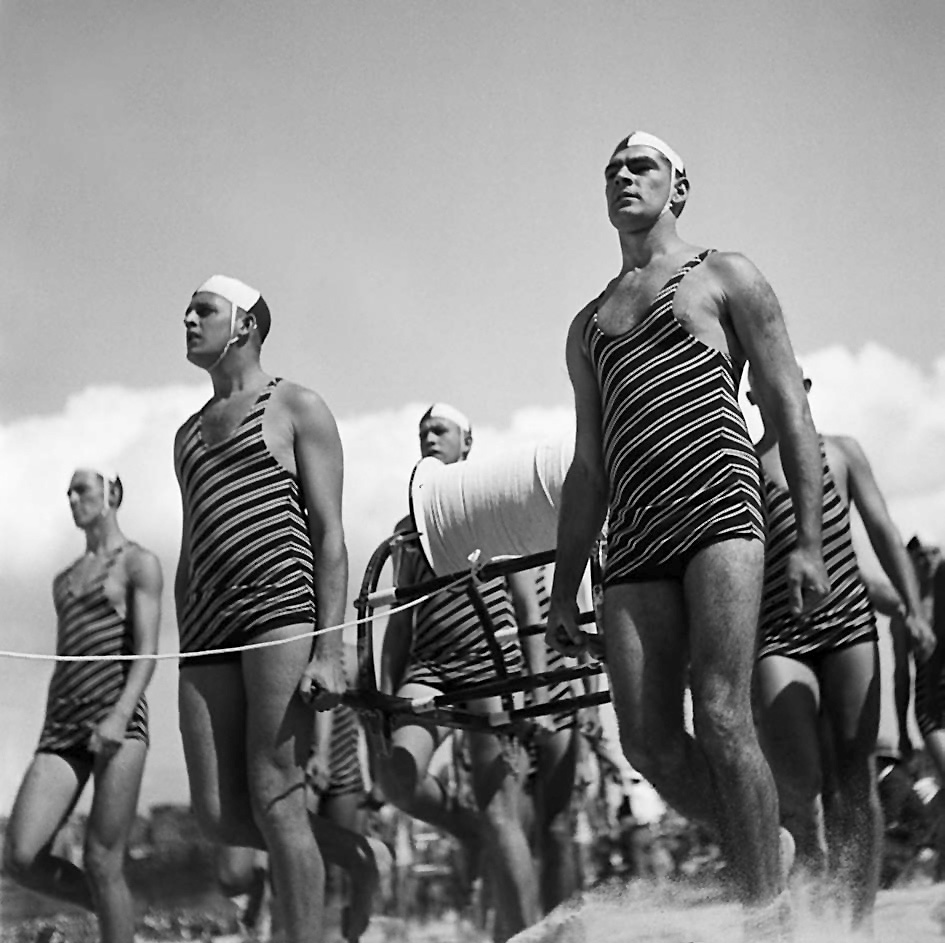
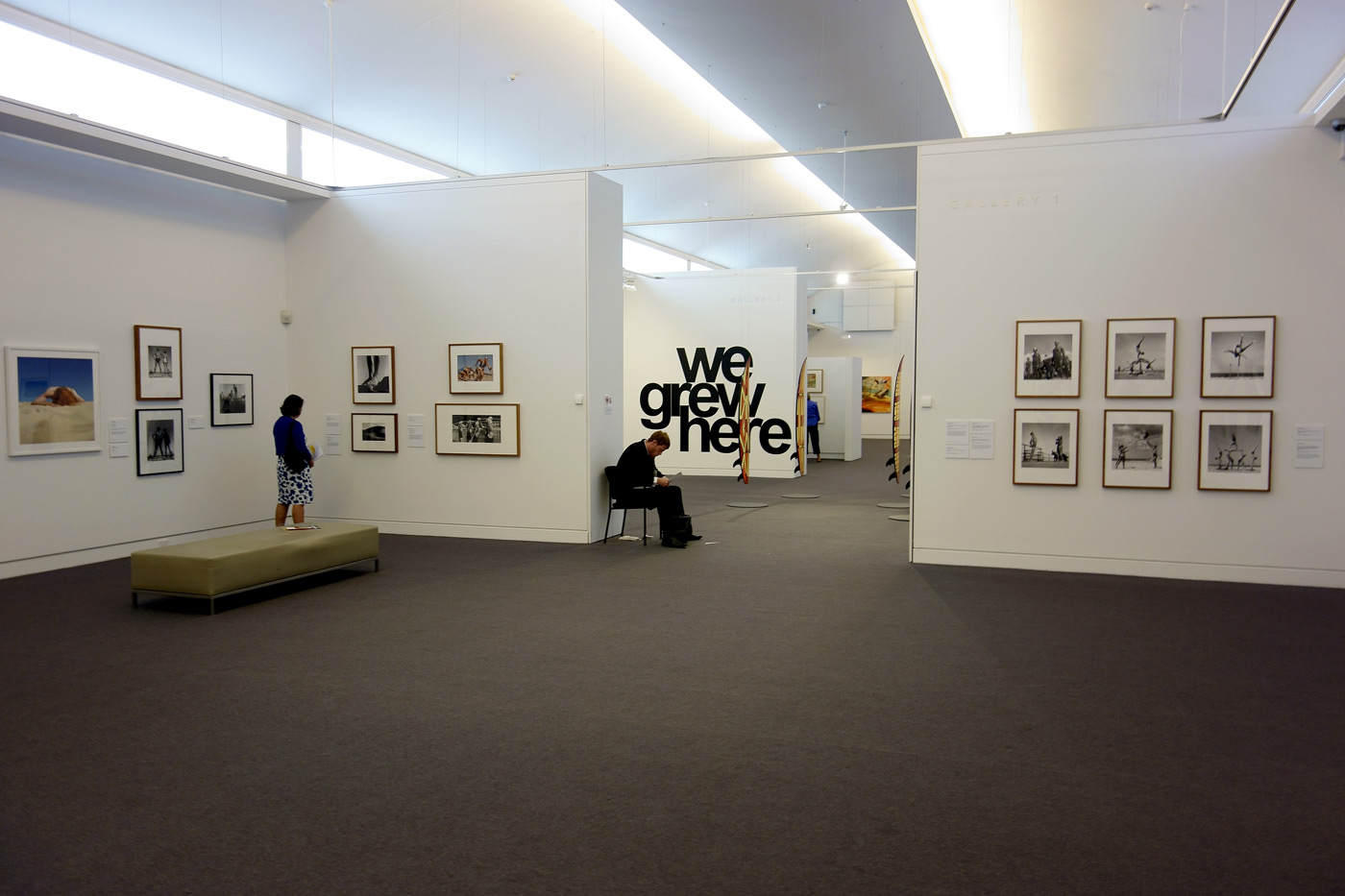

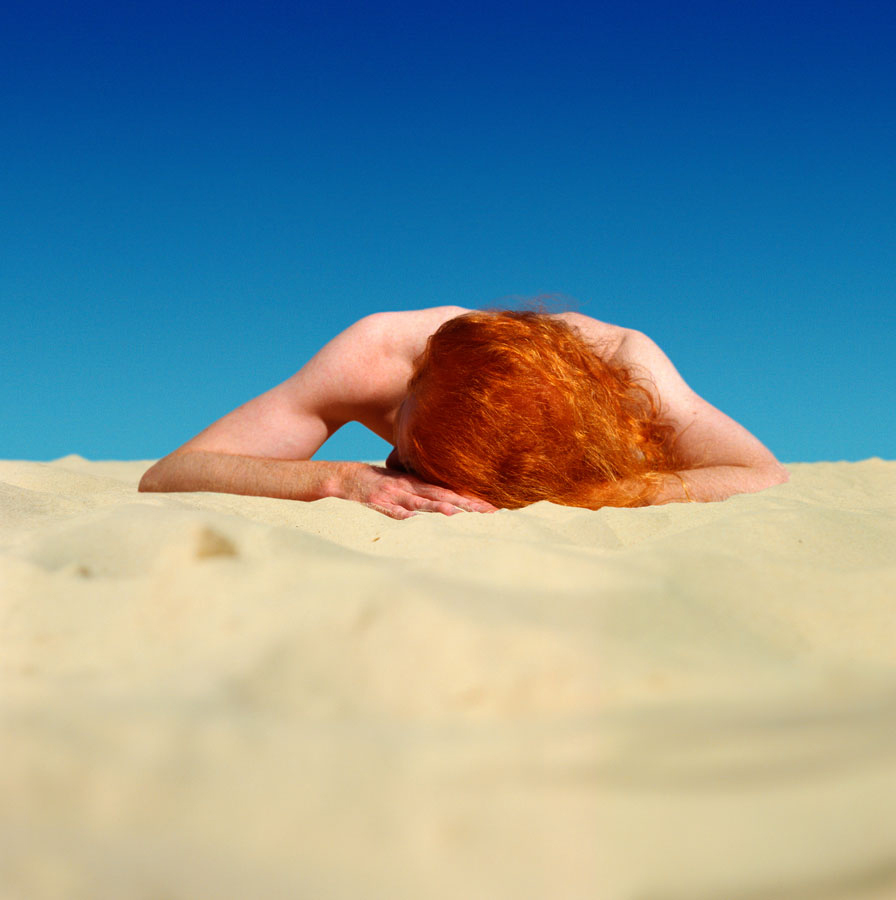
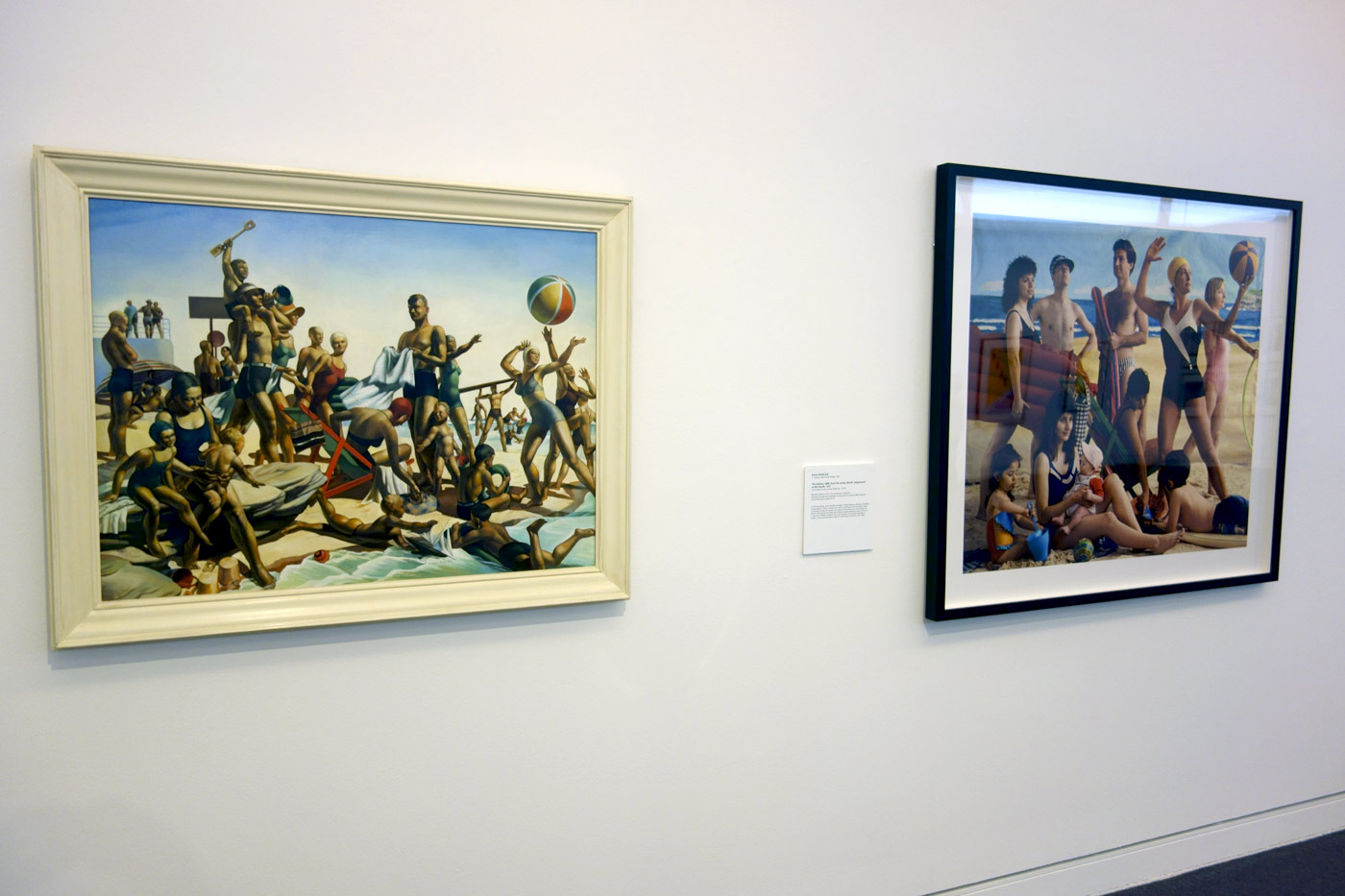
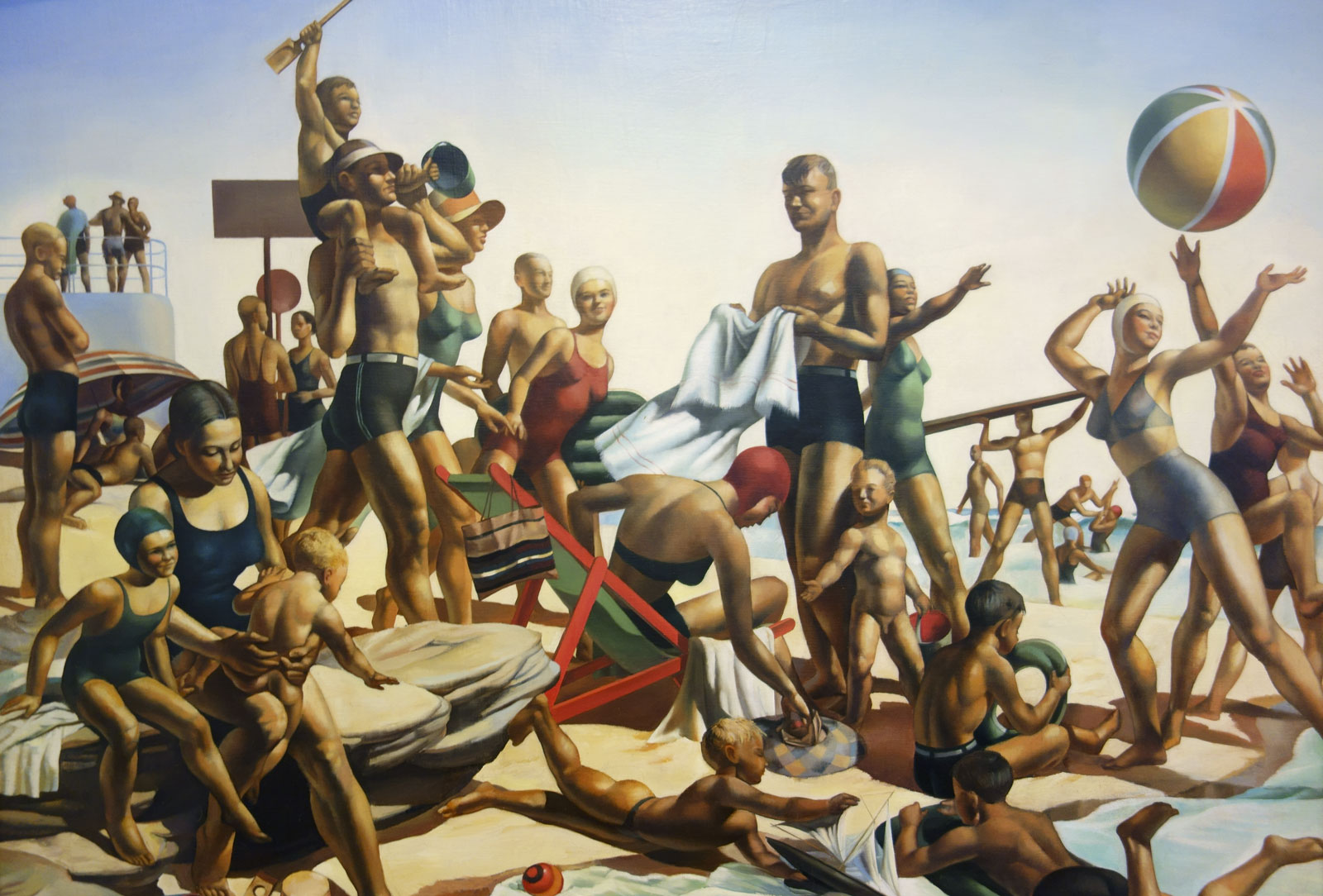
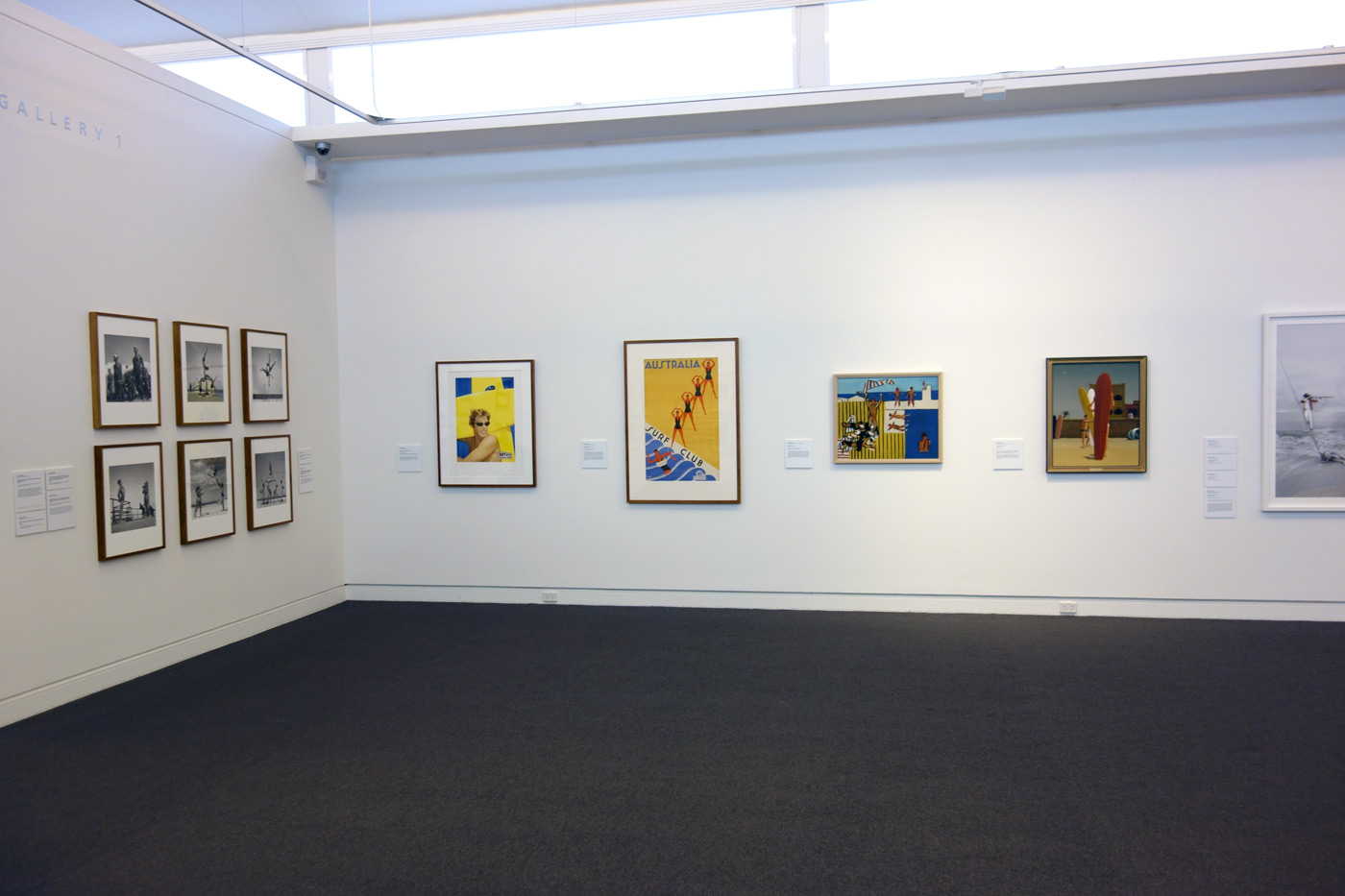

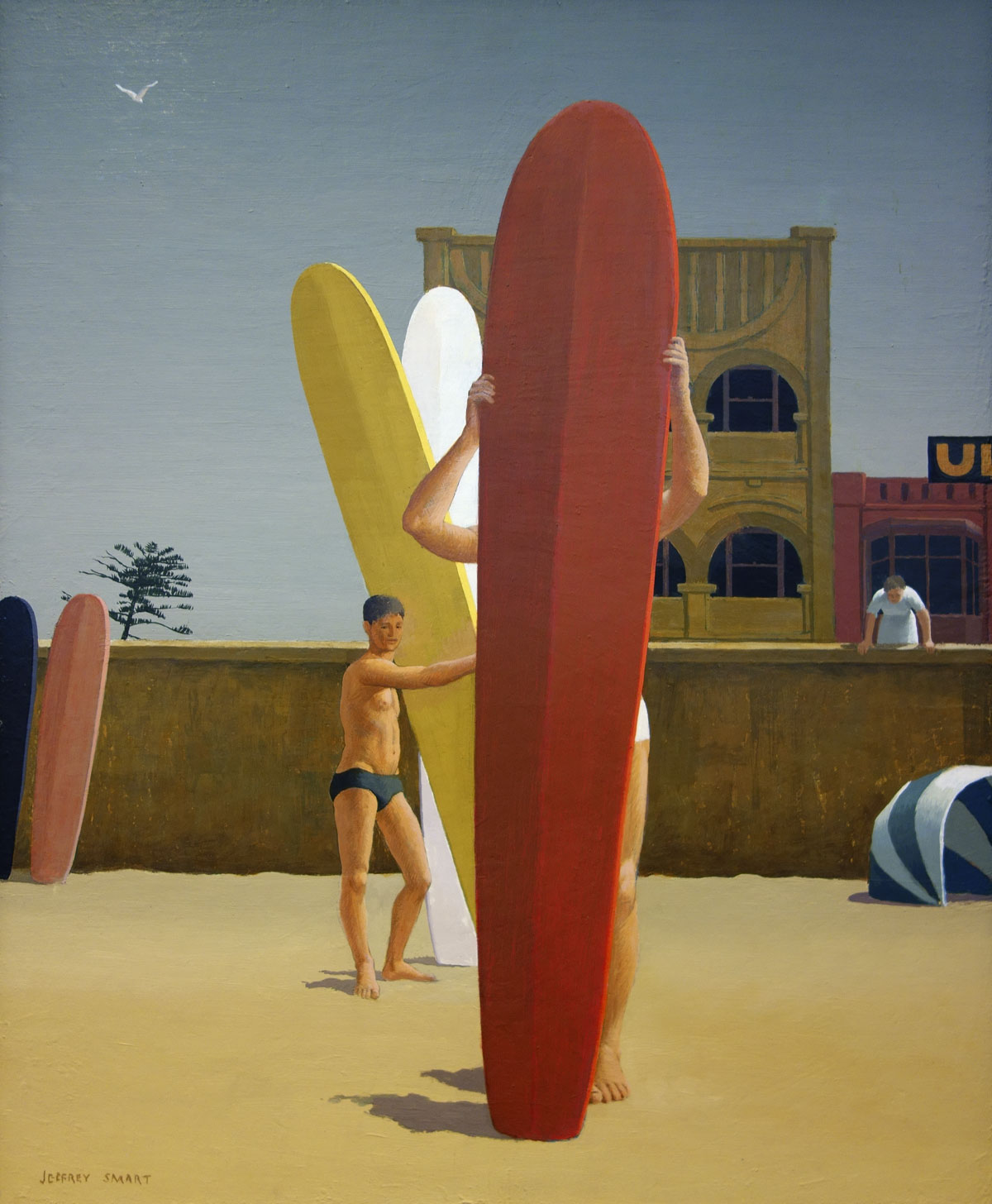
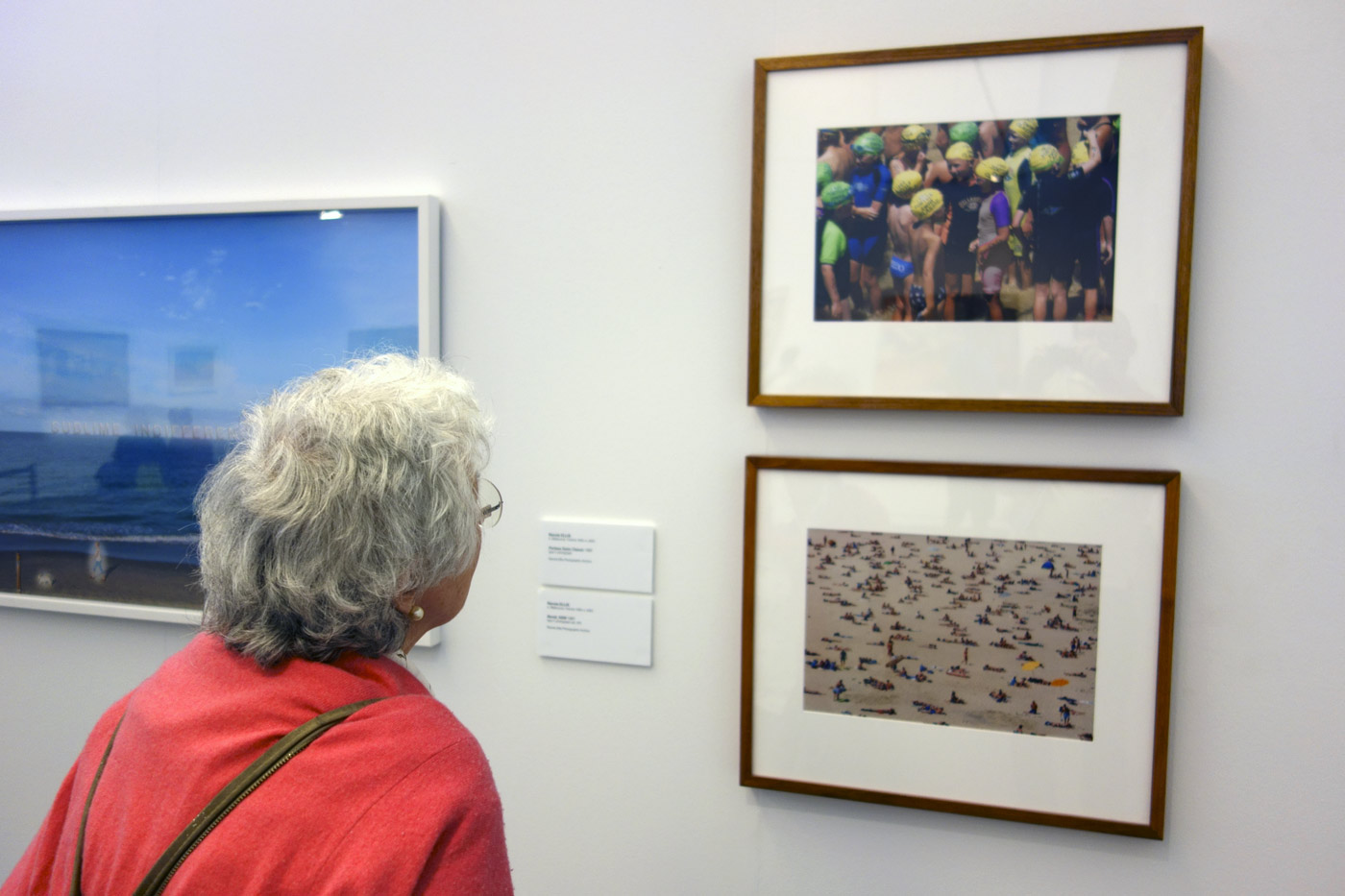


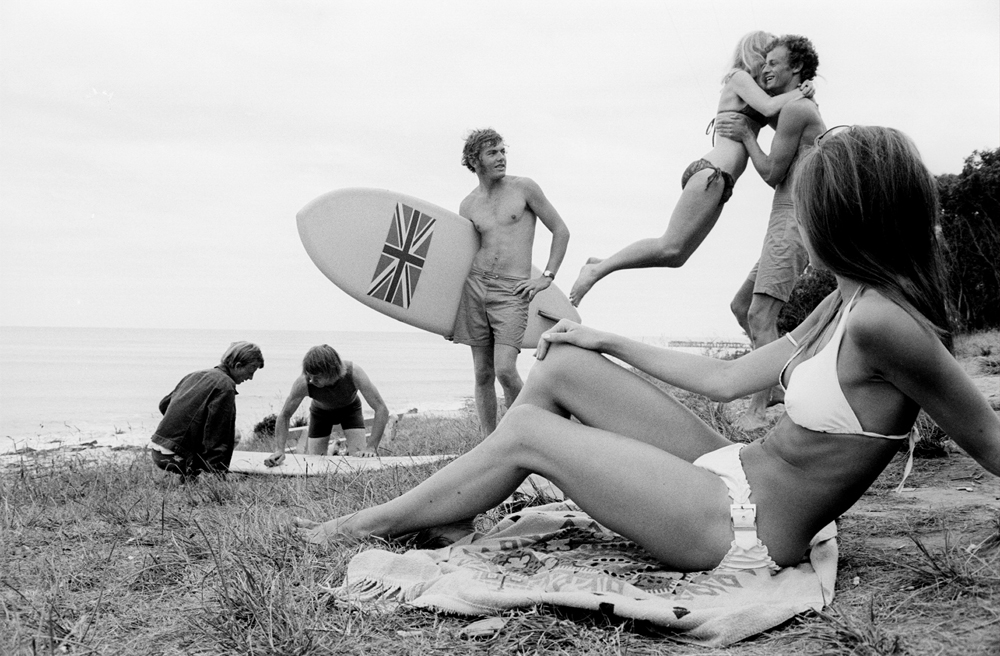
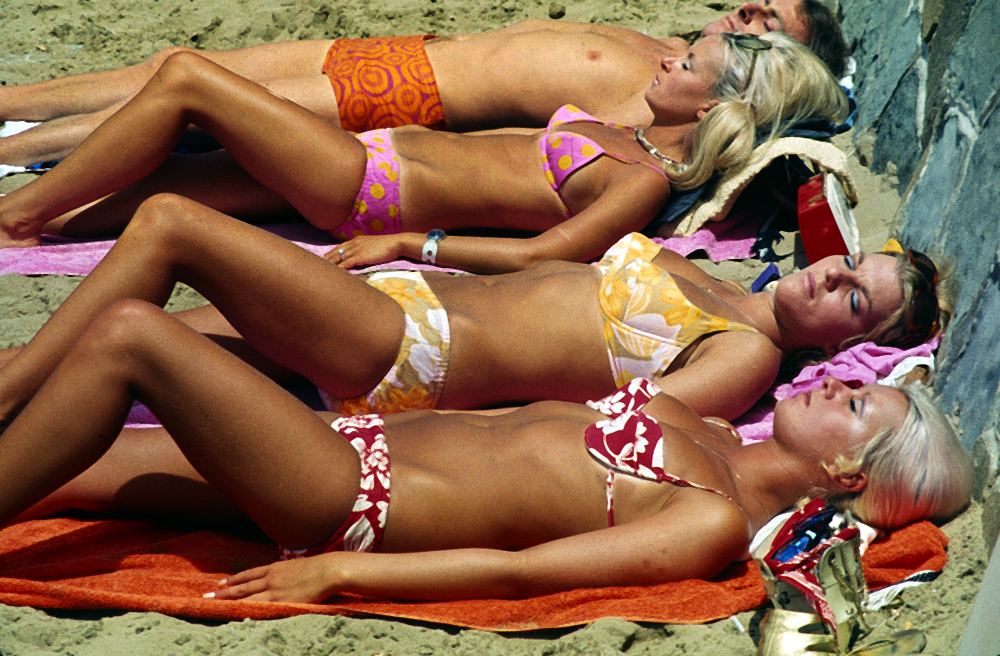
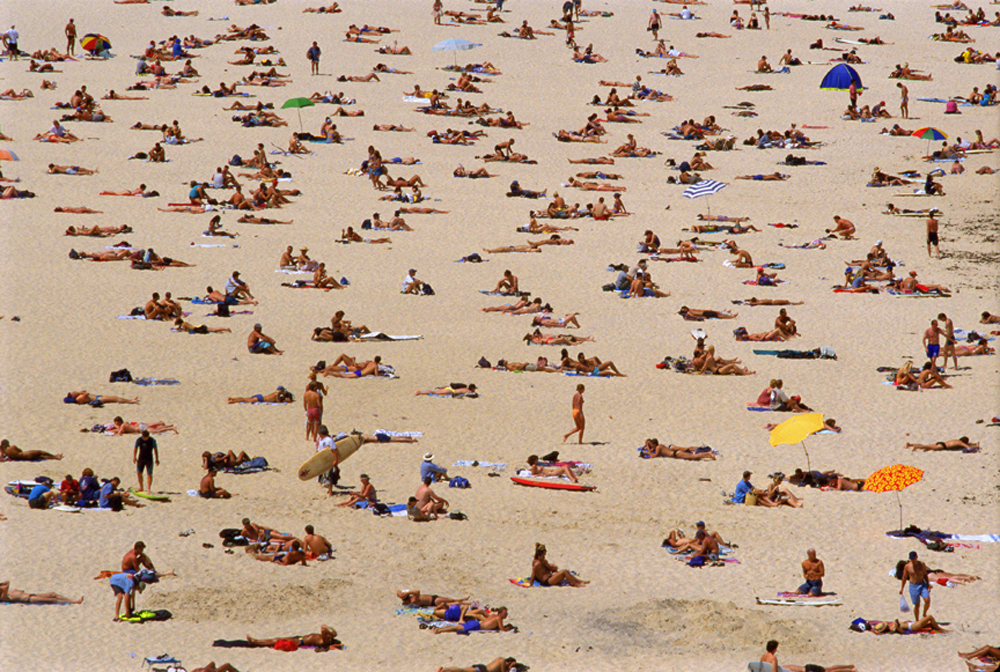
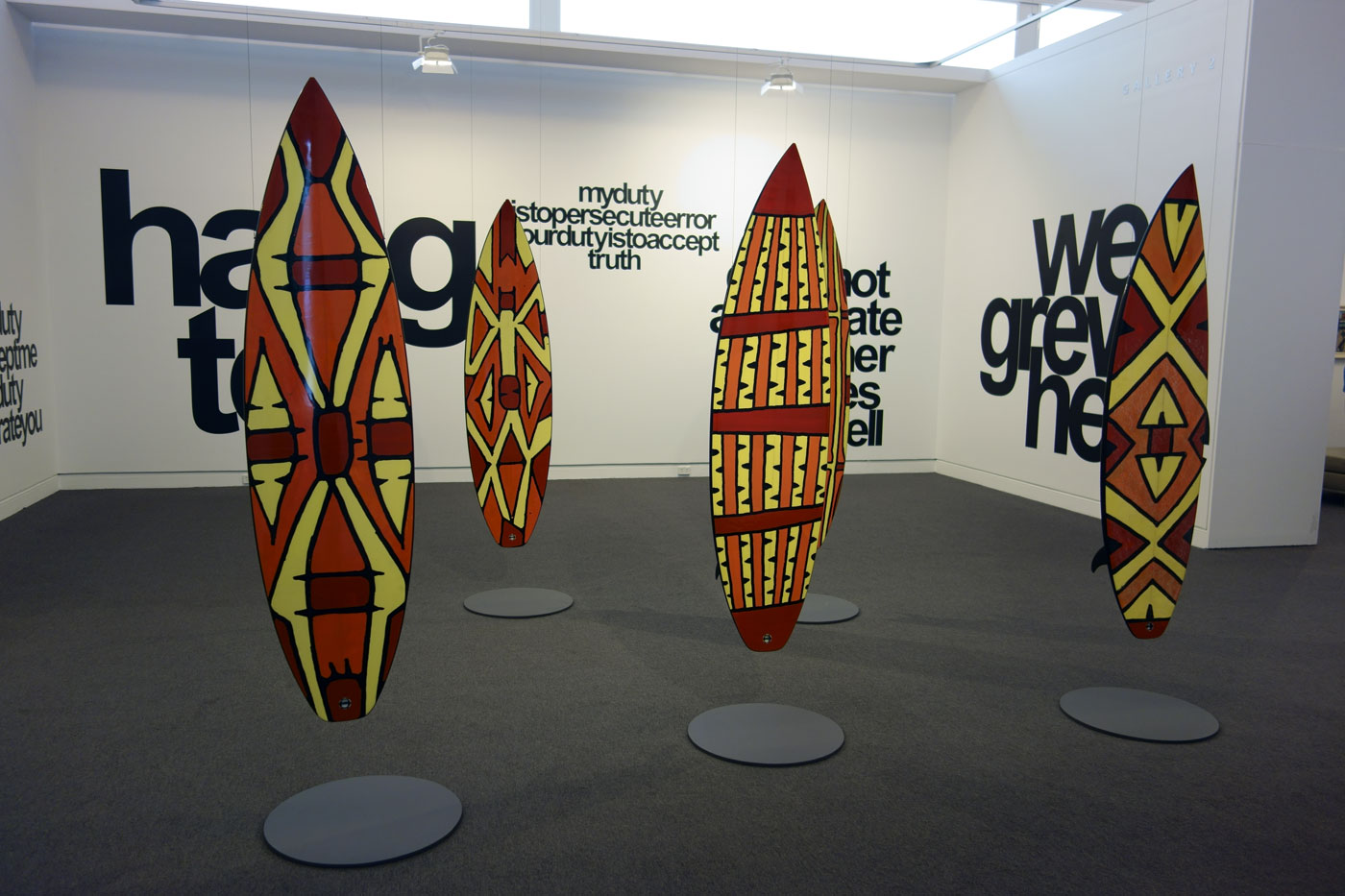
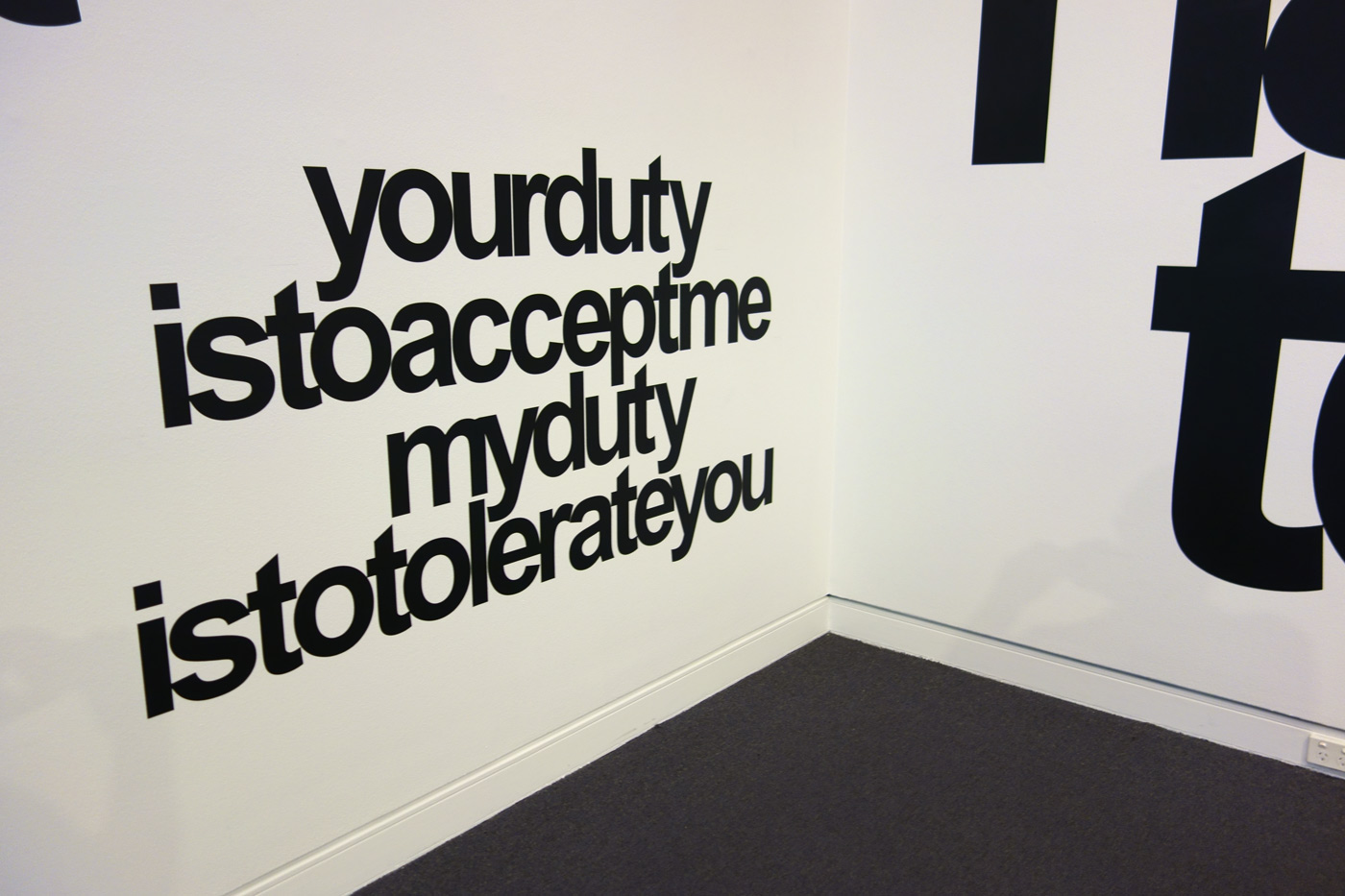
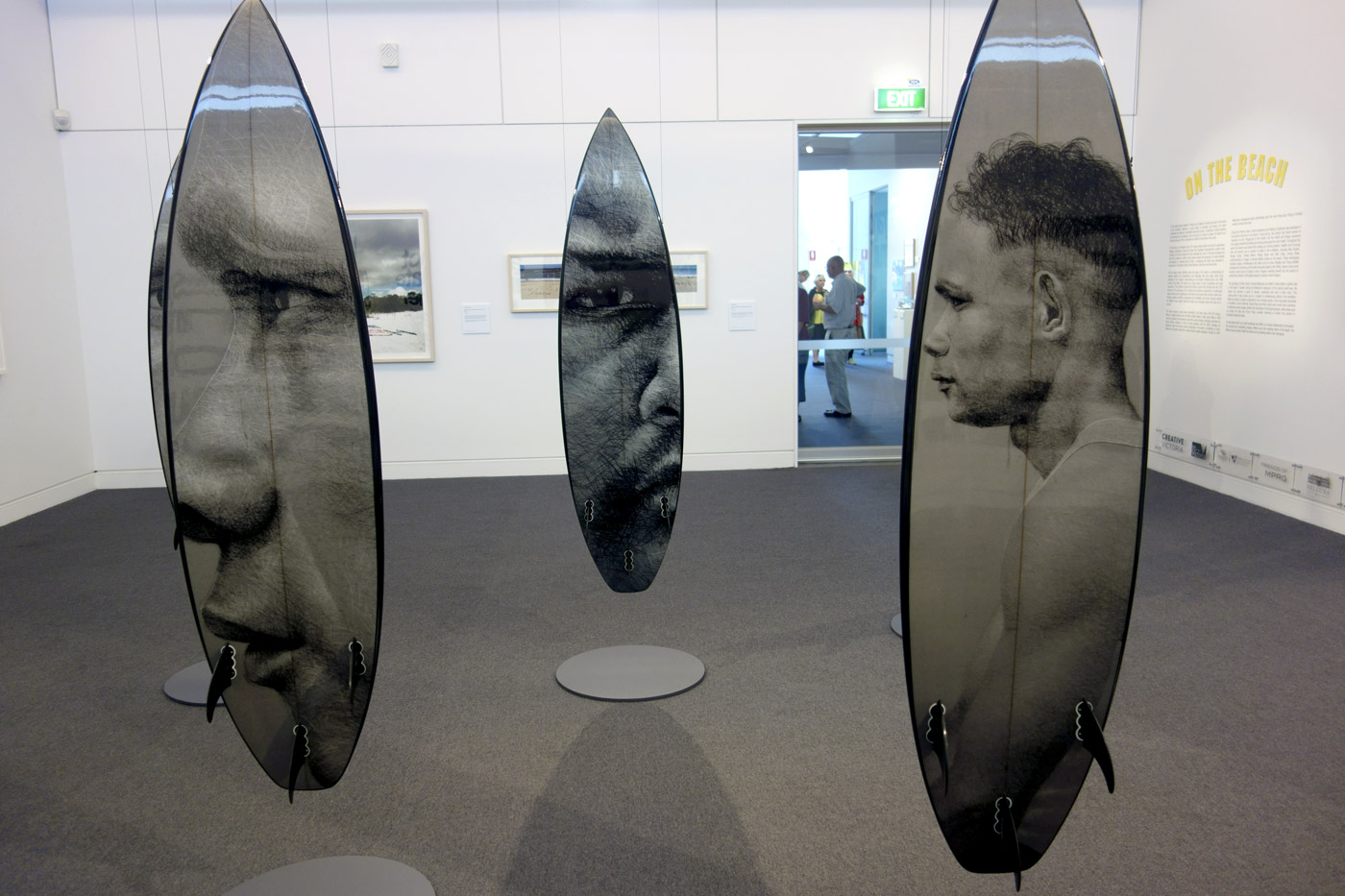
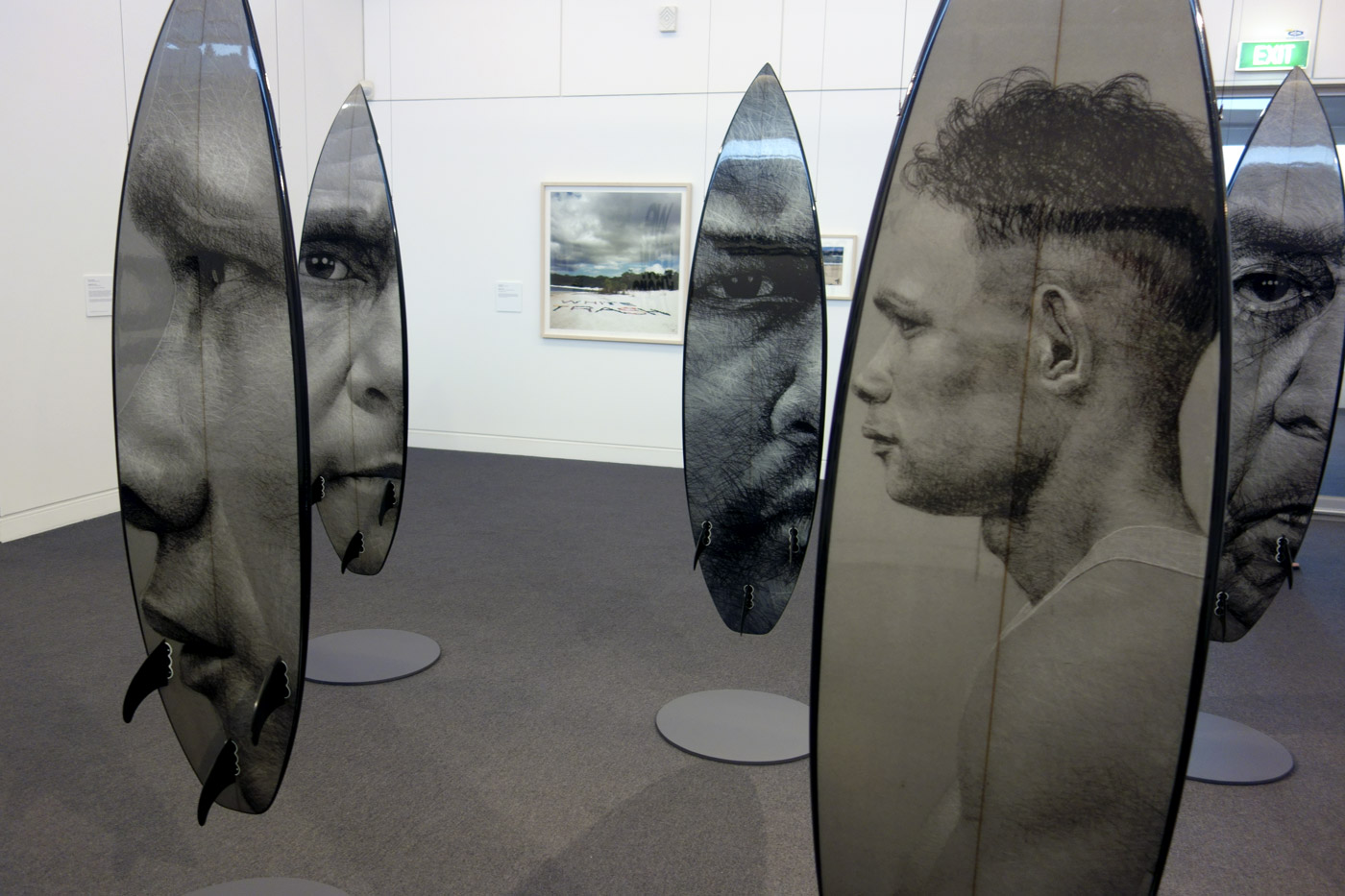
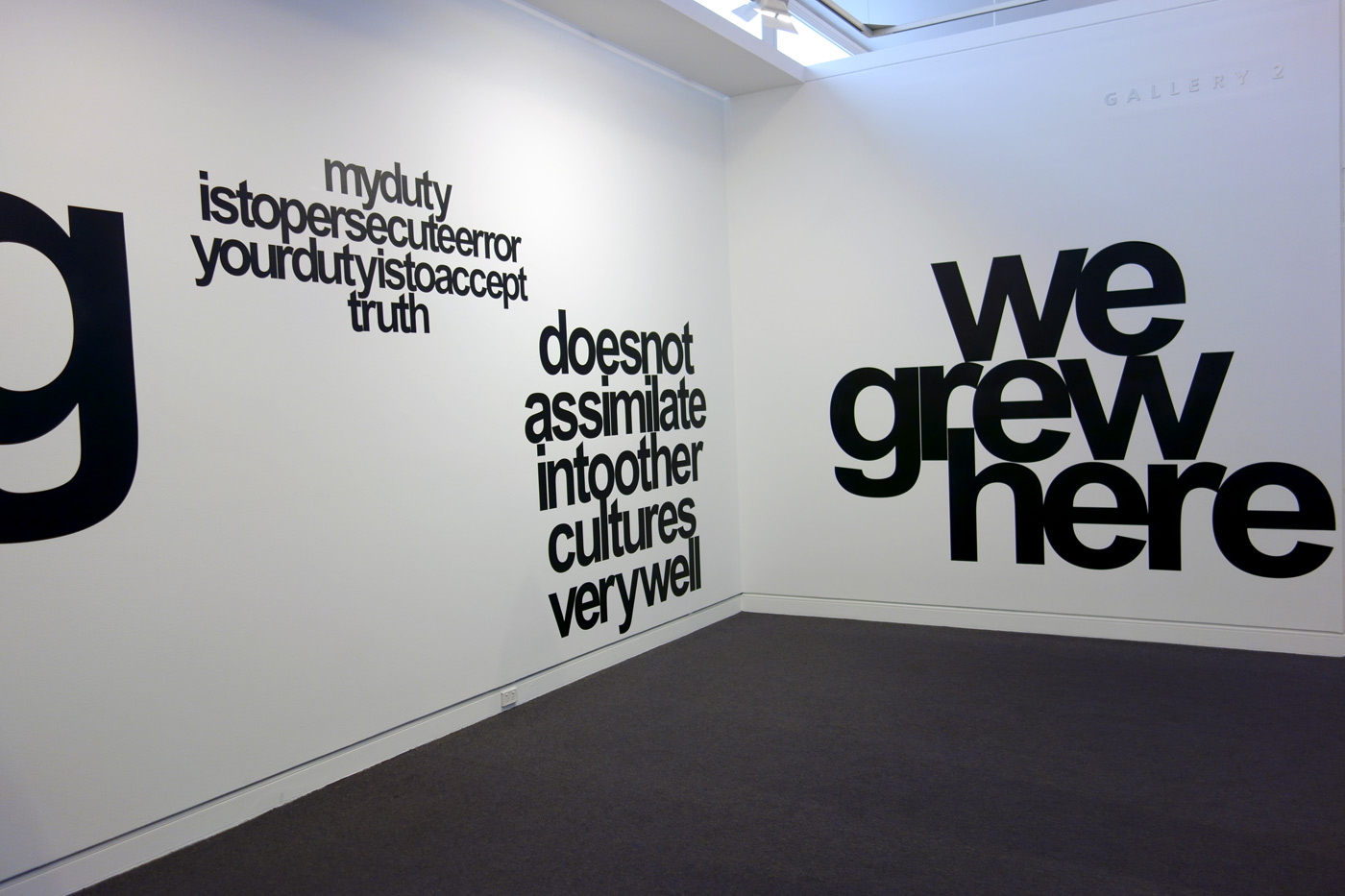


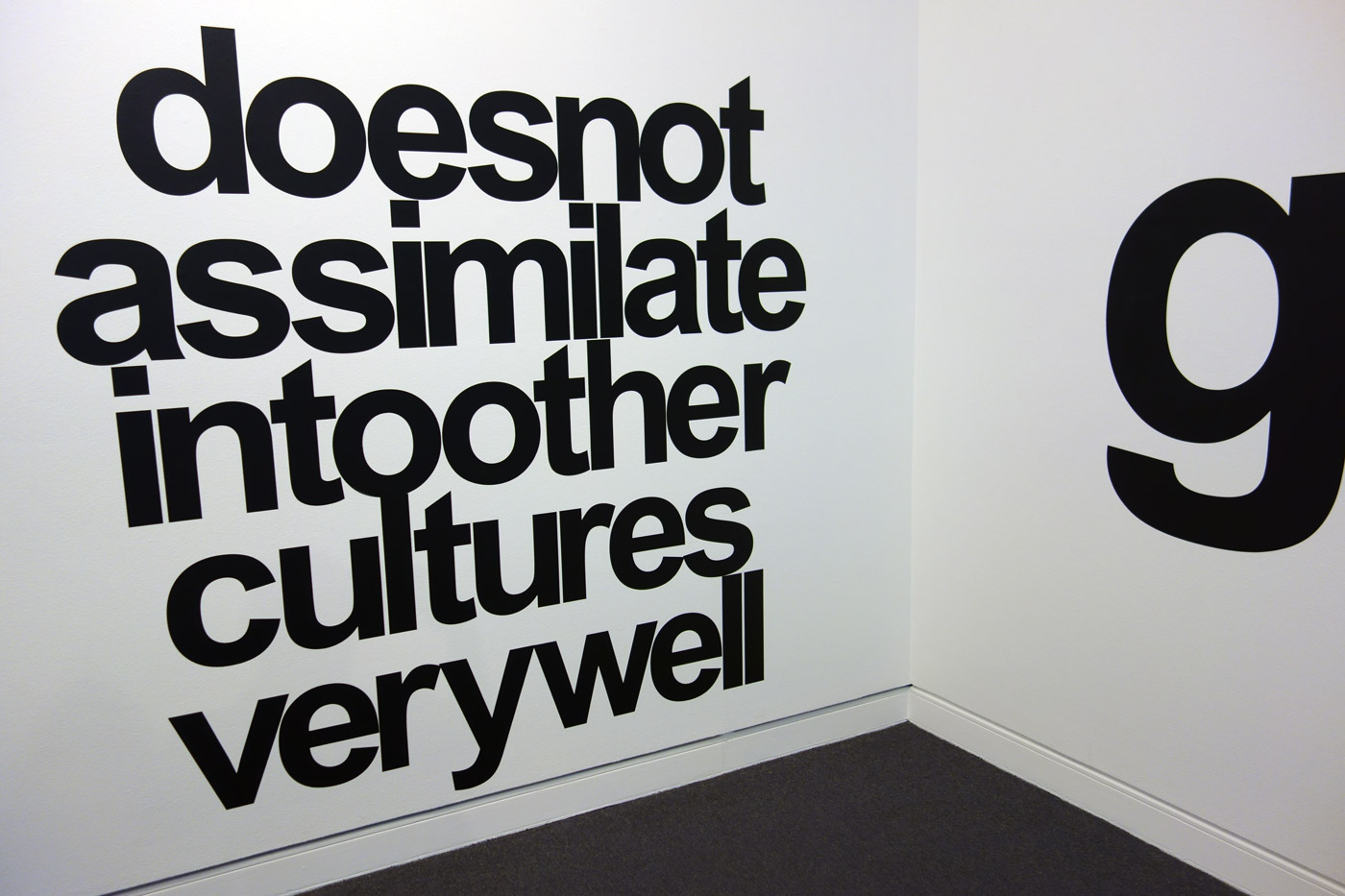
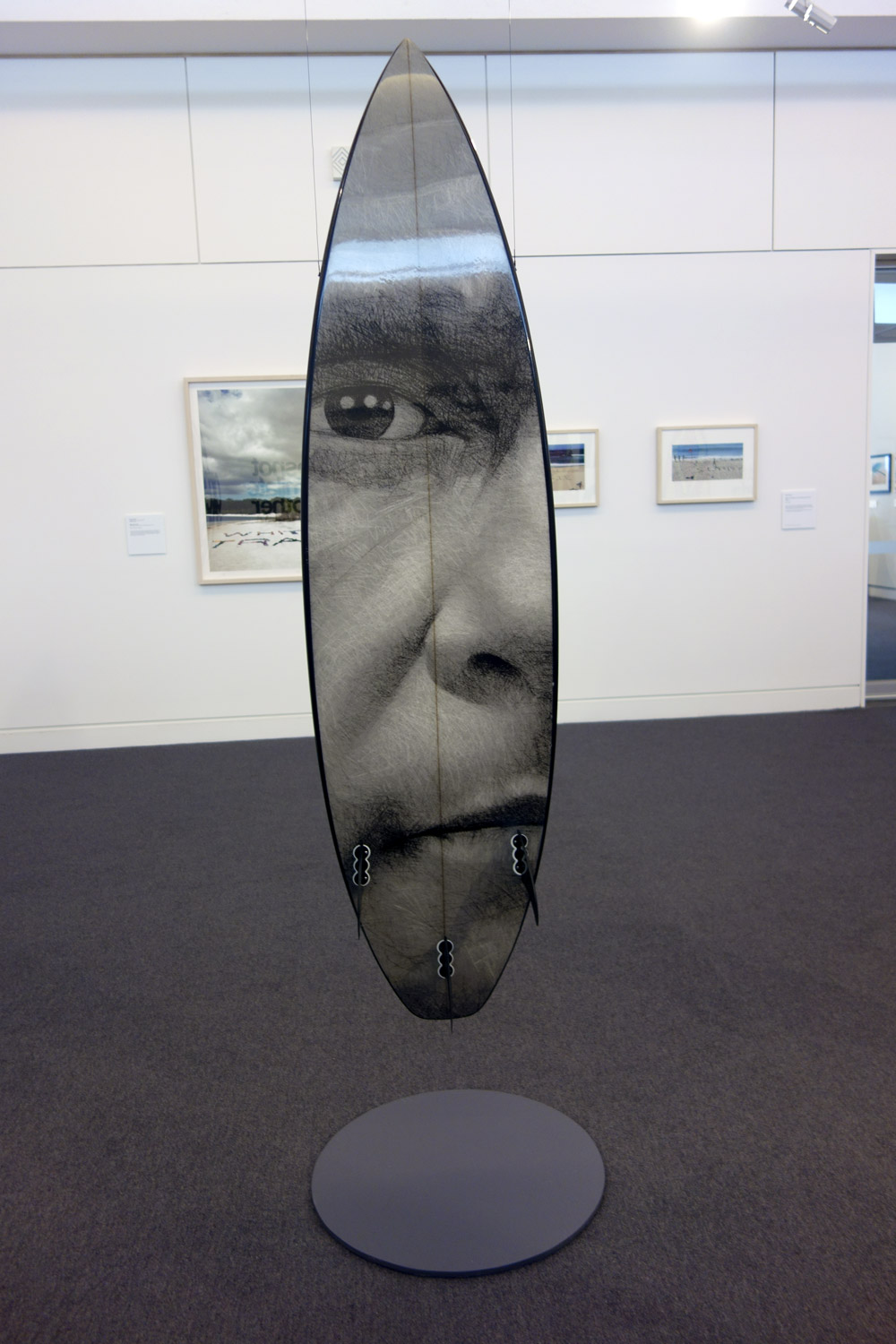
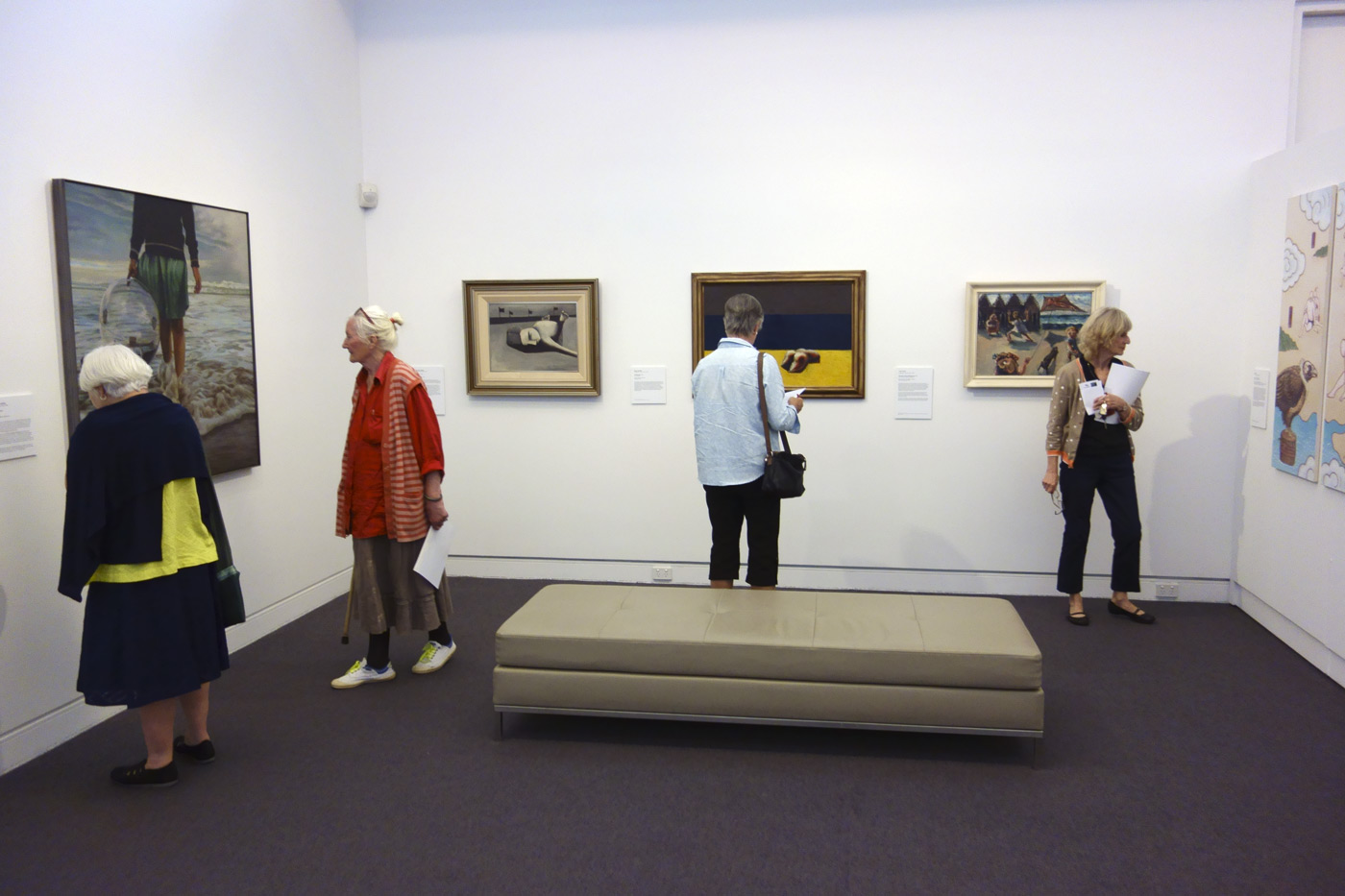

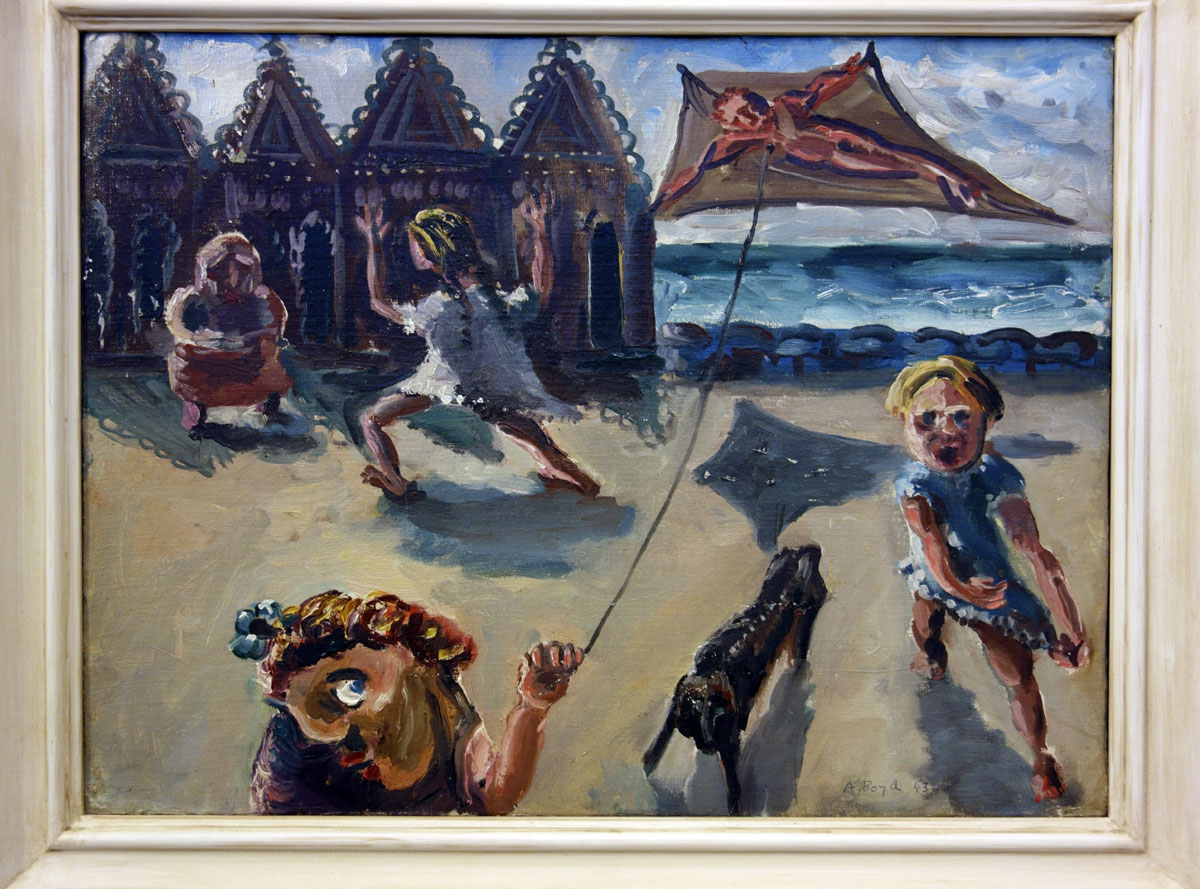
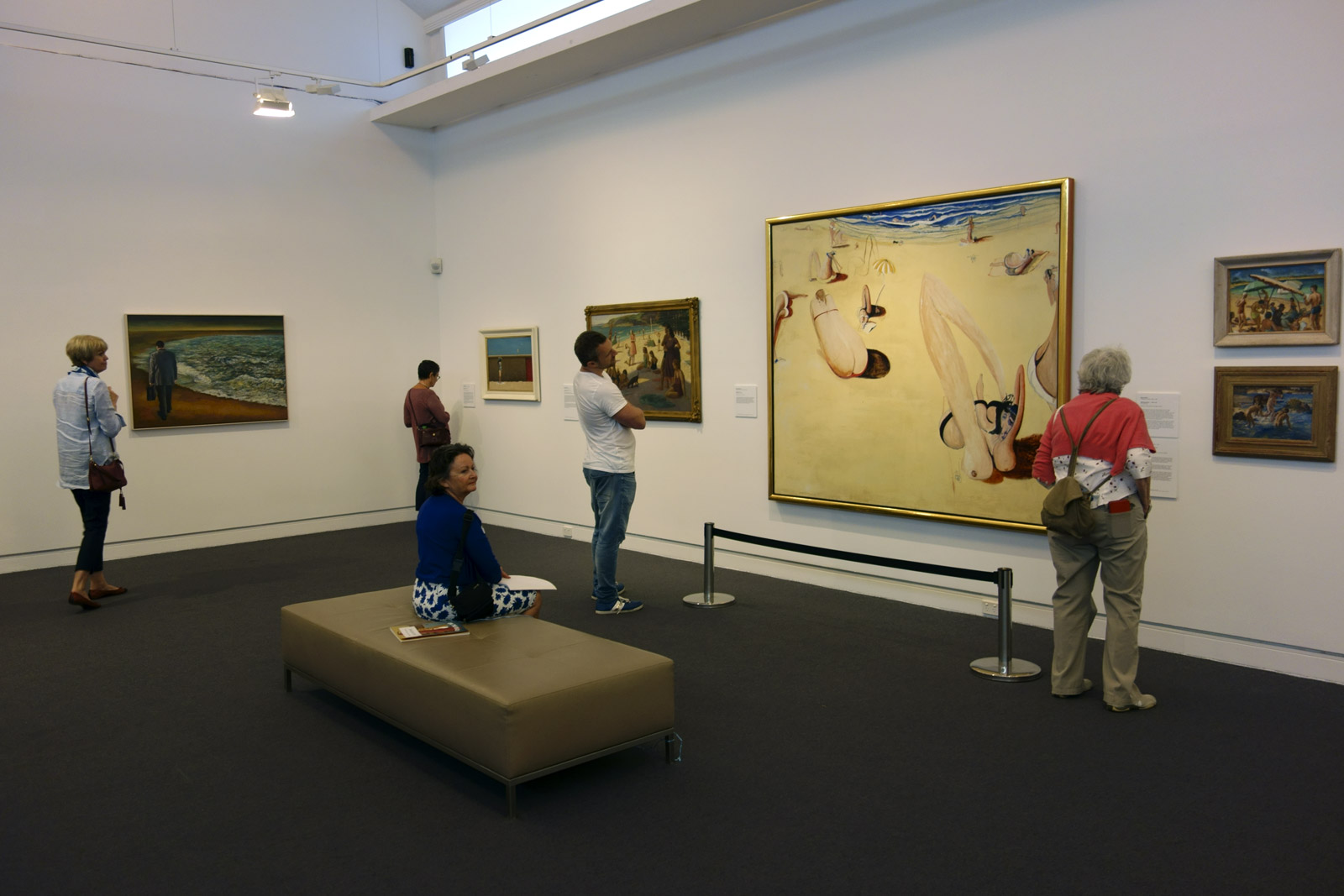

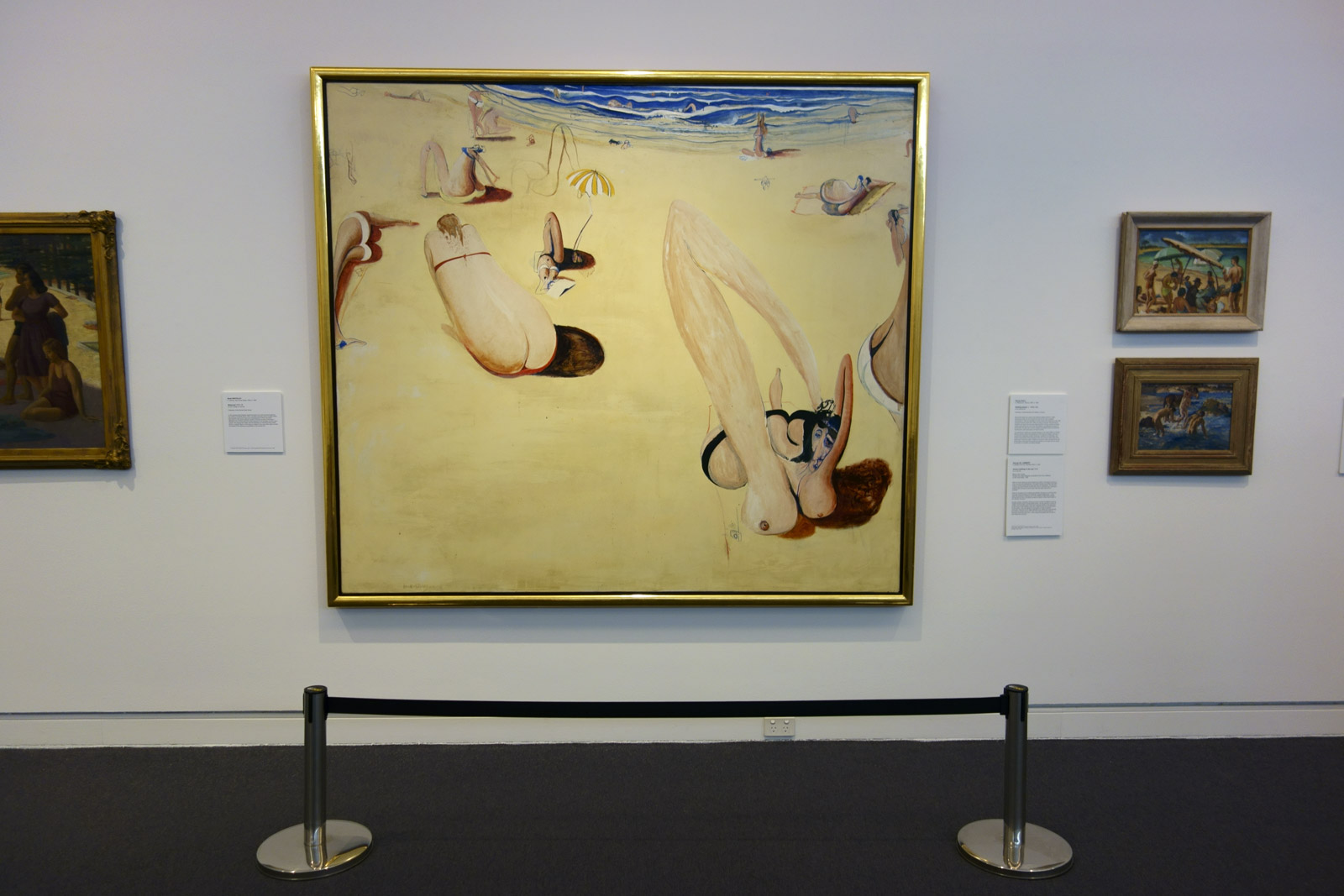

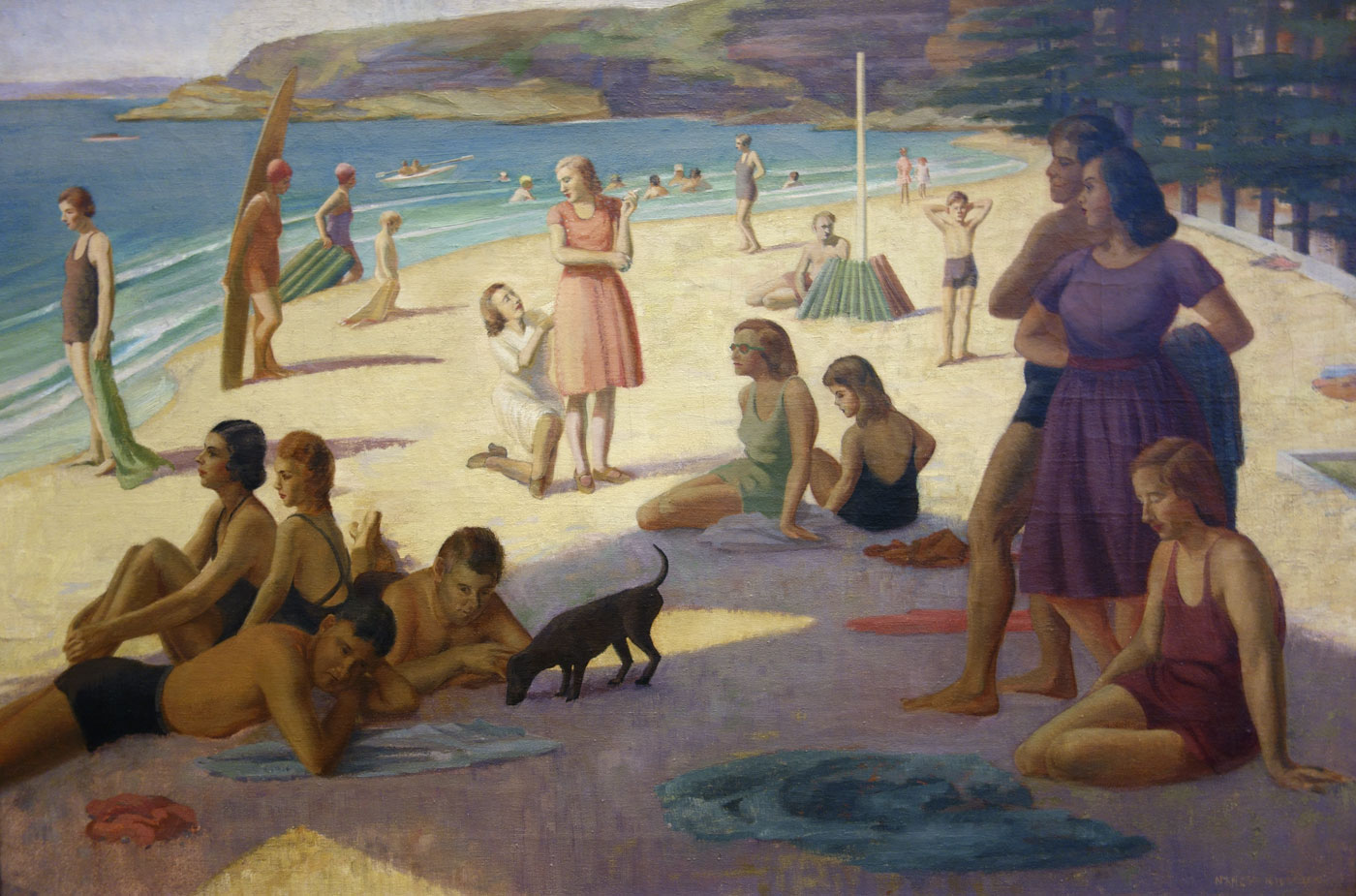
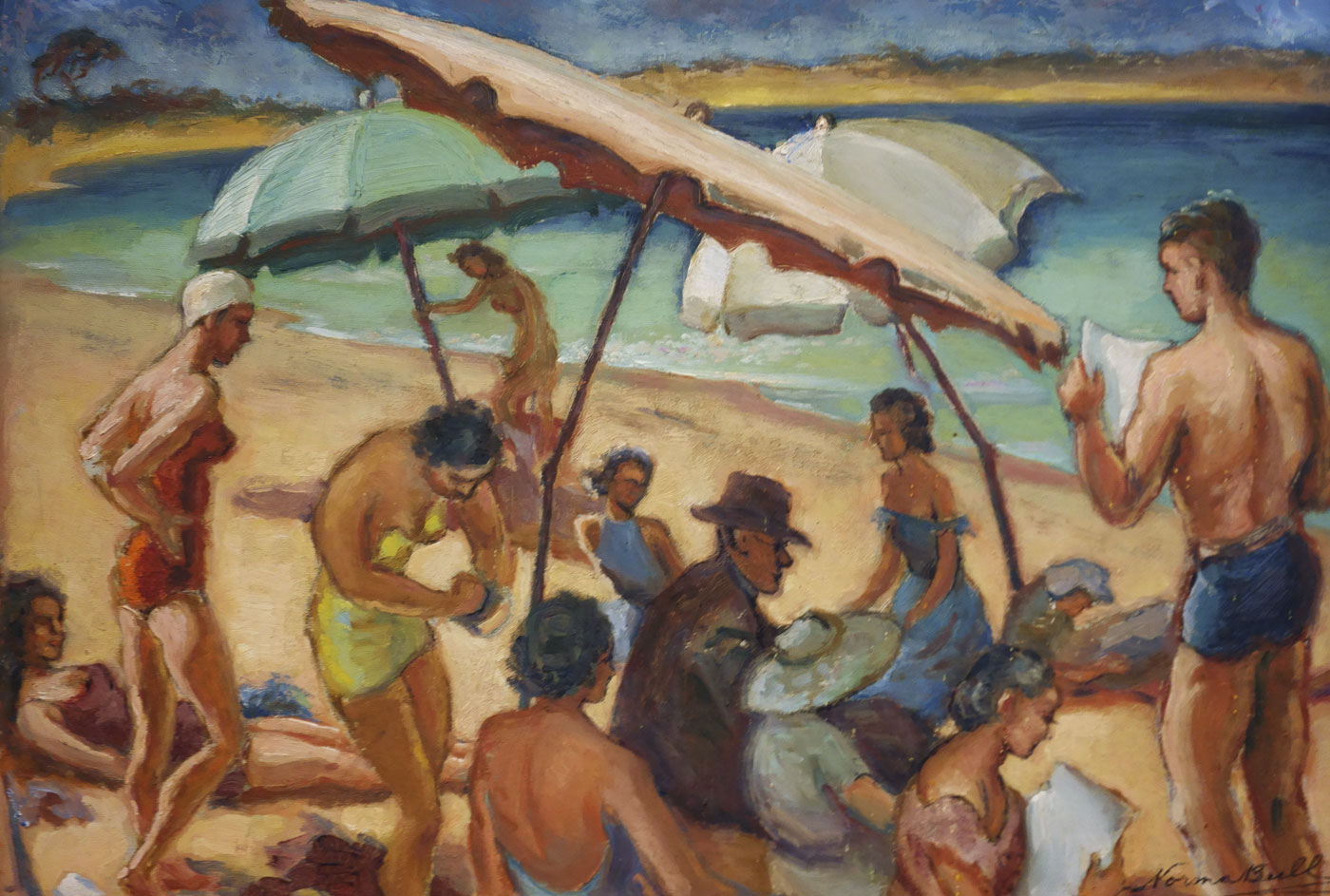

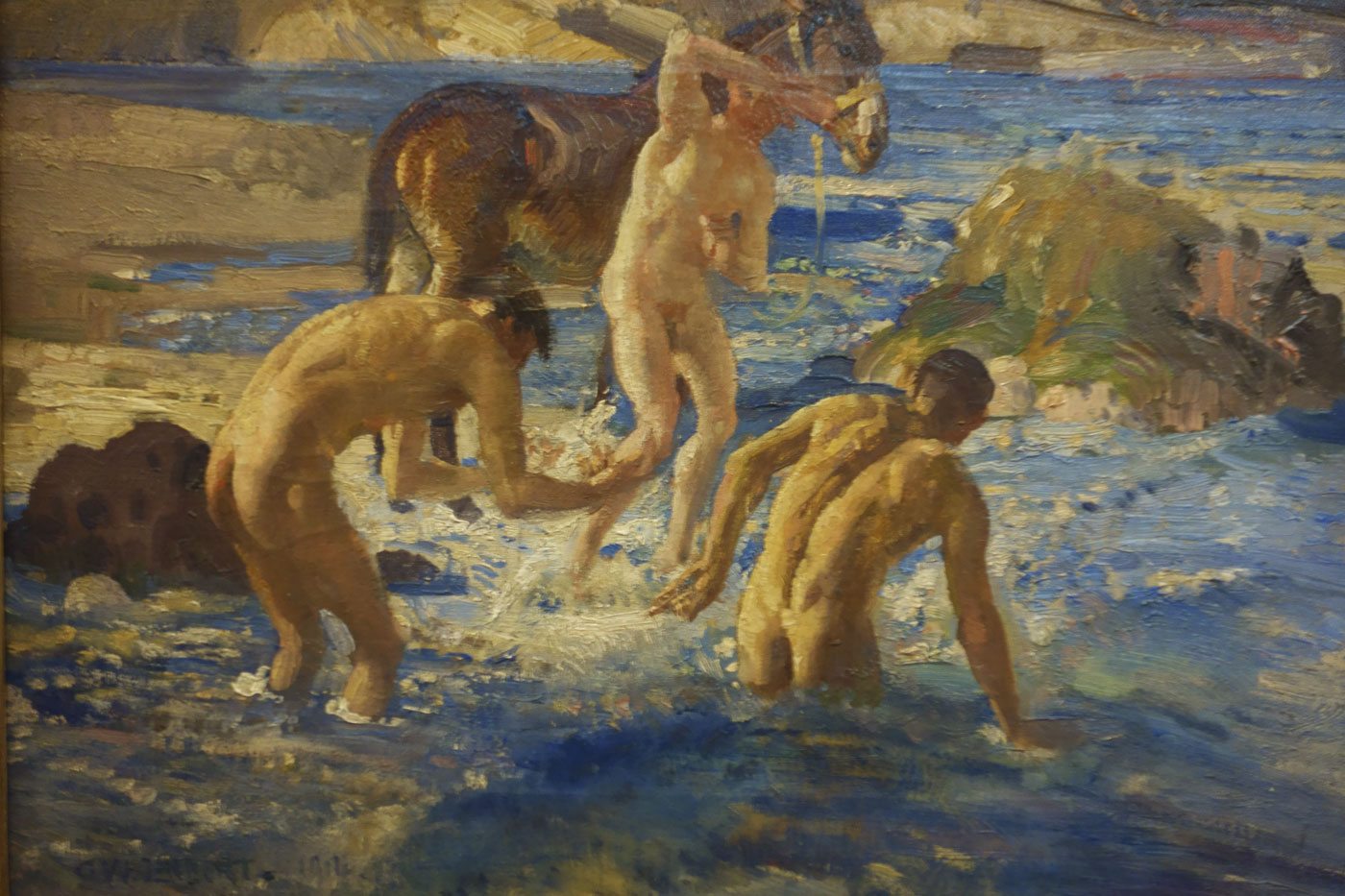
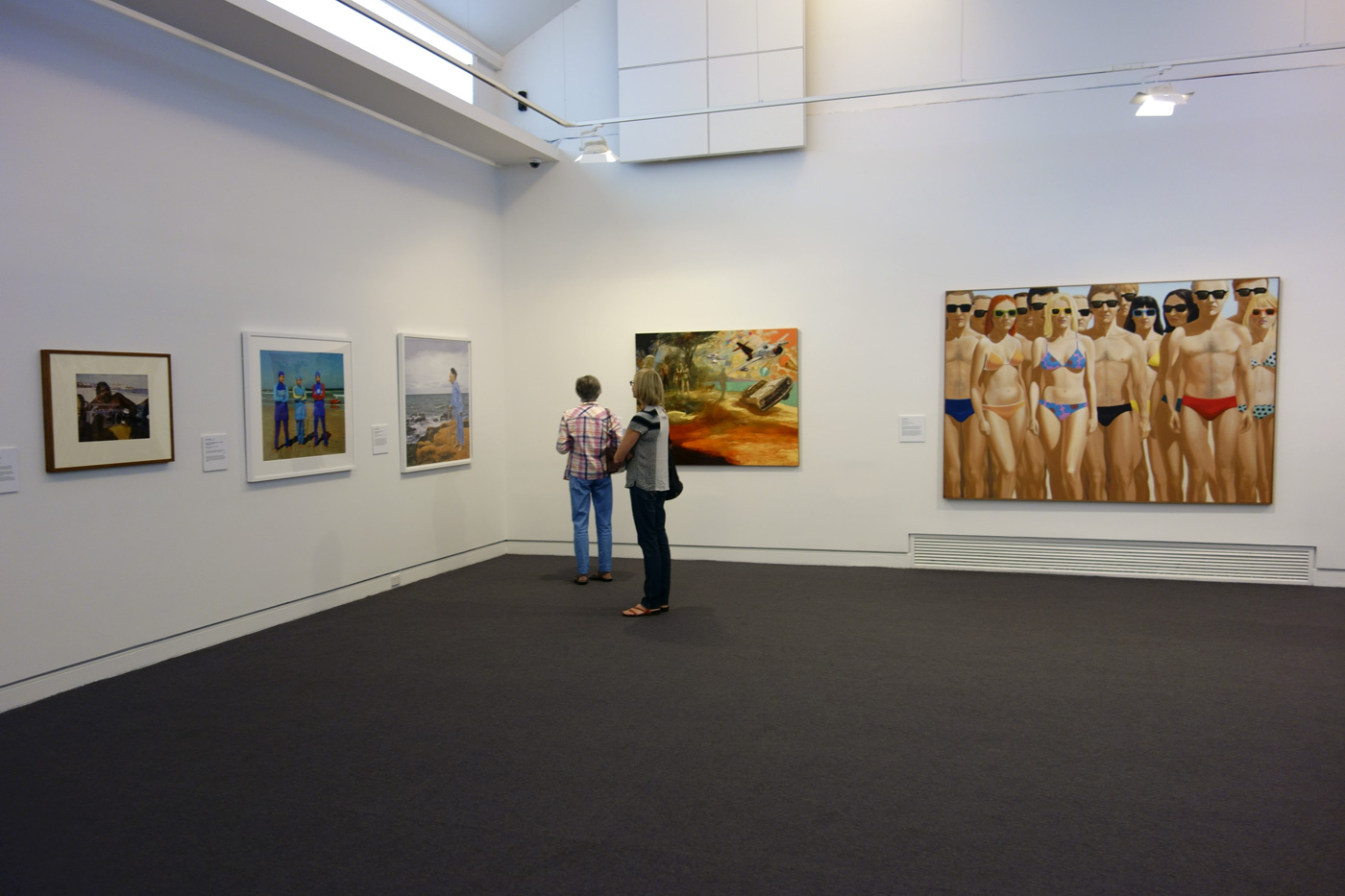

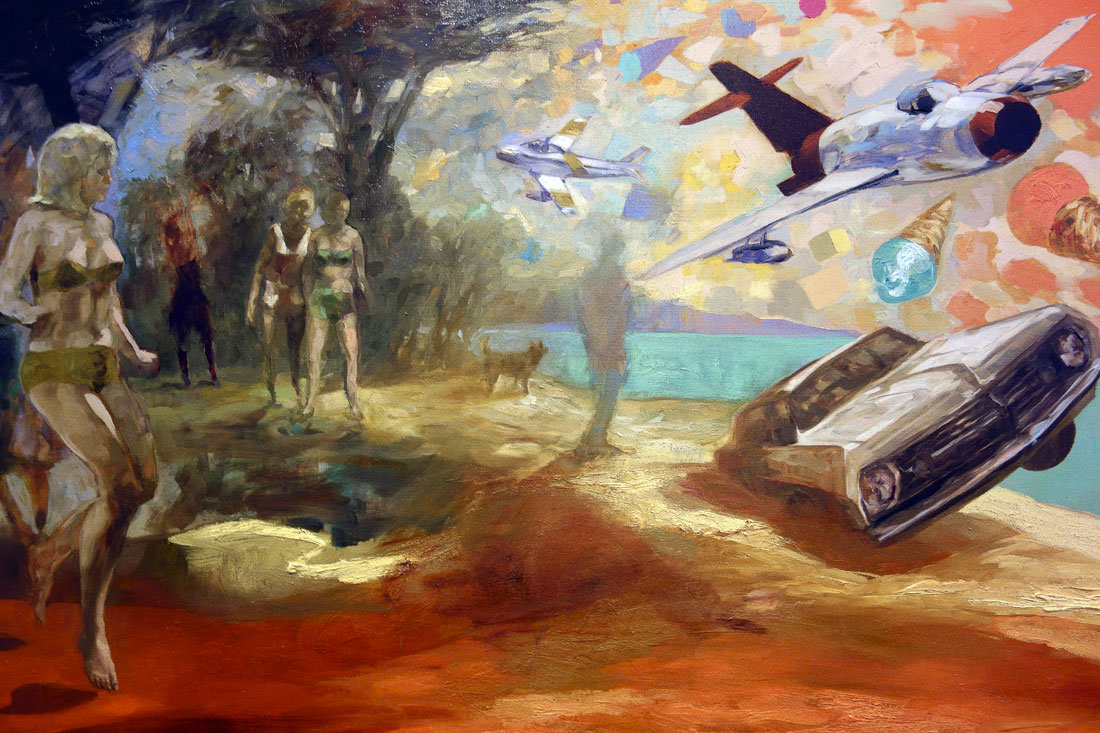


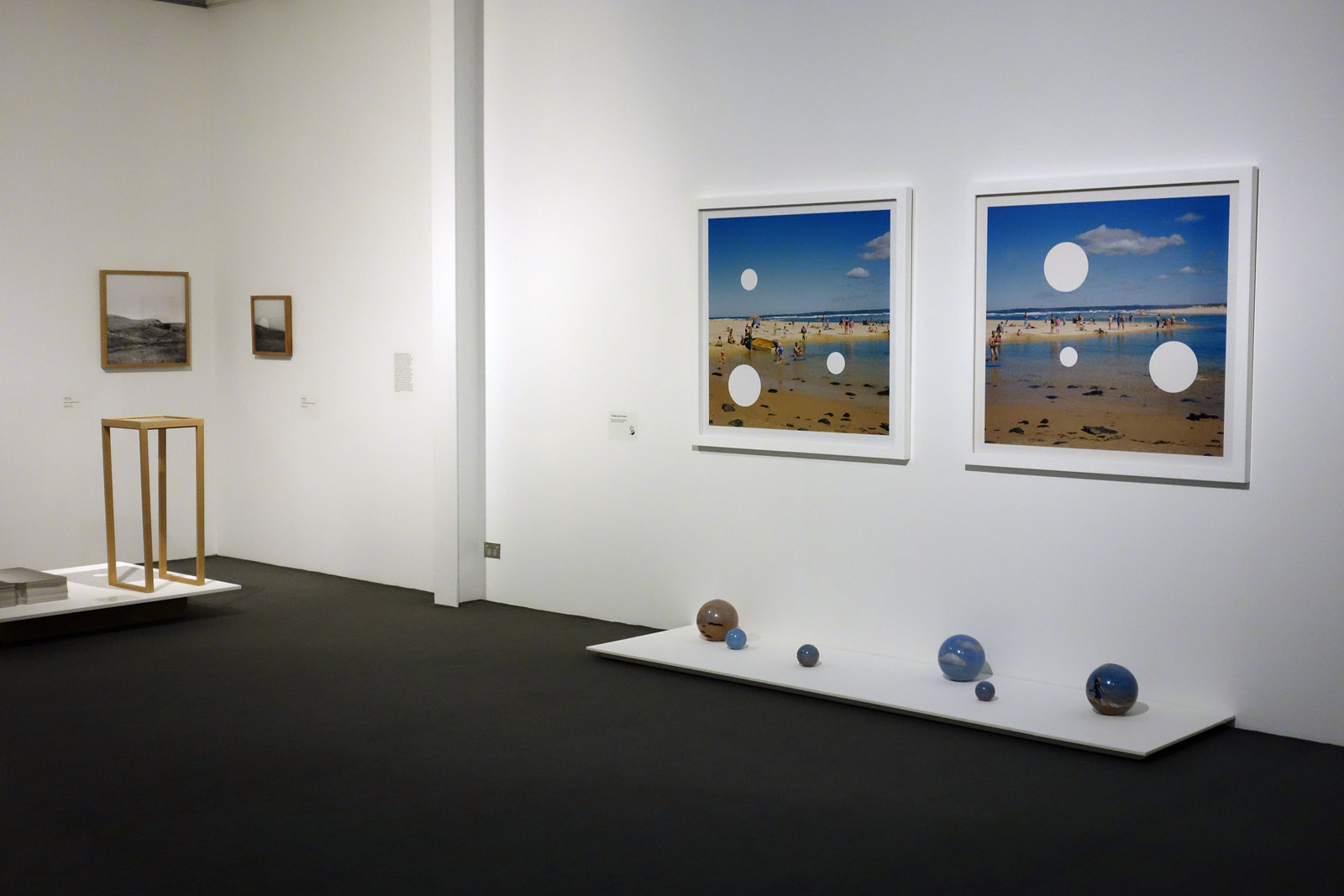
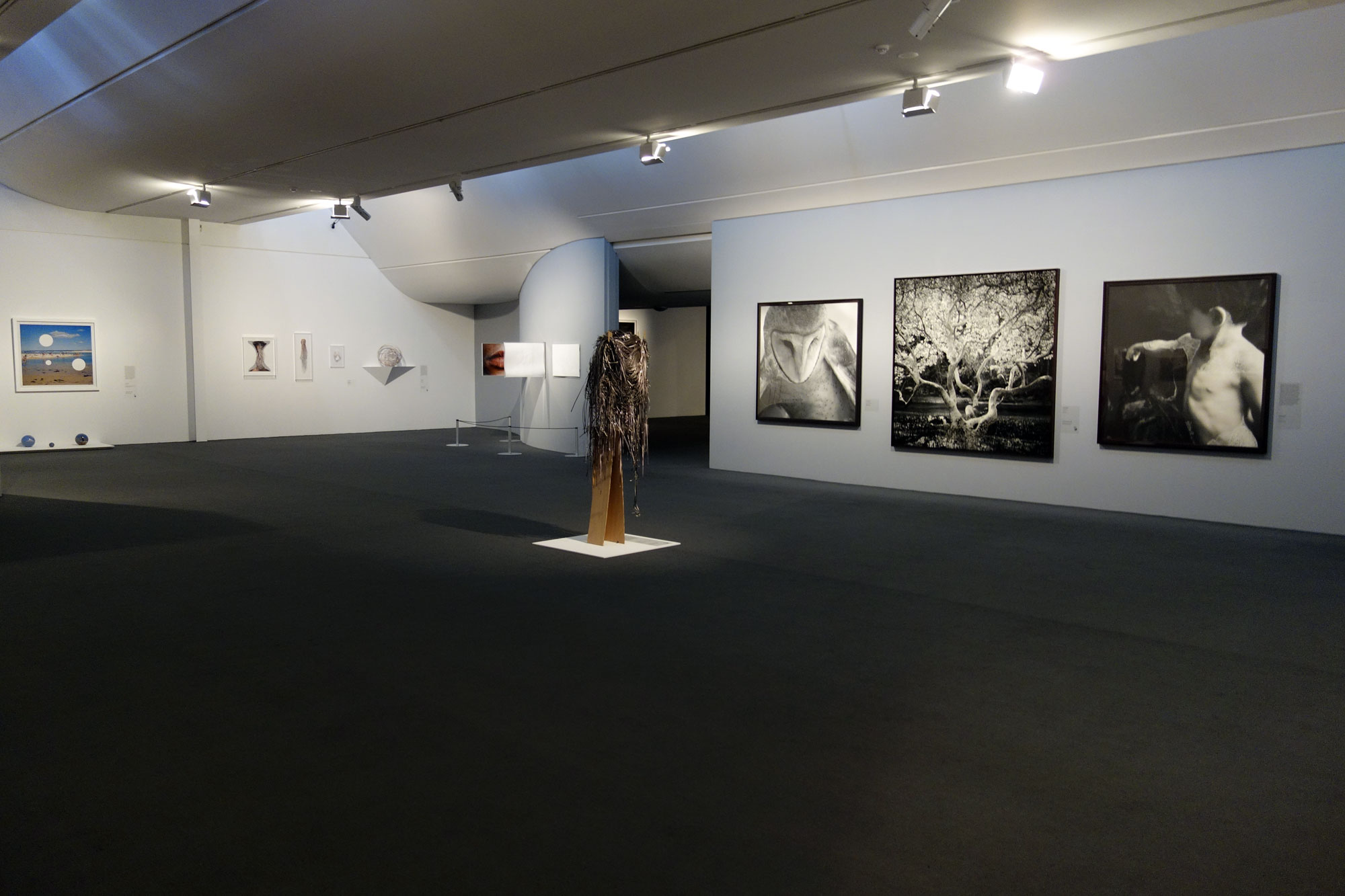


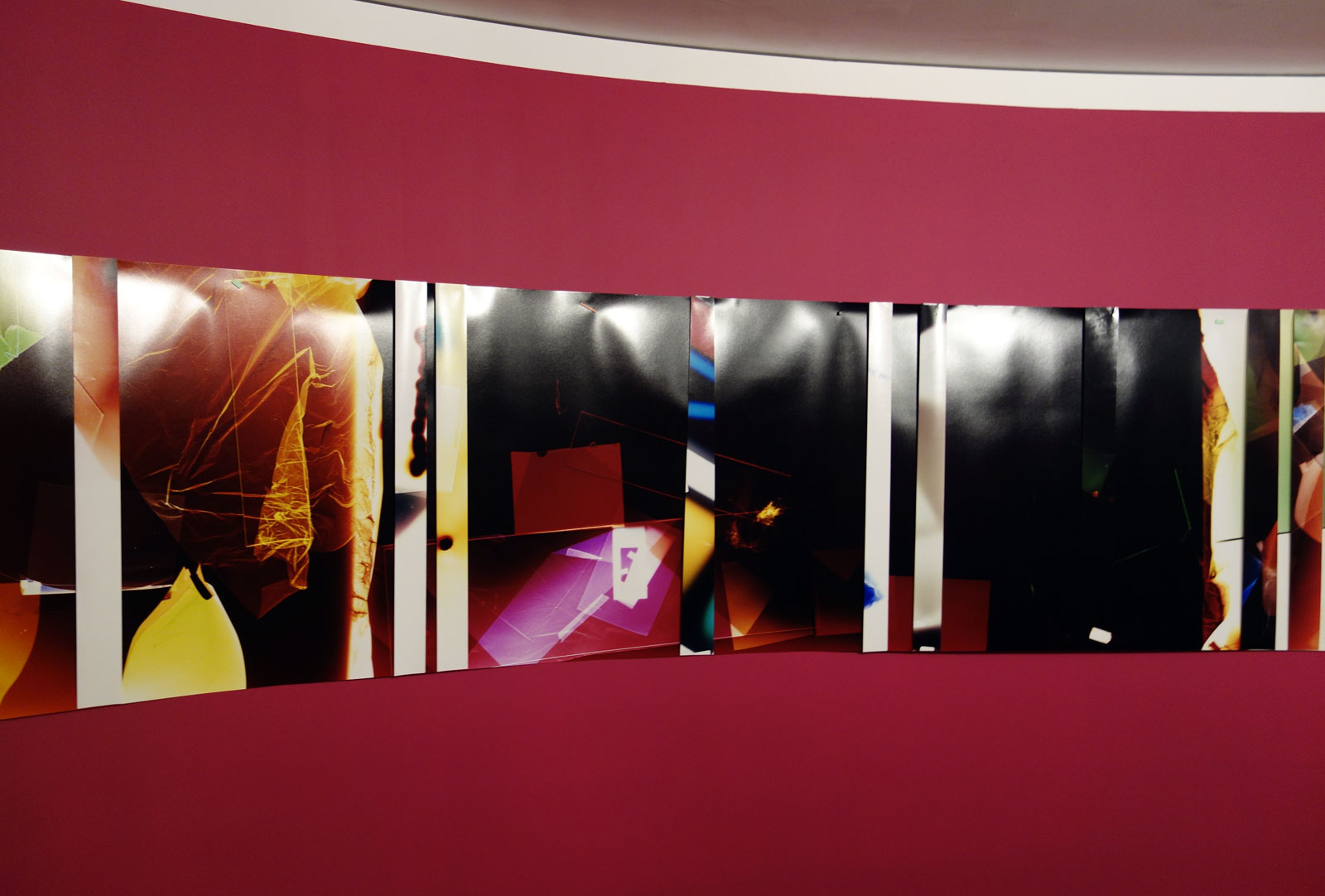


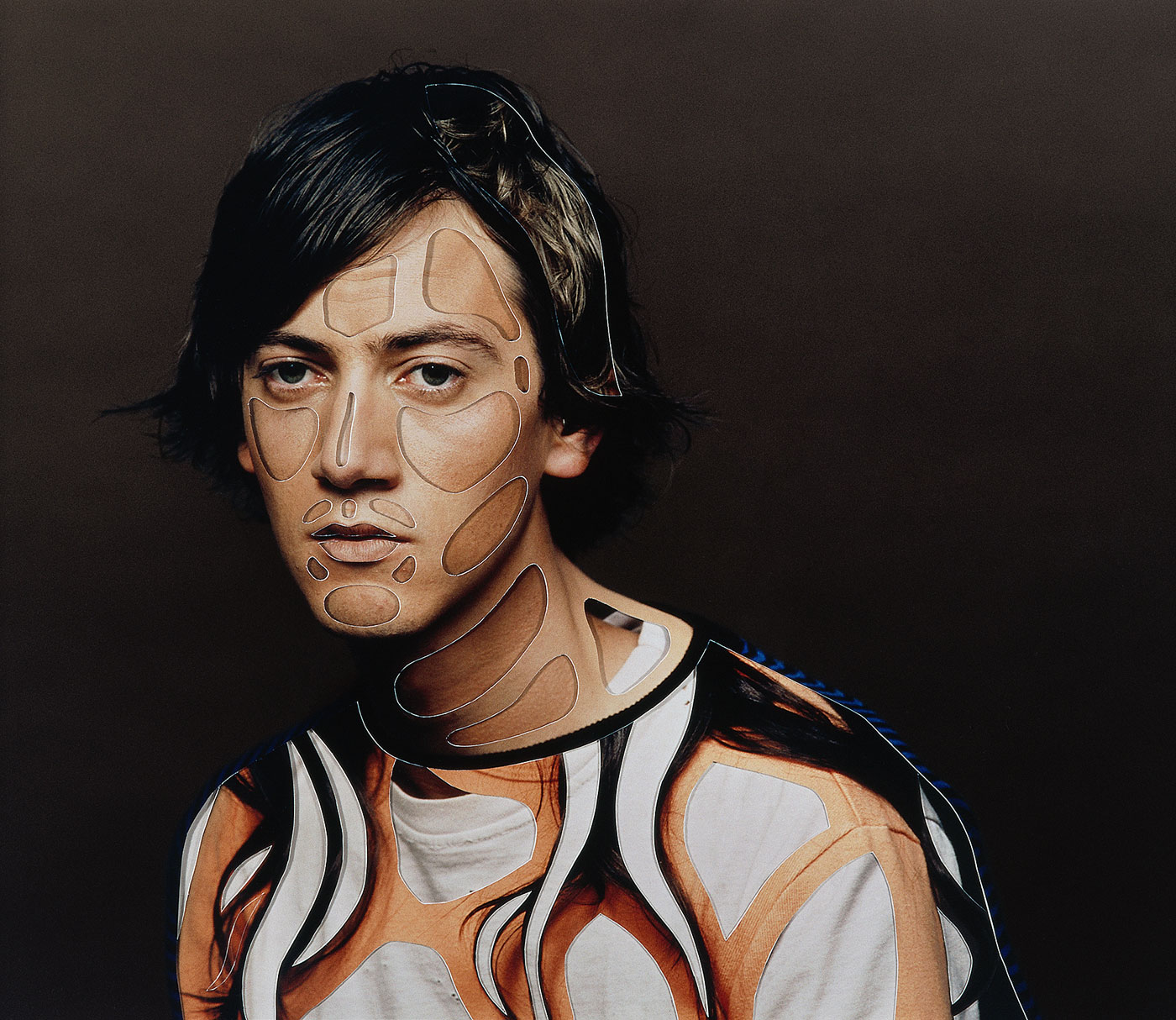


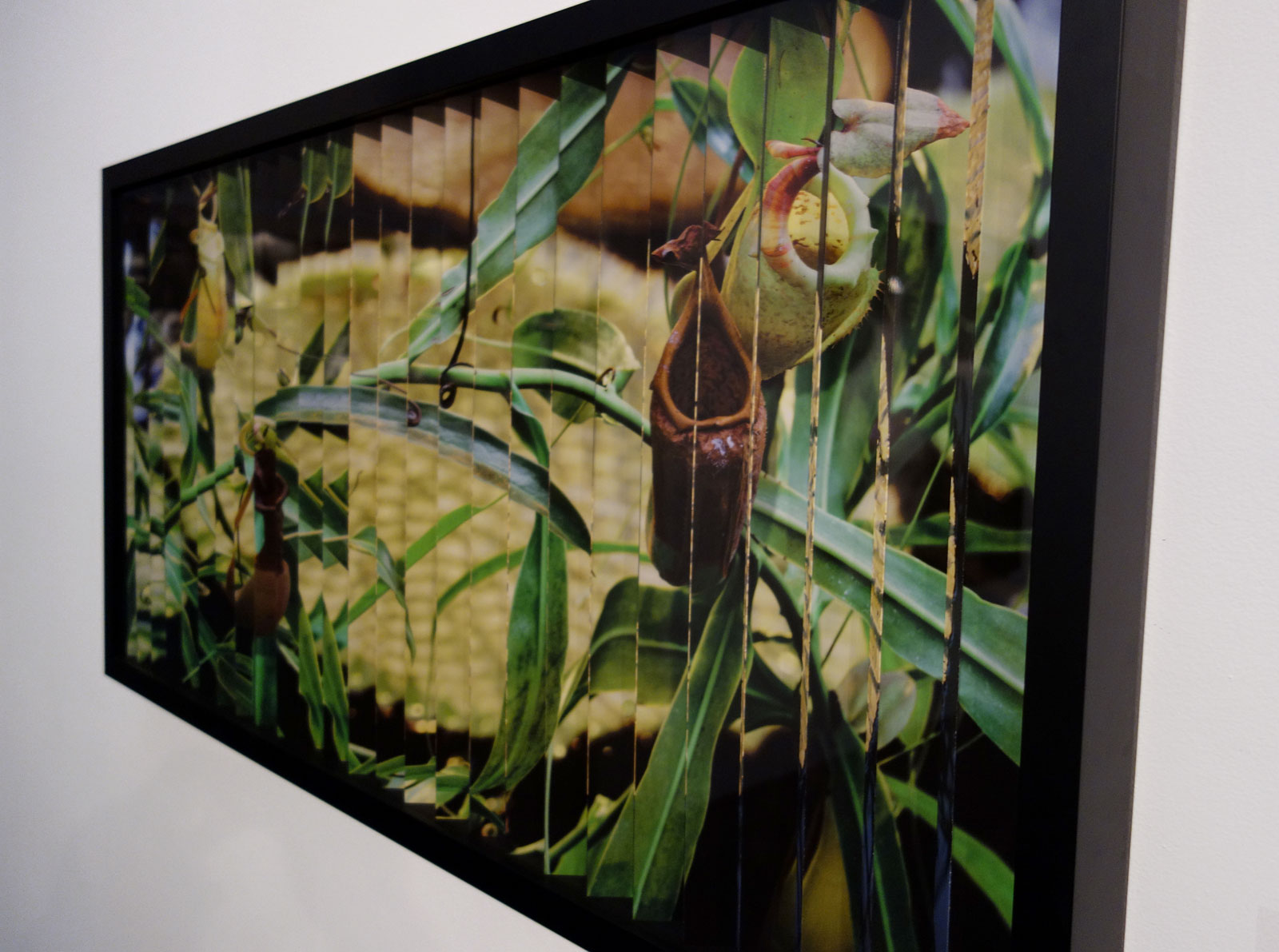

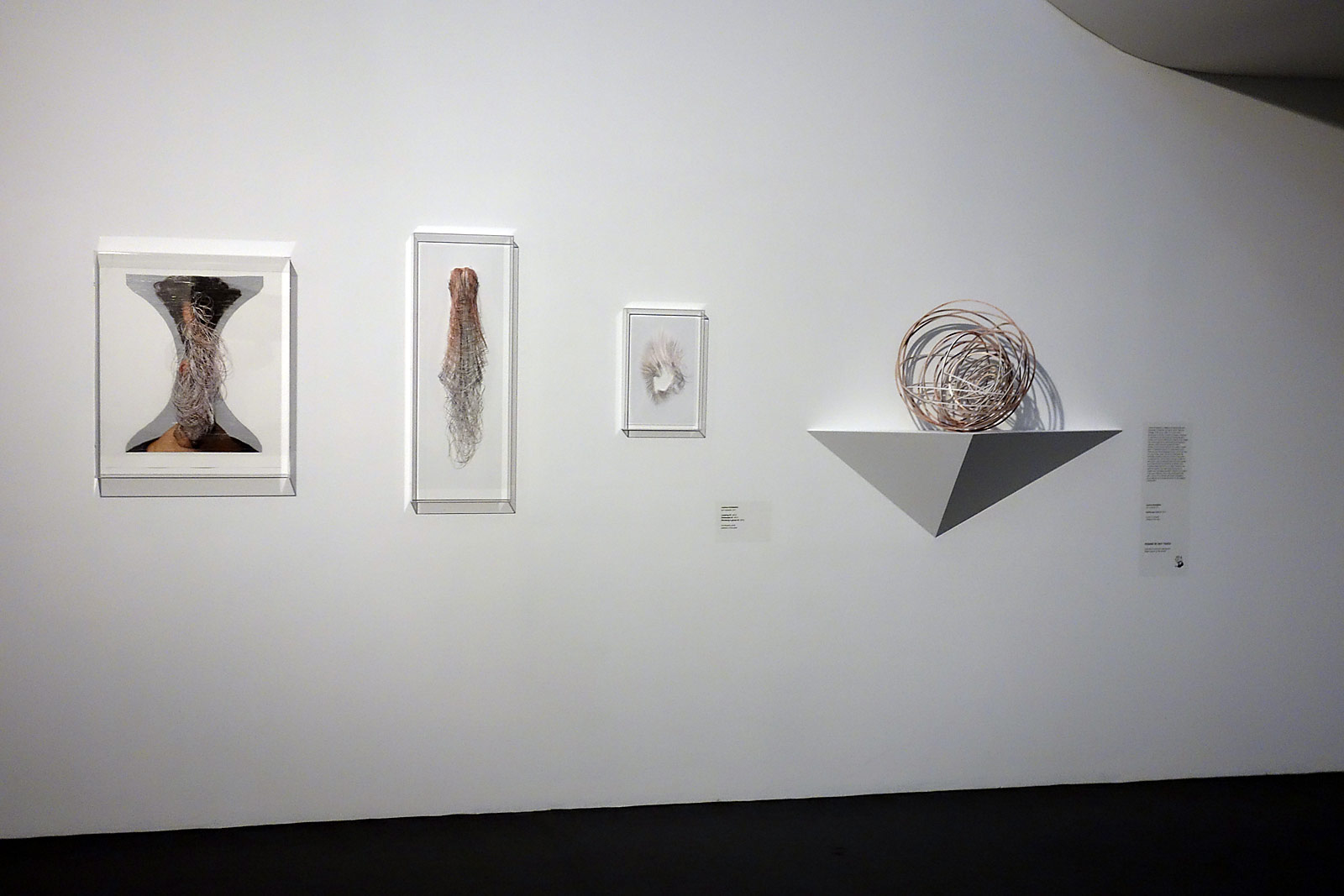


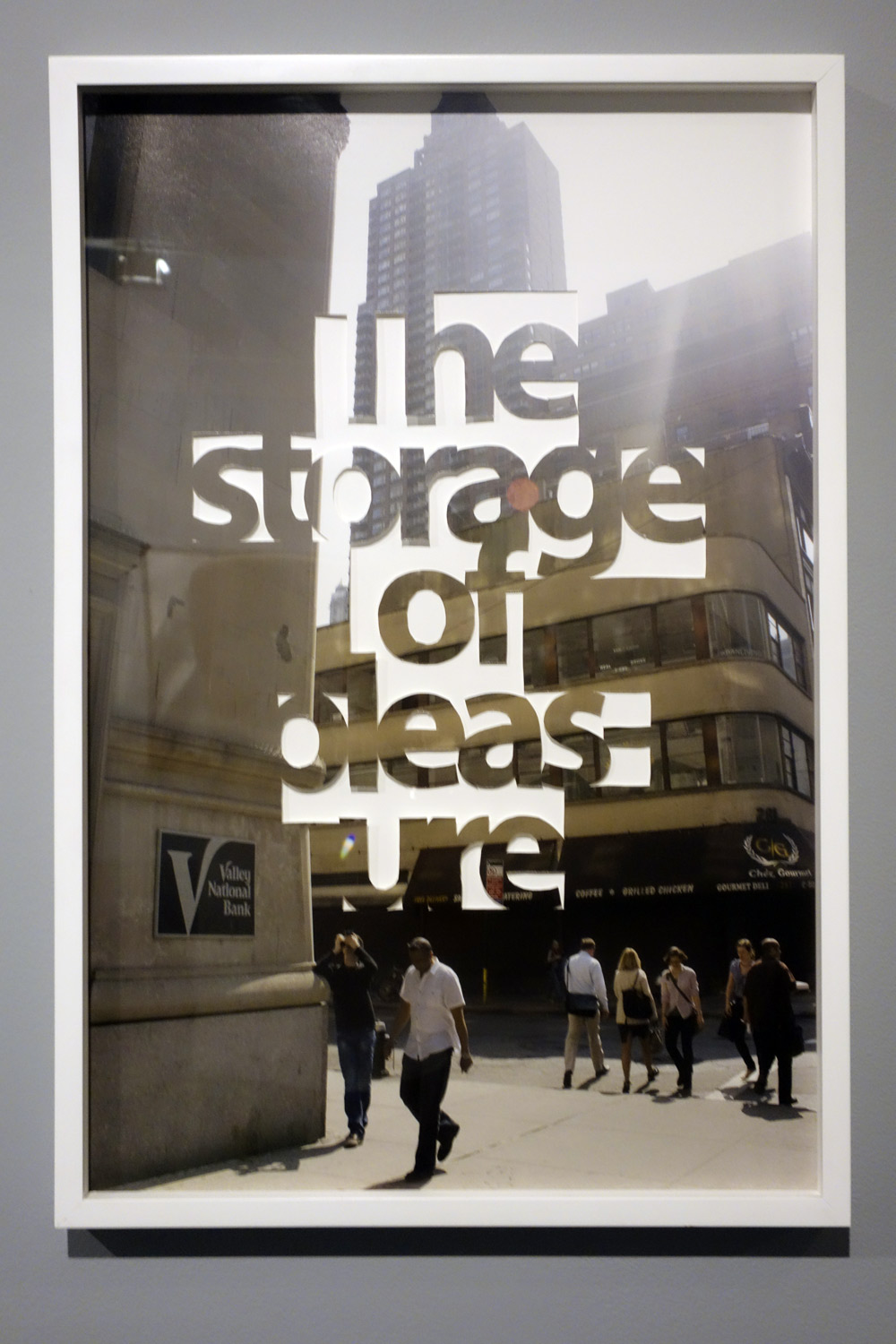


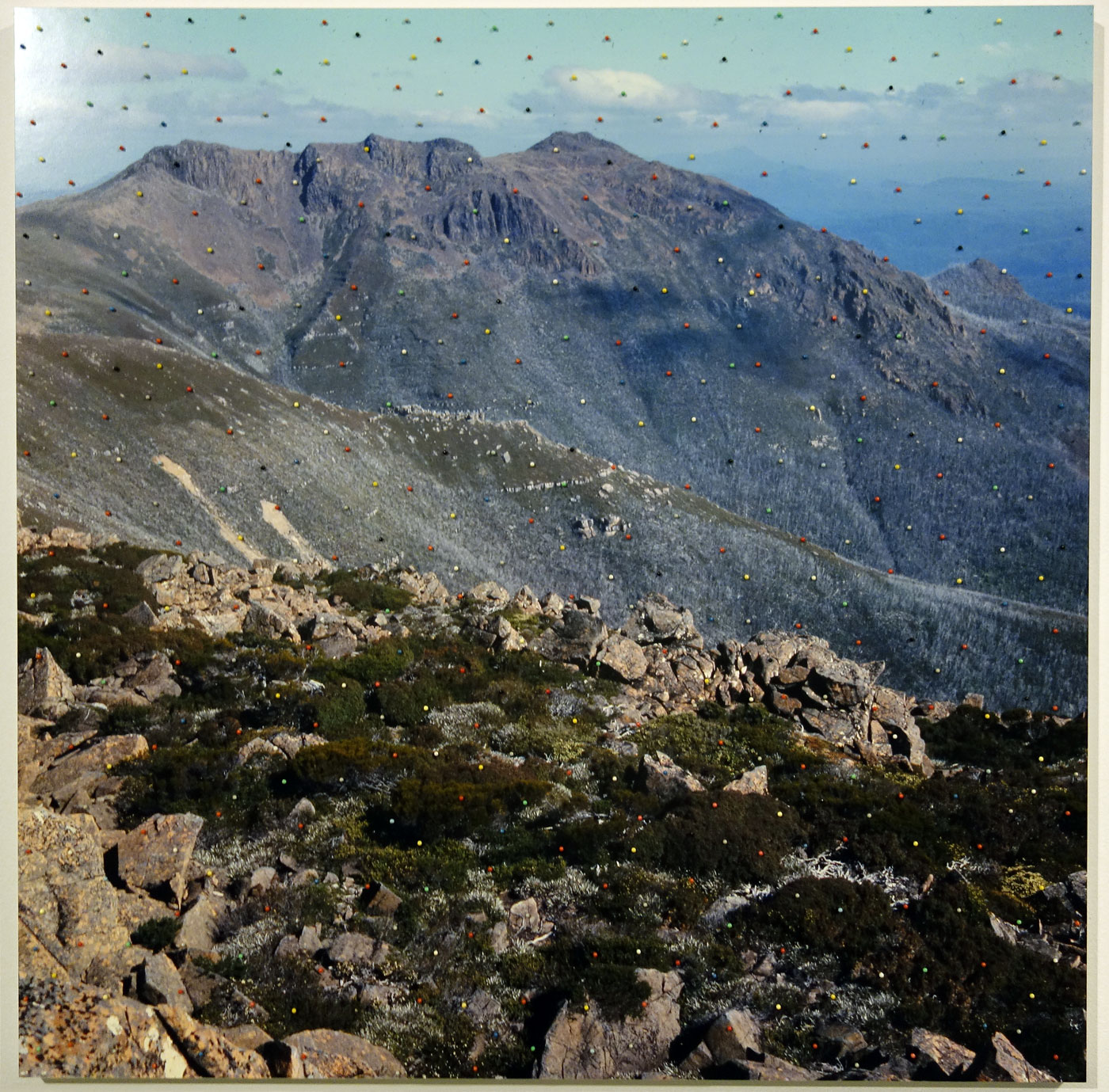

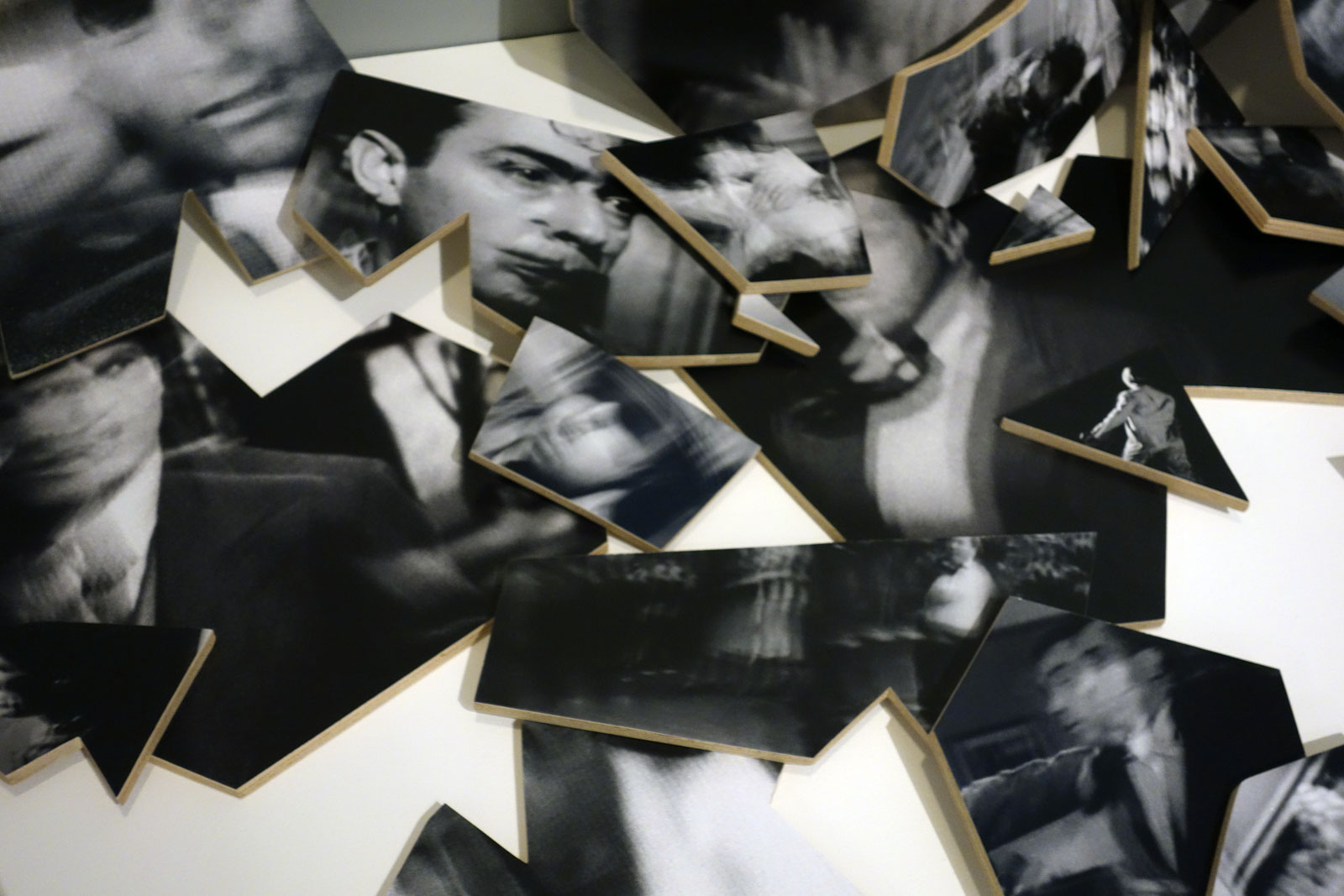

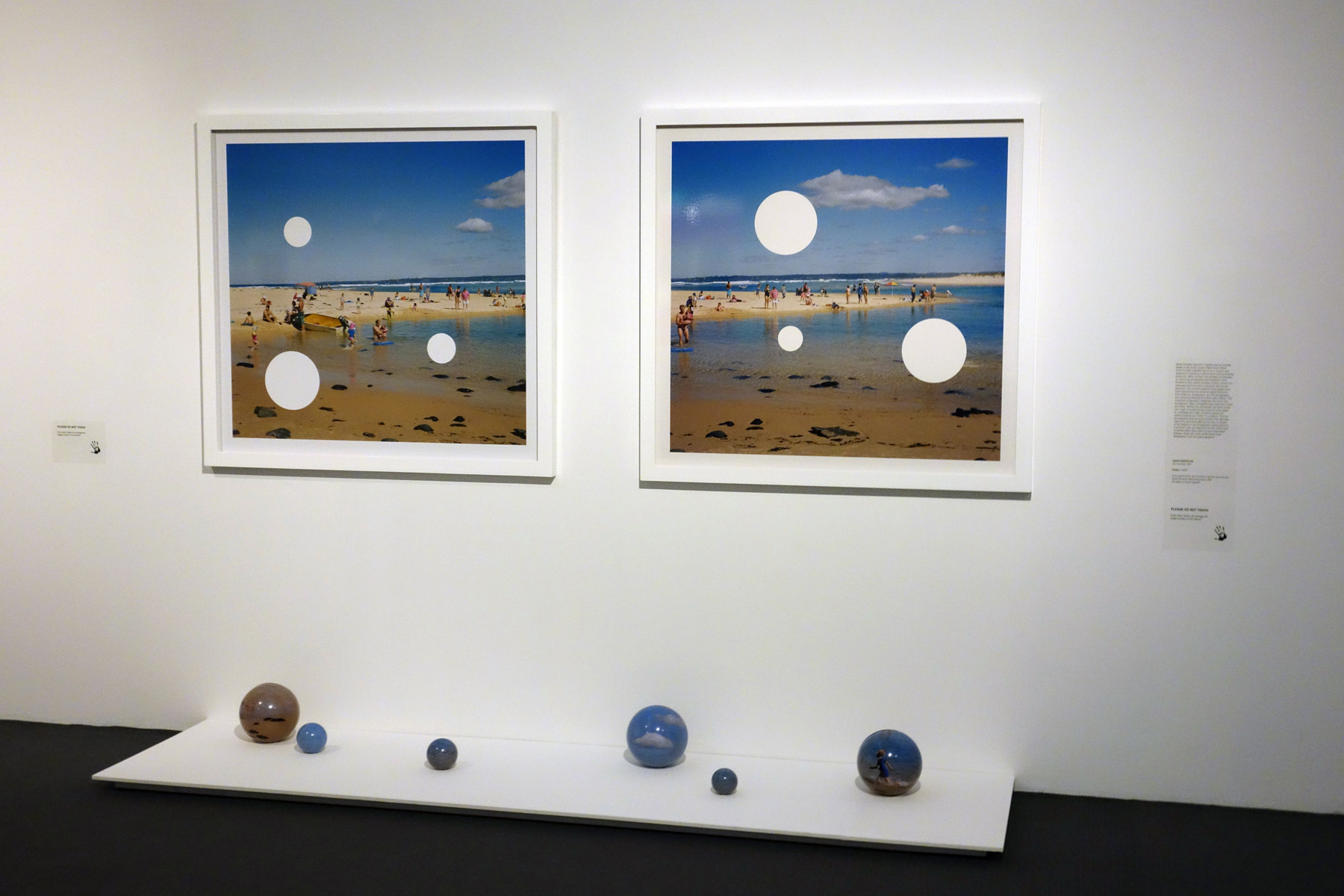

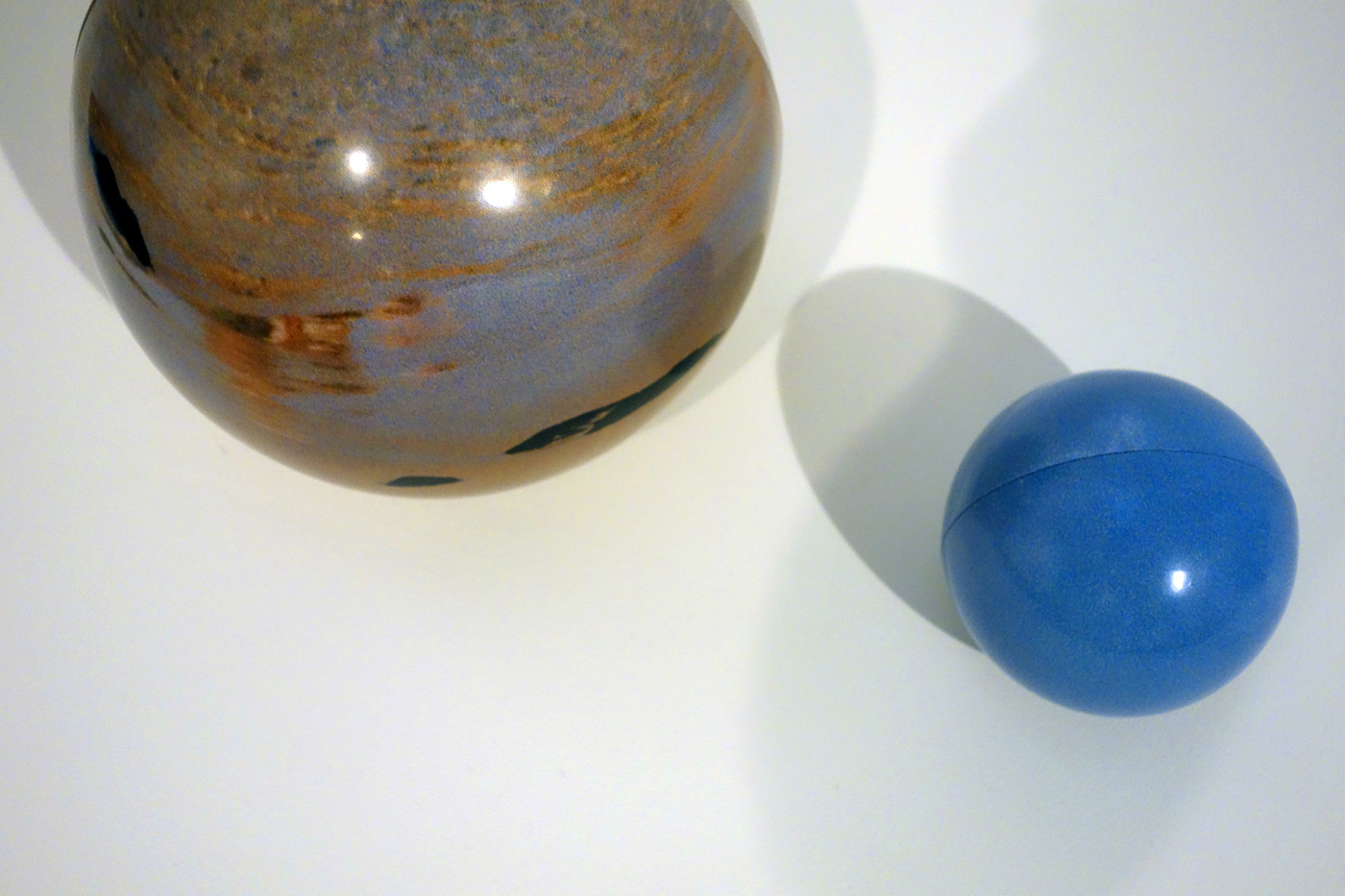
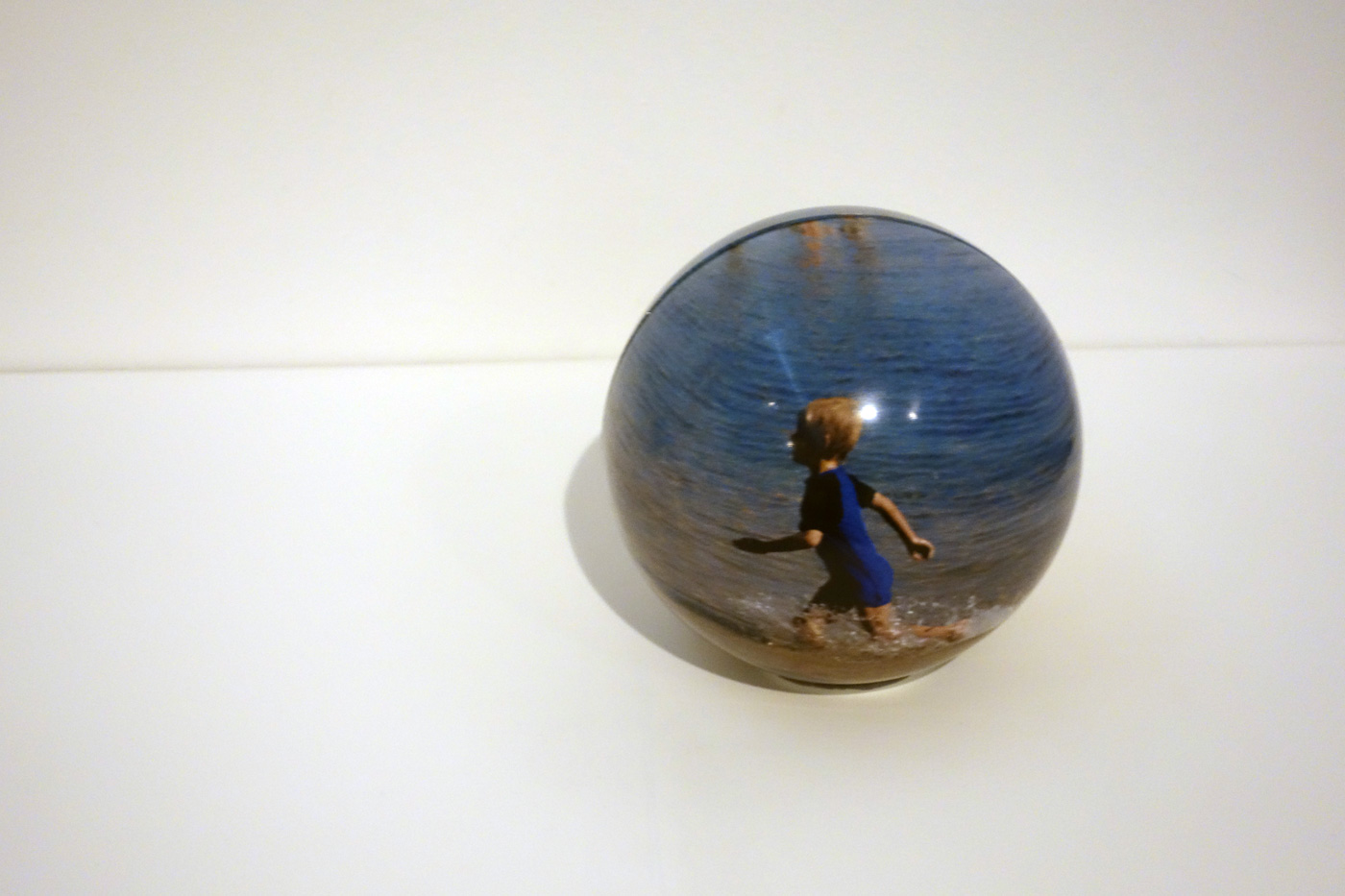


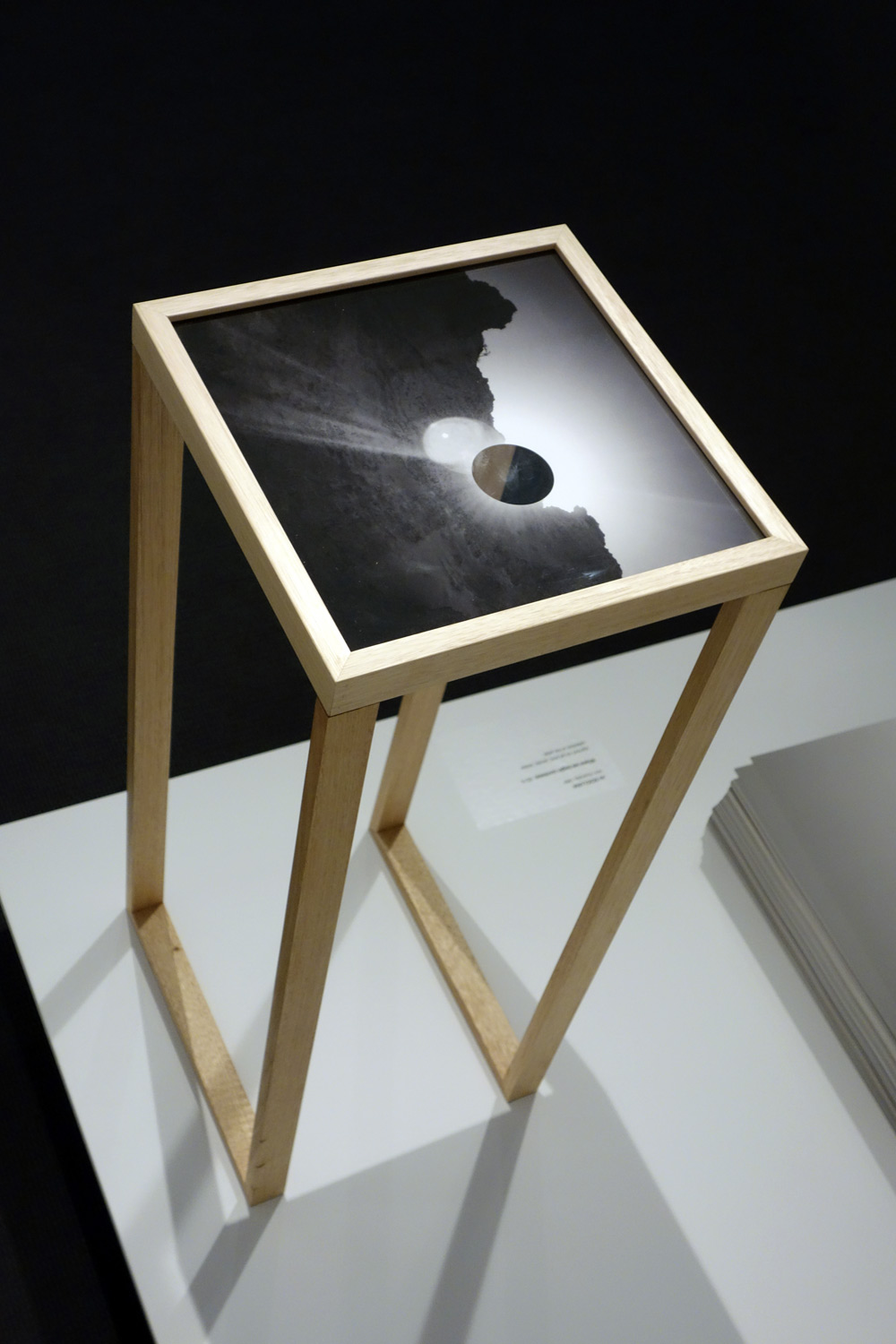
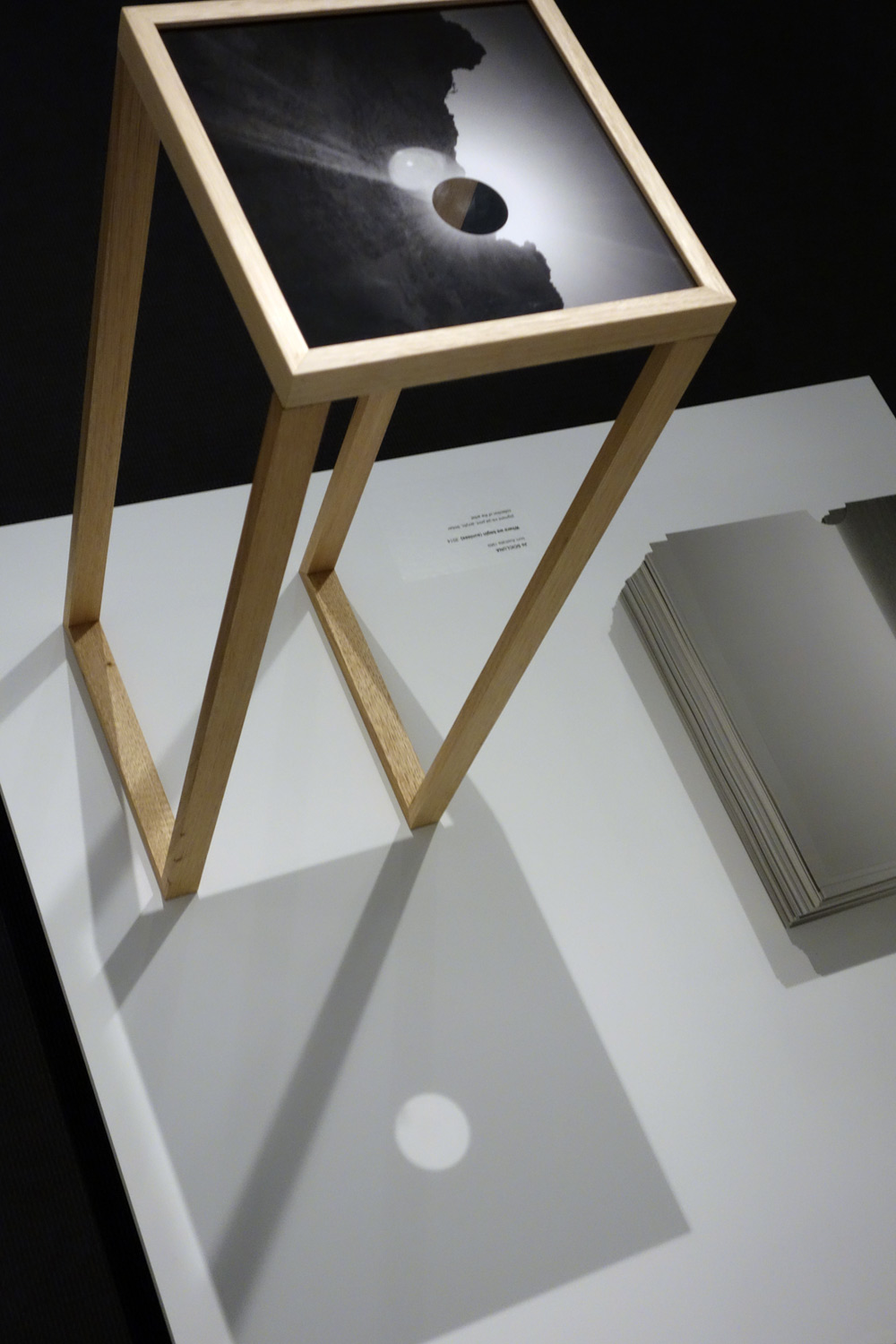


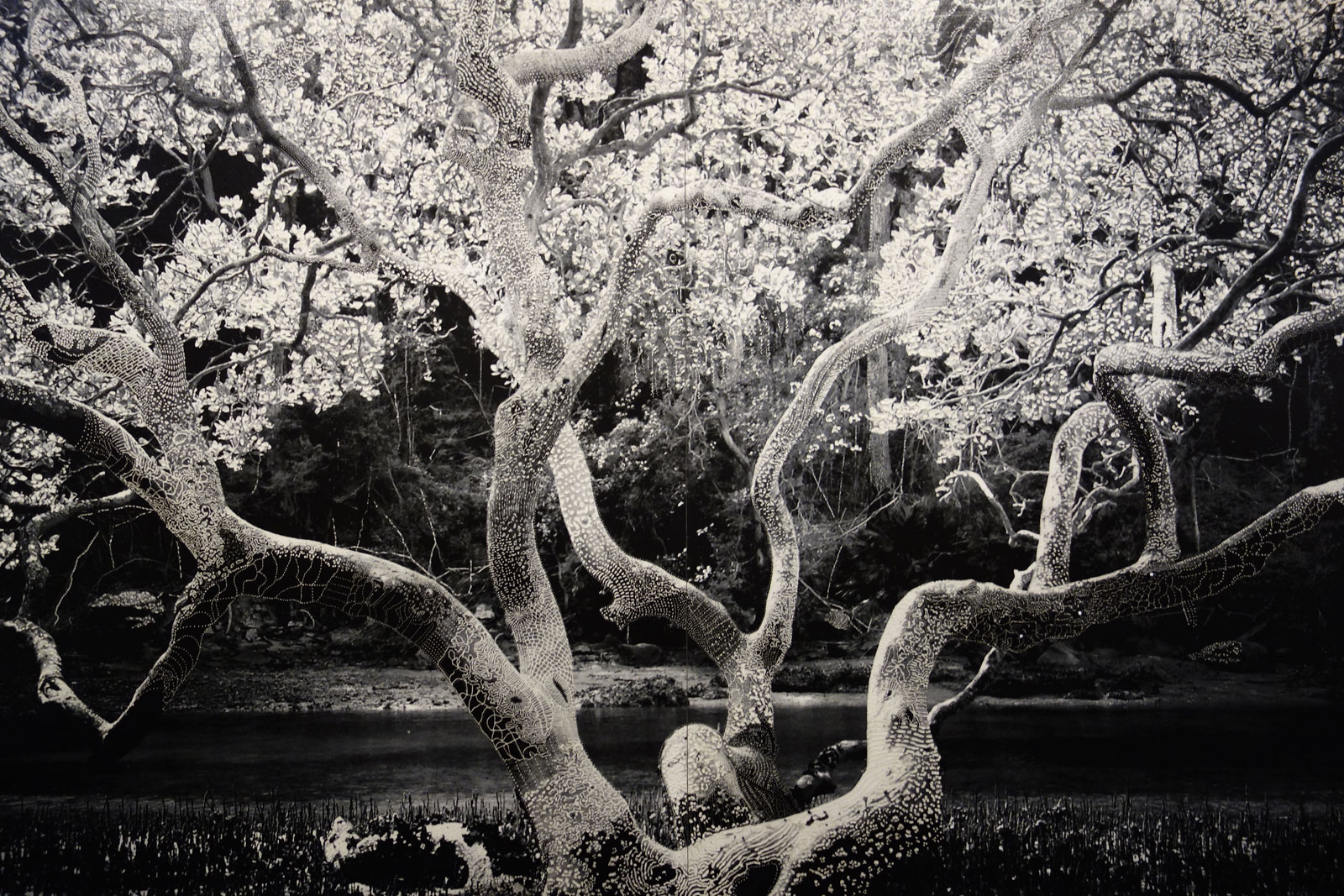
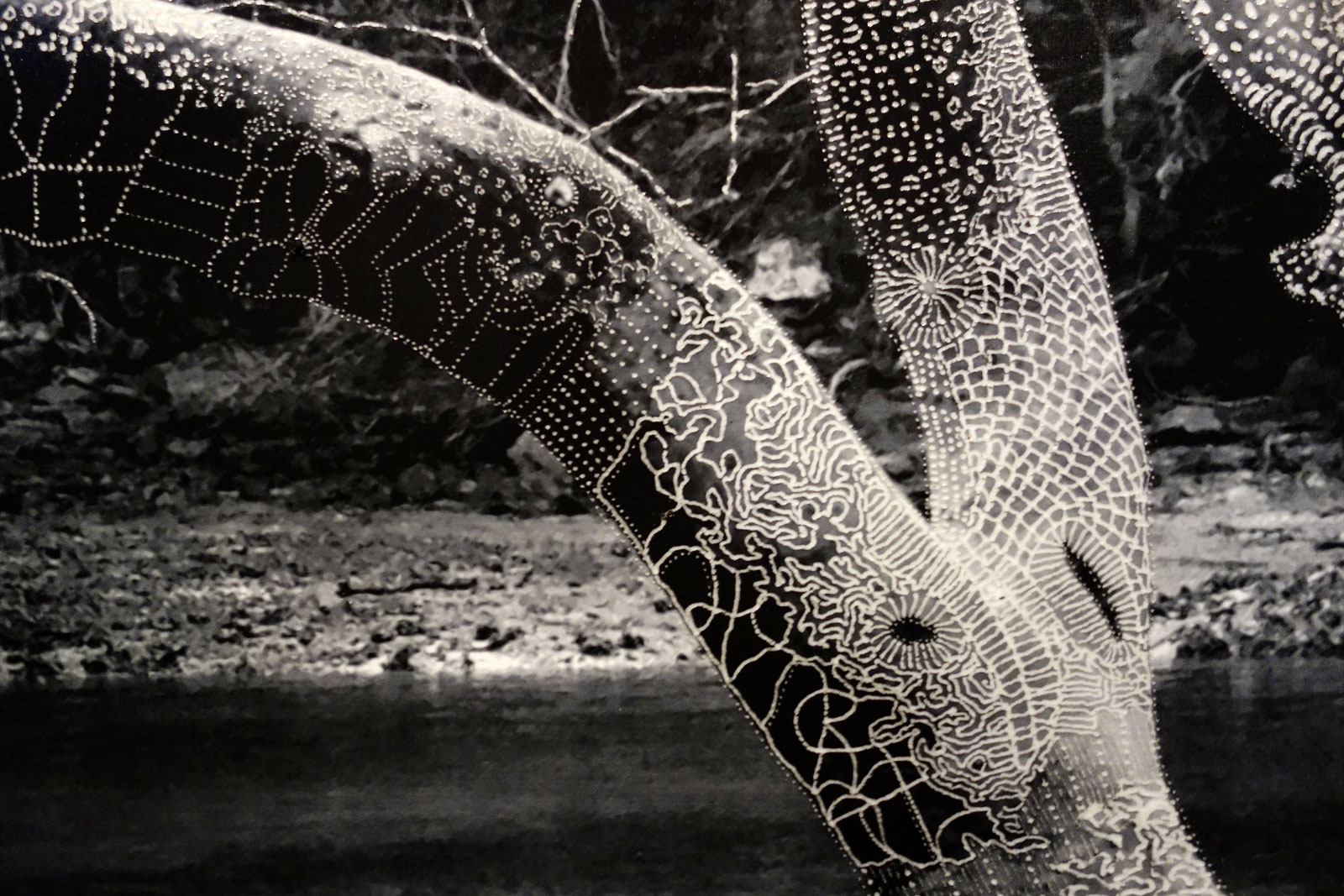


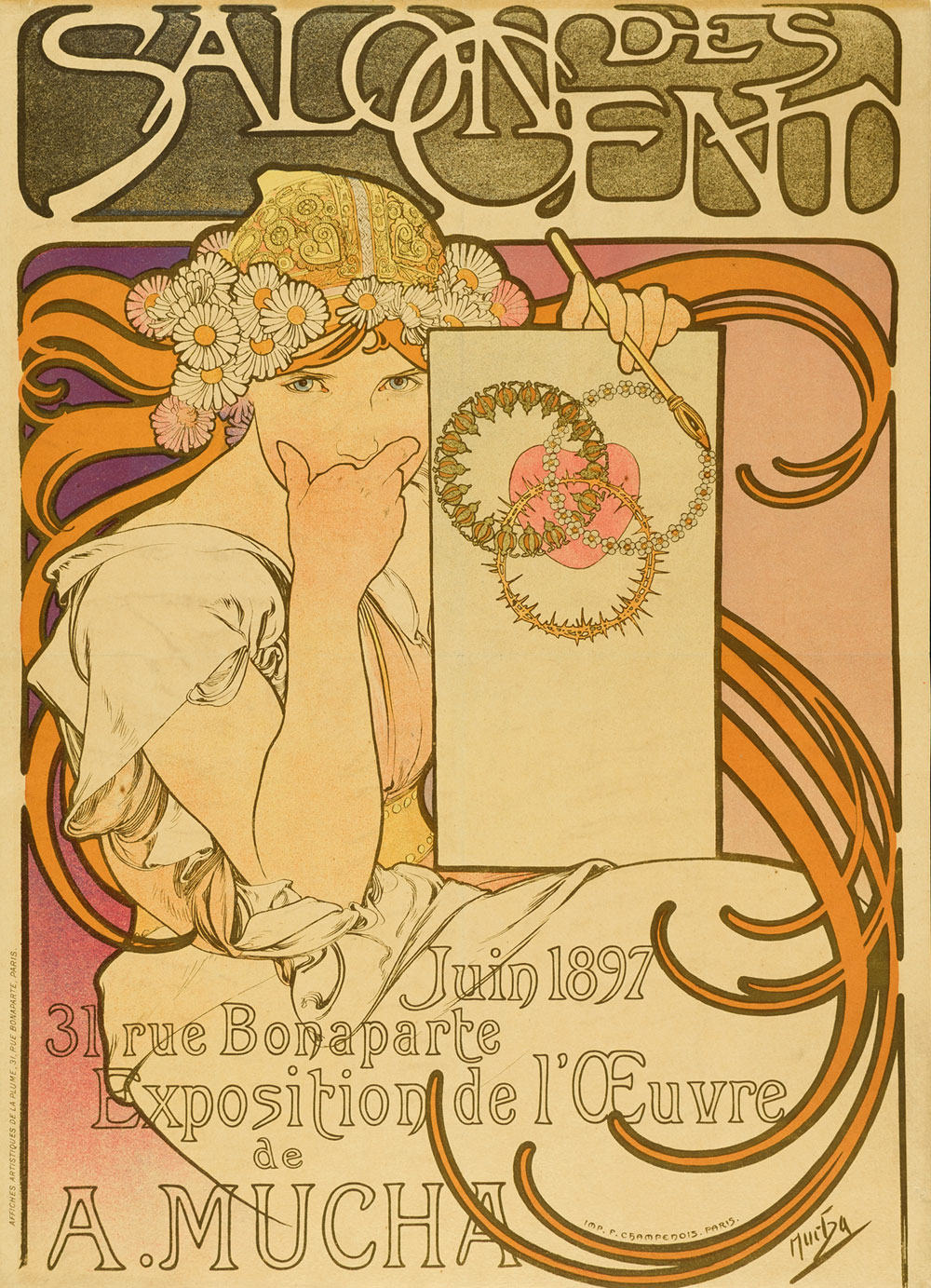


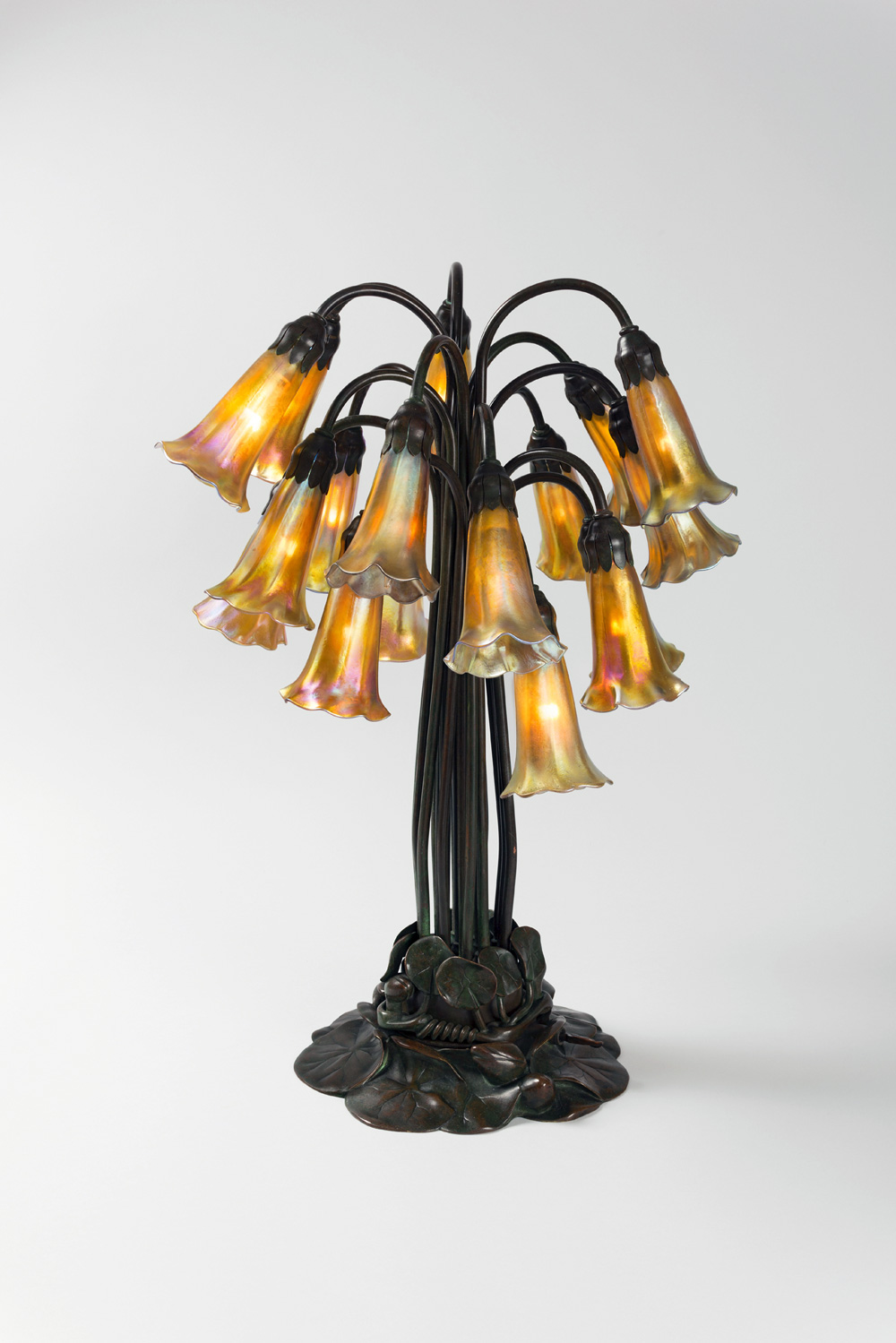


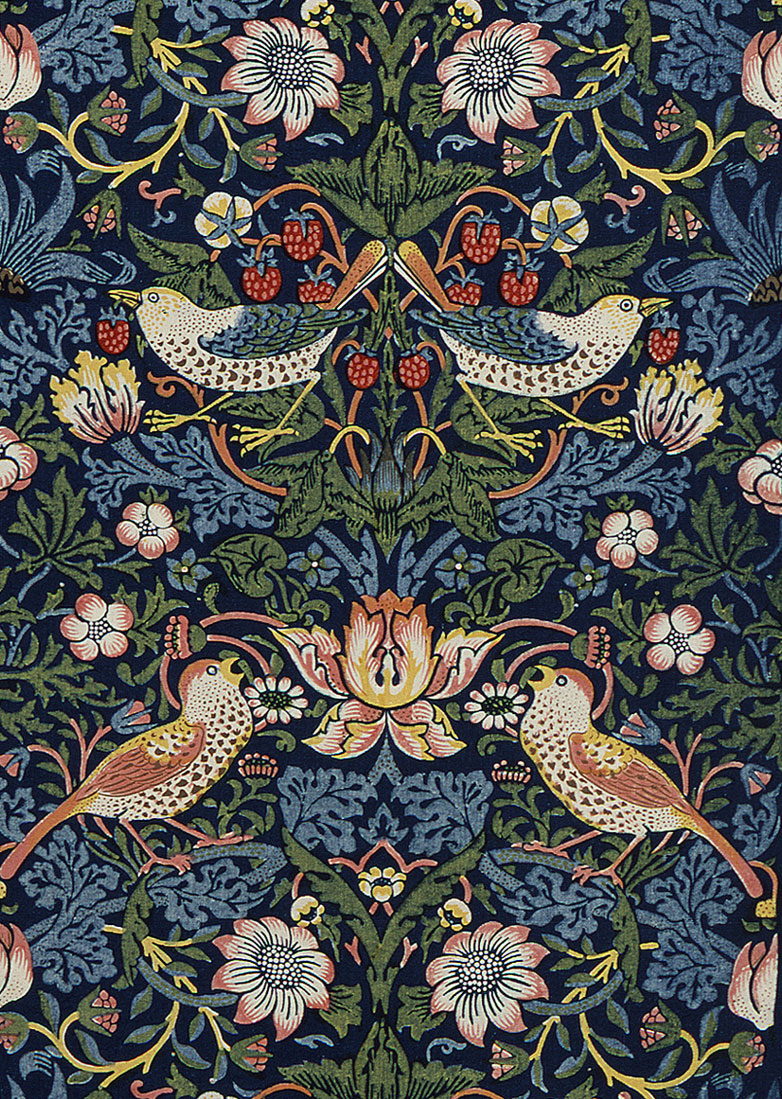


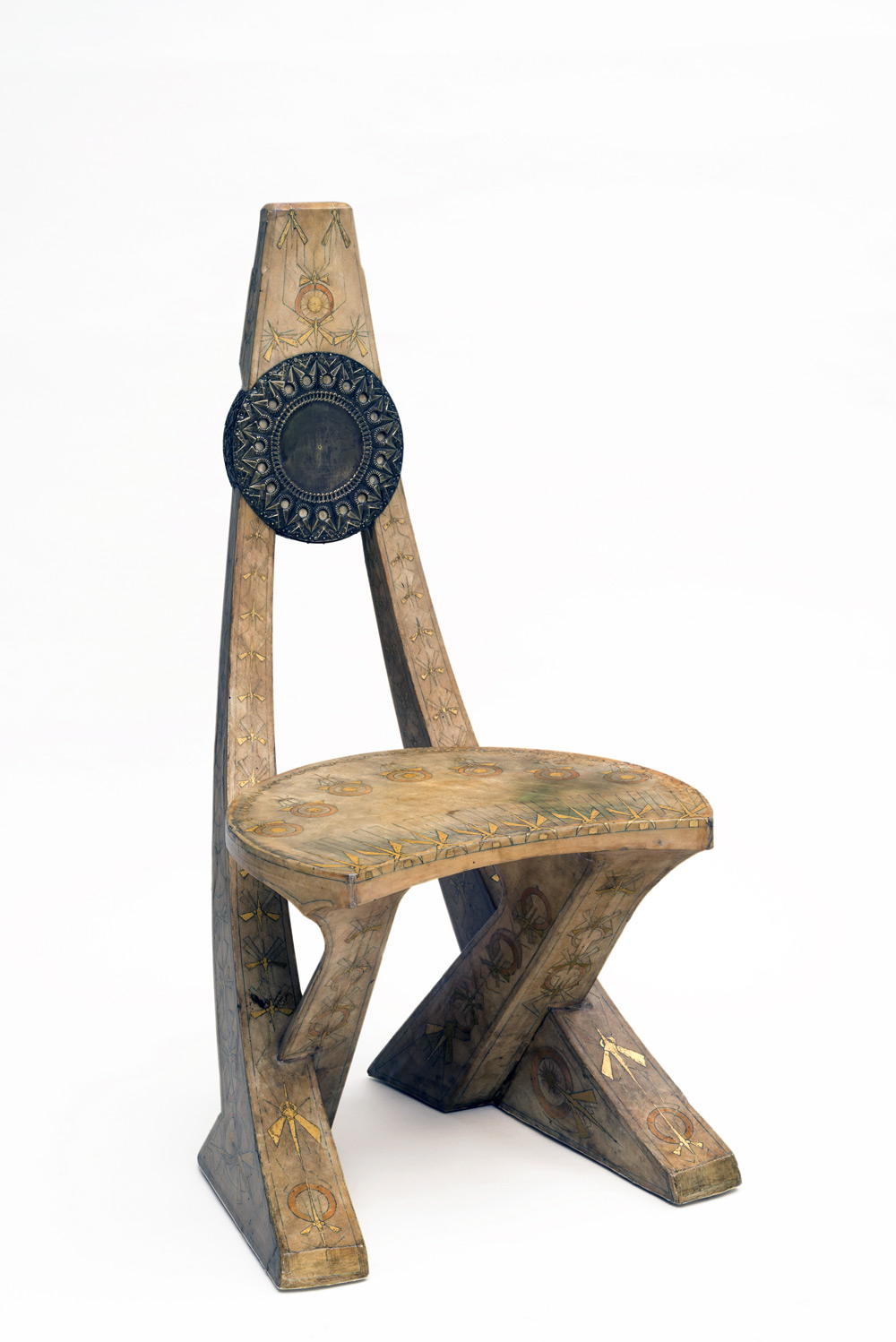
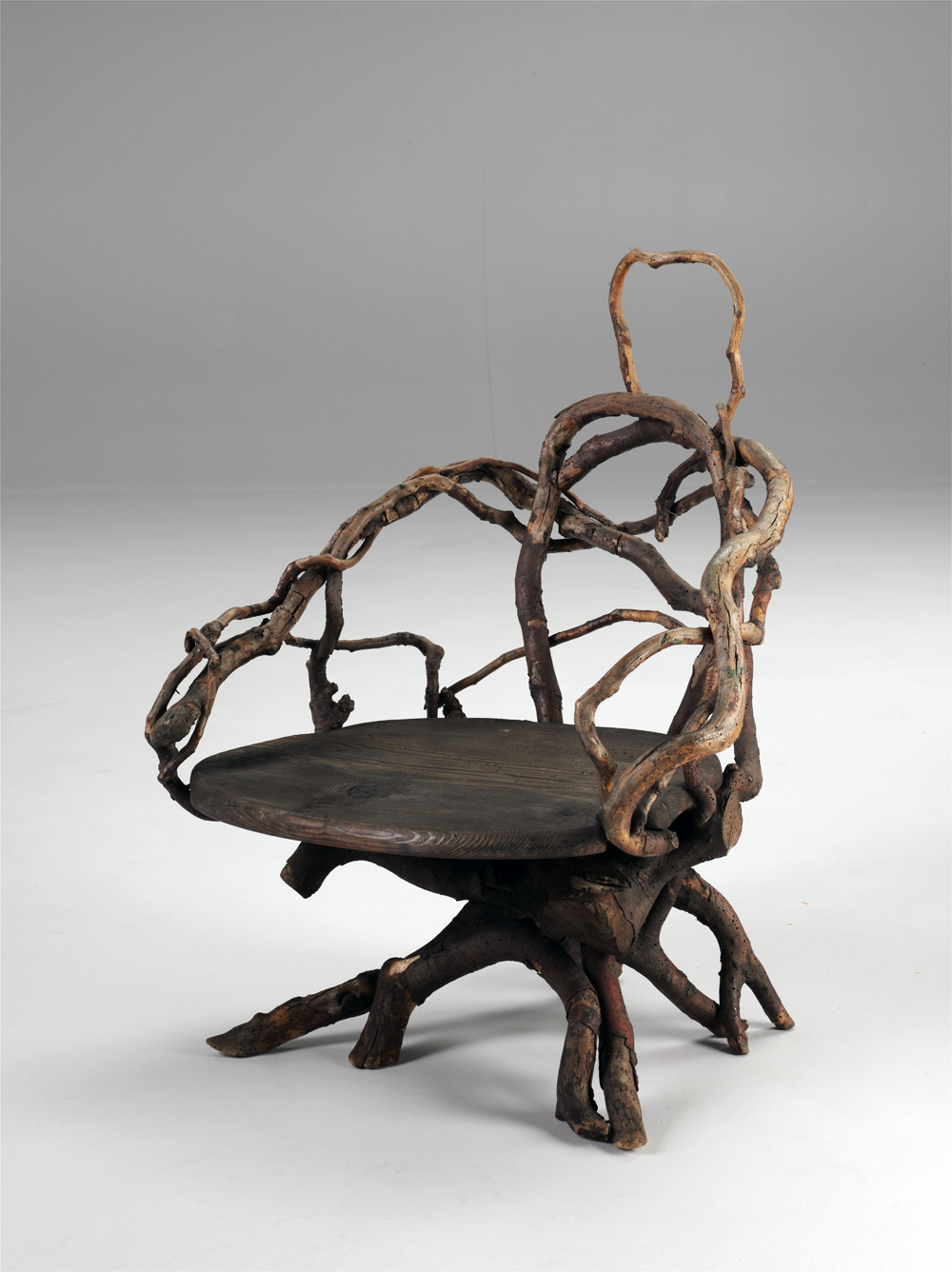


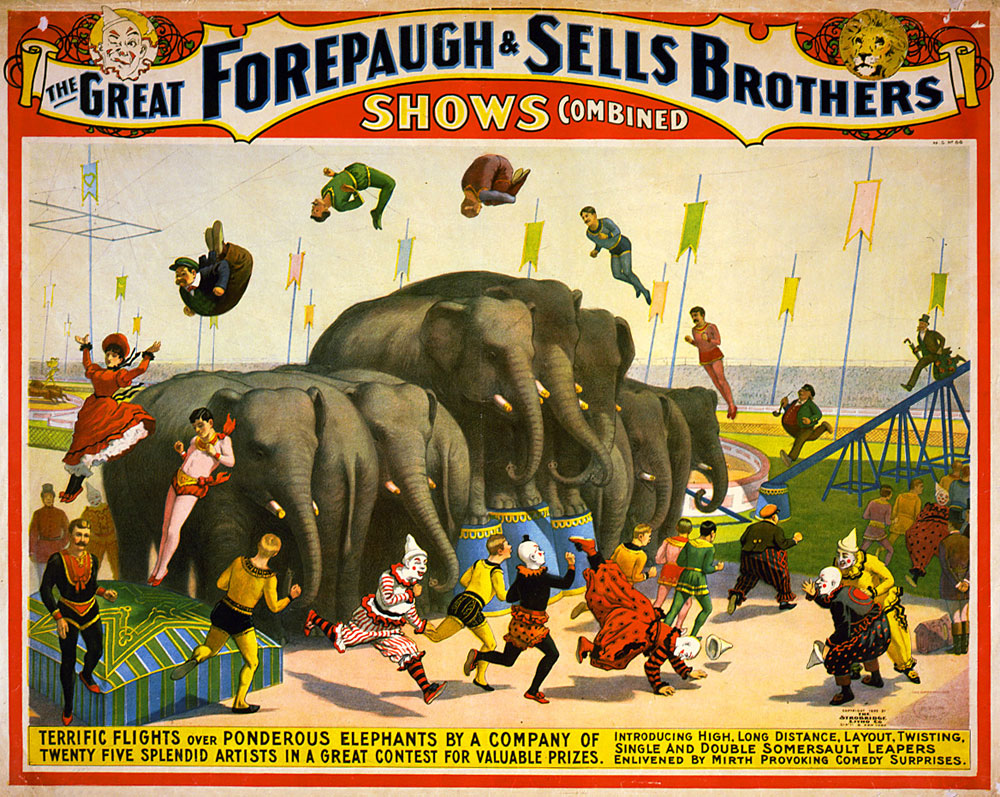

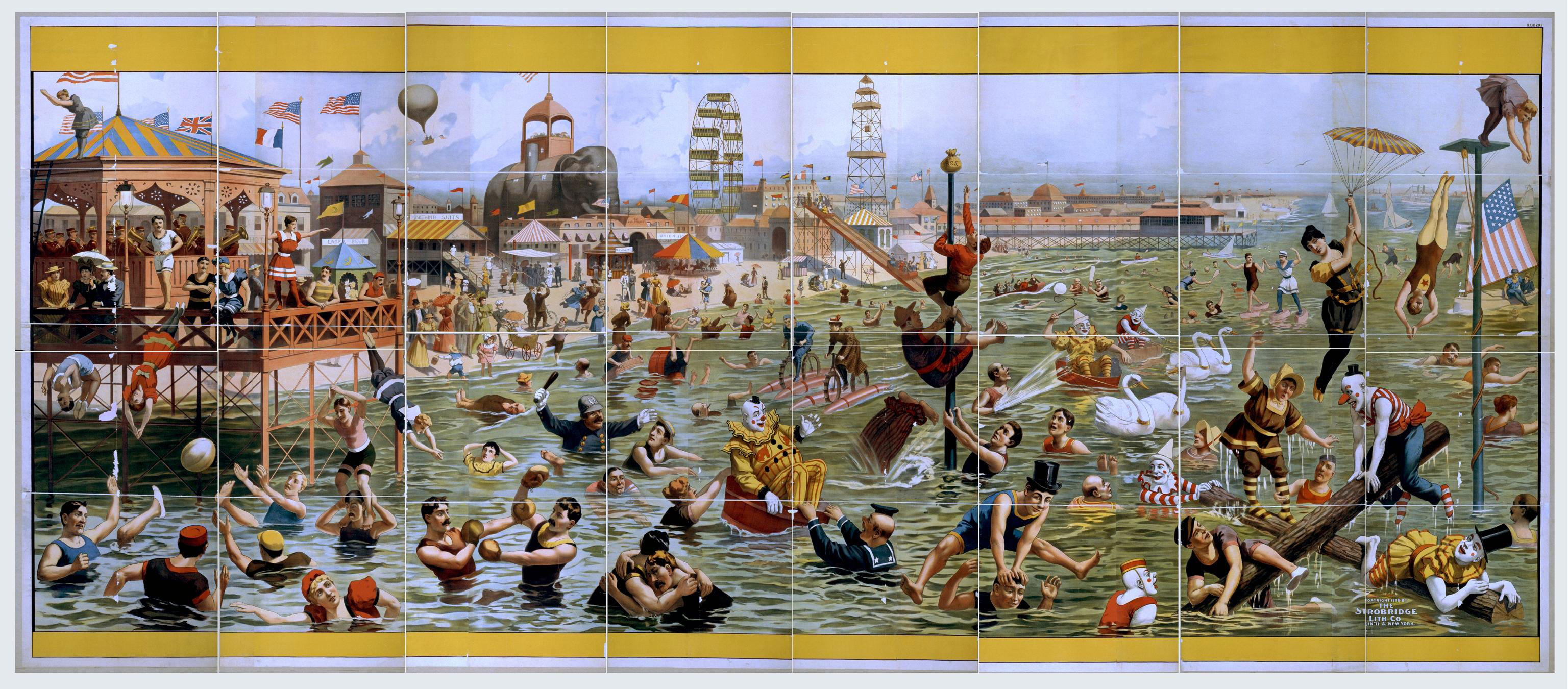

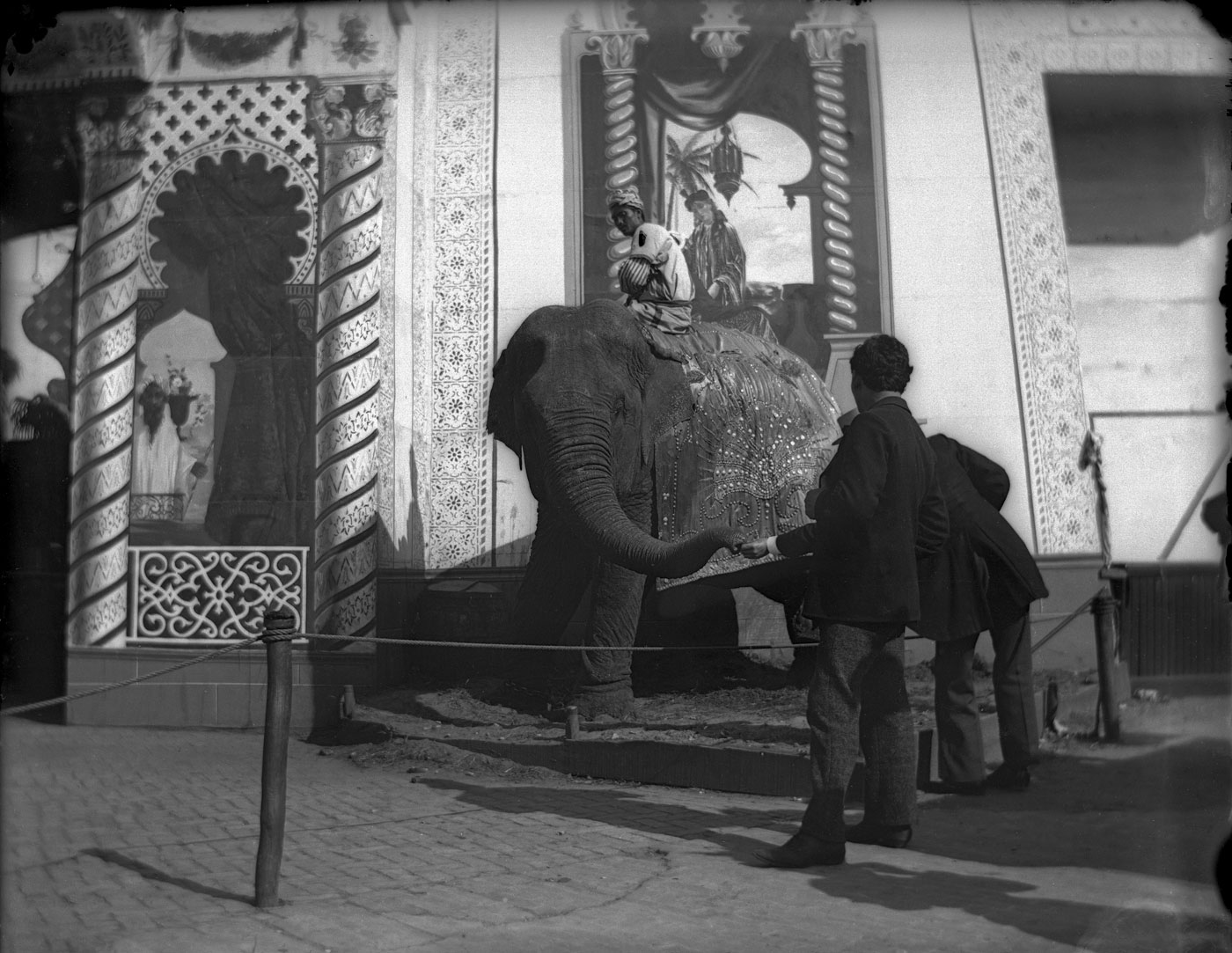
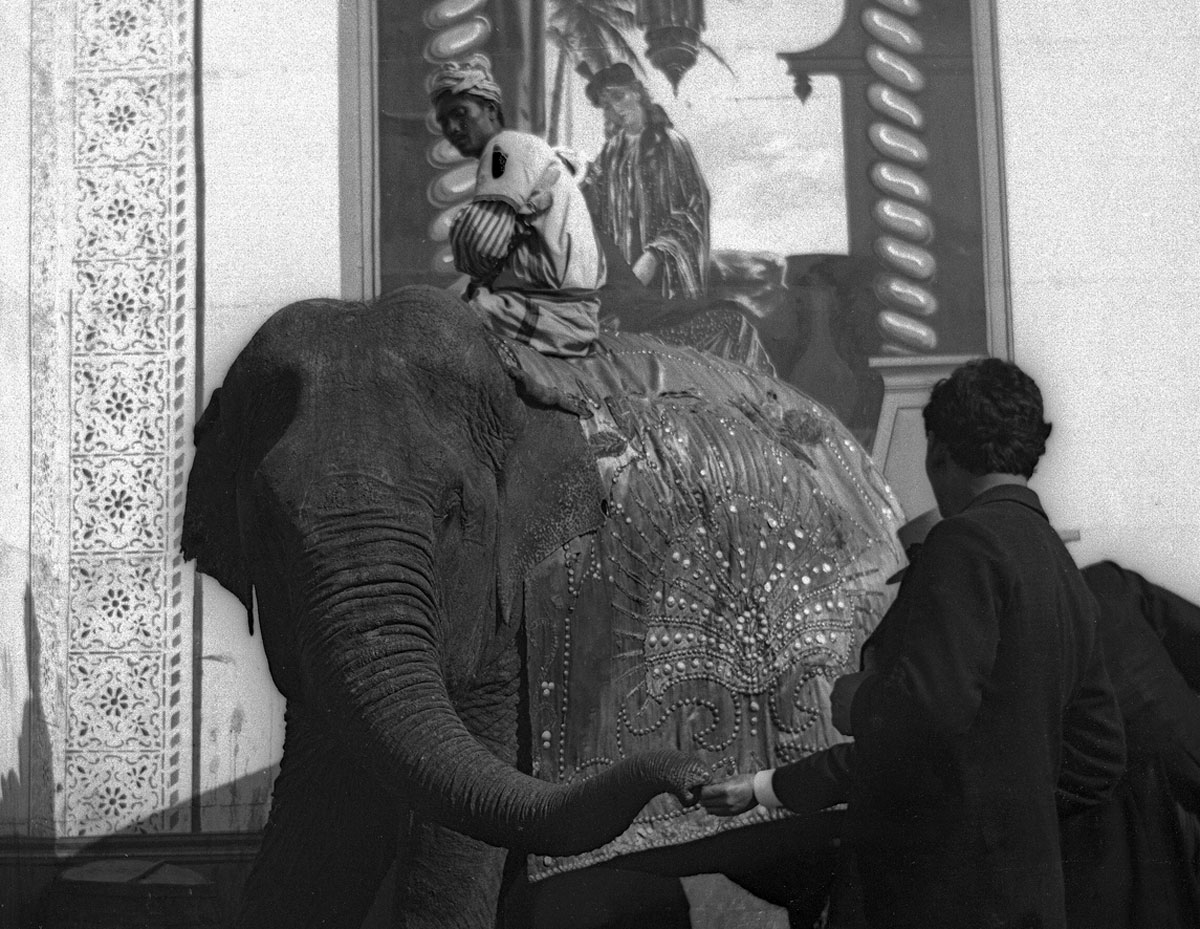

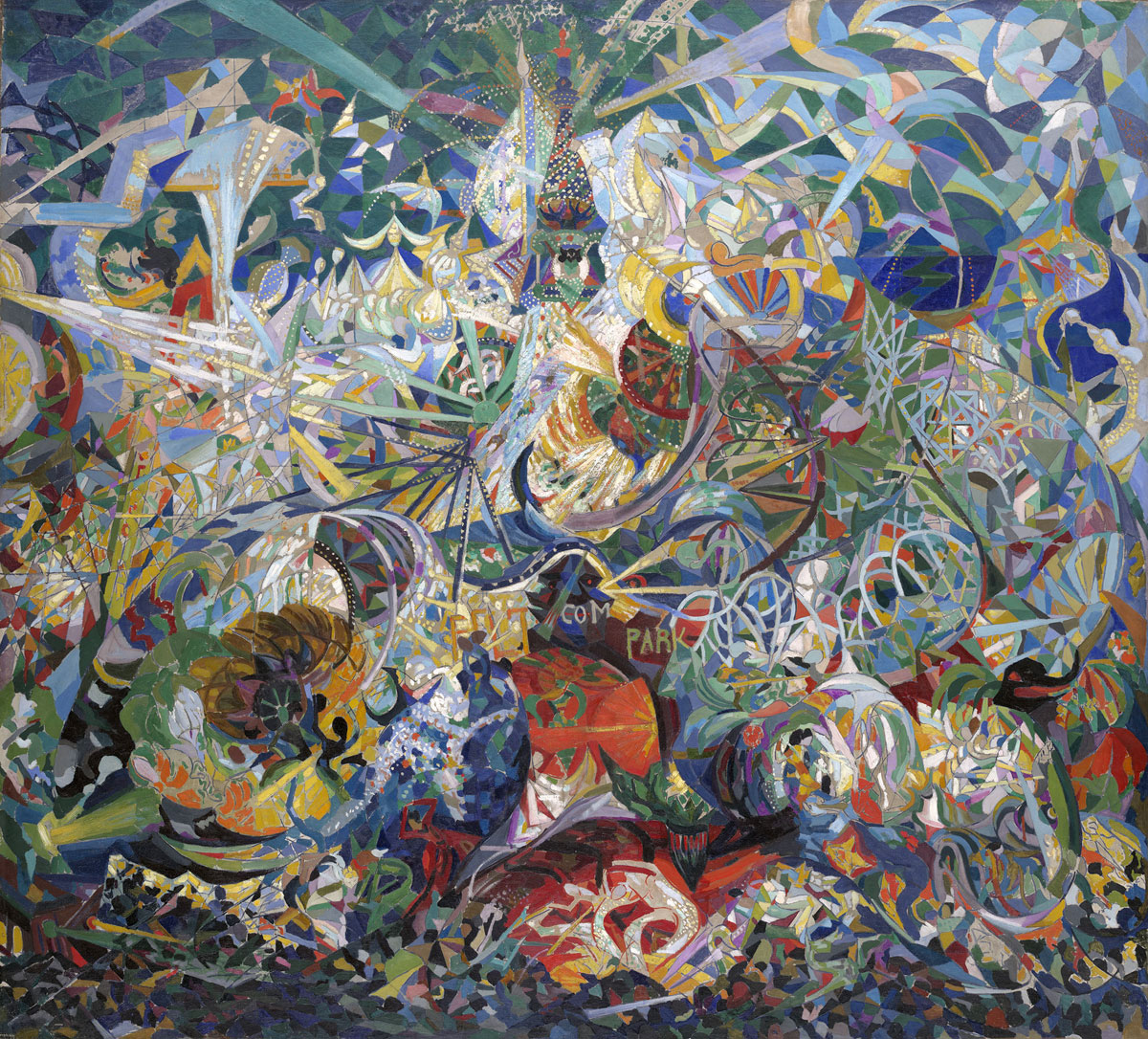

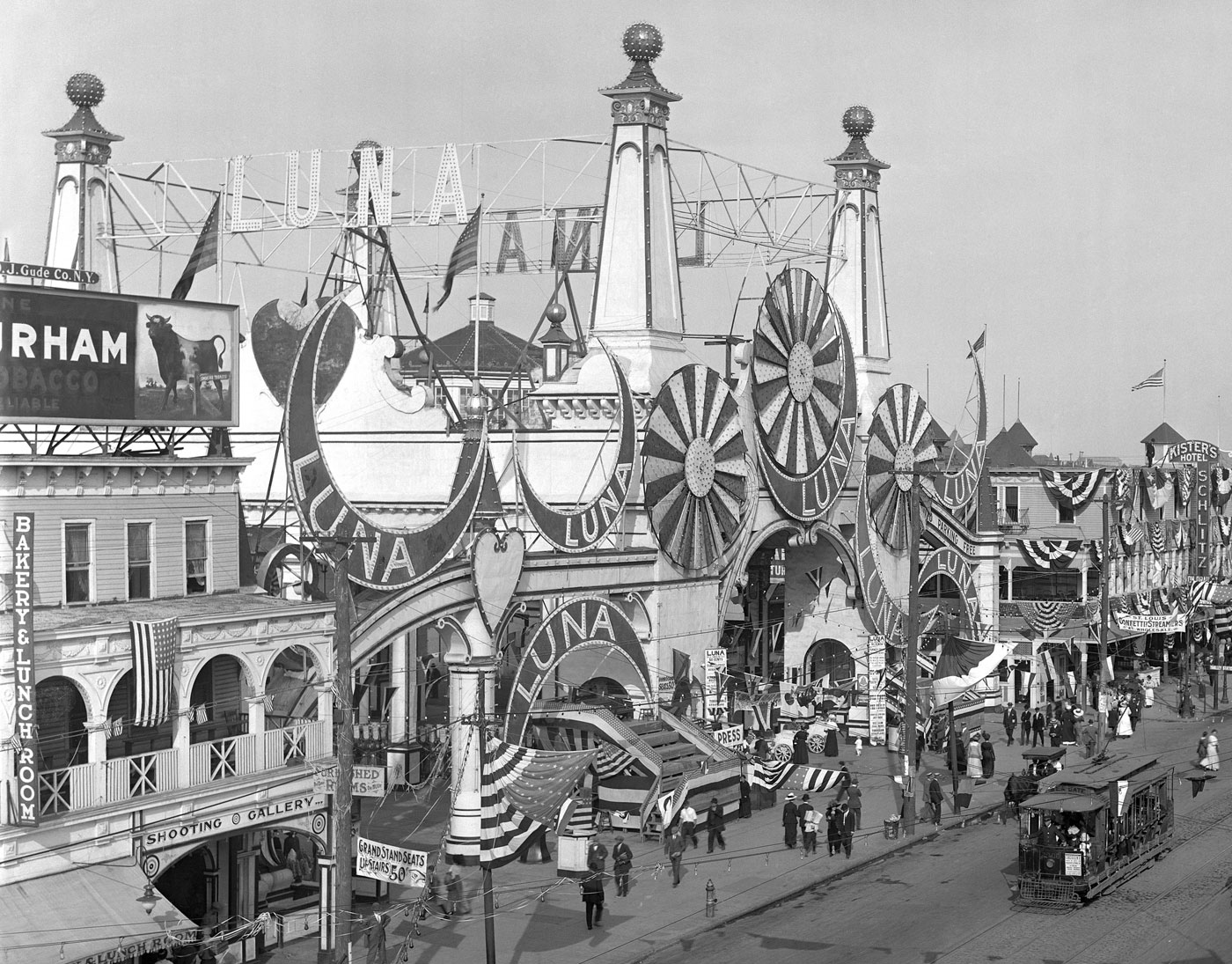

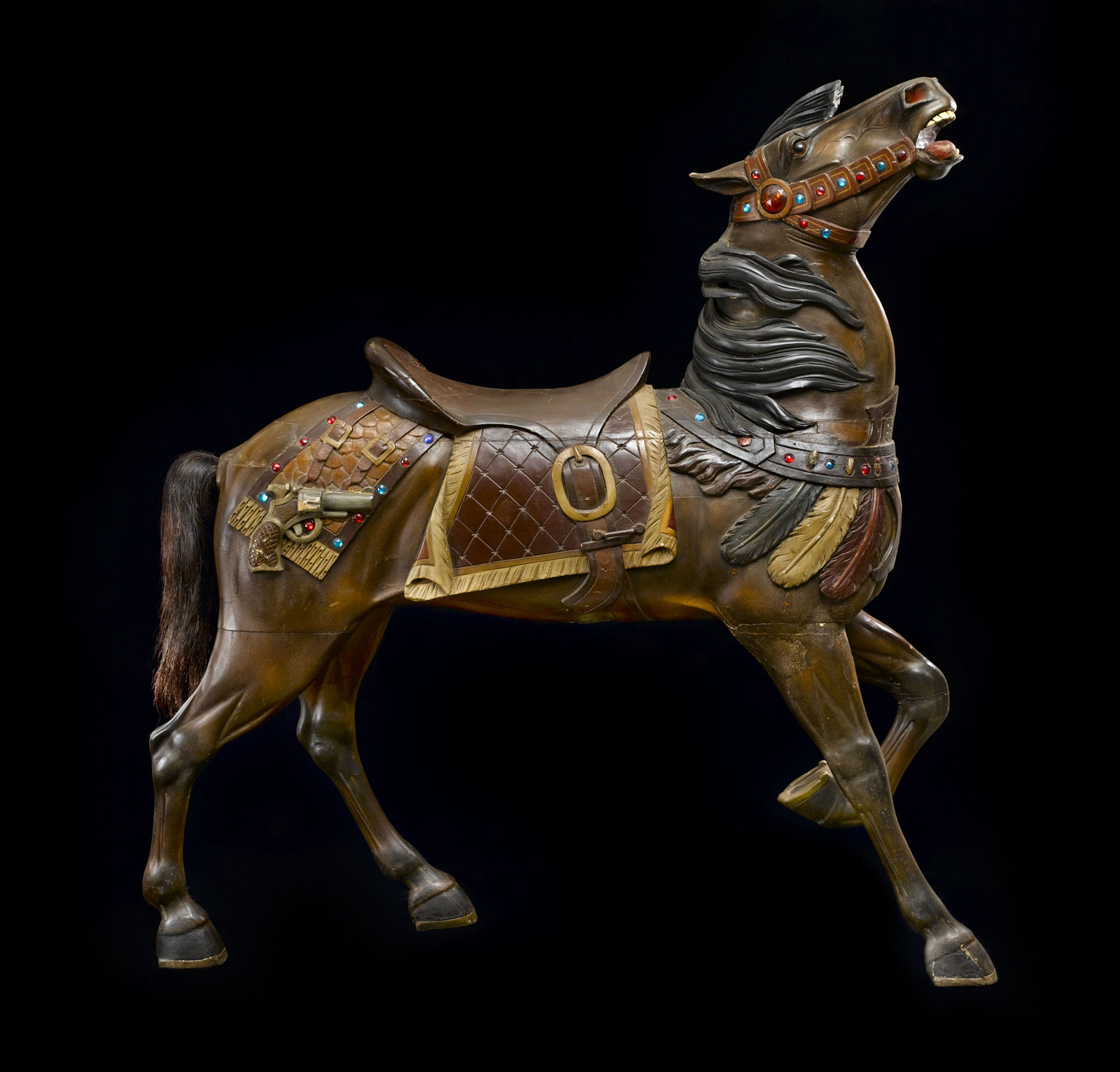
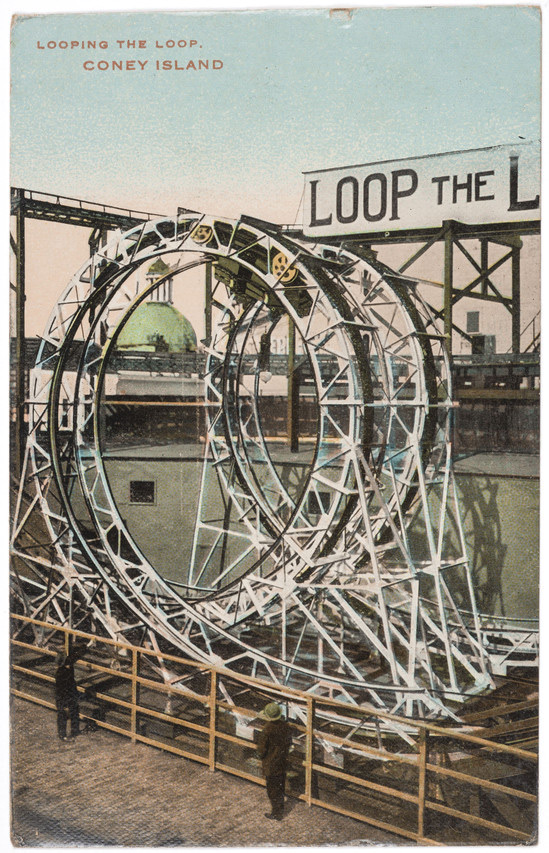
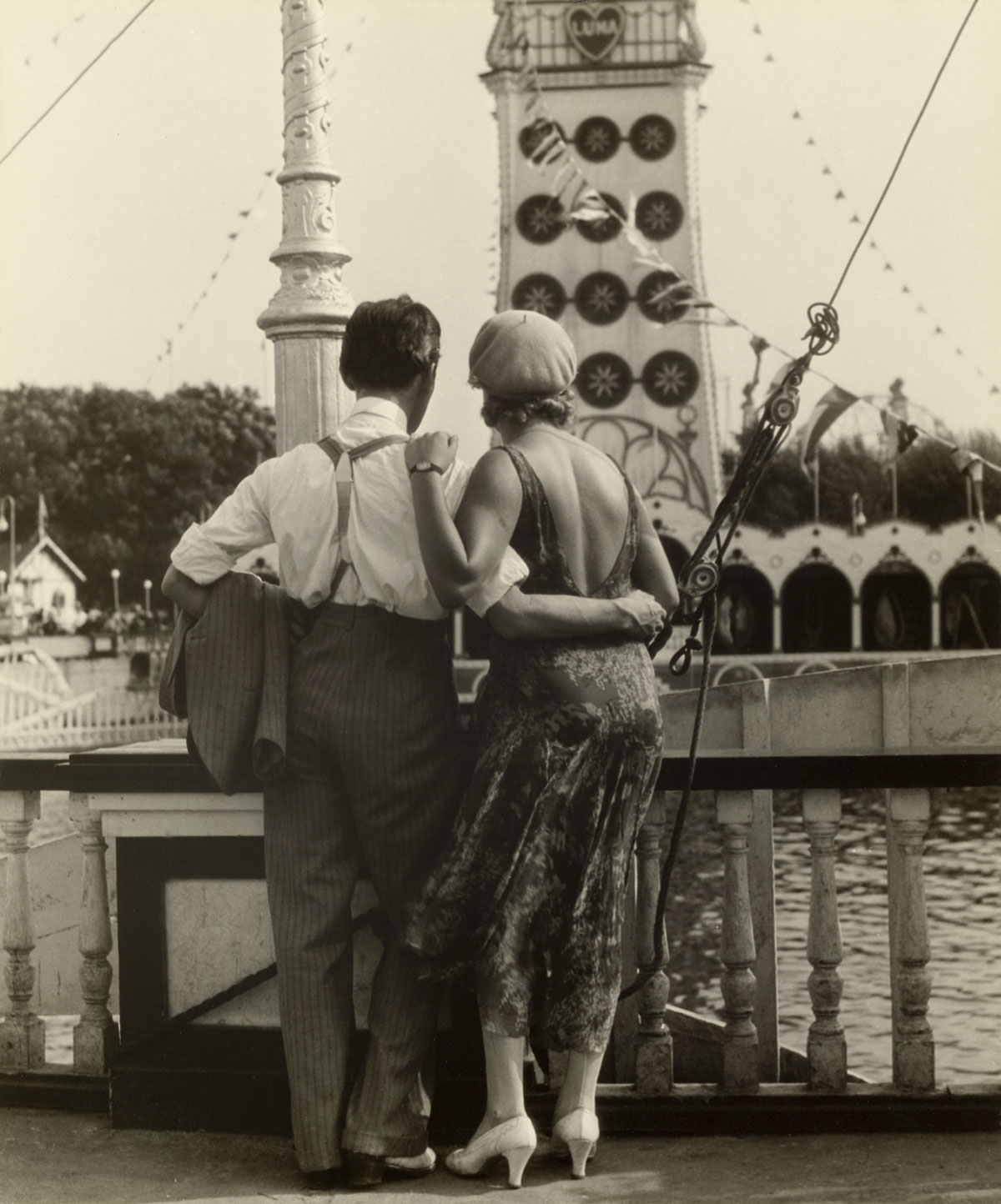
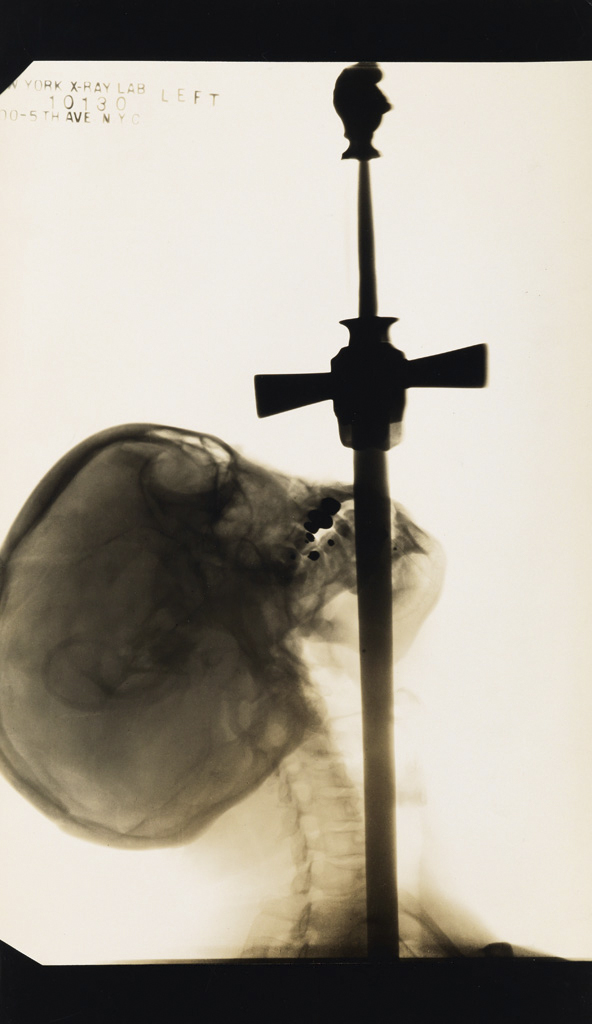

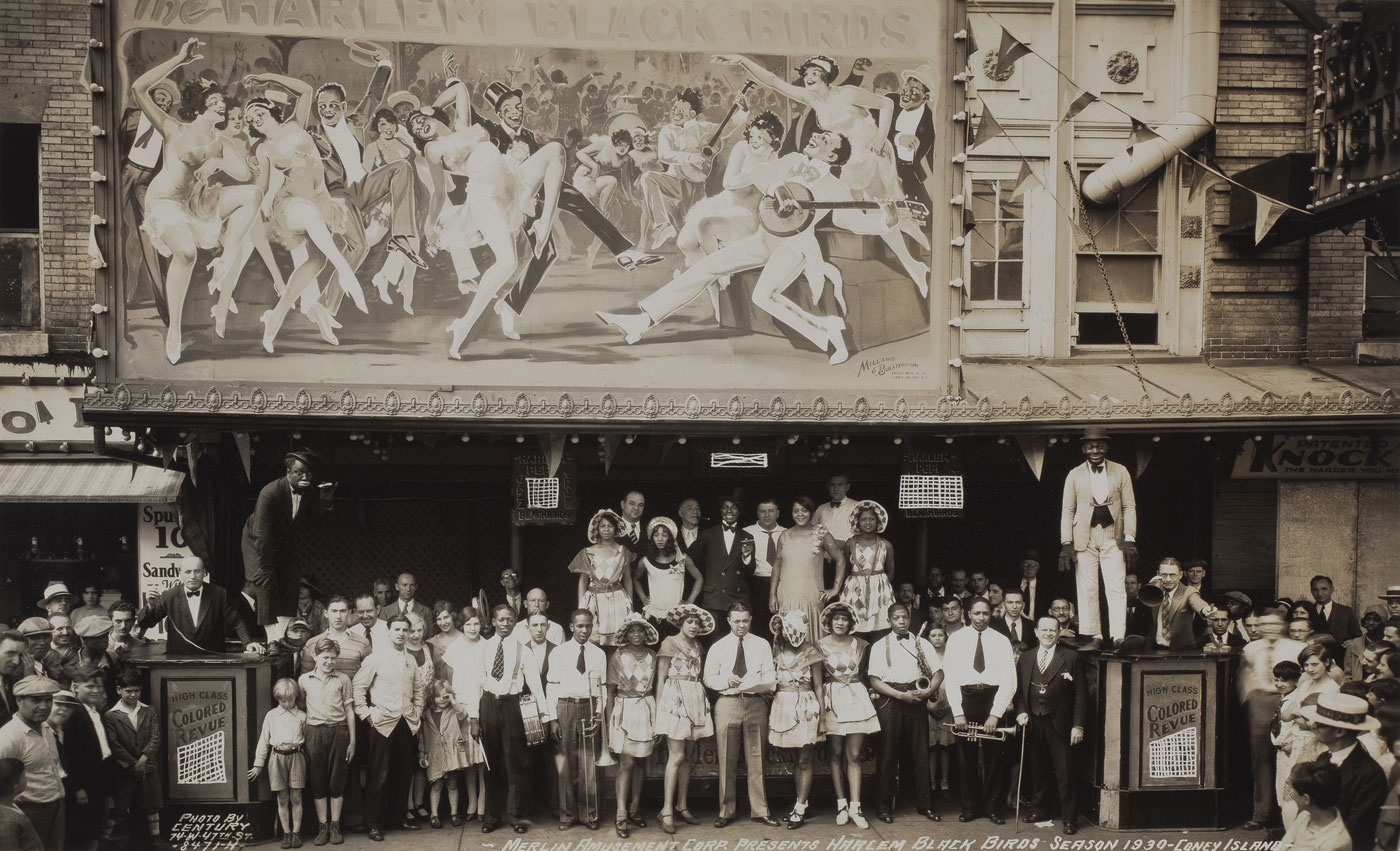

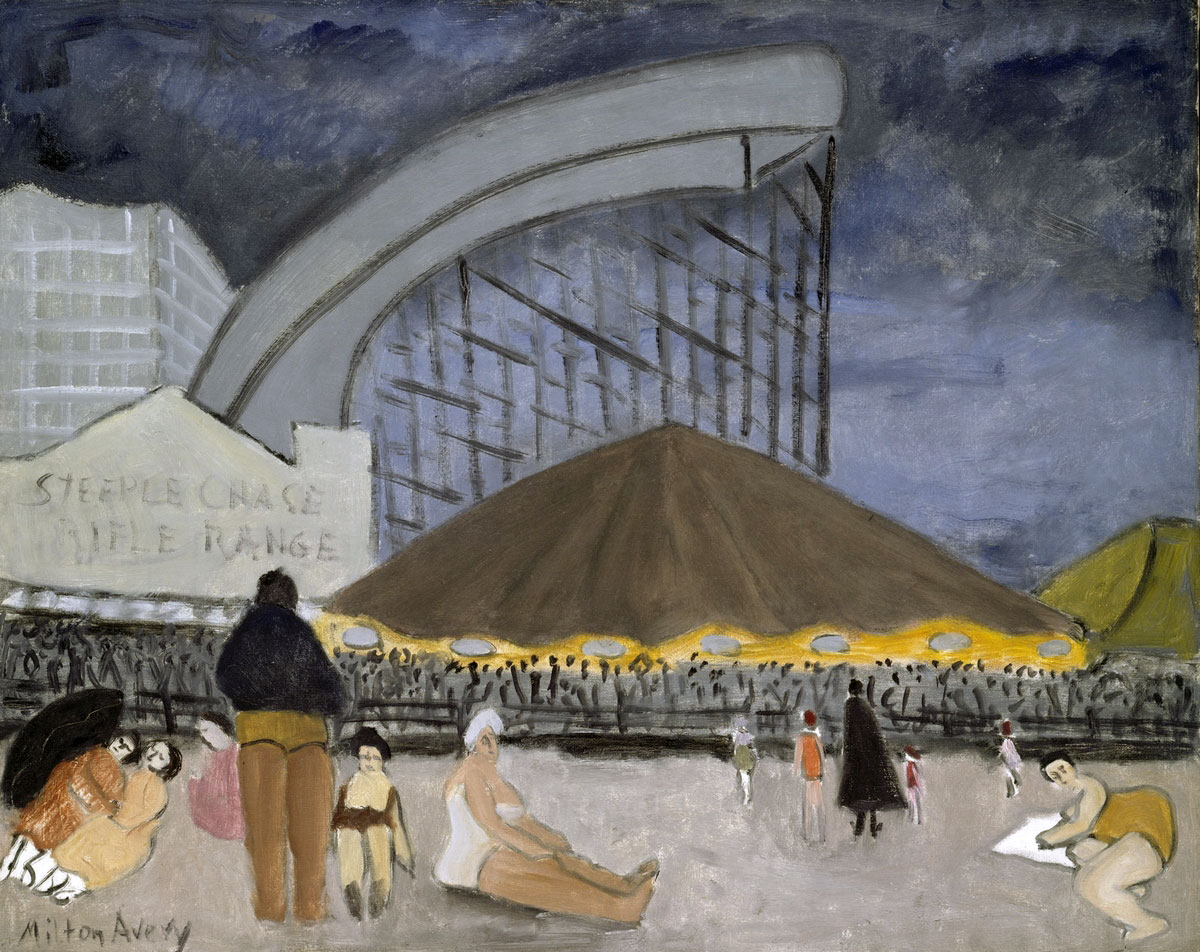
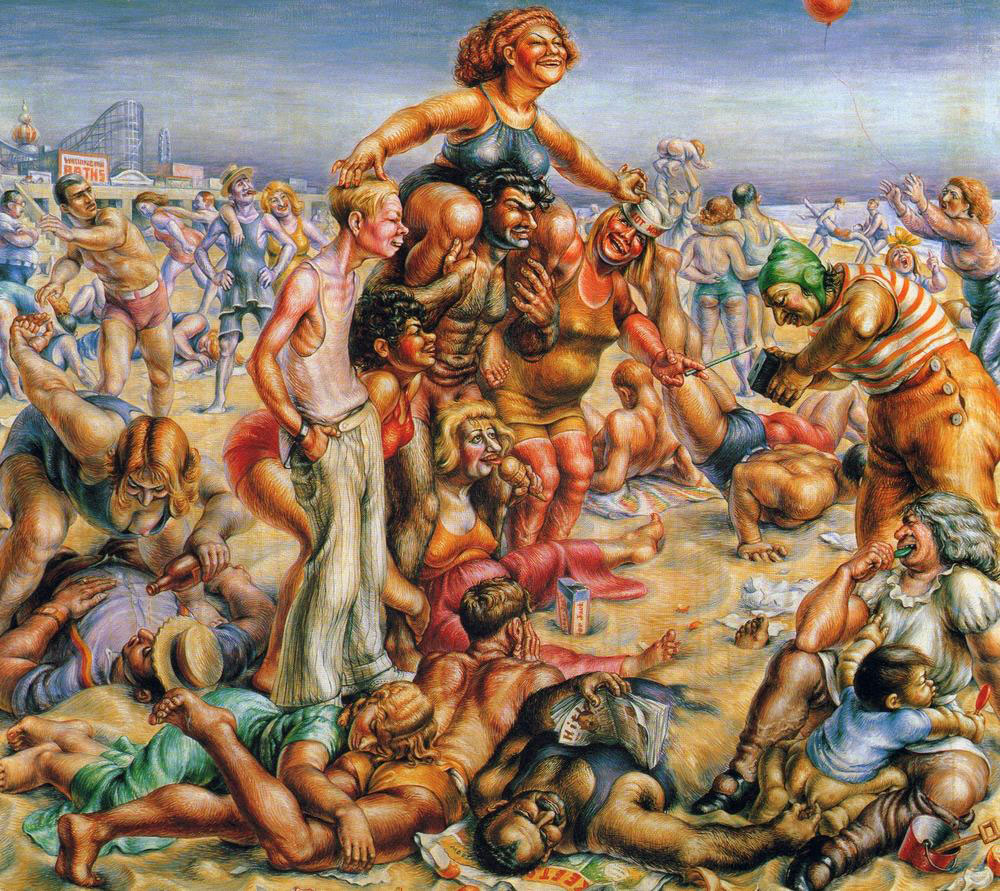
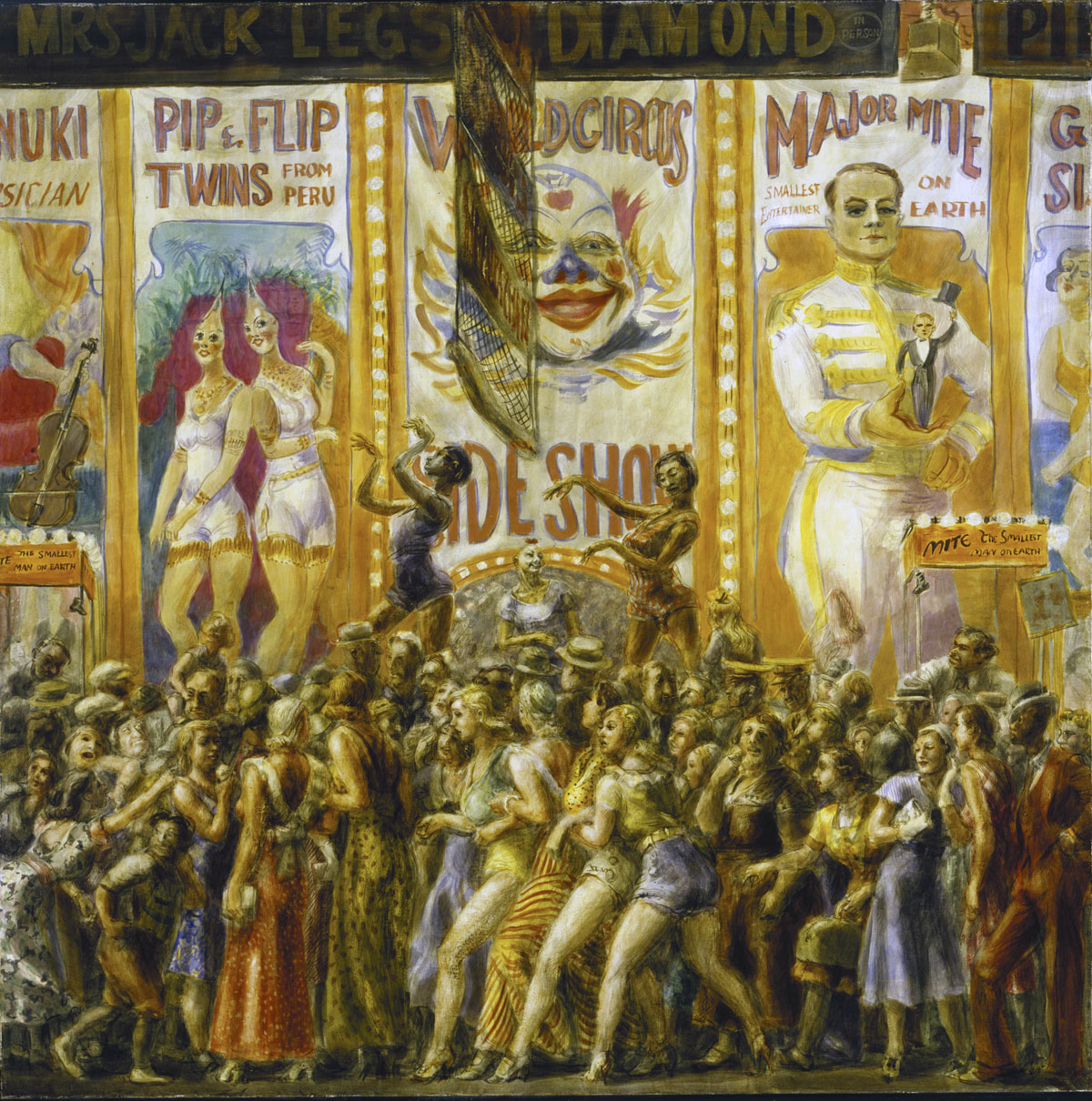

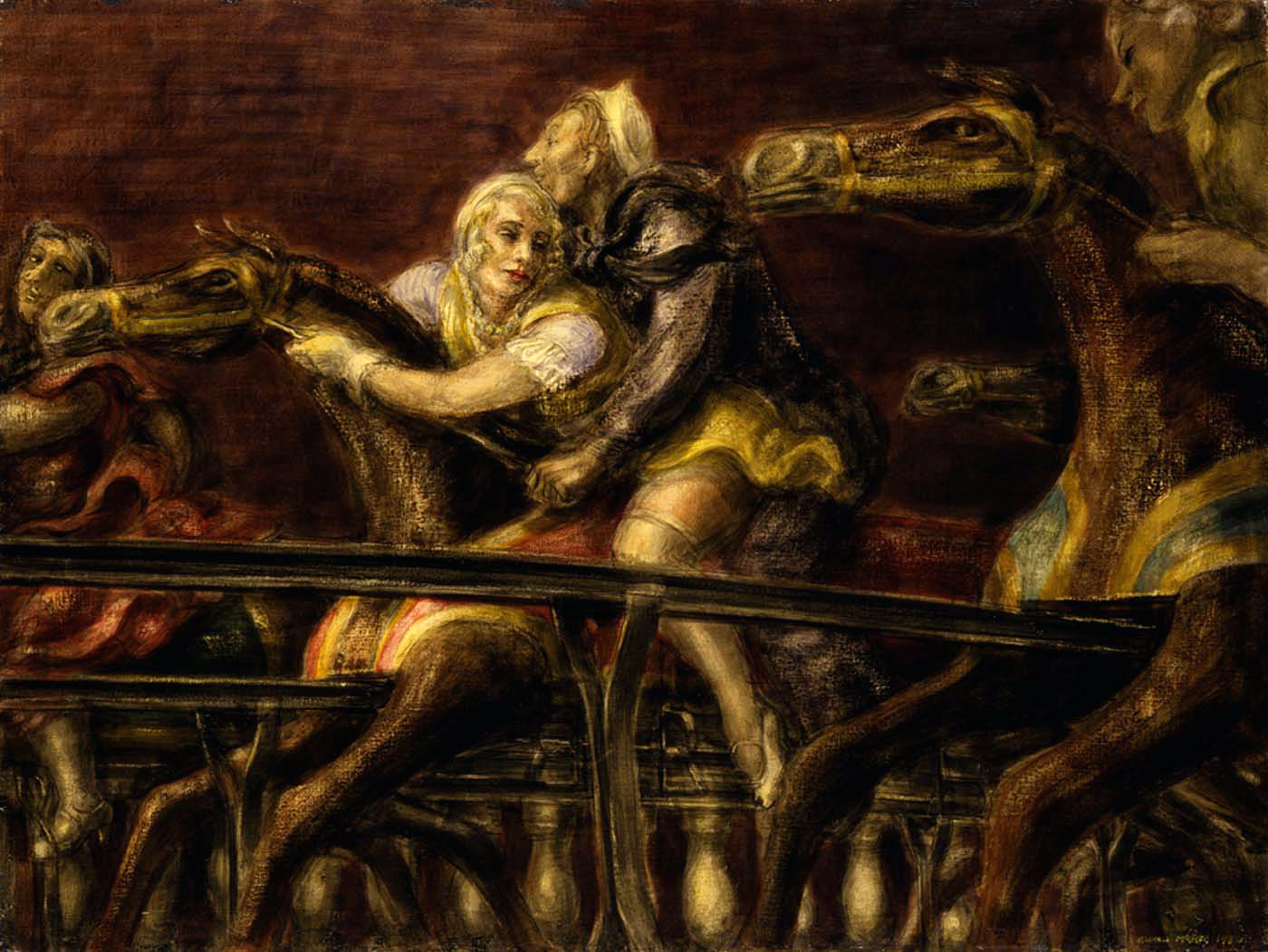


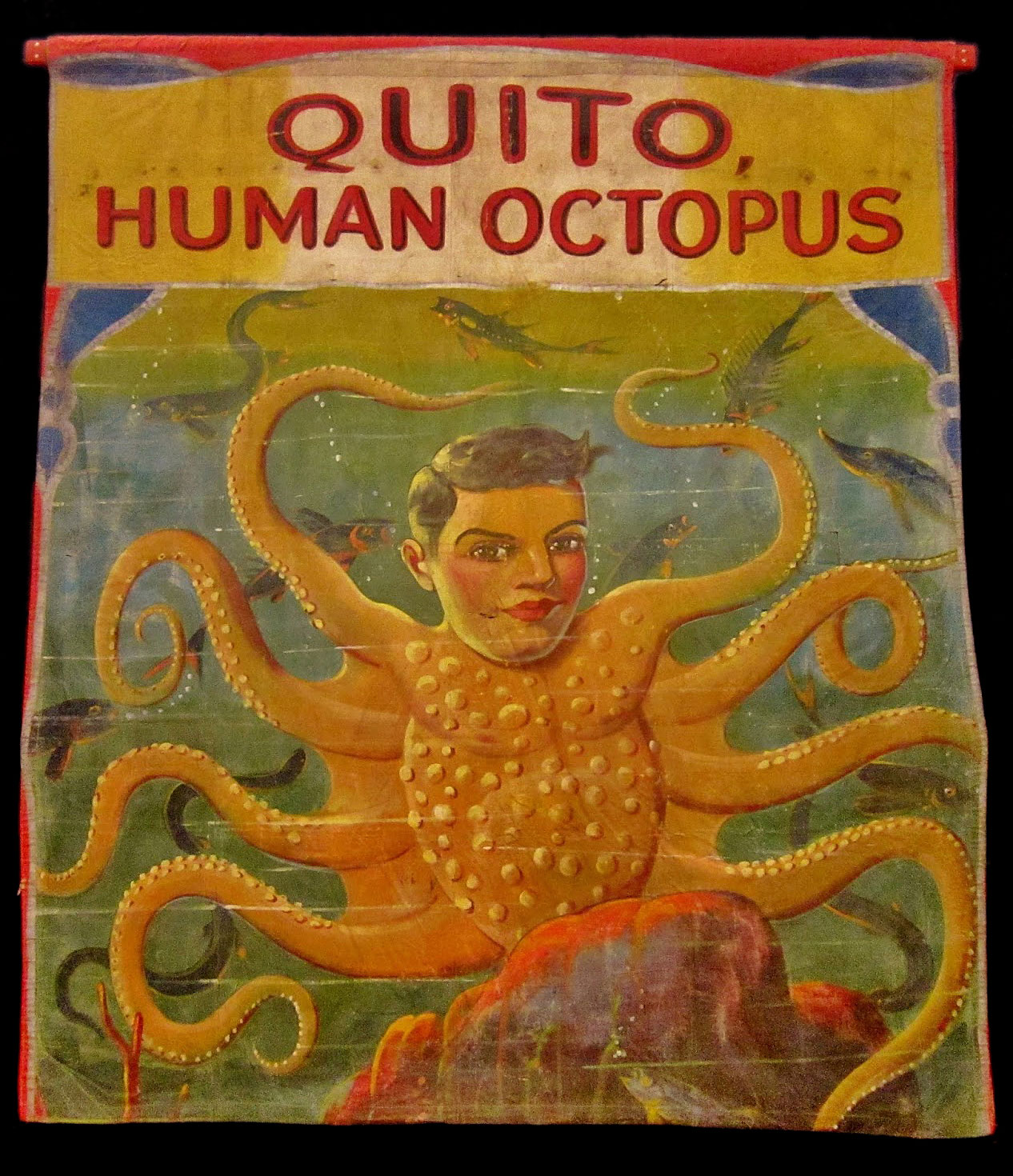


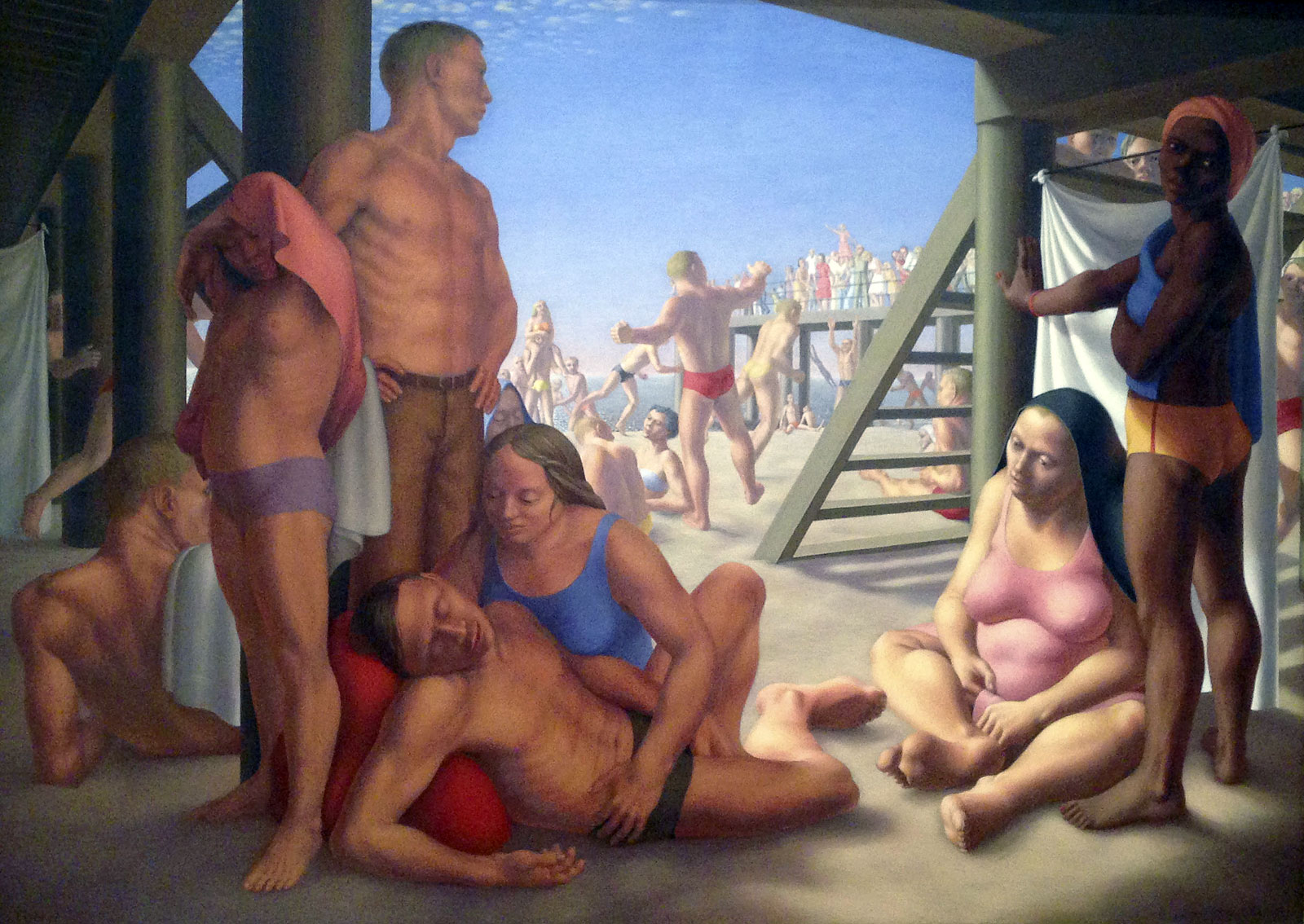
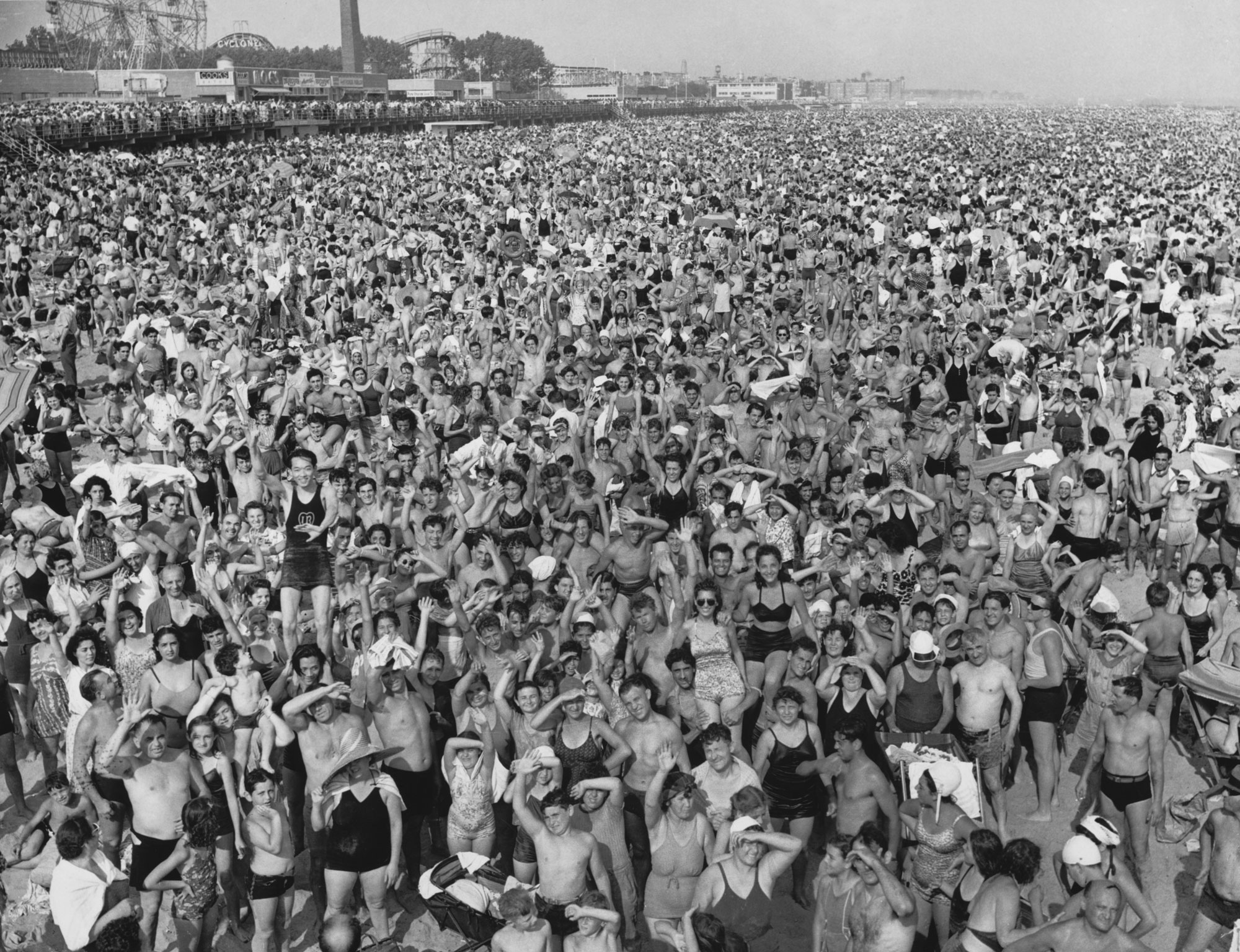

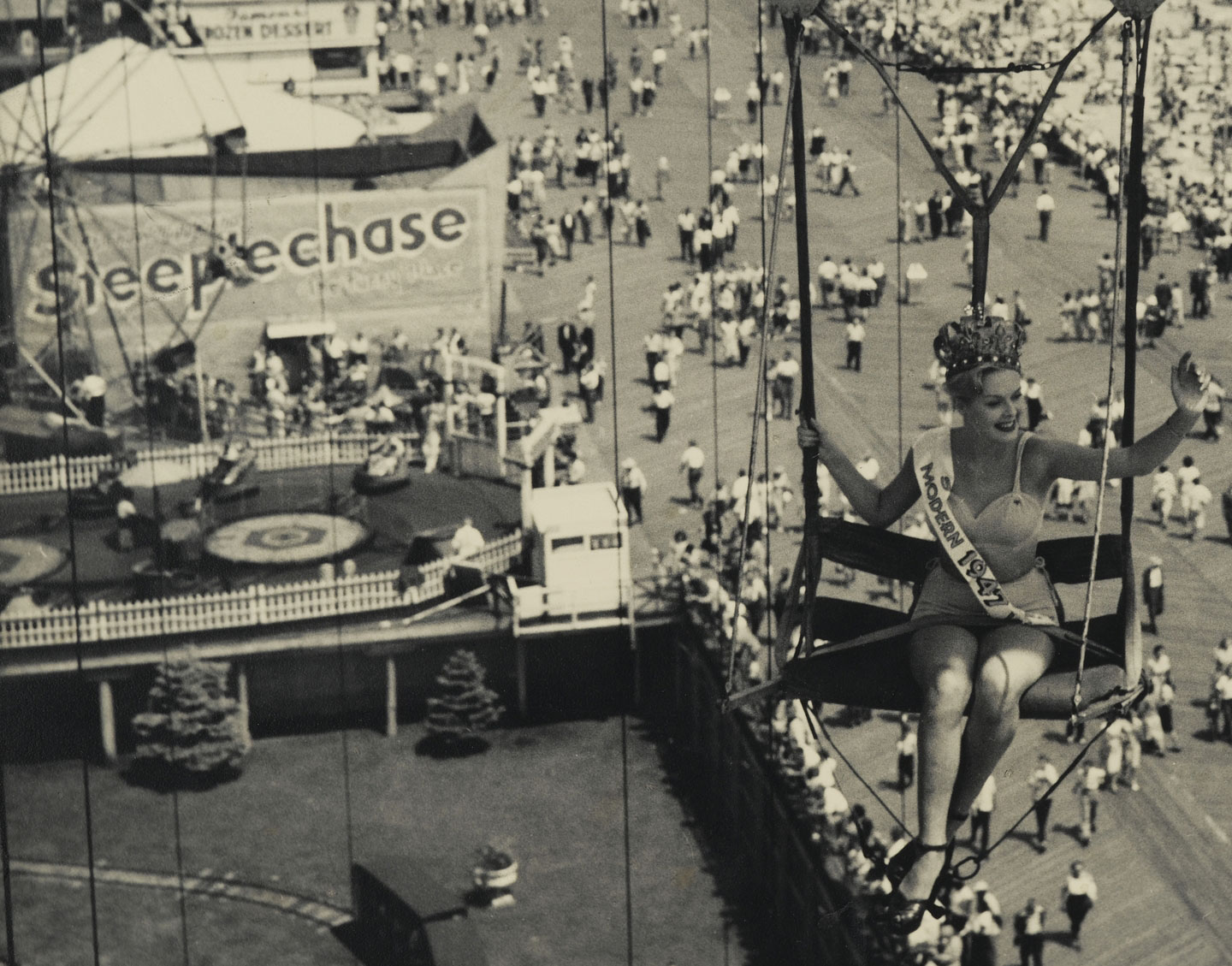
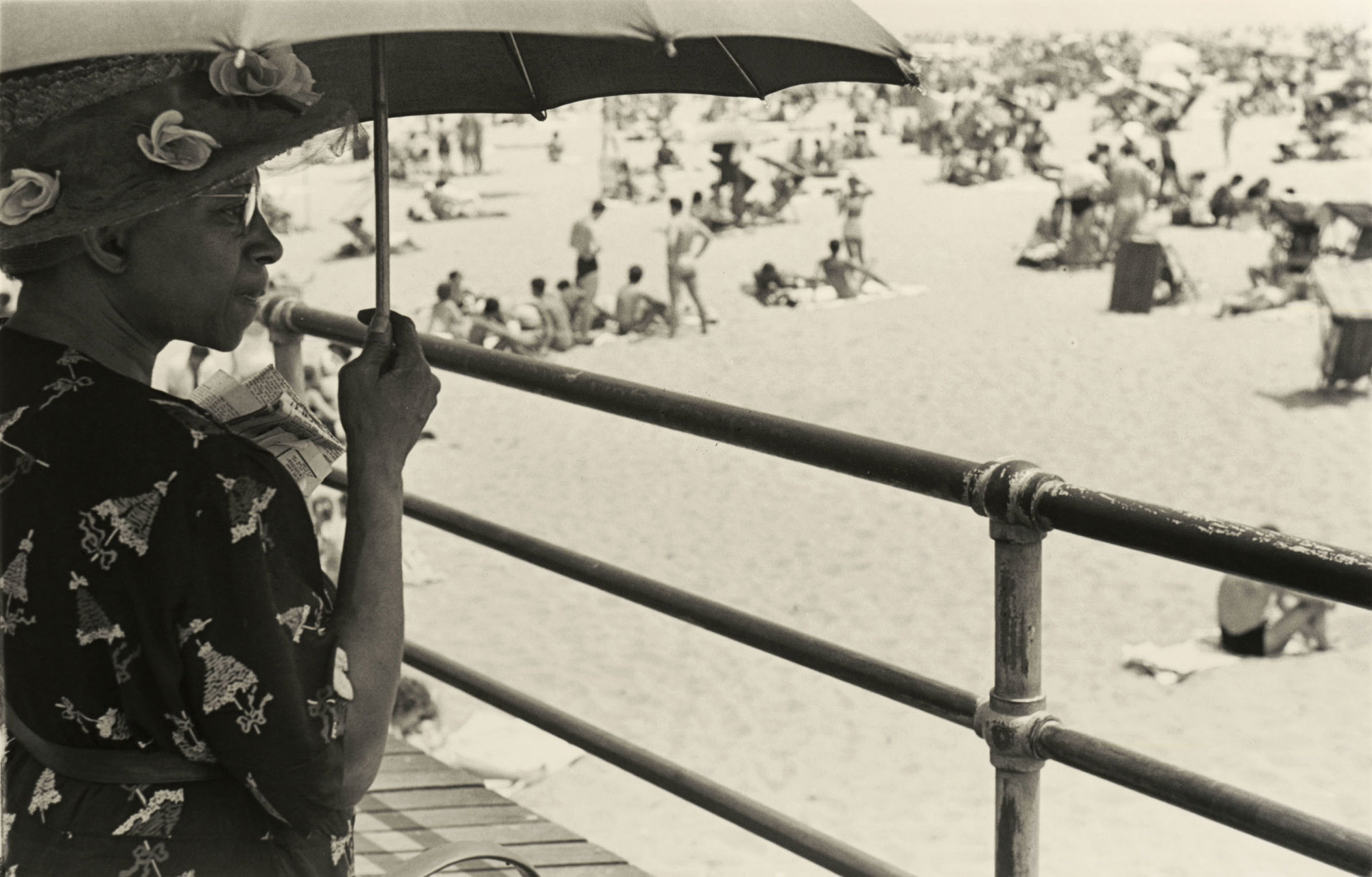
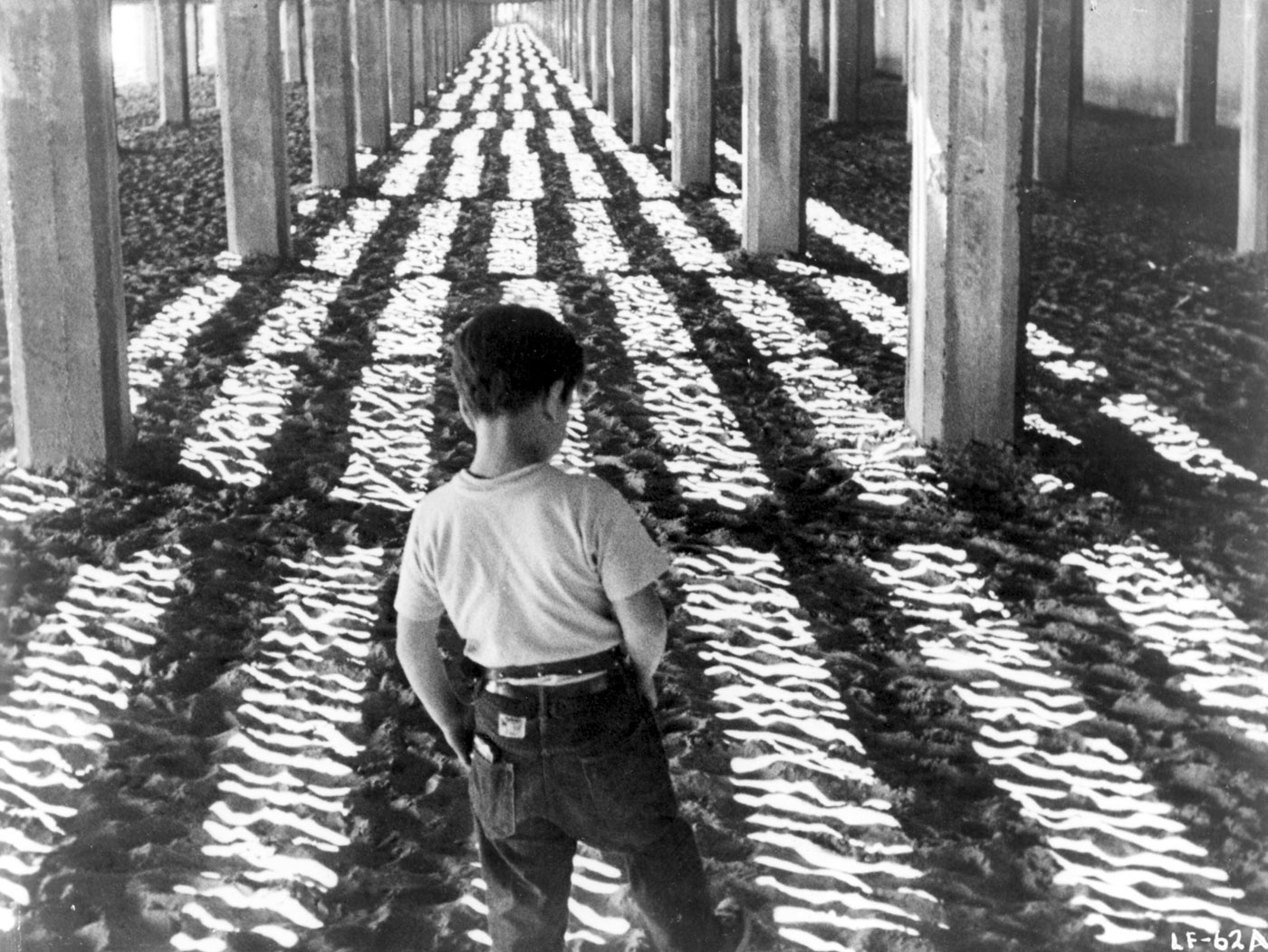
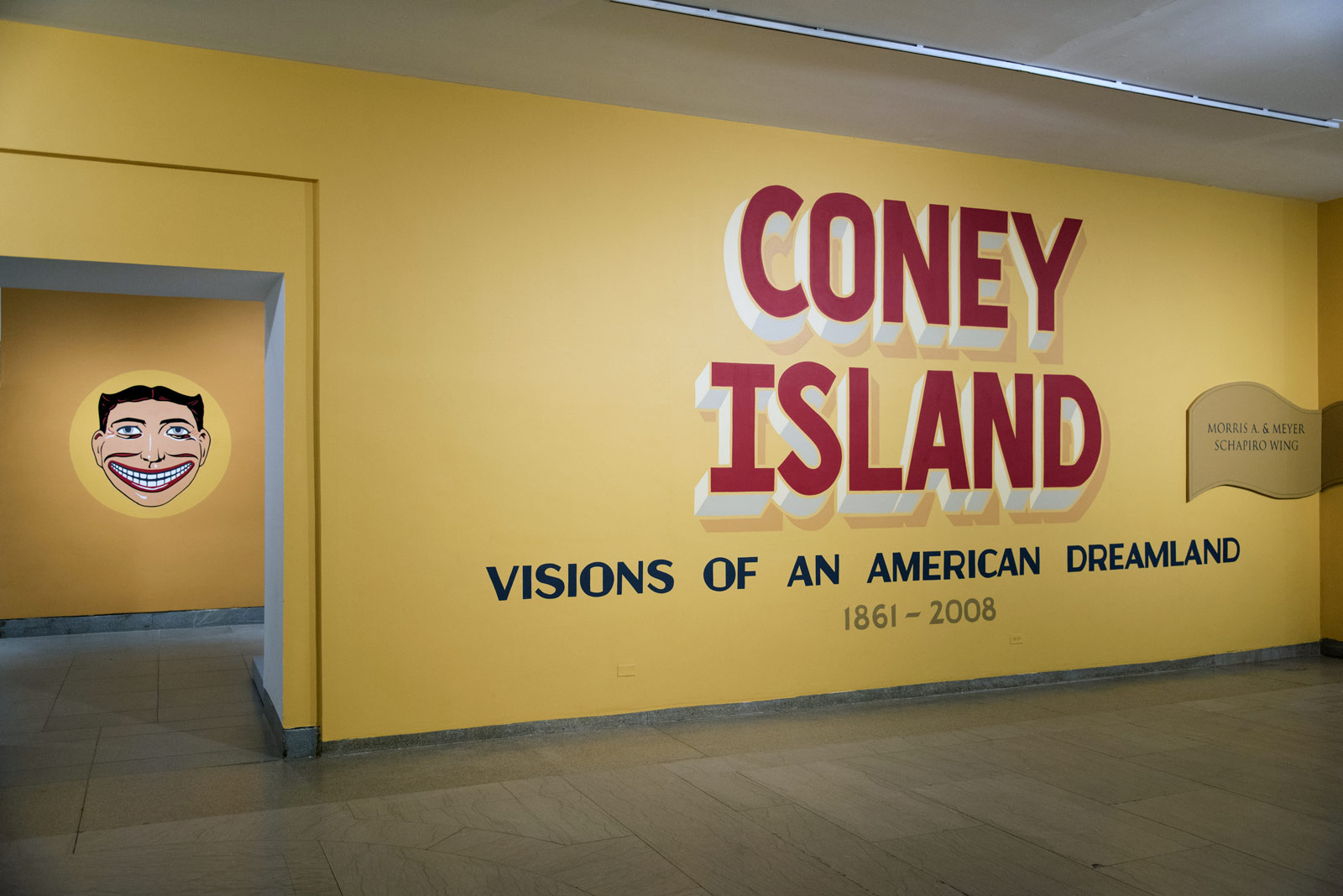
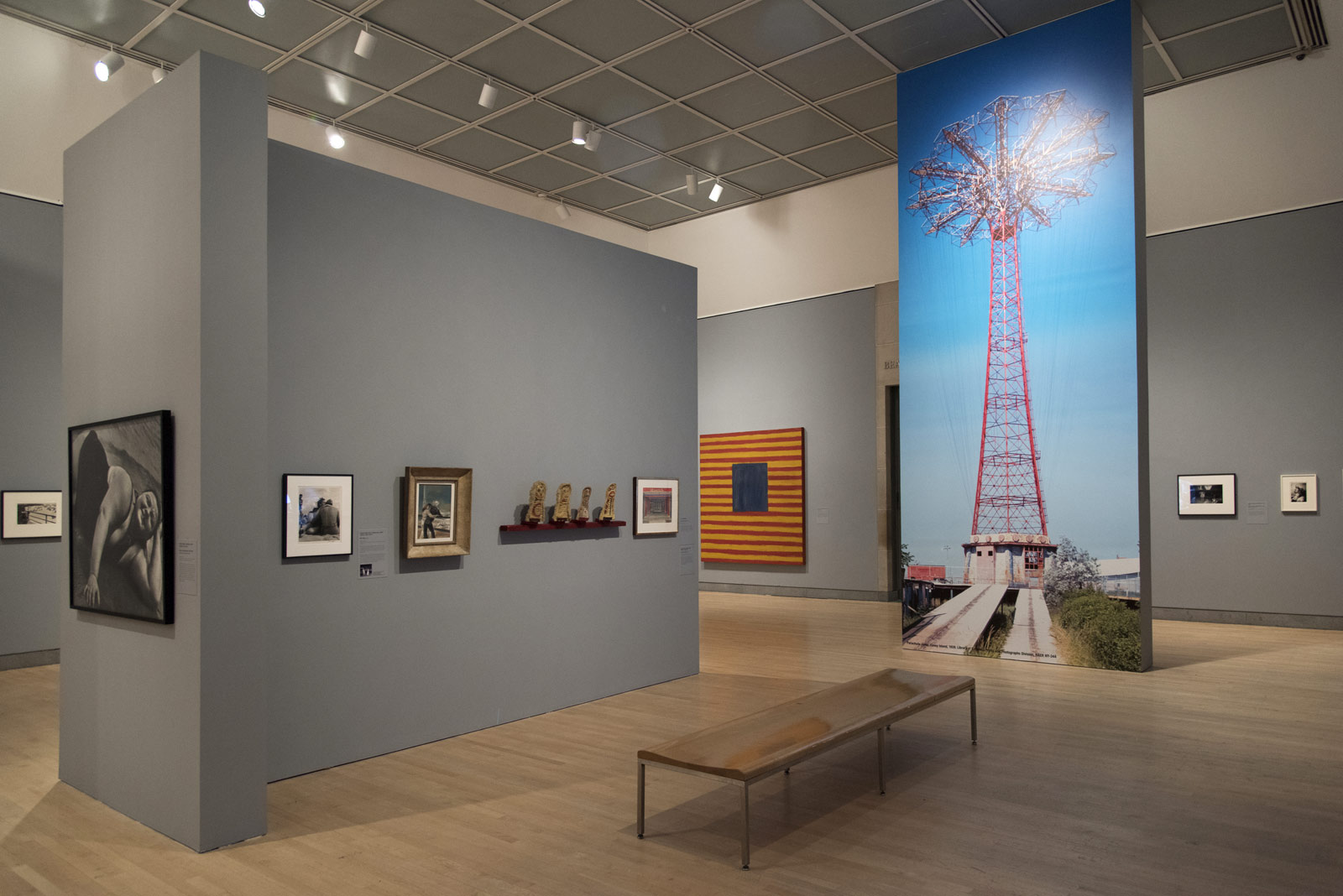
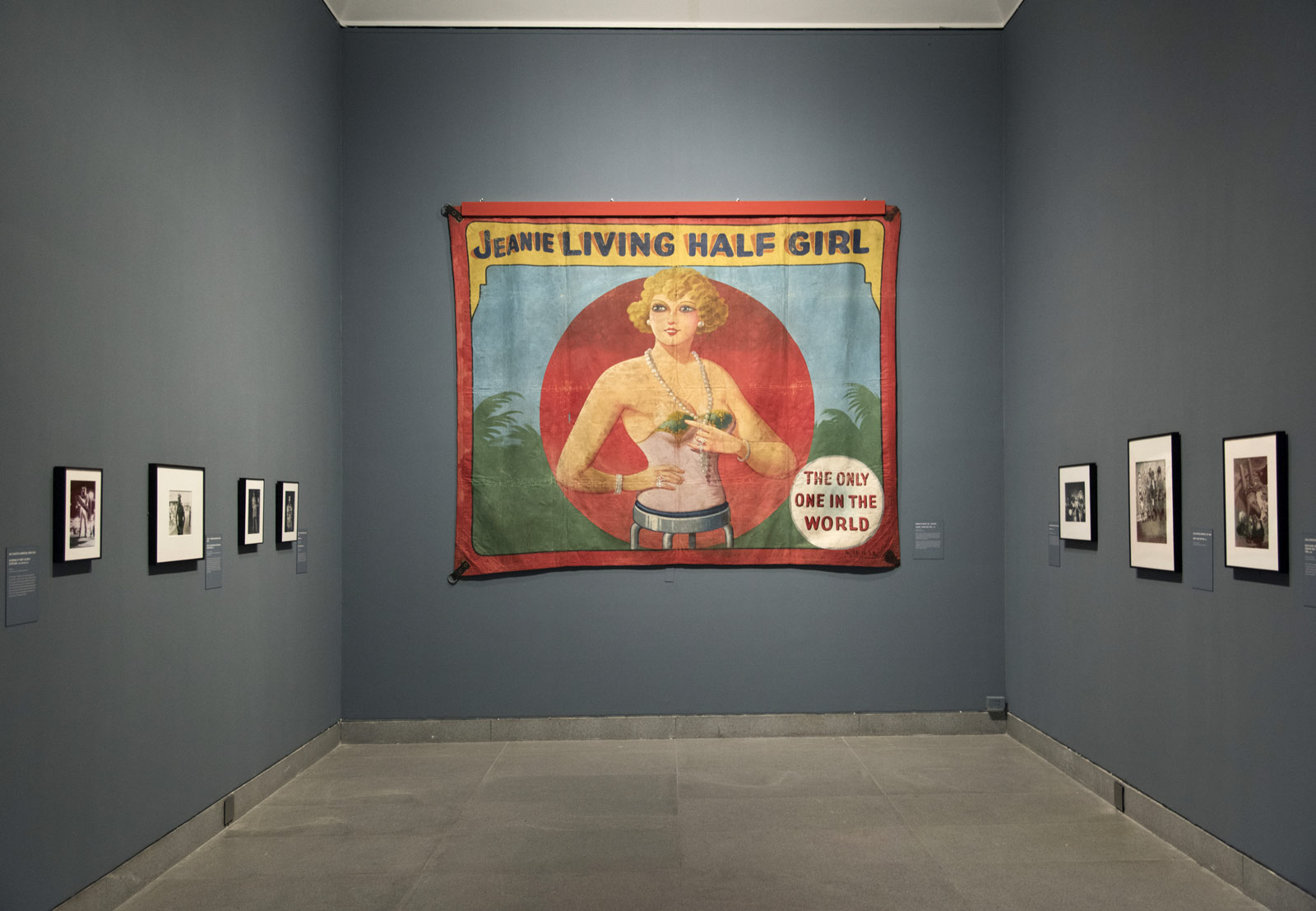
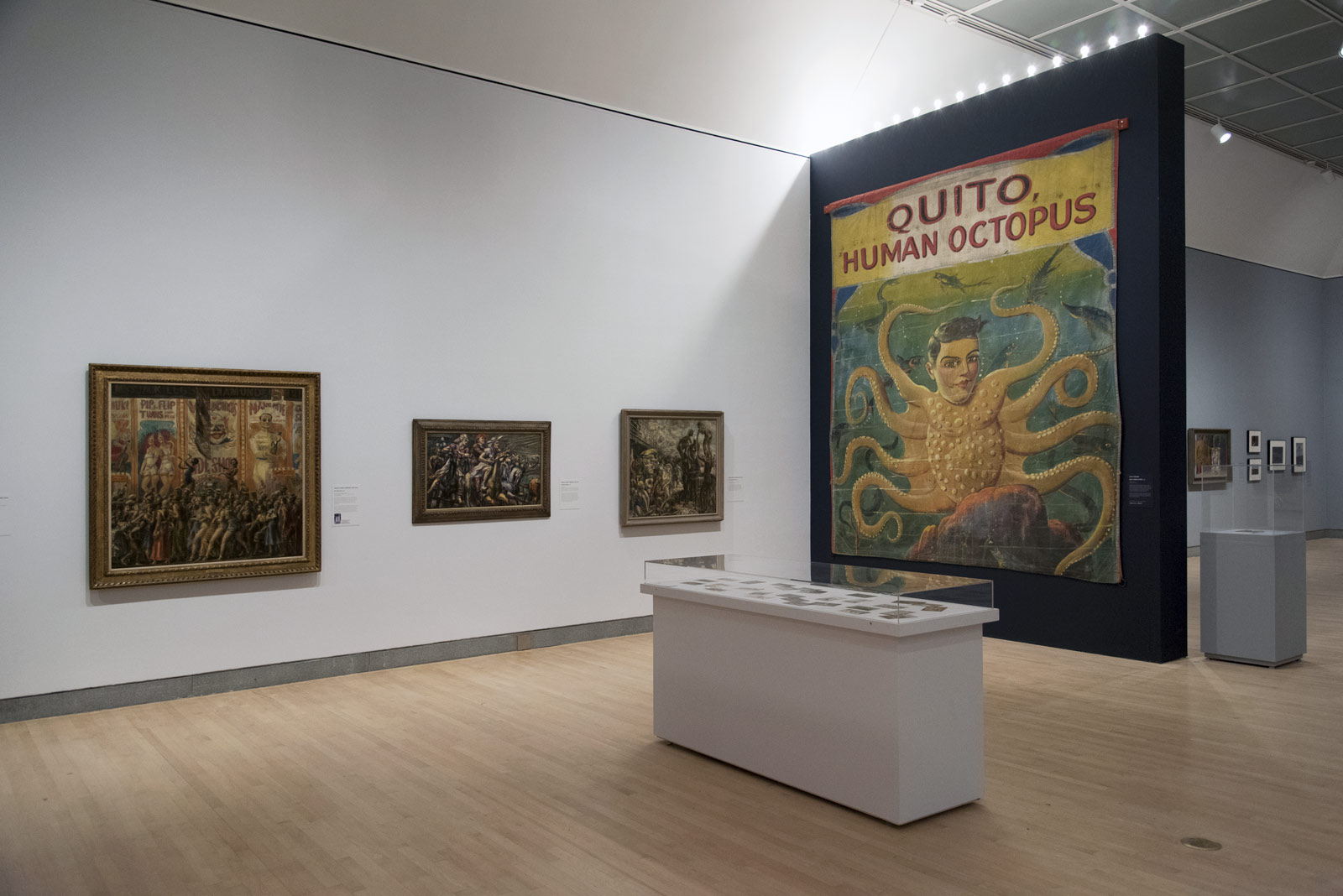

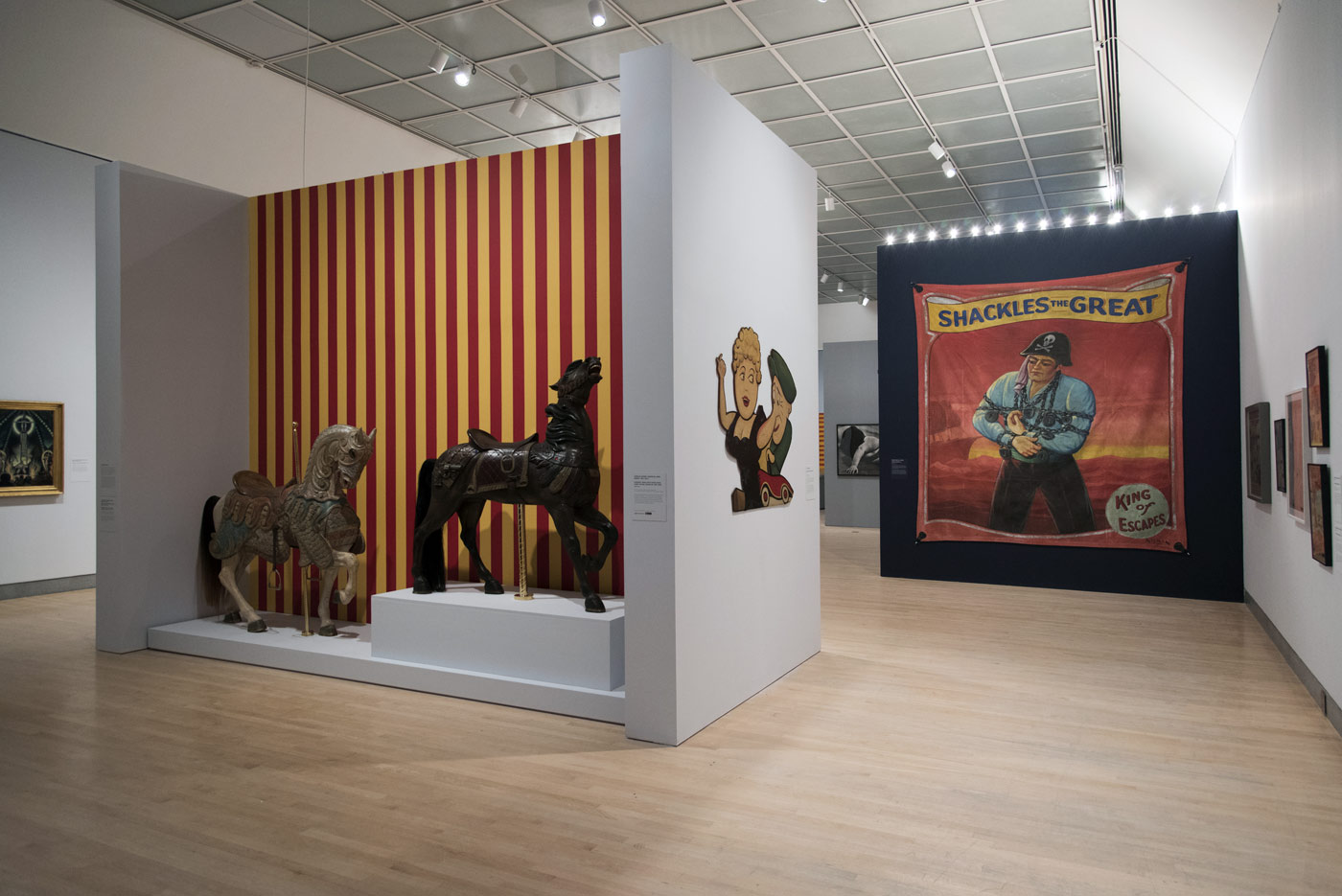

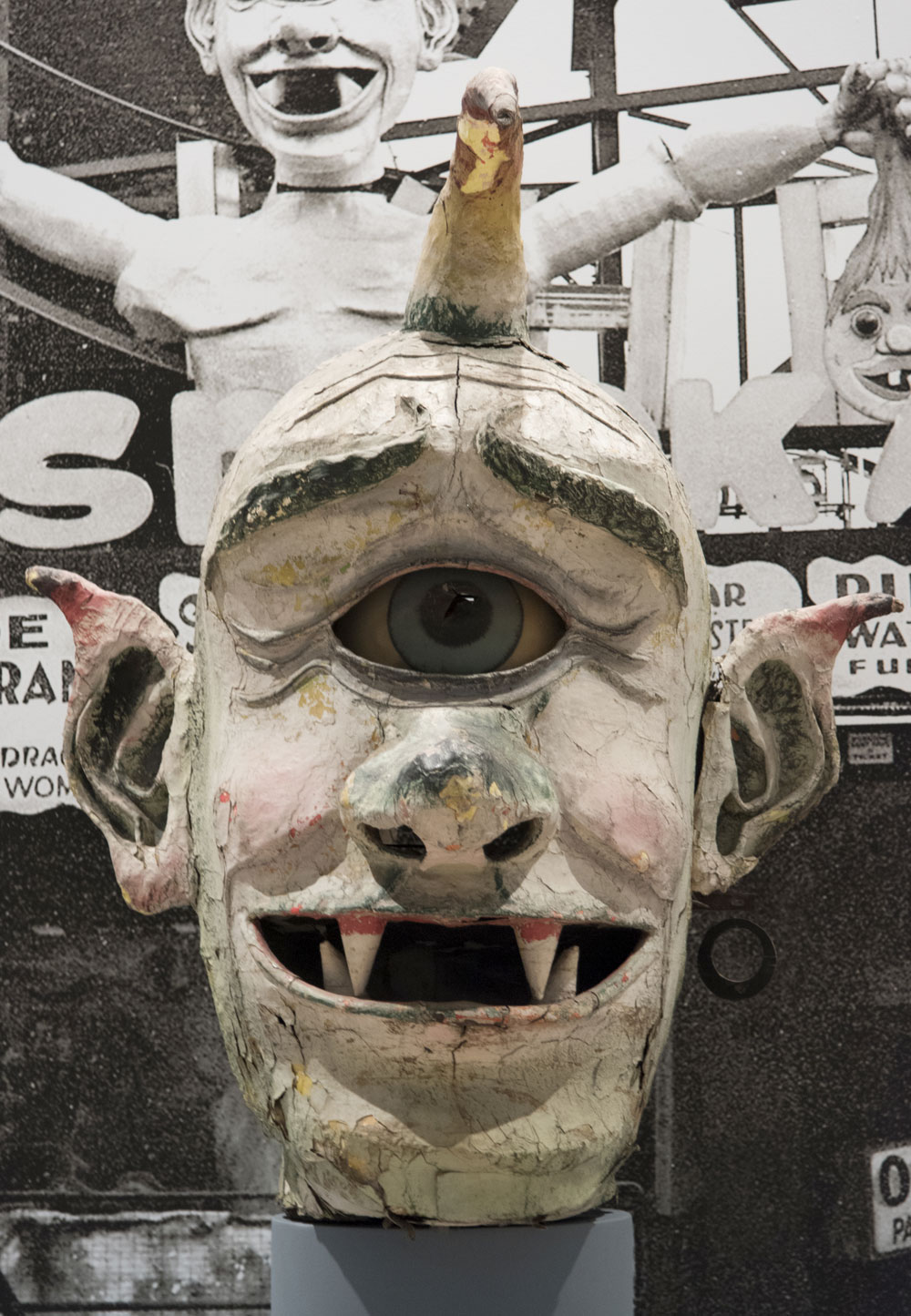
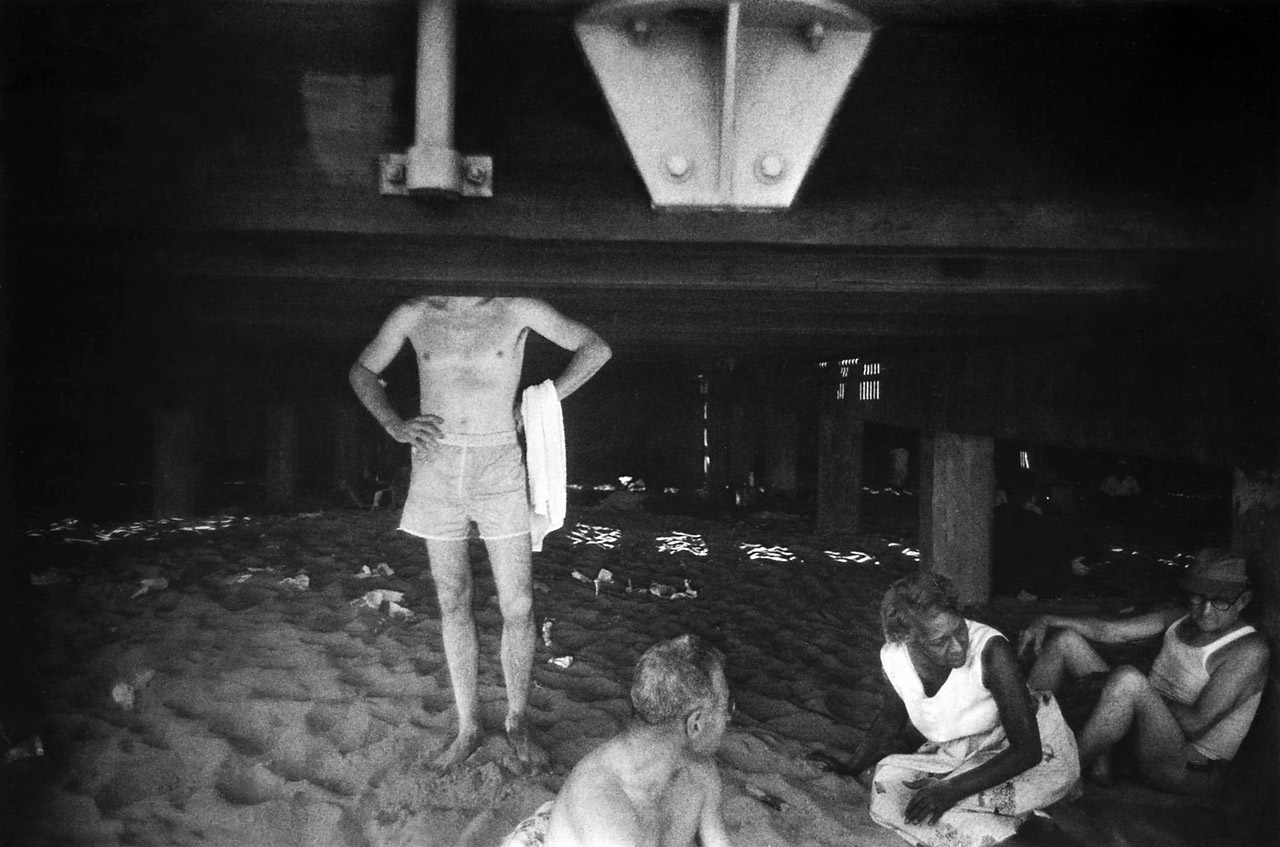

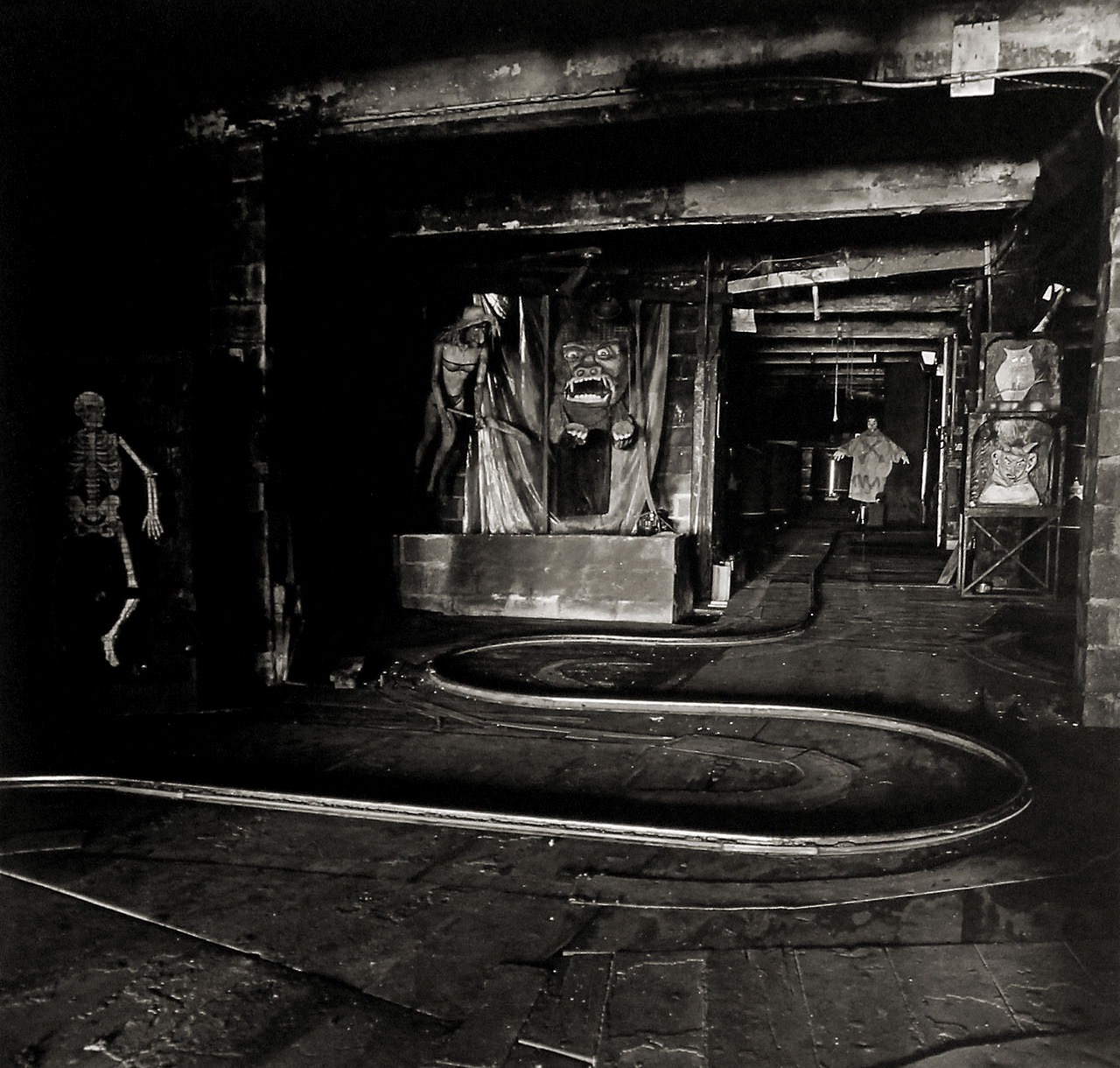
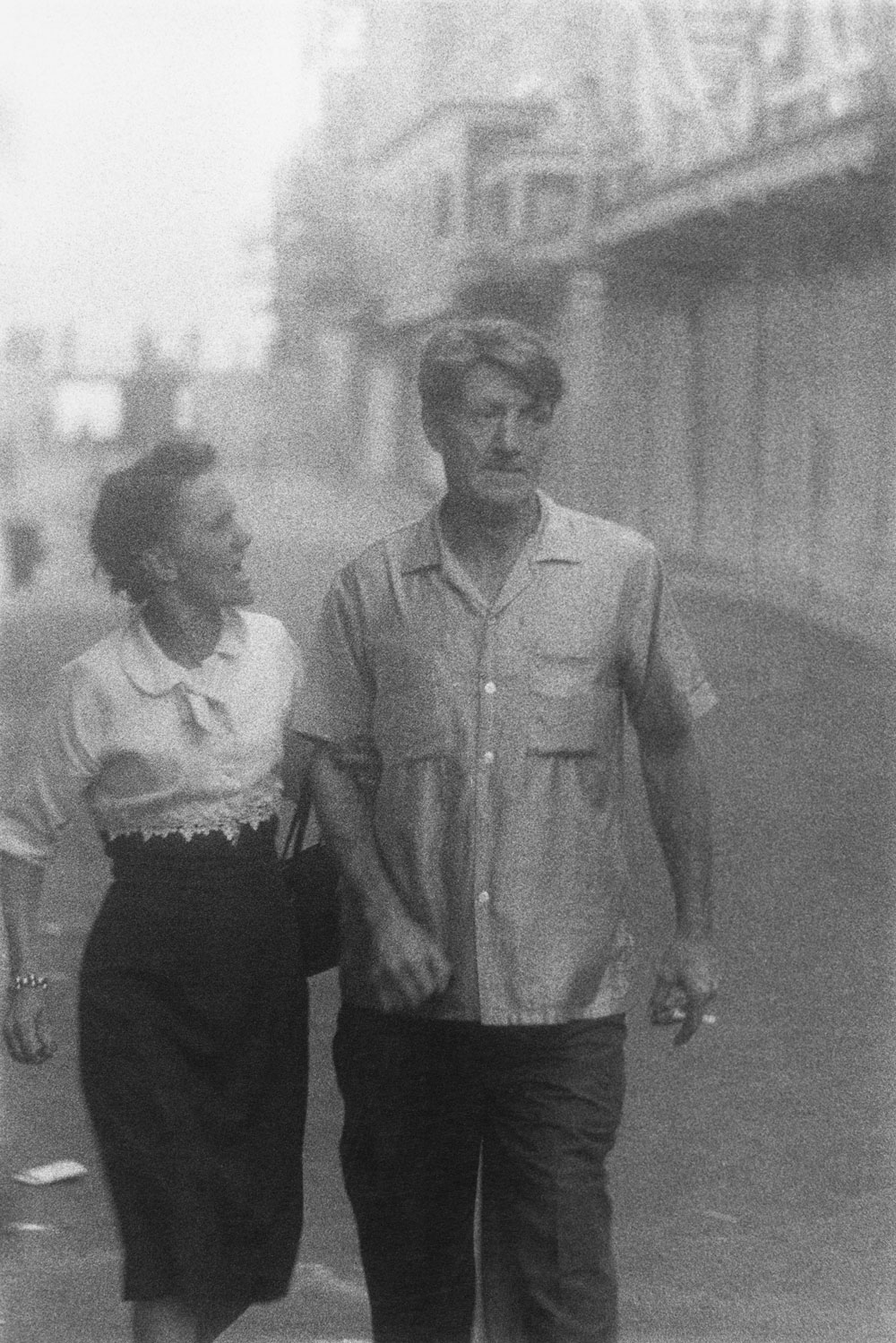

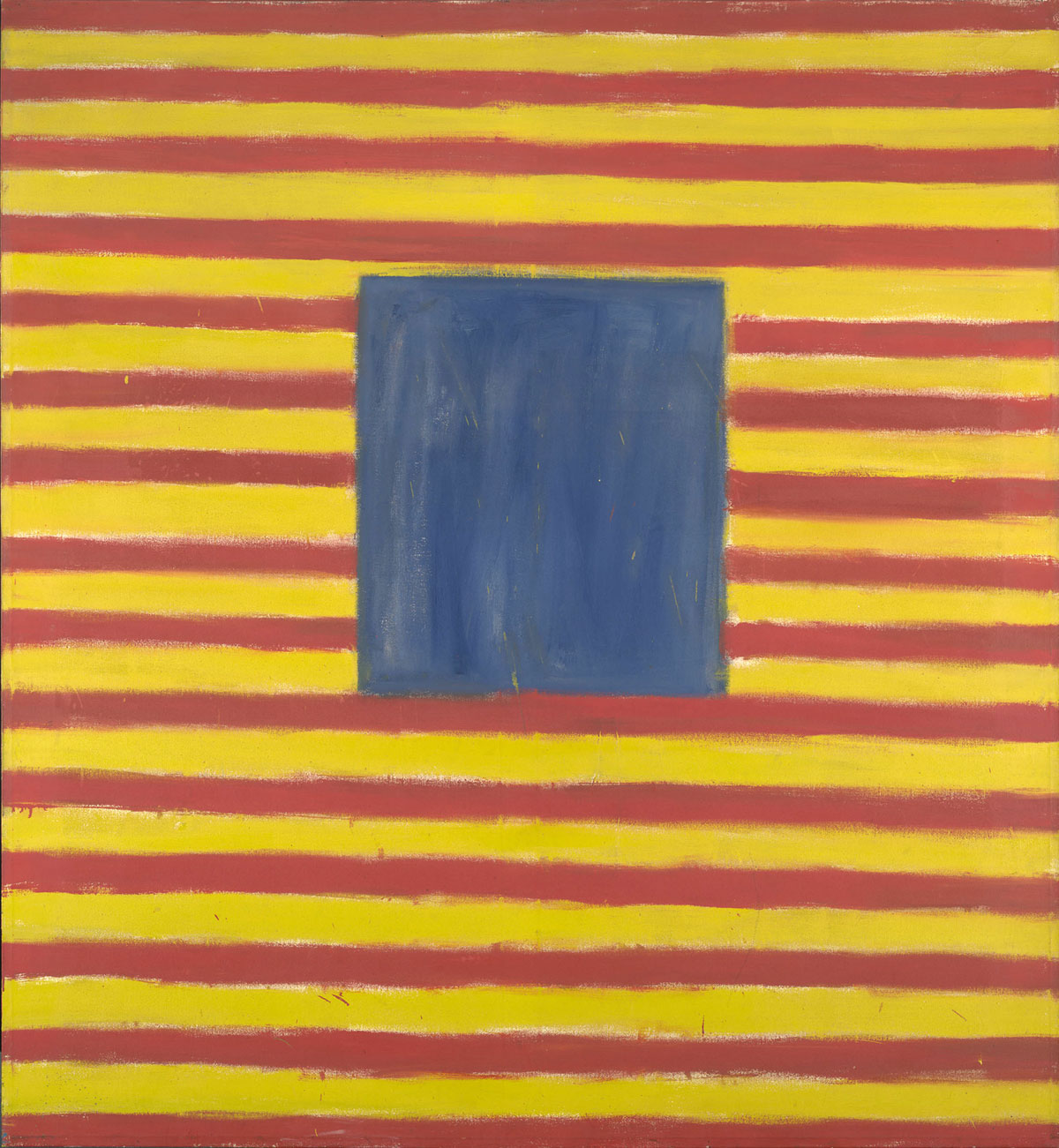
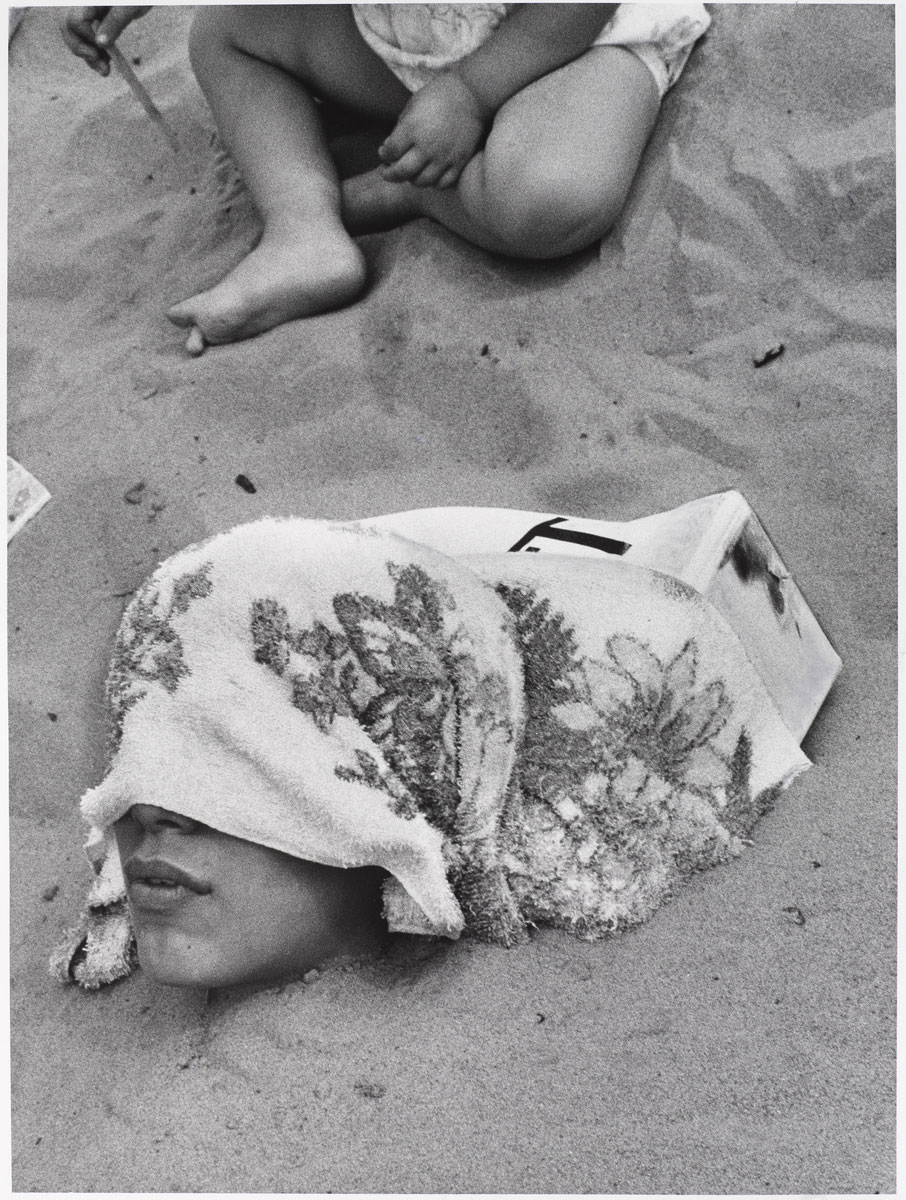
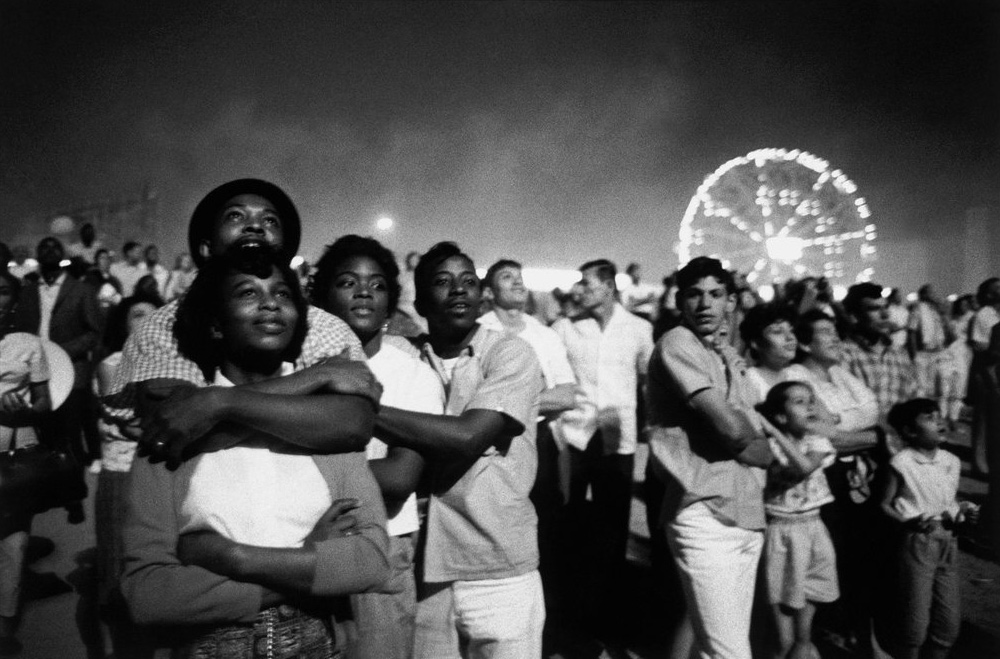

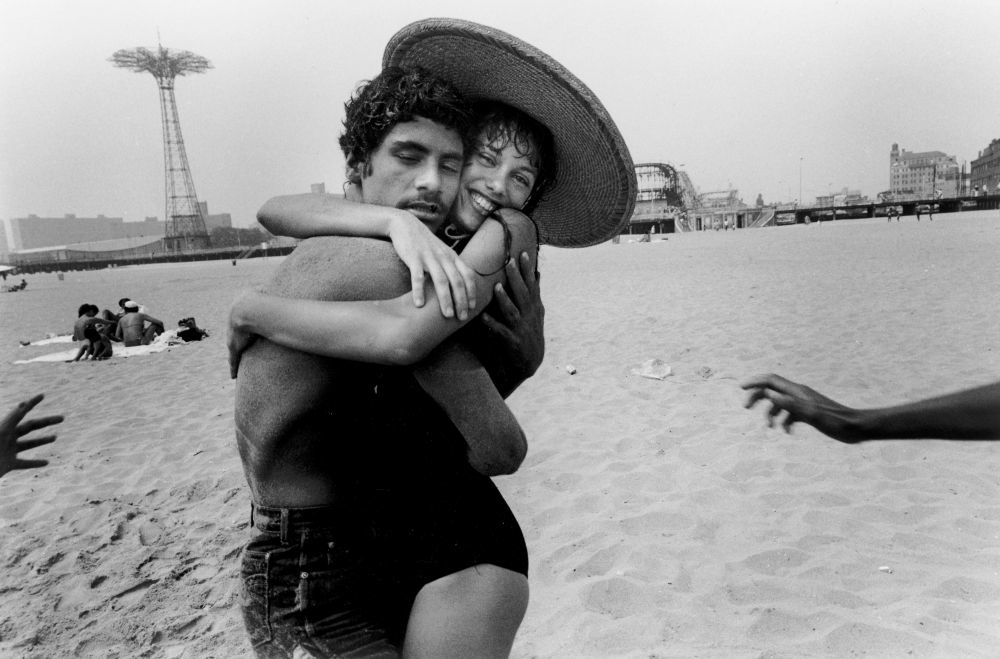

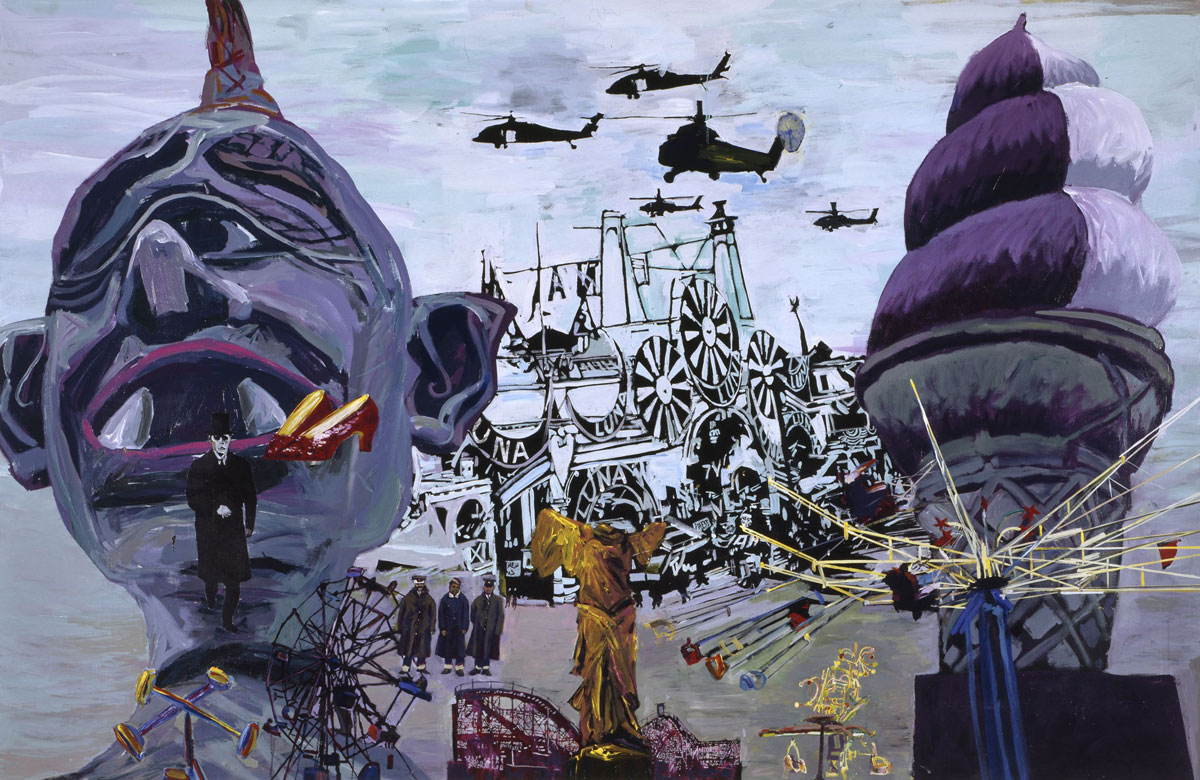

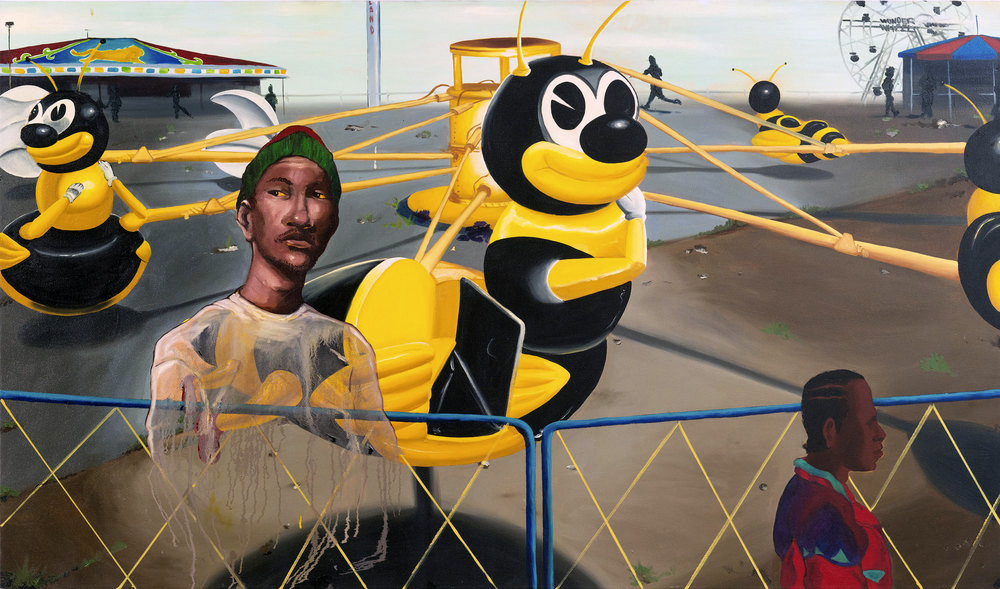
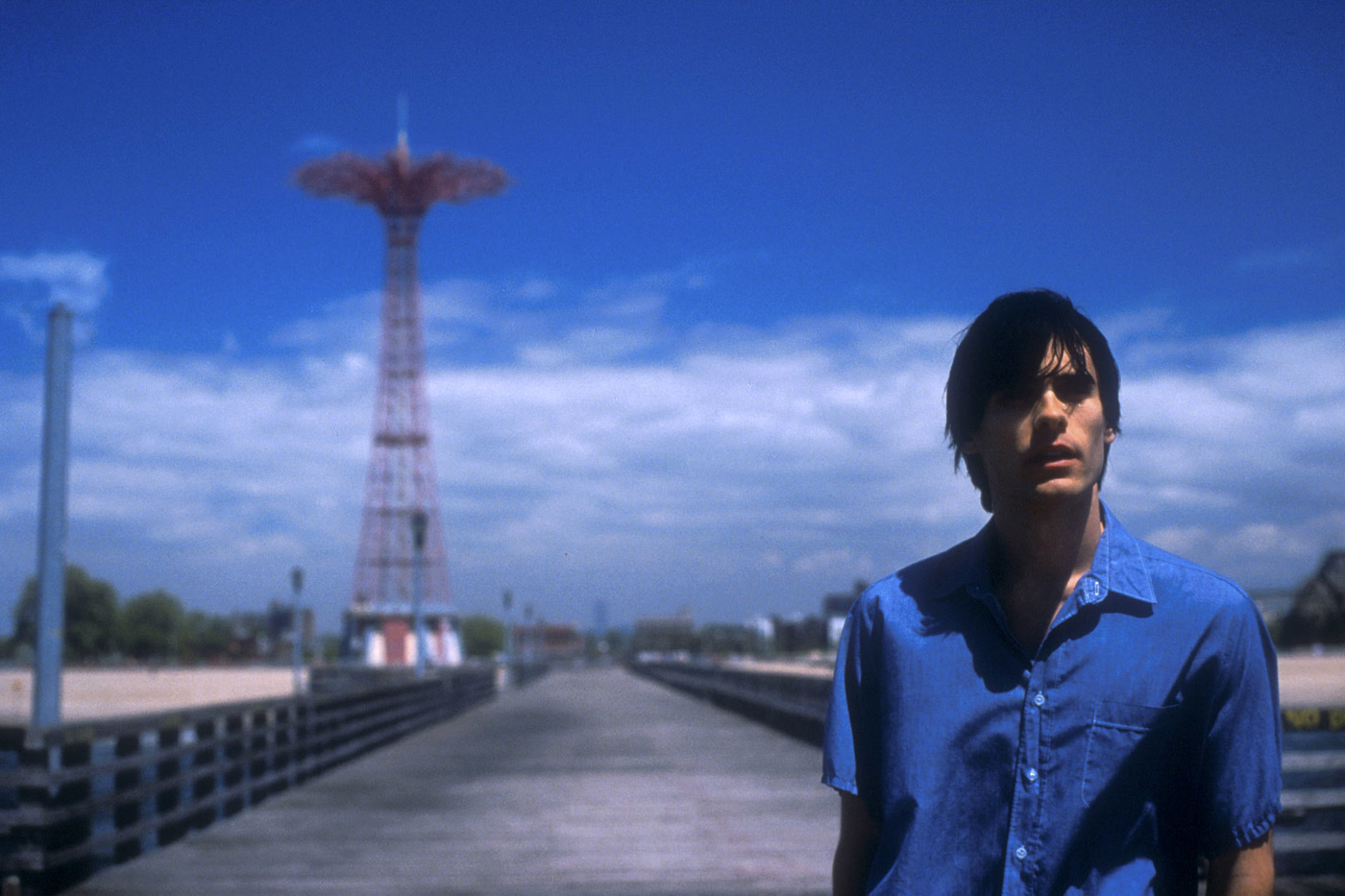

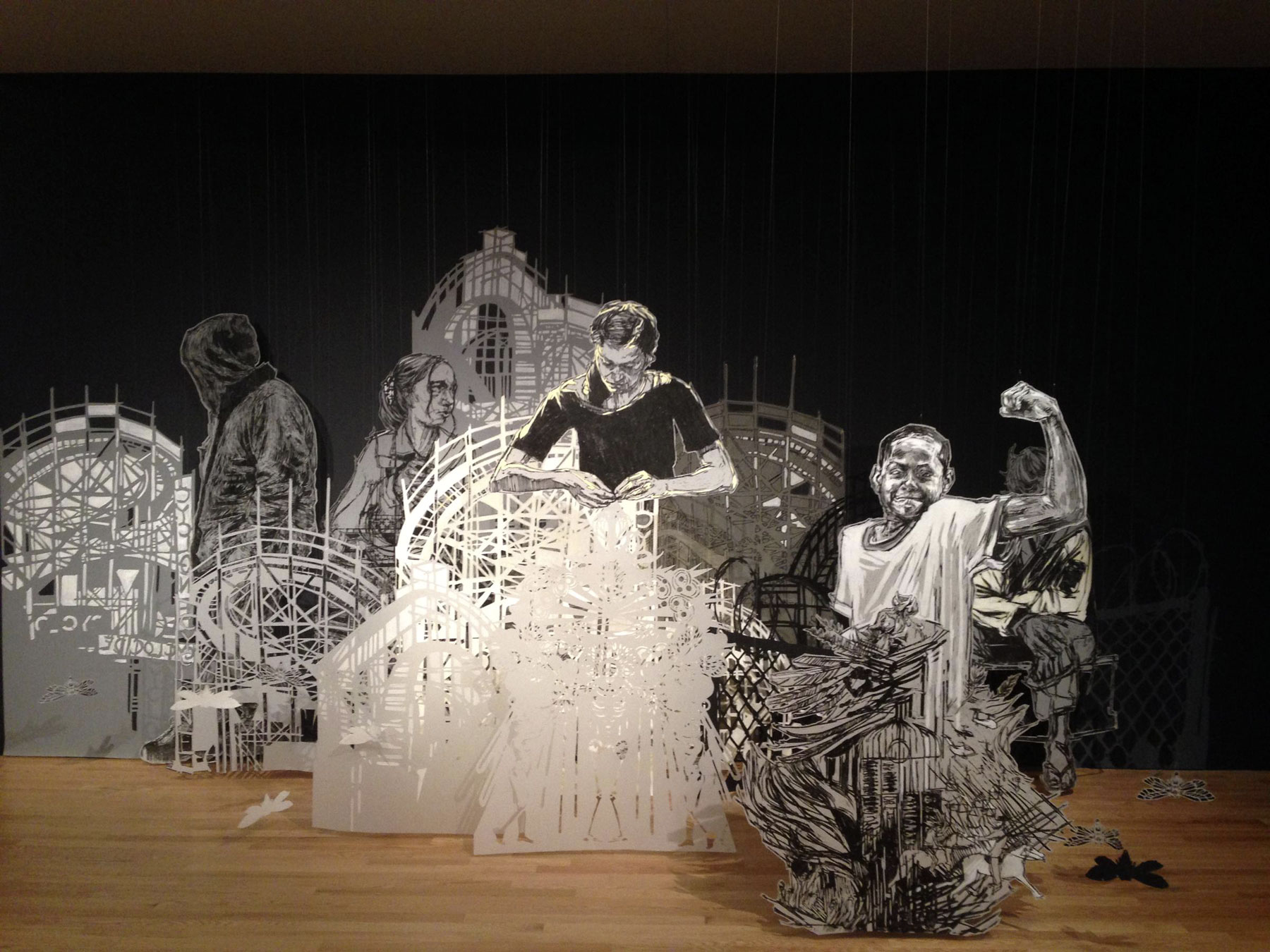
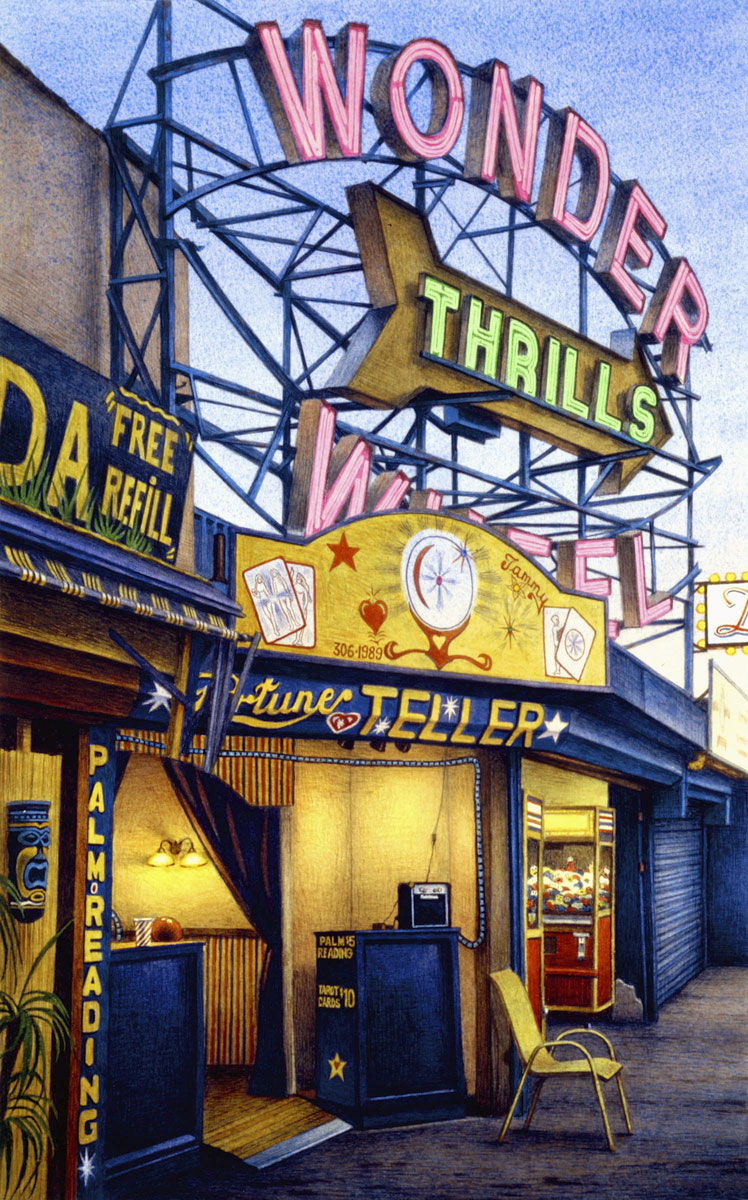
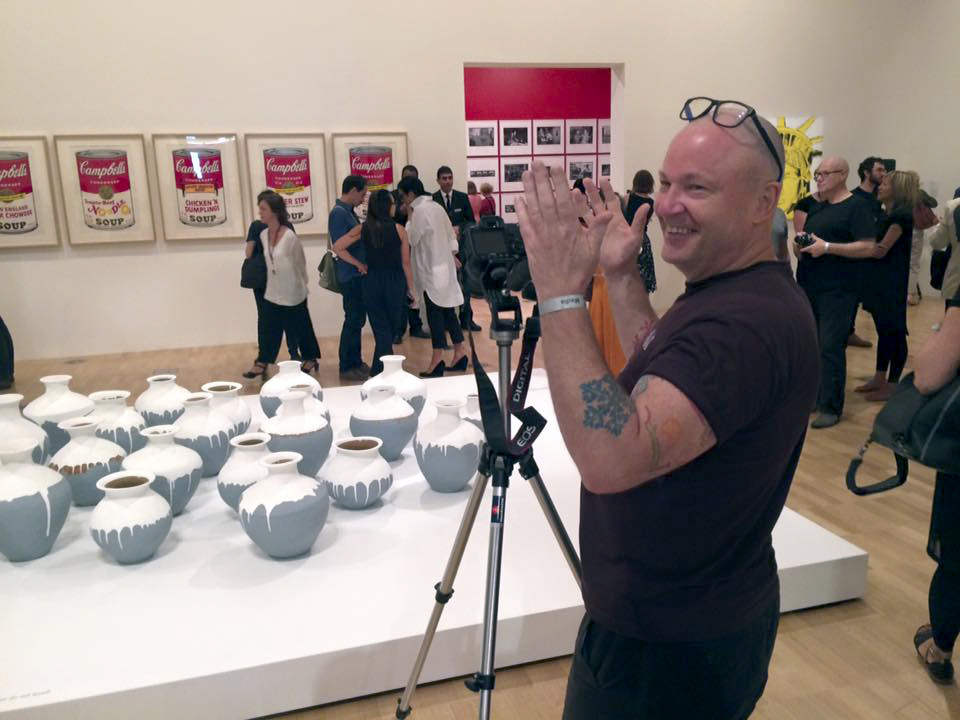
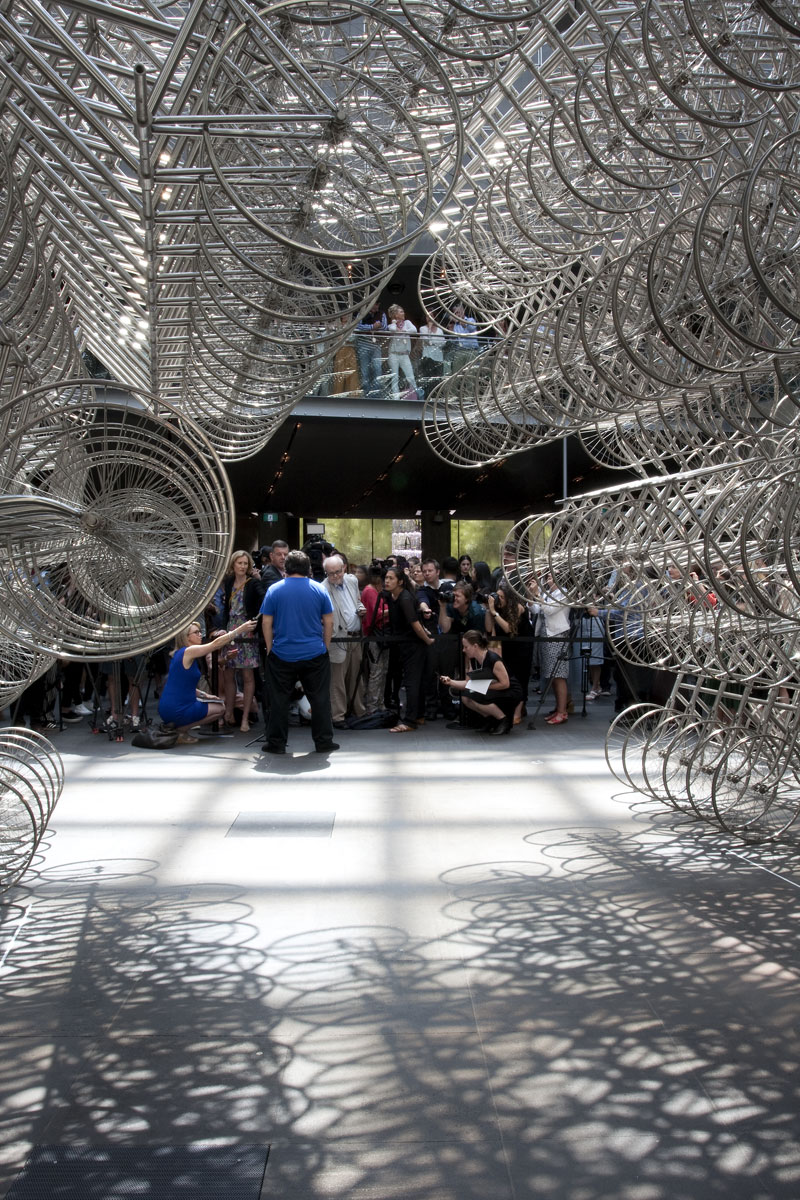
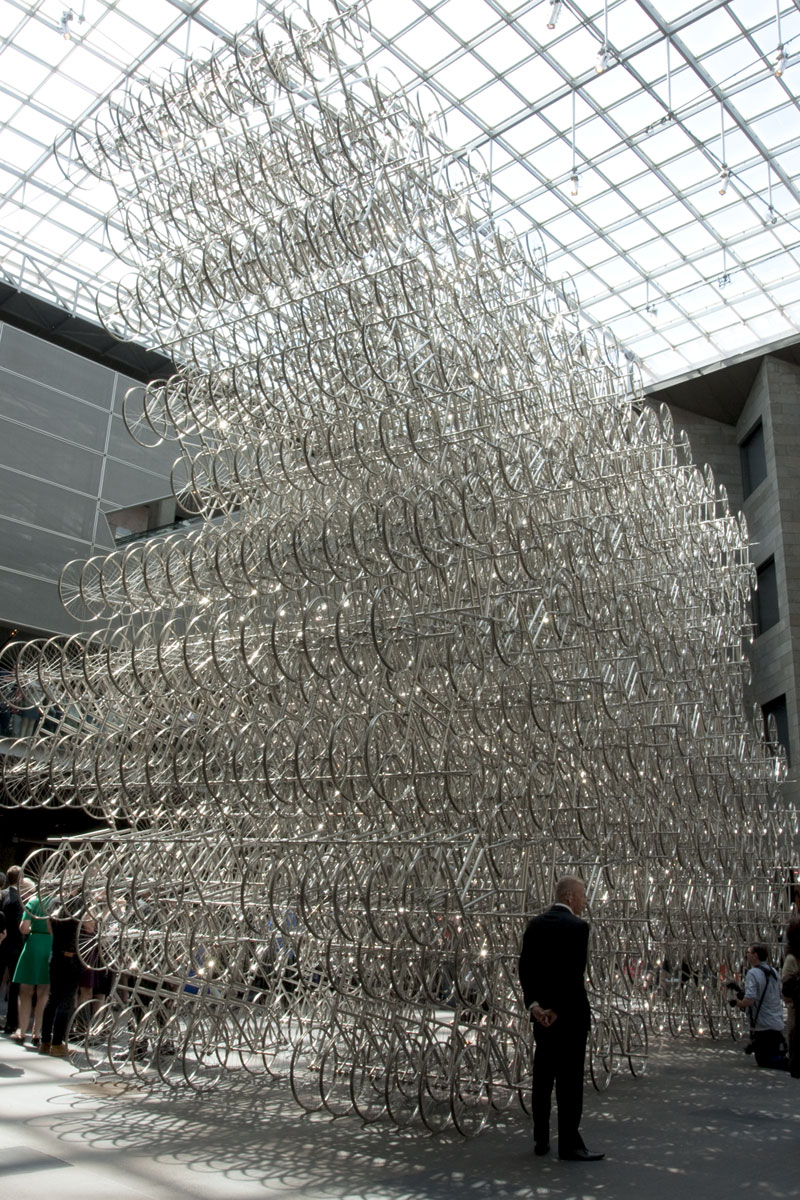
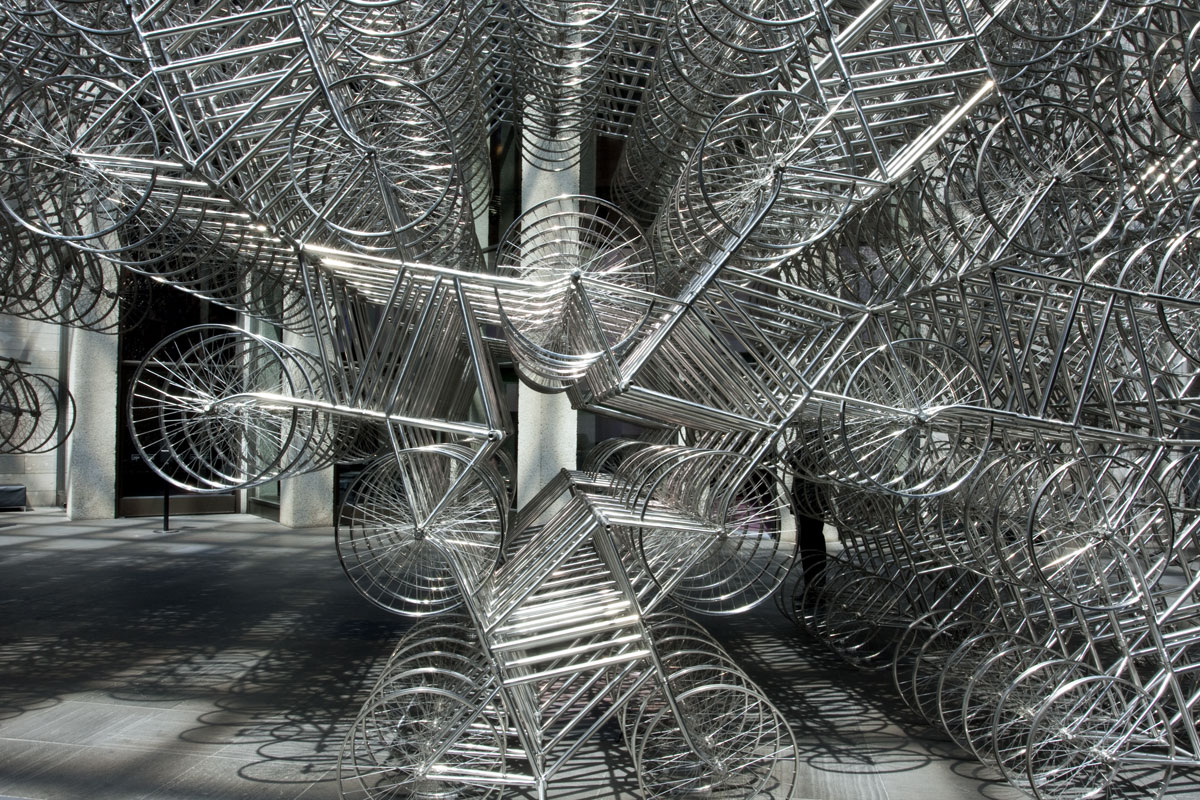
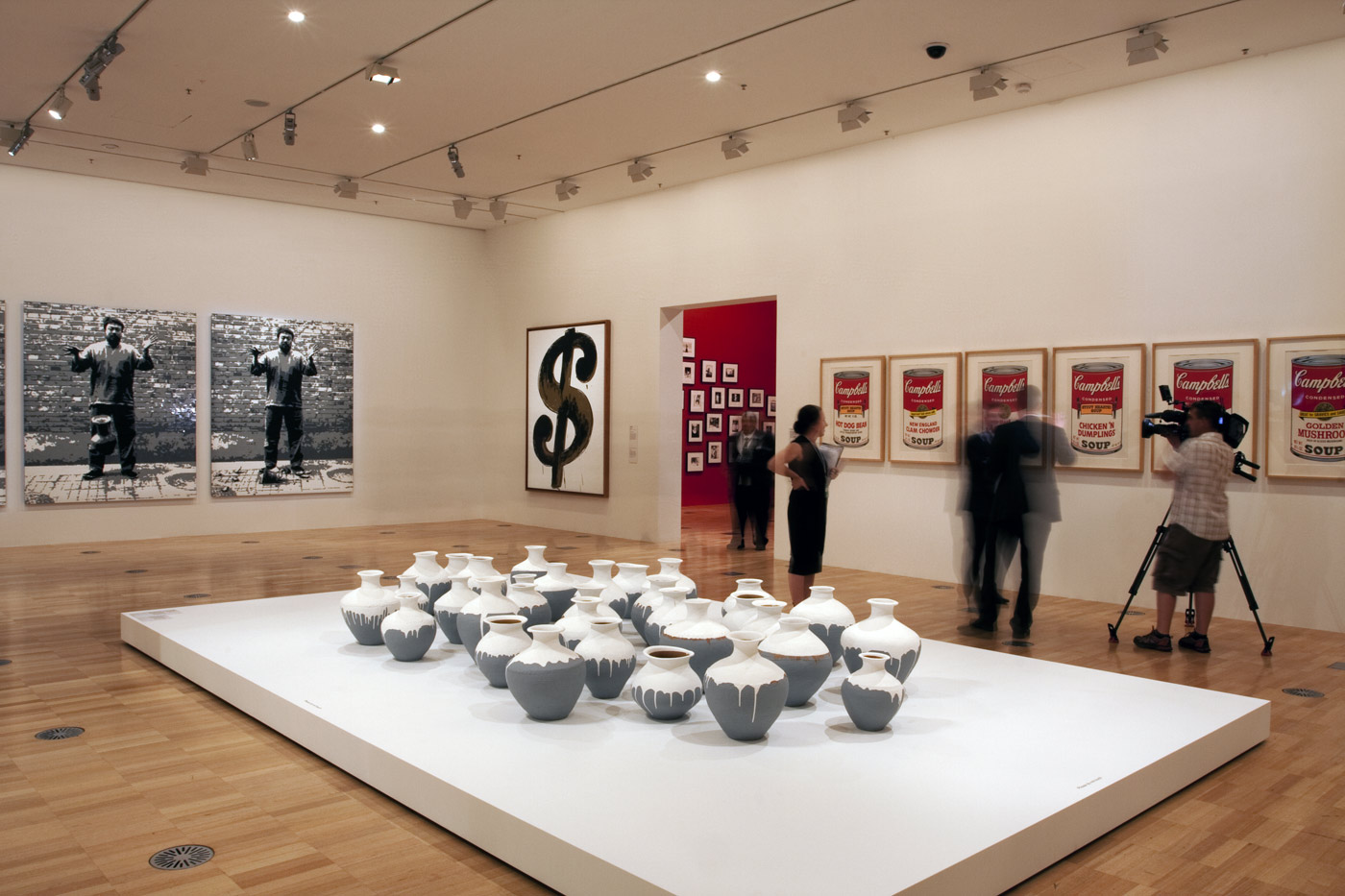
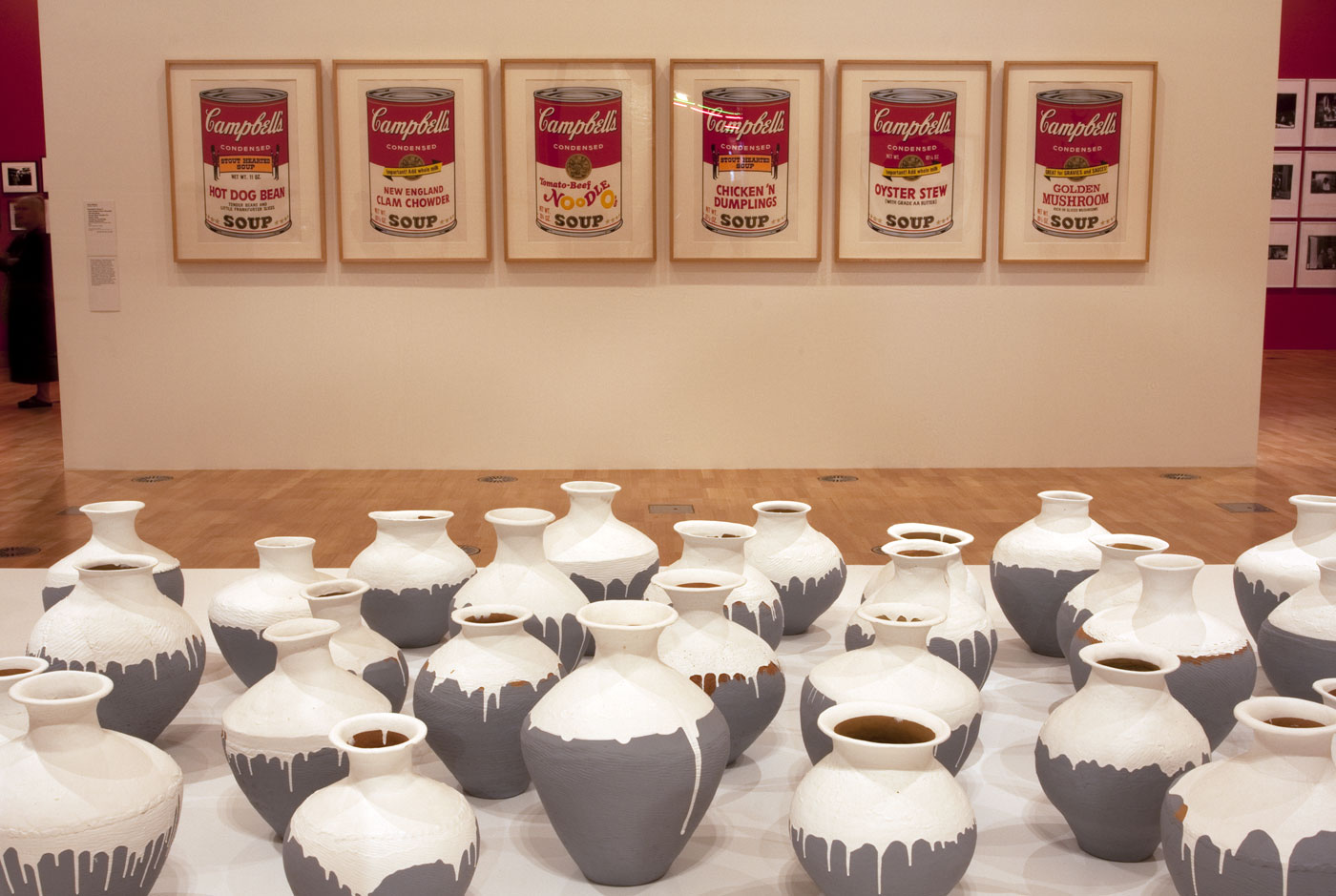
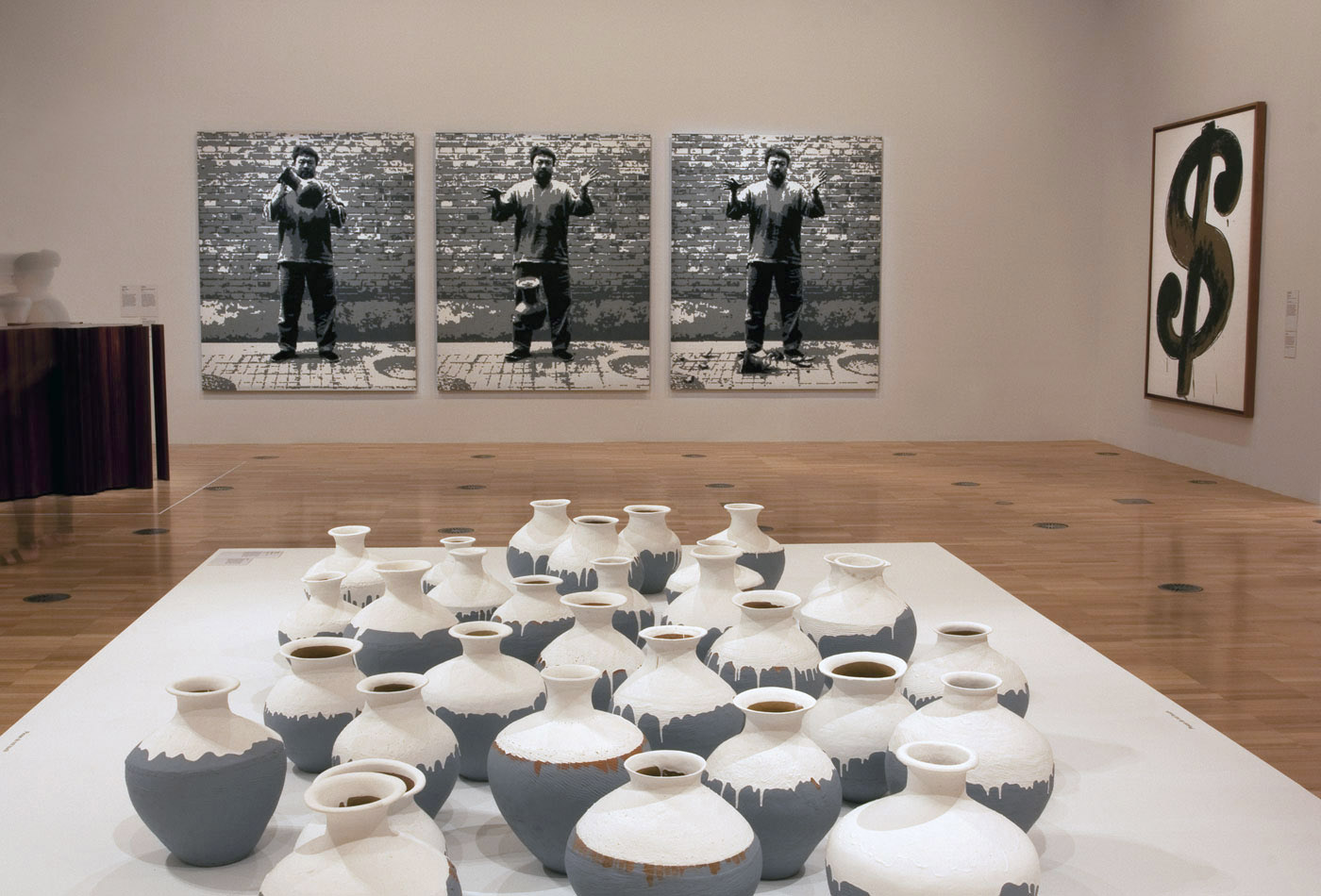
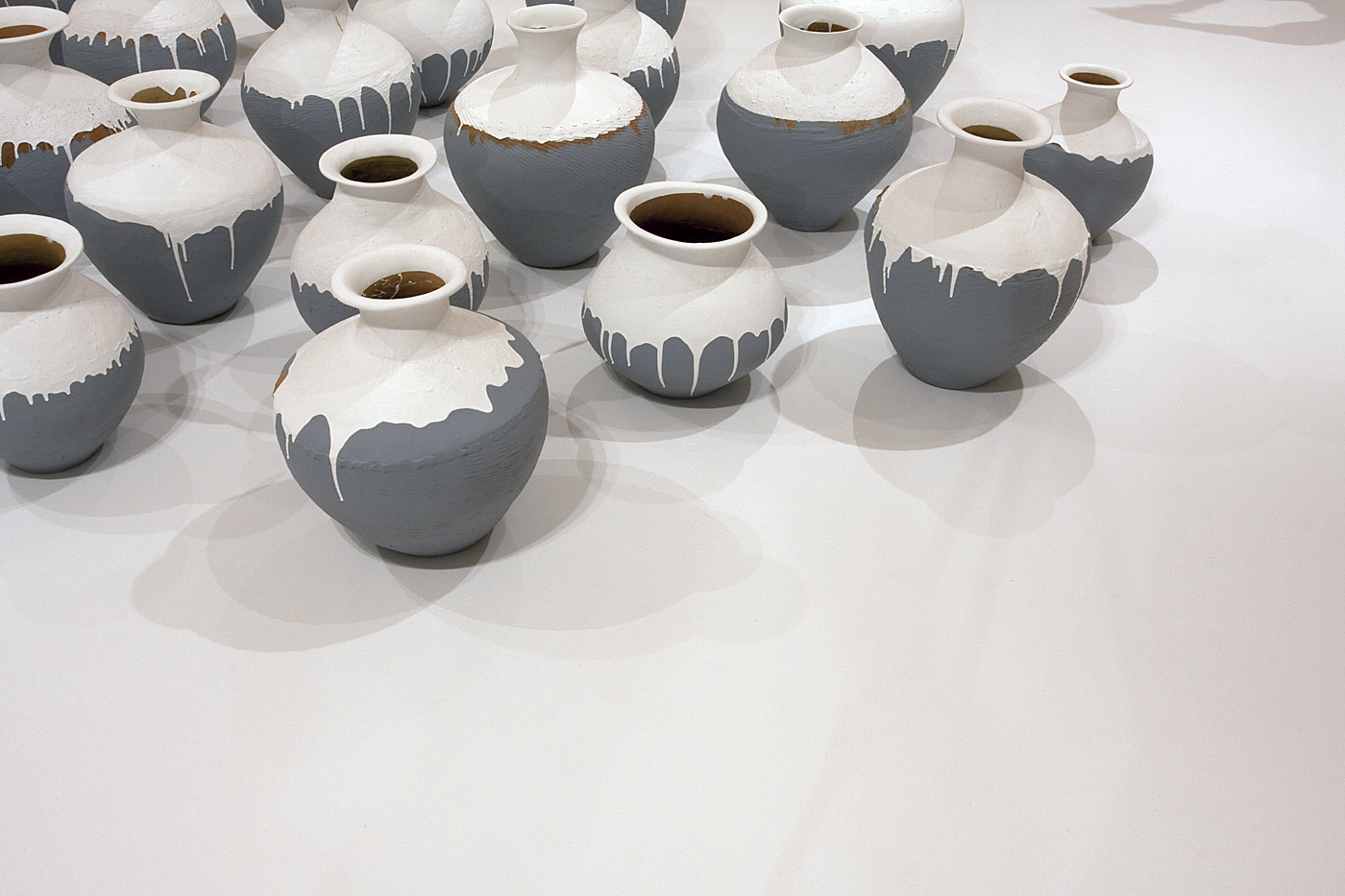
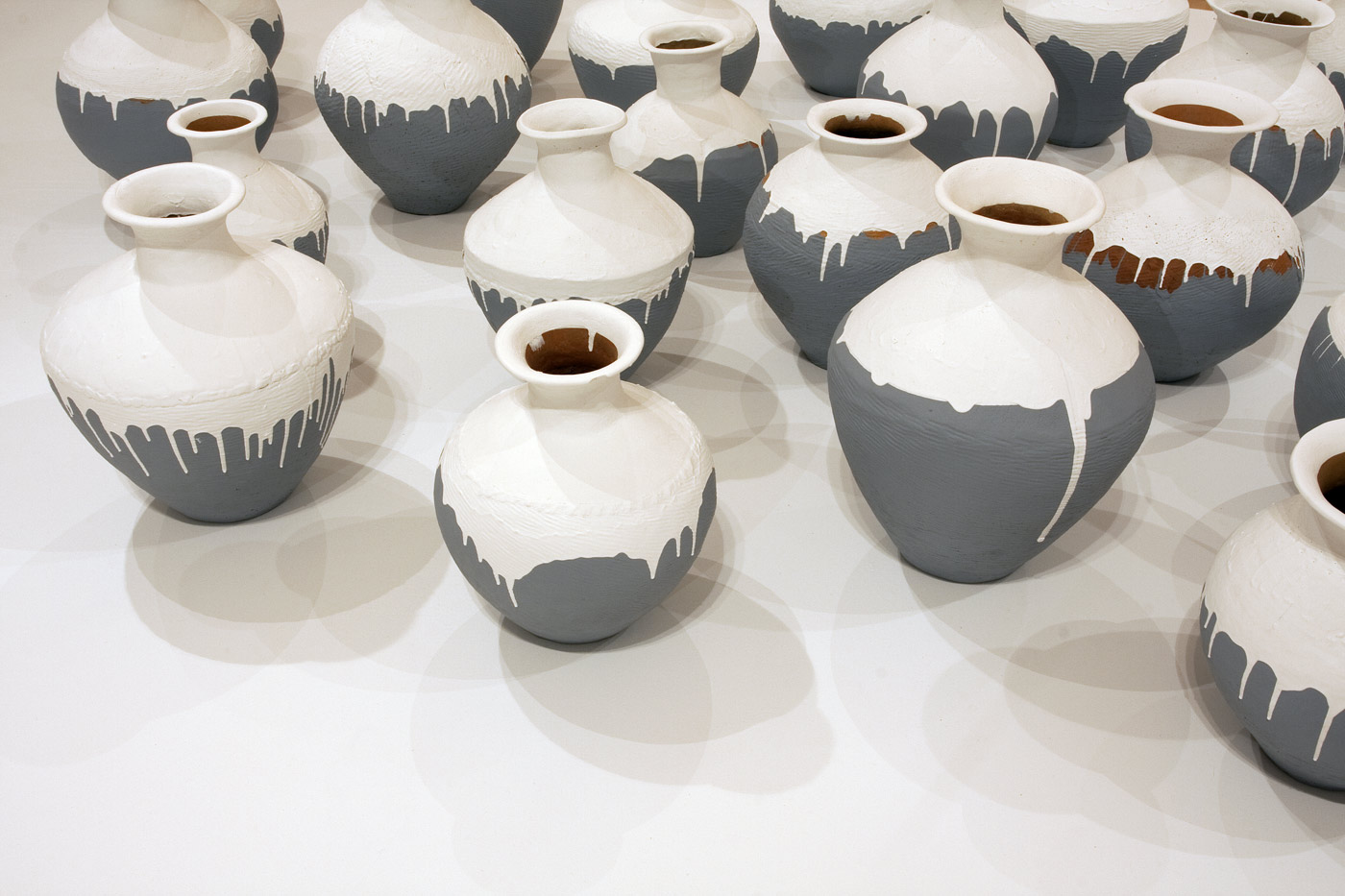
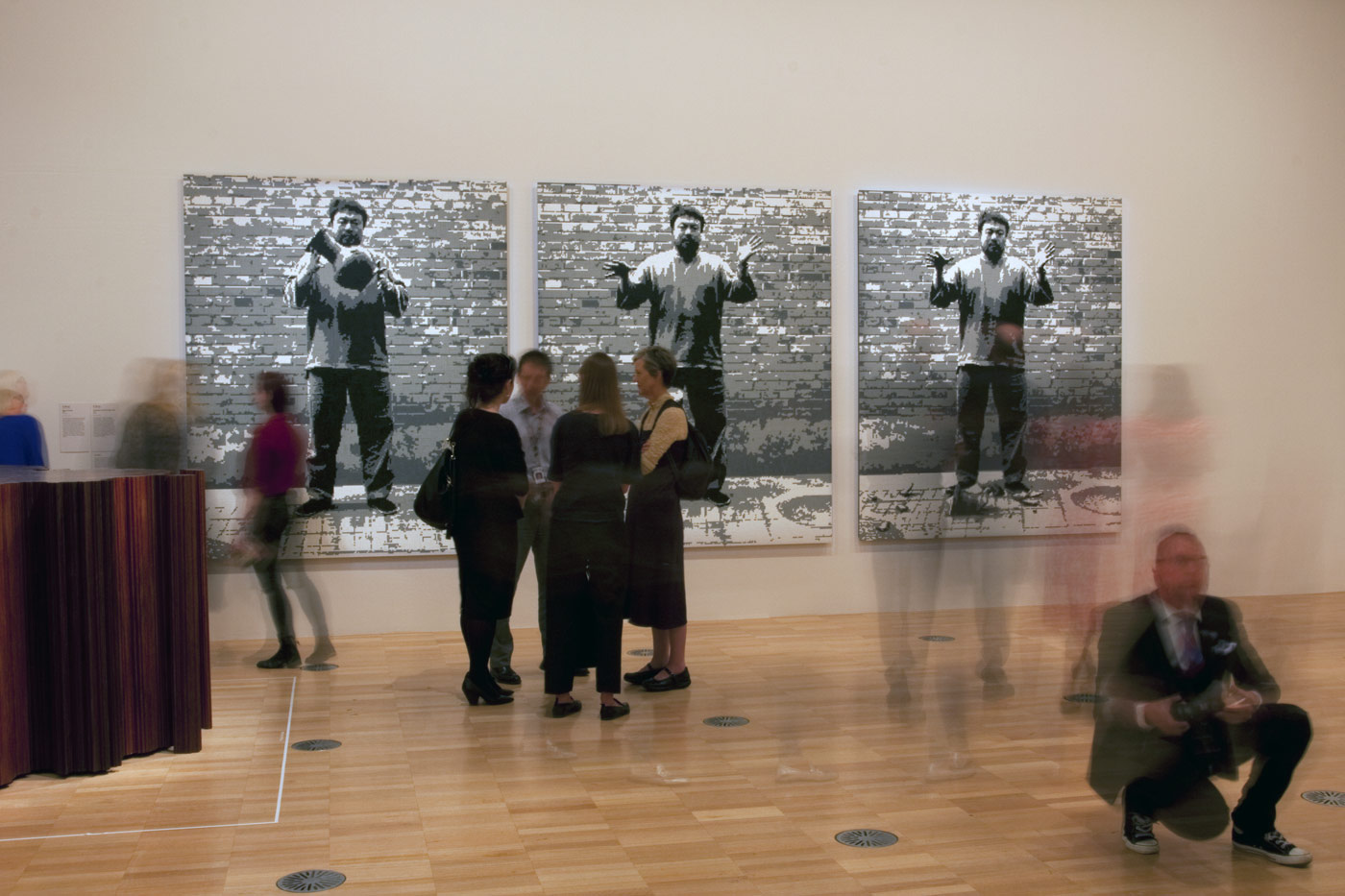
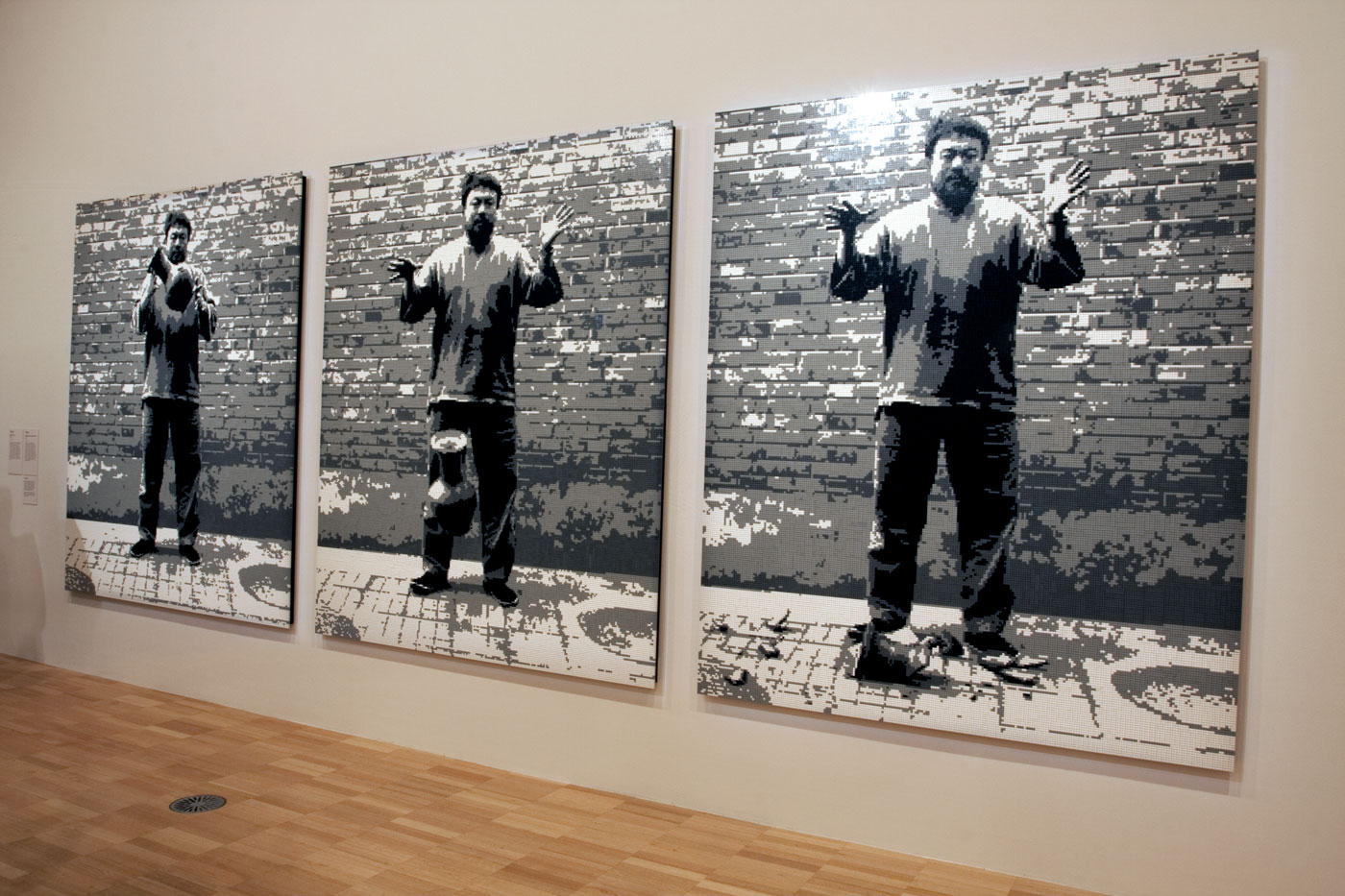
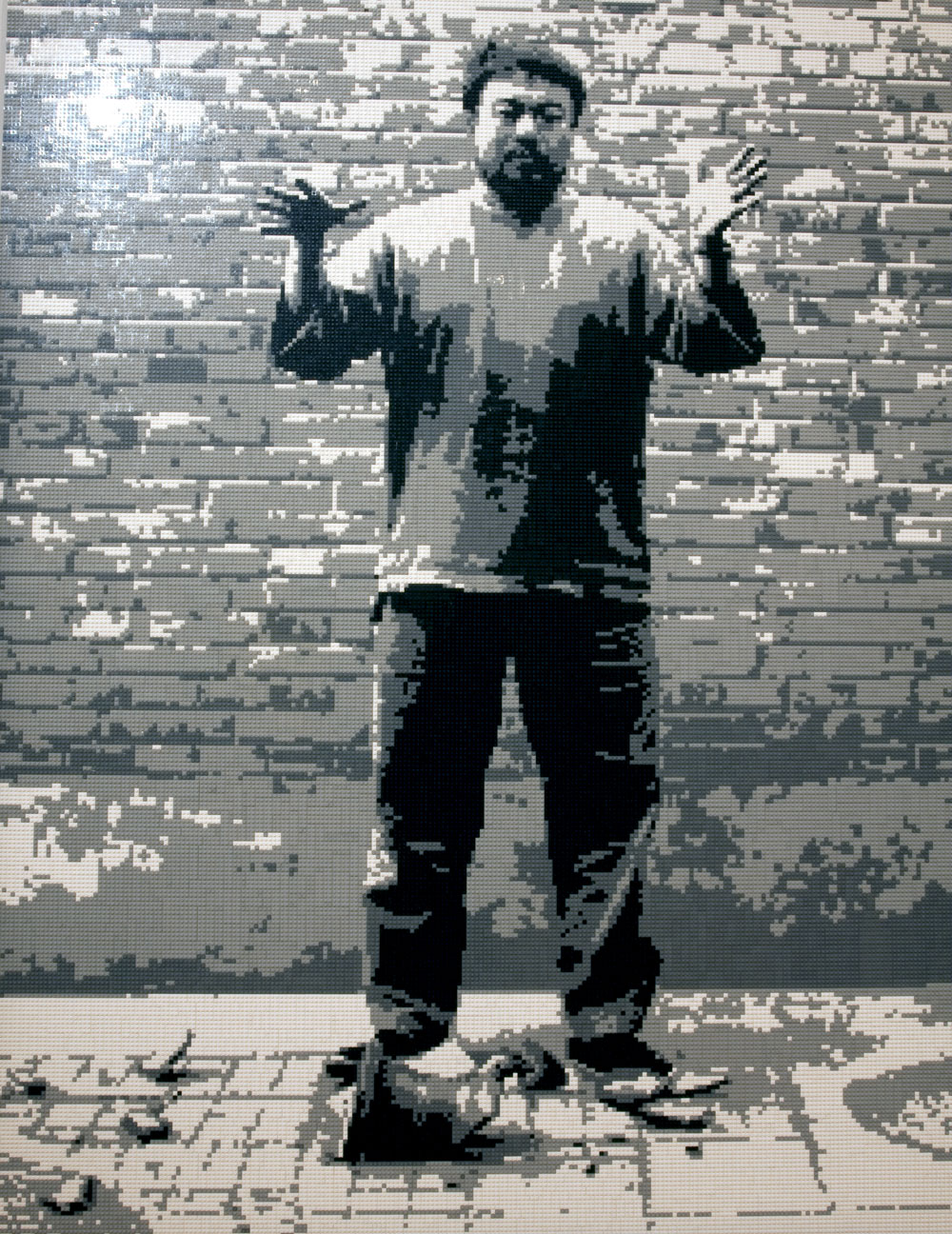
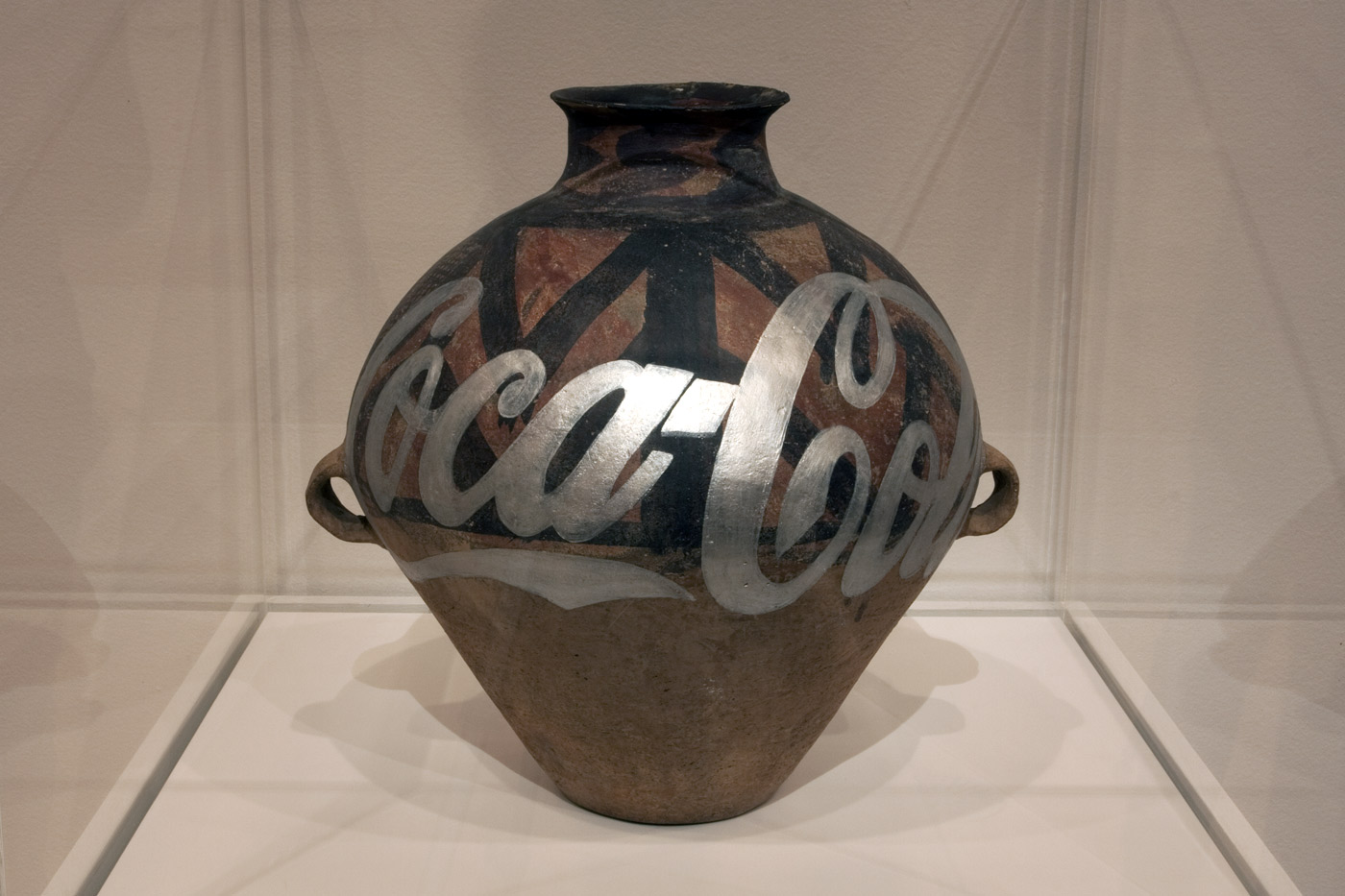
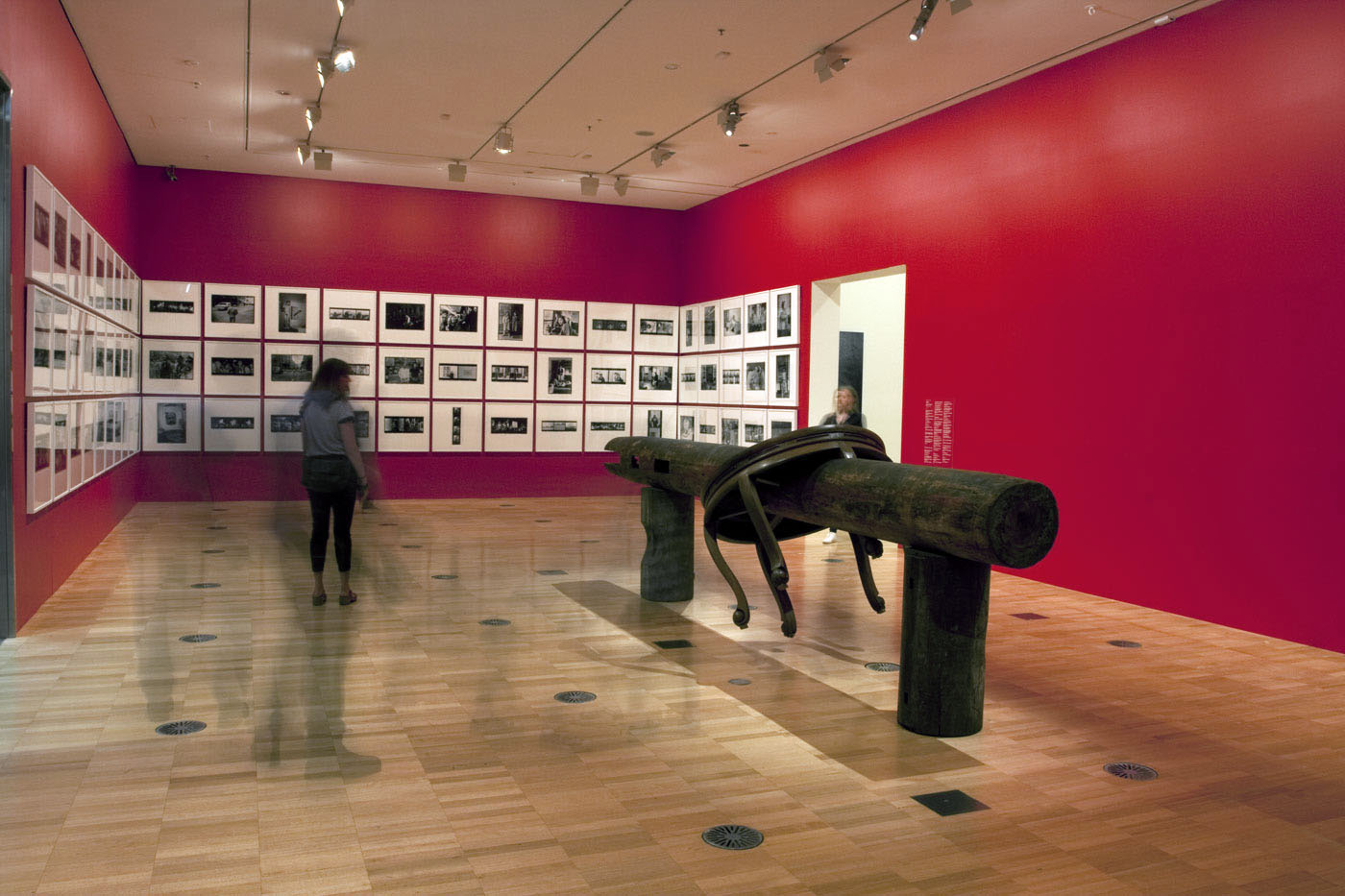
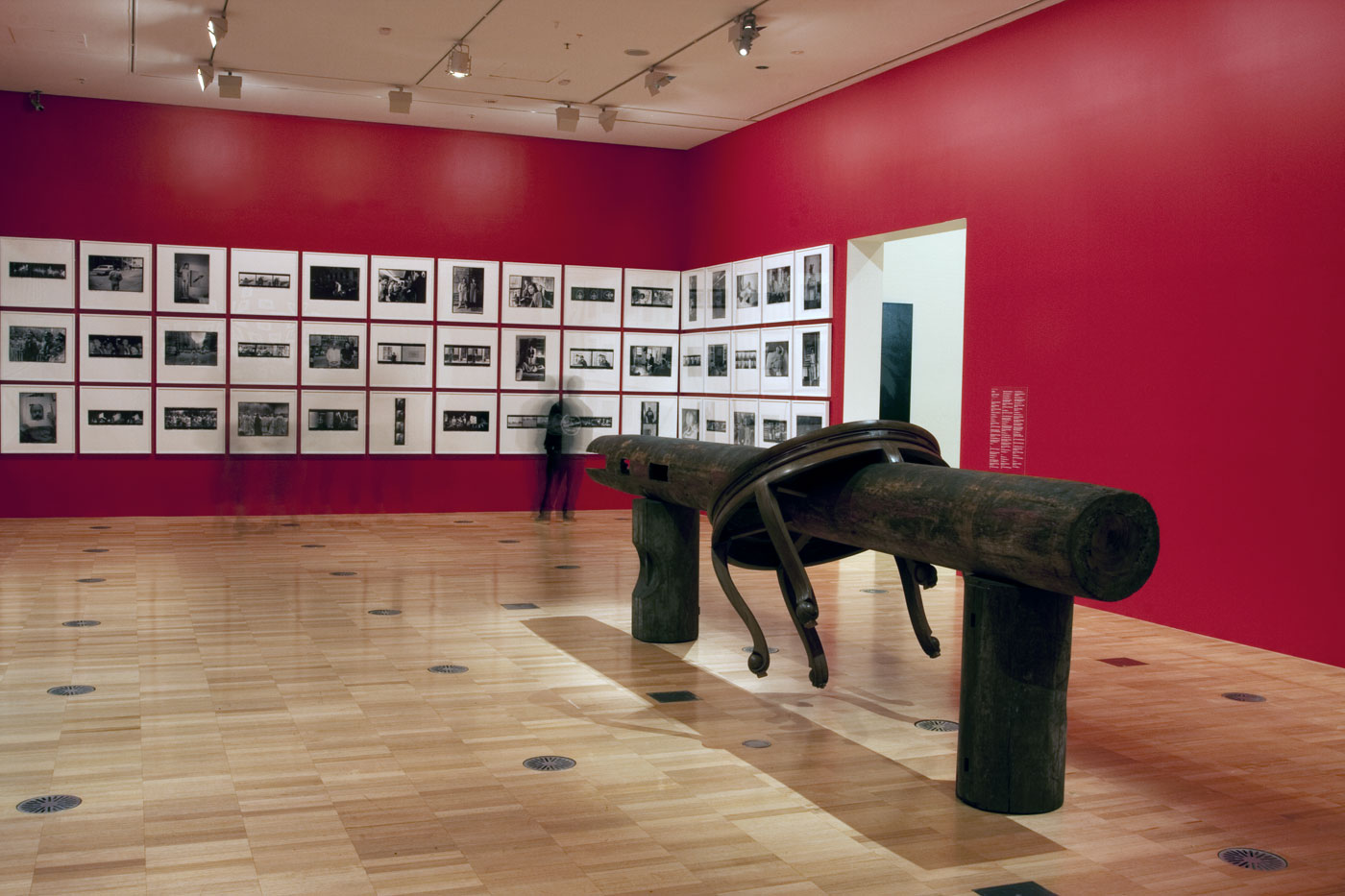
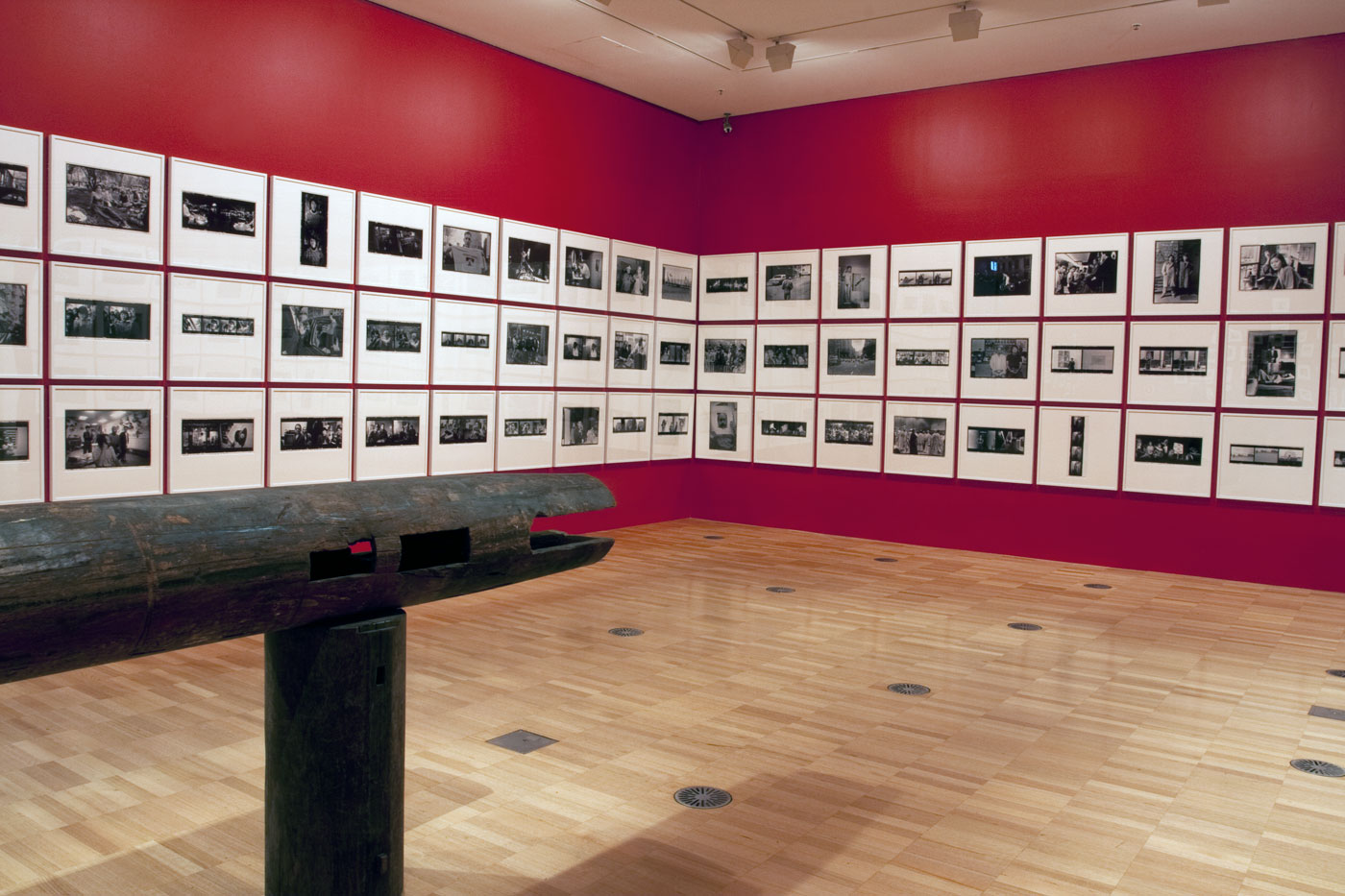
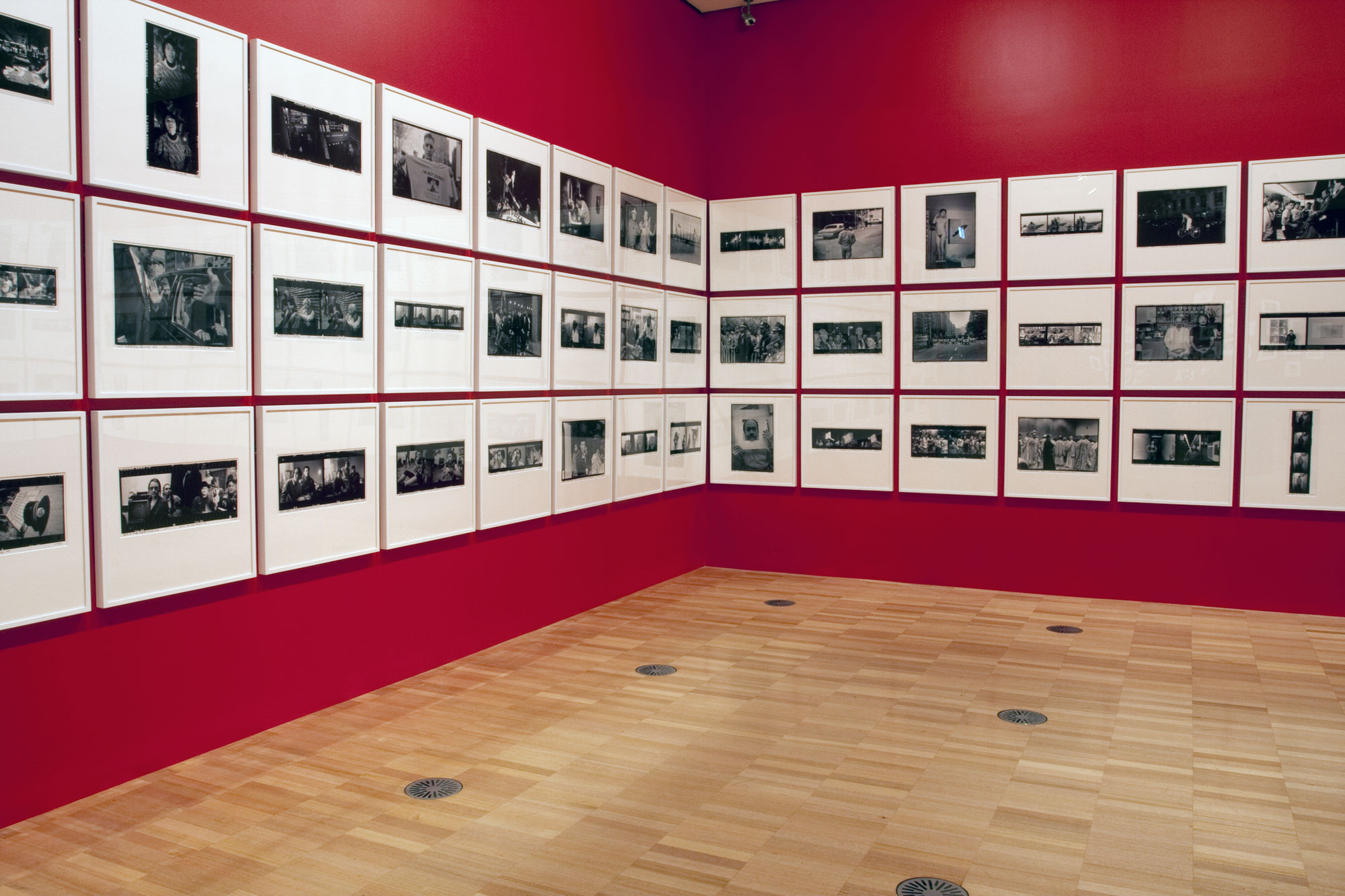
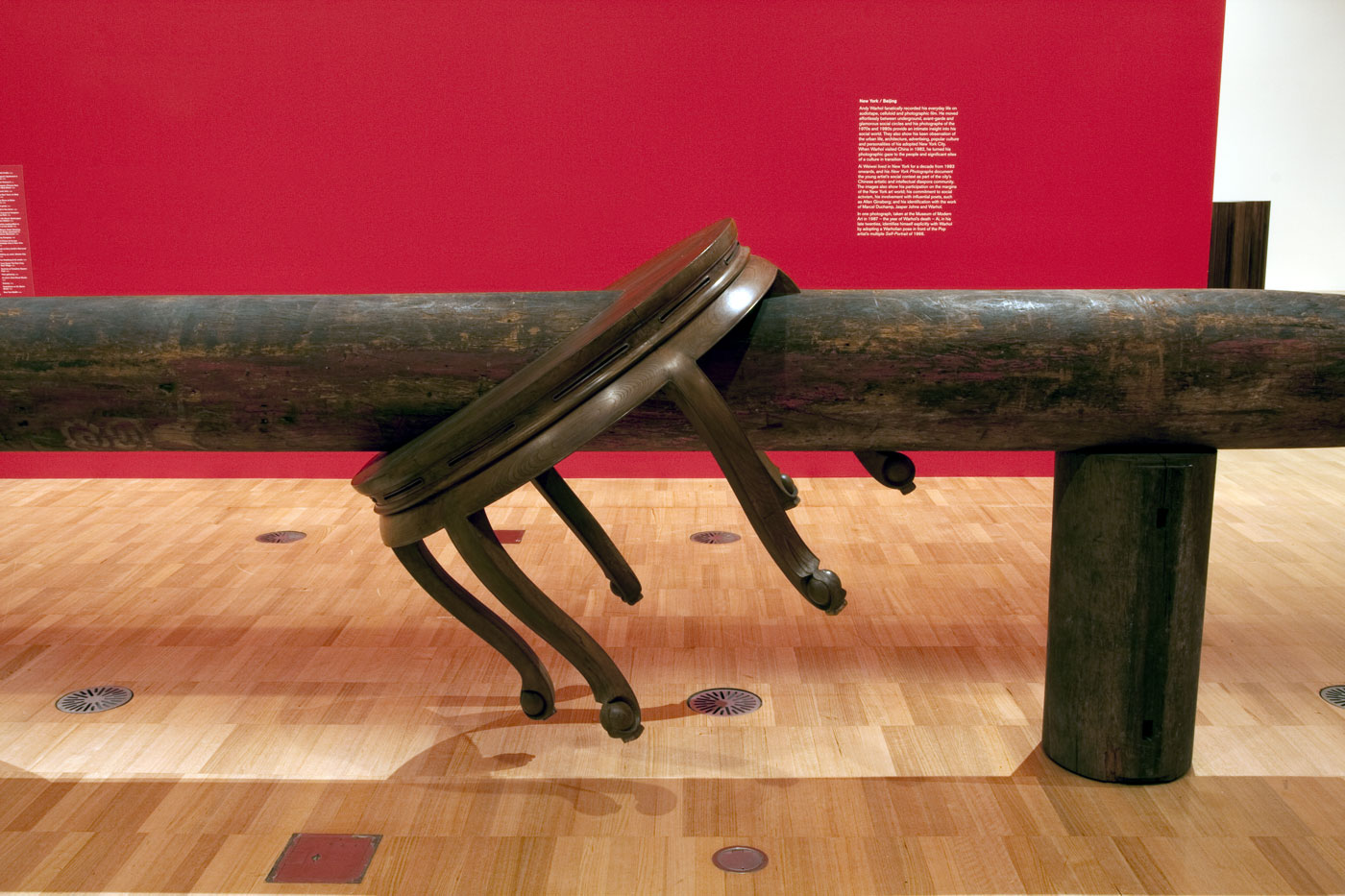
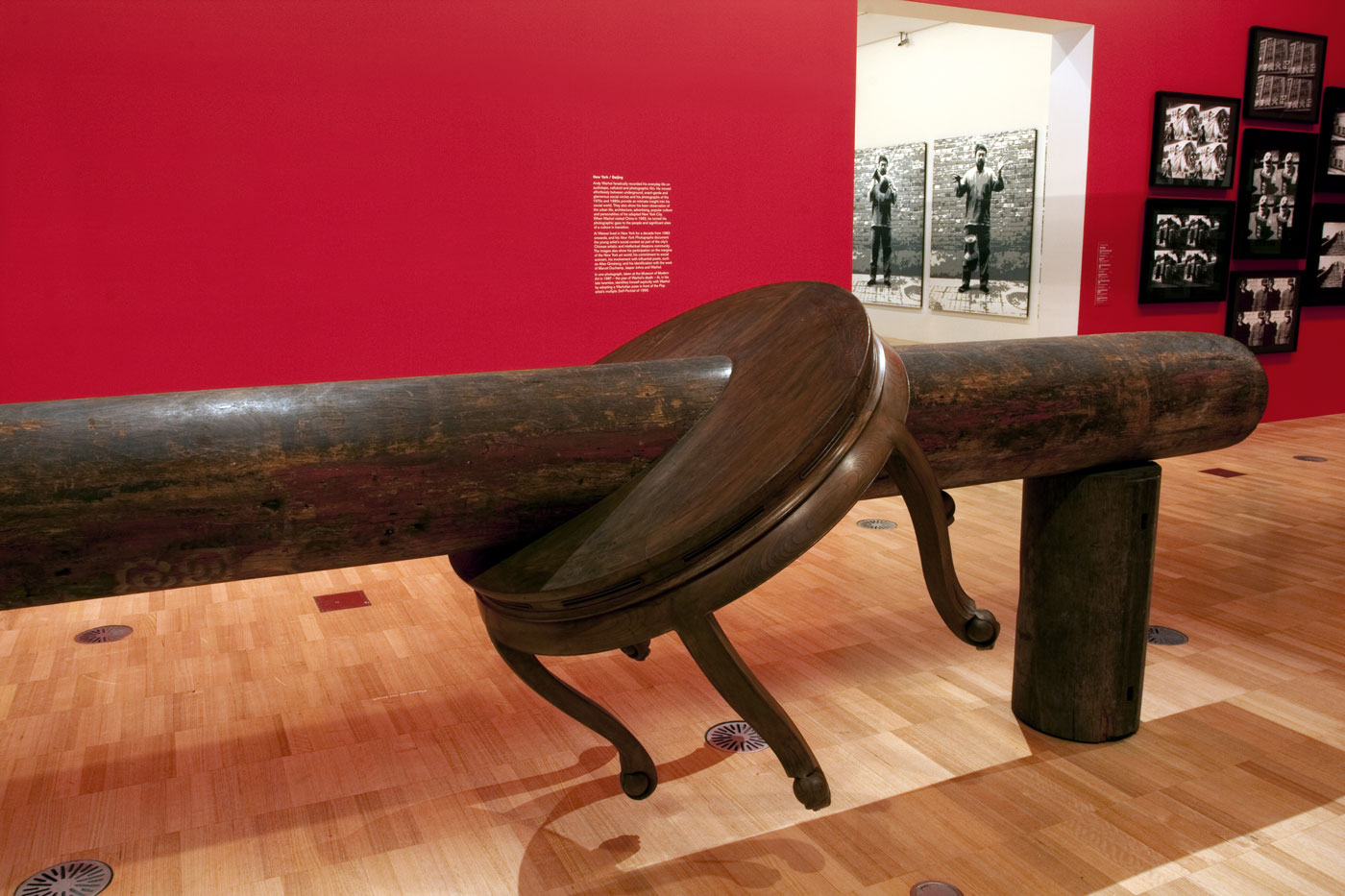
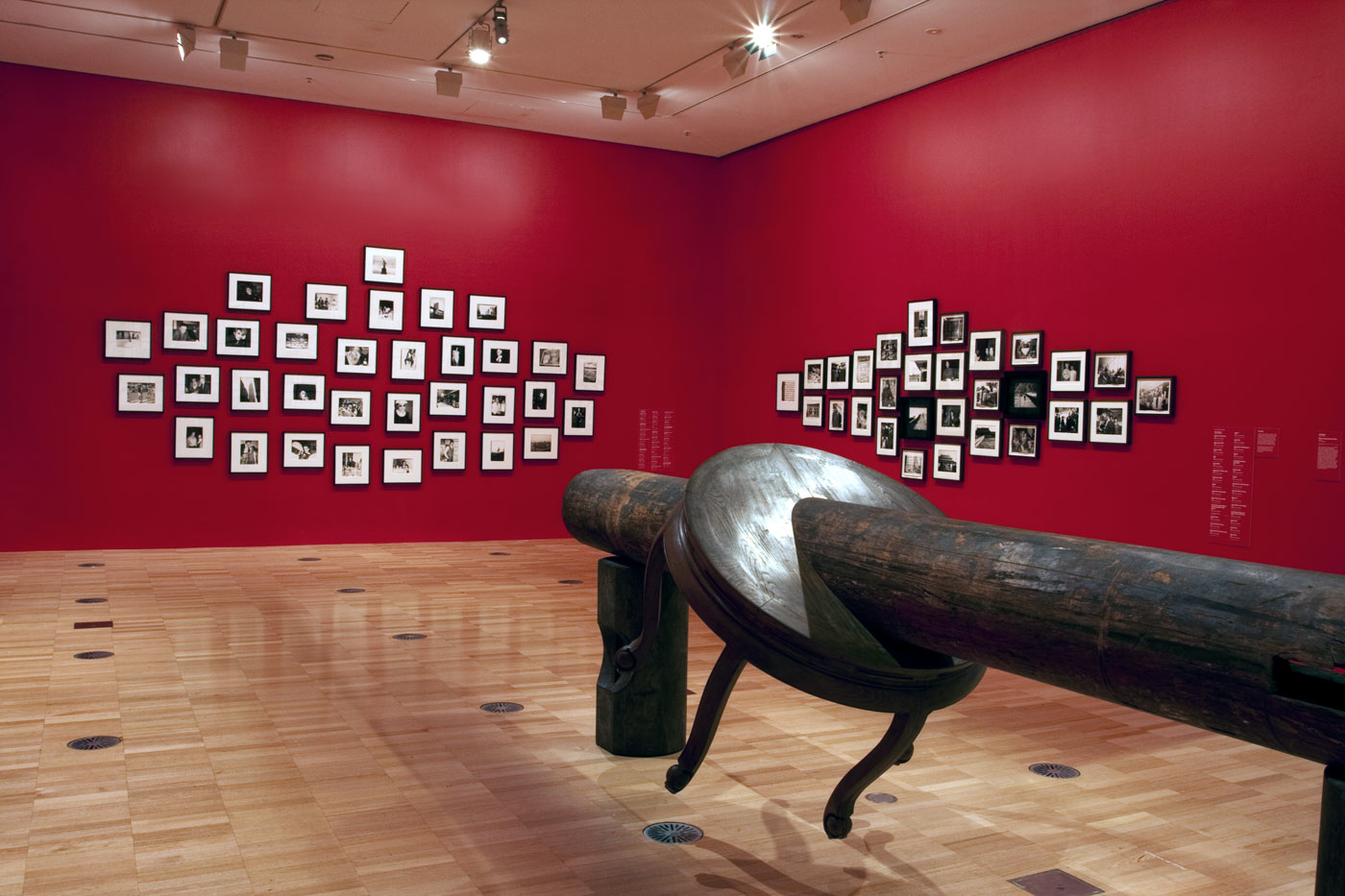
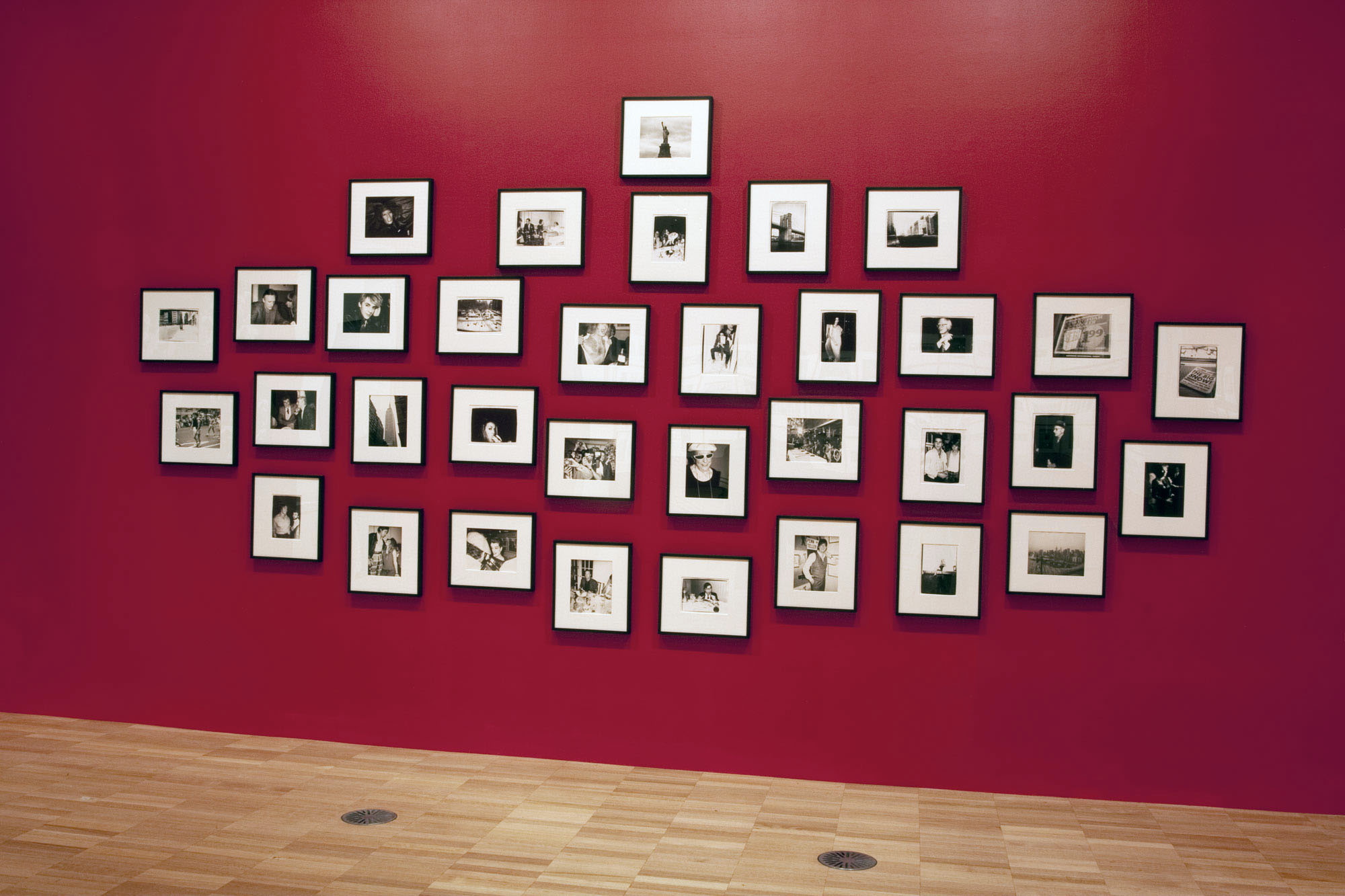
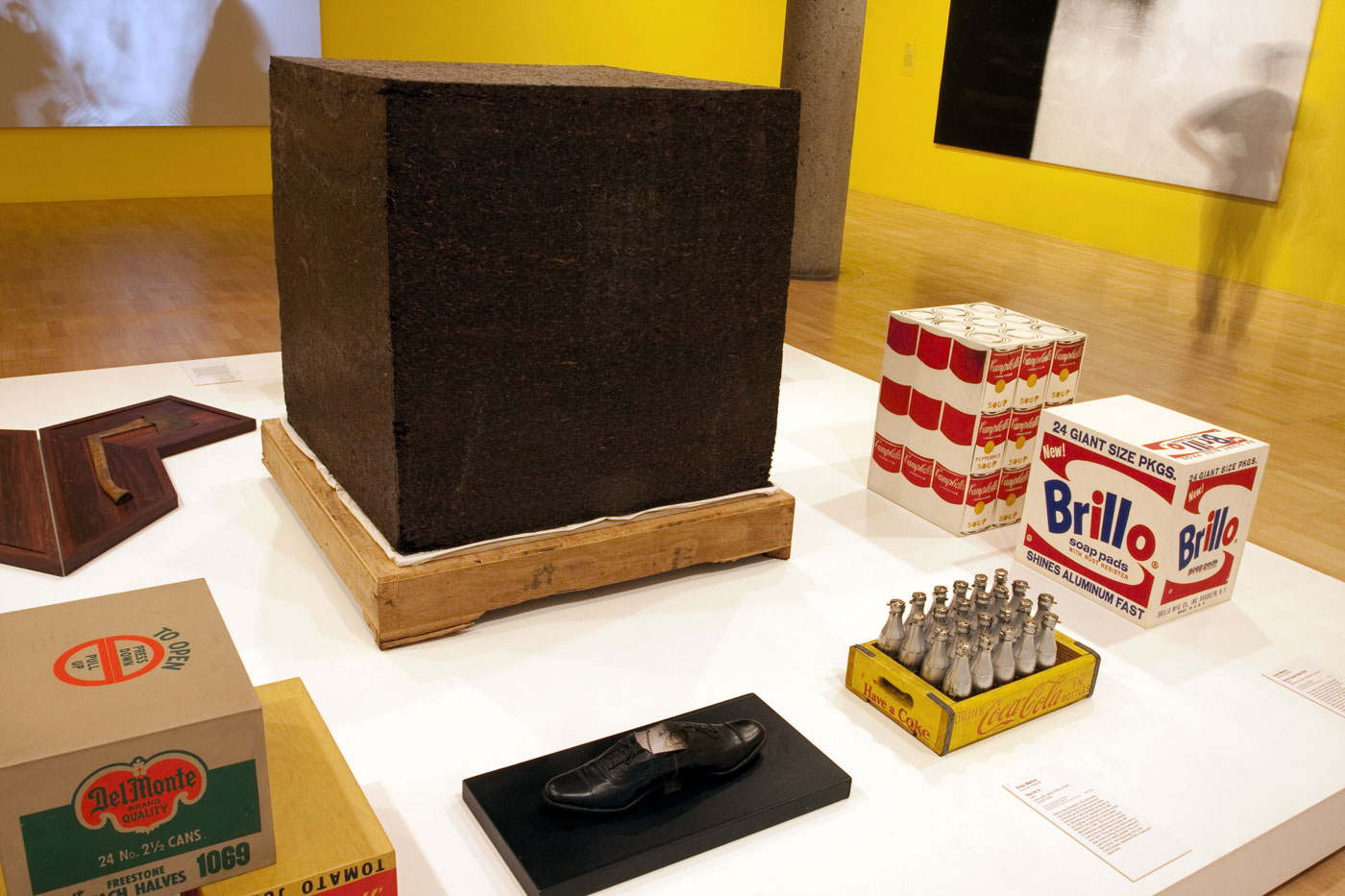
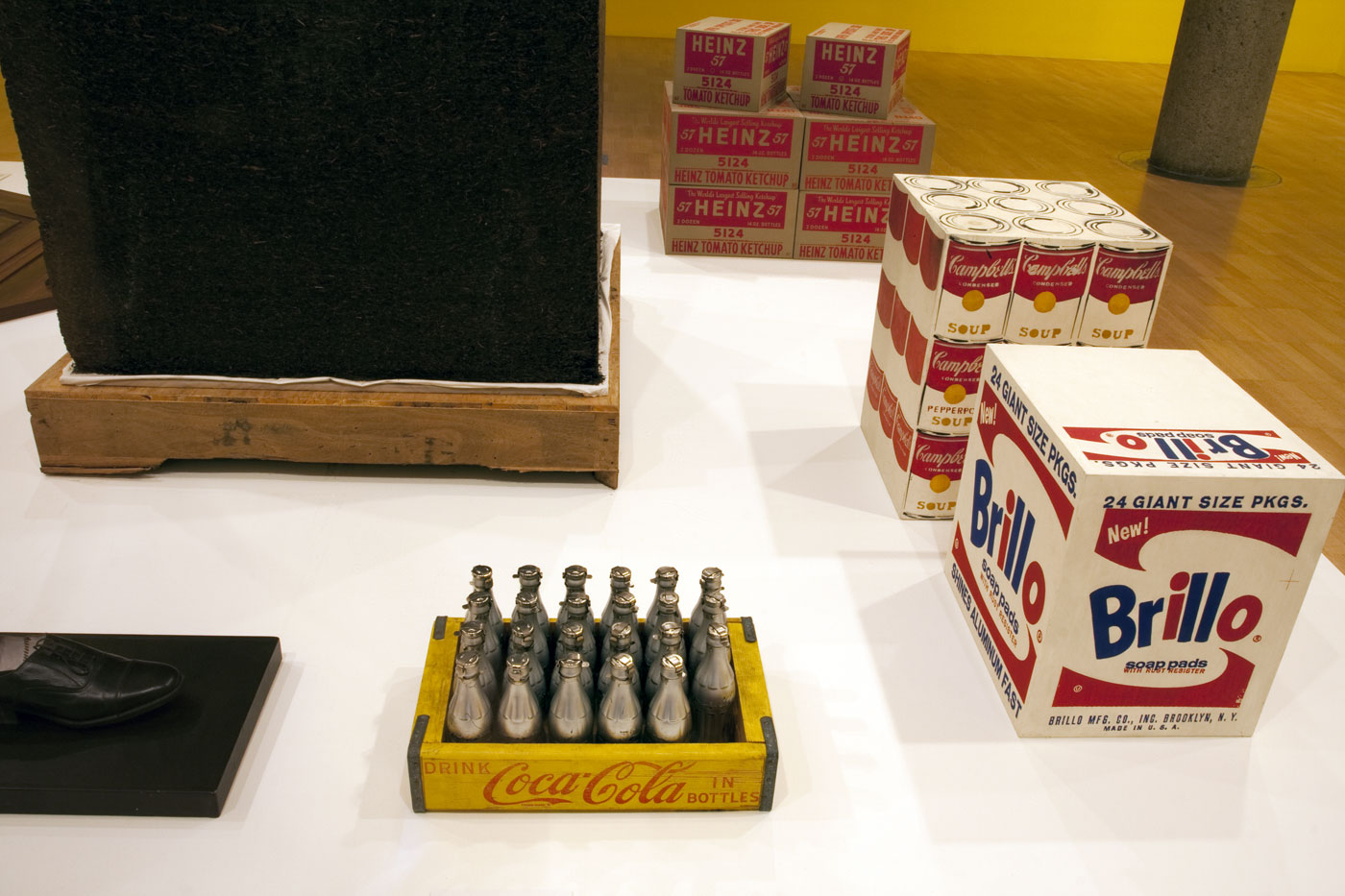
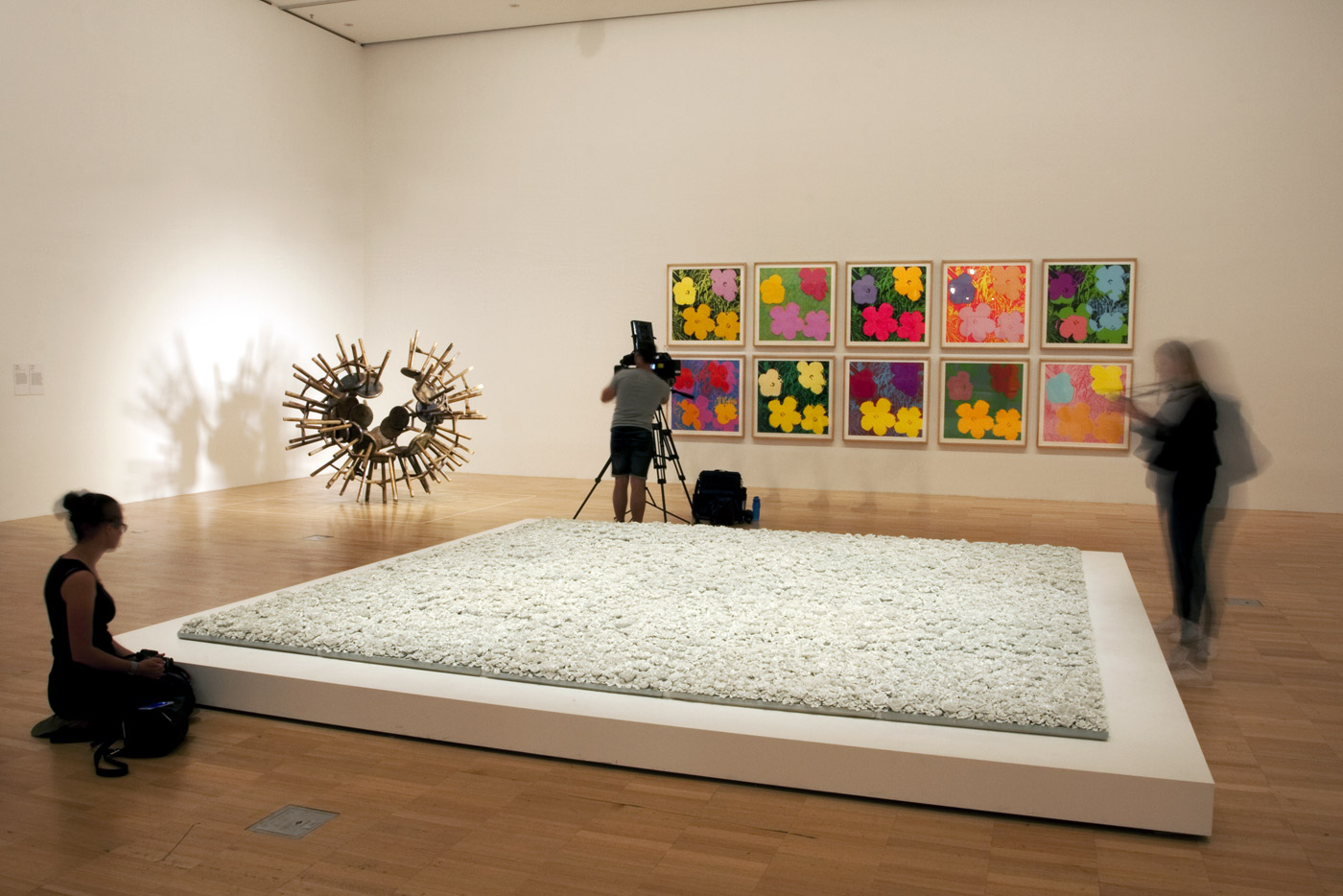
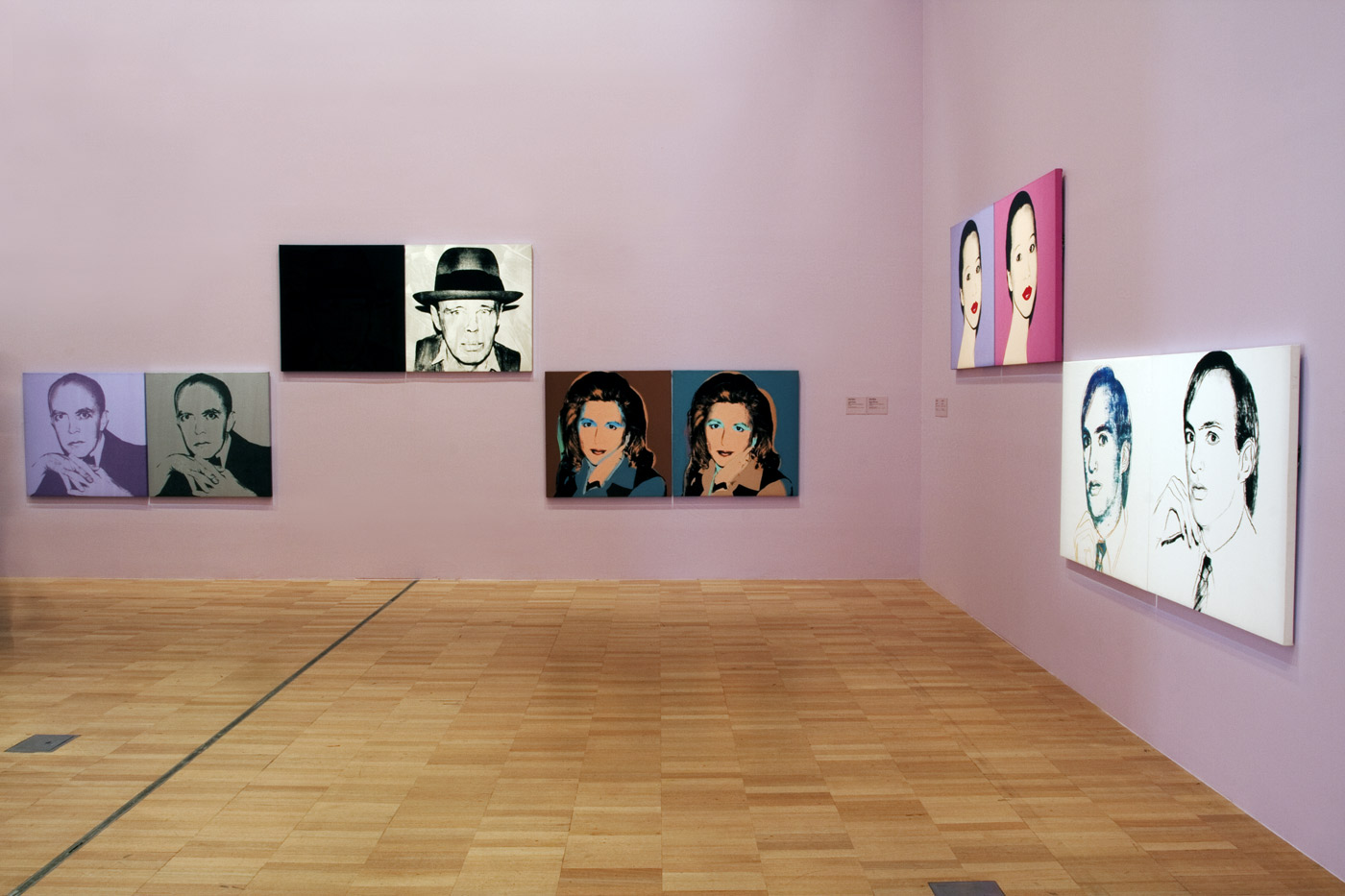
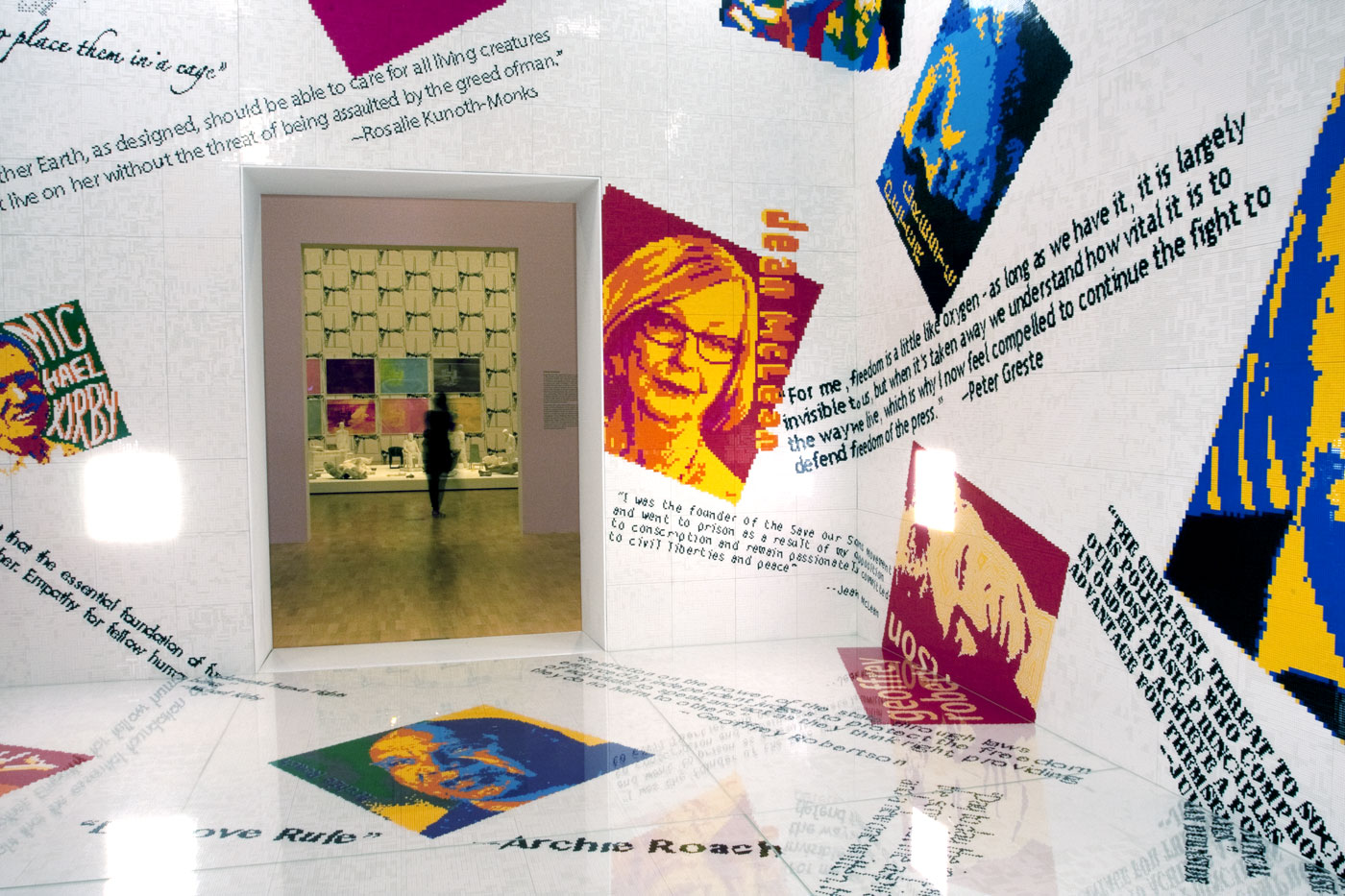
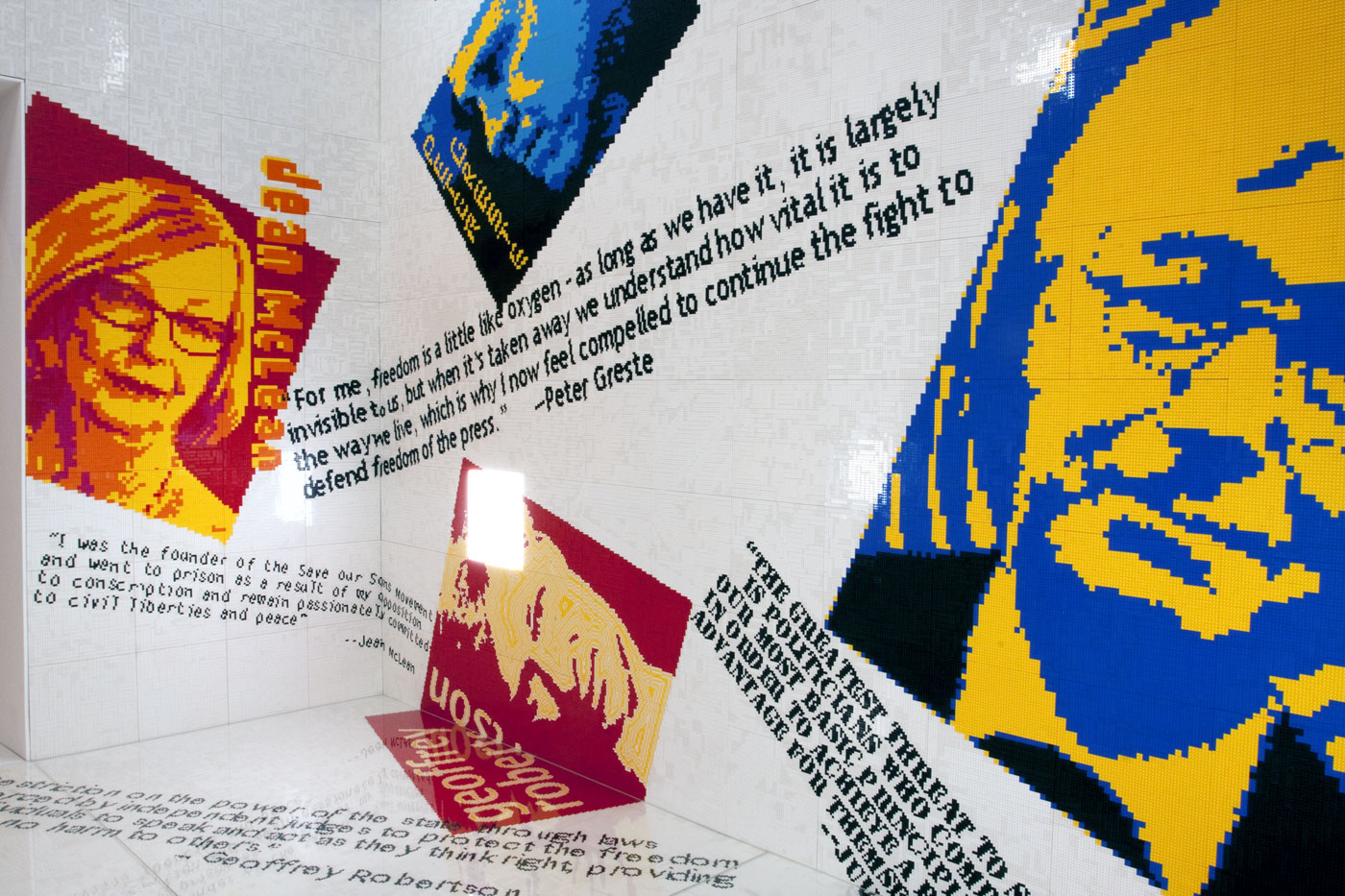
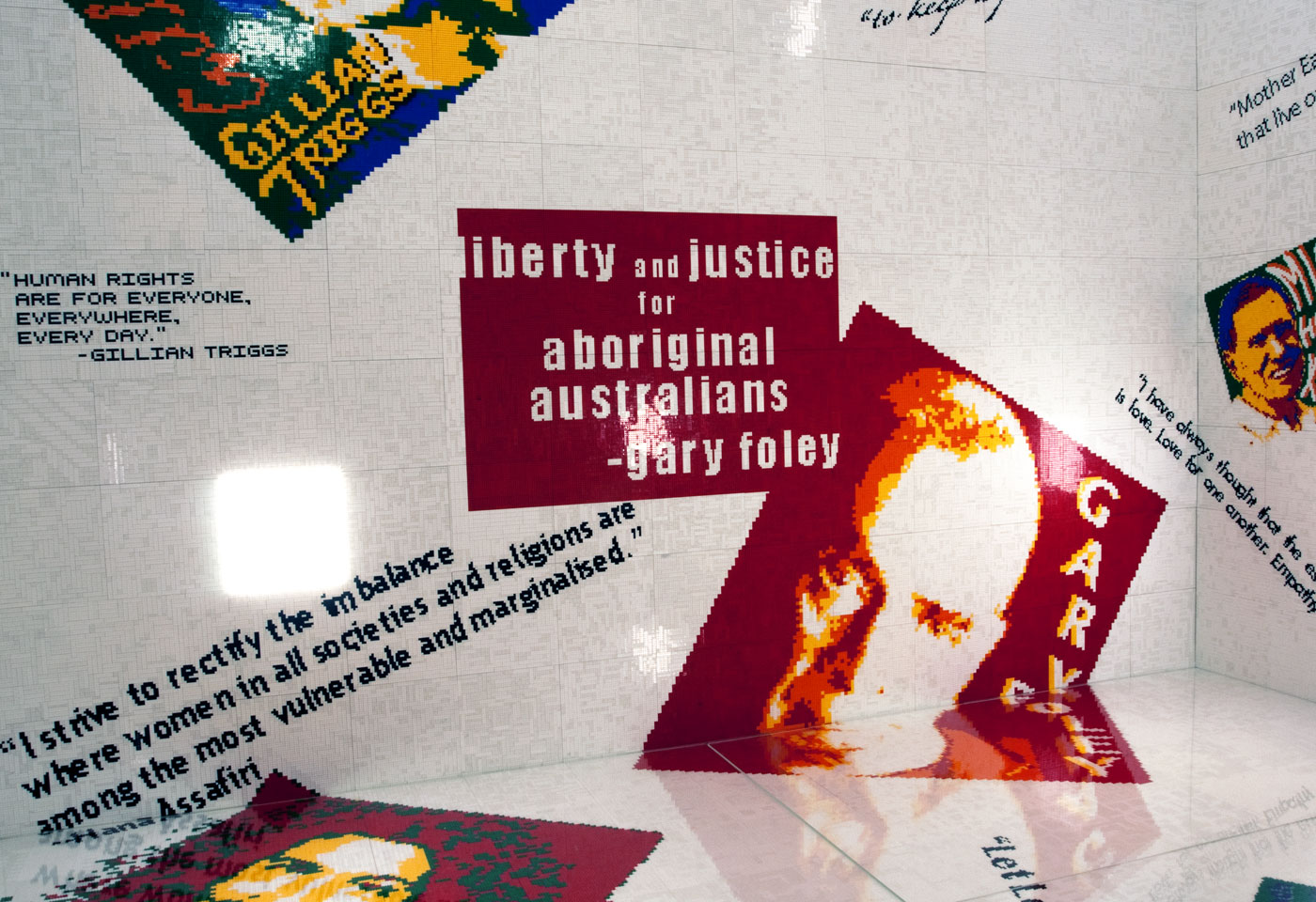
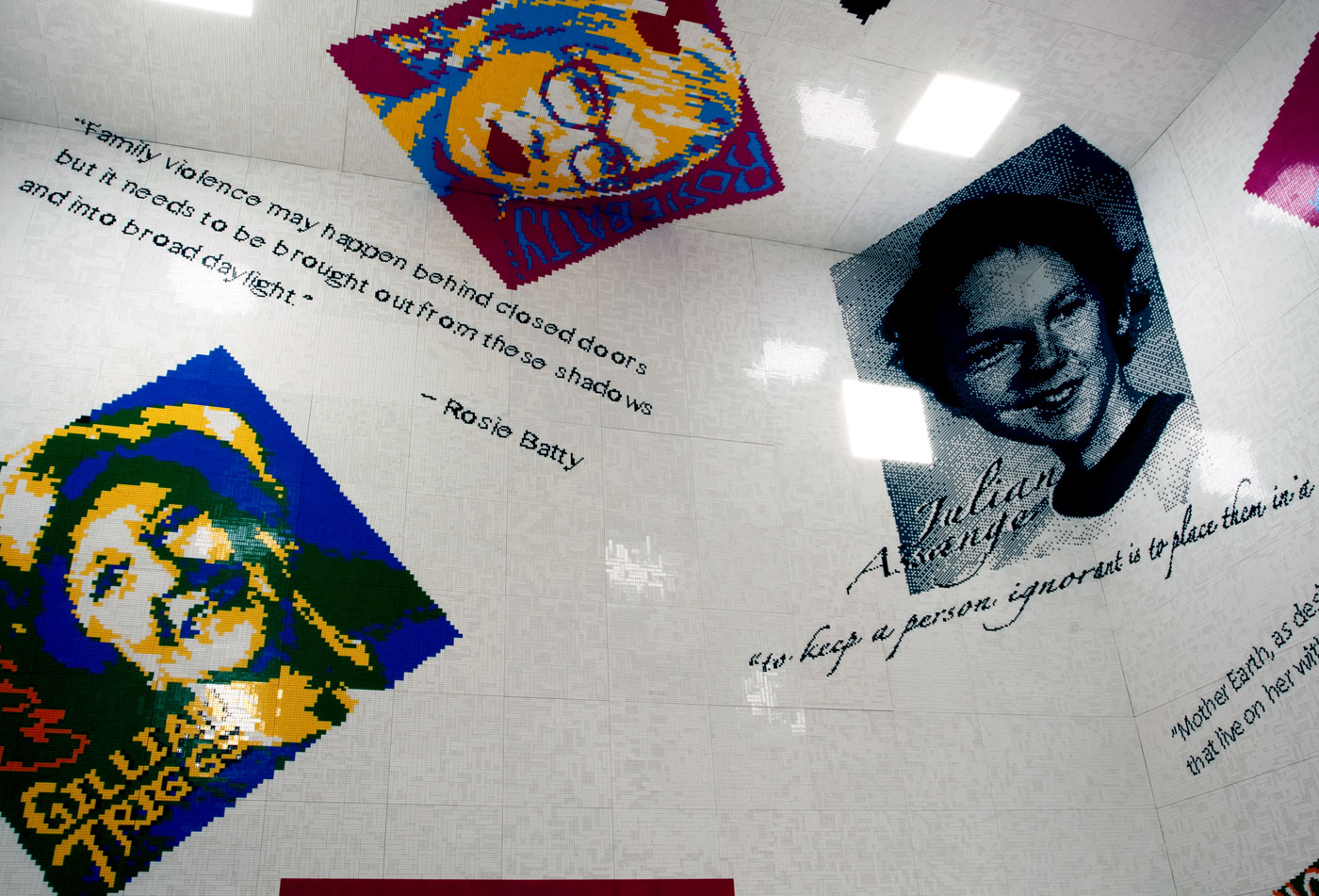
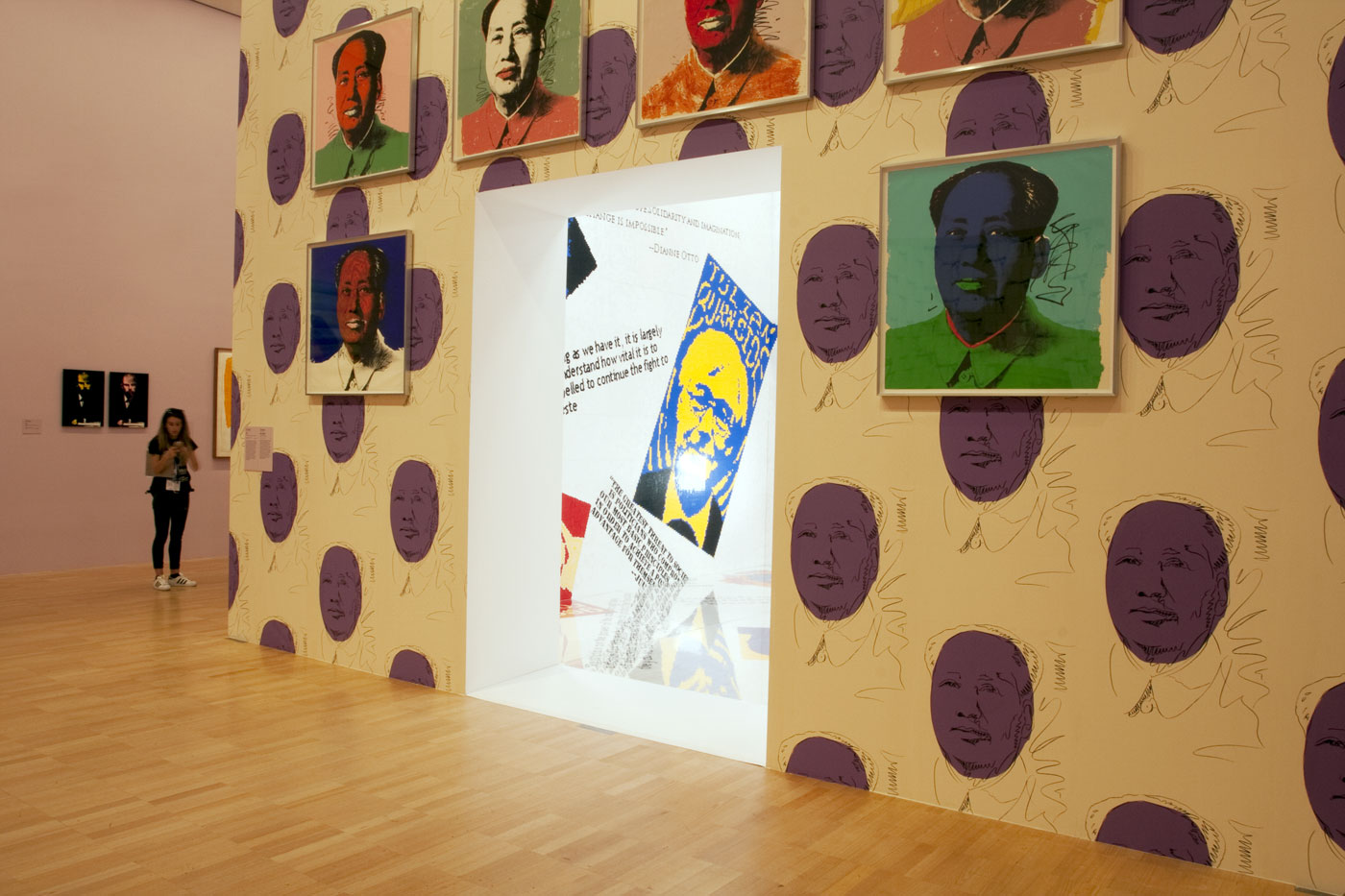
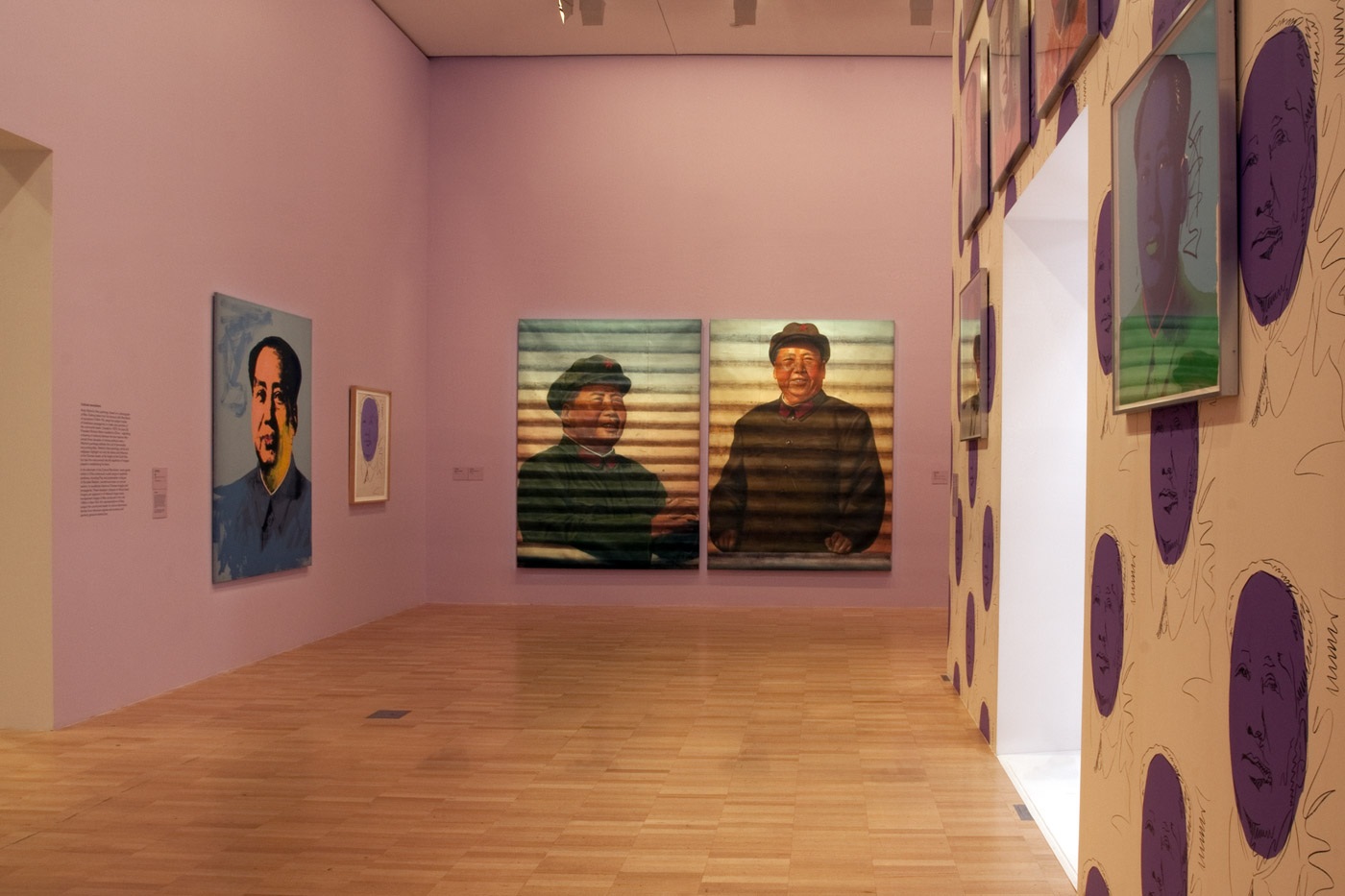
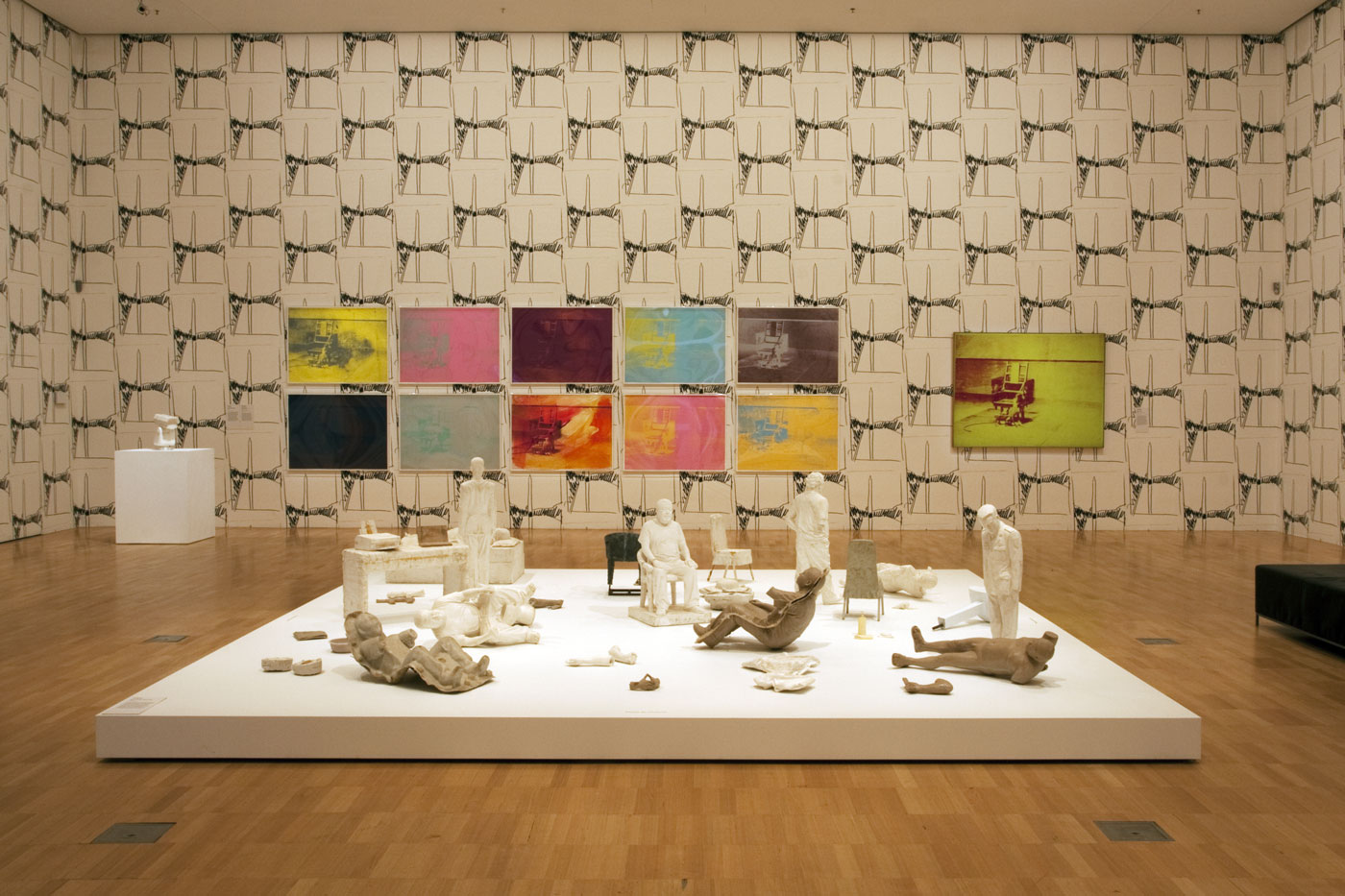
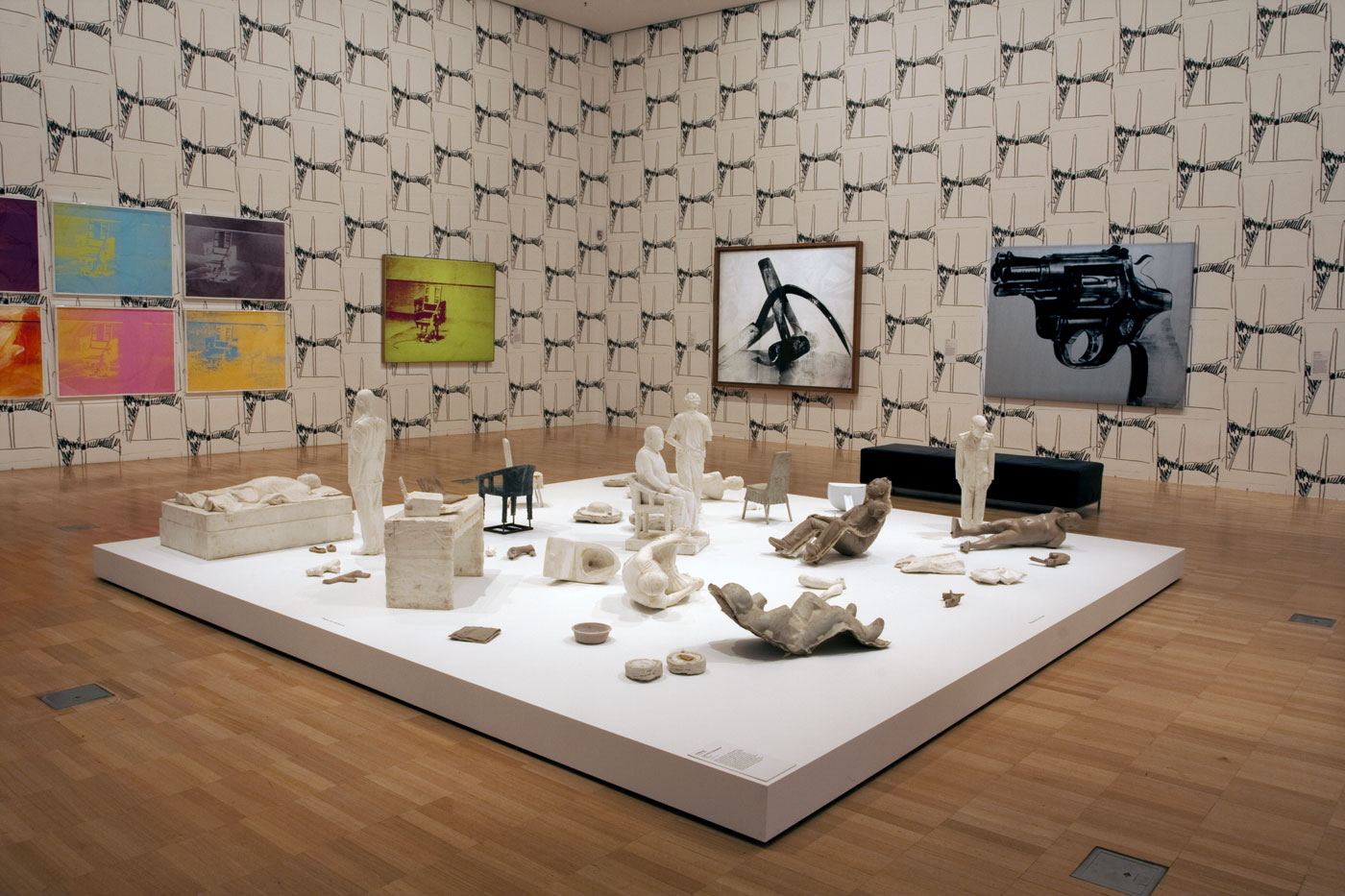
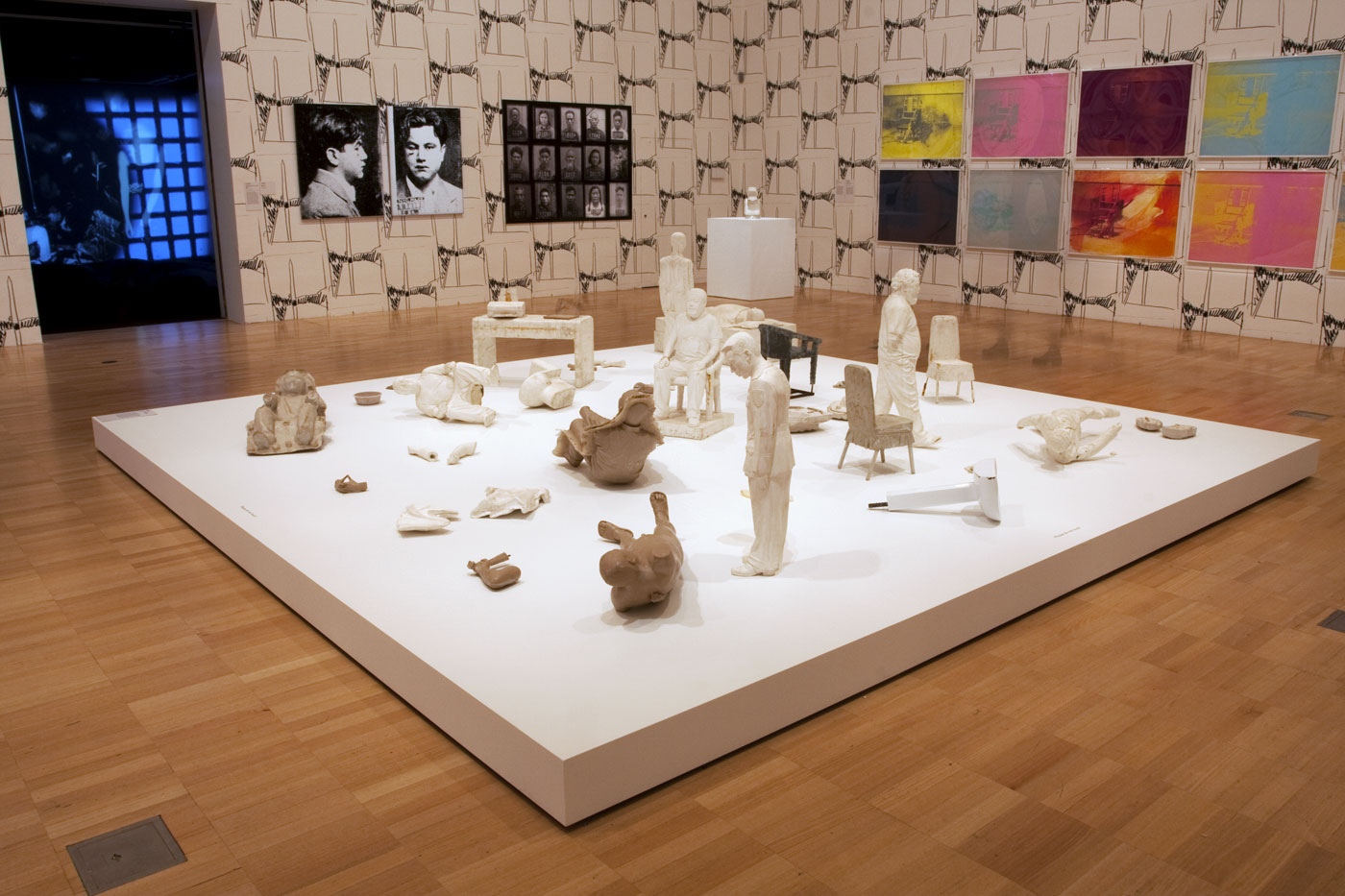
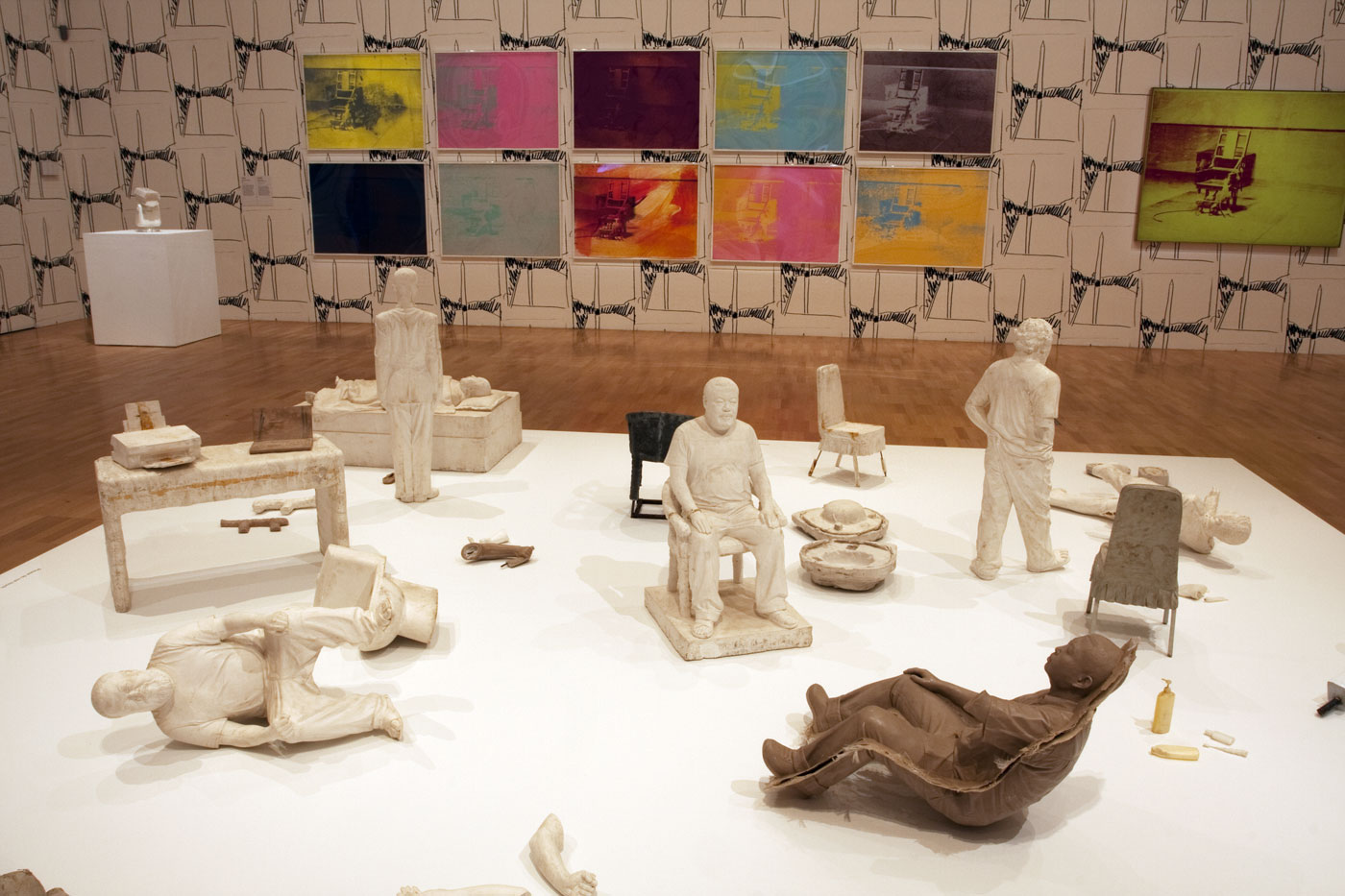
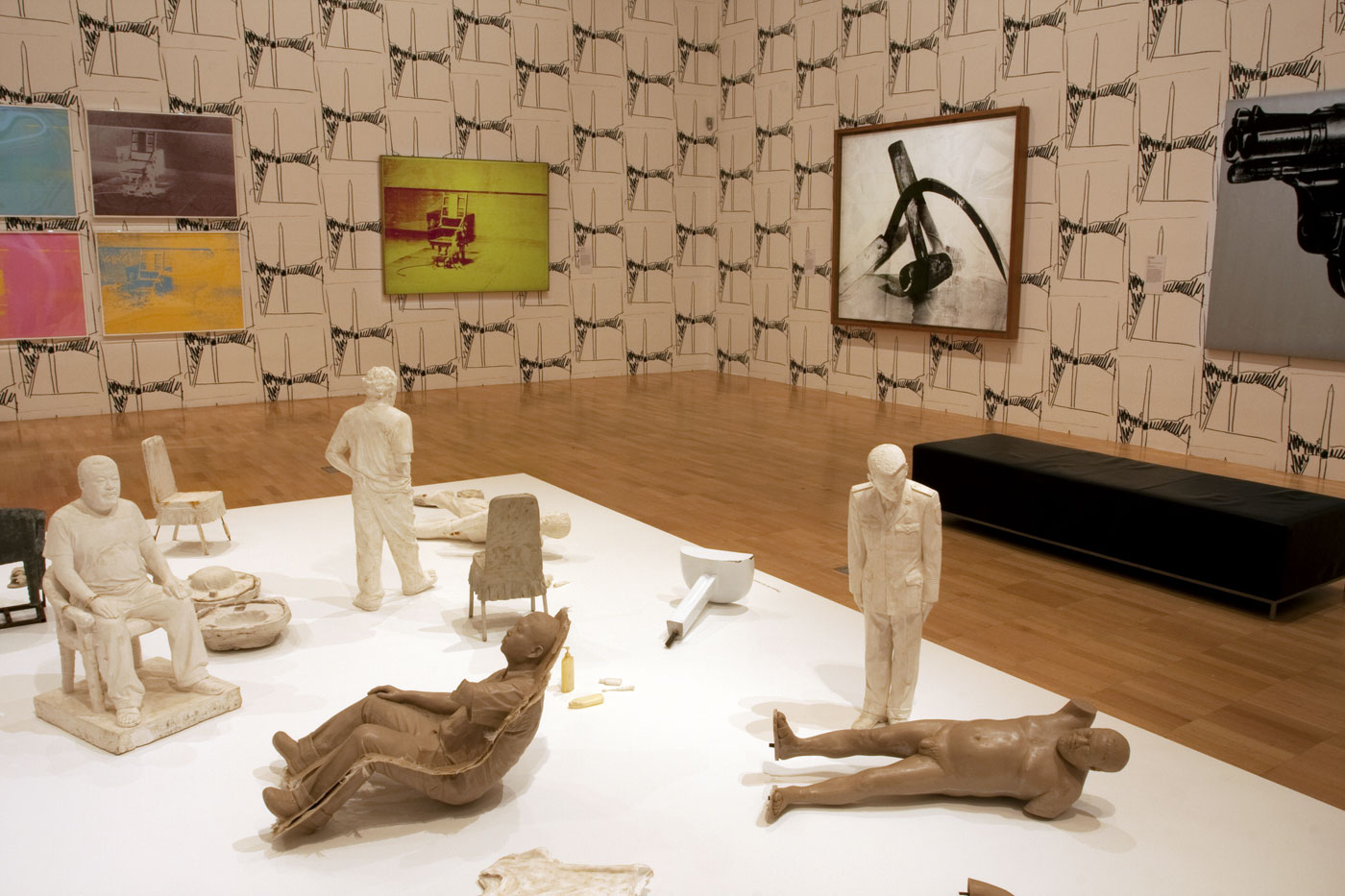
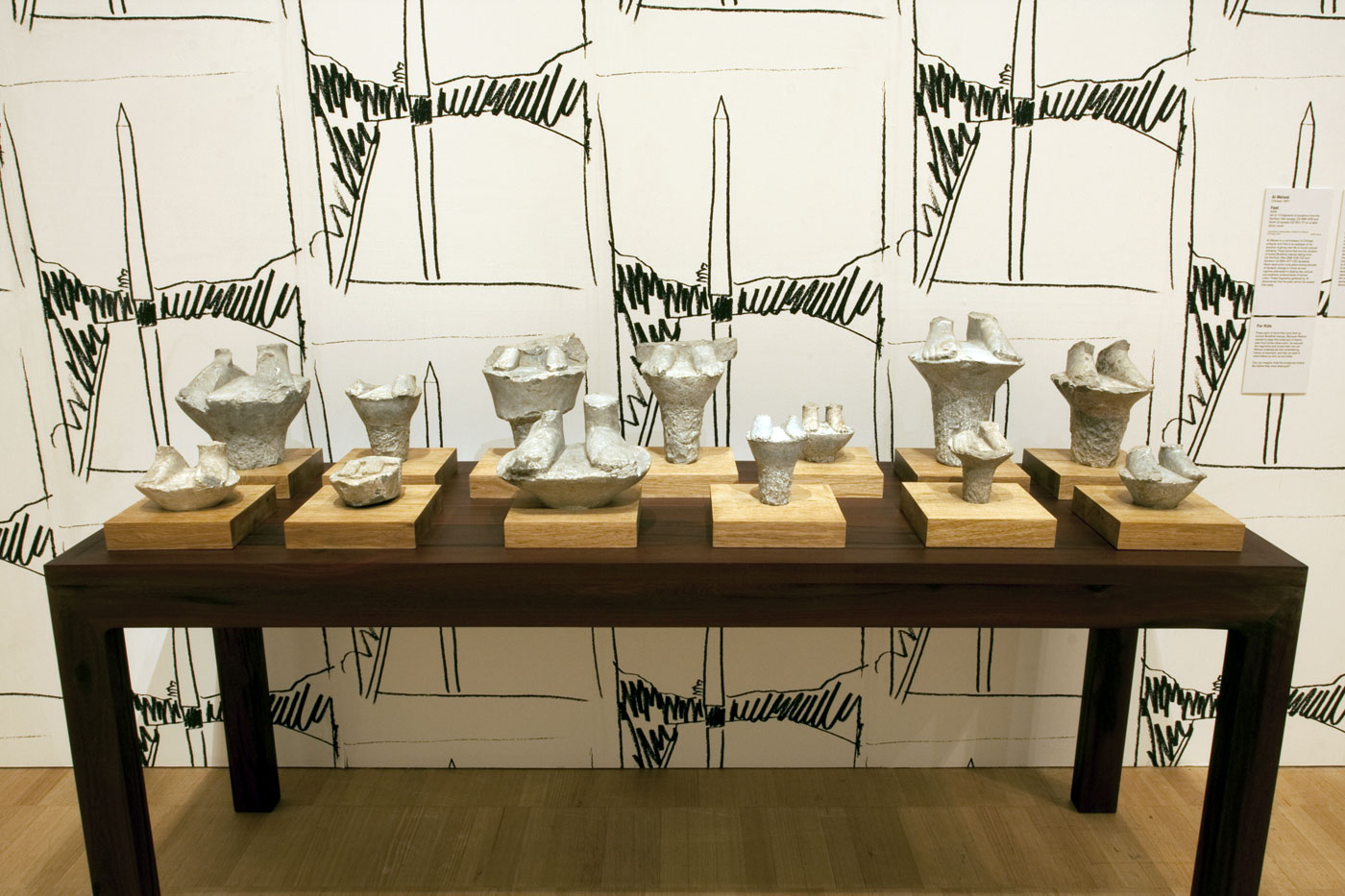
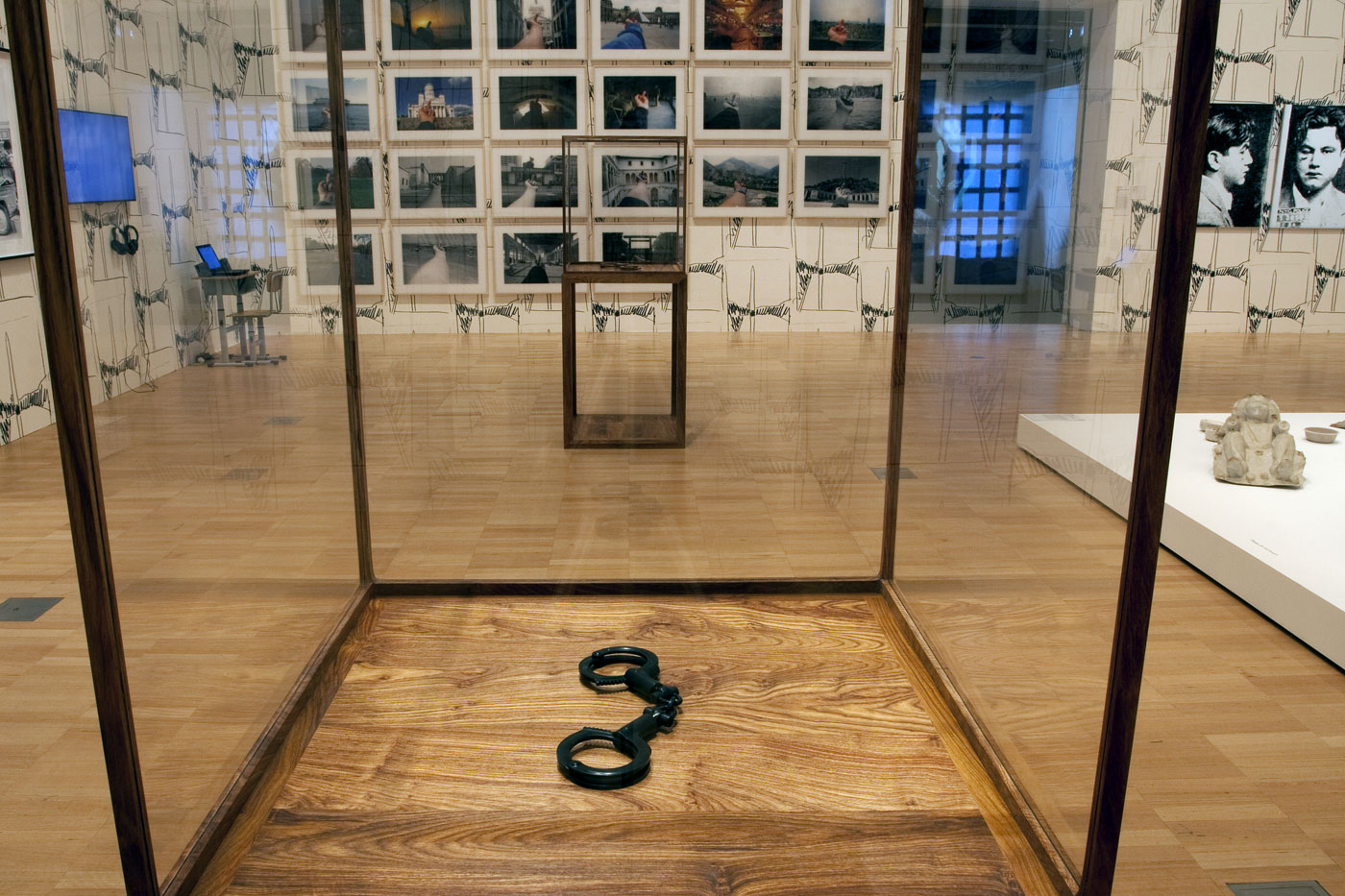
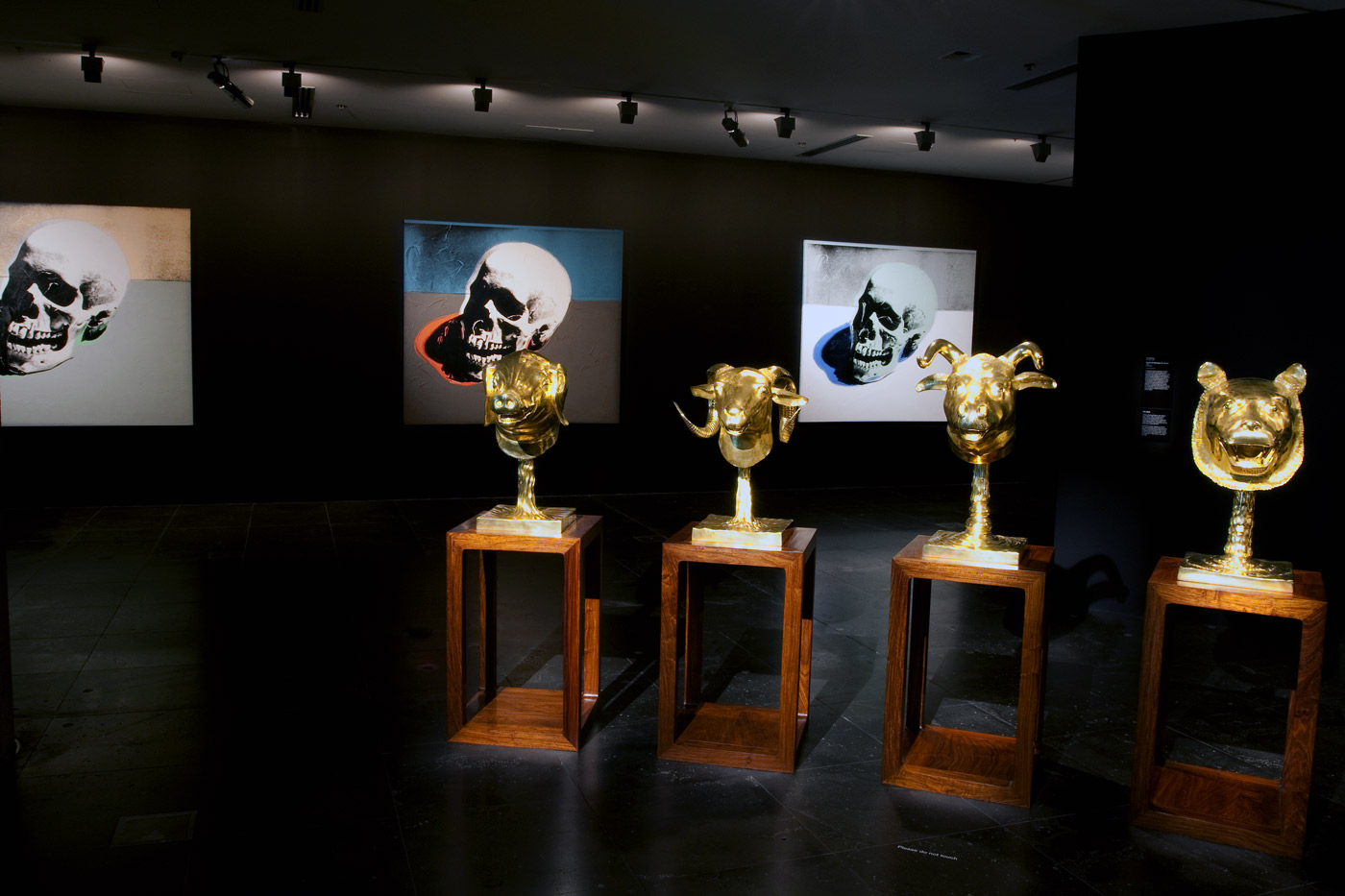
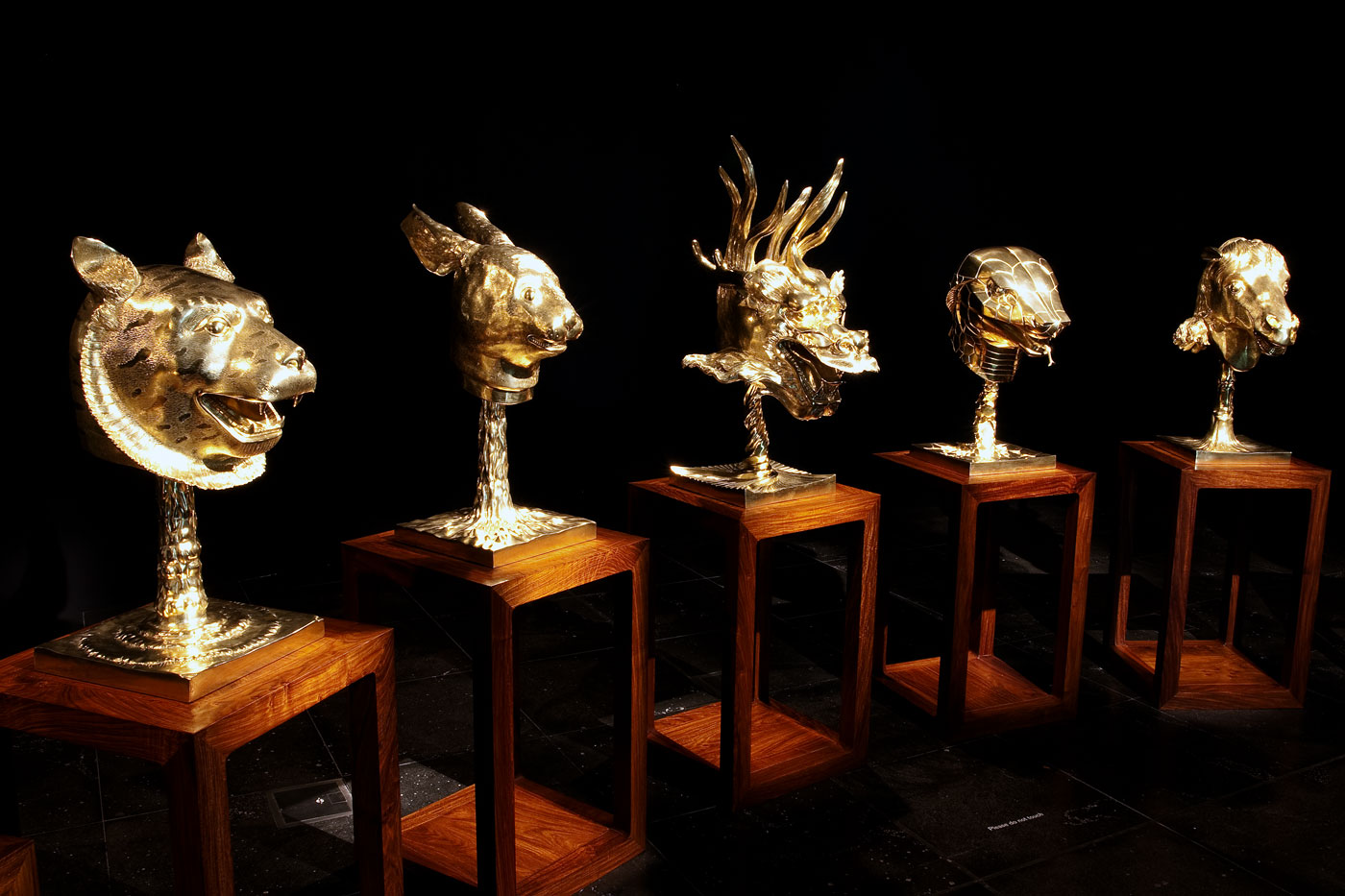
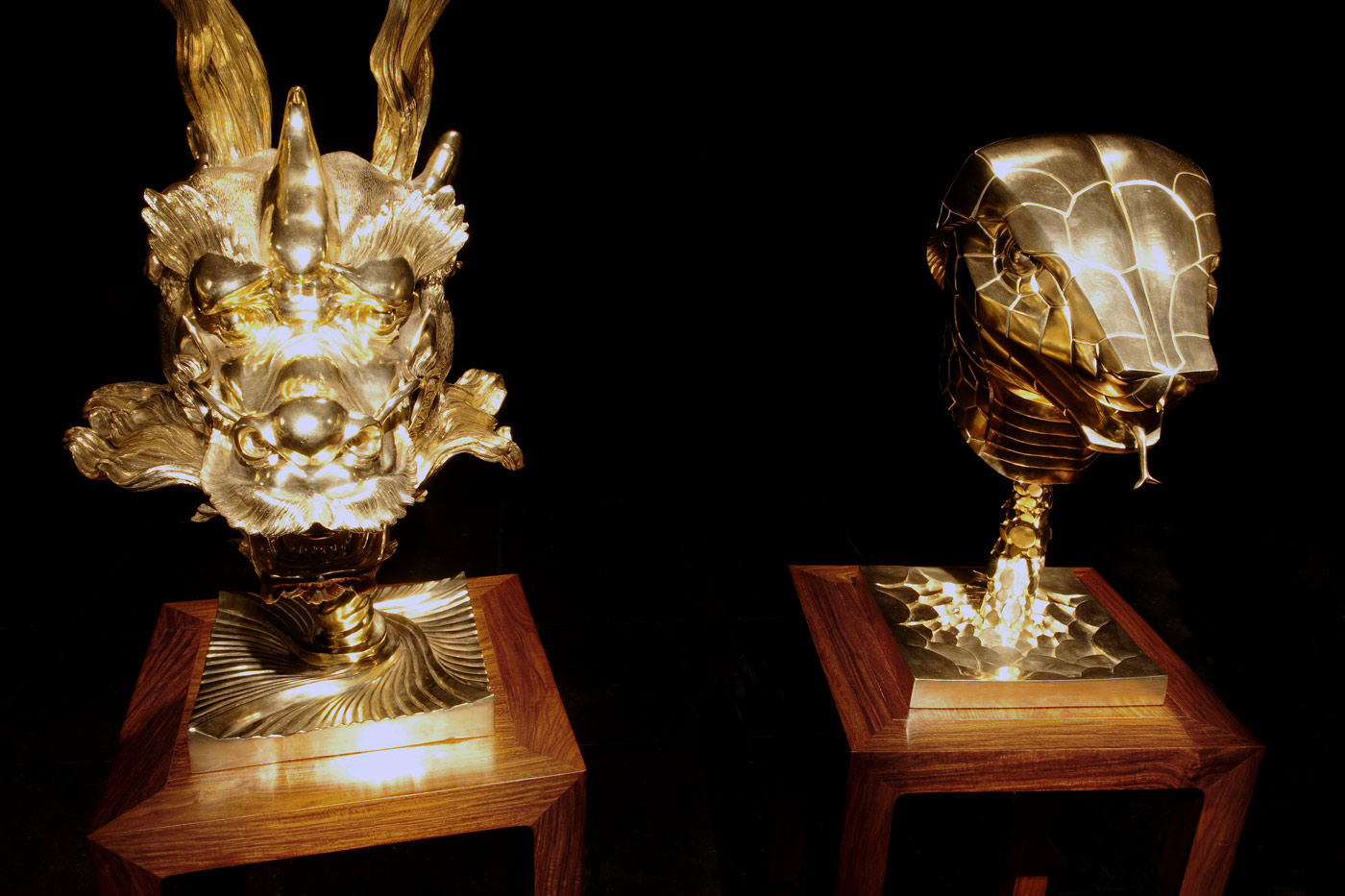
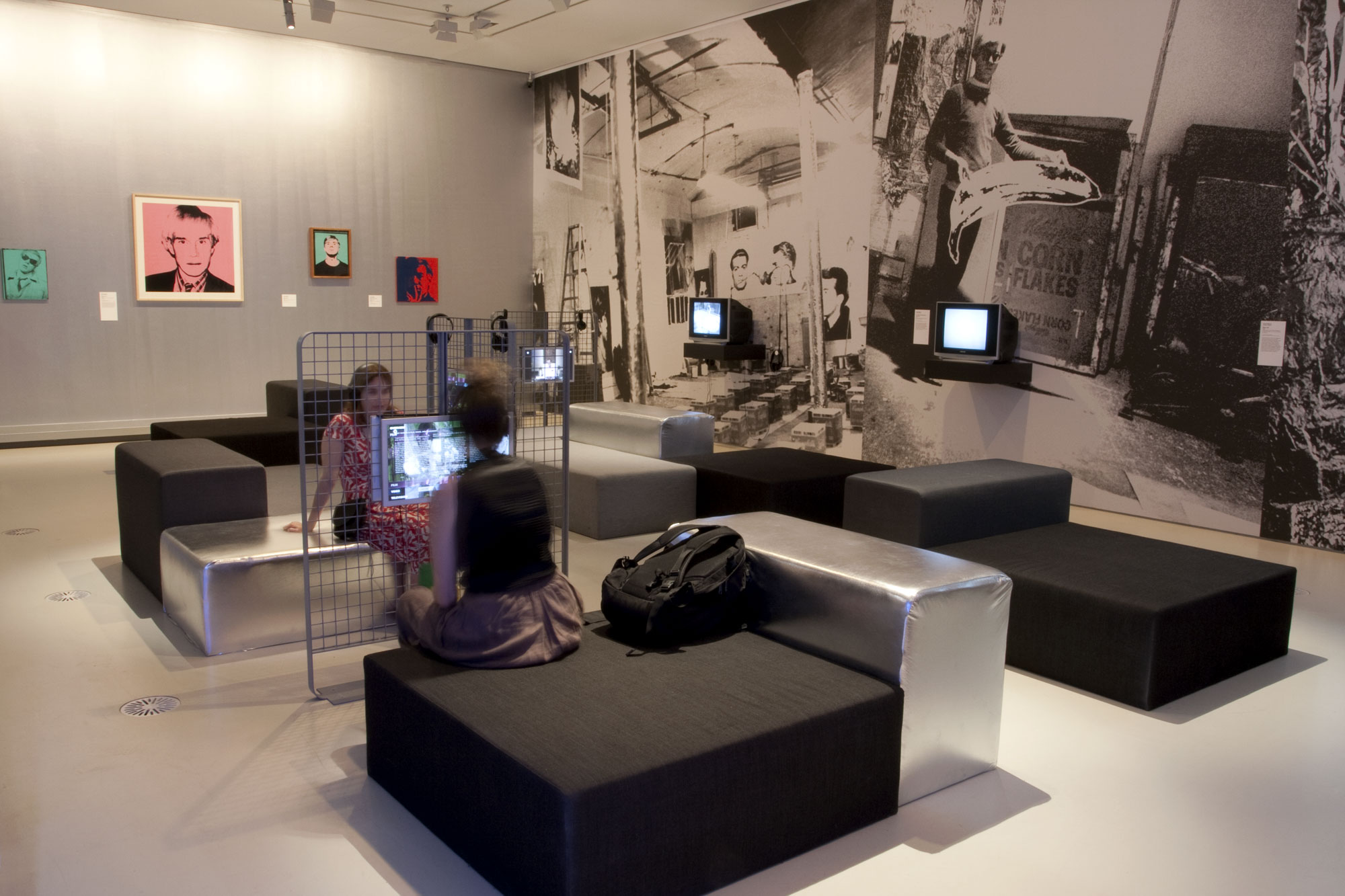


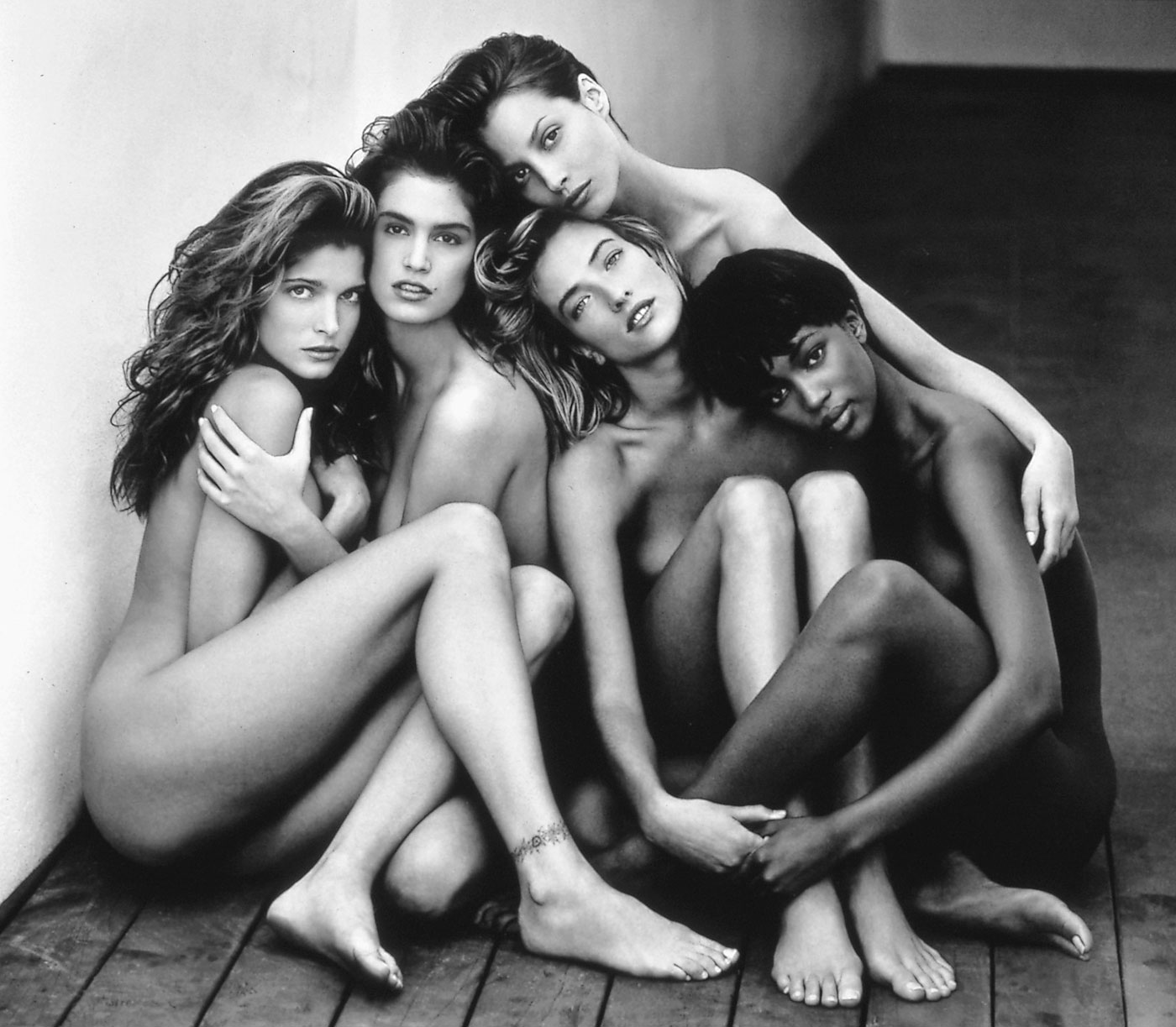


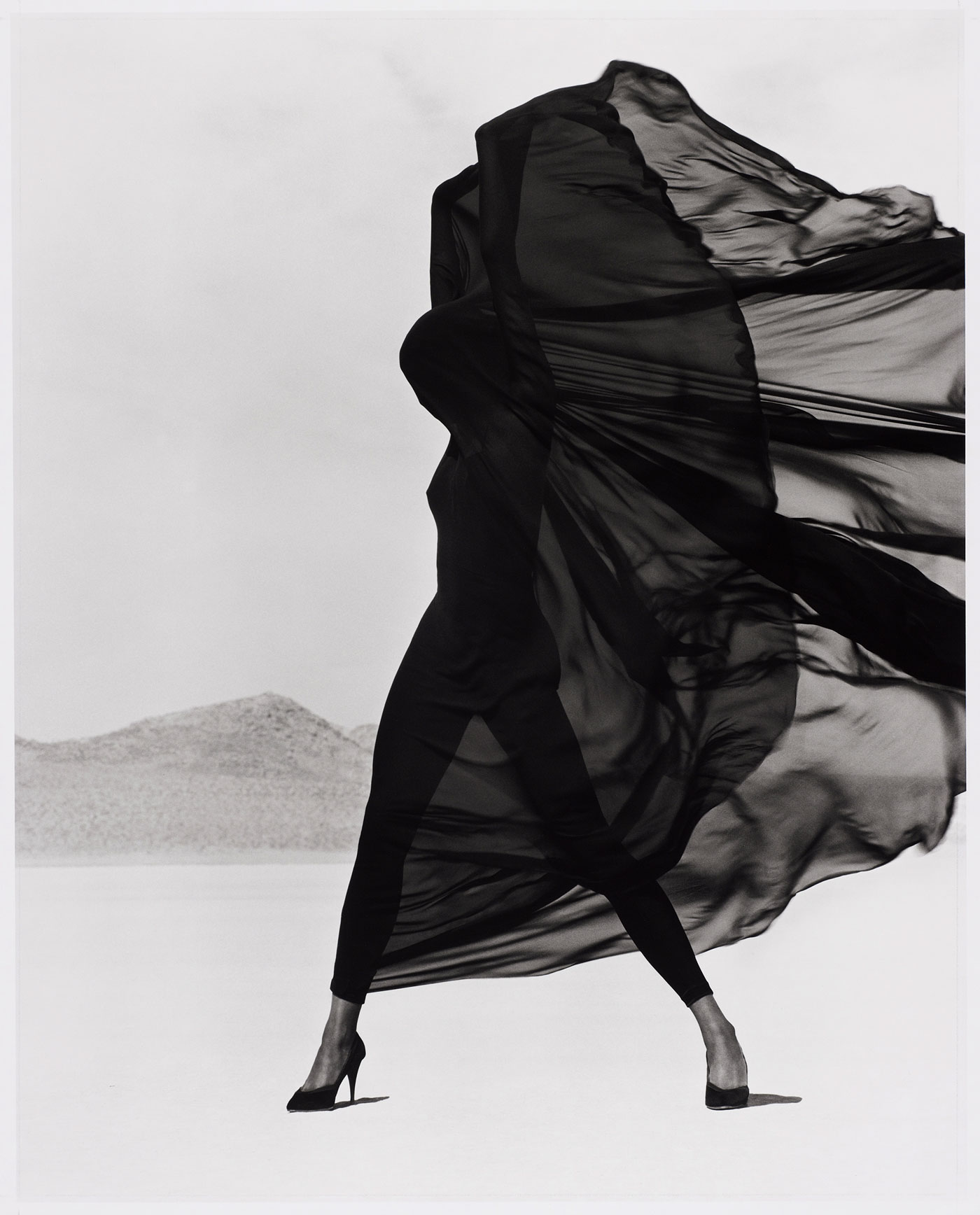































 Art Blart _ art and cultural memory archive
You must be logged in to post a comment.