Curators: Malcolm Rogers, Director of the Museum of Fine Arts, Boston working with curatorial research associate James Leighton, and other curators including Karen Haas, Anne E. Havinga, and Kristen Gresh
Another artist lost too soon to HIV/AIDS. At least we have these fine classics to remember him by. The portrait of Nelson Mandela is especially powerful – tightly cropped, the photographer portrays a man of immense strength and intensity through the hand and the finger, but above all the single eye which contains ageless wisdom.
Dr Marcus Bunyan
Many thankx to the Museum of Fine Arts Boston for allowing me to publish the photographs in the posting. Please click on the photographs for a larger version of the image.
The Museum of Fine Arts, Boston (MFA), flashes back to the ’90s this spring with an evocative exhibition dedicated to the photography of Herb Ritts (1952-2002). Known for his beautifully printed, formally bold and sensual black-and-white images of celebrities and supermodels such as Cindy Crawford and Naomi Campbell, his works often blurred the line between art and commerce. Throughout the ’90s, his photography was inescapable in popular culture – appearing everywhere from magazine covers to music videos and commercials. This exhibition revisits the artist, whose groundbreaking 1996 retrospective at the MFA, Herb Ritts: WORK, remains one of the most highly attended exhibitions in Museum history. Nearly 20 years later, the MFA is taking a second look at his career, which was cut short in 2002 with his death from complications related to AIDS. Along with a selection of music videos and commercials, the exhibition features 52 black-and-white photographs that celebrate the sculpted body and the variable beauty of the human face. Ritts’ expert use of natural light results in dramatic images full of high-contrast lights and darks, as well as softer effects, such as light reflecting off water. Of the works on view, 15 are from a recent gift from the Herb Ritts Foundation – acquired by the MFA in December in honor of Malcolm Rogers, Ann and Graham Gund Director at the MFA. This, and previous gifts from Ritts and the Foundation dating back to 2000, allow the Museum to tell the full story of Ritts’ career, and comprise the largest museum holdings of Ritts photographs in the world (248 in total). The exhibition is on view in the MFA gallery named in honour of a gift from the Ritts Foundation – the Museum’s first dedicated solely to photography – and the adjacent Clementine Brown Gallery…
The exhibition explores every aspect of the photographer’s career, and is divided into two sections: one dedicated to the human body and one dedicated to his photographs of celebrity personalities. His approach to the nude pushed the confines of convention. Ritts captured not only beautiful bodies, but also the environment and elements surrounding his set: the Pacific Ocean, desert landscapes, and mountains. Whether photographing a Versace dress, a basketball star, or interpreting classical sculpture through dried, cracked clay on skin – as in Tony with Black Face, Profile, Los Angeles (1986) – Ritts and his photography embody the era. The predominant aesthetic in Ritts’s images is one of strong lines, bold contours and striking shadows. Today, his work appears in museum exhibitions around the globe.
Preferring to shoot during the golden hours of the day – when the sun is at a low angle – Ritts created works that demonstrate not only an expert use of natural light, but the ability to immortalise the subjects in front of his camera. In addition to photography, he also directed 13 music videos and more than 50 commercials throughout his career. Exploration of the human figure in its idealised form is a recurring theme in his video work, a selection of which is also included in the exhibition on three video screens. Lent by the Herb Ritts Foundation are videos of Madonna’s Cherish (1989), Chris Isaak’s Wicked Game (1991) and commercials dating from 1990-2002. A special MFA playlist on Spotify allows visitors to listen to music as they explore the gallery, and a case of archival materials includes a marked-up contact sheet and magazine spread that shed light on Ritts’ process.
During his career, Ritts forged strong connections with his subjects, many of whom became close friends. Throughout the exhibition visitors can find quotes from some of his sitters, including Cindy Crawford, who said of the artist: “There was something magical about when you stepped in front of his camera and what happened then. This give-and-take, and that’s what makes it fun. I’ve had the opportunity to work with Helmut Newton to Avedon to Penn but probably the images that are the most timeless of me, most of them, were shot by Herb and are some of my favourite images of myself.”
Crawford appears in one of Ritts’ most famous images, Stephanie, Cindy, Christy, Tatjana, Naomi, Hollywood (1989). Taken at the end of a long day photographing a fashion editorial assignment for Rolling Stone, the image also includes Stephanie Seymour, Tatjana Patitz, Naomi Campbell and Christy Turlington. Ritts also worked with Turlington on a Gianni Versace advertising campaign, which took them to the dry Mojave Desert lakebed known as El Mirage, where the vast open space gave him a sense of creative freedom. He used the gusts of a rising storm to coax a swath of fabric into an arch over the model’s head in Versace Dress, Back View, El Mirage (1990). Ritts’ photographs of celebrities and models appeared on magazine covers including Vanity Fair, Vogue, Interview, Playboy, TIME, Rolling Stone, and Allure.
Ritts had a particular affinity for photographing actors, musicians and cultural icons. The artist that he collaborated with most frequently was Madonna, whose whimsical Madonna, Tokyo (1987) was taken in her hotel when the Who’s That Girl World Tour opened in Japan. Generally, Ritts preferred to capture his subjects in spontaneous, playful moments such as these. “I think that with her, and with other people as well, the big word is trust,” Ritts said. “A person feels they can trust you because they know your reputation and what you’re about. Or they can feel it because over the years a tight relationship develops, as it did with Madonna. You work together and it clicks; you evolve.
Press release from the Museum of Fine Arts Boston website
The fascination continues. All these centuries later.
Marcus
Many thankx to the J. Paul Getty Museum for allowing me to publish the art work in the posting. Please click on the photographs for a larger version of the image.
“Beauty is the only thing that time cannot harm. Philosophies fall away like sand, creeds follow one another, but what is beautiful is a joy for all seasons, a possession for all eternity.”
Oscar Wilde
“Our ambition should be to rule ourselves, the true kingdom for each one of us; and true progress is to know more, and be more, and to do more.”
Oscar Wilde
During the Hellenistic period – from the death of Alexander the Great in 323 B.C. until the establishment of the Roman Empire in 31 B.C. – the medium of bronze drove artistic innovation in Greece and elsewhere across the Mediterranean. Sculptors moved beyond Classical norms, supplementing traditional subjects and idealised forms with realistic renderings of physical and emotional states. Bronze – surpassing marble with its tensile strength, reflective effects, and ability to hold the finest detail – was employed for dynamic compositions, dazzling displays of the nude body, and graphic expressions of age and character.
Cast from alloys of copper, tin, lead, and other elements, bronze statues were produced in the thousands throughout the Hellenistic world. They were concentrated in public spaces and outdoor settings: honorific portraits of rulers and citizens populated city squares, and images of gods, heroes, and mortals crowded sanctuaries. Few, however, survive, and those that do are dispersed worldwide and customarily displayed as isolated masterpieces. This exhibition unites a significant number of the large-scale bronzes preserved today so that they can be seen in context. New discoveries are presented together with works known for centuries, and several closely related statues are shown side by side for the first time.
Text from the J. Paul Getty Museum website
Pathos
Pathos is one of the three modes of persuasion in rhetoric (along with ethos and logos). Pathos appeals to the audience’s emotions. It is a part of Aristotle’s philosophies in rhetoric.
It is not to be confused with ‘bathos’, which is an attempt to perform in a serious, dramatic fashion that fails and ends up becoming comedy.
Pathetic events in a plot are also not to be confused with tragic events. In a tragedy, the character brings about his or her own demise, whereas those invoking pathos often occur to innocent characters, invoking unmerited grief.
Emotional appeal can be accomplished in a multitude of ways: by a metaphor or story telling, common as a hook, by a general passion in the delivery and an overall number of emotional items in the text of the speech, or in writing.
Pathos is an appeal to the audience’s ethical judgment. It can be in the form of metaphor, simile, a passionate delivery, or even a simple claim that a matter is unjust. Pathos can be particularly powerful if used well, but most speeches do not solely rely on pathos. Pathos is most effective when the author connects with an underlying value of the reader.
Aristotle’s Three Modes of Persuasion in Rhetoric
Installation views of the exhibition Power and Pathos at the J. Paul Getty Museum, Los Angeles
During the Hellenistic era artists around the Mediterranean created innovative, realistic sculptures of physical power and emotional intensity. Bronze – with its reflective surface, tensile strength, and ability to hold the finest details – was employed for dynamic compositions, graphic expressions of age and character, and dazzling displays of the human form. On view at the J. Paul Getty Museum from July 28 through November 1, 2015, Power and Pathos: Bronze Sculpture of the Hellenistic World is the first major international exhibition to bring together more than 50 ancient bronzes from the Mediterranean region and beyond ranging from the 4th century B.C. to the 1st century A.D.
“The representation of the human figure is central to the art of almost all ancient cultures, but nowhere did it have greater importance, or more influence on later art history, than in Greece,” said Timothy Potts, director of the J. Paul Getty Museum. “It was in the Hellenistic period that sculptors pushed to the limit the dramatic effects of billowing drapery, tousled hair, and the astonishingly detailed renderings of veins, wrinkles, tendons, and musculature, making the sculpture of their time the most life-like and emotionally charged ever made, and still one of the high points of European art history. At its best, Hellenistic sculpture leaves nothing to be desired or improved upon. The more than 50 works in the exhibition represent the finest of these spectacular and extremely rare works that survive, and makes this one of the most important exhibitions of ancient classical sculpture ever mounted. This is a must-see event for anyone with an interest in classical art or sculpture.”
Large-scale bronze sculptures are among the rarest survivors of antiquity; their valuable metal was typically melted and reused. Rows of empty pedestals still seen at many ancient sites are a stark testimony to the bygone ubiquity of bronze statuary in the Hellenistic era. Ironically, many bronzes known today still exist because they were once lost at sea, only to be recovered centuries later. Power and Pathos: Bronze Sculpture of the Hellenistic World is especially remarkable for bringing together rare works of art that are usually exhibited in isolation. When viewed in proximity to one another, the variety of styles and techniques employed by ancient sculptors is emphasised to greater effect, as are the varying functions and histories of the bronze sculptures. Bronze, cast in moulds, was a material well-suited to reproduction, and the exhibition provides an unprecedented opportunity to see objects of the same type, and even from the same workshop together for the first time. For example, two herms of Dionysos – the Mahdia Herm from the Bardo National Museum, Tunisia and the Getty Herm were made in the same workshop and have not been shown together since antiquity.
“The Mahdia Herm was found off the Tunisian coast in 1907 together with the cargo of an ancient ship carrying many artworks from Greece,” said Jens Daehner, one of the curators of the exhibition. “It is the only surviving case of an ancient bronze signed by an artist (Boëthos of Kalchedon). The idea that the Getty Herm comes from the same workshop is based on the close match of the bronze – an alloy of copper, tin, lead, and other trace elements that’s like the DNA of bronze sculptures. The information that these two works yield when studied together is extraordinary. It is a perfect example of how revealing and instructive it is to contemplate Hellenistic bronzes in concert with one another.”
The exhibition is organised into six sections: Images of Rulers, Bodies Ideal and Extreme, Images of the Gods, The Art of Replication, Likeness and Expression, and Retrospective Styles.
“Our aim in bringing together this extraordinary group of the most significant ancient bronzes that have survived is to present these works, normally viewed as isolated masterpieces, in their larger contexts,” said Kenneth Lapatin, the show’s co-curator. “These stunning sculptures come together to tell a rich story, not only of artistic accomplishment, but also of the political and cultural concerns of the people who commissioned, created, and viewed them more than two thousand years ago.”
Among the many famous works is the so-called Head of a Man from Delos from the National Museum of Athens, a compellingly expressive portrait with well-preserved inlaid eyes. The dramatic image of an unknown sitter is believed to date from the end of the second or beginning of the first century BC. The iconic Terme Boxer on loan from the National Roman Museum, with its realistic scars and bruises, stands out as the epitome of the modern understanding of Hellenistic art, employing minute detail and an emphatic, arresting subject. The weary fighter, slumped and exhausted after his brutal competition, combines the power and pathos that is unique to Hellenistic sculpture.
Although rarely surviving today, multiple versions of the same work were the norm in antiquity. A good example is the figure of an athlete shown holding a strigil, a curved blade used to scrape oil and dirt off the skin, known in Greek as the apoxyomenos or “scraper”. This exhibition brings together three bronze casts – two full statues and a head – that are late Hellenistic or early Roman Imperial versions of a statue created in the 300s BC by a leading sculptor of the time. This was evidently one of the most famous works of its time and copies were made well into the Roman Imperial period.
Press release from the J. Paul Getty Museum website
Encountering Ancient Bronzes
Portrait of Aule Meteli “The Arringatore” 125-100 B.C. Greek Bronze and copper H: 170 x W: 68.6 x D: 101.6cm (5 ft 6 15/16 x 27 x 40 in.) Image courtesy of the Soprintendenza per i Beni Archeologici della Toscana – Museo Archeologico Nazionale, Firenze Museo Archeologico Nazionale, Firenze (Soprintendenza per i Beni Archeologici della Toscana)
Discovered in the mid-1500s at Sanguineto, in the Etruscan heartland that is now the border between Tuscany and Umbria, this statue entered the Medici collection in Florence shortly thereafter. Identified as Aule Meteli in an Etruscan inscription on the lower edge of the garment, the figure raises one hand in a gesture that appears to request silence at the start of a speech – hence the modern Italian name Arringatore (Orator). He wears a striped tunic under a toga, laced sandals, and a ring on his left hand. The realism of his facial features is a Hellenistic Greek hallmark that is also seen in contemporary Italic and Roman Republican portraits. The statue was assembled from nine separately cast parts. The extended right arm demonstrates the ability of bronze – stronger and lighter than marble – to render dynamic poses without support.
The retrograde inscription is in the Etruscan alphabet reads: “auleśi meteliś ve[luś] vesial clenśi / cen flereś tece sanśl tenine / tu θineś χisvlicś” (“To (or from) Auli Meteli, the son of Vel and Vesi, Tenine (?) set up this statue as a votive offering to Sans, by deliberation of the people”)
Herm of Dionysos 200-100 B.C. Bronze, copper, and stone H 103.5cm; W 23.5cm; D 19.5cm Attributed to the Workshop of Boëthos of Kalchedon (Greek, active about 200-100 B.C.) The J. Paul Getty Museum
This herm is nearly identical in type and size to its “twin” from Mahdia, which is signed by the artist Boëthos of Kalchedon. Both were manufactured using the same method: hollow casting by the lost-wax process. Somewhat better preserved, this example retains one of its original stone eyes, encased in copper lashes. Its wax model, however, was less artfully prepared than that of the signed version. There are shortcuts in the looping of the ribbons, and the absence of grape leaves on the headdress is particularly noticeable. Metal analysis has established that both works were cast with a remarkably similar alloy that distinguishes them from other bronze sculptures. Thus despite differences in detail and execution, they were likely produced at the same time, in the same workshop, and using the same batch of metal.
Survival
Large-scale bronze statues have rarely survived from antiquity, as most were melted down so that their valuable metal could be reused. Rows of empty stone pedestals can still be seen at ancient sites, leaving just an impression of the ubiquity of bronze sculpture in the Hellenistic world. Ironically, many bronzes known today have been preserved because they were buried or lost at sea, only to be recovered centuries later by archaeologists, divers, and fishermen.
Cultural Geography
Hellenistic art was a widespread phenomenon, propelled by the vast expansion of the Greek world under Alexander the Great in the late fourth century B.C. The impact of Greek culture can be traced not only throughout the Mediterranean from Italy to Egypt, but also in regions beyond such as Thrace in the Balkans, Colchis (in the present-day Republic of Georgia), and the southern Arabian Peninsula. Itinerant Greek bronze workers satisfied commissions far from their homeland, while local craftsmen employed indigenous techniques to create statues in fashionable Greek styles. Through trade, migration, plunder, and emulation, bronze sculpture served as a vehicle for the transfer of culture and technology.
Reproduction
Unique as most ancient bronzes appear today, many were never intended as “originals” in the modern sense of the word. The process of casting statues in moulds not only facilitated the production of multiples but also allowed for the faithful reproduction of older works from the Archaic and Classical periods of the sixth and fifth centuries B.C. Bronze copies as well as adaptations and recombinations in a variety of styles were made well into the Roman Imperial period.
Formulas of Power: Images of Rulers
The conquests of Alexander the Great (ruled 336-323 B.C.) transformed ancient politics and culture, creating new kingdoms and diminishing the autonomy of individual city-states. Alexander’s early death left his domain in the hands of his generals, the Diadochoi (Successors). They sought to emulate his charismatic style of leadership and adopted the visual models used to portray him as a dynamic, invincible young ruler. Many of these images were fashioned by Lysippos of Sikyon, Alexander’s favorite sculptor and the most celebrated artist of the time. Lysippos seems to have worked exclusively in bronze, adapting earlier Classical formulas for athletes, heroes, and gods and turning them into vigorous depictions of powerful kings.
Ruler portraiture emerged as a distinctive genre in the Hellenistic age, and bronze was its primary medium. The Diadochoi, like Alexander, were shown in various modes – nude, in armour, and on horseback. Although they typically commissioned their own portraits, statues of them were also erected as public honors by disempowered cities seeking or acknowledging favour. Today, the fragmentary condition of most of the surviving sculptures makes identification of the individuals difficult.
Alexander the Great on Horseback 100-1 B.C. Greek Bronze and silver H: 51 x W: 29 x D: 51cm (20 1/16 x 11 7/16 x 20 1/16 in.) Su concessione Ministero dei Beni e delle Attività Culturali e del Turismo – Soprintendenza per i Beni Archeologici di Napoli Photo: Giorgio Albano
Alexander the Great is recognisable by the royal diadem in his characteristic wavy hair. The Macedonian king wears a short chlamys (cloak), a cuirass, and laced military sandals. He once brandished a sword in his right hand, while his left hand grasped the reins of his rearing horse, presumably his favourite Boukephalos (Bull Head). Found in 1761 at Herculaneum in Italy, the statuette is thought to be a small-scale replica of the centrepiece of a monumental group by Lysippos. The now-lost original was set up in the Sanctuary of Zeus at Dion, in northern Greece, to commemorate Alexander’s victory over the Persians at the Granikos River in 334 B.C.; it was transferred to Rome in 146 B.C.
Horse Head “The Medici Riccardi Horse” About 350 B.C. Italian Bronze and gold H: 81.3 x W: 97 x D: 35cm (32 x 38 3/16 x 13 3/4 in.) National Archaeological Museum of Florence (Superintendency for the Archaeological Heritage of Tuscany) Image courtesy of the Soprintendenza per i Beni Archeologici della Toscana – Museo Archeologico Nazionale, Firenze
Once part of an equestrian statue, this well preserved horse head displays highly realistic anatomical features. Although the inset eyes are missing, the flaring nostrils, the folds of the neck, and the open mouth stretched by a bit serve to emphasise the dynamic posture. Traces remain of the original gilding and the now-lost bridle. The medium of bronze allowed for the fine detail of the sculpture, whose vigorous muscularity and pulsing veins are among the expressive forms developed by Hellenistic artists.
Portrait of Seuthes III about 310-300 B.C. Greek Bronze, copper, calcite, alabaster, and glass Object: H: 32 x W: 28 x D: 27.9cm (12 5/8 x 11 x 11 in.) Image courtesy of National Institute of Archaeology with Museum, BAS Photo: Krasimir Georgiev
The power and intensity of this man’s gaze are enhanced by the use of several kinds of materials for his eyes. With long hair and full beard, the portrait is thought to depict Seuthes III, who ruled the Odrysian kingdom of Thrace (in present day Bulgaria) from about 331 B.C. to 300 B.C. Found in 2004 at the monumental tomb of Seuthes at Šipka, the head may have been part of a full-length statue that originally stood in Seuthopolis, a city he founded in the vicinity.
Portrait of a Man 100-1 B.C. Bronze H 29.5cm; W 21.5cm; D 21.5cm The J. Paul Getty Museum
Probably once part of a full-length statue, this head has roughly modelled hair that recalls portraits of Alexander the Great. The deep-set eyes were originally inlaid in another material, and the lips – with edges outlined in bronze – may have been plated with copper to achieve a more realistic polychromatic effect. Two short bronze rods inside the mouth could have been used to facilitate casting, or perhaps to attach teeth from the interior.
The kausia, a brimmed hat that originated in Macedonia (northern Greece), suggests that this figure is a Macedonian general or king. The band underneath his kausia may be a royal diadem. His preserved eyes are composed of different materials, including glass paste for the whites, a metal ring outlining each iris, and dark stone for the pupils. The head was found in 1997 in the Aegean Sea off the Greek island of Kalymnos. Components of bronze sculptures depicting cuirassed horsemen were recovered nearby.
The thick, curly hair of this youthful male recalls the style popularised by Alexander the Great, while the individualised features are reminiscent of portraits of his successors in the late fourth century B.C. The head originally belonged to a full-length figure that would have stood some 3.5 meters tall. Although lacking a diadem signifying royalty, the colossal portrait may represent the Macedonian ruler Demetrios Poliorketes, who was first proclaimed king at the age of thirty in 307 B.C., along with his father, Alexander’s general, Antigonos I Monophthalmos.
Ruler in the Guise of Hermes or Perseus 100 B.C. – A.D. 100 Bronze and copper H 71.2cm (76.5cm with base); W 30cm Soprintendenza per i Beni Archeologici di Napoli
The distinctive facial features suggest that this figure is a Hellenistic ruler, and the strap under his chin indicates that he originally wore a petasos, a wide-brimmed traveler’s hat. This cap as well as the wings attached to his ankles are attributes of both the god Hermes and the hero Perseus. Hellenistic kings were often shown in the guise of deities or mythological heroes, and scholars have proposed various identities for the individual depicted here. The statuette was discovered in 1901 in a house at Pompeii.
Flesh and Bronze: Bodies Ideal and Extreme
Hellenistic sculptors exploited Classical prototypes and continued to create idealised figures, but with a new interest in realistic detail and movement. Lysistratos, the brother of Lysippos, was credited with fashioning moulds directly from living bodies, and many Hellenistic bronzes exhibit considerable anatomical subtlety. Lifelike effects were achieved through the use of alloys and inlays to convey the contrasting colours of eyes, nipples, lips, teeth, bruises, and even blood.
Expanding the repertoire of images, Hellenistic artists represented diverse body types in a variety of states – young and old, energised and exhausted, ecstatic and asleep. Looking back to their predecessors, sculptors adopted the contrapposto stance that had become the norm in the Classical period, but they also experimented with extreme poses that took greater advantage of the tensile strength of bronze. Figures were shown moving more fully in three dimensions, with limbs emphatically advanced, heads and bodies dynamically turned. Even figures at rest occupied more space, encouraging viewers to walk around them. This experience of viewer and statue sharing a common space enhanced the understanding of complex imagery and heightened empathy with the subjects depicted.
Reportedly found on the Greek island of Rhodes, this statue of Eros as a sleeping infant departs from Classical images of the deity as a graceful adolescent. For the Hellenistic sculptor, the recumbent Eros, draped limply over a rock, provided a perfect subject for the artistic exploration of a child’s body at rest. The statue may even be a playful inversion of the earlier Greek characterisation of the love god as “limb loosening.” Hellenistic images of Eros as a winged baby inspired many depictions of Cupid in Roman art and, much later, the cherubs and putti of the Renaissance.
Hellenistic artists represented subjects not previously considered worthy of depiction, such as elderly individuals, dysfunctional bodies, and figures from the periphery of society. This stocky, balding old man wears an exomis (short tunic) that identifies him as an artisan. Tucked into his belt is a small notebook that suggests he may not be an ordinary day labourer. Among the identities scholars have proposed for him are the god Hephaistos, the mythical craftsman-engineer Daidalos, and the famous fifth-century B.C. sculptor Pheidias. The statuette is said to have been found at the site of Cherchel in Algeria.
Male Torso 300-200 B.C. Bronze H 152cm; W 52cm; D 68cm The Hellenic Ministry of Culture, Education and Religious Affairs. The Ephorate of Underwater Antiquities, Athens
In 2004 this torso was accidentally netted by fishermen at a depth of five hundred meters near the Greek island of Kythnos in the Aegean Sea. The absence of attributes leaves the figure’s identity open: he could be an athlete, a hero, or even a god. The position of his left hand suggests that he held a flat object, perhaps a discus or a scabbard. The artist realistically rendered the body’s anatomical details as well as the texture and creases of the skin.
Victorious Athlete, “The Getty Bronze” 300-100 B.C. Greek Bronze and copper H: 151.5 x W: 70 x D: 27.9cm (59 5/8 x 27 9/16 x 11 in.) The J. Paul Getty Museum
Victorious Athlete, “The Getty Bronze” (detail) 300-100 B.C. Greek Bronze and copper H: 151.5 x W: 70 x D: 27.9cm (59 5/8 x 27 9/16 x 11 in.) The J. Paul Getty Museum
Italian fishermen recovered this bronze from the depths of the Adriatic Sea in the early 1960s. Commemorating a successful athlete, the figure stands in the conventional pose of a victor: he is about to remove his victory wreath and dedicate it to the gods in gratitude. The rendering of the nude body, with its rounded volumes and softly swelling forms, is a subtle description of male post-adolescence. The face is less idealised, seeming to convey the distinct features of a real individual.
Herakles Epitrapezios 100 B.C. – A.D. 79 Bronze and limestone H 75cm (95cm with base); W of base 67cm; D of base 54cm Soprintendenza per i Beni Archeologici di Napoli Su concessione del Ministero dei Beni e delle Attività Culturali e del Turismo – Soprintendenza per i Beni Archeologici di Napoli – Foto Giorgio Albano
Excavated in 1902 in a suburban villa just outside Pompeii, this figure of Herakles seated on a rock is one of dozens of this type to survive. They range in scale from miniature to colossal, and the composition has been associated with Lysippos based on ancient descriptions. Both Martial and Statius, Roman writers of the late first century A.D., recount attending a dinner hosted by the collector Novius Vindex, who showed them a statuette of Herakles Epitrapezios (At / Upon the Table) created by Lysippos. Martial describes the “small bronze statue of a large god,” and Statius further contrasts its small size with the enormity of the subject represented: “How great was the experience of that learned artist in the details of his art, endowing him with the ingenuity to fashion a table ornament but at the same time to conceive a colossus.”
The brutal realism of this boxer – a man who has received many violent blows and is ready to deal them himself – is designed to arouse empathy in the viewer. Copper inlays line the cuts of the skin and represent dripping blood. The swollen right cheekbone was cast in a different alloy (containing less tin), imitating the discolouration of a hematoma. While the face expresses physical and mental exhaustion after a fight, the boxer’s body is toned and strong, showing few signs of age, and his hair and beard are neatly coiffed. Excavated in 1885 on the south side of the Quirinal Hill in Rome, this statue was found carefully deposited in the foundations of an ancient building. Originally, the figure would have been erected in a Greek sanctuary or displayed publicly in the hometown of the athlete it commemorated.
A New Realism: Images of the Gods
Statues of divinities, an important genre in Archaic and Classical Greek art, remained significant in the Hellenistic period, especially as new shrines were established in new cities. The expressive capabilities of bronze and the dynamic styles of Hellenistic sculpture were adapted to representations of divine beings. Indeed, it seems to have been expected that the gods be depicted in the most up-to-date manner, and thus their images, like those of mortals, sometimes became less ideal and more “realistic” or “human.” Athena, for example, was portrayed as a young maiden as well as a formidable warrior; Eros, an elegant adolescent in Classical art, was shown as a pudgy infant. Deities were now thought of and represented more as living beings – in touch with human experience and with changing physical and emotional states.
Athena “The Minerva of Arezzo” 300-270 B.C. Bronze and copper H 155cm; W 50cm; D 50cm Museo Archeologico Nazionale, Firenze (Soprintendenza per i Beni Archeologici della Toscana)
Wearing a protective aegis with a Gorgon’s head, the goddess of war and wisdom probably held a spear in her right hand. An owl decorates her helmet; most of the serpent on top is modern restoration. Athena’s lips are plated with copper, and her eyes were originally inlaid to achieve a more lifelike appearance. This statue is a variant of a popular type invented in the fourth century B.C., but technical features – the composition of the alloy, casting process, and assembly method – suggest a date in the early third century B.C. Discovered in fragments in the remains of an ancient Roman house at Arezzo, Italy, in 1541, the sculpture was acquired by the Medici and brought to Florence. The gray epoxy-resin fills were added in a recent conservation treatment.
Head of Apollo 50 B.C. – A.D. 50 Bronze H 51cm; W40cm; D 38cm H of the face 23cm Province of Salerno – Museums Sector Image courtesy of Archivio Fotografico del Settore Musei e Biblioteche della Provincia di Salerno – Foto Gaetano Guida
Found in 1930 by Italian fishermen dragging their nets in the Gulf of Salerno, this monumental head of the god Apollo probably belonged to a statue installed in an ancient building or precinct along the coastal bluffs. While the idealised face shares much with Classical antecedents, the extreme turn of the neck and the exuberant locks of hair (many of which were individually cast and attached) are more typical of Hellenistic sculpture.
Head of a God or Poet 100-1 B.C. Bronze H 29cm The Museum of Fine Arts, Houston. Museum purchase funded by Isabel B. and Wallace S. Wilson, 2001
Cast in several pieces, this head is marked by its strong individualism, yet the identity of the figure remains uncertain. The fillet in the hair suggests a god but is also a common attribute of poets such as Homer. While the furrowed brow, sunken cheeks, and bags under the eyes characterise an older man, the luxuriant beard and full mouth, with lips parted as if to speak, convey power. Pronounced asymmetries indicate that the head was turned energetically to its left and – with the neck stretched forward – may have belonged to a seated figure. Paternal deities such as Poseidon or Asklepios were commonly depicted in a seated position, a format likewise employed for portraits of intellectuals.
Apoxyomenos and the Art of Replication
Although rarely surviving today, multiple bronze versions of the same work were the norm in antiquity. Statues honouring victorious athletes, for example, were likely commissioned in a first edition of two: one to be dedicated in the sanctuary where the competition was held, and the other for display in the winner’s proud hometown.
The figure of an athlete holding a strigil (a curved blade used to scrape oil and dirt off the skin) is often referred to as an apoxyomenos (scraper). The three bronze replicas in this room – two full statues and one head – are not first editions but late Hellenistic or early Roman Imperial copies of a statue created in the 300s B.C., probably by a prominent sculptor. The original must have been so famous that it was still reproduced centuries later. An additional ten replicas in marble and dark stone further attest to its reputation. The exact relationship of the bronze copies to the original and to one another remains to be investigated by comparing their technique, metallurgy, and craftsmanship.
During Austrian excavations at Ephesos (in present-day Turkey) in 1896, this bronze sculpture was found broken into 234 fragments. Previously thought to be an athlete scraping his skin with a strigil – a literal apoxyomenos – the figure is better understood as cleaning the strigil by running the fingers of his left hand over the blade. The statue is widely accepted as an early Roman Imperial replica of a famed Greek work created in the late fourth century B.C., which has been variously attributed to the school of Polykleitos, to Daidalos, or to Lysippos. The circular plinth is modern but of a type used for mounting bronze sculptures in Roman times.
Athlete “The Croatian Apoxyomenos” 100-1 B.C. Greek Bronze and copper H 192cm; W 50cm; D 40cm Head H 29cm Bronze plinth H 7.8cm Republic of Croatia, Ministry of Culture
Athlete “The Croatian Apoxyomenos” (detail) 100-1 B.C. Greek Bronze and copper H 192cm; W 50cm; D 40cm Head H 29cm Bronze plinth H 7.8cm Republic of Croatia, Ministry of Culture
Head of an Athlete Ephesian Apoxyomenos type 200-1 B.C. Greek Bronze and copper H 29.2cm; W 21cm; D 27.3cm The Kimbell Art Museum, Fort Worth, Texas Image courtesy of Kimbell Art Museum, Fort Worth, Texas/Scala, Firenze
This head of an apoxyomenos has been known since the 1700s, when it was part of a private collection in Venice. The rendering of the hair – with rows of finely delineated strands swept from the forehead in different directions – creates the realistically disheveled look of an athlete still sweating after a competition. A distinctive technique was used to attach the head to the now-missing body: the join runs beneath the chin and jaw and follows the hairline behind the ears to the base of the skull. Like the head of the Croatian Apoxyomenos, this head rested on the neck by means of an interior bronze ledge, which was practically invisible from the front.
When Pathos Became Form: Likeness and Expression
Realistic features and emotional states are hallmarks of Hellenistic sculpture. Whether depicting fresh youth or withered age, stoic calm or attention to cares, individualised portraits superseded the largely idealised types of earlier periods through details such as soft, rolling flesh, furrowed brows, and crow’s-feet. Personal traits were even given to fictive portraits of historical figures such as Homer and other significant literati of the past.
Pathos – lived experience – came to be represented physically, and naturalistic, expressive forms soon became formulas. Hellenistic conventions of balancing pathos with the ideal were borrowed by sculptors working in Italy for both Etruscan and Roman Republican patrons, spreading Greek styles to the West just as Alexander and his successors had in the East. Realism was also applied to images of foreigners and figures on the margins of society – new subjects that further broadened the sculptural genres of the period.
Portrait of a Man about 100 B.C. Greek, from Delos Bronze, copper, glass, and stone H: 32.5 x W: 22 x D: 22cm (12 13/16 x 8 11/16 x 8 11/16 in.) Image courtesy of the Hellenic Ministry of Culture, Education and Religious Affairs. The National Archaeological Museum, Athens Photo: Marie Mauzy/Art Resource, NY
Portrait of a Man (detail) about 100 B.C. Greek, from Delos Bronze, copper, glass, and stone H: 32.5 x W: 22 x D: 22cm (12 13/16 x 8 11/16 x 8 11/16 in.) Image courtesy of the Hellenic Ministry of Culture, Education and Religious Affairs. The National Archaeological Museum, Athens Photo: Marie Mauzy/Art Resource, NY
Highly individualised, this beardless male head epitomises the intense realism employed by Greek artists in the late Hellenistic period. The portrait was once part of a full-length statue, and its dynamic turn to the left would have further enhanced the pathos of the expression. Both inserted eyes are preserved, giving a vivid impression of the original appearance of portraits that have lost them. Found in 1912 at the Granite Palaistra on the Greek island of Delos, the head likely belonged to an honorific statue of a citizen displayed in or near the palaistra, a training ground for athletes.
Discovered in the 1620s at Smyrna (present-day Izmir, in western Turkey), this portrait originally had inset eyes, and the open mouth may have contained silvered teeth. Its copper lips are still preserved. The graphic realism of the wrinkled face, the interest in characterising old age, and the heightened emotional expression embody Hellenistic style, yet the locks of hair are neatly arranged in a Classical fashion. The full beard, long hair, and round fillet on the head are attributes of Greek poets, playwrights, and other intellectuals.
Excavated in 1861 near the Temple of Apollo at Cyrene (in present-day Libya) along with fragments of a gilt-bronze horse, this head represents an indigenous Libyan or Berber. High cheekbones, crow’s-feet at the eyes, and a short beard contribute to the image’s realism. The full lips, inset with copper, are slightly parted to reveal bone teeth, and the inlaid eyes, outlined with copper lashes, preserve traces of white enamel. The portrait’s distinctive features demonstrate the widespread popularity of Greek-style works as well as Hellenistic artists’ interest in depicting different ethnic characteristics.
Portrait of a Man About 150 B.C. Marble H 40.7cm; W 25cm; D 31.7cm The J. Paul Getty Museum
Drapery at the back of the neck suggests that this over-life-size head belonged to a full-length figure wearing a cloak – possibly a hero, a king, or a benefactor. Although carved in marble, the portrait displays traits associated with bronze sculpture: sharply outlined lips, rendered as if inset in copper, and finely incised eyebrows, moustache, and beard. The fleshy neck and highly modelled forehead and cheeks are also features of Hellenistic bronzes, and similarly derive from prototypes worked in softer materials such as clay or wax.
The idealised features of this head and the arrangement of the hair reflect pre-Hellenistic traditions of Greek sculpture. The short bangs and the large, compass-drawn pupils, however, are distinctly Etruscan, as is the beard stubble, which seems to have been employed in central Italian portraiture to express strength and wisdom. Reportedly found on an island in Lake Bolsena, Italy, in 1771, this sculpture may have been produced by a workshop in nearby Volsinii (present-day Orvieto). According to ancient sources, Roman soldiers plundered two thousand bronzes when they sacked that city in 265 B.C.
Portrait of a Man About 300 B.C. Bronze, copper, and glass H 26.8cm; W 21.8cm; D 23.5cm Bibliothèque nationale de France
Found near San Giovanni Lipioni in central Italy, this portrait has been linked with Rome’s conquest of the region of Samnium, but whether it depicts a Roman general or a local leader remains uncertain. The crown of the head, now lost, was separately cast. Glass-paste eyes are set between copper lashes, and the lips too are copper. As on the Head of a Votive Statue, a faint beard is indicated. The cubic shape of the head, the flat facial planes, and the distinctive forward comb of the hair situate this sculpture within an Etrusco-Italic artistic tradition.
Wearing a long cloak that envelops both arms and hands, this figure was discovered in 1958 along the beach of Hierapetra, on the Greek island of Crete. Its original context and function remain uncertain, and the subject’s identity is unknown. Distinguished by the individualised, almost petulant face and elaborate sandals, the portrait may have been intended to honour a local youth of high status.
Said to be from Rhodes, a Greek island noted for its skilled bronze workers, this graceful figure was assembled from at least seven separately cast parts: two arms, two legs, the torso and head, and two sections of drapery. Apparently intended to be seen from below, the statue may have been erected on a tall base and set into a niche. The comma-shaped curls over the forehead echo portraits of the Roman imperial family, but the garment is Greek. The boy may have been a young member of the local aristocracy.
Portrait of a Man 100 – 1 B.C. Bronze H 43cm; W 26cm; D 25cm Soprintendenza per i Beni Archeologici di Napoli Su concessione del Ministero dei Beni e delle Attività Culturali e del Turismo – Soprintendenza per i Beni Archeologici di Napoli Foto Giorgio Albano
This portrait of an anonymous older man is distinguished by its meticulous characterisation of the hair, eyebrows, and beard. These features were worked into the wax model before casting, using different techniques and tools including a pointed modelling knife, a multi-pronged instrument, and a pen-like device. The asymmetry of the face and neck muscles suggests that the head was originally turned further to its right. The current orientation is the creation of a Renaissance restorer, who transformed the ancient fragment into a bust.
Editions of the Past / Retrospective Styles
Retrospection, or the borrowing of earlier forms and styles, appears to have begun as early as the fifth century B.C. It continued into Hellenistic and early Roman Imperial times, when sculptors regularly employed and adapted Archaic and Classical features, sometimes eclectically, to recall the art of previous periods. Throughout the second century B.C., conquering Roman generals took original Greek art back to Rome, where it was paraded in triumphal processions, dedicated in temples, erected in civic spaces, and displayed in elite homes. To satisfy an eager market, Greek artists flocked to Rome and produced new works emulating older ones, often taking advantage of bronze as an ideal medium for replication and serial production. Statues in Archaic style were created not only to appeal to the interests of antiquarian collectors but also to evoke the religious piety of a bygone age. The Classical style came to be favoured by the emperor Augustus for much of his official art, as it conjured the golden age of Athens.
Herm Bust of the Doryphoros 50-1 B.C. Bronze H 58cm; W 66cm; D 27cm Inscribed in Greek: “Apollonios, son of Archias, of Athens, made [this]” Soprintendenza per i Beni Archeologici di Napoli Su concessione del Ministero dei Beni e delle Attività Culturali e del Turismo – Soprintendenza per i Beni Archeologici di Napoli Foto Luigi Spina
The Doryphoros was a famous full-length statue of a heroic spear bearer created by the fifth-century B.C. Greek sculptor Polykleitos. This herm bust, which excerpts just the head and chest of that figure, is considered one of the most accurate surviving replicas, capturing the finely incised hair and idealised facial features of the now-lost original; its eyes are eighteenth-century restorations. The bust was found amid an extensive collection of sculpture that decorated the Villa dei Papiri at Herculaneum. The artist Apollonios of Athens added his signature in Greek along the front, advertising his skill and guaranteeing the authenticity of his work for his Roman patron.
The wreath of wild olive suggests that this figure is a victorious athlete, and the form of the bust indicates that it was set atop the pillar of a herm. The precise arrangement and striations of the hair are reminiscent of works by the fifth-century B.C. sculptor Polykleitos, but the melancholy expression and the delicate appearance of the face are characteristic of first-century B.C. Roman creations made in Classical Greek style. Found in Herculaneum, this bust was given by King Ferdinand II to the Pedicini family of Beneventum and subsequently sold to the emperor Napoleon III in the 1800s.
With its stiff posture and left foot placed forward, this figure of a nude male youth looks like an Archaic Greek kouros. Yet the smooth musculature, relatively slender limbs, and treatment of the hands and feet appear more naturalistic than original Archaic kouroi, which functioned as religious dedications and grave markers in the sixth century B.C. A pseudo-Archaic votive inscription to Athena on the left foot, now only partially legible, indicates that this statue too was intended as an offering in a sanctuary. Another inscription on a lead tablet found inside the bronze links it to the Greek island of Rhodes. The statue was eventually transported to Italy and lost when the ship carrying it foundered in port at Piombino, where the figure was discovered in 1832.
Torso of a Youth “The Vani Torso” 200 – 100 B.C. Bronze H 105cm; W 45cm; D 25cm Georgian National Museum, Vani Archaeological Museum-Reserve Photo: Rob Harrell, Freer Gallery of Art and Arthur M. Sackler Gallery, Smithsonian Institution
Boy Removing a Thorn from His Foot “The Spinario” About 50 B.C. Bronze and copper H 73cm Musei Capitolini, Rome, 1186 Image courtesy of Archivio Fotografico dei Musei Capitolini, Palazzo dei Conservatori, Sala dei Trionfi – foto Zeno Colantoni
The lithe body and naturalistic pose of this boy contrast with the highly stylised face and hair, and the fall of the hair does not correspond to gravity given the inclination of the head. Other versions of the sculpture (no. 54) confirm that this bronze combines a Hellenistic body with an early-fifth-century B.C. head type originally intended for another figure. Such eclecticism is characteristic of late Hellenistic and early Roman Imperial sculpture. This statue seems never to have been buried underground and has been famous in Rome since medieval times, inspiring artists for centuries.
Boy with Thorn, also called Fedele (Fedelino) or Spinario, is a Greco-Roman Hellenistic bronze sculpture of a boy withdrawing a thorn from the sole of his foot, now in the Palazzo dei Conservatori, Rome. A Roman marble of this subject from the Medici collections is in a corridor of the Uffizi Gallery, Florence.
The sculpture was one of the very few Roman bronzes that was never lost to sight. It was standing outside the Lateran Palace when the Navarrese rabbi Benjamin of Tudela saw it in the 1160s and identified it as Absalom, who “was without blemish from the sole of his foot to the crown of his head.” It was noted in the late twelfth or early thirteenth century by the English visitor, Magister Gregorius, who noted in his De mirabilibus urbis Romae that it was ridiculously thought to be Priapus.It must have been one of the sculptures transferred to the Palazzo dei Conservatori by Pope Sixtus IV in the 1470s, though it is not recorded there until 1499-1500.It was celebrated in the Early Renaissance, one of the first Roman sculptures to be copied: there are bronze reductions by Severo da Ravenna and Jacopo Buonaccolsi, called “L’Antico” for his refined classicising figures: he made a copy for Isabella d’Este about 1501and followed it with an untraced pendant that perhaps reversed the pose. For a fountain of 1500 in Messina, Antonello Gagini made a full-size variant, probably the bronze that is now in the Metropolitan Museum of Art, New York.
It was a flying visit to Sydney to see the Julia Margaret Cameron exhibition at the Art Gallery of New South Wales. The trip was so very worthwhile, for I had never seen JMC’s large contact photographs “in the flesh” before, let alone over 100 vintage prints from the Victoria and Albert Museum collection. They did not disappoint. This exhibition is one of the photographic highlights of the year.
When you think about it, here is one the world’s top ten photographers of all time – a woman, taking photographs within the first twenty five years of the birth of commercial photography, using rudimentary technology and chemicals – whose photographs are still up there with the greatest ever taken. Still recognisable as her own and no one else’s after all these years. That is a staggering achievement – and tells you something about the talent, tenacity and perspicacity of the women… that she possessed and illuminated such a penetrating discernment – a clarity of vision and intellect which provides a deep understanding and insight into the human condition.
Annie; ‘My first success’ (1864, below) points the way to the later development of her mature style. Although not entirely successful, the signature low depth of field and wonderful use of light are already present in this image. Compare this to Lady Adelaide Talbot (1865, below), only a year later, and you can see that her development as an artist is phenomenal. JMC pushes and pulls the face of the sitter within the image plane. In a sequence from the exhibition (enlarge the installation image, below) we have (from left to right), female in profile facing right with light from right Sappho (1865); female lower 2/3rds right with light from front above Christabel (1866); female looking at camera, soft, dark moody lighting hitting only one the side of the face and embroidered cap Zoe / Maid of Athens (1866); now a different tilt of the jaw, lighter print Beatrice (1866, below); a frontal portrait with dark background, pin sharp face and hair to the front and back of the face out of focus Julia Jackson (1867, below), then female portraits facing left, the head filling the upper left corner; looking down in three-quarter profile with light from the right, filling the frame; and then upper right, small face, with the rest falling off into darkness.
There is something so magical about how JMC can frame a face, emerging from darkness, side profile, filling the frame, top lit. Soft out of focus hair with one point of focus in the image. Beautiful light. Just the most sensitive capturing of a human being, I don’t know what it is… a glimpse into another world, a ghostly world of the spirit, the soul of the living seen now before they are dead.
While it is very interesting to see her failures, or what she perceived as her failures – not so much a failure of vision but mainly a failure of technique: cracking of the plates, under development, defective unmounted impressions – presented in the exhibition, plus all her techniques for developing and amending the photograph – double printing, reverse printing, scratching onto the negative and painting on the print (all techniques later used by the Pictorialists) – it is the low depth of field, wonderful tones and the quality of the light that so impresses with her work. Her portraits have a real but very fluid and ethereal presence. Material, maternal, touch, sublime, religious, allegorical, mythological, and beautiful. She would focus her lens until she thought the subject was beautiful “instead of screwing on the lens to the more definite focus which all other photographers insist upon.”
She has, of course, been seen as a precursor to Pictorialism, but personally I do not get that feeling from her photographs, even though the artists are using many of the same techniques. Her work is based on the reality of seeing beauty, whereas the Pictorialists were trying to make photography into art by emulating the techniques of etching and painting. While the form of her images owes a lot to the history of classical sculpture and painting, to Romanticism and the Pre-Raphaelites, she thought her’s was already art of the highest order.She did not have to mask its content in order to imitate another medium. Others, such as the curator of the exhibition Marta Weiss, see her as a proto-modernist, precursor to the photographs of Stieglitz and Sander and I would agree. There is certainly a fundamental presence to JMC’s photographs, so that when you are looking at them, they tend to touch your soul, the eyes of some of the portraits burning right through you; while others, others have this ambiguity of meaning, of feeling, as if removed from the everyday life.
Unfortunately, her legacy and her baton has not been taken up in contemporary photography, other than through her love child Sally Mann. One of the main problems with contemporary portrait photography, perhaps any type of contemporary photography, is that anything goes. And what goes is usually linked to the photographer’s desire. It is not about the reality of the subject, but just a refraction of the desires of the photographer reflected in the subject. Many photographers today are not real photographers at all… they are just a pimp to their own ideas. There is a 100% co-relation between their vision and their work which leaves no room for ambiguity. There is no longer the interesting and lovely space between what is attempted and how the photographer would like it to be, as in JMC. Where the shortcomings are welcomed (she embraced flaws, cracks, thumb prints) and it all seems a marvellous activity. She was dedicated to the task of extracting the beauty of this ambiguity, through taking hours preparing plates, through sitting, developing and washing. She took her shortcomings and folded them back into her work so that there seems to be a type of perfection to it. Of course, there isn’t. “These fulfilled her photographic vision, a rejection of ‘mere conventional topographic photography – map-making and skeleton rendering of feature and form’ in favour of a less precise but more emotionally penetrating form of portraiture.”1 By contrast, the surface in contemporary “topographic” photography is just a paper thin reflection of the photographer themselves, nothing more.
The road to spirituality is the road less travelled. It is full of uncertainty and confusion, but only through exploring this enigma can we begin to approach some type of inner reality. Julia Margaret Cameron, in her experiments, in her dogged perseverance, was on a spiritual journey of self discovery. In Philip Roth’s Exit Ghost, he suggests Richard Strauss’ Four Last Songs as the ideal music for a scene his character has written:
“Four Last Songs. For the profundity that is achieved not by complexity but by clarity and simplicity. For the purity of the sentiment about death and parting and loss. For the long melodic line spinning out and the female voice soaring and soaring. For the repose and composure and gracefulness and the intense beauty of the soaring. For the ways one is drawn into the tremendous arc of heartbreak. The composer drops all masks and, at the age of eighty-two, stands before you naked. And you dissolve.”
These words are an appropriate epithet for the effect of the photographs of Julia Margaret Cameron in this year 2015, the 200th anniversary of her birth.
Dr Marcus Bunyan
PS. It would have been great to see more of the later work as this exhibition mainly focuses on the period 1864-1869 (probably the bulk of what is in the Victoria and Albert Museum collection). Also, in the expansive, open galleries, some colour on the walls would have been good. When JMC exhibited her work it would have been on coloured walls, probably with multiple mounts of different colours as well. It would also have been nice to see some of the signatures on the work, as some of them reveal intimate facts about the sitter/theme.
Many thankx to the AGNSW and the Victoria and Albert Museum for allowing me to publish the photographs in the posting. Please click on the photographs for a larger version of the image.
When Cameron photographed her intellectual heroes such as Alfred Tennyson, Sir John Herschel and Henry Taylor, her aim was to record ‘the greatness of the inner as well as the features of the outer man.’
‘When I have such men before my camera my whole soul has endeavoured to do its duty towards them in recording faithfully the greatness of the inner as well as the features of the outer man. The photograph thus taken has been almost the embodiment of a prayer’.
Julia Margaret Cameron 1867
‘When … coming to something which, to my eye, was very beautiful, I stopped there instead of screwing on the lens to the more definite focus which all other photographers insist upon’.
Julia Margaret Cameron’s powerful portraits of her niece and goddaughter Julia Jackson depict her as herself, rather than a religious or literary character. Cameron generally reserved this approach for her male sitters. This is one of a series of portraits in which the dramatically illuminated Jackson fearlessly returns the camera’s gaze. Cameron’s niece, here given her married name, once again regards the camera directly, but with an air of sadness rather than confidence. Her husband had died after just three years of marriage. Cameron inscribed one version of this photograph ‘My own cherished Niece and God Child / Julia Duckworth / a widow at 24’.
Julia Margaret Cameron was 48 when she received a camera as a gift from her daughter and son-in-law. It was accompanied by the words, ‘It may amuse you, Mother, to try to photograph during your solitude at Freshwater.’ Cameron had compiled albums and even printed photographs before, but her work as a photographer now began in earnest. Cameron made this portrait of Annie Philpot, the daughter of a local family, within a month of receiving her first camera. She inscribed some prints of it ‘My first success’ and later wrote of her excitement, ‘I was in a transport of delight. I ran all over the house to search for gifts for the child. I felt as if she entirely had made the picture.’
Cameron’s mentor and friend, the artist G.F. Watts wrote to Cameron, ‘Please do not send me valuable mounted copies … send me any … defective unmounted impressions, I shall be able to judge just as well & shall be just as much charmed with success & shall not feel that I am taking money from you.’ This is one of approximately 67 in the V&A’s collection that was recently discovered to have belonged to him. Many are unique, which suggests that Cameron was not fully satisfied with them. Some may seem ‘defective’ but others are enhanced by their flaws. All of them contribute to our understanding of Cameron’s working process and the photographs that did meet her standards.
In this close-up profile, Lady Talbot gazes out of the frame with determination. Instead of a tangle of branches and leaves, the background is neutral. The focus is soft and the light coming from the right traces the sitter’s profile. This photograph looks more distinctively like the work of Julia Margaret Cameron and shows the development of her signature style.
Here Lady Adelaide Talbot appears not as herself, but as Melancholy, the personification of pensive sadness, that John Milton evoked in his poem Il Penseroso (about 1631). Draped in a shawl that hides her everyday clothing, her hands form a V on her chest, in a theatrical gesture. Cameron inscribed this print with two lines from the poem, ‘Come pensive Nun, devout and pure, / Sober, stedfast, and demure’.
Christiana Fraser-Tytler modelled for other Julia Margaret Cameron photographs together with her sisters. One of them, Mary, an artist and designer, later married the artist G.F. Watts. This print originally belonged to either Watts or his wife. It came from the Watts estate, which was sold after Mary’s death in 1938.
In late 1865 Julia Margaret Cameron began using a larger camera, which held a 15 x 12-inch glass negative. Early the next year she wrote to Henry Cole with great enthusiasm – but little modesty – about the new turn she had taken in her work. Cameron initiated a series of large-scale, close-up heads. These fulfilled her photographic vision, a rejection of ‘mere conventional topographic photography – map-making and skeleton rendering of feature and form’ in favour of a less precise but more emotionally penetrating form of portraiture.
This striking version of Sappho is in keeping with Cameron’s growing confidence as an artist. Mary Hillier’s classical features stand out clearly in profile while her dark hair merges with the background. The decorative blouse balances the simplicity of the upper half of the picture. Cameron was clearly pleased with the image since she printed multiple copies, despite having cracked the negative.
The title refers to a poem by Samuel Taylor Coleridge about a virtuous maiden who is put under a spell by an evil sorceress. Cameron wrote of photographs such as this, ‘when … coming to something which, to my eye, was very beautiful, I stopped there instead of screwing on the lens to the more definite focus which all other photographers insist upon’.
Cameron based the pose, drapery, and sad expression of her model on a painting attributed to Guido Reni. The subject is the 16th-century Italian noblewoman Beatrice Cenci who was executed for arranging the murder of her abusive father. One review admired Cameron’s soft rendering of ‘the pensive sweetness of the expression of the original picture’ while another mocked her for claiming to have photographed a historical figure ‘from the life’.
Cameron’s powerful portraits of her niece and goddaughter Julia Jackson depict her as herself, rather than a religious or literary character. Cameron generally reserved this approach for her male sitters. This is one of a series of portraits in which the dramatically illuminated Jackson fearlessly returns the camera’s gaze.
Cameron’s good friend Anne Thackeray Ritchie recalled in 1893, ‘Sitting to her was a serious affair, and not to be lightly entered upon. We came at her summons, we trembled (or we should have trembled had we dared to do so) when the round black eye of the camera was turned upon us, we felt the consequences, what a disastrous waste of time and money and effort, might ensue from any passing quiver of emotion.’
Installation views of the exhibition Julia Margaret Cameron: from the Victoria and Albert Museum, London at the Art Gallery of New South Wales, Sydney Photos: Marcus Bunyan
Julia Margaret Cameron’s career as a photographer began in 1863 when her daughter gave her a camera. Cameron began photographing everyone in sight. Because of the newness of photography as a practice, she was free to make her own rules and not be bound to convention. The kinds of images being made at the time did not interest Cameron. She was interested in capturing another kind of photographic truth. Not one dependent on accuracy of sharp detail, but one that depicted the emotional state of her sitter.
Cameron liked the soft focus portraits and the streak marks on her negatives, choosing to work with these irregularities, making them part of her pictures. Although at the time Cameron was seen as an unconventional and experimental photographer, her images have a solid place in the history of photography.
Most of Cameron’s photographs are portraits. She used members of her family as sitters and made photographs than concentrated on their faces. She was interested in conveying their natural beauty, often asking female sitters to let down their hair so as to show them in a way that they were not accustomed to presenting themselves. In addition to making stunning and evocative portraits both of male and female subjects, Cameron also staged tableaux and posed her sitters in situations that simulated allegorical paintings.
Julia Margaret Cameron’s earliest photographic subjects were family and friends, many of whom were eminent literary figures. These early portraits reveal how she experimented with dramatic lighting and close-up compositions, features that would become her signature style. In May 1865 Cameron used her sister’s London home, Little Holland House, as her photographic headquarters. Her sister Sara Prinsep, together with her husband Thoby, had established a cultural salon there centred around the artist George Frederic Watts, who lived with them. Cameron photographed numerous members of their circle on the lawn. These included artists, writers and collectors and Henry Cole, the director of the South Kensington Museum.
Cameron clothed Lady Elcho in flowing draperies to suggest a character out of Dante, author of the 14th-century poem the Divine Comedy. Cameron wears the same large, paisley-edged shawl in the portrait by her son. The fragmented female figure at the far left of the frame may have been assisting Cameron.
Many of the photographs purchased by the South Kensington Museum (now the Victoria and Albert Museum) from Julia Margaret Cameron were ‘Madonna Groups’ depicting the Virgin Mary and the infant Christ. Her housemaid Mary Hillier posed as the Virgin Mary so often she became known locally as ‘Mary Madonna’. Like many of her contemporaries, Cameron was a devout Christian. As a mother of six, the motif of the Madonna and child held particular significance for her. In aspiring to make ‘High Art’, Cameron aimed to make photographs that could be uplifting and morally instructive.
As in many of Cameron’s depictions of the subject, the Madonna is holding a sleeping child. This had practical advantages as the infant was less likely to move during the long exposure. It was also suggestive of death, a grim reality for many Victorian families and a reference to the Pietà, a subject in Christian art in which the Virgin Mary cradles the dead Christ.
With the addition of a small wooden cross and female model in drapery, Cameron transformed a portrait of her sleeping grandson into an image of the Virgin Mary and the infant Christ. The mother leaning over the child prefigures Mary mourning over the body of her son, who had died on the cross. The framed pictures and curtain in the background reveal the setting as a domestic interior.
In this unusual horizontal composition, the close-up figures of the sleeping Christ child and the Madonna nearly fill the frame. The title suggests both Christian concepts and the theme of motherhood. Next to the title Cameron wrote: ‘From Life My Grand child age 2 years & 3 months’, making the image simultaneously a religious study and a family portrait.
This image may have been inspired by poems by Alfred Tennyson and John Keats based on the legend that virgins dream of their future husbands on St Agnes Eve (20 January). To suggest the night, Julia Margaret Cameron printed the photograph dark and added a moon by hand. The sitter is Mary Hillier, Cameron’s housemaid and one of her ‘most beautiful and constant’ models.
In 1869, Julia Margaret Cameron wrote to Sir Henry Cole, the founding director of the South Kensington Museum (now the Victoria and Albert Museum) of the ‘cruel calamity … which has over taken 45 of my Gems – a honey comb crack extending over the picture appearing at any moment and beyond any power to arrest.’ Cameron blamed her ‘fatally perishable’ photographic chemicals, while members of the Photographic Society suspected the damp climate of the Isle of Wight. Today’s theory is that failure to sufficiently wash the negatives after fixing them caused the problem.
John Milton’s poem On his deceased Wife (about 1658) tells of a fleeting vision of his beloved returning to life in a dream. On this mount she included G. F. Watts’ assessment: ‘quite divine’. Cameron was particularly distraught by the crackling that befell this negative. She seemed not to be bothered, however, by the two smudged fingerprints in the lower right, which form a kind of inadvertent signature.
When Julia Margaret Cameron photographed her intellectual heroes such as Alfred Tennyson, Sir John Herschel and Henry Taylor, her aim was to record ‘the greatness of the inner as well as the features of the outer man.’ Another motive was to earn money from prints of the photographs, since her family’s finances were precarious. Within her first year as a photographer she began exhibiting and selling through the London gallery Colnaghi’s. She used autographs to increase the value of some portraits.
For this portrait of her close friend, the playwright and poet Taylor, Cameron broke from her practice of photographing male heads emerging from darkness. As with some of her female heads, the sitter’s face fills the frame, while his sleeve and beard flow beyond its confines.
The naturalist Charles Darwin and his family rented a cottage in Freshwater from the Camerons in the summer of 1868. By 27 July, Colnaghi’s was advertising, ‘we are glad to observe her gallery of great men enriched by a very fine portrait of Charles Darwin’. Due to the sitter’s celebrity, Cameron later had this portrait reprinted as a more stable carbon print. When Cameron photographed her intellectual heroes such as Alfred Tennyson, Sir John Herschel and Henry Taylor, her aim was to record ‘the greatness of the inner as well as the features of the outer man.’
Herschel was an eminent scientist who made important contributions to astronomy and photography. Cameron wrote of this sitting, ‘When I have such men before my camera my whole soul has endeavoured to do its duty towards them in recording faithfully the greatness of the inner as well as the features of the outer man. The photograph thus taken has been almost the embodiment of a prayer.’
Art Gallery of New South Wales Art Gallery Road, The Domain Sydney NSW 2000, Australia
Opening hours: Open every day 10am – 5pm except Christmas Day and Good Friday
Curators: Penelope Curtis, Director, Tate Britain and Chris Stephens, Lead Curator, Modern British Art and Head of Displays with Assistant Curator Inga Fraser and Sophie Bowness, the artist’s granddaughter
Sculptor Barbara Hepworth
A national treasure. An old soul.
My favourite period of Hepworth’s is the 1940s-1950s, when she found her true voice as an artist. Working with wood, inspired by the landscape, she carved into the space of form / the form of space. She was a master of inner space. The sculptures with string are like harps, they resonate with the energy of life, sea, rock, wind and become … oracles, evidencing some deep inner knowledge. My god, what an artist. Underrated by some but to those that know, a magical voice of becoming.
Dr Marcus Bunyan
Many thankx to the Tate for allowing me to publish the art works in the posting. Please click on the photographs for a larger version of the image.
Barbara Hepworth: Sculpture for a Modern World exhibition banner
Pelagos (‘sea’ in Greek) was inspired by a view of the bay at St Ives in Cornwall, where two arms of land enfold the sea on either side. The hollowed-out wood has a spiral formation resembling a shell, a wave or the roll of a hill. Hepworth wanted the taut strings to express ‘the tension I felt between myself and the sea, the wind or the hills’. She moved to Cornwall with her husband Ben Nicholson in 1939, and produced some of her finest sculpture in its wild landscape.
Barbara Hepworth (British, 1903-1975) Oval Sculpture (No. 2) 1943, cast 1958 Plaster on wooden base 293 x 400 x 255mm Tate Presented by the artist 1967
In the 1930s Barbara Hepworth and her husband Ben Nicholson were members of the London-based avant-garde. Shortly before the outbreak of war they moved to Cornwall with their children. Running a nursery school and living in cramped conditions reduced Hepworth’s output of sculpture to a minimum. In 1943, the family moved to larger accommodation with studio space. Hepworth’s abstract forms, which seem akin to caves and shells, were affected by the Cornish landscape. Her response to nature was not romantic or mystical but more firmly based on actual observation. Circles and spheres had dominated her work. These were replaced by ovals which gave her sculptures two centres rather than one, complicating their interior form.
Tate Britain will open the first London museum retrospective for five decades of the work of Barbara Hepworth, one of Britain’s greatest artists. Barbara Hepworth (1903-1975) was a leading figure of the international modern art movement in the 1930s, and one of the most successful sculptors in the world during the 1950s and 1960s. This major retrospective opens on 24 June 2015 and will emphasise Hepworth’s often overlooked prominence in the international art world. It will highlight the different contexts and spaces in which Hepworth presented her work, from the studio to the landscape.
The exhibition will feature over 70 works by Hepworth from major carvings and bronzes to less-familiar works and those by other artists. It opens with Hepworth’s earliest surviving carvings from the 1920s alongside works by predecessors and peers artists from Jacob Epstein to Henry Moore. The selection reveals how her work related to a wider culture of wood and stone carving between the wars when Hepworth studied at Leeds Art School and at the Royal College of Art.
Hepworth and her second husband Ben Nicholson made works in dialogue and photographed their studio in Hampstead, London in order to reinforce the idea of a common practice integrated into a way of life. Major carvings like Kneeling Figure, 1932 (rosewood) and Large and Small Form, 1934 (alabaster) will be shown with paintings, prints and drawings by Nicholson, and rarely seen works by Hepworth including textiles, drawings, collages and photograms. Archival photographs will show the two artists and their works in the studio demonstrating their integrated life of art and craft.
In the later 1930s, Hepworth made more purely abstract work as part of an international movement disseminated through magazines and exhibitions. A display of the majority of Hepworth’s surviving carvings of this period will include Discs in Echelon 1935 (padouk wood) and Single Form 1937 (lignum vitae) which will be seen in conjunction with the journals in which they featured alongside the work of artists such as Alberto Giacometti and Piet Mondrian.
In the mid-1940s, Hepworth, in St Ives, Cornwall, began making sculptures in wood that expressed her response to her new surroundings. These will be set alongside her two-dimensional work: the abstract works on paper of the early 1940s and her figurative ‘hospital drawings’ of 1947-48, both expressing utopian ideals. A selection of photographs and film will consider the different ways in which Hepworth’s sculpture was presented or imagined – in landscape, in a gallery, in the garden and on stage – and the impact such variant stagings have on the work’s interpretation.
One room will reunite four large carvings in the sumptuous African hardwood guarea, made in 1954-5, which are probably the highpoint of Hepworth’s carving career. In the post-war period, Hepworth’s sculpture became a prominent part of the international art scene. This will be evoked through a focus on her retrospective at the Kröller-Müller Museum in 1965 and the display of bronzes that inaugurated the Museum’s reconstructed Rietveld Pavilion.
Barbara Hepworth: Sculpture for a Modern World is curated by Penelope Curtis, Director, Tate Britain and Chris Stephens, Lead Curator, Modern British Art and Head of Displays with Assistant Curator Inga Fraser and Sophie Bowness, the artist’s granddaughter. The exhibition is accompanied by a fully illustrated catalogue. It will tour to the Kröller-Müller Museum, Otterlo in the Netherlands from November 2015 to April 2016 and to the Arp Museum, Rolandseck in Germany from May to August 2016.
Press release from the Tate Britain website
Barbara Hepworth at Tate Britain
Barbara Hepworth helped to reshape sculpture in post-war Britain, experimenting with abstract forms and piercing holes through her works to play with light and shade. Alastair Sooke takes a look at Tate Britain’s remarkable retrospective which displays magnificent bronzes and intimate, personal carvings.
Barbara Hepworth – Figures in a Landscape (1953) – extract
Narrated by future Poet Laureate Cecil Day Lewis, Figures in a Landscape offers a poetic portrait of sculptor Barbara Hepworth and the otherworldly Cornwall landscapes that inspired her work. Priaulx Rainier’s haunting score beautifully complements the extraordinary works of art, placed in the Cornish spaces that influenced them. Hepworth had been commissioned to design sculptures for the Festival of Britain two years before this film, and remains one of Britain’s most celebrated sculptors – she was made a Dame in 1965. She died during a fire at her St. Ives studio in 1975.
~ Alex Davidson
Barbara Hepworth’s Sculpture Garden | TateShots
Barbara Hepworth first came to live in Cornwall with her husband Ben Nicholson and their young family at the outbreak of war in 1939. She lived and worked in Trewyn studios, now the Hepworth Museum, from 1949 until her death in 1975.
TateShots travelled to St Ives to explore the studio and its gardens, where Hepworth’s sculptures are seen in the environment for which they were created. ‘Finding Trewyn Studio was a sort of magic’, wrote Hepworth; ‘here was a studio, a yard and garden where I could work in open air and space’. The film includes archival footage from an interview with the artist from 1973.
Who is Barbara Hepworth?
3 June 2015
Who is she?
Barbara Hepworth was a British sculptor, who was born in Wakefield, Yorkshire in 1903. She was a leading figure in the international art scene throughout a career spanning five decades.
Who were her peers?
Hepworth studied at Leeds school of Art from 1920-1921 alongside fellow Yorkshire-born artist Henry Moore. Both students continued their studies in sculpture at the Royal College of Art in London. Both became leading practitioners of the avant-garde method of Direct Carving (working directly in to the chosen material) avoiding the more traditional process of making preparatory models and maquettes from which a craftsman would produce the finished work.
From 1924 Hepworth spent two years in Italy, and in 1925 married her first husband, the artist John Skeaping, in Florence; their marriage was to last until 1931.
From 1932, she lived with the painter Ben Nicholson and, for a number of years, the two artists made work in close proximity to each other, developing a way of working that was almost like a collaboration. They spent periods of time travelling throughout Europe, and it was here that Hepworth met Georges Braque and Piet Mondrian, and visited the studios of Picasso, Constantin Brancusi, and Jean Arp and Sophie Taueber-Arp. The experience was a hugely exciting one for Hepworth, for she not only found herself in the studios of some of Europe’s most influential artists, which helped her to approach her own career with renewed vigour and clarity, but also found there mutual respect. The School of Paris had a lasting effect on both Hepworth and Nicholson as they became key figures in an international network of abstract artists.
By now married and with triplets as well as a son from her first marriage, when war broke out in 1939, Hepworth and Nicholson moved to St Ives. Though she didn’t know it, the seaside town would remain her home for their rest of her life, and after the war she and Nicholson became a hub for a generation of younger emerging British artists such as Peter Lanyon, Roger Hilton and Terry Frost – who was Hepworth’s studio assistant for a time. As she had found, the wild beauty of the surrounding terrain offered a counter to the disruption and destruction of the war. And, like her, those artists made paintings and sculptures inspired by the place and the forces and their experience of nature.
Though concerned with form and abstraction, Hepworth’s art was primarily about relationships: not merely between two forms presented side-by-side, but between the human figure and the landscape, colour and texture, and most importantly between people at an individual and social level.
What’s her legacy?
Barbara Hepworth’s name is still intertwined with the history and culture of St Ives and her studio and sculpture Garden remain one of the town’s most popular destinations. In the town where Hepworth was born, as well as housing a rich archive of the artist’s work and serving as a platform for contemporary artists working today, The Hepworth Wakefield also pays lasting homage to an artist who spoke frequently of the effect her surroundings had on her formative years.
The whole of this Yorkshire background means more to me as the years have passed. I draw on these early experiences not only visually in texture and contour, but humanly. The importance of man in landscape was stressed by the seeming contradiction of the industrial town springing out of the inner beauty of the country.
In her lifetime, however, she was also a major international figure, showing her work in exhibitions around the globe. As a woman in a largely male-dominated art-world, Hepworth took an active role in the way her work was presented. She was particular about documentation of her works, and collaborated closely with others. She established innovative ways to push the boundaries of her technique and thematic investigations and sustained a career that saw her mount a retrospective at Kröller-Müller Museum in 1965, represent Britain at the Venice Biennale in 1950 and won first prize at the São Paulo Bienal in 1959. She has influenced countless artists, designers, architects and performers such as Linder Sterling, Peter Jensen and Rebecca Warren citing her as an influential figure in their own creative practice.
Hepworth is known first and foremost as a sculptor, but she also worked in other mediums – and was very interested in documenting her own work through photography. The landscape around St Ives became part of the way her works were presented in the media; St Ives Bay, Godrevy Lighthouse and The Island all become compositional tools for those documenting her works, creating an additional dialogue between the forms and their surroundings.
From 1947-1949, during an illness her daughter suffered, Hepworth produced a series of drawings and paintings based on her time observing doctors and surgeons at St Mary’s hospital in Exeter. Read about their creation in Tate Etc. magazine
What do the critics say?
No militant feminist herself, she asked simply to be treated as a sculptor (never a sculptress), irrespective of sex. ~ Alan Bowness
Hepworth was an artist of extraordinary stature whose importance is still to some extent occluded. Over 50 years, from 1925 to her death in 1975, she made more than 600 works of sculpture remarkable in range and emotional force. ~ Fiona McCarthy
In these works this brave and indefatigable woman transcends the difficulties and ugliness of modern life and evokes a vision of radiant calm perfection. ~ Herbert Read
Hepworth in Quotes…
“The sculptor carves because he must. He needs the concrete form of stone and wood for the expression of his idea and experience, and when the idea forms the material is found at once.”
“From the Sculptors point of view one can either be the spectator of the object or the object itself. For a few years I became the object.”
“I think every sculpture must be touched, it’s part of the way you make it and it’s really our first sensibility, it is the sense of feeling, it is first one we have when we’re born. I think every person looking at a sculpture should use his own body. You can’t look at a sculpture if you are going to stand stiff as a ram rod and stare at it, with as sculpture you must walk around it, bend toward it, touch it and walk away from it.”
“I think every person looking at a sculpture should use [their] own body. You can’t look at a sculpture if you’re going to stand stiff as a ramrod and stare at it. With a sculpture you must walk around it [or] bend towards it…”
Text from the Tate Britain website. No longer available online
The original of this bronze was a carved plaster column set on a wooden base. The plaster was sent to Paris in 1938 for an exhibition and remained there until 1961. In 1963 Hepworth had it cast in an edition of seven. By the mid 1930s Hepworth had turned from carving semi-naturalistic figures and animals to an exploration of pure sculptural forms. She has written that her interest then centred on the relationship between a form and its surrounding space as well as its integral size, texture and weight. But these sculptures almost always retained an organic character.
Constellation of artworks in the Hepworth display
This constellation forges connections between modern and contemporary works concerned with a sculptural relationship to the artist’s body and to the natural world, revealing a pathway that links geometric abstraction with the surrealist ability to recognise human shapes in natural forms. The phased development of Single Form (Eikon), as it moved through versions in plaster and wood to its final metal incarnation nearly 30 years later, raises questions about the role of sculpture and the importance of materials – concerns that are echoed in the works of Naum Gabo, Marisa Merz and Max Ernst. Louise Bourgeois’ printmaking suite presents a dark vision of biomorphic assimilation and amputation, while the strength and stability of Hepworth’s direct carving method is echoed on an intimate scale by Merz’s knitted nylon works, whose delicate appearance belies their tough industrial materials.
The geometric abstraction of Hepworth’s monolithic bronze highlights her association with the constructive art championed by Gabo in 1936, which focused on the universal nature of pure forms. She also had connections to the surrealist movement. With its phallic quality and contrasting purified aesthetic, the cast bronze sculpture can relate to both of these important movements; like other works in the constellation powerfully oscillating between abstraction and figuration.
In a strong statement on her own artistic philosophy, Hepworth proclaimed: ‘I think every person looking at a sculpture should use his own body. You can’t look at a sculpture if you are going to stand stiff as a ram rod and stare at it, with a sculpture you must walk around it, bend toward it, touch it and walk away from it.’ This invitation to engage in a bodily experience of sculpture shares its premise with Bruce Nauman’s cast plaster and fibreglass work, Isa Genzken’s totemic concrete monuments, and Daria Martin’s film In the Palace, which dramatically enlarges to architectural scale an iconic Giacometti sculpture, enabling performers to inhabit its time and space, in an uncanny fusing of materials and people.
Text from the Tate Britain website. No longer available online
Valerie Sybil Wilmer (born 7 December 1941) is a British photographer and writer specialising in jazz, gospel, blues, and British African-Caribbean music and culture. Her notable books include Jazz People (1970) and As Serious As Your Life (1977), both first published by Allison and Busby. Wilmer’s autobiography, Mama Said There’d Be Days Like This: My Life in the Jazz World, was published in 1989.
Barbara Hepworth (British, 1903-1975) Sea Form (Porthmeor) 1958 Bronze on wooden base 830 x 1135 x 355mm Tate Presented by the artist 1967
Porthmeor is a beach close to Hepworth’s studio in St Ives, Cornwall. A critic thought this sculpture ‘seems to belong to the living world of the sea.’ However, the curling lip of the bronze is quite a literal representation of a breaking wave. At Porthmeor, Hepworth loved to watch the changing tide, the movement of sand and wind and the footprints of men and birds. For her, the rhythm of the tides was part of a natural order to which humankind also belongs.
I’m heading up to Sydney on Thursday night, especially to see this exhibition on Friday at the Art Gallery of New South Wales = excitement. I’ll limit my words here until I have seen the exhibition and give you some fuller thoughts next weekend. Suffice it to say, that I consider JMC to be one of the top ten photographers of all time.
Dr Marcus Bunyan
Many thankx to the AGNSW for allowing me to publish the photographs in the posting. Please click on the photographs for a larger version of the image.
The Art Gallery of New South Wales is delighted to bring to Sydney a superb exhibition of works by one of the most influential and innovative photographers of the nineteenth century – Julia Margaret Cameron (1815-1879). Drawn from the extensive collection of London’s Victoria and Albert Museum, the exhibition features over 100 photographs that trace Cameron’s early ambition and mastery of the medium. A series of letters will also be on display, along with select photographs sourced from Australian institutions.
Judy Annear, Senior Curator of Photographs at the Art Gallery of NSW, said it was a privilege to be able to bring such a fine selection of Cameron’s photographs to Australia. “Using the camera to convey both tenderness and strength, Cameron introduced an emotive sensibility to early photographic portraiture. At the time, her work was controversial and her unconventional techniques attracted both praise and criticism,” Annear said. “It is timely to reflect upon Cameron’s significant contribution to art photography, with this year marking the bicentenary of her birth and 150 years since her first exhibition was held at the South Kensington Museum, now the Victoria and Albert Museum,” Annear added.
Across her brief but prolific career, Cameron produced penetrating character studies that memorialised the intellectual and artistic elite of Victorian England, including the poet laureate Alfred Lord Tennyson, scientists Charles Darwin and Sir John Herschel, and Julia Jackson, Cameron’s niece and the mother of Virginia Woolf. To this pantheon of intellectuals Cameron added housemaids and local children who were enlisted as cherubs, Madonnas and Christ figures in photographic tableaux that re-staged allegorical scenes derived from literary and biblical narratives.
Embracing imperfection, Cameron would leave fingerprints, streak marks and swirls of collodion on her negatives. Her use of soft focus and shallow depth of field defined the painterly tone of her aesthetic signature. Cameron took up photography at the age of 48 after she was given a camera by her daughter Julia in December 1863. She transformed her house into her workspace, converting a henhouse into a studio and a coalhouse into a darkroom. While Cameron had no interest in establishing a commercial studio, concentrating instead on elevating photography as high art, she nonetheless operated as an astute businesswoman, fastidiously marketing, publishing and exhibiting her work.
Within two years of taking up photography, she had both donated and sold work to the South Kensington Museum, London. She corresponded frequently with the museum’s founding director Henry Cole. Cameron’s self-promotion was not restricted to England. In 1874, 20 of her photographs were displayed in the Drawing Room of NSW Government House. Julia Margaret Cameron: from the Victoria and Albert Museum, London will be on display at the Art Gallery of New South Wales from 14 August – 25 October 2015 after touring from Moscow and Ghent. The exhibition is organised by the Victoria and Albert Museum, London.
Dr Marta Weiss, Cameron expert and curator of the exhibition, will be visiting Sydney for the exhibition’s opening and will give a public lecture at the Gallery on Saturday 15 August 2015. The exhibition is accompanied by the book Julia Margaret Cameron: Photographs to electrify you with delight and startle the world, by Marta Weiss. Published by Mack in partnership with V&A Publishing.
The text Reflections on David: In a galaxy all of his own (below) was written for a special LGBTQI themed edition of the peer reviewed journal Fashion, Style and Popular Culture. At short notice, the co-editor asked me to write, and I quote, “a queer focused review of the Bowie exhibition at ACMI.” When I delivered the piece below, it was rejected as not being academic enough!
Apparently they wanted a deconstruction of the exhibition, its layout, construction, themes, lighting, and good and bad points. No mention of LGBTQI+ issues mind you.
What the kind of review they wanted has to do with a LGBTQI+ themed issue I have absolutely no idea. If they had known anything about my writing, they would have known they would not get academic speak, but something a little more interesting. Their loss, our gain.
The text focuses on Bowie’s impact on me at the time, as a gay man. Bowie is tight. Singing my all time favourite track of his, Young Americans, Bowie is a vocalist like no other. What a voice. Team that with charisma, soul, style, and all the moves … hands on hips, guitar slung backwards, padded shoulders to die for, cheekbones that you could cut with a knife and a presence that is just luminous. No wonder I loved him as an adolescent, he was my Hero. As someone commented on the YouTube live performance of the song (below), “ain’t there 1 goddam song that can make me breakdown + cry*”
This is a flawed but mesmerising exhibition. Allow three to fours hours at least. If you are a Bowie fan it’s a 100% must see; and if you are an aficionado of contemporary culture, you will be amazed at the sources Bowie draws from to create his art, his personas. It did no harm, either, that Bowie had access to some of the most creative designers in the world for his costumes and sets, but he was the inventive force. What a man, what an artist, not just a man who fell to earth, but a man who changed the world.
Dr Marcus Bunyan
Many thankx to ACMI for allowing me to publish the art work in the posting. Please click on the photographs for a larger version of the image. Download the text Reflections on David: In a galaxy all of his own(1.6Mb pdf)
David Bowie – Young Americans
Bowie performing live on the Dick Cavett Show (4th December 1974)
Reflections on David: In a galaxy all of his own
The year was 1975. In London, six years after that seminal event of early gay liberation, the Stonewall Riots, six years after the landing on the moon, and six years after the release of David Bowie’s single, Space Oddity, I came out as a gay man age 17. At the time I felt a bit of a space oddity myself, troubled by my hidden identity and the double life I was leading. My first act of rebellion was to walk into a newsagent at Notting Hill Gate underground station, pick up a copy of Gay Times, fling the money at the store attendant and run from the place as red as a beetroot. I was so embarrassed.
Things quickly changed. I had been listening to Bowie’s music since my early days in boarding school – The Man Who Sold the World, Hunky Dory, Ziggy Stardust, Aladdin Sane – and now, after outing myself, I rocked up to the Royal College of Music with silver hair, wearing the most outrageous satin pink and white bomber jacket, with rings on every finger. I walked down St. Albans high street on a Saturday morning through the market in fake white fur coat and eye shadow. It’s only now, forty years later, that I realise I was channeling my inner Bowie.
This was the era of Campaign for Homosexual Equality (CHE) in England, where we had to gather in people’s lounge rooms to meet other gay men, or once a month at a disco in country Hertfordshire. Or we went to the Pan Club in Luton where drag queens peered imperiously down at us through a grill before they allowed us through the door. The best thing was going to Scandals or Adams night clubs in London, where we danced on illuminated glass dance floors (like in Saturday Night Fever) and wore our army uniforms. We could be whoever we wanted to be. And this was all influenced by the multiple persona of Bowie.
Like an intelligent bower bird, Bowie constructed his different personae through bricolage, building them from cultural signifiers such as German Expressionism, Marlene Dietrich, Sonia Delaunay, Metropolis, Hollywood, Japanese film, JG Ballard and Clockwork Orange, to name just a few. My gay friends and I did much the same. Like Bowie, for us it wasn’t so much about sexuality but about androgyny and the public play of gender (although the two are obviously interlinked). We adored David, a self-educated lad from a poor working class family, initially a Mod, who created his own universe of creatures and characters. Glam yes, but so much more than just putting on a costume like Kiss, David lived and breathed his worlds and we, his fans, believed in him. Not so much gender bender as cultural gender blender.
Critical to this time in my life was the period that followed Ziggy: Young Americans and the Thin White Duke. I got heavily into soul music, going to a basement nightclub behind Bang on Tottenham Court Road, where they played reggae, Barry White and the Love Unlimited Orchestra… and David Bowie. I used to pretend to be one of the back up singers on the song Young Americans: “Young American, young American, she wants the young American.” Bowie is tight. Singing my all time favourite track of his, Young Americans, Bowie is a vocalist like no other. What a voice. Team that with charisma, soul, style, and all the moves … hands on hips, guitar slung backwards, padded shoulders to die for, cheekbones that you could cut with a knife and a presence that is just luminous. No wonder I loved him as an adolescent, he was my Hero. As someone commented on the YouTube live performance of the song, “ain’t there 1 goddam song that can make me breakdown + cry*”. From talking to other gay men, I know that the Young Americans album was also critical for them – all cinched waist, high cheekbones, eye shadow, padded shoulders, flaming hair and soul music.
Australian disc jockey Stephen Allkins observed the same phenomena in Sydney. In a recent interview with me he commented, “My first introduction to the world of David Bowie was in 1975 when I was a 14 year old gay boy hanging out with my gay cousin, coming out unknowingly together. Young Americans was so damn funky and classy and totally different to anything that was happening in the white music world at the time. I couldn’t quite get my head around the way Bowie had gone from Ziggy and Aladdin Sane to the Thin White Duke and funk in one swoop, but I loved it. It’s hard to put into words how, as everyone else was glamming up, Bowie starting wearing suits and playing with the hottest funk band on the planet. No one else at that time moved or evolved with such speed and ease and he made me believe every look and note. He didn’t copy or just follow a trend to get noticed, he created and influenced several generations of people with his music and visual ideas. I say ideas because what he created visually was more than mere fashion, it became art. Looking back on all he’s done now, all that he did was art – musically, visually and sensually.”
Which leads me on to David Bowie is, an exhibition at the Australian Centre for the Moving Image (ACMI) in Melbourne. This is a fascinating but flawed exploration of the life of one of the world’s great artists. To see his early life, influences, and upbringing, and to have access to his personal archives – especially the wonderful sketches and storyboards showing his creative process – is invaluable. One of the strongest elements of the performance is how the exhibition links his art to the many cultural signifiers he used to construct it: from collage to construction. The costumes are magnificent including the additional Australian content, like the Pierrot costume from Ashes to Ashes. To see artefacts such as the original handwritten stanzas of Ziggy Stardust and Fame is as close as many of us will get to the source of greatness.
Much less successful was the thematic layout of the exhibition. Sections on film stars, 1930s, and Berlin cabaret (to name but a few), in non-chronological order, made it difficult to comprehend the development of each character and their place in the flow of time and space. While this assemblage of ideas might mimic how Bowie actually constructed his characters, quickly moving from one to another, and then reviving the same character many years later (for example, Space Oddity‘s Major Tom of 1969 and then creating a sequel in Ashes to Ashes in 1980), the imitative representation, or mimesis, of Bowie’s process in the layout of the exhibition simply did not work. Knowing how important Young Americans was to my own gay history, I searched for about 15 minutes with a guide from the exhibition looking for references to Young Americans and the influence of soul music on Bowie. We eventually found just two Thin White Duke suits tucked away right at the end of the show. In the bowels of the dark, subterranean bunker that is ACMI too many artefacts were crammed into too small a location. The artefacts, the ideas and the art have little room to breathe.
Having said that, this is still a mesmerising exhibition. Allow three to fours hours at least. If you are a Bowie fan it’s a 100% must see; and if you are an aficionado of contemporary culture, you will be amazed at the sources Bowie draws from to create his art, his personas. It did no harm, either, that Bowie had access to some of the most creative designers in the world for his costumes and sets, but he was the inventive force. What a man, what an artist, not just a man who feel to earth, but a man who changed the world. He was REAL, his personae were REAL, his art was REAL. He was an astronaut of inner space and when he looked down the barrel of the lens he spoke to young rebels in an authentic voice. He was our hero and no one else’s. As the singer Sylvester would later say: “You make me feel mighty real.” Chimerical, pansexual David, we love you!
David or ‘Davie’ Jones, as he was then known, became heavily involved in London’s burgeoning music scene at a young age. Before leaving school at the age of 16, he had already joined the band The Kon-rads, playing saxophone and singing vocals. Demonstrating the experimental energy that has driven his solo career, Bowie spent the 1960s trying out different musical, artistic and sartorial styles and performing with several different bands. In 1965 he changed his stage name to David Bowie. The exhibition features several objects from Bowie’s early career including sketches of set, costume and poster designs created for his first bands and footage of early performances.
On 6 July 1972 David Bowie performed Starman, the first single from his album The Rise and Fall of Ziggy Stardust and the Spiders from Mars, on BBC One’s Top of the Pops. This pivotal performance was crucial in making Bowie a music star and is acclaimed as a watershed moment which changed rock music and youth culture forever. Appearing on national television with flame-orange hair, make-up, multi-coloured clothing and red patent boots, Ziggy’s otherworldly look and sexual ambiguity created a seismic shift in pop culture. The exhibition features the original suit and boots created by Freddie Burretti and designed in collaboration with Bowie, who took inspiration from the costumes worn by the ‘droogs’ street gang in Stanley Kubrick’s film adaptation of A Clockwork Orange (1971).
Ziggy Stardust | David Bowie
Footage taken from BBC 4’s documentary, The Story of Ziggy Stardust
Bowie first saw the work of Japanese fashion designer Kansai Yamamoto at the exhibition Kansai in London in 1971. He could not afford the original designs so copied the look instead, recruiting friends such as Natasha Korniloff and Freddie Burretti to create cheaper versions of Yamamoto’s signature bodysuits and platform boots. After the success of Ziggy Stardust, Bowie approached Yamamoto and commissioned a set of even more flamboyant stage costumes for the Aladdin Sane tour in 1973. These outfits, inspired by the style of Japanese samurai and kabuki actors, are outrageous, sculptural and eye-catching. The exhibition features several Kansai Yamamoto costumes including the black and white striped bodysuit and a white cloak with Japanese kanji lettering spelling out ‘David Bowie’. A flamboyant suit from Yamamoto’s 1971 exhibition which he gifted to the V&A at the time is also on display.
The Australian Centre for the Moving Image (ACMI) today launched the critically acclaimed exhibition celebrating one of the most influential artists in music, film and video, fashion and performance. David Bowie is comes to ACMI from London’s Victoria and Albert Museum (V&A) for a strictly limited season from 16 July 2015 as part of the Victorian Government’s Melbourne Winter Masterpieces series.
Seen by over 1 million people worldwide at sell-out shows in London, Chicago, Sao Paolo, Paris, and Berlin, David Bowie is was conceived by the prestigious V&A in London, where it premiered in March 2013 before quickly becoming V&A’s fastest selling show. This once-in-a-lifetime experience, now in its only Australasian season, is set to take Melbourne by storm.
Drawing upon unprecedented access to objects from the David Bowie Archive, the exhibition charts the extraordinary career of the boy from London who became an iconic artist and cultural innovator. David Bowie is features over 50 legendary costumes, original stage set designs, handwritten lyric sheets, album artwork, rare film, video and photographs, and interviews with key collaborators. Special displays explore the artistic chameleon’s continuing influences as a musician, stage performer, writer and actor.
ACMI Director and CEO, Katrina Sedgwick, says the groundbreaking exhibition is testament to Bowie’s profound and everlasting impact as a true pioneer in music, fashion and culture. “We are thrilled to be hosting the Australian incarnation of David Bowie is… It is an exhibition that not only illuminates the extraordinary breadth of Bowie’s creative genius and his enormous impact over the decades – but it is also a beautifully curated and staged experience that will delight the many thousands of people who will see it in the coming weeks and months.”
The V&A’s curators, Victoria Broackes and Geoffrey Marsh, from the Museum’s Department of Theatre and Performance, selected more than 300 objects and films for the show. Of the exhibition they said; “We are absolutely delighted to see David Bowie is travel to ACMI. Bowie himself has a long-standing relationship with Australia, including creating the music videos for Let’s Dance and China Girl there. We hope that the exhibition meets the expectations of his extensive Australian fan base.”
The exhibition offers insight into Bowie’s early years and his first steps musical greatness. The creative aspiration of the young David Robert Jones are showcased by early photographs and Bowie’s sketches for stage sets and costumes created for his bands The Kon-rads and The Delta Lemons in the 1960s. Bowie’s first major hit Space Oddity (1969) and the introduction of the fictional character Major Tom inspired by Stanley Kubrick’s 1968 film 2001: A Space Odyssey granted him critical and commercial success as an established solo artist. His cinematic influences abound with his elaborate storyboards and set design for the Diamond Dogs tour (1974) inspired by Fritz Lang’s film Metropolis (1927).
Excerpts and props from Bowie’s on-screen performance in films including The Man Who Fell to Earth (1976), Labyrinth (1986), Basquiat (1996) and The Prestige (2006) show how Bowie has continually explored different notions of character and drawn together the numerous cultural influences that feed into his work. On display is the original multi-coloured suit worn for the pivotal performance of Starman on Top of the Pops in July 1972. An interactive audio-visual display presents some of Bowie’s most ambitious music videos including DJ (1979) and The Hearts Filthy Lesson (1995). Immersive, large-scale projections show recently uncovered footage of Bowie performing Jean Genie on Top of the Pops in 1973 and excerpts from D. A. Pennebaker’s film Ziggy Stardust and the Spiders from Mars: The Motion Picture (1973).
Bowie’s collaborations with artists and designers in the fields of fashion, sound, graphics, theatre, art and film are explored throughout the exhibition. On display are more than 50 stage costumes including Ziggy Stardust bodysuits (1972) designed by Freddie Burretti, Kansai Yamamoto’s flamboyant creations for the Aladdin Sane tour (1973), and the Union Jack coat designed by Bowie and Alexander McQueen for the Earthling album cover (1997). An area has been dedicated to the monochrome theatricality of Bowie’s Berlin period and the creation of the Thin White Duke persona identified with the Station to Station album and tour (1976). It also investigates the series of experimental records he produced between 1977 and 1979 whilst living in Germany, known as the Berlin Trilogy.
More personal items such as never-before-seen storyboards, handwritten set lists and lyrics are also featured in the exhibition as well as some of Bowie’s own sketches, musical scores and diary entries, revealing the evolution of his creative ideas. ACMI is the exclusive Australasian venue for a strictly limited season of David Bowie is. The ACMI season includes a curated program of talks and special events, late night programs, film screenings and live performances.
Press release from ACMI
Ziggy Stardust jumpsuit designed by Freddie Burretti (1972)
Alexander McQueen Union Jack coat designed in collaboration with David Bowie for the Earthling album cover
David Bowie (English, 1947-2016) and Freddie Burretti (British, b. 1952) (designer) Bodysuit with graphic print (replica) ‘Ziggy Stardust’ tour and album cover 1972
Kansai Yamamoto striped bodysuit for the Aladdin Sane tour (1973)
Installation photographs of the exhibition David Bowie is at the Australian Centre for the Moving Image, Melbourne Photographer: Mark Gambino
Exhibition overview
The exhibition offers insight into Bowie’s early years and his first steps towards musical success. Tracing the creative aspirations of the young David Robert Jones (born 1947 in Brixton, London), it shows how he was inspired by innovations in art, theatre, music, technology and youth culture in Britain during the aftermath of the Second World War. Pursuing a professional career in music and acting, he officially adopted the stage name ‘David Bowie’ in 1965 and went through a series of self-styled changes from Mod to mime artist and folk singer to R&B musician in anticipation of the shifting nature of his future career. On display are early photographs and Bowie’s sketches for stage sets and costumes created for his bands The Kon-rads and The Delta Lemons in the 1960s.
This opening section concludes with a focus on Bowie’s first major hit Space Oddity (1969) and the introduction of the fictional character Major Tom, who would be revisited by Bowie in both Ashes to Ashes (1980) and Hallo Spaceboy (1995). Inspired by Stanley Kubrick’s 1968 film 2001: A Space Odyssey, the single was released to coincide with the first moon landing and was Bowie’s breakthrough moment, granting him critical and commercial success as an established solo artist.
The exhibition moves on to examine Bowie’s creative processes from song writing, recording and producing to his collaborations on costume designs, stage sets and album artwork. Showing how Bowie works within both established art forms and new artistic movements, this section reveals the scope of his inspirations and cultural references from Surrealism, Brechtian theatre and avant-garde mime to West End musicals, German Expressionism and Japanese Kabuki performance. This section traces the influence of these movements on Bowie’s own work, including the evolution of the lavishly produced Diamond Dogs tour (1974), the design of which was inspired by Fritz Lang’s film Metropolis (1927) and George Orwell’s novel Nineteen Eighty-Four (1949). The tour combined exuberant choreography and a colossal set design, taking the combination of rock music and theatre to new heights. On display are previously unseen storyboards for the proposed musical that Bowie would eventually transform into the Diamond Dogs album and touring show.
In addition, this section chronicles Bowie’s innovative approach to creating albums and touring shows around fictionalised stage personas and narratives. 1972 marked the birth of his most famous creation; Ziggy Stardust, a human manifestation of an alien being. Ziggy’s daringly androgynous and otherworldly appearance has had a powerful and continuous influence on pop culture, signalling a challenge of social conventions and inspiring people to shape their own identities. On display is the original multi-coloured suit worn for the pivotal performance of Starman on Top of the Pops in July 1972, as well as outfits designed for stage characters Aladdin Sane and The Thin White Duke. Costumes from The 1980 Floor Show (1973), album cover sleeves for The Man Who Sold the World (1970) and Hunky Dory (1971), alongside fan material, highlight Bowie’s fluid stylistic transformations and his impact on social mobility and gay liberation.
Excerpts from Bowie’s on-screen performances in films including The Man Who Fell to Earth (1976), Labyrinth (1986), Basquiat (1996) and The Prestige (2006) show how Bowie has continually explored different notions of character and drawn together the numerous cultural influences that feed into his work. Footage and photography of recording sessions for Outside (1995) and ‘Hours…’ (1999) as well as handwritten lyrics and word collages inspired by William Burroughs’ ‘cut up’ method of writing that have never previously been publicly displayed, reveal Bowie’s working processes from writing to recording.
This expansive retrospective also celebrates David Bowie as a pioneering performer concentrating on key performances throughout his career. An interactive audio-visual display presents some of Bowie’s most ambitious music videos including DJ (1979) and The Hearts Filthy Lesson (1995). Immersive, large-scale projections show recently uncovered footage of Bowie performing Jean Genie on Top of the Pops in 1973 and excerpts from D. A. Pennebaker’s film Ziggy Stardust and the Spiders from Mars: The Motion Picture (1973).
An area has been dedicated to the monochrome theatricality of Bowie’s Berlin period and the creation of the stylish Thin White Duke persona identified with the Station to Station album and tour (1976). It also investigates the series of experimental and pioneering records he produced between 1977 and 1979 whilst living in Germany, known as the Berlin Trilogy. Finally, David Bowie is features a display of striking performance and fashion photography taken by photographers including Helmut Newton, Herb Ritts and John Rowlands. These professional portraits are juxtaposed with a collage of visual projections illustrating Bowie’s immense creative influence and ubiquitous presence in music, fashion and contemporary visual and virtual culture.
Press release from the Australian Centre for the Moving Image website
Karl Blossfeldt (German, 1865-1932) Four Herbariums with groomed Thistels and Delphinium Undated Stiftung Ann und Jürgen Wilde, Pinakothek der Moderne, Munich
Karl Blossfeldt’s photographs have been associated with Modernism (Bauhaus), Surrealism and New Objectivity / New Vision.
“Blossfeldt’s factual yet finely detailed imagery was praised by Walter Benjamin, who declared that Karl Blossfeldt ‘has played his part in that great examination of the inventory of perception, which will have an unforeseeable effect on our conception of the world’. He compared him to Maholy-Nagy and the pioneers of New Objectivity, and ranked his achievements alongside the great photographers August Sander and Eugene Atget. The Surrealists also championed him, and George Bataille included his images in the periodical Documents in 1929.” (Wikipedia)
Hailed as a master for discovering a hitherto ‘unknown universe’ and for his exemplary technical feats as a photographer Blossfeldt’s work is, nevertheless, decidedly subjective as author Hanako Murata notes in her excellent essay on the artist Material Forms in Nature: The Photographs of Karl Blossfeldt(2014). “Not only did he carefully select, arrange, and in some cases physically modify his specimens, but his meticulous attention to detail and image refinement continued throughout each step of production, beginning with his negatives.” Blossfeldt uses the logic of the plant and the logic of his mind to achieve his final vision. A/symmetry as art form.
It was Blossfeldt’s conception of the world that created this inventory of perception. He was the human being who recognised these structures, who used the photographs as teaching aids, who saw them as art and a way of restoring the link between man and nature. His vision and his alone. Nothing was left to chance, everything was controlled. You only have to look at his Self portrait, Rome (1895, below) to see that here is a determined man. His body points one way in suit with braces and stiff, high collared shirt, hand clenched at waist while his head snaps towards us with the most incredible stare, almost piercing the viewer with its ferocity. You can still feel that stare after all these decades.
Ranking his photographs alongside that of Sander and Atget is a big call. Personally, too big a call. If I had to put my finger on it, what they lack for me is any form of context in relationship to an externalised nature. They rely on the form of the plant and not its relationship to the world in which it lives. To discover those forms in science and then transfer them to the field of art is a truly inspiring vision that only Blossfeldt had. He manipulated reality to achieve his beautiful, formal re/presentations. But do they take me to the places that Sander and Atget’s photographs do. No. Here is the thing itself, and not what else it can stand for. Despite their call to Surrealism, their attention to detail leaves the images little room for rumination. Perhaps he took each step of that image refinement too far. Sometimes you need a little chaos in your world order, for the world of pattern cannot exist without randomness and mutation.
Dr Marcus Bunyan
Many thankx to Pinakothek der Moderne for allowing me to publish the photographs in the posting. Please click on the photographs for a larger version of the image.
“If I give someone a horsetail he will have no difficulty making a photographic enlargement of it – anyone can do that. But to observe it, to notice and discover its forms, is something that only a few are capable of.”
“My botanical documents should contribute to restoring the link with nature. They should reawaken a sense of nature, point to its teeming richness of form, and prompt the viewer to observe for himself the surrounding plant world.”
“The plant never lapses into mere arid functionalism; it fashions and shapes according to logic and suitability, and with its primeval force compels everything to attain the highest artistic form.”
Karl Blossfeldt
“The striking uniformity of Blossfeldt’s photographs suggests an excellent mastery of studio technique, and indeed, for all the prints’ subsequent associations with New Objectivity, Blossfeldt’s work was decidedly subjective, insofar as he was not shy about modifying his subjects or his images to achieve his final vision. Not only did he carefully select, arrange, and in some cases physically modify his specimens, but his meticulous attention to detail and image refinement continued throughout each step of production, beginning with his negatives.”
Karl Blossfeldt (German, 1865-1932) Self portrait, Rome 1895 Stiftung Ann und Jürgen Wilde, Pinakothek der Moderne, München
Karl Blossfeldt (German, 1865-1932) Self portrait, Rome (detail) 1895 Stiftung Ann und Jürgen Wilde, Pinakothek der Moderne, München
Karl Blossfeldt (German, 1865-1932) Nature study (chestnut) 1890s Stiftung Ann und Jürgen Wilde, Pinakothek der Moderne, München
Karl Blossfeldt (German, 1865-1932) Papaver orientale. Oriental Poppy Before 1928 Stiftung Ann und Jürgen Wilde, Pinakothek der Moderne, München
The photographs of plants by the university professor and amateur photographer Karl Blossfeldt (1865-1932) are among the milestones in the history of 20th-century photography. To mark the 150th anniversary of Blossfeldt’s birth, the Ann and Jürgen Wilde Foundation at the Pinakothek der Moderne, Munich is staging a comprehensive exhibition on his life and work.
Focal points of the exhibition are Blossfeldt’s early training as a modeller, his work together with the reformer Moritz Meurer, the photographer’s own handcrafted designs and his teaching at the Königliche Kunstgewerbeschule in Berlin. The preliminary works he made for his seminal publication Urformen der Kunst (Art Forms in Nature) of 1928 and the reception it received at that time, for example at the Bauhaus in Dessau in 1929, form an additional aspect.
The exhibition comprises some 120 photographs, including numerous large-format, historical exhibition prints. Collages of his work, drawings in the artist’s own hand, drafts, archival material and documents render the concept behind Blossfeldt’s teaching and work visible.
The Ann and Jürgen Wilde Foundation manages the Karl Blossfeldt Archive with its unique holdings of original photographs, negatives and documents by Karl Blossfeldt. Together with a large volume of photographs in the Bayerische Staatsgemäldesammlungen, an exceptionally high-quality presentation of Karl Blossfeldt’s photographic work can now be staged and its development shown by means of historical documents and archival material that have hardly ever been seen by the general public.
Text from the Pinakothek der Moderne website
Karl Blossfeldt (German, 1865-1932) Adiantum pedatum. Maidenhair Fern Before 1926 Stiftung Ann und Jürgen Wilde, Pinakothek der Moderne, München
Karl Blossfeldt (German, 1865-1932) Eryngium bourgatii. Bourgatis Eryngo Before 1928 Stiftung Ann und Jürgen Wilde, Pinakothek der Moderne, München
Karl Blossfeldt (German, 1865-1932) Heracleum sphondylium. Hogweed 1898-1932 Stiftung Ann und Jürgen Wilde, Pinakothek der Moderne, München
Karl Blossfeldt (German, 1865-1932)
Karl Blossfeldt (June 13, 1865 – December 9, 1932) was a German photographer, sculptor, teacher, and artist who worked in Berlin, Germany. He is best known for his close-up photographs of plants and living things, published in 1929 as, Urformen der Kunst.He was inspired, as was his father, by nature and the way in which plants grow. He believed that ‘the plant must be valued as a totally artistic and architectural structure.’ Among his students at the Berlin Arts and Crafts School was Heinz Warneke.From 1924, he was professor at the Vereinigte Staatsschulen für freie und angewandete Kunst (United State School for Fine and Applied Art) in Berlin.
Blossfeldt made many of his photographs with a home-made camera that could magnify the subject up to thirty times its size, revealing details within a plant’s natural structure. Appointed for a teaching post at the Institute of Royal Arts Museum in 1898 (where he remained until 1930), he established an archive for his photographs. Blossfeldt never received formal training in photography. Blossfeldt developed a series of home-made cameras that allowed him to photograph plant surfaces in unprecedented magnified detail. This reflected his enduring interest in the repetitive patterns found in nature’s textures and forms.
In Berlin from the late nineteenth century until his death, Blossfeldt’s works were primarily used as teaching tools and were brought to public attention in 1928 by his first publication Urformen der Kunst (Art Forms in Nature). Published in 1928 when Blossfeldt was 63 and a professor of applied art at the Berliner Kunsthochschule (Berlin Academy of Art), Urformen der Kunst quickly became an international bestseller and in turn, made Blossfeldt famous almost overnight. His contemporaries were impressed by the abstract shapes and structures in nature that he revealed. Swiftly regarded as a seminal book on photography, Blossfeldt’s factual yet finely detailed imagery was praised by Walter Benjamin, who declared that Karl Blossfeldt ‘has played his part in that great examination of the inventory of perception, which will have an unforeseeable effect on our conception of the world’. He compared him to Maholy-Nagy and the pioneers of New Objectivity, and ranked his achievements alongside the great photographers August Sander and Eugene Atget. The Surrealists also championed him, and George Bataille included his images in the periodical Documents in 1929.
In 2001 Urformen der Kunst was included in “The Book of 101 Books” as one of the seminal photographic books of the twentieth century.
This photograph by Henry Flather shows workers at Baker Street as they construct London’s first Tube line.
This is a fascinating exhibition about the history of London portrayed through Victorian era photographs.
The best photographs in the posting are by John Thomson. The composition of these images is exemplary with their eloquent use of light and low depth of field. The seemingly nonchalant but obviously staged positioning of the figures is coupled with superb rendition of light in photographs such as Old Furniture, London Nomades and Recruiting Sergeants At Westminster (all 1877, below).
The details are intriguing, such as shooting contre-jour or into the light in Recruiting Sergeants At Westminster with one of the soldiers and the two street lads in the distance staring directly at the camera. This seems to be a technique of Thomson’s, for there is always one person in his intimate group photographs staring straight at the camera, which in this era is unusual in itself. For example, the woman on the steps of the Romany caravan in the photograph London Nomades (1877, below) stares straight at the camera, one of the two children framed in the doorway behind being slightly blurred, telling us the length of the exposure.
Then we have the actual characters themselves. The poverty stricken, bottom of the barrel, destitute woman and baby in The “Crawlers” – Portrait of a destitute woman with an infant (1877, below). Or the man with the tall hat and what seems to be scars around his mouth, centre stage in the photograph The Cheap Fish Of St. Giles’s (1877, below), who reminds me of that nasty character Bill Sikes out of Charles Dicken’s immortal Oliver Twist (1837-39).
“The abject misery into which they are plunged is not always self sought and merited; but is, as often, the result of unfortunate circumstances and accident.”
It must have been so tough in that era to survive every day in London.
For more information on London at this time please see the engaging book by Matthew Beaumont. Nightwalking: A Nocturnal History of London, Chaucer to Dickens. London and New York: Verso, 2015.
Dr Marcus Bunyan
Many thankx to the London Metropolitan Archives for allowing me to publish the photographs in the posting. Please click on the photographs for a larger version of the image.
Philip Henry Delamotte was commissioned to record the disassembly of the Crystal Palace in Hyde Park in 1852, and its reconstruction and expansion at Sydenham, a project finished in 1854. This image, entitled Setting up the Colossi of Rameses the Great, is part of an incredible set of photographs which record a large scale project in fascinating detail.
This image shows the opening ceremony of the Blackwall Tunnel. The tunnel was finally opened by the then Prince of Wales (Edward VII) in 1897, having been originally proposed in the 1880’s. It was constructed using a ‘tunnel shield’ to create the tunnel and remove debris. A major engineering project of the period, the tunnel was created to improve commerce and trade in the East End by providing a Thames crossing for a mixture of foot, cycle, horse-drawn and vehicular traffic.
This photograph was taken from Southwark Bridge by an anonymous photographer. The foreground shows London’s lost wharf buildings, including Iron Wharf and Bull Wharf.
The name derives from ‘picadil’, a fashionable stiff collar of the early seventeenth century. The Aberdeen photographers George Washington Wilson and his son Charles specialised in high quality topographical views. This image is believed to be the work of the Wilsons, many of which were published by the firm of Marion & Co. The distinctive viewpoint is several feet above the carriageway. The photographers and their large format camera were driven round London in a covered wagon hired from Pickfords removals firm. This method allowed them to take candid photographs of streets and people.
Life in Victorian London Exposed
The arrival of photography in London in 1839 would change the way people saw their city, and each other, forever. Quite suddenly it was possible to see life captured ‘in the flesh’, rather than as an artist’s sketch or painting. The new medium was embraced as a means of recording the progress of grand engineering projects and revealing the shocking poverty that haunted the capital’s poorer districts.
The collections at London Metropolitan Archives contain an extraordinary range of photographs from Queen Victoria’s reign, recording the city and its people in stunning detail. Whether in carefully posed studio portraits or images of people gathered in the street, it seems that almost everyone wanted to be recorded on camera. This exhibition delves into these collections to present some of most striking images of the era; from the first known photograph of London to the opening of Blackwall Tunnel at the end of the century, taking in the Crystal Palace, the first Tube line and the harsh realities of life on the city’s streets. This free exhibition runs from Tuesday 5th May to Thursday 8th October at London Metropolitan Archives.
Images on display will include photographs from these astonishing Victorian collections:
Street Life in London
The industrial and social developments of the nineteenth century and their effect on the city and by extension the poor in Britain were subjects of interest and detailed study in the Victorian period. Street Life in London by Adolphe Smith and John Thomson was an early use of photography as a medium to expose the lives of London’s poor and dispossessed in the late 1870’s. (More images from the book can be found on the LSE Digital Library website)
Preserving the Disappearing City
In March 1875 a letter appeared in The Times calling attention to the immanent demolitions affecting The Oxford Arms, a lovely but ramshackle seventeenth century coaching inn near to the Old Bailey. A response came a few days later, in the same column, announcing that a photographic record would be made. The group of historians and photographers responsible for this initiative called themselves Society for Photographing Relics of Old London. Between 1875 and 1886 they published 120 beautifully composed photographs of buildings. These images of a City swept away by the new Victorian world provide a surprising and beautiful record of a long forgotten London.
The Crystal Palace
Constructed for The Great Exhibition of 1851 in Hyde Park, the Crystal Palace remains an enduring and enticing ‘lost’ icon of Victorian London. The building was re-erected in Sydenham in 1852 and photographer Philip Henry Delamotte was engaged to record the full process, creating 160 images which begin with the first girder going into the ground and end with Victoria and Albert’s appearance at the opening ceremony. The many fabulous highlights include Roman and Egyptian courts, a cast of the Sphinx, the dinosaurs of Crystal Palace Park and an incredible recreation of the Colossi of Aboo Simbel.
This photograph is taken from a case book of the Ragged School Union which provides biographical information and images of a group of boys who were prepared for emigration to Canada.
This image was published in 1877 by John Thomson in Street Life in London, alongside stories written by Adolphe Smith.
“Some of these crawlers are not, however, so devoid of energy as we might at first be led to infer. A few days’ good lodging and good food might operate a marvellous transformation. The abject misery into which they are plunged is not always self sought and merited; but is, as often, the result of unfortunate circumstances and accident. The crawler, for instance, whose portrait is now before the reader, is the widow of a tailor who died some ten years ago. She had been living with her son-in-law, a marble stone-polisher by trade, who is now in difficulties through ill-health. It appears, however, that, at best, “he never cared much for his work,” and innumerable quarrels ensued between him, his wife, his mother-in-law, and his brother-in-law, a youth of fifteen. At last, after many years of wrangling, the mother, finding that her presence aggravated her daughter’s troubles, left this uncomfortable home, and with her young son descended penniless into the street. From that day she fell lower and lower, and now takes her seat among the crawlers of the district.”
The industrial and social developments of the 19th century and their effect on the city and by extension the poor in Britain were subjects of interest and detailed study in the Victorian period. Street Life in London by Adolphe Smith and John Thomson is a good example of this and in particular, its use of early photographic processes.
Adolphe Smith was an experienced journalist connected to social reform movements. While John Thomson was a photographer who had spent considerable time in the Far East, especially China, and central to his work was the photography of streets and individuals at work. Produced in 12 monthly issues, starting in February 1877, each issue had three stories accompanied by a photograph. Most of the text was written by Smith, although two are attributed to Thomson – London Nomades and Street Floods in Lambeth. The images were staged as tableau rather than being spontaneous street scenes and the relatively new process – Woodburytype – was used to reproduce the images consistently in large numbers for the publication.
Text from the London Metropolitan Archives Facebook page
This is a typical example of the portraits of performers produced by the Theatre magazine between 1878 and 1897. Known for heroic roles such as Robin Hood, Terriss was murdered outside the Adelphi Theatre in 1897.
William Terriss (English, 1847-1897)
William Terriss (20 February 1847 – 16 December 1897), born as William Charles James Lewin, was an English actor, known for his swashbuckling hero roles, such as Robin Hood, as well as parts in classic dramas and comedies. He was also a notable Shakespearean performer. He was the father of the Edwardian musical comedy star Ellaline Terriss and the film director Tom Terriss.
Athletic as a child, Terriss briefly joined the merchant navy and tried several professions abroad and at home. Adopting the stage name William Terriss, he made his first stage appearance in 1868 and was first in the West End in Tom Robertson’s Society in 1871. In the same year he had major successes in Robin Hood and Rebecca and quickly established himself as one of Britain’s most popular actors. In 1880, he joined Henry Irving’s company at the Lyceum Theatre, appearing in Shakespeare plays.
In 1885, he met 24-year-old Jessie Millward, with whom he starred in The Harbour Lights by G. R. Sims and Henry Pettitt. They toured Britain and America together. Terriss played the hero parts in Adelphi melodramas from the late 1880s, among other roles. In 1897, he was stabbed to death by a deranged actor, Richard Archer Prince, at the stage door of the Adelphi Theatre, where he was appearing. Terriss’s ghost is supposed to haunt Covent Garden tube station and the Adelphi Theatre.
Shot by Henry Dixon as part of the ‘Society for Photographing Relics of Old London’ project to record heritage on the verge of destruction as Victorian London re-invented itself. Amongst the subjects recorded were the galleried coaching inns which had existed in some form since the time of Chaucer and which were swept away by the coming of the railways. Most ended their days as slum dwellings before being demolished. Only one, the George, now survives.
This image was published in 1877 by John Thomson in Street Life in London, alongside stories written by Adolphe Smith.
“At the corner of Church Lane, Holborn, there was a second-hand furniture dealer, whose business was a cross between that of a shop and a street stall. The dealer was never satisfied unless the weather allowed him to disgorge nearly the whole of his stock into the middle of the street, a method which alone secured the approval and custom of his neighbours. As a matter of fact, the inhabitants of Church Lane were nearly all what I may term “street folks” – living, buying, selling, transacting all their business in the open street. It was a celebrated resort for tramps and costers of every description, men and women who hawk during the day and evening the flowers, fruits and vegetables they buy in the morning at Covent Garden. When, however, the question of improving this district was first broached, Church Lane stood condemned as an unwholesome over-crowded, thoroughfare, and the houses on either side are now almost entirely destroyed, and the inhabitants have been compelled to migrate to other more distant and less convenient parts of the metropolis.”
This image was published in 1877 by John Thomson in Street Life in London, alongside stories written by Adolphe Smith.
“Recruiting in London is almost exclusively circumscribed to the district stretching between the St. George’s Barracks, Trafalgar Square, and Westminster Abbey. Throughout London it is known that all information concerning service in the army can be obtained in this quarter, and intending recruits troop down to this neighbourhood in shoals, converging, as the culminating point of their peregrinations, towards the celebrated public-house at the corner of King Street and Bridge Street. It is under the inappropriate and pacific sign-board of the ‘Mitre and Dove’ that veteran men of war meet and cajole young aspirants to military honours. Here may be seen every day representatives of our picked regiments. […]
“The most prominent figure in the accompanying photograph, standing with his back to the Abbey, and nearest to the kerb stone, is that of Sergeant Ison, who is always looked upon with more than ordinary curiosity as the representative of the 6th Dragoon Guards, or Carbineers – a regiment which of late has been chiefly distinguished for having included in its ranks no less a person than Sir Roger Tichborne himself! To the Carbineer’s right we have the representatives of two heavy regiments, Sergeant Titswell, of the 5th Dragoon Guards, and Sergeant Badcock, of the 2nd Dragoons, or Scots Greys; the latter is leaning against the corner of the public-house. Close to him may be recognized the features of Sergeant Bilton, of the Royal Engineers, while Sergeant Minett, of the 14th Hussars, turns his head towards Sergeant McGilney, of the 6th Dragoons, or Enniskillen, whose stalwart frame occupies the foreground. This group would not, however, have been complete without giving a glimpse at Mr. Cox, the policeman, to whose discretion and pacific interference may be attributed the order which is generally preserved even under the most trying circumstances at the ‘Mitre and Dove.'”
A street market in the notorious St Giles in the Fields area, noted as one of the worst slums in Britain during the Victorian period, 1877.
This image was published in 1877 by John Thomson in Street Life in London, alongside stories written by Adolphe Smith.
“Awaiting the moment when the costermonger is able to procure a barrow of his own he must pay eighteen pence per week for the cost of hiring. Then he must beware of the police, who have a knack of confiscating these barrows, on the pretext that they obstruct the thoroughfare and of placing them in what is termed the Green Yard, where no less than a shilling per day is charged for the room the barrow is supposed to occupy. At the same time, its owner will probably be fined from half a crown to ten shillings so that altogether it is much safer to secure a good place in a crowded street market. In this respect, Joseph Carney, the costermonger, whose portrait is before the reader, has been most fortunate. He stands regularly in the street market that stretches between Seven Dials and what is called Five Dials, making his pitch by a well-known newsagent’s, whose shop serves as a landmark. Like the majority of his class, he does not always sell fish, but only when the wind is propitious and it can be bought cheaply. On the day when the photograph was taken, he had succeeded in buying a barrel of five hundred fresh herrings for twenty five shillings. Out of these he selected about two hundred of the largest fish, which he sold at a penny each, while he disposed of the smaller herrings at a halfpenny.
“Trade was brisk at that moment, though the fish is sometimes much cheaper. Indeed, I have seen fresh herrings sold at five a penny; and this is all the more fortunate, as notwithstanding the small cost, they are, with the exception of good salmon, about the most nutritious fish in the market.”
This image was published in 1877 by John Thomson in Street Life in London, alongside stories written by Adolphe Smith.
“The class of Nomades with which I propose to deal makes some show of industry. These people attend fairs, markets, and hawk cheap ornaments or useful wares from door to door. At certain seasons this class ‘works’ regular wards, or sections of the city and suburbs. At other seasons its members migrate to the provinces, to engage in harvesting, hop-picking, or to attend fairs, where they figure as owners of ‘Puff and Darts’, ‘Spin ’em rounds’, and other games. […]
“The accompanying photograph, taken on a piece of vacant land at Battersea, represents a friendly group gathered around the caravan of William Hampton, a man who enjoys the reputation among his fellows, of being ‘a fair-spoken, honest gentleman’. Nor has subsequent intercourse with the gentleman in question led me to suppose that his character has been unduly overrated. […]
“He honestly owned his restless love of a roving life, and his inability to settle in any fixed spot. He also held that the progress of education was one of the most dangerous symptoms of the times, and spoke in a tone of deep regret of the manner in which decent children were forced now-a-days to go to school. ‘Edication, sir! Why what do I want with edication? Edication to them what has it makes them wusser. They knows tricks what don’t b’long to the nat’ral gent. That’s my ‘pinion. They knows a sight too much, they do! No offence, sir. There’s good gents and kind ‘arted scholards, no doubt. But when a man is bad, and God knows most of us aint wery good, it makes him wuss. Any chaps of my acquaintance what knows how to write and count proper aint much to be trusted at a bargain.’ […]
“The dealer in hawkers’ wares in Kent Street, tells me that when in the country the wanderers ‘live wonderful hard, almost starve, unless food comes cheap. Their women carrying about baskets of cheap and tempting things, get along of the servants at gentry’s houses, and come in for wonderful scraps. But most of them, when they get flush of money, have a regular go, and drink for weeks; then after that they are all for saving… They have suffered severely lately from colds, small pox, and other diseases, but in spite of bad times, they still continue buying cheap, selling dear, and gambling fiercely.’ […]
“Declining an invitation to ‘come and see them at dominoes in a public over the way’, I hastened to note down as fast as possible the information received word for word in the original language in which it was delivered, believing that this unvarnished story would at least be more characteristic and true to life.”
The first proposal for a square on the site of the former King’s Mews was drawn up by John Nash. It was part of King George IV’s extravagant vision for the west end curtailed by his death in 1830. Trafalgar Square was completed between 1840 and 1845 by Sir Charles Barry. There had been proposals to erect a monument to Horatio Nelson since his death at Trafalgar in 1805 but it was 1838 before a committee was formed to raise funds and consider proposals. William Railton’s design was chosen from dozens of entrants and his impressive Devonshire granite column with its statue of Nelson by E. H. Baily was erected in 1839-1843. It was already attracting photographers before the scaffolding was dismantled. The four lions at the base of the column were originally to be in stone rather than bronze but it was 1857 before a commission was given to the artist Sir Edwin Landseer (1802-1873). This photograph shows two of the lions when newly positioned some ten years later.
London Bridge was the only crossing over the river Thames in London until the eighteenth century, after which a number of bridges and tunnels were constructed. Perhaps the most famous of these is Tower Bridge. There were a number of designs for different types of bridges but the City of London Corporation decided on a bascule (French for see-saw) design. This remarkable anonymous photograph was taken two years before the bridge opened.
London Metropolitan Archives 40 Northampton Road, London EC1R 0HB Phone: 0207 332 3820
*Please note: on Tuesdays, Wednesdays and Thursdays all computers, microfilm readers, photocopiers and printers will be turned off by 7.25pm and original documents must be returned to staff by 7.25pm so that the building can close at 7.30pm.
Curators: Roxana Marcoci, Senior Curator, and Sarah Meister, Curator with Drew Sawyer, Beaumont and Nancy Newhall Curatorial Fellow, Department of Photography at MoMA
Horacio Coppola (Argentine, 1906-2012) Calle California. Vuelta de Rocha. La Boca 1931 Gelatin silver print, printed 1996 7 5/8 × 11 5/16″ (19.4 × 28.7cm) IVAM, Institut Valencià d’Art Modern
The work of Greta Stern is the better known of these two artists (Ringl + Pit studio and the surreal, psychoanalytic 1950s work), but I find it is the underrated photographs of Horacio Coppola that are the gems in this posting.
It is a bit rough that Richard B. Woodward, commenting on the exhibition on the Collector Daily website (below), observes that with no production after 1938 it “raises suspicions that he was not an artist who sustained himself at a top level.” I beg to differ. Many illuminati have short, explosive and powerful careers before giving the game away, or changing to a different medium or form.
He also observes that, “Coppola failed to channel the nocturnal otherworldliness of the city found in Brassäi and Brandt, only a few of these photos have the haunted quality they achieved,” after the curators of the exhibition, in the catalogue, compare Coppola’s work to those two esteemed individuals. He cites a “sneaky street picture” from 1936 as evidence and instance of an image where Coppola captured a magical moment. I think both curators and critic are missing the point. Coppola is certainly NOT like Brassäi and Brandt in that his photographs at night are not ROMANTIC photographs of the nocturnal fabric of the city. Coppola’s images do NOT possess the kind of magic that Woodward is looking for (that of Brassai’s Paris at Night for example), that he believes should be there, simply because they are of a different order. But that does not make them any less valuable in terms of their insight and energy.
Coppola’s images, steeped in his training at the Bauhaus, are objective, modernist magic. By that I mean they possess a most uncanny use of form, of space and light. Day or night, he places his camera so carefully, in such a controlled and ego-less way, that the precision of his renditions is exquisite. For example, look at Calle Florida (1936, below). What seems an ordinary street, a photograph that anyone could have taken. But no! look again. That perfect rendition of shadow, darkness, movement and the spaces between the figures, The eye is led down the street to the vanishing point and then is released with all that pent up energy in to the V of the sky. Magnificent.
I wish I had more of his photographs to show you, especially his night shots. Coppola wasn’t a Walker Evans or a Paul Strand, certainly not a Kertész, Brassäi or Brandt because he simply was himself, with his own unique signature. He should NEVER be put down for that. I hope this wonderful artist starts to get the recognition he deserves.
Dr Marcus Bunyan
Many thankx to the Museum of Modern Art for allowing me to publish the photographs in the posting. Please click on the photographs for a larger version of the image.
Horacio Coppola (Argentine, 1906-2012) Buenos Aires 1931 Gelatin silver print 3 1/8 x 4 9/16″ (8 x 11.6cm) The Museum of Modern Art, New York. Vital Projects Fund, Robert B. Menschel
“The catalog contends that Grete Stern and Horacio Coppola created a stunning body of work, but the show argues, in many ways, for two discrete bodies of work. What might have been accomplished instead of trying to insert two lesser known figures into the canon is to highlight what’s really interesting about their lives and careers: that they – and particularly Stern – were migratory and interdisciplinary, harbingers of the kinds of artistic practice we see today in which commerce, parenthood and politics can no longer be elided, and so they become part of the work. The museum could have showcased their work along with that of their friends and compatriots, from Bauhaus to Buenos Aires, from the literary world to the poets, writers, activists and psychoanalysts with whom they interacted and not just as mute players in this narrative. Now that would have been an extraordinary show.”
“Coppola (1906-2012), on the other hand, has no paper trail of distinction. Outside of his native Argentina, where he was an early convert to Modernism in the late 1920s and later an evangelist for the style, his name draws a blank in most art circles. Parr and Badger cite his Buenos Aires, published in 1937, in volume 2 of their photobook history. But not until 2011 were Coppola’s photographs exhibited in New York, and then only in an imported group show titled Light of Modernity in Buenos Aires (1929-1954) at the Nailya Alexander Gallery. Since then, nothing until now…
The wall of photographs in the next room, done after 1935 when he returned to Argentina – and the basis of the book Buenos Aires – are meant to present Coppola at the height of his powers. Meister puts these views of the Argentine capital – teeming with urban crowds on the streets or at racetracks, shopping at department stores, walking through illuminated streets at night – on a par with Brassäi’s of Paris and Brandt’s of London.
This is a stretch. Perhaps because the prints are hung salon-style, many of them too low for their details to be read, or, more likely, because Coppola failed to channel the nocturnal otherworldliness of the city found in Brassäi and Brandt, only a few these photos have the haunted quality they achieved. If I knew Buenos Aires and had an interior map of these places in my head, I might change my mind. But a sneaky street picture from 1936 of three passersby looking into the front windows of a bridal shop, which are filled with staged, idealised portraits of marriage bliss, is one of the few instances where Coppola captured a magical moment. The absence of anything he did after 1938 raises suspicions that he was not an artist who sustained himself at a top level.”
Richard B. Woodward. “From Bauhaus to Buenos Aires: Grete Stern and Horacio Coppola @MoMA” on the Collector Daily website June 17, 2015 [Online] Cited 01/10/2015. No longer available online
Horacio Coppola (Argentine, 1906-2012) Rivadivia between Salguero and Medrano 1931 Gelatin silver print, printed 1996 7 5/8 × 11 5/16″ (19.4 × 28.7cm) IVAM, Institut Valencià d’Art Modern
Horacio Coppola (Argentine, 1906-2012) Still Life with Egg and Twine 1932 Gelatin silver print 8 1/8 x 10 1/8″ (20.7 x 25.7cm) The Museum of Modern Art, New York. Thomas Walther Collection. Acquired through the generosity of Peter Norton
Horacio Coppola (Argentine, 1906-2012) London 1934 Gelatin silver print 6 x 7 5/8″ (15.2 x 19.3cm) The Museum of Modern Art, New York. Latin American and Caribbean Fund
Horacio Coppola (Argentine, 1906-2012) London 1934 Gelatin silver print 5 11/16 x 7 3/8″ (14.5 x 18.7cm) The Museum of Modern Art, New York. Committee on Photography Fund
Horacio Coppola (Argentine, 1906-2012) Avenida Diaz Velez al 4800 1936 Gelatin silver print, printed 1952 16 3/4 x 23 1/2″ (42.5 x 59.7cm) The Museum of Modern Art, New York. Agnes Rindge Claflin Fund
Horacio Coppola (Argentine, 1906-2012) Avenida Diaz Velez al 4800 (detail) 1936 Gelatin silver print, printed 1952 16 3/4 x 23 1/2″ (42.5 x 59.7cm) The Museum of Modern Art, New York. Agnes Rindge Claflin Fund
Horacio Coppola (Argentine, 1906-2012) Balneario Municipal 1936 Gelatin silver print 8 1/4 x 10 7/16″ (21 x 26.5cm) Estate of Horacio Coppola; courtesy Galería Jorge Mara – La Ruche, Buenos Aires
Horacio Coppola (Argentine, 1906-2012) Balneario Municipal (detail) 1936 Gelatin silver print 8 1/4 x 10 7/16″ (21 x 26.5cm) Estate of Horacio Coppola; courtesy Galería Jorge Mara – La Ruche, Buenos Aires
Horacio Coppola (Argentine, 1906-2012) Directorio and J.M. Moreno 1936 Gelatin silver print 6 5/8 × 7 13/16″ (16.8 × 19.8cm) Museo Nacional Centro de Arte Reina Sofía, Madrid
Horacio Coppola (Argentine, 1906-2012) Plaza San Martín from Kavanagh 1936 Gelatin silver print 7 5/16 x 10 1/2″ (18.5 x 26.7cm) Private Collection
From Bauhaus to Buenos Aires: Grete Stern and Horacio Coppola is the first major exhibition of the German-born Grete Stern and the Argentinean Horacio Coppola, two leading figures of avant-garde photography who established themselves on both sides of the Atlantic. In Berlin in 1927, Stern began taking private classes with Walter Peterhans, who was soon to become head of photography at the Bauhaus. A year later, in Peterhans’s studio, she met Ellen (Rosenberg) Auerbach, with whom she opened a pioneering studio specialising in portraiture and advertising. Named after their childhood nicknames, the studio ringl + pit embraced both commercial and avant-garde loyalties, creating proto-feminist works.
In Buenos Aires during the same period, Coppola initiated his photographic experimentations, exploring his surroundings and contributing to the discourse on modernist practices across media in local cultural magazines. In 1929 he founded the Buenos Aires Film Club to introduce the most advanced foreign films to Argentine audiences. His early works show a burgeoning interest in new modes of photographic expression that led him to the Bauhaus in 1932, where he met Stern and they began their joint history.
Following the close of the Bauhaus and the rising threat of the Nazi powers in 1933, Stern and Coppola fled Germany. Stern arrived first in London, where her friends included activists affiliated with leftist circles and where she made her now iconic portraits of German exiles. After traveling through Europe, camera in hand, Coppola joined Stern in London, where he pursued a modernist idiom in his photographs of the fabric of the city, tinged alternately with social concern and surrealist strangeness.
In the summer of 1935, Stern and Coppola embarked for Buenos Aires where they mounted an exhibition in the offices of the avant-garde magazine Sur, announcing the arrival of modern photography in Argentina. The unique character of Buenos Aires was captured in Coppola’s photographic encounters from the city’s centre to its outskirts and in Stern’s numerous portraits of the city’s intelligentsia. The exhibition ends in the early 1950s, with Stern’s forward-thinking Sueños (Dreams), a series of photomontages she contributed to the popular women’s magazine Idilio, portraying women’s dreams with urgency and surreal wit.
The exhibition is accompanied by a major publication edited by Roxana Marcoci and Sarah Meister with a selection of original texts by Stern and Coppola translated into English by Rachel Kaplan. The catalogue will consist of three essays on the artists written by the exhibition curators and scholar Jodi Roberts.
Text from the MoMA website
Ringl + Pit (German) Ringlpitis 1931 Artist book with collage 7 7/8 x 7 7/8″ (20 x 20cm) Estate of Horacio Coppola, Buenos Aires
Ringl + Pit (German) Ringlpitis (detail) 1931 Artist book with collage 7 7/8 x 7 7/8″ (20 x 20cm) Estate of Horacio Coppola, Buenos Aires
Ringl + Pit (German) Columbus’ Egg 1930 Gelatin silver print 9 1/4 x 7 7/8″ (23.5 x 20cm) Collection Helen Kornblum
Ringl + Pit (German) Hat and Gloves 1930 Gelatin silver print Image: 14 7/8 x 9 3/4″ (37.8 x 24.8cm) Sheet: 15 11/16 x 10 1/2″ (39.8 x 26.7cm) The J. Paul Getty Museum, Los Angeles
Ringl + Pit (German) Ellen Auerbach Grete Stern Soapsuds 1930 Gelatin silver print 7 x 6 1/4″ (17.8 x 15.9cm) The Museum of Modern Art, New York. Acquired through the generosity of Roxann Taylor
Ringl + Pit (German) Komol 1931 Gelatin silver print 14 1/8 x 9 5/8″ (35.9 x 24.4cm) The Metropolitan Museum of Art. Gift of Ford Motor Company and John C. Waddell
Grete Stern (Argentine born Germany, 1904-1999) Self-Portrait 1943 Gelatin silver print, printed 1958 11 x 8 11/16″ (28 x 22cm) Estate of Horacio Coppola, Buenos Aires
The Museum of Modern Art has organised the first major exhibition to examine the individual accomplishments and parallel developments of two of the foremost practitioners of avant-garde photography, film, advertising, and graphic design in the first half of the 20th century: Grete Stern (German, 1904-1999) and Horacio Coppola (Argentine, 1906-2012). From Bauhaus to Buenos Aires: Grete Stern and Horacio Coppola will be on view May 17 through October 4, 2015, and features more than 300 works gathered from museums and private collection across Europe and the Americas – many of which have never before been exhibited in the United States. These include more than 250 vintage photographs and photomontages, 40 works of original typographic design and award-winning advertising materials, 26 photobooks and periodicals, and four experimental 16mm films. From Bauhaus to Buenos Aires is organised by Roxana Marcoci, Senior Curator, and Sarah Meister, Curator; with Drew Sawyer, Beaumont and Nancy Newhall Curatorial Fellow, Department of Photography.
Stern and Coppola were united in their exploration of a modernist idiom, yet despite their relationship as husband and wife (from 1935 to 1943) they pursued this goal along remarkably original paths. Having started their artistic careers within the European avant-garde of the late 1920s and early 1930s, Stern and Coppola produced their major body of works in Argentina, where they thrived amid a vibrant milieu of Argentine and émigré artists and intellectuals. As harbingers of New Vision photography in a country caught up in the throes of forging its own modern identity, their distinctly experimental styles led to their recognition as founders of modern Latin American photography.
The earliest works in the exhibition date from the late 1920s to the early 1930s, when both artists began their initial forays into photography and graphic design. After beginning her studies in Berlin with Walter Peterhans, who became head of photography at the Bauhaus, in 1928 Stern met Ellen (Rosenberg) Auerbach and together they opened the pioneering studio ringl + pit, specialising in portraiture and advertising. Named after their childhood nicknames (Stern was ringl; Auerbach was pit), the studio embraced both commercial and avant-garde loyalties, creating proto-feminist works. The exhibition presents a large number of photographs, graphic design materials, and advertisements by the duo that explored alternative models of the feminine. Defying the conventional style of German advertising photography in this period, ringl + pit emerged as a dissident voice that stirred the interest of critics, artists, and consumers.
Coppola’s first photographs, made in Buenos Aires in the late 1920s, reveal an optical curiosity completely out of sync with prevailing trends in Argentina. Instead of using the camera to accurately render the details of the visible world, Coppola instead explored its potential to complicate traditional understandings of pictorial space. Like Man Ray and László Moholy-Nagy, he was interested in the effects of light, prisms, and glass for their visual and metaphoric potential, and he photographed his native city from unexpected perspectives akin to Germaine Krull’s images of Paris from the same decade. These early works show the burgeoning interest in new modes of photographic expression that led him to the Bauhaus in 1932, where he met Stern.
Following the close of the Bauhaus and the rising threat of the Nazi powers in 1933, Stern and Coppola fled Germany. Stern arrived first in London, where her friends included activists affiliated with leftist circles, and the exhibition presents her now iconic portraits of German exiles, including those of playwright Bertolt Brecht, actress Helene Weigel, Marxist philosopher Karl Korsch, and psychoanalyst Paula Heimann. After traveling and photographing throughout Europe, Coppola joined Stern in London, where his modernist photographs depicting the fabric of the city alternate between social concern and surrealist strangeness.
The exhibition’s third gallery includes films that Coppola produced in Berlin, Paris, and London during these years. The first of these films, Der Traum (The Dream), bears the strongest relationship to Surrealist filmmaking, while his next two films, Un Muelle del Sena (A Quai on the Seine) (1934) and A Sunday on Hampstead Heath (1935), are increasingly ambitious, using the film camera alternately as a still camera and for its unique capacity to pan across a scene and to capture action in urban environments.
In 1935, Stern and Coppola married and embarked for Buenos Aires, where they mounted an exhibition in the offices of the avant-garde magazine Sur, announcing the arrival of modern photography in Argentina. Following the exhibition’s successful critical reception, their home became a hub for artists and intellectuals, both those native to Argentina and the exiles continuously arriving from a war-torn Europe. The fourth gallery in From Bauhaus to Buenos Aires presents Coppola’s photographic encounters from the city’s centre to its outskirts and Stern’s numerous portraits of the city’s intelligentsia.
In 1936, Coppola received a career-defining commission to photograph Buenos Aires for a major publication celebrating the 400th anniversary of the city’s founding. Coppola used the opportunity to construct his own modern vision of the city, one that would incorporate the celebration of the local and his appreciation of the city’s structure inspired by the architect Le Corbusier. Concurrently, Coppola made his final film, The Birth of the Obelisk – an ode to Buenos Aires and its newly constructed monument. The film combines dynamic shots of the city with sequences of carefully constructed stills, demonstrating in six-and-a half minutes a vibrant, confident mix of influences, from Moholy-Nagy and Krull to the Concrete art movement in Argentina to films by Walter Ruttmann, Charles Sheeler, and Paul Strand.
Throughout the 1940s, Stern took incisive portraits of artists and writers, many of whom were aligned with the international antifascist cause and the emergence of an emancipatory feminist consciousness. These included playwright Amparo Alvajar; socialist realist painters Antonio Berni, Gertrudis Chale, and Lino Eneas Spilimbergo; poet Mony Hermelo; and graphic designer Clément Moreau. Among Stern’s numerous other subjects were poet-politician Pablo Neruda, abstract painter Manuel Ángeles Ortiz, and writer Jorge Luis Borges.
The exhibition concludes in the mid-1950s, at the end of Juan Domingo Perón’s era, with a large presentation of Stern’s Sueños (Dreams), a series of forward-thinking photomontages that she contributed on a weekly basis to the women’s magazine Idilio (Idyll) from 1948 to 1951. In Dream No. 1: Electrical Appliances for the Home, an elegantly dressed woman is converted into a table lamp that waits to be turned on by a male hand, using electricity as a sexual pun to expose feminine objectification. In Dream No. 24: Surprise, a female protagonist hides her face in shock as she confronts a larger-than-life baby doll advancing toward her. Debunking fantasies about women’s lives, Stern plumbed the depths of her own experience as a mother and artist to negotiate the terms between blissful domesticity and entrapment, privacy and exposure, cultural sexism and intellectual rebellion.
Press release from the MoMA website
Horacio Coppola (Argentine, 1906-2012) Untitled (Staircase at Calle Corrientes) 1928 Gelatin silver print 13 3/4 x 11 3/4″ (34.9 x 29.9cm) Collection Alexis Fabry, Paris
Horacio Coppola (Argentine, 1906-2012) “¡Esto es Buenos Aires!” (Jorge Luis Borges) “This is Buenos Aires!” (Jorge Luis Borges) 1931 Gelatin silver print 8 11/16 x 5 7/8″ (22 x 15cm) Estate of Horacio Coppola, Buenos Aires
Horacio Coppola (Argentine, 1906-2012) Avenida Corrientes towards the West 1936 Gelatin silver print 8 1/16 x 5 5/16″ (20.5 x 13.5cm) Estate of Horacio Coppola; courtesy Galería Jorge Mara – La Ruche, Buenos Aires
Horacio Coppola (Argentine, 1906-2012) Buenos Aires 1936 Gelatin silver print 8 3/16 x 5 15/16″ (20.8 x 15.1cm) The Museum of Modern Art, New York. Latin American and Caribbean Fund
Horacio Coppola (Argentine, 1906-2012) Calle Corrientes at the Corner of Reconquista 1936 Gelatin silver print 11 × 7 11/16″ (28 × 19.5cm) IVAM, Institut Valencià d’Art Modern
Horacio Coppola (Argentine, 1906-2012) Calle Florida at 8 pm 1936 Gelatin silver print 14 3/4 x 11 7/16″ (37.5 x 29cm) Eric Franck Fine Art, London
Grete Stern (Argentine born Germany, 1904-1999) Brecht 1934 Gelatin silver print 10 1/4 x 6 11/16″ (26 x 17cm) Private Collection, Boston
Grete Stern (Argentine born Germany, 1904-1999) Gyula Kosice 1945 Gelatin silver print 11 7/16 x 9 1/8″ (29.1 x 23.2cm) Museum Folkwang, Essen, Germany
Gyula Kosice, born Fernando Fallik (April 26, 1924) in Košice (Slovakia) is a naturalised Argentine sculptor, plastic artist, theoretician and poet, one of the most important figures in kinetic and luminal art and luminance vanguard. He used his natal city name as artist name. He was one of the precursors of abstract and non-figurative art in Latin America.
Grete Stern (Argentine born Germany, 1904-1999) Jorge Luis Borges 1951 Gelatin silver print 10 13/16 x 8 1/4″ (27.5 x 21cm) Estate of Horacio Coppola, Buenos Aires
Grete Stern (Argentine born Germany, 1904-1999) Sueño No. 7: Who Will She Be? 1949 Gelatin silver print 15 1/2 × 19 1/16″ (39.4 × 48.4cm) Museo Nacional Centro de Arte Reina Sofía, Madrid
Grete Stern (Argentine born Germany, 1904-1999) Sueño No. 1: Electrical Appliances for the Home 1949 Gelatin silver print 10 1/2 x 9″ (26.6 x 22.9cm) The Museum of Modern Art, New York. Latin American and Caribbean Fund through gift of Marie-Josée and Henry R. Kravis in honor of Adriana Cisneros de Griffin
Grete Stern (Argentine born Germany, 1904-1999) Sueño No. 28: Love without Illusion 1951 Gelatin silver print 19 11/16 × 15 3/4″ (50 × 40cm) IVAM, Institut Valencià d’ Art Modern
Grete Stern (Argentine born Germany, 1904-1999) Sueño No. 27: Doesn’t Fade with Water 1951 Gelatin silver print, printed 1990s 11 7/16 x 9 1/16″ (29 x 23cm) Collection Eduardo F. Costantini, Buenos Aires
Grete Stern (Argentine born Germany, 1904-1999) Sueño No. 31: Made in England 1950 Gelatin silver print 19 11/16 × 13 3/16″ (50 × 33.5cm) IVAM, Institut Valencià d’ Art Modern
Grete Stern (Argentine born Germany, 1904-1999) D.L.H. 1925 Photocollage 8 7/16 x 6 5/16″ (21.5 x 16cm) Museum Folkwang, Essen, Germany
Grete Stern (Argentine born Germany, 1904-1999) Photomontage for Madí, Ramos Mejía, Argentina 1946-1947 Gelatin silver print 23 9/16 x 19 7/16″ (59.8 x 49.4cm) The Museum of Modern Art, New York. Latin American and Caribbean Fund and partial gift of Mauro Herlitzka
“She also photographed members of Madí (from the first two letters of the words “materialismo dialéctico”), who were committed to abstraction as an antidote to the propaganda disseminated by Juan Perón. One of Ms. Stern’s best-known works, on view here, is the “Photomontage for Madí, Ramos Mejia, Argentina” (1946-1947), which she made for the second issue of their journal. For the images, she used the “M” from a neon sign advertising Movado watches and superimposed “Madí” over the obelisk designed by Alberto Prebisch to celebrate the 400th anniversary of Buenos Aires. The obelisk symbolized, for her milieu, abstract geometry.”
There has always been a history of hand colouring in photography since its very early days – from daguerreotypes, through ambrotypes, cartes de visite, cabinet cards and on to commercial portrait photography from the 1920s-1960s. But I don’t believe there has ever been, in the history of photography, such a concentration of artists (mainly female) hand colouring photographs as in Australia in the 1970s-80s. If I know my history of photography, I would say that this phenomena is unique in its history. It did not occur in Japan, Europe or America at the same time.
The reasons for this explosion of hand colouring in Australia are many and varied. Most of the artist’s knew each other, or knew of each other’s work on the East coast of Australia, and it was a small, tight circle of artists that produced these beautiful photographs. Not many artists were “doing” traditional colour photography, basically because of the instability of the materials (you only have to look at the faded colour photographs of John Cato in the National Gallery of Victoria’s collection) and the cost of the process. Of course feminism was a big influence in Australia at this time but these photographs, represented in this posting by the work of Micky Allan and Ruth Maddison, are so much more than photographs about female emancipation.
Photography in Australia was moving away from commercial studios such as that of Athol Shmith and into art schools and university courses, where there was a cross-over between different disciplines. Most artists had darkrooms in their bathroom or outhouses, or darkrooms were in basements of university buildings.
Speaking to artist Micky Allan, she said that these were exciting times. Allan had trained as a painter and brought these skills to the processes of photography. She observes, “There was an affinity to what you were doing, an immediacy of engagement. Taking photographs, the physicality of the print, their magnificent tonal range – which painting could not match – and then hand colouring the resultant prints, a hands on process that turned the images into something else, something different.”
There was a cavalier approach to the process but also a learning atmosphere as well. So it was about doing anything that you wanted, you just had to do it.
Sue Ford was a big influence, in that she started working in series of work, not just the monolithic, singular fine art print. Perhaps as a reaction against the Americanisation of photography, these artists used vernacular photographs of people and places to investigate ways of being in the world.
As Micky Allan observes, “My photography of babies and old people were more than being about domesticity, they were about what babies know when they arrive in the world, and how people react to ageing.” (For examples of Allan’s babies and old people photographs please see the exhibition Photography meets Feminism: Australian Women Photographer 1970s-80s).
There was a connection to the print through the physicality of the process of printing and then hand colouring – a double dealing if you like – that emphasised the ordinary can be extraordinary, a process that changed one representation into another. And the results could be subtle (as in the delicate work of Janina Green) or they could be surreal, such as Allan’s The prime of life no.7 (man wearing sun glasses) (1979, below), or they could be both. But they were always stunningly beautiful.
This was a very hands on process, an observation confirmed by artist Ruth Maddison. “The process was like hand watering your garden, an intense exchange and engagement with the object. When I started I was completely untrained, but I loved the process. I just experimented in order to understand what medium does what on what paper surface. There was the beauty of its object and its physicality. I just loved the object.”
Her series Christmas holiday with Bob’s family, Mermaid Beach, Queensland (1977/78, below), photographed over Christmas Day and several days afterwards, evidences this magical transformation. Vernacular photographs of a typical Australia Christmas holiday become something else, transformed into beautiful, atypical representations of family, friendship, celebration and life.
So there we have it: domesticity, family, friends, place, being in the world, feminism, craft, experimentation, surrealism, physicality of the object, beauty, representation, series of work and difference… a communion (is that the right word?) of intimate thoughts and feelings, especially on a spiritual level (although the artists would probably deny it) that changed how the they saw, and we see the world. Can you imagine how fresh and alive these images would have been in 1970s Australia?
That they still retain that wonder is testament to the sensitivity of the artists, the tactility of the process and our responsiveness to that sense of touch.
Dr Marcus Bunyan
Many thankx to the National Gallery of Australia for allowing me to publish the photographs in the posting. Please click on the photographs for a larger version of the image.
Micky Allan (Australian, b. 1944) The prime of life no.3 (blond woman wearing sun glasses) 1979 From a series of 12 hand coloured photographs Mountain Lagoon, Sydney Blue Mountains, New South Wales 1979 Gelatin silver photograph, hand-coloured in pencil and watercolour National Gallery of Aus
Ruth Maddison (Australian, b. 1945) Christmas holiday with Bob’s family, Mermaid Beach, Queensland 1977-1978 Gelatin silver photographs, colour dyes, hand-coloured 10.6 x 16.2cm National Gallery of Australia, Canberra, purchased 1988
Ruth Maddison (Australian, b. 1945) Christmas holiday with Bob’s family, Mermaid Beach, Queensland 1977-1978 Gelatin silver photographs, colour dyes, hand-coloured 10.6 x 16.2cm National Gallery of Australia, Canberra, purchased 1988
Ruth Maddison (Australian, b. 1945) Christmas holiday with Bob’s family, Mermaid Beach, Queensland 1977-1978 Gelatin silver photograph, colour pencils, fibre-tipped pen 10.6 x 16.2cm National Gallery of Australia, Canberra, purchased 1988
Ruth Maddison (Australian, b. 1945) Christmas holiday with Bob’s family, Mermaid Beach, Queensland 1977-1978 Gelatin silver photographs, colour dyes, hand-coloured 10.6 x 16.2cm National Gallery of Australia, Canberra, purchased 1988
Ruth Maddison (Australian, b. 1945) Jesse and Roger 1983 From the series Some men Gelatin silver photograph, colour pigments, hand-coloured National Gallery of Australia, Canberra, purchased 1983
Ruth Maddison (Australian, b. 1945) Jim and Gerry 1983 From the series Some men Gelatin silver photograph, colour pigments, hand-coloured 39.6 x 26.5cm National Gallery of Australia, Canberra, purchased 1983
Colour my world
Introduction
This is the first exhibition dedicated to a significant aspect of recent Australian art: the handcoloured photograph. It draws together new acquisitions and rarely seen works from the collection by Micky Allan, Ruth Maddison, Warren Breninger, Julie Rrap, Janina Green, Christine Barry, Fiona Hall, Miriam Stannage, Robyn Stacey, Nici Cumpston, Lyndell Brown, Charles Green and Jon Cattapan.
The handcolouring of images has a long history in photography. During the infancy of the medium in the mid nineteenth century, the practice of applying paint, dye or other media to a photograph added both lifelike colour to black-and-white pictures and longevity to images that faded quickly. Throughout the nineteenth and early twentieth centuries, handcolouring added economic value and artistic sensibility or corrected photographic mistakes. But, by the middle of the twentieth century, the practice had gone into decline, as photographers sought to maintain and fortify the virtuosity and technical purity of the modernist photographic print.
The 1970s saw a revival of handcolouring among a number of Australian photographers and it remains a significant aspect of contemporary practice. The artists included in this exhibition seek to create a direct connection between their experience and that of the viewer. They challenge the medium’s technical sameness by personalising the print and imbuing it with individuality and uniqueness as well as an intimacy, warmth and fallibility.
Challenging conventions
During much of the twentieth century, photography tended to engage with the medium’s technical integrity. Rhetoric about black-and-white photography’s very particular, direct relationship to the world, its technological origins and its highly idiosyncratic capacity to see the world in new ways positioned it in a conceptual space distinct from other kinds of pictures. With notable exceptions, those who dominated the scene worked in black and white. Colour photography (which was expensive) tended to belong to and be associated with the commercial realms of advertising and fashion.
In this climate, to bring colour into the image through handcolouring was an act of resistance. Anyone who took to their prints with colour pencils and brushes, in effect, disputed the so-called authority of black-and-white photography. And many did just this. For feminist photographers, handcolouring acknowledged the under-recognised history of women’s photographic work by remembering the women who were historically employed by studios as handcolourists.
Colouring by hand personalised the print, itself the product of technological processes, arcane knowledge and chemistry. The handcoloured photograph also created community: it engaged a direct connection between the photographer and his or her subjects, the sensual surface of the print and the viewer, a set of relationships staged and made manifest in the experience of the work itself.
Aesthetics of handcoloured photography
While the disrupted surface of the handcoloured photograph may well have challenged the conventions of ‘classic’ photography during the 1970s, it became one of a set of tools used by artists during the 1980s to explore the medium as a studio practice and to interrogate the conventions of authorship and photographic transparency that had supported modernist photographic practice.
Artists such as Julie Rrap, Fiona Hall and Robyn Stacey created handmade work that presented highly personalised responses to some of the grand themes of Western art and culture. Hall tackled one of Western mythology’s points of origin, the Garden of Eden, in a series of hand-toned pictures that replaced pathos and grand narrative with irony and, through daubs of sepia, the patina of historical significance. Rrap took on art history’s archetypes of femininity and made them her own, while Stacey handcoloured photographs to modify many of the myths of popular culture and Australian history. Rrap’s and Stacey’s handcoloured originals were then rephotographed and printed in colour. By doing so, the works shifted from being unique prints – with references to the handmade, the artist’s studio and the careful rendering of places and times – to being images that resembled those found in the mass media.
Reconnecting with history and objects
Associated with the rapidly expanding use of digital photography in the 1990s and perhaps in response to the immateriality of photography today (images are now mostly taken, stored and shared electronically), we have seen a reconnection with the medium’s history and a return to the photographic object in contemporary practice. Handcolouring draws our attention to materiality and re-introduces tactility to the photographic experience. It also engages community in a very particular way, establishing social ties between makers and between artists and viewers. Handcolouring demonstrates that even though digitisation has impacted significantly on the accessibility and scale of contemporary practice, many of photography’s rituals, motivations and pleasures remain the same.
For the artists included in this exhibition, handcolouring connects them to the history of photography in strategic ways. Nici Cumpston handcolours large-scale landscapes of the Murray-Darling river system as a way of documenting traces of Indigenous occupation and use and of bringing to our attention the decline of the area’s delicately balanced ecosystems. The handcoloured works of collaborators Charles Green, Lyndell Brown and Jon Cattapan remind us that an essential part of the experience of photography has always been the embodied, social experience of it. For Janina Green, the act of handcolouring prints allows her to engage with and remember the medium’s history of cross-cultural innovation.
Wall text (same text on the website)
Julie Rrap (born Lismore, New South Wales 1950; lives and works Sydney) Puberty 1984 From the series Persona and shadow Direct positive colour photograph National Gallery of Australia, Canberra Kodak (Australasia) Pty Ltd Fund 1984
This photograph is from the series of nine works titled Persona and shadow. Julie Rrap produced this series after visiting a major survey of contemporary art in Berlin (Zeitgeist, 1982) which only included one woman among the 45 artists participating in the exhibition. Rrap responded to this curatorial sexism with a series of self-portraits in which she mimics stereotypical images of women painted by the Norwegian artist Edvard Munch (1863-1944). Each pose refers to a female stereotype employed by Munch: the innocent girl, the mother, the whore, the Madonna, the sister, and so on.
Appropriating the work of other artists is one of the strategies that characterises the work of so-called ‘postmodern’ artists active during the 1980s. The practice of borrowing, quoting and mimicking famous artworks was employed as a way of questioning notions of authenticity. Feminist artists tended to use appropriation to specifically question the authenticity of male representations of females. In more straightforward terms, Rrap reclaims Munch’s clichéd images of women and makes them her own. Rrap ultimately becomes an imposter, stealing her way into these masterpieces of art history, but the remarkable thing about these works is the way that the artist foregrounds the process of reappropriation itself. The procedure of restaging, collage, overpainting, and rephotographing becomes part of the final image, testifying to a do-it-herself politic.
Miriam Stannage (1939-2016) was an Australian conceptual artist. She was known for her work in painting, printmaking and photography, and participated in many group and solo exhibitions, receiving several awards over her career. Her work was also featured in two Biennales and two major retrospective exhibitions. …
Throughout her almost 50-year career, Stannage produced a varied and eclectic body of work, encompassing collage, photography, print-making, and text-based works. Stannage first rose to prominence through the 1982 Sydney Biennale and the 1992 Adelaide Biennale, as well as her solo shows at the Art Gallery of Western Australia. She was awarded an honorary doctorate from Curtin University, as well as being declared a ‘State Living Treasure’ in Western Australia. Over the course of her career, Stannage received several awards including the Albany Art Prize, the Georges Invitation Art Prize for drawing and the Power Institute residency at Cité Internationale des Arts in Paris. Seven of Stannage’s works have been featured in the Cruthers Collection of Women’s Art.
Stannage favoured simple structure and minimal use of form in her works, opting instead for text and collaged tableaux. She has been described as having ‘minimalist sensibilities.’
Her subject matter was engaged with contemporary events and news reportage, often utilising and subverting the visual language of newspapers and magazines. While her body of work is extensive, Stannage’s works always maintained their collage aesthetic, and were always founded upon her ongoing exploration of existential themes such as mortality, the spiritual and a quest for the meaning of life. Her work often centres the uncomfortable and emotive, in particular the heightened emotional impacts of conflict, destruction and disasters.
In 2001, following the September 11 attacks, Stannage shifted her focus strictly to the event, making works which spoke to the random nature of terrorist attacks and the interplay of monotony and death. In response to the attacks, she produced a collection of postage stamps which centred on concepts of stilled time, such as a clock face frozen at the moment of impact.
Janina Green (Essen, Germany born 1944; Australia from 1949) Untitled [Washing in basket] 1988 Gelatin silver photograph, photo oils National Gallery of Australia, Canberra, purchased 1989
Janina Green (Essen, Germany born 1944; Australia from 1949) Untitled [White cup on tray] 1988 Gelatin silver photograph, photo oils National Gallery of Australia, Canberra, purchased 1989
Nici Cumpston (Australian, b. 1963) Barkindji/Paakintji peoples Scar tree, Fowler’s Creek 2011 From the series having-been-there Archival inkjet print hand coloured with synthetic polymer paint 98 x 177cm Collection of the artist/Courtesy of the artist
Nici Cumpston (Australian, b. 1963) Barkindji/Paakintji peoples Campsite V, Nookamka Lake 2008 Inkjet print on canvas, hand-coloured with pencil and watercolour 77 x 206cm National Gallery of Australia, Canberra, purchased 2011
The once rich and thriving environment of the Murray and Darling River system with its clear waterways, lush flora and abundant fauna was home to the Barkindji, Muthi Muthi and Nyampa peoples.
The shallow Nookamka Lake (Lake Bonney), which connects to the Murray River in South Australia, is the subject of Nici Cumpston’s recent photographic series. However, the series is not of a lush utopia but of the degradation and erosion that has consumed the lake since the forced irrigation flooding of the waterways in the early 1900s.
When damming ceased in 2007, the water began to subside, slowly revealing the original landscape and the history of human occupation. Cumpston beautifully documents this stark landscape and the demise that salinisation and destructive water management practices have wrought on the people and their lands. Today, the landscape is desolate, scattered with twisted and broken trees stripped of their foliage like majestic sentinels in deathly poses. The trees still bare the scars – although obscured by dark tidelines – where canoes, containers and shields were cut from their trunks.
Cumpston highlights these clues to the area’s original inhabitants through the delicate and precise hand-watercolouring of the printed black-and-white photographs on canvas. She does not aim to replicate the original colours of the landscape, as a colour photograph would, but to interpret it, re-introducing the Aboriginal presence within the landscape – a subtle reconnection to Country and reminder of past cultural practices and knowledge. As the artist says, “I am finding ways to talk about connections to country and to allow people to understand the ongoing connections that Aboriginal people maintain with their traditional lands.”
Tina Baum Curator, Aboriginal and Torres Strait Islander Art Art Gallery of New South Wales
Warren Breninger (Australian, b. 1948) Expulsion of Eve [No.3] 1978 Gelatin silver photograph, chinagraph, decal lettering gelatin silver photograph 49.7 x 36.7cm Gift of the Philip Morris Arts Grant 1982
Warren Breninger (Australian, b. 1948) Expulsion of Eve [No.12] 1978 Type C colour photograph, ink, crayon 49.8 x 37cm Gift of the Philip Morris Arts Grant 1982
Warren Breninger (Australian, b. 1948) Expulsion of Eve [No.15] 1978 Photograph, gum arabic print, acrylic paint, crayon, pencil 49.8 x 37cm Gift of the Philip Morris Arts Grant 1982
The Expulsion of Eve series is in essence a single work which the artist returns to continually to develop and re-work the same image. ‘Number 16’, highly indicative of the series, is a photographic image of a young woman, the print having undergone many transformative processes including being cut out, reapplied, incised, worn back, applied with colour, stripped of colour and re-drawn. Interrogating notions of reality, Breninger expresses his personal and artistic concerns relating to ‘the rift between appearances and what is real’; ideas informed by his deep Christian faith.1
His subject, Eve, is not chosen symbolically as a female archetype; rather, the artist reasons, “because I believe in her historically and all humanity is her descendents”.2 Breninger’s Eve, in her features and expression, suggests a presence caught between the worlds of childhood and adulthood, innocence and intent, the temporal and corporeal. While there is a Christ-like surrender in the pose, Breninger’s Eve also has a strong correlation with Edvard Munch’s ‘Madonna’, both visually and in terms of the obsessive process by which the artist revisits the image.
The artist’s belief that ‘cameras create an appetite for ghosts, for vapour, for beings of steam that we can never embrace, that will elude us like every photo does’,3 explains his intrigue with photography’s abilities and limitations in recording the subjective. He continued to develop the work with series III produced in 1990, followed in 1993-94 by series IV, comprising male and female faces.
1/ Breninger W 1983, ‘Art & fulfilment’, self-published artist’s essay p. 1 2/ Warren Breninger in correspondence with Sue Smith, 24 Feb 1984, collection files, Warren Breninger, Queensland Art Gallery, Brisbane 3/ Breninger W 1983, op cit p. 3
Christine Barry (Australian, b. 1954) Packaged Deal 1986/1996 From the series Displaced Objects Direct positive colour photograph/Type C photographic print 50cm x 50cm/127cm x 127cm National Gallery of Australia, Canberra
The daughter of Polish immigrants, Barry explores the significance of place in defining identity in the series Displaced objects. She suggests disjunction and the pull of the past into the present: the picture plane is broken up through the use of collaged fragments of old family photographs, newspaper and magazine cuttings, postcards and flags. As Barry explains, ‘The medium of collage’ and ‘the ad-hoc splashes of paint and sharp diagonals, which reoccur spasmodically throughout the series, read like the effacements of graffiti, associated with “clash” and the “confusion of cultures”.’ Collage and over painting suggest reconstruction and the re-presentation of existing elements to tell a new story, and this is something that Barry reinforces through the strategy of rephotographing the original collage and presenting it as a uniform image.
Christine Barry (Australian, b. 1954) Untitled (Patricia Marczak) 1986-1987 From the series Displaced Objects Direct positive colour photograph/Type C photographic print 51.1 x 50.7cm National Gallery of Australia, Canberra
Christine Barry (Australian, b. 1954) Untitled (Self portrait) 1986 From the series Displaced Objects Direct positive colour photograph/Type C photographic print 50.8 x 50.7cm National Gallery of Australia, Canberra
Janina Green (Essen, Germany born 1944; Australia from 1949) Maid in Hong Kong #11 2008 From the series Maid in Hong Kong Gelatin silver photograph, colour dyes gelatin silver photograph Image and sheet 76 x 60cm Gift of Wilbow Group PTY LTD Donated through the Australian Government’s Cultural Gifts Program National Gallery of Australia, Canberra
Robyn Stacey (Australian, b. 1952) Catherine and Morgan 1985-1987 Gelatin silver photograph, colour dye Collection of the artist Courtesy of the artist and Stills Gallery, Sydney
Robyn Stacey (Australian, b. 1952) Untitled 1985-1987 Gelatin silver photograph, colour dye Collection of the artist Courtesy of the artist and Stills Gallery, Sydney
Robyn Stacey (Australian, b. 1952) Untitled 1985-1987 Gelatin silver photograph, colour dye Collection of the artist Courtesy of the artist and Stills Gallery, Sydney
Robyn Stacey (Australian, b. 1952) Untitled 1985-1987 Gelatin silver photograph, colour dye Collection of the artist Courtesy of the artist and Stills Gallery, Sydney
National Gallery of Australia Parkes Place, Canberra Australian Capital Territory 2600 Phone: (02) 6240 6411
Opening hours: Open daily 10.00am – 5.00pm (closed Christmas day)

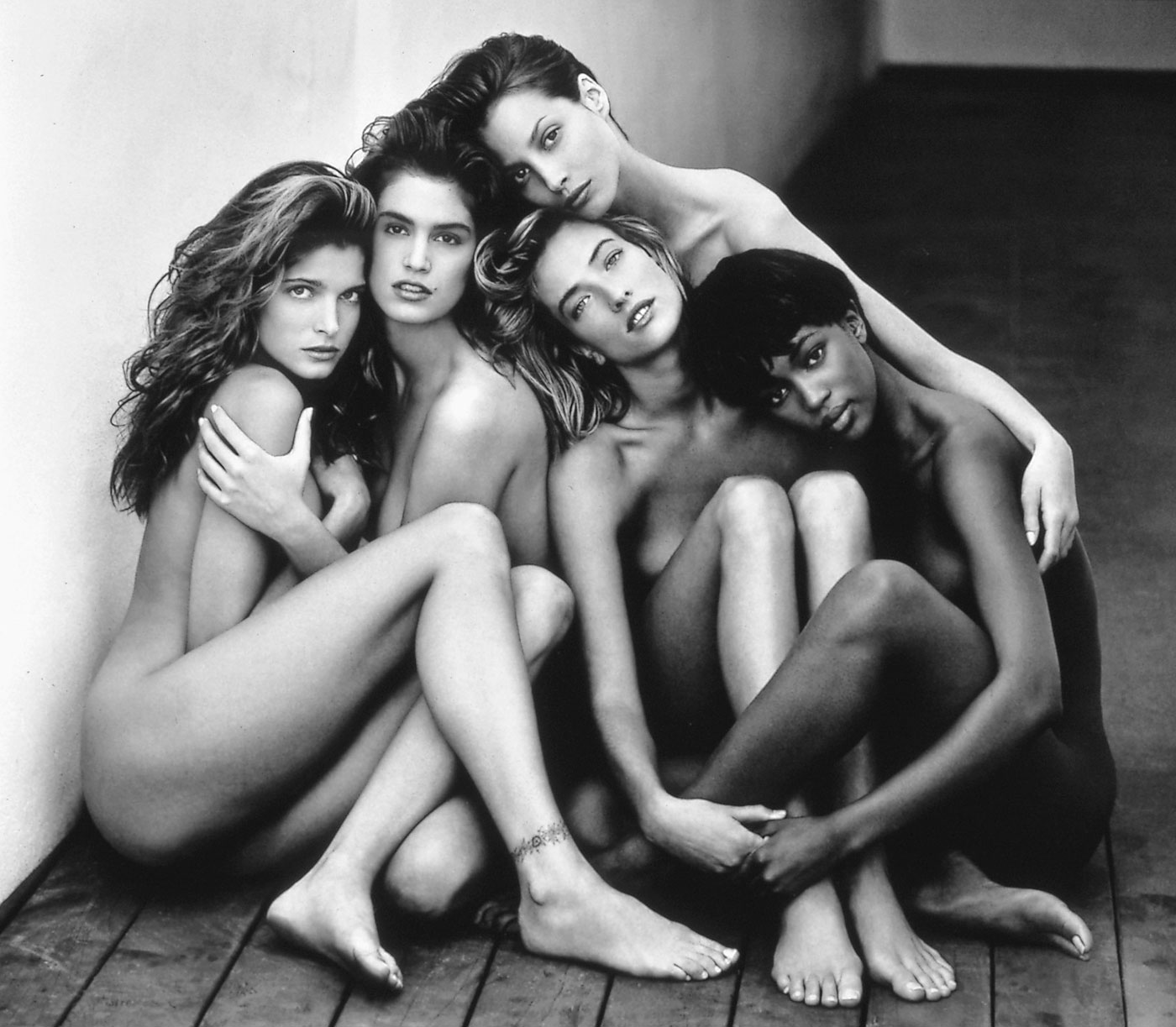


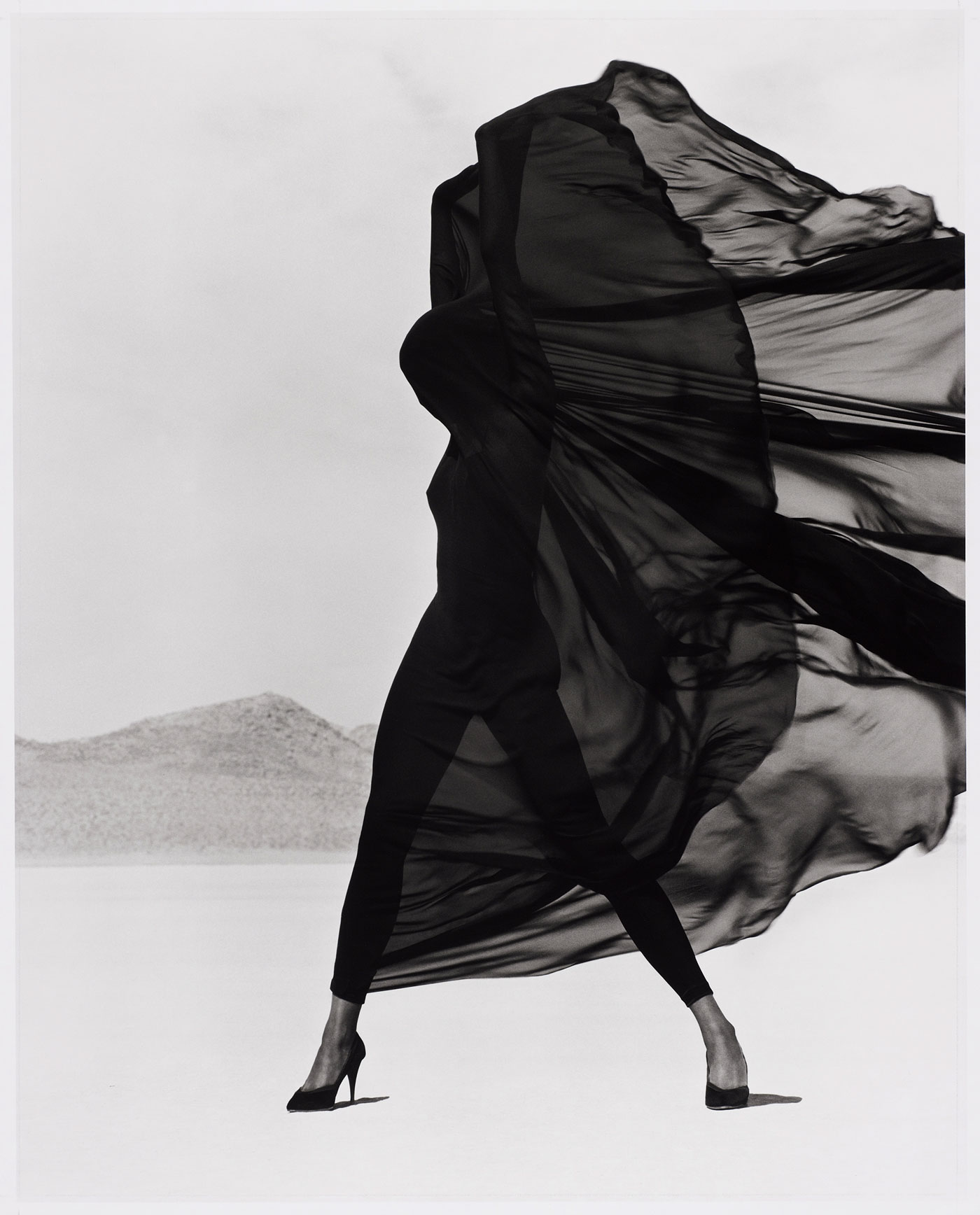
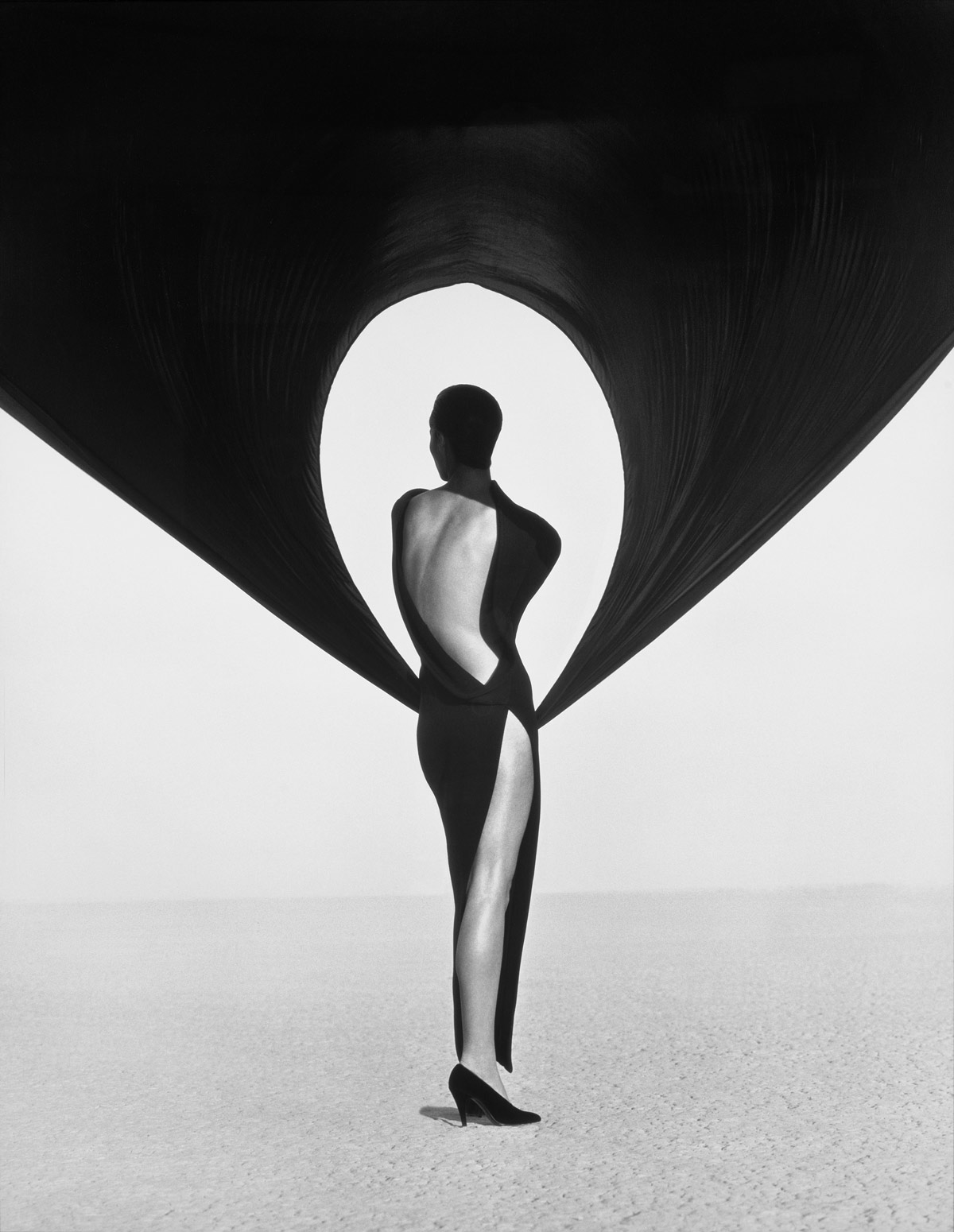
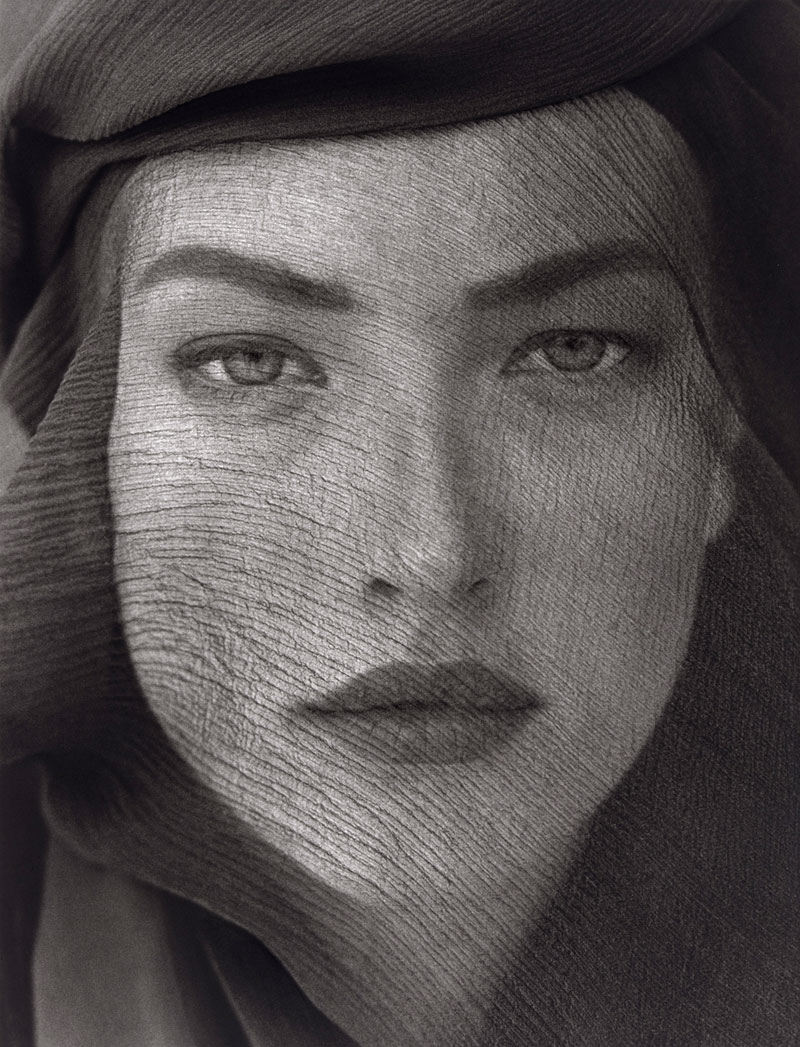


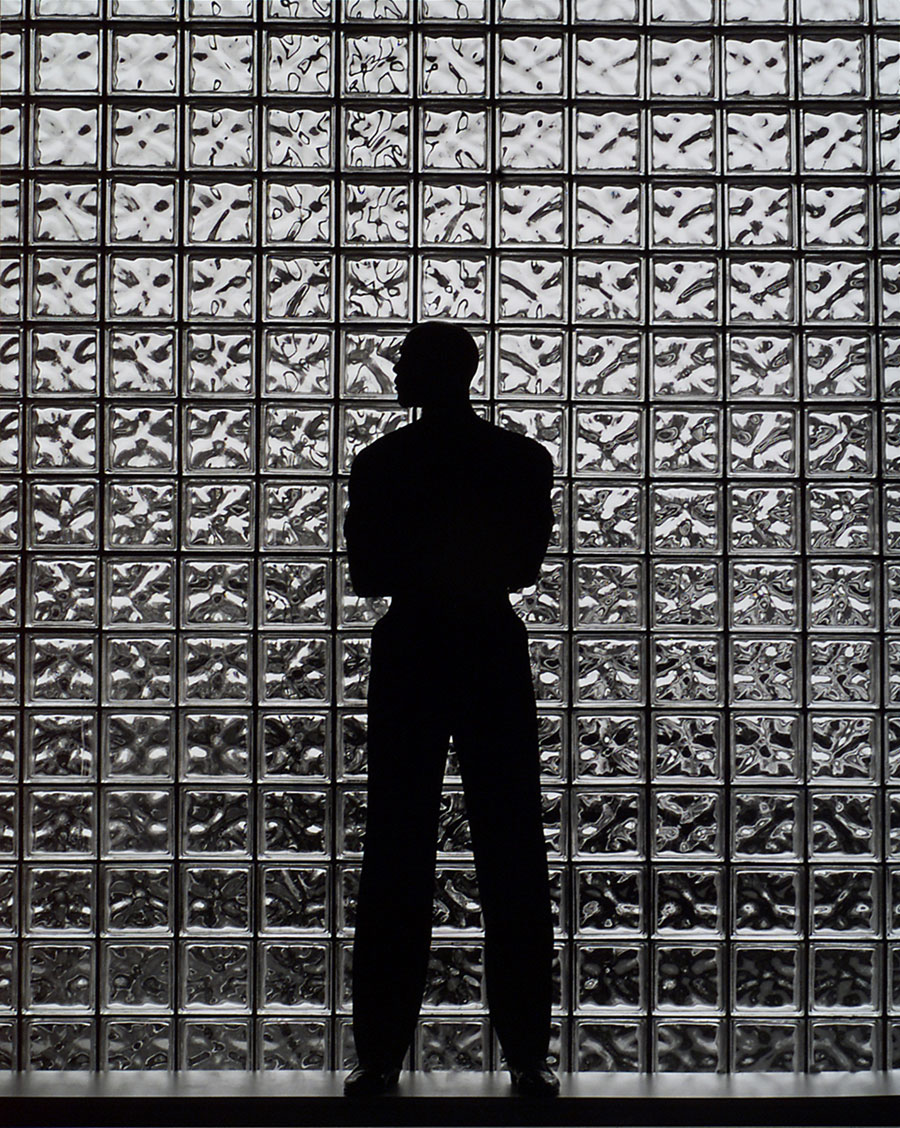


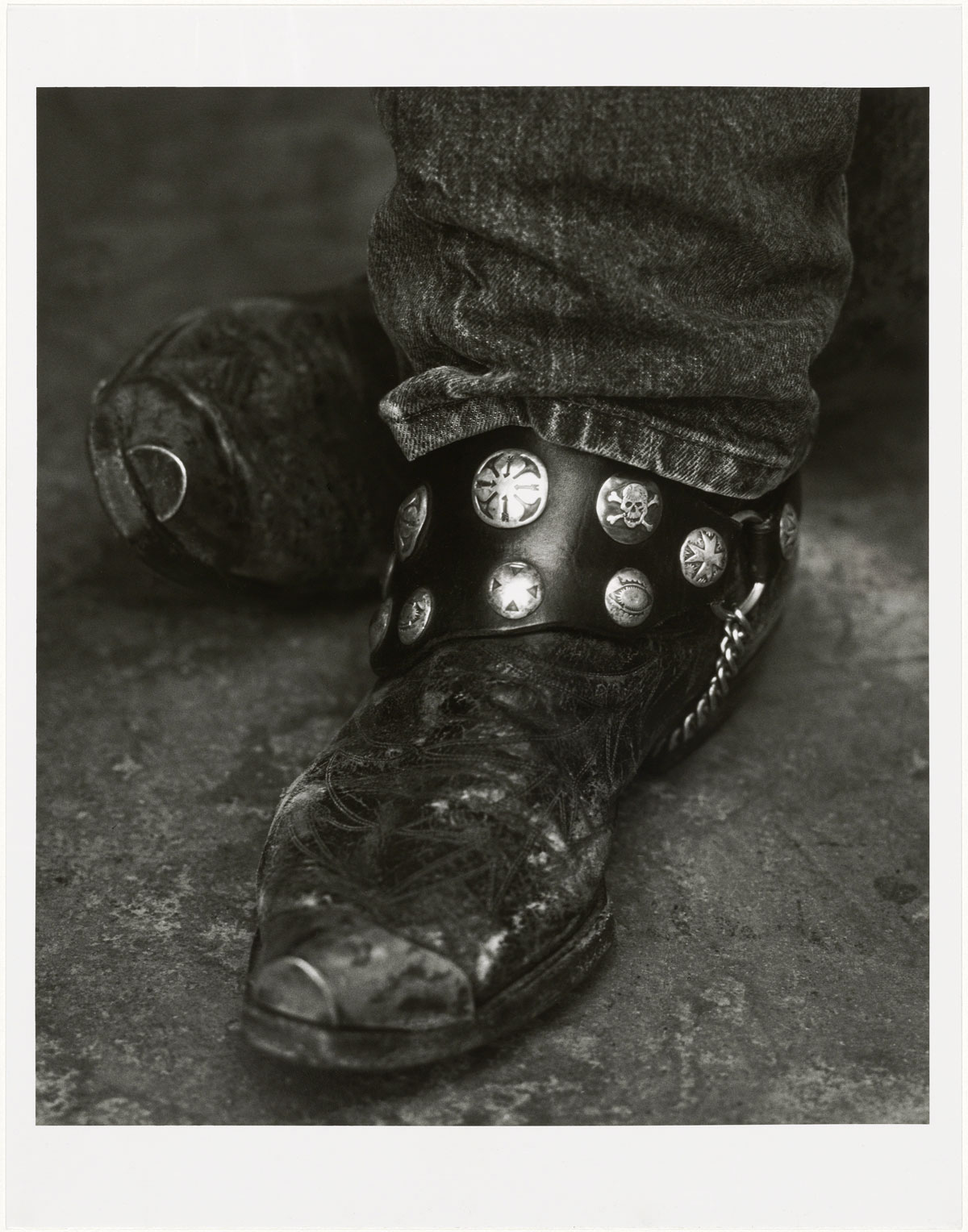


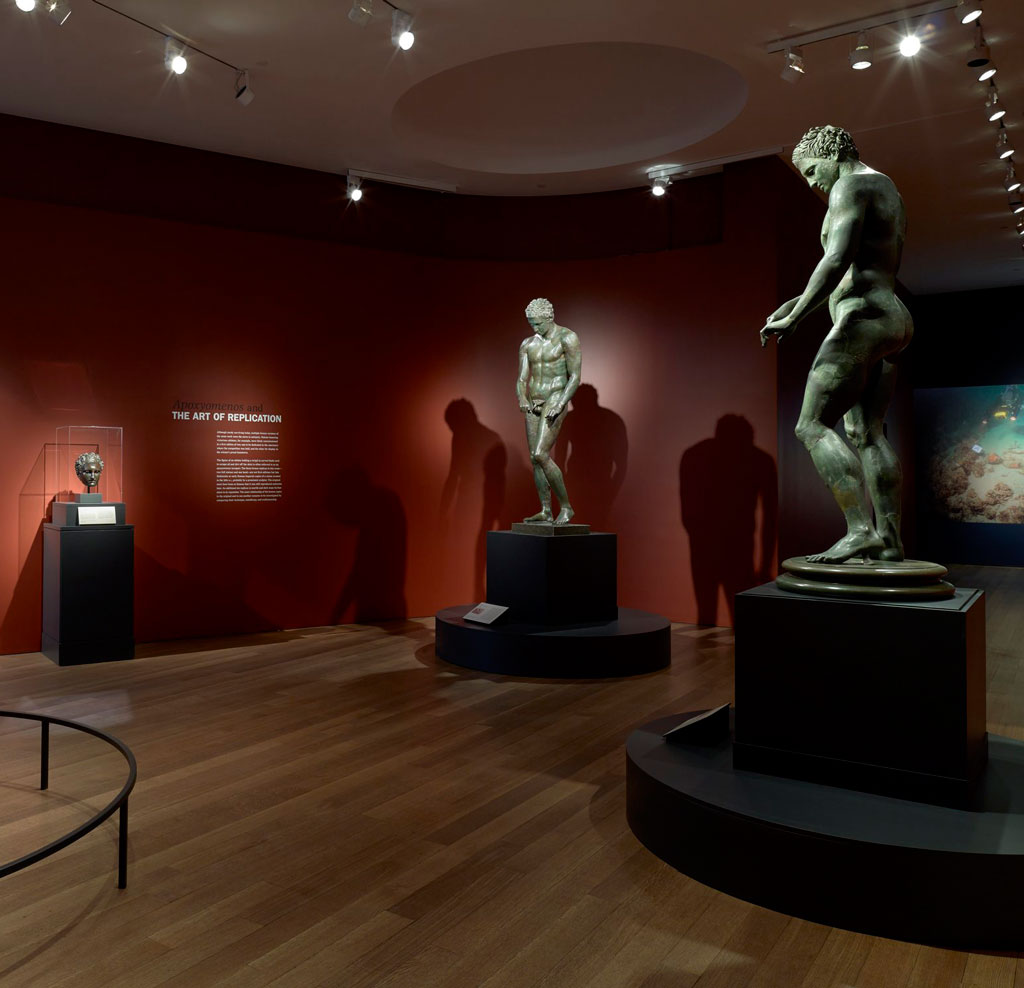

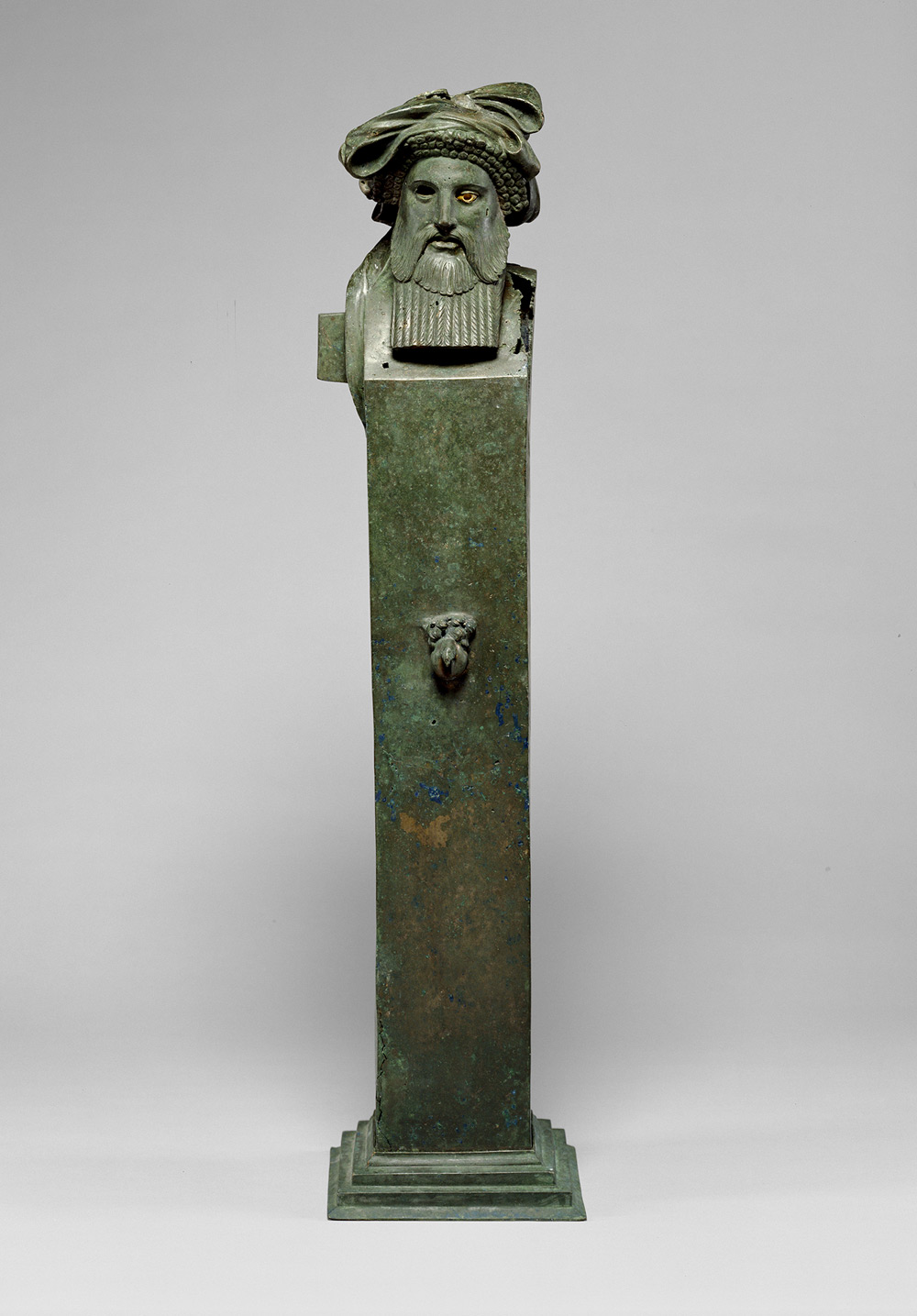
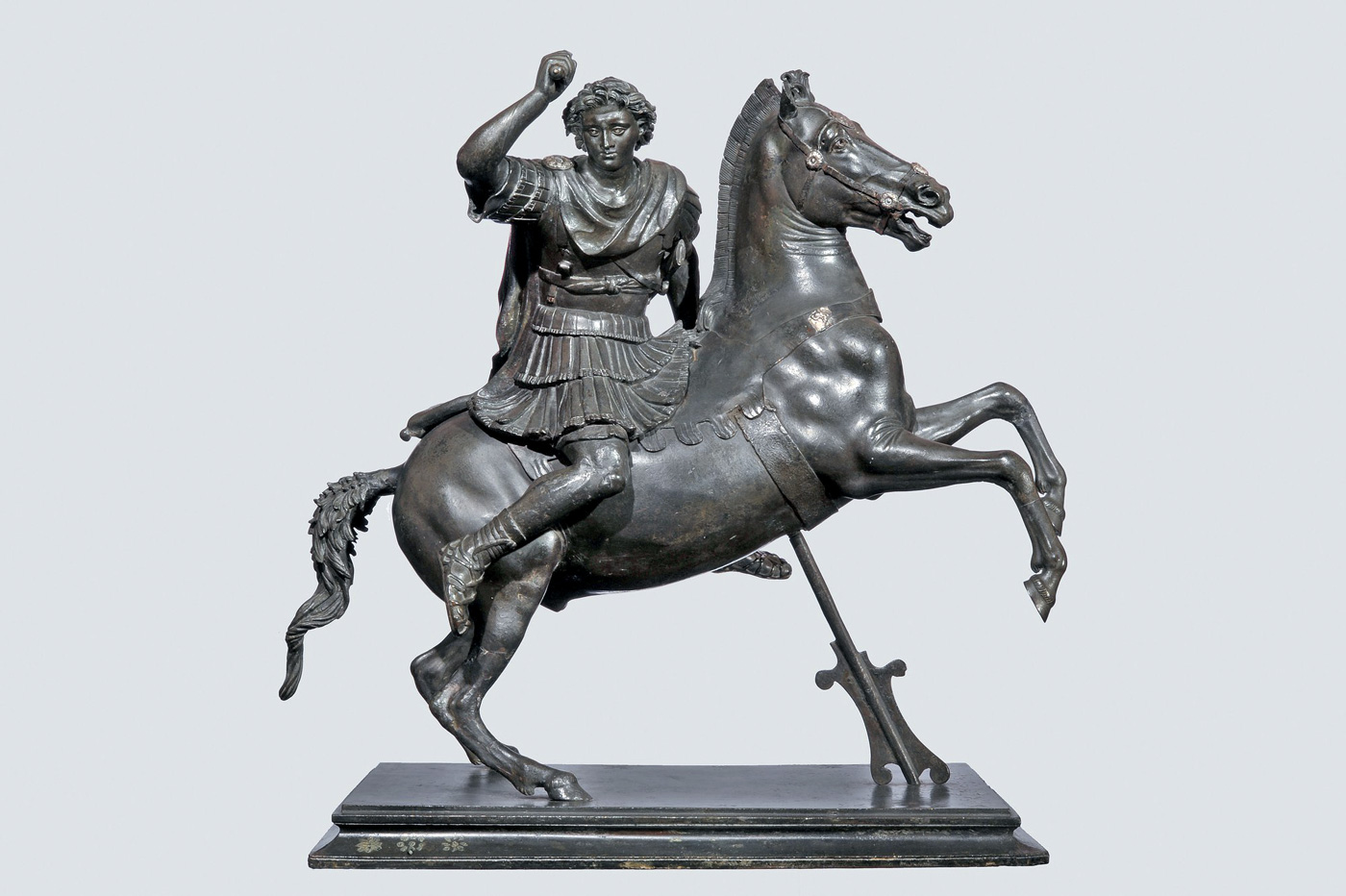
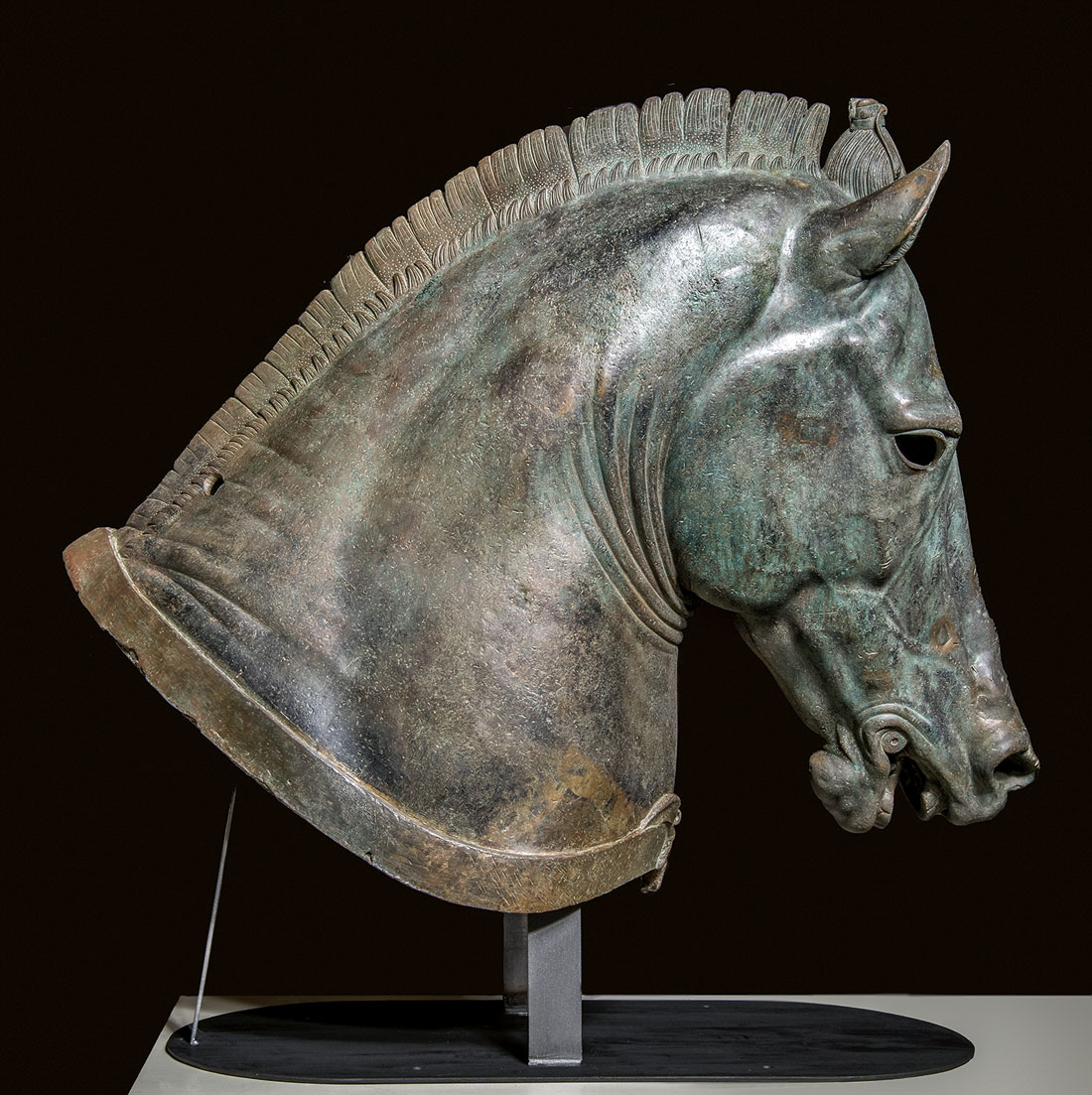
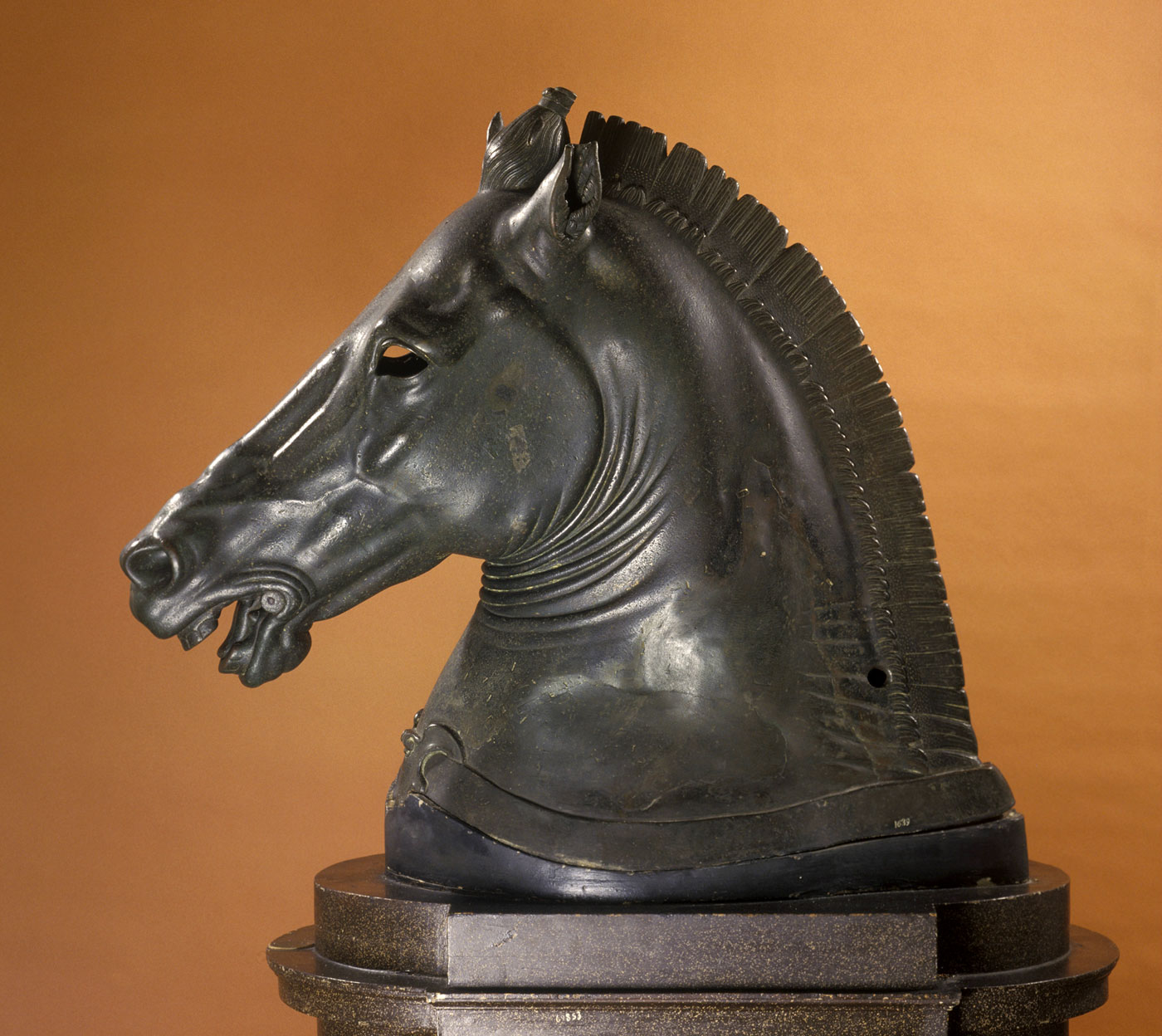
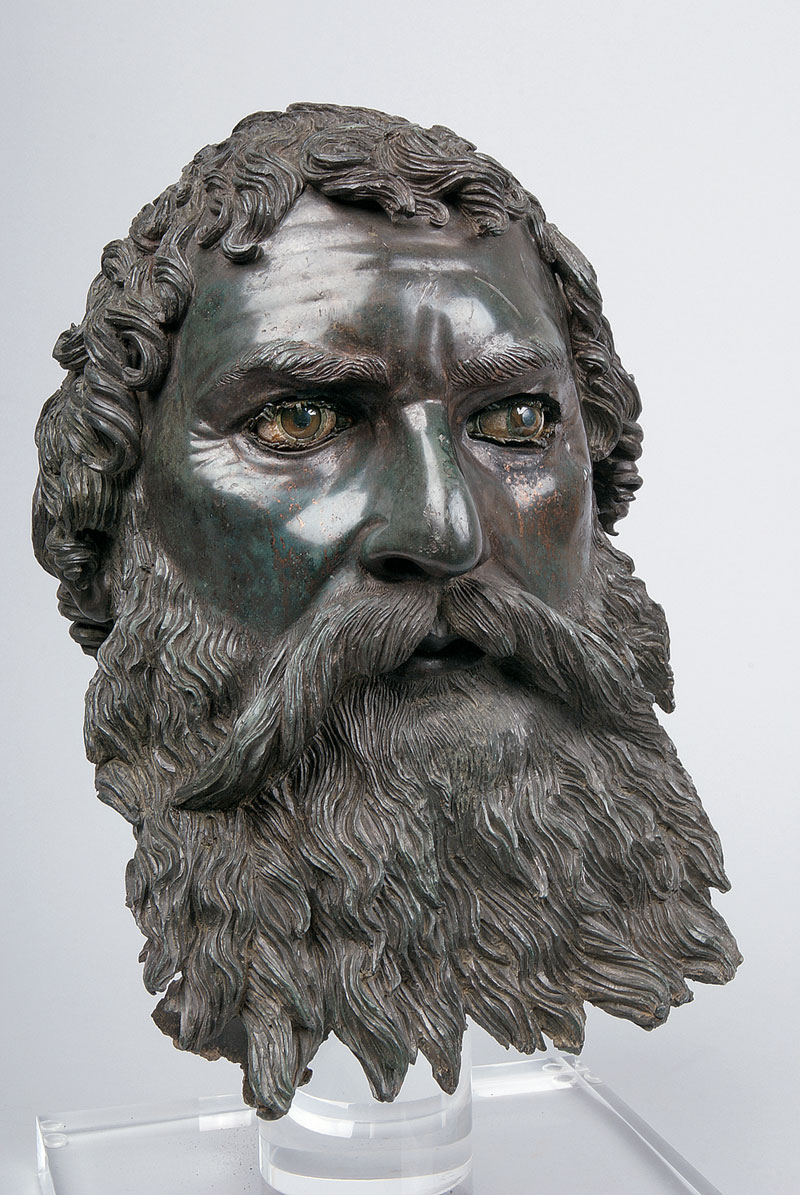
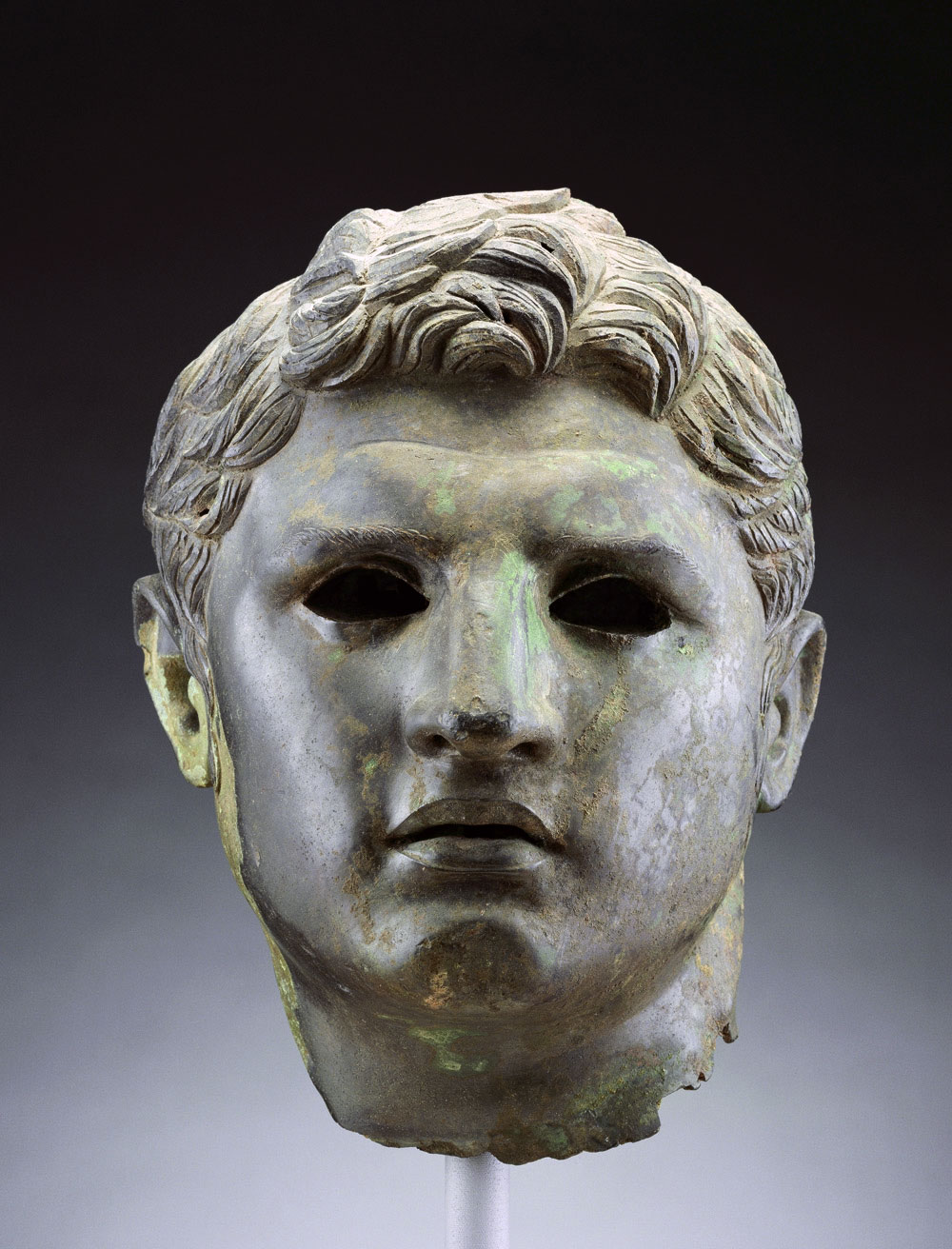
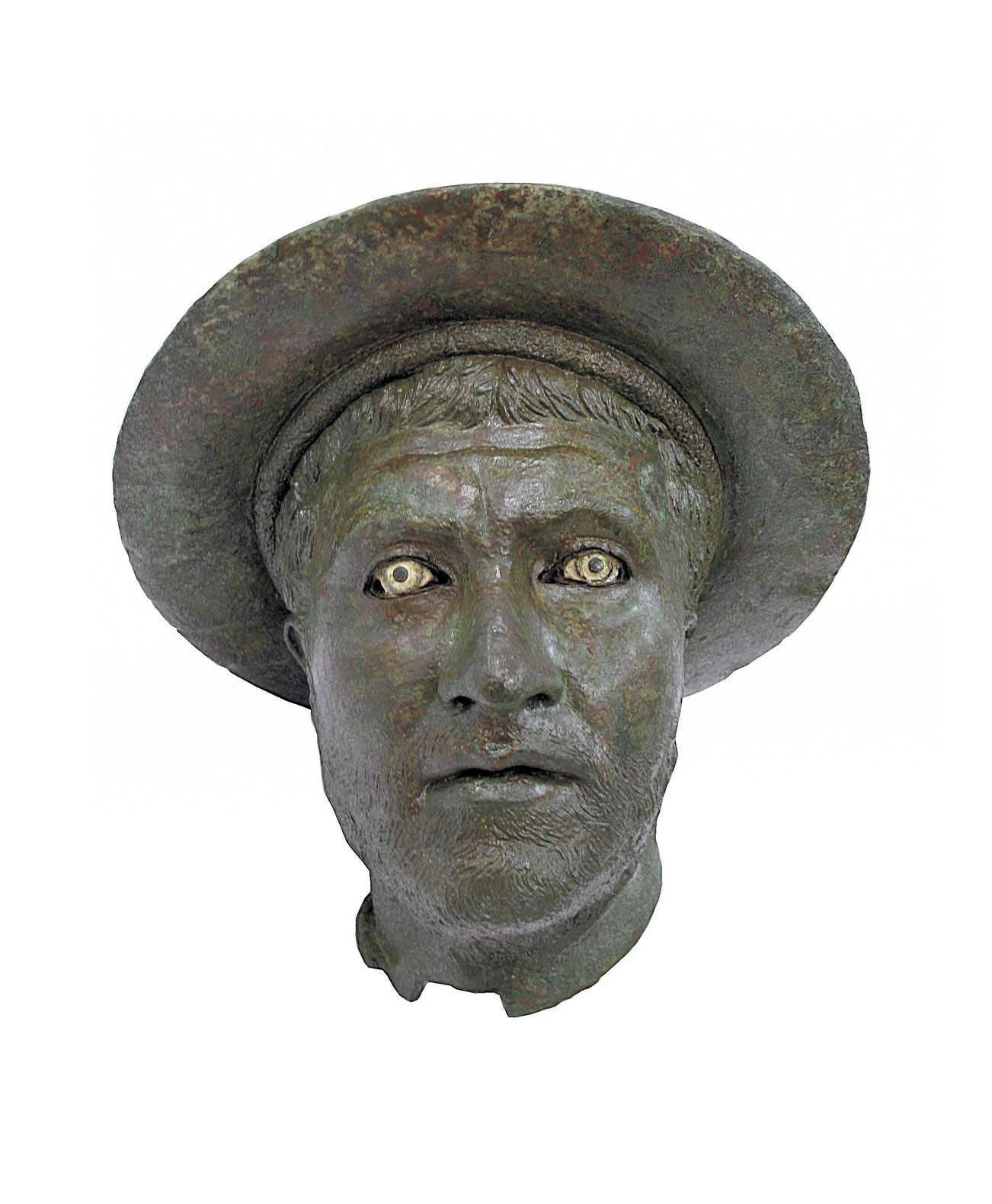


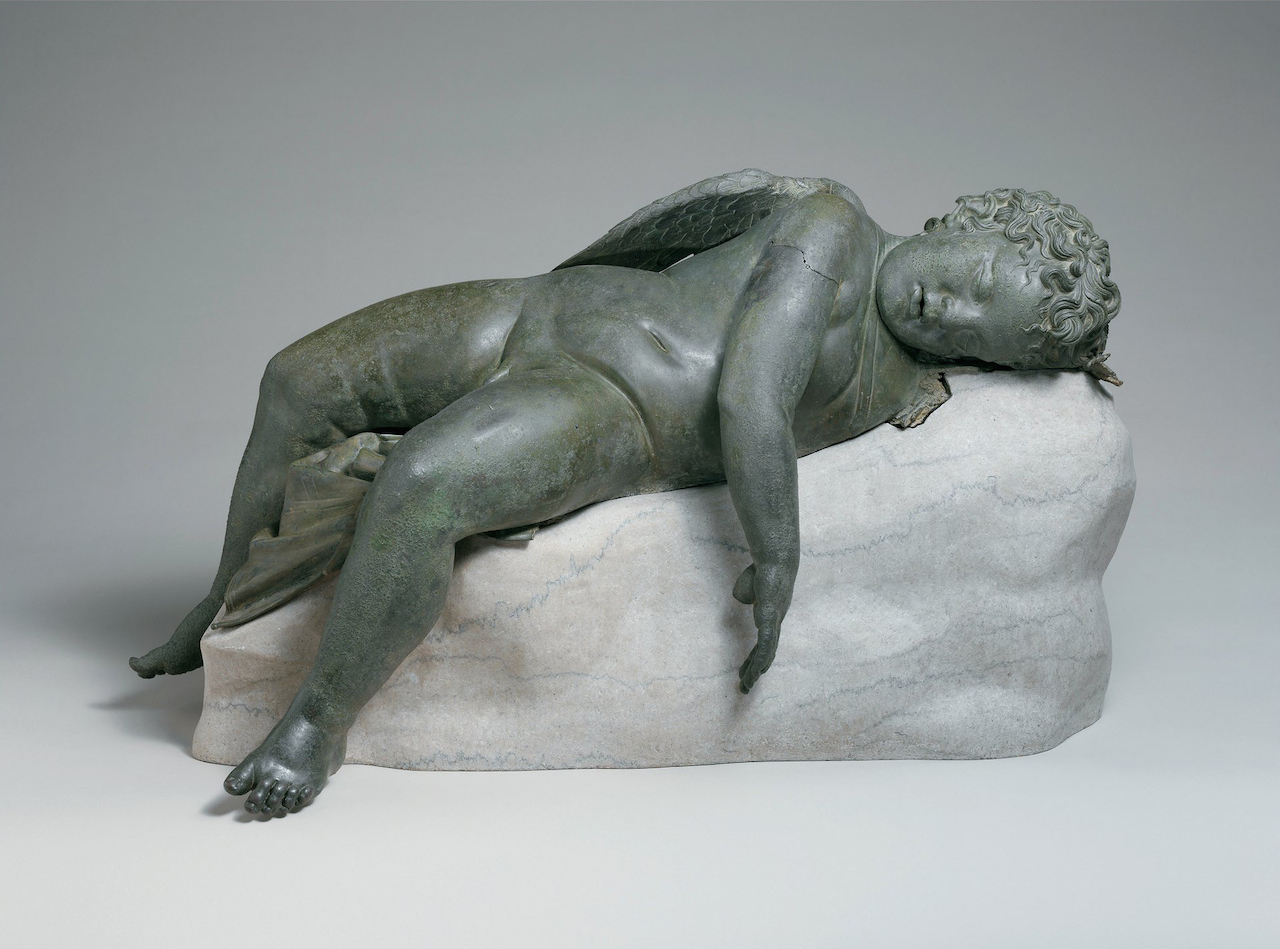


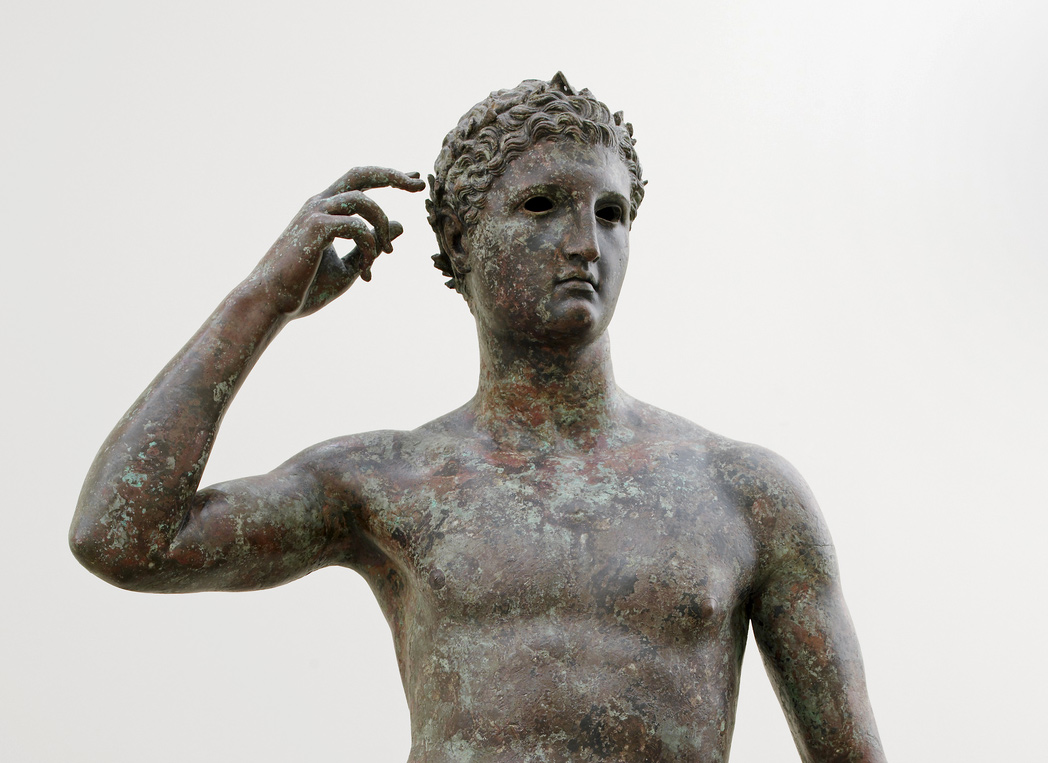
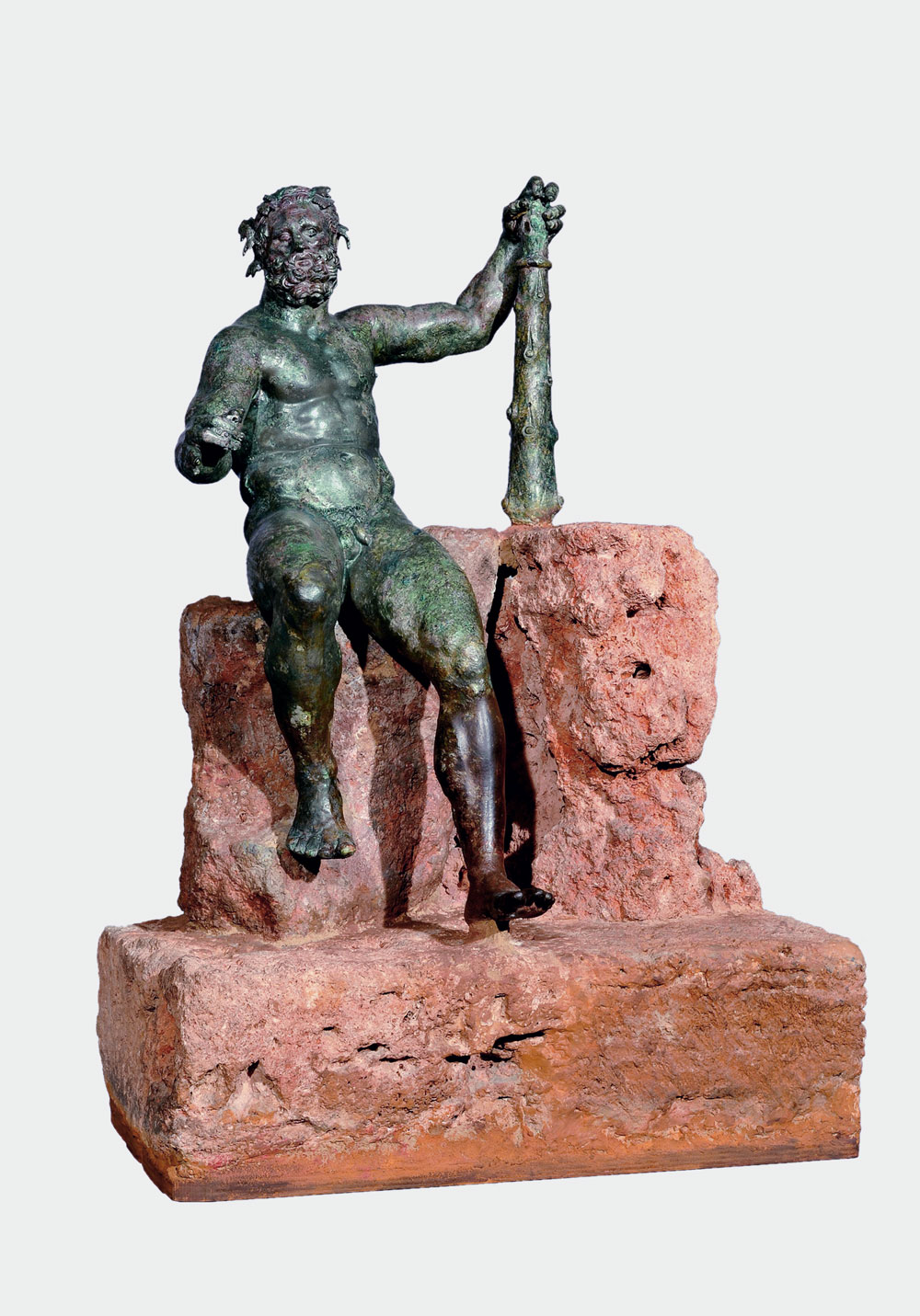


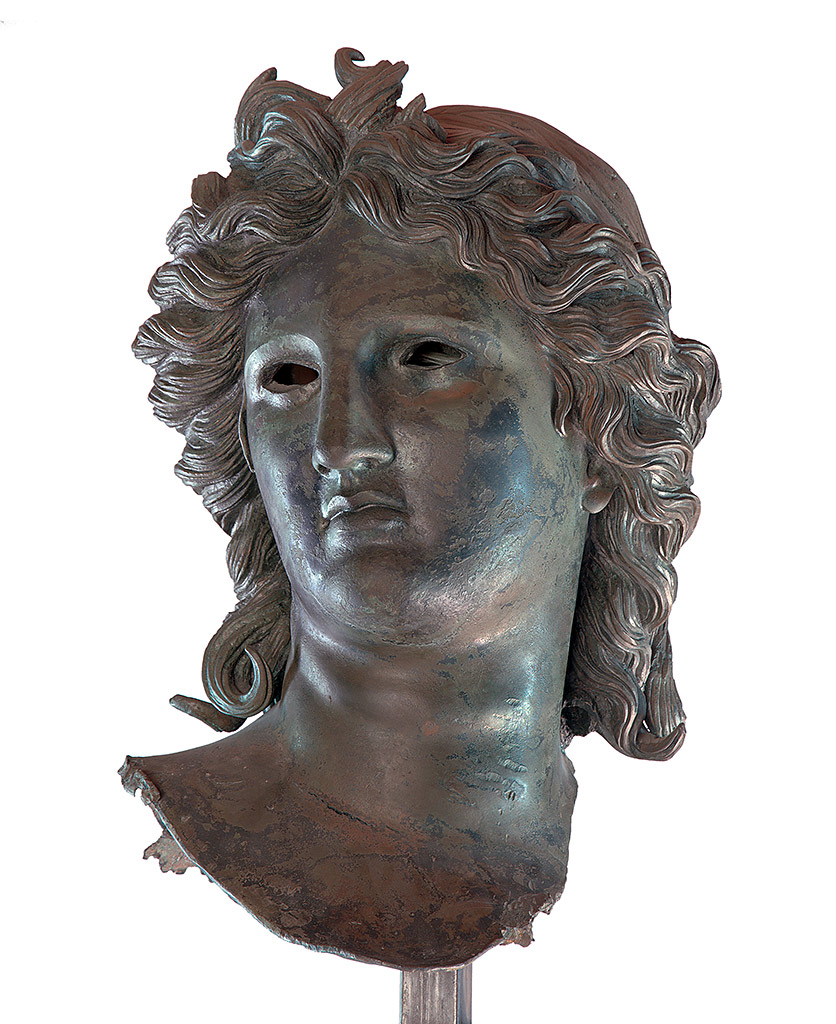
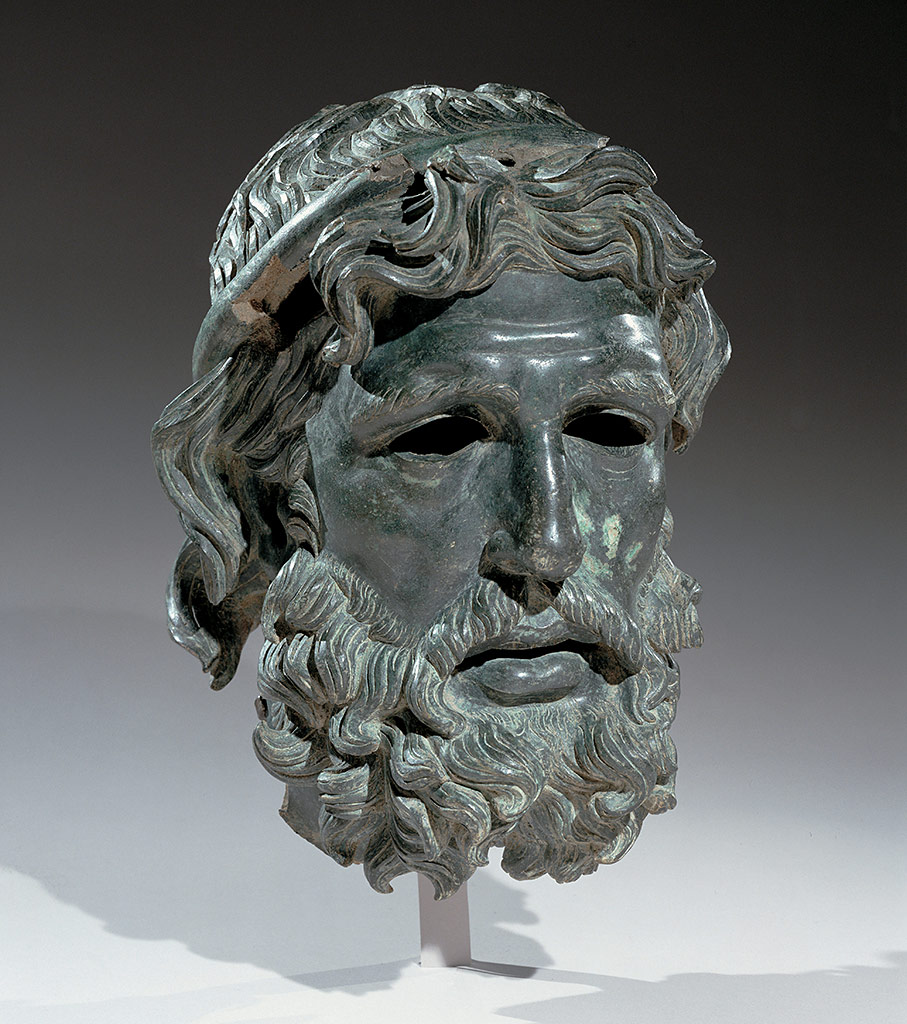

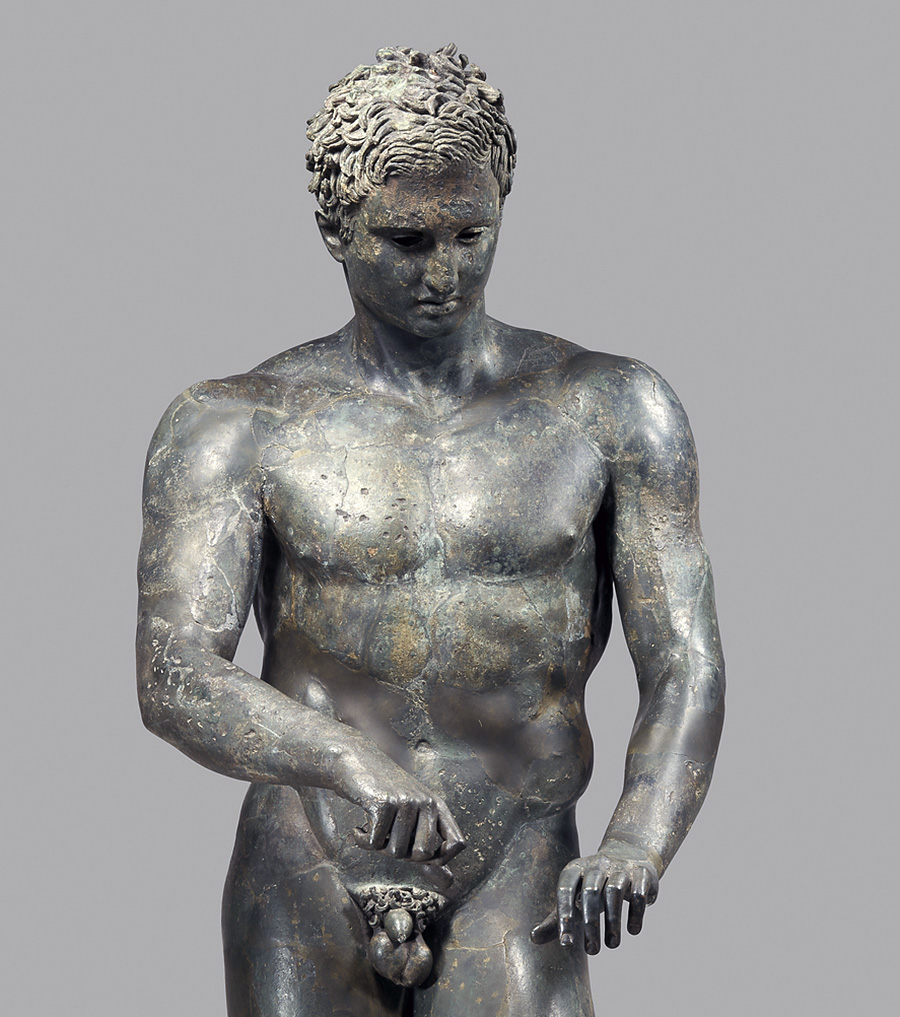


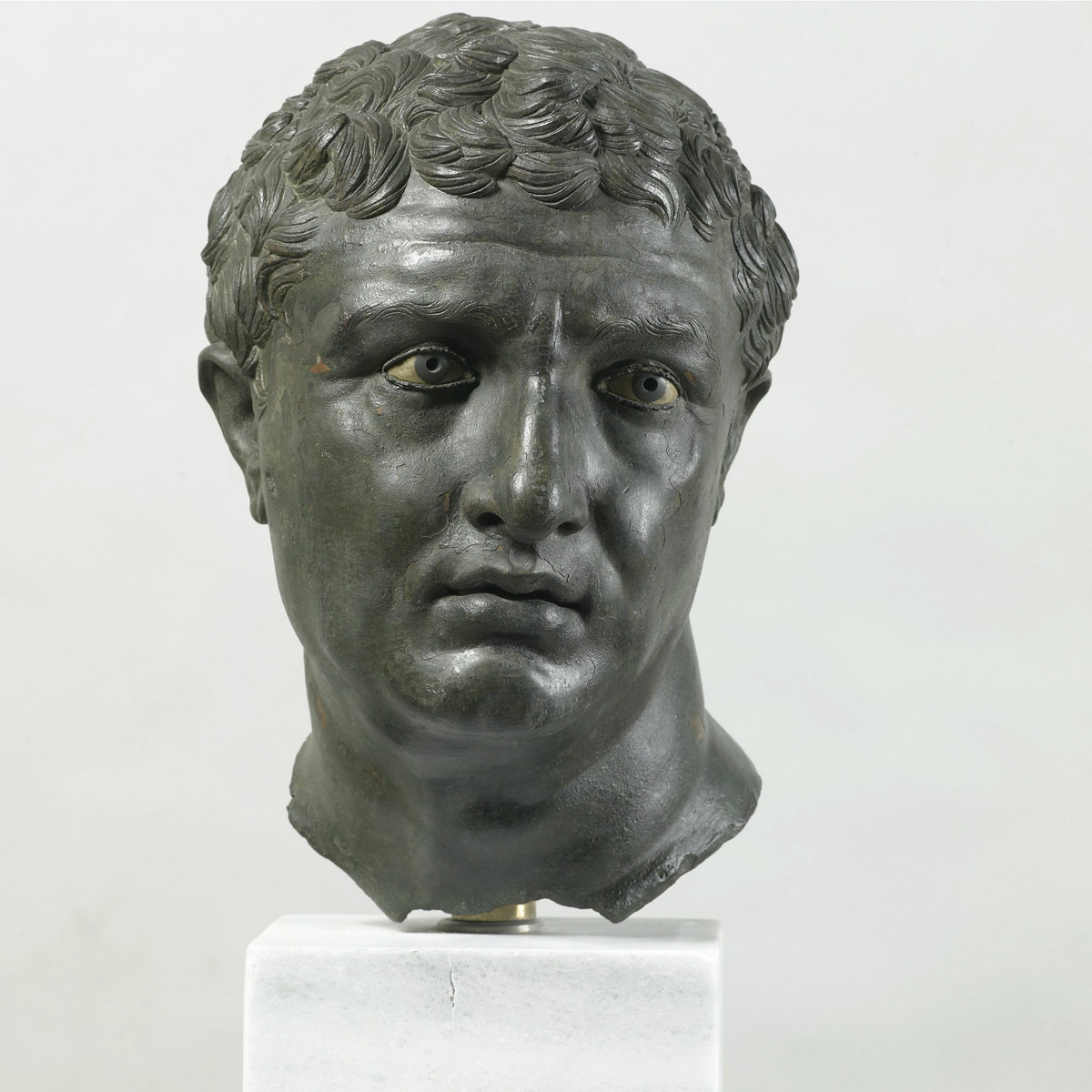
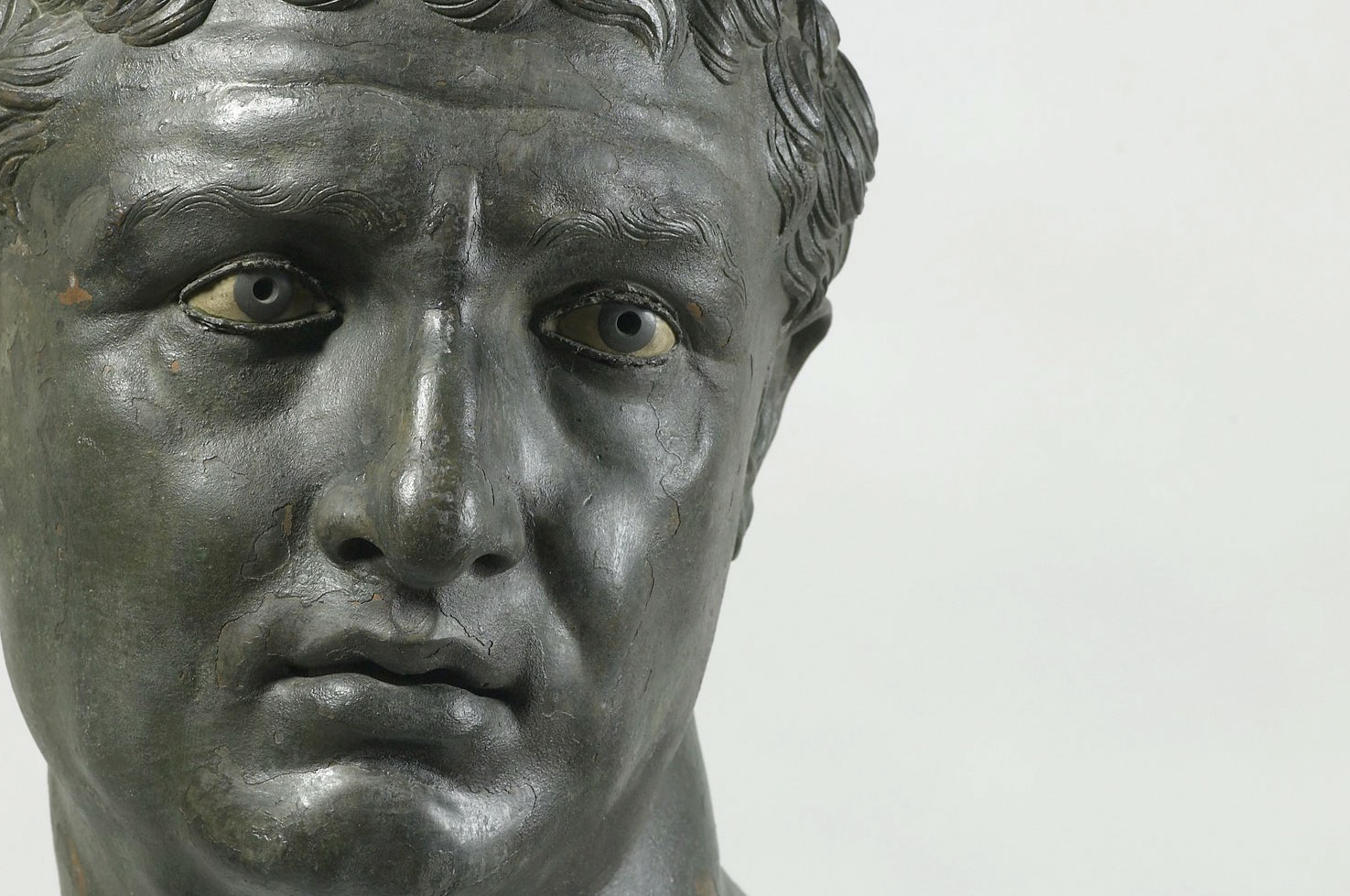
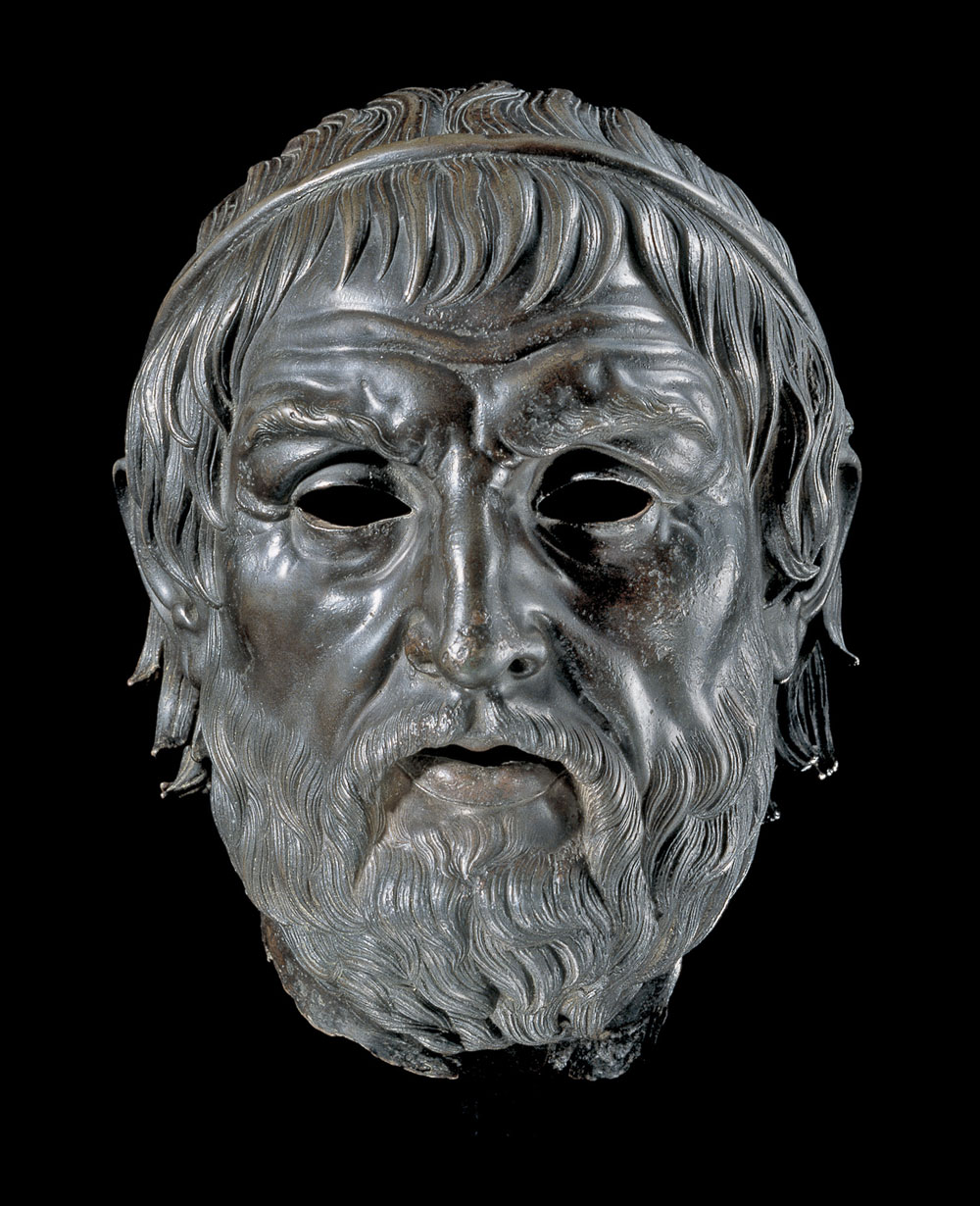
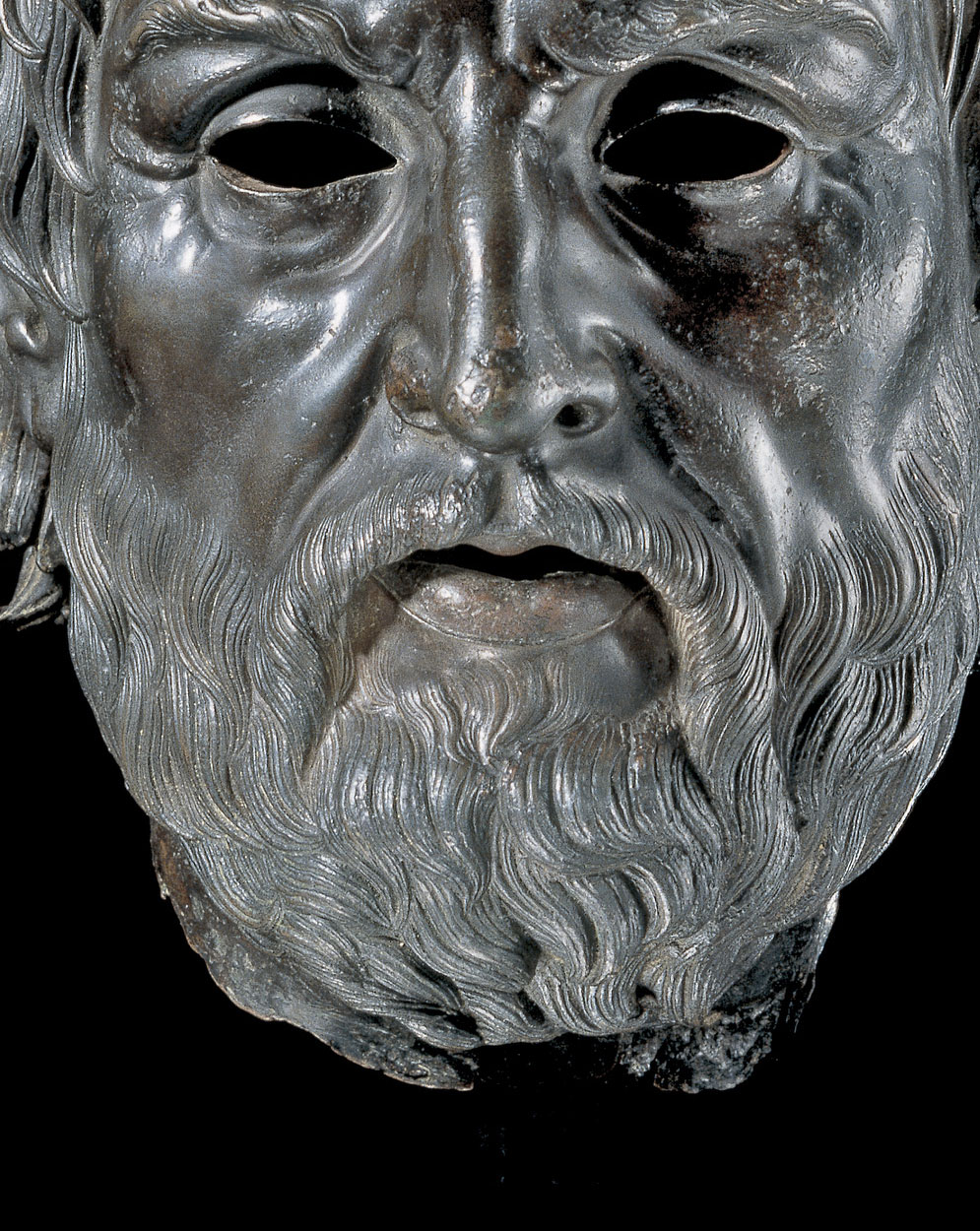
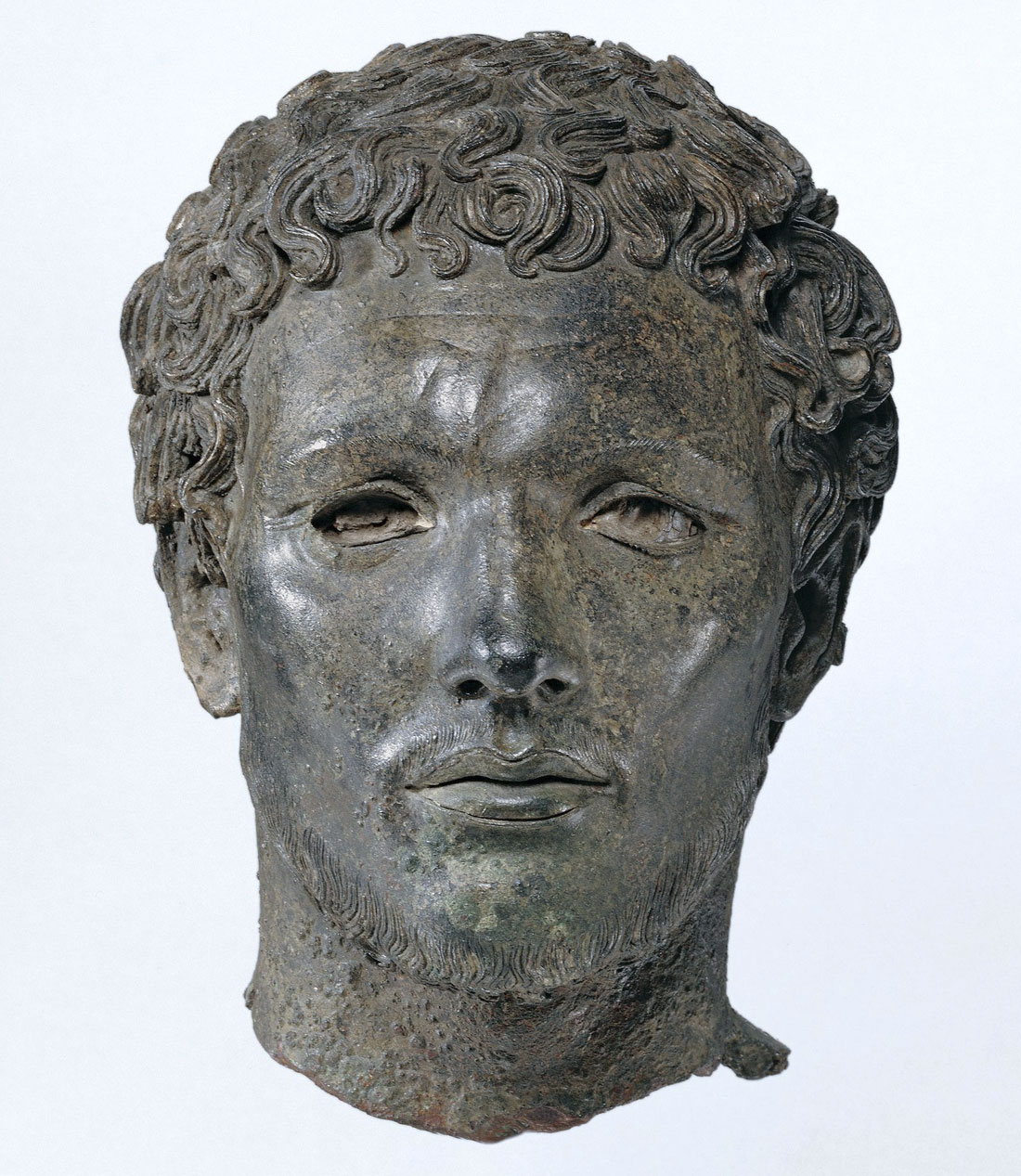
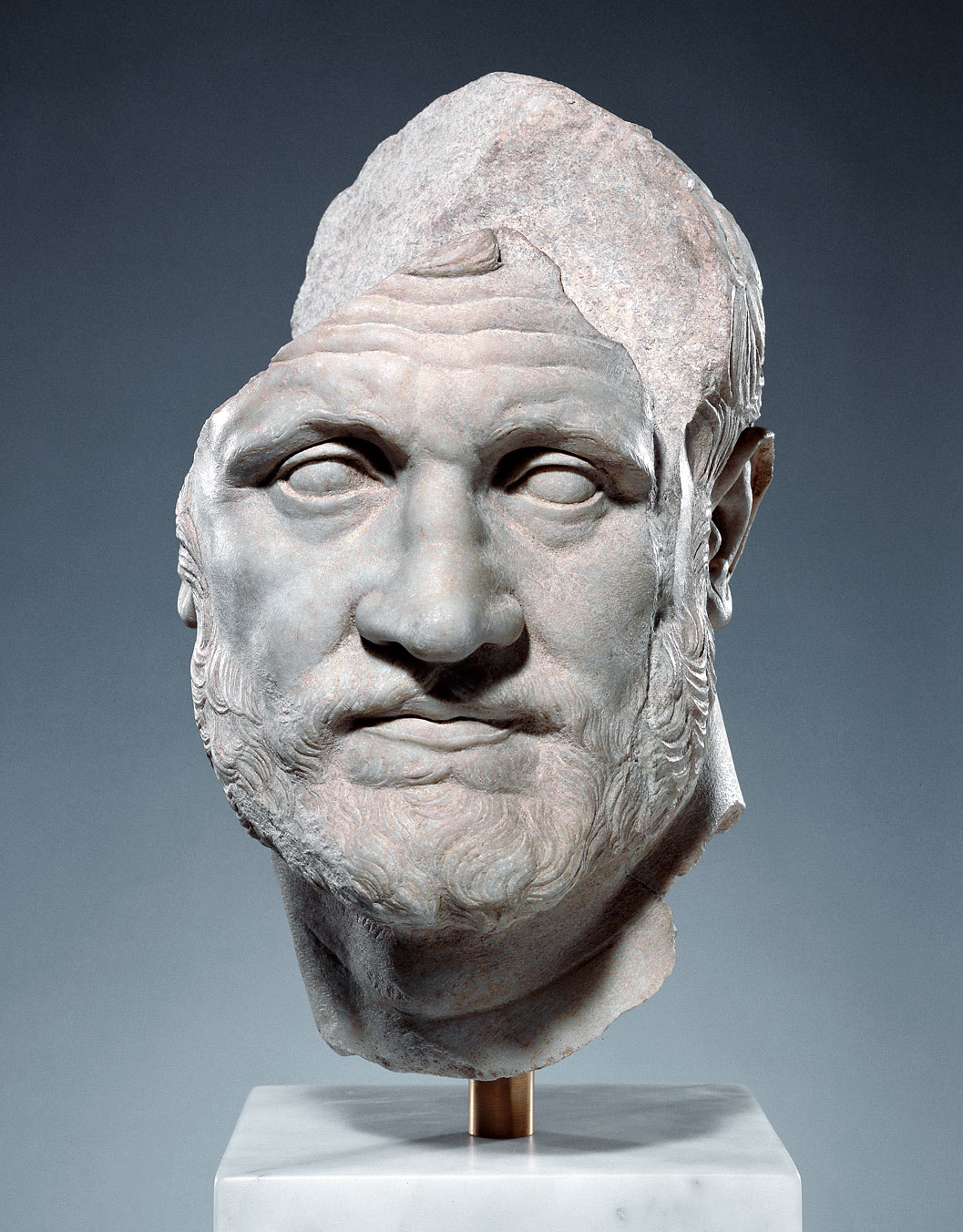


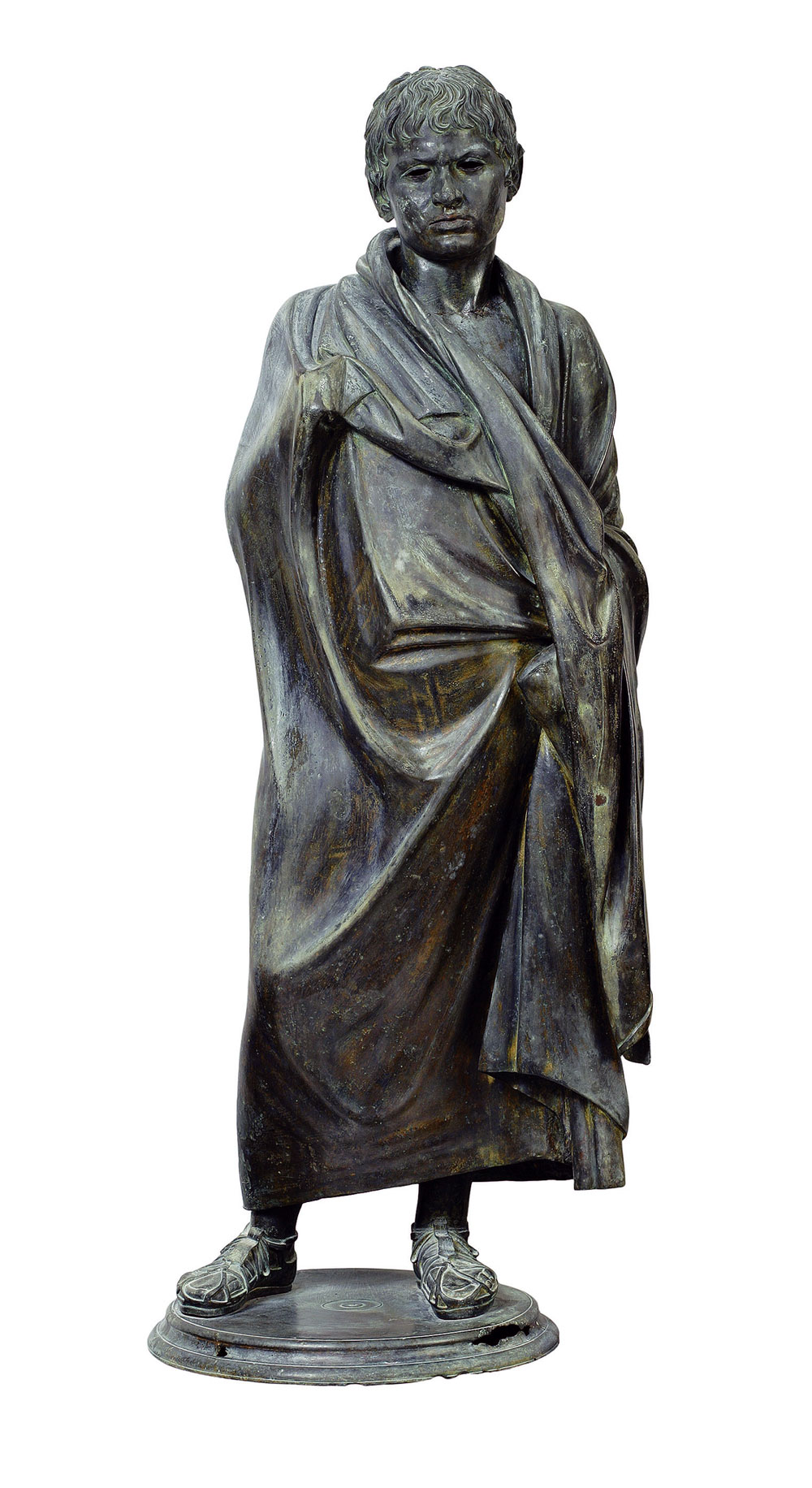

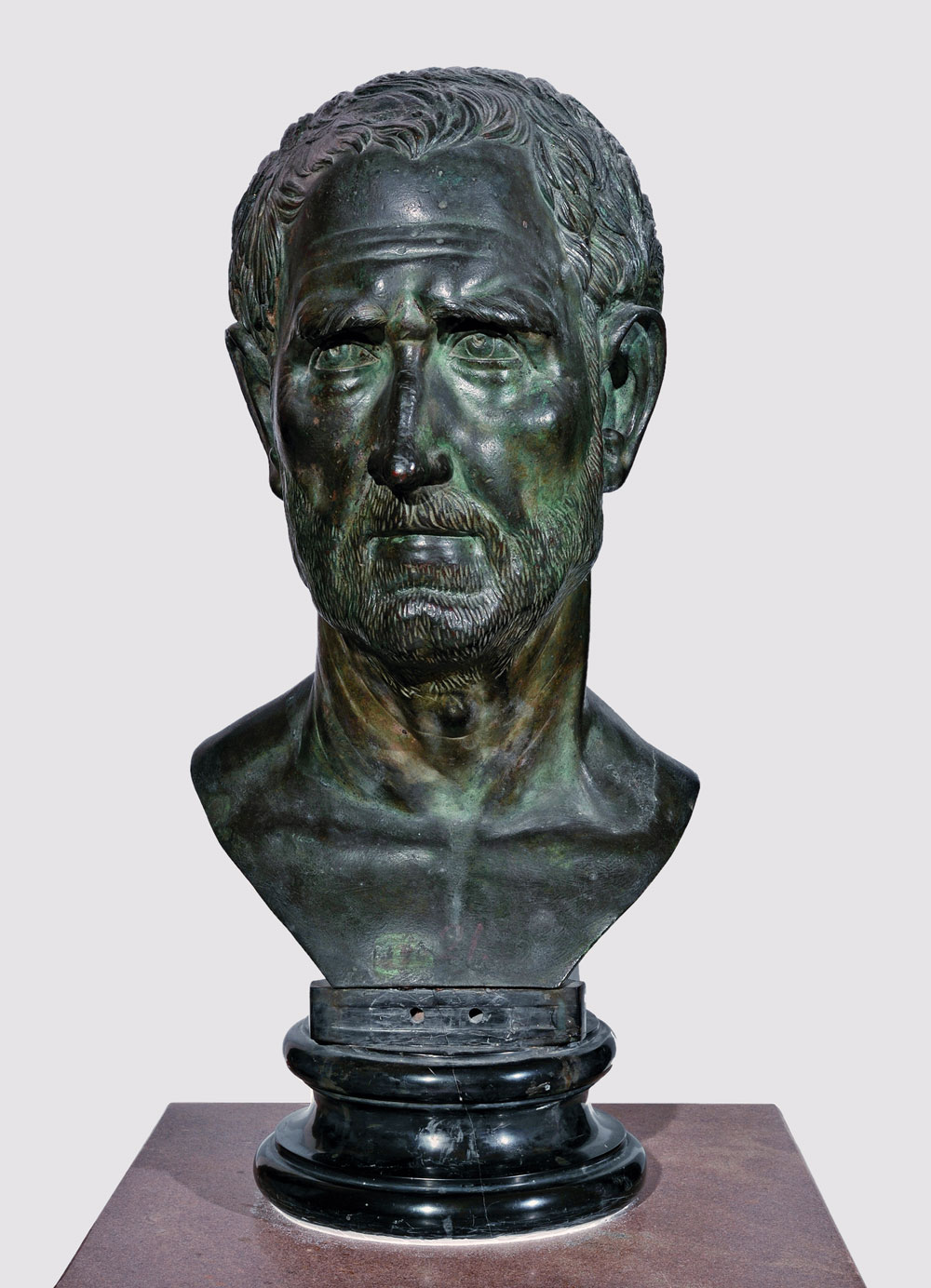

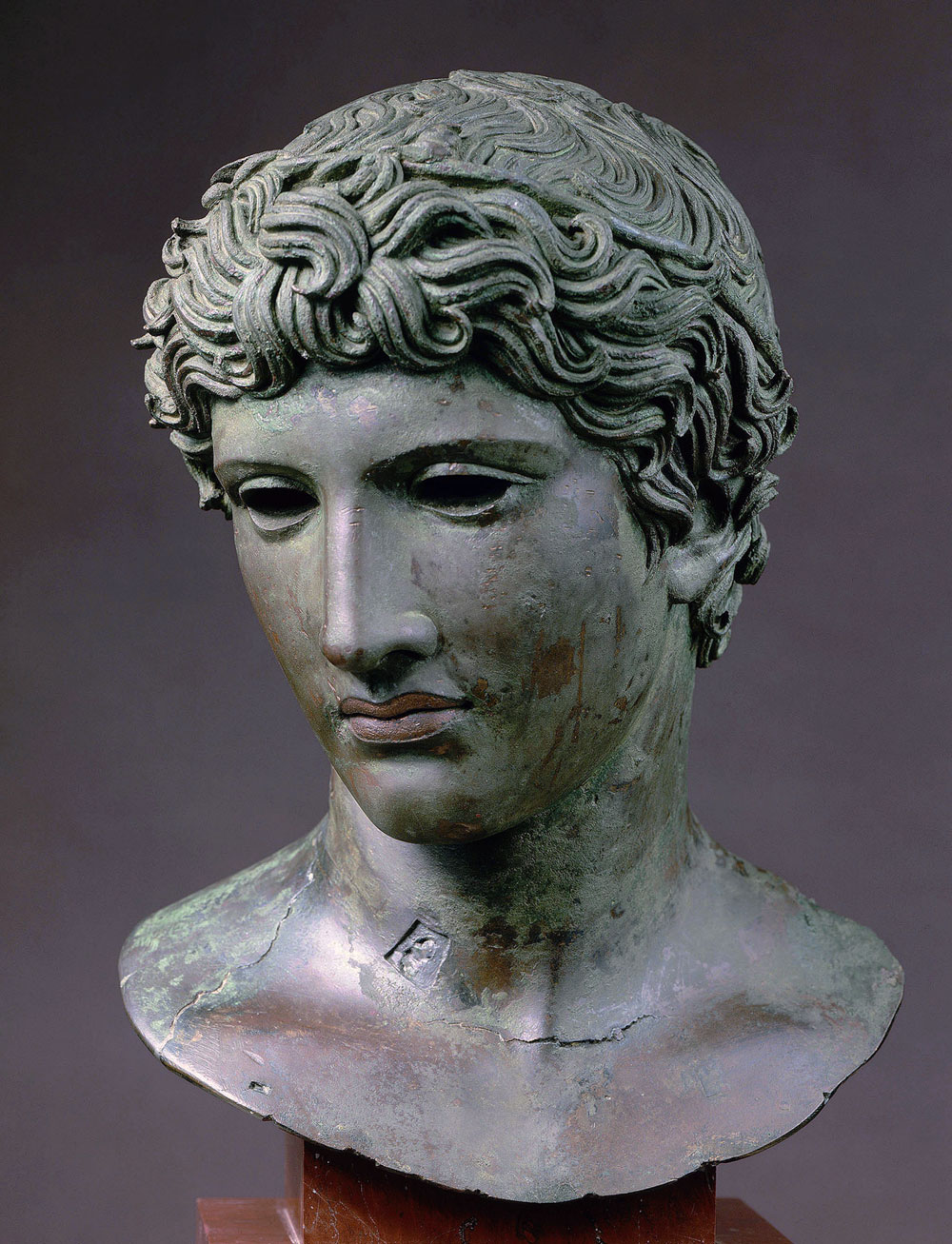


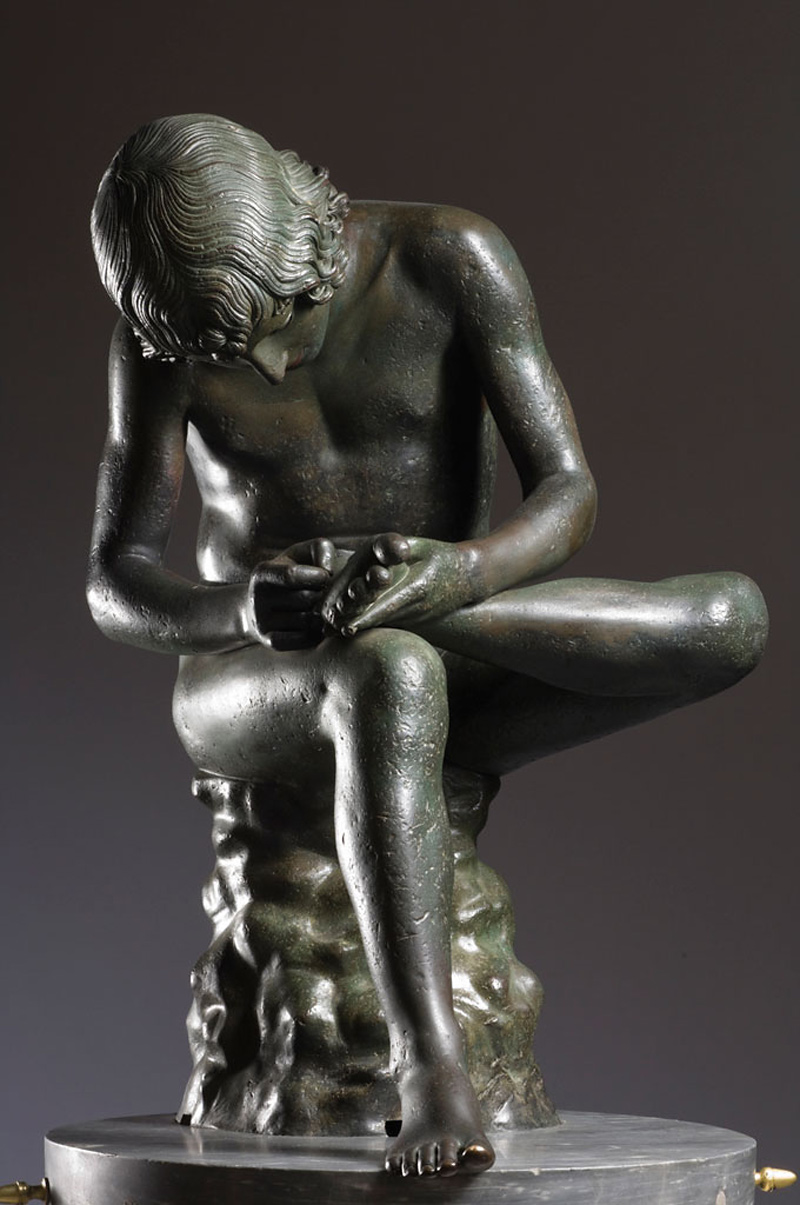
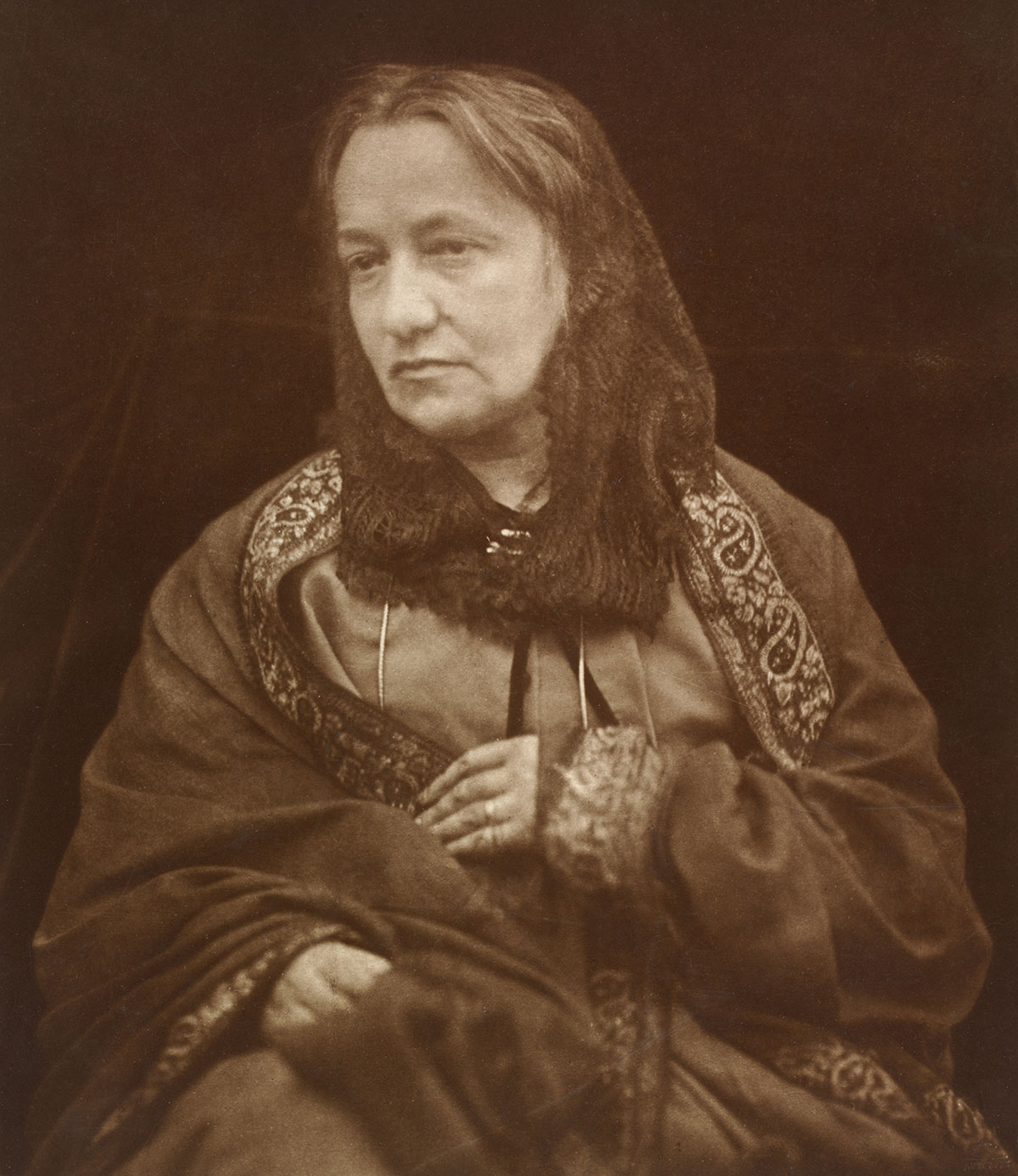

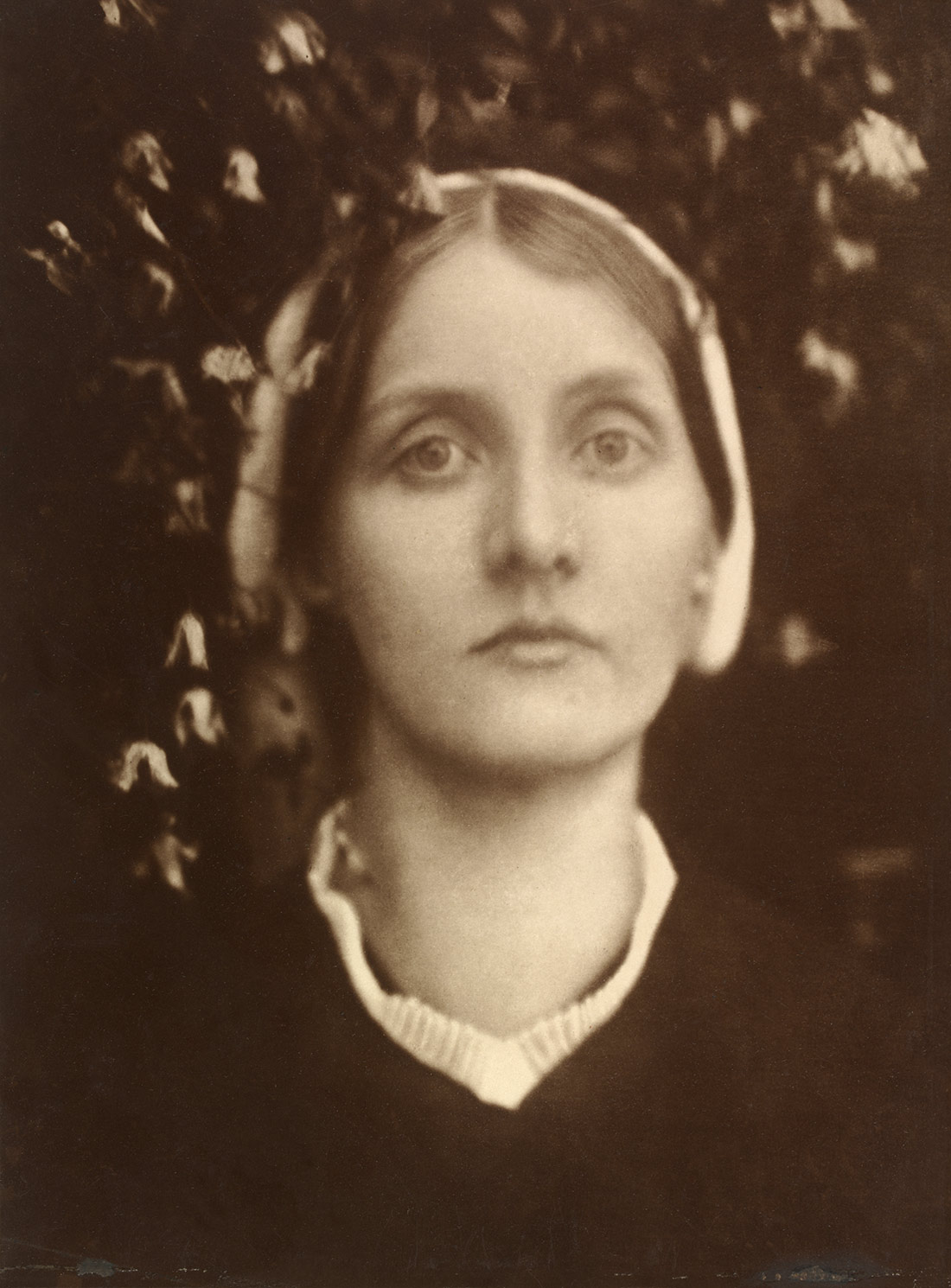
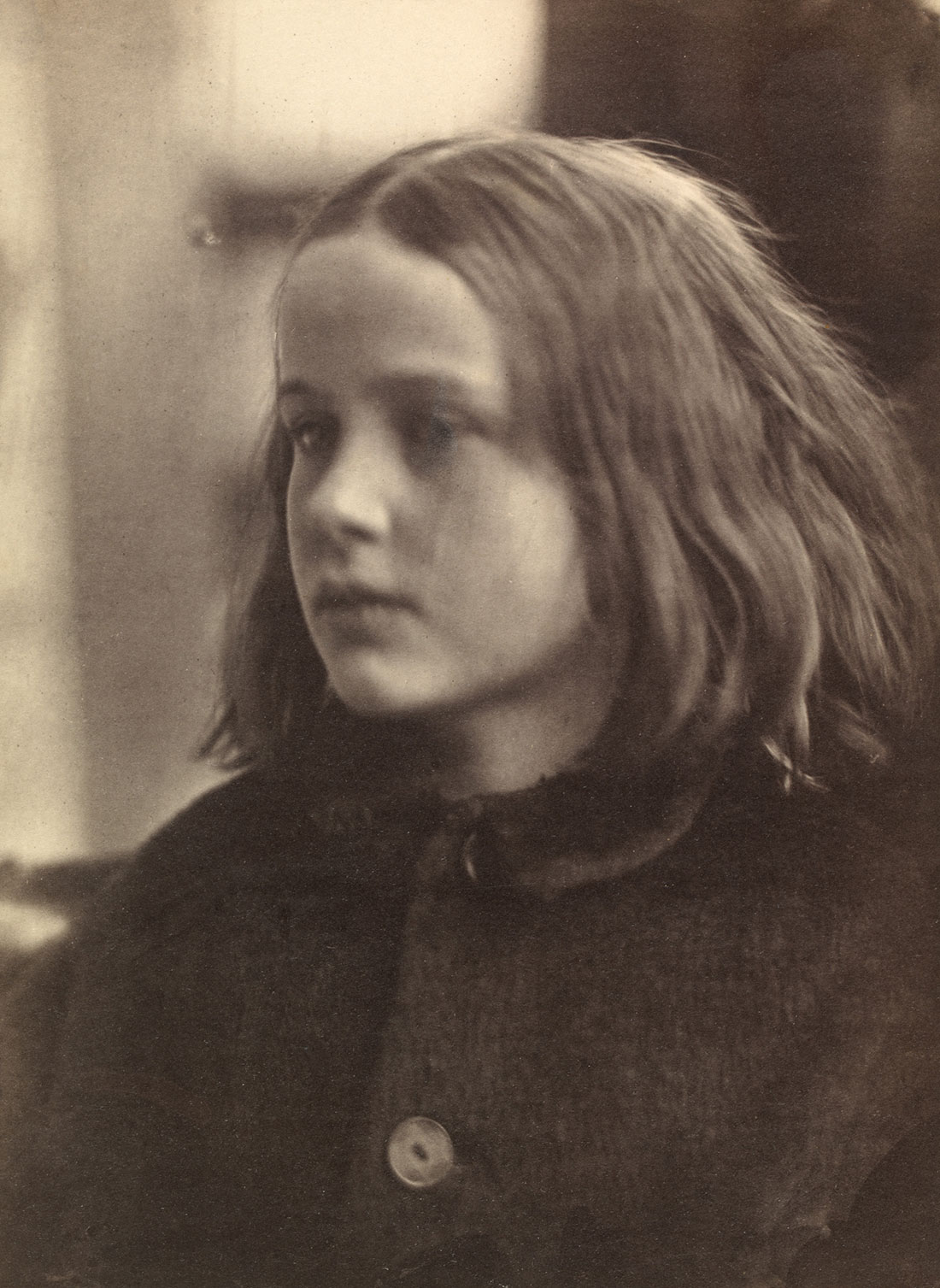
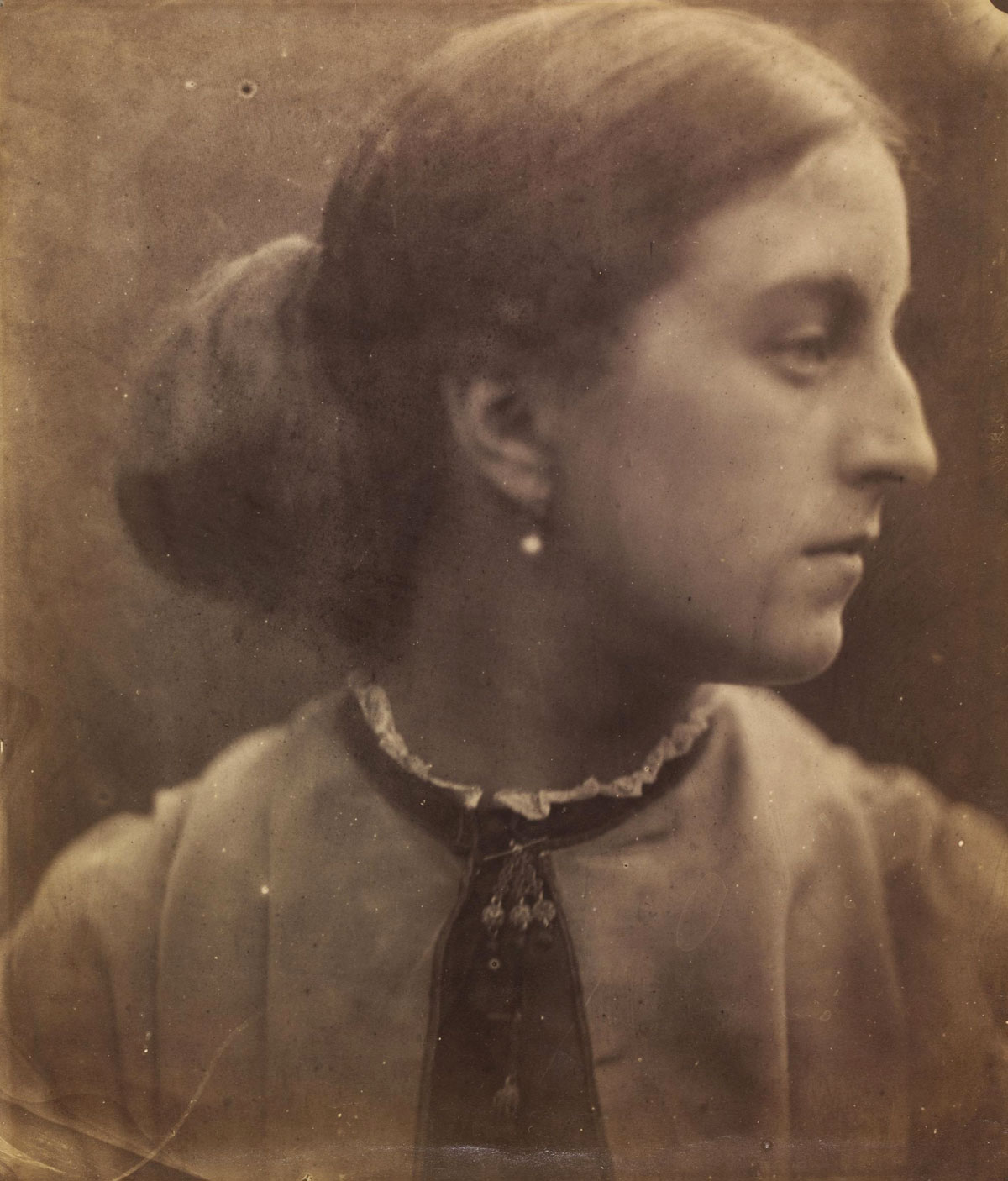
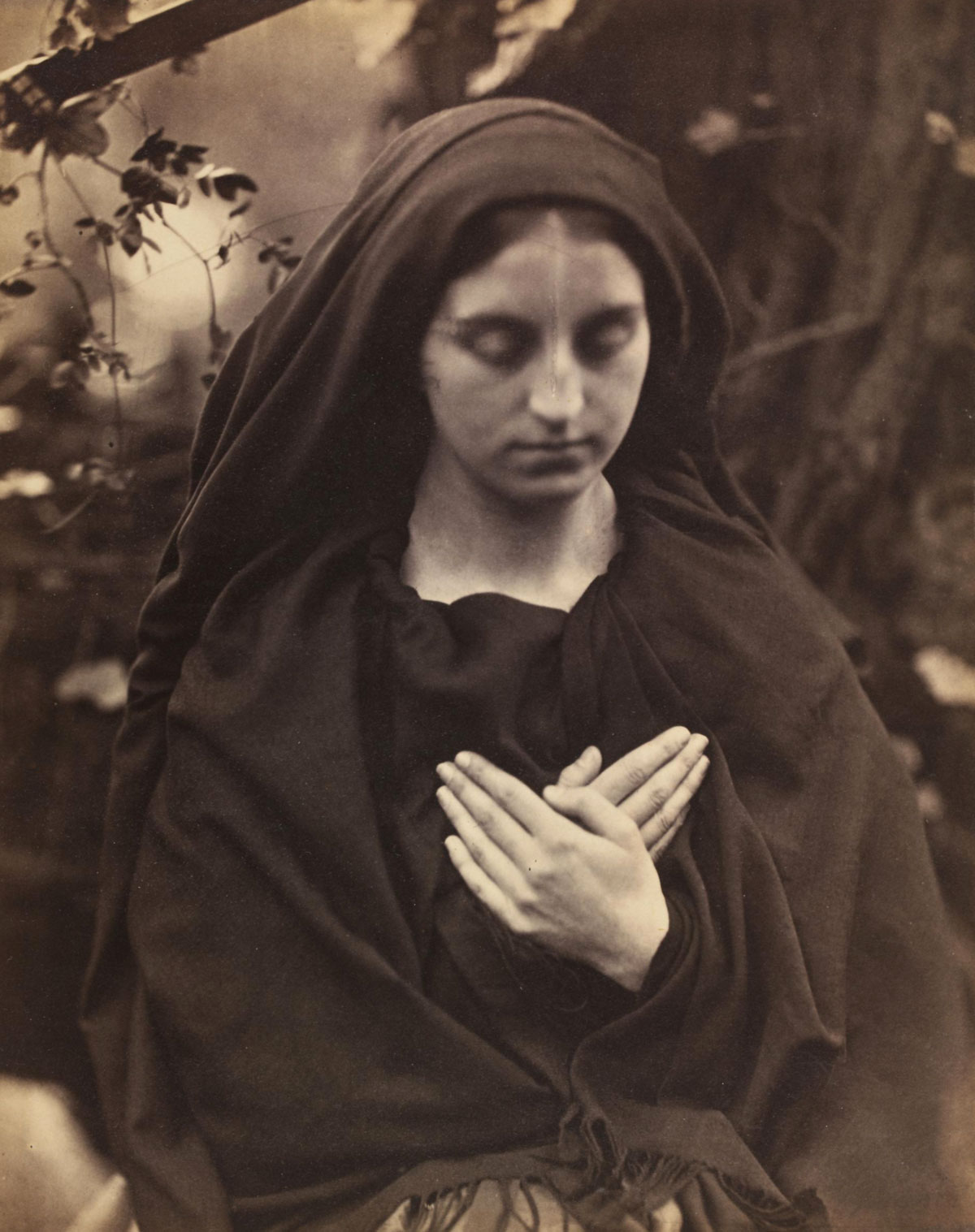
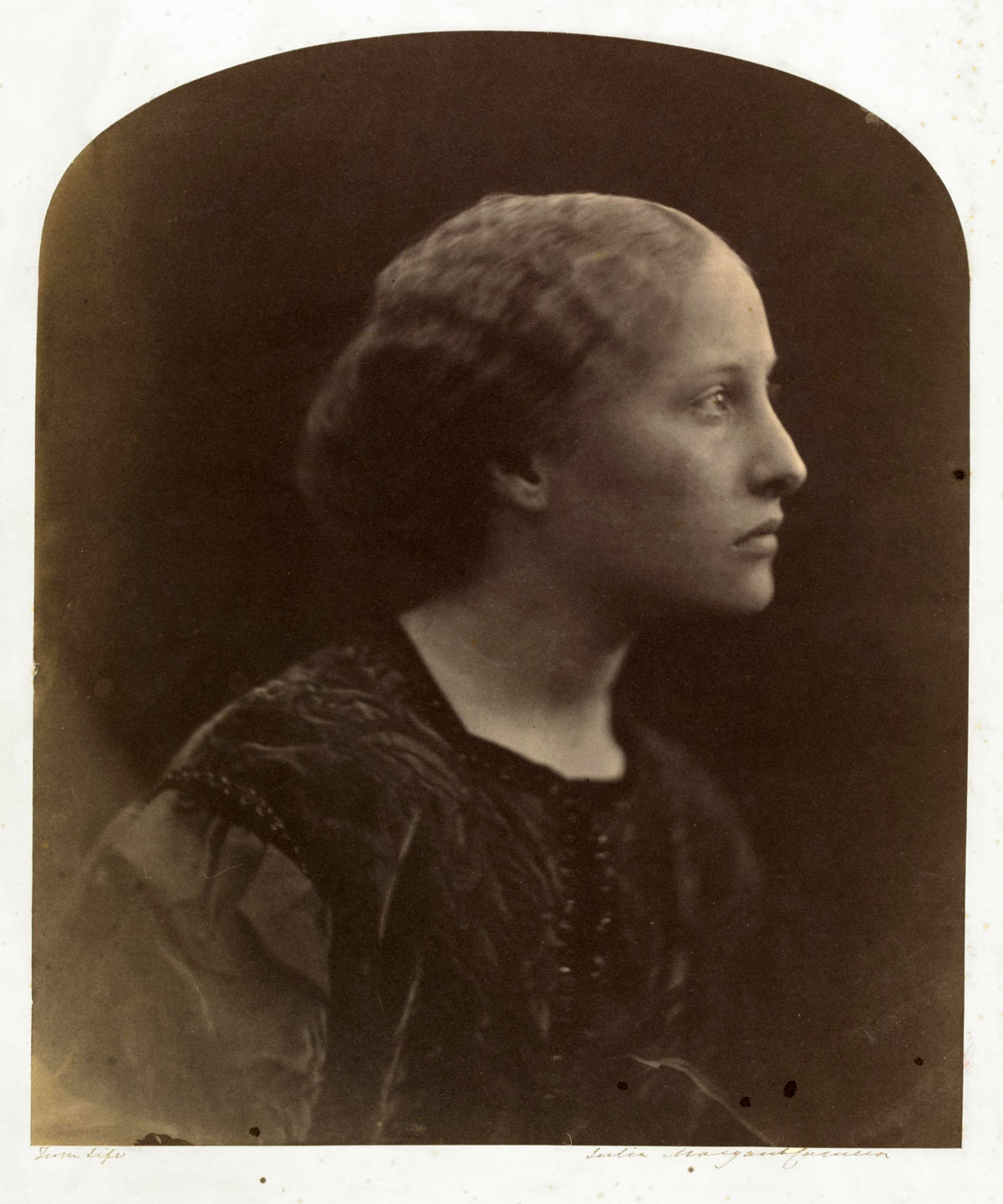
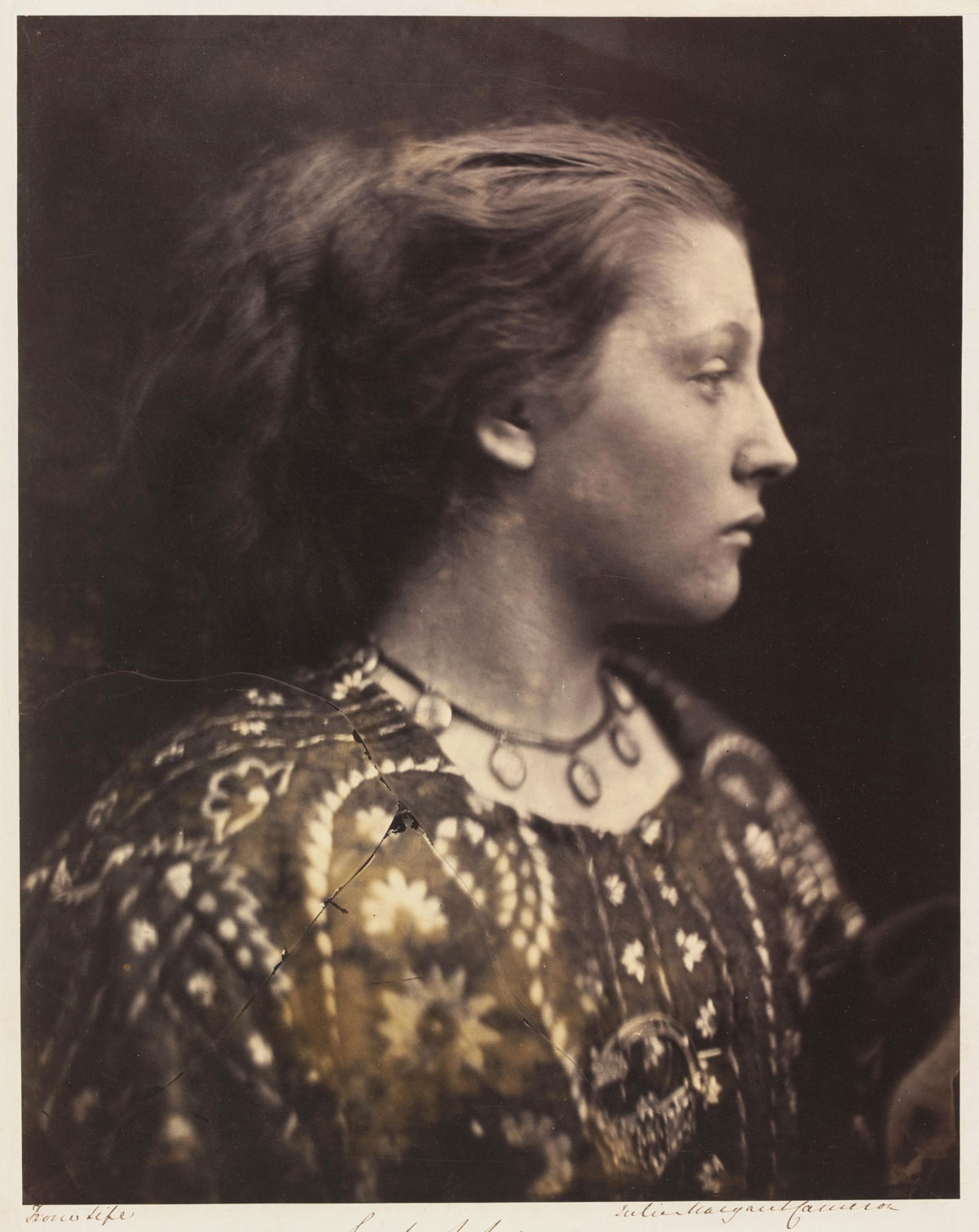
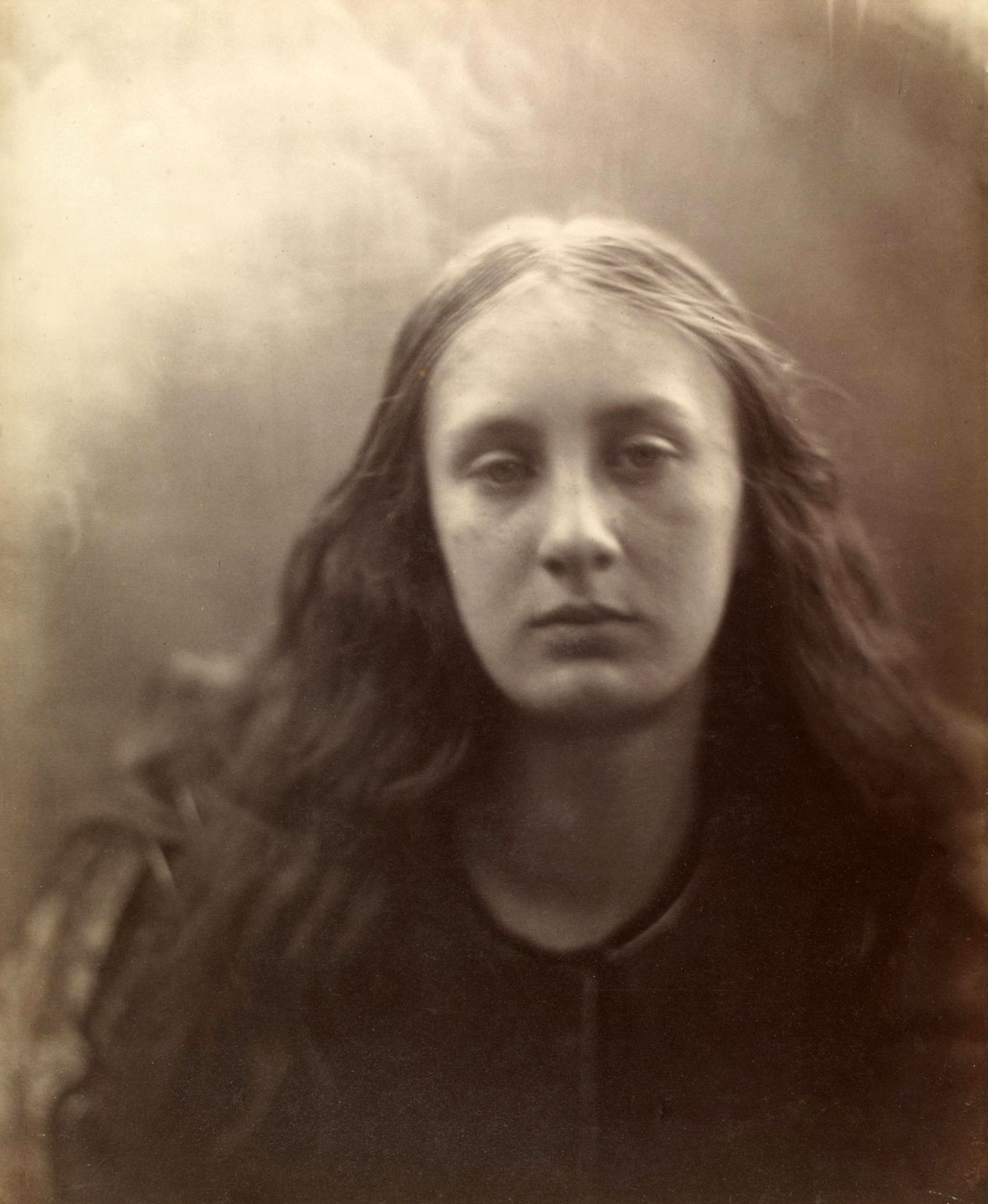
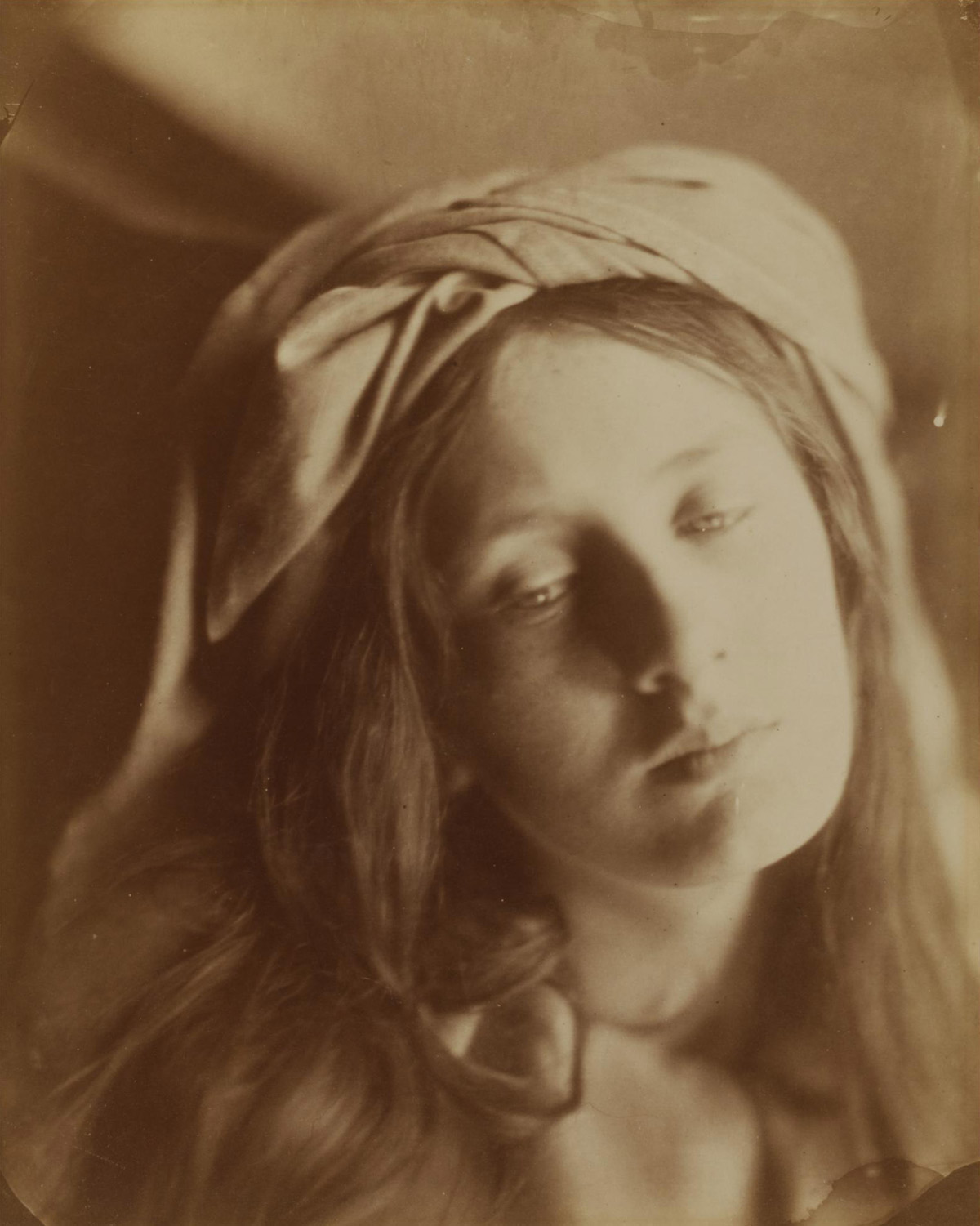
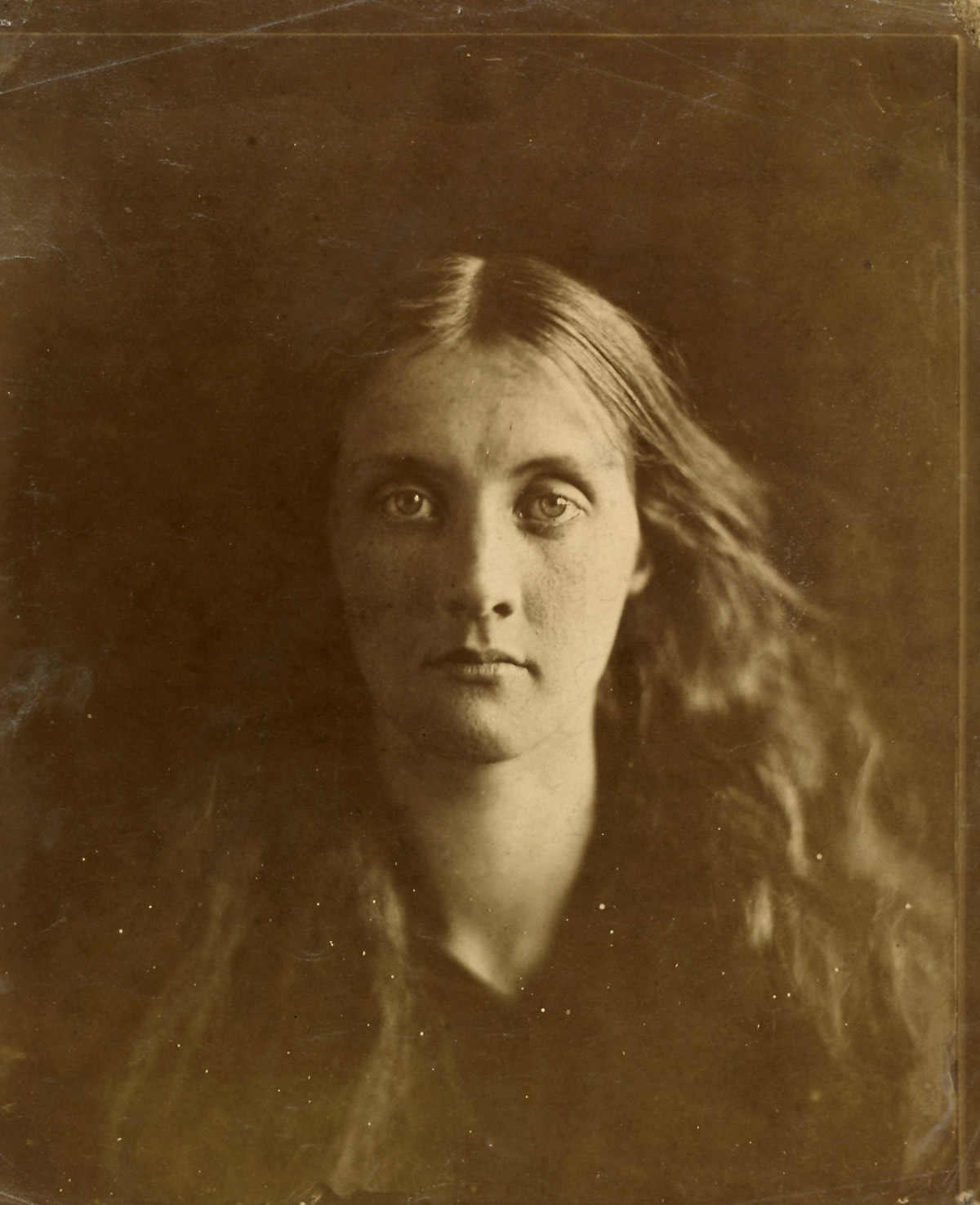
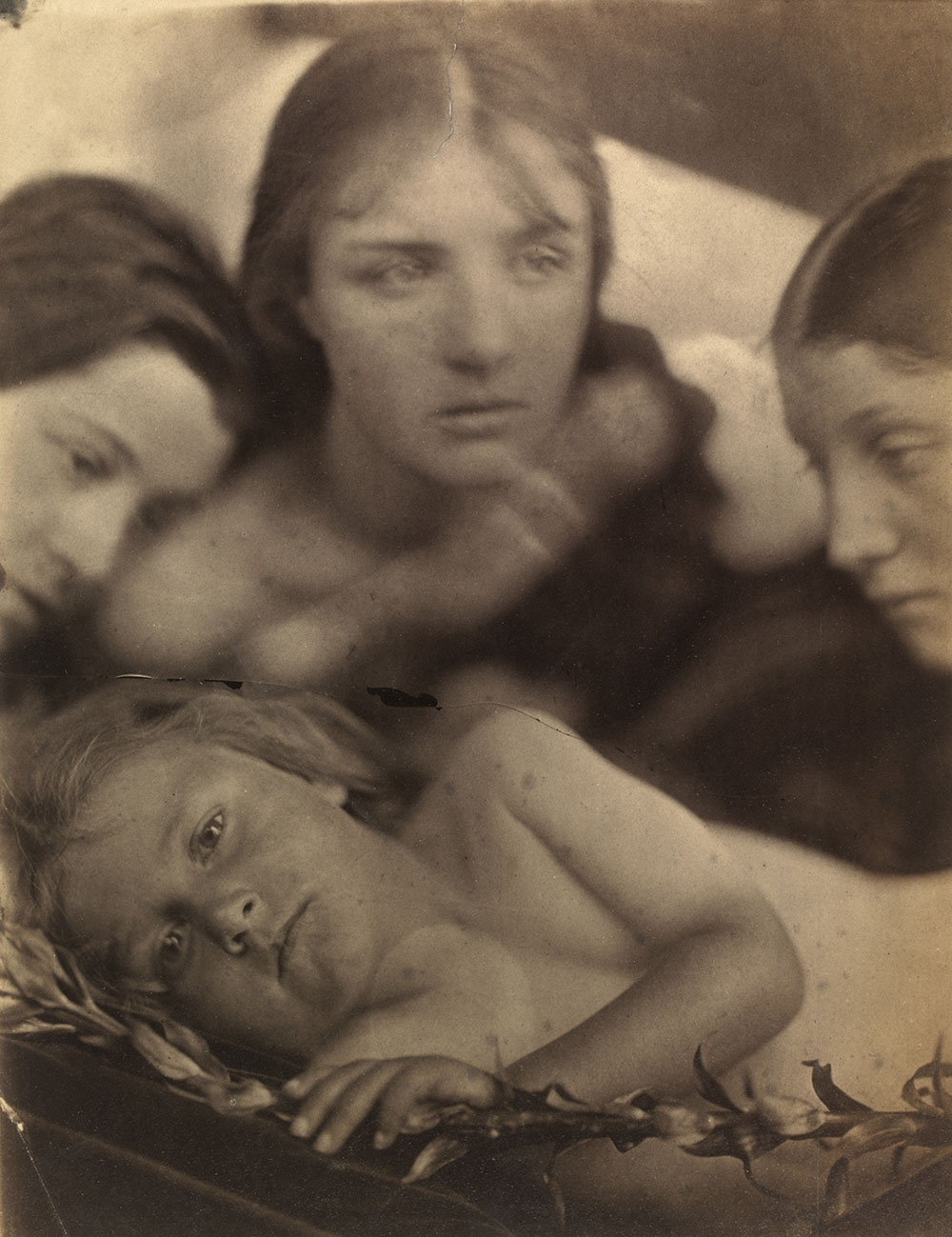
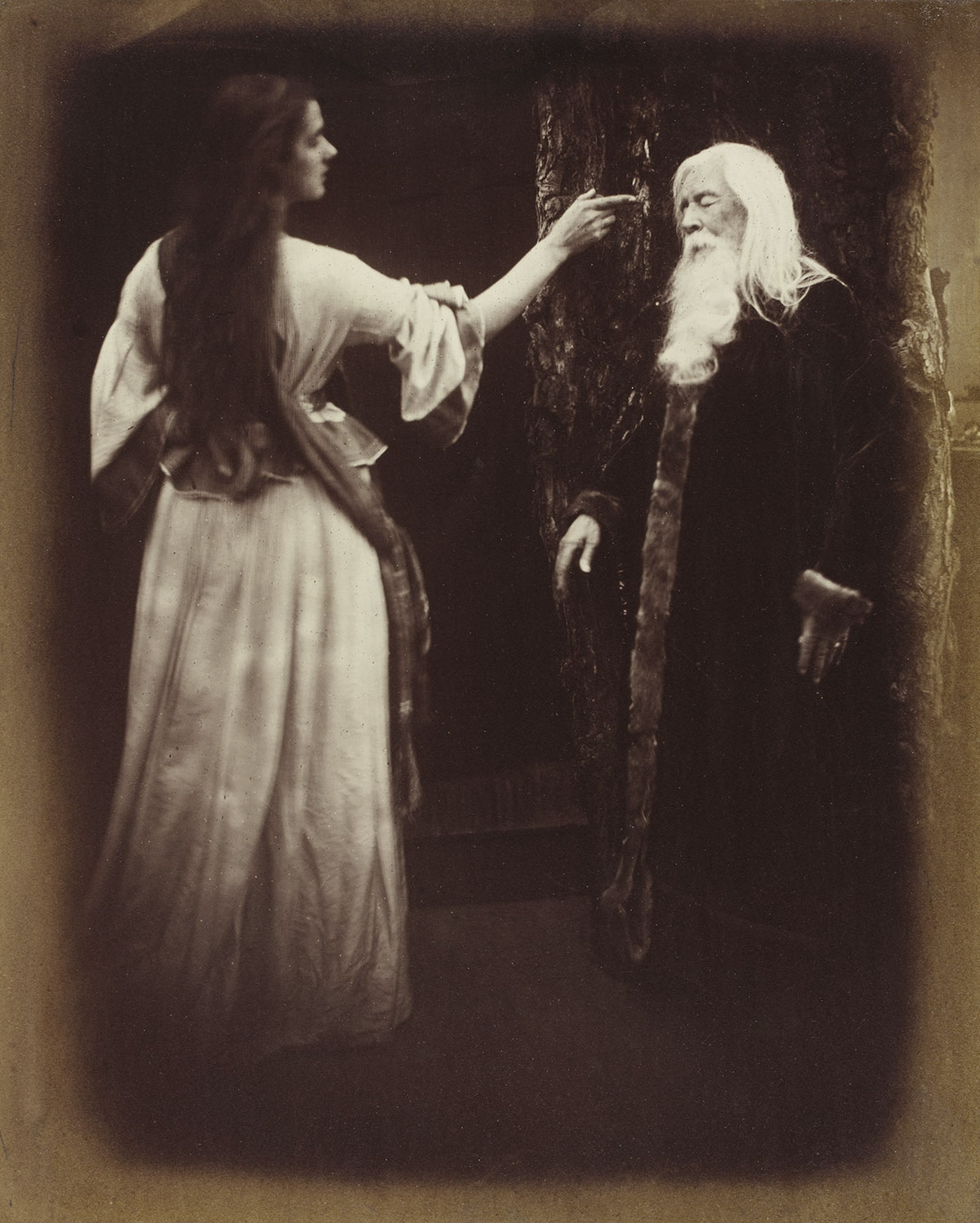
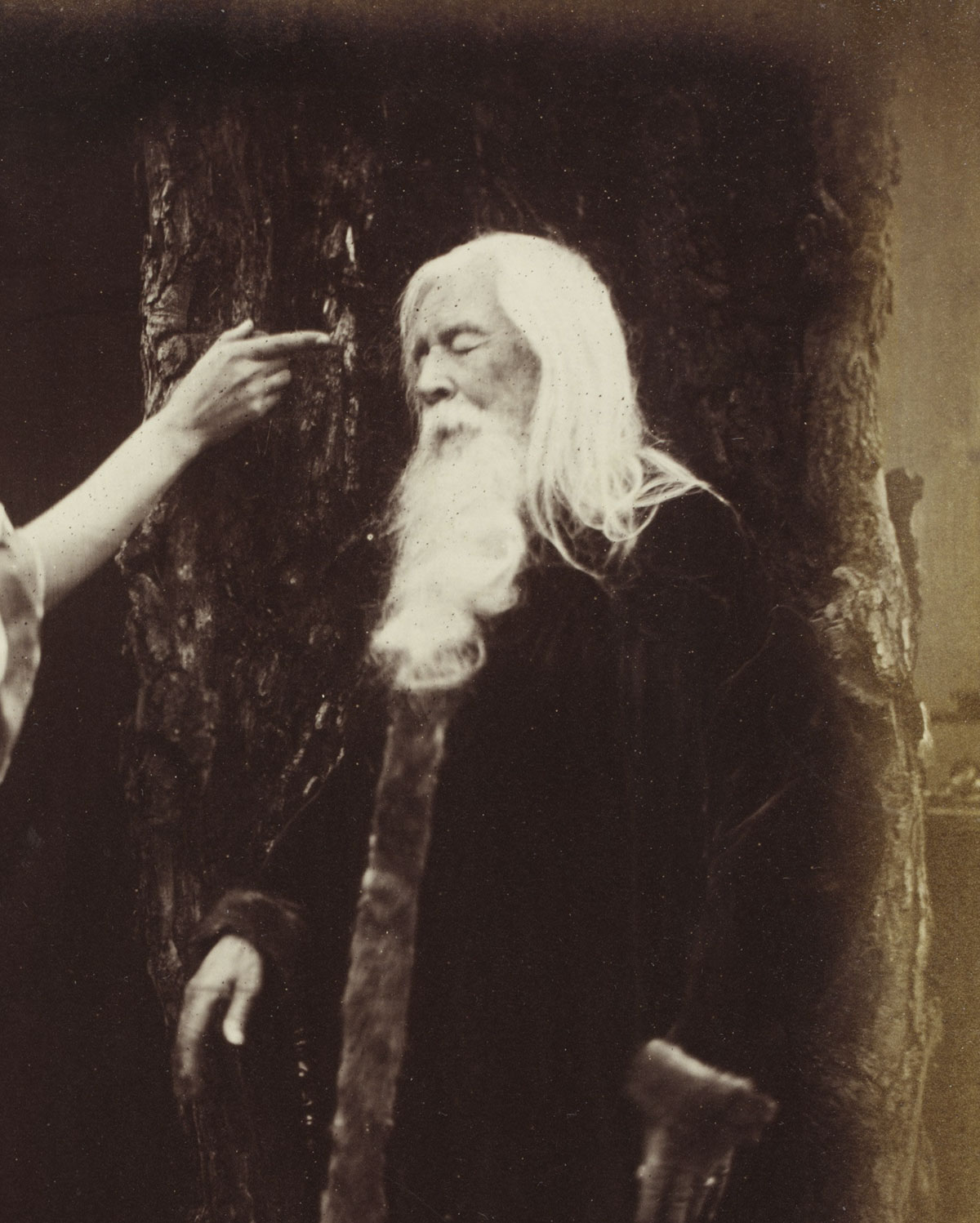
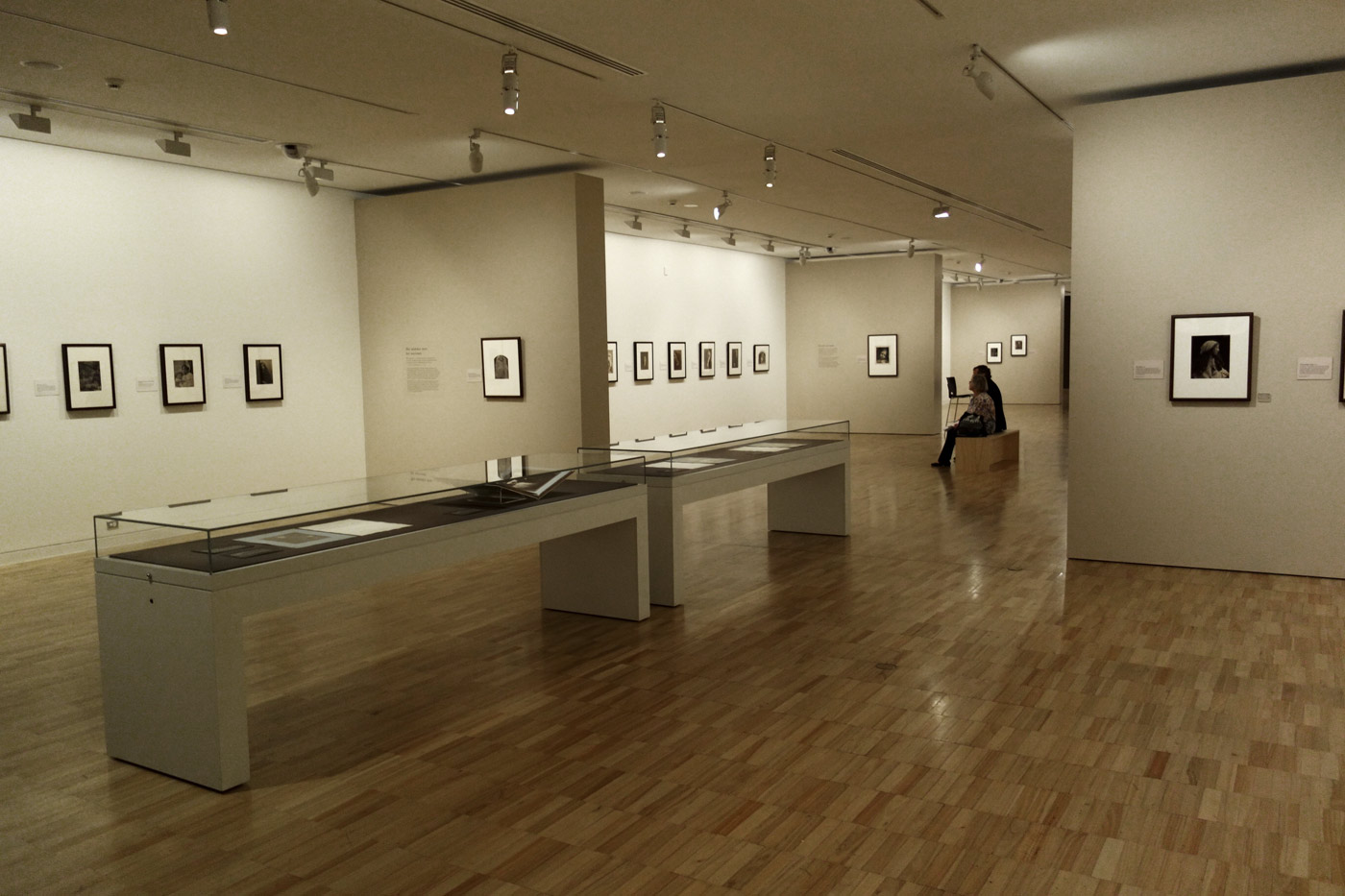
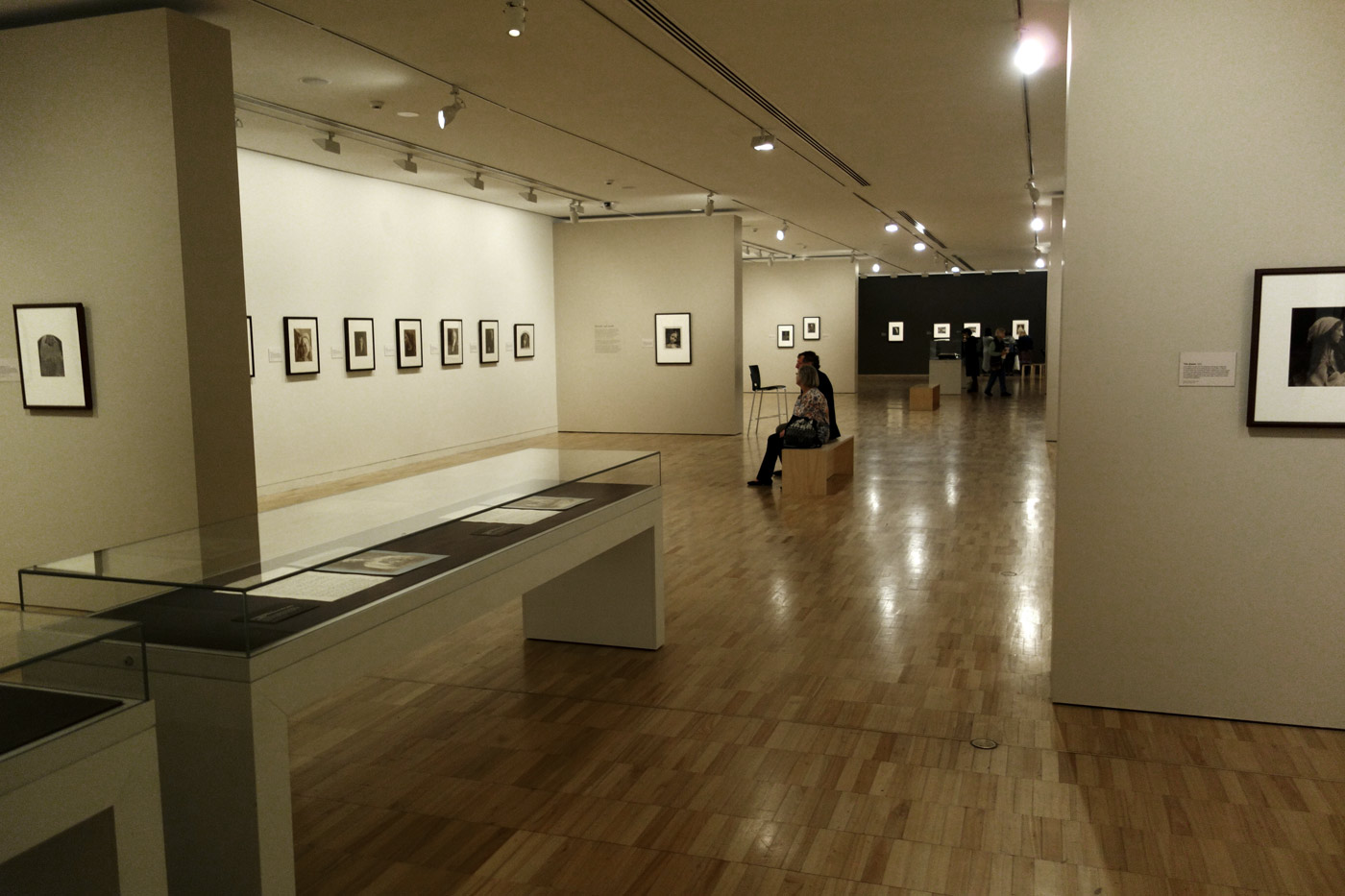
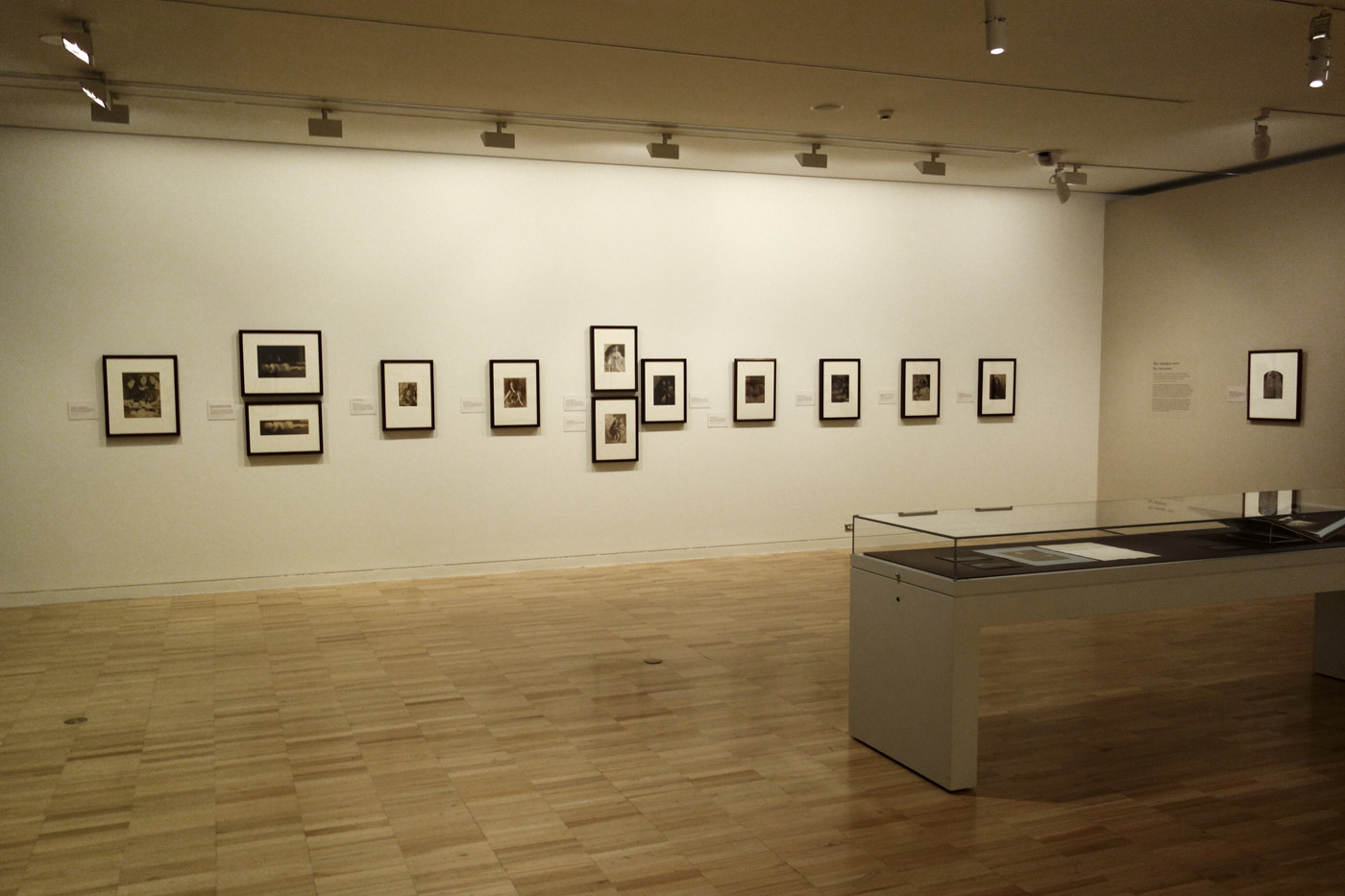
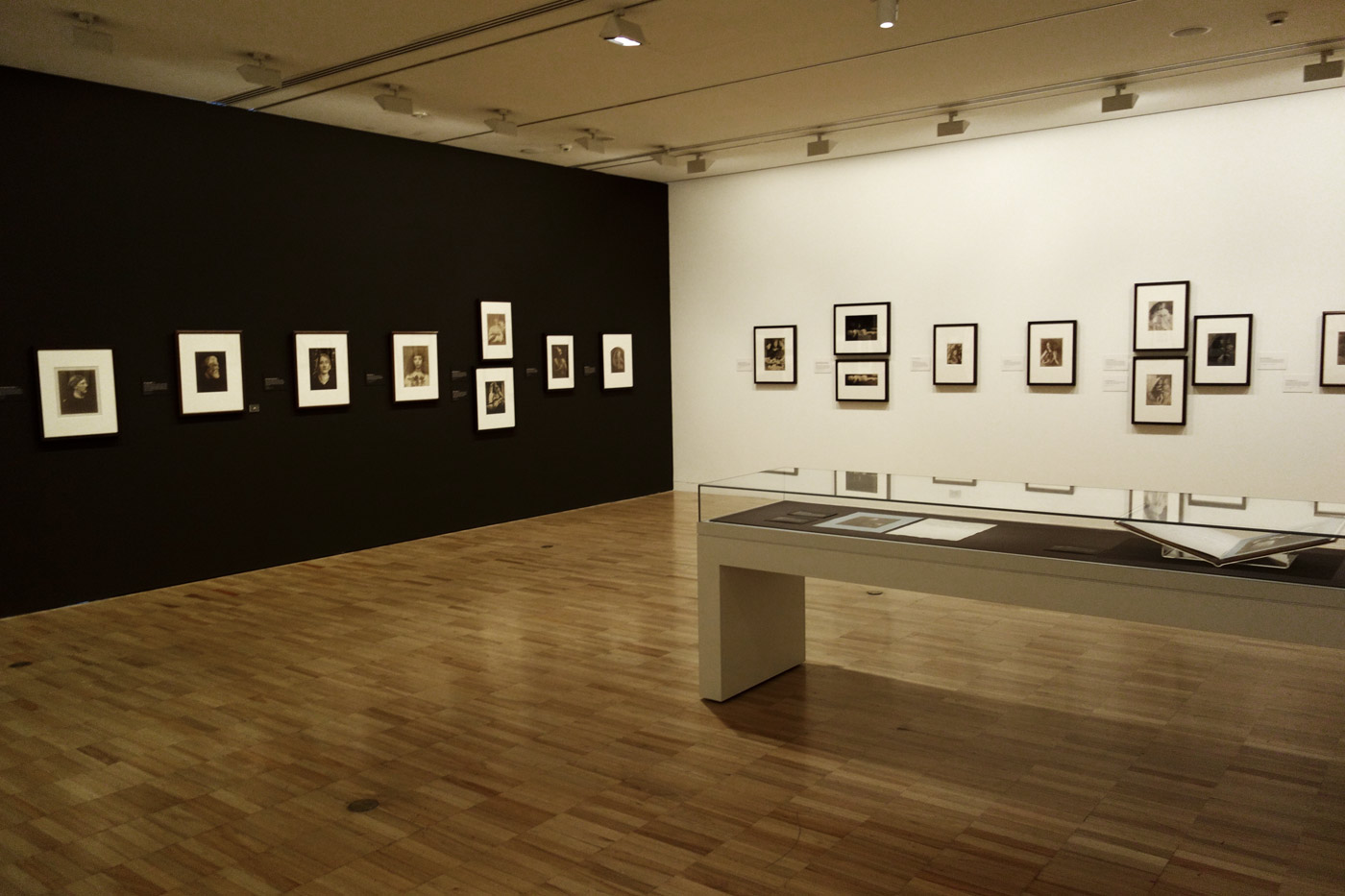
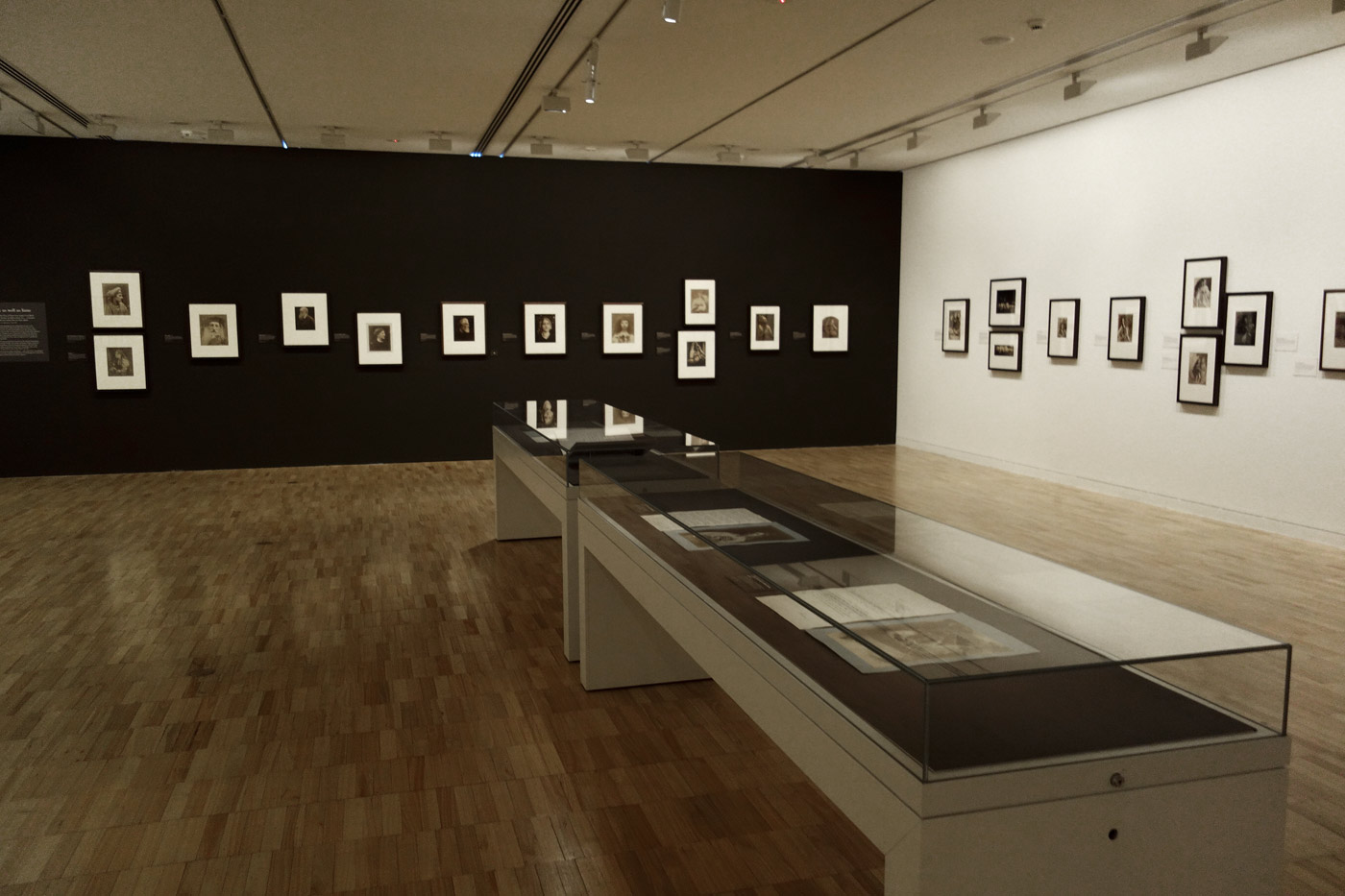
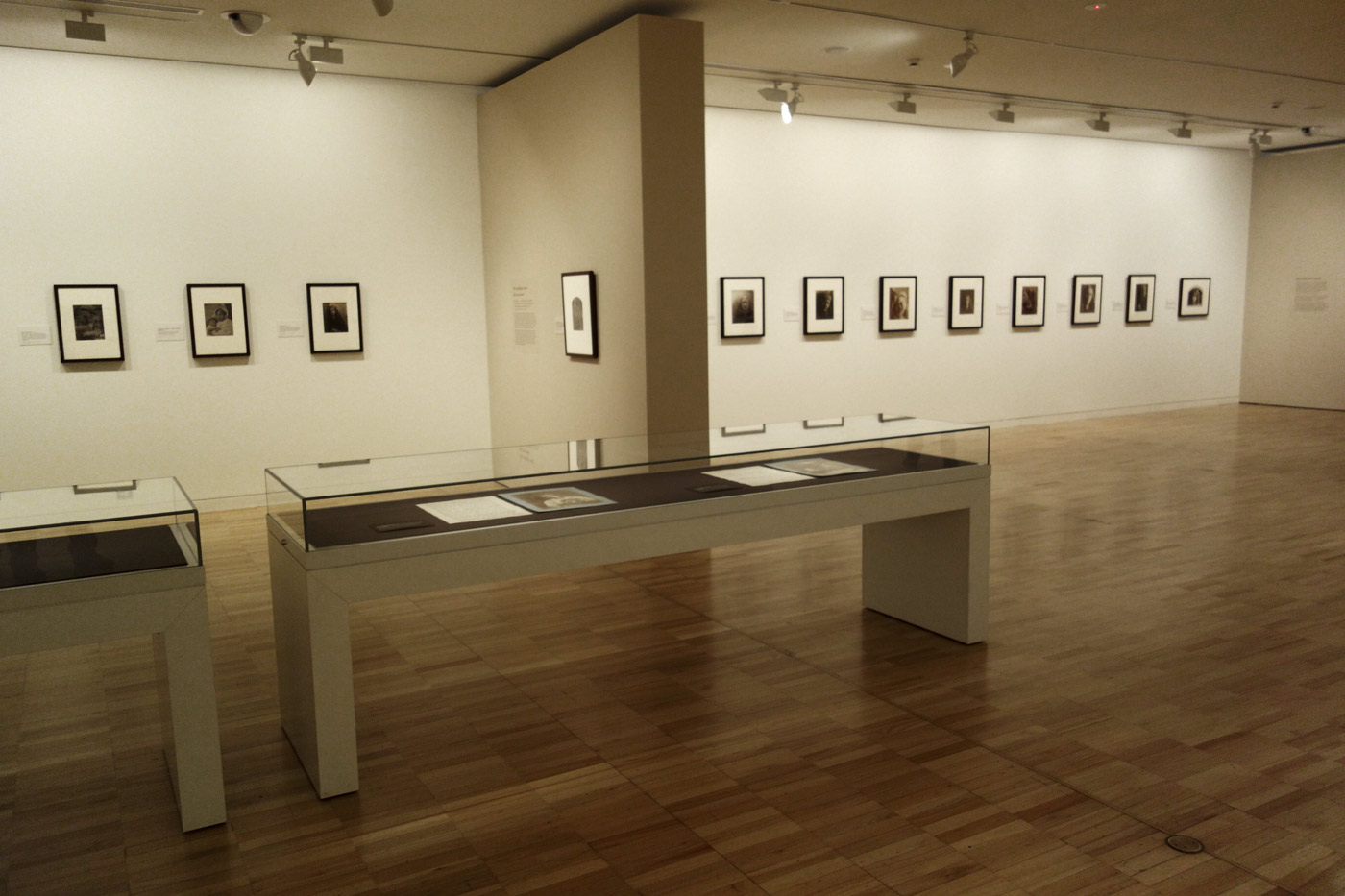
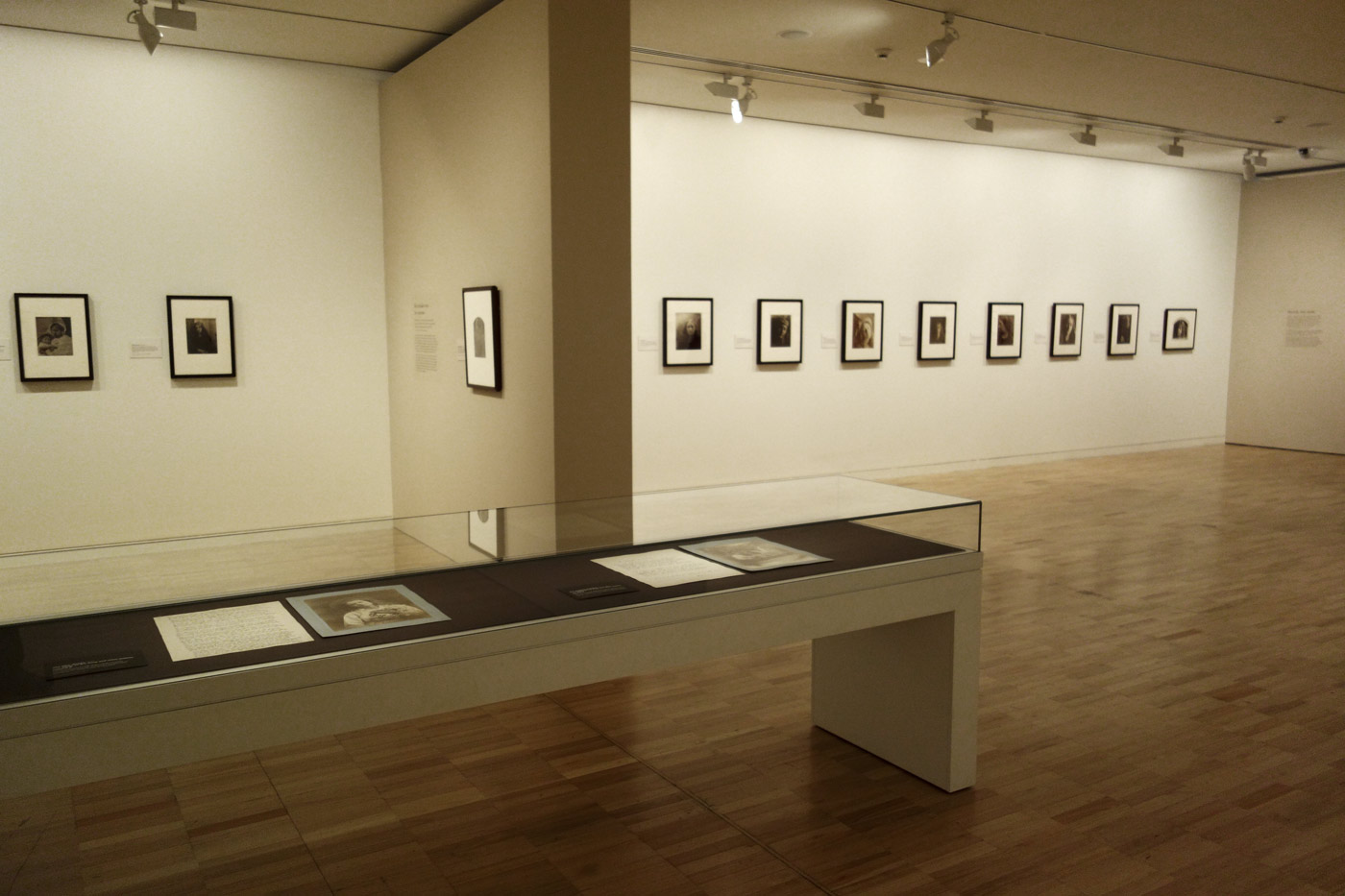
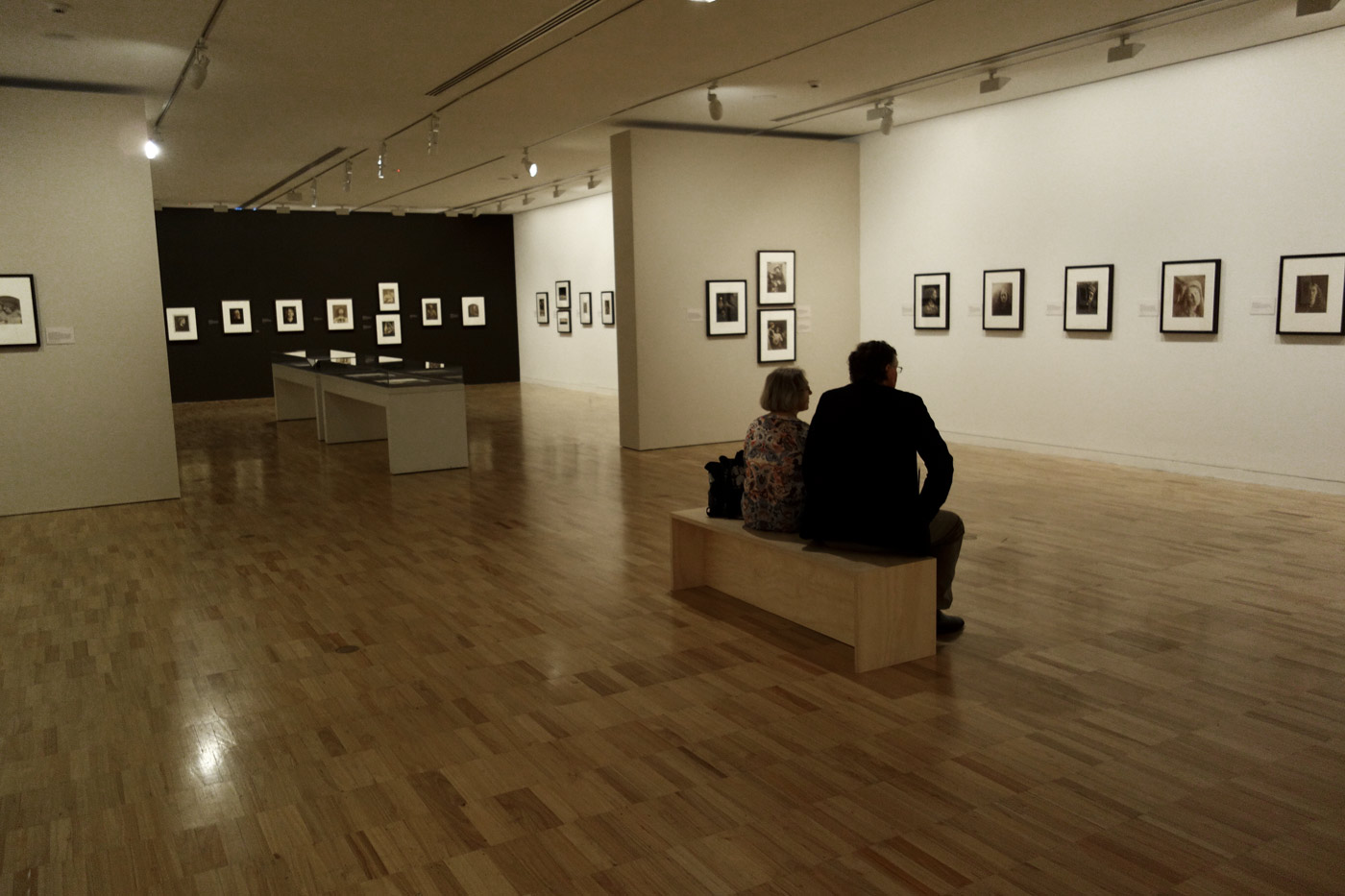
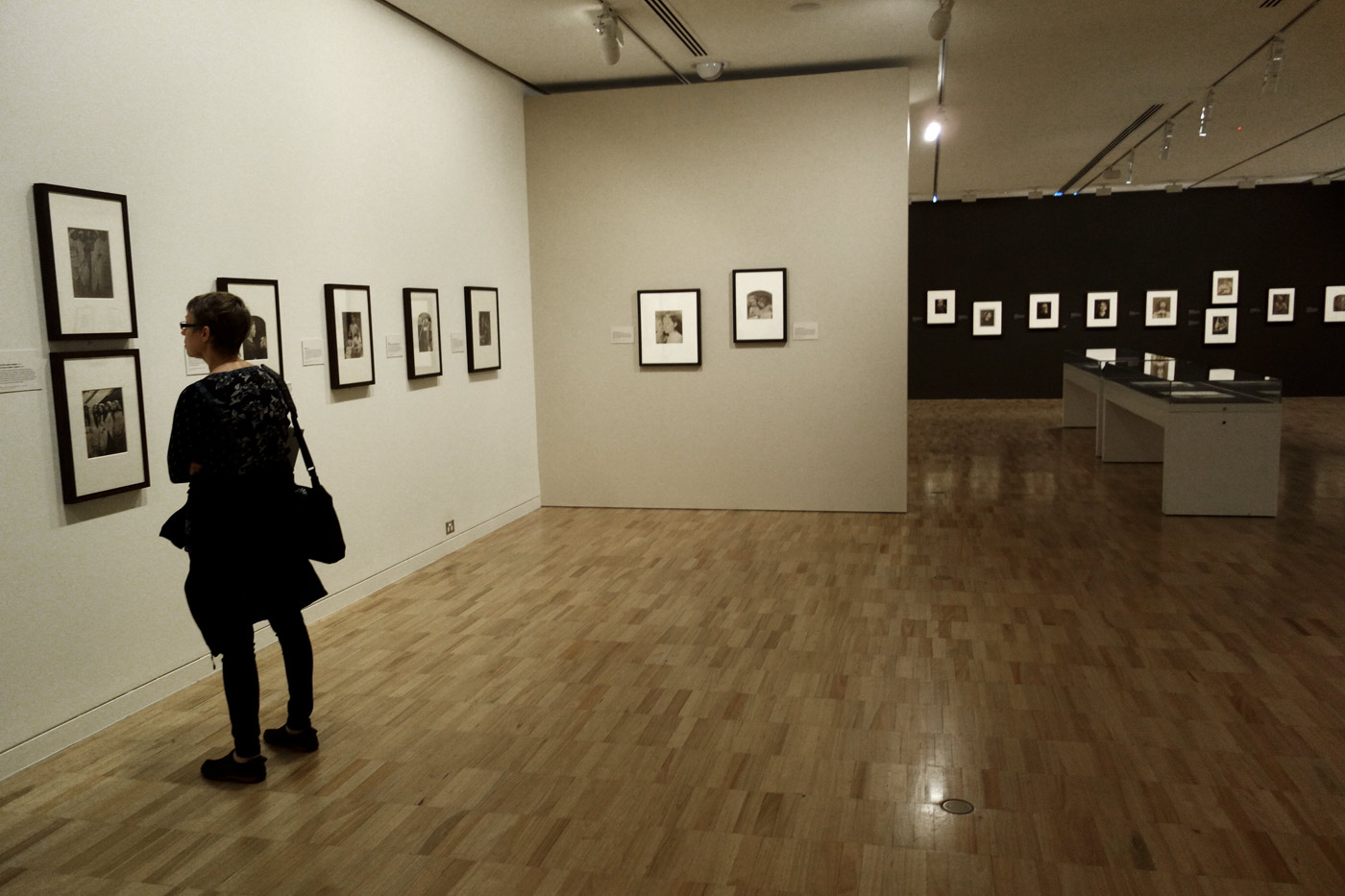
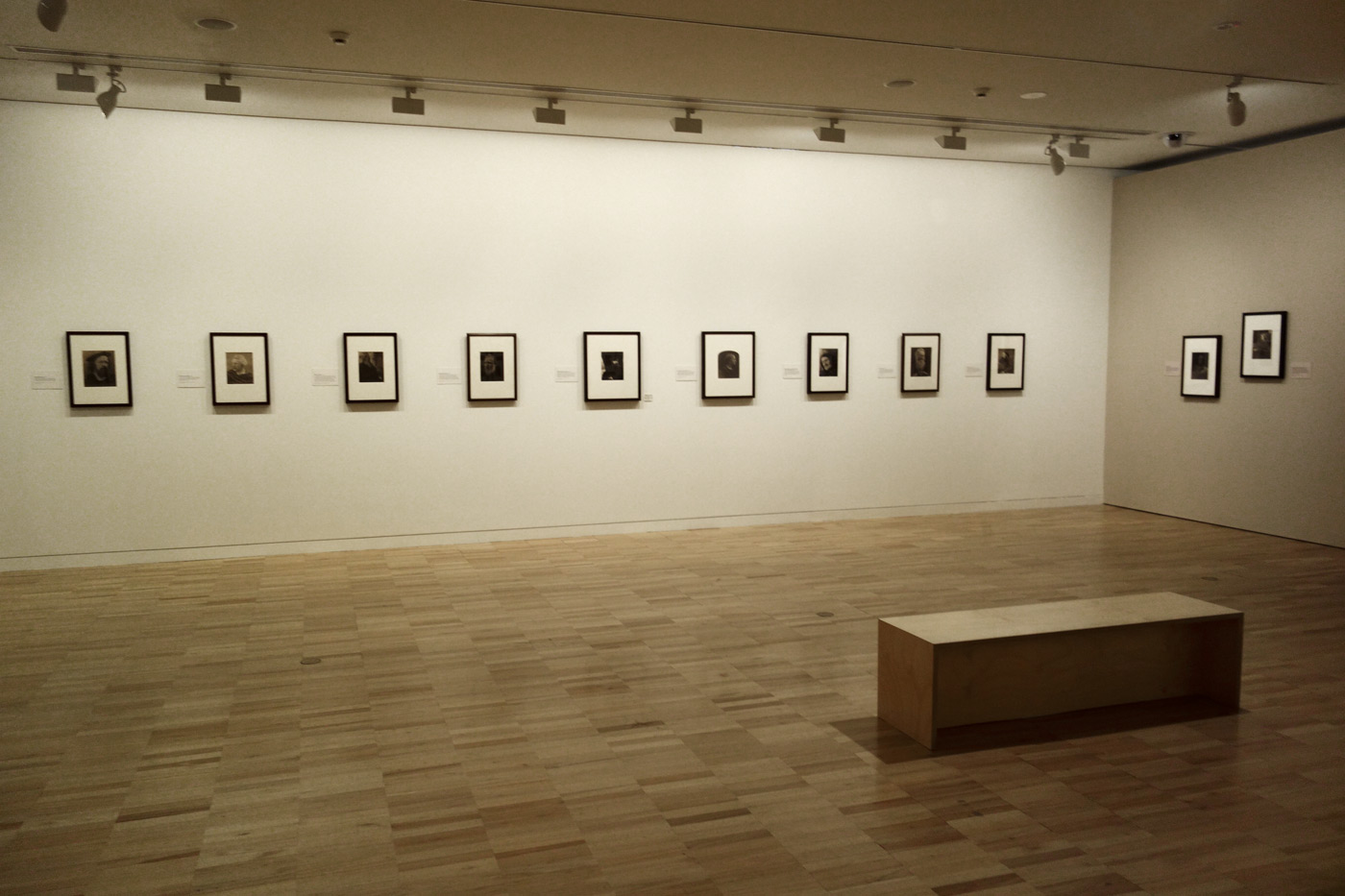
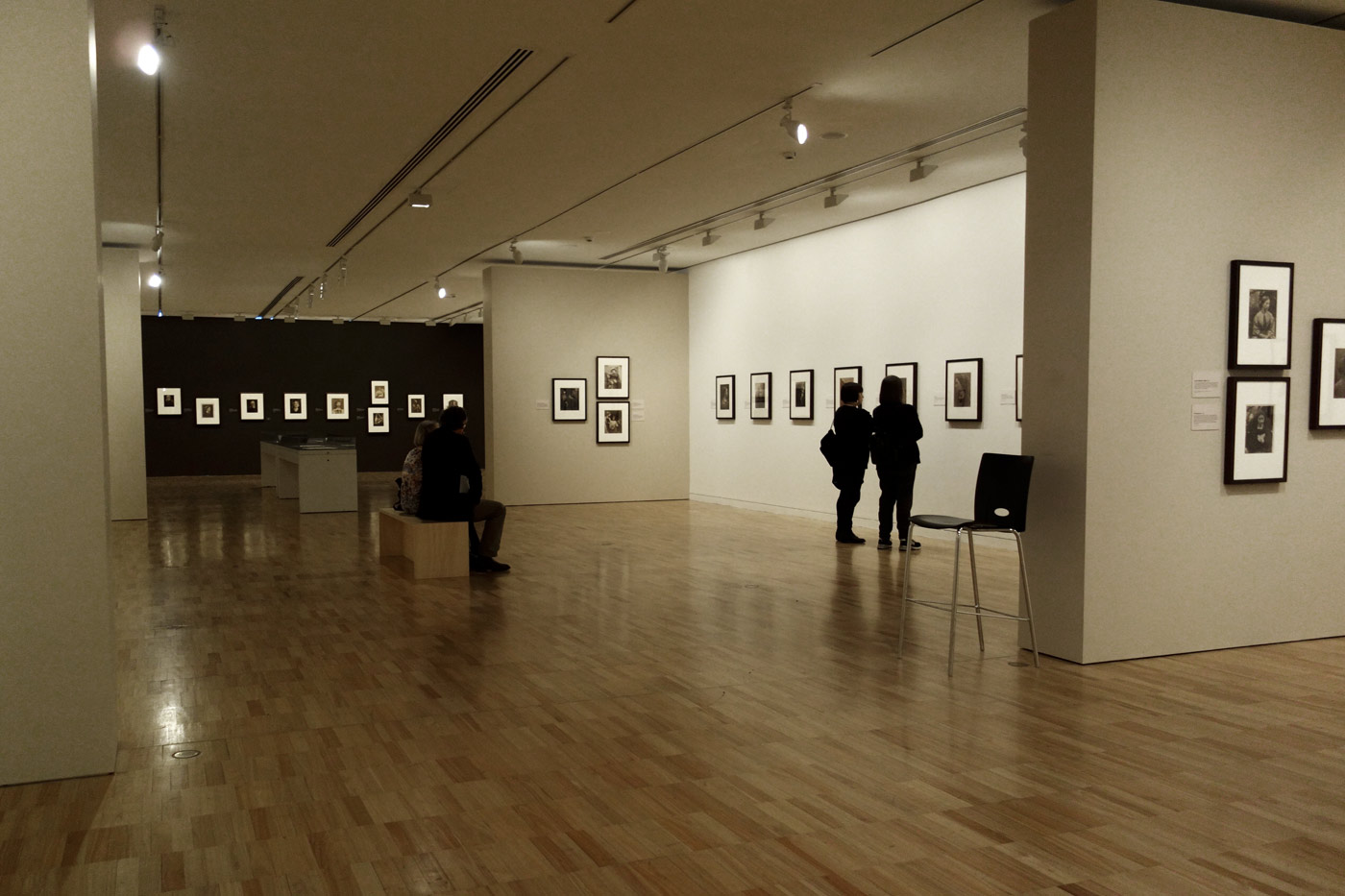
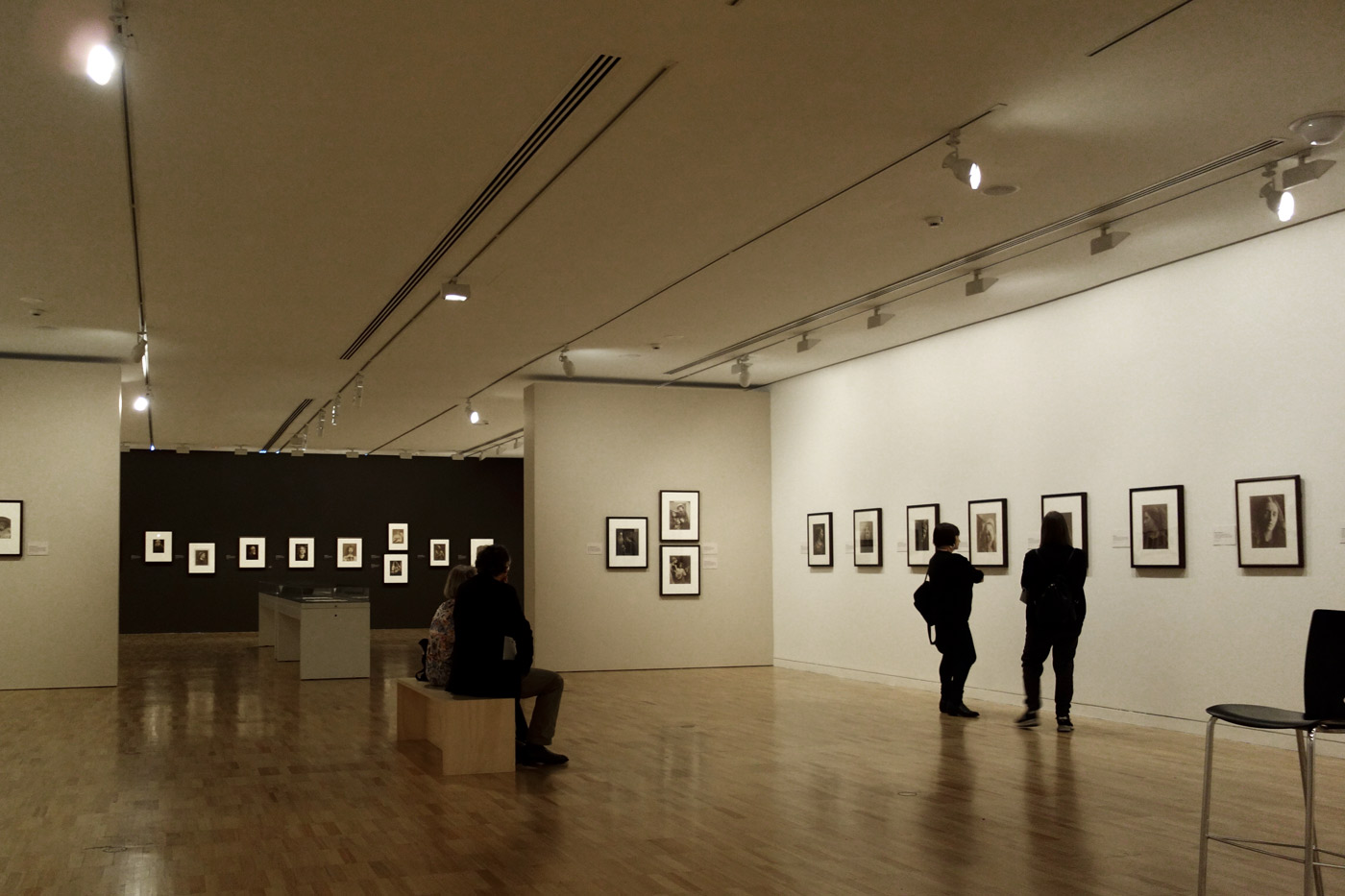
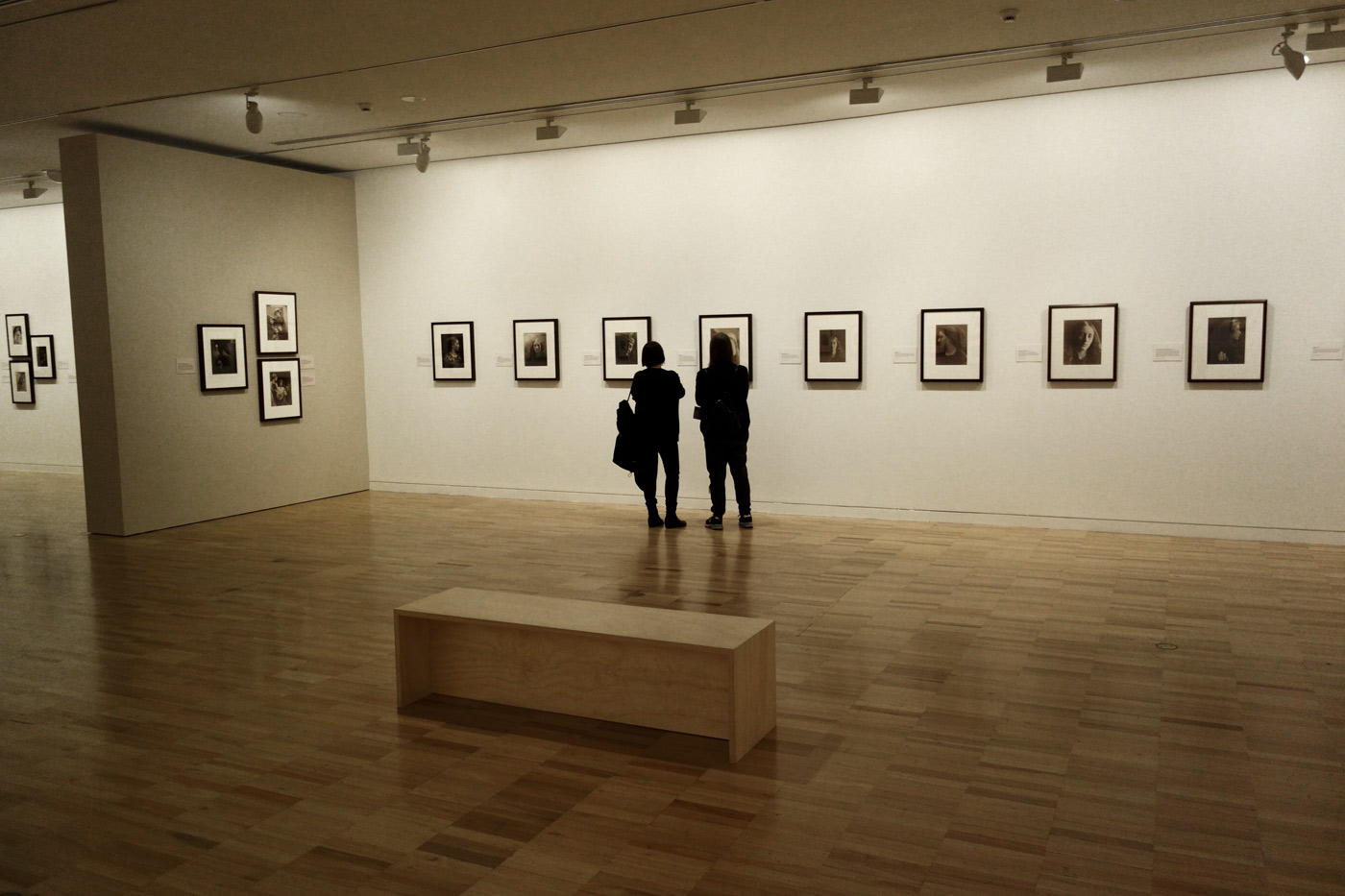
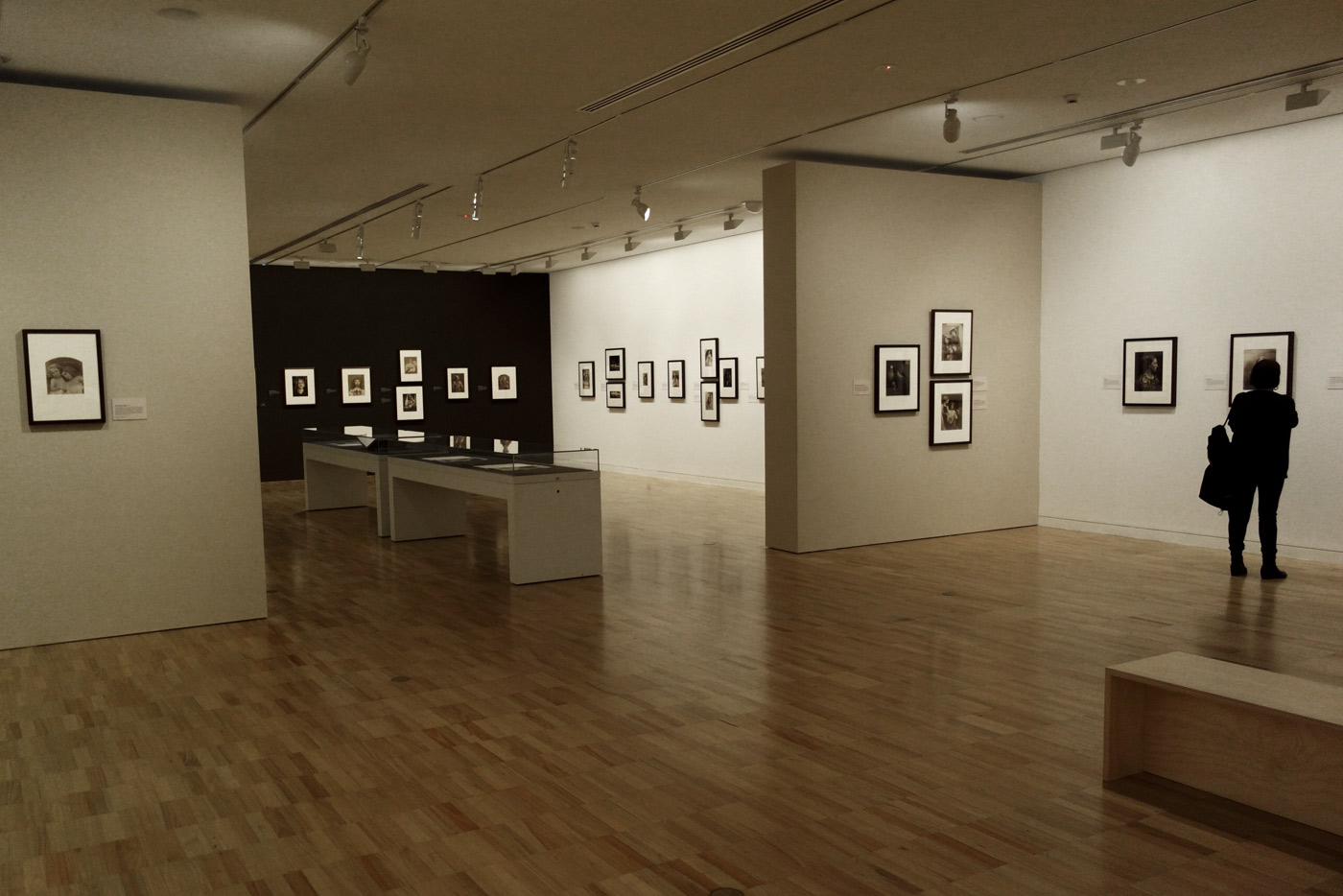
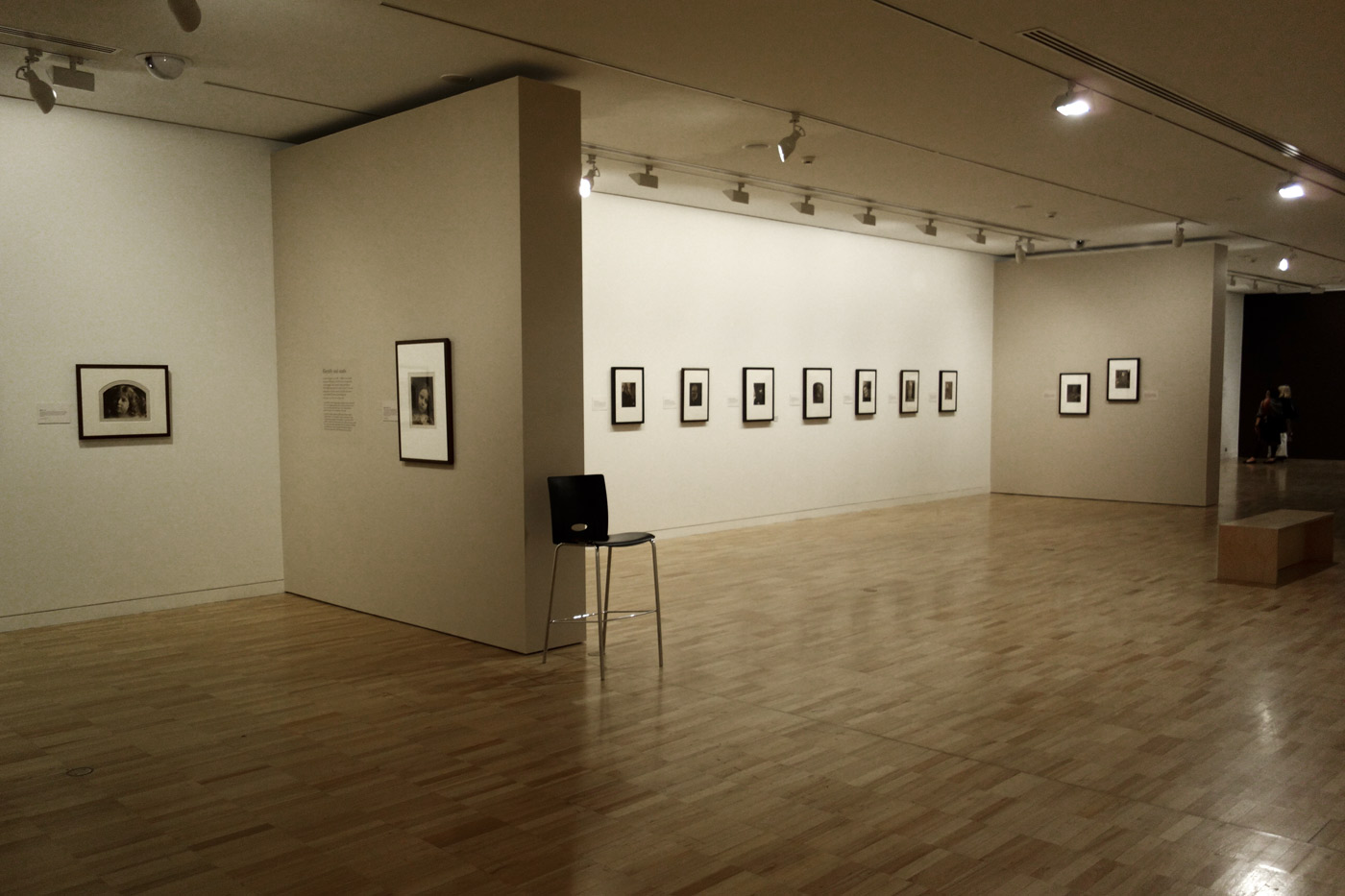
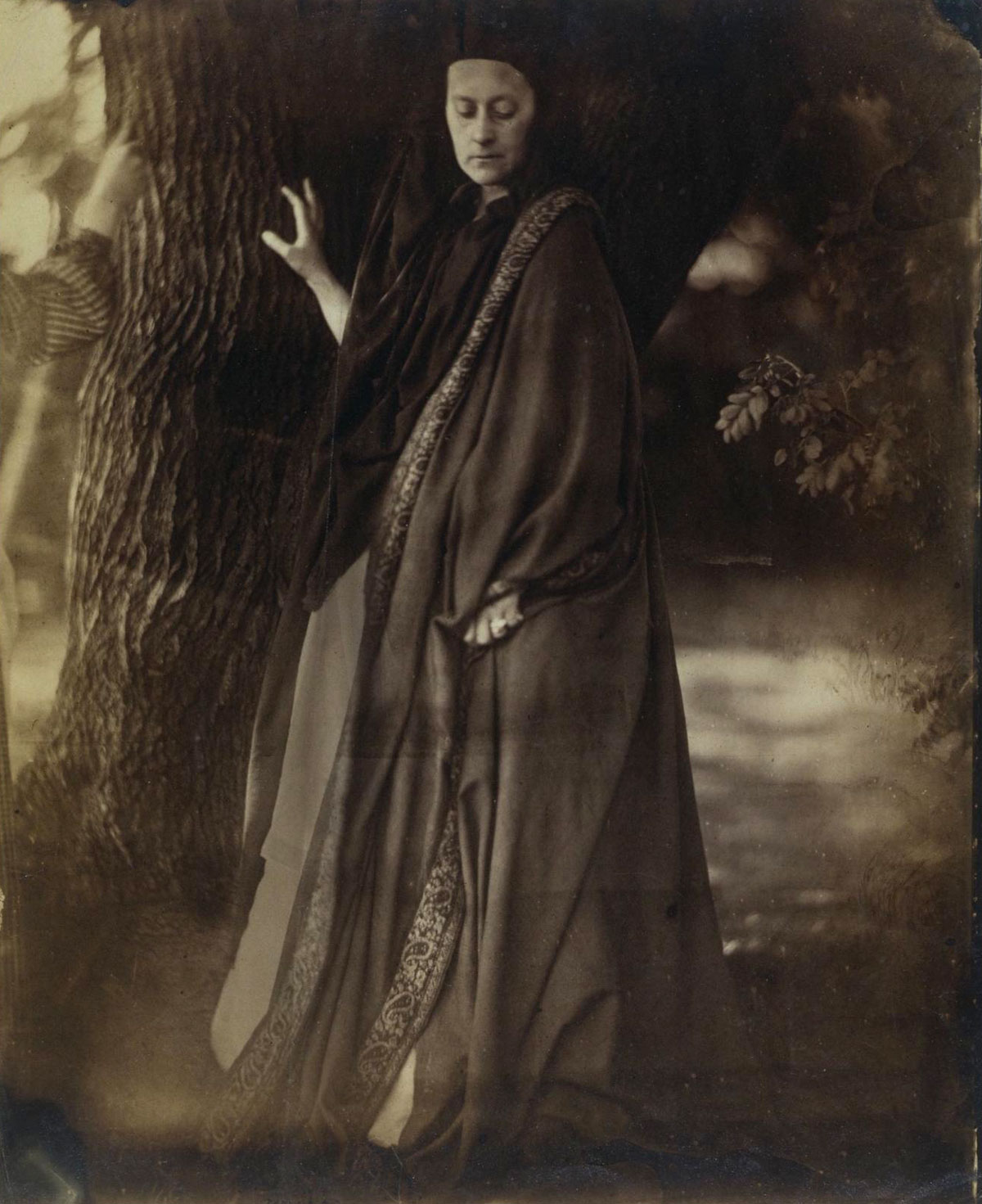
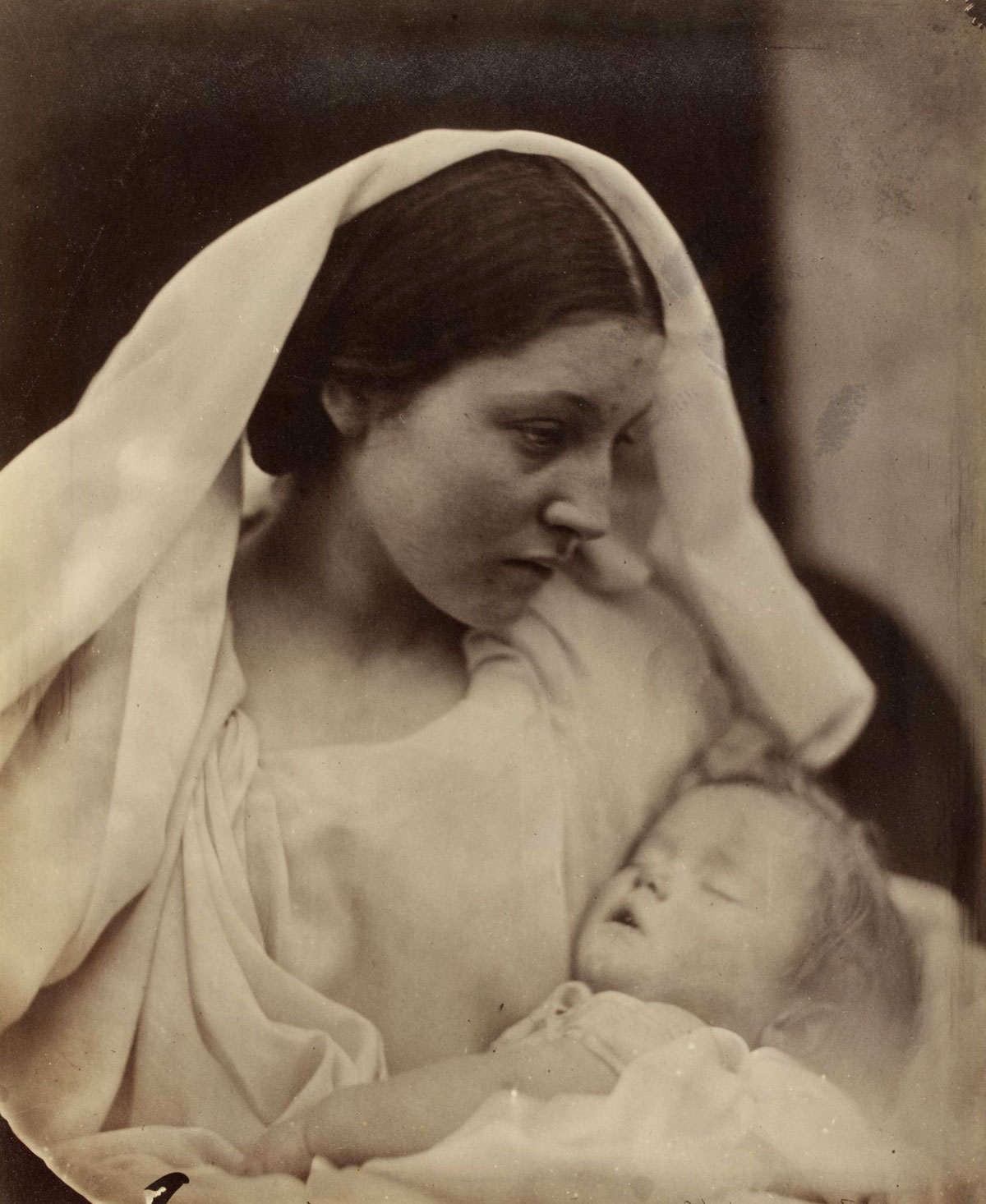
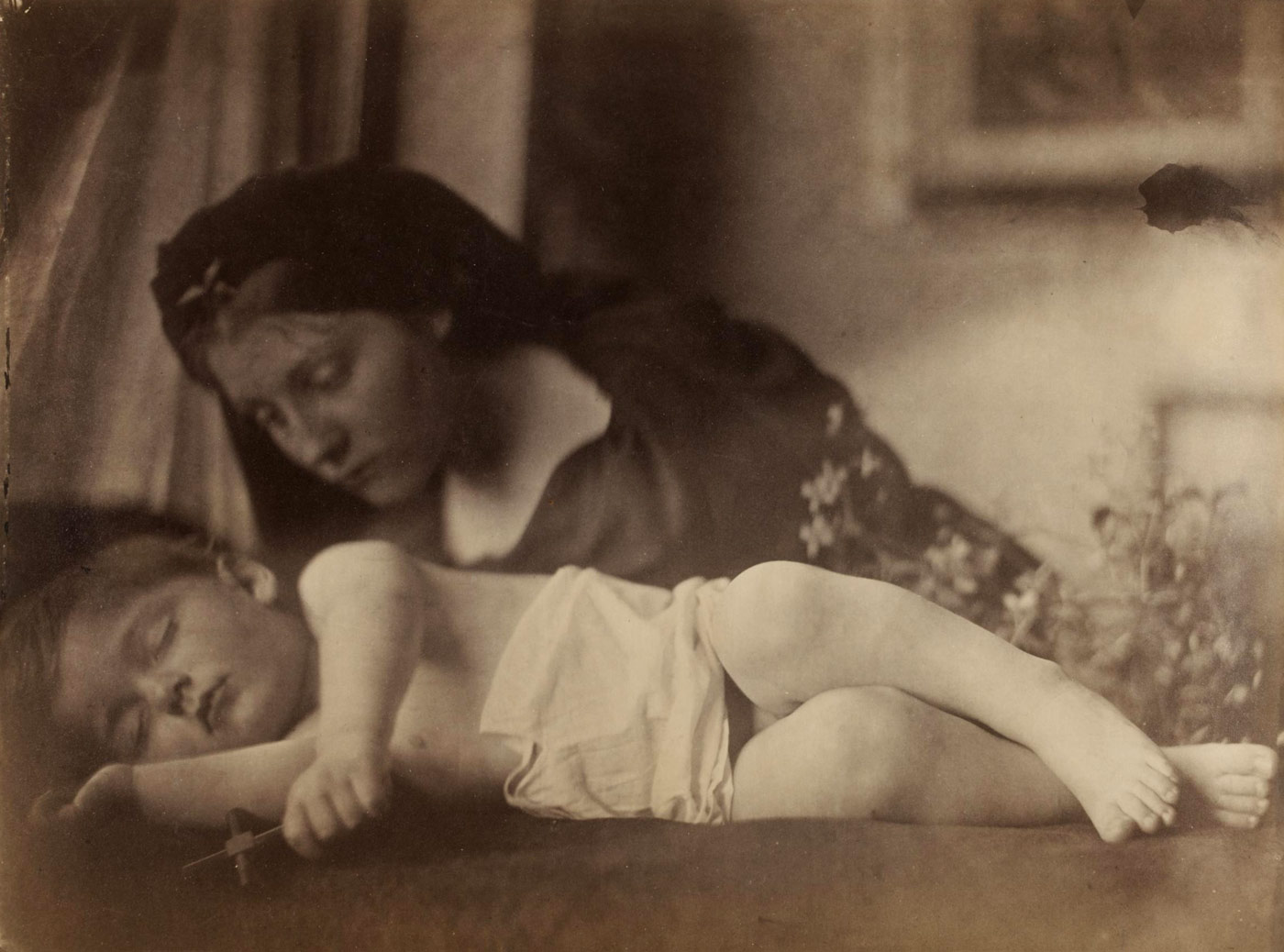
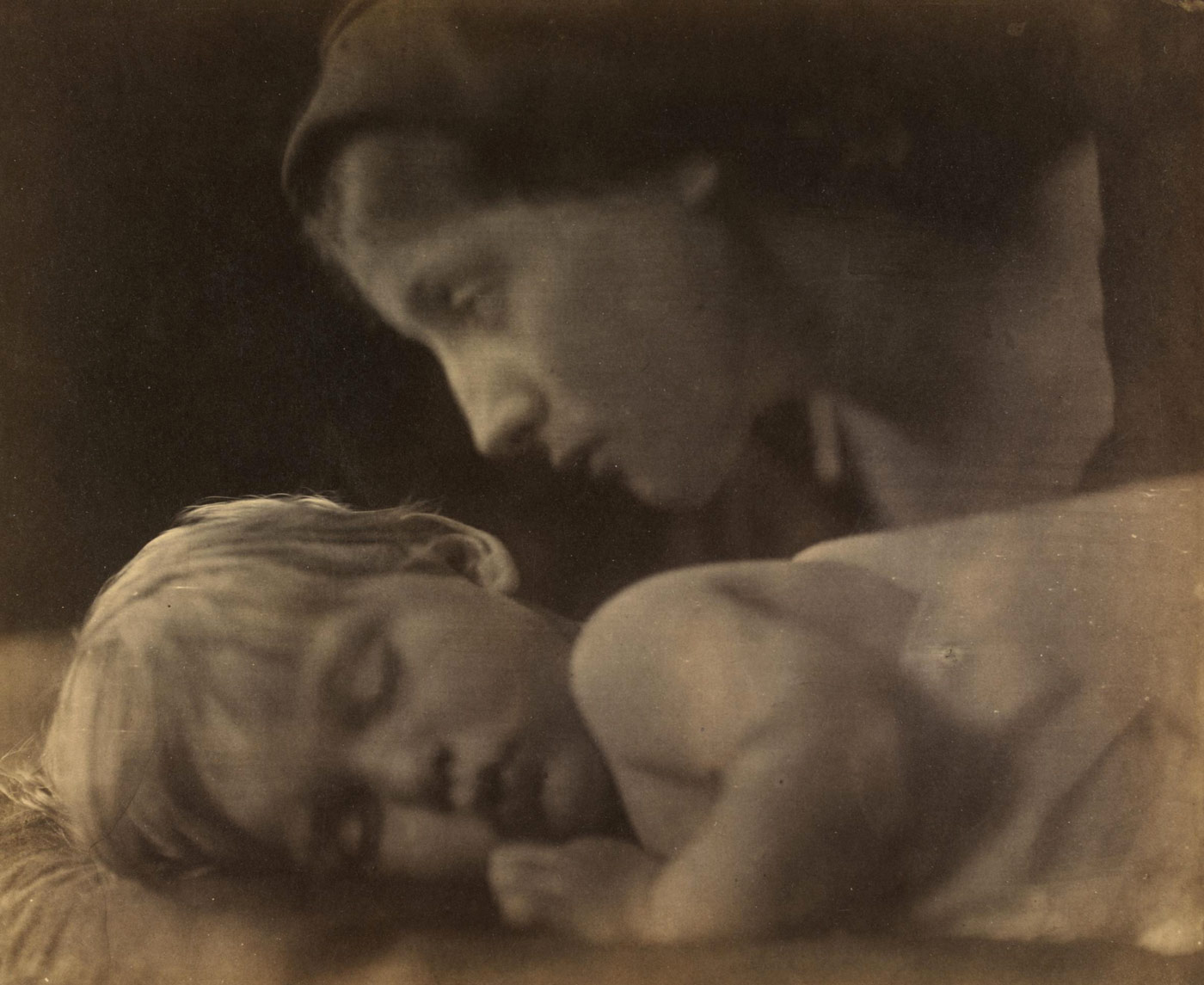
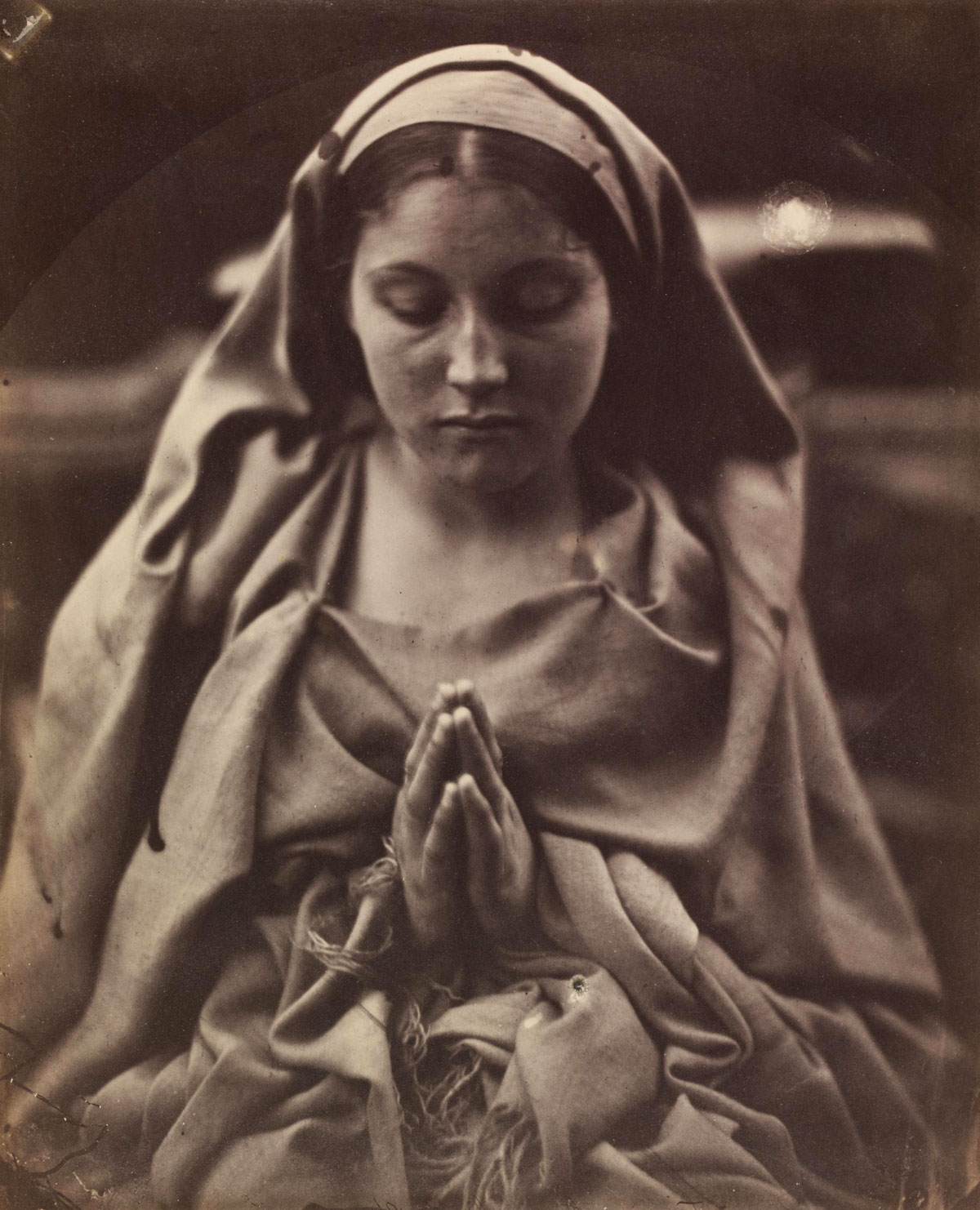
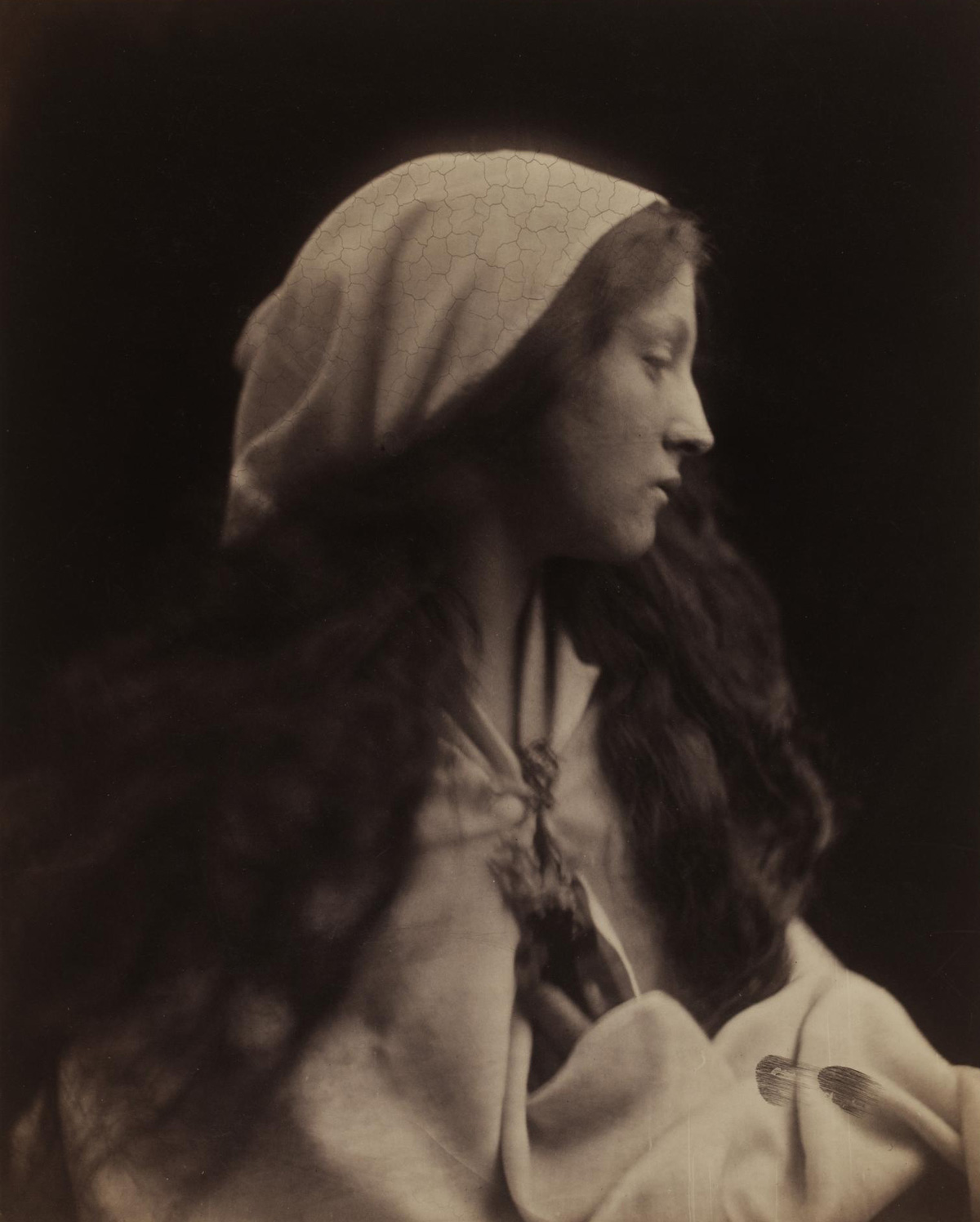
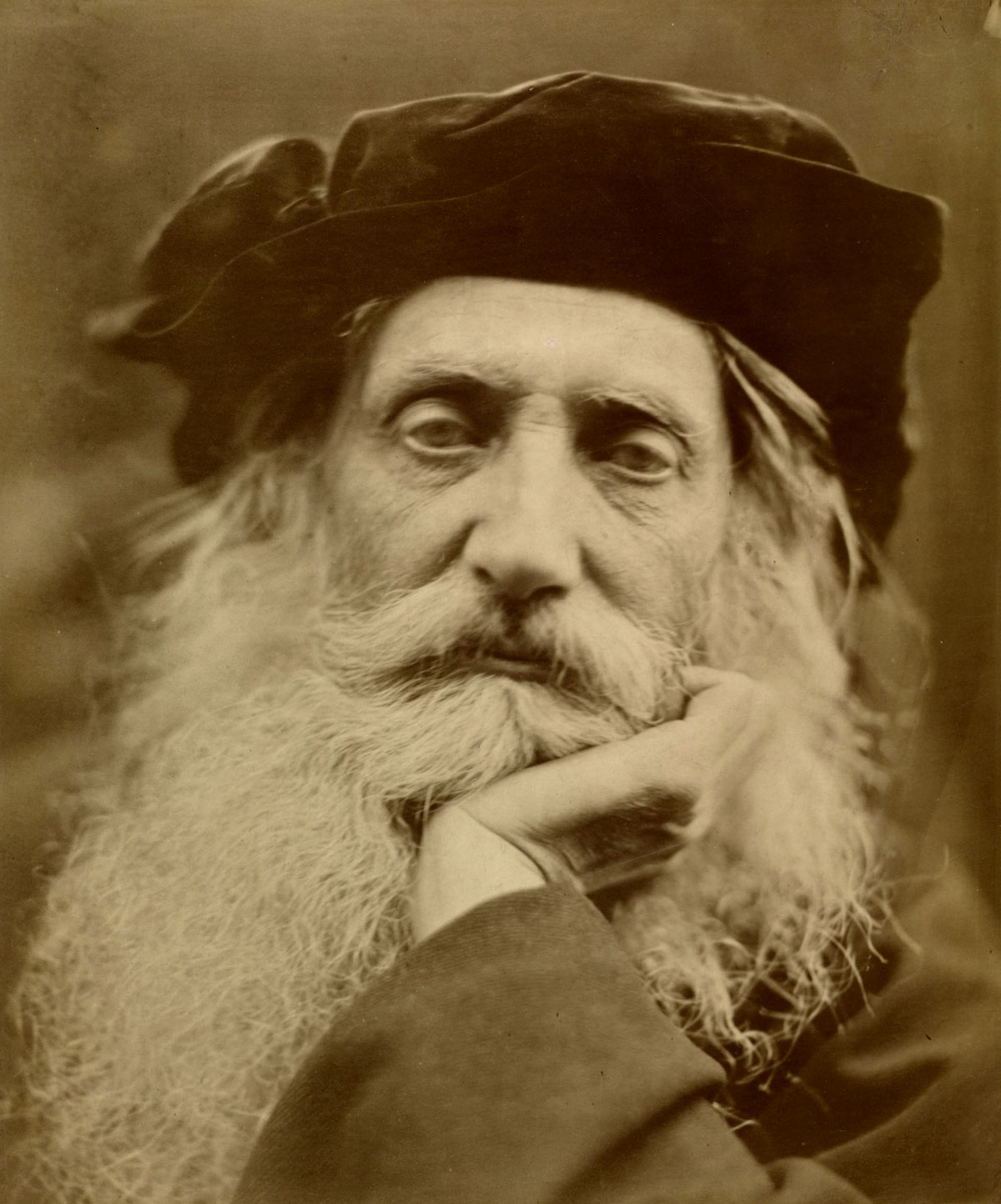
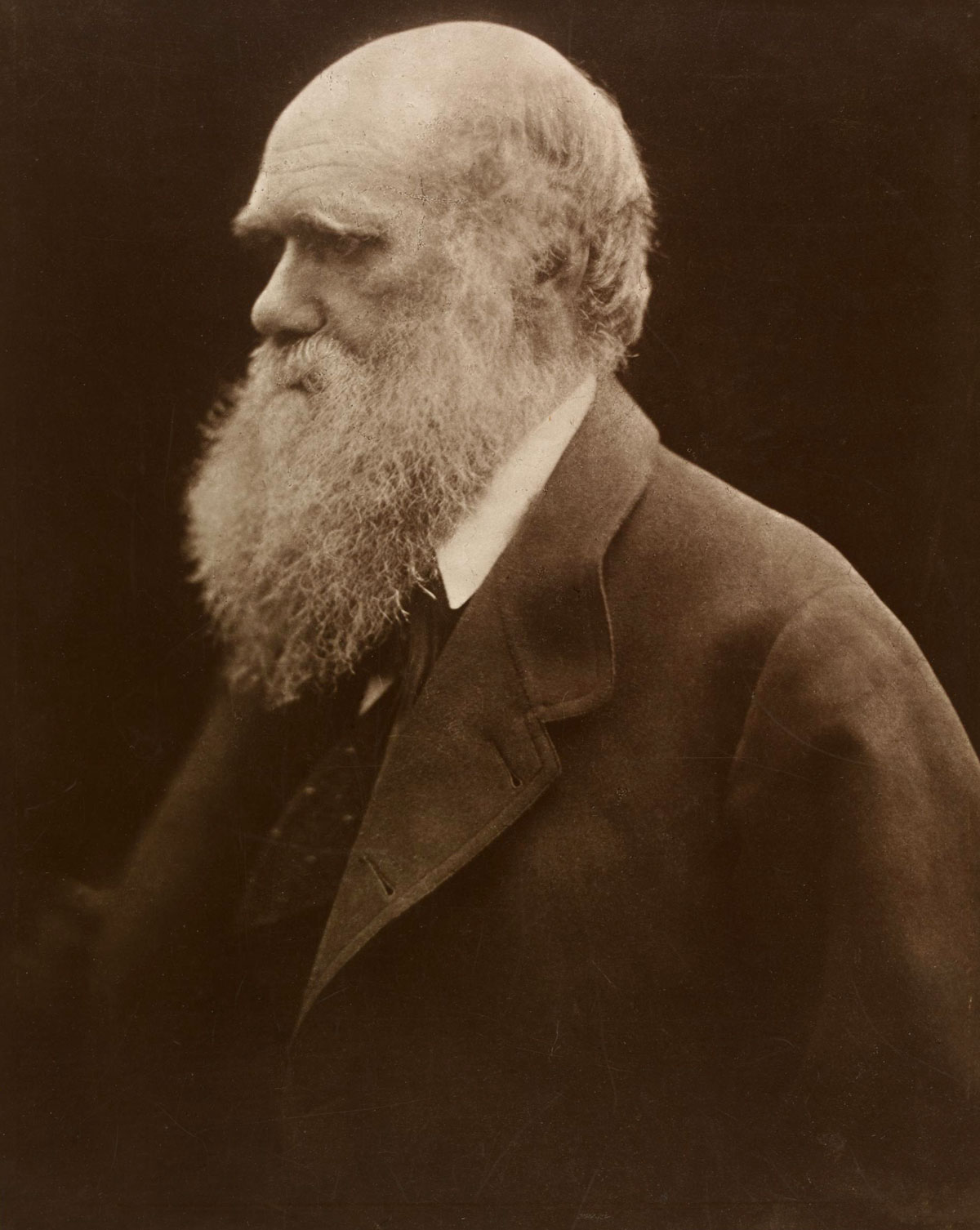
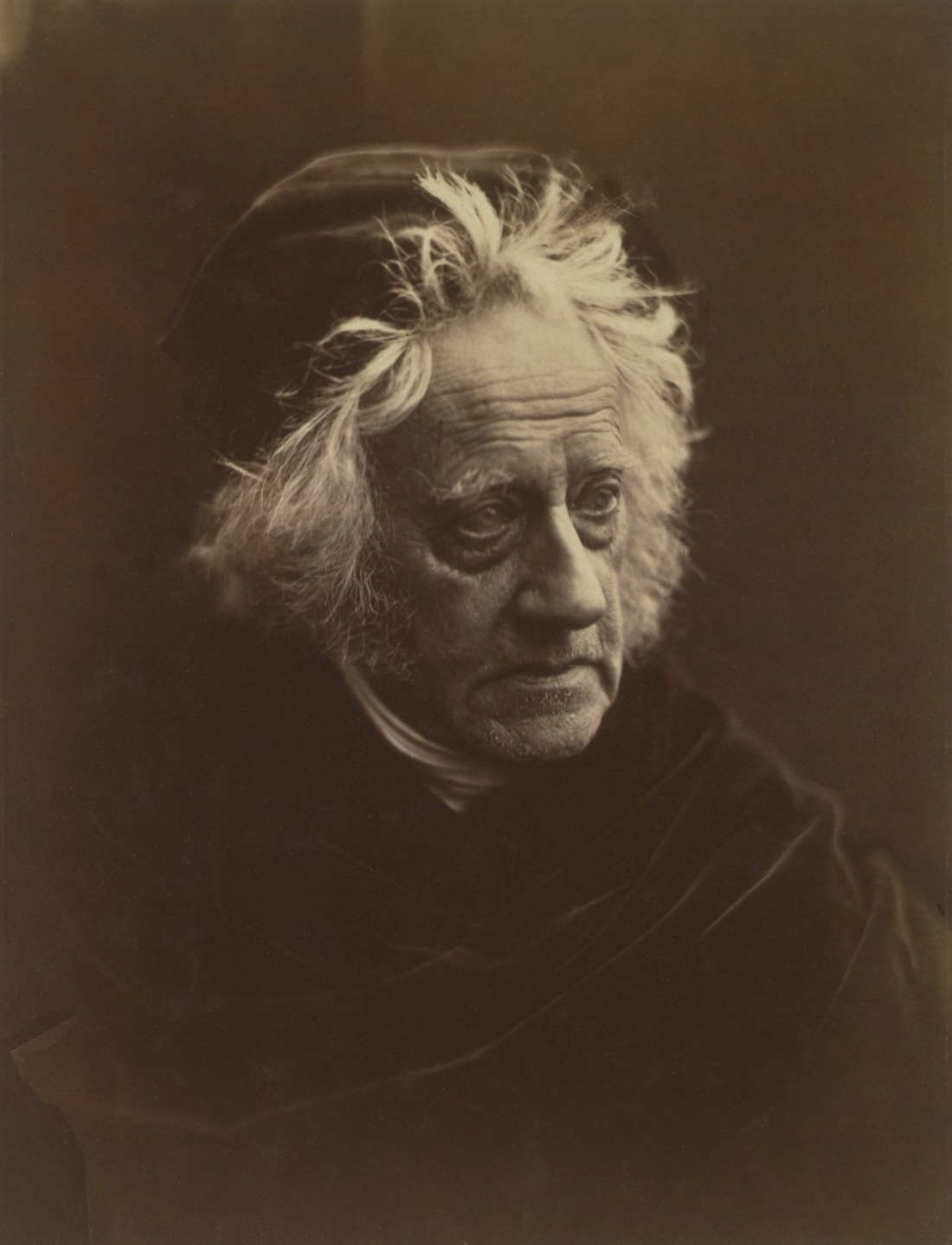
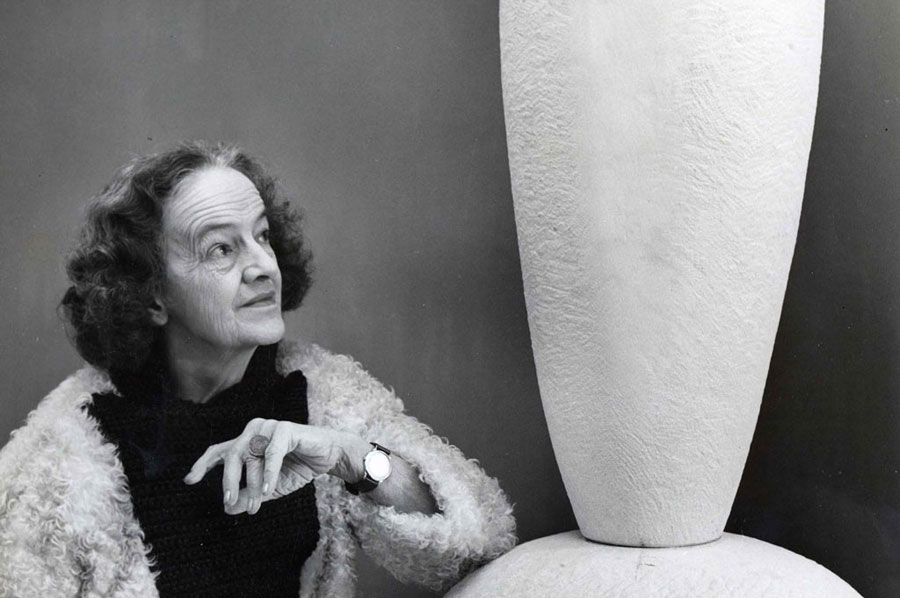
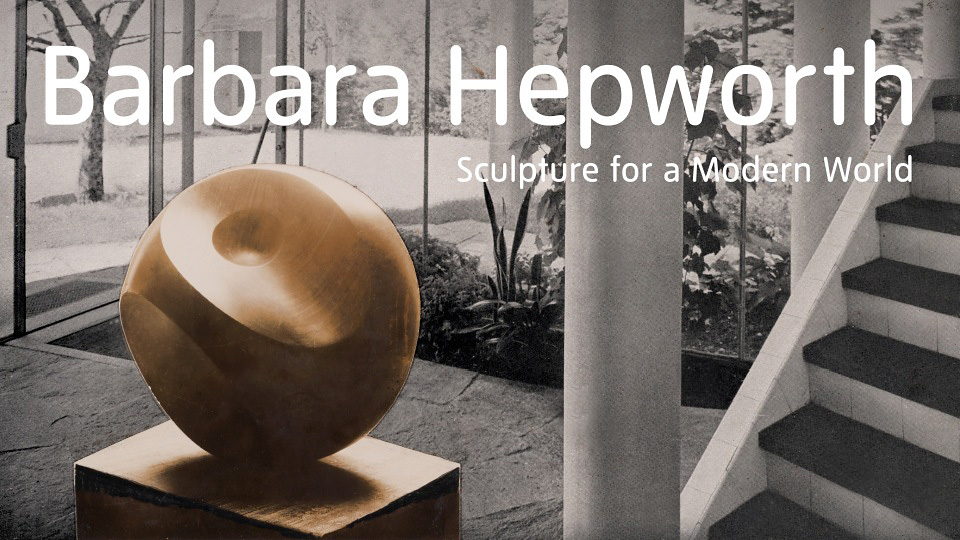
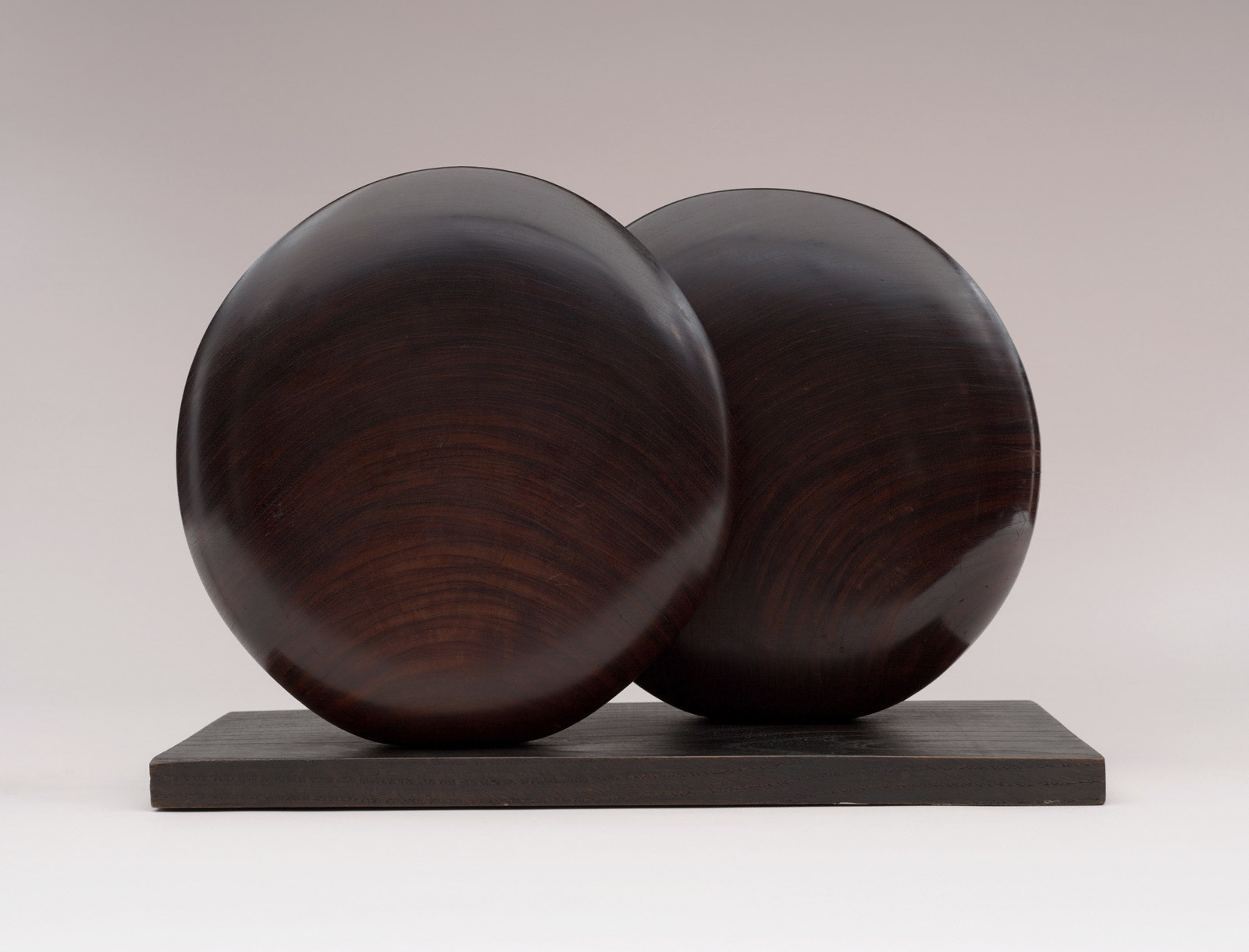
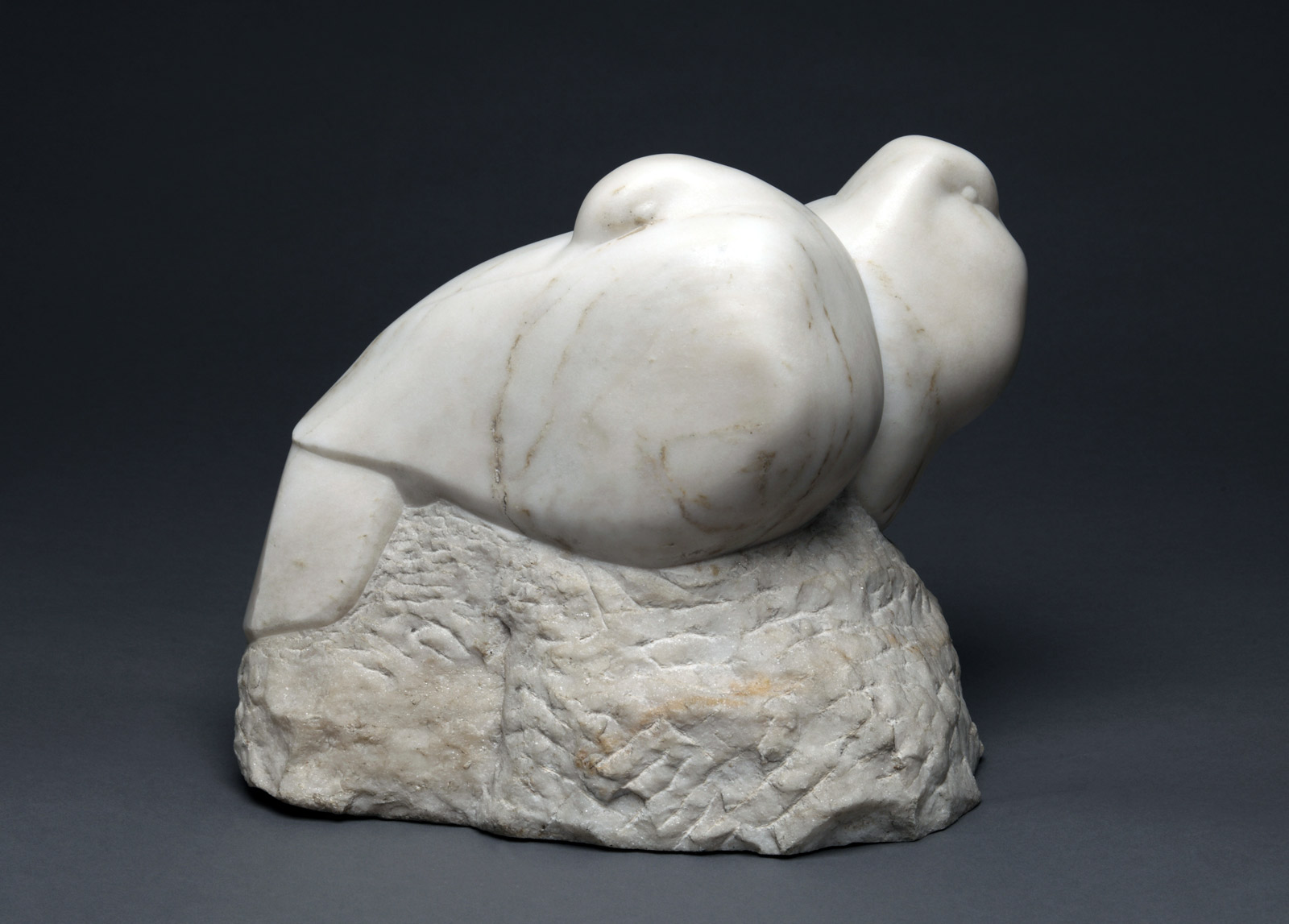
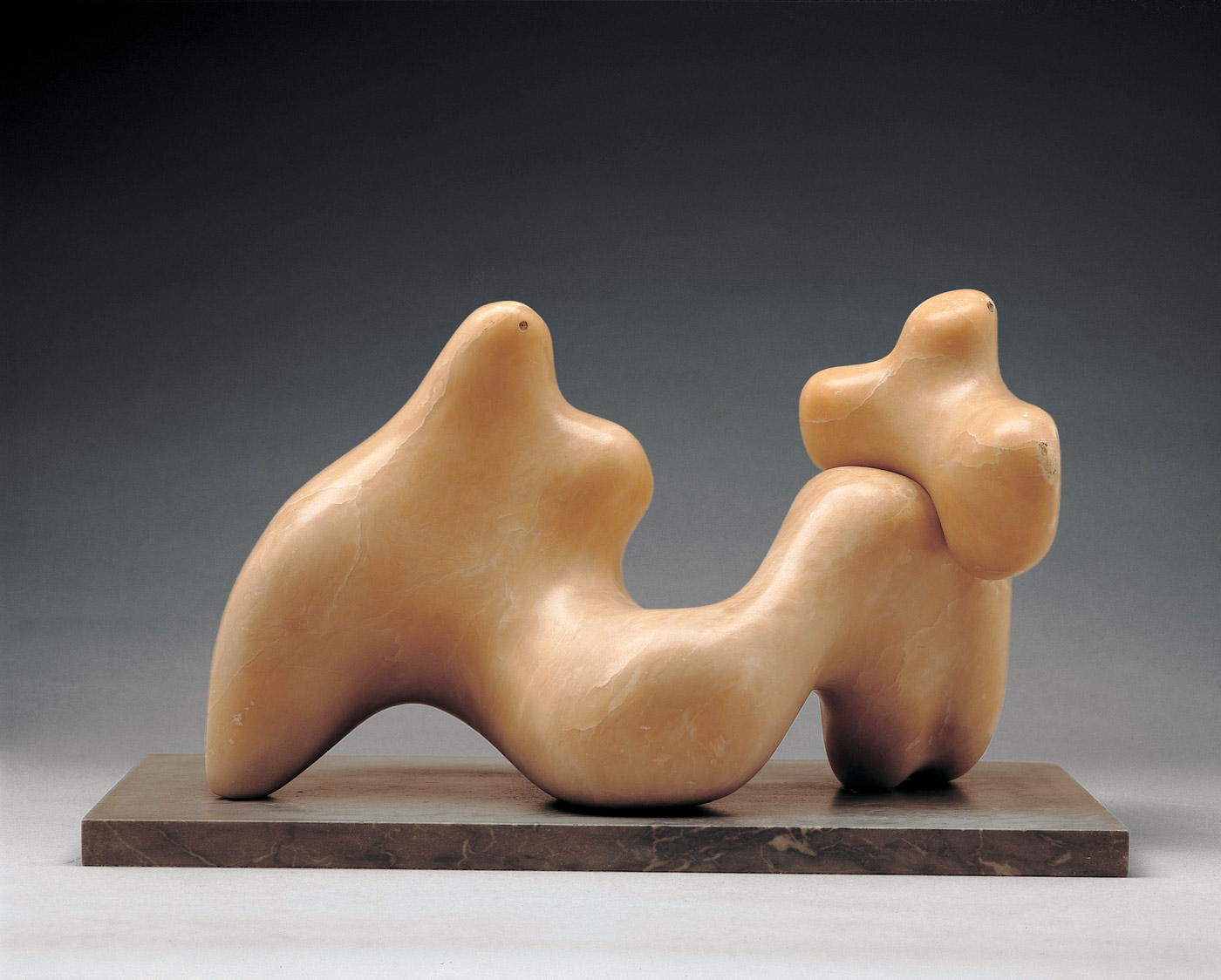
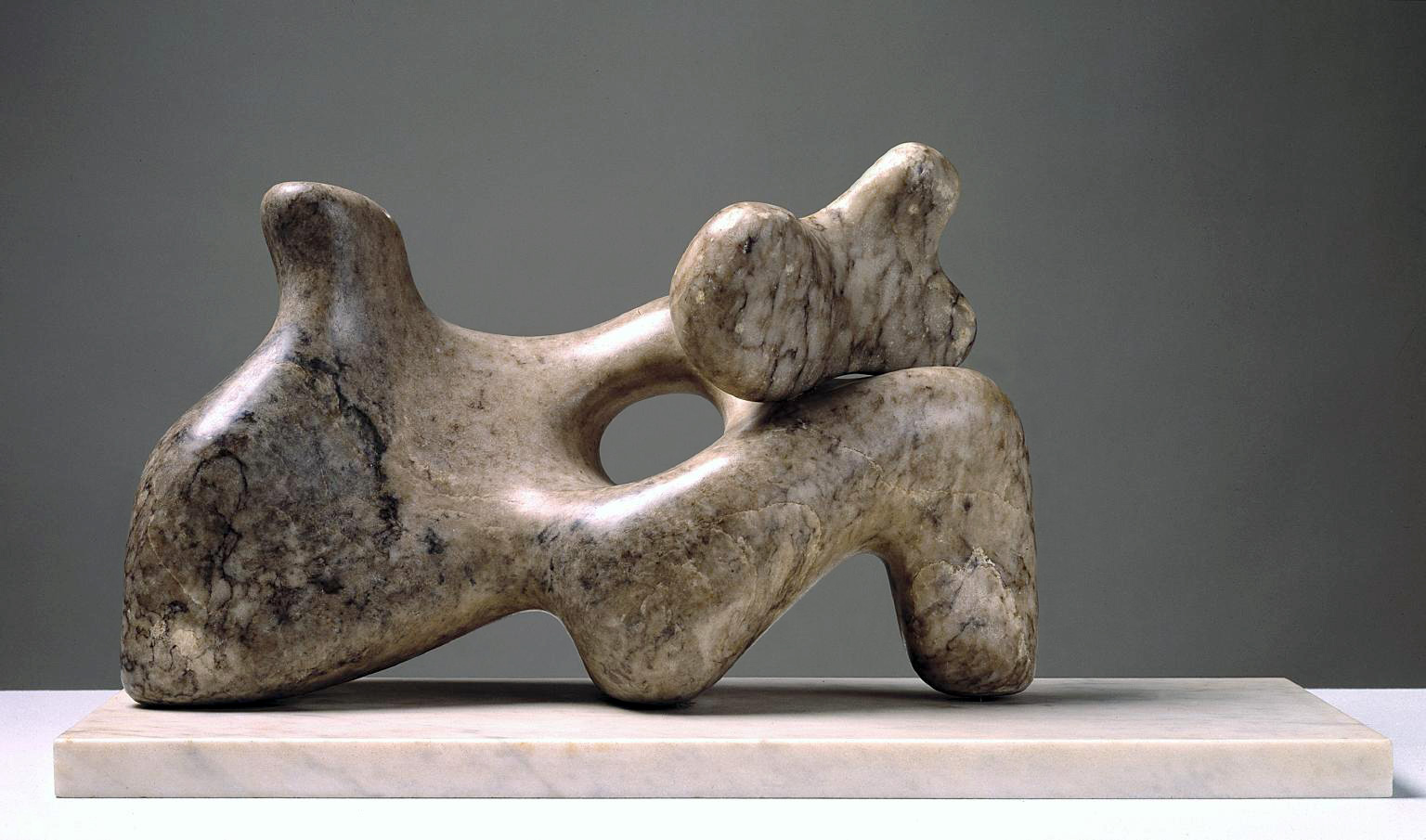
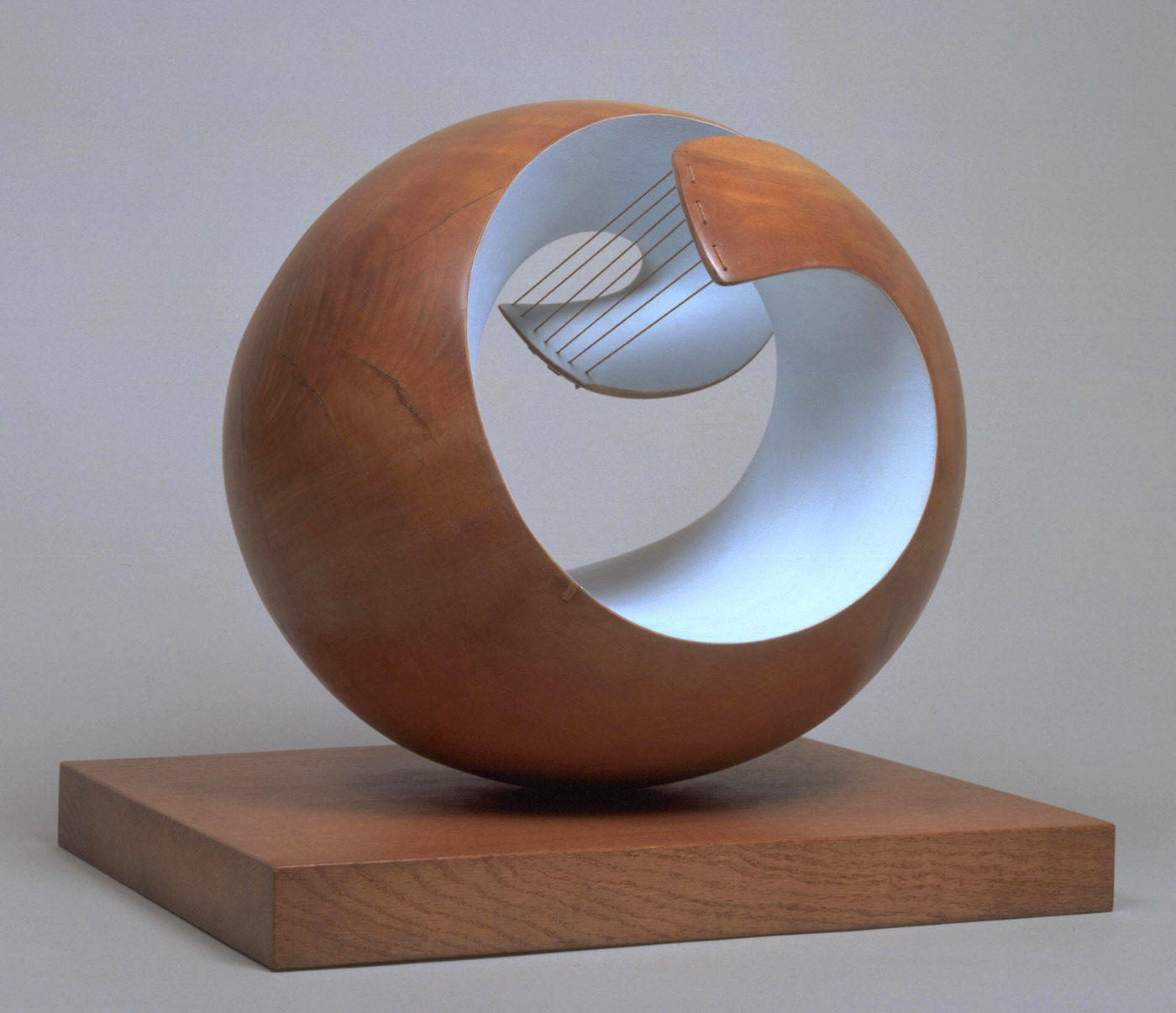
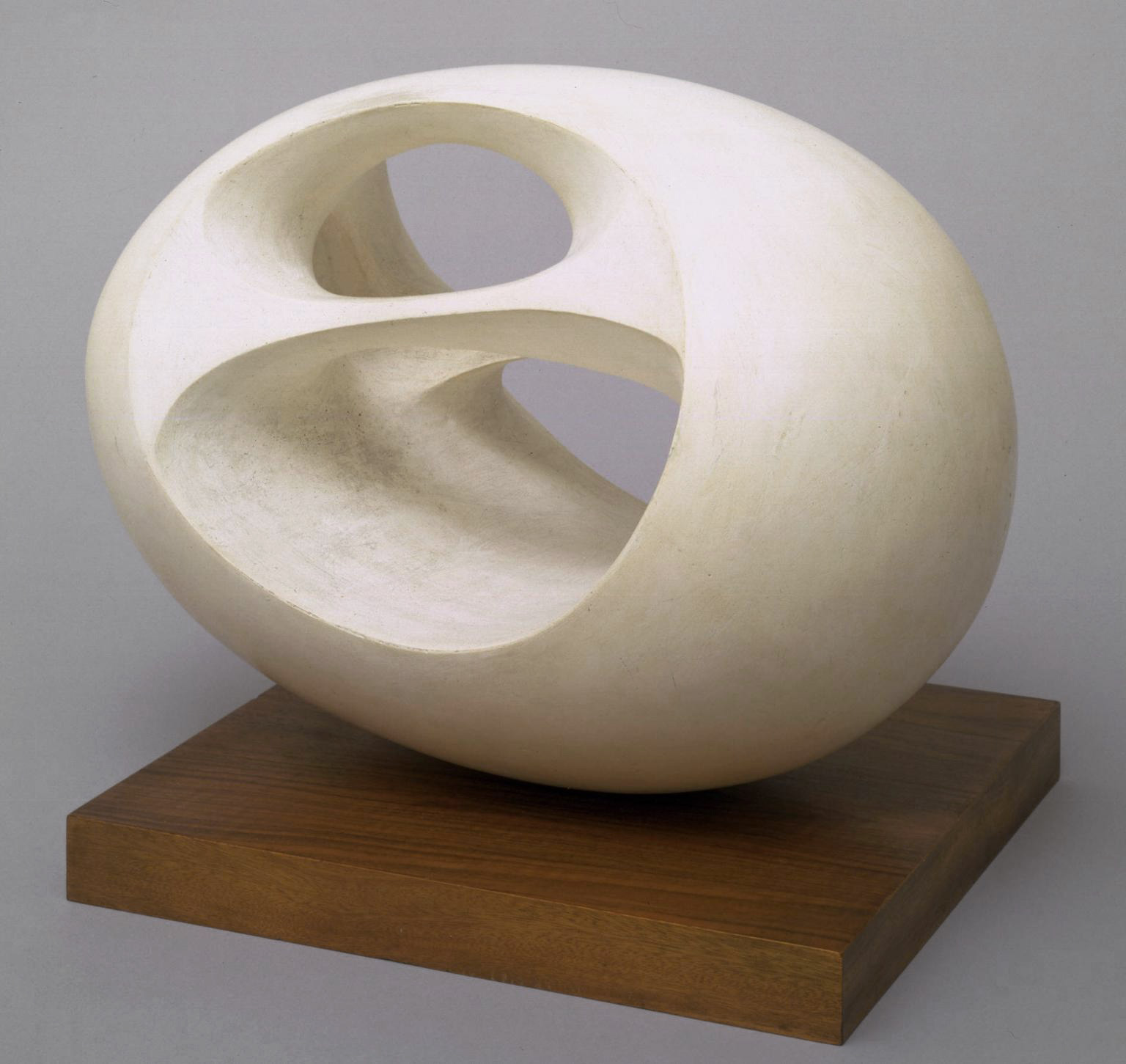
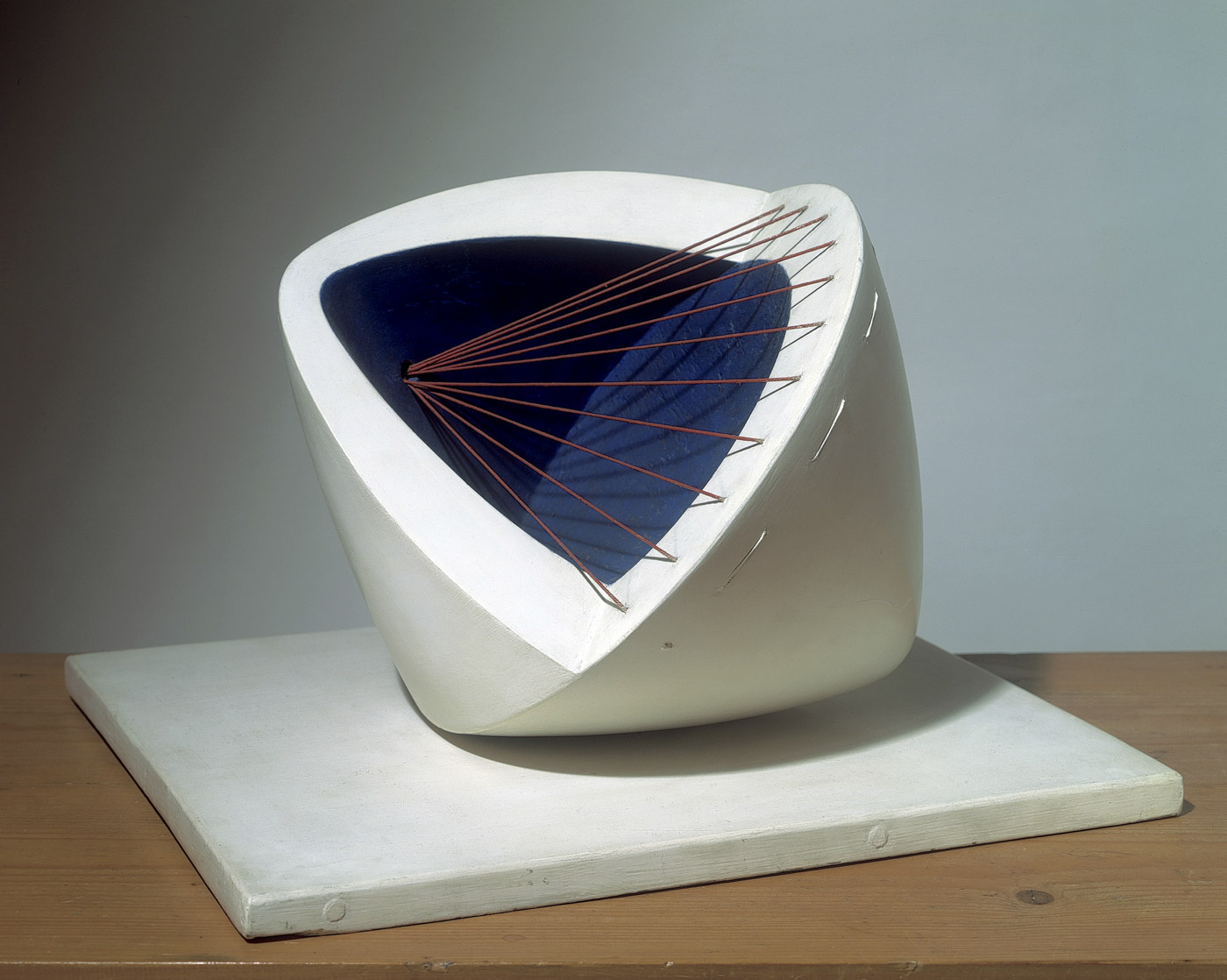
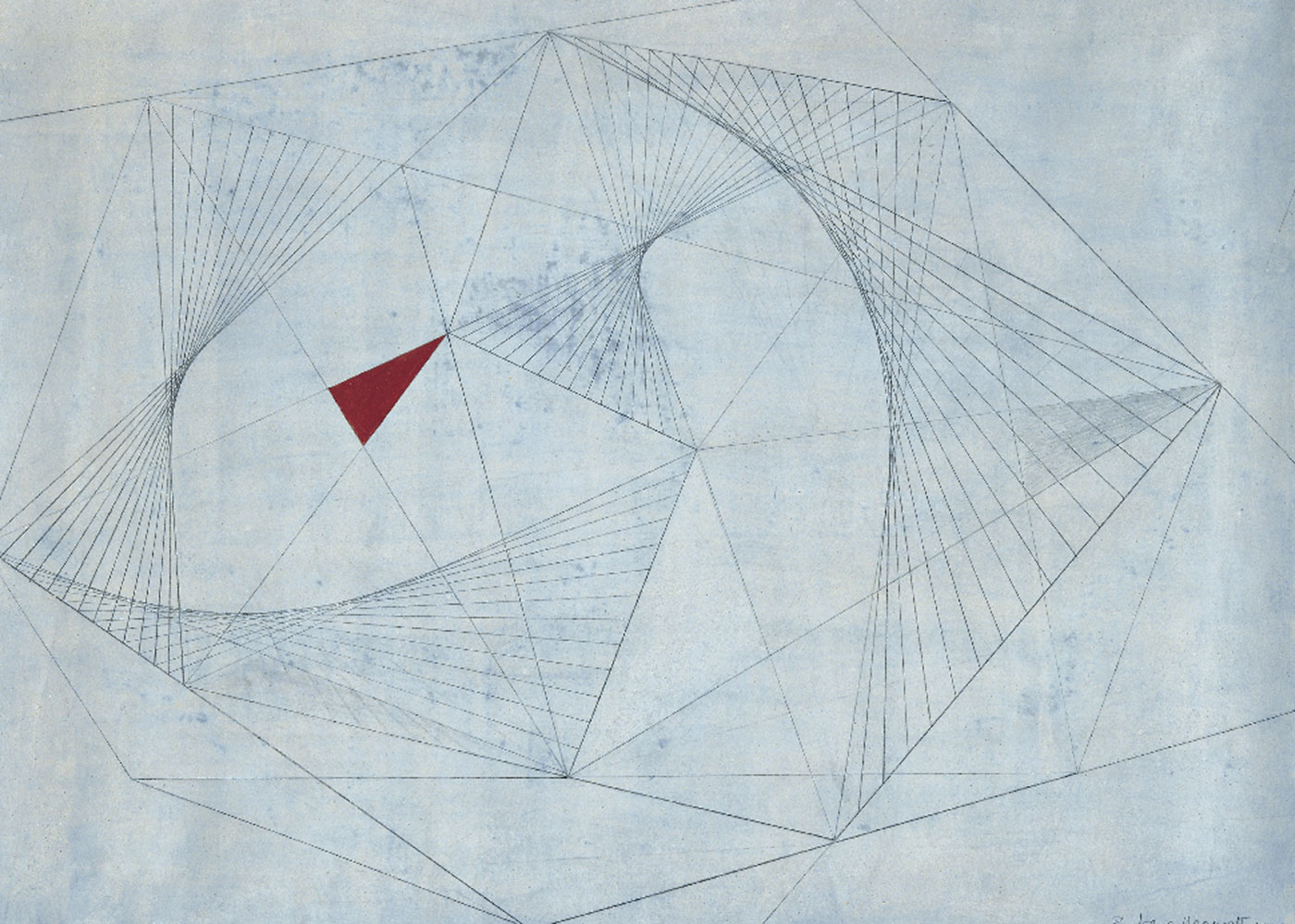

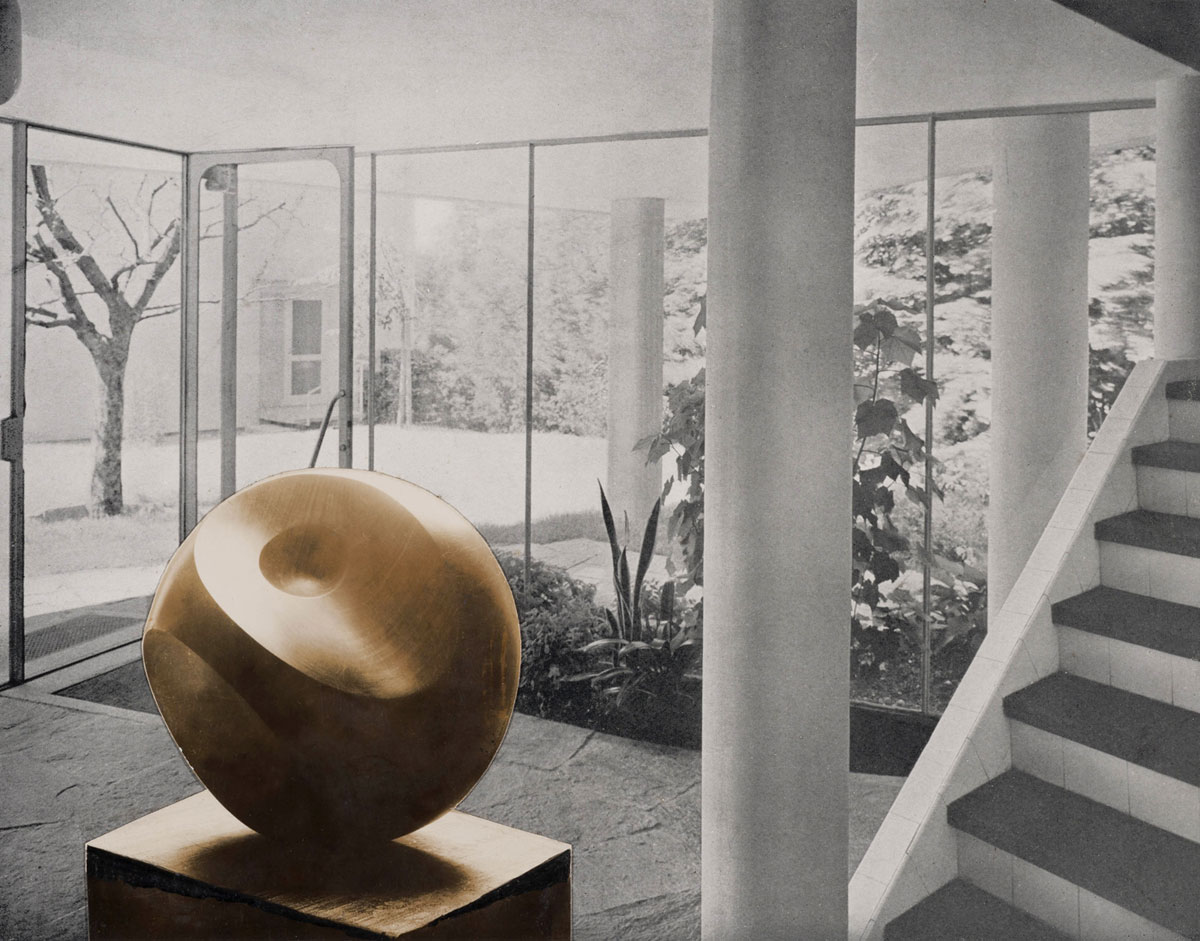

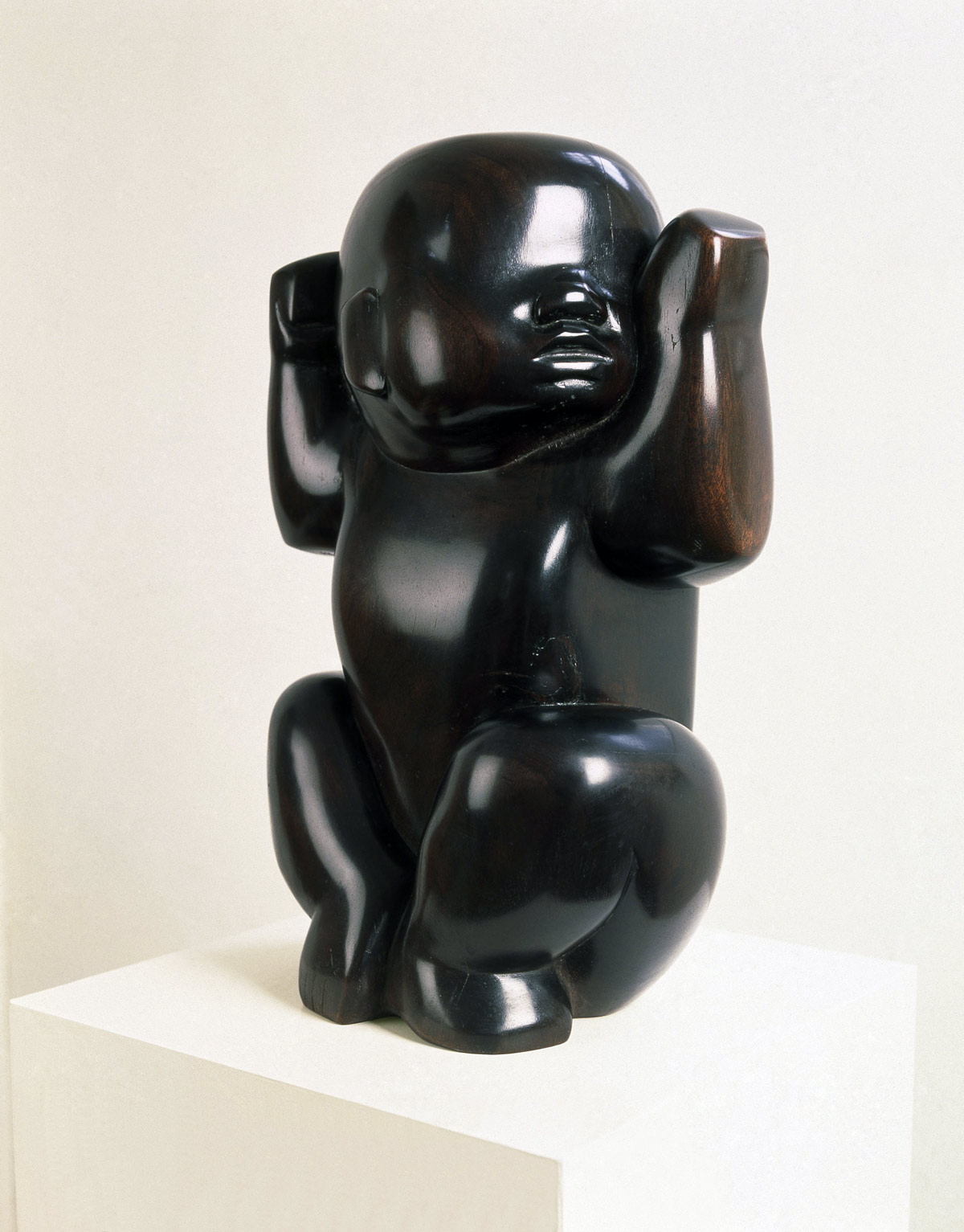

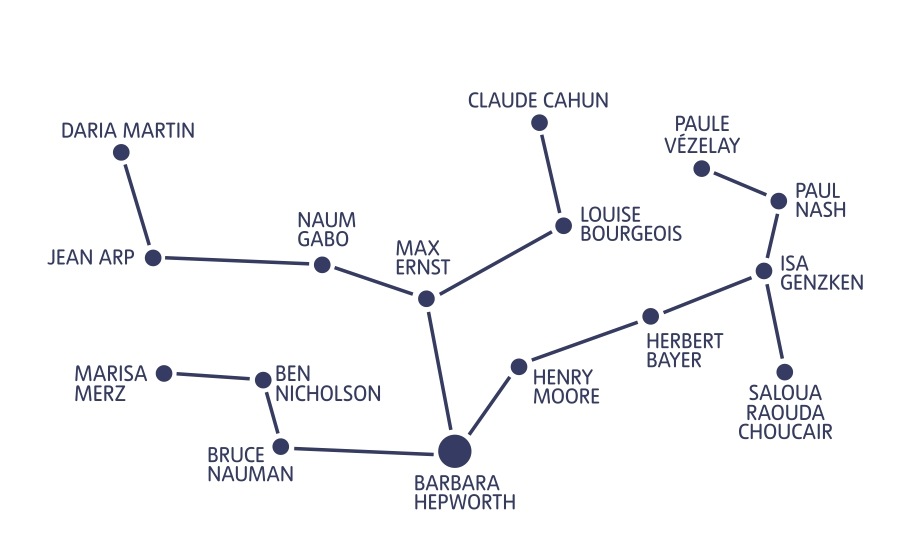
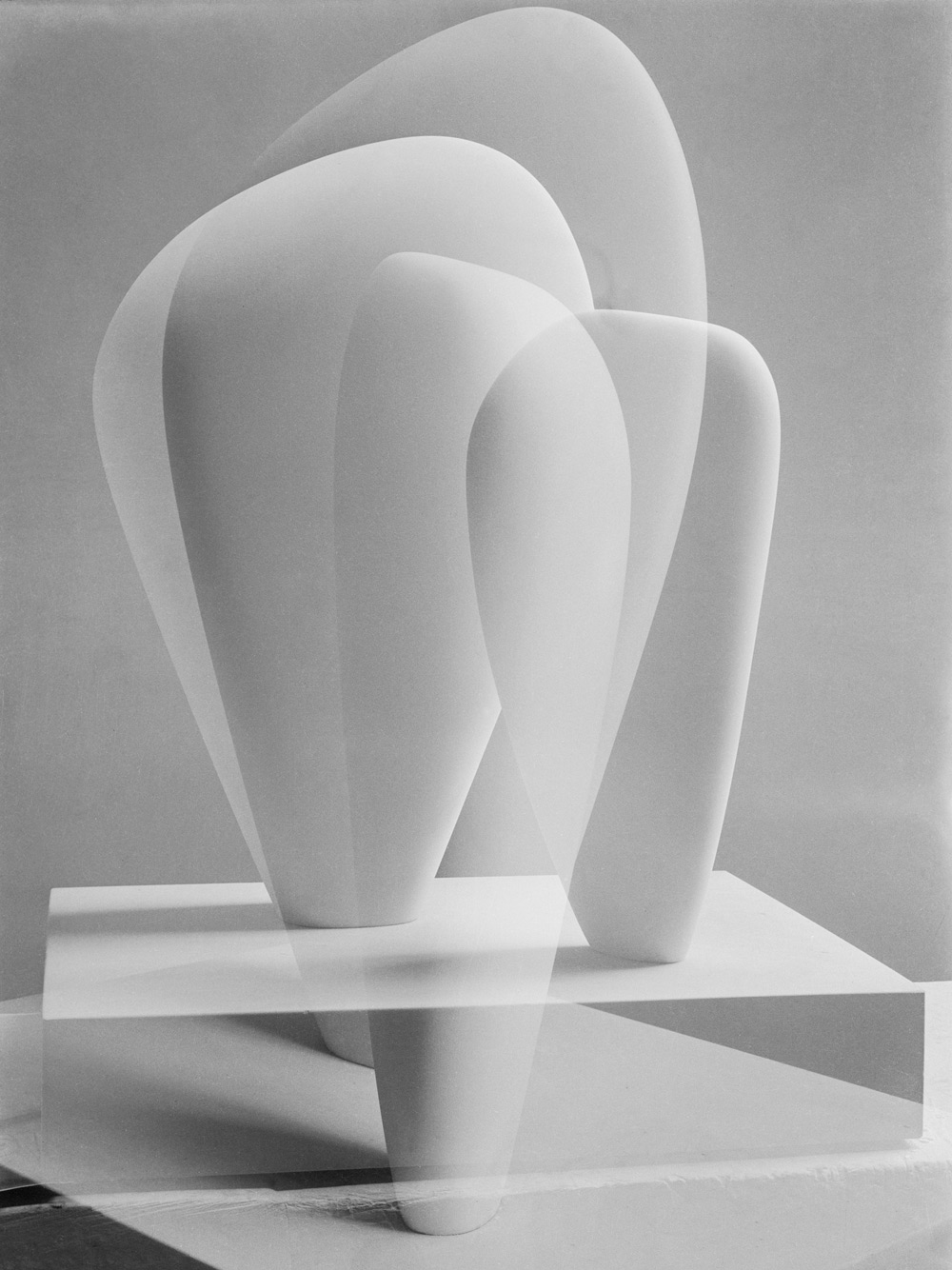

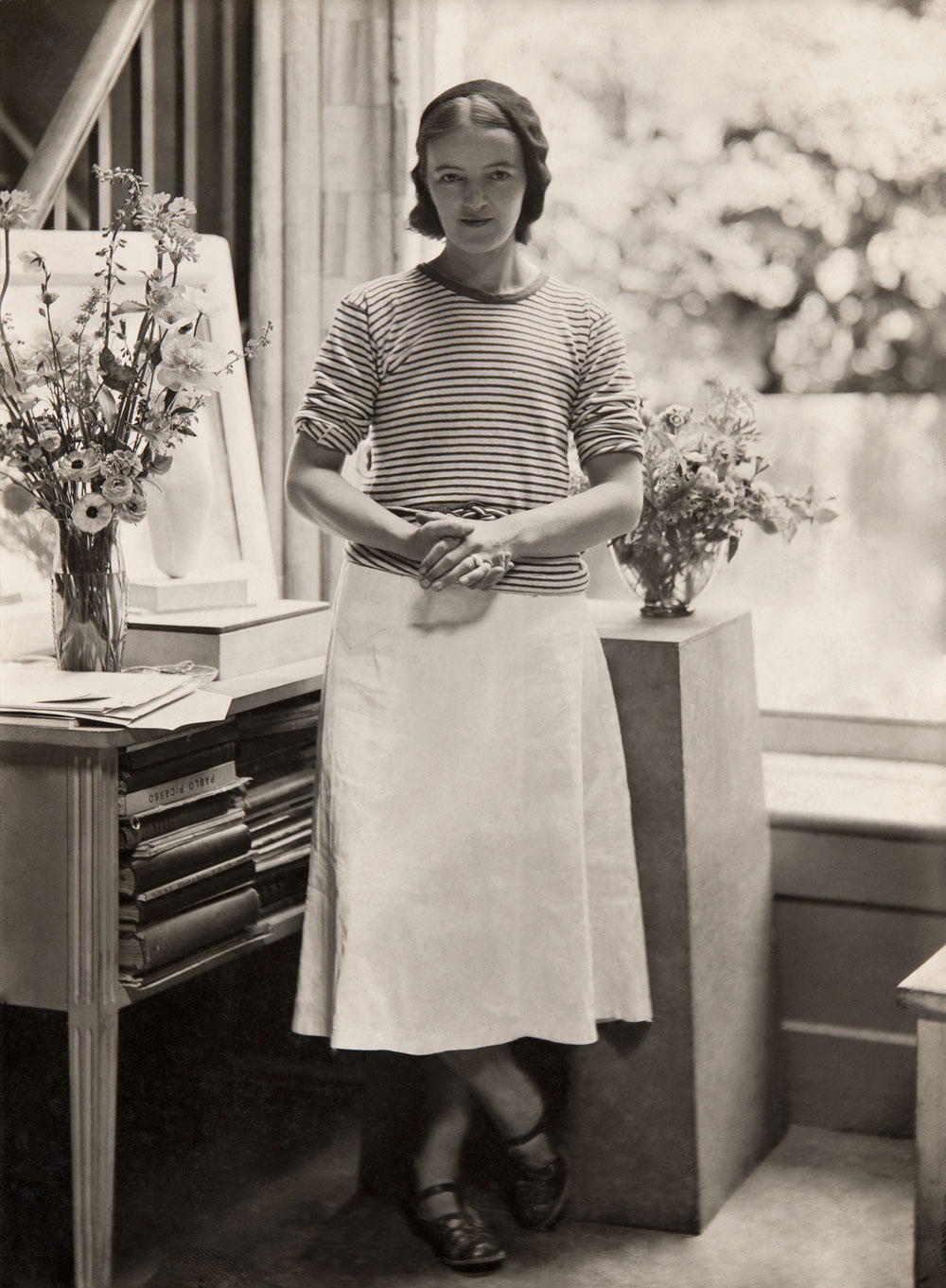

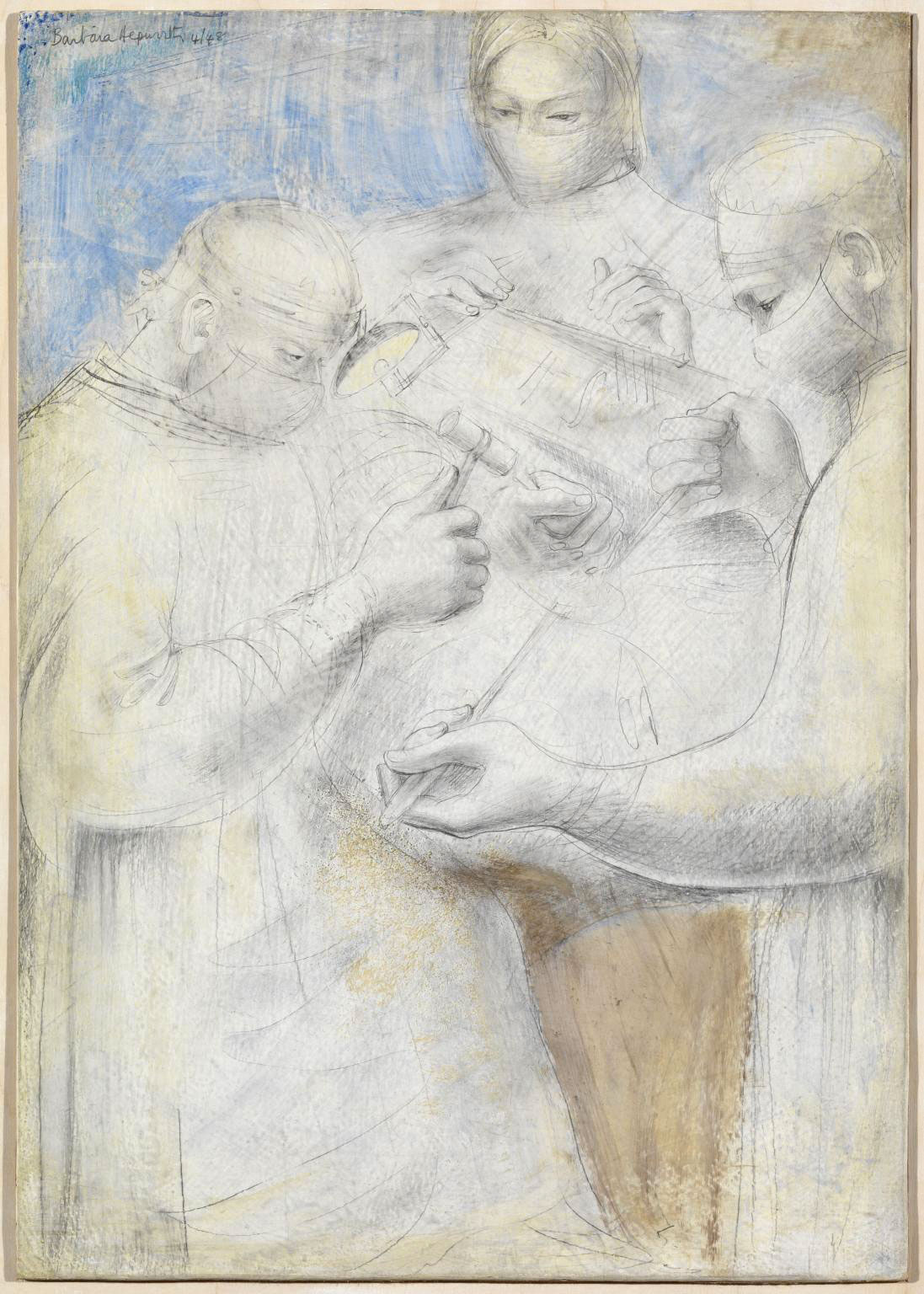

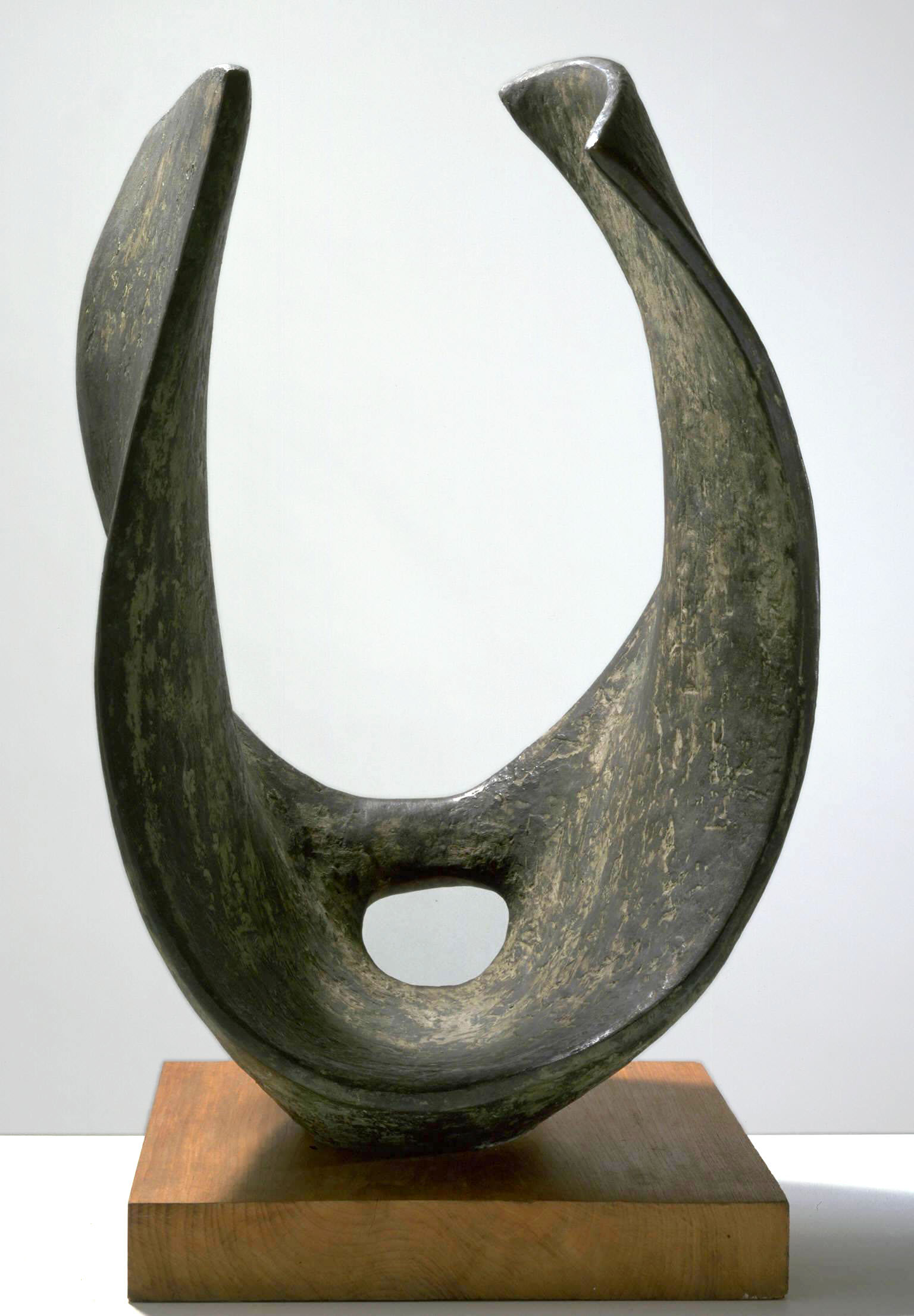

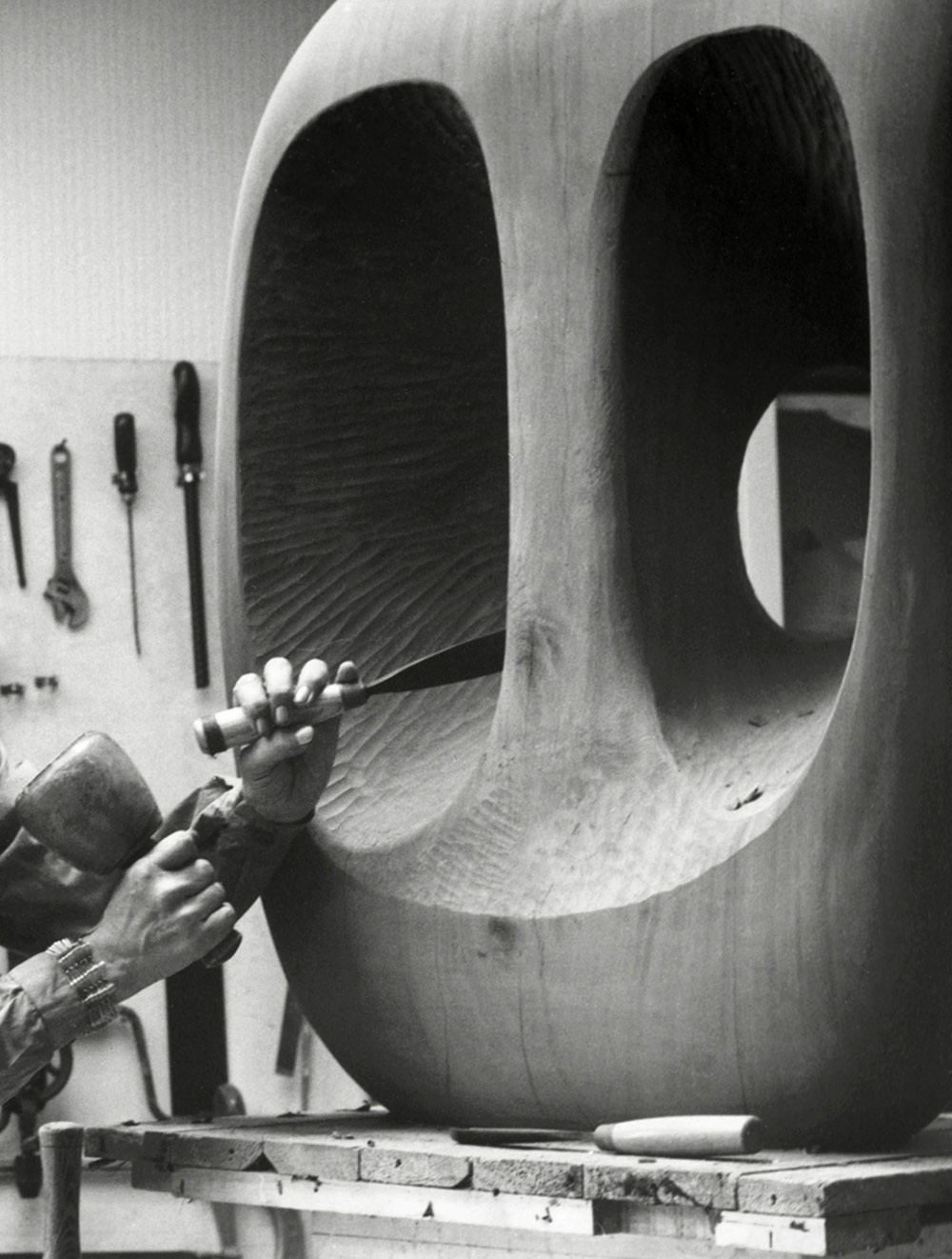
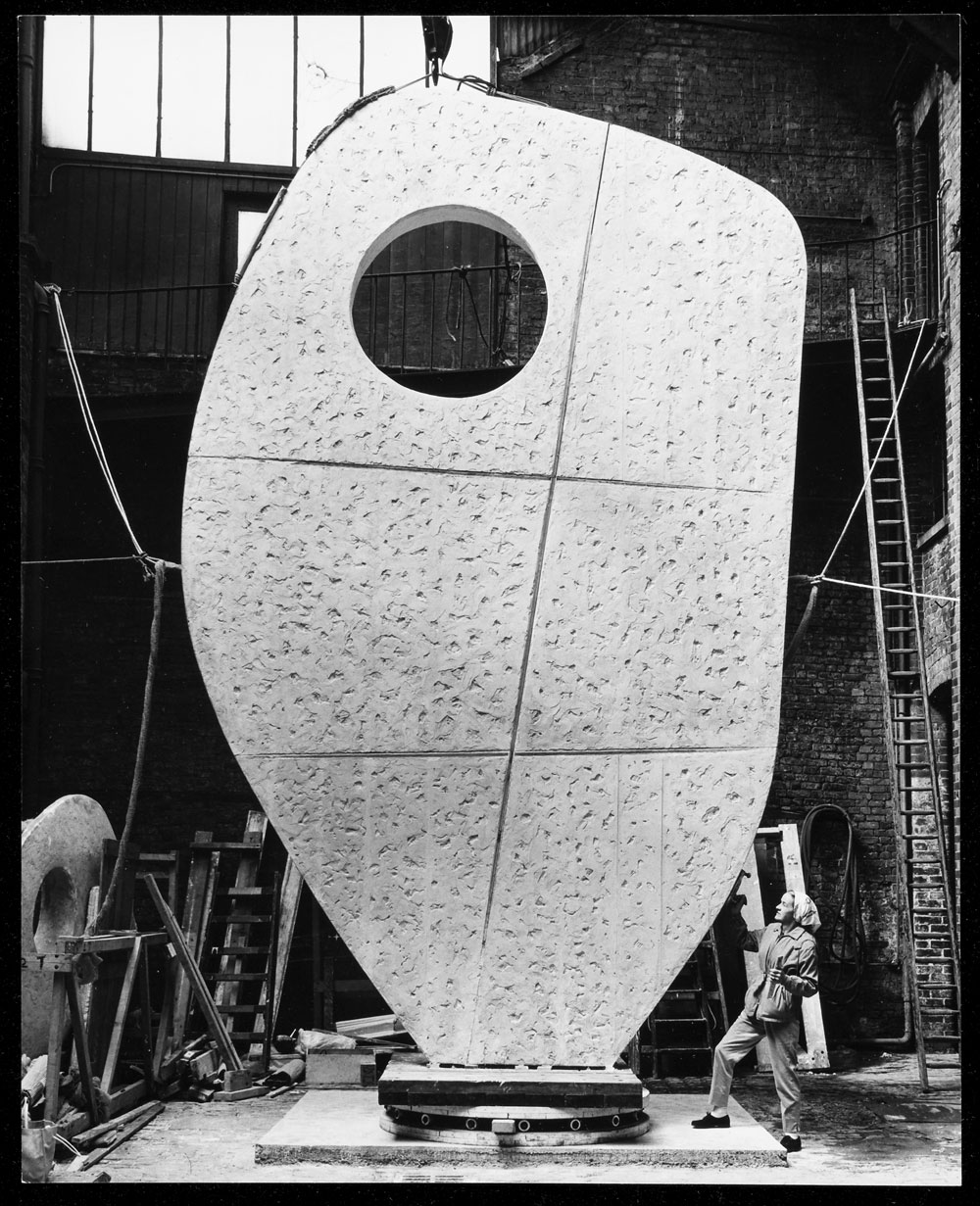


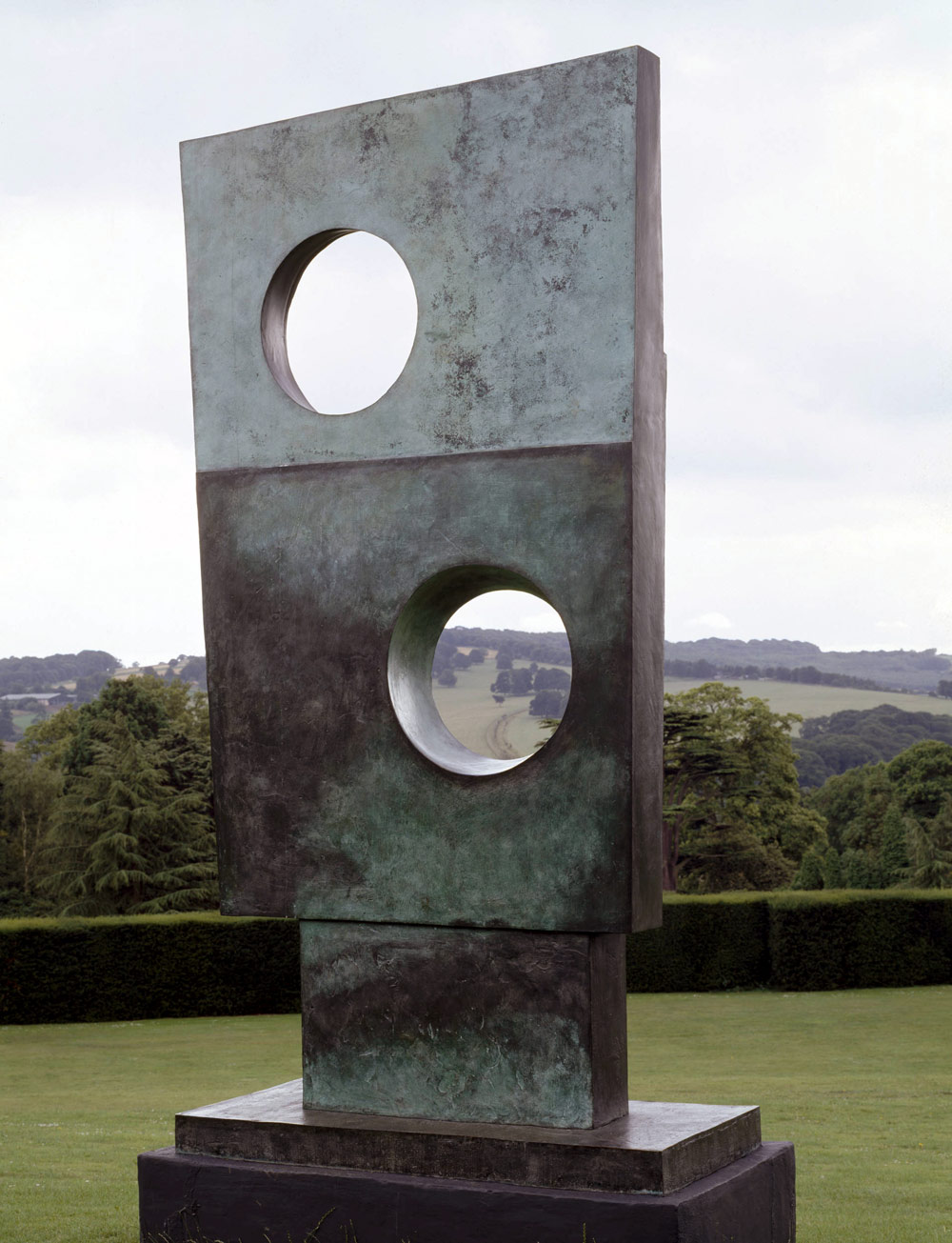
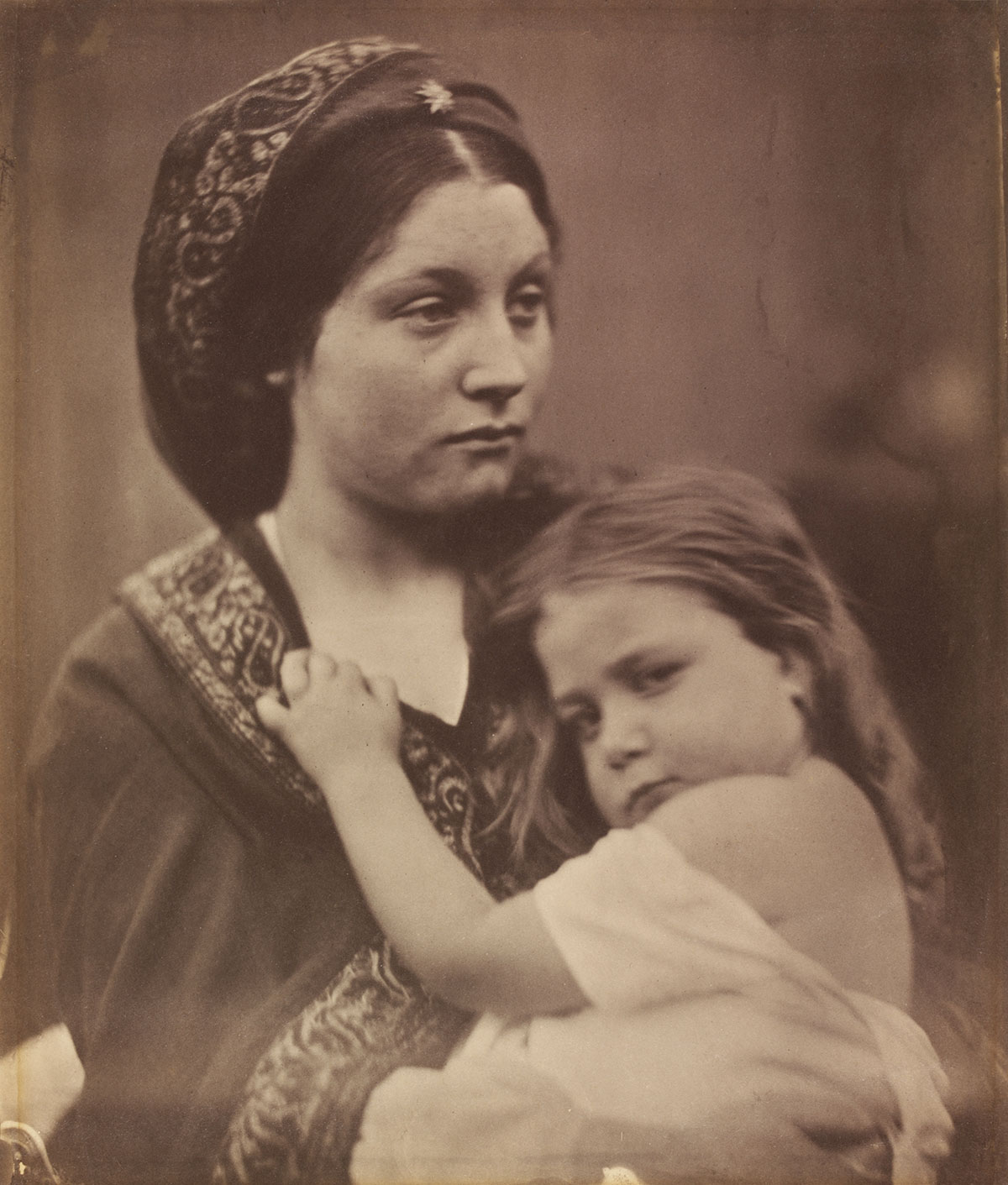
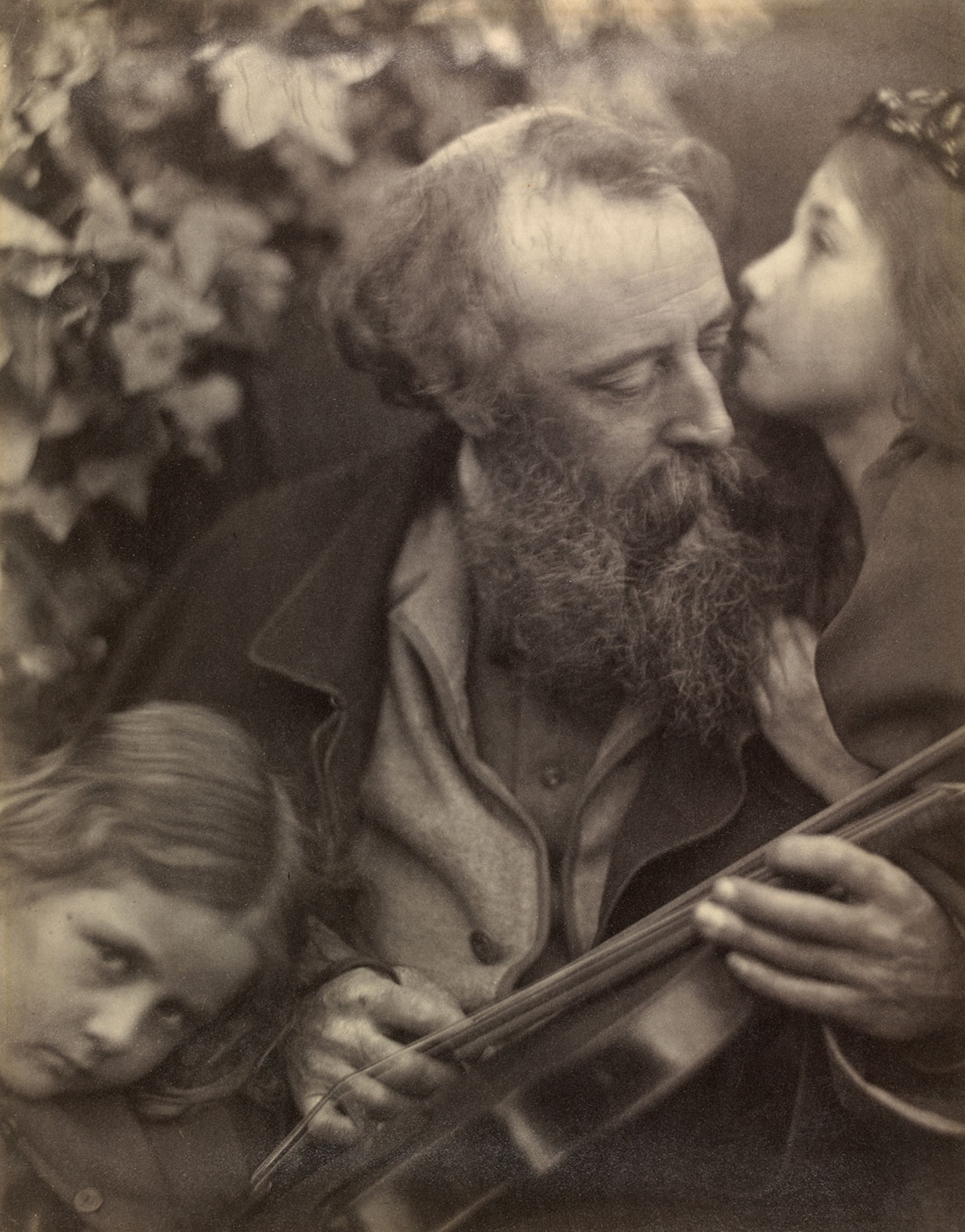
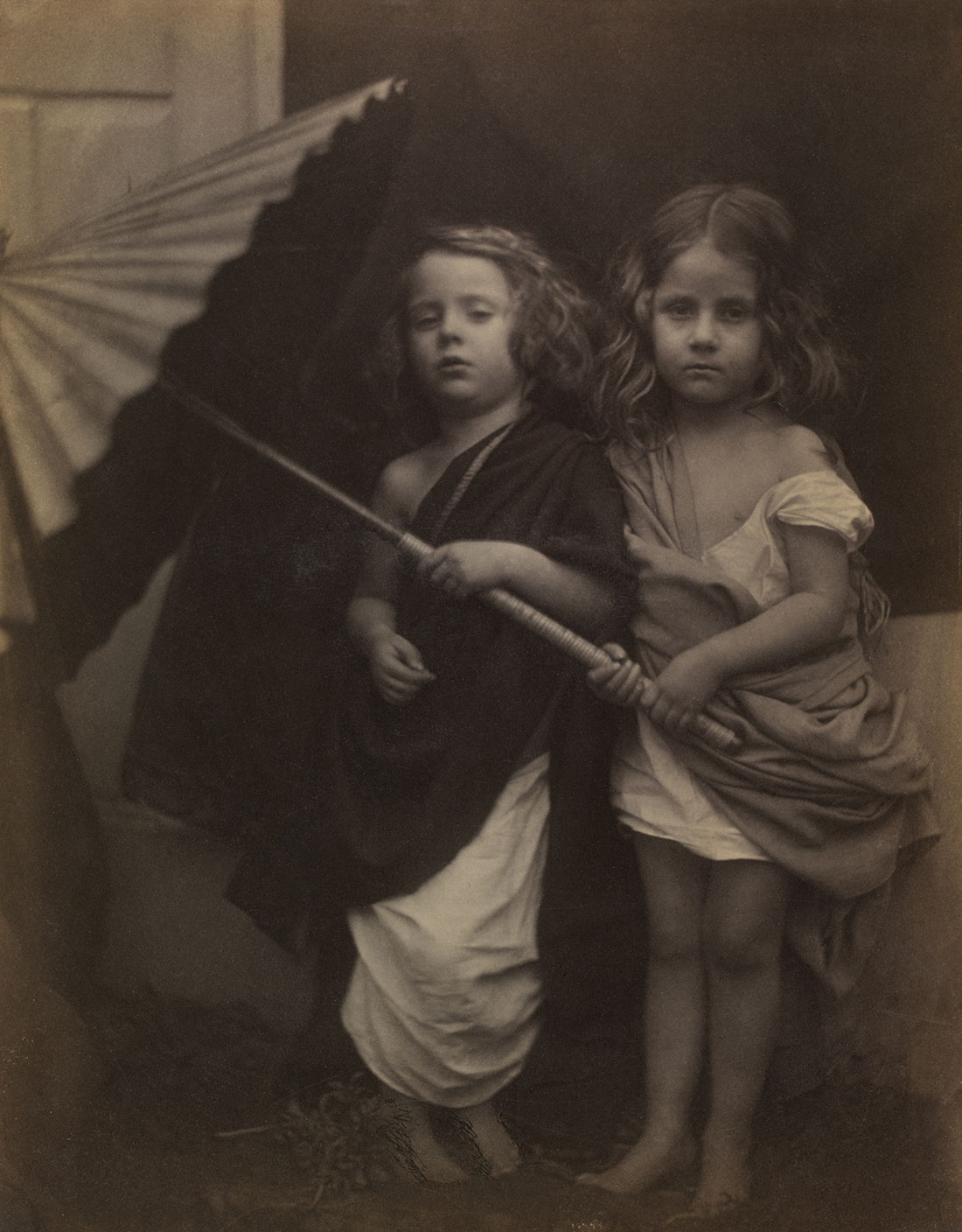
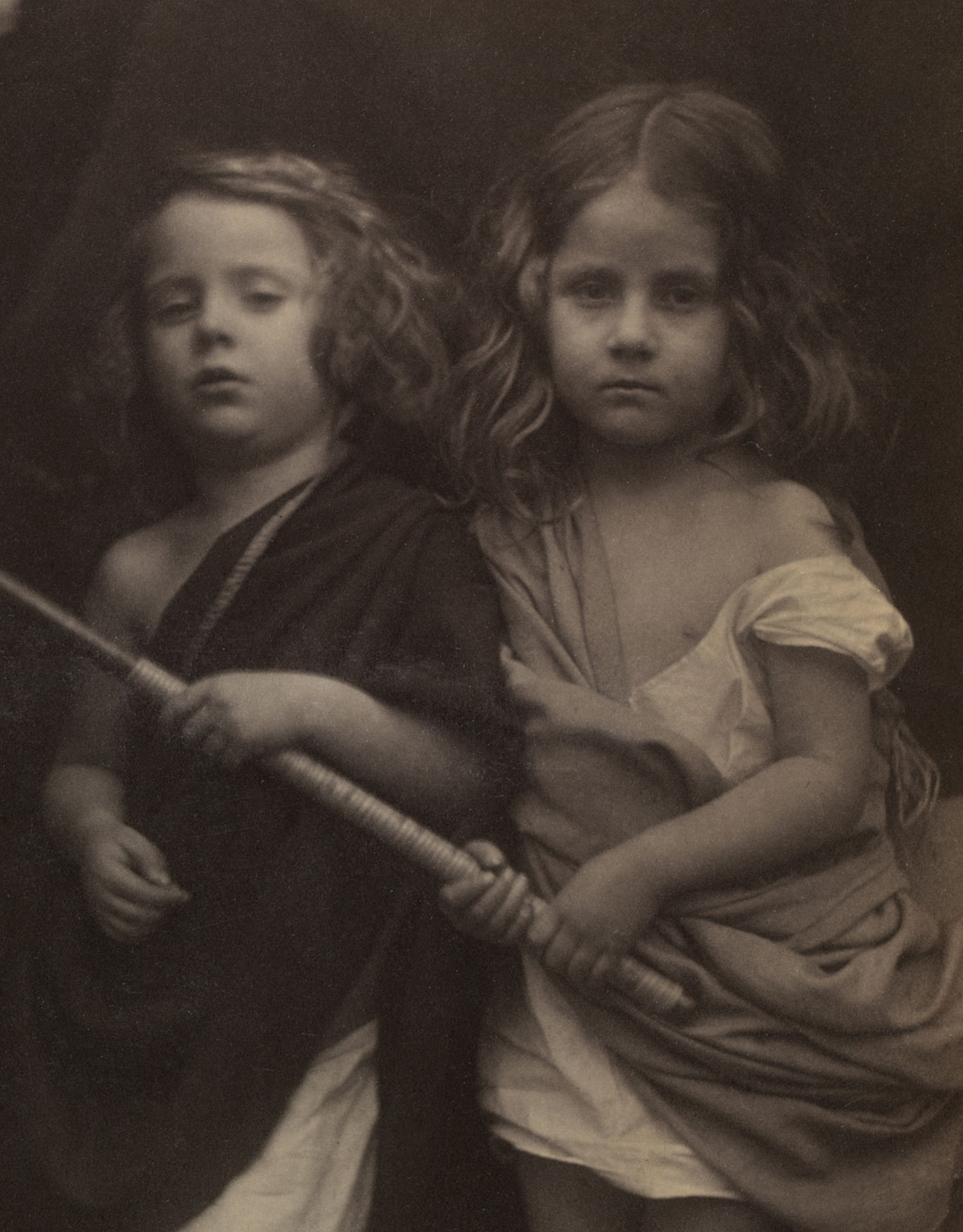
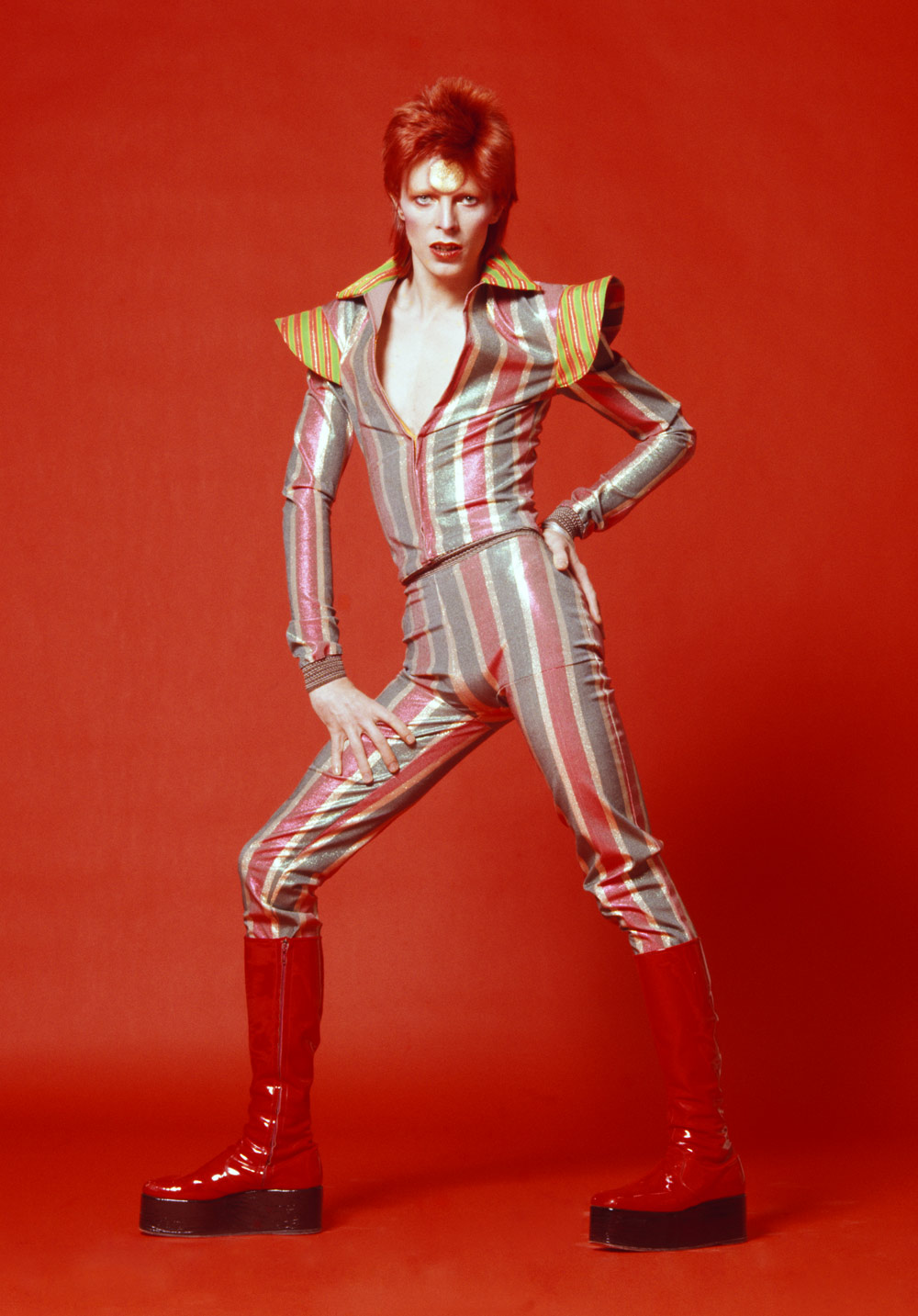

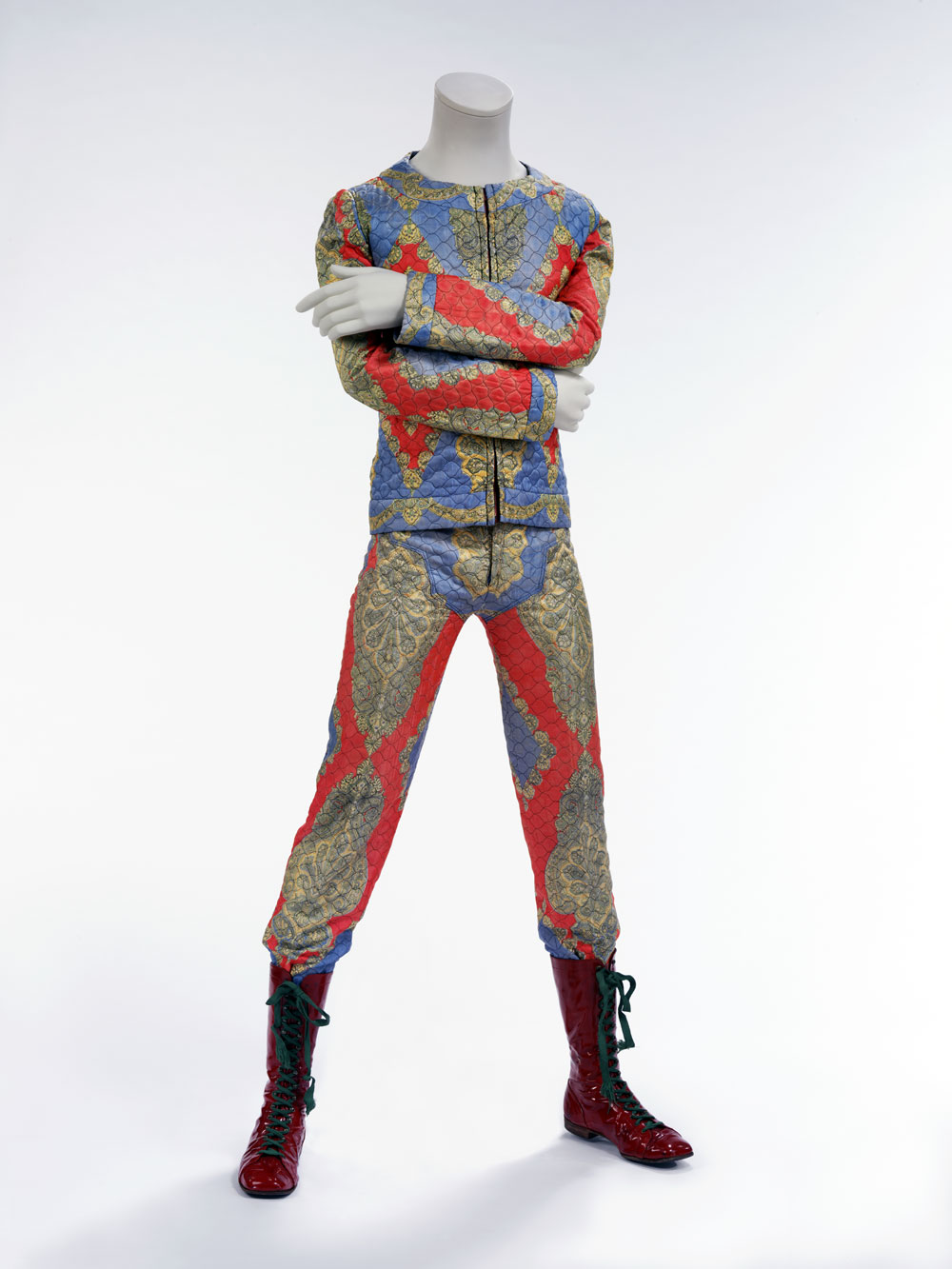
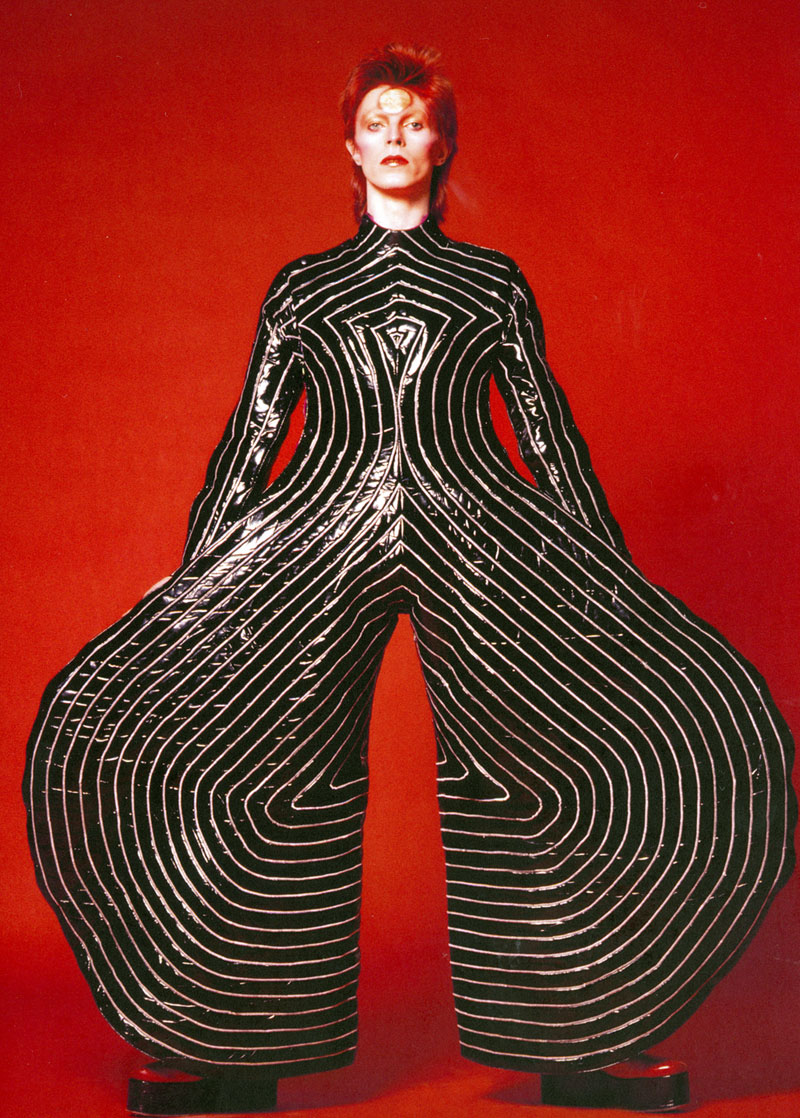
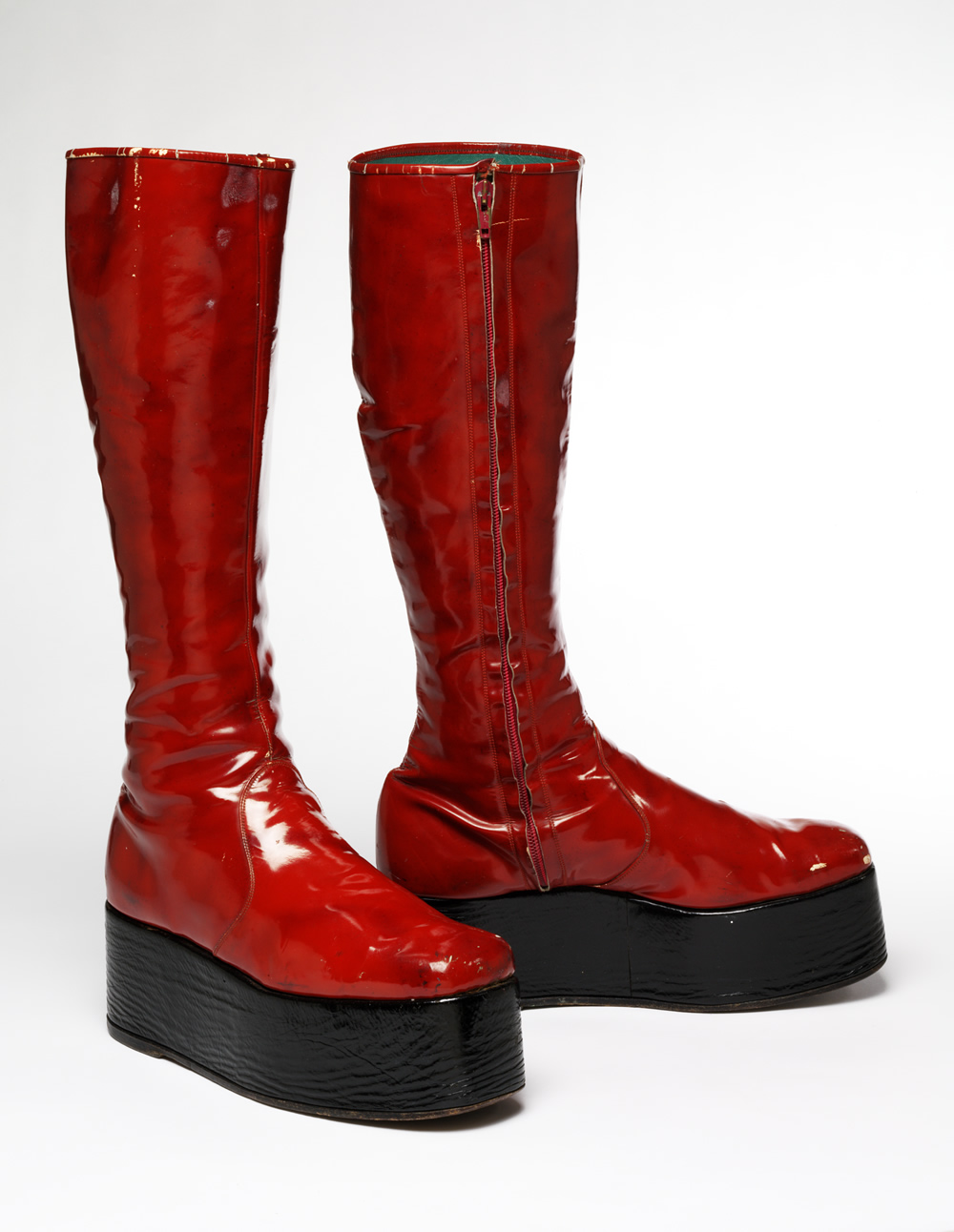


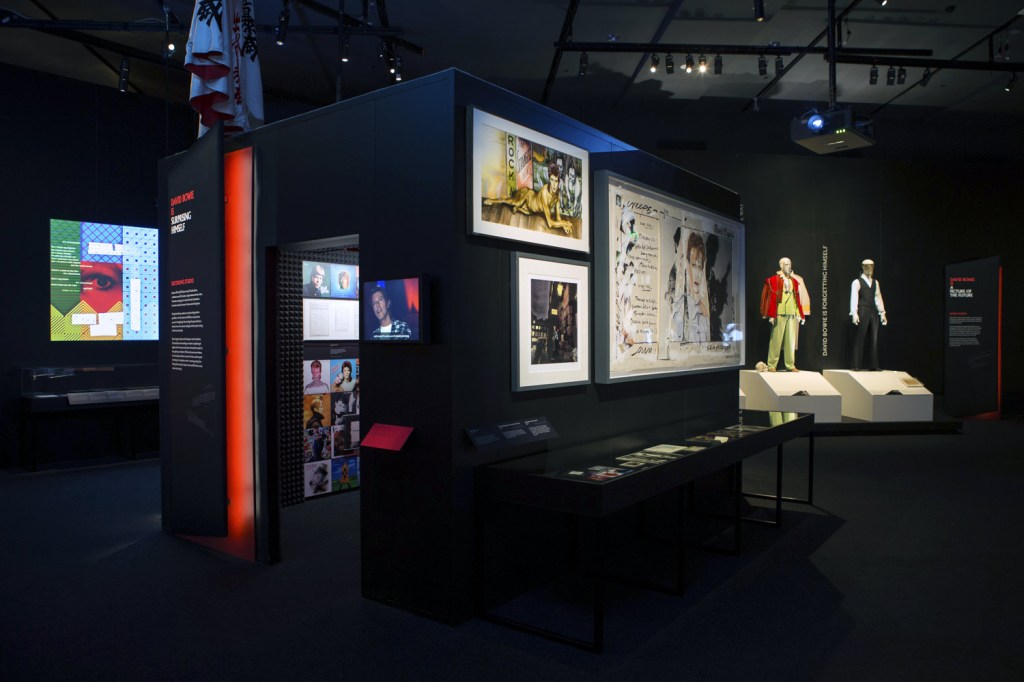



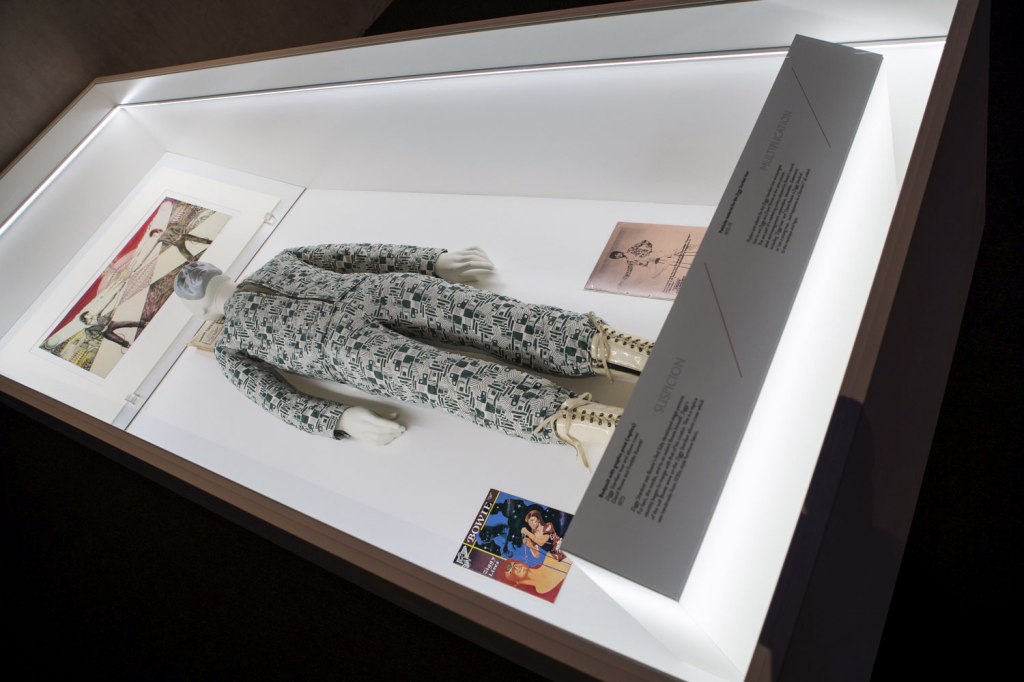

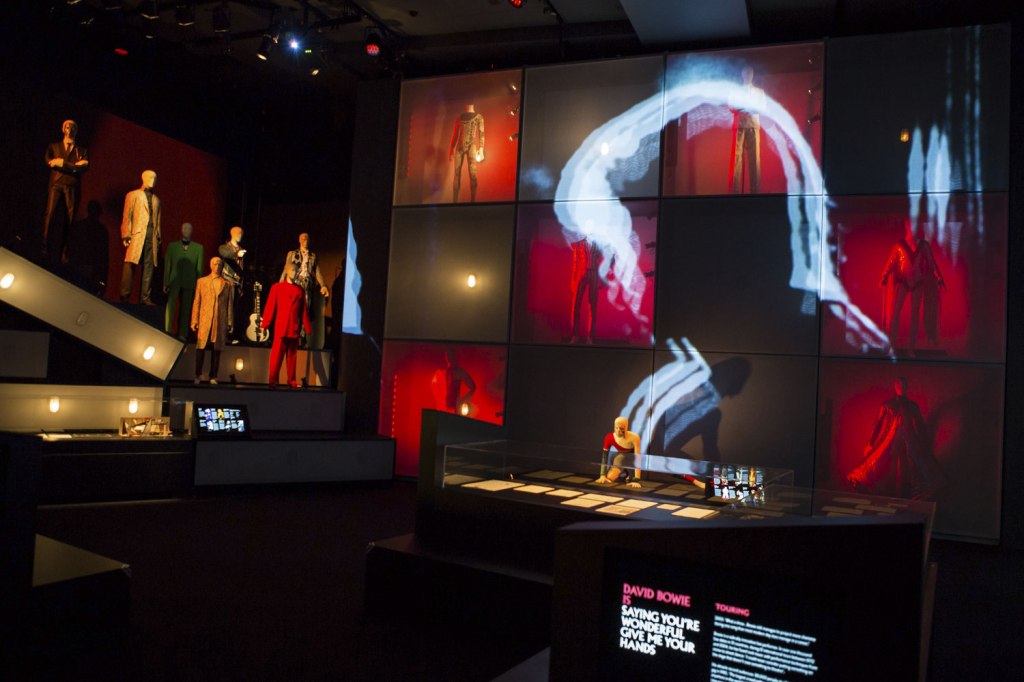
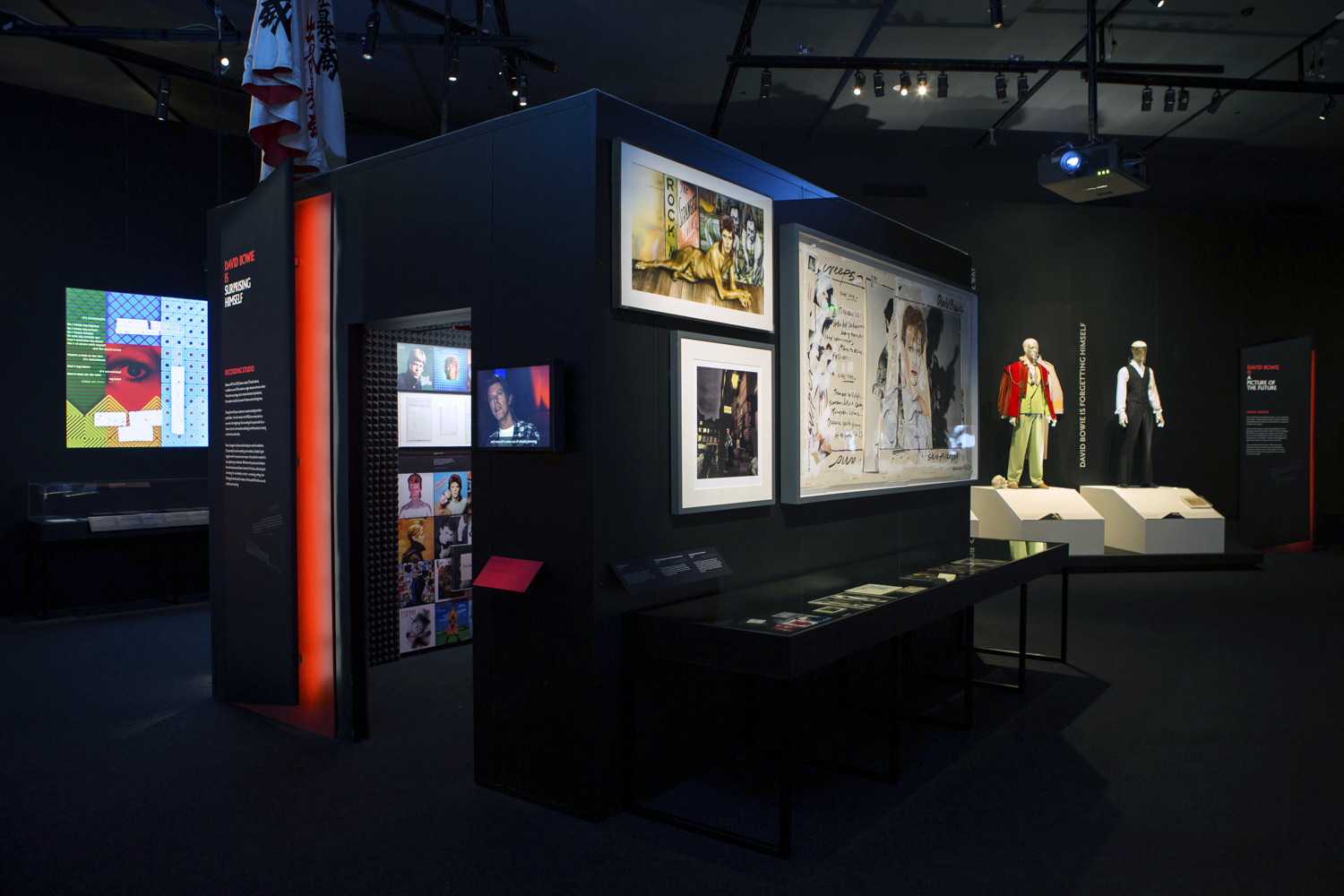

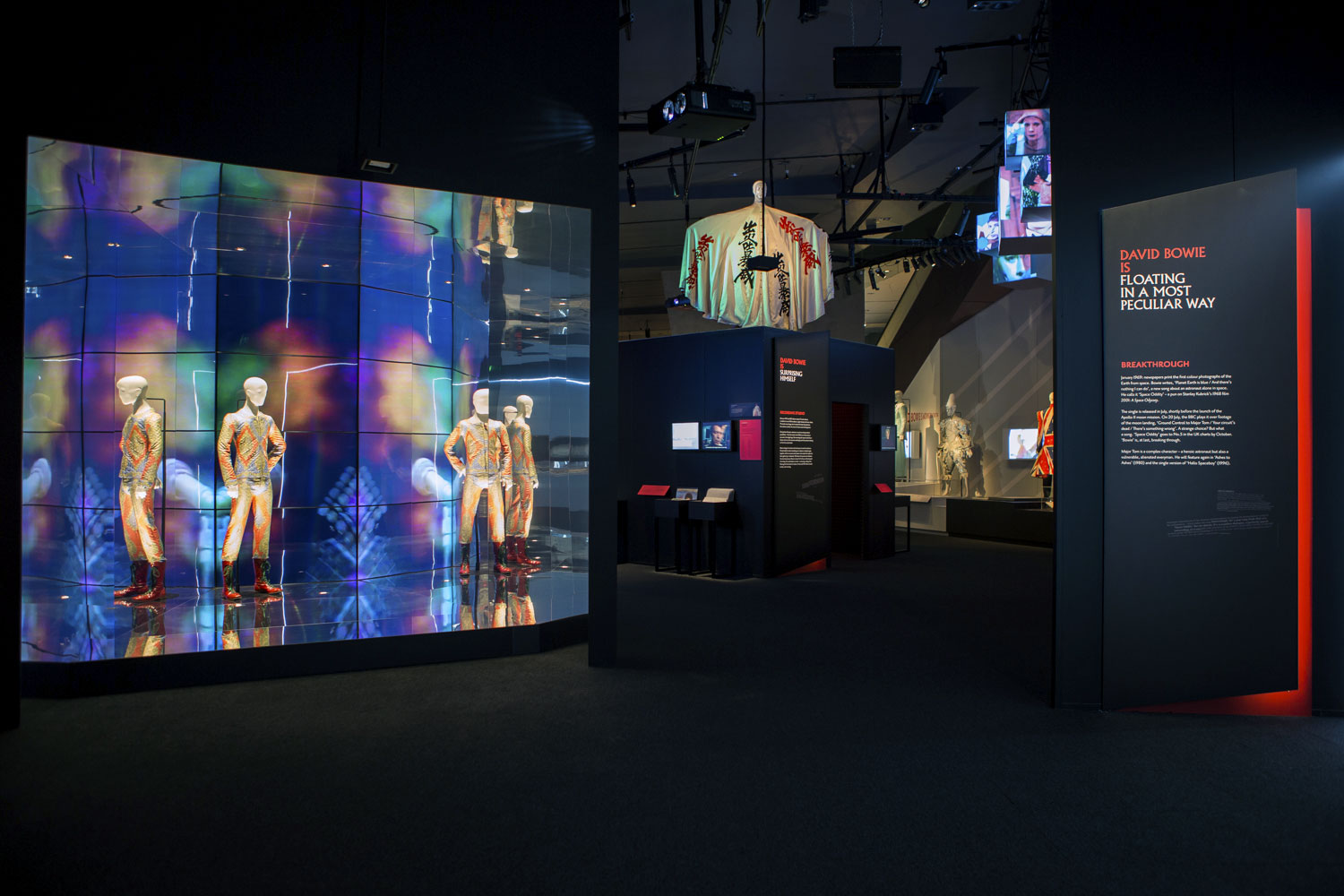

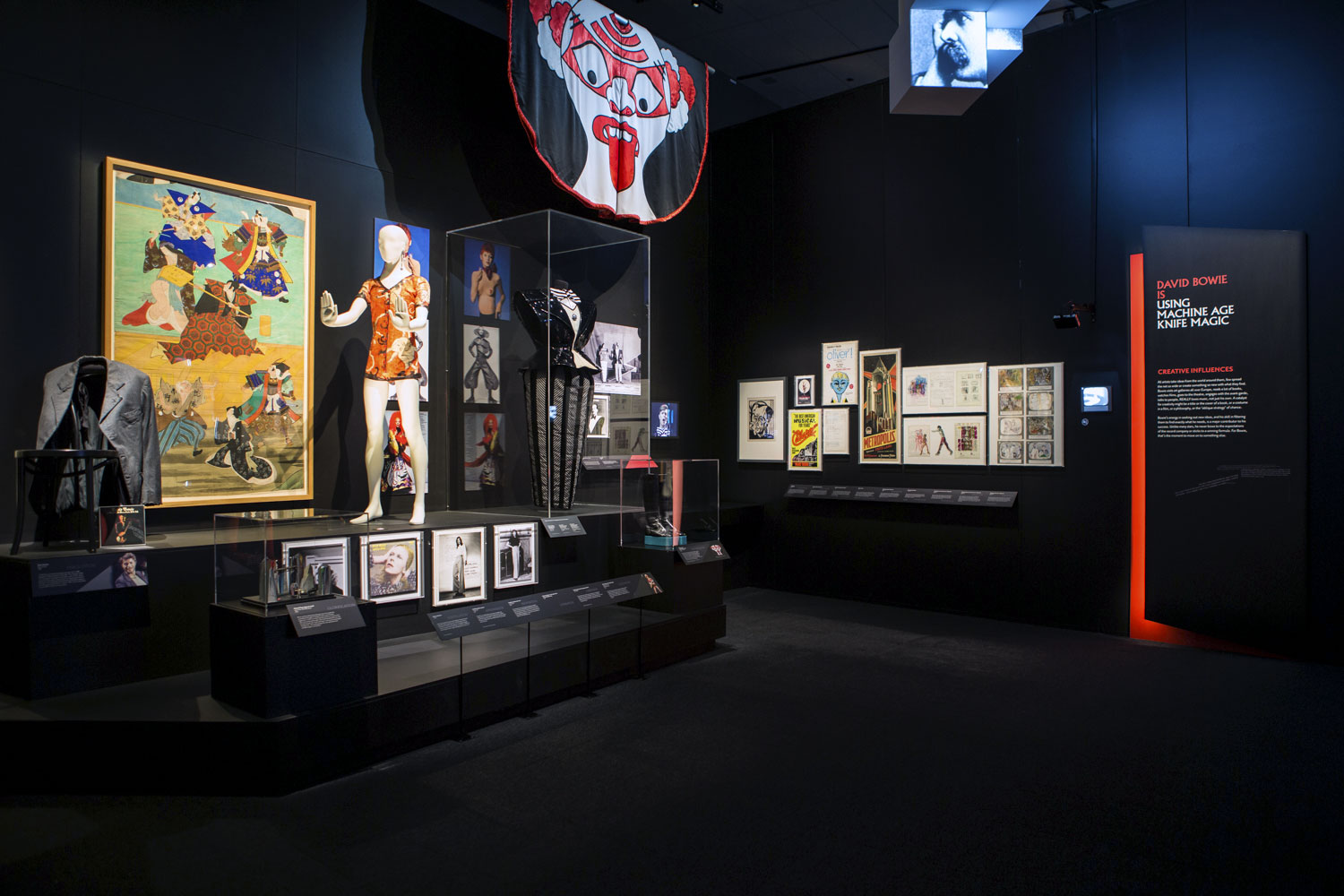

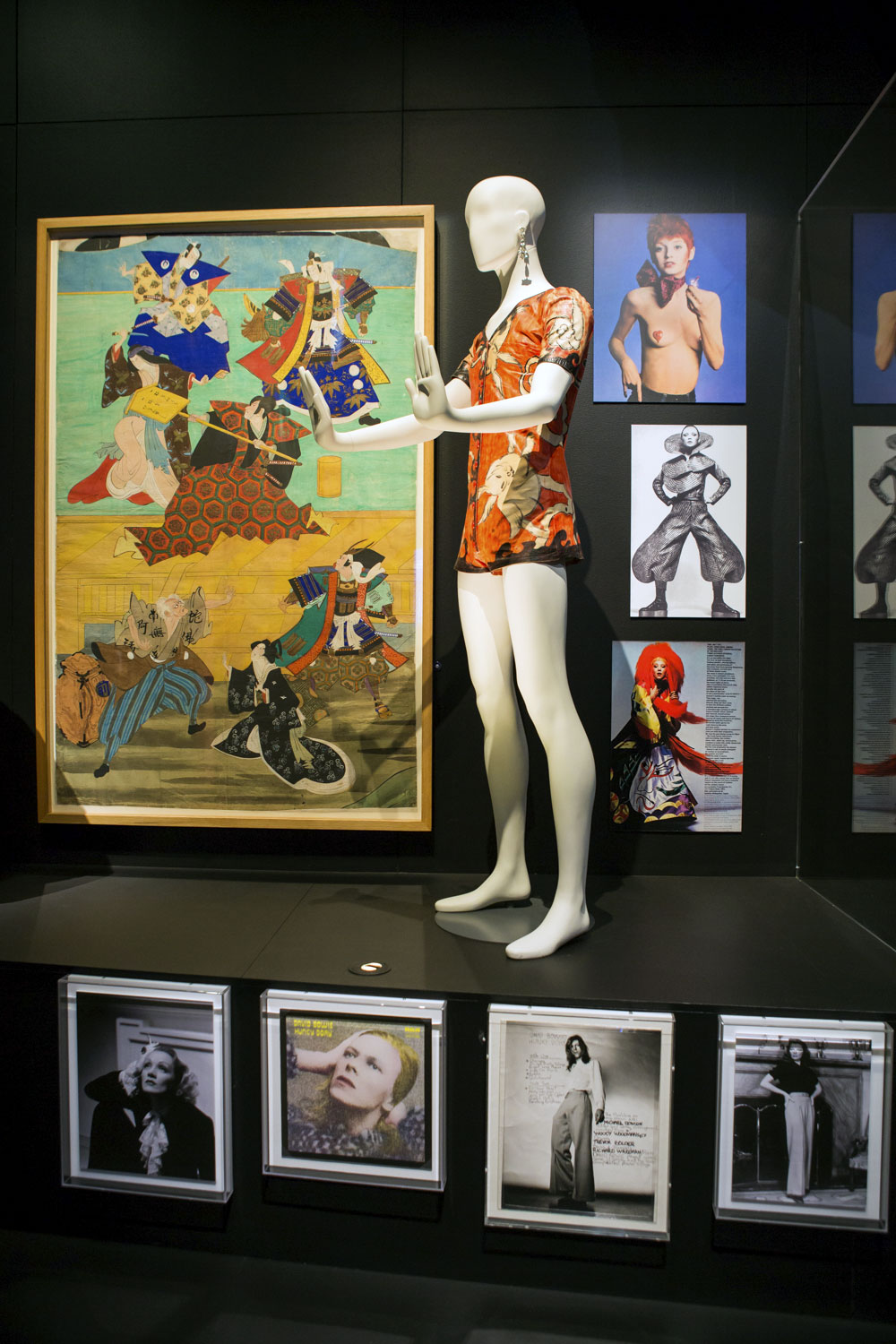

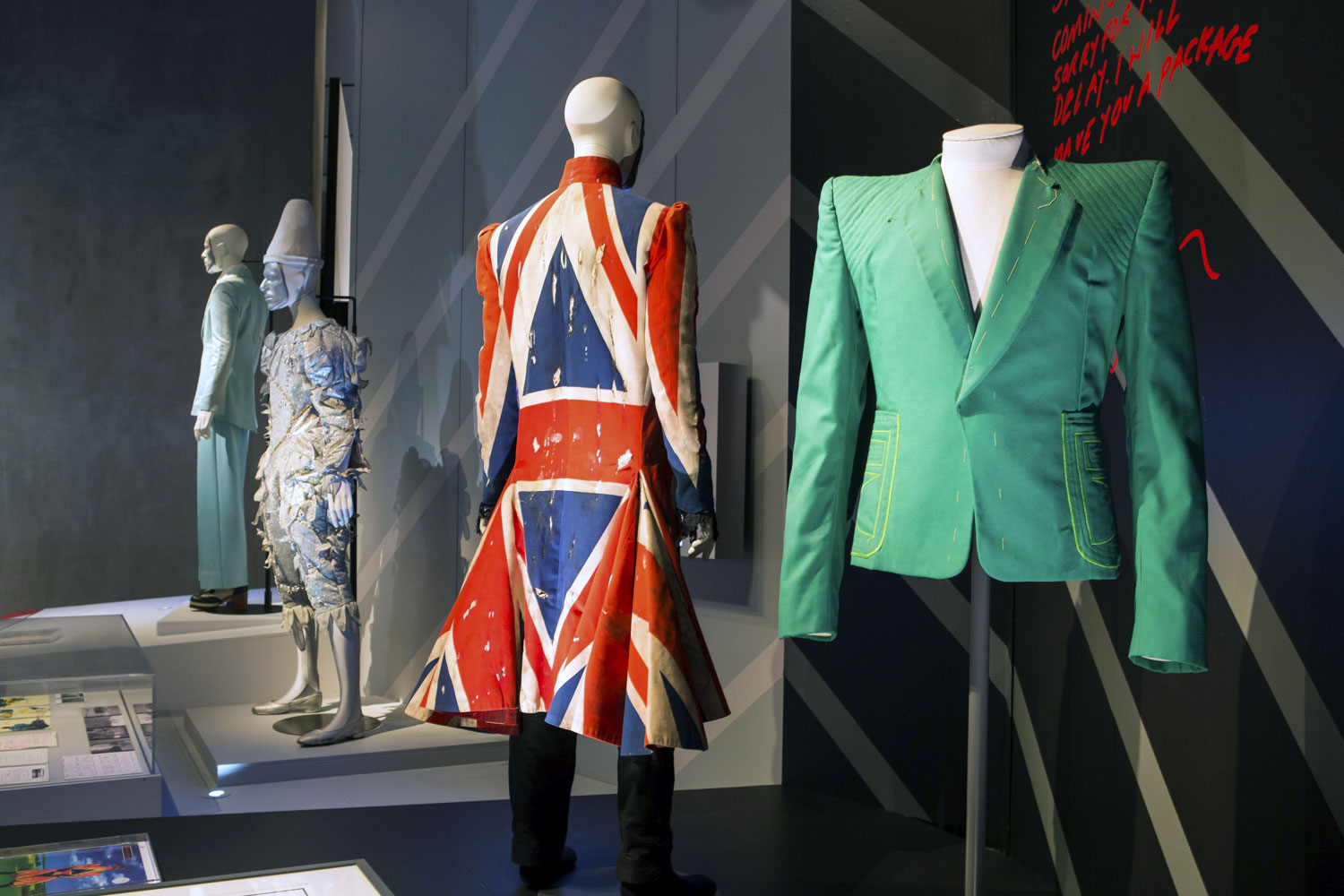


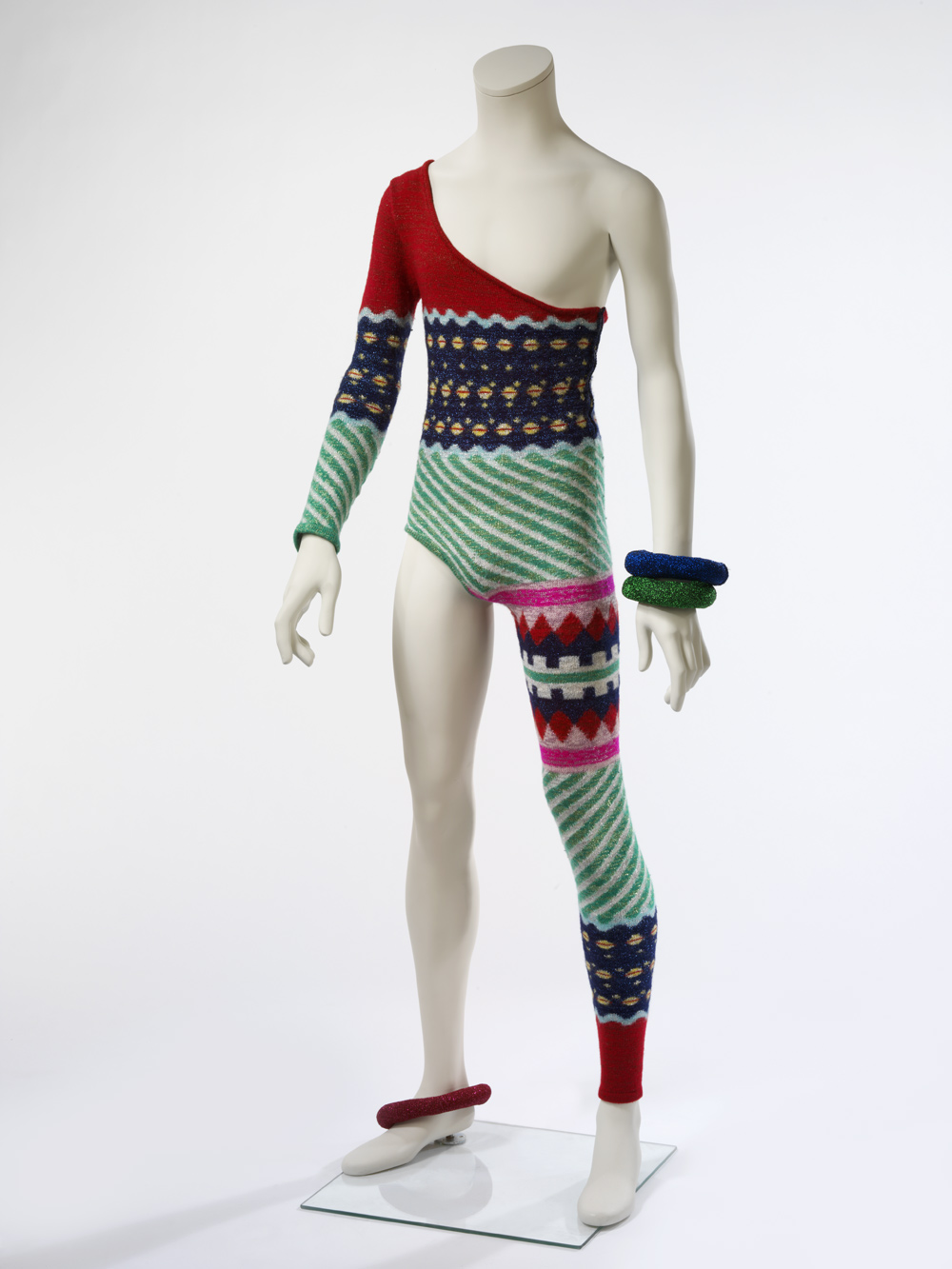








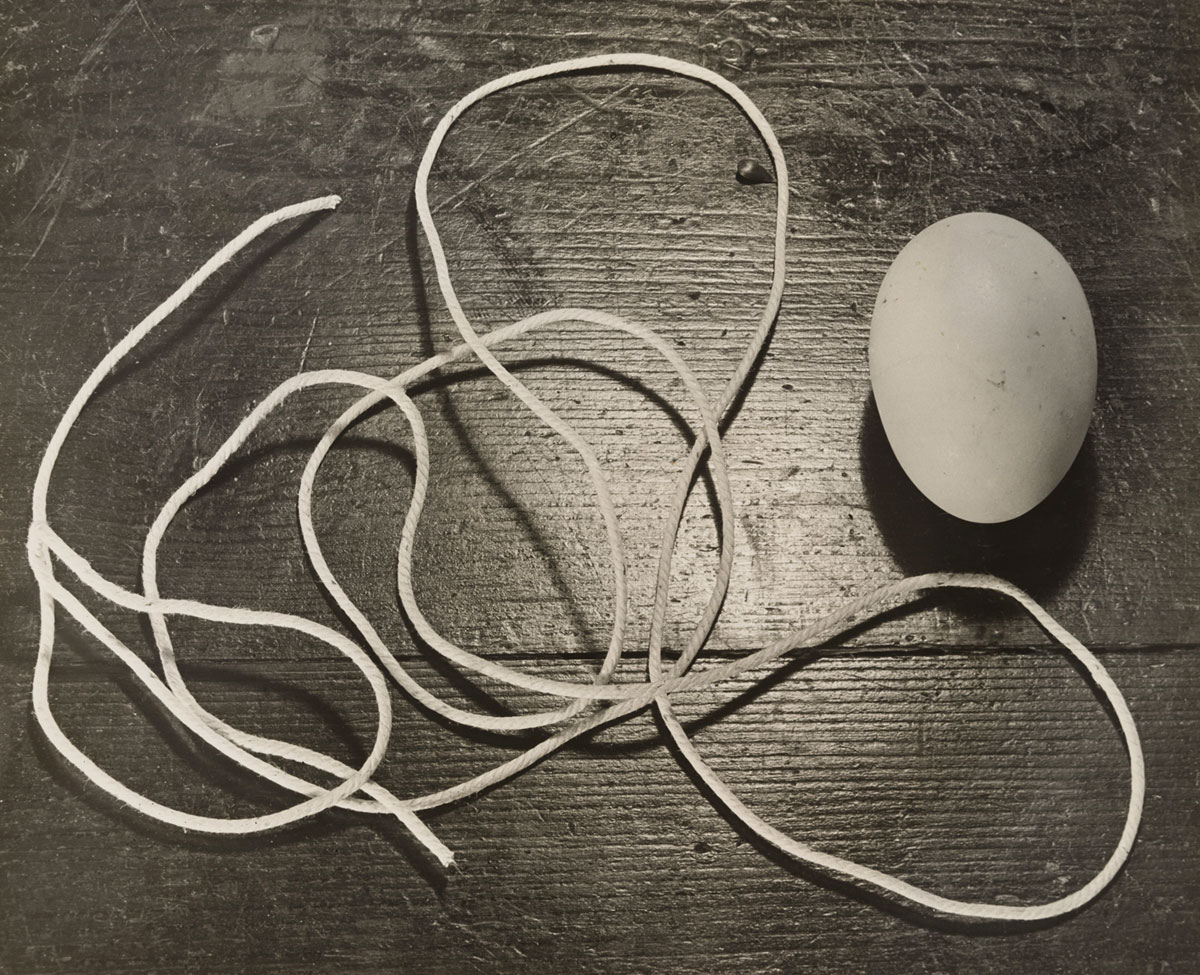


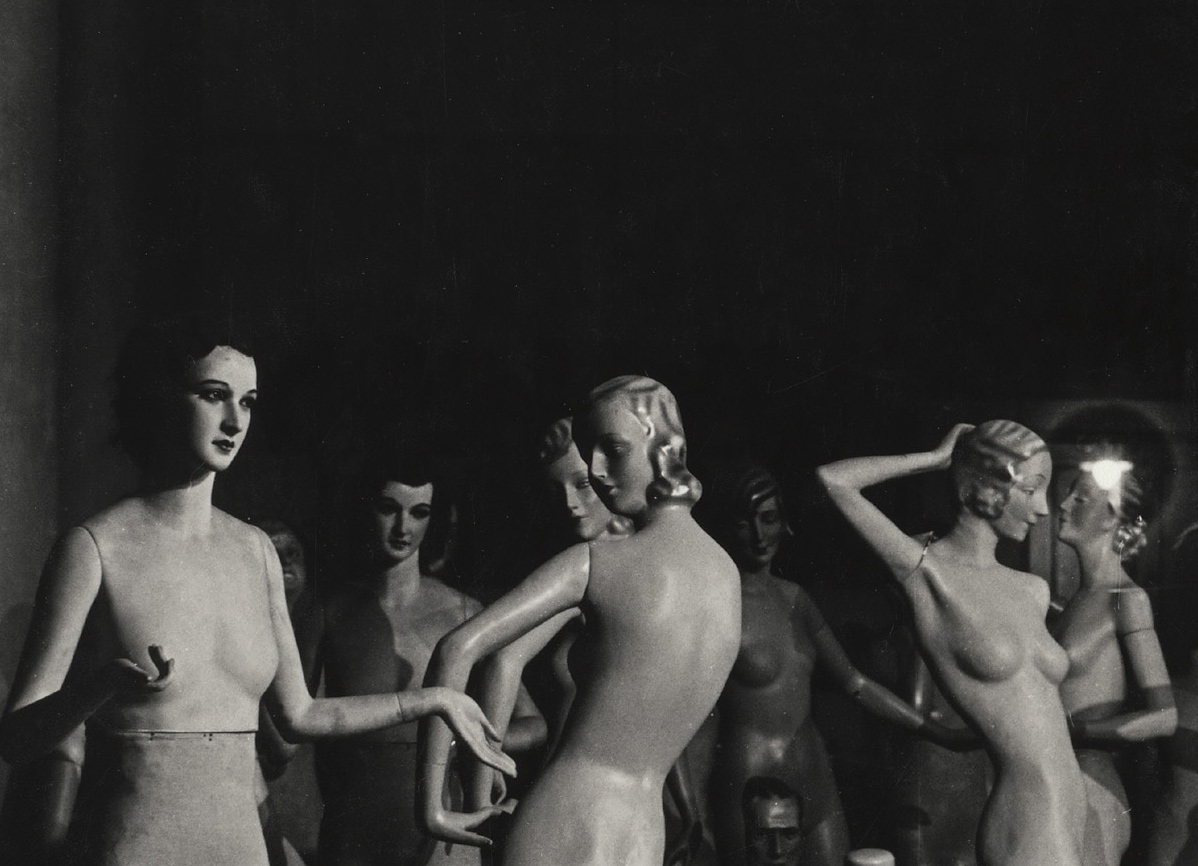


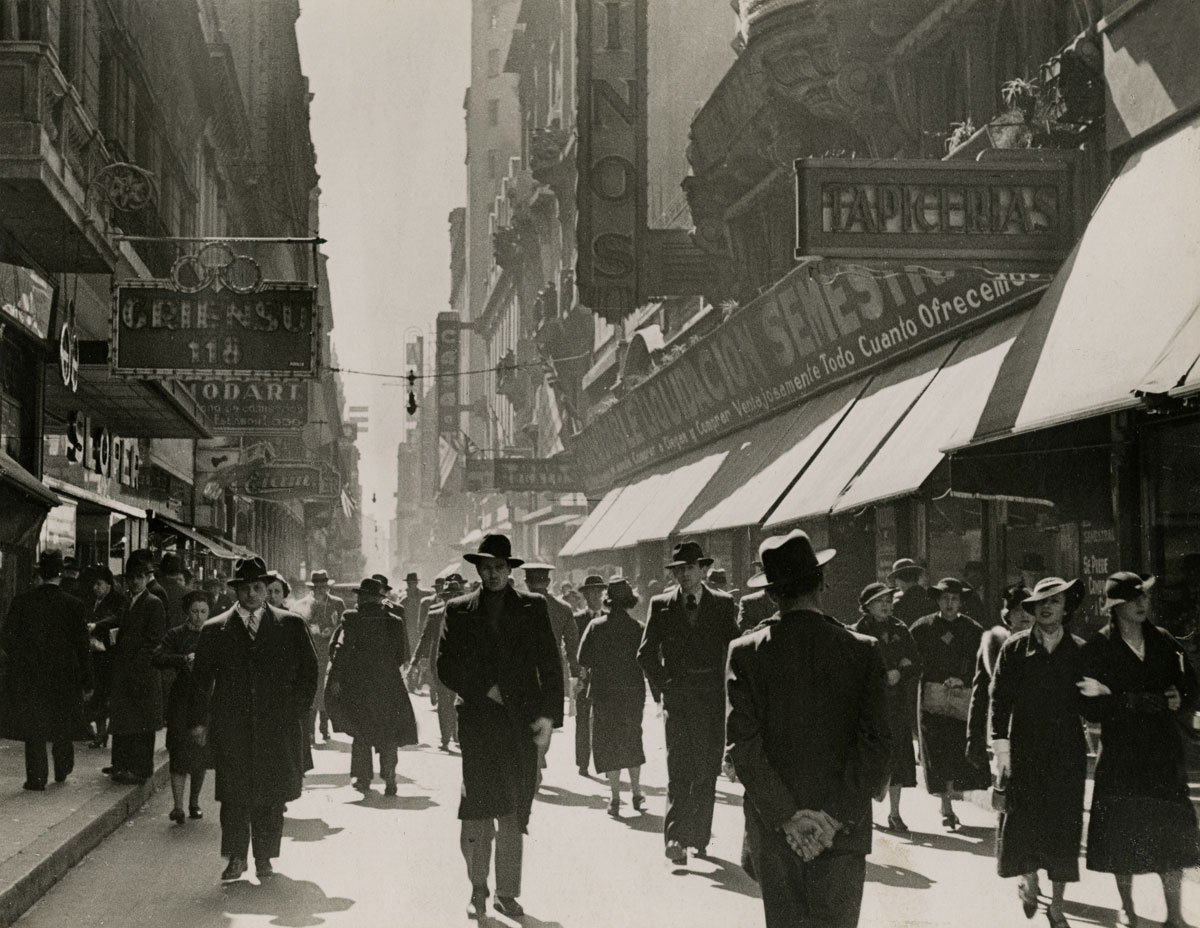


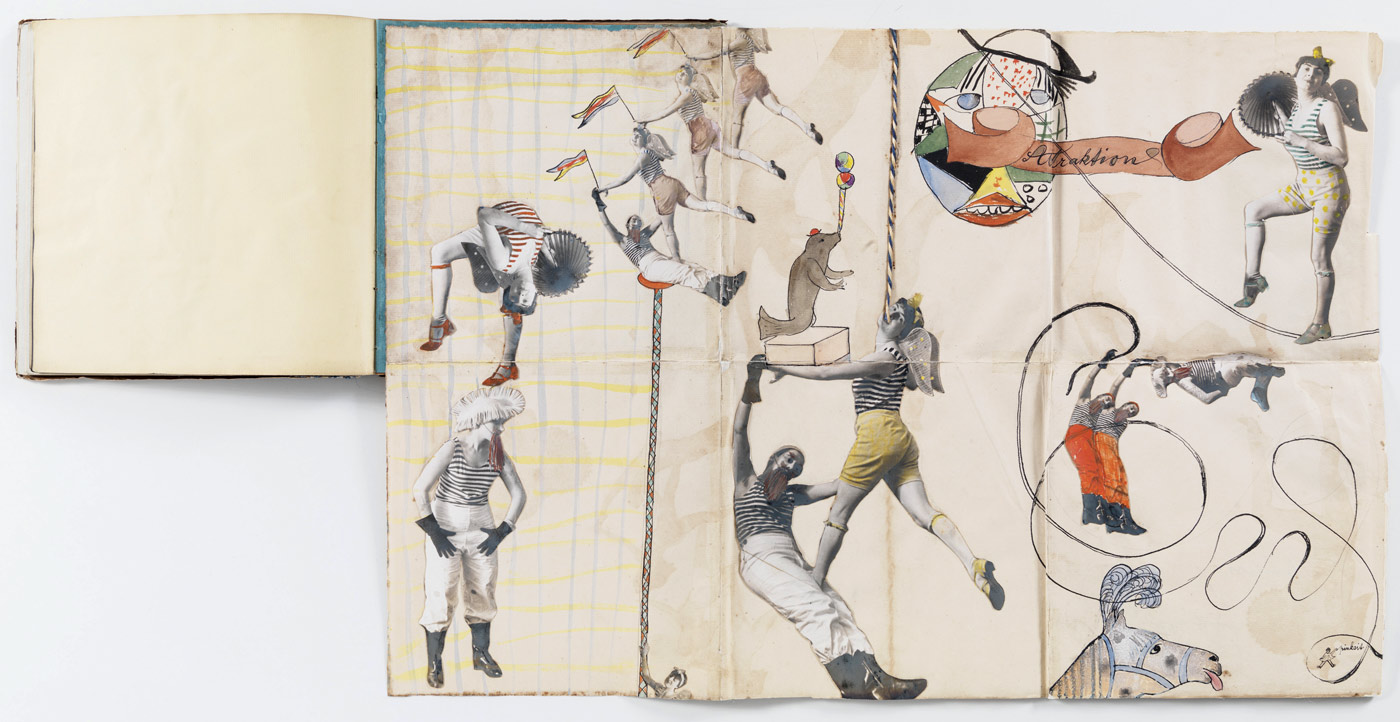

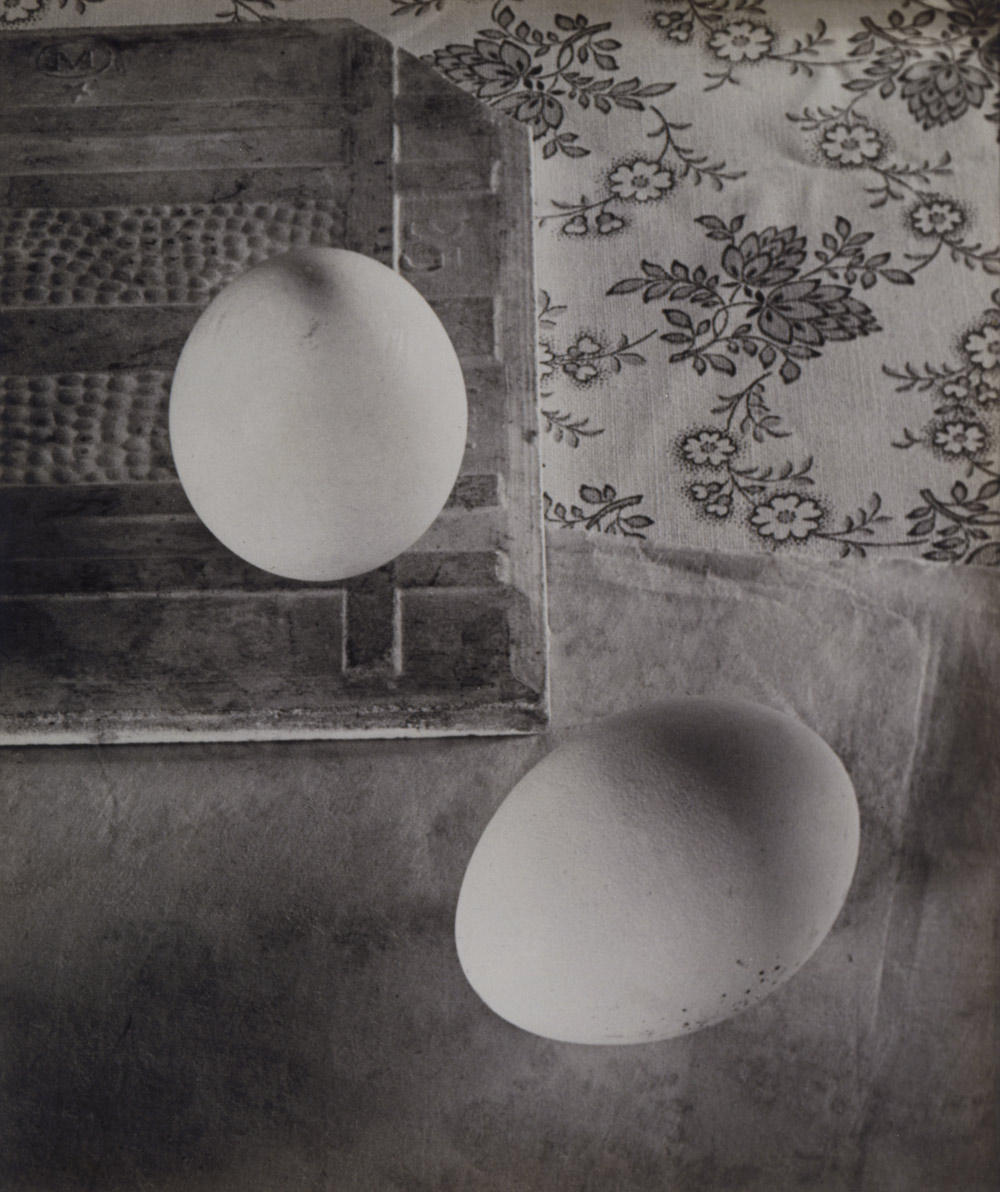

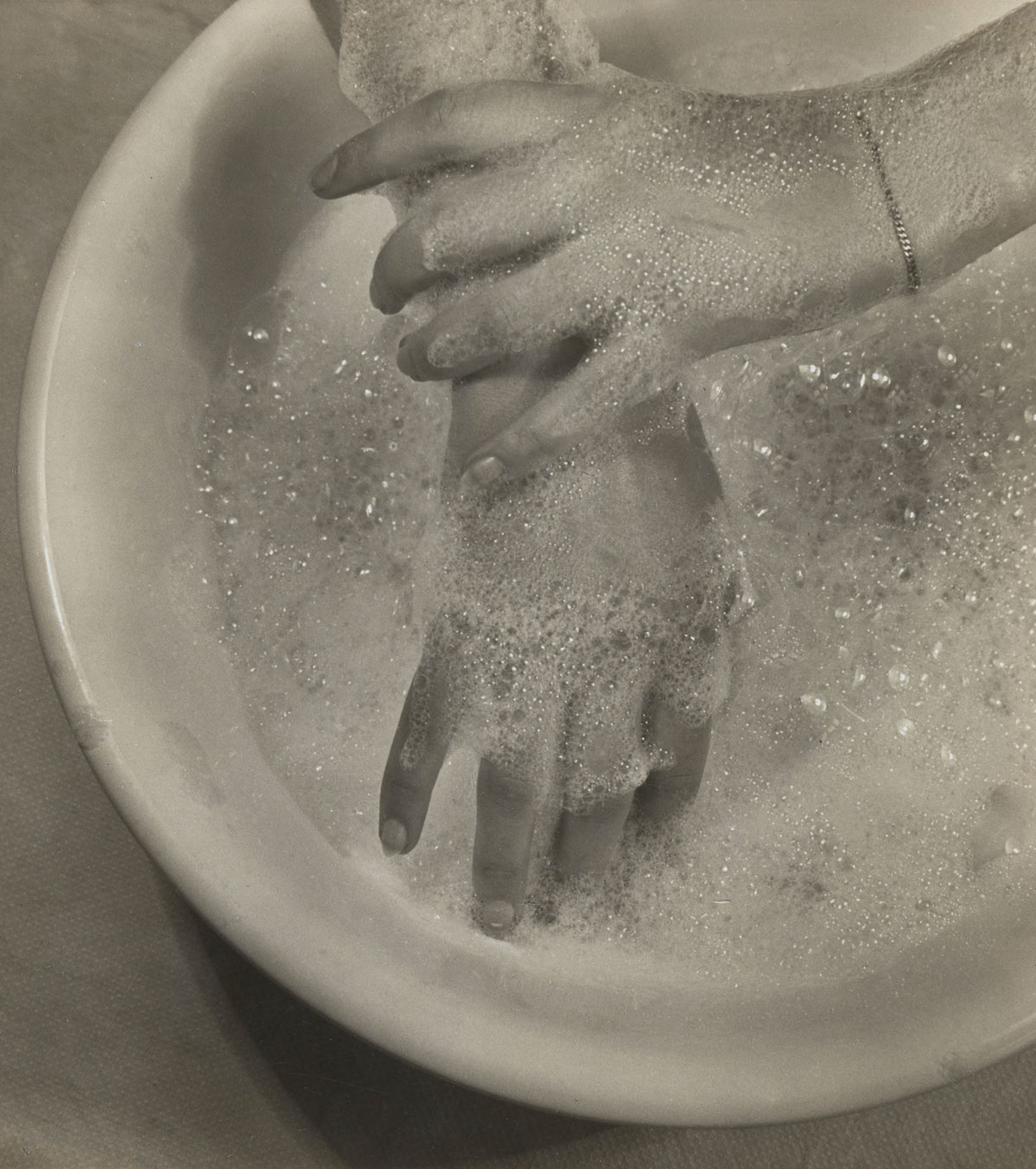


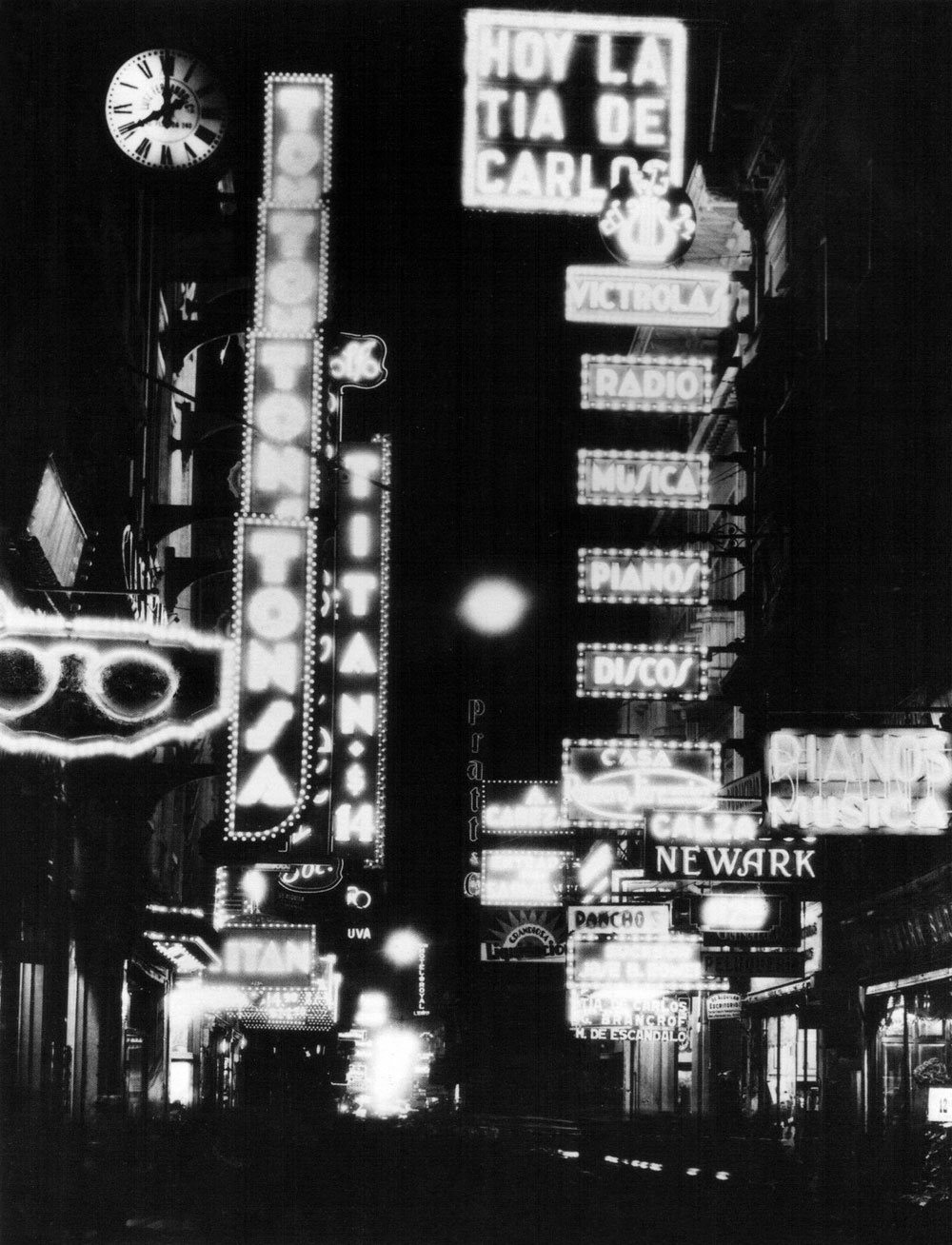
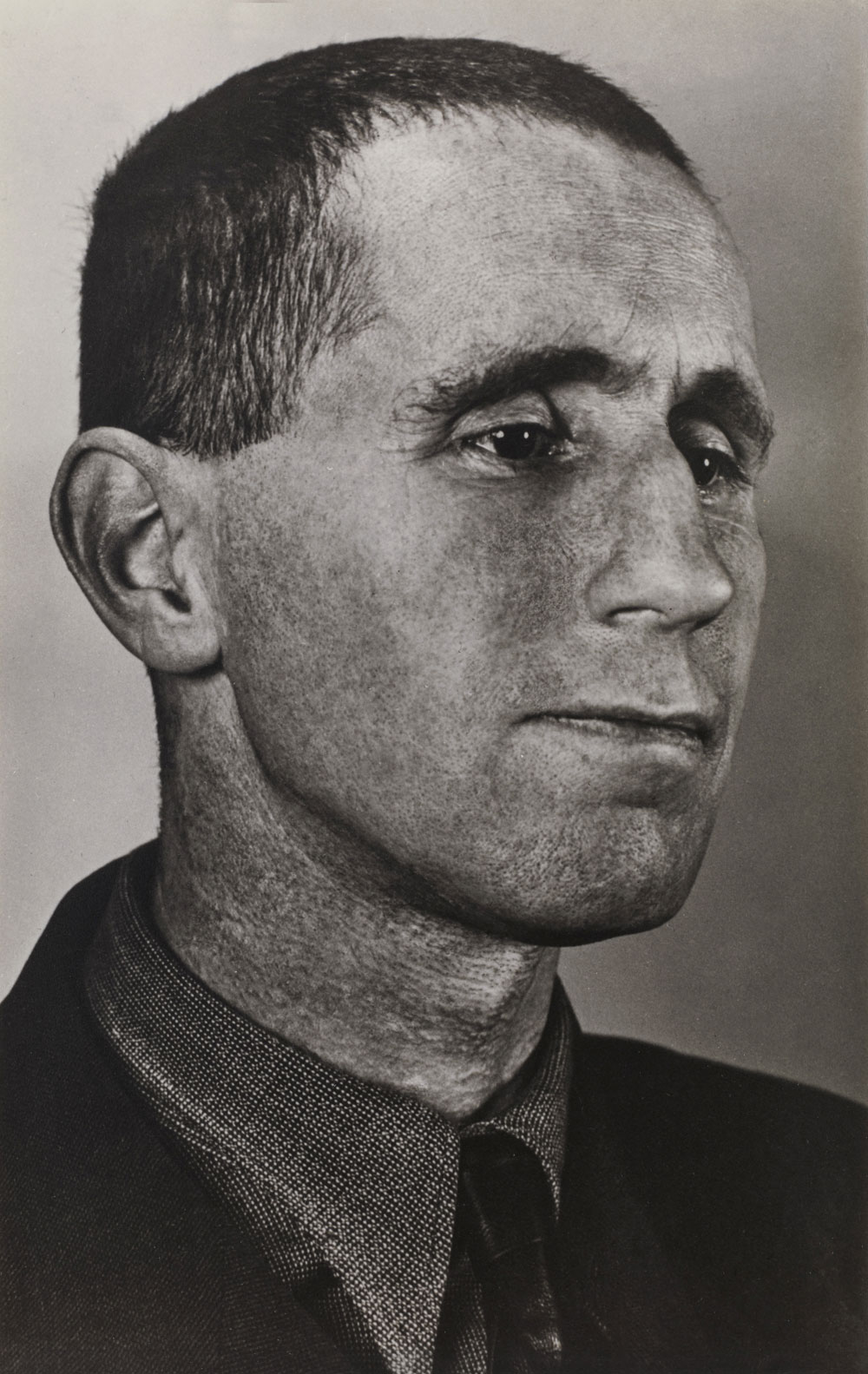






![Warren Breninger (Australian, b. 1948) 'Expulsion of Eve [No.3]' 1978](https://artblart.com/wp-content/uploads/2015/07/warren-breninger-expulsion-of-eve-no-3-1978-web.jpg "Warren Breninger (Australian, b. 1948) 'Expulsion of Eve [No.3]' 1978")
![Warren Breninger (Australian, b. 1948) 'Expulsion of Eve [No.12]' 1978](https://artblart.com/wp-content/uploads/2015/07/warren-breninger-expulsion-of-eve-no-12-1978-web.jpg "Warren Breninger (Australian, b. 1948) 'Expulsion of Eve [No.12]' 1978")
![Warren Breninger (Australian, b. 1948) 'Expulsion of Eve [No.15]' 1978](https://artblart.com/wp-content/uploads/2015/07/warren-breninger-expulsion-of-eve-no-15-1978-web.jpg "Warren Breninger (Australian, b. 1948) 'Expulsion of Eve [No.15]' 1978")
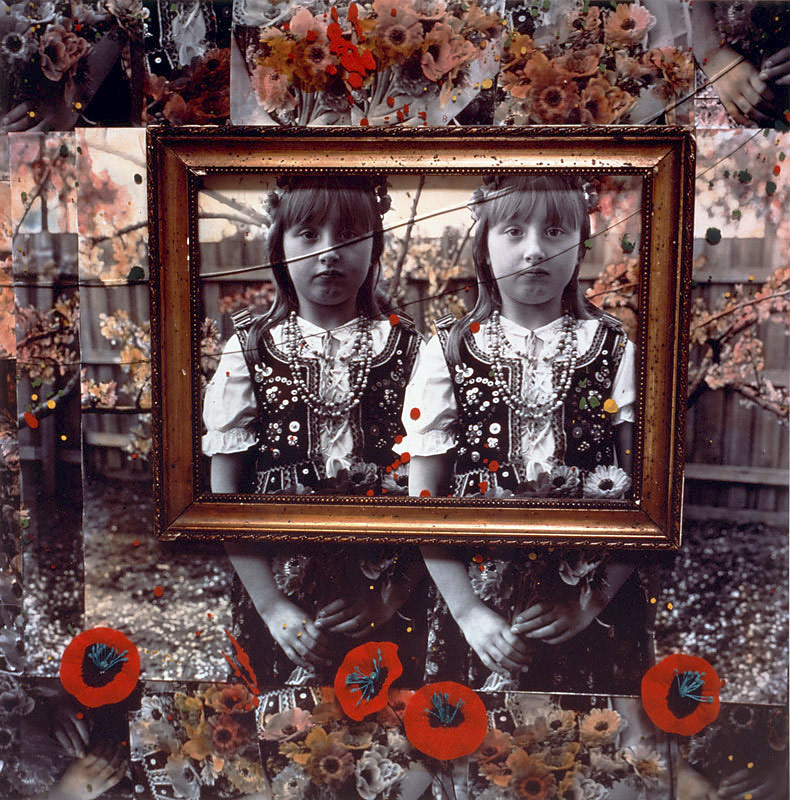
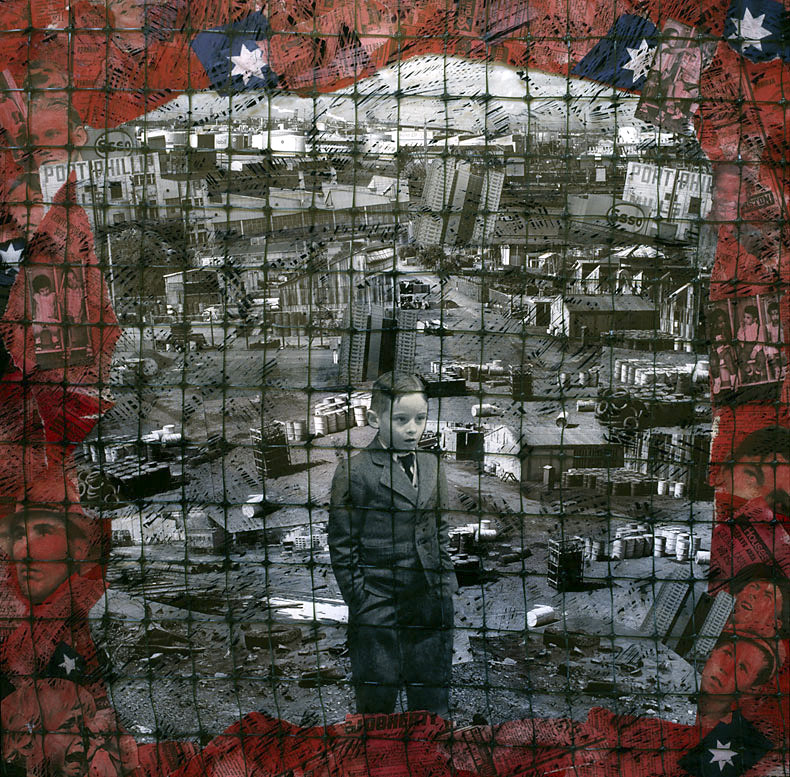
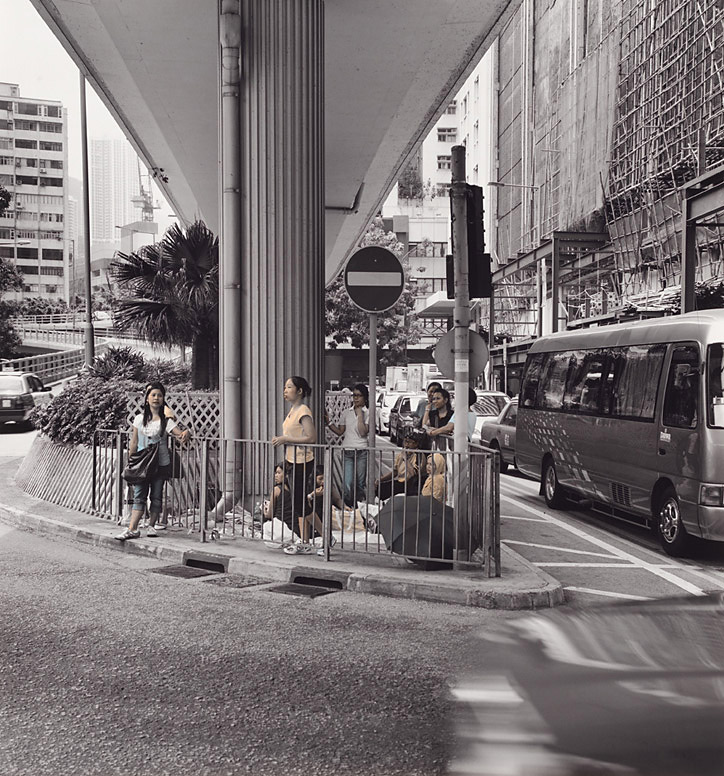
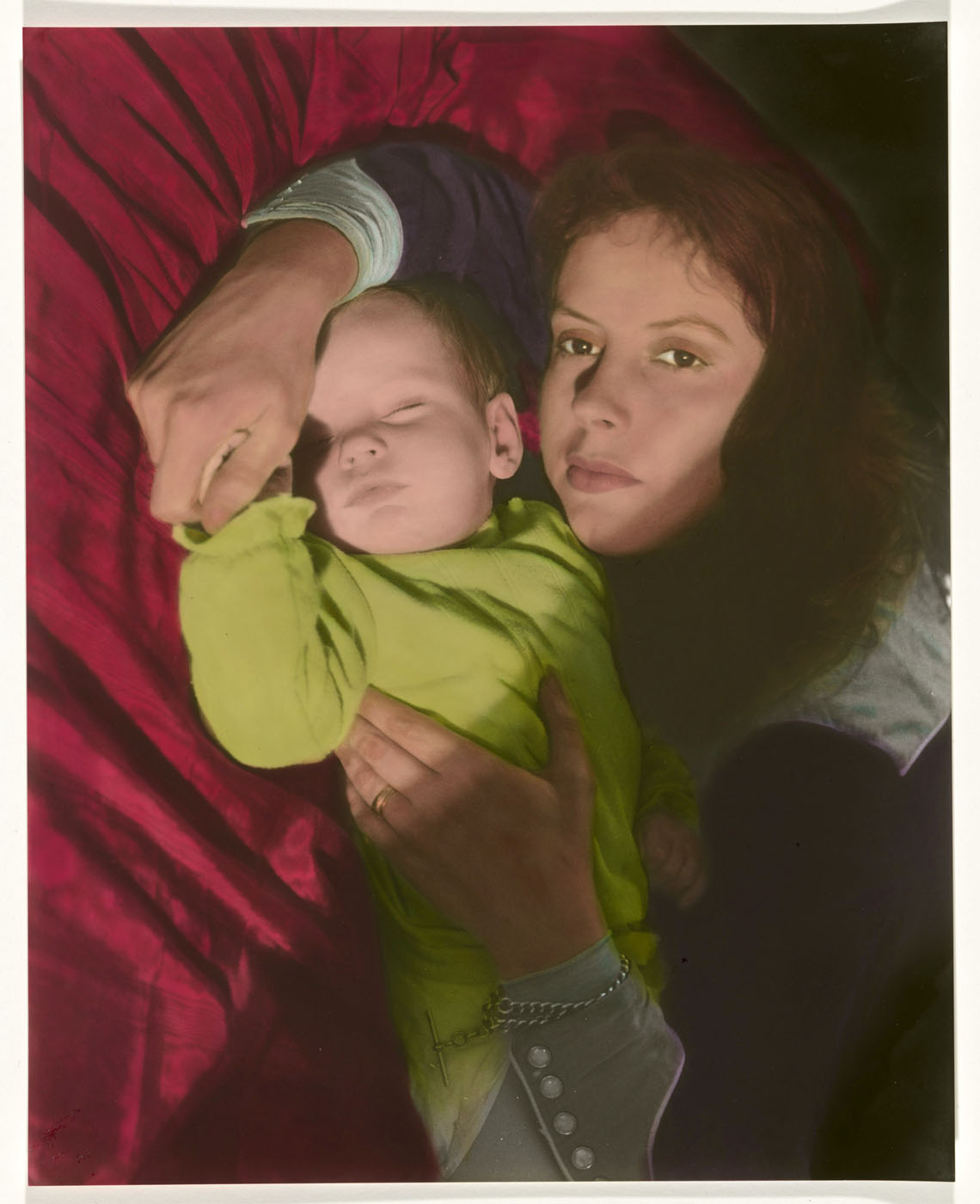
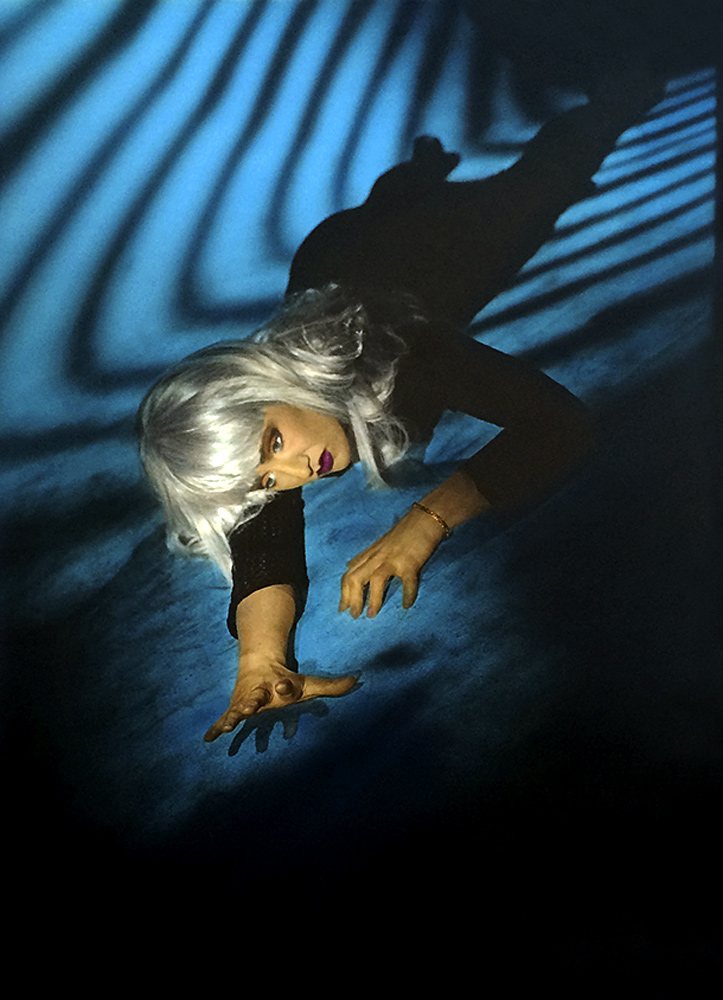
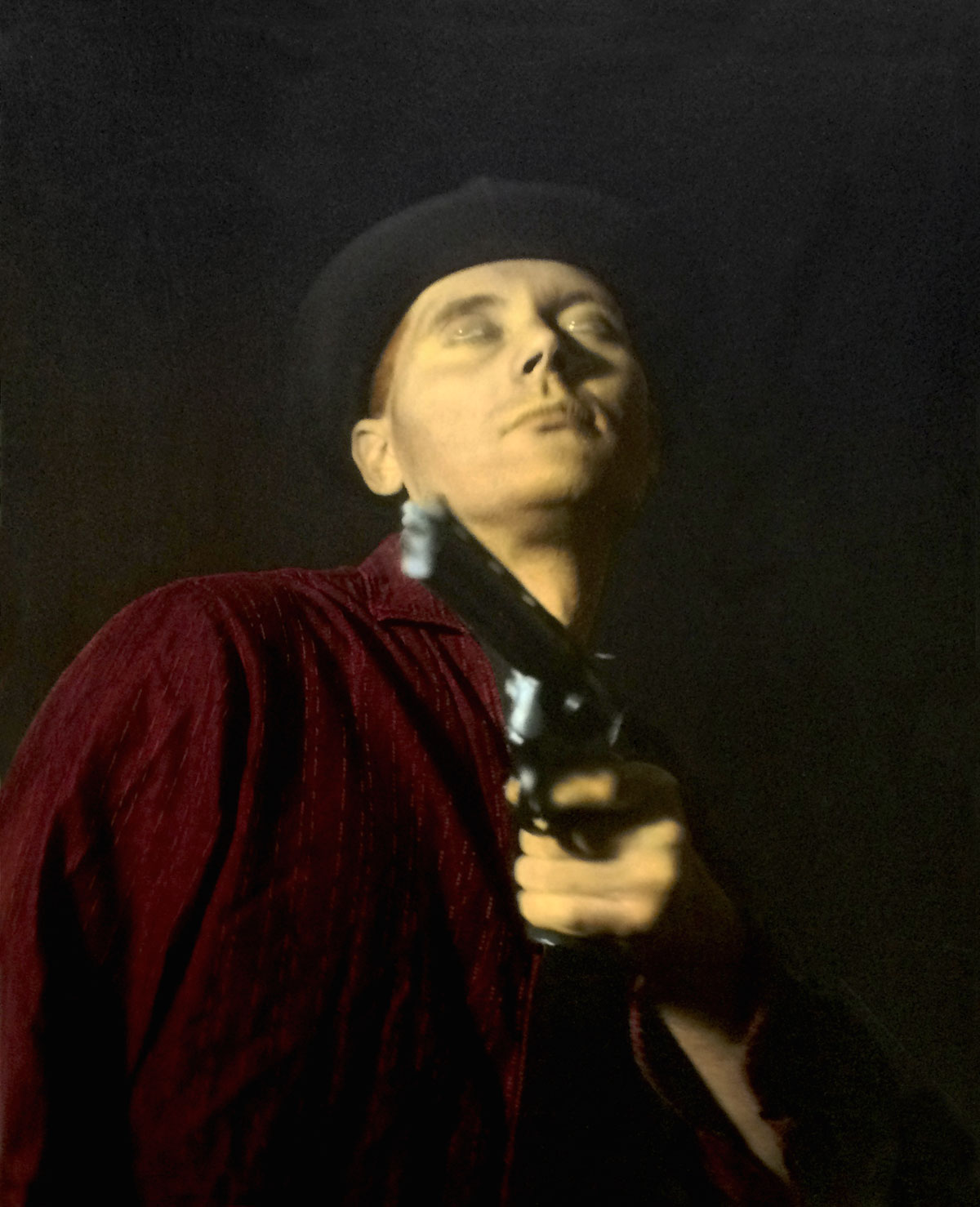
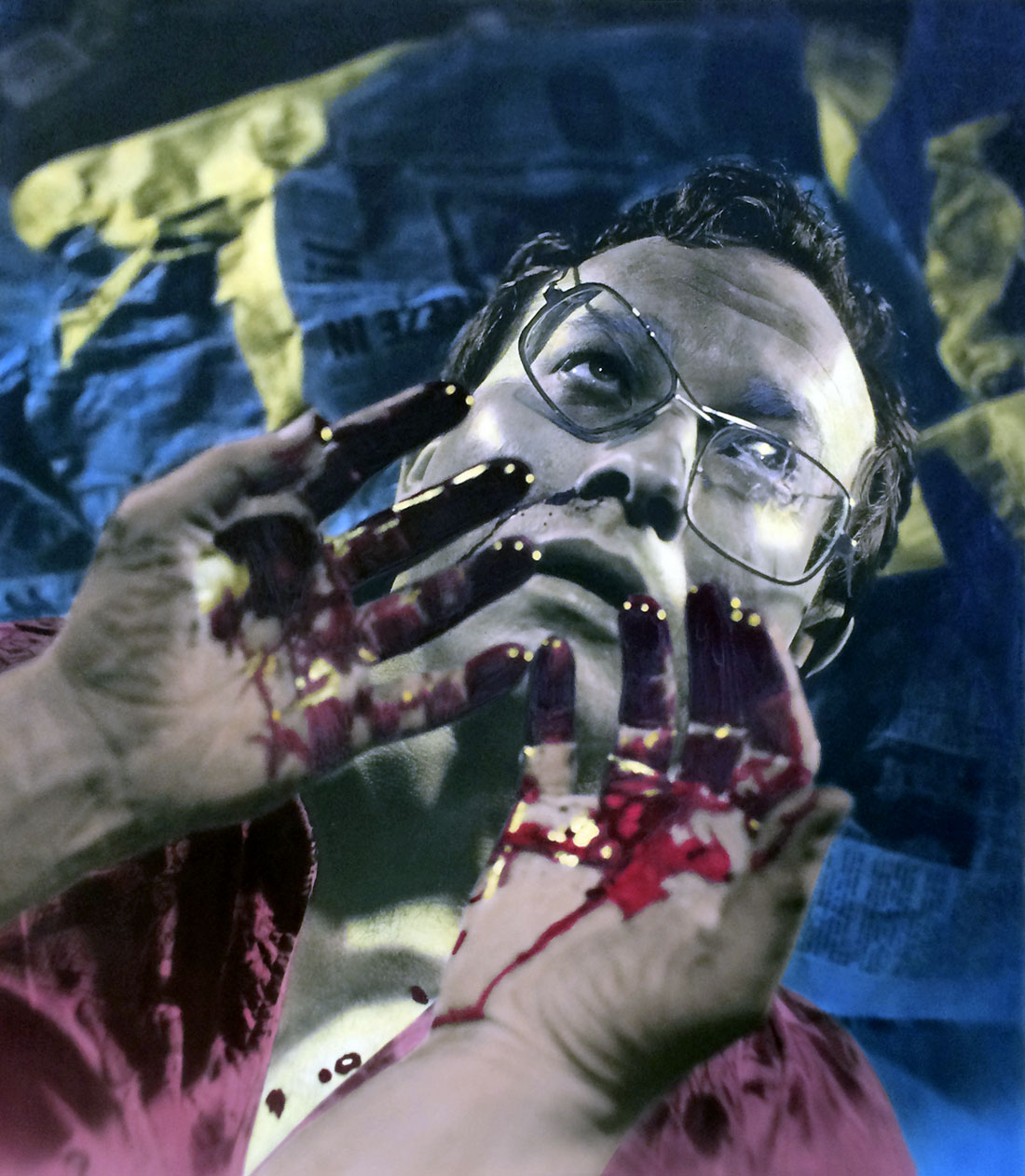
 Art Blart _ art and cultural memory archive
You must be logged in to post a comment.