I have posted twice before on Art Blart on Dawoud Bey’s An American Project exhibition – once when it was at the High Museum of Art (November 2020 – March 2021) and then the Whitney Museum of American Art (April – October, 2021)
I waxed lyrical about his photographs which I greatly admire.
“From formal to informal portraiture, through conceptual “bodies”, Bey’s work visualises Black American history in the present moment, not by using the trope of reusing colonial photographs or memorabilia, but by presenting afresh the history of injustice enacted on a people and a culture, picturing their ongoing pain and disenfranchisement – in the here and now – through powerful and deeply political photographs…
From his early street photographs through the later large format Polaroid work and on to the conceptual series, Bey’s photographs have an engaging directness and candour to them. There are no photographic or subjective histrionics here, just immensely rich social documentary photographs that speak truth to subject. The subjects stare directly at the camera and reveal themselves with a poignant honesty.”
If you look at the installation photographs of both postings you will notice the small-scale prints of his notable black and white large-format (4 × 5-inch) camera and Polaroid Type 55 film photographs. But in this exhibition, Dawoud Bey: Street Portraits at the Denver Art Museum, Bey has used the large format negatives “to make large-scale, highly detailed prints that could be enlarged to create monumental portraits.”
To my eye and mind, these monumental portraits simply don’t work … on many levels.
Firstly, the size seems totally inappropriate as a form of theatre (for that is what Bey is making them at this size) and as a photographic document to the honest representation of these people – to me, completely at odds with the spirit of the subject being captured.
Secondly – and remembering that I have not seen the exhibition or walked through it but I am using the numerous installation photographs as my guide – there seems to be little flow to the images, installed as they are cheek by jowl, on the line, with no groupings or spacing, facing off against each other, face after face – with seemingly no understanding by curator or artist of Minor White’s idea of ice/fire, or the space between, the frisson that is generated between two or more images, in conversation, in sequence. Even the lines of sight between exhibition spaces leave little to be discovered afresh.
I have never understood this need for “monumentalism” in contemporary photography especially when the work does not need it and the energy of the work does not support it.
The advent of digital printing and large scale printers have enabled the production of gigantic contemporary photographs. “Large-scale photography challenges traditional notions of what constitutes a photograph and can be seen as a way to engage with the history of painting and cinema… Large-scale photography allows artists to explore the relationship between the overall composition and the individual details within the image. This can create a sense of both macro and micro, where the viewer can zoom in and out to appreciate different aspects of the image… Large-scale photography is used by many artists to explore themes related to identity, technology, consumerism, and environmental issues. The size of the prints can be a way to amplify these themes and create a more impactful visual statement. Large-scale photographs are well-suited for exhibition spaces where they can be displayed in a way that maximizes their impact. The large size of the prints can also create a sense of awe and wonder for the viewer.” (Generative AI on Google)
“In the 1990s, the group most commonly associated with large-scale photography, and in many ways responsible for the worldwide popularity of the technique, were the students of Bernd and Hilla Becher at the Kunstakademie Düsseldorf, including Thomas Struth, Andreas Gursky, Candida Höfer, and Thomas Ruff.” (Artsy website) With the work of artist’s such as Jeff Wall or Gregory Crewdson we become immersed in their cinematically constructed, staged fantasy worlds through the sheer scale of the photographs. With the gigantic portraits of Thomas Ruff it is not so much about the individual persona in the photograph as their every pore, a scientific examination of the surface micro death contained within every image.
Of course, I understand the desire for large photographs in creating a sense of immersion and exploring themes related to scale, power, identity and the human experience … but I don’t necessarily agree with the conditions of their becoming, nor do I think scale necessarily works for every photographic image. A photograph can be printed so that it has many sizes where it “speaks” to you and the viewer, but not every size works. I vividly remember seeing the exhibition Richard Avedon People at The Ian Potter Museum of Art, Melbourne in 2015 and observing that Avedon’s reaction to the ever expanding size of postmodern “gigantic” photography were floor to ceiling photographs, vertiginous overblown edifices which fell as flat as a tack.
I get the same feeling here.
Impact not intimacy, (visually) overwhelming not (visually) engaging.
Fundamentally, these “monumental” photographs by Dawoud Bey are no longer “street portraits” for they lack the intimacy and intensity of that style, becoming something rather less … beguiling, in the process.
Dr Marcus Bunyan
Many thankx to the Denver Art Museum for allowing me to publish the photographs in the posting. Please click on the photographs for a larger version of the image.
Installation views of the exhibition Dawoud Bey: Street Portraits at the Denver Art Museum
From 1988 to 1991, Dawoud Bey (American, born 1953) photographed African Americans in the streets of various American cities. He asked a cross section of these communities to pose for him, creating a space of self-presentation and performance in their urban environments. Bey used a large format tripod-mounted camera and a unique positive/negative Polaroid film that created both an instant print and a reusable negative. As part of every encounter, Bey gave each person the small black-and-white print as a way of reciprocating and returning something to the people who allowed him to make their portraits. The resulting photographs reveal the Black subjects in their psychological complexity, presenting themselves openly and intimately to the camera, the viewer, and the world.
Installation views of the exhibition Dawoud Bey: Street Portraits at the Denver Art Museum
Dawoud Bey: Street Portraits is the first standalone museum show to explore a transformational phase of the celebrated photographer and 2017 MacArthur Fellow Dawoud Bey’s work. The show features 37 portraits he made between 1988 and 1991, when he collaborated with Black Americans of all ages whom he met on the streets of various American cities. He asked a cross section of people in these communities to pose for him, creating a space of self-presentation and performance in their urban environments.
Bey used a large format tripod-mounted camera and a unique positive/negative Polaroid film that created both an instant print and a reusable negative. Bey considers photography an ethical practice that requires collaboration with his subjects. As part of every encounter, he gave each person a small black-and-white Polaroid print as a way of reciprocating and returning something to the people who allowed him to make their portrait.
Street Portraits is organised by the community the photographs were made in: Brooklyn; Washington, D.C.; Rochester; Amityville; and Harlem. Bey defies racial stereotypes by encouraging Black people to present themselves openly and intimately to the camera, the viewer, and the world.
The Denver Art Museum (DAM) is proud to present Dawoud Bey: Street Portraits, featuring 37 portraits by celebrated photographer and 2017 MacArthur Fellow Dawoud Bey (American, born 1953).
From 1988 to 1991, Bey collaborated with Black Americans of all ages whom he met on the streets of various American cities. He asked a cross section of people in these communities to pose for him, creating a space of self-presentation and performance in their urban environments.
“We’re pleased to present the first standalone museum show of this important work,” said Eric Paddock, Curator of Photography for DAM. “Dawoud Bey’s Street Portraits mark a turning point where the deliberate, closely observed portraits he had been making with a handheld camera began to contain what he has called ‘the kind of lush physical description’ he wanted his pictures to convey – and that is a consistent part of all the work he has made since. The slower process of working with a camera on a tripod invited collaboration between the artist and his subjects, making each picture both an experiment and a discovery.”
Bey used a large format tripod-mounted camera and a unique positive/negative Polaroid film that created both an instant print and a reusable negative. Bey considers photography an ethical practice that requires collaboration between the artist and his subjects. As part of every encounter, he gave each person a small black-and-white Polaroid print as a way of reciprocating and returning something to the people who allowed him to make their portrait.
The exhibition is organised by the community the photographs were taken in: Brooklyn; Washington, D.C.; Rochester; Amityville; and Harlem. Defying racial stereotypes, the resulting photographs reveal the Black subjects in all of their psychologically rich complexity, presenting themselves openly and intimately to the camera, the viewer, and the world.
While the photographs from his groundbreaking photobook The Americans (1958) have defined the artistic reputation and legacy of Swiss-American photographer Robert Frank and his influence on a later generation of documentary photographers, I am so grateful to the man for not retreating into his shell as so many artists do, finding a style which makes them famous and makes them money and then repeating the formula over and over again ad nauseam.
Frank was ever creative, always exploring new ways of filmic and photographic expression. I admire that. While “his perpetual experimentation and collaborations across various mediums” did not produce another seminal body of work – indeed Arthur Lubow has argued that if the aim of this exhibition is to reposition Frank’s reputation through showcasing six decades of later work the problem being that his genius as a photographer did not carry over into filmmaking1 – no matter!
Frank was not afraid to put himself out there as an artist, challenging himself to see differently, to develop further as an artist and as a human being. As he said, “I think of myself, standing in a world that is never standing still … I’m still in there fighting, alive because I believe in what I’m trying to do now.”
Critical to his new way of seeing after The Americans was Frank’s move beyond a single, static image into combining multiple negatives, images, text together. Recently I again delved through my copy of Frank’s 1972 photobook The Lines of My Hand, which “demonstrates Frank’s particular interest in the visual effects and meaning produced from combinations of images, either within a single photograph or formed by printing multiple negatives together to create a dense montage.” (Text from MoMA)
What’s so striking about the photobook is its tightly packed nature, its pages filled with ideas and images. Frank was using his intuition to construct a new language of photography: multiple, diverse and overlaid perspectives complicit with narratives not external to the self but an internal vision of a felt reality, visions that exist somewhere between documentary and fiction.
Here is abstraction and isolation, loneliness in the dream… the white line eternally disappearing into the distance in 34th Street (1949); tickertape floating in the air in Wall Street (1951); stiff men in bowler hats in City of London (1951) and the lines of the hand in Untitled [The Lines of the Hand] (Paris, 1949-1951, below) with the declaration ‘Sciences and Mysteries’. Sciences and mysteries, realities and abstractions, the known and unknown. The Lines of My Hand are the song lines of Frank’s life, the photographs breathing into existence his innermost thoughts and truths. Who am I? What do I believe in?
“Outside it is snowing, no waves at all. The beach is white, the fence posts are grey. I am looking back into a world gone forever. Thinking of a time that will never return. A book of photographs is looking at me. Twenty-five years of looking for the right road. Post cards from everywhere. If there are any answers I have lost them.” (Opening words from The Lines of My Hand)
“Frank felt trapped by the expectations and pigeonholing that the lionization of “The Americans” induced, and he recoiled in horror at the prospect of repeating himself. Beyond that, he gave various explanations over the years for why he abandoned the 35 mm camera that he brandished like a sorcerer’s wand. He explained that he had lost faith in the capacity of a single photograph to convey the truth. And his search had turned inward. “The truth is the way to reveal something about your life, your thoughts, where you stand,” he said.”2 This turning inwards was facilitated by his move in 1970 with his wife June Leaf to the rural town of Mabou on Cape Breton Island in Nova Scotia, Canada: “what I wanted to photograph was not really what was in front of my eyes but what was inside.”
Personally I don’t think it matters that the later photographs are not as memorable as those in The Americans. What matters is that Frank believed in what he was doing: it was his truth telling. “I am no longer the solitary observer turning away after the click of the shutter,” Frank declared. “Instead I’m trying to recapture what I saw, what I heard and what I feel. What I know!”
Finally, in the film Life Dances On (1980), his wife looks at the camera and asks Frank, “Why do you make these pictures?” In an introduction to the film’s screening, he answered: “Because I am alive.”
The Museum of Modern Art announces Life Dances On: Robert Frank in Dialogue, an exhibition that will provide new insights into the interdisciplinary and lesser-known aspects of photographer and filmmaker Robert Frank’s expansive career. The exhibition will delve into the six decades that followed Frank’s landmark photobook The Americans (1958) until his death in 2019, highlighting his perpetual experimentation and collaborations across various mediums. Coinciding with the centennial of his birth and taking its name from the artist’s 1980 film, Life Dances On will explore Frank’s artistic and personal dialogues with other artists and with his communities. The exhibition will feature more than 200 objects, including photographs, films, books, and archival materials, drawn from MoMA’s extensive collection alongside significant loans.
Text from the MoMA website
Unknown photographer Robert Frank, shown from behind, making “Pull My Daisy” 1959 John Cohen/John Cohen Irrevocable Trust, via The Museum of Modern Art, NY
Robert Frank (Swiss-American, 1924-2019) Pull My Daisy 1959 Robert Frank/The June Leaf and Robert Frank Foundation, via the Museum of Modern Art
Pull My Daisy incorporated improvisation by actors, artists and poets.
“I think of myself, standing in a world that is never standing still,” the artist Robert Frank once wrote. “I’m still in there fighting, alive because I believe in what I’m trying to do now.” Life Dances On: Robert Frank in Dialogue – the artist’s first solo exhibition at MoMA – provides a new perspective on his expansive body of work by exploring the six vibrant decades of Frank’s career following the 1958 publication of his landmark photobook, The Americans.
Coinciding with the centennial of Frank’s birth, the exhibition will explore his restless experimentation across mediums including photography, film, and books, as well as his dialogues with other artists and his communities. It will include some 200 works made over 60 years until the artist’s death in 2019, many drawn from MoMA’s extensive collection, as well as materials that have never before been exhibited.
The exhibition borrows its title from Frank’s poignant 1980 film, in which the artist reflects on the individuals who have shaped his outlook. Like much of his work, the film is set in New York City and Cape Breton, Nova Scotia, where he and his wife, the artist June Leaf, moved in 1970. In the film, Leaf looks at the camera and asks Frank, “Why do you make these pictures?” In an introduction to the film’s screening, he answered: “Because I am alive.”
The Museum of Modern Art presents Life Dances On: Robert Frank in Dialogue, an exhibition that provides new insights into the interdisciplinary and lesser-known aspects of photographer and filmmaker Robert Frank’s expansive career. On view from September 15, 2024, to January 11, 2025, the exhibition delves into the six decades that followed Frank’s landmark photobook The Americans (1958) until his death in 2019, highlighting his perpetual experimentation and collaborations across various mediums. Coinciding with the centennial of the artist’s birth, and taking its name from his 1980 film, Life Dances On explores Frank’s artistic and personal dialogues with other artists and with his communities. The exhibition features more than 250 objects, including photographs, films, books, and archival materials, drawn from MoMA’s extensive collection alongside significant loans. Life Dances On: Robert Frank in Dialogue is organised by Lucy Gallun, Curator, with Kaitlin Booher, Newhall Fellow, and Casey Li, 12 Month Intern, Department of Photography.
“This exhibition offers visitors a fresh perspective on this beloved and influential artist,” said Gallun. “The enormous impact of Frank’s book The Americans meant that he is often remembered as a solo photographer on a road trip, a Swiss artist making pictures of an America that he traversed as an outsider. And yet, in the six decades that followed, Frank continually forged new paths in his work, often in direct artistic conversation with others, and these contributions warrant closer attention. The pictures, films, and books he made in these years are evidence of Frank’s ceaseless creative exploration and observation of life, at once searing and tender.”
Organised loosely chronologically, Life Dances On focuses on the theme of dialogue in Frank’s work and reflects on the significance of individuals who shaped his outlook. Frank’s own words are present throughout the exhibition – in the texts he scrawled directly onto his photographic negatives, in the spoken narrative accompanying his films, and in quotes woven into the exhibition catalogue published by MoMA in conjunction with the exhibition. Also revealed throughout the exhibition is Frank’s innovation across multiple mediums, from his first forays into filmmaking alongside other Beat Generation artists, with films such as Pull My Daisy (1959), to the artist’s books he called “visual diaries,” which he produced almost yearly over the last decade of his life.
By focusing on dialogue and experimentation, the exhibition explores such enduring subjects as artistic inspiration, family, partnership, loss, and memory through the lens of Frank’s own personal traumas and life experiences. Among the works presented in the exhibition is a selection of photographs drawn from Frank’s footage for his 1980 film Life Dances On. These works reflect on the significance of individuals who shaped Frank’s own outlook – in this case, his daughter Andrea and his friend and film collaborator Danny Seymour. Like much of his work, the film finds its setting in Frank’s own communities in New York City and in Cape Breton, Nova Scotia, where he and his wife, the artist June Leaf, moved in 1970. An abundance of material was loaned to the exhibition by the June Leaf and Robert Frank Foundation, including works from the artist’s archives that are shown publicly for the first time, as well as personal artefacts, correspondence, and book maquettes. …
MoMA has been exhibiting Frank’s work since 1950, early in his career. In 1962, the Museum featured Frank’s work in a two-person exhibition alongside photographer Harry Callahan. Since then, the Museum has regularly collected and exhibited his work, and today the Museum’s collection includes over 200 of Frank’s photographs. That collection has been built through important gifts from Robert and Gayle Greenhill in 2013, and more recently, a promised gift to the Museum from Michael Jesselson, comprising a remarkable group of works, many of which are presented at MoMA for the first time in this exhibition. In 2015, the artist made an extraordinary gift of his complete film and video works, spanning the entirety of his career in filmmaking. MoMA’s Department of Film has since been engaged in a multiyear restoration project of these materials. Building upon this significant history with the Museum, Life Dances On: Robert Frank in Dialogue is the first solo exhibition of Robert Frank’s work at MoMA.
Publication
The accompanying publication, edited by Gallun, features photographs, films, books, and archival materials, layered with quotes from Frank on his influences and process. Three scholarly essays, excerpts from previously unpublished video footage, and a rich visual chronology together explore Frank’s ceaseless creative exploration and observation of life. 192 pages, 150 illustrations. Hardcover, $60. ISBN: 978-1-63345-164-3. Published by The Museum of Modern Art, New York
Press release from MoMA
Robert Frank (Swiss-American, 1924-2019) Beauty Contest, Chinatown c. 1968 Robert Frank/The June Leaf and Robert Frank Foundation, via The Museum of Modern Art, NY
Frank collaged multiple prints of news photographers to convey a sense of the frenzy.
When Frank was moving to Nova Scotia, Frank photographed a bulletin board in his East Village loft, making one picture out of many.
The Beginning of Something New
The summer of 1958 marked a shift in Frank’s work. He had already finalised the selection of pictures that would appear in his photobook The Americans. For a new series, Frank photographed passersby from the window of a New York bus as it traversed Fifth Avenue. The pictures – a sequence of frames that appear linked by his own movement – indicated a notable moment of change beyond a single, static image. In 1972 he reflected on their significance: “When I selected the pictures and put them together I knew and I felt that I had come to the end of a chapter. And in it was the beginning of something new.”
Frank was also on the lookout for cinematic scenes. On the night of Independence Day, he photographed revelers sleeping on the beach among the holiday detritus. The stillness of the nighttime images contrasts with the daylit beach scenes he captured of his family on Cape Cod, Massachusetts, where Frank also shot his first film that same summer. Although it would remain unfinished, the film anticipated the collaborative and experimental spirit of his work to come.
The Way These Painters Lived
From his window across a courtyard, Frank could watch the painter Willem de Kooning as he paced in his studio and contemplated his canvas. “I think that the people that influenced me most were the abstractionist painters I met; and what influenced me strongly was the way these painters lived,” Frank said of his time embedded in New York City’s vibrant arts community. “They were people who really believed in what they did. So it reinforced my belief that you could really follow your intuition. … You could photograph what you felt like.”
During these years, Frank continued to earn a living by photographing artists and writers for magazine print commissions, while also embracing the creative challenges of filmmaking alongside photography. His proximity to a diverse group of painters, sculptors, writers, and poets in the late 1950s would lead to boundary-pushing explorations like his first finished film, Pull My Daisy (1959), co-directed with artist Alfred Leslie, and filmed in Leslie’s own loft.
The Truth is Somewhere Between the Documentary and the Fictional
In 1968 Frank premiered his first feature-length film, Me and My Brother, at the Venice Film Festival. Built as a film within a film, the story prompts questions about participation in traditional society and culture, and about what experiences of life are understood as valid. “The truth is somewhere between the documentary and the fictional, and that is what I try to show,” Frank explained. “What is real one moment has become imaginary the next.”
In the late 1960s and early 1970s, as Frank turned his camera toward friends and neighbours, he also captured events of the time – manifested in political protests, music, poetry, and other aspects of social change and counterculture. During this period, Frank contributed cinematography to films directed by others and also spearheaded his own projects, which featured both recognisable figures and everyday folks on the street. In Me and My Brother, one character advises another: “Don’t make a movie about making a movie. MAKE IT. … Wouldn’t it be fantastic if you didn’t even have to have a piece of celluloid between you and what you saw?”
The Lines of My Hand
Frank’s photobook The Lines of My Hand offers a retrospective view of his career up until the date of its publication, in 1972. Pairing text and image, the book begins with early photographs made in Switzerland in the 1940s and ends with montages of film strips from Frank’s films of the 1950s and ’60s. Its title, perhaps a rumination on one’s past and one’s fate, is drawn from a sign pictured in a 1949 photograph of a Paris fortuneteller’s booth, on view here. This section of the exhibition also brings together a selection of older photographs that appear in the first Lustrum edition of the book.
The Lines of My Hand demonstrates Frank’s particular interest in the visual effects and meaning produced from combinations of images, either within a single photograph or formed by printing multiple negatives together to create a dense montage. In later editions, in keeping with his practice of revisiting and rearranging his images, Frank made changes to the photographs and graphic design and updated the book with his most recent works, using photocopies and notebooks to sequence the book’s new iterations.
In Front of Me I Have the Sea
In 1970 Frank and Leaf relocated from New York City to the rural town of Mabou on Cape Breton Island in Nova Scotia, Canada. The photographer Walker Evans, Frank’s friend and mentor, came to visit them soon after at their old fisherman’s cabin overlooking the sea. Evans’s photographs capture the house’s hulking wood stove and the clothesline strung outside it, elements of the couple’s daily routine that also became material for artistic work. Living there, they “learned a completely different rhythm of life.”
In Mabou, Frank’s work shifted its focus, becoming a means of processing his feelings, including profound grief. His change of environment, he acknowledged, had been significant: “All of a sudden you are in the company of something very powerful. … [But] what I wanted to photograph was not really what was in front of my eyes but what was inside.” For Frank, the sea was a dynamic ground against which to measure his life. He reflected, “I have a lot in back of me and that’s a tremendous pull, of what has happened in my life, backward. And in front of me I have the sea.”
There Are Ways of Strengthening the Feeling
In the 1970s, Frank began regularly incorporating an instant print process, commonly known by the brand name Polaroid, into his work. He valued the immediacy of Polaroids, which enabled him to create an image instantly but then consider a work’s full composition over time. “I am no longer the solitary observer turning away after the click of the shutter,” Frank declared. “Instead I’m trying to recapture what I saw, what I heard and what I feel. What I know!”
Throughout the rest of his career, Frank experimented with images by scratching words directly into the negatives and collaborating with printers to enlarge them into bigger prints and combinations. This process became especially significant for him after the sudden death of his daughter, Andrea, late in 1974. Frank began constructing monuments out of wood and materials around him in the landscape, which then figured into photographic memorials. “The Polaroid negative allows me to add that on it if it isn’t in the picture – I can put a word in it, I can combine two pictures – there are ways of strengthening the feeling I have,” Frank described.
The Video Camera Is Like A Pencil
In the early 1980s, Frank started using a Sony Portapak, a portable video camera that allowed him to instantly play back recordings. He could then erase, edit, and add new content on the tape. On video, Frank brought together fragments that at first seem unrelated, but through the choices he made while assembling them, offer a window into his personal preoccupations. Video, he noted, is “like a pencil. You can say things that you could never say with film.”
Home Improvements (1985), Frank’s first work in video, was made between New York City and Mabou. From it, the artist made a new work in which he captured still images of the footage using a large-format Polaroid camera. The resulting photographs feature snippets of found text; portraits of family members; and – in the last image – Frank himself, captured in a reflection behind his camera. “I’m always looking outside, trying to look inside,” Frank narrates in the video. “Trying to say something that’s true. But maybe nothing is really true. Except what’s out there. And what’s out there is always different.”
Memory Helps You – Like Stones In A River Help You To Reach The Shore
In his last decades, Frank’s work centered ever more upon his own life. Instead of travelling and looking outward, he found stories and compositions by panning his camera around his homes. His camera lingered on collected objects: figurines on the windowsill, postcards pinned to the wall, the typewriter on the table, and – always – photographs from years earlier. “I want to use these souvenirs of the past as strange objects from another age,” he once wrote. “They are partly hidden and curiously resonant, bringing information, messages which may or may not be welcome, may or may not be real.”
Frank also collected memories in his “visual diaries,” small, softcover books in which he, with his assistant, the photographer A-chan, arranged new and old pictures in sequences with personal resonance. Toward the end of his life, these photobooks became his main artistic output. Looking back at the souvenirs of his life – the settings in which it had taken place and the people who populated it – was incredibly generative: “Memory helps you,” he mused. “Like stones in a river help you to reach the shore.”
Robert Frank (Swiss-American, 1924-2019) Bonjour – Maestro, Mabou 1974 Robert Frank/The June Leaf and Robert Frank Foundation, via The Museum of Modern Art, NY
Frank hung an earlier landscape collage from a clothesline in a see-through frame, with the same landscape visible behind it.
After the death of Andrea Frank, his young daughter, in a plane crash, Frank memorialised her in a collage that he embellished with paint and a heartfelt, handwritten message.
Robert Frank (Swiss-American, 1924-2019) Los Angeles – February 4th – I Wake Up – Turn On TV 1979 Robert Frank/The June Leaf and Robert Frank Foundation, via The Museum of Modern Art, NY
In words and pictures he expressed a forlorn mood in a hotel room.
Robert Frank never recovered from the success of “The Americans.” On its publication in the United States in 1959, the book was initially excoriated as un-American, particularly in the photography magazines, for its sour, disillusioned take on life in this country. The rich looked bored, the poor desperate, the city fathers fatuous, and the flags threadbare or soiled. What’s more, specialists in photography faulted his technique for muddiness, grain and blur.
But in a slow burn, Frank’s willful violation of the conventional rules of photography was understood to serve the purpose of personal expression, and his dissection of national alienation and social divides was deemed prophetic. The smoke blew away, and “The Americans” stood clearly as a towering monument, one of the most important and influential books in the history of photography.
Frank hated that. In the early ’60s, he renounced still photography in favor of filmmaking. When he went back in the ’70s to making photographs – “in the time left over between films or film projects,” as he put it – he eschewed the street photography that had established his reputation. Instead, he mostly made studio or landscape pictures, which he liked to splice together into montages or embellish with scratched and stenciled words.
It’s this late work – if such a rubric can be applied to the six decades of movie, video and photo production that preceded his death at 94 in 2019 – that is the focus of “Life Dances On: Robert Frank in Dialogue,” opening Sunday at the Museum of Modern Art. Curated by Lucy Gallun, the exhibition marks the centenary of Frank’s birth and is his first solo show at MoMA. Although there are some omissions (his return to documentary photography in Beirut in 1991, for example), it presents as eloquent a case as can be made for this later art, often left in the shade by what came before.
Frank felt trapped by the expectations and pigeonholing that the lionization of “The Americans” induced, and he recoiled in horror at the prospect of repeating himself. Beyond that, he gave various explanations over the years for why he abandoned the 35 mm camera that he brandished like a sorcerer’s wand. He explained that he had lost faith in the capacity of a single photograph to convey the truth. And his search had turned inward. “The truth is the way to reveal something about your life, your thoughts, where you stand,” he said. He believed film was a better way to do that.
Film (joined by video in the ’80s) allowed Frank to record his feelings directly. In addition to clips from his movies and videos, the museum is showing “Robert Frank’s Scrapbook Footage,” an assemblage of previously unseen diaristic moving images, stitched together by Frank’s longtime editor, Laura Israel, and art director Alex Bingham – most ambitiously, in a five-screen installation that jumps between shots taken in the house in Mabou, Nova Scotia, and the apartment on Bleecker Street in the East Village in New York that Frank shared with his wife, artist June Leaf, as well as visits he made to his parents in Switzerland (where he was born) and to Russia. Topping it off, MoMA, which received Frank’s entire film and video archive as a gift from the artist, will present a complete motion-picture retrospective, from Nov. 20 to Dec. 11.
The aim is to reposition Frank’s reputation by showcasing the art that occupied most of his life. The trouble is: His genius as a photographer did not carry over to filmmaking. That was evident from the outset. His first completed movie, “Pull My Daisy,” a collaboration with artist Alfred Leslie, incorporated improvisation by the actors within the framework of a rehearsed script. With a voice-over by Jack Kerouac and appearances by Allen Ginsberg, Peter Orlovsky, Gregory Corso and Larry Rivers, the film resonates as a historical document of the Beat movement. As a movie, though, its madcap bohemianism is a clunky, leaden bore. First screened publicly in 1959 on a double bill with John Cassavetes’ similarly improvised “Shadows,” it wilts, woefully dated, when viewed today alongside that other milestone of independent American cinema.
A self-portrait of the artist, in September 1993. Frank caught himself studying a strip of filmed images.
Robert Frank (Swiss-American, 1924-2019) The Suffering, the Silence of Pablo 1995 Robert Frank/June Leaf and Robert Frank Foundation, via Museum of Modern Art, NY
After the suicide of his son, Pablo Frank, the photographer composed this testament to his young, painful life.
I love artists who push the boundaries of seeing / being, body / Self, self / spirit.
Artists who see and feel the world in unique and tantalising – excites the senses or desires of (someone) – ways.
Hannah Villiger is one such artist.
Her fragmentary, space-related assemblages (Works or Blocks) investigate the representation of the female body, “its classification in the media, questions of surface, space and body, and the objectification of the body. In Villiger’s work, the skin – where humans enter a dialogue with their environment – is a setting for highly topical questions of gender and ethnicity, as well as vulnerability and healing. The body was the artist’s primary working material. We encounter it abstracted or deconstructed; it can be human, but also of plant or artificial origin.” (Exhibition text)
But more than that, it is the conceived ‘idea in the mind’ strangeness of Villiger’s out of body gridded experiences… that promote in the viewer an acknowledgement of the physicality, touch, and emotion of actually living and feeling in the human body and beyond. Touch your skin, run your hands over the shape of your mouth, feel your ears, raise your foot, look at your reflection. Marvel at the bodies distortion, energy, spirit. For there is only one you. “I listen to my naked, bare body, the outside of it, the inside of it, traversing it.”
You are unique. An individual, unique, sentient animal. A human – being.
Dr Marcus Bunyan
Many thankx to Museum Susch for allowing me to publish the photographs in the posting. Please click on the photographs for a larger version of the image.
“With my Polaroid camera I listen to my naked, bare body, the outside of it, the inside of it, traversing it. Thus I create images that I can correct immediately.”
Hannah Villiger
“The longest distance between the camera and any body part is between raised arm and my toes. I always trigger the camera myself, sometimes without looking through the viewfinder. I tilt the camera to an angle of 90, 180, 270 degrees. I turn myself – literally – upside down.”
Hannah Villiger. On My Book Envy
Hannah Villiger (1951-1997) was an extraordinary voice in the late 20th-century contemporary art, but her work came to an abrupt end with her untimely death. She became known above all for her photographic works based on the body.
Muzeum Susch is hosting the largest presentation of Hannah Villiger’s oeuvre in fifteen years. Hannah Villiger: Amaze Me offers new perspectives on the work of this important Swiss artist. Villiger’s large-format works based on Polaroid photographs make a lasting contribution to the genre of the self-image within art history. At the same time, her explorations of the body can be discussed against the background of numerous contemporary themes. Her oeuvre spans from the drawings she made in the 1970s to the black-and-white photographs and works with the Polaroid camera that she created from the 1980s onwards. These fragmentary close-ups of her own body, greatly enlarged via an internegative and mounted on aluminium, are presented individually or assembled into space-related ensembles. The results are unlimited possibilities of at times spectacular views of the body. The exhibition expands the view of Villiger to include contemporary themes and issues. The focus is on the representation of the female body, one’s own perspective, as well as that of others, on the human physique, its classification in the media, questions of surface, space and body, and the objectification of the body. In Villiger’s work, the skin – where humans enter a dialogue with their environment – is a setting for highly topical questions of gender and ethnicity, as well as vulnerability and healing. The body was the artist’s primary working material. We encounter it abstracted or deconstructed; it can be human, but also of plant or artificial origin. Although Villiger’s early death brought her oeuvre to an abrupt end, her works point unwaveringly to the present.
Running from 4 January to 2 July 2023, Muzeum Susch presents Hannah Villiger: Amaze Me, a comprehensive survey dedicated to the Swiss artist Hannah Villiger (1951-1997) with contributions from contemporary artists Alexandra Bachzetsis, Lou Masduraud (b. 1990) and Manon Wertenbroek (b. 1991).
The exhibition Hannah Villiger: Amaze Me offers new perspectives on the work of this important Swiss artist. Hannah Villiger’s (1951-1997) large-format works based on Polaroid photographs make a lasting contribution to the genre of the self-image within art history. At the same time, her explorations of the body can be discussed against the background of numerous contemporary themes.
Muzeum Susch is hosting the largest presentation of Hannah Villiger’s work in fifteen years. The exhibition spans her oeuvre, from the drawings she made in the 1970s to the black-and-white photographs and works with the Polaroid camera that she created from the 1980s onwards. These fragmentary close-ups of her own body, greatly enlarged via an internegative and mounted on aluminium, are presented individually or assembled into space-related ensembles. The results are unlimited possibilities of at times spectacular views of the body. On display are vintage prints, existing though often still unknown individual works, as well as so-called blocks, large-format assemblages of up to fifteen square picture panels. Some of these will be shown for the first time in the exhibition in Susch.
The exhibition expands the view of Villiger to include contemporary themes and issues. The focus is on the representation of the female body, one’s own perspective, as well as that of others, on the human physique, its classification in the media, questions of surface, space and body, and the objectification of the body. In Villiger’s work, the skin – where humans enter a dialogue with their environment – is a setting for highly topical questions of gender and ethnicity, as well as vulnerability and healing. The body was the artist’s primary working material. We encounter it abstracted or deconstructed; it can be human, but also of plant or artificial origin. Although Villiger’s early death brought her oeuvre to an abrupt end, her works point unwaveringly to the present.
The undiminished relevance of Villiger’s work is underscored by the inclusion of works by the contemporary artists Alexandra Bachzetsis, Lou Masduraud and Manon Wertenbroek. These younger women artists present thematically related works – distributed throughout the entire exhibition – in dialogue with Villiger and at the same time represent strong contemporary positions. The artists have been selected based on their exploration of similar themes to those of Villiger. Bachzetsis in collaboration with Julia Born presents This Side Up, a video installation of the artist moving in all directions in a confined space, much like the way Villiger writhes, turns and shapes her own body under the eye of her Polaroid camera. Masduraud presents Petrifying basin (kisses with the nymphs), a sculptural installation and small wall objects that playfully and sensually rethink organic life and anchors mythological traditions in the present day. And finally, Wertenbroek presents a selection of objects addressing the boundaries between the skin and surrounding world and reflects on themes such as unveiling and veiling.
On the exhibition and Hannah Villiger, Muzeum Susch’s found Grazyna Kulczyk says, “Female artists are no longer afraid to document their bodies being destructed due to illness or ageing – often the artworks become projects showing chronicles of pain. Observing and recording their own bodies has become a form of manifesto for female artists, reclaiming the subjectivity of the body. Female artists have painted, photographed and sculpted themselves. In this way, the shame of nakedness or imperfection has often become a point of pride. Hannah Villiger, through photographs of her body, become the body’s conscious sculptor.”
The exhibition is accompanied by a monograph on the latest research on Hannah Villiger’s practice and influence. Villiger is often likened to an artist’s artist, which has inspired the editors to invite artists who knew her to contribute texts, including Katja Schenker, Beat Streuli, and Claudia and Julia Müller. The book, part of a series of monographs by Muzeum Susch and Skira, will be published in March 2023.
Hannah Villiger (1951-1997) grew up as the fourth of five children in Cham (CH). After completing her studies at the School of Applied Arts in Lucerne, Villiger spent a period travelling and living between Toronto, Rome, Montefalco and Switzerland until she finally settled in Basel in 1977. In Basel, she produced her first black-and-white photographs as well as wood and Plexiglas objects. In 1980 Villiger fell ill with open tuberculosis and spent a month isolated in the Basel Cantonal Hospital, followed by a stay in a sanatorium in Davos. Despite her poor health, Villiger continued to create and exhibit her work. From 1981 to 1982 she undertook a world road-trip with Susan Wyss, with whom she had been in a relationship since 1975. In the early 1980s, Villiger began to use Polaroid cameras primarily to explore her body, serving as a working material, and increasingly moved away from the classic black-and-white and colour photographs. In 1988 in Paris, she met Mouhamadou Mansour (“Joe”) Kébé, with whom she had a son with in 1991. Between 1992 and 1997, Villiger taught at the Basel School of Art and Design. She died of heart failure in 1997.
Curator: Julie Robinson is Senior Curator, Prints, Drawings and Photographs at AGSA
Bob Adelman (American, 1930-2016) Andy Warhol on the red couch at the Factory, New York 1964 Pigment print Courtesy of Bob Adelman Estate
LOOK – SOCIAL
CELEBRITY–POLAROID
SELF – PORTRAIT
STUDIO–STREET
SCREEN – PRINT
QUEER – INFLUENCE(R)
CAMP–POP
PHOTO–GRAPHIC – PRODUCTION
PICTURE–ART
the photograph is a vehicle for performance
“In the scopic field, the gaze is outside, I am looked at, that is to say, I am a picture …. The gaze is the instrument through which light is embodied and through which – if you will allow me to use a word, as I often do, in a fragmented form – I am photo-graphed.”
~ Lacan, The Four Fundamental Concepts, p. 106
Dr Marcus Bunyan
Many thankx to the Art Gallery of South Australia for allowing me to publish the photographs in the posting. Please click on the photographs for a larger version of the image.
SEE MORE INTERESTING AND ESSENTIAL PHOTOGRAPHS BY ANDY WARHOL:
“A good picture is … of a famous person doing something unfamous. It’s about being in the right place at the wrong time.”
Andy Warhol
“Warhol was a famously detached person, and numerous accounts call attention to the verbal, psychological and technological barriers the artist created between himself and the world around him. Yet, here he describes technology as integrated into the social dynamic of the Factory. Photography became a vital tool in the formation and commemoration of this emerging countercultural community, and the photographs of Name, Berlin and other Factory denizens document everything from the making Warhol’s films and paintings to the Factory crowd at lunch at the local diner. Similar to the family reunion, the tourist vacation or a growing child, the Factory seems to realise itself through this kind of documentation. As the saying goes: pictures, or it didn’t happen.”
Catherine Zuromskis, Associate Professor, School of Photographic Arts and Sciences, College of Art and Design, at Rochester Institute of Technology, USA
“In subtitling the show, A Social Media, Robinson is emphasising the way Warhol surrounded himself with two kinds of people: those who were to be photographed, and those who were photographing him. In the first category there was room for the whole world. In the second, we find a succession of photographers of varying levels of professionalism. Early on there is Billy Name, who took over camera duties when Warhol became bored with the technical stuff. There was David McCabe, whom Warhol paid to follow and photograph him for a whole year in 1964-65. There were long-term friends and colleagues such as Brigid Berlin and Gerard Malanga; and finally, Makos, a constant companion in the latter part of Warhol’s career, who took those startling pictures of the artist made up as a glamorous blonde woman.
Andy Warhol and Photography: A Social Media reveals an unseen side of celebrated Pop artist Andy Warhol through his career-long obsession with photography. Whether he was behind or in front of the camera, photography formed an essential part of his artistic practice while also capturing an insider’s view of his celebrity social world.
Exclusive to AGSA, this exhibition features photographs, experimental films and paintings by Warhol, including his famed Pop Art portraits of Marilyn Monroe and Elvis Presley from the 1960s. It also contains works by his photographic collaborators and creative contemporaries such as Christopher Makos, Gerard Malanga, Robert Mapplethorpe, David McCabe, and Duane Michals.
Decades before social media, Warhol’s photography was candid, collaborative and social, attuned to the power of the image to shape his public persona and self-identity. Many of his photographs from the 1970s and 1980s offer behind-the-scenes glimpses into his own life and the lives of friends and celebrities such as Muhammad Ali, Bob Dylan, Debbie Harry, Mick Jagger, John Lennon, Liza Minnelli, Lou Reed and Elizabeth Taylor. This exhibition asks the question, was Warhol the original influencer?
Text from the AGSA website
Christopher Makos on Andy Warhol
Henry Gillespie on Andy Warhol
Installation views of the exhibition Andy Warhol and Photography: A Social Media at the Art Gallery of South Australia, Adelaide Photos: Saul Steed
“My idea of a good photograph is one that’s in focus and of a famous person doing something unfamous. It’s being in the right place at the wrong time.”
~ Andy Warhol
The first exhibition in Australia to explore Andy Warhol’s career-long obsession with photography opens at the Art Gallery of South Australia on 3 March 2023, as part of the 2023 Adelaide Festival. Exclusive to Adelaide, Andy Warhol and Photography: A Social Media will reveal an unseen side of the celebrated Pop artist through more than 250 works, spanning photographs, experimental films, screenprints and paintings, many on display in Australia for the first time.
Warhol’s close friend and collaborator, Christopher Makos, will travel from New York City to join Andy Warhol and Photography curator Julie Robinson in conversation as part of the exhibition’s opening weekend program. Speaking about his decade-long friendship with Warhol and his own career as a photographer, Makos will reminisce about his time as part of Warhol’s inner circle, socialising with celebrities at Studio 54 and Warhol’s studio, always with a camera by his side.
Decades before social media, Warhol’s photography was candid, collaborative and social, attuned to the power of the image to shape his public persona and self-identity. Andy Warhol and Photography offers a fresh perspective on the influential artist, as well as behind-the-scenes glimpses into his own life and the lives of friends and celebrities, including Muhammad Ali, Bob Dylan, Debbie Harry, Mick Jagger, John Lennon, Liza Minnelli, Lou Reed and Elizabeth Taylor.
Headlining the 2023 Adelaide Festival’s visual arts program, Andy Warhol and Photography: A Social Media is curated by AGSA’s Senior Curator of Prints, Drawings & Photographs, bringing together works from national and international collections, as well as AGSA’s own extensive collection of 45 Warhol photographs which will be shown together for the first time.
AGSA Director, Rhana Devenport ONZM says, ‘Some 35 years after his death, this exhibition attests to Andy Warhol’s enduring relevance as an artist and cultural figure in an era defined by social media. With cross-generational appeal, this is an exhibition of our times which begs the question, was Warhol the original influencer?’
Revealing Warhol from both in front of and behind the camera, the exhibition will also feature works by his photographic collaborators and creative contemporaries such as Brigid Berlin, Nat Finkelstein, Christopher Makos, Gerard Malanga, Robert Mapplethorpe, Duane Michals and Billy Name. Andy Warhol and Photography will also include iconic Warhol paintings never-before-seen in Adelaide, including his famed Pop Art portraits of Marilyn Monroe and Elvis Presley from the 1960s, demonstrating how Warhol translated many of his photographs into paintings and screenprints.
Exhibition curator, Julie Robinson says, ‘Photography underpinned Warhol’s whole artistic practice – both as an essential part of his working method and as an end in its own right. He took some 60,000 photographs in his lifetime. His candid images, which capture his own life as well as the lives of his celebrity friends, offer audiences a revealing insight into Warhol the person, taking viewers beneath the veneer of his Pop paintings and persona.’
Adelaide Festival Artistic Director, Ruth Mackenzie CBE, said, ‘It is thrilling to be working with AGSA to explore Andy Warhol’s ground-breaking work which speaks so immediately to everybody. Today more than ever, with the popularity of social media, Warhol’s idea of 15 minutes of fame is incredibly relatable and this exhibition will be a must-see during the festival season next year.’
The cultural theorist José Esteban Muñoz gave a name to the process by which those outside a social, racial, or sexual mainstream negotiate majority culture, not by aligning themselves with or against exclusionary representations (staying in their own lane, so to speak), but by transforming mainstream representations for their own purposes. They might do this by identifying with models of aspiration or experience denied to them. Muñoz called this ‘disidentification’; to ‘disidentify’ was ‘to read oneself and one’s own life narrative in a moment, object, or subject’ with which one was ‘not culturally coded to “connect”‘.[7] LGBTQI people have long understood this kind of identification intuitively. (This is not quite the same as drag, though there is similar energy in drag-ball performances of categories like ‘Executive Realness’, for example.[8]) Disidentifying means identifying in spite of, or at an angle to, the model prescribed for you by a dominant culture; it involves the scrambling and reconstructing of coded meanings of cultural objects to expose the encoded message’s universalising – and therefore exclusionary – machinations, recircuiting its workings to include and empower minority identifications.[9]
We see something like this in the early works by Warhol that draw on found photography. Elvis, 1963, [fig1, above] for instance, uses a publicity still from the iconic singer’s role in the Western Flaming Star (1960) as the basis for an image that references the sex idol star’s performative embodiment of a particular mythic trope of US masculinity – the frontiersman caught on the edge of a moral dilemma. The ‘outlaw sensibility’ associated with such a model, Elisa Glick argues, came to signify in gay male culture in a version of what Muñoz would call disidentification.[10] Other examples might include Montgomery Clift in Red River, or James Dean in Rebel Without a Cause (not a Western, but with similar energies).[11] Apparently straight figures, apparently the embodiment of the spirit of liberty, promise and rebellion, a heady (and sometimes internally contradictory) mix in popular US culture, they are also objects of coded identification at an angle (of disidentification) for queer subjects, black subjects (etcetera).
Elvis is emblematic of Warhol’s interest in performance and replication, in other words, but also, viewed as an act of disidentification, deeply transgressive. Most of the celebrities the artist would go on to image in similar serial form would be female, often women who had suffered some kind of trauma. These are disidentificatory subjects too, but they are also perhaps more cautious models for a queer artist (especially one whose sensibilities were formed before the Stonewall Rising), whether models of resilience or of sacrifice, in a hostile, straight-male-dominated world. Or, as Jonathan Katz argues, activating the suggestiveness of Warhol’s most iconic represented commodity, they constitute ‘camp bells’ (perhaps also belles) in Warhol’s oeuvre.[12] They announce something, chiming with popular press adoration of the beautiful, but they do not sound the alarm bells that might have rung had Warhol focused (only) on beautiful men. Perhaps there was something too obviously queer in Elvis more easily hidden in plain sight in representations of women.
[7] José Esteban Muñoz, Disidentifications, University of Minnesota Press, Minneapolis, 1999, p. 12. [8] One might recall the memorable Harlem Ballroom scenes in Jennie Livingston’s film Paris is Burning (1990). [9] See Muñoz, Disidentifications, p. 31. [10] Elisa Glick, Materializing queer desire: Oscar Wilde to Andy Warhol, State University of New York Press, Albany, NY, 2009, 145. [11] Of course, modern audiences for those films might now know more about both stars’ sexuality, but the point is that they performed a certain kind of sensibility that (closeted) gay men in the 1950s and 1960s did not feel was available to them, or which they performed as cover. [12] Jonathan D. Katz, ‘From Warhol to Mapplethorpe: postmodernity in two acts’, in Patricia Hickson (ed.), Warhol & Mapplethorpe: guise & dolls, Yale Univ. Press, New Haven, CT, and London, 2015. The allusion is to Campbell’s soup cans, the subject of one of Warhol’s most famous early works. Katz notes the ‘repeated evocation[s] of a historically specific mode of queer political redress spoken in and through the names of iconic female stars’ (p. 22).
Bob Adelman (American, 1930-2016) Andy Warhol in Gristedes Supermarket, New York City 1965 Pigment print Courtesy of Bob Adelman Estate
Curator’s Insight – Andy Warhol and Photography: A Social Media
Julie Robinson
Exclusive to Adelaide, Andy Warhol & Photography: A Social Media is the first Australian exhibition to survey Warhol’s career-long obsession with photography. As the title suggests, the exhibition explores the social aspects of Warhol’s photography, including the collaborative nature of his photographic practice, the role photography had in his social interactions with others, and the candid social media ‘look’ of his images, which were taken decades before today’s obsession with social media.
These concepts apply to the two strands of Warhol’s photographic practice that are brought together in this exhibition – photography as an essential part of his working method and photography as an end in its own right.
From the beginning of Warhol’s career, photographs became important source material and were used by the artist as the basis of his paintings and screenprints. Included were existing photographs from magazines, advertisements, publicity portraits of movie stars, and photographs taken by his friends. Warhol’s painting of Elvis Presley, for instance, is based on a publicity still from the movie Flaming Star (1960); while photographs by Edward Wallowitch, Warhol’s boyfriend at the time, formed the basis of Warhol’s printed imagery in A Gold Book, 1957.
During the 1970s and 1980s, when commissioned portraits became a significant part of his artistic practice, Warhol based these portraits on Polaroid snapshots taken by him during photo shoots in his studio. The instantaneous nature of Polaroid photography allowed Warhol and the sitter to immediately select a favoured image to be transformed into a painting. Warhol’s studio photo shoots were often a social and collaborative affair, with studio assistants and others photographing alongside Warhol, while studio guests watched on. Film and video footage provides rare behind-the-scenes insights into Warhol’s studio practice for several of his portraits, including the excitement in the studio on Friday 17 February 1978, when John Lennon unexpectedly arrived during Liza Minnelli’s photo session, with the two celebrities meeting for the first time.
During the 1960s, in addition to creating his Pop Art paintings, Warhol was a leading underground film maker, making hundreds of experimental films. Some were silent, some were loosely scripted and others were largely improvised; most invariably relied upon friends and acquaintances as ‘actors’, such as in his 1965 film Camp. The exhibition also includes various screentests or ‘stillies’ – three-minute silent portraits of sitters who were instructed to sit motionless and gaze directly at the camera.
Warhol’s engagement with still photography for most of the 1960s was through the myriad of photographers who were drawn into his circle and studio, which was known as the Silver Factory.[1] Their images captured an insider’s view of Warhol’s world and studio practice, as Billy Name, the Factory’s resident photographer explained, ‘Cameras were as natural to us as mirrors. We were children of technology … It was almost as if the Factory became a big box camera – you’d walk into it, expose yourself and develop yourself’.[2] As well as Name, other photographers from this period represented in the exhibition include Duane Michals, David McCabe, Bob Adelman, Nat Finkelstein and Steve Schapiro. In 1969 Warhol’s closest confidante and a fellow artist, Brigid Berlin, bought a Polaroid camera and over the next five years obsessively photographed her life and surroundings. Inspired by her example and attracted to the immediacy of the medium, Warhol himself bought a Polaroid camera and similarly used it to compulsively document his life and social milieu until 1976, when he purchased a new type of camera, which took on this role in his photographic practice.[3] The new camera, a Minox 35 EL, the smallest type of 35 mm camera at that time, facilitated a new direction for him – black-and-white photography – which lasted until his death in 1987 and resulted in many thousands of 8 x 10 inch gelatin-silver photographs, each of which exists as a work of art in its own right.
Warhol took his camera everywhere; it was a constant presence in private and social situations, where he captured his friends and celebrities in candid moments with a ‘snapshot’ aesthetic. The nature of Warhol’s gelatin-silver photographic practice was publicly revealed when he published his first photographic book, Andy Warhol’s Exposures, in 1979. At that time he described his philosophy on photography: ‘My idea of a good picture is one that’s in focus and of a famous person doing something unfamous. It’s being in the right place at the wrong time’.[4] Warhol also stated that his favourite photographer was paparazzi photographer Ron Galella. The pair occasionally found themselves photographing at the same social events – Galella as a press photographer and Warhol as an invited guest, an insider.
In 1980 Warhol’s Swiss-based gallerist, Bruno Bischofberger, published the only two editioned portfolios of Warhol’s photographs. In this exhibition these two portfolios – one comprising twelve photographs and the other, forty photographs – are for the first time in Australia being shown together. Bischofberger, who had a long association with Warhol, considers Warhol’s gelatin-silver photographs to be part of his diaristic tendency to record his life, writing that Warhol’s tape recordings and dictated diaries could be regarded as his verbal memories, while his photographs became his ‘pictorial or visual memory’.[5] Warhol’s contact sheets reveal his daily journeys, the people he meets, and his wry observations of details from everyday life, including shop windows, signage and roadside rubbish.[6] Warhol’s eye was also drawn to serial imagery and abstract patterns, such as a shadow on a sidewalk, images he was collecting for his intended ‘stitched’ photographs.
Most of Warhol’s gelatin-silver photographs were printed by Christopher Makos; each week they would review the contact sheets together and select the images for printing. Makos, one of the young photographers working for Warhol’s Interview magazine, was also art director of the book Andy Warhol’s Exposures, and became a key photographic companion of and collaborator with Warhol. As Makos said, ‘I undoubtably learnt a great deal from him, but he also learnt from me, especially about photography. We were in constant confrontation, continually exchanging impressions and ideas’.[7] They often photographed the same subjects side by side – whether travelling or in the studio – and Makos also took many photographs of his friend. The exhibition includes Makos portraits of Warhol doing everyday or ‘unfamous things’, including rowing a boat on a lake in Paris, having a massage, or posing wearing a clown nose. Perhaps their most enduring collaboration was the suite of Altered Image photographs: Warhol dressed in male attire but with female wigs and make-up. Makos remembers that Warhol ‘didn’t want to look like a beautiful woman, he wanted to show the way it felt to be beautiful’.[8]
Warhol exhibited very few of his photographs during his lifetime, although in January 1987, just weeks before he died, he revealed a new approach to his photography in an exhibition of ‘stitched photographs’ at Robert Miller Gallery, New York. Made by sewing several identical photographs together in a grid formation, these works frequently used photographs with strong abstract qualities in order to enhance the visual impact of the work.
AGSA’s exhibition Andy Warhol & Photography: A Social Media presents a new perspective on Warhol for Australian audiences.[9] Tracing Warhol’s photographic practice both behind and in front of the camera, and focusing primarily on portraiture, the exhibition explores the social nature of Warhol’s photographic practice and in doing so offers new insights into his art and life.
Julie Robinson is Senior Curator, Prints, Drawings and Photographs at AGSA
[1] So called because from 1964 to 1968 Warhol’s studio was on the site of a former hat factory on East 47th Street. Warhol asked Billy Linich, known as Billy Name, to decorate the interior with silver foil and paint, as Billy had done for his own apartment. [2] Billy Name, All tomorrow’s parties, Frieze, London and D.A.P. New York, 1997, p. 18. [3] In the studio, however, Warhol continued to use his Polaroid camera for portrait shoots for the rest of his career. [4] Andy Warhol, with Bob Colacello, ‘Introduction: social disease’ in Andy Warhol’s Exposures, Hutchison, London, 1979, p. 19. [5] Bruno Bischofberger, ‘Andy Warhol’s visual memory’, 2001, p. 4, https://www.brunobischofberger.com/_files/ugd/d90357_015362edc78746d3b4ec6654231933ef.pdf accessed 23 December 2022. [6] Warhol’s contact sheets archive is held at the Cantor Arts Center, Stanford University. [7] Christopher Makos, Andy Warhol, Charta, in collaboration with Edition Bruno Bischofberger, Zurich, 2002, p. 8. [8] Christopher Makos, ‘Lady Warhol the book, Altered Image’, https://www.makostudio.com/gallery/2717, accessed 23 December 2022. [9] I am grateful to the many supporters who have made this exhibition possible, including sponsors and donors, lenders in Australia and overseas, artists and artists’ estates, sitters and their families, colleagues at other institutions, and the staff at AGSA.
Gerard Malanga (American, b. 1943) Andy Warhol 1971 Gelatin silver photograph 33.7 x 22.6cm (image), 35.6 x 27.8cm (sheet) National Gallery of Australia, Canberra Purchased 1973
Andy Warhol (American, 1928-1987) Muhammad Ali, his infant daughter, Hanna, and wife, Veronica at Ali’s training camp in Deer Lake, PA August 18, 1977 Gelatin silver photograph
Warhol’s queer practice – what we might, with a nod to the mechanics of repetition at the heart of the project, call his queer ‘technics’ – involved less an embrace of commodification than a recognition of radical difference and equality. These were always mutually dependent in Warhol’s work and the basis for what we might regard as a philosophical commitment, one that informed his entire career.
I believe we see this especially in Warhol’s films and photography, those aspects of artistic practice most overlooked by the critical establishment who rushed to canonise Warhol as the High Prince of affectless serial pop in the 1990s. Warhol’s photographs and films not only attest to the radical collectivism and performance-art culture of his Factory (the name is significant), they are also the most resistant to market logic. The photographs have been reproduced as saleable commodities less often – or to lesser degree – than his work in other media (screenprints, paintings). They also attest to some of the key paradoxes at the heart of Warhol’s whole body of work.
Photographs, after all, are often treated as aide-mémoire ephemera and are (almost) endlessly reproducible: the negative renders theoretically infinite numbers of positives. Warhol’s photographs, however, tended to the singular as well as the serial: polaroids (one of a kind) and silver-gelatin prints (from a negative, able to be multiplied), the ephemeral (throwaway records of a moment) and the auratic (emanating the aura of singularity and originality). They could be both simultaneously, too. Warhol’s photographic subjects are also more varied than the celebrity images that many associate with his screenprint practice: they range from unidentified objects of vicarious desire to glitterati – although Warhol’s celebrity subjects were often represented in ways that subverted or manipulated their mass-produced public image for effect, in line with the radical equality that is the essence of machine reproduction.
Nonetheless, the openness to technology and looseness of approach to the medium that Hujar identifies in Warhol’s practice suggest ways in which we might understand much of Warholian photographic work. This is particularly the case if we consider how his practice predicts our own moment of photographic hyperproduction, casualisation, and omnipresence: Warhol’s use of the Polaroid almost has the immediacy of the camera phone – although without the same capacity for taking an image discreetly, even voyeuristically, or the potential for instant global transmission. But like the inundation of images awash on social media today (and the status of digital photograph as virtual ‘object’), the polaroid has the potential for public circulation, as well as total privacy – the image of the beloved, the erotic image that requires no third party to develop and print it. Warhol’s polaroids of male nudes, but also those of him in drag, activate energies of the private-public continuum, teasing the public viewer with imagery that suggests a zone of private erotic fetish as much as an exploration of the limits and mutability of the self.[11] Warhol’s Polaroid nudes also anticipate the social media phenomenon of people trading explicit images of the self (and sometimes of others as deceptive proxies for a fantasy self) as tease, invitation, or souvenir of intimate encounters.
Despite the clear differences in their practice and philosophy of photography, Warhol and Hujar produced bodies of photographic work that are significantly connected and entangled. This is not only attributable to their having in common queer subjects like Factory stars Candy Darling and Jackie Curtis, early reality television icon Lance Loud, theorist and writer Susan Sontag, and poet John Ashbery, each of whom had their image made by both artists to very different effect.
If Hujar left us with hauntingly beautiful – and often painterly – images of such figures, photographs that seem to capture the sitter’s animating spirt, Warhol offers a more direct impression of what his subjects were like as people in the world on a particular day.
The connections and possible dynamics of influence are also evident in Hujar’s and Warhol’s parallel movement between impulses of street photography [fig 1], studio work, celebrity and self-portraiture, documentation and celebration of the male nude (whether eroticised, stylised, or aestheticised), fascination with animal and architectural subjects, as well as their exploration of the performance culture of drag. While Warhol’s images across these genres may not occupy the same category of ‘beauty’ as Hujar’s, there is unmistakable beauty of a different variety; this might be characterised as a beauty of immediacy, of the candid moment and ephemeral gesture, a beauty that takes informality as its impulse, and which does not try to hide its flaws. It is, in a real sense, a very democratic beauty.
Robert Mapplethorpe (American, 1946-1989) Andy Warhol 1986 Gelatin silver photograph 61.0 x 51.0cm National Gallery of Australia, Canberra Purchased 1989
Art Gallery of South Australia North Terrace Adelaide Public information: 08 8207 7000
O’Keeffe was unconcerned with creating perfect photographic prints and none of these photographs by Georgia O’Keeffe are memorable but the photographs help inform her art practice, acting as a form of documentary sketch rather than being about the art of photography. Perhaps for O’Keeffe it’s about a clarity of looking, and then looking again at the pictorial plane, in order to abrogate in her paintings a photographic reality that is always unreal in the first place.
Form, light, perspective and place in photographs are all reframed through O’Keeffe’s intuitive mind’s eye resulting in the physical painting so conceived. They inform her creative reimag(in)ings and expressive compositions of the landscape. The formal elements of the photographs, their light and shade, their depth and weight, are rendered – depicted artistically, become, made, translated, performed, surrendered – abstractly in the medium of paint, substituting one perceived reality for another. But the paradox is, what is being seen here, what does O’Keeffe see in her relations with the camera?
“To apprehend myself as seen is, in fact, to apprehend myself as seen in the world and from the standpoint of the world. The look does not carve me out in the universe; it comes to search for me at the heart of my situation and grasps me only in irresolvable relations with instruments. If I am seen as seated, I must be seen as “seated-on-a-chair,” … But suddenly the alienation of myself, which is the act of being-looked-at, involves the alienation of the world which I organise. I am seated on this chair with the result that I do not see it at all, that it is impossible for me to see it …”1
Everything (photography, painting, self, world) is in dis/agreement, everything is up for negotiation – as nothing is “in fact”. What did you say?
Dr Marcus Bunyan
1/ Jean-Paul Satre. Being and Nothingness (trans. Hazel Barnes). London: Methuen, 1966, p. 263.
Many thankx to the Cincinnati Art Museum for allowing me to publish the photographs in the posting. Please click on the photographs for a larger version of the image.
How well do we know iconic American artist, Georgia O’Keeffe? Scholars have examined her paintings, home, library, letters, and even her clothes. Yet, despite O’Keeffe’s long and complex association with the American photographic avant-garde, no previous exhibition has explored her work as a photographer.
Georgia O’Keeffe, Photographer presents nearly 100 photographs by the artist, together with a complementary selection of paintings and drawings. These works illuminate O’Keeffe’s use of the camera to further her modernist vision, showing how she embraced photography as a unique artistic practice and took ownership of her relationship with the medium. Discover, for the first time, O’Keeffe’s eloquent and perceptive photographic vision.
Through Another Lens: Georgia O’Keeffe’s Photography
Georgia O’Keeffe is revered for her iconic paintings of flowers, skyscrapers, animal skulls, and Southwestern landscapes. Her photographic work, however, has not been explored in depth until now. Originating exhibition curator Lisa Volpe joins us from The Museum of Fine Arts, Houston, to discuss O’Keeffe’s relationship to and personal use of photography, the research that brought this history to light, and the discoveries still waiting to be made.
“There’s an incredible clarity in the way that she thought about composition and the way that forms fill a space the most beautifully… That was her primary concern, and that’s what she’s interested in photographing. It’s not about making a pretty picture or even showing what her dogs look like or any of those things. It’s about what the image looks like as a picture.”
Nathaniel Stein, Cincinnati Art Museum curator of photography
Before the advent of digital retouching, flaws in a photographic print, such as dust spots or scratches, were covered on the print surface with a brush and spot tone dye. “Spotting” is a demanding process that requires patience, precision, and a sensitivity to tone. O’Keeffe first learned the technique while assisting Alfred Stieglitz (1864-1946) in the late 1910s. Decades later, she used her kit again, to eliminate visual interference in the perfect tonal masses and shapes in her own photographs. O’Keeffe’s mastery of painting easily translated to spotting – her touch-ups are so fine that they are almost imperceptible.
Large print label to the exhibition
Most people know renowned artist Georgia O’Keeffe as a painter. What they probably don’t know? O’Keeffe was also a passionate photographer. Soon, visitors can see a selection of her photographs at the exhibition Georgia O’Keeffe, Photographer, coming to the Cincinnati Art Museum February 3 – May 7, 2023.
In the first major investigation of O’Keeffe’s 30-year engagement with photography, Cincinnati Art Museum visitors can gain a rare, new understanding of the artist. More than 100 photographs and a complementary selection of paintings, drawings and objects from O’Keeffe’s life tell the story of her eloquent use of the camera to pursue her singular artistic vision.
“For me, an exciting facet of this project is how it shifts the paradigm for multiple audiences,” states Cincinnati Art Museum Curator of Photography Nathaniel M. Stein, PhD. “Photography buffs are learning her relationship with photography was larger and more complicated than we knew. I think those audiences will be surprised by the sophistication and rigour of O’Keeffe’s own exploration of photographic seeing, even as they have to let go of an assumption that she would be making photographs in service of her painting practice. On the other hand, audiences arriving out of admiration for O’Keeffe as a painter are coming to know the artist’s vision in an entirely new way, seeing her digest the world more clearly and gaining an understanding of elemental tenets of photographic composition and form through her eyes.”
Exhibition overview
Georgia O’Keeffe is the widely admired “Mother of American Modernism” who has long been examined by scholars for her paintings of flowers, skulls, and desert landscapes. Despite being one of the most significant artists of the 20th century, no previous exhibition has explored her work as a photographer … until now.
The exhibition is accompanied by a richly illustrated catalogue containing new scholarship by Museum of Fine Arts, Houston Curator of Photography Lisa Volpe and a contribution from Georgia O’Keeffe Museum Curator of Fine Arts Ariel Plotek. The catalogue will significantly broaden readers’ understanding of one of the most innovative artists of the 20th century. It will be available soon for purchase from the museum shop in person and online.
Gallerist, publisher, and photographer Alfred Stieglitz made his first portrait of O’Keeffe in 1917 at the beginning of their romantic relationship. Over the next 20 years, he photographed her more than 300 times. Due in large part to Stieglitz’s epic portrait project and his outsized legacy in the American art world, historians have assumed that O’Keeffe’s relationship to photography was passive – that of a sitter, assistant, or spectator. However, O’Keeffe’s photographs prove that she developed her own visionary practice behind the camera.
Large print label to the exhibition
“It is only by selection, by elimination, by emphasis that we get at the real meaning of things.”
Georgia O’Keeffe
American artist Georgia O’Keeffe (1887-1986) strived to give visual form to “the unexplainable thing in nature that makes me feel the world is big far beyond my understanding … to find the feeling of infinity on the horizon line or just over the next hill.”
After nearly thirty years rendering the vistas of the Southwest on canvas, O’Keeffe still sought new ways to express the beauty and essential forms of the land in all its cycles. She produced more than 400 photographs of her New Mexico home, its surrounding landscape, and other subjects in the 1950s, 60s, and 70s. Photography offered a new means of artistic engagement with her world. Revisiting subjects she painted years or even decades earlier, O’Keeffe explored new formal and expressive possibilities with the camera.
Like her work in other media, O’Keeffe’s photographs demonstrate an acute attention to composition and passion for nature. Her photography provides a window into an artistic practice based on tireless looking and reconsideration. O’Keeffe used the camera to capture both momentary impressions and sustained investigations over the course of days, seasons, and years. Alongside her better-known paintings and drawings, O’Keeffe’s photographs open new insight into her unending dialogue with the world around her.
Introduction
From the mid-1950s until the 1970s, Georgia O’Keeffe (1887-1986) produced more than 400 photographic images, focused primarily on her New Mexico home and the surrounding landscape. After rendering the vistas of the Southwest on canvas and paper for over 25 years, the artist still sought new ways to express the beauty of the land in all its cycles and forms. Photography offered O’Keeffe a new means of artistic engagement with her world. Revisiting subjects she painted years, or even decades, earlier, the artist’s photographs explored new formal and expressive possibilities.
Her photographs reveal the same passion for nature and acute attention to composition that we see in her paintings and drawings. Through photography, O’Keeffe captured multiple momentary impressions and recorded sustained investigations over the course of days, seasons, and years. Alongside her better-known paintings and drawings, O’Keeffe’s photographs reveal her unending, unique dialogue with the natural world.
A Life in Photography
O’Keeffe was no stranger to photography. Family photos and travel snapshots marked her early decades. Sophisticated photographers – including her husband, Alfred Stieglitz (1864-1946) – were drawn to picture the enigmatic artist throughout her life. O’Keeffe’s approach to the medium was informed by past encounters, but principally guided by her own interests. O’Keeffe dedicated her life to expressing her unique perspective, whether through her clothing, home décor, paintings, or photographs. By the time she began her photographic practice in earnest in the mid-1950s, O’Keeffe brought her singular, fully formed identity and artistic vision to her camera work.
Unknown Photographer Georgia O’Keeffe and Friends in a Boat 1908 Gelatin silver print Georgia O’Keeffe Museum, Santa Fe Museum Purchase
By 1890, the Eastman Company had sold millions of $1 Kodak Brownie cameras and photography was part of daily life for many people. Family photographs, studio portraits, and snapshots taken by O’Keeffe and her friends mark the artist’s earliest decades.
Born in Wisconsin, O’Keeffe studied and worked in Virginia, Illinois, New York, South Carolina, and Texas before she was 30. As she moved from place to place, she kept her close friendships in part by trading snapshots. Her friend Anita Pollitzer wrote, “Won’t you send me a Kodak picture… of you?” O’Keeffe responded with her own request, noting, “I want to know what you are looking like this fall.” O’Keeffe continued this practice when she began photographing with a clear artistic intention in the late 1950s, sending her photos to family and friends.
Large print label to the exhibition
Between 1907-1908, Georgia O’Keeffe attended the Art Students League in New York and studied with William Merritt Chase, F. Luis Mora, and Kenyon Cox. In June of 1908, she was awarded League’s Still Life Scholarship and attended the League’s Outdoor School at Lake George, New York.
O’Keeffe’s years as a young student were marked by the release of the first easy-to-use handheld cameras that made photography more widely available. This amateur photograph shows a 21-year-old O’Keeffe enjoying the day on a boat with her friends.
Text from the Georgia O’Keeffe Museum Instagram website
Georgia O’Keeffe (American, 1887-1986) Stieglitz at Lake George c. 1923 Gelatin silver print Georgia O’Keeffe Museum, Santa Fe Museum
This double exposure – produced when two images are captured on the same frame of film – shows two views of the Stieglitz family property at Lake George, New York. In the vertical image, Alfred Stieglitz walks ahead on a path, while the horizontal image shows an expanse of the family’s summer residence. Though the double exposure was probably unintentional, O’Keeffe kept this photograph for more than 60 years, suggesting she found the image noteworthy even though it was the result of operator error. Her later photographic practice also demonstrated a sense of certainty in her own visual instincts over and above the rules of technique.
Large print label to the exhibition
Georgia O’Keeffe (American, 1887-1986) The Black Place c. 1970 Black-and-white Polaroid Georgia O’Keeffe Museum, Santa Fe Georgia O’Keeffe Papers
Georgia O’Keeffe (American, 1887-1986) Small Purple Hills 1934 Oil on panel Crystal Bridges Museum of American Art, Bentonville, Arkansas
Beginning in 1929, O’Keeffe spent part of almost every year in New Mexico until moving there permanently in 1949. Her beloved Southwestern landscape was a continual source of inspiration. “I never seem to get over my excitement in walking about here – I always find new places or see the old ones differently,” she wrote in 1943. O’Keeffe’s paintings, such as Small Purple Hills, conveyed her pleasure in the forms and colours of New Mexico. These same vistas would become the subjects of her photographs. In photography, O’Keeffe continued the formal exploration of those places that had ignited her artistic passions.
Large print label to the exhibition
Georgia O’Keeffe (American, 1887-1986) Red Hill and White Shell 1938 Oil on canvas The Museum of Fine Arts, Houston Gift of Isabel B. Wilson in memory of her mother, Alice Pratt Brown
Red Hill and White Shell embodies O’Keeffe’s experiments with the fresh colours and dynamism of the natural world. Using the dual elements of a massive sandstone mesa and a small iridescent shell, the painting expresses attentiveness to environmental forms, both great and small. O’Keeffe’s careful abstractions in both painting and photography strove for a perfect union of aesthetic order and emotional expression. She wrote, “It is only by selection, by elimination, by emphasis that we get at the real meaning of things.”
Large print label to the exhibition
LIFE magazine (publisher) “Georgia O’Keeffe Turns Dead Bones to Live Art” February 14, 1938 The Museum of Fine Arts, Houston: Courtesy of the Hirsch Library
During O’Keeffe’s lifetime, articles in newspapers and magazines made her face as recognisable to the public as her art, linking O’Keeffe, the woman, to the landscapes and objects she painted. This LIFE essay from 1938 juxtaposes the artist’s Horse’s Head with Pink Rose (1930) with three photos of her handling bones from New Mexico, presenting her art and her life as synonymous.
Like her photographs, Ghost Ranch Cliffs reveals O’Keeffe’s restless experimentation with composition. Drawing upon lessons from her teacher, Arthur Wesley Dow, O’Keeffe would frame and reframe her landscape sketches, searching for the most expressive arrangement of forms. Accustomed to framing on paper, O’Keeffe’s transition to framing with a camera was a natural one.
Large print label to the exhibition
Todd Webb (American, 1905-2000) Georgia O’Keeffe in Salita Door July 1956, printed later Inkjet print Courtesy of the Todd Webb Archive
Georgia O’Keeffe (American, 1887-1986) Todd Webb in the Salita Door July 1956, printed later Inkjet print The Museum of Fine Arts, Houston Museum Purchases funded by the Director’s Accessions Endowment
In 1955 O’Keeffe’s interest in beginning a photographic practice was sparked by a visit from her friend, photographer Todd Webb. Over the next few summers, Webb visited O’Keeffe in New Mexico, and the pair photographed together, often trading his cameras back and forth. Here, the friends took turns posing for each other in O’Keeffe’s Abiquiú courtyard. “As you can see, you are a very good portrait photographer,” Webb wrote encouragingly to O’Keeffe. “I like the one of me in the doorway very much.”
Like her paintings of New York, many of O’Keeffe’s photographs of the city explore aspects of its monumentality and modernity. “One can’t paint New York as it is, but rather as it is felt,” she noted. O’Keeffe took this photo of the architect Ludwig Mies van der Rohe’s minimalist Seagram Building soon after it opened. Her dramatic, low camera angle presents the structure’s innovative vertical beams as endless lines stretching into the sky. Her view of the Chrysler Building [see first image in the posting] seems to grapple with a related experience, as a sense of quiet intimacy coexists with the vast scale and loftiness of the modern urban environment.
Unlike most photographers, O’Keeffe was unconcerned with creating perfect photographic prints. More interested in the image than the final print, she used her instant Polaroid camera, printed her work at drugstores, or asked Todd Webb to create test prints or enlarged contact sheets of her pictures. These approaches did not align with the norms of contemporary art photography, yet they match O’Keeffe’s larger artistic practice.
In 1939, O’Keeffe accepted an invitation from an advertising company to go to Hawaii to produce paintings for the Hawaiian Pineapple Company. She kept these photographs for the remaining five decades of her life. The “Hawaii snaps,” as she referred to them, capture subject matter that is quintessentially O’Keeffe – dramatic landforms and perfect flower blooms.
O’Keeffe made her first significant body of photographs on her 1939 trip to Hawaii. These photographs make clear that O’Keeffe had an intuitive interest in the photographic frame. Later, reframing would become a central tool in her sustained exploration of the medium.
Large print label to the exhibition
Though a handful of scattered snapshots made before 1939 can be attributed to O’Keeffe, her trip to Hawaii that year produced her first significant body of photographs. From this group of images, you can see O’Keeffe already framing and reframing the same landscape. These early photographs reveal that reframing was a method she intuitively brought to the medium and not one she learned from others nearly two decades later.
Here, O’Keeffe uses subtle reframing to seek an ideal expression of her experience of the place. She works with four boldly simplified elements – arch, water, sky, and coast – within a square picture area. In the top image, O’Keeffe uses the shoreline to bisect the middle of the picture plane, resulting in a composition that feels natural and balanced. In the bottom image, she has raised the shoreline within the frame, compressing the ocean, arch, and sky. How does your experience of the picture change because of her compositional choices?
O’Keeffe’s small oil painting Black Lava Bridge, Hana Coast No. 2 depicts the same coastline as her nearby photographs. Compared to the square pictures, the painting’s wider, lateral format emphasises the massy character of the rock formation itself, drawing our attention to its horizontality and relationship with the water.
In many of her letters home from Maui, O’Keeffe described her desire to photograph the island’s landscape and vistas. “The black sands of Hawaii – have something of a photograph about them,” she wrote. Perhaps the artist was responding to the chromatic simplicity of lacy white sea foam on black sand. Yet, there is also a notable relationship between O’Keeffe’s attraction to reframing and the constantly changing, expressive compositions created by nature as the edges of waves skim over the beach. Here, she seems to explore exactly that visual potential.
In 1940, O’Keeffe purchased a cottage on Ghost Ranch, northwest of Abiquiú, New Mexico. Ghost Ranch would become her summer and fall home – a place of solitude where she concentrated on painting. In 1945 she purchased a home in Abiquiú, where she would spend the winter and spring seasons. She moved to the Southwest permanently in 1949. In the mid-1950s, O’Keeffe took up the camera in earnest to continue her relentless search for ideal artistic expression. She made most of her photographs on or near her Abiquiú property.
The Abiquiú studio door is a subject unique to O’Keeffe’s photography. In this series of photographs, she explored ways to visually compress the subject into two dimensions using the arrangement of forms within the frame. Photographing her studio door from a vantage point inside her garage (which is located across an open courtyard), she positioned her camera to include more or less of the garage ceiling. The linear pattern of vigas (round roof beams) and latillas (ceiling slats) change the way space seems to work in the picture, moving from three-dimensional depth to increasingly flattened planes of form.
“As I climbed and walked about in the ruin, I found a patio with a very pretty well house and bucket to draw up water. It was a good-sized patio with a long wall with a door on one side. That wall with a door in it was something I had to have.”
~ Georgia O’Keeffe
On many occasions, O’Keeffe claimed that the dark salita door – the door leading into her salita, or sitting room – was the reason she purchased her Abiquiú home. She depicted this door in her work with notable frequency, producing 23 paintings and drawings from 1946 until 1960 and numerous photographs beginning in 1956. “It’s a curse – the way I feel I must continually go on with that door,” she noted.
On many occasions, O’Keeffe claimed that the salita door was the reason she purchased her Abiquiú property. This interior door separates the central patio from the salita, or sitting room. O’Keeffe used the salita as a workroom and storage space for her paintings, making the door a physical and metaphorical link between her home and her art. “I’m always trying to paint that door – I never quite get it,” O’Keeffe wrote. Her 23 paintings and drawings of the door were followed by a series of photographs.
Large print label to the exhibition
This door separates the central patio from the salita, or sitting room, which O’Keeffe used as a workroom and storage space for her paintings. The door can be seen as a physical and metaphorical link between her home and her art. “I’m always trying to paint that door – I never quite get it,” O’Keeffe wrote.
The multiple doors and windows of the central patio in O’Keeffe’s Abiquiú home lent themselves to experiments in reframing. By moving the position and orientation of her camera, the artist could explore a huge variety of precise compositions in her own domestic space. Here, she turned toward the entryway of the zaguan – a central passage between the interior courtyard and the exterior of the house. O’Keeffe’s reflection, sometimes visible in a window at the left of the frame, captures the artist carefully framing the scene.
Large print label to the exhibition
Georgia O’Keeffe (American, 1887-1986) Salita Door 1956-1958 Gelatin silver print Metropolitan Museum of Art, New York Anonymous Gift
One of O’Keeffe’s first photographs of her Abiquiú, New Mexico home was a carefully and beautifully rendered image of the salita door in her courtyard. In the picture, the dark rectangle of the door breaks the adobe wall. A long, sleek shadow cuts diagonally through the frame, and a silvery sage bush fills the bottom left corner.
In 1957, O’Keeffe produced a group of eight photographs of big sagebrush (Artemisia tridentata) near Barranca, New Mexico. She pictured the three, tightly grouped shrubs at close range, in contrast to the rolling horizon, or framed against the packed ground. Moving her camera with each capture, she altered the arrangement of the forms and changed the overall organisation of the scene. The resulting images are radically different, though each contains the same basic elements.
While O’Keeffe organised most of her photographic compositions within single film frames, a few noteworthy examples demonstrate her interest in testing that limitation. In July 1957, O’Keeffe visited Canyon de Chelly, Arizona, making three images at White House Overlook. Together, the images form a panorama, moving from the starburst form of a crag, through the winding canyon below, to the tall sandstone spire of Spider Rock. O’Keeffe’s choice to use vertical frames to capture a sweeping horizontal vista is distinctive. What might have interested her about this approach?
Large print label to the exhibition
In July 1957, O’Keeffe visited Canyon de Chelly, Arizona, and produced three images at White House Overlook. Together, the three images form a panorama, moving from the starburst form of a crag, through the winding canyon below, to the tall sandstone spire of Spider Rock. O’Keeffe’s choice to capture a sweeping, horizontal vista through three vertical photos is another characteristic of her photography.
Text from the Denver Art Museum website
Light
Georgia O’Keeffe (American, 1887-1986) Dark Rocks 1938 Oil on canvas The Museum of Fine Arts, Houston Gift of Patricia Barrett Carter
The painting Dark Rocks exemplifies O’Keeffe’s talent for abstracting natural forms. Her rendering of stacked rocks includes precisely placed areas of highlight and shadow. These formal elements result in an ambiguous relationship between positive and negative space. What is solid and what is mere shadow? This play of depth and weight is also evident in O’Keeffe’s photographs of her chow chows, which she rendered in her art as abstract round forms – much like these rocks. O’Keeffe often used light and dark to explore the qualities of form, dimension, and depth.
Large print label to the exhibition
Georgia O’Keeffe (American, 1887-1986) Bo II (Bo-Bo) 1960-1961 Gelatin silver print Georgia O’Keeffe Museum, Santa Fe
In these photographs, O’Keeffe’s chow Bo II (also known as Bo-Bo) curls up on sun-bleached tree trunks outside the artist’s studio door. The dog’s body is a dark, weighty form juxtaposed in various ways against the light cylindrical forms of the tree trunks. At the same time, the shadow of a ladder suggests the dog’s form could read as a shadow – a negative space without depth or weight.
Large print label to the exhibition
Georgia O’Keeffe (American, 1887-1986) Untitled (Dog) 1951 Graphite on paper Georgia O’Keeffe Museum, Santa Fe Gift of the Georgia O’Keeffe Foundation
O’Keeffe owned eight chow chows – seven blue and one red – over the course of more than 20 years. She received her first two, Bo and Chia, as Christmas presents in 1951. O’Keeffe often described her dogs in formal terms. She wrote to her sister Claudia, “I have two new chow puppies – half grown… not quite blue and against the half snow has a frosty colour – very pretty.” The artist appreciated the dogs’ dark fur in contrast to the bright New Mexico environment and their ambiguous shape when they lay curled on the ground.
Large print label to the exhibition
Georgia O’Keeffe (American, 1887-1986) Forbidding Canyon, Glen Canyon September 1964 Black-and-white Polaroids Georgia O’Keeffe Museum, Santa Fe
During her second trip to Glen Canyon in Utah and Arizona, O’Keeffe and her group camped for four nights at a picturesque location near Forbidding Canyon. There, the monumental form of two cliffs meeting in a “V” shape provided a spectacular view each morning. The strong morning light turned one cliff into a bright white form, while the other, cast in shade, became a dark mass. As the sun moved across the morning sky, the shadows quickly shifted. O’Keeffe’s Polaroids tracked the changing proportions of dark and light in this dynamic scene, much like she had looked at the surf on the black sands of Maui 25 years earlier.
In the Patio VIII depicts the interior courtyard of O’Keeffe’s Abiquiú home. In the painting, she uses a bold band of a shadow to pick out the geometry of the space. The dark angular shape cuts across the lower half of the painting, differentiating the planes of walls and ground. It is as if the shadow lends the space a three-dimensional nature. For O’Keeffe, shadows were entities that could define a composition.
The door, wall, and sagebrush at the north corner of O’Keeffe’s Abiquiú patio presented the artist with an eye-catching array of lines, shadows, and shapes. Characteristically, she used these features of her environment relentlessly to search for the perfect arrangement of forms.
O’Keeffe produced these two photographs in rapid succession. Often, she rendered light as a bright white form and shadow as a weighty dark object. By placing a white bowl to the left of the ladder in one frame and one of her pet dogs to the right in the other, O’Keeffe created startlingly different compositions through one minor change.
O’Keeffe shared her photographs with family and friends, often mailing prints with handwritten notes on the back. For the artist, these photographs provided her friends with glimpses of her home and artistic world. Skull, Ghost Ranch was printed multiple times. On the verso of one print, O’Keeffe hand wrote to an unknown acquaintance, “Another present this is. It is beside the Studio door. Pretty isn’t it!”
“It never occurs to me that [skulls] have anything to do with death. They are very lively,” O’Keeffe noted. “I have enjoyed them very much in relation to the sky.” For O’Keeffe, the artistry in rendering skulls lay in juxtaposition. The harmonious relation of the skull’s form to other elements resulted in an artistic play of light and shadow and positive and negative space that sustained her interest.
Large print label to the exhibition
Georgia O’Keeffe (American, 1887-1986) Goat’s Head 1957 Oil on canvas McNay Art Museum, San Antonio Gift of the Estate of Tom Slick
Skulls were a favourite subject for O’Keeffe, appearing in her paintings from the 1930s until the 1960s and in her photographs until the 1970s. These bones, however, were never depicted in isolation. O’Keeffe’s skulls were always juxtaposed with other elements: cloth backgrounds, desert landscapes, architectural forms, and blue skies. In Goat’s Head, O’Keeffe presents the skull against alternating planes of light and shadow, suggesting a retreating desert landscape. The careful cropping of the composition, like a photograph, unites the forms of the skull and landscape and encourages a comparison of bone and background.
Streaked by morning shadows, O’Keeffe’s photographs of her “roofless room” at Abiquiú are stunning studies of the dimensional quality of shadows. As the sun’s position changed throughout the day, the shadows cast by the latillas (ceiling slats) crept down the walls and across the bare floor, reframing the scene. In each image, O’Keeffe uses these dramatic shadows to articulate the planes and angles of the room.
Large print label to the exhibition
Seasons
In the Southwest, each season brings subtle and dramatic shifts in the quality of sunlight and the appearance of the landscape. While full, leafy trees cast deep shadows in the summer, the same place offers bare branches and evenly lit, snowy ground in the low sun of winter. O’Keeffe photographed her environment in all seasons, allowing the change in nature to act as an inherent formal characteristic in her artwork.
Georgia O’Keeffe (American, 1887-1986) Road from Abiquiú 1964-1968 Black-and-white Polaroids Georgia O’Keeffe Museum, Santa Fe
“The valley is wide and flat with a row of bare trees on the far side – masking the river that I do not see because of them – then a very fine long mountain rises beyond. It is all frosty this morning – The sun this time of year hits the mountain first – then the trees – with a faint touch of pink – then spreads slowly across the valley as sun light.” O’Keeffe’s sensitivity to the seasonal change outside her bedroom windows is evident in her multiple photographs of those views, which capture the landscape in winter, spring, summer, and fall.
Large print label to the exhibition
Georgia O’Keeffe (American, 1887-1986) Road out Bedroom Window Road out Bedroom Window Probably 1957 Gelatin silver prints Metropolitan Museum of Art, New York Anonymous Gift, 1977
Several extant photographs of the mesa and road outside O’Keeffe’s east window track the view at different times of the year. In addition to overtly reframing the scene, the artist allowed nature’s changes to alter the relationships of form and light within the composition. The strong summer sun cast hard shadows onto the silvery road in one photograph, while in another, the diffuse light of spring highlights the new growth of the thin foliage.
Large print label to the exhibition
Georgia O’Keeffe (American, 1887-1986) Road Past the View 1964 Oil on canvas Collection of Carl & Marilynn Thoma
In her 1976 Viking Press book, titled Georgia O’Keeffe, the artist included the following text next to the seductive painting Road Past the View: “The road fascinates me with its ups and downs and finally its wide sweep as it speeds toward the wall of my hilltop to go past me. I had made two or three snaps of it with a camera.” It is notable that this anecdote about photography was included in a book with limited text covering an impressive 60-year career. O’Keeffe was sure to write photography into her story.
Large print label to the exhibition
Todd Webb (American, 1905-2000) Georgia O’Keeffe Photographing the Chama River 1961, printed later Inkjet print Courtesy of the Todd Webb Archive
In 1957 Todd Webb wrote to O’Keeffe, “Will we stand on the bridge and watch the Chama in flood?” The pair often visited this spot, located between O’Keeffe’s Ghost Ranch property and her main house in Abiquiú. In these three frames, Webb captured O’Keeffe as she moved along the rise, reframing the river view with her camera.
Large print label to the exhibition
Georgia O’Keeffe and Todd Webb met in 1946. That year she was the first woman to be honored with a retrospective exhibition at the Museum of Modern Art (MoMA). Webb, a photographer and protégé of the artist’s husband Alfred Stieglitz, documented the exhibition. That same year, Webb’s urban scenes were shown at the Museum of the City of New York, curated by influential photographic historian Beaumont Newhall. Despite these professional accomplishments, it was also a time of loss as Stieglitz died in July of that year. They went on to have a long friendship and Webb visited O’Keeffe in New Mexico multiple times. Their friendship is documented in a series of photographs on exhibit alongside works by O’Keeffe.
In 1961, O’Keeffe traveled with Lucille and Todd Webb along with a dozen other friends on a ten-day raft trip down the Colorado River to Glen Canyon, Utah. After the trip, Webb presented O’Keeffe with an album of photographs from their shared experience. With his camera focused on the artist, he also framed the extraordinary beauty of the canyons accessible only on the water…
In a 1981 letter to the photographer, O’Keeffe remembered a day in 1946 which solidified their friendship. She was packing artwork for her MoMA exhibition. “I had the world to myself to pack up thirty or forty paintings to go. It looked like quite a formidable task… When you saw the problem you started right in to help me. I may have seen you before, talking with Stieglitz, but I never spoke with you. However, I will never forget your helping me for hours – a person, almost a stranger – till we had everything packed and ready to go.”
Anonymous. “Todd Webb,” on the Georgia O’Keeffe Museum website 2016 [Online] Cited 07/04/2023
Georgia O’Keeffe (American, 1887-1986) Chama River 1957-1963 Gelatin silver prints Georgia O’Keeffe Museum, Santa Fe
Located between O’Keeffe’s Abiquiú home and Ghost Ranch, this south-facing elevation overlooks the Chama River as it makes a tight bend. O’Keeffe photographed the view in a variety of seasons, capturing the changing depth of the rushing water, the density of foliage, and the deepness of shadows throughout the year.
O’Keeffe’s photographs of jimsonweed flowers exemplify her interest in seasonal change. The trumpet-like flowers of the jimsonweed began blooming around her home in late summer and continued through the first frost. The flowers obey both the cycle of the seasons and a shorter daily cycle, opening in the afternoon and closing with the rising sun the next day.
O’Keeffe’s many photographs of jimsonweed present the bright white flower in contrast to its dark surrounding leaves. Individually or in groups of blooms, jimsonweed signals O’Keeffe’s ongoing fascination with nature’s transformation in all its forms.
“Well – I made you take time to look at what I saw and when you took time to really notice my flower you hung all your own associations with flowers on my flower and you write about my flower as if I think and see what you think and see of the flower – and I don’t,” O’Keeffe scolded. For the artist, her renderings of flowers were about detail, light and shade, and formal juxtaposition. Though many critics read other meanings into these works, O’Keeffe maintained that they signified only the artistic potential of flowers. Here, she distills their potential not with pencil or paint, but with her camera.
Large print label to the exhibition
Georgia O’Keeffe (American, 1887-1986) White Flower 1929 Oil on canvas The Cleveland Museum of Art, Hinman B. Hurlbut Collection
Georgia O’Keeffe is perhaps best known for her paintings of flowers. Their magnified structures fill the canvas and absorb the viewer in her unique vision of nature. She magnified her painted flowers so that people would “be surprised into taking time to look at it.” O’Keeffe rendered her blooms at their peak, capturing this fleeting view of nature in enveloping detail.
Large print label to the exhibition
Cincinnati Art Museum 953 Eden Park Drive Cincinnati, Ohio 45202 Phone: (513) 721-ARTS (2787)
Unidentified photographer (American) Untitled [Two Men in Work Clothes, Wearing Hats, One Standing, One Seated] c. 1880 Tintype New Orleans Museum of Art Gift of Stanley B. Burns, MD
The last posting before Christmas is a valuable photographic exhibition on Black Americans which reveals the importance of photography to their culture.
“Frederick Douglass [that fiery American social reformer, abolitionist, orator, writer, and statesman] wrote multiple essays on the power of photography to shape perceptions about race. He posited that the medium would be a great liberator of Black Americans, allowing them to control their own narrative.”1
Any archive of photographs on a particular culture or subject which is collected and then freely disseminated is an incredible resource for researchers and the uninitiated. Nevertheless, what we must be mindful of is who is taking the photographs and collecting them (institutions) and to what purpose, and from what position, what point of view, are the resulting photographs being viewed – from the point of view of the subjugated or from the point of view of the ruling elite. Are the photographers from within the community, or are they colonial, imperial documenters of (for example), ethnographic status, a vanishing race, or slaves. If a person from outside the community takes the photographs (for example, the photographs of Edward S. Curtis), what was his purpose and what was the constructed, mythical story he wanted to tell… and are the photographs still valuable all these years later to contemporary First Nations people looking back on the people, rituals and customs that were portrayed in them.
The photographs in this posting will have a very different meaning to those that live within the community which is portrayed, I expect bringing mixed feelings of pride and the knowledge of the struggle of Black existence in America. And also the knowledge that “blacks had created their own traditions, rituals, and a history that formed a cohesive and complex culture that was the source of a full sense of identity.”2 The photographs “help reframe the history of American photography and place Black photographers and sitters at the centre of that story.”
Personally, I believe there is no centre and periphery… no inside and outsider art. To believe so is a misnomer, for everything is valuable in and of its own right, and should be acknowledged and appreciated as such.
Dr Marcus Bunyan
PS. I have added bibliographic information where possible to give context to the photographers work.
Many thankx to the New Orleans Museum of Art (NOMA) for allowing me to publish the photographs in the posting. Please click on the photographs for a larger version of the image.
From photography’s beginnings in the United States, Black studio photographers operated on the developing edge of popular media to produce affirming portraits for their clients, as well as a wide range of photographic work rooted in their communities. Called to the Camera offers a comprehensive history of this work, from the nineteenth-century daguerreotypes of James Presley Ball to the height of Black studios in the mid-twentieth century, and considers contemporary photographers responding to Black studio traditions today. In addition to showcasing famous photographers such as Ball, James Van Der Zee, and Addison Scurlock, this volume brings attention to dozens of other artists across the country, including Florestine Perrault Collins, Austin Hansen, and Henry Clay Anderson. The book features more than one hundred extraordinary vintage photographs, many of them unique objects and some, like those by the Hooks Brothers Studio, published here for the first time. Highlighting Black subjects on both sides of the camera, Called to the Camera presents a broader and more inclusive history of photography.
James Presley Ball (American, 1825-1904) Alexander S. Thomas c. late 1850s Quarter plate daguerreotype Cincinnati Art Museum Gift of James M Marrs, MD
James Presley Ball, Sr. (1825 – May 4, 1904) was a prominent African-American photographer, abolitionist, and businessman.
Ball was born in Frederick County, Virginia, to William and Susan Ball in 1825. He learned daguerreotype photography from John B. Bailey of Boston, who like Ball was “a freeman of color.” Ball opened a one-room daguerreotype studio in Cincinnati, Ohio, in 1845. The business did not prosper, so Ball worked as an itinerant daguerreotypist, settling briefly in Pittsburgh, Pennsylvania, then in Richmond, Virginia in 1846 to develop a more successful studio near the State Capitol building.
In 1847, Ball again departed for Ohio, again as a travelling daguerreotypist. He settled in Cincinnati in 1849 and opened a studio where his brother Thomas Ball became an operator. The gallery, known as “Ball’s Daguerrean Gallery of the West” or “Ball’s Great Daguerrean Gallery of the West,” ascended “from a small gallery to one of the great galleries of the Midwest.” Starting in 1854 and continuing “for about four years,” Robert Seldon Duncanson worked in Ball’s studio retouching portraits and colouring photographic prints. Gleason’s Pictorial Drawing-Room Companion in 1854 described the gallery as displaying 187 photographs by Ball and 6 paintings by Duncanson; furthermore, the gallery was “replete with elegance and beauty,” with walls “bordered with gold leaf and flowers,” “master-piece” furniture, a piano, and mirrors.
Meanwhile, Ball opened the separate Ball and Thomas Gallery with his brother-in-law Alexander Thomas. In 1855, Ball published an abolitionist pamphlet accompanied by a 600-yard-long panoramic painting entitled “Mammoth Pictorial Tour of the United States Comprising Views of the African Slave Trade”; Duncanson probably participated in the production of the painting. During 1855 Ball’s daguerreotypes were shown at the Ohio State Fair and at the Ohio Mechanics Annual Exhibition. In 1856 Ball traveled to Europe. The Ball and Thomas Gallery was destroyed by a tornado in May 1860, but was later rebuilt with assistance from the community.
During the 1870s Ball ended his partnership with Thomas and moved to Greenville, Mississippi; Vidalia, Louisiana; St. Louis, Missouri; and then Minneapolis, Minnesota, where he started a new studio. By 1887, the studio was known as “J. P. Ball & Son, Artistic Photographers”; Ball’s son was named James Presley Ball, Jr. In September 1887, Ball became the official photographer of the 25th anniversary celebration of the Emancipation Proclamation.
In October 1887, Ball again moved, this time to Helena, Montana, where the “J. P. Ball & Son” studio was established. By 1894, Ball had become active in politics in Helena; for example, he was nominated for a county coroner position which he declined. One of the notable series of photographs Ball took his stay in Helena involved William Biggerstaff (an African-American man) before, during, and after he was hanged in 1896 for committing murder.
In 1900, the Ball family probably moved to Seattle, Washington, where Ball opened the Globe Photo Studio. He may have relocated to Portland, Oregon, in 1901. The family moved to Honolulu in 1902, and Ball died there in 1904.
Among the subjects of Ball’s photographic portraits were P.T. Barnum, Charles Dickens, Henry Highland Garnet, the family of Ulysses S. Grant, Jenny Lind, and Queen Victoria. The techniques used for “all the known photographs of J. P. Ball” as of 1993 included mostly daguerreotypes and albumen prints (e.g., as carte de visites).
Alexander S. Thomas (American, 1826-1910) [was] Ball’s brother-in-law, who worked as a steward on the Mississippi and Ohio Rivers. In November 1857, Thomas became a full partner in the [James Presley Ball photographic] business and the name of the studio changed to Ball & Thomas. Three years later the union dissolved for unknown reasons, and Thomas continued in business with Tom Ball, still under the name of Ball & Thomas. Within two months a tornado destroyed that gallery, but many white friends helped them to repair the place, outfitting it more elaborately than before.
Florestine Perrault Collins (American, 1895-1988) Portrait of a young woman dressed in white 1920-1928 Gelatin silver print mounted in folder 4 1/4 x 9 1/4 inches The Historic New Orleans Collection
Florestine Perrault Collins (1895-1988) was an American professional photographer from New Orleans. Collins is noted for having created photographs of African-American clients that “reflected pride, sophistication, and dignity.” instead of racial stereotypes.
In 1909, Collins began practicing photography at age 14. Her subjects ranged from weddings, First Communions, and graduations to personal photographs of soldiers who had returned home. At the beginning of her career, Collins had to pass as a white woman to be able to assist photographers.
Collins eventually opened her own studio, catering to African-American families. She gained a loyal following and had success, due to both her photography and marketing skills. Out of 101 African-American women who identified themselves as photographers in the 1920 U.S. Census, Collins was the only one listed in New Orleans.
She advertised in newspapers, playing up the sentimentality of a well-done photograph. Collins also included her photograph in the ads to appeal to customers who thought a female photographer might take better pictures of babies and children. Collins’ first husband, Eilert Bertrand, believed that women should not have careers and tried to restrain her public appearances. Collins died in 1988.
According to the Encyclopedia of Louisiana, Collins’ career “mirrored a complicated interplay of gender, racial and class expectations”.
“The history of black liberation in the United States could be characterised as a struggle over images as much as it has also been a struggle over rights,” according to bell hooks. Collins’ photographs are representative of that. By taking pictures of black women and children in domestic settings, she challenged the pervasive stereotypes of the time about black women.
Arthur P. Bedou (July 6, 1882 – July 2, 1966) was an African-American photographer based in New Orleans. Bedou was, for a time, the personal photographer of Booker T. Washington, and documented the last decade of Washington’s life. He also documented campus life at Xavier University of Louisiana, the Tuskegee Institute, and the city life of New Orleans, especially the city’s black residents.
Arthur Paul Bedou was born in New Orleans, Louisiana, in 1882, one of five children of Armand Bedou and Marie Celeste Coustaut. His family was poor and he received very little education; as a photographer he was largely self-taught. Bedou worked for a time as a clerk, but by 1899 he was taking pictures, and his career started in earnest when a photograph he took of a solar eclipse in 1900 received wide notice.
In 1903 Bedou documented a conference at Tuskegee Institute in the hope of gaining visibility for his work. Booker T. Washington saw some of his photographs and invited Bedou to accompany him as his personal photographer, preferring Bedou over other candidates like C. M. Battey in part for his ability to produce dynamic images of unfolding events. Most of Bedou’s photographs of Washington were taken between 1908 and 1915, the year of Washington’s death. Among other tasks, he accompanied Washington on his summer tours with the object of producing an album of each trip. To supplement his uncertain income from these travels, he had some of the photographs he took made into postcards, Christmas cards, and calendars. His position brought him further commissions to photograph notables both black and white, including George Washington Carver, Theodore Roosevelt, Andrew Carnegie, and Julius Rosenwald.
Through the connection to Washington, who was the school’s founding principal, Bedou was invited to become official photographer of the Tuskegee Institute. Shortly after Washington’s death, however, he was replaced as the school’s official photographer by Battey, who at the time was favoured by campus officials for various reasons. He was also in demand by other black colleges and schools such as Fisk University to document life on their campuses, and by professional organisations such as the National Negro Business League, the National Medical Association, and the National Baptist Convention.
In the 1920s, Bedou opened his own photography studio in New Orleans, where he photographed everything from black families and their children to the laying of the cornerstone at Corpus Christi Church to the visits of jazz bands and celebrity speakers. His photographs often appeared in both the Louisiana Weekly (a newspaper with a primarily black circulation) and the general-circulation newspaper Louisiana Times-Picayune. His photographs won several awards over the years, including the gold medal at the 1907 Jamestown Tercentennial Exposition.
Bedou prospered and invested in real estate and companies like the People’s Industrial Life Insurance Company of Louisiana, of which he was for many years a director and vice-president.
Bedou photographed numerous events, activities, and portraits around the Xavier University of Louisiana campus from about 1917 to the late 1950s. When he died in 1966, he left much of his fortune to educational institutions, and his wife, Lillia Bedou, founded a scholarship in his honour at Xavier University of Louisiana. Since her death, the scholarship has been known as the Arthur and Lillia Bedou Scholarship. Xavier University Archives & Special Collections also holds an extensive collection of his photographs.
James Augustus Van Der Zee was an American photographer best known for his portraits of black New Yorkers. He was a leading figure in the Harlem Renaissance. Aside from the artistic merits of his work, Van Der Zee produced the most comprehensive documentation of the period.
The New Orleans Museum of Art (NOMA) today announces the fall opening of Called to the Camera: Black American Studio Photographers, a major exhibition focusing on the artistic virtuosity, social significance, and political impact of Black American photographers working in commercial portrait studios during photography’s first century and beyond. Organised by NOMA, the exhibition focuses on a national cohort of professional camera operators, demonstrating the incredible variety of work that they produced and their influence on the broader history of photography. Featuring more than 150 photographs spanning from the 19th century to present day – many of which have never been publicly exhibited and are unique objects – Called to the Camera will be on view at NOMA September 16, 2022 – January 8, 2023.
The exhibition explores how Black studio photographers operated on the developing edge of photographic media from its earliest introduction in the United States. They produced affirming portraits for their clients, while also engaging in other kinds of paid photographic work exemplary of important movements in art like Pictorialism and modernism. Called to the Camera will feature work by over three dozen photographers located across the country, demonstrating how the Black photography studio was a national phenomenon. The exhibition includes an interspersed selection of works by modern and contemporary artists, illustrating connections between the historical legacy of Black photography studios and what we consider to be fine art photography today.
Photographers whose works are featured in Called to the Camera include James Van Der Zee and Addison Scurlock, who worked on a national stage, as well as photographers who were active regionally, among them Florestine Perrault Collins and A.P. Bedou (New Orleans, LA), Reverend Henry Clay Anderson (Greenville, MS), Morgan and Marvin Smith (New York City), and Robert and Henry Hooks (Memphis, TN). Among the contemporary photographers included in the exhibition are Endia Beal, Elliott Jerome Brown Jr., and Polo Silk. The exhibition will feature a range of different types of images, from some of the earliest daguerreotypes of significant Black Americans (such as Frederick Douglass) to early hand-painted gelatin silver prints and panoramic photographs, as well as camera equipment, studio ephemera, and an immersive re-creation of a noted studio’s reception room.
“Chief among NOMA’s goals is to support important projects that amplify the histories of under-represented communities,” said Susan Taylor, Montine McDaniel Freeman Director of the New Orleans Museum of Art. “Called to the Camera does exactly that: it articulates a story that is both local and national, centering the importance of Black photographers in their communities and in the history of photography.”
“As we continue to build our notable photography holdings to make our collection and our exhibition program truly reflect our audiences, this thoughtfully researched national exploration of Black American studio photography is a vital contribution to this work,” added Russell Lord, Freeman Family Curator of Photographs at the New Orleans Museum of Art.
Brian Piper, exhibition curator and Assistant Curator of Photographs at the New Orleans Museum of Art added, “Building on the foundational work of scholars like Dr. Deborah Willis, this exhibition gathers original works by a professional class of Black photographers linked by a shared set of visual and cultural concerns. By bringing these objects – many never before exhibited – into the art museum, we can help reframe the history of American photography and place Black photographers and sitters at the centre of that story. Called to the Camera is, in part, an argument for a reconsideration of how historians and institutions evaluate and display photography.”
The exhibition is organised into five sections across 6,000 square feet that proceed chronologically and thematically from the 1840s to present day. The first section emphasises the pivotal role Black American photographers played in photography during the 19th century, focusing on the establishment of commercial studio practices in the United States by photographers like James Presley Ball and the Goodridge Brothers. The second gallery evokes early 20th century commercial studios and domestic interiors, providing a contextual framework that illustrates the ways in which Black Americans used photography after 1900 to shape both private lives and public expressions of self. From there, the exhibition focuses closely on the practices of a half-dozen photographic studios, providing insights into both similarities and differences across geographies and exploring how these artists used a range of photographic processes and aesthetic styles through the end of the 1960s.
As a whole, the exhibition will consider other work that portrait studio photographers engaged in during this time, including photojournalism, advertising, and event photography. Beyond portraits, Called to the Camera demonstrates how Black American studio photographers worked on the vanguard of fine art photography and argues that the business of the studio cannot be divorced from the rest of these photographers’ practices. Called to the Camera: Black American Studio Photographers is curated by Dr. Brian Piper, NOMA’s Assistant Curator of Photographs. The exhibition draws works from both NOMA’s institutional holdings as well as works loaned from both notable public and private collections including the Schomburg Center for Research in Black Culture; National Museum of African American History and Culture; the Stuart A. Rose Manuscript, Archives, and Rare Book Library at Emory University; and Metropolitan Museum of Art. Called to the Camera will be accompanied by a catalog distributed by Yale University Press featuring over 100 colour plates and essays by leading scholars of photographic and Black American history including Dr. John Edwin Mason, Carla Williams, Russell Lord, and Brian Piper.
The exhibition is sponsored by Catherine and David Edwards; Kitty and Stephen Sherrill; Andrea and Rodney Herenton; Tina Freeman and Philip Woollam; Milly and George Denegre; and Cherye and Jim Pierce. Additional support is provided by Philip DeNormandie; Aimee and Michael Siegel; and the Del and Ginger Hall Photography Fund. This project is supported in part by the National Endowment for the Arts. Research for this project was funded by the Andrew W. Mellon Foundation.
Press release from New Orleans Museum of Art (NOMA)
Morgan (February 16, 1910 – February 17, 1993) and Marvin Smith (February 16, 1910 – 2003) were identical African-American twin brothers. They were photographers and artists known for documenting the life of Harlem in the 1930s to 1950s. …
The Smiths decided to commit themselves to the media of photography in 1937 and took free art classes taught by sculptor Augusta Savage. There they met numerous other influential artists including Jacob Lawrence and Romare Bearden. Morgan became the first staff photographer for New York Amsterdam News in 1937, the most popular Black newspaper at the time. Two years later they opened their own photography studio, M & M Smith Studios, next to the famed Apollo Theater on 125th Street. The twins were the theatre’s official photographers and through this job met influential models, artists and performers. Their studio became a hub of activity for entertainers and writers, as well as the location of the majority of their portrait photography. They photographed George Washington Carver and Billie Holiday, among other famous Black artists and politicians, as well as street life in Harlem during this time.
The Smiths photographed with the intention of showing the different facets of Black life. Along with capturing the Civil rights movement and anti-lynching demonstrations the brothers were among the first to capture the vibrant lives of Harlem residents.
From the late 1940s into the 1970s, photographer Henry Clay Anderson created a remarkable record of the lively African American community in Greenville, Mississippi. He photographed ordinary people in portraits and at events, including weddings, funerals, baseball games, and school proms and homecomings. Anderson worked as a teacher before serving in the military, and he studied photography on the GI Bill. While working as a photographer, he also served as a minister and helped African Americans pass the literacy test to obtain a voter’s card. Anderson said, “A photographer understands that pictures will show what is in the person… [M]aking pictures is a lot like telling a story.” The story Anderson recorded concerns an aspect of mid-twentieth-century American history that has largely been ignored – the existence of thriving, middle-class African American communities throughout the South.
Reverend Henry Clay Anderson was a pastor, teacher, veteran, and photographer, best known for capturing the lives of the black middle class of Greenville, Mississippi from 1948 to 1986. He was born in Nitta Yuma, Mississippi, in 1911 and spent his childhood in Hollandale outside of Greenville, Mississippi. No information is known about his parents or siblings, except that he had a brother who worked at an insurance company in the same building as his photography studio. Anderson attended the segregated Washington County Schools for his early childhood and high school education. His love for photography began when his family gave him a box camera to play with at nine years old. …
Anderson married Sadie Lee with whom he had no children. His first occupation was as a teacher before he served in World War II. When he returned from the war to Greenville in 1946, the GI Bill of 1944 allowed Anderson to attend Southern University in Baton Rouge, Louisiana. There, he studied photography from 1946 to 1948 when he opened the Anderson Photo Service. His photography studio did not earn enough to support him and his wife financially, so he worked several other jobs throughout his photography career. These included being a pastor of King Solomon Baptist Church, a voter education teacher through the Southern Christian Leadership Conference during the late 1950s through the 1960s, and a candidate for the Greenville City Council as a Freedom Democratic Party member in 1965 and for the justice of the peace position in District 2 of Washington County in 1971.
Anderson’s photography is notable because he depicted a middle-class blackness that seemed to exist without much racial strife and violence as other Mississippi communities from the 1940s to the 1970s. His work offers a glimpse into young women’s lives participating in beauty pageants, families relaxing in luxury living rooms and on porches, gentlemen and ladies dressed for elegant occasions, and children celebrating birthdays. He recorded what has been called by many a “hidden” portion of middle-class black lives during this period. However, his most recognised work is also his most upsetting: the funeral of Reverend George Lee, who was murdered while helping blacks register to vote in May of 1955. Anderson’s photos of Lee’s marred face and mourning relatives made it into publications of Jet, Ebony, Life, and Time in 1955.
Austin Hansen (American, 1910-1996) Eartha Kitt Teaching a Dance Class at Harlem YMCA c. 1955 Gelatin silver print 8 x 10 in. Schomburg Center for Research in Black Culture, New York Public Library Photograph by Austin Hansen used by permission of Joyce Hansen
Austin Hansen (1910 – January 23, 1996) was a Black American photographer known for his chronicling of life in Harlem.
Austin Hansen was born in 1910 in Saint Thomas, U.S. Virgin Islands. He began taking photographs at age 12, and was assisted by the island’s official photographer. He served in the United States Navy as a photographer’s mate.
He came to New York City in 1928, but racist attitudes of the time blocked him from employment despite an excellent reference from a naval officer for whom he had worked. He worked instead as a dishwasher and elevator operator, and occasionally played the drums.
Hansen’s first break came when he took a photograph of a young Black woman singing for Eleanor Roosevelt at an uptown hotel, which he sold to the New York Amsterdam News for $2. Building on this small start, he was eventually able to make photography his full-time profession and his portraits and news photographs captured life in Harlem for the next sixty years.
He did portrait work at his studio, as well as freelancing for newspapers such as The Chicago Defender and the Staten Island Advance. In addition to everyday community life such as weddings, street scenes, and Harlem architecture, Hansen captured images of notable political figures (Haile Selassie, Marcus Garvey, Martin Luther King Jr.), authors (Langston Hughes), entertainers (Count Basie, Eartha Kitt), and others.
Hansen was for decades the official photographer for the Abyssinian Baptist Church in Harlem, and documented events at the Cathedral of St. John the Divine in Morningside Heights. For the last five years of his life, he was artist-in-residence at the Photographic Center of Harlem.
Over the course of his life Hansen built a massive collection of over 500,000 portraits of Black Americans, ranging from churchmen and political leaders to everyday working-class people. More than 50,000 of his images are at the Schomburg Center for Research in Black Culture.
Hansen was the subject of the film Search for Hansen: A Photographer of Harlem, directed by Justin Bryant.
Through his lens, Mr. Hansen, who began taking pictures as a 12-year-old in the Virgin Islands, captured a vast spectrum of activity in the community he joined in 1928. Among his images were enraptured young couples, David N. Dinkins’s wedding and the street-corner grief when Franklin D. Roosevelt died in 1945. Here was Lena Horne being interviewed in the Hotel Theresa, and there was a man walking a picket line, carrying a sign that read: “Do Not Ride These Buses Until You See Negro Drivers.”
The photographs Mr. Hansen took were also the story of his life. “And it hasn’t all been beautiful,” he said one day in 1994. “Some has been sad, the way they treated black people in those days. And I have been part of the suffering.” …
for the next six decades, his portraits and news photographs captured the ordinary and extraordinary in Harlem. Eventually, he opened a studio on West 135th Street, where he worked for 47 years, with time out for a hitch as a Navy photographer during World War II and a job as a darkroom technician for the Office of War Information.
But most of his career was spent making portraits and freelancing for newspapers like The New York Amsterdam News and The Pittsburgh Courier.
He took photographs for Malcolm X and for Adam Clayton Powell Sr. and Jr. He recorded historical images of Emperor Haile Selassie of Ethiopia, Marcus Garvey, the Rev. Dr. Martin Luther King Jr., Langston Hughes, Mary McLeod Bethune and Marian Anderson.
For more than 40 years, Mr. Hansen was the official photographer for the Abyssinian Baptist Church, and for more than 20 years Mr. Hansen and his brother, Aubrey, who died before him, documented events at the Cathedral of St. John the Divine.
Hooks Brothers Studio (Robert and Henry Hooks) Untitled [Man in Dollar Bill Suit with Congregation] c. 1940 Gelatin silver print Approx. 8 x 10 inches Collection of Andrea and Rodney Herenton (The Hooks Brothers Photograph Collection, consisting of original photographs, negatives, equipment, and ephemera was acquired by the RWS Company, LLC in 2018)
Hooks Brothers Studio (Robert and Henry Hooks) Untitled [Students looking at photographs] c. 1950 Gelatin silver print Approx. 8 x 10 inches Collection of Andrea and Rodney Herenton (The Hooks Brothers Photograph Collection, consisting of original photographs, negatives, equipment, and ephemera was acquired by the RWS Company, LLC in 2018)
Hooks Brothers Studio (Robert and Henry Hooks) Al Green in the Hooks Brothers Studio c. 1968 Gelatin silver print Approx. 8 x 10 inches Collection of Andrea and Rodney Herenton (The Hooks Brothers Photograph Collection, consisting of original photographs, negatives, equipment, and ephemera was acquired by the RWS Company, LLC in 2018)
Robert and Henry Hooks opened a family run photography business that endured in Memphis from 1906 until the 1970s. During the 1940s the studio was taken over by their sons, Charles and Henry Hooks. Hooks Bros. photographs document a rich, in-depth, and complex visual record of African American culture in the Mid-South that no longer exist, for the beautiful images reveal a hidden transcript, the world of segregated Memphis.
Over a period of seventy-six years, the Hooks brothers preserved the totality of black middle-class family life in a large urban setting. Their pictures are stories about schools and graduations, weddings, family occasions, birthday parties, social events, social and fraternal organisations, neighbourhood associations, celebratory events like the Cotton Makers Jubilee, amateur athletes and professional sports, as well as musicians associated with the city’s musical heritage. These images document the significance of the sacred and the social life of the church in black middle-class culture in Memphis. They also record the history of black businesses like Universal Life Insurance Company, Tri-State Bank, as well as the black newspapers, the Memphis World, and the Tri-State Defender.
The local and social history of Memphis preserved in Hooks Bros. photographs includes military history, documenting black Memphians’ military service and participation in World War I and World War II, as well as support of the war effort in Red Cross service and bond drives. The portraits of many prominent leaders is a distinctive category of Hooks Bros. photographs. They developed a manner of capturing the character and social position of black male leaders and celebrities, always picturing the individual in settings, and with objects related to his profession or role in the black community.
It has been said that every black family in Memphis has a Hooks Bros. photograph. The statement is a testament to the visual impact and historical significance of these images. They are extraordinary photographic histories of the black communities in Memphis. However, the astounding depth and breadth of the visual record over a long period of time makes them invaluable as a portrait of the broad spectrum of African American culture at a specific time and place in American history.
Polo Silk (American, b. 1964) Lo Life, Lo Down, Club Detour 1993 Unique Polacolor Print Museum Purchase, Tina Freeman Fund Copyright Polo Silk, Fab 5 Legacy Archive
For more than three decades, Selwhyn Sthaddeus “Polo Silk” Terrell (American, b. 1964) has been photographing Black New Orleans, creating a unique body of work that blends elements of portraiture, fashion, performance, and street photography.
Polo Silk mobilised the traditional portrait studio, taking it to the streets and clubs of New Orleans and transforming it into an adaptable, on-the-spot method of picture making. In the course of his career, Polo perfected the use of instant-photo technology, making dynamic, one of a kind portraits that capitalised on the vibrant colour range and immediacy that is a hallmark of Polaroid and other instant films. Sold on demand to clients who wanted a record of an event like Super Sunday, or to show off their carefully planned outfit on any given Saturday night, Polo’s pictures have become an integral part of how many Black New Orleanians have used photography to represent themselves.
Polo’s pictures are often taken in front of the colourful airbrushed backdrops painted by his cousin Otis Spears (American, b. 1969) that feature figures from hip-hop and bounce music, fashion brands, sports logos, and the hot songs of the day. In bringing photography out of the studio and directly to the people, Polo made it a truly accessible phenomenon. While traditional portrait photographs were often designed to appear timeless and placeless, Polo’s pictures are absolutely fixed in time, and rooted in New Orleans. Together, Polo and his subjects have created one of the most important visual archives of this time and place, an important set of pictures that highlight Black expression, individuality, and ultimately, a collective community identity.
Elliott Jerome Brown Jr. (born 1993) is a queer black American artist and photographer. In 2019 they received an Emerging Visual Arts Grant by The Rema Hort Mann Foundation.
Endia Beal is an African-American visual artist, curator, and educator. She is known for her work in creating visual narratives through photography and video testimonies focused on women of colour working in corporate environments.
Her newest exhibition, “How to Make A Country” builds on these ideas in her prior work. Including a self-portrait of Airitam stitching an American flag with a basket of fresh cotton at her side, the series highlights the stories that weren’t told. “I was thinking about the people who make up this country, and how this country has become so economically prosperous and huge, and what it took in order to have a country like what we have,” she said.
“I was in my living room one day looking at one of the U.S. flags (I say U.S. flag because America as a whole is actually comprised of several countries, not just this one but that’s a whole other topic) we have here in the studio and I started thinking about the story of Betsy Ross and how she made the U.S. flag. It’s one of those awe inspiring, patriotic stories we’re taught in school that never quite sat well with me. I kept thinking, “But where did she get the cotton from?” Then I started thinking about how much Black women contributed to this country with little or no recognition. Without our sweat, blood, and tears we would not have the foundation for the country we know today.
I wanted to create something to honor those women – my ancestors who sacrificed so much for so little. When I ask myself who actually built this country, I have to give credit to all the Black and Brown women and men who struggled and truly believed in what this country is supposed to be even though it was never available to them. They believed in the idea that all men are created equal, that they were endowed by their Creator with certain unalienable Rights, that among those are Life, Liberty, and the pursuit of Happiness.
They were true Americans. And I wanted to honor those spirited women in this photo because they made this country.”
Curators: Clothilde Morette, Iheanyi Onwuegbucha, and Clara Stratmann
Samuel Fosso (Nigerian born Cameroon, b. 1962) 70’s Lifestyle 1974-1978
“Samuel Fosso was only 13 years old when he started his own photography studio in Bangui, the capital of the Central African Republic, in September 1975. The previous year, he had carried out a five-month-long apprenticeship with a local photographer, thanks to the support of his uncle’s wife… [his uncle] bought him a large camera in Cameroon and agreed to open a photography studio for him. Fosso named it Studio Photo National, to reflect how the Central African Republic had gained independence from France in 1960.” (Press release)
In the evening, his commercial work complete, he would finish off a Kodak roll by taking staged self-portraits. Can you imagine being a precocious 13 year-old, running your own commercial studio, and then at the end of the day creating sets and costumes and taking on roles to reflect his interest in African and Black American style. As a young man he is finding his own identity through pose and play. “Using the camera as a mirror, he takes on and explores various roles. It’s a game of trying on identities that is familiar to teenagers in particular the world over, a game we play in an attempt to find ourselves, or rather to construct an individual identity.”1 It’s not just playing dress ups or charades: the photographs are an exciting investigation into the desire to find oneself, as an artist and as a human being. Whom am I, who can I be in this life?
Fast forward 20 years or so, and “Tati, the French, low-budget department store, commissioned Fosso, as well as the eminent Malian photographers Seydou Keïta and Malick Sidibé, to make a group of self-portraits recreating the African photo-studio environment. Upon learning that Keïta and Sidibé had already made their pictures in black-and-white, Fosso asked if he could make his in colour. His goal was to take a new direction in his work and capture a different mood from the images associated with African photography.” (press release) Fosso’s goal was to register a different mood of the African imagination, and not the images that were already associated with African photography.
This is where it takes the courage of your own convictions, an inherent sense of your creativity as an artist, and respect for yourself as a human being … to strike out and do something different from everyone else, to recognise the chance of taking a different path, to use your imagination to create something fresh and new. Fosso understood this was a crossroads in his life. He could carry on down the same path as Keïta and Sidibé or he could take a chance and strike out on his own, to create “a unique and long-term photographic project that critically and playfully examines identity, sexuality, gender, and African self-representation” through “self-portraiture and performative photography, transforming his body and envisioning compelling variations of postcolonial African identities.”
Fosso was on his way. More insightful series followed which reflect the artist’s personal and artistic trajectory and global politics, which oscillate between personal introspection and collective narratives: reenacting historical photos of pan-African liberation and civil rights movement leaders and celebrities, performing an imaginary Black Pope, embodying Mao Zedong in the series Emperor of Africa which highlights the neo-colonial relationship between China and debt-ridden African countries, and posing as members of the French colonial military sporting uniforms from the First and Second World War.
“By centering himself in performative photographic processes, Fosso’s ideas transcend mere self-representation or self-reflection to encompass explorations of what Okwui Enwezor called “self-constituted theatre of postcolonial identity.” In this “theatre,” there is a manifestation of the paradox of guise and masking, where Fosso does not attempt to recreate an individual but the idea of that person as “characters in a larger human drama.”” (Press release)
By placing himself at the centre of the theatre of postcolonial identity, and at the centre of (sometimes tragic) human dramas, the artist acts (it being theatre), and performs as a prosopopoeia (Greek) which is a rhetorical device (one which conveys a meaning with the goal of persuading the viewer towards considering a topic from a perspective), in which the artist communicates to the audience by speaking as another person. The term literally derives from the Greek roots prósopon “face, person”, and poiéin “to make, to do;”. Prosopopoeiae are used mostly to give another perspective on the action being described.2
Fosso is both himself and the Black Pope; Fosso is himself and he is also the Chairman. Indeed, Fosso offers a complex conceptual framework in order / in disorder, to understand alternative histories of postcolonial identity. What if there was a Black Pope? What if the Chinese bankroll the finances of African governments and then make them subservient to the will of the Chinese government? How are the privileges of colonial occupation and disenfranchisement being played out on Black bodies and Black cultures even to this day?
Through his different personas the artist allows himself to perform what would otherwise be hidden from view, crossing the threshold between reality and fiction. Crossing such a threshold through performative photography and ritual, “makes possible the emergence of a space of play which asserts that the world does not express a determinate and final order but is infinitely open to the emergence of new… forms of self-organization”3
New forms of identity that critique colonial and world histories. In this sense, Fosso is saying that African creativity and representation matters.
“So, when you ask me why I privilege my self-portraits, I believe the answer is rooted in the condition of my life and the meaning of self-representation.”
2/ See Anonymous. “Prosopopoeia,” on the Wikipedia website Nd [Online] Cited 12/11/2022
3/ Massie, Pascal. “Masks and the Space of Play,” in Research in Phenomenology Vol. 48, No. 1 (Feb 2018), p. 119. Abstract. Brill publishers.
Many thankx to The Walther Collection for allowing me to publish the photographs in the posting. Please click on the photographs for a larger version of the image. All images Courtesy of The Walther Collection.
Samuel Fosso (Nigerian born Cameroon, b. 1962) 70’s Lifestyle 1974-1978
“My initial encounter with photographic images outside of the Central African Republic was purely through pictures in magazines, brought by young American Peace Corps volunteers who came to the Central African Republic to visit Pygmies. I was especially excited by the images of the African Americans and their sense of style. I was also very much taken with the style of the popular singer and musician Prince Nico Mbarga, who was very hot around West Africa in 1976 and 1977 with his record Sweet Mother. I wanted to replicate these two stylistic approaches in the studio with me, posing as a model.”
Text from the Samuel Fosso website / more images from the series can be found on the website
Samuel Fosso (Nigerian born Cameroon, b. 1962) 70’s Lifestyle 1974-1978
Samuel Fosso (Nigerian born Cameroon, b. 1962) 70’s Lifestyle 1974-1978
Samuel Fosso (Nigerian born Cameroon, b. 1962) 70’s Lifestyle 1974-1978
Samuel Fosso was only 13 years old when he started his own photography studio in Bangui, the capital of the Central African Republic, in September 1975. The previous year, he had carried out a five-month-long apprenticeship with a local photographer, thanks to the support of his uncle’s wife. Acknowledging his nephew’s precocious talent, Fosso’s uncle, a cobbler with whom he was living, bought him a large camera in Cameroon and agreed to open a photography studio for him. Fosso named it Studio Photo National, to reflect how the Central African Republic had gained independence from France in 1960.
Besides photographing families and friends and taking people’s passport photos, he captured popular occasions, weddings, baptisms and ceremonies. In the evening, his commercial work complete, he would finish off a Kodak roll by taking staged self-portraits. “If I hadn’t finished the film, I used the last two or three for my own account, and I benefited from that to make my own works,” says Fosso when we meet at the home of his long-standing agent, Jean-Marc Patras, in Paris.
There were two other reasons why Fosso became impassioned about photography. One was that he desperately wanted to send photographs of himself to his grandmother in Nigeria. “Whenever I would make my self-portraits, I would send one picture to my grandmother to reassure her that everything was going well for me and keep one for myself,” Fosso says. The other reason is linked to his early infancy. Born in 1962 in Kumba, south-western Cameroon, to Nigerian parents of Igbo ethnicity, Fosso was born partly paralysed. His mother took him to Nigeria – where his grandfather was a ‘native doctor’, or ‘priest healer’ – to be cured, so he could walk normally. He remained there with his grandparents during the Biafran War, during which time his mother died. After the war ended, his uncle collected him and the pair returned to Cameroon for one year before moving to Bangui.
Fosso had missed out on the tradition of being photographed as a three-month-old baby due to his health condition. In an interview with the late Okwui Enwezor (the influential Nigerian-born curator, for a forthcoming Steidl monographic book, Samuel Fosso: Autoportrait), Fosso recounts: “Even though my mother believed I was a normal child, despite the fact that I was paralysed, there was still no photograph commissioned, even after one year, because my father did not see the need to waste money on a paralysed child. So, when you ask me why I privilege my self-portraits, I believe the answer is rooted in the condition of my life and the meaning of self-representation.”
As if to compensate for what had been denied to him, Fosso began asserting his identity and marking his presence, existence and vitality for life by experimenting with self-portraiture, nurturing the freedom this offered. It is a selection of these seminal photographs, titled Autoportrait/Self-portrait from 70s Lifestyle (1975-1978), made between the ages of 13-16… They show the young, slim-framed Fosso striking poses in front of theatrical backdrops and wearing elegant outfits made by a local tailor with fabrics he had purchased. In one image, Fosso – dressed in a white shirt, dark flared trousers and patterned jacket – is bowing slightly, a smile across his face, as if imagining that he is about to meet someone. In others, he has gloved hands on his hips, sporting just a pair of underpants, or he dons tasselled trousers and high-heeled boots.
For inspiration for his looks, Fosso would peruse catalogues, magazines and album covers. “I used American magazines, especially photos of black musicians like James Brown, and showed the magazine pictures to the tailor,” he recalls. “During the colonial years, [African] ministers were obliged to wear a suit and tie, so I chose to make seven photos of me wearing suits like the French. I would also design the décor.” Providing an insight into Fosso’s studio, the photographs show a large picture of Bangui on the wall and several curtains being used for backgrounds. They also offer a social commentary about modern life in Bangui during the post-independence years. Coincidentally, Fosso was making these works at the same time as Cindy Sherman was developing her Murder Mystery series (1976) and Bus Riders (1976) in New Jersey before her iconic Untitled Film Stills (1977-1980). In a similar vein, Fosso was becoming his own director and character, developing his form of self-expression.
Anna Sansom. “Me, Myself & I,” on the 1854 photography website 3 May 2020 [Online] Cited 23/10/2022
Samuel Fosso (Nigerian born Cameroon, b. 1962) 70’s Lifestyle 1974-1978
Samuel Fosso (Nigerian born Cameroon, b. 1962) 70’s Lifestyle 1974-1978
Samuel Fosso (Nigerian born Cameroon, b. 1962) La femme américaine libérée des années 70 (The Liberated American Woman of the 1970s) 1997 From the series Tati
“That’s how my Tati series (1997) began, because I did not want to go back to the black-and-white style as Keïta and Sidibé had done for their Tati commissions. Since there were three African photographers, I wanted my project to register a different mood of the African imagination, and not the images that were already associated with African photography. My goal was to take a new direction in my work.”
Text from the Samuel Fosso website / more images from the series can be found on the website
Samuel Fosso (Nigerian born Cameroon, b. 1962) Le Rocker (The Rocker) 1997 From the series Tati
Three years later, Tati, the French, low-budget department store, commissioned Fosso, as well as the eminent Malian photographers Seydou Keïta and Malick Sidibé, to make a group of self-portraits recreating the African photo-studio environment. Upon learning that Keïta and Sidibé had already made their pictures in black-and-white, Fosso asked if he could make his in colour. His goal was to take a new direction in his work and capture a different mood from the images associated with African photography.
In each photograph in the Tati (1997) series, Fosso changes like a chameleon, masquerading as various figures, exploring issues around gender and stereotypes. His image titled The Chief (the one who sold Africa to the colonists), above, which was printed on the cover of the catalogue of the travelling exhibition, Africa Remix: Contemporary Art of a Continent (2004-2007), questions the role of African chiefs in the slave trade. Fosso also transforms himself into a liberated woman, wearing brightly coloured trousers, high heels and a Panama hat, a bourgeois woman in a sequinned top holding a white fur, and to a sailor.
How did people react to these pictures? “People asked if I was homosexual and why I wanted to disguise myself as a woman; wearing women’s clothes was taboo,” he replies. “Now the mentality is changing a bit. Now people are asking why I wanted to do it. I thought of doing something about how black Americans were liberated in the 1960s and 70s, and the liberated woman.”
Anna Sansom. “Me, Myself & I,” on the 1854 photography website 3 May 2020 [Online] Cited 23/10/2022
Samuel Fosso (Nigerian born Cameroon, b. 1962) The Chief (who sold Africa to the Colonists) 1997 From the series Tati
Samuel Fosso (Nigerian born Cameroon, b. 1962) The Golfer 1997 From the series Tati
Conceptual Framework
The Walther Collection presents a retrospective exhibition of photographic works by Samuel Fosso (b. 1962), one of the most renowned contemporary African artists working today. Spanning his five-decade career, Samuel Fosso: The Man with a Thousand Faces revisits bodies of work that explore issues central to the contemporary art scene. The exhibition retraces a career that oscillates between personal introspection and collective narratives through major series and lesser-known works from his youth.
Since the mid-1970s, Samuel Fosso has dedicated his artistic practice to self-portraiture and performative photography, transforming his body and envisioning compelling variations of postcolonial African identities. His early studio experiments and later series created innovative imagery that questioned ethnographic views of Africa as well as the economic imperatives of studio portraiture. Samuel Fosso: The Man with a Thousand Faces is presented across two galleries of The Walther Collection’s White Cube, bringing together a selection of works from all the artist’s series: early studio photography from the 1970s to 1990s is exhibited in the upper gallery and later works reflecting the artist’s personal and artistic trajectory and global politics are shown in the main gallery space.
Fosso’s work reflects the shifts that occurred in the history of photography in Africa when Africans began to turn the camera onto themselves and began to visualise and embody postcolonial perspectives. In 1975, at the age of thirteen, Fosso opened his Studio Photo Nationale in Bangui, the capital of the Central African Republic. By day he photographed paying clientele, highlighting their fashion and individual styles, depicting them in sometimes exuberant poses. At night, he focused the camera on himself. Fosso’s expressive black-and-white self-portraits from the 1970s reference West African popular culture, formulating a unique and long-term photographic project that critically and playfully examines identity, sexuality, gender, and African self-representation.
Another significant theme that runs through Fosso’s oeuvre is fashion as a powerful tool for expression, transformation, and image-making. In his words, ‘clothes help me tell the character’s story and share their own emotions… but most of all the clothes help me understand them.’ Several of his series examine how self-styling and (manipulation of) the mass media have shaped the representation of social and political ideals and selves.
While the series Tati (1997) investigates the transformative power of fashion through satirical representation, other photo essays such as Mémoire d’un ami (2000) explore themes of memory and ritual. Reconstructing a night in 1997, when the artist’s friend and neighbour was murdered by armed militia in Bangui, Fosso reflects on global socio-political issues through his photographic performance with astonishing vulnerability.
For the series African Spirits (2008), Fosso reenacted historical photos of pan-African liberation and civil rights movement leaders and celebrities, examining the power of iconography. The African and African-American figures represented in the series, like Angela Davis, Malcom X or Haile Selassie, are instantly recognisable through their iconic fashion and adopted poses, their masterful utilisation of self-styling imbuing them with undeniable power to create social and political impact.
Five years later, Fosso embodies Mao Zedong in the series Emperor of Africa (2013), manifesting the relationship between style and image again in a powerful project of political portraits, while at the same time highlighting the neo-colonial relationship between China and debt-ridden African countries.
The selection of two diptychs from the series ALLONZENFANS (2013) depicts Fosso’s intervention into the fraught history of France’s relationship with its former colonies. Fosso poses as members of the military sporting uniforms from the First and Second World War, alternating between a stern-looking soldier at attention and a smiling soldier at ease, drafted for the French regiments. Like African Spirits and Emperor of Africa, ALLONZENFANS illustrates the artist’s ongoing engagement with specific episodes of Africa’s and Europe’s history.
With the Black Pope (2017), Fosso confronts politics of religion between Europe and Africa, addressing the fact that, despite high populations of Roman Catholics on the continent, there has never been a pope of African heritage. While African Catholics hoped that this would be corrected during the 2013 conclave without success, Fosso’s evocative body of work created four years later, teases our imagination, and invites us to consider the improbable event of an African on the papal seat.
By presenting a wide spectrum of Fosso’s work, this comprehensive retrospective offers generous insight into how the artist’s practice deviates sharply from West African studio photography traditions established by Seydou Keïta and Malick Sidibé during the 1950s and 1960s – from his early work examining postcolonial African society’s burgeoning desires to his later conceptual work which explores the way photographs travel the world and change meaning over time. By centering himself in performative photographic processes, Fosso’s ideas transcend mere self-representation or self-reflection to encompass explorations of what Okwui Enwezor called “self-constituted theatre of postcolonial identity.” In this “theatre,” there is a manifestation of the paradox of guise and masking, where Fosso does not attempt to recreate an individual but the idea of that person as “characters in a larger human drama.”
Samuel Fosso was born in Kumba, Cameroon, in 1962 and raised in Nigeria. He fled the Biafran War as an adolescent, and in 1972 was taken in by his uncle in Bangui in the Central African Republic. After learning about photography from a neighbour, he set up his own photo studio at the age of 13.
Fosso was awarded the Afrique en Création prize in 1995 and was the recipient of the prestigious Prince Claus Award in 2001. His self-portraits are represented in the collections of international museums such as Tate Gallery in London, Centre Pompidou and musée du quai Branly – Jacques Chirac in Paris. In 2017, a solo exhibition of his work was held at the National Portrait Gallery in London. In 2020, the monograph Autoportrait, the first comprehensive survey of Fosso’s photographs was published by Steidl and The Walther Collection. Samuel Fosso lives and works between Nigeria and France.
Publications
On the occasion of the retrospective Samuel Fosso at MEP in 2021, Steidl has published a French edition of Autoportrait, the first comprehensive survey of Samuel Fosso’s oeuvre – originally co-published by The Walther Collection in 2020 – with essays and research by leading scholars and writers. Edited by Okwui Enwezor, it includes contributions by Quentin Bajac, Simon Baker, Yves Chatap, Elvira Dyangani Ose, Chika Okeke-Agulu, Oluremi C. Onabanjo, Jean Marc Patras, Terry Smith, Claire Staebler, James Thomas, and Artur Walther, as well as an in-depth conversation between Samuel Fosso and Okwui Enwezor.
SIXSIXSIX consists of 666 large-format Polaroid self-portraits, produced in an intensive process by Samuel Fosso with a small team in his Paris studio in 2015 and 2016. Shot against the same rich, coloured backdrop, these striking photographs depart from Fosso’s earlier self-portraits through their understated and stripped-back approach. Fosso’s challenge was to create 666 self-portraits each with a different bodily expression, reminding us of the link between his performances and photography. The publication opens with a conversation between Fosso and curator and critic Hans Ulrich Obrist.
About the Exhibition
Samuel Fosso: The Man with a Thousand Faces is a touring exhibition organised by the Maison Européenne de la Photographie (Paris) in collaboration with The Walther Collection (Neu-Ulm) and Huis Marseille (Amsterdam), with the support of Art Mentor Foundation Lucerne.
Text from The Walther Collection website
Samuel Fosso (Nigerian born Cameroon, b. 1962) Mémoire d’un ami 2000
“When I work, it’s always a performance that I choose to undertake. It’s not a subject or an object; it’s one more human being. I link my body to this figure, because I want to translate its history.”
Text from the Samuel Fosso website / more images from the series can be found on the website
Samuel Fosso (Nigerian born Cameroon, b. 1962) Mémoire d’un ami 2000
Samuel Fosso (Nigerian born Cameroon, b. 1962) Mémoire d’un ami 2000
Samuel Fosso (Nigerian born Cameroon, b. 1962) Mémoire d’un ami 2000
Samuel Fosso (Nigerian born Cameroon, b. 1962) Mémoire d’un ami 2000
Samuel Fosso (Nigerian born Cameroon, b. 1962) Self-Portrait (Martin Luther King, Jr.) 2008 From the series African Spirits
“I see slavery as connected to all these questions of freedom, liberation, colonialism, and power. To me, slavery was the source, and I wanted to deal with it in a really deep way. My goal was to restage key images and figures in this history from King during the American civil rights movement to Kwame Nkrumah, Léopold Sédar Senghor, and Aimé Césaire during the independence and liberation of Africa. To my mind, all these struggles had one thing in common, and that is the history of slavery. And these figures were committed to the idea of freedom for black people in order to reclaim their culture and human dignity. This was the underlying concept of African Spirits.“
Text from the Samuel Fosso website / more images from the series can be found on the website
Samuel Fosso (Nigerian born Cameroon, b. 1962) Self-Portrait (Angela Davis) 2008 From the series African Spirits
Fosso’s quest to pay homage to historical, political figures that had fought for black civil rights became more precise in his black-and-white series, African Spirits (2008), produced in Patras’ former gallery in Paris. Marking a decisive shift in direction, each photograph is based on a specific image of one of Fosso’s heroes that he faithfully reinterpreted, casting himself as a different character each time. This involved creating elaborate backdrops, hiring costumes and imitating facial expressions. In one, Fosso interprets Martin Luther King Jr’s mugshot following King’s arrest in Alabama in 1956 for his leadership role in the Montgomery bus boycott. Others see him assuming the identities of African-Americans such as Muhammad Ali and the political activist Angela Davis (above), African leaders such as Nelson Mandela, Léopold Senghor and Aimé Césaire, who co-founded the Négritude movement to restore the cultural identity of black Africans, and Keïta.
Anna Sansom. “Me, Myself & I,” on the 1854 photography website 3 May 2020 [Online] Cited 23/10/2022
Samuel Fosso (Nigerian born Cameroon, b. 1962) Self-Portrait (Muhammad Ali) 2008 From the series African Spirits
Samuel Fosso (Nigerian born Cameroon, b. 1962) Self-Portrait (Malcolm X) 2008 From the series African Spirits
Samuel Fosso (Nigerian born Cameroon, b. 1962) Emperor of Africa 2013 From the series Emperor of Africa
“We cannot accept, because of Chinese money, the destruction of our environment. We must also preserve it for our children and for generations to come. This is what I wanted to say in Lagos, in 2013, on the occasion of my first exhibition in Nigeria, where my series Emperor of Africa was also presented for the first time. In this series, Mao is the emperor of this Africa that the Chinese have come to invade. It is the question of economic independence which arises after that of political independence.”
Text from the Samuel Fosso website / more images from the series can be found on the website
Samuel Fosso (Nigerian born Cameroon, b. 1962) Emperor of Africa 2013 From the series Emperor of Africa
Samuel Fosso (Nigerian born Cameroon, b. 1962) Emperor of Africa 2013 From the series Emperor of Africa
Samuel Fosso (Nigerian born Cameroon, b. 1962) ALLONZENFANS 2013
“I want to show the black man’s relationship to the power that oppresses him.”
Text from the Samuel Fosso website / more images from the series can be found on the website
Samuel Fosso (Nigerian born Cameroon, b. 1962) ALLONZENFANS 2013
Samuel Fosso (Nigerian born Cameroon, b. 1962) Black Pope 2017
“Samuel Fosso’s Black Pope explores the way religion and its symbols and objects that are used to create the narrative of a papal figure are so removed from the African context and culture that it almost promotes this idea of whiteness and white supremacy. In the history of the papacy, there has never been a black pope, while today the greatest number of Roman Catholics is actually in Africa.”
Azu Nwagbogu, 2017
Text from the Samuel Fosso website / more images from the series can be found on the website
Samuel Fosso (Nigerian born Cameroon, b. 1962) Black Pope 2017
Next came the series Allonzenfans (2013), in which Fosso reflects upon how France conscripted men from its West African colonies to fight in the First and Second World Wars, followed by Black Pope (2017), above. For the latter, Fosso was awarded the Infinity Art Award 2018 from the International Centre of Photography in New York. At the Rencontres de Bamako in 2017, one enlarged image from the series was presented alongside contact sheets comprising dozens of shots of Fosso enacting the Pope. In total, 70 unique portraits are being produced, according to Patras. In some, Fosso is reading the Bible, praying or holding the papal ferula while standing on a meteorite – an evident pun on Maurizio Cattelan’s sculpture, La Nona Ora (1999), an effigy of Pope John Paul II being crushed by a meteorite. The series alludes to Fosso’s hope that one day the Catholic Church will have a black pope. “I asked myself why there has never been a black pope, but now there’s been a Polish pope [John Paul II], a German pope [Benedict XVI] and now a pope from South America [Francis], so perhaps one day there’ll be a black pope,” Fosso says.
Anna Sansom. “Me, Myself & I,” on the 1854 photography website 3 May 2020 [Online] Cited 23/10/2022
Samuel Fosso (Nigerian born Cameroon, b. 1962) Black Pope 2017
Samuel Fosso (Nigerian born Cameroon, b. 1962) SIXSIXSIX 2020 Polaroid
“It’s neither the body that smiles, nor the body that cries, but a representation of life and all the misfortunes that strike us deep within. In the end, it’s about buried emotions that we ourselves create, and about exorcising my own resentment in the face of this situation.”
Text from the Samuel Fosso website / more images from the series can be found on the website
Samuel Fosso (Nigerian born Cameroon, b. 1962) SIXSIXSIX 2020 Polaroid
Samuel Fosso (Nigerian born Cameroon, b. 1962) SIXSIXSIX 2020 Polaroid
Fosso’s series, SixSixSix (2015) – presented at the National Portrait Gallery in 2017 – is the subject of a second new Steidl book due later this year. Over three weeks in a Parisian studio, Fosso posed shirtless, sitting on a chair, two or three times a day in front of a crimson backdrop, staring at the camera. This culminated in 666 unique Polaroid images that capture Fosso’s varying emotional states, from glum, sad, angry to happy. The classical framing of each self-portrait depicting Fosso’s face and shoulders, his body almost merging into the background, is identical. What differs is the emanating mood and facial expression, no two images being exactly the same.
The title of the series referring to the evil connotation of the figure 666 in the Bible, the work was made partly in response to the Central African Republic’s civil war from 2012-2014. “My house, studio and photography accessories were completely destroyed,” laments Fosso, who eventually managed to escape the violence and catch a flight to France as he had a French passport. Although his archive has been preserved by Patras and the negatives of his series are with Griffin Editions in New York, Fosso lost some of his early colour photographs when his studio was set alight. “Unhappiness has often struck my path – illness and war in my childhood, then wars and wars,” Fosso says.
Anna Sansom. “Me, Myself & I,” on the 1854 photography website 3 May 2020 [Online] Cited 23/10/2022
Samuel Fosso (Nigerian born Cameroon, b. 1962) SIXSIXSIX 2020 Polaroid
The Walther Collection Reichenauer Strasse 21 89233 Neu-Ulm, Germany
Opening hours: Thurs – Sunday 2 – 5pm Public tours Saturday and Sunday at 3pm by appointment only
Please remember the photographs of burlesque and “girl revue” show fronts for next week’s posting (and the work of Susan Meiselas).
I have added bibliographic information for the circuses, photographers and sitters where possible. All photographs have been digitally cleaned and colour balanced.
Dr Marcus Bunyan
All photographs are used under fair use conditions for the purpose of education and research purposes. Please click on the photographs for a larger version of the image.
Edward J. Kelty (American, 1888-1967) Barnett Bros. Three Ring Circus Sideshow. Morristown, NJ New York: Century, 1929 Silver gelatin print 11 x 19″
Sepia toned photo depicts the side show cast in front of their accompanying banners that feature “The Mexican Knife Thrower,” “Prof. Jackson’s Jazz Band and Minstrels,” “Mille Leatrice: Charmer of Reptiles,” and the “Venetian Glass Blower.”
The Barnett Bros. Circus was founded in Canada by Vermont native Ray W. Rogers in 1927. The circus showed both Canada and the United States. In 1929 the show closed it’s season in Easley, S.C. and began wintering in York, S.C..
In 1937 Rogers joined with financiers George and Minter Wallace and the circus changed the name to Wallace Bros. Circus for the seasons of 1937 and again 1941 to 1944. Ray Rogers died in 1943 and in 1944 the Wallace Bros. circus merged with the Clyde Beatty Circus.
Information from the York County Library
Edward J. Kelty (American, 1888-1967) Ready for the Spec – Ringling Back Yard New York: Century, 1926 Silver gelatin print 7 x 10 1/2″
Edward J. Kelty (American, 1888-1967) Ringling Bros. and Barnum & Bailey Combined Circus in New York’s Mammoth New Coliseum in the Bronx New York: Century, 1929 Silver gelatin print panoramic photograph 12 x 20″
Edward J. Kelty (1888-1967) moved to New York City following his service in the Navy during World War I, and opened up his first studio, Flashlight Photographers. Kelty was drawn to the circus and visited Coney Island often. In the summer of 1922, he transformed his truck into a mini studio, darkroom and living quarters, and traveled across America. His panoramic views captured the performers – human and animal – associated with Ringling Bros. and Barnum & Bailey, Hagenbeck-Wallace, Sells-Floto, Clyde Beatty, Cole Bros. and other train, wagon and truck shows.
A typical day for Kelty would have him waking at dawn to set up cameras and tripods, gathering bearded ladies and sword swallowers, snake charmers and giants and shooting all morning. At times he had as many as 1,000 people in a picture. Afternoons were spent processing film and making proofs, taking orders and printing well into the night. The following day, he distributed prints, most often to circus staff and performers, before returning to his New York studio to work on his wedding and banquet photography business.
Kelty was hit hard by the Depression, and by 1942 had cashed in his glass plate negatives to settle a hefty bar tab. He moved to Chicago and, as legend has it, never took another photograph. His extant negatives eventually made their way into a Tennessee collection of circus memorabilia. Since Kelty used Nitrate-based film, which is unstable when improperly housed, the negatives self-destructed and were disposed of.
After Kelty died in 1967, his estranged family found no photographs, cameras or negatives among his belongings – just one old lens and a union concession employee ID card identifying him as a vendor at Chicago’s Wrigley Field. There was no evidence of the man who, along with his custom mammoth-size banquet camera and portable studio, documented America’s greatest traveling circuses.
Anonymous text from the Swann Galleries website February 2015 [Online] Cited 28/04/2022. No longer available online
Edward J. Kelty (American, 1888-1967) Harold Barnes Featured with Cole Brothers – Clyde Beatty Circus, Little Falls, N.Y New York: Century, July 17, 1935 Silver gelatin print panoramic photograph 11 1/2 x 19 1/4″
The World’s Youngest Wire-Walking Wizard (1934)
Edward J. Kelty (American, 1888-1967) Ringling Bros. and Barnum & Bailey Blacksmith Shop Dept. 1938 Gelatin silver print
Unknown photographer (English?) “Lil” the performing elephant c. 1920s Gelatin silver prints 4 3/4 x 6 1/2″
“Lil” interacting with pedestrians and a trainer in an unknown location, but probably in England. Interesting to note that the trainer is a bowler-hatted black man back in the 1920s.
Unknown photographer (American) Performing elephants 1920s-1930s Gelatin silver prints
Unknown photographer (American) Monkeyland Early 1950s Gelatin silver print
Unknown photographer (American) Dales Circus August 1965 Gelatin silver print
H.H. Bennett Studio (H.H. Bennett photographer, American 1843-1908) Grand Electrical Display Moving Pictures Positively Free From Flickering See the Great Valu Artillery Battle Japanese Soldier Buried Alive c. 1904 Gelatin silver print
The only reference I can find to the “Valu Battle” is an entry in the Bendigo Advertiser newspaper from Mon 9 May 1904 when commenting on the Russo-Japanese War, found on the Trove website. The reference to a Japanese soldier “buried alive” can only be a reference to this war.
The H. H. Bennett Studio is a historic photographic studio and photography museum located in Wisconsin Dells, Wisconsin, United States. The studio building was built in 1875 by noted landscape photographer H. H. Bennett. It was operated by his family until 1998, when the studio was donated to the Wisconsin Historical Society. Today the studio, which is listed on the National Register of Historic Places, serves as a historical museum.
Henry Hamilton Bennett (January 15, 1843 – January 1, 1908) was an American photographer famous for his pictures of the Dells of the Wisconsin River and surrounding region taken between 1865 and 1908. The popularity of his photographs helped turn the city of Wisconsin Dells, Wisconsin into a major tourist destination.
For more information on H. H. Bennett please see the Wikipedia website
Unknown photographers (American) Carnival light towers 1950s-1970s Gelatin silver prints and colour photograph
Collins Shows possibly mid-late 1950s (right) Frank W. Babcock United Shows September 1959 (top centre) Other photographs are August 1969 (bottom centre), October 1970 (bottom left ) and the colour photo, early 1970s
Unknown photographers (American) Wild animals and motordromes and motorcycle “hell riders” Various dates Gelatin silver prints
Art 3. Thomas July 20, 1968 Canada
Morris-Hannum 1959 (prints July 1965)
Wild Animals Alive Nd
Queens of Speed Thrill Arena Lady Hell Riders Nd (mid-late 1950s?)
Unknown photographers (American) Astro Wheels and Roll-A-Whirl Various dates 1920s-1970s Gelatin silver prints and colour photograph
Unknown photographers (American) Carnival entrances Various dates 1950s-1970s Gelatin silver prints and colour photograph
James H. Drew World’s Fair & Exposition 1960s
Dobson Shows Blue Earth, MN July 2, 1961
Gayland Main Entrance August 1970
James H. Drew World’s Fair & Exposition June 1965
Penn Premier Shows Main Entrance 1950s?
Bill Dillard Presents Myers Amusements Co. August 1973
T. S. & W. T. Main Rides Shows Entrance Nd
Unknown photographer (American) James H. Drew Shows Torture Show, Sadistic Atrocities First Time Here See Them Suffer How Could They Be Unfaithful September 1959 Gelatin silver print
Unknown photographers (American) Shooting galleries and Prize Games carnival “fronts” Various dates 1960s-1990s Gelatin silver prints and colour photograph
Long Range Shooting Gallery February 1966
Prize Every Game 19th April 1998
Unknown photographers (American) James E. Strates Shows Inc., 1940s Logo and Gelatin silver prints
Hitler’s Monsters(?) after Death Hitler and Tojo: See The Now c. 1946-1948
Dwarfs 1947
Magician banner 1948
Wild animals 1947
James E. Strates Shows trailer 1947
James E. Strates Shows Massive show passes King of the Midways 1950s-1960s
Unknown photographer (American) The Great Lester’s Museum of Magic 1952 Gelatin silver print
Jack Zipf and unknown photographers (American) The Great Lester c. 1950 Gelatin silver photo collage print 8.5 x 10″
Photo collage print of The Great Lester and his performance feats, publication honours, and Museum of Magic
“The Great Lester’s Museum of Magic
The LESTERS’ (Top right): Picture (right) by Jack Zipf, Staff photographer THE PROGRESS, Clearfield, Penna.
MYSTIFYING and marvelous, THE GREAT LESTER’S MUSEUM offers magic and illusions which battle but entertain and fascinate. The refined and clean manner in which the show is presented has brought laudatory comment from the press and educators the nation over. Gorgeous girls add charm and intrigue to the mystifying fantasies. LOOK and LIFE magazines proclaimed Lester the greatest and top magician of the times. Always anxious to witness things which are mysterious, the crowd above is ready for the “come on in” invitation.”
Unknown photographers (American) Monstrosities and oddities shows 1880s-1960s Gelatin silver prints
Calcutta Monster sideshow “front” c. 1957
Adolph-Rudolph Siamese Twins 27 years old Born, Vienna, Austria c. 1880s
Adolph and Rudolph were false Siamese (cojoined) twins traveling with P. T. Barnum in the late 1800’s. Rudolph had tiny malformed legs. It seems Barnum considered the affliction not unique enough in itself and thought there was more money to be made by rigging a “cojoined twin harness” with his twin brother.
Rudolph had malformed legs and considered the affliction not curious enough to command the amount of money that Siamese twins were making at the time, so he rigged a conjoined-twin harness to attach to his twin brother.
The Man with the biggest Feet in all the World “Francisco Sandoval Rios” Weight: 180 Height: 5’2″ Speaks Spanish Only He Can Walk Comes from Central America Printed in U.S.A. 1970s
A Nicaraguan man in his 30’s who probably had Milroy’s disease, as did many who were billed as “Big Foot” people.
Arctic Whale Clyde Beatty Circus 1950s
Clyde Beatty (June 10, 1903 – July 19, 1965) was a famed animal trainer, zoo owner, and circus mogul. He joined Howe’s Great London Circus in 1921 as a cage boy and spent the next four decades rising to fame as one of the most famous circus performers and animal trainers in the world. Through his career, the circus impresario owned several circuses, including his own Clyde Beatty Circus from 1945 to 1956.
Unknown photographer (American) Calcutta Monster sideshow in Florida c. 1957 Gelatin silver print
Primarily a snake show, boas were very rare and were a good draw for a sideshow during this era.
Unknown photographers (American) Monsters shows 1950s-1960s Gelatin silver prints
Calcutta Monster sideshow February 1959
Giant Kongo Family Alive September 1964
Hagen Bros. Circus Alive! Giant Snakes Alive! January 1962
Front and rear of the same sideshow trailer.
Hagen Bros. truck show that was on the road from 1949 until 1961. The circus was owned by Howard W. Suesz who also owned the “Clyde Bros. Circus”, which was an indoor circus, playing in buildings and stadiums.
The Clyde Bros. Circus played mostly Shrine dates in larger towns and the Hagen Bros was set up to show under canvas in smaller cities. The circus was managed by Robert Couls and Joe McMahon was the general agent. The Circus made Edmond Oklahoma it’s winter Home.
Anonymous text from the Circuses and Sideshows website [Online] Cited 09/02/2022
Globe Poster Corp. (printer) Hagen Bros. 3-Ring-3 Circus between 1950 and 1961 Colour lithograph 71.44 x 52.07cm (28 1/8 x 20 1/2 in.) The Jay T. Last Collection of Graphic Arts and Social History, Huntington Digital Library
Unknown photographers (American) Human attractions 1960s-1970s Gelatin silver prints
World’s Strangest Married Couple
Alive Richard King America’s Smallest Man 27 in tall
“Ronnie & Donnie” In Person
Ronnie and Donnie Gaylon were conjoined twins, born on October 28, 1951 and died on July 4, 2020, making them the world’s longest-surviving conjoined twins who worked in carnivals and circuses as a sideshow act from the age of three.
“The twins exhibited themselves in an air-conditioned trailer for most of their carnival show careers. They lounged about watching television while spectators paid to peer in the window to observe them conduct daily life. Old advertisements read: ‘Still a sensation! The Gaylon Siamese twins, the U.S.’s most visited attraction on any Midway.’
Ronnie and Donnie found a community among the sideshow performers and workers who ran the concession stands. Their friends included Johann the Viking Giant; Little Pete, who was billed as the smallest man in the world, and Margaret Pellegrini, an actress who starred as a munchkin in The Wizard of Oz.
‘When we were on the road, it was all like one big family,’ said Ronnie to MLive in 2014.
As freak shows and carnival acts became taboo in the United States during the 1970s, the ‘Sensational Siamese Twins’ took their act to Central and South America where they performed as the headlining act in the circus doing magic tricks.
‘They were treated totally different down there,’ said their brother Jim. ‘They were treated like rock stars’.”
Tate Delloye. “World’s longest-surviving conjoined twins who worked in carnivals and circuses as a sideshow act from the age of three – and always insisted they ‘lived a good life’ – die together at the age of 68,” on the Daily Mail website 7 July 2020 [Online] Cited 10/04/2022
He weighs 800 lbs You must See… to believe ALIVE World’s Biggest 92 st Fat Albert
T.J. “Fat Albert” Jackson (Kent Nicholson) (American, 1941-1988)
One of the last performing fat men in the United States was Kent Nicholson, who used the alias T.J. “Fat Albert” Jackson. He was born around 1941 in Canton, Mississippi. Although he was exceptionally large since birth, his parents taught him never to be ashamed of himself. His highest recorded weight was said to be 898 pounds. Albert’s wife Carrie and daughter Arkeba accompanied him on tour for nine months out of the year. He continued appearing at carnivals and fairs well into the 1980s, along with Eddie Taylor, a dwarf known as the World’s Smallest Man, and successfully avoided being shut down by politically correct reformers who found his show “insensitive”.
“HI! My name is T.J. Albert Jackson, better known as Fat Albert. I was born in the U.S.A. At birth I weighed 22 lbs. 6 ½ oz., and was 26 ½ inches long. At present I am 872 lbs. and 6′ 4 ½” tall and still growing! I also have a wife. She is 110 lbs., and 5’3″ tall. WE ALWAYS LIKE TO MEET NEW FRIENDS. GOD BLESS YOU. HEY, HEY, HEY! FAT ALBERT. Thank you.”
Albert died in Baton Rouge, Louisiana, on December 18, 1988.
Text from the Find A Grave website 24 Oct 2010 [Online] Cited 10/04/2022
Unknown photographers (American) Girl Shows: Girl reviews and Rock ‘N’ Roll 1960s Gelatin silver prints
Kitty’s Starlite Review Nd
Vals Girls July 1965
Mickie Girl Review January 1962
Rock ‘N’ Roll October 1960
Burlesque and “girl revue” shows at carnivals
Unknown photographers (American) Century 21 Shows Presents Roxanne’s Playgirls Century 21 Shows Presents Broadway A-Go-Go 1960s-1970s Gelatin silver print and colour photographs
Burlesque and “girl revue” shows at carnivals
Triangle Poster & Printing Company (printer) Kunz Century 21 Shows: world’s largest motorized midway c. 1966 Colour lithograph 71.12 x 55.56cm (28 x 21 7/8 in.) The Jay T. Last Collection of Graphic Arts and Social History, Huntington Digital Library
Midway (fair)
A midway at a fair (commonly an American fair such as a county or state fair) is the location where carnival games, amusement rides, entertainment, dime stores, themed events, exhibitions and trade shows, pleasure gardens, water parks and food booths cluster.
The term originated from the World’s Columbian Exposition held in Chicago, Illinois, in 1893. It was the first world’s fair with an area for amusements which was strictly separated from the exhibition halls. This area, which was concentrated on the city’s Midway Plaisance, included amusement rides (among them the original Ferris Wheel), belly dancers, balloon rides, and other attractions.
After the Exposition, the term midway came into use as a common noun in the United States and Canada to refer to the area for amusements at a county or state fair, circus, festival, or amusement park.
Installation view of Dawoud Bey: An American Project (Whitney Museum of American Art, New York, April 17 – October 3, 2021). From left to right: Fresh Coons and Wild Rabbits, Harlem, NY, 1975; A Boy in Front of the Loew’s 125th Street Movie Theater, Harlem, NY, 1976; A Woman and a Child in the Doorway, Harlem, NY, 1975; Clockwise, from top left: Four Children at Lenox Avenue, Harlem, NY, 1977; A Woman and Two Boys Passing, Harlem, NY, 1978; Deas McNeil, the Barber, Harlem, NY, 1976; A Woman Waiting in the Doorway, Harlem, NY, 1976; Two Girls at Lady D’s, Harlem, NY, c. 1976; A Young Boy from a Marching Band, Harlem, NY, 1977; Three Women at a Parade, Harlem, NY, 1978; A Man in a Bowler Hat, Harlem, NY, 1976. Photograph by Ron Amstutz
To fit it in with other exhibitions closing soon, a mid-week posting on this strong exhibition – Dawoud Bey: An American Project – this time at the Whitney Museum of American Art, with further media images, audio and installation photographs. The first posting with my comments about the exhibition was at the High Museum of Art.
Dr Marcus Bunyan
Many thankx to the Whitney Museum of American Art for allowing me to publish the photographs in the posting. Please click on the photographs for a larger version of the image.
Dawoud Bey: An American Project
Since the mid-1970s, Dawoud Bey (b. 1953) has worked to expand upon what photography can and should be. Insisting that it is an ethical practice requiring collaboration with his subjects, he creates poignant meditations on visibility, power, and race. Bey chronicles communities and histories that have been largely underrepresented or even unseen, and his work lends renewed urgency to an enduring conversation about what it means to represent America with a camera.
Spanning from his earliest street portraits in Harlem to his most recent series imagining an escape from slavery on the Underground Railroad, Dawoud Bey: An American Project attests to the artist’s profound engagement with the Black subject. He is deeply committed to the craft of photography, drawing on the medium’s specific tools, processes, and materials to amplify the formal, aesthetic, and conceptual goals of each body of work. Bey views photography not only as a form of personal expression but as an act of political responsibility, emphasising the necessary and ongoing work of artists and institutions to break down obstacles to access, convene communities, and open dialogues.
Dawoud Bey: An American Project is co-organised by the Whitney Museum of American Art and the San Francisco Museum of Modern Art. The exhibition is co-curated by Elisabeth Sherman, Assistant Curator at the Whitney, and Corey Keller, Curator of Photography at SFMOMA.
Bey began photographing in Harlem in 1975, at the age of twenty-two. Although he was raised in Queens, Bey was intimately connected to the neighbourhood: his parents had met there, and members of his extended family still made it their home. Drawn to the neighbourhood as both a symbol of and a wellspring for Black American culture, Bey wanted to portray its residents as complex individuals in images free of stereotype. These works all come from the series Harlem, U.S.A. (1975-1979).
Bey used a 35mm camera with a slightly wide-angle lens, which required him to get close to his subjects while grounding them in the cityscape behind them. His set-up was nimble and discreet, and let the artist carefully control the framing. In 1979, the series was exhibited at the Studio Museum in Harlem, a museum dedicated to the arts of the African diaspora. Even at this very early moment in his career, it was critical to Bey that the works be shown in the community where they were made, allowing the people he was representing to have access to the work they inspired.
Installation view of Dawoud Bey: An American Project (Whitney Museum of American Art, New York, April 17 – October 3, 2021). Clockwise, from top left: Two Boys, Syracuse, NY, 1985; A Young Man with a Bus Transfer, Syracuse, NY, 1985; Two Boys at a Syracuse Handball Court, Syracuse, NY, 1985; Car in Backyard, Syracuse, NY, 1985; A Young Woman Waiting for the Bus, Syracuse, NY, 1985; A Young Man at the Bus Stop, Syracuse, NY, 1985; Four Teenagers After Church Service, Syracuse, NY, 1985; Combing Hair, Syracuse, NY, 1986; Clothes Drying on the Line, Syracuse, NY, 1985; A Woman and Three Children, Syracuse, NY, 1985. Photograph by Ron Amstutz
For much of the 1980s Bey continued to use the same slightly wide-angle lens and 35mm camera that he had used to make Harlem, U.S.A. Increasingly attuned to the formal and expressive geometries of the camera’s rectangular frame, he explored new ways to make use of shadow and light to help define a dynamic and improvisational composition. These aesthetic choices were deeply informed by the photographers he knew and studied, most importantly Roy DeCarava (1919-2009).
In 1985 Bey had a residency at Light Work in Syracuse, New York. Residencies and the projects that grew out of them would become a key aspect of his career, allowing him to focus on one place or organisation and incorporate that specificity into his work. In this series of photographs made in Syracuse, Bey portrays the city’s Black community. He noted: “It was a deliberate choice to foreground the Black subject in those photographs, giving them a place not only in my pictures … but on the wall[s] of galleries and museums when that work was exhibited.”
Join assistant curator Elisabeth Sherman and curatorial assistant Ambika Trasi for an overview of the exhibition Dawoud Bey: An American Project. For more than four decades, Dawoud Bey has used the camera to create poignant meditations on visibility, power, and race, chronicling communities and histories that have largely been underrepresented or even unseen. The exhibition traces continuities across Bey’s major series, from his earliest street portraits in Harlem through his most recent project imagining an escape from slavery on the Underground Railroad.
Installation view of Dawoud Bey: An American Project (Whitney Museum of American Art, New York, April 17 – October 3, 2021). From left to right: A Couple in Prospect Park, Brooklyn, NY, 1990; A Woman at Fulton Street and Washington Avenue, Brooklyn, NY, 1988; A Man at Fulton Street and Cambridge Place, Brooklyn, NY, 1988; A Young Man Resting on an Exercise Bike, Amityville, NY, 1988; Max, Celia, Ramon, and Candida, New York, NY, 1992; Martina and Rhonda, Chicago, IL, 1993. Photograph by Ron Amstutz
After more than a decade of using a handheld 35mm camera, in 1988 Bey chose to slow down his process, moving to a larger and more conspicuous tripod-mounted 4 × 5-inch-format camera to make this series of street portraits. Like many other photographers working at that time, Bey was increasingly concerned with the ethics of traditional street photography, “which privileged the photographer at the expense of the subject,” and sought more equitable, reciprocal relationships with his sitters.
He began openly approaching strangers he wished to photograph in order to give “the Black subjects [a space] to assert themselves and their presence in the world, with their gaze meeting the viewer’s on equal footing.” He used Polaroid Type 55 film, which produced both instant pictures that he gave to the sitters and negatives that could be used later to make additional prints. Printing technologies have advanced in the decades since Bey made the photographs; the images here have been reprinted at nearly life-size, realising his original intention of creating a more heightened encounter between subject and viewer.
Installation view of Dawoud Bey: An American Project (Whitney Museum of American Art, New York, April 17 – October 3, 2021). From left to right: (clockwise, from top left) Two Boys, Syracuse, NY, 1985; A Young Man with a Bus Transfer, Syracuse, NY, 1985; Two Boys at a Syracuse Handball Court, Syracuse, NY, 1985; Car in Backyard, Syracuse, NY, 1985; A Young Woman Waiting for the Bus, Syracuse, NY, 1985; A Young Man at the Bus Stop, Syracuse, NY, 1985; Four Teenagers After Church Service, Syracuse, NY, 1985; Combing Hair, Syracuse, NY, 1986; Clothes Drying on the Line, Syracuse, NY, 1985; A Woman and Three Children, Syracuse, NY, 1985; Kenosha II, 1996; Hilary and Taro, Chicago, IL, 1992; A Girl with School Medals, Brooklyn, NY, 1988; A Boy Eating a Foxy Pop, Brooklyn, NY, 1988; A Girl with a Knife Nosepin, Brooklyn, NY, 1990. Photograph by Ron Amstutz
In 1991, Bey began using the 20 × 24-inch camera that the Polaroid Corporation made available to artists through its Artist Support Program. The camera was gargantuan and cumbersome – more than two hundred pounds and over six feet tall and five feet wide – and required two people to operate it, the photographer and a technician. Unlike the chance, and often brief, encounters with his subjects outside when using a 35mm camera, the Polaroid camera studio sessions offered Bey the opportunity to orchestrate all the conditions of the image and to have a more contemplative and sustained engagement with each sitter.
His earliest subjects were his artist friends; later he photographed teenagers that he met through a series of residencies at high schools and museums around the country. Over the course of Bey’s eight-year engagement with the 20 × 24-inch Polaroid camera, he increasingly explored the possibilities of multi-panel portraiture as a way of conveying a sense of the length of a portrait session as well as acknowledging the reality that no one image can fully portray an individual’s complexity.
Reimagining History: Dawoud Bey in conversation with Jason Moran and Sarah M. Broom
On the occasion of the exhibition Dawoud Bey: An American Project, this conversation brings Dawoud Bey together with artist and musician Jason Moran and writer Sarah M. Broom to discuss their shared interest in specific histories and shared memories as the ground for their respective practices.
Inspired by Bey’s The Birmingham Project (2012) – a tribute to the victims of the 16th Street Baptist Church bombing in Birmingham, AL, in 1963 – and Night Coming Tenderly, Black (2019), which imagines the flight of enslaved Black Americans along the final leg of the Underground Railroad, the three speakers reflect on how an artwork can become an act of commemoration and radical reinvention.
Jason Moran is an interdisciplinary artist, musician, and composer who draws on and celebrates the history of Black music and musicians such as James Reese Europe, Thelonious Monk, and Fats Waller, among others.
Sarah M. Broom is the author of The Yellow House, a memoir that weaves the story of her family in New Orleans across multiple generations.
Installation view of Dawoud Bey: An American Project (Whitney Museum of American Art, New York, April 17 – October 3, 2021). From left to right, from Class Pictures: Kevin, Phillips Academy, Andover, MA, 2005; Simone, Kenwood Academy, Chicago, IL, 2003; Danny, Fashion Industries High School, New York, NY, 2006. Photograph by Ron Amstutz
Bey has long understood that the act of representation – as well as the corollary act of being seen – is both powerful and political. In Class Pictures (1992-2006) he once again turned his attention to teenagers, a population he felt was underrepresented and misjudged, seen either as “socially problematic or as engines for a certain consumerism.” The series originated during a residency at the Smart Museum of Art in Chicago, where Bey began working with local high-school students; during residencies at other museums and schools around the country, he expanded the project to capture a geographically and socioeconomically diverse slice of American adolescence.
Working in empty classrooms between class periods, Bey made careful and tender formal colour portraits of teens. He then invited them to write brief autobiographical statements to accompany their images, giving his subjects voice as well as visibility. Many of the residencies also included a curatorial project with the students using works in the museums’ collections. While the photographs and texts are what remain of these projects, it is the collaborative undertaking that Bey considers the work of Class Pictures.
On September 15, 1963, the Ku Klux Klan bombed the 16th Street Baptist Church in Birmingham, Alabama, murdering four Black girls – Addie Mae Collins, Denise McNair, Carole Robertson, and Cynthia Wesley – inside. Two Black boys – Johnny Robinson and Virgil Ware – were also killed in racially motivated violence later that day. Bey’s series The Birmingham Project (2012) commemorated the fiftieth anniversary of this horrific event. The artist made formal portraits of Birmingham residents, pairing children the same ages as the victims with adults fifty years older – the ages the victims would have been had they lived.
Bey said of the experience making these works: “To think of someone striking such a young life down with impunity is a renewed horror each time a young person sits in front of my camera. To see the older men and women, having lived rich full lives, reminds me constantly of the tragically abbreviated lives of those six young people.” Bey made the portraits in two locations: Bethel Baptist Church, an early headquarters for the civil rights movement in Birmingham, and the Birmingham Museum of Art, which in 1963 was a segregated space that admitted Black visitors only one day a week. The resulting works both honour the tragic loss of the six children and make plain the continued impact of violence, trauma, and racism.
Installation view of Dawoud Bey: An American Project (Whitney Museum of American Art, New York, April 17 – October 3, 2021). From left to right, from The Birmingham Project: Braxton McKinney and Lavon Thomas, 2012; Betty Selvage and Faith Speights, 2012; Jean Shamburger and Kyrian McDaniel, 2012. Photograph by Ron Amstutz
Installation view of Dawoud Bey: An American Project (Whitney Museum of American Art, New York, April 17 – October 3, 2021). Mathis Menefee and Cassandra Griffin, from The Birmingham Project, 2012. Photograph by Ron Amstutz
In 2014, Bey began the series of which this work is a part, Harlem Redux. It marked a return to the neighbourhood, where four decades earlier he had made his first critically acclaimed body of work, Harlem, U.S.A. If the earlier series is a love letter to the historic epicentre of Black community and culture in the United States, Harlem Redux (2014-17) is an incisive and elegiac look at its recent, rapid transformation and gentrification. Bey used a medium-format camera and made the pictures large scale and in colour, techniques common to contemporary photography practices, in order to signal that these changes are taking place now, and not in a historical moment.
This series commemorates sites of cultural significance in Harlem – such as the legendary jazz club the Lenox Lounge, which was demolished not long after Bey’s photograph was made – and makes evident the impacts of otherwise invisible socioeconomic forces. In his words, Harlem is now a neighbourhood “increasingly defined by a sense of ‘erase and replace’, wherein pieces of social and cultural history, along with memory itself, are routinely discarded.”
Bey’s most recent work imagines the flight of enslaved Black Americans along the leg of the Underground Railroad that operated in Ohio – the last fifty or so miles before they reached the vast expanse of Lake Erie, on the other side of which lay Canada, and freedom. As a covert network of safe houses and churches, the sites of the Underground Railroad were by necessity secret. Bey’s photographs suggest the experience of the journey and the landscapes and buildings that may have provided protection along the way. Night Coming Tenderly, Black (2017) marks the first time in his career that Bey turned completely to landscape photography, removing the presence of the figure entirely.
Nonetheless, the images imply the perspective of the individuals whose invisibility was requisite for their safety. Their large scale and rich black tones invite the viewer to engage their own body in the act of looking, taking time for their eyes to adjust and moving around to register the entirety of each image. The series pays homage to two Black American artists, the photographer Roy DeCarava and the poet Langston Hughes. DeCarava’s influence can be seen in the lush and protective darkness of the prints, while the project’s title is drawn from the final couplet of Hughes’s “Dream Variations”: “Night coming tenderly / Black like me.”
Photographing subjects living outside of mainstream society, there is something of the spirit of Diane Arbus present in her photographs (see Tashara and Tanesha Reese, Twins Days Festival, Twinsburg, Ohio 1998, above) but pushed further, photographed with more sensitivity and compassion for subject matter.
As a photographer Mark blends into the background leaving her subjects to speak for themselves. Intimate moments, abandoned youths, institutionalised patients and child prostitutes are all documented with a sensitive eye. She does not judge.
Her work is not about developing novels ways of representation. As an artist it is not always about being “fashionable” or “contemporary” or coming up with new ways to represent things. With her subjects comfortable in her presence and before her lens, she records what she sees. She lets her subjects tell their own stories.
Sumeja Tulic states that the photograph Falkland Road, Mumbai, India (1978, below) “leaves one uncomfortable at the sight of girls and women performing their sexuality before her lens.” I don’t feel uncomfortable, do you?
I understand the circumstances of the photograph, I feel sadness that this is happening, I feel anger that this girl has to sell her body to men to survive. I feel the injustice of the world. I want there to be fairness and equity in the world not men controlling women… and I feel the empathy of the photographer towards her subject.
“I don’t like to photograph children as children,” Mark said. “I like to see them as adults, as who they really are. I’m always looking for the side of who they might become.”
Through her vision we might be able to access some of the many paths that life may take: from teen runaway to sex worker, to drug addict, to mother of ten.
Unbounded steps on the precious path of life.
Dr Marcus Bunyan
Many thankx to the National Museum of Women in the Arts for allowing me to publish the photographs in the posting. Please click on the photographs for a larger version of the image.
In 1965, Mark was awarded a Fulbright Scholarship to photograph in Turkey. She took this portrait in the courtyard of Emine’s home. Mark gave minimal direction, encouraging the girl to pose herself. With a hand on her hip, Emine mimics an older teen, but her unbuckled, dirt-stained shoes and hair loosening from its bow reveal markers of childhood. Calling this “the first strong photograph I made,” Mark captured a young girl’s eagerness to grow up.
In 1975, Mark visited the hospital in which Milos Forman’s film One Flew Over the Cuckoo’s Next (1975) was being shot, on assignment for The Pennsylvania Gazette. The living conditions inside Women’s Ward 81 greatly affected Mark, and she returned a year later, living inside the facility for 36 days. During this time, she made a body of work about the institutionalised patients. The exhibition includes one of these photographs: a girl, Laurie, submerged in a bathtub [featured image]. Her hair rests on the bathtub’s rim, and her eyes gaze out at Mark. The photograph excludes the institutional surroundings, transforming the frame into a scene of deceptive domesticity.
Text from Sumeja Tulic. “Mary Ellen Mark’s distinct depictions of girlhood reflect the diverse realities of that word,” on the 1854 website March 2021 [Online] Cited 03/04/2021.
Mark approached her subjects with sensitivity and compassion. While photographing on the set of the film One Flew Over the Cuckoo’s Nest (1975), shot at the Oregon State Hospital, Mark encountered young women living in a high-security ward for patients considered dangerous to themselves or others. Interested in getting to know the residents, Mark gained temporary permission to live in an adjacent ward. Laurie’s open expression in this portrait reveals little of the institutional environment, as Mark strove to capture the women’s inner selves beyond their diagnoses.
Mark was not always successful in challenging stereotypes or developing novel ways of representation. An image depicting a woman applying lipstick to the lips of a girl sitting on a bed in a dimly-lit room is a jarring example of this. There is synchronicity between the unbuttoned buttons on the girl’s dress and her slightly open mouth. Mark’s caption states that she made the photograph in a brothel, where villagers brought the girl after her husband left her. The image is part of Falkland Road (1981), a book about sex workers in Bombay, India. Although Mark invested deeply in making the series, the work leaves one uncomfortable at the sight of girls and women performing their sexuality before her lens.
Text from Sumeja Tulic. “Mary Ellen Mark’s distinct depictions of girlhood reflect the diverse realities of that word,” on the 1854 website March 2021 [Online] Cited 03/04/2021.
Mark spent three months photographing the brothels that line Falkland Road in Mumbai, India. Though she typically worked in black and white, for this project she used colour film. The vibrant saturation of the jewel-toned walls, curtains, and clothing heightens the intensity of this somber scene in which a teenage sex worker is made up for a client. Mark portrayed each of her subjects with dignity and empathy. Her photographs called international attention to the injustices faced by these overlooked young women.
This portrait of Jeanette and her boyfriend, Victor, captures the tenderness of young love. Mark met fifteen-year-old Jeanette when she was five months pregnant. Several times a week for the remainder of the teen’s pregnancy, Mark visited and photographed the couple and their families in Brooklyn, eventually documenting the birth of their daughter. “Photographing Jeanette was a great learning experience for me,” Mark said. “I learned that you can capture more intimate moments by blending into the background.”
In 1983, Mark traveled to Seattle to document runaway and abandoned youths living on the streets for Life magazine. That assignment became the basis for Streetwise, a photographic series and film documenting the challenges, complexities, and occasional joys in the lives of these children and teenagers. Many of the youths Mark photographed in Seattle fled violent homes or were forced to the streets by poverty. In this image, two girls rest against a graffitied wall on Pike Street, a popular gathering place for the city’s homeless youth.
An icon of modern photography, Mary Ellen Mark (American, 1940-2015) created compassionate and candid portraits of subjects living outside of mainstream society. From street children in Seattle to circus performers in India, Mark captured the lives and stories of individuals with empathy, humour, and candour. Through the lens of her camera, she cut through social and societal barriers to champion overlooked communities in the United States, India, Mexico, the former Soviet Union, and other countries.
Mary Ellen Mark: Girlhood examines Mark’s depictions of girls and young women living in a variety of circumstances around the globe. While Mark photographed people from all walks of life, she was particularly interested in children. “I don’t like to photograph children as children,” Mark said. “I like to see them as adults, as who they really are. I’m always looking for the side of who they might become.”
Made possible by a recent donation from the Photography Buyers Syndicate of more than 160 Mary Ellen Mark works, this presentation includes approximately 30 photographs that span the artist’s 50-year career – from her earliest work in Turkey in the 1960s to images taken on Polaroid film in the early 2000s. Mary Ellen Mark: Girlhood highlights some of the artist’s best-known series, including “Prom,” “Streetwise,” and “Twins,” offering viewers an intriguing glimpse into the artist’s wondrous and uncanny vision of girlhood.
Text from the National Museum of Women in the Arts website
In 1968, during her first visit to India, Mark encountered the Indian circus. Her photographs of the events hint at strange and wondrous sights – including this fantastically costumed trio – but focus on the performers in their down time. Mark said, “I wanted to document the lives of the people when they weren’t performing… If I had photographed from the audience’s point of view, I would have just been a spectator.”
From 2006 to 2009, Mark traveled the United States documenting high school proms. A rite of passage for American teens, the prom symbolises an impending transition to adulthood. Mark’s subjects exhibit a range of reactions; some pose seriously with their dates, while others affect more playful mannerisms. Mark used a six-foot-high, 240-pound Polaroid 20 x 24 Land Camera for these portraits. As with the smaller, more familiar Polaroid instant cameras, each shot produces just one unique print with no negative.
The exhibition also includes one photograph, which Mark took the year before her death. In J’Lisa Looks Through the Blinds (2014), a child gazes through broken window blinds. The subject is the daughter of Erin Blackwell, better known as, Tiny. Mark first photographed Tiny in 1983 while working on her most influential body of work, Streetwise. When Mark met Tiny, she was a teen sex worker. By the end of Mark’s life, Tiny was a mother of 10 children and a recovered drug addict. Streetwise also became a film in 1984, documenting runaway children living on the streets of Seattle.
Text from Sumeja Tulic. “Mary Ellen Mark’s distinct depictions of girlhood reflect the diverse realities of that word,” on the 1854 website March 2021 [Online] Cited 03/04/2021.
Mark often took personal interest in those she met and photographed, and in some instances she formed lasting connections with her subjects. Mark’s involvement with Erin Blackwell (nicknamed “Tiny”) began in 1983 while filming the Streetwise (1984) documentary, when the girl was just thirteen. Over the next thirty-two years, Mark documented Tiny’s transition from teen runaway to sex worker, to drug addict, to mother of ten. In this image, Tiny’s daughter J’Lisa peers out of a window, her expression brimming with anticipation and skepticism.
National Museum of Women in the Arts 1250 New York Ave., NW Washington, DC 20005


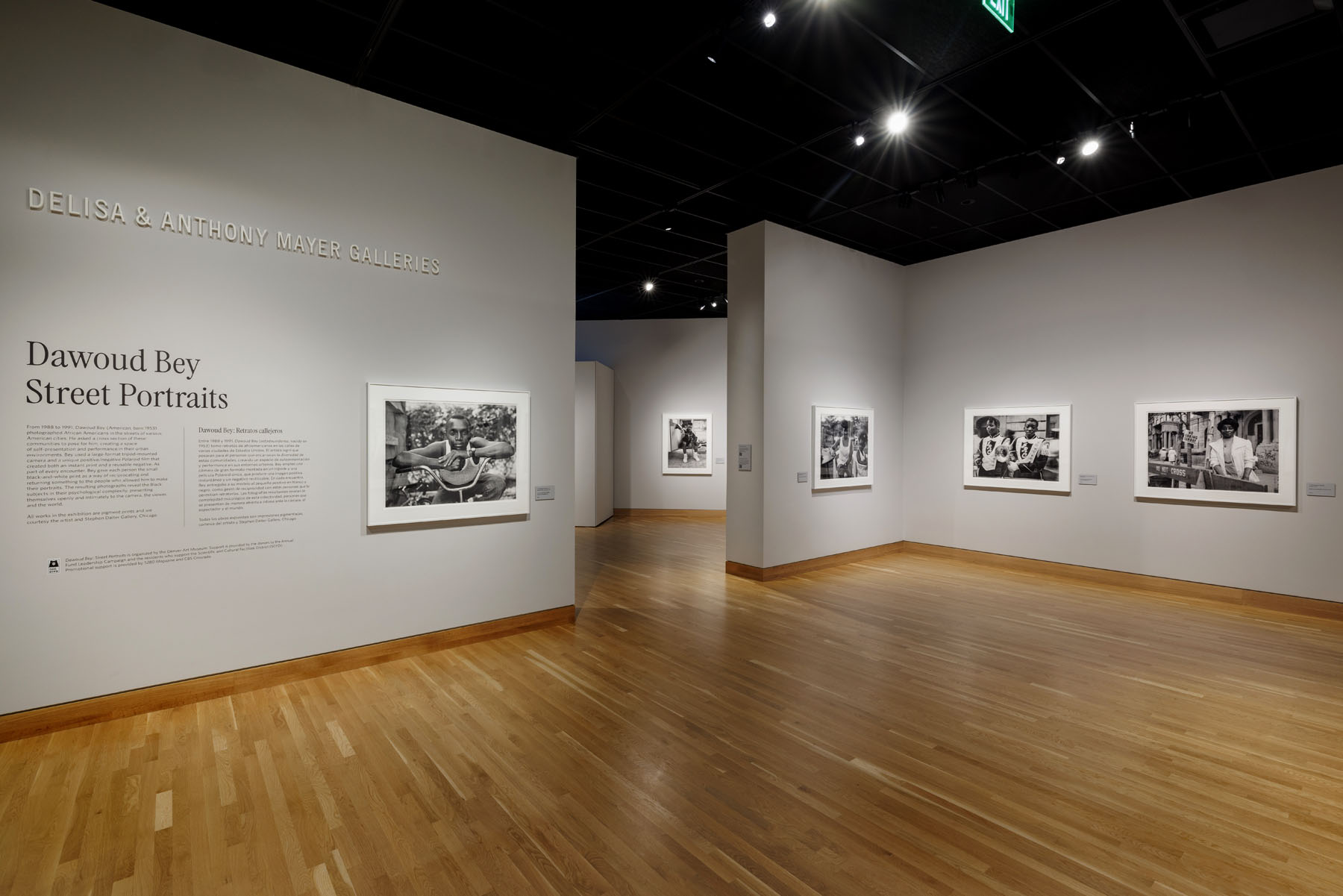
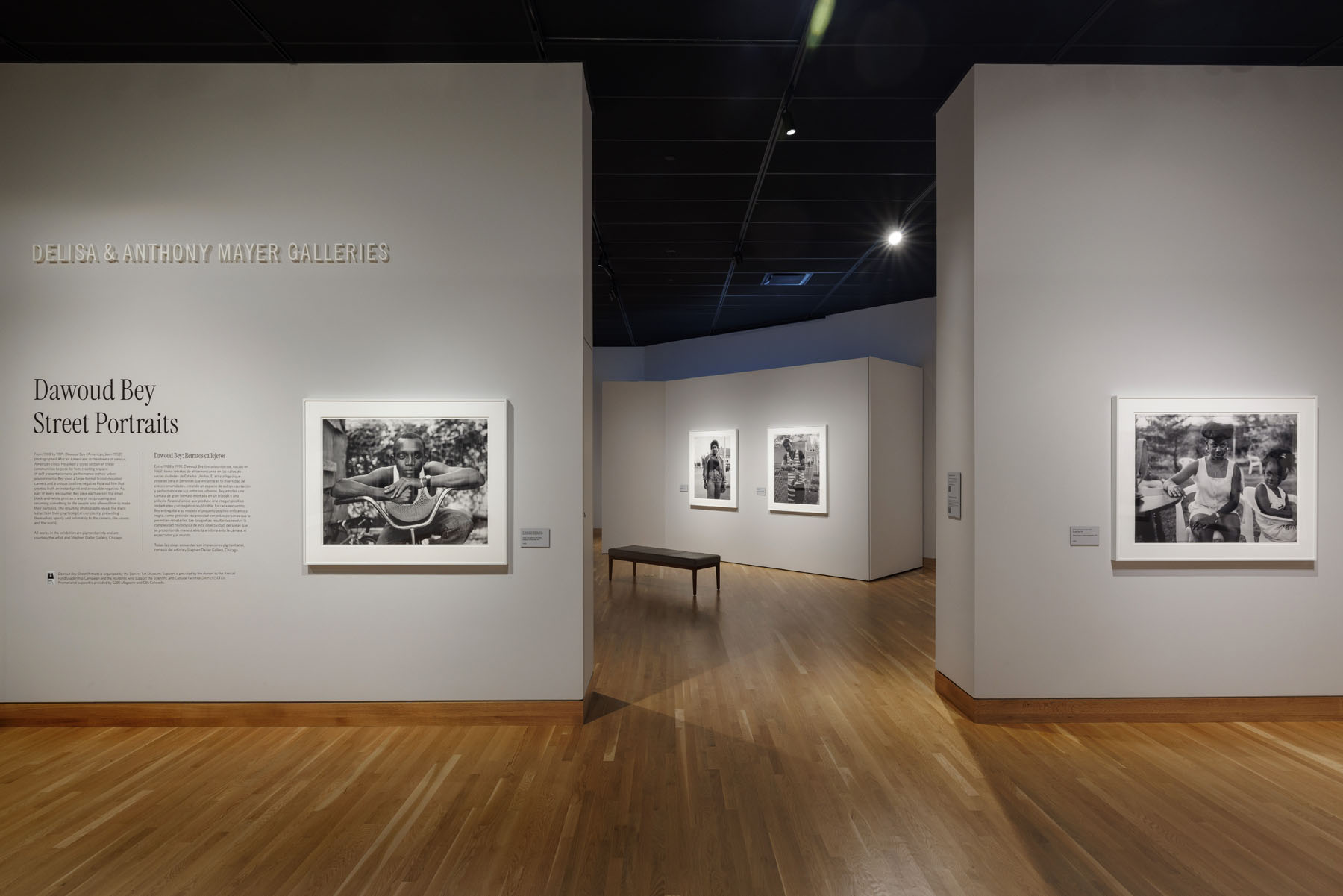
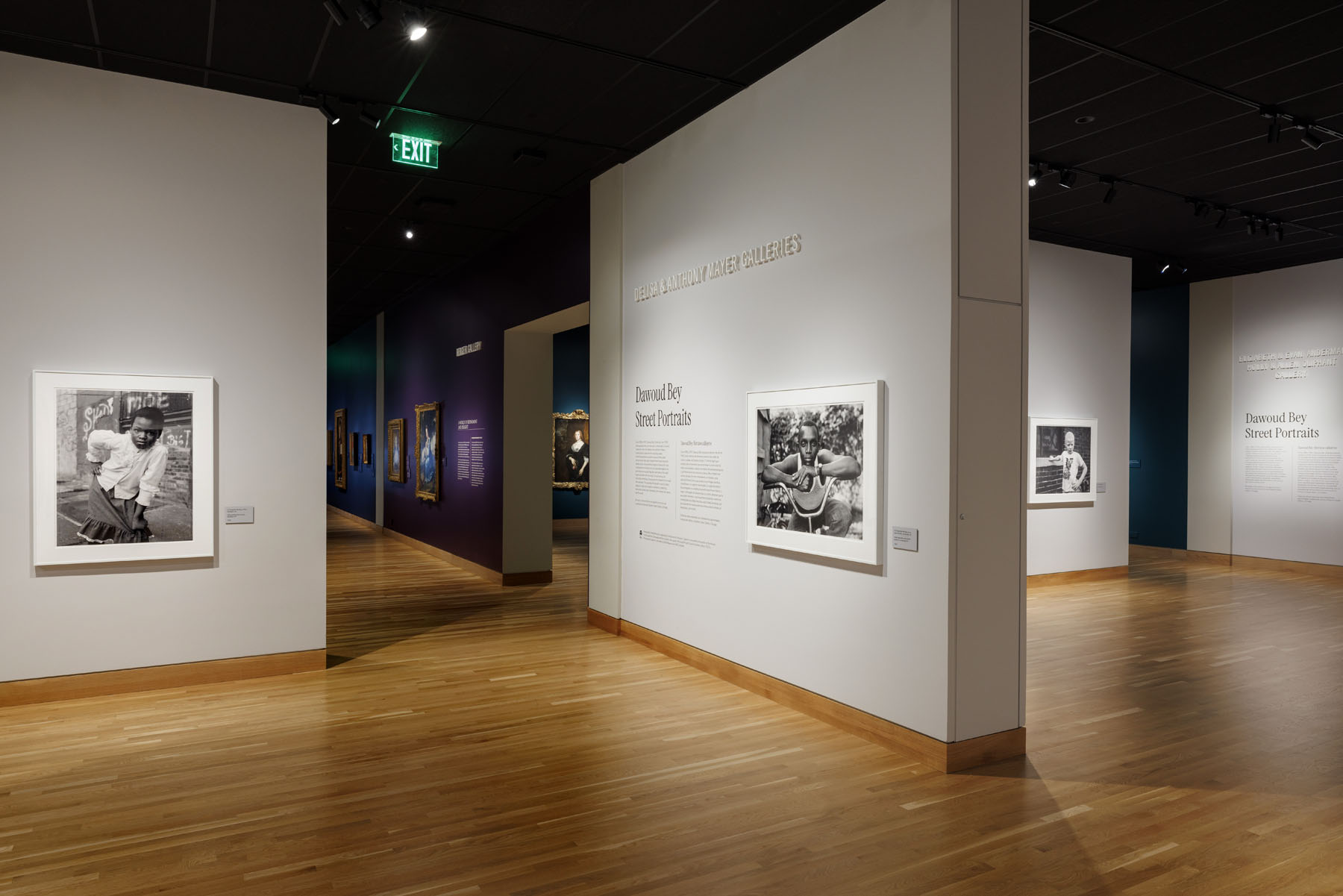
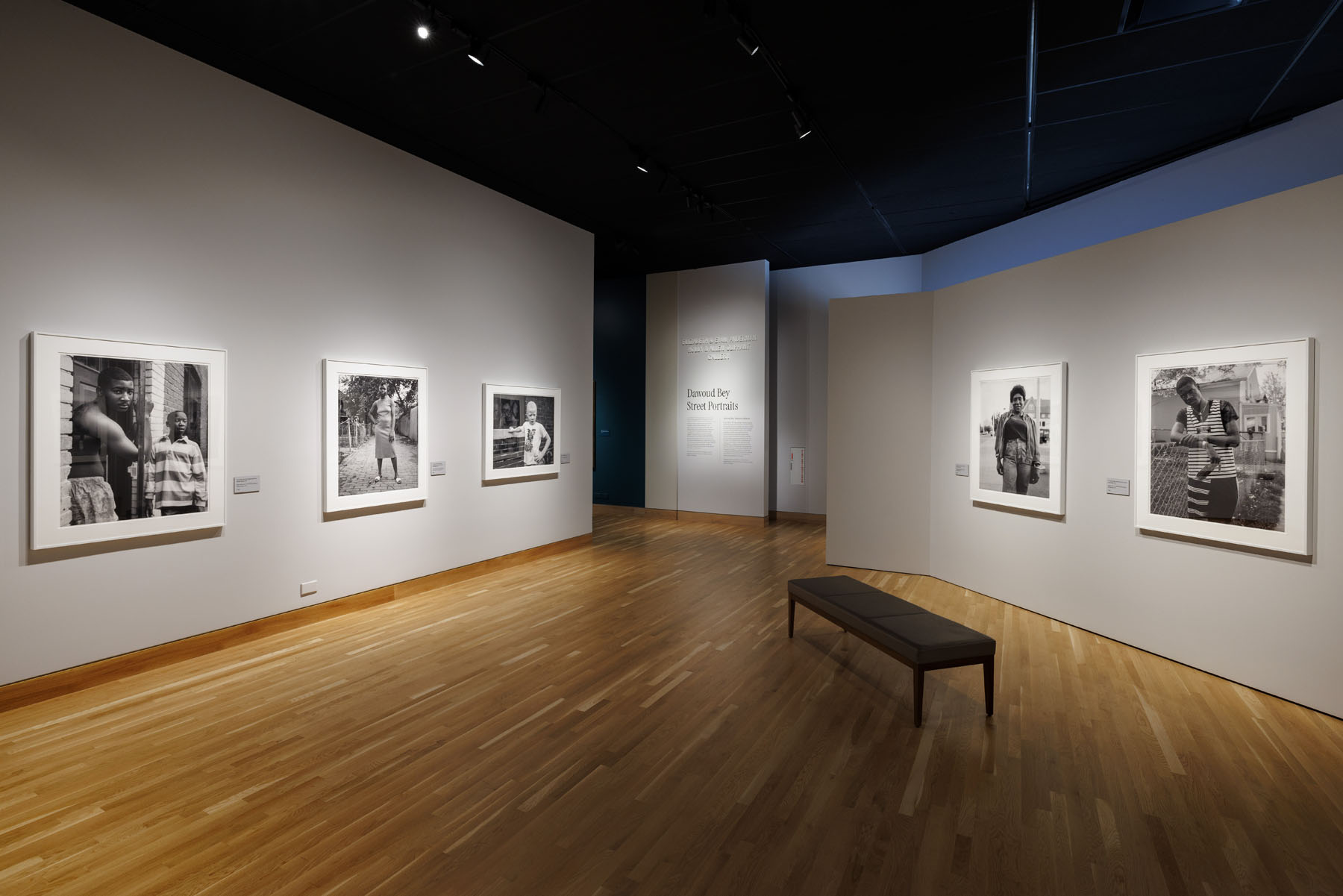
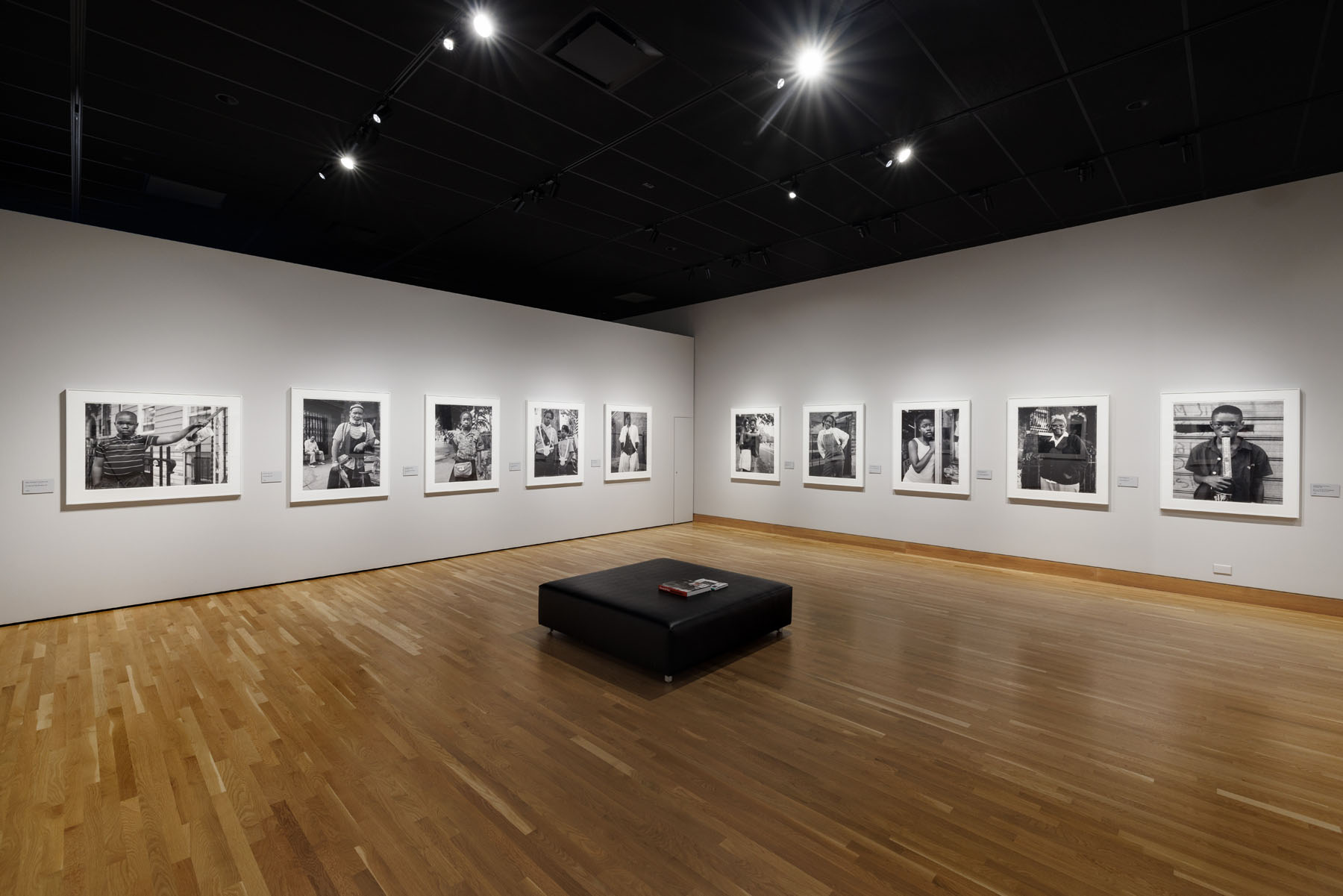
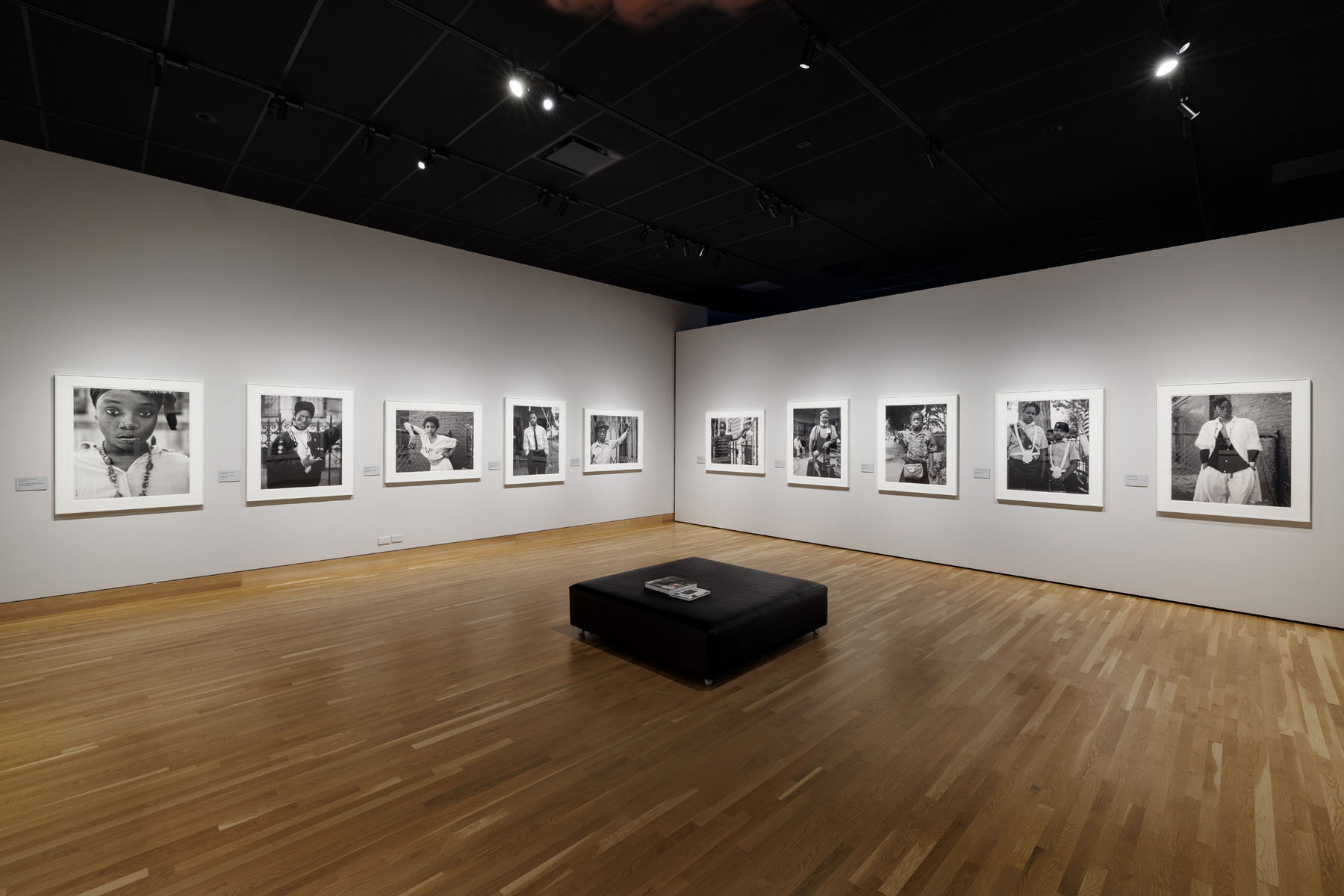
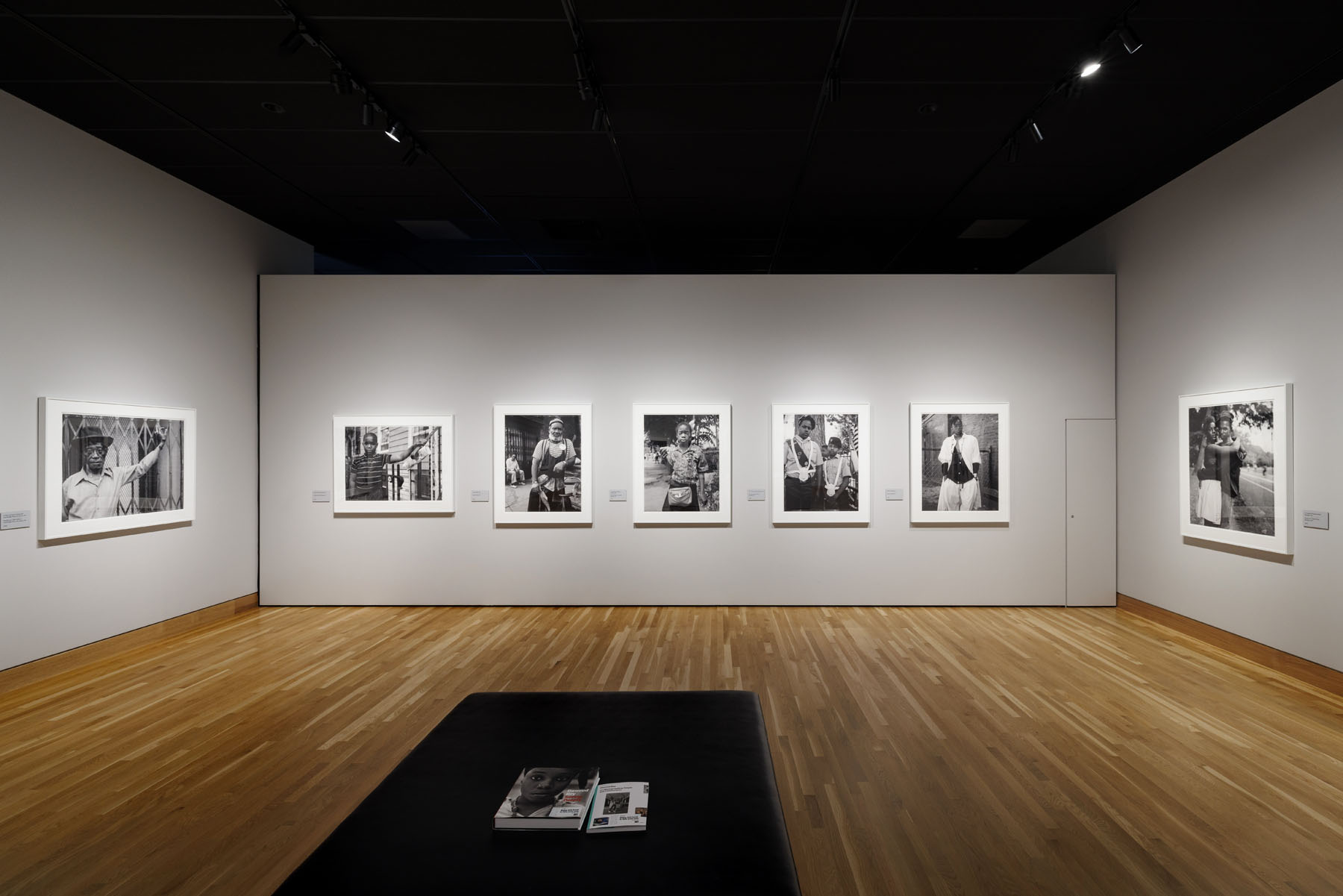
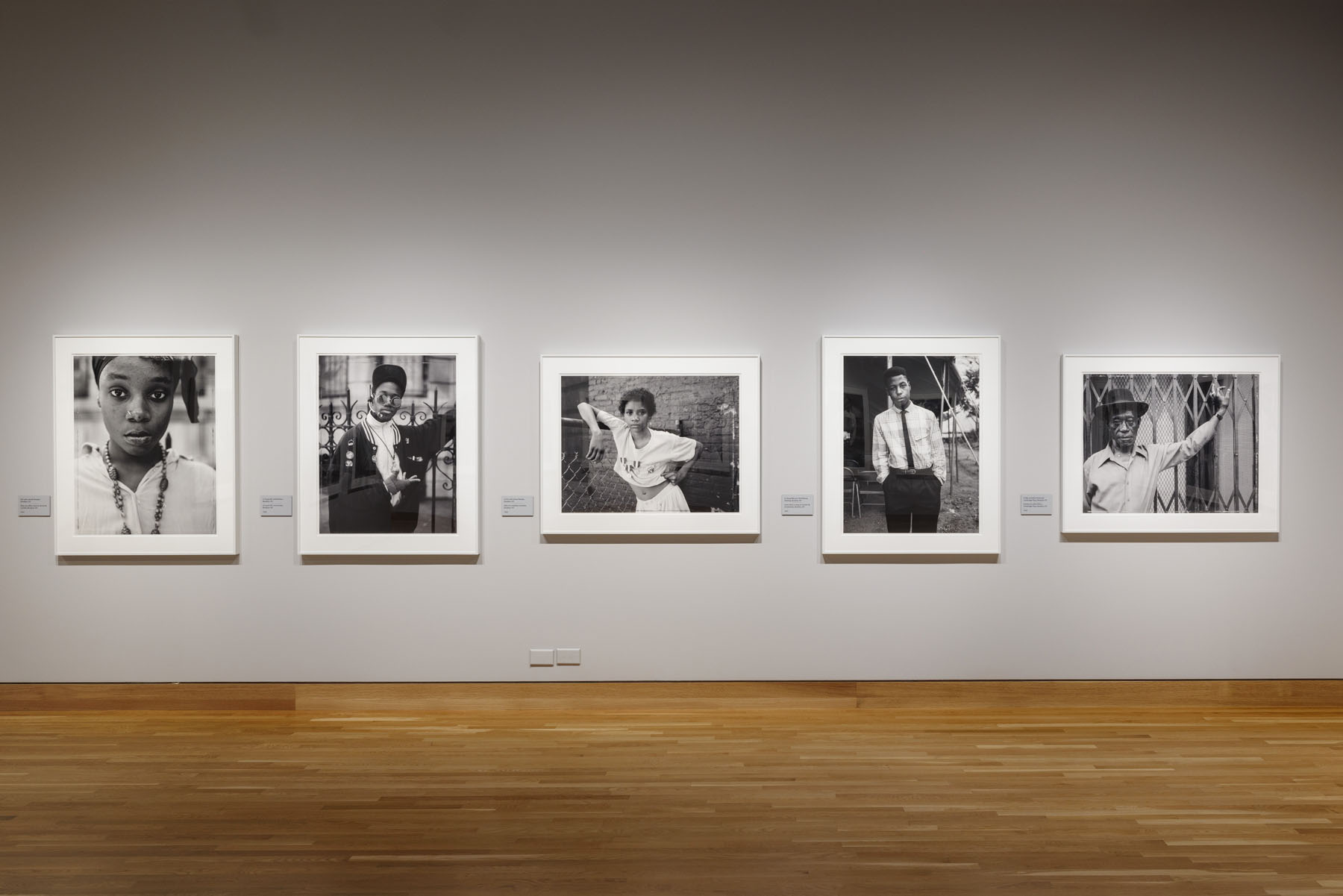
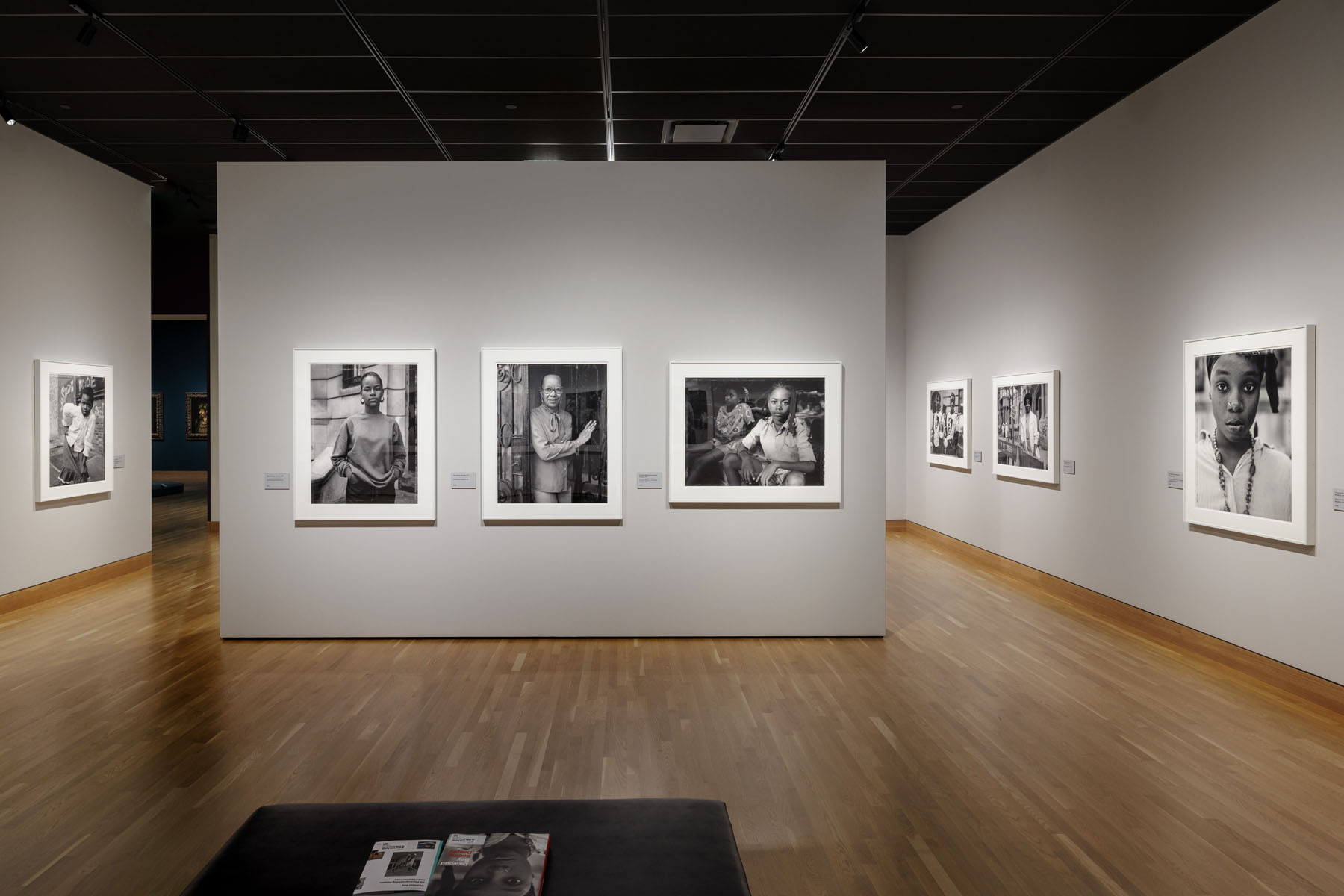
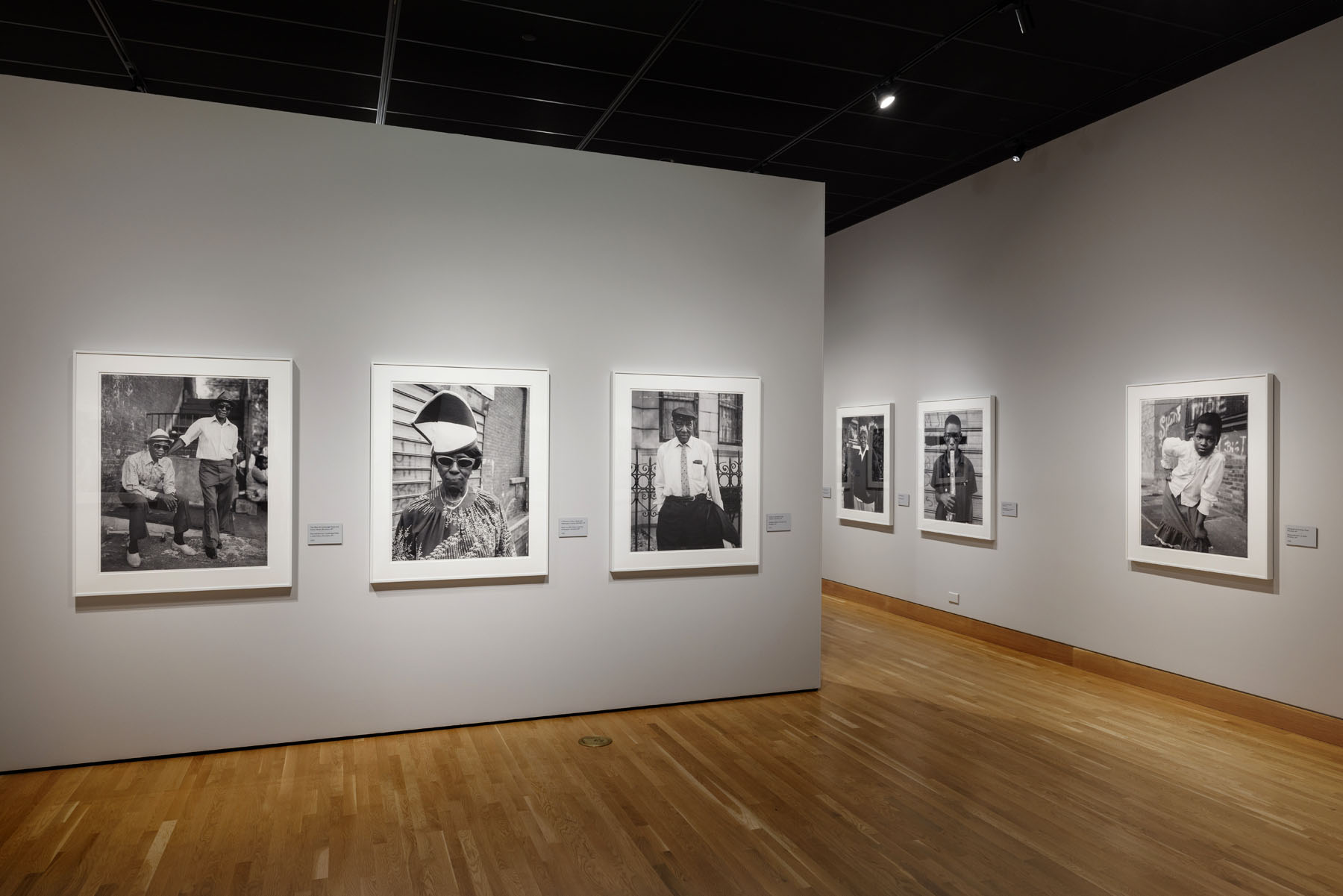
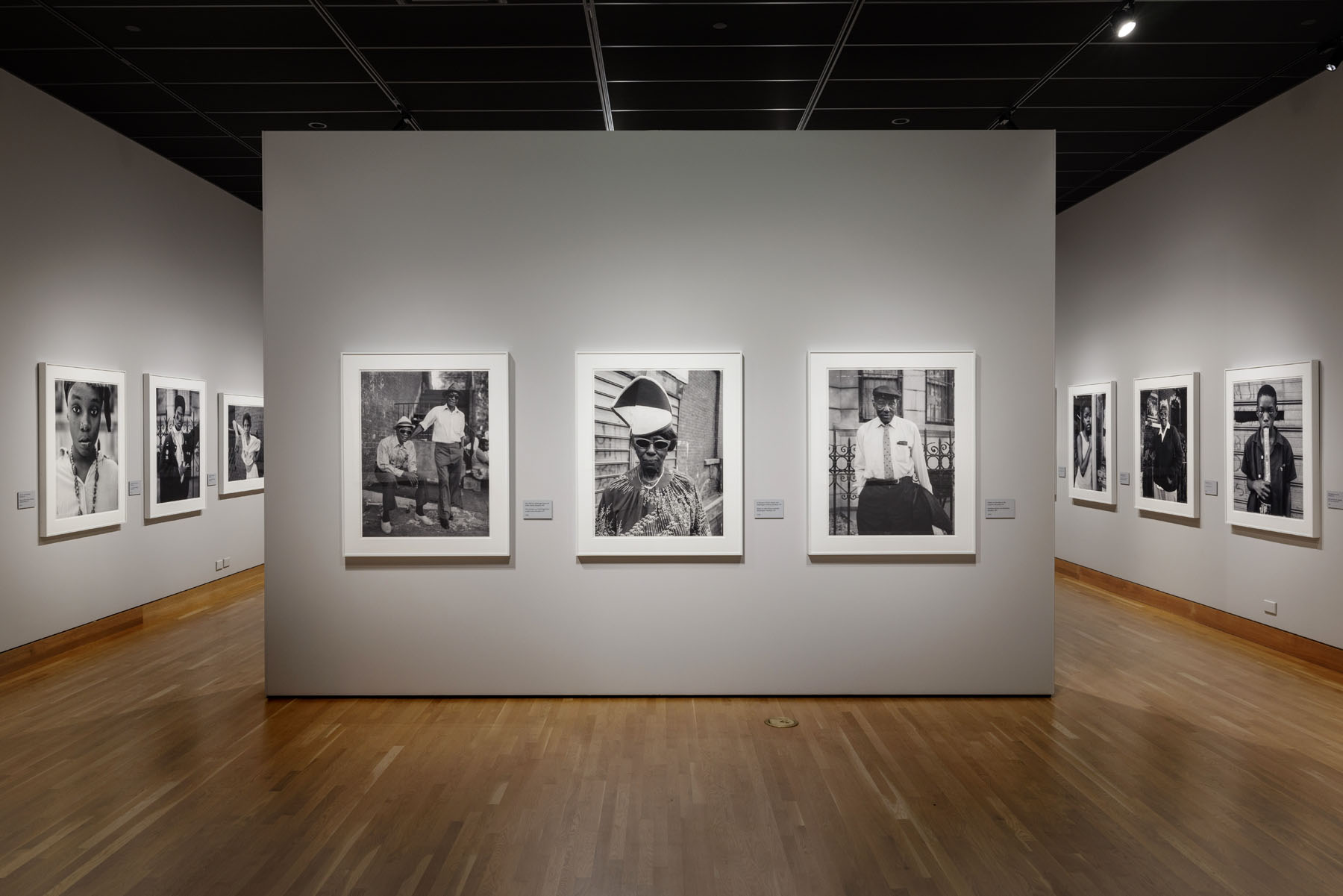
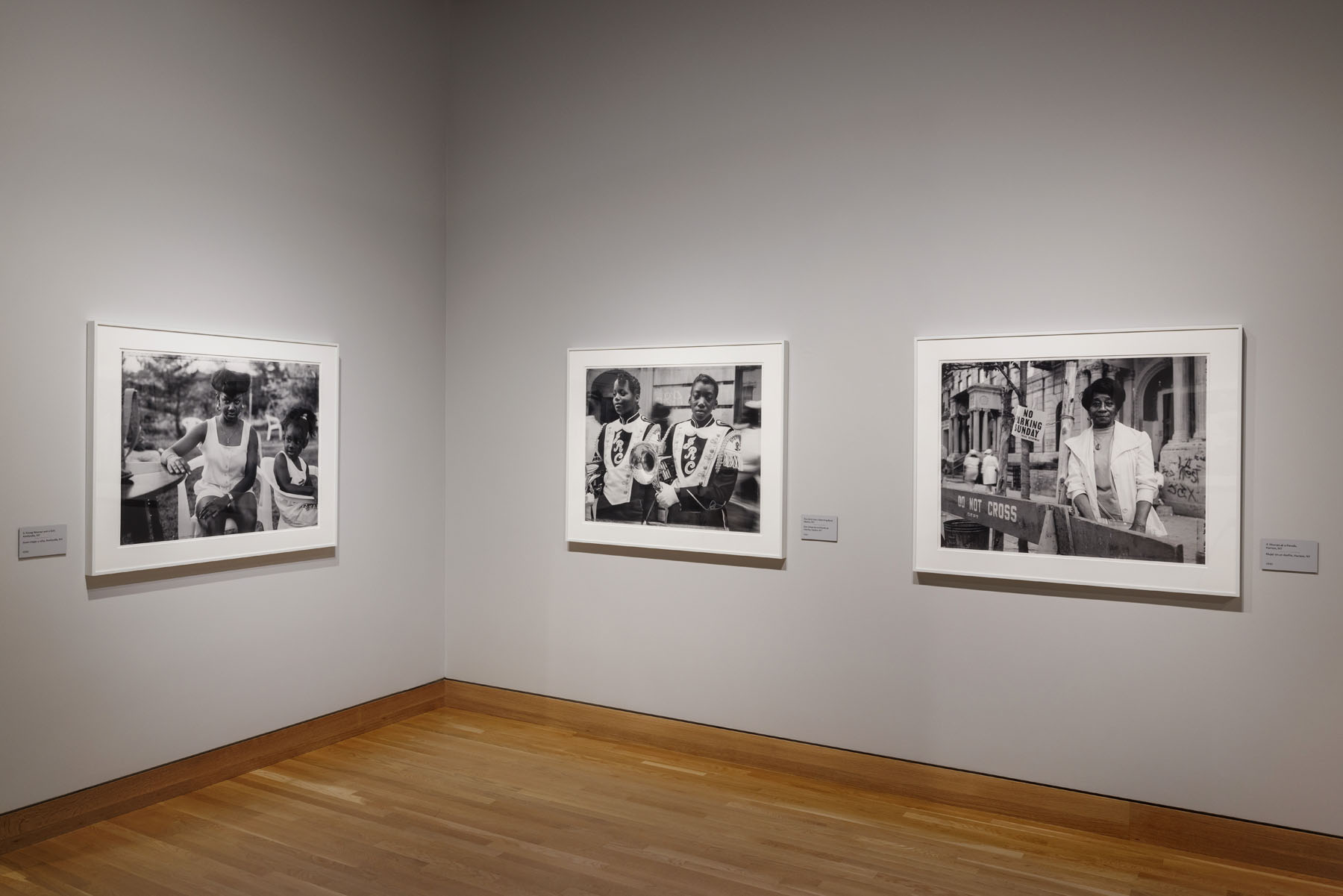
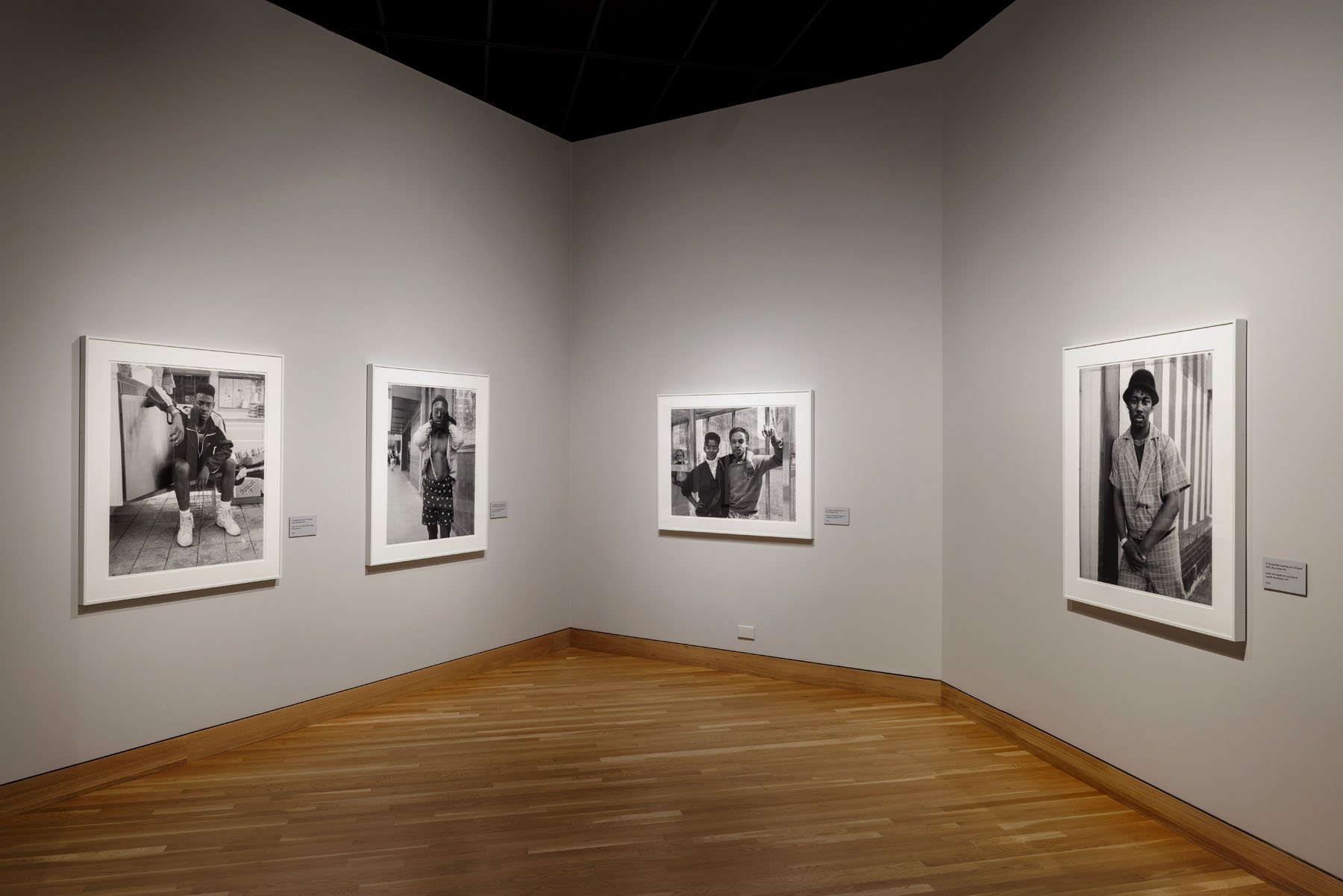
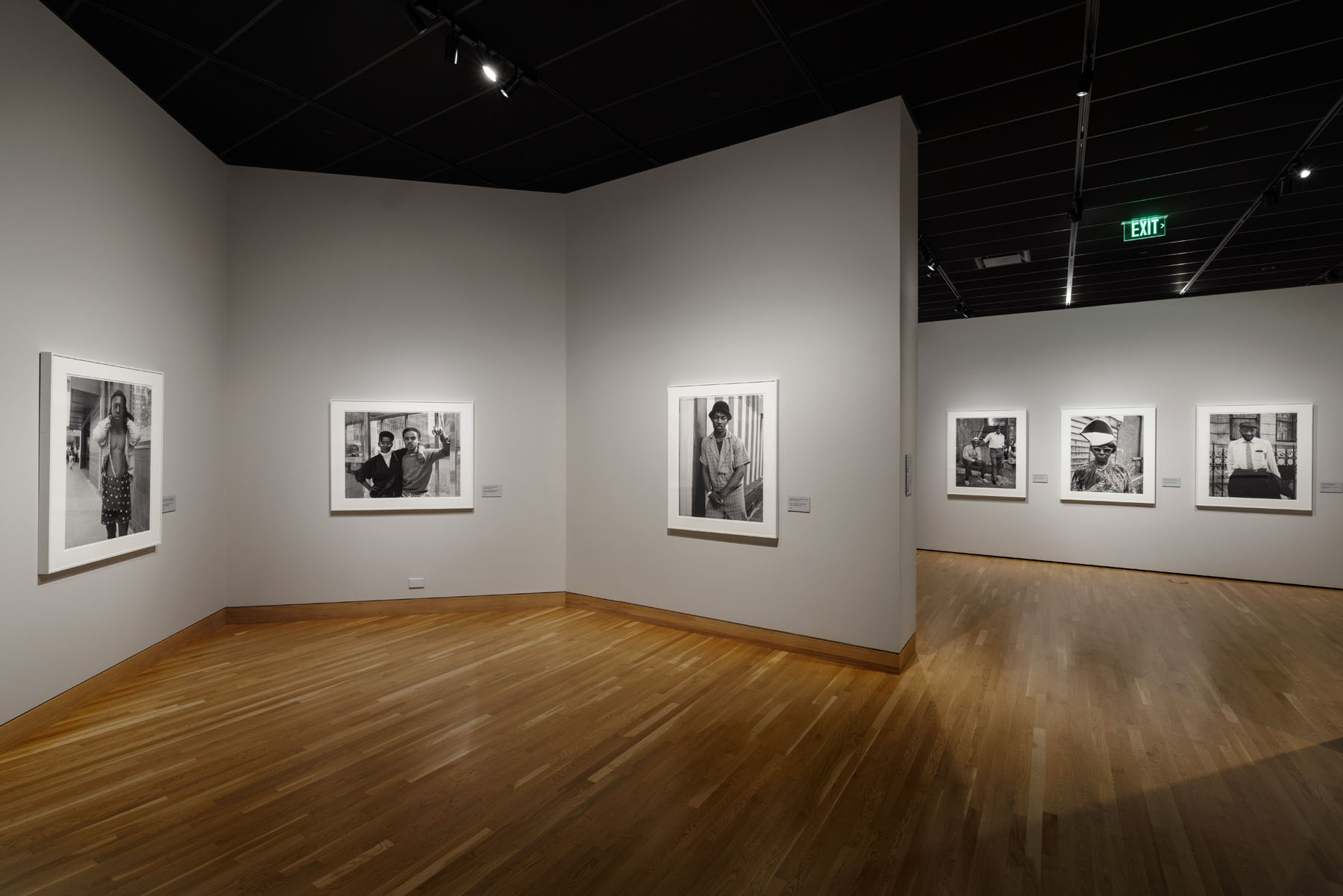
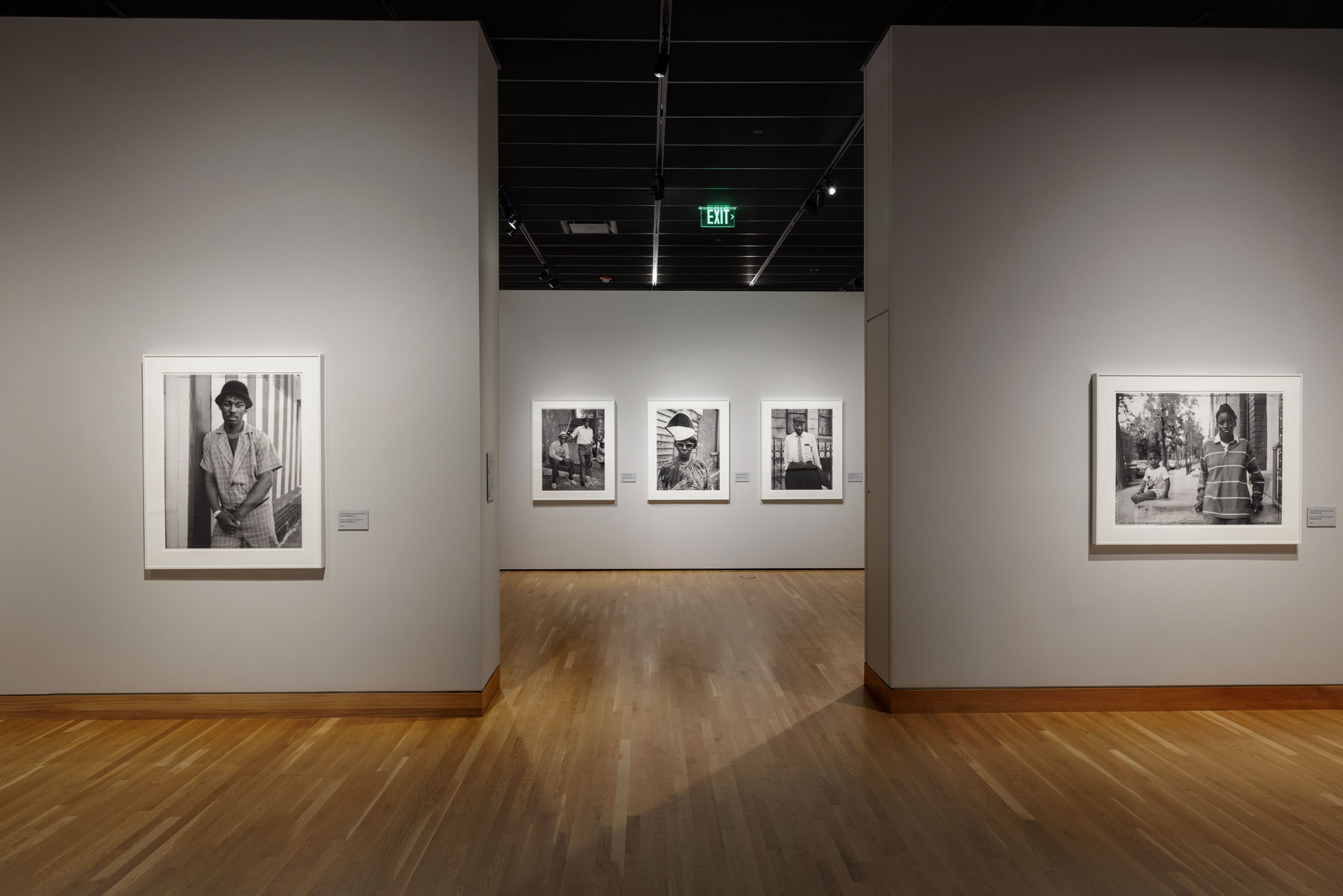
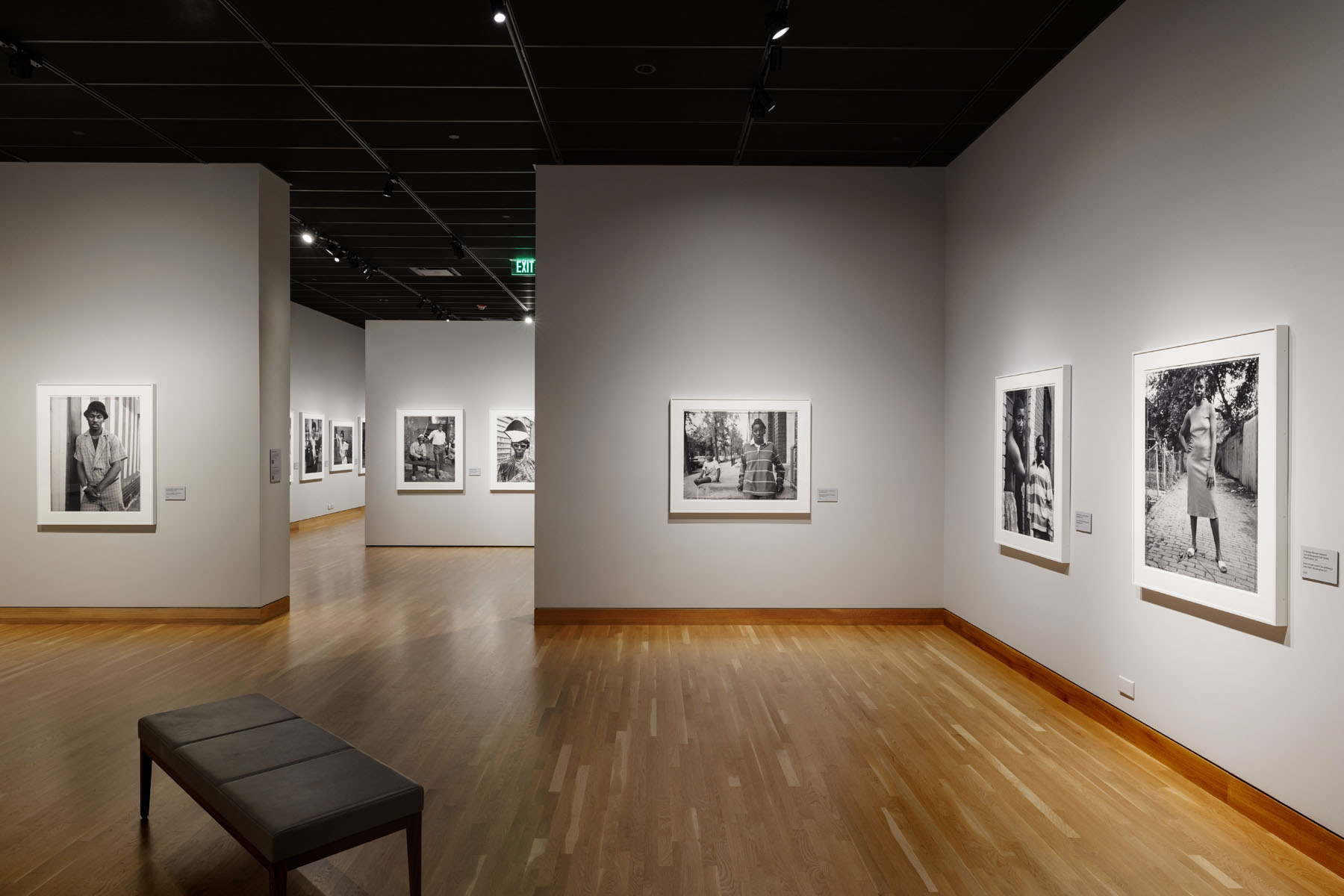
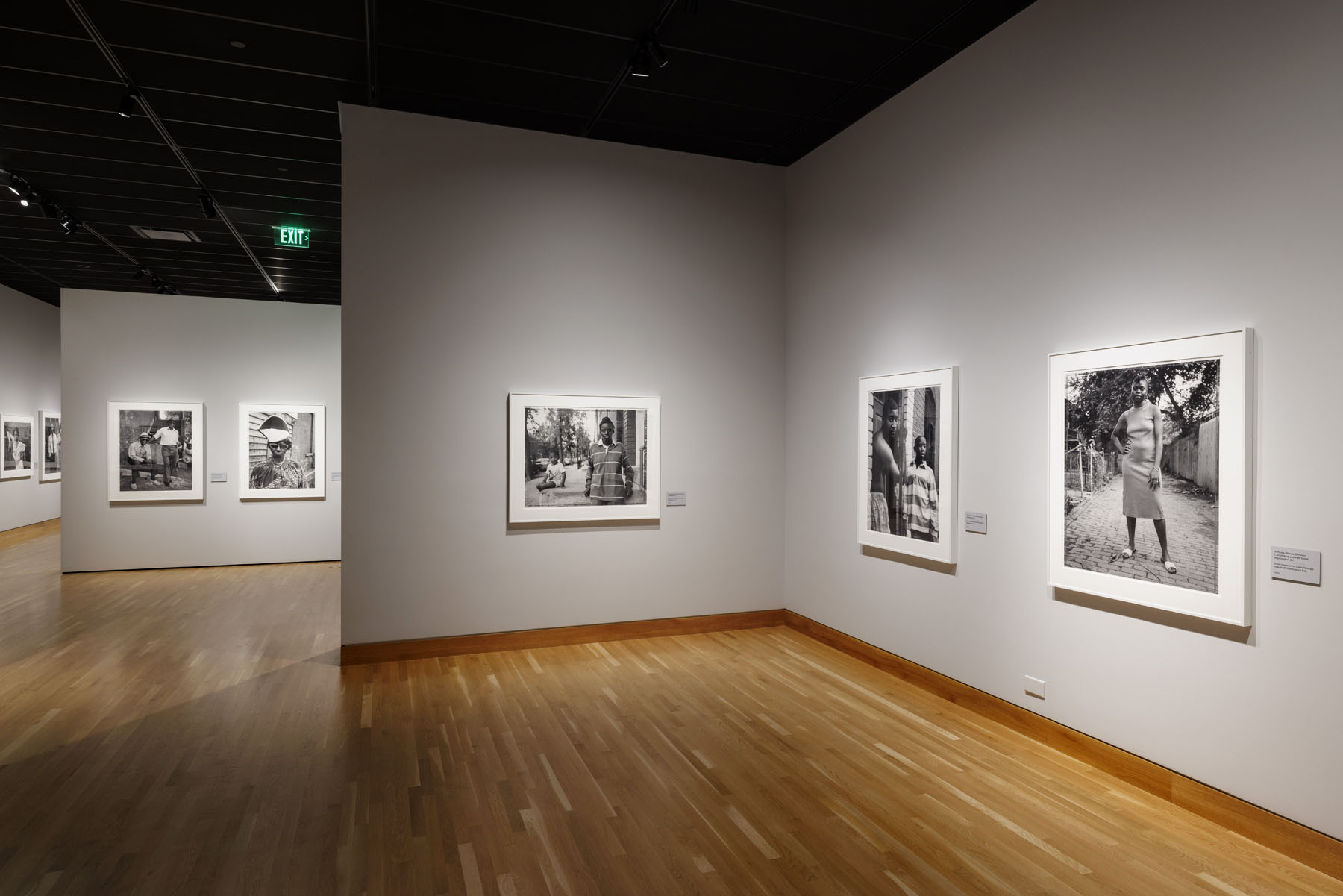
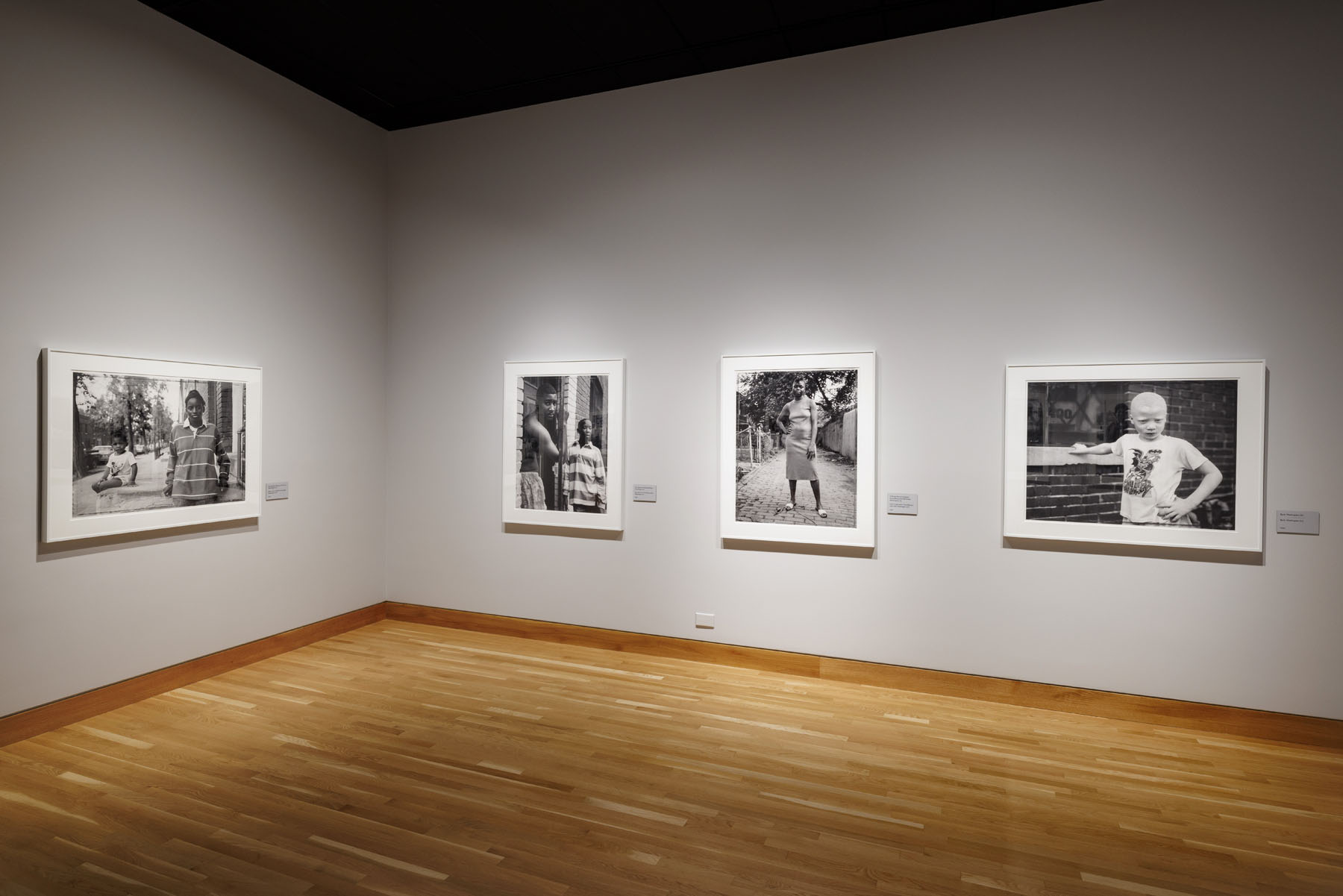
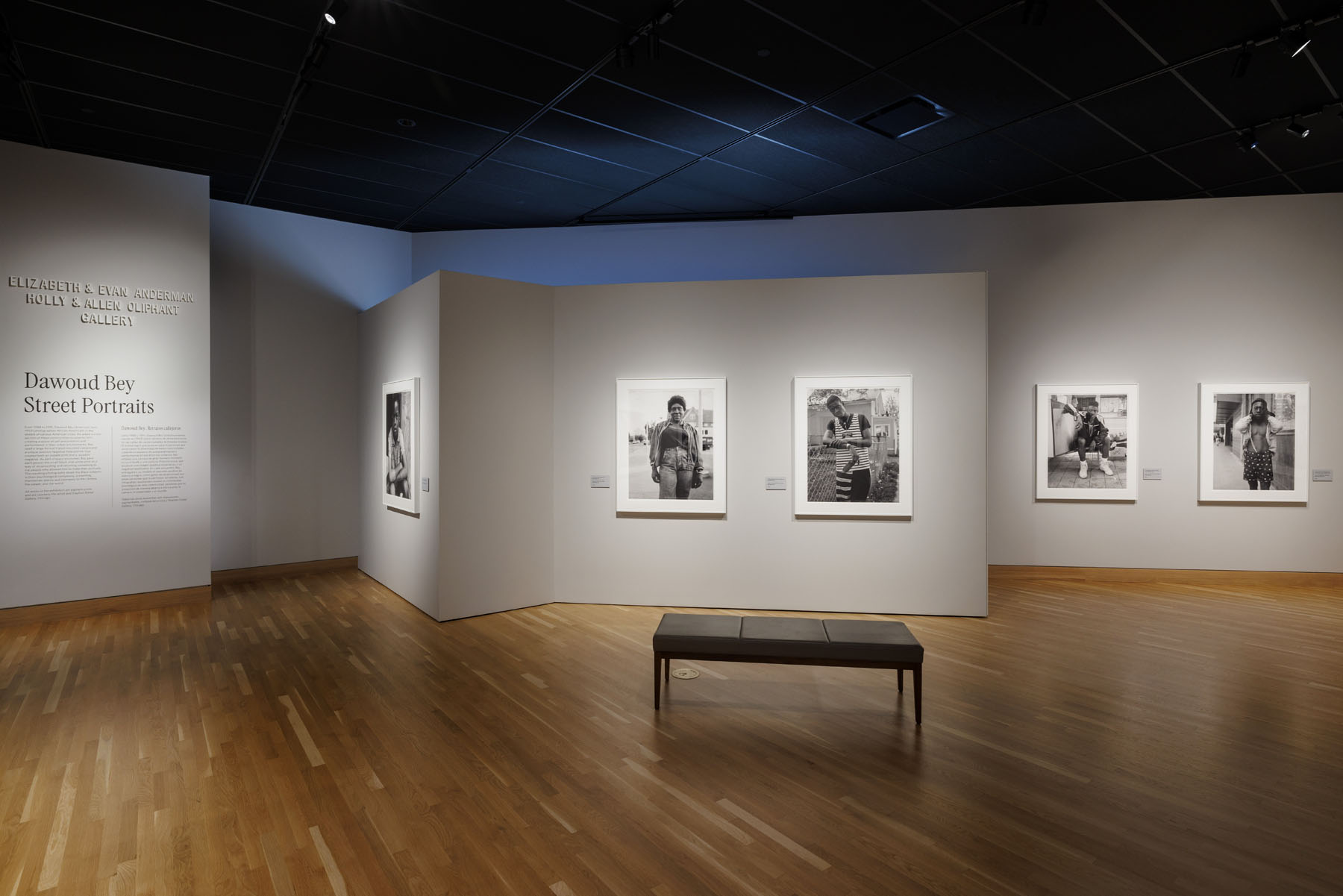
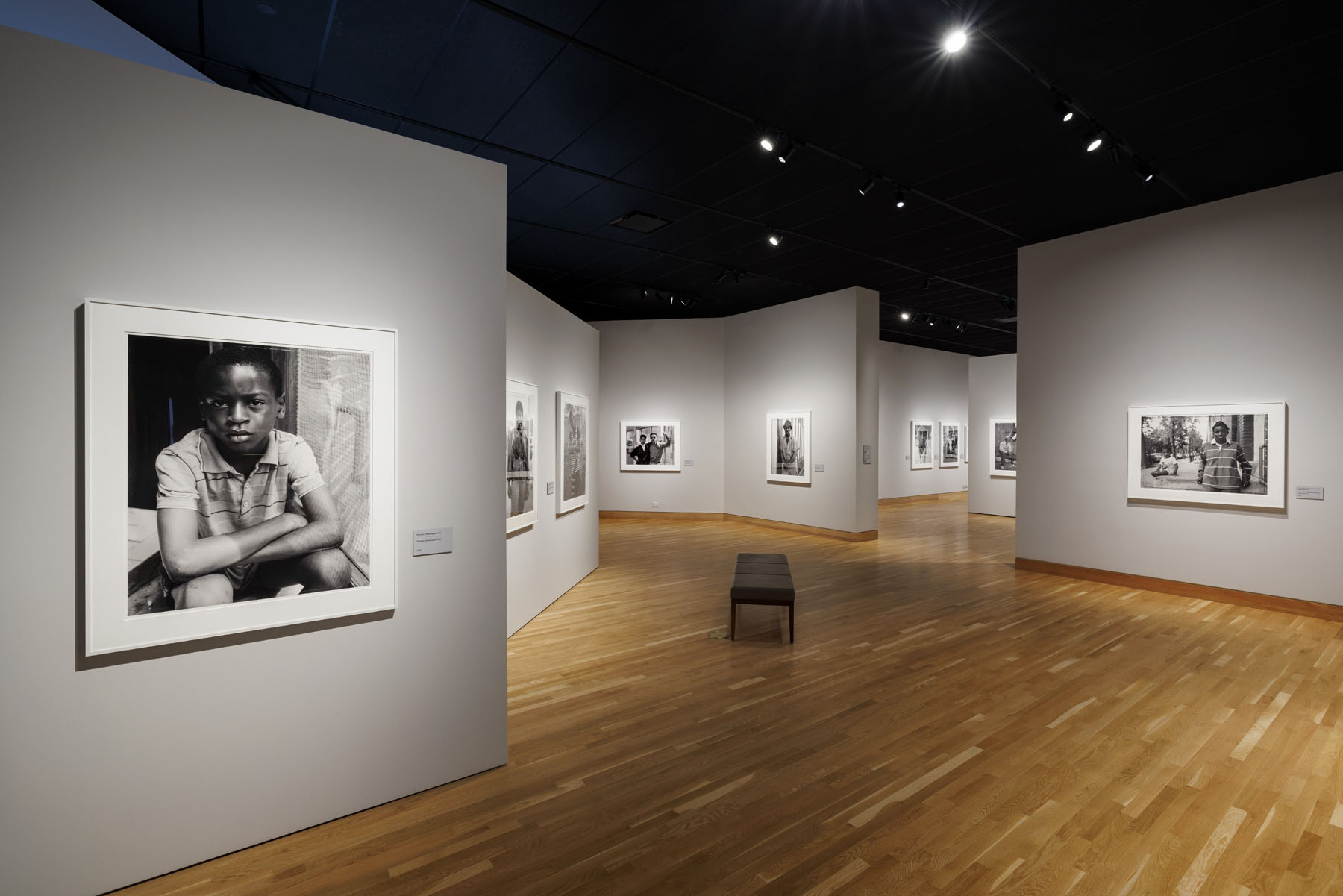
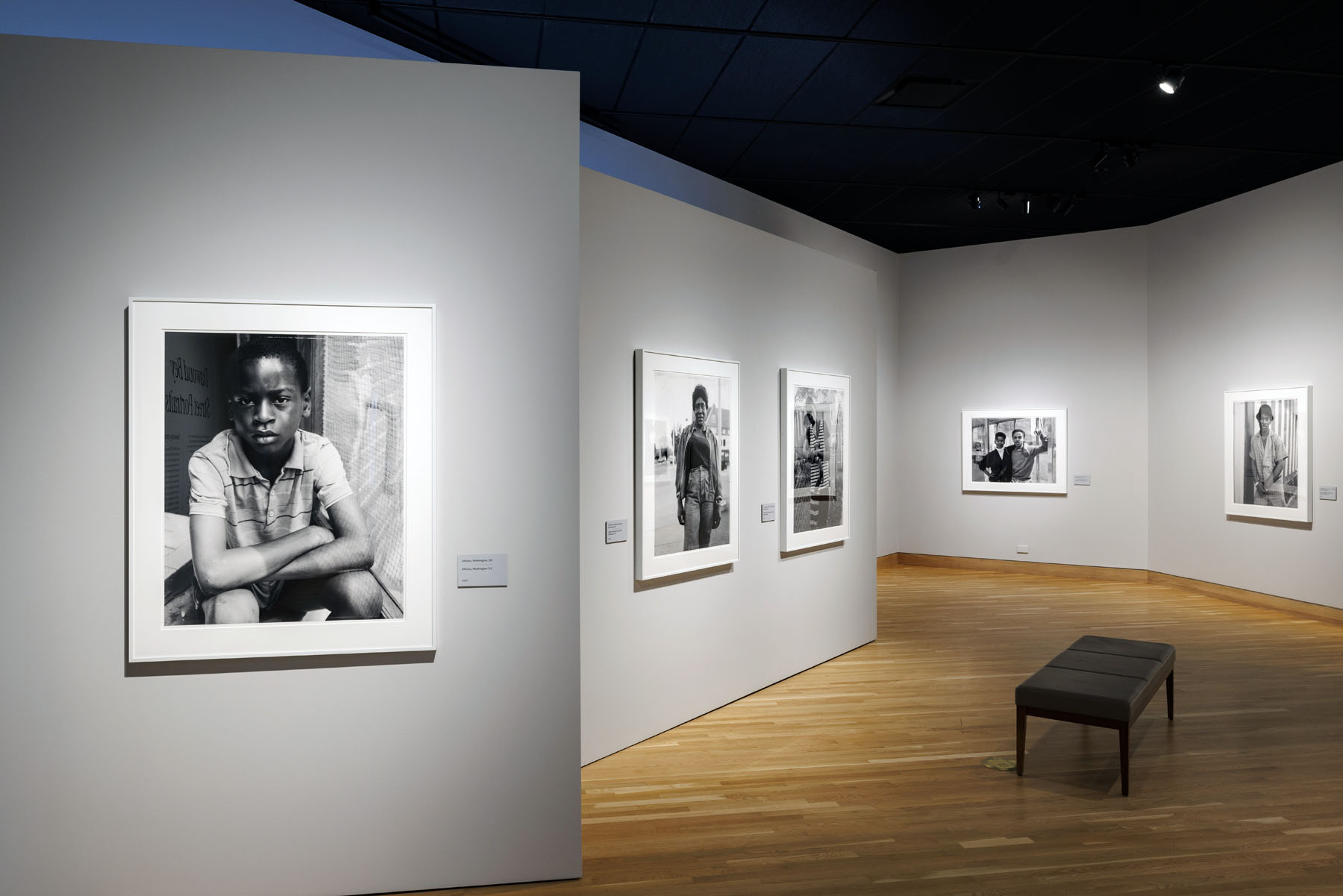


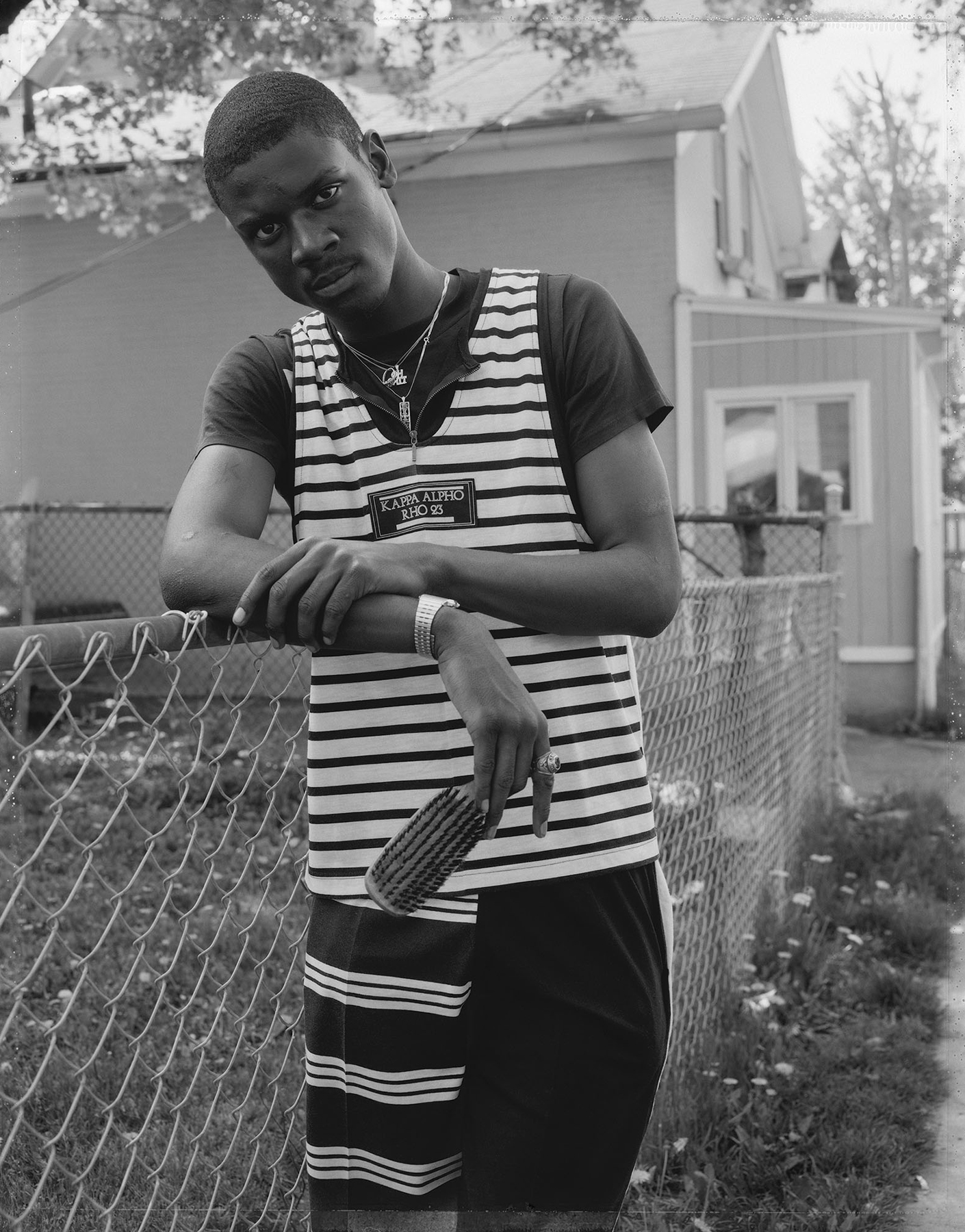


![Robert Frank (Swiss-American, 1924-2019) 'Untitled [The Lines of the Hand]' Paris, 1949-1951](https://artblart.com/wp-content/uploads/2025/01/frank-untitled-the-lines-of-the-hand.jpg "Robert Frank (Swiss-American, 1924-2019) 'Untitled [The Lines of the Hand]' Paris, 1949-1951")
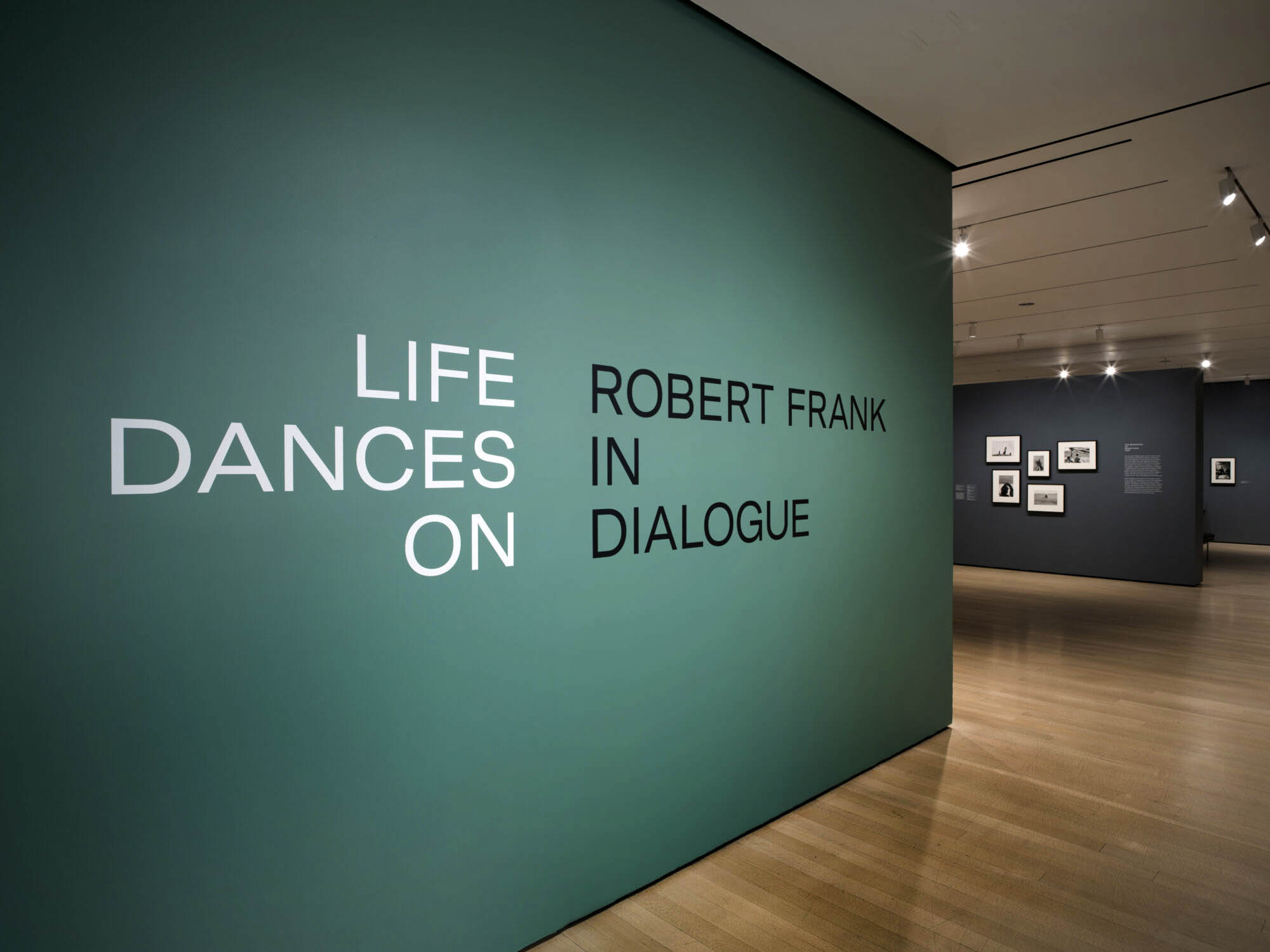
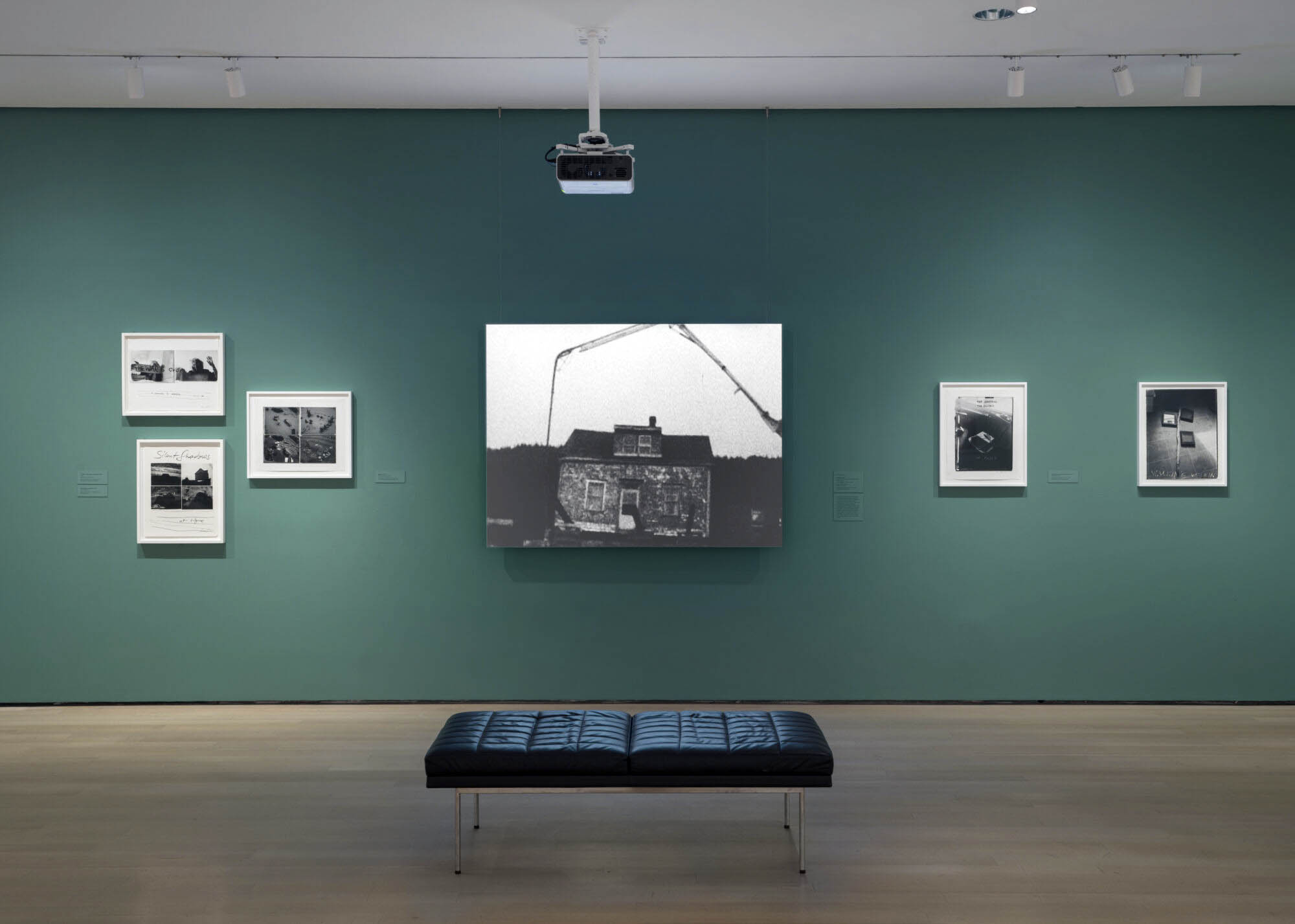
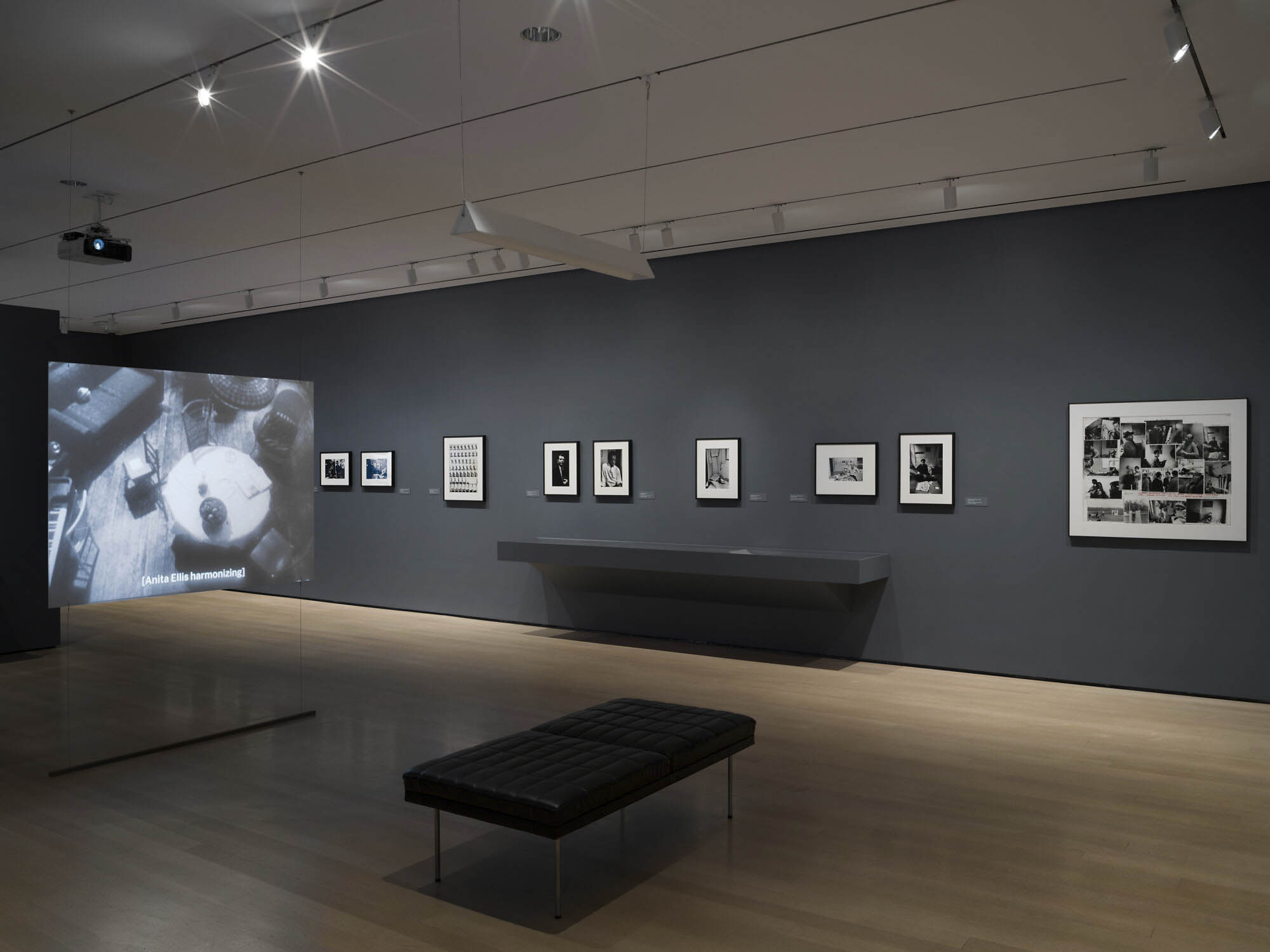
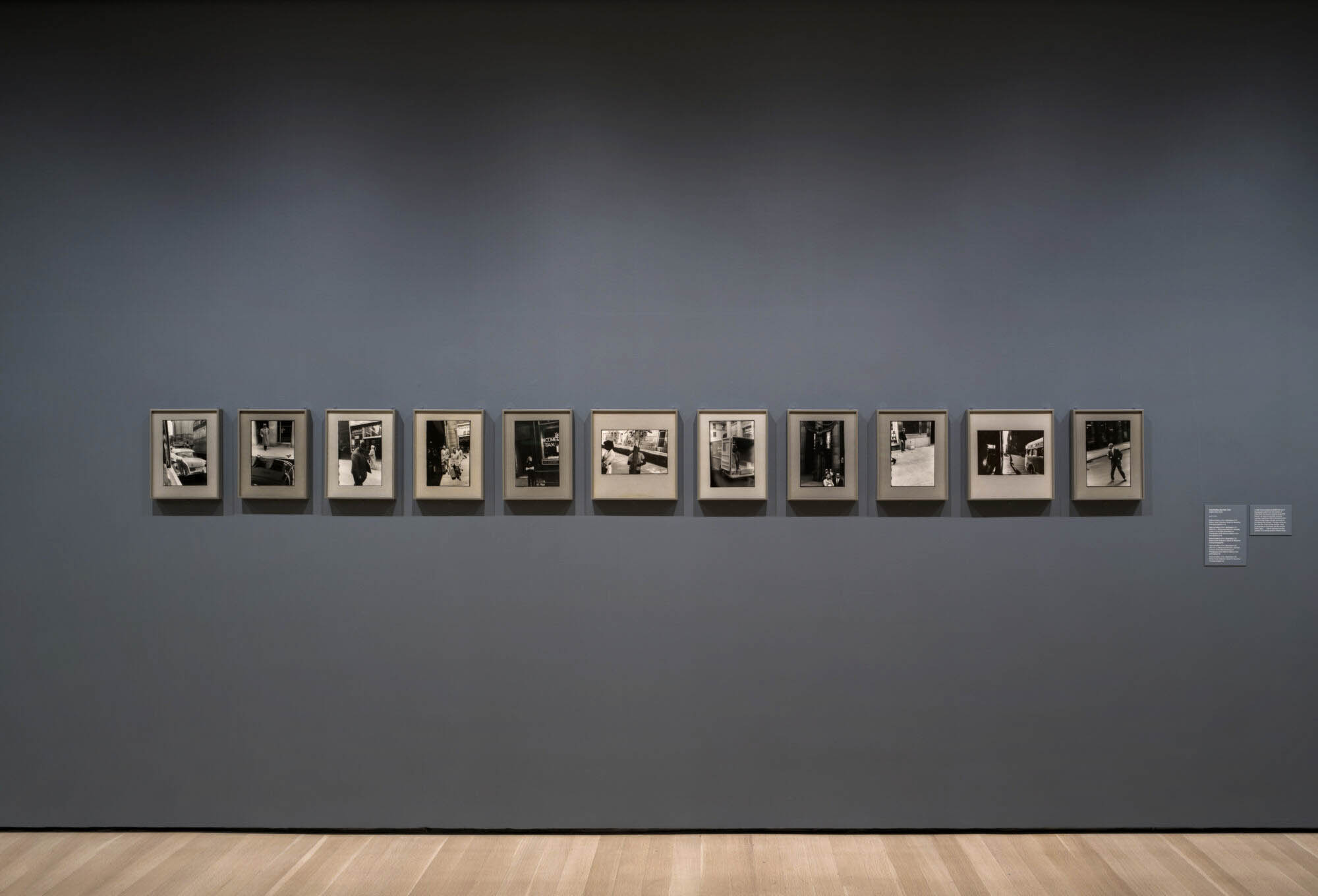
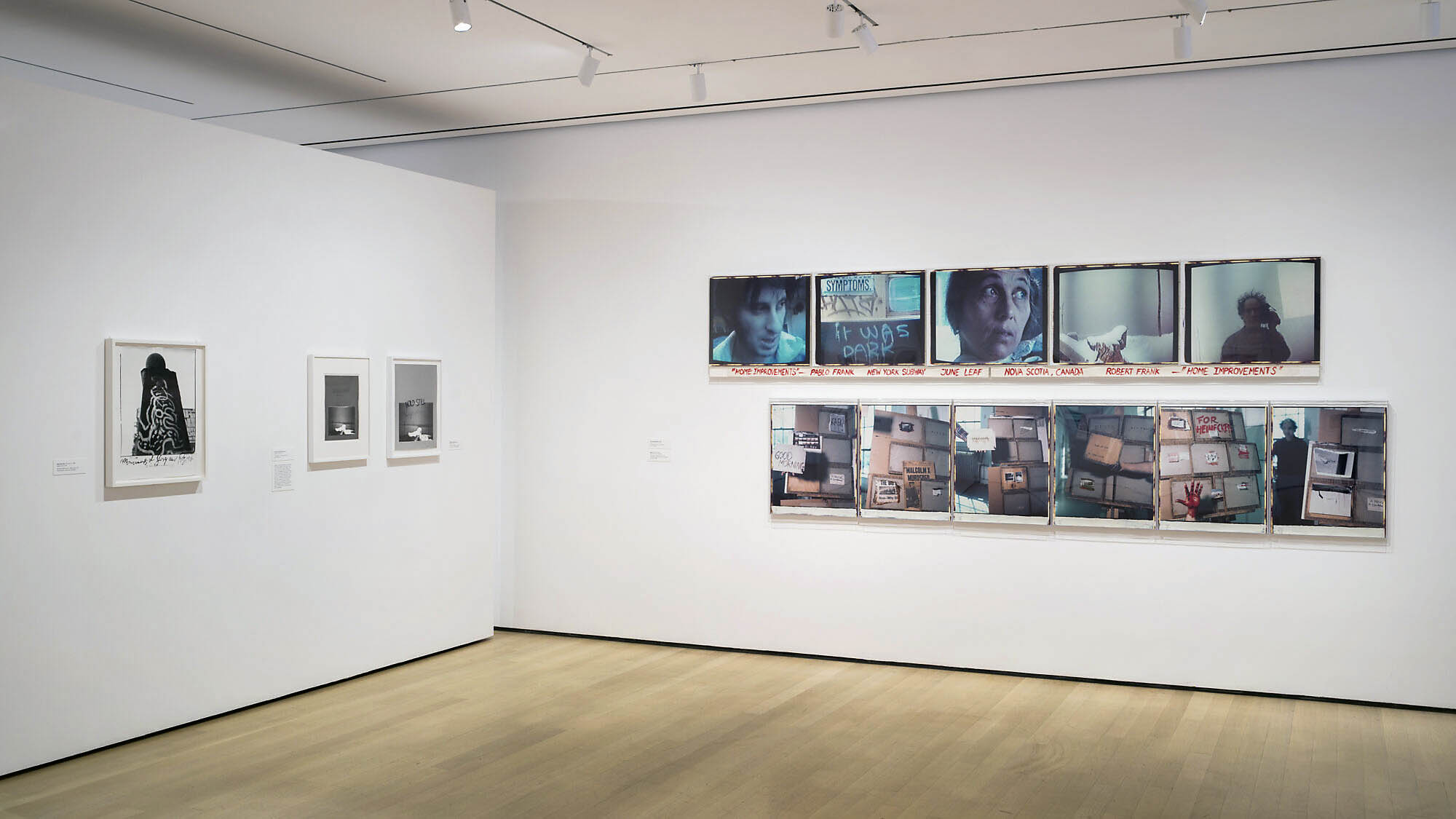
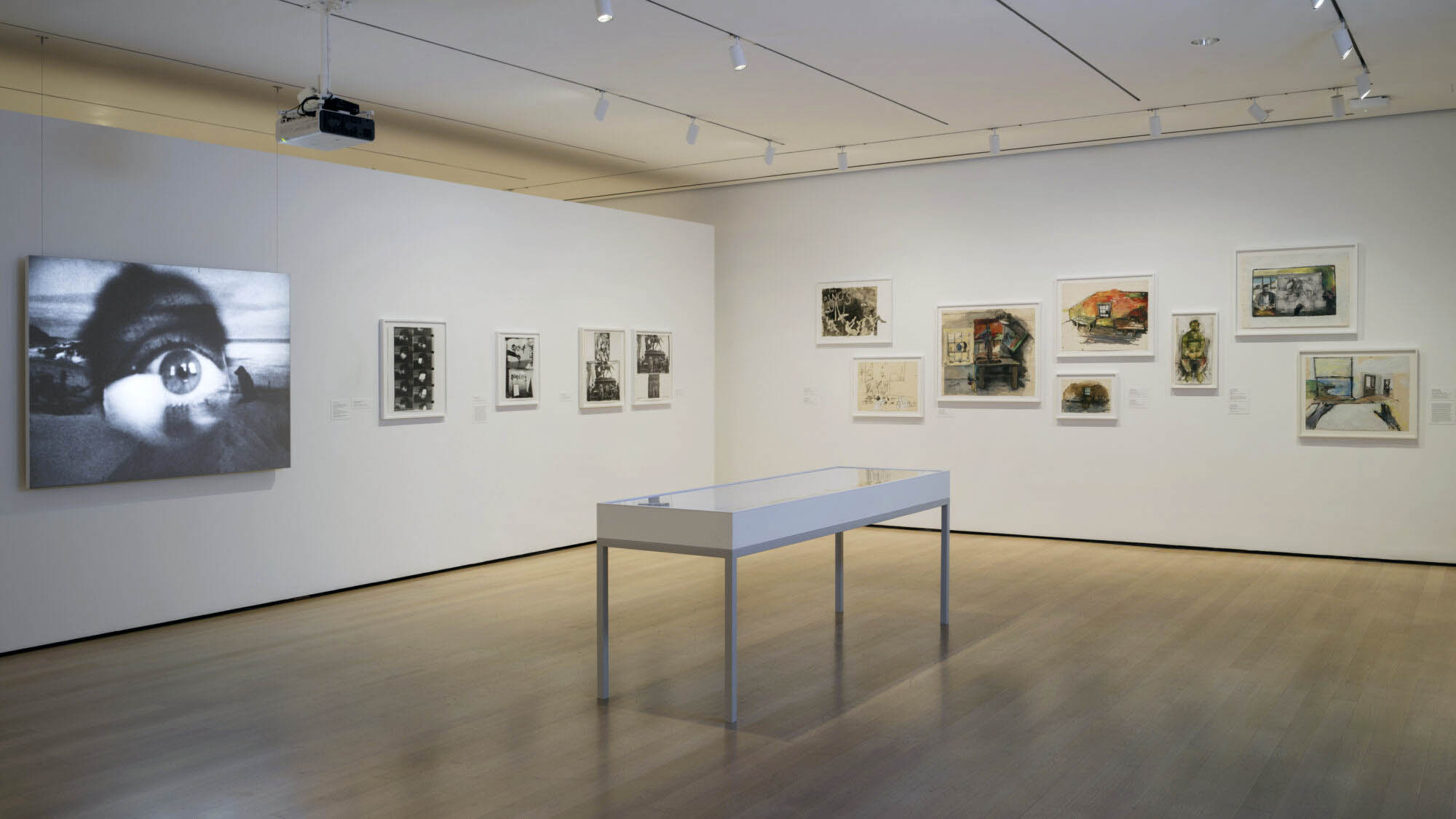
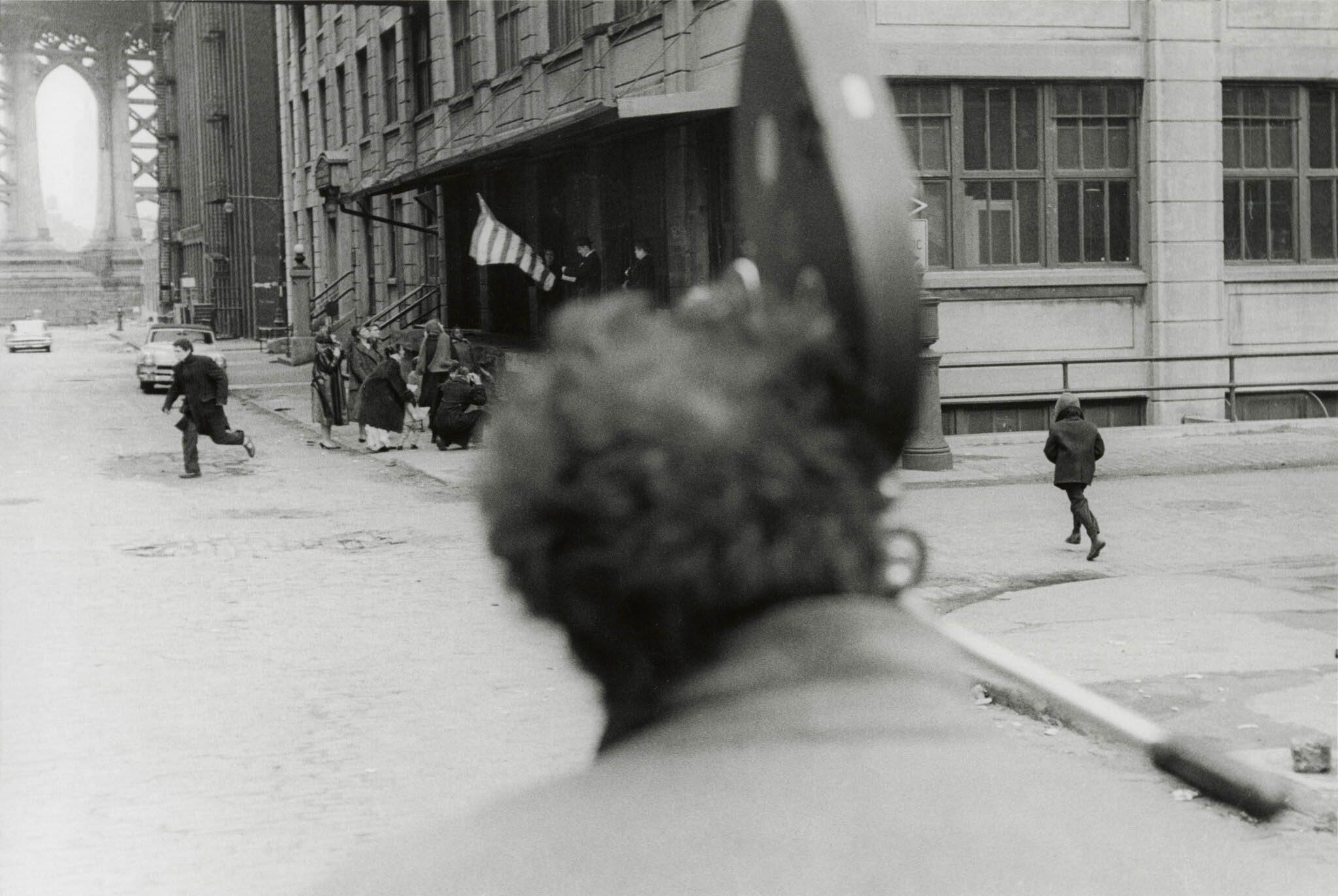


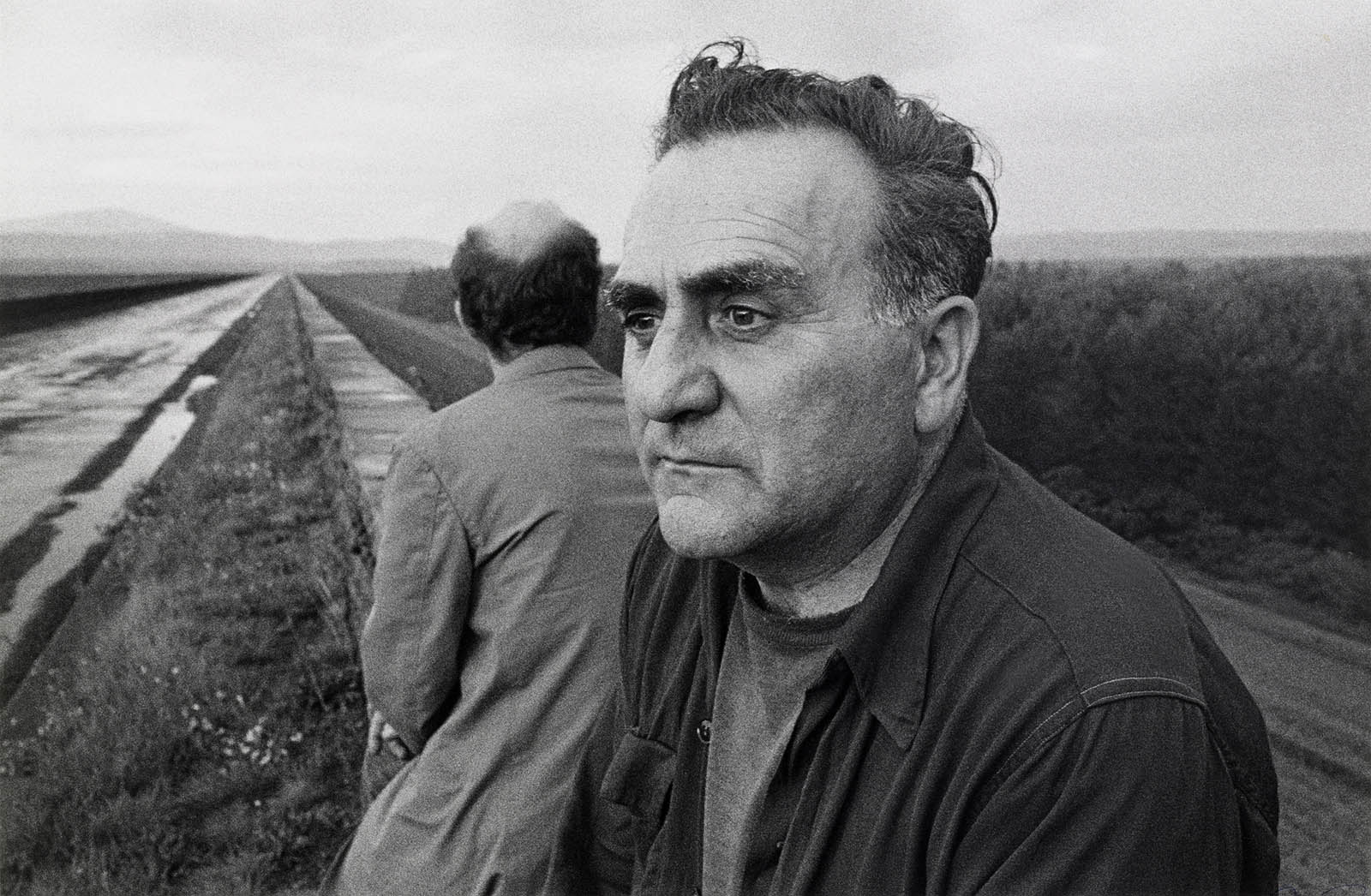
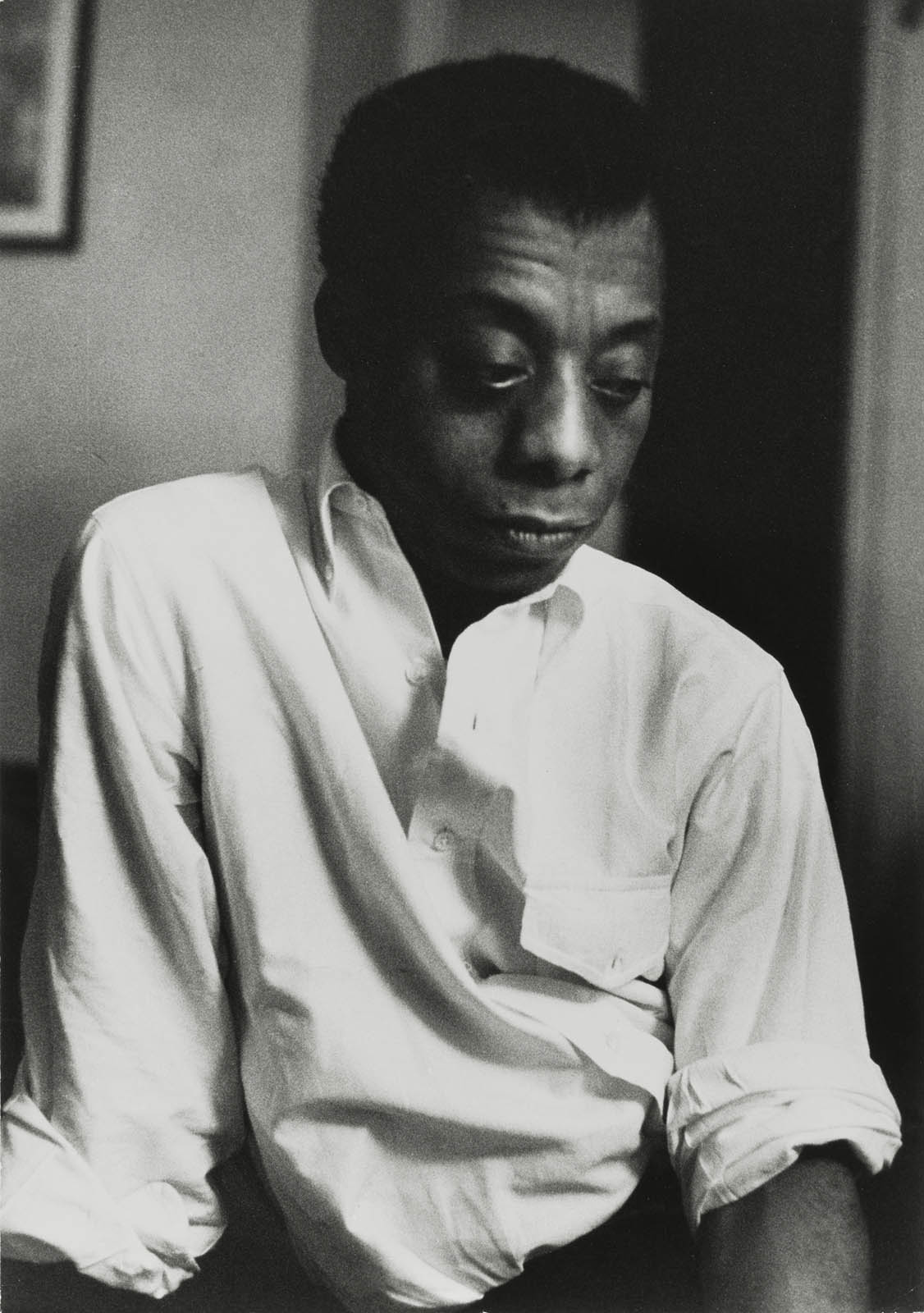

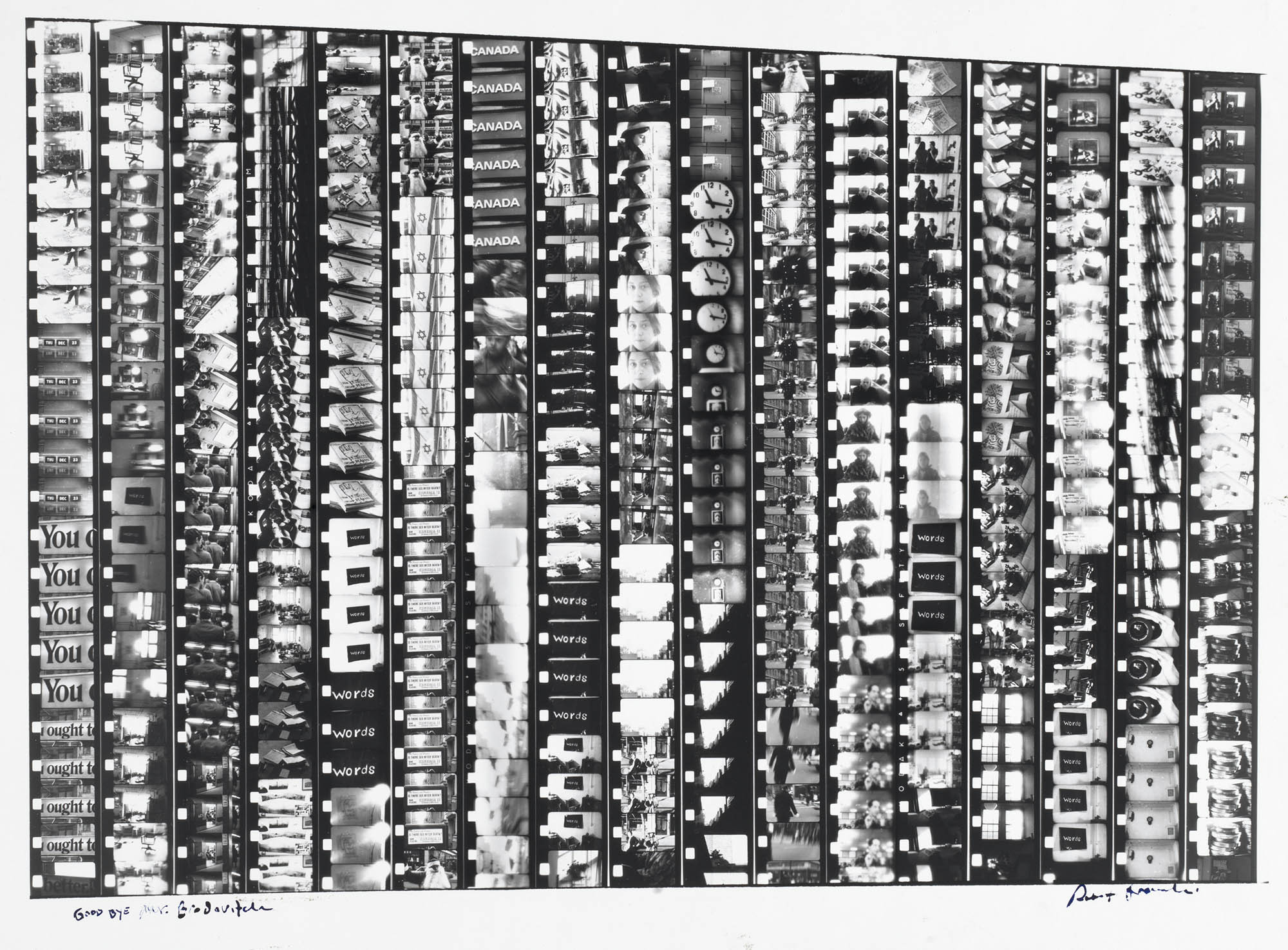
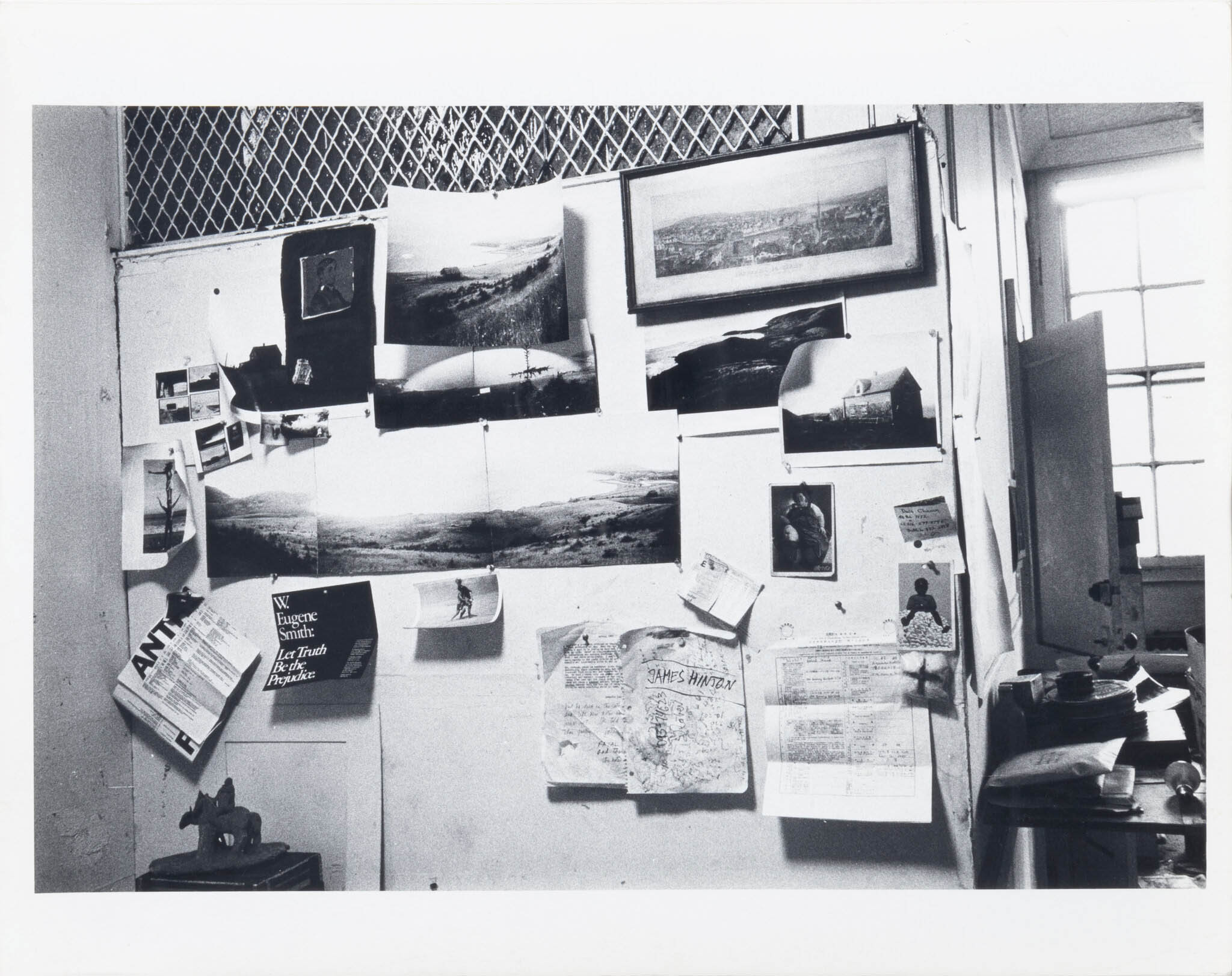


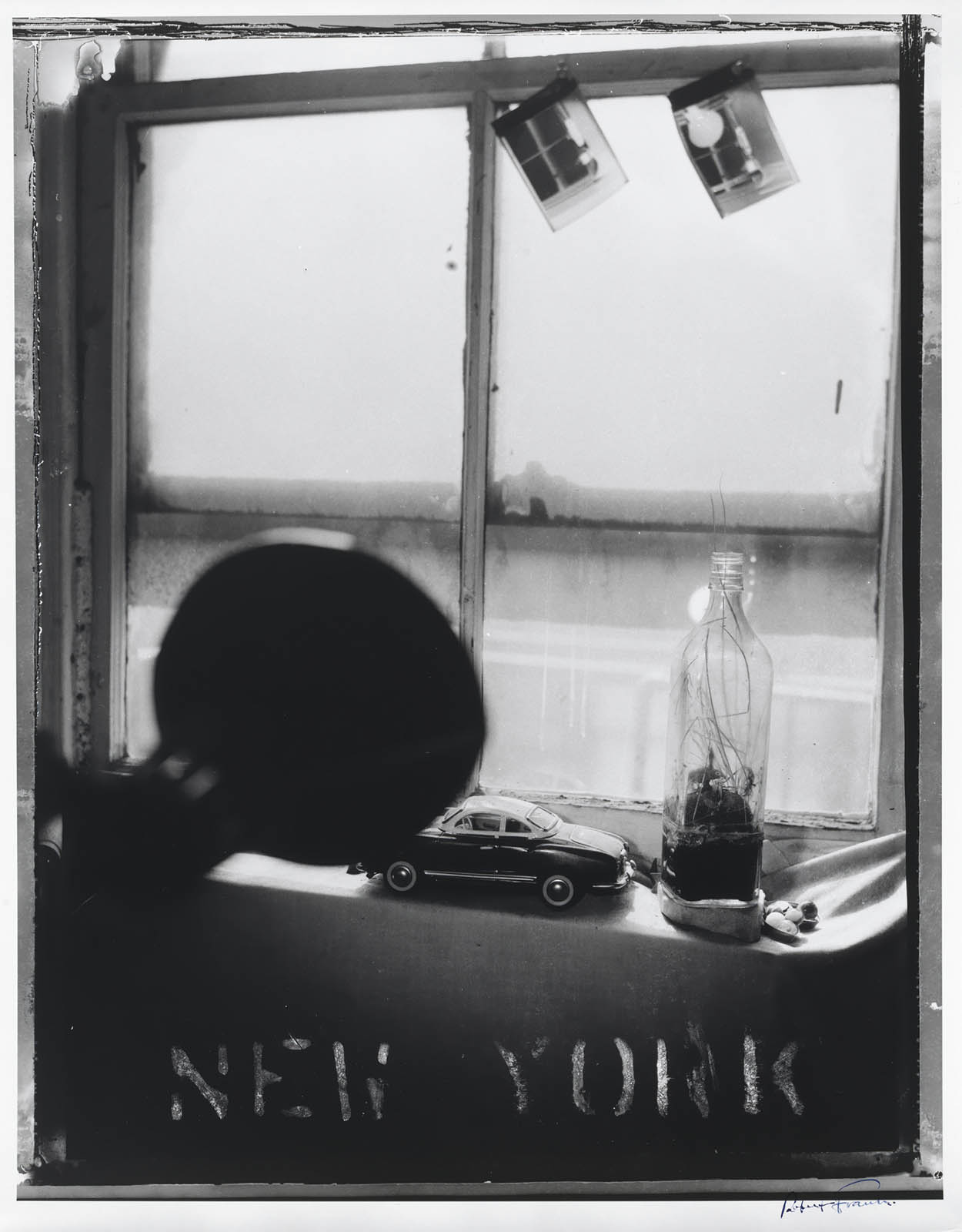
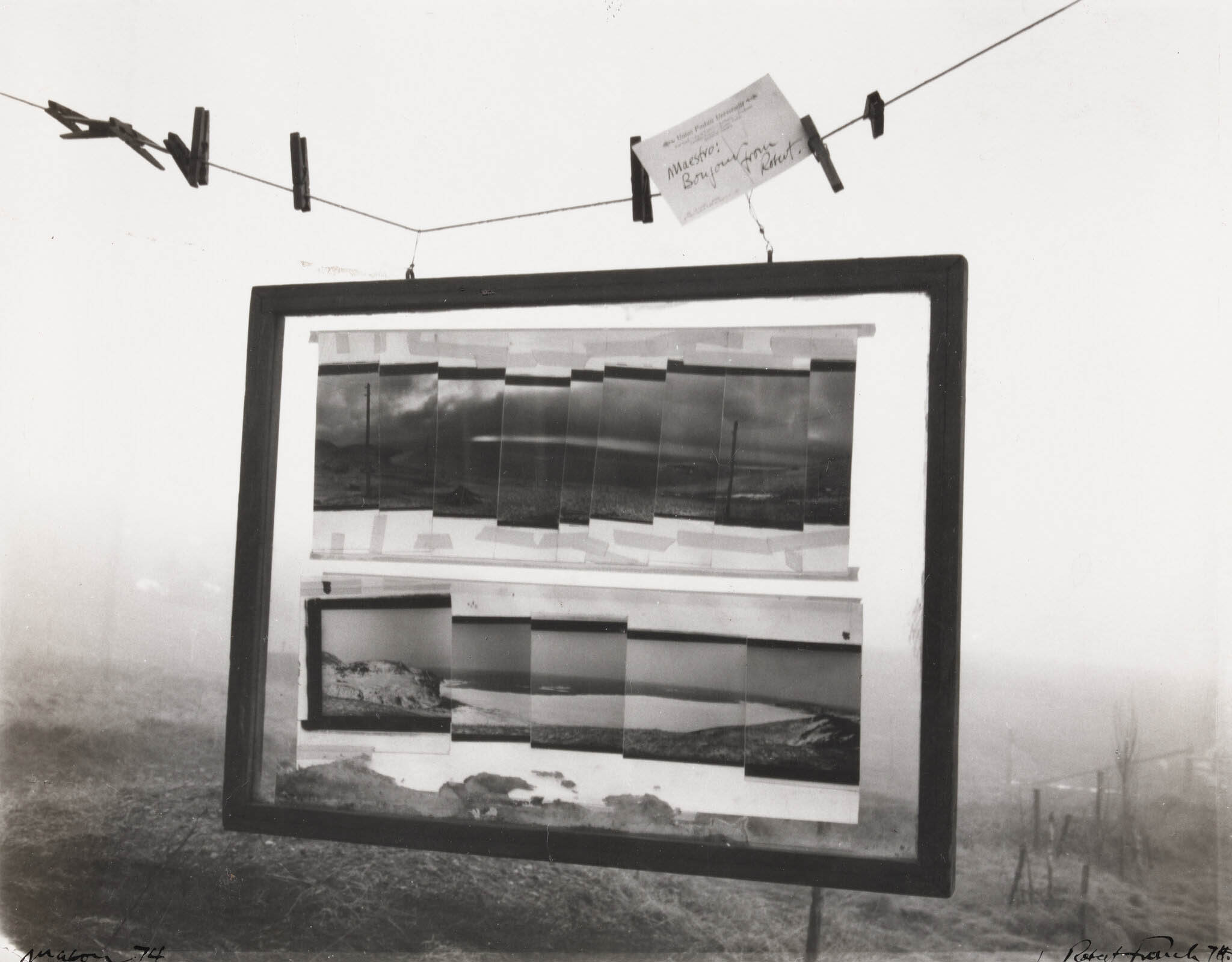
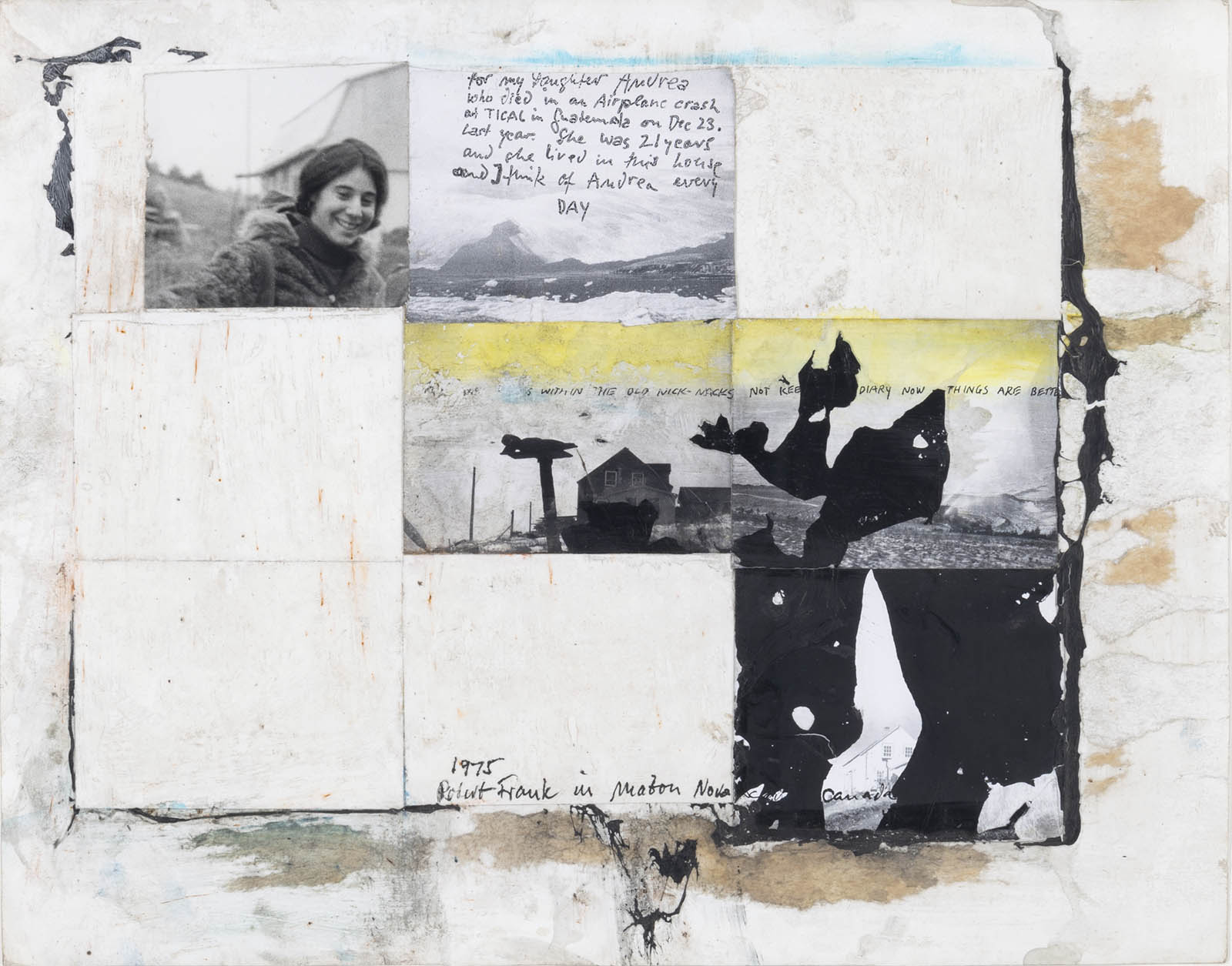
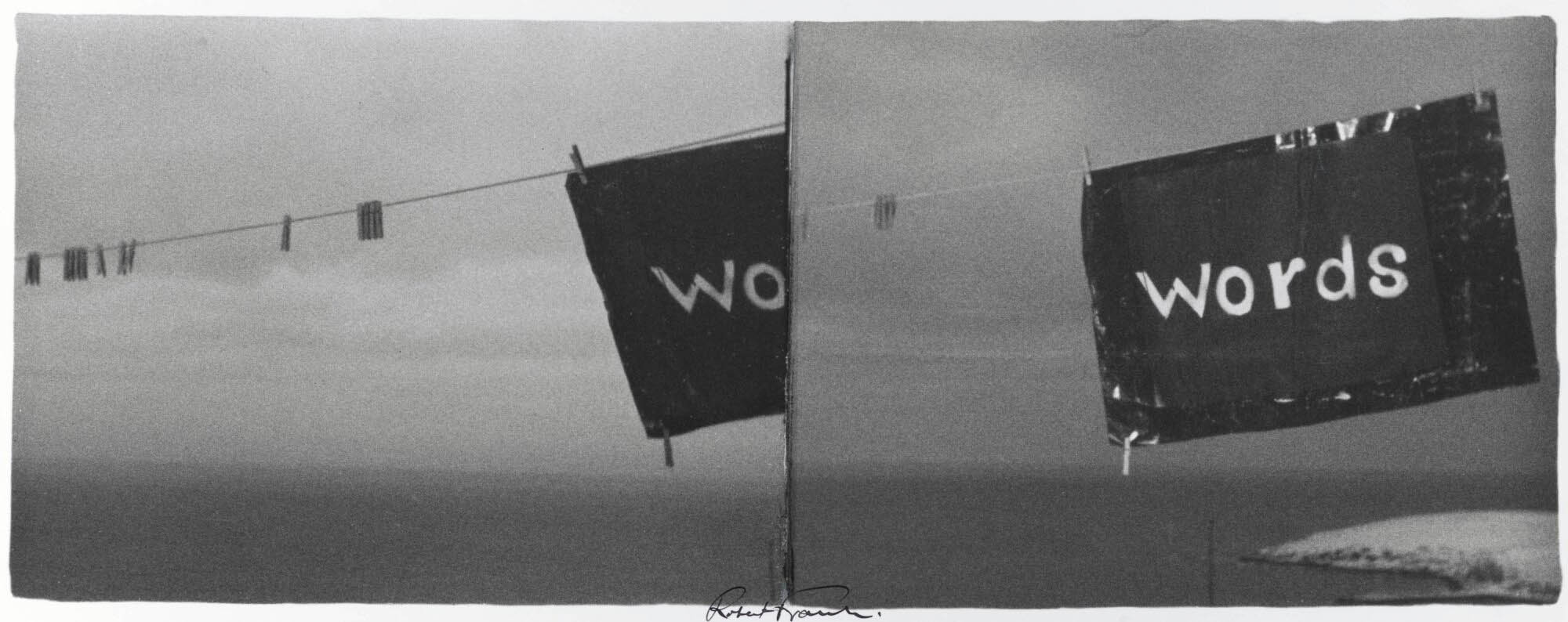

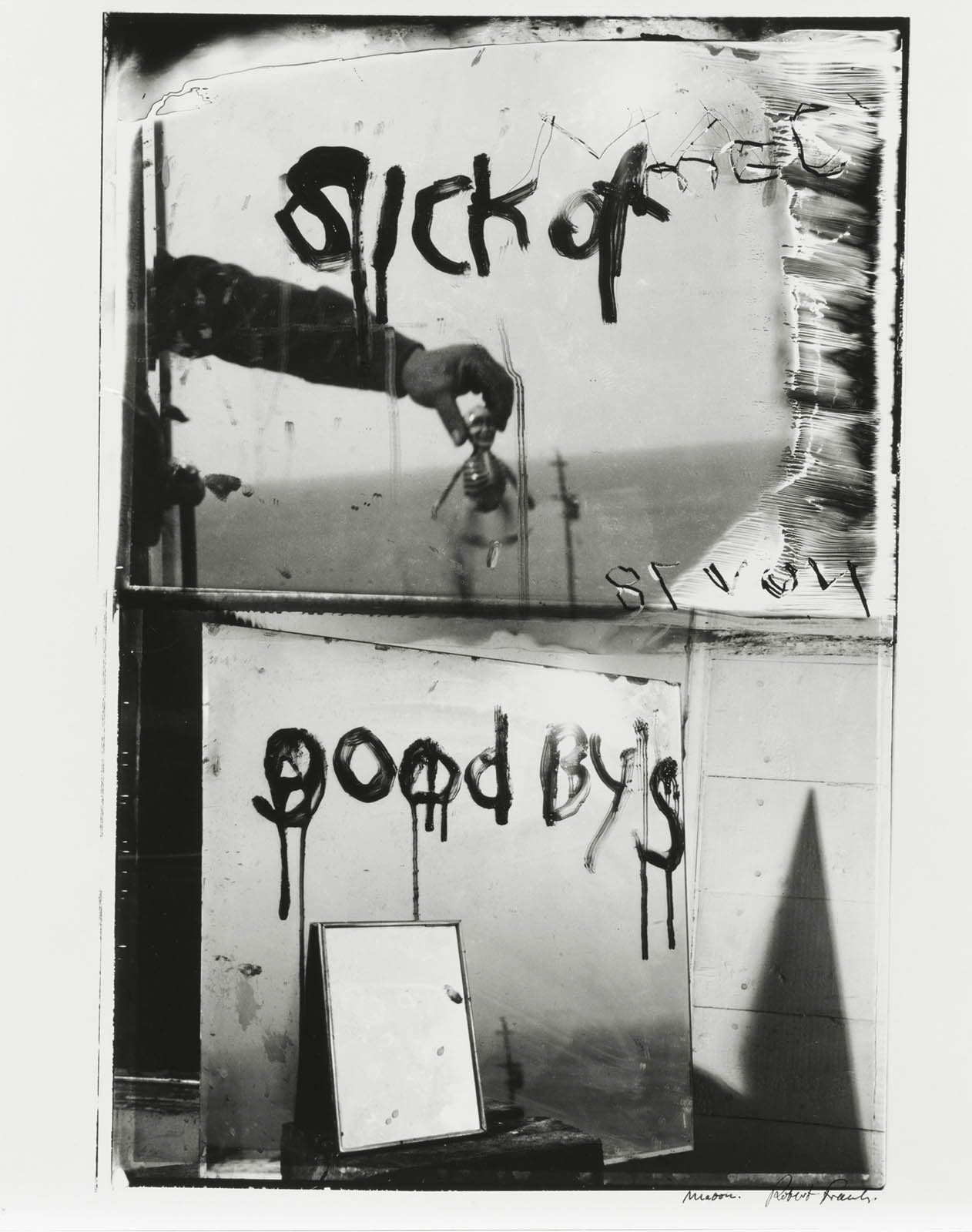
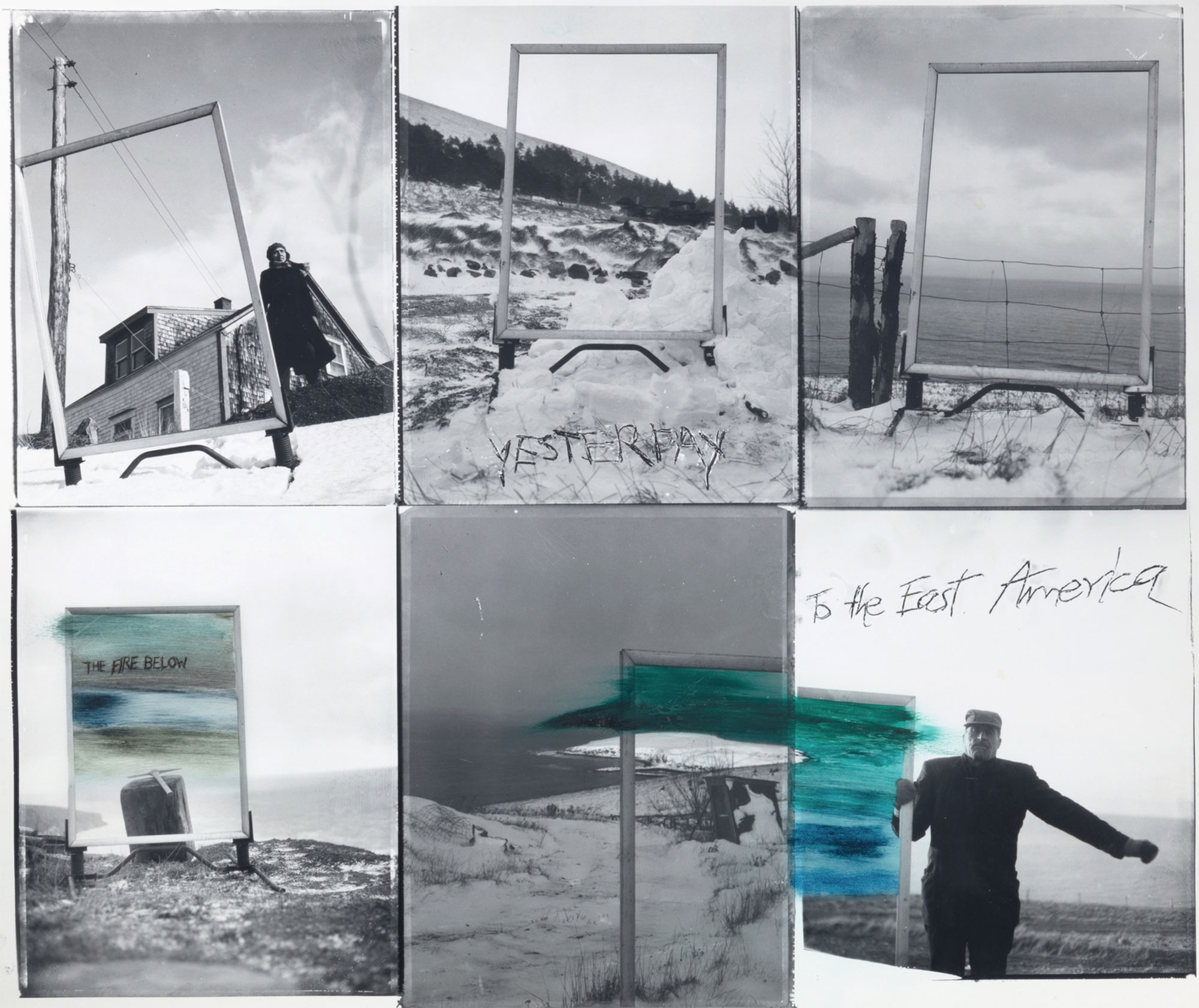


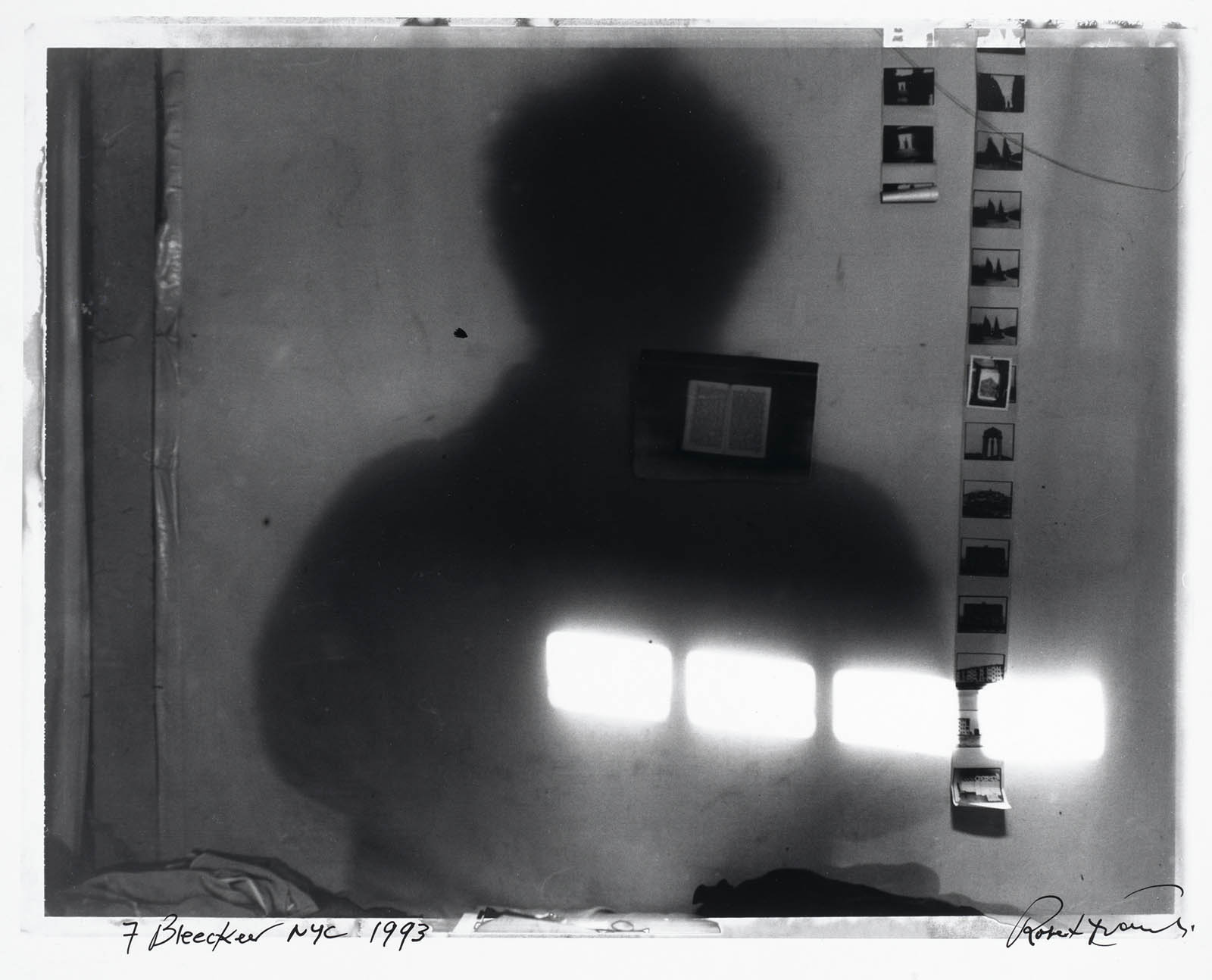

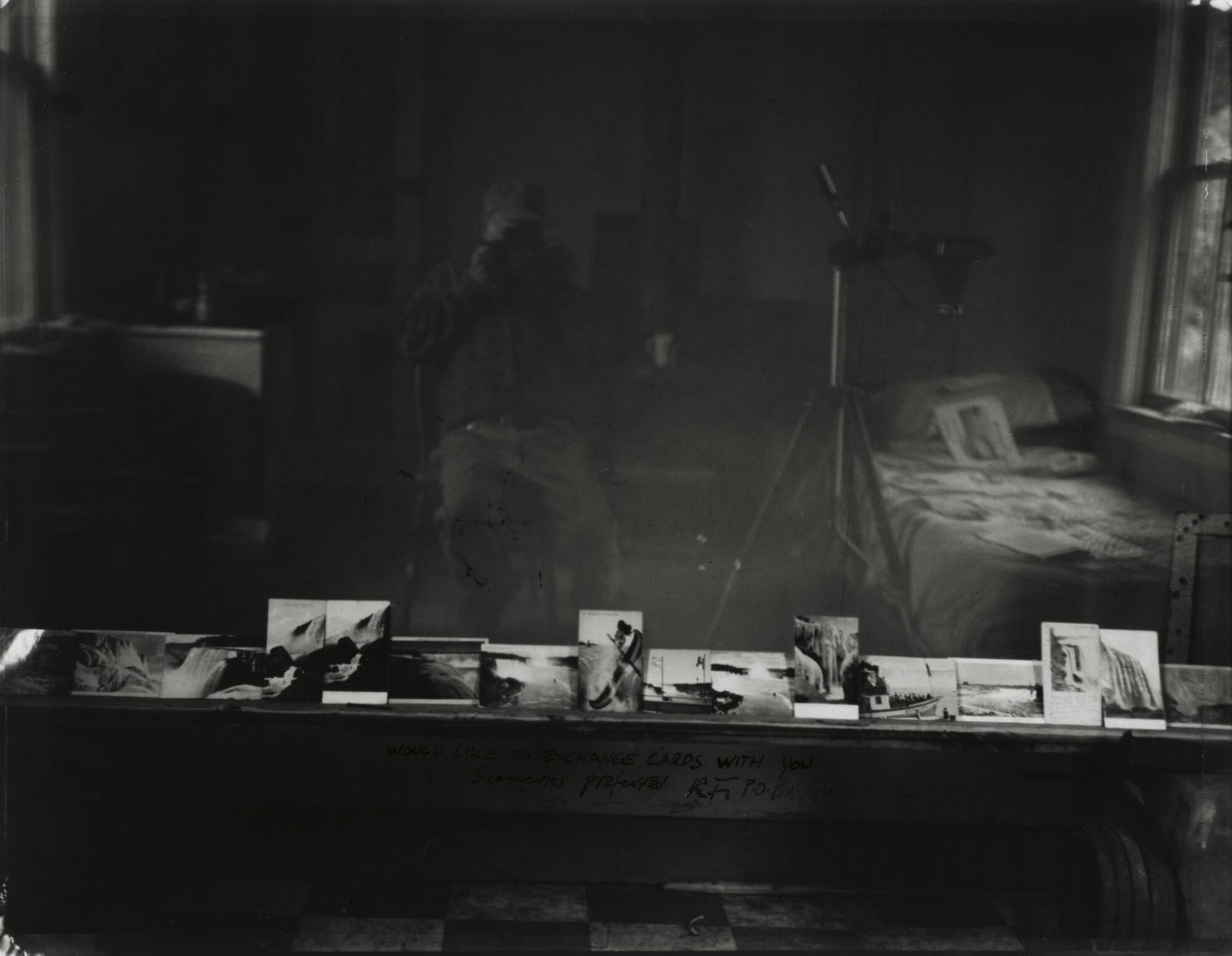
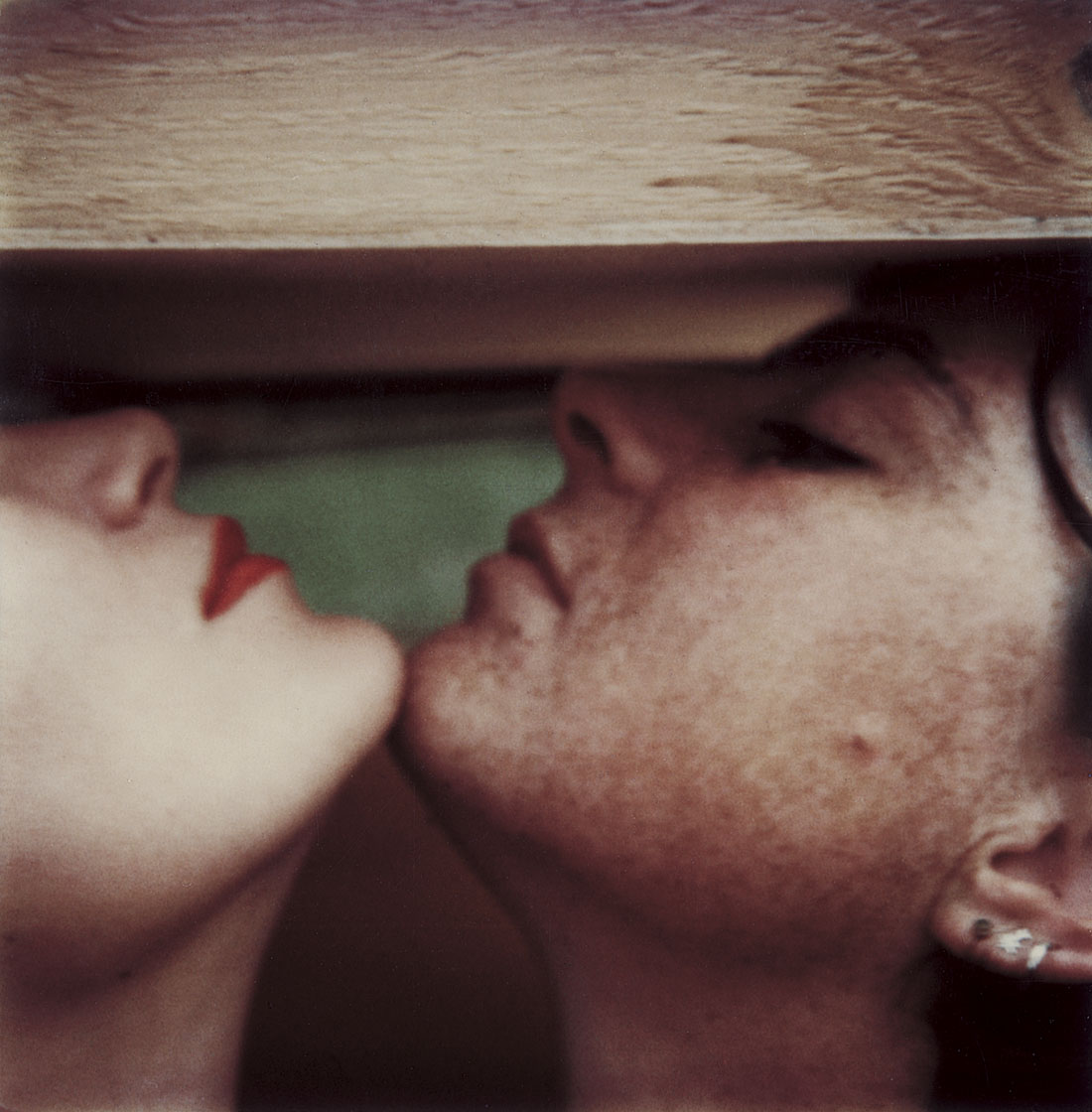
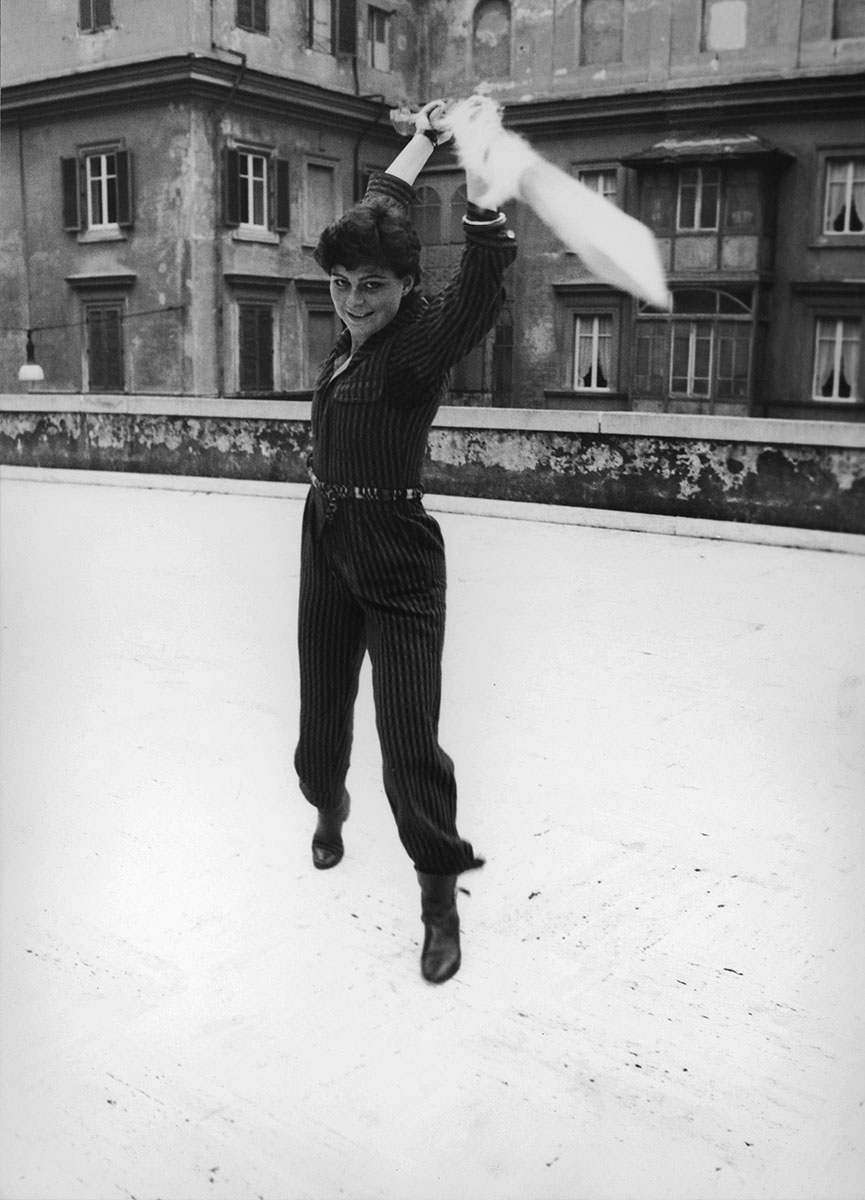


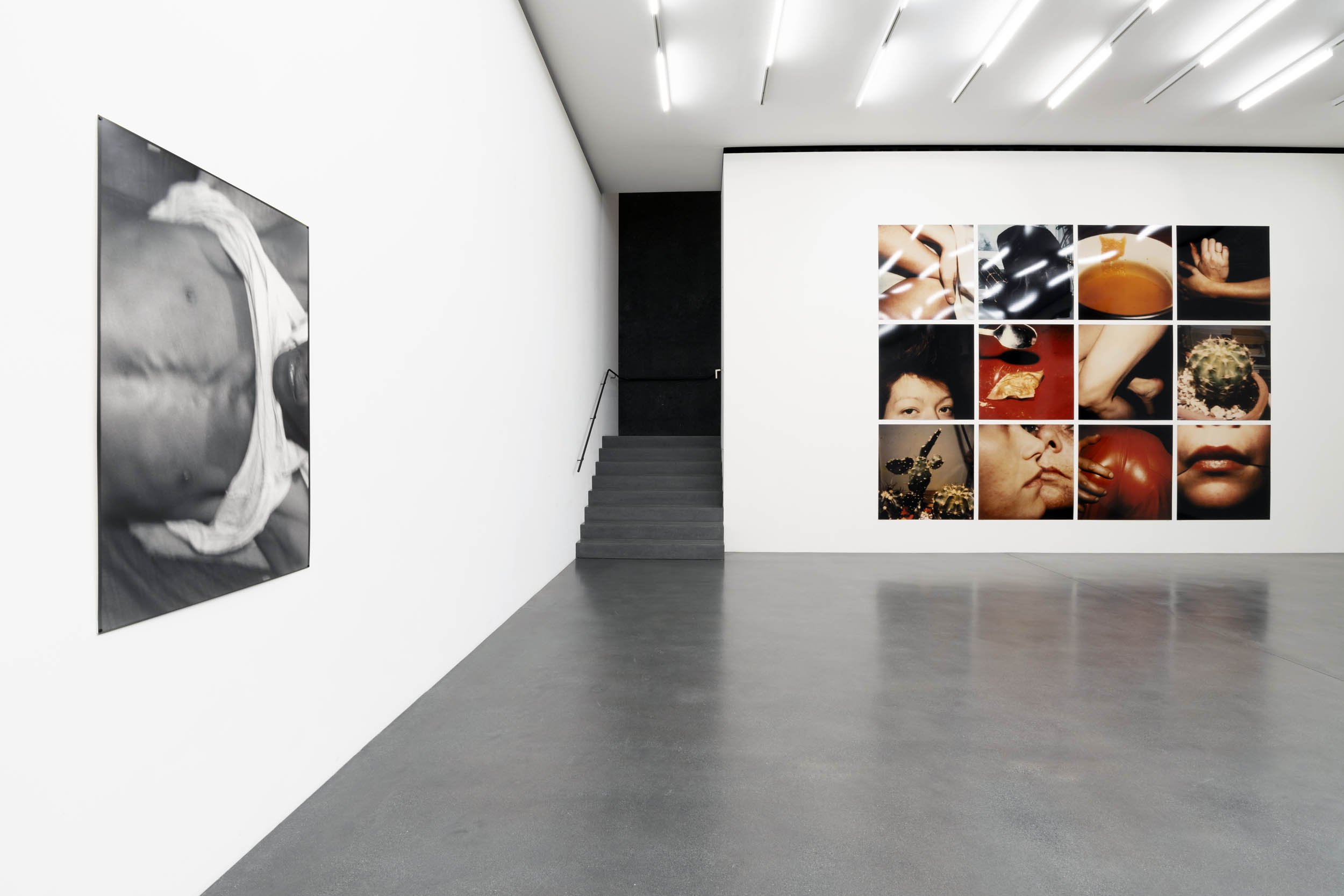


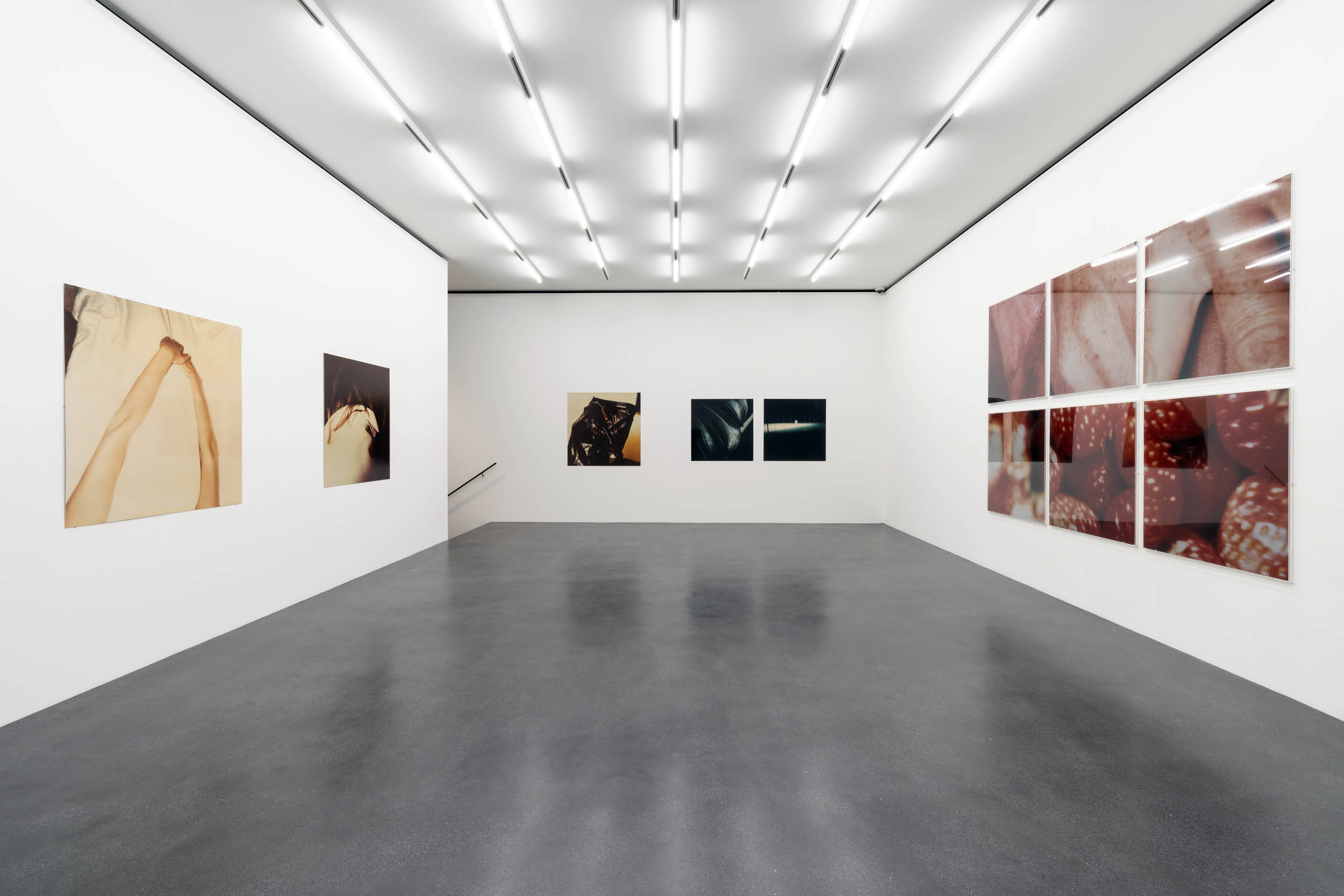
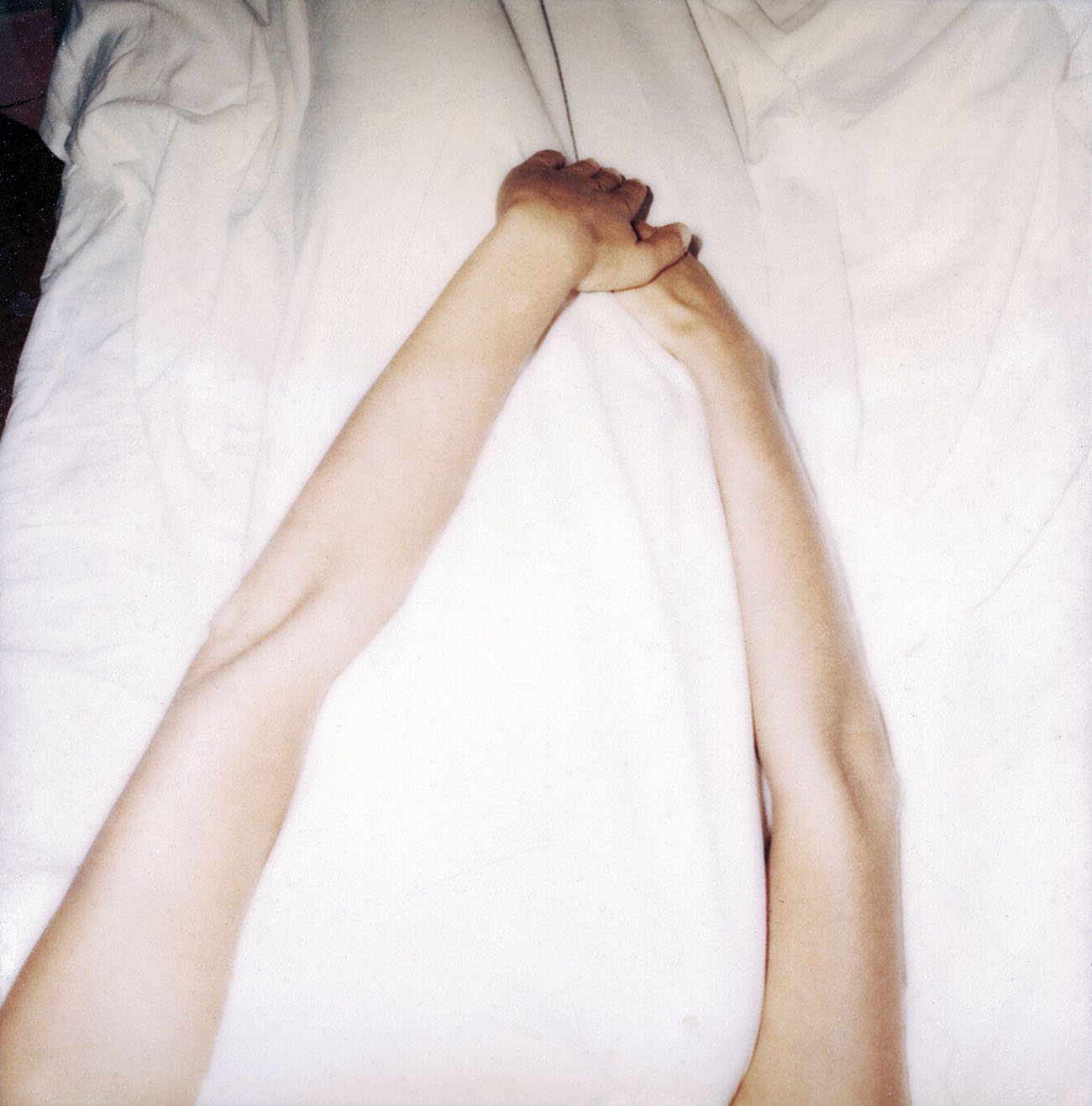


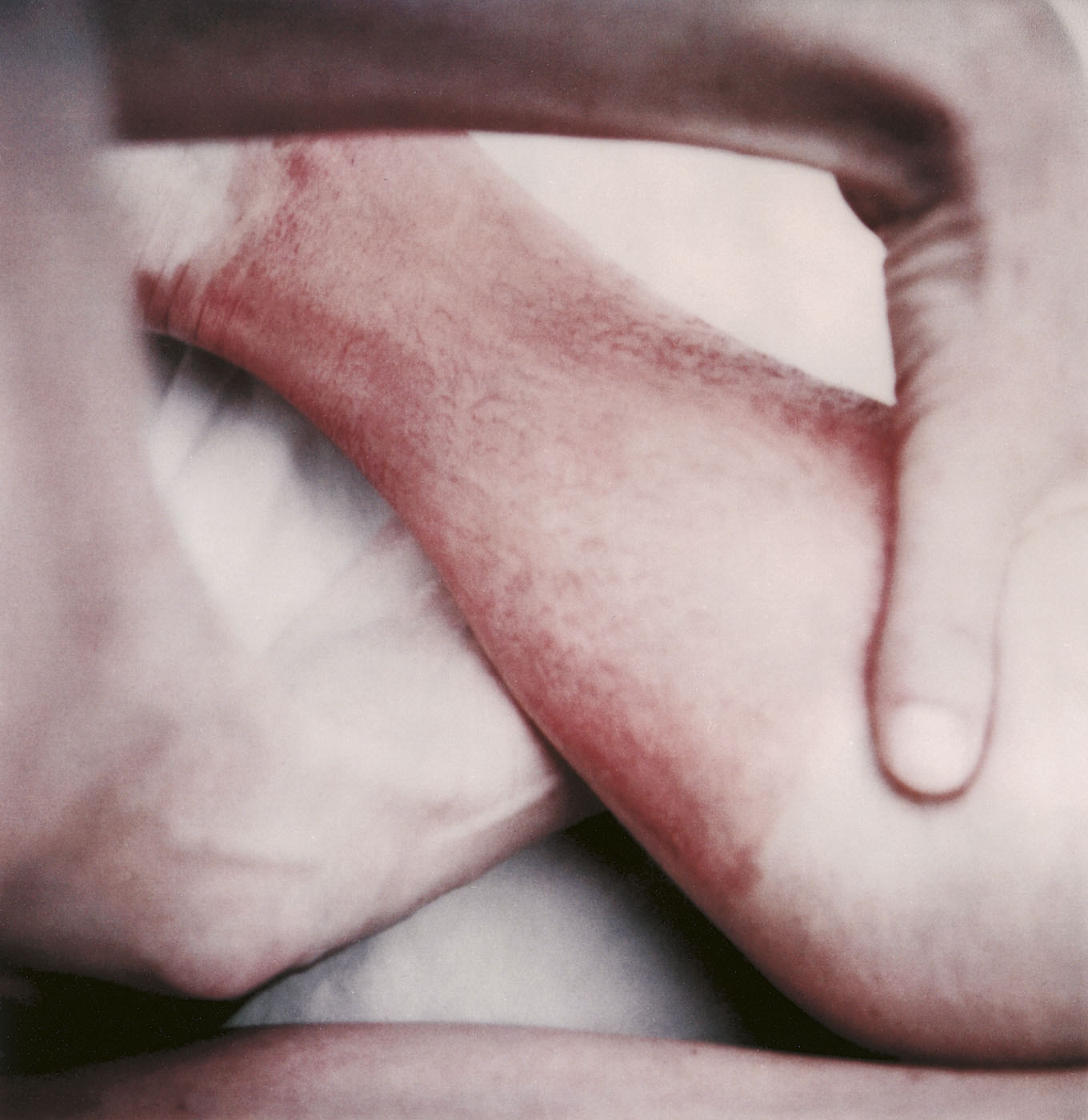
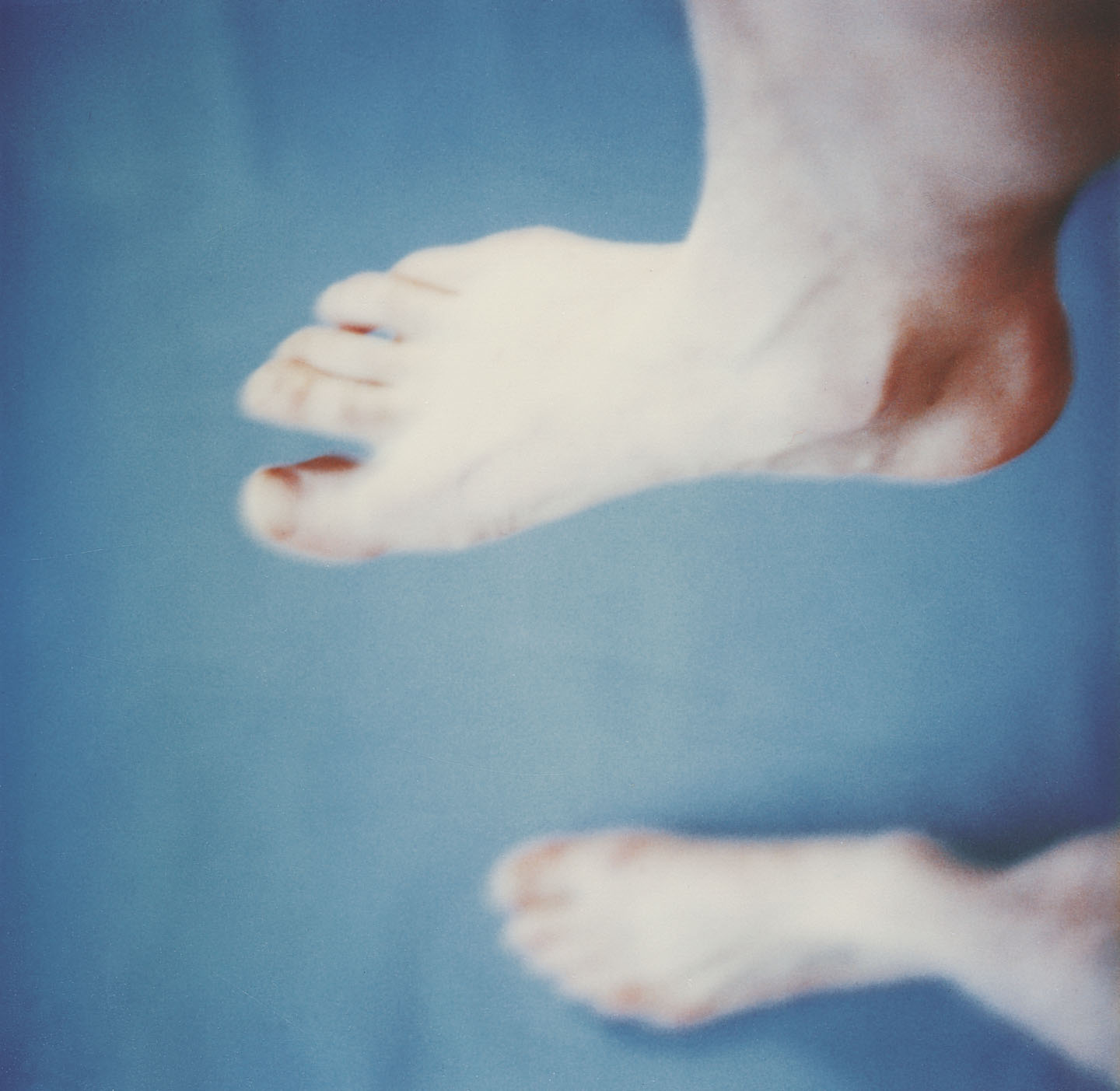
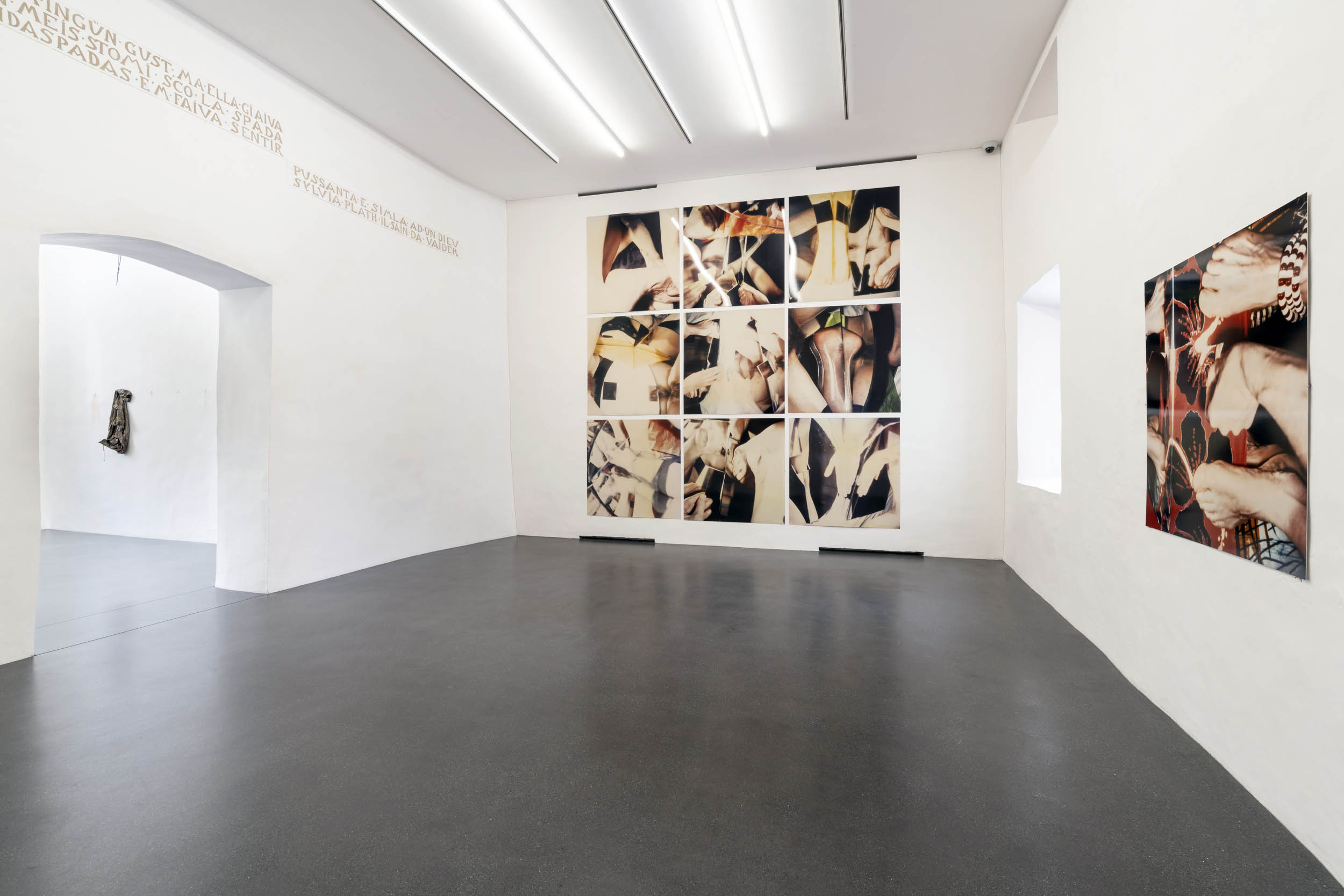

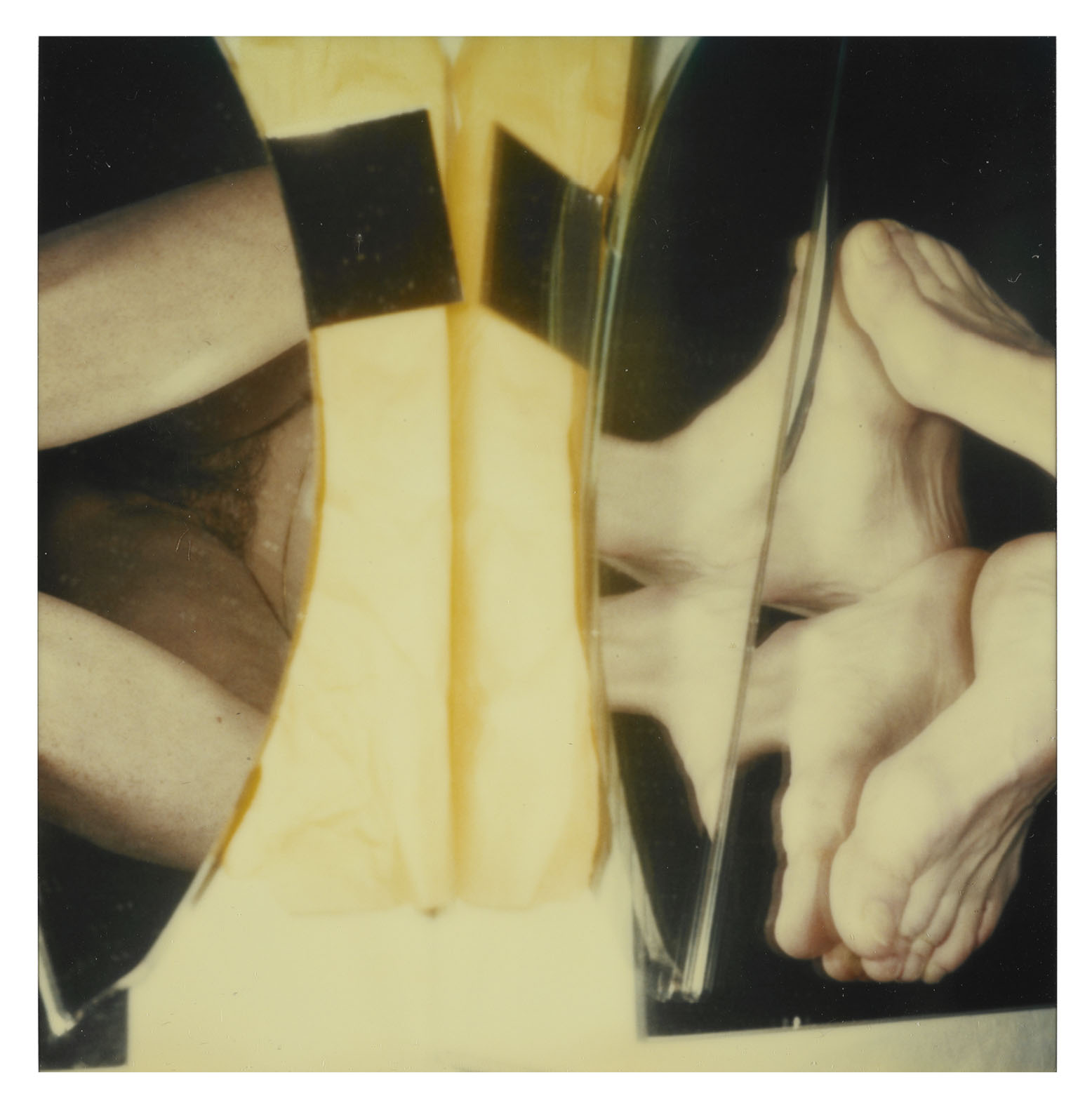
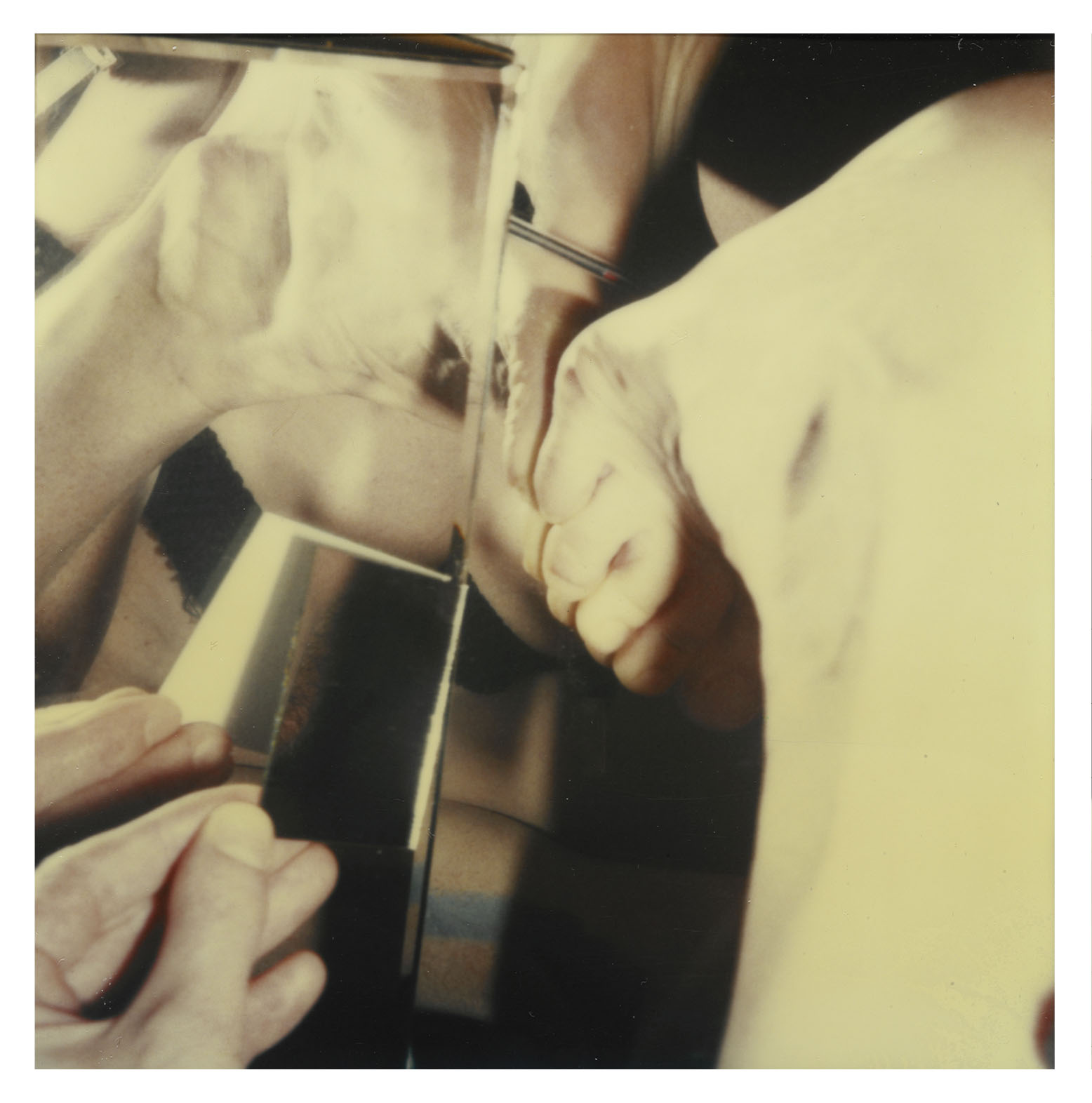


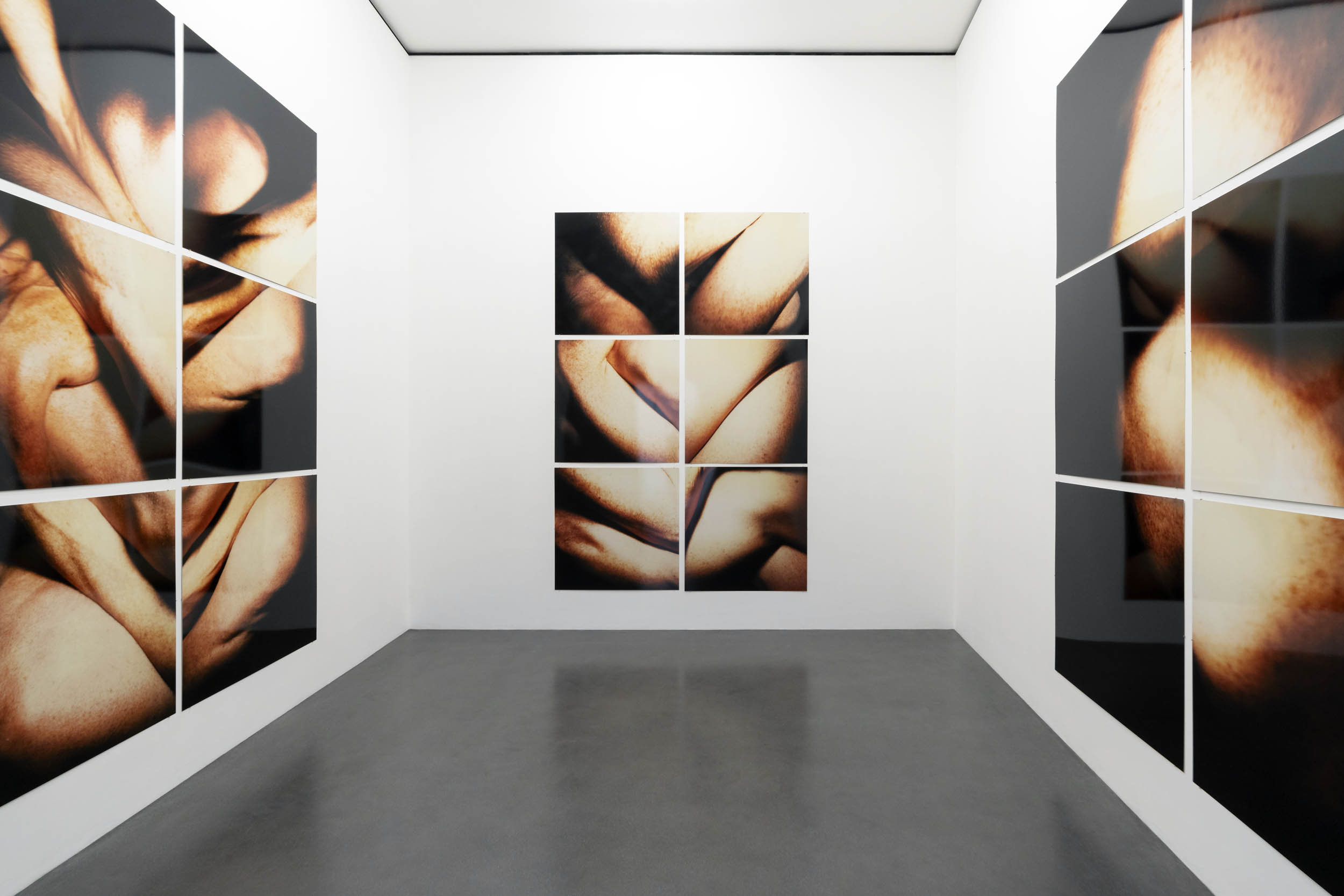


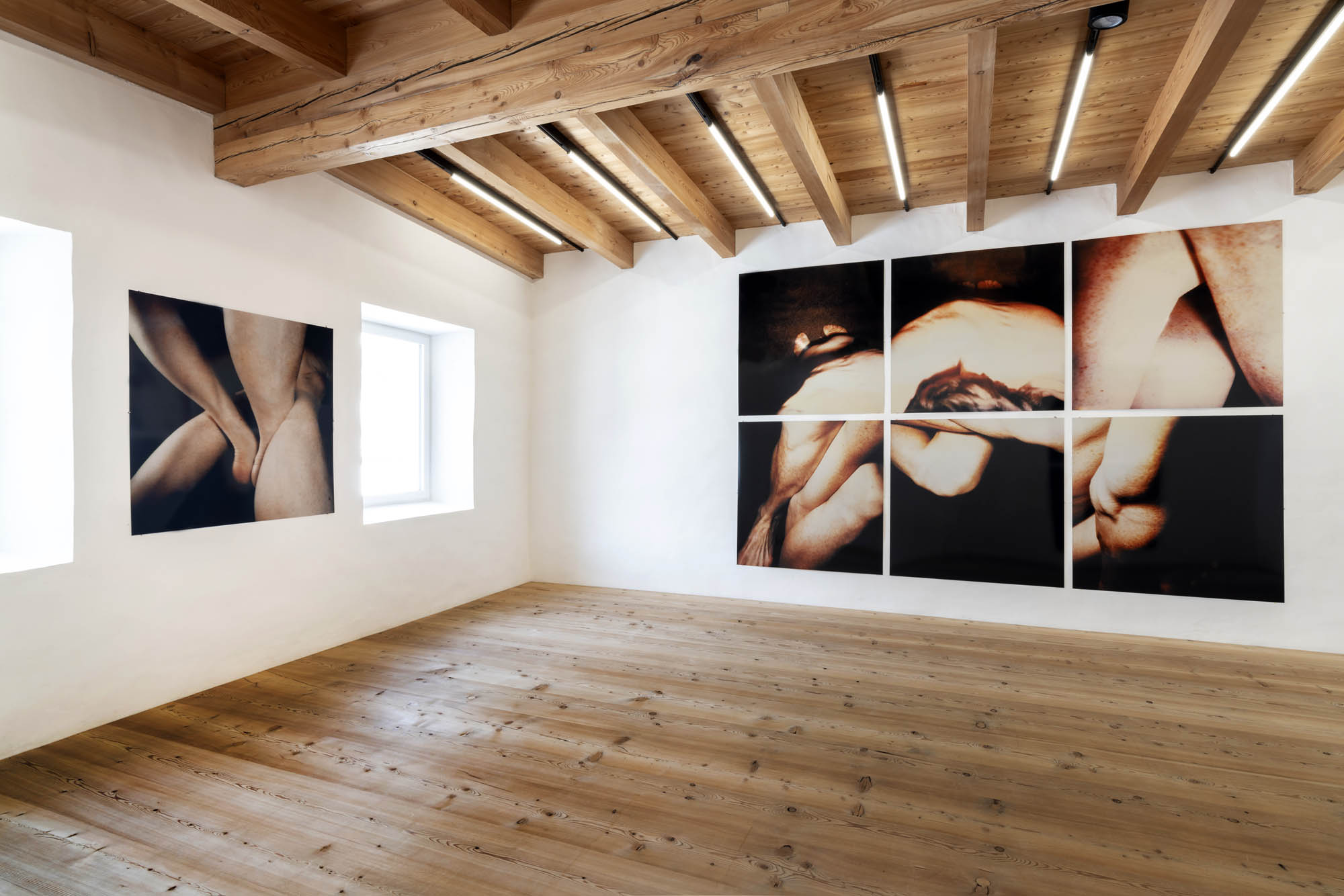


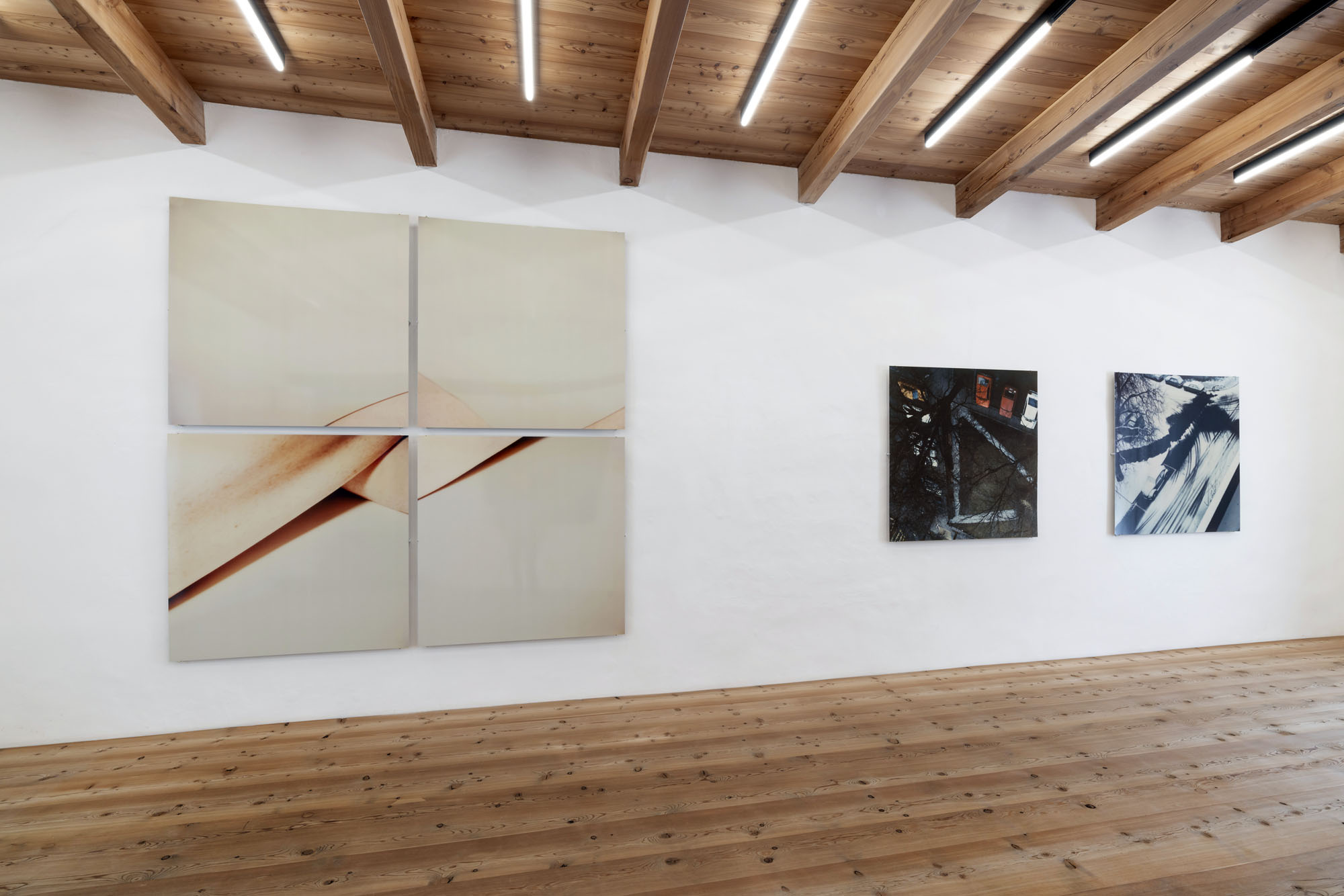
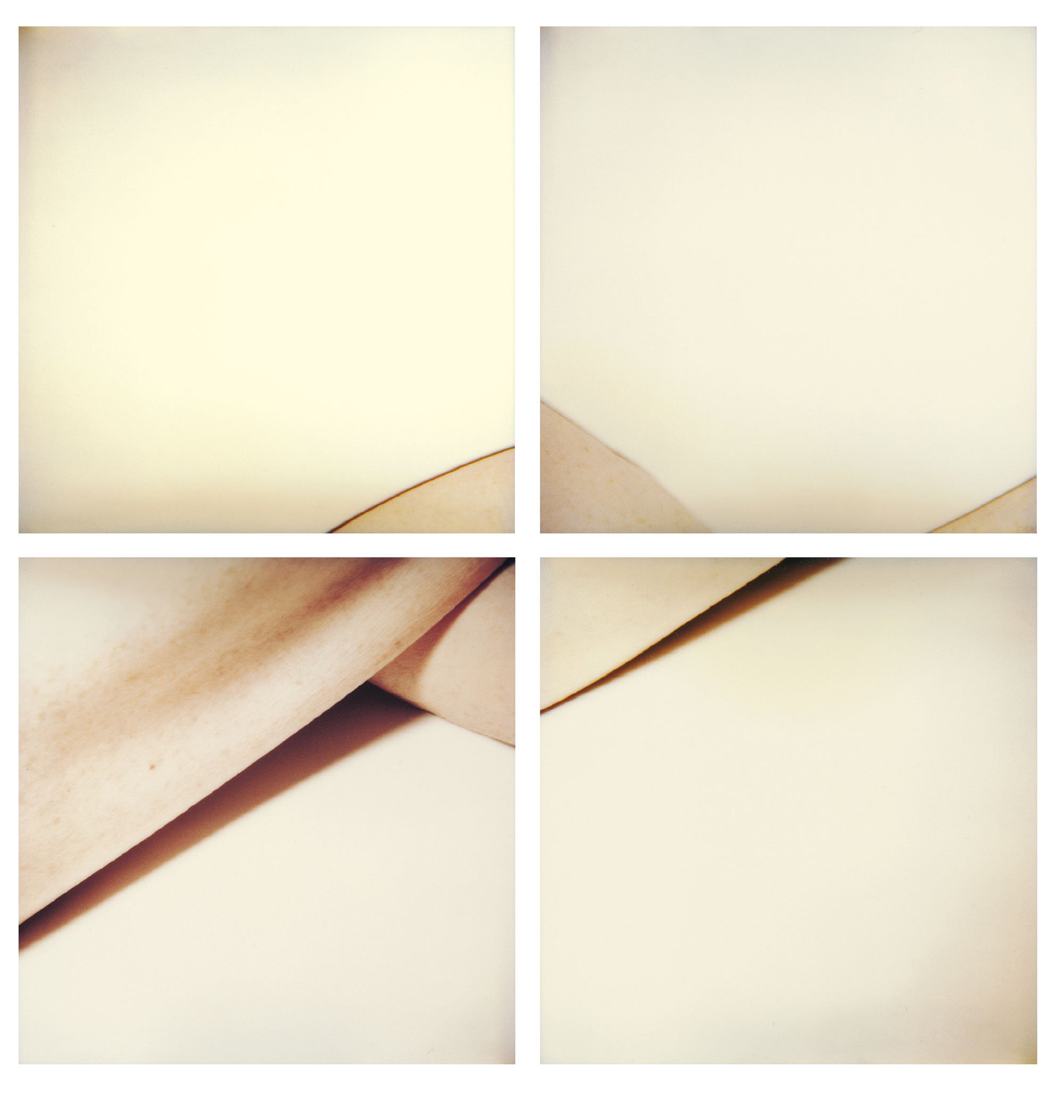
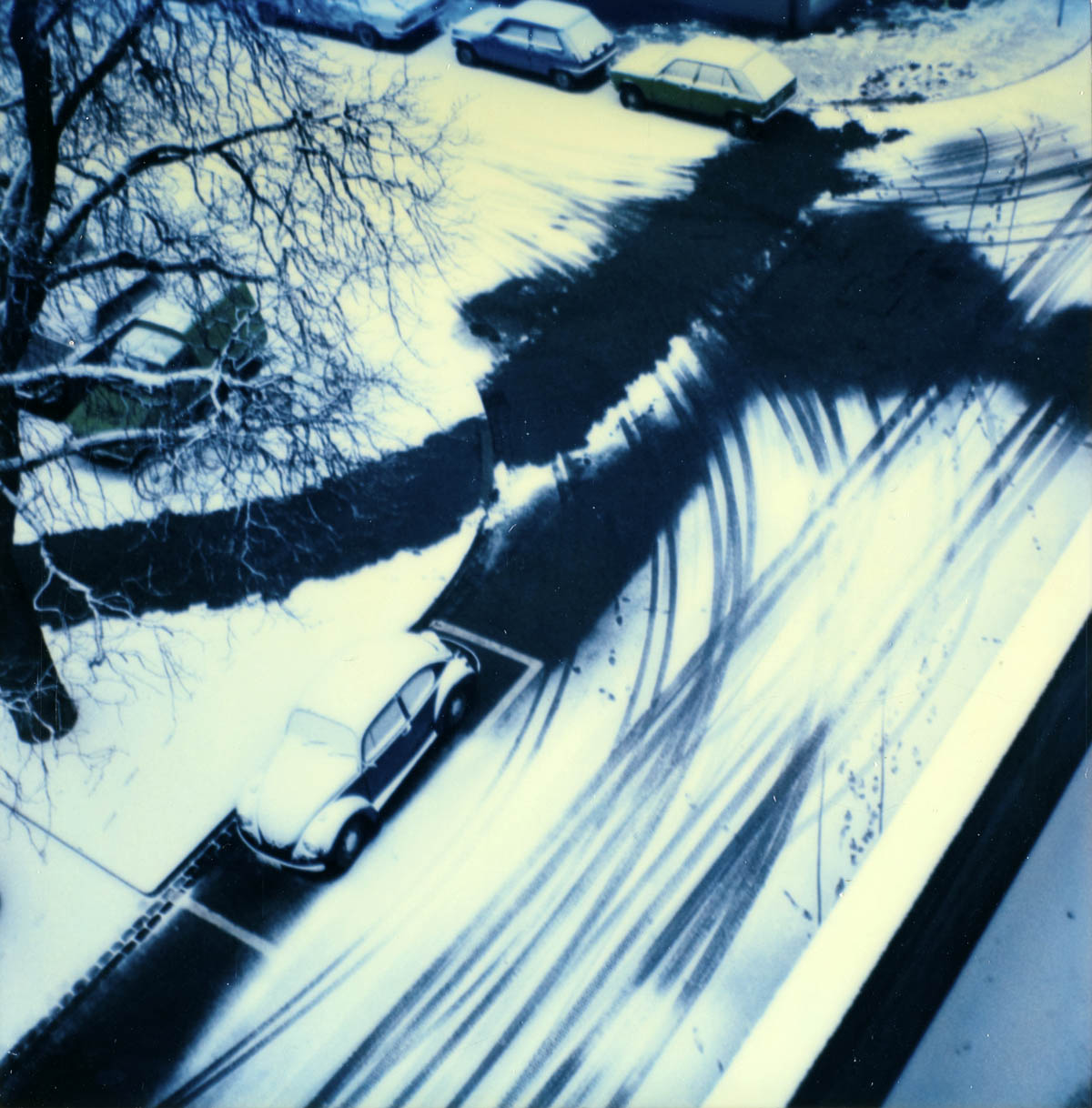


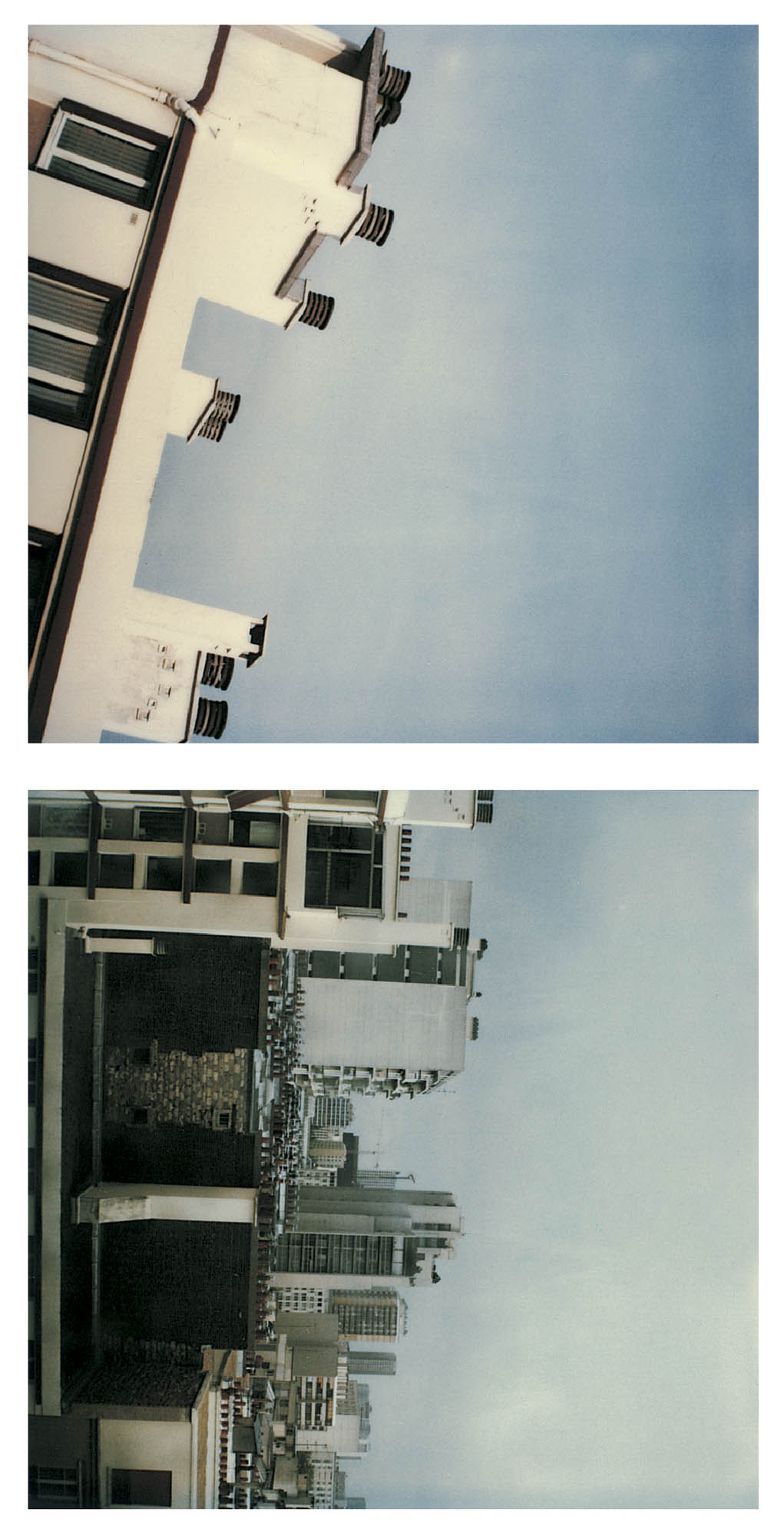
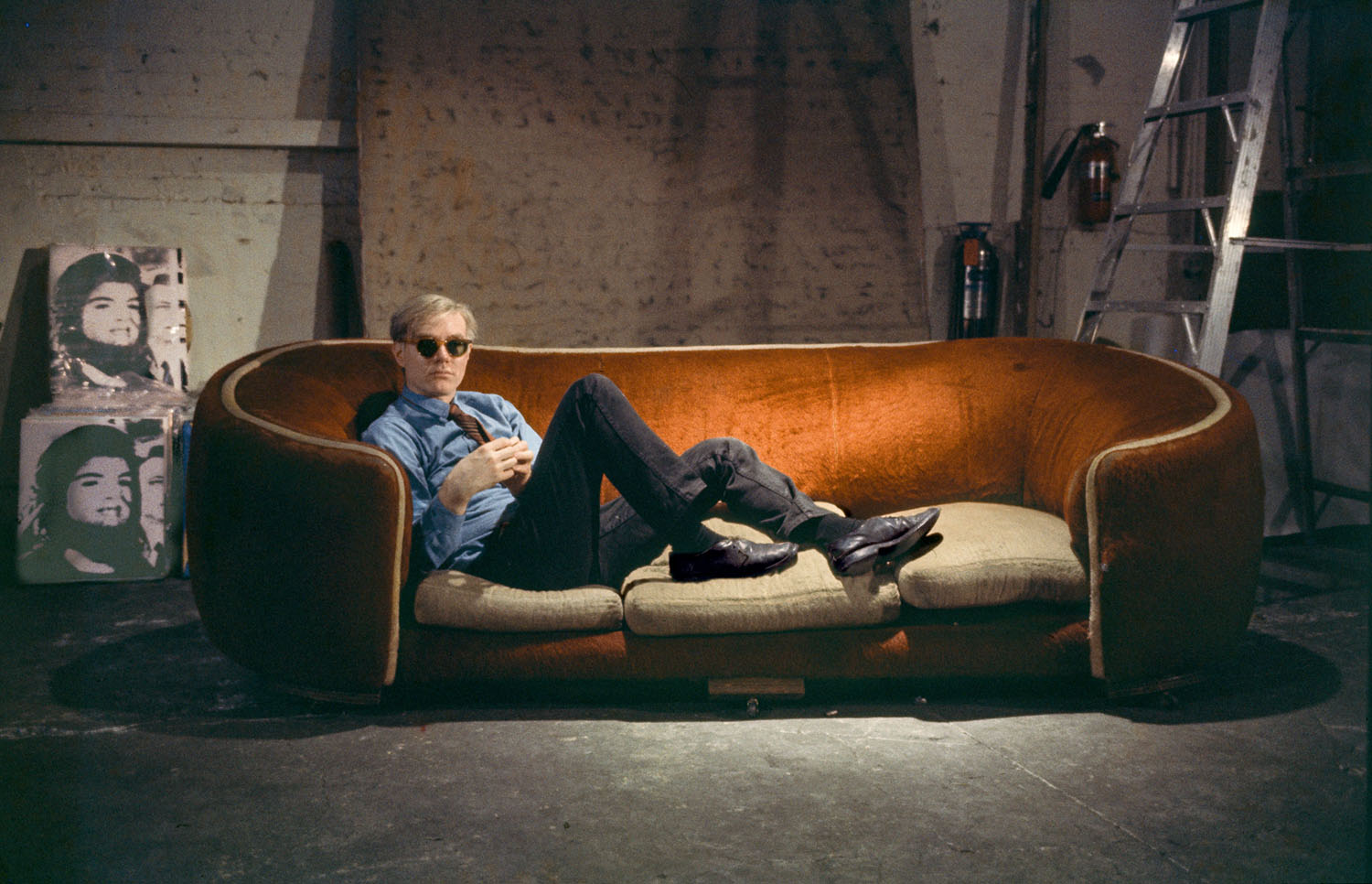


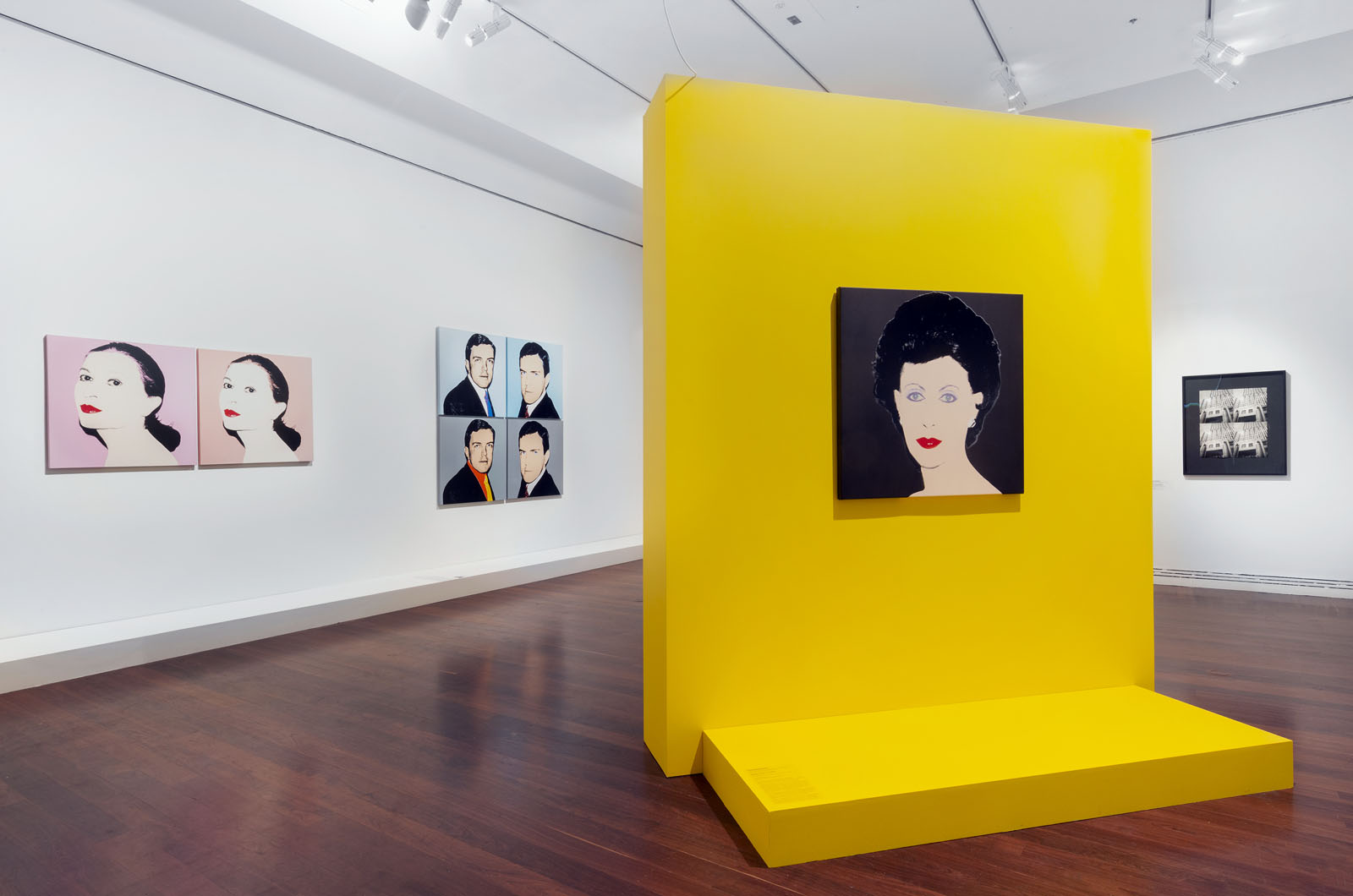


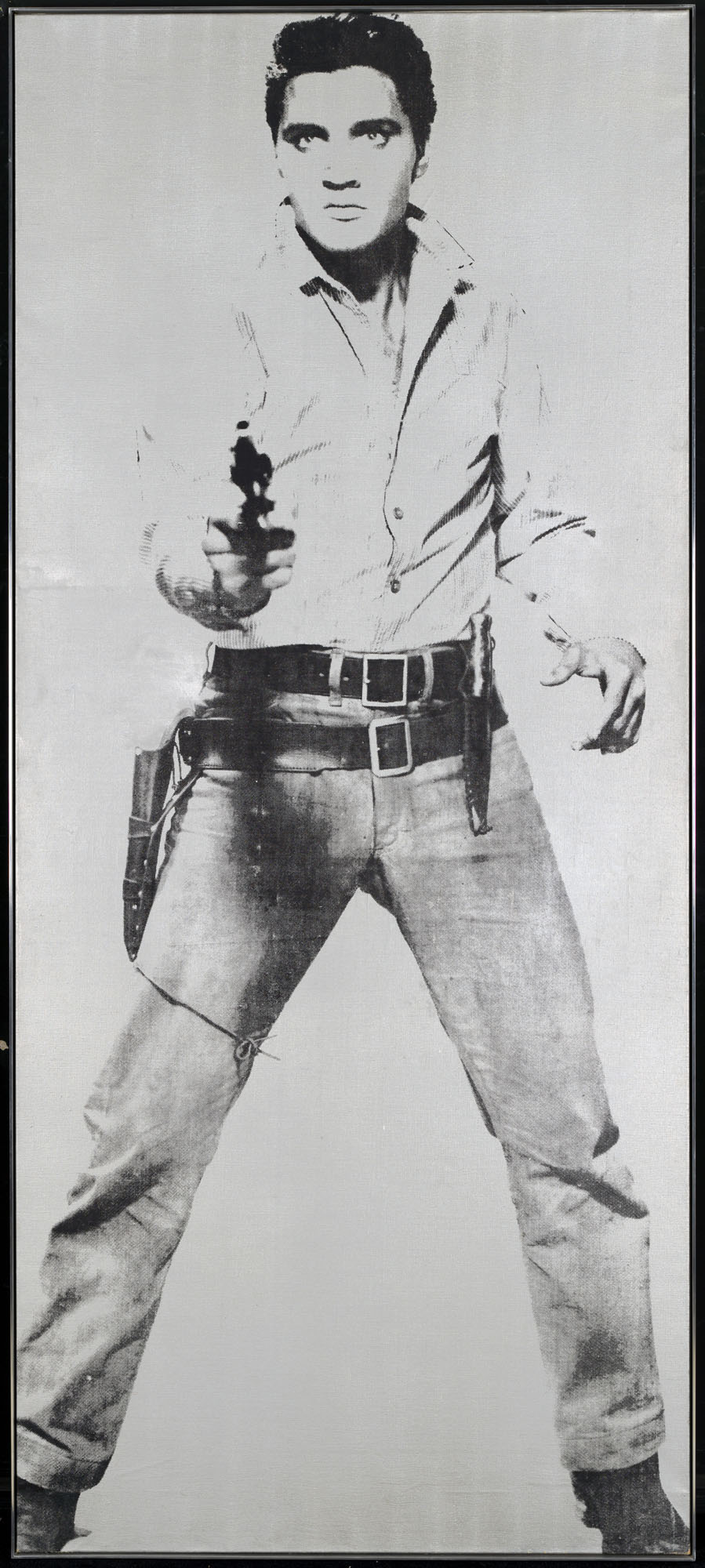

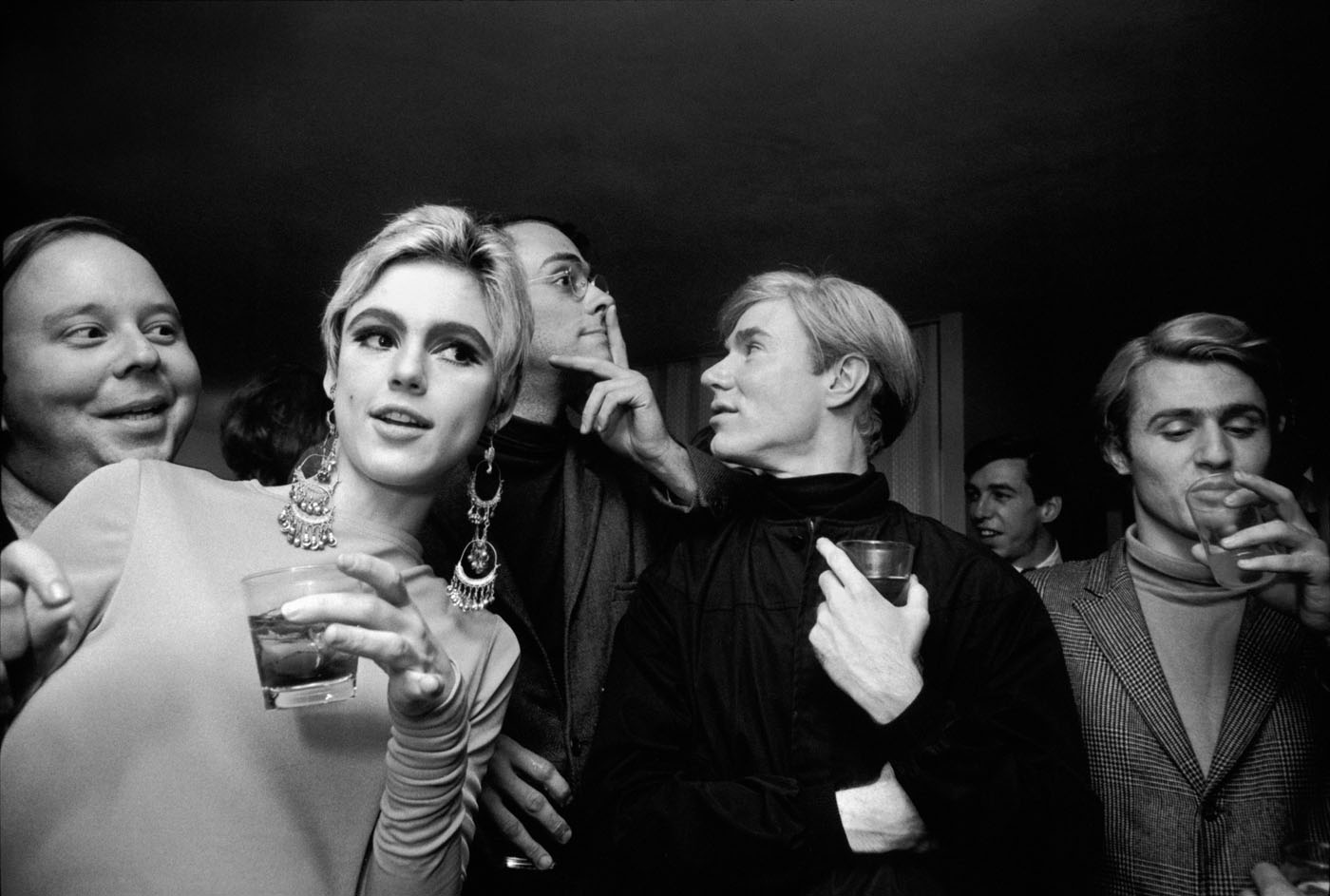


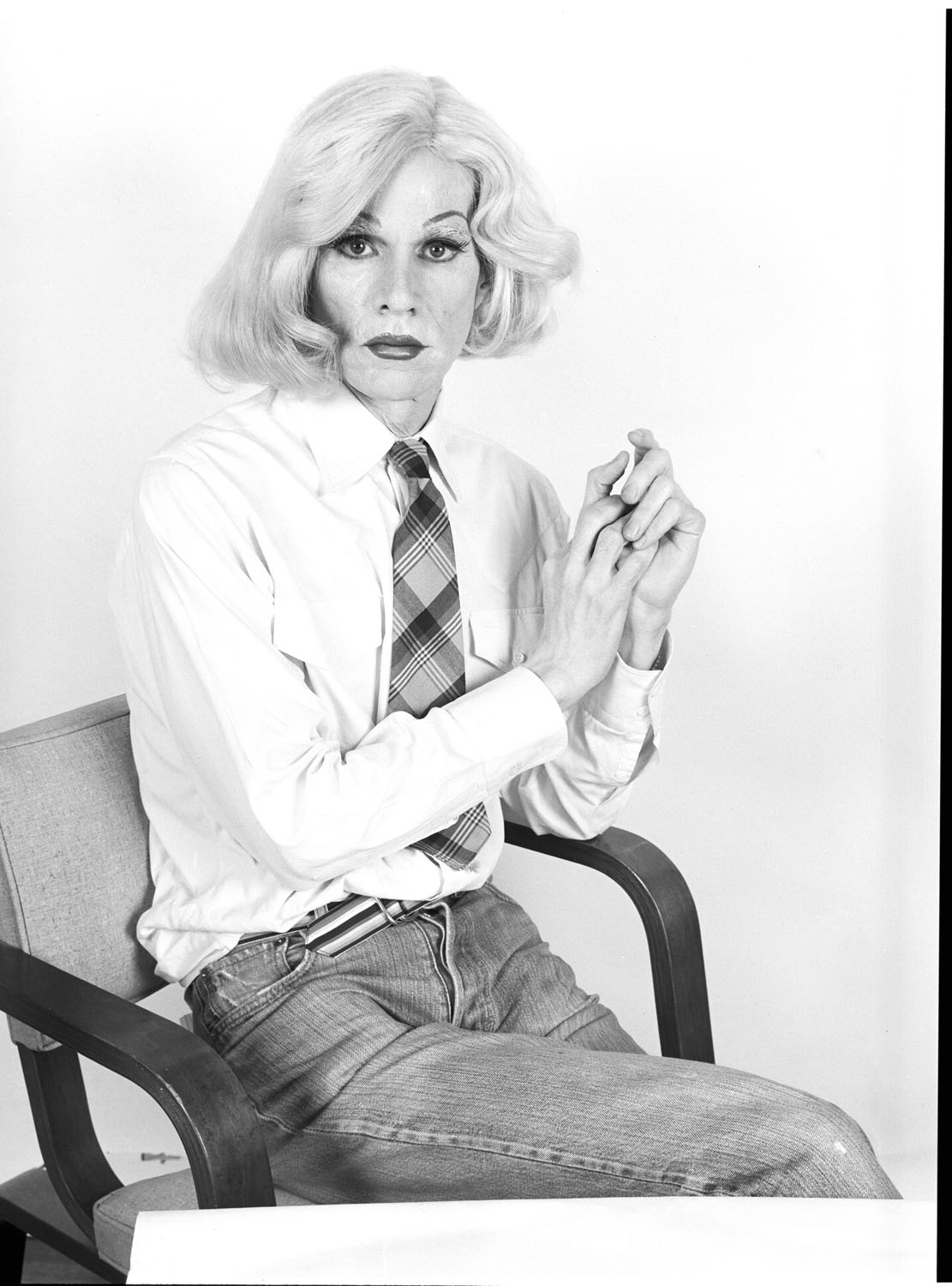


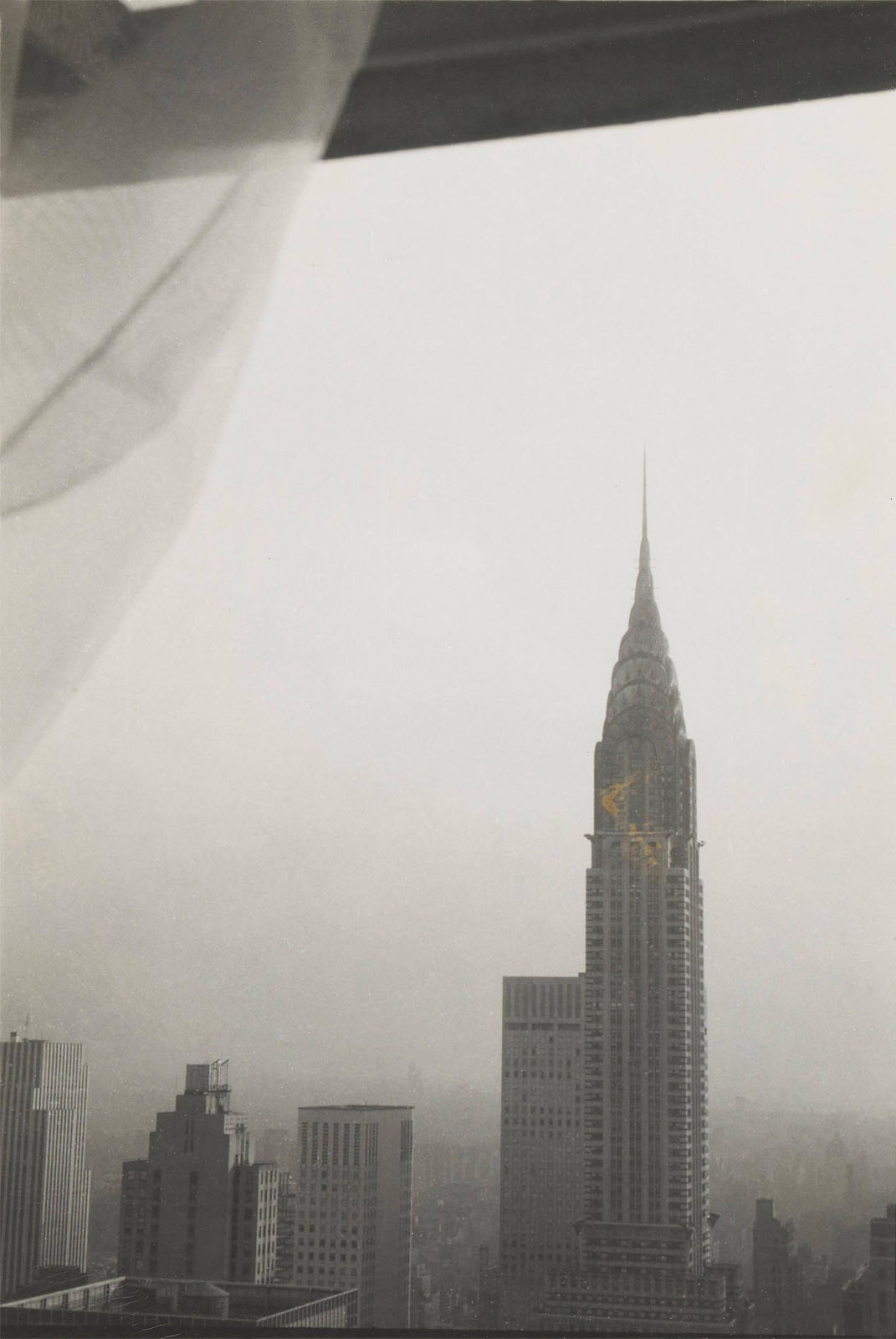

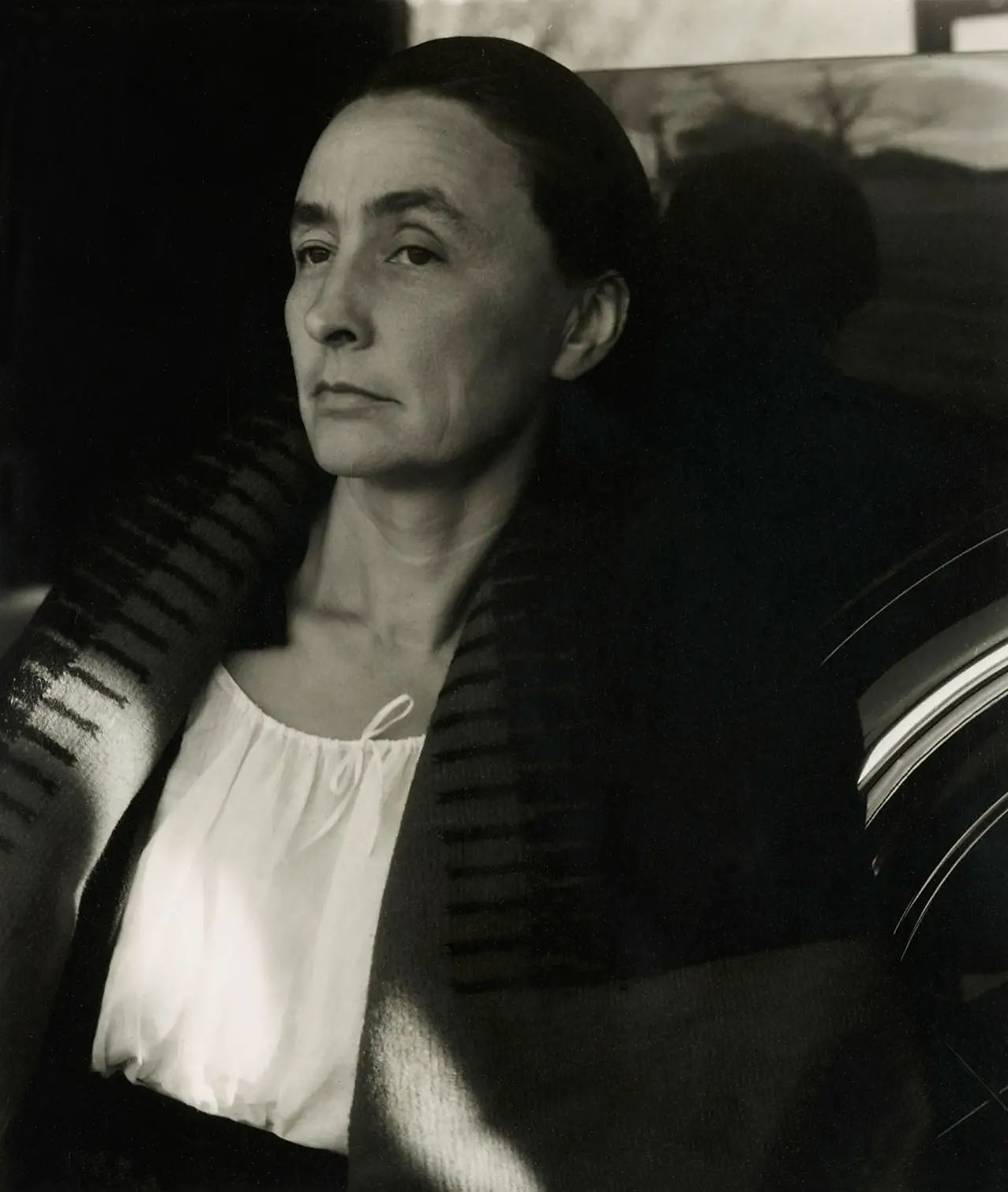
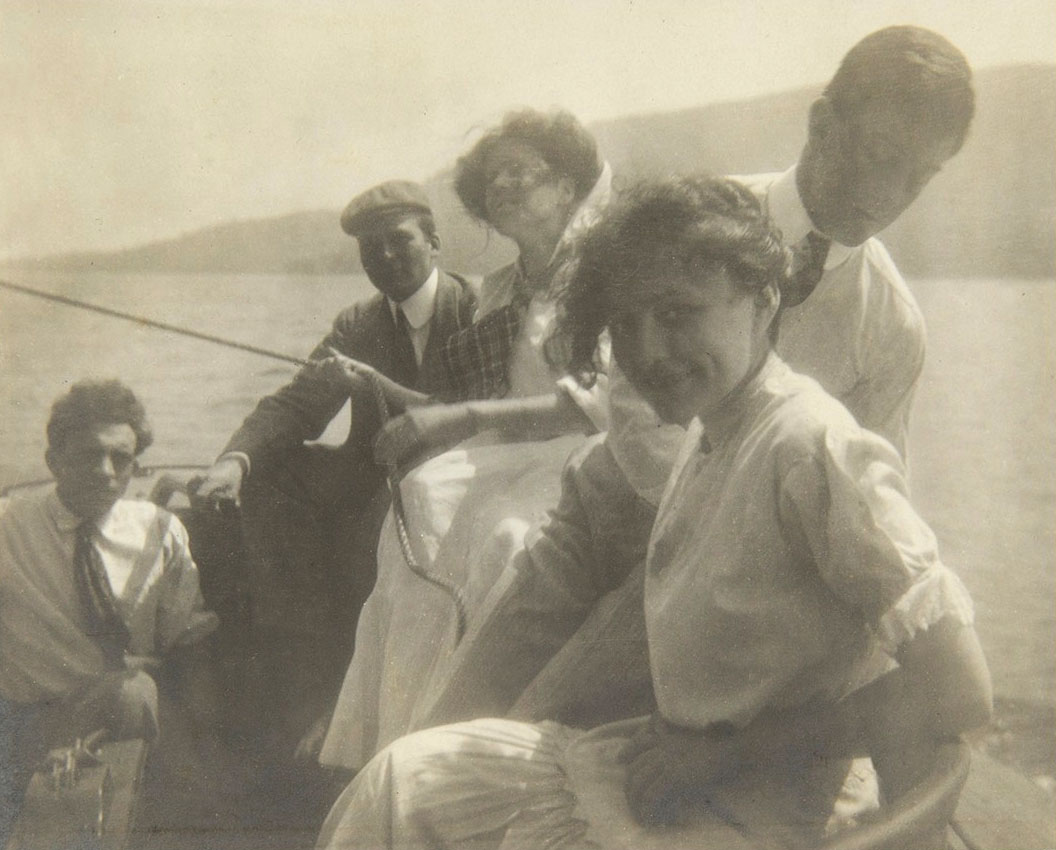
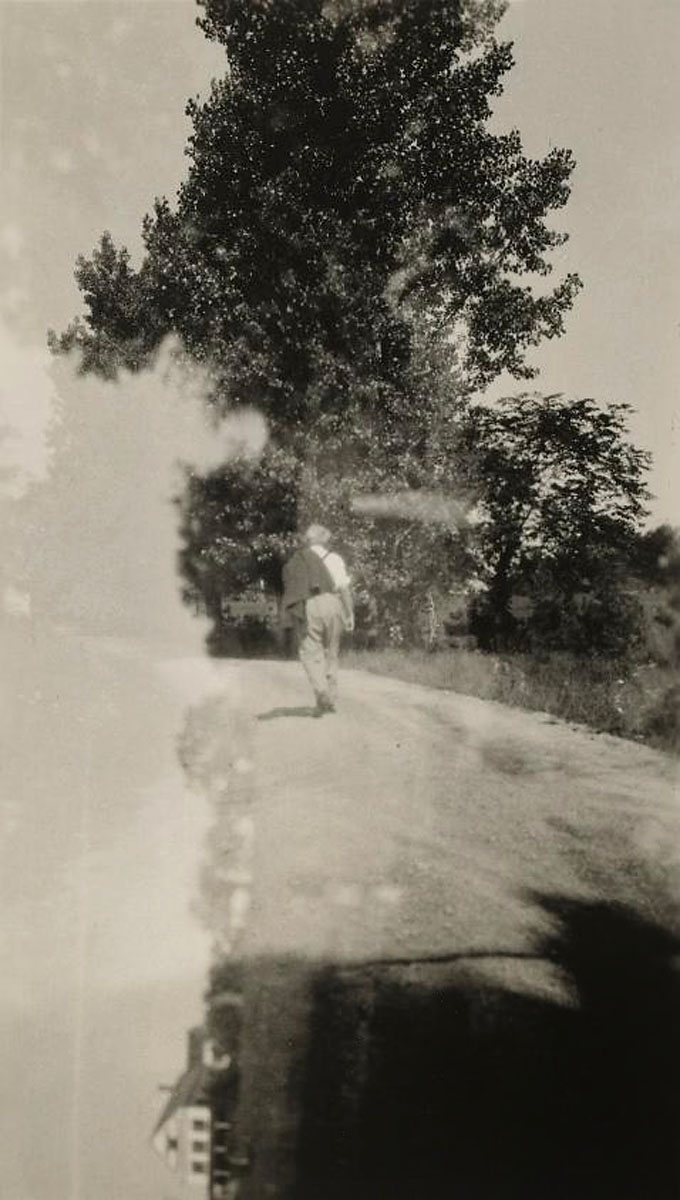
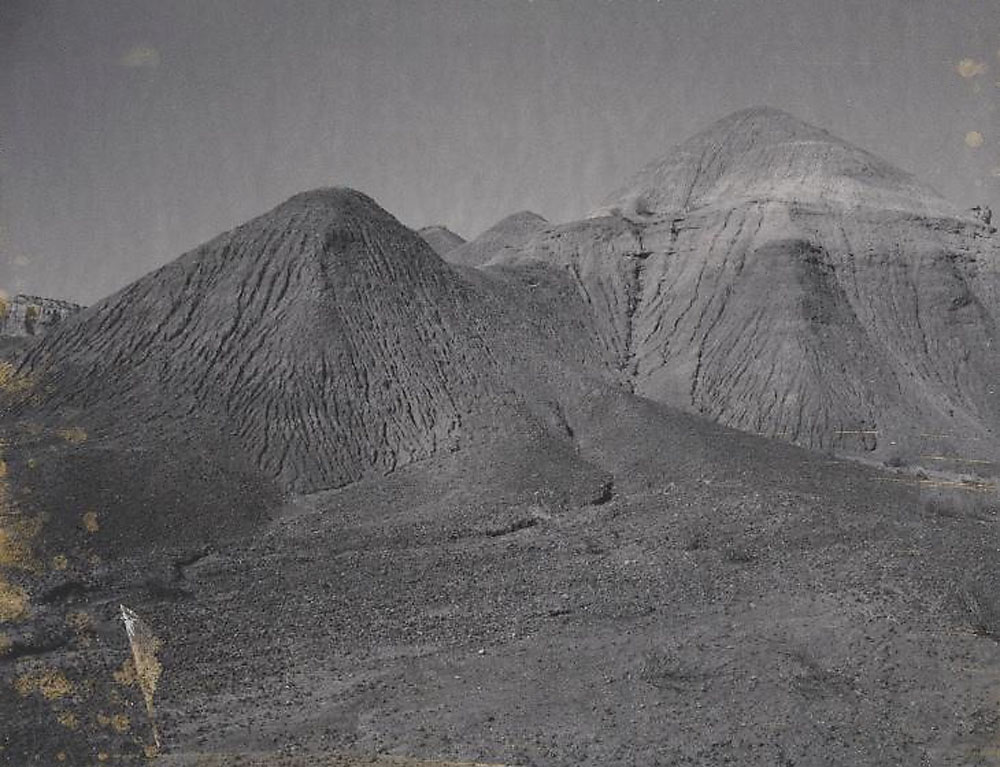
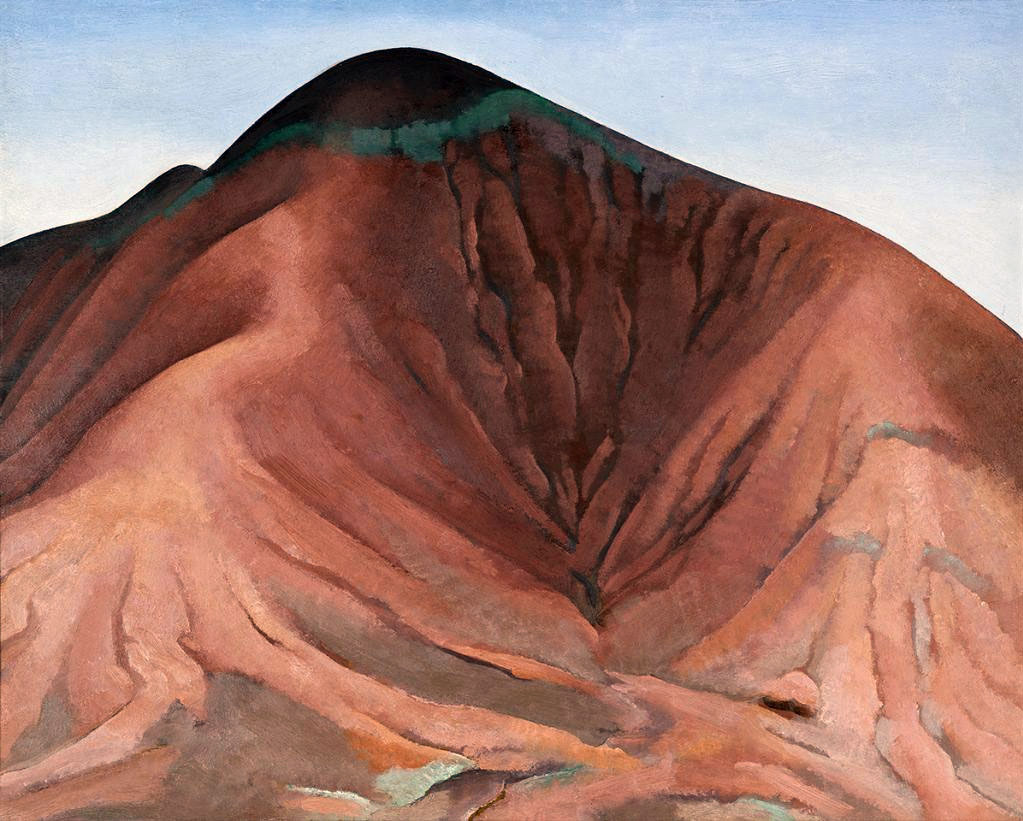
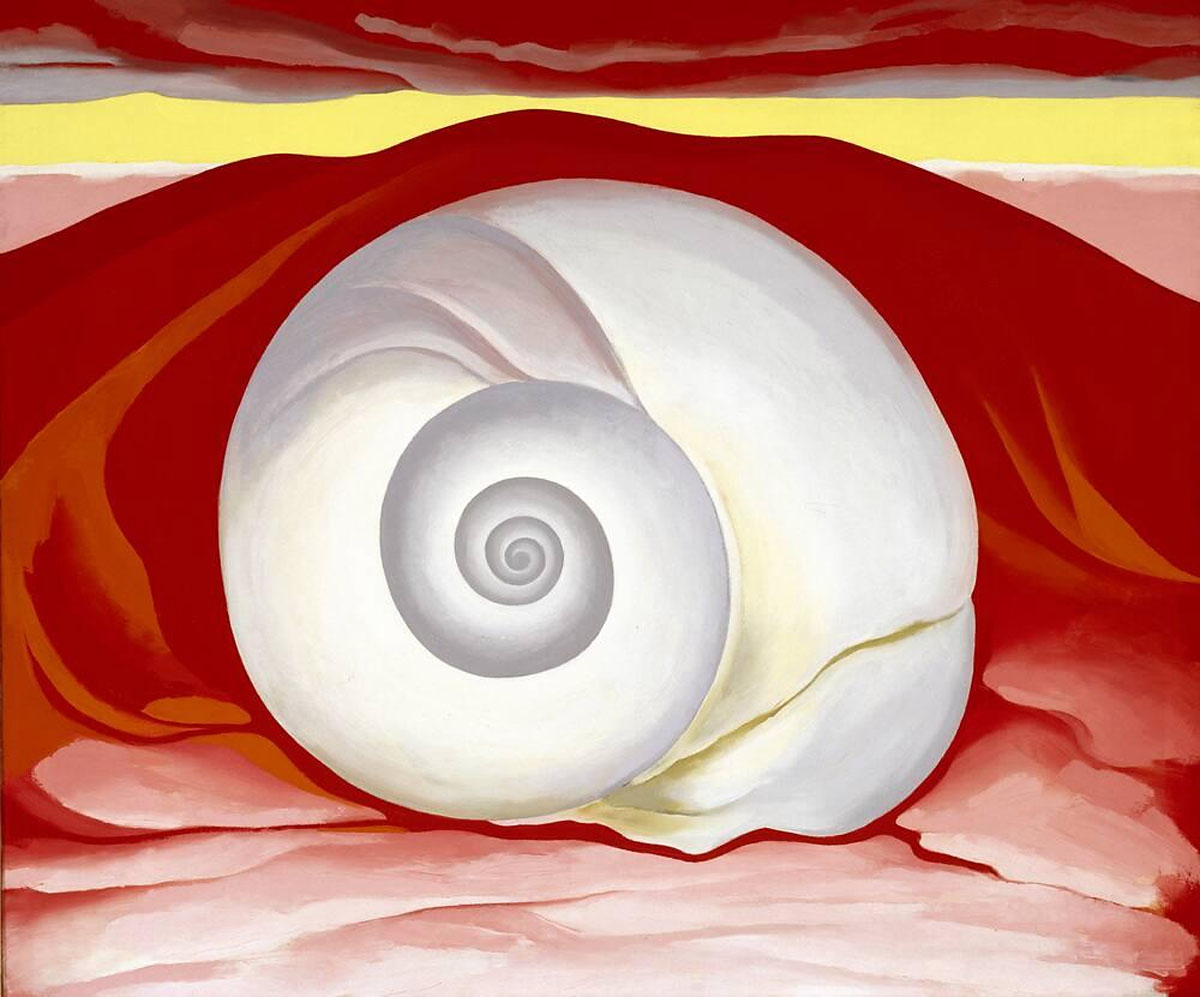
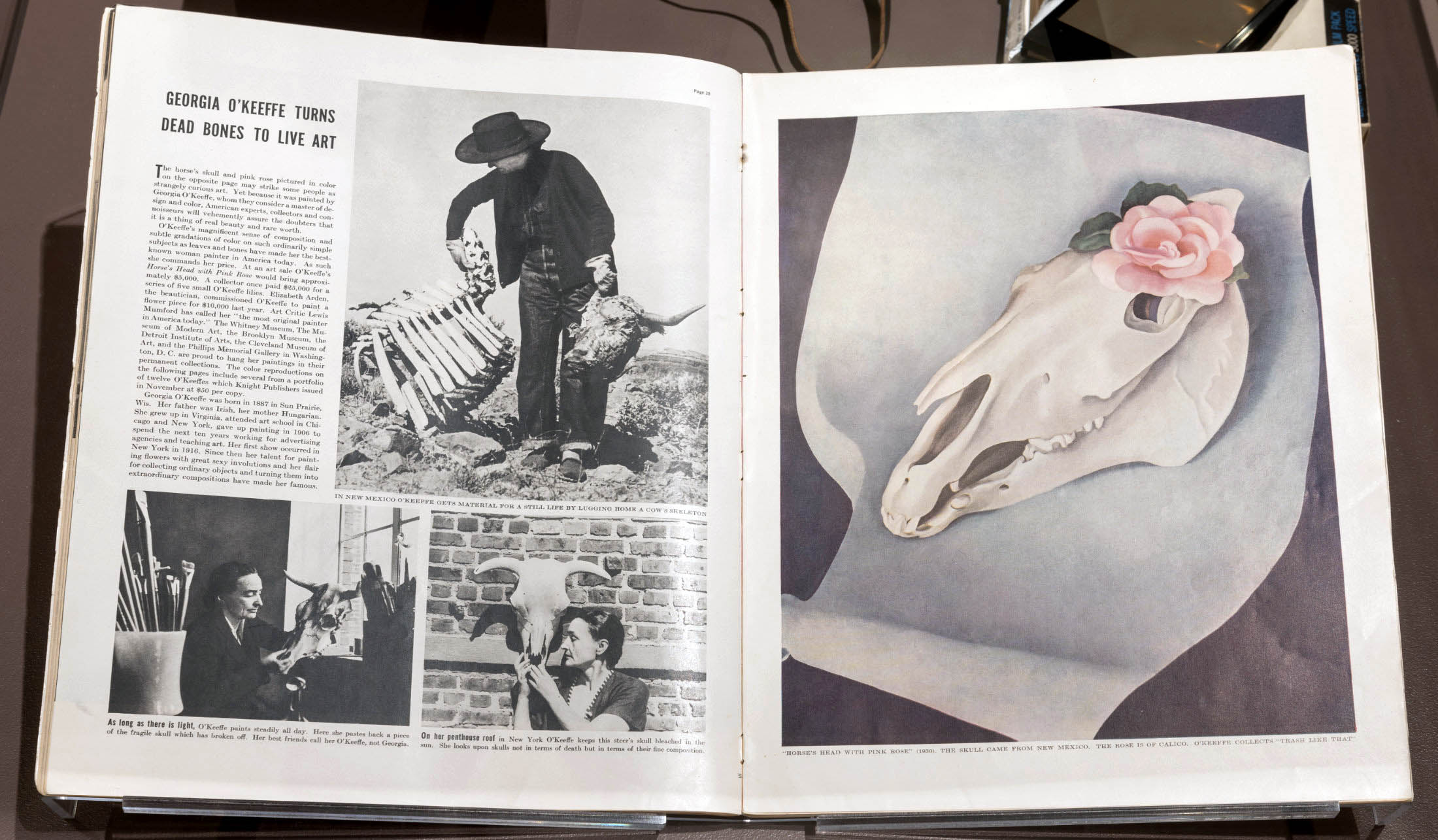
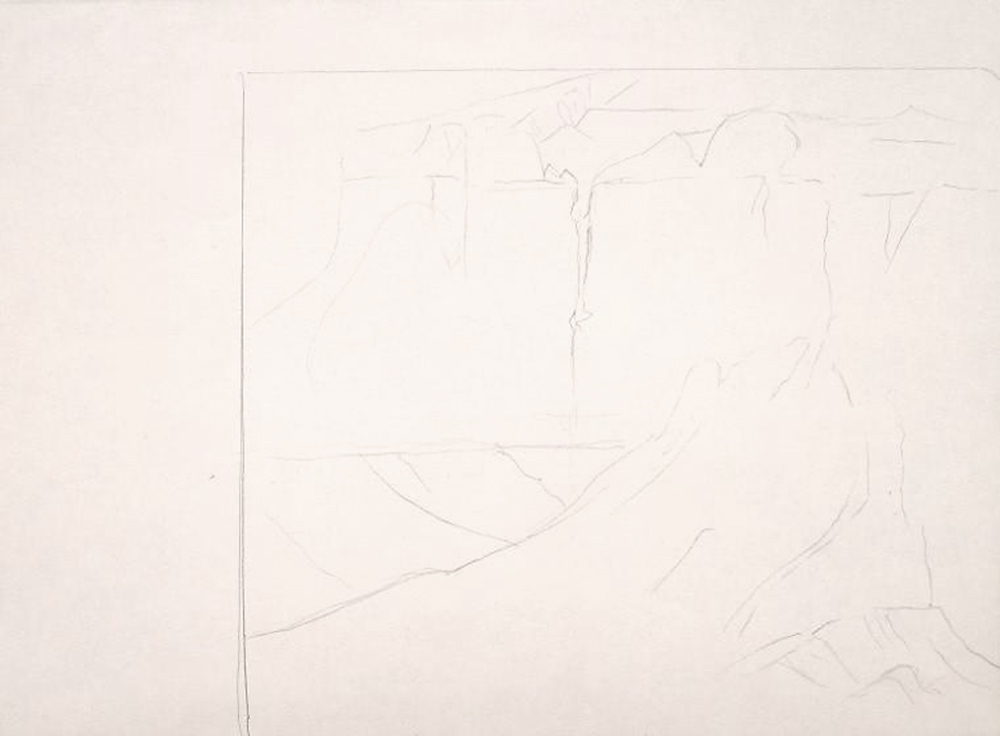
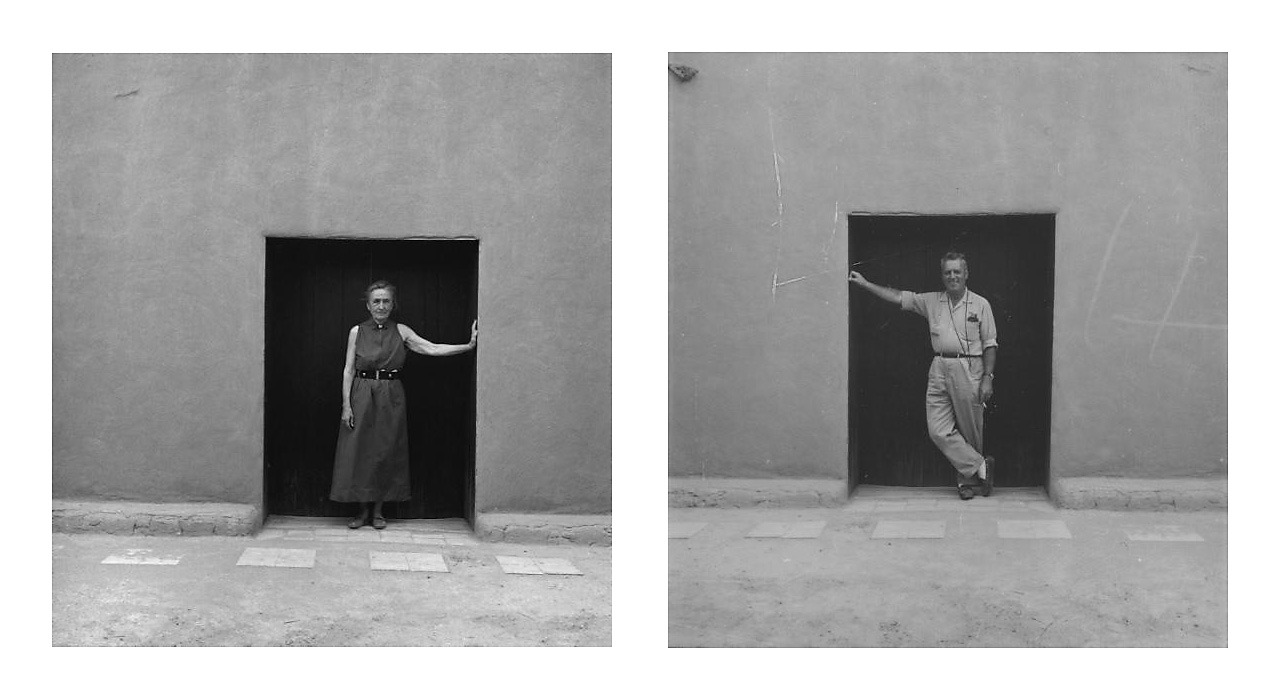
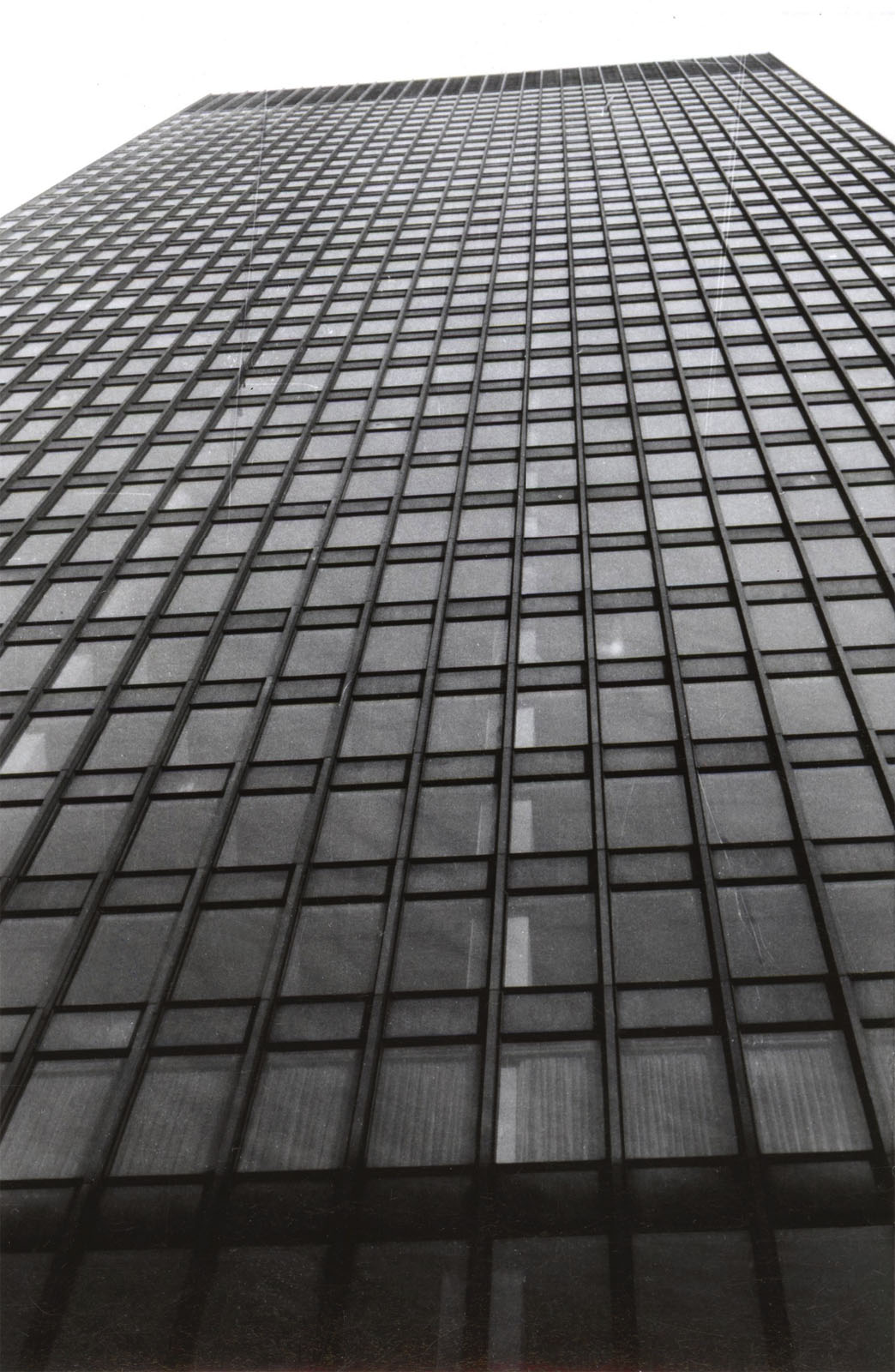

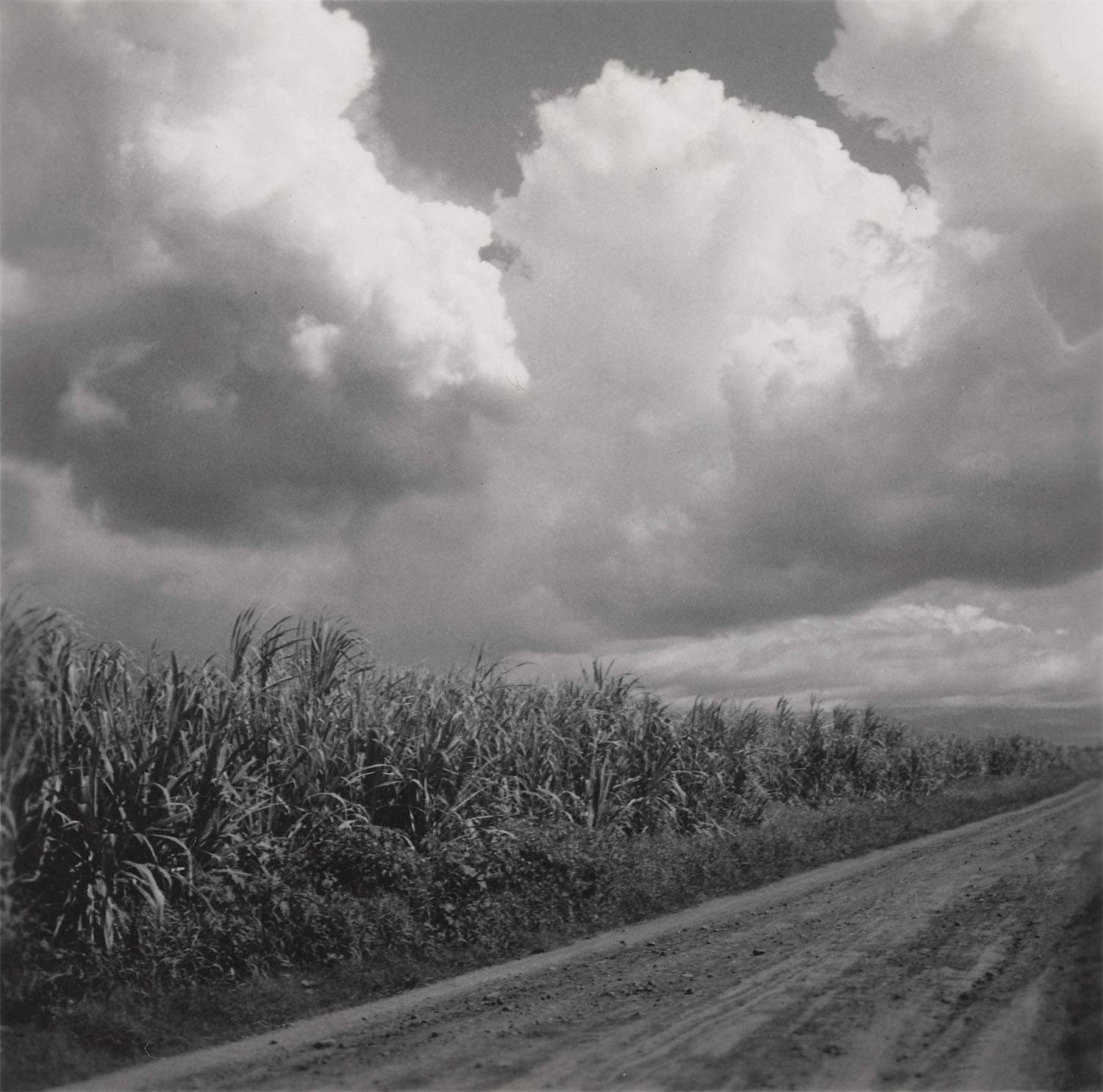
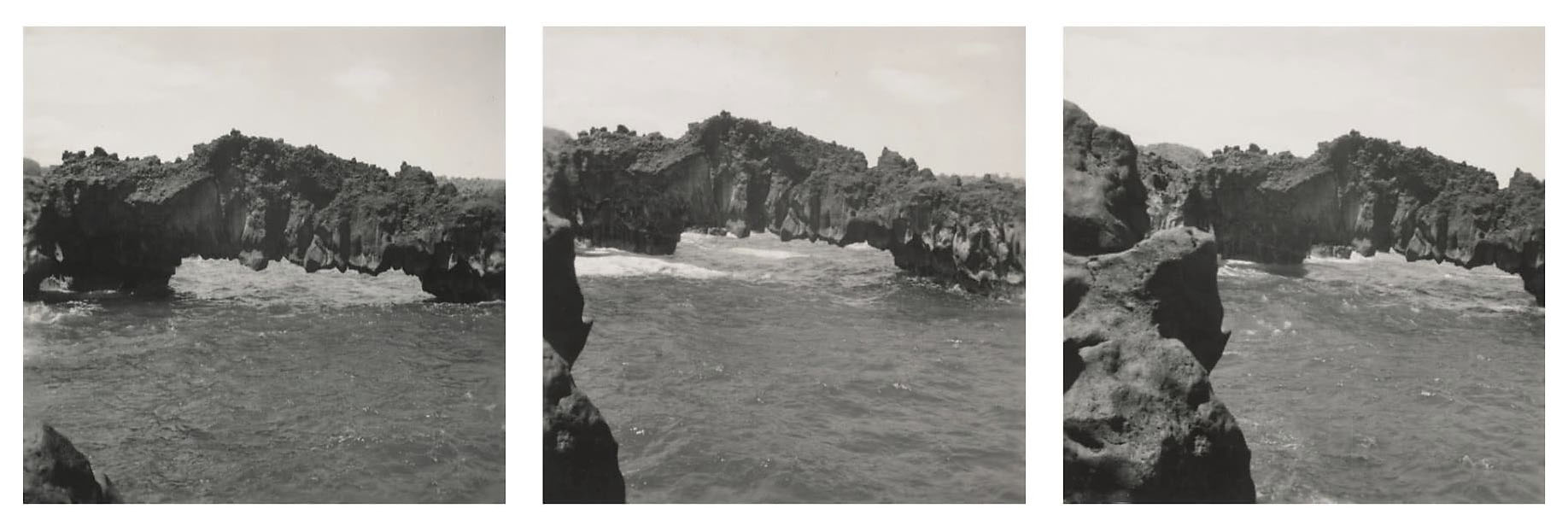
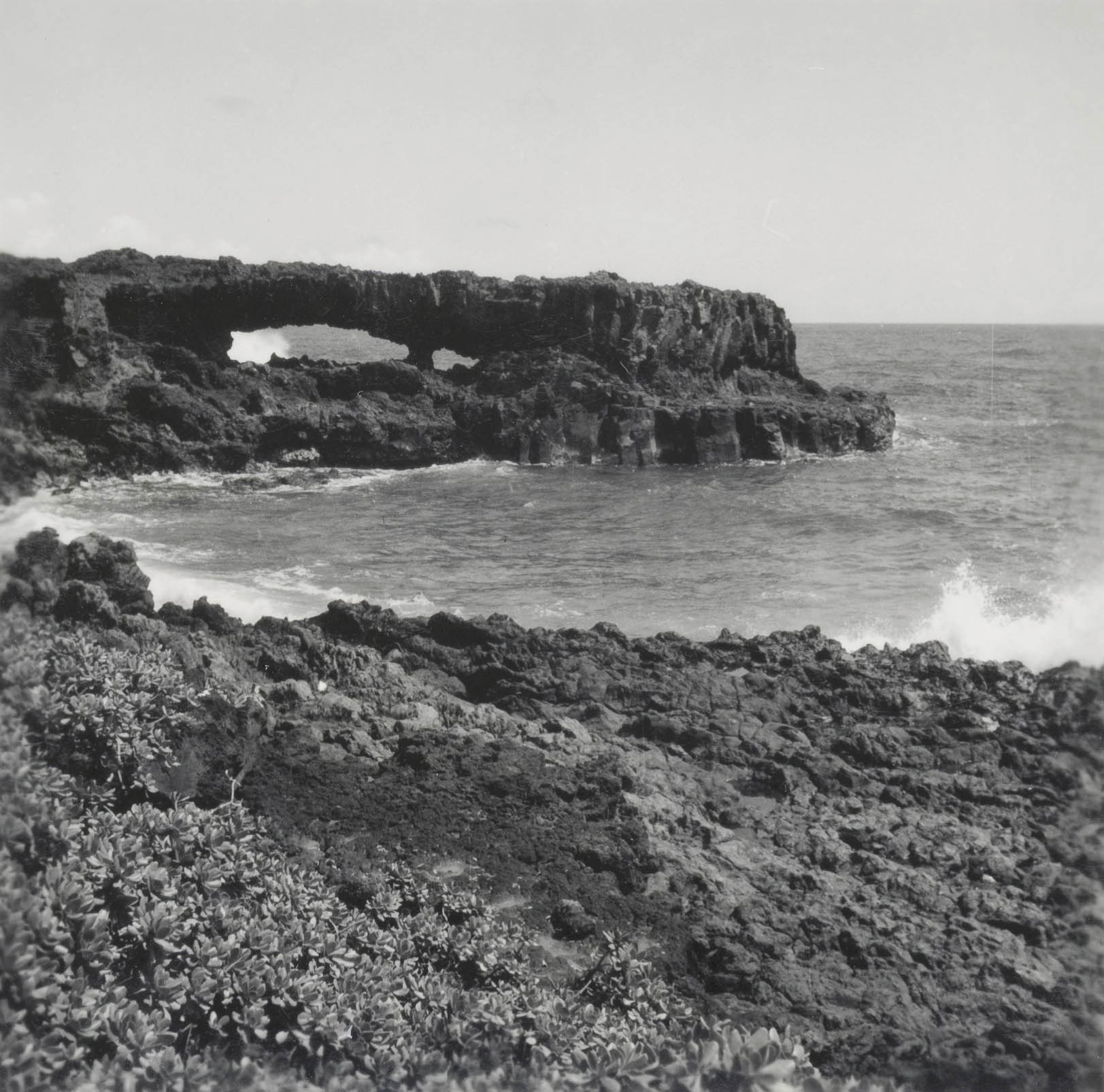
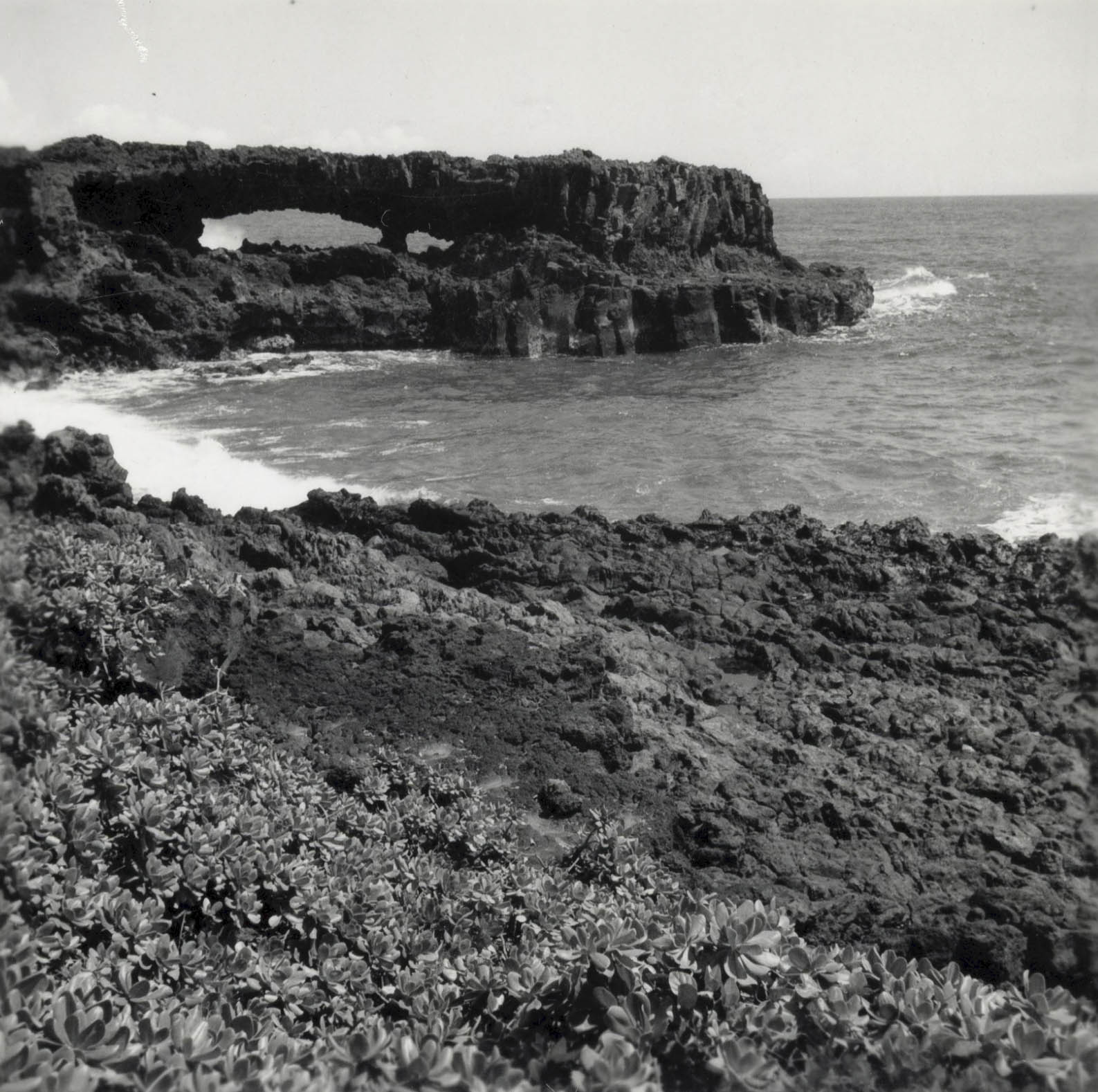
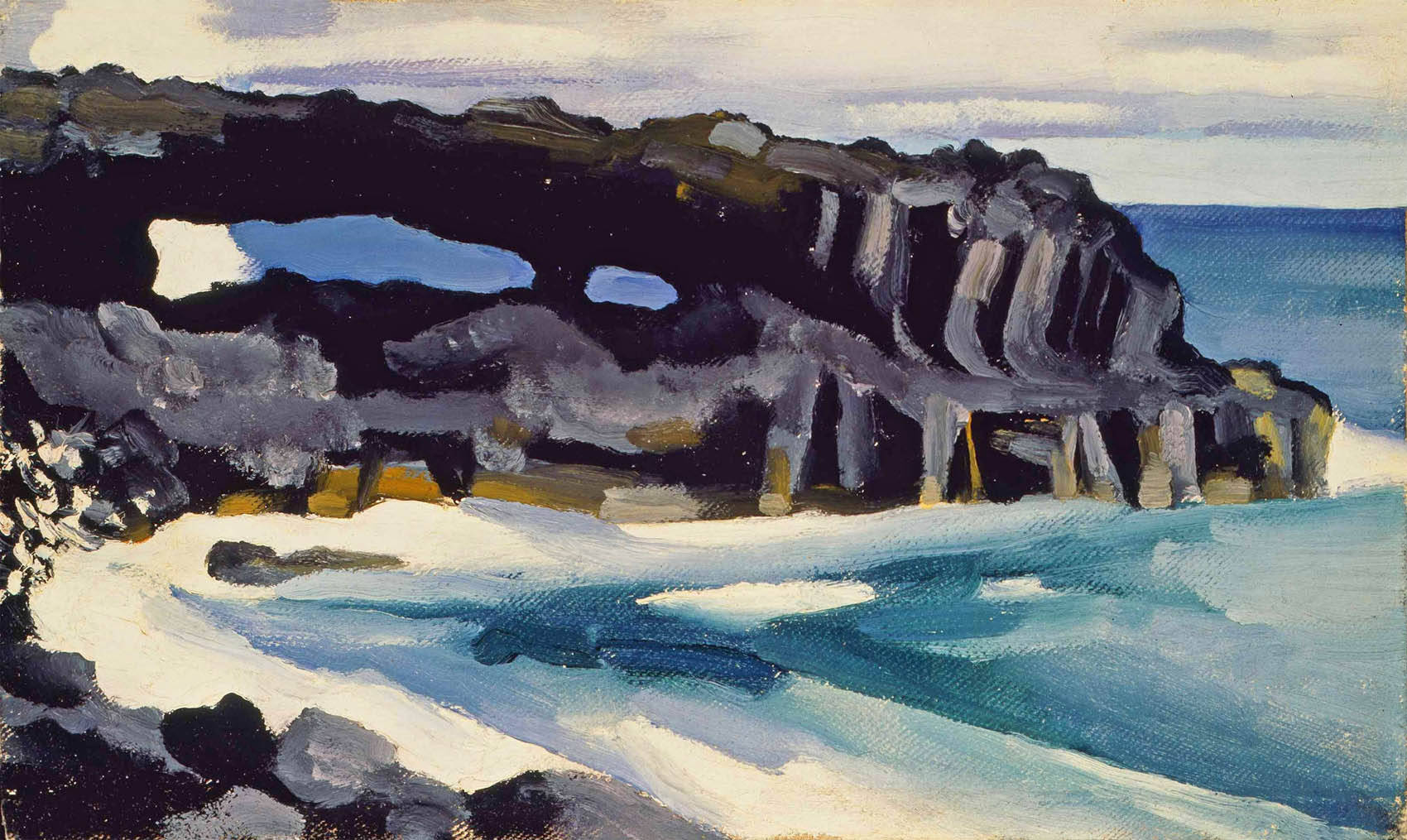
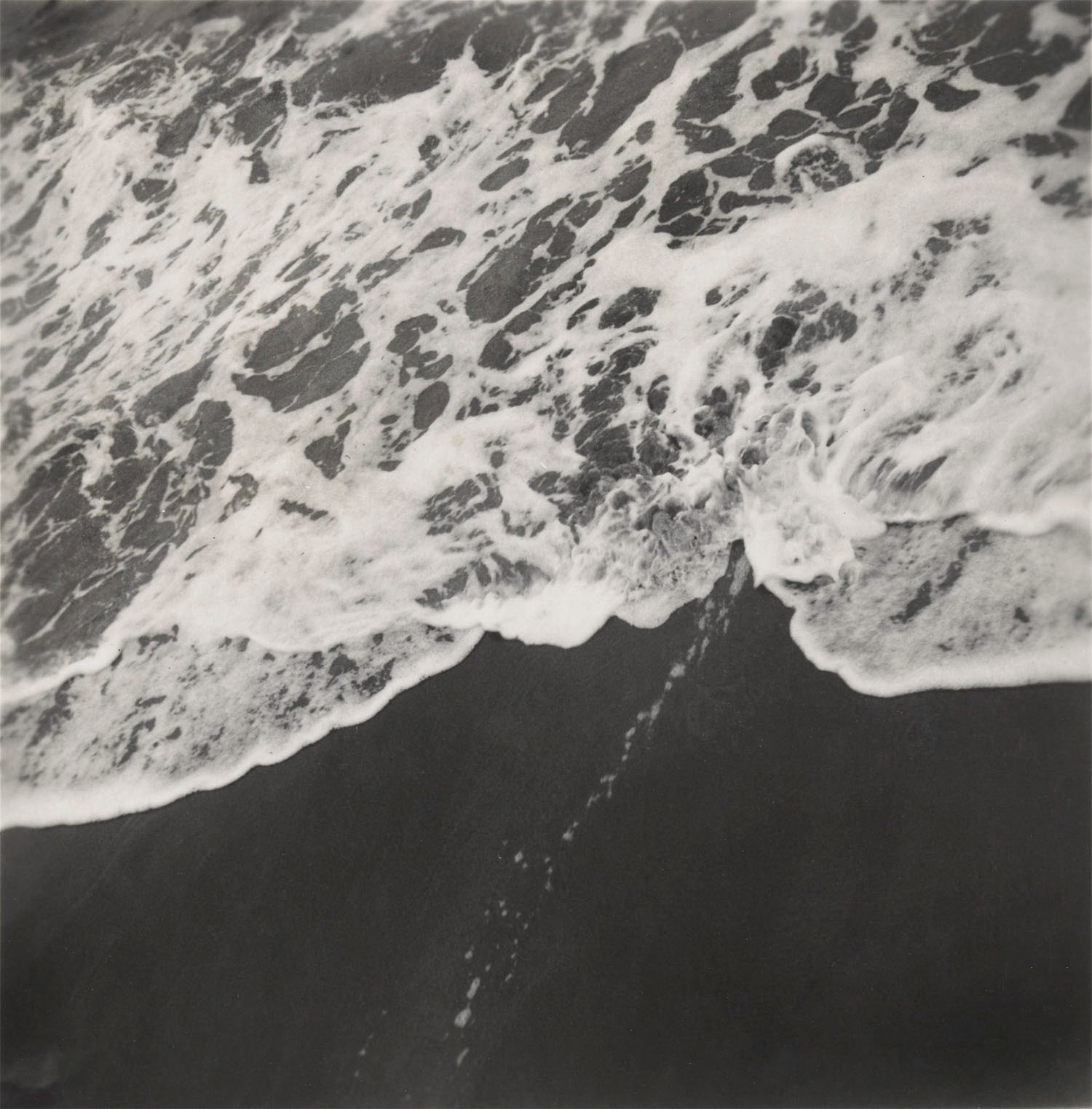
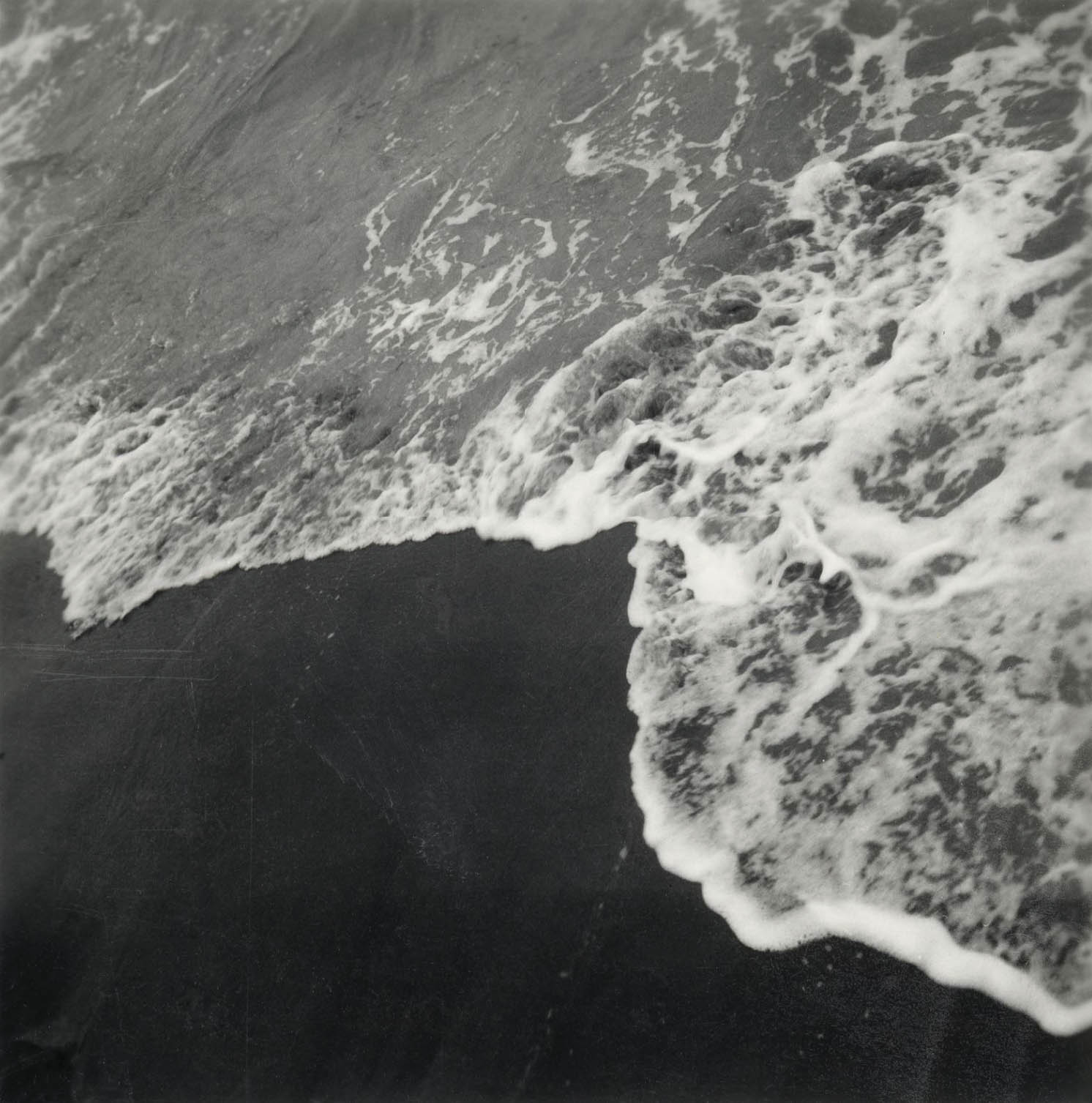


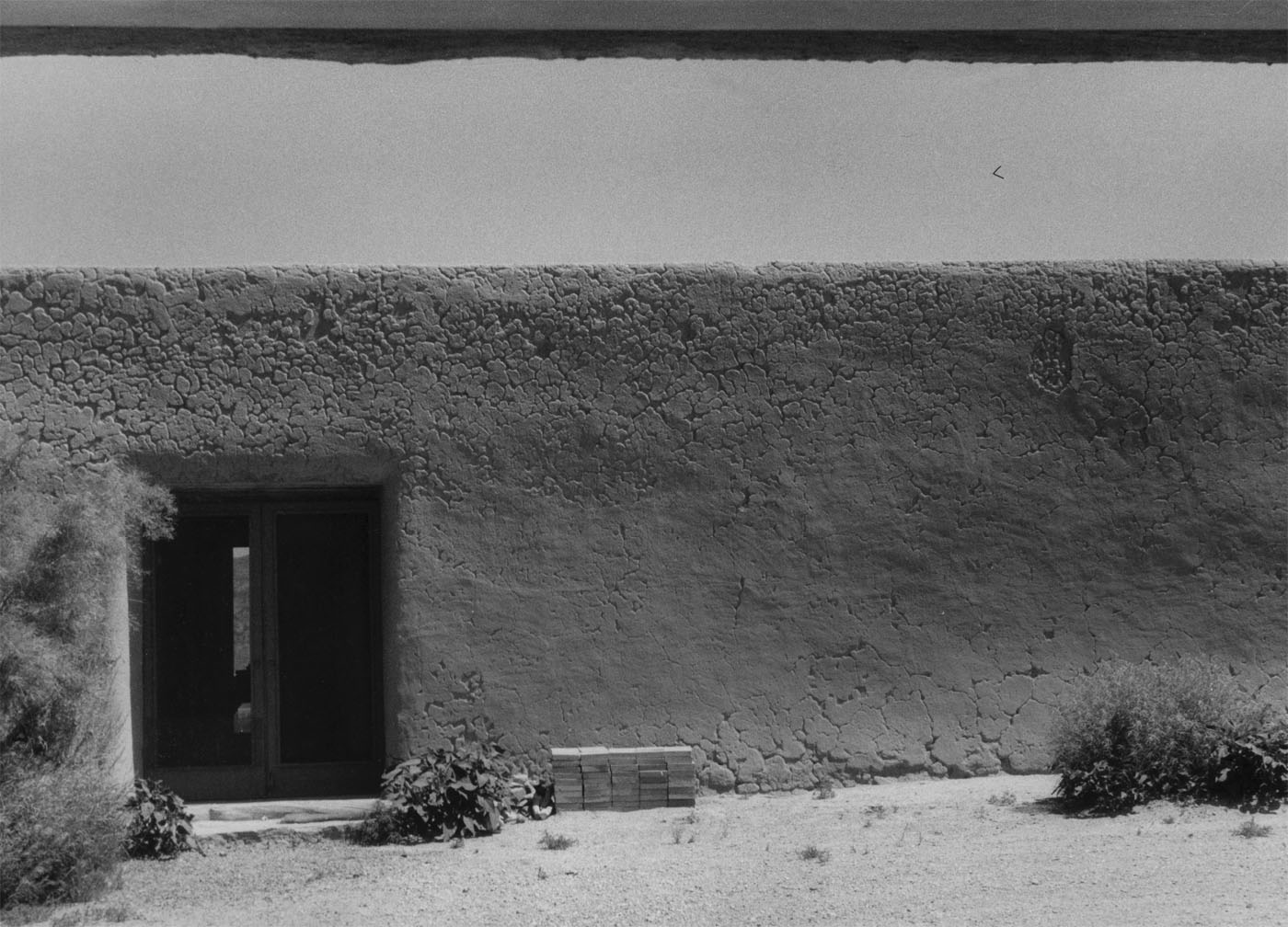

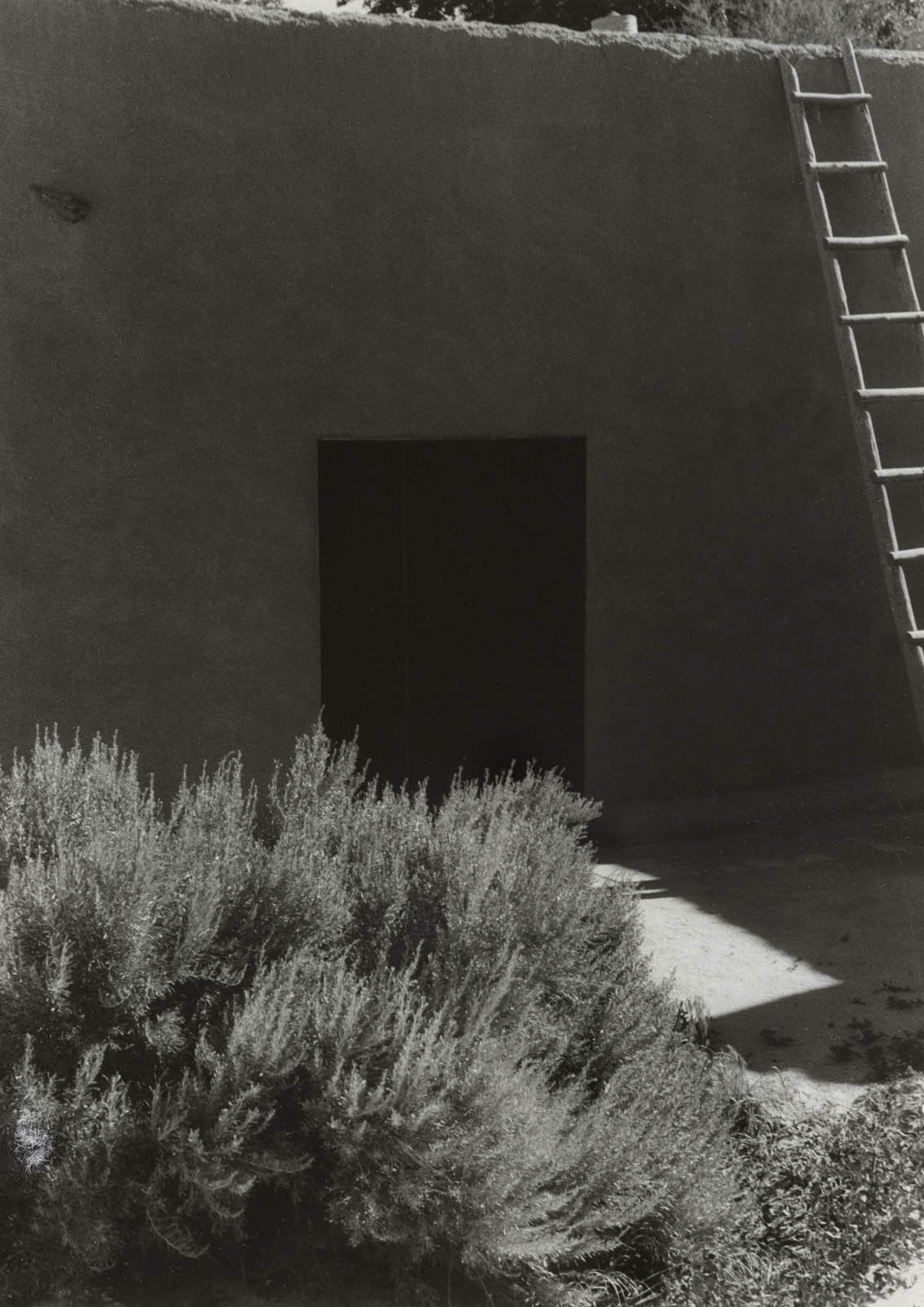


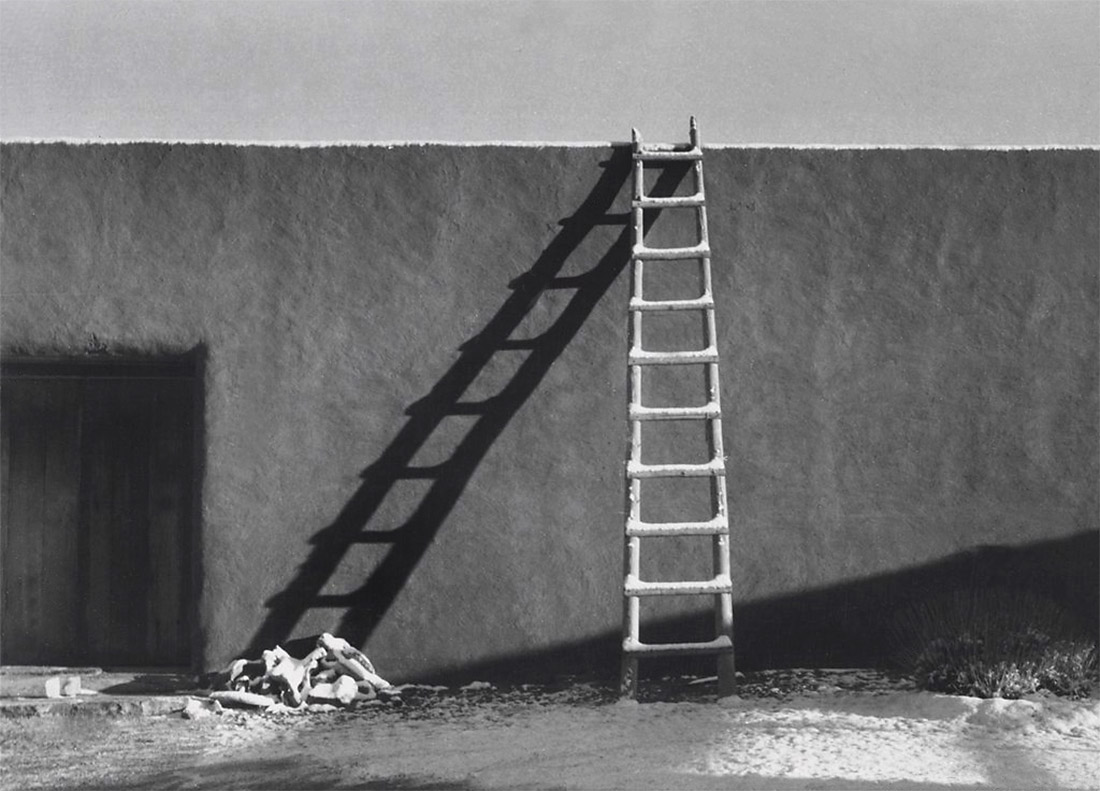

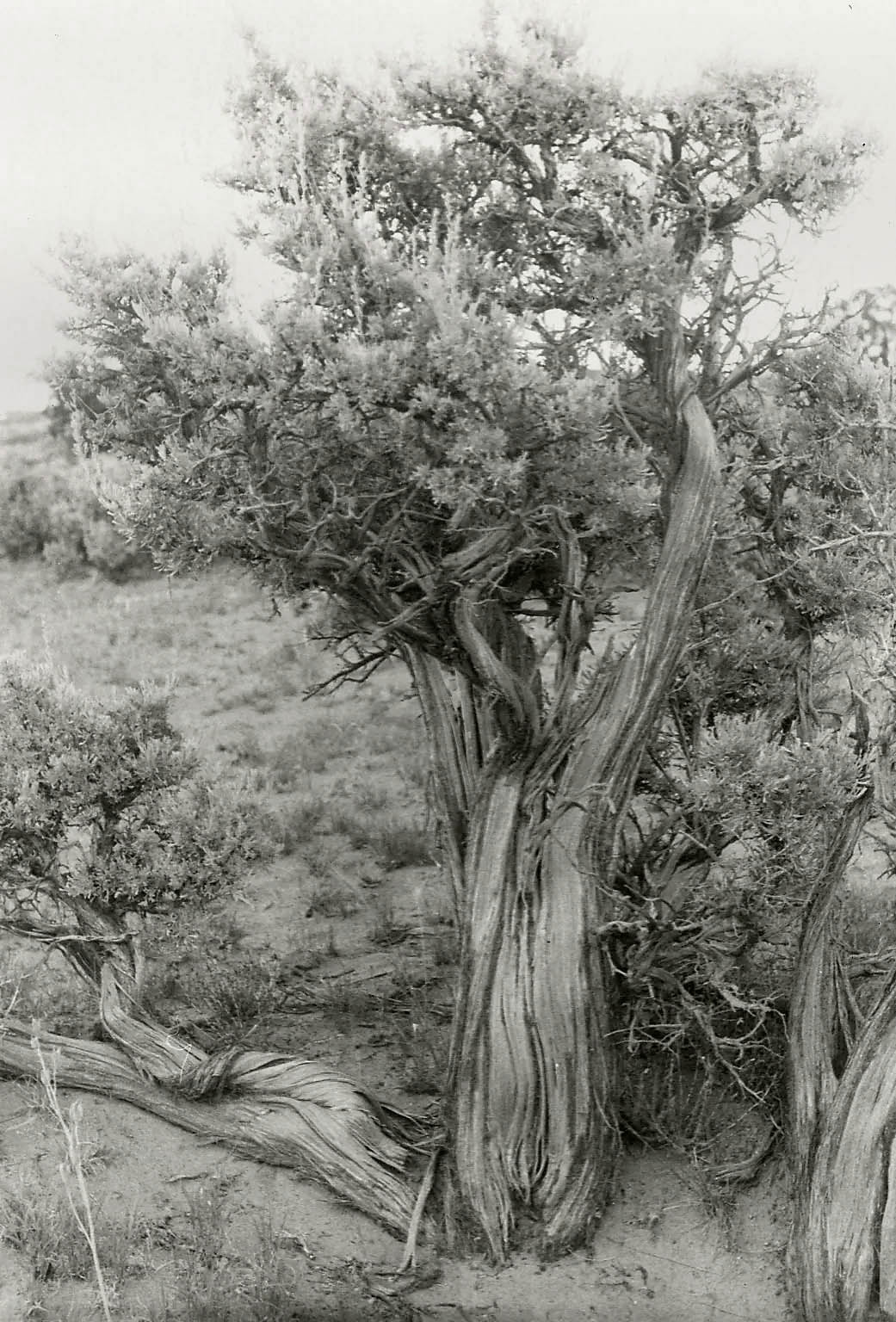


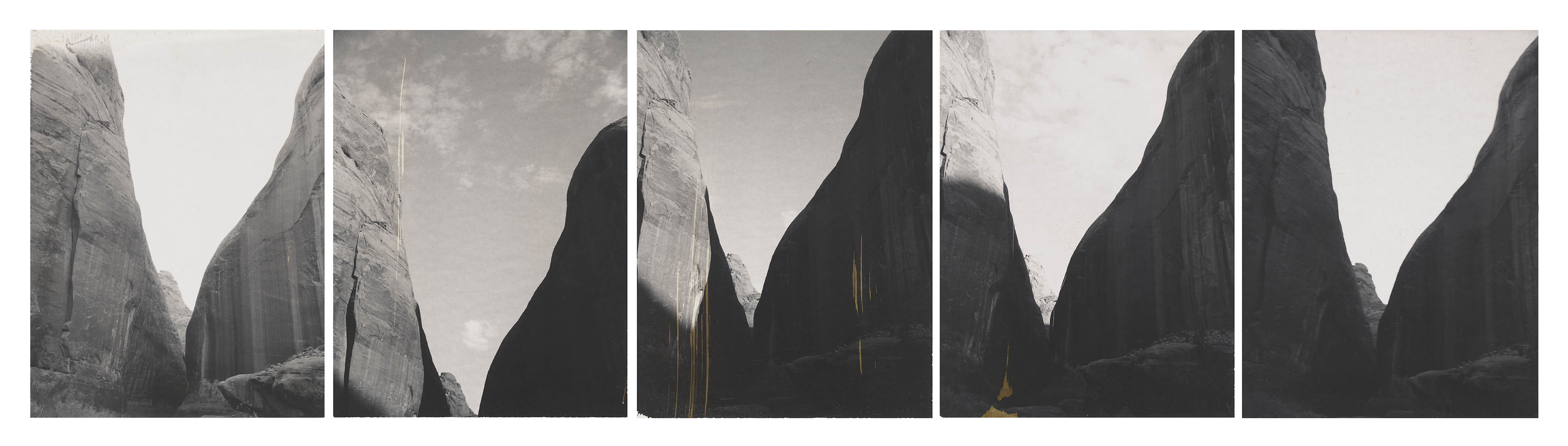
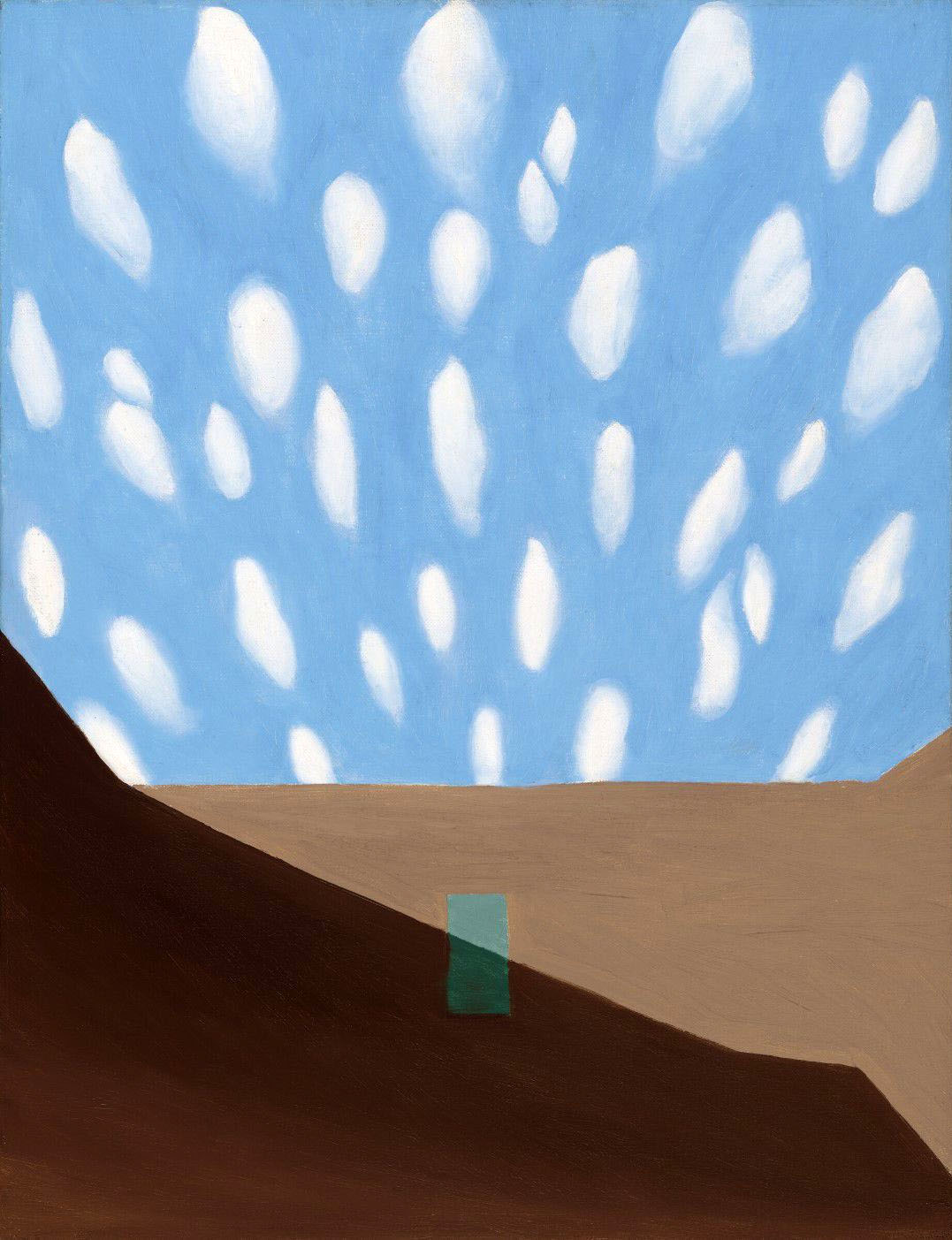

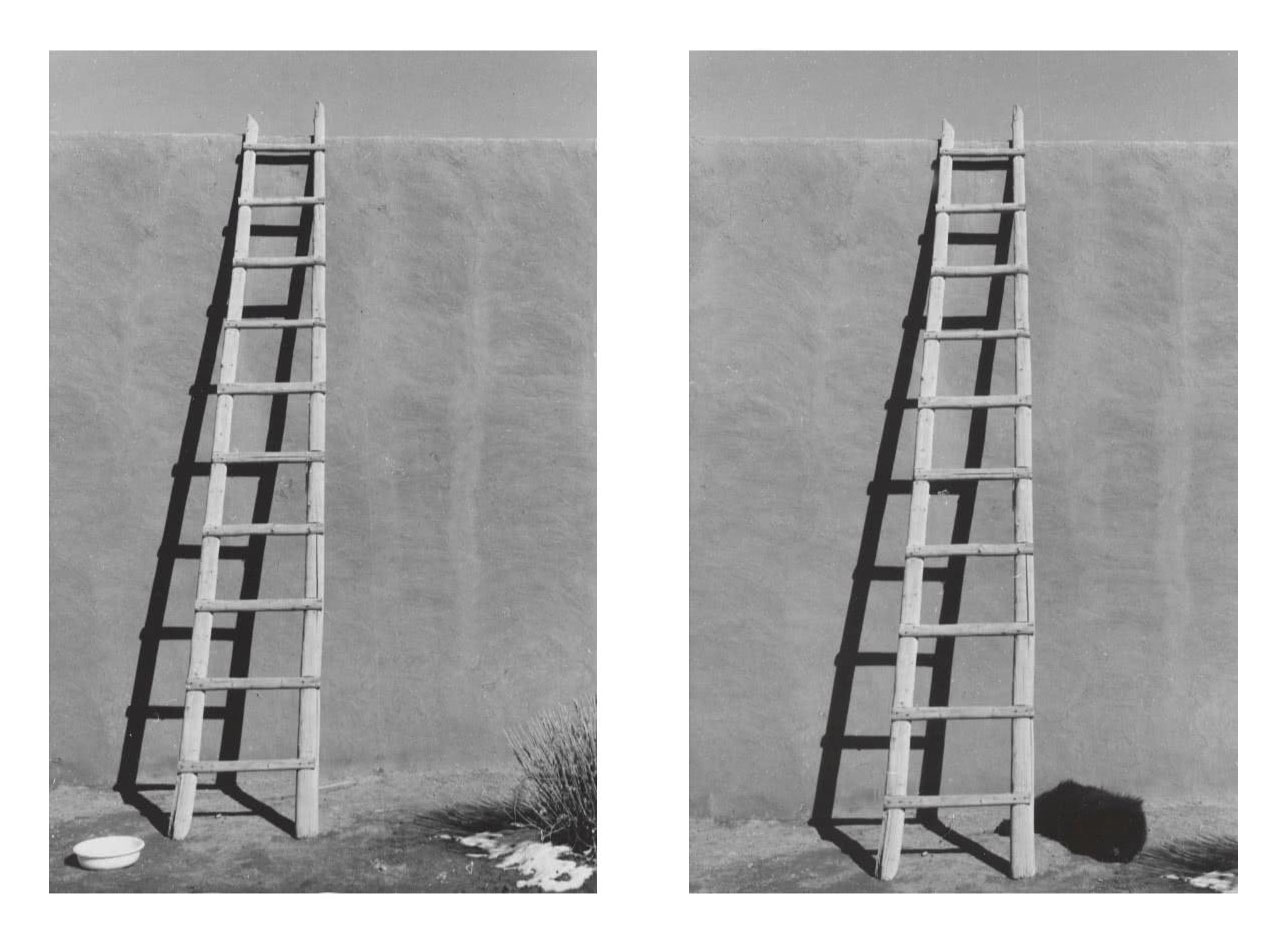
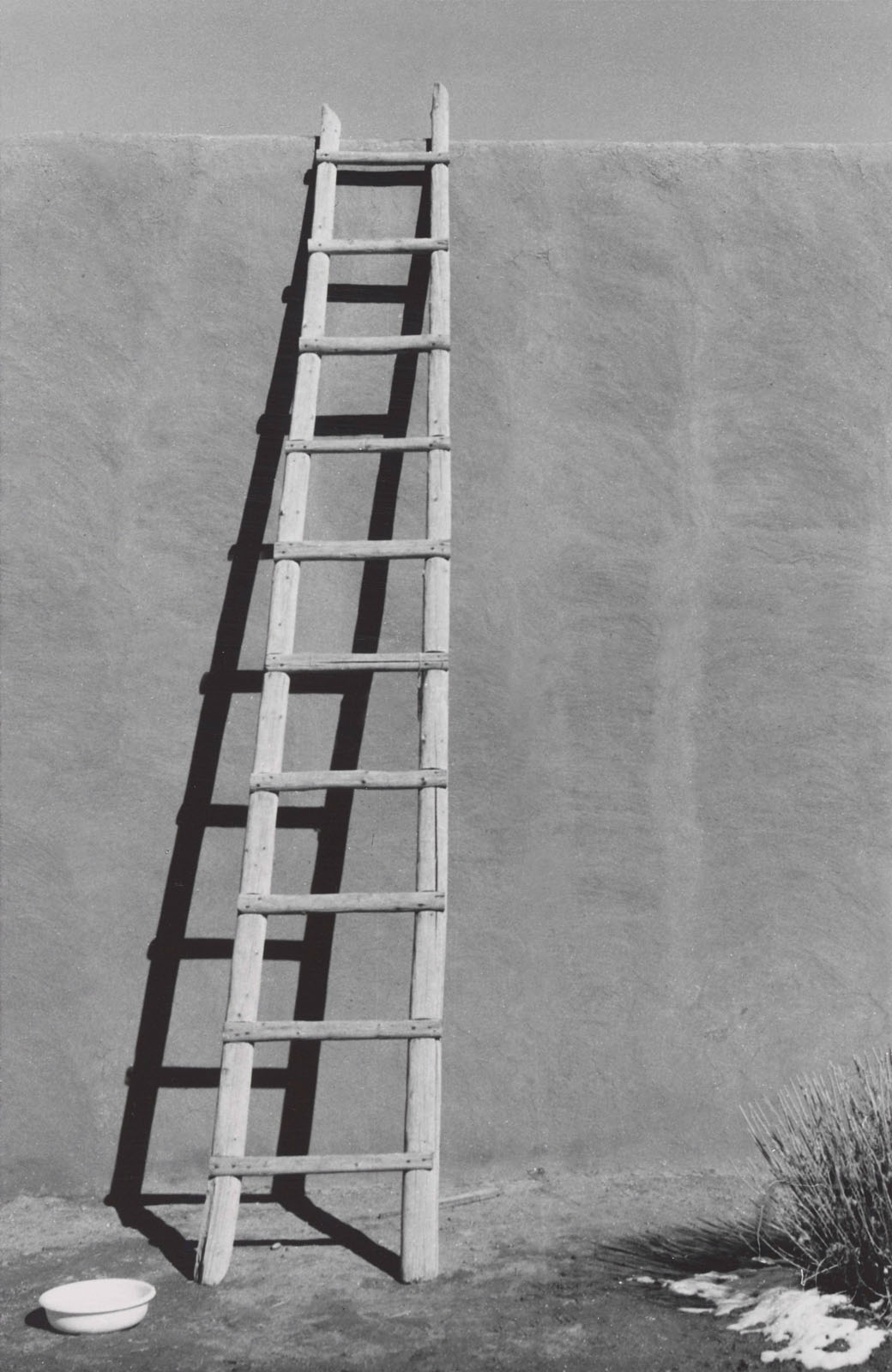
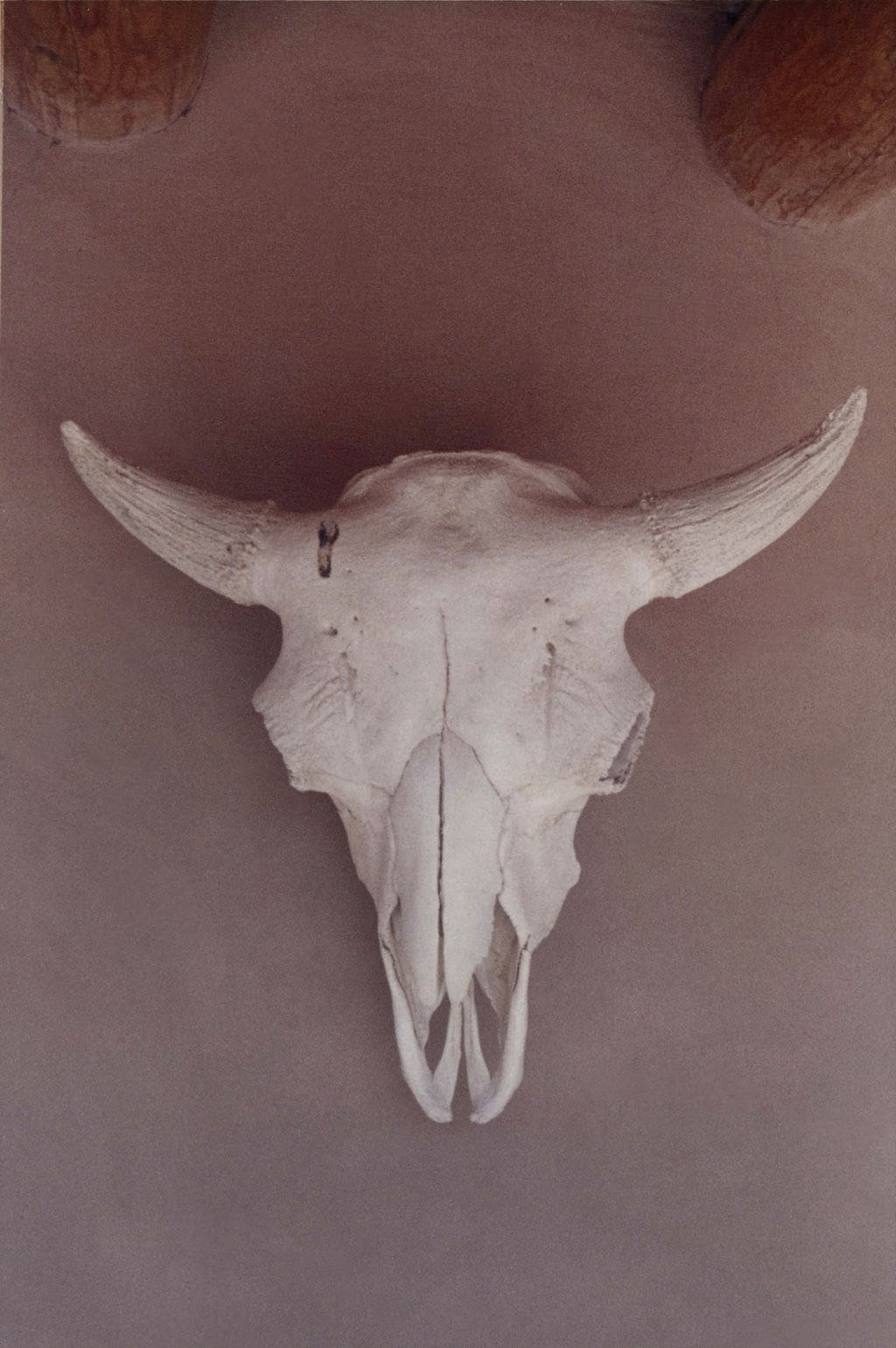


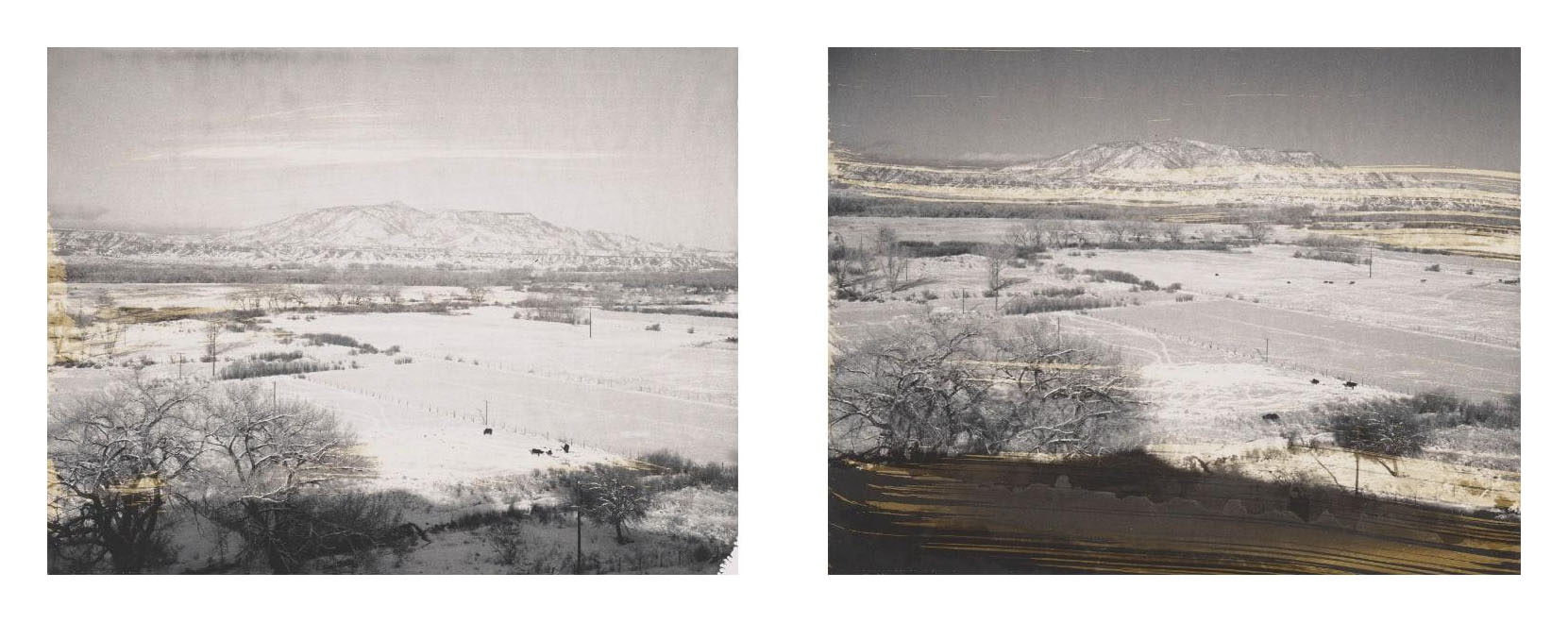
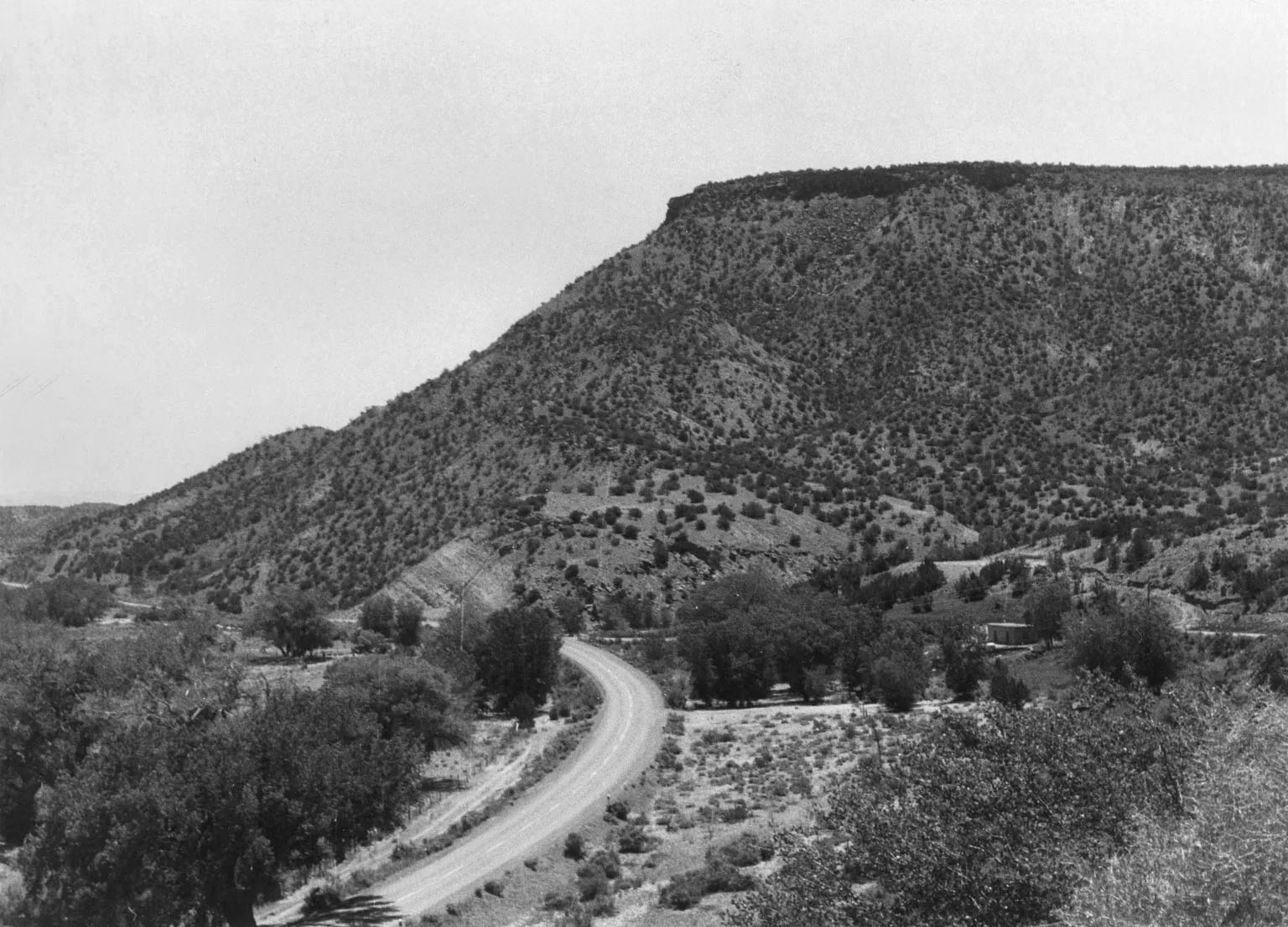
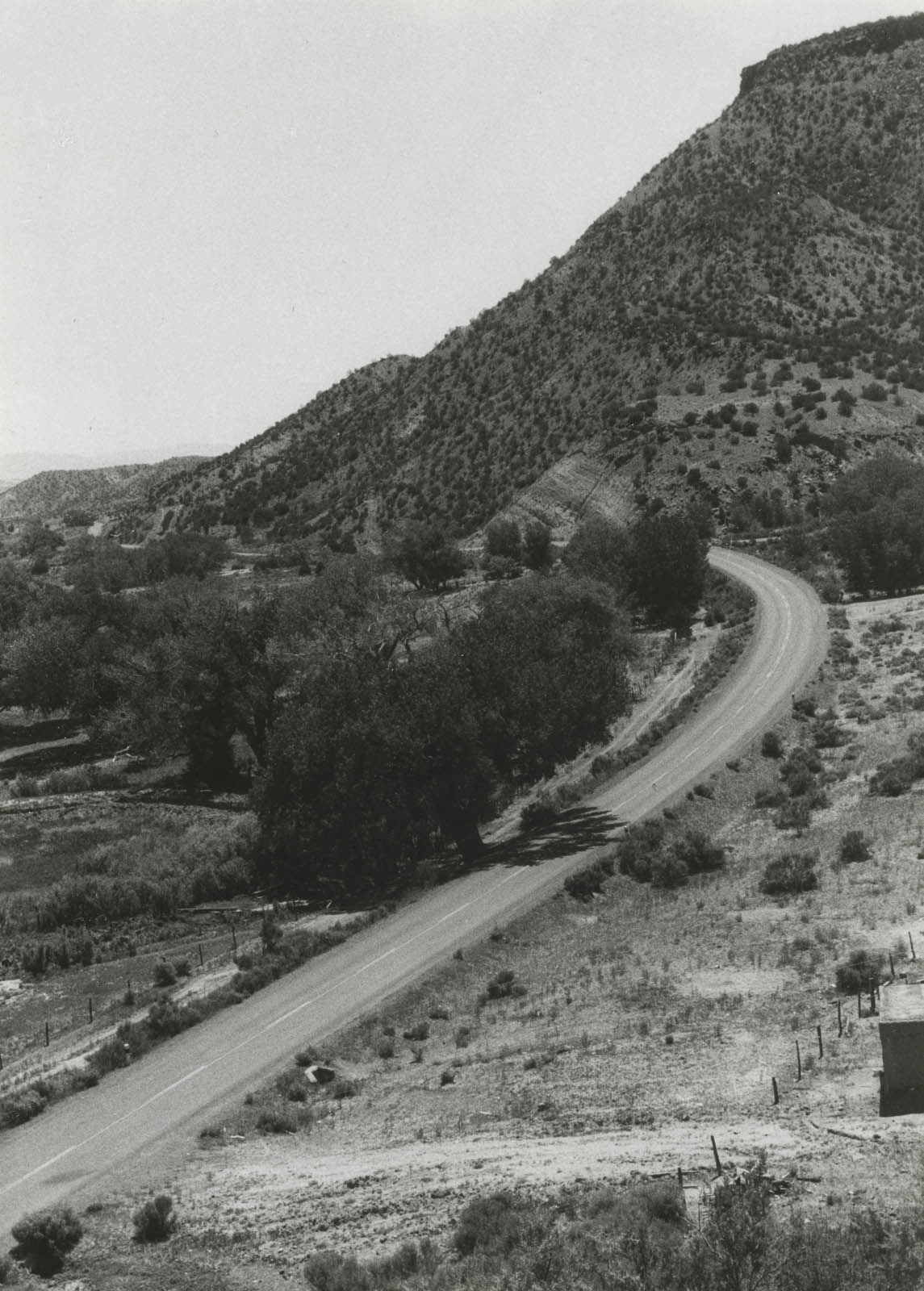
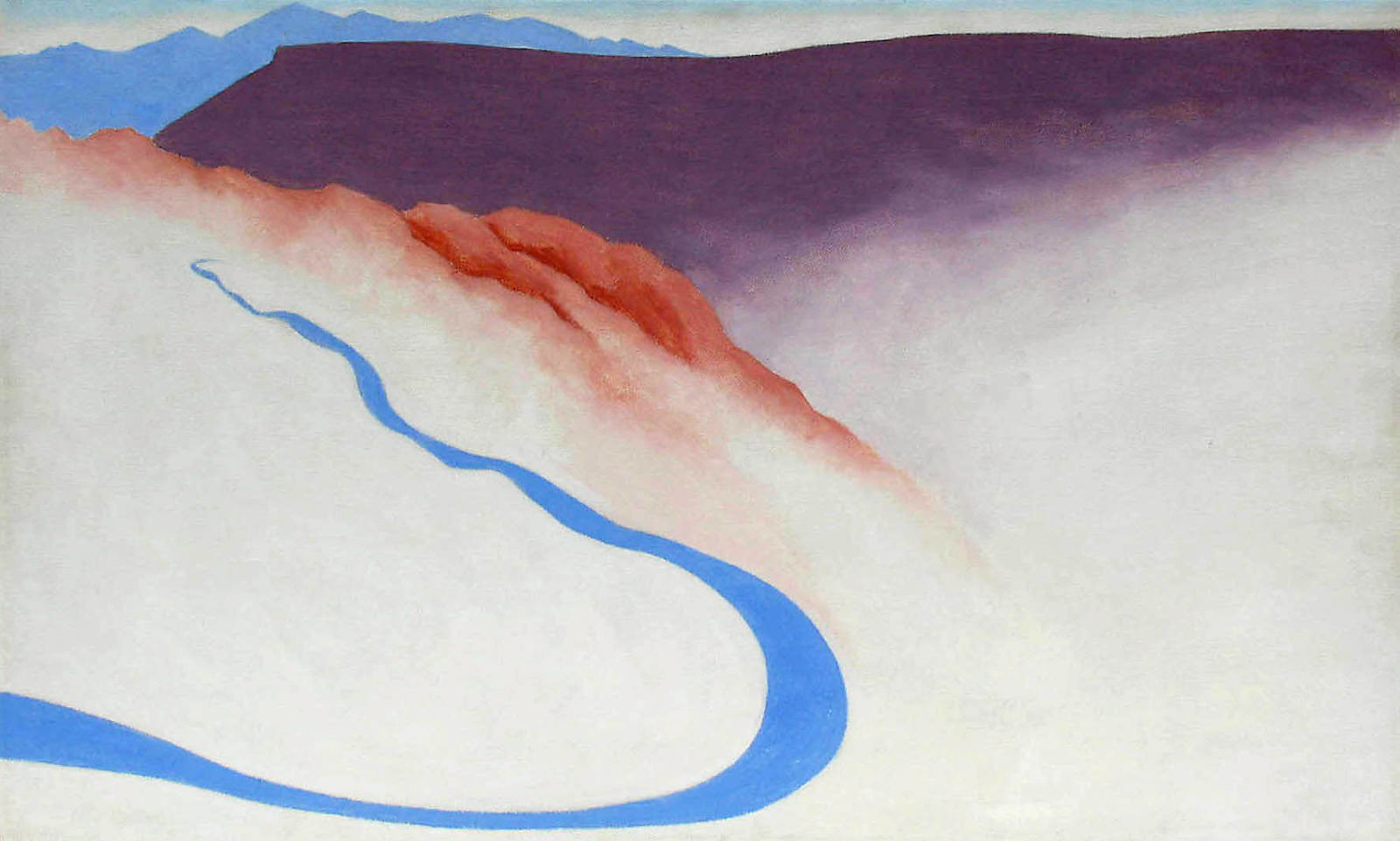
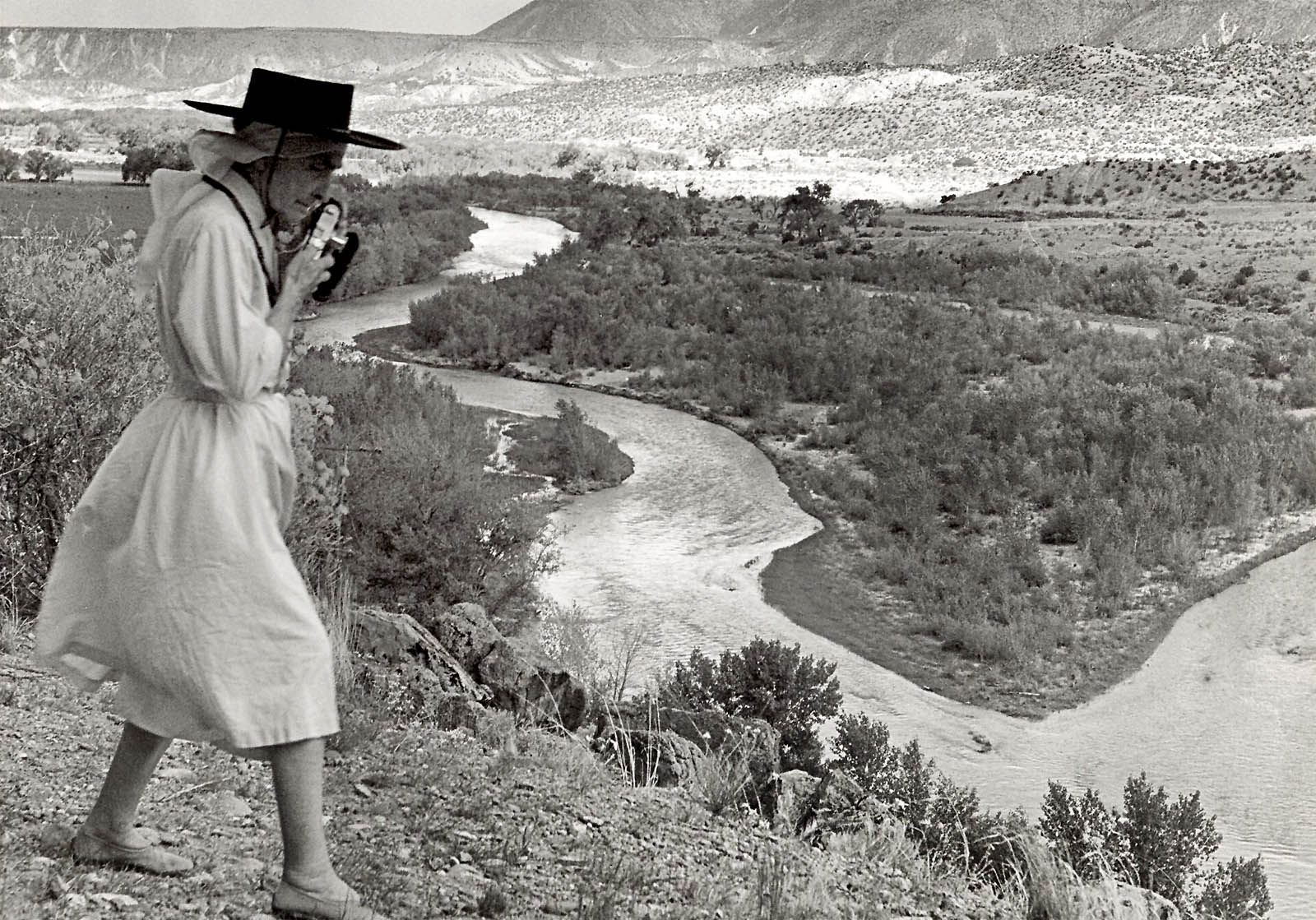
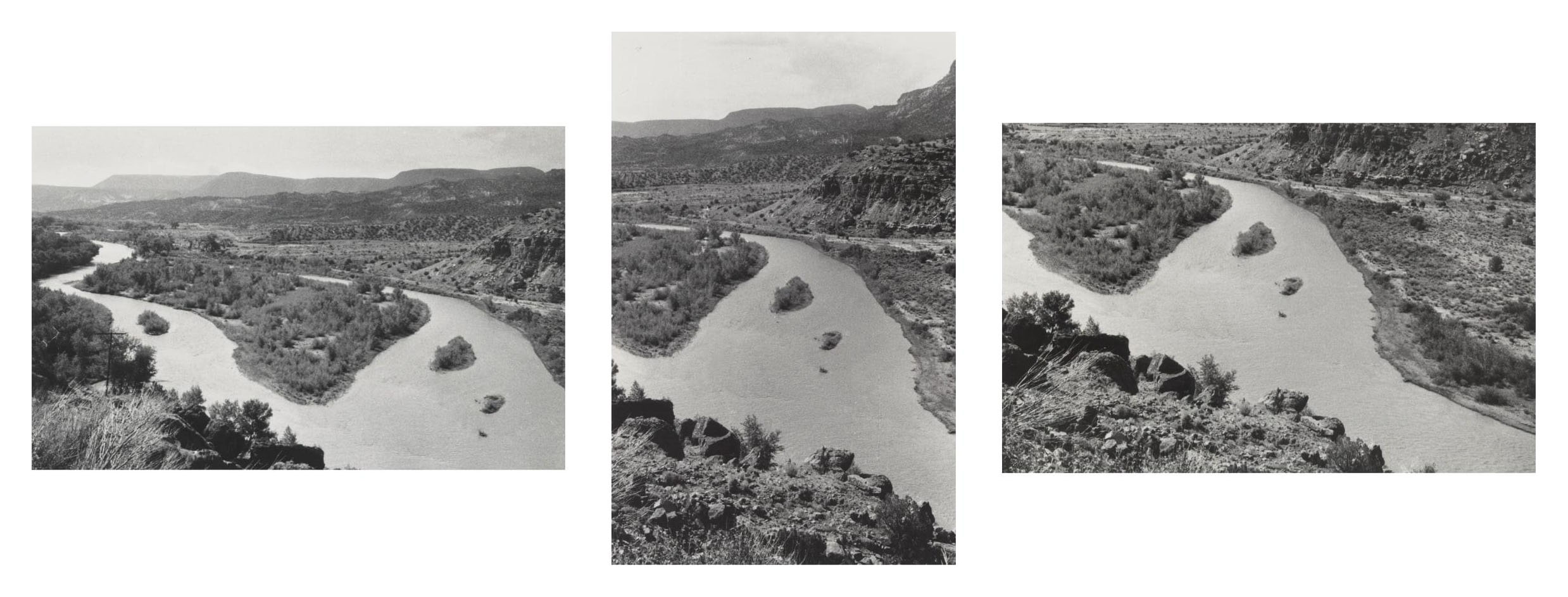


![Unidentified photographer (American). 'Untitled [Two Men in Work Clothes, Wearing Hats, One Standing, One Seated]' c. 1880 from the exhibition 'Called to the Camera: Black American Studio Photographers' at the New Orleans Museum of Art (NOMA), Sept 2022 - Jan 2023](https://artblart.com/wp-content/uploads/2022/11/83-60-4.jpg "Unidentified photographer (American). 'Untitled [Two Men in Work Clothes, Wearing Hats, One Standing, One Seated]' c. 1880 from the exhibition 'Called to the Camera: Black American Studio Photographers' at the New Orleans Museum of Art (NOMA), Sept 2022 - Jan 2023")



![Morgan and Marvin Smith (American, 1910-1993)(American, 1910-2003) 'Untitled [Marvin and Morgan Smith and Sarah Lou Harris Carter]' 1940](https://artblart.com/wp-content/uploads/2022/11/sp-2022-59-11.jpg "Morgan and Marvin Smith (American, 1910-1993)(American, 1910-2003) 'Untitled [Marvin and Morgan Smith and Sarah Lou Harris Carter]' 1940")


![Hooks Brothers Studio (Robert and Henry Hooks) 'Untitled [Man in Dollar Bill Suit with Congregation]' c. 1940](https://artblart.com/wp-content/uploads/2022/11/sp-2022-63-20.jpg "Hooks Brothers Studio (Robert and Henry Hooks) 'Untitled [Man in Dollar Bill Suit with Congregation]' c. 1940")
![Hooks Brothers Studio (Robert and Henry Hooks) 'Untitled [Students looking at photographs]' c. 1950](https://artblart.com/wp-content/uploads/2022/11/sp-2022-63-26.jpg "Hooks Brothers Studio (Robert and Henry Hooks) 'Untitled [Students looking at photographs]' c. 1950")






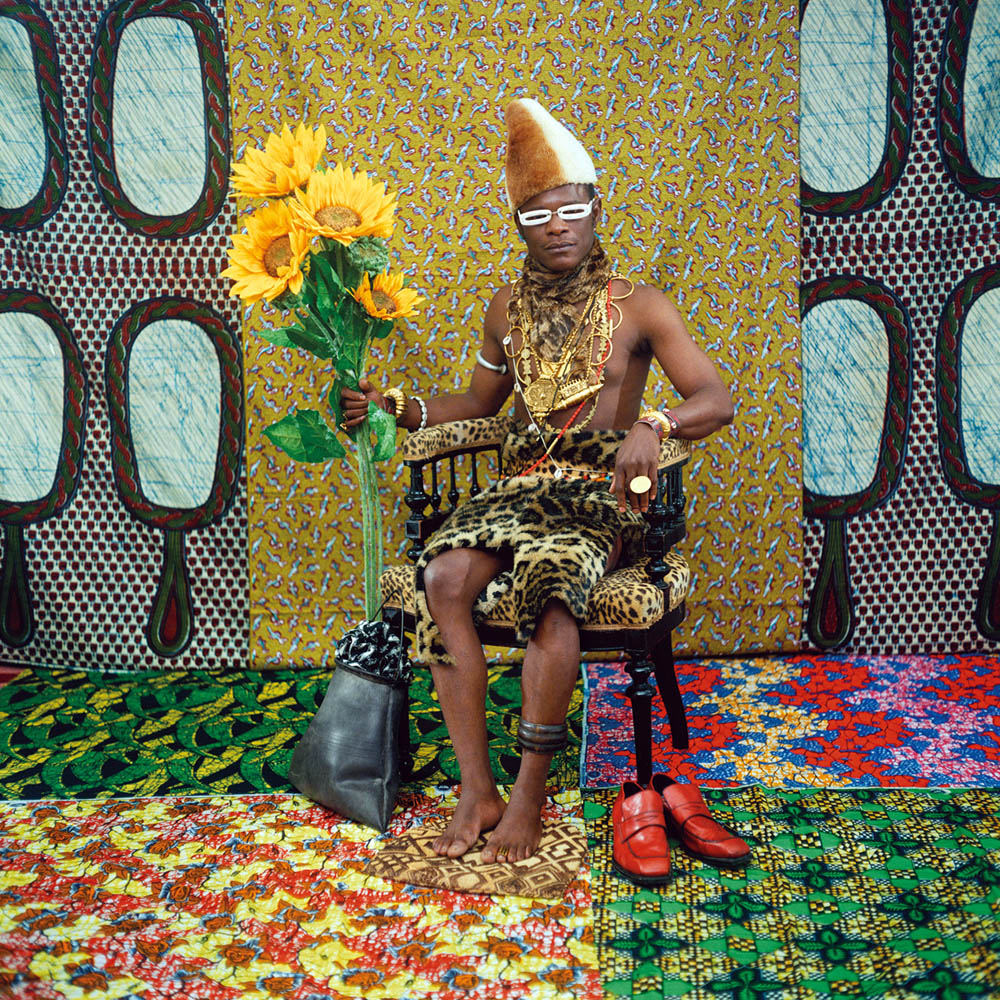


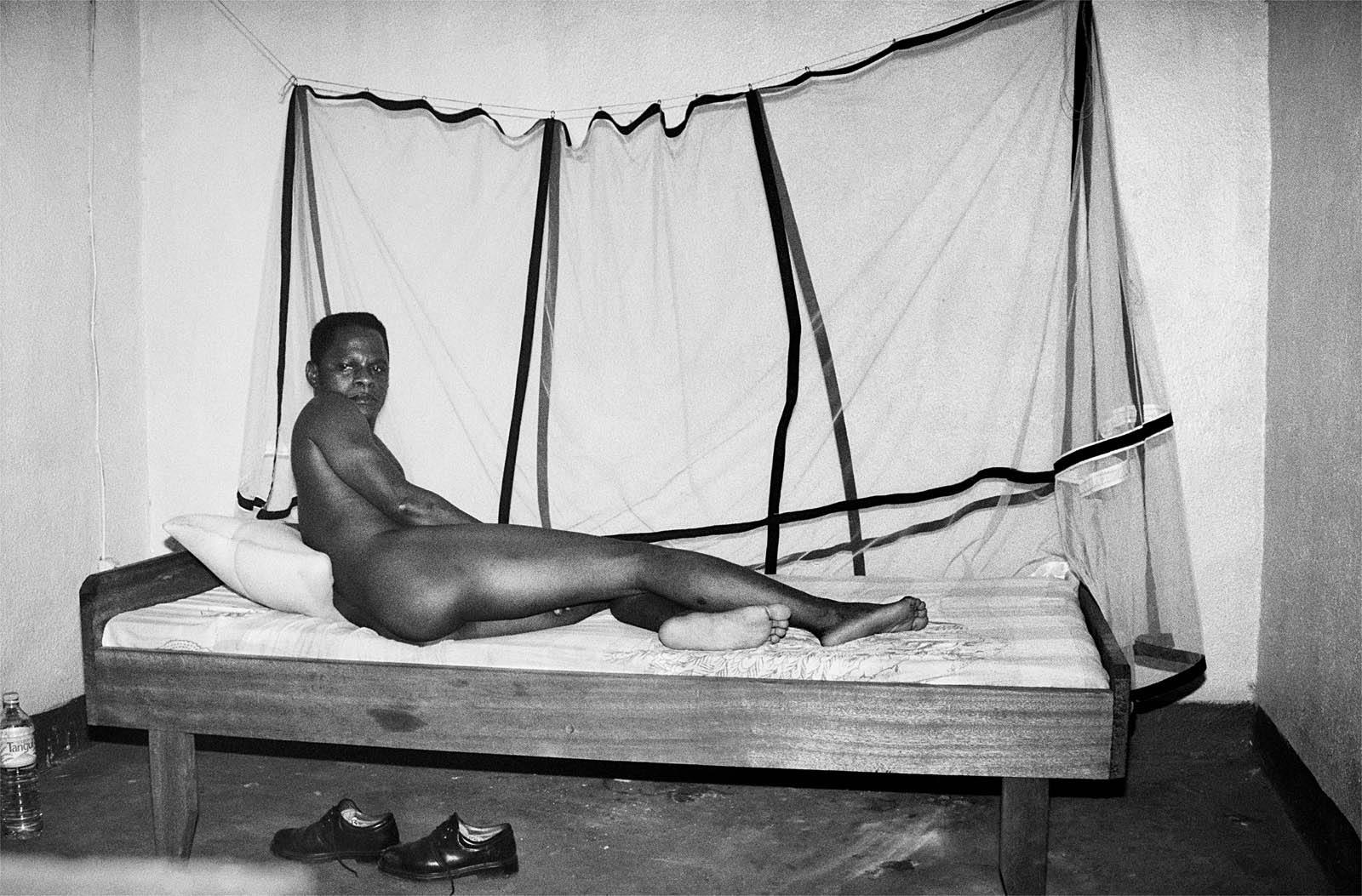


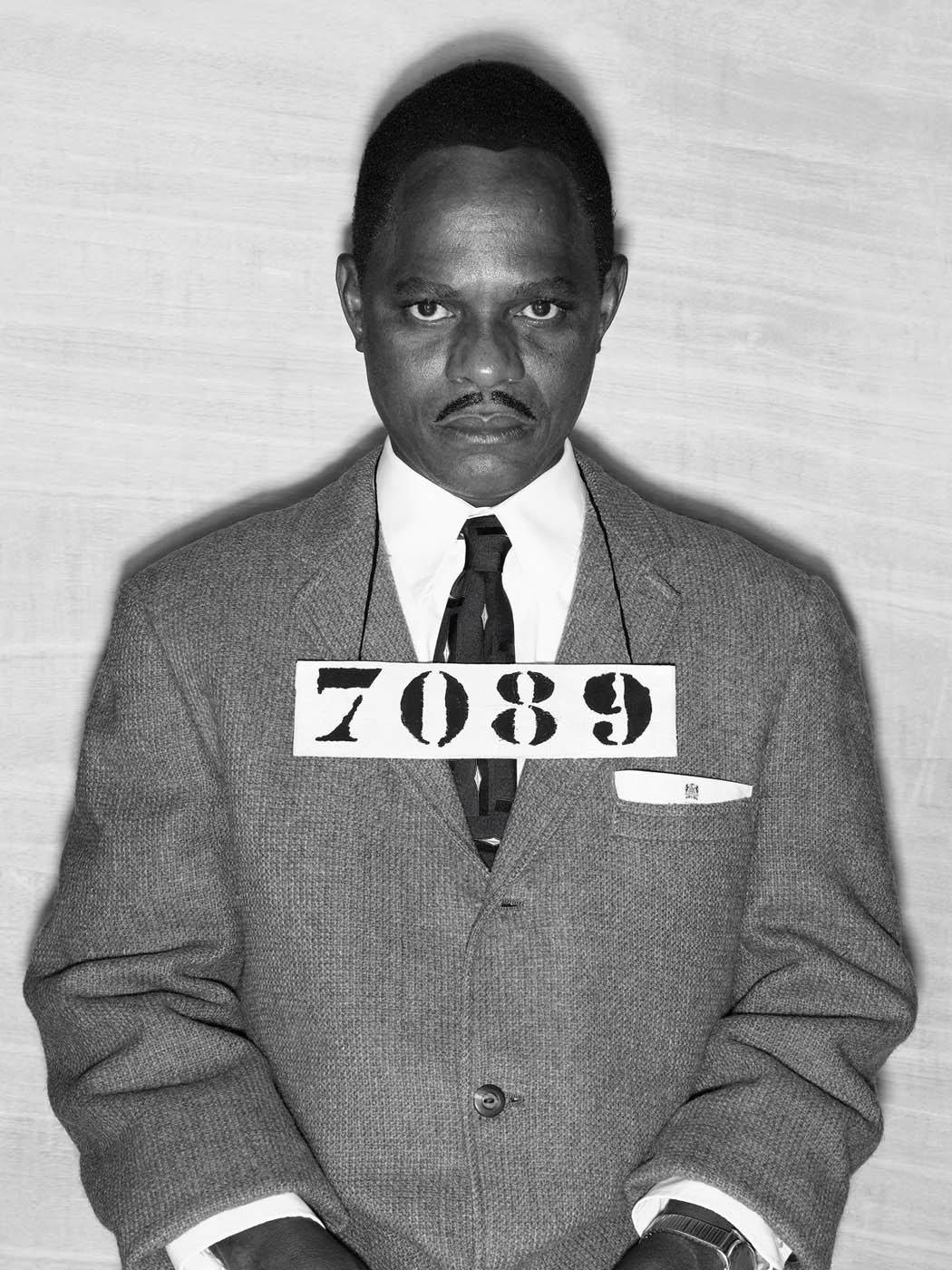


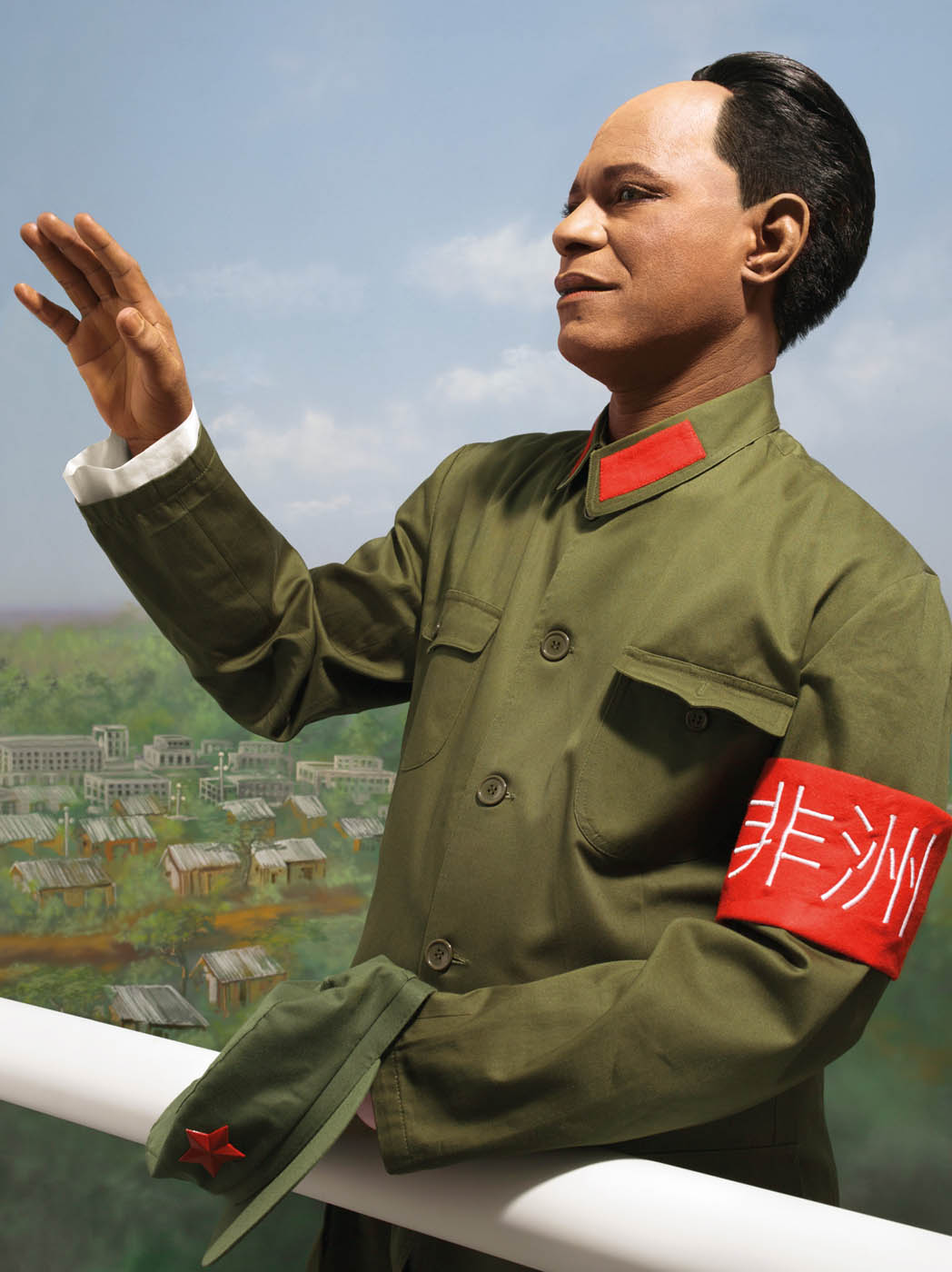


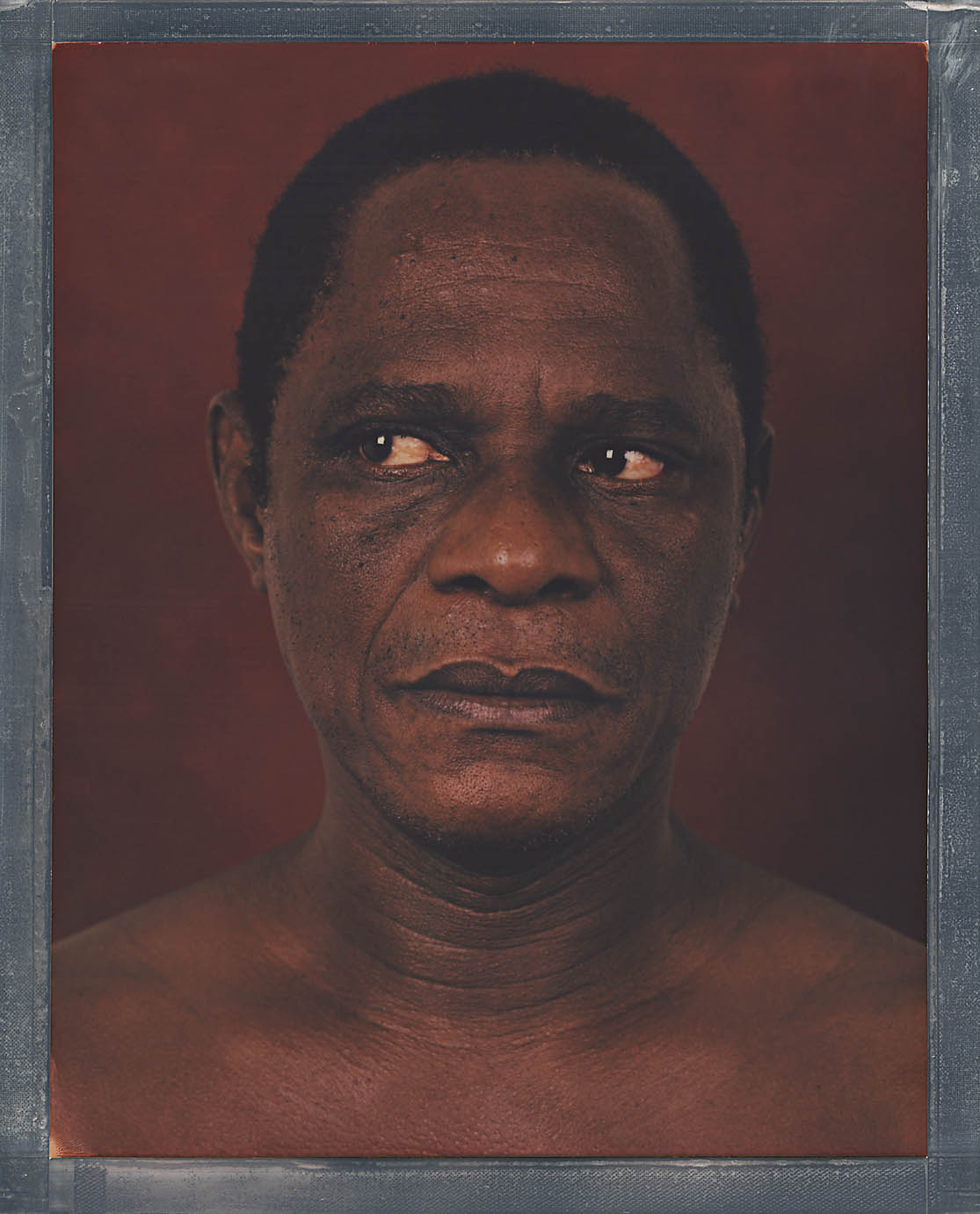













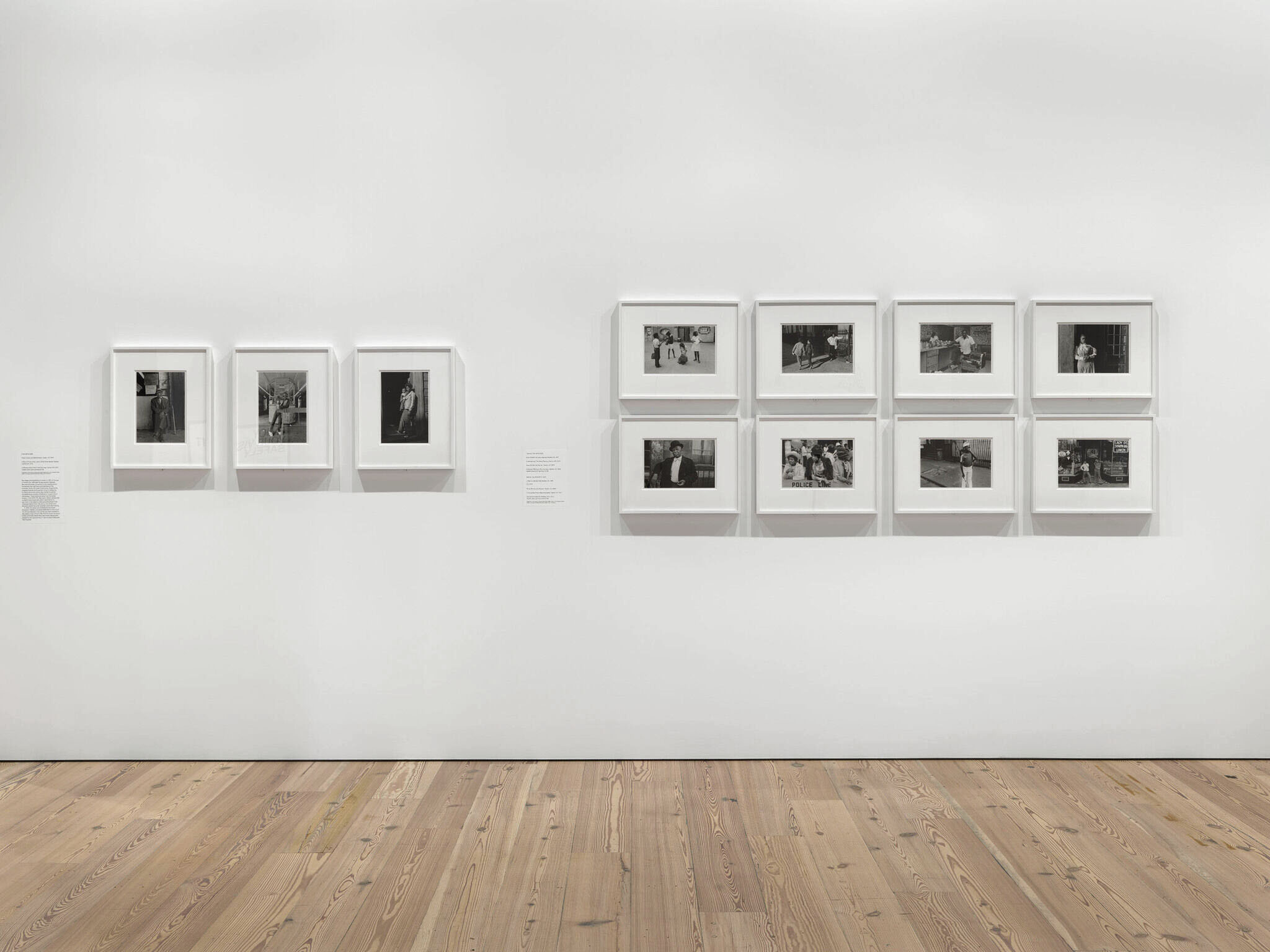


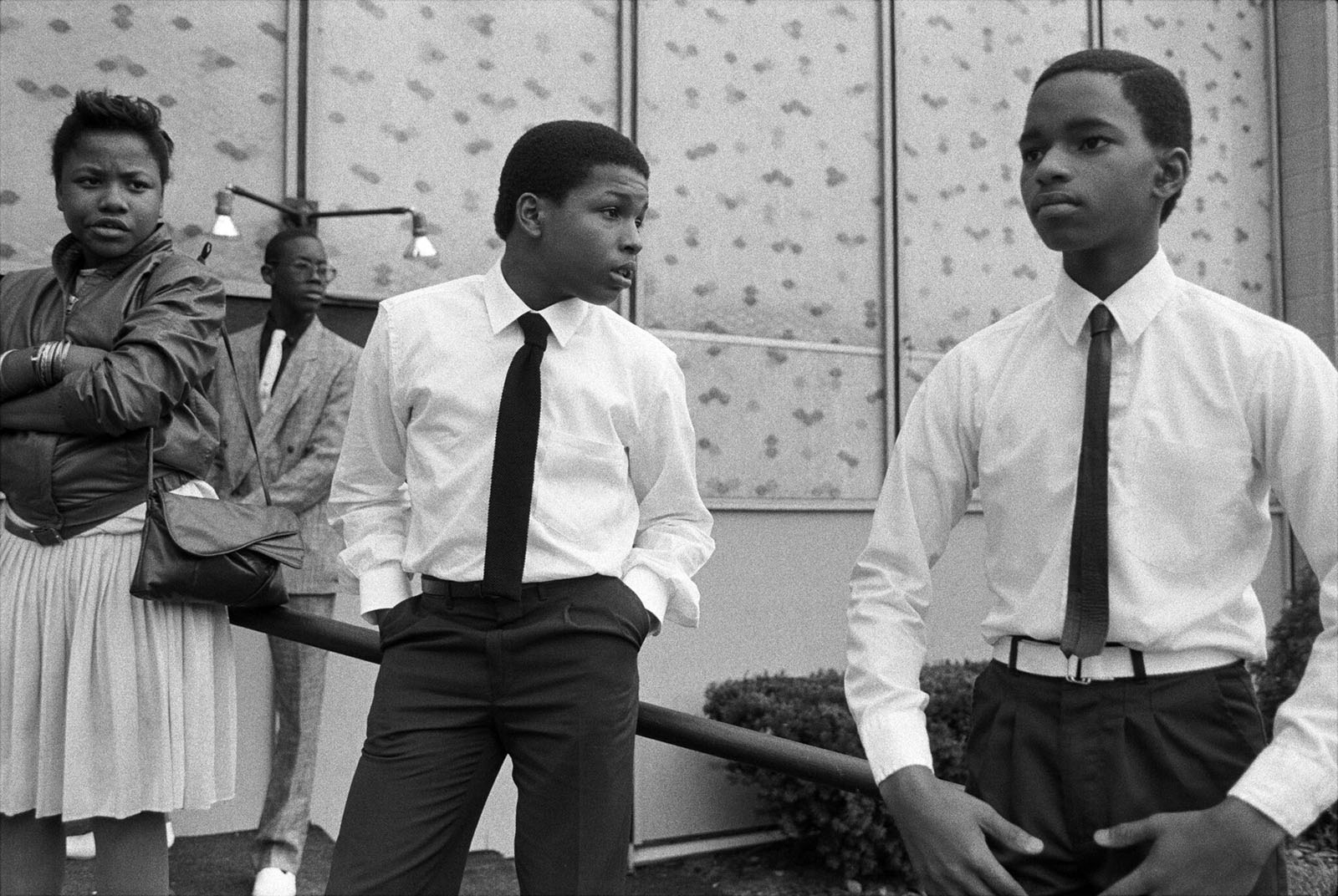


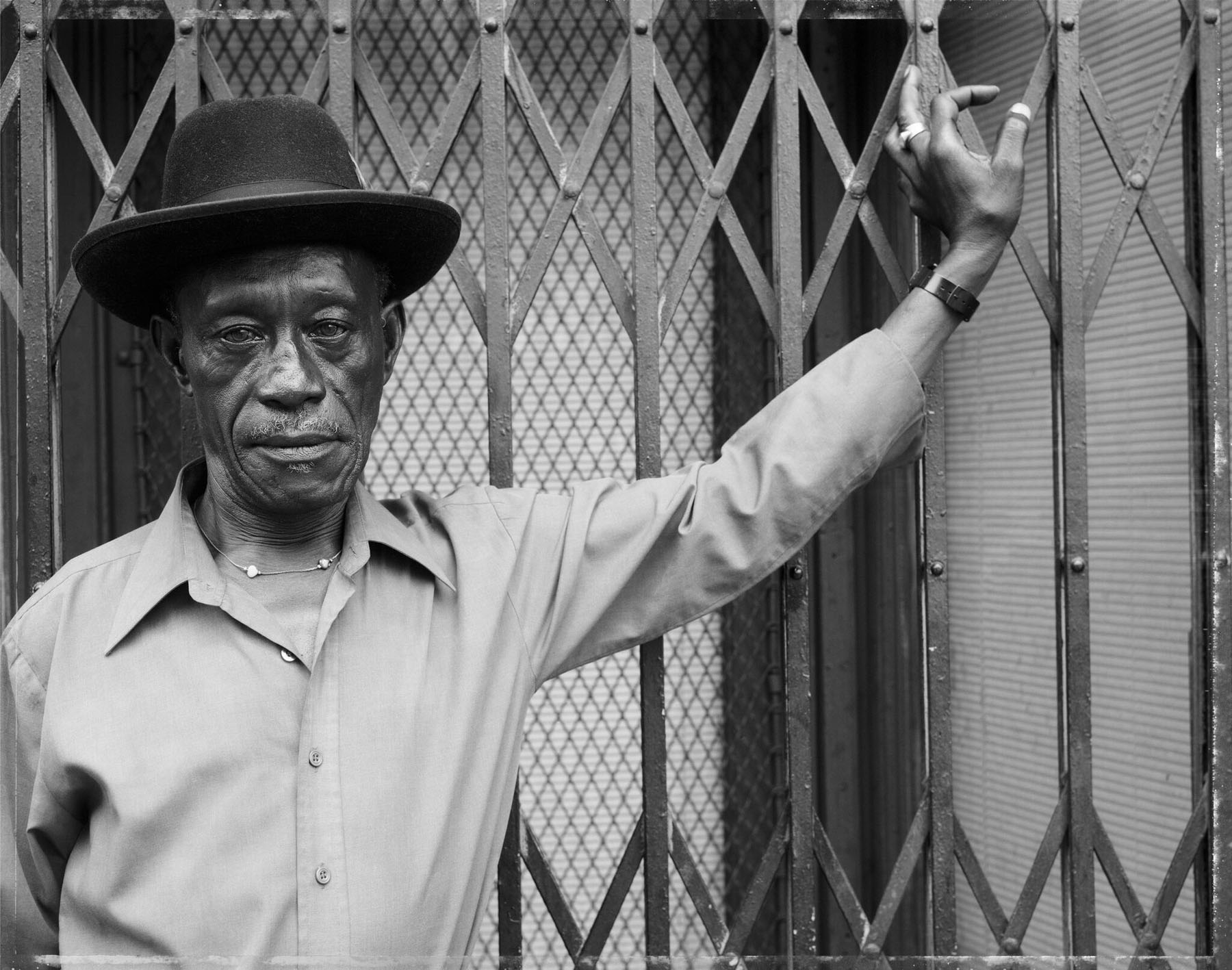

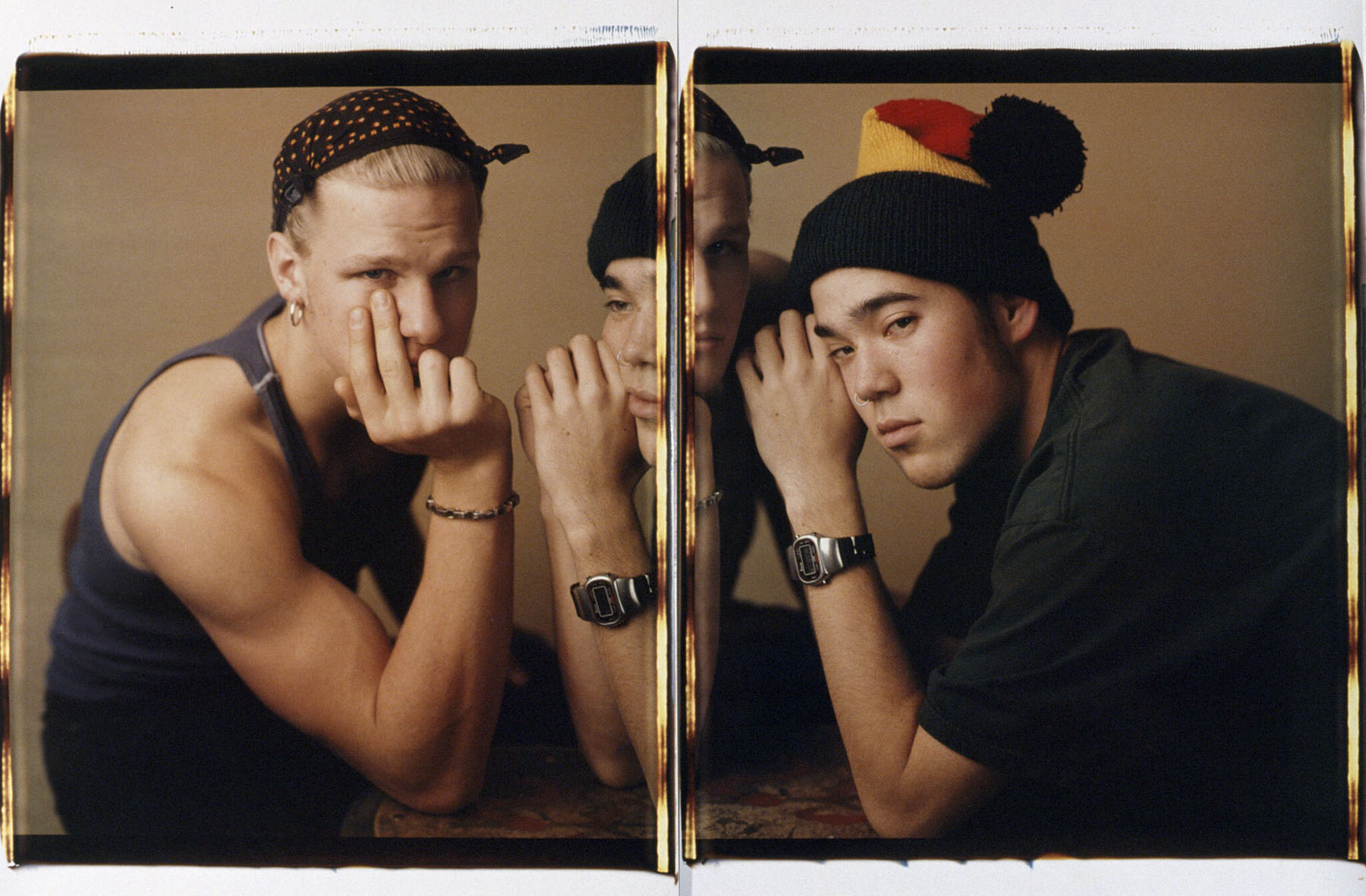


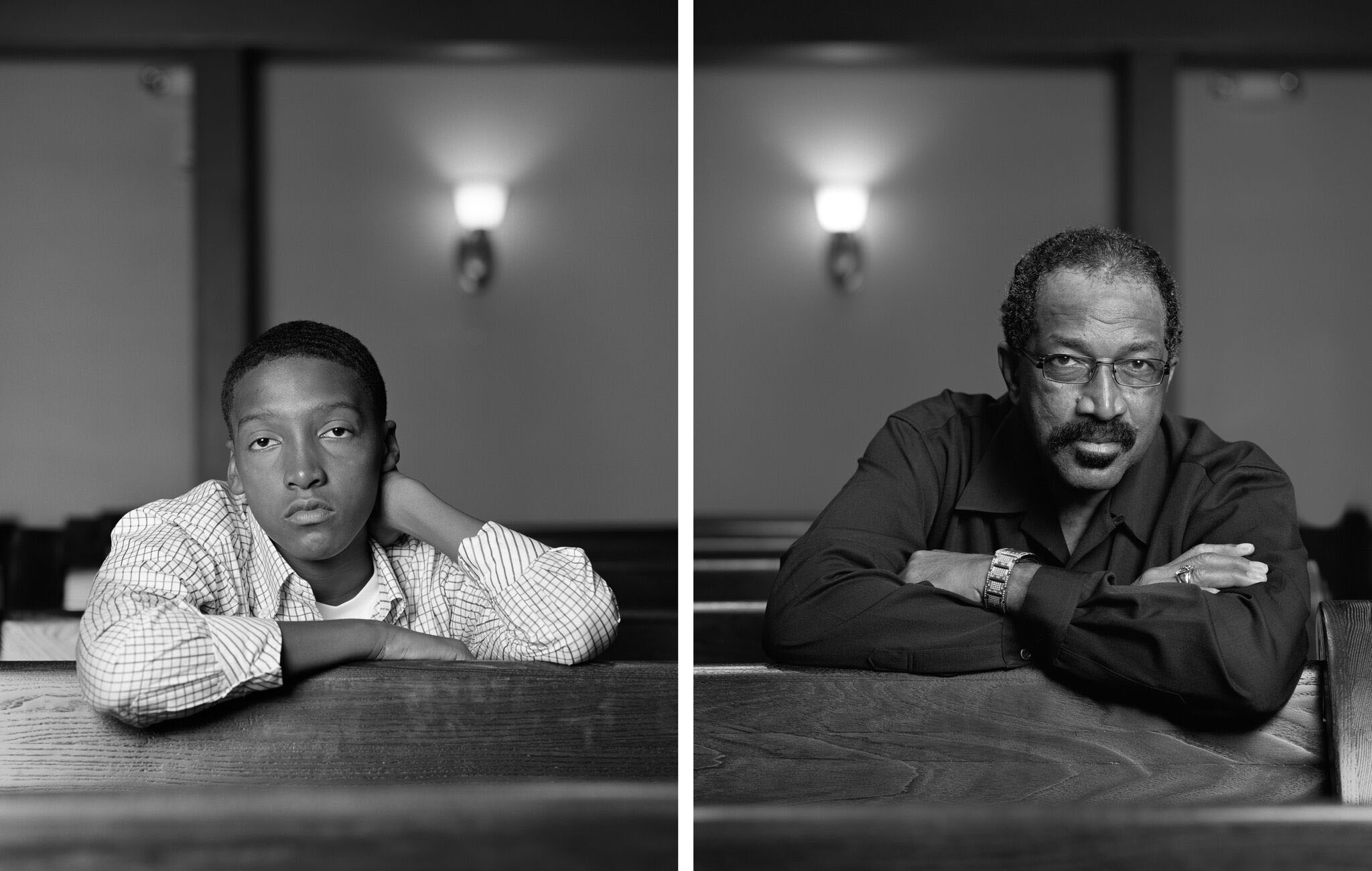
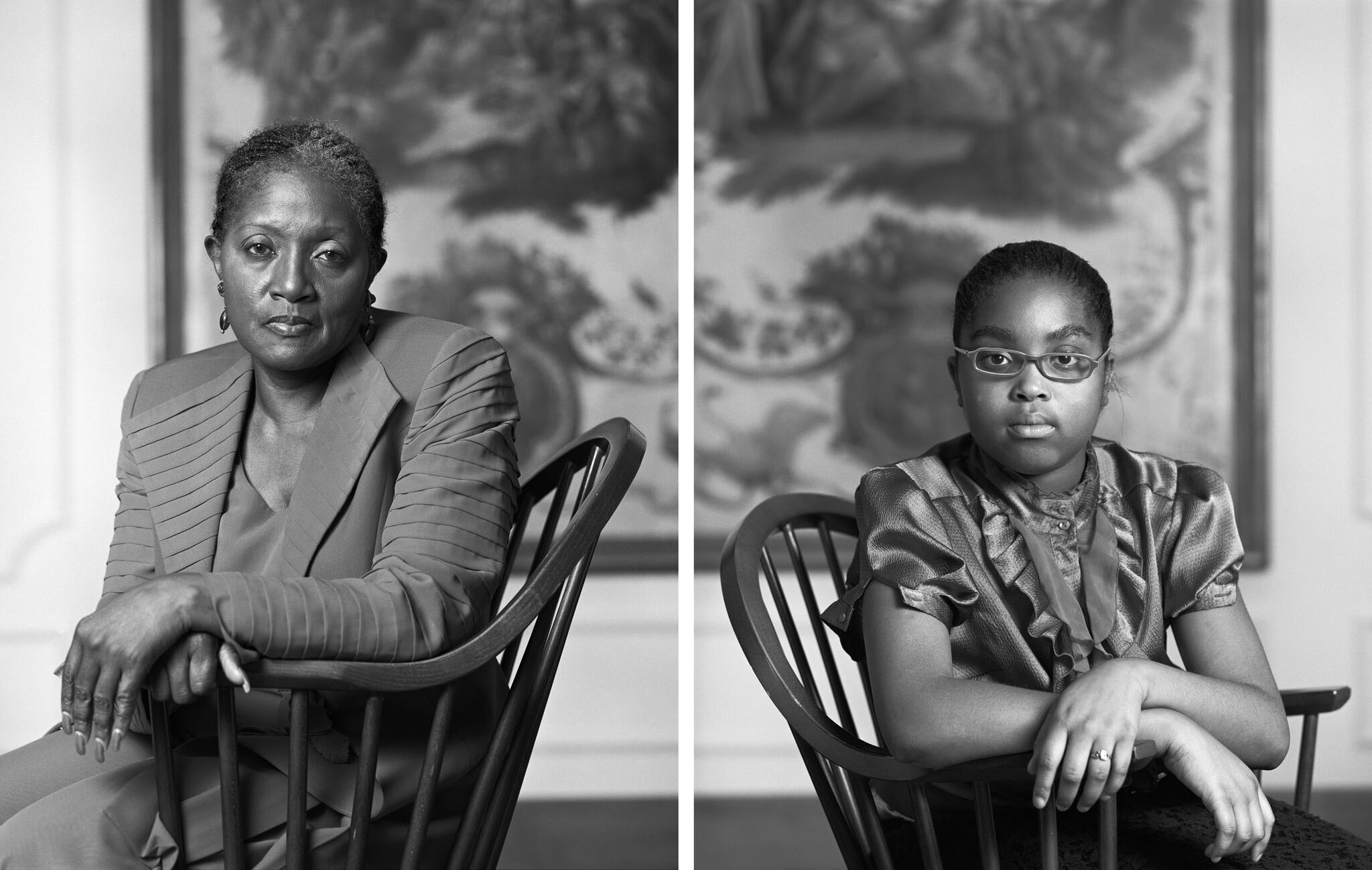


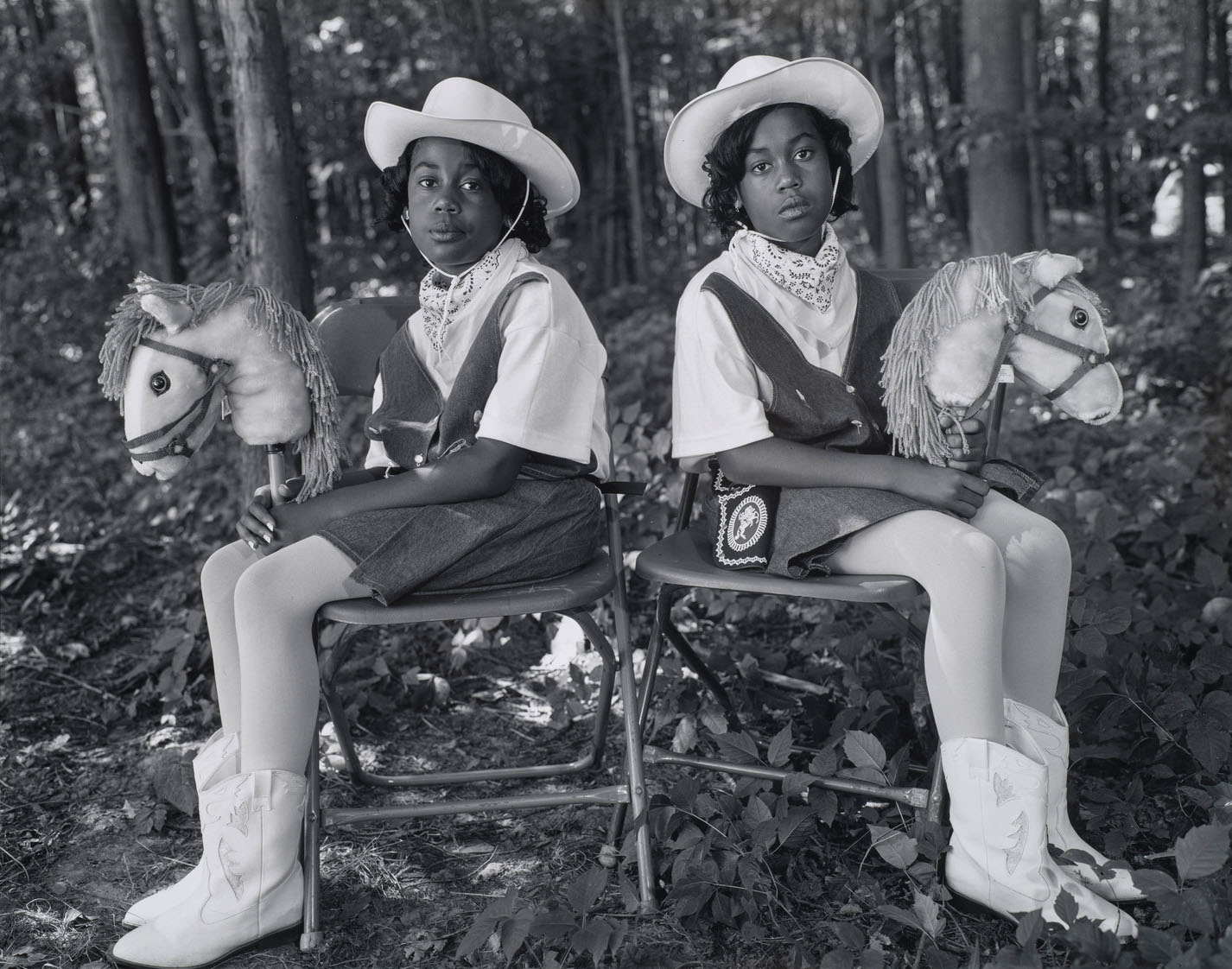


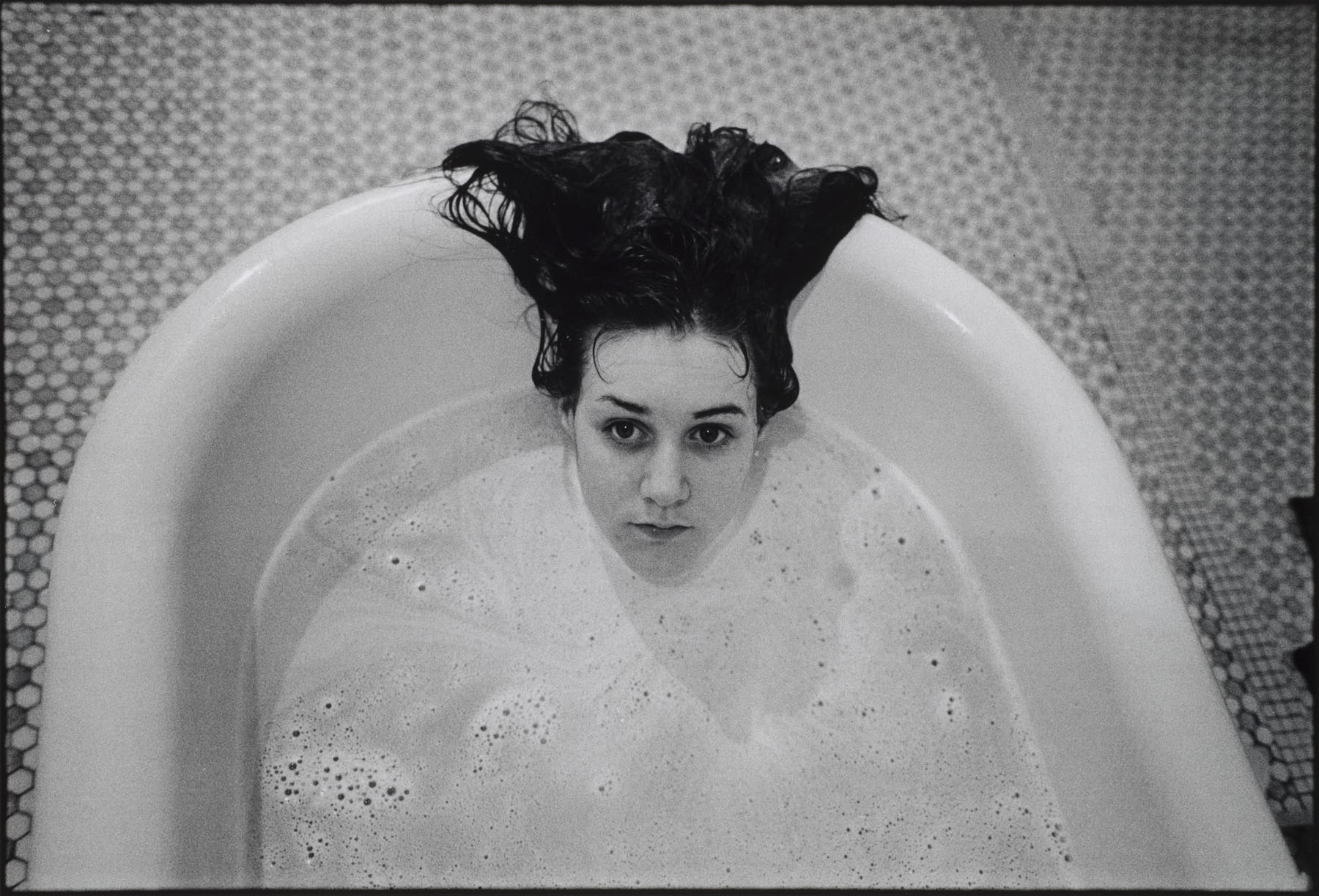

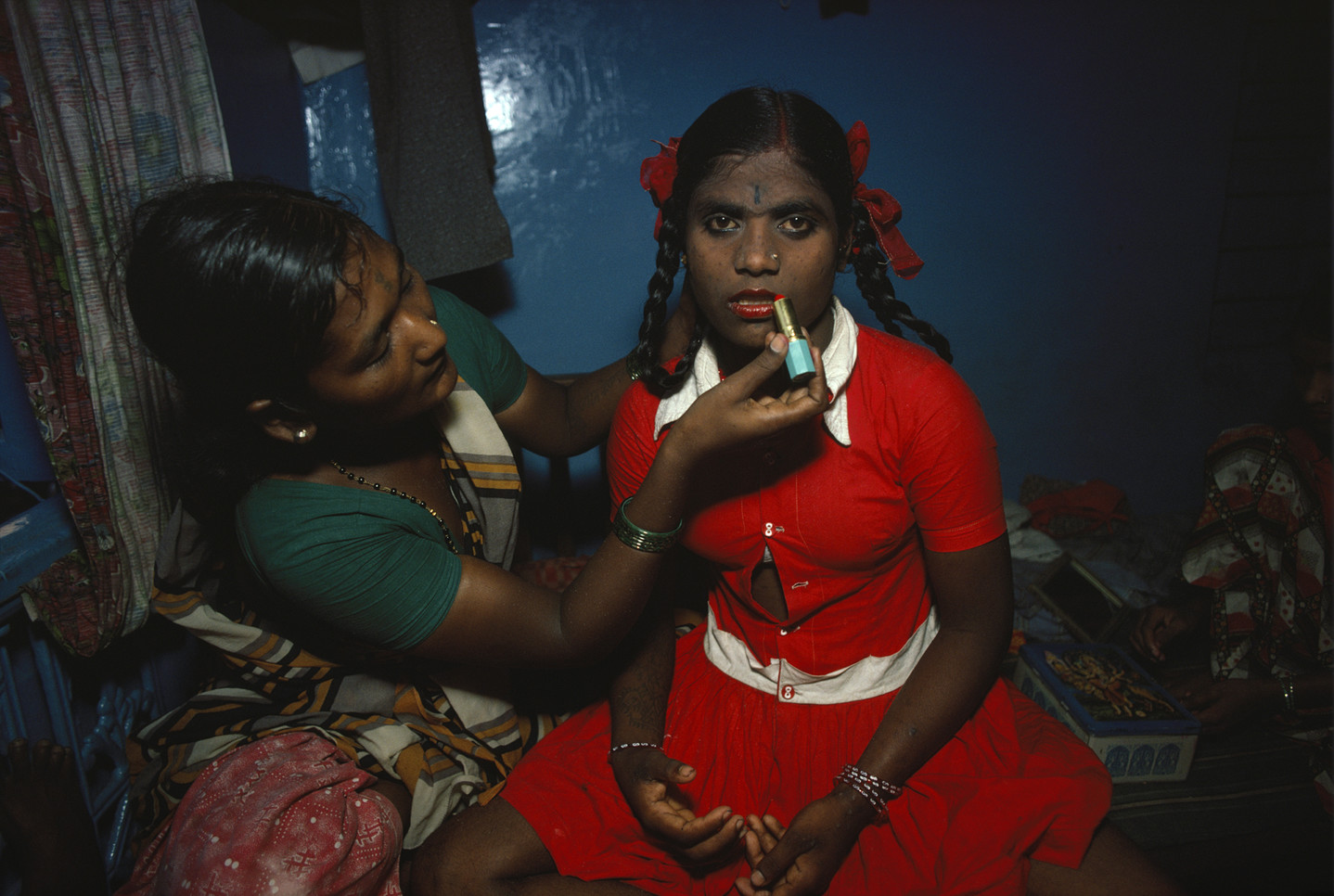
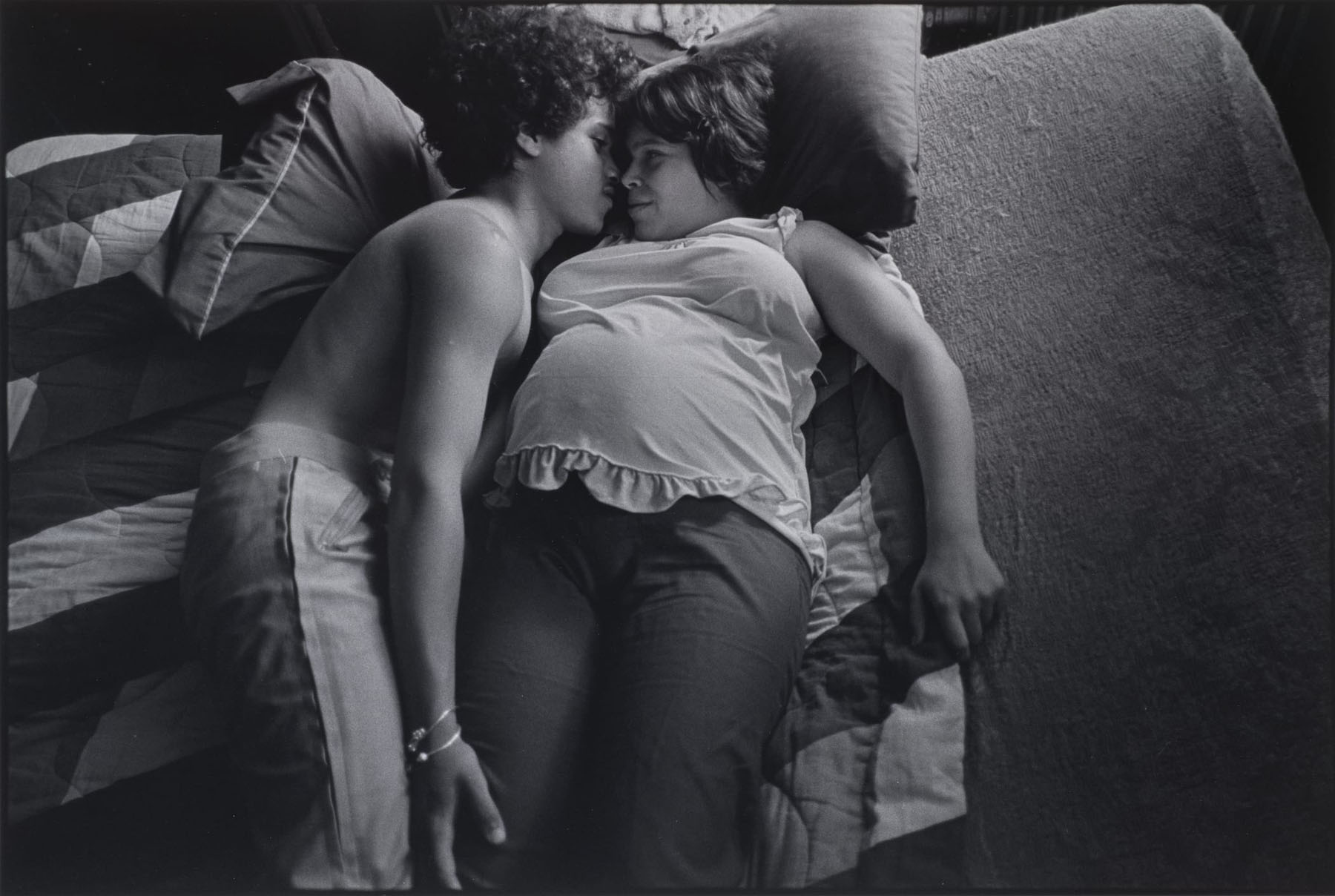

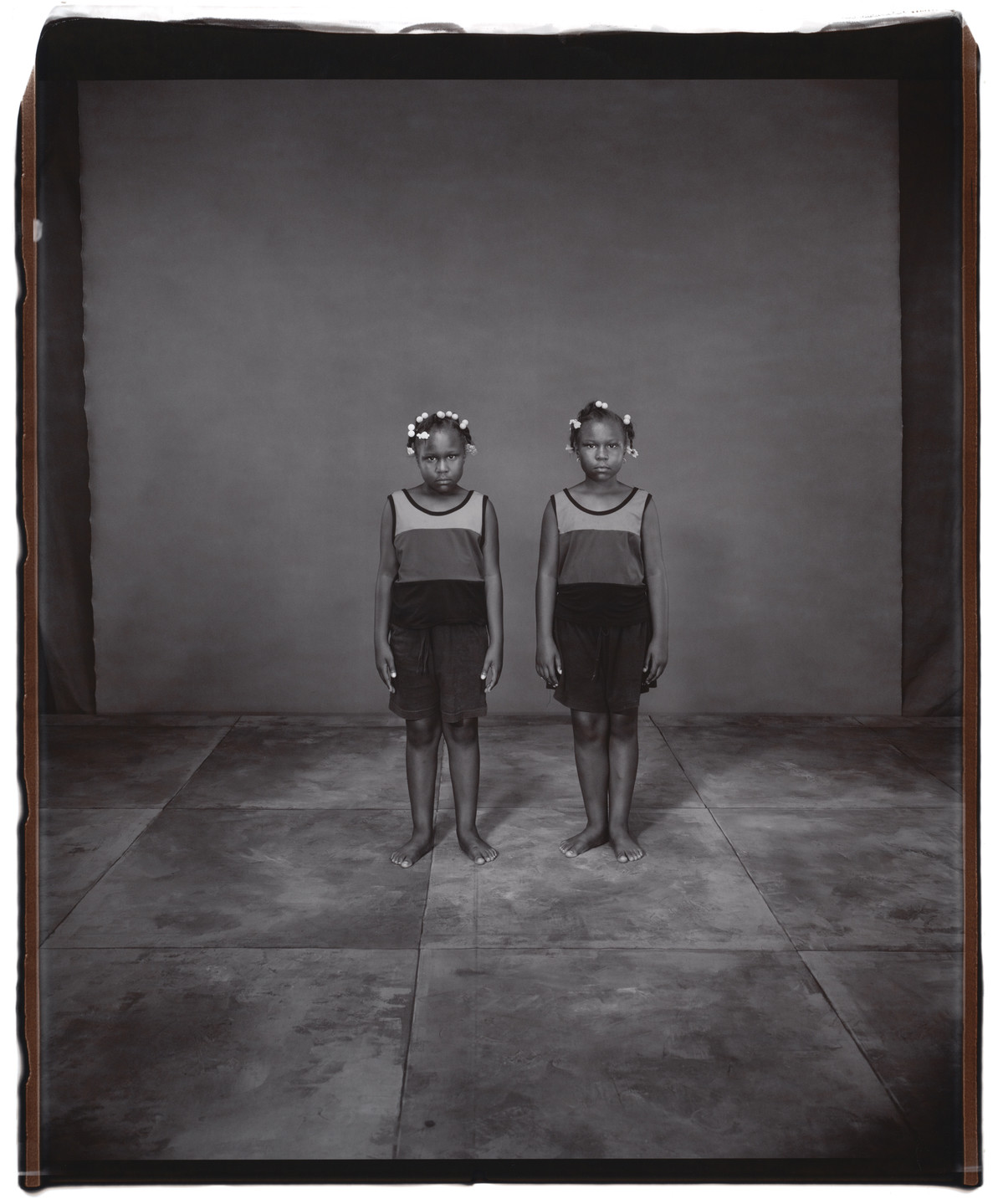
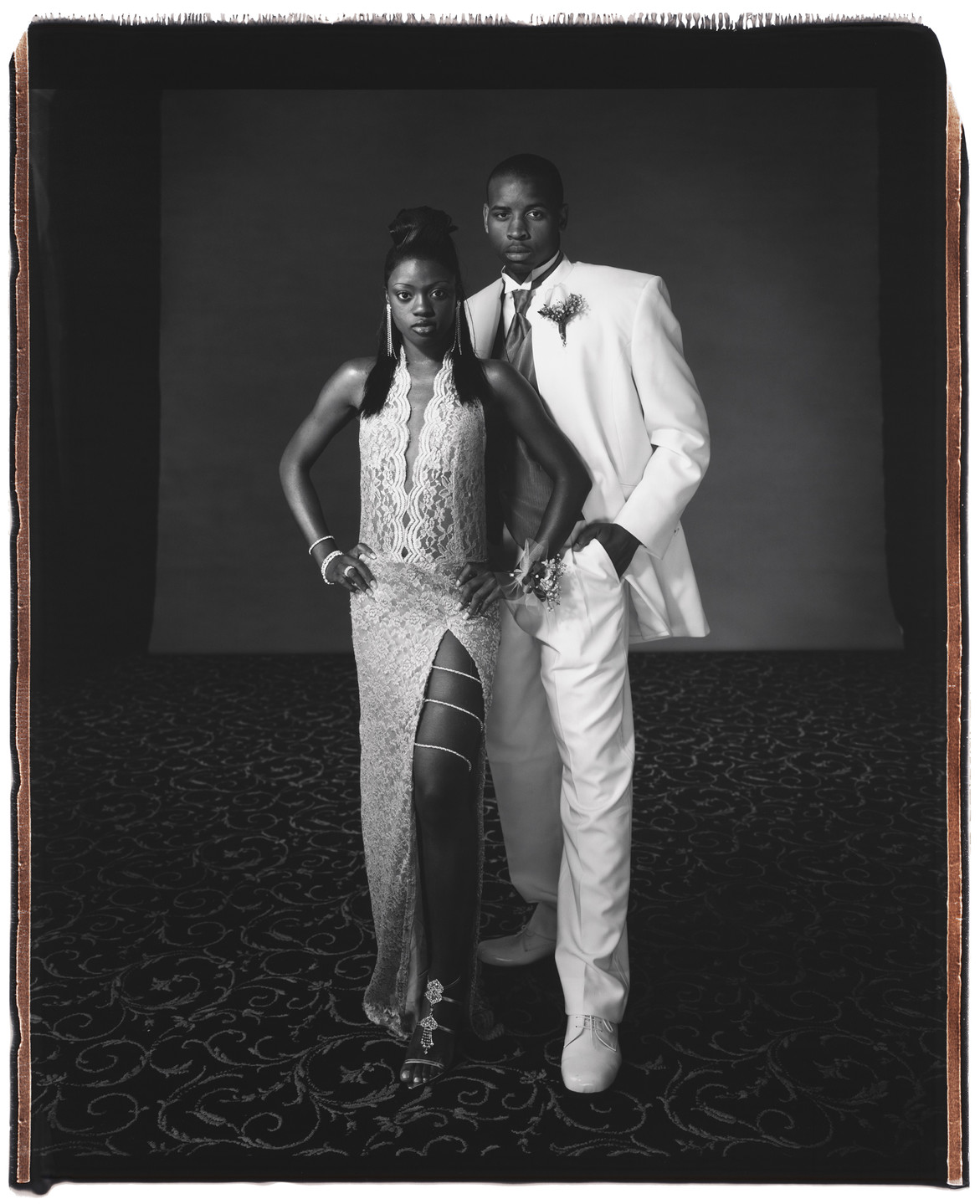


 Art Blart _ art and cultural memory archive
You must be logged in to post a comment.