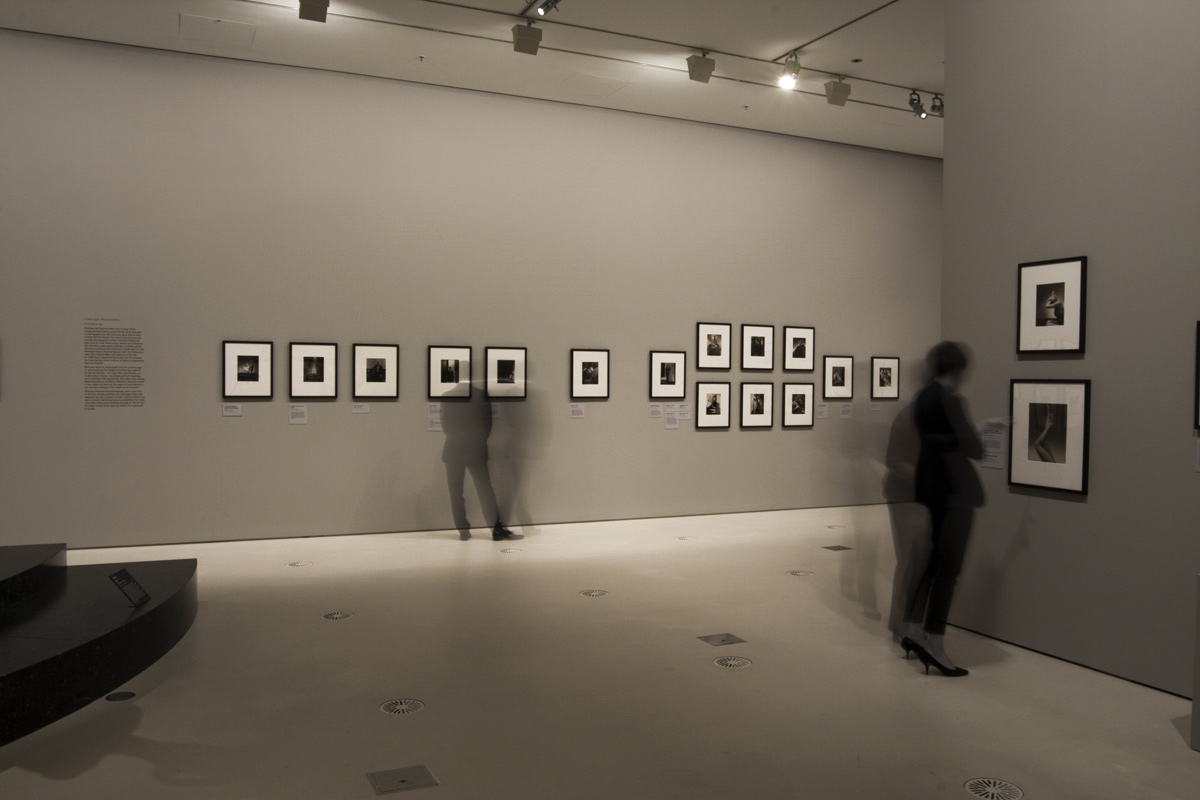
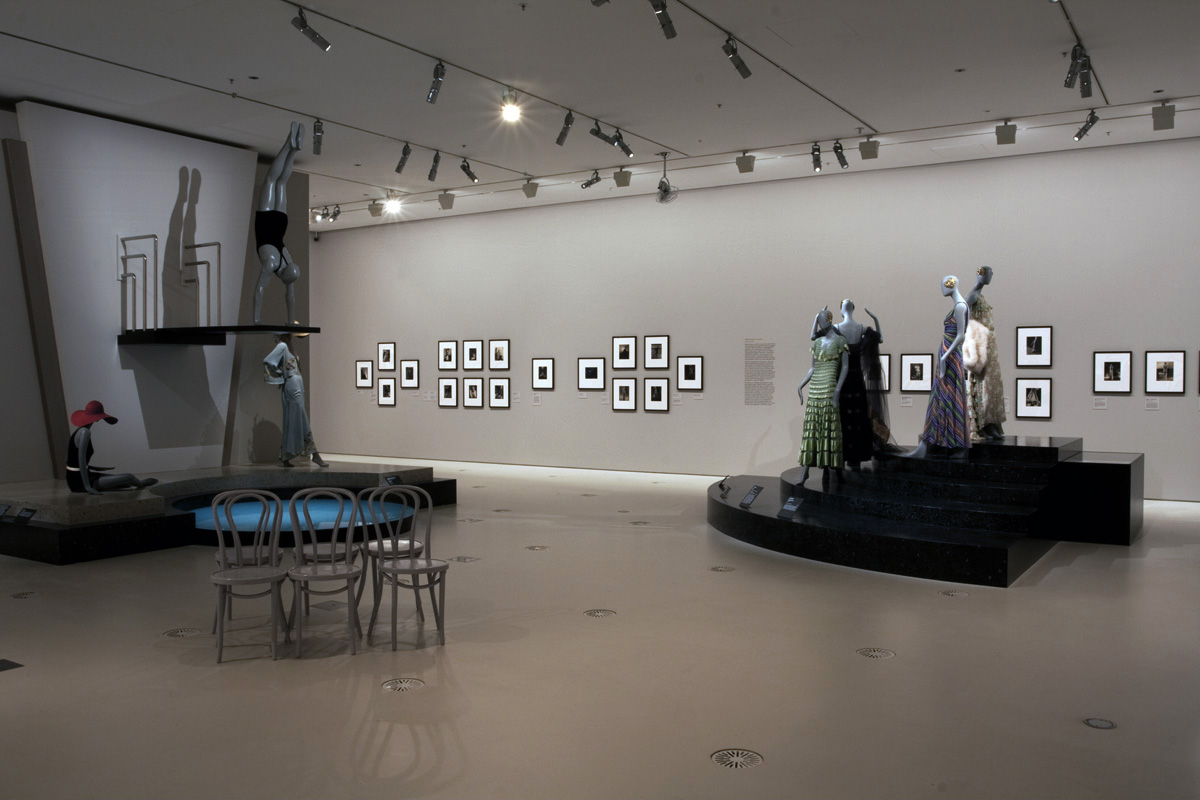
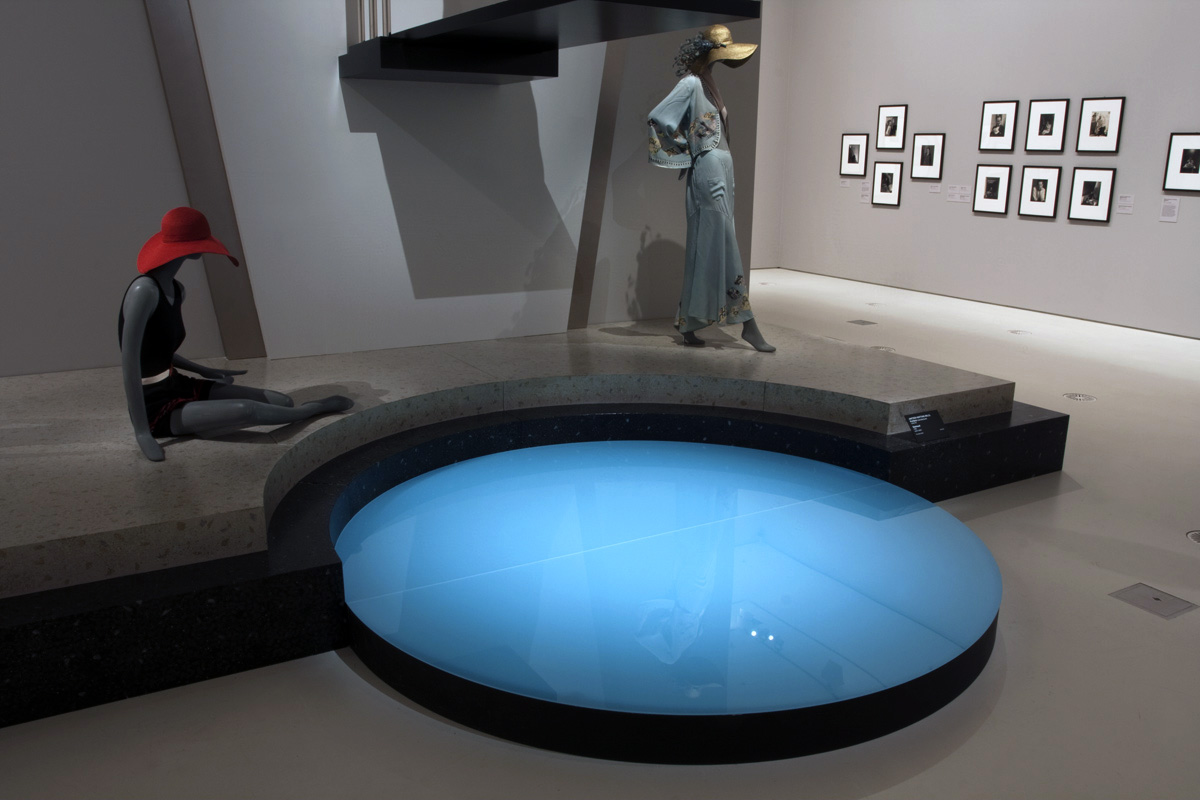
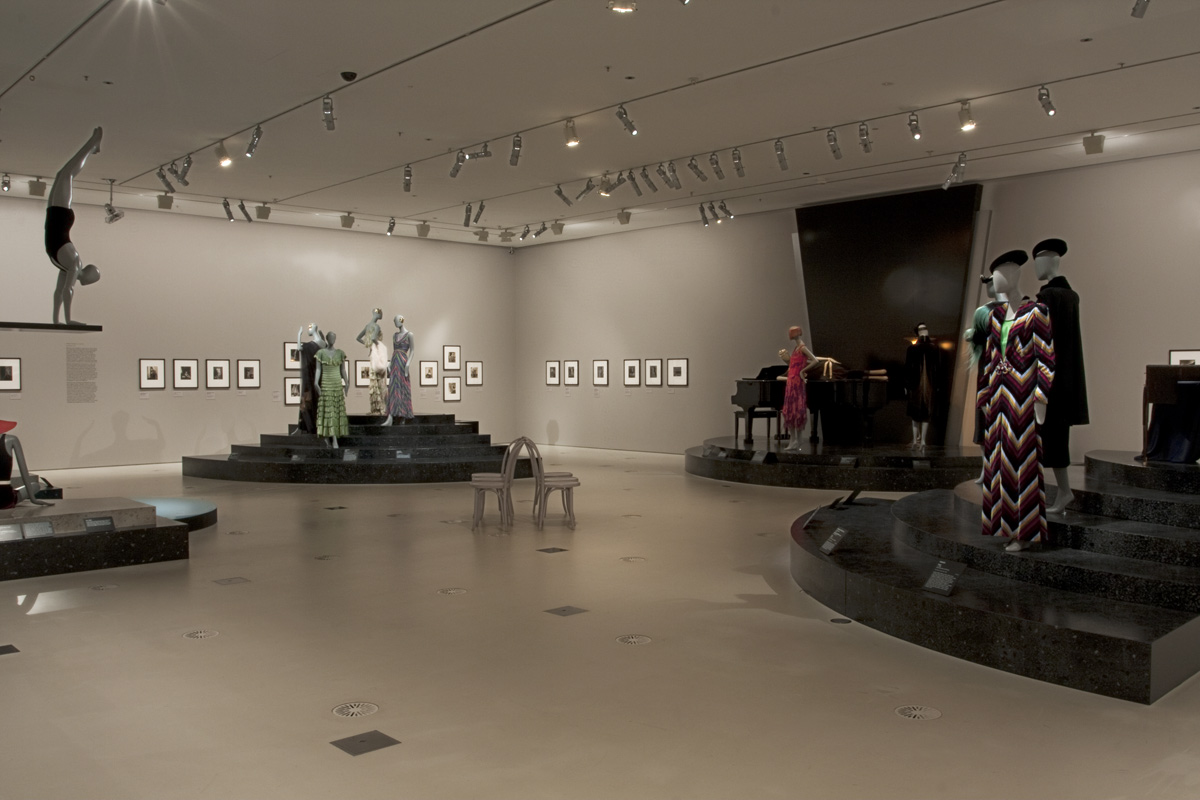
Exhibition: ‘Edward Steichen & Art Deco Fashion’ at NGV International, Melbourne

Exhibition dates: 18th October 2013 – 2nd March 2014


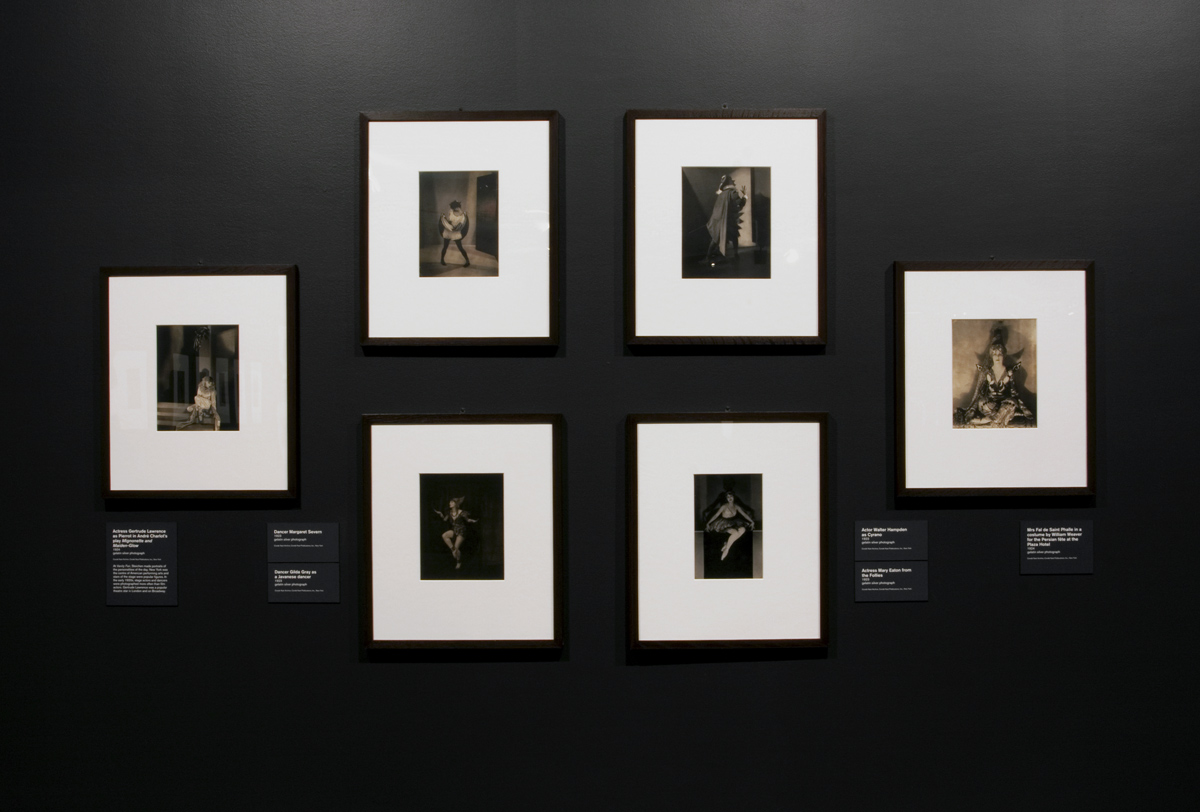
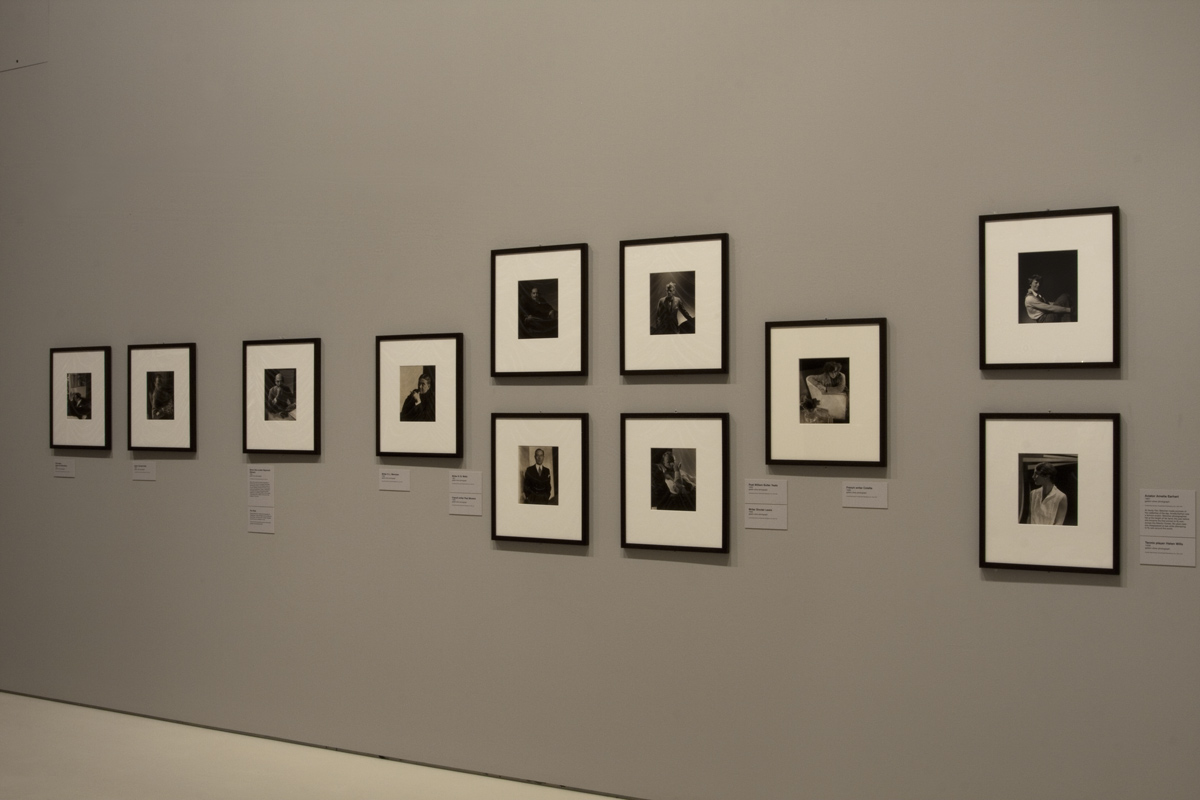
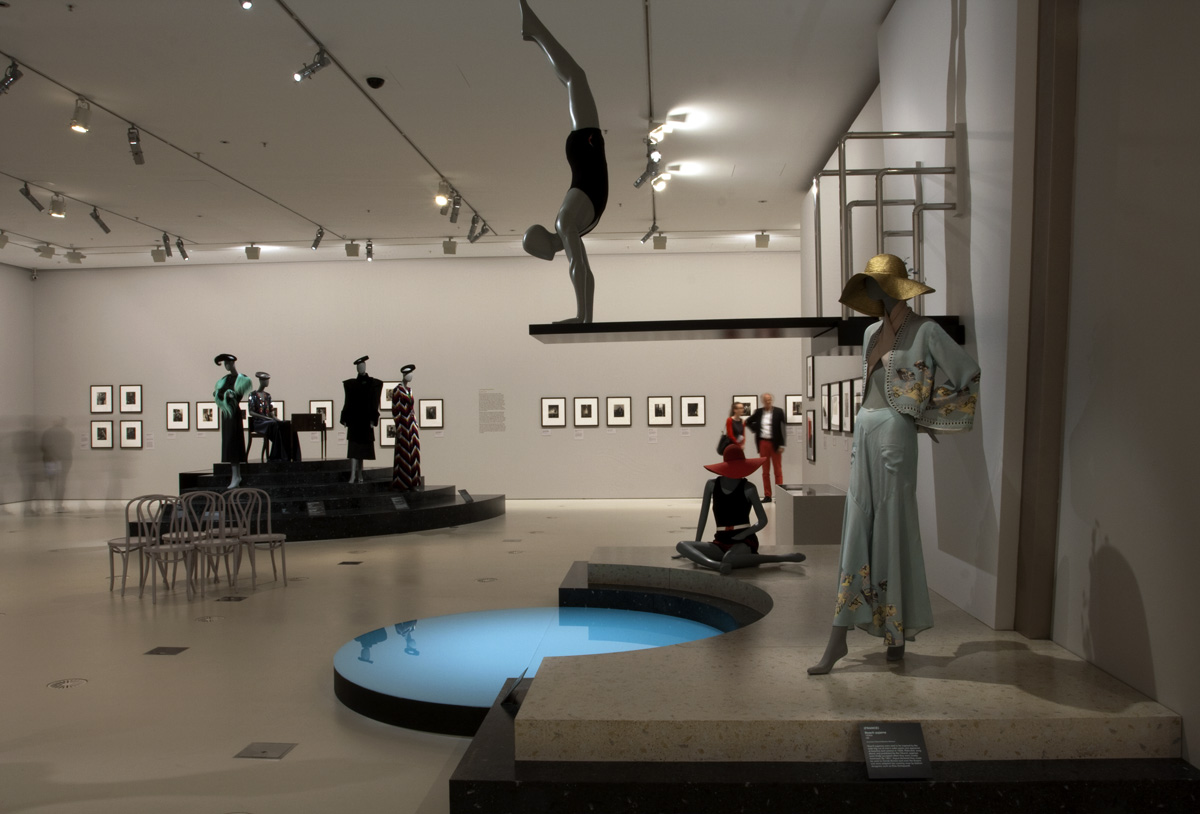
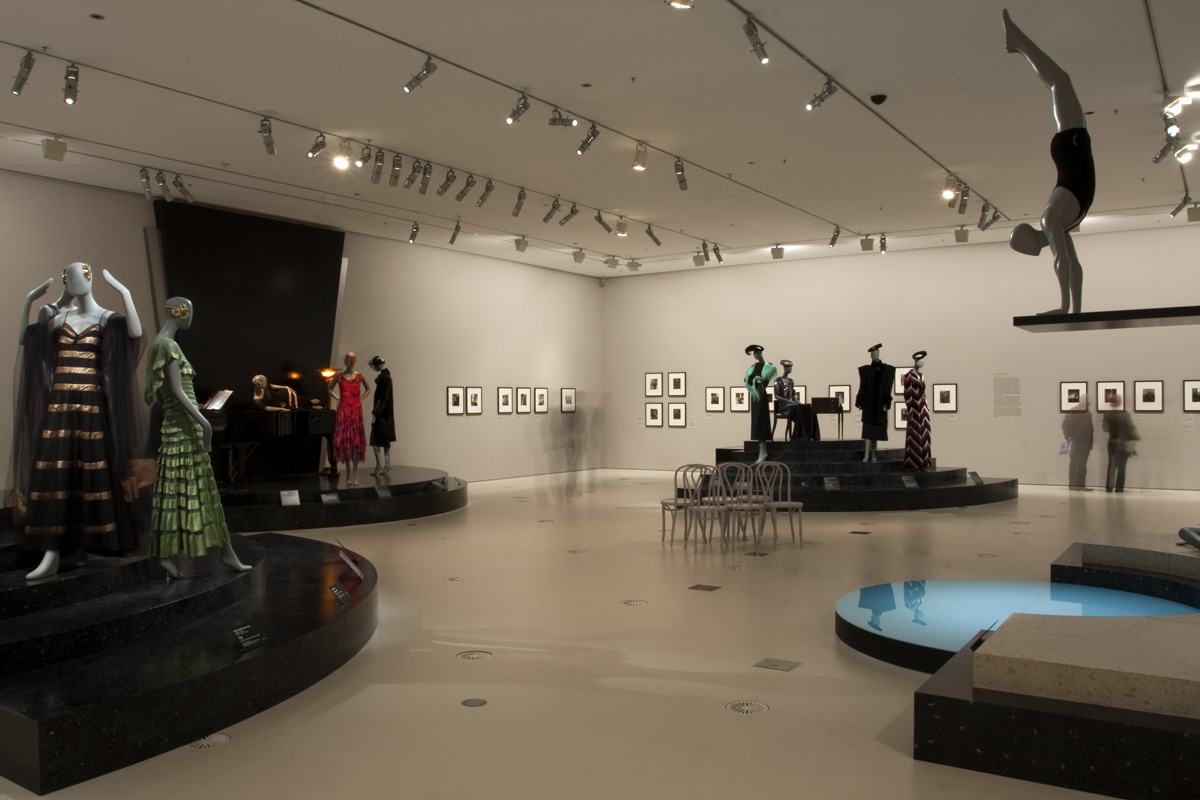
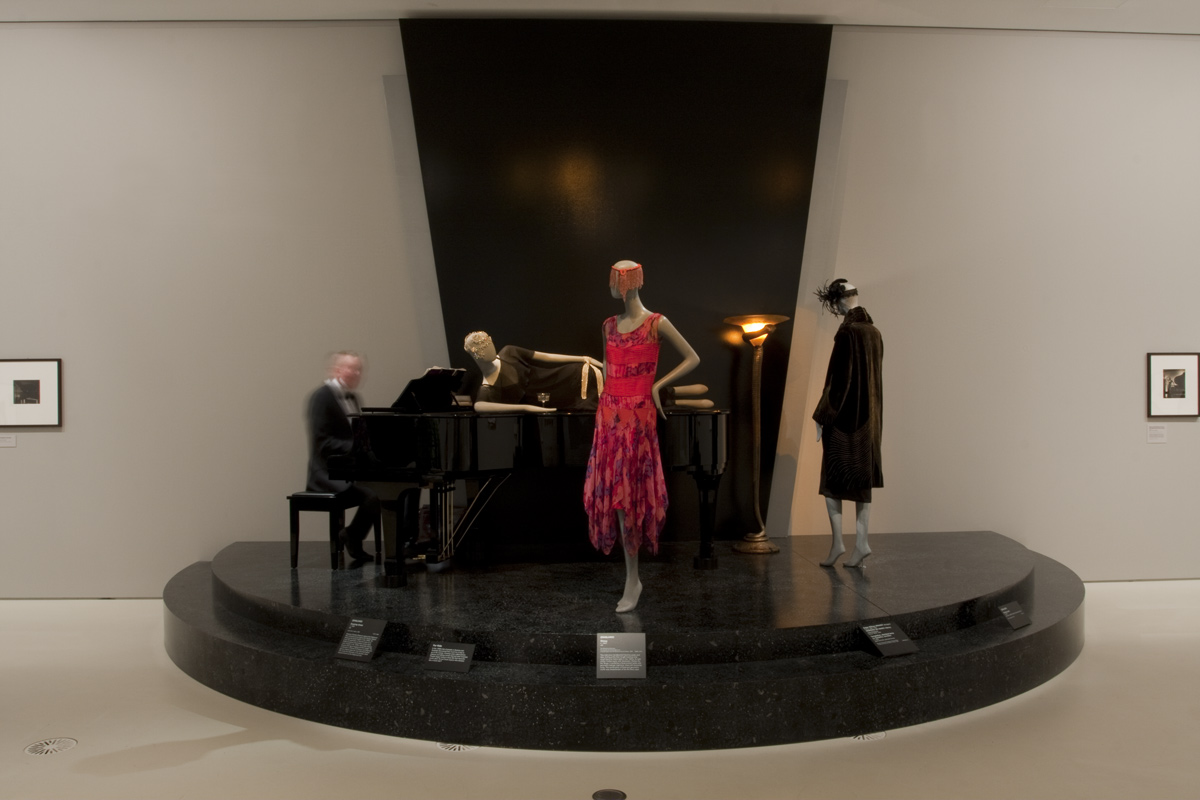
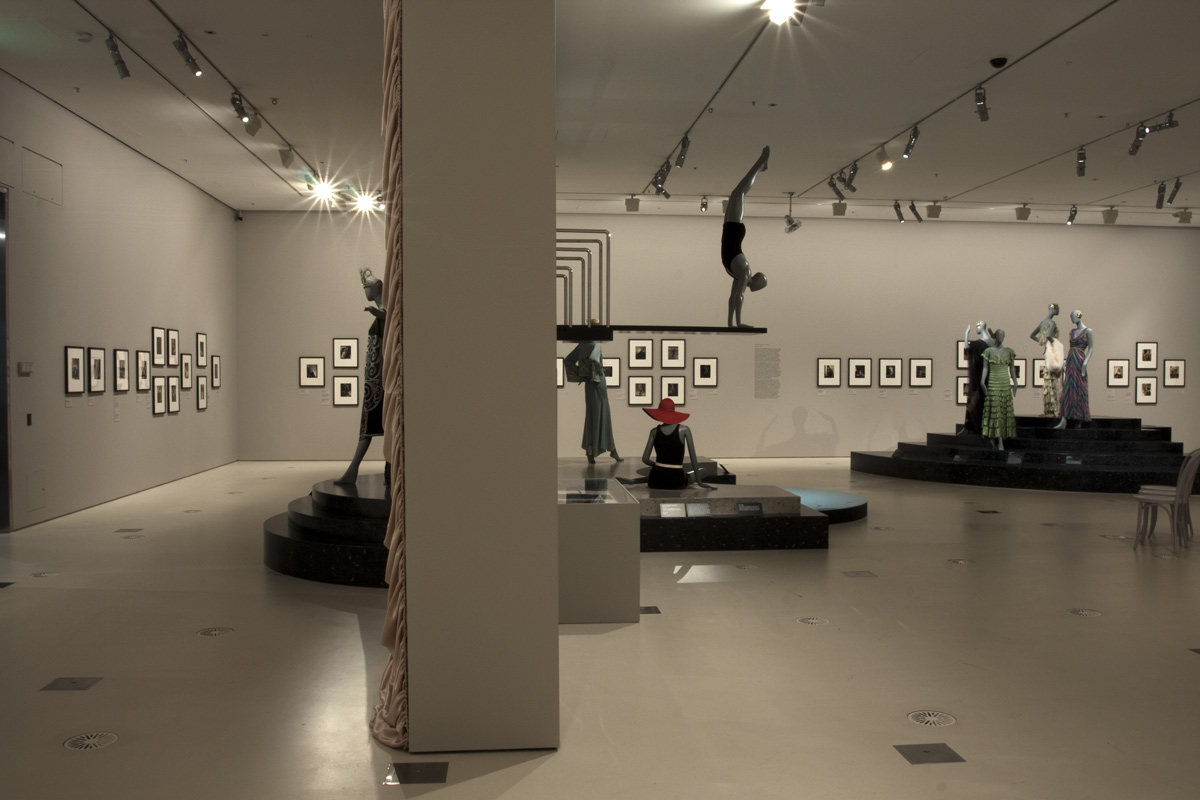
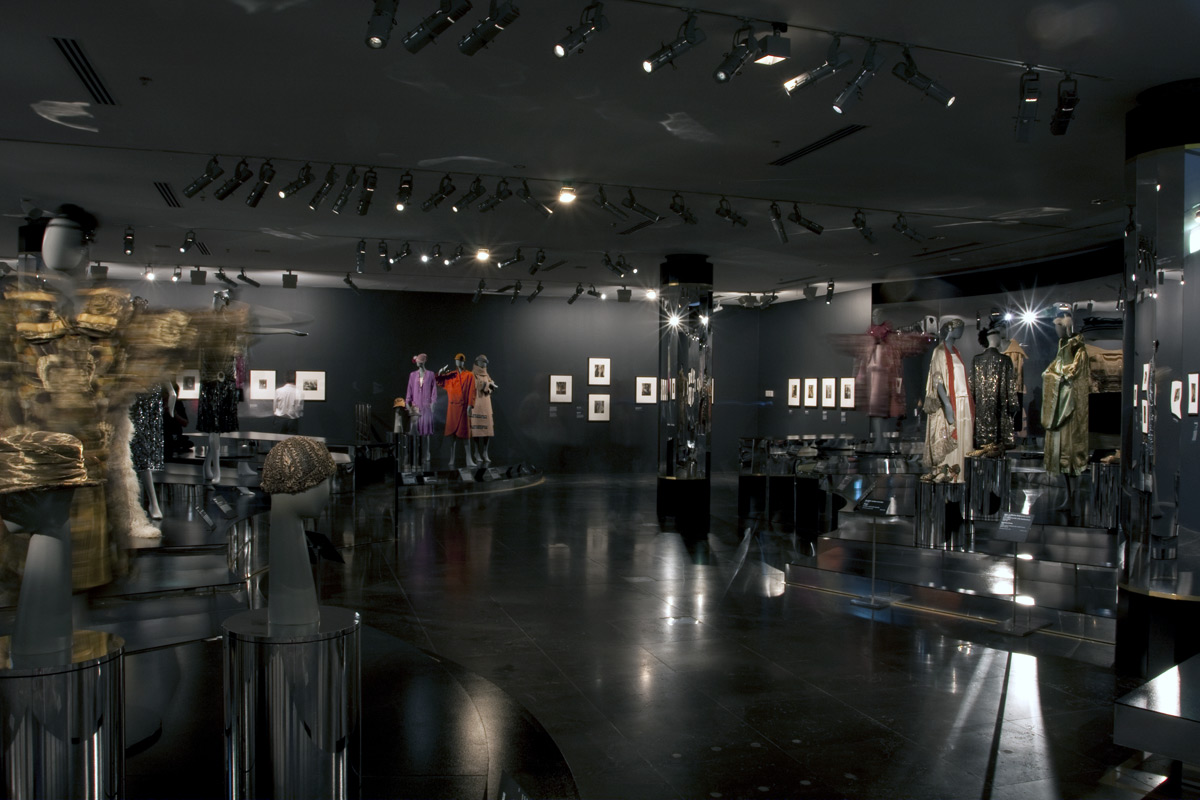
Installation photograph of the exhibition 'Edward Steichen & Art Deco Fashion' at NGV International


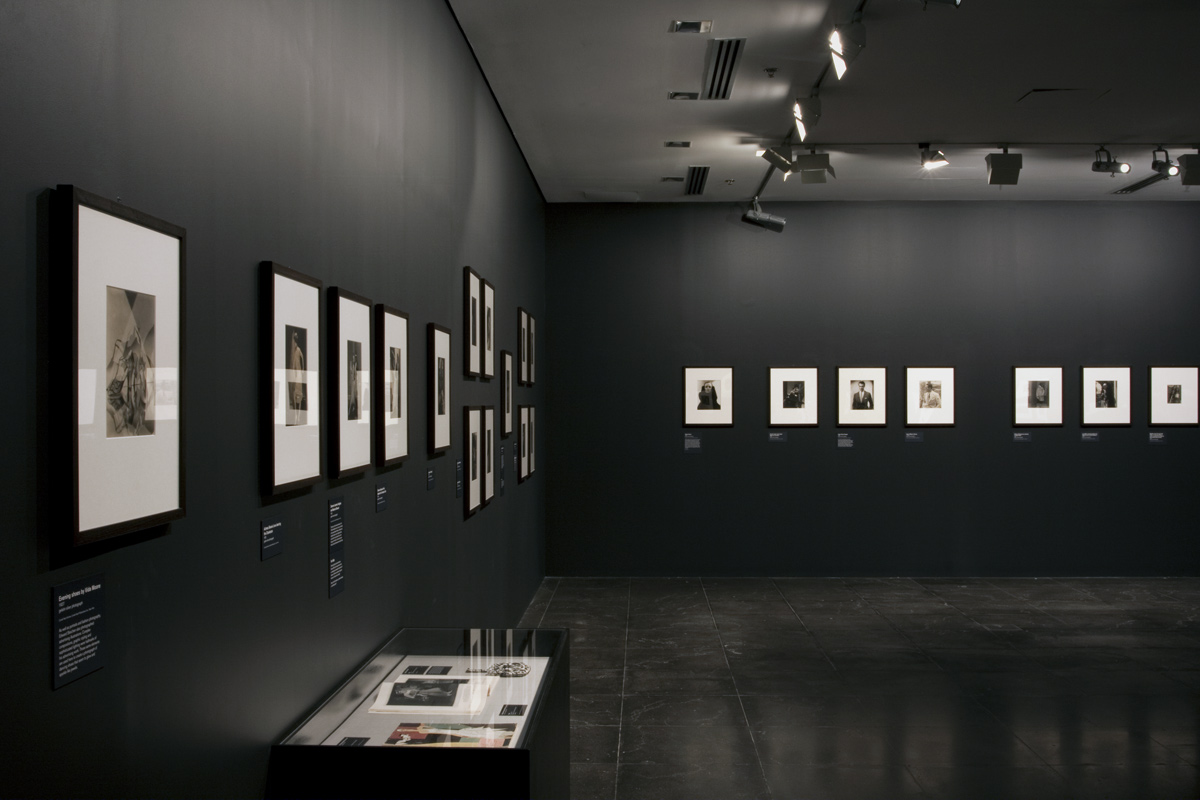
Installation photograph of the exhibition Edward Steichen & Art Deco Fashion at NGV International
Photo: Marcus Bunyan


You saw it here first on Art Blart!

What a gorgeous exhibition. It’s about time Melbourne had a bit of style put back into the National Gallery of Victoria, and this exhibition hits it out of the park. Not only are the photographs absolutely fabulous but the frocks are absolutely frocking as well. Well done to the NGV for teaming the photographs with the fashion and for a great install (makes a change to see 2D and 3D done so well together). Elegant, sophisticated and oozing quality, this is a sure fire winner…. Review of the photographs to follow.

Dr Marcus Bunyan


Many thankx to the NGV for allowing me to take and publish the photographs. Please click on the photographs for a larger version of the image. All photographs © Marcus Bunyan and the National Gallery of Victoria. May be used freely if permission is sought and proper accreditation given.


Room 1

Installation photograph of the exhibition 'Edward Steichen & Art Deco Fashion' at NGV International

Installation photograph of the exhibition 'Edward Steichen & Art Deco Fashion' at NGV International

Installation photograph of the exhibition 'Edward Steichen & Art Deco Fashion' at NGV International

Installation photograph of the exhibition 'Edward Steichen & Art Deco Fashion' at NGV International

Installation photograph of the exhibition 'Edward Steichen & Art Deco Fashion' at NGV International


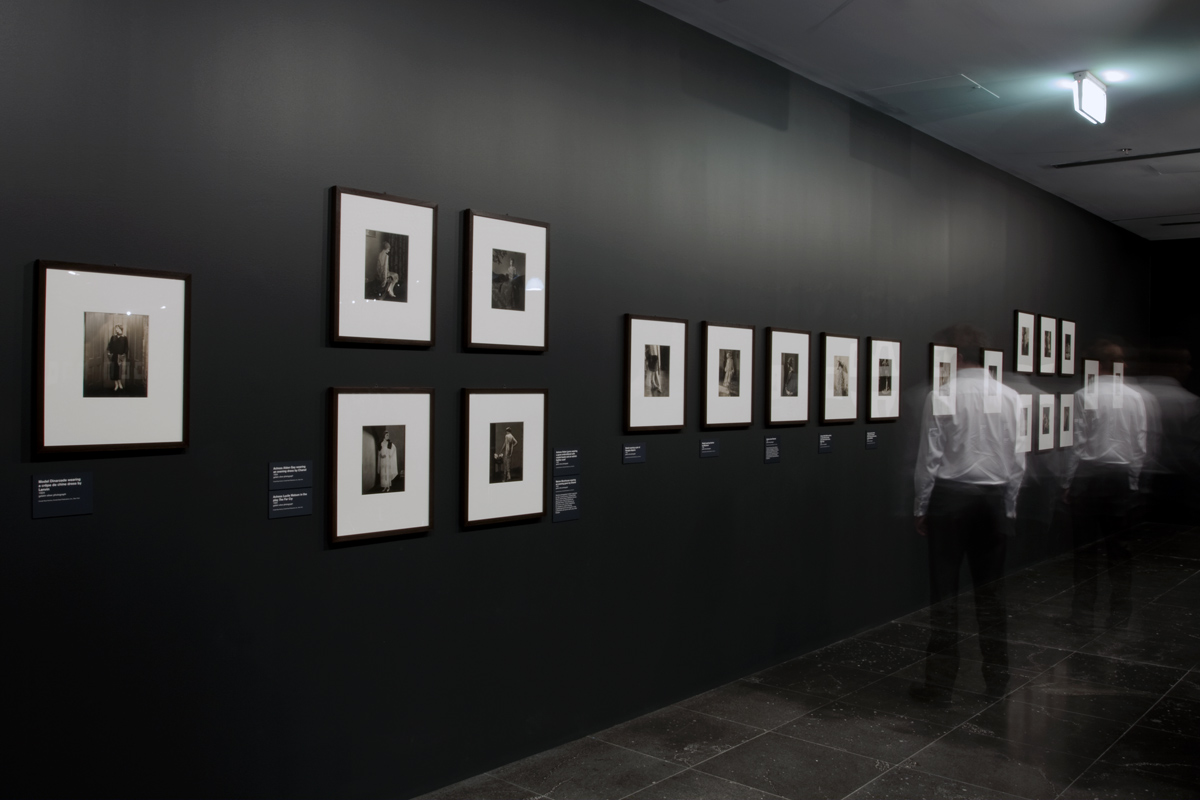
Installation photographs of the exhibition Edward Steichen & Art Deco Fashion at NGV International
Photos: Marcus Bunyan


Installation photograph of the exhibition 'Edward Steichen & Art Deco Fashion' at NGV International


(L-R) Vogue March First 1926; Vogue November 15, 1925; and Vanity Fair June 1926
Photo: Marcus Bunyan


Installation photograph of the exhibition 'Edward Steichen & Art Deco Fashion' at NGV International

Installation photograph of the exhibition 'Edward Steichen & Art Deco Fashion' at NGV International

Installation photograph of the exhibition 'Edward Steichen & Art Deco Fashion' at NGV International

Installation photograph of the exhibition 'Edward Steichen & Art Deco Fashion' at NGV International


Installation photographs of the exhibition Edward Steichen & Art Deco Fashion at NGV International
Photos: Marcus Bunyan


The National Gallery of Victoria will showcase the glamour and modernity of the Art Deco period through the work of fashion’s most influential photographer, Edward Steichen, and stunning Art Deco fashion garments and accessories. The exhibition Edward Steichen & Art Deco Fashion is the first Australian survey of Steichen, widely considered to have created the first modern fashion photo. The exhibition features almost 200 of Steichen’s original vintage photographs, drawn from the vast archives of Condé Nast where he was chief photographer for their most prestigious magazines Vanity Fair and Vogue during the 1920s and 30s, alongside more than forty exquisite Art Deco fashion items from the NGV Collection and select private collections.

Tony Ellwood, Director, NGV, said that Edward Steichen & Art Deco Fashion is the first major Australian retrospective dedicated to Steichen’s iconic Condé Nast work.

“Steichen’s evocative images are regarded as among the most striking in early-to-mid-20th century photography and his fashion work in particular revolutionised the genre of fashion photography. This exhibition provides a rare opportunity to view such a large body of his work and to see up close the intricate details of outstanding Art Deco fashion items that highlight the interplay between fashion and photography,” said Mr Ellwood.

The exhibition presents Steichen’s pioneering modernist fashion photography and celebrity portraiture, produced during his fifteen year career as chief photographer for esteemed Condé Nast publications Vanity Fair and Vogue. During this period he put his exceptional talents and prodigious energy to work, creating a legacy of unequalled brilliance as he photographed the world of high fashion and stars of contemporary popular culture including Marlene Dietrich, Joan Crawford, Charlie Chaplin, Katherine Hepburn, Clara Bow, Louise Brooks, Greta Garbo, Gary Cooper, Winston Churchill and George Gershwin. Steichen’s images transformed fashion photography and influenced generations of photographers, capturing the sophistication of the newly liberated ‘modern woman’ and encapsulating the chic beauty and avant-garde style of the Art Deco movement. Renowned as an innovator and master of lighting, his practice bridged the transition from photography’s early soft-focus, pictorialist style to clean, crisp modernism.

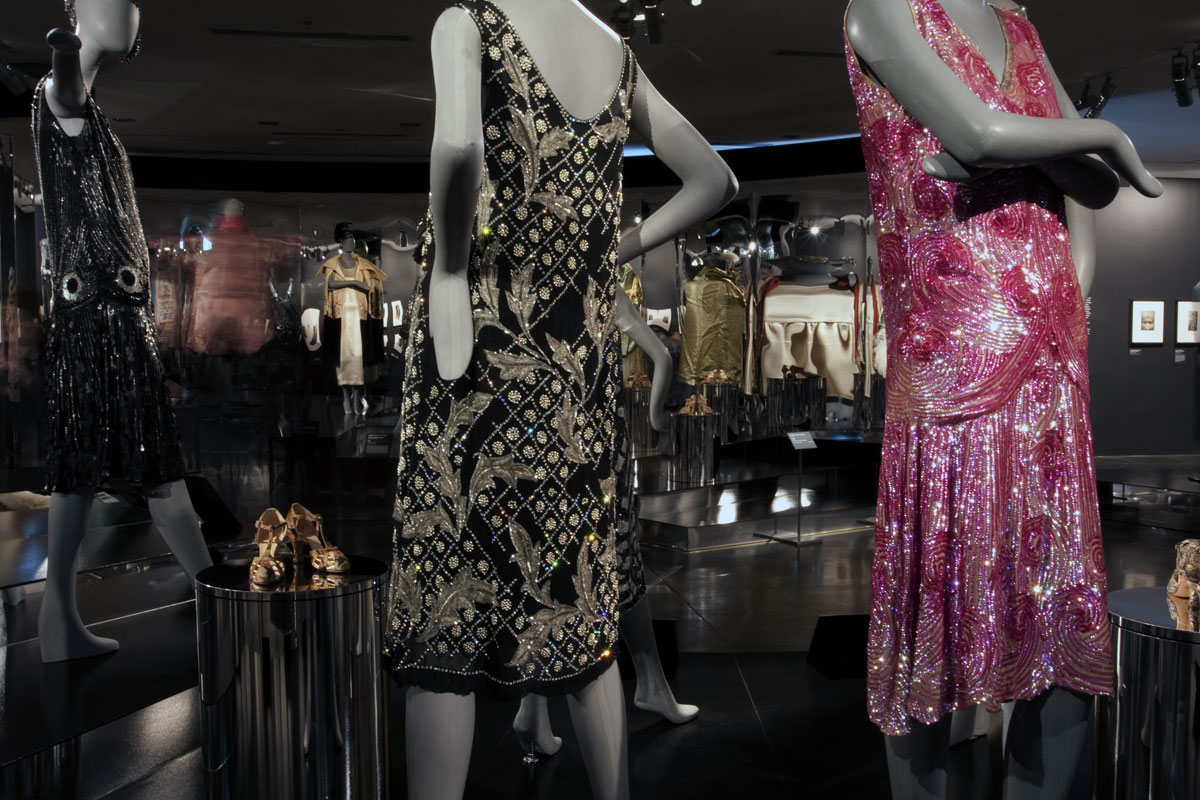
Echoing the aesthetics of Steichen’s photographs, this exhibition will also celebrate the fashion borne of the period with over forty exquisite Art Deco garments and accessories by leading designers of the day including Chanel, Lanvin, Madeleine Vionnet, Madame Paquin and Callot Soeurs. The elegance of old Hollywood glamour and high end fashion will be seen through a range of pieces – including swimsuits, coats, evening gowns, beach pyjamas, dresses, hats, bags and shoes, as well as an early example of Chanel’s little black dress. Art Deco style developed in response to changing lifestyles and ideals following the First World War. Typically characterised by sleek, geometric lines, rich colours and luxurious adornments, these new forms represented a shift away from traditional values; in fashion, hemlines rose and hairstyles became shorter, culminating in the infamous mid-twenties flapper style.

Edward Steichen & Art Deco Fashion also displays rare copies of Vogue and Vanity Fair that demonstrate the way Steichen’s photographs appeared on the magazine page. Two catalogues accompany the exhibition: Art Deco Fashion, a magazine-style volume that charts the development of the modern silhouette and highlights some of the leading designers of the period, and Edward Steichen: In High Fashion – The Condé Nast Years, 1923-1937, a lavishly illustrated 288 page publication that focuses on Steichen’s legendary Vogue and Vanity Fair work.

Press release from the National Gallery of Victoria


Room Two

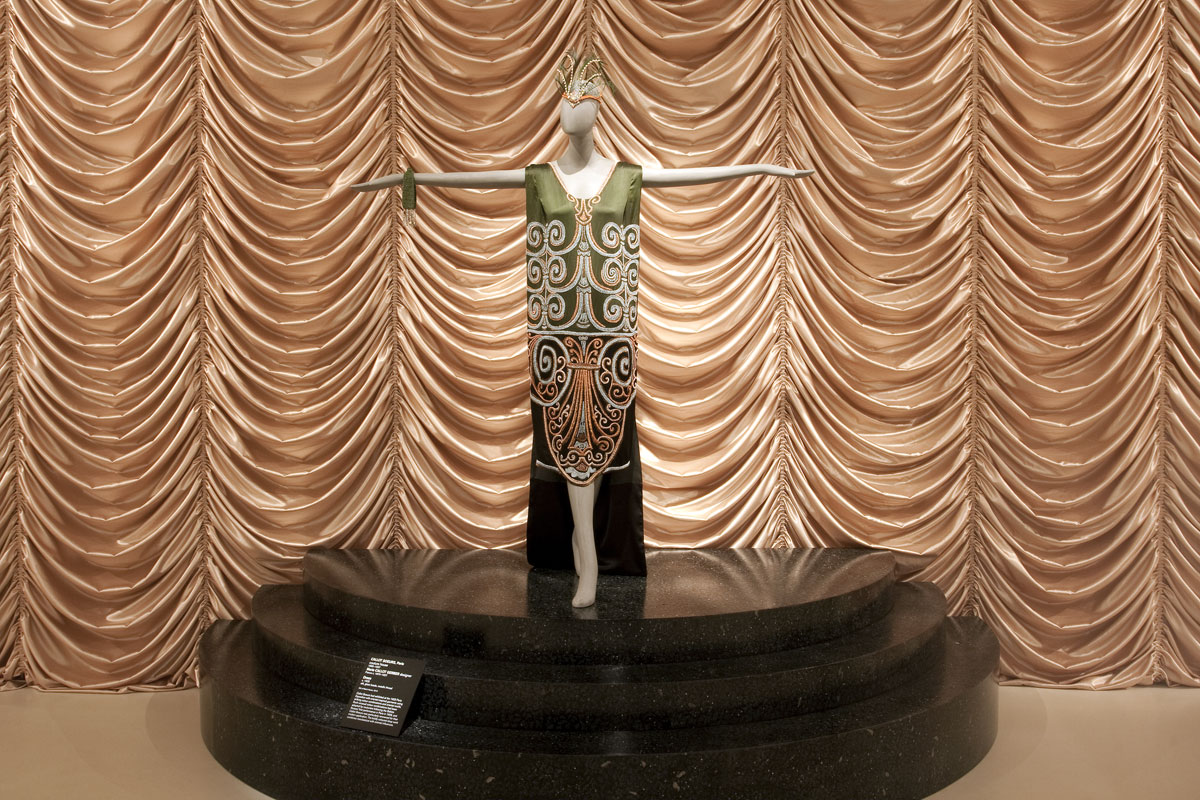
CALLOT SOUERS, Paris couture hours 1925-1937 Marie CALLOT GERBER designer France c. 1870-1927 'Dress' c. 1925


Callot Souers, Paris
Couture house (1925-1937)
Marie Callot Gerber designer
France c. 1870-1927
Dress
c. 1925
Silk, glass beads, metallic thread


Installation photograph of the exhibition 'Edward Steichen & Art Deco Fashion' at NGV International

Installation photograph of the exhibition 'Edward Steichen & Art Deco Fashion' at NGV International

Installation photograph of the exhibition 'Edward Steichen & Art Deco Fashion' at NGV International

Installation photograph of the exhibition 'Edward Steichen & Art Deco Fashion' at NGV International

Installation photograph of the exhibition 'Edward Steichen & Art Deco Fashion' at NGV International

Installation photograph of the exhibition 'Edward Steichen & Art Deco Fashion' at NGV International

Installation photograph of the exhibition 'Edward Steichen & Art Deco Fashion' at NGV International

Installation photograph of the exhibition 'Edward Steichen & Art Deco Fashion' at NGV International

Installation photograph of the exhibition 'Edward Steichen & Art Deco Fashion' at NGV International

Installation photograph of the exhibition 'Edward Steichen & Art Deco Fashion' at NGV International

Installation photograph of the exhibition 'Edward Steichen & Art Deco Fashion' at NGV International


Installation photographs of the exhibition Edward Steichen & Art Deco Fashion at NGV International
Photos: Marcus Bunyan


NGV International
180 St Kilda Road

Opening hours
Daily 10am – 5pm

National Gallery of Victoria website

LIKE ART BLART ON FACEBOOK

Back to top

Marcus Bunyan black and white archive: ‘Immersion’, 1994

October 2013


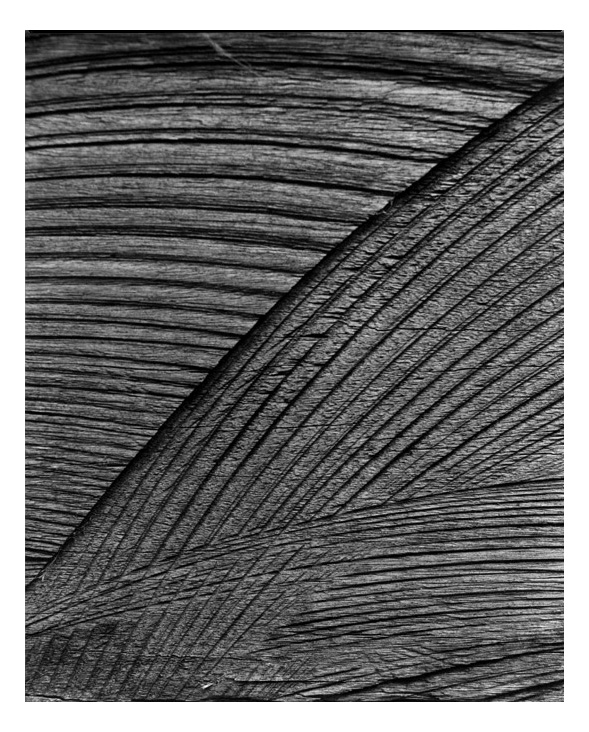
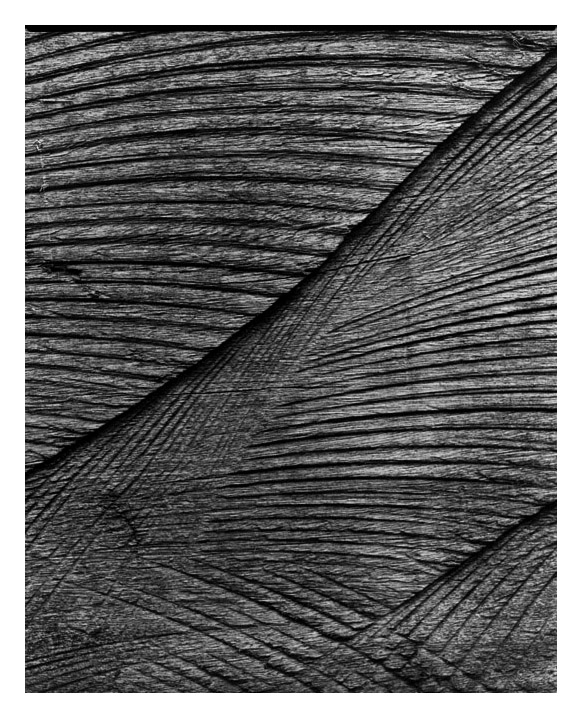
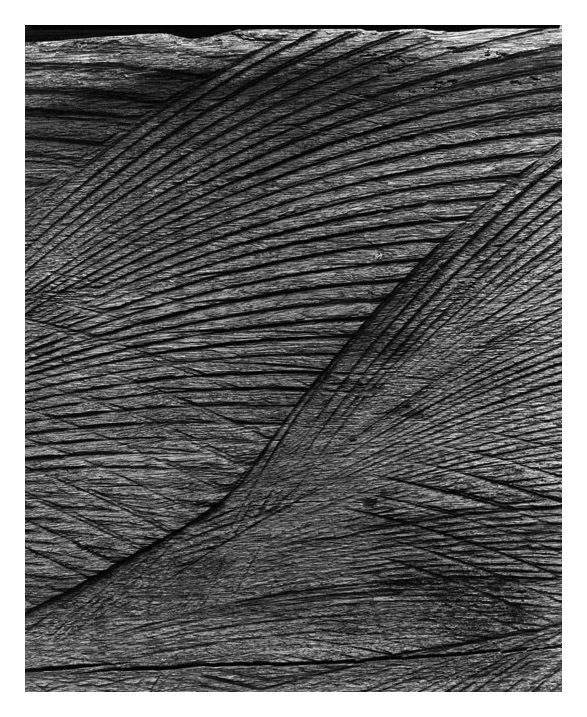
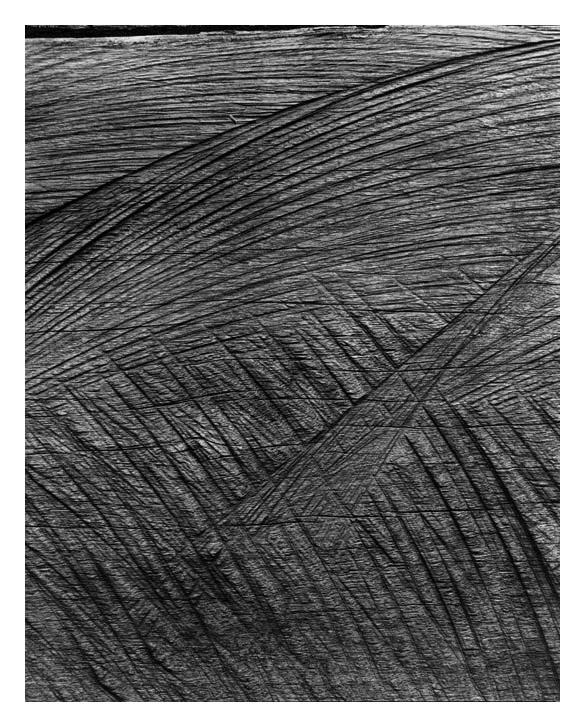
Marcus Bunyan (Australian, b. 1958) 'Untitled (bandsaw)' 1994


Marcus Bunyan (Australian, b. 1958)
Untitled (bandsaw)
1994
Silver gelatin photograph


“What A. feels he is doing, however, as he writes the pages of his own book, is something that does not belong to either one of these two types of memory. A. has both a good memory and a bad memory. He has lost much, but he has also retained much. As he writes, he feels the he is moving inward (through himself) and at the same time moving outward (towards the world). What he experienced, perhaps, during those few moments on Christmas Eve, 1979, as he sat alone in his room on Varick Street, was this: the sudden knowledge that came over him that even alone, in the deepest solitude of his room, he was not alone, or, more precisely, that the moment he began to try to speak of that solitude, he had become more than just himself. Memory, therefore, not simply as the resurrection of one’s private past, but an immersion in the past of others, which is to say: history – which one both participates in and is a witness to, is a part of and apart from. Everything, therefore, is present in his mind at once, as if each element were reflecting the light of all the others, and at the same time emitting its own unique and unquenchable radiance. If there is any reason for him to be in this room now, it is because there is something inside him hungering to see it all at once, to savor the chaos of it in all its raw and urgent simultaneity. And yet, the telling of it is necessarily slow, a delicate business of trying to remember what has already been remembered. The pen will never be able to move fast enough to write down every word discovered in the space of memory. Some things have been lost forever, other things will perhaps be remembered again, and still others have been lost and found and lost again. There is no way to be sure of any of this.”


Paul Auster. “The Book of Memory,” in The Invention of Solitude, 1982, pp. 148-49


I am scanning my negatives made during the years 1991-1997 to preserve them in the form of an online archive as a process of active memory, so that the images are not lost forever. These photographs were images of my life and imagination at the time of their making, the ideas I was thinking about and the people and things that surrounded me.

All images © Marcus Bunyan. Please click the photographs for a larger version of the image. Please remember these are just straight scans of the prints, all full frame, no cropping !

Photographs are available from this series for purchase. As a guide, a vintage 8″ x 10″ silver gelatin print costs $700 plus tracked and insured shipping. For more information please see my store web page.


Marcus Bunyan (Australian, b. 1958) 'Inversion' 1994


Marcus Bunyan (Australian, b. 1958)
Inversion
1994
Silver gelatin photograph


Marcus Bunyan (Australian, b. 1958) 'Growth 2' 1994


Marcus Bunyan (Australian, b. 1958)
Growth 2
1994
Silver gelatin photograph


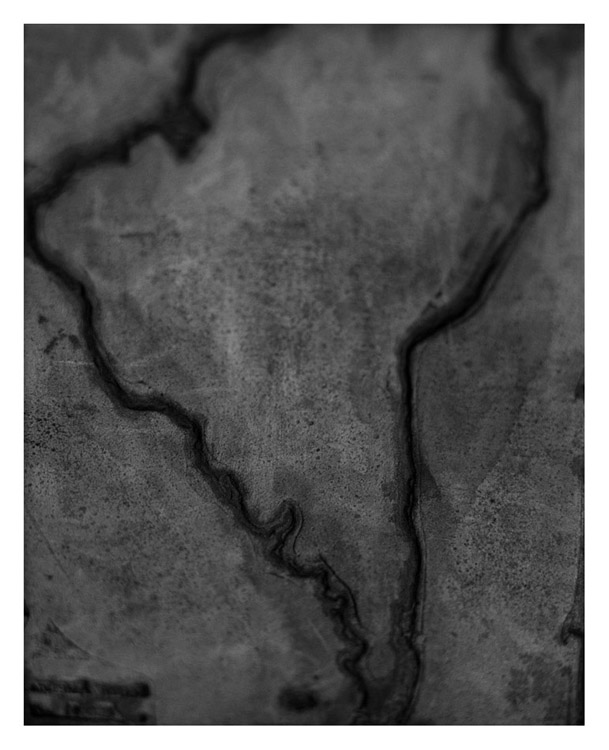
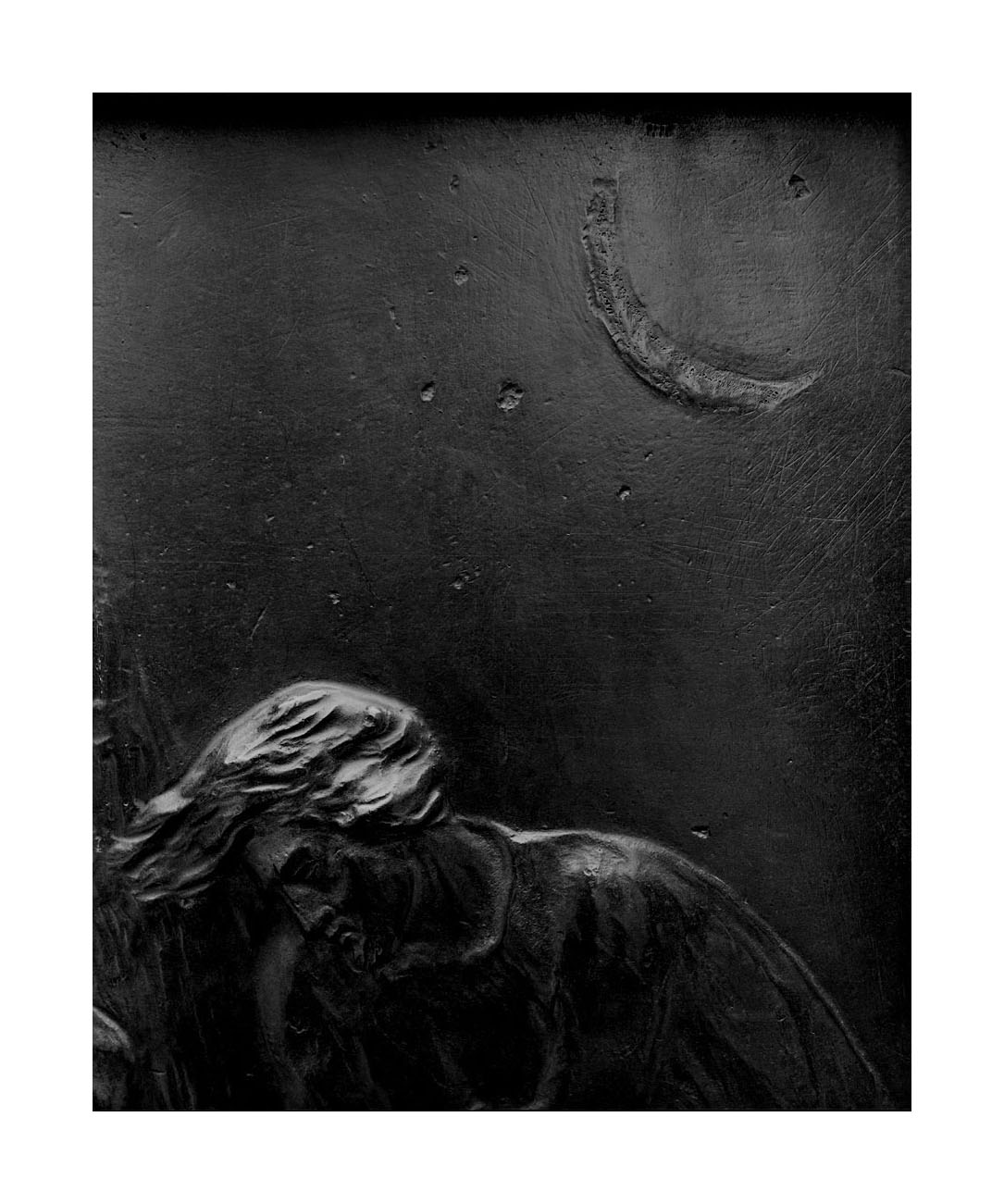
Marcus Bunyan (Australian, b. 1958) 'Starry Night (Burke and Wills memorial)' 1994


Marcus Bunyan (Australian, b. 1958)
Starry Night (Burke and Wills memorial)
1994
Silver gelatin photograph


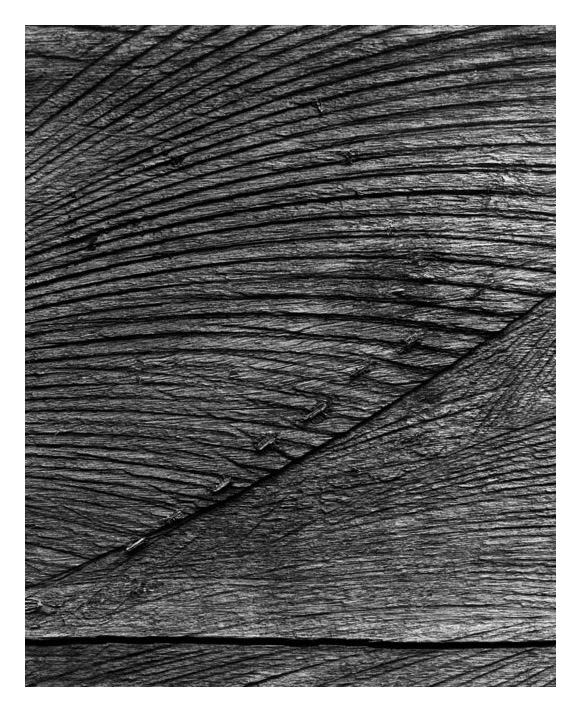
Marcus Bunyan (Australian, b. 1958) 'Untitled (bandsaw)' 1994


Marcus Bunyan (Australian, b. 1958)
Untitled (bandsaw)
1994
Silver gelatin photograph


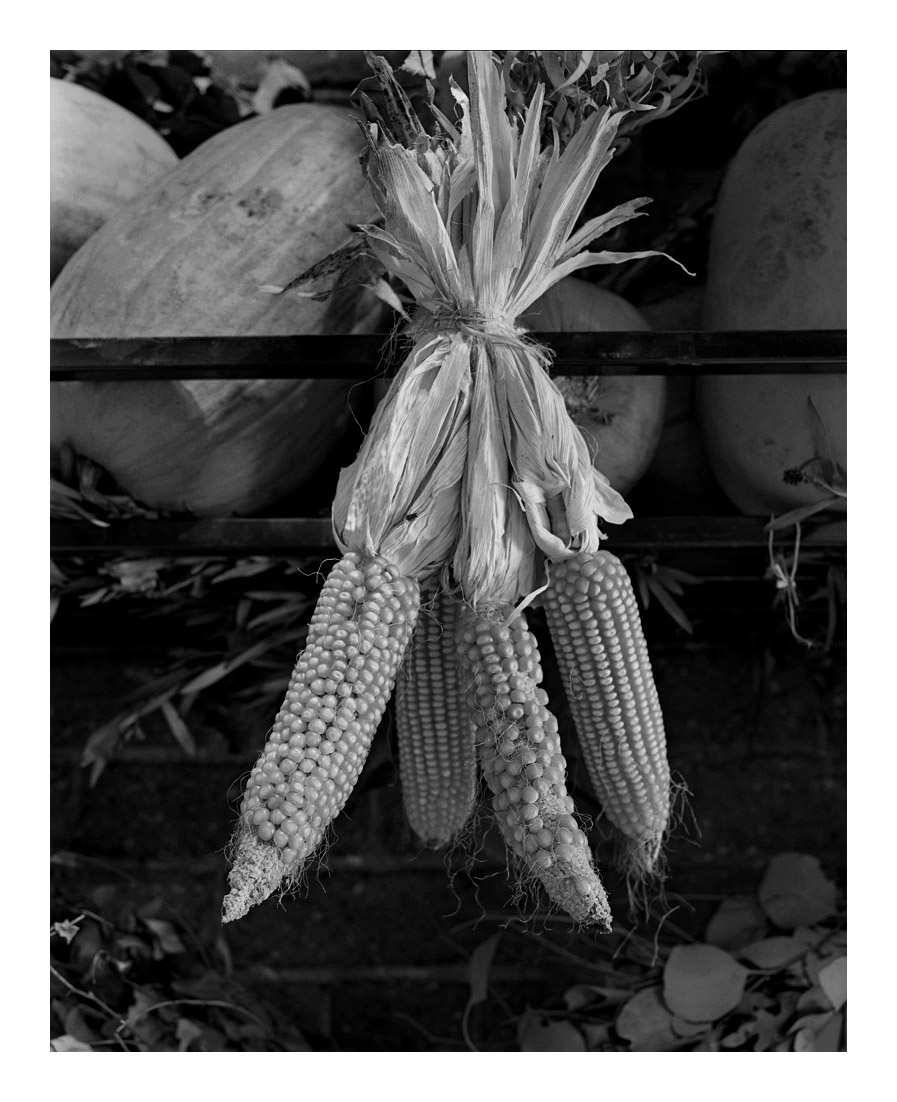
Marcus Bunyan (Australian, b. 1958) 'Four ears' 1994


Marcus Bunyan (Australian, b. 1958)
Four ears
1994
Silver gelatin photograph


Marcus Bunyan (Australian, b. 1958) 'Such is death' 1994


Marcus Bunyan (Australian, b. 1958)
Such is death
1994
Silver gelatin photograph


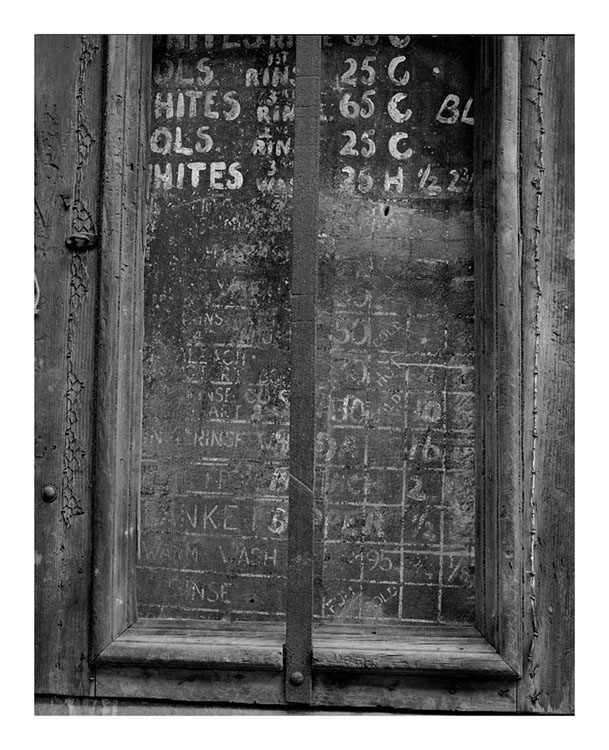
Marcus Bunyan (Australian, b. 1958) 'The wash house' 1994


Marcus Bunyan (Australian, b. 1958)
The wash house
1994
Silver gelatin photograph


Marcus Bunyan (Australian, b. 1958) 'Untitled (bandsaw)' 1994


Marcus Bunyan (Australian, b. 1958)
Untitled (bandsaw)
1994
Silver gelatin photograph


Marcus Bunyan (Australian, b. 1958) 'The place where many men have stood' 1994


Marcus Bunyan (Australian, b. 1958)
The place where many men have stood
1994
Silver gelatin photograph


Marcus Bunyan (Australian, b. 1958) 'Untitled (bandsaw)' 1994


Marcus Bunyan (Australian, b. 1958)
Untitled (bandsaw)
1994
Silver gelatin photograph


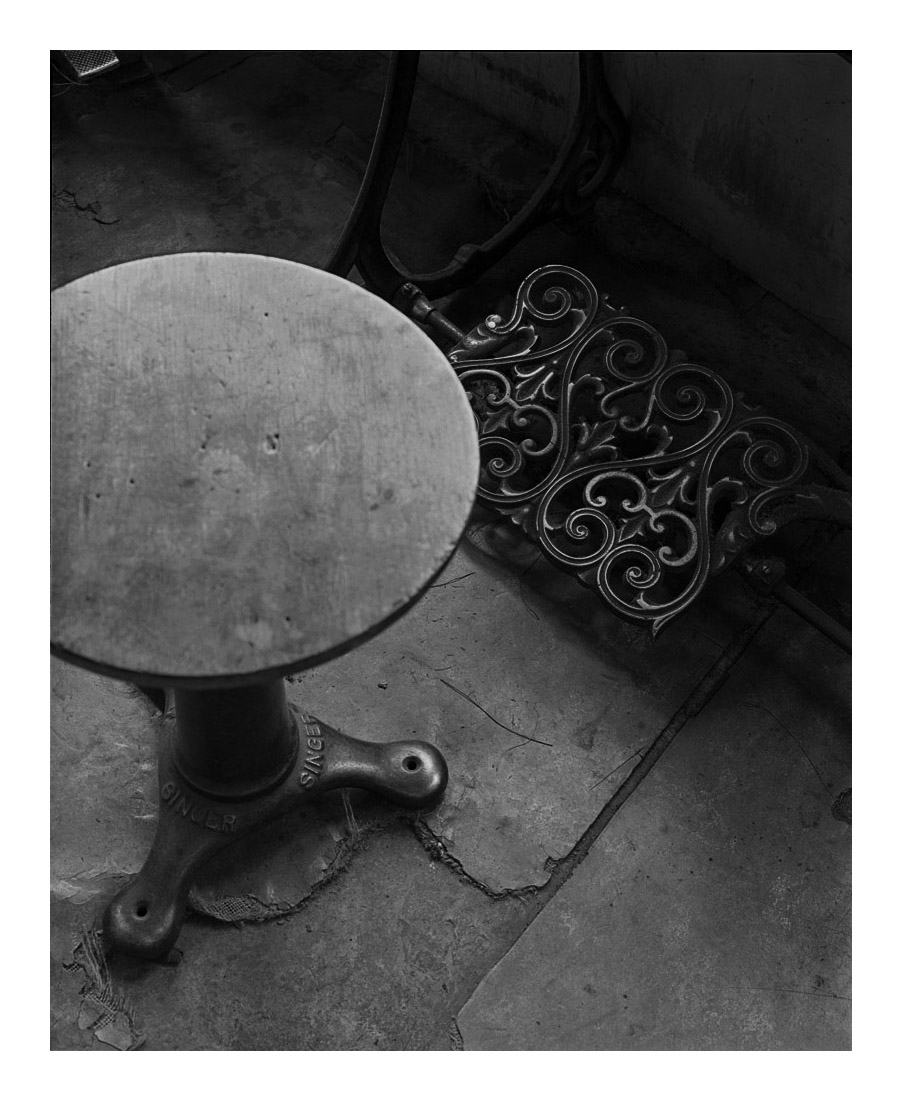
Marcus Bunyan (Australian, b. 1958) 'Singer' 1994


Marcus Bunyan (Australian, b. 1958)
Singer
1994
Silver gelatin photograph


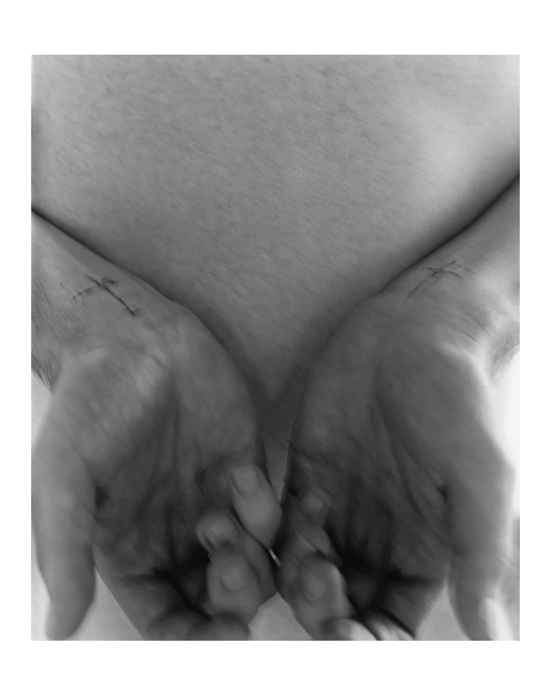
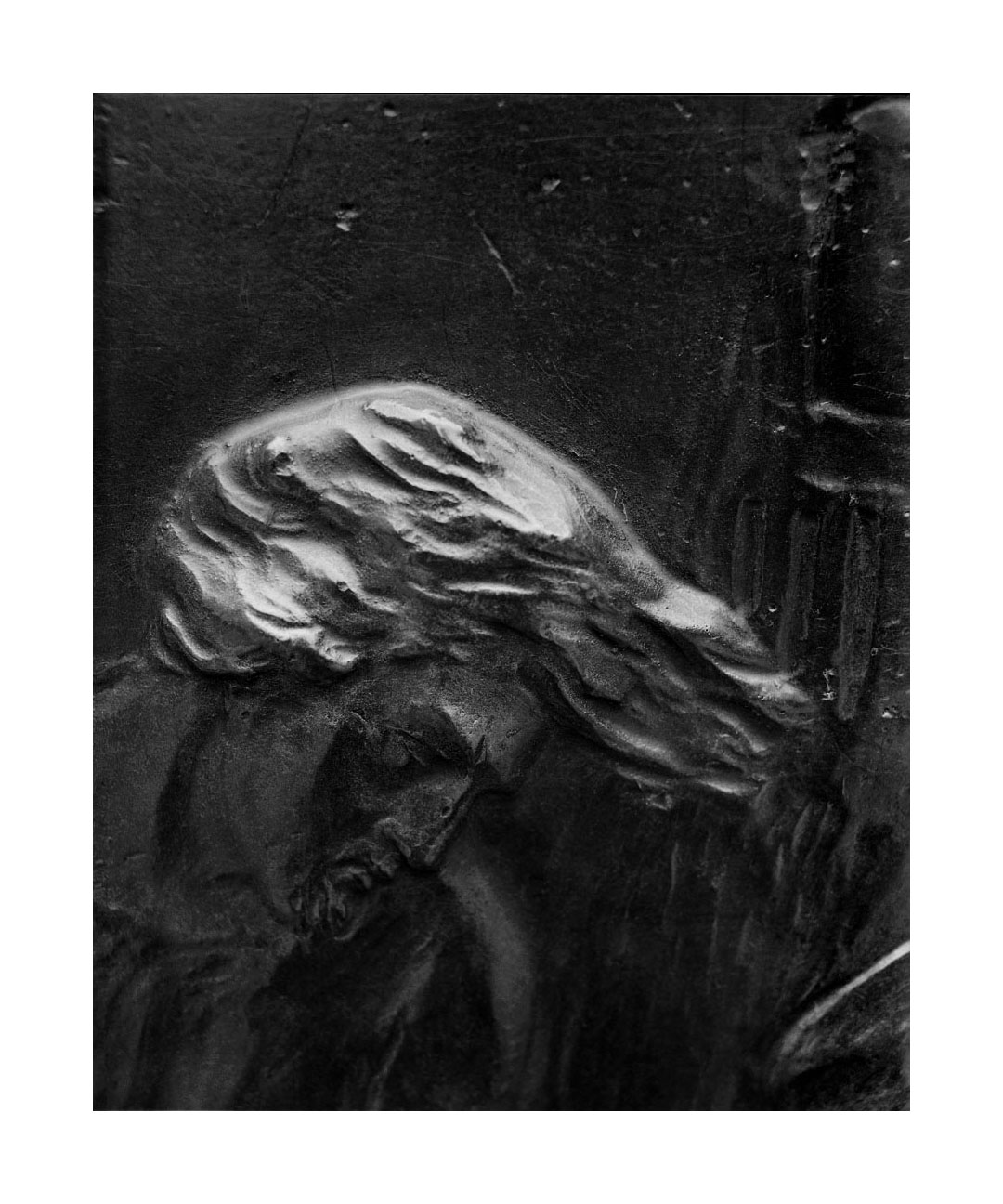
Marcus Bunyan (Australian, b. 1958) 'Ecce homo' 1994


Marcus Bunyan (Australian, b. 1958)
Ecce homo
1994
Silver gelatin photograph


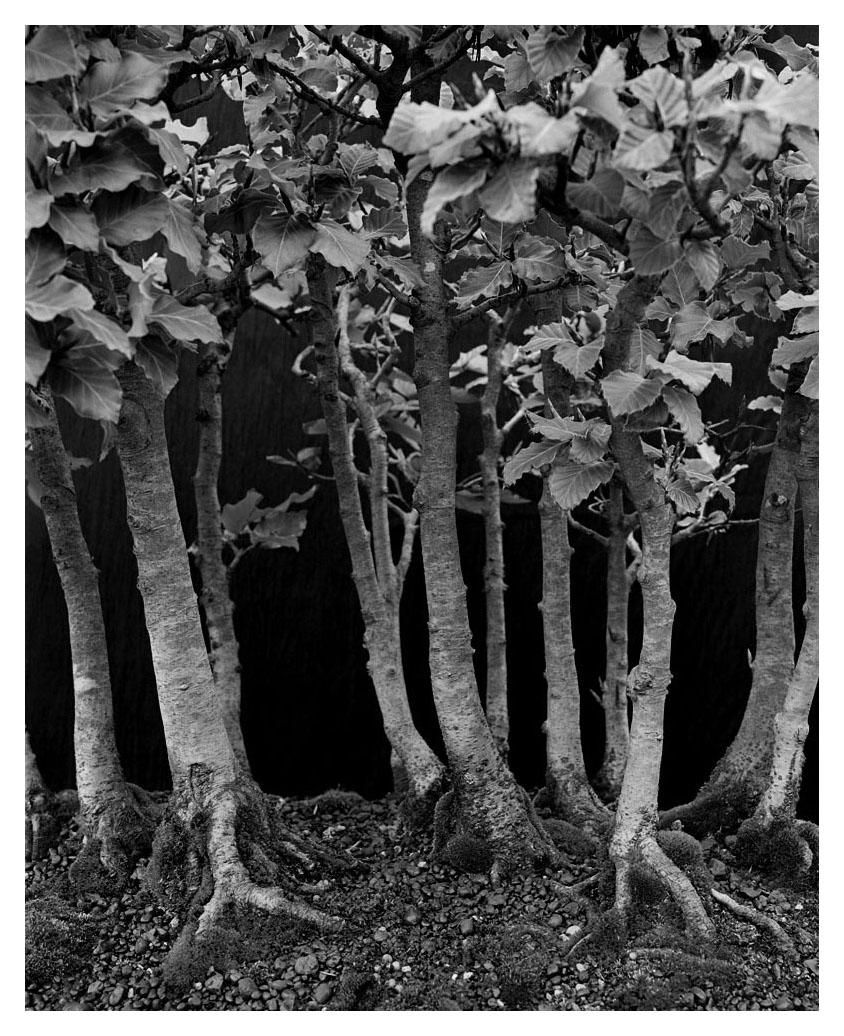
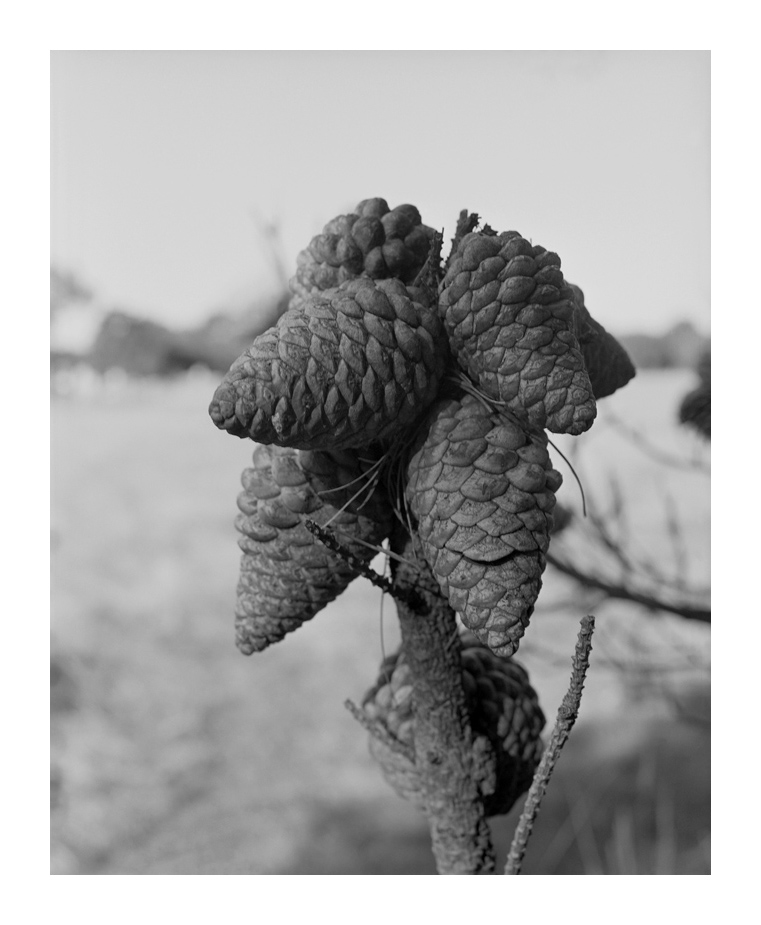
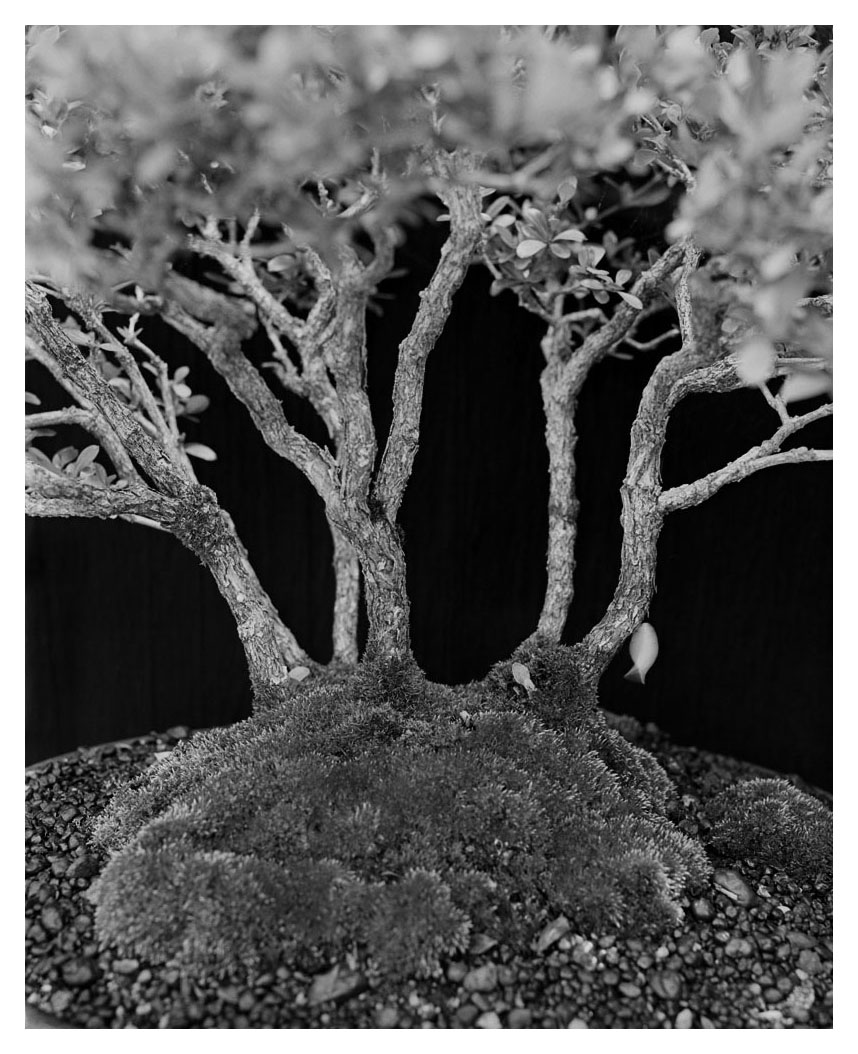
Marcus Bunyan (Australian, b. 1958) 'Cluster' 1994


Marcus Bunyan (Australian, b. 1958)
Cluster
1994
Silver gelatin photograph


Marcus Bunyan (Australian, b. 1958) 'Theoria' 1994


Marcus Bunyan (Australian, b. 1958)
Theoria
1994
Silver gelatin photograph


The Greek theoria (θεωρία), from which the English word “theory” is derived, meant “contemplation, speculation, a looking at, things looked at”, from theorein (θεωρεῖν) “to consider, speculate, look at”, from theoros (θεωρός) “spectator”, from thea (θέα) “a view” + horan (ὁρᾶν) “to see”. It expressed the state of being a spectator. Both Greek θεωρία and Latin contemplatio primarily meant looking at things, whether with the eyes or with the mind.

Taking philosophical and theological traditions into consideration, the term was used by the ancient Greeks to refer to the act of experiencing or observing and then comprehending through consciousness, which is called the nous or “eye of the soul” (Matthew 6:22-34). Insight into being and becoming (called noesis) through the intuitive truth called faith, in God (action through faith and love for God), leads to truth through our contemplative faculties. This theory, or speculation, as action in faith and love for God, is then expressed famously as “Beauty shall Save the World”. This expression comes from a mystical or gnosiological perspective, rather than a scientific, philosophical or cultural one.

Text from Wikipedia website


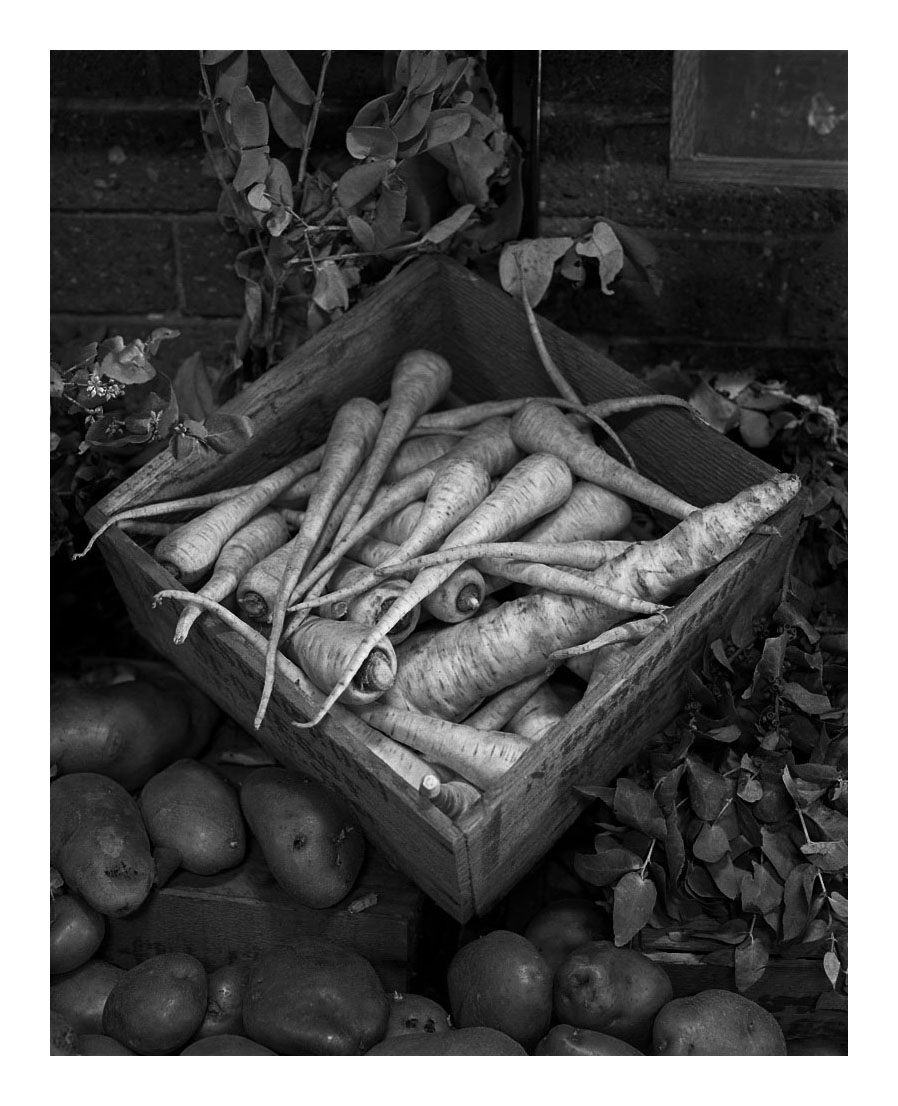
Marcus Bunyan (Australian, b. 1958) 'Parsnips and potatoes' 1994


Marcus Bunyan (Australian, b. 1958)
Parsnips and potatoes
1994
Silver gelatin photograph


Marcus Bunyan (Australian, b. 1958) 'Burke and water' 1994


Marcus Bunyan (Australian, b. 1958)
Burke and water
1994
Silver gelatin photograph


Marcus Bunyan (Australian, b. 1958) 'Growth 1' 1994


Marcus Bunyan (Australian, b. 1958)
Growth 1
1994
Silver gelatin photograph


Marcus Bunyan. 'Untitled (comet)' 1994


Marcus Bunyan (Australian, b. 1958)
Untitled (comet)
1994
Silver gelatin photograph


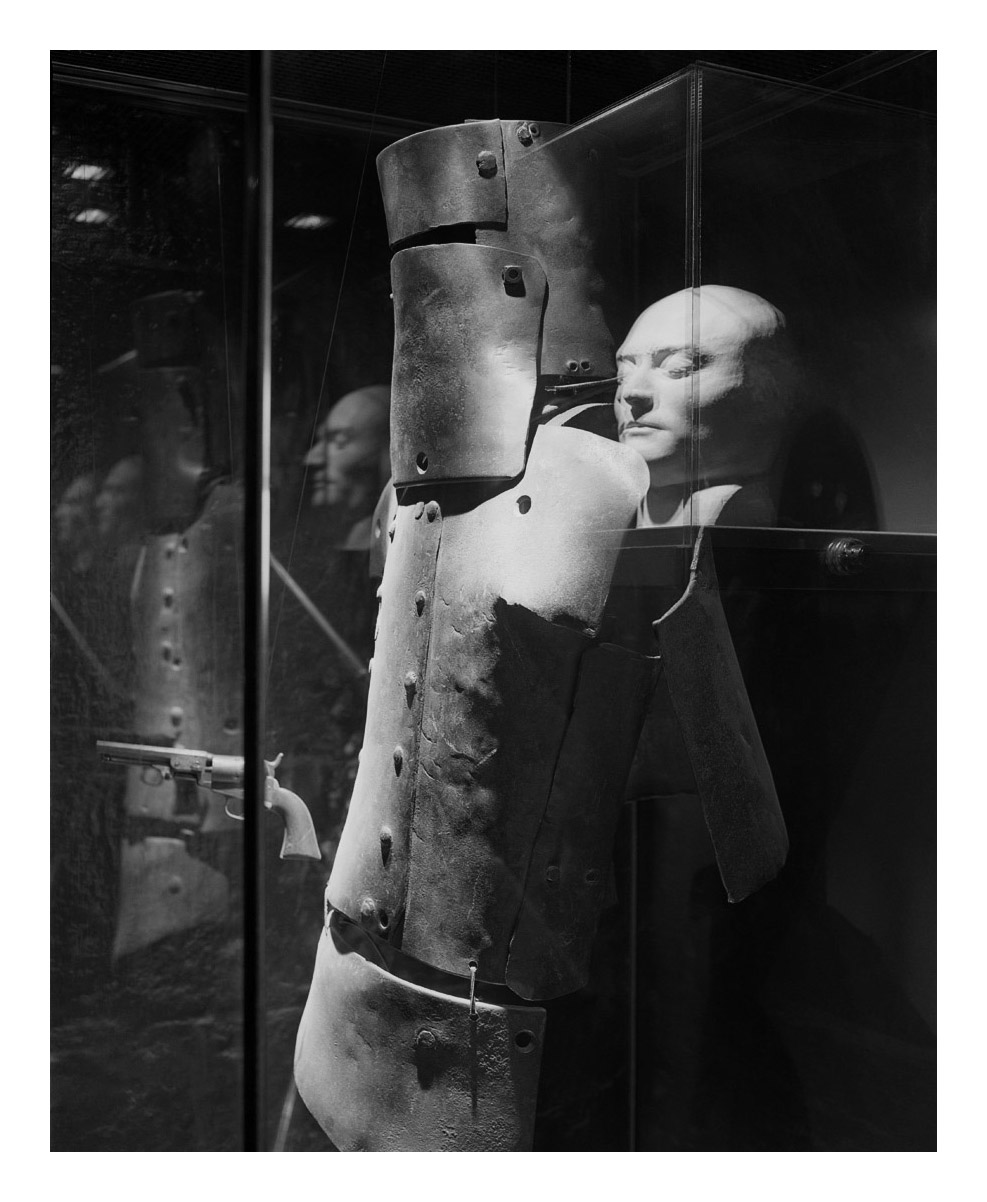
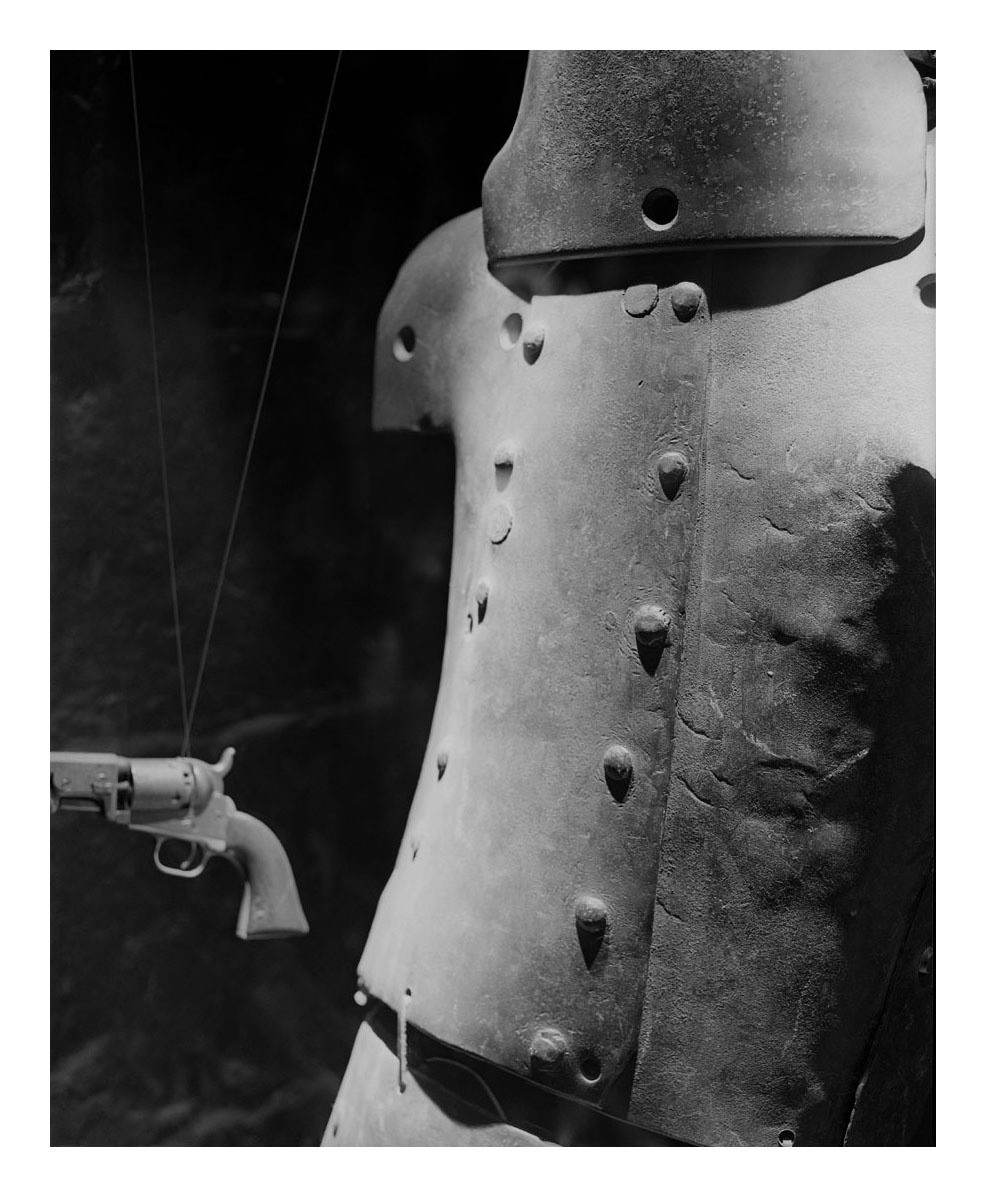
Marcus Bunyan (Australian, b. 1958) 'A(r)mour' 1994


Marcus Bunyan (Australian, b. 1958)
A(r)mour
1994
Silver gelatin photograph


Marcus Bunyan black and white archive page

LIKE ART BLART ON FACEBOOK

Back to top

Exhibition: ‘Density’ by Andrew Follows at Anita Traverso Gallery, Richmond

Exhibition dates: 27th August – 21st September 2013


Andrew Follows (Australian, d. 2019) 'Number 31, Eltham' 2013


Andrew Follows (Australian, d. 2019)
Number 31, Eltham
2013
Digital photograph on archival cotton rag
130 cm x 86.5cm


Only 2 days to go before the ending of Andrew Follows’ exhibition Density at Anita Traverso Gallery, 7 Albert Street Richmond which I curated.

You have to see these images in person, they are impressively immersive!

Dr Marcus Bunyan


PS. Preview all the images in the exhibition and read the catalogue essay at this previous posting. Please click on the photographs for a larger version of the image.


Density Logos


Anita Traverso Gallery

This gallery has now closed.

Anita Traverso Gallery website

LIKE ART BLART ON FACEBOOK

Back to top

Exhibition: ‘Density’ by Andrew Follows, curated by Dr Marcus Bunyan, at Anita Traverso Gallery, Richmond

Exhibition dates: 27th August – 21st September 2013

Curator: Marcus Bunyan
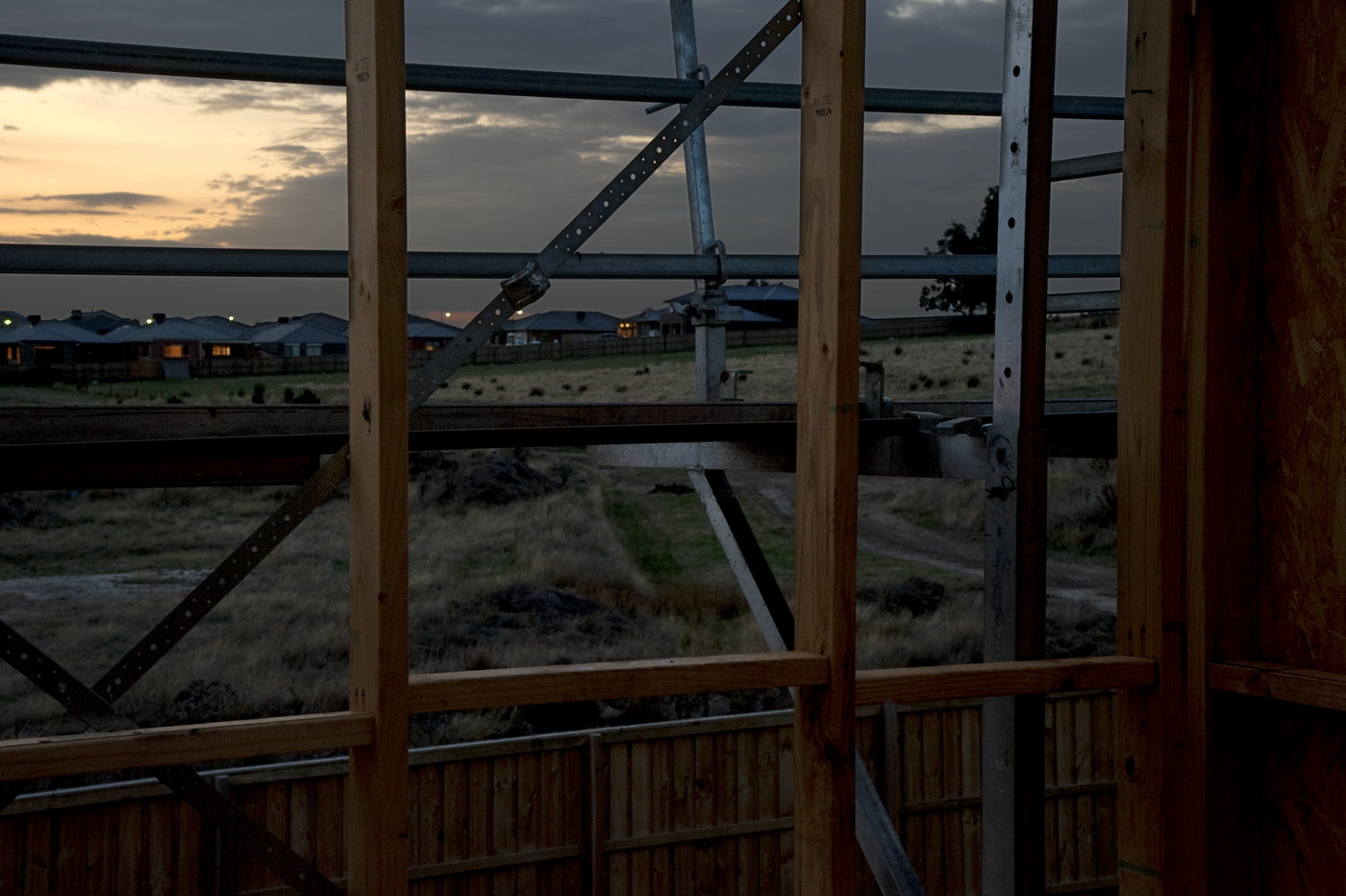
 

Andrew Follows (Australian, d. 2019) 'Elevation, Doreen' 213


Andrew Follows (Australian, d. 2019)
Elevation, Doreen
213
Digital photograph on archival cotton rag
130 cm x 86.5cm


A wonderful exhibition by vision impaired photographer Andrew Follows at Anita Traverso Gallery, Richmond. It has been a real pleasure to mentor Andrew over the past year and to see the fruits of our labour is incredibly satisfying. The images are strong, elemental, atmospheric, immersive. Due to the nature of Andrew’s tunnel vision there are hardly any traditional vanishing points within the images, instead the ‘plane of existence’ envelops you and draws you in.

Well done to everyone involved with the project. I would particularly like to thank Fiona Cook from Arts Access Victoria for keeping the project on track; the amazing Darren from CPL Digital for his most excellent efforts to print the almost impossible print; Jondi Keane from Deakin University for opening the exhibition; Anna Briers for writing a wonderful catalogue essay; and Anita Traverso for believing in Andrew and giving him an exhibition when many wouldn’t. Many thankx and respect to all.

Dr Marcus Bunyan


The photographs below appear in the order they are in the exhibition. Please click on the photographs for a larger version of the image.


Density n.

The degree of optical opacity of a medium or material, as of a photographic negative;

Thickness of consistency;

Complexity of structure or content.


Andrew Follows (Australian, d. 2019) 'Number 31, Eltham' 2013


Andrew Follows (Australian, d. 2019)
Number 31, Eltham
2013
Digital photograph on archival cotton rag
130 cm x 86.5cm


Andrew Follows (Australian, d. 2019) 'Green, Montsalvat' 2013


Andrew Follows (Australian, d. 2019)
Green, Montsalvat
2013
Digital photograph on archival cotton rag
130 cm x 86.5cm
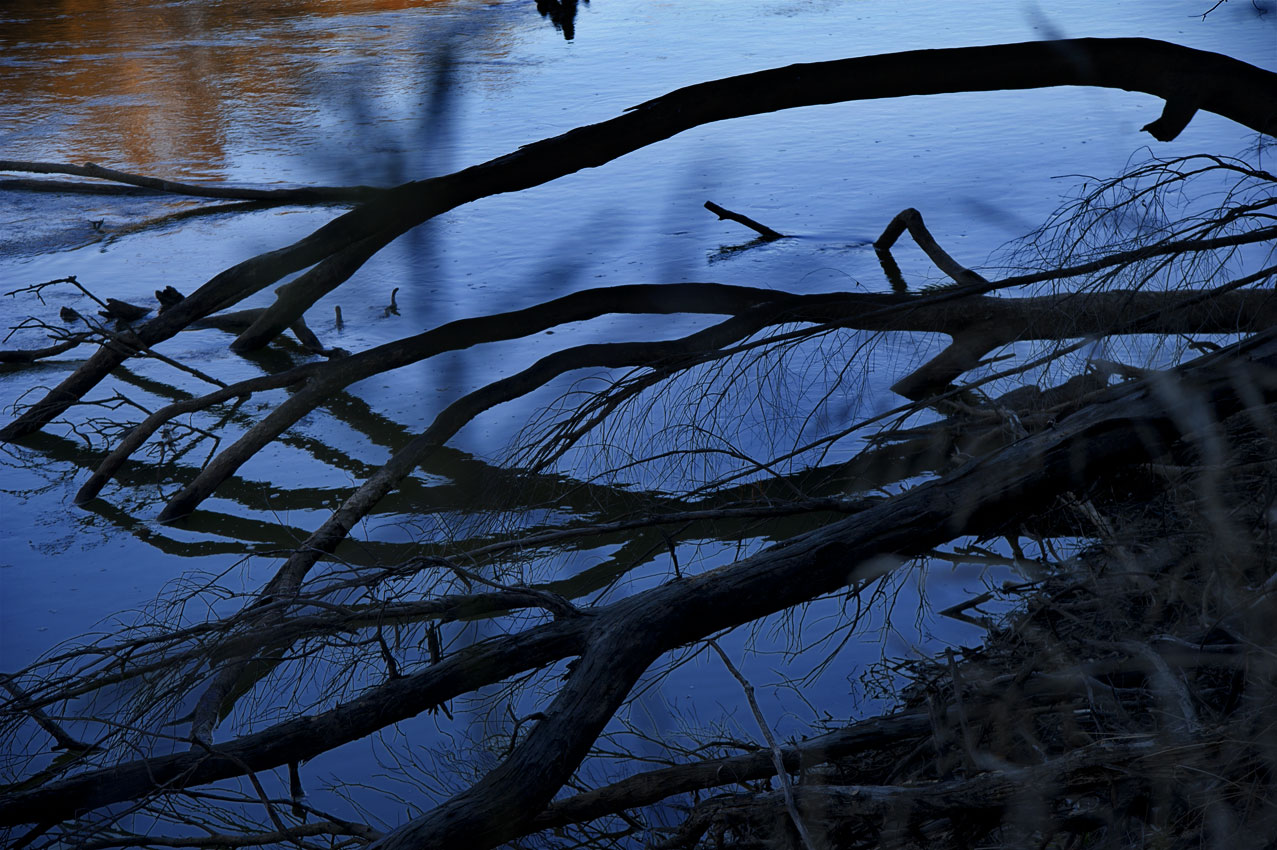
 

Andrew Follows (Australian, d. 2019) 'Shadowlife' 2013


Andrew Follows (Australian, d. 2019)
Shadowlife
2013
Digital photograph on archival cotton rag
130 cm x 86.5cm
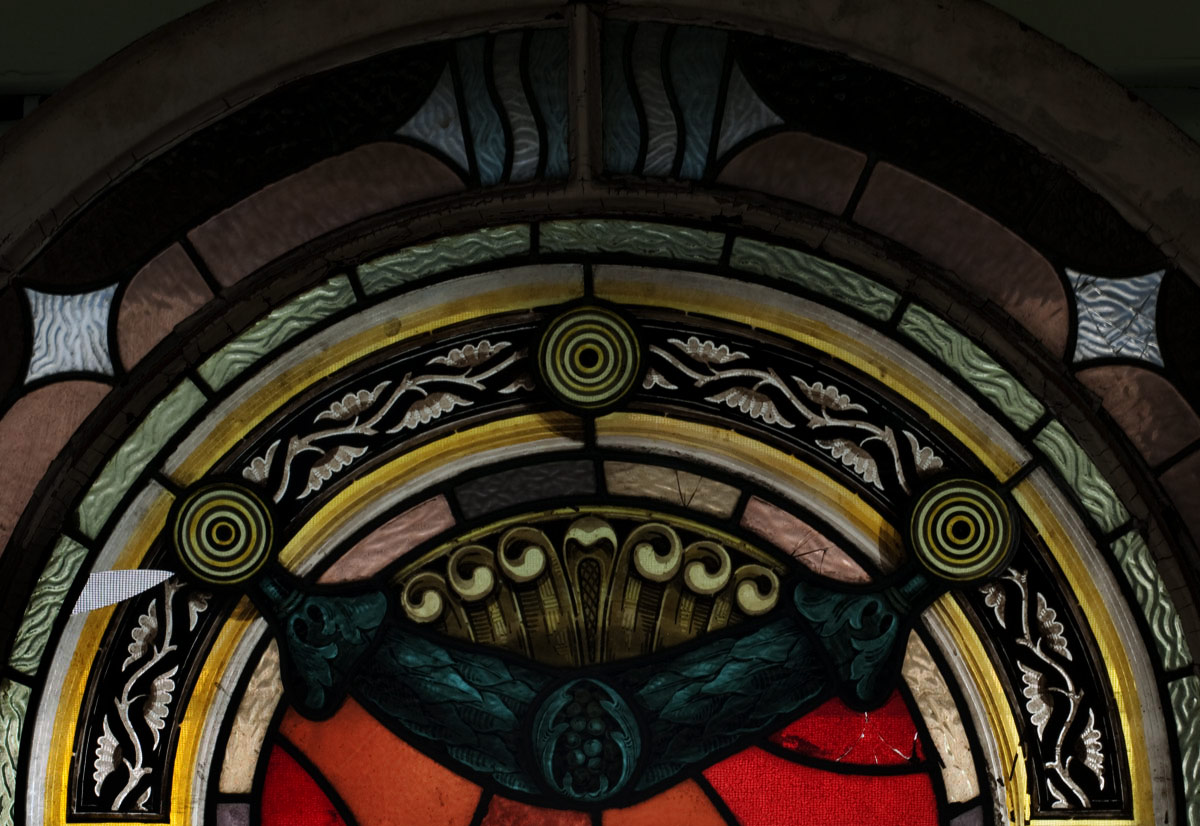
 

Andrew Follows (Australian, d. 2019) 'Garland, South Melbourne' 2013


Andrew Follows (Australian, d. 2019)
Garland, South Melbourne
2013
Digital photograph on archival cotton rag
40 cm x 27cm
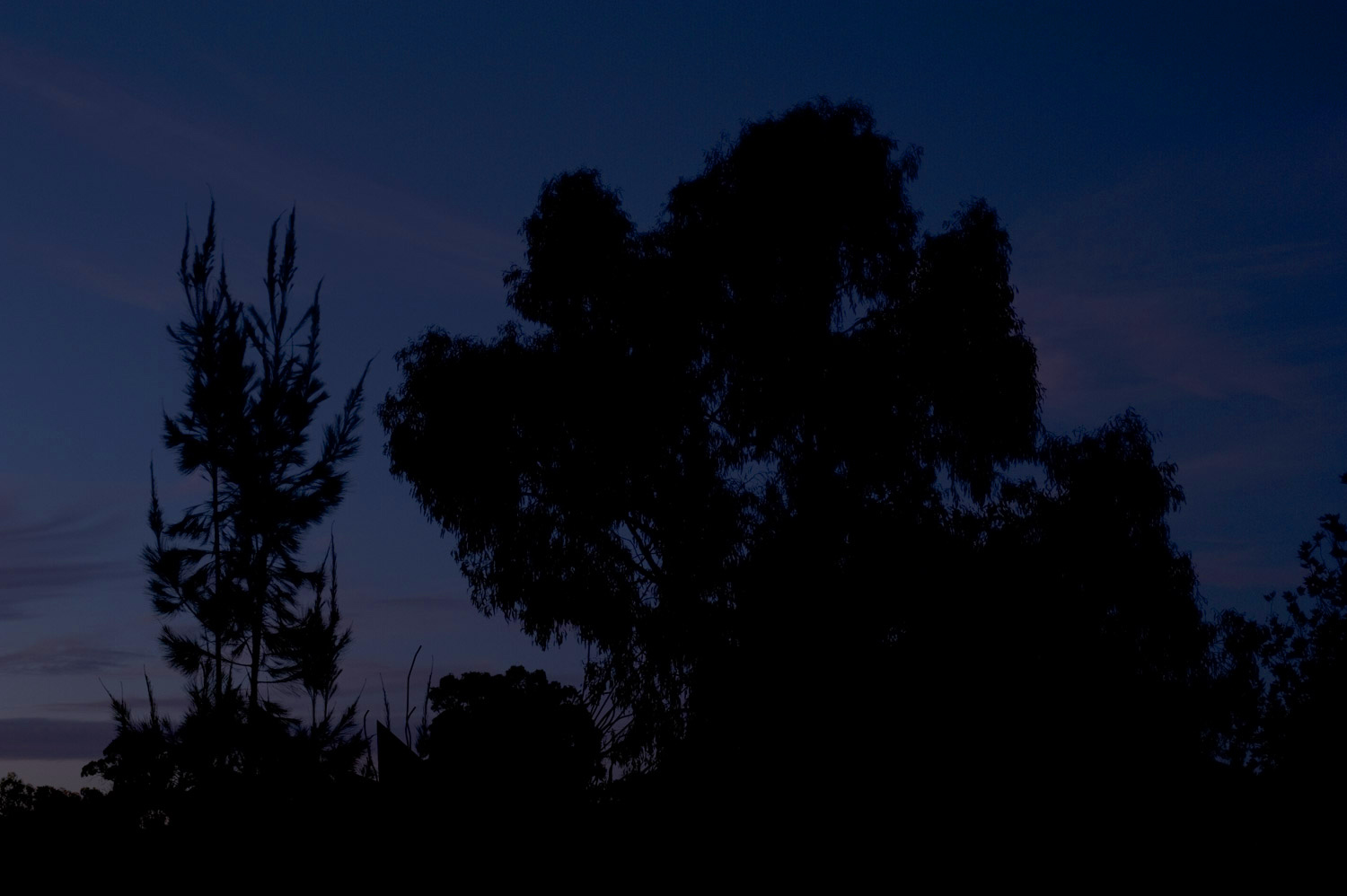
 

Andrew Follows (Australian, d. 2019) 'Indigo, Edenvale' 2013


Andrew Follows (Australian, d. 2019)
Indigo, Edenvale
2013
Digital photograph on archival cotton rag
130 cm x 86.5 cm


The Mind’s Eye: Density in the Work of Andrew Follows

Anna Briers

Seeing has never been about the simple act of looking. It can be defined by the parameters of our past experience and cognitive stock, factors which enable, inhibit and shape our perceptive abilities. Ultimately, our ways of seeing are affected by our learnt cultural assumptions about the universe.1

Cultural theorist James Elkins has said, ‘blindness is not the opposite of vision, but it’s constant companion, and even the foundation of seeing itself.’2 In his seminal text The Object Stares Back, Elkins illustrates that we are blind to the limits of our own vision and that this unknowingness about our visual fallibilities is crucial to ordinary seeing. This blindness relates to a hierarchy of vision, defined not only by our psychological limitations but our physiological ones as well – the selection process that we employ to filter the vast proliferating output of information that we are inundated with on a daily basis. Without which, we would probably experience a kind of cerebral meltdown.

If vision is dependent on a certain amount of blindness, then by extension the notion that a photographic image can accurately document the truth is a misconception. The camera is not simply a black box that can correctly capture a quotation of reality, a machine of ‘logic and light’,3 for the act of taking a photograph is reliant on the careful selection and framing of a particular object or subject. The result of this point of view is the depiction of a subjective reality at the exclusion of everything else which is made invisible: eliminated by the perimeters of the frame.

In this context, it is interesting to consider the work of legally blind photographer Andrew Follows. Follows has a degenerative condition called Retinitis Pigmentosa (RP) that has rendered one eye completely blind with ever diminishing tunnel vision in the other. Follows can perceive three meters ahead, albeit through an obscuring haze. The clarity of his vision is dependent on lighting and various environmental factors; objects are often more perceptible at night. Whilst form and structure are apparent, he cannot see the intricate tonal details of a stained glass window. He cannot know that the colour of your scarf is royal blue. All this changes however, when Follows observes light flooding through the lens of a camera.

Through the small rectangular viewing panel on the reverse of a digital camera, Follows’ world is revealed. He is able to discern architectural detail and the vibrancy of nature; he is able to know that his favourite shade in the vast tonal spectrum is royal blue. In a realisation of Marshall McLuhan’s notion of the camera as a prosthetic extension,4 Follows’ camera extends his sight, and through it he is able to capture his unique vision, for a moment or for a millennia, a physical expression of the imaginings of his mind’s eye.

Curated by Dr Marcus Bunyan, the concept of Density was envisaged as a point of departure to explore the manifold variations and subsequent ruminations on the term as it relates to Follows’ perspective. As a technical descriptive, density explains the degree of optical opacity within a photographic negative. Portions of film that have been exposed to greater amounts of light yield a greater deposit of reduced silver. This is referred to as having a higher density than areas of shadow.5

Density also denotes a thickness of consistency and many of Follows’ works exhibit a complexity of compositional structure and content that elucidates the nature of Follows’ perception. ‘Even in the physicality of my vision, these photographs have a certain feeling that reflects my relationship to the world and how I visualise it.’6 A thematic constant that binds this series together is the shallow depth of field that is combined with a sense of the frame or the foreground being the view. Follows’ images, and therefore our view into his world is a restricted one. As the viewer we must frequently gaze through a kind of haze or obstruction in order to participate.

A pivotal example of this is Elevation, Doreen, 2013, where the composition is segmented by the skeletal structure of the wooden and steel supports of a building. Intersecting diagonals and verticals delineate and contain space across the picture plane, framing the mid-ground and background within its architecture. It is not the vista that is of interest to Follows.

This image cannot escape the requisite art historic parallels with movements such as the Russian Constructivists or De Stijl with its ‘Mondrian-esque’ all over composition. However the image speaks of interiority, its emphasis is on the foreground and by drawing our attention to the mechanics of how the view is framed we are made conscious of the act of seeing. There is a layering or doubling that occurs here: Follows makes us aware of the limitations of our own vision, through the act of looking – by revealing his unique vision, as a result of partial blindness.

Similarly, Void, Eltham, 2013, leaves us grasping for some semblance of illumination and visual clarity within a desolate and dimly lit car park. While our eye is guided across the picture plane by white lines and columns that recede into space, our view is ultimately obstructed by a concrete barrier covered in territorial markings and thus, we are reminded of the limitations of our own vision as we are left to gaze into the dense abyss.

A thematic constant in Follows’ images such as No. 31 Eltham, 2013, is that they resist a singular point of perspective as evidenced by early Renaissance painters where everything was centred on the eye of the beholder; the visible world arranged for the spectator as the universe was once thought to be arranged for God.7 By contrast, many photos evidence a planar sense of spatiality. Often lacking in a noticeable vanishing point, his images have an immersive potential and we are drawn into the various densities within Follows’ shallow depth of field. This is exemplified by the rich textures of Scarp face, Beechworth, 2013, and the lush grassland depicted in Green, Montsalvat, 2013.

Many of the photographs in Density instill a quiet contemplative mood that is partially evoked by a muted tonal palette. Yet within this visionary series the viewer can also bear witness to the reoccurrence of otherworldly imagery, as well as transient and transformational spaces. This sense is further enhanced by the fact that Follows’ photographs are often shot at times when the light is fleeting, on the interstice of night and day. This is exemplified by Green on Blue, 2013, where Follows captures a train in motion, conveying a temporality and flux that eloquently describes a state of transience: of being between spaces, neither here nor there.

With Judges Chair, Beechworth, 2013, Follows conveys the courtroom where infamous Australian Bushranger Ned Kelly was committed to stand trial for murder, prior to his eventual hanging in 1880. The image pervades an institutional formality that is intensified by a classically balanced composition, combined with ominous historical undertones. Yet the space depicted is interrupted by the glimmer of an ethereal light that bolts across the far wall, puncturing the image. Alternative possibilities become illuminated and a sense of otherworldliness becomes palpable.

Hillock No’s 1-3, Windsor, conveys the everyday subject matter of a BMX bike park. Photographed at night utilising the urban ambience of streetlights, the mounds of earth are lit by unearthly glow. Under the gaze of Andrew Follows, the site is infused with an eerie quality. No longer a metropolitan playground, it resembles the desertous territories of an alien landscape, perhaps on some other planetary body or far distant moon.

As Elkins said, blindness is not the opposite of sight, but it’s constant companion. It is therefore, not sight that is required to take a great photograph – it is vision. By using the camera as a prosthetic extension through which he is able to perceive and frame the universe, Follows’ photographs expound the limitations and fallibilities of our own ways of seeing. Moreover, he is able to reveal to us the uniqueness of his subjective view – forged from the rich imaginings of his mind’s eye.

Anna Briers independent writer and curator, Melbourne 2013


Endnotes

1/ Berger, John. Ways of seeing: based on the BBC television series. London: British Broadcasting Corporation; Harmondsworth: Penguin, 1972, p. 11.

2/ Elkins, James. The object stares back: on the nature of seeing. New York: Simon & Schuster, 1996.

3/ Elkins, James. What photography is. New York: Routledge, 2011

4/ McLuhan, Marshall. Understanding media: the extensions of man. London: Routledge, 2001. p. 210.

5/ Adams, Ansel. The negative: exposure and development. Hastings-on-Hudson, N. Y.: Morgan & Morgan, 1968.

6/ Quote drawn from artist’s statement.

7/ Berger, Op. cit., p. 16.
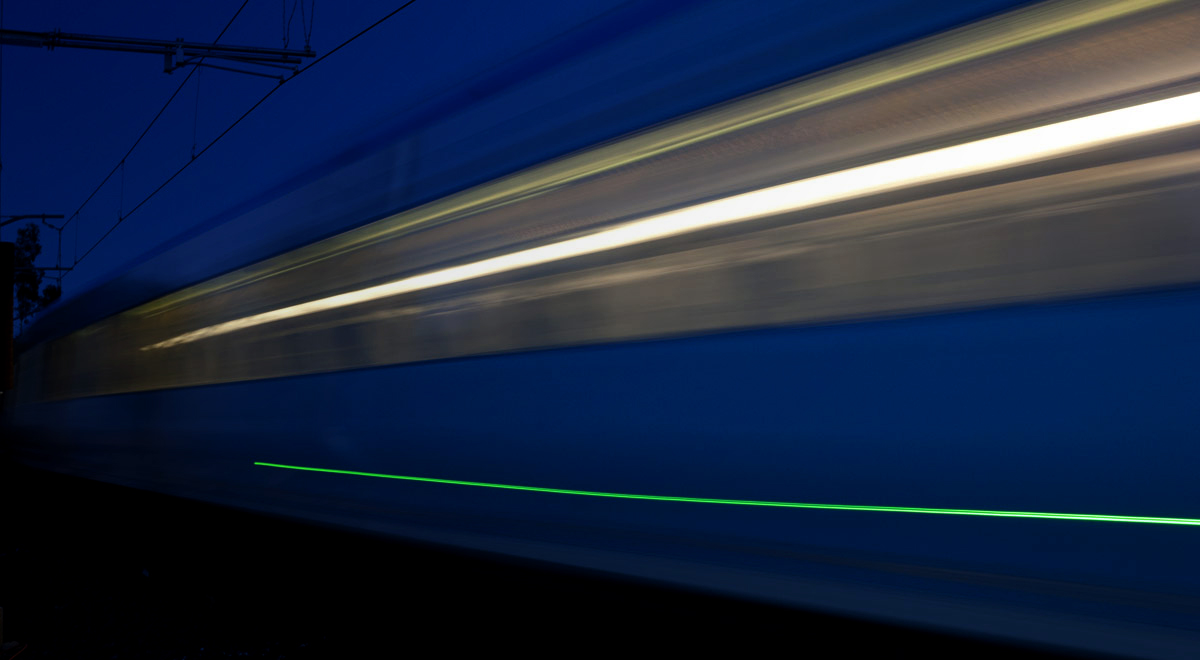
 

Andrew Follows (Australian, d. 2019) 'Green on blue' 2013


Andrew Follows (Australian, d. 2019)
Green on blue
2013
Digital photograph on archival cotton rag
157.3 cm x 86.5cm
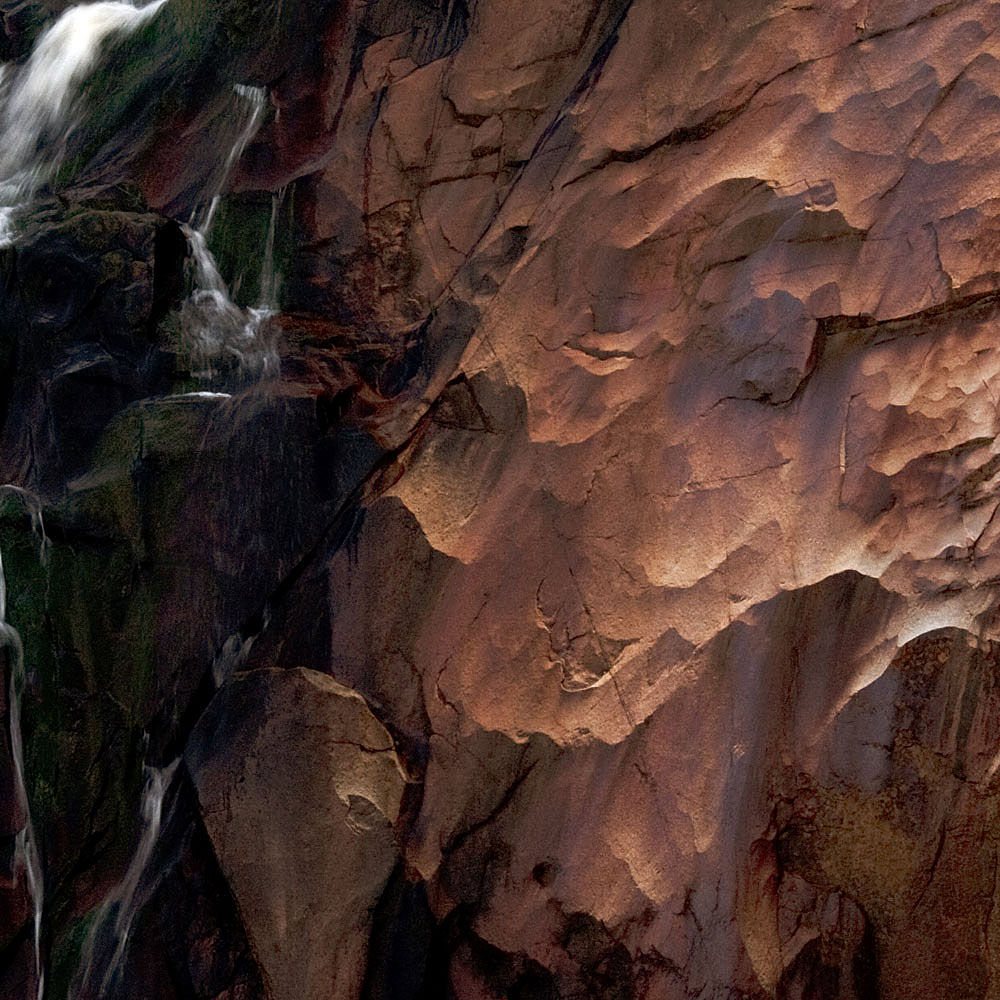
 

Andrew Follows (Australian, d. 2019) 'Scarp face, Beechworth' 2013


Andrew Follows (Australian, d. 2019)
Scarp face, Beechworth
2013
Digital photograph on archival cotton rag
30 cm x 30cm
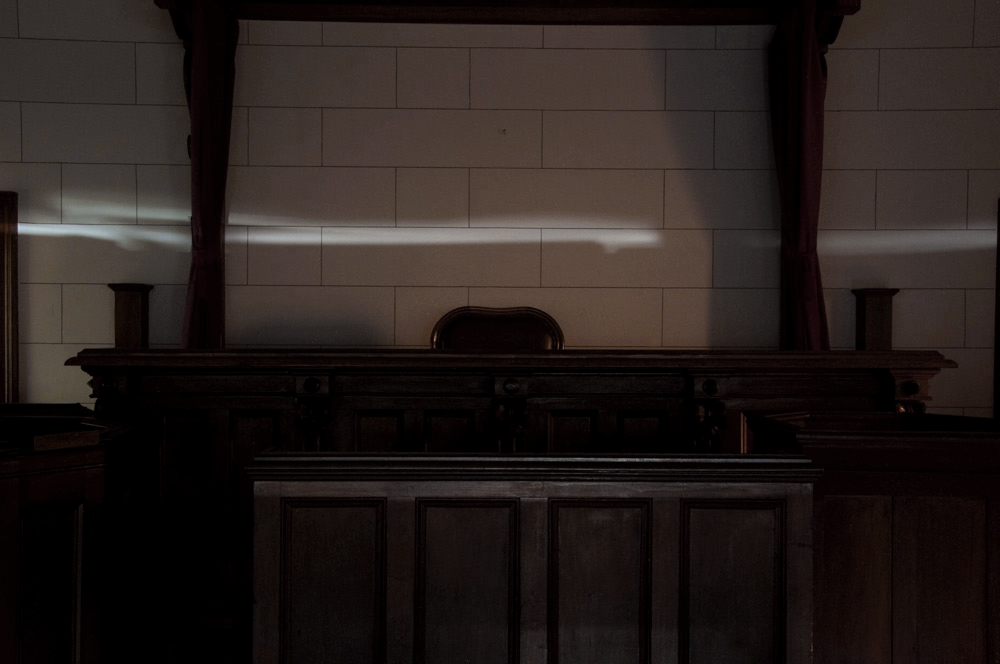
 

Andrew Follows (Australian, d. 2019) 'Judge's Chair, Beechworth' 2013


Andrew Follows (Australian, d. 2019)
Judge’s Chair, Beechworth
2013
Digital photograph on archival cotton rag
90 cm x 60cm
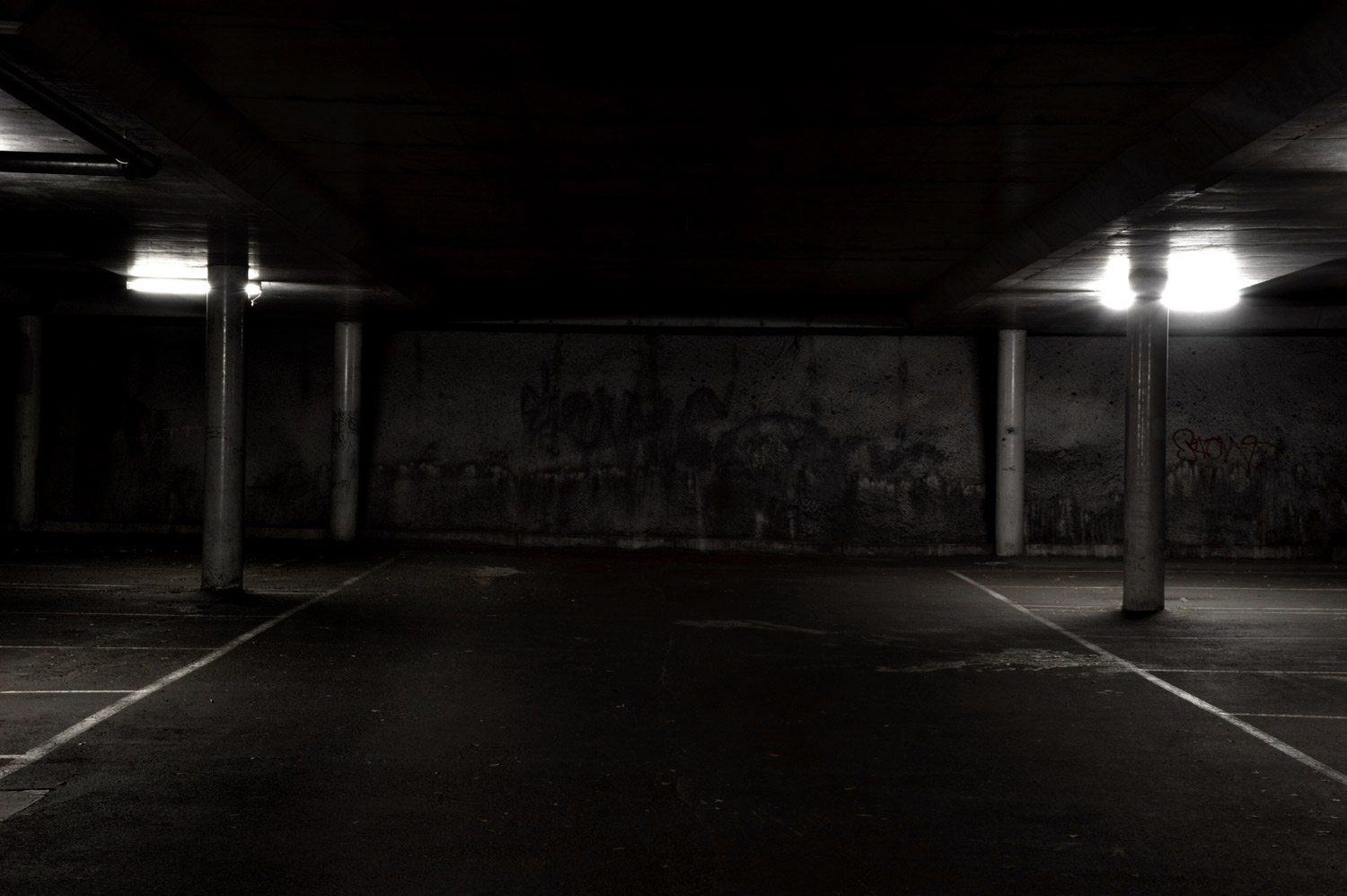
 

Andrew Follows (Australian, d. 2019) 'Void, Eltham' 2013


Andrew Follows (Australian, d. 2019)
Void, Eltham
2013
Digital photograph on archival cotton rag
90 cm x 60cm
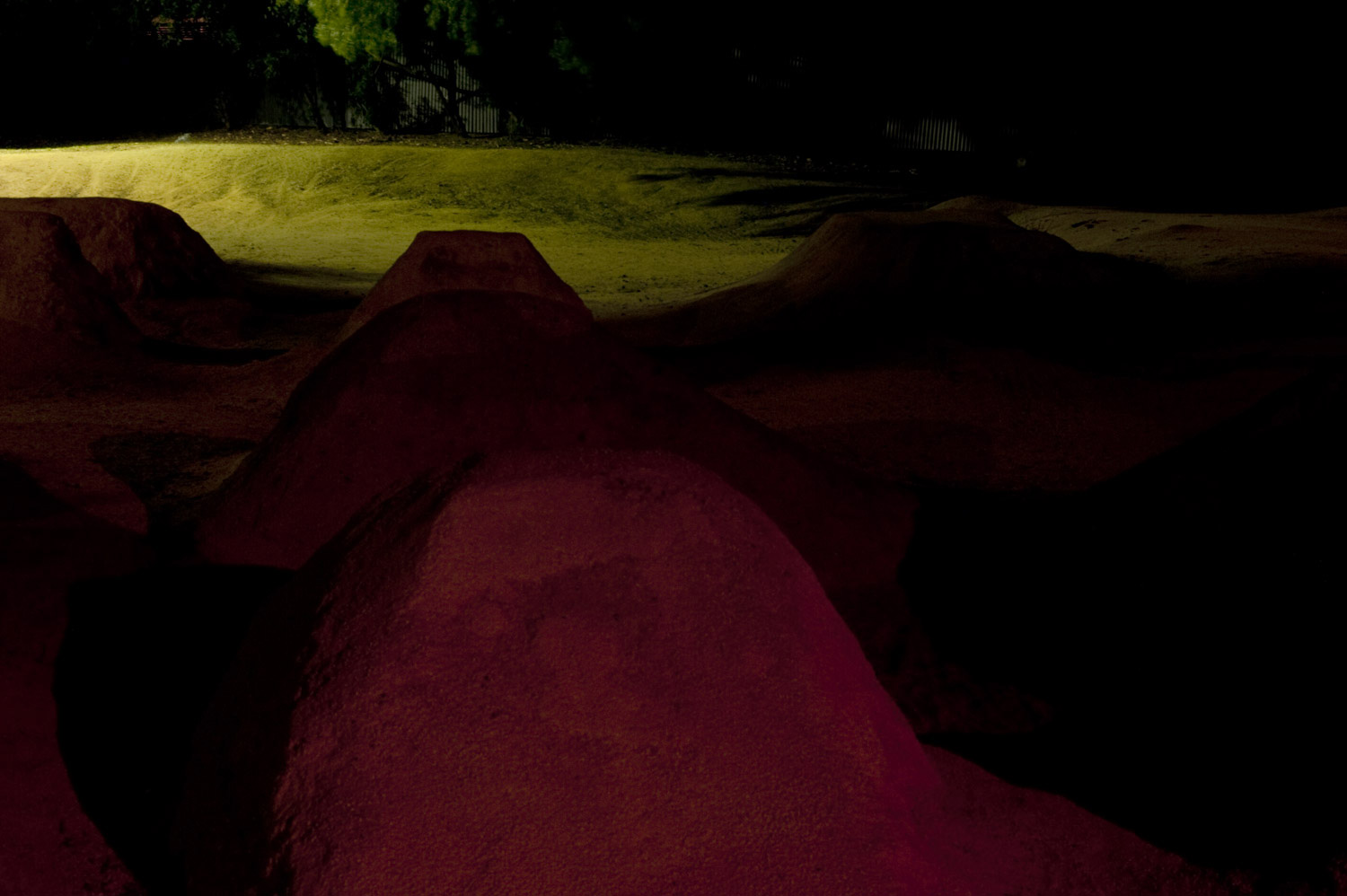
 

Andrew Follows (Australian, d. 2019) 'Hillock No.1, Windsor' 2013


Andrew Follows (Australian, d. 2019)
Hillock No.1, Windsor
2013
Digital photograph on archival cotton rag
130 cm x 86.5cm
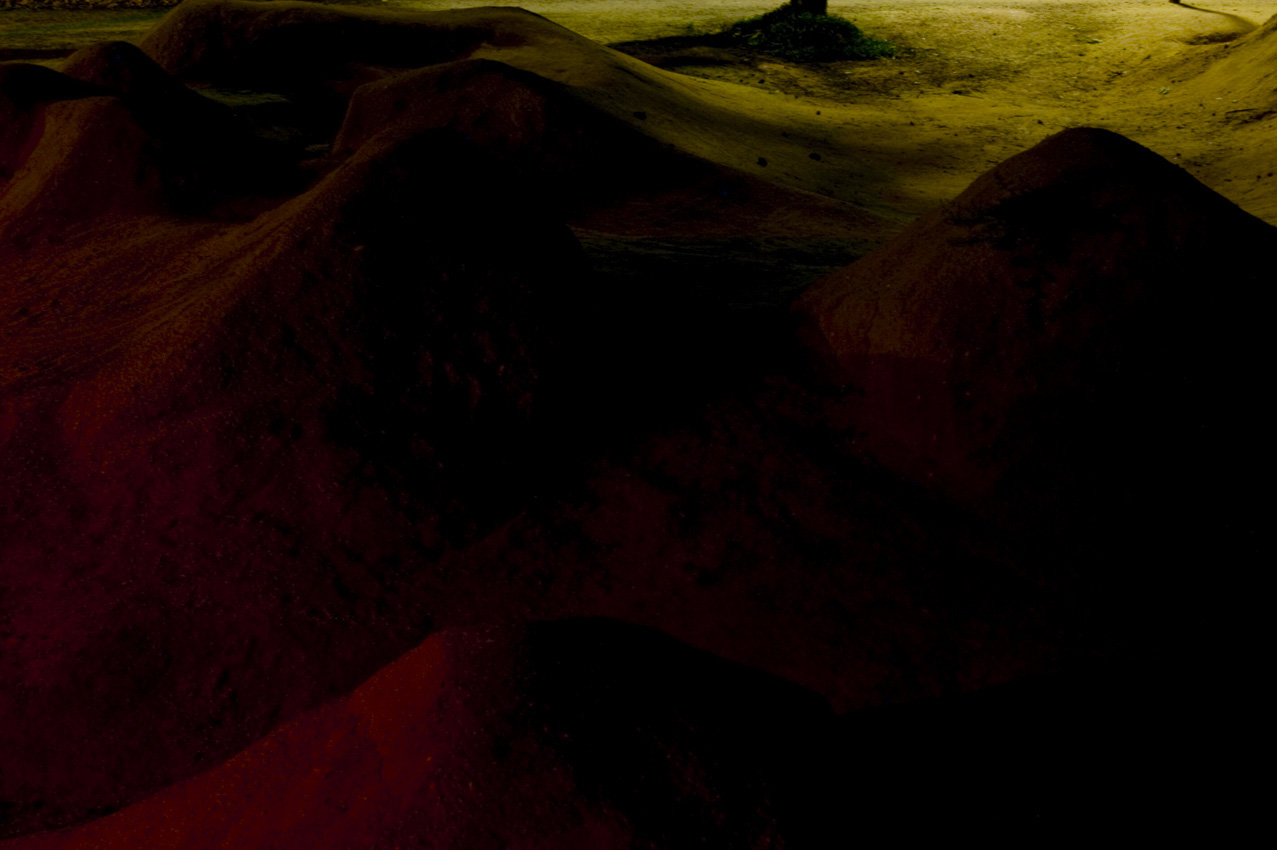
 

Andrew Follows (Australian, d. 2019) 'Hillock No.2, Windsor' 2013


Andrew Follows (Australian, d. 2019)
Hillock No.2, Windsor
2013
Digital photograph on archival cotton rag
130 cm x 86.5cm
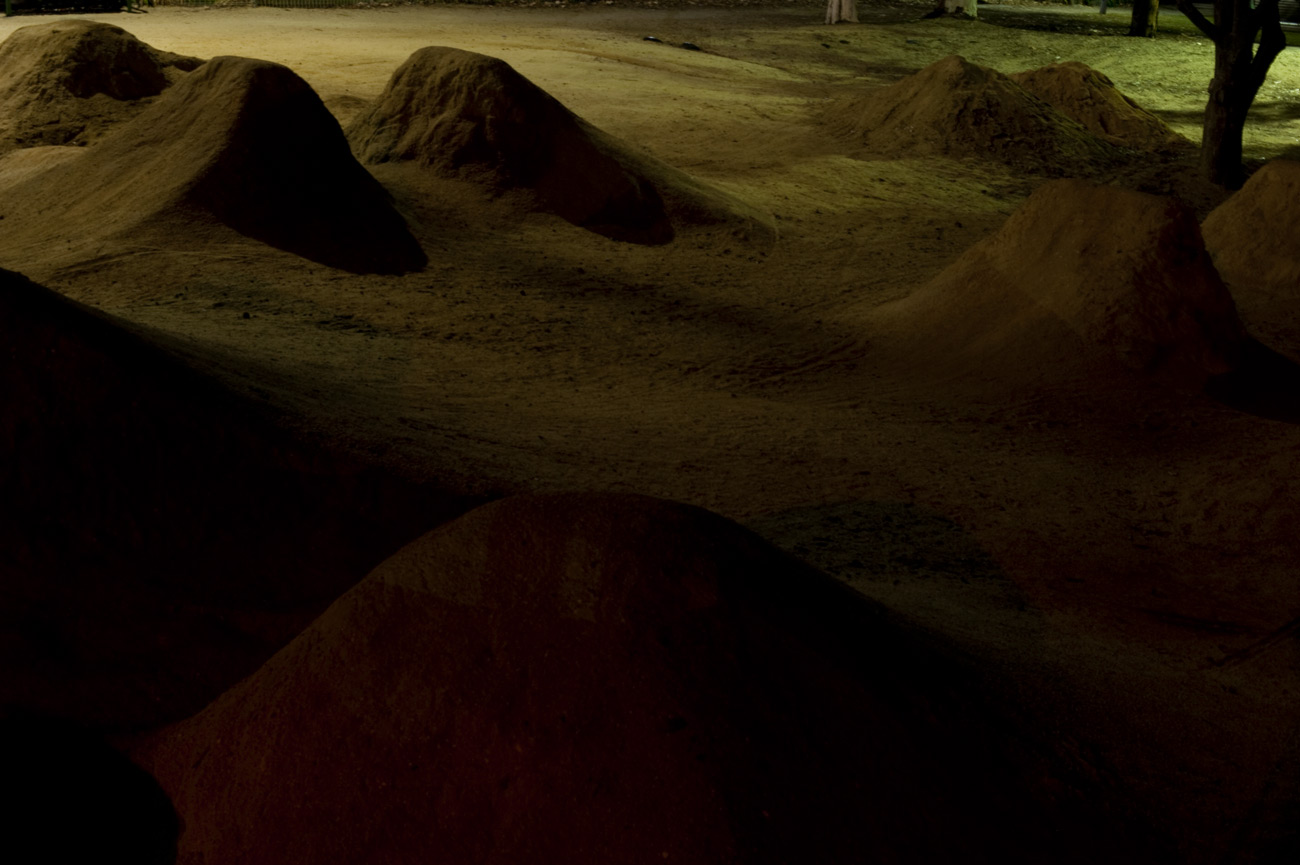
 

Andrew Follows (Australian, d. 2019) 'Hillock No.3, Windsor' 2013


Andrew Follows (Australian, d. 2019)
Hillock No.3, Windsor
2013
Digital photograph on archival cotton rag
130 cm x 86.5cm


Andrew Follows (Australian, d. 2019) 'Torso, Eltham' 2013


Andrew Follows (Australian, d. 2019)
Torso, Eltham
2013
Digital photograph on archival cotton rag
14 cm x 20cm


Density Logos

Anita Traverso Gallery

This gallery has now closed

Anita Traverso Gallery website

LIKE ART BLART ON FACEBOOK

Back to top

Opening speech: ‘John Cato Retrospective’ and book launch

Exhibition dates: 17th August – 15th September 2013


“… in my memory John was a teacher determined to seek out the aptitudes and endowments of each student who came before him; his teaching and mentorship involved a deep empathy with each student’s approach. He was almost clairvoyant in being able to very quickly identify one’s strengths and it was on those he would concentrate, unafraid to express criticism; but only in terms of how a certain fault might detract from a strength. Such was his positive and affirming approach to teaching, and consequently we have each been left a different and very personal perception of what he valued in photography.”


Dr James McArdle


Read my opening speech

Read my chapter “… and his forms were without number,” in the book John Cato: A Retrospective of the Photographic Work 1971-1991

Photographers David Callow and Andrew Chapman’s video tribute to John Cato (18 mins 39 secs) can be viewed on Vimeo (Password is Cato)

Please click on the photographs to see a larger version of the image and to view other photographs from the opening.


Ballarat International Foto Biennale
12 Lydiard St North, Ballarat 3350

Ballarat International Foto Biennale website

LIKE ART BLART ON FACEBOOK

Back to top

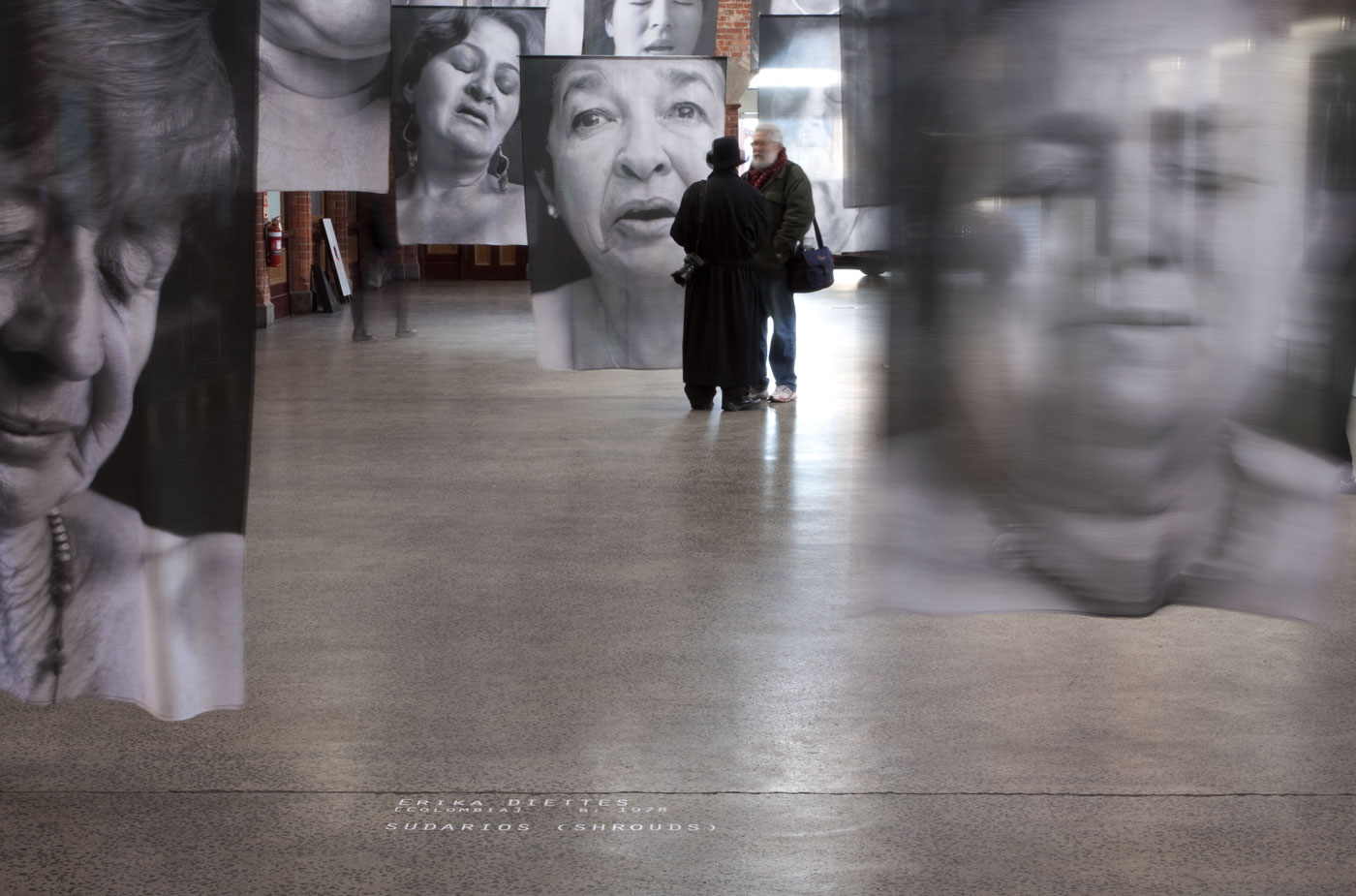
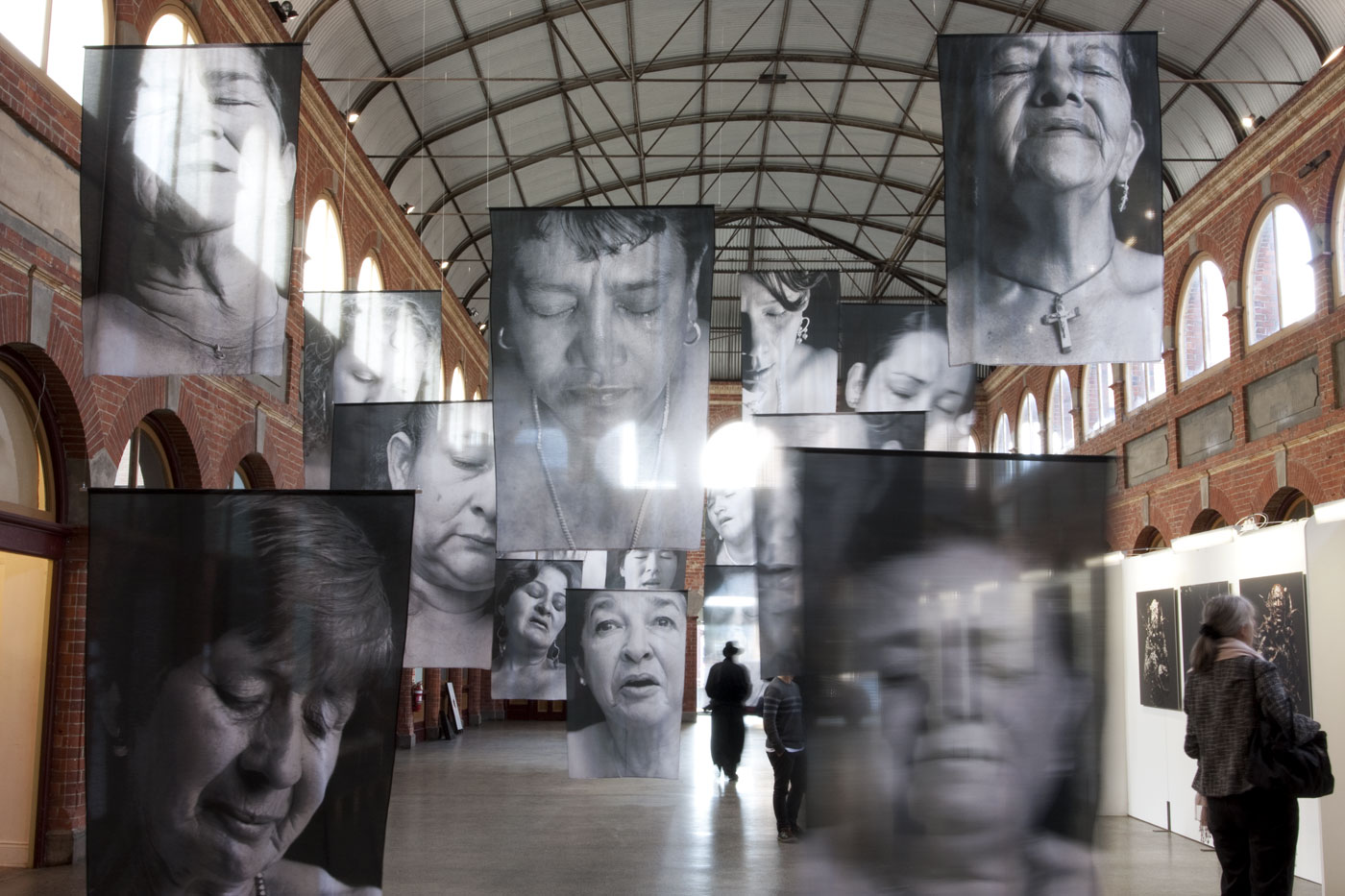
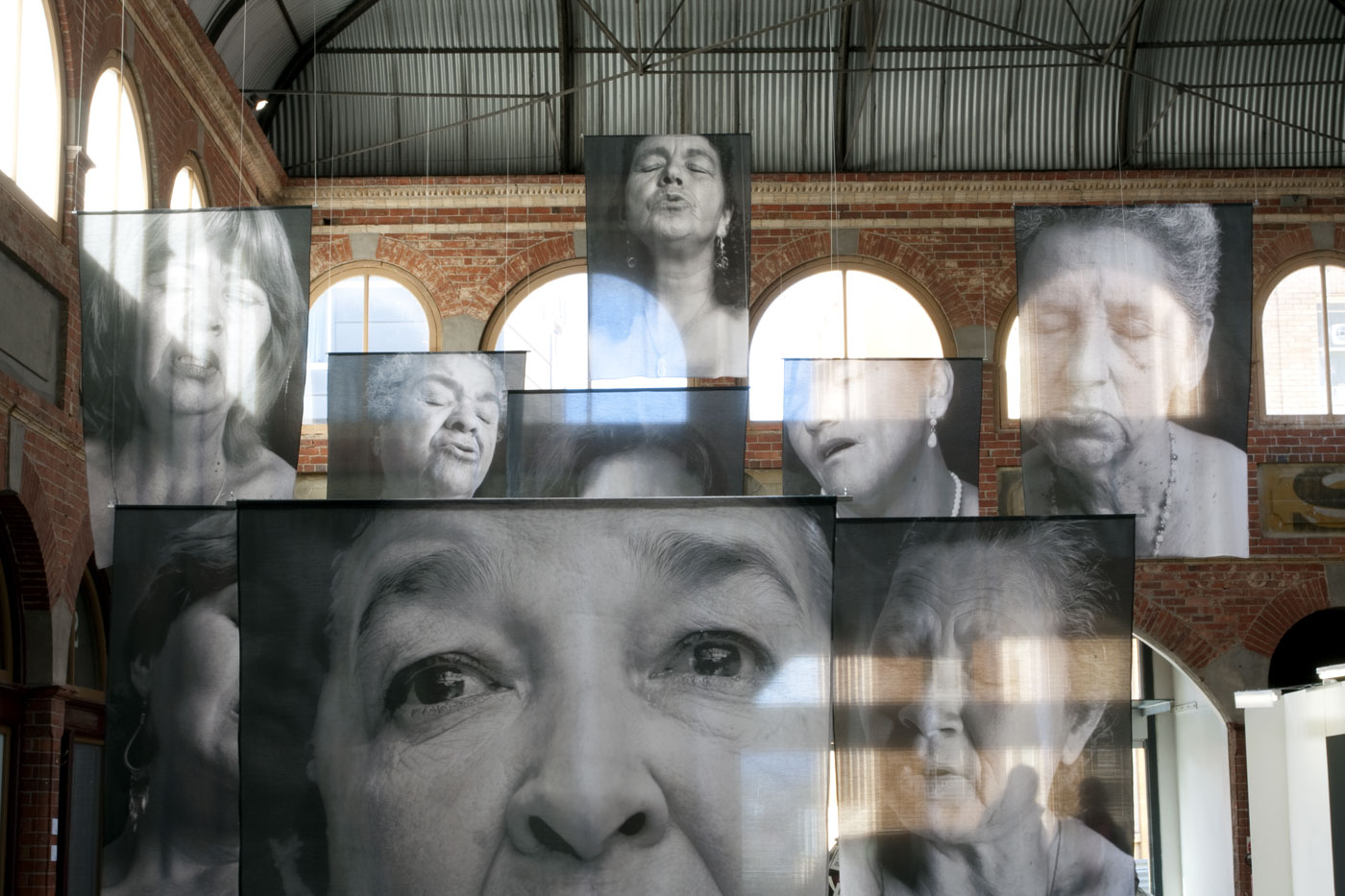
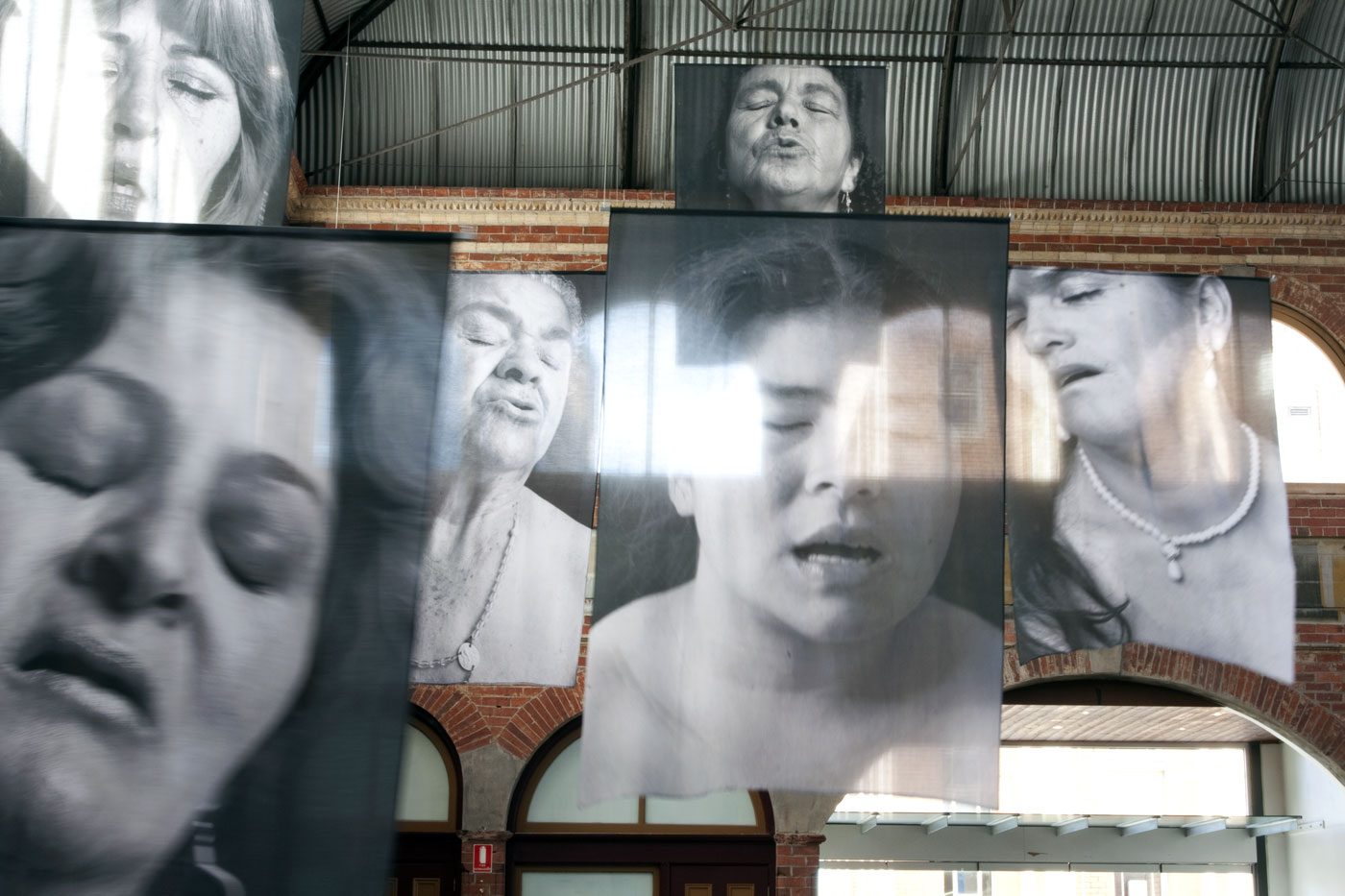
Video: Installation of Erika Diettes ‘Sudarios (Shrouds) at the Ballarat International Foto Biennale 2013

Exhibition dates: 17th August – 15th September 2013


Installation video of Erika Diettes Sudarios (Shrouds) at the Ballarat International Foto Biennale 2013
© Dr Marcus Bunyan


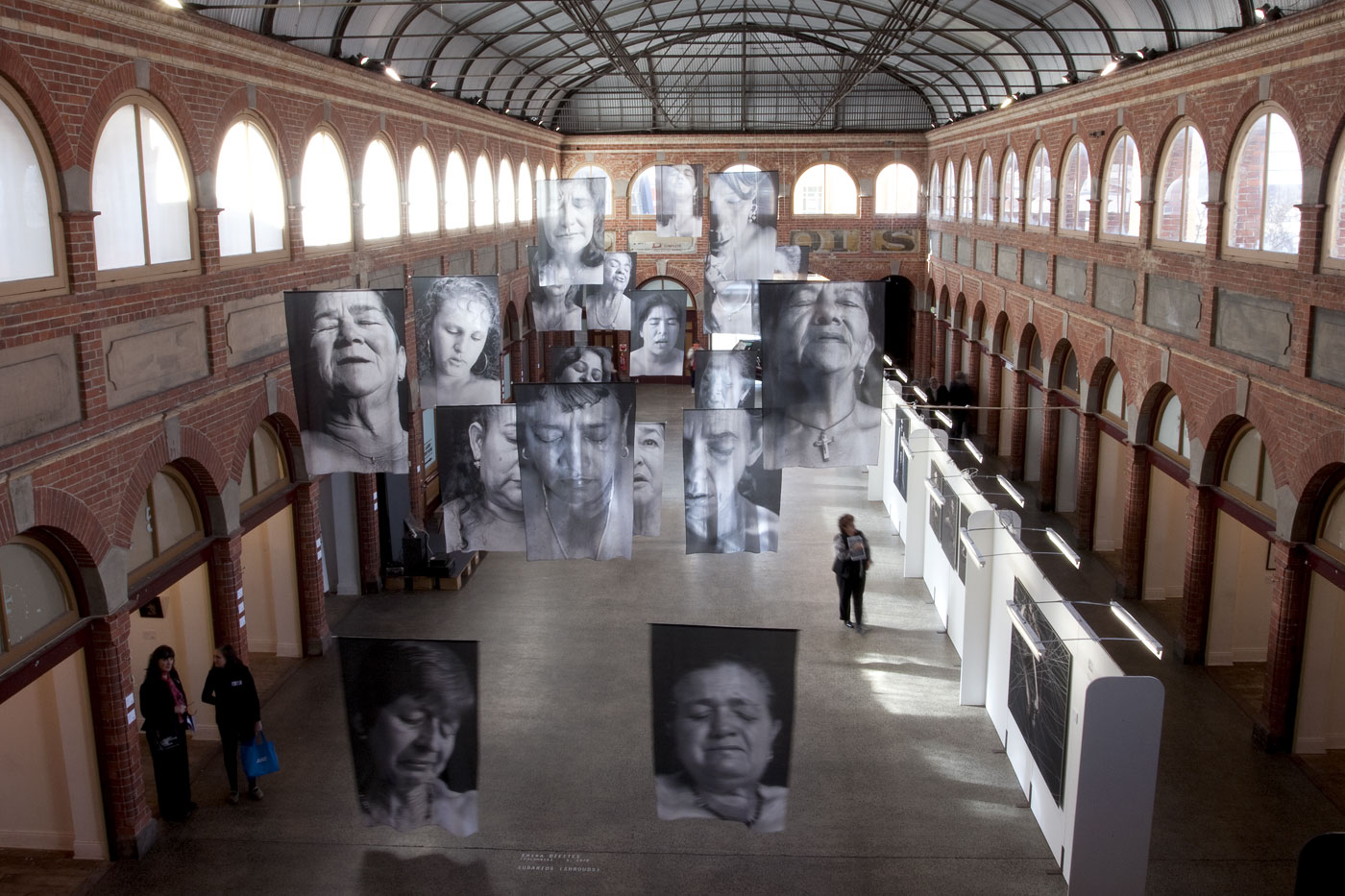
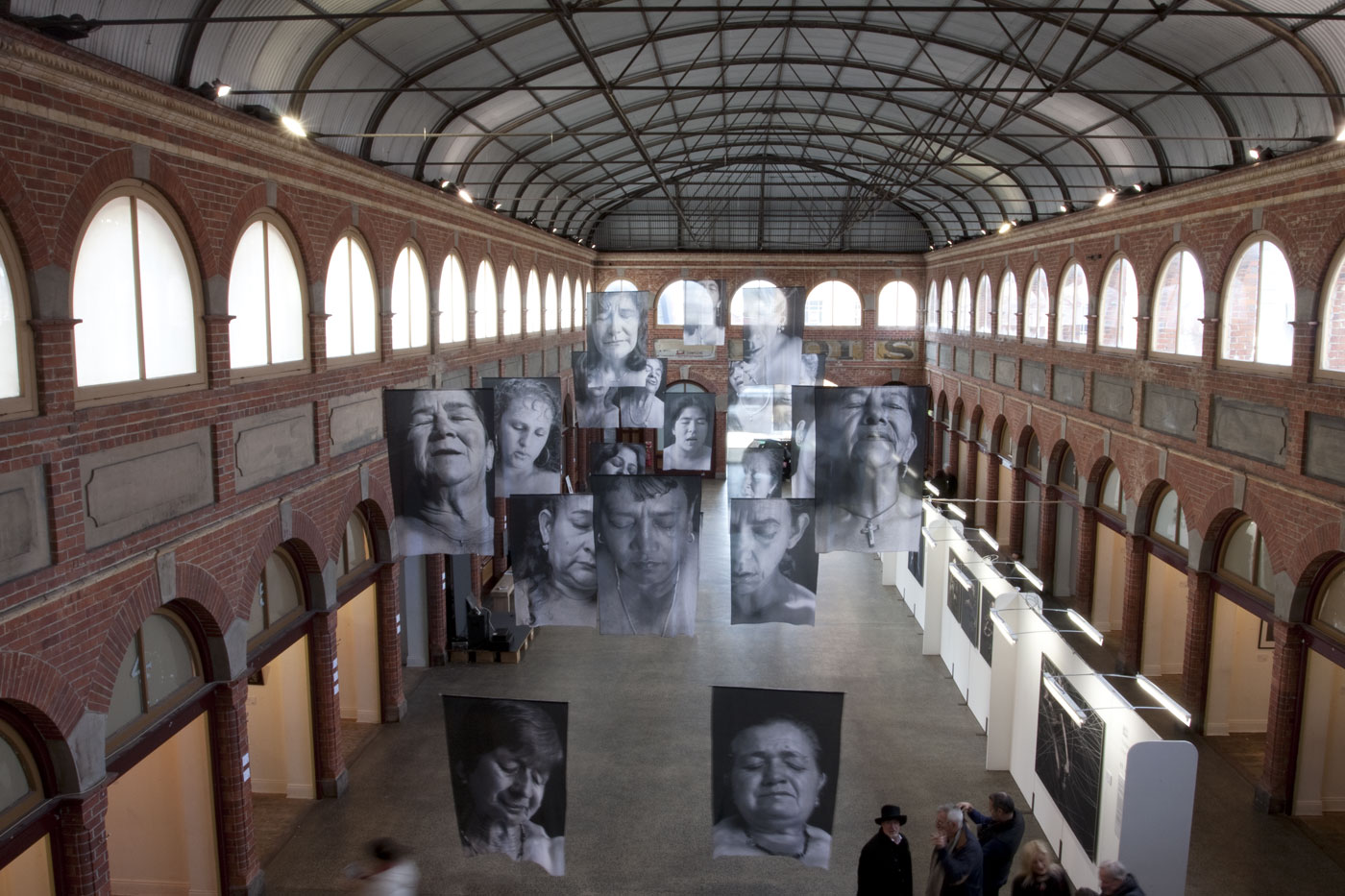
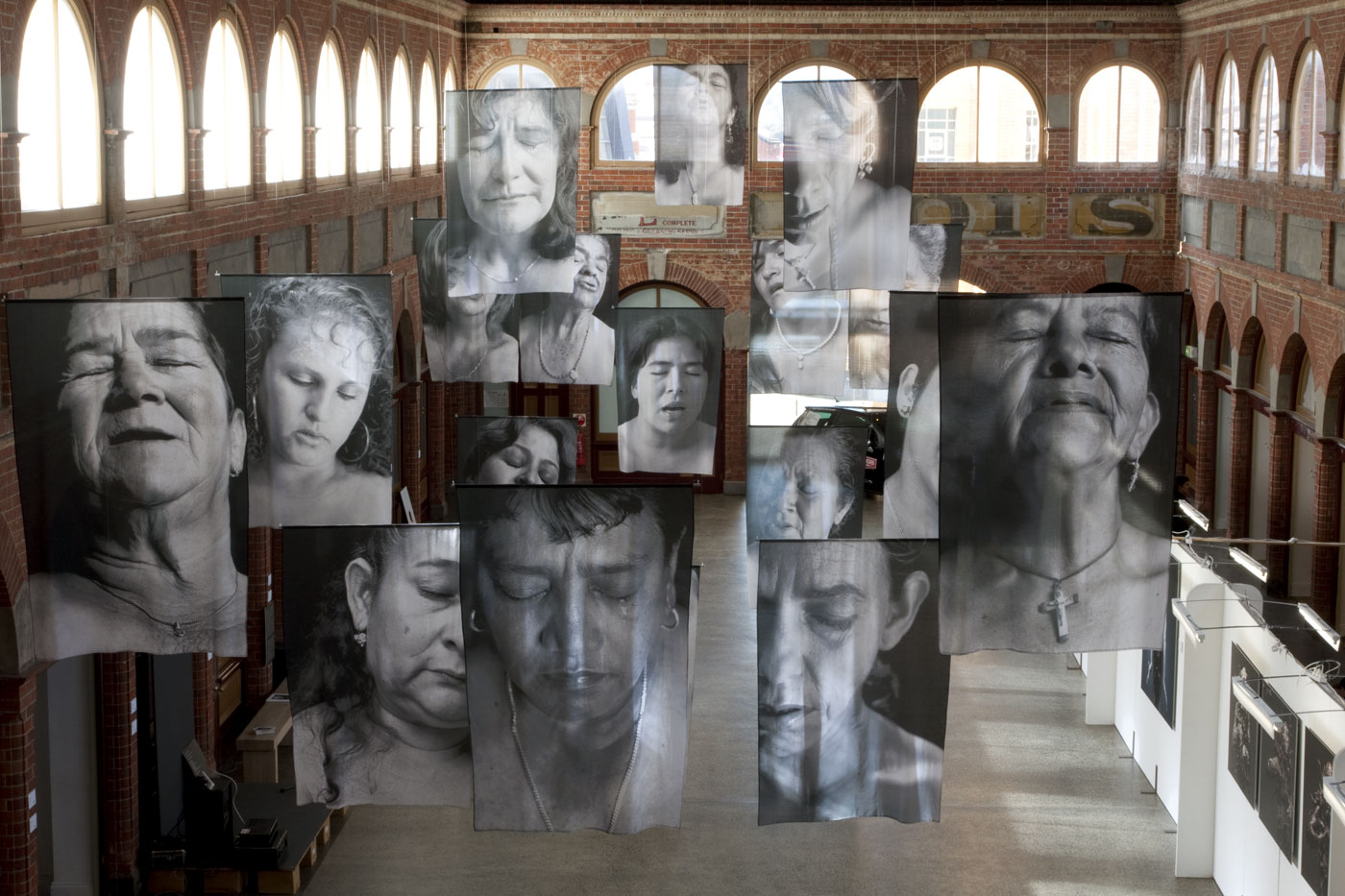
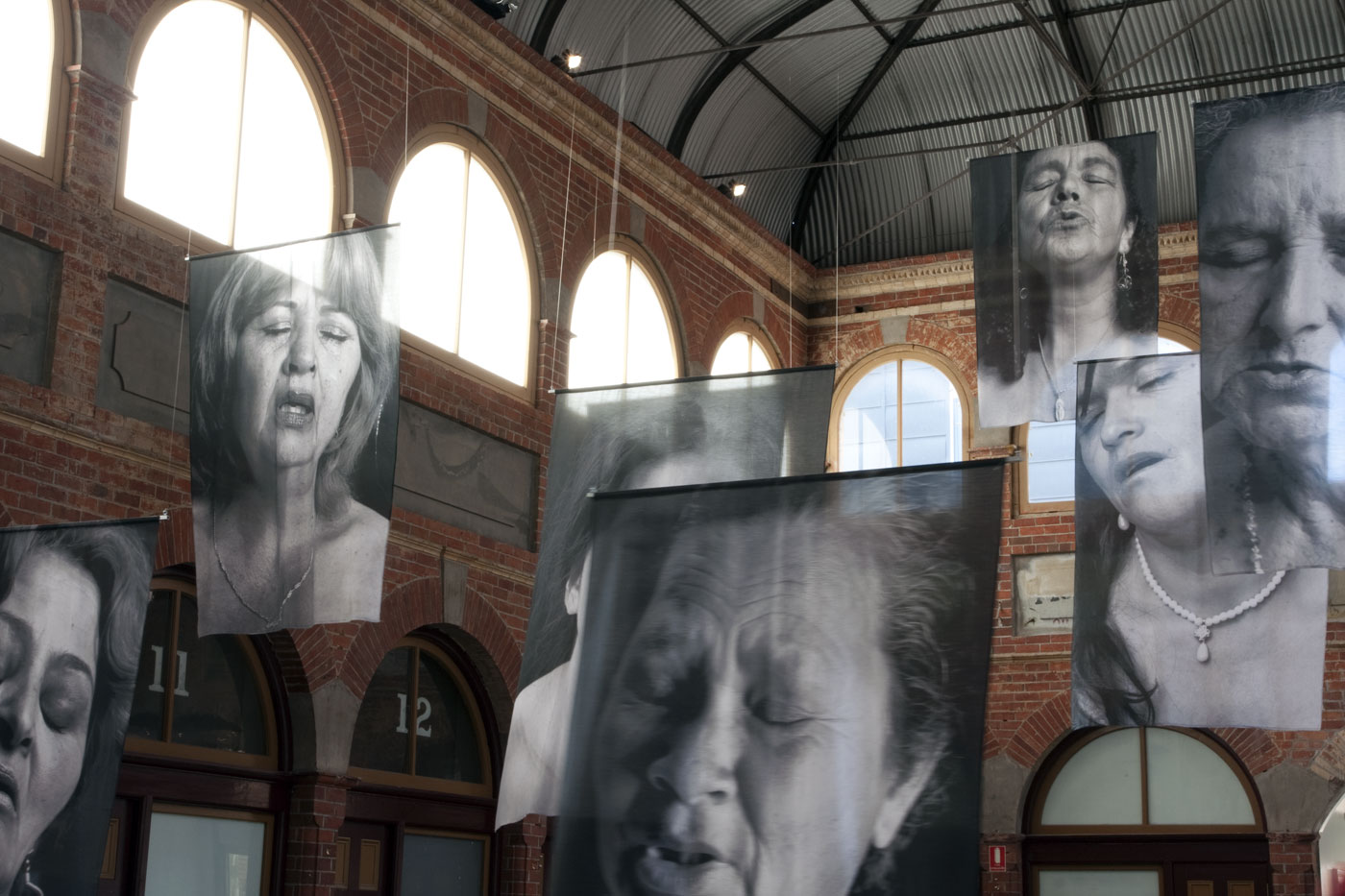
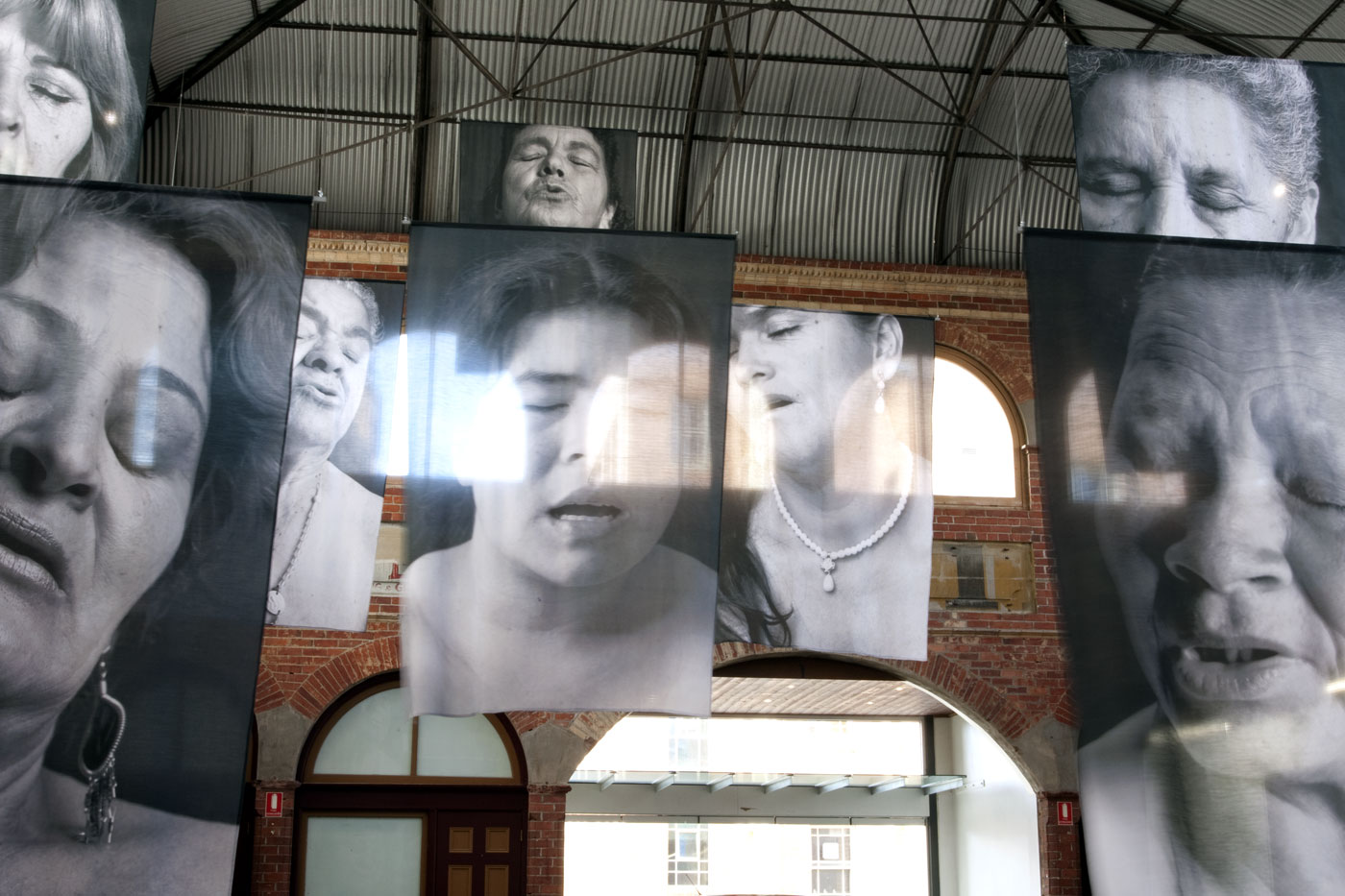
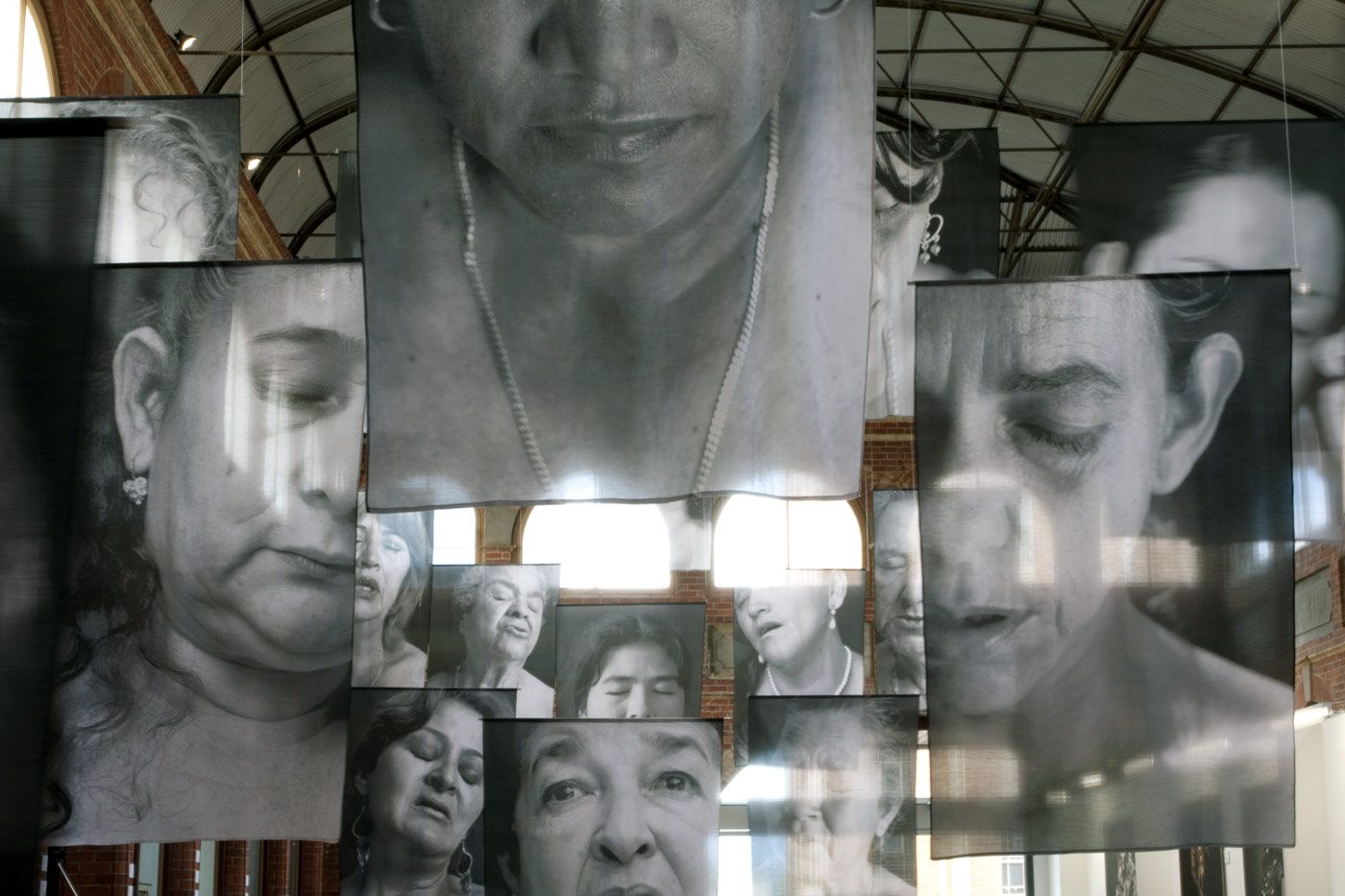
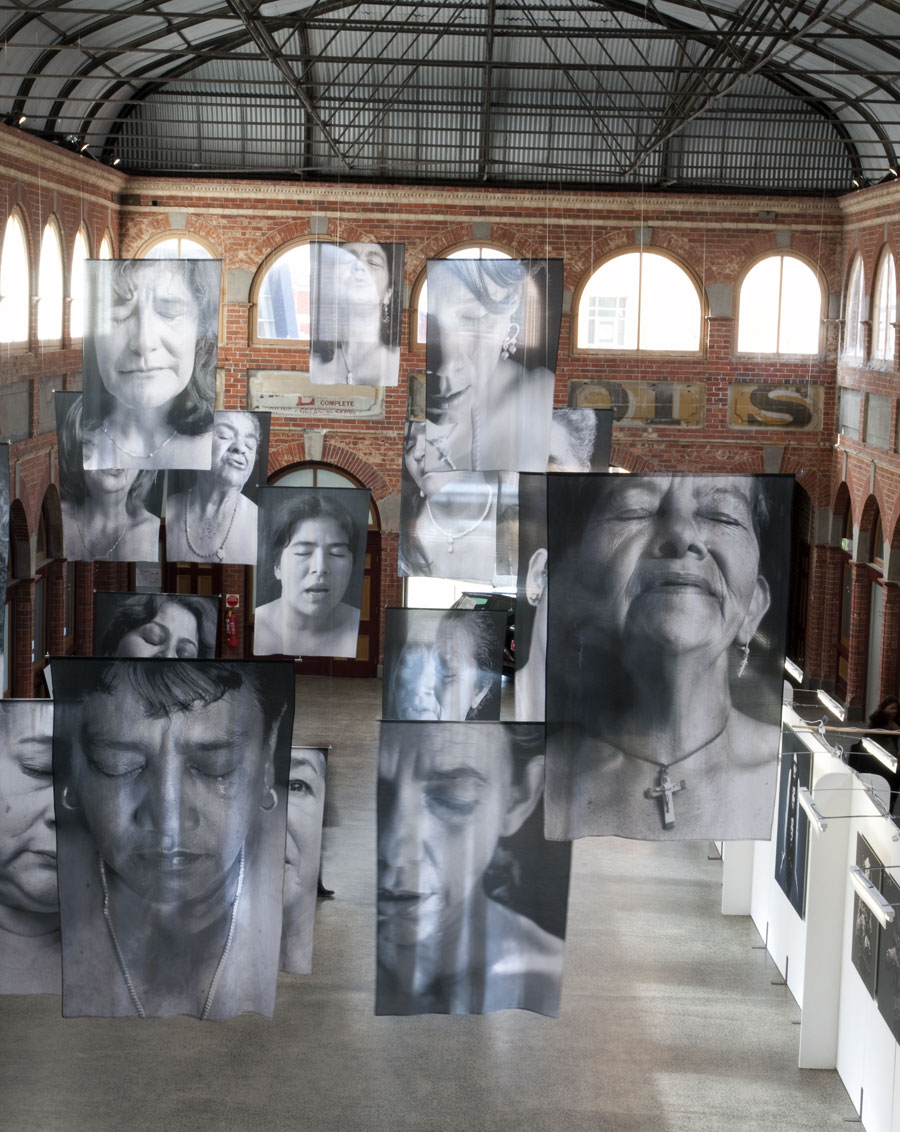
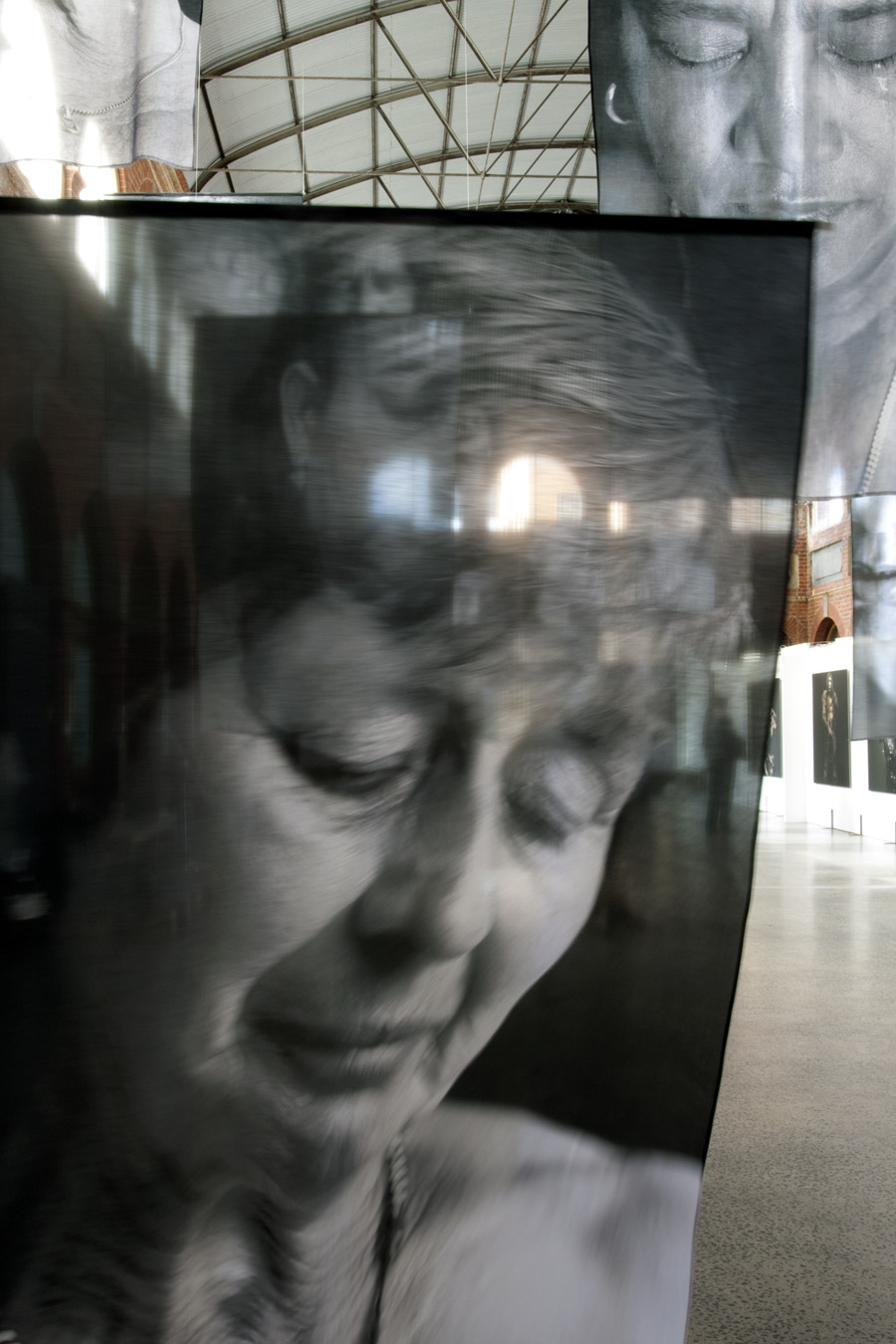
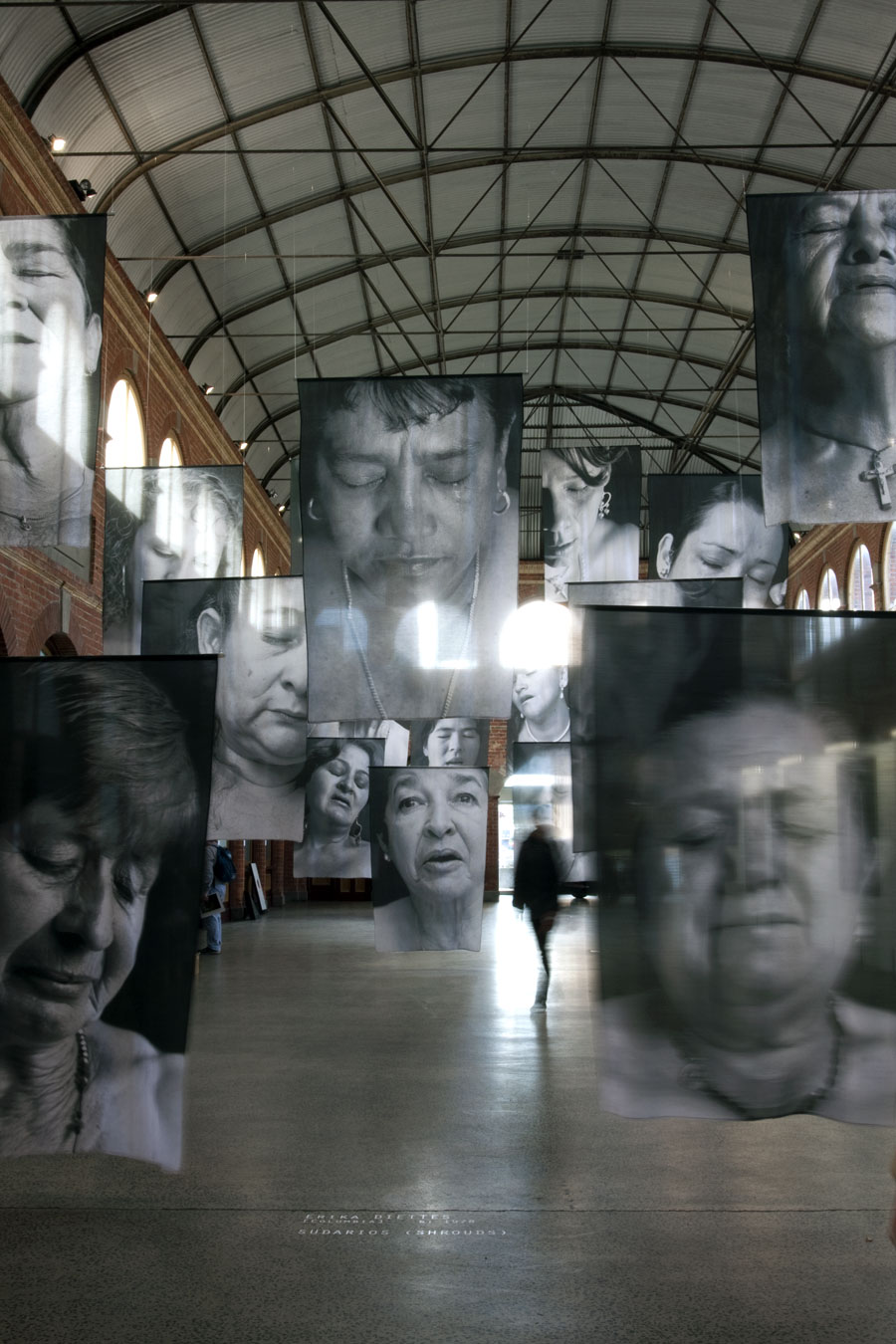
“Erika Diettes travelled to different cities in the department of Antioquia (Colombia) to interview women who had been present at the torture and murder of their loved ones. Diettes photographed the women, closely cropped in black and white, at a moment of great vulnerability – all but one with their eyes closed. The resultant twenty photographs were printed on seven feet tall silk panels and form the work Sudarios (shrouds are a burial cloak, a cloth that shrouds the body of the deceased). The artist always intended for these images to be printed on silk and had the installation in mind before she took the photographs: in other words previsualisation was strong. The work is usually displayed in sacred spaces such as churches and convents with a sound track of a barely audible, sighing female voice; here in Ballarat the work is hung in the former Mining Exchange building, a seat of colonial power and wealth which can be read as appropriate for the presentation of this work, for torture is always about the power of one person over another.”

From the catalogue essay Intimations of Mor(t)ality: Sudarios (Shrouds) by Erika Diettes by Dr Marcus Bunyan.


Ballarat International Foto Biennale
12 Lydiard St North, Ballarat 3350

Ballarat International Foto Biennale website

Erika Diettes website

LIKE ART BLART ON FACEBOOK

Back to top
Catalogue essay: ‘Intimations of Mor(t)ality: Sudarios (Shrouds) by Erika Diettes’ Dr Marcus Bunyan / Exhibition: ‘Sudarios (Shrouds)’ by Erika Diettes at the Ballarat International Foto Biennale

Exhibition dates: 17th August – 15th September 2013


Installation photograph of 'Sudarios (Shrouds)' by Erika Diettes at the Mining Exchange, Ballarat. Photograph by Marcus Bunyan


Installation photograph of Sudarios (Shrouds) by Erika Diettes at the Mining Exchange, Ballarat
Photograph by Marcus Bunyan
© Marcus Bunyan, Erika Diettes and Ballarat International Foto Biennale


This exhibition is one of the core programs for this year’s Ballarat International Foto Biennale and I had the privilege of writing the catalogue essay for the Colombian artist Erika Diettes. I met the delightful Erika and her husband today at the opening of BiFB on their first trip to Australia and I must say the art hangs very well in the Mining Exchange building.

This was one of the most difficult but rewarding pieces that I have ever had to write. In reading, I hope you gather the full import of the text.

Dr Marcus Bunyan

Text © Marcus Bunyan. All images © Marcus Bunyan, Erika Diettes and Ballarat International Foto Biennale.


Intimations of Mor(t)ality: Sudarios (Shrouds) by Erika Diettes

Dr Marcus Bunyan


“There is now a vast repository of images that make it harder to maintain [a] kind of moral defectiveness. Let the atrocious images haunt us. Even if they are only tokens, and cannot possibly encompass most of the reality to which they refer, they still perform a vital function. The images say: This is what human beings are capable of doing – may volunteer to do, enthusiastically, self-righteously. Don’t forget.”


Susan Sontag Regarding the Pain of Others 2003 1


When I was asked to write the catalogue essay on Colombian artist Erika Diettes’ work Sudarios (Shrouds) by editor Esther Gyorki for the Ballarat International Foto Biennale the work gave me pause. What could I say about it that was relevant, insightful and spoke from the heart? I wrote back to Esther saying I needed to do some background research: “This is difficult subject matter and I want to make sure I can do it justice before I commit to writing about it.”2 In a synchronous way that often happens in the world, that is ultimately what this text is about – justice.

The basics are easily told. Artist and anthropologist Erika Diettes travelled to different cities in the department of Antioquia to interview women who had been present at the torture and murder of their loved ones.3 Diettes photographed the women, closely cropped in black and white, at a moment of great vulnerability – all but one with their eyes closed. The resultant twenty photographs were printed on seven feet tall silk panels and form the work Sudarios (shrouds are a burial cloak, a cloth that shrouds the body of the deceased). The artist always intended for these images to be printed on silk and had the installation in mind before she took the photographs: in other words previsualisation was strong. The work is usually displayed in sacred spaces such as churches and convents with a sound track of a barely audible, sighing female voice; here in Ballarat the work is hung in the former Mining Exchange building, a seat of colonial power and wealth which can be read as appropriate for the presentation of this work, for torture is always about the power of one person over another. The viewer can walk through these floating realities and be enfolded in the aggrieved women’s sorrow as if part of a ceremonial procession, perhaps a funeral cortege.

In her creation of an allegorical space for mourning, Diettes work acts as a funeral rite for both living and dead, acts of mourning placed in a context of splendour. The images evoke the representation of the death of Saint Sebastian, the faces recalling “the exquisite suffering of the Catholic saints and martyrs, but also of refugees and victims of contemporary traumas,”4 while the atrocities perpetrated on the body are hidden by the close cropping of the images. As Diettes observes, “You can’t help being a little pierced by their exhalations,”5 an indirect reference by Diettes to the arrows that pierce Saint Sebastian’s body. Diettes opens a space before the camera for the human ‘being’ in context, a terrain (of) or becoming, where the terrors are written on the countenance of the women, their mouths silently singing their song of mourning. Look at their mouths, each one contorted in agony, each one giving voice to the memory of terror.

These are confronting images about trauma and grief, documenting the ongoing effects of atrocity on the mind of the observer for they are portrayals of the effect of intim(id)ation, where intimations of mortality are evidenced by the removal of an identity, the beloved id, which reveals the intimate – expressed in the adoration/adornment of the women with jewellery which signifies the women’s dignity, comfort, and continuing engagement with the world as an extension of personal self/belief.

The signs of erasure of these murders are rearticulated through Diettes work. The bodies are held in suspended animation, in endless agony, through an act of re-terror-itorialisation. Through the evacuation of loved ones, their discontinuity and deterritorialisation, and the reterritorialisation / re-terroring of that space through memory – portrayed on the faces of the women – the images recast and represent issues of power, domination and abuse. Through suspended sorrow, suspended mourning, the disappearance of some bodies and the speaking of others, the images become a representation of a doubled absence, a doubled momenti mori – for the photographs picture the women (making them dead) as they themselves remember the violence perpetrated before them from behind closed eyes (as the dead have their eyes closed), remembering in their mind’s eye the death of the beloved. The image of the victim has become a ghost, a trace etched upon the face of the relative, a trace of that which “persists and gives testimony of a vanished state” in art, for if art is linked to memory and to what survives, it is from the perspective of its own corpse-oreality, its own ghostly and fragile materiality that these images emerge: the hanged man, the hung woman. Remaking but always recording the past through interaction with the present, the shrouds are a palimpsest in which “personal memories are always interwoven with historical consciousness”6 and are constantly being rewritten.

Of course the photographs elicit our empathy but more than that they make us feel their terrible vulnerability while drawing us into uncomfortable complicity as subsidiary witnesses to the event.7 Normally when looking at a photograph the viewer is a secondary witness but here the viewer becomes a tertiary witness – the actual event, the memory of that event etched on the face of the women captured by the camera and now observed by the viewer. There is an osmotic effect taking place as one as one image is super imposed on another. Even after an event is over, “there’s an after image or an echo that exists… a spirit or a residue, a trace.”8 These visions are like images of the Holocaust. As soon as we see them we are implicated in a narrative – and we are helpless in this process – which is an essential part of history.

Diettes work reframes the subject because there is no traditional frame of reference for the viewer, only a memory of that reference in the form of a ghost-like shroud. The normal definition of a shroud no longer pertains to these images for the cloth is no longer around a dead body but represents / holds a trace of what was once dead.

As spirit photographs in the Victorian era solidified a fractured, unknown reality, so these apparitions of the departed are brought forth and solidified, just for a moment, in the faces of the suffering women. The viewer of these images does not see the (dead) carrier of messages, but only their shadows carried by the grief of their loved ones, shrouded as they are in remembrances of the past. We feel that the women are not looking at us but that the aura of their invisible seeing is directed toward us from outside of its normative context – from behind their eyes. It is this imprint on the Shrouds; the imprint of their memories that travels great distances towards us, that enfolds us in sorrow and shadow.

“It is the special feeling of the ‘presence’ of a work produced not by its remaining where it is but by its moving across boundaries where it reaches us from a distance, looking at us even when it appears not to. It is where the work seems peculiarly meant for us even in its indifference to or difference from us.”9

If photographs really are “experience captured” then Diettes explores this arm of consciousness in its acquisitive mood,10 probing the limitation of the medium, shaping the space within the available conditions. Her images become images of sentience that enable the viewer to live in the world with open eyes (while the victims eyes are closed) – to be made aware of the injustices of this world and not remain silent. Diettes work is not about remembering, it’s about an answerable “not forgetting” for hers… is to remind us of the responsibility to make art in response to mor(t)ality.

As human beings, we must fight for the right to be heard and use art as a visual language to textualise our experience and thereby make it available for interpretation and closure. Powerful, simple questions (and I believe) undeniable questions have to be asked; and in response to those questions (power: it will corrupt you, but if you don’t want it, it will be used against you), intelligence, justice and integrity must be used in the service of art. While human truth may be ephemeral qualities like justice are not; the struggle is to define justice and to live it. And for artists to display it.

You place innocence at the heart of human depravity – and hope it survives.

Dr Marcus Bunyan
Melbourne 2013


Endnotes

1/ Sontag, Susan. Regarding the Pain of Others. London: Hamish Hamilton, 2003, p. 102.

2/ Email to Esther Gyorki. Tue, March 26, 2013

3/ The capital of the department of Antioquia is Medellin. The city is a 35-minute flight from the Colombian capital Bogota and has one of the highest rates of violence concerning drugs in Colombia. Most of the crimes were committed between 2001 and 2008.

4/ Anon. “Berlinde De Bruyckere Into One-Another To P.P.P.” on the Hauser and Wirth website [Online] Cited May 5, 2013. No longer available online

5/ Diettes, Erika quoted in Tobón, Paola Cardona. “The exhalation of sorrow,” in  El Colombiano, November 4, 2012 [Online] Cited Cited May 5, 2013. No longer available online

6/ Garb, Tamar. “A Land of Signs,” in Journal of Contemporary African Art 26, Spring 2010, p. 11.

7/ Op. cit. “Berlinde De Bruyckere Into One-Another To P.P.P.”

8/ Rakes, Rachael and Goldsmith, Leo. “Pasolini’s Body: Cathy Lee Crane with Leo Goldsmith and Rachael Rakes,” on The Brooklyn Rail website. January 13, 2013 [Online] Cited May 5, 2013.
www.brooklynrail.org/2013/02/film/pasolinis-body-cathy-lee-crane-with-leo-goldsmith-rachael-rakes

9/ Butler, Rex. “”Lines”, Leading Out of Sight?: Is Aboriginal Art Losing its Aura?” in Australian Art Collector No. 13, July-September 2000, p. 87.

10/ Campany, David. “Photography and Photographs,” on the Still Searching blog. April 14, 2013 [Online] Cited May 11, 2013.
blog.fotomuseum.ch/2013/04/1-photography-and-photographs/#more-1282


Installation photographs of 'Sudarios (Shrouds)' by Erika Diettes at the Mining Exchange, Ballarat. Photograph by Marcus Bunyan


Installation photograph of 'Sudarios (Shrouds)' by Erika Diettes at the Mining Exchange, Ballarat. Photograph by Marcus Bunyan


Installation photograph of 'Sudarios (Shrouds)' by Erika Diettes at the Mining Exchange, Ballarat. Photograph by Marcus Bunyan


Installation photograph of 'Sudarios (Shrouds)' by Erika Diettes at the Mining Exchange, Ballarat. Photograph by Marcus Bunyan


Installation photograph of 'Sudarios (Shrouds)' by Erika Diettes at the Mining Exchange, Ballarat. Photograph by Marcus Bunyan


Installation photograph of 'Sudarios (Shrouds)' by Erika Diettes at the Mining Exchange, Ballarat. Photograph by Marcus Bunyan


Installation photograph of 'Sudarios (Shrouds)' by Erika Diettes at the Mining Exchange, Ballarat. Photograph by Marcus Bunyan


Installation photograph of 'Sudarios (Shrouds)' by Erika Diettes at the Mining Exchange, Ballarat. Photograph by Marcus Bunyan


Installation photograph of 'Sudarios (Shrouds)' by Erika Diettes at the Mining Exchange, Ballarat. Photograph by Marcus Bunyan


Installation photograph of 'Sudarios (Shrouds)' by Erika Diettes at the Mining Exchange, Ballarat. Photograph by Marcus Bunyan


Installation photograph of 'Sudarios (Shrouds)' by Erika Diettes at the Mining Exchange, Ballarat. Photograph by Marcus Bunyan


Installation photograph of 'Sudarios (Shrouds)' by Erika Diettes at the Mining Exchange, Ballarat. Photograph by Marcus Bunyan


Installation photographs of Sudarios (Shrouds) by Erika Diettes at the Mining Exchange, Ballarat
Photographs by Marcus Bunyan
© Marcus Bunyan, Erika Diettes and Ballarat International Foto Biennale


Please click on the photographs for a larger version of the image.


Ballarat International Foto Biennale
12 Lydiard St North, Ballarat 3350

Ballarat International Foto Biennale website

Erika Diettes website

LIKE ART BLART ON FACEBOOK

Back to top
Invitation to opening: ‘Density’ by Andrew Follows, curated by Dr Marcus Bunyan at Anita Traverso Gallery, Richmond, Melbourne

Date: Saturday 31st August 2013, 3.30 – 5pm


Andrew Follows. 'Density' invitation 2013


Andrew Follows (Australian, d. 2019)
Density invitation
2013


I welcome all friends to the opening of the first exhibition I have curated since the completion of my Master of Art Curatorship at the University of Melbourne.


density n.

the degree of optical opacity of a medium or material, as of a photographic negative; thickness of consistency; complexity of structure or content.


You are cordially invited to the opening of Density, a solo exhibition of photographs by Andrew Follows on Saturday 31st  August 3.30 – 5pm at The Anita Traverso Gallery, 7 Albert Street Richmond, Victoria.

The works premiered in this exhibition are the culmination of a mentorship between Dr Marcus Bunyan and Andrew Follows, supported by Arts Access Victoria as part of the Boost Pathways Program.

“Curated by Dr Marcus Bunyan, the concept of Density was envisaged as a point of departure to explore the manifold variations and subsequent ruminations on the term as it relates to Follows’ perspective. As a technical descriptive, density explains the degree of optical opacity within a photographic negative. Portions of film that have been exposed to greater amounts of light yield a greater deposit of reduced silver. This is referred to as having a higher density than areas of shadow. Density also denotes a thickness of consistency and many of Follows’ works exhibit a complexity of compositional structure and content that elucidates the nature of Follows’ perception.”

Anna Briers. “The Mind’s Eye: Density in the Work of Andrew Follows.” Catalogue essay 2013


Curator: Dr Marcus Bunyan
Guest Speaker: 4pm Dr Jondi Keane, Senior Lecturer Deakin University
Artists Floor Talk: 3pm Saturday 7 September
Preview from Tuesday 27 August
Exhibition until Saturday 21 September
Gallery Hours Wed-Sat 11-5 + by appointment

The Opening will be Auslan Interpreted and the exhibition will be Audio Described.

Please click on the images below for a larger version.


Andrew Follows. 'Density' invitation 2013


Andrew Follows (Australian, d. 2019)
Density invitation
2013


Andrew Follows. 'Density' catalogue cover 2013


Andrew Follows (Australian, d. 2019)
Density catalogue cover
2013


Anita Traverso Gallery

This gallery is now closed.

Anita Traverso Gallery website

LIKE ART BLART ON FACEBOOK

Back to top

Exhibition: ‘Herb Ritts: Beauty and Celebrity’ at Oklahoma City Museum of Art, Oklahoma City

Exhibition dates: 9th May – 28th July 2013


Herb Ritts (American, 1952-2002) 'Fred with Tires - Bodyshop Series, Hollywood' 1984


Herb Ritts (American, 1952-2002)
Fred with Tires – Bodyshop Series, Hollywood
1984
Gelatin silver print
24 x 20 in. (60.9 x 50.8cm)
Gift of Herb Ritts. Museum of Fine Arts, Boston
© Herb Ritts Foundation


I admit that I went through a stage of disliking Herb Ritts photographs – no longer!

In contemplation, his formal aestheticism confirms a serene beauty – spare, refined, erotic.

Dr Marcus Bunyan


Fred with Tires became the archetypal photograph of the male body in the 1980s and made the world-wide reputation of its commercial photographer, Herb Ritts. Gay men flocked to buy it, myself included. I was drawn by the powerful, perfectly sculpted body, the butchness of his job, the dirty trousers, the boots and the body placed within a social context. At the time I realised that the image of this man was a constructed fantasy, ie. not the ‘real’ thing, and this feeling of having been deceived has grown ever since. His hair is teased up and beautifully styled, the grease is applied to his body just so, his body twisted to just the right degree to accentuate the muscles of the stomach and around the pelvis. You can just imagine the stylist standing off camera ready to readjust the hair if necessary, the assistants with their reflectors playing more light onto the body. This/he is the seduction of a marketable homoeroticsm, the selling of an image as sex, almost camp in its overt appeal to gay archetypal stereotypes.

Herb Ritts, whether in his commercial work or in his personal images such as those of the gay bodybuilders Bob Paris and Rod Jackson, has helped increase the acceptance of the openly homoerotic photograph in a wider sphere but this has been possible only with an increased acceptance of homosexual visibility within the general population. 
Openly gay bodies such as that of Australian rugby league star Ian Roberts or American diver Greg Luganis can become heroes and role models to young gay men coming out of the closet for the first time, visible evidence that gay men are everywhere in every walk of life. This is fantastic because young gay men do need gay role models to look up to but the bodies they possess only conform to the one type, that of the muscular mesomorph and this reinforces the ideal of a traditional masculinity. Yes, the guy in the shower next to you might be a poofter, might be queer for heavens sake, but my God what a body he’s got!”

Marcus Bunyan. “Historical Pressings,” from Pressing the Flesh: Sex, Body Image and the Gay Male (Phd thesis) 2001


Many thankx to Oklahoma City Museum of Art for allowing me to publish the photographs in the posting. Please click on the photographs for a larger version of the image.


Herb Ritts (American, 1952-2002) 'Djimon with Octopus, Hollywood' 1989


Herb Ritts (American, 1952-2002)
Djimon with Octopus, Hollywood
1989
Gelatin silver print
44.5 x 38.7cm (17 1/2 x 15 1/4 in.)
© Herb Ritts Foundation


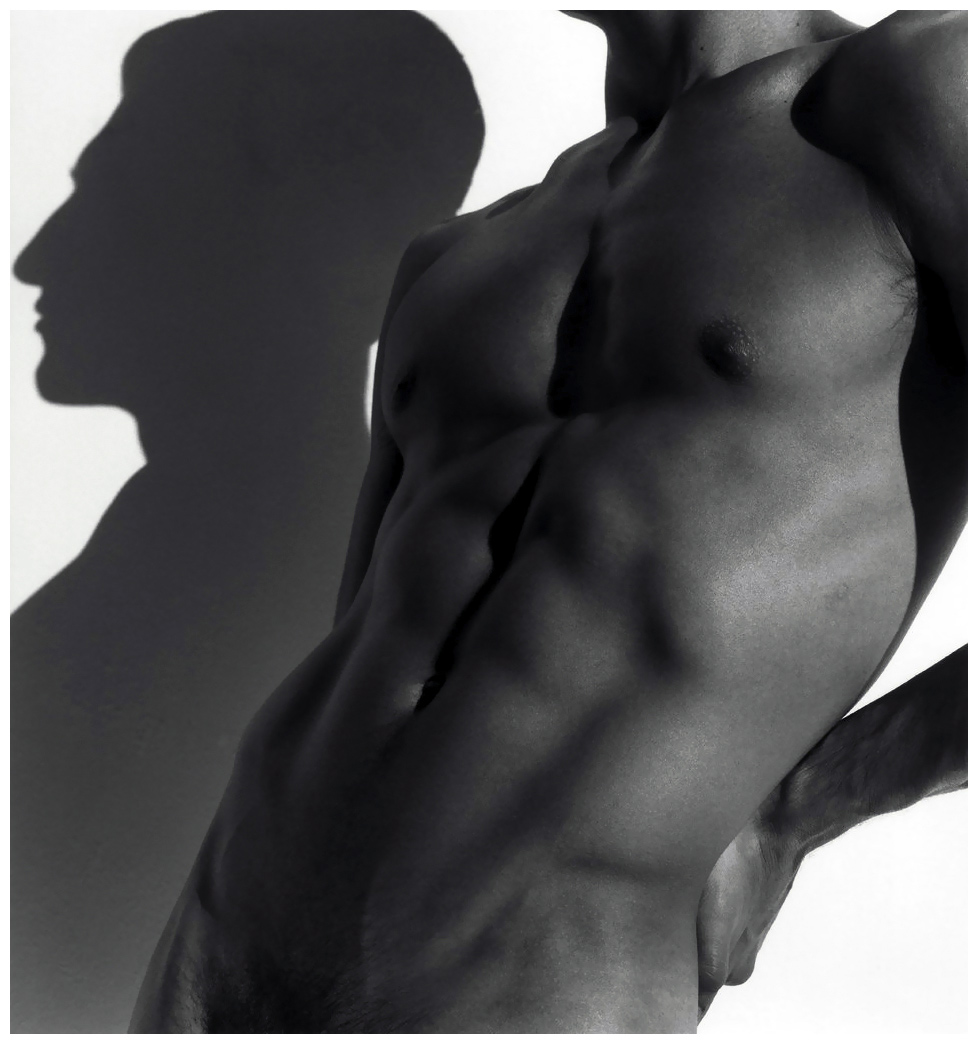
Herb Ritts (American, 1952-2002) 'Tony with shadow, Los Angeles' 1988


Herb Ritts (American, 1952-2002)
Tony with shadow, Los Angeles
1988
Gelatin silver print
© Herb Ritts Foundation


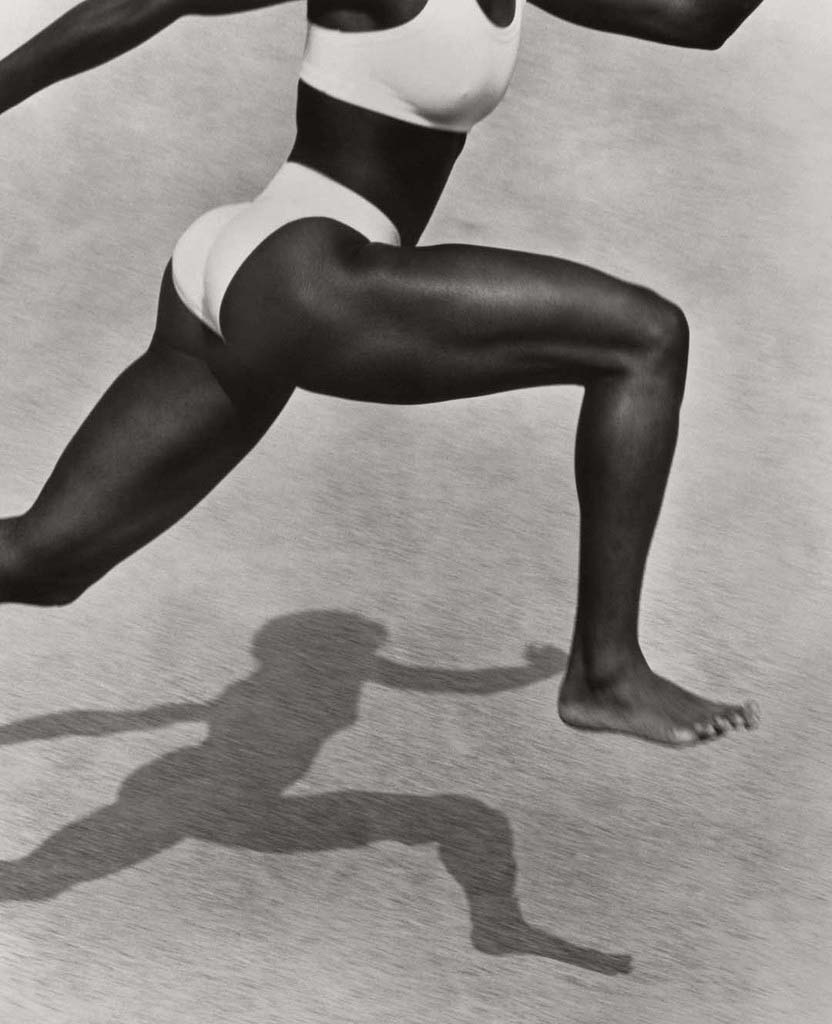
Herb Ritts (American, 1952-2002) 'Jackie Joyner-Kersee, Point Dume' 1987


Herb Ritts (American, 1952-2002)
Jackie Joyner-Kersee, Point Dume
1987
Gelatin silver print
31.9 x 25.4cm (12 9/16 x 10 in.)
Gift of Herb Ritts. Museum of Fine Arts, Boston
© Herb Ritts Foundation


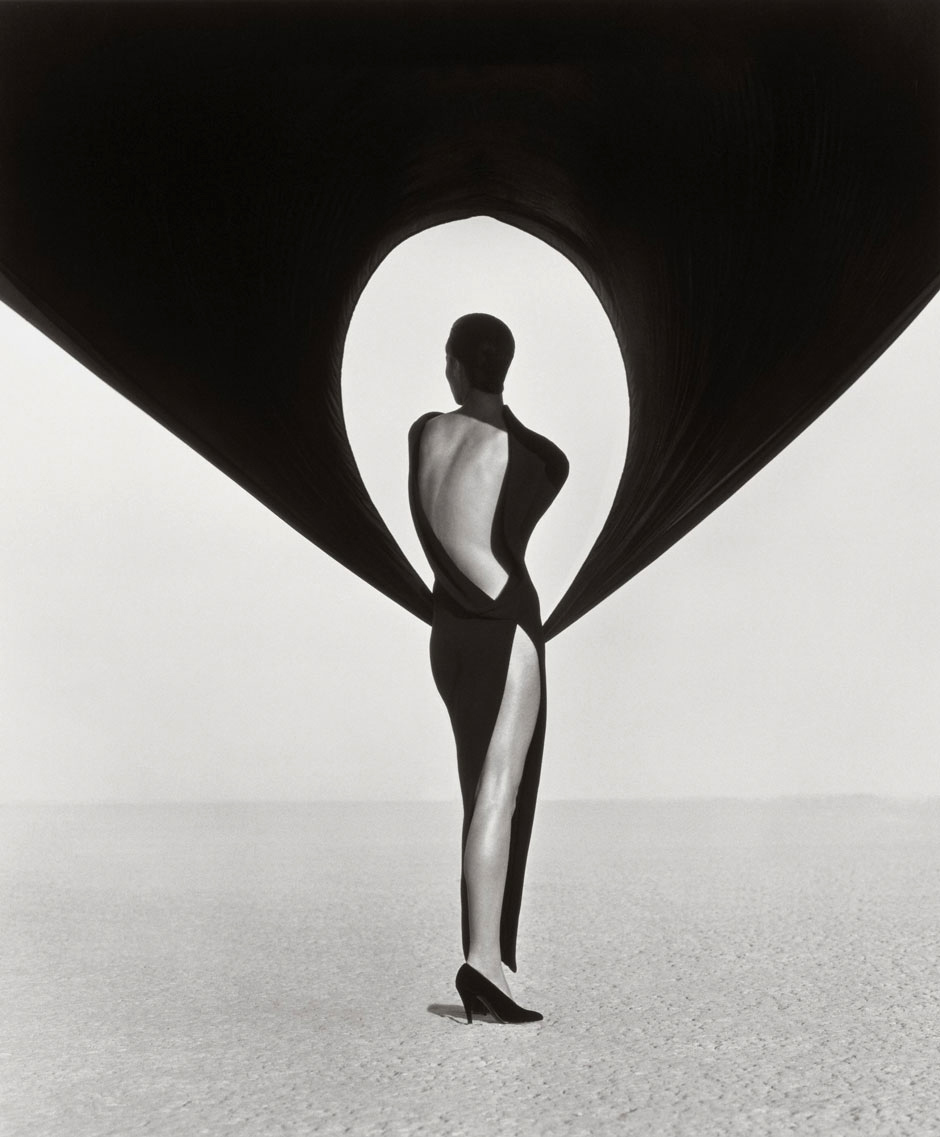
Herb Ritts (American, 1952-2002) 'Versace Dress, Back View, El Mirage' 1990


Herb Ritts (American, 1952-2002)
Versace Dress, Back View, El Mirage
1990
Gelatin silver print
137.2 x 109.2cm (54 x 43 in.)
Gift of Herb Ritts. Museum of Fine Arts, Boston
© Herb Ritts Foundation


The American photographer Herb Ritts produced a body of work in the 1980s and 1990s that seems to embody the outdoor lifestyle and glamour of the southern California beautiful set. This photograph, taken at El Mirage Dry Lake in California, appeared on the cover of Italian designer Gianni Versace’s September 1990 catalogue and incorporates a formalism and contemporary sensuality characteristic of Ritts’s aesthetic. Ritts’s photograph appeals through its boldly contrasting lights and darks.


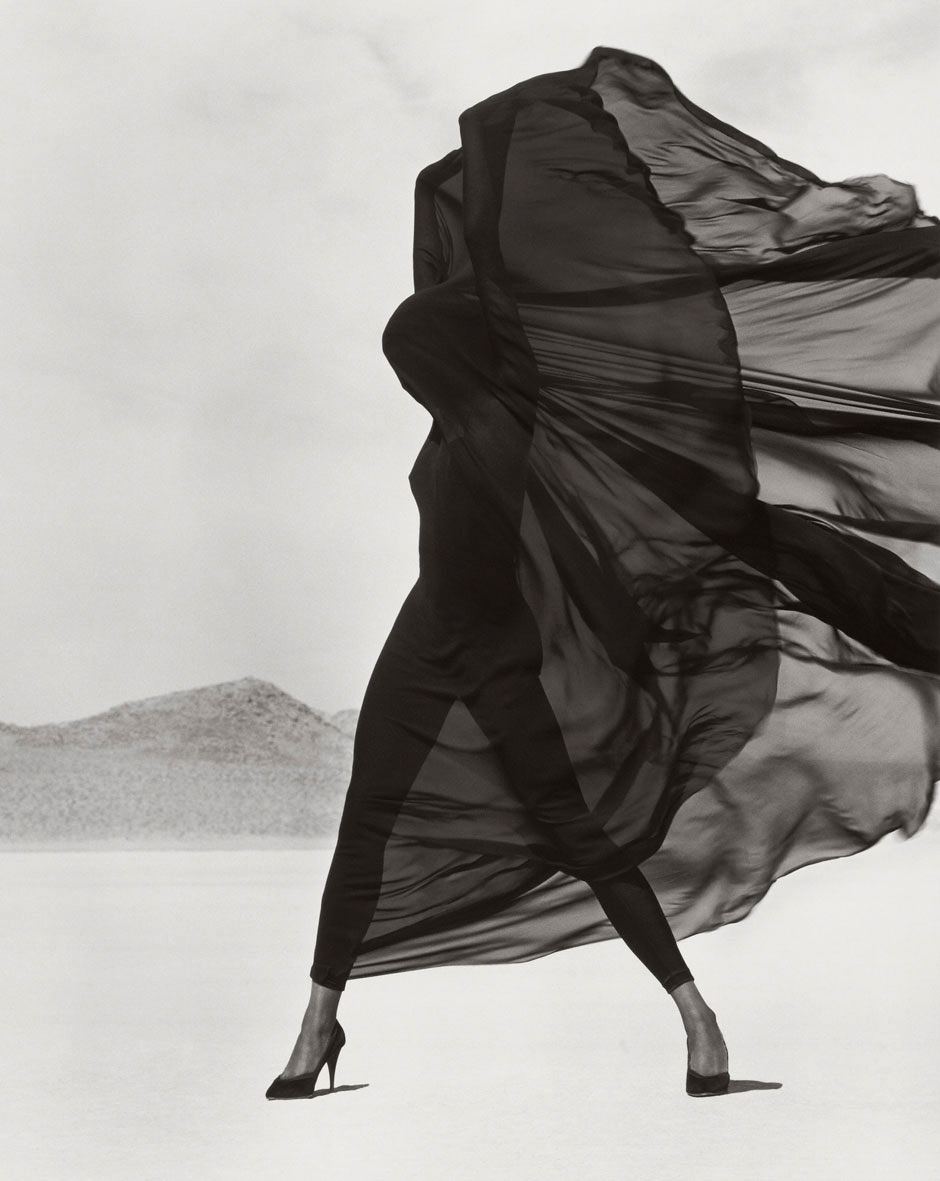
Herb Ritts (American, 1952-2002) 'Versace Veiled Dress, El Mirage' 1990


Herb Ritts (American, 1952-2002)
Versace Veiled Dress, El Mirage
1990
55.8 x 44.6cm (21 15/16 x 17 9/16 in.)
Gift of Herb Ritts. Museum of Fine Arts, Boston
© Herb Ritts Foundation


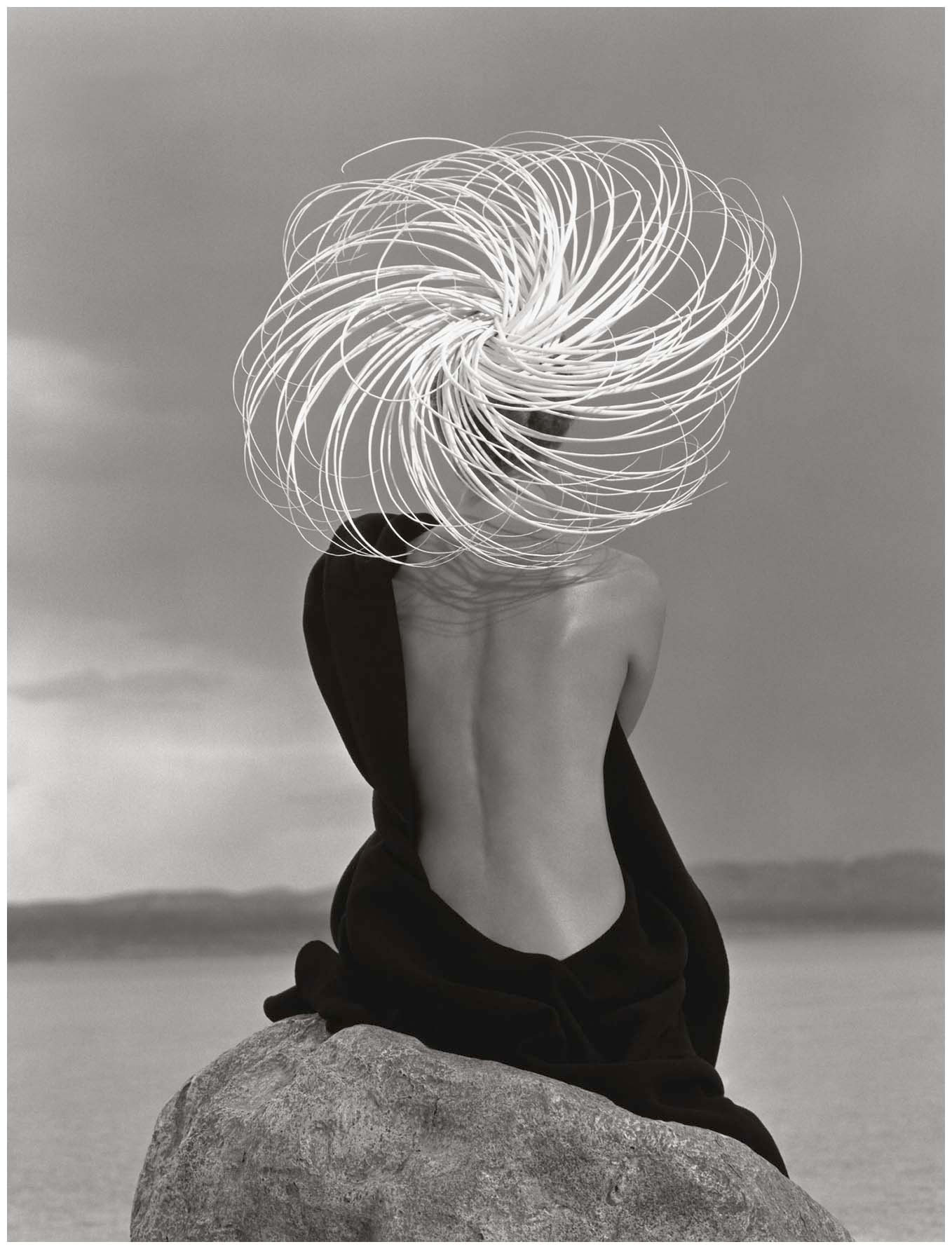
Herb Ritts (American, 1952-2002) 'Now and Zen 1, El Mirage' 1999


Herb Ritts (American, 1952-2002)
Now and Zen 1, El Mirage
1999
Gelatin silver print
© Herb Ritts Foundation


Herb Ritts: Beauty and Celebrity will be on view at the Oklahoma City Museum of Art from May 9 through July 28, 2013. Organised by the Museum of Fine Arts, Boston with the support of the Herb Ritts Foundation and the Oklahoma City Museum of Art, this exhibition will feature over eighty large-scale black-and-white photographs by acclaimed photographer, Herb Ritts (American, 1952-2002). Ranging in scale from intimate portraits to ten foot murals, the exhibition will highlight the diversity of the artist’s work. Known for his innovative approach to fashion, intimate portraiture of celebrities, and the classical treatment of the nude, Ritts emerged in the 1980s to become one of the most successful celebrity and fashion photographers of the late twentieth century and an important part of the history of American photography.

Herb Ritts grew up in Los Angeles and maintained his studio in Hollywood. A self-taught photographer, Ritts first began taking photographs in the late 1970s after studying economics at Bard College. The intimate publicity images that he made of Richard Gere were among his first serious portraits and helped to launch his career. Throughout the 1980s and 1990s, Ritts built his reputation as a leading celebrity portraitist and fashion photographer, contributing regularly to publications such as GQ, Mademoiselle, Vogue, and Vanity Fair. From 1988, he also made music videos and commercials for which he won numerous awards.

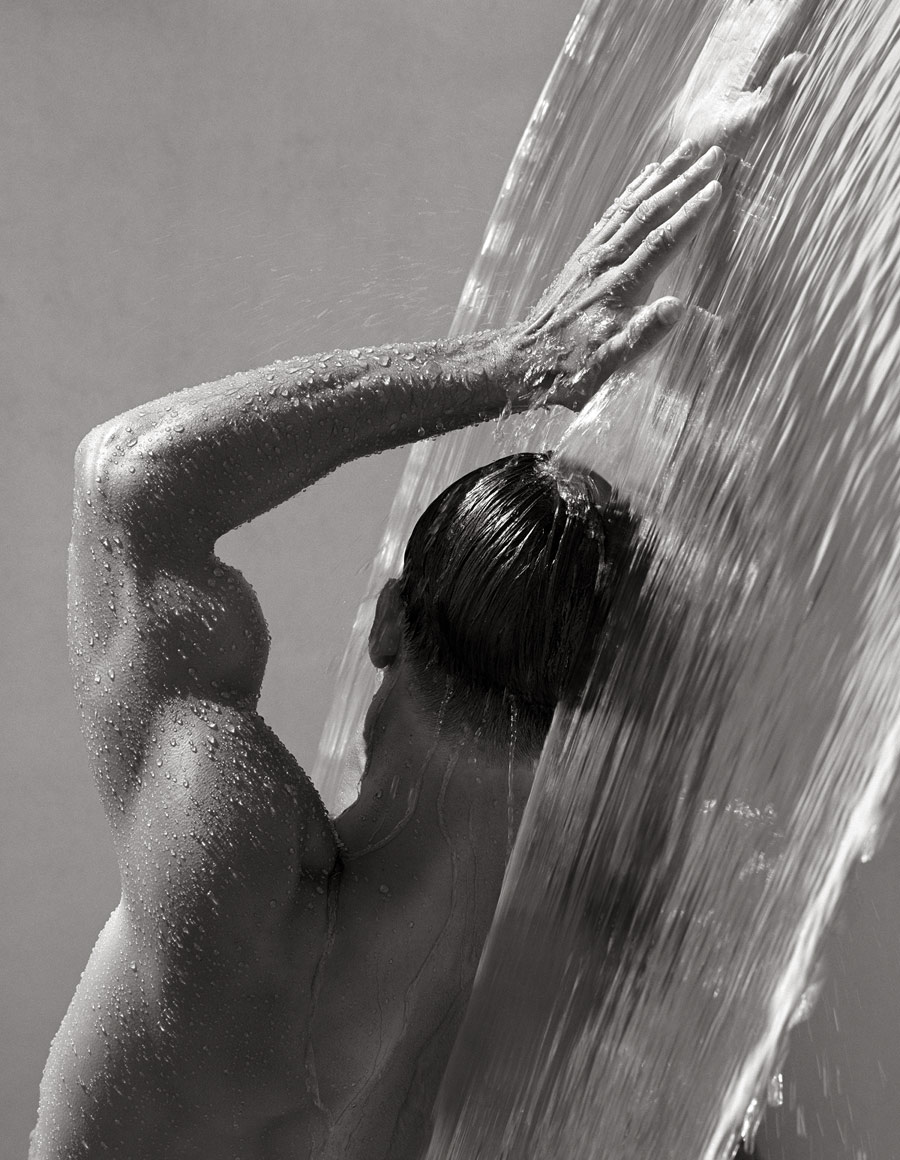
The photographs included in the exhibition represent some of Herb Ritts’s most iconic works which incorporate the natural light of the California sun while emphasising shapes, unusual juxtapositions, and the beauty of the human form. Ritts celebrates nature and the human body in evoking the tactile appeal of surface textures of grains of sand, veiled fabric, drying mud, and cascading water seen in Waterfall 4 (1988), Backflip (1987), and Woman in Sea (1988). Fashion photographs on view include such as Versace Veiled Dress, El Mirage (1990), Stephanie, Cindy, Christy, Tatjana, Naomi, Hollywood (1989), and Djimon with Octopus (1989). Examples of celebrity portraiture include Richard Gere, Jack Nicholson, Madonna, Elizabeth Taylor, Johnny Depp, Bruce Springsteen, Drew Barrymore, David Bowie, Matthew McConaughey, and Mick Jagger. Also included in the exhibition are poetic and eternal images in Ritts’s Africa series, taken in 1993 when he traveled to East Africa, and examples from the rare Corps et Ames (1999) series of photographs, portraying dancers in motion.

This exhibition – drawn from the photography collection at the Museum of Fine Arts, Boston, and the Herb Ritts Foundation – present Herb Ritts’ style and the range of his career.

Press release from the Oklahoma City Museum of Art website


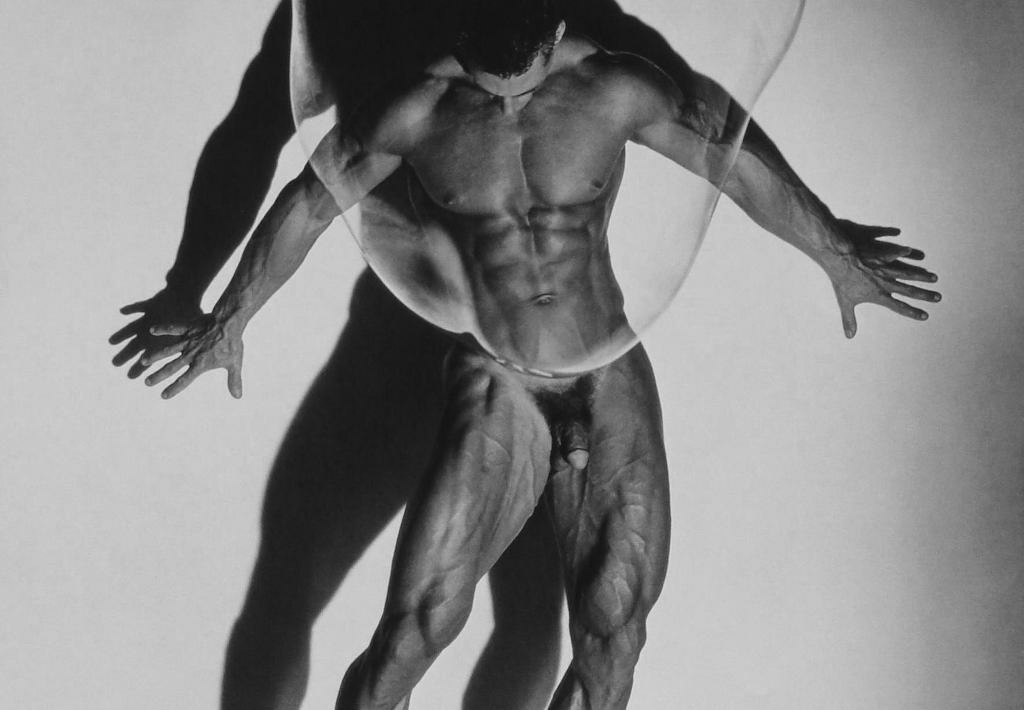
Herb Ritts (American, 1952-2002) 'Male Nude with Bubble, Los Angeles' 1987


Herb Ritts (American, 1952-2002)
Male Nude with Bubble, Los Angeles
1987
Gelatin silver print
© Herb Ritts Foundation


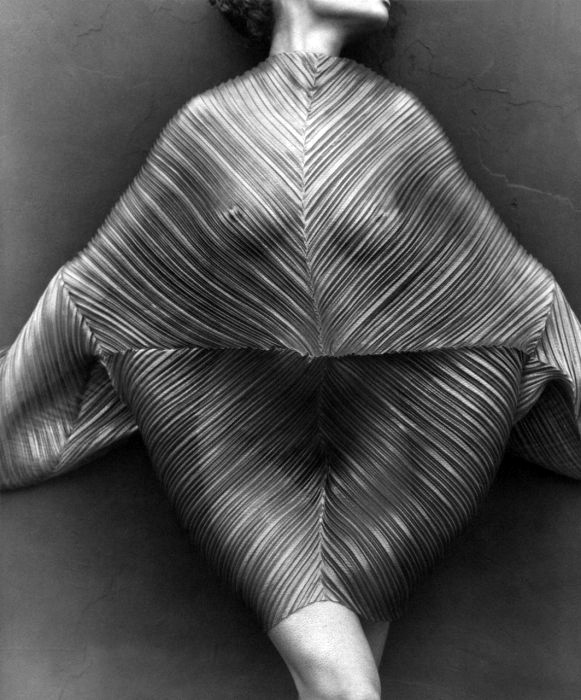
Herb Ritts (American, 1952-2002) 'Wrapped Torso, Los Angeles' 1989


Herb Ritts (American, 1952-2002)
Wrapped Torso, Los Angeles
1989
Platinum print
46.4 x 38.4cm (18 1/4 x 15 1/8 in.)
Gift of Herb Ritts. Museum of Fine Arts, Boston
© Herb Ritts Foundation


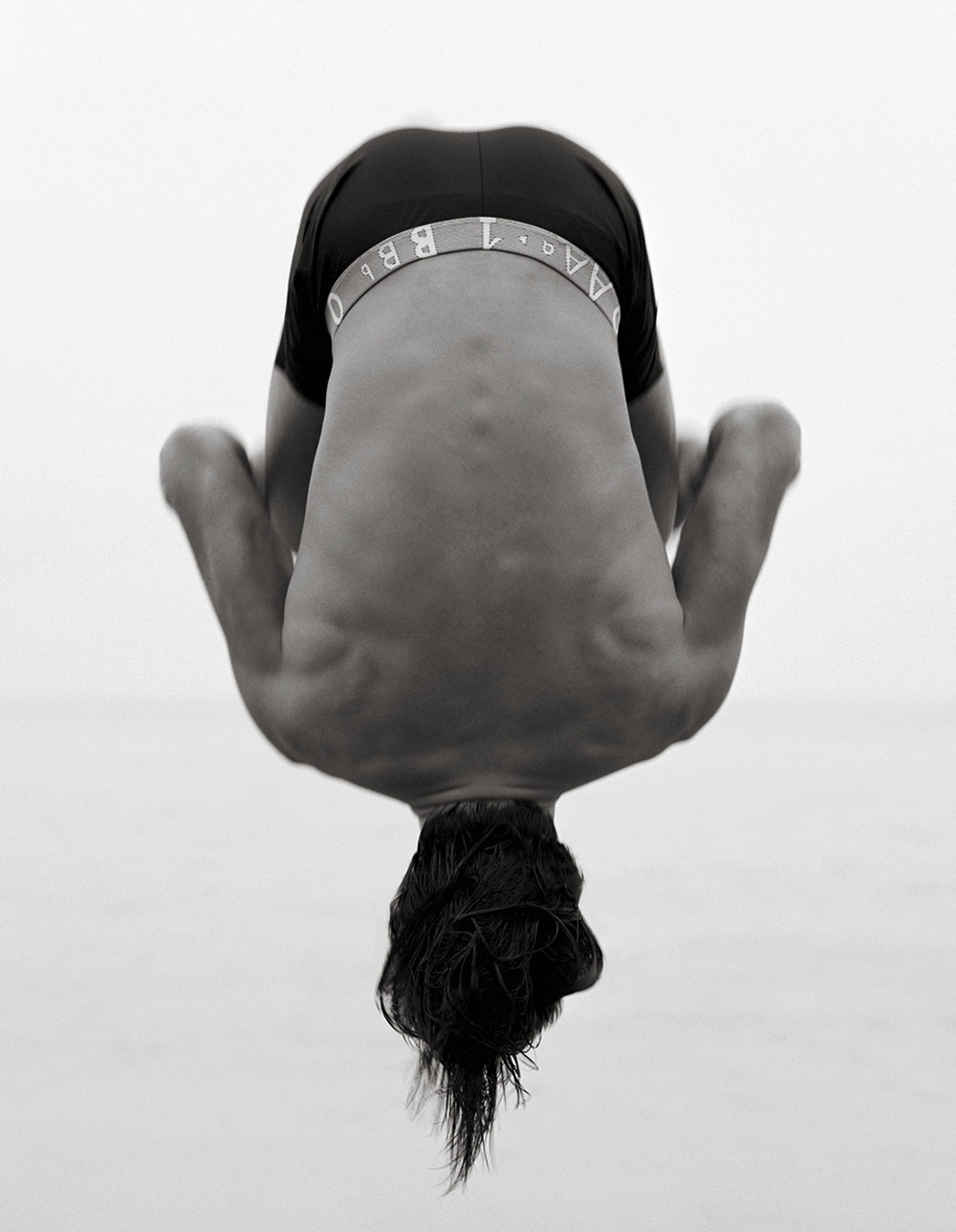
Herb Ritts (American, 1952-2002) 'Backflip, Paradise Cove' 1987


Herb Ritts (American, 1952-2002)
Backflip, Paradise Cove
1987
Gelatin silver print
90 x 70 in. (228.6 x 177.8cm)
© Herb Ritts Foundation


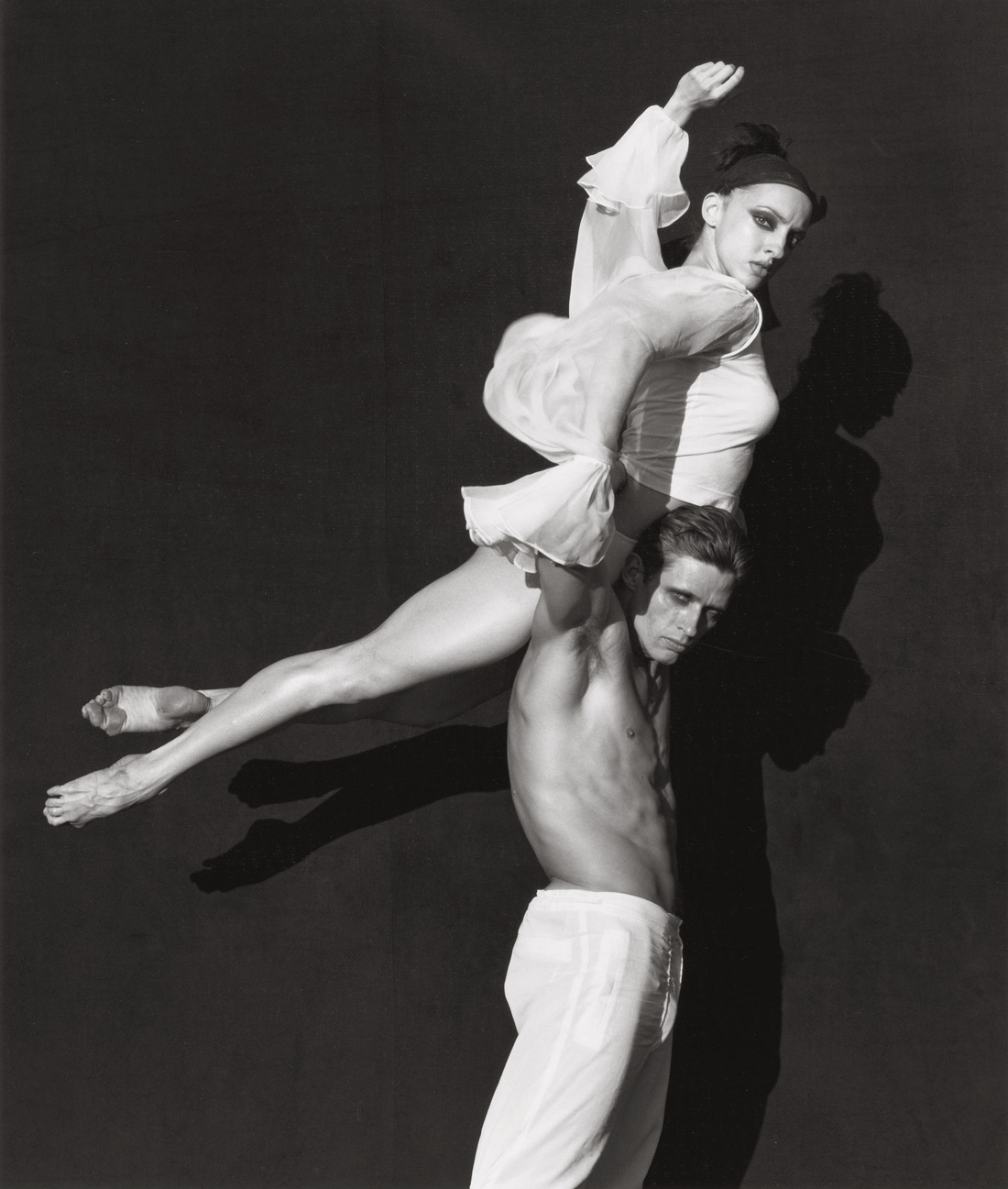
Herb Ritts (American, 1952-2002) 'Corp et Âmes - 14, Los Angeles' 1999


Herb Ritts (American, 1952-2002)
Corp et Âmes – 14, Los Angeles
1999
Gelatin silver print
14 x 11 in. (35.5 x 27.9cm)
© Herb Ritts Foundation


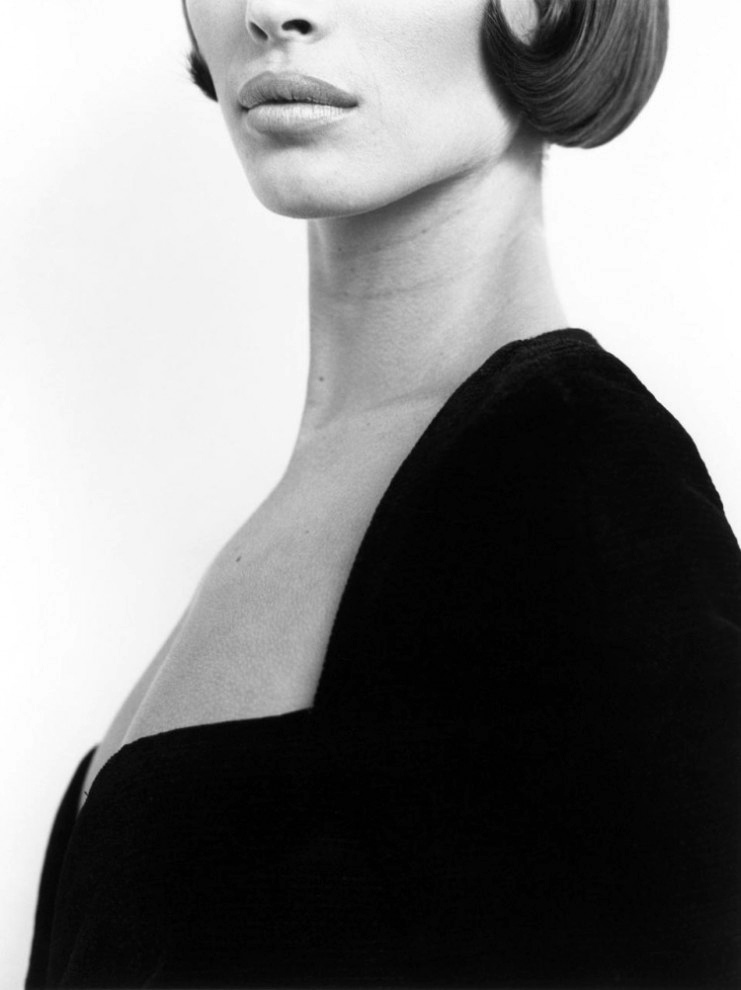
Herb Ritts (American, 1952-2002) 'Chrissy Turlington, Versace 3, Milan' 1991


Herb Ritts (American, 1952-2002)
Chrissy Turlington, Versace 3, Milan
1991
Gelatin silver print
© Herb Ritts Foundation


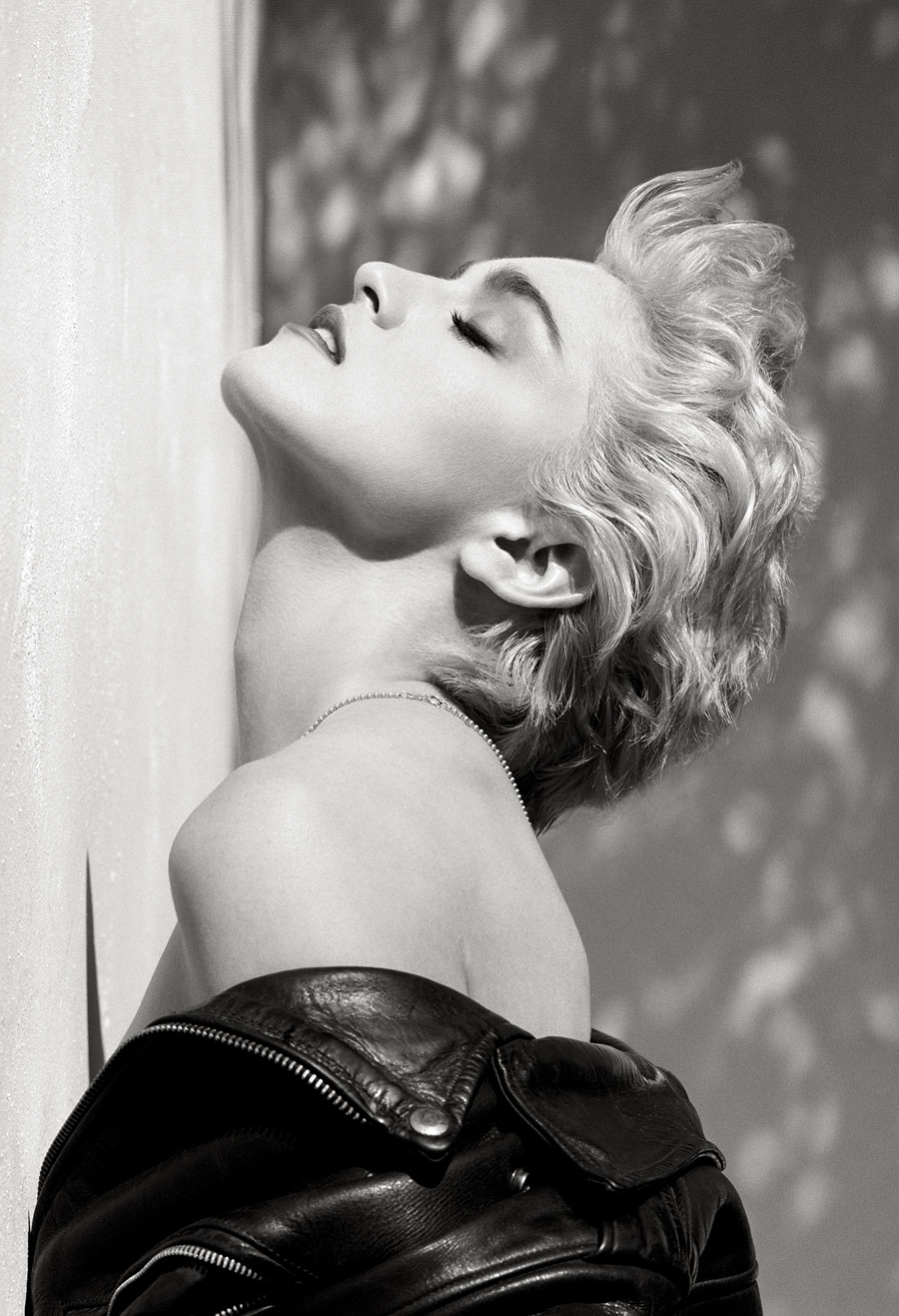
Herb Ritts (American, 1952-2002) 'Madonna (True Blue Profile), Hollywood' 1986


Herb Ritts (American, 1952-2002)
Madonna (True Blue Profile), Hollywood
1986
Gelatin silver print
24 x 20 in. (60.9 x 50.8cm)
Gift of Herb Ritts Foundation. Museum of Fine Arts, Boston
© Herb Ritts Foundation


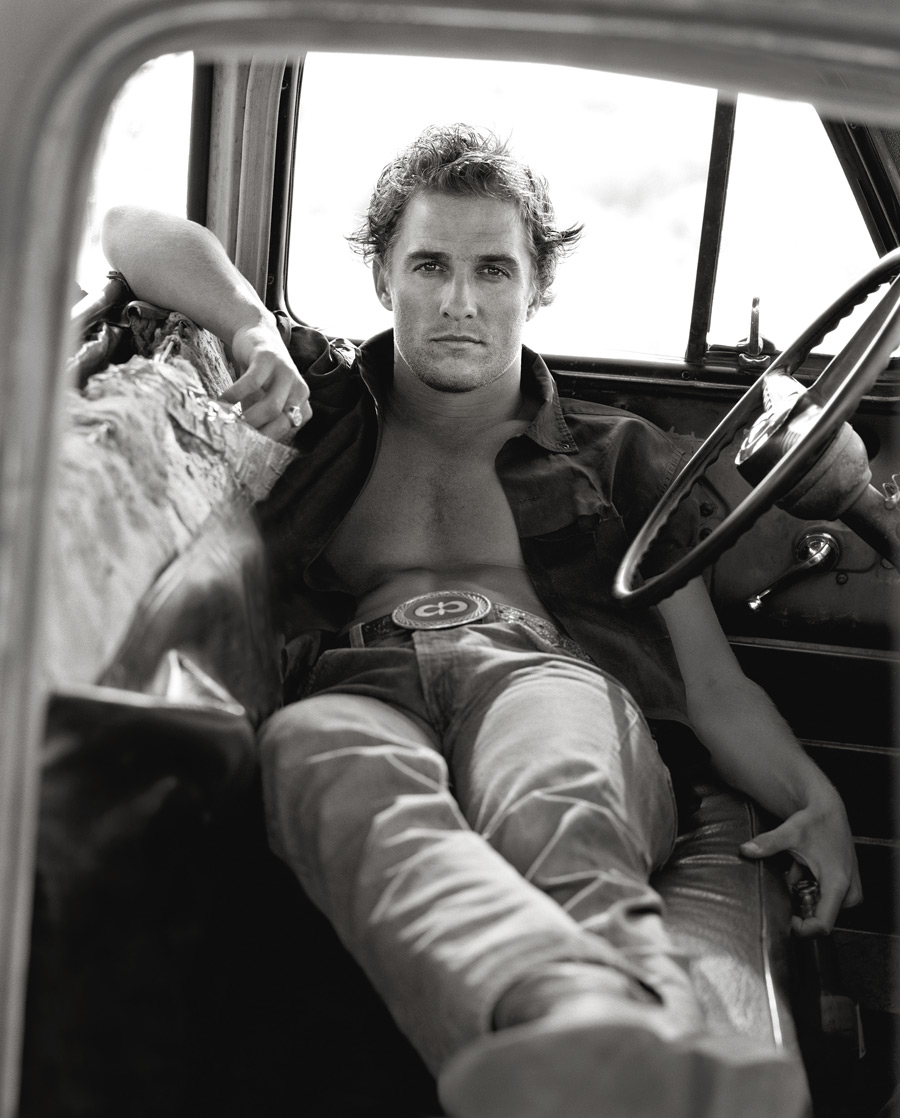
Herb Ritts (American, 1952-2002) 'Matthew McConaughey, Palmdale' 1996


Herb Ritts (American, 1952-2002)
Matthew McConaughey, Palmdale
1996
Gelatin silver print
24 x 20 in. (60.9 x 50.8cm)
Gift of Herb Ritts Foundation. Museum of Fine Arts, Boston
© Herb Ritts Foundation


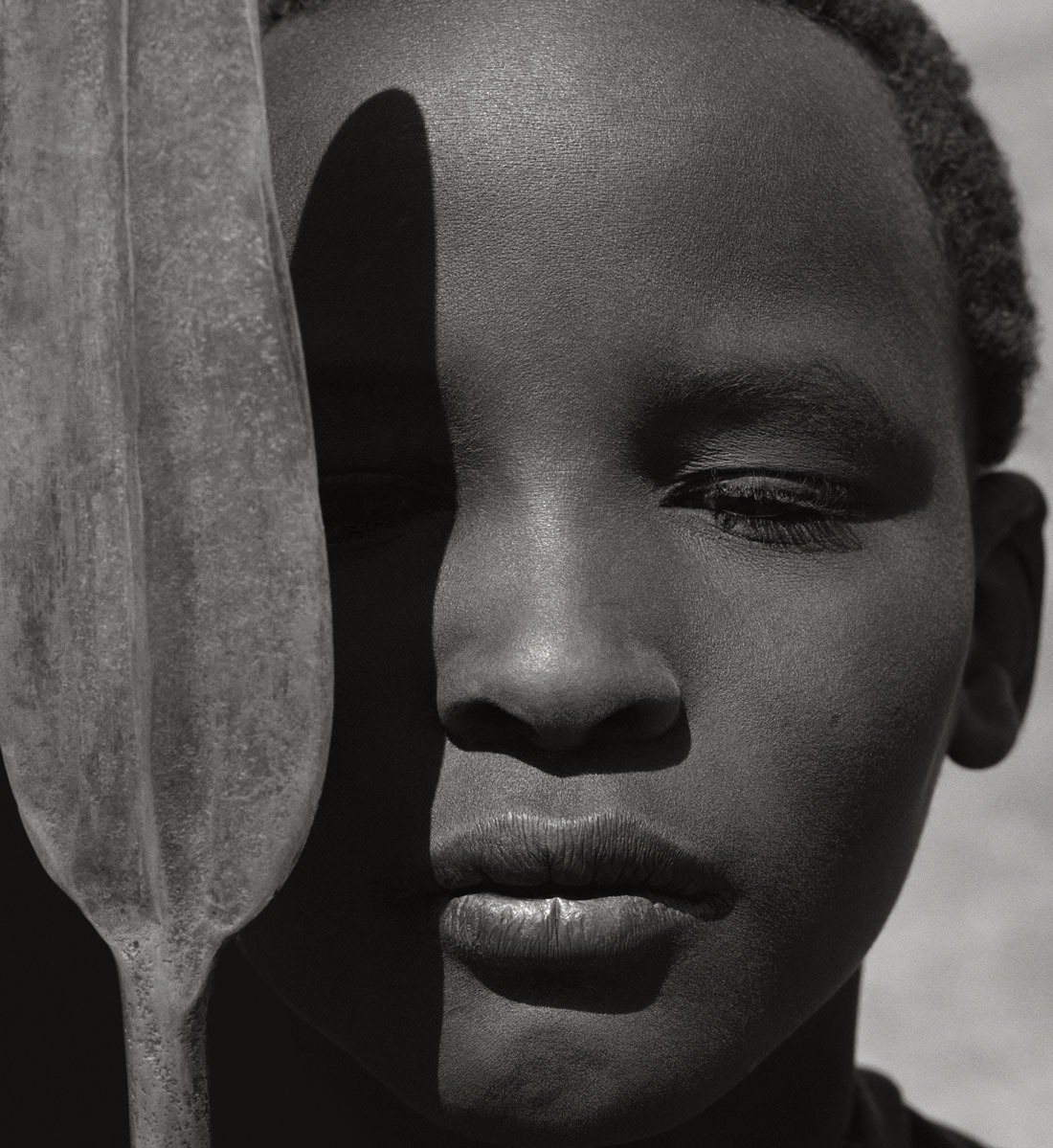
Herb Ritts (American, 1952-2002) 'Loriki with Spear, Africa' 1993


Herb Ritts (American, 1952-2002)
Loriki with Spear, Africa
1993
Gelatin silver print
45 x 41 in. (114.3 x 104.1cm)
© Herb Ritts Foundation


Herb Ritts (American, 1952-2002) 'Tony Ward' 1986


Herb Ritts (American, 1952-2002)
Tony Ward
1986
Gelatin silver print
© Herb Ritts Foundation


Herb Ritts (American, 1952-2002) 'Waterfall IV, Hollywood' 1988


Herb Ritts (American, 1952-2002)
Waterfall IV, Hollywood
1988
Platinum print
20 x 16 in. (50.8 x 40.64cm)
© Herb Ritts Foundation


Herb Ritts (American, 1952-2002) 'Woman in Sea, Hawaii' 1988


Herb Ritts (American, 1952-2002)
Woman in Sea, Hawaii
1988
Gelatin silver print
24 x 20 in. (60.9 x 50.8cm)
Gift of Herb Ritts. Museum of Fine Arts, Boston
© Herb Ritts Foundation


Herb Ritts (American, 1952-2002) 'Bill T. Jones VI, Los Angeles' 1995


Herb Ritts (American, 1952-2002)
Bill T. Jones VI, Los Angeles
1995
Gelatin silver print
© Herb Ritts Foundation


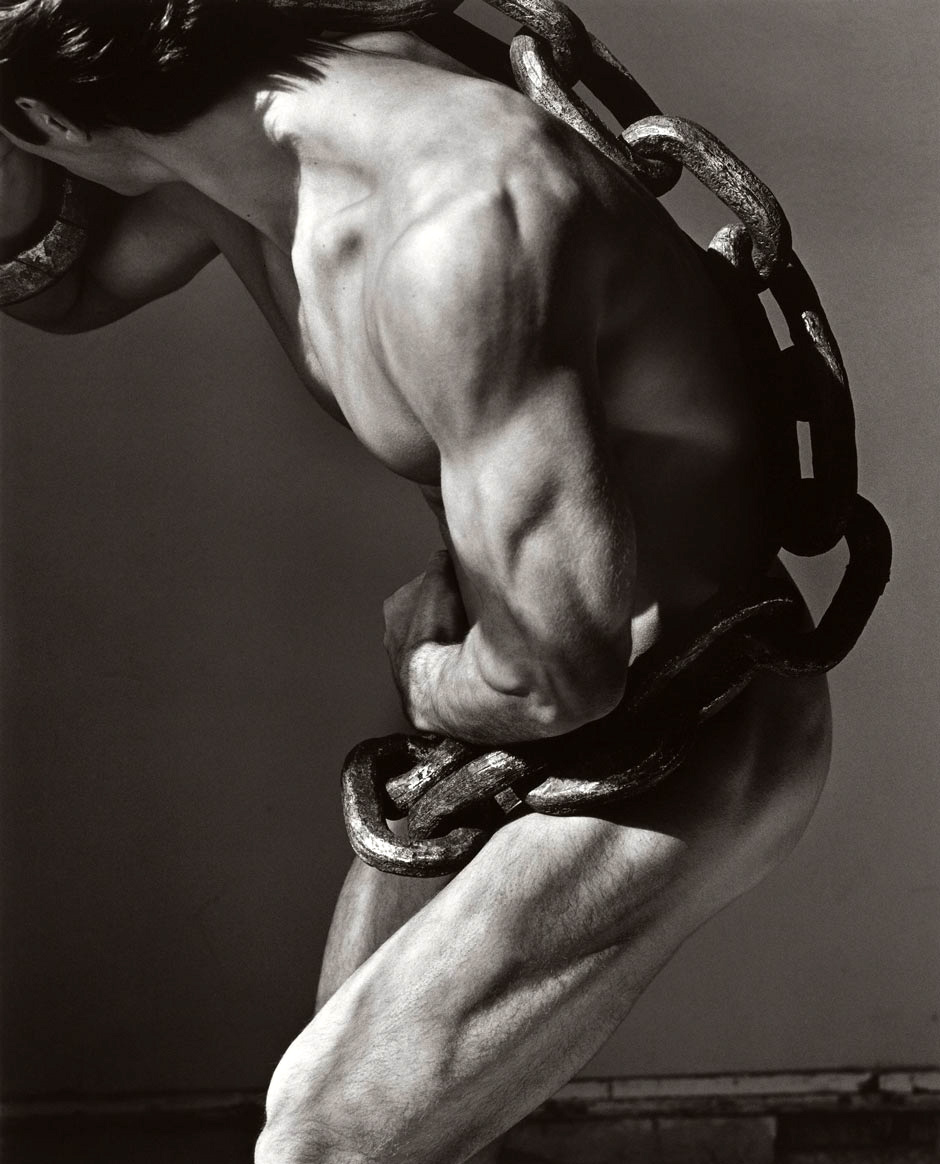
Herb Ritts (American, 1952-2002) 'Man with Chain, Los Angeles' 1985


Herb Ritts (American, 1952-2002)
Man with Chain, Los Angeles
1985
Gelatin silver print
47.8 x 38.4 cm (18 13/16 x 15 1/8 in.)
Gift of Herb Ritts. Museum of Fine Arts, Boston
© Herb Ritts Foundation


Oklahoma City Museum of Art
415 Couch Drive
Oklahoma City, OK 73102

Opening hours:
Tuesday – Saturday: 10am – 5pm
Sunday: noon – 5pm
Closed: Mondays and Major Holidays

Oklahoma City Museum of Art website

LIKE ART BLART ON FACEBOOK

Back to top

Marcus Bunyan black and white archive: South Yarra and surrounds, 1994

June 2013

PLEASE NOTE: THIS POSTING CONTAINS ART PHOTOGRAPHS OF MALE NUDITY – IF YOU DO NOT LIKE PLEASE DO NOT LOOK, FAIR WARNING HAS BEEN GIVEN


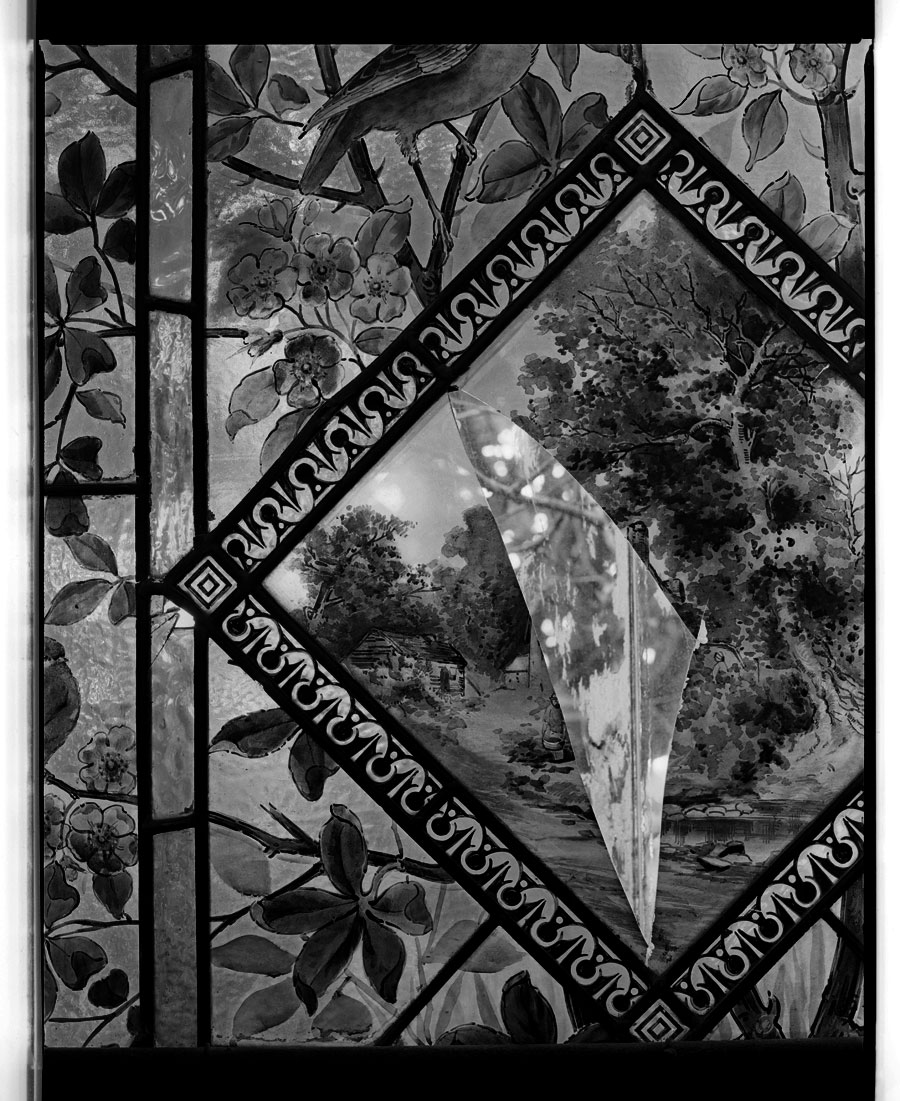
Marcus Bunyan (Australian, b. 1958) 'Stained glass, cracked' 1994


Marcus Bunyan (Australian, b. 1958)
Stained glass, cracked
1994
Silver gelatin photograph


I am scanning my negatives made during the years 1991-1997 to preserve them in the form of an online archive as a process of active memory, so that the images are not lost forever. These photographs were images of my life and imagination at the time of their making, the ideas I was thinking about and the people and things that surrounded me.

All images © Marcus Bunyan. Please click the photographs for a larger version of the image; remember these are just straight scans of the negatives !

Photographs are available from this series for purchase. As a guide, a vintage 8″ x 10″ silver gelatin print costs $700 plus tracked and insured shipping. For more information please see my Store web page.


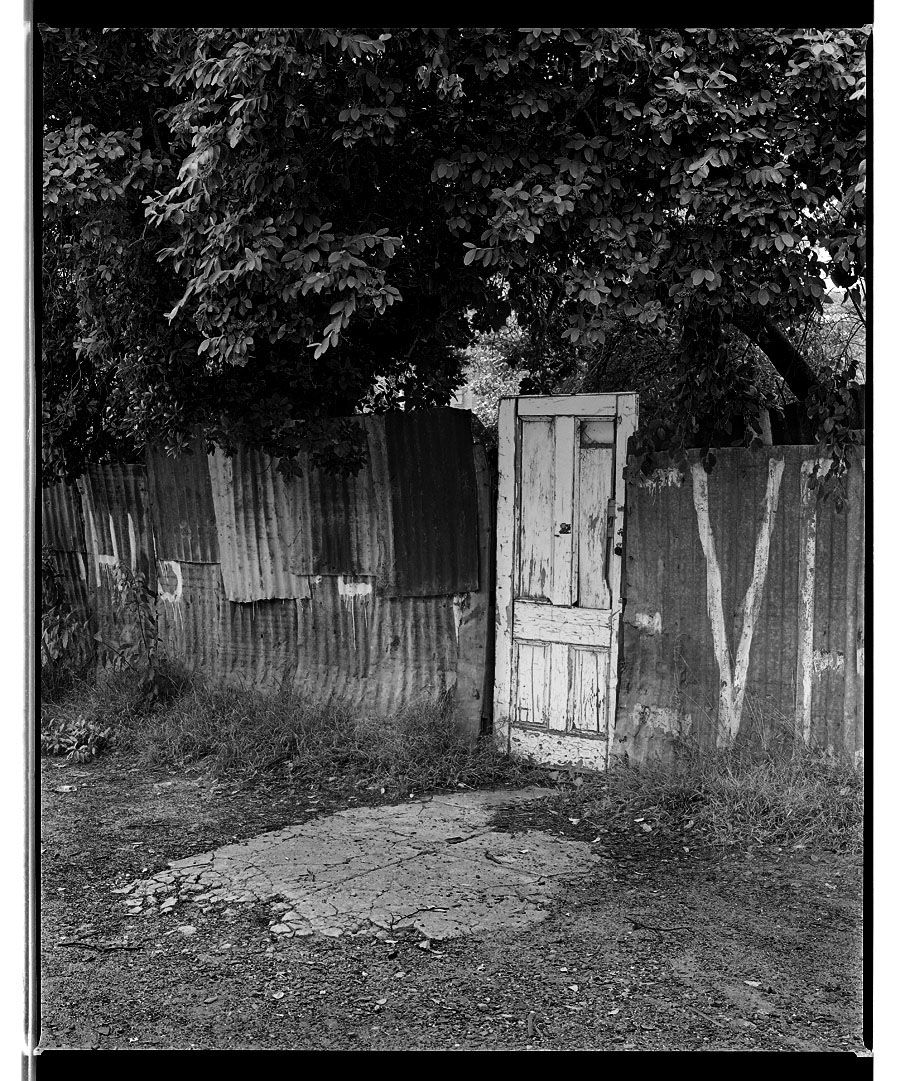
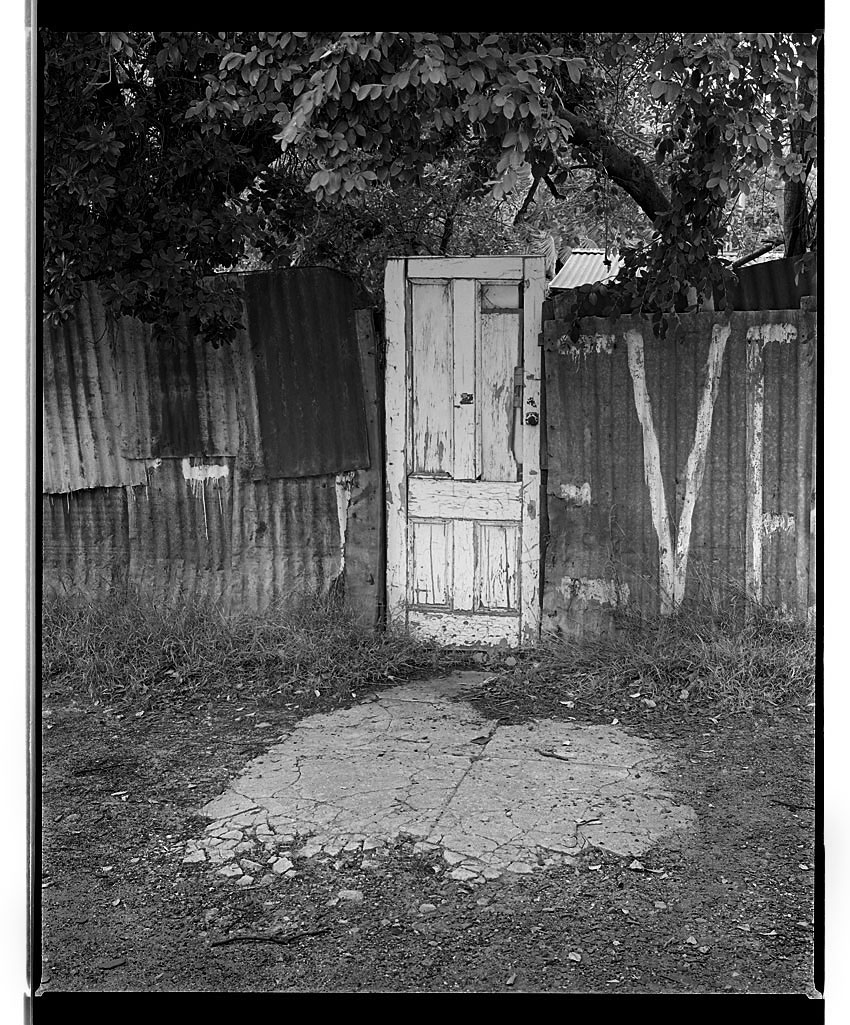
Marcus Bunyan (Australian, b. 1958) 'White door 1' 1994


Marcus Bunyan (Australian, b. 1958)
White door 1
1994
Silver gelatin photograph


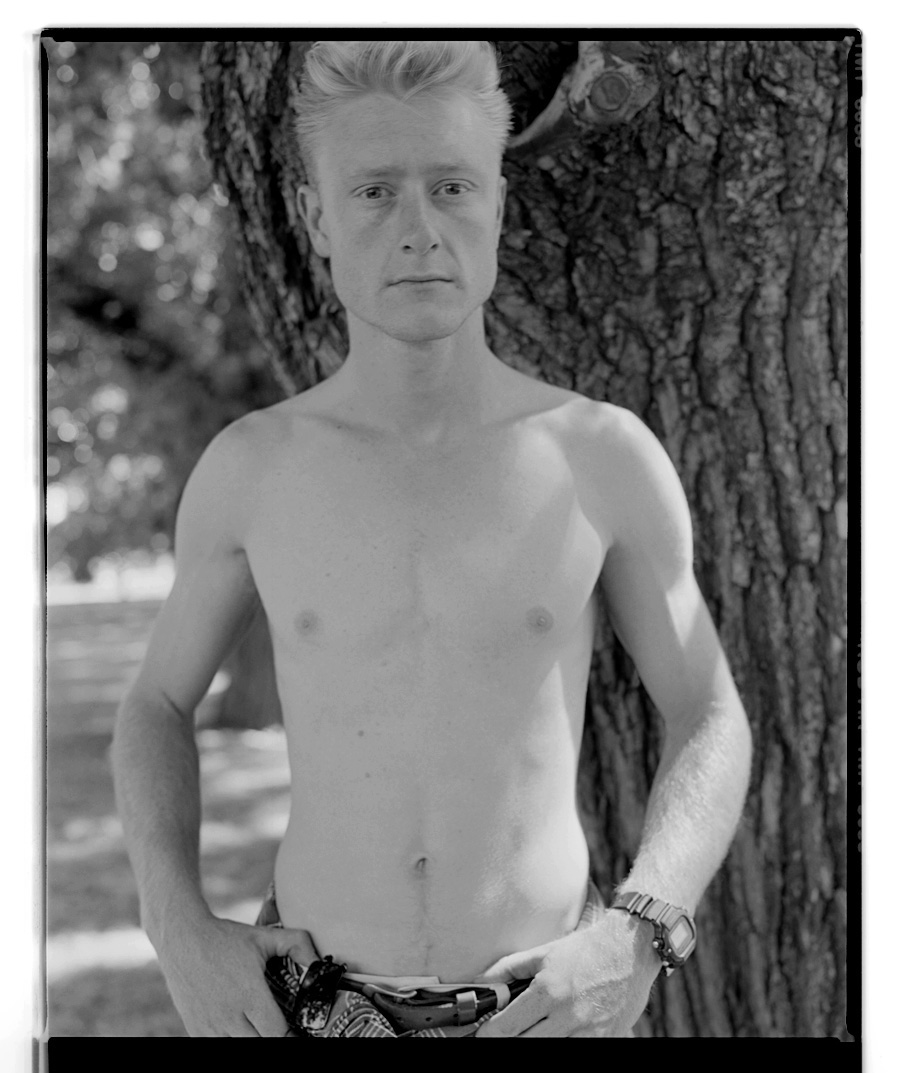
Marcus Bunyan (Australian, b. 1958) 'Damien, 1994' 1994


Marcus Bunyan (Australian, b. 1958)
Damien, 1994
1994
Silver gelatin photograph


Marcus Bunyan (Australian, b. 1958) 'Night repair' 1994


Marcus Bunyan (Australian, b. 1958)
Night repair
1994
Silver gelatin photograph


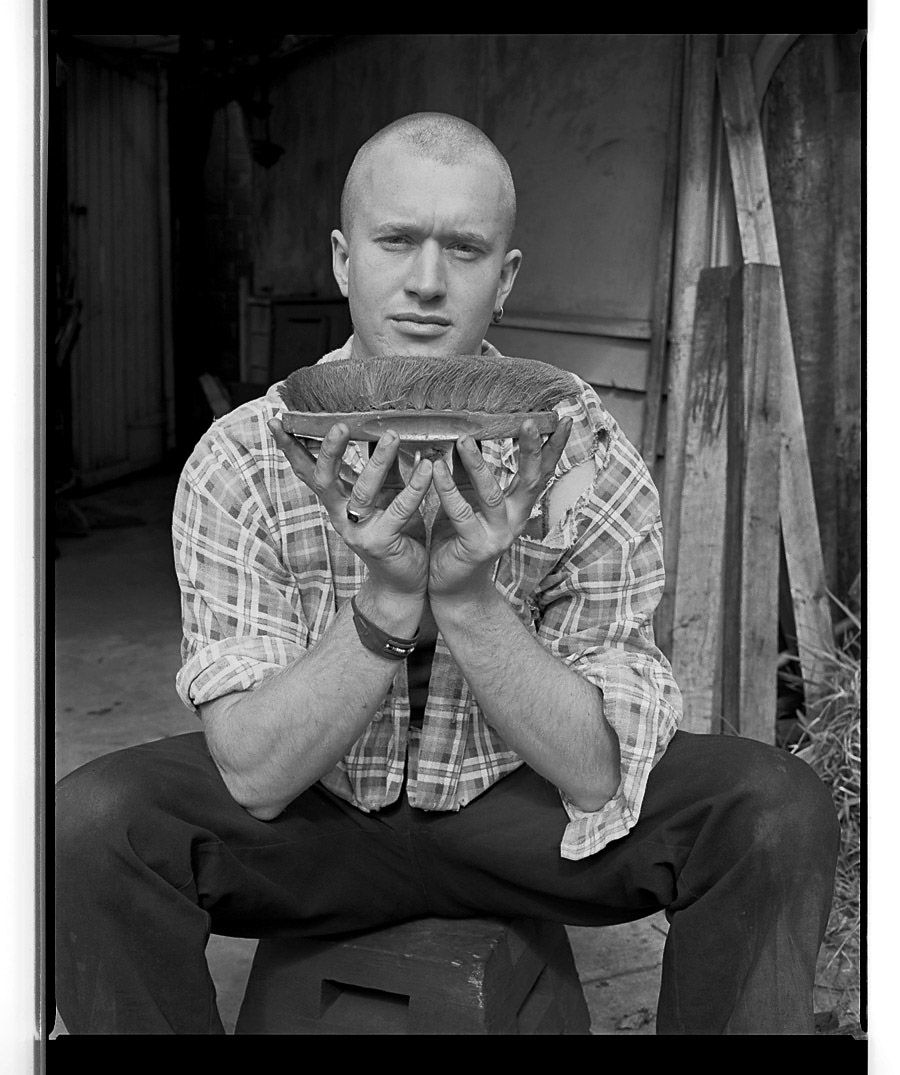
Marcus Bunyan (Australian, b. 1958) 'Jerry holding a brush, South Yarra' 1994


Marcus Bunyan (Australian, b. 1958)
Jerry holding a brush, South Yarra
1994
Silver gelatin photograph


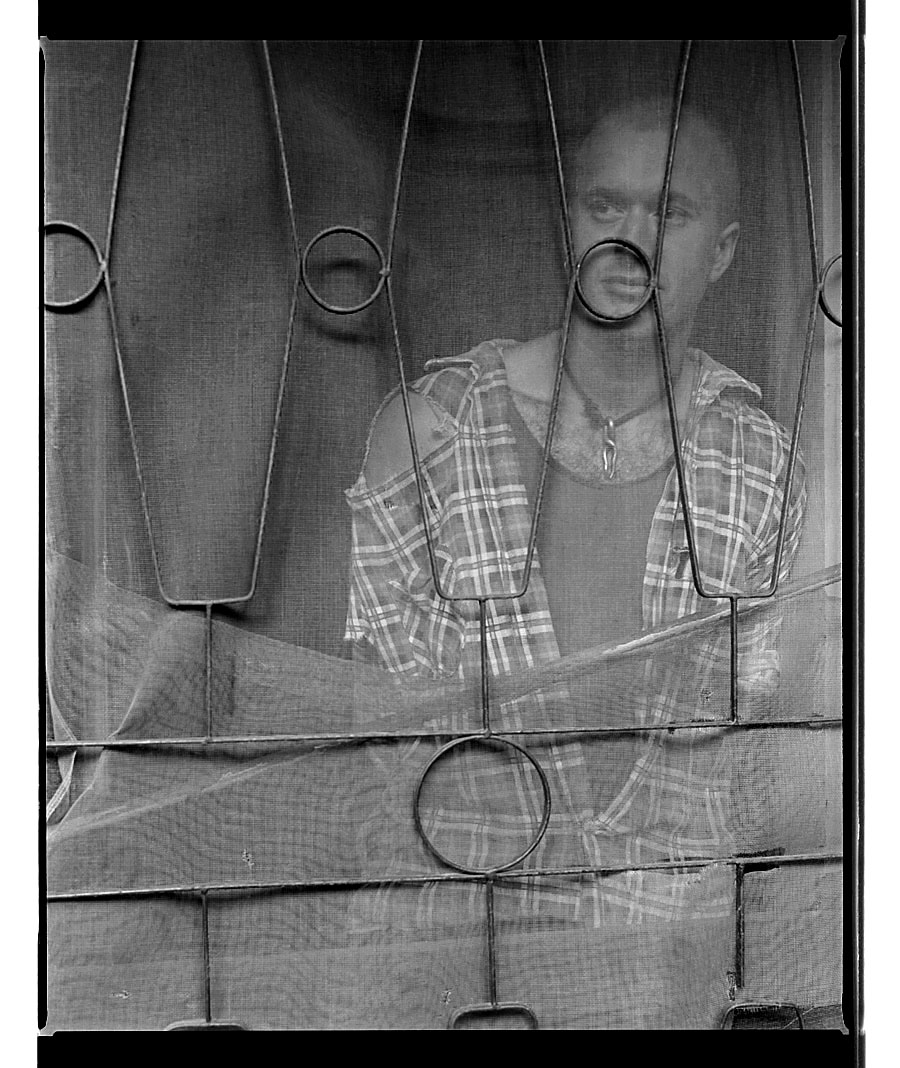
Marcus Bunyan (Australian, b. 1958) 'Jerry behind safety screen, Punt Road, South Yarra' 1994


Marcus Bunyan (Australian, b. 1958)
Jerry behind safety screen, Punt Road, South Yarra
1994
Silver gelatin photograph


Marcus Bunyan (Australian, b. 1958) 'Presence' 1994


Marcus Bunyan (Australian, b. 1958)
Presence
1994
Silver gelatin photograph


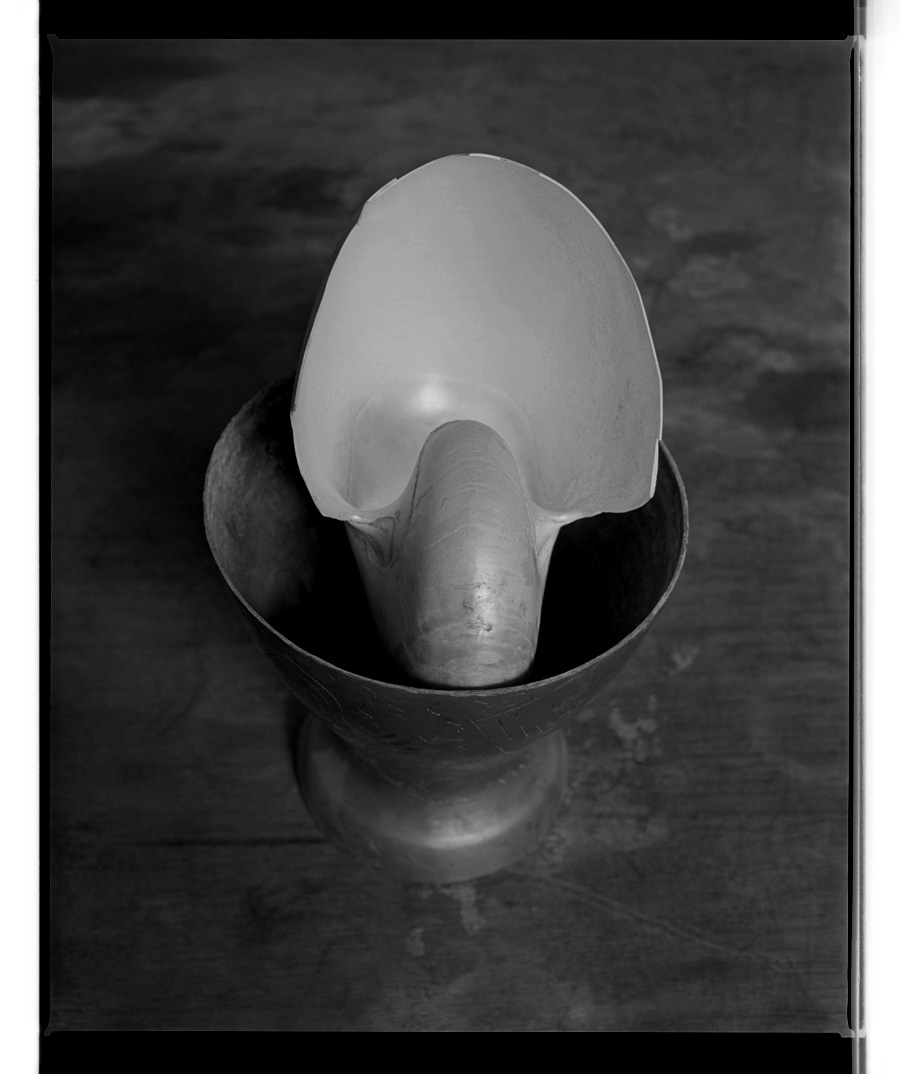
Marcus Bunyan (Australian, b. 1958) 'Nautilus shell in cup' 1994


Marcus Bunyan (Australian, b. 1958)
Nautilus shell in cup
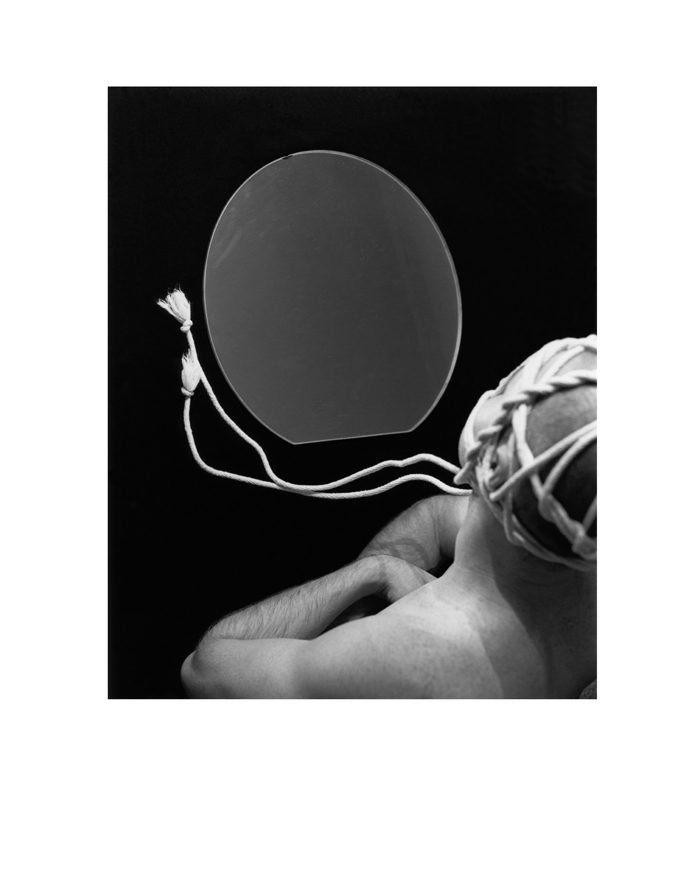
1994
Silver gelatin photograph


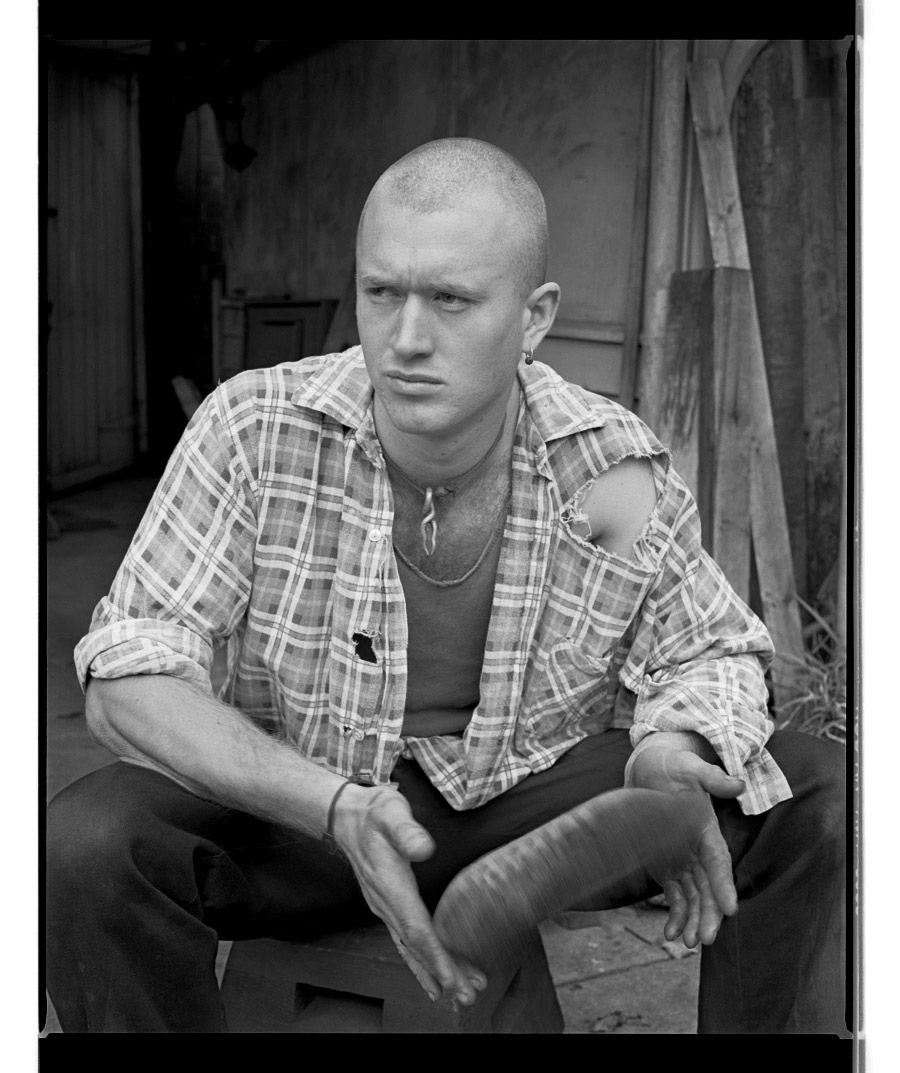
Marcus Bunyan (Australian, b. 1958) 'Jerry with shaved head' 1994


Marcus Bunyan (Australian, b. 1958)
Jerry with shaved head
1994
Silver gelatin photograph


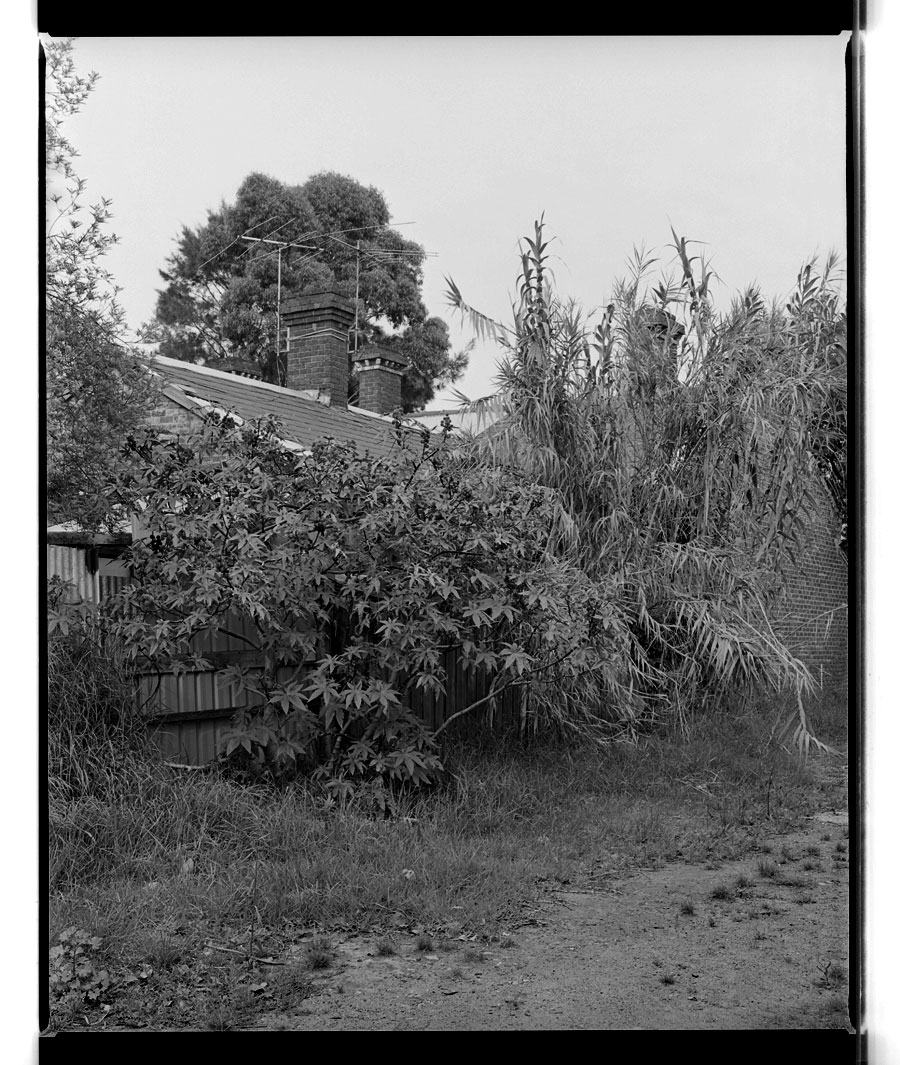
Marcus Bunyan (Australian, b. 1958) 'Undergrowth' 1994


Marcus Bunyan (Australian, b. 1958)
Undergrowth
1994
Silver gelatin photograph


Marcus Bunyan (Australian, b. 1958) 'White door 2' 1994


Marcus Bunyan (Australian, b. 1958)
White door 2
1994
Silver gelatin photograph


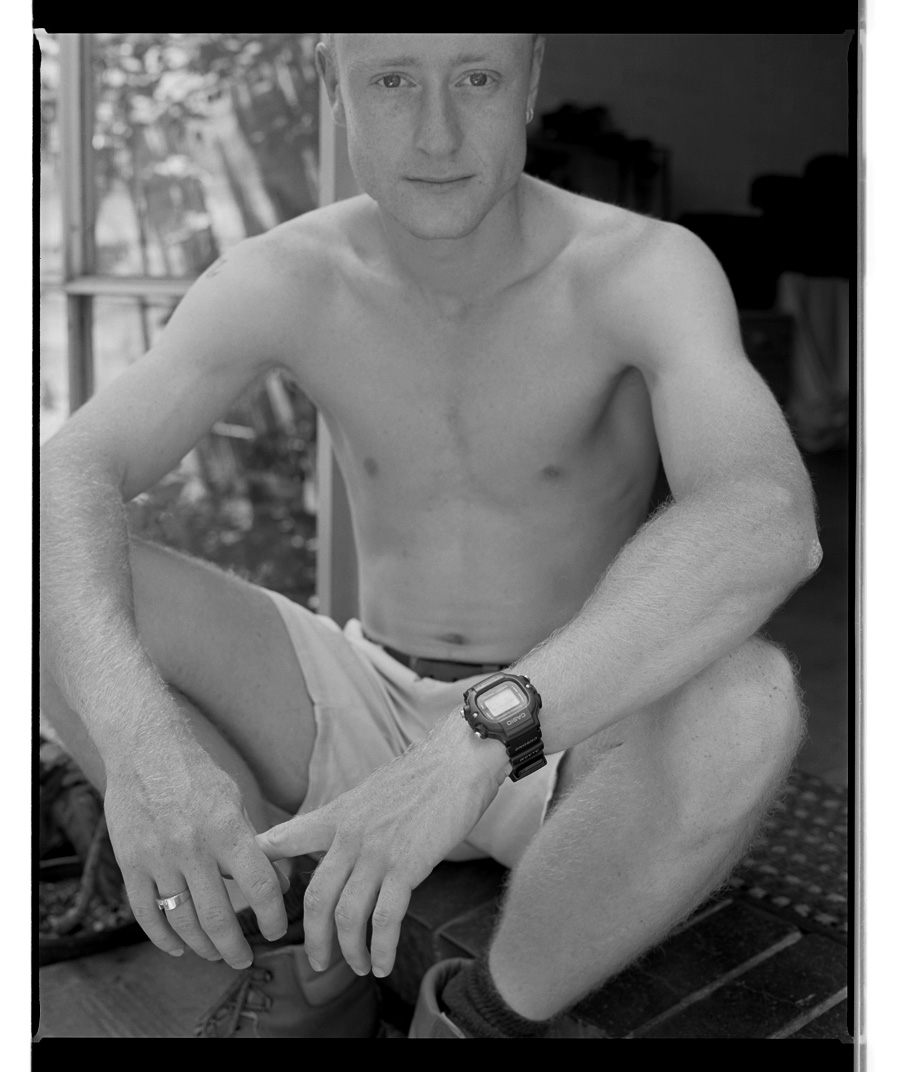
Marcus Bunyan (Australian, b. 1958) 'Damien sitting outside his flat, South Yarra, 1994' 1994


Marcus Bunyan (Australian, b. 1958)
Damien sitting outside his flat, South Yarra, 1994
1994
Silver gelatin photograph


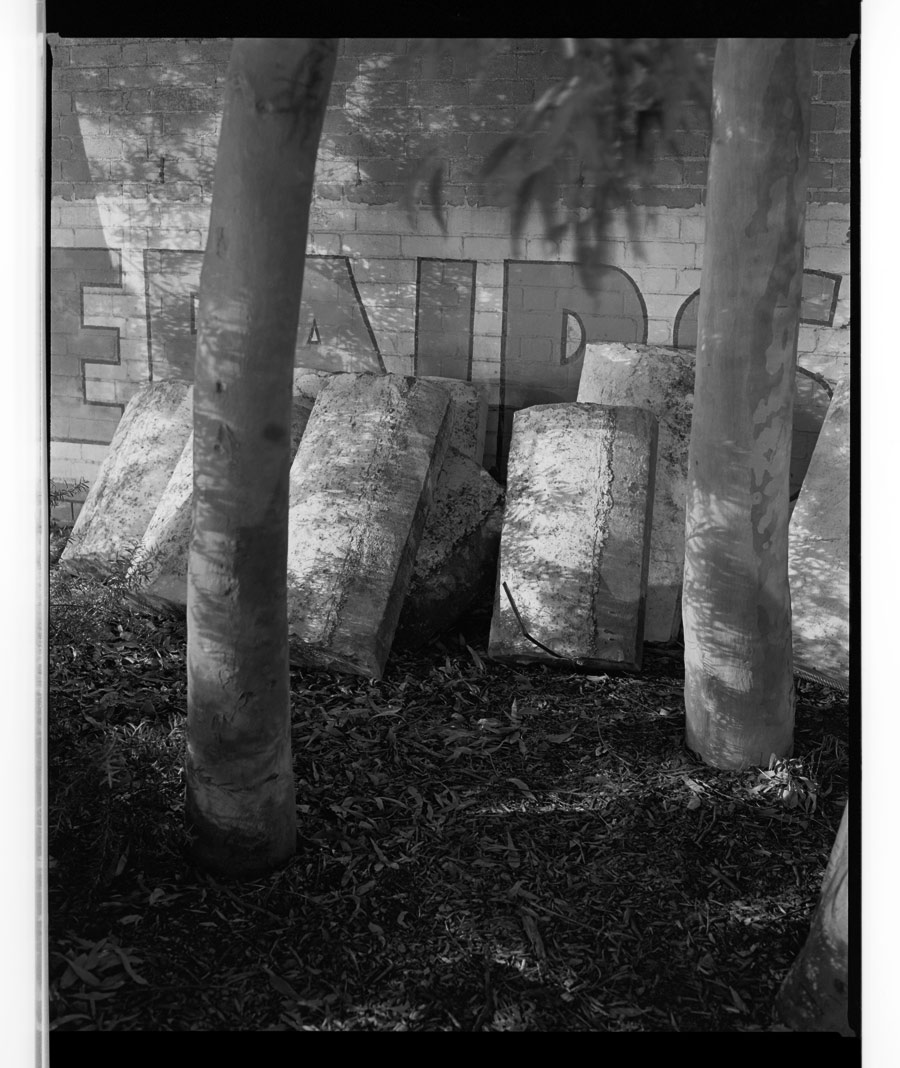
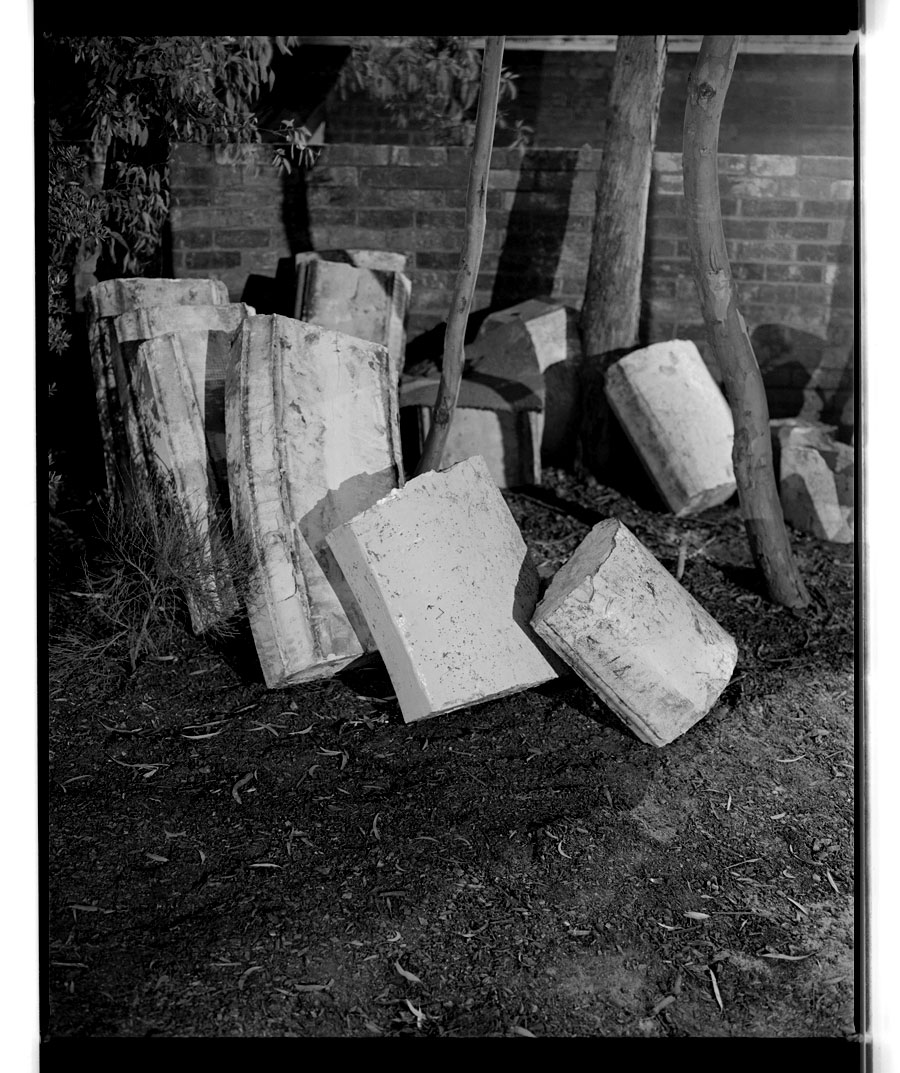
Marcus Bunyan (Australian, b. 1958) 'Trees, capstone, shadows' 1994


Marcus Bunyan (Australian, b. 1958)
Trees, capstone, shadows
1994
Silver gelatin photograph


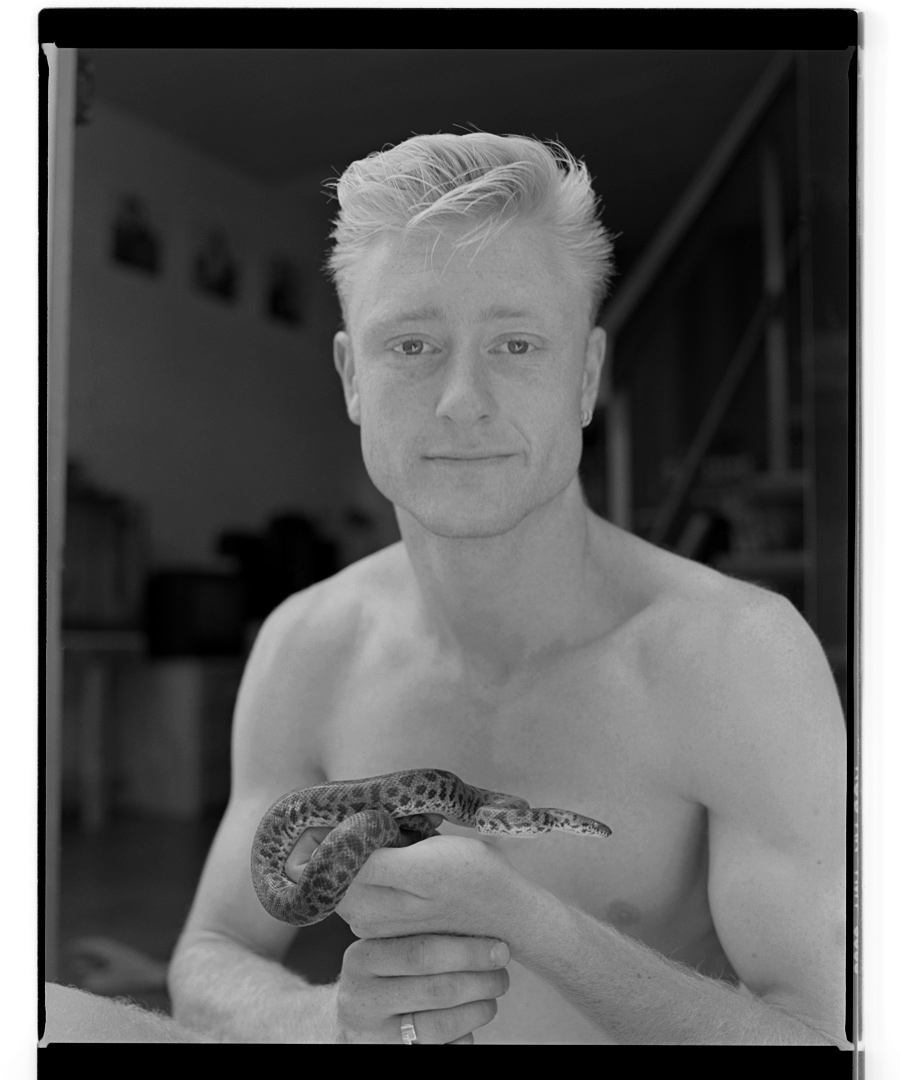
Marcus Bunyan (Australian, b. 1958) 'Damien with snake' 1994


Marcus Bunyan (Australian, b. 1958)
Damien with snake
1994
Silver gelatin photograph


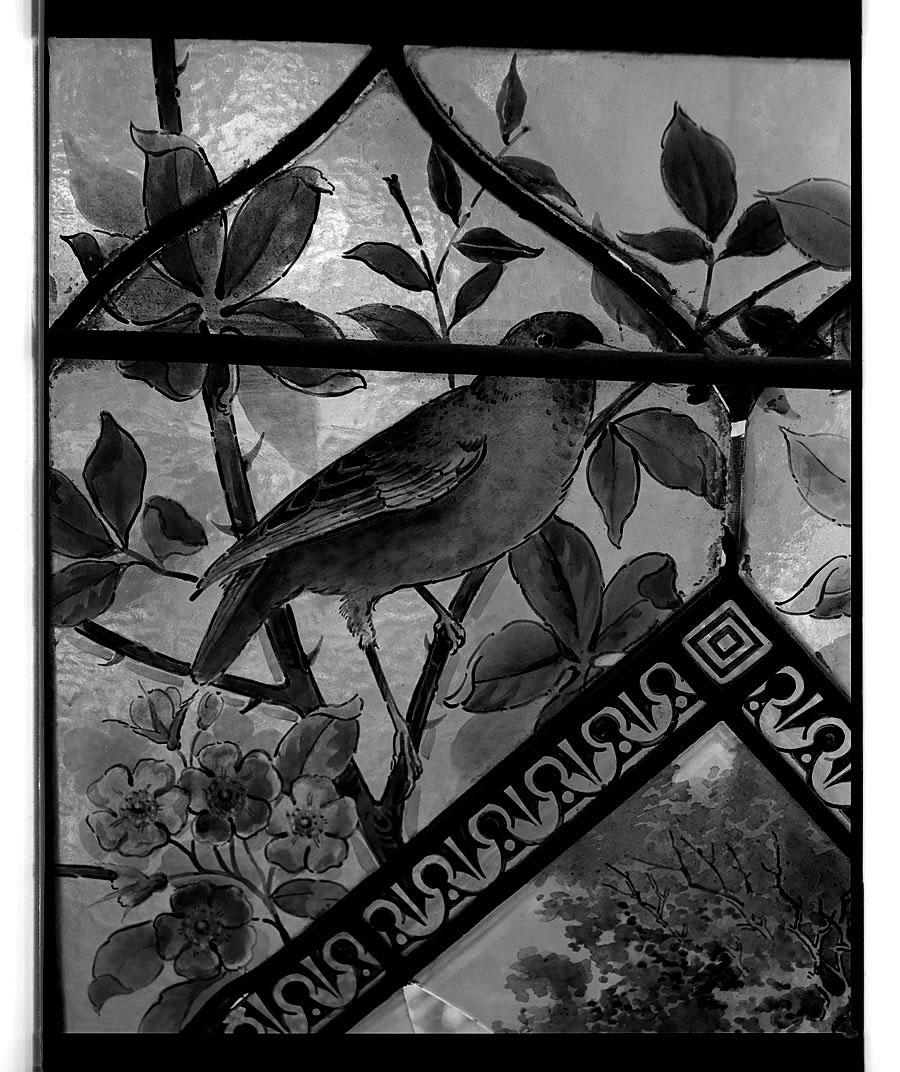
Marcus Bunyan (Australian, b. 1958) 'Glass bird, Punt Road, South Yarra' 1994


Marcus Bunyan (Australian, b. 1958)
Glass bird, Punt Road, South Yarra
1994
Silver gelatin photograph


Marcus Bunyan (Australian, b. 1958) 'Easter Sunday' 1994


Marcus Bunyan (Australian, b. 1958)
Easter Sunday
1994
Silver gelatin photograph


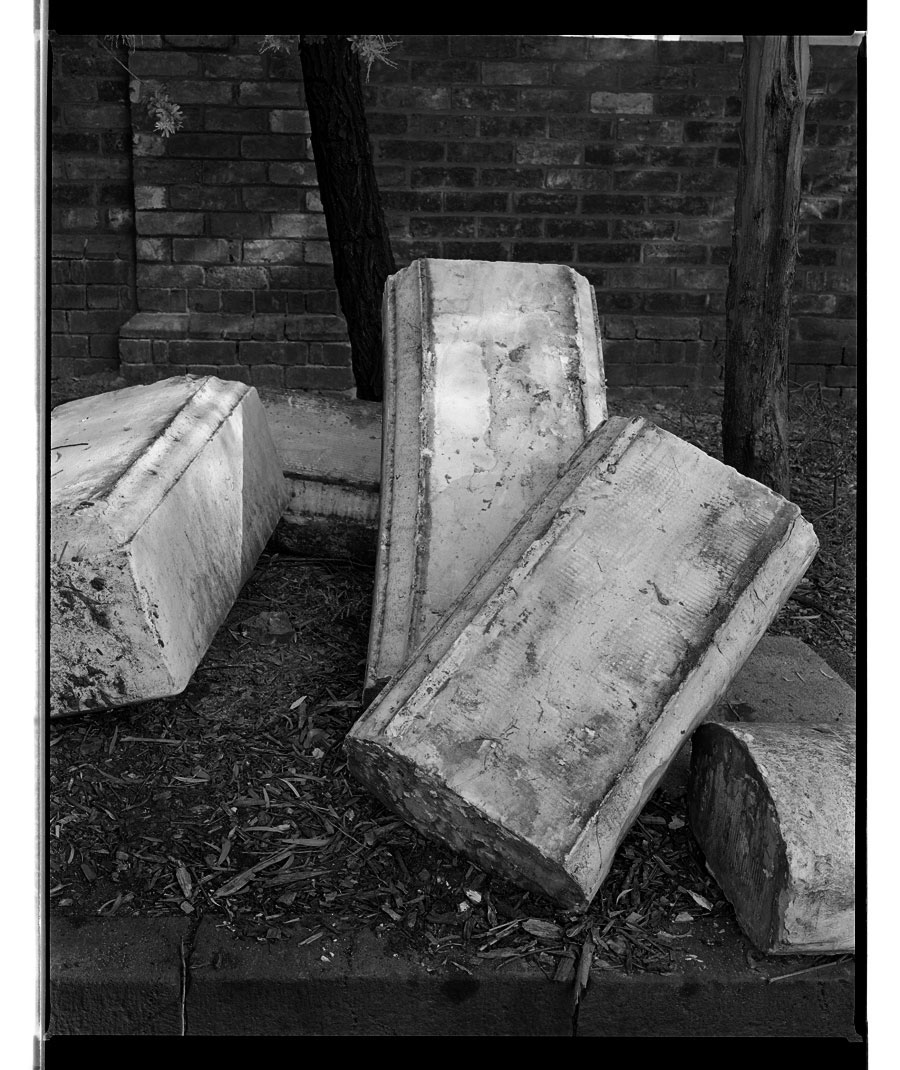
Marcus Bunyan (Australian, b. 1958) 'Capstone, night, Windsor train station' 1994


Marcus Bunyan (Australian, b. 1958)
Capstone, night, Windsor train station
1994
Silver gelatin photograph


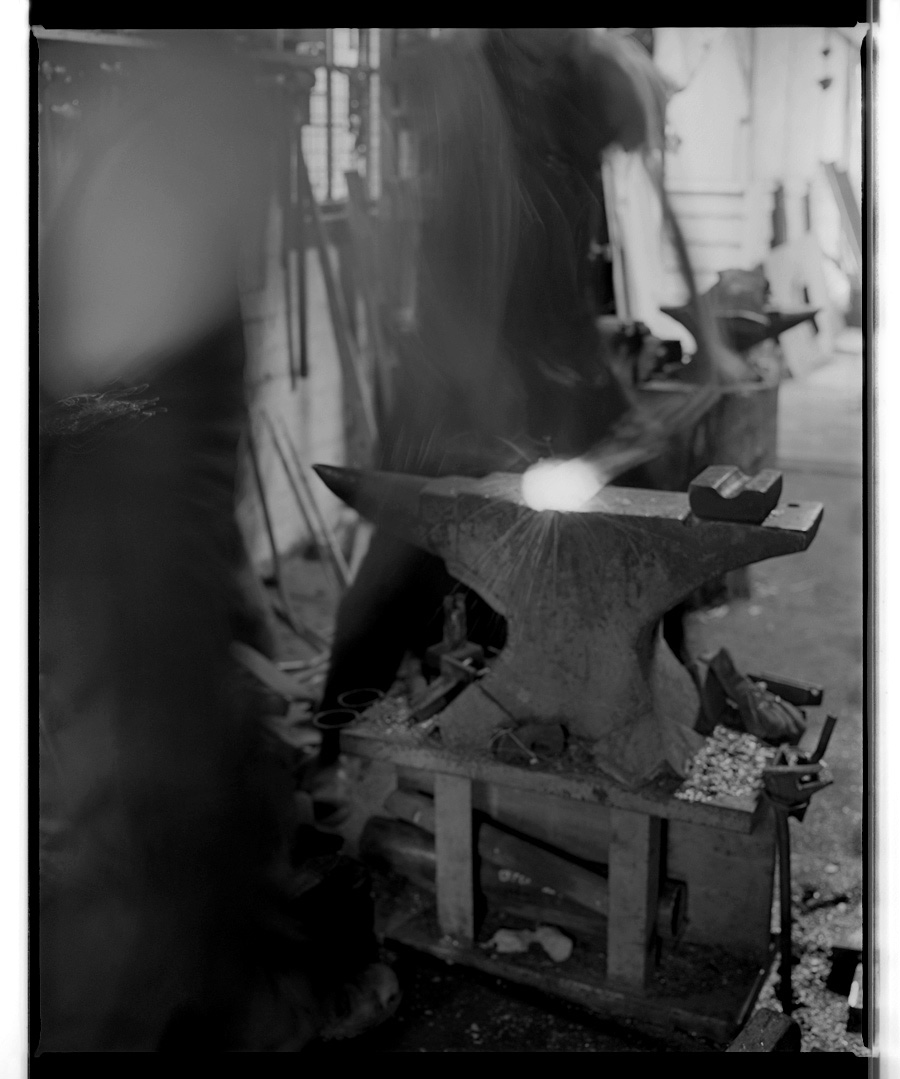
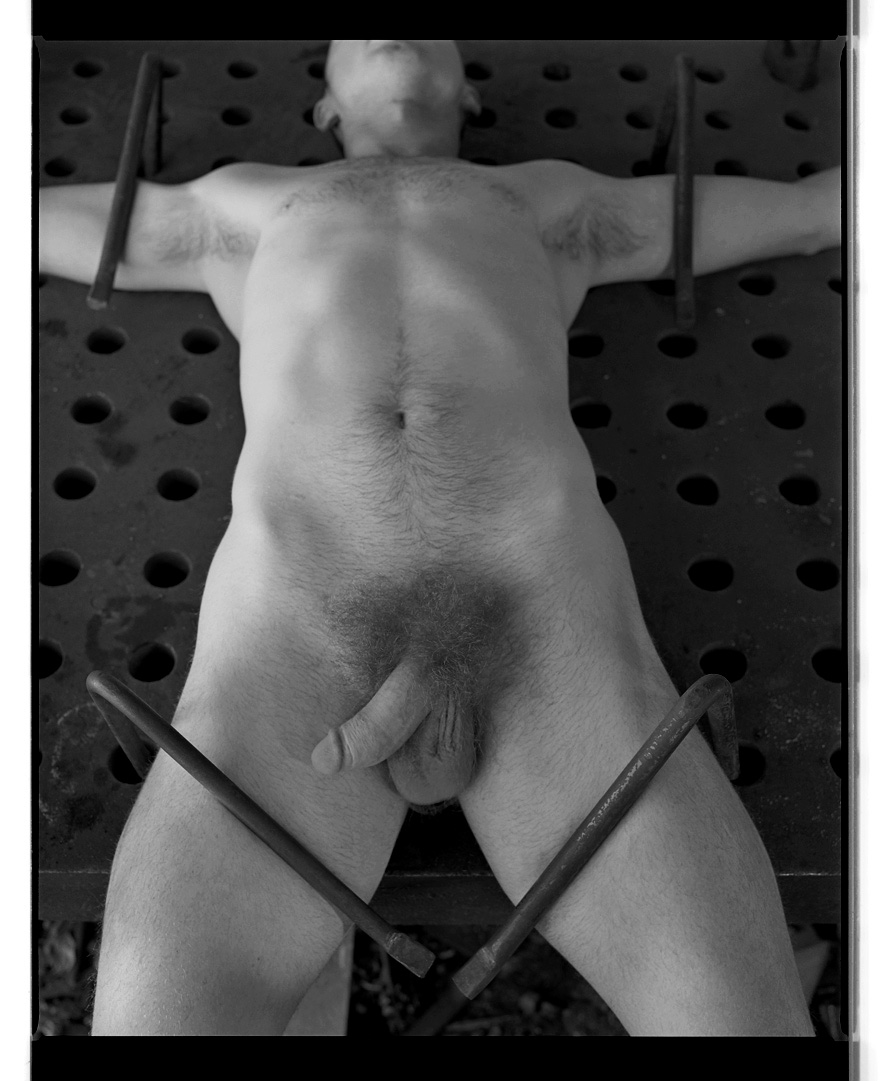
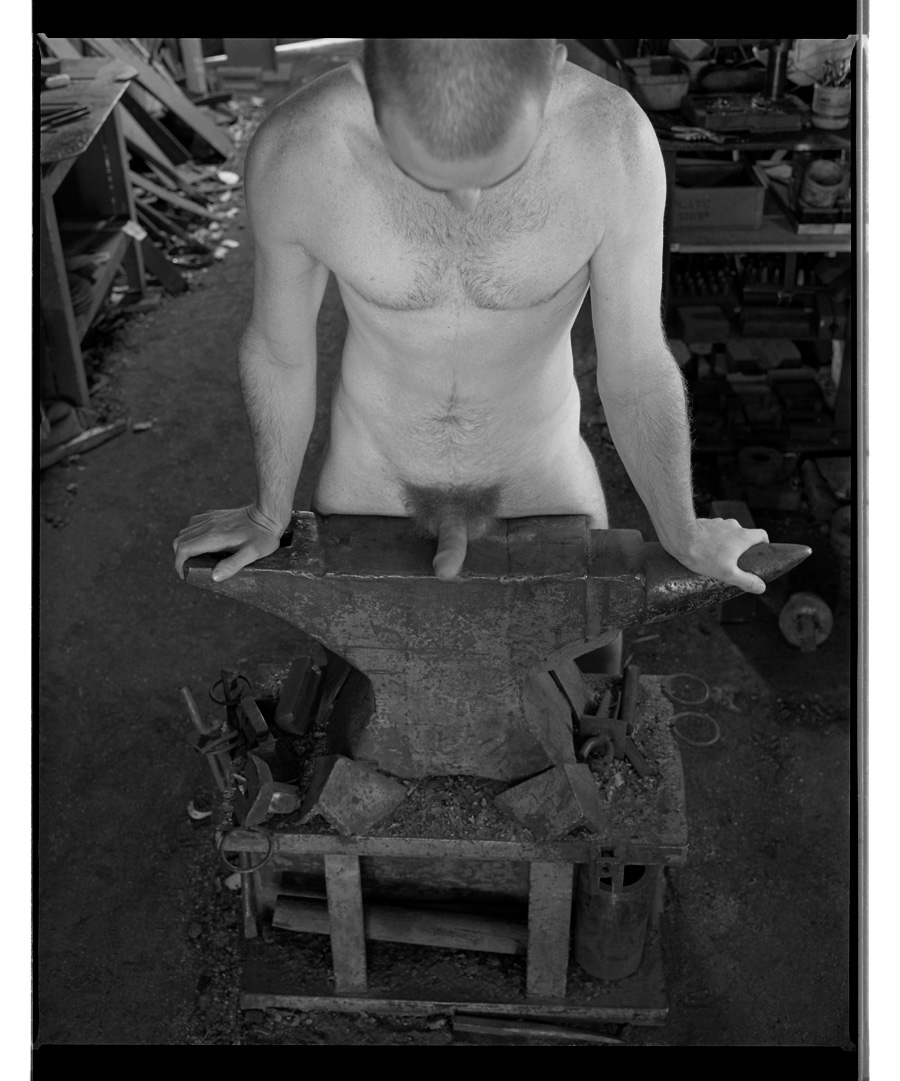
Marcus Bunyan (Australian, b. 1958) 'Paul, cock on anvil' 1994


Marcus Bunyan (Australian, b. 1958)
Paul, cock on anvil
1994
Silver gelatin photograph


Marcus Bunyan black and white archive 1991-1997

LIKE ART BLART ON FACEBOOK

Back to top