Exhibition dates: 24th April – 22nd September, 2024
Kaulak (Antonio Cánovas del Castillo y Vallejo) (Spanish, 1862-1933) Studio portrait
1921-1922
Photographic positive
Museo Nacional de Artes Decorativas, Madrid
Kaulak (22 December 1862 – 13 September 1933), was a Spanish photographer, art critic, editor and amateur painter. His uncle was prime minister Antonio Cánovas del Castillo, assassinated in 1897 by an anarchist, hence his use of a pseudonym; the meaning of which is unexplained, although the word appears to be of Basque origin.
What fabulousesness!
An archive of ‘galant photography’ and other art works illustrating the intimate public and private scenes of a couple in Spain in the 1920s-1930s which builds a memory, a narrative. The exhibition combines photographs and documentation of the most varied kinds, with elements of the daily life of its time.
“… above all [the exhibition] makes us reflect on our own archives: what we keep and what we discard, what we hide and what we reveal, how we build and invent our own history, how we want to be remembered and what we leave to those who come after us.”
The appreciation and enjoyment of difference pictured through photography and art, telling a story otherwise long forgotten.
I have added appropriate bibliographic text where possible.
Dr Marcus Bunyan
Many thankx to the Museo Nacional de Artes Decorativas for allowing me to publish the photographs in the posting. Please click on the photographs for a larger version of the image.
Anonymous photographer Portrait
c. 1935
Photographic positive
Museo Nacional de Artes Decorativas, Madrid
The Museo Nacional de Artes Decorativas (MNAD) in Madrid, a state museum of the Ministry of Culture of Spain, joins the PHotoESPAÑA 2024 festival with the opening of Álbum de salón y alcoba. Una instalación de David Trullo, which can be visited free of charge until September 22.
From a forgotten collection that contained public -or living room- photographs and private -or bedroom- scenes of a couple in the 20s and 30s of the last century, the visual artist David Trullo has made this exhibition. The installation is “the result of opening an unnoticed time capsule and putting it in context with pieces from the museum and other collections to explore the limits of intimacy, leading the viewer to surpass them.”
In addition to putting a “rediscovered treasure” into context, the installation offers a review of how photographic documentation is exhibited and interpreted. It also proposes to reflect “on our own archives: what we keep and what we discard, what we hide and what we reveal, how we construct and invent our own history, how we want to be remembered and what we leave to those who come after us.”
The installation is, in itself, an album that captures the intimacy and public life of the 1920s and 1930s, combining the most varied photographs and documentation with elements of the everyday life of her time. It includes pieces and archives from several private collections, the Museo Sorolla, the Muséu del Pueblo d’Asturies, the Museo Nacional del Teatro de Almagro, the Asociación para la Enseñanza de la Mujer-Fundación Fernando de Castro and the Museo de Historia de Madrid, among others.
Between “the living room” and “the bedroom” a route is traced that goes from the preservation of intimate albums – among which a positive by Kaulak stands out, – through the first advances in amateur photography, to the ‘galant photography’, more or less erotic, and other genres of popular culture that include among its protagonists Tórtola Valencia, Sara Montiel, Conchita Piquer or the queer copla singer Miguel de Molina.
Text from the Museo Nacional de Artes Decorativas website
Advertising design for ‘Florido y Cía’ (Florido and Co.)
c. 1930
Watercolour on paper
Museo Nacional de Artes Decorativas, Madrid
Anonymous photographer Miguel de Molina
1937
Photographic positive
Colección Pedro Víllora
Miguel Frías de Molina (Málaga, April 10, 1908 – Buenos Aires, March 4, 1993), known artistically as Miguel de Molina, was a Spanish singer of copla. Tortured, expelled from Spain and later persecuted by the Franco dictatorship for being a “faggot and a red”, he settled in Argentina in 1946, invited by Eva Perón.
He had an unmistakable personal style combining cabaret, flamenco dancing, deep vocal emotionalism, spectacular costumes and a narcissistic stage persona that made him extremely popular with audiences. His gay identity was openly acknowledged with a sense of humour that was very close to what today would be recognised as ‘low camp.’ Between 1936 and 1942 Molina spent most of the Spanish Civil War on Republican ground. This together with his homosexuality and sympathies for the Left had disastrous consequences for his career. He left Spain for Argentina, where he was hugely successful. But life in exile was not easy and the Argentinean government soon threatened him with expulsion. Molina credited the direct intervention of Eva Perón with helping him stay in the country and continue his career. Unfortunately his overt support for the Perón government made him a despised figure once the Peróns were driven from power. The rampant homophobia of the changed political climate and the cultural shift that accompanied it proved detrimental to his mental and emotional health, prompting him to withdraw from artistic life in 1960. While many personalities who were faced with persecution under Francoism were being rediscovered in the 1980s, Molina, by then bitter and withdrawn, languished in obscurity. It was not until two films that celebrated his life were released a decade later that his uniquely stylised performances and colourful life would finally be celebrated.
Anonymous maker
Fan
c. 1925
Lacquered wood and painted and corrugated paper
Museo Nacional de Artes Decorativas, Madrid Photo: Masú del Amo
Bruno Zach (Austrian born Ukraine, 1891-1935) (designer) Figure of a woman with a fur coat
c. 1920
Cast bronze
Museo Nacional de Artes Decorativas, Madrid Photo: Fabián Álvarez
Bruno Zach (6 May 1891 – 20 February 1935) was an Austrian art deco sculptor of Ukrainian birth who worked in the early-to-mid 20th century. His output included a wide repertoire of genre subjects, however he is best known for his erotic sculptures of young women.
Muchas Gracias (Thank You) Magazine, Year VII – No. 344
September 13, 1930
Museo Nacional de Artes Decorativas, Madrid
Translated text at the bottom of the magazine:
Thank you very much
For this rascal
We want to tell this little bitch that it fits her well. But we stumbled upon the fit.
Oswald Haerdtl (Austrian, 1899-1959) Cocktail set
1924
mouth-blown glass
Museo Nacional de Artes Decorativas, Madrid Photo: Lucía Morate
Oswald Haerdtl was an important Austrian architect, designer, and architecture teacher.
He studied under Kolo Moser and Oskar Strnad at the Wiener Kunstgewerbeschule, and entered Josef Hoffmann’s master class in 1922, soon becoming his assistant. From 1935 to 1959, he was head of the architecture department. His teaching, architectural projects, and international connections, to Italy and France in particular, made him a lasting influence on post-war Modernism in Vienna, bringing a sense of lightness and elegance into the design vocabulary.
Ramón Peinador Checa (Spanish, 1897-1964) Advertising design for ‘Perfumes Oriente’
1925
Wash on paper
Museo Nacional de Artes Decorativas, Madrid Photo: Javier Rodríguez Barrera
Ramón Peinador Checa (Madrid, December 25, 1897 – Mexico City, May 26, 1964) was a Spanish painter, draftsman, engraver, illustrator, designer and decorator who, exiled in Mexico, became a naturalised citizen of that country.
Photography lies and deceives us. What the camera shows us is staged, either by us or by the eye of the person who creates the images. What we commonly call a “photographic archive” is nothing more than a fragmented collection transformed over the years, with which a memory, a narrative, is built.
From a forgotten collection containing public photographs -or from the living room- and private scenes -or from the bedroom- of a couple in the twenties and thirties of the last century, the visual artist David Trullo proposes this installation.
It is the result of opening an unnoticed time capsule and putting it in context with the pieces of the twentieth century that put an end to the monopoly of the professional photographer. Cameras and processes are simplified and photography is becoming an essential accessory for any occasion, and not only for amateurs, including the female sector: the Kodak Petite from 1926 is promoted as a camera ‘for smart and modern girls’.
In addition to putting a rediscovered treasure into context, the installation proposes a review of the way photographic documentation is displayed and interpreted, but above all it makes us reflect on our own archives: what we keep and what we discard, what we hide and what we reveal, how we build and invent our own history, how we want to be remembered and what we leave to those who come after us.
During this period, Madrid reinvented itself and became as cosmopolitan as other European cities, although it was the bourgeois and aristocratic elites who truly enjoyed it. A surprising and varied sexual atmosphere also emerged, along with new ways of understanding bodies, identities and relationships that were reflected in publications, advertising and photography, with the so-called ‘galant photography’ flourishing within it.
The National Museum of Decorative Arts joins PHotoESPAÑA 2024 with David Trullo’s installation ‘Album of living room and bedroom’
~ With a selection of images from the public and the private, the visual artist discovers a photographic capsule that time has preserved to be reread from the present day
~ The tour includes everything from photographic positives by Kaulak to portraits of Sara Montiel, Conchita Piquer or the queer copla singer Miguel de Molina
The National Museum of Decorative Arts (MNAD), a state museum of the Ministry of Culture, is joining the PHotoESPAÑA 2024 festival with the inauguration of ‘Album of living room and bedroom. Installation by David Trullo’, which can be visited free of charge until September 22.
From a forgotten collection containing public photographs – or from the living room – and private scenes – or from the bedroom – of a couple in the 1920s and 1930s, the visual artist David Trullo has created this proposal. The installation is “the result of opening an unnoticed time capsule and putting it in context with the pieces from the museum and from other collections to explore the limits of intimacy, leading the viewer to surpass them.”
In addition to putting a “rediscovered treasure” into context, the installation offers a review of the way of exhibiting and interpreting photographic documentation. It also suggests reflecting “on our own archives: what we keep and what we discard, what we hide and what we reveal, how we build and invent our own history, how we want to be remembered and what we leave to those who come after us.”
From living room to bedroom
The installation is, in itself, an album that captures the intimacy and public life of the 1920s and 1930s, combining photographs and documentation of the most varied kinds, with elements of the daily life of its time. It features pieces and archives from various private collections, from the Sorolla Museum, the Muséu del Pueblo d’Asturies, the Museo Nacional del Teatro de Almagro, the Asociación para la Enseñanza de la Mujer-Fundación Fernando de Castro or the Museo de Historia de Madrid, among others. Between “the living room” and “the bedroom” there is a journey that goes from the conservation of intimate albums – among which a positive by Kaulak stands out – through the first advances in photography for amateurs, to reaching ‘galant photography’, more or less erotic, and other genres of popular culture that include among their protagonists Tórtola Valencia, Sara Montiel, Conchita Piquer or the queer copla singer Miguel de Molina.
Text from the National Museum of Decorative Arts exhibition press dossier
Antonio Peyró (Spanish, 1882-1954) The Baticola (Elena Plá Toda)
1934
Glazed ceramic
Museo Nacional de Artes Decorativas, Madrid Photo: Masú del Amo
Antonio Peyró Mezquita was a Spanish ceramist.
‘Reciprocal pleasure’, cover by Josep Renau Berenguer
1933
Museo Nacional de Artes Decorativas, Madrid Photo: Masú del Amo
Josep Renau Berenguer (Spanish, 1907-1982) was an artist and communist revolutionary, notable for his propaganda work during the Spanish Civil War. Among his production, he is remarkable for his art deco period, his political propaganda during the Spanish Civil War, the photo murals of the Spanish Pavilion in the International Exhibition of 1937 in Paris, a series of photomontages titled Fata Morgana or The American Way of Life, and murals and paintings made in Mexico, such as Tropic, dated in 1945.
Louis Majorelle (French, 1859-1926) (designer) Sofa
1901-1926
Silk velvet
Museo Nacional de Artes Decorativas, Madrid Photo: Lucía Morate
Louis-Jean-Sylvestre Majorelle, usually known simply as Louis Majorelle, (26 September 1859 – 15 January 1926) was a French decorator and furniture designer who manufactured his own designs, in the French tradition of the ébéniste. He was one of the outstanding designers of furniture in the Art Nouveau style, and after 1901 formally served as one of the vice-presidents of the École de Nancy.
Louis Majorelle is one of those who contributed the most to the transformation of furniture. Thanks to posterity, we recognise today a piece of furniture from him as we recognise a piece of furniture from André Charles Boulle and Charles Cressent, the french Prince regent’s favourite artists. During the early 18th century, Cressent replaced the magnificence of ebony and tortoiseshell associated with tin and copper by the softer harmonies of foreign woods. Like him, Louis Majorelle dressed the elegant structure of Art Nouveau furniture with exotic wood inlays.
Álvaro Retana (Spanish born Philippines, 1890-1970) Figure for Celia Gámez
c. 1920
Ink and graphite on paper
Colección Pedro Víllora
Álvaro Retana Ramírez de Arellano (Batangas, Philippines, August 26, 1890 – Torrejón de Ardoz, Madrid, February 10, 1970) was a writer, journalist, cartoonist, fashion designer, musician, libertine and Spanish couplet lyricist.
Celia Gámez Carrasco (August 25, 1905 – December 10, 1992) was an Argentinian film actress, and one of the icons of the Golden Age of Spanish theatre. She was more commonly known in Franco’s Spain, particularly in her later years, as La Protegida.
Vitín Cortezo (Spanish, 1908-1978) Figure for Celia Gámez
1939
Mixed technique on paper
Colección Pedro Víllora
Víctor María Cortezo Martínez-Junquera, also known as Vitín Cortezo (Madrid, June 10, 1908 – March 2, 1978) was a Spanish painter, illustrator, costume designer and set designer.
Anonymous maker Bloomers and cotton slip with silk knit stockings
c. 1930
Museo Nacional de Artes Decorativas, Madrid Photo: Fabián Álvarez
Karl Klaus and Franz Staudigl Figure (Serapis Wahliss series)
1913-1914
Painted and glazed ceramic
Museo Nacional de Artes Decorativas, Madrid Photo: Fabián Álvarez
Karl Klaus (Austrian, 1889-1925) was a student of Josef Hoffmann. The figure was designed for Serapis-Wahliss, a noted Viennese retailer and manufacturer of porcelain. Franz Staudigl was an Austrian painter born 1885 – died 1944.
Anonymous photographer Concha Piquer
1927
Photographic positive
Museo Nacional del Teatro, Almagro
María de la Concepción Piquer López (13 December 1906 – 12 December 1990), better known as Concha Piquer (and sometimes billed as Conchita Piquer), was a Spanish singer and actress. She was known for her work in the copla form, and she performed her own interpretations of some of the key pieces in the Spanish song tradition, mostly works of the mid-20th century trio of composers Antonio Quintero, Rafael de León y Manuel Quiroga.
Anonymous maker Perfume bottles
1850-1900
Engraved and gilded silver and blown glass
Museo Nacional de Artes Decorativas. Madrid Photo: Fabián Álvarez
Anonymous maker
Paul Koruna, Paris (no dates) (photographer) Promotional poster for ‘Rosalío’
Nd
Montage of photographic positives
Colección Ramón Gato
Anonymous maker
Paul Koruna, Paris (no dates) (photographer) Promotional poster for ‘Rosalío’ (details)
Nd
Montage of photographic positives
Colección Ramón Gato
Anonymous maker Manila shawl
1876-1925
Embroidered silk
Museo Nacional de Artes Decorativas, Madrid Photos: Javier Rodríguez Barrera
National Museum of Decorative Arts
c/ Montalbán, 12. Madrid
Suburbia. Building the American Dream exhibition poster
An offer you can’t refuse
“The “American dream” can be summed up in a mental image that seems frozen in time: a home of one’s own, surrounded by lawns, with a pool in the back garden and a couple of cars slumbering in the garage… Suburbia. Building the American Dream draws us into the imaginary of the idyllic family home and shows how this lifestyle has been sold and promoted by fiction and the entertainment industry.” (Text from the CCCB website)
To me, there has always be something slightly askew, slightly out of kilter about the “American dream”. It promotes a generalised simulation of a imaginary reality, sold as a lifestyle, more fiction than fact. It is the ghost of desire that haunts the everyday reality of life, entirely on the side of demand: I want therefore I must have.
This desire must be satiated in the nuclear family, the white picket fence, the idyllic family home, the loveable children – as much a surface that reflects the approbation of others as for the sustenance of the self. As Anthony Giddens observes we are inescapably involved in a
“‘reflexive project of the self’: this project is reflexive because it involves unremitting self-monitoring, self-scrutiny, planning and ordering of all elements of our lives appearances and performances in order to marshal them into a coherent narrative called ‘the self’. We have to interpret the past and plan the future in relation to an identity we are attempting to constitute in a particularly immediate and transient social present. Consumerism is central to this self-obsession. This is partly because we not only have to choose a self, but (as Foucault’s line of argument also indicates) have to constitute ourselves as a self who choses, a consumer.”1
The American Dream endeavours to direct the identity we are attempting to constitute (through consumerism), so that it fits into a particularly conformist idea of a wholesome life: patriarchal, hegemonic, puritan (most important in America), god fearing, white – a particularly hyperreal simulation of a world that never existed in the first place. An imaginary construction.2
Photographs reinforce this “imaginary” state of being, this desire for the American Dream. As the wonderful Victor Burgin observes,
“The structure of presentation – point-of-view and frame – is intimately implicated in the reproduction of ideology (the ‘frame of mind’ of our ‘points-of-view’). More than any other textual system, the photograph presents itself as ‘an offer you can’t refuse’. The characteristics of the photographic apparatus position the subject in such a way that the object photographed serves to conceal the textuality of the photograph itself – substituting passive receptivity for active (critical) reading. … With most photographs we see, […] decoding and investiture takes place instantaneously, unselfconsciously, ‘naturally’; but it does take place – the wholeness, coherence, identity, which we attribute to the depicted scene is a projection, a refusal of an impoverished reality in favour of an imaginary plenitude. The imaginary object here, however, is not ‘imaginary’ [as in fictive] in the usual sense of the word, it is seen, it has a projected image.”3 (My bold and italics)
The photographs of the American Dream, then, deny an impoverished reality in favour of a desired imaginary plenitude. You too can live the dream, because you have seen the evidence of the projected image, and this imaginary identification can have very real effects.
In the desire for the dream we witness (elsewhere in the world) the egocentric obsession of some of the builders in the British series “Grand Designs” where people mortgage themselves up to the hilt, become sick, have marriage breakdowns and can’t finish the project, because of a dream… to build huge houses with 7 bedrooms and 4 bathrooms that no one in their right mind needs to build for 2 people. Or the case of the Australian Melissa Caddick who, in a Ponzi scheme stole A$30 million from investors, including her friends and family, in order to appear a successful business woman. “Caddick used the proceeds of her crimes to acquire “all the trappings of wealth” and that her “success was all a façade and the financial services business was an elaborate front for Ms. Caddick’s Ponzi scheme”.”4
Ego is reinforced by the image reflected back to us by the photograph.
Christopher Lasch comments that, “The proliferation of recorded images undermines our sense of reality. As Susan Sontag observes in her study of photography, “Reality has come to seem more and more like what we are shown by cameras.” We distrust our perceptions until the camera verifies them. Photographic images provide us with the proof of our existence, without which we would find it difficult even to reconstruct a personal history…”5
Photographs posit a reality that promotes the dream, that verifies the dream, as ‘an offer you can’t refuse’.
Thankfully, some of the contemporary artists in this posting (I particularly like the work of Weronika Gęsicka) undermine the utopian ideal through wit, humour and critical inquiry.
Dr Marcus Bunyan
1/ Anthony Giddens. Modernity and Self-Identity: Self and Society in the Late Modern Age. Polity Press, Cambridge, 1991
2/ “In sociology, the imaginary as a Lacanian term refers to an illusion and fascination with an image of the body as coherent unity, deriving from the dual relationship between the ego and the specular or mirror image… “The term ‘imaginary’ is obviously cognate with ‘fictive’ but in its Lacanian sense it is not simply synonymous with fictional or unreal; on the contrary, imaginary identifications can have very real effects.””
David Macey, “Introduction”, Jacques Lacan, The Four Fundamental Concepts of Psycho-Analysis. London, 1994, p. xxi quoted in “Imaginary (sociology)” on the Wikipedia website [Online] Cited 01/09/2024
3/ Victor Burgin (ed.,). Thinking Photography. Macmillan, Basingstoke, 1982, pp. 146-148.
4/ Farid Assaf SC quoted in Kate McClymont. “Melissa Caddick’s ‘trappings of wealth’ a front for her Ponzi scheme”. The Sydney Morning Herald 29 June 2021 in “Melissa Caddick,” on the Wikipedia website [Online] Cited 01/09/2024
5/ Christopher Lasch. The Culture of Narcissism. W.W.Norton and Company, New York, 1978, p. 48.
Many thankx to the Centre de Cultura Contemporània de Barcelona for allowing me to publish the photographs in the posting. Please click on the photographs for a larger version of the image.
Inside the exhibition: Suburbia. Building the American Dream
Philipp Engel, curator of the exhibition “Suburbia”, examines the origin and vast expansion of residential neighbourhoods in the United States, an urban model centred on constructing large swathes of single-family homes on the outskirts of cities. Engel reflects on the allure that suburban landscapes have stirred in Western culture while highlighting the main issues and contradictions of the model, including segregation, safety paranoia and unsustainable consumption of water and energy.
Introduction
Greg Stimac (American, b. 1976) Chandler, Arizona
2006
From Mowing the Lawn portfolio
Impressió digital Museum of Contemporary Photography, Columbia College Chicago
Who hasn’t longed for the American dream? A big house with a garden, a swimming pool and a couple of cars in the garage. A quiet, safe place to live as a family, close to nature in a people-friendly neighbourhood. This exhibition traces the cultural history of a lifestyle ideal that has been endlessly reproduced on television, in advertising and in cinema, and analyses the validity and the most controversial aspects of its urban planning model.
Suburbia. Building the American Dream draws us into the imaginary of the idyllic family home and shows how this lifestyle has been sold and promoted by fiction and the entertainment industry. The exhibition goes back to the origins of residential neighbourhoods in the early nineteenth century, explains how they developed massively in the 1950s, and reviews the economic, political and social context of their relentless expansion across the United States.
Now, when more and more families are pursuing their own version of the dream on the outskirts of cities, it is a good moment to analyse the contradictions of an urban planning model based on social, ethnic and gender segregation.
The dream of living in a house with a swimming pool is still very much alive today and has been exported all over the world. The exhibition shows the impact of this highly unsustainable model, based on constant car use, with examples of developments around Barcelona and Madrid.
With abundant historical material, period documentaries, photographs, paintings, films and series, novels and magazines, works of art and everyday objects, the exhibition places us in the mental paradise of the suburb and invites us to rethink the value of the city and public space today.
Suburbia. Building the American Dream presents the work of foremost creators who, from different points of view, help us to take a critical look at the famed American way of life: Jessica Chou, Gregory Crewdson, Thomas Doyle, Gerard Freixes, Rodrigo Fresán, Gabriele Galimberti, Weronika Gesicka, Benjamin Grant, Todd Hido, Joel Meyerowitz, Matthias Müller, Blanca Munt, Alberto Ortega, Bill Owens, Sheila Pree Bright, León Siminiani, Todd Solondz, Amy Stein, Greg Stimac, Angela Strassheim, Deborah Stratman, Ed & Deanna Templeton, Kate Wagner and Christopher Willan.
Text from the CCCB website
Joel Meyerowitz (American, b. 1938) Land. Provincetown
1976
Archival pigment print
Collecció Pancho Saula i Michelle Ferrara / Galeria Alta, Andorra
Joel Meyerowitz (American, b. 1938) Dusk. New Jersey
1978
Archival pigment print
Collecció Pancho Saula i Michelle Ferrara / Galeria Alta, Andorra
The “American dream” can be summed up in a mental image that seems frozen in time: a home of one’s own, surrounded by lawns, with a pool in the back garden and a couple of cars slumbering in the garage. Suburbia. Building the American Dream traces the cultural history of a lifestyle ideal shared far and wide by literature, television, advertising and cinema, and analyses the most controversial aspects of an urban planning model that has spread beyond US territory and reached our shores. Journalist Philipp Engel curates this exhibition with geographer Francesc Muñoz collaborating as adviser on the model in the local context.
Suburbia. Building the American Dream draws us into the imaginary of the idyllic family home and shows how this lifestyle has been sold and promoted by fiction and the entertainment industry. The exhibition goes back to the origins of residential neighbourhoods in the early nineteenth century, explains how they developed massively in the 1950s, and reviews the economic, political and social context of their relentless expansion across the United States.
Since the 1990s most of the American population has lived in this sprawling urban mass that has continued to spread, even beyond US borders. At a time when more and more families are pursuing their own version of the dream on city outskirts, the exhibition analyses the contradictions of an urban planning model based on social, ethnic and gender segregation. It also shows the impact of this highly unsustainable model, based on constant car use, with examples of developments around Barcelona and Madrid. With abundant historical material, photographs, paintings, audiovisuals, literature, works of art and everyday objects, the exhibition situates us in the mental paradise of the model of residential development inspired by American suburbia, and invites us to rethink the value of the city and public space today.
Suburbia. Building the American Dream decodes an almost abstract landscape that is still valid in pop culture. It does so through the work of foremost creators who help us take a critical look at the famed American way of life. It includes works by Jessica Chou, Gregory Crewdson, Thomas Doyle, Gerard Freixes, Gabriele Galimberti, Weronicka Gęsicka, Benjamin Grant, Todd Hido, Joel Meyerowitz, Matthias Müller, Blanca Munt, Alberto Ortega, Bill Owens, Sheila Pree Bright, León Siminiani, Amy Stein, Greg Stimac, Angela Strassheim, Deborah Stratman, Ed & Deanna Templeton, Kate Wagner and Christopher Willan, among others.
Charlotte Brooks (American, 1918-2014) [Image from LOOK – Job 57-7621 titled Myers family]
20th December 1957
Film negative
Look magazine photograph collection (Library of Congress)
Library of Congress Prints and Photographs Division Washington, D.C.
Installation view of the exhibition Suburbia. Building the American Dream at the Centre de Cultura Contemporània de Barcelona | CCCB showing photographs by Gregory Crewdson (below)
Gregory Crewdson (American, b. 1962) Untitled (Dream House)
2002
Digital C-print
29 x 44 inches
American photographer Gregory Crewdson is best known for his uncanny images of deceptively serene suburban life. Using Hollywood film techniques and elaborate sets, Crewdson creates what he calls “frozen moments”: meticulously staged scenes whose narrative meaning remains a mystery. Throughout this series, special attention is paid to light. The twilight setting favoured by the photographer functions as a metaphor, an eerie evocation of the darkness on the edge of town.
Crewdson created this twelve-part portfolio, Dream House, as a commission for The New York Times Magazine in 2002. The cinematic character of these frozen vignettes is underscored by the use of Hollywood actors (Gwyneth Paltrow, Tilda Swinton, and Philip Seymour Hoffman among others) whose celebrity contrasts with the “Anytown” anonymity of their environments.
Gregory Crewdson (American, b. 1962) Julianne Moore (Dream House)
2002
Digital C-print
29 x 44 inches
Sections of the exhibition
Planning A Dream
When the Industrial Revolution reached the USA in the first half of the 19th century, big cities became engines of progress, but they were also seen as dangerous places, in contrast with the opulent nature of the New World. With the emergence of the railway, the tram and the automobile, the mobility revolution prompted the gradual colonisation of city outskirts, transforming the countryside into residential neighbourhoods.
From Llewellyn Park (New Jersey) to Tuxedo Park (New York), throughout the 19th century the first gated communities began to pop up across the United States. At the end of the century, after the West was won, the appearance of the tram gave the middle classes access to the periphery, giving rise to a new type of housing that led to an orderly arrangement of city grids. But it wasn’t until the popularisation of the famous Ford Model T that the US landscape was radically transformed, crisscrossed by roads that became freeways. The automobile became a symbol of freedom, marking the birth of the suburbs that were to spring up everywhere.
This first section includes historical material like the original lithograph View of New York by John William Hill (1836); The American Woman’s Home by Catharine Beecher, the bible of “domestic feminism”; a Ford T Touring (1923) produced by General Motors, and films like The Suburbanite (1908), among other Harold Lloyd and Buster Keaton classics.
Alexander Jackson Davis (American, 1803–1892) Villa for David Codwise, near New Rochelle, NY (project; elevation and four plans)
1835
Pen and ink, watercolour, graphite Sheet: 14 5/16 x 9 in. (36.4 x 22.9 cm)
Metropolitan Museum of Art, New York
Harris Brisbane Dick Fund, 1924
Public domain
Alexander Jackson Davis (American, 1803–1892) Ericstan, for John J. Herrick, Tarrytown, New York (perspective)
1855
Watercolour, ink, and graphite on paper
25 5/16 x 30in. (64.3 x 76.2cm)
Metropolitan Museum of Art, New York
Harris Brisbane Dick Fund, 1924
Public domain
Davis’ most successful castellated villa was built for dry-goods merchant John J. Herrick. The design was dominated by an enormous three-story circular tower facing west over the Hudson River. The tower housed an extraordinary circular parlor that had an intricately vaulted ceiling springing from a massive central cluster of delicate Gothic columns. Ericstan was demolished in 1944.
After Alexander Jackson Davis (American, 1803-1892) Friend & Aub (Publisher Philadelphia, Pennsylvania) Map of Llewellyn Park and Villa Sites, on Eagle Ridge in Orange & West Bloomfield
1857
Lithograph
14 7/16 x 23 7/16 in. (36.7 x 59.6cm)
Metropolitan Museum of Art, New York
Harris Brisbane Dick Fund, 1924
Public domain
Morse & Fronti (Charles W. Morse and J. Fronti) Residence of Mr. E. Hooker, Fremont Ave., Orange, N.J.
1860
The Miriam and Ira D. Wallach Division of Art, Prints and Photographs: Photography Collection
The New York Public Library
Public domain
Currier & Ives (Publisher, New York active between 1856-1907) Sunnyside on the Hudson
1856-1871
Hand coloured lithograph
Library of Congress Prints and Photographs Division Washington, D.C.
Public domain
Currier & Ives (Publisher, New York active between 1856-1907) Sunnyside on the Hudson (detail)
1856-1871
Hand coloured lithograph
Library of Congress Prints and Photographs Division Washington, D.C.
Public domain
Currier & Ives (Publisher, New York active between 1856-1907) American railroad scene: lightning express trains leaving the junction
1874
Hand coloured lithograph
Library of Congress Prints and Photographs Division Washington, D.C.
Public domain
Advertising by Samuel. E. Gross. August Gast & Co. New York
c. 1900
Lithography
Library of Congress
Advertising by Samuel. E. Gross. August Gast & Co. New York (detail)
c. 1900
Lithography
Library of Congress
Anonymous photographer
Bain News Service (publisher) Skaters on the lake at Tuxedo Park
1910
Glass negative
Library of Congress Prints and Photographs Division Washington, D.C.
Public domain
Anonymous photographer Thomas Edison in the garden of his residence in Glenmont
1917
Thomas Edison National Historical Park, West Orange, New Jersey
Anonymous photographer General Motors Pavilion: Futurama, Norman Bel Geddes. New York World’s Fair. General Motors – Crowds leading into Futurama
1939
New York World’s Fair 1939-1940 records
Manuscripts and Archives Division, The New York Public Library
Public domain
Catalog of the Aladdin company selling houses by mail
1950
Courtesy Historic New England
Federal Housing Administration, Minneapolis and St. Paul, Minnesota
c. 1950
Courtesy Minnesota Streetcar Museum, Minneapolis
The advertisement reads, “With a small down payment your rent money will buy a home. Consult your architect, builder, material dealer or any participating financial institution. Federal Housing Administration.”
The Suburban Room
The suburban explosion was first and foremost demographic, occurring as World War II soldiers returned, eager to set up home. There was no room for them in the crowded cities. With the support of the state, which offered generous loans, suburbs were built using the Fordist assembly-line production logic. It was the “American way of life”, the start of a collective dream that fascinated the whole world.
And so the baby boom took place in 11 million single-family homes fitted with all kinds of electrical domestic appliances, presided over by a brand new television set on which the new suburbanites watched idealised versions of themselves with identical skin colour and the same war experiences, age, mortgage and feeling of uprootedness. The media echoed this phenomenon, and cinema and literature reflected this standardised landscape in which a wife waited at home for her husband with a drink for him in her hand, children went everywhere by bicycle, and everyone had barbecues on Sundays.
Sponsored by the state, Suburbia became a paradise that excluded racial minorities. But little by little, by the sixties, the gates of paradise were opened to African Americans and other minorities, giving rise to a white exodus, the white flight.
As well as a variety of historical material, this section reviews sitcoms portraying the suburbs, from the 1940s to the present day. It also includes the famous illustration New Kids in the Neighborhood by Norman Rockwell and a broad selection of the photographs that make up Bill Owens’ Suburbia (1972), the first book of photographs about this American urban planning model.
Arthur S. Siegel (American, 1913-1978) Detroit, Michigan. Riot at the Sojourner Truth homes, a new U.S. federal housing project, caused by white neighbours’ attempt to prevent Negro tenants from moving in. Mounted police and whites
Detroit 1942
Library of Congress
Public domain
General Electric advertisement It’s a promise
1945
Private collection, Barcelona
Anonymous photographer Aerial view of Levittown
1949
Courtesy Levittown Public Library
Mural of household appliance advertisements published in different American magazines
1947-1962
Mural of household appliance advertisements published in different American magazines (details)
1947-1962
Getting to Work. The Trials to U.S. commuters Time, January 18, 1960
Library of Catalonia, Barcelona
John Cheever Time, March 27, 1964
Library of Catalonia, Barcelona
Norman Rockwell (American, 1894-1978) New Kids in the Neighbourhood
1967
Lithograph
Norman Rockwell Museum Collection
Bill Owens (American, b. 1938) Suburbia, Cul de sac, Pleseanton, California
1972
Gelatin silver
Bill Owens Archive, Milan
Bill Owens (American, b. 1938) I don’t feel that Richie playing with guns will have a negative effect on his personality. (He already wants to be a policeman.)
1972
Gelatin silver
Bill Owens Archive, Milan
The Residential Nightmare
And night fell on Suburbia. What had been a dream became a nightmare. The idea of a safe, healthy, happy place was gradually contaminated with fears, terrors and paranoias. Doors were bolted and alarms installed. After all, in the American Gothic tradition, the house, often haunted, had always been a source of horror – evil lurked there. With the appearance of mass-produced housing, a new sub genre called Suburban Gothic was consolidated, and began to manifest itself both in literature and in cinema. Unlike the traditional Gothic, in this new landscape the family residence was no longer tied to a specific territory, as it had been in New England; now, with its white picket fence and green lawn, it could be anywhere in the country. And evil came from outside, it threatened to invade the home and even undermine it. Under the guise of shiny normality, American suburbs always conceal cracks through which terror creeps.
To illustrate this residential nightmare, we take in historical materials of the atomic age, photographs of the dark side of suburbia by Amy Stein, Todd Hido, Gregory Crewdson, Angela Strassheim and Gabriele Galimberti, and Kate Wagner’s installation, McMansionHell. Alberto Ortega, an artist from Seville resident in the US who has devoted himself to painting the suburbs at night, presents two works for the first time at the CCCB.
Todd Hido (American, b. 1968) Untitled #2214
1998
From the series House Hunting
Angela Strassheim (American, b. 1969) Untitled (Elsa)
2005 Left Behind series
Courtesy of the artist
Gabriele Galimberti (Italian, b. 1977) Joel, Lynne, Paige and Joshua (44, 43, 5 and 11 years old) – central Texas
2021
Digital printing
Courtesy of the artist
Gabriele Galimberti (Italian, b. 1977) Avery Skipalis (33) – Tampa, Florida
2021
Digital printing
Courtesy of the artist
Avery Skipalis (33) stands with her firearms in front of her house in Tampa, Florida, USA. Her son looks on from a window. Avery joined the US Air Force when she was 17, and after serving in the UAE, Japan and Germany, left to start a company that offers firearms safety classes to adults and children.
Alberto Ortega (American born Spain, b. 1976) Annunciation
2023
Oil on aluminium panel
Courtesy of the artist
Alberto Ortega (Sevilla, Spain 1976) creates oil paintings made after miniature sets that he builds as references. The small-scale sets enable him to recreate suburban scenes using details that recall the 1950s. Since he’s able to control the angle and point of view, the lighting, the location of every element, much like a film director would do, his works have a strong cinematic feel.
As an immigrant to the United States, Alberto is intrigued by American suburban life as depicted in film, literature, and visual art. Through these images of American homes, buildings, and neighbourhoods, he portrays society and some of its contradictions. These scenes represent hopes and dreams, the threat of their failure, and alienation.
Text from the Alberto Ortega website
Kate Wagner (American, b. 1993) Observations from McMansion Hell
2023
Digital print on palboard
Courtesy of the artist
McMansion Hell is a blog that humorously critiques McMansions, large suburban homes typically built from the 1980s to 2008 and known for their stylistic attempt to create the appearance of affluence using mass-produced architecture. The website is run by Kate Wagner, an architectural writer. …
The blog uses Wagner’s commentary atop images of the interiors and exteriors of McMansions, using arrows to note features she finds questionable or in poor taste. Besides critiquing the homes themselves, the website also criticises the perceived material culture of wastefulness McMansions can represent, gives anecdotes of situations when McMansions have been a poor financial investment, and provides other essays on urban planning and architectural history. The blog offers subscriptions with bonus content, generating sufficient funding for Wagner to work on the blog full-time.
The appearance of New Urbanism in the 1990s began to herald the inevitable death of Suburbia due to the announced depletion of oil that has not yet occurred. Meanwhile, Suburbia continues to spread, transform and diversify. Today, 8 out of 10 Americans live in sprawl and single-family homes, representing 75% of the residential areas where new generations continue to dream of living. This is a new suburbia that is more open but also more unequal.
This suburb is made up of very diverse communities, as captured by the cameras of the photographers Sheila Pree Bright (who portrays African American life around Atlanta) and Jessica Chou (who immortalises the Asian community in Monterrey Park, California). New lifestyles also proliferate there, like at Huntington Beach, a “contemporary suburb” and surfing capital featured in the works of artist and skateboarder Ed Templeton.
This section also focuses on the environmental impact of this highly polluting city model, through the apocalyptic bonsai of artist Thomas Doyle and the satellite photographs of Benjamin Grant, a lethal panorama of the effects of the sprawling city.
Thomas Doyle (American, b. 1976) Proxy (Haven Ln.)
2012
Mixed media
Courtesy of the artist
Thomas Doyle work mines the debris of memory through the creation of intricate worlds sculpted in 1:43 scale and smaller. Often sealed under glass, the works depict the remnants of things past – whether major, transformational experiences, or the quieter moments that resonate loudly throughout a life. In much the way the mind recalls events through the fog of time, the works distort reality through a warped and dreamlike lens.
Weronika Gęsicka (Polish, b. 1984) Untitled #16
2015-2017
From the series Traces
Digital printing
Courtesy of the artist and Jednostka Gallery, Warsaw
For her series “Traces”, Polish artist Weronika Gęsicka searched through various online image databases for photographs from the 1940s to the 1960s that in her eyes reflect the American way of life at that time. Many of these scenes are full of clichés, showing happy-looking people in an apparently perfect world. The exact origin of the pictures is not verifiable. As a result, they are a mixture of advertisements and private photos. Gęsicka manipulates the idyllic scenes in a playful way by digitally distorting the images. In doing so, she does not follow a strict pattern, but instead decides intuitively what detail she finds fascinating and will edit. In this way, the rather stereotypical scenes of suburban American life are transformed into a humorous, but also uncomfortable reality. Covered faces, deformed bodies and peculiar superimpositions create a distorted version of the American dream. Gęsicka’s photos are characterised by a discomforting, almost oppressive mood that sometimes only reveals itself at second glance: young men at a tea dance, whose heads are submerged in the cleavages of their oversized female partners, family members hidden behind a curtain at the dinner table, or a father coming home from work, separated by a trench from his children, who are running towards him.
In “Traces”, Weronika Gęsicka questions how we perceive images. In doing so, she makes us aware that even the medium of photography, which allegedly reflects reality, is not objective. Each photograph merely satisfies a perception of what is happening and, in the photographer’s eye, remains a subjective likeness. By modifying the images, she is playing with the observer, who is initially confident that he can quickly classify and identify the scene – until he notices that nothing in these pictures is as it seems at first glance.
Weronika Gęsicka (Polish, b. 1984) Untitled #52
2015-2017
From the series Traces
Digital printing
Courtesy of the artist and Jednostka Gallery, Warsaw
Ed Templeton (American, b. 1972) Contemporary Suburbium
2017
Digital printing on baryta paper
Courtesy of Roberts Projects, Los Angeles
Jessica Chou (American born Taiwan, b. 1985) The Mark Keppel High School Dance Team at the 2019 Miss Dance Drill Team USA National Dance Competition
2019
Digital printing
Courtesy of the artist
Overview takes its inspiration from Daily Overview – an Instagram account established by author Benjamin Grant. Since he began the project in December 2013, his daily posts have both delighted and challenged his audience from all corners of the globe. For Overview, Grant has curated and created more than 200 original images by stitching together numerous high-resolution satellite photographs. With each Overview, Grant aims to not only inspire a fresh perspective of our planet but also encourage a new understanding of what human impact looks like. He lives and rides his bike in New York City.
The formation of Suburbia as a cultural phenomenon in Catalonia is a reality historically ignored by narratives about the Catalan process of urbanisation, too focused on city growth and the ideological differentiation between an urban, Barcelona-based Catalonia and an “inner” Catalonia, the birthplace of what still today we call the “countryside”.
Suburban Catalonia shows how, in many territories, urban growth no longer corresponds to the well-known metaphor of city growth as an “oil stain”. In fact, an endless mass of oil stains has spread across the territory, giving rise to the same cloned reality everywhere: regional urban sprawl. The sprawl that is so commonplace today developed with the motorisation of society starting in the latter half of the 20th century as part and parcel of a very heterogeneous cultural discourse: the ideological propaganda of the American way of life mixed with local traditions derived from criticism of the built-up, crowded industrial city popularly disseminated in expressions such as “la caseta i l’hortet” (a little house and a garden) that idealised rural life. The path leading from those initial suburban choices to today’s regional urban sprawl is not a straight one, making the Catalan suburb a world yet to be discovered.
Christopher Willan has made a photographic reportage about the Catalan suburban world specially for the exhibition, which also includes Blanca Munt’s installation Mira-Sol Alert about the neighbourhood’s paranoid state of alert and an audiovisual piece by filmmaker León Siminiani that closes the exhibition.
Pere Torné Esquius (Spanish, 1879-1936) The rocking chair (El balancí)
1913
Oil on canvas
National Art Museum of Catalonia, Barcelona
For different reasons, the singular work of the painter, illustrator and cartoonist Pere Torné Esquius (Barcelona 1879 – Flavancourt, France, 1936) doesn’t fit in with either the modernist proposals or the noucentista style (turn of the century), even though the latter considered him to be one of theirs.
Settled in Paris from 1905 onwards, although he would often return to Barcelona to regularly exhibit there, his work, of apparent simplicity, responded to a certain primitivism which was somewhat naive and with a strong French influence. His painting, highly singular, maintained pictorial and atmospheric values which provided the whole production with a sense of unity.
The favourite topics of Torné Esquius were interior or secluded spaces, such as gardens or living rooms, humble or of artisan extraction. It is worth highlighting, very often, the absence of the human figure and the main presence of inanimate elements that on occasions would cause a disturbing or even alarming effect. He also produced other genres such as landscapes or portraits.
Despite the fact that he was a painter, his professional work was based on illustration, focused on three main lines: children’s literature, the illustration of literary texts and the collaboration in magazines and periodical publications, often satirical, such as Papitu, Picarol or Le Rire, amongst others.
XXIII Barcelona International Exhibition Fair, 1955. USA Pavilion. OITF: Office of International Trade Fair. Single-family house model: “house beautiful prefabricated”
1955
Historical Archive of the College of Architects of Catalonia
Barcelona Metropolitan Area Orthophoto. Dispersed urbanisation in the municipality of Corbera de Llobregat
2015
Blanca Munt (Spanish, b. 1997) Mira-sol alert
2023
Digital printing
Courtesy of the artist
In 2019, photographer Blanca Munt engaged in a neighbourhood chat group created to surveil her own neighbourhood and alert to any potential home burglaries or other suspicious activity. What is initially presented as an effective tool for the neighbours soon becomes a source of speculation, suspicion and paranoia. The seemingly quiet community life in a neighbourhood of well-lit streets and conventional homes founders due to the actual burglaries, but also due to the disintegration of the idea of community when personal security is at stake: mistrust, typically based on suspicious appearance or behaviour, now extends to any neighbours who fail to rigorously conform to the group’s purpose.
With a clean and sober design reminiscent of a real estate or security company brochure, the dispassionate pictures portrayed in Mira-sol Alert intertwine with the mental images stemming from an inflamed rhetoric, which gradually take shape as we learn the self-interested views of the different actors in this landscape – neighbours, suspects, police officers, local authorities – and which appeal strongly to our fears and contradictions. In her own words, Blanca Munt calls for a “reflection on the tension between the privilege of living in a peaceful place and the constant sense of lurking threat encouraged by our current culture of fear.”
Christopher Willan (British lives Spain) Sant Quirze del Vallès
2023
Digital printing
Courtesy of the artist
Christopher Willan (British lives Spain) Els Trullols Park-1
2023
Digital printing
Courtesy of the artist
The Curators
Philipp Engel: Graduate in Modern Literature from the University of Toulouse, with a thesis on Bret Easton Ellis. After ten years in the music sales and distribution business, he started to work as a cultural journalist, specializing in cinema and literature. He is currently a contributor to various periodicals, such as Cultura(s), El Mundo, Cinemanía, Sofilm and Coolt.
Francesc Muñoz: Lecturer in Urban Geography, director of the Observatory of Urban Planning at the Universitat Autònoma de Barcelona, and professor at the Università IUAV di Venezia. He has received prizes such as the Prize for the Best Doctoral Thesis Attending to Human Values in Engineering (UPC, 2004) and the Bonaplata Award for the exhibition The Light Factory, about the power station in Sant Adrià de Besòs (2014). He has curated shows such as the commemorative exhibition of 30 years of democratic town councils, Local, Local! The City to Come (CCCB, 2010), and the exhibition Architectures on the Waterfront (Fundació Mies van der Rohe, 2019), and was a member of the Cerdà Year Advisory Board (2010).
Press release from the CCCB
Centre de Cultura Contemporània de Barcelona | CCCB
Montalegre, 5 – 08001 Barcelona Phone: (+34) 933 064 100
Opening hours:
From Tuesday to Sunday and bank holidays 11.00 – 20.00
Closed Monday
“Look beyond the facts and you may discover, there are new facts, that upon careful examination are not facts but assumptions. The human eye is prejudiced.”
Drager Meurtant
Many thankx to the J. Paul Getty Museum for allowing me to publish the photographs in the posting. Please click on the photographs for a larger version of the image.
“To photograph in my home is a matter of convenience but it’s a way of saying that vision happens everywhere. Working with what’s around me all the time is to drive home that point and to get people to think about what is around them all the time, what is in the immediate environment.”
Uta Barth
“I consider the framing and mounting and display of the work to be a continuation of the work itself,” Barth says. “I look at the gallery space as a sculptural problem to solve. The space between pieces matters as much as the pieces themselves. Artwork, architecture and light – I want to give equal strength to all of those elements. From the beginning, I had to tell everyone [at the museum] this is not a collection of pictures. It’s an installation.” …
Barth unsettles the figure/ground relationship by assuming but omitting a clearly focused figure. What remains, and what Barth champions as plenty, is the ground. What conventionally would register as secondary becomes primary; the peripheral becomes all. These pictures aren’t out of focus, she has explained now for decades; rather, they are focused on the point unoccupied by that absent figure.
For more than forty years, Los Angeles-based artist Uta Barth (born in West Germany, 1958) has made photographs that investigate the act of looking. In her multipart works, she explores the ephemeral qualities of light and its ability to overwhelm and entirely destabilise human vision. In certain series, the repetition of motifs – including aspects of her home – creates a rhythm that suggests movement, carrying viewers from one image to the next. Barth also highlights photography’s abiding connection to the passage of time with her sequential images captured at intervals over a particular period.
This exhibition traces Barth’s career from her early experimentations as a student to later studies of the eye’s capabilities and the camera’s role in helping an artist translate visual information into a photograph. Barth’s most recent work is displayed here for the first time: a project commissioned in celebration of the Getty Center’s twentieth anniversary.
“Dated 1979-82 (2010), these small, square-format black and white prints are hung individually and in groups of up to sixteen sequenced images. They offer interesting and in some cases revelatory connections to aspects of Barth’s mature work, specifically her preoccupation with compositional framing and the behaviour of light, her depiction of everyday environments, and her use of the anonymous figure. For example, in the eleven-panel piece One Day, the artist documented a day’s progression of the shadow of an unnamed figure cast from light passing through a sliding glass door onto a vinyl floor. And, in the diptych Untitled #1, a figure stands adjacent to, then enters, a rectangle of shadow cast upon a white wall. While elements of the student work are echoed in to walk, they appear more overtly in other recent projects, such as Sundial (2007), which records the passage of light on an interior space as a temporally ambiguous series of perceptual shifts.”
Works from the start of Barth’s career are multifaceted and experimental. They exemplify the fits and starts of a young artist trying to translate complex ideas into physical prints. At the University of California, Los Angeles (UCLA), where she earned her master’s degree in fine arts (1985), Barth was strongly influenced by theories of the “gaze,” or how the perceptions of individuals define power relations within social dynamics.
The artist’s body plays a central role in many of her works from the 1980s. In their exploration of the physical experience of being looked at or being blinded by light, some photographs are inherently confrontational. Others display words written directly on her skin that provoke questions or form the connective tissue of a sentence. By isolating these small elements of language, Barth rejected the possibility of creating a specific narrative, leaving us with an inscrutable fragmentary text. Devoid of greater context, the photographs appear to embrace the potential for ambiguity in both images and language.
“The principal reveal is that Barth belongs to a category all her own – one that begs definition but is cued by recalling that “camera” means “room”. Through a disciplined technique developed over years of training and teaching, Bart manipulates light and space to create rooms within rooms and, most interestingly, the illusion of a camera recording itself. Using for the most part her home as the world, with subjects extending from scattered or grouped household objects to clouds, branches and rooftops seen through a window, Barth has invented a new visual language – one that exercises an almost atrophied muscle, grown lazy by habit, which separately powers the eye and the brain to reveal how, not what the eye sees, and how the brain processes what is seen.
Her focus is neither on self (as with a portrait) nor on the object (as in a painting) but rather on how forms are perceived if the focus is shifted from the object to the surround. To achieve this skewed way of seeing – which the show titles (wrongly, I think) “peripheral vision” – Barth might focus her lens on an object placed where the viewer would stand, then remove it before shooting. The resulting blurry image doesn’t present as blurred (as do those of Gerhard Richter, William Klein and Rolf Sachs), but rather as the visual echo of a partially registered scene.” …
Random domestic items and studio ephemera slip out of the frame while registering what’s in it; the surround overtakes the centre; spaces are left for the viewer to complete; and although Barth’s serial works sequence from one image to the next, unlike film they resist narrative. The Getty’s photography curator Arpad Kovacs’s brilliant staging heeds her injunction to mount the work as an installation rather than a photography show to encourage the eye to focus separately on each image, and even the modestly scaled works to command their space. …
Such is the rigour of Barth’s technique, now fully adept at portraying the ground behind the subject, and adapted to the self-imposed limitations of portraying virtually nothing outside her living and workspace, that even the few literal images of domestic objects tweak perception, and even the longer series, though unavoidably filmic, are so charged with atmosphere as to resist narrative.
Most magical are the rhythmic forms seemingly sculpted with light into both waves and still-lives. In this sense, at her core, Barth is an environmentalist, creating a charged electrical field from light, shadow and her deceptive take on focus. …
The biggest takeaway is the revelation of what, in the hands of a master, the camera can do: namely, break the frame or create an artificial one; create the optical effect of an after-image left after looking into headlights; position the viewer both in front of and inside the scene, choreograph a lit surface to create rhythm, and, most radically, manipulate light to brain-shift perception. Realising Barth’s career goal of “how to get someone to think about thinking, not about what they’re looking at”, the blurred or serial images achieved with subtle interventions of light, camera angles and removing the focused-on object create palimpsests of the absent to produce a truly new way of seeing.
Jill Spalding. “Uta Barth: Peripheral Vision,” on the Studio International website 9th January 2023 [Online] Cited 27/01/2023
Perceptual Shift: Thoughts on the Photographs of Uta Barth
Los Angeles-based photographer Uta Barth has spent her career exploring subtle changes of light as it illuminates various surfaces, documenting the passage of time, and investigating the differences between how the human eye and the camera perceive the world. In this conversation, curators and critics Russell Ferguson and Jan Tumlir discuss major themes and motifs in Barth’s work and delve into the ways she approaches her artistic practice. Moderated by Getty curator Arpad Kovacs, the conversation also explores her most significant sources of inspiration and her years as an educator in Southern California.
Speakers
Russell Ferguson is a curator and a writer. Formerly a curator at the Museum of Contemporary Art, Los Angeles; chief curator at the Hammer Museum, Los Angeles; and a professor at the University of California, Los Angeles, he has organized many solo and group exhibitions.
Arpad Kovacs (moderator) is an assistant curator in the Department of Photographs at the Getty Museum. His exhibitions focus on 20th-century and contemporary photography, with a specific interest in conceptual practices.
Jan Tumlir is an art writer, teacher, and curator who lives in Los Angeles. He is a founding editor of the local art journal X-TRA and a regular contributor to Artforum.
Uta Barth’s Atmospheric Photographs
“The camera sort of teaches you to see in a really different way and to experience your environment in a different way, and to pay attention to the act of looking.”
Photographer Uta Barth’s photographs focus on the act of looking. She has long been interested in creating images in which there is no discernable subject, but rather the image or light itself is the subject. Barth’s conceptual photographs examine how we see and how we define foreground and background. Her series are often long-term engagements; she photographs the same place over many months, or even years, to understand how light changes a space over time. She recently completed a series at the Getty Center taken over the course of a year and comprising over 60,000 images. Barth has received fellowships from the National Endowment for the Arts, the Guggenheim Memorial Foundation, and the MacArthur Foundation.
In this episode, Barth discusses her approach to making images through several of her bodies of work including Ground, Figure, and her new Getty series. Her career will be the subject of a retrospective at the Getty Center in fall 2022.
Uta Barth
Modern Art Notes Podcast
Ground
1994-1997
In this series, Barth focused on an unoccupied plane in space, resulting in photographs that appear blurry and make ordinary places and objects appear elusive and ultimately hard to discern. Slivers of architectural details and furnishings are occasionally evident in the images of interior spaces from 1994, but these prints yield little narrative information.
A single photograph in the gallery, Ground #52, presents the central subject, the top of a sofa, in clear focus. Displayed amid prints that make use of blur, this work suggests that crisp detail invites quick glances, while images that are more difficult to understand slow the viewer down. By removing the traditional subject, the artist creates photographs that are more atmospheric than descriptive, encouraging us to consider the very act of looking.
“For an in-depth discussion of the phenomenological aspects of Barth’s work, see Pamela M. Lee’s “Uta Barth and the Medium of Perception,” in Pamela lee, Matthew Higgs, and Jeremy Gilbert-Rolfe, eds., Uta Barth (London: Phaidon Press, 2004), 36-97.”
In the 1990s Barth deliberately blurred the focus of her camera to create images that destabilise the viewer’s expectation of a photograph.
The atmospheric urban scenes depicted in the Field series relate to film production stills like those used in storyboards. Barth has likened the works to location scouting, an activity closely associated with Los Angeles and the film industry. Rather than literal descriptions of specific places, these photographs are suggestive of a mood.
In the mid-1990s Barth made ……………………in passing.”, a portfolio of images torn from magazines that she cropped to isolate out-of-focus backgrounds, thereby pushing the figures to the edges of the frame. The results highlight backgrounds containing little discernible information, emphasising the importance of details along the periphery.
The untitled diptychs present an almost stereoscopic view of outdoor spaces. In this series Barth sought for the first time to render a delayed visual reaction through sequential images. The works represent the moment when we passively perceive the world and catch sight of a detail that briefly holds our interest, compelling us to look again. Barth’s second image, made minutes or even hours later, is never the same as the first.
In 2000 the Getty Museum invited eleven artists to create works in response to art in the collection. Barth found inspiration in Claude Monet’s Wheatstacks, Snow Effect, Morning, 1891, a painting that demonstrates the role of light in altering the perception and appreciation of a subject. In a series of multipart photographs, she examined the daylight streaming through her living room window, producing variations on the scene of a sparsely appointed interior bathed in warm, soft light. The series underscores how prolonged observation, especially of our immediate surroundings, prompts a nuanced understanding of the mundane.
“A key point made in much writing about Barth’s work, including her own reflections, is the relative unimportance of the actual objects before her camera. In the suite white blind (bright red) (2002), for example, an image of tree branches against sky outside of Barth’s house is repeated multiple times. Each iteration represents a shift in perception that might occur over the course of a prolonged stare.”
During a period of bed rest following an illness, Barth found herself looking out the window at power lines and gnarled tree branches visible against a clear blue sky. The experience of prolonged staring at this dense network of interconnected lines resulted in optical fatigue. When she closed her eyes, the lingering afterimages captured her imagination.
Inspired by this experience, Barth rendered the subjects in a highly schematic manner, occasionally reducing individual limbs to thin linear forms. These photographs oscillate between faithful description and an intentionally distorted view that suggests the deterioration of vision.
By interspersing certain frames with planes of nearly solid colour and images in which tonalities are digitally inverted, Barth created a dreamlike state in which crisp details and bursts of colour are equally disorienting.
Observing the movement of shadows is a long-standing, universal method of tracking the sun’s progress across the sky. It is also an important way of situating oneself temporally and spatially. Exploring the passage of time in her immediate environment by photographing shadows has been a primary concern of Barth’s for over twenty years.
The photographs in Barth’s Sundial series were most often made at dusk, sometimes minutes apart. They capture the various qualities of fading light as it streamed through the windows of Barth’s home, bathing the interior in a warm glow. The palette alternates between soft, alluring colours and jarring inversions of hues. The transformed scenes suggest moments of visual disengagement and the afterimages that appear when we close our eyes yet continue to see a version of what we have just witnessed.
In this series, Barth manipulated light to “draw” lines that she then photographed. After noticing a horizontal sliver of light on the diaphanous curtains in her bedroom, she began to manoeuvre the fabric, altering the shape of the beam, which grew in width in the waning hours of the day. By sequencing the panels to show ever-widening bands of light, she made the passage of time palpable.
The presence of Barth’s hand in one panel reintroduces the artist’s body into her work, after it had been largely absent for over twenty years
In her home, Barth observed rectilinear shapes of light cast on a set of closet doors. She strategically opened and closed the window shades to manipulate blocks of light and shadow, organising them into a pictorial composition.
Over the last decade, Barth has repeatedly drawn inspiration from twentieth-century painters, with a specific interest in artists who continually returned to a motif or method of creation. This series shows the influence of geometric abstraction as developed by the Modernist Dutch painter Piet Mondrian (1872-1944).
Each composition in this series is divided into three parts. At the top is a long, narrow band of windows, often reflecting fragments of tree branches or a cloudless sky. Along the bottom is a thin band of gravel. An expansive white surface in the centre reveals the uneven texture of the rough-hewn plaster wall of Barth’s studio, illuminated by Southern California’s peculiarly bright sunlight. The imperfections in this area chart the wall’s retention of moisture over an extended period of dry heat. The surfaces bring to mind the Minimalist canvases of the American painter Robert Ryman (1930-2019), whose career was dedicated primarily to exploring the sheer diversity of tone that could be achieved with white paint.
The prints in this series are awash with colourful refractions and stark shadows of glass vessels. As the title suggests, this body of work is an homage to the canvases of the Italian painter Giorgio Morandi (1890-1964), whose still lifes often feature humble domestic containers rendered in a manner that emphasises their sculptural forms.
To capture the shadow of the vessels without including her own silhouette in the frame, Barth positioned the camera at an extreme angle and later digitally corrected the distortion. The unconventional shape of these works is the result of parallax, which occurs when an object’s position appears to change depending on the vantage point of the viewer.
UB This spring I will do a solo show with Galeria Elvira González in Madrid. Aside from that I have started on a project titled In the light and shadow of Morandi. I am fascinated by his work, by his relentless repetition of the same subject matter, in order to talk about composition and painting itself. I share this fascination and this use of repetition in much of my own work. So I am playing around with these repetitive still lifes, but I am only photographing the shadows they cast. I want the image to be deferred, and as in the recent projects, I want to draw with light, the refraction of light as it moves through glass and liquids, to draw with shadow, and again, to use light as the subject in and of itself.
SM That makes me think of the series called From My Window by André Kertész … do you look at him at all?
UB I think more about a Robert Frank photograph I love. It is part of The Americans and is a view from a window onto the rooftops of the town [View from hotel window – Butte, Montana, 1956 below]. He moved the camera back to include the curtains of the window he is looking out of and thereby moved the attention to himself as the onlooker, rather than just the scene itself. It is a small move, yet it totally changes the reading of the image. I have used that same move in much of my work.
Commissioned to make a work in celebration of the Getty Center’s twentieth anniversary, Barth created a multi-panel project responding to the architect Richard Meier’s complex structure. Her tightly formed, gridded installation references the square panels that adorn the Center’s facade, while individual images capture the architecture’s way of amplifying light and casting shadows, which animates parts of the campus as the sun moves across the sky.
Twice a month for a year, the artist set up her camera to make exposures every five minutes from dawn until dusk. Alternating between clear representations of a specific location – an entrance to the Harold M. Williams Auditorium – and atmospheric renderings characterised by soft focus and inverted colours, the work reacts to the sense of overwhelming brightness reflected by the travertine and painted-aluminium surfaces of the site. Barth has described the intensity of this light, enhanced by the architect’s choice of materials, as “viscerally disorienting.” Prints with inverted colours evoke the experience of afterimages, the optical phenomenon of continuing to see a version of what you just witnessed after closing your eyes.
Press release from the J. Paul Getty Museum website
Unknown photographer Ruth Bader as a child August 2, 1935 Collection of the Supreme Court of the United States
The future Justice Ginsburg was born Joan Ruth Bader on March 15, 1933. Nicknamed “Kiki,” she grew up in Flatbush, a working-class neighbourhood in Brooklyn, New York. Her parents, Celia and Nathan Bader, rented a small first-floor apartment in a grey stucco row house. Many of her neighbours were immigrants or first- and second-generation Americans whose families had come from Ireland, Italy, and Eastern Europe in search of a better life.
Hero
The courage of her love, intelligence and convictions.
Dr Marcus Bunyan
Many thankx to the New-York Historical Society for allowing me to publish the art work in the posting. Please click on the art work for a larger version of the image.
The New-York Historical Society honours the late Ruth Bader Ginsburg (RBG) – the trailblazing Supreme Court justice and cultural icon – with a special exhibition. Notorious RBG: The Life and Times of Ruth Bader Ginsburg is based on the popular Tumblr and bestselling book of the same name. A traveling exhibition organised by the Skirball Cultural Center in Los Angeles, the show takes an expansive and engaging look at the justice’s life and work, highlighting her ceaseless efforts to protect civil rights and foster equal opportunity for all Americans. Notorious RBG features archival photographs and documents, historical artefacts, contemporary art, media stations, and gallery interactives spanning RBG’s varied roles.
On what makes a meaningful life:
“If you want to be a true professional, you will do something outside yourself. Something to repair tears in your community. Something to make life a little better for people less fortunate than you. That’s what I think a meaningful life is – living not for oneself, but for one’s community.”
On social change:
“Real change, enduring change, happens one step at a time.”
On being an advocate:
“Fight for the things that you care about, but do it in a way that will lead others to join you.”
On relationships:
“Marty was most unusual. He was the first boy I ever met who cared that I had a brain. And he always thought I was better than I thought I really was.”
On speaking out:
“The number of women who have come forward as a result of the #MeToo movement has been astonishing. My hope is not just that it is here to stay, but that it is as effective for the woman who works as a maid in a hotel as it is for Hollywood stars.”
~ Ruth Bader Ginsburg
Justice Ruth Bader Ginsburg rare interview: ‘It’s not the best of times’ – BBC Newsnight
In a rare interview, US Supreme Court Justice Ruth Bader Ginsburg says the US is “not experiencing the best of times” – but the “pendulum” will swing back. For Newsnight, she spoke to filmmaker Olly Lambert at the final dress rehearsal of Dead Man Walking at the Kennedy Center in Washington, DC.
Rathbun Visiting Fellow 2017, Ruth Bader Ginsburg, Associate Justice of the Supreme Court of the United States, shares her vision for a meaning life while in conversation with The Rev. Professor Jane Shaw, Dean for Religious Life, on February 6, 2017 in Stanford Memorial Church. The Rathbun Lecture on a Meaningful Life honours the late Stanford Law School Professor Harry Rathbun.
Ruth Bader Ginsburg on Same-Sex Marriage, Women’s Rights, Health
U.S. Supreme Court Justice Ruth Bader Ginsburg talks about efforts to improve women’s rights and the outlook for legalising same-sex marriage. Ginsburg, speaking with Bloomberg’s Greg Stohr and Matthew Winkler in Washington on Wednesday, also discusses the her career, health and relationship with President Barack Obama.
Unknown photographer The Alpha Epsilon Phi sorority at Cornell University in 1953, featuring Ruth Bader, class of 1954, pictured third from right standing in front of the porch Published in The Cornellian, 1953 Division of Rare and Manuscript Collections, Cornell University Library
“I got the idea that being a lawyer was a pretty good thing because in addition to practicing a profession, you could do something good for your society.” RBG began at Cornell University on a full scholarship in the fall of 1950. There, she began to view lawyers as vanguards against injustice.
Unknown photographer Ruth as a bride June 1954 Courtesy of Justice Ginsburg’s Personal Collection
Ruth Bader married Martin “Marty” D. Ginsburg (1932-2010) in 1954. Their marriage defied gender expectations of the period and embodied her belief that “men, women, and families are better when both partners share their lives and goals on equal footing.” For nearly 60 years, RBG and her husband worked as equals raising a family and practicing law. Marty was a passionate supporter of his life partner’s legal career and shared in child-rearing and household responsibilities long before men were expected to do so.
Unknown photographer RBG and Marty with their daughter, Jane 1958 Collection of the Supreme Court of the United States
In 1957, Marty was diagnosed with testicular cancer. The doctor prescribed radical surgery and radiation for six weeks. The prognosis was grim. RBG poured her heart into making sure he remained on track with his studies, staying up all night to type his papers and class notes. When Marty fell asleep around 2 am, RBG would begin her own work. Her hours with their daughter Jane before bed helped leaven the library time.
The New-York Historical Society honours the late Ruth Bader Ginsburg (RBG) – the trailblazing Supreme Court justice and cultural icon – with a special exhibition this fall. On view October 1, 2021 – January 23, 2022, Notorious RBG: The Life and Times of Ruth Bader Ginsburg is based on the popular Tumblr and bestselling book of the same name. A traveling exhibition organised by the Skirball Cultural Center in Los Angeles, the show takes an expansive and engaging look at the justice’s life and work, highlighting her ceaseless efforts to protect civil rights and foster equal opportunity for all Americans.
“It is a great honour that we celebrate Ruth Bader Ginsburg, a native New Yorker whose impact on the lives of contemporary Americans has been extraordinary,” said Dr. Louise Mirrer, president and CEO of New-York Historical. “Justice Ginsburg fought hard to achieve justice and equality for all, inspiring us with her courage and tenacity in upholding our fundamental American ideals. A special friend to New-York Historical, in 2018 she presided over a naturalisation ceremony in our auditorium. The exhibition is a memorial tribute to her achievements and legacy.”
Notorious RBG features archival photographs and documents, historical artefacts, contemporary art, media stations, and gallery interactives spanning RBG’s varied roles as student, wife to Martin “Marty” Ginsburg, mother, lawyer, judge, women’s rights pioneer, and internet phenomenon. Highlights include a robe and jabot from RBG’s Supreme Court wardrobe; the official portraits of RBG and Sandra Day O’Connor – the first two women to serve on the Supreme Court – on loan from the National Portrait Gallery; and QR-code listening stations where visitors can hear RBG’s delivery of oral arguments, majority opinions, and forceful dissents in landmark Supreme Court cases on their own devices.
The exhibition also displays 3D re-imaginations of key places in RBG’s life – such as her childhood Brooklyn apartment; the kitchen in RBG and Marty’s home, with some of Marty’s favourite recipes and cooking utensils; and the Supreme Court bench and the desk in her chambers.
Personal materials range from home movies of RBG with Marty on their honeymoon and in the early years of their marriage to yearbooks from RBG’s academic life – from her Brooklyn high school to Harvard, Columbia, and Rutgers Universities – to a paper that she wrote as an eighth grader exploring the relationship between the Ten Commandments, the Magna Carta, the Bill of Rights, the Declaration of Independence, and the recently formed United Nations Charter.
Special to New-York Historical’s presentation are remembrances from RBG’s visit to the Museum in 2018 to officiate a naturalisation ceremony of new citizens after she learned about New-York Historical’s Citizenship Project which teaches U.S. history and civics to green card holders, a video featuring a map and photographs of key places in her life as a New Yorker, and an overview of the memorials that cropped up around her hometown in the wake of her passing. As part of New-York Historical’s upcoming public program series, on December 8, Supreme Court expert Linda Greenhouse looks at where the courts stand following Justice Ginsburg’s death. Families can explore the exhibition with a specially created family guide, and themed story times will take place throughout the exhibition’s run.
After debuting at the Skirball Cultural Center in 2018, Notorious RBG: The Life and Times of Ruth Bader Ginsburg has toured the country. After its New York run, the exhibition will travel to the Holocaust Museum Houston in Houston (March 2022) and the Capital Jewish Museum in Washington, D.C. (September 2022).
Notorious RBG: The Life and Times of Ruth Bader Ginsburg has been coordinated at New-York Historical by Valerie Paley, senior vice president and Sue Ann Weinberg Director, Patricia D. Klingenstein Library; Laura Mogulescu, curator of women’s history collections; and Anna Danziger Halperin, Andrew W. Mellon Postdoctoral Fellow in Women’s History and Public History, Center for Women’s History.
Press release from the New-York Historical Society
About Ruth Bader Ginsberg
Ruth Bader Ginsburg was born in Brooklyn, New York, on March 15, 1933.
Ginsburg was born in 1933 in Flatbush, and her stoicism was forged in a childhood spent in a house that, she said, bore “the smell of death.” When she was 2, her only sister died of meningitis; one day short of her high-school graduation, her mother died of cervical cancer. Celia Bader, who had once broken her nose reading while walking down the street but whose sweatshop wages had gone to her brother’s education, left behind secret college savings for her daughter and a will to accomplish what Celia had been denied.
She received her BA from Cornell University, attended Harvard Law School, and received her LLB from Columbia Law School. Ginsburg served as a law clerk to Judge Edmund L. Palmieri of the United States District Court for the Southern District of New York from 1959 to 1961. She then became associate director of the comparative law project sponsored by Columbia University, where she studied the Swedish legal system and produced the first official English language book on the subject. In 1963 Ginsburg joined the faculty of Rutgers Law School in Newark, New Jersey. In 1972 she was hired by Columbia Law School, where she taught until 1980. Ginsburg served as a fellow at the Center for Advance Study in the Behavioral Sciences in Stanford, California, from 1977 to 1978. In the 1970s Ginsburg litigated sex discrimination cases from the American Civil Liberties Union (ACLU) and was instrumental in launching its Women’s Rights Project in 1973. She served as general counsel of the ACLU from 1973 to 1980 and on the National Board of Directors from 1974 to 1980. President Jimmy Carter appointed Ginsburg to the United States Court of Appeals from the District of Colombia Circuit in 1980. On June 14, 1993, Ginsburg accepted President Bill Clinton’s nomination to the Supreme Court and took her seat on August 10, 1993.
Unknown photographer Ruth Bader Ginsburg teaching at Columbia Law School 1972 Courtesy of Columbia Law School
Ruth Bader Ginsburg ’59 is appointed the first female member of the Columbia Law School faculty in 1972. She had taught previously at Columbia in International Civil Procedure with Prof. Hans Smit ’58 LL.B. in 1961. She is the first female candidate to earn tenure at Columbia Law School.
In 1972, RBG become Columbia Law School’s first tenured female professor, which she juggled with her responsibilities at the Women’s Rights Project. Almost immediately, the women at Columbia began contacting RBG for help. Did RBG know that Columbia employees didn’t have pregnancy coverage and that women got lower pension benefits and lower pay? Now that she did, RBG helped file a class-action lawsuit.
RBG strongly preferred the prefix “Ms.” to “Mrs.” However, there is no information about how she felt when this 1972 Harvard Law School yearbook misidentified her as “Mr. Ginsburg.”
Unknown photographer RBG and Marty taking a break from work 1972 Collection of the Supreme Court of the United States
With the same fondly amused grin he usually wore, Marty (1932-2010) would portray himself as the lucky guy who came along for the ride of a lifetime, who moved to Washington when his wife got a “good job.” In fact, Marty was a superstar in his own right, whose tax law chops earned him clients like Ross Perot, the adulation of his peers, and millions of dollars. But he was proudest of the accomplishments of his wife, saying, “I think that the most important thing I have done is enable Ruth to do what she has done.”
Unknown photographer RBG as a federal appeals court judge 1980 Collection of the Supreme Court of the United States
President Jimmy Carter nominated Ruth Bader Ginsburg to the United States Court of Appeals for the District of Columbia Circuit on April 14, 1980. RBG saw the role of an appeals court judge as fundamentally different than her old job at the ACLU; she was to follow precedent, not try to change it. As a judge, she looked for consensus.
Unknown photographer RBG and Marty travel to Paris 1988 Courtesy of Justice Ginsburg’s Personal Collection
Unknown photographer Justice Antonin Scalia and RBG riding an elephant February 1994 Collection of the Supreme Court of the United States
Some liberals found the Scalia-Ginsburg friendship hard to grapple with. Even their clerks were mystified by the relationship. But clerks work at the court for only a year. Justices work there for life. Whatever their disagreements, they stuck together. The two shared a love of opera, and RBG liked people who could make her laugh.
RBG wasn’t President Bill Clinton’s first choice for the Supreme Court in 1993 – he came close to offering the position to several men. But RBG had the backing of key women in the administration and a tireless lobbying campaign by her husband in her favour. Above all, she dazzled the president in their first meeting. “She got the actual human impact of these decisions,” Clinton later recalled.
Frank Chi and Aminatou Sow Can’t Spell Truth Without Ruth 2013 Poster
In July 2013, after a flurry of important SCOTUS decisions, along with dissents authored by Justice Ginsburg, Chi and his friend Aminatou Sow created a poster, “Can’t Spell Truth Without Ruth,” celebrating Ginsburg. They shared it online, where Shana Knizhnik – who created the blog “The Notorious RBG” (and who would go on to coauthor a New York Times best-selling book of the same title) – saw the poster and wrote about it, and then the internet did its thing. The three artists, who became friends, gifted a print of the poster to Justice Ginsburg in December 2014, when she invited them to the Supreme Court. “The internet brought it together into this meme, initially, and then into something that became a phenomenon,” said Chi. “And, Justice Ginsburg embraced it. If she hadn’t, ‘Notorious RBG’ would’ve been something that was cool on the internet for a few months. That’s what I think is amazing – she had such a long, celebrated career, and she finally got to be the presence she was obviously comfortable being, and the internet allowed that to happen.”
Anonymous text. “More than a Meme,” on the Bowdoin Magazine website, November 17, 2020 [Online] Cited 29/10/2021
Art Lien Courtroom sketch of Justice Ginsburg’s dissent in Shelby County v. Holder June 25, 2013
In Shelby County v. Holder, the Supreme Court voted 5-4 to strike down a portion of the Voting Rights Act. In his majority opinion, Chief Justice John Roberts said the provision was no longer needed. “Any racial discrimination in voting is too much, but our country has changed in the last 50 years,” he declared. In her dissent, which inspired the nickname Notorious RBG, RBG compared getting rid of the provision to “throwing away your umbrella in a rainstorm because you’re not getting wet.”
In 2013 RBG wrote a fiery response (officially known as a dissent) disagreeing with the Supreme Court’s decision in Shelby County v. Holder. This bold dissent (and a few others made around the same time) earned her the nickname “Notorious RBG” in reference to the Brooklyn-born rapper Christopher Wallace, also known as “The Notorious B.I.G.” and “Biggie Smalls.”
With Shelby County v. Holder, the Supreme Court decided to end part of the Voting Rights Act of 1965. This Act prohibited states from having laws that made it harder for Black Americans to vote. The Voting Rights Act also made it harder for states with a history of racial discrimination to make future changes to their voting laws–but Shelby County v. Holder reversed that.
RBG felt strongly that this ruling could lead to more restrictions in voting, negatively impacting Black and minority communities.
In her ringing dissent, RBG compared getting rid of pre-clearance to “throwing away your umbrella in a rain storm because you’re not getting wet.” She quoted Martin Luther King Jr.’s famous dictum, “The arc of the moral universe is long, but it bends toward justice,” and added, “if there is a steadfast commitment to see the task through to completion. That commitment has been disturbed by today’s decision.” We have seen the destructive swath strewn across our electoral process in almost every election since, which of course was the intent of the decision. Yes, there is election fraud in this country, and it comes directly from the highest court in the land!
Erica A. Gordon. “The glorious, notorious Ruth Bader Ginsburg in a traveling exhibition,” on the Peoplesworld Social Media website, Oct 30, 2018 [Online] Cited 28/10/2021
Steve Petteway (American) Official portrait of United States Supreme Court Justice Ruth Joan Bader Ginsburg 2013 Courtesy Steve Petteway Collection of the Supreme Court of the United States
At the age of 80, Supreme Court Associate Justice Ruth Bader Ginsburg was reborn as the “Notorious RBG.” She earned the admiring, tongue-in-cheek nickname after a series of fiery, record-breaking dissents she gave from the Supreme Court bench in 2013 on voting rights, affirmative action, and workplace discrimination. Behind the nickname was a woman with a lifelong commitment to equality, justice, and the ideals of American law.
RBG became an icon to millions of people around the globe. All this is – to use the court’s language – without precedent, especially in a society that tends to dismiss the contributions of women as they age. Bestselling books about RBG for all age groups – including the 2015 book Notorious RBG: The Life and Times of Ruth Bader Ginsburg that inspired the exhibition – could fill a bookshelf.
Roxana Alfer Geffen (American) Dissent Collar #9 2016 Courtesy of the artist
The signature dissent collar, a glinty Banana Republic affair she got in a Glamour Women of the Year gift bag, came in 2012. She broke the record for dissenting from the bench – the once rare act of making everyone at the opinion announcements listen to your protest – and a thousand memes were born.
Moved by her anger over the 2016 presidential election, Roxana Alger Geffen created a series of imaginative jabots in honour of RBG. Geffen was inspired by RBG’s choice to wear her famous dissent collar the day after the election.
Roxana Alfer Geffen (American) Dissent Collar #13 2016 Courtesy of the artist
Washington National Opera: The Daughter of the Regiment – Ruth Bader Ginsburg’s first appearance
RBG was known to be a major opera fan. In 2016 the Washington National Opera surprised its audience by featuring her in a cameo appearance as the Duchess of Krakenthorp in Gaetano Donizetti’s The Daughter of the Regiment at the Kennedy Center.
At the top of Act 2, the Duchess of Krakenthorp meets with the Marquise of Berkenfield to arrange the marriage of the opera’s heroine Marie with the Duke of Krakenthorp. Ruth Bader Ginsburg plays the non-singing role of the Duchess, and mezzo-soprano Deborah Nansteel is the Marquise.
Ari Richter (American, b. 1983) RBG Tattoo II 2018 Pigmented human skin on glass Courtesy of the artist
RBG’s life and work have inspired unending creativity, including literally thousands of examples of fan-created RBG memorabilia. You can find RBG’s likeness on T-shirts, nail decals, and even as tattoos.
Nelson Shanks (American, 1937-2015) The Four Justices 2012 Oil on canvas 216.0 x 169.2cm Ian and Annette Cumming Collection, on loan to the Smithsonian’s National Portrait Gallery
Counterclockwise from bottom left: Sandra Day O’Connor born 1930; Ruth Bader Ginsburg born 1933; Elena Kagan born 1960; and Sonia Sotomayor born 1954
In 1880, Belva Lockwood became the first woman to argue before the Supreme Court. Distinguished jurist Florence Allen was considered for the Supreme Court in the 1940s, but opposition, including from the sitting justices, precluded her nomination. It was not until 1981 that Sandra Day O’Connor became the first woman to serve as a Supreme Court justice. Over ten years later, in 1993, Ruth Bader Ginsburg was nominated by President Clinton. Today, Ginsburg serves alongside Sonia Sotomayor and Elena Kagan, who were nominated to the Supreme Court in 2009 and 2010, respectively.
The Cummings commissioned this portrait to recognise the accomplishments of all four justices. Justice O’Connor’s office arranged their busy schedules so that they could pose at the same time for Nelson Shanks and his camera. The artist drew on the traditions of Dutch group portraiture, and the setting is based on interiors and a courtyard within the Supreme Court Building in Washington, D.C.
Installation view of Nelson Shanks’ The Four Justices (2012)
A major step in women’s struggle for equality came on March 3, 1879, when Belva Lockwood became the first woman to argue before the Supreme Court. In the 1940s, distinguished jurist Florence Allen was considered for the Court, but opposition, including from the sitting justices, precluded her nomination.
In 1981 Sandra Day O’Connor (born 1930) became the first woman to serve on the Court. O’Connor, a graduate of Stanford Law School, was serving on the Arizona Court of Appeals when President Ronald Reagan nominated her as an associate justice. O’Connor retired from the Court in 2006.
Ruth Bader Ginsburg (born 1933) graduated from Columbia Law School. She was serving on the U.S. Court of Appeals for the District of Columbia when President Bill Clinton nominated her as an associate justice of the Supreme Court in 1993.
Sonia Sotomayor (born 1954) received her J.D. from Yale Law School. She was serving on the United States Court of Appeals, Second Circuit, when President Barack Obama nominated her as an associate justice in 2009. She became the first Latino to sit on the Supreme Court.
Elena Kagan (born 1960) graduated from Harvard Law School. She was President Obama’s solicitor general when the president nominated her as an associate justice of the Supreme Court in 2010.
Nelson Shanks was commissioned to create this portrait to recognise the accomplishments of all four justices. He has drawn on the traditions of Dutch group portraiture for his composition, and the setting is based on interiors and a courtyard within the Supreme Court Building in Washington.
“Sandra Day O’Connor and Ruth Bader Ginsburg paved the way for me and so many other women in my generation. Their pioneering lives have created boundless possibilities for women in the law. I thank them for their inspiration and also for the personal kindnesses they have shown me.”
~ Elana Kagan, June 28, 2010, in her opening statement at her confirmation hearing
The Four Justices: Justice Ruth Bader Ginsburg
Justice Ruth Bader Ginsburg was interviewed by Jan Smith, for the Smithsonian’s National Portrait Gallery. Justice Ginsburg is depicted in the “The Four Justices” painting by artist Nelson Shanks, along with Justices Sandra Day O’Connor, Sonia Sotomayor and Elena Kagan.
On October 28, 2013, the National Portrait Gallery celebrated the arrival of Nelson Shanks’s “The Four Justices,” a tribute to the four female justices who have served on the U.S. Supreme Court. The work is monumental; it measures approximately seven feet by five-and-a-half feet (in its custom-made frame it is almost nine-and-a-half feet by eight feet) and holds the west wall of the National Historic Landmark Building’s second-floor rotunda. Of the work, NPG Chief Curator Brandon Fortune noted, “The National Portrait Gallery is honoured to have such an ambitious group portrait on loan to the museum.”
The work is based on sittings the justices had with Shanks; the two senior justices are seated and the recent appointees standing. Although the logistics of bringing three active and one retired justice into his studio was challenging, Shanks prefers to draw from life, which he feels brings each sitter’s distinct presence into his work. “If you can imagine a painting – no matter how facile – that doesn’t show character, something is missing,” Shanks noted in an interview with NPG. “Representation of character is really what counts to me.”
Only men had sat on the bench of the Supreme Court until President Ronald Reagan appointed Sandra Day O’Connor in 1981. After O’Connor, the next woman to receive an appointment was Ruth Bader Ginsburg, a nominee of President Bill Clinton in 1993. President Barack Obama appointed Justices Sonia Sotomayor and Elena Kagan. Ginsburg, Sotomayor, and Kagan are still on the bench; O’Connor retired in 2006.
REUTERS/Andrew Kelly RBG image projected onto New York State Civil Supreme Court building in Manhattan September 19, 2020 Courtesy Reuters/Andrew Kelly/Alamy Photo
An image of Associate Justice of the Supreme Court of the United States Ruth Bader Ginsburg is projected onto the New York State Civil Supreme Court building in Manhattan, New York City, U.S. after she passed away September 18, 2020. REUTERS/Andrew Kelly
Supreme Court Justice Ruth Bader Ginsburg wasn’t just a titan whose life and career revealed many of the legal and historical developments of the 20th century. She also was a New Yorker. Her hometown viscerally felt her loss upon her death in September 2020.
Adrian Wilson and Matt Duncan 50th Street subway stop altered in tribute to RBG 2020 Courtesy Adrian Wilson and Matt Duncan
The 50th Street ACE subway station sign in Manhattan was famously altered with a tribute sticker by Adrian Wilson and Matt Duncan on the day RBG passed.
Jennifer M. Mason (American) Fearless Girl with jabot September 22, 2020 Courtesy Jennifer M. Mason / Shutterstock.com
The memory of the justice’s life and work fuelled activism during the ensuing presidential election season across the city and beyond. The ‘Fearless Girl’ statue by Kristen Visbal in front of the New York Stock Exchange wearing a lace collar in tribute to Justice Ruth Bader Ginsburg.
Cristian Petru Panaite (American) RBG memorial outside Columbia University 2020 Courtesy of Cristian Petru Panaite
Memorials sprung up spontaneously and organically across the city.
New-York Historical Society 170 Central Park West at Richard Gilder Way (77th Street) New York, NY 10024 Phone: (212) 873-3400
Installation view of DESTINY at The Ian Potter Centre: NGV Australia, Melbourne, 2020 Photo: Tom Ross
“There is no excuse for ignorance, and you should make an effort to understand what happens in our world. How else can you be contemporary?”
Destiny Deacon
Embodied Ab/origin
This is a strong, powerful if rather repetitive exhibition by Destiny Deacon at NGV Australia, Melbourne. It’s like being hit over the head with a blakly ironic blunt object many times over, just like Aboriginal people have had both physical and cultural violence enacted upon them many times over since the arrival of the white man in terra nullius, a misnomer if ever there was one.
“Drawing from her vast collection of Aboriginalia, Deacon interrogates the way in which Aboriginal people have been, and continue to be, misrepresented within popular culture.” Aboriginalia is repurposed “historicised, interpreted and recast through Aboriginal eyes”, especially through the use of white-appropriated and conceptualised Blak dolly models that allegedly “possess a liveliness and personality, making the violence enacted on to them all the more confronting.” Deacon photographs her reclaimed dollies using Polaroids from which colour prints are enlarged. Technically and aesthetically this means the photographs loose the uniqueness, size and aura of a Polaroid, perhaps not the best outcome for the use of the instant photography process in the making of memorable images.
The exhibition never strays far from its theme: that whities will never understand the symbols of racism perpetrated against Blaks embedded in white culture, unless they are pointed out to them. This concept is expressed through the silent voice of the archetypal Blak doll – dis/embodied, headless, amputated, tied up, trapped in a blizzard, over the fence, adopted – inserted placelessly into whatever scenario bigotry and racism rears its head, a snatched headline of dispossession and grief. While the Blak dolls are a paradigm that Deacon uses to represent the “collective lives” of Aborigines under the heal of a repressive regime, no idea is ever investigated fully for the viewer is only given a snippet of information. Holistically, these snippets add up to a terrible indictment of a dominant race lording it over a vanquished one.
“Marcia Langton once described Destiny Deacon’s work as a ‘barometer of postcolonial anxiety’.” Personally, I don’t feel any sense of postcolonial anxiety when I look at Deacon’s work. I just feel sad, very sad and guilty. Sad for the invasion, sad and guilty for the lives lost, dispossession, poor health, shorter life spans, racism and inequality, the ongoing discrimination and neglect. It’s like sticking the knife in over and over again. I so wish it was different. We KNOW, if we are informed sentient beings, the injustices that Aboriginal people suffered and continue to suffer. As Deacon says, there is no excuse for ignorance. But this is preaching to the converted. How many Joe Public will come and see this exhibition to be informed and to change their mind? As a friend of mine succinctly said, “Don’t come to this exhibition if you don’t want your racism challenged.” Many will not bother. For others this will be a confronting exhibition. And in all this reclaiming of Aboriginalia, all this confrontation, all this looking back, the dredging up of every little inequality – it leaves me thinking: what is the future, where is the positiveness, where is the forward looking cultural creativity of a great people?
I believe that this contemporary reconceptualisation of history from a singular standpoint – that of a unified Ab/original people represented by Blak dolly – is pure hokum. Aboriginal culture is made up of many mobs, many voices, reflecting the difference in backgrounds and experiences of different communities which come together in diversity to present “a statement about the unity of Aboriginal people, the defiant continuity of their cultural traditions and the personal search of many individual artists for their own Aboriginal identity.”1 In this exhibition, where are the homosexual Aboriginals, the lesbian Aboriginals, the transgender Sista Girls, or an investigation into interracial marriages that are loving and kind, instead of just more and more works that reinforce injustices (of history) in the here and now, through the dis/embodied plastic body of a silent doll. Where is the positivity for the future, for example an acknowledgement of the thousands of people that attended Invasion Day rallies this year?
Collectively, the exhibition powerfully questions the processes of a problematic cultural assimilation using repurposed Aboriginalia but today Aboriginal identities, like all identities, are in a state of transformation and flux. I look at the work of contemporary African artists and I see joy, hope, colour, movement, new identities, new sites of conceptualisation in the evolving struggle to engage new definitions of nationhood in relation to the autonomous, self-governing body. They acknowledge history, discrimination, the struggle for freedom, but are more forward looking, more engaged with the possibilities of the future rather than the deficits of the past expressed in the inequalities of the present. When is a positive voice of embodied (not disembodied, decapitated) Ab/origin going to emerge in contemporary art?
Dr Marcus Bunyan
1/ Jennifer Isaacs. “Introduction,” in Jennifer Isaacs (ed.,). Aboriginality: Contemporary Aboriginal Paintings and Prints. University of Queensland Press, 1996, p. 8.
Many thankx to the NGV for allowing me to publish some of the photographs in the posting. All the other images, as noted, are iPhone images of the exhibition by Marcus Bunyan. Please click on the photographs for a larger version of the image.
Destiny Deacon is one of Australia’s boldest and most acclaimed contemporary artists. In the largest retrospective of her work to date, DESTINY marks the artist’s first solo show in over 15 years. Featuring more than 100 multi-disciplinary works made over a 30-year period, the exhibition includes the premiere of newly-commissioned works. Numerous early video works created with the late Wiradjuri / Kamilaroi photographer Michael Riley and West Australian performance artist Erin Hefferon are also on display.
A descendant of the Kuku and Erub / Mer people from Far North Queensland and Torres Strait, Deacon is internationally known for a body of work depicting her darkly comic, idiosyncratic worldview. Offering a nuanced, thoughtful and, at times, intensely funny snapshot of contemporary Australian life, Deacon reminds us that ‘serious’ art can also have a sense of humour.
Melbourne-based, Deacon works across photography, video, sculpture and installation to explore dichotomies such as childhood and adulthood, comedy and tragedy, and theft and reclamation. Her chaotic worlds, where disgraced dolls play out sinister scenes for audience amusement, subvert cultural phenomena to reflect and parody the environments around us.
Installation view of Destiny Deacon and Virginia Fraser’s Abi see da classroom 2006 on display in DESTINY at The Ian Potter Centre: NGV Australia, Melbourne, 2020 Photo: Tom Ross
Destiny Deacon (Kuku/Erub/Mer b. Australia 1957-2024) Virginia Fraser (Australian, d. 2021) Abi see da classroom (stills) 2006 10 min. sound National Gallery of Victoria Photos: Marcus Bunyan
Abi see da classroom
For the fiftieth anniversary of the Australian Broadcasting Commission (ABC), Destiny Deacon and her long-time collaborator Virginia Fraser were given unrestricted access to the ABC’s archive, possibly the most significant collection of film and television held in Australia. By searching for any keywords that started with ‘Aborigin’ they were able to uncover a large assortment of videos.
In this installation, two CRT television screens play alongside each other, creating a mashup of noise and black-and-white moving images. The television on the right shows archival footage of Aboriginal children attending school, reading and playing musical instruments, while the television on the left presents a series of short clips of people in varying degrees of blackface. Switching from uncomfortable to distasteful, to overtly racist, the two channels juxtapose extreme versions of how Aboriginal people have historically been depicted on television. The footage is problematic and offensive; though, some might say ‘it was a different time’. The flashback to the 1950s prompts audiences to consider Australia’s legacy of televised racism and poses the question: how far have we actually come?
Installation view of Destiny Deacon’s Blak lik mi 1991 on display in DESTINY at The Ian Potter Centre: NGV Australia, Melbourne, 2020 Photo: Tom Ross
Historically photography has been used as a tool to categorise and document Aboriginal people and their lives. In this work Destiny Deacon reclaims three images taken from a 1960s reproduction of a 1957 Axel Poignant photograph, from his photo essay, originally titled Picaninny Walkabout, later renamed Bush Walkabout. Deacon turns the colonial gaze back on the coloniser, photographing the photograph, and subverting her position as both subject and photographer.
The title Blak lik mi is a reference to John Howard Griffin’s autobiographical novel, Black Like Me, in which Griffin took large doses of an anti-vitiligo drug and spent hour daily under an ultraviolet lamp in order to change the appearance of his skin so that he ‘passed’ as Black. Deacon’s work offers a window into her own interrogation about what constitutes her Aboriginal identity. On this, Deacon often jokes that she ‘took the c, out of black little c**t’. Rude words beginning with ‘c’, of which there are many, are often used as offensive slights, and Deacon recalls being taunted with these words as a child.
‘Blak’, unlike ‘Black’, was Deacon’s way of self-determining her identity, and originating a version of the self that comes entirely from within. The legacy of this work has been massive. Countless Aboriginal people now self-determine their identity as Blak, so much so that a Google search of ‘Blak’ returns a nearly all Australian Indigenous search result.
Installation view of DESTINY at The Ian Potter Centre: NGV Australia, Melbourne, 2020 Photo: Tom Ross
Installation view of Destiny Deacon’s Me and Virginia’s doll (Me and Carol) 1997 at left, Last laughs 1995 at centre, and Where’s Mickey 2002 at right, on display in DESTINY at The Ian Potter Centre: NGV Australia, Melbourne, 2020
Destiny Deacon (Kuku/Erub/Mer b. Australia 1957-2024) Me and Virginia’s doll (Me and Carol) 1997, printed 2020 Lightjet print from Polaroid original
Destiny Deacon began her professional career in photography in her late thirties as a way to express herself and her political beliefs. A self-taught artist, Deacon is primarily known for her photographs and videos where she subverts familiar icons with humour and wit. Often when Deacon photographs people she poses them like paintings. In this image, Deacon presents herself as Frida, staging the image as an homage to Kahlo’s 1937 painting Me and my doll.
In this image Deacon both reclaims and ridicules a genre of colonial photography, which historically depicted Aboriginal women as a highly sexualised or exotic ‘other’. In the nineteenth century it was commonplace for Aboriginal women to appear naked in ethnographic photographs that were mass reproduced and distributed as souvenirs around the world. In Last laughs three Blak women pose for the camera, limbs intertwined, performing their sexuality. Unlike in the colonial photography it references, the subjects in this work are the ones in control.
Destiny Deacon (Kuku/Erub/Mer b. Australia 1957-2024) Where’s Mickey? 2002, printed 2016 Exhibition version printed 2020 Lightjet print from Polaroid original National Gallery of Victoria, Melbourne
Where’s Mickey? plays on the Australian slang phrase ‘Mickey Mouse’, used to refer to something that is substandard, poorly executed or amateurish. Mickey Mouse is also the archetypal figure of an (often white) American consumerist culture. In this portrait of Luke Captain, Deacon pokes fun at the cartoon icon, suggesting his animated spirit has possessed the body of an Aboriginal Australian man, who is dressed as a woman.
Installation view of DESTINY at The Ian Potter Centre: NGV Australia, Melbourne, 2020 showing at left, Where’s Mickey? 2002, and at right Meloncholy 2000 Photo: Tom Ross
In 1970 African-American film director, Melvin Van Peebles released Watermelon Man, a movie in which a fictional, white insurance salesman wakes up one morning only to discover he has turned Black overnight. The film is inspired by John Howard Griffin’s autobiographical novel, Black Like Me. In this image Deacon gives the watermelon a double meaning. The emptied peel of the melon cradles the doll’s body, kind of like the coolamon [Coolamon is an anglicised NSW Aboriginal word used to describe an Australian Aboriginal carrying vessel], but it is also a fruit that has been severed from its skin. She challenges the relationship between identity, skin colour, and how the world perceives and responds to both Blackness and Blakness.
Destiny Deacon (Kuku/Erub/Mer b. Australia 1957-2024) Adoption (installation view) 2000; printed 2020 Lightjet print from Polaroid original Purchased, Victorian Foundation for Living Australian Artists, 2016; copy printed 2020 Photo: Marcus Bunyan
In this image Destiny Deacon has placed a collection of plastic, black toy babies into paper cupcake shells. Titled Adoption, this work directly references Australia’s shameful history of government-sanctioned Aboriginal child removal. In addition, Adoption also pokes fun at the deeply offensive misnomer of the nineteenth century that Aboriginal mothers were both infanticidal, as well as cannibals of their newborns. Deacon describes how she came to collect dolls, saying ‘in the beginning I wanted to rescue them, because otherwise they’d end up in a white home or something, somewhere no one would appreciate them’.
Destiny Deacon, one of Australia’s boldest and most acclaimed contemporary artists, will be celebrated in her largest retrospective to date opening at the National Gallery of Victoria on 23 November 2020.
DESTINY will mark Deacon’s first solo show in over 15 years, featuring more than 100 multi-disciplinary works made over a 30-year period, and including the premiere of newly-commissioned works created with the artist and her long-term collaborator Virginia Fraser. The exhibition will also feature a number of early video works created with the late Wiradjuri / Kamilaroi photographer Michael Riley and West Australian performance artist Erin Hefferon.
A descendant of the Kuku and Erub / Mer people from Far North Queensland and Torres Strait, Deacon is internationally known for a body of work depicting her darkly comic, idiosyncratic world view. Offering a nuanced, thoughtful and, at times, intensely funny snapshot of contemporary Australian life, Deacon reminds us that art can have both pathos and humour.
Melbourne-based, Deacon works across photography, video, sculpture, and installation to explore dichotomies such as childhood and adulthood, comedy and tragedy, and theft and reclamation. Her chaotic worlds, where disgraced dolls play out sinister scenes for audience amusement, subvert cultural phenomena to reflect and parody the environments around us.
Featuring early videos which mock negative stereotypes of Aboriginal Australians – Home video 1987, Welcome to my Koori world 1992, I don’t wanna be a bludger 1999 – the exhibition will also feature an installation of a lounge room housing Deacon’s own collection of ‘Koori kitsch’. Deacon and Fraser’s highly acclaimed installation Colourblinded 2005 will also be on display. A powerful combination of photographs, sculptures, and video projections, this interactive work leaves the viewer both literally and metaphorically ‘colourblinded’.
“Featuring new NGV commissions and some of the highlights of Deacon’s 30-year career, the retrospective DESTINY pays tribute to an artist who has been challenging audiences for more than 30 years,” said Tony Ellwood AM, Director, National Gallery of Victoria. “Destiny Deacon has never shied away from confronting our country’s difficult history and her work continues to make a vital contribution to Australian cultural discourse,” said Ellwood.
Press release from the National Gallery of Victoria
Installation view of DESTINY at The Ian Potter Centre: NGV Australia, Melbourne, 2020 showing at second right, Meloncholy 2000 and at right, Over the fence 2000 Photo: Tom Ross
Destiny Deacon (Kuku/Erub/Mer b. Australia 1957-2024) Over the fence (installation view) 2000, printed 2000 Exhibition version printed 2020 From the Sad & Bad series Lightjet print from Polaroid original Purchased, Victorian Foundation for Living Australian Artists, 2016 Photo: Marcus Bunyan
The nostalgic qualities in Deacon’s poignant photograph Over the fence reinforce a narrative familiar to many Aboriginal people. Two segregated dollies peer at each other across a suburban, wooden fence, leaving the audience wondering who is fenced in, and who is fenced out? The image illustrates an ‘us’ and ‘them’ mentality towards race, which many Aboriginal people would recognise beneath this seemingly ‘friendly’ neighbourhood encounter.
Destiny Deacon (Kuku/Erub/Mer b. Australia 1957-2024) Portrait of Peter Blazey, writer (installation view) 2004, printed 2020 Lightjet print from Polaroid original Photo: Marcus Bunyan
Peter Blazey, journalist, author and gay activist.
Blazey was born in Melbourne in 1939 and worked for The Australian, the National Times and as a regular columnist for OutRage, a gay magazine. He published a number of books, including a political biography of Henry Bolte, and was co-editor of the short fiction anthology, Love Cries. His personal memoir, Screw Loose, appeared after his death from AIDS in 1997.
“Peter was someone with a lion’s head of loose ends that could never fit into some ideologically sound and tidy space. Storyteller, mythomane, and one of the last great conversationalists in a country wary of the free flow of uncensored language, he was a comet who flashed his tail at everyone.” ~ Tim Herbert, OutRage, 1997.
Text from the University of Melbourne Scholarship website [Online] Cited 29/01/2021
Destiny Deacon (Kuku/Erub/Mer b. Australia 1957-2024) Portrait of Gary Foley, activist (installation view) 1995, printed 2020 Lightjet print from Polaroid original Photo: Marcus Bunyan
Often in Deacon’s portrait photography, sitters are posed like those in paintings. In these three images, Deacon presents Gary Foley, an Aboriginal Gumbainggir activist, academic, writer and actor; Peter Blazey, the late journalist, author and gay activist; and Richard Bell, and activist and artist of the Kamilaroi, Kooma, Jiman and Gurang Gurang communities. All three men are posed in a near identical way to the 1932 painting The boy at the basin by Australian landscape and portrait artist William Dobell.
This image is a reference to Charlie Drake’s 1961 song ‘My Boomerang Won’t Come Back’. Drake sings in a halting and staccato manner, wildly grunting ‘ho’ and ‘ugh’ as he narrates the story of an effeminate young Aboriginal boy named Mac, who has been banished from his tribe because he is ‘a big disgrace to the Aborigine [sic] race’ because his ‘boomerang won’t come back’. A single hand (Lisa Bellear’s) reachers upward, grasping a bloody boomerang in front of a black background. Deacon suggests that Drake, whose song is at best a kind of vaudevillian blackface, has assassinated himself.
Destiny Deacon (Kuku/Erub/Mer b. Australia 1957-2024) Hear come the judge (installation view) 2006 Exhibition version printed 2020 Lightjet print from Polaroid original Photo: Marcus Bunyan
Deacon references the 1968 comedic funk song ‘Here Comes the Judge’ by American entertained Dewey ‘Pigmeat’ Markham, which is regarded by many to be the first recorded hip-hop song. Markham’s lyrics ridicule the formalities of courtroom etiquette by painting a picture of a make-believe world where justice is in the hands of Black people. Deacon’s photograph uses humour to disarm and interrogate something that is inherently unfunny. The Blak / Black judge is only comical because it is supposedly unbelievable, a notion Deacon challenges audiences to reconsider.
Destiny Deacon (Kuku/Erub/Mer b. Australia 1957-2024) Border patrol (installation view) 2006, printed 2020 Lightjet print from Polaroid original Photo: Marcus Bunyan
“And they figured a dispossessed people as racial types, suggesting that authentic Aboriginal identity was purely tribal and something to be trivialised as curios and knick-knacks…
But the figurines of a racialised people, of warriors, beautiful girls and adorable children, took this interest into a different realm of curiosity, namely objectification.
Elder women, who were often savagely vilified in popular newspapers as “unsightly frights”, never appear among these figurines. Lithe young women, deep-chested warrior tribesmen, dignified elder “noble savages” and sweetly smiling “piccaninnies” were particularly prized. In the early prints of artists Peg Maltby and Brownie Downing, endearing Aboriginal children are orphaned by the bush rather than being at home in the country of their birthright. They find playmates with baby native animals but are divested of family and community. They seem to be crying out for the care that only the state, it was thought, could properly provide. …
The figures found in Aboriginalia evoke a troubling presence, in which visual appeal, sometimes libidinal, stands in for the profound ambivalence at the heart of settler-colonialism, which has benefited from the violent dispossession of a people.
While townships were campaigning to exclude Aboriginal kids from schools, families from housing and adults from pubs, these nostalgic, perplexing images were being taken into white homes in the form of bric-a-brac.
Sociologist Adrian Franklin has described the “semiotic drenching” of souvenirs with Aboriginal motifs and argues “these objects became ‘repositories of recognition’ of what was often entirely absent, denied or undermined in the everyday political and policy spheres”.
These objects, he suggests, gave some expression to the sadness surrounding dispossession and removal. In more recent years, Indigenous artists such as Destiny Deacon and Tony Albert have repurposed Aboriginalia.
Thus it is finally being historicised, interpreted and recast through Aboriginal eyes.
Deacon uses dolls and kitsch ephemera from her own extensive collection to turn the tables on the uncritical consumption of racist imagery. In one of her best backhanders, she puts plastic, black babies in cupcake shells and titles the photograph Adoption.”
Extract from Dr Liz Conor. “Friday essay: the politics of Aboriginal kitsch,” on The Conversation website March 3, 2017 [Online] Cited 29/01/2021 CC
Installation views of DESTINY at The Ian Potter Centre: NGV Australia, Melbourne, 2020 showing at right Border patrol 2006 Photos: Tom Ross
Installation view of DESTINY at The Ian Potter Centre: NGV Australia, Melbourne, 2020 showing at second left, Heart broken 2006 Photo: Marcus Bunyan
This image takes its name from a cheeky nursery rhyme Deacon recalls learning when living in Port Melbourne as a child. The playful limerick teases audiences with the threat of a rude word: ‘Ask your mum for sixpence, to see the big giraffe, pimples on his whiskers, and pimples on his – ask your mum for sixpence’. The work was originally displayed in juxtaposition with a photograph of a half-built Crown Casino in Melbourne, challenging audiences to consider the dynamic between the main character, a Blak woman working in service sweeping up coins, and the multinational gambling corporation.
Installation views of Destiny Deacon and Michael Riley’s I don’t wanna be a bludger 1999 on display in DESTINY at The Ian Potter Centre: NGV Australia, Melbourne, 2020 Photos: Tom Ross
Wall text from the exhibition
Installation view of DESTINY at The Ian Potter Centre: NGV Australia, Melbourne, 2020 with at left, Whitey’s watching 1994; and at right, Moomba princess and Moomba princeling (both 2004) Photo: Tom Ross
Installation view of DESTINY at The Ian Potter Centre: NGV Australia, Melbourne, 2020 showing at centre, Moomba princess and Moomba princeling (both 2004), and at right Thought cone (A-F) 1997 Photo: Marcus Bunyan
Destiny Deacon (Kuku/Erub/Mer b. Australia 1957-2024) Moomba princess (installation view) 2004, printed 2020 Lightjet print from Polaroid original Photo: Marcus Bunyan
Moomba princess and Moomba princeling show Deacon’s young niece and nephew dressed in the robes and regalia of Moomba sovereigns. Moomba is an annual parade and community festival held in Melbourne, which each year crowns a ‘Moomba monarch’. The portraits reference Elizabethan Armada portraiture, a style of painting which first depicted the Tudor queen seated in royal garb and surrounded by symbols against a backdrop depicting the defeat of the Spanish Armada in 1588. At first glance, the Moomba portraits can be read as innocent children playing dress ups, but by presenting two Aboriginal models in this type of colonial ceremonial dress, Deacon challenges audiences to consider the legacy and impact of British invasion.
Destiny Deacon (Kuku/Erub/Mer b. Australia 1957-2024) Moomba princeling (installation view) 2004, printed 2020 Lightjet print from Polaroid original Photo: Marcus Bunyan
Destiny Deacon (Kuku/Erub/Mer b. Australia 1957-2024) Thought cone (A-F) (installation view details) 1997, printed 2020 Lightjet print from Polaroid original Photos: Marcus Bunyan
Installation view of Destiny Deacon’s Whitey’s watching 1994 on display in DESTINY at The Ian Potter Centre: NGV Australia, Melbourne, 2020 Photo: Tom Ross
Installation view of Destiny Deacon’s Whitey’s watching 1994 on display in DESTINY at The Ian Potter Centre: NGV Australia, Melbourne, 2020 Photo: Marcus Bunyan
For more than thirty years Destiny Deacon has forged a path as an international artist with a distinct brand of artistic humour unlike any other. Descended from the Kuku and Erub / Mer peoples of Far North Queensland and the Torres Strait, Deacon has been living and working in Melbourne since she arrived here as a small child.
Deacon’s work sits in the uncomfortable but compelling space between comedy and tragedy, and contrasts seemingly innocuous childhood imagery with scenes from the dark side of adulthood. She actively resists interpretation and so called ‘art speak’, instead choosing to let her work speak for itself. The more we look, the greater we understand that the world Deacon conjures is a complex one. Drawing from her vast collection of Aboriginalia, Deacon interrogates the way in which Aboriginal people have been, and continue to be, misrepresented within popular culture. Decapitated, amputated, pants down, tied up, trapped in a blizzard or flying through the air, the characters in Deacon’s world both reflect and parody the one in which we live.
Installation view of DESTINY at The Ian Potter Centre: NGV Australia, Melbourne, 2020 showing at right, Regal eagles (A-B) 1994 Photo: Tom Ross
Destiny Deacon (Kuku/Erub/Mer b. Australia 1957-2024) Regal eagles (A-B) (installation views) 1994, printed 2020 Lightjet print from Polaroid original Photos: Marcus Bunyan
Academic, historian and Indigenous rights activist Marcia Langton once described Destiny Deacon’s work as a ‘barometer of postcolonial anxiety’. This diptych combines two congruent images: the photo on the left shows a pair of young, white boys holding plastic Union Jacks and eating in front of a disregarded, spread-eagled Black doll. The image on the right shows another Black dolly in a Koori flag T-shirt pinned onto a board surrounded by appropriated Aboriginalia. As always in Deacon’s work, the dolls possess a liveliness and personality, making the violence enacted on to them all the more confronting.
Installation views of DESTINY at The Ian Potter Centre: NGV Australia, Melbourne, 2020 Photos: Tom Ross
Installation views of DESTINY at The Ian Potter Centre: NGV Australia, Melbourne, 2020 showing Destiny Deacon and Virginia Fraser’s Melbourne Noir 2013 Photos: Tom Ross
Adapting the quotidian formats of snapshot photography, home videos, community TV and performance modes drawn from vaudeville and minstrel shows, Deacon’s artistic practice is marked by a wicked yet melancholy comedic and satirical disposition. In decidedly lo-fi vignettes, friends, family and members of Melbourne’s Indigenous community appear in mischievous narratives that amplify and deconstruct stereotypes of Indigenous identity and national history. For Melbourne Now, Deacon and Fraser present a trailer for a film noir that does not exist, a suite of photographs and a carnivalesque diorama. The pair’s playful political critiques underscore a prevailing sense of postcolonial unease, while connecting their work to wider global discourses concerned with racial struggle and cultural identity.
Installation views of DESTINY at The Ian Potter Centre: NGV Australia, Melbourne, 2020 showing Destiny Deacon and Virginia Fraser’s Melbourne Noir 2013 Photos: Marcus Bunyan
Digital prints, Digital prints on plywood, wood, gelatin silver photographs, high-definition video, sound National Gallery of Victoria, Melbourne
Wall text from the exhibition
Installation views of DESTINY at The Ian Potter Centre: NGV Australia, Melbourne, 2020 showing in the foreground Snow storm 2005 Photos: Tom Ross
Colour Blinded
Man & doll (a) Man & doll (b) Man & doll (c) Baby boomer Back up Pacified 2005, printed 2020 Lightfoot print from orthochromatic film negative
Wall text from the exhibition
Destiny Deacon (Kuku/Erub/Mer b. Australia 1957-2024) Virginia Fraser (Australian) Snow storm (installation views) 2005 Golliwogs, polystyrene and perspex cube National Gallery of Victoria, Melbourne Photos: Marcus Bunyan
Destiny Deacon (Kuku/Erub/Mer b. Australia 1957-2024) Man & doll (installation view details) 2005, printed 2020 Lightfoot print from orthochromatic film negative Photos: Marcus Bunyan
Installation views of DESTINY at The Ian Potter Centre: NGV Australia, Melbourne, 2020 showing Destiny Deacon and Virginia Fraser’s Koori lounge room 2021 Photos: Tom Ross
Wall text from the exhibition
Installation views of DESTINY at The Ian Potter Centre: NGV Australia, Melbourne, 2020 showing Destiny Deacon and Virginia Fraser’s Koori lounge room 2021 Photos: Marcus Bunyan
Destiny Deacon (Kuku/Erub/Mer b. Australia 1957-2024) Ebony and Ivy face race (installation view) 2016, printed 2020 Lightjet print Photo: Marcus Bunyan
Destiny Deacon (Kuku/Erub/Mer b. Australia 1957-2024) Sand minding / Sand grabs (installation views) 2017, printed 2020 Inkjet print from digital image on archival paper Photos: Marcus Bunyan
More than half of all mining projects in Australia are in close proximity to Indigenous communities. This relationship has long been, and continues to be, the source of much debate. In this work Deacon condemns the violence committed by the sand mining industry on the ecosystem, the land and its people. A latex-gloved hand makes an incision in a bag of soil, destructively releasing the sand inside. The white hand grasps the contents and takes a handful. Two disturbing characters look on with a seemingly perplexed expression, perhaps inviting us to consider the consequences of mining.
Installation views of DESTINY at The Ian Potter Centre: NGV Australia, Melbourne, 2020 showing at left, Arrears windows 2009; at centre, Sand minding / Sand grabs 2017; and in the background Koori lounge room 2021
Gossip walks Look out! Action men Arrears windows Come on in my kitchen
In 2009 Deacon produced the series Gazette. These now eerily familiar scenes appear like vignettes, offering windows into the lives of those living inside Melbourne’s public housing towers. Recent scenes from the news are echoed in Arrears windows, which shows Deacon’s collection of black and brown dolls crammed into yellow plastic tubs. The series draws attention to the individual lives and struggles of residents within these buildings, while also reminding viewers of the often-overcrowded conditions these residents live in. Each image brings to light Deacon’s idiosyncratic take on current global and national events with her semi-autobiographical edge.
Destiny Deacon (Kuku/Erub/Mer b. Australia 1957-2024) Dolly eyes (A-H) 2020 Lightjet print Photos: Marcus Bunyan
A doll with piercing blue eyes and dark brown skin is among the unblinking, manic faces that make up Destiny Deacon’s most recent series, Dolly Eyes, 2020. While people of colour can and do have an array of different-coloured eyes, blue eyes are often seen as a signifier of whiteness. Deacon’s tightly cropped images reduce these dollies to just eyes and skin tone, highlighting the problematic nature of using physical features to signify of racial identity.
Destiny Deacon (Kuku/Erub/Mer b. Australia 1957-2024) Dolly lips (A-E) 2017, printed 2020 Lightjet print Photo: Tom Ross
Dolly lips extracts surprising expressions from some of Deacon’s regular models. Some of these dolls have been posing for Deacon for decades, but these sensitive and suggestive images show them in a new light.
Installation view of Destiny Deacon’s Smile 2017 on display in DESTINY at The Ian Potter Centre: NGV Australia, Melbourne, 2020 Photo: Tom Ross
Deacon undercuts our trust in the innocuous smiley face emoji and prompts the viewer to look more closely at the everyday symbols that proliferate in our lives. The dolls appear decapitated, but perhaps even more ominously the disembodied heads are actually poking through a yellow sheet. Deacon uses an op-shop boomerang to complete the smile. When broken down, the individual features that make up the happy face are all racially charged. However, when viewed at a glance, all people see is the familiar smiley face emoji.
In the lead-up to the Sydney 2000 Olympics, Deacon produced Oz, a series of works parodying the 1939 film The Wizard of Oz. In the original film, Dorothy Gale is swept away from a farmhouse in Kansas to the magical land of Oz. In this series, Deacon transforms the journey undertaken by the original characters into a contemporary recognition of Aboriginality. Dorothy, now known as the ‘traveller’, appears alongside a ‘sad’ tin man, a ‘slow’ scarecrow in blackface and a ‘scared’ cowardly lion. The character’s quest for self-realisation resembles the personal journeys many Aboriginal people go through every day.
Installation views of DESTINY at The Ian Potter Centre: NGV Australia, Melbourne, 2020 showing at right, On reflection 2019 (below)
Escape – from the whacking spoon Whacked to sleep (B) Fence sitters (A) The goodie hoodie family Waiting for the bust Whacked & coming home
2007, printed 2020 Lightjet print
This series of photographs references familiar imagery from news media and contemporary culture, making a link between themes of terrorism, surveillance, suppression and Australian nationalism. Playing with stereotypes, Deacon and her friends have masked themselves in long johns with disturbing painted faces. The images use sinister humour to highlight shared similarities between fanatics around the world.
Installation view of Destiny Deacon’s Postcards from Mummy 1998 on display in DESTINY at The Ian Potter Centre: NGV Australia, Melbourne, 2020 Photo: Tom Ross
Installation view of DESTINY at The Ian Potter Centre: NGV Australia, Melbourne, 2020 showing at left Dolly eyes (A-H) 2020; and at right, Blak 2020 Photo: Tom Ross
Throughout her career, this cast of characters has become central to Deacon’s practice, as has her subversive use of language. For Deacon, language, and in particular spelling, has provided an opportunity to reframe and assert her identity on her own terms. In its deceptive simplicity the recasting of ‘Black’ to ‘Blak’ resonated with Aboriginal communities everywhere. What started as Deacon asserting her personal identity as a Kuku / Erub / Mer woman, has since morphed into a Community-owned declaration of Aboriginal pride. It is fitting to conclude this exhibition with a singular photographic work: the letters b-l-a-k emblazoned across the surface with seventeen of Deacon’s regular dolly models.
Destiny Deacon (Kuku/Erub/Mer b. Australia 1957-2024) Blak (installation view) 2020 Light jet print Photo: Marcus Bunyan
The Ian Potter Centre: NGV Australia
Federation Square Corner of Russell and Flinders Streets, Melbourne
Bill Viola (American, 1951-2024) Nantes Triptych (still) 1992 Video/sound installation Courtesy Bill Viola Studio Photo: Kira Perov
Bill Viola (American, 1951-2024) Nantes Triptych (extract) 1992 Video/sound installation Courtesy Bill Viola Studio
Far from heaven
On the surface (and there’s a key word), this exhibition pairs these two artists together as a form of immaculate concept(ion).
“Though working five centuries apart and in radically different media, these artists share a deep preoccupation with the nature of human experience and existence. Bill Viola / Michelangelo creates an artistic exchange between these two artists… It [the exhibition] proposes a dialogue between the two artists, considering Viola as an heir to a long tradition of spiritual and affective art, which makes use of emotion as a means of connecting viewers with its subject matter.” (Press release)
At the heart of both artists work is an exploration of the body as a vessel for the eternal soul, where the use of the body gives shape (through fundamental human experiences and emotions) to spirituality, and where both artists consider metaphysical questions about the nature of existence and reality.
One of the successes of the exhibition (when seen from afar) is the undoubted connection across time, space and culture between two human beings investigating what it is to be human: as Viola puts it, an understanding and awareness of “a deeper tradition, an undercurrent stretching across time and cultures… the ancient spiritual tradition that is concerned with self-knowledge.” In Viola’s work it is an essence of self reflection, the self reflection in water of the first humans, that recognition of self – that idea of self knowledge that is built into water – and his use of water (and other elements such as fire) as an immersive, nurturing, entombing, womb death environment in many of his video installations, that provides the impetus for his investigation.
But I have a nagging doubt about this pairing.
Viola’s work seems to be of a different order (of being) than that of Michelangelo. Even though Viola’s work connects the viewer to its subject matter through feeling and emotion, these feelings and emotions are viewed from the outside (Man Searching for Immortality / Woman Searching for Eternity). The camera objectifies this theatre of creation for our viewing pleasure. The video installations are performances which seem to be of a different kingdom to me (performance, theatre, spectacle) – whereas Michelangelo’s drawings seem to emanate from within. Not chemical, not organic, but something else which is so deeply embodied that they seem to come close to enlightenment.
How Viola fits into the great catalogue – we can only take in by what he tells us. And in time.
Because this spiritual investigation is mostly seen “through a glass darkly”, sometimes it has a, scent of being, not genuine – sometimes because we are all imperfect artists – but sometimes, through someone like Hilma af Klint, or Hokusai or, in this case, Michelangelo (“Michael angel”) it is much much more transparent… and closer to the surface. Am I making sense?
Sometimes they are about something I may somewhat understand in this lifetime (Viola) and sometimes they are about something that I don’t believe has been “released” to humanity fully. Perhaps a form of internal esoteric knowledge that may eventually be revealed to humanity. A mystery (derived from ‘mystic’ or ‘mysticism’ from the Greek μυω, meaning “to conceal”) which may reveal truths that surpass the powers of natural reason, a truth that transcends the created intellect.
Dr Marcus Bunyan
PS.The poem below has the terror of the sublime. A perfect picture of detachment and very nearly a complete picture of enlightenment. Is the human condition different from all other conditions? – that is the $64,000 question – if you say “no”, then this is a true poem. And of course, from the depths of the soul, who is having this conversation?
Many thankx to the Royal Academy of Arts for allowing me to publish the art work in the posting. Please click on the photographs for a larger version of the image.
Is it far to go?
Is it far to go? A step – no further. Is it hard to go? Ask the melting snow, The eddying feather.
What can I take there? Not a hank, not a hair. What shall I leave behind? Ask the hastening wind, The fainting star.
Shall I be gone long? For ever and a day. To whom there belong? Ask the stone to say, Ask my song.
Who will say farewell? The beating bell. Will anyone miss me? That I dare not tell – Quick, Rose, and kiss me.
Cecil Day-Lewis
Cecil Day-Lewis (1904-1972) was appointed poet laureate by Queen Elizabeth II. He was an Irish poet and essayist, and a writer of mystery novels under the pen name of Nicholas Blake. He is the father of the actor Daniel Day-Lewis. The third stanza of this poem serves as the epitaph on his gravestone. “Rose” refers to Rosamond Lehmann, the British novelist who was his lover when he wrote this verse in the 1940’s.
Installation views of the exhibition Bill Viola/Michelangelo: Life, Death, Rebirth at the Royal Academy of Arts, London showing:
Michelangelo Buonarroti (Italian, 1475-1564) LEFT The Resurrection c. 1532 Black chalk Lent by Her Majesty the Queen
This exhibition pairs Bill Viola’s powerful installations with rarely-seen drawings by Michelangelo. Journey through the cycle of life in our immersive and unparalleled show.
Michelangelo is best known for the Sistine Chapel and for his large sculptures. Yet his smaller, more intimate drawings take us closer to the spiritual and emotional power of his work. They were created for his private use, or as gifts of love, and would soon become known as “drawings the likes of which was never seen”.
In 2006, the pioneering video artist Bill Viola saw a collection of these works at Windsor Castle. He was moved by their ability to convey fundamental human experiences and emotions, and by Michelangelo’s use of the body to give shape to spirituality.
Viola’s large-scale video installations are likewise works of profound emotional impact. They combine sound and moving image to create absorbing works which slow us down and invite us to experience and reflect. These works are shown alongside Michelangelo drawings, which are on display in the UK for the first time in almost a decade.
This exhibition – created in close collaboration with Bill Viola Studio – is a unique opportunity to experience two artists, born centuries apart, in a new light.
Text from the RA website
Michelangelo Buonarroti (Italian, 1475-1564) LEFT The Resurrection c. 1532 Black chalk Lent by Her Majesty the Queen
In the early 1530s Michelangelo drew the Resurrection of Christ more than a dozen times, for unknown reasons. Here he presents the transition to the eternal as a triumphant release, Christ as an explosion of energy amid the sepulchral gloom of the terrestrial sphere. The soldiers are prisoners of their earthly existence, lost in a death-like sleep, or recoiling from Christ in confusion at a sight beyond their comprehension.
In no other work by Michelangelo is the Resurrection expressed with such exuberance. Christ is long and virile, his muscular form modelled with tiny stokes of chalk, as highly finished as any of Michelangelo’s mythological drawings. It is perhaps paradoxical that a drawing of the triumph of the soul should so strongly emphasise Christ’s body, but his almost polished torso reflects the radiant light with a glory that transcends reality.
Installation views of the exhibition Bill Viola/Michelangelo: Life, Death, Rebirth at the Royal Academy of Arts, London showing:
Michelangelo Buonarroti (Italian, 1475-1564) LEFT Christ on the Cross with the Virgin and St John c. 1560-1564 Black chalk, white heightening and a touch of red chalk Lent by Her Majesty the Queen
Michelangelo Buonarroti (Italian, 1475-1564) RIGHT Christ on the Cross with the Virgin and St John c. 1560-1564 Black chalk with white heightening Lent by Her Majesty the Queen
Michelangelo Buonarroti (Italian, 1475-1564) LEFT Christ on the Cross with the Virgin and St John c. 1560-1564 Black chalk, white heightening and a touch of red chalk Lent by Her Majesty the Queen
To the right, the hunched figure of St John is list in desolation, his arms tightly folded as if shivering, his mouth open in a pain both physical and mental. The patch of red chalk at Christ’s feet is probably deliberate, symbolic of the sacrificial blood that was shed on the Cross.
Michelangelo Buonarroti (Italian, 1475-1564) RIGHT Christ on the Cross with the Virgin and St John c. 1560-1564 Black chalk with white heightening Lent by Her Majesty the Queen
In January 2019, the Royal Academy of Arts brings together the work of the pioneering video artist, Honorary Royal Academician Bill Viola (1951-2024), with drawings by Michelangelo (1475-1564). Though working five centuries apart and in radically different media, these artists share a deep preoccupation with the nature of human experience and existence. Bill Viola / Michelangelo creates an artistic exchange between these two artists and is a unique opportunity to see major works from Viola’s long career and some of the greatest drawings by Michelangelo, together for the first time. It is the first exhibition at the Royal Academy largely devoted to video art and has been organised in partnership with Royal Collection Trust.
The exhibition comprises 12 major video installations by Viola, from 1977 to 2013, being shown alongside 15 works by Michelangelo. They include 14 highly finished drawings, considered to be the high point of Renaissance drawing, as well as the Royal Academy’s Taddei Tondo. It proposes a dialogue between the two artists, considering Viola as an heir to a long tradition of spiritual and affective art, which makes use of emotion as a means of connecting viewers with its subject matter. It also aims to recapture the spiritual and emotional core of Michelangelo, beyond the awesome grandeur of his works.
Viola first encountered the works of the Italian Renaissance in Florence in the 1970s where he spent some of his formative years. A residency at the J Paul Getty Museum, Los Angeles, in 1998 renewed his interest in Renaissance art and in the shared affinities with his own practice. In 2006, Viola visited the Print Room at Windsor Castle to see Michelangelo’s exquisite drawings, which he had known in reproduction since his youth. The meeting proved a catalyst for the exhibition, which evolved as a conversation between Viola and Martin Clayton, Head of Prints and Drawings at Royal Collection Trust. Rather than setting up direct comparisons between the artists or suggesting that Michelangelo has been an instrumental influence on Viola’s work, the exhibition examines the affinities between them, bringing together specific works to explore resonances in their treatment of the fundamental questions: the nature of being, the transience of life, and the search for a greater meaning beyond mortality.
Viola stated, “Through my travels and experiences first in Florence, then primarily in non-Western cultures, and in combination with my readings in ancient philosophy and religion, I began to be aware of a deeper tradition, an undercurrent stretching across time and cultures… the ancient spiritual tradition that is concerned with self-knowledge.” Throughout his career, Viola has experimented with large-scale video installations; he is one of the first artists to have conceived video on an immersive architectural scale. He has increasingly utilised his medium’s fundamental elements – light, sound and time – to create visceral works that consider metaphysical questions about the nature of existence and reality. Unusually for video, they give shape to inner states of being rather than mirroring the world around us.
The exhibition presents Michelangelo’s works as more than examples of genius and virtuosity, revealing a personality that was frequently vulnerable. The drawings included were executed in the last 35 years of his life, some as gifts and expressions of love for close friends, others as private meditations on his own mortality. Religious imagery of the Virgin and Child, the Crucifixion and the Resurrection reflect on the presence of death and the eternal. In others, references to Classical mythology act as metaphors for the human condition. At their heart, as with Viola’s work, is an exploration of the body as a vessel for the eternal soul.
The exhibition is conceived as an immersive journey through the cycles of life, exploring the transience and tumult of existence and the possibility of rebirth. It begins and ends with a pairing of works that reflect on a central paradox: the presence of death in life. Michelangelo’s The Virgin and Child with the Infant St John the Baptist, c. 1504-1505, known as the Taddei Tondo, depicts the Baptist holding a fluttering bird from which the infant Christ recoils, the scene heralding his eventual sacrifice on the Cross. It is being displayed alongside Viola’s The Messenger, 1996 (Bill Viola Studio), which uses the metaphor of water to depict the eternal cycle of birth, life and death. The theme is being further explored in drawings relating to the Virgin and Child, as well as the Lamentation, c. 1540 (British Museum, London), which is being shown facing Viola’s Nantes Triptych, 1992 (Bill Viola Studio), three screens that individually portray a woman giving birth, a figure floating in a mysterious half-light, and Viola’s own mother on her deathbed. Viola stated, “It is the awareness of our own mortality that defines the nature of human beings”.
The exhibition continues with a series of installations by Viola that reflect on the nature of human experience, as one set by moral and ethical choices, besieged by fears and ultimately experienced in solitude. At the centre of the exhibition is Michelangelo’s extraordinary Presentation Drawings of the 1530s (loaned by Her Majesty The Queen, Royal Collection, London), which he produced as gifts for Tommaso de’ Cavalieri, a young Roman nobleman for whom he developed a deep love. Demonstration pieces relating to the craft of drawing with chalk, they also explore complex myths and Neoplatonic concepts, and were created as expressions of devotion towards their recipient. They include the Tityus, 1532, which acts as an allegory for the opposed forms of love in Neoplatonic philosophy: the punishment of base lust devoid of spiritual love. Further drawings by Michelangelo explore similar allegorical struggles in life, from the labours of Hercules to the fall of Phaeton. These are being shown in opposition to the quiet stillness of Viola’s Man Searching for Immortality/Woman Searching for Eternity, 2013 (Bill Viola Studio). Life-size images of an ageing man and woman are projected onto two black granite slabs, showing them slowly examining every inch of their naked bodies by torchlight, unable to hide from their earthly state.
The final galleries include a series of works that more directly consider mortality and the possibility of rebirth. Among them are Michelangelo’s most poignant drawings, two Crucifixions from the final years of his life. The exhibition concludes two of Viola’s most majestic works; the monumental projections, Fire Woman, 2005, (Bill Viola Studio), and Tristan’s Ascension (The Sound of a Waterfall Under a Mountain), 2005 (Bill Viola Studio). They depict bodies falling and rising out of view, in different ways conjuring the body’s final journey and the passage of the spirit, in obscurity or in glory.
Press release from the RA Cited 23/02/2019
Bill Viola (American, 1951-2024) Tristan’s Ascension (The Sound of a Mountain Under a Waterfall) (extract) 2005 Video/sound installation Performer: John Hay Courtesy Bill Viola Studio Photo: Kira Perov
Bill Viola (American, 1951-2024) Tristan’s Ascension (The Sound of a Mountain Under a Waterfall) (still) 2005 Video/sound installation Performer: John Hay Courtesy Bill Viola Studio Photo: Kira Perov
Bill Viola, Fire Woman and Tristan’s Ascension (The Sound of a Mountain Under a Waterfall), St Carthage’s Church, Parkville, Melbourne
Bill Viola (American, 1951-2024) Fire Woman (still) 2005 Video/sound installation Performer: Robin Bonaccorsi Courtesy Bill Viola Studio Photo: Kira Perov
Bill Viola (American, 1951-2024) The Dreamers (2013) consists of seven individual screens, which depict underwater portraits of people who appear to be sleeping. Accompanied by the gentle sounds of water, the viewer is led to feel as if they themselves are submerged with these figures. In this spiritual, immersive subterranean environment, ultimate interpretation is left for the viewer to define, through the lens of their own experiences. (excerpt)
Bill Viola (American, 1951-2024) The Dreamers (excerpt)
Co-curators: Antoine de Galbert, Barbara Safarova, Aline Vidal and Bruno Decharme
Georges Méliès (French, 1861-1938) Le voyage dans la lune. Le clair de terre – (10e tableau) A Trip to the Moon 1902 Courtesy Collection La Cinémathèque française
Another fantastic, esoteric exhibition that will resonant with a lot of human beings. The curators of L’envol (Flight) “have imagined an exhibition that examines mankind’s dream of flying – though without any reference to those who have actually made this dream come true.”
Man has long wanted to fly even though even though men are not birds. But we can, each in our own way, imagine what it is like to fly; we can dream about flying; we can meditate on flying; we can partake in shamanic rituals where our spirit becomes a bird (Carlos Castaneda); we can fly during orgasmic sex as we are taken out of our own body (la petite mort); we can loose ourselves ecstatically during a dance party when we commune with the cosmic beyond; or we can make films such as Alan Parker’s outstanding film Birdy where the protagonist “imagines himself flying like a bird around his room, throughout the house and outside in the neighbourhood.”
Many and varied are the ways human beings examine the melancholy and fantastical desire to fly.
In my own contemporary work, I investigate the moral and ethical reasons why a human being would want to fly the very latest piece of technology, a fighter plane, only to kill, bomb and maim. The reason to fly such war machines, to be as one with the latest technology, the speed, the thrill of flying – to fight for freedom, democracy, to bomb, to kill; and the moral and ethical choices that human beings make, to undertake one action over another.
Again, the melancholy and the fantastical, perhaps flight as a means of escape from the realities of the everyday, much as a child I often imagined being a bird and flying away, never to come back. So this exhibition has special resonance with me. What an incredible collection of ideas, feelings, dreams and fantastical creations these magnificent inventors have released into the universe, in order to defy a literal and promote a metaphysical gravity (love).
Dr Marcus Bunyan
Many thankx to La maison rouge for allowing me to publish the photographs in the posting. Please click on the photographs for a larger version of the image.
Henry Darger (American, 1892-1973) Human headed Blengins of Calverine Island Catherine Isles 1920-30 Pencil and watercolour on paper
Henry Joseph Darger (American, 1892-1973)
Henry Joseph Darger Jr. (c. April 12, 1892-April 13, 1973) was a reclusive American writer and artist who worked as a hospital custodian in Chicago, Illinois. He has become famous for his posthumously discovered 15,145-page, single-spaced fantasy manuscript called The Story of the Vivian Girls, in What Is Known as the Realms of the Unreal, of the Glandeco-Angelinian War Storm, Caused by the Child Slave Rebellion, along with several hundred drawings and watercolour paintings illustrating the story.
The visual subject matter of his work ranges from idyllic scenes in Edwardian interiors and tranquil flowered landscapes populated by children and fantastic creatures, to scenes of horrific terror and carnage depicting young children being tortured and massacred. Much of his artwork is mixed media with collage elements. Darger’s artwork has become one of the most celebrated examples of outsider art. …
In the Realms of the Unreal is a 15,145-page work bound in fifteen immense, densely typed volumes (with three of them consisting of several hundred illustrations, scroll-like watercolour paintings on paper derived from magazines and colouring books) created over six decades. Darger illustrated his stories using a technique of traced images cut from magazines and catalogues, arranged in large panoramic landscapes and painted in watercolours, some as large as 30 feet wide and painted on both sides. He wrote himself into the narrative as the children’s protector.
The largest part of the book, The Story of the Vivian Girls, in What is Known as the Realms of the Unreal, of the Glandeco-Angelinian War Storm Caused by the Child Slave Rebellion, follows the adventures of the daughters of Robert Vivian, seven princesses of the Christian nation of Abbieannia who assist a daring rebellion against the child slavery imposed by John Manley and the Glandelinians. Children take up arms in their own defense and are often slain in battle or viciously tortured by the Glandelinian overlords. The elaborate mythology includes the setting of a large planet, around which Earth orbits as a moon (where most people are Christian and mostly Catholic), and a species called the “Blengigomeneans” (or Blengins for short), gigantic winged beings with curved horns who occasionally take human or part-human form, even disguising themselves as children. They are usually benevolent, but some Blengins are extremely suspicious of all humans, due to Glandelinian atrocities.
Charles August Albert Dellschau (American, 1830-1923) Untitled 1921 Book Courtesy Collection abcd / Bruno Decharme
Charles August Albert Dellschau (American born Prussia, 1830-1923)
Charles August Albert Dellschau (4 June 1830 Brandenburg, Prussia-20 April 1923 Houston, Texas) was one of America’s earliest known visionary artists, who created drawings, collages and watercolours of airplanes and airships and bound them in 12 known large scrapbooks that were discovered decades after his death. …
After his death, Dellschau’s home remained in the hands of his descendants. His notebooks of paintings and drawings, as well as his diaries were left virtually untouched for half a century until the late 1960s. Following a fire, the house was cleared and at least 12 of the notebooks were placed on the sidewalk to be discarded. Fred Washington, a local antiques and used furniture dealer, spotted the books, and for $100 bought them from the trash collector. The books sat undisturbed in Washington’s store under a pile of discarded carpet for over a year. In 1968, Mary Jane Victor, an art student at the University of St. Thomas in Houston stumbled upon the notebooks, and persuaded Washington to lend some of them to the university for a display on the story of flight. She also brought them to the attention of art patron and collector Dominique de Menil. Mrs. de Menil purchased four of the notebooks for $1,500. Of the remaining books, seven were purchased Peter (Pete) G. Navarro, a Houston commercial artist and UFO researcher. After studying them, Navarro sold four of the notebooks to the Witte Museum in San Antonio, and the San Antonio Museum of Art. One notebook ultimately ended in the private abcd (art brut connaissance & diffusion) collection in Paris belonging to Bruno Decharme, a French filmmaker and art collector. The rest of the notebooks ended up in private hands. Some were dismantled and single pages were sold. In 2016, a double sided page dated 1919, sold for $22,500 at Christie’s.
Dellschau’s earliest known work is a diary dated 1899, and the last is an 80-page book dated 1921-1922, giving his career as an artist a 21-year span. His work was in large part a record of the activities of the “Sonora Aero Club,” of which he was a purported member. Dellschau’s writings describe the club as a secret group of flight enthusiasts who met in Sonora, California in the mid-19th century. According to Dellschau, one of the club members discovered a formula for an anti-gravity fuel called “NB Gas.” The club mission was to design and build the first navigable aircraft using the NB Gas for lift and propulsion. Dellschau called these flying machines Aeros. Dellschau never claimed to be a pilot or a designer of any of the airships; he identifies himself only as a draftsman for the Sonora Aero Club. His collages incorporate newspaper clippings (called “press blooms”) of then-current news articles about aeronautical advances and disasters.
Despite exhaustive research, including searches of census records, voting rosters, and death records, nothing has been found to substantiate the existence of this group except for a few gravestones in the Columbia Cemetery where several of the surnames are found. It is speculated that, like the voluminous “Realms of the Unreal” notebooks by outsider artist Henry Darger (1882-1973), the Sonora Aero Club is a fiction by Dellschau.
L’envol is the final exhibition at La maison rouge, which will close its doors for the last time on October 28, 2018. Antoine de Galbert has invited Barbara Safarova, Aline Vidal and Bruno Decharme as co-curators. Together, these specialists in art brut and contemporary art have imagined an exhibition that examines mankind’s dream of flying – though without any reference to those who have actually made this dream come true. As always at La maison rouge, the curators have considered the subject matter independently of “categories” to bring together works of art brut, modern, contemporary, ethnographic and folk art. A walk through the various themes reveals a succession of some 200 works, including installations, films, documents, paintings, drawings and sculptures.
In the beginning there was Dedalus, that inspired inventor who dreamed of escaping into the skies, taking his son Icarus with him. Harnessed to wings made from feathers and wax, they rose into the heavens, intoxicated with their flight, borne aloft into the atmosphere. We all know what happened next. Icarus ventured too near the sun, his wings melted and he hurtled into the sea to die. From legend to reality, the sky has always been a dangerous playground for mankind. This is no small undertaking by the 130 artists in Lenvol, as they endeavour to challenge the laws of gravity, break free of Earth’s magnetic field, launch themselves into the unknown or experience the gaseous envelope of the atmosphere between two periods of turbulence. Some are hedonists, others are activists, intent on saving mankind as the world heads for destruction, whether by building flying shelters or constructing utopias. The sky offers ample territory for experiment, shared between the extravagant artists who are convinced of their ability to overcome gravity and the gods that live there, and the conceptualists designing utopias – more poet than scientist.
Defying gravity
The dream of flying may be as old as mankind – and the sky may have lost some of its mystery thanks to progress in aviation – but men are not birds, all the same. Clothing oneself in feathers is not enough. We are earthly creatures, and the body alone will always struggle to leave the ground. We can never achieve this freedom nor expand the scope of our action without the will to surpass ourselves.
Devoid of wings, dancers soar upwards, defying the laws of gravity with no fear of falling or exhaustion (Loie Fuller, Nijinsky, Cuningham, etc.) Rodchenko, a photographer for the Russian propaganda machine, uses daring, low-angle shots to make his athletes appear to take off in flight, idealising the body to further the needs of the revolution whose heroes were held aloft.
Lucien Pelen seeks anti-matter as he attempts to merge his body with the atmosphere. Arms outstretched, he launches himself into the air and, for a split second, achieves the ecstasy of flight before coming brutally back down to earth. Such is this fragile balance at the boundaries of possibility.
When Gustav Messmer attached springs to his shoes so he could bounce rather than walk, or fitted a bicycle with enormous bat-like wings, did he realise how precarious these inventions were? To hell with scepticism! Surely it takes some degree of madness to invent your own freedom?
Or engage in excesses like Rebecca Horn who, in search of new ways to experience the space around her, shrouds her ailing body in feather fans then seeks the limits of its extension, stretching these articulated wings as far as they will go before the mechanism gives way.
To infinity and beyond
The weight of the world gives artists cause to wander in the shadow of earthly paradises. Fréderic Pardo, a psychedelic star, uses tempera, an ancient technique, to produce spaced-out paintings while high on LSD. He floats alongside magic carpets (Urs Lüthi), ridden by souls from an Arabian Nights dream. We discover a limitless space filled with superheroes, Batman and witches straddling broomsticks; a world teeming with chimera and fairies.
The sky seethes with mystery. Shamans, accustomed to travelling between worlds, converse with spirits and collect information while improbable creatures, part angel, part human, bump and bowl along (Henry Darger’s Blengins side by side with Moebius’s Arzach, Friedrich Schröder-Sonnenstern’s hybrids and Kiki Smith’s bird-women).
Engineering the impossible
Tatlin’s sculpture, more fine art than flying machine, seeks to rediscover an age-old, mythical experience. Letatlin is a melding of art, technique and utopia; an attempt at a personal dream. The year is 1929 and the Great Depression has spared no-one. Heads are hot with the desire to escape, minds filled with fantasies of infinity. “We must learn to fly through the air just as we learned to swim in the water or ride a bicycle,” Tatlin declared.
Some forty years later, Belgian artist Panamarenko appears to have taken him at his word. Obsessed with the freedom of flight, he makes sophisticated yet poetic constructions, bristling with bellows and motors. However crazy or technically unfeasible they may be, the artist never tires of convincing us they will lift him off the ground.
These are beautiful machines, created by the engineers of the impossible and of no purpose whatsoever – except for the dreams they inspire. Snuggling into Fabio Mauri’s Luna inspires a feeling of weightlessness with the senses immersed in a light, fluffy environment. Stationed on the deck of his Spacecraft, inspired as much by the Mercury project as Henry David Thoreau’s cabin in the woods, Stéphane Thidet combines musical arrangements with conversations between astronauts in an electroacoustic performance.
They shut themselves away in their own worlds, all the better to escape to another place, experience the extraordinary and relive childhood fantasies, but with adult toys. Roman Signer, for example, plays with explosives and sets off conflagrations that are both fascinating and illusory. After all, what is the point of smashing everyday objects to smithereens? Of starting up a helicopter in an inflatable pool when it will probably destroy everything around? What is the point of risking danger, other than to try and become one with the inventor of the world and reproduce the forces of nature.
Indoor aviators
Some of these dream merchants are inspired by an intercelestial mission. They are the off-the-wall artists, incomprehensible to the rational world, imbued with a different logic and convinced that flight can be achieved with contraptions made from bits and bobs. Theirs is a world free from explosions or falls, bolstered by belief and the quest for the absolute. Hans-Jörg Georgi, for one, is driven by the need to save humanity from inevitable destruction. His studio is crammed with the aeroplanes he painstakingly builds, day after day, from cardboard boxes stuck together with glue.
Karl Hans Janke is another master of the art of spaceship building, having produced an astonishing 4,500 drawings describing hundreds of technical innovations. Charles Dellschau is further testament to this obsessive dream of flying. He was a member of the Sonora Aero Club, a secret group of mid-nineteenth-century flight enthusiasts whose self-appointed mission was to build the world’s first navigable aircraft.
These are crazy escapades, guided only by the imagination and ultimately less dangerous, and just as exhilarating, as those undertaken by reality’s utopians. Adolf Wölfli chose to rise above it all, deliriously determined to embrace Creation, Space and Eternity. His associations of opposite perspectives produce apparently real and contradictory visions that are dizzying to behold.
Aviation’s spectacular progress has in no way diminished the dreams of these magnificent inventors. Two irreconcilable worlds continue to share the skies. And why shouldn’t artists seek inspiration from other suns? Despite his fall, Icarus is a hero for all eternity.
Excerpt from the exhibition catalogue, introduction by Aline Vidal.
Fabio Mauri (Italian, 1926-2009) Luna 1968 Installation
Anonymous photographer Untitled c. 1940 Black and white photograph Courtesy Collection abcd / Bruno Decharme
Alexandre Rodchenko (Russian, 1891-1956) A leap 1934 Black and white photograph Courtesy Collection Multimedia Art Museum, Moscow / Moscow House of Photography Museum
Photographs made from above or below or at odd angles are all around us today – in magazine and television ads, for example – but for Rodchenko and his contemporaries they were a fresh discovery. To Rodchenko they represented freedom and modernity because they invited people to see and think about familiar things in new ways.
Text from the MoMA website
Photography was important to Rodchenko in the 1920s in his attempt to find new media more appropriate to his goal of serving the revolution. He first viewed it as a source of preexisting imagery, using it in montages of pictures and text, but later he began to take pictures himself and evolved an aesthetic of unconventional angles, abruptly cropped compositions, and stark contrasts of light and shadow. His work in both photomontage and photography ultimately made an important contribution to European photography in the 1920s.
Eikoh Hosoe’s groundbreaking Kamaitachi was originally released in 1969 as a limited-edition photobook of 1,000 copies. A collaboration with Tatsumi Hijikata, the founder of ankoku butoh dance, it documents their visit to a farming village in northern Japan and an improvisational performance made with local villagers, inspired by the legend of kamaitachi, a weasel-like demon who haunts rice fields and slashes people with a sickle. Hosoe photographed Hijikata’s spontaneous interactions with the landscape and the people they encountered. A seductive combination of performance and photography, the two artists enact an personal and symbolic investigation of Japanese society during a time of massive upheaval.
From the late 1950s until his death in 1986, Emery Blagdon created a constantly changing installation of paintings and sculptures in a small building on his Nebraska farm. He believed in the power of “earth energies” and in his own ability to channel such forces in a space that, through constant adjusting and aesthetic power, could alleviate pain and illness.
Blagdon used found materials like hay baling wire, magnets, and remnant paints from farm sales, but he also sought out special ingredients like salts and other “earth elements” through a nearby pharmacy. He called the individual pieces his “pretties,” but collectively they comprised The Healing Machine. Blagdon worked on his Healing Machine for more than three decades, tending, tinkering with, and reorganising its components every day and, in his own words, “according to the phases of the moon.” He believed it was a functional machine in which energies were drawn upward from the building’s earthen floor into the space, where they could bounce around and remain dynamic.
As in his carefully choreographed paintings in which he used nude female models dipped in blue paint as paintbrushes, Klein’s photomontage paradoxically creates the impression of freedom and abandon through a highly contrived process. In October 1960, Klein hired the photographers Harry Shunk and Jean Kender to make a series of pictures re-creating a jump from a second-floor window that the artist claimed to have executed earlier in the year. This second leap was made from a rooftop in the Paris suburb of Fontenay-aux-Roses. On the street below, a group of the artist’s friends from held a tarpaulin to catch him as he fell. Two negatives – one showing Klein leaping, the other the surrounding scene (without the tarp) – were then printed together to create a seamless “documentary” photograph. To complete the illusion that he was capable of flight, Klein distributed a fake broadsheet at Parisian newsstands commemorating the event. It was in this mass-produced form that the artist’s seminal gesture was communicated to the public and also notably to the Vienna Actionists.
Rebecca Horn (born 24 March 1944, Michelstadt, Hesse) is a German visual artist, who is best known for her installation art, film directing, and her body modifications such as Einhorn (Unicorn), a body-suit with a very large horn projecting vertically from the headpiece. She directed the films Der Eintänzer (1978), La ferdinanda: Sonate für eine Medici-Villa (1982) and Buster’s Bedroom (1990). Horn presently lives and works in Paris and Berlin.
Panamarenko (pseudonym of Henri Van Herwegen, born in Antwerp, 5 February 1940) was a prominent assemblagist in Belgian sculpture. Famous for his work with aeroplanes as theme; none of which are able nor constructed to actually leave the ground.
Panamarenko studied at the academy of Antwerp. Before 1968, his art was inspired by pop-art, but early on he became interested in aeroplanes and human powered flight. This interest is also reflected in his name, which supposedly is an acronym for “Pan American Airlines and Company”.
Starting in 1970, he developed his first models of imaginary vehicles, aeroplanes, balloons or helicopters, in original and surprising appearances. Many of his sculptures are modern variants of the myth of Icarus. The question of whether his creations can actually fly is part of their mystery and appeal.
The Kabakovs are amongst the most celebrated artists of their generation, widely known for their large-scale installations and use of fictional personas. Critiquing the conventions of art history and drawing upon the visual culture of the former Soviet Union – from dreary communal apartments to propaganda art and its highly optimistic depictions of Soviet life – their work addresses universal ideas of utopia and fantasy; hope and fear. …
The Kabakovs are best known for their ‘total’ installations, a type of immersive artwork that they pioneered. A ‘total installation’ completely immerses the viewer in a dramatic environment. They transform the gallery spaces they are displayed in, creating a new reality for the viewer to enter and experience. They often explore dark themes like power and control, oppression and destruction. Over their career, the Kabakovs have created almost two hundred total installations.
“Ilya’s world and work are based and built on fantasy and on the history of art. I, on the other hand, very early in life, somehow learned to combine both reality and fantasy and to live in both. My fantasy world is always close to and coexists with reality. Our life is very much based on this combination: I am trying to make reality seem like the realisation of fantasy, or, maybe, a continuation of fantasy, where there is no place for real, everyday situations and problems. Our life consists of our work, dreams and discussions.”
Moebius (Jean Henri Gaston Giraud) (French, 1938-2012) Arzach 1977 Heavy Metal Magazine, April 1977, Vol. I, No. 1
The first of Moebius’ Arzach comic series. Arzach made his debut in the first issue of Heavy Metal Magazine April – Vol. 1 No. 1. Arzach is seen flying atop his trusty pterodactyl in a strange world. Spotting a beautiful naked woman through a rounded window, Arzach is determined to win her heart, but what awaits him is utterly unexpected.
Jean Henri Gaston Giraud (French, 8 May 1938 – 10 March 2012) was a French artist, cartoonist, and writer who worked in the Franco-Belgian bandes dessinées (BD) tradition. Giraud garnered worldwide acclaim under the pseudonym Mœbius, as well as Gir outside the English-speaking world, used for the Blueberry series – his most successful creation in the non-English speaking parts of the world – and his Western-themed paintings. Esteemed by Federico Fellini, Stan Lee, and Hayao Miyazaki, among others, he has been described as the most influential bande dessinée artist after Hergé.
His most famous works include the series Blueberry, created with writer Jean-Michel Charlier, featuring one of the first antiheroes in Western comics. As Mœbius, he created a wide range of science-fiction and fantasy comics in a highly imaginative, surreal, almost abstract style. These works include Arzach and the Airtight Garage of Jerry Cornelius. He also collaborated with avant garde filmmaker Alejandro Jodorowsky for an unproduced adaptation of Dune and the comic book series The Incal.
Mœbius also contributed storyboards and concept designs to numerous science-fiction and fantasy films, such as Alien, Tron, The Fifth Element, and The Abyss. Blueberry was adapted for the screen in 2004 by French director Jan Kounen.
Sethembile Msezane was born in 1991 in KwaZulu Natal, South Africa. She lives and works in Cape Town, South Africa. Using interdisciplinary practice encompassing performance, photography, film, sculpture and drawing, Msezane creates commanding works heavy with spiritual and political symbolism. The artist explores issues around spirituality, commemoration and African knowledge systems. She processes her dreams as a medium through a lens of the plurality of existence across space and time, asking questions about the remembrance of ancestry. Part of her work has examined the processes of myth-making which are used to construct history, calling attention to the absence of the black female body in both the narratives and physical spaces of historical commemoration.
Text from the Tyburn Gallery website
“The Rhodes Must Fall protests had been going on for a month, kickstarted by an activist smearing his statue with excrement. During a lecture, students were asked whether they were for or against. Most said “for”, that it was a painful reminder of our colonial past, but one student – with a piece of paper that said “#procolonialism” on her chest – called protesters neanderthals, and said, “If you’re against the statue you’re against enlightenment and education, and you shouldn’t be at university.”
I knew it was only a matter of time before the statue fell, but at 11am on 9 April my supervisor said: “It’s coming down today.” I’d prepared my costume for the occasion and rushed to get ready. A friend helped me transport my plinth and wings. I arrived just before 2pm and was up on the plinth by quarter past. It was a little nerve-racking to be so high up because I was wearing high heels.
I looked at people’s phones and sunglasses, trying to see the reflection of the statue coming down. I saw the shadow move and thought, “This is the moment.” That’s when I lifted my wings.
I was up there for four hours. I would hold up my wings for about two minutes, take a 10-minute break and then put them up again. My legs hurt, but I didn’t realise how sore my arms were until I came down – they were shaking. My feet were blue, I was sunburnt; I had heat stroke and blurry vision from looking directly into the sun. I went home, had a shower and went straight to sleep. I felt like we were beginning to question this idealistic “rainbow nation”.”
I first saw the picture the next day on Facebook. When someone told me it was all over the global news, I was surprised.”
Largely inspired by The Defaming Portrait and by the hung man’s figure, the series Les Suspendus uses assemblage and montage to rephrase a new reality, which combines two images in a series of several diptychs. Agnès Geoffray interrogates the fictional power of imagery through her own staging and through assembled images. She accomplishes this by presenting multiple associations to the idea of suspension as a frozen moment between falling and ascension, collapsing and rising. Geoffray creates a gap and confusion between preexisting images and her own, which makes the resulting image appear as if it is part of an archive. Geoffray multiplies the references, axes of meaning of the text and genres of her work through still life, archive and stage settings to create a space, which plays with the unlimited possibilities of interpretation. The images convey the relic of the gestures and the violence connected to them, like a memory or a future memory of disorders and disasters.
Urs Lüthi (born 1947, Kriens) is a Swiss conceptual artist who attended the School of Applied Arts in Zurich. Noted for using his body and alter ego as the subject of his artworks, he has worked in photography, sculpture, performance, silk-screen, video and painting.
Several important themes can be found in Mauri’s work, all shaped into his works of art: the Screen, the Prototypes, the Projections, the Photography as Painting, the substantial Identity of Expressive Structures, the lasting relationship between Thought and World and between Thought as World. Mauri’s work, as complex as an history essay, becomes his autobiography, compact and uniform in its development and multifaceted in the attention to the contemporary world: an analysis where the fate of the individual and history co-exist.
Curators: Simon Baker, Senior Curator, International Art (Photography) and Shoair Mavlian, Assistant Curator, Tate Modern, with Emmanuelle de l’Ecotais, Curator for Photographs
Pierre Dubreuil (French, 1872-1944) Interpretation Picasso, The Railway 1911 Gelatin silver print on paper 238 x 194mm Centre Pompidou, Paris Musée National d’Art Moderne / Centre de Création Industrielle Purchased, 1987
An interesting premise –
“a premise is an assumption that something is true. In logic, an argument requires a set of (at least) two declarative sentences (or “propositions”) known as the premises or premisses along with another declarative sentence (or “proposition”) known as the conclusion” (Wikipedia)
– that the stories (the declarative sentences) of abstract art and abstract photography are intertwined (the conclusion). The two premises and one conclusion forms the basic argumentative structure of the exhibition.
Unfortunately in this exhibition, the abstract art and abstract photographs (declarations), seem to add up to less than the sum of its parts (conclusion).
Why is this so?
The reason these two bedfellows sit so uncomfortably together is that they are of a completely different order, one to the other.
Take painting for example. There is that ultimate linkage between brain, eye and hand as the artist “reaches out” into the unknown, and conjures an abstract representation from his imagination. This has a quality beyond my recognition. The closest that photography gets to this intuition is the cameraless Photogram, as the artist paints with light, from his imagination, onto the paper surface, the physical presence of the print.
Conversely, we grapple with the dual nature of photography, its relation to reality, to the real, and its interpretation of that reality through a physical, mechanical process – light entering a camera (metal, glass, digital chips, plastic film) to be developed in chemicals or on the computer, stored as a physical piece of paper or in binary code – but then we LOOK and FEEL what else a photograph can be. What it is, and what else it can be.
Initially, to take a photograph is to recognise something physical in the world which can then be abstracted. Here is a tree, a Platonic ideal, now here is the bark of the tree, or cracks in dried mud, or Aaron Siskind’s Pleasures and Terrors of Levitation in which, in our imagination, the body is no longer human. This archaeology of photography is a learnt behaviour (from the world, from abstract paintings) where ones learns to turn over the truth to something else, a recognition of something else. Where one digs a clod of earth, inspects it, and then turns it over to see what else it can be.
We can look at something in the world just for what it is and take a photograph of it, but then we can look at the same object for what else it can be (for example, Man Ray’s image Dust Breeding (1920), which is actually dust motes on the top of Duchamp’s Large Glass). Photographers love these possibilities within the physicality of the medium, its processes and outcomes. Photographers love changing scale, perspective, distortion using their intuition to perhaps uncover spiritual truths. Here I are not talking about making doodles – whoopee look what I can make as a photographer! it’s important because I can do it and show it and I said it’s important because I am an artist! the problem with lots of contemporary photography – it is something entirely different. It is the integrity of the emotional and intellectual process.
Not a reaching out through the arm and hand, but an unearthing (a reaching in?) of the possibilities of what else photography can be (other than a recording process). As Stieglitz understood in his Equivalents, and so Minor White espoused through his art and in one of his three canons:
When the image mirrors the man And the man mirrors the subject Something might take over
And that revelation is something completely different from the revelation of abstract art.
Dr Marcus Bunyan
Many thankx to the Tate Modern for allowing me to publish the art work in the posting. Please click on the photographs for a larger version of the image.
“Despite its roll call of stellar names, the show’s adrenaline soon slumps. A rhythm sets in, as each gallery offers perhaps a single non photographic work and dozens of medium format black and white abstracts arranged on an allied theme: extreme close ups, engineered structures, worms’ and birds’ eye views, moving light, the human body, urban fabric.
Individually each photograph is quite wonderful, but they echo each other so closely in their authors’ attraction to diagonal arrangements, rich surface textures, dramatic shadows, odd perspectives and close cropping, that the same ‘point’ is being made a dozen times with little to distinguish between the variants. …
By the present day, abstract photography has given in to its already Ouroboros-like tendencies, and swallowed itself whole, offering abstract photographs about the process of photography, and the action of light on its materials. This is a gesture I relished in Wolfgang Tillmans’s show in the same space this time last year, when it was broken up by a plethora of other ideas and perspectives on photography. Here it feels like another level of earnest self-absorption with a century-long backstory.”
Hettie Judah. “By halfway round I actually felt faint,” on the iNews website May 5th 2018 [Online] Cited 14/07/2018. No longer available online
For the first time, Tate Modern tells the intertwined stories of photography and abstract art. The birth of abstract art and the invention of photography were both defining moments in modern visual culture, but these two stories are often told separately.
Shape of Light is the first major exhibition to explore the relationship between the two, spanning the century from the 1910s to the present day. It brings to life the innovation and originality of photographers over this period, and shows how they responded and contributed to the development of abstraction.
Key photographs are brought together from pioneers including Man Ray and Alfred Stieglitz, major contemporary artists such as Barbara Kasten and Thomas Ruff, right up to exciting new work by Antony Cairns, Maya Rochat and Daisuke Yokota, made especially for the exhibition.
Shape of Light | First Look
Tate Curator, Simon Baker, meets Caroline von Courten from leading photography Magazine, Foam. Together they explore the exhibition Shape of Light: 100 Years of Photography and Abstract Art at Tate Modern.
Exhibition Review – Shape of Light: 100 years of Photography and Abstract Art at Tate Modern
Percy Wyndham Lewis (18 November 1882 – 7 March 1957) was a British writer, painter, and critic. He was a co-founder of the Vorticist movement in art and edited BLAST, the literary magazine of the Vorticists.
His novels include Tarr (1918) and The Human Age trilogy, composed of The Childermass (1928), Monstre Gai (1955) and Malign Fiesta (1955). A fourth volume, titled The Trial of Man, was unfinished at the time of his death. He also wrote two autobiographical volumes: Blasting and Bombardiering (1937) and Rude Assignment: A Narrative of my Career Up-to-Date (1950).
László Moholy-Nagy (Hungarian, 1895-1946) K VII 1922 Oil paint and graphite on canvas Frame: 1308 x 1512 x 80mm Tate Purchased 1961
The ‘K’ in the title of K VII stands for the German word Konstruktion (‘construction’), and the painting’s ordered, geometrical forms are typical of Moholy-Nagy’s technocratic Utopianism. The year after it was painted, he was appointed to teach the one year-preliminary course at the recently founded Bauhaus in Weimar. Moholy-Nagy’s appointment signalled a major shift in the school’s philosophy away from its earlier crafts ethos towards a closer alignment with the demands of modern industry, and a programme of simple design and unadorned functionalism.
László Moholy-Nagy (Hungarian, 1895-1946) Photogram c. 1925 Gelatin silver print on paper Photo: Jack Kirkland Collection, Nottingham
Wassily Kandinsky (Russian, 1866-1944) Swinging 1925 Oil paint on board 705 x 502mm Tate
Edward Steichen (American, 1879-1973) Bird in Space (L’Oiseau dans l’espace) 1926 Gelatin silver print on paper 253 x 202mm Bequest of Constantin Brancusi, 1957 Centre Pompidou, Paris Musée National d’Art Moderne / Centre de Création Industrielle
Luigi Veronesi (Italian, 1908-1998) Construction 1938 Gelatin silver print on paper 286 x 388mm Tate Accepted under the Cultural Gifts Scheme by HM Government from Massimo Prelz Oltramonti and allocated to Tate 2015
Luigi Veronesi (Italian, 1908-1998) Photo n.145 1940, printed 1970s Gelatin silver print on paper 310 x 280mm Tate Accepted under the Cultural Gifts Scheme by HM Government from Massimo Prelz Oltramonti and allocated to Tate 2015
Luigi Veronesi (Italian, 1908-1998) Photo n.152 1940, printed 1970s Gelatin silver print on paper 320 x 298mm Tate Accepted under the Cultural Gifts Scheme by HM Government from Massimo Prelz Oltramonti and allocated to Tate 2015
A major new exhibition at Tate Modern will reveal the intertwined stories of photography and abstract art. Shape of Light: 100 Years of Photography and Abstract Art will be the first show of this scale to explore photography in relation to the development of abstraction, from the early experiments of the 1910s to the digital innovations of the 21st century. Featuring over 300 works by more than 100 artists, the exhibition will explore the history of abstract photography side-by-side with iconic paintings and sculptures.
Shape of Light will place moments of radical innovation in photography within the wider context of abstract art, such as Alvin Langdon Coburn’s pioneering ‘vortographs’ from 1917. This relationship between media will be explored through the juxtaposition of works by painters and photographers, such as cubist works by George Braque and Pierre Dubreuil or the abstract expressionism of Jackson Pollock and Otto Steinert’s ‘luminograms’. Abstractions from the human body associated with surrealism will include André Kertesz’s Distorsions, Imogen Cunningham’s Triangles and Bill Brandt’s Baie des Anges, Frances 1958, exhibited together with a major painting by Joan Miró. Elsewhere the focus will be on artists whose practice spans diverse media, such as László Moholy-Nagy and Man Ray.
The exhibition will also acknowledge the impact of MoMA’s landmark photography exhibition of 1960, The Sense of Abstraction. Installation photographs of this pioneering show will be displayed with some of the works originally featured in the exhibition, including important works by Edward Weston, Aaron Siskind and a series by Man Ray that has not been exhibited since the MoMA show, 58 years ago.
The connections between breakthroughs in photography and new techniques in painting will be examined, with rooms devoted to Op Art and Kinetic Art from the 1960s, featuring striking paintings by Bridget Riley and installations of key photographic works from the era by artists including Floris Neussis and Gottfried Jaeger. Rooms will also be dedicated to the minimal and conceptual practices of the 1970s and 80s. The exhibition will culminate in a series of new works by contemporary artists, Tony Cairns, Maya Rochat and Daisuke Yokota, exploring photography and abstraction today.
Shape of Light is curated by Simon Baker, Senior Curator, International Art (Photography) and Shoair Mavlian, Assistant Curator, Tate Modern, with Emmanuelle de l’Ecotais, Curator for Photographs, Musée d’Art Moderne de la Ville de Paris. The exhibition will be accompanied by a fully illustrated catalogue from Tate Publishing and a programme of talks and events in the gallery.
Press release from Tate Modern
Otto Steinert (German, 1915-1978) Composition of Forms 1949 Gelatin silver print on paper 290 x 227mm Jack Kirkland Collection, Nottingham
Untitled c.1950s is a black and white photograph by the French photographer Guy Bourdin. The entirety of the frame is taken up by a close-up of peeling paint. The paint sections fragment the image into uneven geometric shapes, which are interrupted by a strip of the dark surface beneath that winds from the top to the bottom of the frame. There is little sense of scale or contextual detail, resulting in a near-abstract composition.
Bourdin is best known for his experimental colour fashion photography produced while working for French Vogue between 1955 and 1977. This photograph belongs to an earlier period of experimentation, before he began to use colour and work in fashion. Taken outside the studio, it shows Bourdin’s sensitivity to the natural world and his attempt to transform the everyday into abstract compositions, bridging the gap between surrealism and subjective photography. Bourdin’s early work was heavily influenced by surrealism, as well as by pioneers of photography as a fine art such as Edward Weston, Paul Strand and Bill Brandt. His surrealist aesthetic can be attributed to his close relationship with Man Ray, who wrote the foreword to the catalogue for Bourdin’s first solo exhibition of black and white photographs at Galerie 29, Paris, in 1952.
This and other early works in Tate’s collection (such as Untitled (Sotteville, Normandy) c. 1950s, Tate P81205, and Solange 1957, Tate P81216) are typical of Subjektive Fotografie (‘subjective photography’), a tendency in the medium in the late 1940s and early 1950s. Led by the German photographer and teacher Otto Steinert, who organised three exhibitions under the title Subjektive Fotografie in 1951, 1954 and 1958, the movement advocated artistic self-expression – in the form of the artist’s creative approach to composition, processing and developing – above factual representation. Subjektive Fotografie’s emphasis on, and encouragement of, individual perspectives invited both the photographer and the viewer to interpret and reflect on the world through images. Bourdin’s interest in this can be seen in his early use of texture and abstraction, evident in close-up studies of cracked paint peeling off an external wall or a piece of torn fabric. These still lives were often dark in subject matter and tone, highlighting Bourdin’s interest in surrealist compositions and the intersection between death and sexuality. The works made use of the photographer’s urban environment, with deep black and high contrast printing techniques employed to create a sombre mood.
This approach was also important for Bourdin’s early portraiture, which anticipated his subsequent work in fashion. The subject of his portraits – often Solange Gèze, to whom the artist was married from 1961 until her death in 1971 – is usually framed subtly, rarely appearing in the centre or as the main focus of the image. In these works the figure is secondary, showing how Bourdin let the natural or urban environment frame the subject and integrate the body into its immediate surroundings. Bourdin was meticulous about the creative process from start to finish, sketching out images on paper and then recreating them in the landscape, using the natural environment as a stage set for his work.
The Jazzmen is a section of what Jacques Villeglé termed affiches lacérées, posters torn down from the walls of Paris. These particular ones were taken on 10 December 1961. Following his established practice, Villeglé removed the section from a billboard and, having mounted it on canvas, presented it as a work of art. In ‘Des Réalités collectives’ of 1958 (‘Collective Realities’, reprinted in 1960: Les Nouveaux Réalistes, pp. 259-60) he acknowledged that he occasionally tore the surface of the posters himself, although he subsequently restricted interventions to repairs during the mounting process. The large blue and green advertisements for Radinola (at the top right and lower left) provide the main visible surface for The Jazzmen. These establish a compositional unity for the accumulated layers. Overlaid are fragmentary music posters and fly-posters, some dated to September 1961, including the images of the red guitarists that lend the work its title. The artist’s records give the source as rue de Tolbiac, a thoroughfare in the 13th arrondissement in south-east Paris. Villeglé usually uses the street as his title, but has suggested (interview with the author, February 2000) that the title The Jazzmen may have been invented for the work’s inclusion in the exhibition L’Art du jazz (Musée Galliera, Paris 1967).
Villeglé worked together with Raymond Hains (b. 1926) in presenting torn posters as works of art. They collaborated on such works as Ach Alma Manetro, 1949 (Musée nationale d’art moderne, Centre Georges Pompidou, Paris), in which typography dominates the composition. They first showed their affiches lacérées in May 1957 at the Galerie Colette Allendy, Paris, in a joint exhibition named Loi du 29 juillet 1881 ou le lyrisme à la sauvette (The Law of 29 July 1881 or Lyricism through Salvage) in reference to the law forbidding fly-posting. Villeglé sees a social complexity in the developments in the style, typography and subject of the source posters. He also considers the processes of the overlaying and the pealing of the posters by passers-by to be a manifestation of a liberated art of the street. Both aspects are implicitly political. As Villeglé points out, anonymity differentiates the torn posters from the collages of the Cubists or of the German artist Kurt Schwitters. In ‘Des Réalités collectives’ Villeglé wrote: ‘To collages, which originate in the interplay of many possible attitudes, the affiches lacérées, as a spontaneous manifestation, oppose their immediate vivacity’. He saw the results as extending the conceptual basis of Marcel Duchamp’s readymades, whereby an object selected by an artist is declared as art. However, this reduction of the artist’s traditional role brought an end to Villeglé’s collaboration with Hains, who held more orthodox views of creative invention.
In 1960 Villeglé, Hains and François Dufrêne (1930-1982), who also used torn posters, joined the Nouveaux Réalistes group gathered by the critic Pierre Restany (b.1930). Distinguished by the use of very disparate materials and techniques, the Nouveaux Réalistes – who also included Arman (b.1928), Yves Klein (1928-1962) and Jean Tinguely (1925-1991) – were united by what Villeglé has called their ‘distance from the act of painting’ as characterised by the dominant abstraction of the period (interview February 2000). In this way, Klein’s monochrome paintings (see Tate T01513) and Villeglé’s affiches lacérées (lacerated posters) conform to the group’s joint declaration of 27 October 1960: ‘The Nouveaux Réalistes have become aware of their collective singularity. Nouveau Réalisme = new perceptual approaches to reality.’ The Jazzmen, of the following year, embodies Villeglé’s understanding of his ‘singularity’ as a conduit for anonymous public expression.
Process is at the core of Yokota’s photographs. For his black-and-white work, such as the series Linger or Site/Cloud, Yokota sifts through an archive of more than 10 years of photographs in his Tokyo apartment. When he finds something that speaks to him – a nude figure, a chair, a building, a grove of trees – he makes a digital image of it, develops it, and rephotographs the image up to 15 times, until it becomes increasingly degraded. He develops the film in ways that are intentionally “incorrect,” allowing light to leak in, or singeing the negatives, using boiling water, or acetic acid. The purported subject fades, and shadows, textures, spots and other sorts of visual noise emerge. For his recent colour work, trippy, sensual abstractions, the process is similar, except that it is cameraless; he doesn’t start with a preexisting image. “I wanted to focus on the emulsion, on the different textures, more than on a subject being photographed,” says Yokota.
IN THE STUDIO Daisuke Yokota By Jean Dykstra
November – December 2015. No longer available online
Artists: Broersen and Lukács, Kate Daw, Peter Ellis, Dina Goldstein, Mirando Haz, Vivienne Shark Le Witt, Amanda Marburg, Tracey Moffatt, Polixeni Papapetrou, Patricia Piccinini, Paula Rego, Lotte Reiniger, Allison Schulnik, Sally Smart, Kiki Smith, Kylie Stillman, Tale of Tales, Janaina Tschäpe, Miwa Yanagi, Kara Walker and Zilverster (Goodwin and Hanenbergh).
Review synposis: Simply put, this is the best local exhibition I have seen this year. A must see before it closes.
Polixeni Papapetrou (Australian, 1960-2018) Hanging Rock 1900 #3 2006 Pigment ink print 105 x 105cm Courtesy the artist, Michael Reid Gallery, Sydney + Berlin and Jarvis Dooney Galerie, Berlin
Oh my, what big teeth you have! Wait just a minute, they need a good clean and they’re all crooked and subverted (or a: how well-known stories are turned on their head and b: how real histories become fantasies, and how fantasies are reimagined)
This is going to be the shortest review in the known universe. Just one word
SUPERLATIVE
Every piece of artwork in this extraordinary, quirky, spellbinding exhibition (spread over the three floors of the The Ian Potter Museum of Art at The University of Melbourne) is strong and valuable to the investigation of the overall concept, that of fairy tales transformed.
The hang, the catalogue, and the mix of a: international and local artists; b: historical and contemporary works; and c: animation, video, gaming, sculpture, photography, painting, drawing and other art forms – is dead set, spot on.
There are too many highlights, but briefly my favourites were the historical animations of Lotte Reiniger; the painting Born by Kiki Smith which adorns the catalogue cover; the theatrical tableaux of Polixeni Papapetrou; the mesmerising video art of Allison Schulnik; and the subversive etchings of both Peter Ellis and Mirando Haz. But really, every single artwork had something interesting and challenging to say about the fabled construction of fairy tales and their place in the mythic imagination, a deviation from the normative, patriarchal telling of tales.
My only regret, that a: there hadn’t been another three floors of the exhibition; b: that there was only one work by Kiki Smith; and c: that there were not another set of disparate voices other than the feminine and black i.e. transgender, gay, disabled – other artists (if they exist?) that were working with this concept.
Simply put, this is the best local exhibition I have seen this year. A must see before it closes.
Dr Marcus Bunyan
Many thankx to The Ian Potter Museum of Art for allowing me to publish the photographs in the posting. Please click on the photographs for a larger version of the image. Installation photographs by Christian Capurro.
All the better to see you with: Fairy tales transformed, the Ian Potter Museum of Art’s 2017 summer show, traces the genre of the fairy tale, exploring its function in contemporary society. The exhibition presents contemporary art work alongside a selection of key historical fairy tale books that provide re-interpretations of the classic fairy tales for a 21st-century context, including Little Red Riding Hood, Hansel and Gretel and The Little Mermaid.
Ground floor
Installation view of the exhibition All the better to see you with: Fairy tales transformed at The Ian Potter Museum of Art, Melbourne showing the work of Lotte Reiniger with Cinderella/Aschenputtel (1922) at left
Lotte Reiniger (born 1899, Berlin-Charlottenburg, Germany; died 1981, Dettenhausen, West Germany) with new music by Karim Al-Zand Cinderella/Aschenputtel 1922 Silhouette animation film Primrose Productions Directed and animated by Lotte Reiniger Production team: Carl Coch, Louis Hagen, Vivian Milroy Music: Freddie Phillips 12.35 minutes
Lotte Reiniger began making her ground-breaking animations in Berlin during the 1920s. Influenced by early fairy tale illustrations, in particular, Andrew Lang’s The Blue Fairy (1887), Reiniger was attracted to the graphic nature of the imagery but also the compelling complexities of fairy tale narratives. Adapting the art of shadow puppetry, she created more than forty intricately crafted fairy tale films.
In 1935, she left Berlin for England, in response to the unjust treatment of the Jewish people. World War II had an enduring impact on Reiniger’s work and life. For example, when she made Hansel and Gretel, in 1953-1954, she changed the ending of the narrative from the Brothers Grimm original, in which the witch is burnt in the over after being tricked by the children, because the taboo nature of this imagery was understandably too close to the horrors of the Holocaust. From her first film, Reiniger was attracted to the timelessness of fairy tale stories for her animations. Aschenputtel (Cinderella) (1922) was among her first filmic subjects and is amongst the words presented here. While Reiniger belonged to the cinematic avant-garde, working in independent production and experimental film making, her spirit harked back to an earlier age of innocence.
Wall text from the exhibition
The Art of Lotte Reiniger, 1970 | From the Vaults
Lotte Reiniger is known today for her extraordinarily elaborate silhouette animations. Her 1926 feature, “The Adventures of Prince Achmed,” is the oldest surviving full-length animated film. This short documentary provides a fascinating look at Reiniger’s process, offering viewers the opportunity to watch a prolific and pioneering artist at work. Here, she works on two projects: her fantastical short animation, “Papageno” (1935), about the cheerful bird-catcher from Mozart’s opera “The Magic Flute,” along with a dazzling struggle between the Frog Prince and a covetous octopus.
Text from the YouTube website
Installation view of the exhibition All the better to see you with: Fairy tales transformed at The Ian Potter Museum of Art, Melbourne showing the work of Lotte Reiniger (left) and Sally Smart (right)
Installation view of the exhibition All the better to see you with: Fairy tales transformed at The Ian Potter Museum of Art, Melbourne showing Sally Smart’s work Blaubart (The Choreography of Cutting) 2017
Sally Smart‘s Blaubart (The Choreography of Cutting) is a complex assemblage of elements and ideas that relate to Smart’s recent work on the Russian Fairy tale, Chout (1921) where she found connections to Perrault’s murderous tale of Blue Beard, a lurid story about a noble man who marries numerous women killing each of them and storing their bodies in an underground bloody chamber.
Smart’s work explores this narrative by combining the blue and black silhouetted forms from Lotte Reiniger’s animation of The Adventures of Prince Achmed (1926) with the black and white photographs of a modern dance performance of Blue Beard devised by Pina Bausch, a noted German dance choreographer. In Smart’s dramatic work a series of hanging dresses and wigs stand in for blue beards wives, whose bodies, in the story, were gruesomely hung from hooks. Blue Beard is a story of violence and betrayal that contains one of the most powerful fairy tale symbols, that of the forbidden room and the quest for knowledge. While we often try to make sense of the world through chronological narrative, Smart’s work suggests that it is the disconnected layers of experiences, stories, images and sensations that lead to a rich life of possibility.
Wall text
Sally Smart (born 1960, Quorn, South Australia; lives and works Melbourne, Victoria) Blaubart (The Choreography of Cutting) (detail) 2017 Mixed media installation Dimensions variable Courtesy of the artist and Sarah Scout Presents, Melbourne
Installation view of the exhibition All the better to see you with: Fairy tales transformed at The Ian Potter Museum of Art, Melbourne showing the work of Miwa Yanagi (left to right, Little Match Girl 2004; Gretel 2004; UntitledIV 2004; and Erendira 2004)
Japanese photographer, Miwa Yanagi constructs elaborate and complex images that examine the representation of women in contemporary Japanese society. Her third major series of works, Fairy tales focuses on a key theme, that of the young girl moving into womanhood and her relationship to the older woman.
Recasting the familiar tales of Grimm and Hans Christian Andersen, Yanagi explores the complex relationship between old women and young girls, often presented as the witch and the innocent princess. In this series, Yanagi returns to traditional methods of photography, creating complex backdrops, lighting and costumes. She dresses some of the young girls in wigs, make up and masks to look old and witch-like, creating a strangely unresolved image of an old woman with a young body, playing with the idea of binaries – innocence and heartlessness, maturity and youth.
Wall text from the exhibition
Miwa Yanagi (born in born in 1967 in Kobe, Japan; lives and works in Kyoto, Japan) Gretel 2004 Gelatin silver print 116 x 116cm (framed) Collection of the Hara Museum of Contemporary Art
Installation view of the exhibition All the better to see you with: Fairy tales transformed at The Ian Potter Museum of Art, Melbourne showing the work of Amanda Marburg (right) and Miwa Yanagi (left)
Installation view of the exhibition All the better to see you with: Fairy tales transformed at The Ian Potter Museum of Art, Melbourne showing the work of Amanda Marburg (Juniper Tree 2016; Hansel and Gretel 2016; Maiden without hands 2016; Death and the Goose boy 2015; The Golden Ass 2016; Hans My Hedgehog 2016; Briar Rose 2016; and All Fur 2016)
Amanda Marburg has an enduring fascination with the macabre, referencing dark tales from film, literature and art history to create distinctive paintings that often picture sinister and menacing subjects within brightly rendered, plasticine environments. In this body of work, Marburg looks to the famous Brothers Grimm tales, particularly the first edition of Grimm’s Fairy Tales, published in 1812. The brothers were dedicated to collecting largely oral folk tales from their German heritage, and among the first hey collected were narratives that told of the brutal living conditions of the time. In the better known 1857 edition of their Grimm’s Fairy Tales, more than thirty of the original stories have been removed from the earlier publication including ‘Death and the Goose Boy’ and ‘Juniper Tree’. These stories were often cautionary tales that encompassed gritty themes such as cannibalism, murder and child abuse and while they were popular when first published, they were deemed unsuitable for the later edition.
Wall text from the exhibition
Amanda Marburg (born 1976, Melbourne Australia; lives and works in Melbourne, Australia) Maiden without hands 2016 Oil on linen 122 x 92cm Courtesy the artist and Sutton Gallery, Melbourne
Installation view of the exhibition All the better to see you with: Fairy tales transformed at The Ian Potter Museum of Art, Melbourne showing the work of Lotte Reiniger (left), Sally Smart (middle), and Miwa Yanagi (right)
Broersen and Lukács (Persijn Broersen born in Delft, The Netherlands in 1974 and Margit Lukács, in Amsterdam, The Netherlands in 1973; both live and work in Amsterdam, The Netherlands and Paris, France) Mastering Bambi (video still) 2011 HD video 12:30 minutes Courtesy of the artists and Akinci, Amsterdam
Walt Disney’s 1942 classic animation film Bambi is well known for its distinct main characters – a variety of cute, anthropomorphic animals. However, an important but often overlooked protagonist in the movie is nature itself: the pristine wilderness as the main grid on which Disney structured his ‘Bambi’. One of the first virtual worlds was created here: a world of deceptive realism and harmony, in which man is the only enemy. Disney strived to be true to nature, but he also used nature as a metaphor for human society. In his view, deeply rooted in European romanticism, the wilderness is threatened by civilisation and technology. The forest, therefore, is depicted as a ‘magic well’, the ultimate purifying ‘frontier’, where the inhabitants peacefully coexist. Interestingly, the original 1924 Austrian novel Bambi, A Life in the Woods by Felix Salten (banned in 1936 by Hitler) shows nature (and human society) more as a bleak, Darwinist reality of competition, violence and death.
Broersen and Lukács recreate the model of Disney’s pristine vision, but they strip the forest of its harmonious inhabitants, the animals. What remains is another reality, a constructed and lacking wilderness, where nature becomes the mirror of our own imagination. The soundtrack is made by Berend Dubbe and Gwendolyn Thomas. They’ve reconstructed Bambi’s music, in which they twist and fold the sound in such a way that it reveals the dissonances in the movie.
Text from AKINCI Gallery Vimeo web page
Broersen and Lukács (Persijn Broersen born in Delft, The Netherlands in 1974 and Margit Lukács, in Amsterdam, The Netherlands in 1973; both live and work in Amsterdam, The Netherlands and Paris, France) Mastering Bambi (video still) 2011 HD video 12:30 minutes Courtesy of the artists and Akinci, Amsterdam
All the better to see you with: Fairy tales transformed, the Ian Potter Museum of Art’s 2017 summer show, traces the genre of the fairy tale, exploring its function in contemporary society. The exhibition presents contemporary art work alongside a selection of key historical fairy tale books that provide re-interpretations of the classic fairy tales for a 21st-century context, including Little Red Riding Hood, Hansel and Gretel and The Little Mermaid.
Featuring international and Australian contemporary artists including Kiki Smith, Patricia Piccinini, Amanda Marburg, Miwa Yanagi, Kara Walker, Allison Schulnik, Tracey Moffatt, Paula Rego, Broersen and Lukacs and Peter Ellis, All the better to see you with explores artists’ use of the fairy tale to express social concerns and anxieties surrounding issues such as the abuse of power, injustice and exploitation.
Curator, Samantha Comte said: “Fairy tales help us to articulate the way we might see and challenge such issues and, through transformation, triumph in the end. This exhibition looks at why fairy tales still have the power to attract us, to seduce us, to lure us and stir our imagination.”
A major exhibition across all three levels of the museum, the exhibition will be accompanied by a raft of public and education programs. American artist Kiki Smith uses fairy tales like Little Red Riding Hood as a metaphor to express her feelings about the feminist experience in patriarchal culture. The Portuguese-British artist Paula Rego has constructed the same tale as a feminist farce, with Red Riding Hood’s mother flaunting the wolf ‘s pelt as a stole. Japanese photographer Miwa Yanagi, in her “Fairy Tale” series has created large scale images enacted by children and adolescents in which playfulness and cruelty, fantasy and realism, merge.
The theme of the lost child in the forest is played out through tales such as Snow White and Hansel and Gretel. Tracey Moffatt’s Invocations series of 13 images is composed of three disjointed narratives about a little girl in a forest, a woman and man in the desert and a foreboding horde of spirits. The little girl lost in the forest is familiar from childhood fairy tales, and the style of these images is reminiscent of Disney movies.
Broersen and Lukacs’ powerful video work, Mastering Bambi depicts the forest as a mysterious, alluring and sinister place. Often the setting of a fairy tale, the forest is used as a metaphor for human psychology. Australian artist Amanda Marburg, in her series How Some Children Played at Slaughtering looks to the stories that both excited and haunted generations of children and adults the infamous Grimm’s fairy tales. The melancholy of Marburg’s subjects is counteracted by her use of bewitching bright colour, which creates fairy tale-like landscapes with deceptive charm.
Fairy tales can comfort and entertain us; they can divert, educate and help shape our sense of the world; they articulate desires and dilemmas, nurture imagination and encapsulate good and evil. All the Better to See You With invites us to delve into this shadowy world of ancient stories through the eyes of a diverse range of artists and art works.
Press release from the Ian Potter Museum of Art
Second floor
Installation view of the exhibition All the better to see you with: Fairy tales transformed at The Ian Potter Museum of Art, Melbourne showing the work of Paula Rego at left; Kylie Stillman’s Scape (2017) middle; and Kiki Smith’s Born (2002) at right
Installation view of the exhibition All the better to see you with: Fairy tales transformed at The Ian Potter Museum of Art, Melbourne showing the work of Paula Rego (from left to right, Happy Family – Mother, Red Riding Hood and Grandmother, 2003; Red Riding Hood on the Edge, 2003; The Wolf, 2003; The wolf chats up Red Riding Hood, 2003; Mother Takes Her Revenge, 2003; and Mother Wears the Wolf’s Pelt, 2003)
Portuguese born, British based artist Paula Rego subverts traditional folk stories and fairy tales, adapting these narratives to reflect and challenge the values of contemporary society, playing with feminine roles in culturally determined contexts and turning male dominance on its head.
In Little Red Riding Hood (2003), Rego presents an alternative telling of this well-known story. Her suite of paintings is based on Charles Perrault’s version of this fairy tale Le Petit Chaperon Rouge, 1695 in which the girl and the grandmother are eaten by the wolf, rather than the more famous Grimm version in which the girl and the grandmother survive after being rescued by a male protagonist. Rego reshapes the story for a contemporary context, reflecting on current ideas around gender roles in society and casting the mother as a sharply dressed avenger who overcomes the man-wolf without the aid of a male rescuer.
Installation view of the exhibition All the better to see you with: Fairy tales transformed at The Ian Potter Museum of Art, Melbourne showing Kylie Stillman’s Scape (2017) at left and Kiki Smith’s Born (2002) at right
Kylie Stillman (born in Mordialloc, Victoria, Australia in 1975 lives and works in Melbourne Australia) Scape (installation view) 2017 Hand cut plywood 200 x 240 x 30cm Courtesy of the artist and Utopian Art, Sydney
Kiki Smith‘s practice has been shaped by her enduring interest in the human condition and the natural world. She evocatively reworks representations and imagery found in religion, mythology and folklore. Exploring themes recurrent to her practice such as birth, death and regeneration, in Born (2002) Smith alludes to an idea that has fascinated her for many years, the relationship of animals, particularly wolves and human beings. This illustration of Red Riding Hood and her grandmother emerging from the wolf’s stomach, subverts the story line of this well-known fairy tale, depicting the couple rising from the body of he wolf rather than being consumed by him. The image is simultaneously savage and tender. Significantly the illustrations of the child and the grandmother are, in fact, both portraits of the artist, the depiction of the child’s face is derived from a drawing of Smith as a child. In this work, the two female figures are no longer victims and the wolf is no longer the aggressor. Instead there is a complicity between characters. Smith’s ongoing use of surprising narrative associations allows her to interrogate ideas around gender and identity, providing a disconcerting view of traditional fairy tale narratives.
Wall text from the exhibition
Installation view of the exhibition All the better to see you with: Fairy tales transformed at The Ian Potter Museum of Art, Melbourne showing Kylie Stillman’s Scape (2017) at left, Kiki Smith’s Born (2002) middle and Polixeni Papapetrou’s work at right
Polixeni Papapetrou (Australian, 1960-2018) The Encounter 2003 Type C print 100 x 100cm Courtesy the artist, Michael Reid Gallery, Sydney + Berlin and Jarvis Dooney Galerie, Berlin Reproduced with permission
Polixeni Papapetrou was fascinated with costume and disguise throughout her more than thirty years of photographic practice. In her Fairy Tales series (2004-2014), she restages well-known stories in highly theatrical environments, combining recognisable motifs, such as the snowy-white owl in The Encounter (2006) and the brightly coloured candy house in her work The Witch’s House (2003). Papapetrou places her child actors in fantastical landscapes, capturing them performing in front of vividly painted trompe l’oeil backdrops; that evocatively suggest the rich interior world of the child’s imagination.
In her work, Papapetrou also explored the narrative of the lost child, which in the European tradition has a parallel in the tale ‘Hansel and Gretel’. In Australia, the most famous story of children lost in the bush is Joan Lindsay’s Picnic at Hanging Rock (1967), a tale embedded in our cultural imagination through both the novel and subsequent movie (1975). Set on St Valentine’s Day 1900, it is the story of three young girls on the cusp of womanhood disappearing without a trace. Papapetrou’s Hanging Rock 1900 #3 (2006), from the Haunted Country series (2006), captures the eerie quality of the Australian landscape and the hopelessness of the lost girls.
Wall text from the exhibition
Polixeni Papapetrou (Australian, 1960-2018) The Witch’s House 2003 Type C print 100 x 100cm Courtesy the artist, Michael Reid Gallery, Sydney + Berlin and Jarvis Dooney Galerie, Berlin Reproduced with permission
Polixeni Papapetrou (Australian, 1960-2018) By the Yarra 1857 #1 2006 Pigment ink print 105 x 105cm Courtesy the artist, Michael Reid Gallery, Sydney + Berlin and Jarvis Dooney Galerie, Berlin Reproduced with permission
Polixeni Papapetrou (Australian, 1960-2018) By the Yarra 1857 #2 2006 Pigment ink print 105 x 105cm Courtesy the artist, Michael Reid Gallery, Sydney + Berlin and Jarvis Dooney Galerie, Berlin Reproduced with permission
Polixeni Papapetrou (Australian, 1960-2018) Lost 2005 Type C print 100 x 100cm Courtesy the artist, Michael Reid Gallery, Sydney + Berlin and Jarvis Dooney Galerie, Berlin Reproduced with permission
Installation view of the exhibition All the better to see you with: Fairy tales transformed at The Ian Potter Museum of Art, Melbourne showing Polixeni Papapetrou’s work at left and Kate Daw’s work at centre right
Installation view of the exhibition All the better to see you with: Fairy tales transformed at The Ian Potter Museum of Art, Melbourne showing Kate Daw’s work Lights No Eyes Can See (2) (2017) at left; the work of Paula Rego middle; and Kylie Stillman’s Scape (2017) right
Installation view of the exhibition All the better to see you with: Fairy tales transformed at The Ian Potter Museum of Art, Melbourne showing Kate Daw’s work Lights No Eyes Can See (2) (2017) at left, and her paintings Arietta’s House (2016), Lenci dolls (Lenu and Lila) (2016), and Lenci doll (back to the before) (2016) left to right
Kate Daw (Australian, 1965-2020) Lights No Eyes Can See (2) 2017 Fired and painted clay dimensions variable Courtesy the artist and Sarah Scout Presents, Melbourne
Kate Daw‘s practice was shaped by her ongoing interest in authorship, narrative and creative process. Daw’s work for this exhibition Lights No Eyes Can See (2) (2017, above), is one of many iterations that the artist has made: its original lyric form was written as the song ‘Attics of my Life’, in 1970 by Jerry Garcia and Robert Hunter for the rock band The Grateful Dead. In its first iteration Daw reshapes the lyrics into a typed canvas work scaled up to a giant print and a performative iteration in which she asked art students to sing this song at set times of the day.
For this exhibition, Daw transformed an excerpt of the song into a wall piece made in clay. The text describes the dreamy, subconscious space that fairy tales occupy, while the colour and form of the work suggests domestic decoration. Continuously moving between the domestic and the social, the everyday and the imagined, this work reflects Daw’s interest in how we constantly reshape and remake objects, texts and narratives to make sense of the world.
Wall text from the exhibition
Installation view of Kate Daw’s work Lenci dolls (Lenu and Lila) 2016 Photo: Marcus Bunyan
Installation view of the exhibition All the better to see you with: Fairy tales transformed at The Ian Potter Museum of Art, Melbourne with a still from the video work Mound (2011) by Allison Schulnik at left, and the work of Dina Goldstein from her Fallen Princess series at right
Allison Schulnik (born in 1978, San Diego; lives and works in Los Angeles, USA) Mound 2011 Clay-animated stop motion video 4.24 minutes Courtesy the artist and Mark Moore Gallery, California
Allison Schulnik (born in 1978, San Diego; lives and works in Los Angeles, USA) Mound (video still) 2011 Clay-animated stop motion video 4.24 minutes Courtesy the artist and Mark Moore Gallery, California
Dina Goldstein (born 1969 in Tel Aviv, Israel; lives and works Vancouver, Canada) Cinder 2007 From the Fallen Princess series Digital photograph 76.2 x 106.7cm Courtesy of the artist
Dina Goldstein (born 1969 in Tel Aviv, Israel; lives and works Vancouver, Canada) Princess Pea 2009 From the Fallen Princess series Digital photograph 76.2 x 106.7cm Courtesy of the artist
Dina Goldstein (born 1969 in Tel Aviv, Israel; lives and works Vancouver, Canada) Snowy 2008 From the Fallen Princess series Digital photograph 76.2 x 106.7cm Courtesy of the artist
Installation view of the exhibition All the better to see you with: Fairy tales transformed at The Ian Potter Museum of Art, Melbourne showing the work of Dina Goldstein at left, and the video Untitled (scream) by Janaina Tschäpe at right
Installation view of the exhibition All the better to see you with: Fairy tales transformed at The Ian Potter Museum of Art, Melbourne showing the work of Vivienne Shark LeWitt (born Sale, Victoria, Australia in 1956; lives and works in Melbourne, Victoria) with The Bloody Chamber (1983) left and Charles Meryon the voyeur 1827-1868. La belle et la bête (1983) right
Installation view of Vivienne Shark LeWitt’s The Bloody Chamber 1983 Photo: Marcus Bunyan
Installation view of Vivienne Shark LeWitt’s Charles Meryon the voyeur 1827-1868. La belle et la bête (The Beauty and the Beast) 1983 Photo: Marcus Bunyan
Installation view of the exhibition All the better to see you with: Fairy tales transformed at The Ian Potter Museum of Art, Melbourne showing the work of Kara Walker centre and Peter Ellis right
Kara Walker (born in 1969, Stockton, California; lives and works in New York, USA) Burning African Village Play Set with Big House and Lynching (installation view) 2006 Painted laser cut steel – 22 parts Dimensions variable (61 x 97.2 x 228.6cm) Collection of Naomi Milgrom AO, Melbourne
Kara Walker is well known for her investigation of race, gender, sexuality, and violence through her elaborate silhouetted works. Since the early 1990s, Walker has been creating works that present disturbing and often taboo narratives using the disarming iconography of historical fiction.
Through the form of a child’s play set Walker reveals the brutal racism and inequality in American history. Burning African Village Play Set with Big House and Lynching (2006) uses simple cut-out silhouettes to create a series of characters and motifs that occupy a chilling, nightmarish world. Drawing from Civil War imagery of the American south, Walker creates parts for the play set – a plantation mansion, small huts, weeping willows, shackled slaves, Confederate soldiers and southern belles – then arranges these into a narrative. In the artists words, she questions how ‘real histories become fantasies and fairy tales’ and how it is, perversely, that ‘fairy tales sometimes pass for history, for truth’. In this work, Walker suggests histories can be played with – manipulated and parts removed – but also that storytelling can be adapted and reshaped to remember and reimagine the past.
Wall text from the exhibition
Kara Walker (born in 1969, Stockton, California; lives and works in New York, USA) Burning African Village Play Set with Big House and Lynching (detail) 2006 Painted laser cut steel – 22 parts Dimensions variable (61 x 97.2 x 228.6cm) Collection of Naomi Milgrom AO, Melbourne
Installation view of the exhibition All the better to see you with: Fairy tales transformed at The Ian Potter Museum of Art, Melbourne showing the work of Kara Walker left and Peter Ellis right
The prince and the bee mistress portfolio 1986
Melbourne based artist, Peter Ellis is a prolific image maker who creates hallucinatory scenes of make-believe animals and human-like creatures. His work takes its inspiration from diverse historical sources including children’s art and literature, detective novels, the legacies of Dada and Surrealism and the transformative qualities of fairy tales.
In this narrative etching The Prince and the Bee Mistress (1986), the artist illustrates a contemporary adult fairy tale by writer Tobsha Learner. It’s a surreal Gothic horror tale about the seduction of a young prince who succumbs to the disastrous ‘charms’ of the Bee Mistress. The Bee Mistress is capable of altering and morphing her body, which is comprised of a swarm of bees. Using his encyclopaedic knowledge of animals, objects and images, Ellis creates densely layered configurations of surprising and unsettling forms. This disturbing and perplexing imagery also references traditional fairy tales, with the puppet prince (plate 3) wearing the same costume as Heinrich Hoffmann’s little boy from the 1845 German children’s book Der Struwwelpeter (Shock Haired Peter).
Wall text from the exhibition
Peter Ellis (born 1956 in Sydney, Australia, New South Wales; lives and works in Melbourne Australia) The Princes Dream 1986 Etching, soft-ground, drypoint, sugar-lift, photo-etching, plate-tone and relief printing 35.2 × 50.6cm (plate) 50.4 × 65.9cm (sheet) Courtesy of the artist
Peter Ellis (born 1956 in Sydney, Australia, New South Wales; lives and works in Melbourne Australia) Dog Screaming 1986 Etching, soft-ground, drypoint, sugar-lift, photo-etching, plate-tone and relief printing 35.2 × 50.6cm (plate) 50.4 × 65.9cm (sheet) Courtesy of the artist
Peter Ellis (born 1956 in Sydney, Australia, New South Wales; lives and works in Melbourne Australia) Examining the Bee Sting 1986 Etching, soft-ground, drypoint, sugar-lift, photo-etching, plate-tone and relief printing 35.2 × 50.6cm (plate) 50.4 × 65.9cm (sheet) Courtesy of the artist
Installation view of the exhibition All the better to see you with: Fairy tales transformed at The Ian Potter Museum of Art, Melbourne showing the work of Peter Ellis left and Mirando Haz (Amedeo Pieragostini) right
Installation view of the exhibition All the better to see you with: Fairy tales transformed at The Ian Potter Museum of Art, Melbourne showing the work of Mirando Haz (Amedeo Pieragostini), left to right The Little Mermaid (La Sirenetta), The Needle (L’Ago), The Emperor’s New Clothes (Gli Abiti Nuovi Dell’Imperatore), The Old Street Lamp (Il Vecchio Fanale), The Old House (La Vecchia Casa) all 1977
Installation view of Mirando Haz’s (Amedeo Pieragostini) work The Needle (L’Ago) 1977 Photo: Marcus Bunyan
Mirando Haz (Amedeo Pieragostini) (Italian, 1937-2018) The Little Mermaid (La Sirenetta) 1977 Etching Plate 15.5 x 11.5; sheet 19.0 x 15.3cm The University of Melbourne Art Collection Gift of the Italian Cultural Institute 1985 Courtesy of the artist
Installation view of the exhibition All the better to see you with: Fairy tales transformed at The Ian Potter Museum of Art, Melbourne showing the work of Zilverster (Sharon Goodwin born in Dandenong, Australia in 1973 and Irene Hanenbergh born in Erica, The Netherlands in 1966 formed the collaborative art practice Zilverster in 2010. They live and work in Melbourne, Australia) including The Table of Moresnet (2016) at centre
Third floor
Installation views of the exhibition All the better to see you with: Fairy tales transformed at The Ian Potter Museum of Art, Melbourne showing Tracey Moffat’s Invocations series (2000) (13 framed photo silkscreen works, dimensions variable, Museum of Contemporary Art Australia Collection)
Tracey Moffat‘s practice deals with the human condition in all its complexities, drawing on the history of cinema, art, photographs as well as popular culture and her own childhood memories to create works that explore themes around power, identity, passion, resistance and survival.
In her Invocations series, Moffatt explores a bizarre fairy tale world, inhabited by witches and spirits, a lost girl in a forest, and a man and woman in the desert battling their nightmares. It is a journey through landscape and scenes found in a rich array of different sources, from early Disney animations, Hitchcock movies such as The Birds, Goya paintings and the disturbing folkloric tales of the Brothers Grimm.
Using her skills as a filmmaker, Moffatt spent a year constructing the sets an directing actors to create each dramatic scene. She then worked with a printer for another year building the richly textured surfaces that give a powerful sense of illusion and otherworldliness to these works. Drawing on archetypal anxieties and fears, the lost child, the teenager yearning for escape and adult passions Moffatt’s Invocations series reveals the struggle for survival and the quest for power in a harsh and threatening environment.
Wall text from the exhibition
Tracey Moffatt (Australian, b. 1960) Invocations #5 2000 Photo silkscreen 156 x 131.5cm (framed) Museum of Contemporary Art, donated through the Australian Government’s Cultural Gifts Program by the artist, 2013 Courtesy of the artist and and Roslyn Oxley9 Gallery, Sydney
Tracey Moffatt (Australian, b. 1960) Invocations #7 2000 Photo silkscreen 156 x 131.5cm (framed) Museum of Contemporary Art, donated through the Australian Government’s Cultural Gifts Program by the artist, 2013 Courtesy of the artist and and Roslyn Oxley9 Gallery, Sydney
Tracey Moffatt (Australian, b. 1960) Invocations #11 2000 Photo silkscreen 119 x 105cm (framed) Museum of Contemporary Art, donated through the Australian Government’s Cultural Gifts Program by the artist, 2013 Courtesy of the artist and and Roslyn Oxley9 Gallery, Sydney
Installation view of the exhibition All the better to see you with: Fairy tales transformed at The Ian Potter Museum of Art, Melbourne showing a still from Allison Schulnik’s video Eager (2013-2014) at left, and Patricia Piccinini’s Still Life with Stem Cells (2002) at right
Allison Schulnik (American, b. 1978) Eager 2013-2014 Clay-animated stop motion video 8.25 minutes Courtesy the artist and Mark Moore Gallery, California
Allison Schulnik (American, b. 1978) Eager (video still) 2013-2014 Clay-animated stop motion video 8.25 minutes Courtesy the artist and Mark Moore Gallery, California
Installation view of the exhibition All the better to see you with: Fairy tales transformed at The Ian Potter Museum of Art, Melbourne showing at left, Patricia Piccinini’s Still Life with Stem Cells (2002, silicone, polyurethane, human hair, clothing, carpet dimensions variable Monash University Collection), and at right a still from her DVD The Gathering (2007)
These two works by Patricia Piccinini focus on one of the artists enduring interests, that of children and their ambiguous relationship with the imaginary creates that populate her work.
The child is the central character of most fairy tales, often at the point of transition to adulthood. Many of the tales reflect adult anxieties around this stage of childhood. But children, as both readers and central characters, often welcome fairy tales, as the stories nurture their desire for change and independence, and provide hope in a world that can be harsh and brutal. Children are also more willing to take on the strange and the magical, which we see in Piccinini’s sculptural work Still Life with Stem Cells (2002) in which a young girl is seated on the floor playing with her toys. These are not toys we are familiar with however, they are stem cells scaled up from their microscopic size, and each is different, as stem cell have the unique ability to change into other types of cells. The child is relaxed and happy, willing to take on this unfamiliar new environment. Piccinini re-enchants the world of the child, presenting an alternative narrative of the world we know. Creating possibility and wonder, she uses the fairy tale narrative to suggest new ways to look at issues facing contemporary culture.
In Piccinini’s video work The Gathering (2009) a young girl is lying on the floor of a dark house, asleep or unconscious. We watch with trepidation as furry blobs crawl towards her. Piccinini often depicts children in her work to evoke a sense of vulnerability and innocence, but it is often ambiguous as to who is more vulnerable, the creatures or the child. She confronts us with the strange and sometimes monstrous, just as fairy tales do.
Wall text from the exhibition
Patricia Piccinini (born in Freetown, Sierra Leone in 1965; lives and works in Melbourne, Australia) Still Life with Stem Cells (photo detail) 2002 Silicone, polyurethane, human hair, clothing, carpet dimensions variable Monash University Collection Purchased 2002 Courtesy the artist and Tolarno Galleries, Melbourne; Roslyn Oxley9 Gallery, Sydney; Hosfelt Gallery, San Francisco
Patricia Piccinini (born in Freetown, Sierra Leone in 1965; lives and works in Melbourne, Australia) The Gathering 2009 DVD, 16:9 PAL, stereo 3.30 mins Courtesy the artist and Tolarno Galleries, Melbourne; Roslyn Oxley9 Gallery, Sydney; Hosfelt Gallery, San Francisco
Auriea Harvey and Michaël Samyn (game designers and co-directors of tale of tales) Auriea Harvey was born in Indianapolis, USA in 1971 and Michaël Samyn was born in 1968 in Poperinge, Belgium; they live and work in Ghent, Belgium The Path (screen capture) 2009 Computer game developed by TALE OF TALES Music by Jarboe and Kris Force Courtesy of tale of tales, Belgium
The Ian Potter Museum of Art The University of Melbourne, Corner Swanston Street and Masson Road Parkville, Victoria 3010
Disjunction and displacement in the Australian landscape
On a suitably apocalyptic day – in terms of our relationship to landscape, environment, elements and shelter – I drove up the Yarra Valley to the beautiful TarraWarra Museum of Art to see an exhibition of the works of Rosemary Laing. Through teeming rain, headlights gleaming, windshield wipers at full bore listening to Beethoven symphonies, I undertook an epic drive up to that most beautiful part of Victoria. The slightly surreal, disembodied experience of the drive continued once I stepped inside the gallery to view Laing’s work.
Laing’s work has always been a favourite, whether it be the floating brides, the carpet laid through the forest, or the melting newsprint after rain. I have always thought of her sensitive conceptual, performative work as evidenced through large, panoramic photographs as strong and focused, effective in challenging contemporary cultural cliché relating to the land, specifically the possession and inhabitation of it. As such, perhaps I was expecting too much of this exhibition but to put it bluntly, the presentation was a great disappointment.
There are various contributing factors that do not make this exhibition a good one.
Firstly, as the curator Victoria Lynn observes, “Laing’s photographs are conceived in series, so that each photograph is part of a larger cluster of images that are often arrange in specific sequences.” This exhibition, “includes 28 large-scale works selected from ten series over a thirty-year period” that focus on the themes of land and landscape in Laing’s oeuvre. The problem with this approach to Laing’s work is that the photographs from the different series sit uncomfortably together. The transitions between the photographs and different bodies of work as evidenced in this exhibition, simply do not work. Minor White’s ice / fire – that frisson of intensity between two disparate images that makes both images relevant to each other – is non-existent here. What might have more successful in displaying Laing’s work would have been a larger selection from a more limited number of series. It would have given the viewer a more holistic sense of belonging and investment in the work. This is the problem working in series and specific sequences… once the work leaves that cluster of energy, that magical place of nurture, nature and conceptualisation, how does it reintegrate itself into other states of being and display?
Secondly, the light levels in the gallery were so low the photographs seemed drained of all their energy. I understand that the “lux levels are quite particular according to museum requirements considering many works are lent from various institutions around Australia,” having done a conservation subject during my Master of Art Curatorship, but this is where the surreal experience from the drive continued: upon entering the gallery it was like navigating a stygian gloom, as can be seen in the installation photographs of the exhibition below. This is a museum of art situated in the most beautiful landscape and these are photographs, captured with light! that need light to bring them alive. I remember seeing Laing’s work leak at Tolarno galleries in Melbourne, and being amazed by their presence, their energy. Not here. Here the blues of the sky and the reds of the carpet seemed drained of energy, the vibrations of being of the forest and land victim to overzealous preservation.
Thirdly, and this relates to the first point, there was one work How we lost poor Flossie (fires) (1988, below) from Laing’s early series Natural Disasters. The work appeared out of nowhere at the end of the exhibition, had nothing that it related to around it, and had no explanation as to why it was there. I really would have liked to have known more about how Laing got from this work to the later series in the exhibition. What was her process of discovery, of change and experimentation. How did Laing go from Flossie – slicing together the spectacle and graphic imagery from media coverage of the Ash Wednesday fires – to the embeddedness [definition: the dependence of a phenomenon on its environment, which may be defined alternatively in institutional, social, cognitive, or cultural terms] of performances within the landscape of the later work? This would have been a more cogent, pungent and relevant investigation into the rigours of Laing’s art practice.
I emerged into the world and it was still pouring with rain. I rejoiced. It was as though I was alive again. Laing’s work is always strong and interesting. It was just such a pity that this iteration of it, specifically its closeted choreography, was not as restless as the landscape the works imagine.
Installation view of the exhibition Rosemary Laing at the TarraWarra Museum of Art featuring the works welcome to Australia (2004, C Type photograph, Collection of the University of Queensland) from the series to walk on a sea of salt Photos: Marcus Bunyan
“… the detention centre images, so that you’ve got the Heysen, you know, trees that you want to belong to, and then you’ve got this endless vista – though it be a difficult journey across a horizon that never ends – and then you have the raised wire fence, completely closing off access to that land, and that place, and those images of belonging and heritage.”
Art Talk with Rosemary Laing
Installation view of the exhibition Rosemary Laing at the TarraWarra Museum of Art featuring the works after Heysen (2004) at left, and to walk on a sea of salt (2004) at right, from the series to walk on a sea of salt Photo: Marcus Bunyan
Installation view of Rosemary Laing’s after Heysen (2004, C Type photograph, Collection of Carey Lyon and Jo Crosby) from the series to walk on a sea of salt Photo: Marcus Bunyan
The question of how to belong in Australia permeates Laing’s work. Australia has one of the highest immigrant populations in the world so that the question of arrival, and of making oneself at home, continues to be part of the everyday reality. We also have one of the world’s harshest policies for asylum seekers so that – in the political imaginary of contemporary Australia – land is conceived as a border that has to be protected.
The artist’s most potent response to the contested issue of being at home in Australia is the 2004 series to walk on a sea of salt, where images of Woomera detention centre, combined with photographs inspired by quintessential Australian imagery and stories, remind us that home does not travel with the asylum seeker. In after Heysen, Laing photographs the trees that Hans Heysen transformed into an Arcadian image of the Australian bush, but bleaches the image to invoke a sense of nationalistic nostalgia. By contrast, the spatial potential and magnitude of the Australian landscape is invoked by the image to walk on a sea of salt.
Wall text from the exhibition
Installation view of the exhibition Rosemary Laing at the TarraWarra Museum of Art featuring works from the series The Paper (2013) Photos: Marcus Bunyan
Installation view of Rosemary Laing’s work The Paper, Tuesday (2013, C Type photograph, Monash University Collection) from the series The Paper (2013) Photo: Marcus Bunyan
Installation view of Rosemary Laing’s work The Paper, Thursday (2013, C Type photograph, Monash University Collection) from the series The Paper (2013) Photo: Marcus Bunyan
Laing choreographs situations in the landscape, invoking a unique set of circumstances that reflect upon historic, social, environmental, economic and material conditions. Incongruous items are carefully positioned to flow with the compositional logic of a place.
On a hillside in Bundanon, New South Wales is a Casuarina forest sprinkled with Burrawang (cycads), an ancient plant that dates back to the Palaeozoic. The series The Paper was created on this hillside. The forest floor is covered in newspaper and photographed after the rains. The paper has literally been pressed into the forest floor by the torrent. It has been weathered. The sensationalism, headlines, imagery and opinion of the newspaper merge into a feathery ground cover of soft white, cream and beige hues. It is as if the area has flooded, not with water, but with paper. Words, colour and dates are dissolved into a tonal carpet. There is no light and shadow. This misalignment suggests the death of the daily paper, and here it inevitably returns to its natural habitat, its original ‘home’.
Wall text from the exhibition
Installation views of the exhibition Rosemary Laing at the TarraWarra Museum of Art Photos: Marcus Bunyan
Installation view of Rosemary Laing’s work weather (Eden) #1 (2006, C Type photograph, Collection of Peter and Anna Thomas) from the series weather Photo: Marcus Bunyan
The idea of a natural disaster in the Australian landscape occupies the same intensity for Laing as the human or ‘unnatural’ disasters. The each speak of the endless transformation of the landscape, its unfolding stories and its capacity to conjure anxiety and fear.
the series weather, located on the south coast of New South Wales, was inspired by the impact of natural phenomena – coastal storms – on the area. The flash of red fish netting snagged unawares by the battered grey melaleucas in weather (Eden) #1 also signals the historic Indigenous and colonial whaling in the area and the more recent slow demise of the fishing industry. These images seem haunted.
Wall text from the exhibition
Installation view of Rosemary Laing’s works The Flowering of the Strange Orchid (2017) left, from the series Buddens, and at right weather (Eden) #2 from the series weather Photo: Marcus Bunyan
Detail of Rosemary Laing’s work The Flowering of the Strange Orchid (2017) Photo: Marcus Bunyan
Installation view of the exhibition Rosemary Laing at the TarraWarra Museum of Art showing the work Walter Hood (2017) from the series Buddens Photo: Marcus Bunyan
In the most recent series Buddens, Laing turns again to the ‘unnatural disasters’ that impact ‘country’. The stream is covered in rolls of discarded clothing. It leads down to Wreck Bay, on the south coast of New South Wales, and is the site of multiple ship disasters. Historically these waters were used to transport convicts, goods, troops and settlers up and down the coast and they are littered with relics from shipwrecks including those of the vessels ‘Rose of Australia’ and ‘Walter Hood’.
The roof truss is like a piece of wreckage in amongst the trees, as if torn by the winds from an urban development on the outskirts of a city. Recalling the upside down house in the series leak (2010), it meets a natural A-frame in the foliage, yet the two don’t make a safe house.
The clothes seem to push through the landscape, like the rush of a river, perhaps in search of a safe haven. There is a mixture of metaphors in Buddens, highlighting the delicate balance between nature and culture required for survival.
Wall text from the exhibition
Installation view of Rosemary Laing’s work brumby mound #5 (2003, C Type photograph, National Gallery of Victoria, Melbourne) from the series one dozen unnatural disasters in the Australian landscape Photo: Marcus Bunyan
Installation view of Rosemary Laing’s work brumby mound #6 (2003, C Type photograph, National Gallery of Victoria, Melbourne) from the series one dozen unnatural disasters in the Australian landscape Photo: Marcus Bunyan
Landscape has a past, present an future; it is never the same as it used to be. In the face of wars, wrecks, and both natural and ‘unnatural’ destruction, we build shelters. We fence and furnish these landscape as we try to impose order on the precariousness and relative insignificance of life. As can be seen in a number of Laing’s series, the introduction of elements from our ‘settled’ environment including carpet, clothing, architectural structures, newspapers and the like – creates a disjunction. Some thing is literally awry.
In the one dozen unnatural disasters in the Australian landscape series, red interior furniture occupies and unsuccessfully domesticates this landscape. Painted in red earth and glue, these items almost disappear in the desert landscape. they are both like relics of a lost civilisation, but also seem to have become attuned to the terrain.
In the series leak, Laing continues her poetic and political engagement with the Australian landscape whereby powerful and dynamic tensions are elicited through the construction and insertion of foreign objects in the natural environment. Although the land depicted has already been altered through years of cleating and grazing practices, these works metaphorically signal that the continued ‘leak’ of residential development into both remnant bushland and farmland owned by generations of families is an unwelcome accident or breach that threatens to overturn the ecological balance between nature and culture.
Wall text from the exhibition
Installation view of Rosemary Laing’s work Aristide (2010, C Type photograph, Collection of the University of Queensland) from the series leak Photo: Marcus Bunyan
Landscape changes; its restless. It moves with the wind and rhymes with the seasons. It burns and floods. It is spatial, offering the visitor several perspectives that can be contradictory, paradoxical and durational. Landscape is also a ‘situation’, a complex interplay of historical and environmental conditions. Landscape has a past, present and future; it is never the same as it used to be. When we gaze out over a bay, or ponder and Indigenous site, we can’t help but wonder what it used to look like, how it used to be occupied, what tragedies and serendipities happened there. Landscape can be both a place of belonging and a destination, and depending on one’s perspective, it can embody the familiarity of home and the promise of adventure; the discomfort of displacement or the tragedy of invasion. Landscape is formed as much by natural forces as it is by human knowledge. …
Rosemary Laing introduces us to these histories by creating projects in the Australian landscape. These projects are sustained by her continuing search for understanding the multiple attitudes to belonging in the landscape. Miwon Kwon has argued that today ‘feeling out of place is the cultural symptom of late capitalism’s political and social reality’, so much so, that to be ‘situated’ is to be ‘displaced’. In Australia, the notion of displacement has a history that goes back to colonisation. Questions of who owns the land, how we inhabit it, and who feels displaced, are an intrinsic part of the Australian consciousness. Laing’s work also asks how we encounter the landscape; who or what is out of place; who or what does not belong; are ‘we’ the alien? …
Laing choreographs situations in the landscape, invoking a unique set of circumstances that reflect upon historic, social, environmental and material conditions…
Doherty argues that rather than being site specific, art has shifted from a fixed location, to one that, in the words of Kwon, is ‘constituted through social, economic, cultural and economic processes’. Such artworks are not located in a single place, but rather take the form of interactive activities, collective actions, and spatial experiences. They are constitutive rather than absolute; propositional rather than conclusive. Rosemary Laing’s mise-en-scènes are not public, events or performances, but they forge a compositional dialogue with the natural environment that provokes a social, economic and environmental conscience.
Laing’s photographs are conceived in series, so that each photograph is part of a larger cluster of images that are often arrange in specific sequences. Moreover, the spatial tableaux and the photographic outcome have an intrinsic connection. The installations cannot be seen without the photographic apparatus and yet each mise-en-scène is presented from a variety of perspectives and angles, so that we cannot necessarily rely on the photographic outcome to be ‘truthful’. The photograph is not simply documentation. It is an activator. In many respects Laing places us in the landscape, so that we fell part of the image. She does this through both the size and relative height of the image, along with the point of view and our relation with the horizon line. Laing tests the limits of the photograph, and also provokes the viewer to rearticulate their connection to landscape, and re-energise it. She comes to be the interlocutor between the histories and meanings embedded in landscape, the installation, the photograph and the viewer.
Victoria Lynn. “Rosemary Laing – Co-belonging with the Landscape,” in Rosemary Laing exhibition catalogue, TarraWarra Art Museum, 2017, pp. 7-9.
Installation view of Rosemary Laing’s work effort and rush #9 (swanfires) (2013-2015, C Type photograph, Collection of Alex Cleary) from the series effort and rush Photo: Marcus Bunyan
Detail of Rosemary Laing’s work effort and rush #9 (swanfires)(2013-2015) Photo: Marcus Bunyan
Installation view of Rosemary Laing’s work burning Ayer #12 (2003, C Type photograph, Art Gallery of New South Wales, Sydney) from the series one dozen unnatural disasters in the Australian landscape Photo: Marcus Bunyan
The fire in burning Ayer #12 gives us some clues to the relationship between fire and the artist’s quest to reimagine belonging in the Australian landscape. The earth-encrusted items of mass-produced domestic wooden furniture – a reference, once more, to the idea of ‘housing’, home and belonging. Their ashes fold back into the earth. The strength of the red desert plain holds its ground, as it were, as the stage for this enactment of both sacrifice and return. Fire comes to be a metaphor for the ways in which the Indigenous landscape refuses our presence and escapes from our control.
In effort and rush #9 (swanfires), the blur of movement across tall thin tree trunks, captured in a smoky black hue, considers both the rush of the fire, and the rush of escape. It is as if the camera has become a paintbrush.
Wall text from the exhibition
Installation view of Rosemary Laing’s work swanfires, Chris’s shed (2002-2004, C Type photograph, Monash Gallery of Art) from the series swanfires Photo: Marcus Bunyan
Detail of Rosemary Laing’s work swanfires, Chris’s shed (2002-2004) Photo: Marcus Bunyan
Installation view of Rosemary Laing’s work How we lost poor Flossie (fires) (1988, Gelatin silver photograph, Art Gallery of South Australia, Adelaide) from the series Natural Disasters Photo: Marcus Bunyan
When Laing first tackled disasters in her 1988 Natural Disasters series, it was from the point of view of the media phenomenon. Slicing together imagery from media coverage of the Ash Wednesday fires, the series, including works such as How we lost poor Flossie (fires) was more to do with the slipstream of spectacle in the wake of the bicentennial of Australia. At the time, competing propositions about our cultural identity jostled for attention: 200 years of settlement, Aboriginal calls for recognition, the tourist panorama, and the sensationalism of fire in the landscape.
After every significant fire near her house in Swanhaven, on the south cost of New South Wales, Laing takes photographs in the aftermath of the blaze, like a marker of the irreconcilable yet continuing presence of natural and unnatural disasters.
In the series swanfires there is an overwhelming sense of loss. These two images speak of the abject disaster of fire, before the clean up. They depict situations that exceed our comprehension. In swanfires, John and Kathy’s auto services, the intersecting forms of corrugated iron – the quintessential material of rural Australia – are unexpectedly bathed in the softest of pink, their forms reflecting the tree line behind.
Wall text from the exhibition
Installation view of Rosemary Laing’s work swanfires, John and Kathy’s auto services (2002-2004, C Type photograph,Courtesy of the artist and Tolarno Galleries, Melbourne) from the series swanfires (see below) Photo: Marcus Bunyan
TarraWarra Museum of Art will stage an exhibition of the works of Rosemary Laing, one of Australia’s most significant and internationally-renowned photo-based artists, 2 December 2017 – 11 February 2018.
Focusing on the theme of land and landscape in Laing’s oeuvre, the Rosemary Laing exhibition includes 28 large scale works selected from 10 series over a thirty-year period. The exhibition, which is the first large-scale showing of Laing’s work in Victoria, will be accompanied by an exhibition of works by Fred Williams focusing on a single year of the artist’s oeuvre, Fred Williams – 1974. Curated by Anthony Fitzpatrick, the Williams exhibition reveals the ways in which colour and human intervention in the landscape became a focus for the artist.
Born in Brisbane and based in Sydney, Laing has worked with the photographic medium since the mid-1980s. Her projects have engaged with culturally and historically resonant sites in the Australian landscape, as well as choreographed performances. TarraWarra director, Victoria Lynn, curator of the exhibition, says Laing’s work is highly representative of the Museum’s central interest in the exchange between art, place and ideas.
“This exhibition reveals Laing’s compositional and technical ingenuity. It shows that Laing can create images of dazzling luminosity as well as solemnly subdued light. Flickers of bright red catch our eye, while passages of verdant greens create an all-over intensity. Her images take us to open and infinite plains as well as the depths of entangled forest trails.
“The artist builds structures and installations in coastal, farming, forest and desert landscapes from which she then creates photographic images. Whether it is papering the floor of a forest in the 2013 series The Paper, or creating a river of clothes displacing the water of a flowing creek in the new series Buddens 2017, Laing’s images reflect upon the historical and contemporary stories of human engagement with our continent. More specifically, the artist draws on colonisation and the impact of waves of asylum seekers, suggesting that the landscape is forever transformed both physically and metaphorically. The exhibition also includes works depicting the aftermath of fire, and the ways it too transforms what we thought we knew of the landscape,” Ms Lynn said.
Rosemary Laing comments: “The arrival of people, throughout history, shifts what happens in land, challenging those who have left their elsewhere, and disrupting the continuum of their destination-place. A disruption causes a reconfiguration. It elaborates both the beforehand and the afterward. The works are somewhere between – a narrative for the movement of people, the condition of landforms with a changing peopled condition, expectations of home and haven, flow and flooding, and the effect and affect of these passages.” The exhibition is supported by major exhibition partner the Balnaves Foundation, and will be accompanied by a catalogue authored by Judy Annear, funded by the Gordon Darling Foundation.
Annear, writes: “How to make sense of what humanity does in and to their environment regardless of whether that environment appears to be natural or made? What is the spectrum, the temperature of that activity? Laing is an artist who grapples with these questions and how to reflect and interpret the times in which she lives.”
Neil Balnaves AO, Founder The Balnaves Foundation said, “The exhibitions Rosemary Laing and Fred Williams – 1974 will be the third year that The Balnaves Foundation have supported the TarraWarra Museum of Art to deliver exhibitions of note by Australian artists. The Foundation is proud to partner in these major endeavours, providing vital opportunities for important Australian artists to be showcased, whilst providing art lovers – including inner-regional audiences – access to outstanding arts experiences.”
Laing has exhibited in Australia and abroad since the late 1980s. She has participated in various international biennials, including the Biennale of Sydney (2008), Venice Biennale (2007), Busan Biennale (2004), and Istanbul Biennial (1995). Her work is present in museums Australia-wide and international museums including: the Museo Nacional Centro De Arte Reina Sofia, Madrid; North Carolina Museum of Art, Raleigh; Modern Art Museum of Fort Worth, USA; 21st Century Museum of Contemporary Art, Kanazawa, Japan; Kunstmuseum Luzern, Lucerne, Switzerland; Wadsworth Atheneum Museum of Art, Hartford, Connecticut, USA.
Laing has presented solo exhibitions at several museums, including the Museum of Contemporary Art, Sydney; Kunsthallen Brandts Klædefabrik, Odense; Domus Artium 2002, Salamanca; Frist Center for the Visual Arts, Nashville; and National Museum of Art, Osaka. A monograph, written by Abigail Solomon-Godeau has been published by Prestel, New York (2012).



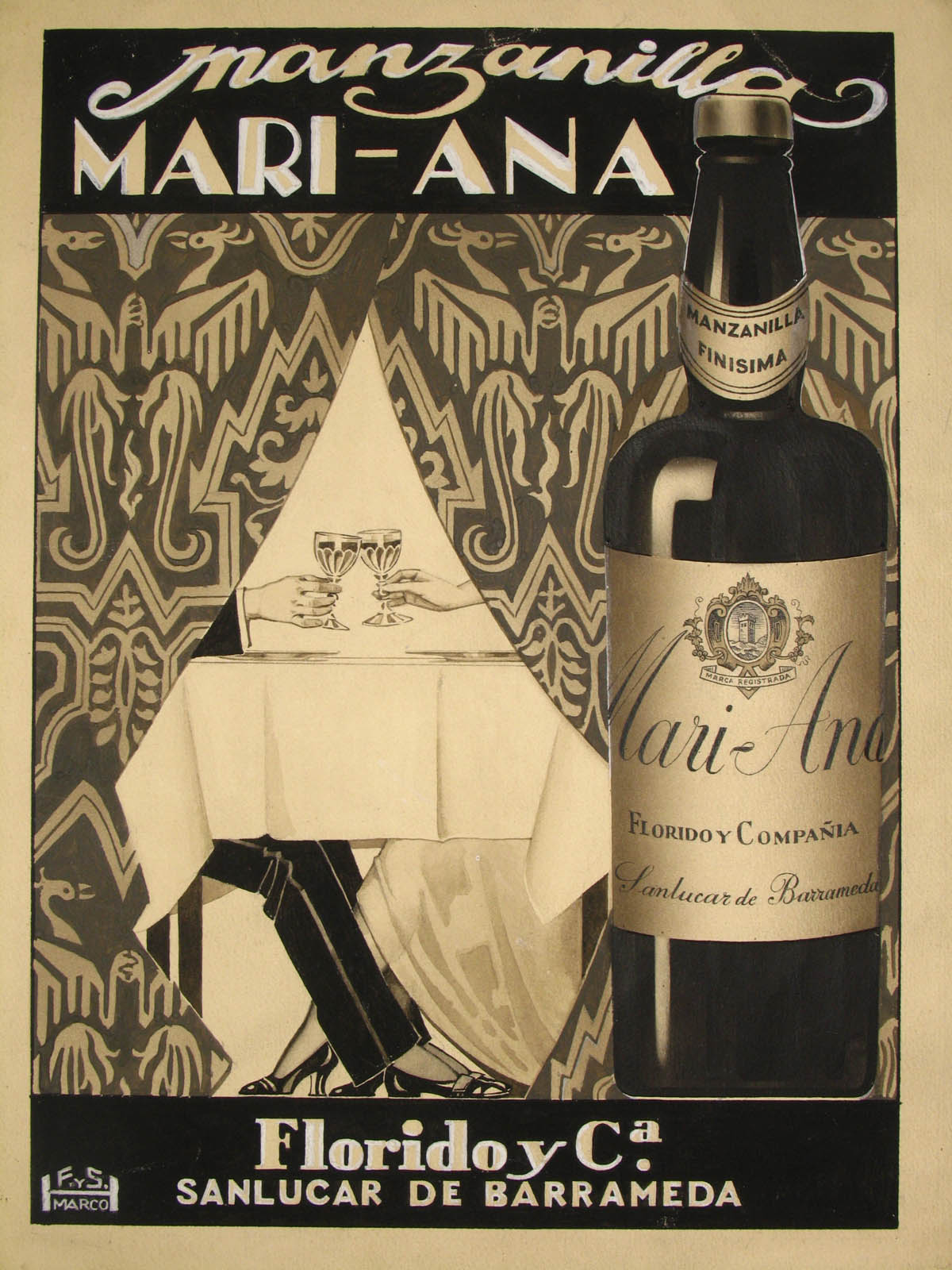

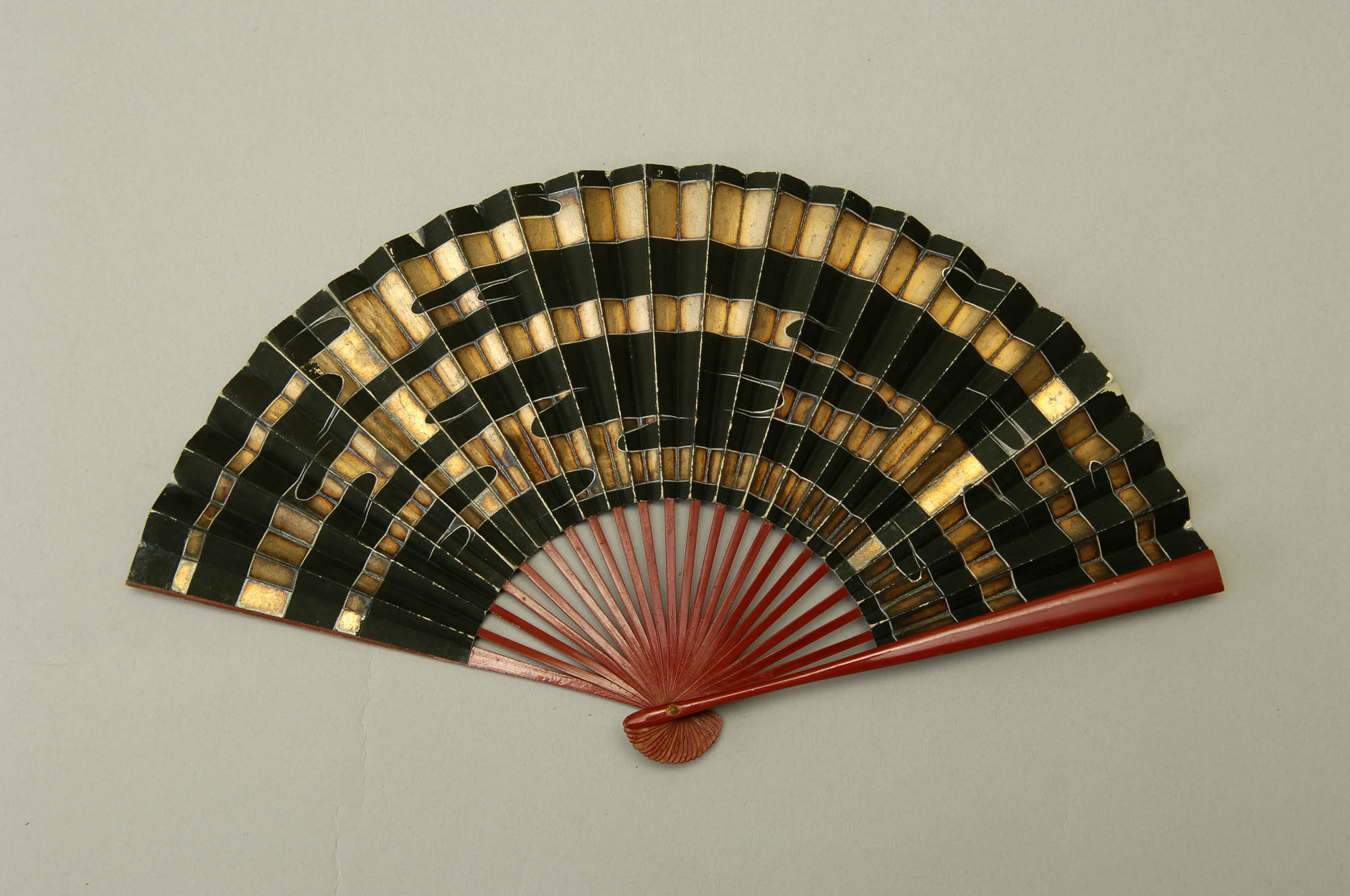
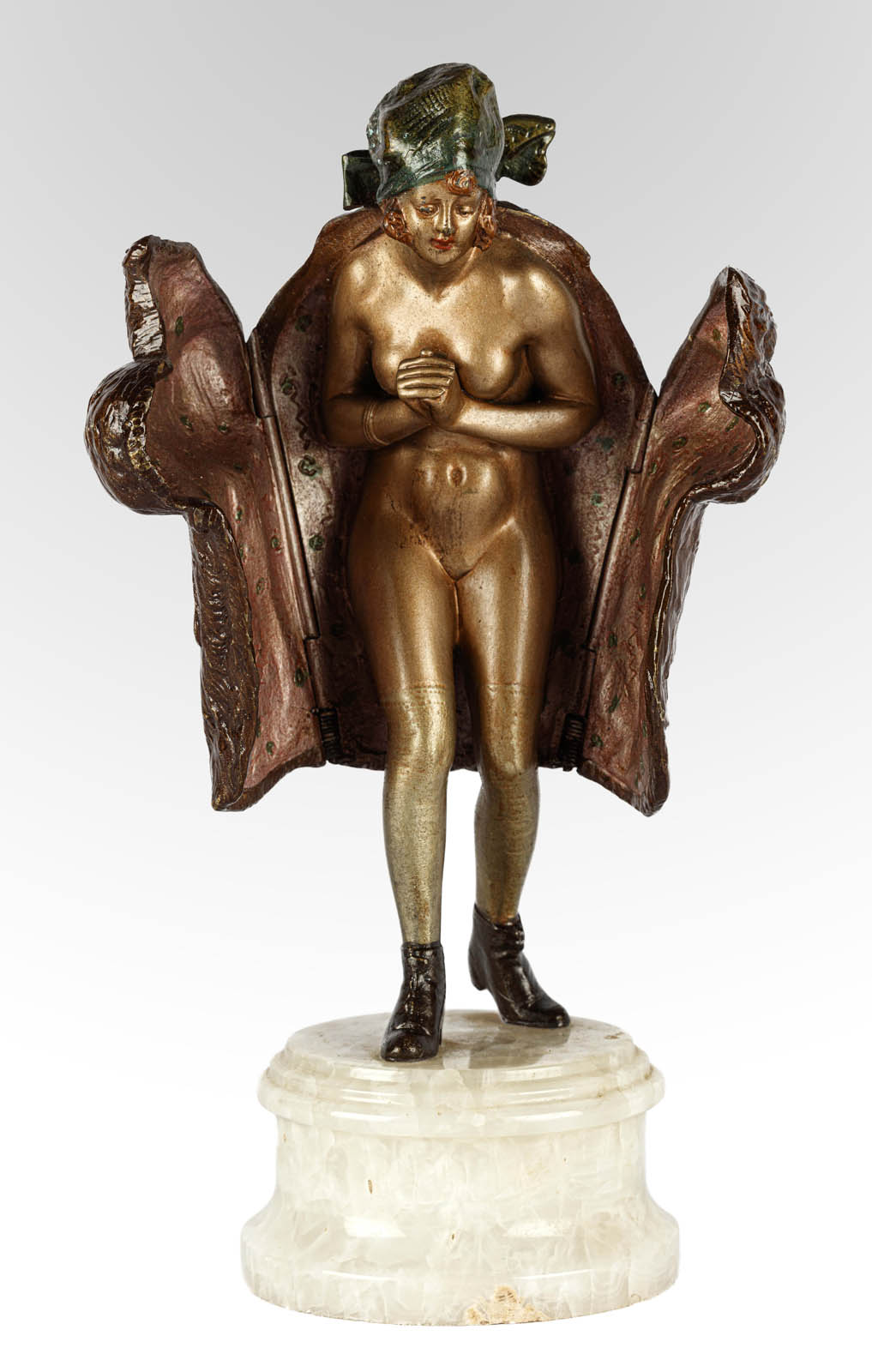

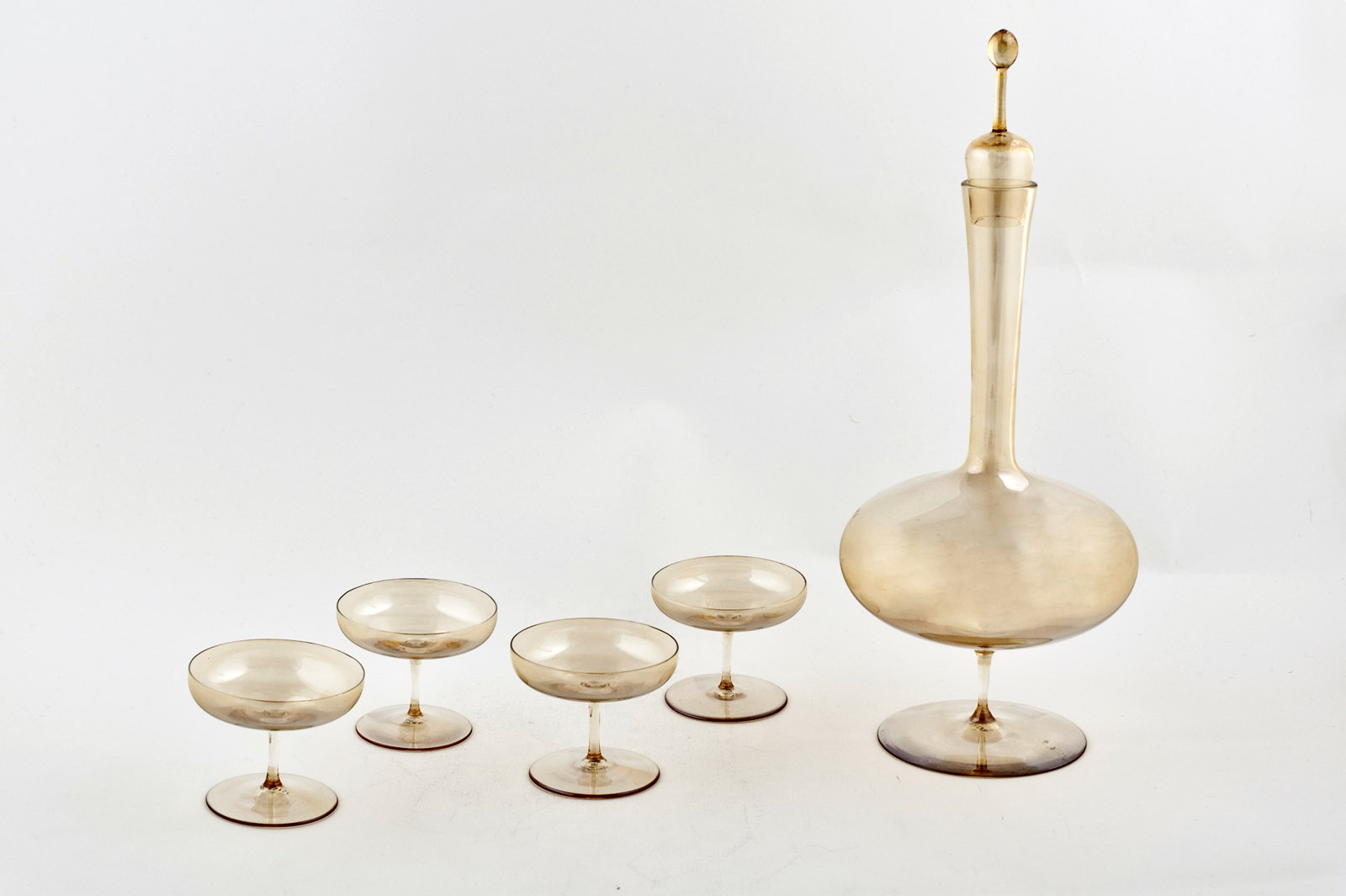
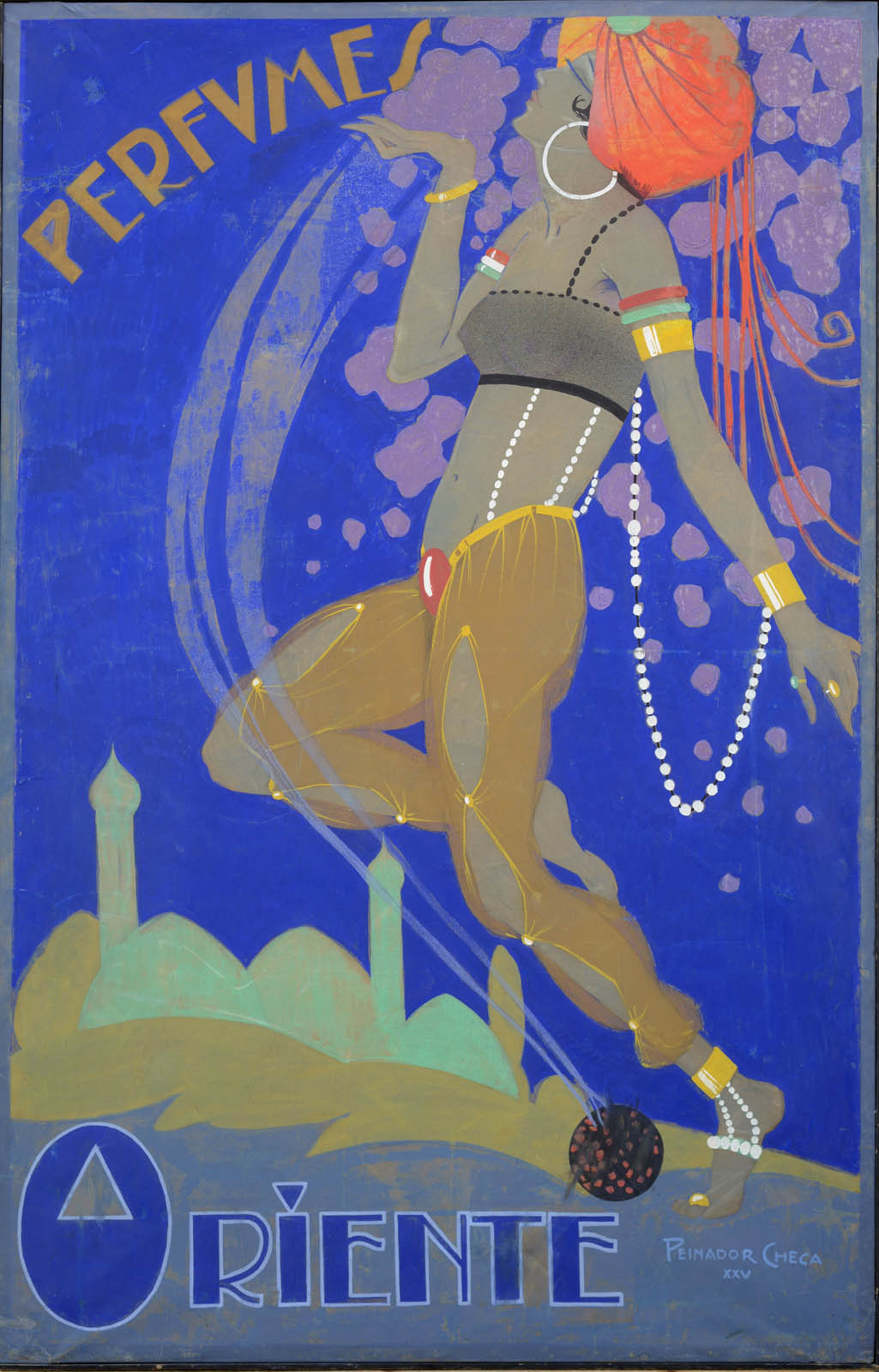


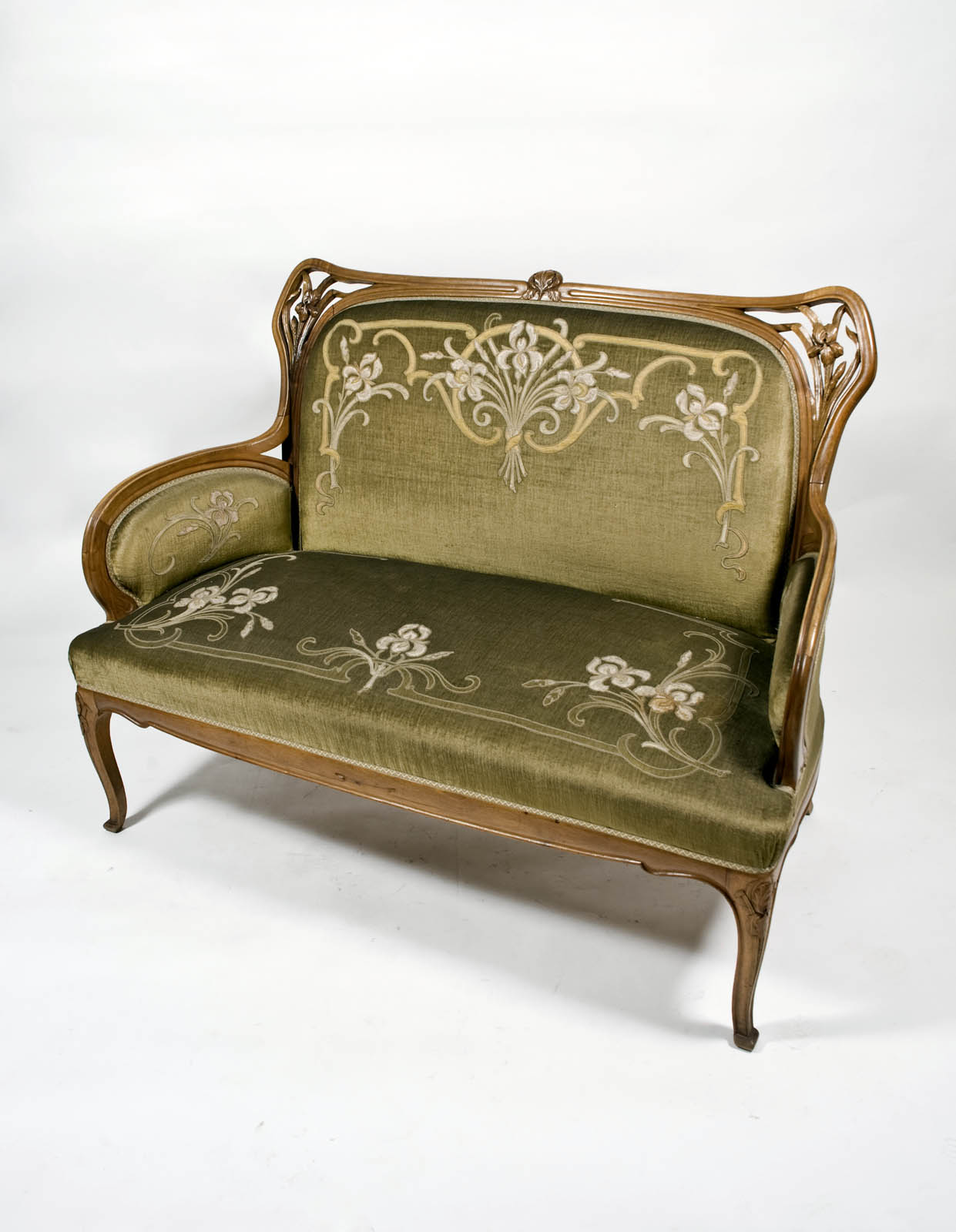


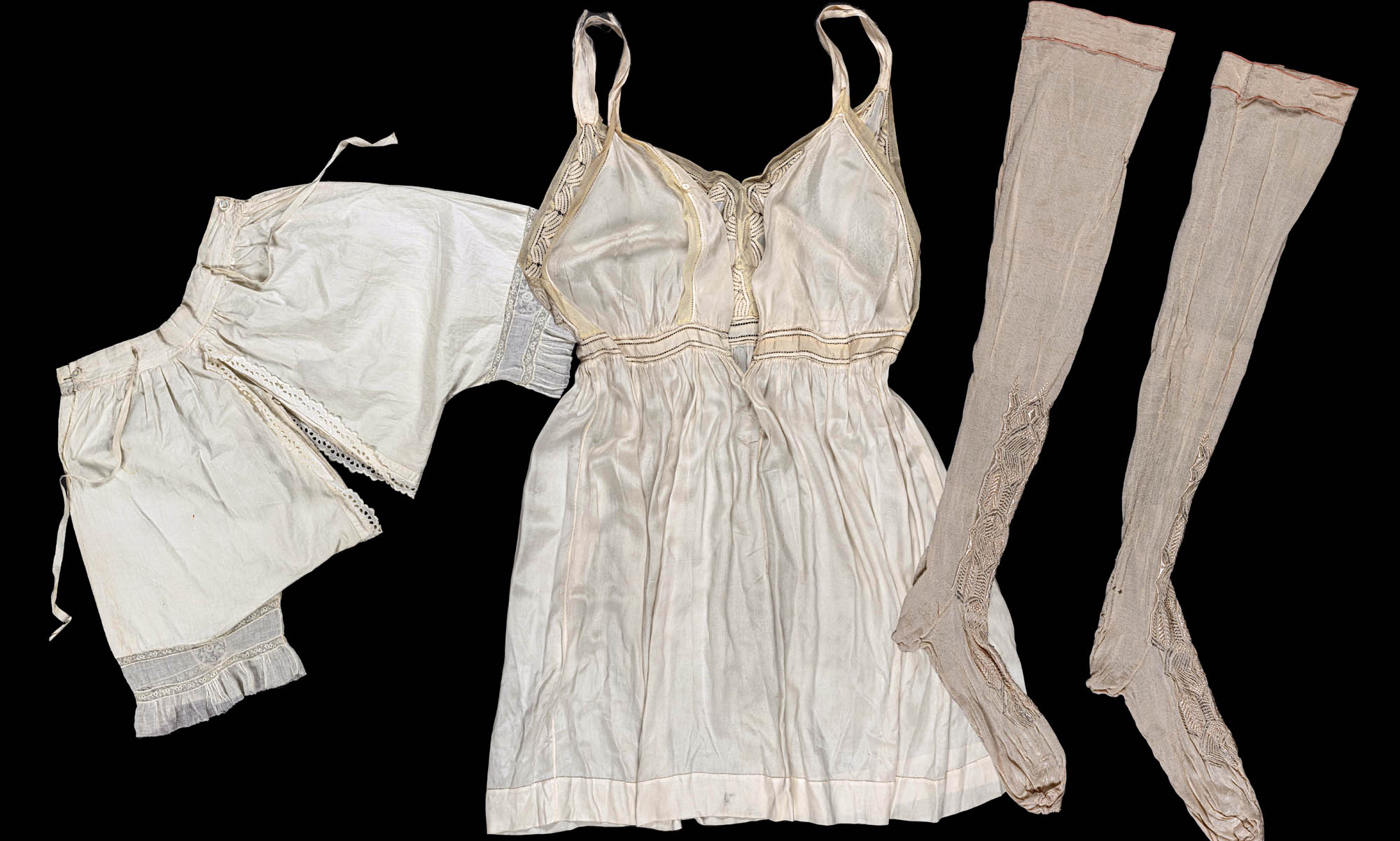
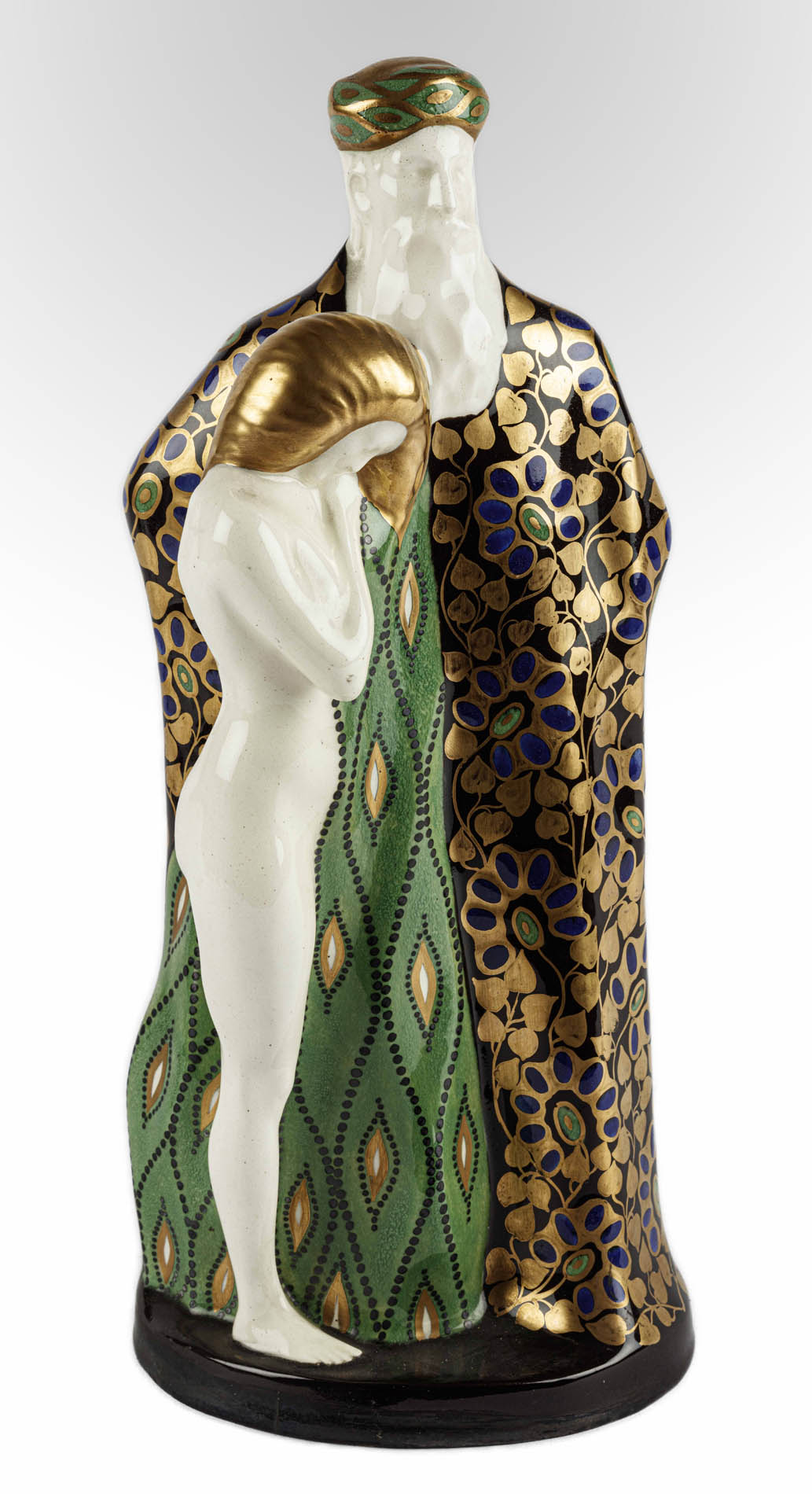


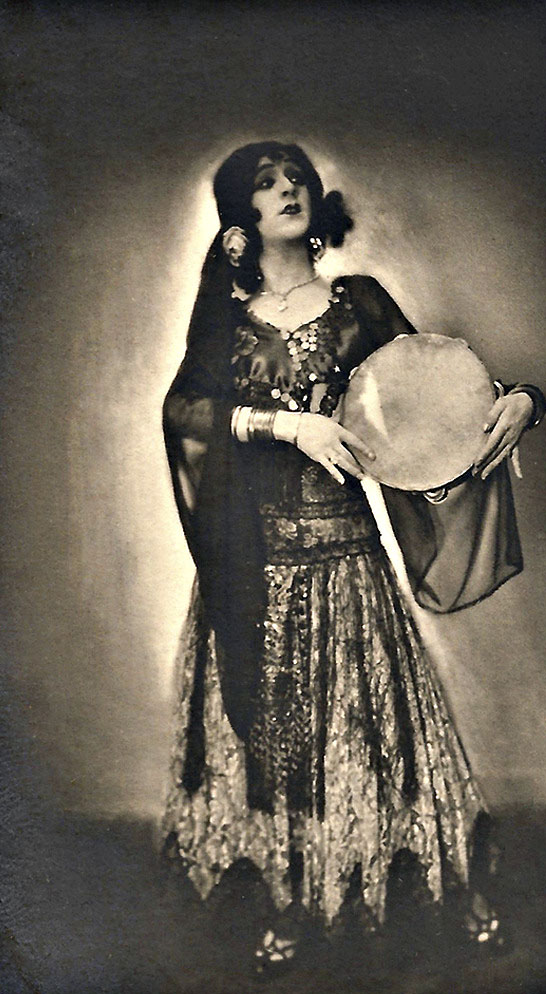
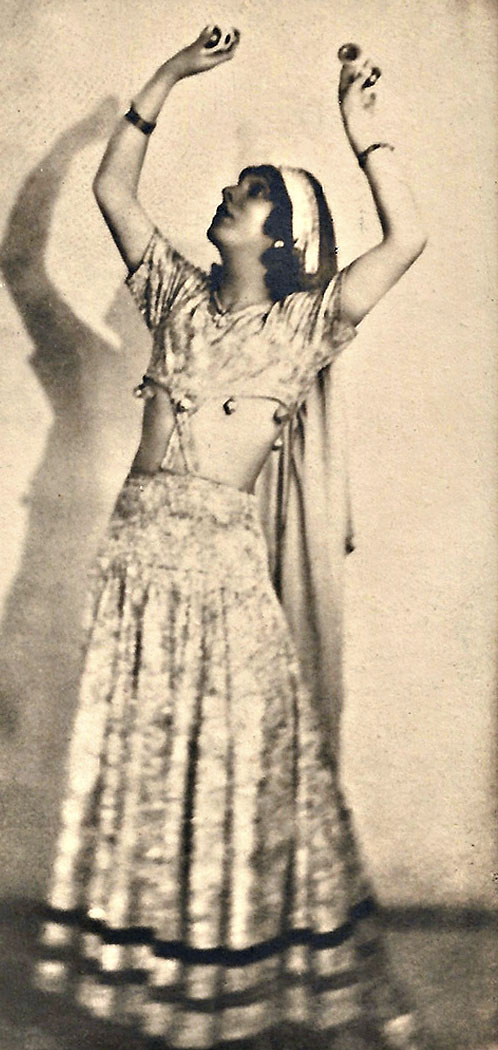
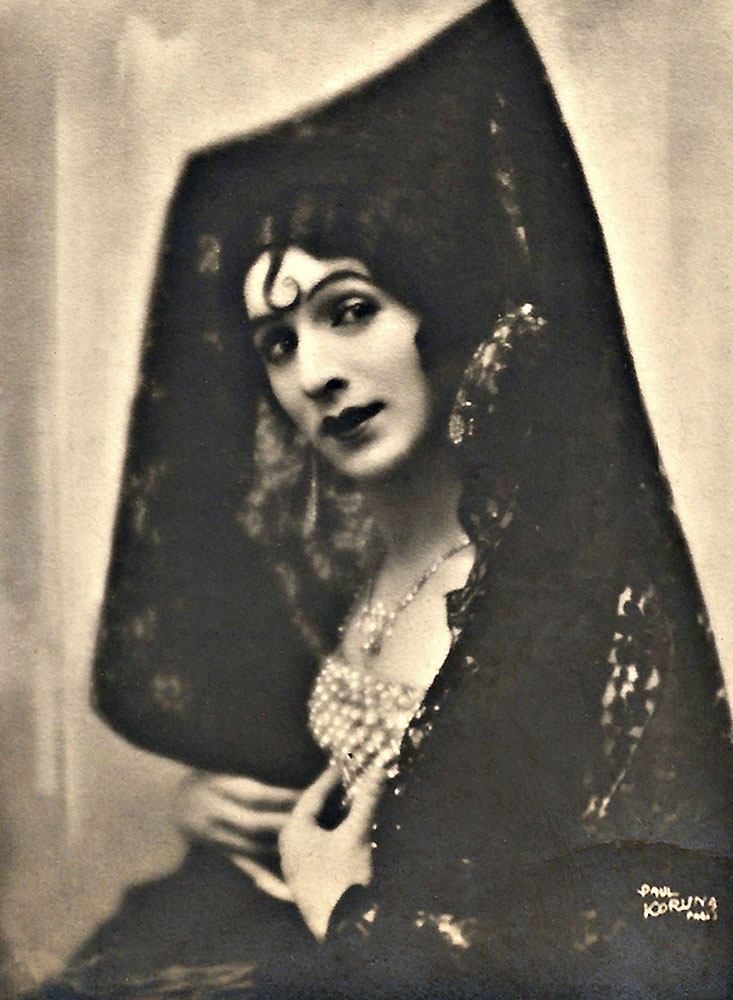
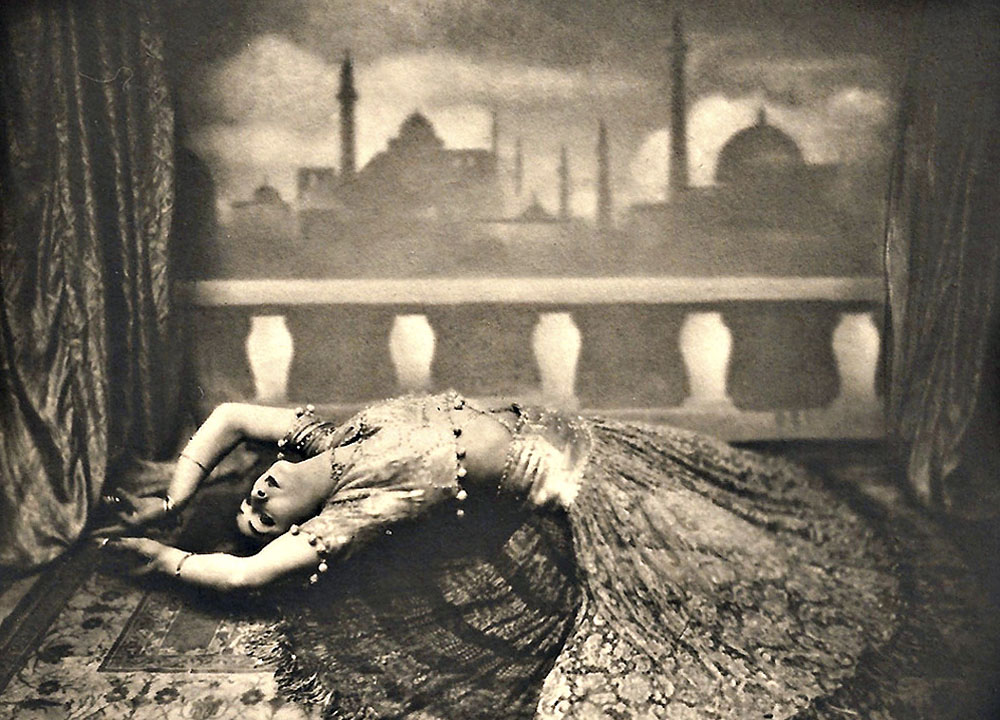
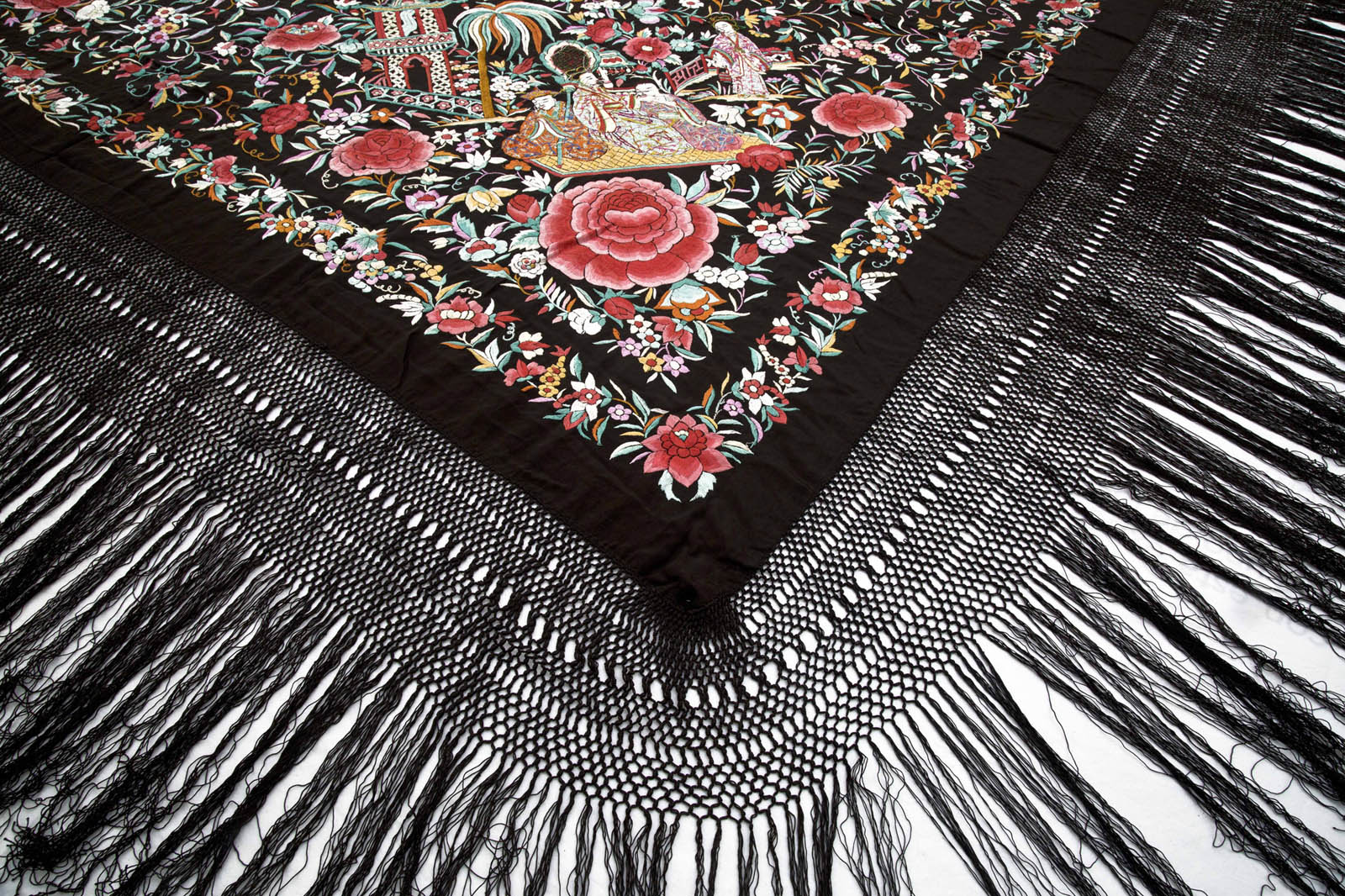

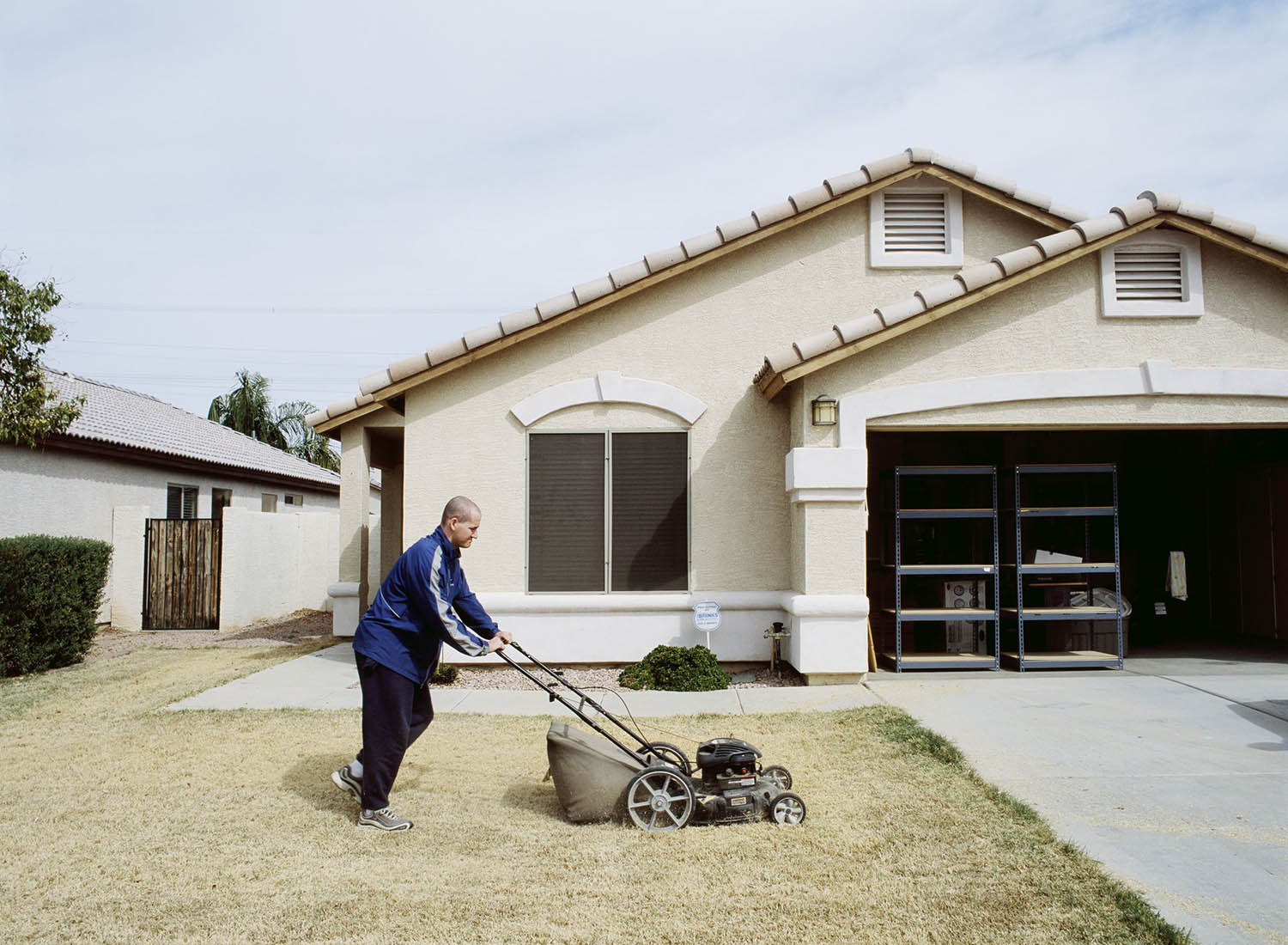
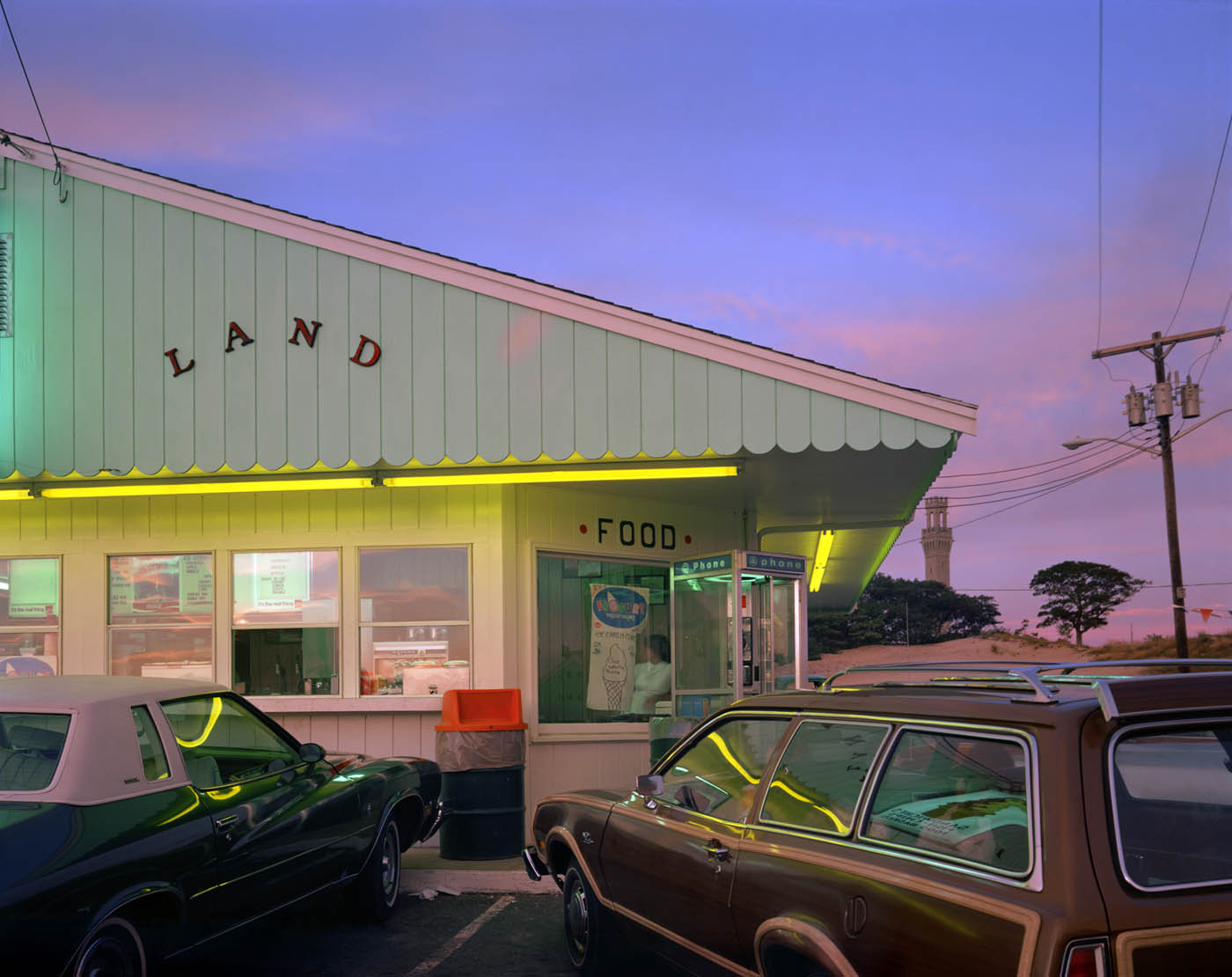

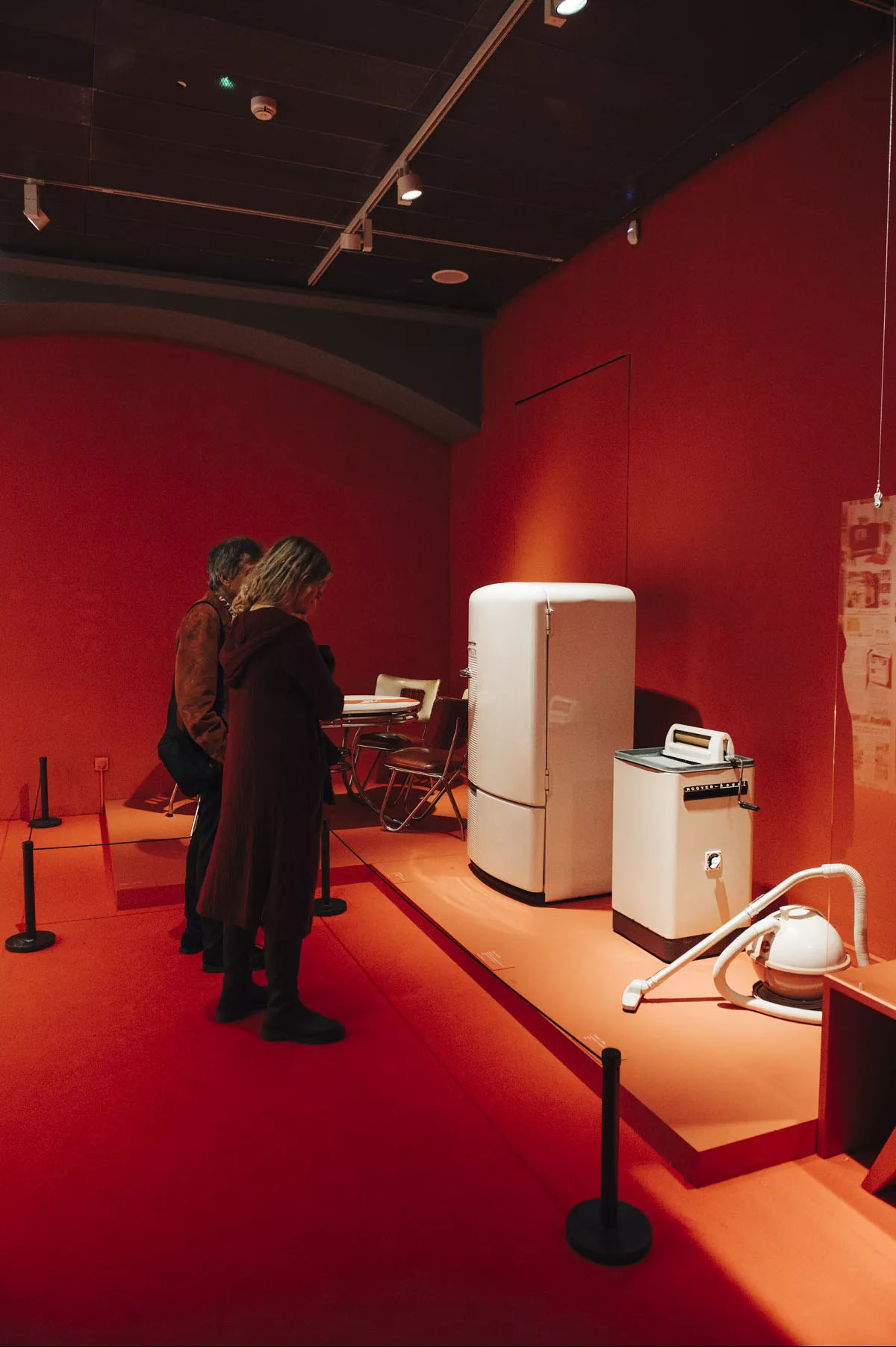

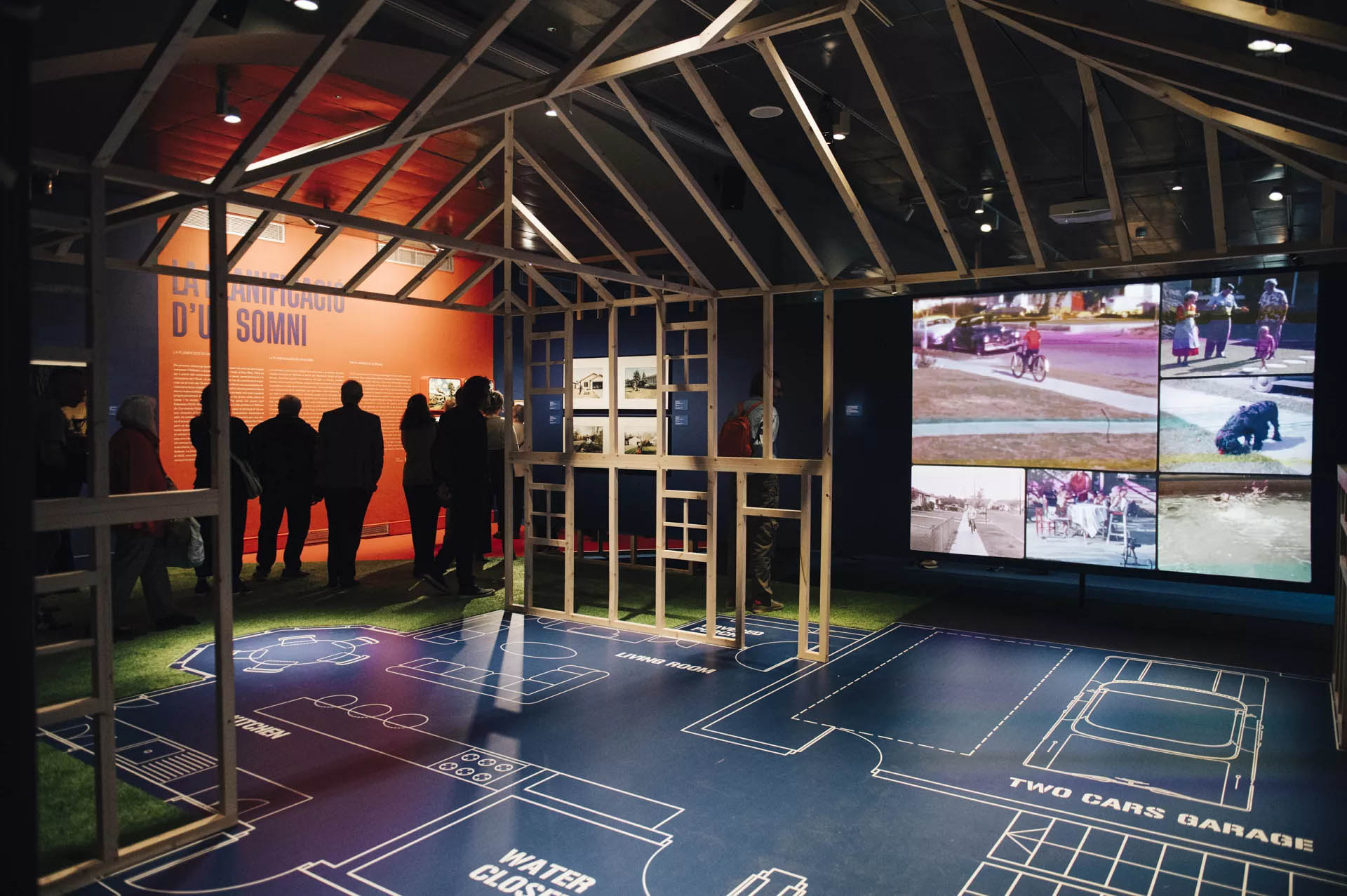
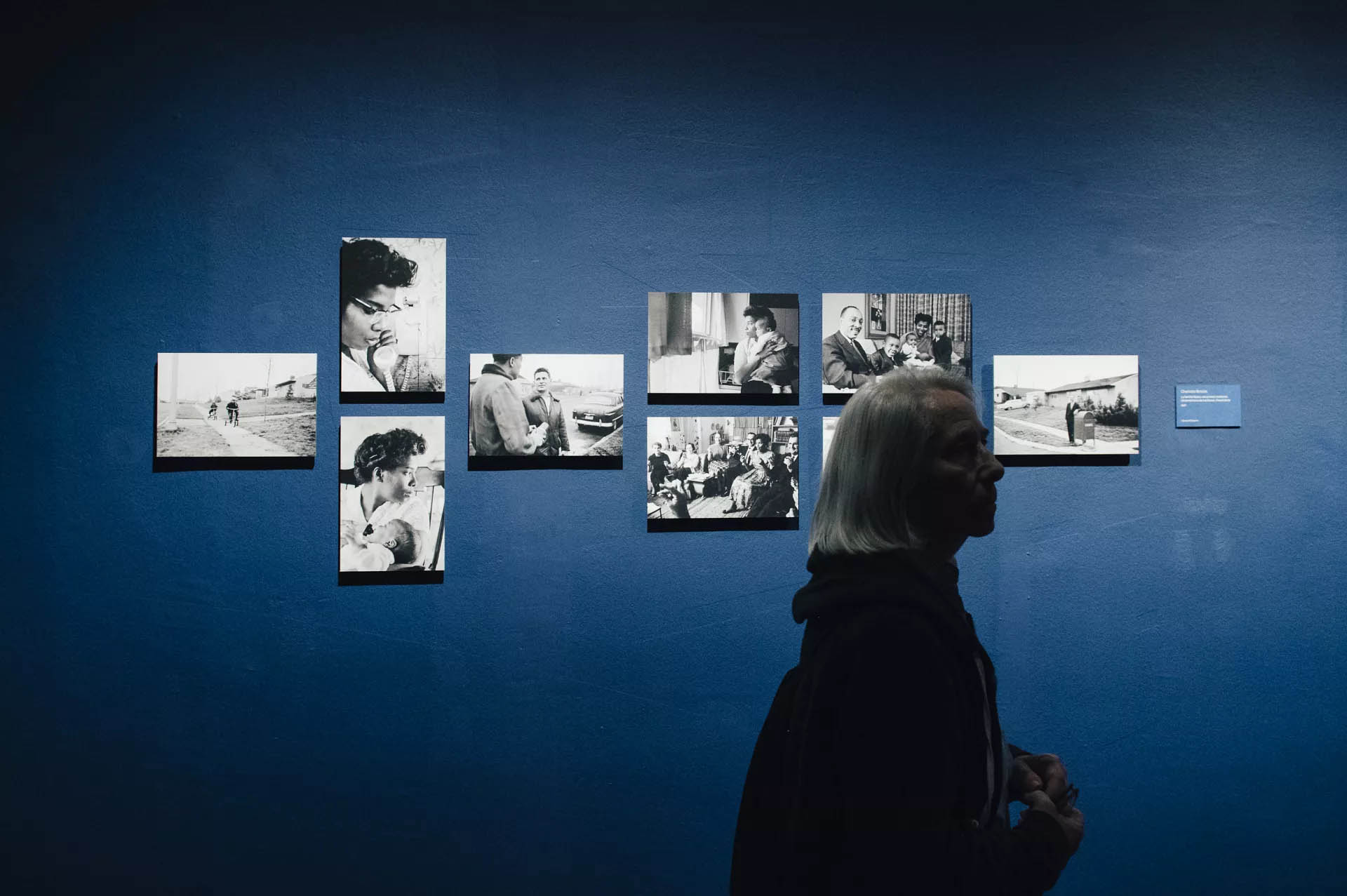
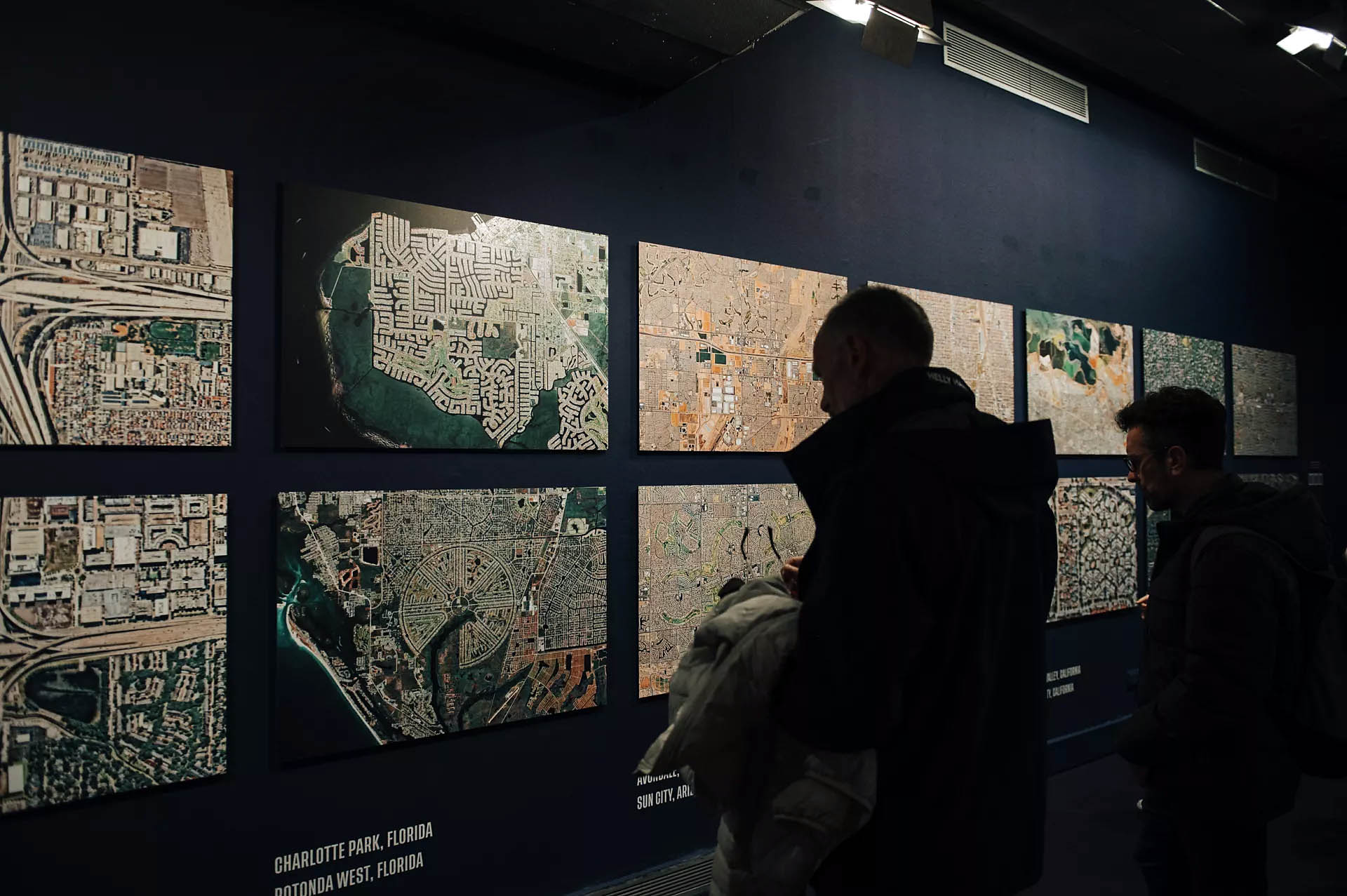
![Charlotte Brooks (American, 1918-2014) '[Image from LOOK - Job 57-7621 titled Myers family]' 20th December 1957](https://artblart.com/wp-content/uploads/2024/08/brooks-image-from-look-a.jpg "Charlotte Brooks (American, 1918-2014) '[Image from LOOK - Job 57-7621 titled Myers family]' 20th December 1957")


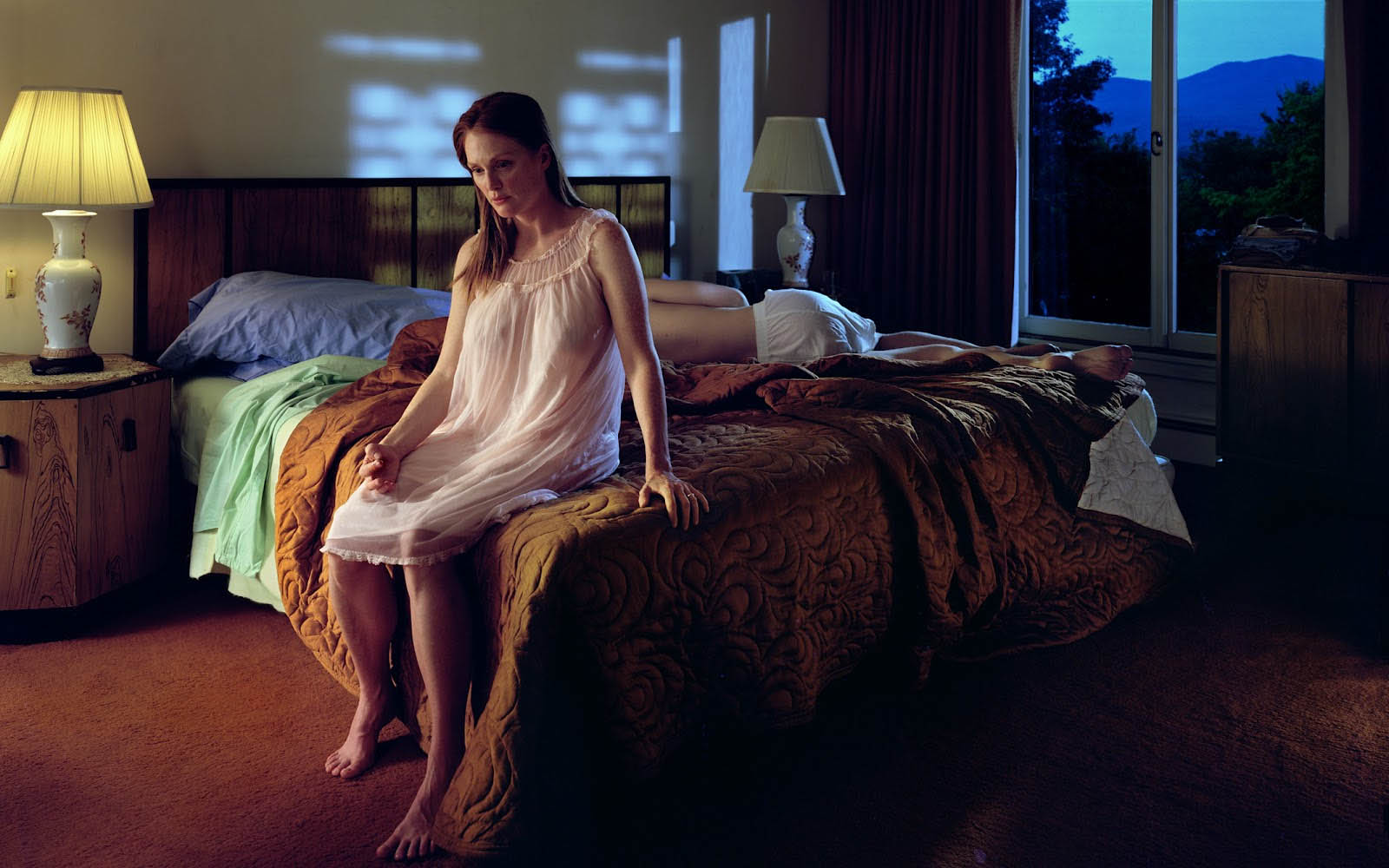

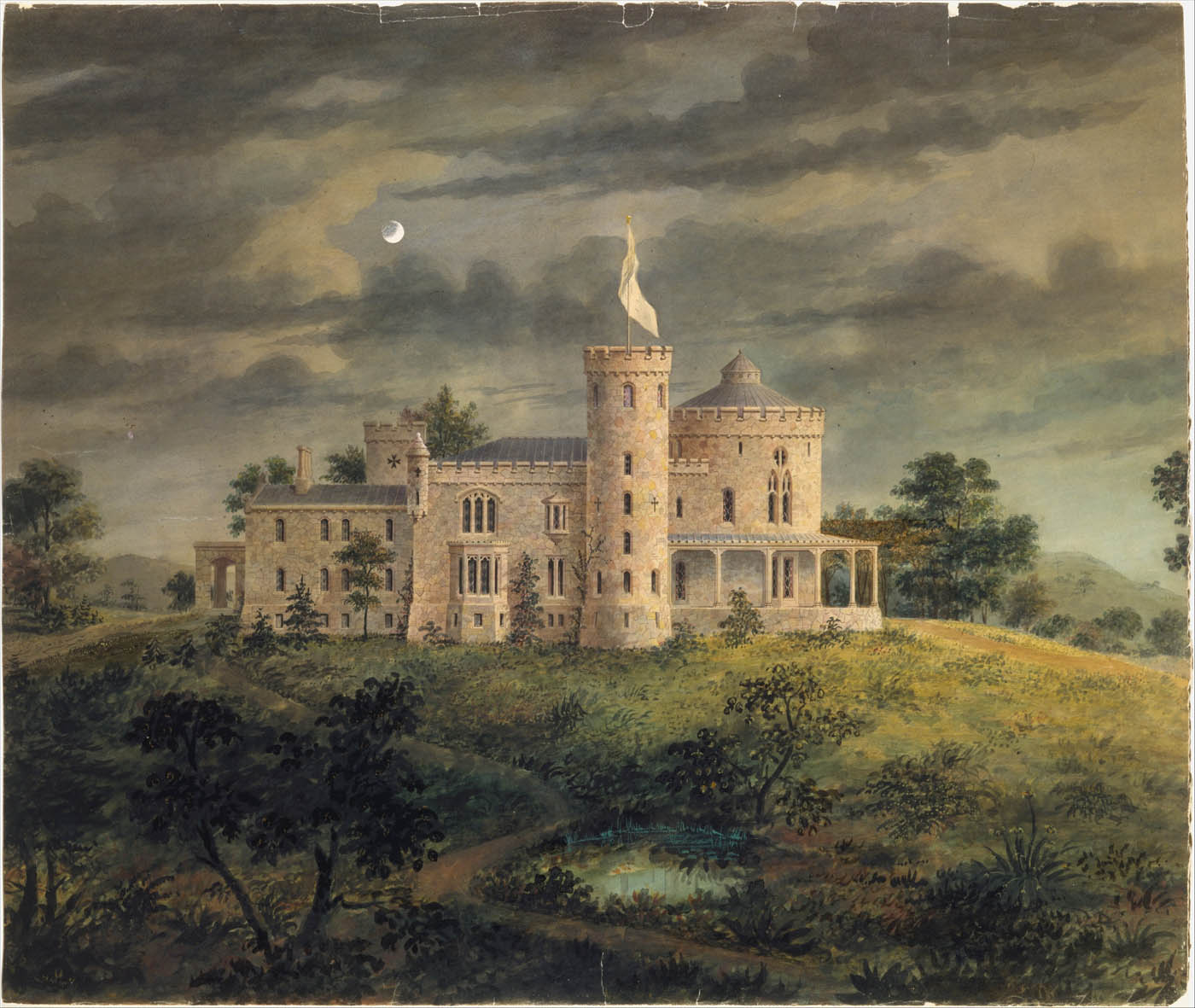


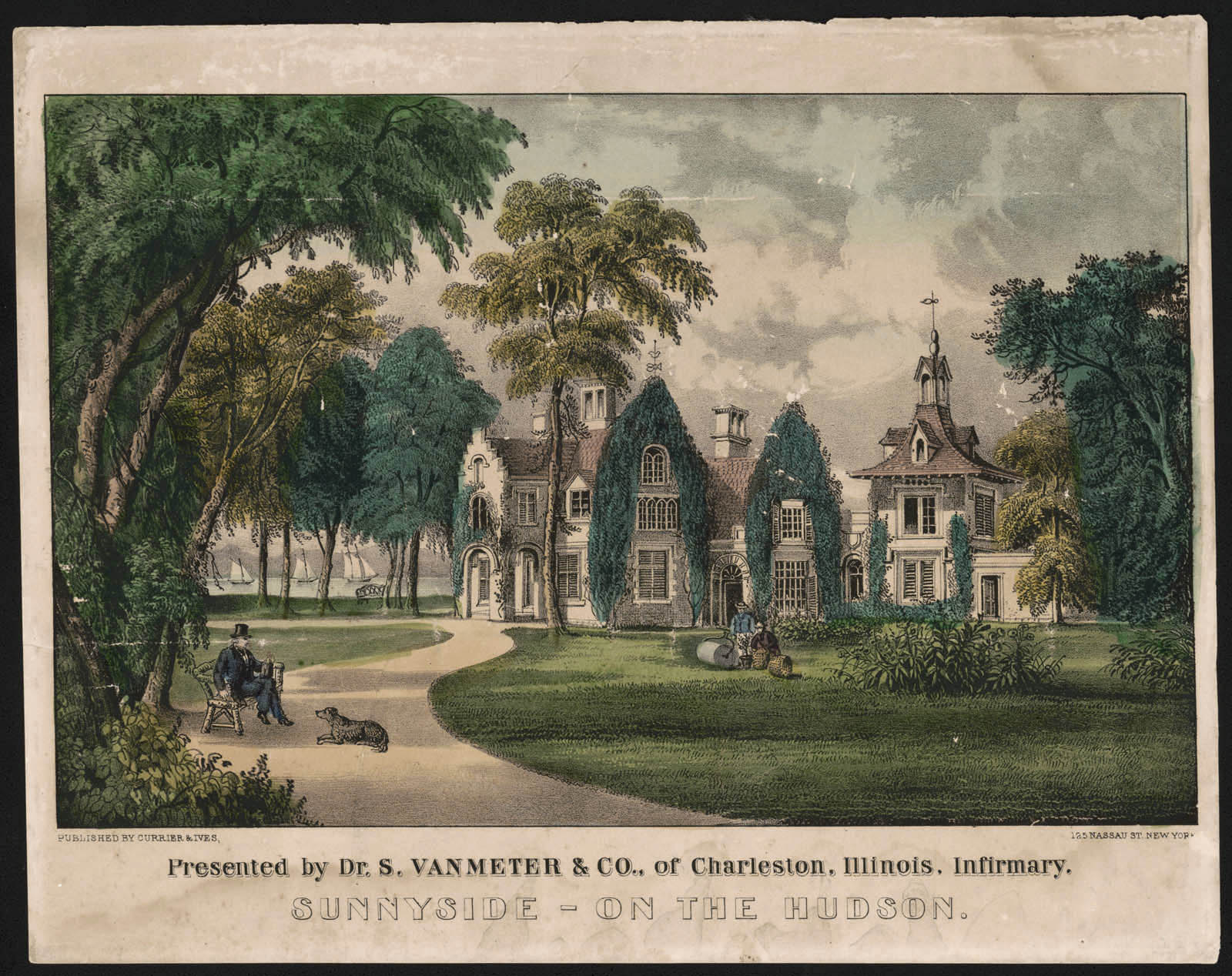
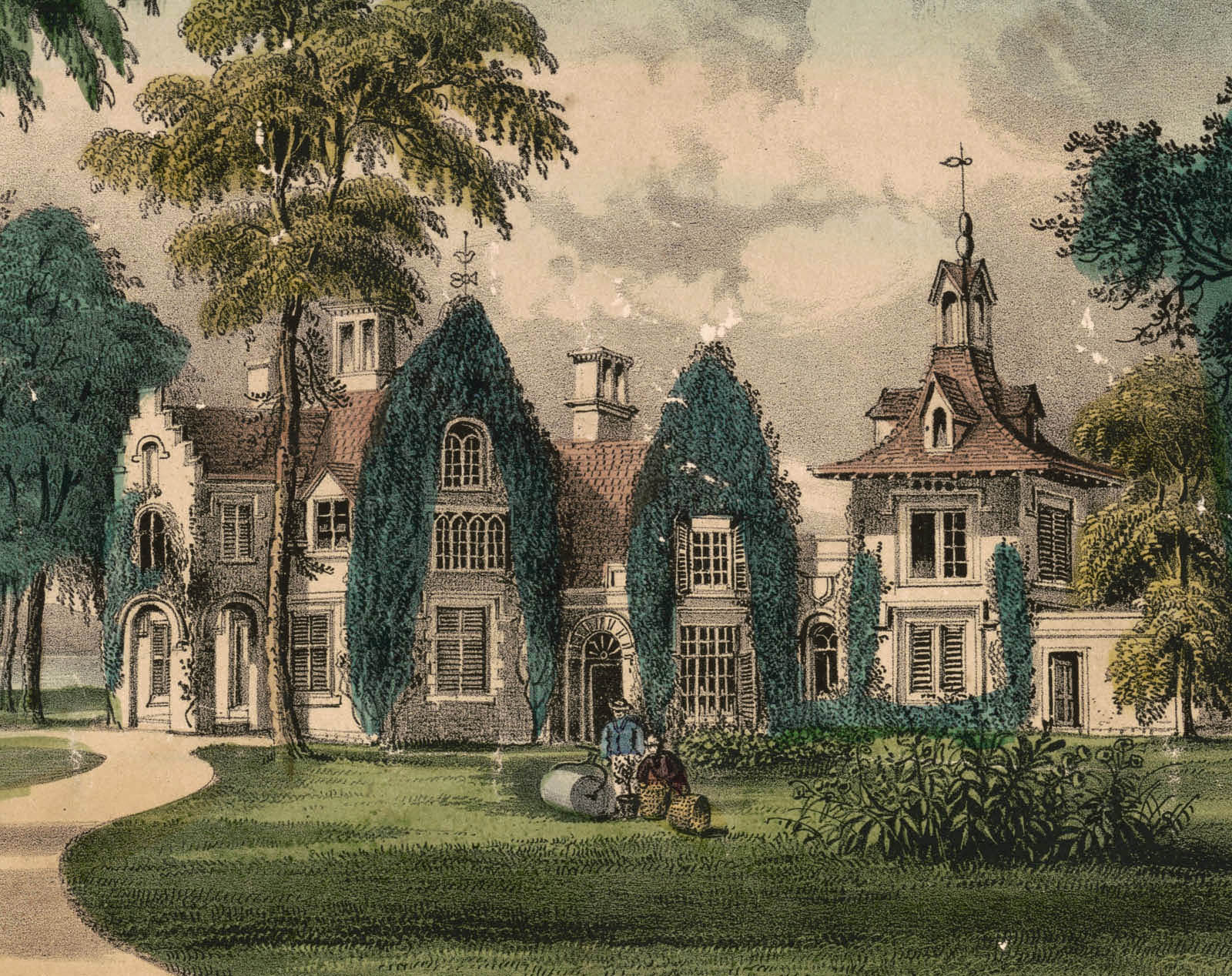


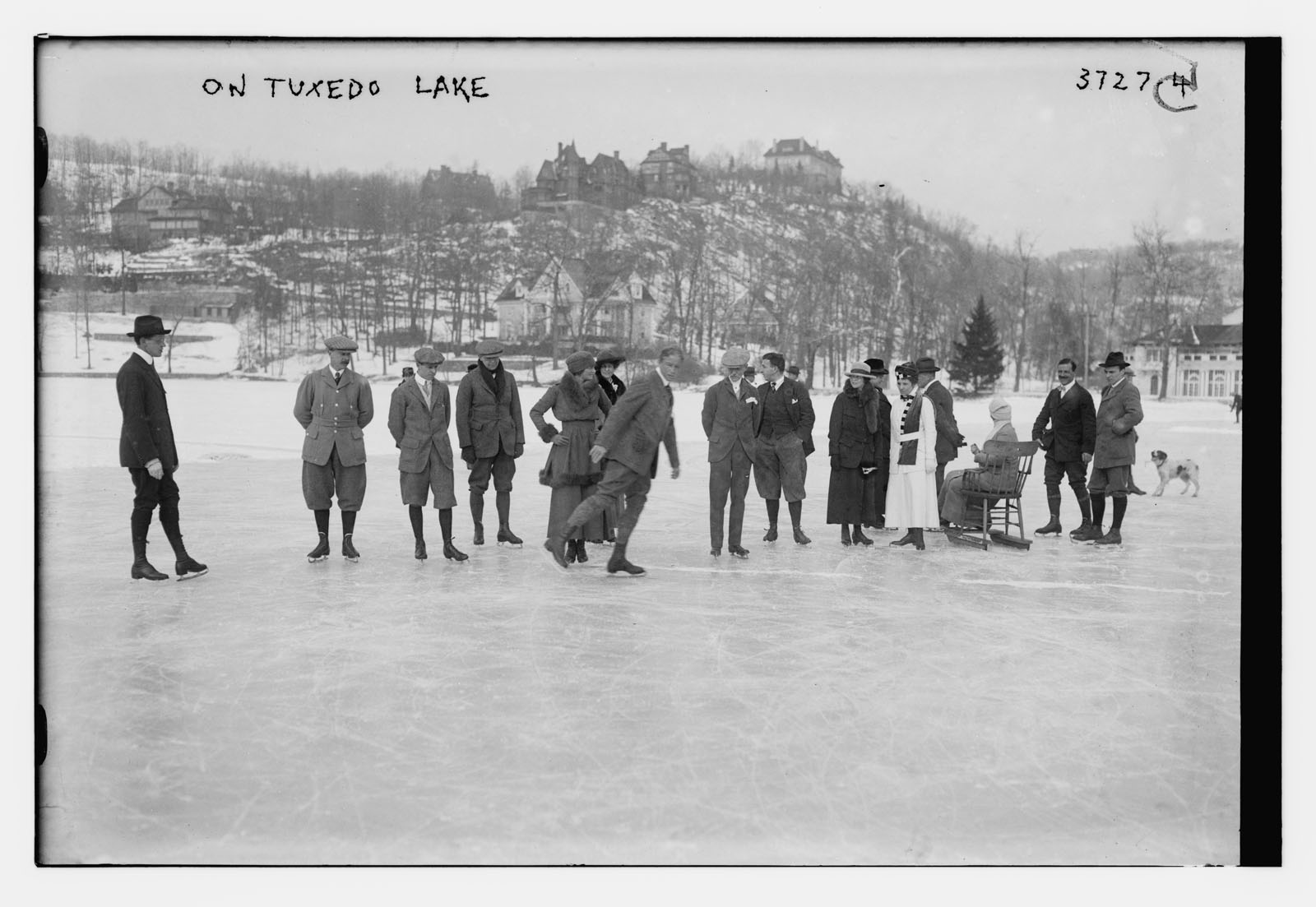
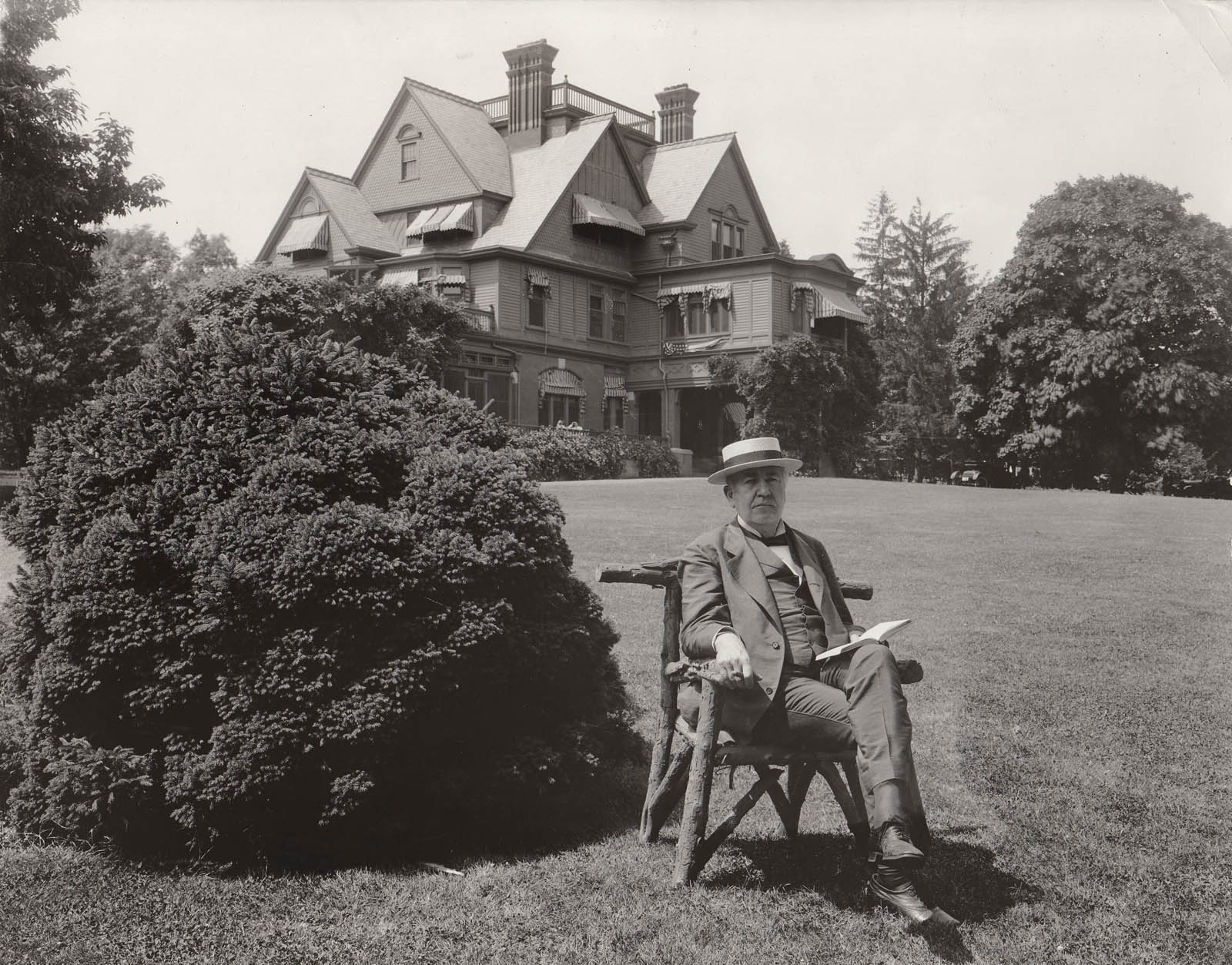

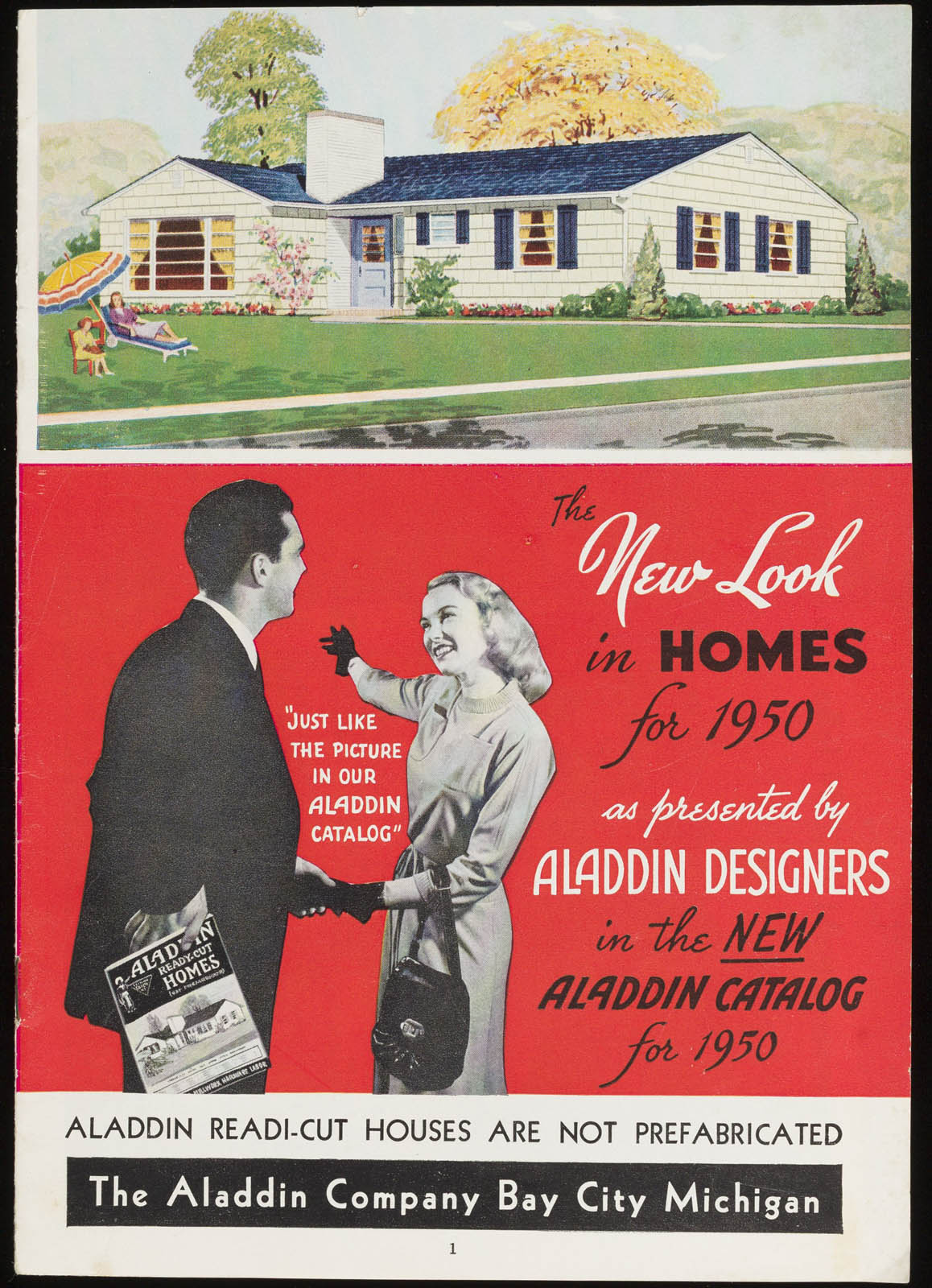

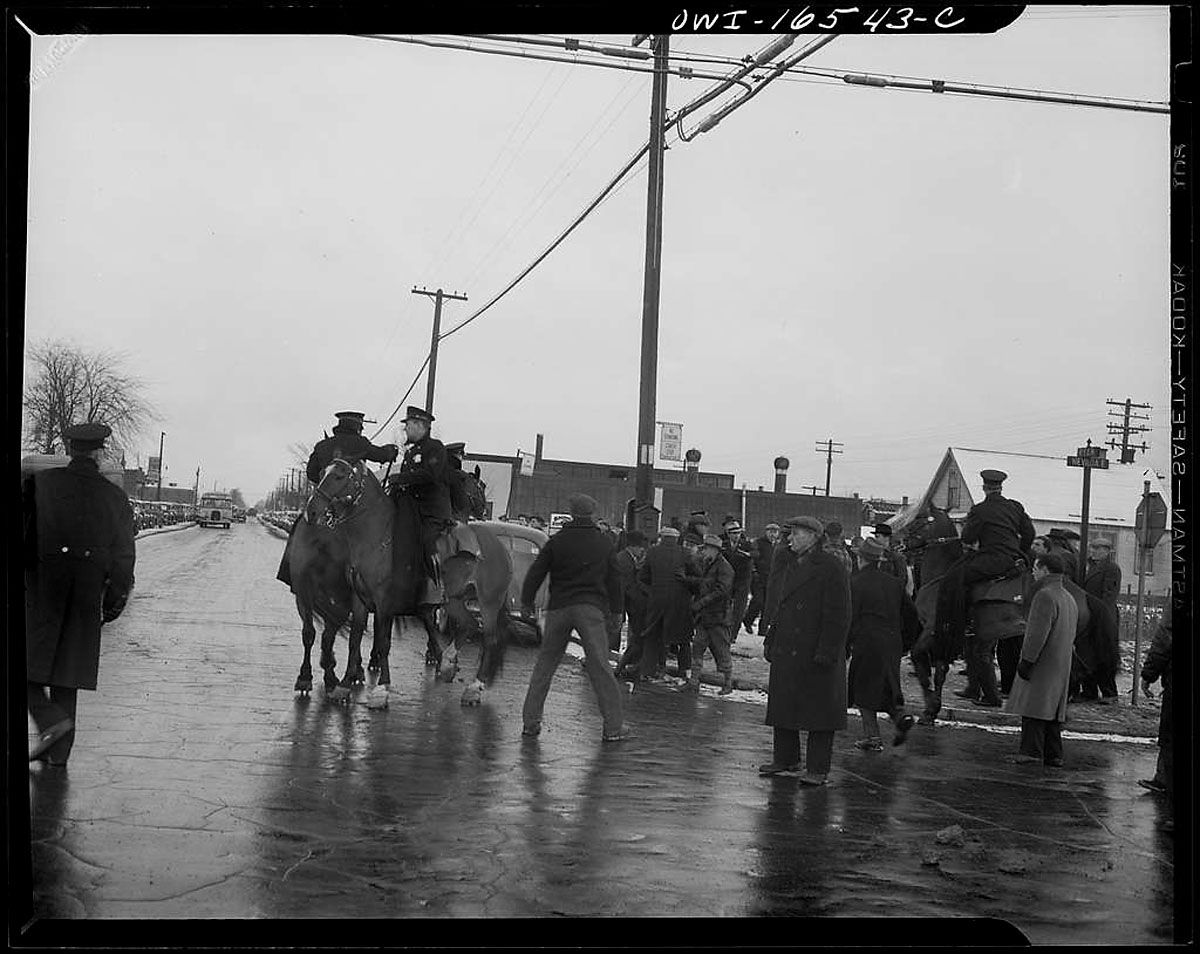

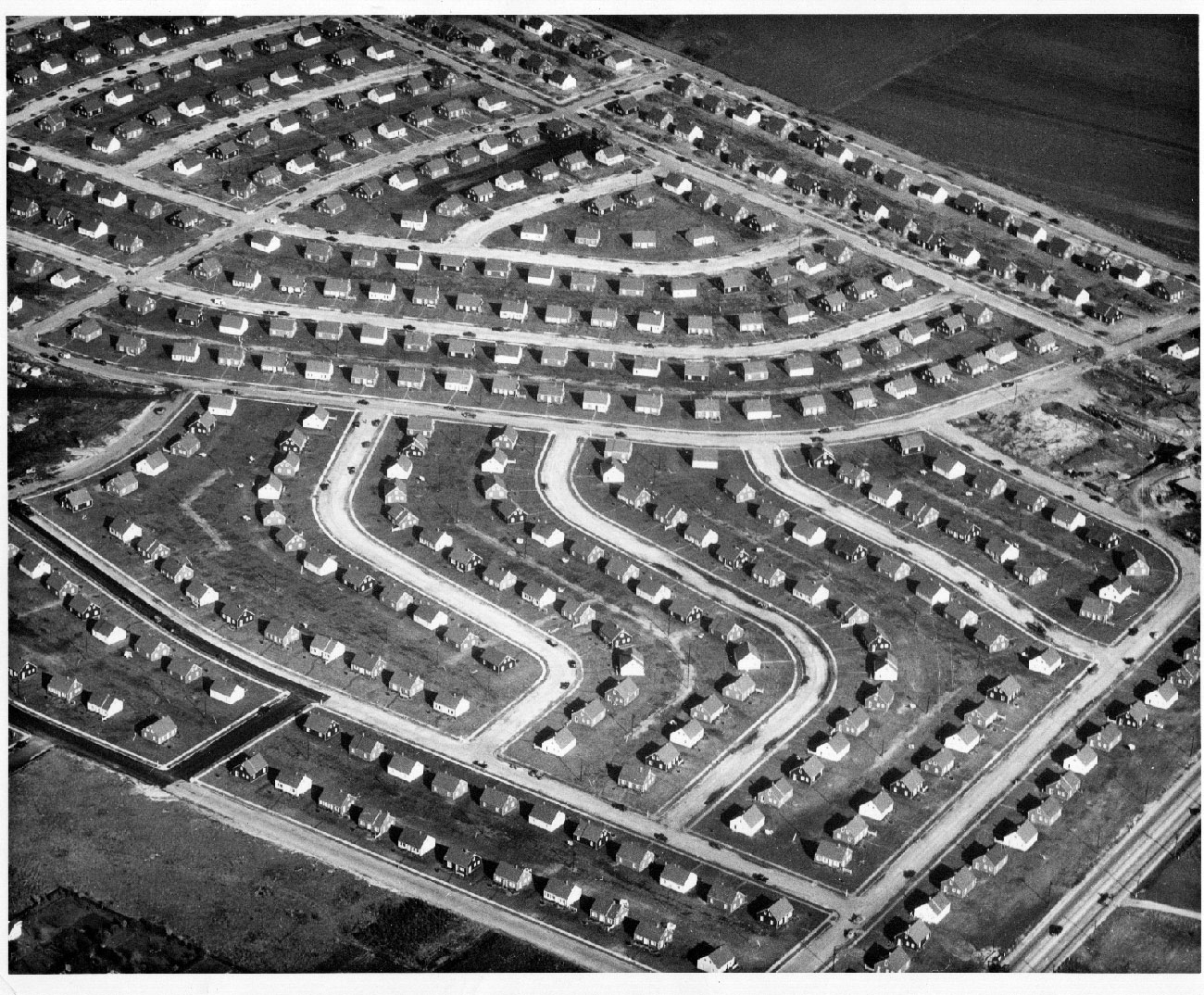
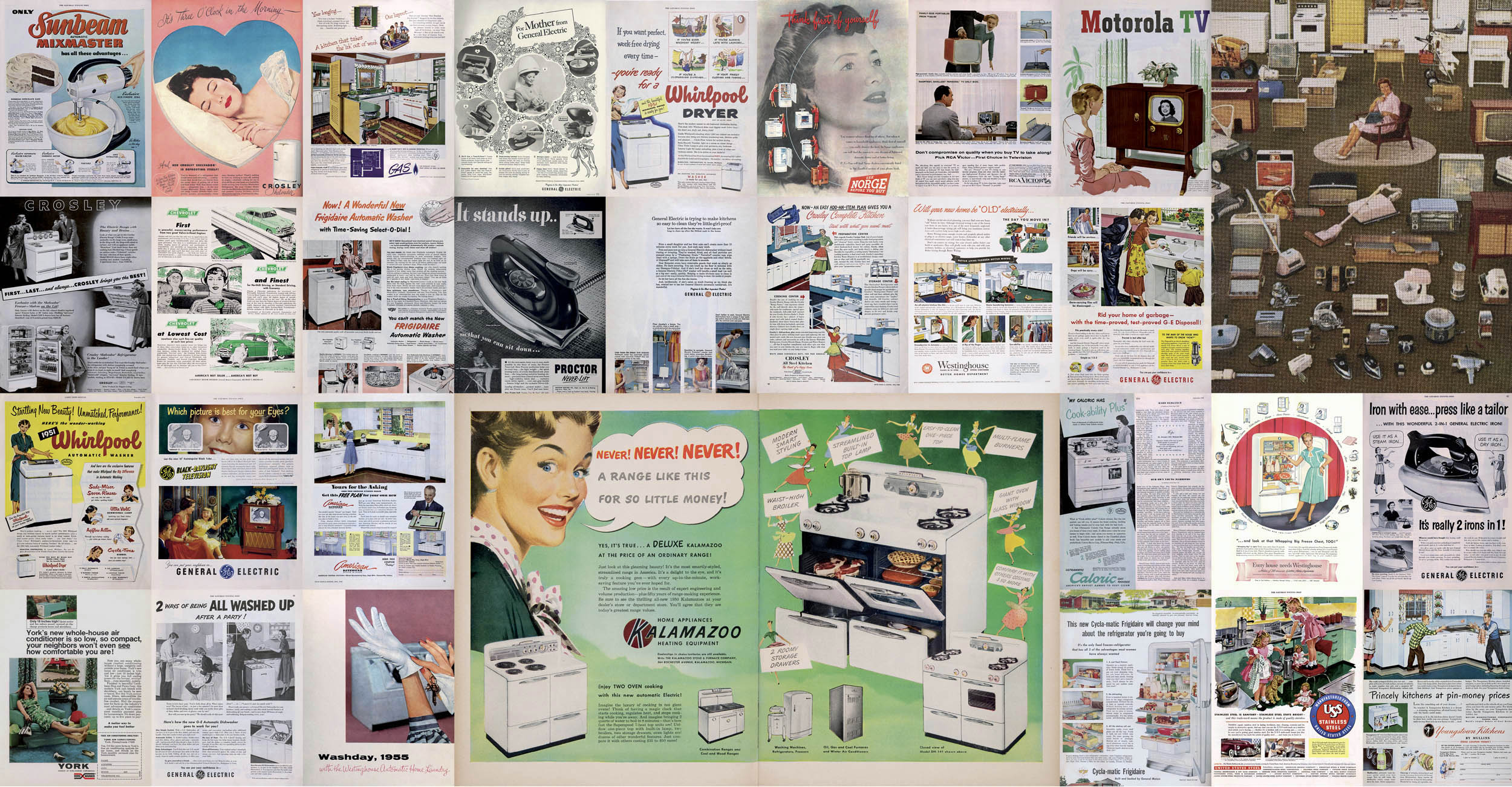
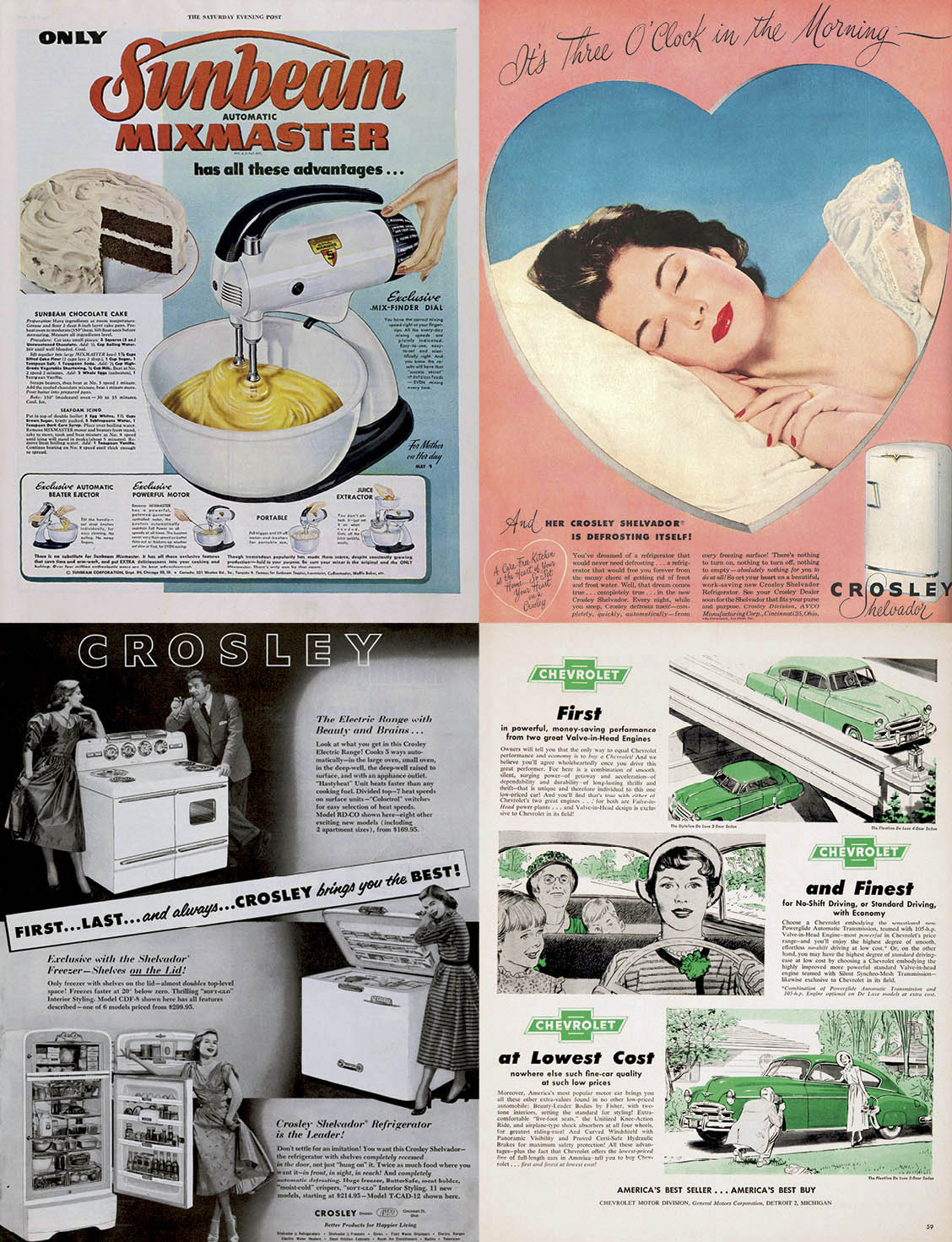
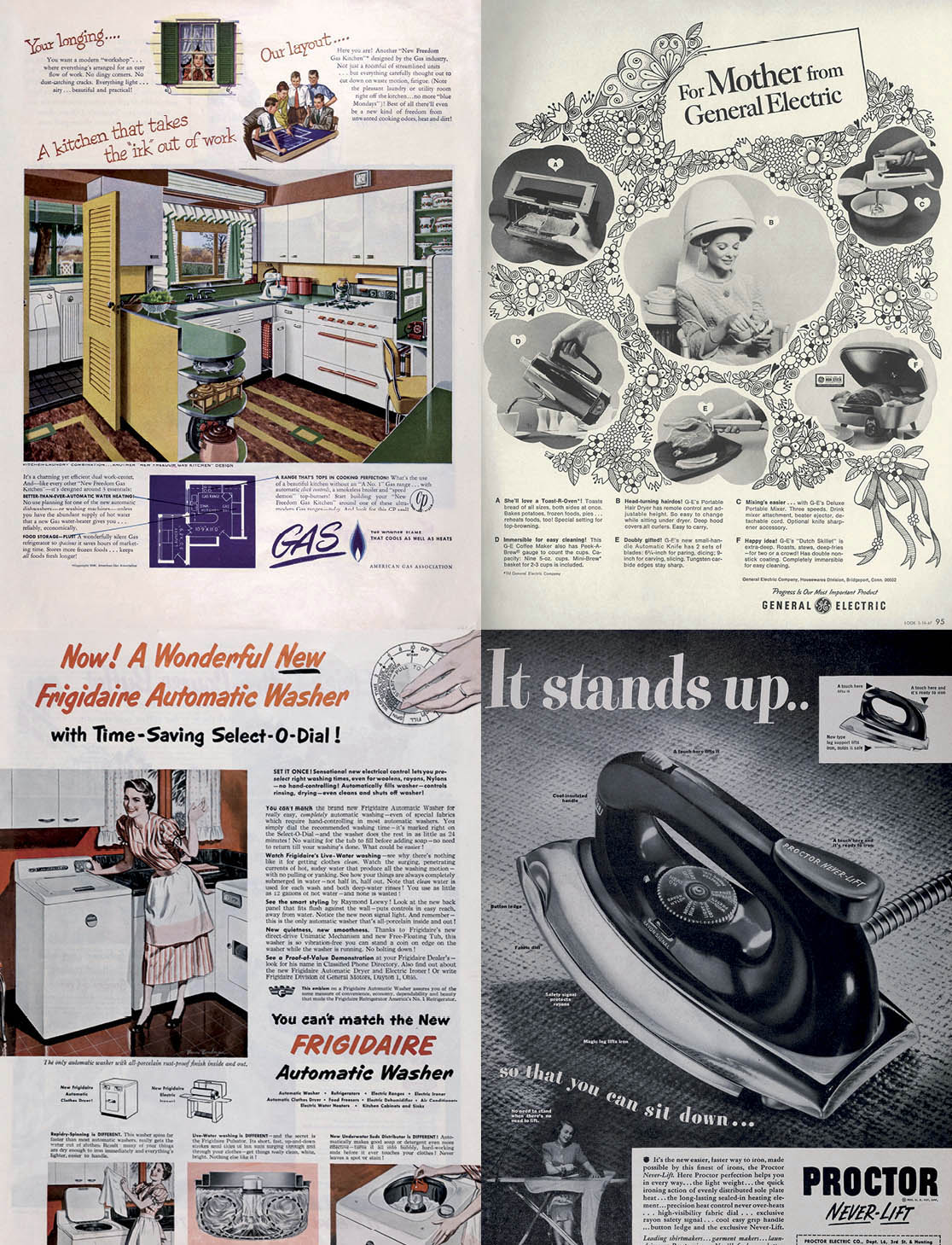

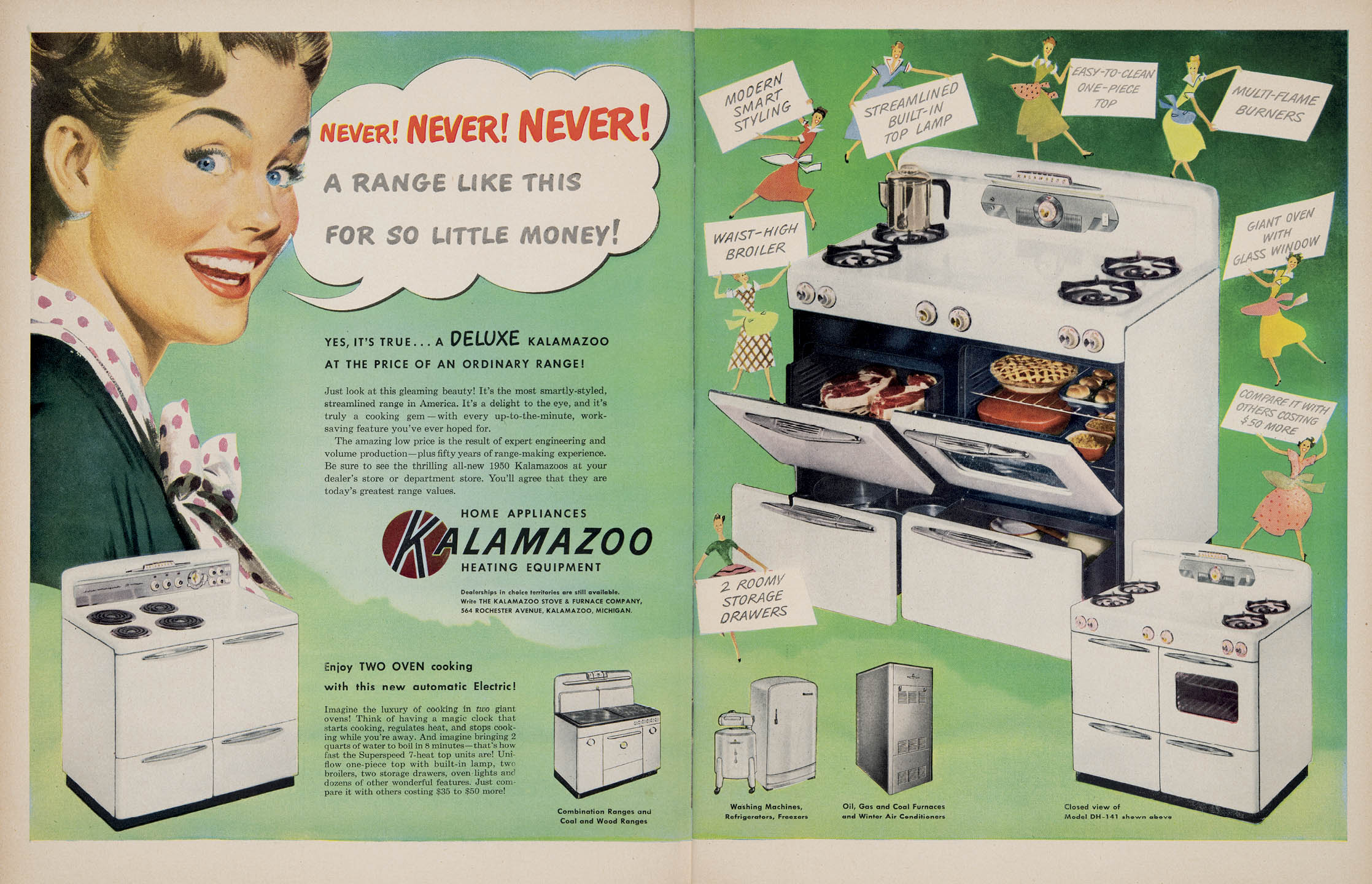
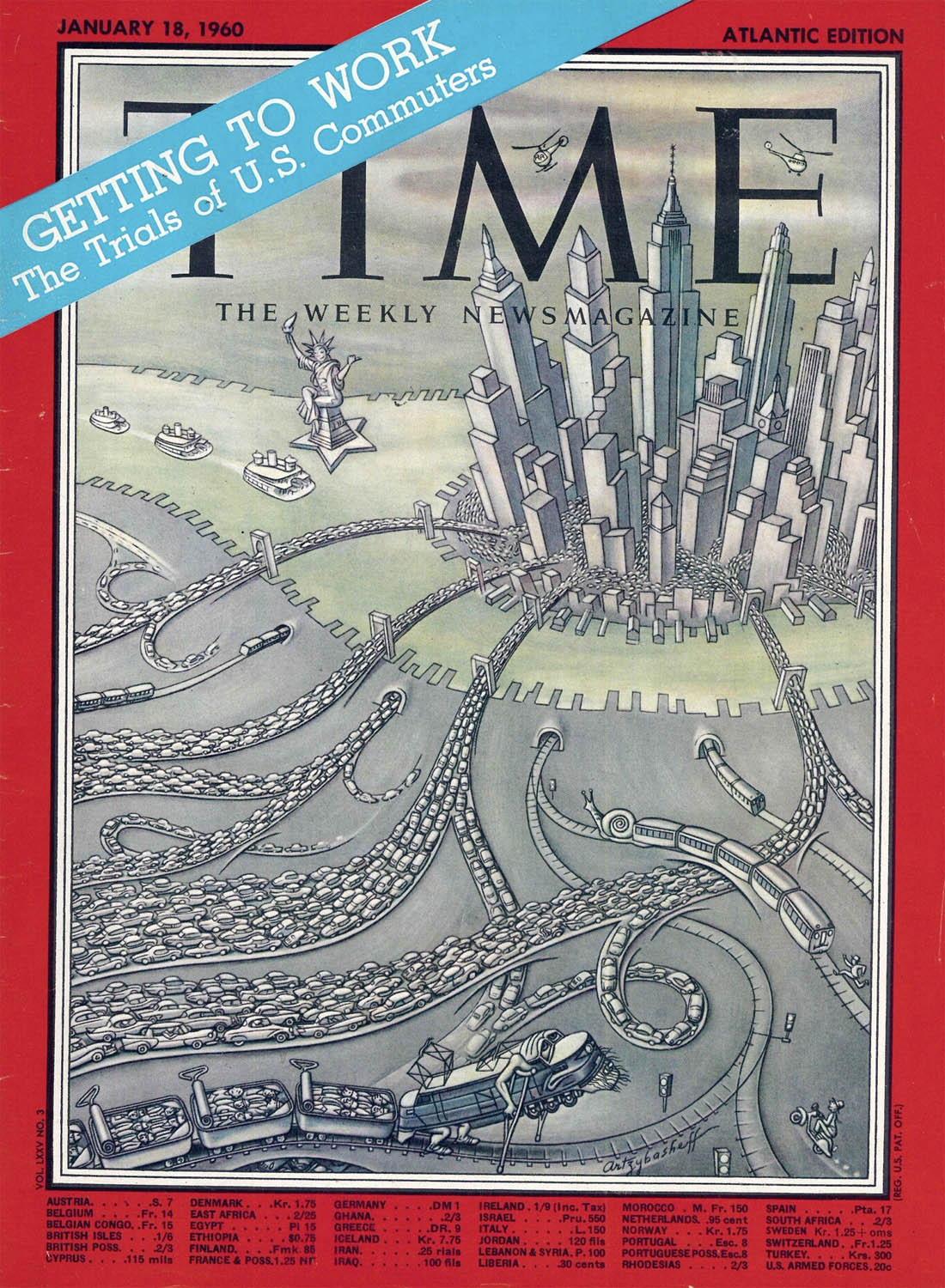
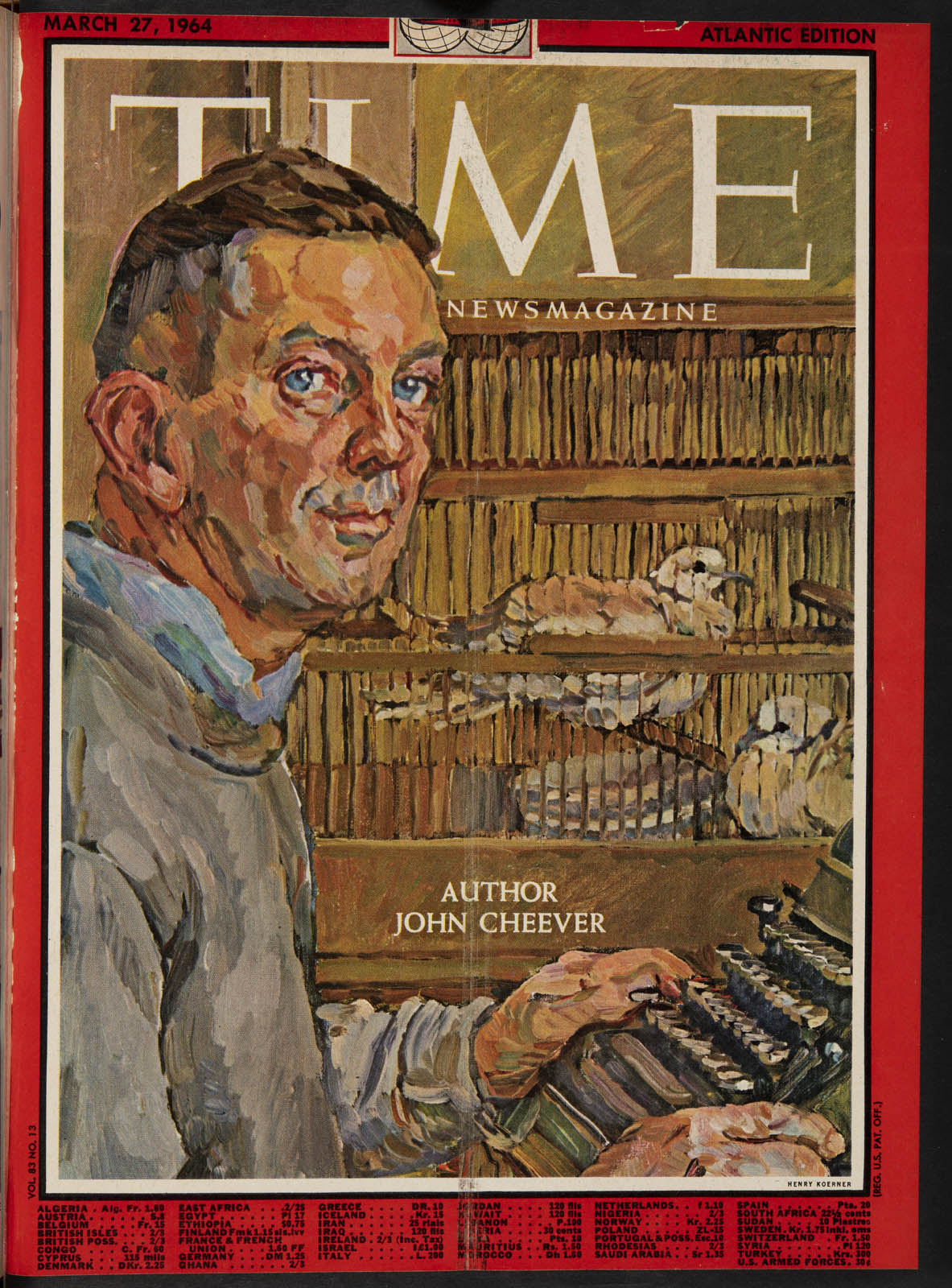
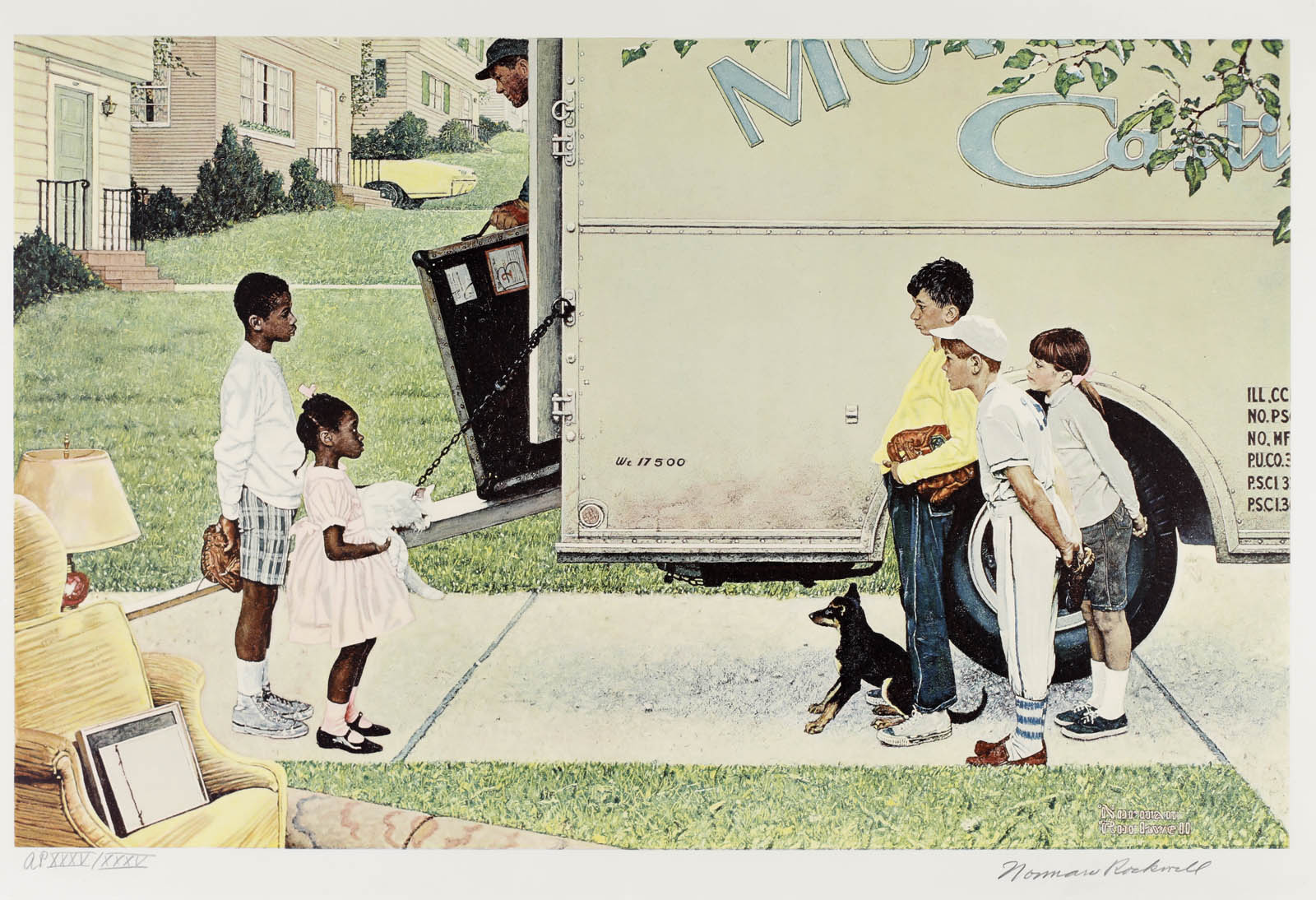
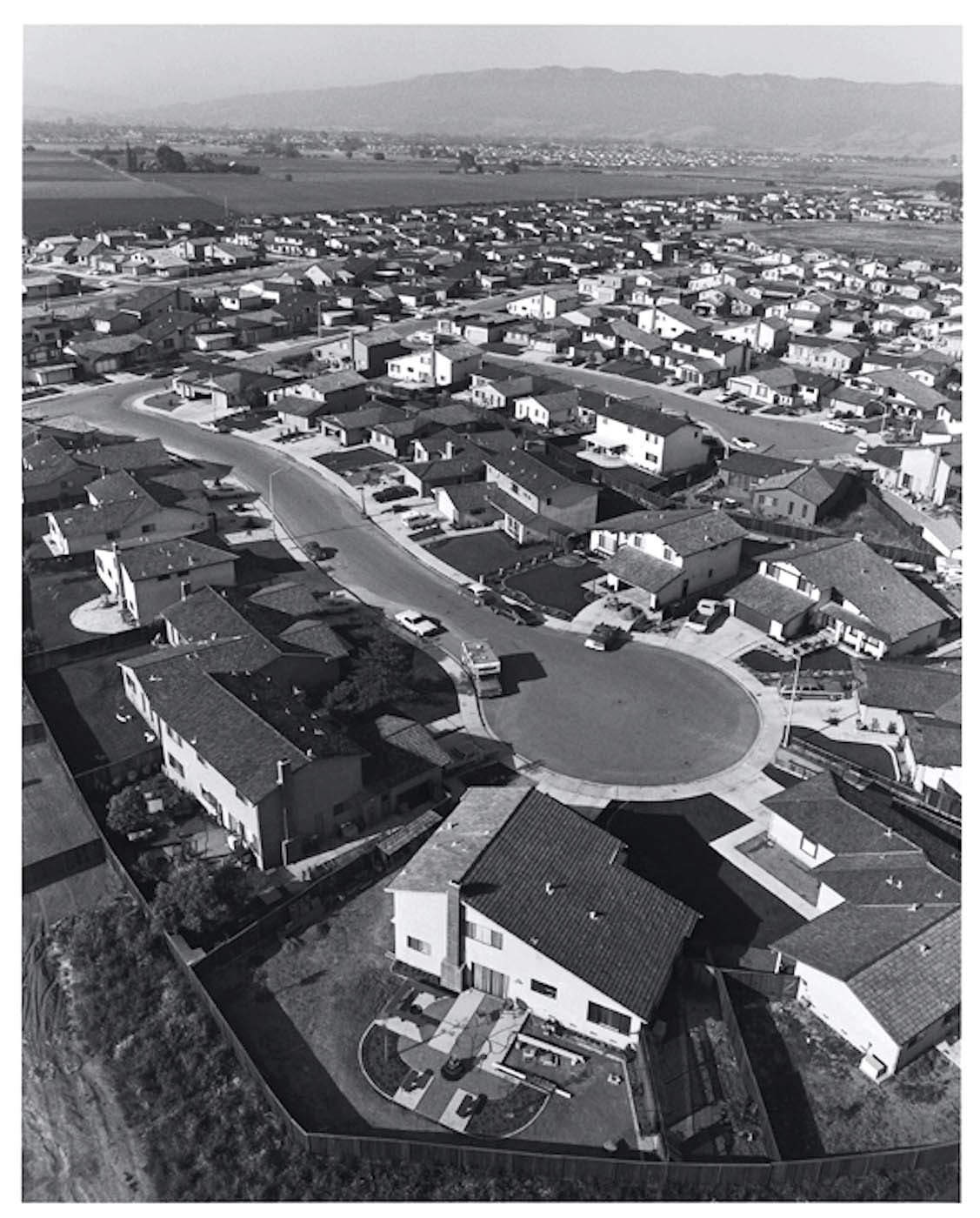

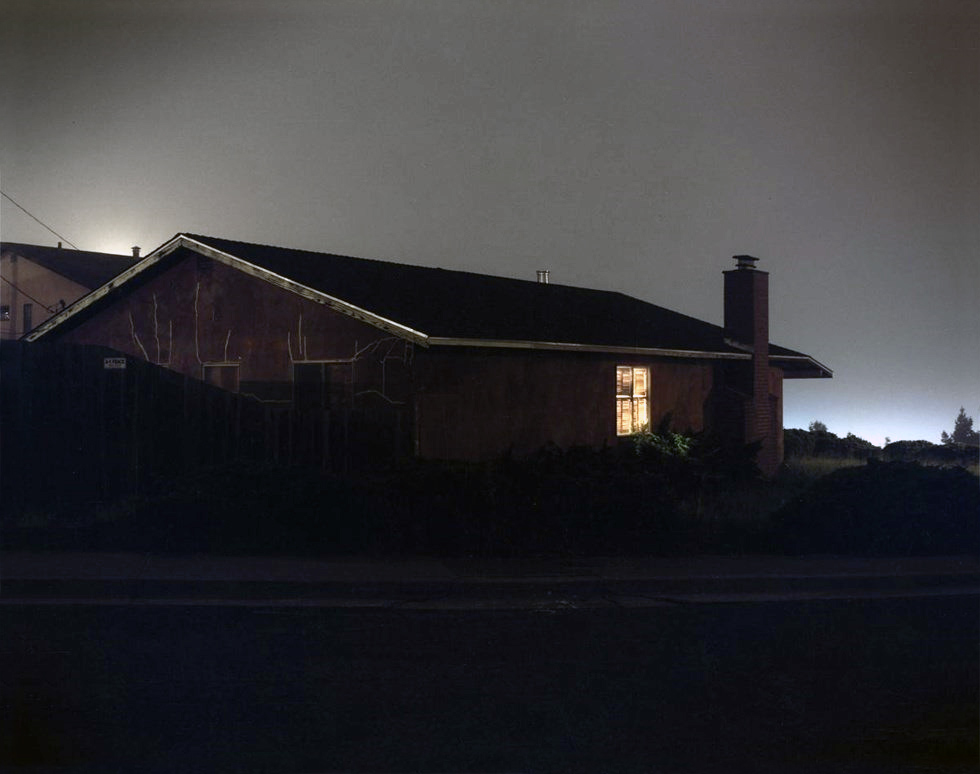
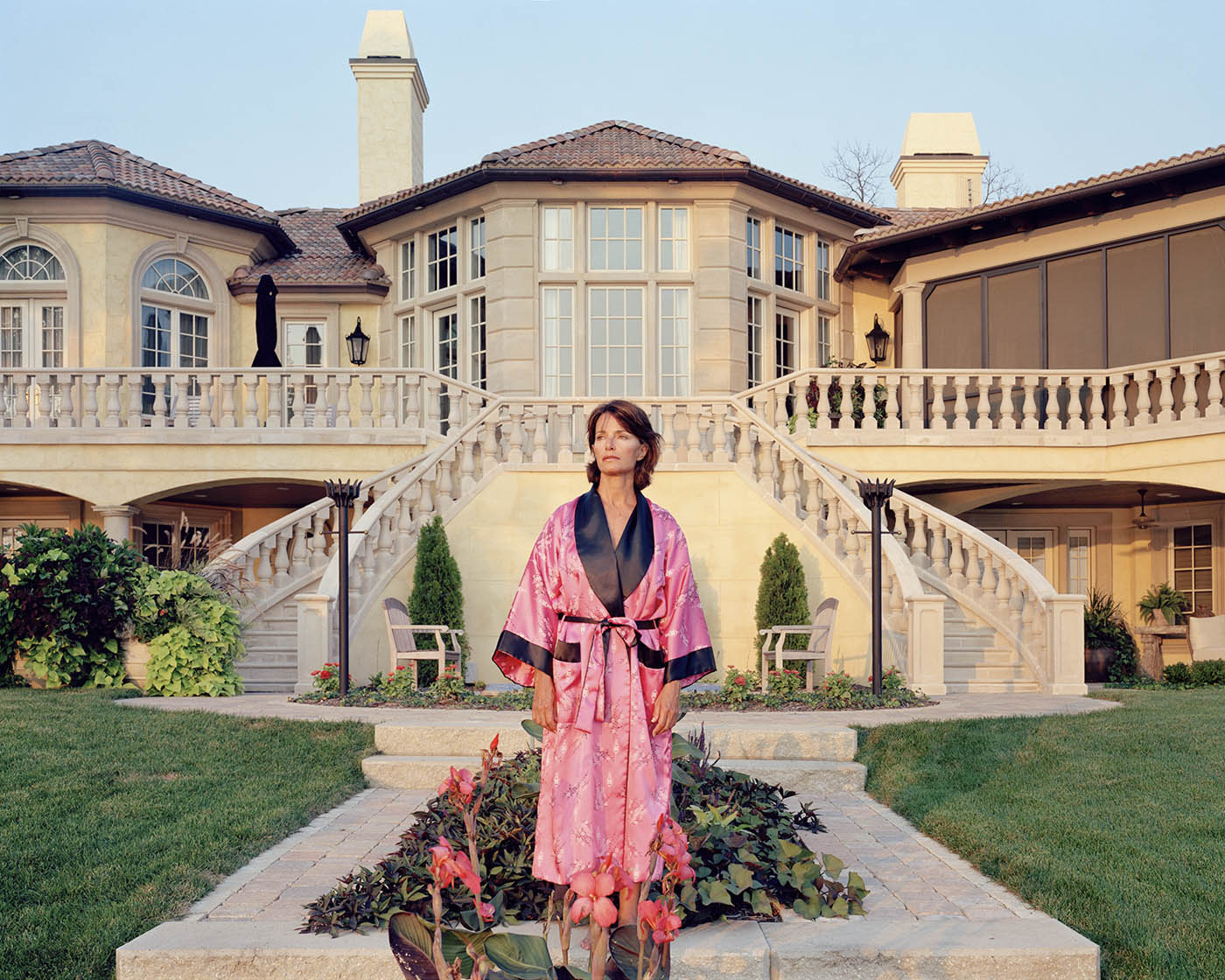




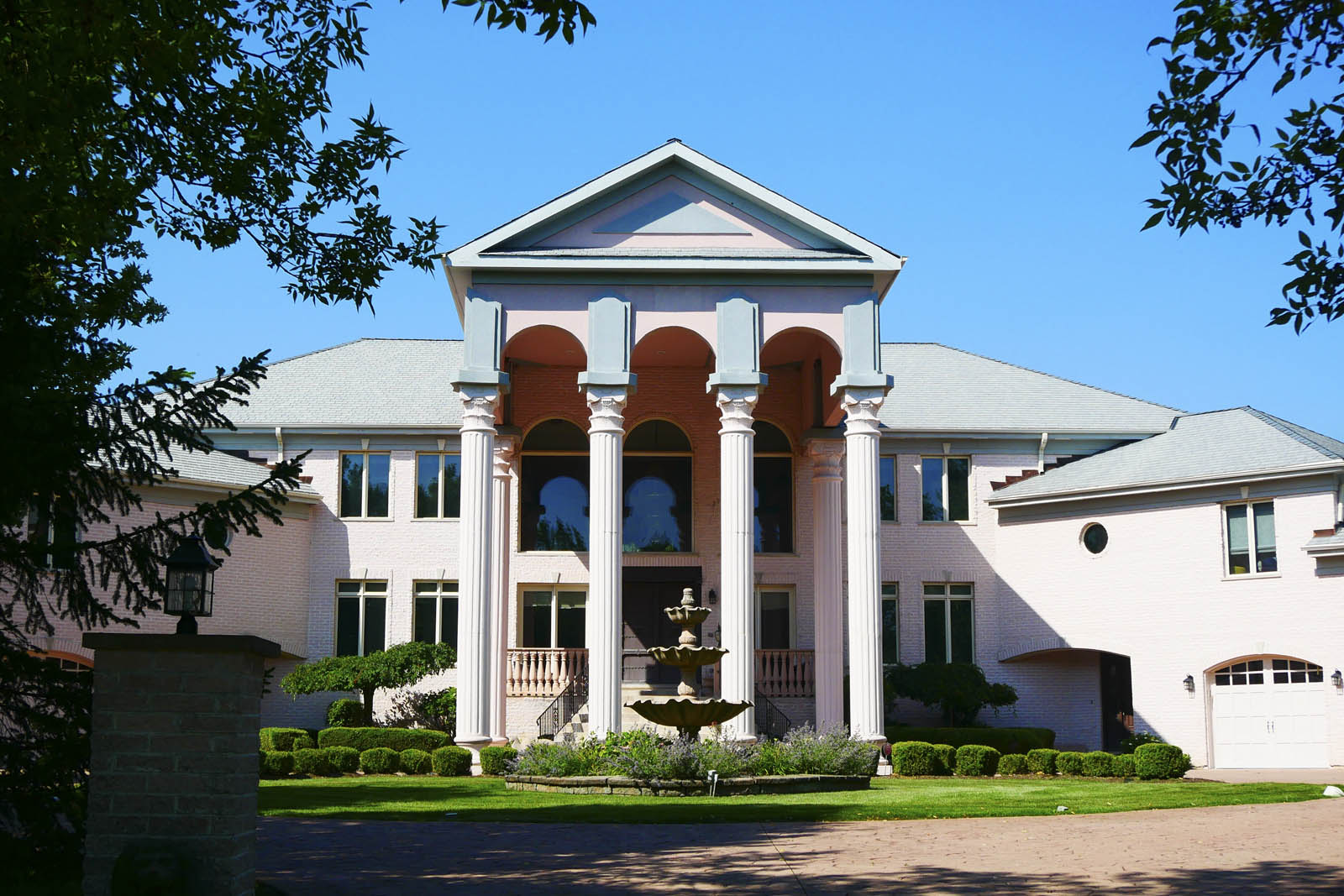
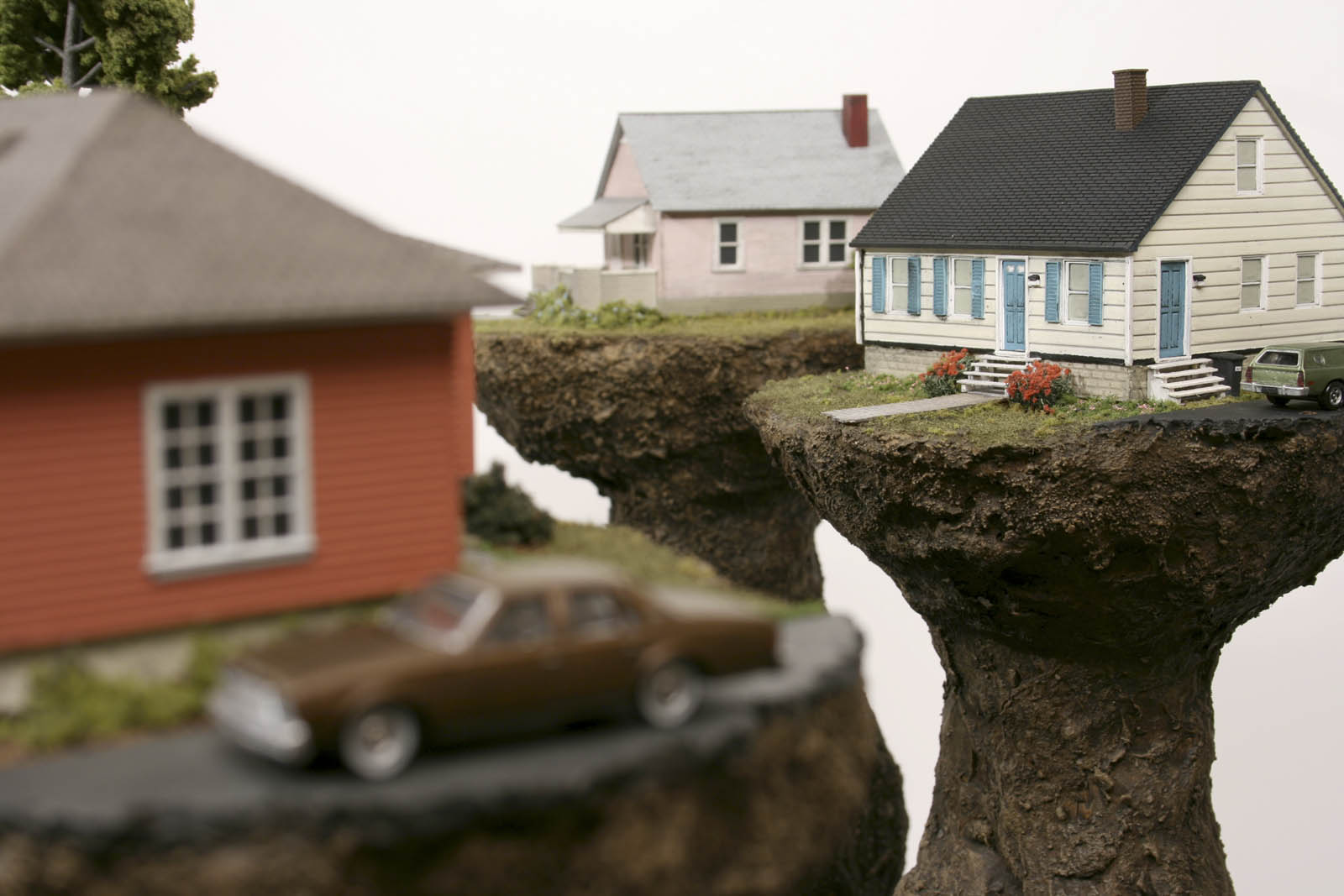

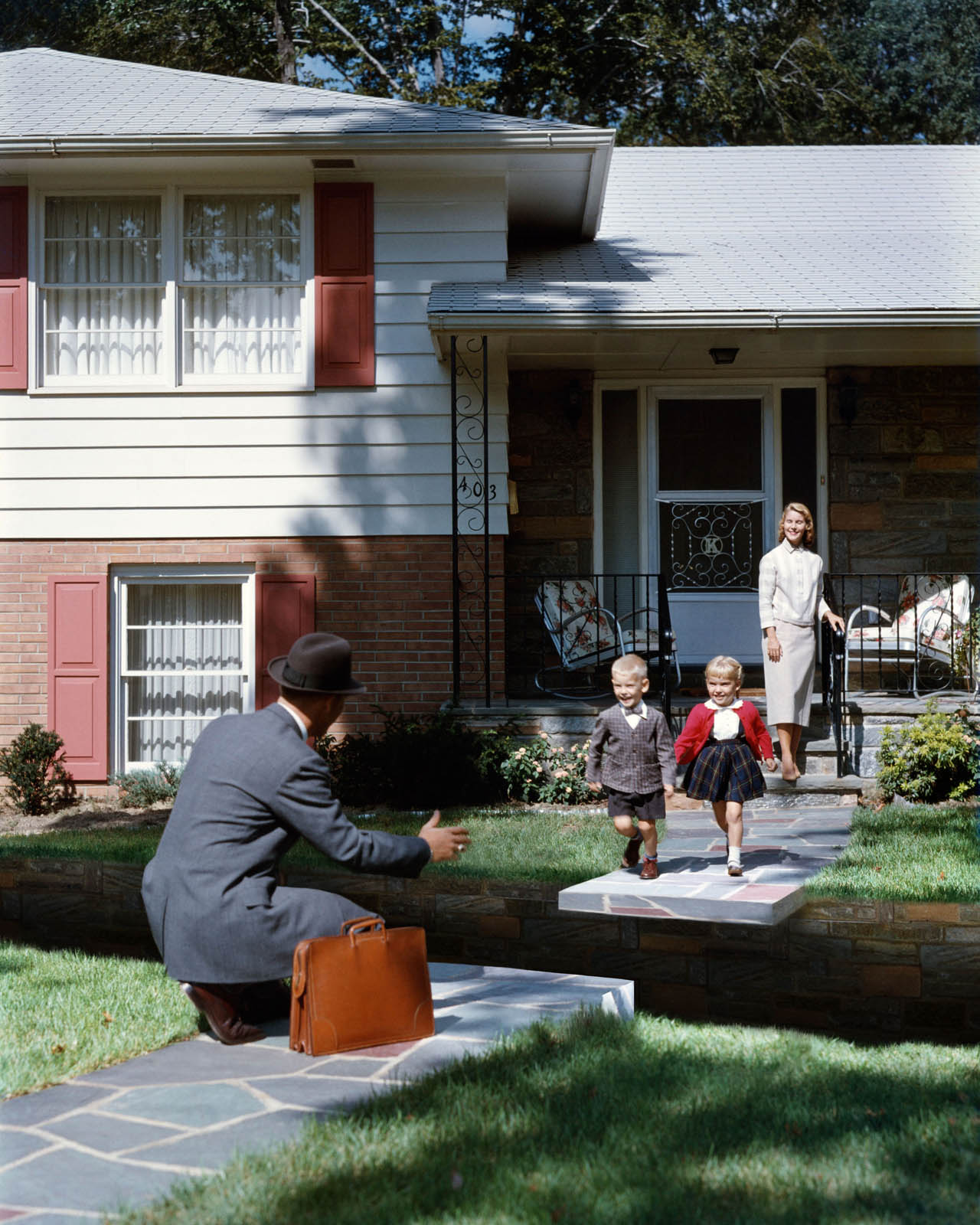
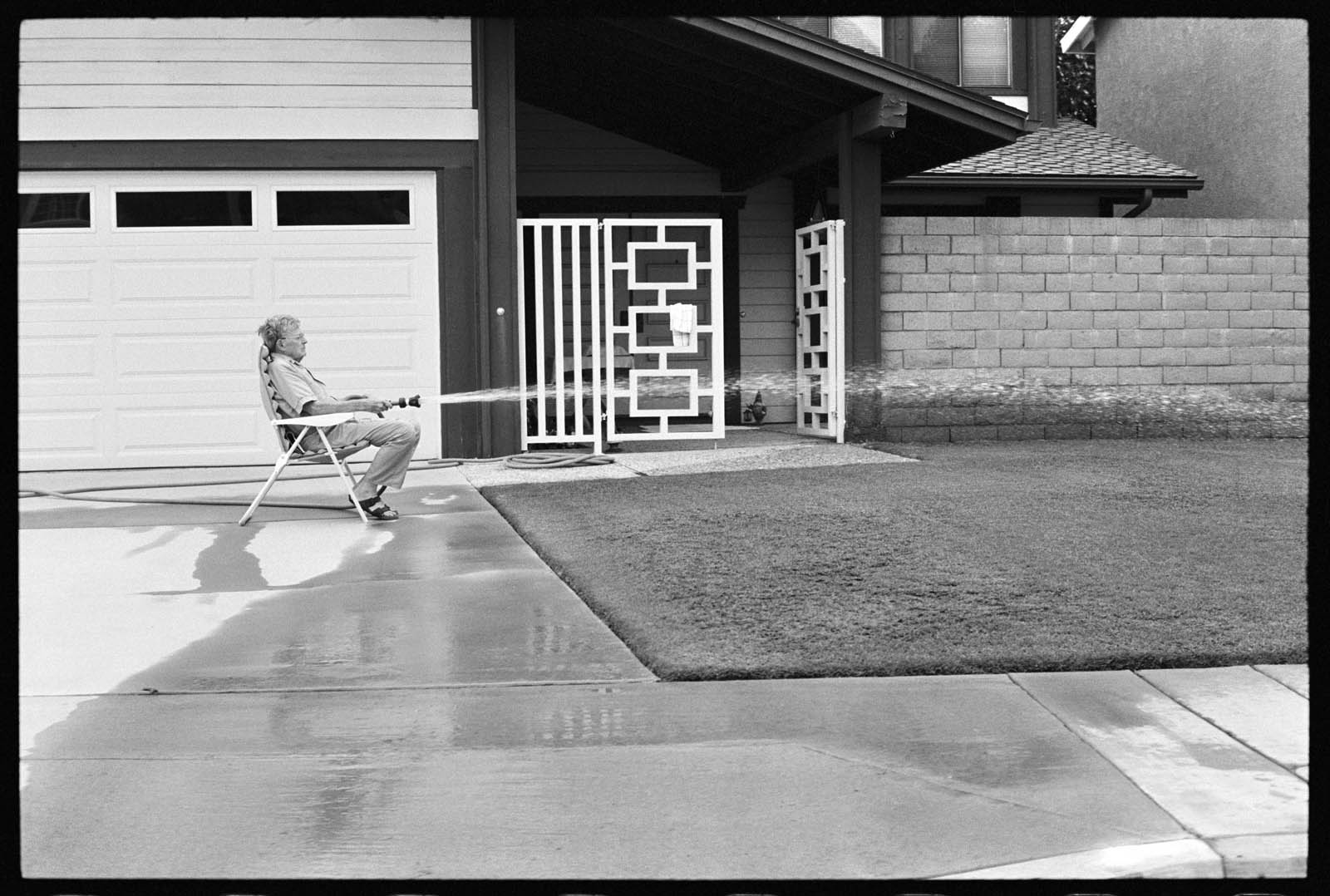
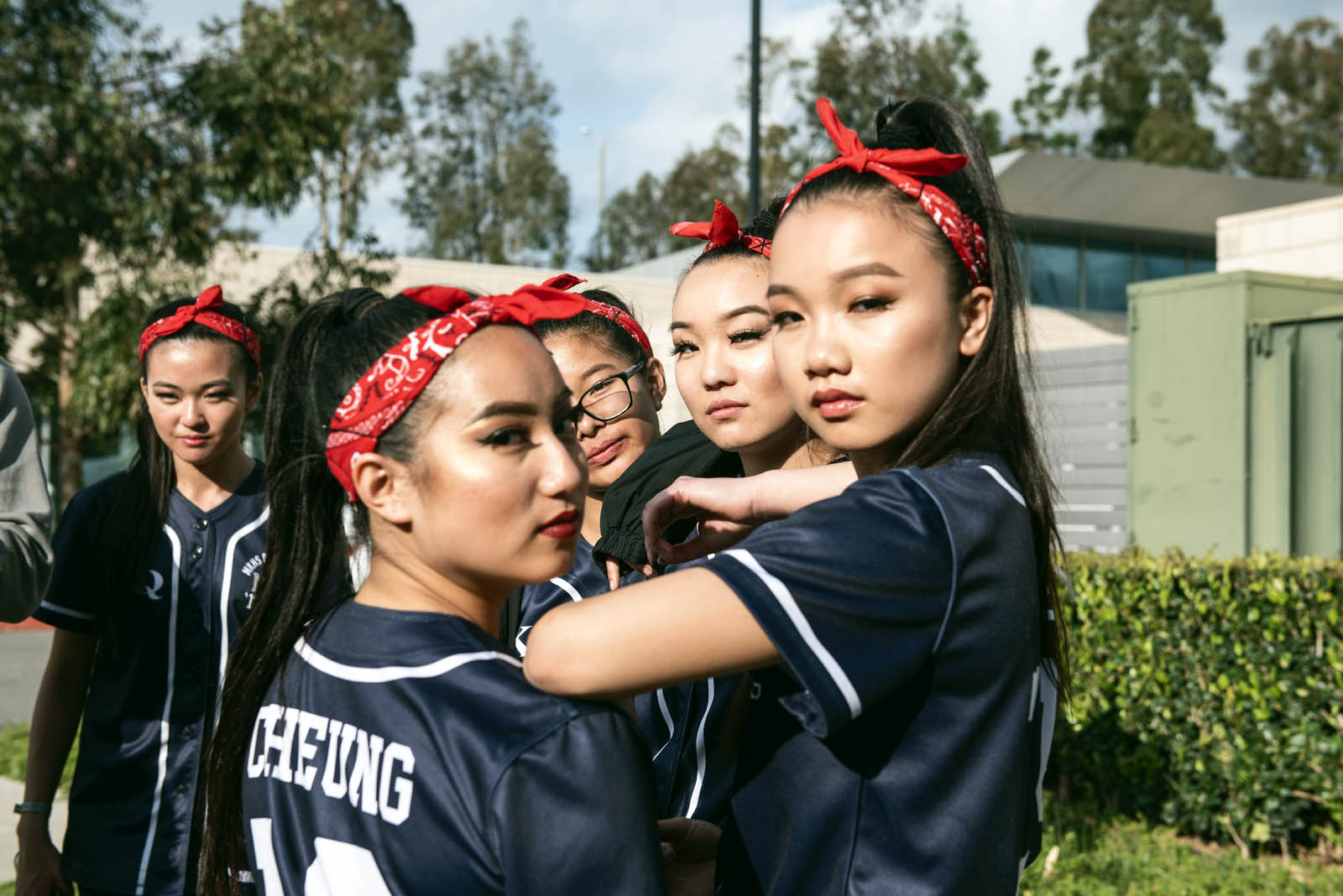
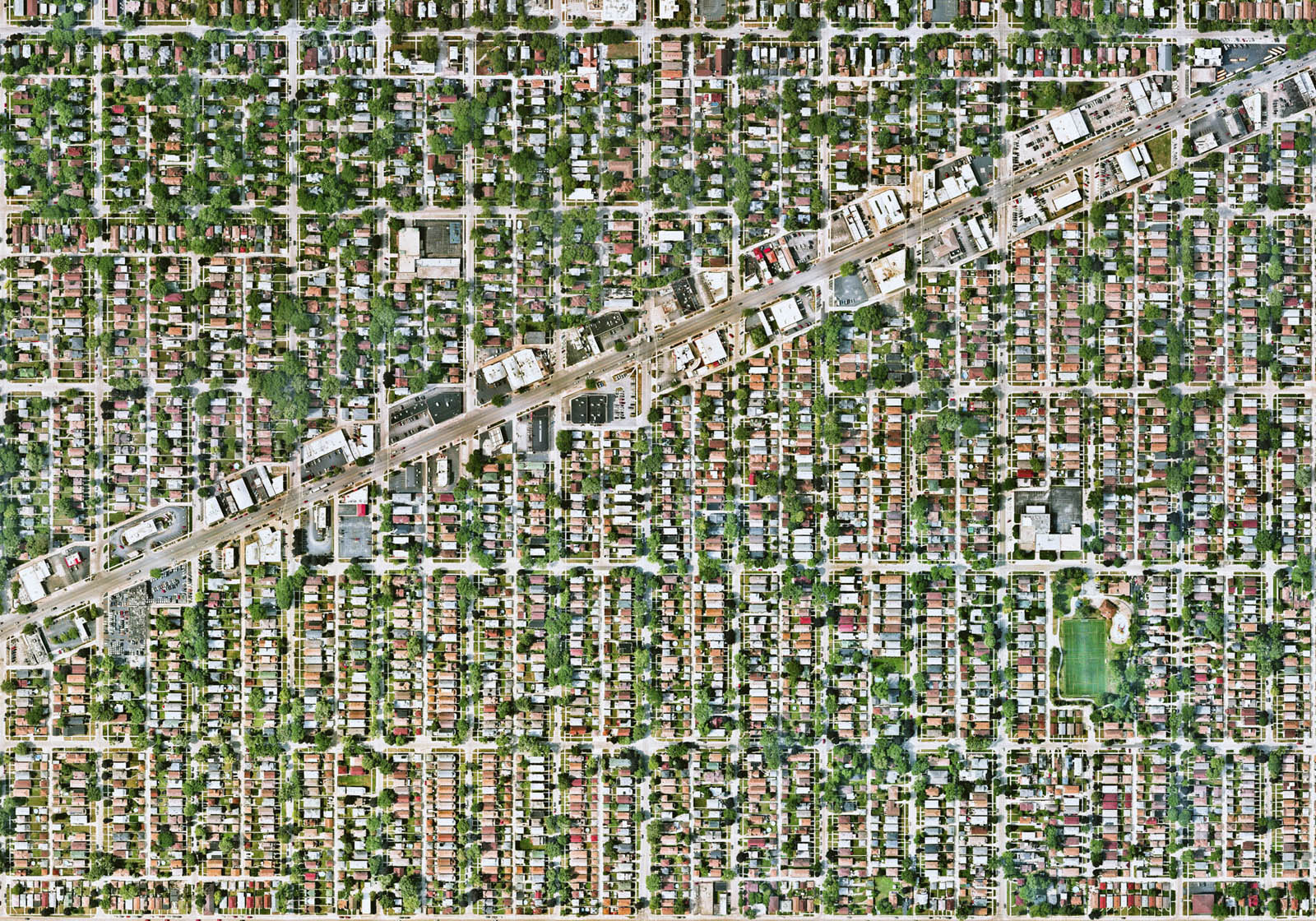
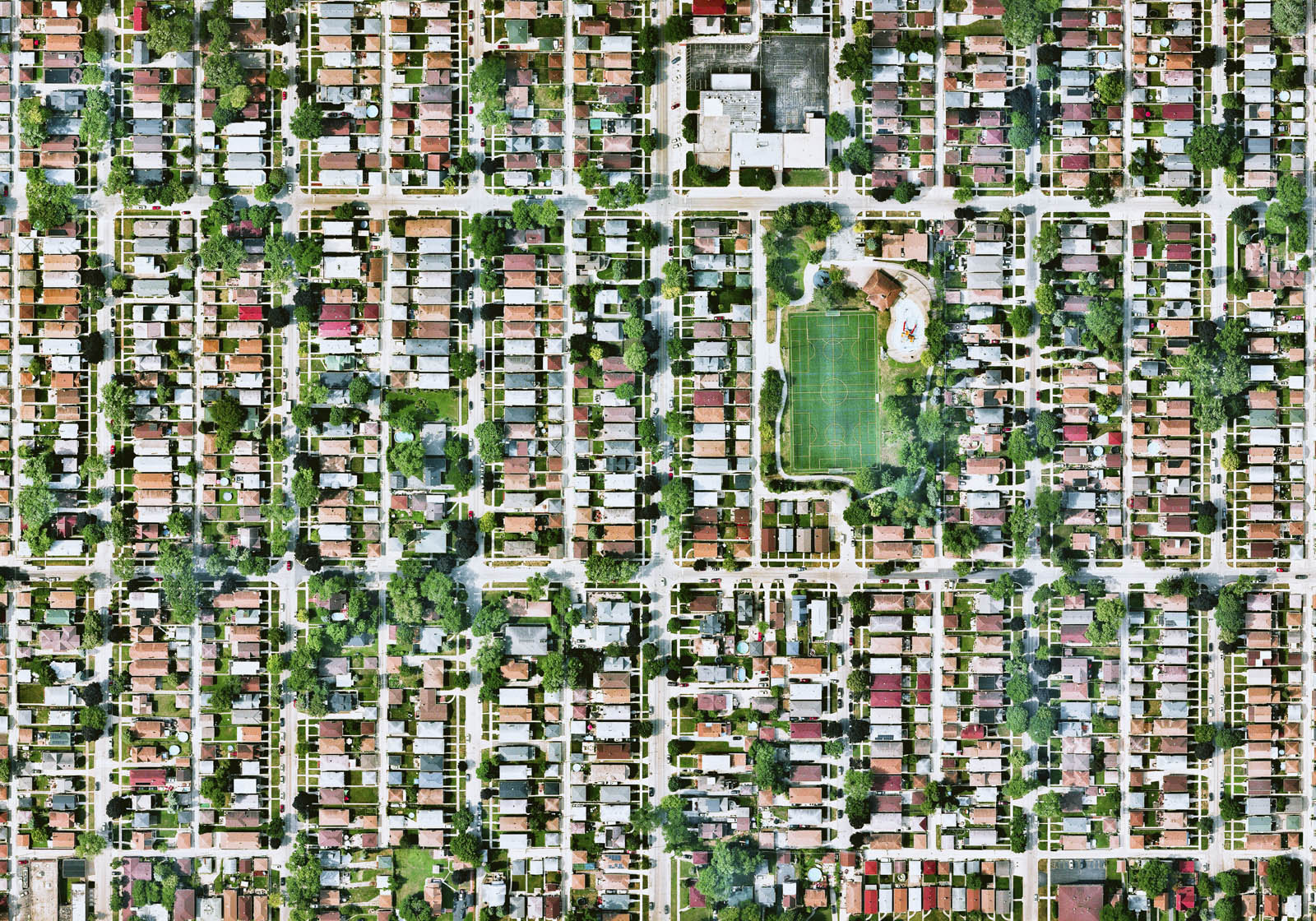


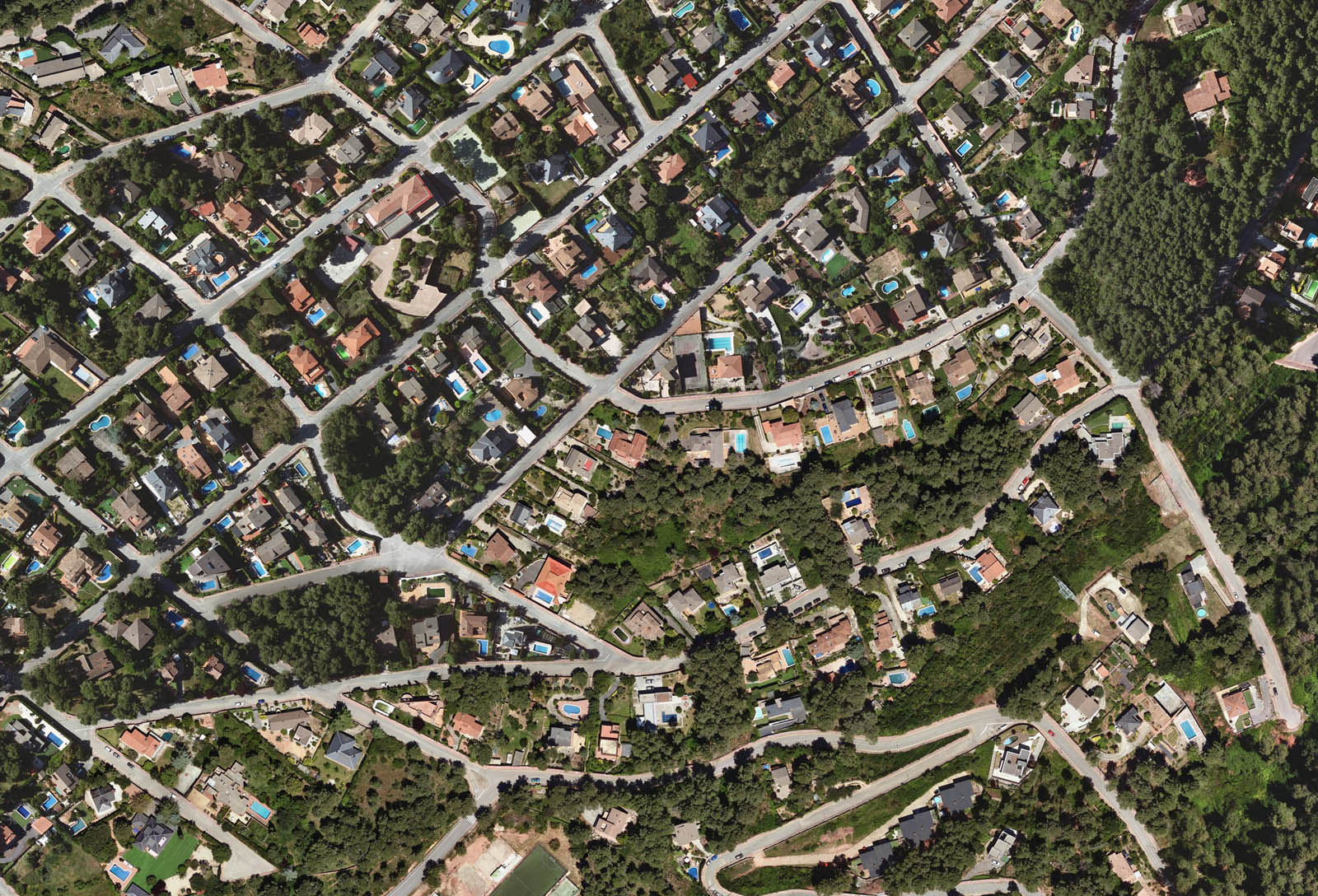

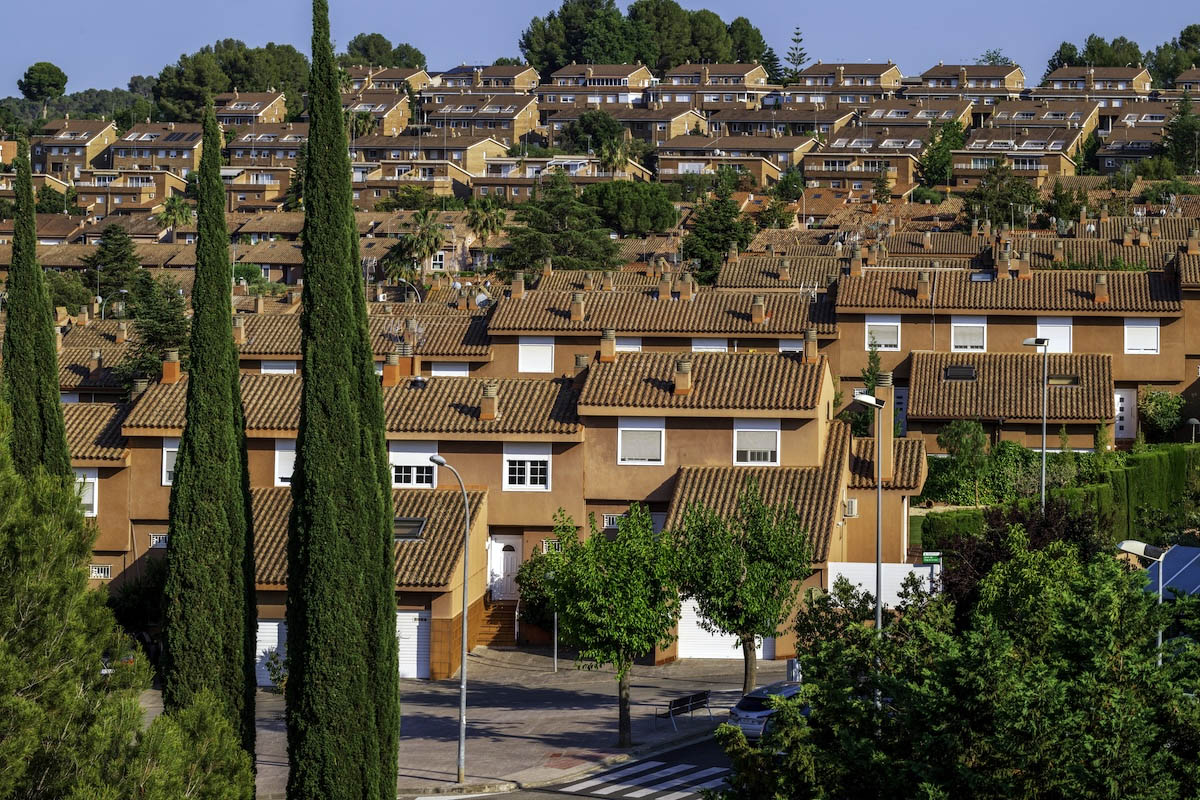
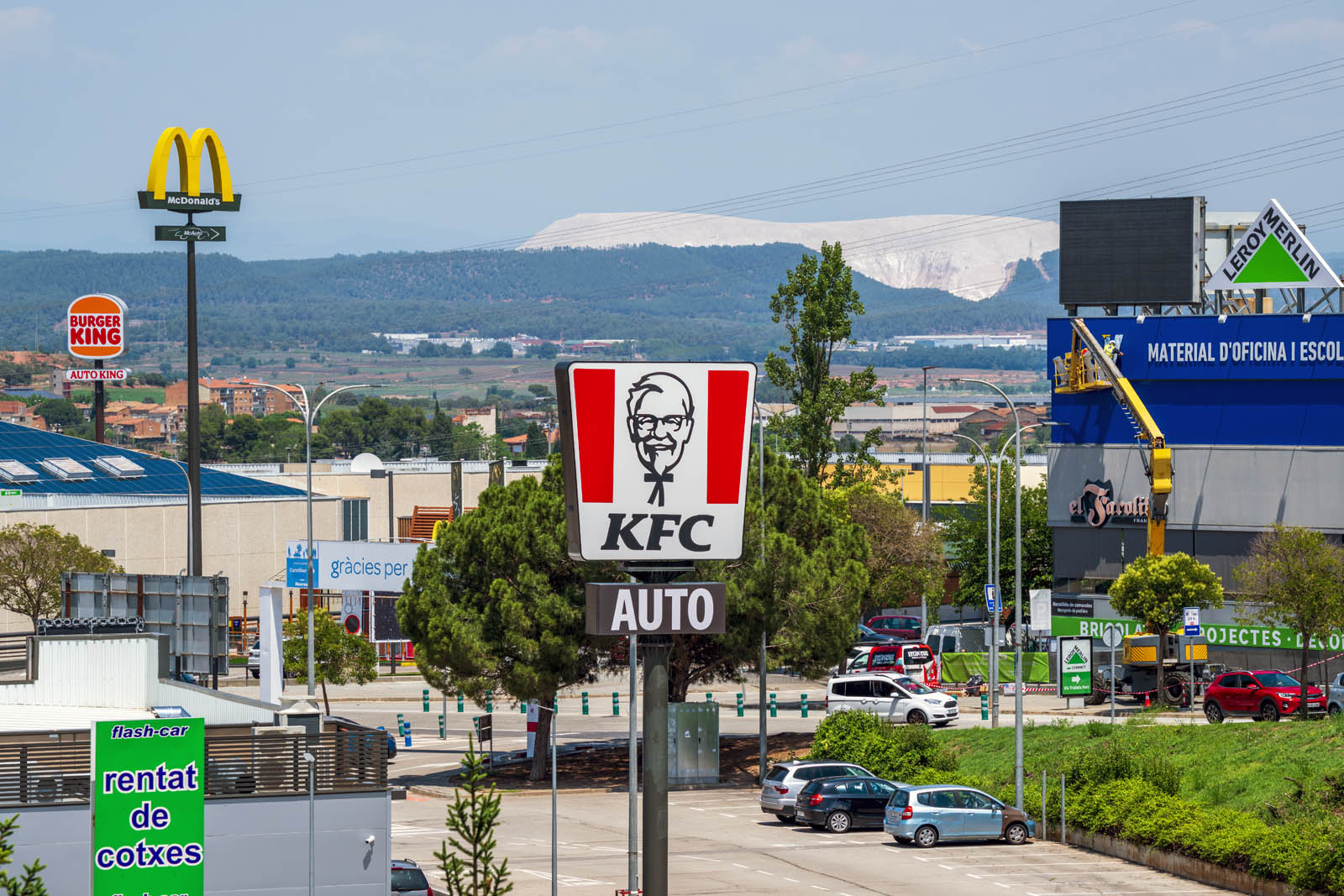


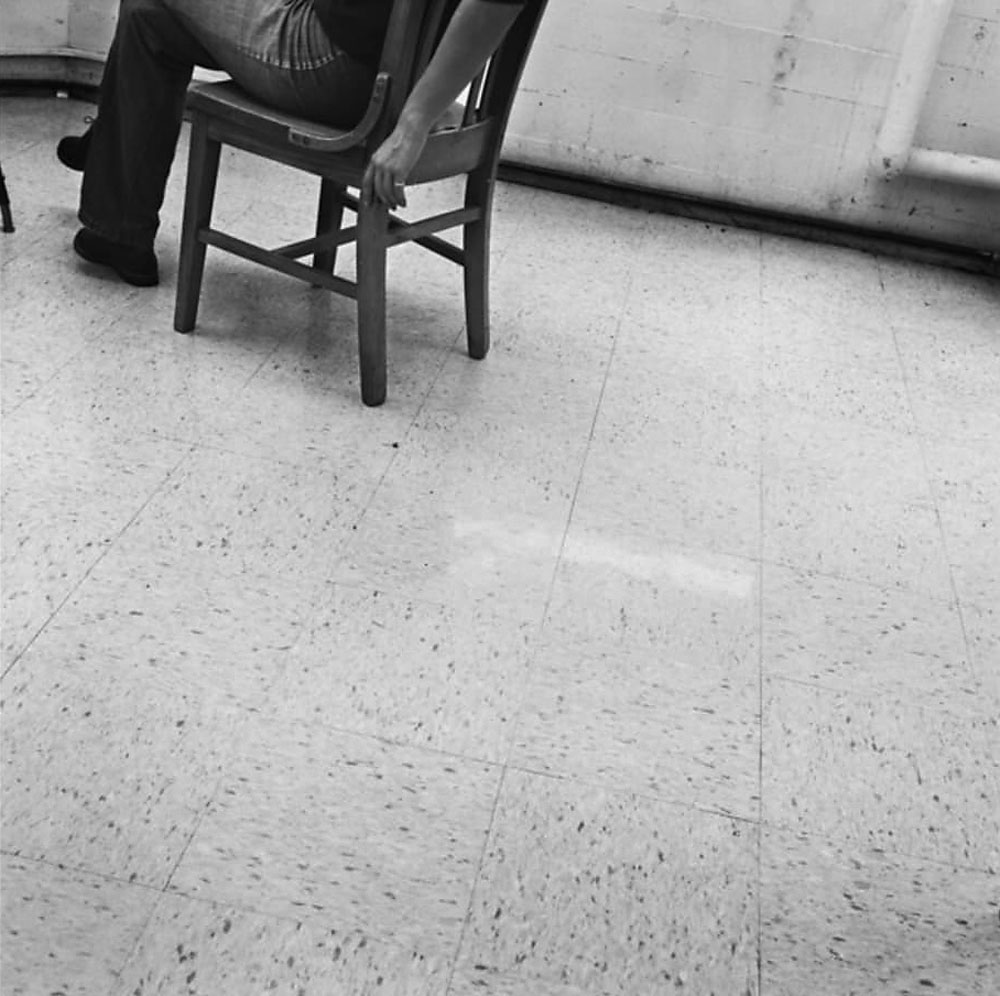



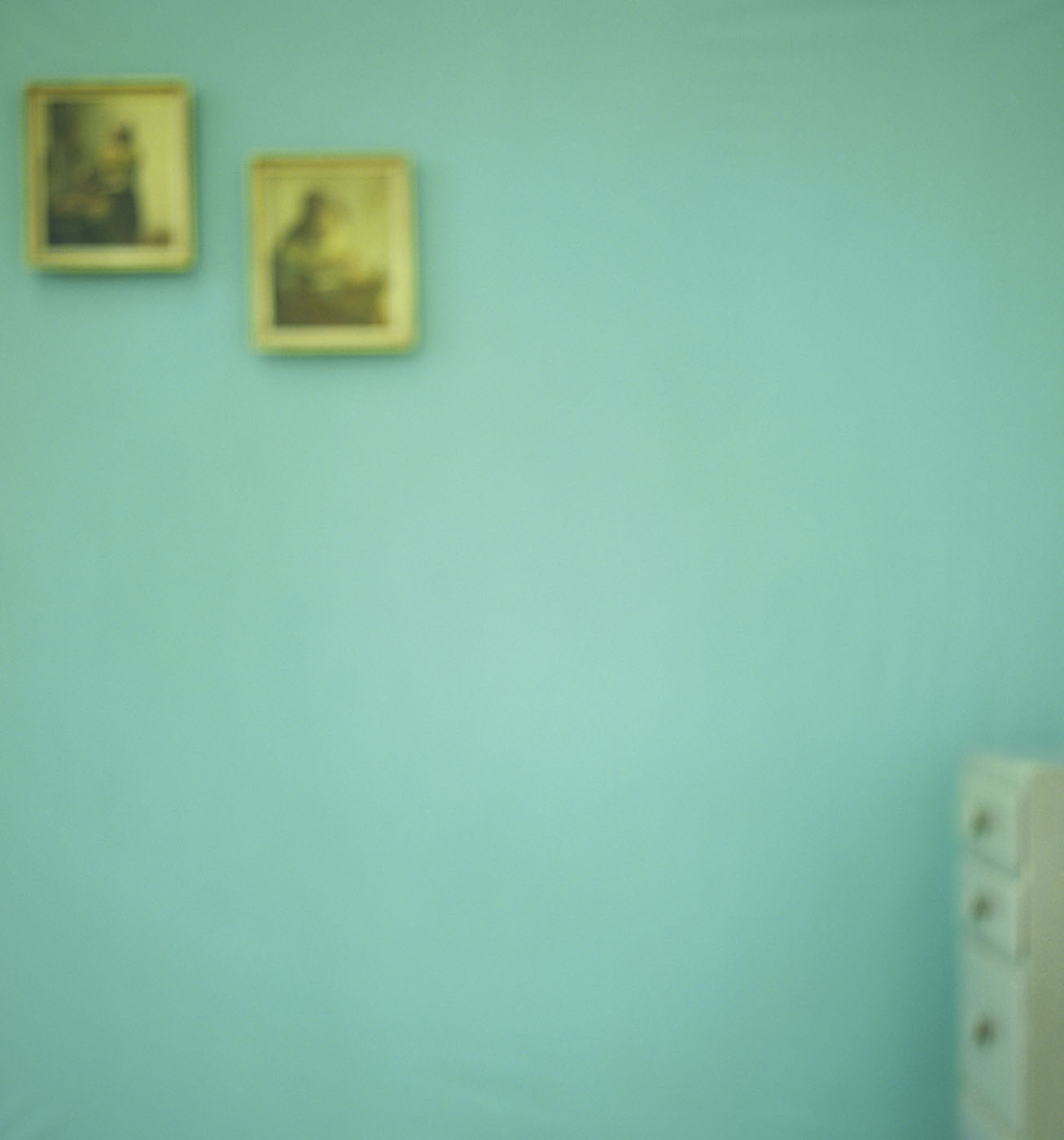
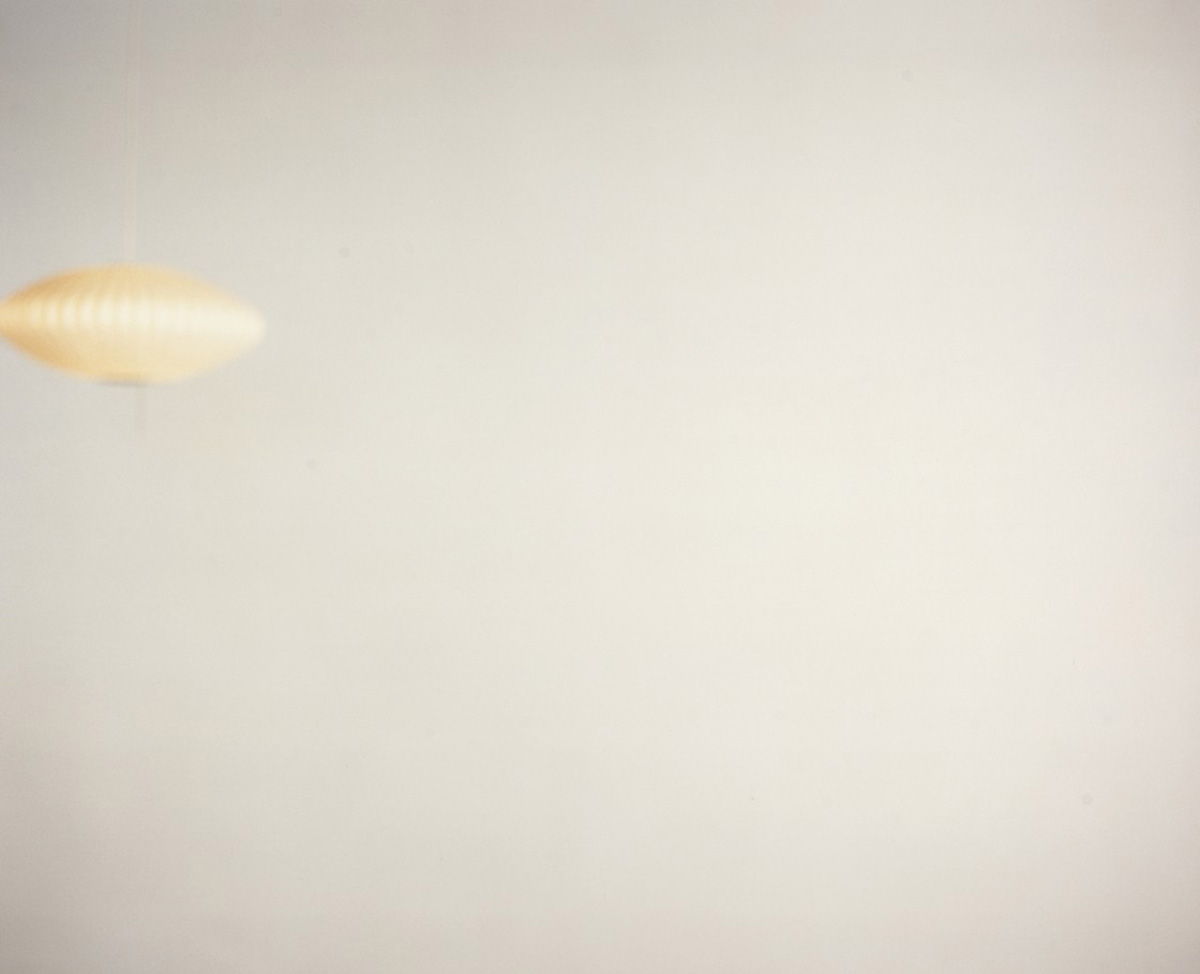
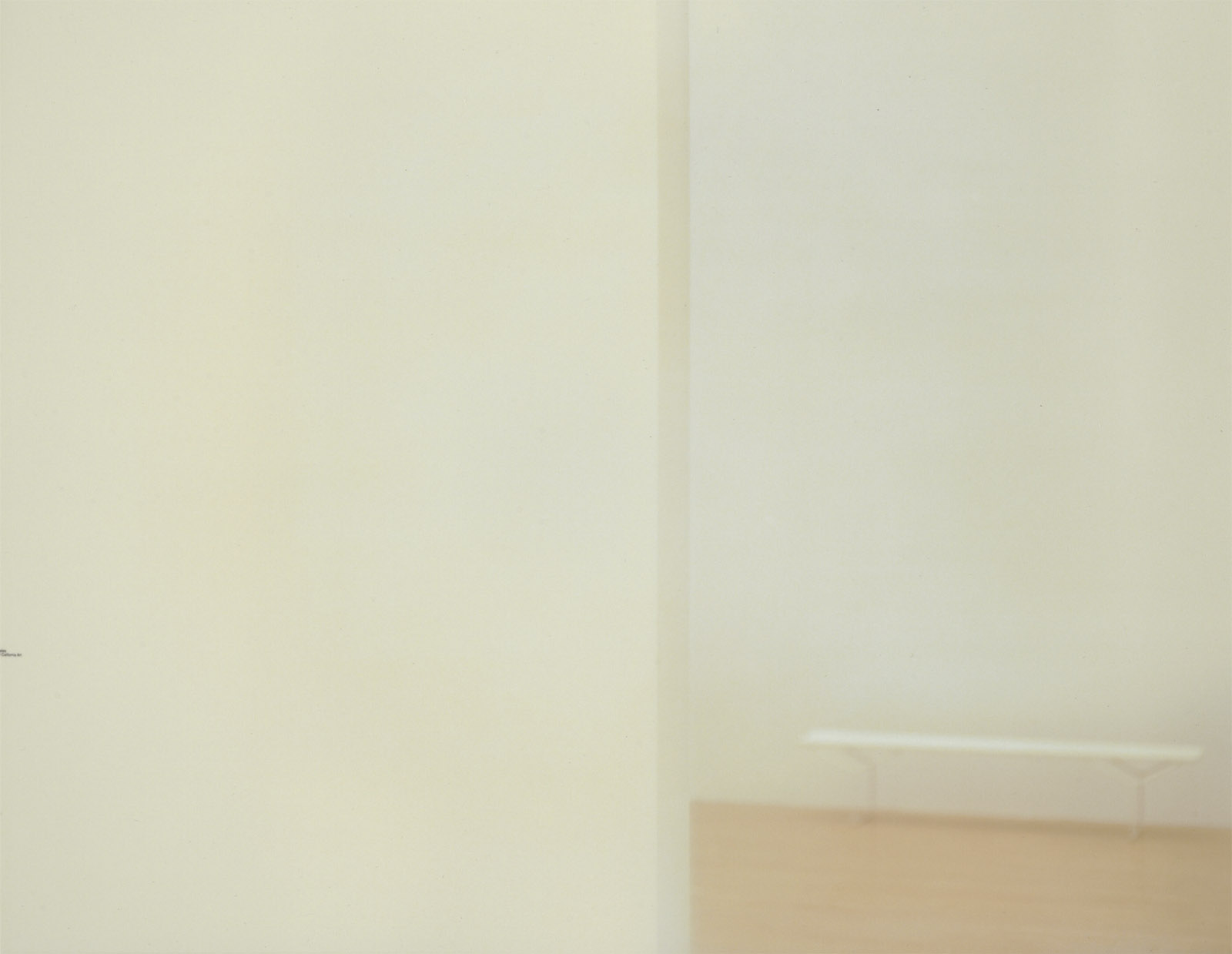


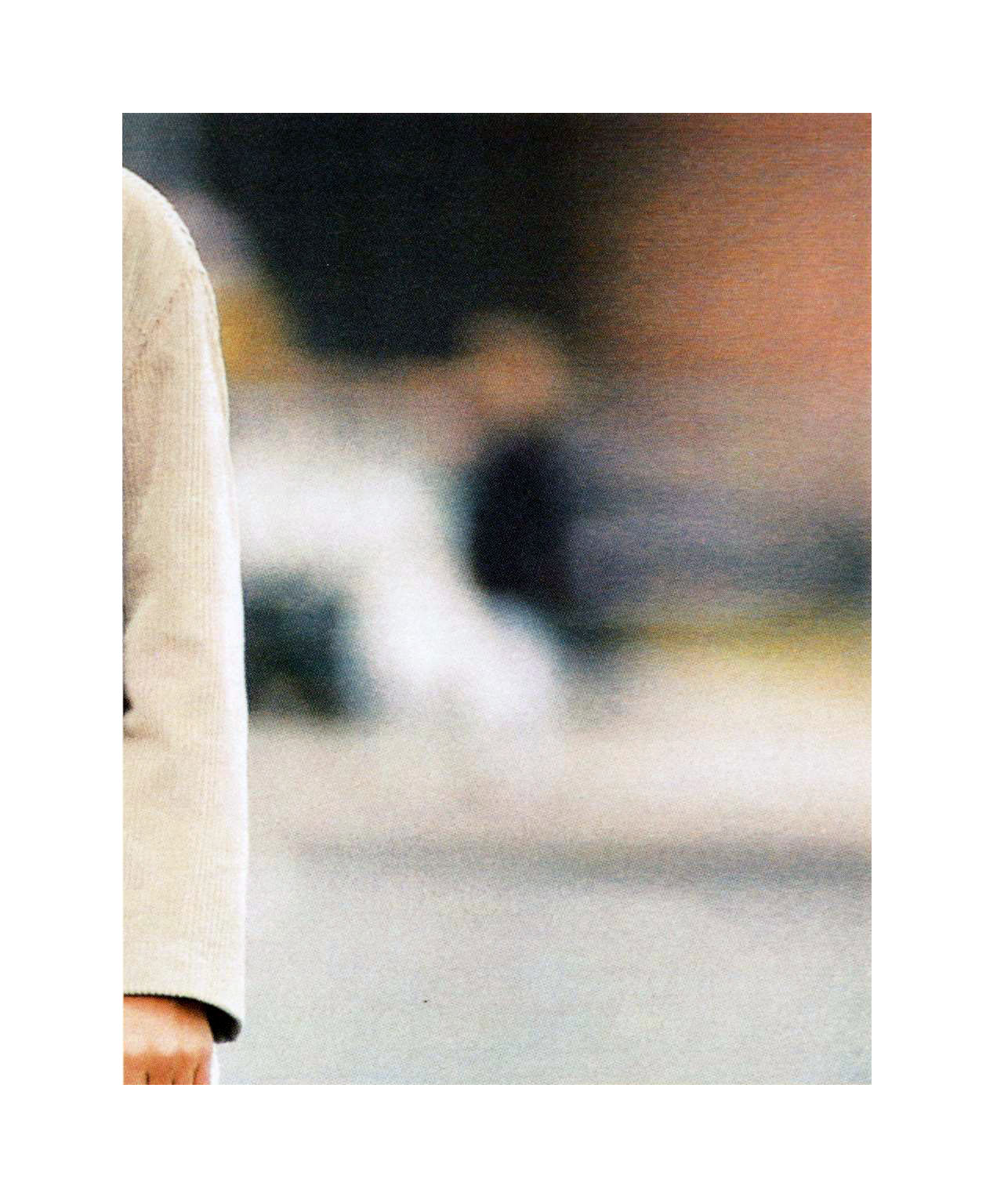
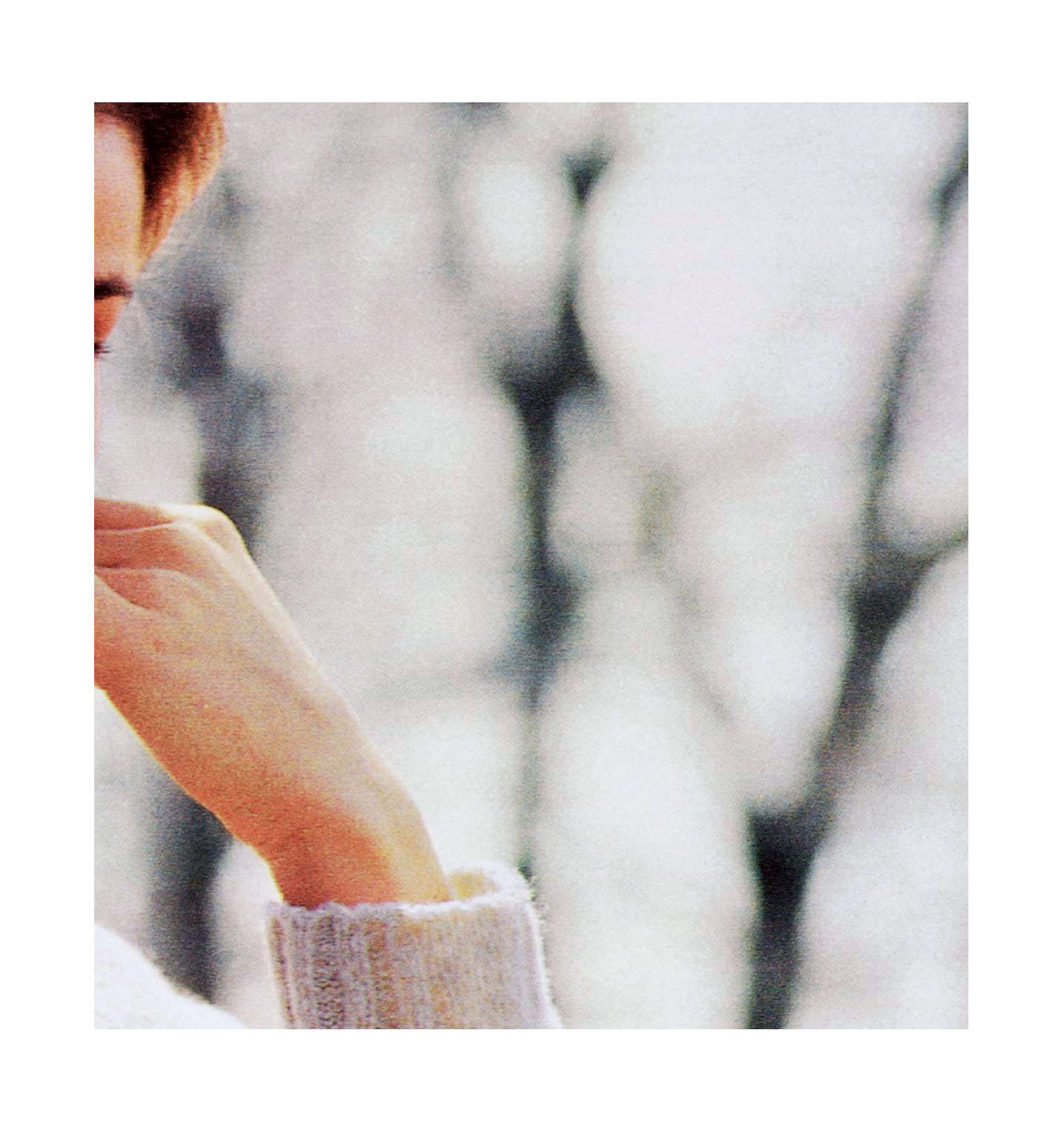

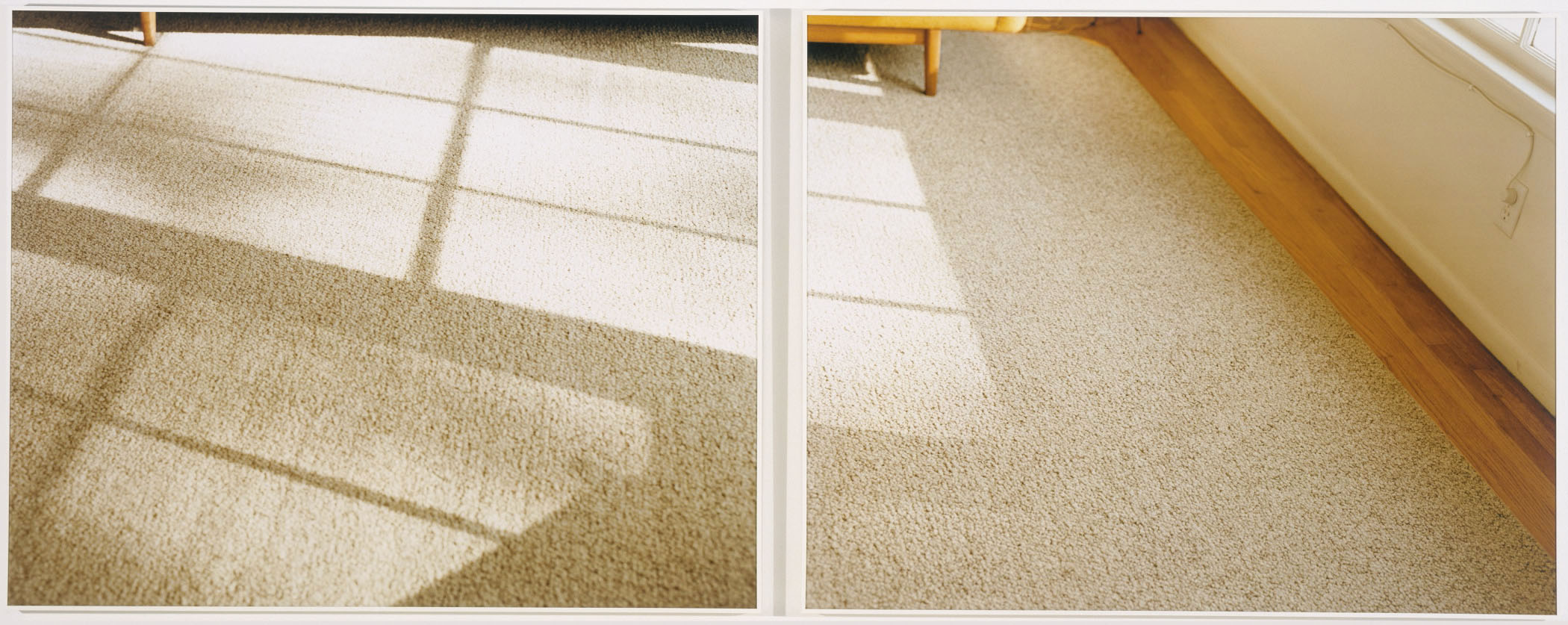


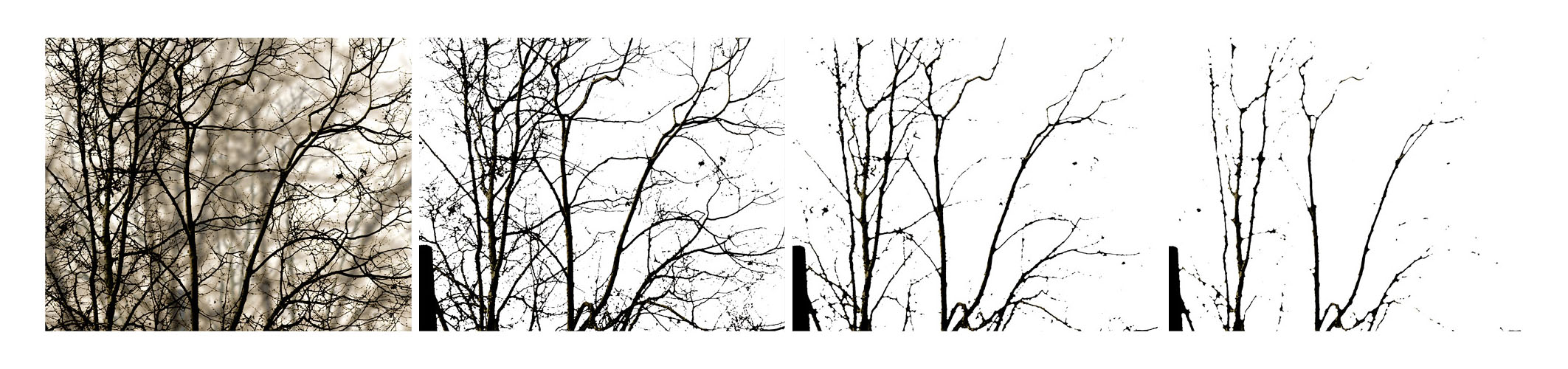


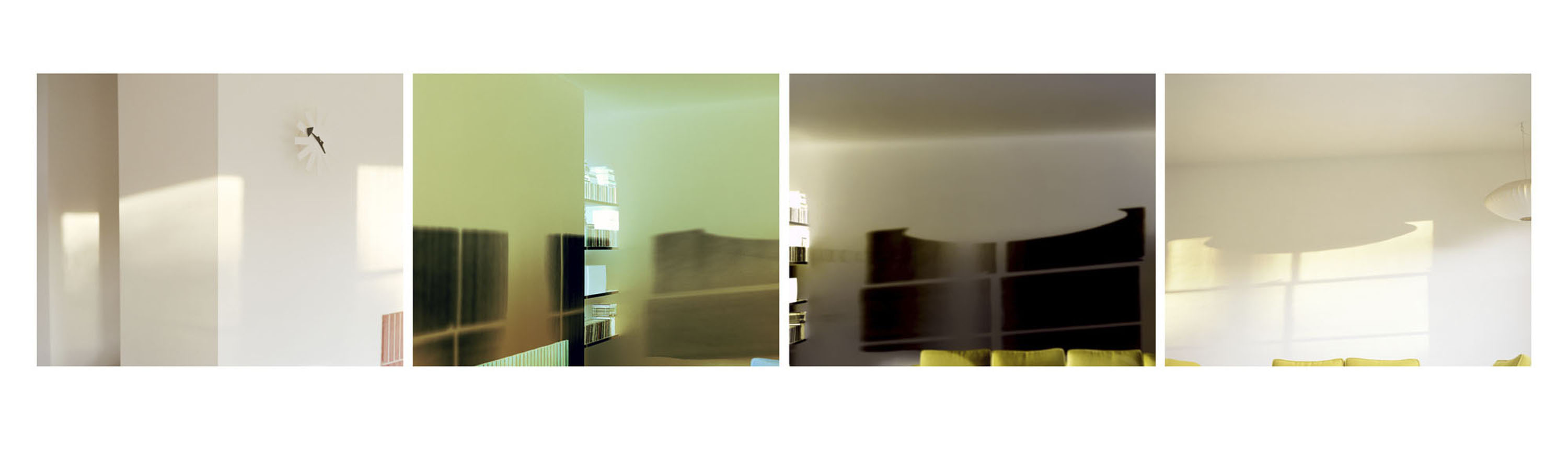
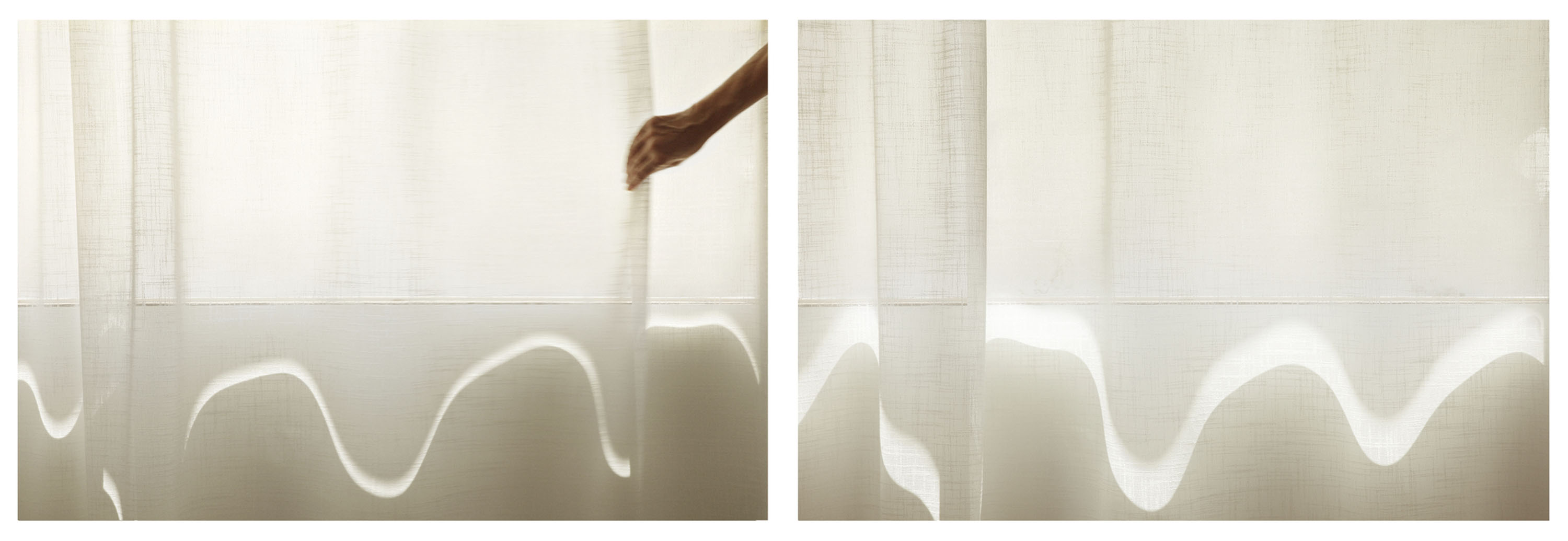


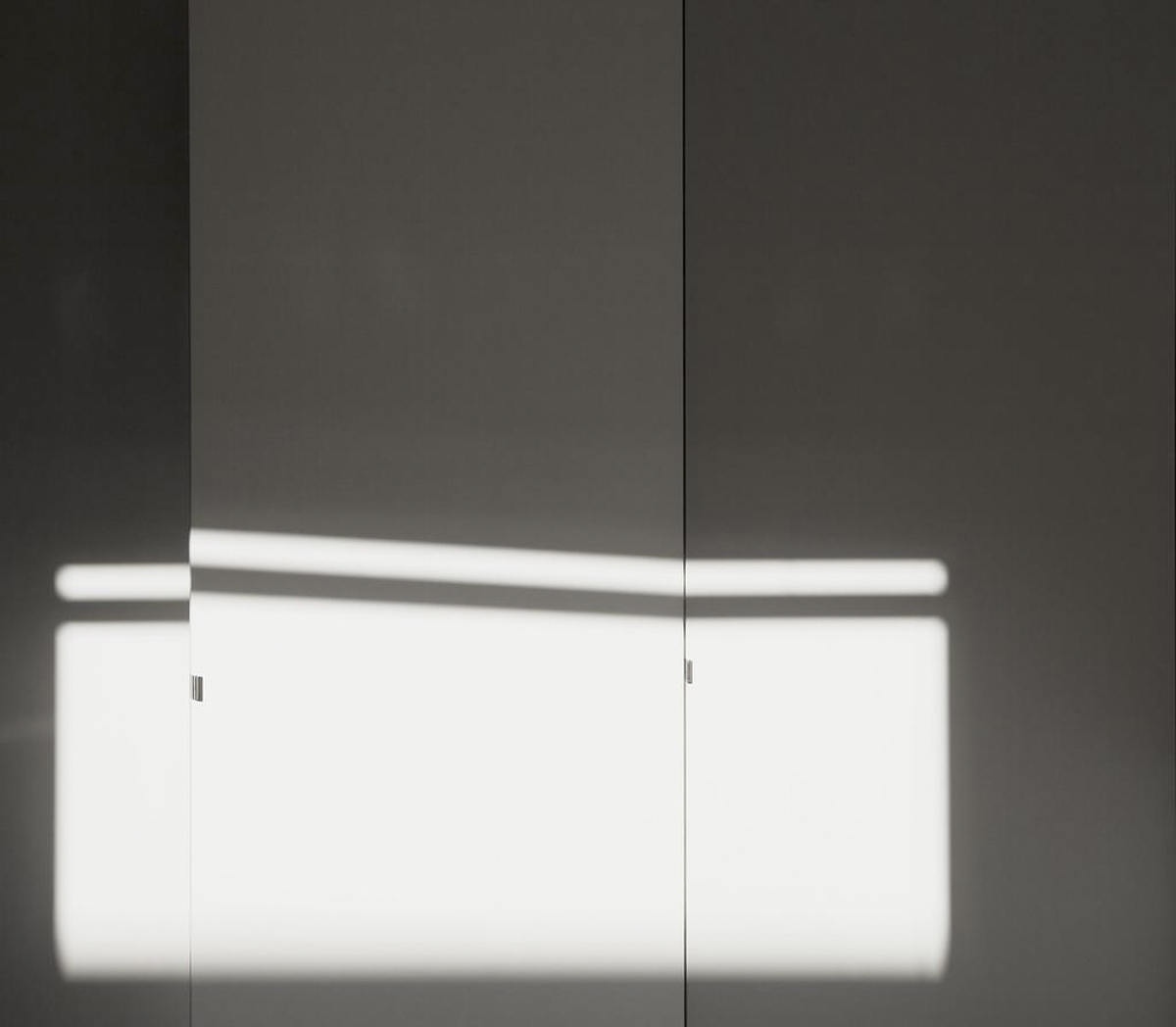


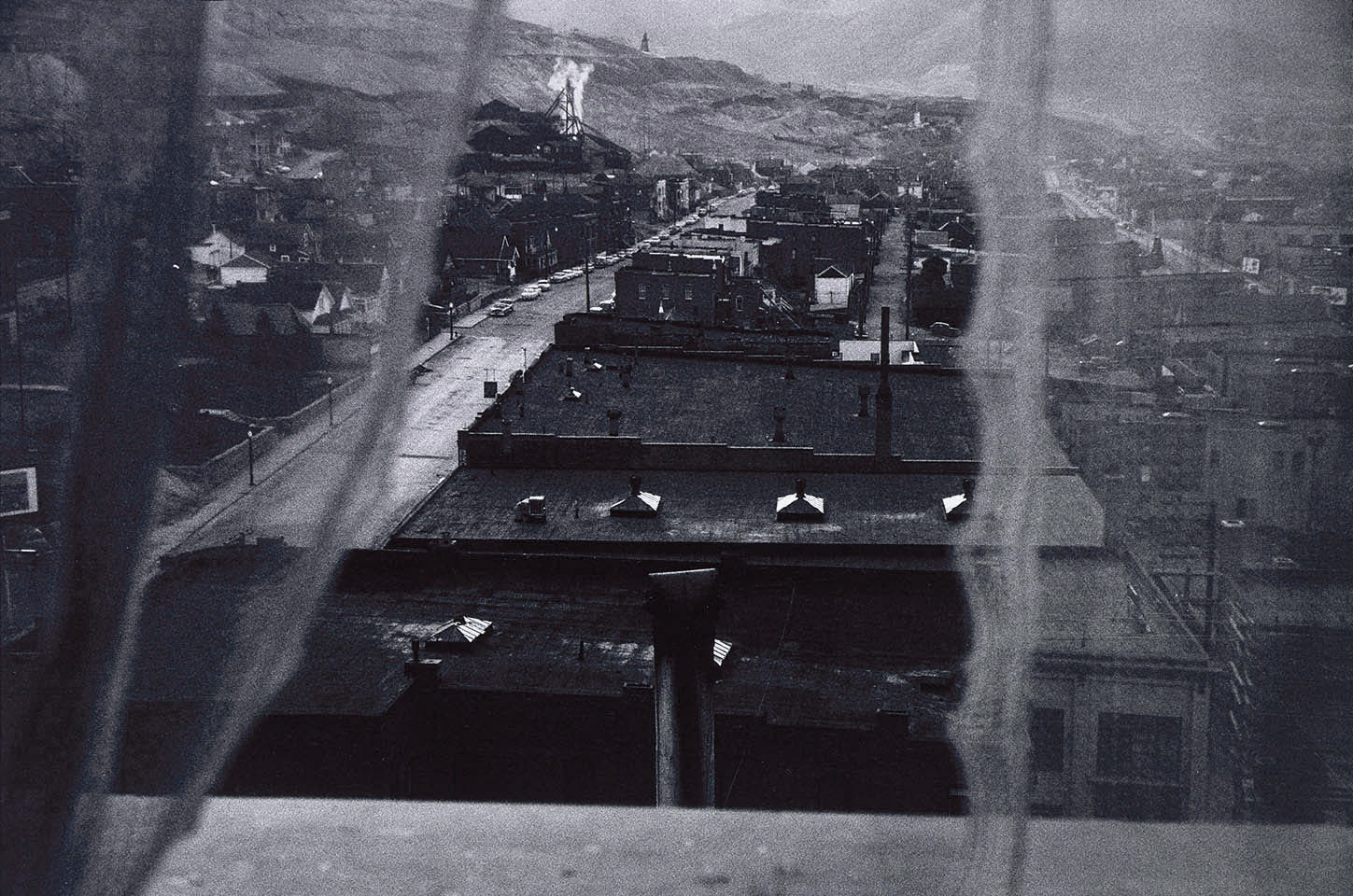

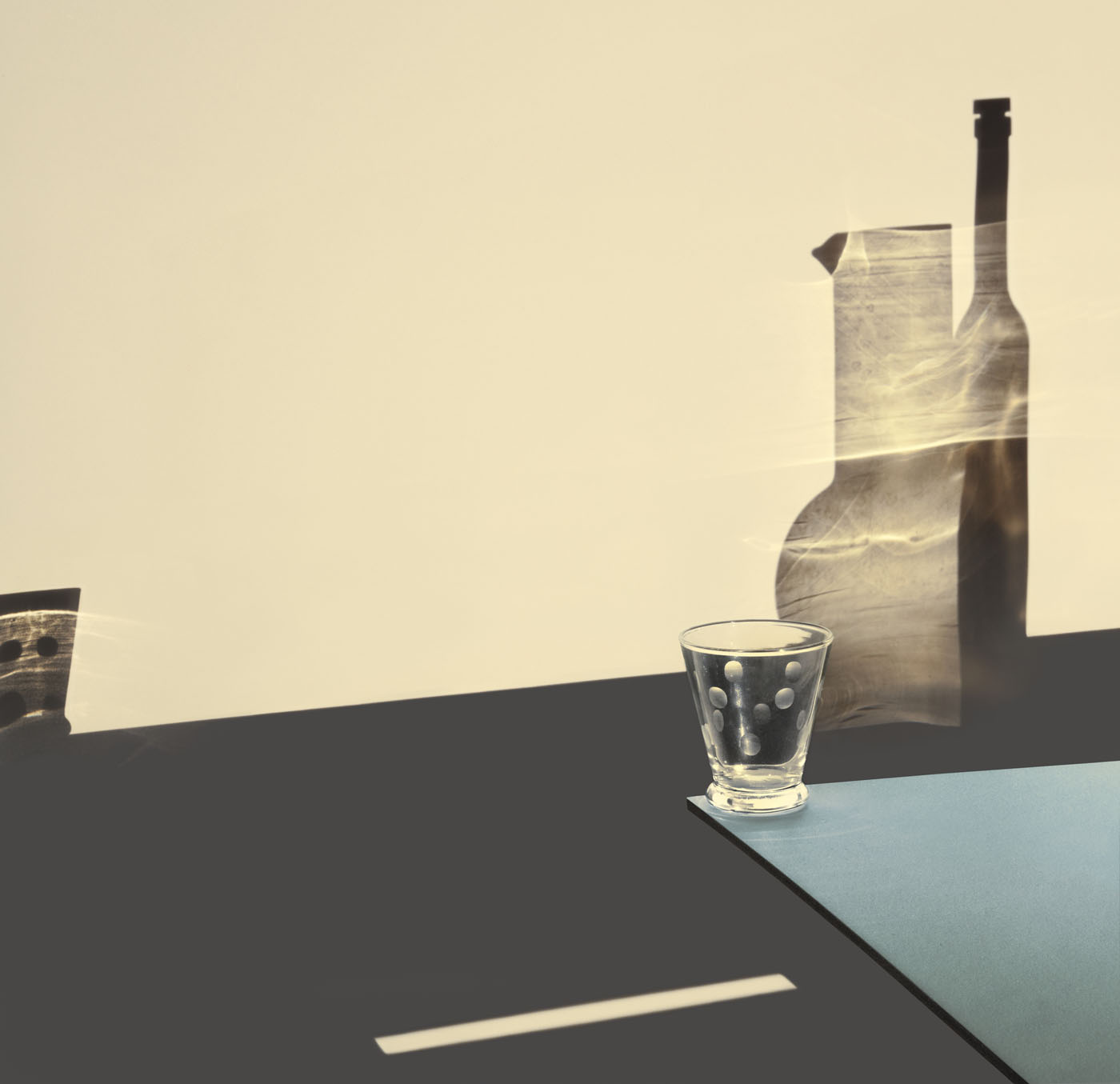
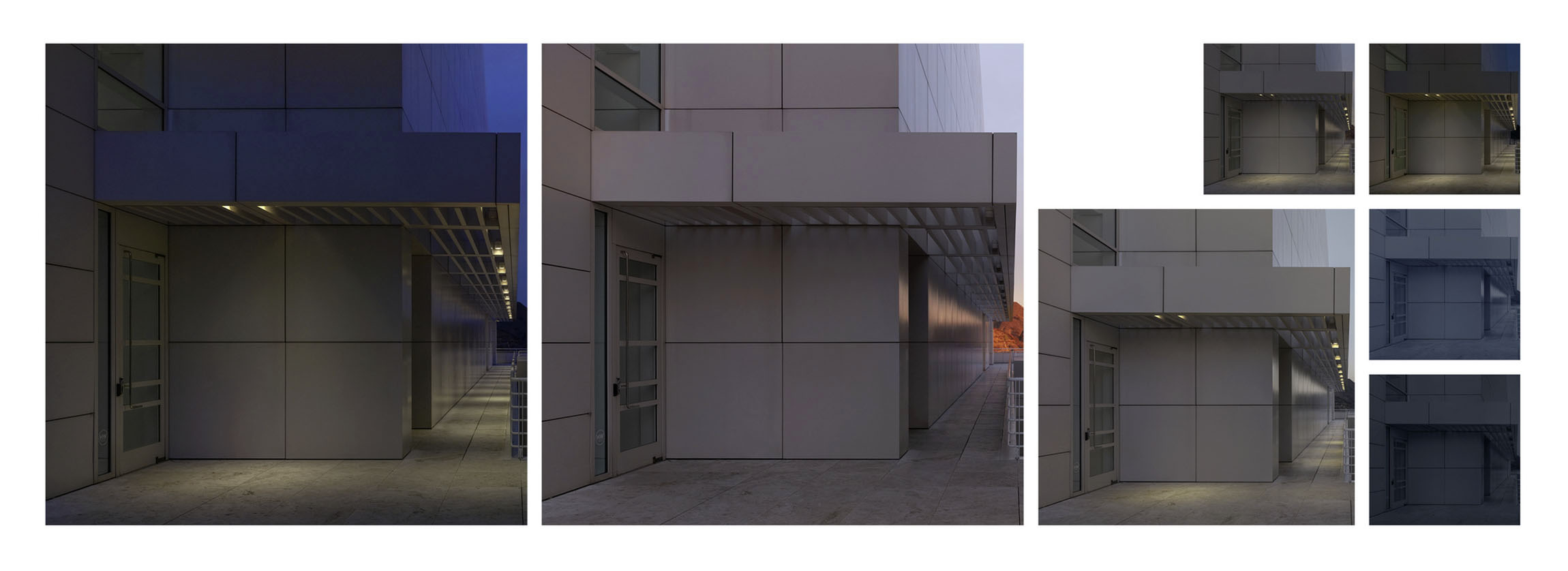
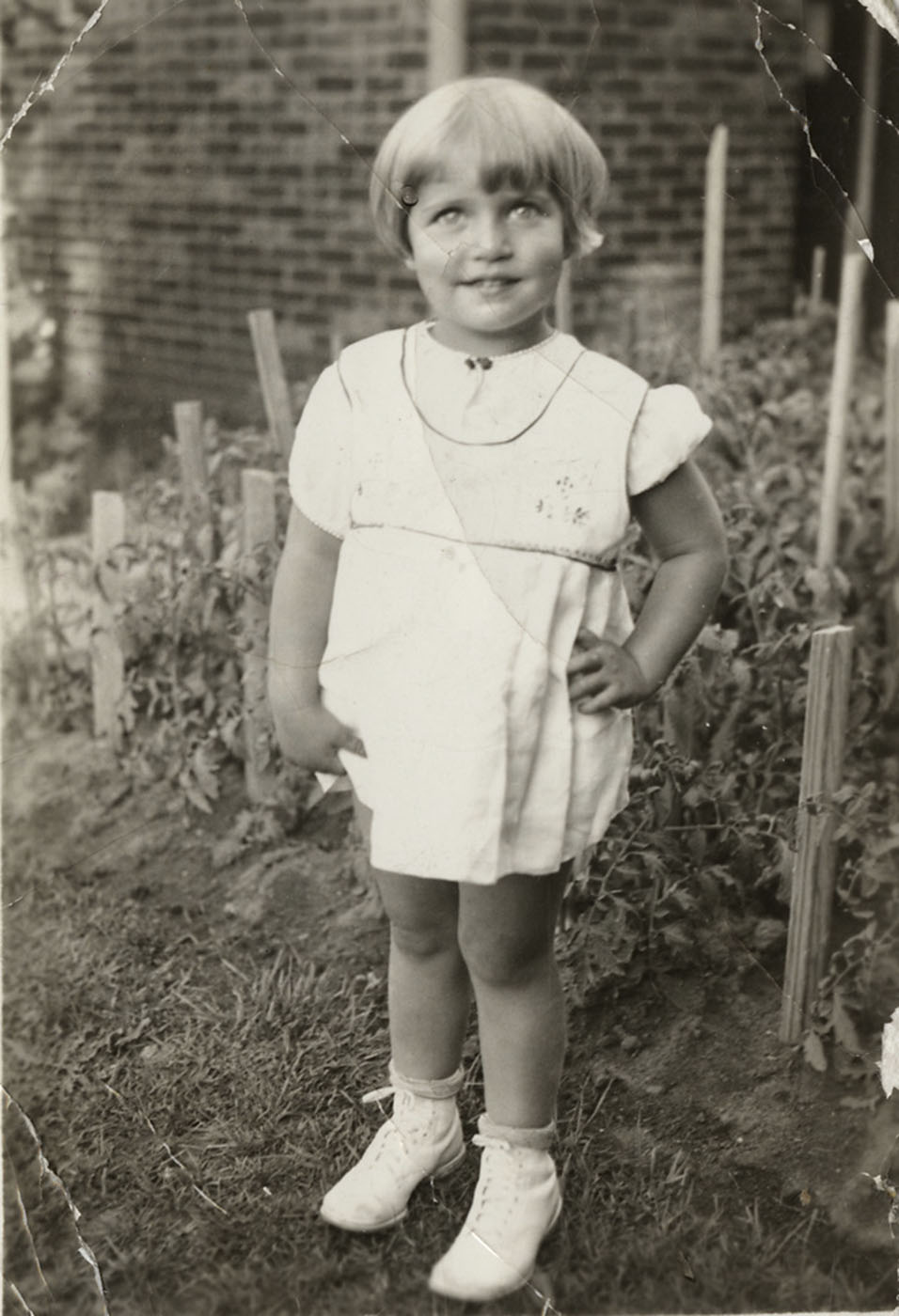
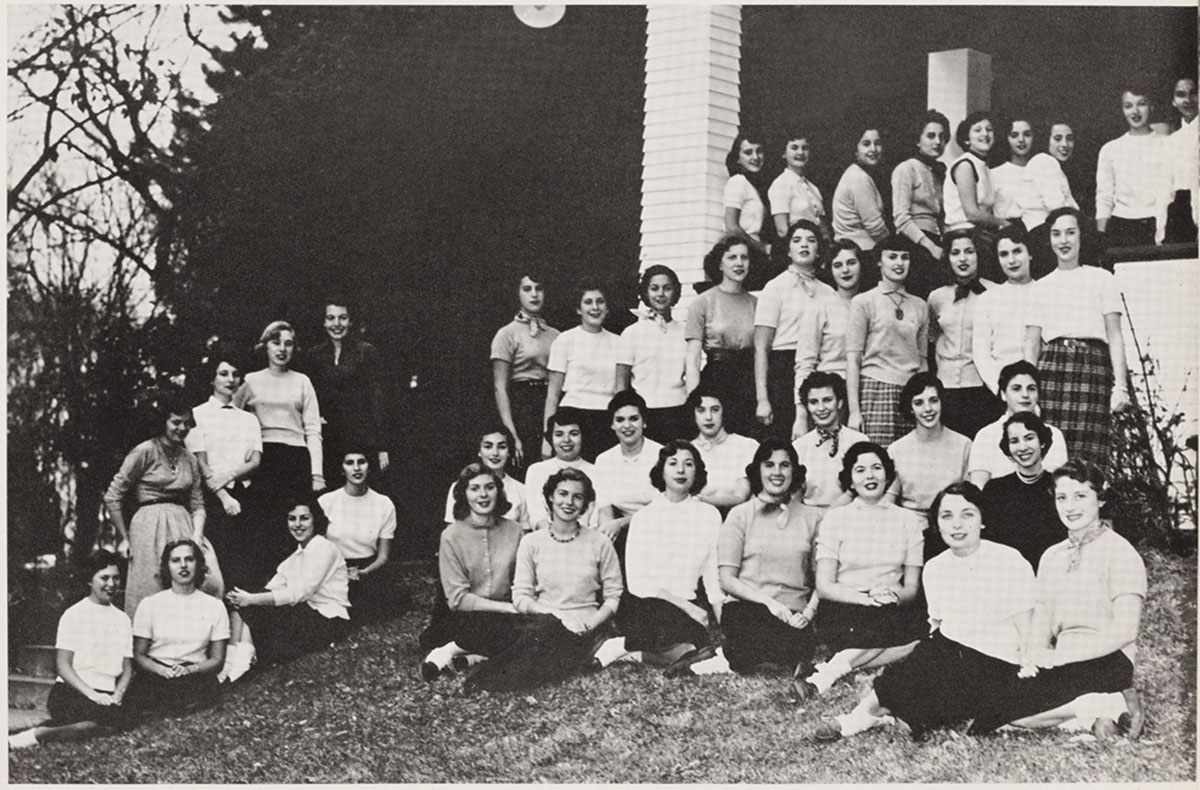

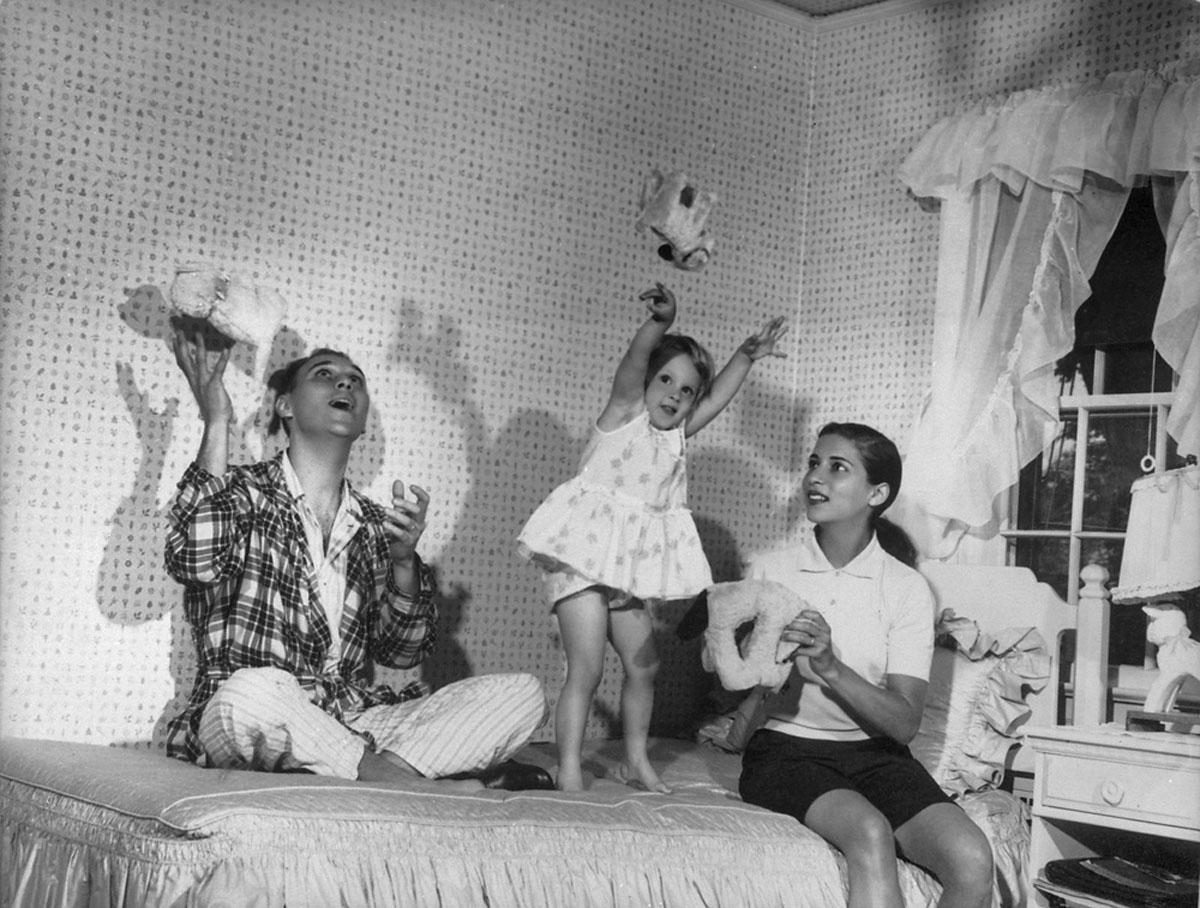
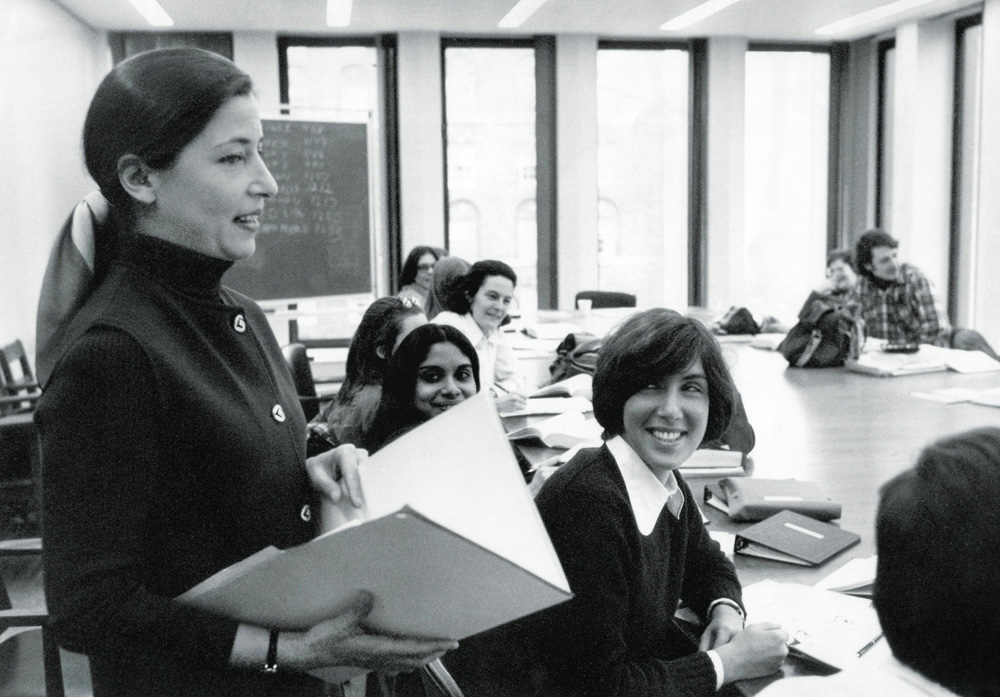
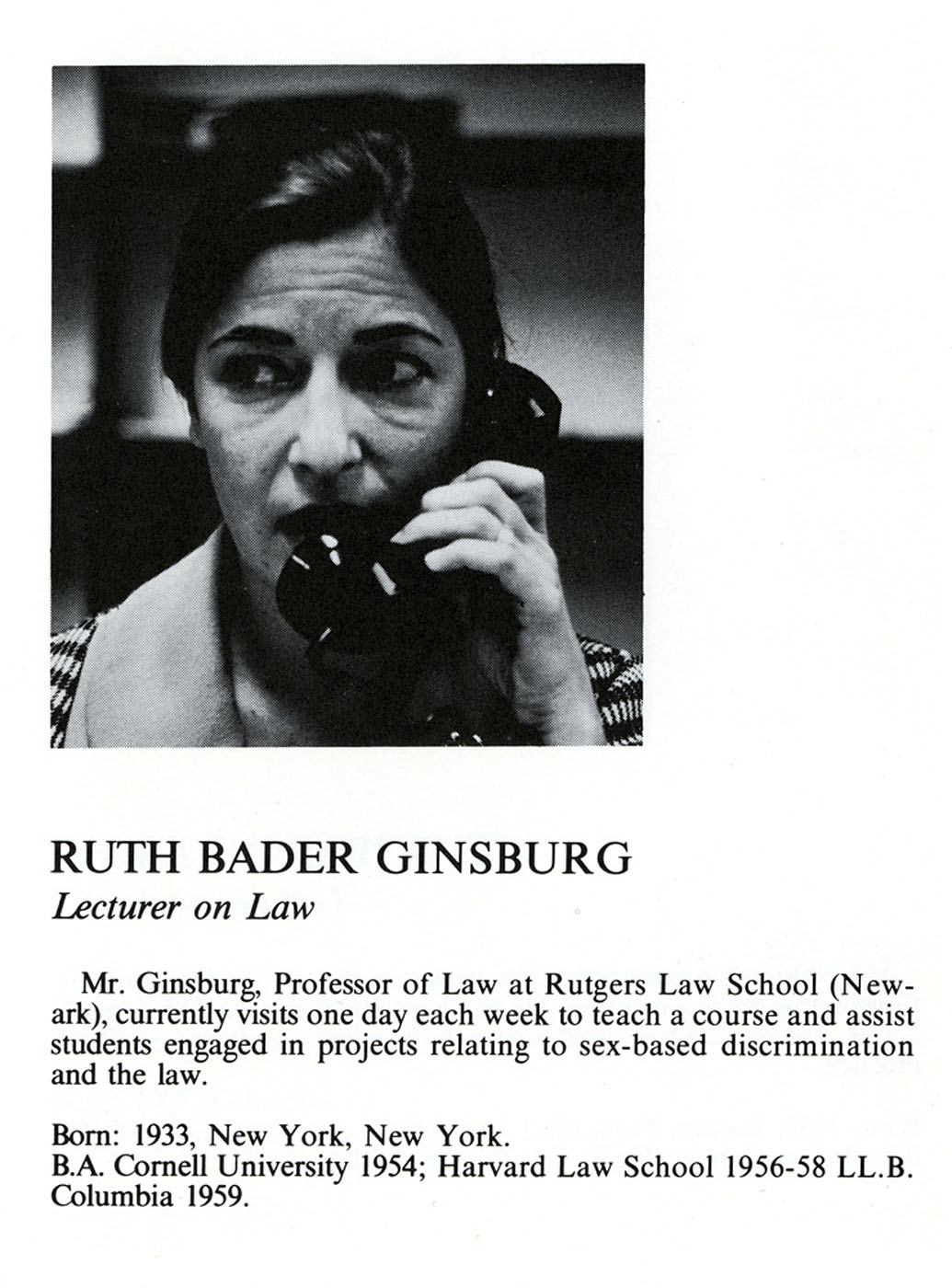
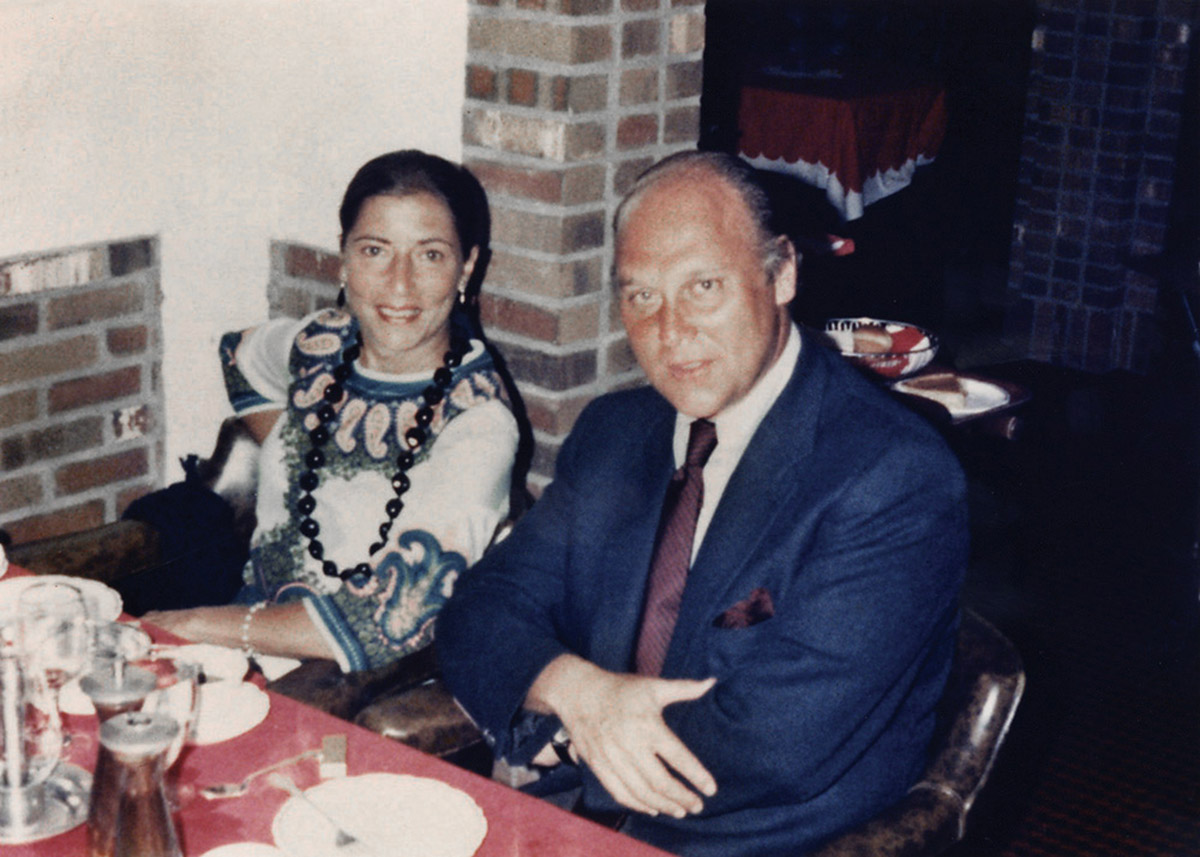
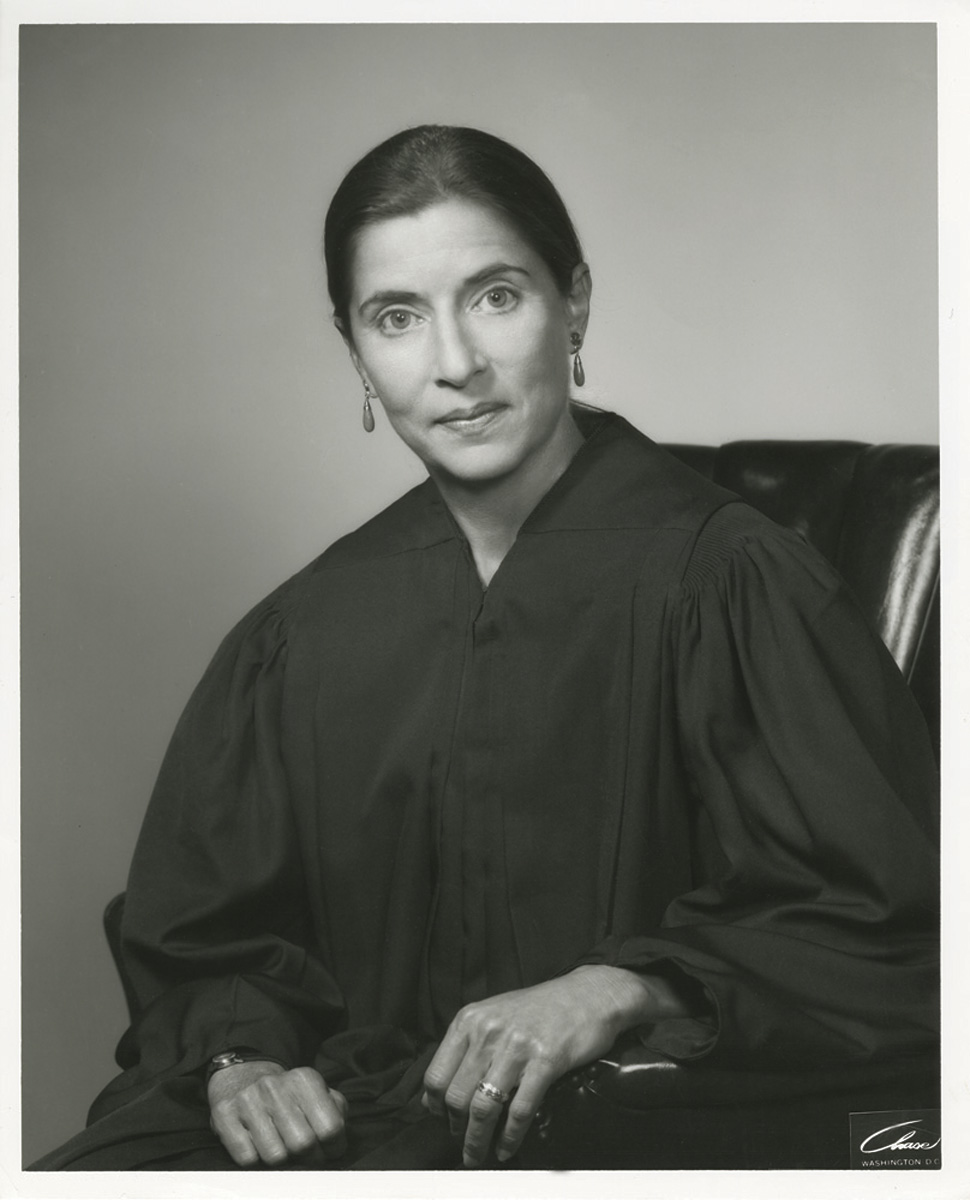
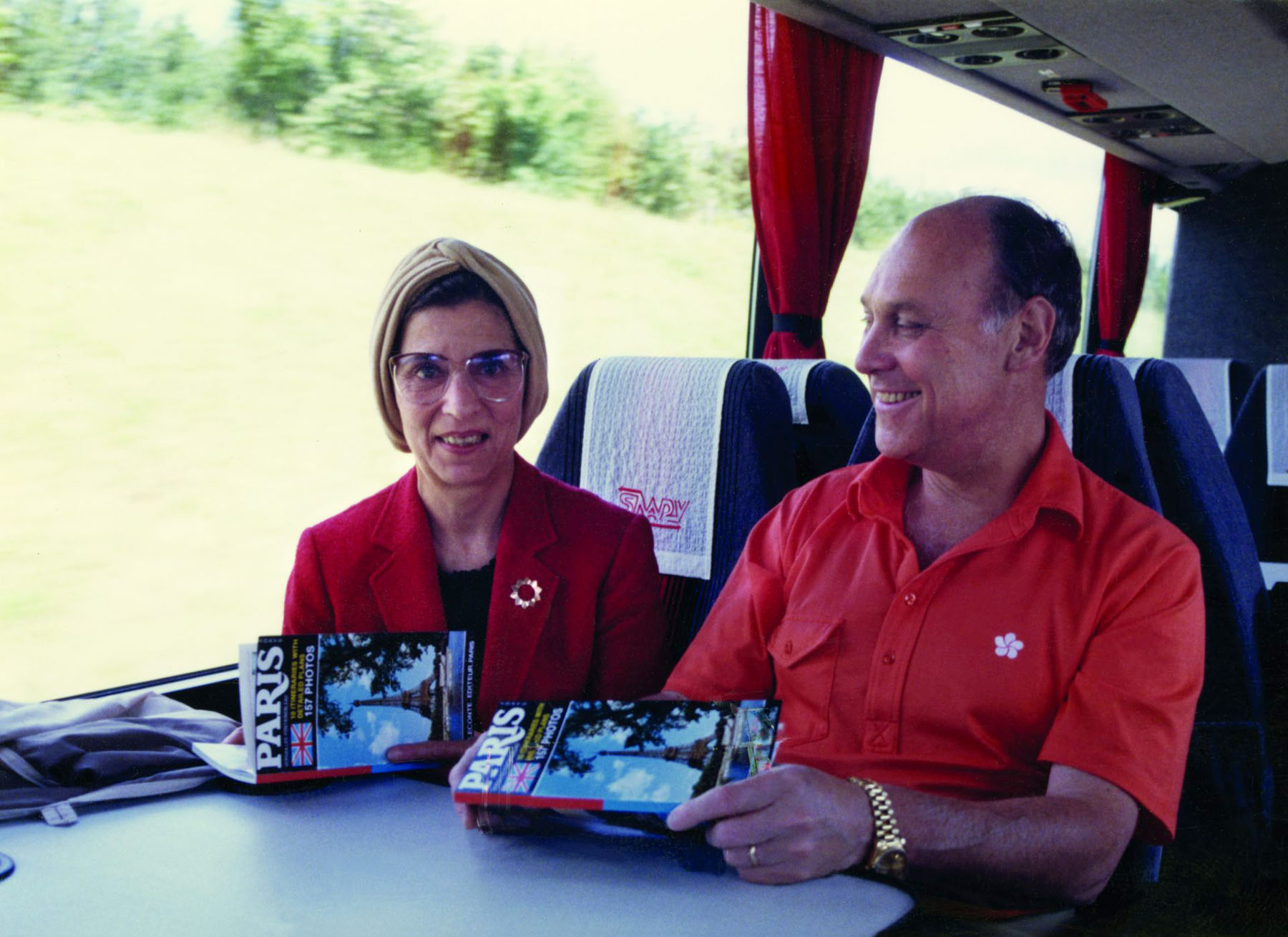
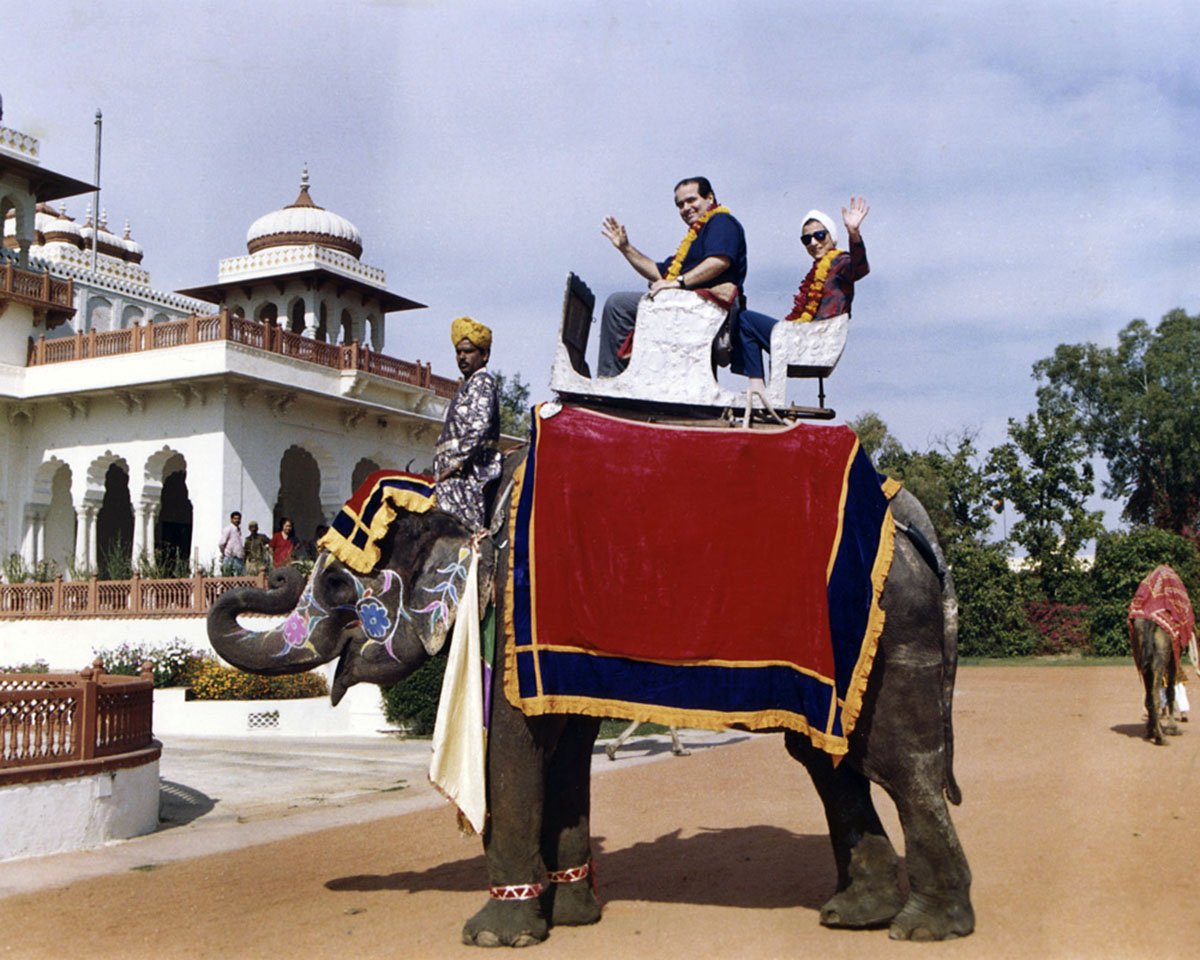
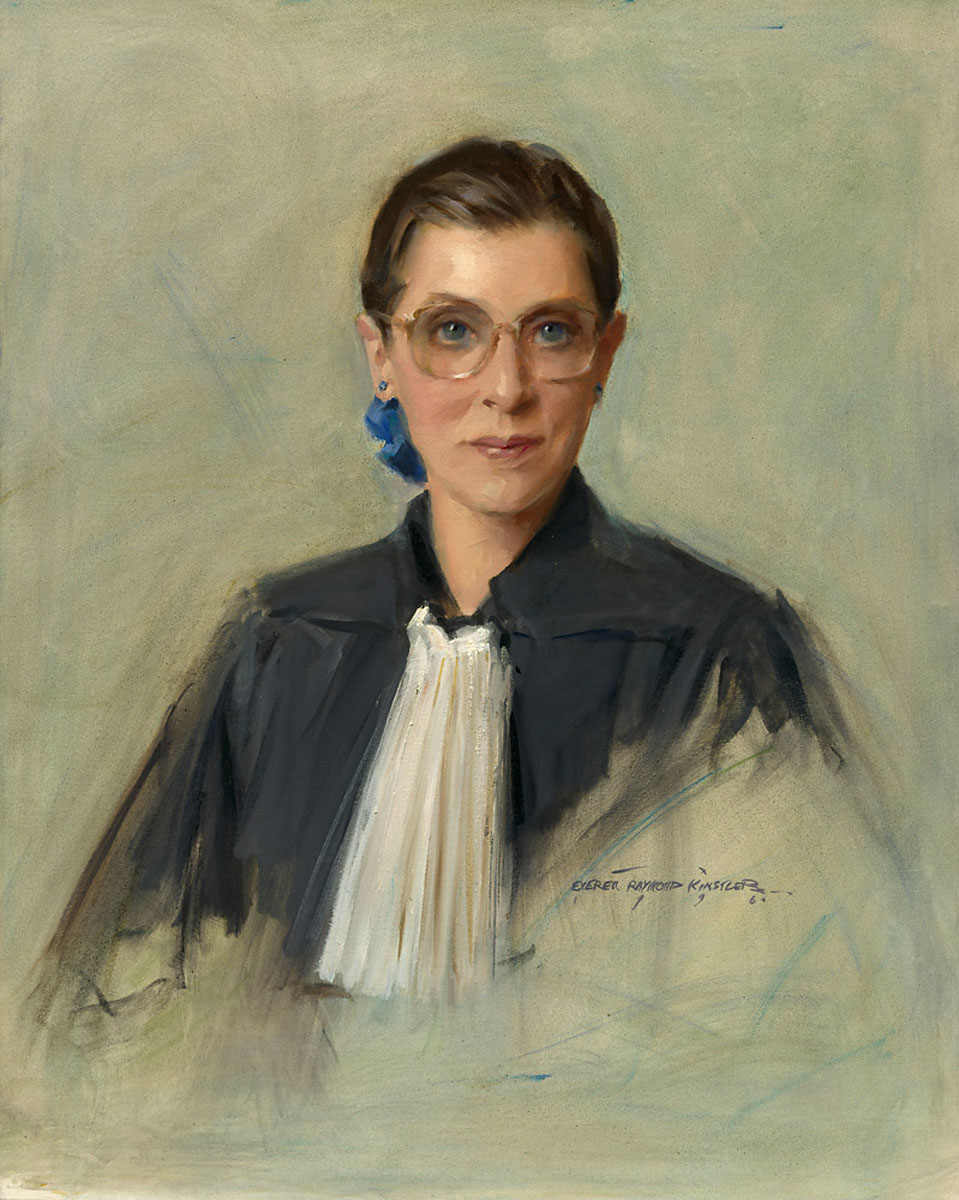
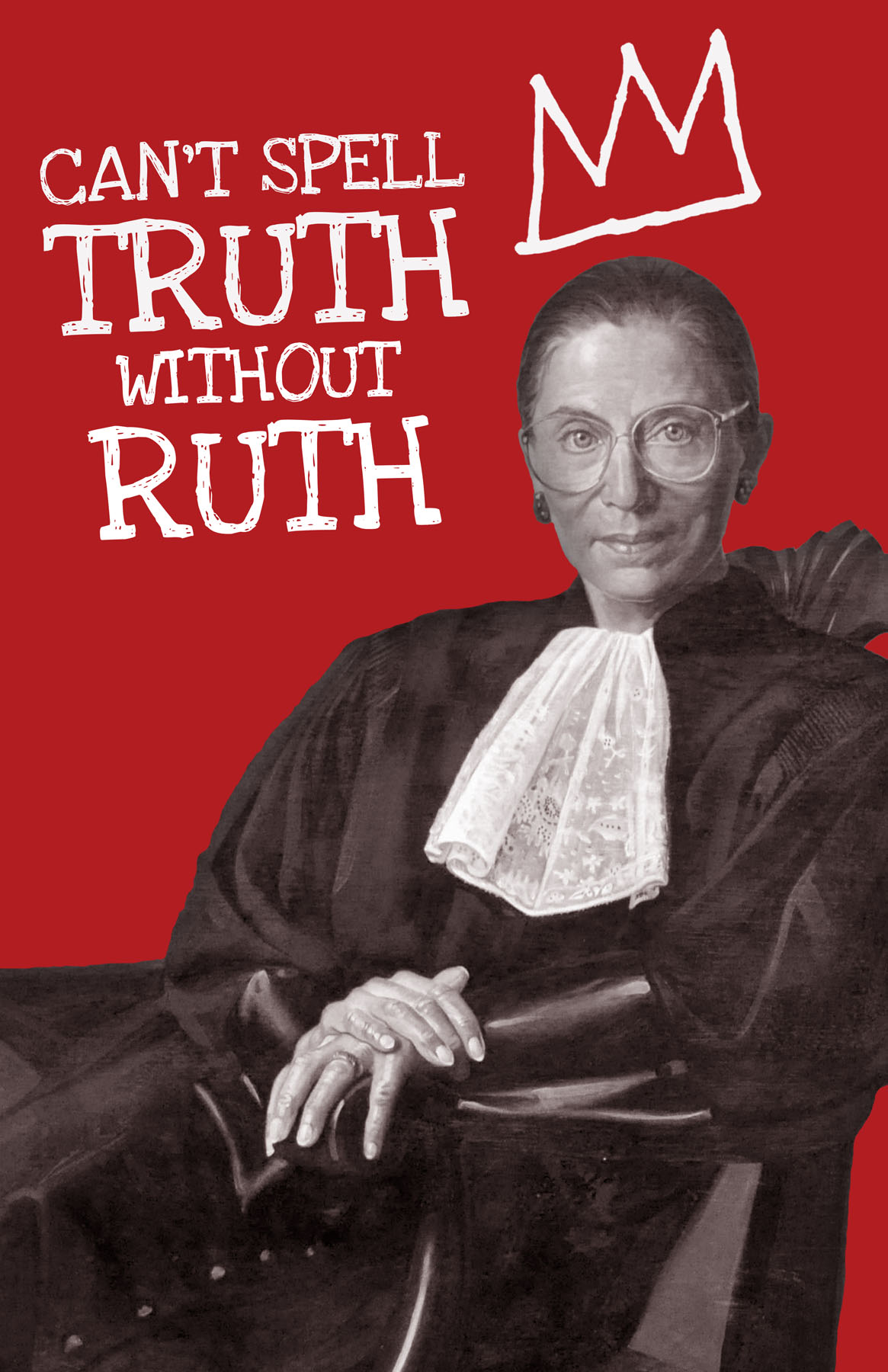
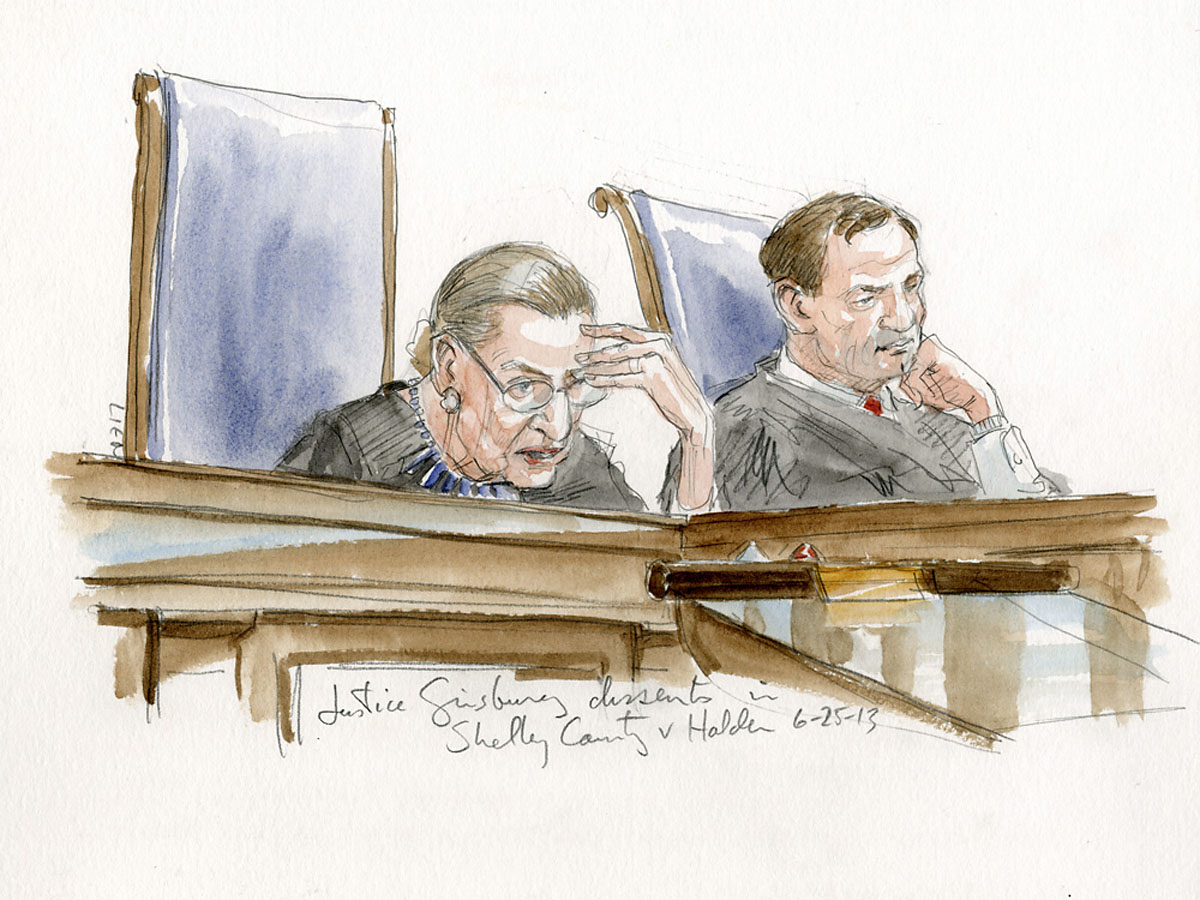

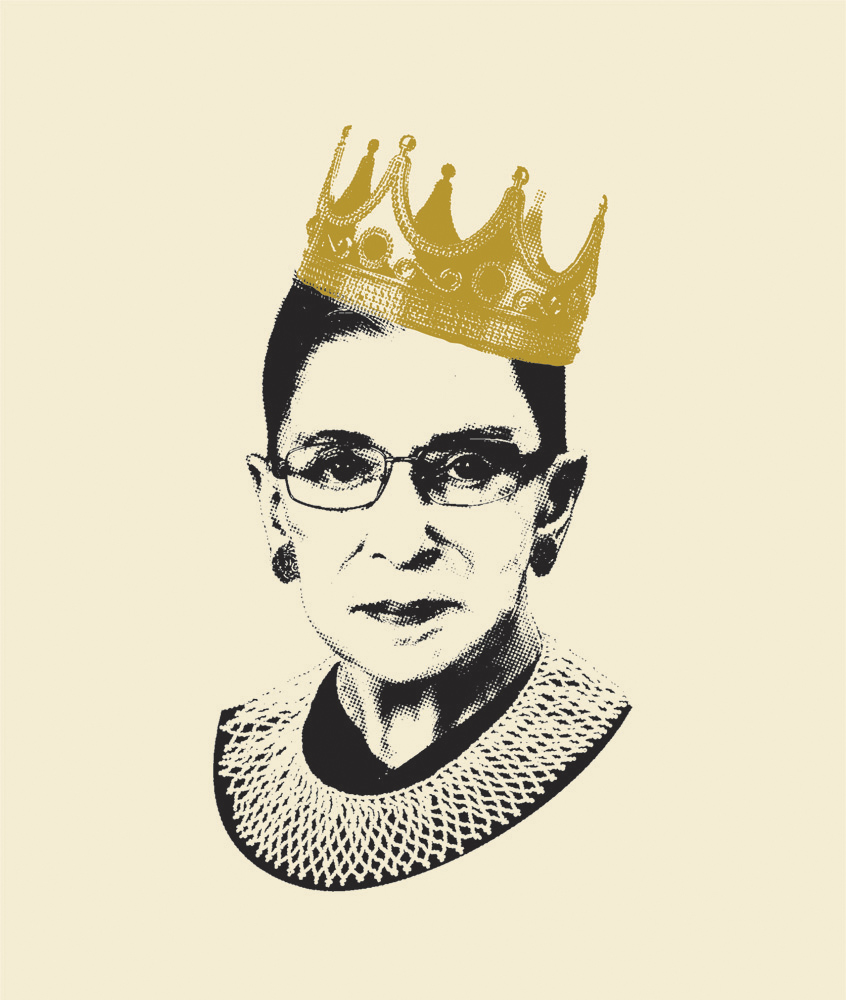
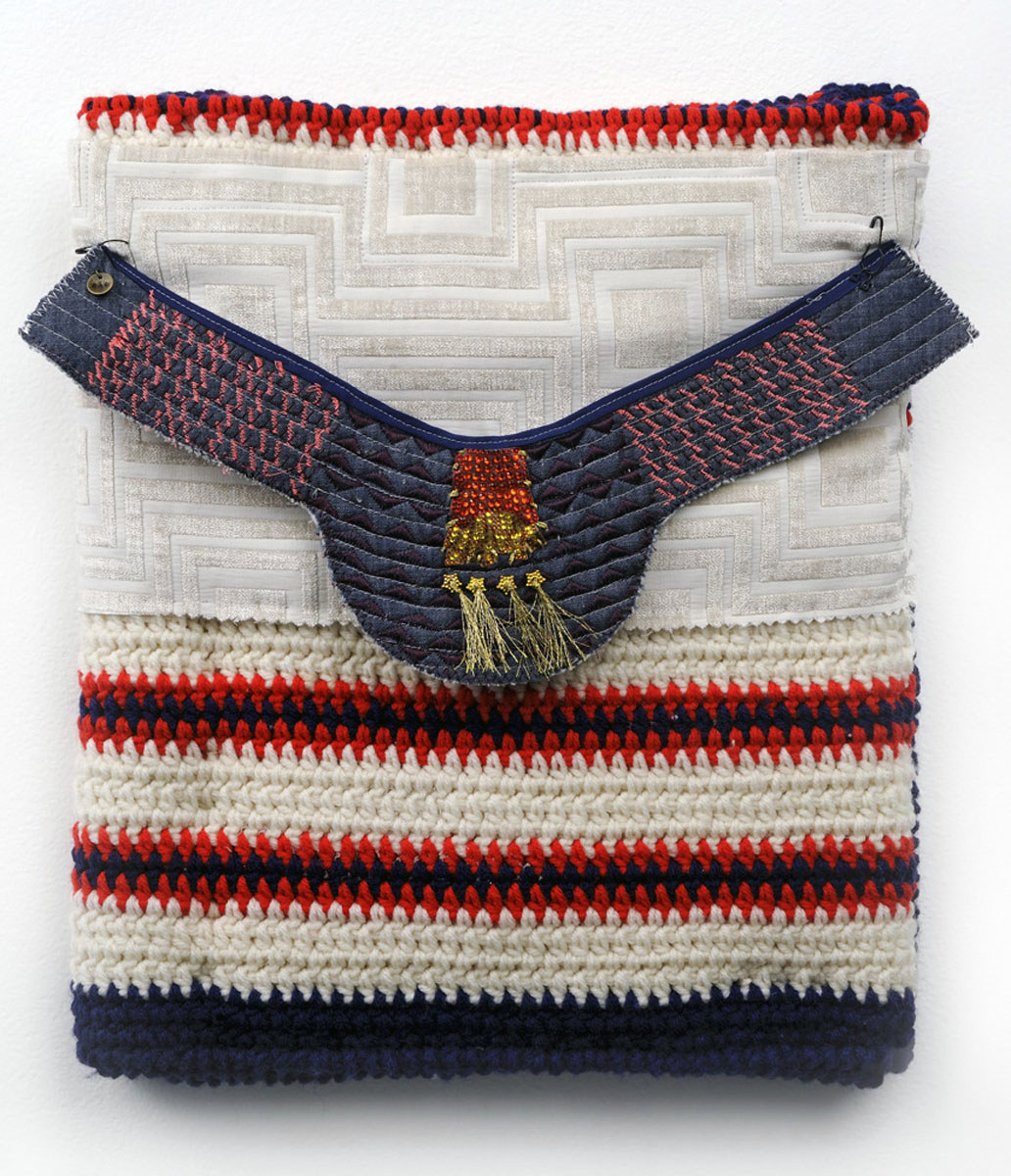
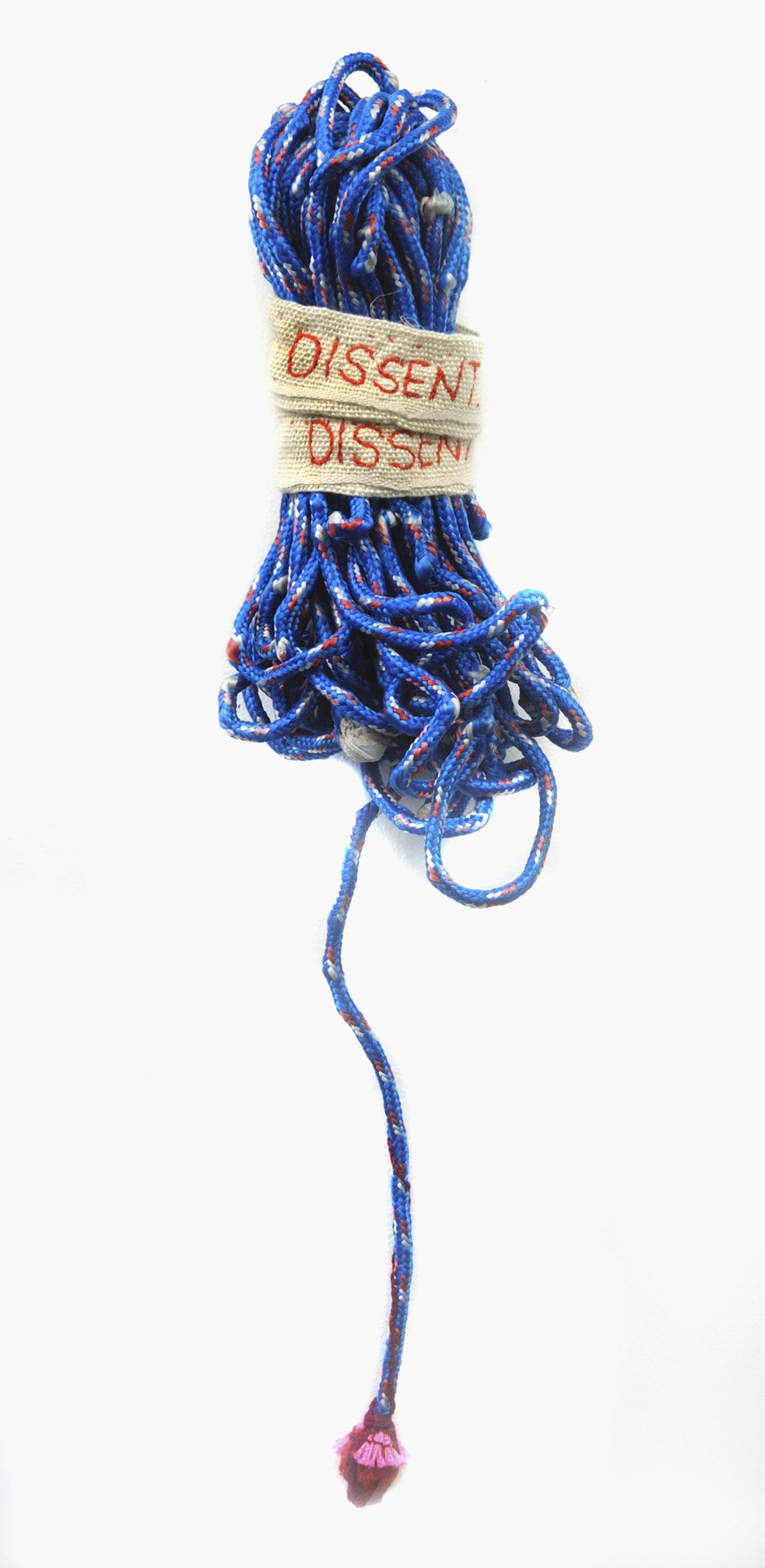
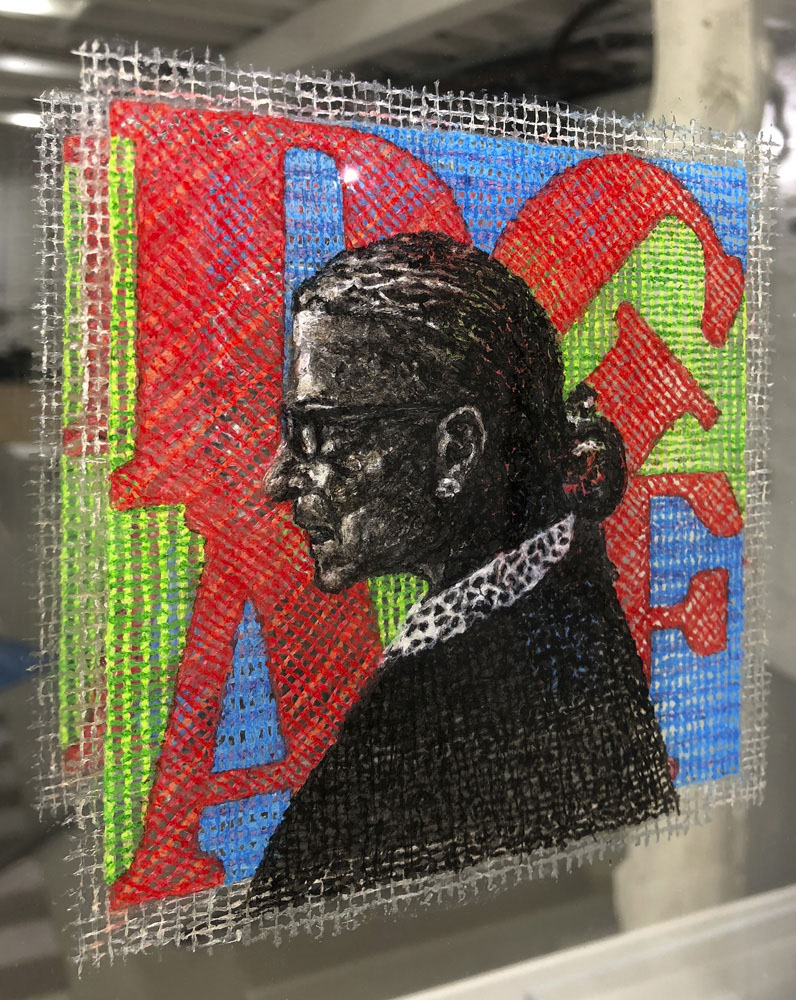
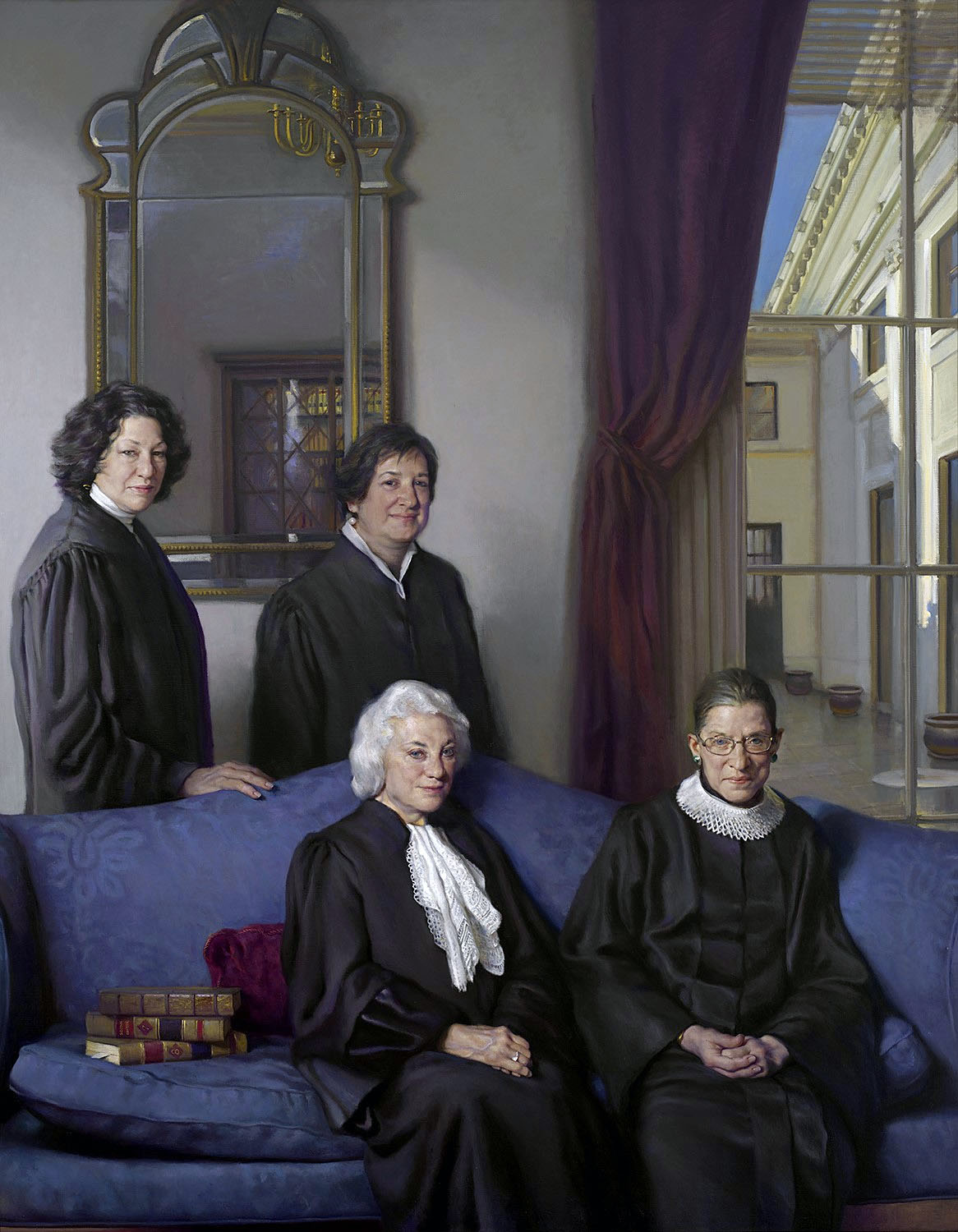
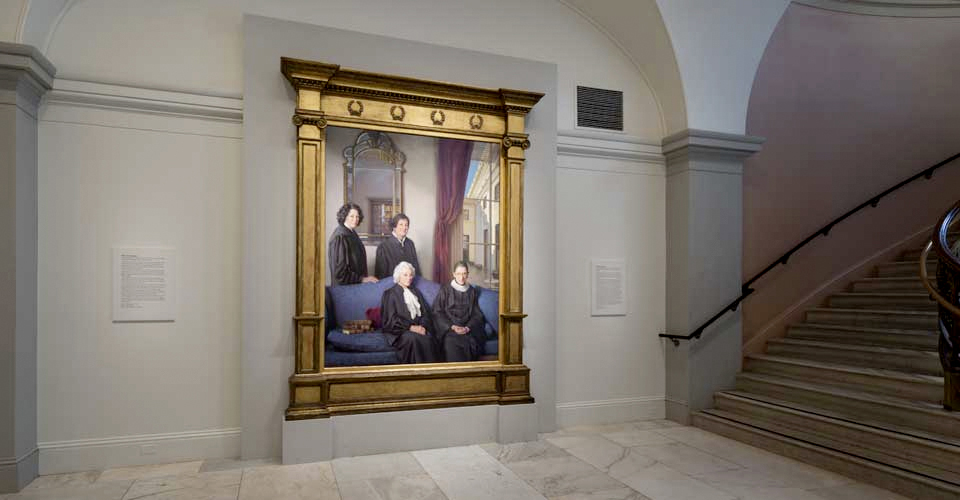
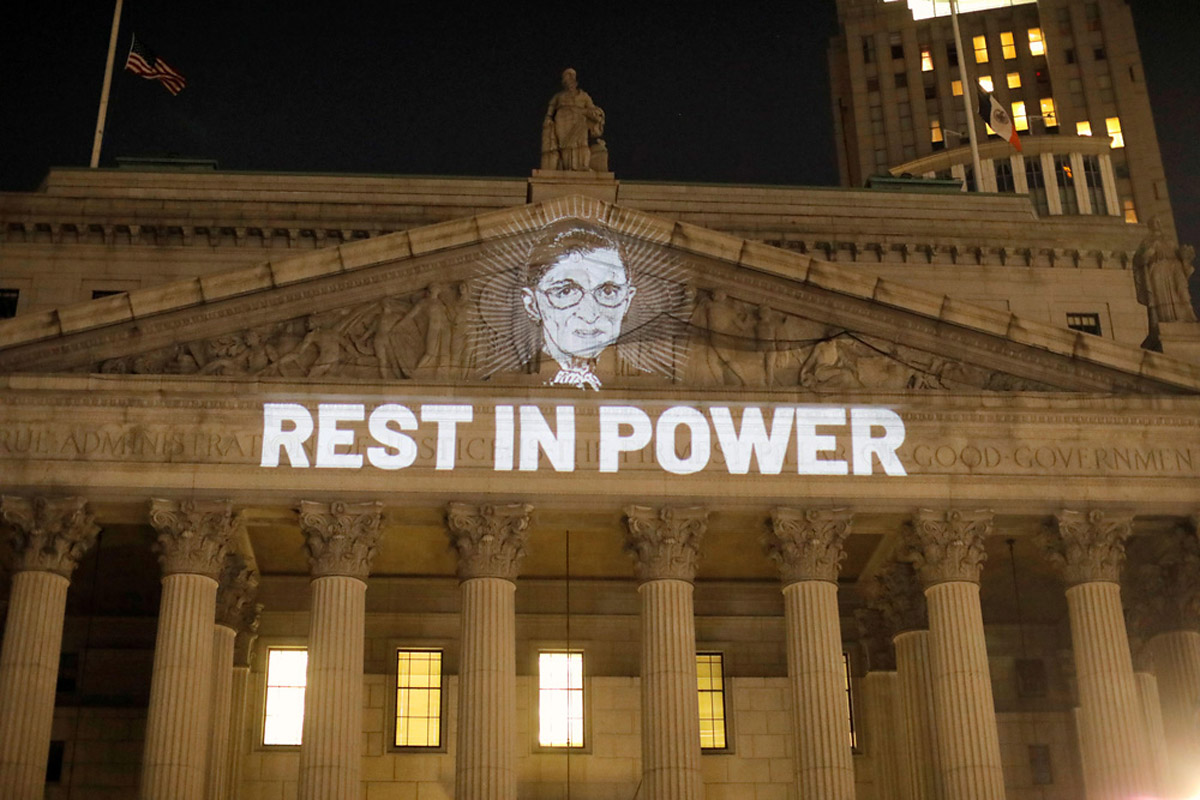
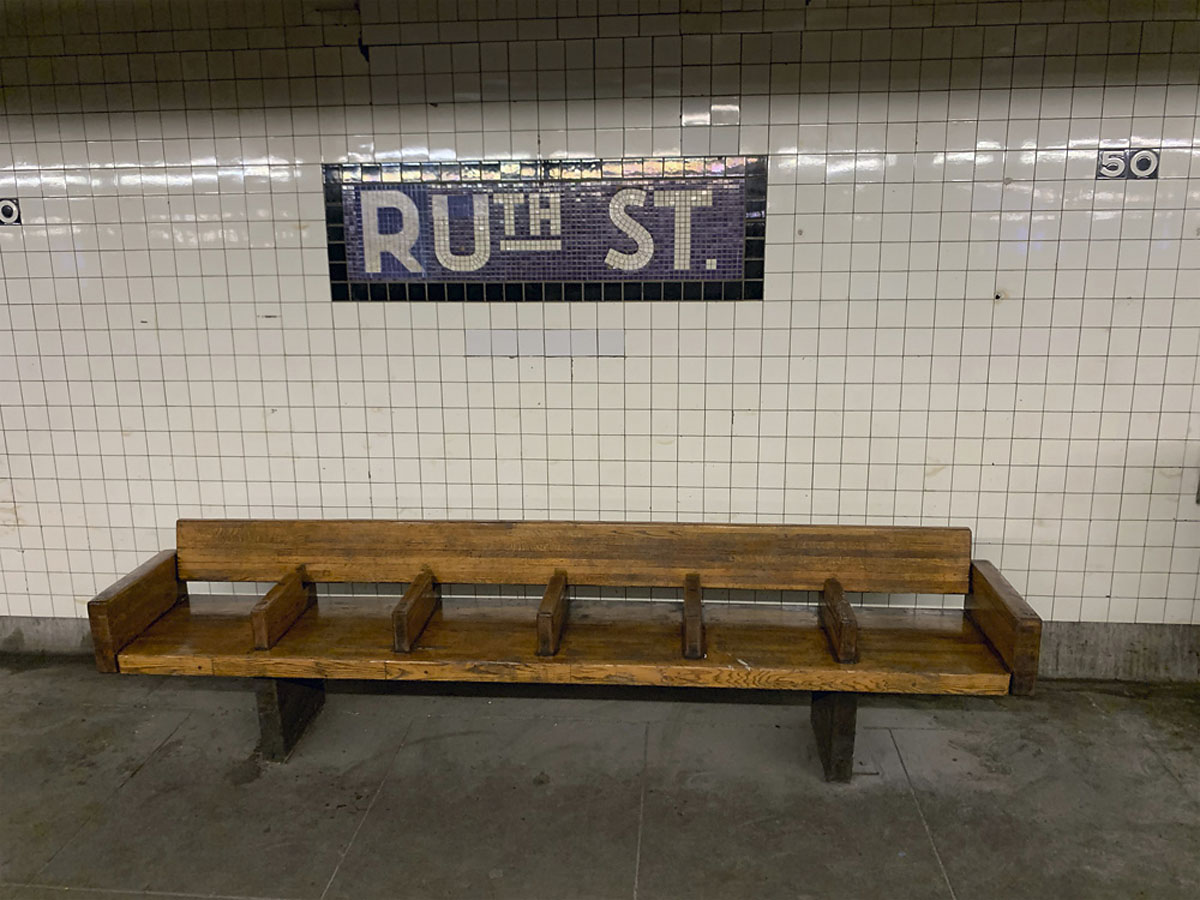
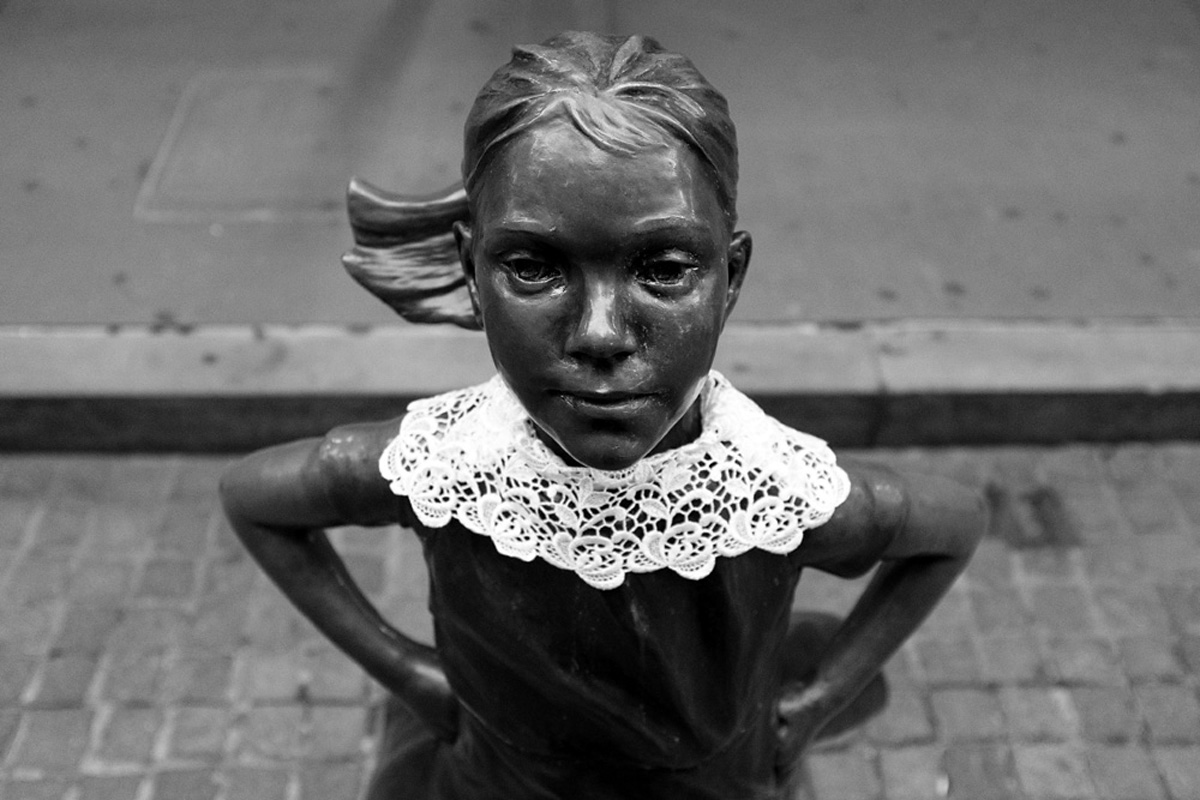
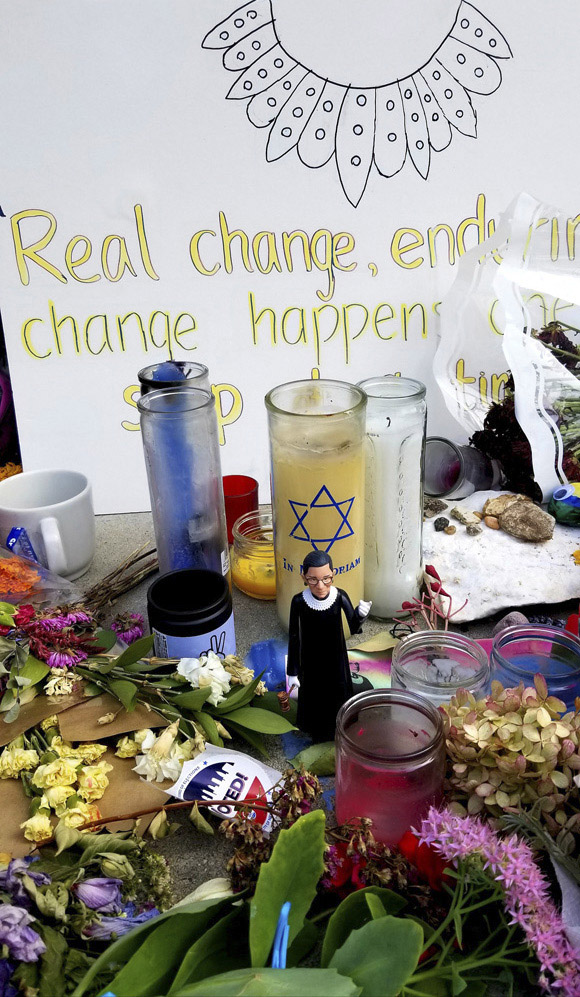



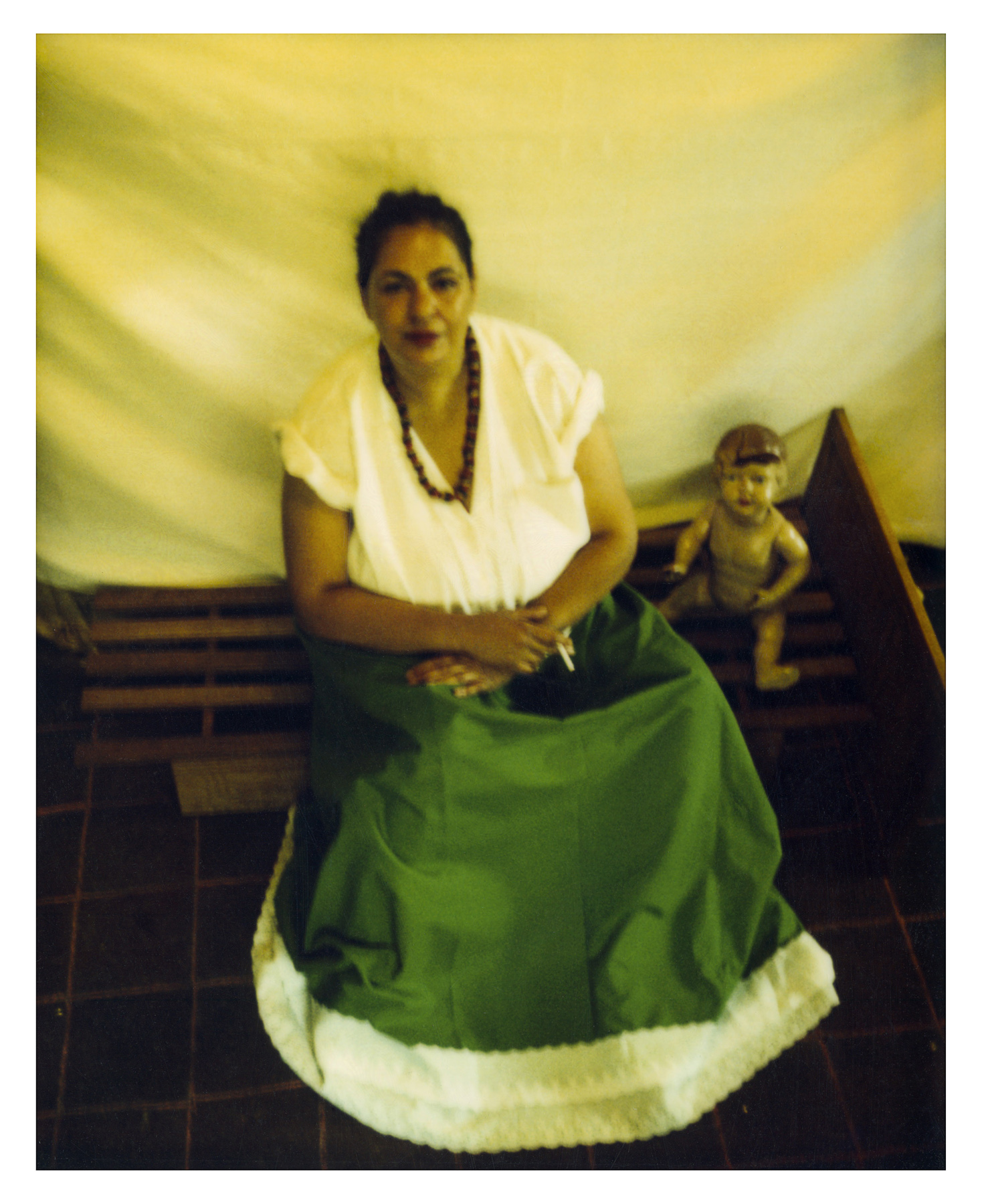
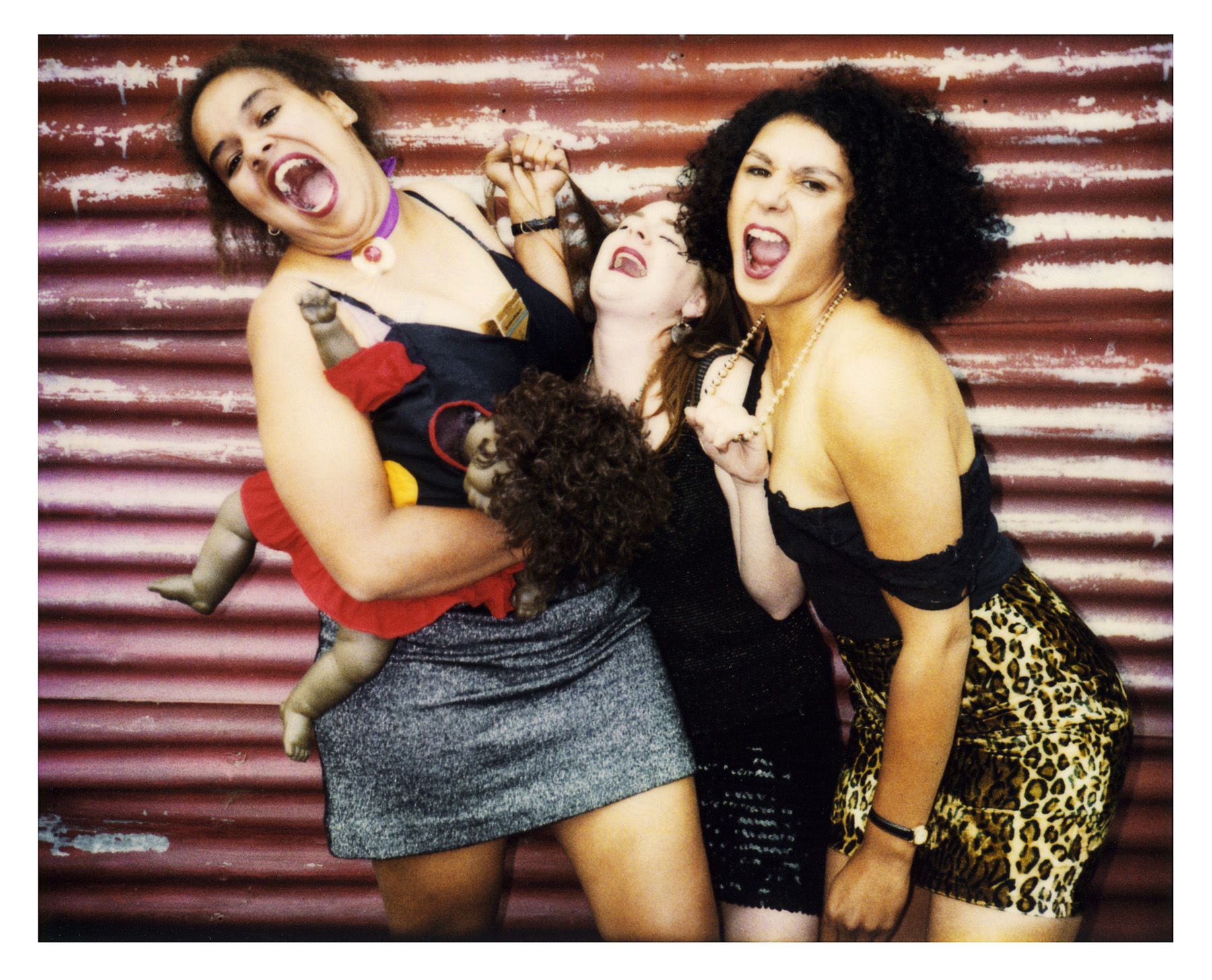


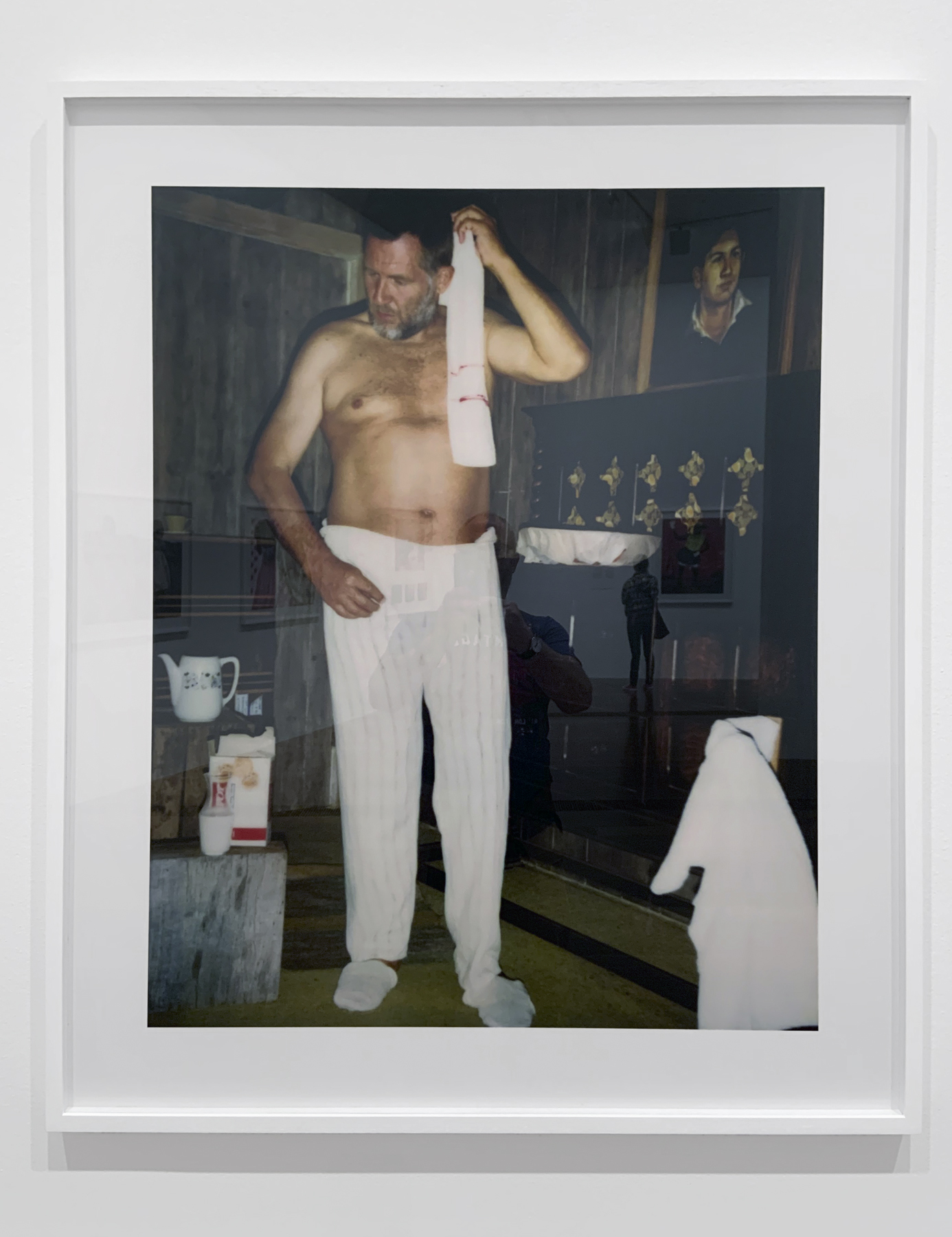

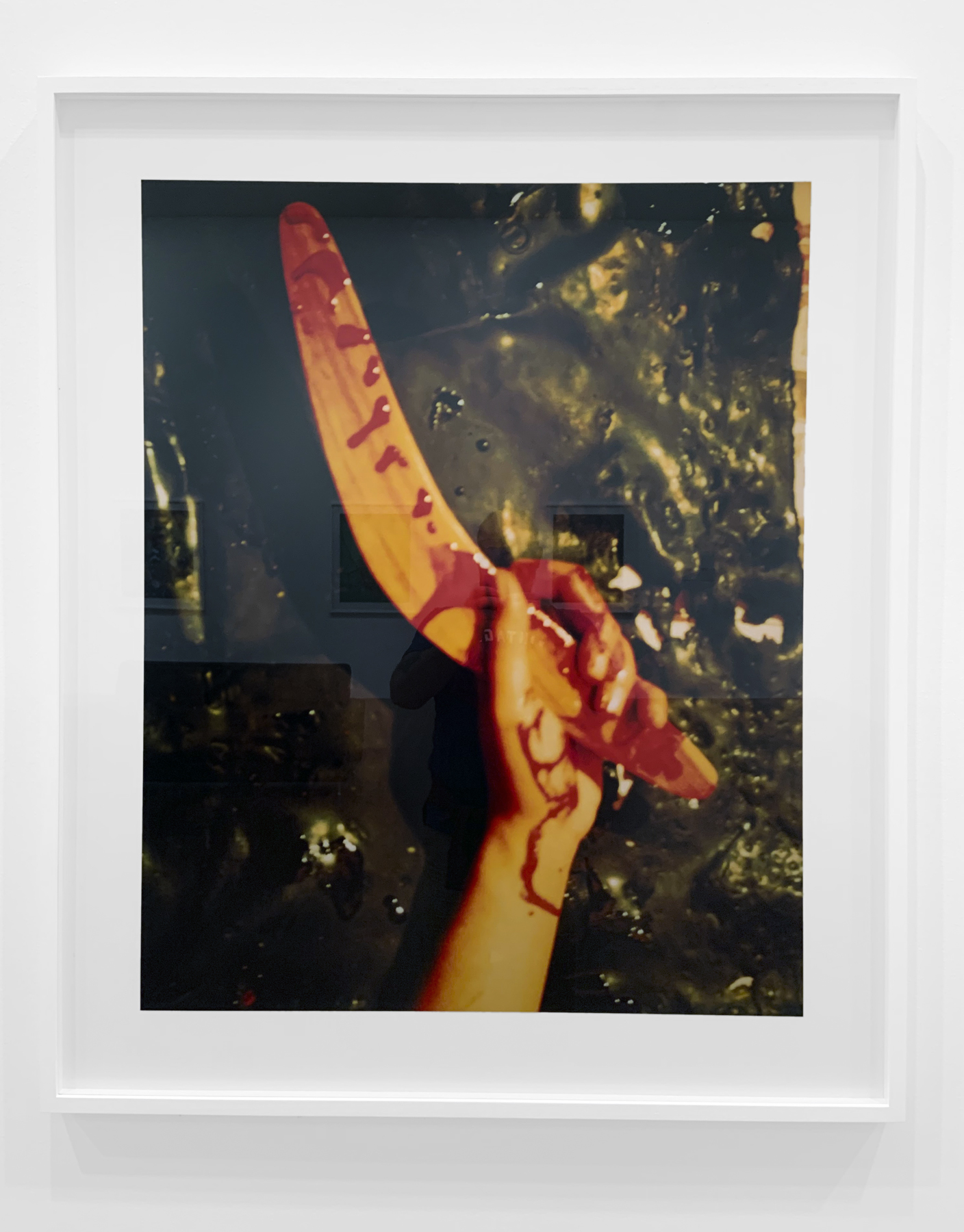

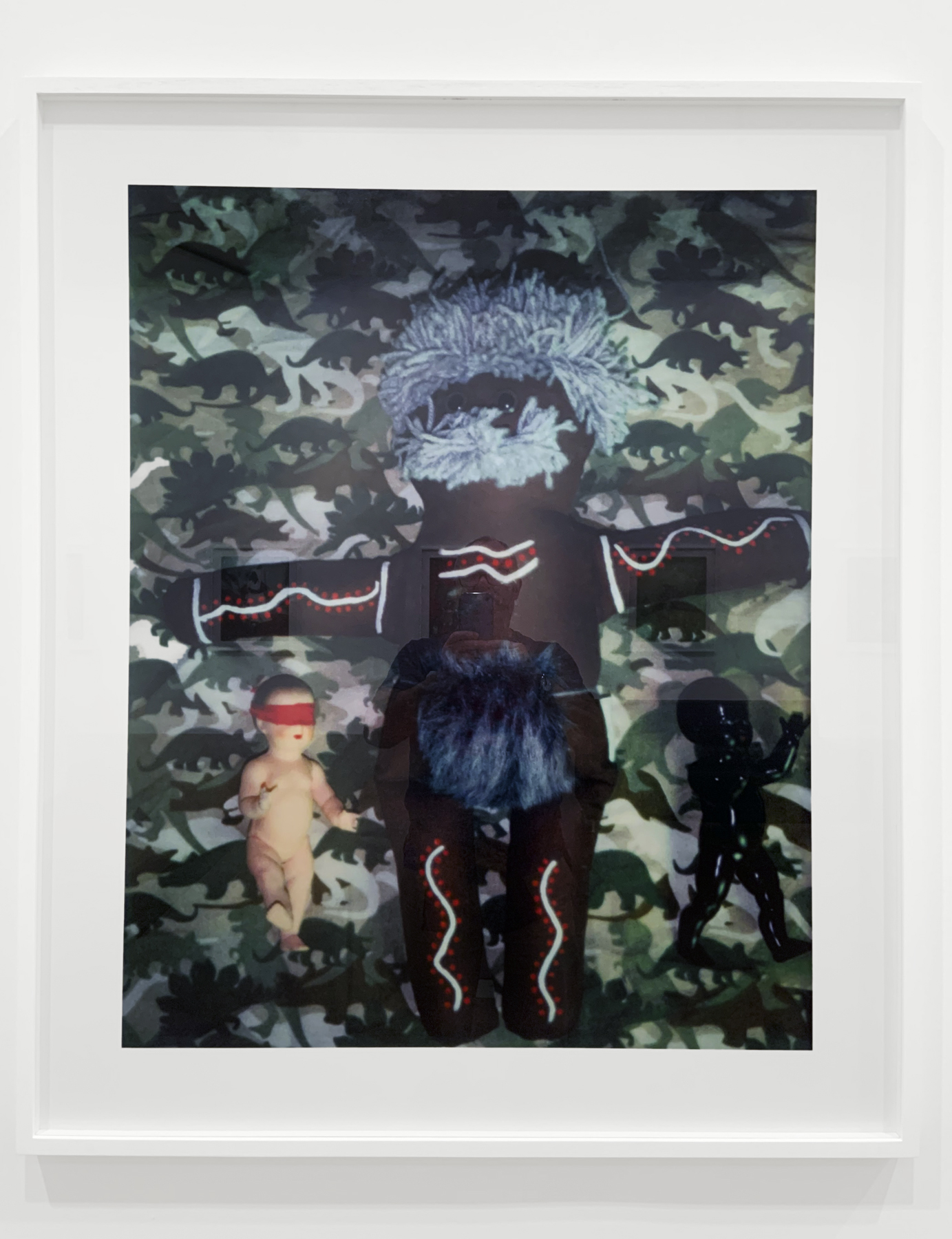
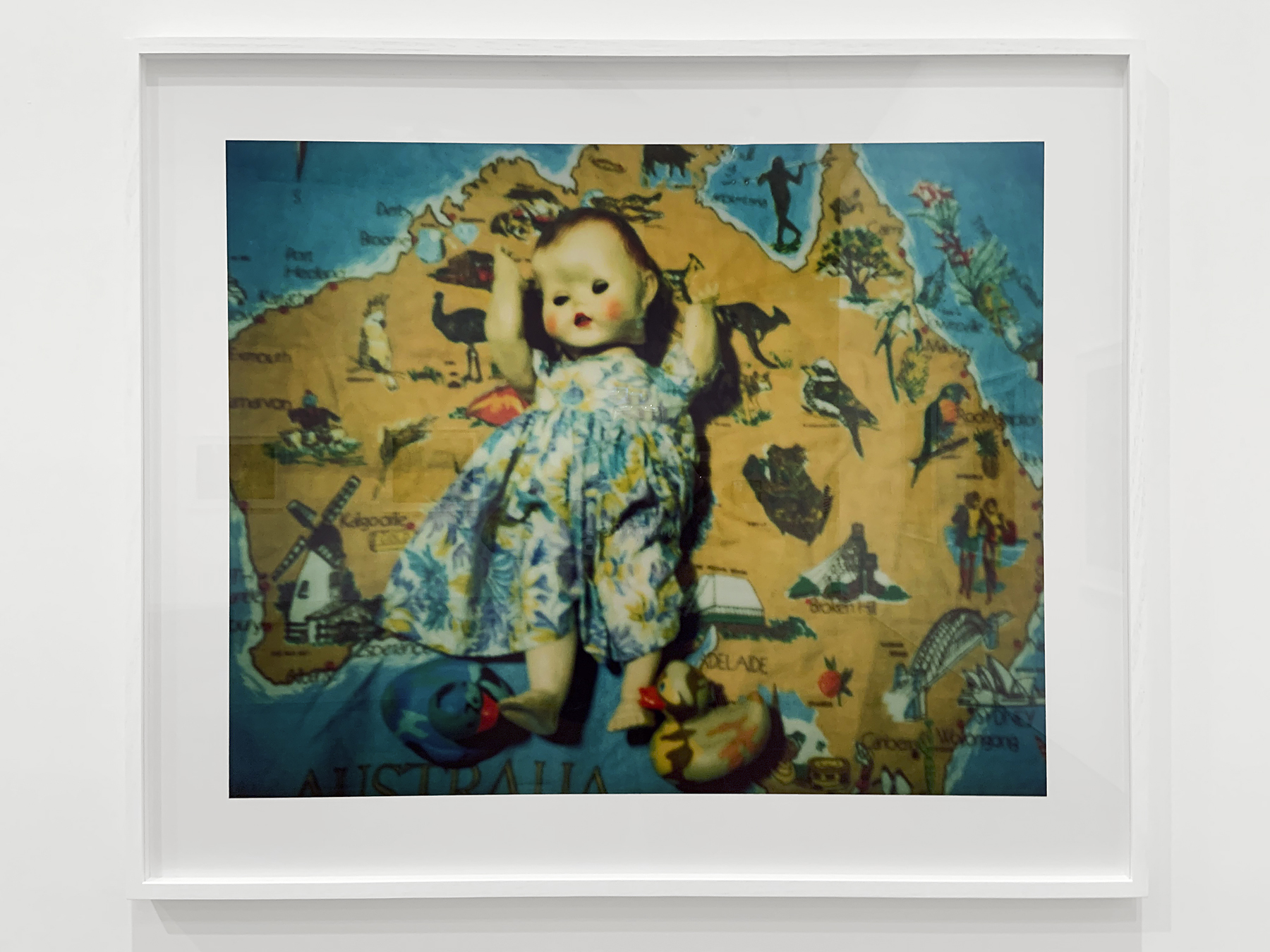

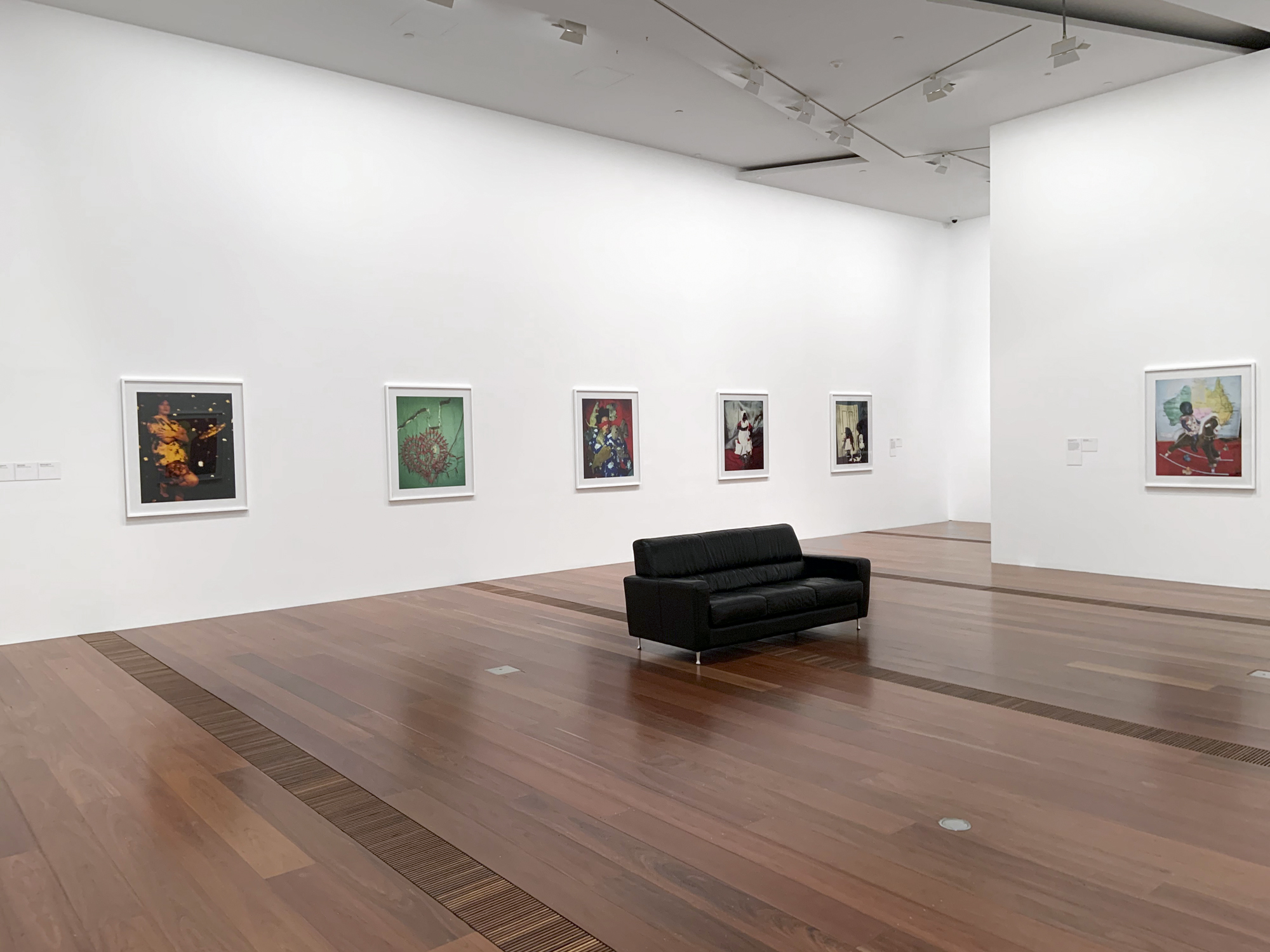


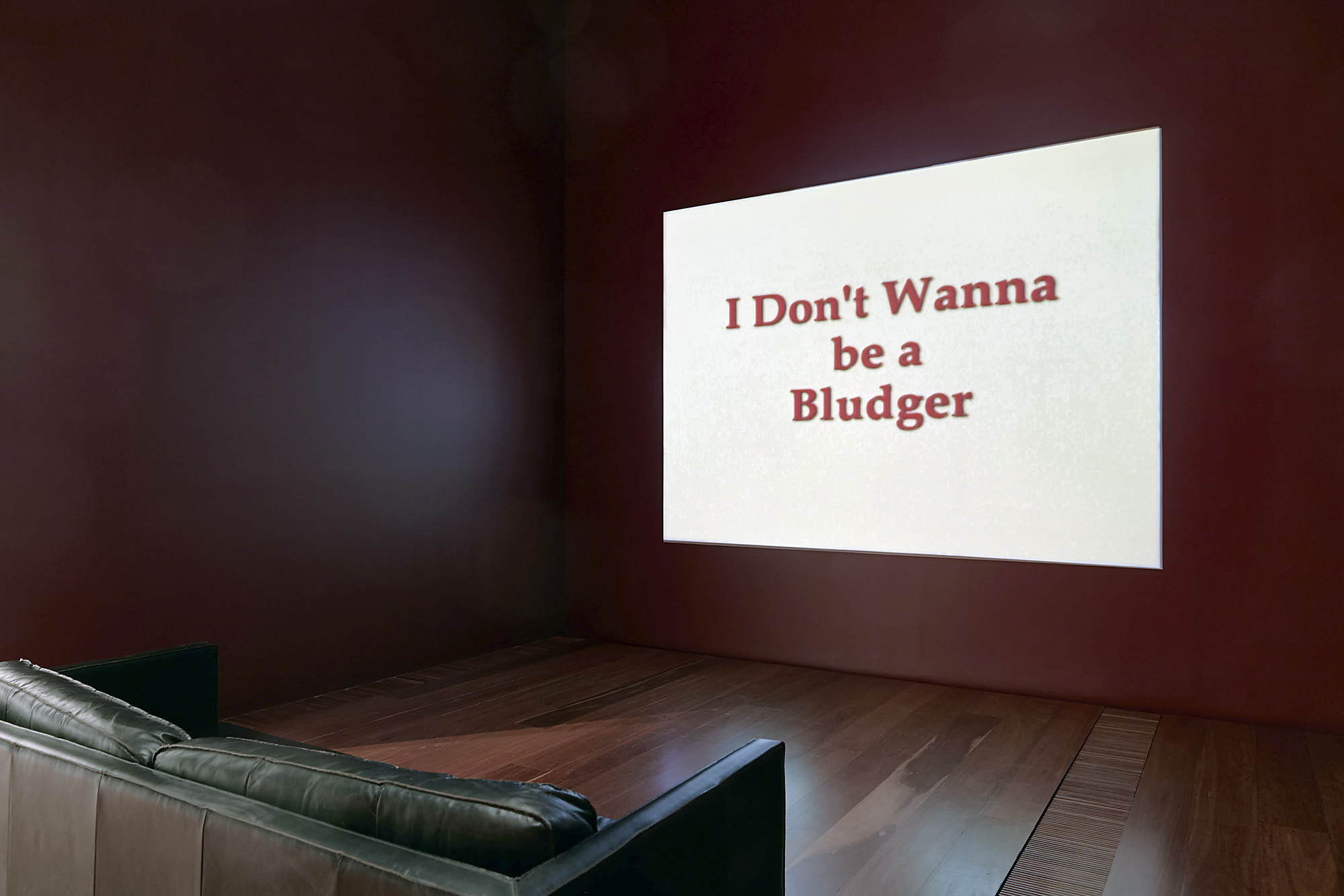
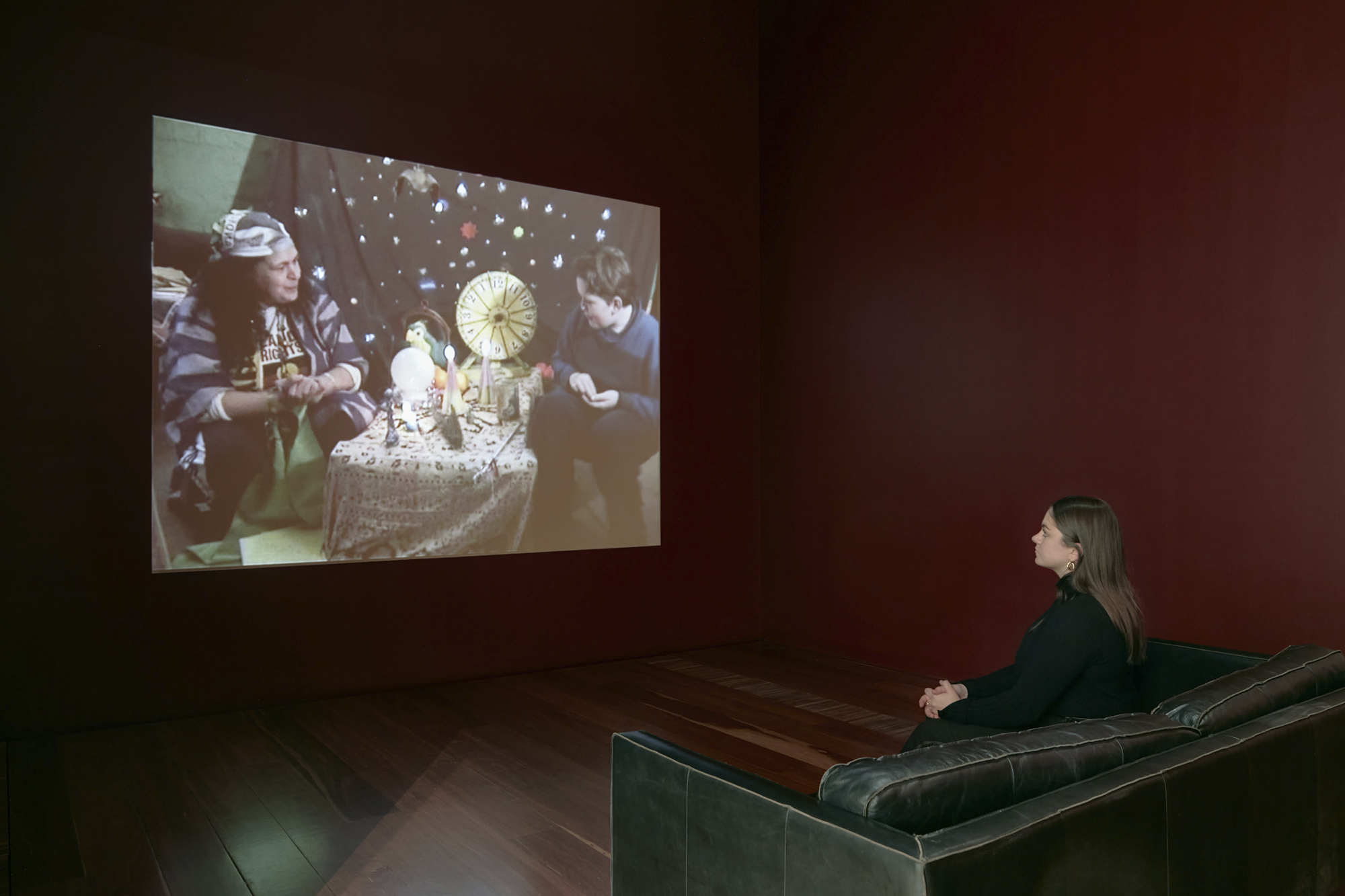
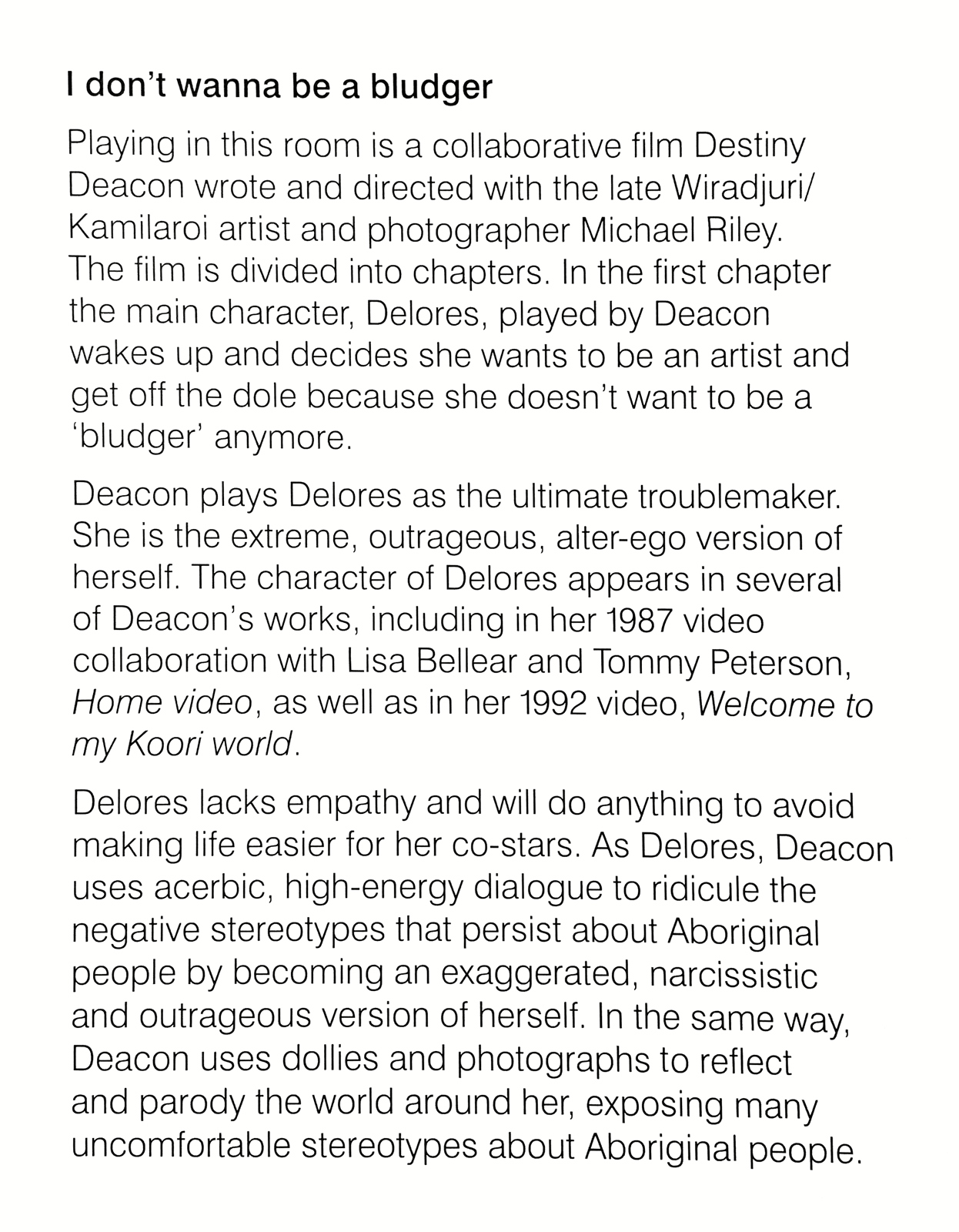

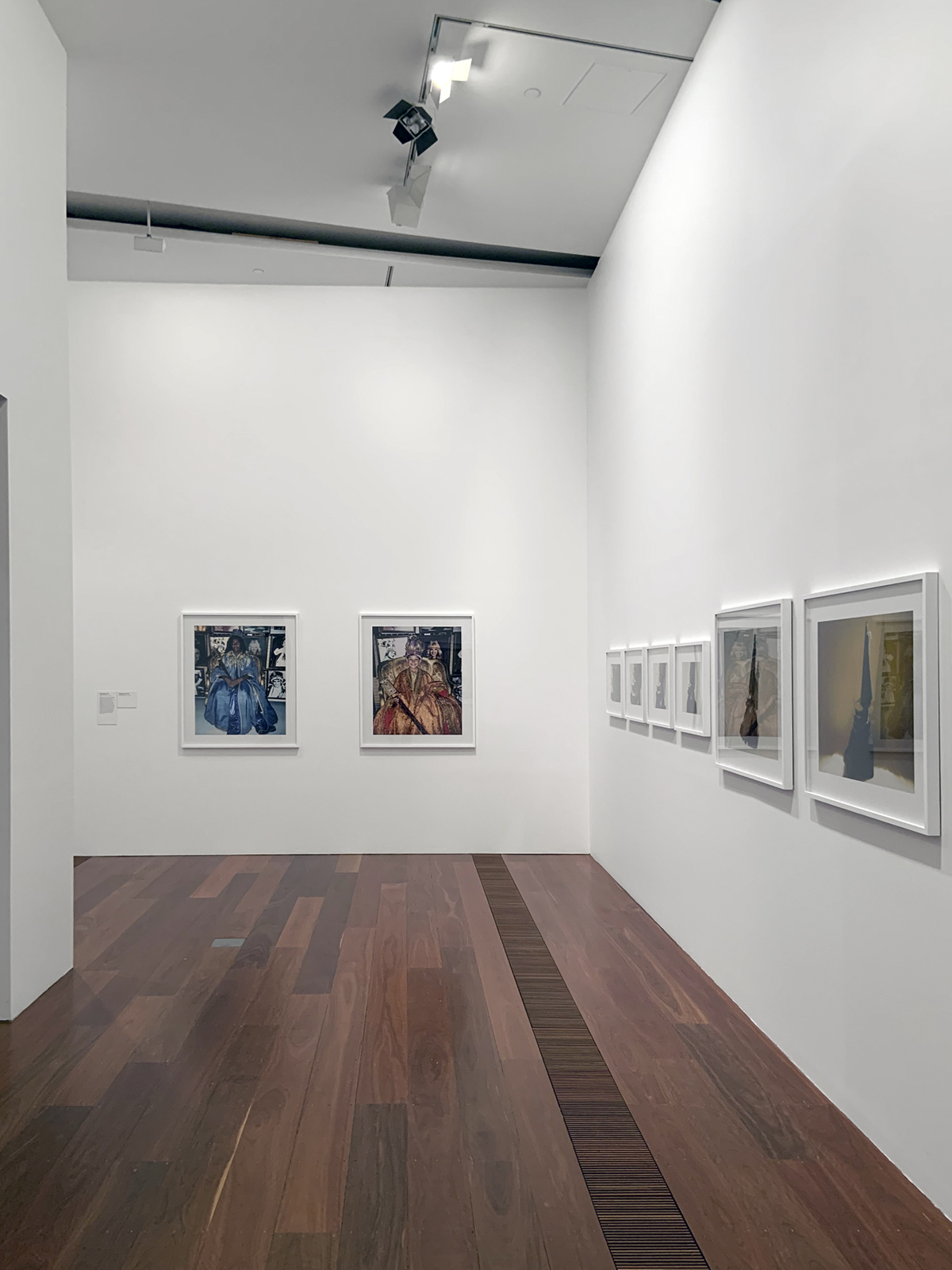


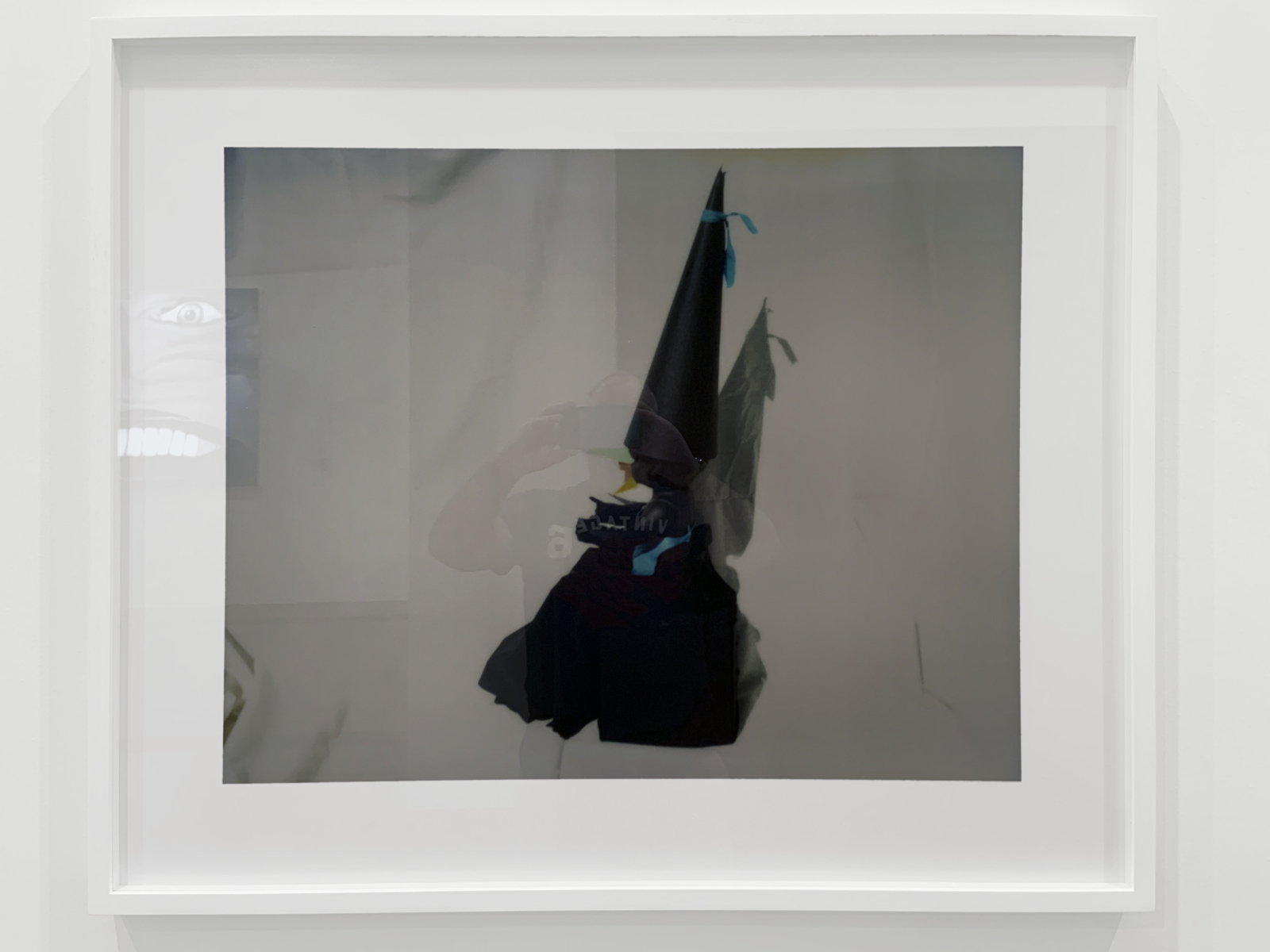
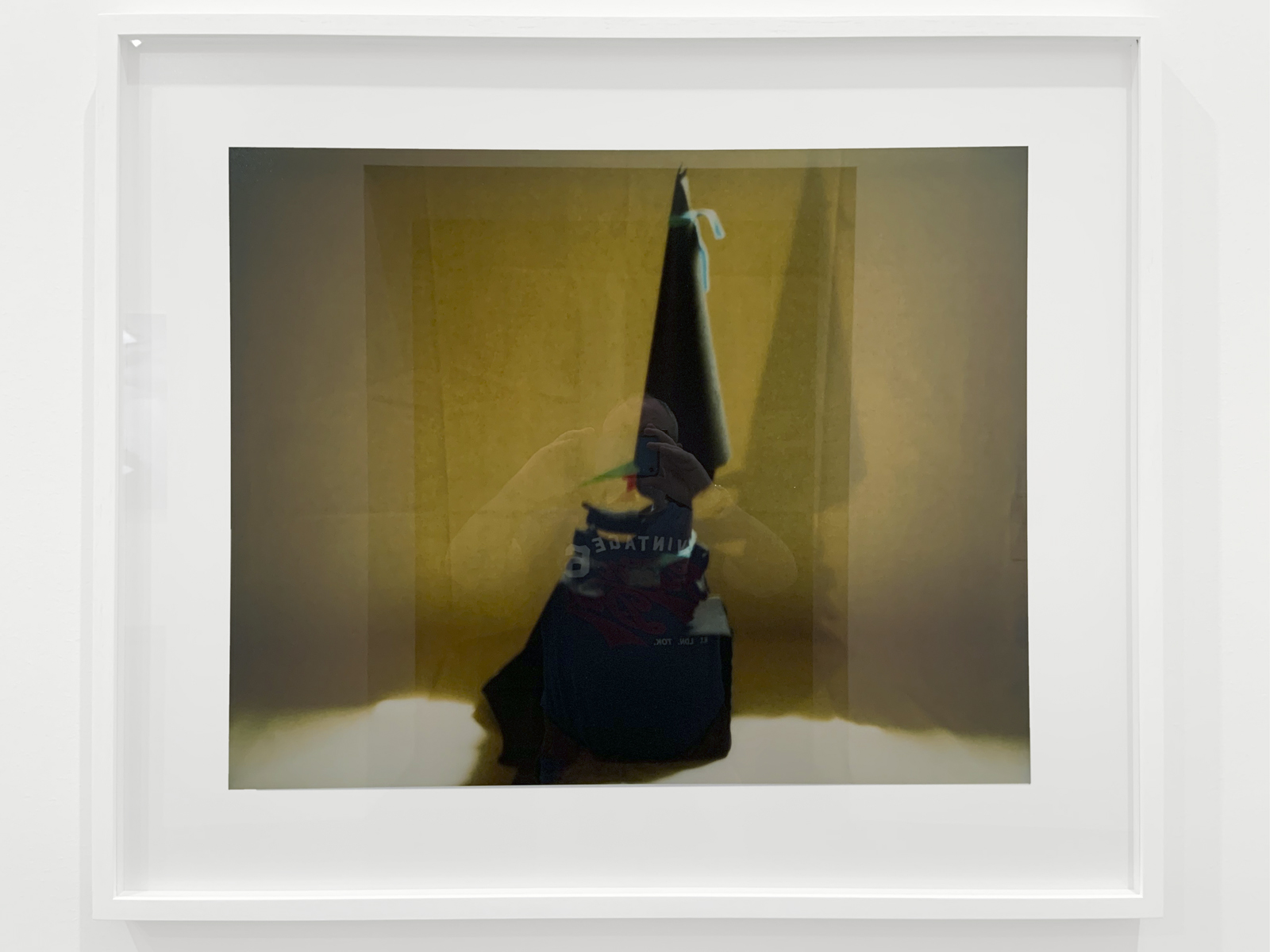
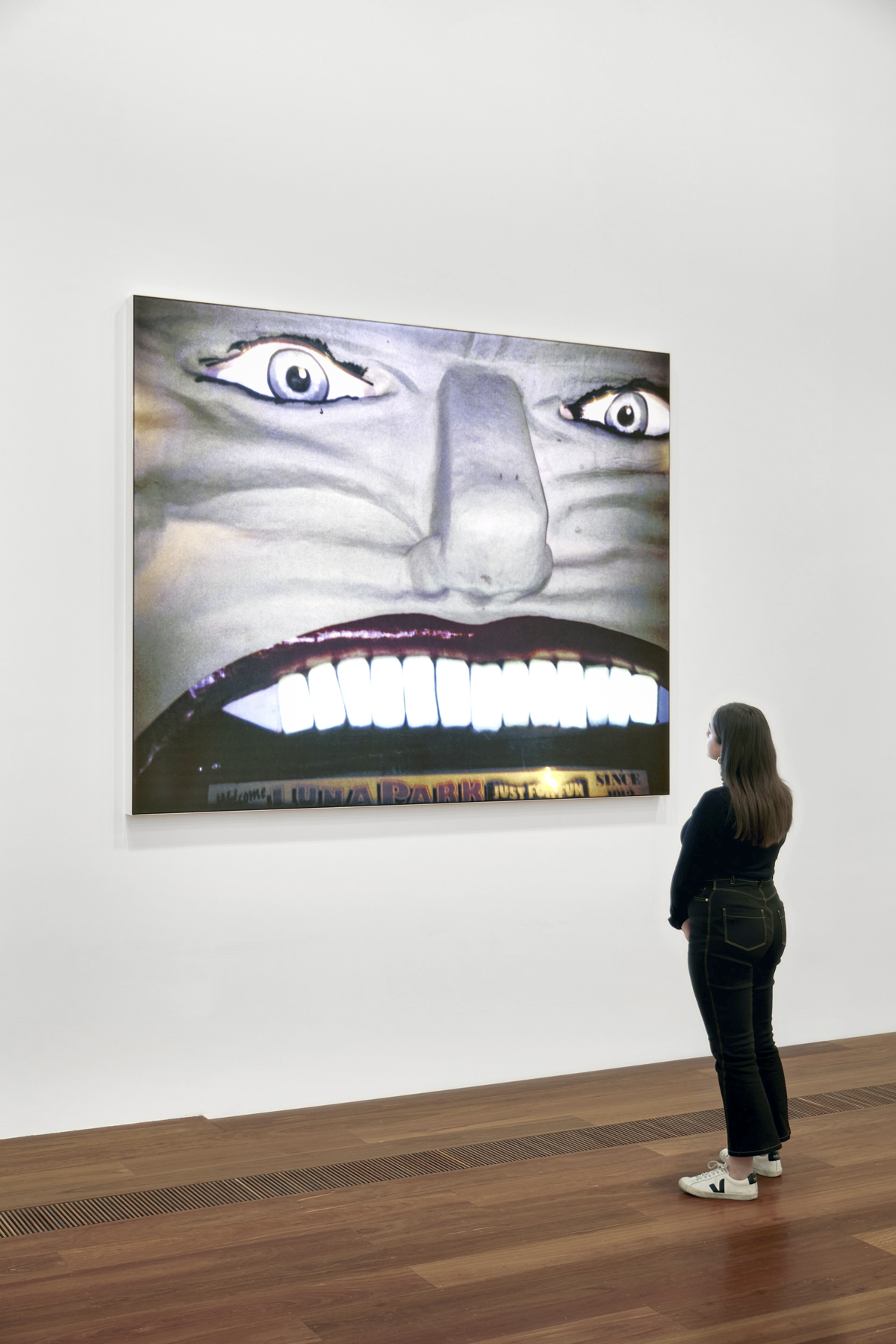







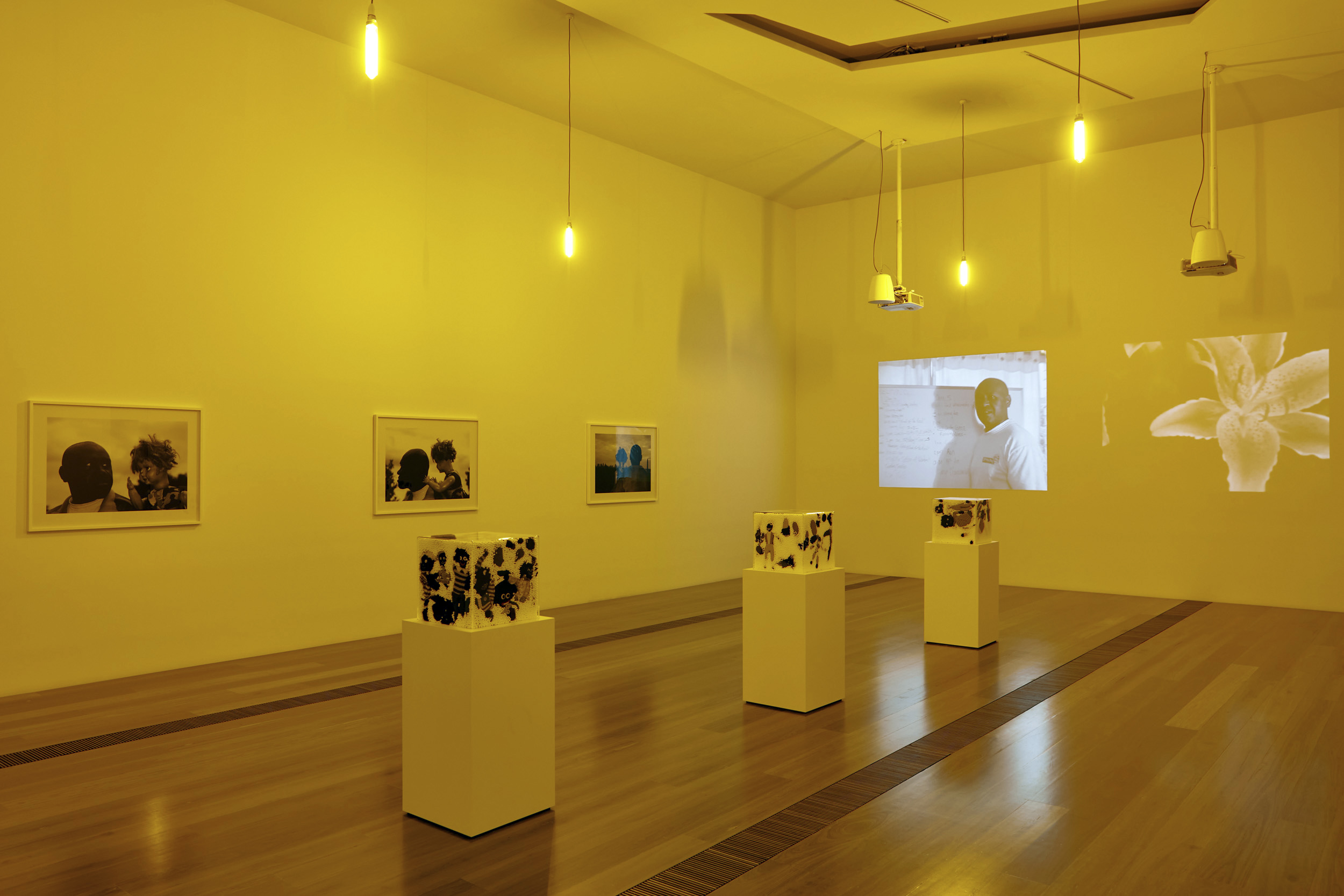
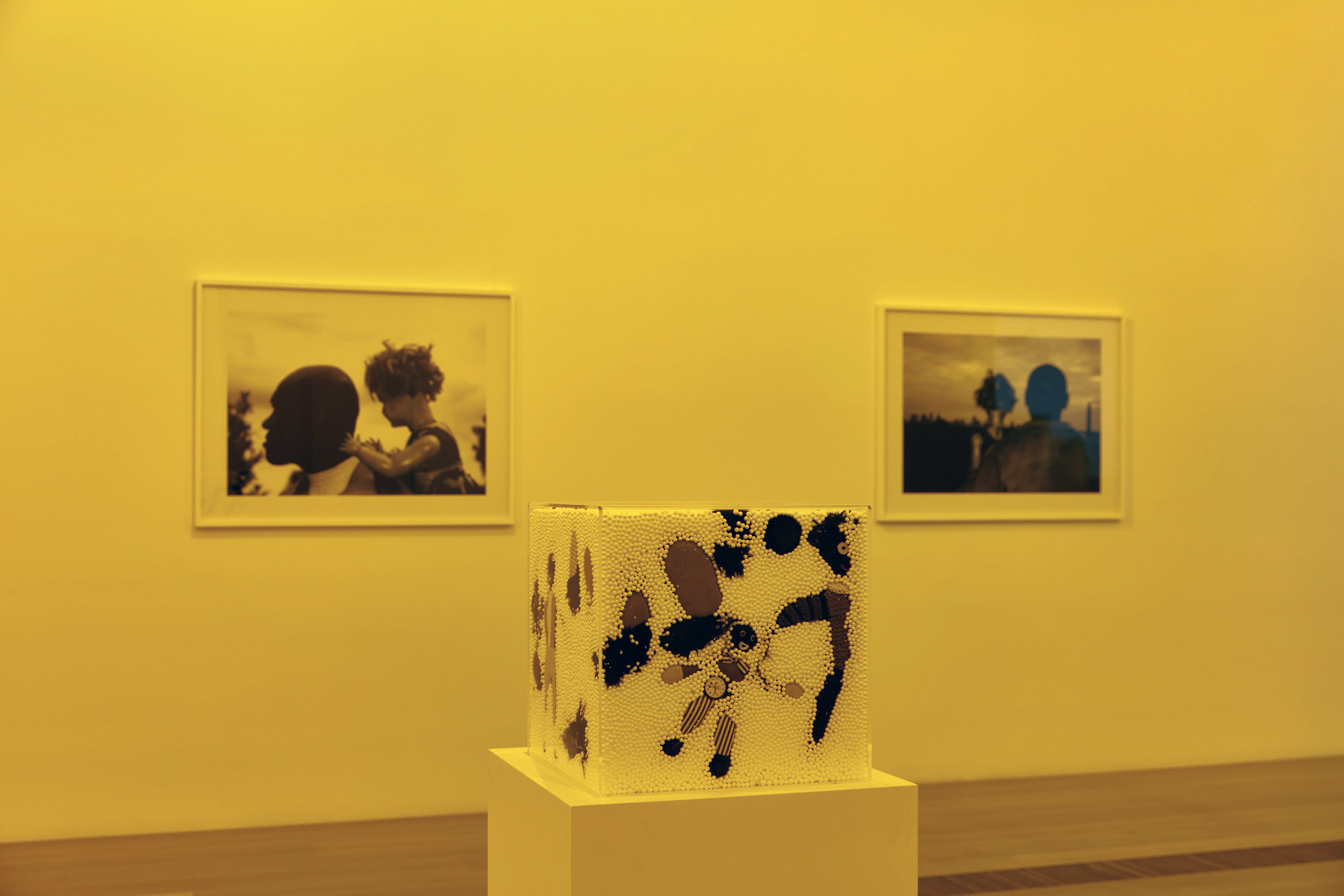
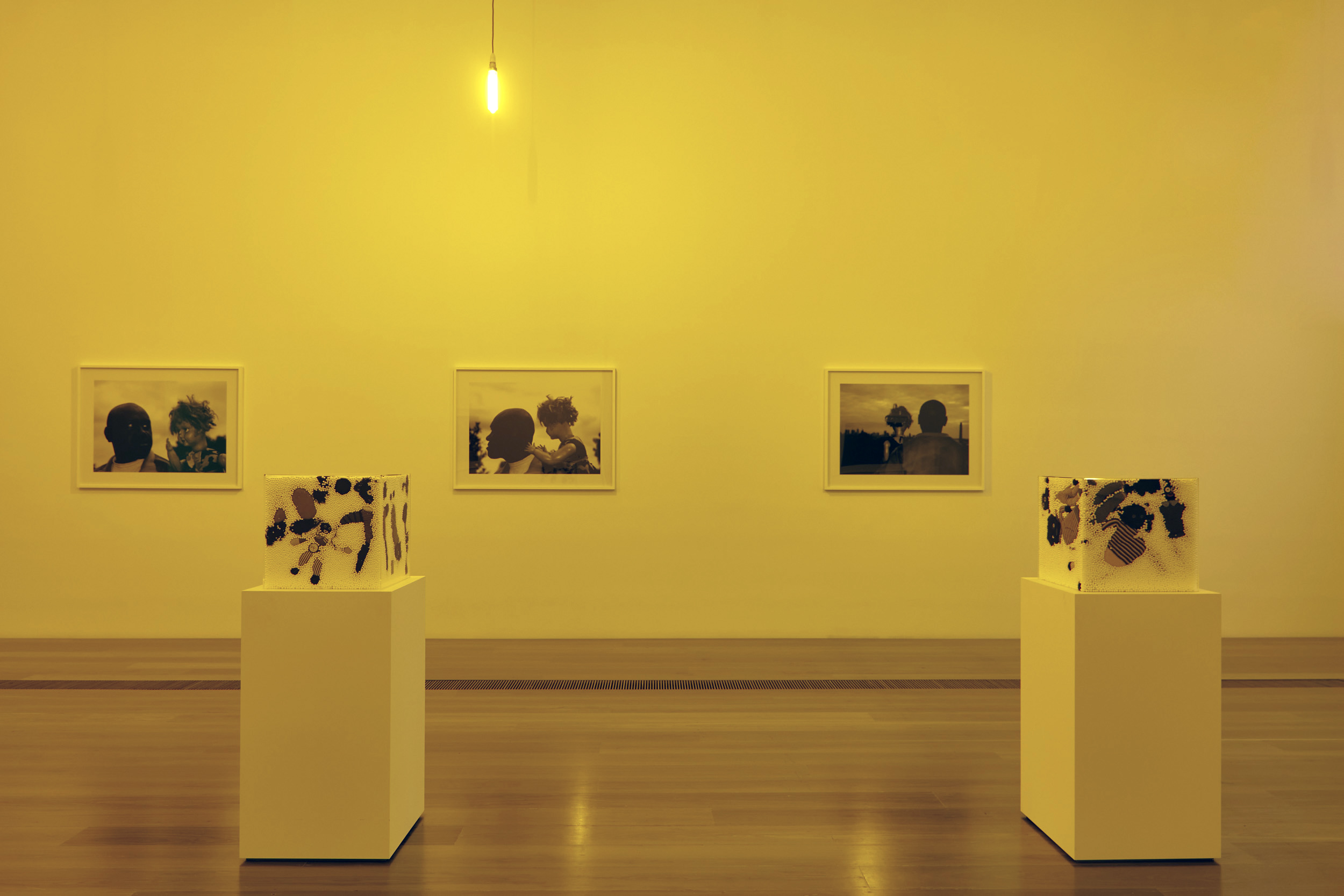
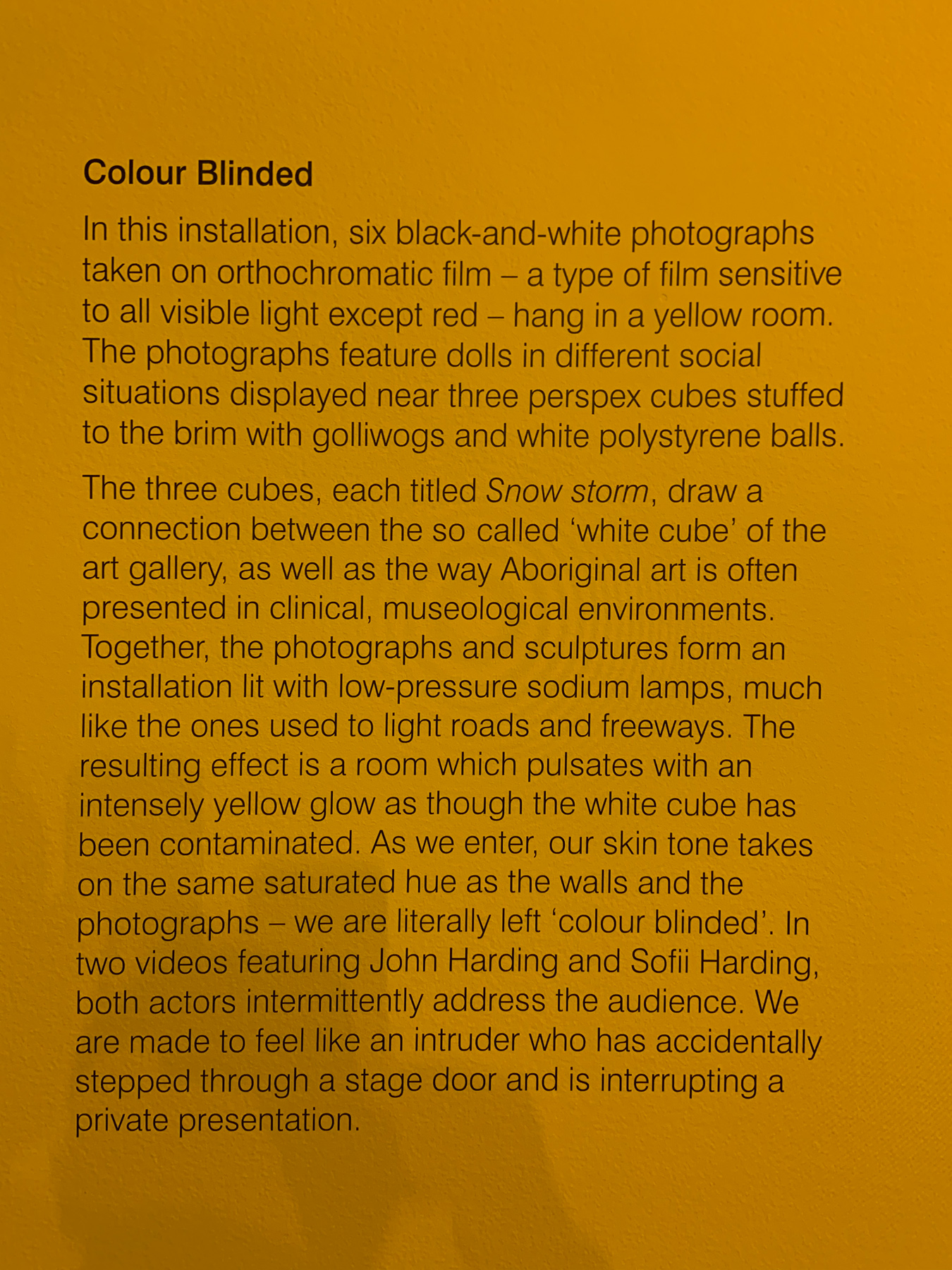
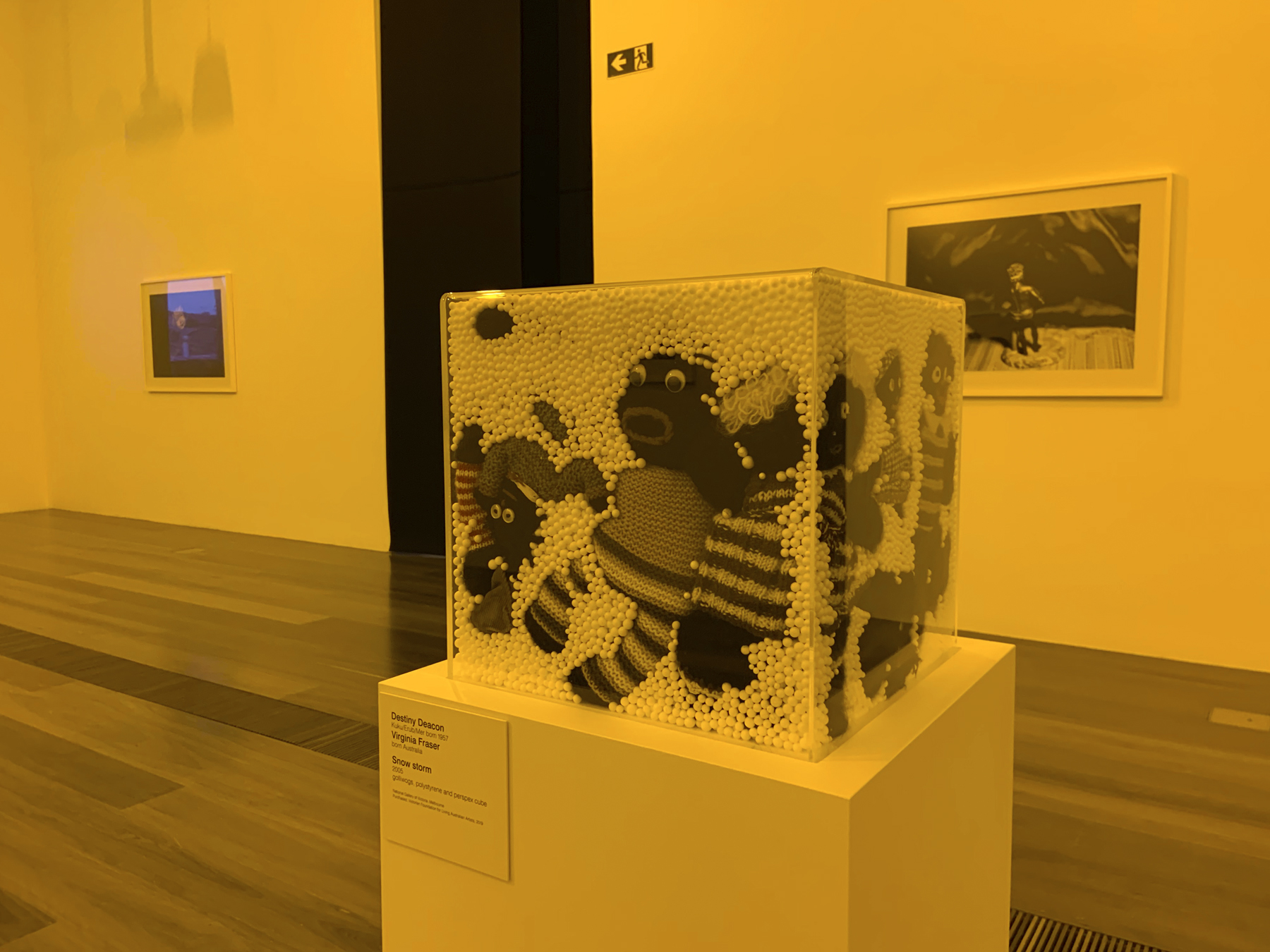
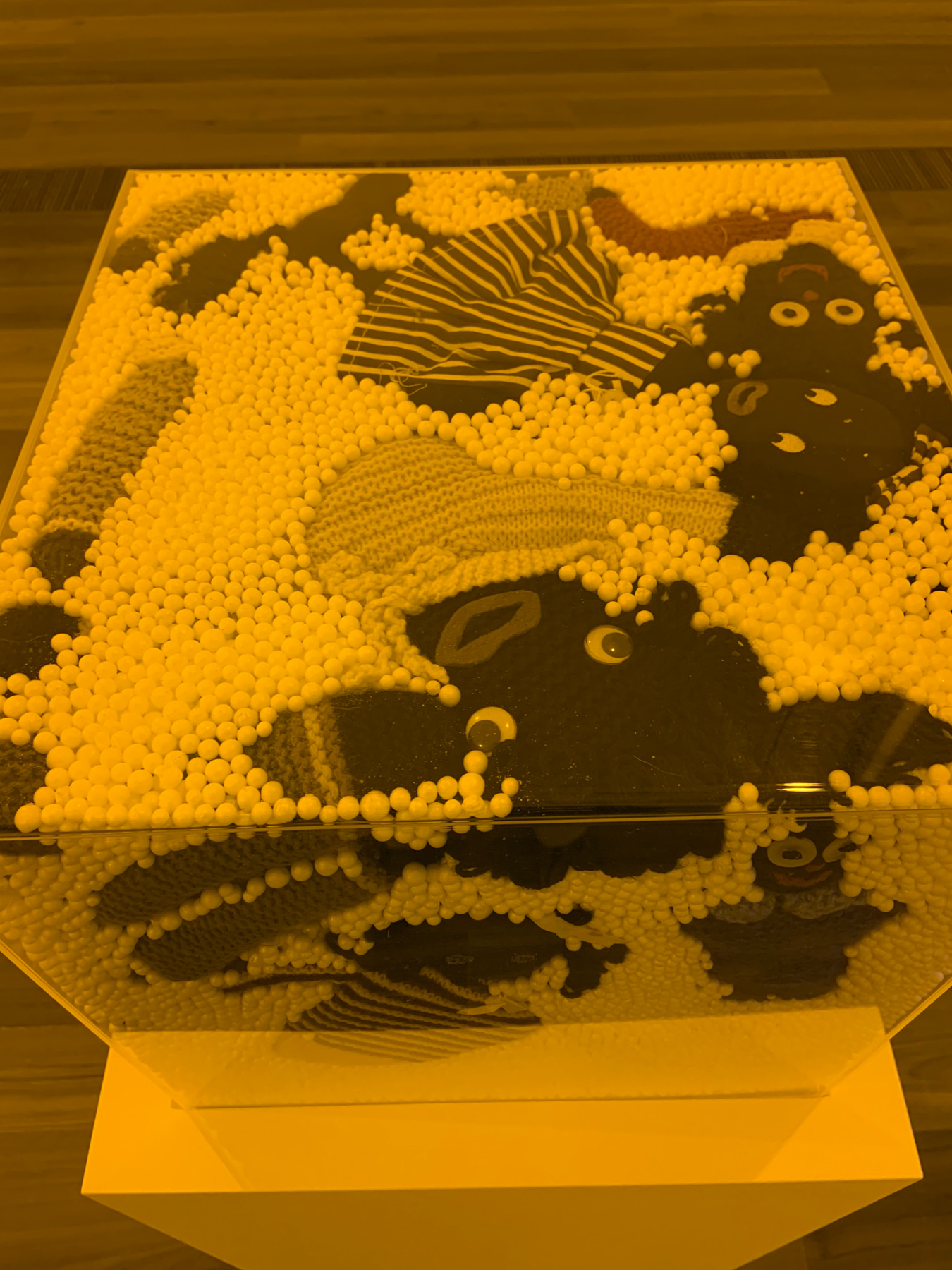

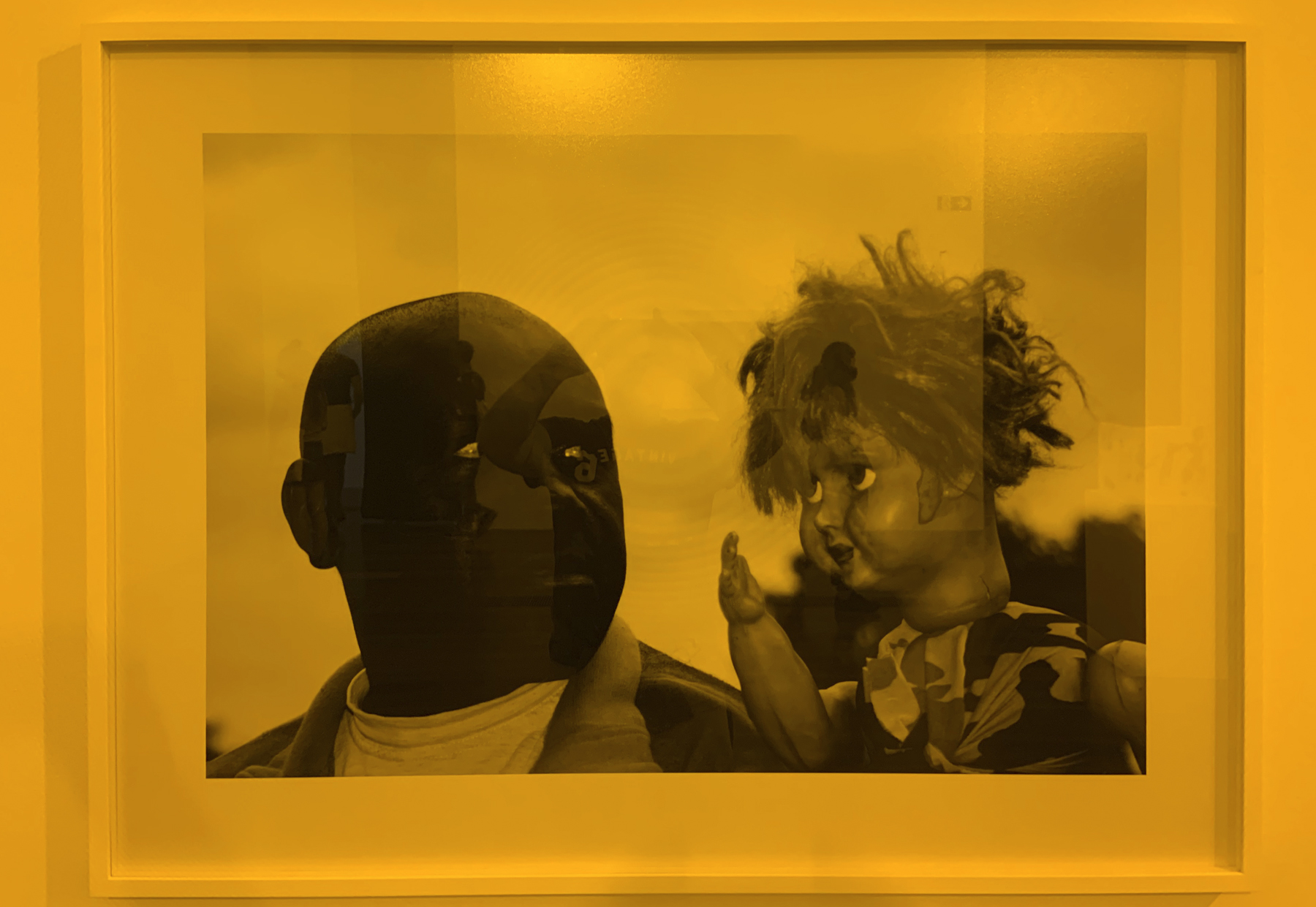


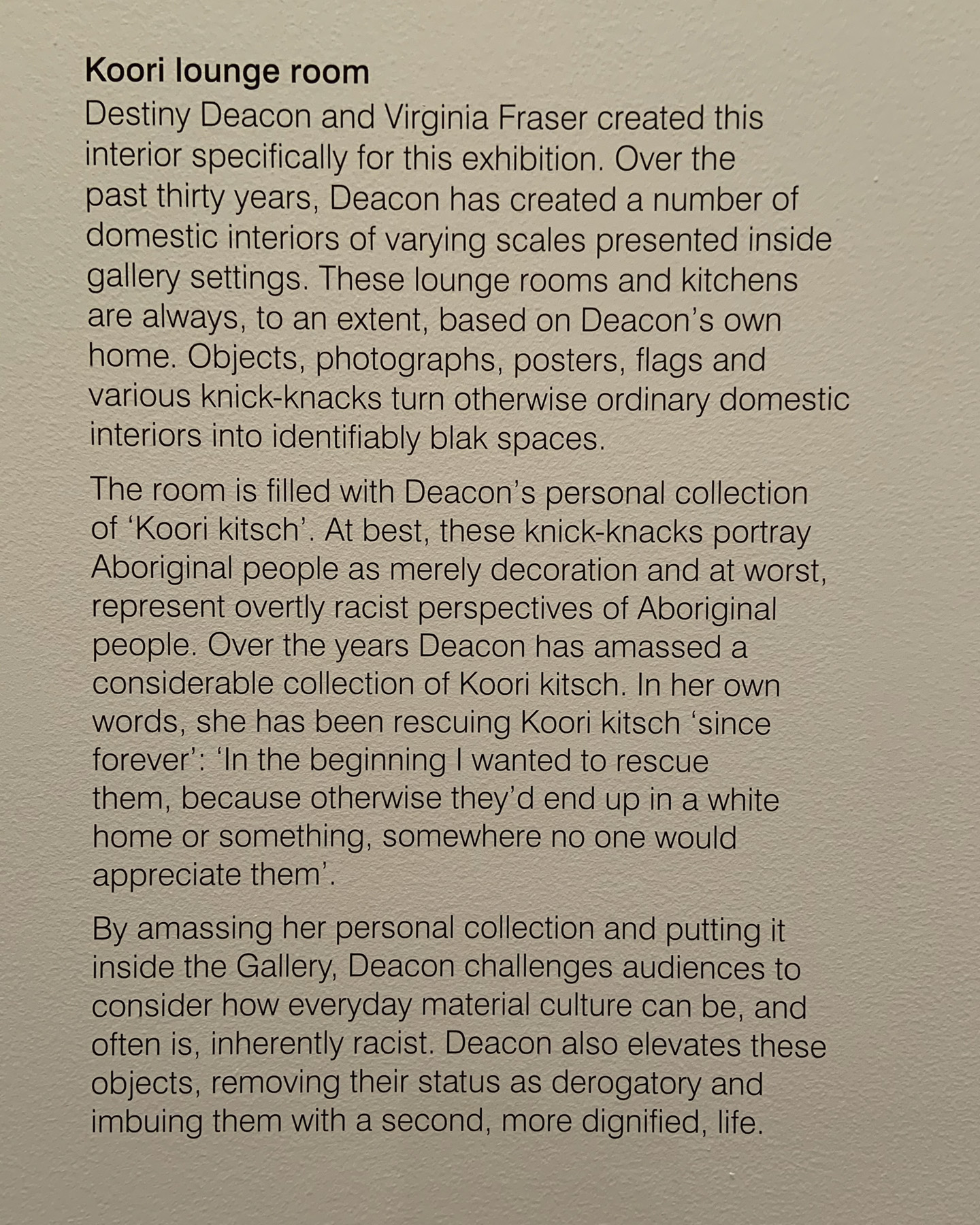
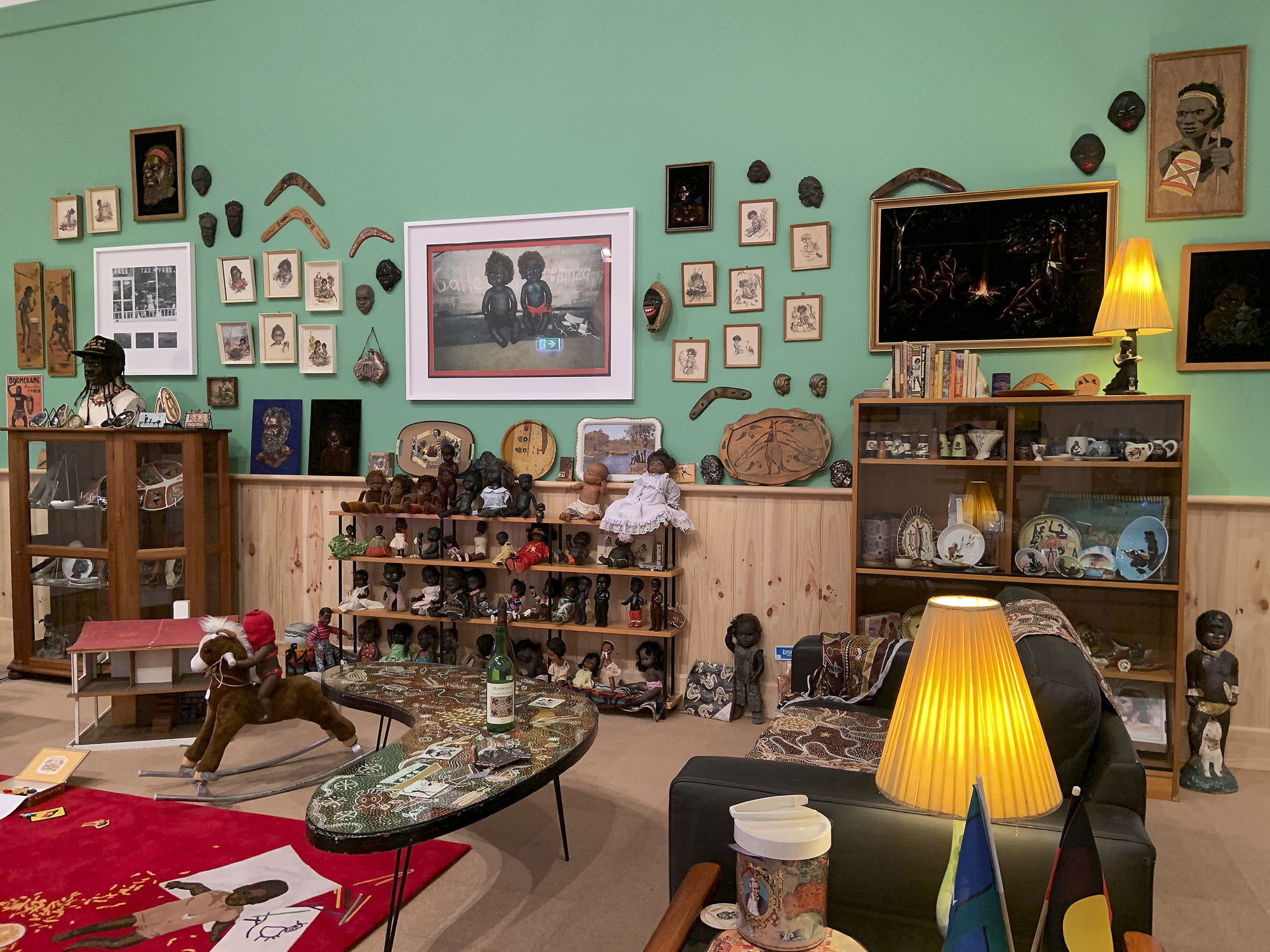

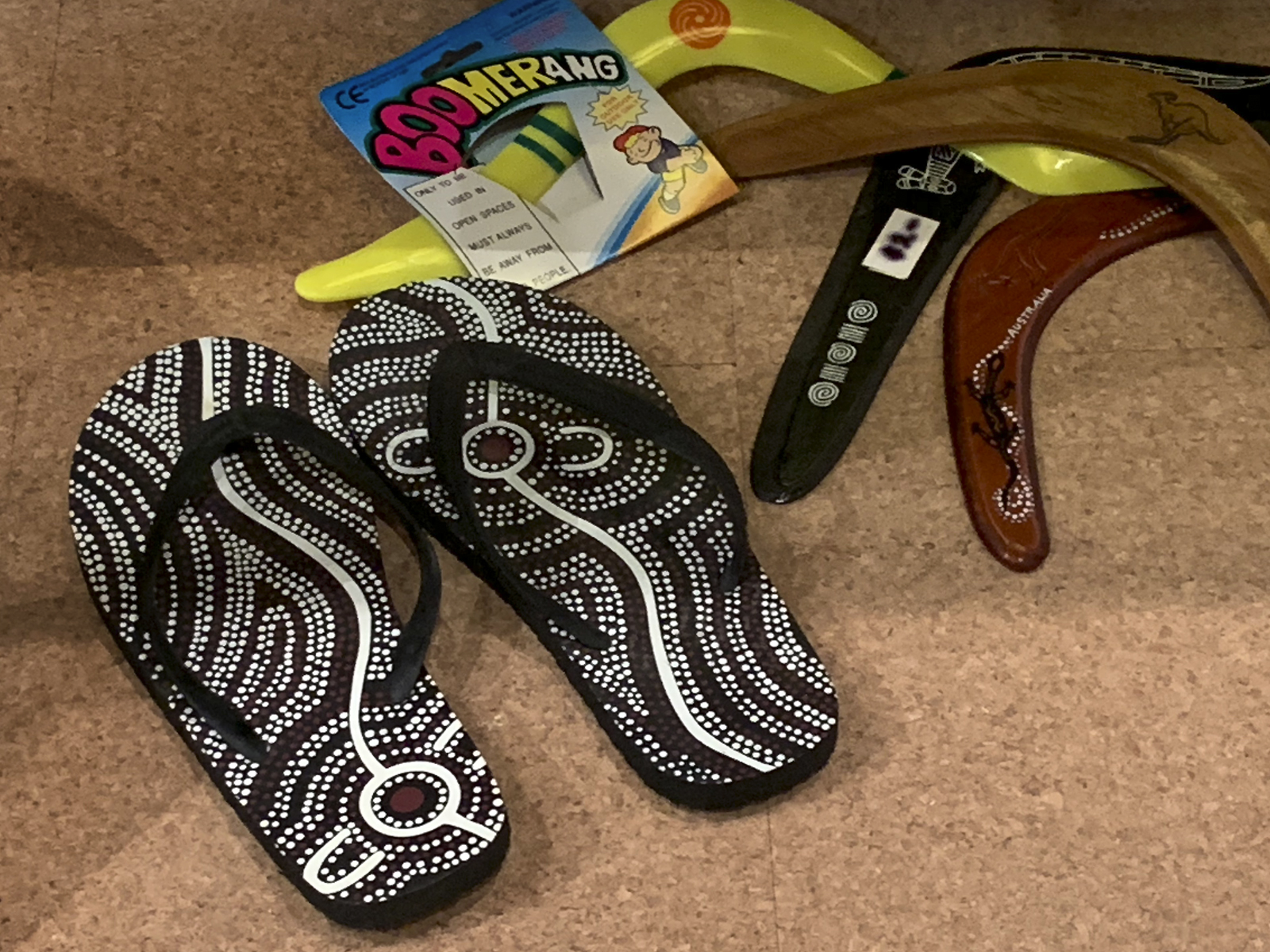


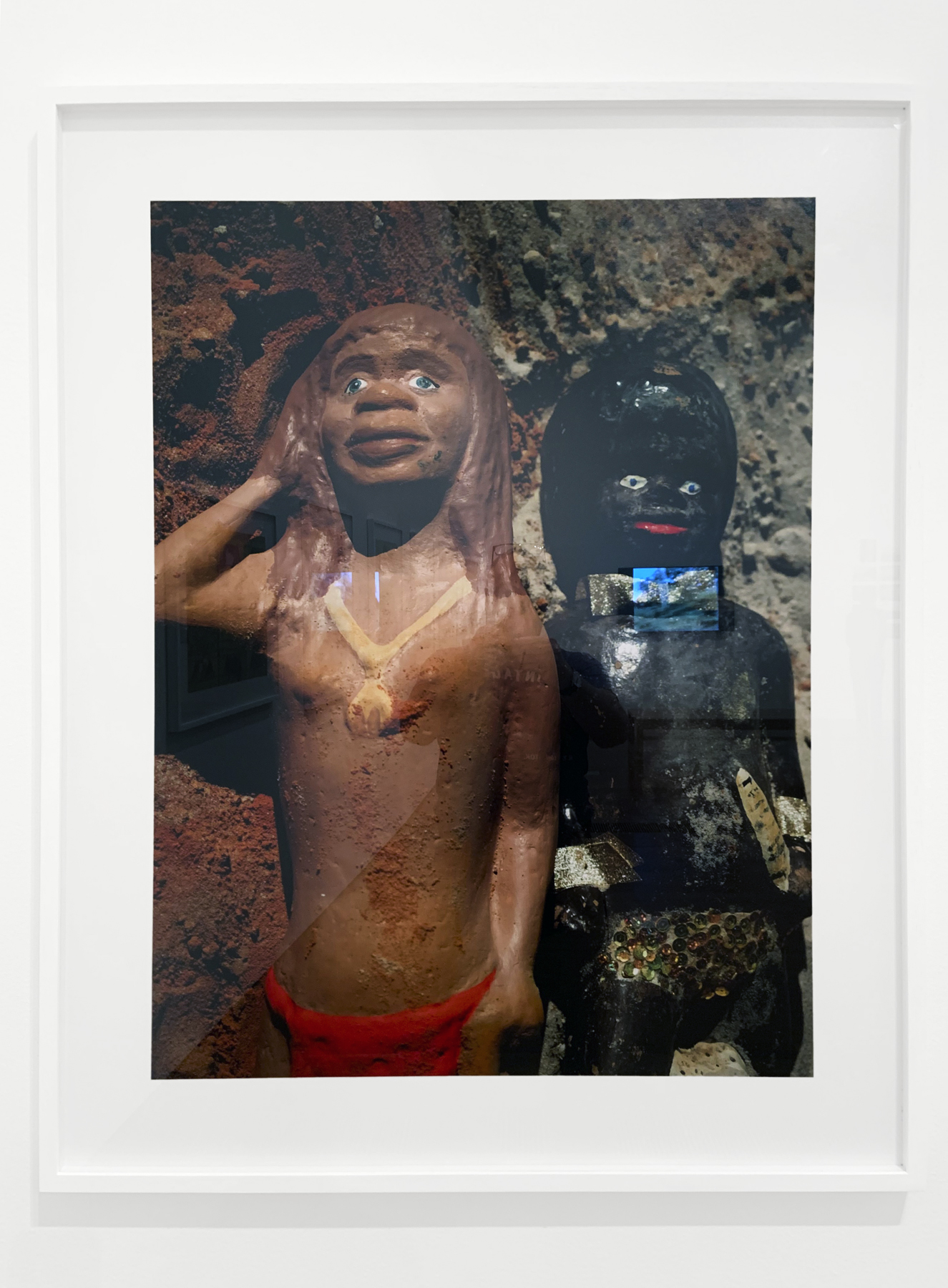

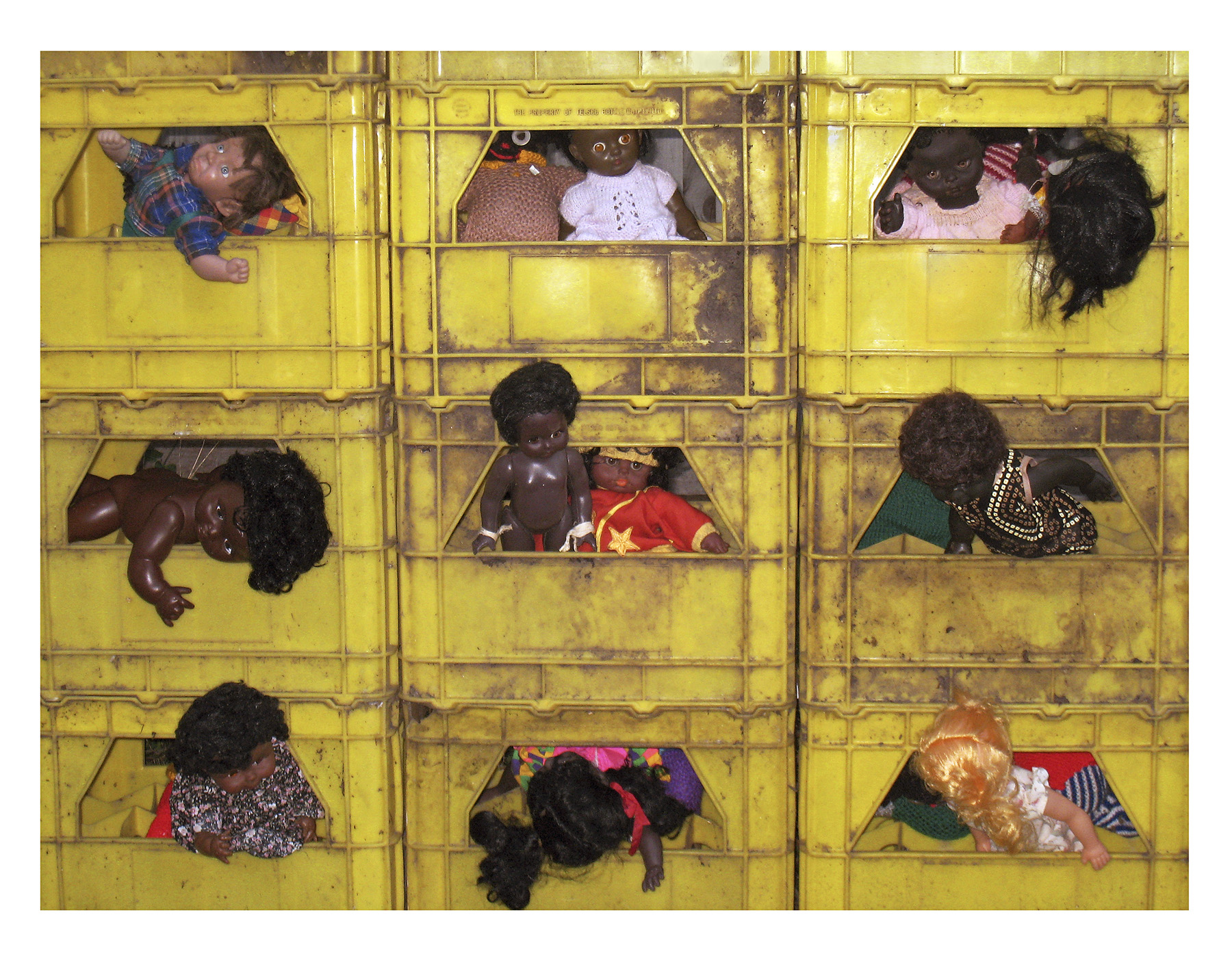
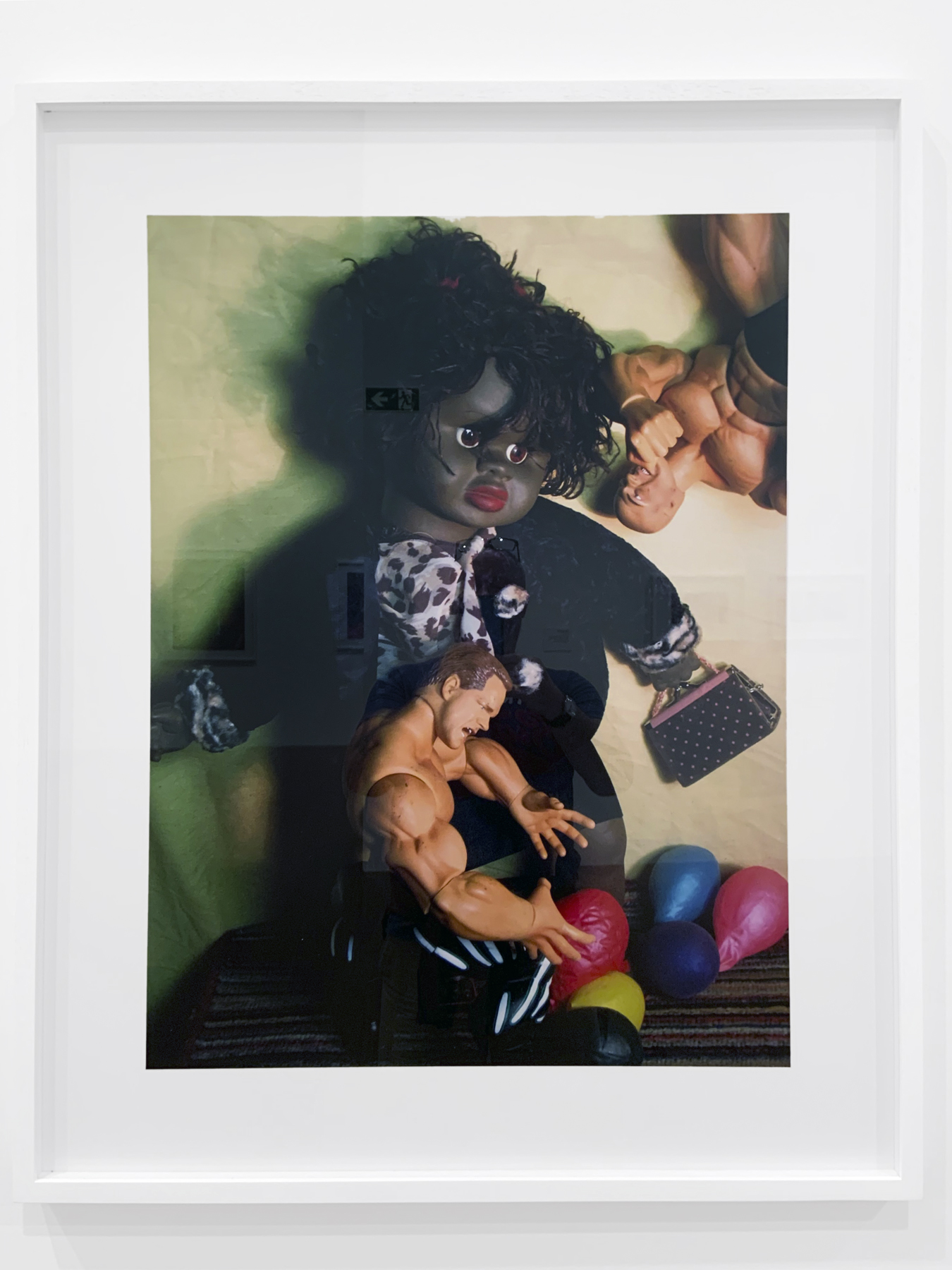


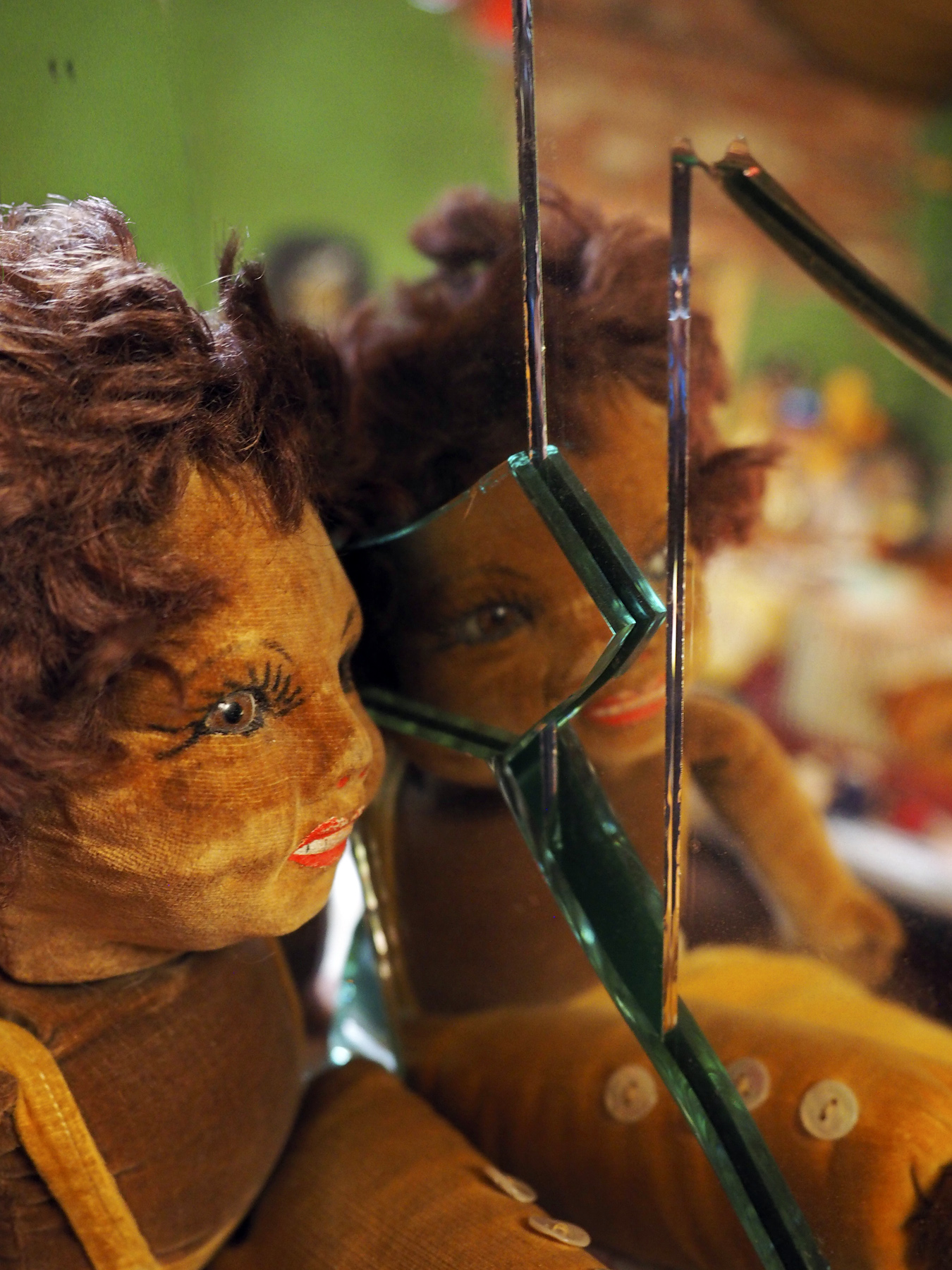
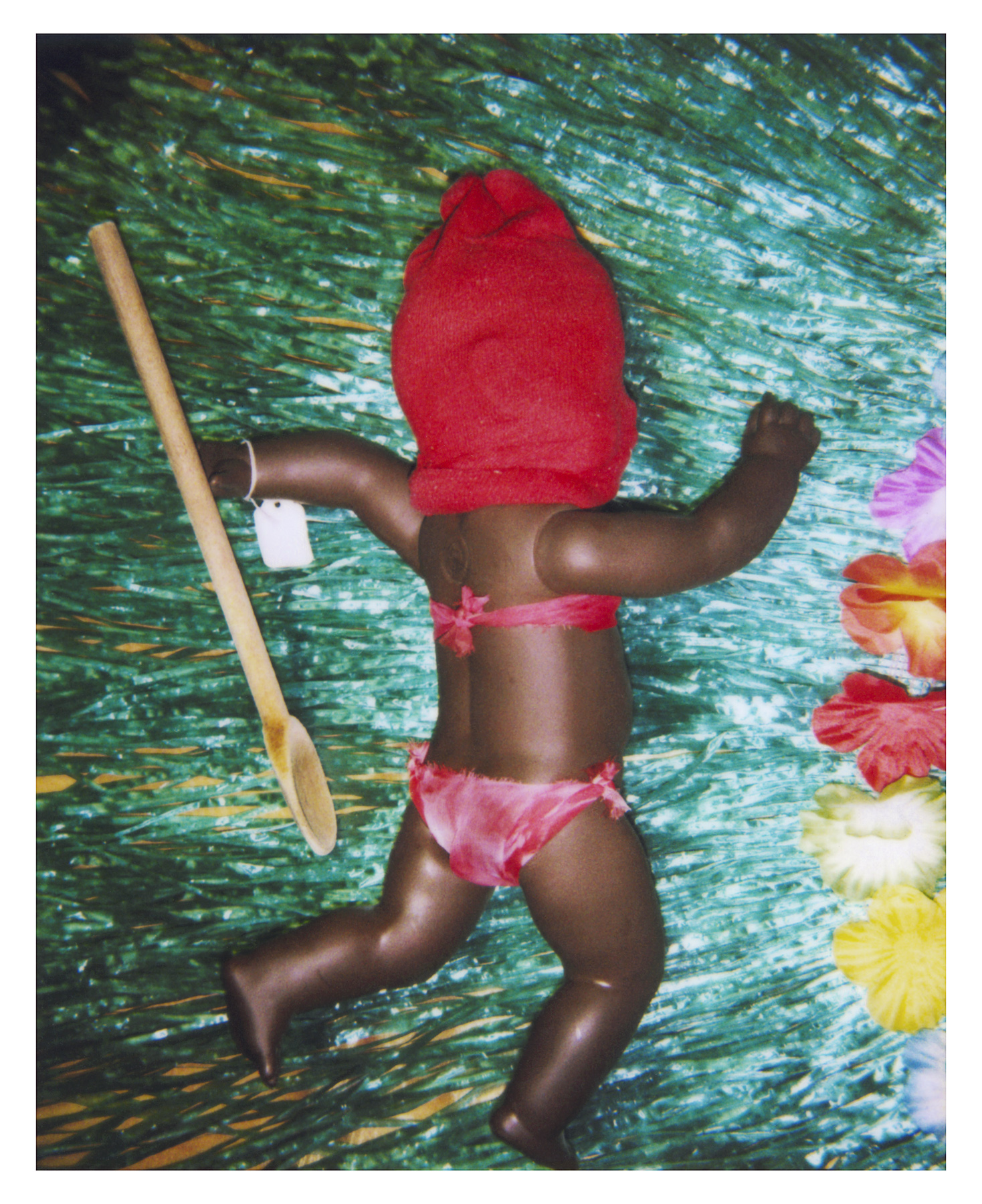
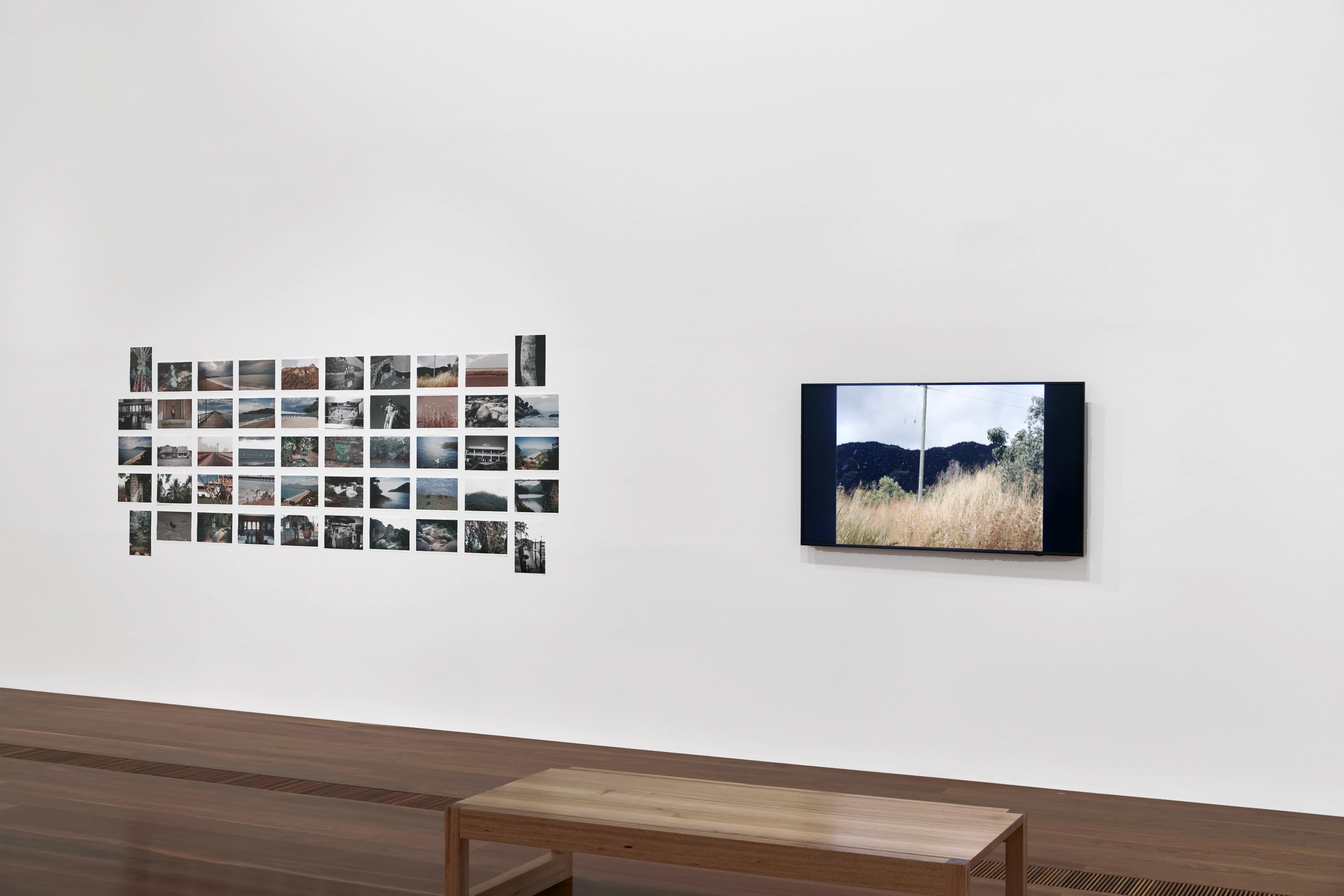
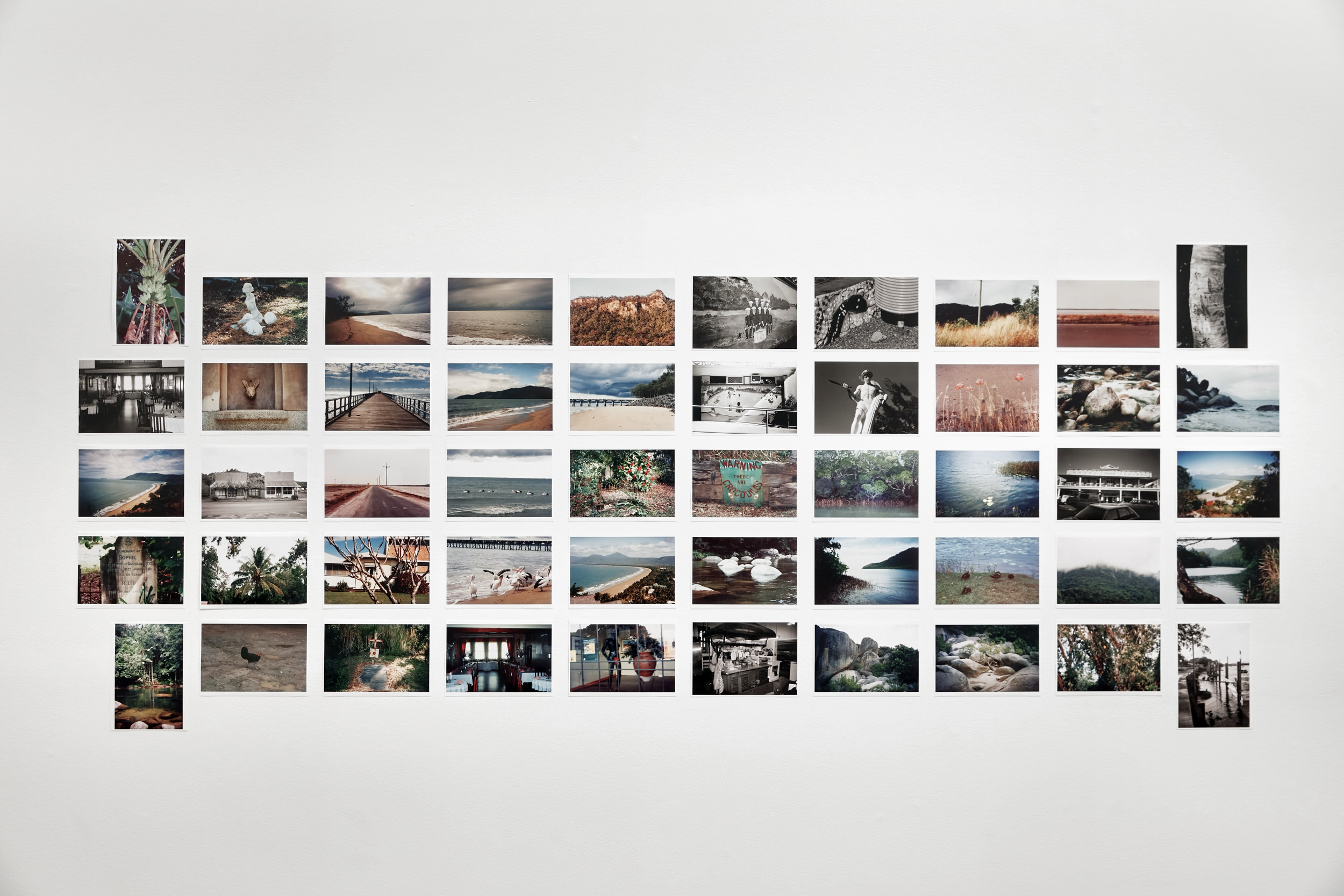
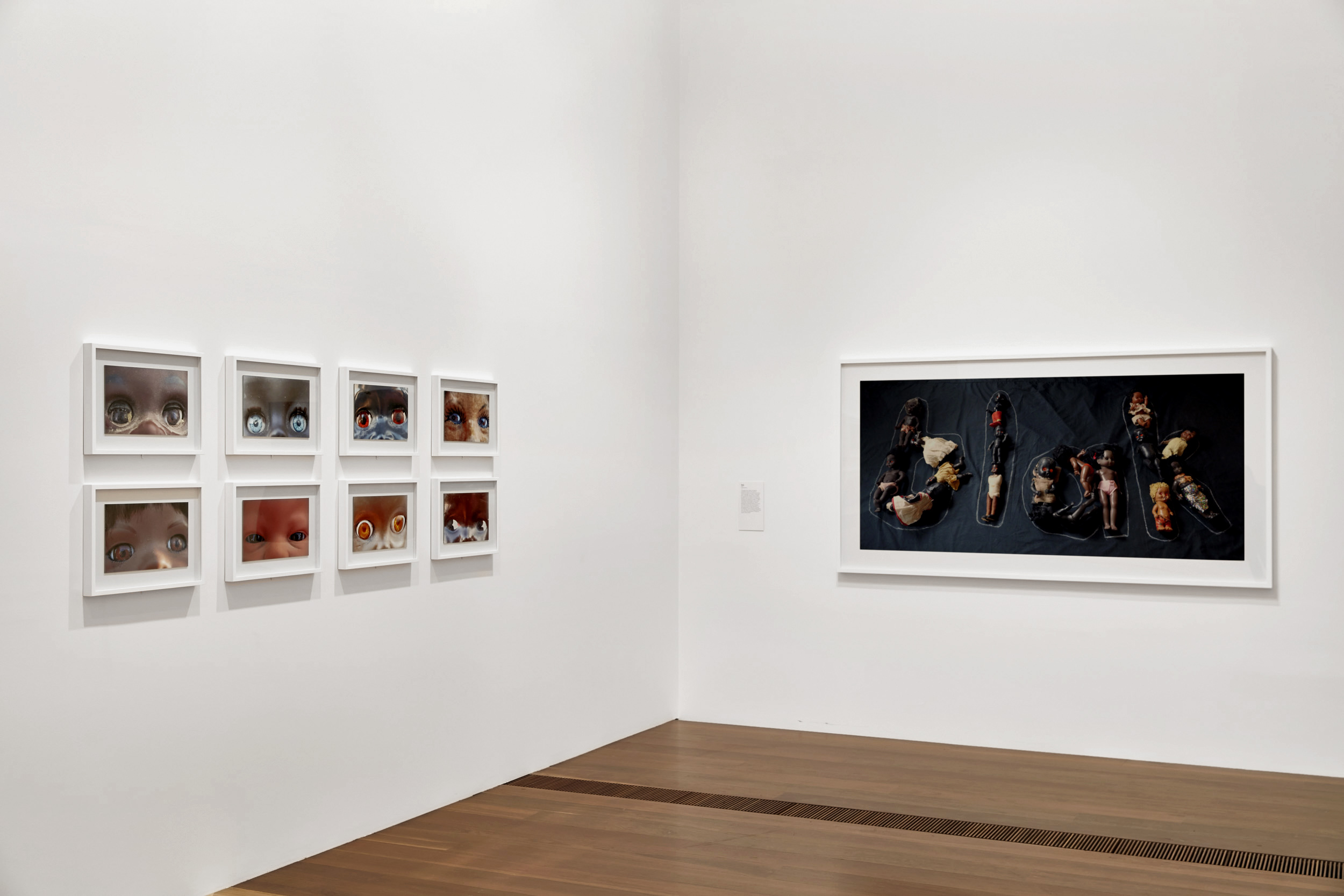

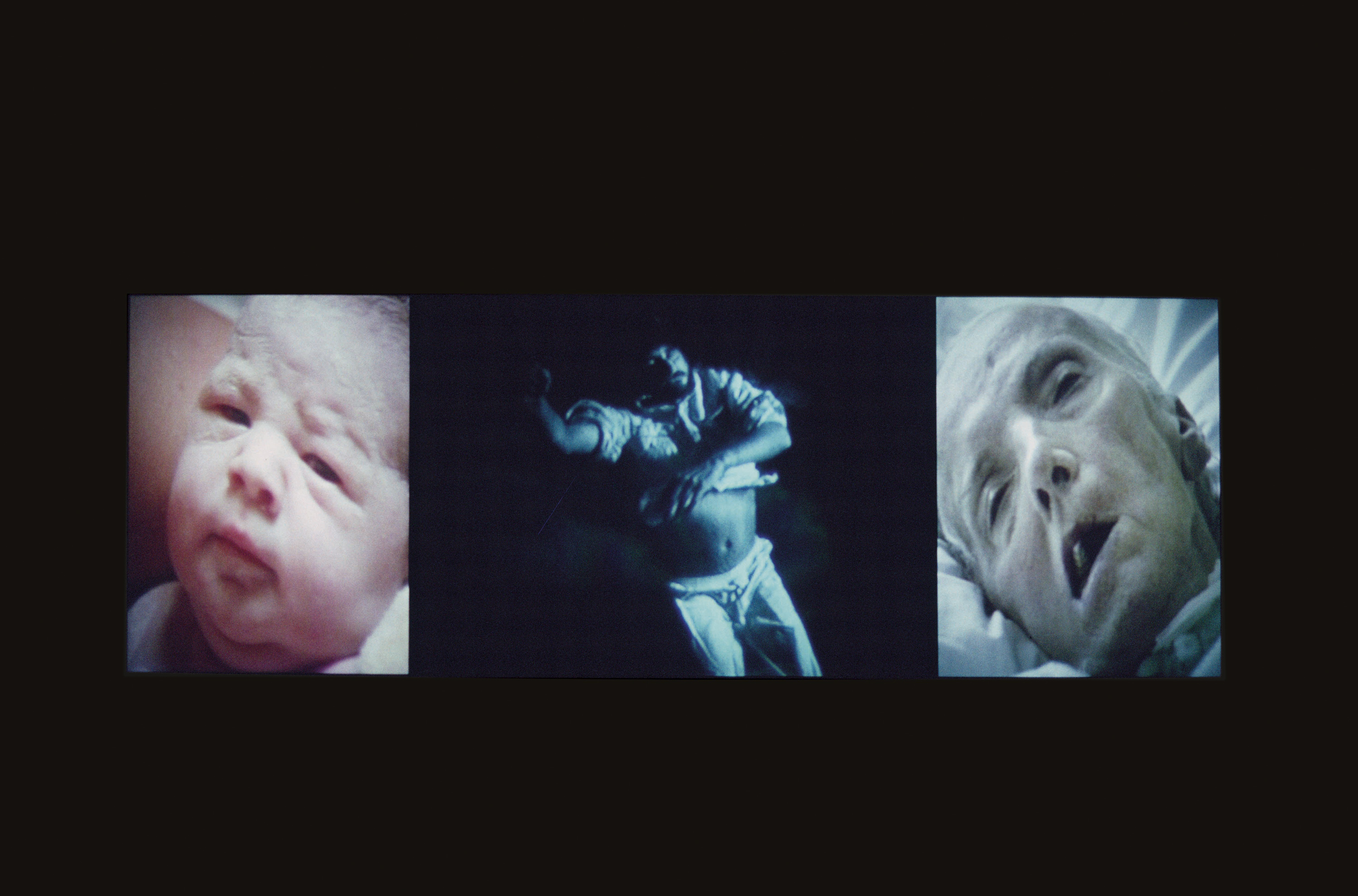

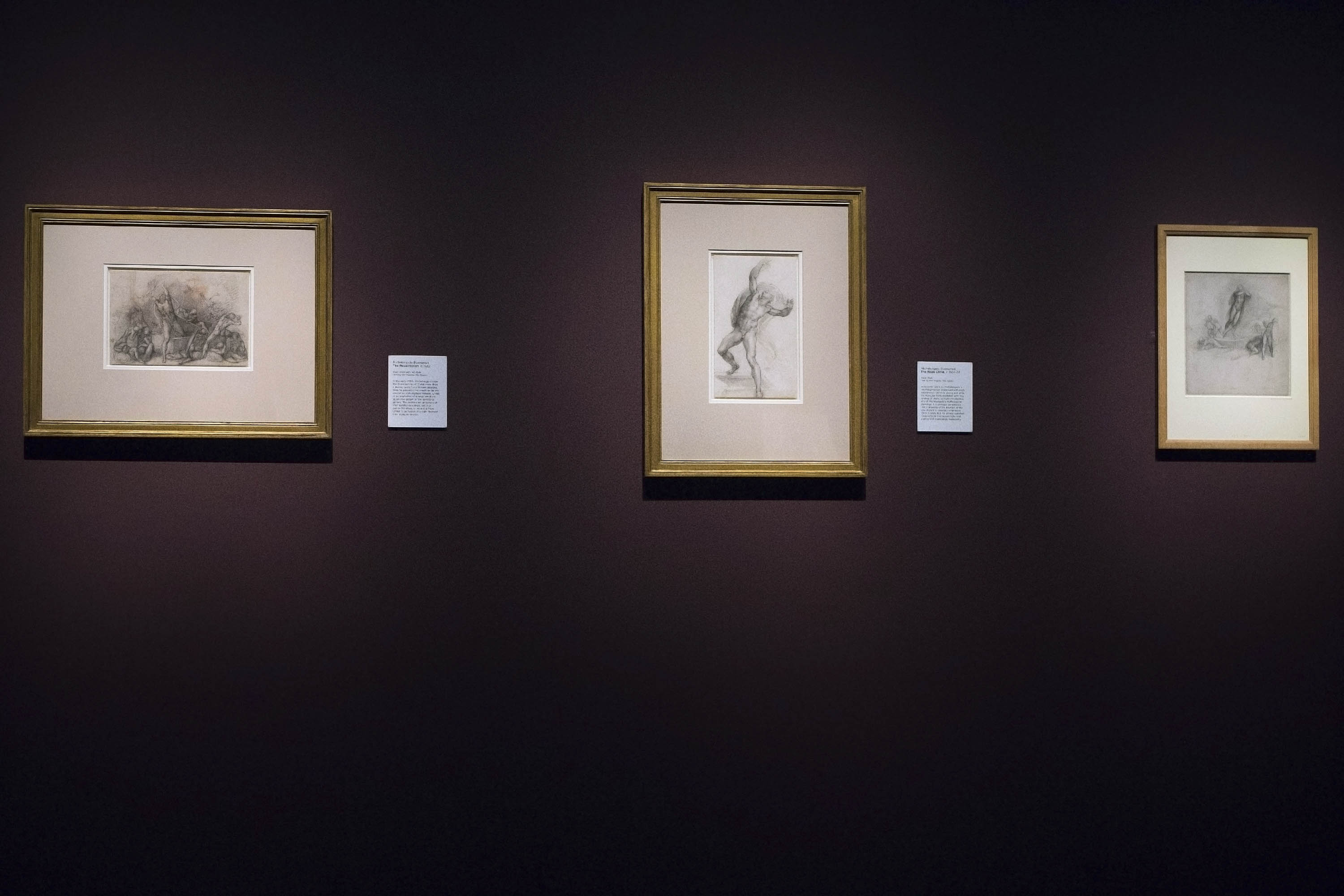
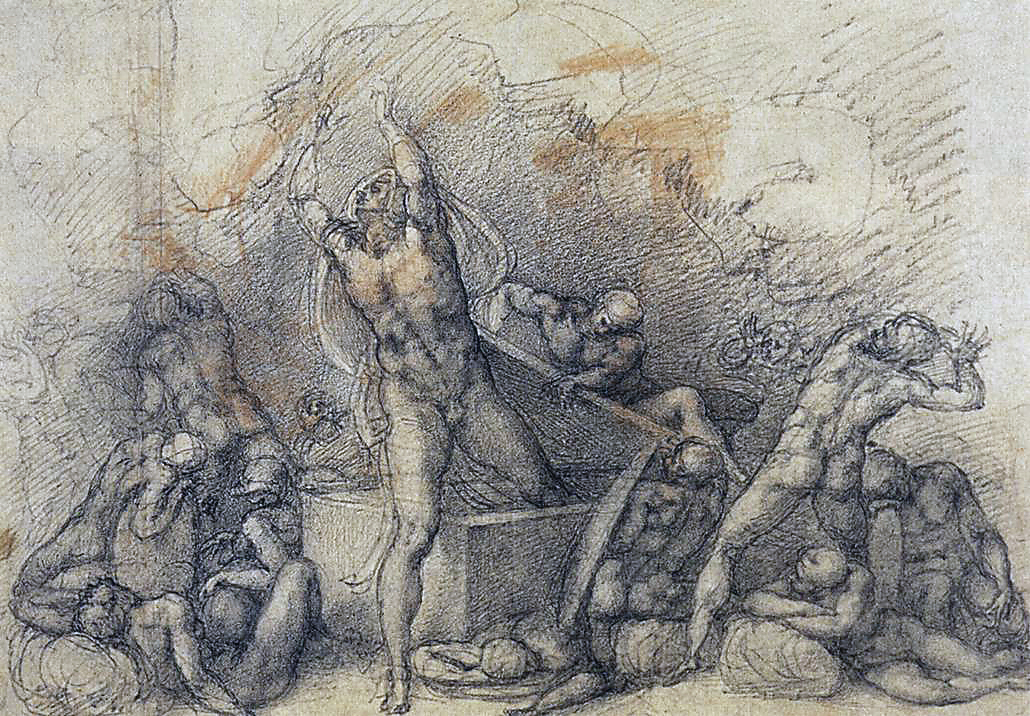



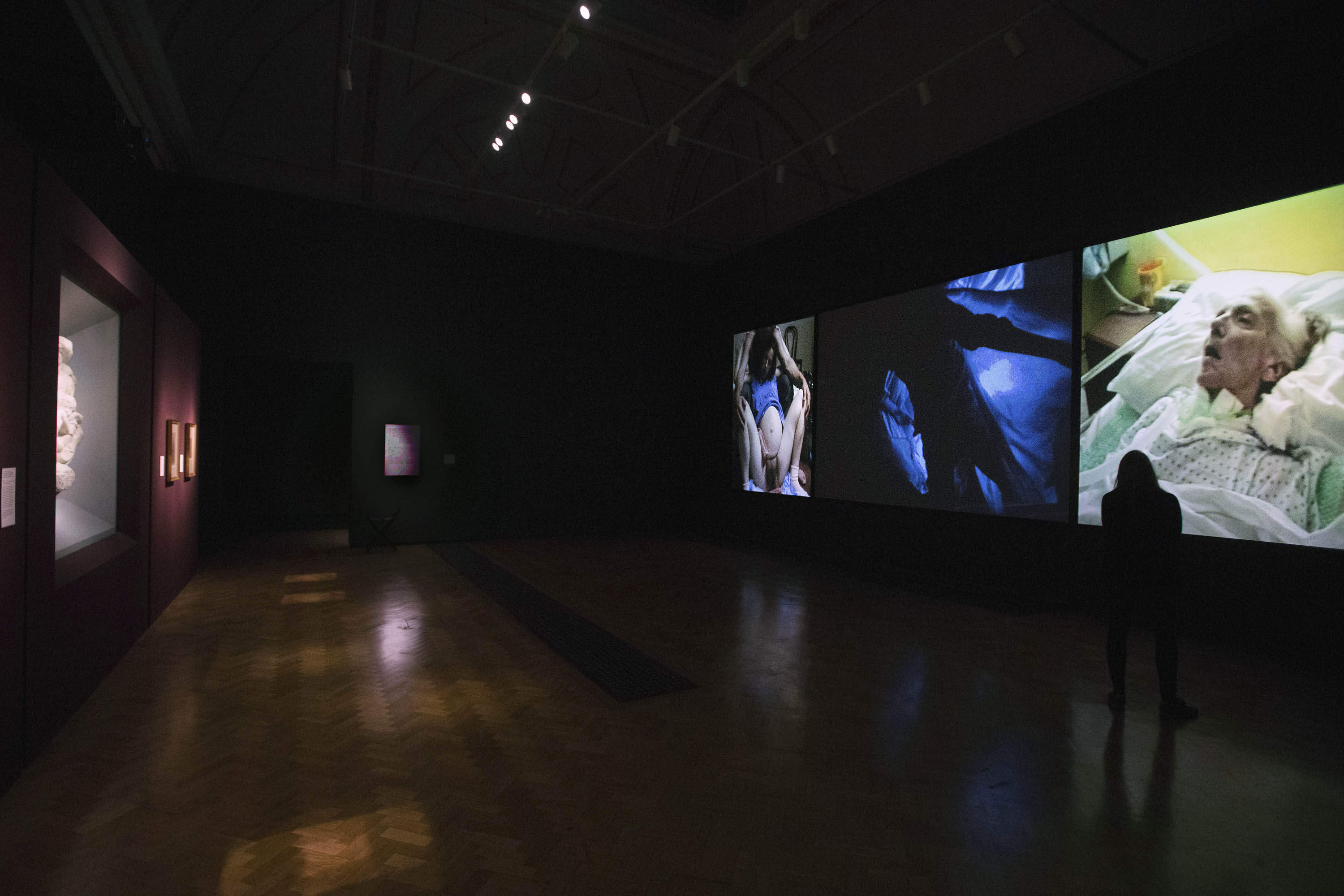
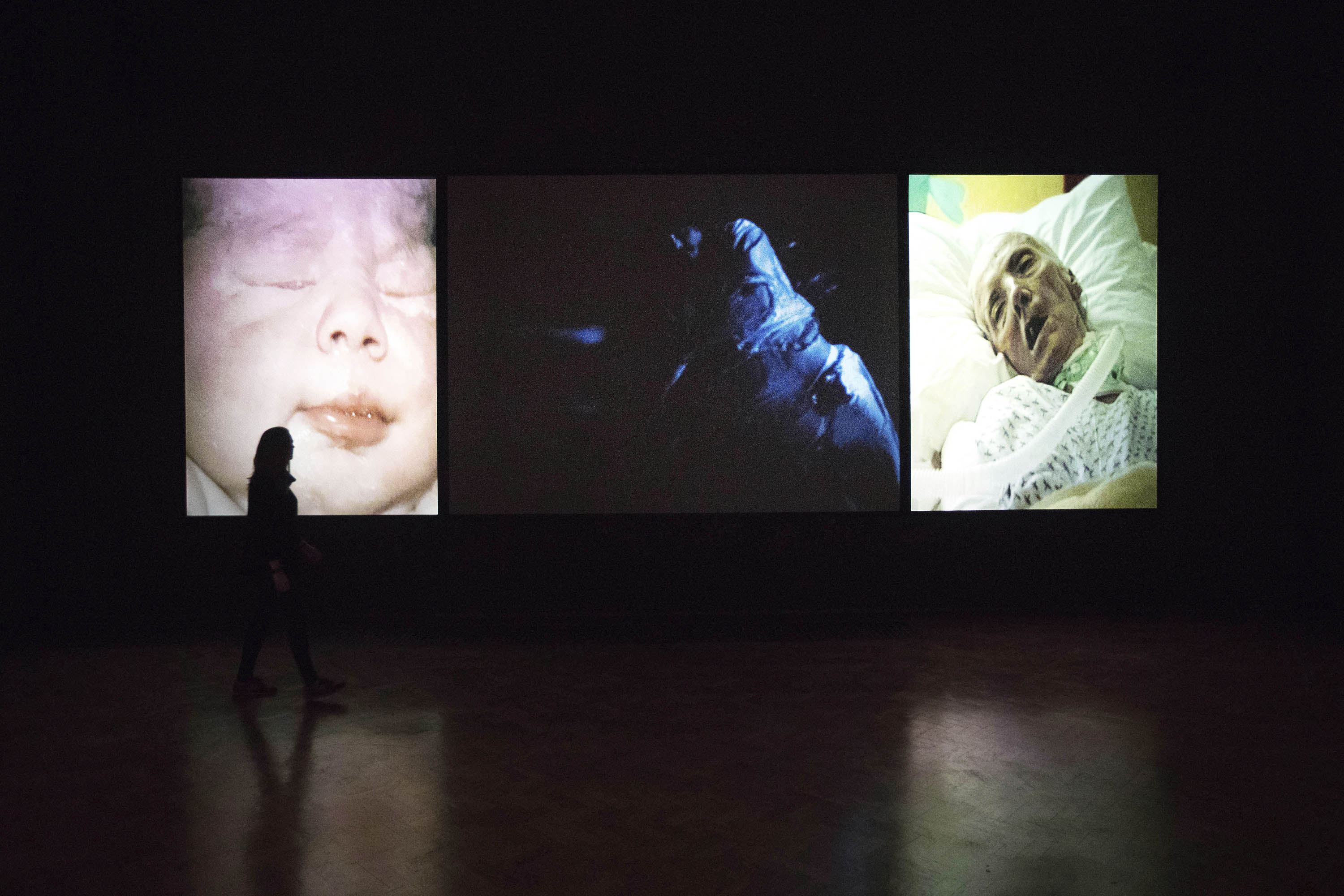
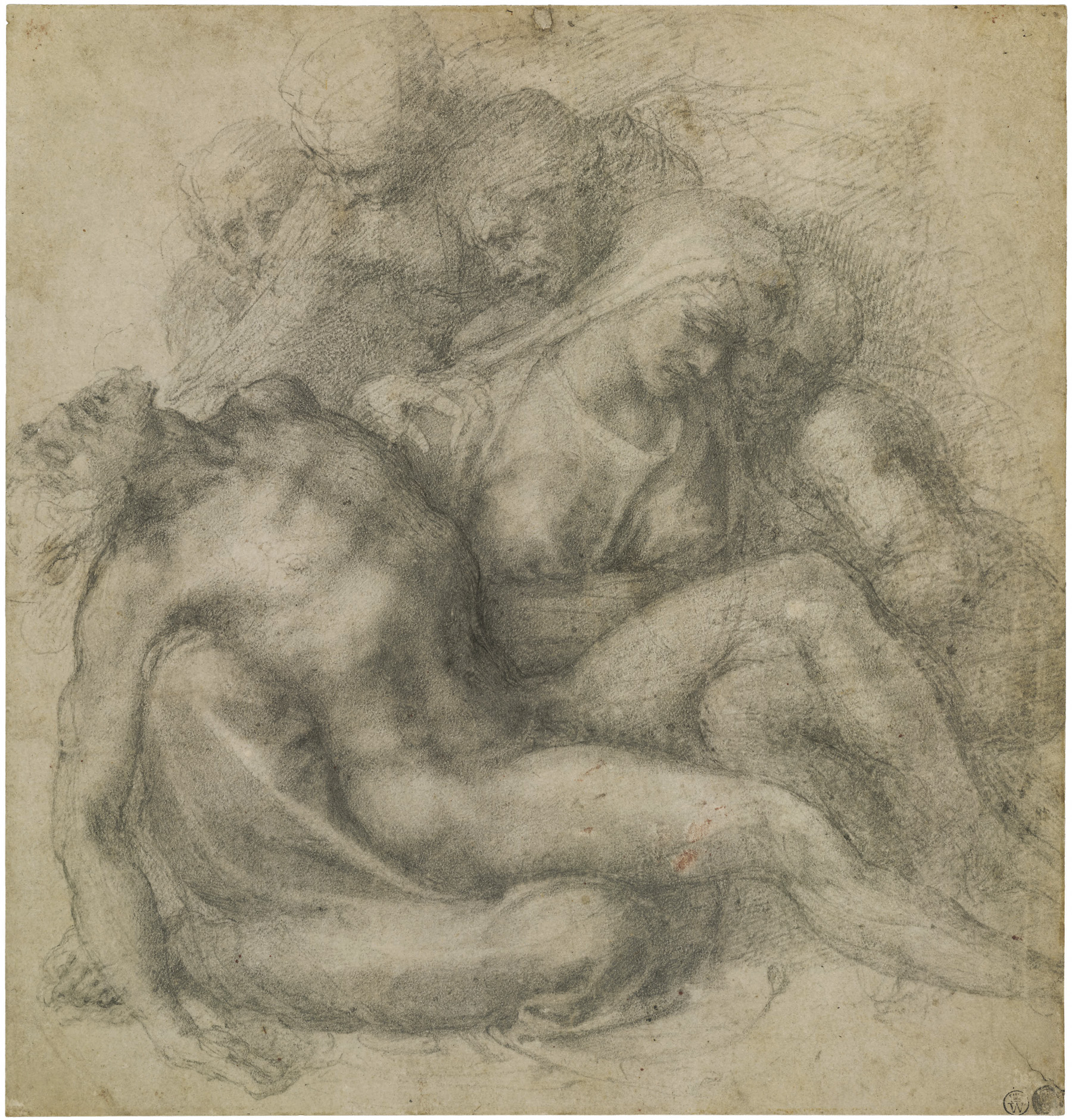


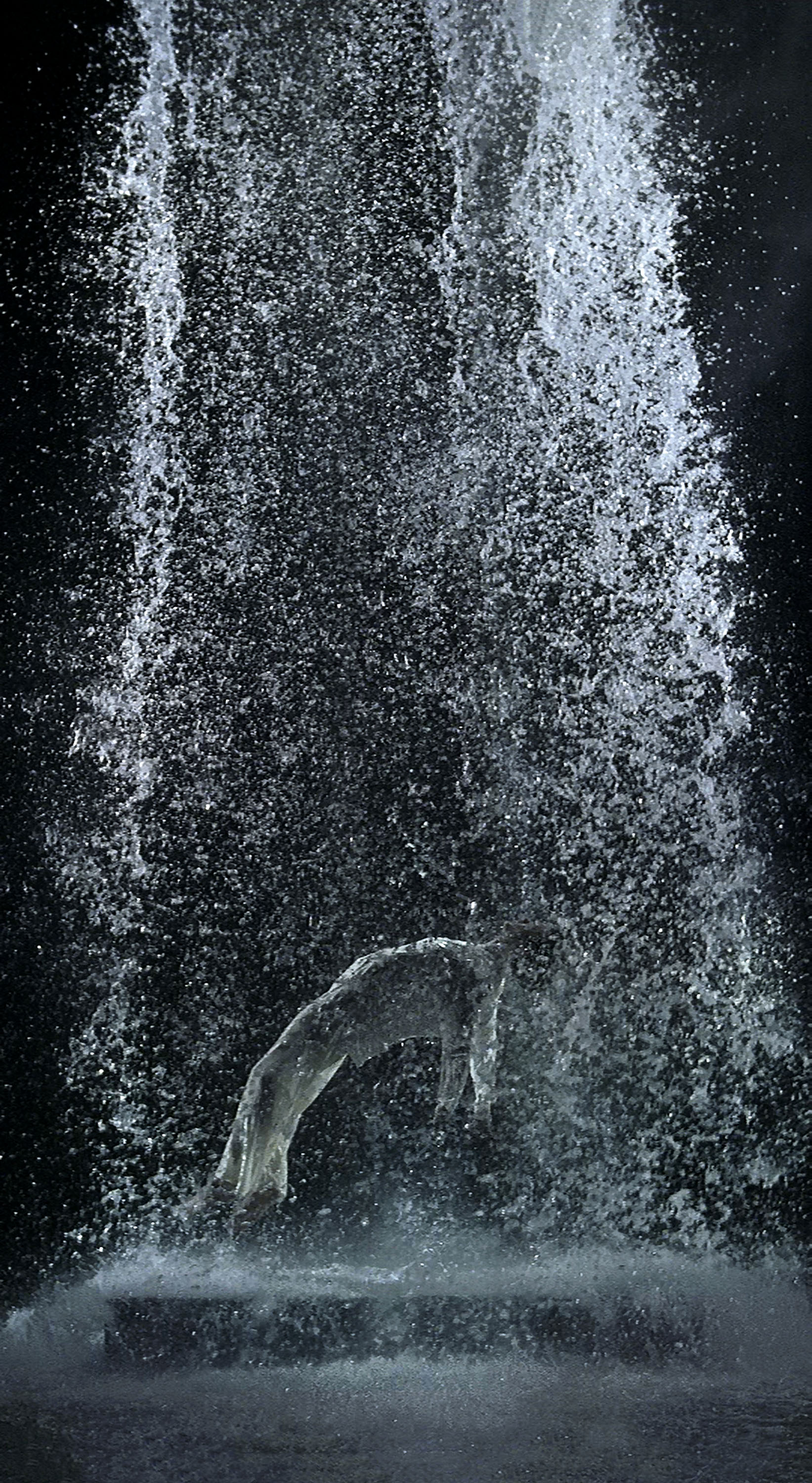









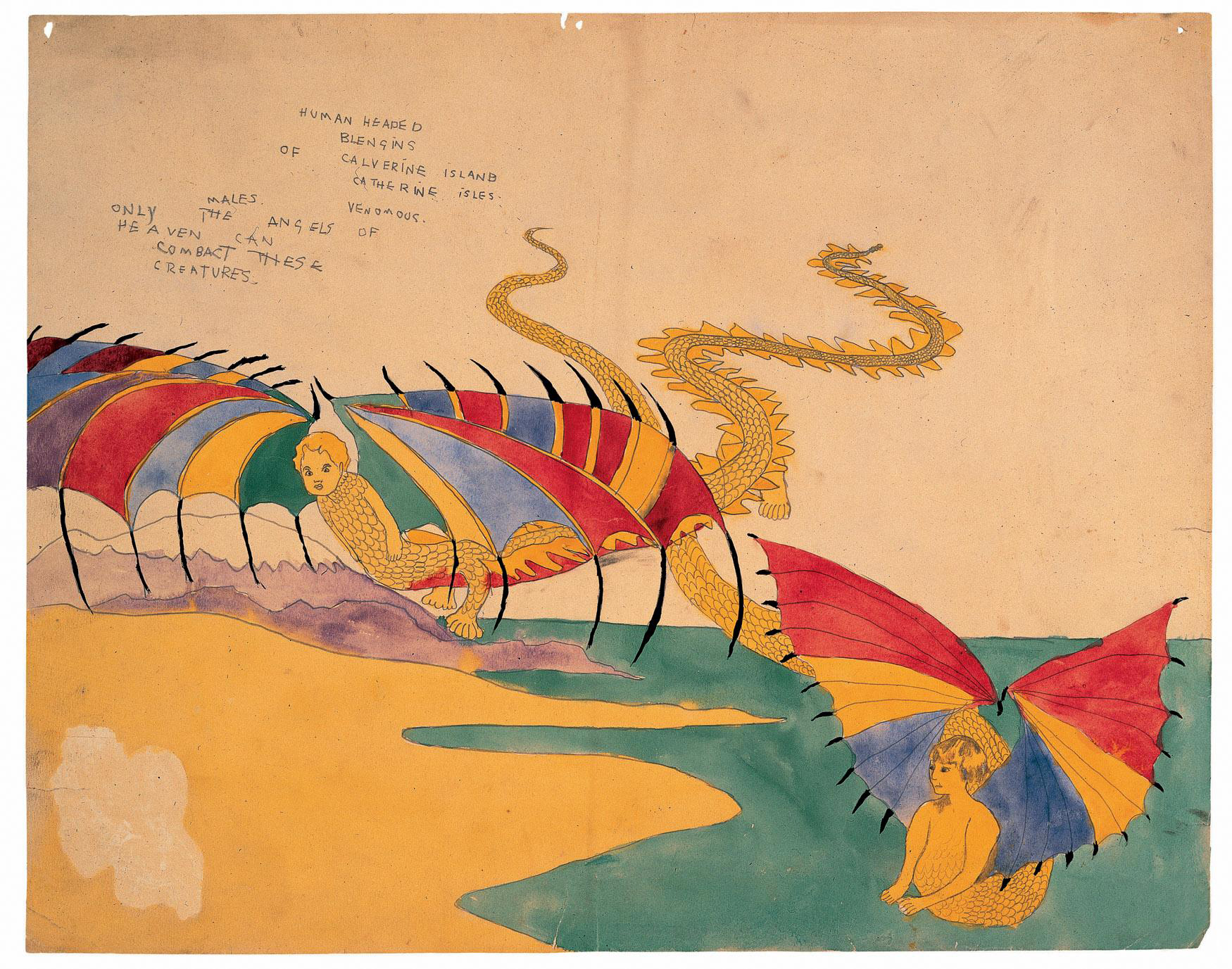


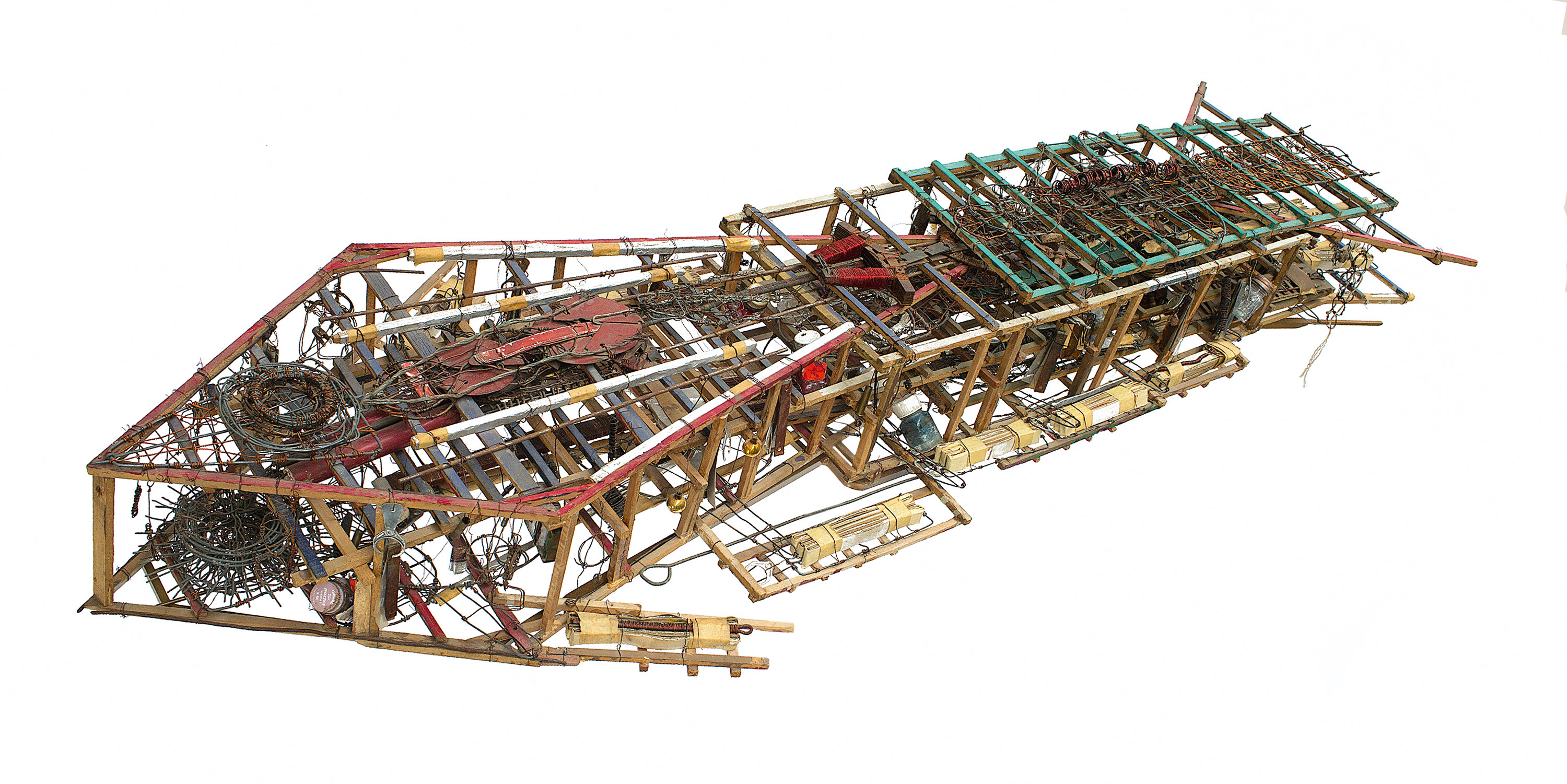


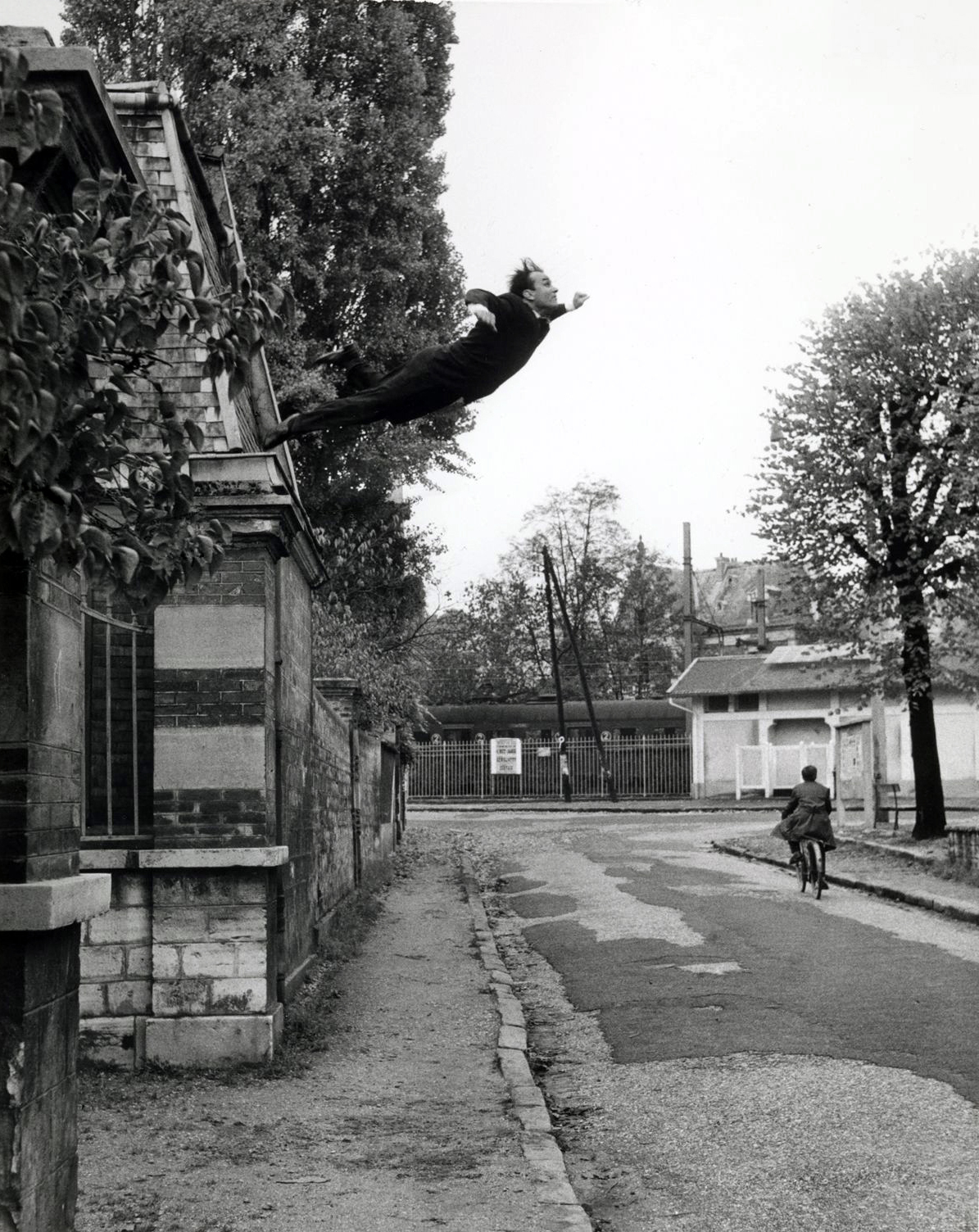
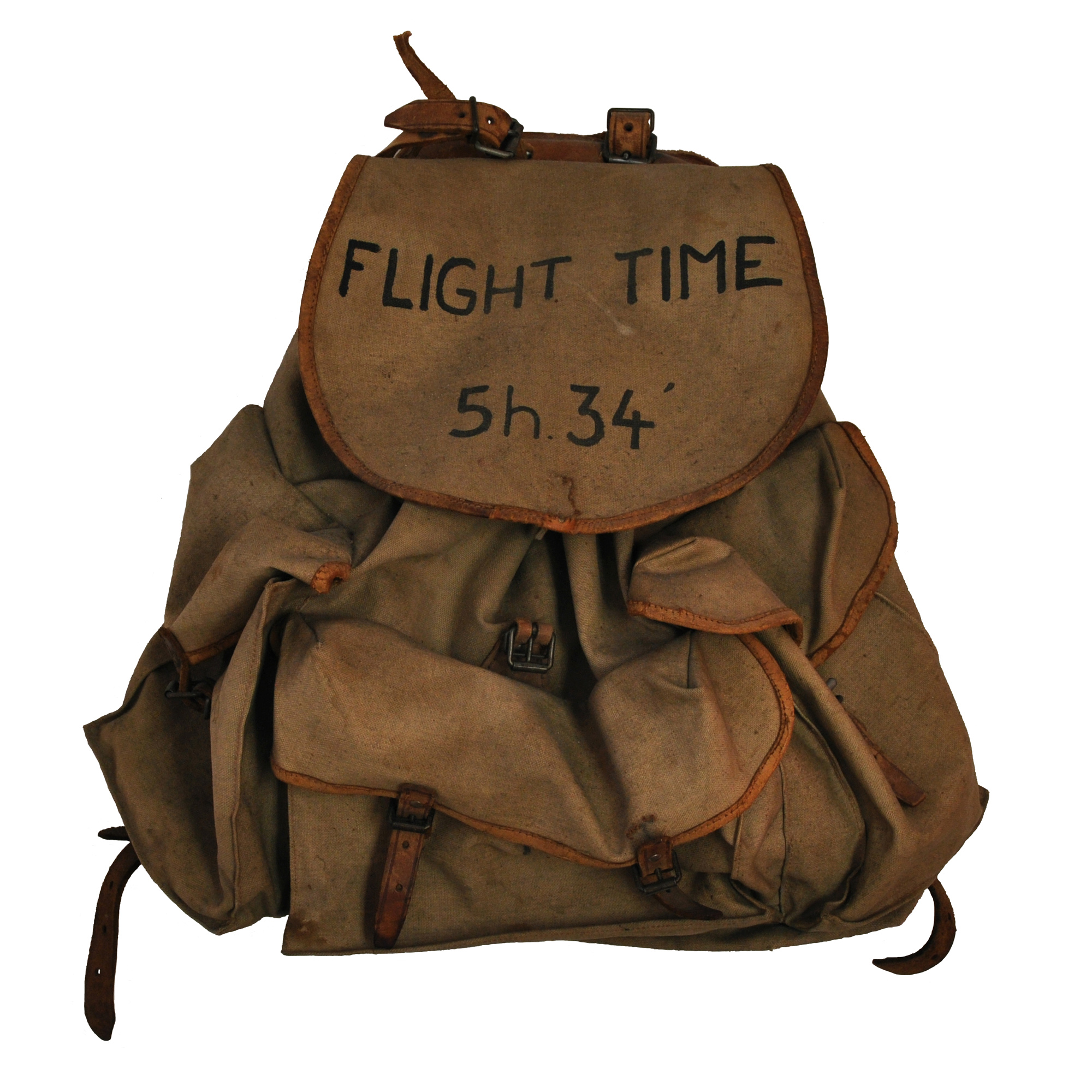




![Fabio Mauri (Italian, 1926-2009) 'Macchina per fissare acquerelli [Machine for fixing watercolours]' 2007](https://artblart.com/wp-content/uploads/2018/10/fabiomauri-web.jpg "Fabio Mauri (Italian, 1926-2009) 'Macchina per fissare acquerelli [Machine for fixing watercolours]' 2007")


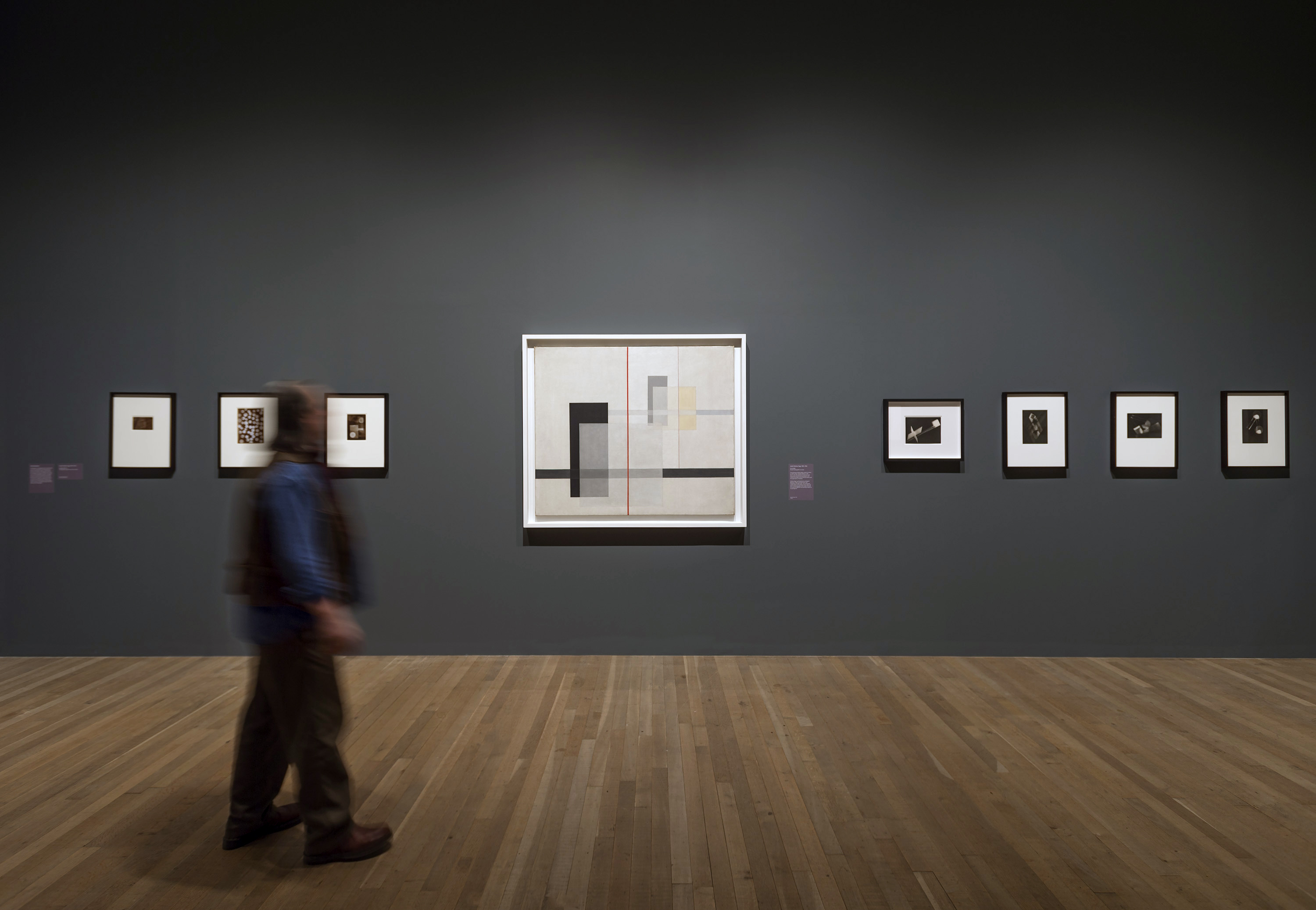


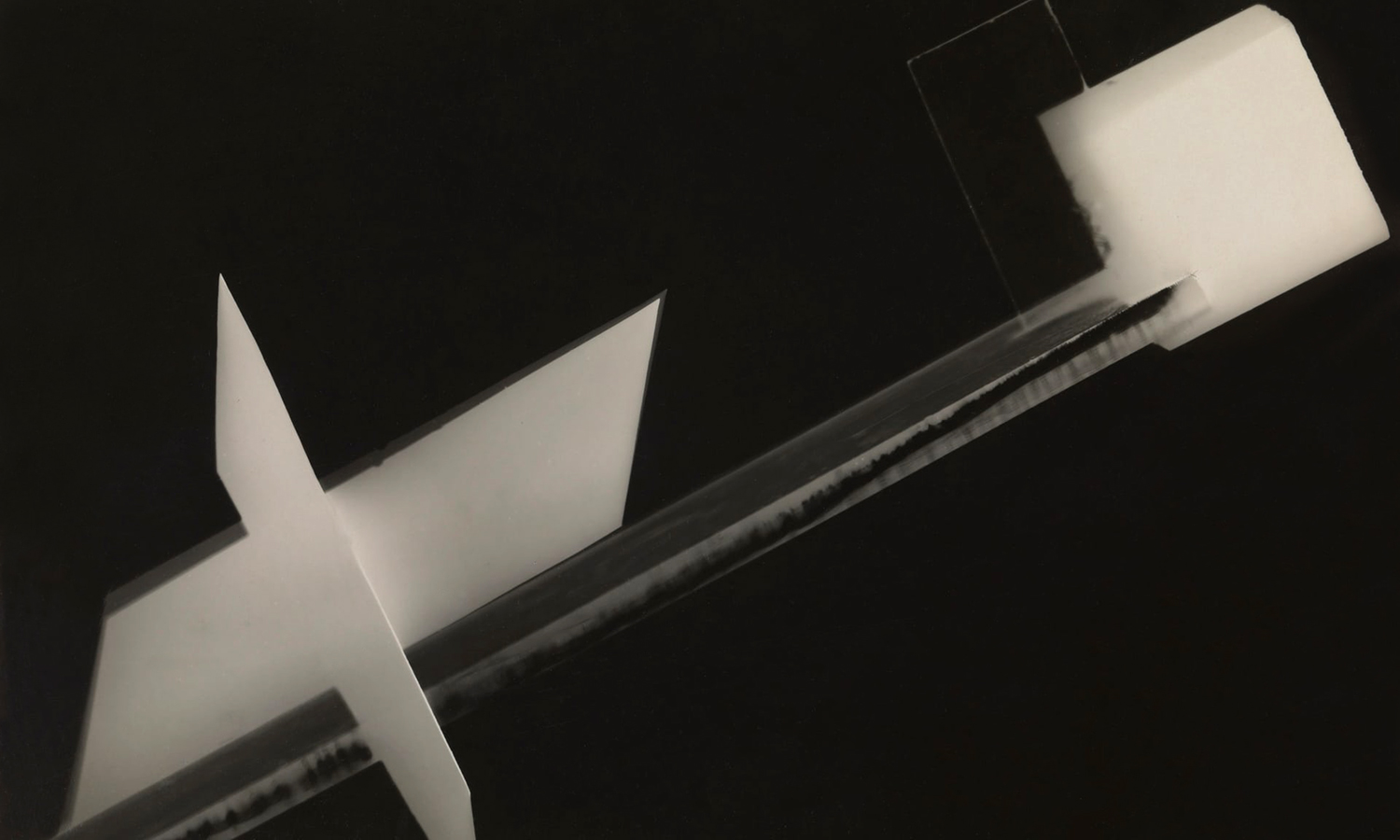

![Edward Steichen (American, 1879-1973) 'Bird in Space' [L'Oiseau dans l'espace] 1926](https://artblart.com/wp-content/uploads/2018/07/edward-steichen-bird-in-space-sculpture-by-brancusi-1926-web.jpg "Edward Steichen (American, 1879-1973) 'Bird in Space' [L'Oiseau dans l'espace] 1926")
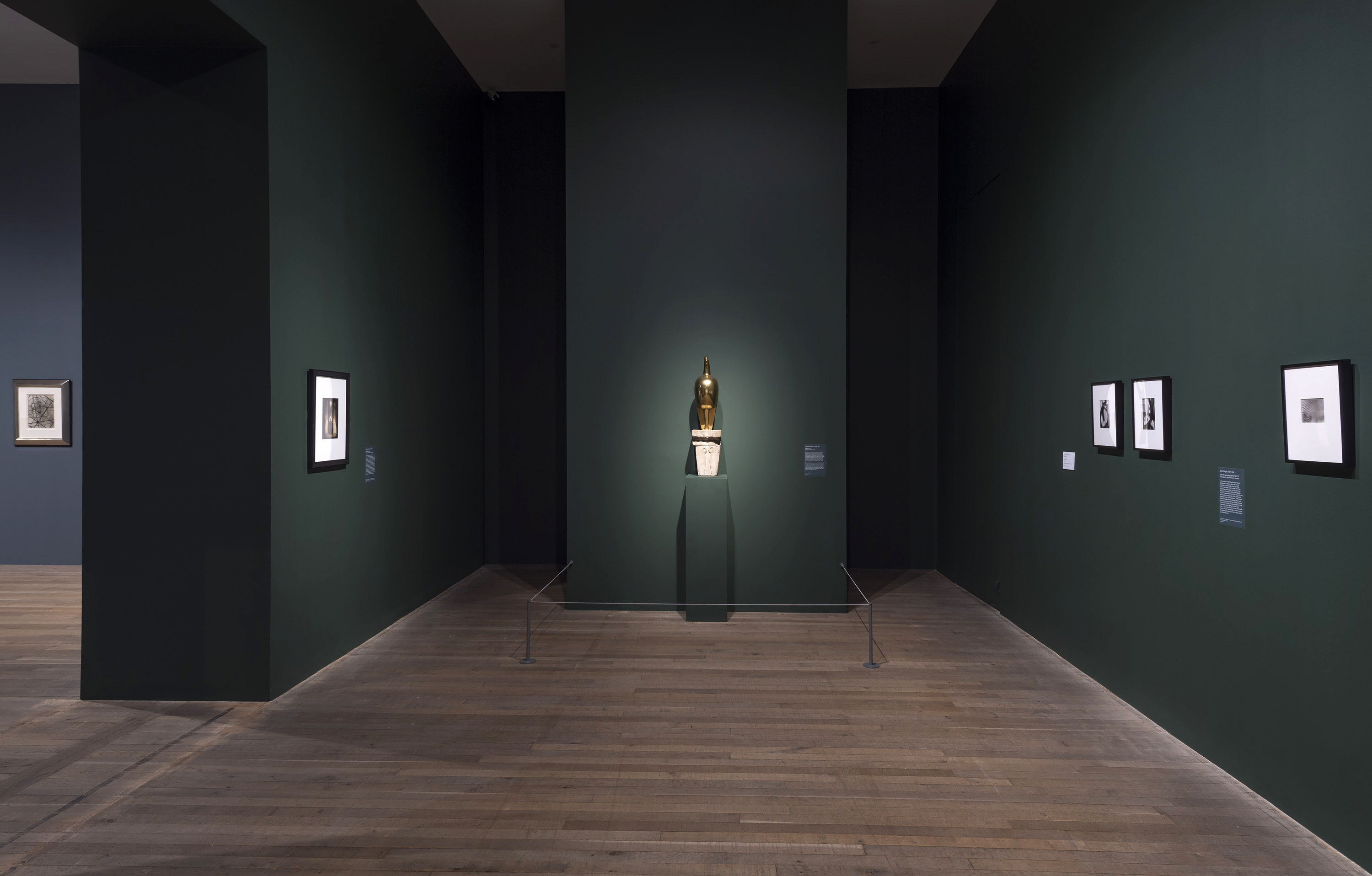

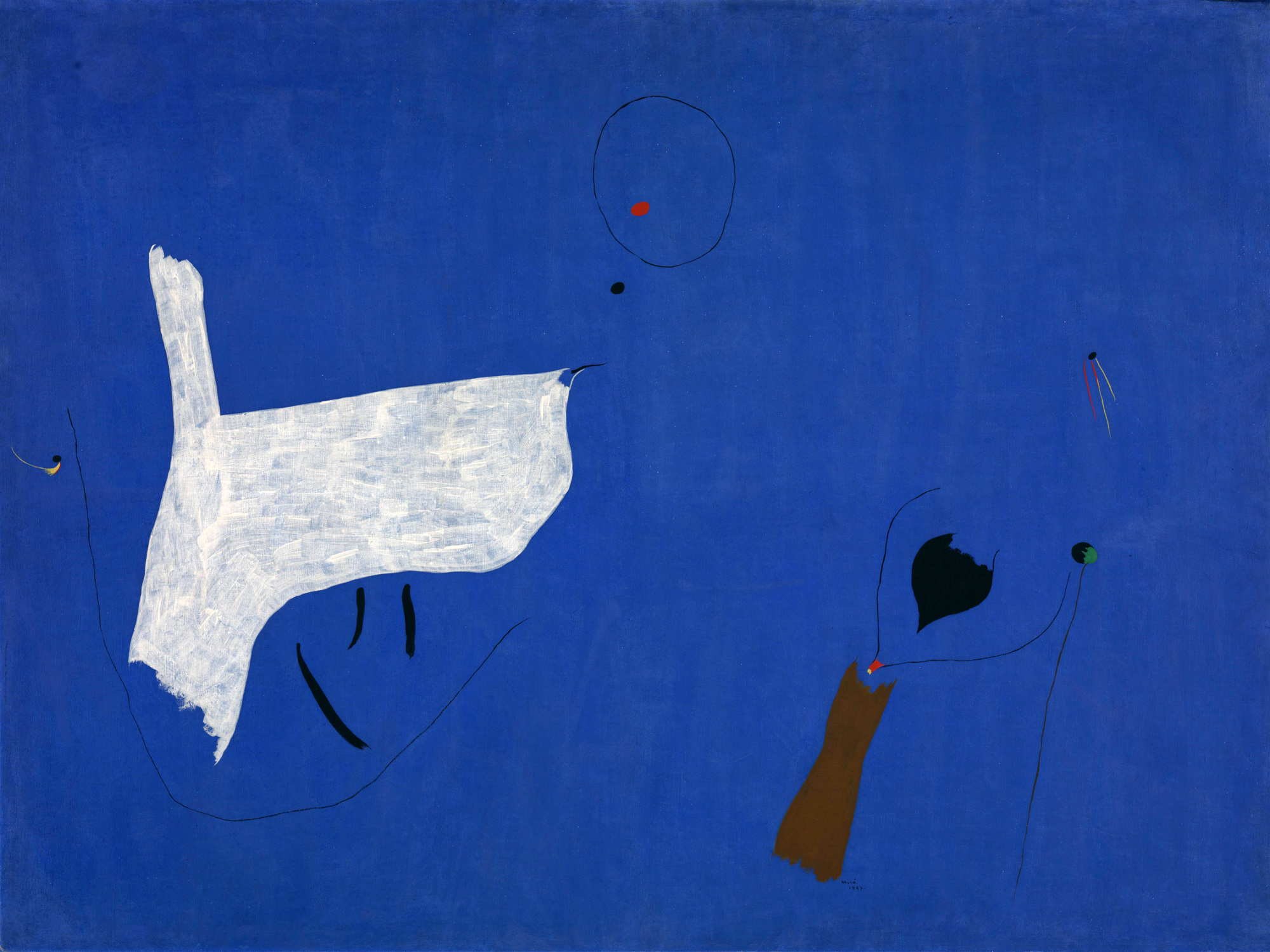












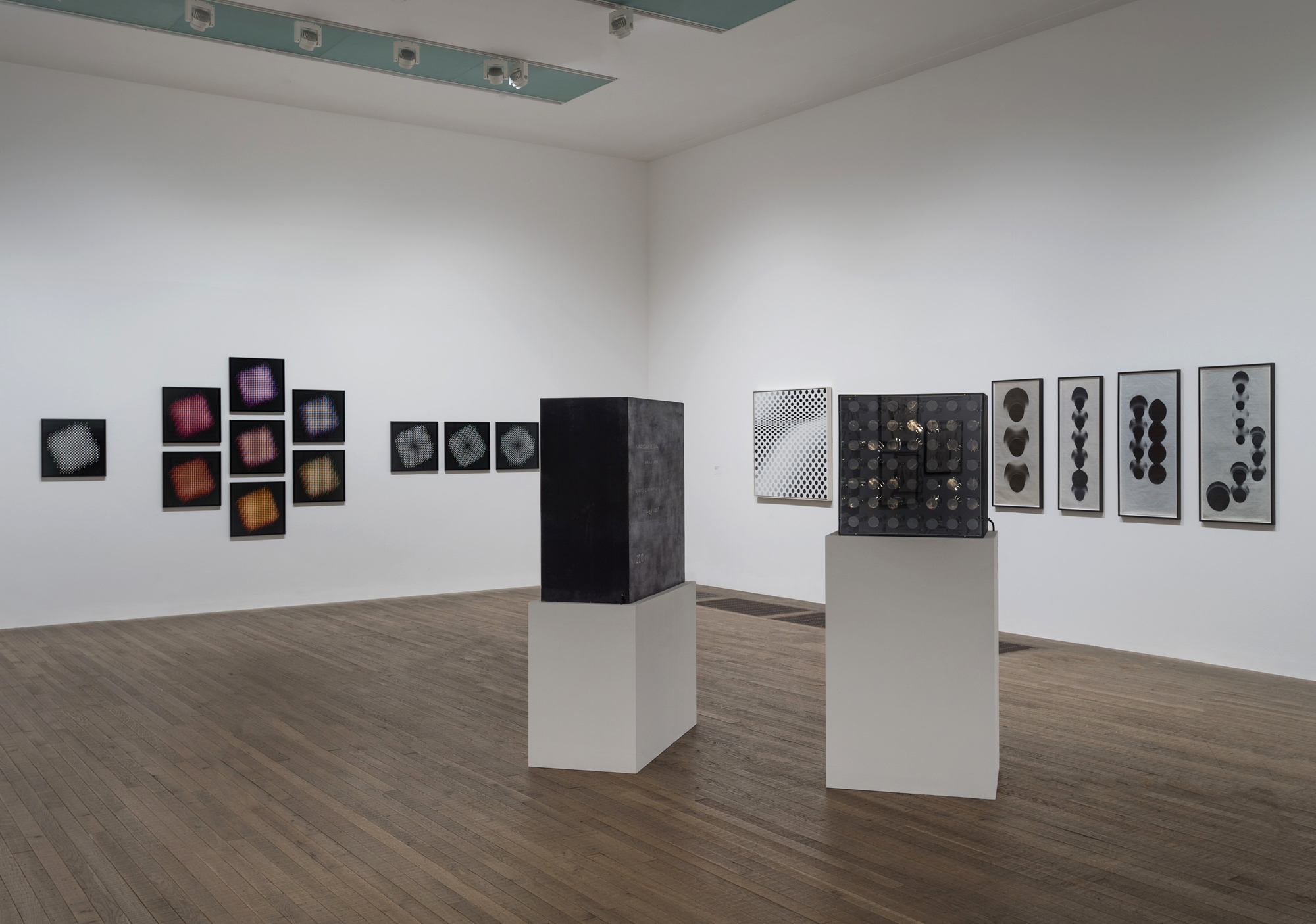
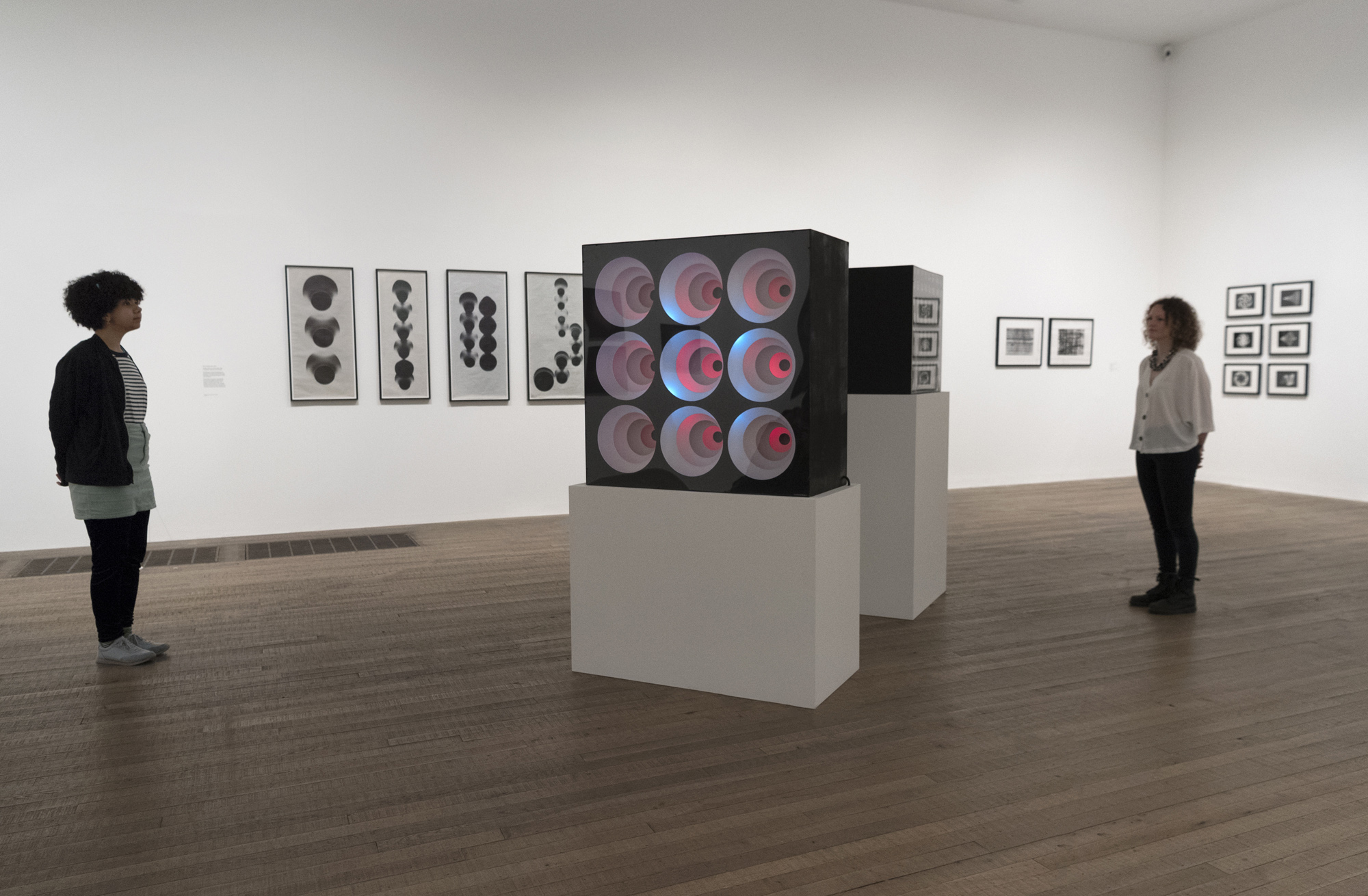

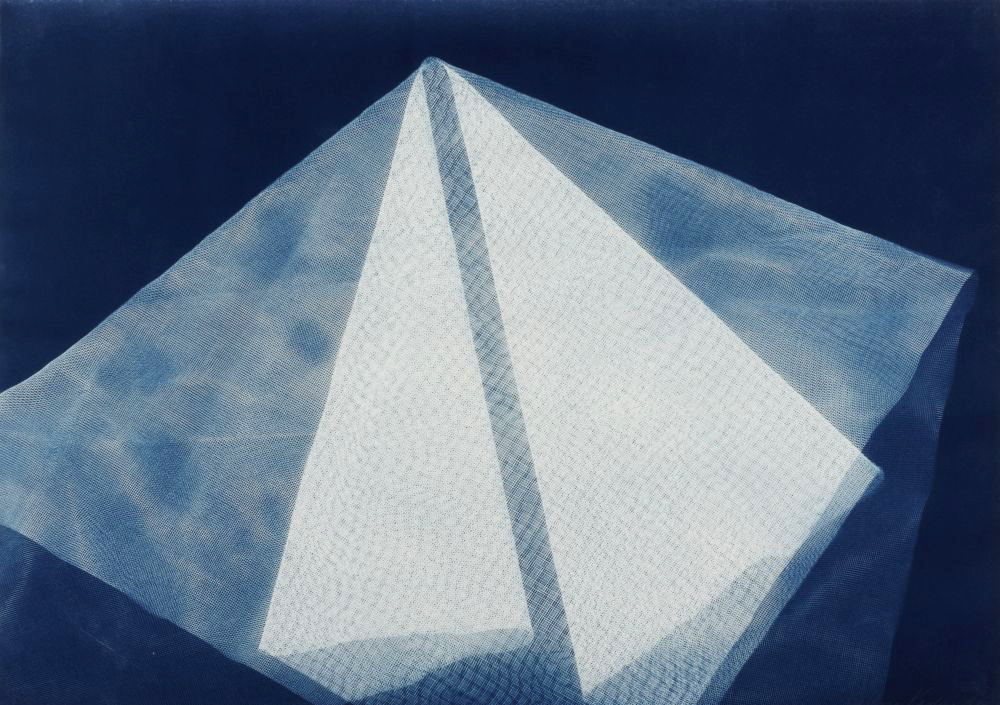


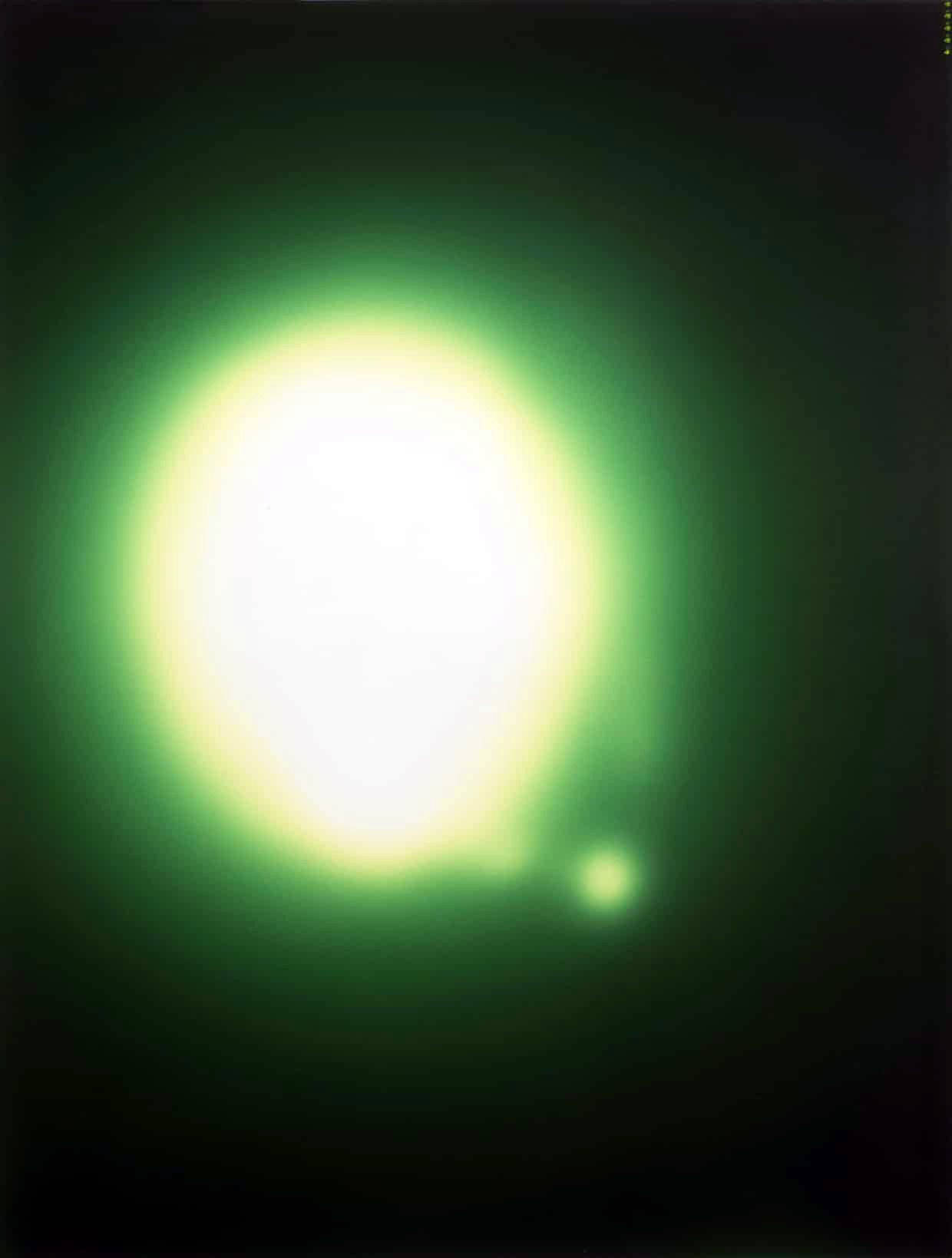

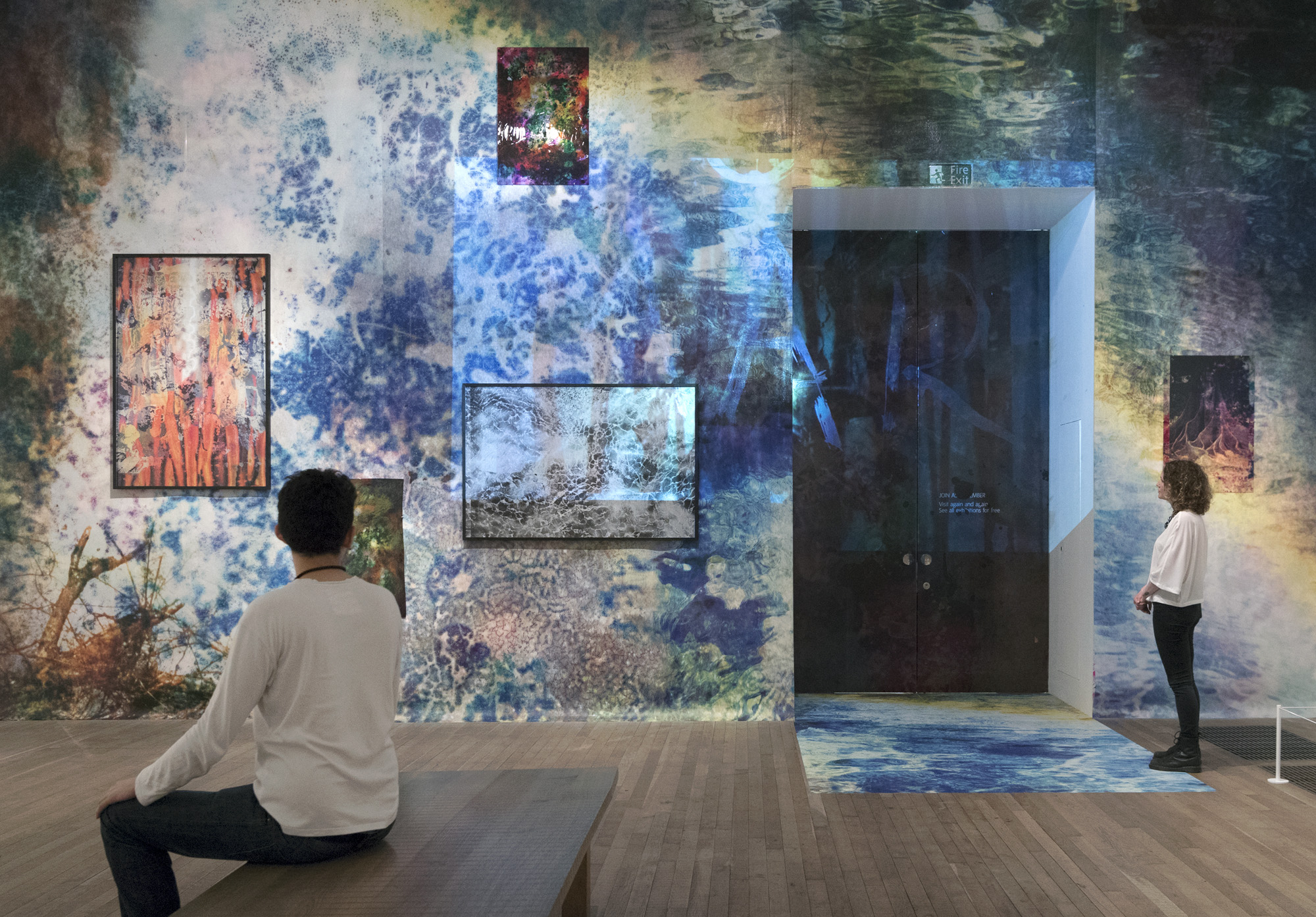


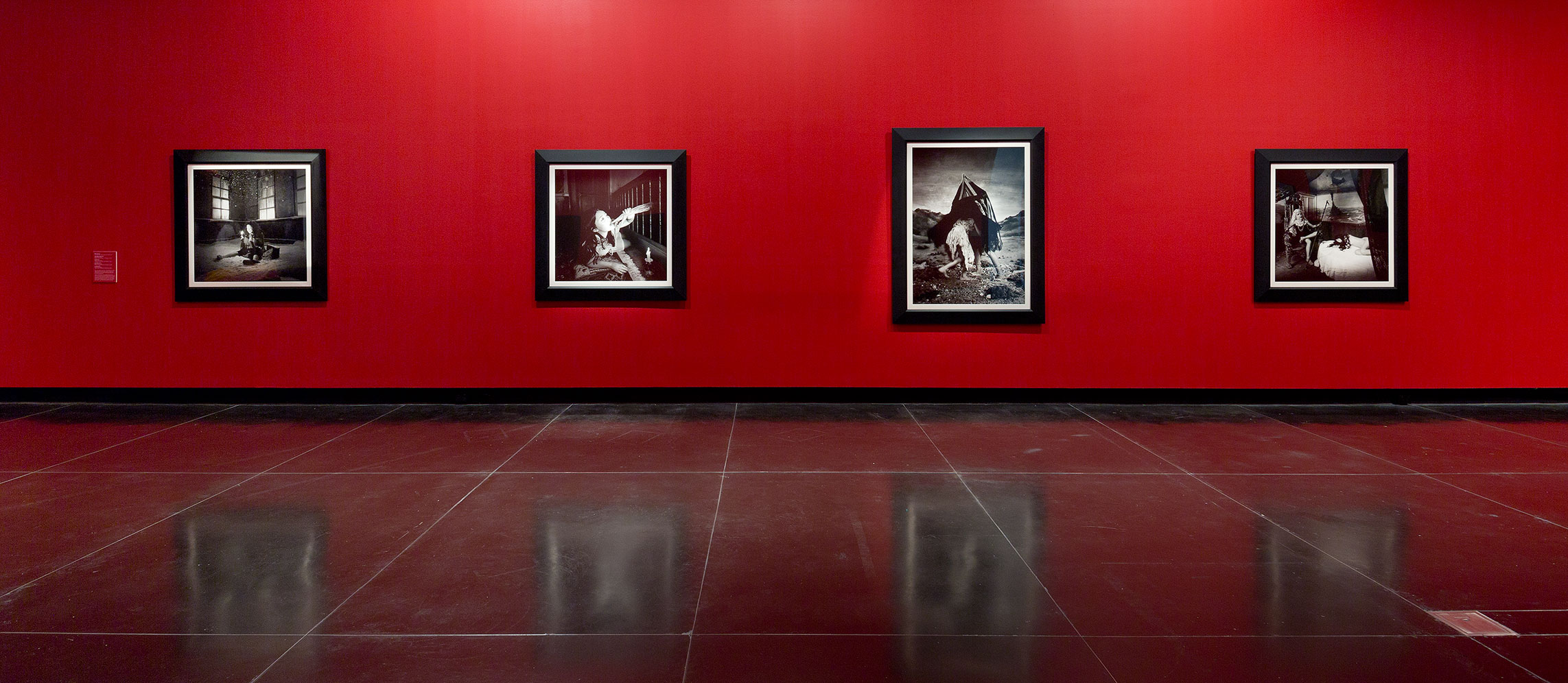

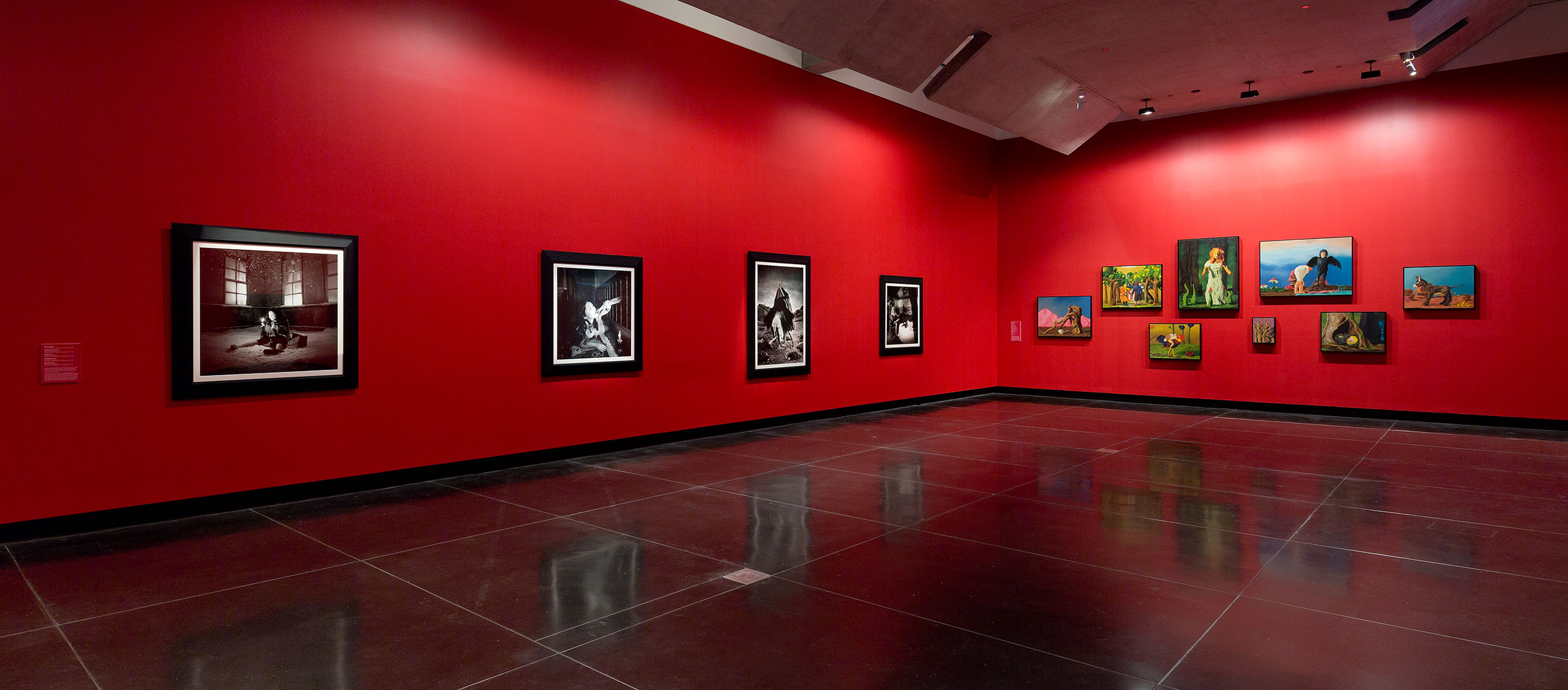
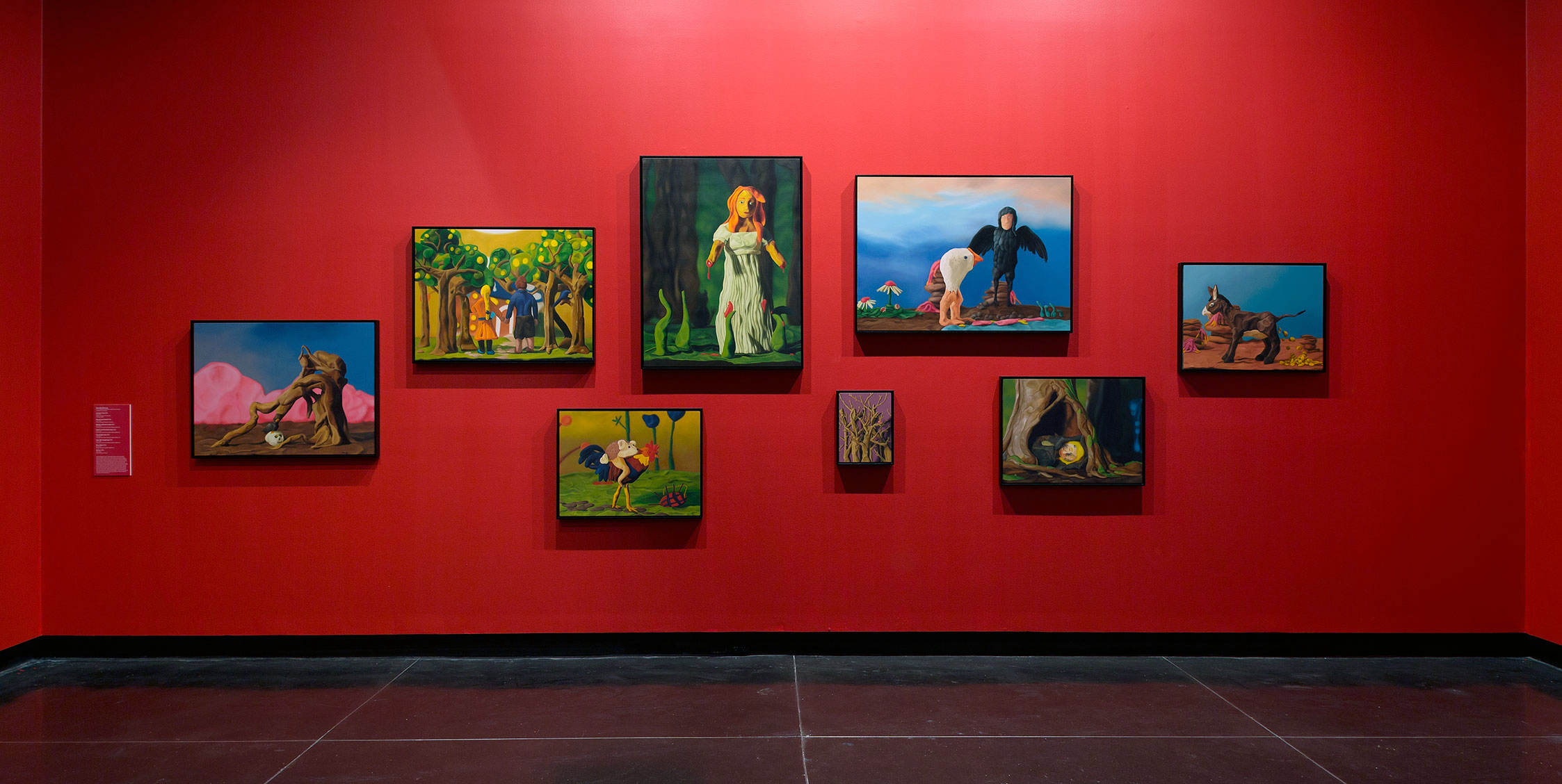
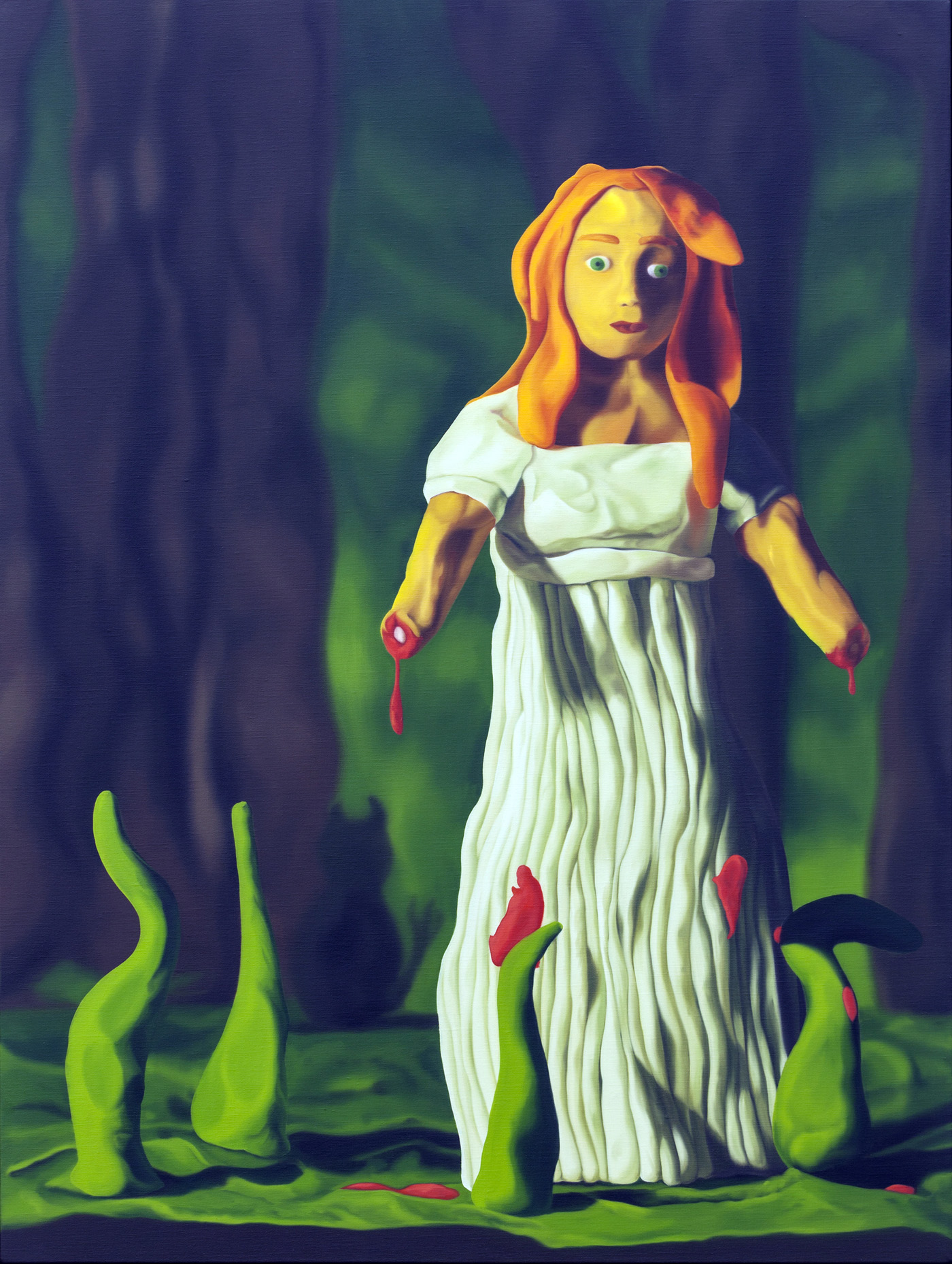

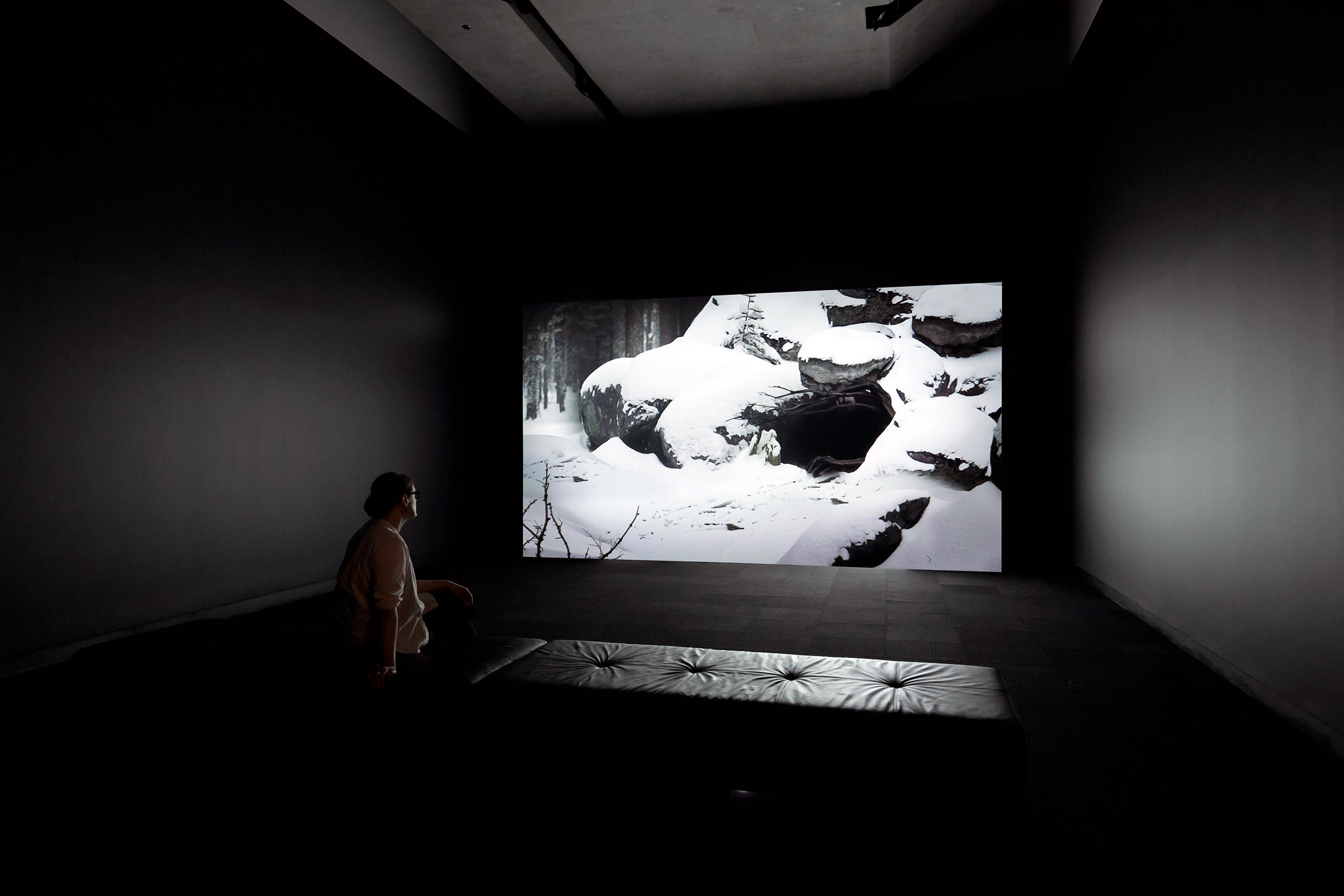
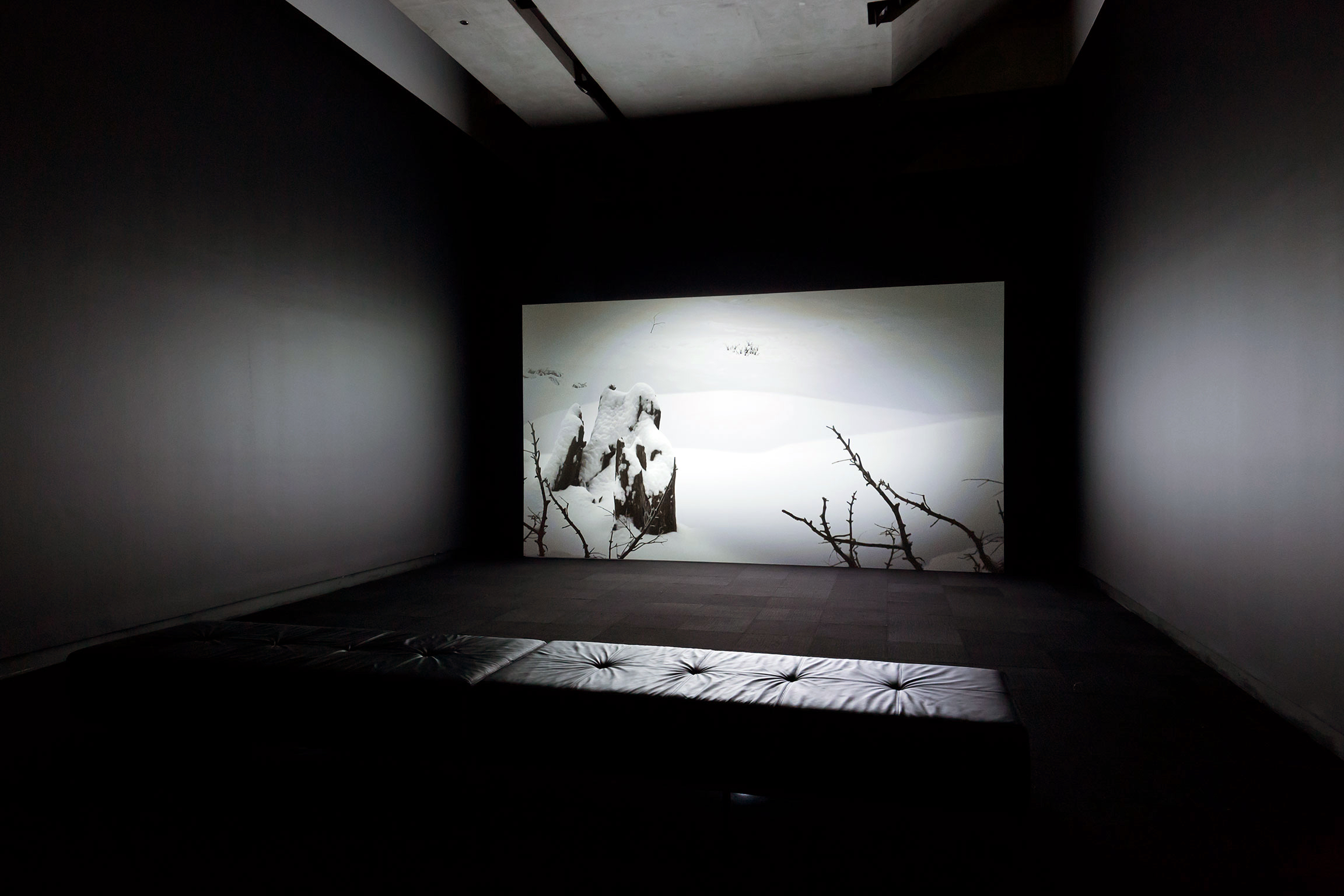
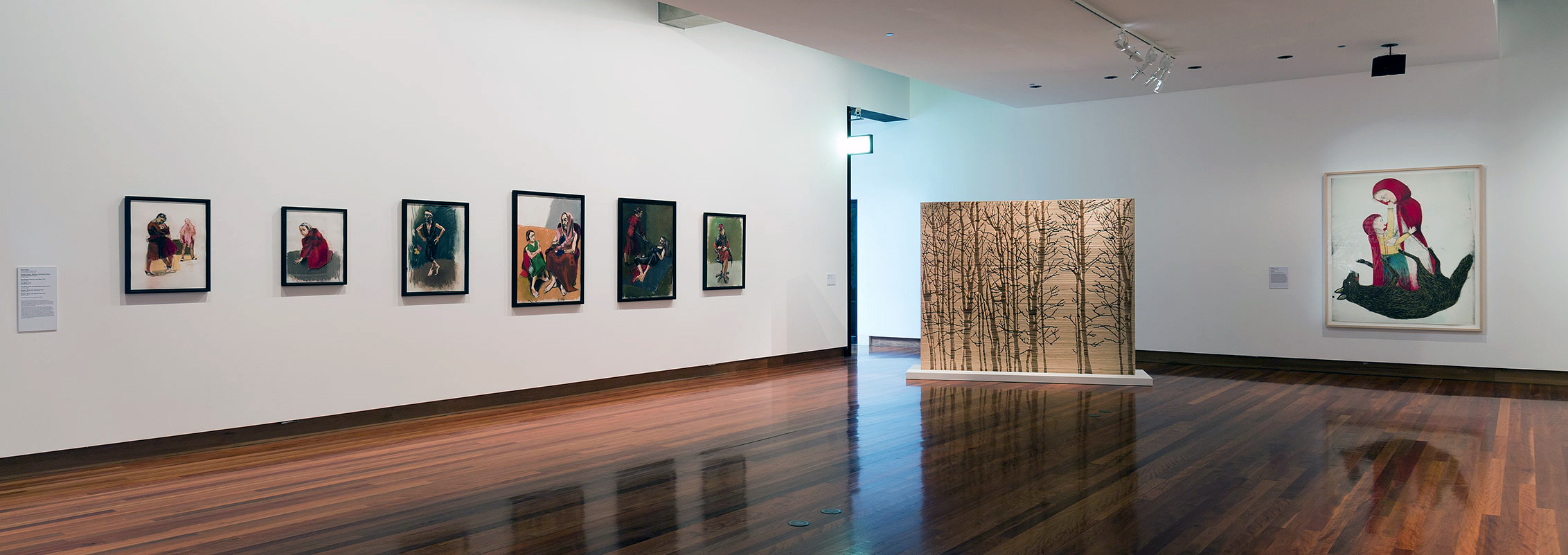
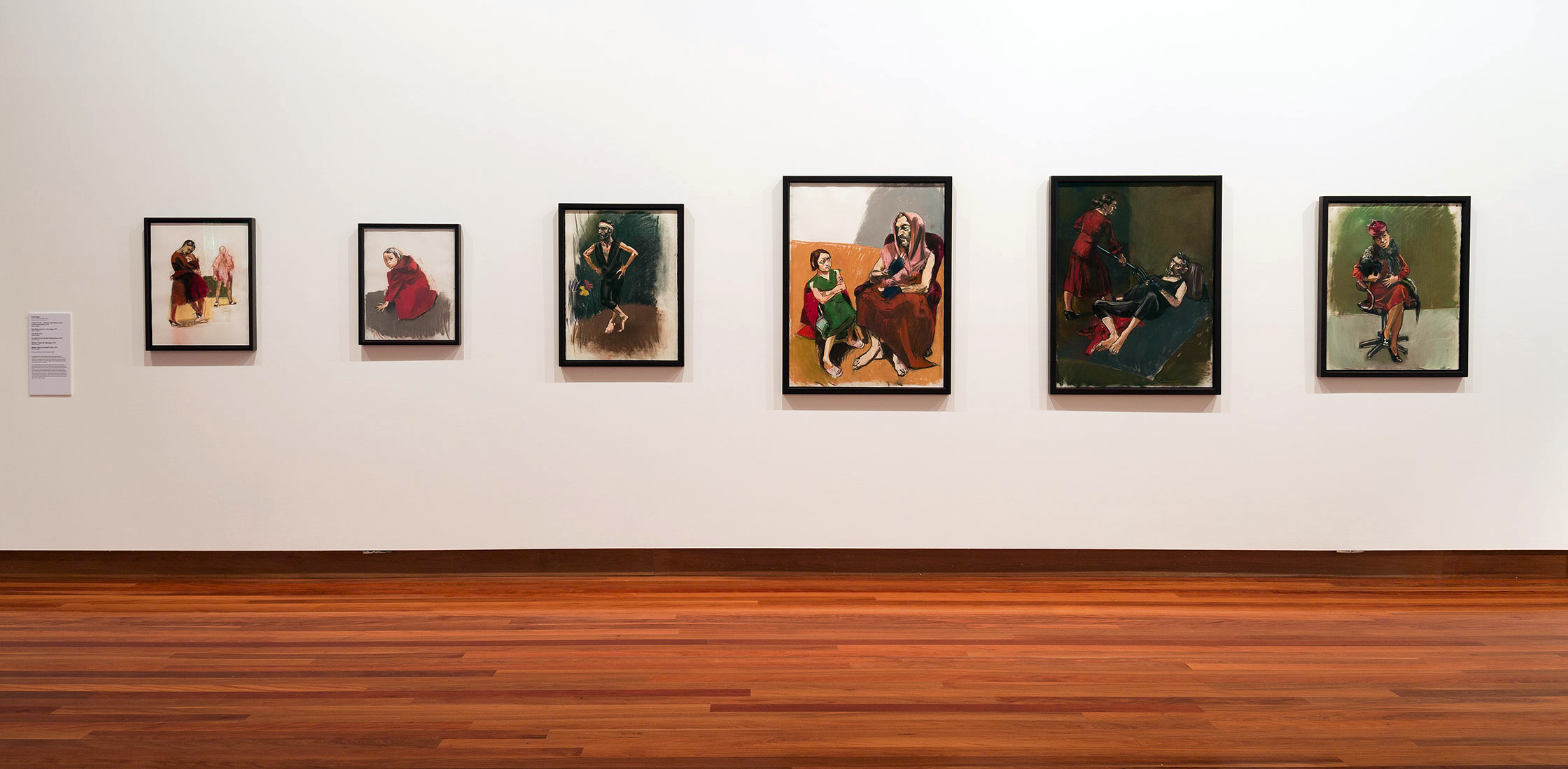

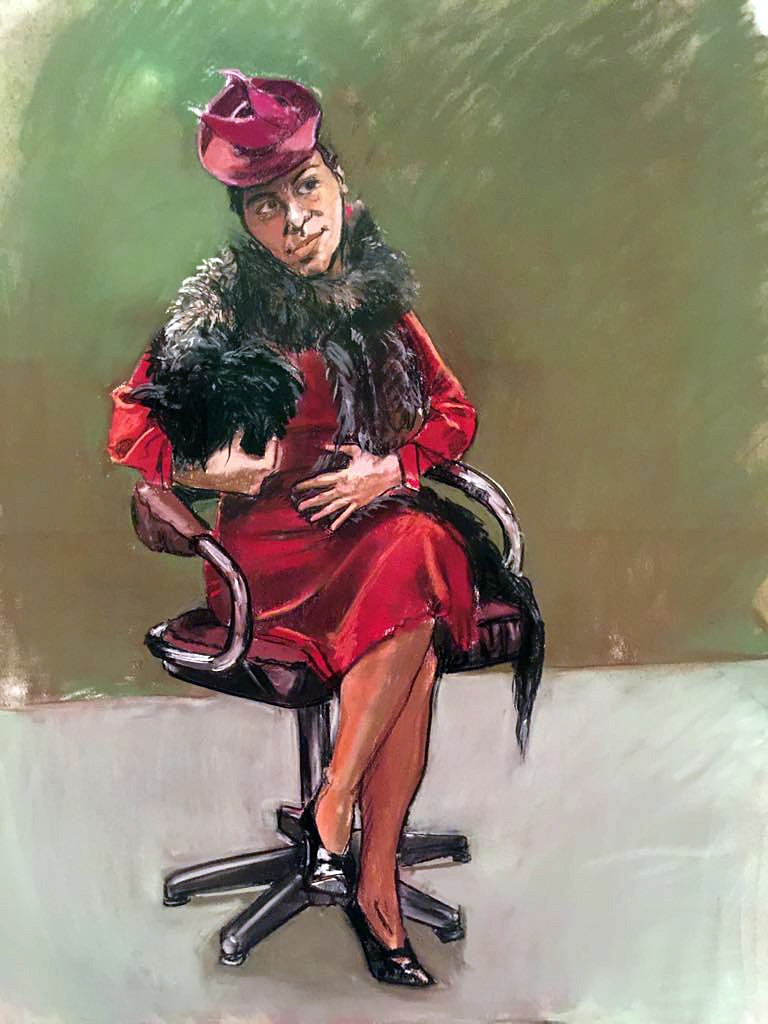

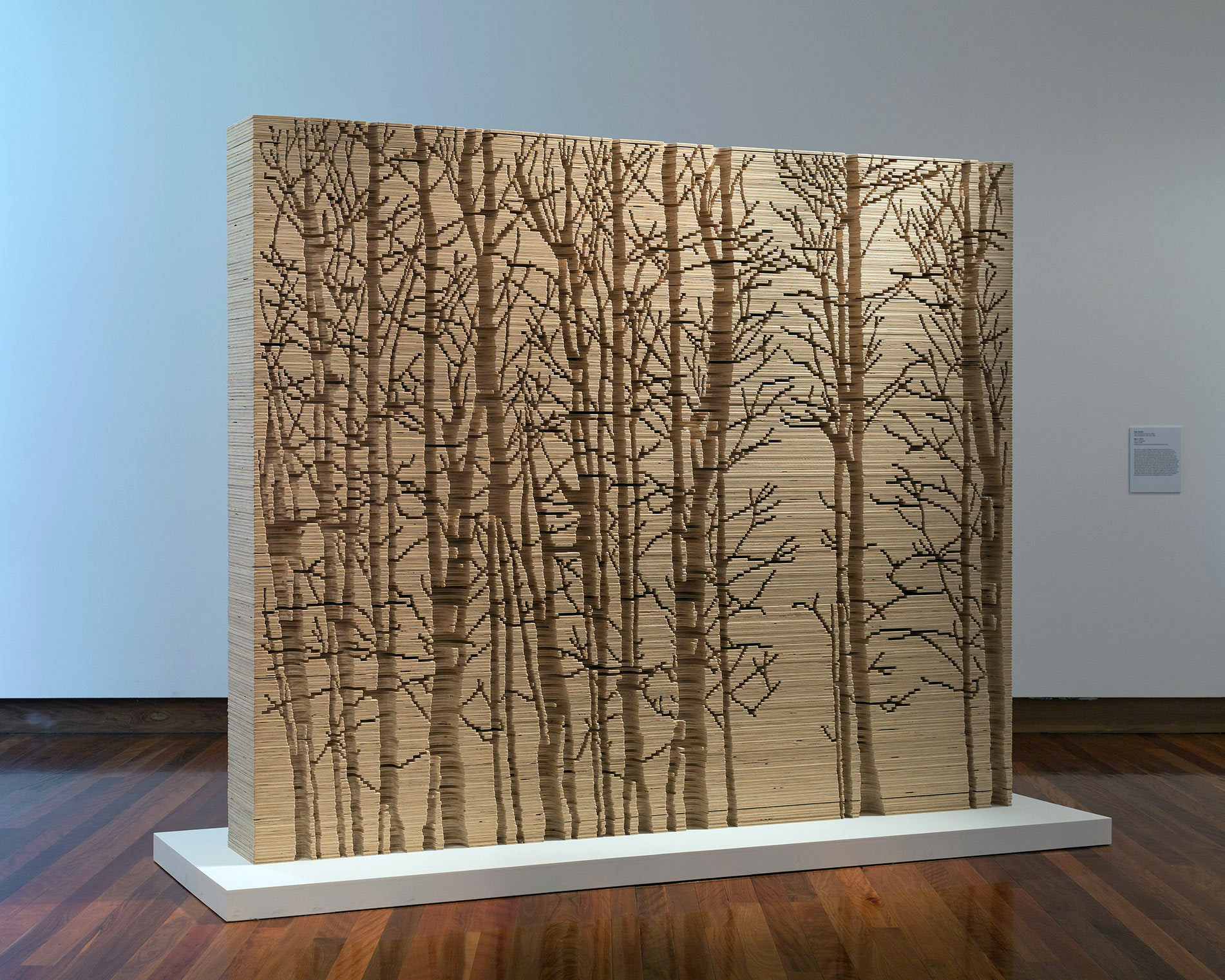

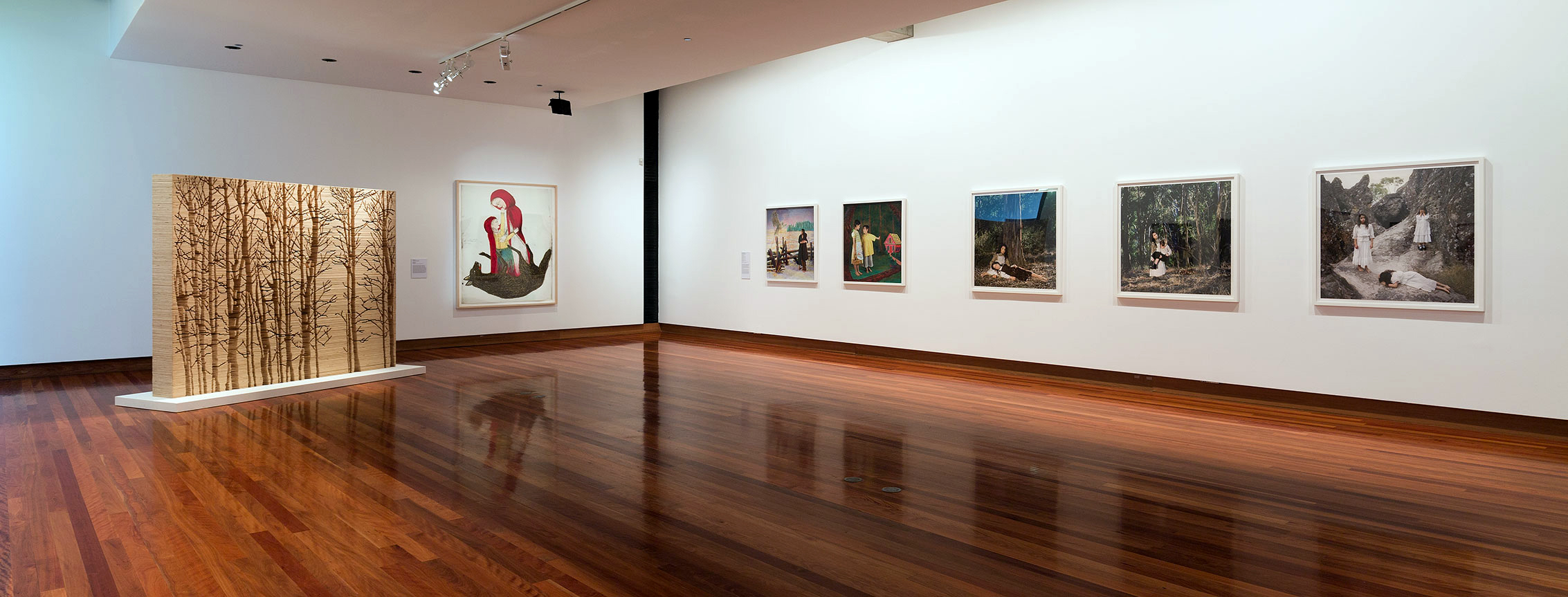

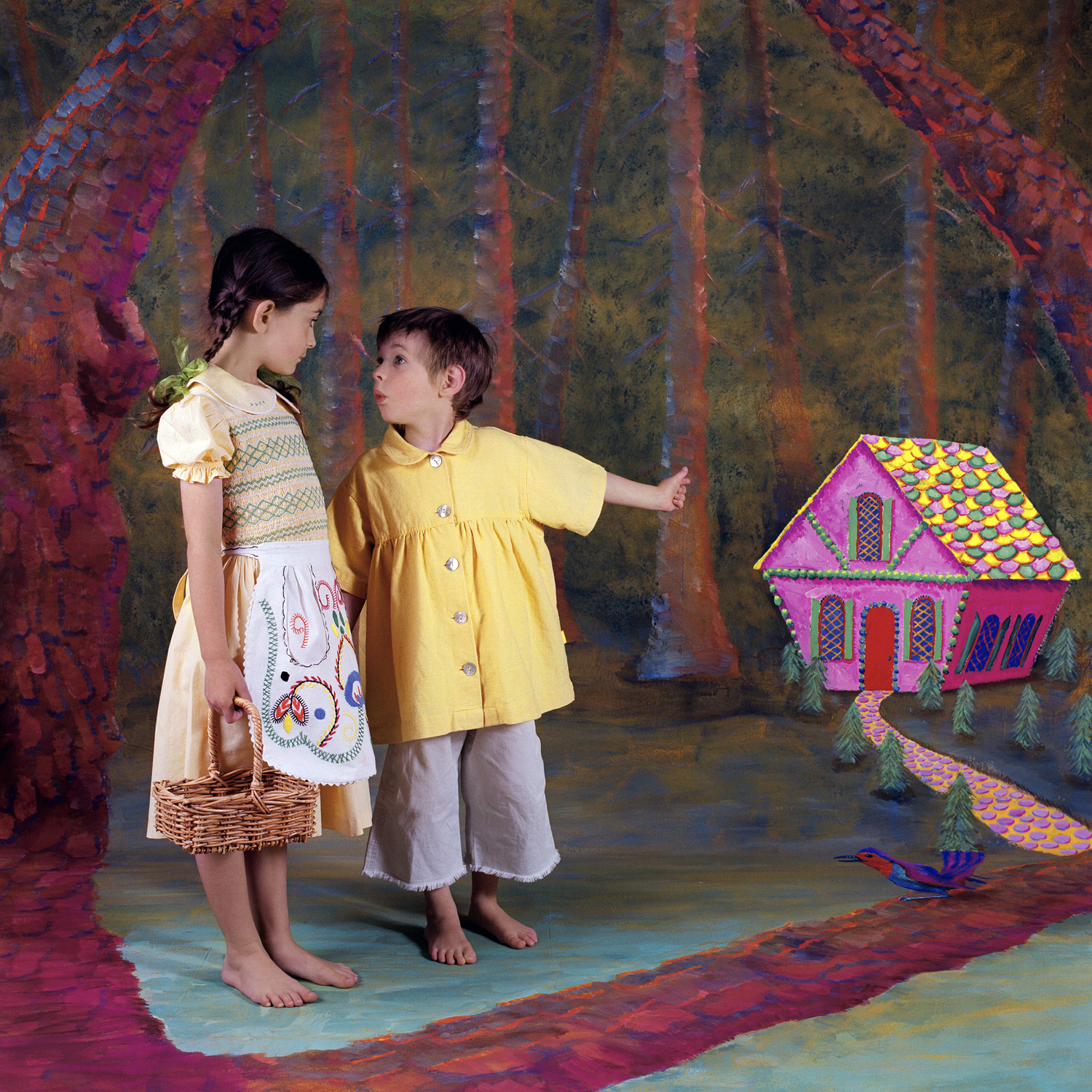
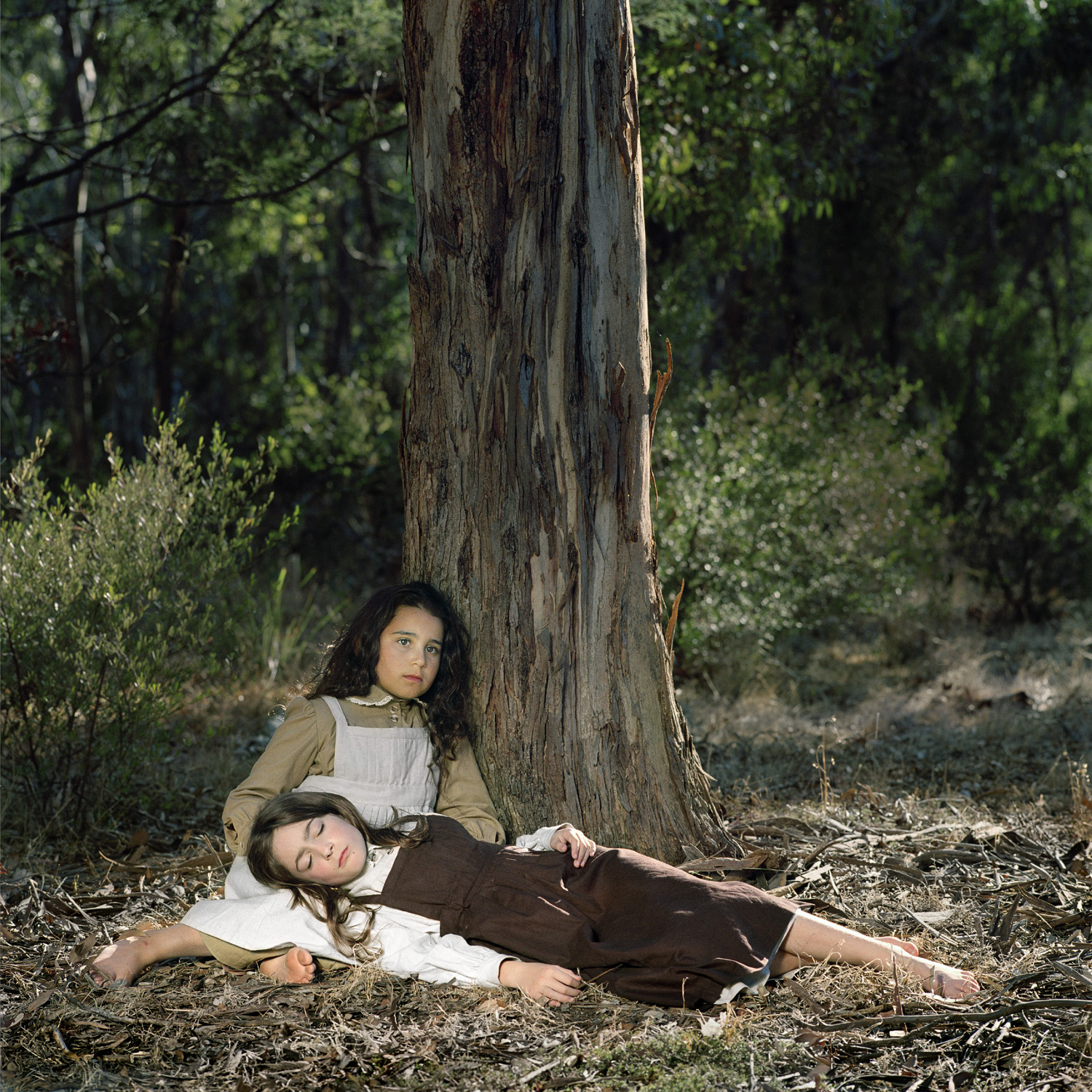

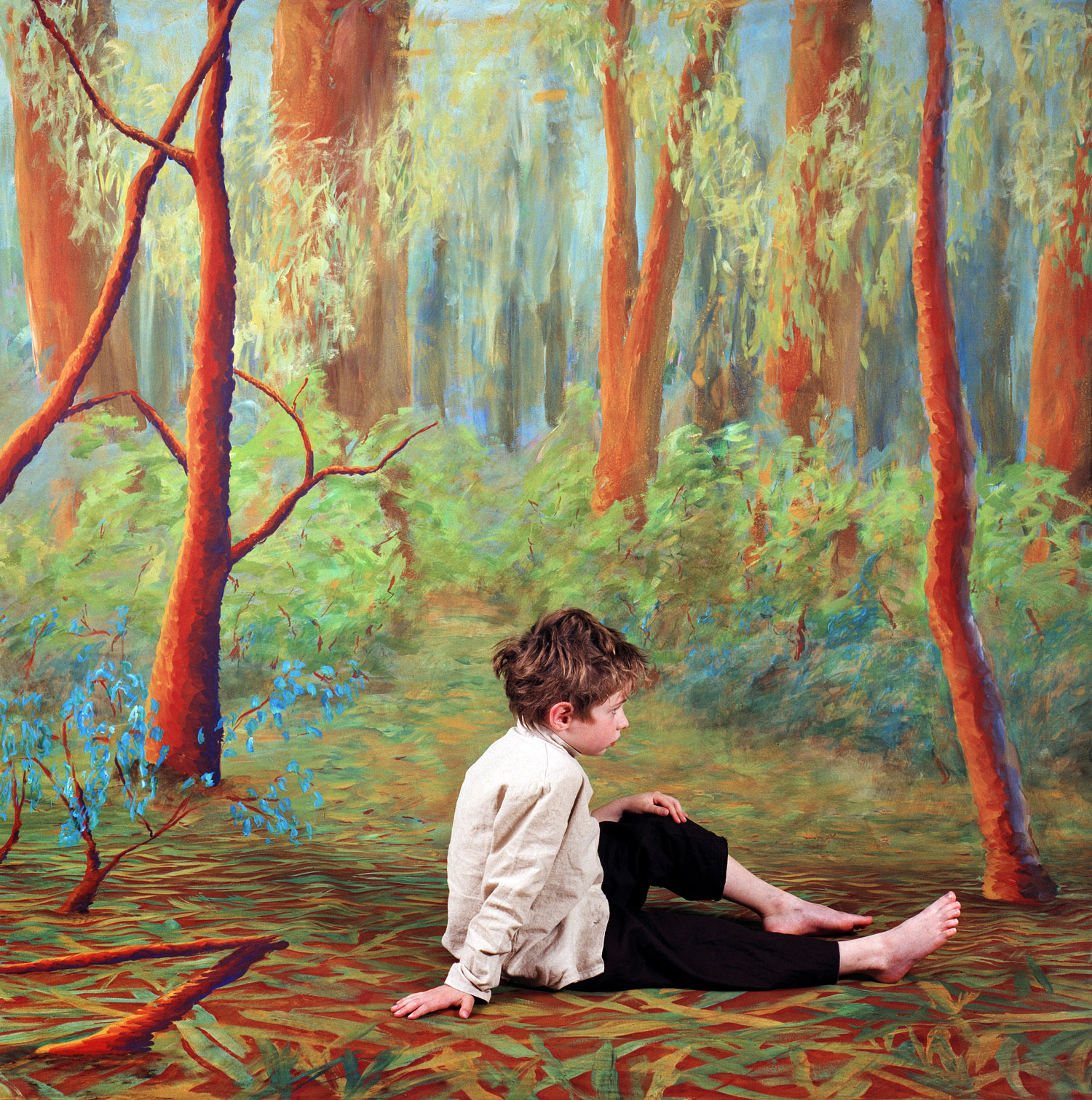
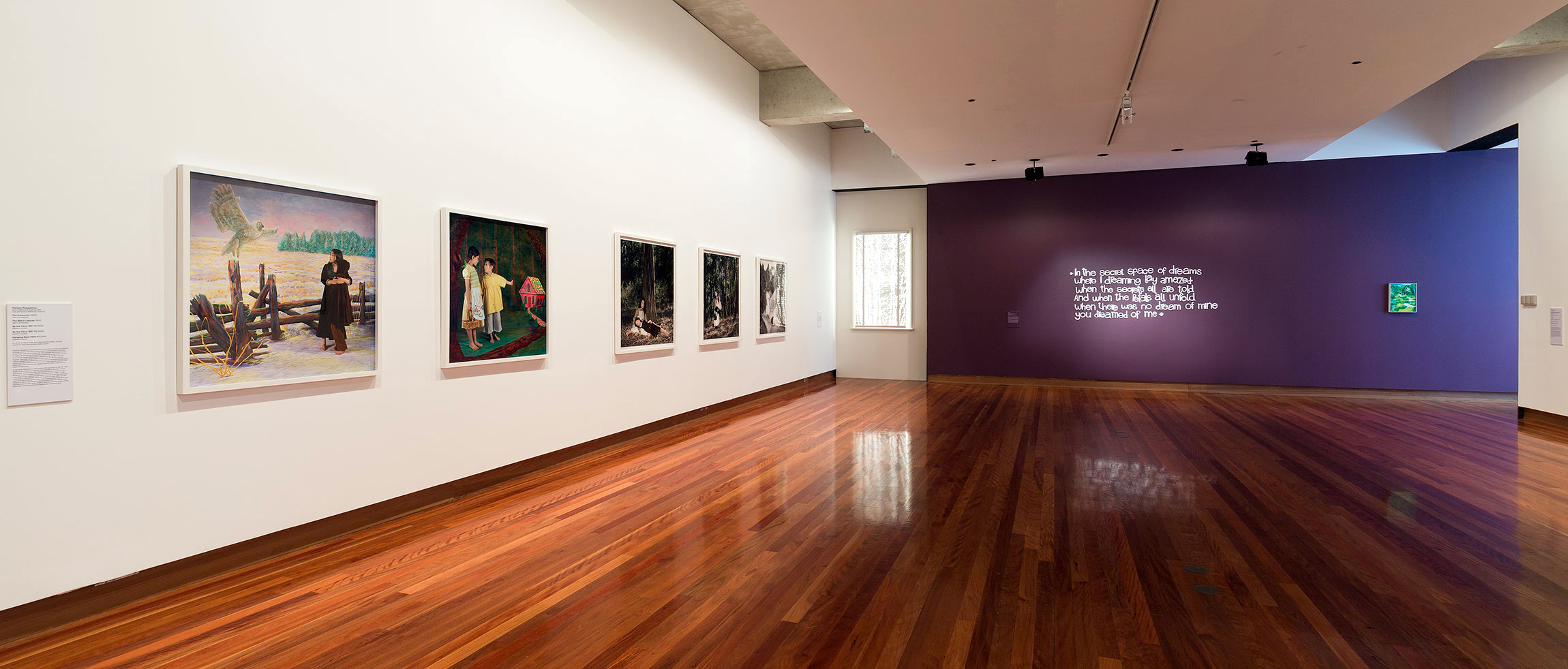

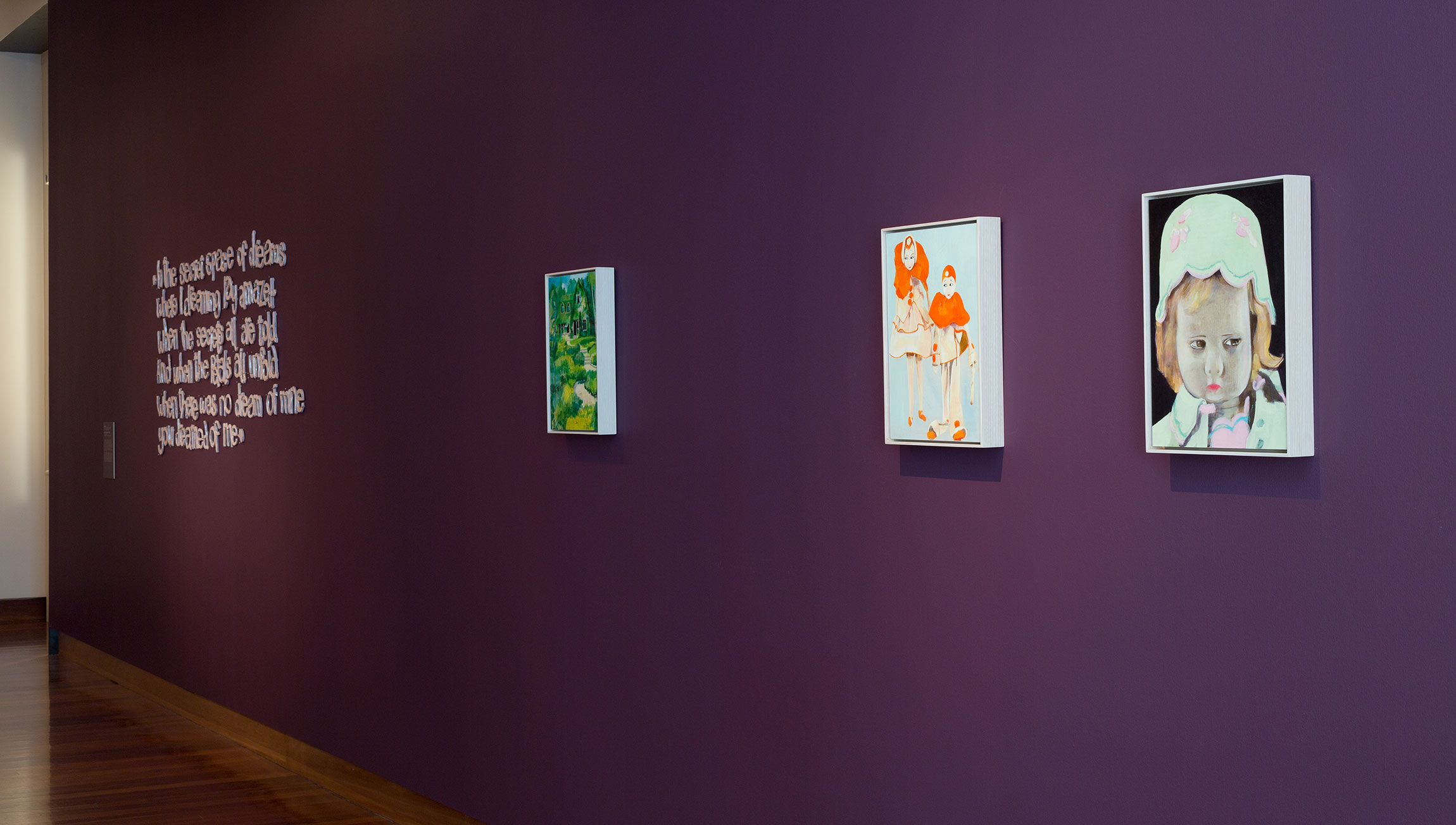

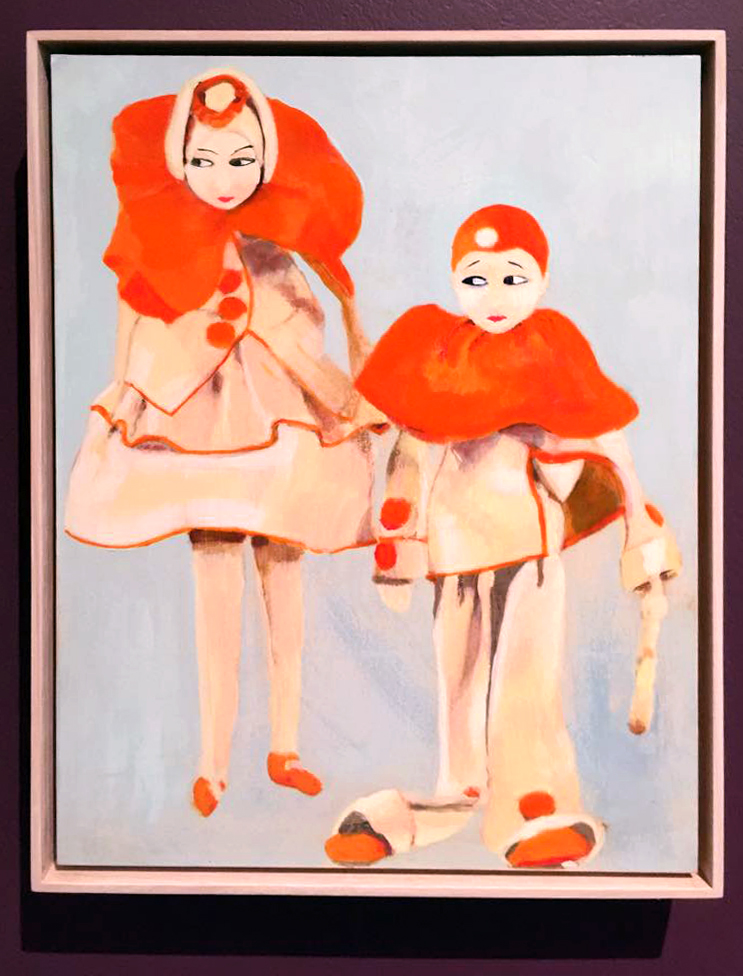


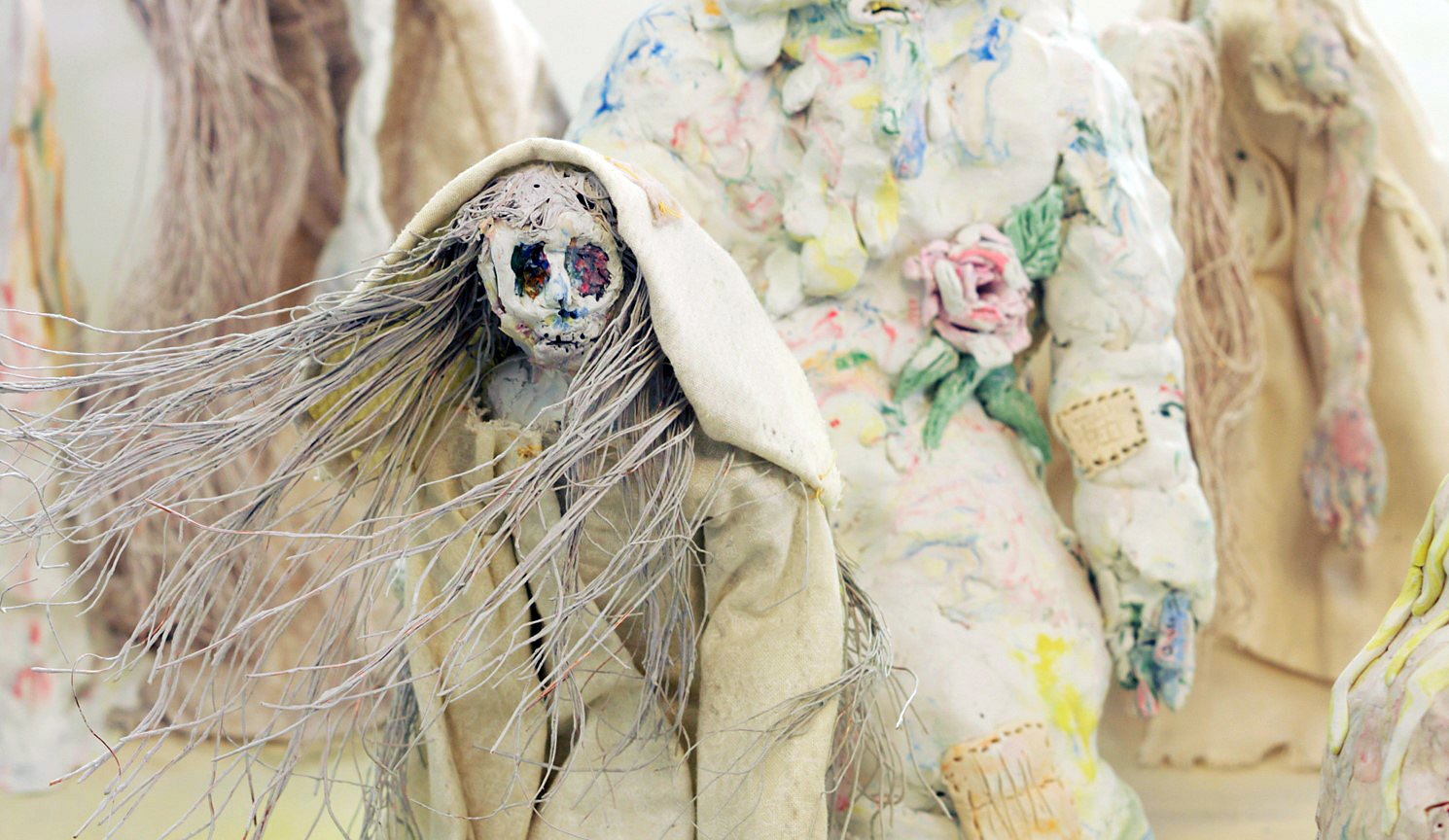
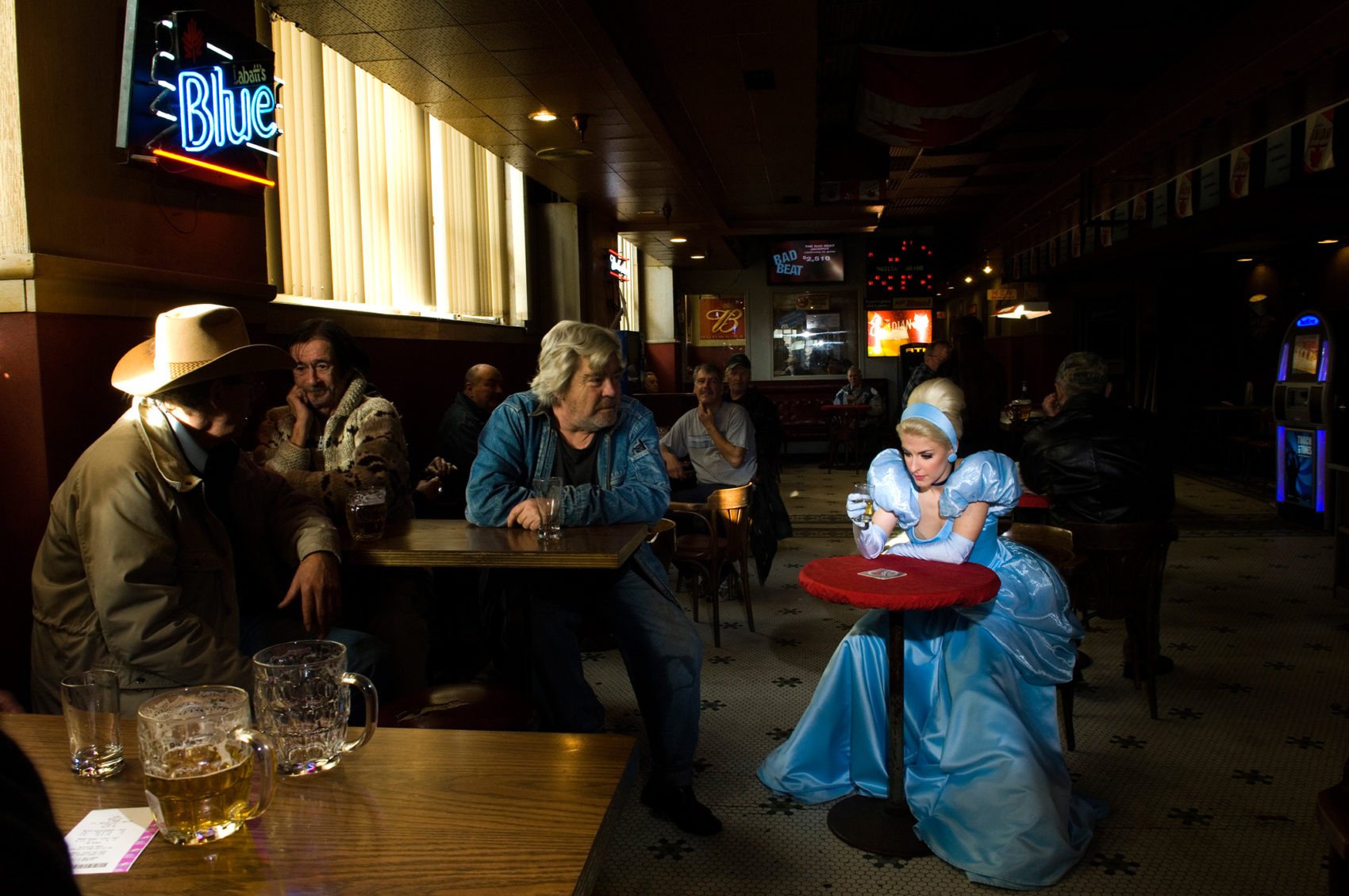
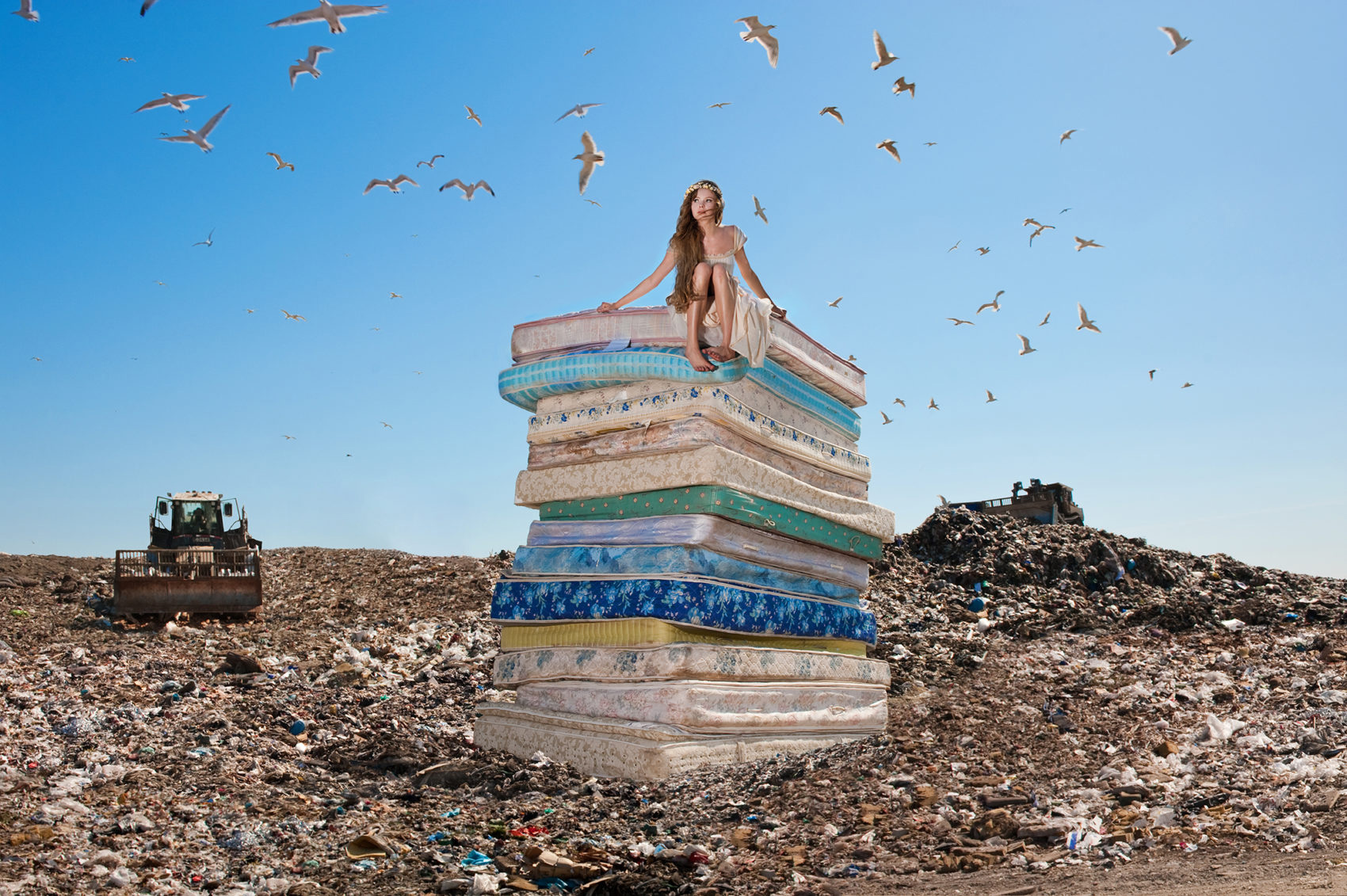

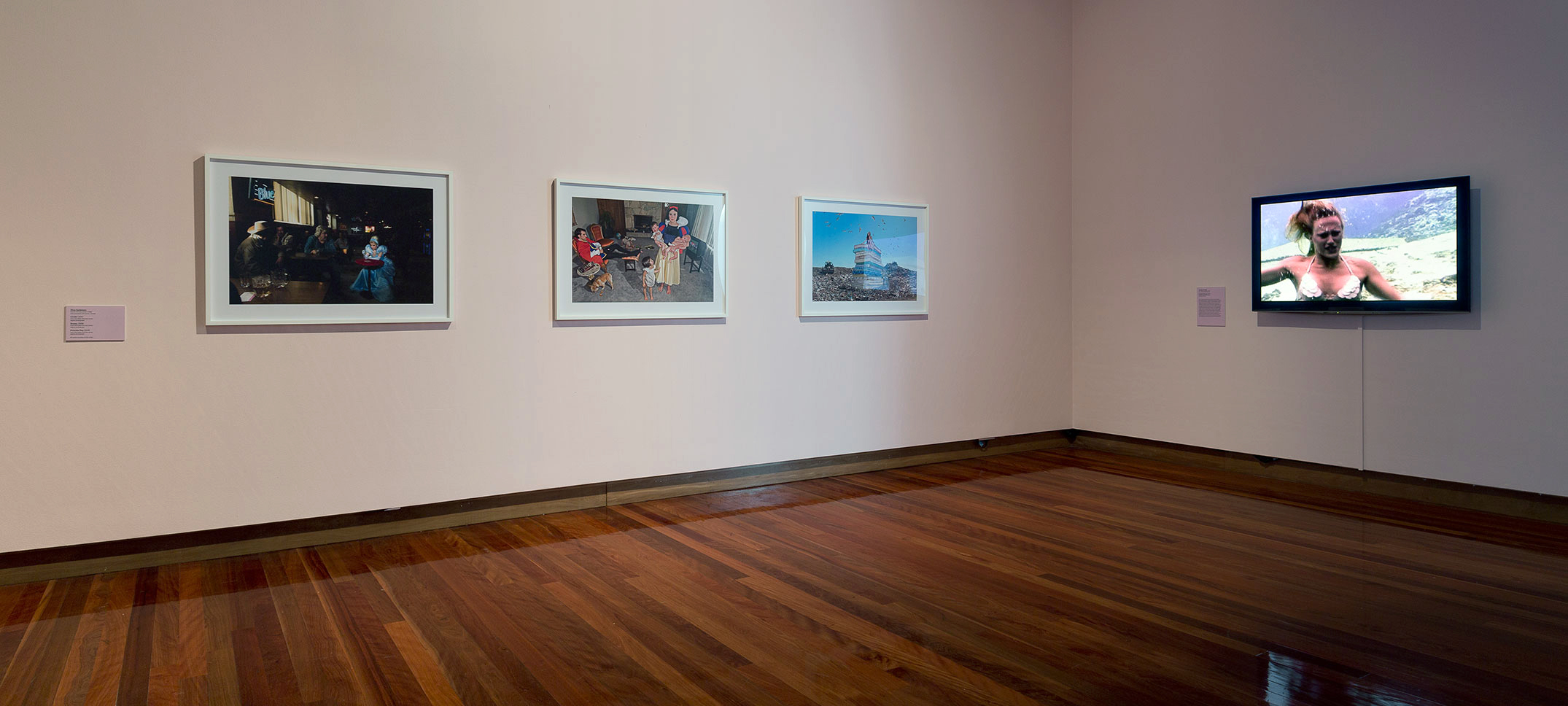
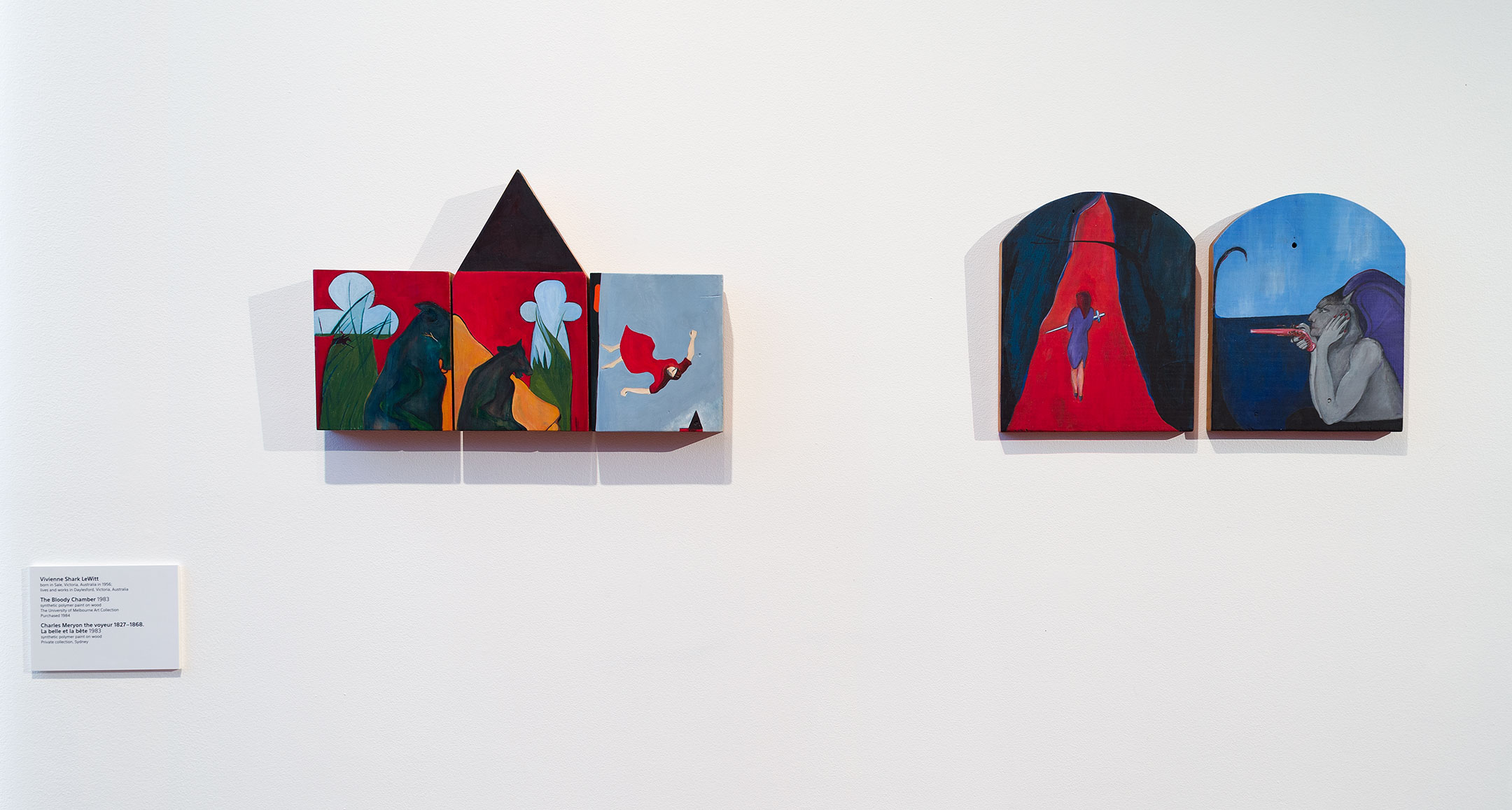


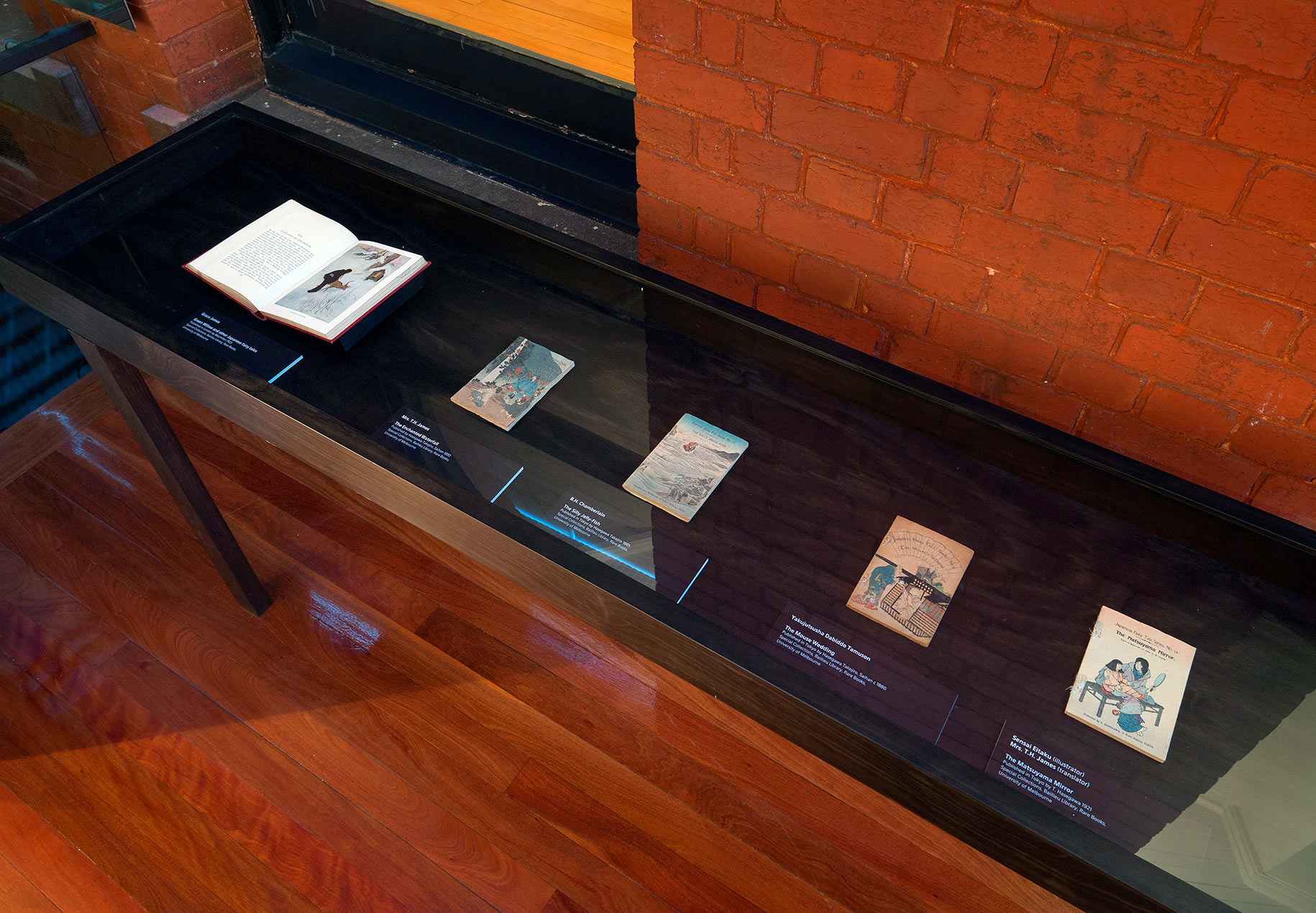

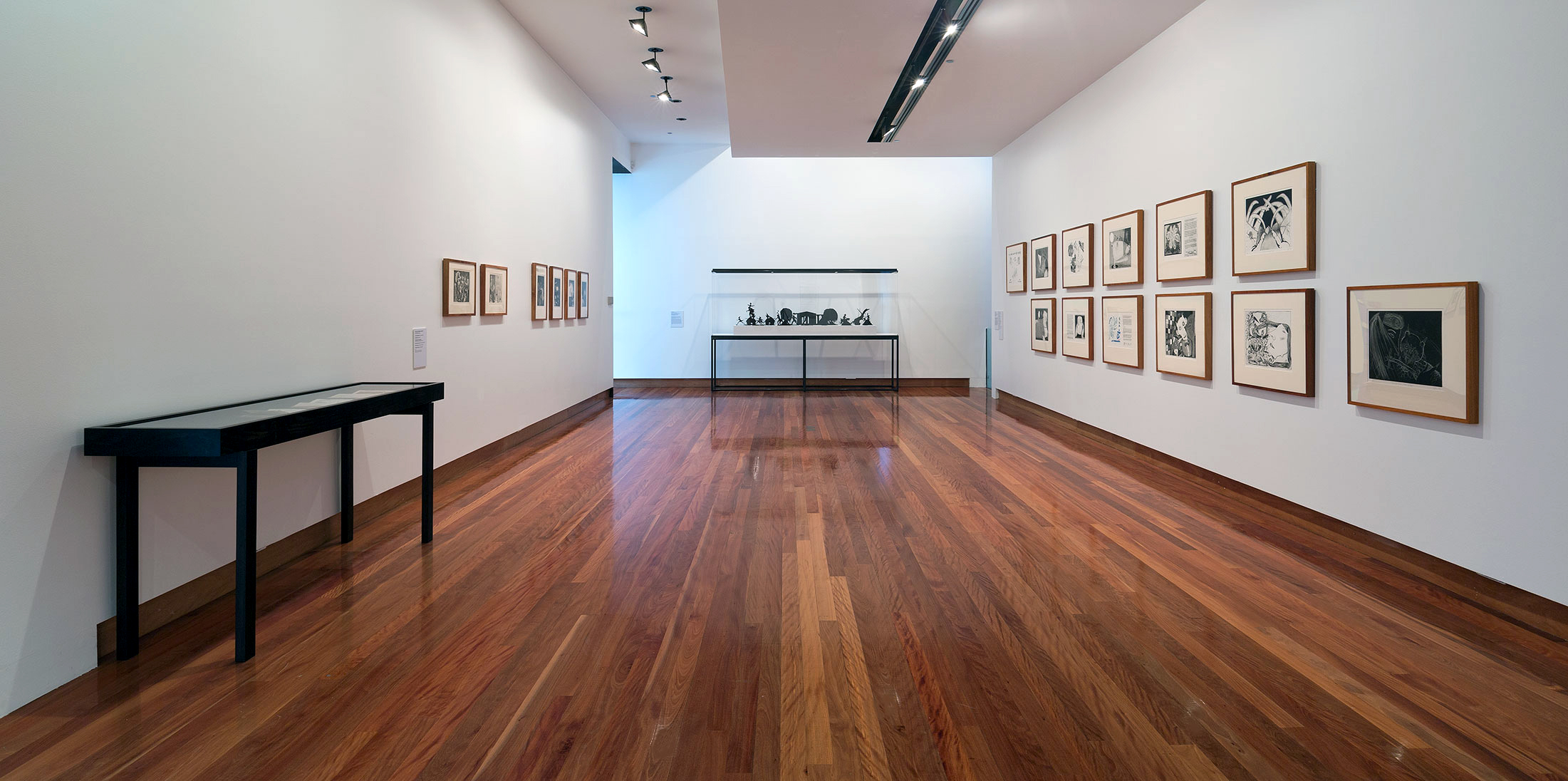
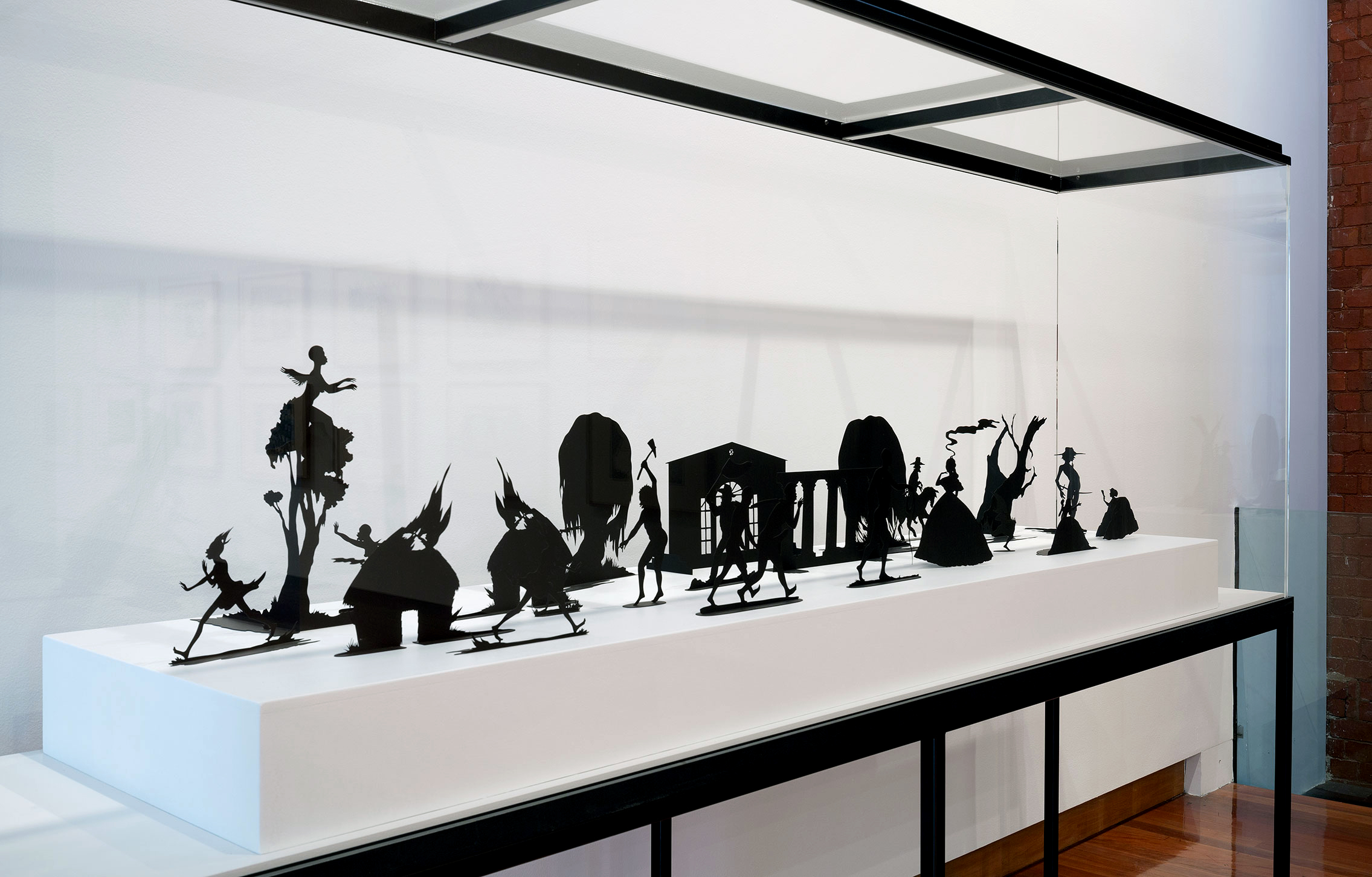
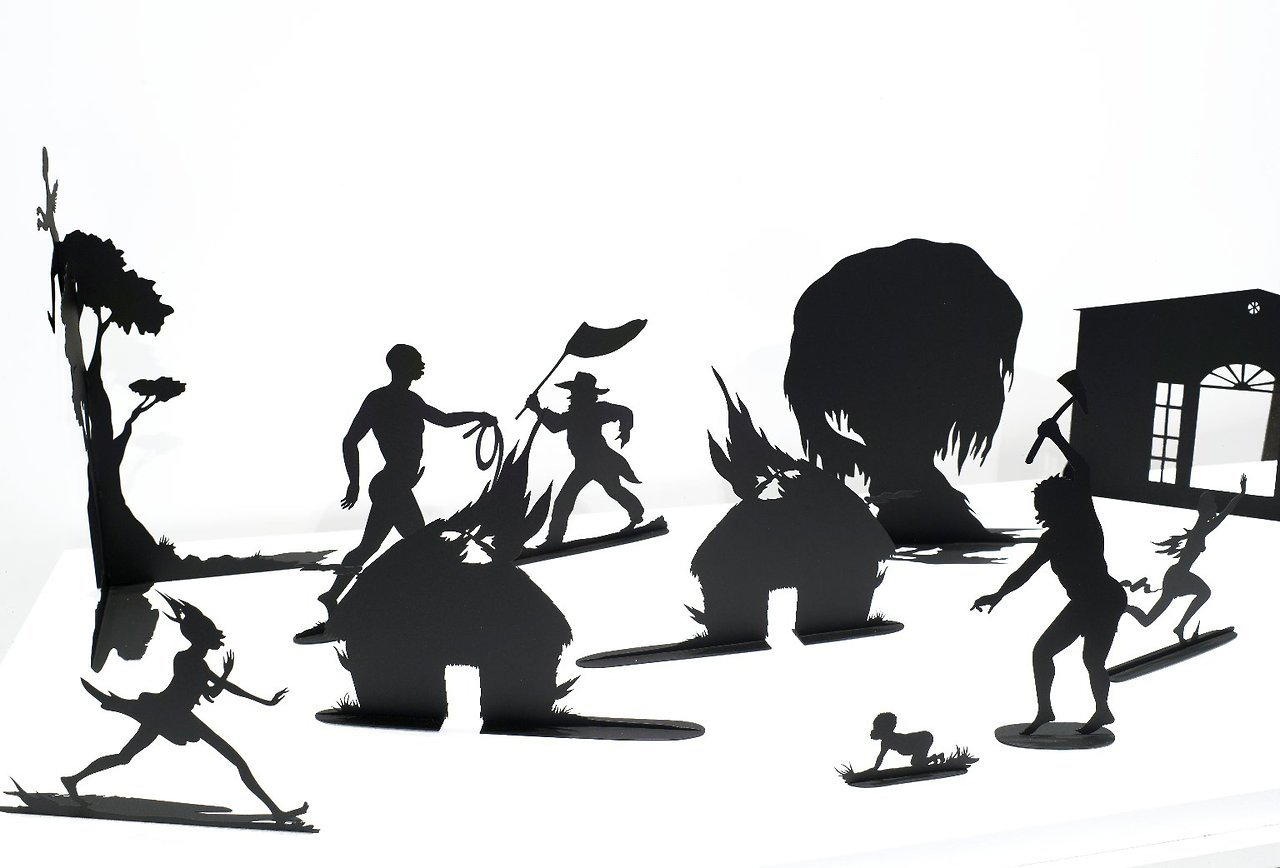
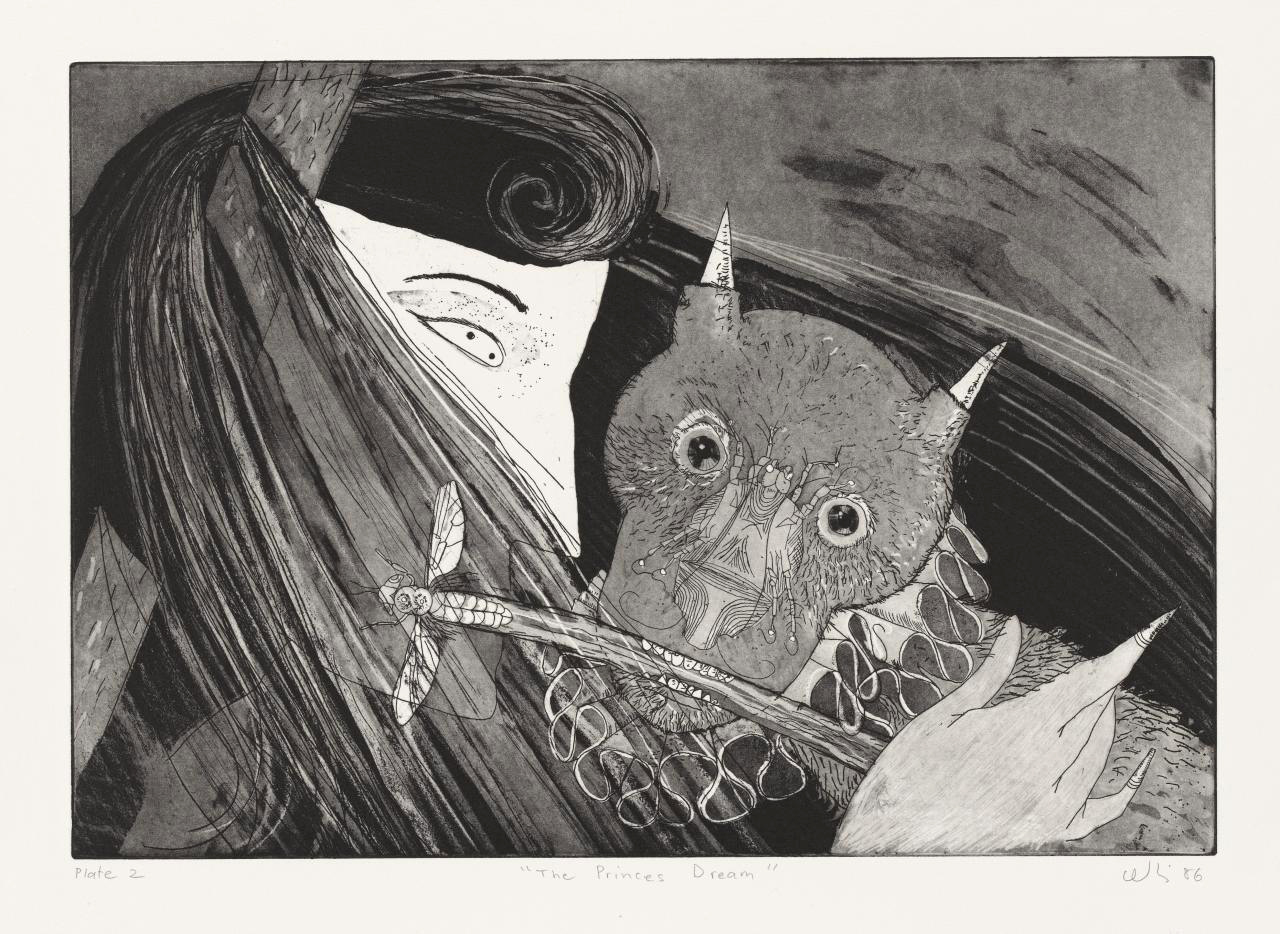


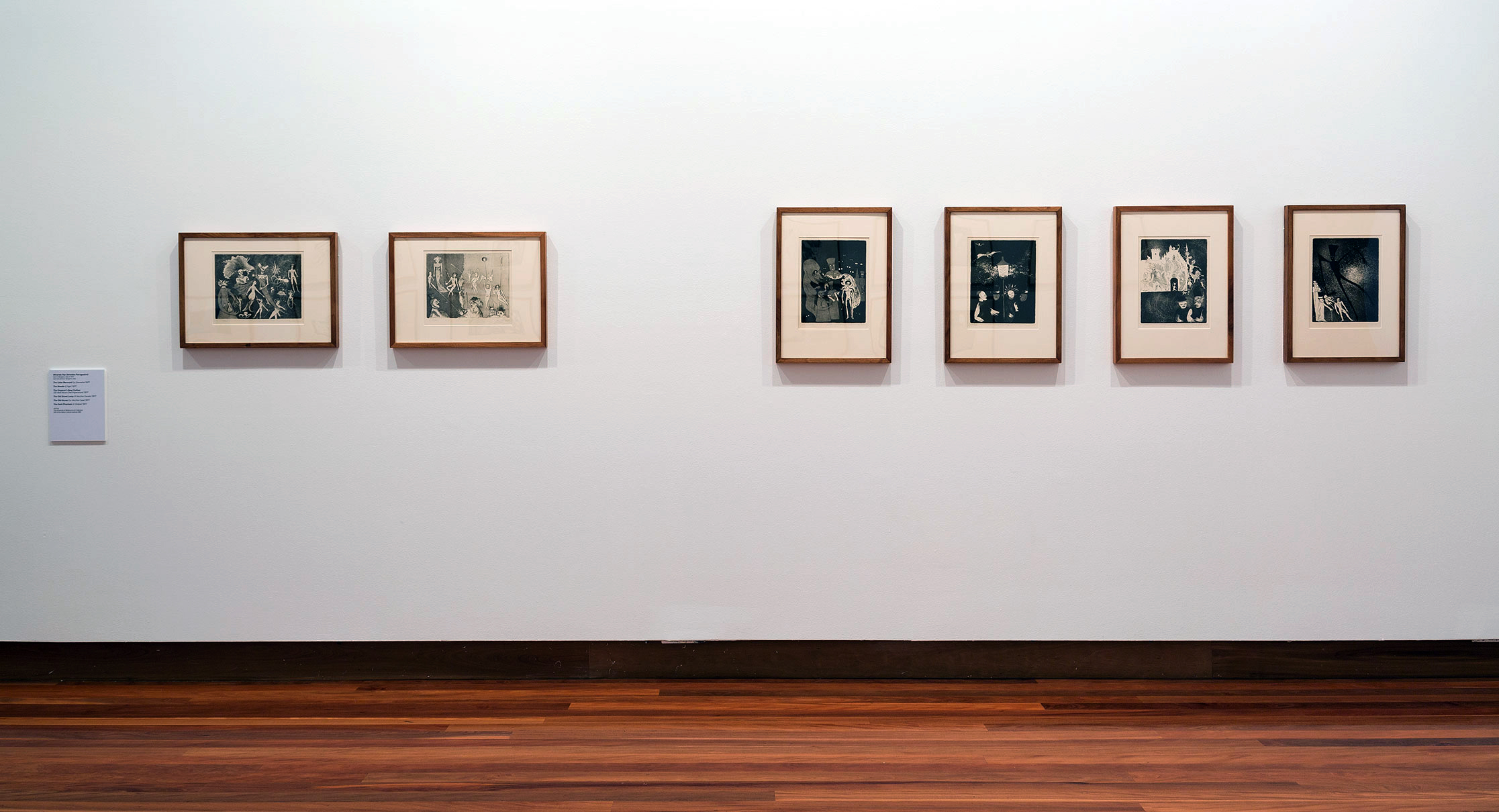
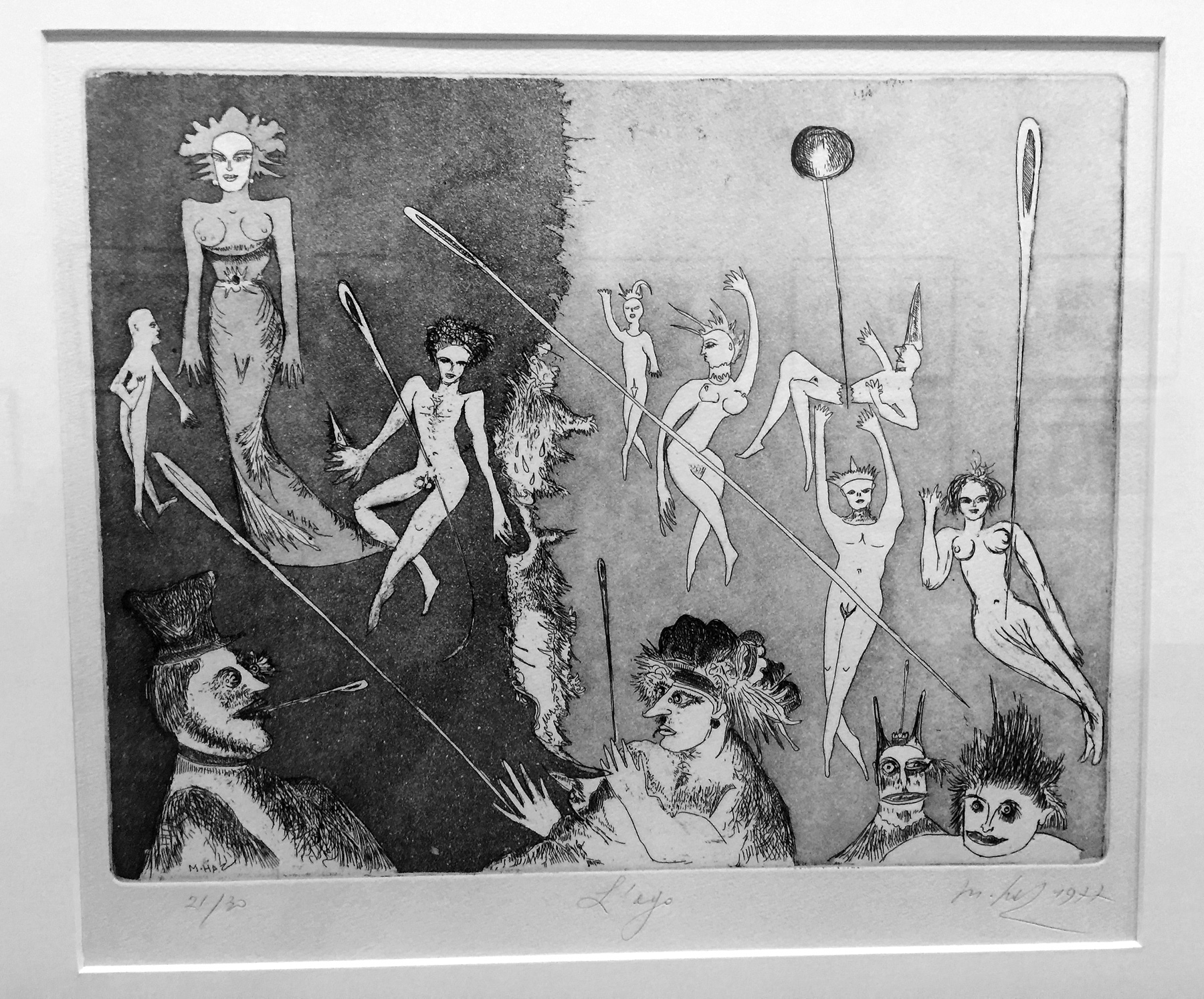
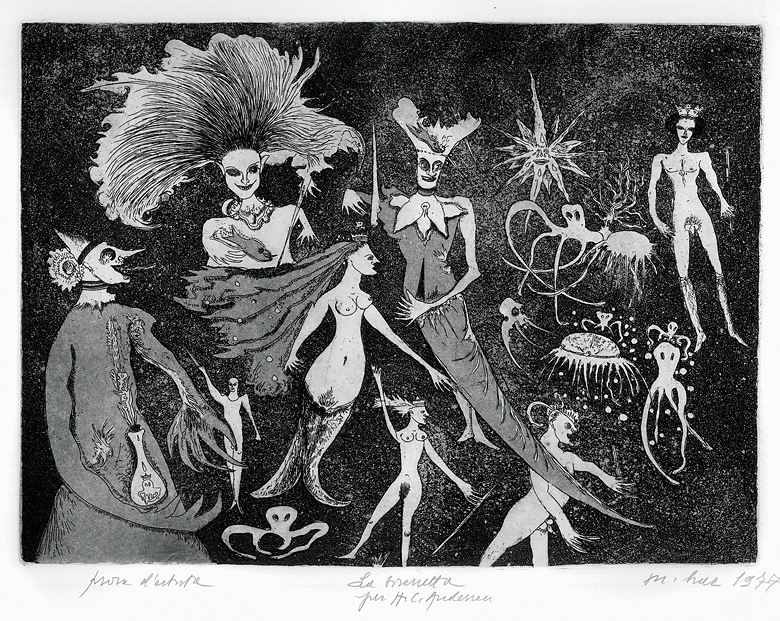

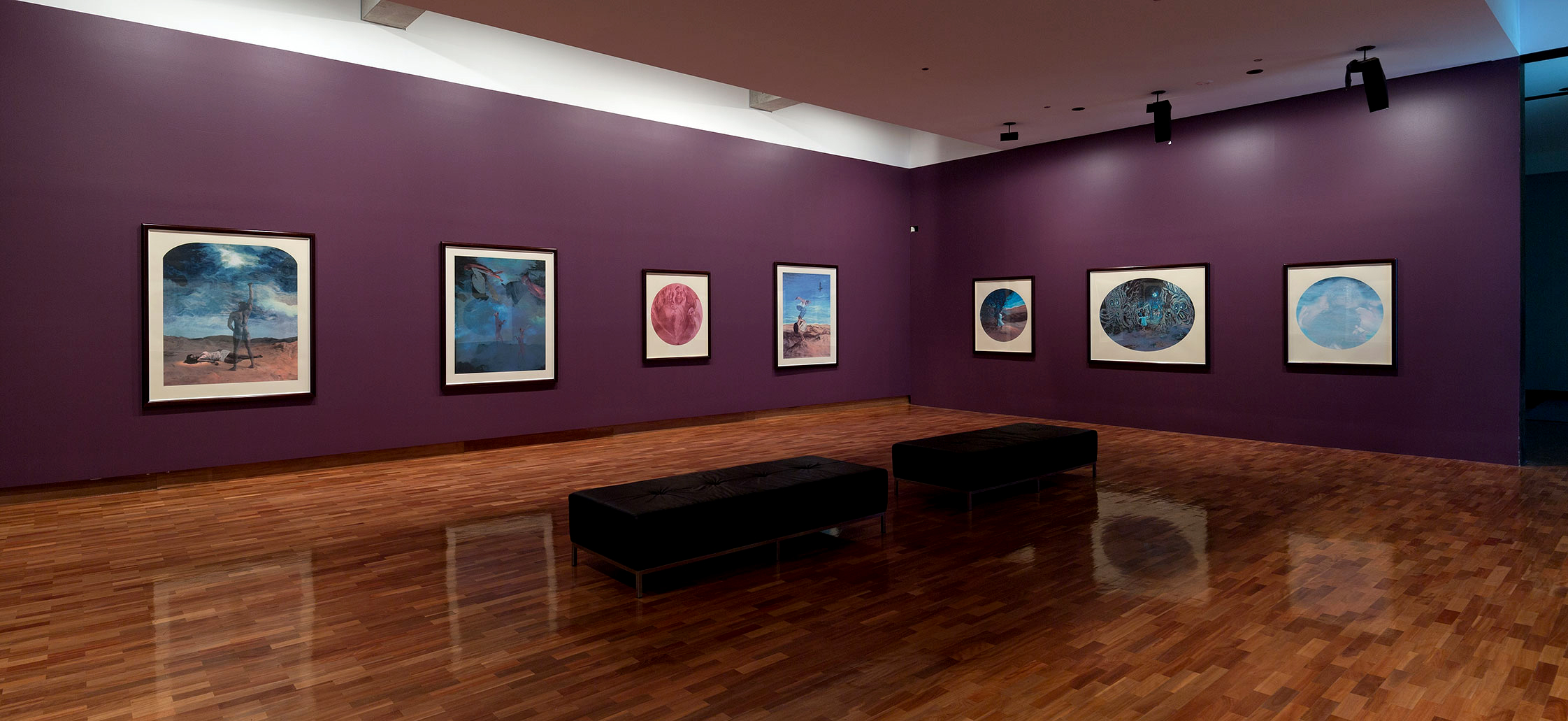



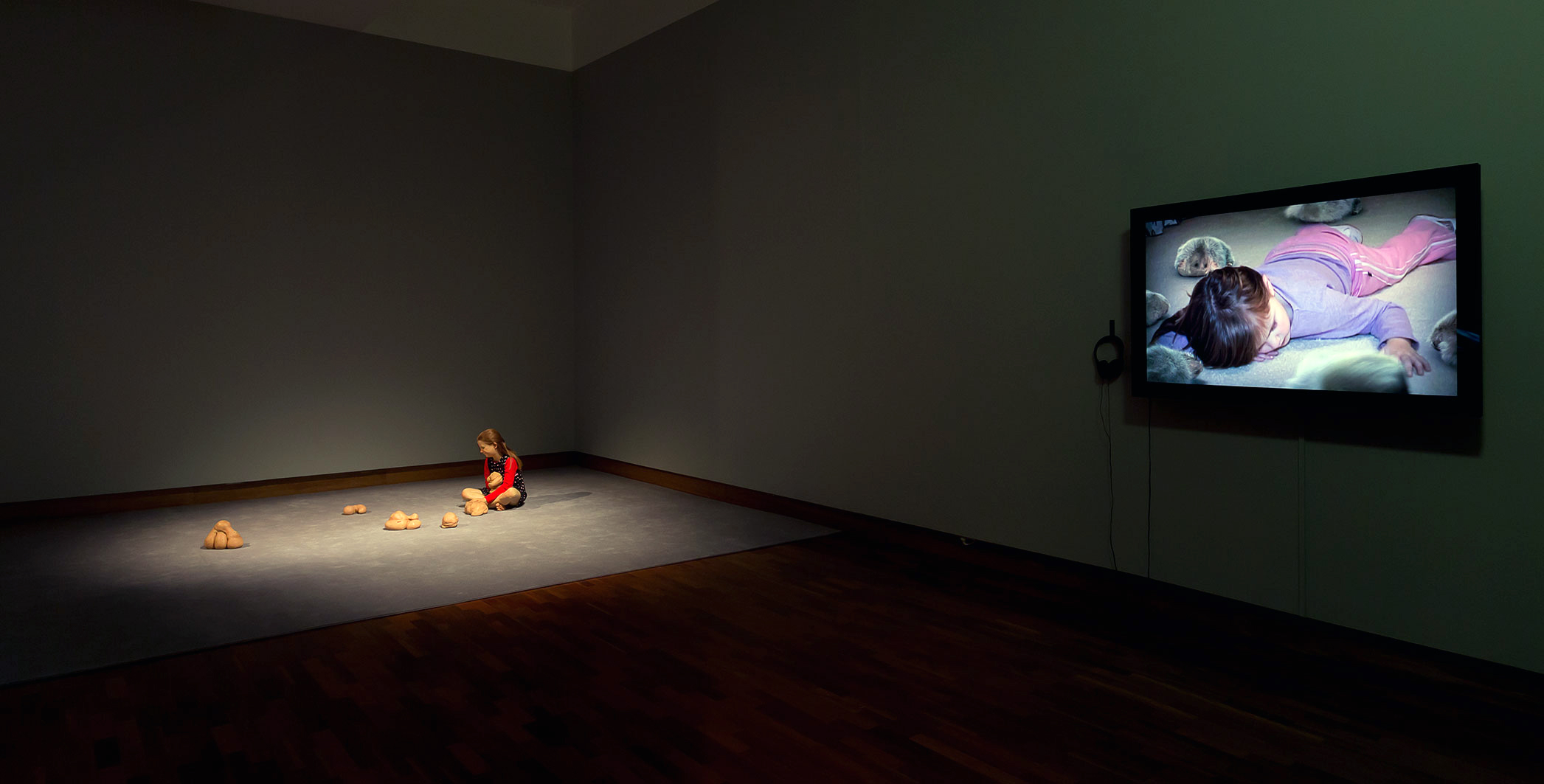

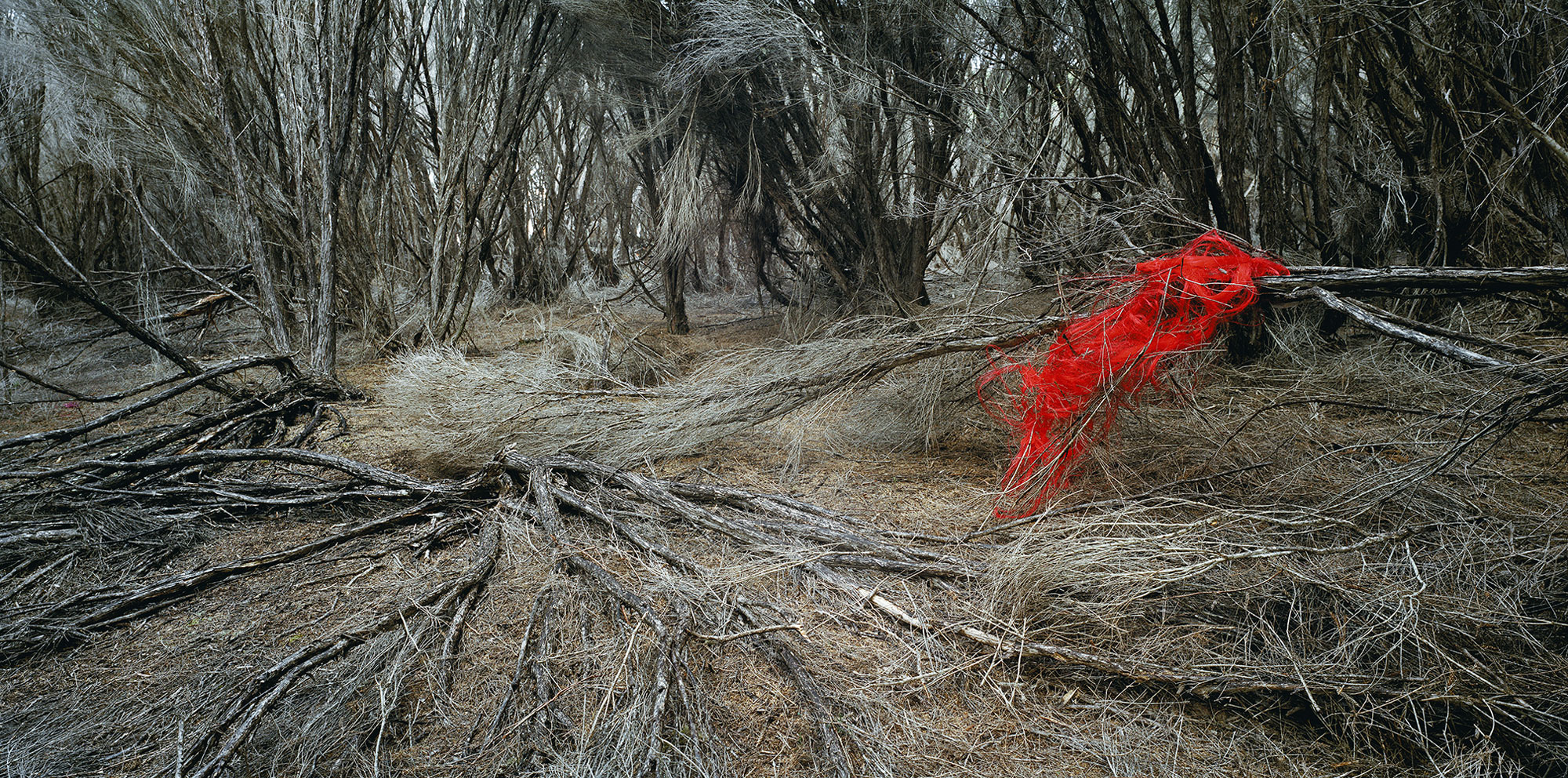
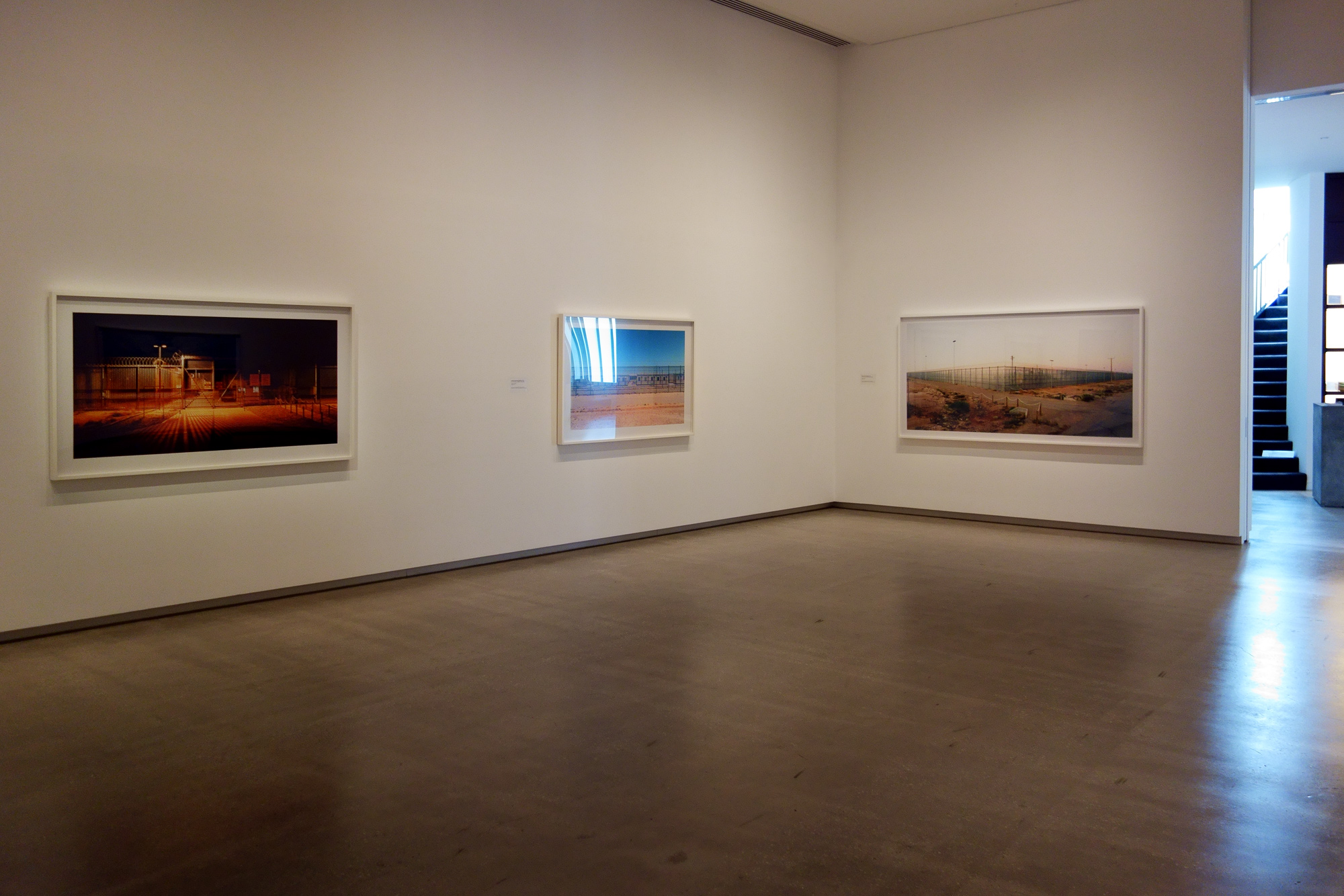




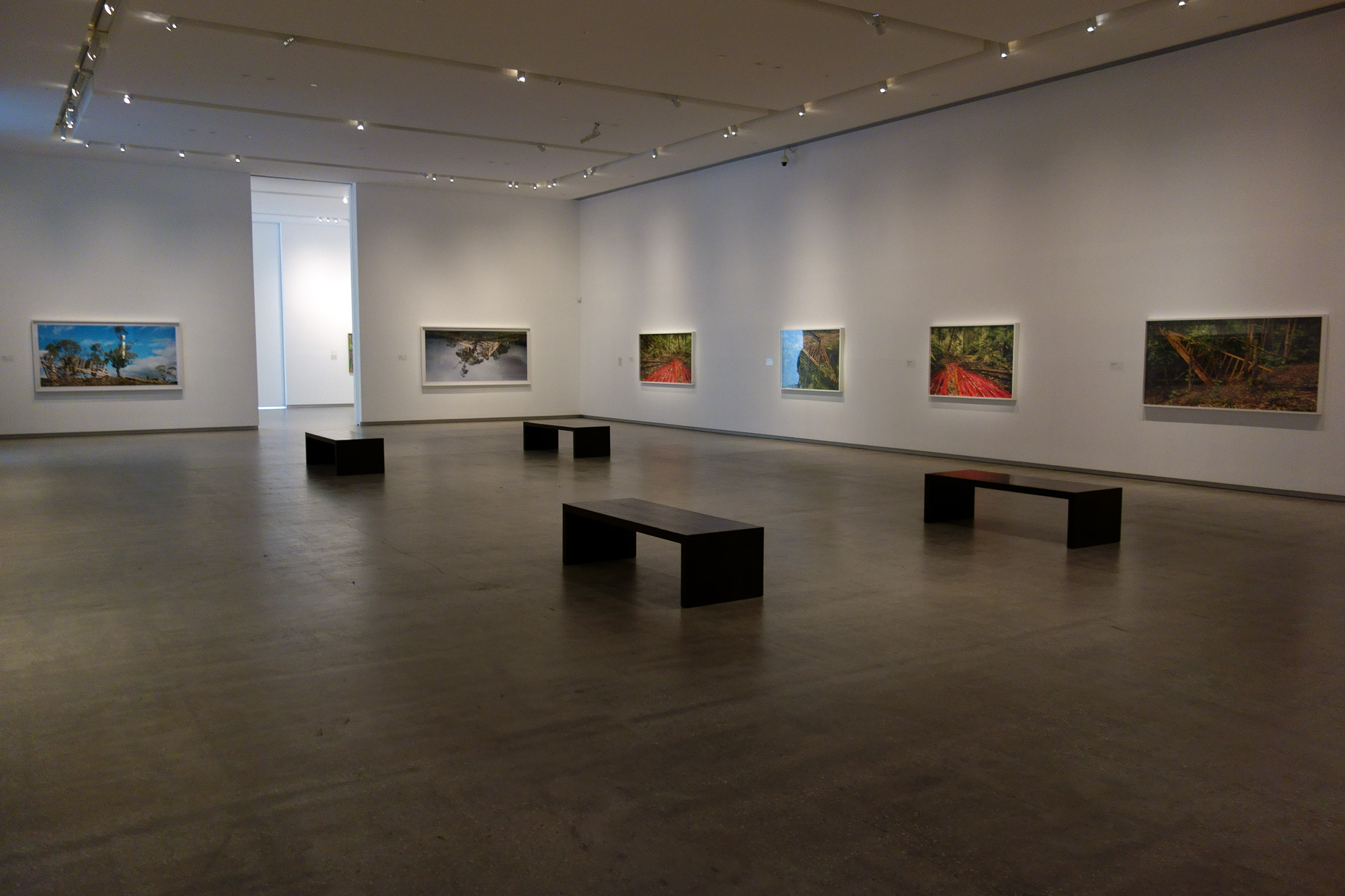


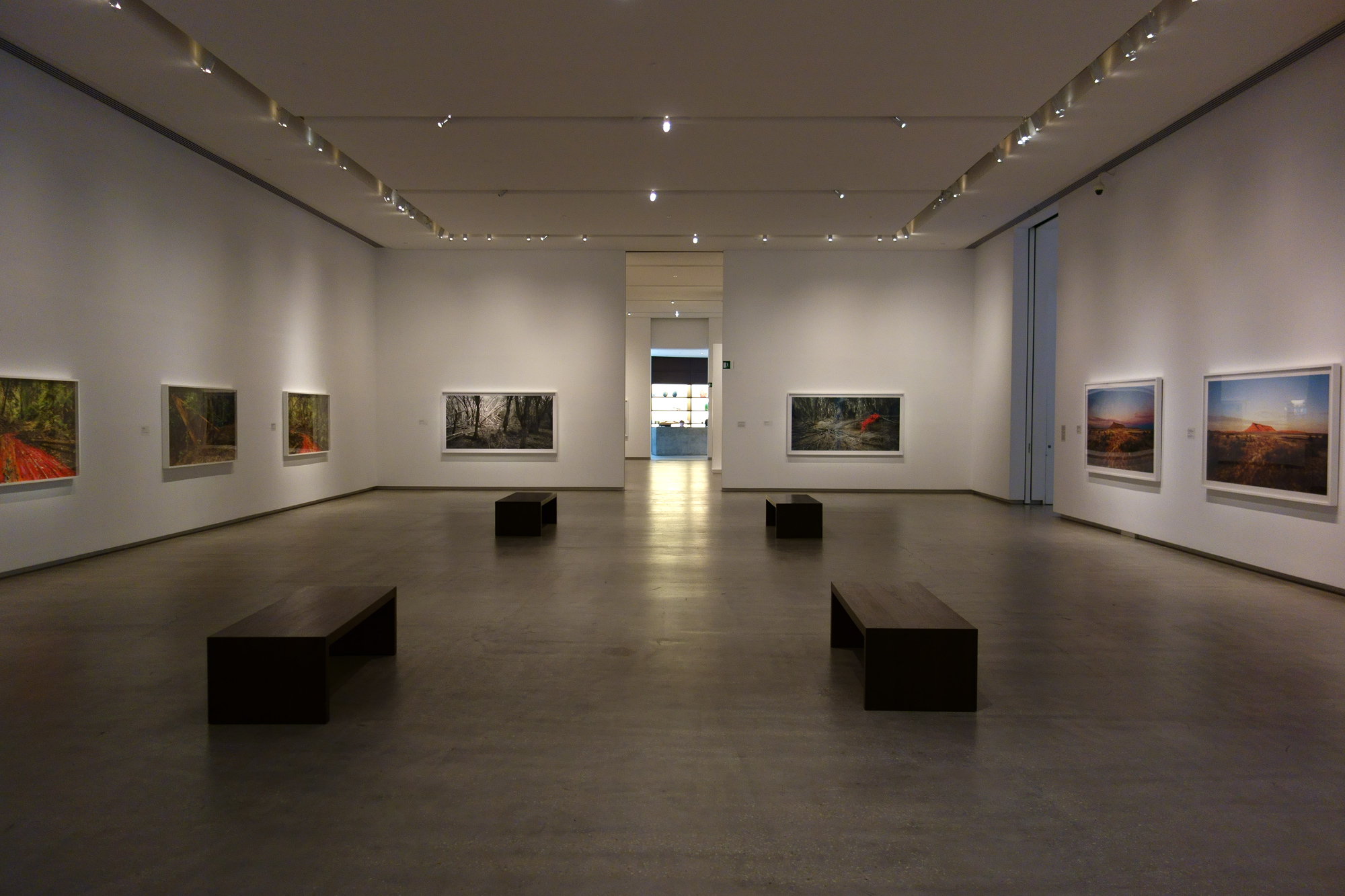


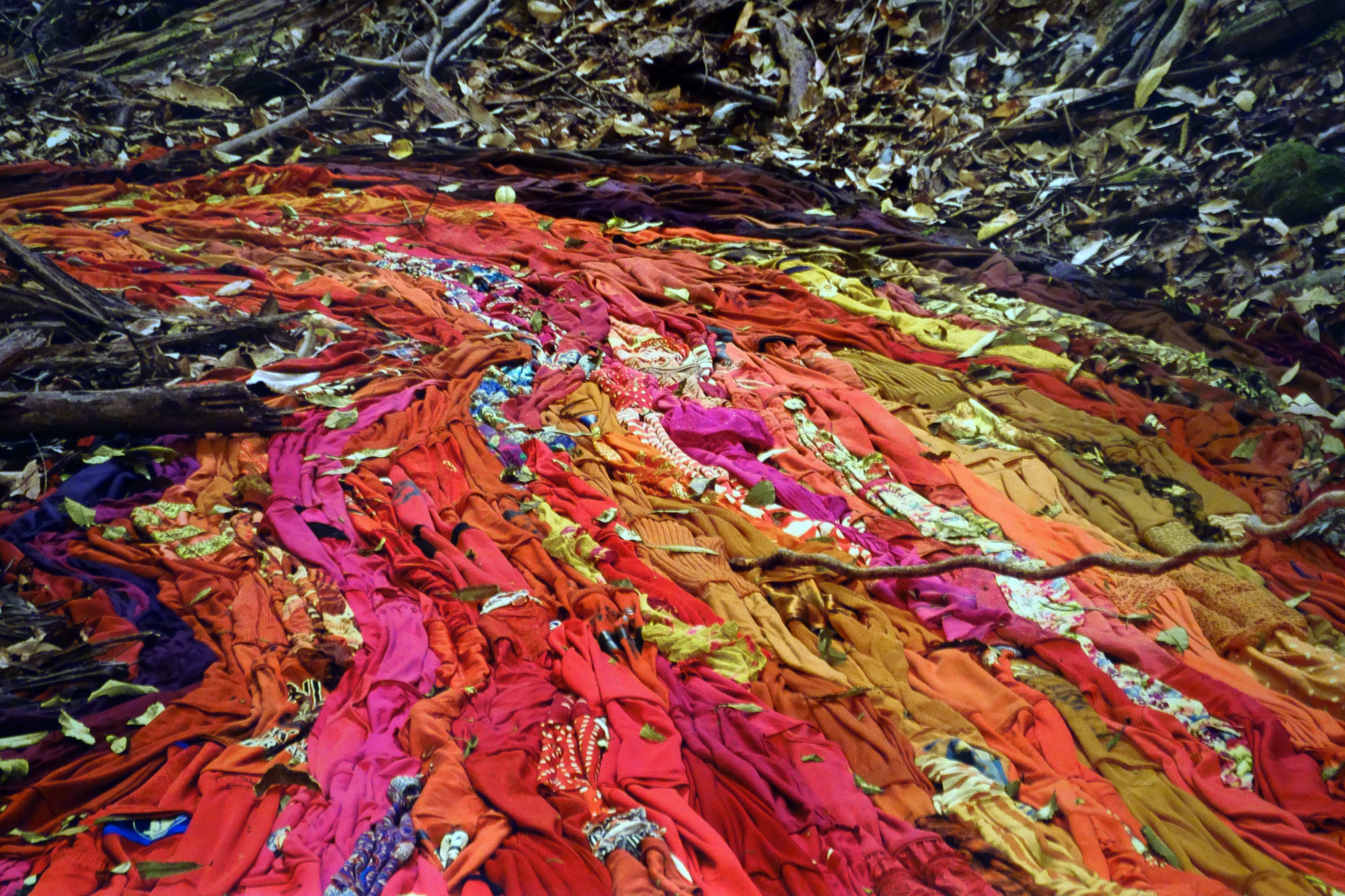


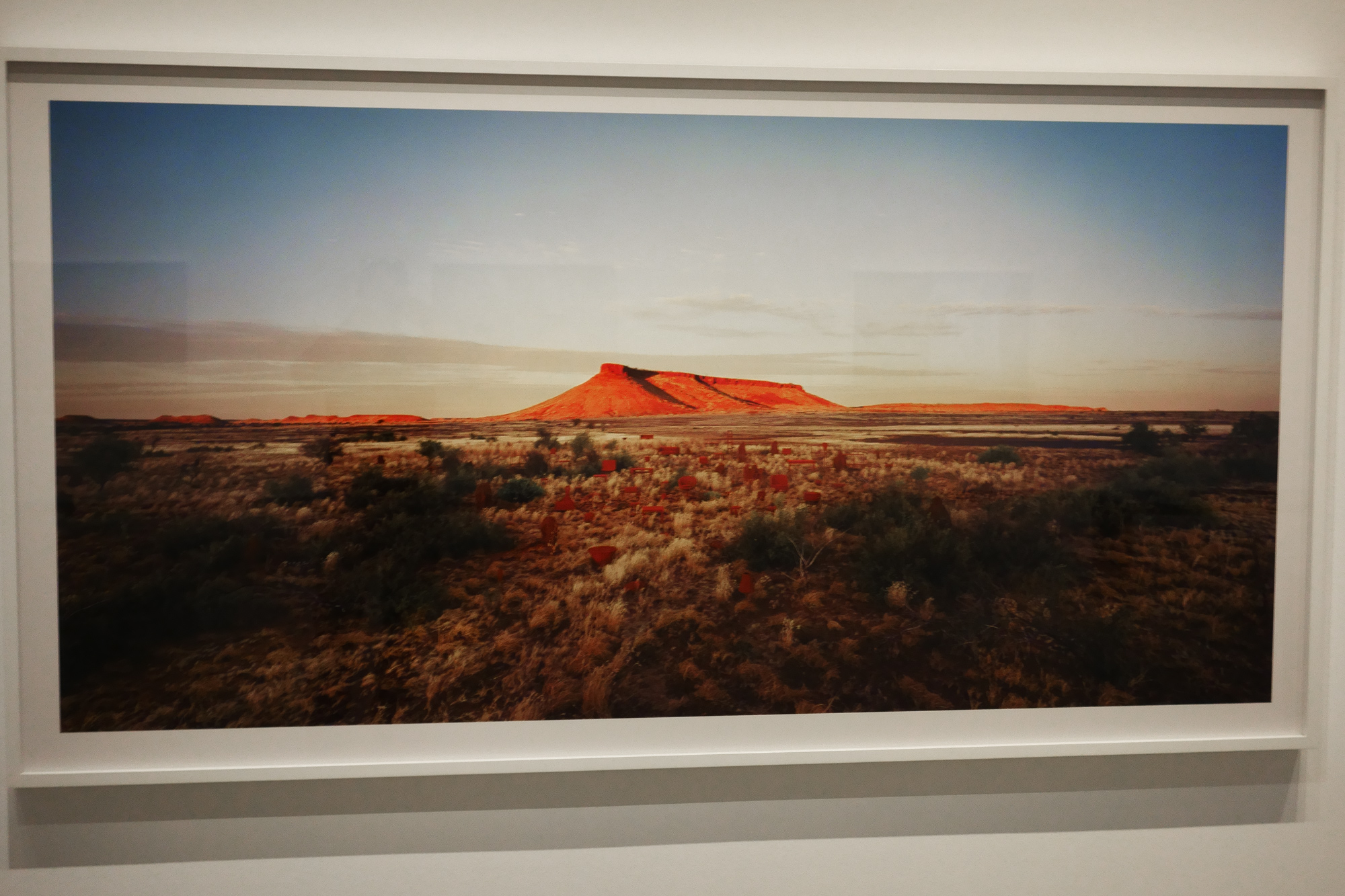





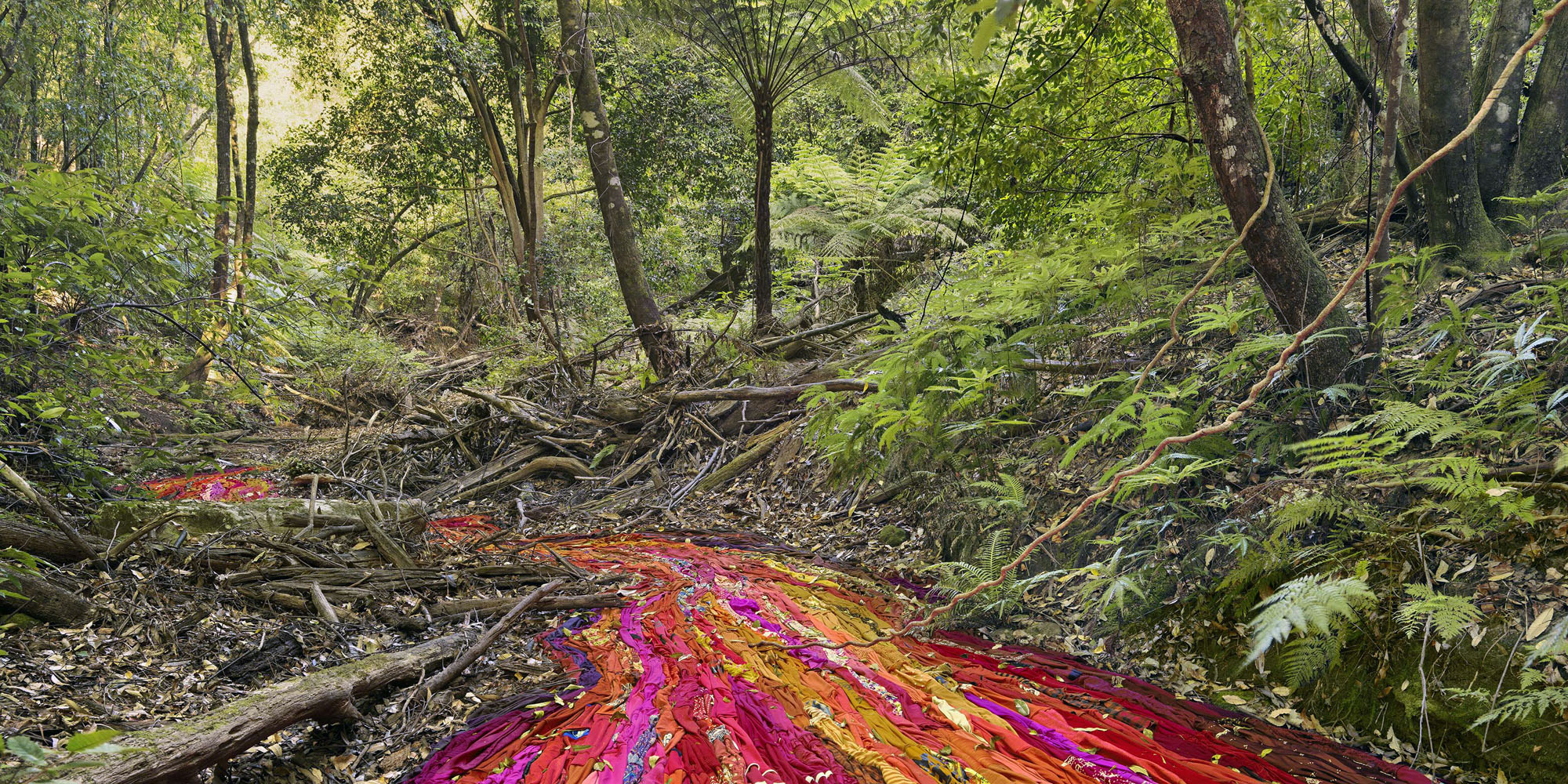
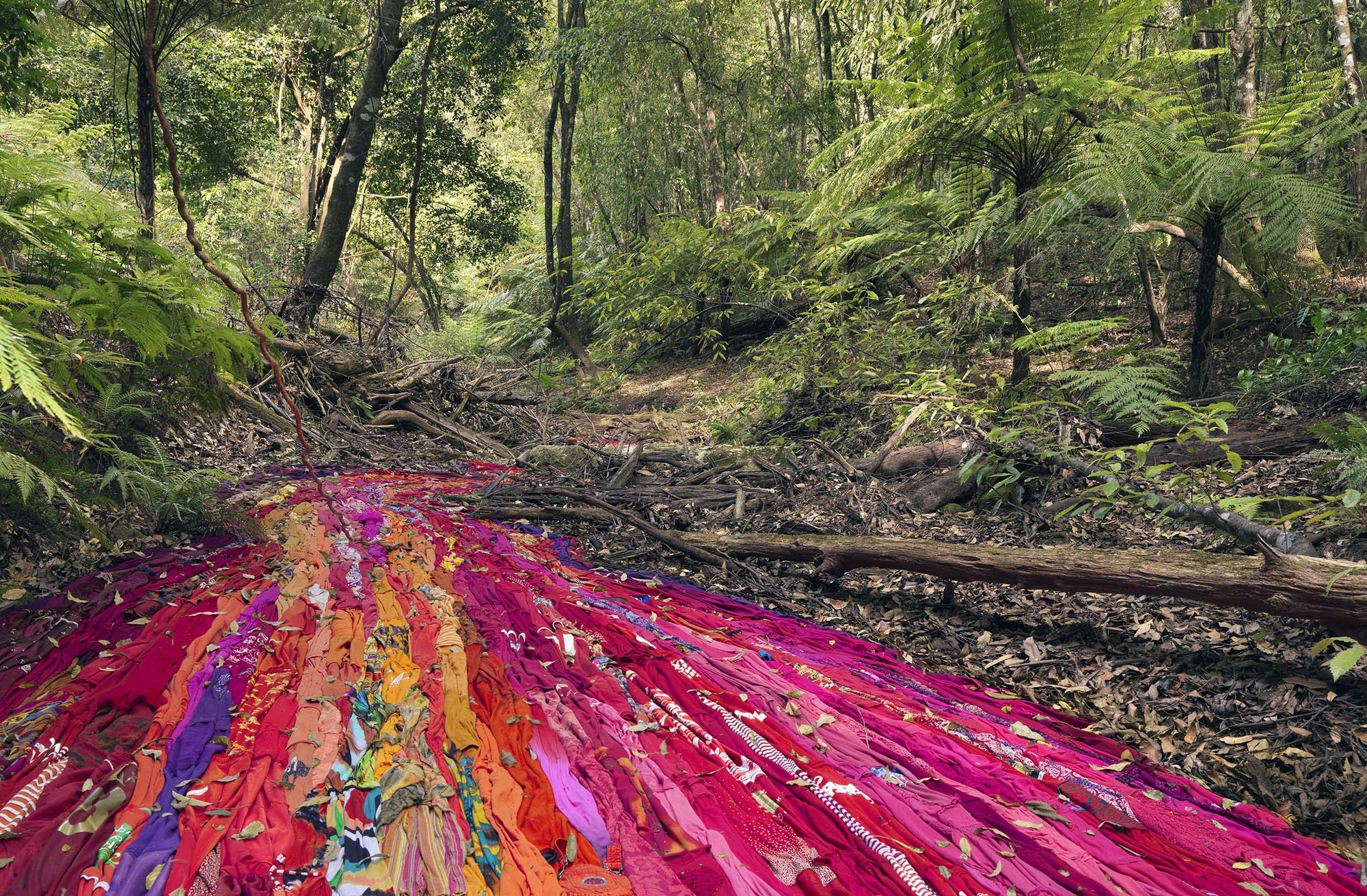
 Art Blart _ art and cultural memory archive
You must be logged in to post a comment.