Many thankx to the Alte Pinakothek for allowing me to reproduce the photographs in the posting. Please click on the photographs for a larger version of the image.
Marcus
Cabinet Frame German, around 1680 Image: Paul Troger, Simeons Lobgesang
Golden frame, Auricle or Lutmarahmen Dutch, around 1660 Image: Caspar Netscher, Shepherd’s Scene
Foliage frame German, around 1639 Image: Anonymous artist
The Bayerische Staatsgemäldesammlungen do not just own vast holdings of framed pictures but also a huge collection of frames. For this exhibition, however, the selection was not made in the frame depot but solely in the painting depot at the Alte Pinakothek. It is only there in the museum’s holdings that the history of collecting frames and pictures can be traced. Some 4000 frames and pictures were sifted through and recorded, from which a selection of 92 frames was made. This exhibition focuses on the art and history of frames from four centuries, encompassing 16th-century case frames to Classicist and Empire style frames. This presentation covers all types of frame, from highly elaborate ones to miniature versions. Of particular note are the Dutch cabinet and Lutma frames, as well as inlaid examples and trophies from the Rococo period.
Artistic highlights in the exhibition are the frames made by Paul Egell (1691-1752), Melchior Hefele (1716-98) and Johann Wolfgang von der Auwera (1708-58). Frames by and after Joseph Effner (1687-1745), François Cuvilliés the Elder (1695-1768), Karl Albrecht von Lespilliez (1723-96) and Leo von Klenze (1784-1864) provide a fulminant conclusion to the exhibition.
Exploring the holdings of the Alte Pinakothek led the curator to impressive exponents of the art of the frame that originally came from the following galleries and cabinets: from the Grune Galerie at the Residenz in Munich, from the castles and palaces of Schleißheim, Nymphenburg, Ansbach, Bayreuth, Mainz, Passau and Wurzburg, and from the collections in Dusseldorf, Mannheim and Zweibrucken.
The picture-framer, Karl Pfefferle, shows the various techniques used in making and gilding frames by looking at selected examples. The exhibition also provides an overview of the history of frames in the Bayerische Staatsgemäldesammlungen which, thanks to the provenance of some of the works, are of particular interest as well as displaying an incredibly variety.
A comprehensive 264-page catalogue accompanies the exhibition and includes a number of contributions on the production of frames, the depiction of frames in paintings and the history of frame collecting in the Bayerische Staatsgemäldesammlungen. An essay by Verena Friedrich provides an insight into the most recent research on the history of frames carried out in Wurzburg.”
Press release from the Alte Pinakothek website [Online] Cited 11/03/2010 no longer available online
Mannerist framework South German, around 1600 Image: Bartholomew Spranger, Lamentation of Christ 1546-1611
Ornamental frame in the style of the Rococo Mannheim, around 1750 Image: Adriaen van der Werff, Nocturnal Children’s Swarm
Rococo style Ansbach, around 1740 Image: Johann Christian Sperling, Margrave Carl Wilhelm Friedrich of Brandenburg-Ansbach as a 13-year-old boy
Alte Pinakothek Barer Straße 27 D-80799 Munich Phone: +49 (0)89 23805 216
Exhibition dates: November 20th 2009 – March 14th, 2010
Many thankx to Marie Skov and Martin-Gropius-Bau for allowing me to reproduce the photographs in this posting. Please click on the photographs for a larger version of the image.
Marcus
F.C. Gundlach (German, 1926-2021) The Whole Day on the Beach Gizeh/Egypt 1966 in Brigitte, Issue 8/1966
F. C. Gundlach
F. C. Gundlach (Franz Christian Gundlach; 16 July 1926 – 23 July 2021) was a German photographer, gallery owner, collector, curator und founder. In 2000 he created the F.C. Gundlach Foundation, since 2003 he has been founding director of the House of Photography – Deichtorhallen Hamburg.
His fashion photographs of the 1950s, 1960s and 1970s, which in many cases integrated social phenomena and current trends in the visual arts, have left their context of origin behind and found their way into museums and collections. Since 1975 he also curated many internationally renowned photographic exhibitions. On the occasion of the reopening of the House of Photography in April 2005, he curated the retrospective of the Hungarian photographer Martin Munkácsi. Here, the exhibitions A Clear Vision, The Heartbeat of Fashion and Maloney, Meyerowitz, Shore, Sternfeld. New Color Photography of the 1970s from his collection were presented since 2003. Most recently he curated the exhibitions More Than Fashion for the Moscow House of Photography and Vanity for the Kunsthalle Wien 2011.
F.C. Gundlach (German, 1926-2021) Erich von Stroheim during the shooting of “Alraune”, Munich 1952 Gelatin silver print
The Bloody Pit of Horror: Alraune (1952) film poster
Erich von Stroheim
Erich Oswald Hans Carl Maria von Stroheim (born Erich Oswald Stroheim; September 22, 1885 – May 12, 1957) was an Austrian-American director, actor and producer, most noted as a film star and avant garde, visionary director of the silent era. His masterpiece adaptation of Frank Norris’s McTeague titled Greed is considered one of the finest and most important films ever made. After clashes with Hollywood studio bosses over budget and workers’ rights issues, von Stroheim was banned for life as a director and subsequently became a well-respected character actor, particularly in French cinema. For his early innovations as a director, von Stroheim is still celebrated as one of the first of the auteur directors. He helped introduce more sophisticated plots and noirish sexual and psychological undercurrents into cinema. He died in 1957 in France of prostate cancer at the age of 71. Beloved by Parisian neo-Surrealists known as Letterists, he was honoured by Letterist Maurice Lemaitre with a 70-minute 1979 film entitled “Erich von Stroheim.”
Alraune is a 1952 West German science fiction directed by Arthur Maria Rabenalt and starring Hildegard Knef and Erich von Stroheim. The film involves a scientist (von Stroheim), who creates a woman who is beautiful and yet soulless, lacking any sense of morality.
F.C. Gundlach (German, 1926-2021) Cary Grant. A Star goes to the Ball Berlin 1960 in Film und Frau, Issue 16/1960 Gelatin silver print
Jean-Luc Godard (born 3 December 1930) is a French-Swiss film director, screenwriter and film critic. He rose to prominence as a pioneer of the 1960s French New Wave film movement.
Like his New Wave contemporaries, Godard criticised mainstream French cinema’s “Tradition of Quality”, which “emphasised craft over innovation, privileged established directors over new directors, and preferred the great works of the past to experimentation.” As a result of such argument, he and like-minded critics started to make their own films. Many of Godard’s films challenge the conventions of traditional Hollywood in addition to French cinema. In 1964, Godard described his and his colleagues’ impact: “We barged into the cinema like cavemen into the Versailles of Louis XV.” He is often considered the most radical French filmmaker of the 1960s and 1970s; his approach in film conventions, politics and philosophies made him arguably the most influential director of the French New Wave. Along with showing knowledge of film history through homages and references, several of his films expressed his political views; he was an avid reader of existential and Marxist philosophy. Since the New Wave, his politics have been much less radical and his recent films are about representation and human conflict from a humanist, and a Marxist perspective.
In a 2002 Sight & Sound poll, Godard ranked third in the critics’ top-ten directors of all time (which was put together by assembling the directors of the individual films for which the critics voted). He is said to have “created one of the largest bodies of critical analysis of any filmmaker since the mid-twentieth century.” He and his work have been central to narrative theory and have “challenged both commercial narrative cinema norms and film criticism’s vocabulary.” In 2010, Godard was awarded an Academy Honorary Award, but did not attend the award ceremony. Godard’s films have inspired many directors including Martin Scorsese, Quentin Tarantino, Brian De Palma, Steven Soderbergh, D. A. Pennebaker, Robert Altman, Jim Jarmusch, Wong Kar-wai, Wim Wenders, Bernardo Bertolucci, and Pier Paolo Pasolini.
Charlotte Rohrbach (German, 1902-1981) F. C. Gundlach photographing for German magazine Film und Frau (Film and Woman) in Berlin 1955, model Grit Hübscher, stole by Staebe-Seger 1955 Gelatin silver print
F.C. Gundlach (German, 1926-2021) Grit Hübscher. White atlas coat by Sinaida Rudow Berlin 1954
F.C. Gundlach (German, 1926-2021) Berlinale. Elsa Maxwell and Gina Lollobrigida, film ball in the Palais am Funkturm, X Berlinale 1960 in Film und Frau, Issue 16/1960 Gelatin silver print
Elsa Maxwell
Elsa Maxwell (May 24, 1883 – November 1, 1963) was an American gossip columnist and author, songwriter, and professional hostess renowned for her parties for royalty and high society figures of her day.
Maxwell is credited with the introduction of the scavenger hunt and treasure hunt for use as party games in the modern era. Her radio program, Elsa Maxwell’s Party Line, began in 1942; she also wrote a syndicated gossip column. She appeared as herself in the films Stage Door Canteen (1943) and Rhapsody in Blue (1945), as well as co-starring in the film Hotel for Women (1939), for which she wrote the screenplay and a song.
Gina Lollobrigida
Luigina “Gina” Lollobrigida (born 4 July 1927) is an Italian actress, photojournalist and sculptor. She was one of the highest profile European actresses of the 1950s and early 1960s, a period in which she was an international sex symbol. As her film career slowed, she established second careers as a photojournalist and sculptor. In the 1970s, she achieved a scoop by gaining access to Fidel Castro for an exclusive interview.
She has continued as an active supporter of Italian and Italian American causes, particularly the National Italian American Foundation (NIAF). In 2008, she received the NIAF Lifetime Achievement Award at the Foundation’s Anniversary Gala. In 2013, she sold her jewellery collection, and donated the nearly $5 million from the sale to benefit stem cell therapy research.
Texts from the Wikipedia website
F.C. Gundlach (German, 1926-2021) Op Art Silhouette. Jersey coat by Lend Paris 1966 in Brigitte, Issue 4/1966 Gelatin silver print
From November 2009 the Martin-Gropius-Bau presents the definitive retrospective of F.C. Gundlach’s extensive photographic work with the exhibition F.C. Gundlach – Photographic Work. F.C. Gundlach is one of the most famous fashion photographers worked for the most important magazines and publications from the middle of the 1950’s to 1990. Among other many famous pictures the most comprehensive presentation of F.C. Gundlach’s work shows many fameless facets of F.C. Gundlach’s work to date. After years of research, the curators Klaus Honnef, Hans-Michael Koetzle, Sebastian Lux and Ulrich Rüter present for the first time numerous unknown images as vintage prints alongside F.C. Gundlach’s famous photo icons.
The intention of the exhibition is to present the unique aesthetics of F.C. Gundlach’s photography, his roots in photojournalism, his focus on series and sequences, his narrative approach. Furthermore, the exhibition alludes to social and cultural issues over several decades.
The exhibition includes the experimental photography of his early years, especially those from Paris during the 1950’s, his remarkable portraits of German and international movie stars and film-directors as well as F.C. Gundlach’s early photo reportages and photographs of children.
For the first time, F.C. Gundlach’s work for magazines is presented on a larger scale. Magazine covers and a comprehensive collection of double-page spreads show his photographs within the magazines’ context, especially in Film und Frau (1951-1965) and Brigitte (1963-1986). Among photographs, title pages and a comprehensive selection of double pages of his pictures will be shown in context of the magazines. The exhibition illustrates that Gundlach has always been open to technical innovations in photography (35mm cameras, flash or colour photography).
His fashion productions took him both to Paris and New York and to Egypt and Morocco. This multiple printed photographs were been to special motifs in his work. F.C. Gundlach’s impressive travel reportages occurred amongst others in Argentina, Brazil, Peru, Japan, Cambodia, Thailand, Vietnam and will be present in Berlin the first time. Original documents of his vita illustrate the life of the photographer. Moreover, the show illustrates the internationalisation of his work due to extensive traveling. Documents and archival material give a brief outline of the artist’s life and work.
F.C. Gundlach himself has commented his functioning in a 60 min. interview-film, which was exclusively produced for the exhibition by filmmaker Reiner Holzemer. The exhibition presents: a life’s work of photography between documentary representation and staged artificiality, between practical and experimental photography.
F.C. Gundlach, born in 1926 in Heinebach (Hesse), is considered the most significant fashion photographer of the young Federal Republic of Germany. For more than four decades of fashion photography, he wrote fashion history with his work and shaped the perception of fashion in Germany decisively. He set the stage for the ever-changing vogues, defined postures and gestures of models, chose props and locations and thus reflected the ideals of beauty and the history of fashion against a changing social background. F.C. Gundlach worked on assignment for various magazines. His first publications were reportages, theatre- and movie reports. Through his work for the magazine Film und Frau he became a fashion photographer. His photographs have been published in many distinguished magazines such as: Deutsche Illustrierte, Stern, Revue, Quick, Elegante Welt, Film und Frau, Annabelle, Brigitte, Twen and Deutsch. For Brigitte alone F.C. Gundlach photographed more than 5500 pages as well as about 180 magazine covers.
Press release from the Martin-Gropius-Bau website [Online] Cited 05/03/2010. No longer available online
F.C. Gundlach (German, 1926-2021) Slow. Karin Mossberg Nairobi/Kenia 1966 in Brigitte, Issue 9/1966 Gelatin silver print
Karin Mossberg was born on January 1, 1947 in Linkoping, Ostergotland, Sweden as Agneta Anna Karin Mossberg. She is an actress, known for The Big Cube (1969), La vida nueva de Pedrito de Andía (1965) and Les pianos mécaniques (1965).
F.C. Gundlach (German, 1926-2021) Simone d’Aillencourt. Sheath dress by Horn Berlin 1957 in Film und Frau, Issue Spring/Summer 1957 Gelatin silver print
Simone D’Aillencourt
Simone D’Aillencourt or d’Aillencourt (née Daillencourt, born 22 September 1930) is a retired French model. Her career in modelling, during which she achieved significant success, took place from the mid-1950s to the late 1960s. She is best known as the subject of Melvin Sokolsky’s “Bubble” photographic series taken in Paris for Harper’s Bazaar in 1963. She had two daughters during her marriage to José Bénazéraf.
Simone D’Aillencourt was born on 22 September 1930 in Vizille, the daughter of Leon and Anna Daillencourt.
Her activities in the modeling profession began in England. D’Aillencourt began her successful career in Edinburgh in 1954 after a visit by Lucie Clayton. She posed for the British magazine Vogue and then went back and forth between Britain and France. She worked regularly for Pierre Cardin, sometimes for Jacques Heim, and posed for various magazines such as Elle, L’Officiel, Vogue Paris or also Le Jardin des Modes. Due to her job, she traveled many times, posing for William Klein for whom she would become one of his favourites, Irving Penn, John French, Richard Avedon, or also French photographer Georges Dambier or Jeanloup Sieff, who “often photographed” according to him. Independent while the agencies are then little developed, she was contacted by Eileen Ford and invited to New York. She then met the influential Diana Vreeland, which further propelled her career.
In early 1963, D’Aillencourt was selected by Melvin Sokolsky for his “Bubble” series for Harper’s Bazaar. She had her test shot in colour taken in New York, which the staff of Harper’s Bazaar approved. She flew to Paris on 20 January 1963 to have her photos taken by Sokolsky. During the shoot, the Bubble that D’Aillencourt was in was lowered too far into the Seine, which damaged the designer shoes that she was wearing.
D’Aillencourt made her final series of photographs in India, with photographer Henry Clarke, in 1969 after a successful career of 15 years. Throughout her career, she always kept with the trends over time, from the sophistication of the 1950s to the greatest freedom of clothing the following decade. Some time after she stopped modelling, she founded a modelling agency in Paris, Model International, which quickly grew, and then a second agency of a more modest size, Image. She was married to José Bénazéraf, their second daughter Béatrice also having integrated modeling as a booker. In 2008, D’Aillencourt attended the festival at Hyères to celebrate the exhibitions of Sokolsky’s work.
F.C. Gundlach (German, 1926-2021) Op Art Swimsuit. Brigitte Bauer, Op Art swimsuit by Sinz Vouliagmeni Greece 1966 Gelatin silver print
F.C. Gundlach (German, 1926-2021) Rainweather, party sunshiny. Three poplin coats by Staebe-Seger Berlin 1955 Gelatin silver print
F.C. Gundlach (German, 1926-2021) Romy Schneider Hamburg 1961 in Film und Frau, Issue 11/1962 Gelatin silver print
Romy Schneider
Romy Schneider (23 September 1938 – 29 May 1982) was a film actress and voice actress born in Vienna and raised in Germany who held German and French citizenship. She started her career in the German Heimatfilm genre in the early 1950s when she was 15. From 1955 to 1957, she played the central character of Empress Elisabeth of Austria in the Austrian Sissi trilogy, and later reprised the role in a more mature version in Visconti’s Ludwig. Schneider moved to France, where she made successful and critically acclaimed films with some of the most notable film directors of that era.
Exhibition dates: October 15th, 2009 – April 11th, 2010
Many thankx to the Seattle Art Museum for allowing me to publish the art work in the posting. Please click on the photographs for a larger version of the image.
Marcus
Alexander Calder (American, 1898-1976) Form against Yellow (Yellow Panel) 1936
Alexander Calder (American, 1898-1976) Little Spider c. 1940
Alexander Calder (American, 1898-1976) Bracelet c. 1948 Silver, silver wire
Alexander Calder (American, 1898-1976) Louisa Calder’s 53rd Birthday Gift 1958 Pin Gold and steel wire
Alexander Calder (American, 1898-1976) The Y 1960
Alexander Calder (American, 1898-1976) Teodelapio [maquette II] 1962
Alexander Calder: A Balancing Act on view at the Seattle Art Museum (SAM) downtown October 15, 2009, to April 11, 2010, traces the master American sculptor’s work from the late 1920s to the 1970s. Organised by the Seattle Art Museum and curated by Michael Darling, SAM’s Jon and Mary Shirley Curator of Modern and Contemporary Art, the survey features his signature mobiles, stabiles, works on paper and jewellery. Drawn primarily from the Seattle area collection of Jon and Mary Shirley, the exhibition will showcase the wide range of Calder’s interests, abilities, materials and phases during his long and productive career. Accompanying the exhibition will be 44 photographs and a film by Calder’s contemporary Herbert Matter that show his working process in many different studios over the years.
“This will be a singular occasion to appreciate the work of one of the 20th century’s titans of modern art,” said Darling. “The Shirleys’ collection allows us to examine Calder’s variations on themes and scale in a depth that few museums have the opportunity to present.”
The title of the exhibition refers to the artist’s feats of artistry and engineering, as well as his ability to work in many different arenas, from pure abstraction to playful naturalism. Calder was one of the leaders in defining what mattered in 20th-century art, balancing delicacy and the handmade with industrial materials and processes.
Calder’s work is a crucial bridge between abstract painting and sculpture that was taking root in Europe in the first half of the twentieth century and the abstract language being embraced in the US after World War II. The mobiles, in particular, were a giant leap forward in the expansion of artistic possibilities, both for artists and audiences, as their moveable parts ensured that a work was never “finished.” They defy stasis and are constantly, emphatically alive. He also pushed the boundaries of pure colour and bold form to the forefront of aesthetic consideration.
Small-Scale Works in Wire and Metal
Alexander Calder: A Balancing Act features groupings of small standing mobiles that demonstrate how Calder played with variations on certain themes, such as red tripod bases with arcing cantilevers on top. When looking at works such as Black, White, Yellow and Brass on Red (1959) and Polychrome Dots and Brass on Red (1964, see image below), one can imagine them at a gigantic scale, but they are also satisfying at a diminutive size, where the hand-pounding and forming of metal is direct and evident. Some of these spirals and branching forms find direct complements in Calder’s jewellery creations, as well, revealing how fluid his approach was between the two genres. The exhibition includes examples of earrings, bracelets, necklaces, brooches, even a key ring designed and created by the artist. In addition, Alexander Calder: A Balancing Act features several of the artist’s delicate wire sculptures. Often compared to drawings that exist in three-dimensional space, these small-scale works demonstrate Calder’s acuity at balancing his keen artistic sense with playfulness and elegant craftsmanship.
Mobiles and Stabiles
Alexander Calder is perhaps most famous for having invented the fine art mobile. His mobiles and stabiles (or non-moving sculptures) are among his most recognised works, and a number of important pieces in these genres – from smaller maquettes to some of Calder’s largest, monumental works – will be on view in the exhibition. At about eight-feet across, Untitled, a mobile from about 1948, includes organic, leaf-like “paddles” or “leaves” that move gracefully on the breeze, alongside a dangling, abstract carved wood element and a bright yellow circle. The balance of organic and geometric forms makes one think of plants, astronomy or even microbiology, all at once.
Some of the recognised masterpieces in the show include the “standing mobile” (a piece that has moving parts but rests on the ground) Bougainvillier (1947, see image above), and the large-scale, 23-foot mobile Red Curly Tail (1970) from much later in the artist’s career. Eagle (1971) currently in SAM’s collection and on view at the Olympic Sculpture Park is a good example of the later, monumental variants of Calder’s stabiles. Eagle will be part of the exhibition Alexander Calder: A Balancing Act through a live-feed video from the sculpture park and on view in the downtown Seattle galleries.
Photographs and Film by Herbert Matter
Alexander Calder’s working process comes to life in the exhibition through photographs by Herbert Matter that document the artist in his studio. On loan from the Calder Foundation, the photographs span more than ten years in the 1930s and 40s and many different studios and working spaces, revealing the creative chaos of Calder’s working environment, the almost surreal abstraction of having all of that metal and curving wire around and the workmanlike, quasi-industrial feel to the artist’s processes and surroundings. The photographs also document some of his past exhibitions and give museum visitors a sense of how Calder himself liked to display his works. A full-colour film produced by Matter in 1951, with music by John Cage and narration by Burgess Meredith, also gives great insight into Calder’s Roxbury, Connecticut, studio.
Text from the Seattle Art Museum website [Online] Cited 06/02/2010. No longer available online
Alexander Calder (American, 1898-1976) The Spider 1940
Alexander Calder (American, 1898-1976) Blue Feather c. 1948
Alexander Calder (American, 1898-1976) Big Red 1959
Alexander Calder (American, 1898-1976) Polychrome Dots and Brass on Red 1964
Alexander Calder (American, 1898-1976) Eagle 1971 Photo: Ronincmc
Seattle Art Museum Downtown 1300 First Avenue , Seattle, WA 98101-2003 206.654.3100 TTY 206.654.3137
Opening hours: Wednesday – Sunday 10 am – 5 pm Closed Monday and Tuesday
Many thankx to the Palazzo delle Esposizioni for allowing me to publish the photographs in the posting. Please click on the photographs for a larger version of the image.
Marcus
Installation view of the exhibition Calder: Sculptor of Air at the Palazzo delle Esposizioni, Rome, October 2009 – February 2010 showing at centre, Calder’s The Spider 1940 (below) Photograph by Claudio Abate
Alexander Calder (American, 1898-1976) The Spider 1940 Sheet metal, wire, and paint 95″ × 99″ × 73″ Nasher Sculpture Center, Dallas
Alexander Calder (American, 1898-1976) Little Spider c. 1940 Media Sheet metal, rod, wire, and paint 55″ × 50″ National Gallery of Art, Washington, D.C. Gift of Mr. & Mrs. Klaus G. Perls, 1996
Alexander Calder (American, 1898-1976) Gibraltar 1936 Wood, wire, and paint Dimensions 51 7⁄8″ × 24 1⁄4″ × 11 3⁄8″ The Museum of Modern Art, New York; Gift of the Artist
Alexander Calder (American, 1898-1976) Cascading Flowers 1949
The City of Rome is to devote its first ever major exhibition to Alexander Calder. The exhibition is being organised by the Azienda Speciale Palaexpo to celebrate the famous US artist born in Lawnton, Pennsylvania, in 1898 and who died in New York in 1976. His Mobiles are some of the modern era’s most celebrated icons. Exuberance, happiness, vigour and a strong and lively sense of humour are features James J. Sweeney already attributed to Calder in the catalogue of a retrospective held at the Museum of Modern Art in New York in 1943. This was the exhibition that raised Calder to the level of one of the leading artists of the day. After majoring in engineering, being awarded a diploma at the Art Students’ League in New York and immersing himself fully in the Parisian Avant-Garde movement in the twenties, Calder went on in the following decade to produce his first Mobiles, as Marcel Duchamp was to christen them. In these sculptures, which were to become enormously popular, the artist harmonically fused shape, colour and movement into an essential whole, which he himself saw as a “universe” where “each element can move, shift and oscillate back and forth in a changing relationship with each of the other elements.”
The exhibition at the Palazzo delle Esposizioni – over 100 works from major public and private collections and the Calder Foundation itself – is set out in the form of a chronological journey designed to explore the artist’s entire creative cycle starting in the twenties. A large selection of his most important works will be on display, including some of the sculptures that were shown at the 1943 exhibition at the MoMa. The exhibition will also be taking a look at some of the lesser known aspects of his work, with groups of works that are rarely on display to the general public. The exhibition opens with his wire sculptures of acrobats, animals and portraits, most of which were created in Paris in the twenties. They include his first attempts to portray movement in a playful and wryly ironic mood.
A lesser known series of small bronze figures produced in 1930 showing contortionists and acrobats will allow the visitor to see how the artist resorted to different techniques to experiment in expressing the notion of movement. An important selection of works also illustrates the way in which Calder wholeheartedly embraced the Abstract movement after paying a visit to Mondrian’s studio in Paris. The visitor will also be able to track Calder’s surrealist vein and his interest in biomorphic shapes through a series of masterpieces produced in the mid-thirties including: Gibraltar, Tightrope, Yellow Panel and Orange Panel, all completed in 1936 (see images above).
The exhibition will be built around the Mobiles that the artist produced throughout his career, working industrial metal plates using a craftsman’s technique. Throughout the exhibition, visitors will be able to admire a selection of the most representative pieces from different periods: Arc of Petals, 1941 (see image below); Cascading Flowers, 1949 (see image above); Le 31 Janvier, 1950; and The Y, 1960 (see image below). The exhibition will also be hosting a significant selection of Stabiles, free-standing sculptures that were given their name by Hans Arp. The Stabiles on display will range from those produced in the mid-thirties, such as Black Beast and Hollow Egg (dated 1939), right up to the more recent Cactus, dated 1959, and La Grande Vitesse created in 1969 (see image below). The exhibition will also be exploring the chronological development of Calder’s painting, a branch of his art in which the artist resorted principally to the agile and dynamic method of gouache on paper. The exhibition will be accompanied by a catalogue published by Motta, with contributions from Alexander S. C. Rower and Giovanni Carandente as well as a broad anthology of texts by the artist himself and other authors, many of whose works will be appearing in Italian translation for the first time.
Press release from the Palazzo delle Esposizioni website [Online] Cited 01/09/2010. No longer available online
Alexander Calder (American, 1898-1976) Helen Wills 1927
Helen Newington Wills (October 6, 1905 – January 1, 1998), also known as Helen Wills Moody and Helen Wills Roark, was an American tennis player. She became famous around the world for holding the top position in women’s tennis for a total of nine years: 1927-33, 1935 and 1938. She won 31 Grand Slam tournament titles (singles, women’s doubles, and mixed doubles) during her career, including 19 singles titles.
Wills was the first American woman athlete to become a global celebrity, making friends with royalty and film stars despite her preference for staying out of the limelight. She was admired for her graceful physique and for her fluid motion. She was part of a new tennis fashion, playing in knee-length pleated skirts rather than the longer ones of her predecessors. Unusually, she practiced against men to hone her craft, and she played a relentless game, wearing down her female opponents with power and accuracy. In 1933 she beat the 8th-ranked US male player in an exhibition match.
Her record of eight wins at Wimbledon was not surpassed until 1990 when Martina Navratilova won nine. She was said to be “arguably the most dominant tennis player of the 20th century”, and has been called by some (including Jack Kramer, Harry Hopman, Mercer Beasley, Don Budge, and AP News) the greatest female player in history.
Alexander Calder (American, 1898-1976) Parasite 1947 Sheet metal, wire, and paint 41″ × 68″ × 28″ Calder Foundation, New York
Installation view of the exhibition Calder: Sculptor of Air at the Palazzo delle Esposizioni, Rome, October 2009 – February 2010 showing at left, Calder’s Mobile (Arc of Petals) 1941 (below) Photograph by Claudio Abate
Alexander Calder (American, 1898-1976) Mobile (Arc of Petals) 1941 Sheet metal, wire, rivets, and paint 94 1⁄2″ × 86 5⁄8″ × 35 7⁄16″ Solomon R. Guggenheim Foundation Peggy Guggenheim Collection, Venice, 1976
Alexander Calder (American, 1898-1976) The Y 1960 Sheet metal, rod, and paint Dimensions 98 13⁄16″ × 14’6 1⁄2″ × 66 3⁄8″ Collection The Menil Collection, Houston
Installation view of the exhibition Calder: Sculptor of Air at the Palazzo delle Esposizioni, Rome, October 2009 – February 2010 showing at centre, Calder’s La Grande vitesse (1:5 intermediate maquette) 1969 (below) Photograph by Claudio Abate
Alexander Calder (American, 1898-1976) La Grande vitesse (1:5 intermediate maquette) 1969 Sheet metal, bolts, and paint 8’6″ × 11’3″ × 93″ Calder Foundation, New York
Alexander Calder (American, 1898-1976) La Grande Vitesse 1969
Palazzo delle Esposizioni, Rome Via Nazionale, 194, and Via Milano, 9
Many thankx to the Neue Nationalgalerie for allowing me to publish the photographs in the posting. Please click on the photographs for a larger version of the image.
The Nationalgalerie presents Thomas Demand’s show National Gallery Berlin. From September 18, 2009, the Nationalgalerie – Staatliche Museen zu Berlin devotes a comprehensive solo show to one of the internationally most influential artists of our time: Thomas Demand. It is so far the largest presentation of his work in this country. However, the exhibition National Gallery is not designed as an overall retrospective but it is firmly dedicated to only one subject, which is perhaps the most important in Demand’s multi-facetted oeuvre: Germany.
Living in Berlin since 1996 Thomas Demand is an artist known for his large-format photographs, which explore the blank domain between reality and the ways it is being represented. He is undoubtedly regarded as one of the most renowned artists of his generation. Using paper and cardboard he builds three-dimensional, usually life-size models of places which often make references to pictures found in the mass media. By taking photographs of the scenery created in this way, he produces artefacts of a kind of their own which play with the beholder’s ideas of fiction and reality.
Until January, 17, 2010, about 40 works by the artist will be on display in the glass hall of the Neue Nationalgalerie built by Mies van der Rohe. There is hardly a location which is more suitable to convey to the beholder the panorama of a nation’s history than the large glass hall of the Neue Nationalgalerie, which is not only regarded as an incunabulum of post-war architecture but also as a symbol for the self-image of the Federal Republic of Germany at the former border between East and West. The exceptional exhibition architecture of the firm, Caruso St. John, London, forms an ideal link between Demand’s works and Mies van der Rohe’s bright hall.
Each picture shown in the exhibition is accompanied by a specific caption written by Botho Strauß which does not so much explain or define Demand’s work but rather creates a space between the pictures and the texts to allow new versions of interpretation.
Text from the New National Gallery website [Online] Cited 01/11/2009 no longer available online
Archiv / Archive, 1995, C-Print/ Diasec, 183,5 x 233 cm Attempt, 2005, C-Print/ Diasec, 166 x 190 cm Badezimmer / Bathroom, 1997, C-Print/ Diasec, 160 x 122 cm Balkone / Balconies, 1997, C-Print/ Diasec, 150 x 128 cm Brennerautobahn, 1994, C-Print/ Diasec, 150 x 118 cm Büro / Office, 1995, C-Print/ Diasec, 183.5 x 240 cm Campingtisch / Camping Table, 1999, C-Print/ Diasec, 85 x 58 cm Copyshop, 1999, C-Print/ Diasec, 183.5 x 300 cm Drei Garagen / Three Garages, 1995, C-Print/ Diasec, 108 x 223 cm Fabrik (ohne Namen), 1994, C-Print/ Diasec, 120 x 185 cm Fassade / Facade, 2004, C-Print/ Diasec, 178 x 250 cm Fenster / Window, 1998, C-Print/ Diasec, 183.5 x 286 cm Fotoecke, 2009, C-Print/ Diasec, 180 x 198 cm Gangway, 2001, C-Print/ Diasec, 225 x 180 cm Grube / Pit, 1999, C-Print/ Diasec, 229 x 167 cm Haltestelle, 2009, C-Print/Diasec, 240 x 330 cm Heldenorgel, 2009, C-Print/Diasec, 240 x 380 cm Hinterhaus, 2005, C-Print/ framed, 26.9 x 21.5 cm Kabine, 2002, C-Print/ Diasec, 180 x 254 cm Kinderzimmer /Nursery, 2009, C-Print/Diasec, 140 x 230 cm Klause 1 / Tavern, 2006, C-Print/ Diasec, 275 x 170 cm Klause 2 / Tavern, 2006, C-Print/ Diasec, 178 x 244 cm Klause 3 / Tavern, 2006, C-Print/ Diasec, 199 x 258 cm Klause 4 / Tavern, 2006, C-Print/ Diasec, 103 x 68 cm Klause 5 / Tavern, 2006, C-Print/ Diasec, 197 x 137 cm Labor (77-E-217), 2000, C-Print/ Diasec, 180 x 268 cm Lichtung / Clearing, 2003, C-Print/ Diasec, 192 x 495 cm Modell / Model, 2000, C-Print/ Diasec, 164,5 x 210 cm Paneel / Peg Board, 1996, C-Print/ Diasec, 160 x 121 cm Parlament / Parliament, 2009, C-Print/ Diasec, 180 x 223 cm Raum / Room, 1994, C-Print/ Diasec, 183.5 x 270 cm Sprungturm / Diving Board, 1994, C-Print/ Diasec, 150 x 118 cm Spüle / Sink, 1997, C-Print/ Diasec, 52 x 56.5 cm Studio, 1997, C-Print/ Diasec, 183.5 x 349.5 cm Rasen / Lawn, 1998, C-Print/ Diasec, 122 x 170 cm Terrasse / Terrace, 1998, C-Print/ Diasec, 183.5 x 268 cm Treppenhaus / Staircase, 1995, C-Print/ Diasec, 150 x 118 cm Wand /Mural, 1999, C-Print/ Diasec, 183.5 x 270 cm Zeichensaal / Drafting Room, 1996, C-Print/ Diasec, 183.5 x 285 cm
Demand’s work is based on pre-existing images from the media, often of sites of political or cultural interest. He translates these images into life-size models using paper and cardboard, and photographs the resulting tableaux. These five photographs [of which the above is just one] depict a tavern in the German village of Burbach where a young boy was kidnapped, held hostage and ultimately murdered in 2001. His body was never recovered. The case was covered extensively in the German press, and images of the tavern became imbued with the public’s horrified imagination of the crime. Demand’s photographs investigate the traces these mediated images leave in the collective memory.
Exhibition dates: 6th October – 31st October, 2009
Carlier Makigawa (Australian, b. 1952) Brooch 2009 Silver, paint
Jewellery as art; is art
Brooches, objects
Robust/delicate
Holistic body of work
Affirmation of line and form
Simplicity/complexity of shapes
Span ______ (meta)physical
[Interior] exterior!
elemental | articulation
Volume ((( ))) form
&
arch-itecture
SPACE
√
beauty
……………………….
Dr Marcus Bunyan
Many thankx to Gallery Funaki for allowing me to publish the photographs in the posting. Please click on the photographs for a larger version of the image.
Carlier Makigawa (Australian, b. 1952) Brooch 2009 Silver
Carlier Makigawa (Australian, b. 1952) Brooch 2009 Silver
Carlier Makigawa (Australian, b. 1952) Brooch 2009 Silver
“A spiritual and private space. Ritual object, jewellery. Linear structures appear fragile and monumental to cradle the internal spirit. They appear to float in space, hovering, penetrating, a temporary existence. Nature is the reference, and the geometry of nature and architecture inform this world.”
Carlier Makigawa
Carlier Makigawa explores the parameters of small spaces in her new exhibition October 2009. Her spare, exacting constructions in silver wire have a monumentality that defies their scale and delicacy. Her new work consists of brooches and objects which move beyond the botanical inspiration of her earlier work to engage with more abstract notions of movement, compression and spatial manipulation.
Text from the Gallery Funaki website [Online] Cited 01/05/2019 no longer available online
Carlier Makigawa (Australian, b. 1952) Object 2009 Silver
Carlier Makigawa (Australian, b. 1952) Object 2009 Silver
Carlier Makigawa (Australian, b. 1952) Brooch 2009 Silver
Carlier Makigawa (Australian, b. 1952) Neckpiece 2009 Silver
Exhibition dates: 12th September – 17th October, 2009
Many thankx to Regen Projects for allowing me to publish the art work in the posting. Please click on the photographs for a larger version of the image.
Doug Aitken (American, b. 1968) The handle comes up, the hammer comes down 2009 LED lit lightbox
Doug Aitken (American, b. 1968) Free 2009 LED lit lightbox
Doug Aitken (American, b. 1968) Start Swimming LED lit lightbox 2006
Doug Aitken (American, b. 1968) Start Swimming LED lit lightbox 2006
Installation view of Doug Aitken at Regen Projects, Los Angeles
Regen Projects is pleased to announce an exhibition of new works by Los Angeles artist Doug Aitken. This exhibition will present a series of new text-based light boxes and will feature the west coast debut of the film migration. Aitken explores the themes of temporality, space, memory, movement, and landscape in his work. History and themes of both the past and present are interwoven and reconfigured. His work deconstructs the connection between idea and iconography allowing each to reinvent itself.
Doug Aitken’s new light boxes combine image and text in a collision that creates a rupture in which alternate connections are presented. The work frontier depicts a destroyed property on the water’s edge, redefining expectations of what a frontier may hold. The images within some of the light boxes are a photographic collage that references Aitken’s photographic oeuvre and aesthetic. Experimenting with font, borrowed images, and his own photographs, the light boxes will be presented in the darkened gallery, glowing and playing off of one another. The disjunction of word, image, and light in these works also moves toward a cinematic whole, creating panoramic landscapes through text.
Presented alongside the light boxes will be Aitken’s first large scale public installation in Los Angeles, migration. The film, the first instalment in a three-part trilogy entitled empire, debuted at the 2008 Carnegie International. This hallucinatory epic depicts the movements of migratory animals as they pass through vacant and deserted hotel and motel rooms, delineating a nomadic passage across America from east to west. Fittingly making its first appearance on the west coast, this large-scale cinematic installation will be presented to the public on Santa Monica Boulevard projected onto the courtyard of Regen Projects II; visible only at night from sunset to sunrise. In addition to the nighttime public presentation, migration will also be exhibited at the 633 North Almont Drive space on an indoor billboard accompanied by its original score.
Settlers who met the untamed wilderness to forge new ways of life defined westward expansion. Aitken’s migratory landscape in migration is the opposite; it is a landscape completely devoid of human presence. His non-linear narrative presents a series of different sequences in which the animals and their actions are unique while the rooms and their components are indistinguishable. Hotels such as these offer a sense of both security and isolation and while some animals adapt to these surroundings, others seem conspicuously strange. Rarely do we get to examine these creatures so closely. Their movements and presence make the viewer acutely aware of scale, calling into question various relationships; the most apparent of which is the relationship of the natural and the man-made. In this encounter between the urban and the indigenous the viewer gets a sense of both displacement and habituation. As one critic describes:
“One by one, at different hotels, the animals behave as they behave, sniffing the air, twitching their noses to orient themselves in the desolate human habitat. Imbued with Aitken’s usual intimations of planetary solitude, his sense of spatial dislocation, and gorgeous formalised perception, these images … have the quality not so much of a nonlinear narrative as of a mirage.” (Kim Levin, Artnews, January 2009, p. 110.)
Aitken’s work has been exhibited extensively at museums and galleries worldwide, including his 2007 exhibition “sleepwalkers,” a large-scale outdoor installation at the Museum of Modern Art, New York. He has had numerous solo exhibitions including shows at the Serpentine Gallery, the Kunstmuseum Wolfsberg, the Kunsthaus Bregenz and the Kunsthalle Zurich. Aitken was awarded the international prize at the Venice Biennale in 1999 and was included in the 2000 Whitney Biennial.
Text from the Regen Projects website [Online] Cited 01/11/2009. No longer available online
Doug Aitken (American, b. 1968) Stills from Migration 2008 Single video projection with billboard (steel and PVC projection screen)
In Migration, peacocks, deer, and beaver are filmed occupying motel rooms in vignettes that strike a poignant, provocative chord: talk about unexpected guests. Nevertheless, the work isn’t funny; it’s too frank in its beauty, too finely and respectfully wrought to be a joke.
Aitken’s animals are frequently shot in close perspective, which enhances their beauty in a way that is mesmerising. We’re not looking through them as much as we’re looking alongside them, ingesting the utter foreignness of their environs. As evening falls, we see an owl, an already otherworldly creature whose glowing eyes appear extraterrestrial, blinking at us from its perch on a king-size bed. Against the singsong of chirping birds, the camera pans away from the stationary owl as the room fills with thousands of downy feathers. Light is a powerful character in the film, whether gently filtered through sheer curtains or spilling onto carpeted hallways. Rather than highlighting imperfections or ugliness, the light is salvic, evincing a limbo that’s illuminating and warming. In one way or another, all of Aitken’s animals are drawn to light, whether toward a blinking lamp, the refracted surface of a swimming pool, or even the glow of an opened refrigerator door.
Extract from Iris McLister. “Motel chronicles: Doug Aitken,” on the Pasatiempo website October 6, 2017 [Online] Cited 28/04/2019
Regen Projects 6750 Santa Monica Boulevard Los Angeles, CA 90038 Phone: (310) 276 5424
Ron Arad (British-Israeli, b. 1951) Concrete Stereo 1983 Photo courtesy of Ron Arad Associates and the Museum of Modern Art
One of my favourite designers!
Marcus
Many thankx to the Museum of Modern Art for allowing me to publish the photographs in the posting. Please click on the photographs for a larger version of the image.
Ron Arad (British-Israeli, b. 1951) The Rover Chair 1981 Tubular steel, leather, and cast-iron Kee Klamp joints 30 3/4 x 27 3/16 x 36 1/4″ (78 x 69 x 92cm); weight 57.3 lbs (26 kg) Edition by One Off, London Private collection, London Photo by Erik and Petra Hesmerg and courtesy of Private Collection, Maastricht, and the Museum of Modern Art
“I picked up this Rover seat and I made myself a frame and this piece sucked me into this world of design.” “If someone had told me a week before that I was going to be a furniture designer, I would think they were crazy.”
~ Ron Arad
Ron Arad (British-Israeli, b. 1951) Sketch for Well Tempered Chair 1986 Photo courtesy of Vitra Design Museum and the Museum of Modern Art
Ron Arad (British-Israeli, b. 1951) Well Tempered Chair Prototype 1986 Photo courtesy of Vitra Design Museum and the Museum of Modern Art
Ron Arad (British-Israeli, b. 1951) Big Easy chair 1988
Ron Arad (British-Israeli, b. 1951) Big Easy. Volume 2 1988 Polished stainless steel 42 1/8 x 50 1/2 x 36 1/4″ (107 x 128.3 x 92.1cm); weight 44 lbs (20 kg) Edition by One Off, London Collection of Michael G. Jesselson, New York Image: Ron Arad Associates, London
The Museum of Modern Art presents Ron Arad: No Discipline, the first major U.S. retrospective of Arad’s work, from August 2 to October 19, 2009. Among the most influential designers of our time, Arad (British, b. Israel 1951) stands out for his adventurous approach to form, structure, technology, and materials in work that spans the disciplines of industrial design, sculpture, architecture, and mixed-medium installation. Arad’s relentless experimentation with materials of all kinds – from steel, aluminium, and bronze to thermoplastics, crystals, fibre-optics, and LEDs – and his radical reinterpretation of some of the most established archetypes in furniture – from armchairs and rocking chairs to desk lamps and chandeliers – have put him at the forefront of contemporary design.
The exhibition features approximately 140 works, including design objects and architectural models, and 60 videos. Most of the objects featured in the exhibition are displayed in a monumental Corten-and-stainless-steel structure specially designed by the artist called Cage sans Frontières (Cage without Borders). The structure measures 126.5 feet (38.5 meters) long, spanning the entire length of the Museum’s International Council gallery, and over 16 feet (5 meters) tall. The exhibition is organised by Paola Antonelli, Senior Curator, and Patricia Juncosa Vecchierini, Curatorial Assistant, Department of Architecture and Design, The Museum of Modern Art.
Ms. Antonelli states: “Arad is well known for his iconoclastic disregard for disciplines – and, at least apparently, for discipline. He has defined much of the current panorama of design, inspiring a generation of practitioners who disregard established modes of practice in favour of mutant design careers that are flexible enough to encompass the range of contemporary design applications, from interactions and interfaces to furniture and shoes.”
Arad’s accomplishments over the past three decades have stirred up the design world by repeatedly updating the concept of the architect / designer / artist and repositioning design side by side with art, both in discourse and in the market – all while keeping one foot firmly in industrial production and large-scale distribution. Idiosyncratic and surprising, Arad’s designs communicate the joy of invention, pleasure, humour, and pride in the display of their technical and constructive skills.
This exhibition celebrates Arad’s spirit by combining industrial design, studio pieces, and architecture. It features Arad’s most celebrated historical pieces, including the Rover Chair (1981) (see above), the Concrete Stereo (1983) (see above), and the Bookworm bookshelves (1993) (see below), along with more recent products such as the PizzaKobra lamp (2008) (see below) and the latest reincarnation of his Volumes series (1998), the armchair duo titled Even the Odd Balls? (2009) (see below).
Cage sans Frontières was specially designed by Arad, developed with Michael Castellana from Ron Arad Associates, and manufactured and installed by Marzorati Ronchetti, Italy, under the direction of Roberto Travaglia. The structure is in the shape of a twisted loop and consists of 240 square cut-outs lined with stainless steel that act as shelves for the objects in the exhibition. The dramatic installation relies on the scale of the structure and on the reflectivity of the inner walls of the cut-outs which creates a ricocheting effect. One side of the structure is continually covered with grey gauze fabric that acts as a translucent, elastic membrane. The fabric was donated by the textile company Maharam and was cut and stitched by the jeans manufacturer Notify, which is also a sponsor of the exhibition. The structure was commissioned and lent to the exhibition by Singapore FreePort Pte Ltd, an arts storage facility.
Monitors installed in the structure and on the walls feature animations of the design and production process of some of the objects on view; animated renderings of architectural projects represented in the exhibition by models; and a video showing time-lapse footage of the construction of Cage sans Frontières. Other objects – including the Bookworm and This Mortal Coil bookshelves (both 1993) and the Shadow of Time clock (1986) – are installed along the perimeter of the gallery. Two of Arad’s sofas, Do-Lo-Res (2008) (see below) and Misfits (1993) (see below), are installed outside the exhibition entrance, and visitors are invited to sit on them.
Ever since he founded his studio, together with long-time business partner Caroline Thorman, in 1981 (first called One Off, and then reestablished in 1989 as Ron Arad Associates), Arad has produced an outstanding array of innovative objects, from limited editions to unlimited series, from carbon fibre armchairs to polyurethane bottle racks. A designer and an architect, trained at the Bezalel Academy of Art in Jerusalem and at London’s Architectural Association School of Architecture, he has also designed memorable spaces – some plastic and tactile, others digital and ethereal – such as the lobby of the Tel Aviv Opera House (1994-98), Yohji Yamamoto’s showroom in Tokyo (2003), and the Holon Design Museum, Israel (nearing completion), all of which will be represented in the exhibition with models and videos. In his influential role as Head of the Design Products Masters’ Degree course at the Royal College of Art in London from 1997 until this year, he has nurtured several innovative designers, including Julia Lohmann, Paul Cocksedge, and Martino Gamper.
The 1981 Rover Chairs (see above), which launched Arad’s design career even though at the time he was not seeking any particular professional label, are emblematic of his early readymade creations. The chairs are made of discarded leather seats from the Rover V8 2L, a British car, anchored in tubular-steel frames using Kee Klamps, an inexpensive scaffolding system. Arad stopped making them once he realised that the overwhelming demand for the chairs was transforming his atelier into a dedicated Rover Chair manufacturer. The Italian company Moroso is about to produce an industrial version of the chair under the name Moreover.
The Concrete Stereo (1983) (see above) is another milestone in Arad’s work with readymades. It is very simply a hi-fi system – with turntable, amplifier, and speakers – cast in concrete. The concrete was then partially chipped away, exposing the steel armature, the electronic components, and the pebbles in the cement.
Objects in the exhibition are grouped as families whose common thread is the exploration, sometimes over years, of a form, a material, a technique, or a structural idea. An example is the investigation of elasticity and surprise that began with the Well Tempered Chair (1986) (see above) – a chair made of four sprung sheets of steel held together by wing nuts that come together to suggest the archetypical shape of an armchair. Another example is the Volumes series (1988), which comprises, among others, his renowned Big Easy (1988) (see above) and its various iterations, among them the Soft Big Easy (1990) (see above) and the painted-fibreglass New Orleans (1999) (see above).
Not Made by Hand, Not Made in China, another important family and a milestone in Arad’s career and in the history of design, is a series of limited-edition objects – vases, sculptures, lamps, and bowls – that Arad presented in 2000 at the annual Milan Furniture Fair. All the objects in the series were made using 3-D printing, which at that time was almost exclusively used to create one-off models for objects that would later be produced in series using traditional manufacturing processes. Treating rapid prototypes as final products rather than templates, Arad turned the new process into an advanced production method, a path that was subsequently followed by several designers.
A more recent family is the Bodyguards (2008) (see below), in which the same initial shape in blown aluminium is differently intersected by imaginary planes and cut to reveal ever-changing personalities, from a rocking chair to a stern bodyguard-like sculpture.
To give life to his ideas, Arad relies on the latitude provided by computers as much as on his own exquisite drafting skills, and he uses both the most advanced automated manufacturing techniques and the simple welding apparatuses in his collaborators’ metal workshops. Often, his work is a combination of high and low technologies, such as his Lolita chandelier (2004) (see below) for Swarovski. Made with 2,100 crystals and 1,050 white LEDs, the Lolita takes the shape of a flat ribbon wound into a corkscrew shape. The ribbon contains 31 processors that enable the display of text messages sent to the Lolita’s mobile phone number. For this exhibition, visitors can send texts to (917) 774-6264. The messages appear at the top of the chandelier and slowly wind down the ribbon’s curves, creating the impression that the chandelier is spinning ever so slightly.”
Press release from the MoMA website
Ron Arad (British-Israeli, b. 1951) Soft Big Easy chair 1990 Injected flame-retardant polyurethane foam, steel, polypropylene, and wool 39 3/8 x 48 7/16 x 31 1/2″ (100 x 123 x 80cm) Manufactured by Moroso SpA, Italy Courtesy Moroso SpA, Udine, Italy Image: CNAC/MNAM/Dist. Réunion des Musées Nationaux/Art Resource, NY. Photo Jean-Claude Planchet
Ron Arad (British-Israeli, b. 1951) Large Bookworm 1993 Tempered sprung steel and patinated steel Bracket height variable, 7 7/8-11 13/16″ (20-30cm); total length 49′ 2 9/16″ (15m); depth 13″ (33cm) Edition by One Off/Ron Arad Associates, London Private collection Image: Ron Arad Associates, London
Ron Arad (British-Israeli, b. 1951) Misfits 1993 Injected flame-retardant polyurethane foam, steel, polypropylene, and wool Six modules: each h. variable, base 39 3/8 x 39 3/8″ (100 x 100cm) Manufactured by Moroso SpA, Italy, 2007 Courtesy Moroso SpA, Udine, Italy Image: Ron Arad Associates, London
Misfits is a seating system Arad developed, at Patrizia Moroso’s request, to launch Waterlily, a new water-blown foam made by ICI Polyurethane. From large cubes of foam he carved out modular – or, rather, mock-modular – sections, intending them to be graciously ill-fitting with each other (hence the name). The modules can stand on their own or be combined in various ways, but however they are lined up they are meant to look deliberately mismatched, without continuity from section to section. Some sections have backs and some do not, and the irregular solids and voids created quite a challenge for Moroso, who had to figure out how to cover them all with fabric. The recent reedition of Misfits is made with slightly larger blocks from a different polyurethane foam, which is injected into a mould rather than cut.
Ron Arad (British-Israeli, b. 1951) D-Sofa Prototype 1994 Patinated, painted, oxidised stainless steel and mild steel 38 3/16″ x 7′ 1 13/16″ x 35 7/16″ (97 x 218 x 90cm) Prototype by One Off, London Pizzuti Collection Image: Private collection, USA. Photo Erik and Petra Hesmerg
Ron Arad (British-Israeli, b. 1951) Uncut chair 1997 Vacuum-formed aluminium sheet and polished stainless steel 32 5/8 x 38 5/8 x 35″ (83 x 98 x 89cm) Edition by Ron Arad Studio, Italy Centre Pompidou, Paris, Musée national d’art moderne/Centre de création industrielle
Ron Arad (British-Israeli, b. 1951) FPE (Fantastic, Plastic, Elastic) 1997 Extruded aluminium profiles and injection-moulded polypropylene plastic sheet 31.25 x 17 x 22″ (79.4 x 43.2 x 55.9cm) Manufactured by Kartell, Italy The Museum of Modern Art, New York. Gift of the manufacturer Image: Ron Arad Associates, London
FPE (Fantastic, Plastic, Elastic) is an inexpensive stacking chair made from lightweight plastic and aluminium. The design, originally conceived in plywood (as the Cross Your T’s Chair), was part of a commission from Mercedes-Benz for a transportable exhibition stand that would be taken to motor shows in Europe. The chair was not suited to small-scale production, and was therefore tweaked and perfected for mass manufacture. Its final form is exceptional in the simplicity of its construction: a plastic seat is inserted into channels in double-barrelled extruded aluminium profiles, which, when the chair frame is bent, hold the plastic in place. With no need for glue, screws, or bolts, this method allows the simplest combination of frame and plane to create a sinuous, practical, resilient form – proving Arad’s ability to embrace industrial production and make the best of its possibilities. The FPE can be stacked in groups of eight, comes in three colours (opaline, blue, and red, although it was originally available in yellow), and can be used both indoors and out.
Ron Arad (British-Israeli, b. 1951) New Orleans chair 1999
Ron Arad (British-Israeli, b. 1951) Lolita Chandelier 2004 Crystals and light-emitting diodes (LEDs) 59″ (150cm) height x 43 1/4″ (110 cm) top-plate diam.; weight 352.7 lbs (160 kg) Edition by Swarovski, Austria Courtesy of Galerie Arums, Paris Send a text message to Lolita: (917) 774-6264 Image: Ron Arad Associates, London
When Nadja Swarovski set out to build a new division for her family’s company, Swarovski Crystal, she invited Arad to reinvent the chandelier as a juxtaposition of traditional form with modern technology. The new collection of chandeliers, called Crystal Palace, launched in 2002, and Arad’s Lolita was ready in 2004. Made with 2,100 crystals and 1,050 white LEDs, Lolita takes the shape of a flat ribbon wound into a corkscrew shape. The ribbon contains thirty-one processors that enable the display of SMS text messages sent to Lolita’s mobile phone number; these messages appear at the top of the chandelier and wind down the ribbon’s curves, slowly enough to give bystanders time to read, creating the impression that the chandelier is spinning ever so slightly. The name is the result of grace under pressure: on the phone with Swarovski and pressed for a name, Arad thought of another work in progress, his LED riddled Lo-Rez-Dolores-Tabula-Rasa, and from there went to “Lolita” – the nickname of Vladimir Nabokov’s Dolores Haze. The name stuck, creating not only a saucy entry in many a design buff’s phone book but a further literary association as well: as a journalist pointed out to Arad, Nabokov’s novel begins, “Lolita, light of my life…”
Ron Arad (British-Israeli, b. 1951) Oh Void 2 armchair 2004
Ron Arad (British-Israeli, b. 1951) Oh Void 2 armchair 2006 Acrylic 30 1/4 x 43 x 23 5/8″ (76.8 x 109.2 x 60cm) Edition by The Gallery Mourmans, the Netherlands Collection of Michael G. Jesselson, New York
Ron Arad (British-Israeli, b. 1951) Table Paved With Good Intentions No. 48 2005 Mirror-polished, laser-cut stainless steel 55″ x 8′ 2″ x 15″ (139.7 x 238.8 x 38.1cm); weight 176.4 lbs (80 kg) Edition by Ron Arad for The Gallery Mourmans, the Netherlands Collection Jérôme and Emmanuelle de Noirmont, Paris Image: Emmanuelle and Jérôme de Noirmont. Photo: Mathieu Ferrier
Arad’s installation for Design Miami in 2005 consisted of sixty-nine tables made of mirror-polished stainless steel and covering an entire gallery, folding at the corners and climbing up the walls like handsome quicksilver parasites from outer space. Arad had experimented with reflective tables eleven years earlier, in an installation for one of the Fondation Cartier’s famous Soirées Nomades, in which designers were invited to provide a stage for music and other types of performances in Jean Nouvel’s building for the Paris-based foundation. There, Arad displayed forty tables that covered the ground floor, reflecting the surrounding trees and enhancing the glass architecture’s openness toward the city surrounding it.
Ron Arad (British-Israeli, b. 1951) MT Rocker Chair 2005 Polished bronze rods 29 x 33 1/2 x 40″ (73.7 x 85.1 x 101.6cm) Edition by Ron Arad Associates, London Private collection, USA Image: Ron Arad Associates, London
Arad’s work often begins as a studio piece that is later adapted for industrial production, but in some cases the direction is reversed, as was the case with the MT (or “empty”) series. Intrigued by the untapped potential of rotation-moulding, one of the humblest methods of manufacturing plastic products, Arad came up with beautiful, complex concave / convex forms, highlighted by contrasting colours, for an armchair, rocker, and couch. The MT collection is manufactured by Driade, but Arad subsequently translated the rocking piece into versions made of polished stainless steel or bronze, using an exquisite technique involving the patient application, by hand, of metal rods onto a basic structure.
Ron Arad (British-Israeli, b. 1951) Southern Hemisphere 2007 Patinated aluminium Photo by Erik and Petra Hesmerg and courtesy of Private Collection, Maastricht, and the Museum of Modern Art
Ron Arad (British-Israeli, b. 1951) Do-Lo-Res 2008 Polyurethane foam, polyester fibres, and wood Dimensions variable: 10 13/16 x 8 1/4 x 8 1/4 x 32 1/16″ (27.5 x 21 x 21 x 83cm) Manufactured by Moroso SpA, Italy Courtesy Moroso SpA, Udine, Italy Image: Moroso
Do-Lo-Rez is a seating unit made of rectangular block elements, each one constructed from polyurethane foam, denser at the bottom and softer at the top. The name echoes the Lo-Rez-Dolores-Tabula-Rasa project, and both designs are different manifestations of Arad’s interest in digital pixilation and low resolution. Here the foam “pixels” of different heights are attached to a platform with steel pins and can be rearranged to create different sofa forms.
Ron Arad (British-Israeli, b. 1951) PizzaKobra lamp 2008 Chromed steel, aluminium, and light-emitting diodes (LEDs) Extended: 28 7/8″ (73.3cm) height x 10 1/4″ (26cm) diam.; collapsed: 3/4″ (1.9cm) height x 10 1/4″ (26cm) diam. Manufactured by iGuzzini illuminazione SpA, Italy, 2008 The Museum of Modern Art, New York. Gift of the manufacturer
This lamp, which transforms itself from a coil as flat as a pizza to a sinuous, rising metal cobra with a single glowing red eye (its on/off switch), is as surprising as it is playful, as much like a twisty Tangle Toy as a very efficient and flexible light source. With its tubular aluminium sections – except for the base, which is heavier steel, for balance – and six LEDs that can be oriented in any direction, the PizzaKobra can be adjusted to suit any lighting requirements.
Ron Arad (British-Israeli, b. 1951) Bodyguard chair 2008 Polished and partially coloured superplastic aluminium 49 x 36 x 70 1/2″ (124.5 x 91.4 x 179.1cm) Edition by The Gallery Mourmans, the Netherlands Private collection, Palm Beach, Florida
The Bodyguards, a recent result of Arad’s experiments with blown aluminium, are all derived from the same bulbous shape, intersected and carved in various ways. Although Arad had sworn off designing rocking chairs, it seemed a natural application for this new technology, allowing him to create these large, polished pieces, which, in addition to rocking back and forth, also swivel in a way Arad describes as “omnidirectional.” With the Bodyguards, as with much of his furniture, Arad explores the expressive qualities of the material, pursuing a way to transcend its physical limitations. He has described the pieces as monsters – huge and labor intensive, some resembling a human torso and revealing colourful insides when cut. (Arad was teased about the number of security guards present at a show in Dolce & Gabbana’s Metropol space in Milan, in 2006 – hence the name.)
Installation Photographs of the Exhibition
Installation view of Ron Arad: No Discipline exhibition featuring Cage sans Frontières (Cage without Borders) with Even the Odd Balls? chairs (2009) and Lolita Chandelier (2004) Photo courtesy of Ron Arad Associates and the Museum of Modern Art
Installation view of Ron Arad: No Discipline exhibition, featuring Cage sans Frontières (Cage without Borders) Photo courtesy of Ron Arad Associates and the Museum of Modern Art
Installation view of Ron Arad: No Discipline exhibition, featuring Cage sans Frontières (Cage without Borders) Photo courtesy of Ron Arad Associates and the Museum of Modern Art
Installation view of Ron Arad: No Discipline exhibition, featuring Cage sans Frontières (Cage without Borders)with two Rolling Volume chairs (1989 and 1991), left, and two Bodyguard chairs (2007)
Installation view of Ron Arad: No Discipline exhibition, featuring Cage sans Frontières (Cage without Borders) with in the foreground, Oh Void 2 armchairs
The Museum of Modern Art (MoMA) 11, West Fifty-Third Street, New York
Mari Funaki (Australian, 1950-2010) Bracelet 1 from Space between 2005-2006 Heat-coloured mild steel
Mari Funaki (Australian, 1950-2010) Bracelet 2 from Space between 2005-2006 Heat-coloured mild steel
Mari Funaki is one of Australia’s leading jewellers. This exhibition celebrates her considerable achievements between 1992 and the present day. Her first major show in a state gallery, it includes nearly fifty works and will be the first time Perth audiences have seen her work in such depth. Many of these are new works produced especially for this show.
The exhibition will focus on rings, containers and bracelets. These forms have been the core of her practice, the foundation of her intricate material experimentations. Her sheer intensity of focus has seen her hone these forms into objects of extreme power and beauty. Funaki’s is no simple beauty, however. It is sharp, complicated. There is always a sense of danger in her work, as the spindly legs of her insect-like containers support unlikely, unwieldy torsos, and as her rings and bracelets cultivate miniature monoliths that play with scale and weight in fascinating ways.
This exhibition will frame these unique objects in such a way as to acknowledge Funaki’s ability to work with space and matter to form entrancing works that adorn the imagination in the same they adorn the body.
Text from the Art Gallery of Western Australia website [Online] Cited 10/08/2009. No longer available online
Mari Funaki (Australian, 1950-2010) Bracelet 3 from Space between 2005-2006 Heat-coloured mild steel
Mari Funaki (Australian, 1950-2010) Bracelet 4 from Space between 2005-2006 Heat-coloured mild steel
Notes from a Conversation with Mari Funaki, July 2006
Mari Funaki’s initial response comes from the environment – the response is part random, part constructed idea.
Funaki likes the ‘animated’ response from the viewer – allowing them to make their own associations with the work and their own meaning. The making of the work doesn’t emerge out of nothing but through the development of ideas over a long period of time.
Mari starts with a flat drawing – this approach comes from an Eastern perspective in the history of art making i.e. screens, woodcuts and scrolls. Initially when starting with the idea Mari is mentally thinking in two dimensions – then drawing out onto paper in two dimensions the ideas.
When actually making the work Mari then starts working and thinking in three dimensions – starting with a base piece of metal and working physically and intuitively around the object, to form a construction that evidences her feelings about what she wants to create. She likes the aesthetic beauty but uneasy aspect of a dead insect for example (like the Louise Bourgeois Maman spider outside the Guggenheim in Bilbao).
Now collaborating with architect Nonda Kotsalidis, Mari is working to produce her sculptural objects on a larger scale, up to 6 metres high. She needs the objects to have an emotional and physical impact on the viewer – both beautiful and threatening at one and the same time. How will her objects translate to a larger scale? Very well I think.
Funaki likes the physical distortion of space – and she likes telling a story to the viewer. She is working on a building where the facade is really strongly geometric and then she is embedding an emotion into the front of the building – constructing a narrative – constructing an emotional response with the viewer and establishing a relationship with the building. Here she is working from photographs of the space, her own recognition and remembrance of that space. She is having to work physically in 3D from the beginning for the first time, but still uses drawings to sketch out her ideas.
Several of Funaki’s pieces in the Cecily and Colin Rigg Contemporary Design Award (2006) at the NGV Federation Square were inspired by the work of Bernd and Hilla Becher. Their photographs of factories and gasworks, specifically the facades of such buildings (see image below), were the jumping off point for the development of the objects (the bracelets). Funaki takes the front of these buildings, a 3D structure ‘in reality’ but pictorially imaged on a 2D plane, and then twists and distorts their structure back into a 3D environment. The facades move up and around, as though a body is twisting around its own axis, pirouetting around an invisible central spine.
Each piece is created and then the next one is created in relation to the previous, or to each other. Each individual piece has its own character and relation to each other. They are never variations of the same piece with small differences – each is a separate but fully (in)formed entity.
Dr Marcus Bunyan
Bernd and Hiller Becher (German, 1931-2007 and 1934-2015) Water Towers 1980 Gelatin silver prints
“Black. Sharp, shifting contours. Familiar and alien. Confident, expressive and agile, it is easy to take the existence of these works for granted – and it is hard enough to trace in one’s mind the physical evolution back through heat colouring, sandblasting, soldering, assembling and cutting, to unremarkable, thin sheets of mild steel – let alone comprehend their conception and resolution.
They inhabit space in a way that is difficult to describe – the edge between each object and the space that encloses it is shockingly sudden.
How can something human-made be so insanely artificial and natural at the same time? It must be no accident that I described them as articulate – ambiguous and wide ranging in the breadth of associations and allusions, they can tell you everything and nothing at the same time.”
Sally Marsland, 2006
Text from the Gallery Funaki website [Online] Cited 10/08/2009 no longer available online
Mari Funaki (Australian, 1950-2010) Bracelet 5 from Space between 2005-2006 Heat-coloured mild steel
Mari Funaki (Australian, 1950-2010) Bracelet 6 from Space between 2005-2006 Heat-coloured mild steel
Art Gallery of Western Australia Perth Cultural Centre Perth WA 6000
Until you are reminded by the photographs you sometimes forget what a fantastic auteur Cecil Beaton was.
Marcus
Many thankx to the Walker Art Gallery for allowing me to publish the photographs in the posting. Please click on the photographs for a larger version of the image.
A stunning exhibition of nearly 50 portraits by Cecil Beaton, one of the most famous photographers of the 20th century, captures the glamour and excitement of some of the world’s greatest celebrities.
Cecil Beaton: Portraits 26 June – 31 August 2009 brilliantly reflects the astonishing talents of the photographer who was also a writer, artist, designer, actor, caricaturist, illustrator and diarist.
He photographed a dazzling array of superstars and leading personalities ranging from the Queen to Mick Jagger, Marilyn Monroe to Audrey Hepburn and Winston Churchill to Lucian Freud.
Beaton (1904-1980) was himself a charismatic character who could charm and cajole, amuse and flirt, electrify and calm. He was known for his elegant sartorial style which exactly matched and reflected the circles he moved in. His long career covered an era of great change from the Roaring Twenties to the dawn of the New Romantics.
Jessica Feather, Walker curator, says:
“Cecil Beaton had a remarkable gift of bringing out the personalities and flair of his sitters so that he created some of the great iconic images of the age. The portraits still cast a spell with their timeless appeal, giving deep insights into the extraordinary people who came before his camera.”
Beaton’s career as a photographer began with his earliest portraits of his sister Baba taken in 1922, when he was a teenager.
After Cambridge, his early photographs were published in society magazines The Sketch, Tatler and Eve from 1925 onwards. In 1927, 23-year-old Beaton secured a contract with Vogue to provide portraits, caricatures and social commentary. His career – with the exception of two short breaks – continued with Vogue for the rest of his life.
In the 1930s he published books packed with glamorous portraits and artwork and photographed the wedding of the Prince of Wales to Wallis Simpson. Beaton also took a striking series of romantic studies of Queen Elizabeth (later the Queen Mother).
His work took on a grittier aspect during the war and post-war years when he worked for the Ministry of Information and as an official war photographer.
Beaton reached the height of his powers in the 1950s and 60s when he became a household name. As well as creating great portraits of a new generation of film actresses such as Audrey Hepburn and Marilyn Monroe, he won Oscars for his design work in the blockbuster films Gigi and My Fair Lady.
Knighted in 1972, Beaton had a stroke in 1974 but returned to photography three years later. Among his subjects in his final years were fashion designers and international celebrities.
Press release from the Walker Art Gallery website [Online] Cited 05/08/2009. No longer available online
Kyra Vaslavovna Nijinsky (19 June 1913 – 1 September 1998), was a ballet dancer of Polish and Hungarian ancestry, with a Russian dance and cultural heritage. She was the daughter of Vaslav Nijinsky and the niece of Bronislava Nijinska. In the 1930s she appeared in ballets mounted by Ida Rubinstein, Max Reinhardt, Marie Rambert, Frederick Ashton, Antony Tudor.
Her father Vaslav (1889-1950) was a truly world-famous dancer with Ballets Russes in Paris. Her aunt Bronia (1891-1972) also excelled in dance and was a leading choreographer, initially with Ballets Russes. Her mother Romola de Pulszky was a socialite and author. Romola’s mother, Kyra’s grandmother, was Emilia Márkus, a popular Hungarian actress. …
“We also met Nijinsky’s daughter, Kyra, who is fascinating. Sturdily built and full of exuberance, she has the most engaging smile and what must be her father’s eyes, of an unusual grey-green, or is it green-brown? She is an artist and uses bright colours. Her father is a frequent subject, but I noticed all her paintings show him in ballet roles, never as himself. When she was describing a Russian dance she made a momentary gesture of her right arm across her brow, and I could see Nijinsky exactly. There was something in her movement and her face that expressed all there is to say about dancing in that one instant, and I can never forget it.”
Dame Margot Fonteyn on meeting Kyra in San Franciso in 1951
This major retrospective exhibition brings together captivating images from Cecil Beaton, one of the most celebrated photographers of the 20th century. Renowned for his images of elegance, glamour and style, Beaton’s work has inspired many famous photographers including David Bailey and Mario Testino.
The exhibition reflects the astonishing talents of the photographer who was also a writer, artist, designer, actor, caricaturist, illustrator and diarist. There are four sections in the exhibition covering Beaton’s career and capturing 50 years of fashion, art and celebrity:
The Early Years: London to Hollywood, 1920s and 1930s
Photographs of Hollywood stars such as Marlene Dietrich and Fred Astaire and artists including John (Rex) Whistler, Pablo Picasso and Salvador Dali.
The Years Between: The War and Post-War Arts, 1940s
Featuring Greta Garbo, Vivian Leigh and Laurence Olivier as well as Princess Elizabeth and Sir Winston Churchill.
The Strenuous Years: Picturing the Arts, 1950s
Portraits of Queen Elizabeth II, Francis Bacon, Jackie Kennedy Onassis, Lucian Freud and Marilyn Monroe.
Partying and the Partying Years: Apotheosis and Retrospection, 1960s and 1970s
Includes images of Audrey Hepburn, Prince Charles, Harold Pinter, Katherine Hepburn, Mick Jagger, Barbara Streisand and Elizabeth Taylor.”
Text from the Walker Art Gallery website [Online] Cited 23/03/2019 no longer available online
Cecil Day-Lewis (or Day Lewis) CBE (27 April 1904 – 22 May 1972), often writing as C. Day-Lewis, was an Anglo-Irish poet and the Poet Laureate of the United Kingdom from 1968 until his death in 1972. He also wrote mystery stories under the pseudonym of Nicholas Blake.
During World War II, Day-Lewis worked as a publications editor in the Ministry of Information for the UK government, and also served in the Musbury branch of the British Home Guard. He is the father of Sir Daniel Day-Lewis, a noted actor, and Tamasin Day-Lewis, a documentary filmmaker and television chef.



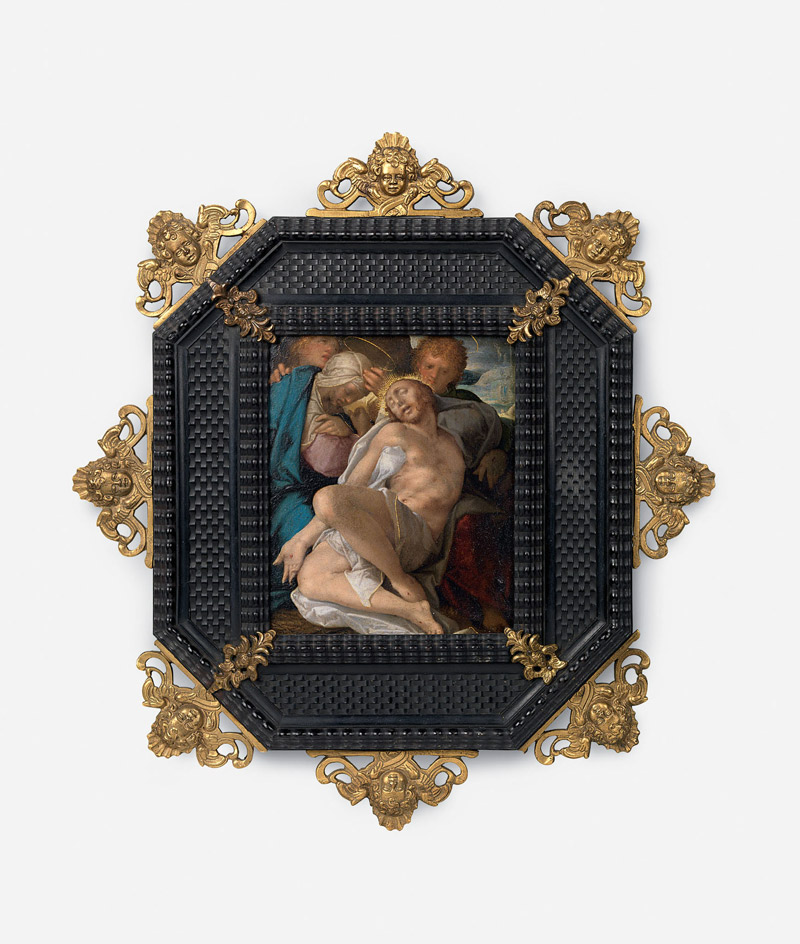
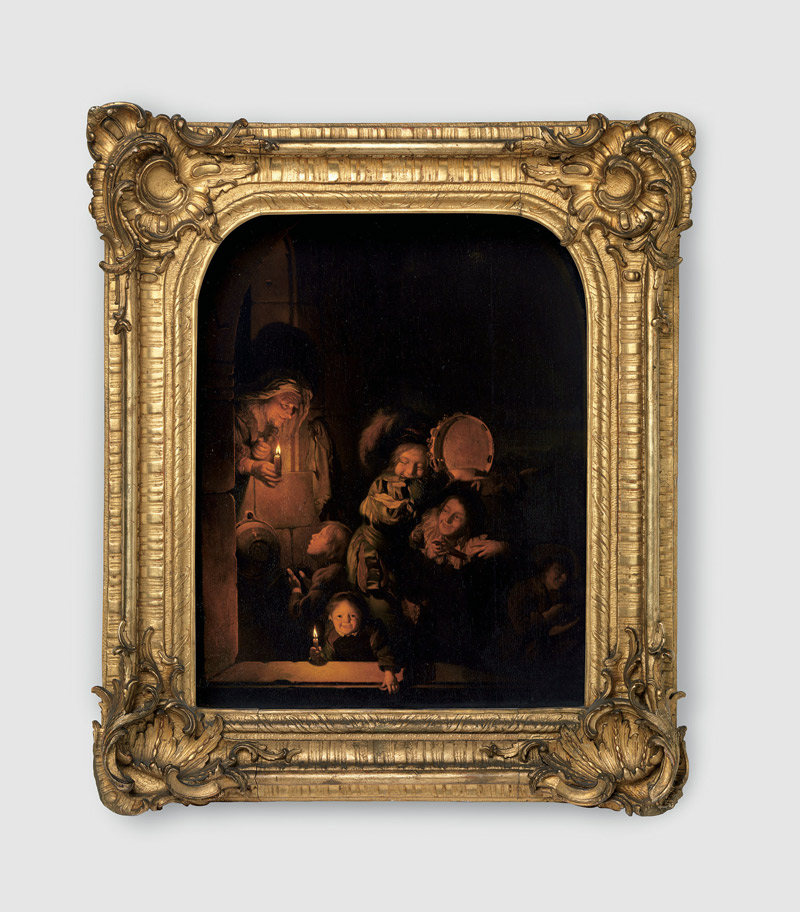

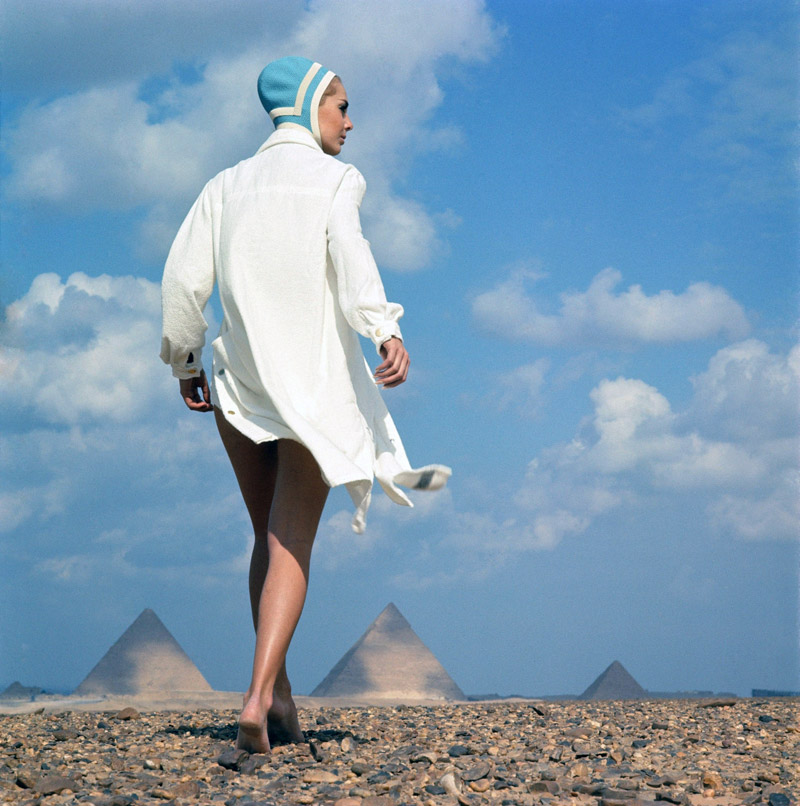


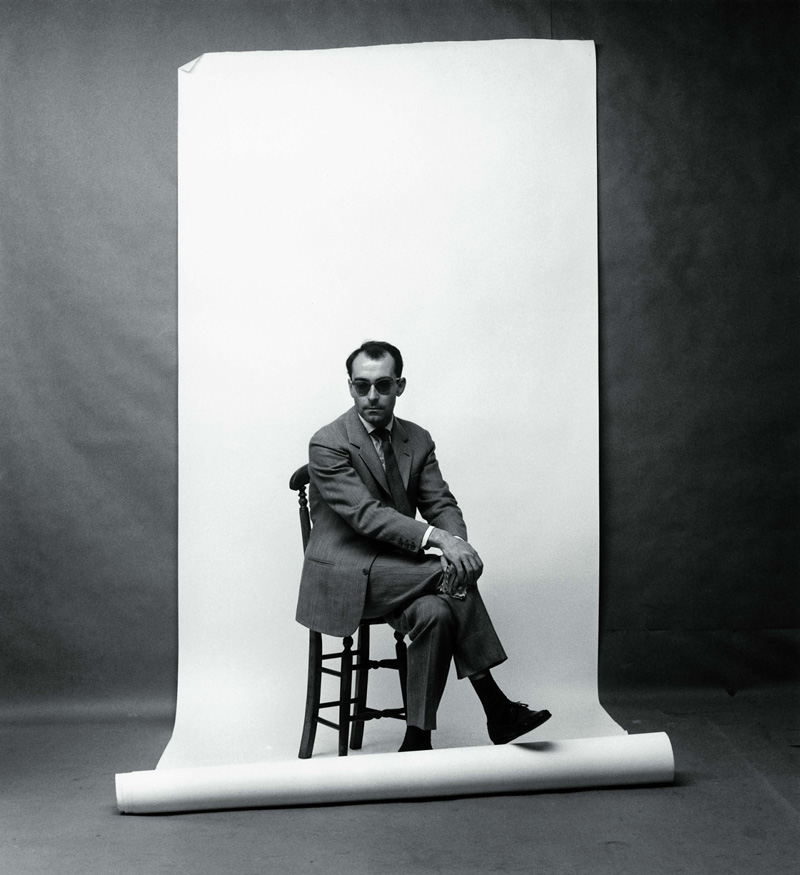
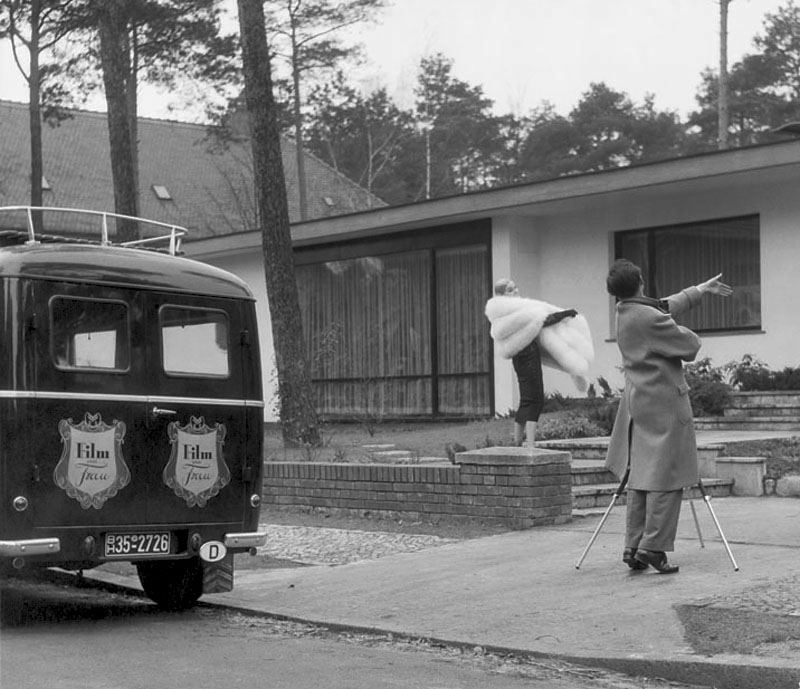
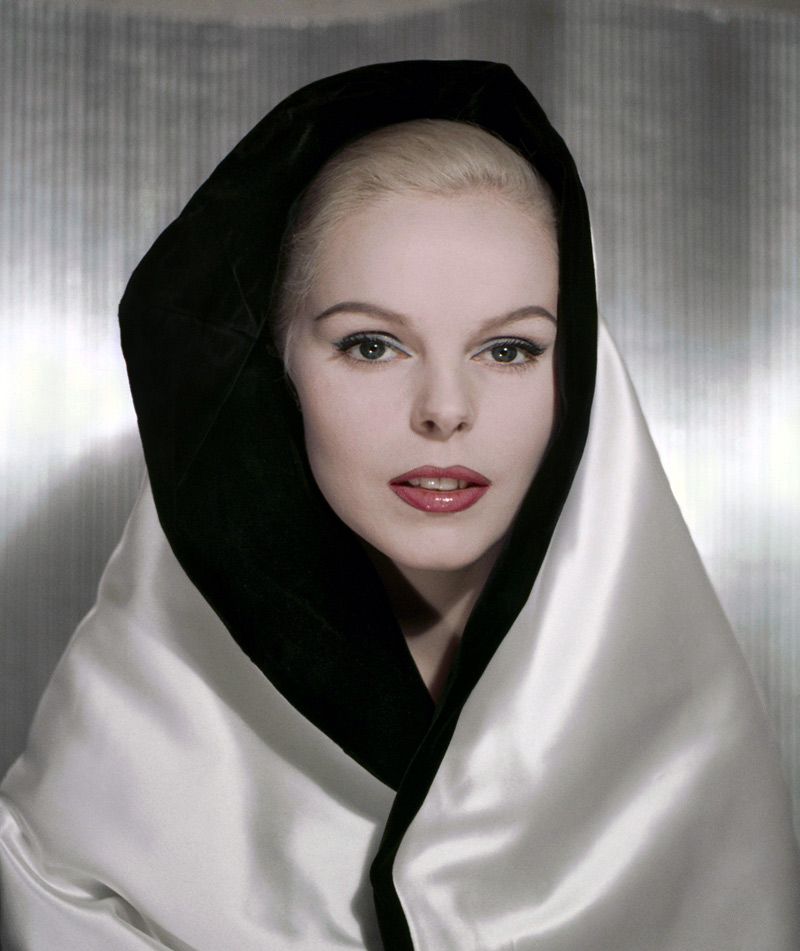
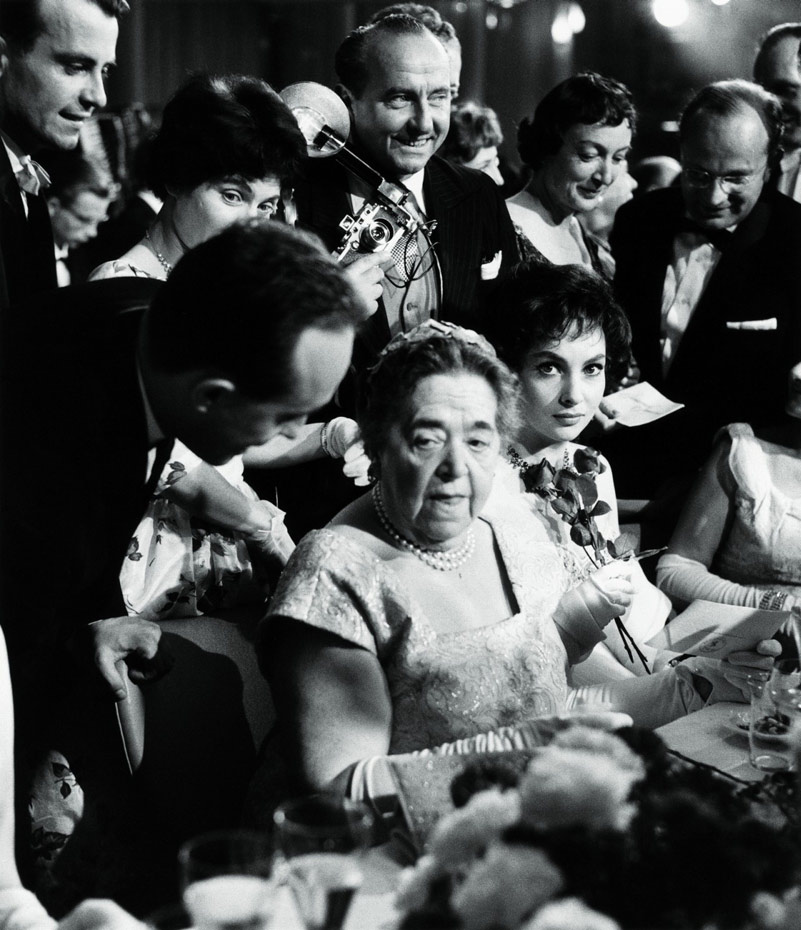

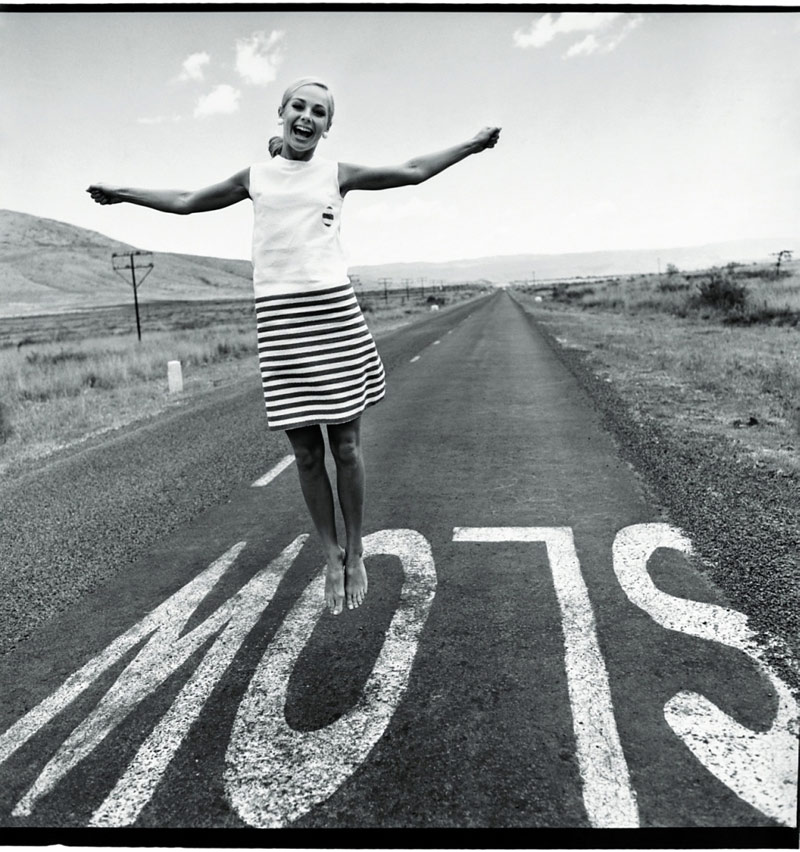

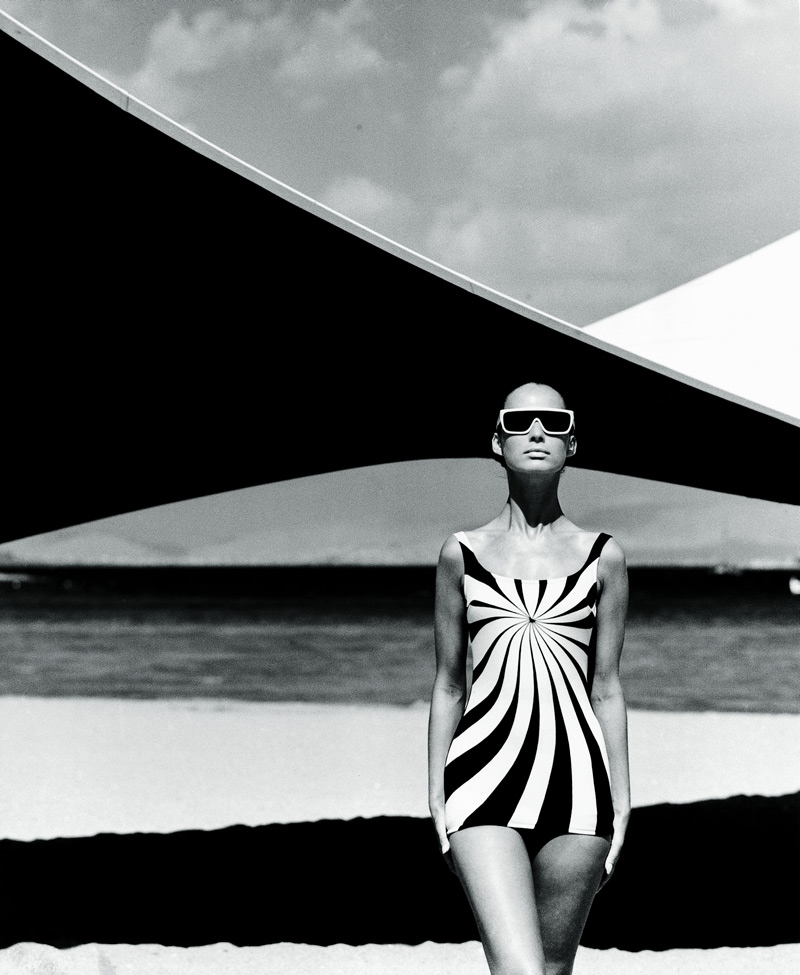
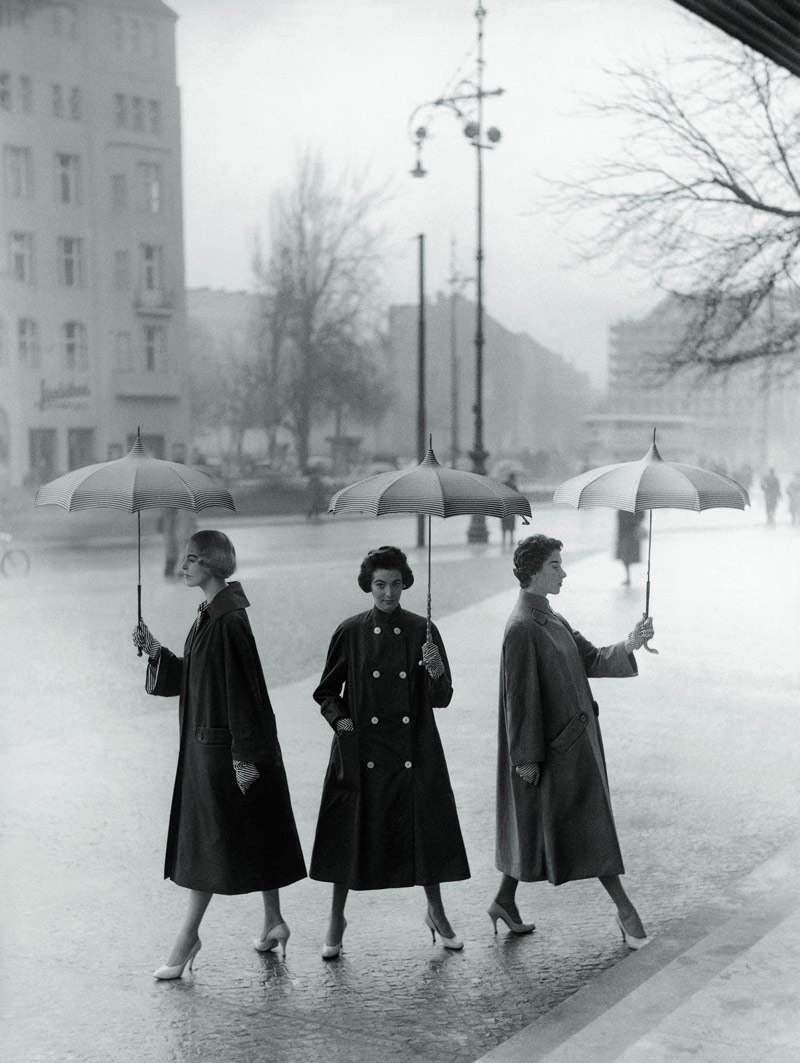

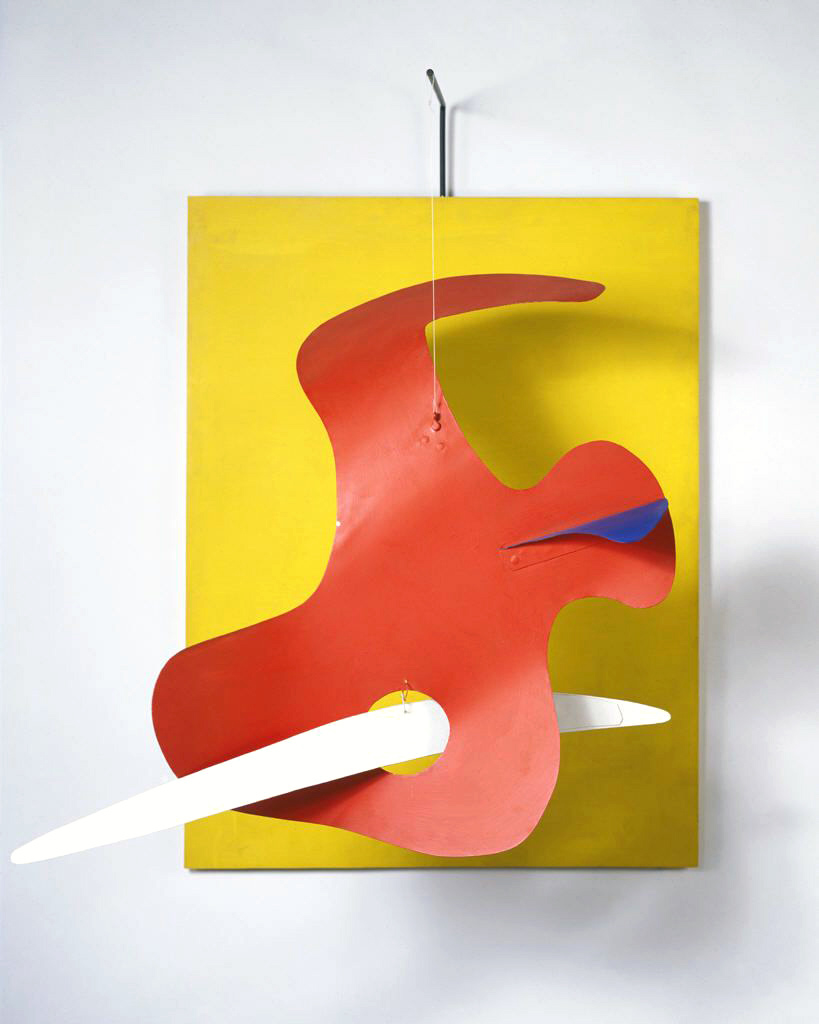
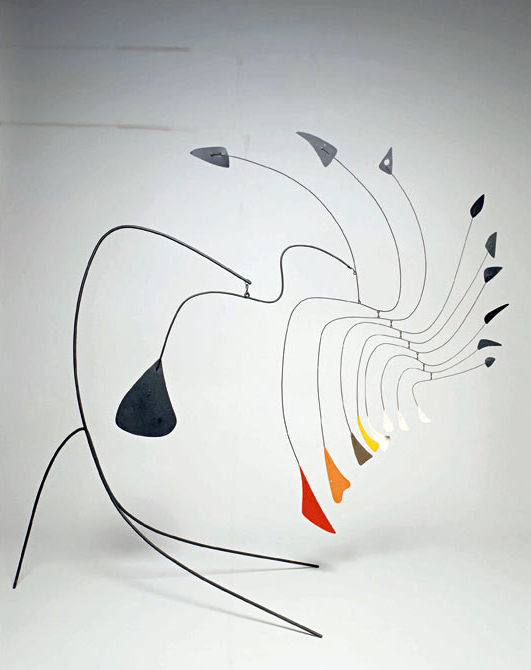
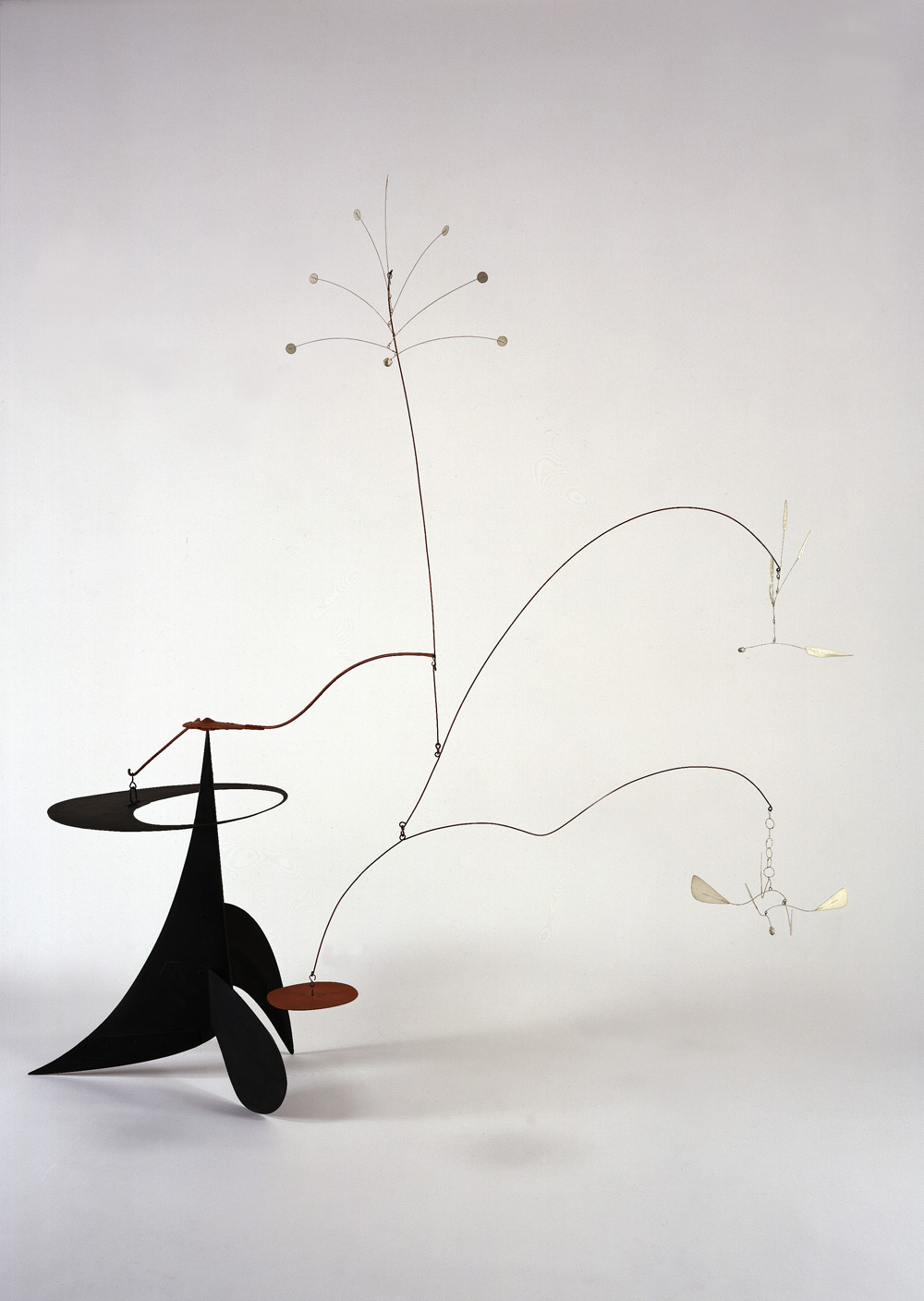
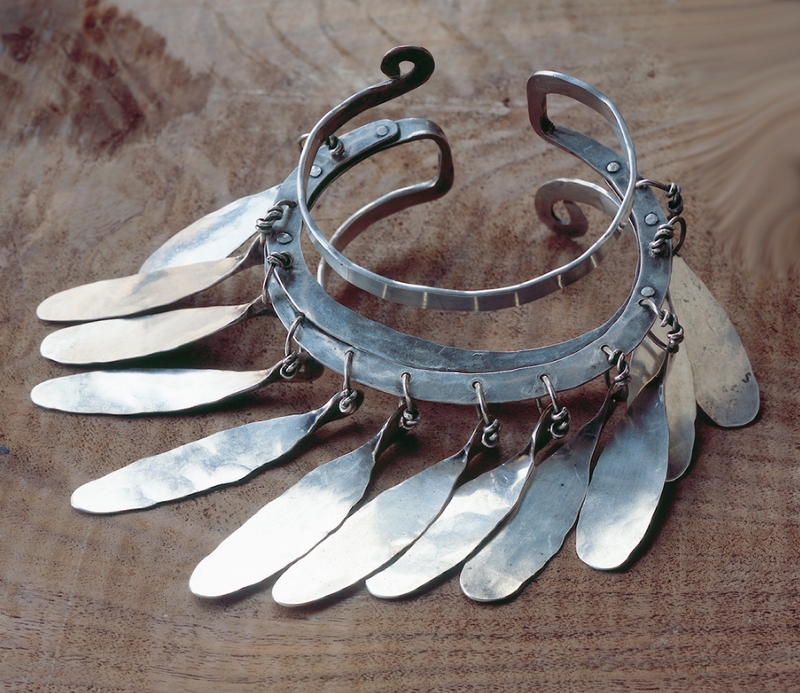
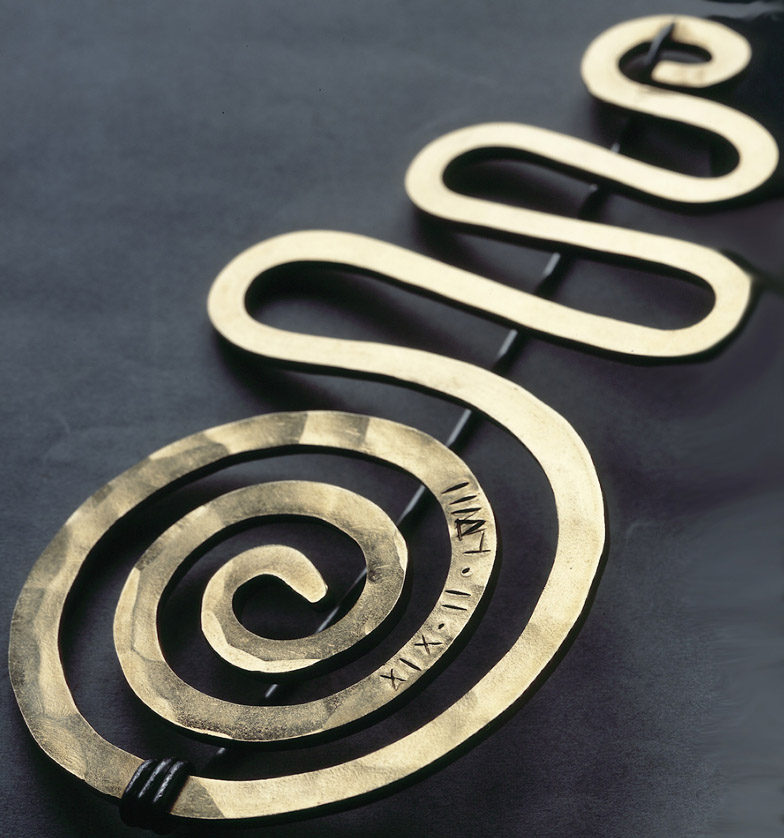
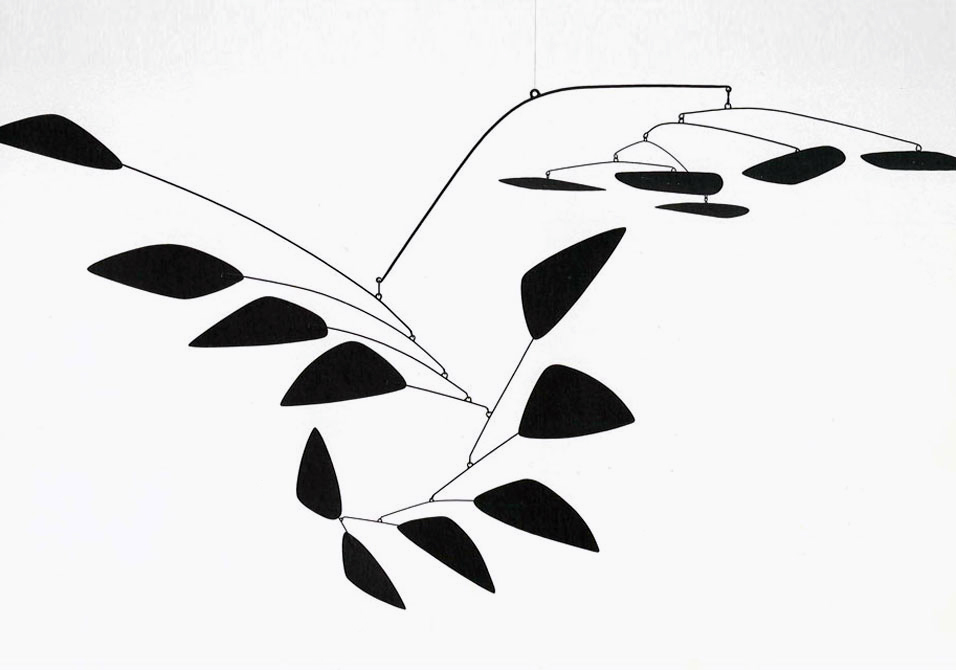
![Alexander Calder (American, 1898-1976) 'Teodelapio [maquette II]' 1962](https://artblart.com/wp-content/uploads/2010/02/calder-teodelapio.jpg "Alexander Calder (American, 1898-1976) 'Teodelapio [maquette II]' 1962")
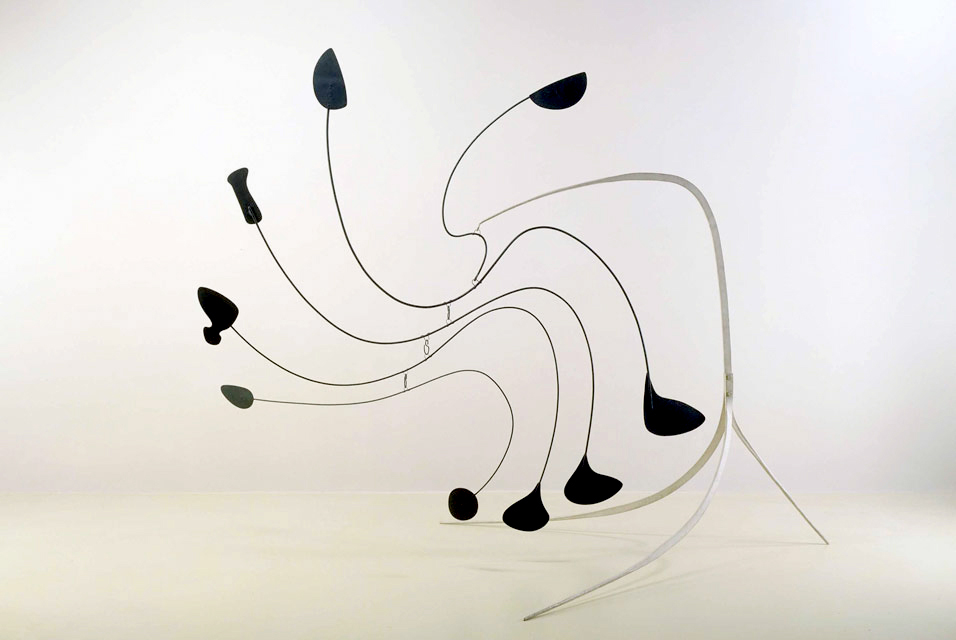
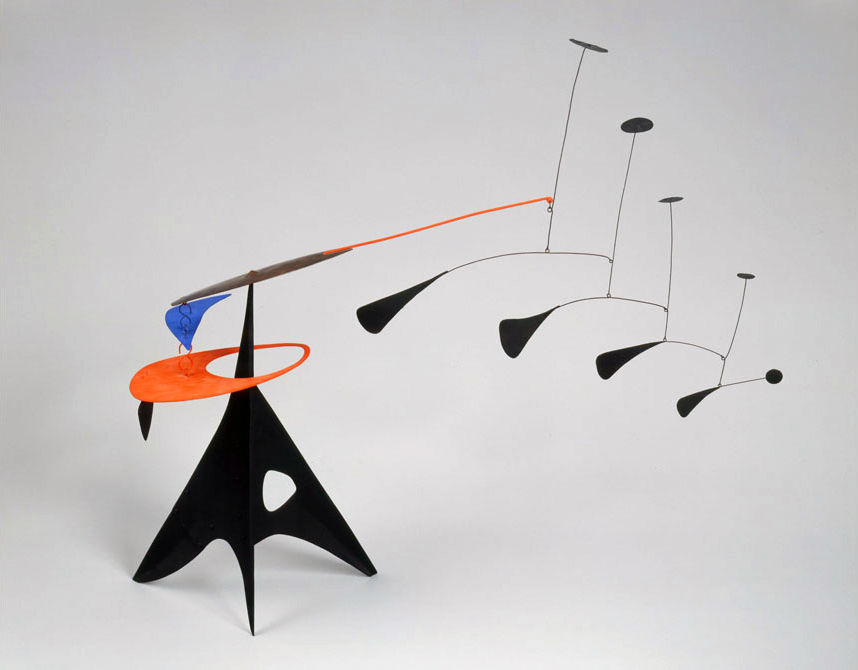
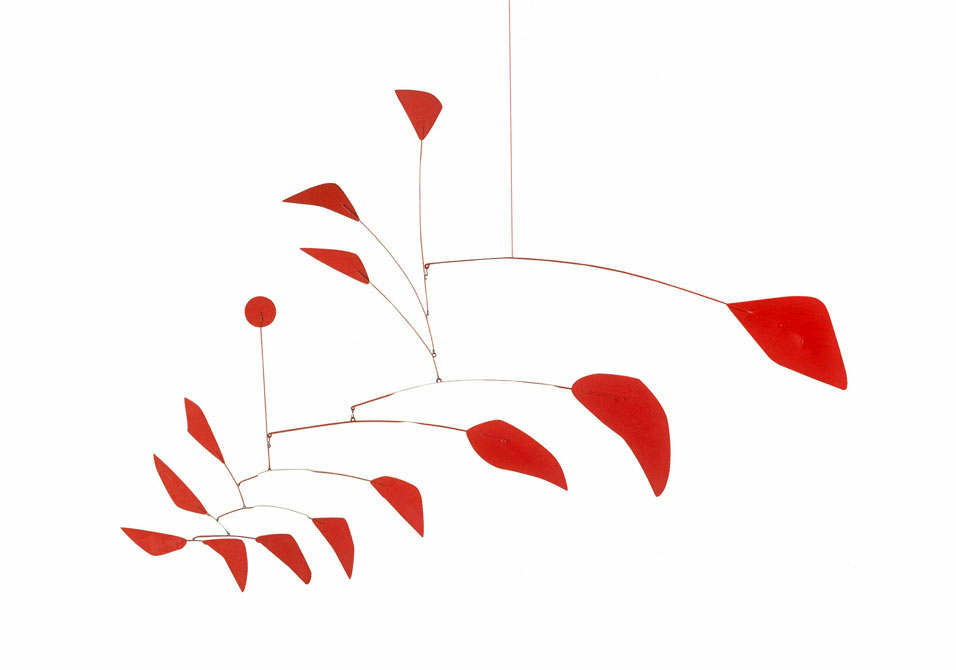
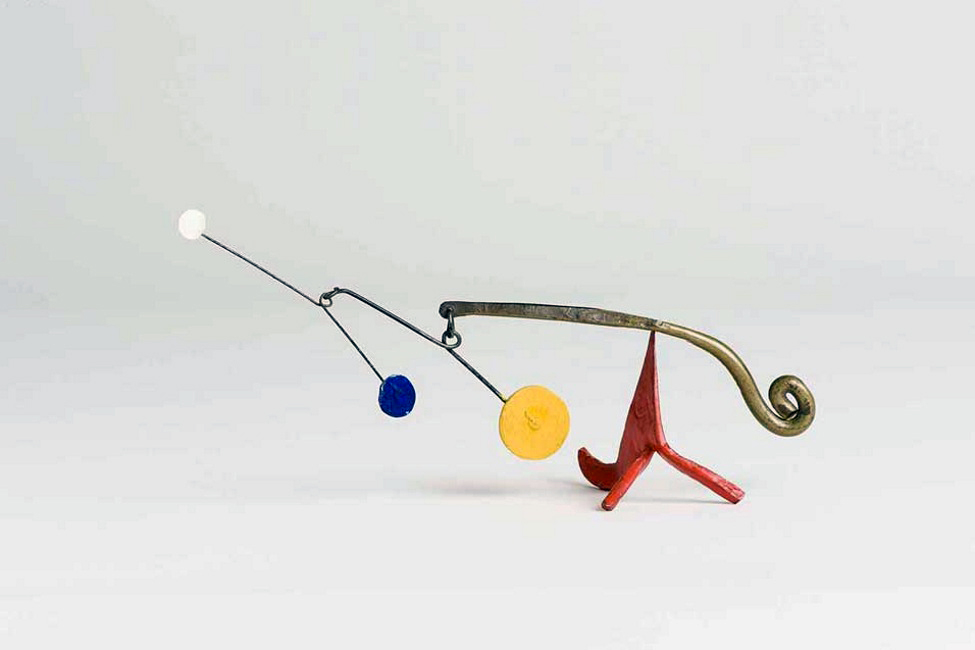
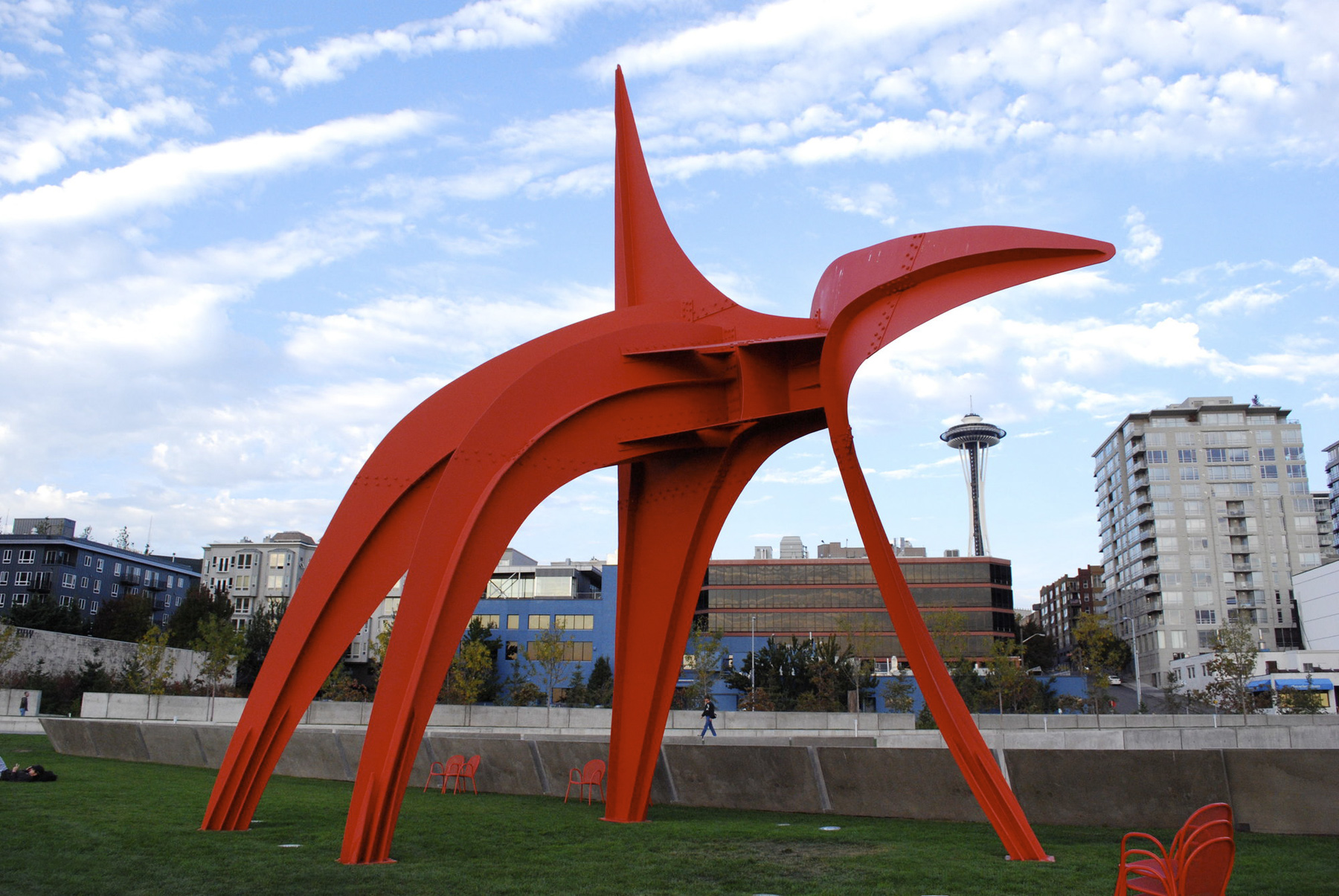
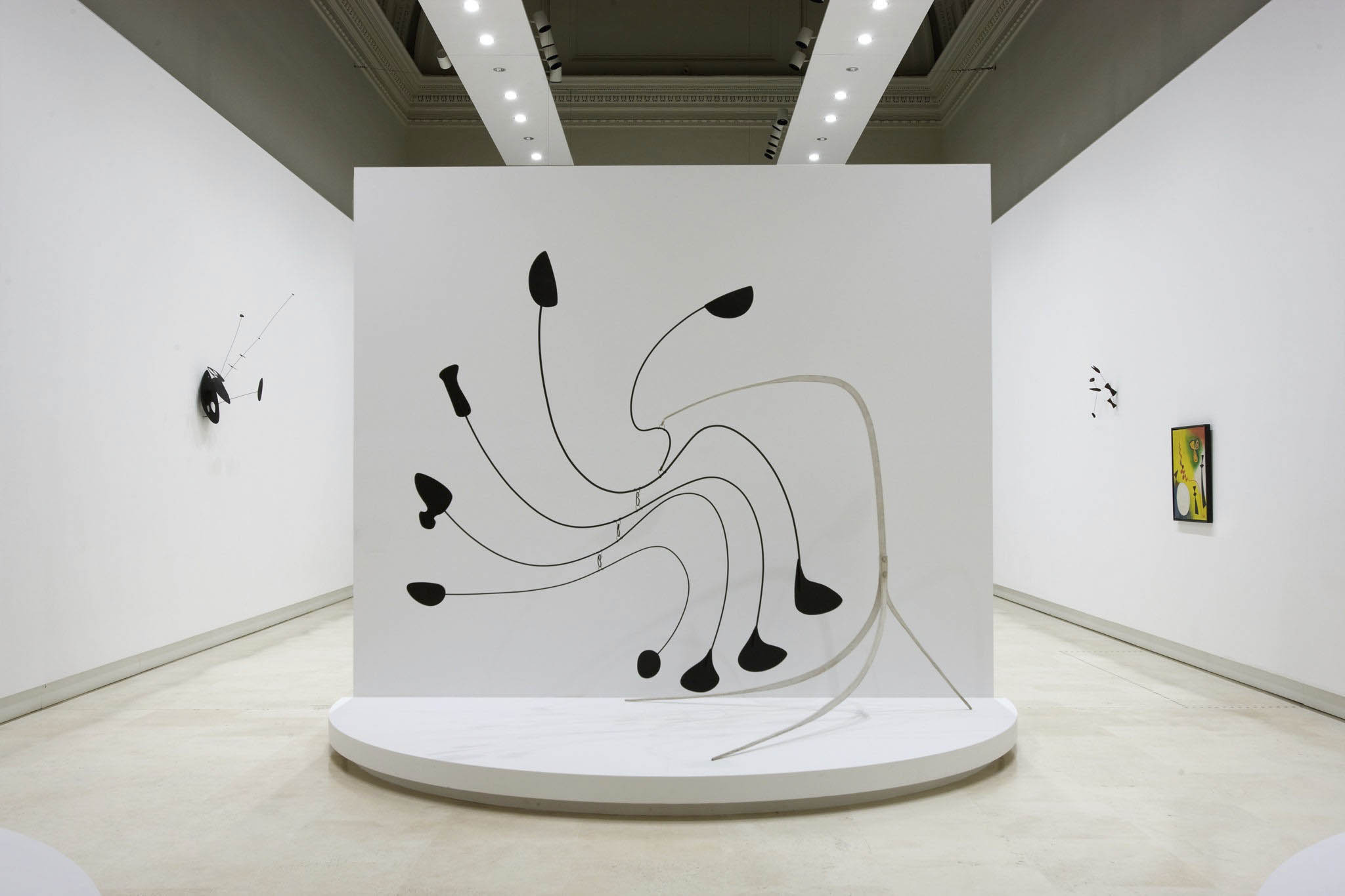
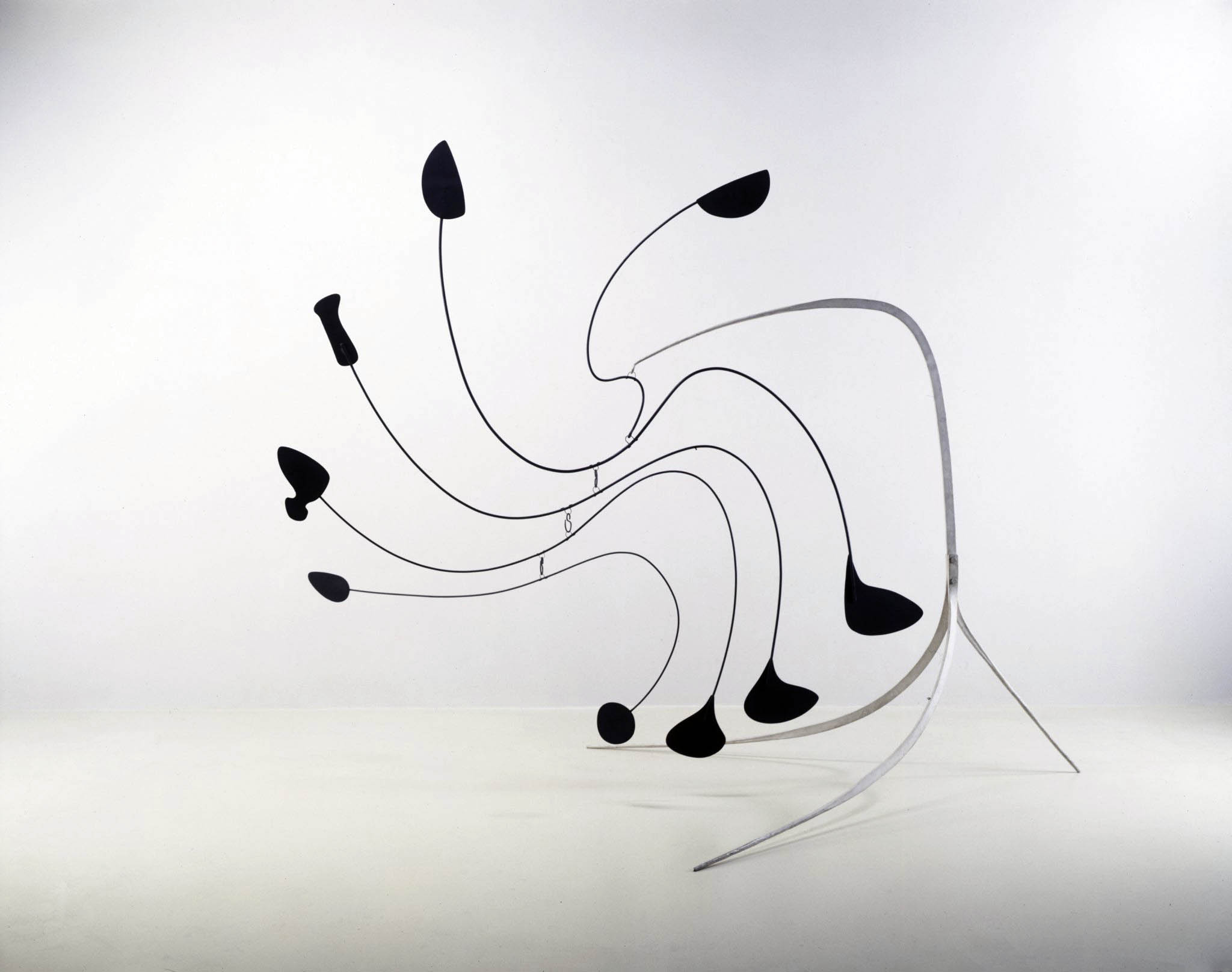
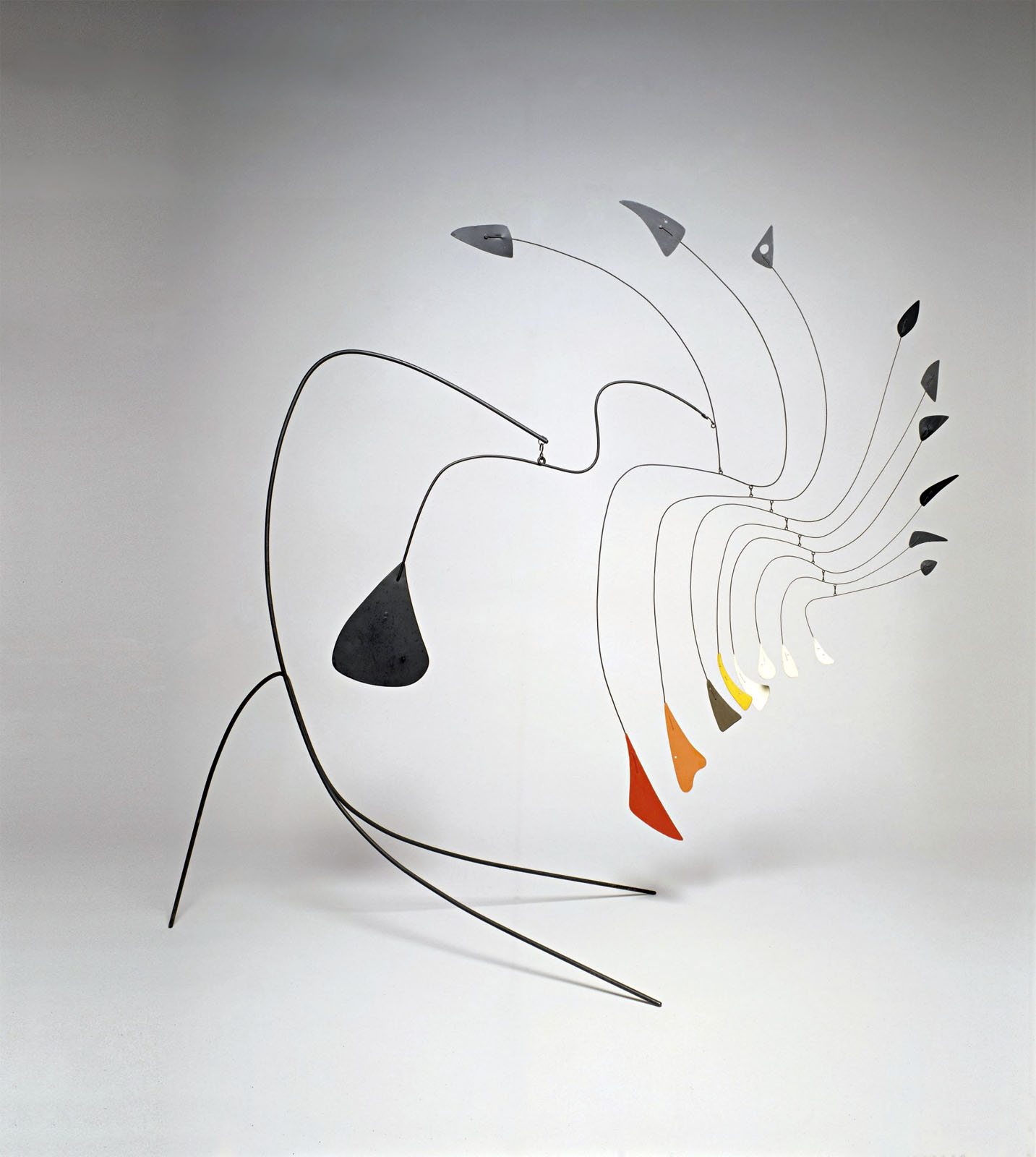
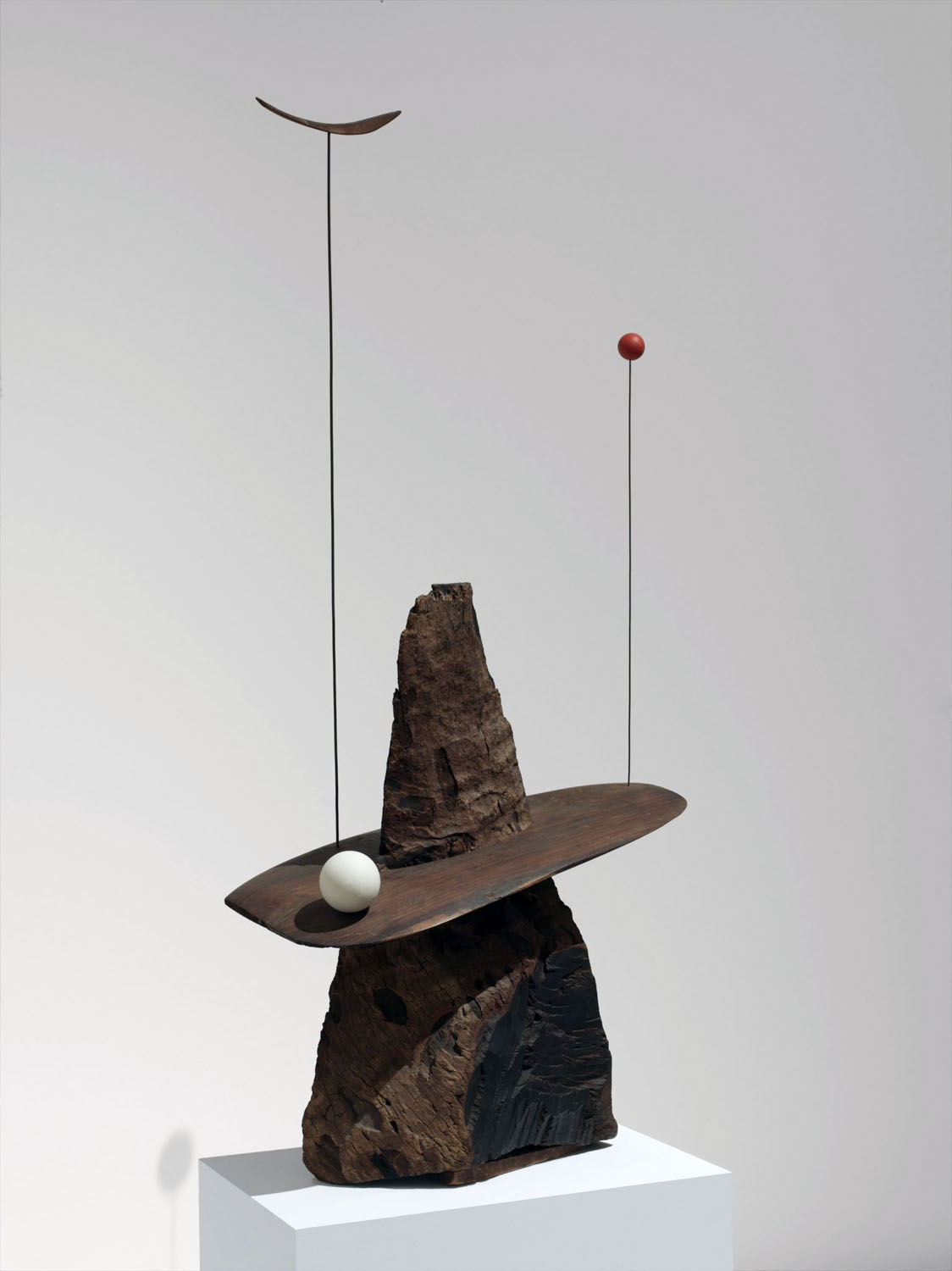


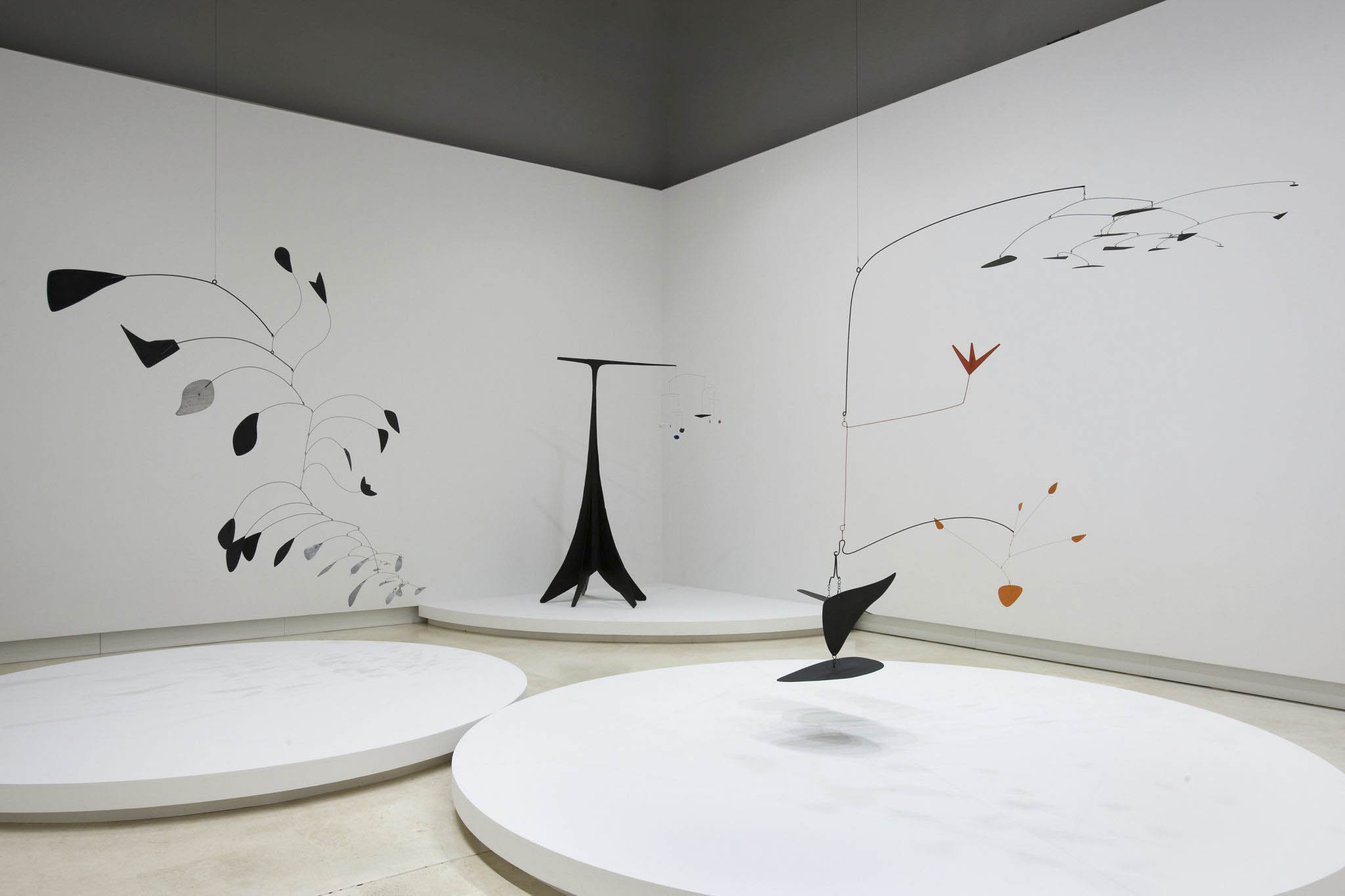
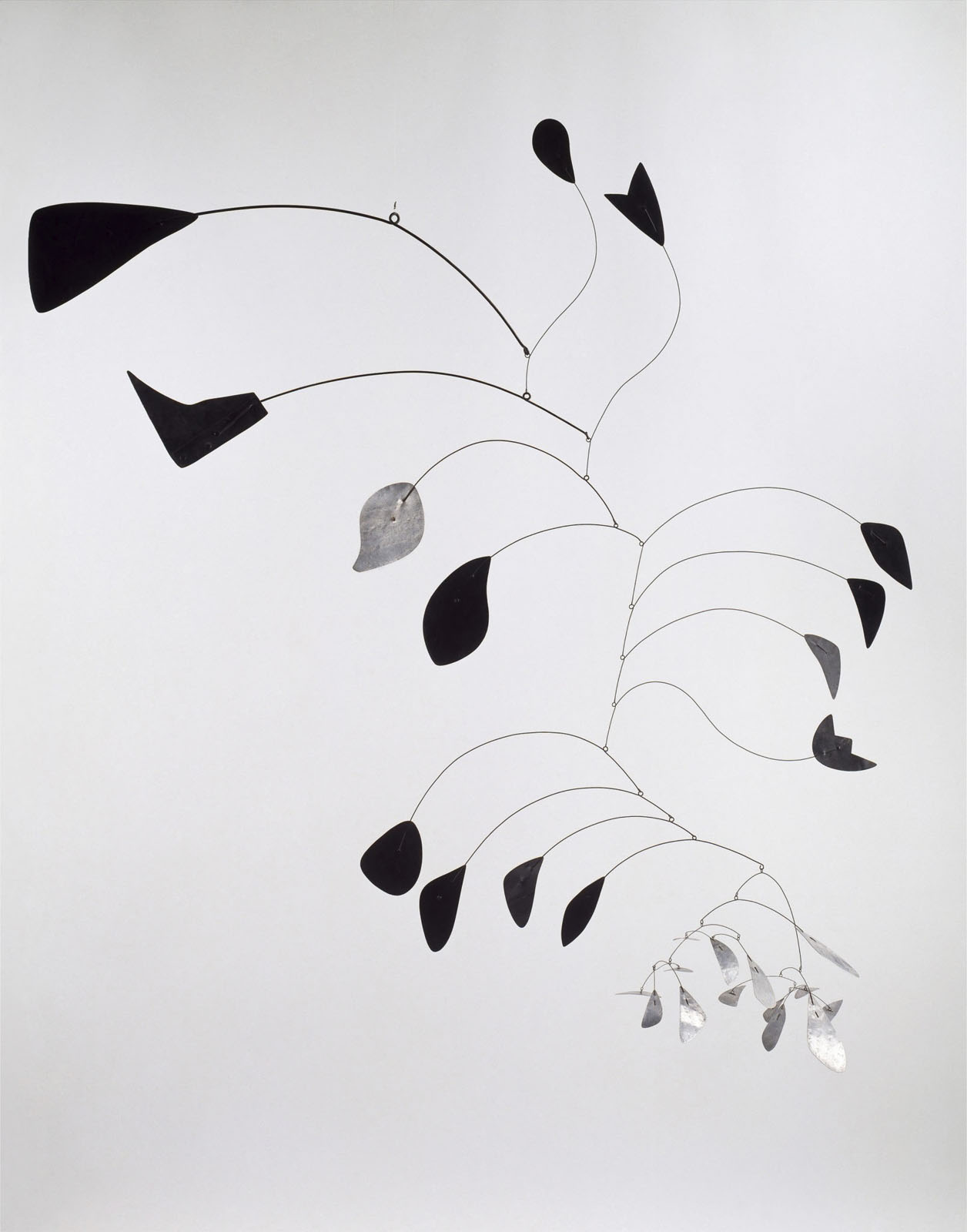
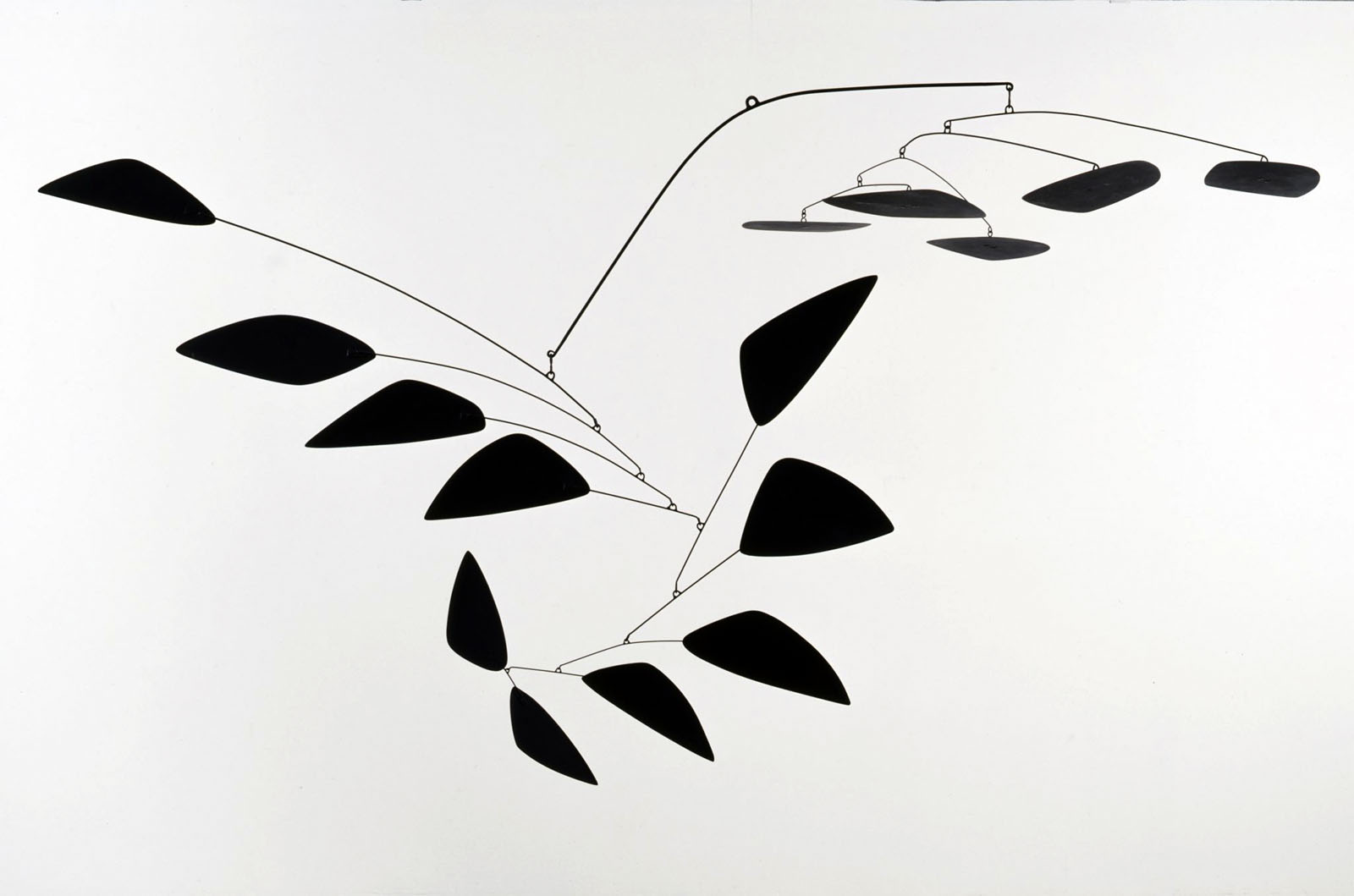
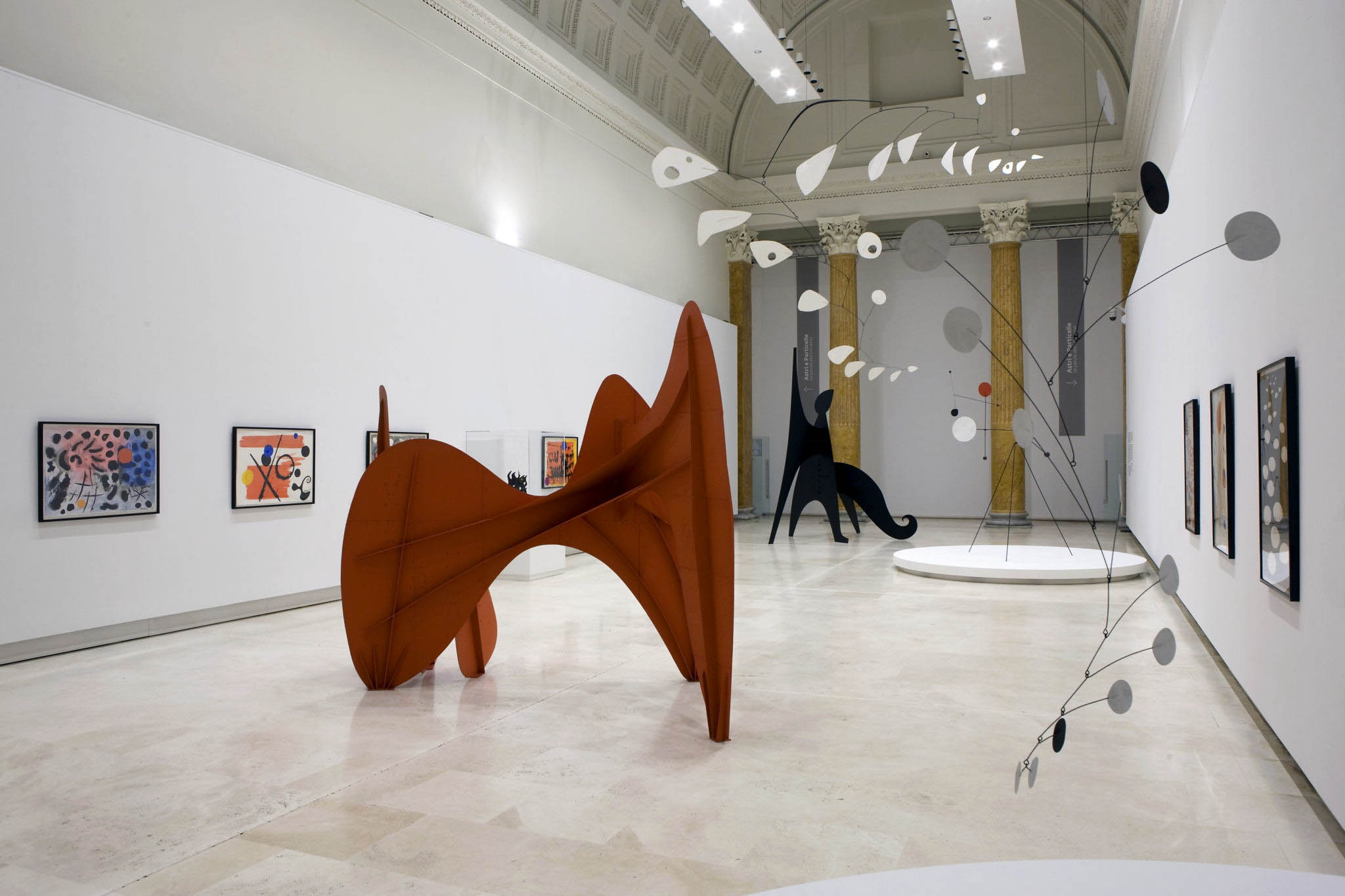
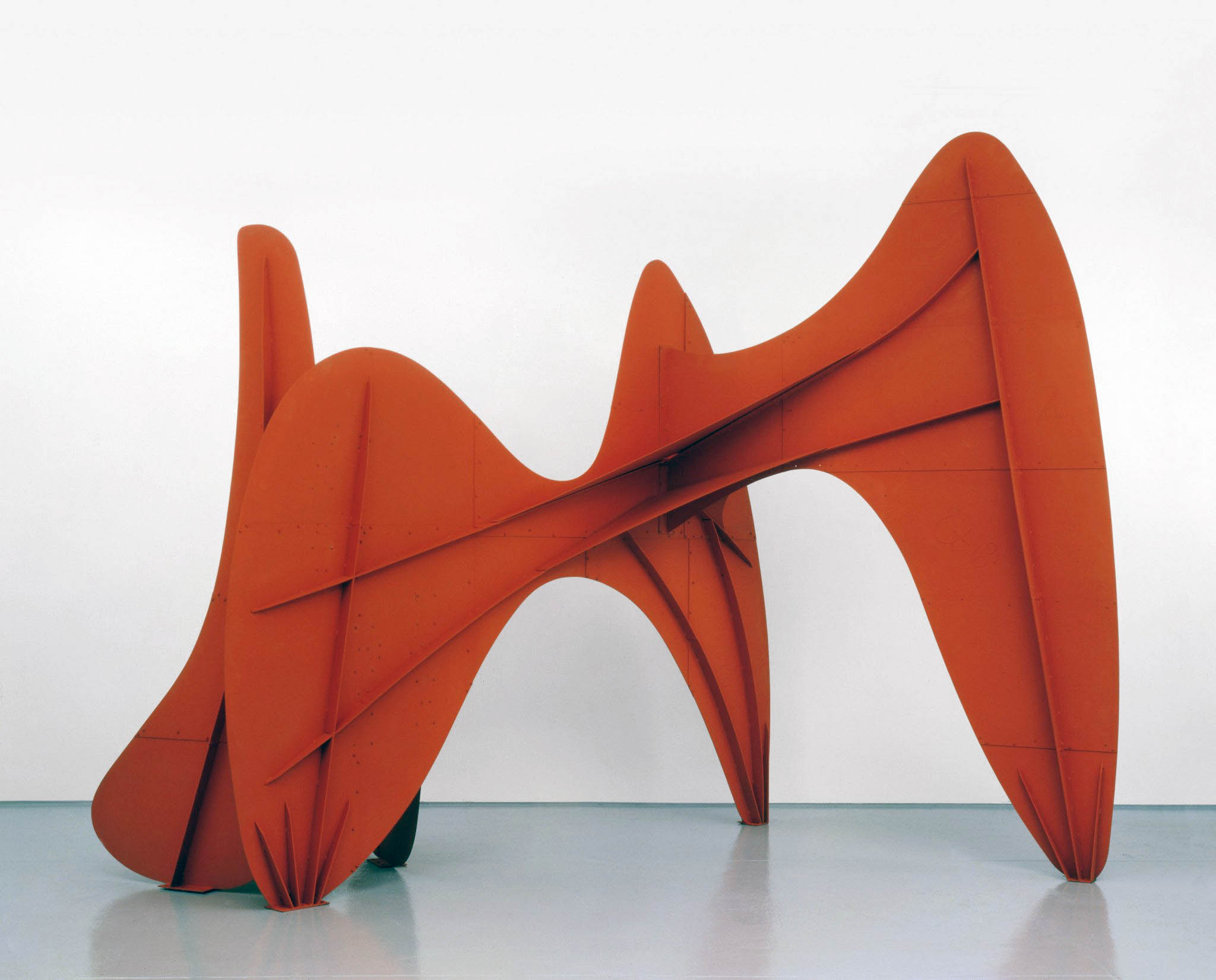


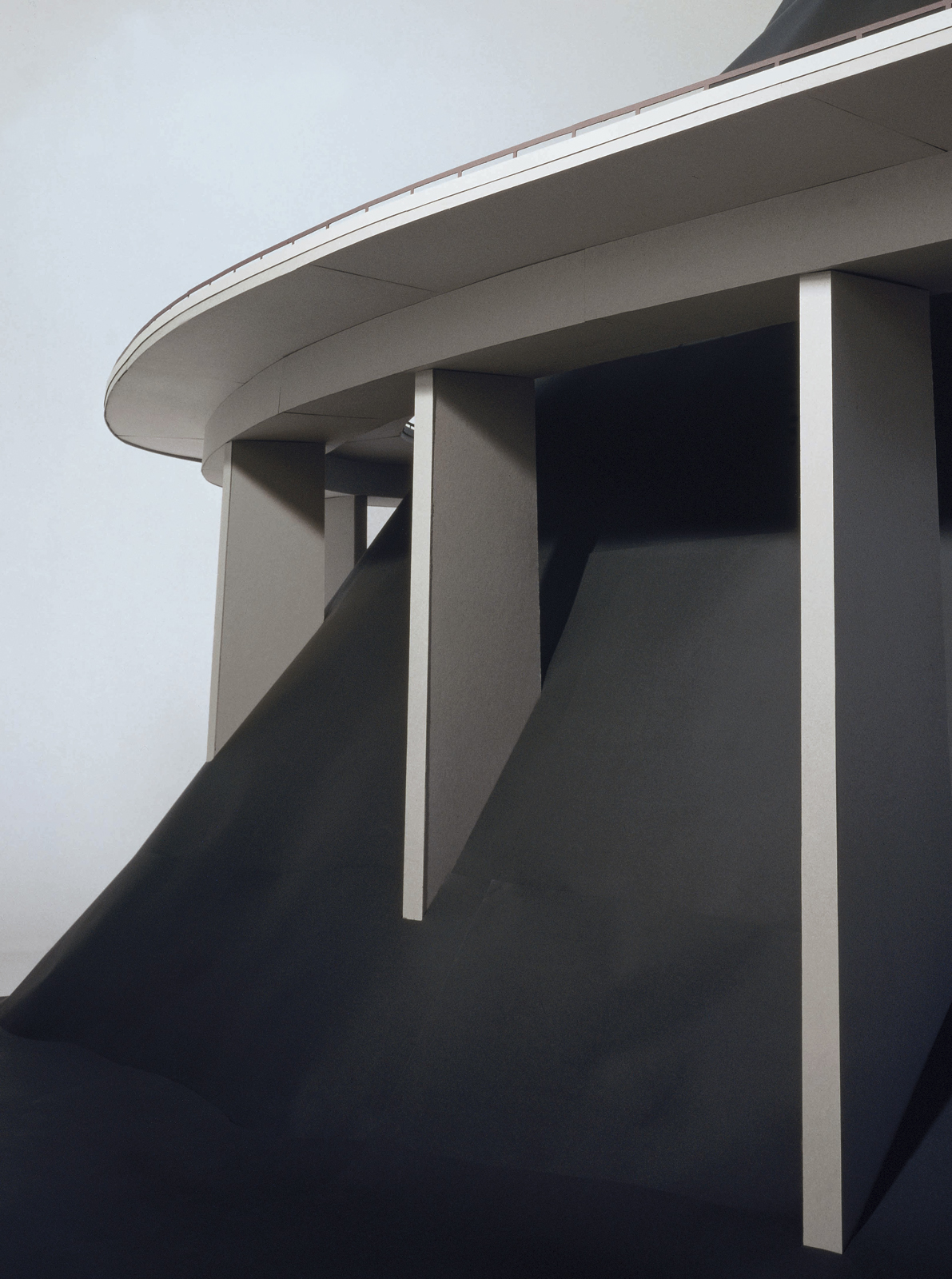
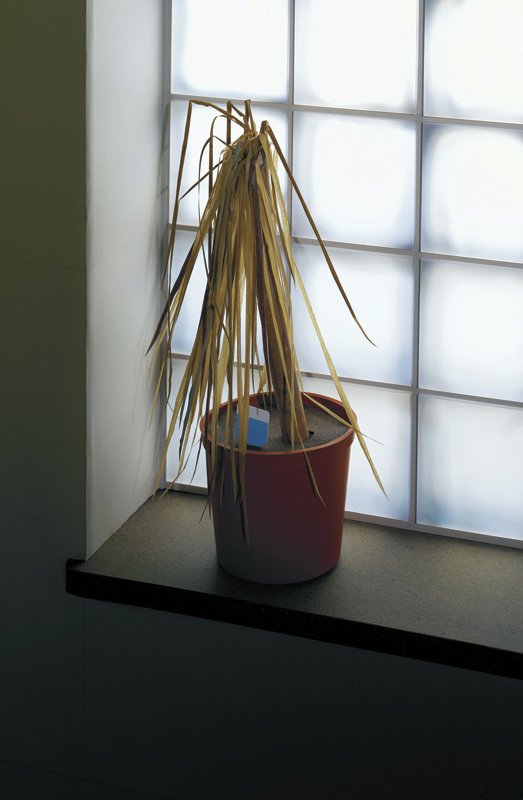
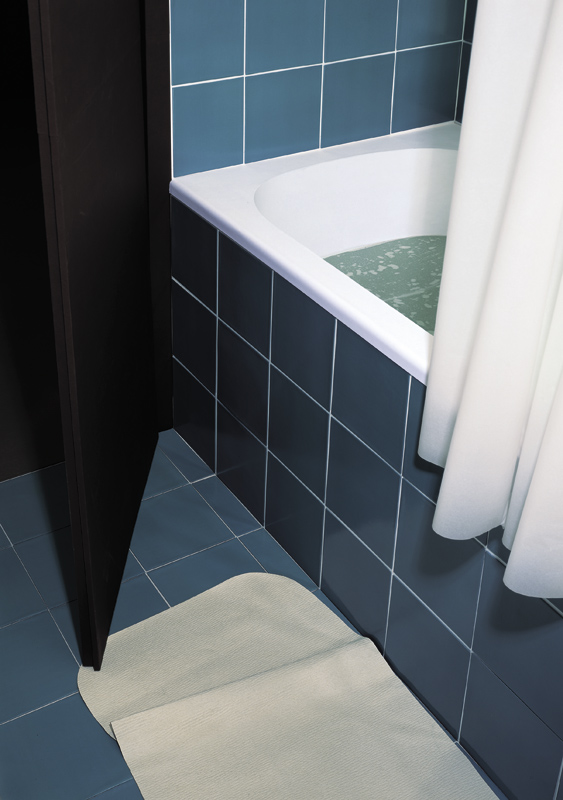


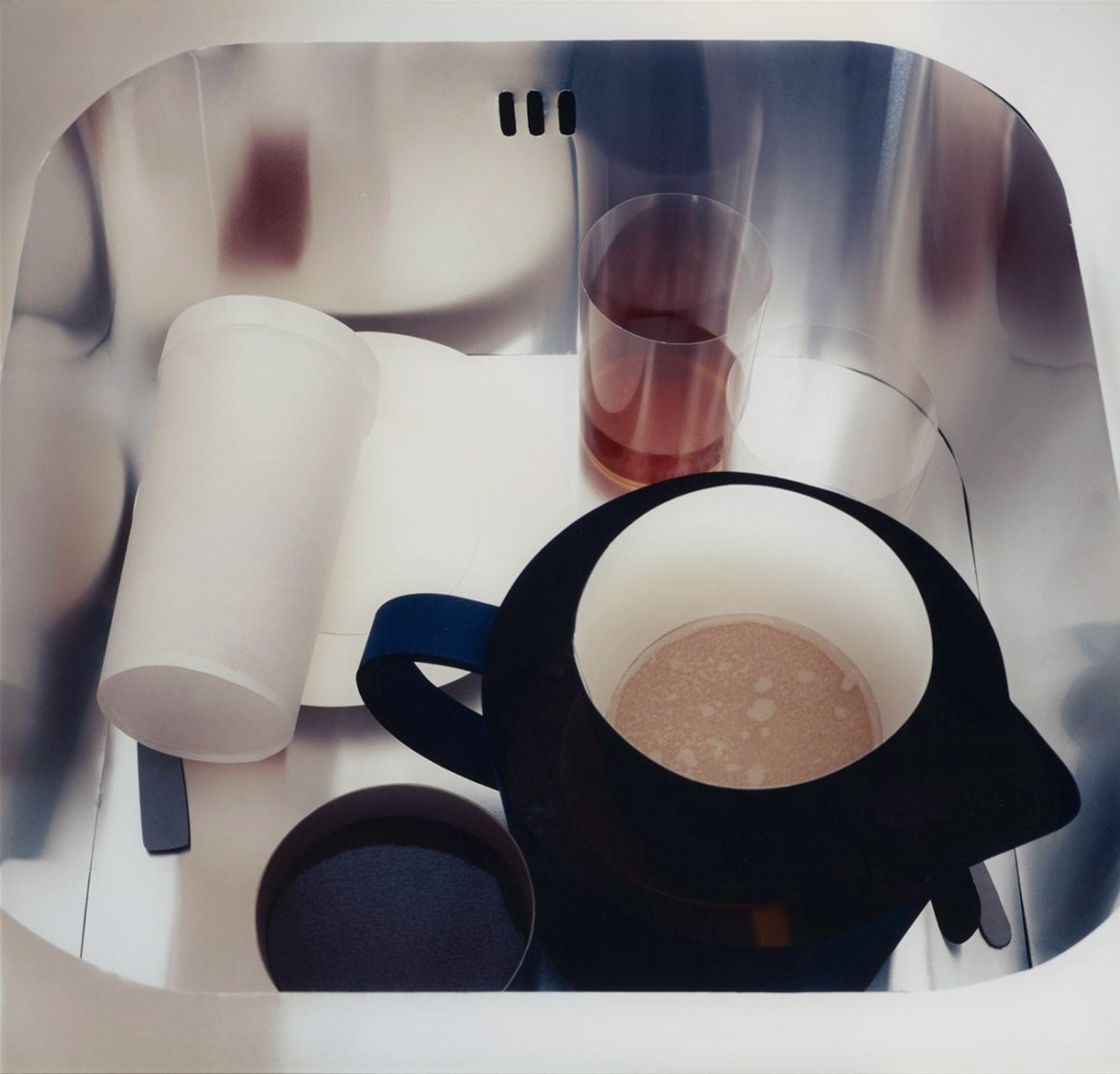
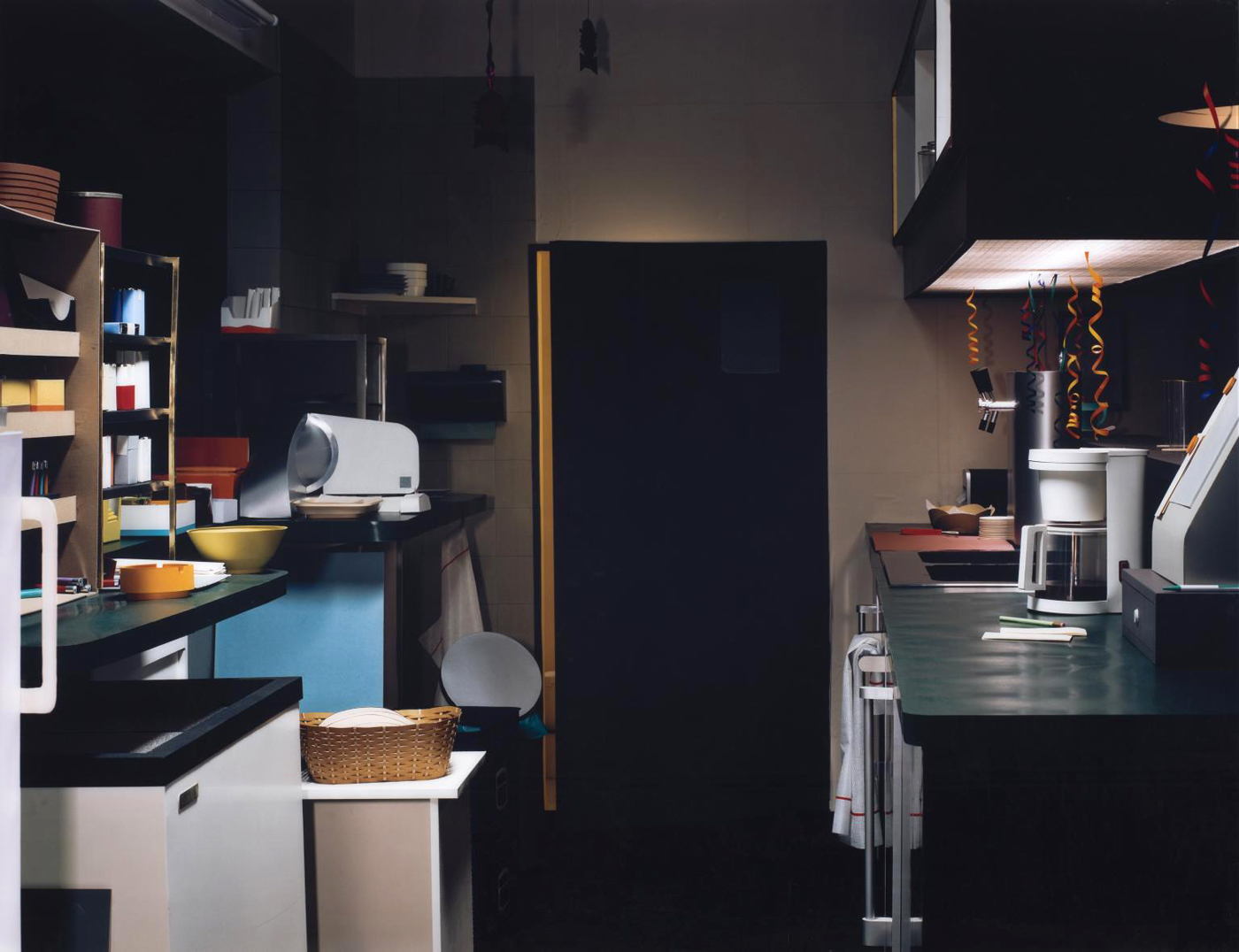
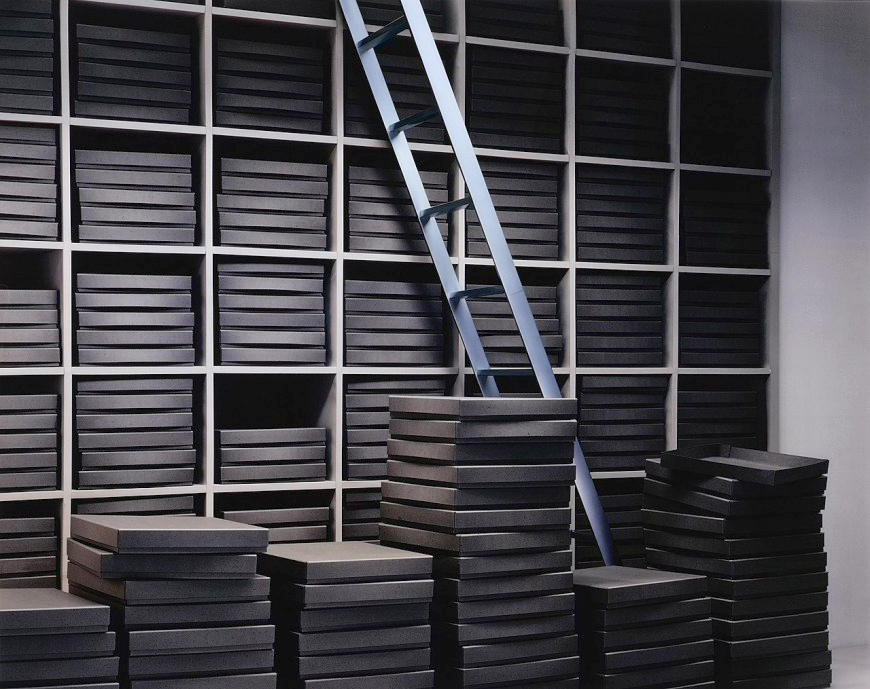


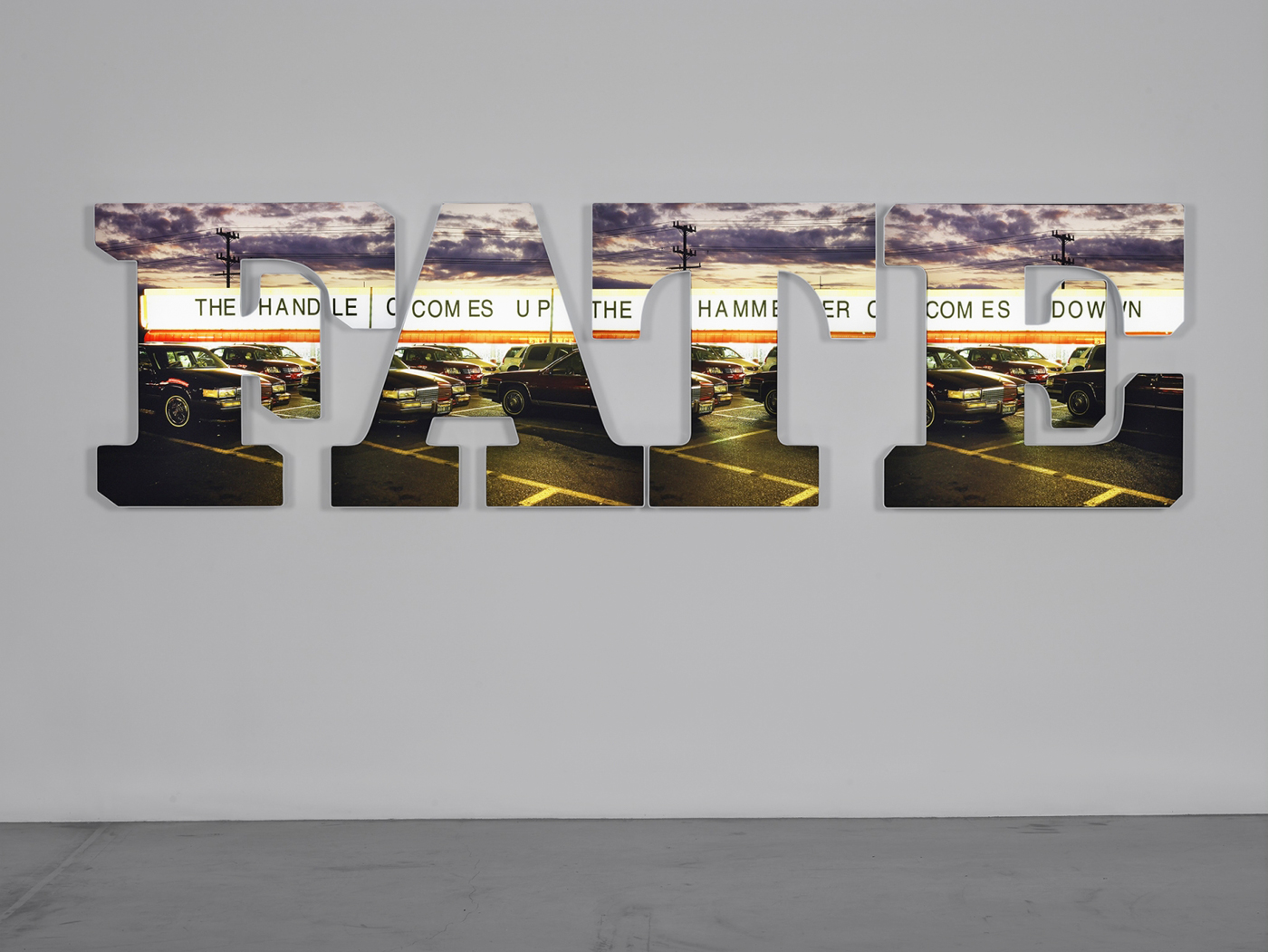
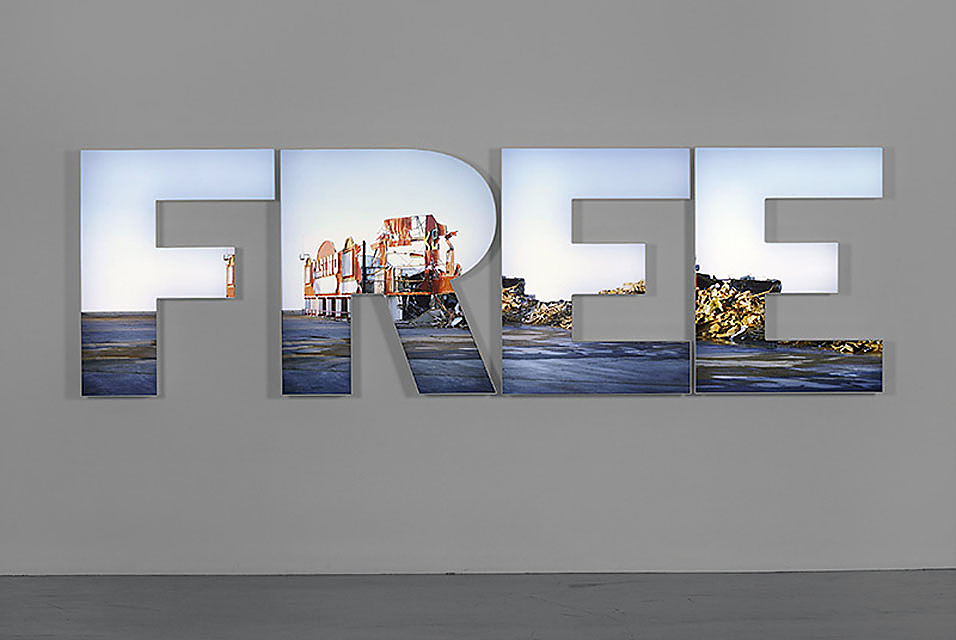


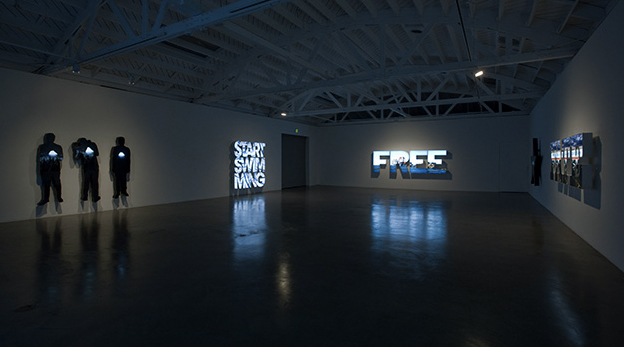
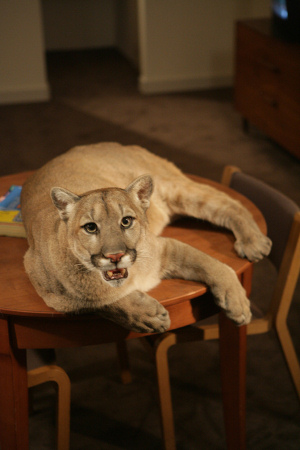
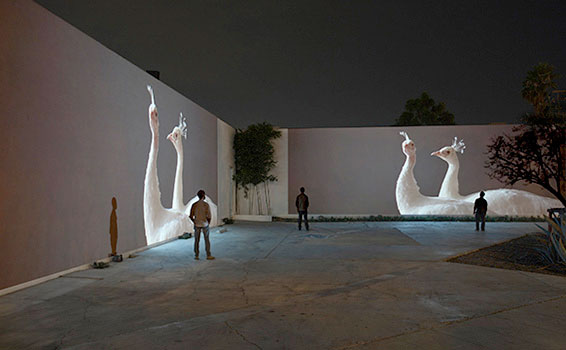


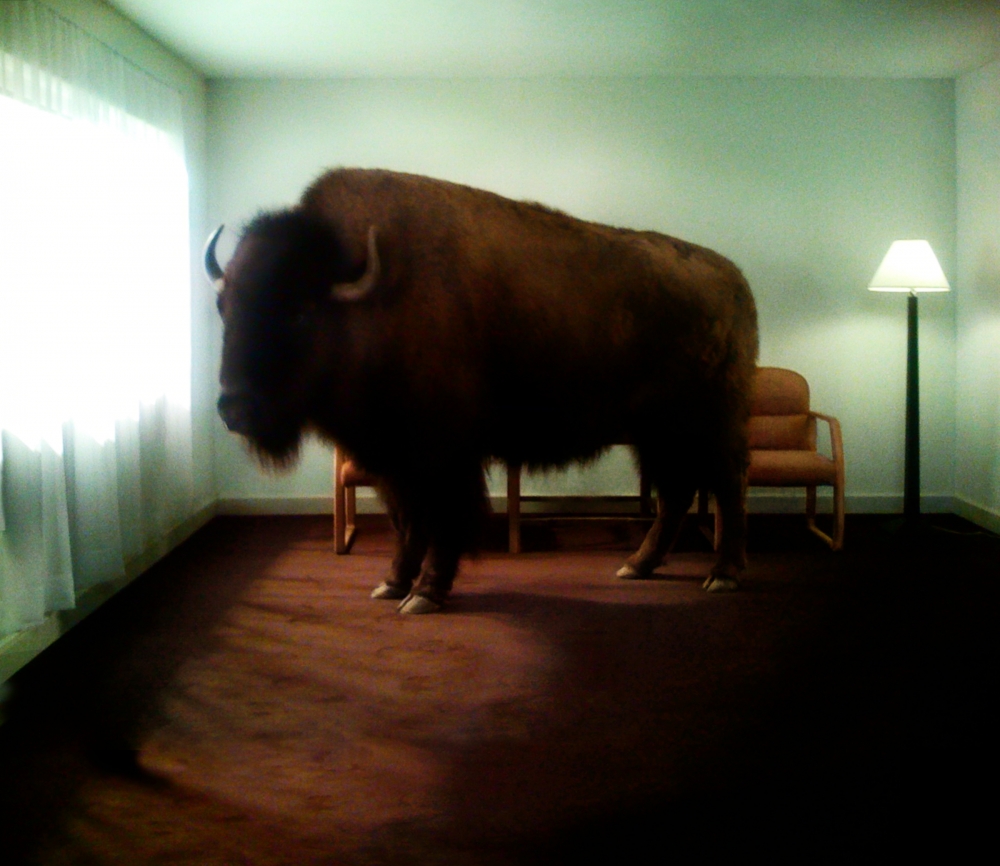
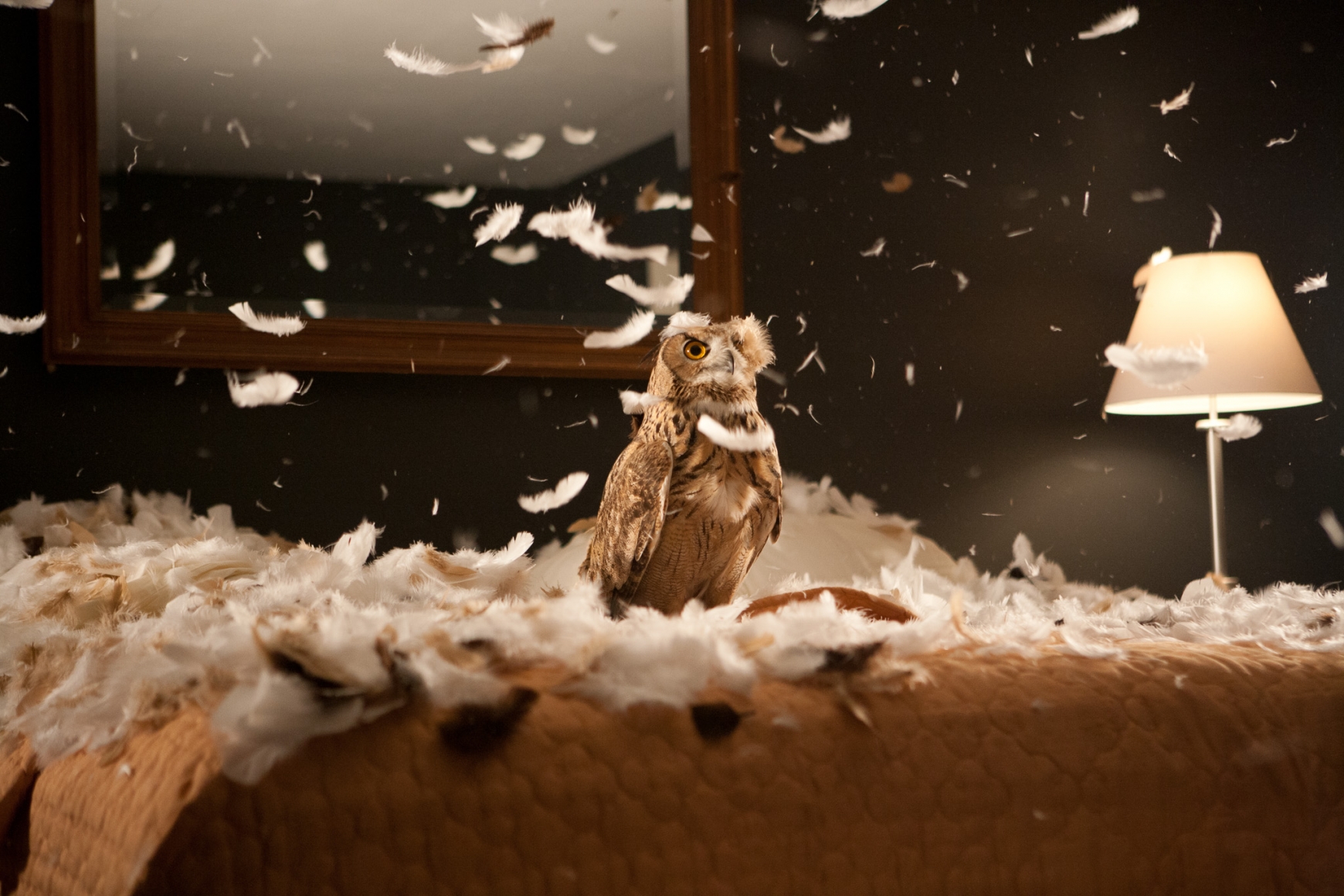
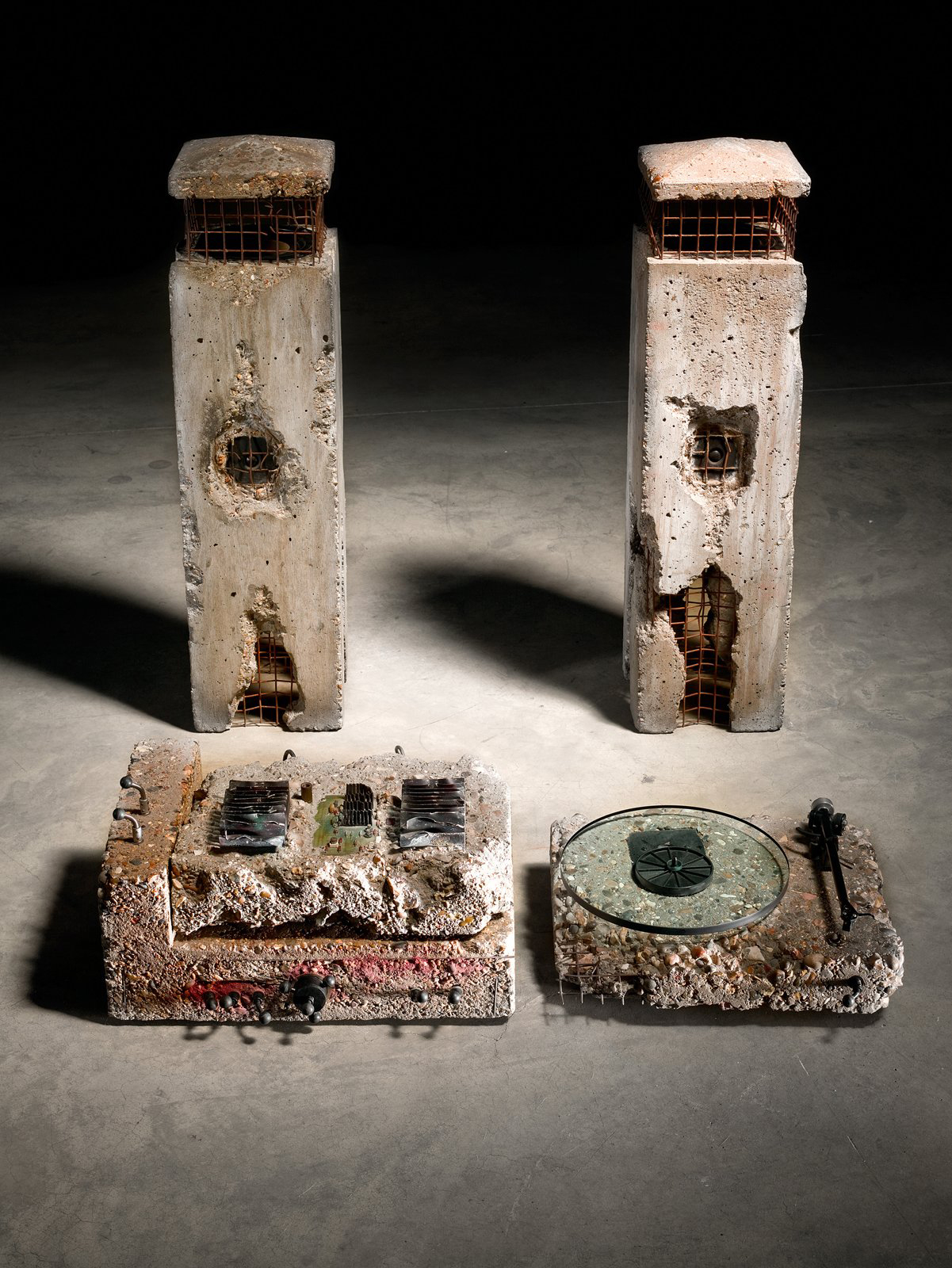
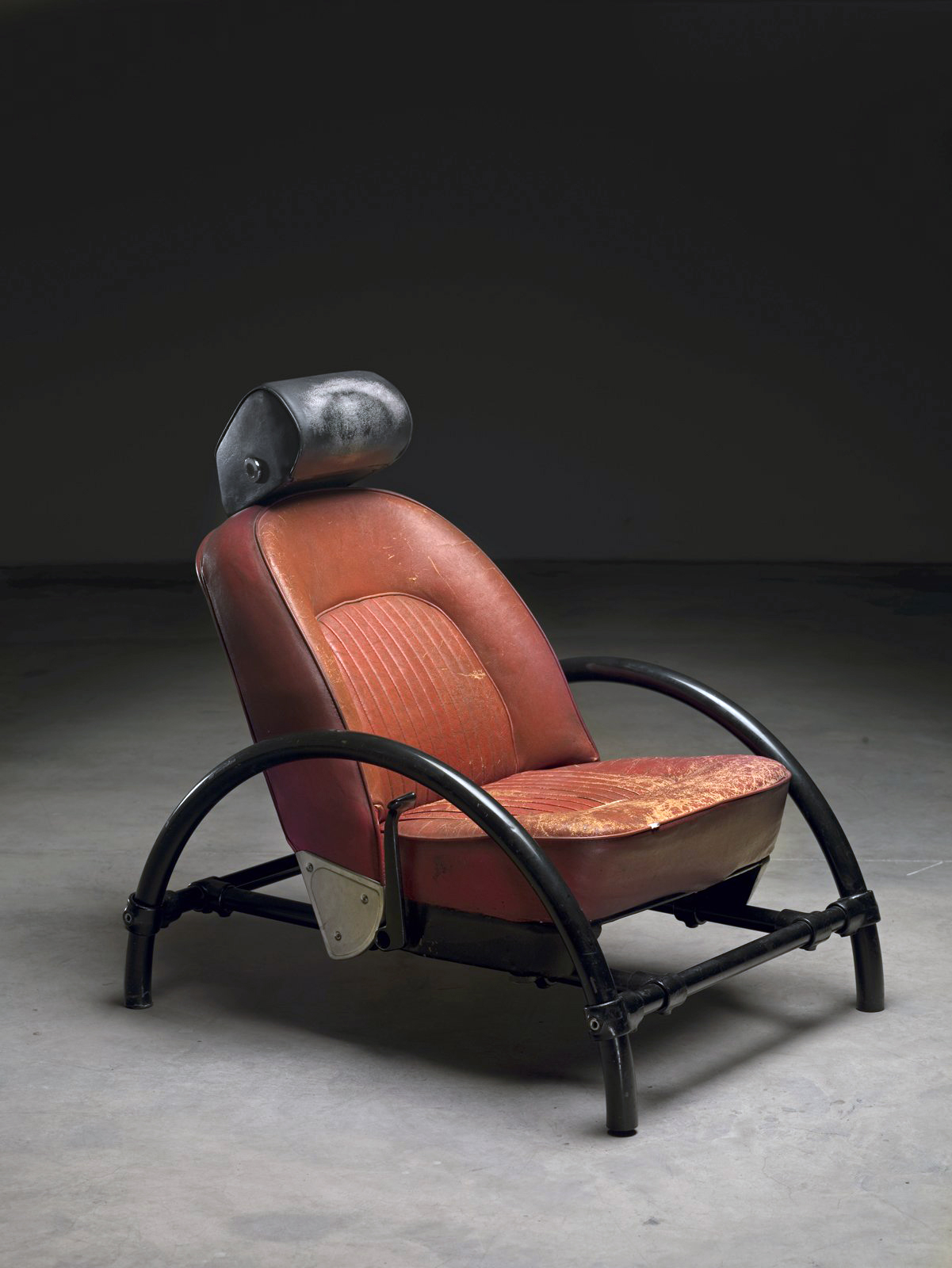
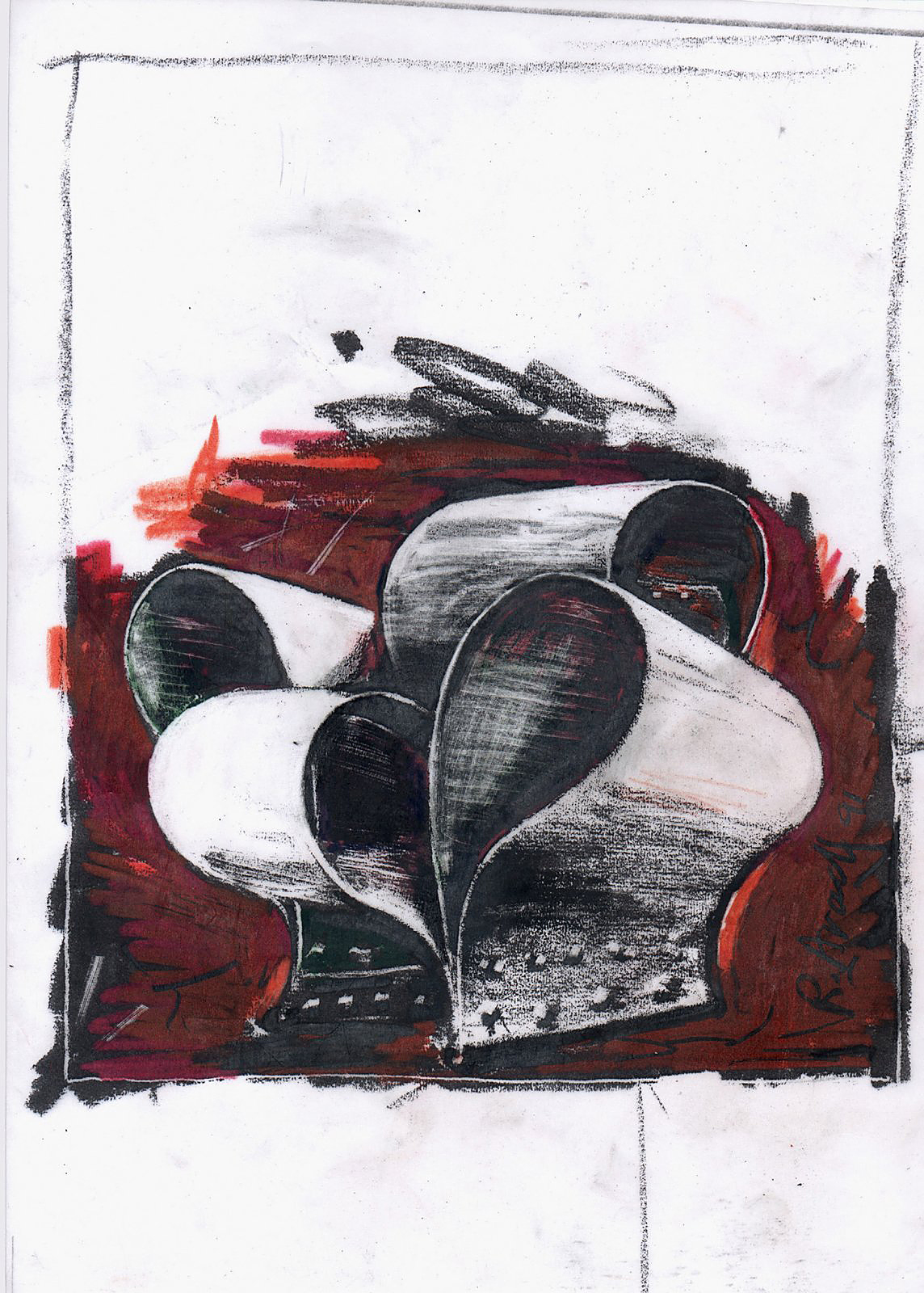
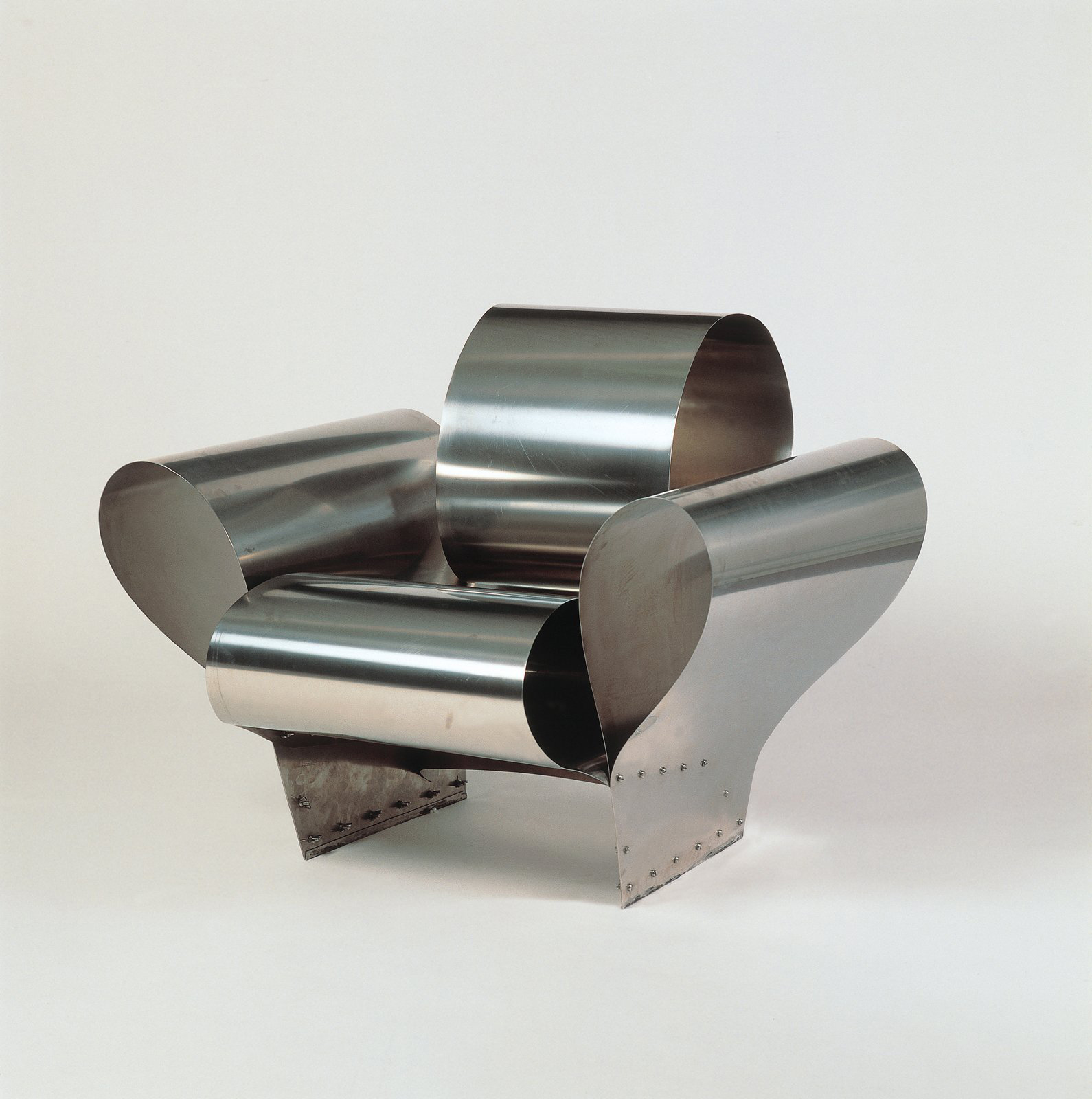
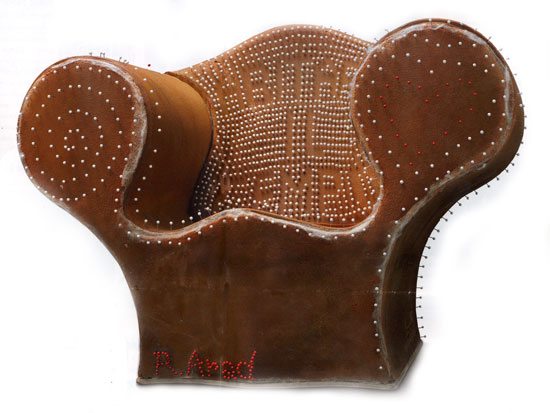
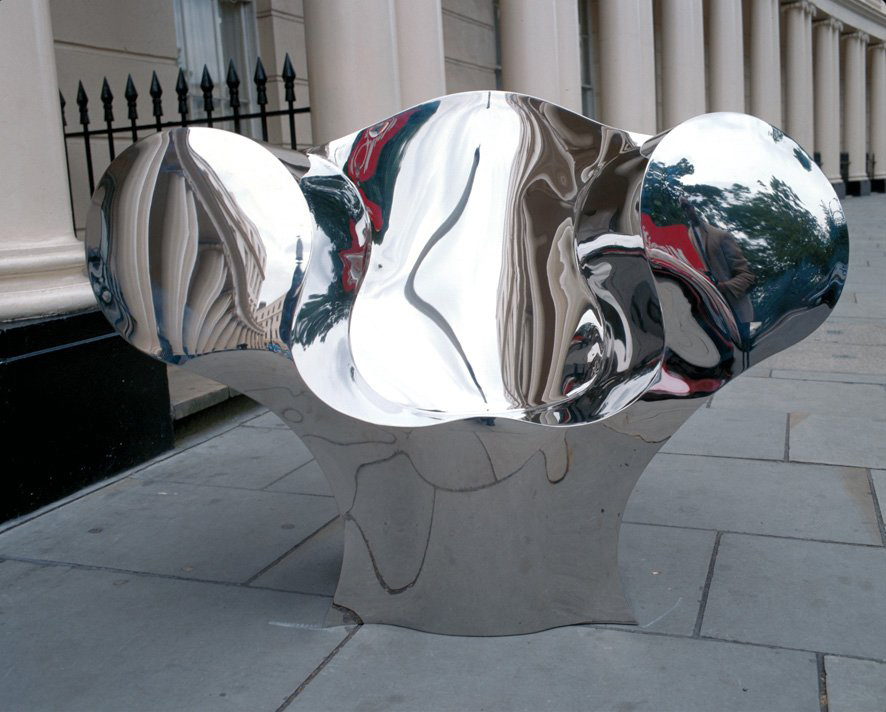
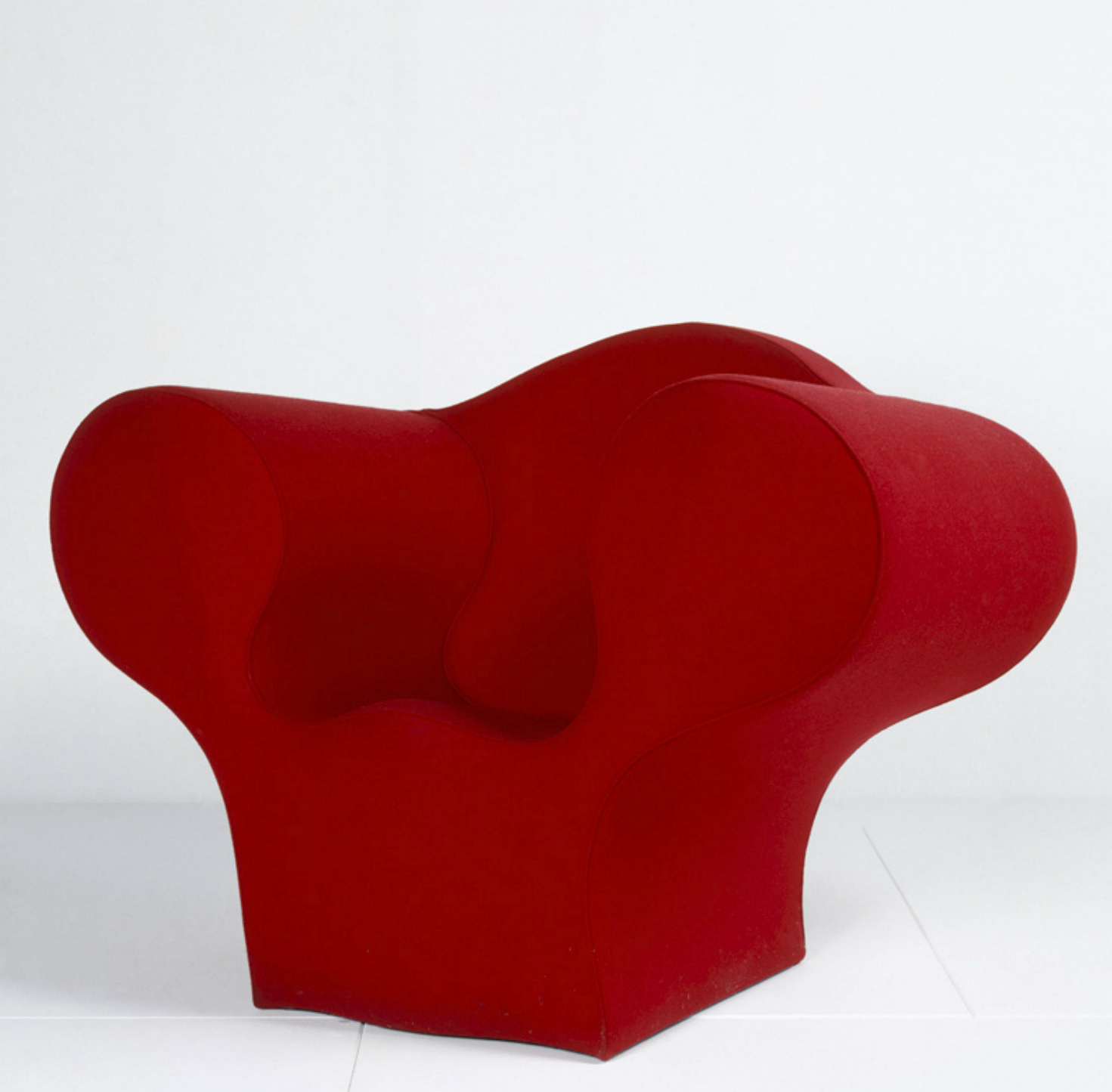
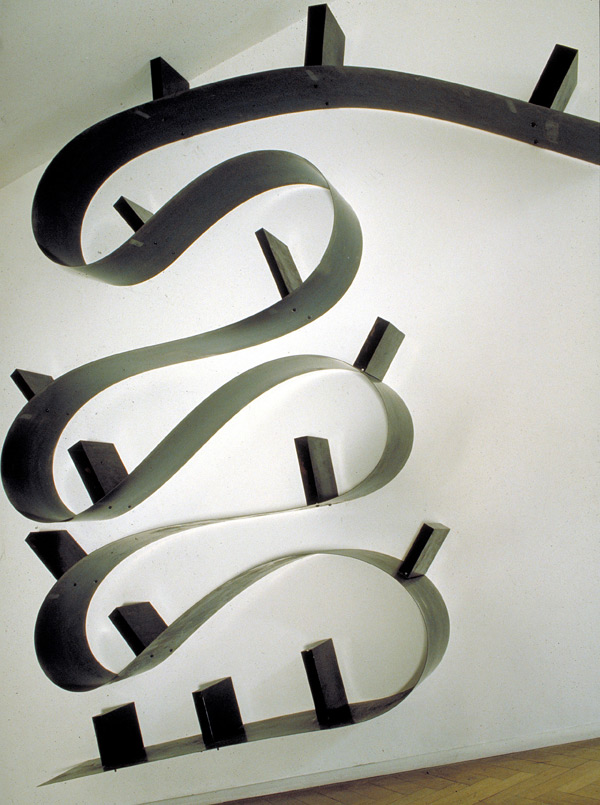
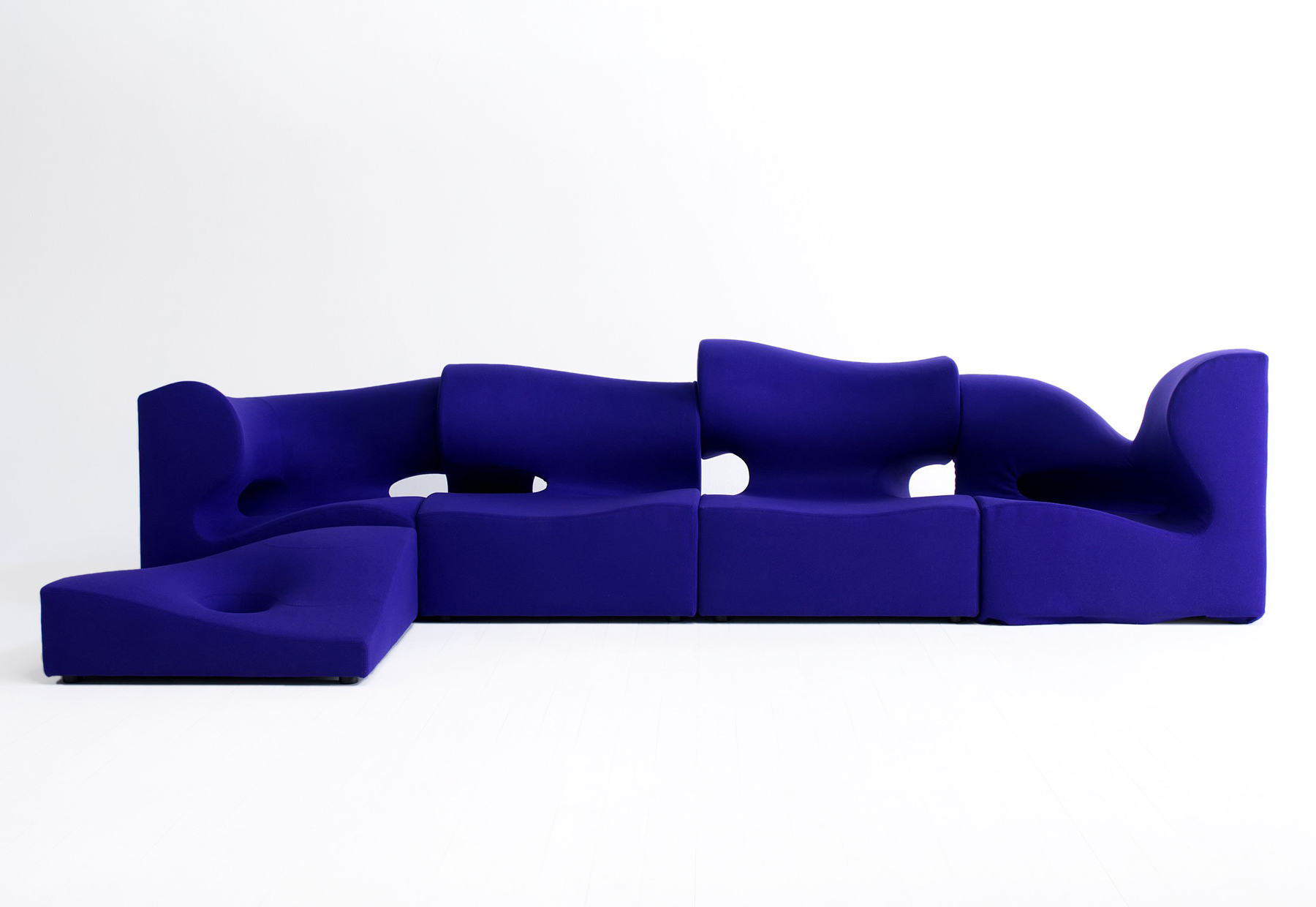
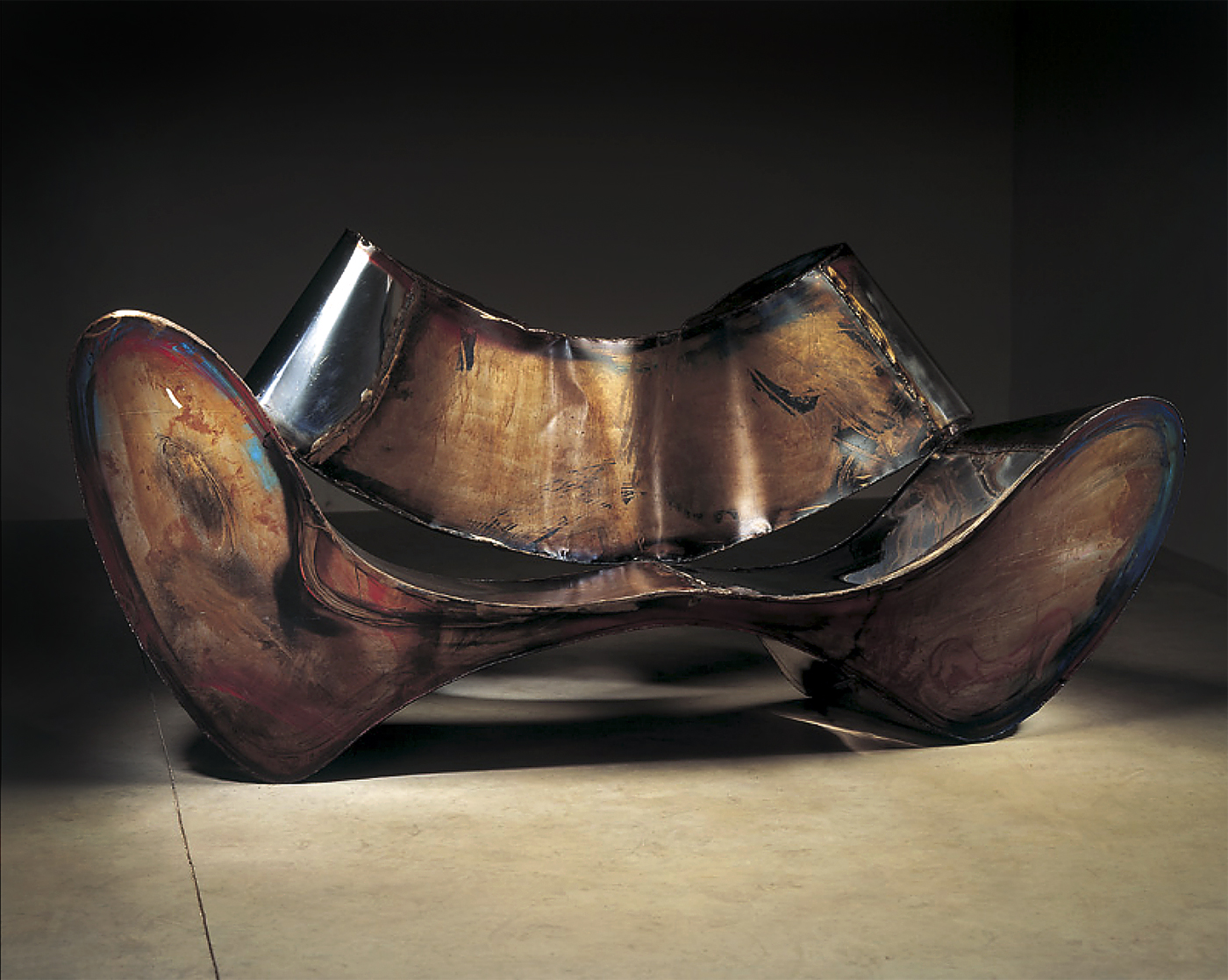
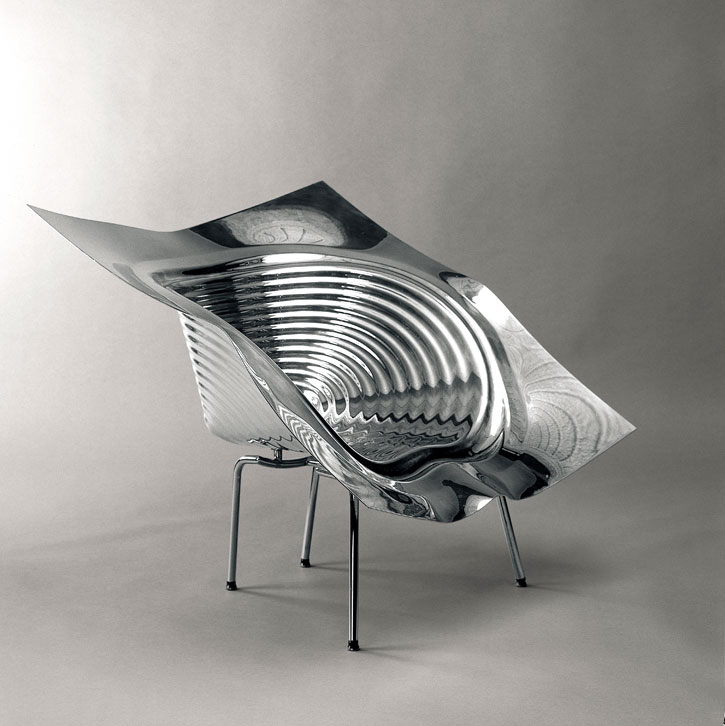
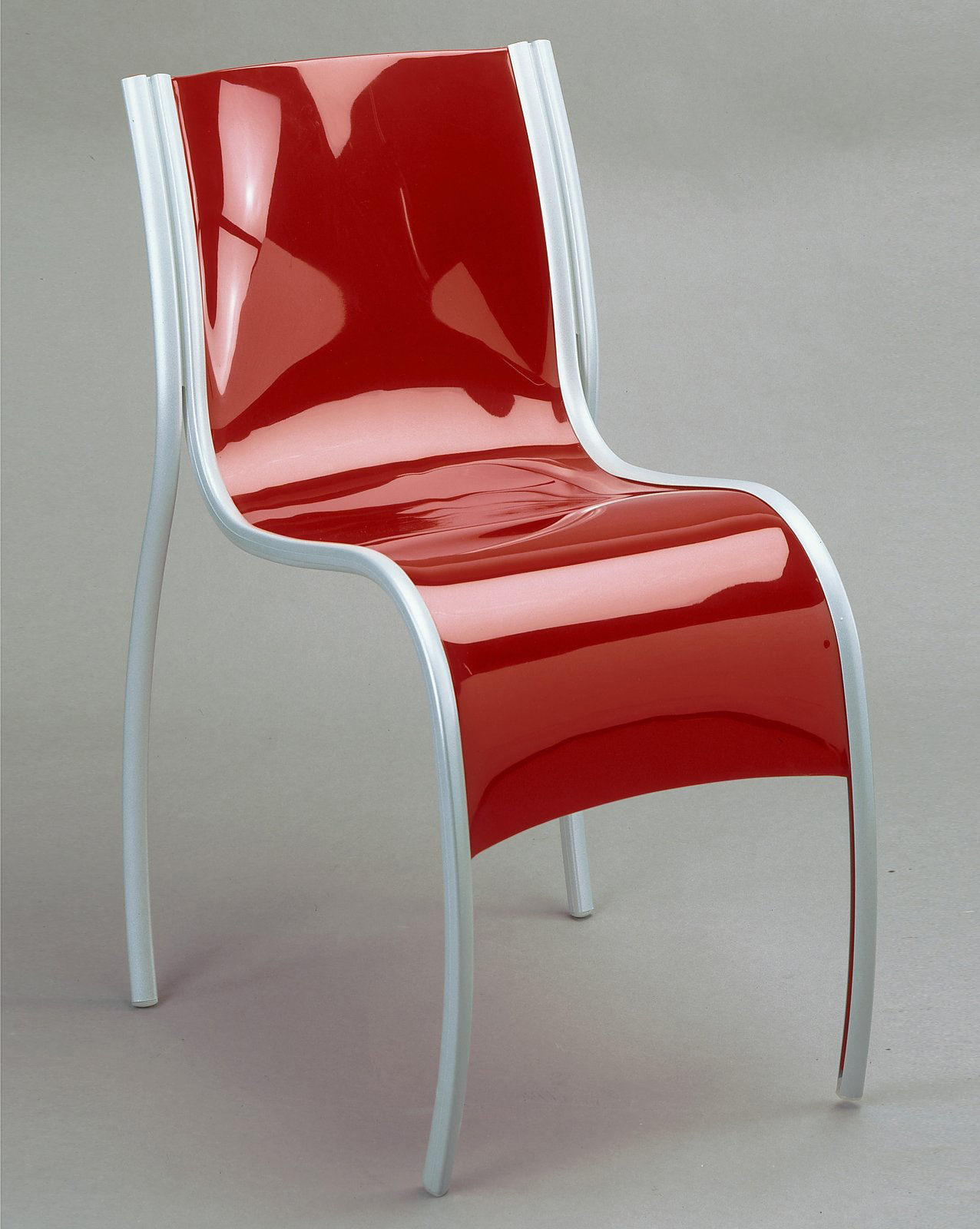
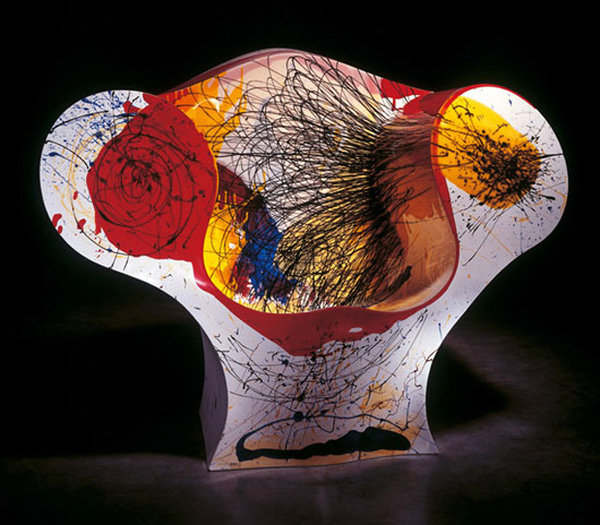
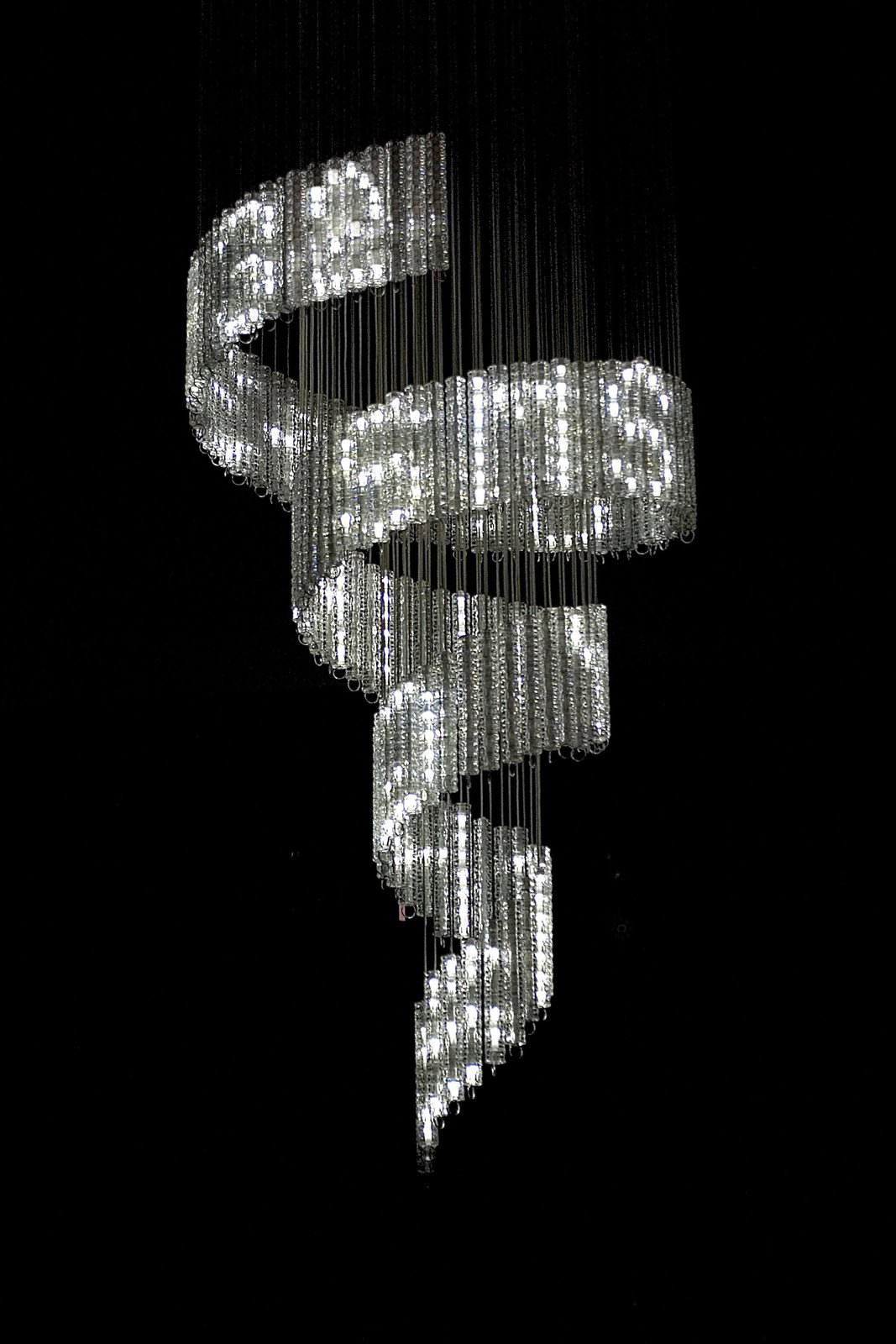
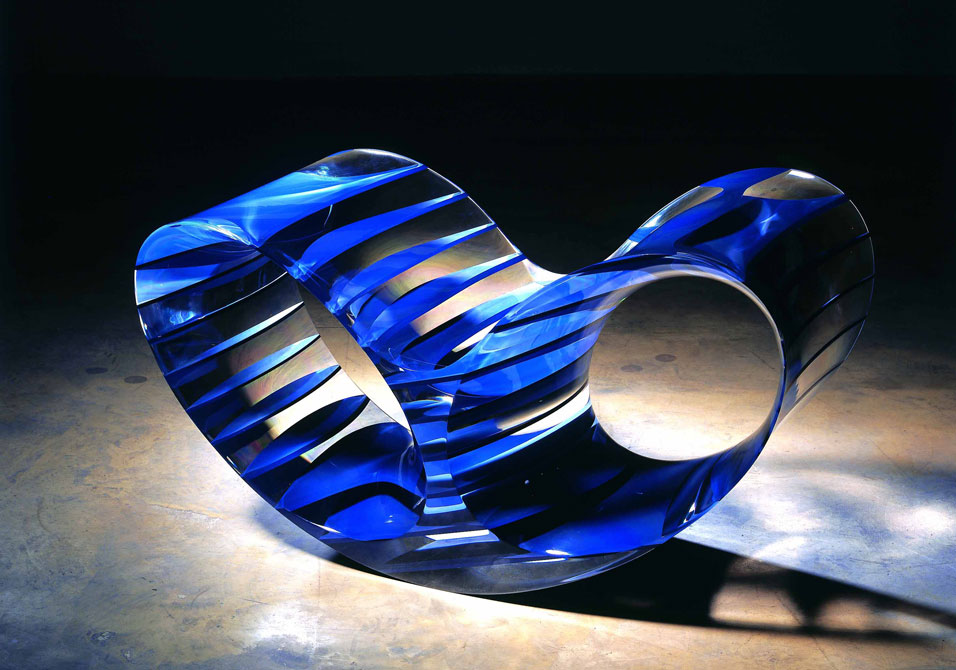
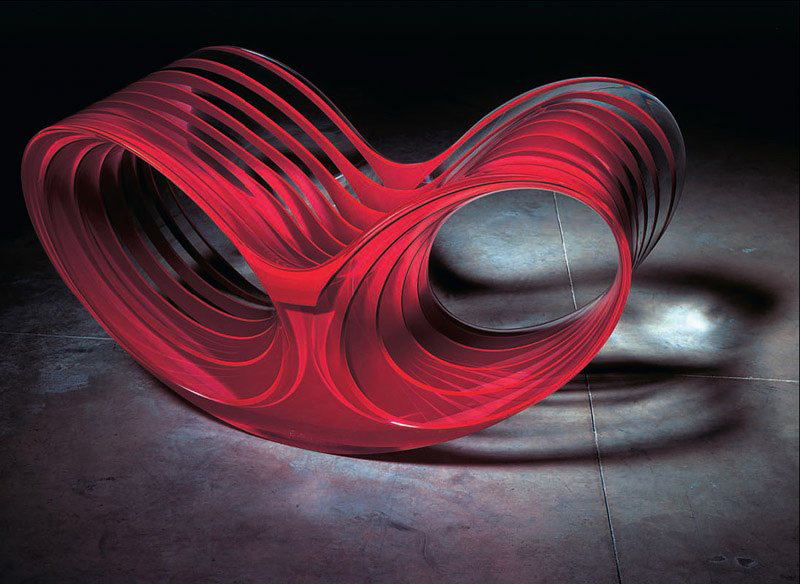
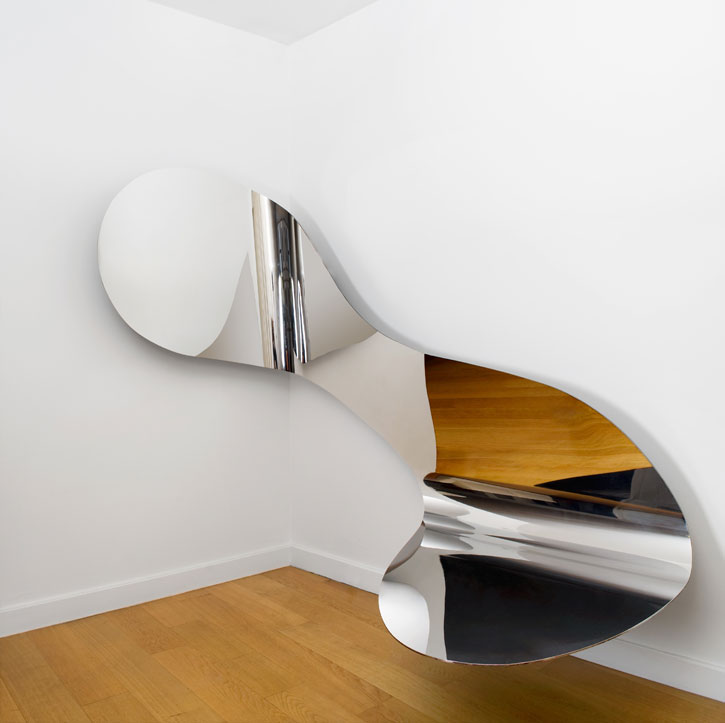
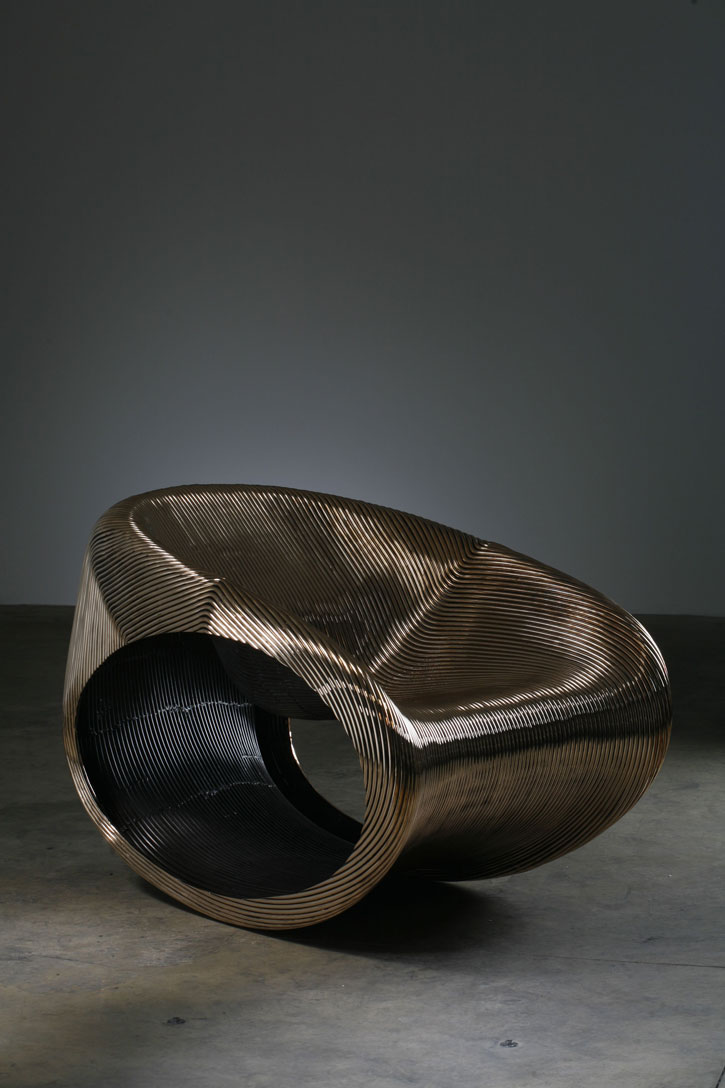
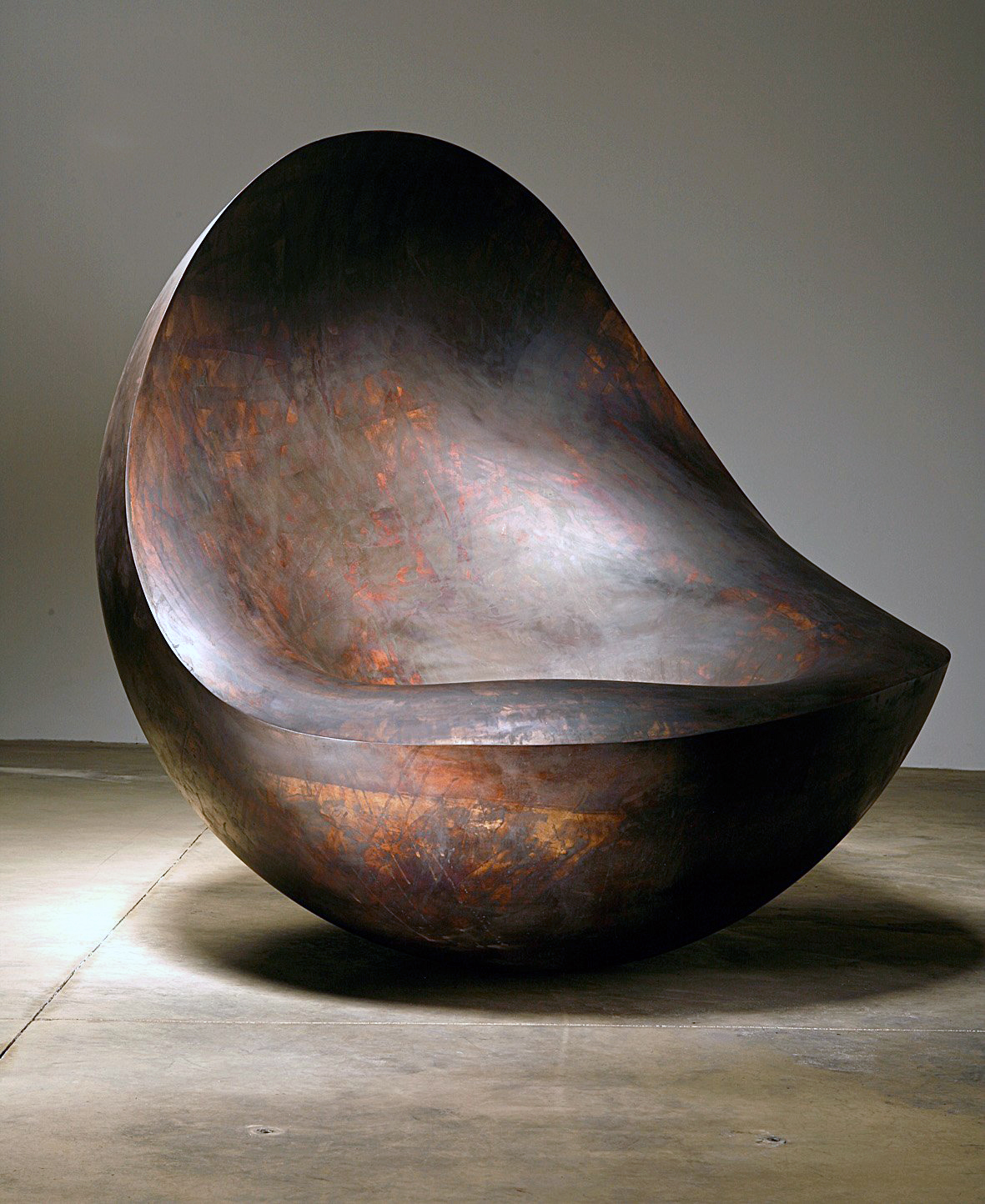
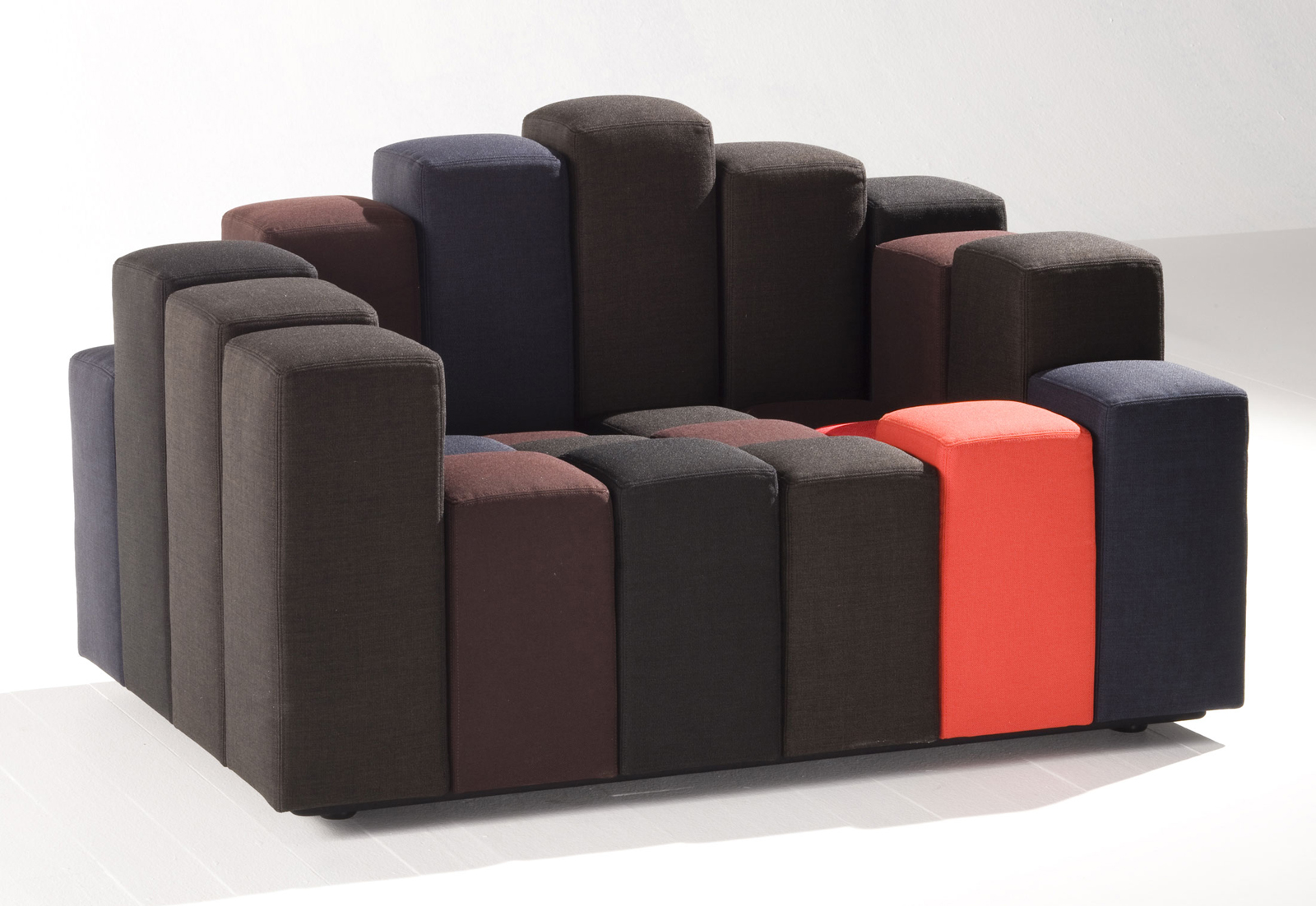
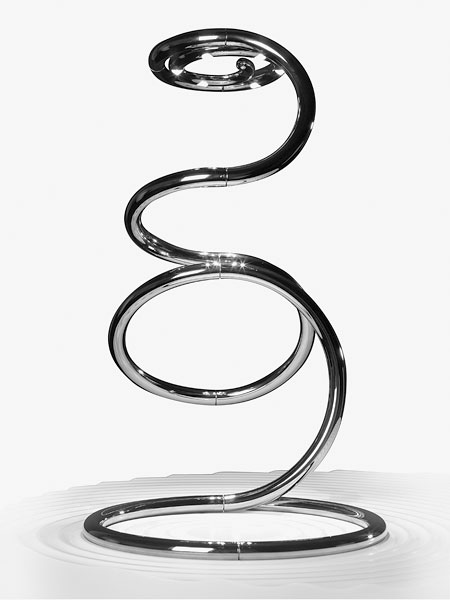

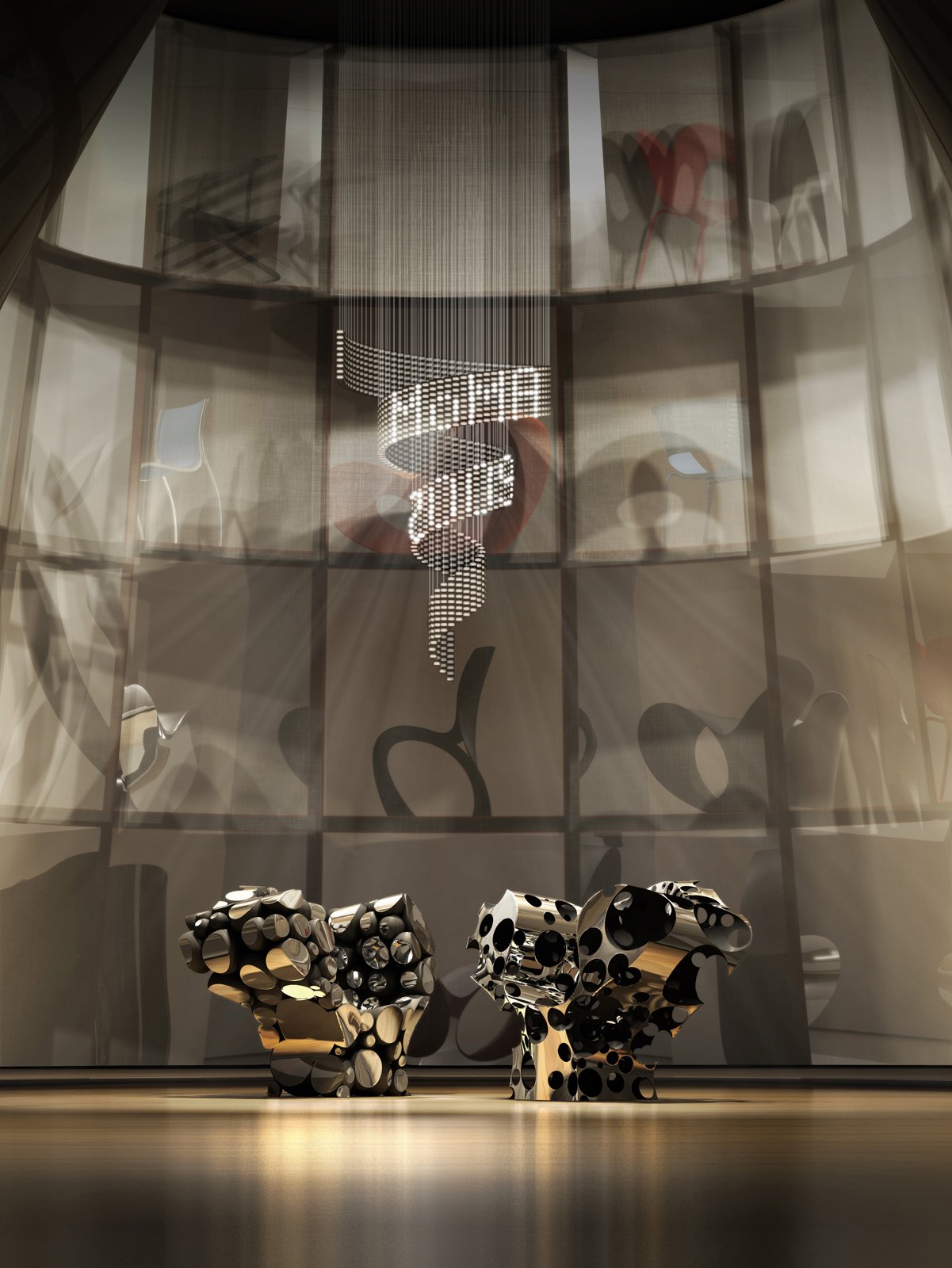
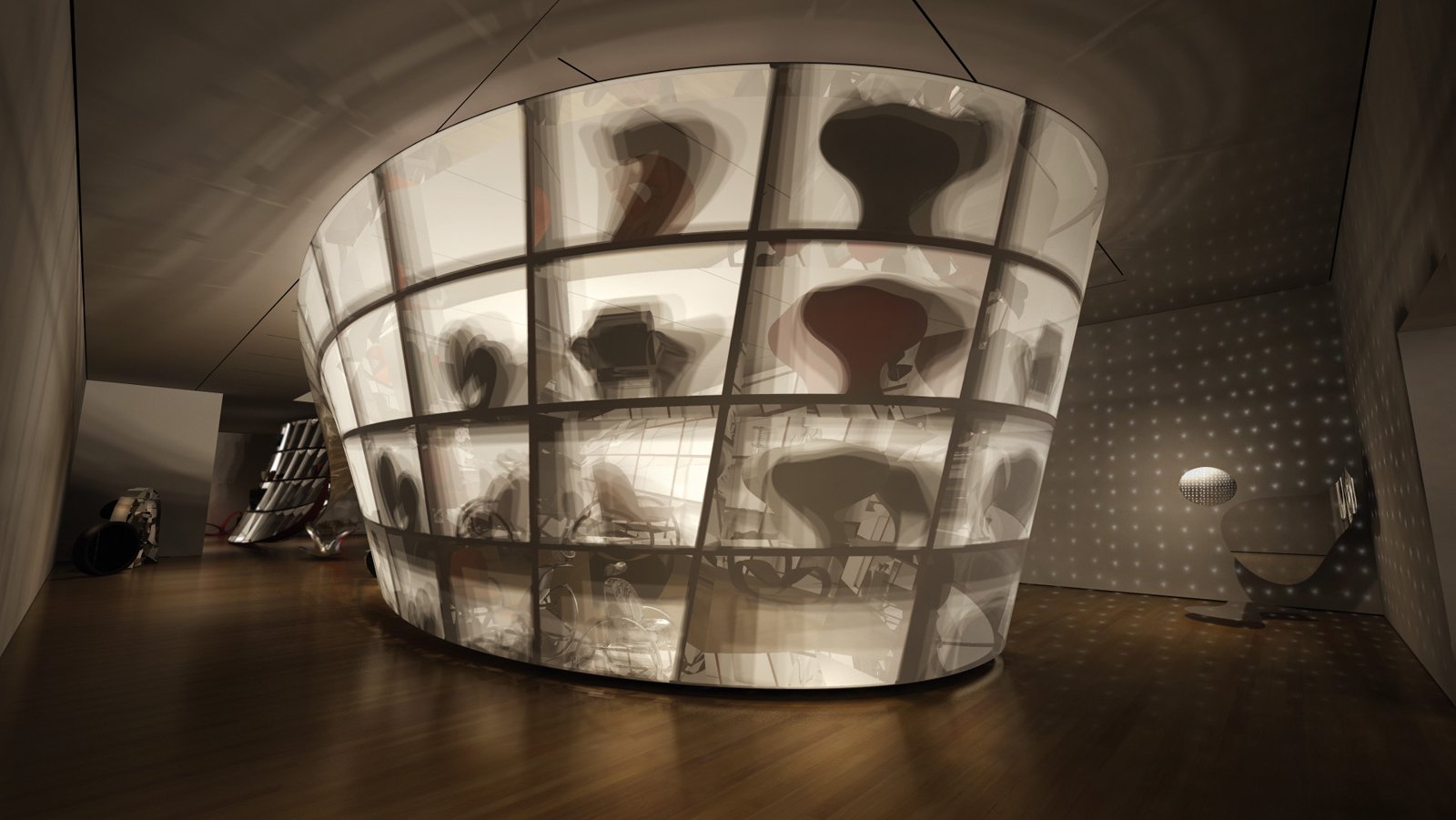
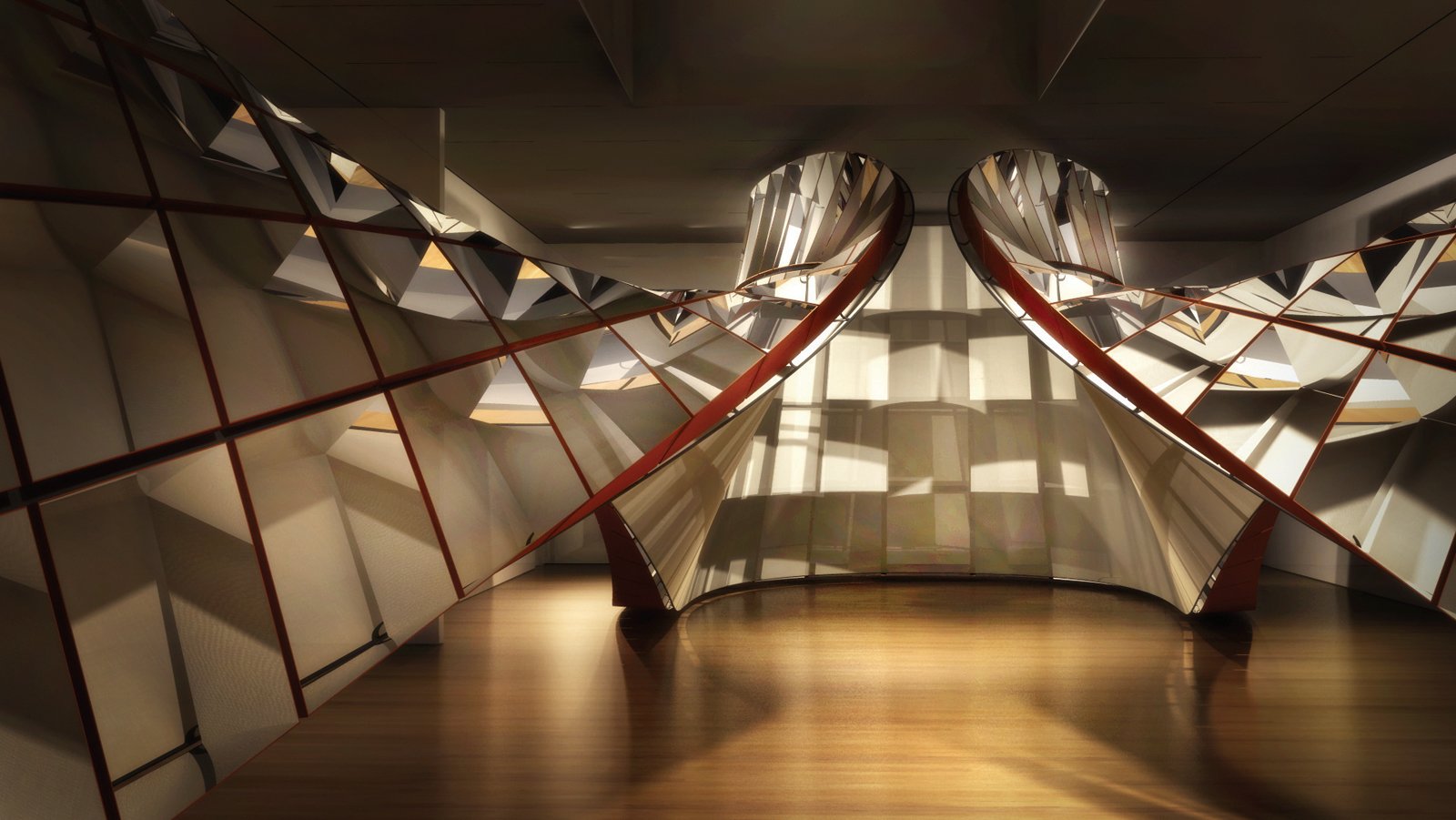
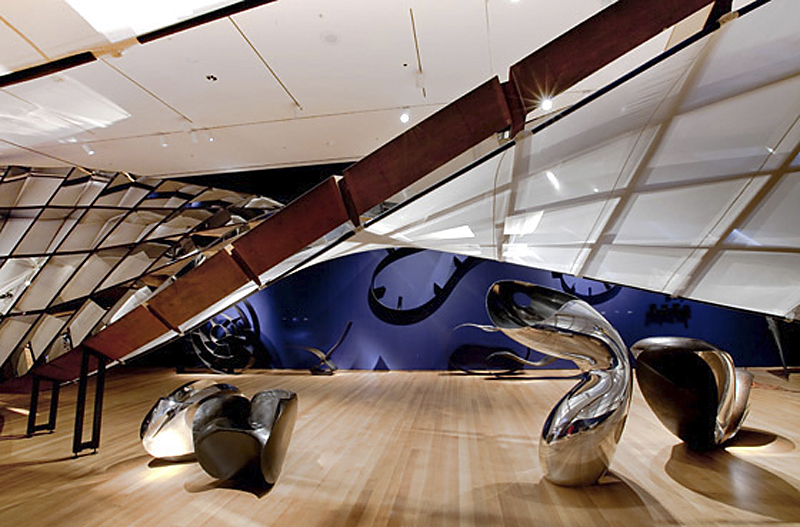
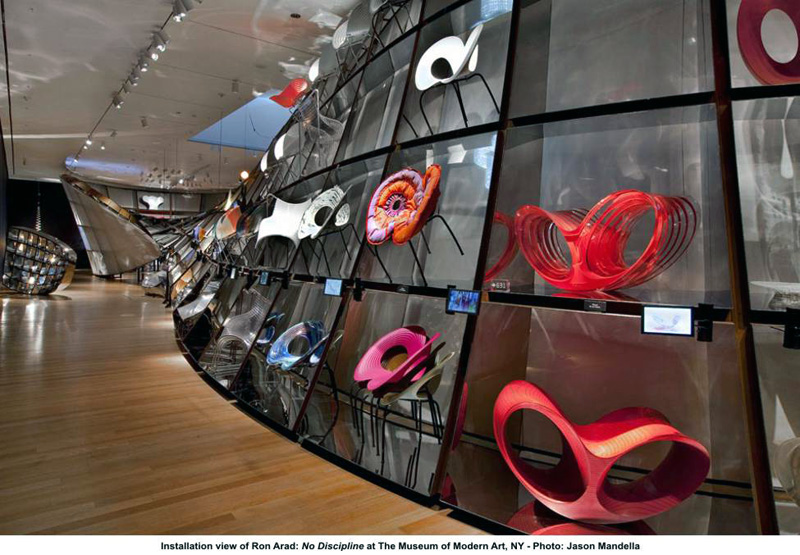
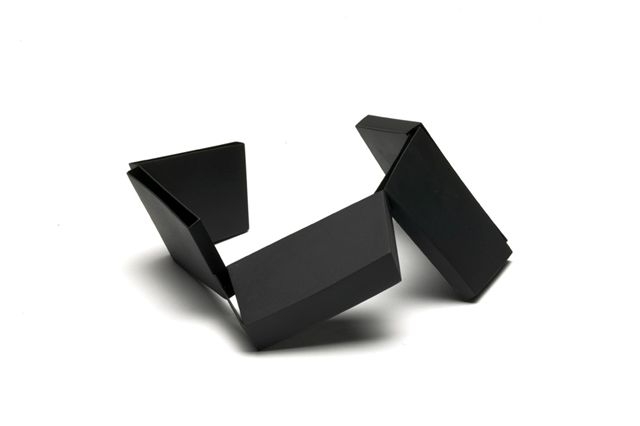
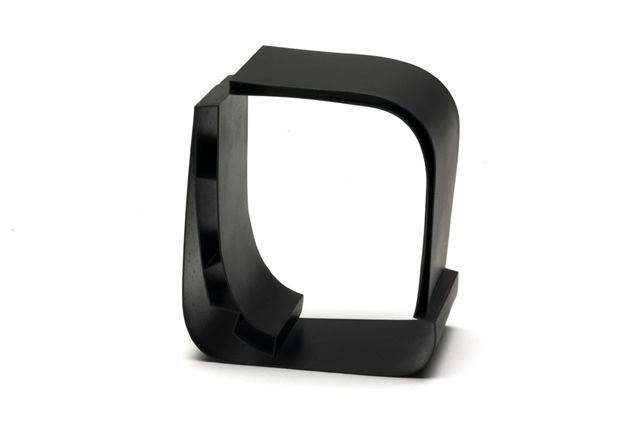
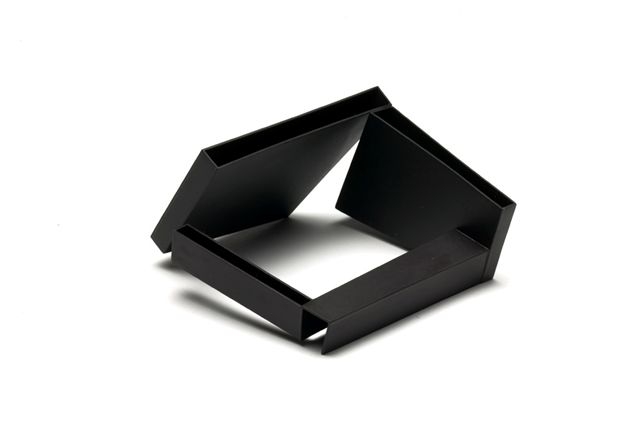
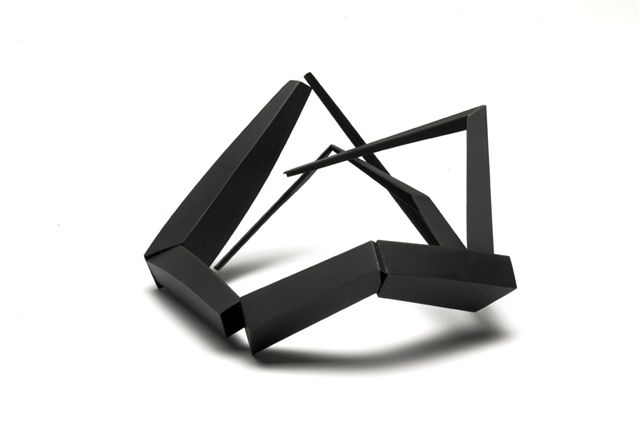

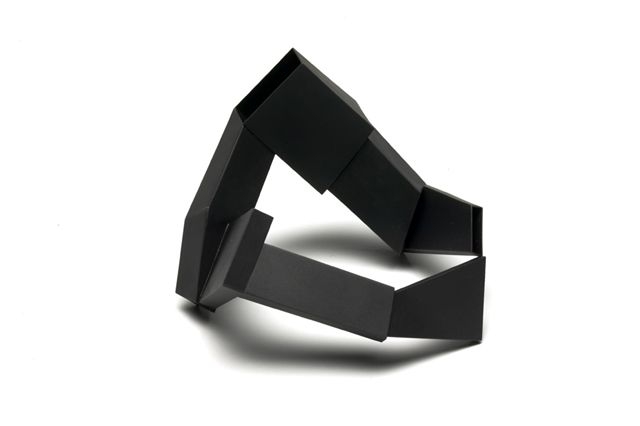
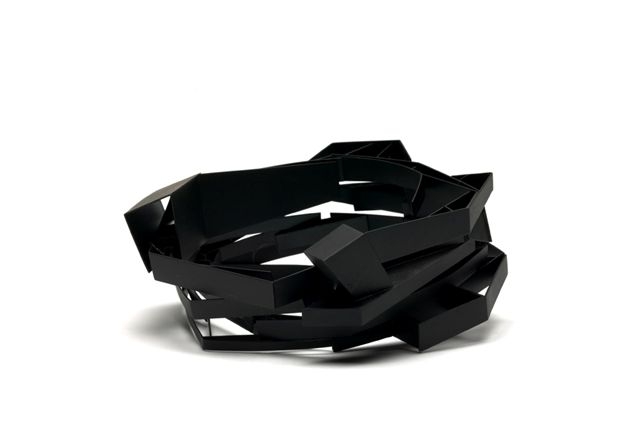


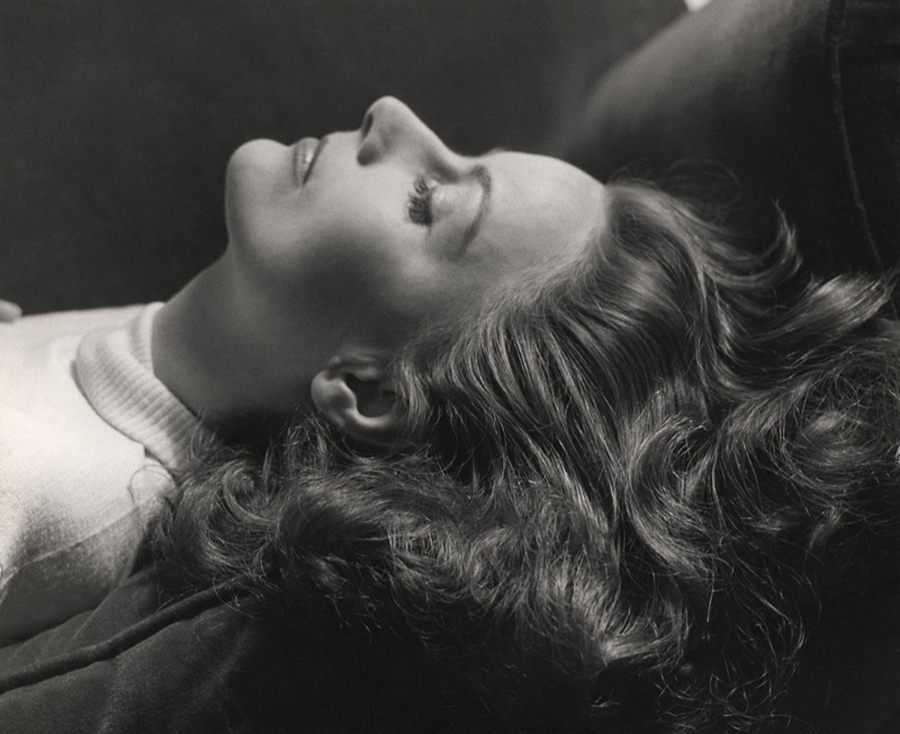

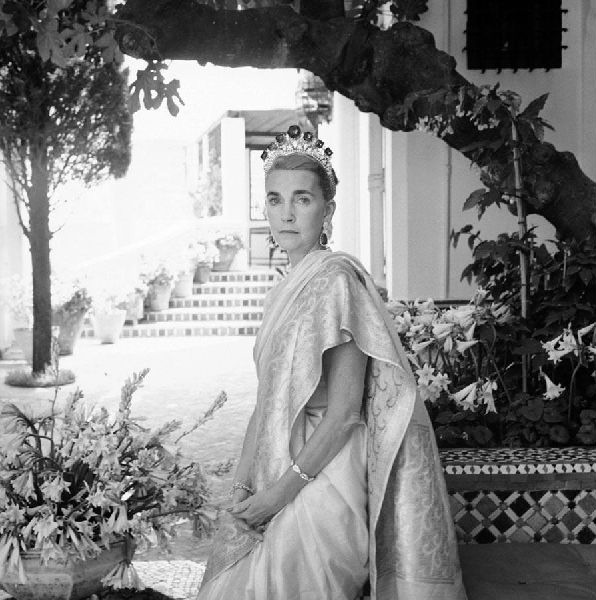
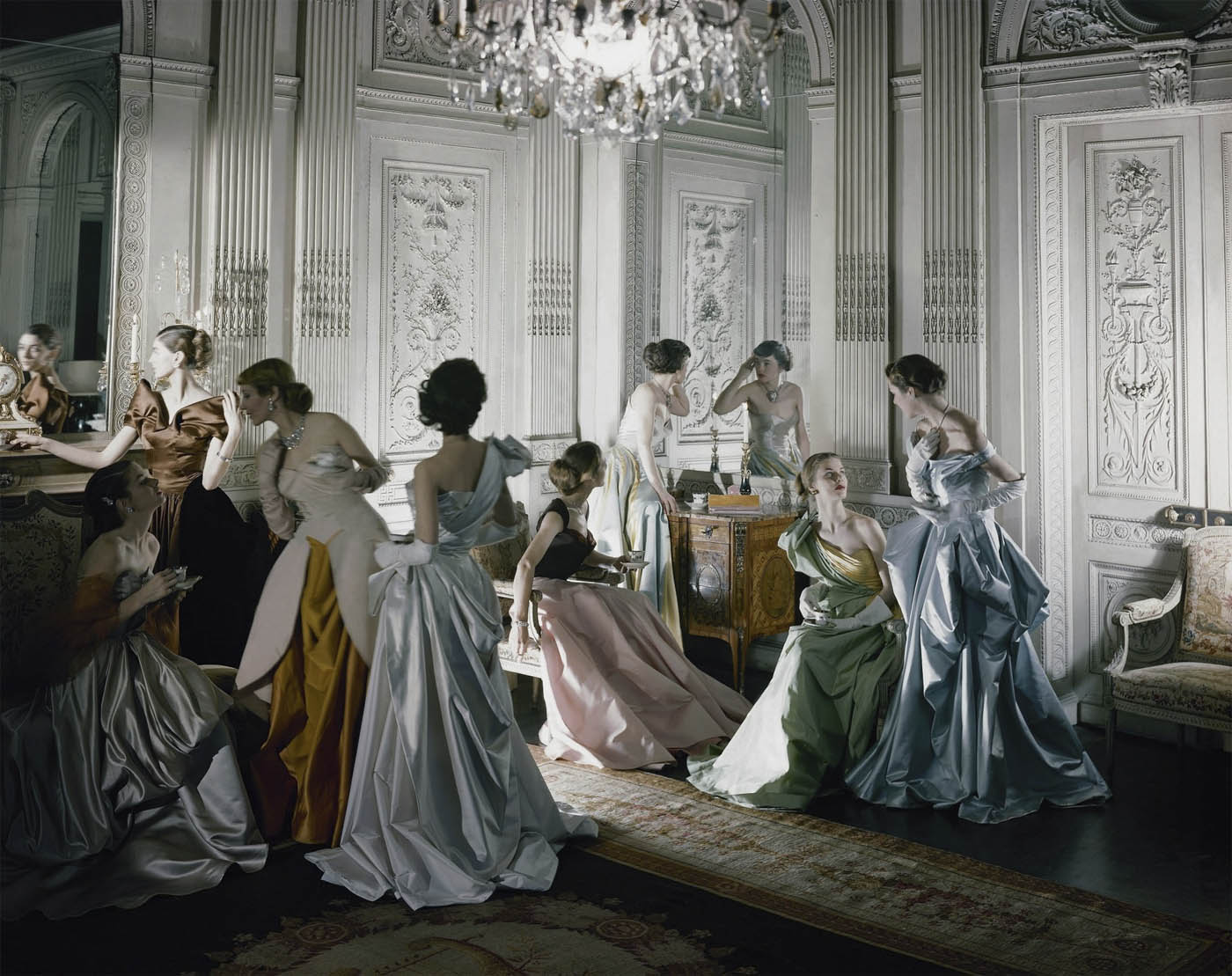
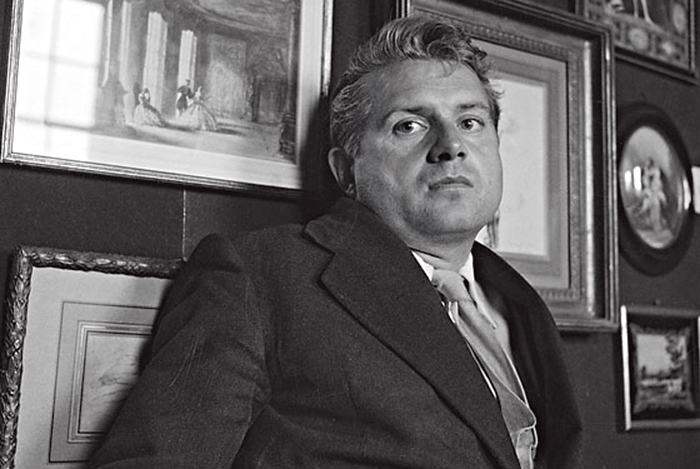
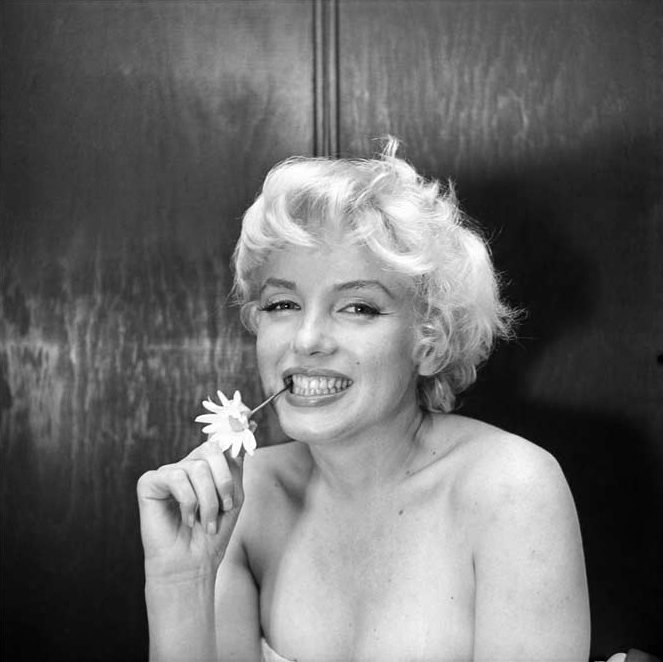

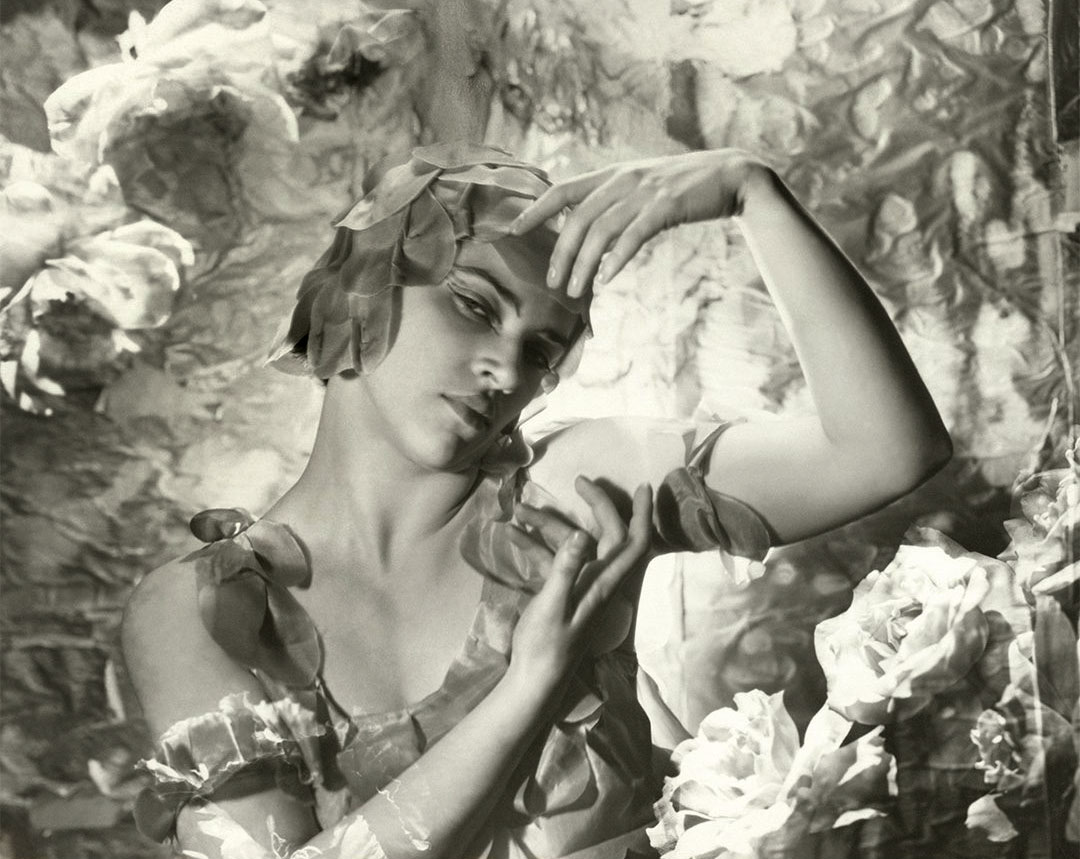


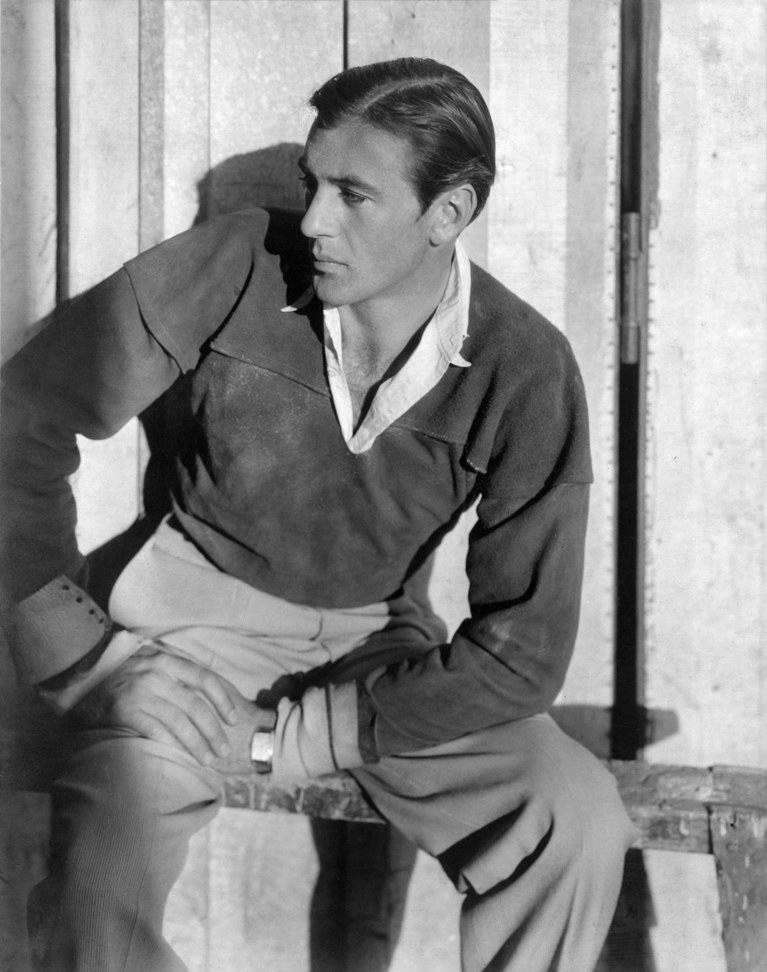

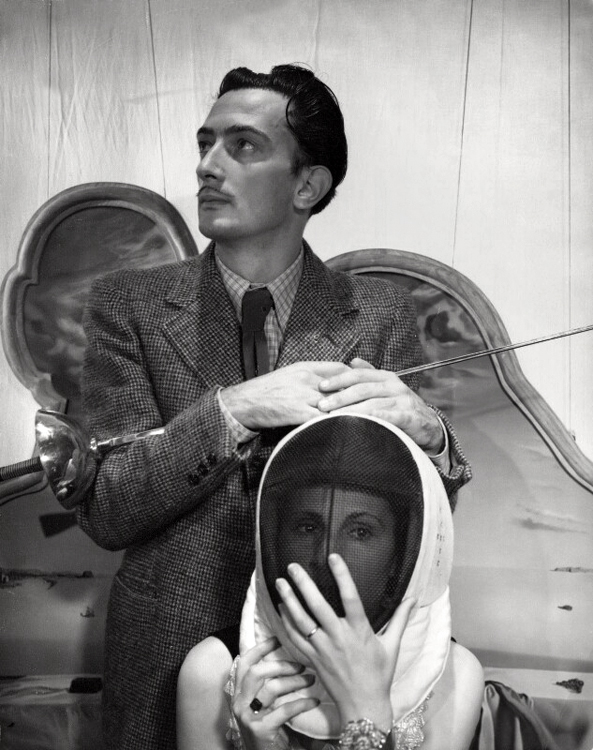


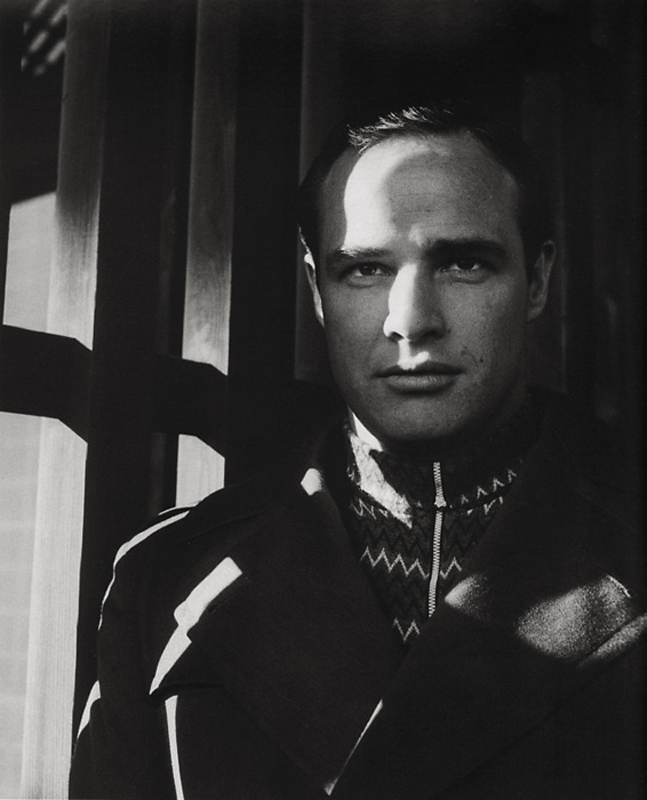
 Art Blart _ art and cultural memory archive
You must be logged in to post a comment.