Max Dupain (Australian, 1911-1992) (Seven Yachts in the Bay) Nd Gelatin silver print 29 x 37cm (11.4 x 14.6 in.)
A second tranche of photographs from the Australian photographer Max Dupain. This means that Art Blart has one of the largest groups of his work online with larger images.
In this posting I have grouped the images through ships and boats; surf and beach; nudes / montage / surrealism; city and Harbour Bridge; dance and abstraction; portraits and Pictorialism – finishing with two stunning bromoil landscapes.
All images are used under fair use conditions for the purpose of educational research. Please click on the photographs for a larger version of the image.
Max Dupain (Australian, 1911-1992) Hero Towing Pamir to Sydney Heads c. 1940s Gelatin silver print 41 x 39.5cm
Pamir was a four-masted barque built for the German shipping company F. Laeisz. One of their famous Flying P-Liners, she was the last commercial sailing ship to round Cape Horn, in 1949. By 1957, she had been outmoded by modern bulk carriers and could not operate at a profit. Her shipping consortium’s inability to finance much-needed repairs or to recruit sufficient sail-trained officers caused severe technical difficulties. On 21 September 1957, she was caught in Hurricane Carrie and sank off the Azores, with only six survivors rescued after an extensive search.
Text from the Wikipedia website
A model of Pamir, a four-masted barque that was one of the famous Flying P-Liner sailing ships of the German shipping company F. Laeisz
Max Dupain (Australian, 1911-1992) Rigging Sails Nd Gelatin silver print 25.5 x 25cm
Max Dupain (Australian, 1911-1992) Life at the Spit Nd Gelatin silver print 23.5 x 22cm
Max Dupain (Australian, 1911-1992) (Aerial of Waters Edge) 1930s Gelatin silver print 26 x 24cm
Max Dupain (Australian, 1911-1992) (Aerial View of Manly Beach) 1938 Gelatin silver print 23 x 31cm
Max Dupain (Australian, 1911-1992) (Life Guards Marching with Reel) Nd Gelatin silver print 34.5 x 30cm
Max Dupain (Australian, 1911-1992) (Sunbaking by the Wall) Nd Gelatin silver print 30.5 x 32cm
Max Dupain (Australian, 1911-1992) (Surfboard, Umbrella and Crowds) Nd Gelatin silver print 29 x 25.5cm
Max Dupain (Australian, 1911-1992) Stiff Nor’Easter 1940s Gelatin silver print 38 x 40.5cm
Max Dupain (Australian, 1911-1992) Beach Watchers, Bondi 1940s Gelatin silver print 28.5 x 25.5cm
Max Dupain (Australian, 1911-1992) Surf Race Start 1947 Gelatin silver print 36 x 37cm
Max Dupain (Australian, 1911-1992) Picnicker Leaving the Beach Nd Gelatin silver print 30 x 34.5cm
Max Dupain (Australian, 1911-1992) Beach Play 1937 Gelatin silver print 30.5 x 36cm
Max Dupain (Australian, 1911-1992) (Nude Figures) 1930s Gelatin silver print 24 x 20cm
Max Dupain (Australian, 1911-1992) (Nude in Shadow on the Sand) 1937 Gelatin silver print 35.5 x 30cm
Max Dupain (Australian, 1911-1992) (Nude Montage) 1930s Gelatin silver print 34.5 x 33cm
Max Dupain (Australian, 1911-1992) (Standing Nude on Sand) 1930s Gelatin silver print 39 x 33.5cm
Max Dupain (Australian, 1911-1992) (Nude Sunbaker) 1939 Gelatin silver print 35 x 46.5cm
Max Dupain (Australian, 1911-1992) (Rhythmic Form) 1935 Gelatin silver print
Max Dupain (Australian, 1911-1992) Debussy Quartet in G 1937 Gelatin silver print 30.5 x 23.5cm
Max Dupain (Australian, 1911-1992) (Solarised Nude and Rays of Light) 1935 Gelatin silver print 12.5 x 9.5cm
Max Dupain (Australian, 1911-1992) (Nude and Pole) 1934 Gelatin silver print 45.5 x 36cm
Max Dupain (Australian, 1911-1992) Little Nude 1938 Gelatin silver print 41 x 31cm
Max Dupain (Australian, 1911-1992) Spontaneous Composition 1935 Gelatin silver print 38 x 41cm
Max Dupain (Australian, 1911-1992) (Moira in the Mirror) 1931 Gelatin silver print 25.5 x 28cm
Max Dupain (Australian, 1911-1992) (Elizabeth Street, Melbourne) Nd Gelatin silver print 40.5 x 39cm
Max Dupain (Australian, 1911-1992) (Angel Statue, 392 Bus and Terraces) Nd Gelatin silver print 28 x 38cm
Max Dupain (Australian, 1911-1992) (Australian Hotel, The Rocks) Nd Gelatin silver print 31 x 38cm
Max Dupain (Australian, 1911-1992) (Hickson Road) Nd Gelatin silver print 39 x 50.5cm
Max Dupain (Australian, 1911-1992) Darling Harbour from Studio Window 1940s Gelatin silver print 32 x 45cm
Max Dupain (Australian, 1911-1992) Brooms for Sale 1950 Gelatin silver print 31.5 x 44.5cm
Max Dupain (Australian, 1911-1992) George Street Silhouette 1940 Gelatin silver print 30.5 x 29.5cm
Max Dupain (Australian, 1911-1992) Central Station, Sydney 1939 Gelatin silver print 40 x 39cm
Max Dupain (Australian, 1911-1992) Collins Street, Melbourne 1946 Gelatin silver print 42 x 39.5cm
Max Dupain (Australian, 1911-1992) Morning, Kings Cross Ice Wagon Nd Gelatin silver print 45 x 40.5cm
Max Dupain (Australian, 1911-1992) Parking, Macquarie Street 1930s Gelatin silver print 39 x 48.5cm
Max Dupain (Australian, 1911-1992) Suburban Terraces Nd Gelatin silver print 28 x 38cm
Max Dupain (Australian, 1911-1992) Hobart Siesta 1947 Gelatin silver print 38.5 x 38cm
Max Dupain (Australian, 1911-1992) Diver, Northbridge Baths Nd Gelatin silver print 23 x 18.5cm
Max Dupain (Australian, 1911-1992) (Milson’s Point) Nd Gelatin silver print 30.5 x 32.5cm
Max Dupain (Australian, 1911-1992) (Harbour Bridge at Dusk) Nd Gelatin silver print 31 x 28.5cm
Max Dupain (Australian, 1911-1992) Sydney from South Pylon 1938 Gelatin silver print 38 x 50.5cm
Max Dupain (Australian, 1911-1992) (Harbour Bridge Closed at Night) 1946 Gelatin silver print 18 x 24cm
Max Dupain (Australian, 1911-1992) (Harbour Bridge with Traffic, Buses and Policeman) 1940-1950s Gelatin silver print 17.5 x 24cm
Max Dupain (Australian, 1911-1992) Observatory Hill, Looking North to the Sydney Harbour Bridge 1940 Gelatin silver print 40.5 x 40cm
Max Dupain (Australian, 1911-1992) (Four Graces) Nd Gelatin silver print 37 x 48cm
Max Dupain (Australian, 1911-1992) (Four Graces) Nd Gelatin silver print 24 x 30.5cm
Max Dupain (Australian, 1911-1992) Design – Suburbia 1933 Gelatin silver print 29.5 x 23cm
Max Dupain (Australian, 1911-1992) Design in Barred Light Nd Gelatin silver print 25 x 18.5cm
Max Dupain (Australian, 1911-1992) (Timelapse Nude Figure) Nd Gelatin silver print 23.5 x 29.5cm
Max Dupain (Australian, 1911-1992) (Nude Figure and Light) 1930s Gelatin silver print 30.5 x 36cm
Max Dupain (Australian, 1911-1992) (Portrait and Shadows) Nd Gelatin silver print 50 x 40cm
Max Dupain (Australian, 1911-1992) Domestic Poem, Douglas Stewart Nd Gelatin silver print 27 x 26cm
Max Dupain (Australian, 1911-1992) Jean 1936-1937 Gelatin silver print 37 x 31cm
Max Dupain (Australian, 1911-1992) Tired Soldier in Queensland Train 1943 Gelatin silver print 45 x 40.5cm
Max Dupain (Australian, 1911-1992) Hostel Breakfast Nd Gelatin silver print 31 x 41cm
Max Dupain (Australian, 1911-1992) (Three Men at Work) 1940s Gelatin silver print 52 x 49cm
Max Dupain (Australian, 1911-1992) Waiting for the Queen 1954 Gelatin silver print 38.5 x 39.5cm
Max Dupain (Australian, 1911-1992) (Waiting for the Queen) Nd Gelatin silver print 24.5 x 24cm
Max Dupain (Australian, 1911-1992) Enter The Queen 1954 Gelatin silver print 50 x 50cm
Max Dupain (Australian, 1911-1992) Gloucester Landscape 1951 Gelatin silver print 40.5 x 50.5cm
Max Dupain (Australian, 1911-1992) Sundown, Mona Vale Marshes 1932 18.5 x 24cm
Max Dupain (Australian, 1911-1992) The Flight of the Spectres 1932 Bromoil 27.5 x 29cm
This tiny but iconic masterpiece of twentieth-century photography is the second earliest work in the exhibition, and a gem in the Tenenbaum and Lee collection. Made while André Kertész was convalescing from a gunshot wound received while serving in the Austro-Hungarian army during World War I, it prefigures by some fifteen years his renowned mirror distortions produced in Paris. Displaying both Cubist and Surrealist influences, the photograph reveals the artist’s commitment to the spontaneous yet analytic observation of fleeting commonplace occurrences – one of the essential and most idiosyncratic qualities of the medium.
It’s a mystery
There are some eclectic photographs in this posting, many of which have remained un/seen to me before.
I have never seen the above version of Kertész’s Underwater Swimmer, Esztergom, Hungary (1917), with wall, decoration and water flowing into the pool at left. The usual image crops these features out, focusing on the distortion of the body in the water, and the lengthening of the figure diagonally across the picture frame. That both images are from the same negative can be affirmed if one looks at the patterning of the water. Even as the exhibition of Kertész’s work at Jeu de Paume at the Château de Tours that I saw last year stated that their version was a contact original… this is not possible unless the image has been cropped.
Other images by Alfred Stieglitz, Paul Outerbridge Jr., Eugène Atget, Walker Evans, Pierre Dubreuil, Ilse Bing, Bill Brandt, Dora Maar, Joseph Cornell, Nan Goldin, Laurie Simmons, Robert Gober, Rachel Whiteread, Zanele Muholi have eluded my consciousness until now.
What I can say after viewing them is this.
I am forever amazed at how deep the spirit, and the medium, of photography is… if you give the photograph a chance. A friend asked me the other day whether photographs had any meaning anymore, as people glance for a nano-second at images on Instagram, and pass on. We live in a world of instant gratification was my answer to him. But the choice is yours if you take / time with a photograph, if it possesses the POSSIBILITY of a meditation from its being. If it intrigues or excites, or stimulates, makes you reflect, cry – that is when the photographs pre/essence, its embedded spirit, can make us attest to the experience of its will, its language, its desire. In our presence.
The more I learn about photography, the less I find I know. The lake (archive) is deep – full of serendipity, full of memories, stagings, concepts and realities. Full of nuances and light, crevices and dark passages. To understand photography is a life-long study. To an inquiring mind, even then, you may only – scratch the surface to reveal – a sort of epiphany, a revelation, unknown to others. Every viewing is unique, every interpretation different, every context unknowable (possible).
Dr Marcus Bunyan
PS. When Minor White was asked, what about photography when he dies? When he is no longer there to influence it? And he simply says – photography will do what it wants to do. This is a magnificent statement, and it shows an egoless freedom on Minor White’s part. It is profound knowledge about photography, about its freedom to change.
Many thankx to the Metropolitan Museum of Art for allowing me to publish the photographs in the posting. Please click on the photographs for a larger version of the image.
This exhibition will celebrate the remarkable ascendancy of photography in the last century, and Ann Tenenbaum and Thomas H. Lee’s magnificent promised gift of over sixty extraordinary photographs in honour of The Met’s 150th anniversary in 2020. The exhibition will include masterpieces by the medium’s greatest practitioners, including works by Paul Strand, Dora Maar, Man Ray, and László Moholy-Nagy; Edward Weston, Walker Evans, and Joseph Cornell; Diane Arbus, Andy Warhol, Sigmar Polke, and Cindy Sherman.
The collection is particularly notable for its breadth and depth of works by women artists, its sustained interest in the nude, and its focus on artists’ beginnings. Strand’s 1916 view from the viaduct confirms his break with the Pictorialist past and establishes the artist’s way forward as a cutting-edge modernist; Walker Evans’s shadow self-portraits from 1927 mark the first inkling of a young writer’s commitment to visual culture; and Cindy Sherman’s intimate nine-part portrait series from 1976 predates her renowned series of “film stills” and confirms her striking ambition and stunning mastery of the medium at the age of twenty-two.
Text from the Metropolitan Museum of Art website
Alfred Stieglitz (American, 1864-1946) Georgia O’Keeffe 1918 Platinum print 9 1/2 × 7 1/2 in. (24.1 × 19.1cm) Ann Tenenbaum and Thomas H. Lee Collection The Metropolitan Museum of Art
This photograph marks the beginning of the romantic relationship between Alfred Stieglitz and Georgia O’Keeffe, which transformed each of their lives and the story of American art. The two met when Stieglitz included O’Keeffe, a then-unknown painter, in her first group show at his gallery 291 in May 1916. A year later, O’Keeffe had her first solo show at the gallery and exhibited her abstract charcoal No. 15 Special, seen in the background here. In the coming months and years, O’Keeffe collaborated with Stieglitz on some three hundred portrait studies. In its physical scope, primal sensuality, and psychological power, Stieglitz’s serial portrait of O’Keeffe has no equal in American art.
Paul Outerbridge Jr. (American, 1896-1958) Telephone 1922 Platinum print 4 1/2 × 3 3/8 in. (11.4 × 8.5cm) Promised Gift of Ann Tenenbaum and Thomas H. Lee, in celebration of the Museum’s 150th Anniversary The Metropolitan Museum of Art
A well-paid advertising photographer working in New York in the 1930s, Paul Outerbridge Jr. was trained as a painter and set designer. Highly influenced by Cubism, he was a devoted advocate of the platinum-print process, which he used to create nearly abstract still lifes of commonplace subjects such as cracker boxes, wine glasses, and men’s collars. With their extended mid-tones and velvety blacks, platinum papers were relatively expensive and primarily used by fine-art photographers like Paul Strand, Edward Steichen, and Alfred Stieglitz. This modernist study of a Western Electric “candlestick” telephone attests to Outerbridge’s talent for transforming banal, utilitarian objects into small, but powerful sculptures with formal rigour and startling beauty.
Edward Weston moved from Los Angeles to Mexico City in 1923 with Tina Modotti, an Italian actress and nascent photographer. They were each influenced by, and in turn helped shape, the larger community of artists among whom they lived and worked, which included Diego Rivera, Jean Charlot, and many other members of the Mexican Renaissance. In fall 1925 Weston made a remarkable series of nudes of the art critic, journalist, and historian Anita Brenner. Depicting her body as a pear-like shape floating in a dark void, the photographs evoke the hermetic simplicity of a sculpture by Constantin Brancusi. Brenner’s form becomes elemental, female and male, embryonic, tightly furled but ready to blossom.
Eugène Atget (French, 1857-1927) Boulevard de Strasbourg 1926 Gelatin silver print 8 7/8 in. × 7 in. (22.5 × 17.8cm) Ann Tenenbaum and Thomas H. Lee Collection The Metropolitan Museum of Art
Eugène Atget became the darling of the French Surrealists in the mid-1920s courtesy of Man Ray, his neighbour in Paris, who admired the older artist’s seemingly straight forward documentation of the city. Another American photographer, Walker Evans, also credited Atget with inspiring his earliest experiments with the camera. A talented writer, Evans penned a famous critique of his progenitor in 1930: “[Atget’s] general note is a lyrical understanding of the street, trained observation of it, special feeling for patina, eye for revealing detail, over all of which is thrown a poetry which is not ‘the poetry of the street’ or ‘the poetry of Paris,’ but the projection of Atget’s person.”
Walker Evans (American, 1903-1975) Self-portrait, Juan-les-Pins, France, January 1927 1927 Promised Gift of Ann Tenenbaum and Thomas H. Lee, in celebration of the Museum’s 150th Anniversary The Metropolitan Museum of Art
Walker Evans (American, 1903-1975) Shadow, Self-Portrait (Right Profile, Wearing Hat), Juan-les-Pins, France, January 1927 1927 Film negative Promised Gift of Ann Tenenbaum and Thomas H. Lee, in celebration of the Museum’s 150th Anniversary The Metropolitan Museum of Art, New York
Like many other European and American photographers, Pierre Dubreuil was indifferent to the industrialisation of photography that followed the invention and immediate global success of the Kodak camera in the late 1880s. A wealthy member of an international community of photographers loosely known as Pictorialists, he spurned most aspects of modernism. Instead, he advocated painterly effects such as those offered by the bromoil printing process seen here. What makes this photograph exceptional, however, is the modern subject and the work’s title, The Woman Driver. Dubreuil’s wife, Josephine Vanassche, grasps the steering wheel of their open-air car and stares straight ahead, ignoring the attention of her conservative husband and his intrusive camera.
Florence Henri (French, born America 1893-1982) Windows 1929 Gelatin silver print 14 1/2 × 10 1/4 in. (36.8 × 26cm) Promised Gift of Ann Tenenbaum and Thomas H. Lee, in celebration of the Museum’s 150th Anniversary The Metropolitan Museum of Art
A peripatetic French American painter and photographer, Florence Henri studied with László Moholy-Nagy at the Bauhaus in Germany in summer 1927. Impressed by her natural talent, he wrote a glowing commentary on the artist for a small Amsterdam journal: “With Florence Henri’s photos, photographic practice enters a new phase, the scope of which would have been unimaginable before today… Reflections and spatial relationships, superposition and intersections are just some of the areas explored from a totally new perspective and viewpoint.” Despite the high regard for her paintings and photographs in the 1920s, Henri remains largely under appreciated.
Ilse Bing trained as an art historian in Germany and learned photography in 1928 to make illustrations for her dissertation on neoclassical architecture. In 1930 she moved to Paris, supporting herself as a freelance photographer for French and German newspapers and fashion magazines. Known in the early 1930s as the “Queen of the Leica” due to her mastery of the handheld 35 mm camera, Bing found the old cobblestone streets of Paris a rich subject to explore, often from eccentric perspectives as seen here. She moved to New York in 1941 after the German occupation of Paris and remained here until her death at age ninety-eight.
Bill Brandt (British, 1904-1983) Soho Bedroom 1932 Gelatin silver print 8 7/16 × 7 5/16 in. (21.4 × 18.5cm) Ann Tenenbaum and Thomas H. Lee Collection The Metropolitan Museum of Art
Bill Brandt challenged the standard tenets of documentary practice by frequently staging scenes for the camera and recruiting family and friends as models. In this intimate study of a couple embracing, the male figure is believed to be either a friend or the artist’s younger brother; the female figure is an acquaintance, “Bird,” known for her beautiful hands. The photograph appears with a different title, Top Floor, along with sixty-three others in Brandt’s second book, A Night in London (1938). After the book’s publication, Brandt changed the work’s title to Soho Bedroom to reference London’s notorious Red Light district and add a hint of salaciousness to the kiss.
When Dora Maar first traveled to Barcelona in 1932 to record the effects of the global economic crisis, she was twenty-five and still finding her footing as a photographer. To sustain her practice, she opened a joint studio with the film designer Pierre Kéfer. Working out of his parents’ villa in a Parisian suburb, he and Maar produced mostly commercial photographs for fashion and advertising – projects that funded Maar’s travel to Spain. With an empathetic eye, she documents a mother and her child peering out of a makeshift shelter. Adapting an avant-garde strategy, she chose a lateral angle to monumentalise her subjects.
The nude as a subject for the camera would occupy Edward Weston’s attention for four decades, and it is a defining characteristic of his achievement and legacy. This physically small but forceful, closely cropped photograph is a study of the writer Charis Wilson. Although presented headless and legless, Wilson tightly crosses her arms in a bold power pose. Weston was so stunned by Wilson when they first met that he ceased writing in his diary the day after he made this photograph: “April 22 [1934], a day to always remember. I knew now what was coming; eyes don’t lie and she wore no mask… I was lost and have been ever since.” Wilson and Weston immediately moved in together and married five years later.
The exhibition Photography’sLast Century: The Ann Tenenbaum and Thomas H. Lee Collection celebrates the remarkable ascendancy of photography in the last hundred years through the magnificent promised gift to The Met of more than 60 extraordinary photographs from Museum Trustee Ann Tenenbaum and her husband, Thomas H. Lee, in honour of the Museum’s 150th anniversary in 2020. The exhibition will feature masterpieces by a wide range of the medium’s greatest practitioners, including Diane Arbus, Richard Avedon, Ilse Bing, Joseph Cornell, Walker Evans, Robert Frank, Andreas Gursky, Helen Levitt, Dora Maar, László Moholy-Nagy, Jack Pierson, Sigmar Polke, Man Ray, Laurie Simmons, Alfred Stieglitz, Paul Strand, Cindy Sherman, Andy Warhol, Edward Weston, and Rachel Whiteread.
The exhibition is made possible by Joyce Frank Menschel and the Alfred Stieglitz Society.
Max Hollein, Director of The Met, said, “Ann Tenenbaum brilliantly assembled an outstanding and very personal collection of 20th-century photographs, and this extraordinary gift will bring a hugely important group of works to The Met’s holdings and to the public’s eye. From works by celebrated masters to lesser-known artists, this collection encourages a deeper understanding of the formative years of photography, and significantly enhances our holdings of key works by women, broadening the stories we can tell in our galleries and allowing us to celebrate a whole range of crucial artists at The Met. We are extremely grateful to Ann and Tom for their generosity in making this promised gift to The Met, especially as we celebrate the Museum’s 150th anniversary. It will be an honour to share these remarkable works with our visitors.”
“Early on, Ann recognised the camera as one of the most creative and democratic instruments of contemporary human expression,” said Jeff Rosenheim, Joyce Frank Menschel Curator in Charge of the Department of Photographs. “Her collecting journey through the last century of picture-making has been guided by her versatility and open-mindedness, and the result is a collection that is both personal and dynamic.”
The Tenenbaum Collection is particularly notable for its focus on artists’ beginnings, for a sustained interest in the nude, and for the breadth and depth of works by women artists. Paul Strand’s 1916 view from the viaduct confirms his break with the Pictorialist past and establishes the artist’s way forward as a cutting-edge modernist; Walker Evans’s shadow self-portraits from 1927 mark the first inkling of a young writer’s commitment to visual culture; and Cindy Sherman’s intimate nine-part portrait series from 1976 predates her renowned series of “film stills” and confirms her striking ambition and stunning mastery of the medium at the age of 22.
Ms. Tenenbaum commented, “Photographs are mirrors and windows not only onto the world but also into deeply personal experience. Tom and I are proud to support the Museum’s Department of Photographs and thrilled to be able to share our collection with the public.”
The exhibition will feature a diverse range of styles and photographic practices, combining small-scale and large-format works in both black and white and colour. The presentation will integrate early modernist photographs, including superb examples by avant-garde American and European artists, together with work from the postwar period, the 1960s, and the medium’s boom in the late 1970s and early 1980s, and extend up to the present moment.
Photography’s Last Century: The Ann Tenenbaum and Thomas H. Lee Collection is curated by The Met’s Jeff L. Rosenheim, Joyce Frank Menschel Curator in Charge of the Department of Photographs.
Joseph Cornell is celebrated for his meticulously constructed, magical shadow boxes that teem with celestial charts, ballet stars, parrots, mirrors, and marbles. Into these tiny theatres he decanted his dreams, obsessions, and unfulfilled desires. Here, his subject is the Russian prima ballerina Tamara Toumanova. Known for her virtuosity and beauty, the dancer captivated Cornell, who met her backstage at the Metropolitan Opera and thereafter saw her as his personal Snow Queen and muse.
Tamara Toumanova (Georgian 2 March 1919 – 29 May 1996) was a Georgian-American prima ballerina and actress. A child of exiles in Paris after the Russian Revolution of 1917, she made her debut at the age of 10 at the children’s ballet of the Paris Opera.
She became known internationally as one of the Baby Ballerinas of the Ballet Russe de Monte Carlo after being discovered by her fellow émigré, balletmaster and choreographer George Balanchine. She was featured in numerous ballets in Europe. Balanchine featured her in his productions at Ballet Theatre, New York, making her the star of his performances in the United States. While most of Toumanova’s career was dedicated to ballet, she appeared as a ballet dancer in several films, beginning in 1944. She became a naturalised United States citizen in 1943 in Los Angeles, California.
Text from the Wikipedia website
Richard Avedon (American, 1923-2004) Noto, Sicily, September 5, 1947 September 5, 1947 Gelatin silver print 6 × 6 in. (15.2 × 15.2cm) Promised Gift of Ann Tenenbaum and Thomas H. Lee, in celebration of the Museum’s 150th Anniversary The Metropolitan Museum of Art
Richard Avedon believed this early street portrait of a young boy in Sicily was the genesis of his long fashion and portrait career. On the occasion of The Met’s groundbreaking 2002 exhibition on the artist, curators Maria Morris Hambourg and Mia Fineman described the work as “a kind of projected self-portrait” in which “a boy stands there, pushing forward to the front of the picture. … He is smiling wildly, ready to race into the future. And there, hovering behind him like a mushroom cloud, is the past in the form of a single, strange tree – a reminder of the horror that split the century into a before and after, a symbol of destruction but also of regeneration.”
Lee Friedlander (American, b. 1934) Philadelphia 1961 Gelatin silver print 12 1/16 × 17 15/16 in. (30.7 × 45.5cm) Promised Gift of Ann Tenenbaum and Thomas H. Lee, in celebration of the Museum’s 150th Anniversary The Metropolitan Museum of Art
Philadelphia is the earliest dated photograph from a celebrated series of television sets beaming images into seemingly empty rooms that Lee Friedlander made between 1961 and 1970. The pictures provided a prophetic commentary on the new medium to which Americans had quickly become addicted. Walker Evans published a suite of Friedlander’s TV photographs in Harper’s Bazaar in 1963 and noted: “The pictures on these pages are in effect deft, witty, spanking little poems of hate… Taken out of context as they are here, that baby might be selling skin rash, the careful, good-looking woman might be categorically unselling marriage and the home and total daintiness. Here, then, from an expert-hand, is a pictorial account of what TV-screen light does to rooms and to the things in them.”
This intentionally mundane work by the Los Angeles–based painter and printmaker, Ed Ruscha, appears in Twentysix Gasoline Stations (1963), the first of sixteen landmark photographic books he published between 1963 and 1978. The volume established the artist’s reputation as a conceptual minimalist with a mastery of typography, an appreciation for seriality and documentary practice, and a deadpan sense of humour. Early on, he was influenced by the photographs of Walker Evans. “What I was after,” said Ruscha, “was no-style or a non-statement with a no-style.”
While still in college, Nan Goldin spent two years recording performers at the Other Side, a Boston drag bar that hosted beauty pageants on Monday nights. This black-and-white study of Ivy, Goldin’s friend from the bar, walking alone through the Boston Common is one of the artist’s earliest photographs. The portrait evokes the glamorous world of fashion photography and hints at its loneliness. In all of her photographs, Goldin explores the natural twinning of fantasy and reality; it is the source of their pathos and rhythmic emotional beat. A decade after this elegiac photograph, she conceived the first iteration of her 1985 breakthrough colour series, The Ballad of Sexual Dependency, which was presented as an ever-changing visual diary using a slide projector and synchronised music.
Laurie Simmons began her career in 1976 with a series of enchantingly melancholic photographs of toy dolls set up in her apartment. The accessible mix of desire and anxiety in these early photographs resonates with, and provides a useful counterpoint to, Cindy Sherman’s contemporaneous “film stills” such as Untitled Film Still #48 seen nearby. Simmons and Sherman were foundational members of one of the most vibrant and productive communities of artists to emerge in the late twentieth century. Although they did not all see themselves as feminists or even as a unified group of “women artists,” each used the camera to examine the prescribed roles of women, especially in the workplace, and in advertising, politics, literature, and film.
Cindy Sherman (American, b. 1954) Untitled Film Still #48 1979 Gelatin silver print 6 15/16 × 9 3/8 in. (17.6 × 23.8cm) Promised Gift of Ann Tenenbaum and Thomas H. Lee, in celebration of the Museum’s 150th Anniversary The Metropolitan Museum of Art
A lone woman on an empty highway peers around the corner of a rocky outcrop. She waits and waits below the dramatic sky. Is it fear or self-reliance that challenges the unnamed traveler? Does she dread the future, the past, or just the present? So thorough and sophisticated is Cindy Sherman’s capacity for filmic detail and nuance that many viewers (encouraged by the titles) mistakenly believe that the photographs in the series are reenactments of films. Rather, they are an unsettling yet deeply satisfying synthesis of film and narrative painting, a shrewdly composed remaking not of the “real” world but of the mediated landscape.
Robert Mapplethorpe (American, 1946-1989) Coral Sea 1983 Platinum print 23 1/8 × 19 1/2 in. (58.8 × 49.5cm) Promised Gift of Ann Tenenbaum and Thomas H. Lee, in celebration of the Museum’s 150th Anniversary The Metropolitan Museum of Art
This study of a Midway-class aircraft carrier shows a massive warship not actually floating on the ocean’s surface but seemingly sunken beneath it. The rather minimal photograph is among the rarest and least representative works by Robert Mapplethorpe, who is known mostly for his uncompromising sexual portraits and saturated flower studies, as well as for his mastery of the photographic print tradition. Here, he chose platinum materials to explore the subtle beauty of the medium’s extended mid-grey tones. By rendering prints using the more tactile platinum process, Mapplethorpe hoped to transcend the medium; as he said it is “no longer a photograph first, [but] firstly a statement that happens to be a photograph.”
Although Robert Gober is not often thought of as a photographer, his conceptual practice has long depended on a camera. From the time of his first solo show in 1984 Gober has documented temporal projects in hundreds of photographs, and today many of his site-specific installations survive as images. His photography resists classification, seeming to split the difference between archival record and independent artwork. Here, across three frames, flimsy white dresses advance and recede into a deserted wood. Gober sewed the garments from fabric printed by the painter Christopher Wool in the course of a related collaboration. Seen together, Gober’s staged photographs record an ephemeral intervention in an unwelcoming, almost fairy-tale landscape.
Hiroshi Sugimoto (Japanese, b. 1948) Imperial Montreal 1995 Gelatin silver print 20 × 24 in. (50.8 × 61cm) Ann Tenenbaum and Thomas H. Lee Collection The Metropolitan Museum of Art
A self-taught expert on the history of photography and Zen Buddhism, Hiroshi Sugimoto posed a question to himself in 1976: what would be the effect on a single sheet of film if it was exposed to all 172,800 photographic frames in a feature-length movie? To visualise the answer, he hid a large-format camera in the last row of seats at St. Marks Cinema in Manhattan’s East Village and opened the shutter when the film started; an hour and a half later, when the movie ended, he closed it. The series (now forty years in the making) of ethereal photographs of darkened rooms filled with gleaming white screens presents a perfect example of yin and yang, the classic concept of opposites in ancient Chinese philosophy.
To produce this quasi-architectural study of a barren luxury store display, Andreas Gursky used newly available software both to artificially stretch the underlying chemical image and to digitally generate the billboard-size print. At ten feet wide, the work is a Frankensteinian glimpse of what would transform the medium of photography over the next two decades. Gursky seems to have fully understood the Pandora’s box he had opened by using digital tools to manipulate his pictures, which put into question their essential realism: “I have a weakness for paradox. For me… the photogenic allows a picture to develop a life of its own, on a two-dimensional surface, which doesn’t exactly reflect the real object.”
How might one solidify water other than by freezing it? In New York in June 1998, a translucent 12 x 9-foot, 4 1/2-ton sculpture created by Rachel Whiteread landed like a UFO atop a roof at the corner of West Broadway and Grand Street. The artist described the work – a resin cast of the interior of one of the city’s landmark wooden water tanks – as a “jewel in the Manhattan skyline.” This print is a poetic trace of the massive sculpture, which was commissioned by the Public Art Fund. The original work of art holds and refracts light just like the acrylic resin applied to the surface of this print.
Gregory Crewdson (American, b. 1962) Untitled 2005 Chromogenic print 57 × 88 in. (144.8 × 223.5cm) Promised Gift of Ann Tenenbaum and Thomas H. Lee, in celebration of the Museum’s 150th Anniversary The Metropolitan Museum of Art
Gregory Crewdson describes his highly scripted photographs as single-frame movies; to produce them, he engages teams of riggers, grips, lighting specialists, and actors. The story lines in most of his photographs centre on suburban anxiety, disorientation, fear, loss, and longing, but the final meaning almost always remains elusive, the narrative unfinished. In this photograph something terrible has happened, is happening, and will likely happen again. A woman in a nightgown sits in crisis on the edge of her bed with the remains of a rosebush on the sheets beside her. The journey from the garden was not an easy one, as evidenced by the trail of petals, thorns, and dirt. Even so, the protagonist cradles the plant’s roots with tender regard.
Catherine Opie (American, b. 1961) Football Landscape #8 (Crenshaw vs. Jefferson, Los Angeles, CA) 2007 Chromogenic print 48 × 64 in. (121.9 × 162.6cm) Ann Tenenbaum and Thomas H. Lee Collection The Metropolitan Museum of Art
High school football is not a conventional subject for contemporary artists in any medium. Neither are freeways nor surfers, each of which are series by the artist Catherine Opie. A professor of photography at the University of California, Los Angeles, Opie spent several years traveling across the United States making close-up portraits of adolescent gladiators as well as seductive, large-scale landscape views of the game itself. Poignant studies of group behaviour and American masculinity on the cusp of adulthood, the photographs can be seen as an extension of the artist’s diverse body of work related to gender performance in the queer communities in Los Angeles and San Francisco.
Zanele Muholi (South African, b. 1972) Vukani II (Paris) 2014 Gelatin silver print 23 1/2 in. × 13 in. (59.7 × 33cm) Promised Gift of Ann Tenenbaum and Thomas H. Lee, in celebration of the Museum’s 150th Anniversary The Metropolitan Museum of Art
The South African photographer Zanele Muholi is a self-described visual activist and cultural archivist. In the artist’s hands, the camera is a potent tool of self-representation and self-definition for communities at risk of violence. Muholi has chosen the nearly archaic black-and-white process for most of their portraits “to create a sense of timelessness – a sense that we’ve been here before, but we’re looking at human beings who have never before had an opportunity to be seen.” Challenging the immateriality of our digital age, Muholi has restated the importance of the physical print and connected their work to that of their progenitors. In this recent self-portrait, Muholi sits on a bed, sharing a quiet moment of reflection and self-observation. The title, in the artist’s native Zulu, translates loosely as “wake up.”
The Metropolitan Museum of Art 1000 Fifth Avenue at 82nd Street New York, New York 10028-0198 Phone: 212-535-7710
Max Dupain (Australian, 1911-1992) Sydney Harbour Crepuscule 1937 Gelatin silver print 32.5 x 47cm
Noun. crépuscule m (plural crépuscules) twilight, dusk (the time of the day when the sun sets)
Iv’e been saving up these images for some time. This, the first of a two-part posting, features many images that are rare online, especially in a large size.
Dupain was a master of the use of light and form (Tea Towel Trio, 1934), an early proponent of Modernist photography in Australia (Silos at Pyrmont; Silos through windscreen, both 1935), an expert in night photography (Mosman Bay at dusk, 1937) and the use of chiaroscuro (Passengers Disembarking from Ferry, 1950s; Newsstand, Nd). He was an innovator in surrealist photography (Night with her train of stars and her gift of sleep, 1936-37), photomontage (Nude Figure with Shell Transposed, 1936), and advertising photography. His nude studies evidence an experimentation towards the representation of the human body (Jean with Wire Mesh, 1938; Nude Figure behind Wire Mesh, 1930s), his portraits possess a sensitivity and feeling towards subject matter (Portrait of Boy in Sunlight, 1936), while his portrayal of Australian culture – the body as architecture (Bondi, 1939); the myth of the surf lifesaver (Life Guards with Flag and Reel March, Nd); and the bustling metropolis (Rush Hour, Kings Cross, 1938) address the burgeoning self confidence of the Australian nation in the 1930s.
Seemingly, there was nothing that Dupain could not turn his hand too, that he could not photograph.
What strikes me most when looking at his photographs is the precision of his visual inquiry. His focus, his previsualisation, in knowing exactly what he wanted to say in that image – even while shifting genres and points of view. Like the subtle camera positioning of Atget where the angles are not what you would expect, Dupain rarely puts his camera where a mere mortal would stand to take a photograph. He looks, down (Manly, 1940s), up (crouching on his haunches to make the Life Guards and the Bondi couple seem monumental) and across – framing his compositions with diagonals, arches, and waves of people, almost like musical annotation. Everything looks simple and eloquent, elegant, but beneath the surface these are sophisticated images.
Far from being nostalgic, I look at Dupain’s body of work, and then at an individual photograph like Buses, Eddy Avenue (Nd) – and marvel at Dupain’s contemporary rendition (rending?) of time and space. Placing his camera as far to the right as he dared, Dupain captures the diagonal line of the parked buses in sunlight framed by the dark arch of the tunnel, the tram passing from left to right, the perfectly positioned clocktower and willowy flag giving a sense of movement… and then that man, that man, standing stock still at right with his shadow falling in front of him. IF he was not there, the whole focus of the image, the punctum, would be gone. It would just be a serviceable image. But he IS there and Dupain recognised that!
Similarly, in one of my favourite photographs by Dupain, At Newport (1952) “Dupain’s viewpoint turns the top of the wall into a taught line across the picture and his five bathers are strung out along it and held in tension like forms on a wire. As one prepares to dive, his counterweight, the sinewy young man, descends on the dry side. At the picture’s edges, the girls in bathing caps counterbalance the boy with hunched shoulders.” Birds on a wire, notes on a musical stave. Can you imagine being Dupain standing there and recognising that composition and the distorted shadow, in that very instance of its emergence, its flowering, for that ever so brief second in the existence of the cosmos….
Simply put, Max Dupain is the greatest Australian male photographer that has ever lived.
All images are used under fair use conditions for the purpose of educational research. Please click on the photographs for a larger version of the image.
Max Dupain (Australian, 1911-1992) Mosman Bay at dusk 1937 Gelatin silver print 28 x 37.5cm
Max Dupain (Australian, 1911-1992) Night with her train of stars and her gift of sleep 1936-37 Gelatin silver print 30 x 36cm
Max Dupain (Australian, 1911-1992) (Rhythmic Form) 1935 Gelatin silver print 22.5 x 30.5cm
Max Dupain (Australian, 1911-1992) (Nude Figure with Trombone Shadow) 1930s Gelatin silver print 25 x 17.5cm
Max Dupain (Australian, 1911-1992) (Nude Figure with Shell Transposed) 1936 Gelatin silver print 50 x 35.5cm
Max Dupain (Australian, 1911-1992) Two forms 1939 Gelatin silver print 50.5 x 38.5cm
This photograph relates conceptually to Dupain’s experiments with photographs of nudes. According to the vitalist philosophies of the time, the spiralling rounded shell being shaped by nature is feminine, while the hard metallic tool is man-made and represents the masculine principle. Photographed on a plain surface and lit with raking light, the sense of space is ambiguous. Dupain retained an interest in still-lifes throughout his career, returning to them particularly towards the end of his life. In the 1930s his most well-known still-life was Shattered intimacy 1936 (AGNSW collection) where an image of broken glass and a broken classical statue has been solarised, producing a powerful narrative. Two forms is a more contemplative image as the shell and the head of a hammer lie side by side and are of similar scale. Interestingly, the two forms are distant from each other, rather than close together, and their scale gives them equality. It is not known whether Dupain necessarily subscribed to the contemporaneous anxiety about the ‘new woman’, but certainly one can read this image as an examination of difference.
Max Dupain (Australian, 1911-1992) Tea Towel Trio 1934 Gelatin silver print 29.5 x 22cm
Max Dupain (Australian, 1911-1992) Still Life 1935 Gelatin silver print 29.5 x 21.5cm
Max Dupain (Australian, 1911-1992) Blankets Nd Gelatin silver print 31 x 24cm
Max Dupain (Australian, 1911-1992) (Male Nude with Discus) Nd Gelatin silver print 39 x 32cm
Max Dupain (Australian, 1911-1992) Dart 1935 Gelatin silver print 50 x 37.5cm
Max Dupain (Australian, 1911-1992) Dart 1935 Gelatin silver print
Max Dupain (Australian, 1911-1992) Sleeping Boy 1941 Gelatin silver print
Max Dupain (Australian, 1911-1992) Portrait of Boy in Sunlight 1936 Gelatin silver print 29 x 26cm
Max Dupain (Australian, 1911-1992) Jean with Wire Mesh 1938 Gelatin silver print 49.5 x 39.5cm
In 1937, [Jean] Bailey posed for Jean with wire mesh, which some experts hail as the single most powerful image ever taken by Max Dupain, generally regarded as Australia’s greatest lensman.
It’s more subtle than his most famous image, Sunbaker, also shot in 1937. It’s less frozen in time than his striking scenes of wartime Australians serving in New Guinea. It’s more universal than his evocative tableaux of shearers, cattle drovers, miners and “six o’clock swillers”. And it’s less contrived than the commissioned portraits he took of wealthier women for the equivalent of today’s social pages.
Of all the many women who posed for his camera, Bailey was regarded as Dupain’s muse. Even by her own admission, she was not the most beautiful woman in 1930s Sydney.
In some pictures, by other photographers, she looks quite plain. …
But Dupain saw something special in her, though even Bailey does not know what it was.
“It’s not enormously erotic,” says [Alan] Davies. “But it is incredibly sensual, masterful in its use of light and shade. To photograph someone with her forehead in full sunlight and the rest of her figure cloaked in shadow is an extraordinary technical achievement. Most photographers would regard it as professional suicide. They wouldn’t attempt it.”
The image, he says, “is an astonishing masterpiece of chiaroscuro”. Unlike so many of Dupain’s images, this – and another outstanding work in the exhibition of an unknown model called Nude with pole – are timeless, betraying none of the nostalgia for which Dupain is so often noted.
White, who under Dupain’s tutelage became an accomplished photographer herself, says simply, “I think Jean with wire mesh is his most beautiful image. It leaves Sunbaker for dead.”
Anonymous. “Portrait of a lady,” on The Sydney Morning Herald website, July 12, 2003 [Online] Cited 24/10/2020
Max Dupain (Australian, 1911-1992) (Nude Figure behind Wire Mesh) 1930s Gelatin silver print 50.5 x 40 cm
Max Dupain (Australian, 1911-1992) Hands of a Dancer 1935 Gelatin silver print 29 x 27.5cm
Max Dupain (Australian, 1911-1992) Artist and Model 1938 Gelatin silver print 35.5 x 30.5cm
Max Dupain (Australian, 1911-1992) (Super-Imposed Woman and Night Cityscape) 1937 Gelatin silver print 46 x 35cm
Max Dupain (Australian, 1911-1992) Fire Stairs at Bond Street Studio (Solarised) 1935 Gelatin silver print 30 x 21.5cm
Max Dupain (Australian, 1911-1992) Fire Stairs at Bond Street Studio 1930s Gelatin silver print 24.5 x 9cm
Max Dupain (Australian, 1911-1992) (Olive Cotton in Wheat Fields) Nd Gelatin silver print 30 x 30cm
Max Dupain (Australian, 1911-1992) (Fire Stairs at Bond Street) 1934 Gelatin silver print 26 x 21cm
Max Dupain is Australia’s most celebrated modernist photographer. Born in the Sydney, Dupain practiced photography as a teenager, receiving his first camera in 1924. In 1929 he joined the New South Wales Photographic Society, and in 1930 was employed in the studio of prominent Pictorialist Cecil Bostock, where he received solid training in all aspects of photography. He established his own studio in Sydney in 1934, servicing commercial clients and producing still lifes, figure photography and portraits. In his personal work, he explored the surrealist aesthetic of Man Ray, experimenting with formal abstraction and montage. With the outbreak of World War II, Dupain worked with the Camouflage Unit in 1941, travelling to New Guinea and the Admiralty Islands. His photography of the 1960s and 70s was shaped by architectural interests and he fostered working relationships with several prominent architects, most notably Harry Seidler.
Text from the Art Gallery of New South Wales website [Online] Cited 24/10/2020
Max Dupain (Australian, 1911-1992) Silos through windscreen 1935 Gelatin silver print 40 x 43cm
While cars and machinery were rarely Max Dupain’s personal choice of forms to photograph, his Silos through windscreen 1935 embraces the new age from a new perspective. It is an uncharacteristically complex composition. The view of the silos from the front seat shows off the car’s smart dashboard; at the same time his camera records a fragment of a brick factory reflected in the rear vision mirror.
Max Dupain (Australian, 1911-1992) Silos at Pyrmont 1935 Gelatin silver print 49 x 37cm
Pyrmont silos is one of a number of photographs that Dupain took of these constructions in the 1930s. In all cases Dupain examined the silos from a modernist perspective, emphasising their monumentality from low viewpoints under a bright cloudless sky. Additionally, his use of strong shadows to emphasise the forms of the silos and the lack of human figures celebrates the built structure as well as providing no sense of scale. Another photograph by Dupain in the AGNSW collection was taken through a car windscreen so that the machinery of transport merges explicitly with industrialisation into a complex hard-edge image of views and mirror reflections. There were no skyscrapers in Sydney until the late 1930s so the silos, Walter Burley Griffin’s incinerators and the Sydney Harbour Bridge were the major points of reference for those interested in depicting modern expressions of engineering and industrial power.
Dupain was the first Australian photographer to embrace modernism. One of his photographs of the silos was roundly criticised when shown to the New South Wales Photographic Society but Dupain forged on regardless with his reading, thinking and experimentation. Some Australian painting and writing had embraced modernist principles in the 1920s, but as late as 1938 Dupain was writing to the Sydney Morning Herald:
“Great art has always been contemporary in spirit. Today we feel the surge of aesthetic exploration along abstract lines, the social economic order impinging itself on art, the repudiation of the ‘truth to nature criterion’ … We sadly need the creative courage of Man Ray, the original thought of Moholy-Nagy, and the dynamic realism of Edouard [sic] Steichen.”1
1/ Dupain, M. 1938, ‘Letter to the editor’, Sydney Morning Herald, 30 March
Max Dupain (Australian, 1911-1992) Bondi 1939 Gelatin silver print 37 x 37.5cm
Dupain was one of the first Australian photographers to embrace Modernism. The simplicity of form and unusually low vantage point of this picture reflect the influence of German photography that he saw in the journal Das Deutsche Lichtbild. At first Dupain preferred another version of the image; when it was published in 1948, the photograph shows the woman standing with her arms folded. Here, she leans toward the man, their bodies slightly overlapping. Standing parallel to the picture plane, their bodies and those of the young men at their sides form a pyramid – one of Dupain’s preferred forms at this time.
Max Dupain (Australian, 1911-1992) At Newport 1952 Gelatin silver print 25 x 29cm
There is a strong sense of masculinity found in many of Dupain’s beach works. In At Newport this is emphasised by the strong, angular lines of the figures, an image that seems to capture the essence of male youth at the beach. In this image, three male swimmers are positioned in the foreground of a beachside pool setting. The long shadows of the late summer sun place further emphasis on the angularity and thus the masculinity that is a feature of this image.
Text from the Annette Larkin Fine Art website
Max Dupain (Australian, 1911-1992) At Newport 1952 Gelatin silver print 45.0 x 40.0cm National Gallery of Australia Purchased 1976
Dupain took At Newport in 1952 at the Newport Baths, as it was then known, a sea-water pool next to the Pacific Ocean about 20 miles north of Sydney. It’s an ambiguous photograph in more ways than one because the angle of the shot makes it seem as if the tremendous weight of the sea is being held back by nothing stronger than a low wall, with the water rising almost to the brim. Dupain’s viewpoint turns the top of the wall into a taught line across the picture and his five bathers are strung out along it and held in tension like forms on a wire. As one prepares to dive, his counterweight, the sinewy young man, descends on the dry side. At the picture’s edges, the girls in bathing caps counterbalance the boy with hunched shoulders. The distant pillars along the side of the pool duplicate these intervals. There appears to be some indecision, though, about the crop Dupain intended on the right. A print in his archive shows space between the right-hand girl and the edge, which is better, while a print in a national collection omits her entirely. Losing her disembodied head and intense concentration on the diver weakens the photograph. (There is also a second picture of bathers from the same group (below))
At Newport can be straightforwardly construed as another celebration by Dupain the dedicated modernist of the vitalising power of sunlight and the exuberant Australianness of the beach, but there is an alternative way of reading it. An essay in Dupain’s Sydney (1999) notes that the photographer didn’t like people very much, valued solitude, and would rather be doing something than have to talk. (He was remarkably industrious, leaving an archive of more than a million pictures.) This group of bathers is together but disconnected. Two faces are hidden and unknowable, looking down at the water, and the others are half-concealed in shadow, lost in their own thoughts. Then there is the ungainly shape cast by the young man’s long legs, which serves as a foil to the dark tones of the rising land. The shadow introduces an element of discord and adds to the mood of subtle disquiet.
Rick Poynor. “Exposure: Newport Baths by Max Dupain,” on the Design Observer website 23/06/2015 [Online] Cited 24/10/2020
Max Dupain (Australian, 1911-1992) Newport Baths I 1952 Gelatin silver print 23.5 x 25.5cm
Max Dupain (Australian, 1911-1992) Bondi Couple 1950s Gelatin silver print 20.5 x 20.5cm
Max Dupain (Australian, 1911-1992) Manly 1940s Gelatin silver print 47 x 37.5cm
From 1938, and throughout the late 1940s after his return from the war, Dupain took many photographs of Manly beach from the high vantage point offered by its iconic shark tower. These landscapes often found striking diagonal obliques in the convergence of incoming surf, the activities of lifesavers, the lines of beachgoers, and the surrounding modernist architecture, including promenades. These photographs tell us as much about Dupain’s leisure time as they do his artistic interests: the beach was ‘how I used to spend my weekends’, Dupain later wrote. More than its convenience, Manly offered a very local experience of modernity. Dupain strongly believed in and advocated for a contemporary photography, that it was important to consciously be part of the age into which one was born.
Max Dupain (Australian, 1911-1992) (Life Guards with Flag and Reel March) Nd Gelatin silver print 26 x 26.5cm
Max Dupain (Australian, 1911-1992) (Life Savers at Attention in a Row) 1940s Gelatin silver print 25.5 x 30 cm
Max Dupain (Australian, 1911-1992) Lifesavers 1940s Gelatin silver print 36.5 x 47.5cm
Max Dupain (Australian, 1911-1992) (Passengers Disembarking from Ferry) 1950s Gelatin silver print 30.5 x 30.5cm
Max Dupain (Australian, 1911-1992) (Male Commuters departing Ferry) Nd Gelatin silver print 27 x 26cm
Max Dupain (Australian, 1911-1992) (Newsstand) Nd Gelatin silver print 36 x 30.5cm
Max Dupain (Australian, 1911-1992) Meat Queue, Sydney 1946 Gelatin silver print 40.5 x 50.5cm
Meat queue, Sydney was one in a series of pictures Sydney photographer Max Dupain undertook for the Department of Information. When interviewed by curator Helen Ennis in 1991 Dupain said:
“We were doing a story on queues after the war. They were all over the place – queues for buses, vegetables, fruit. I just happened to come across this butcher shop in Pitt Street, I think it was. Here they were all lined up, and I went around it, took a number of pictures, ultimately ending up with this sort of architectural approach with four of five females all dressed in black with black hats, not looking too happy about the world. Suddenly one of them breaks the queue when I’m focused up all ready to go, pure luck.”1
The solidity of the linear figures taken from mid distance beneath a meat coupon scale which will weigh a proportion of meat with the allowable coupons democratises the women. The picture is given a sudden focus as the central figure decides to move from the queue and unwanted contact is made with the woman ahead. Described as both a documentary photograph, but not necessarily a social comment, the economic food-rationing of postwar Australia is shown in this clear modernist image of black-and-white shapes in shallow space. Form rather than content defines this image. The central figure in a lighter coloured coat is balanced on either side by the darker coats as the black hats, which make a wave along the horizontal, parallel the line of meat hooks.
1/ Ennis, H. 1991, Max Dupain: photographs, Australian National Gallery, Canberra p. 18.
Andrew Rumann (Australian, 1905-1974) Untitled [Departure from Circular Quay, Sydney for Fremantle and Singapore] 1941 Silver gelatin photograph 5.5 x 5.3cm
These photographs were given to me in an envelope titled “Gunner Andrew Rumann embarkation for Singapore, August 1941”. I have carefully digitally scanned and cleaned them. The attribution seems correct for the first group of photographs in the posting, Departure from Circular Quay, Sydney for Fremantle and Singapore, but not for the rest. I have located Rumann’s POW record and found several pictures of the ship he would have taken to travel to Singapore.
The other photographs in the posting show Australian armed services personnel (none are American), but there are several anomalies that enable me to say that these are later photographs. Four Australian women personnel stand in front of an American Red Cross sign, and the ARC (or Amcross) did not arrive in Australia until 1942. And in the photograph Transportation Corps US Army BKC*23, the men an women are standing on a US Army transportation barge, unlikely to have been in Australian waters before 1942. Behind them Carley floats hang from their tethers.
As always, what interests me most about these photographs are the details contained within: the casualness of the men waiting at Post Exchange No. 2, with their sandals, singlets and slough hats; the man caught mid-clamber, climbing up into the truck in Taking out the rubbish; the women in dark glasses and hat sheltering her eyes from the sun in BKC*23; the men peering out of the portholes in the same photograph, one with a fag in his mouth.
We can feel the heat emanating from these photographs (it must be summer). All the men are in shorts and topless. In photographs such as Transportation Corps US Army BKC*23 and Embarkation we can admire their lithe bodies, and observe the ubiquitous 1940s mop of curly hair with short back and sides. They were already athletic before departure, but imagine fighting in the stinking hot forests of Burma on Army rations, or ending up in a Japanese prisoner of war camp, with so little meat on the bone to start with. You would be a skeleton before long. Finally, there is one personal sign that you can make out in the crowd seeing off the troops to Singapore from Circular Quay in 1941. “Jim Carr” it reads. Did he survive the war? Who knows.
More than 15,000 Australian soldiers were captured at the fall of Singapore. Of these, more than 7000 would die as prisoners of war, some in transport ships on their way to Japan, sadly torpedoed by Allied submarines. Andrew Rumann survived his trip to Japan as a POW and returned to Australia after the war. He died in 1974 aged 68 years old.
Dr Marcus Bunyan
All photographs have been digitally scanned and cleaned by Marcus Bunyan. Please click on the photographs for a larger version of the image.
Gunner Andrew Rumann
Headquarters, Royal Australian Artillery, 8th Division, Australian Imperial Force (AIF)
Service Number – NX26452 Date of birth – 13 Sep 1905 Place of birth – Hungary Place of enlistment – Paddington NSW Next of Kin – Rumann, Rena
Malaya, captured at Singapore
Camp: Osaka, Japan
Andrew died in 1974 in Toor, Australia at 68 years old
In January 1941 a large component of the Australian Army’s recently raised 8th Division was posted to Malaya. An element of some 6000 men departed Sydney in the liner Queen Mary as part of Convoy US9 on 4 February 1941, arriving in Singapore two weeks later on 18 February. A further 5000 troops in Convoy US11B arrived at Keppel Harbour on 15 August 1941. Under the command of Major General Gordon Bennett, the force initially established its headquarters at Kuala Lumpur. Bennett had urged for specific territorial responsibility for his Division, and this resulted in an area which included Johore and Malacca, coming within his responsibility.
The Australian Army 8th Division in Malaya eventually reached about 15,000 men. An apt description of the commander, Major General Henry (Gordon) Bennett, found in a Veterans’ Affairs publication, (Moremon & Reid 2002) reads:
“A prominent citizen soldier, he had proven himself in World War I to be a fierce fighter and leader, but he was well known for his prickly temperament, argumentative nature and proneness to quarrel. His relations with senior British commanders and staff in Malaya were, at times, strained, as he grappled to maintain control of the Australian troops.”
Bennett’s independent spirit did not fit into the Allied command structure, however his Division generally acquitted themselves well against a seasoned enemy.
Walter Burroughs. “The Naval Evacuation of Singapore – February 1942,” on the Naval Historical Society of Australia website. June 2019 edition of the Naval Historical Review [Online] Cited 04/09/2020.
Ships:Johan Van Oldenbarnevelt, Katoomba, HMAS Sydney, Marnix Van St. Aldegonde, HMAS Canberra, Sibajak.
In late July 1941 a convoy was organised to transport 8th Division troops to Singapore. The convoy included three Dutch passenger ships, and escort ships from the Royal Australian Navy.
Summary of Embarkation for Johan van Oldenbarnevelt (HMT FF)
The following troops embarked Johan Van Oldenbarnevelt at Woolloomooloo, Sydney on 29/7/1941 for the voyage to Singapore.
61524 – 8 Division Artillery
29 men arrived including 3 officers, 1 warrant officer, 3 sergeants, 22 corporals and privates.
(Source: Australian Army War Diary 1/15/14 – District Records Office Eastern Command May – July 1941)
Troopship 32 – Voyage 4
She [JVO] departed Sydney on July 17 and headed for Auckland New Zealand where she arrived on July 21 and departed again on the 22nd. She returned to Sydney arriving on July 25 and departed again on the 29th, sailing via Fremantle to Singapore arriving on August 15. End of Troop voyage 4.
Johan van Oldenbarnevelt on the way to Fremantle, 1/8/1941 Aerial Starboard side view of the Dutch liner Johan van Oldenbarnevelt transporting Australian troops to the Middle East as part of convoy US11B. Note the 4.7 pound gun and 12 pounder AA gun aft 1st August 1941 Australian War Memorial Naval Historical Collection Public domain
Trooper Johan van Oldenbarnevelt is seen departing Wellington New Zealand during Troop Voyage 6 on September 15, 1941 – Note the guns up on the aft section!
Andrew Rumann (Australian, 1905-1974) Untitled [Departure from Circular Quay, Sydney for Fremantle and Singapore] 1941 Silver gelatin photograph 5.5 x 5.3cm
Circular Quay with the Sydney Harbour Trust building at left in the background. The spire is the CQ Fire Station No. 3.
Andrew Rumann (Australian, 1905-1974) Untitled [Departure from Circular Quay, Sydney for Fremantle and Singapore] 1941 Silver gelatin photograph 5.5 x 5.3cm
Andrew Rumann (Australian, 1905-1974) Untitled [Departure from Circular Quay, Sydney for Fremantle and Singapore] (detail) 1941 Silver gelatin photograph 5.5 x 5.3cm
Anonymous photographer (Australian) Untitled [Women standing in front of an American Red Cross sign] 1942-1945 Silver gelatin photograph 5.5 x 5.3cm
The American Red Cross (ARC or Amcross) in Australia during WW2 became the largest hotel and restaurant chain in Australia at the time. Amcross was headed by Norman H. Davis with its headquarters in Sydney, NSW. …
Four American women led by Miss Helen Hall arrived in Australia in about late August 1942 to take charge of American Red Cross Service Personnel and to establish new American Red Cross centres and to extend existing centres. Miss Hall was the administrative assistant to the delegate in charge of American Red Cross Service Clubs and Leave Areas in Australia. The other three women were Miss Hannah More Frazer, who was appointed Director of the American Red Cross Service Club in Melbourne in about September 1942; Miss Florice Langley who opened an ARC Service Club in Cairns, in far north Queensland; and Mrs. Anita Woodworth who opened an ARC Service Club in Charters Towers in north Queensland.
Anonymous photographer (Australian) Untitled [Transportation Corps US Army BKC*23] 1942-1945 Silver gelatin photograph 5.5 x 5.3cm
Mike Peel Carley float 2018 CC-BY-SA-4.0
Carley float
The Carley float (sometimes Carley raft) was a form of invertible liferaft designed by American inventor Horace Carley (1838-1918). Supplied mainly to warships, it saw widespread use in a number of navies during peacetime and both World Wars until superseded by more modern rigid or inflatable designs. Carley was awarded a patent in 1903 after establishing the Carley Life Float Company of Philadelphia. …
Simply by casting it over the side, the lightweight Carley float could be launched more rapidly than traditional rigid lifeboat designs, and without the need for specialised hoists. It could be mounted on any convenient surface and survive the battering against the ship’s sides during heavy seas. Unlike the rubber inflatable rafts of the period, it was relatively immune to compromise of its buoyant chambers. Seafarers in it were however completely exposed to the elements, and would suffer accordingly. An inquiry of 1946 reported that many sailors who had succeeded in getting to the safety of Carley floats had nevertheless succumbed to exposure before rescue could be made. The crew of the Canadian minesweeper HMCS Esquimalt, sunk offshore of Nova Scotia in April 1945, lost at least 16 to hypothermia during the six hours in which they awaited rescue. Few of the survivors could still walk.
Despite these shortcomings many seamen did owe their lives to the Carley float. Chinese sailor Poon Lim survived for a record 133 days adrift in the South Atlantic aboard a Carley float after his freighter SS Benlomond was sunk on 23 November 1942. He fashioned fishing gear from components of the raft. He was close to death when discovered off the coast of Brazil on 5 April 1943, but was able to walk ashore unaided.
Though its occupant did not survive, a shrapnel-ridden Carley float carried the body of an unknown man to land on Christmas Island in February 1942. The sun-bleached corpse had evidently spent a lengthy period at sea, though to this day it remains unknown from where the sailor had come. It has long been suspected that the body was that of a sailor from HMAS Sydney, which was lost with all hands under mysterious circumstances off the coast of Australia on 19 November 1941. A second Carley float, more confidently believed to be from Sydney, was recovered drifting 300 km off the Australian coast one week after the ship sank. It had been badly damaged by shellfire, but was empty. The float is now displayed at the HMAS Sydney exhibit of the Australian War Memorial, Canberra.
An interesting selection of media images, including some early Swiss and American photographs, which are rarely seen.
Frank’s perceptiveness of human beings and their context of being and becoming is incredible. Look at the faces in Landsgemeinde, Hundwil (1949, below), Paris (1952, below) and the attitude of the bodies, surmounted by the sun (top left), in London (1951, below).
“It is important to see what is invisible to others.”
Dr Marcus Bunyan
Many thankx to Fotostiftung Schweiz for allowing me to publish the photographs in the posting. Please click on the photographs for a larger version of the image.
The recently deceased Robert Frank is widely regarded as one of the most important photographers of our time. His book The Americans, first published in Paris in 1958 and then in New York the following year, is quite possibly the most influential photo book of the 20th century. As a kind of photographic road movie, it sketches a gloomy social portrait that served as a wake-up call to all of America at the time. And his personal style, alternating between documentary and subjective expression, radically changed post-war photography. But The Americans wasn’t merely a spontaneous stroke of genius. Frank’s early works already feature back stories and side plots that are closely connected to the themes and images of his legendary book. The Fotostiftung Schweiz holds a collection of lesser-known works – many of which were donated by the artist – which illustrate the consolidation of Frank’s subjective style. In addition to essays from Switzerland and Europe, it also includes works from early 1950s America that are on par with the well-known classics, but remained unpublished for editorial reasons. At the heart of the exhibition Robert Frank – Memories is the narrative force of Frank’s visual language, which developed in opposition to all conventions and only received international recognition when Frank had already abandoned photography and turned to the medium of film.
The exhibition is accompanied by a presentation of the books that publisher Gerhard Steidl produced with Robert Frank over a period of more than 15 years.
Robert Frank, who was born in Zurich in 1924 and died last year in Canada, is widely regarded as one of the most important photographers of our time. Over the course of decades, he has expanded the boundaries of photography and explored its narrative potential like no other. Robert Frank travelled thousands of miles between the American East and West Coasts in the mid-1950s, going through nearly 700 films in the process. A selection of 83 black-and-white images from this blend of diary, sombre social portrait and photographic road movie would leave its mark on generations of photographers to come. The photobook The Americans was first published in Paris, followed by the US in 1959 – with an introduction by Beat writer Jack Kerouac, no less. Off-kilter compositions, cut-off figures and blurred motion marked a new photographic style teetering between documentation and narration that would have a profound impact on postwar photography.
It is quite possibly the single most influential book in the history of photography; however, rather than being a spontaneous stroke of genius, Frank had worked on his subjective visual language for years. Many of his photographs from Switzerland, Europe and South America, as well as his rarely shown works from the USA in the early 1950s, are on a par with the famous classics from The Americans. The photographer’s early work, which remained unpublished for editorial reasons and is therefore little known to this day, reveals connections to those iconic pictures that still define our image of America, even today.
At the heart of the exhibition Robert Frank – Memories is the narrative force of Robert Frank’s visual language, which developed in opposition to all conventions and only received international recognition after Frank had already abandoned photography and turned to the medium of film. The exhibition mainly features vintage silver gelatin prints from the collection of the Fotostiftung Schweiz, which either come from the former collection of Robert Frank’s long-time friend Werner Zryd (now owned by the Swiss Confederation) or were donated to the Fotostiftung Schweiz by the artist himself. They are complemented by a number of loans from the Fotomuseum Winterthur. A presentation of the books and films that publisher Gerhard Steidl released with Robert Frank over a period of more than 15 years accompanies the exhibition (in the corridor leading to the library and in the seminar room).
Early Work
In March 1947, Robert Frank arrived in New York following an adventurous journey on a cargo ship. The young, ambitious photographer had found Switzerland too stifling and he hoped to gain new freedom in America liberated from social and family obligations. The photographer carried a 6×6 Rolleiflex and a small spiral-bound book of 40 photographs taken during his apprentice years from 1941 to 1946. This portfolio included landscapes, portraits, personal photojournalistic works, and meticulously executed still lifes, all of which reveal that the 22-year old was a highly skilled photographer. It is therefore unsurprising that influential Harper’s Bazaar art director Alexey Brodovitch swiftly hired Frank as an assistant photographer after seeing his portfolio and first test photos.
In the magazine’s in-house photo studio, Frank photographed fashion industry products from clinical shots of women’s shoes and every imaginable accessory to laboriously staged fashion shoots and occasionally even photojournalistic assignments offering a little more freedom. Frank was successful and rose through the ranks, but quickly realised that this industry cared only about money, an attitude to which he couldn’t reconcile himself. Only a few months later, he quit his job in order to be able to work wholly free of constraints. He traveled to Peru and Bolivia the following year and often used his 35 mm Leica. Later he recalled: “I was making a kind of diary. I was very free with the camera. I didn’t think of what would be the correct thing to do; I did what I felt good doing. I was like an action painter.”
Frank returned to Europe in spring 1949. He photographed the yearly cantonal assembly in the Swiss canton of Appenzell Ausserrhoden, during which citizens (exclusively men back then) voted by a show of hands. However, he was unsuccessful in placing this story with a major periodical, even though he circulated the images via the acclaimed agency Magnum. Evidently, Frank had focused too little on the actual events. He was more interested in the bystanders’ stances than in the pomp of government officials wearing tailcoats and top hats. His photographs of this assembly prefigure the penetrating and critical gaze he would later level on America’s societal and political landscape. Here as there, his was an outsider’s subjective and inward looking perspective.
Black White and Things
In late 1949, the international magazine Camera published a first selection of Robert Frank’s work. The accompanying text described him as a photographer who loved “truth and unvarnished reality”, as someone “whose thirst for experience compelled him to get out and capture life with his camera”. Indeed, Frank worked chiefly in Paris, London, and Spain between 1949 and 1953, frequently traveling between Europe and the US. He reported on a bullfighter in Spain and observed life in London’s financial district. In Paris he took pictures of objects – mostly chairs and flowers – photographs he assembled in an album dedicated to his future wife. In subsequent years, he shook off any sentimental tendencies.
Frank continued his attempts to publish both smaller and more substantial stories and photo essays in glossy magazines such as Life, but with limited success. His reportage on Welsh coal miner Ben James, which appeared in U.S. Camera 1955 annual, was a rare exception. But Frank found himself less and less able to reconcile himself with the conventional view of photography as a universal language accessible to all. Instead, he increasingly distanced himself from print media’s expectations and developed a strong aversion to what he once termed stereotypical “Life stories”, “those goddamned stories with a beginning and an end”.
In autumn 1952, Frank created Black White and Things with his Zurich-based friend Werner Zryd. This handmade book comprising 34 photographs was an attempt to counter these expectations with something new: an intuitively ordered series of photos with neither text nor linear narrative structure, introduced simply by Saint-Exupéry’s famed lines from The Little Prince: “It is only with the heart that one can see rightly; what is essential is invisible to the eye.” Accordingly, Black White and Things is a kind of three-part visual poem: “Black” evokes death, materialism, loneliness, and anonymity; “White” evokes home, love, religion, and camaraderie; and “Things” engages with diametrical oppositions such as friendship and cruelty, and affection and solitude. The order and pairing of the images sparks thoughts, associations, and feelings. Yet Frank’s evocative arrangement is intentionally ambiguous and open: “Something must be left for the onlooker, he must have something to see. It is not all said for him.”
America, America
After a further trip to New York – which he assured his mother would be his last – Robert Frank applied for a Guggenheim fellowship in October 1954. His project proposal was for an “observation and record of what one naturalised American finds to see in the United States that signifies the kind of civilisation born here and spreading elsewhere”. The result was to be a book, for which he had already won support from Arnold Kübler, the long-standing editor of the Zurich-based culture magazine Du, and Robert Delpire, a young publisher in Paris. Thanks to help from Alexey Brodovitch, Walker Evans, Edward Steichen and others, Frank was the first European photographer to be awarded this generous fellowship. The award made it possible for him to set off on his now-legendary road trips across the US in spring 1955.
Over almost two years, Frank took more than 20,000 photographs on his travels. He made roughly 1,000 work prints in the autumn and winter of 1956-57, which he pinned to the walls and laid on the floor of his apartment. At the time his home was East Village, New York, where artists including Alfred Leslie and Willem de Kooning also lived. Over many months Frank made countless passes through his photographs, eliminating those images he was unsure of and focusing on specific themes. He constantly rearranged the selection that was gradually coming together until he had a first mocked-up book with just under 90 images and the provisional title America, America. Frank took this book with him when he traveled to Europe in summer 1957, showing it to Delpire and his Swiss photographer friend Gotthard Schuh.
Over the years, the America photographs not included in his final selection disappeared into archives and collections or even got lost altogether. Only recently has it been possible to ascertain that many of the rejected and unpublished photographs were of the same caliber as the 83 book images Frank and Delpire agreed on. Frank’s contact sheets show that these photos were often taken directly before or after the images that have become icons of photographic history. Rather than putting forth a single message, Frank’s dark take on 1950s America contains impressive variations, facets, and excursuses that made a powerful impression on many, including his early supporter, Schuh. Schuh wrote to his young friend: “I don’t know America, but your photographs frighten me because in them you show, with visionary alertness, things that affect us all.”
The Americans
Following the first French edition of Les Américains, Robert Frank’s book was published as The Americans in New York in 1959. The English edition dropped the cover illustration and the selection of texts on America (which Delpire had insisted on over Frank’s protests), and added an introduction by Jack Kerouac. Frank had much in common with the Beat poets, though he only met them after his Guggenheim-funded travels. Like Kerouac’s main character in On the Road, Frank crisscrossed the country with apparent aimlessness, working spontaneously. Moreover, his work shares a stylistic consonance with Beat literature: Frank had abandoned all technical conventions and photographed intuitively instead. Many of his photographs are underexposed and grainy; they frame a scene and omit key details; their horizons are slanting and the lighting is often murky. Frank’s focus was the everyday, the fleeting, and the marginal. People are shown turning away from the camera, and his landscapes are desolate and bleak, “really more like Russia”, as Frank once remarked to Kerouac. He flouted the rules he had learned during his early training as a photographer in Switzerland in order to be as true as possible to his subjective experience and to capture unvarnished reality.
Kerouac’s introduction begins with the words: “That crazy feeling in America when the sun is hot on the streets and music comes out of the jukeboxes or from a nearby funeral, that’s what Robert Frank has captured in tremendous photographs taken as he traveled on the road around practically forty-eight states in an old used car (on Guggenheim Fellowship) and with the agility, mystery, genius, sadness and strange secrecy of a shadow photographed scenes that have never been seen before on film …” The Americans is a long, poetic image arc with cross-references, digressions, and associations, but also mental leaps and ambiguities, which provoked many critics. Although most acknowledged that Frank’s photographs were highly powerful, they read his take on Americans as a malicious attack on the country. Frank, a Jewish foreigner, was resented for picking up on the racism, hollow patriotism, commodified cheer, and political corruption lurking behind the façade of American society. Even before his groundbreaking book was published, Robert Frank wrote: “Above all, I know that life for a photographer cannot be a matter of indifference. Opinion often consists of a kind of criticism. But criticism can come out of love. It is important to see what is invisible to others.”
Exhibition dates: 14th August – 1st November, 2020
Curator: John Rohrbach
G. S. Smith, Salt Lake City, UT [Taking in the view] c. 1880 Albumen silver print Amon Carter Museum of American Art, Fort Worth, Texas
While the premise for this exhibition is interesting – that cabinet cards acted as a “primer” for coaxing “Americans into thinking about portraiture as an informal act, forging the way for the snapshot and social media with its contemporary “selfie” culture – in reality, the notion is far fetched.
Of the many millions of cabinet cards produced during their period of proliferation (1880s-1910s), only a small percentage, perhaps as low as 3%, would ever fit the performative type illustrated in this posting. Most were of the “solemn records of likeness and stature type”, typically full-length, half-length or a head and shoulders portrait, usually of a single person, sometimes a couple or family. Even then, the performative type of cabinet card would have a limited distribution, either within the family or commercially.
The four sections of the exhibition – Caught in the Act (actors, orators and other public figures); The Trade (commercial advertising); Sharing Life: Family and Friends (family albums); and Acting Out (people at play; reality and truth) – are logical partitions of these certain types of cabinet card. But what interests me more are the psychological aspects of having ones photograph taken. Why is the person’s photograph being taken, at whose direction (the photographers, the sitters)… who is posing the individual, what do they intend to convey through the image, who decides what that message is and, of course, how does the viewer decipher the message. “The interpretation of a person’s acting out and an observer’s response varies considerably, with context and subject usually setting audience expectations.” (Wikipedia)
Here we must acknowledge that the acting out is not singular but plural, for it is as much an act on the part of the photographer as it is the sitter. How much the outcome is dependent on the “director” or the subject is an act of constant negotiation (and, of course, it is also an outcome of the ritual of production).
The curator John Rohrbach observes that, “In our current moment of ‘selfie’ culture and social media-centered interaction, understanding the history of self-presentation and portraiture is more prescient than ever…” but this statement, linking cabinet cards and selfies, is a very very long bow to draw. This is because cabinet cards are not “selfies” as we perceive them now – informal snapshots taken by the self – but posed and performed photographic studies that require inherent discipline, structure and form constructed by the photographer and the sitter to achieve their end.
I often wonder about the revelatory process of having one’s portrait taken in the early days of photography. I know from texts that I have read that some people found the process slow and irritating, the results unsatisfactory. On the other hand, imagine being made to stand still for several seconds when you are not used to being completely still. Could there possibly be a moment in time and space, of meditation and reconciliation with oneself, a revelation in the stillness of the seconds of exposure. A revelation more spiritual than performative? *Two girls (1864, below)
Dr Marcus Bunyan
Many thankx to the Amon Carter Museum of American Art for allowing me to publish the art work in the posting. Please click on the photographs for a larger version of the image.
Acting
The art or practice of representing a character on a stage or before cameras.
Acting serves countless purposes including the following: It reminds us of times past and forgotten, or gives us a glimpse of a possible future. It portrays our raw, unadulterated, vulnerable, emotional, and at times, ugly, horrifying humanity. It provokes emotion, thought, discussion, awareness, or even imagination.
Acting Out
A child is “acting out” when they exhibit unrestrained and improper actions. The behaviour is usually caused by suppressed or denied feelings or emotions.
Acting out reduces stress. It’s often a child’s attempt to show otherwise hidden emotions. Acting out may include fighting, throwing fits, or stealing. In severe cases, acting out is associated with antisocial behaviour and other personality disorders in teenagers and younger children. …
Acting Out a) represents in action and b) translates into action, expressing (something, such as an impulse or a fantasy) directly in overt behaviour without modification, not complying with social norms.
In the psychology of defence mechanisms and self-control, acting out is the performance of an action considered bad or anti-social. In general usage, the action performed is destructive to self or to others. The term is used in this way in sexual addiction treatment, psychotherapy, criminology and parenting. In contrast, the opposite attitude or behaviour of bearing and managing the impulse to perform one’s impulse is called acting in.
The performed action may follow impulses of an addiction (e.g. drinking, drug taking or shoplifting)[citation needed]. It may also be a means designed (often unconsciously or semi-consciously) to garner attention (e.g. throwing a tantrum or behaving promiscuously). Acting out may inhibit the development of more constructive responses to the feelings in question. …
Interpretation
The interpretation of a person’s acting out and an observer’s response varies considerably, with context and subject usually setting audience expectations.
Alternatives
Acting out painful feelings may be contrasted with expressing them in ways more helpful to the sufferer, e.g. by talking out, expressive therapy, psychodrama or mindful awareness of the feelings. Developing the ability to express one’s conflicts safely and constructively is an important part of impulse control, personal development and self-care.
Anonymous. “Acting out,” on the Wikipedia website [Online] Cited 04/10/2020
G. S. Smith, Salt Lake City, UT [Taking in the view] (detail) c. 1880 Albumen silver print Amon Carter Museum of American Art, Fort Worth, Texas
Howie, Detroit, MI George Moore and Fred Howe 1890s Collodion silver print Robert E. Jackson Collection
Fred Howe, the Fatman and George Moore, the living skeleton; they are the most comical boxers in the world. Fred Howe’s father was a carpenter at Alleghany City, Penn., and Fred started to learn the same trade, but soon became too fat. At the age of eighteen he joined the Forepaugh Circus as a “tat boy,” and there met his present sparring partner.
George Moore was born in Helena, Montana, where his father had a little dry goods shop. Until he was twenty-one years of age George worked in his father’s shop. But his greatest desire was to see the world. When the fist big circus came to Helena, the manager offered him an engagement to exhibit himself as the “living skeleton,” and he closed with the offer at once. Fred Howe, they soon became great friends. The doctors advised both to take as much exercise as possible – the one to gain flesh, and the other to get rid of it. These smart Yankee lads then resolved to combine duty with pleasure, so they went in for boxing. For a long time they practised privately. One day, however, the manager was told of the fun by some of his “freaks,” who had been allowed to see a set-to” between the two gladiators. The manager then arranged a round or two, and the moment he saw Howe and Moore face each other, he offered them a long engagement at an increased salary, if only they would do their boxing before the public. Today these funny fellows are not only expert boxers, but also perfect comedians in their “art.” Their boxing is uproariously funny.
Moore is 6ft. 3in. in height, and weighs but 97lb., Howe is only 4ft. 2in. high, and weights exactly 422lb.
The Strand Magazine
Howie, Detroit, MI George Moore and Fred Howe (detail) 1890s Collodion silver print Robert E. Jackson Collection
Alfred U. Palmquist (Swedish, 1850-1922) and Peder T. Jurgens, St. Paul, MN [Skater] 1880s Albumen silver print Amon Carter Museum of American Art, Fort Worth, Texas
The Swede Alfred U. Palmquist (1850-1922) immigrated to America in 1872. In 1874, together with the Norwegian Peder T. Jurgens he opened the photo studio Palmquist & Jurgens in St. Paul, Minnesota.
Alfred Palmquist was born in Finland to Swedish parents on June 21, 1850. We know nothing about his childhood and upbringing except that he emigrated to Minnesota in the United States at the age of twenty-two. A year later, he and a colleague started a photo studio in Saint Paul, Minnesota, which was named Palmquist & Lake.
Ten years later, in 1883, Palmquist entered into a collaboration with Peder T. Jurgens. We only know about his partner Jurgens that he was Norwegian and had previously supported himself as an economist. Peder Jurgens worked in the company between the years 1882 to 1888. The new company was then of course named Palmquist & Jurgens and lived on until the beginning of the 20th century. During the 1870s and 1880s, most photographers worked in their studios… Palmquist & Jurgens was such a typical photography company that preferred people to come to their studio to be photographed. The company had specialised in photographing famous families in Saint Paul.
M. C. Hosford, West Rutland, VT [Getting the cleaver] 1880s Albumen silver print Amon Carter Museum of American Art, Fort Worth, Texas
M. C. Hosford, West Rutland, VT [Getting the cleaver] (detail) 1880s Albumen silver print Amon Carter Museum of American Art, Fort Worth, Texas
M. C. Hosford, West Rutland, VT [Getting the cleaver] (detail) 1880s Albumen silver print Amon Carter Museum of American Art, Fort Worth, Texas
M. C. Hosford, West Rutland, VT [Getting the saw] 1880s Albumen silver print Amon Carter Museum of American Art, Fort Worth, Texas
Acting Out: Cabinet Cards and the Making of Modern Photography offers the first-ever in-depth examination of the photographic phenomenon of cabinet cards. Cabinet cards were America’s main format for photographic portraiture through the last three decades of the nineteenth century. Inexpensive and sold by the dozen, they transformed getting one’s portrait made from a formal event taken up once or twice in a lifetime into a commonplace practice shared with family and friends.
Building on the museum’s history as a leader in American photography, this exhibition reveals how photography studios and their sitters across the United States introduced immediacy to studio portraiture and transformed their sessions into avenues of fun and personal expression. Sections will trace the cabinet card’s development and evolution, from its beginnings in celebrity culture through the marketing and advertising innovations of practitioners to the diversity of what people brought to their sittings. Not only did Americans embrace photography as a commonplace fact of life during these years, they openly played with the medium’s believability. In short, cabinet cards made photography modern.
This August, the Amon Carter Museum of American Art will present Acting Out: Cabinet Cards and the Making of Modern Photography, an exhibition offering the first in-depth examination of the nineteenth-century photographic phenomenon of cabinet cards. Charting the proliferation of this under appreciated photographic format, Acting Out reveals that cabinet cards coaxed Americans into thinking about portraiture as an informal act, forging the way for the snapshot and social media with its contemporary “selfie” culture. Acting Out presents hundreds of photographs – many on view publicly for the first time – from collections nationwide, including examples from the Carter’s own extensive photography collection. On view August 18 through November 1, 2020, the exhibition is organised by the Carter and will travel to the Los Angeles County Museum of Art.
In the second half of the nineteenth century, cabinet cards gave birth to the golden age of photographic portraiture in America. Measuring 6 1/2 by 4 1/4 inches, roughly the size of the modern-day smartphone screen, they were three times larger than the period’s leading photographic format. This larger size revealed previously obscured details in the images captured, encouraging action-ready gestures and the introduction of an astonishing array of props. Where photographs had once functioned as solemn records of likeness and stature, cabinet cards offered a new outlet for entertainment and remembering life’s everyday moments.
Acting Out investigates how this new performative medium prompted sitters to become far more comfortable with having their portrait made. By the time Eastman Kodak introduced its new affordable Brownie camera in 1900, cabinet cards had primed Americans to photograph every aspect of their lives. Though produced over 100 years ago, cabinet cards have a familiarity and a levity that resonates with our experience of photography today.
“Acting Out exemplifies the Carter’s commitment to organising exhibitions rooted in groundbreaking scholarship, a core tenet of our curatorial philosophy,” stated Andrew J. Walker, Executive Director. “This exhibition harnesses the resources of our vast photography collection and archive to show visitors the contemporary relevance of the medium’s pre-modern history.”
The exhibition is organised into four sections chronicling the birth and evolution of the cabinet card:
Caught in the Act: Actors, orators, and other public figures were among the first to embrace cabinet cards. This section examines how the creative innovations employed by New York photographer Napoleon Sarony and his cohorts built public enthusiasm for a new kind of photographic portraiture founded on a relaxed sense of immediacy that influenced studio photographers across America.
The Trade: This section looks at the entertaining and evocative ways that photographers worked to overcome low prices and fierce competition, and to stand out from their peers. Their creative solutions gave rise to the ubiquity of cabinet cards across America by the 1880s.
Sharing Life: Family and Friends: Over the last quarter of the nineteenth century, cabinet cards were often the favoured means for recording and celebrating family life. This evocative section reveals the ways in which cabinet cards established a model for family albums as channels for sharing and boasting of the joys and transits of life.
Acting Out: If portraiture was the ostensible subject of cabinet cards, play was just as important. This section examines Americans’ acceptance of the camera as a tool for shared amusement as they toyed with photography’s pretence of reality and truth.
“In our current moment of ‘selfie’ culture and social media-centered interaction, understanding the history of self-presentation and portraiture is more prescient than ever,” said John Rohrbach, Senior Curator of Photographs at the Carter. “This exhibition reveals how nineteenth-century Americans approached photography far more playfully than ever before, a transformation that forever shifted our relationship to the medium.”
Acting Out: Cabinet Cards and the Making of Modern Photography was organised by the Amon Carter Museum of American Art. The exhibition is supported in part by the Alice L. Walton Foundation Temporary Exhibitions Endowment and accompanied by a 232-page catalogue co-published with the University of California Press, Berkeley. The book is the first dedicated to the history of the cabinet card and features colour plates of 100 cards at their actual size. Contributors include Dr. John Rohrbach, Senior Curator of Photographs at the Amon Carter Museum of American Art; Dr. Erin Pauwels, Assistant Professor of American Art at Temple University; Dr. Britt Salvesen, Department Head and Curator of the Wallis Annenberg Department of Photography at the Los Angeles County Museum of Art; and Fernanda Valverde, Conservator of Photographs at the Carter.
Press release from the Amon Carter Museum of American Art
Unknown photographer [Chess against myself] 1880s Albumen silver print Amon Carter Museum of American Art, Fort Worth, Texas
Unknown photographer [Chess against myself] (detail) 1880s Albumen silver print Amon Carter Museum of American Art, Fort Worth, Texas
Hatch and White, Burlington, WI [Man in woman’s clothing] c. 1891 Collodion silver print Amon Carter Museum of American Art, Fort Worth, Texas
Benjamin J. Falk, New York, NY Helena Luy 1880s Albumen silver print Amon Carter Museum of American Art, Fort Worth, Texas
Benjamin J. Falk (American, 1853-1925)
When Napoleon Sarony died in 1896, Benjamin J. Falk ascended to the first place in the world of performing arts photography…
Falk’s contemporaries, who spoke primarily of the clarity, verisimilitude, and composure of his images, never recognised his greatest power as a portraitist. Falk was a man of extraordinary erotic engagement with his sitters, and the intensity of his attention becomes visible only when one sees the entirety of his work envisioning one of the several women – Belle Archer, Mrs. James Brown Potter, Cleo De Merode, Cissy Fitzgerald, Amy Busby, the Barrison Sisters – who capture his imagination. He was capable of refracting the sitter’s beauty in a tremendous array of scenes, costumes, and attitudes, doing so without making the images seem artificial.
When asked in 1893 what was most important in creating effective portraits, he replied matter of factly, “I name expression, posing and lighting in the order as they appear to be most important. The technique of the profession being absolutely under the control of the operator since the introduction of the dry plates, there is no excuse now for any but perfect photographic results. I have always made my price high enough, so that I did not have to consider the cost of material while doing my work.” The camera, in the proper hands, is, in many ways, a finer art tool to-day than the chisel or the brush, although, like them, it has its limitations.
Specialty
The first strong adherent of artificial light sources in the studio, Benjamin Falk created portraits that were among the most dramatically sculptural looking images of the 19th and early 20th centuries. Possessed of a playful visual wit, he often experimented with his images, using curious juxtapositions, unusual poses, and lighting highlights to convey distinctiveness of personality. Increasingly indifferent to painted backdrops, he did many portraits against blank walls or bleached out backcloths. He began the fashion for faces and figures suspended in a milky white ground that became ubiquitous shortly after 1900.
Anonymous. “Benjamin J. Falk,” on the Broadway Photographers website [Online] Cited 05/09/2020
Benjamin J. Falk, New York, NY Helena Luy (detail) 1880s Albumen silver print Amon Carter Museum of American Art, Fort Worth, Texas
Napoleon Sarony, New York, NY [Fanny Davenport] c. 1870 Albumen silver print Amon Carter Museum of American Art, Fort Worth, Texas
Napoleon Sarony (American, 1821-1896)
Napoleon Sarony (March 9, 1821 – November 9, 1896) was an American lithographer and photographer. He was a highly popular portrait photographer, best known for his portraits of the stars of late-19th-century American theatre. His son, Otto Sarony, continued the family business as a theatre and film star photographer.
Sarony was born in 1821 in Quebec, then in the British colony of Lower Canada, and moved to New York City around 1836. He worked as an illustrator for Currier and Ives before joining with James Major and starting his own lithography business, Sarony & Major, in 1843. In 1845, James Major was replaced in Sarony & Major by Henry B. Major, and the firm continued operating under that name until 1853. From 1853 to 1857, the firm was known as Sarony and Company, and from 1857 to 1867, as Sarony, Major & Knapp. Sarony left the firm in 1867 and established a photography studio at 37 Union Square, during a time when celebrity portraiture was a popular fad. Photographers would pay their famous subjects to sit for them, and then retain full rights to sell the pictures. Sarony reportedly paid the internationally famous stage actress Sarah Bernhardt $1,500 to pose for his camera, equivalent to $42,683 in 2019. In 1894, he published a portfolio of prints entitled “Sarony’s Living Pictures”.
Fanny Lily Gipsey Davenport (April 10, 1850 – September 26, 1898) was an English-American stage actress. The eldest child of Edward Loomis Davenport and Fanny Elizabeth (Vining) Gill Davenport, Fanny Lily Gypsey Davenport was born on April 10, 1850 in London.
Most of her siblings were actors, including Harry Davenport. She was brought to the United States in 1854 and educated in the Boston public schools. At age 7, she appeared at Boston’s Howard Athenæum as Metamora’s child, but her real debut occurred in February 1862 when she portrayed King Charles in Faint Heart Never Won Fair Lady at Niblo’s Garden.
In February 1862, she appeared in New York City at Niblo’s Garden at the age of 12 as the King of Spain in Faint Heart Never Won Fair Lady. From 1869 to 1877, she performed in Augustin Daly’s company; and afterwards, with a company of her own, acted with especial success in Sardou’s Fédora (1883) her leading man being Robert B. Mantell, Cleopatra (1890), and similar plays. She took over emotional Sardou roles that had been originated in Europe by Sarah Bernhardt. Her last appearance was at the Grand Opera House in Chicago on March 25, 1898, shortly before her death.
Her first husband was Edwin B. Price, an actor. They married on July 30, 1879, and divorced on June 8, 1888. On May 18, 1889, she married her leading man, Melbourne MacDowell. Both marriages were childless. Davenport died September 26, 1898, from an enlarged heart, at her summer home in Duxbury, Massachusetts.
Unknown photographer [Two girls] 1864 Albumen silver print (carte de visite) Amon Carter Museum of American Art, Fort Worth, Texas
Unknown photographer [Two girls] (detail) 1864 Albumen silver print (carte de visite) Amon Carter Museum of American Art, Fort Worth, Texas
A. M. Nikodem, Chicago, IL [Cat] 1880s Albumen silver print Robert E. Jackson Collection
A.M. Nikodem
According to Origin, Growth, and Usefulness of the Chicago Board of Trade: Its Leading Members, and Representative Business Men in other Branches of Trade (1885): “Miss A.M. Nikodem, Photographic Artist. No. 701 West Madison Street. – One of the most popular and finely appointed photographic studios in Chicago is that conducted by Miss A.M. Nikodem, who succeeded Mr. M. T. Baldwin one year ago. This lady, who is regarded as one of the most skilful and accomplished photographic artists in the city, occupies an entire two-storied building completely equipped with all modern improvements and appliances and her elegantly furnished parlours are the resort of the élite of Chicago. Miss Nikodem is the only lady in the city who give personal attention to the taking of pictures, etc., and having had an extended practical and theoretical training she has attained a marked perfection in her art. In social circles Miss Nikodem occupies a prominent position both as a skilful artist and estimable lady, while in the business world she is held in high esteem as an enterprising and capable woman.”
Nikodem occupied the studio at this address from 1885-1891, and then moved to another location. 1895 is the last year in which she seems to be listed in Chicago city guides. Despite her prominence, photographs from her studio are exceptionally uncommon. Nikodem’s skill is fully on display in this portrait. The three or four other examples of her work we could find, all in library special collections, are all of women or girls, and they display a uniform artistic excellence and technical photographic skill.
W. A. White, Wilson, KS My first baby friend Tompie and his pet 1896 Collodion silver print Robert E. Jackson Collection
W. A. White, Wilson, KS My first baby friend Tompie and his pet (detail) 1896 Collodion silver print Robert E. Jackson Collection
W. A. Wilcoxon, Bonaparte, IA [Baby] 1890s Collodion silver print Amon Carter Museum of American Art, Fort Worth, Texas
Unknown photographer [Painter] 1890s Albumen silver print William L. Schaeffer Collection
Unknown photographer [Painter] (detail) 1890s Albumen silver print William L. Schaeffer Collection
Charles L. Griffin, Scranton, PA [Toddler with dog] c. 1892 Gelatin silver print Amon Carter Museum of American Art, Fort Worth, Texas
F. J. Nelson, Anoka, MN Domestic Bread c. 1890s Collodion silver print Amon Carter Museum of American Art, Fort Worth, Texas
Gilbert G. Oyloe (American, 1851-1927) Ossian, IA [Woman] 1880s Albumen silver print Robert E. Jackson Collection
Oyloe had a studio in Ossian during the 1880’s and 1890’s.
James F. Ryder, Cleveland, OH Verso 1880s Planographic print Gift of Robert E. Jackson Amon Carter Museum of American Art, Fort Worth, Texas
Charles Quartley, Baltimore, MD [Church woman] 1880s Albumen silver print Robert E. Jackson
Caroline Bergman, Louisville, KY Untitled [Bergman’s Photograph Gallery] c. 1890 Relief print Gift of Robert E. Jackson Amon Carter Museum of American Art, Fort Worth, Texas
Louise and Caroline Bergman
Louis Bergman opened a Louisville photo studio in 1872 on W Market. After 1885, however, Caroline Bergman (his wife) is listed as the proprietor and photographer, and Louis is listed only as “manager”. This very successful studio was in operation until 1896.
Louis Bergman’s … studio was located at 56 & 58 Market Street, in Louisville, Kentucky. Perusal of Louisville business directories reveals that Bergman began business with a partner. Bergman & Flexner; the firm was listed in the 1868 and 1869 directories. He was reported to be the sole proprietor of a studio from 1872 until 1886. Bergman was listed at a number of different addresses over these years. Using these addresses, it appears that this particular photograph was taken between 1873 and 1881. From 1886 through 1894 the proprietor of the studio became Caroline Bergman. The Photographic Times and American Photographer (1883) reported that Bergman was Vice President of the Photographers Mutual Benefit Society of Louisville. Louis Bergman (c. 1838 -?) was born in Hanover, Germany to Prussian parents. His wife, Carrie (1845 -?) was born in Louisiana to German parents. The couple married in about 1865. The Bergman’s had a daughter, Lillie, who was 12 years-old at the time of the 1880 census. The census listed Louis as a photographer and Carrie as a homemaker. It is interesting to note that when the couples daughter reached 18 years of age, Carrie became the studio’s proprietor / photographer.
Anonymous. “Man with a Great Beard in Louisville, Kentucky,” on The Cabinet Card Gallery website 03/01/2012 [Online] Cited 05/09/2020
R. O. Helsom, Menomonie, WI Verso 1880s Relief print Gift of Robert E. Jackson Amon Carter Museum of American Art, Fort Worth, Texas
Cabinets c. 1880s Celluloid-covered album Robert E. Jackson Collection
Amon Carter Museum of American Art 3501 Camp Bowie Boulevard Fort Worth, TX 76107-2695
Exhibition dates: 26th June – 27th October, 2019 Visited September 2019 posted September 2020
Curators: Matthieu Rivallin and Pia Viewing
André Kertész (Hungarian, 1894-1985) Nageur sous l’eau, Esztergom Underwater swimmer, Esztergom 1918 Contact original
“”… especially haptic qualities are demanded of the deconstructionist performer, spectator, and reader; not to follow optically the ‘line of ideas’ in the text or in a picture and see only the representation proper, the surface, but to probe with the eyes the pictorial texture and even to enter the texture.”69 Such “touching” with the eye did not lead to a secure tactile experience of being firmly planted on the ground, for all grounds, all foundations, were suspect, however construed. We are, as Nietzsche knew, swimming in an endless sea, rather than standing on dry land. To “touch” a trace, groping blindly in the dark, is no more the guarantee of certainty than to see its residues.”
Gandelman, Claude. ‘Reading Pictures, Viewing Texts’. Bloomington, Indiana, 1991, p. 140 quoted in Martin Jay. ‘Downcast Eyes: The Denigration of Vision in Twentieth-Century French Thought’. Berkley: University of California Press, 1993, p. 512.
Touching with the eye
Part 2 of a large posting on the exhibition L’equilibriste, André Kertész at Jeu de Paume, Château de Tours, which I saw in Tours in September 2019.
This posting contains photographs from his famous series “Distortions” (fascinating to see the original plates for the book of the same name, complete with cropping marks and red lead pencil annotations); American works from 1936 onwards, when Kertész moved to the United States to avoid the persecution of the Jews and the threat of World War II; and the late work colour Polaroids.
I admit that Kertész is not my favourite photographer. While I admire some of his photographs, I feel emotionally distant from most of them. Edward Clay observes in the quotation below that Kertész was “one of the most lyrical and formally inventive photographers of the twentieth-century… [His photographs] often convey a quiet mood of melancholy … He remains revered for his clarity of style and ability to blend simplicity with emotion, prizing impact over technical precision, seeking metaphors and geometry in everyday objects and scenarios, to turn the mundane into the surreal.”
Personally, I don’t find his photographs emotional nor lyrical, only a few poetic. Not melancholic, but geometric. In later works, he simplifies, simplifies, simplifies much like his friend Mondrian did. For me, the balance between sacred / geometry, the sacred geometry of the mystery of things, is often unbalanced in these images (particularly relevant, given the title of this exhibition). Is it enough just to turn the mundane into the surreal? Where does that lead the viewer? Is it enough to just observe, represent, without digging deeper.
At his best, in images such as Underwater swimmer, Esztergom (1918, above), Arm and Fan, New York (1937, below) and Washington Square, New York (1954, below) there is a structured, avant-garde mystery about the reality of the world, as re/presented through the object of the photograph, it’s physical presence. In Underwater swimmer, the body is stretched and distorted by an element, water, not a man-made mirror. His photographs from Hungary, Italy and early Paris possess a sensitivity of spirit that seems to have been excised from his life, the older he got. Far too often in later images, there is a “brittleness” to his photography, in which the object of reflection sits at the surface of the image, all sparkling in unflinching light. The single cloud oh so lonely in the sterile city; the man looking at the broken bench; the “buy, buy, buy” of consumer culture. You consumer Kertész’s later images, you do not reflect on them.
“André Kertész, one of the most lyrical and formally inventive photographers of the twentieth-century, whose work advocated for spontaneity over technical precision, has left a distinctive legacy of poetic images which form a bridge between the avant-garde and geometrical precision. A roamer for much of his life, his feelings of rootlessness manifest in his work and often convey a quiet mood of melancholy. …
Claiming “I am an amateur and I intend to stay that way for the rest of my life”, Kertesz was a great source of inspiration to photographic legends such as Cartier-Bresson.
He remains revered for his clarity of style and ability to blend simplicity with emotion, prizing impact over technical precision, seeking metaphors and geometry in everyday objects and scenarios, to turn the mundane into the surreal. Nothing was too plain or ordinary for his eye, since he had a special ability to breathe life into even the most ‘unremarkable’ subjects.”
Edward Clay. “André Kertész: between poetry and geometry,” on ‘The Independent Photographer’ website, May 19th 2020 [Online] Cited 26/08/2020
André Kertész (Hungarian, 1894-1985) Distortion #34 1933 Gelatin silver print
André Kertész (Hungarian, 1894-1985) Distortion #40 1933 Gelatin silver print
Installation views of the exhibition L’equilibriste, André Kertész at Jeu de Paume, Château de Tours showing photographs from the series Distortions, the bottom image showing at left, the photograph Underwater swimmer, Esztergom 1918 Photos: Marcus Bunyan
André Kertész (Hungarian, 1894-1985) Planches originales de la maquette du livre ‘Distortions’ (installation view) Original plates of the model of the book ‘Distortions’ 1975-1976 Collection Médiathèque de l’architecture et du patrimoine Photos: Marcus Bunyan
Installation view of the exhibition L’equilibriste, André Kertész at Jeu de Paume, Château de Tours showing photographs from the series Distortions Photo: Marcus Bunyan
André Kertész (Hungarian, 1894-1985) Distortion #60 (installation view) 1933 Contact original Photo: Marcus Bunyan
André Kertész (Hungarian, 1894-1985) Distortion #86 (installation view) 1933 Contact original Photo: Marcus Bunyan
André Kertész (Hungarian, 1894-1985) Distortion #86 (installation view) 1933 Contact original Photo: Marcus Bunyan
André Kertész (Hungarian, 1894-1985) Distortion #109 (installation view) 1933 Contact original Photo: Marcus Bunyan
André Kertész (Hungarian, 1894-1985) Distortion #6 (installation view) 1933 Contact original Photo: Marcus Bunyan
André Kertész (Hungarian, 1894-1985) Distortion #159 (installation view) 1933 Contact original Photo: Marcus Bunyan
André Kertész (Hungarian, 1894-1985) Distortion #128 (installation view) 1933 Contact original Photo: Marcus Bunyan
André Kertész (Hungarian, 1894-1985) Distortion #70 (installation view) 1933 Contact original Photo: Marcus Bunyan
André Kertész (Hungarian, 1894-1985) Distortion #70 (installation view) 1933 Contact original Photo: Marcus Bunyan
André Kertész (Hungarian, 1894-1985) Distortion #80 (installation view) 1933 Contact original Photo: Marcus Bunyan
André Kertész (Hungarian, 1894-1985) Distortion (installation view) 1933 Contact original Photo: Marcus Bunyan
André Kertész (Hungarian, 1894-1985) Portrait déformé (Visage de femme), Paris (installation view) Distorted Portrait (Face of a Woman), Paris 1927 Gelatin silver print Photo: Marcus Bunyan
One of the twentieth century’s great photographers, André Kertész (Budapest, 1894 – New York, 1985) left a prolific body of work spanning more than seventy years (1912-1984), a blend of the poetic and the intimate with its wellspring in his Hungarian culture. The Art of Poise: André Kertész traces this singular career, showcasing compositions that bear the stamp of Europe’s avant-garde art movements, from the artist’s earliest Hungarian photographs to the blossoming of his talent in France, and from his New York years to ultimate international recognition.
Kertész arrived in Paris in October 1925. Moving in avant-garde literary and artistic circles, he photographed his Hungarian friends, artists’ studios, street life and the city’s parks and gardens. In 1933 he embarked on his famous Distortions series of nudes deformed by funhouse mirrors, producing anamorphic images similar in spirit to the work of Pablo Picasso, Jean Arp and Henry Moore.
In addition to this profusion of activity, he explored the possibility of disseminating his work in publications. Between 1933 and the end of his life he had designed and published a total of nineteen books.
In 1936 Kertész and his wife Elizabeth left for New York, where he began with a brief assignment for Keystone, the world’s biggest photographic agency. He struggled, though, to carve out a place for himself in a context whose demands were very different from those of his Paris years.
Inspired by the rediscovery of his Hungarian and French negatives, from 1963 onwards he devoted himself solely to personal projects, and was offered retrospectives by the French National Library in Paris and MoMA in New York. This fresh recognition sparked a flurry of books in which he harked back to the high points of his oeuvre. In his last years, armed with a Polaroid, he returned to his earlier practice of everyday photography.
Text from the Jeu de Paume website for the earlier exhibition The Art of Poise: André Kertész
Text from the exhibition L’equilibriste, André Kertész at Jeu de Paume, Château de Tours
André Kertész (Hungarian, 1894-1985) La Tulipe mélancolique, New York Melancholic Tulip, New York 1939 Gelatin silver print
André Kertész (Hungarian, 1894-1985) Paris (installation view) 1984 Gelatin silver print Photo: Marcus Bunyan
André Kertész (Hungarian, 1894-1985) Paris 1984 Gelatin silver print
Installation views of the exhibition L’equilibriste, André Kertész at Jeu de Paume, Château de Tours showing at top left, Ballet, New York 1938; and at bottom left, Lake Placid 1954 Photos: Marcus Bunyan
André Kertész (Hungarian, 1894-1985) Ballet, New York (installation view) 1938 Gelatin silver print Photo: Marcus Bunyan
André Kertész (Hungarian, 1894-1985) Ballet, New York 1938 Gelatin silver print
André Kertész (Hungarian, 1894-1985) Lake Placid (installation view) 1954 Gelatin silver print Photo: Marcus Bunyan
André Kertész (Hungarian, 1894-1985) New York (installation view) 1937 Gelatin silver print Photo: Marcus Bunyan
André Kertész (Hungarian, 1894-1985) New York (installation view) 1939 Gelatin silver print Photo: Marcus Bunyan
André Kertész (Hungarian, 1894-1985) New York 1939 Gelatin silver print
André Kertész (Hungarian, 1894-1985) New York (installation view) 1954 Gelatin silver print Photo: Marcus Bunyan
André Kertész (Hungarian, 1894-1985) Escalier, rampe, ombres et femme, New York (installation view) Staircase, banister, shadows and woman, New York 1951 Gelatin silver print Photo: Marcus Bunyan
André Kertész (Hungarian, 1894-1985) Escalier, rampe, ombres et femme, New York (installation view) Staircase, banister, shadows and woman, New York 1951 Gelatin silver print Photo: Marcus Bunyan
André Kertész (Hungarian, 1894-1985) “Buy”, Long Island 1963 Gelatin silver print
André Kertész (Hungarian, 1894-1985) 6th Avenue, New York 1973 Gelatin silver print
André Kertész (Hungarian, 1894-1985) Nuage égaré Lost cloud 1937 Photo: Marcus Bunyan
André Kertész (Hungarian, 1894-1985) Nuage égaré Lost cloud 1937 Gelatin silver print
André Kertész (Hungarian, 1894-1985) Poughkeepsie, New York (installation view) 1937 Gelatin silver print Photo: Marcus Bunyan
André Kertész (Hungarian, 1894-1985) Poughkeepsie, New York 1937 Gelatin silver print
André Kertész (Hungarian, 1894-1985) Of New York… (installation view) New York, Alfred A. Knopf, 1976 Photo: Marcus Bunyan
André Kertész (Hungarian, 1894-1985) New York (installation view) 1951 Gelatin silver print Photo: Marcus Bunyan
André Kertész (Hungarian, 1894-1985) Of New York… (installation view) New York, Alfred A. Knopf, 1976 Photo: Marcus Bunyan
André Kertész (Hungarian, 1894-1985) “Buy”, New York (installation view) 1966 Gelatin silver print Photo: Marcus Bunyan
André Kertész (Hungarian, 1894-1985) Of New York… (installation view) New York, Alfred A. Knopf, 1976 Photo: Marcus Bunyan
André Kertész (Hungarian, 1894-1985) Double page de la maquette originale du livre ‘Of New York…’ (installation view) Double page of the original model of the book ‘Of New York…’ 1975-76 Photo: Marcus Bunyan
Installation view of the exhibition L’equilibriste, André Kertész at Jeu de Paume, Château de Tours showing at second left, New York 1939; and at third left, New York 1936 Photo: Marcus Bunyan
André Kertész (Hungarian, 1894-1985) New York (installation view) 1939 Gelatin silver print Photo: Marcus Bunyan
André Kertész (Hungarian, 1894-1985) New York (installation view) 1936 Gelatin silver print Photo: Marcus Bunyan
André Kertész (Hungarian, 1894-1985) New York 1936 Gelatin silver print
Installation view of the exhibition L’equilibriste, André Kertész at Jeu de Paume, Château de Tours showing at second right, Arm and Fan, New York 1937 Photo: Marcus Bunyan
André Kertész (Hungarian, 1894-1985) Bras et ventilateur, New York (installation view) Arm and Fan, New York 1937 Gelatin silver print Photo: Marcus Bunyan
André Kertész (Hungarian, 1894-1985) Bras et ventilateur, New York Arm and Fan, New York 1937 Gelatin silver print
André Kertész (Hungarian, 1894-1985) Of New York… (installation view) New York, Alfred A. Knopf, 1976 Photo: Marcus Bunyan
André Kertész (Hungarian, 1894-1985) New York (installation view) 1947 Gelatin silver print Photo: Marcus Bunyan
André Kertész (Hungarian, 1894-1985) Le retour au port, New York (installation view) Return to port, New York 1944 Gelatin silver print Photo: Marcus Bunyan
Installation view of the exhibition L’equilibriste, André Kertész at Jeu de Paume, Château de Tours showing at left, Disappearance, New York 1955 Photo: Marcus Bunyan
André Kertész (Hungarian, 1894-1985) La Disparition, New York (installation view) Disappearance, New York 1955 Gelatin silver print Photo: Marcus Bunyan
André Kertész (Hungarian, 1894-1985) La Disparition, New York (installation view) Disappearance, New York 1955 Gelatin silver print Photo: Marcus Bunyan
André Kertész (Hungarian, 1894-1985) Disappearance, New York 1955 Gelatin silver print
André Kertész (Hungarian, 1894-1985) New York (installation view) 1969 Gelatin silver print Photo: Marcus Bunyan
Text from the exhibition L’equilibriste, André Kertész at Jeu de Paume, Château de Tours
Installation views of the exhibition L’equilibriste, André Kertész at Jeu de Paume, Château de Tours showing at left in the bottom image, Broken Bench, New York 1962 Photos: Marcus Bunyan
André Kertész (Hungarian, 1894-1985) Le Banc cassé, New York Broken Bench, New York 1962 Gelatin silver print
André Kertész (Hungarian, 1894-1985) Of New York… (installation view) New York, Alfred A. Knopf, 1976 Photo: Marcus Bunyan
André Kertész (Hungarian, 1894-1985) Soixante ans de photographie (installation view) Sixty years of photography 1912-1972 Paris, éditions du Chêne, 1972 Photo: Marcus Bunyan
André Kertész (Hungarian, 1894-1985) Jour pluvieux, Tokyo (installation view) Rainy day, Tokyo 1968 Gelatin silver print Photo: Marcus Bunyan
André Kertész (Hungarian, 1894-1985) McDougall Alley, New York (installation view) 1965 Gelatin silver print Photo: Marcus Bunyan
André Kertész (Hungarian, 1894-1985) Washington Square, New York 1954 Gelatin silver print
André Kertész (Hungarian, 1894-1985) Washington Square, New York (installation view) 1954 Gelatin silver print Photo: Marcus Bunyan
André Kertész (Hungarian, 1894-1985) Washington Square, New York 1954 Gelatin silver print
André Kertész (Hungarian, 1894-1985) Jardin d’hiver, New York (installation view) Winter Garden, New York 1970 Gelatin silver print Photo: Marcus Bunyan
André Kertész (Hungarian, 1894-1985) Martinique 1972 Gelatin silver print
André Kertész (Hungarian, 1894-1985) Soixante ans de photographie (installation view) Sixty years of photography 1912-1972 Paris, éditions du Chêne, 1972 Photo: Marcus Bunyan
André Kertész (Hungarian, 1894-1985) Dans la cave, Williamsburg (installation view) In the cellar, Williamsburg 1951 Gelatin silver print Photo: Marcus Bunyan
André Kertész (Hungarian, 1894-1985) Nara, Japan 1968 Gelatin silver print
Text from the exhibition L’equilibriste, André Kertész at Jeu de Paume, Château de Tours
Harold Riley André Kertész (installation view) Manchester, The Manchester Collection, 1984 Collection Médiathèque de l’architecture et du patrimoine Photo: Marcus Bunyan
Installation views of the exhibition L’equilibriste, André Kertész at Jeu de Paume, Château de Tours showing his late Polaroid work Photos: Marcus Bunyan
André Kertész (Hungarian, 1894-1985) 12 December 1979 (installation view) 1979 Tirage jet d’encre d’après la reproduction d’un polaroid, 2019 Inkjet print from a reproduction of a polaroid, 2019 Photo: Marcus Bunyan
André Kertész (Hungarian, 1894-1985) Untitled (installation view) 1979-1981 Tirage jet d’encre d’après la reproduction d’un polaroid, 2019 Inkjet print from a reproduction of a polaroid, 2019 Photo: Marcus Bunyan
André Kertész (Hungarian, 1894-1985) June 1979 (installation view) 1979 Tirage jet d’encre d’après la reproduction d’un polaroid, 2019 Inkjet print from a reproduction of a polaroid, 2019 Photo: Marcus Bunyan
André Kertész (Hungarian, 1894-1985) 21 June 1979 (installation view) 1979 Tirage jet d’encre d’après la reproduction d’un polaroid, 2019 Inkjet print from a reproduction of a polaroid, 2019 Photo: Marcus Bunyan
André Kertész (Hungarian, 1894-1985) Untitled (installation view) 1979-1981 Tirage jet d’encre d’après la reproduction d’un polaroid, 2019 Inkjet print from a reproduction of a polaroid, 2019 Photo: Marcus Bunyan
André Kertész (Hungarian, 1894-1985) 13 August 1979 (installation view) 1979 Tirage jet d’encre d’après la reproduction d’un polaroid, 2019 Inkjet print from a reproduction of a polaroid, 2019 Photo: Marcus Bunyan
André Kertész (Hungarian, 1894-1985) July 3, 1979 1979 Tirage jet d’encre d’après la reproduction d’un polaroid, 2019 Inkjet print from a reproduction of a polaroid, 2019
André Kertész (Hungarian, 1894-1985) Untitled 1979-1981 Tirage jet d’encre d’après la reproduction d’un polaroid, 2019 Inkjet print from a reproduction of a polaroid, 2019
André Kertész (Hungarian, 1894-1985) 13 August 1983 Tirage jet d’encre d’après la reproduction d’un polaroid, 2019
Jeu de Paume at the Château de Tours 25 avenue André Malraux, 37000 Tours Phone: 02 47 70 88 46
Lawson (American) Spinning Days (Mrs. Lusannah Wadsworth Hubbard of Hiram, Maine) Nd, presented 1927 Tipped in silver gelatin print Image: 22.5 x 17cm
These special images are a bit of a mystery. I purchased them as a lot from an op shop (charity shop) here in Melbourne, Australia.
How such quintessential, historic American photographs come to be in Australia is beyond me.
With their links to the American Revolution, Brigadier General Peleg Wadsworth of the Revolution, Wadsworth Hall, Wadsworth-Longfellow house, General Peleg Wadsworth Jr., and the daughters and granddaughters of the Republic, they could turn out to be very important images.
After research I can find no birth and death dates for George Wadsworth Davis, and no information on the photographers “Lawson” or “Huntings Studio, North Conway N.H.”
I believe the photograph Spinning Days to be earlier than the text on the back of the photograph which is dated Dec. 26th 1927, mainly because Brigadier General Peleg Wadsworth died in 1829, and taking 30 years per generation, the photograph of the granddaughter would place the image c. 1890-1900 (her dates are 1830-1908). The type of frame and the silver, patterned paper on the rear of the frame would support this supposition. I also believe that the beautiful photograph Moat Mt and Saco River, North Conway N.H. dates to the late nineteenth or early twentieth century due to the nature of its original frame. This looks to be a platinum palladium print as well.
The poem by the son George Wadsworth Davis about his mother Francis Wadsworth Davis is just delightful: his feelings for his ageing mother captured in a picture of her – tender, romantic, loving.
If anyone has more information on these images, please email me at bunyanth@netspace.net.au. Thank you!
Dr Marcus Bunyan
Please click on the photographs for a larger version of the image.
Lawson (American) Spinning Days (Mrs. Lusannah Wadsworth Hubbard of Hiram, Maine) Nd, presented 1927 Tipped in silver gelatin print Image: 22.5 x 17cm
The subject of this picture was Mrs. Lusannah Wadsworth Hubbard of Hiram, Maine – the granddaughter of Brigadier General Peleg Wadsworth of the Revolution – and daughter of General Peleg Wadsworth of the ? Militia.
Mrs Hubbard posed for this picture – in the hall of the Wadsworth Home – to please our artist-friend who was with the family for the summer.
The braided rug on the floor was made by her mother many years before the picture was painted.
The spinning wheel is one hundred and twenty five years old, and always in the Wadsworth family.
Presented by her mother – Mrs Francis(?) W. Davis – W her daughter – Mrs. D. Davis Skinner
Dec. 26th 1927
Text from the verso of the framed photograph
Lawson (American) Spinning Days (Mrs. Lusannah Wadsworth Hubbard of Hiram, Maine) (verso detail) Nd, presented 1927 Tipped in silver gelatin print
Lawson (American) Spinning Days (Mrs. Lusannah Wadsworth Hubbard of Hiram, Maine) (details) Nd, presented 1927 Tipped in silver gelatin print
Lawson (American) Spinning Days (Mrs. Lusannah Wadsworth Hubbard of Hiram, Maine) (verso) Nd, presented 1927 Tipped in silver gelatin print
Lawson (American) Spinning Days (Mrs. Lusannah Wadsworth Hubbard of Hiram, Maine) (verso details) Nd, presented 1927 Tipped in silver gelatin print
LUSANNAH W. HUBBARD (Osgood) (American, b. March 28, 1830 – died April 14, 1908)
Many will learn with deep regret the death at Hiram, Me., of Mrs Lusannah Wadsworth Hubbard on Wednesday, April 15, at the old Wadsworth homestead where she has made it her home since 1867. She was 78 years of age or nearly so. Many who have partake of her hospitality at Wadsworth hall will remember her with much pleasure. She had all the graces of her gently blood and was one who had the esteem and respect of all who knew her. She was a woman among women.
Mrs. Hubbard was the daughter of Gen. Peleg Jr., [1793-1875] and Lusannah (Wadsworth) Wadsworth [1797-1879] [Mrs. Hubbard died 1908 – ? of Francis Wadsworth – Rounds(?) mother of Francis Wadsworth Davis, mother of Dora Davis Skinner(?)] and their home was that in which she died. Her father and mother were cousins. The mother was the daughter of ?ura and Lydia (Bradford) Wadsworth of Hiram. Her father was the youngest of the 11 children of Peleg Wadsworth, who built the Wadsworth-Longfellow house and where he was born in 1792. He also had 11 children. Mrs Hubbard’s grandfather, Gen. Peleg Wadsworth [1748-1829], was one of the most prominent men in the State in his time. He was a major general in the Revolution, member of Congress 14 years and the founder of the town of Hiram, with all that implies. He built the house at Hiram in 1800 and moved there six years later. Many with recall the enjoyable centennial celebration at Wadsworth hall in 1900, when Mrs. Hubbard was the hostess, assisted by her sister, Mrs. Louisa Rounds of Minneapolis. The father was a major general in the militia and a very prominent citizen in his time. Mrs. Hubbard was a descendant of eleven Mayflower Pilgrims and a cousin of Henry W. Longfellow [1807-1882]. Lieut. Henry Wadsworth, who as on the Constitution and perished at Tripoli in 1804, and Commodore Alexander Scammel Wadsworth [1790-1851], who was a mid-shipman at Tripoli, with his brother and a lieutenant with Hull, when he fought the Guerriere in 1812 with the Constitution, were he uncles. She was a Wadsworth of the Wadsworths.
Mrs. Hubbard married in 1849 J. E. Osgood and in 1853 John P. Hubbard. She survived Mr. Hubbard. They had children and with her during the later years has been her daughter, Mrs. J. B. Pike, and her children. She was buried with her kindred at Hiram on Friday afternoon.
Mrs. Hubbard was proud of her ancestry and she had sufficient reasons for it. She was much interested in the preservation of the birthplace of her father, built by her grandfather in 1783 and 1786, now the precious possession of Portland, the Wadsworth-Longfellow house. She was a generous contributor of family relics to the collection and visited the house every season. Her gratitude to the people of Portland for what they have done for the old house seemed without limit and she often referred to the world of the ladies. The Elizabeth Wadsworth chapter, D. A. R., was named for her grandmother. The epitaph of this grandmother could well be hers:
“A woman of eminent piety. Blessed are the dead Who died in the Lord.”
N.G.
Text from the verso of the framed photograph, no attribution or source.
George Wadsworth Davis (American) Francis Wadsworth Davis, Hiram, Maine Nd Toned silver gelatin print(?) Image: 36 x 25.7cm
Francis Wadsworth Davis (1852-1940), Photo taken by her son George Wadsworth Davis in Hiram, Maine.
George Wadsworth Davis (American) Francis Wadsworth Davis, Hiram, Maine (detail) Nd Toned silver gelatin print(?) Image: 36 x 25.7cm
George Wadsworth Davis (American) Francis Wadsworth Davis [1852-1940], Hiram, Maine (verso) Nd Toned silver gelatin print(?) Image: 36 x 25.7cm
Tho her hair is streaked with silver and she has stouter grown
I fair would fancy her thoughts have backward turned in the flight of time
To tho days of forty years ago, when her dark-haired southern love came up the winding road.
And today her son comes up the shaded pathway And sees his mother here at the bar, standing With the wistful eyes, the tender smile of girlhood days.
As the sun sends its level rays around the fragrant earth to light her silvered hair with the golden sheen of youth again
It is this view of mother Taken as I saw it that afternoon that I have tried to picture here.
GHD
Text from the verso of the framed photograph
George Wadsworth Davis (American) Francis Wadsworth Davis [1852-1940], Hiram, Maine (verso detail) Nd Toned silver gelatin print(?) Image: 36 x 25.7cm
George Wadsworth Davis (American) Francis Wadsworth Davis [1852-1940], Hiram, Maine (verso detail) Nd Toned silver gelatin print(?) Image: 36 x 25.7cm
Francis Wadsworth Rounds Davis (American, 1852-1940)
Born Peoria, Peoria, Illinois, United States June 24, 1852 Died Bridgton, Cumberland, Maine, United States November 23, 1940 aged 88)
George Wadsworth Davis (b. 1870?)
Frances Wadsworth Rounds Davis and the Wadsworth memorial Wadsworth Cemetery Hiram, Oxford County, Maine, USA
From Huntings Studio, North Conway N.H. Moat Mt and Saco River, North Conway N.H. Nd Platinum palladium print(?) Image: 27.5 x 36cm
Photograph in it’s original 1890-1920 frame.
From Huntings Studio, North Conway N.H. Moat Mt and Saco River, North Conway N.H. Nd Platinum palladium print(?) Image: 27.5 x 36cm
From Huntings Studio, North Conway N.H. Moat Mt and Saco River, North Conway N.H. (verso) Nd Platinum palladium print(?) Image: 27.5 x 36cm
From Hunting’s Studio, North Conway N.H. Moat Mt and Saco River, North Conway N.H. (verso detail) Nd Platinum palladium print(?) Image: 27.5 x 36cm
Label
From Hunting’s Studio North Conway N.H. Moat Mt and Saco River North Conway N.H.
I cannot find any information about this photographic studio online.
W. Woods North Moat Mountain, looking southwest from Intervale. Cathedral Ledge cliff is in right middle ground 2006 CC BY-SA 3.0
North Moat Mountain
North Moat Mountain is a mountain located in Carroll County, New Hampshire. North Moat is flanked to the south by Middle Moat Mountain, and to the west by Big Attitash Mountain.
North Moat Mountain stands within the watershed of the upper Saco River, which drains into the Gulf of Maine at Saco, Maine. The northwest side of North Moat Mtn. drains into Lucy Brook, thence into the Saco River. The east side of North Moat drains into Moat Brook, thence into the Saco. The southwest side of North Moat drains into Deer Brook, thence into the Swift River, a tributary of the Saco.
Ken Gallager The Saco River in Conway, New Hampshire 2006 Public domain
Saco River
The Saco River is a river in northeastern New Hampshire and southwestern Maine in the United States. It drains a rural area of 1,703 square miles (4,410 km2) of forests and farmlands west and southwest of Portland, emptying into the Atlantic Ocean at Saco Bay, 136 miles (219 km) from its source. It supplies drinking water to roughly 250,000 people in thirty-five towns; and historically provided transportation and water power encouraging development of the cities of Biddeford and Saco and the towns of Fryeburg and Hiram. The name “Saco” comes from the Eastern Abenaki word [sɑkohki], meaning “land where the river comes out”. The Jesuit Relations, ethnographic documents from the 17th century, refer to the river as Chouacoet.
North Moat Mountain map showing Portland and Boston
Map of Hiram, Maine showing North Moat Mountain and Saco River
Wadsworth Hall, Hiram, Maine CC BY-SA 3.0
Wadsworth Hall
Wadsworth Hall, also known as the Peleg Wadsworth House, is a historic house at the end of Douglas Road in Hiram, Maine, United States. A massive structure for a rural setting, it was built for General Peleg Wadsworth between 1800 and 1807 on a large tract of land granted to him for his service in the American Revolutionary War. Wadsworth was the leading citizen of Hiram, and important town meetings took place at the house. He was also the grandfather of poet Henry Wadsworth Longfellow, who visited the estate as a youth. The house remains in the hands of Wadsworth descendants. The house was listed on the National Register of Historic Places in 1974.
The main block of the house is a rectangular 2-1/2 story wood frame structure set on a massive granite foundation, with a gabled roof. Its main facade is seven bays wide, notably larger than the five more typically found in rural settings. The main entrance is centred on this face, sheltered by a 19th-century portico. A pair of small windows are above the doorway, with larger paired windows on either side on the second level. The left side of the house has three windows on each of three levels, and a doorway leading to the cellar. The right side has two windows on each of three levels. A two-story ell extends to the rear of the house, with a later two-story addition extending it further. There are a number of farm-related outbuildings, including 19th-century barns, behind the house.
The interior of the house is rustic and relatively simple. Its main feature on the first floor is a large chamber with a high ceiling, which was used by General Wadsworth for public meetings. The house is finished in plain pine boards, with modest Federal styling.
General Wadsworth’s primary residence, now known as the Wadsworth-Longfellow House and a National Historic Landmark, is located on Congress Street in Portland, and was built in 1785-86. Wadsworth was granted 7,800 acres (3,200 ha) by the state in 1790 for his war service; this property extended from the Ossipee River to the Saco River in what is now the town of Hiram. The house was built between 1800 and 1807 by Stephen Jewett, a carpenter, and Theophilus Smith, a mason, both of whom were from nearby Cornish. After its completion, Wadsworth gave his Portland home to his daughter Zilpah and her husband Stephen Longfellow, parents of the poet Henry Wadsworth Longfellow. Longfellow is known to have frequently summered at his grandfather’s estate as a child.
Wadsworth, in his role as a leading citizen in Hiram, opened his house for meetings and town functions, and even used the large hall for militia drills during bad weather. The house and surviving property retain a rural setting, accessed via a narrow dirt road.
The second of two postings of new scans from my black and white negative archive.
The horse photographs were taken at a Royal Melbourne Show one year. The photographs of the sheep were taken in country New South Wales.
Ah, the light!
Dr Marcus Bunyan
I am scanning my negatives made during the years 1991-1997 to preserve them in the form of an online archive as a process of active memory, so that the images are not lost forever. These photographs were images of my life and imagination at the time of their making, the ideas I was thinking about and the people and things that surrounded me.
Photographs are available from this series for purchase. As a guide, a vintage 8″ x 10″ silver gelatin print costs $700 plus tracked and insured shipping. For more information please see my Store web page.
The first of two postings of new scans from my black and white negative archive.
Most of these photographs were taken at a Royal Melbourne Show one year. The photographs of the cattle on the road were taken in country New South Wales, while the photographs of the Dalmatian were taken near Commercial Road in Prahran, South Yarra.
Ah, the light!
Dr Marcus Bunyan
I am scanning my negatives made during the years 1991-1997 to preserve them in the form of an online archive as a process of active memory, so that the images are not lost forever. These photographs were images of my life and imagination at the time of their making, the ideas I was thinking about and the people and things that surrounded me.
Photographs are available from this series for purchase. As a guide, a vintage 8″ x 10″ silver gelatin print costs $700 plus tracked and insured shipping. For more information please see my Store web page.

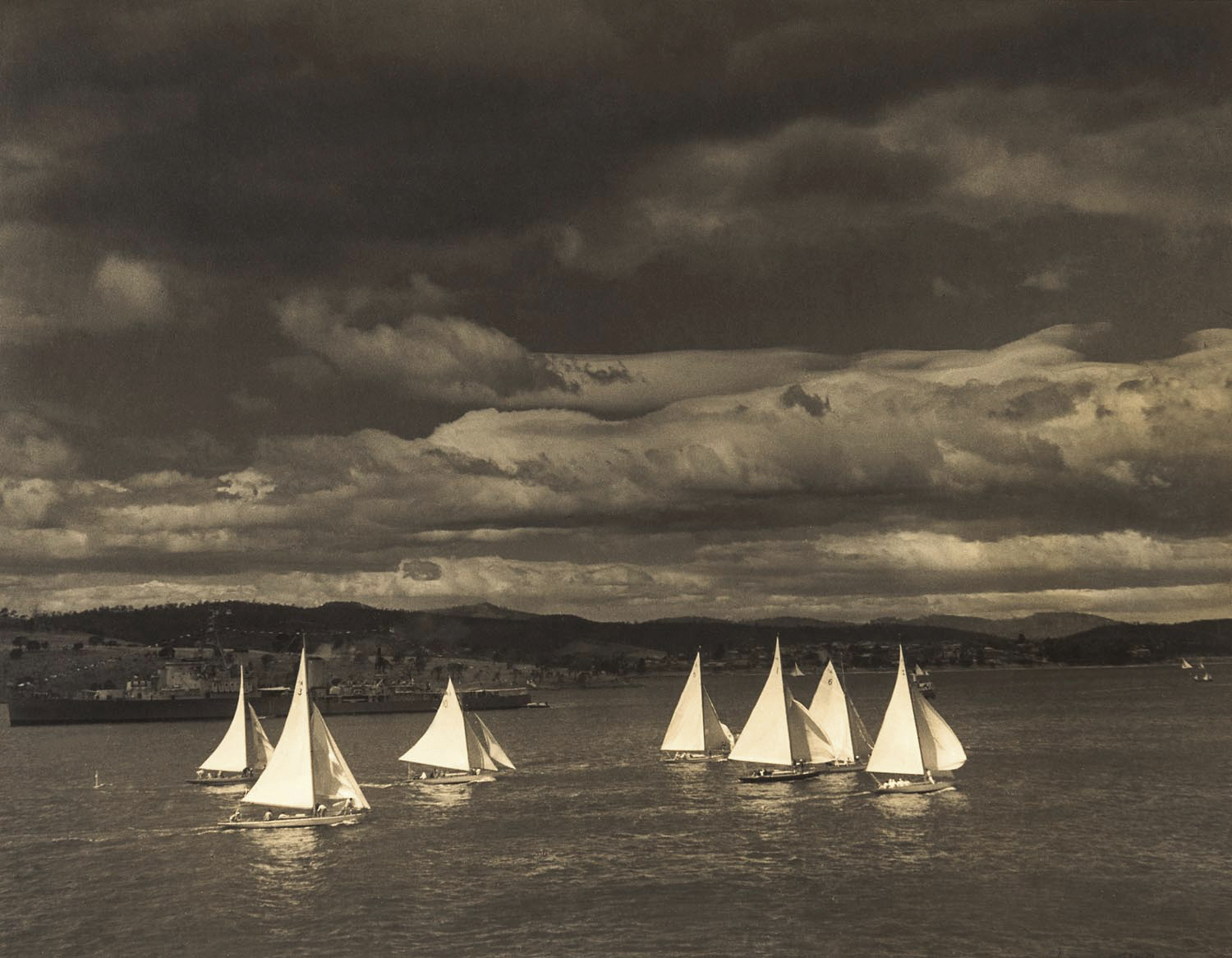
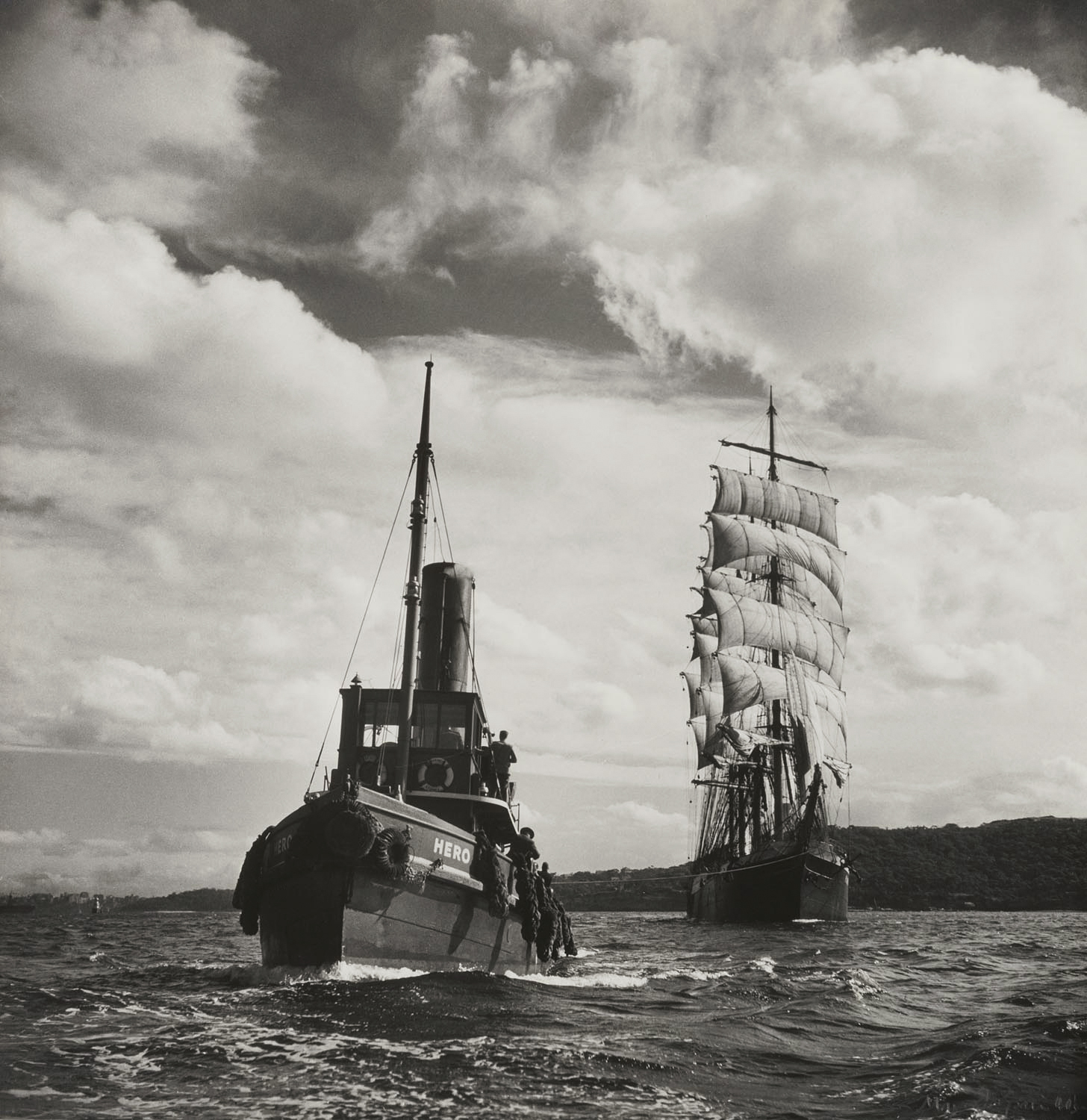
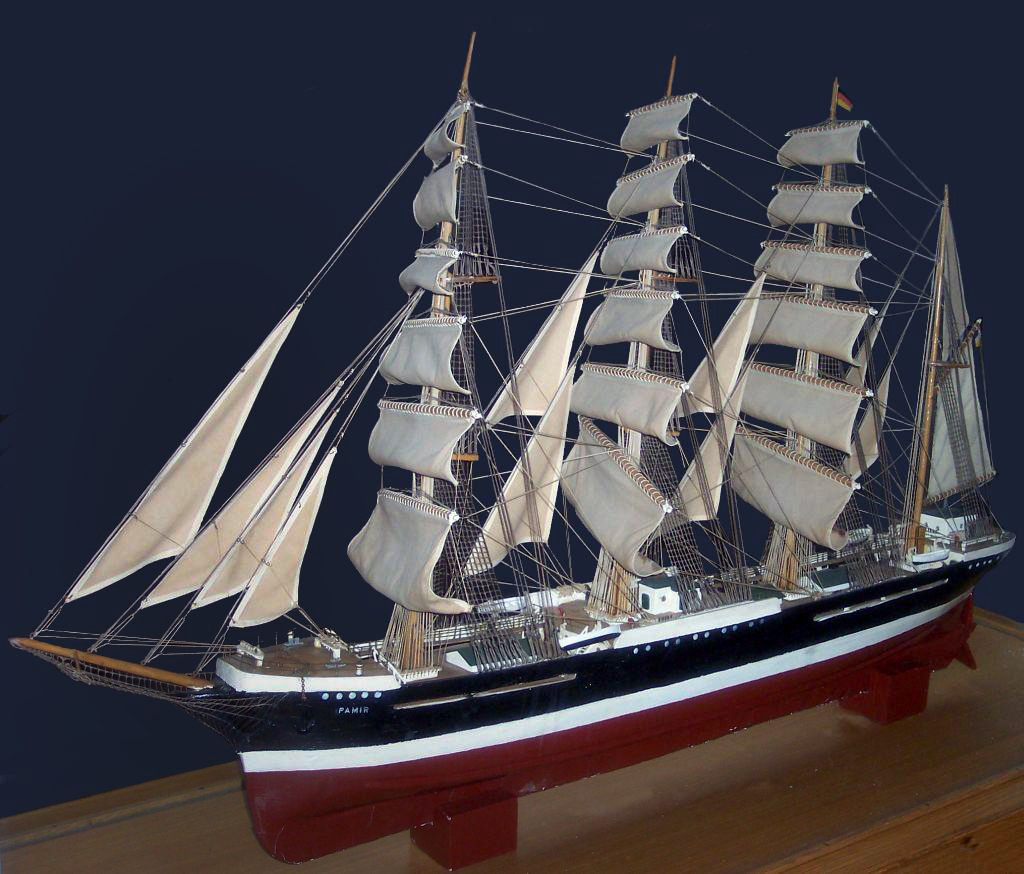
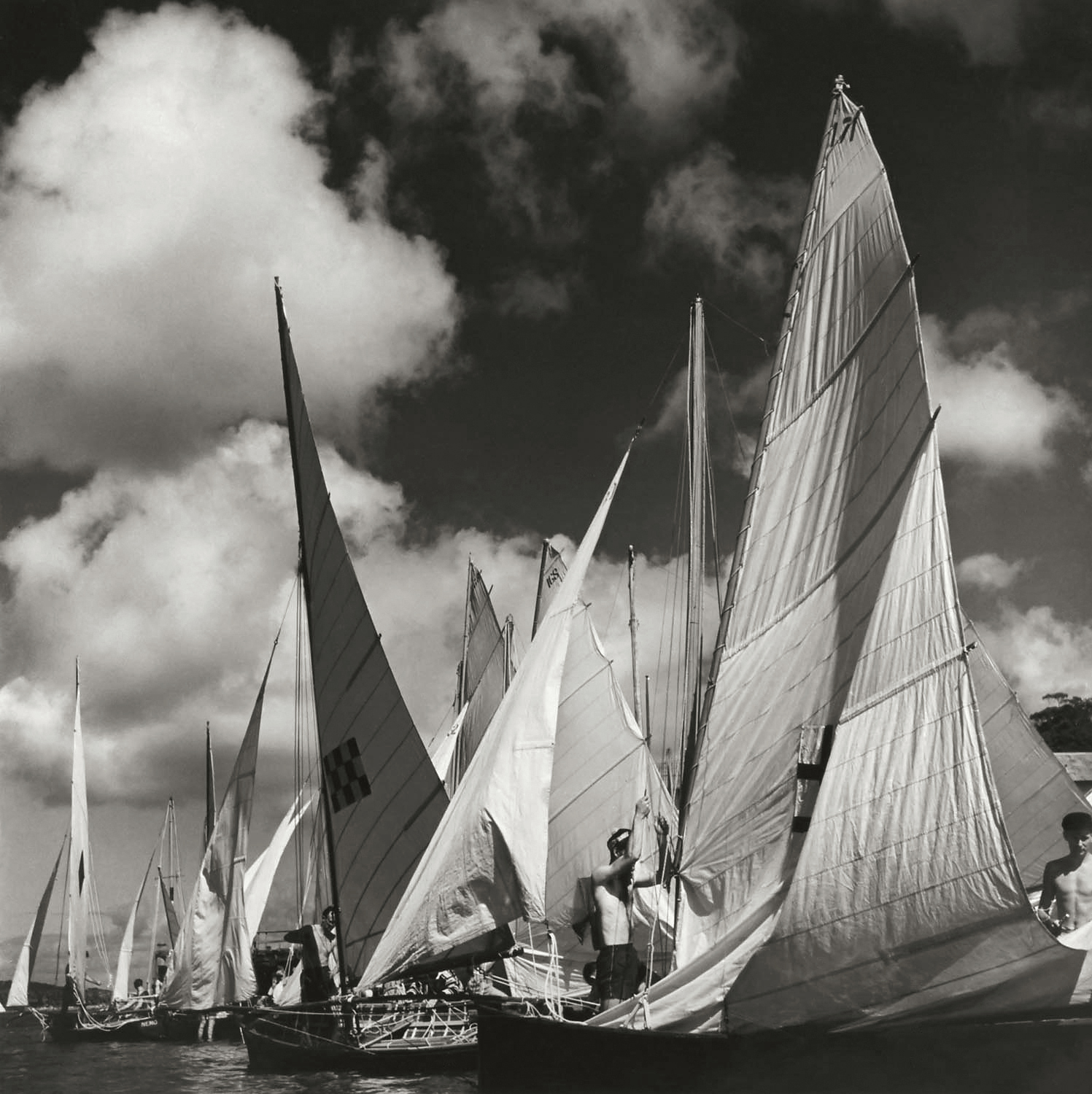
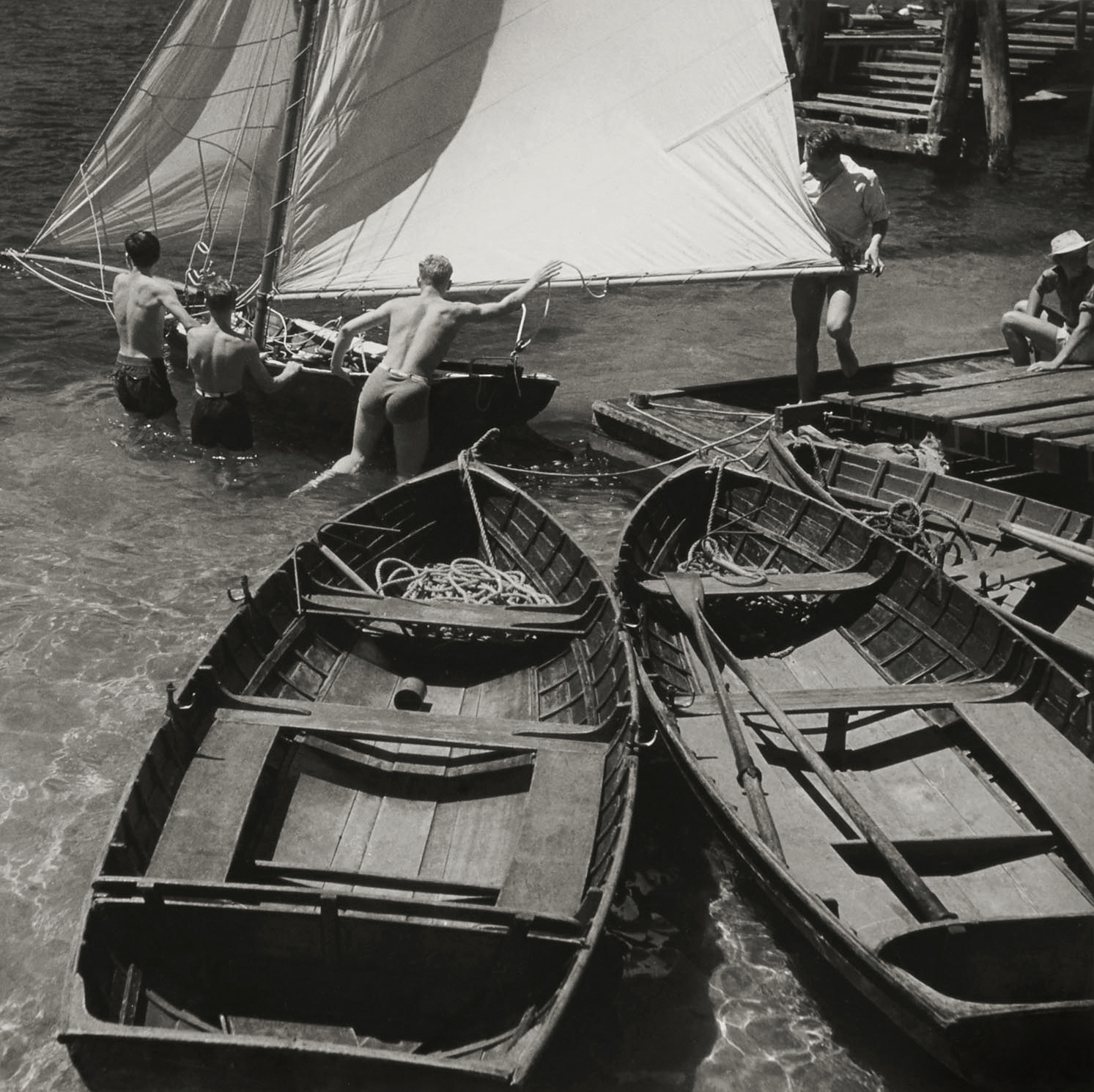
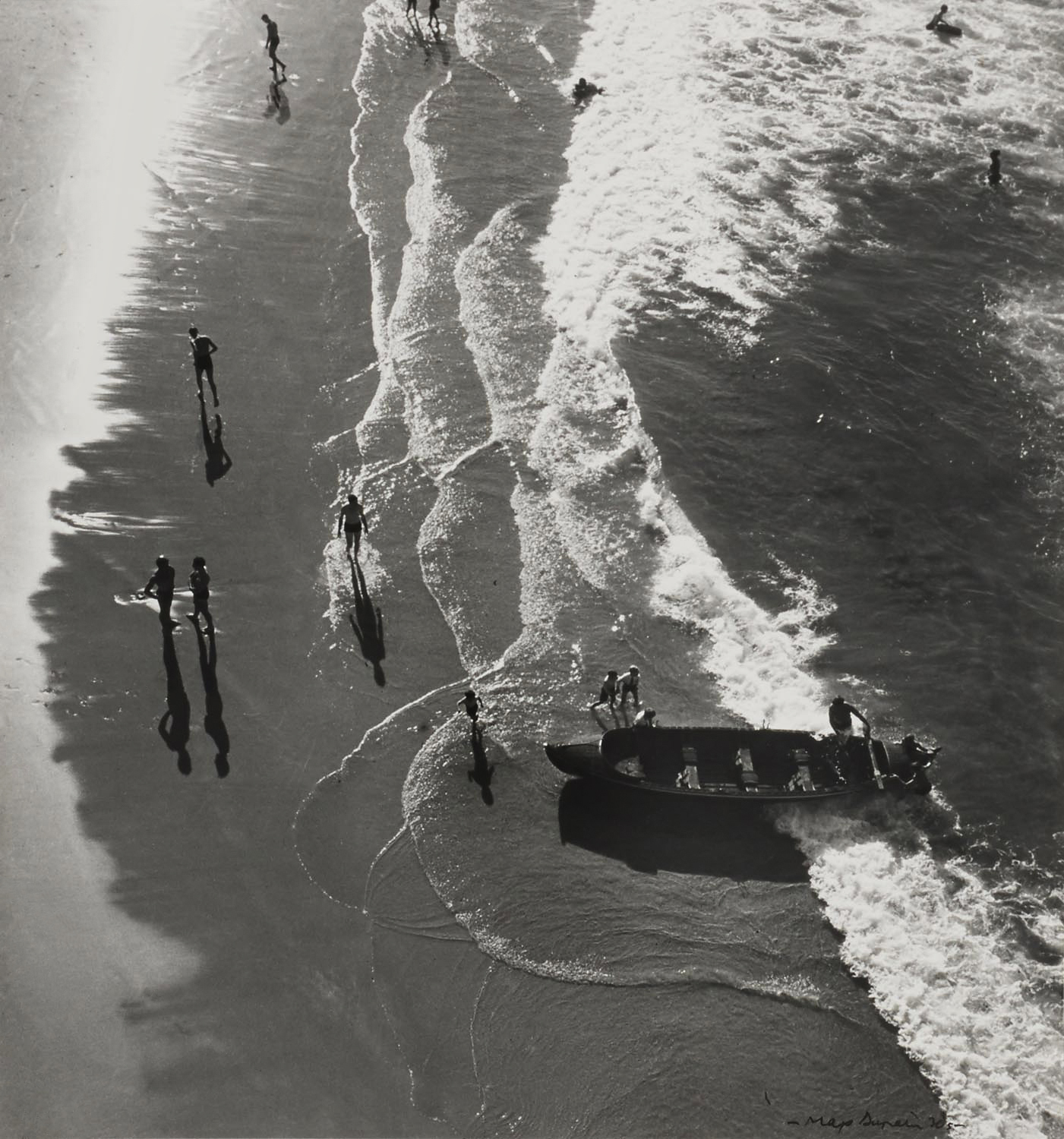
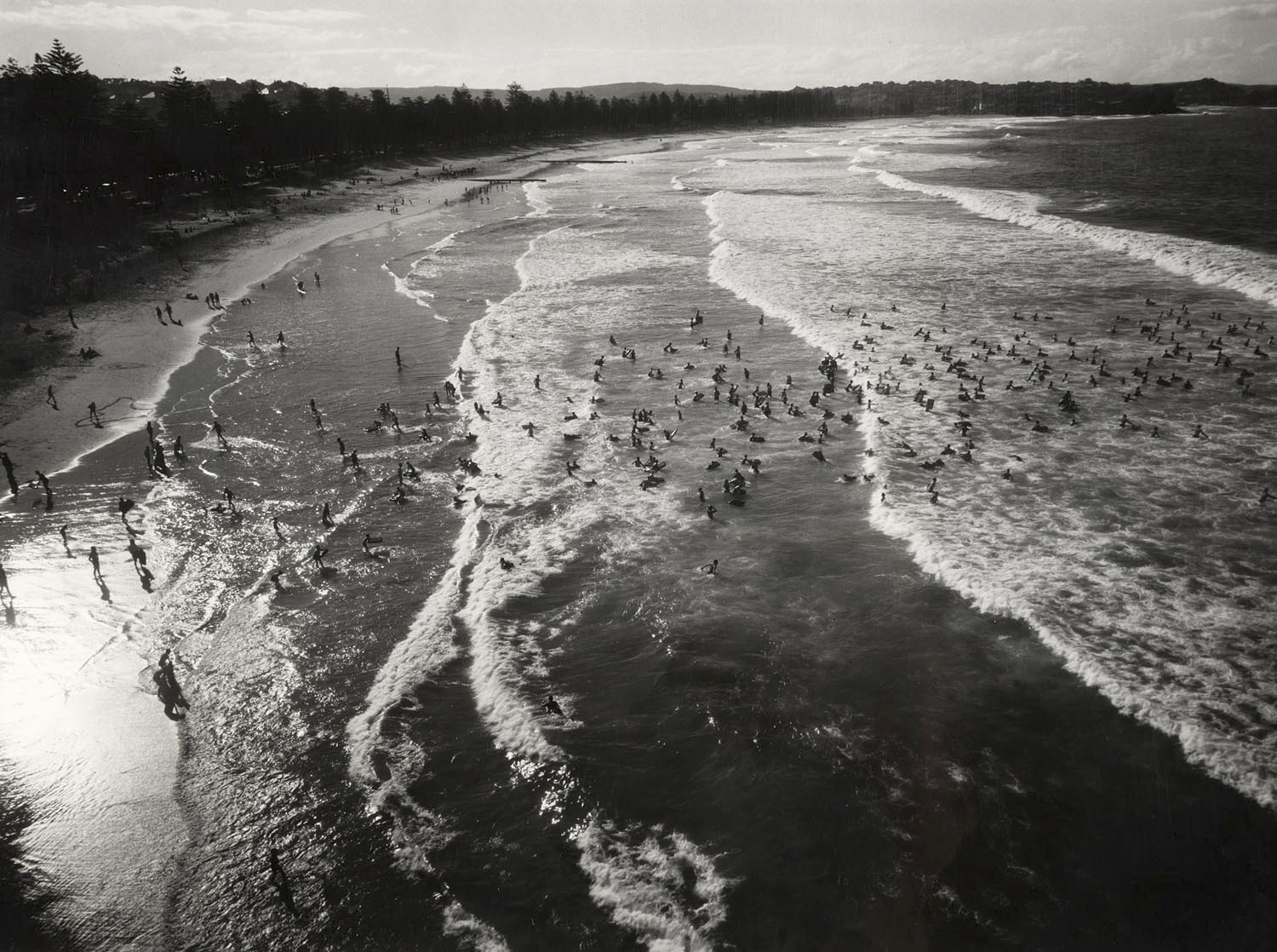
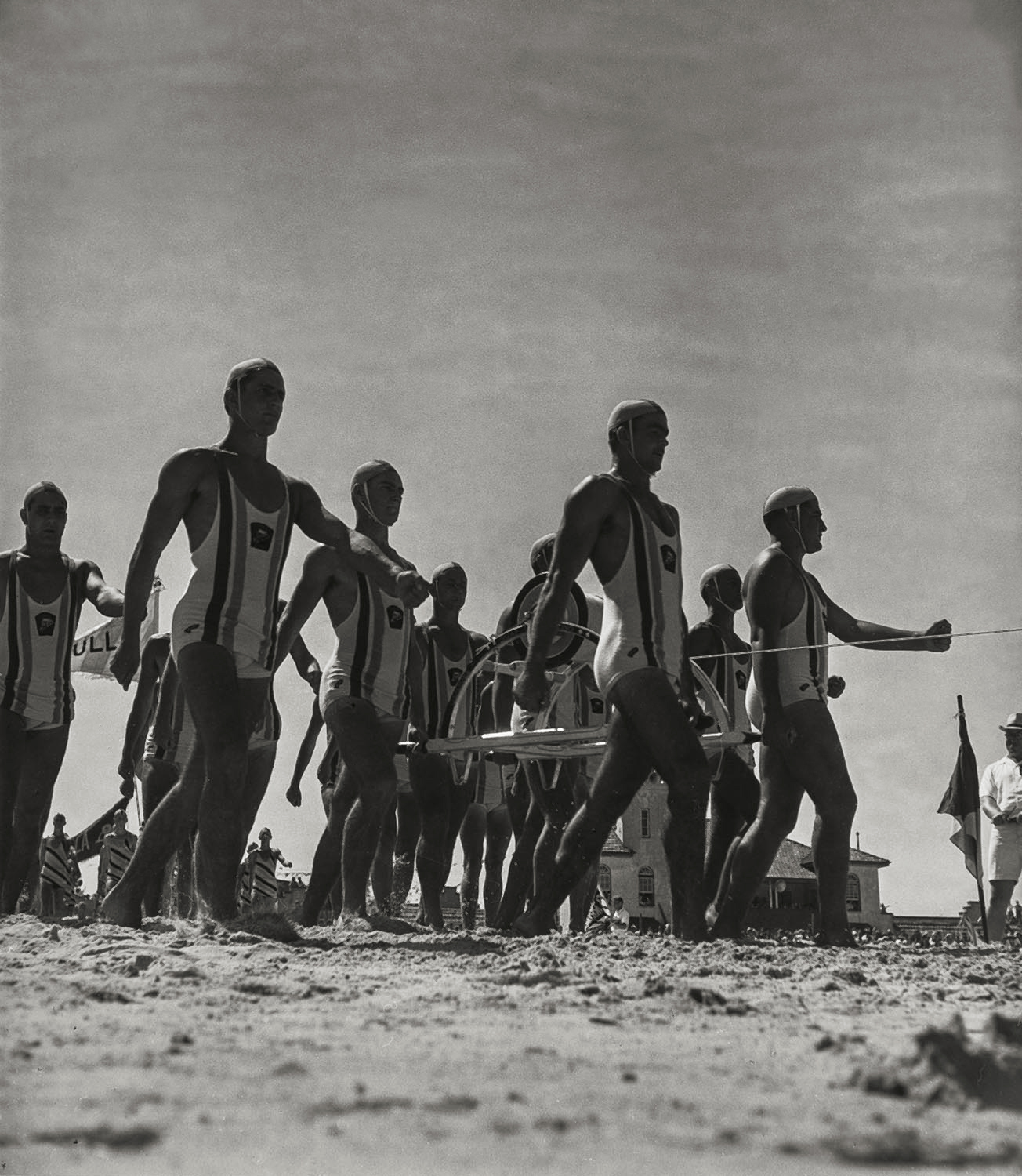
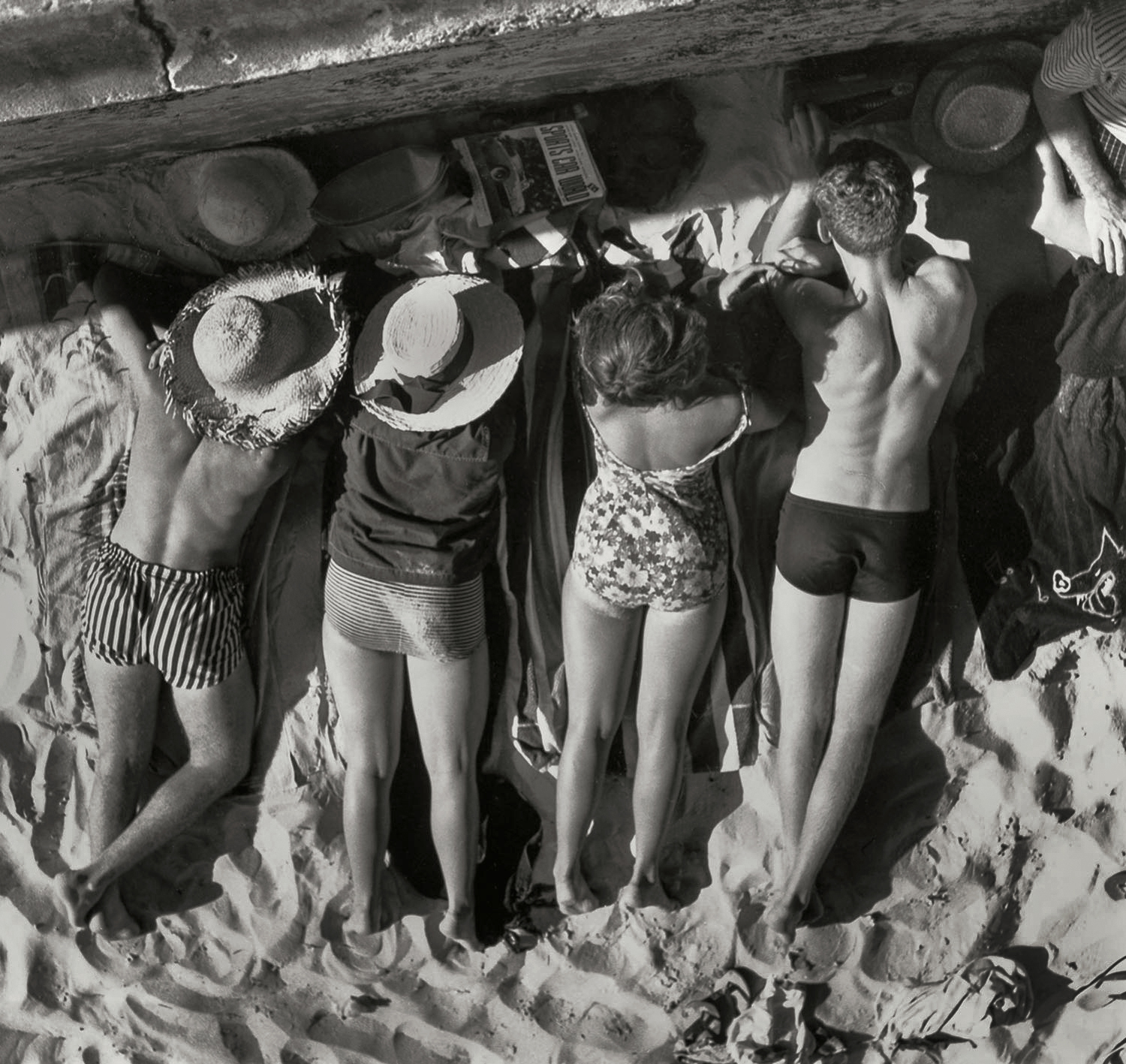
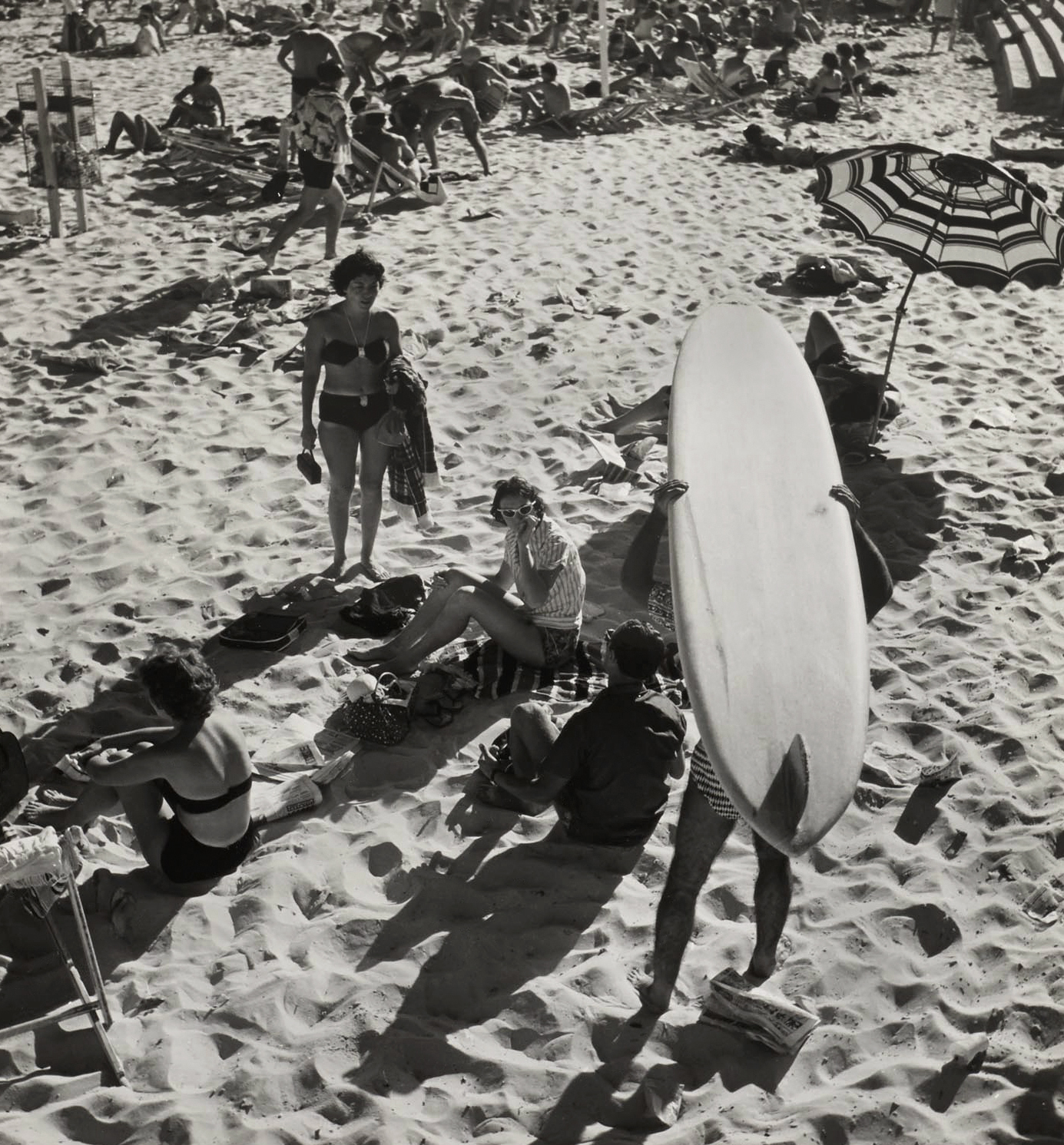
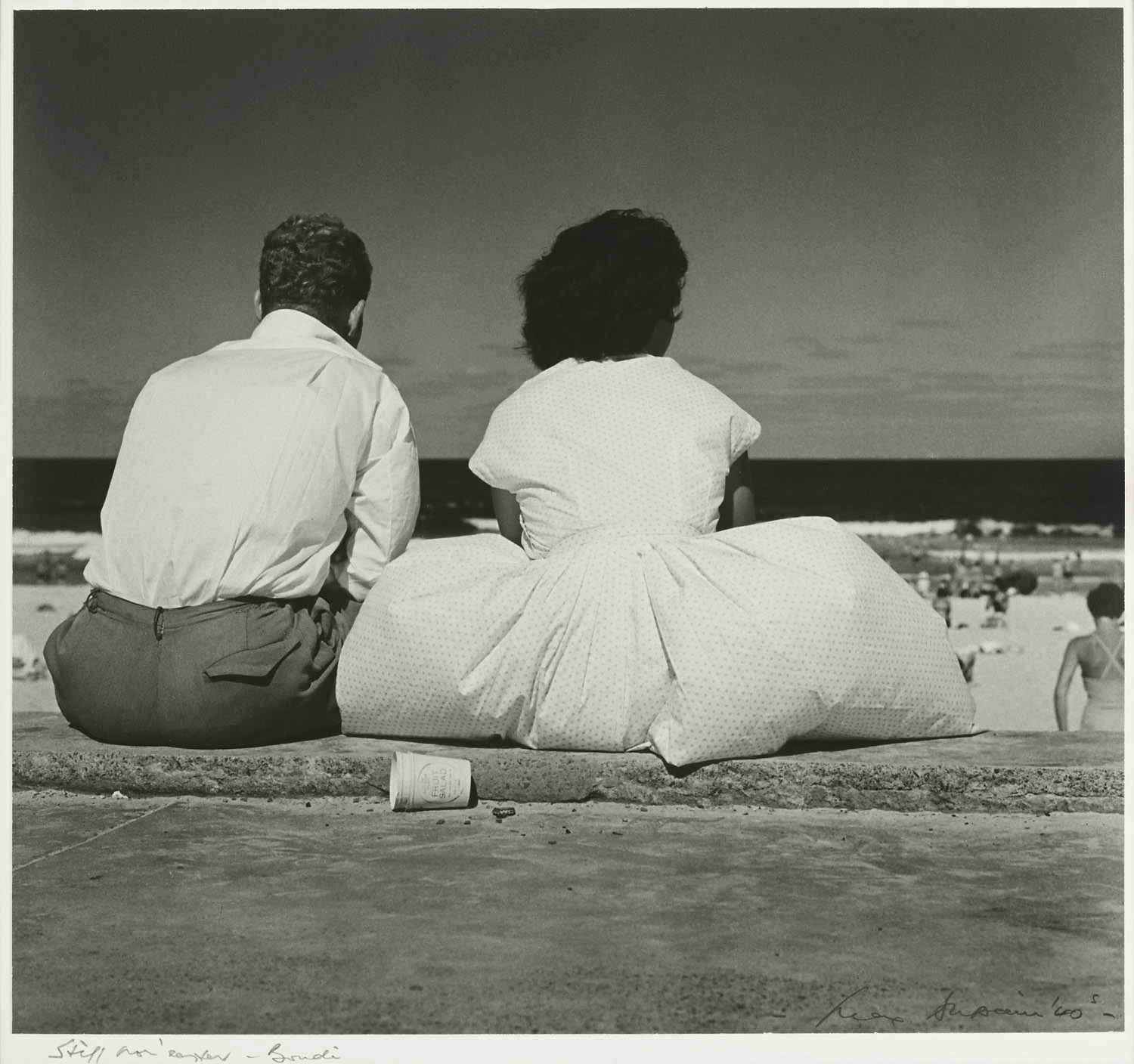
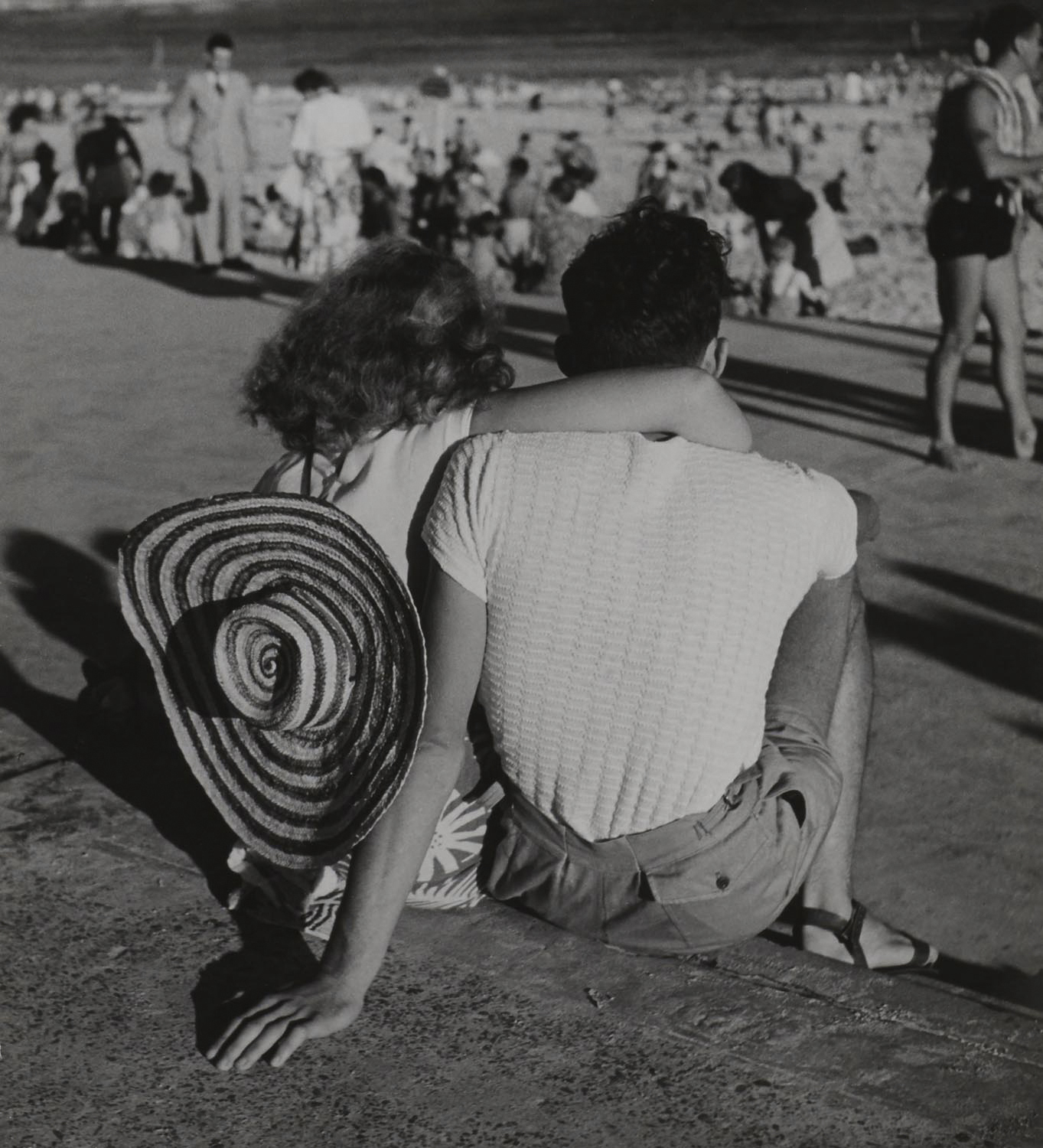
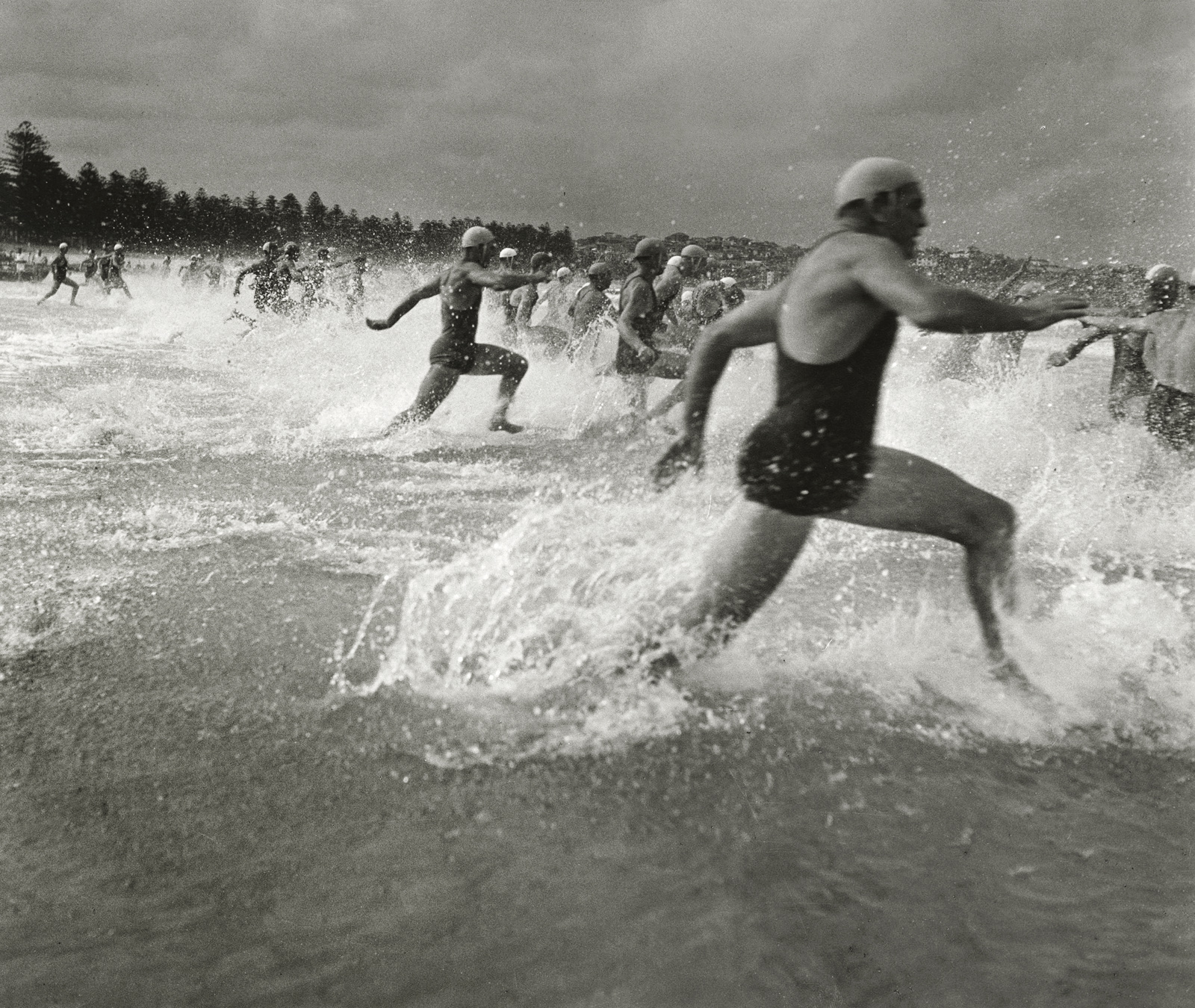
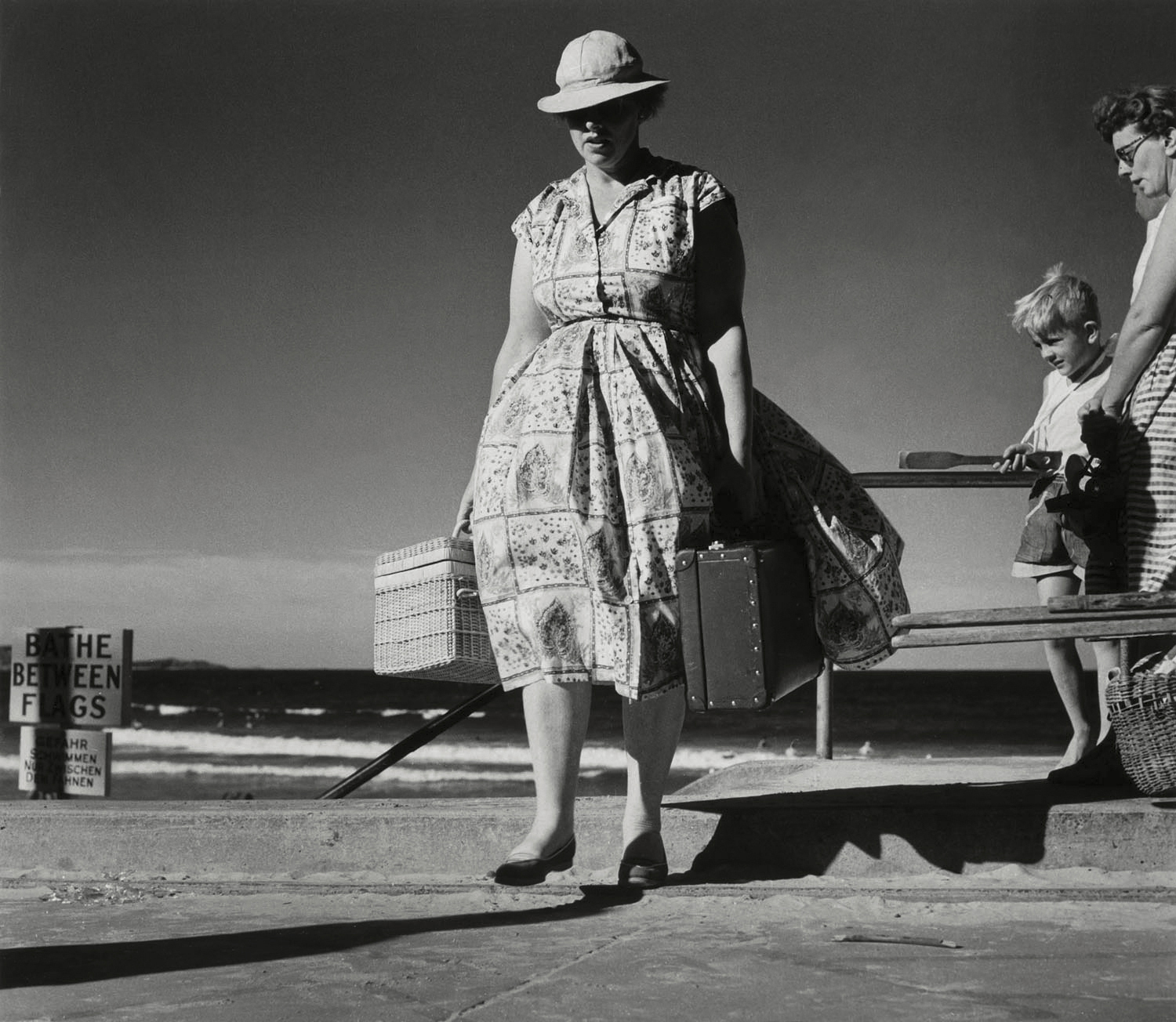
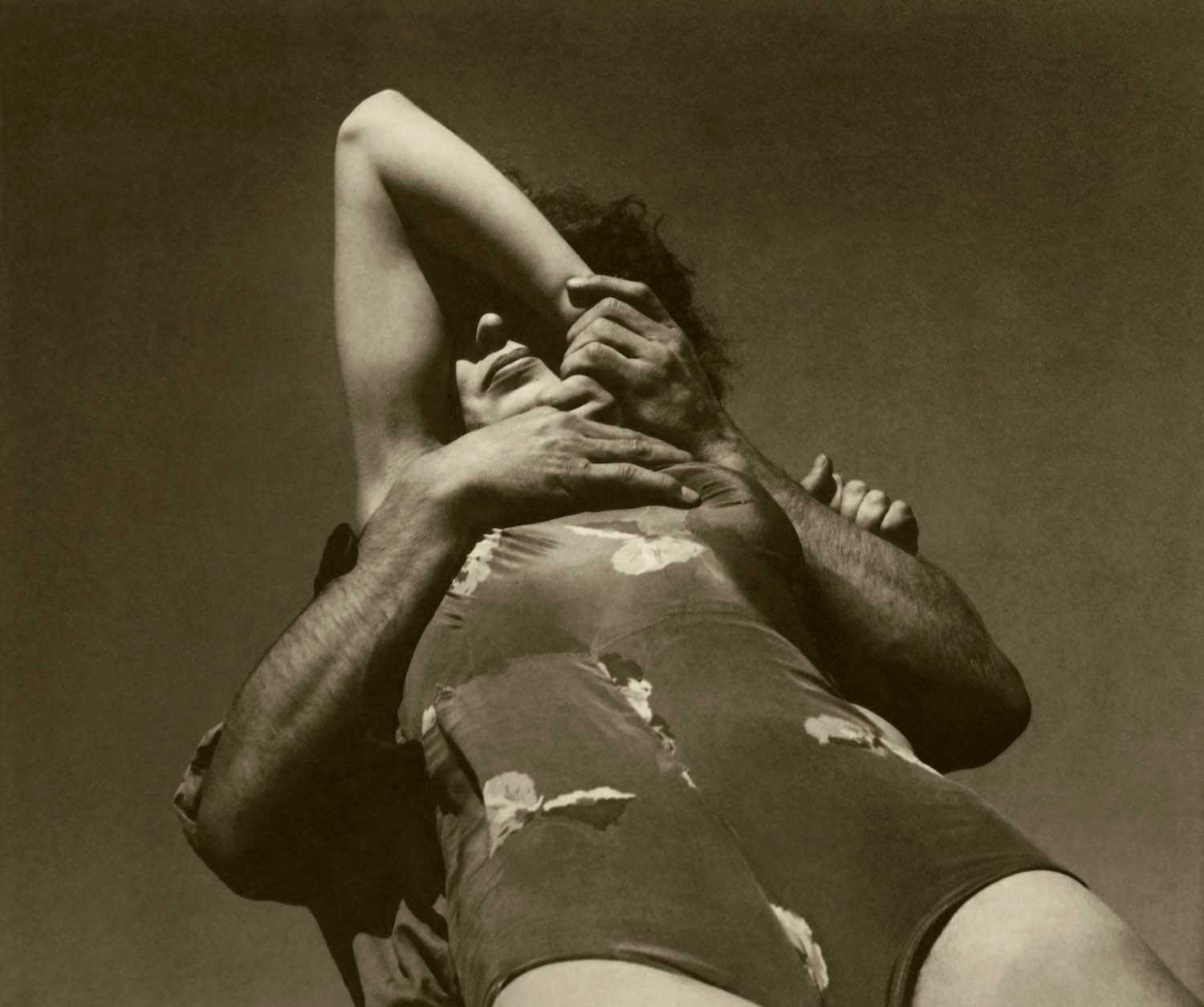
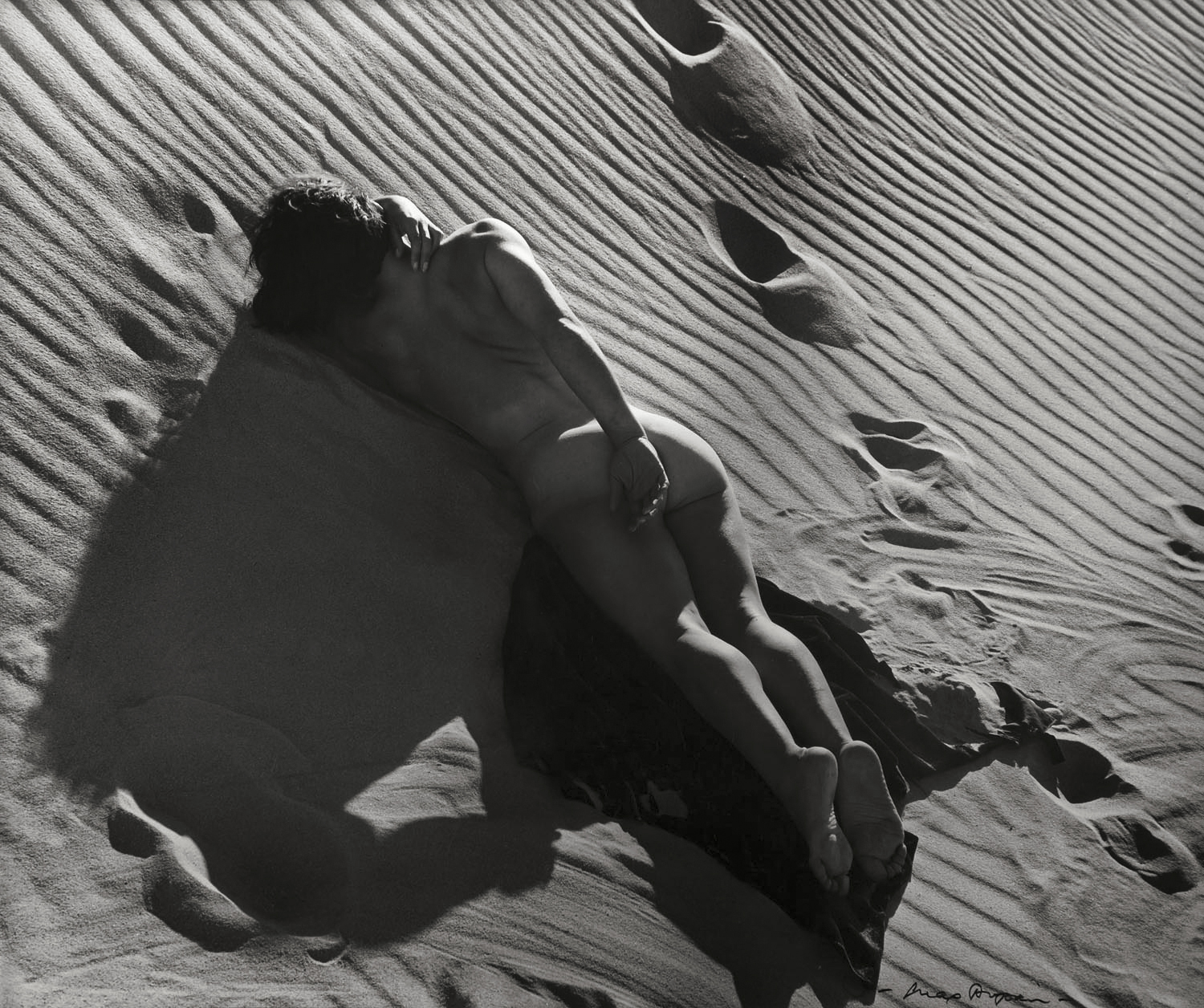
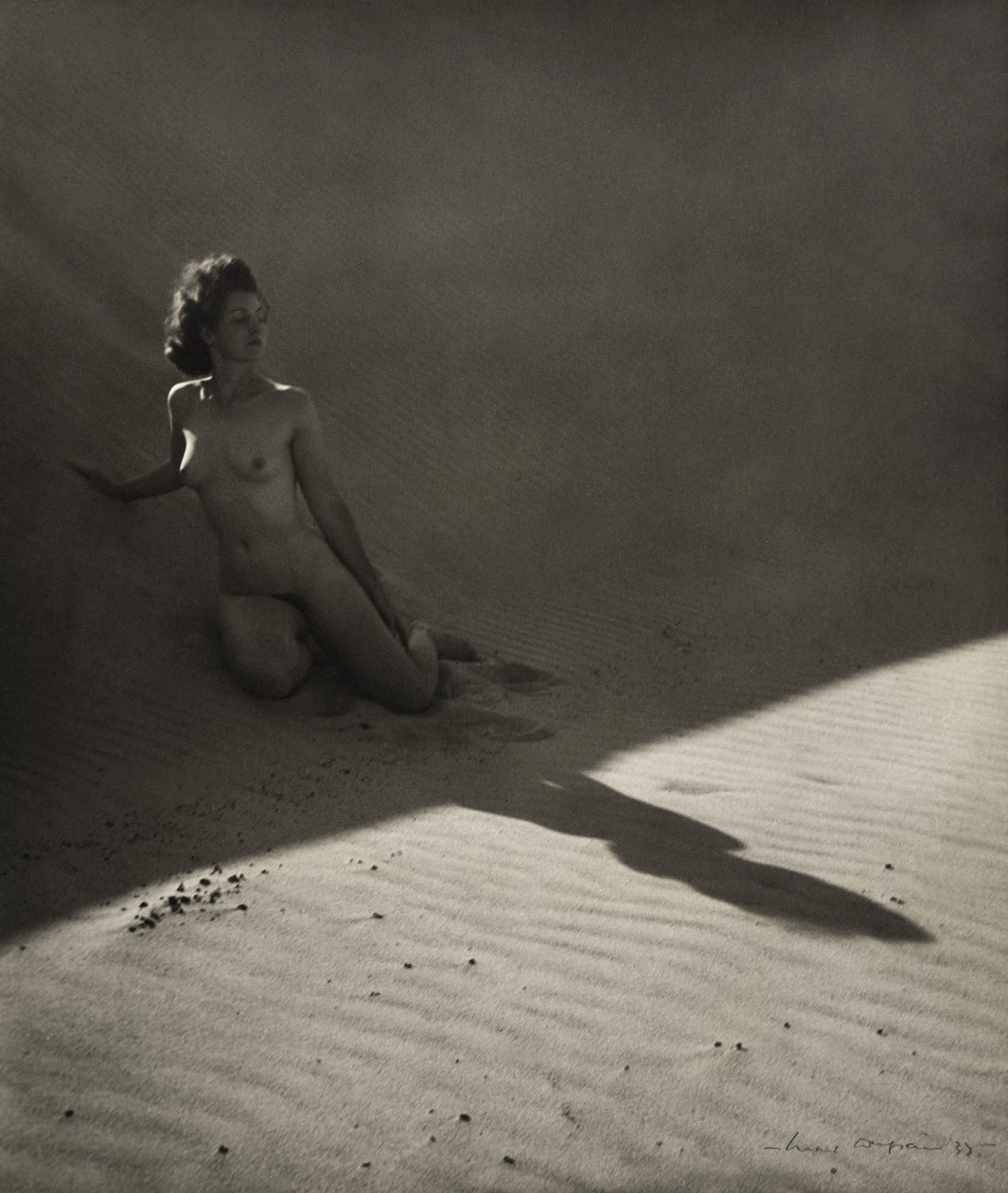
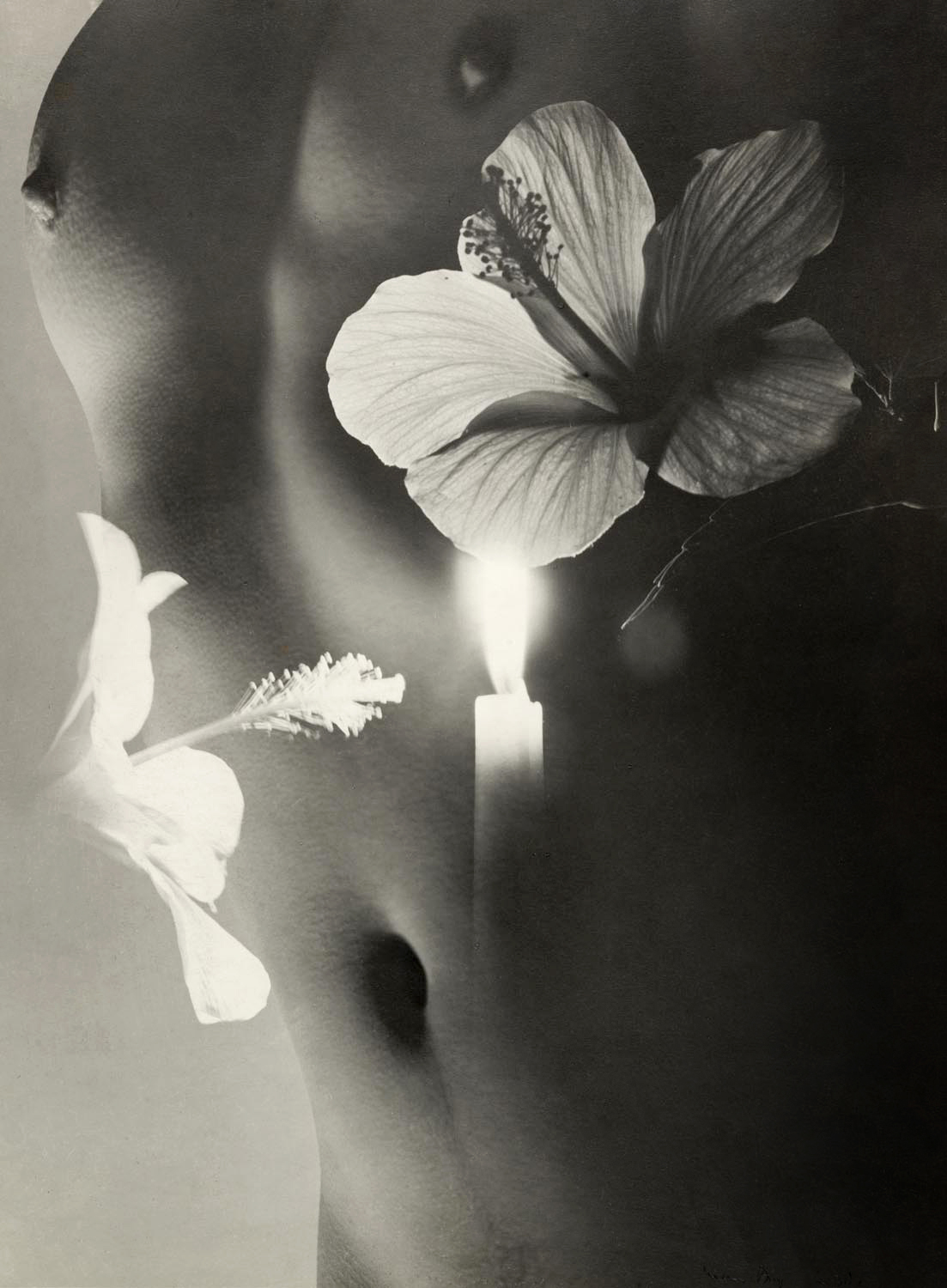
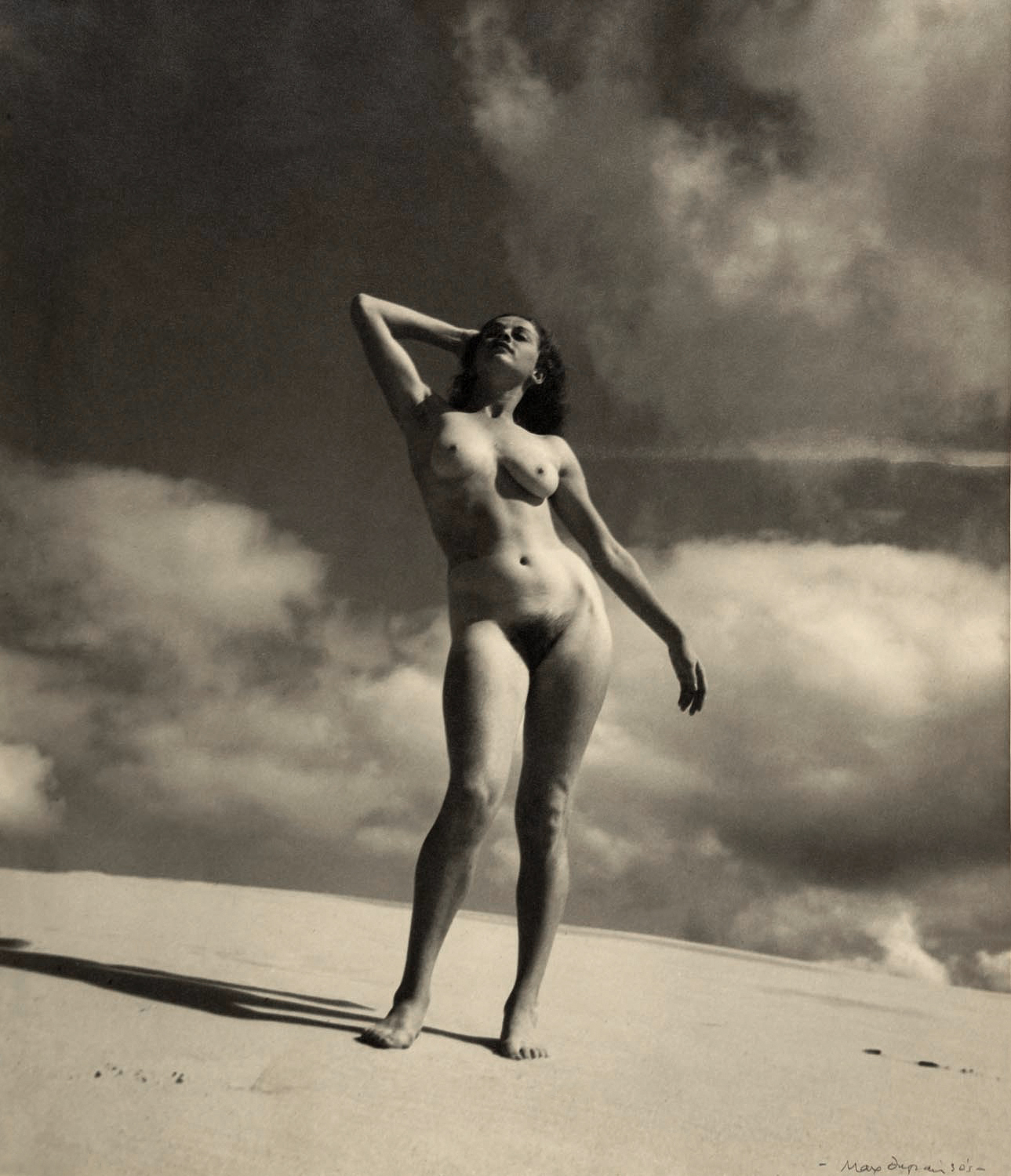
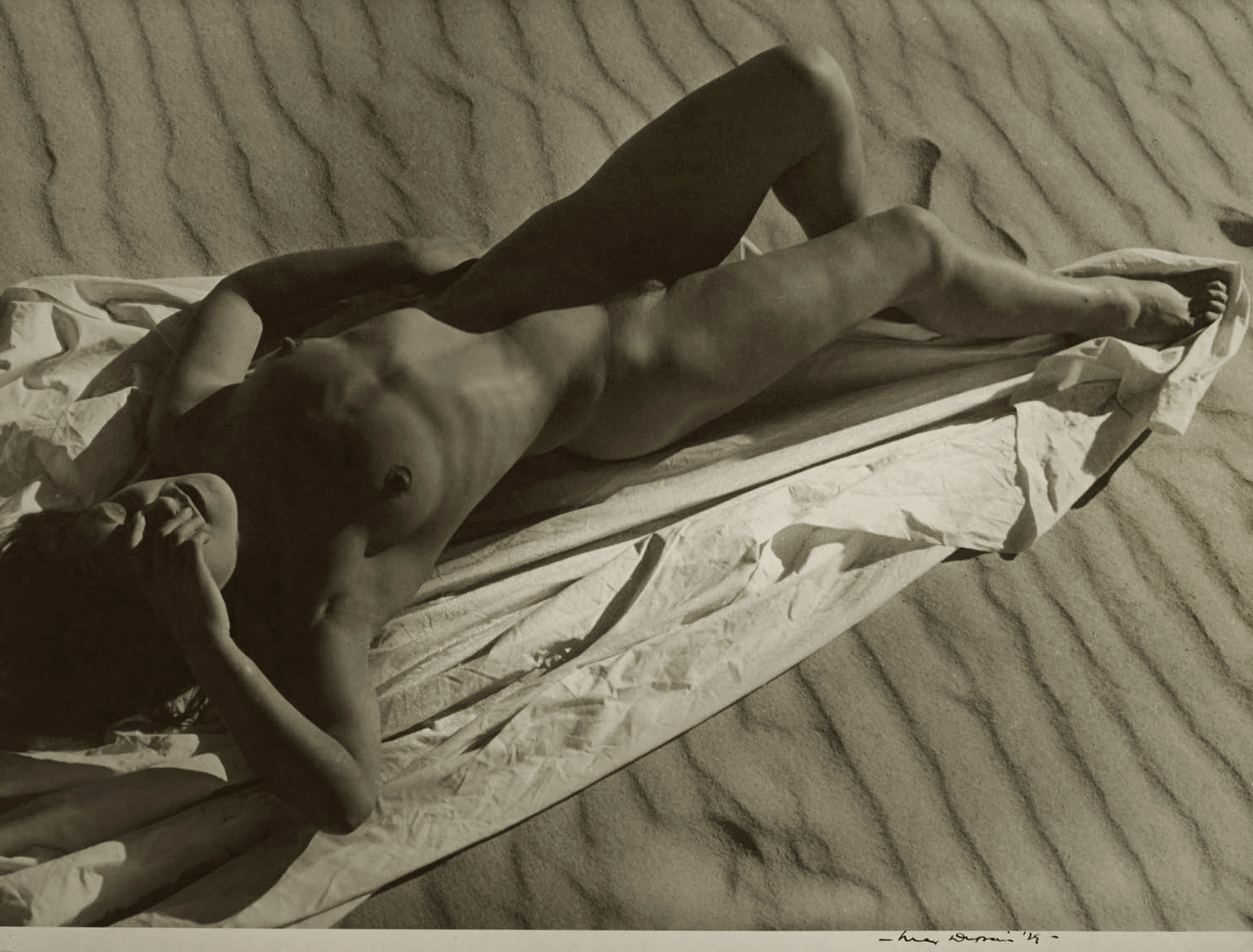
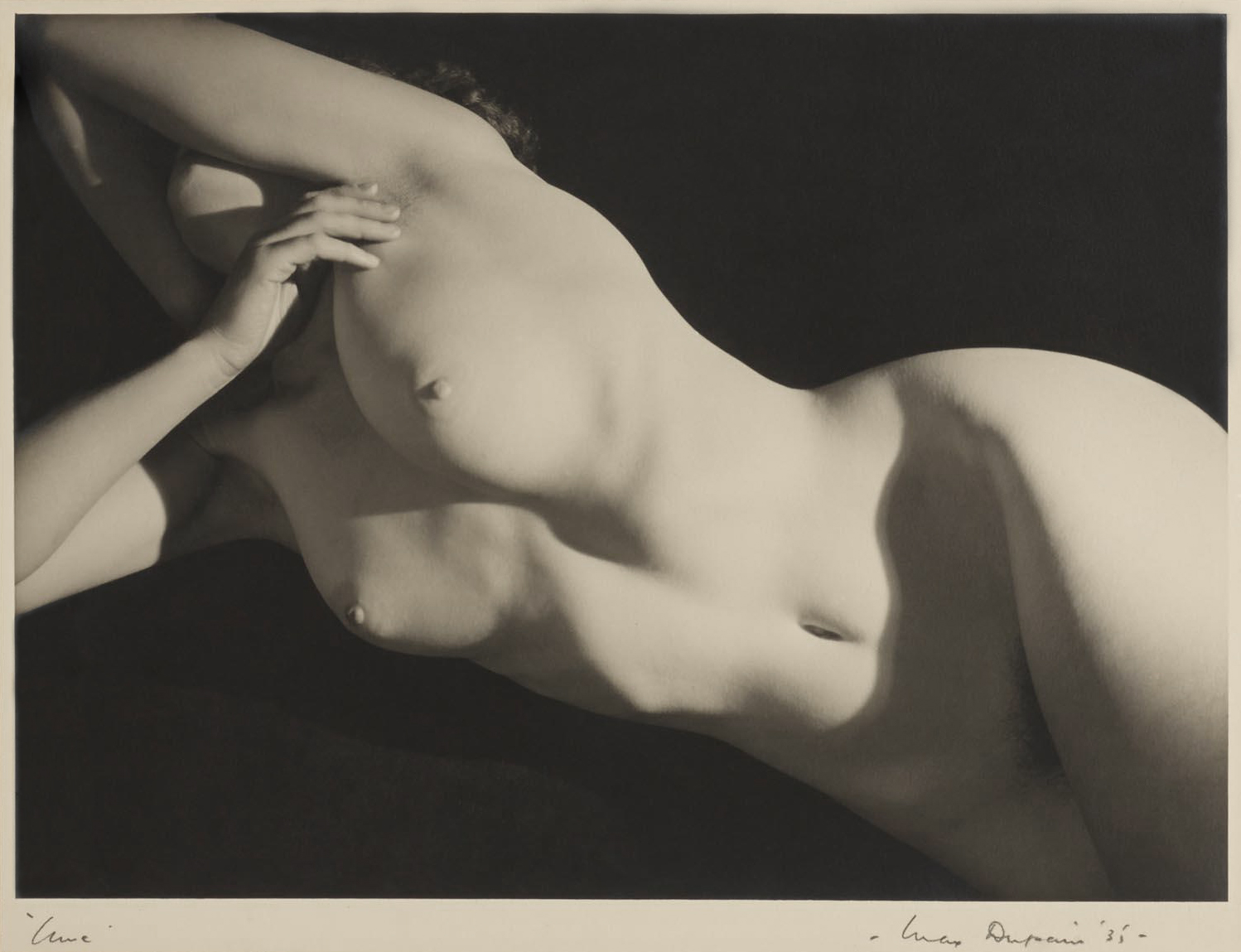
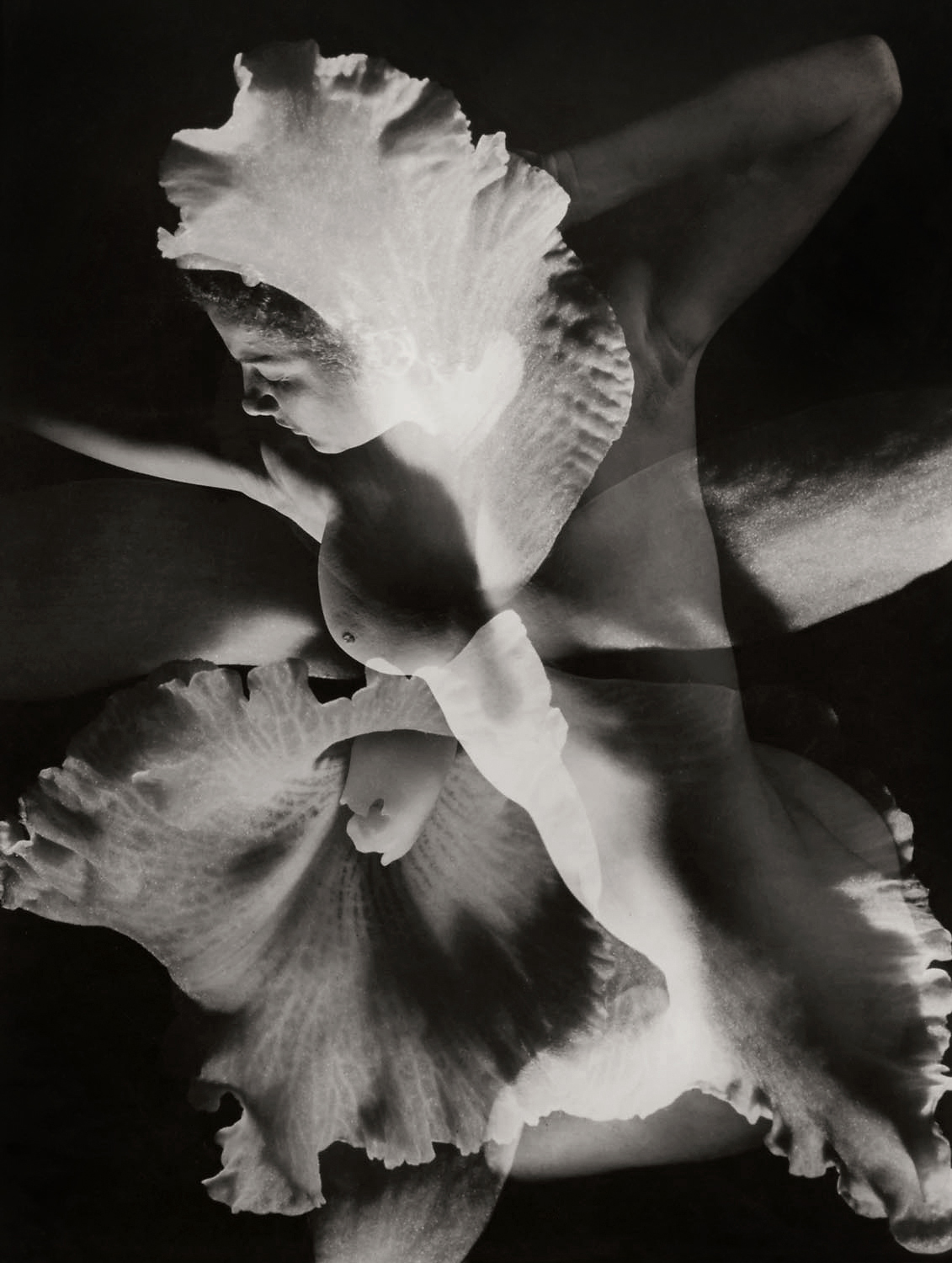
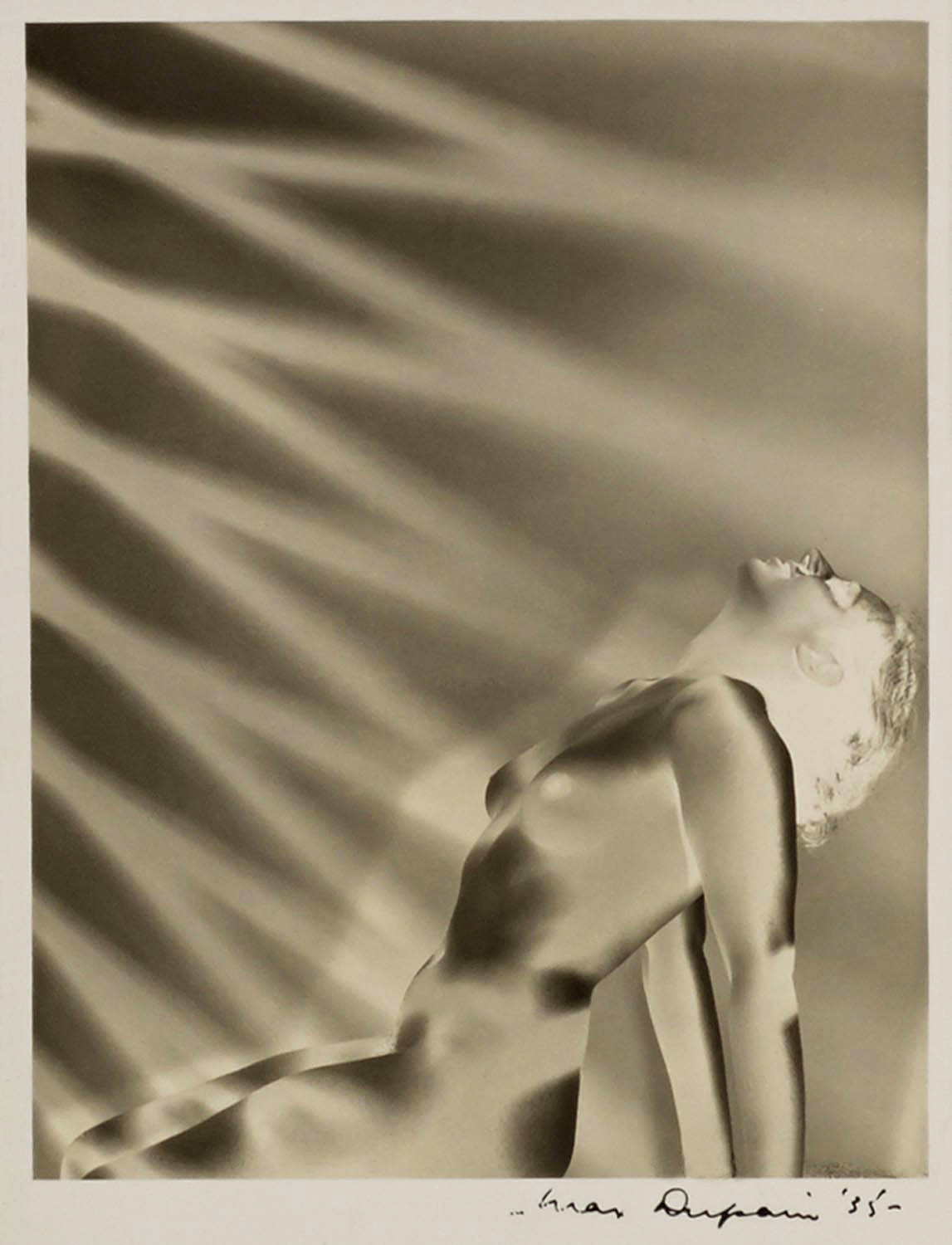
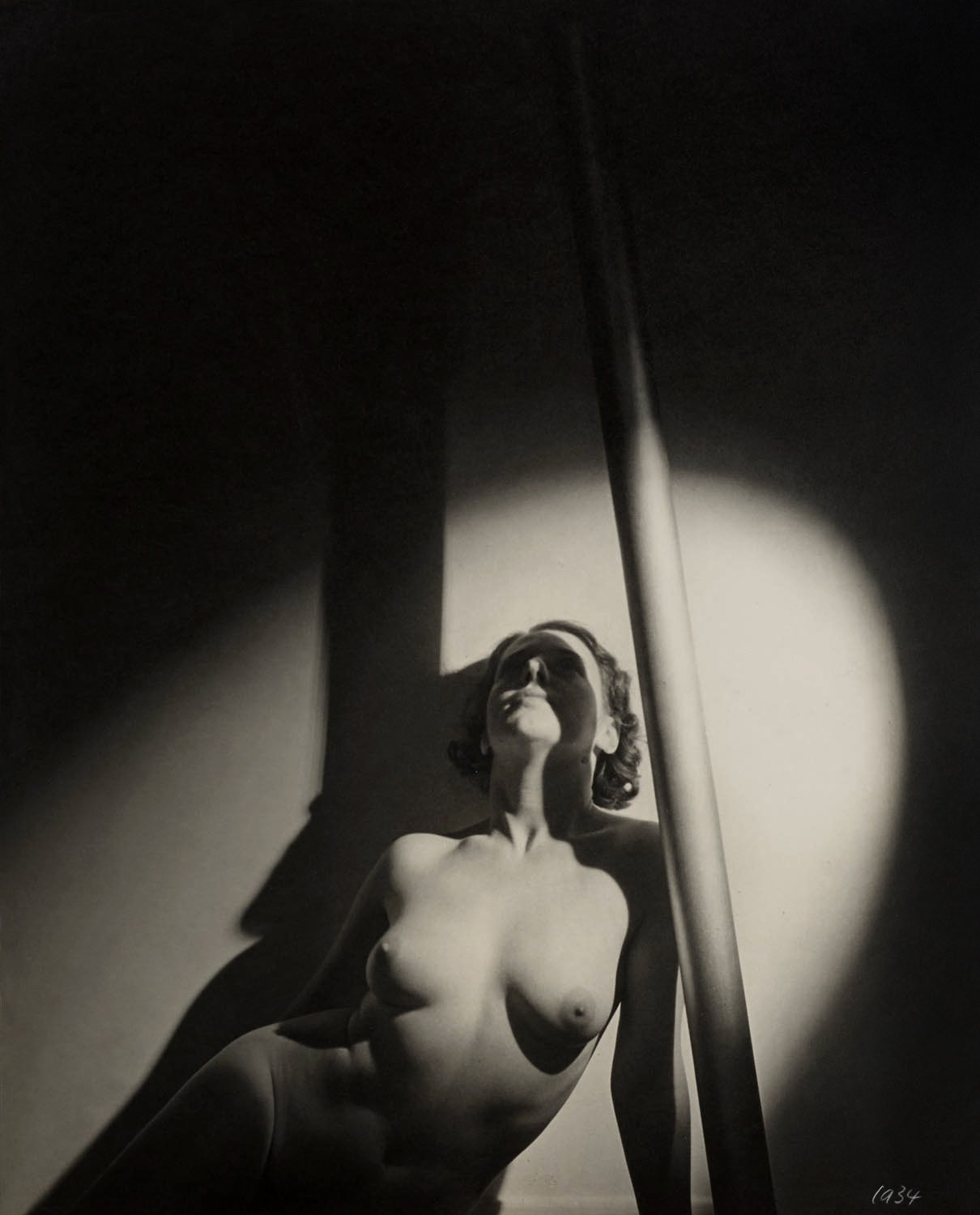
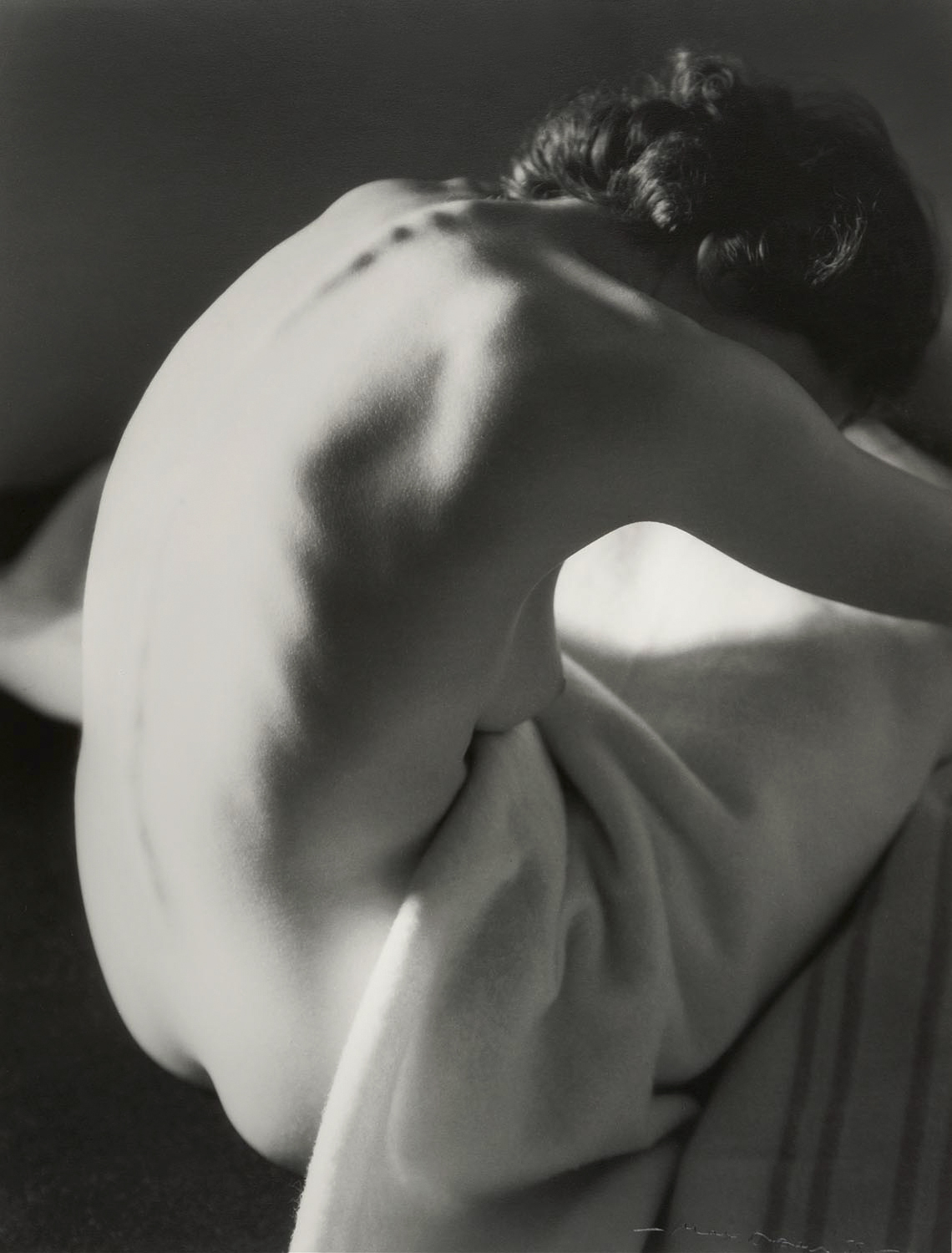
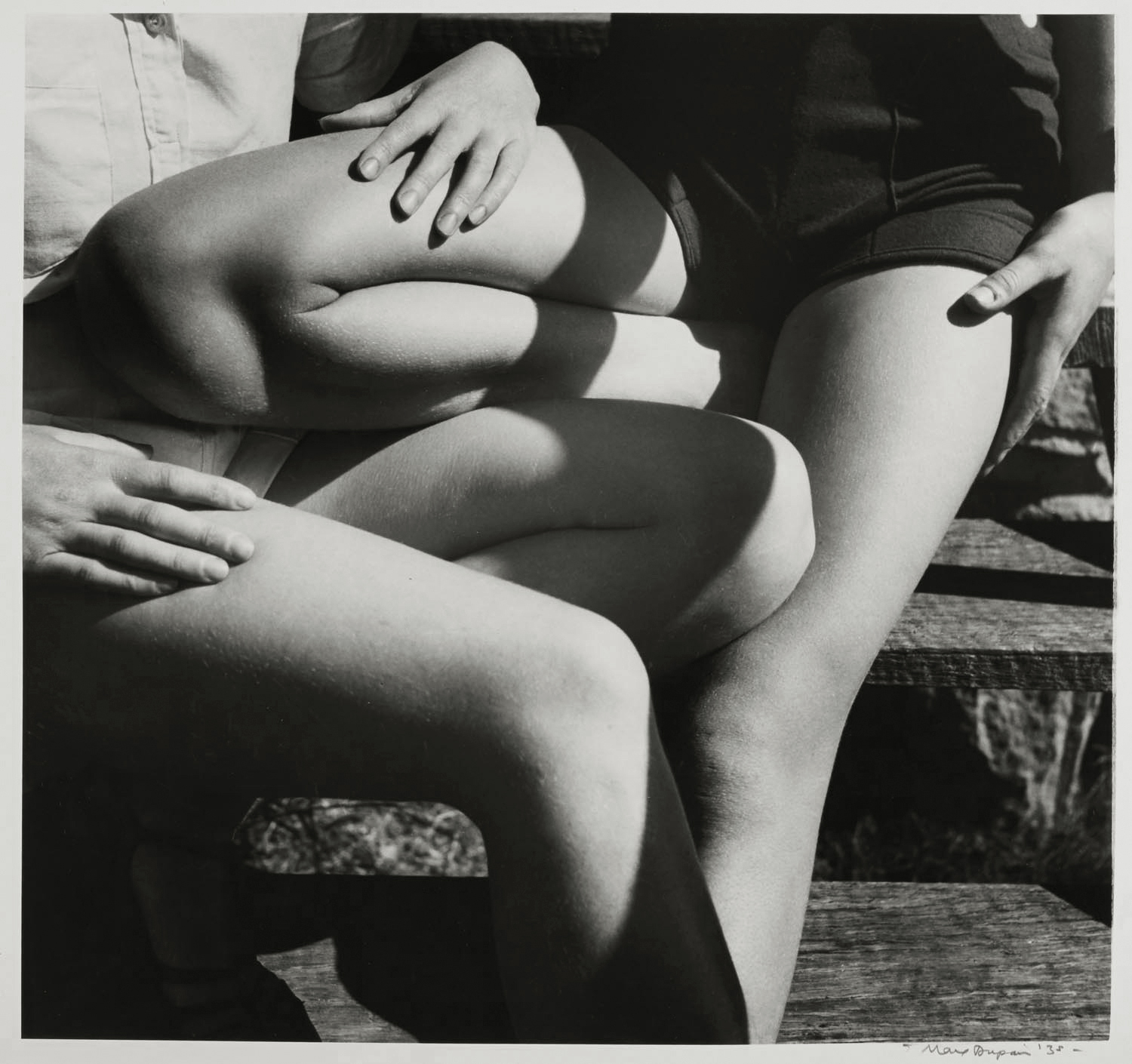
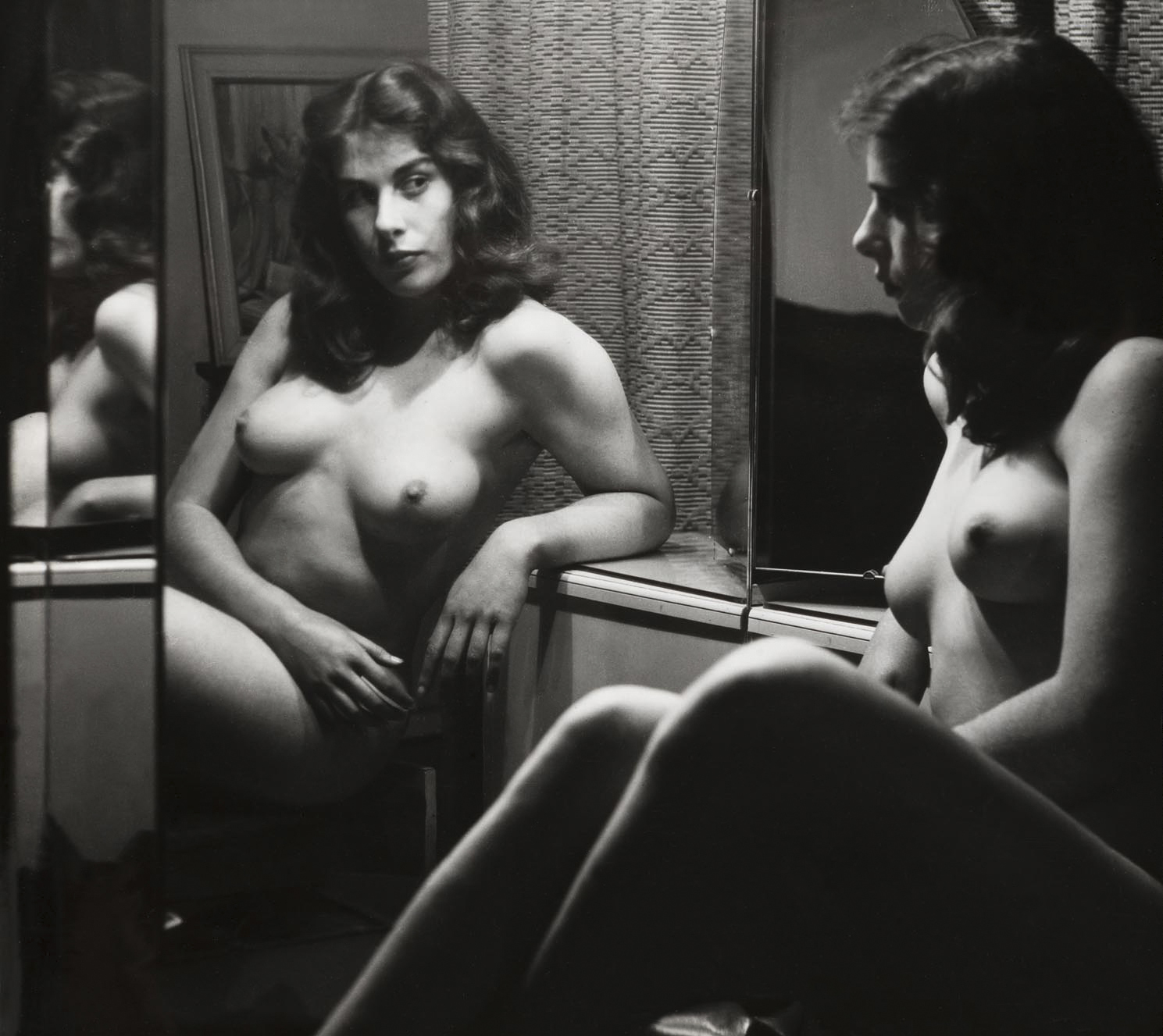
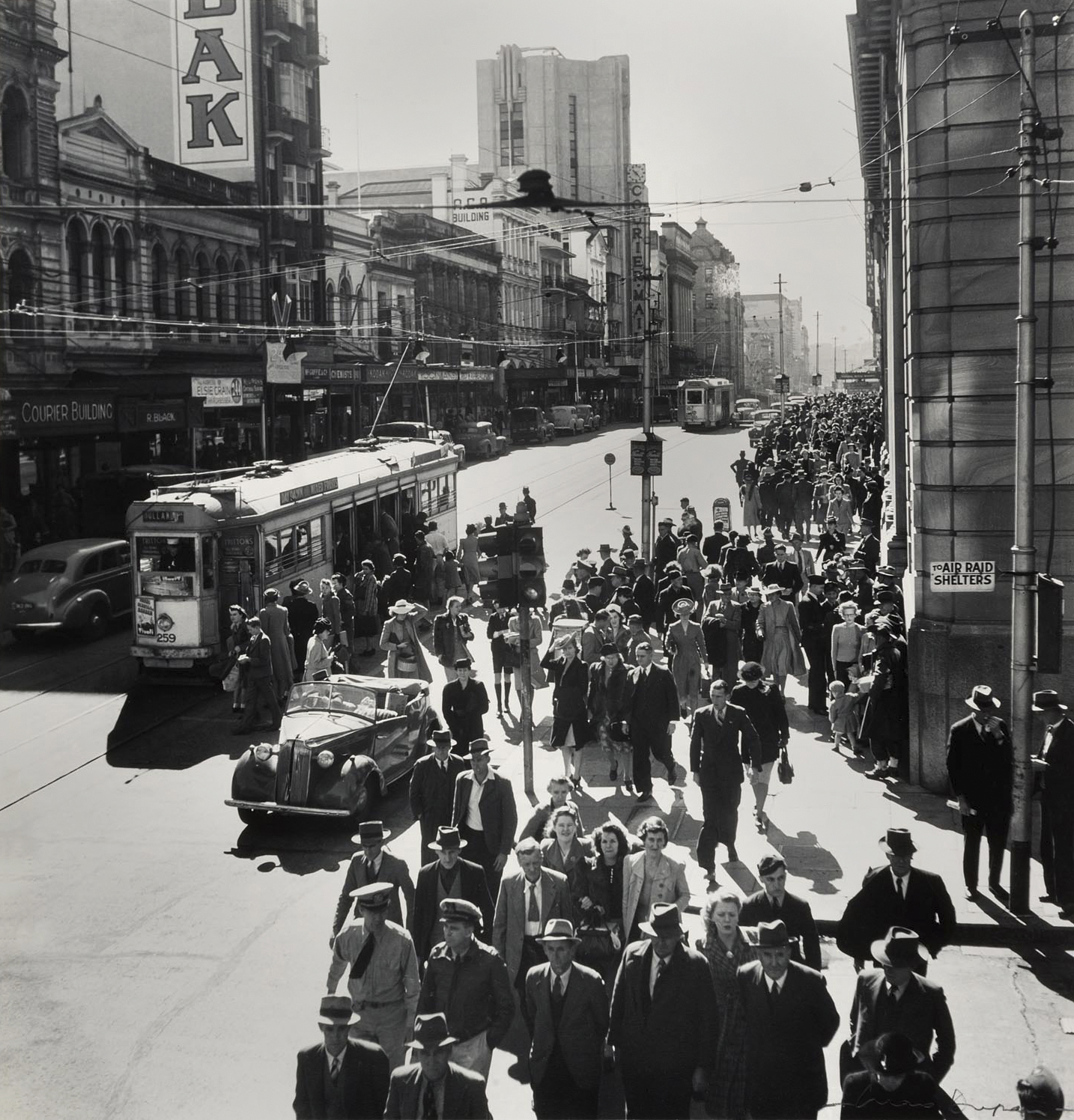
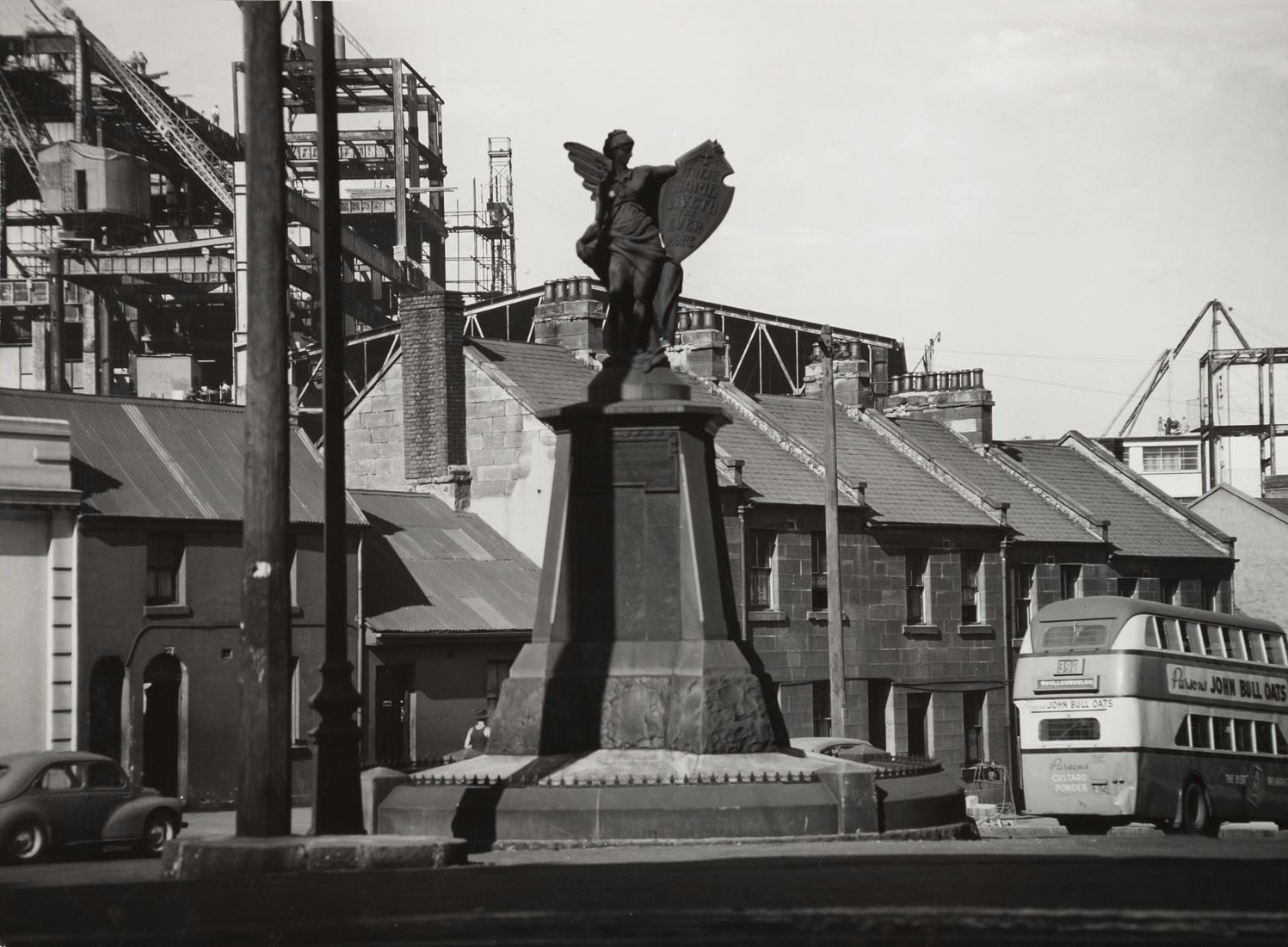
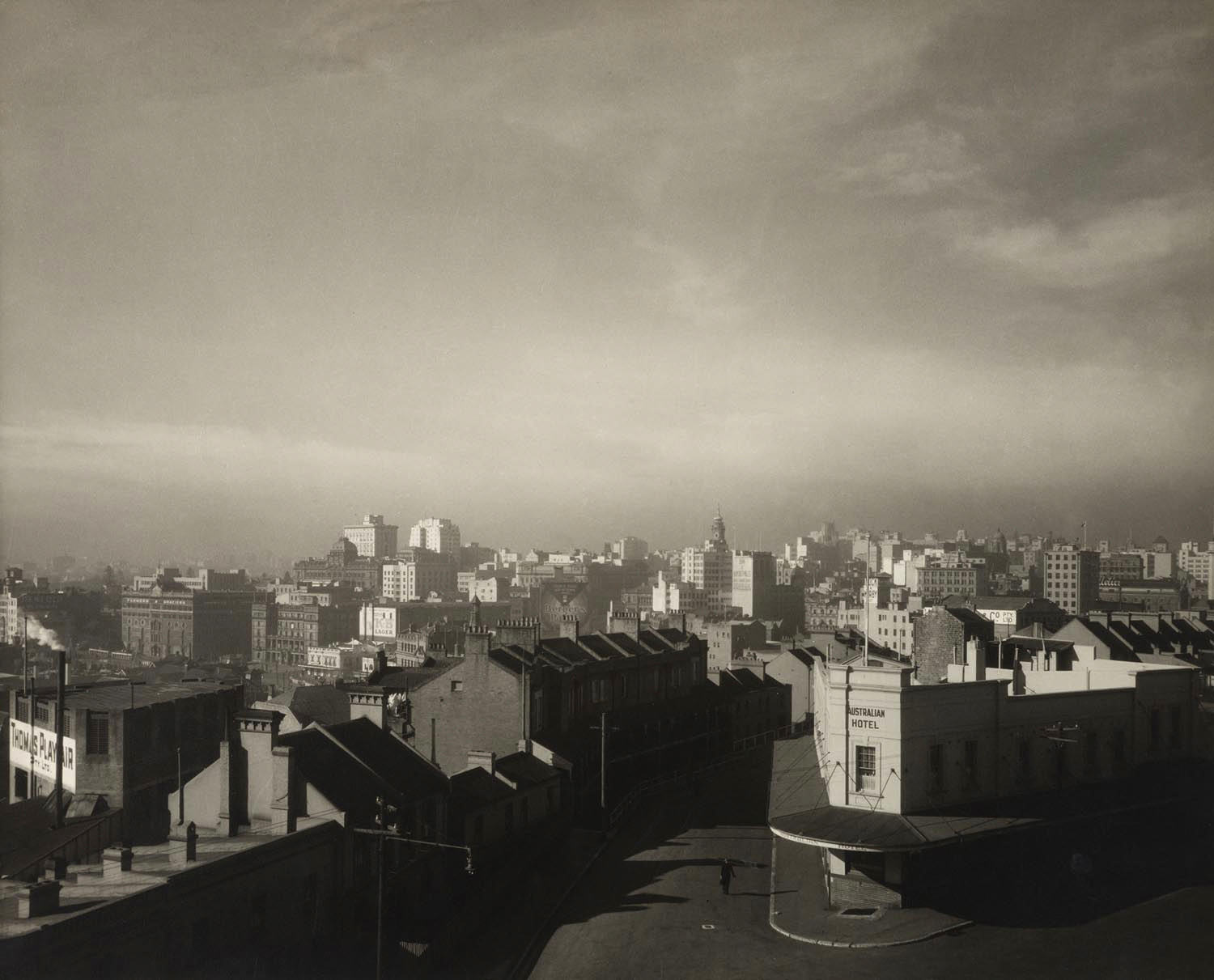
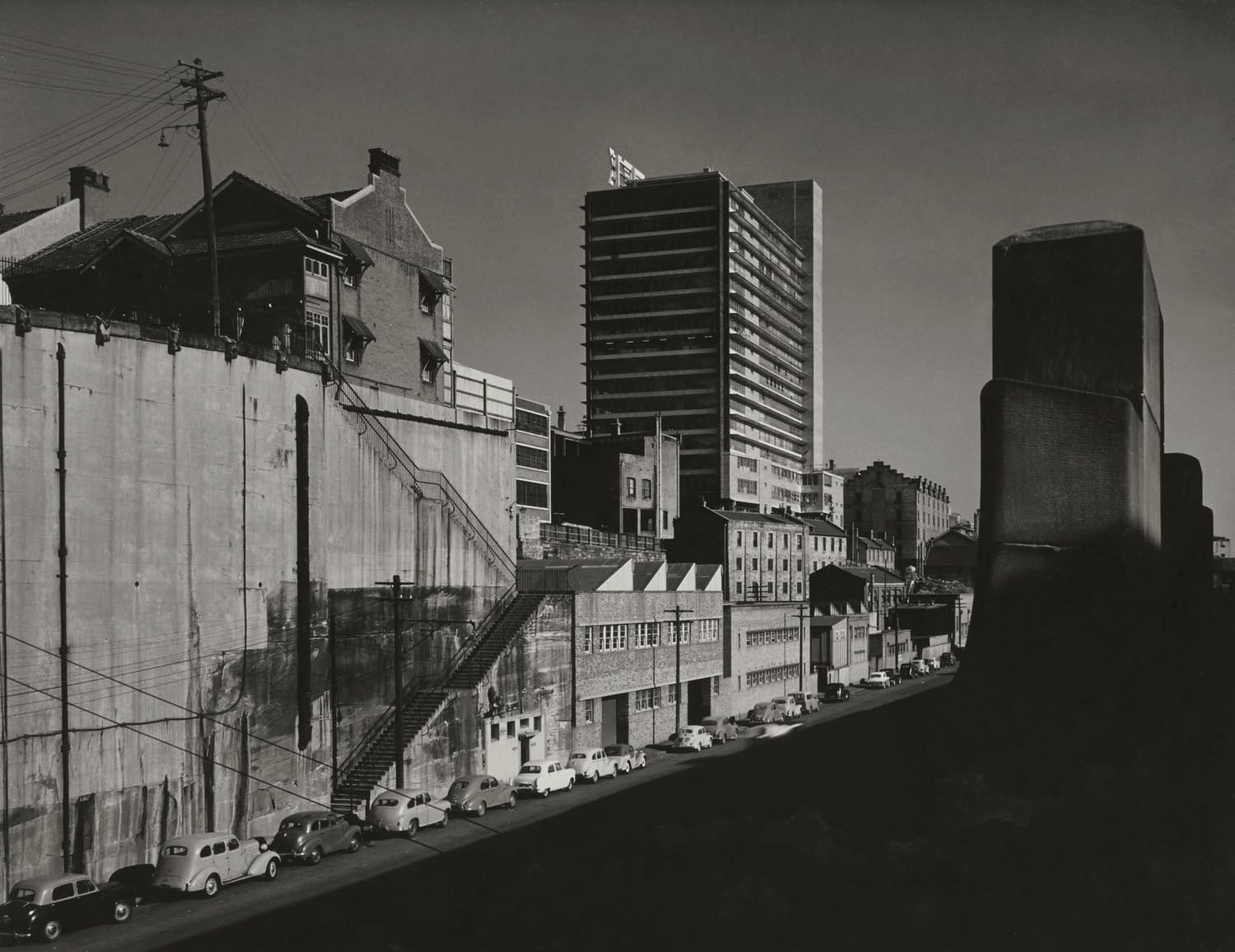
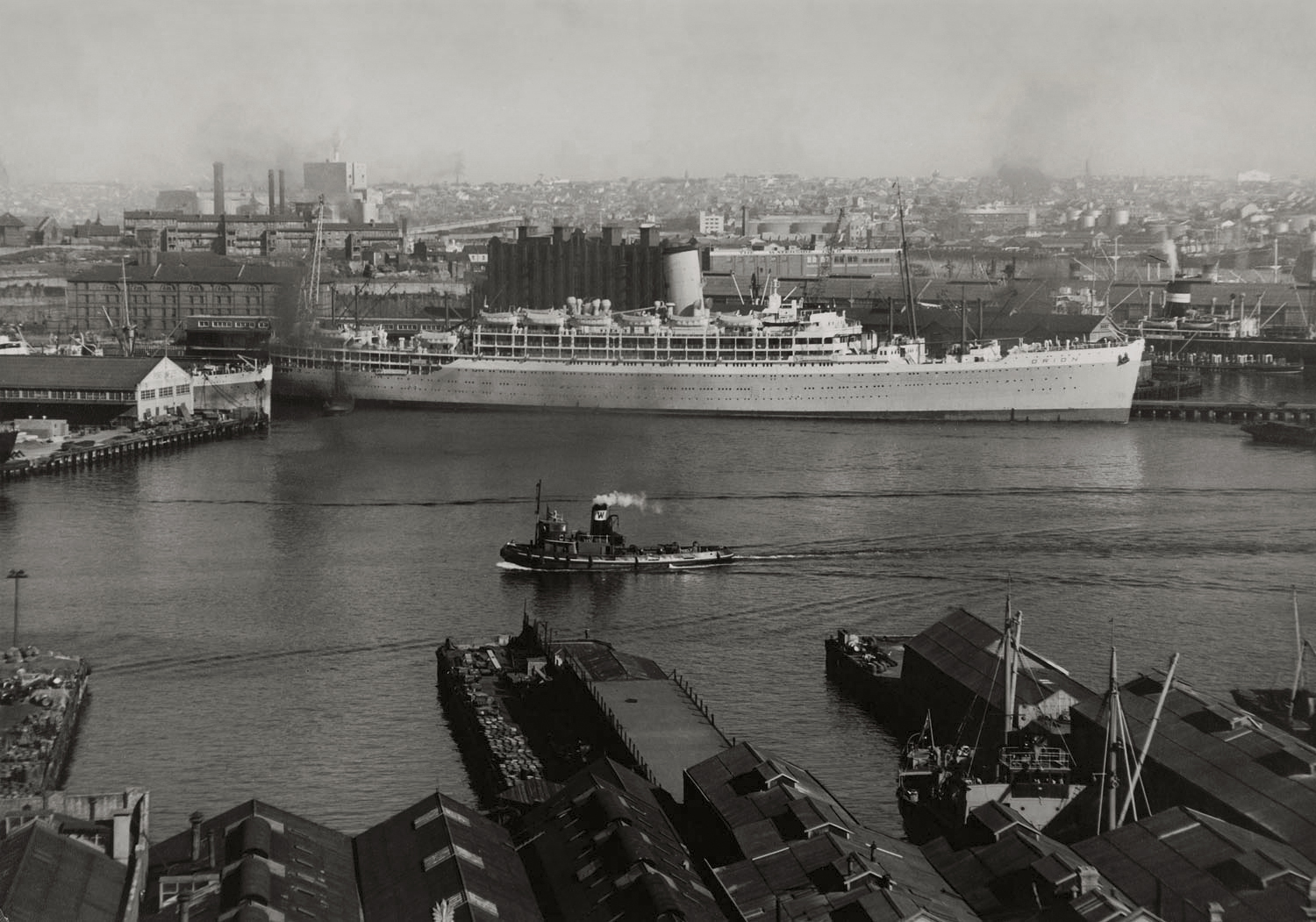
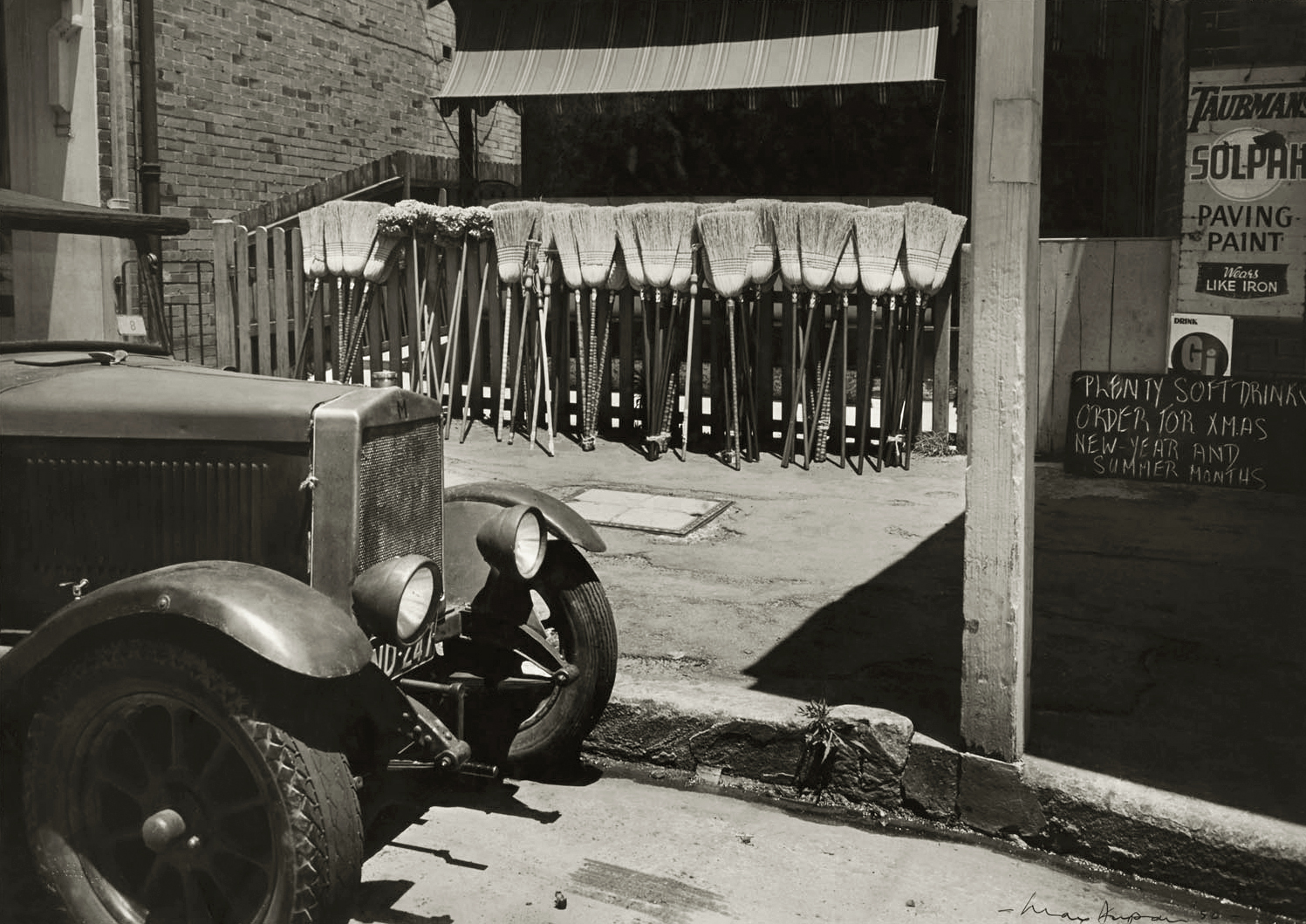
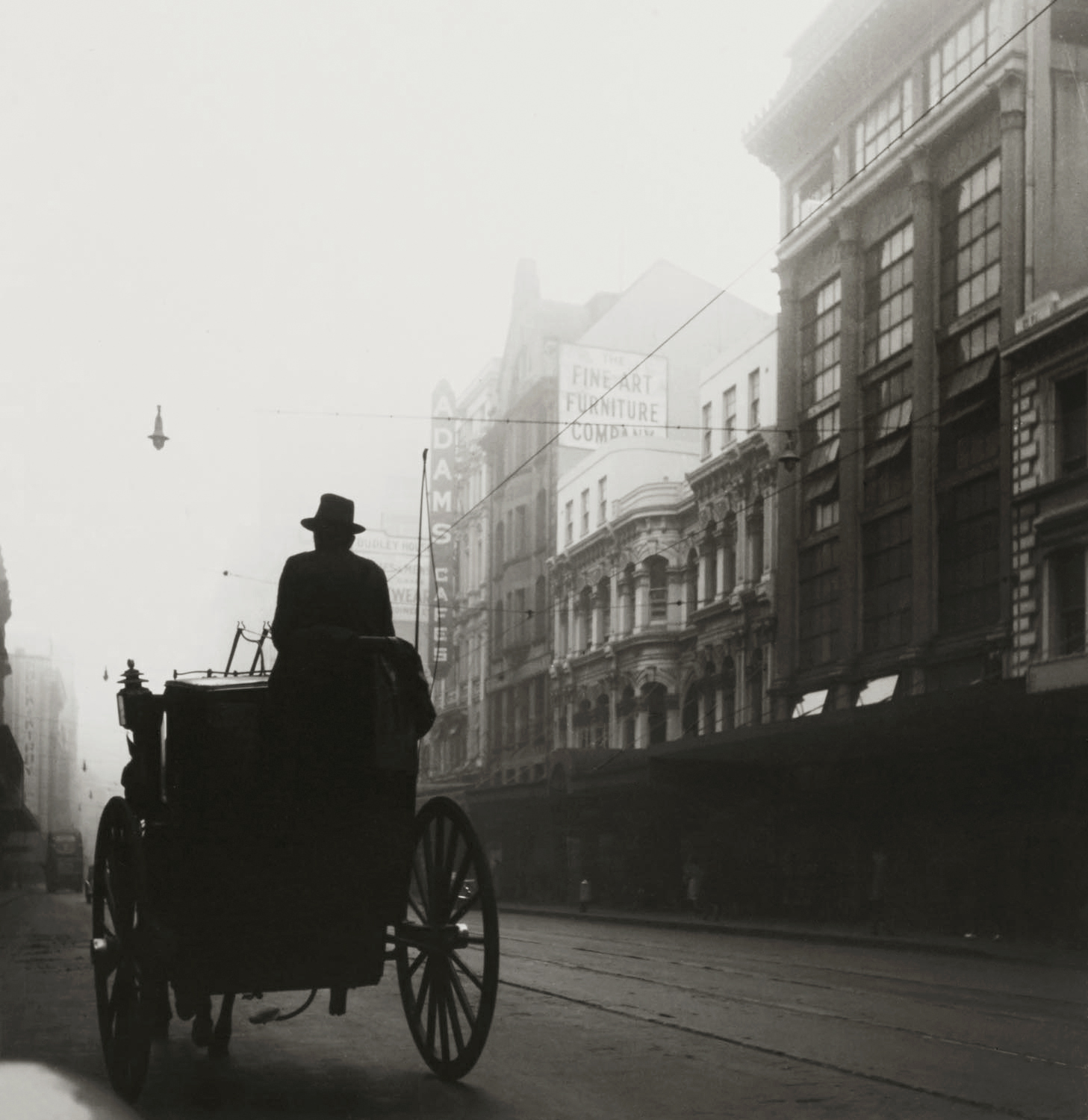
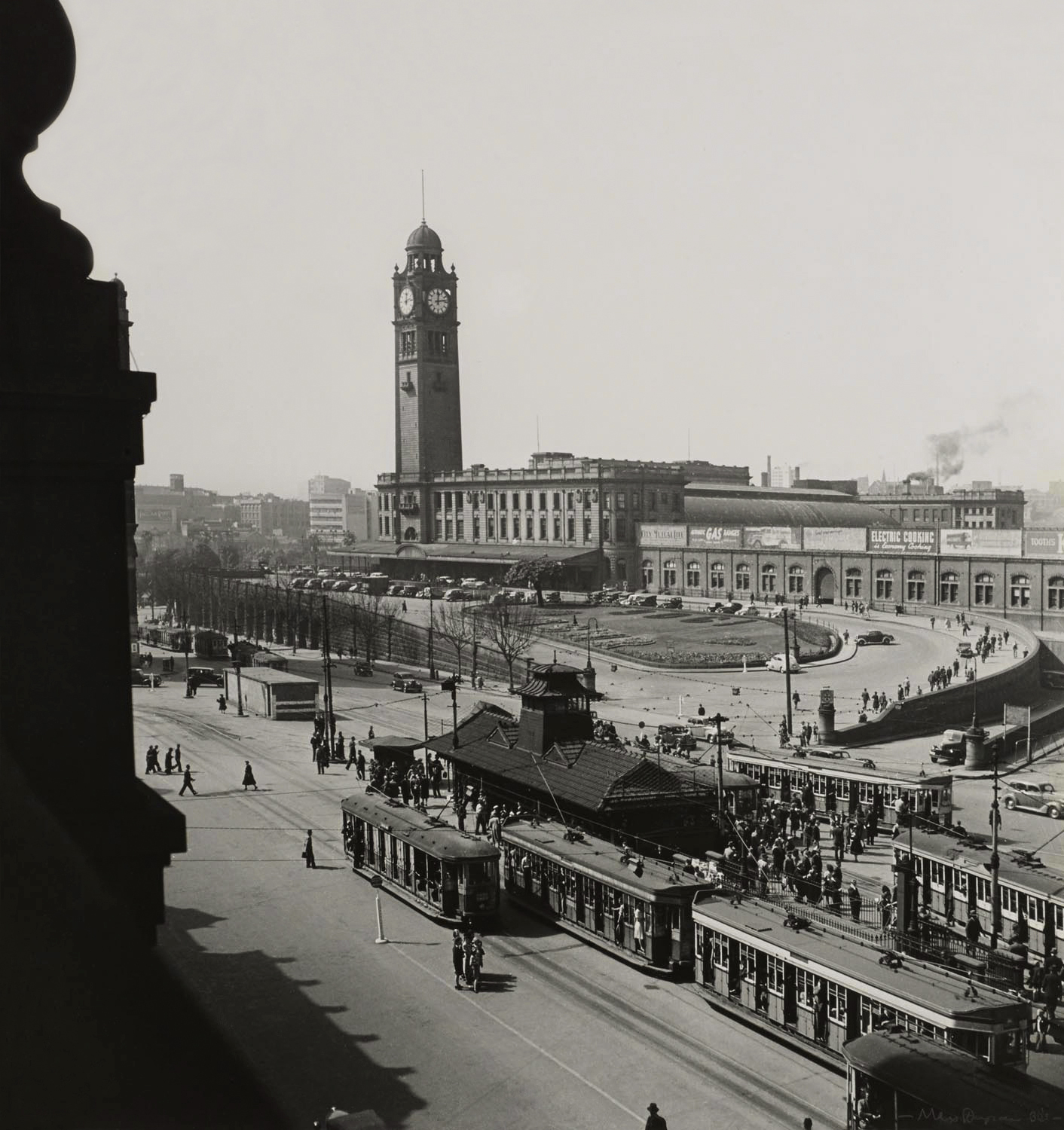
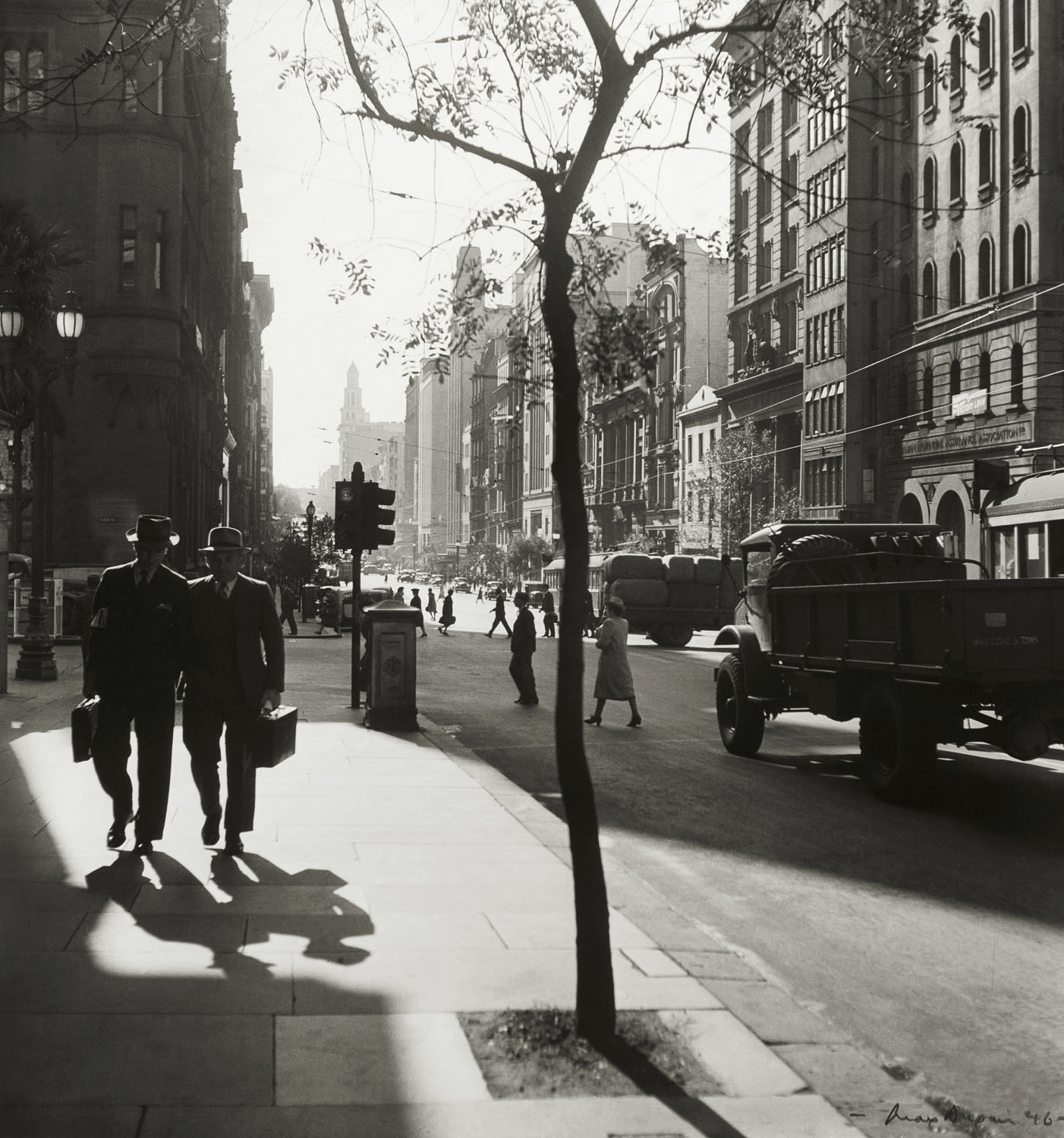
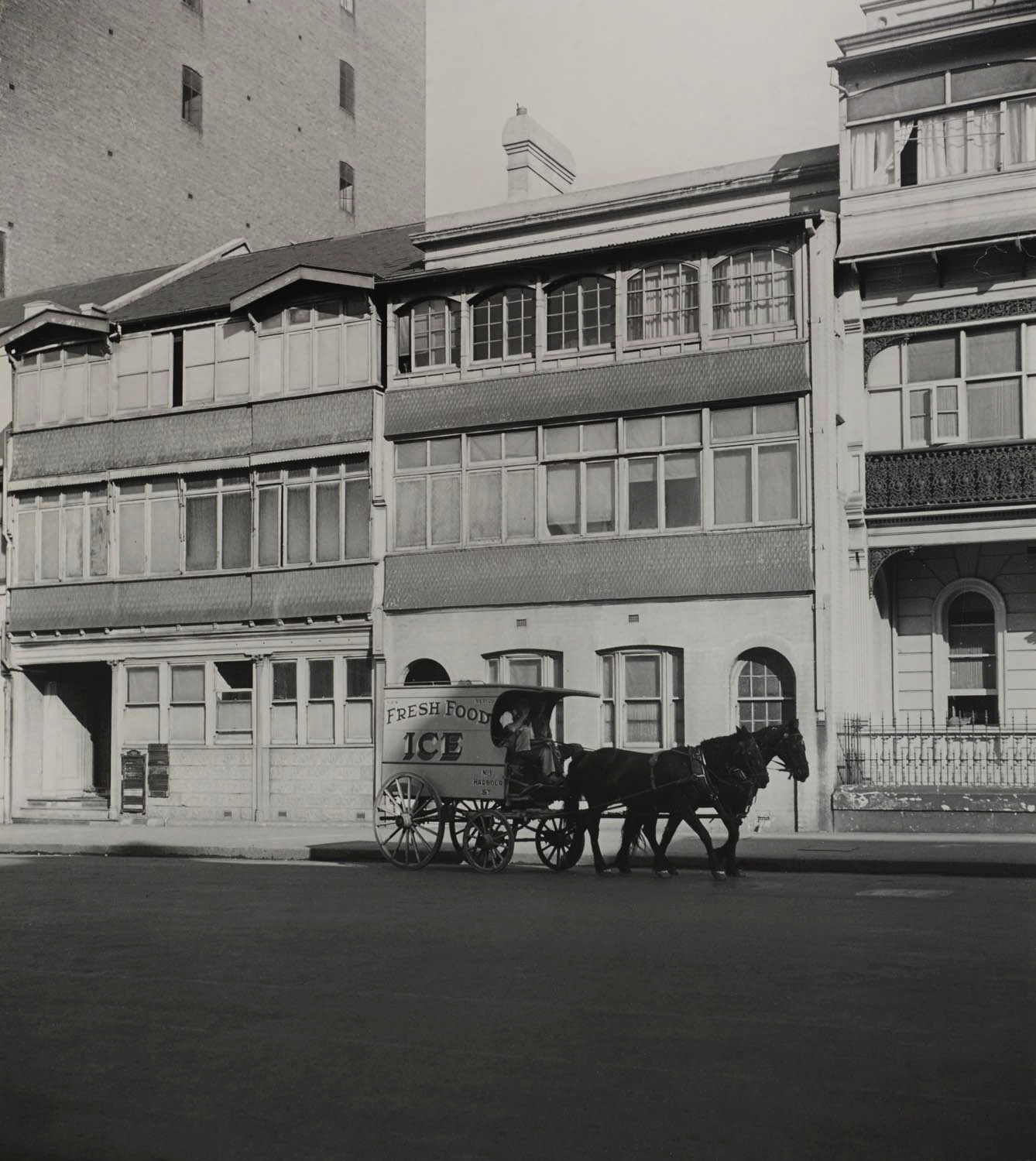
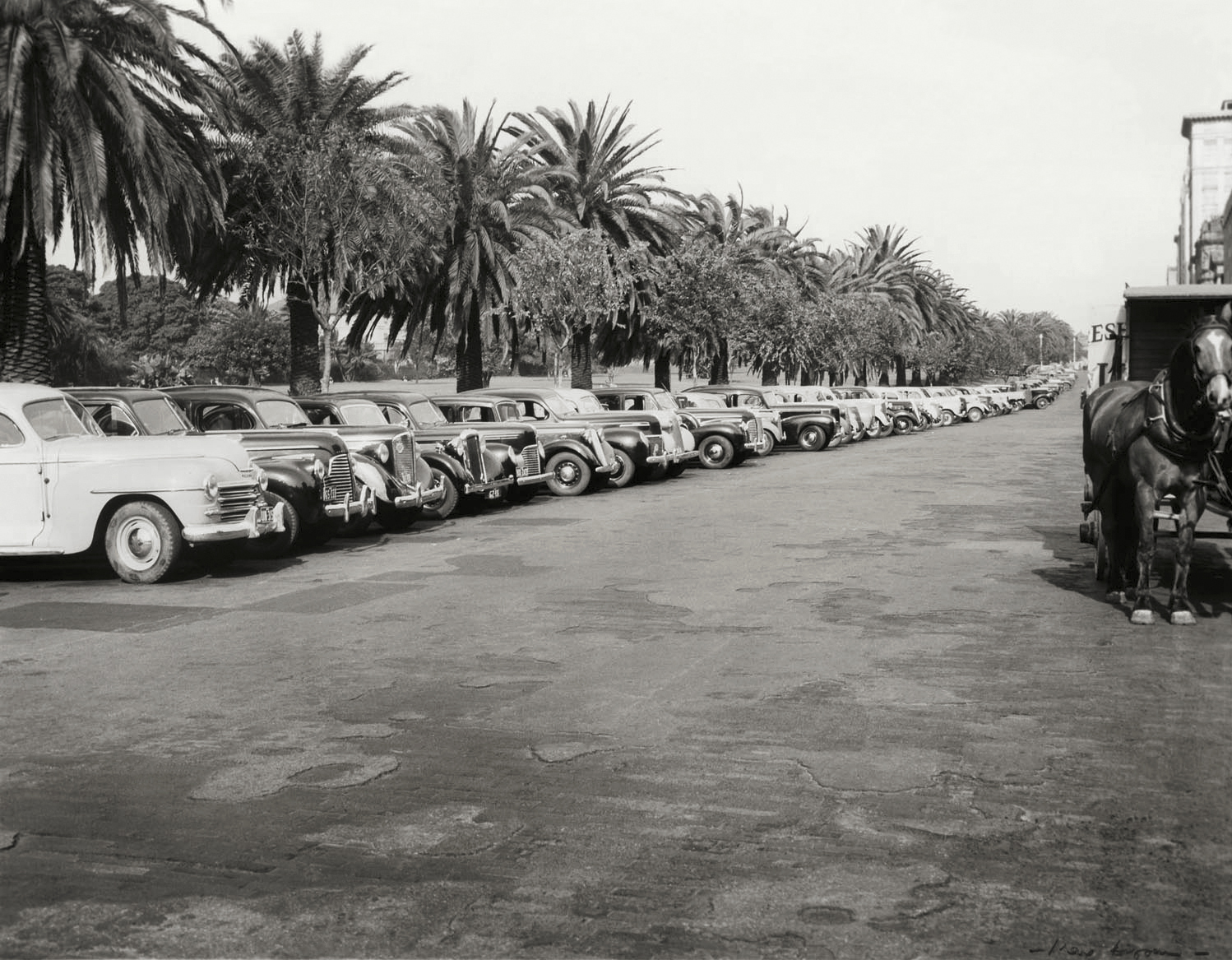
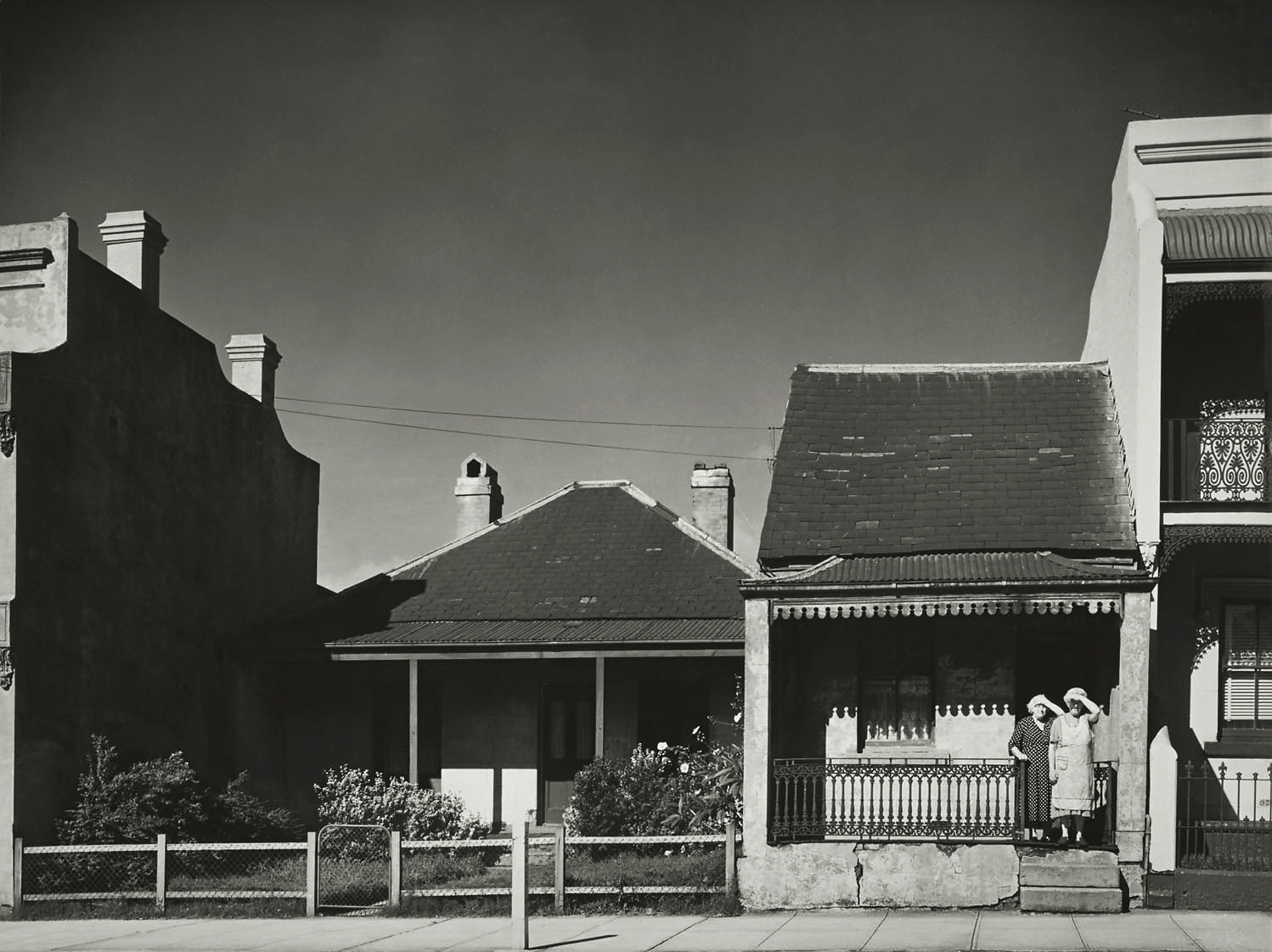
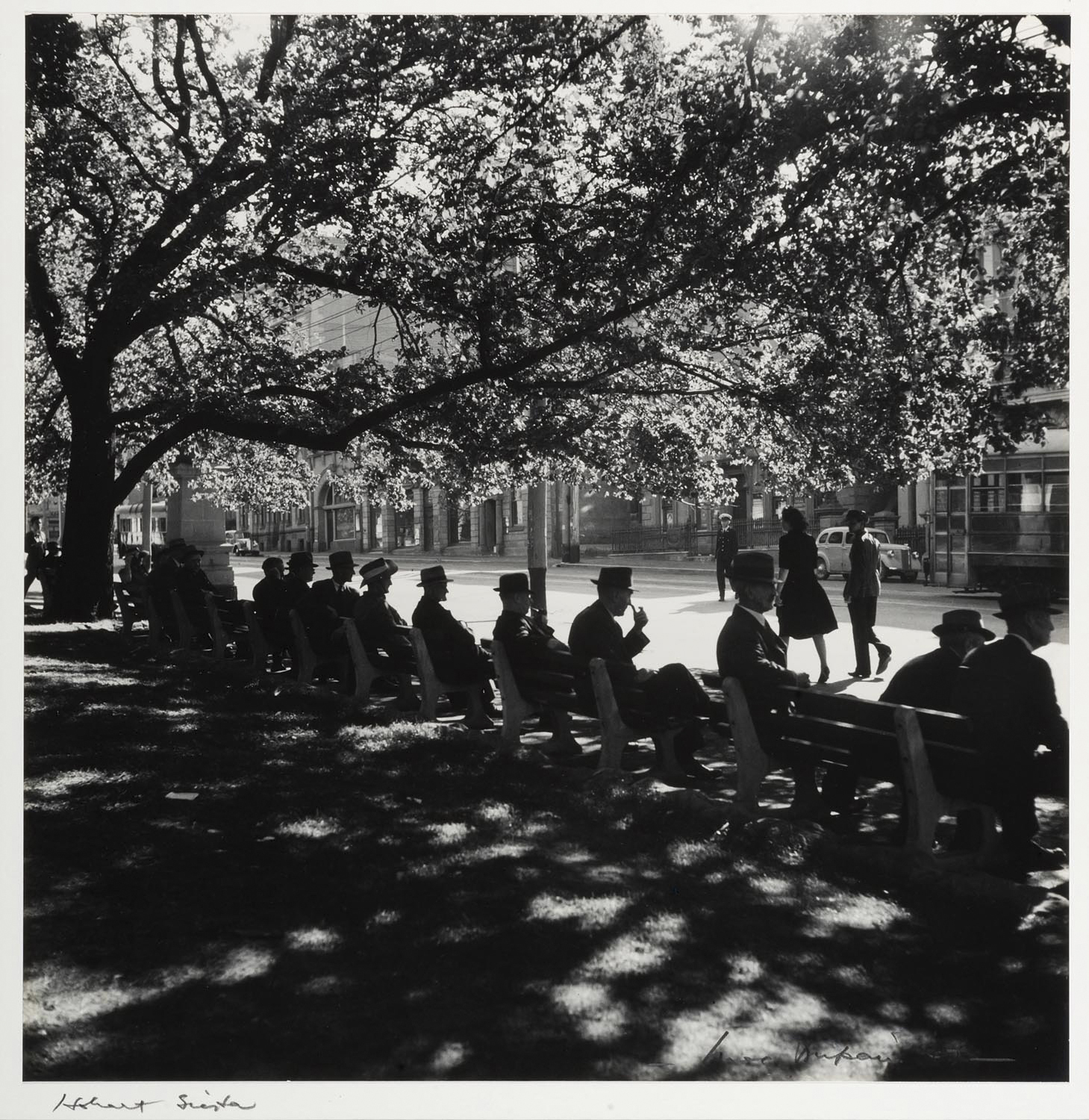
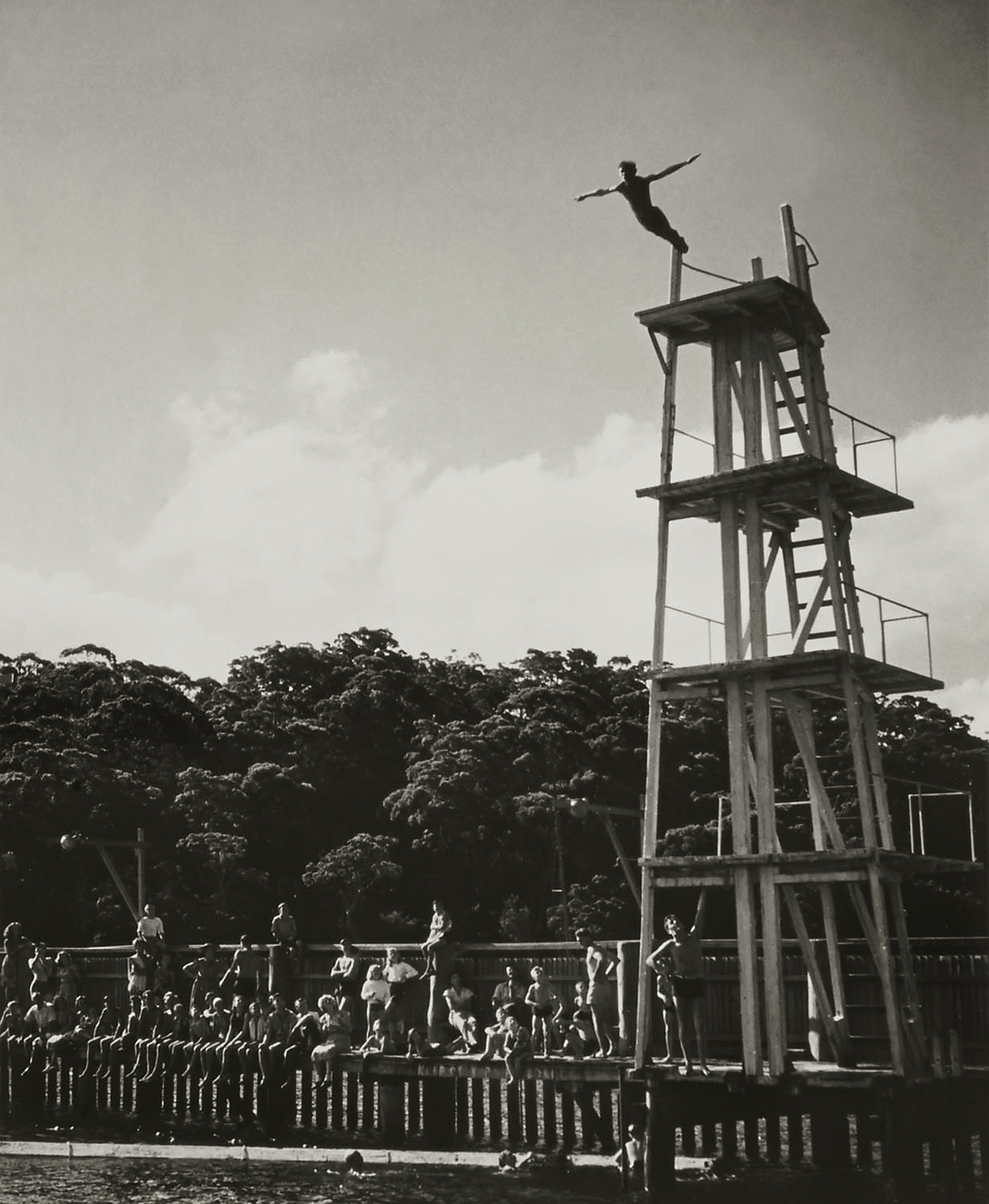
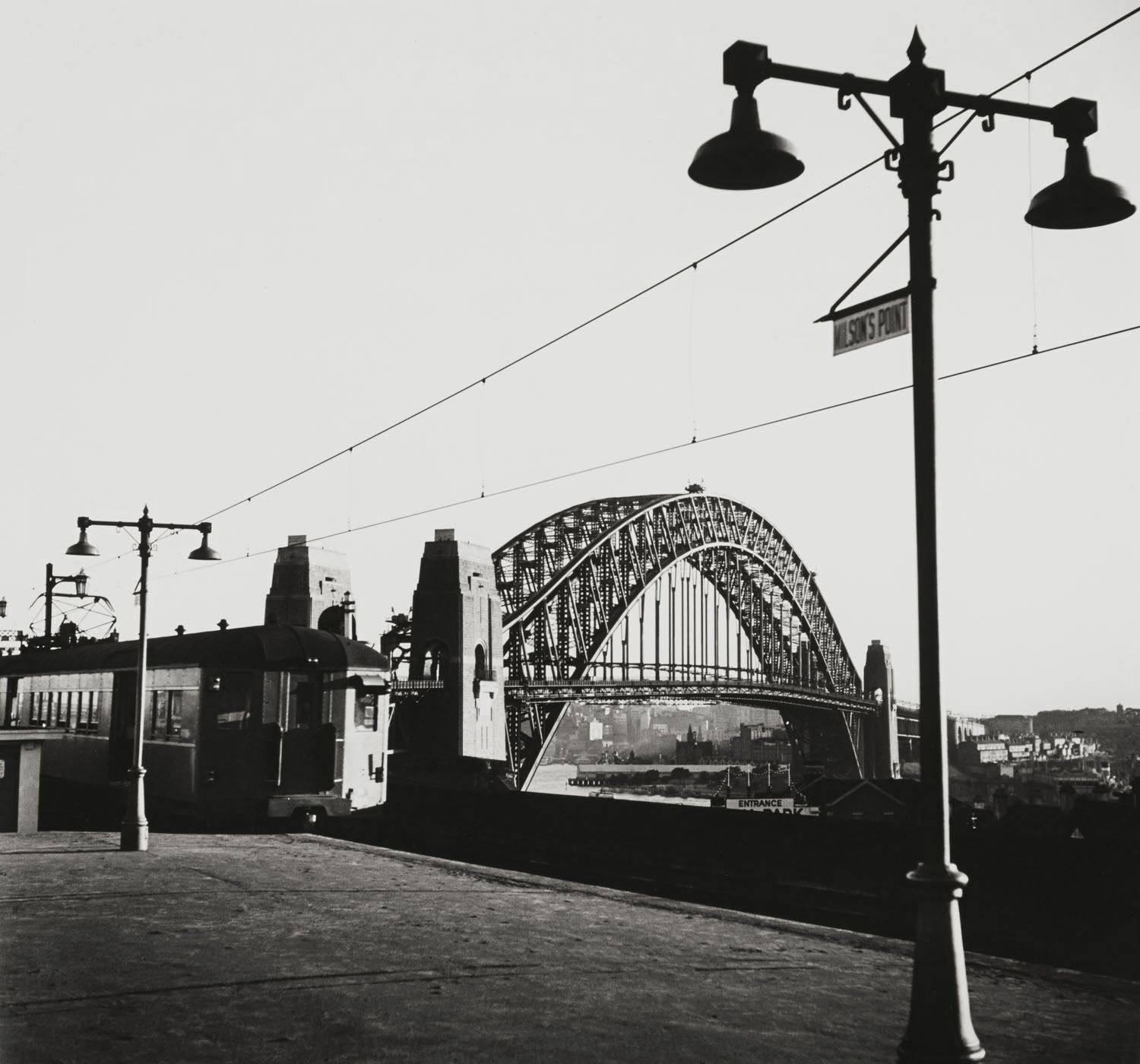
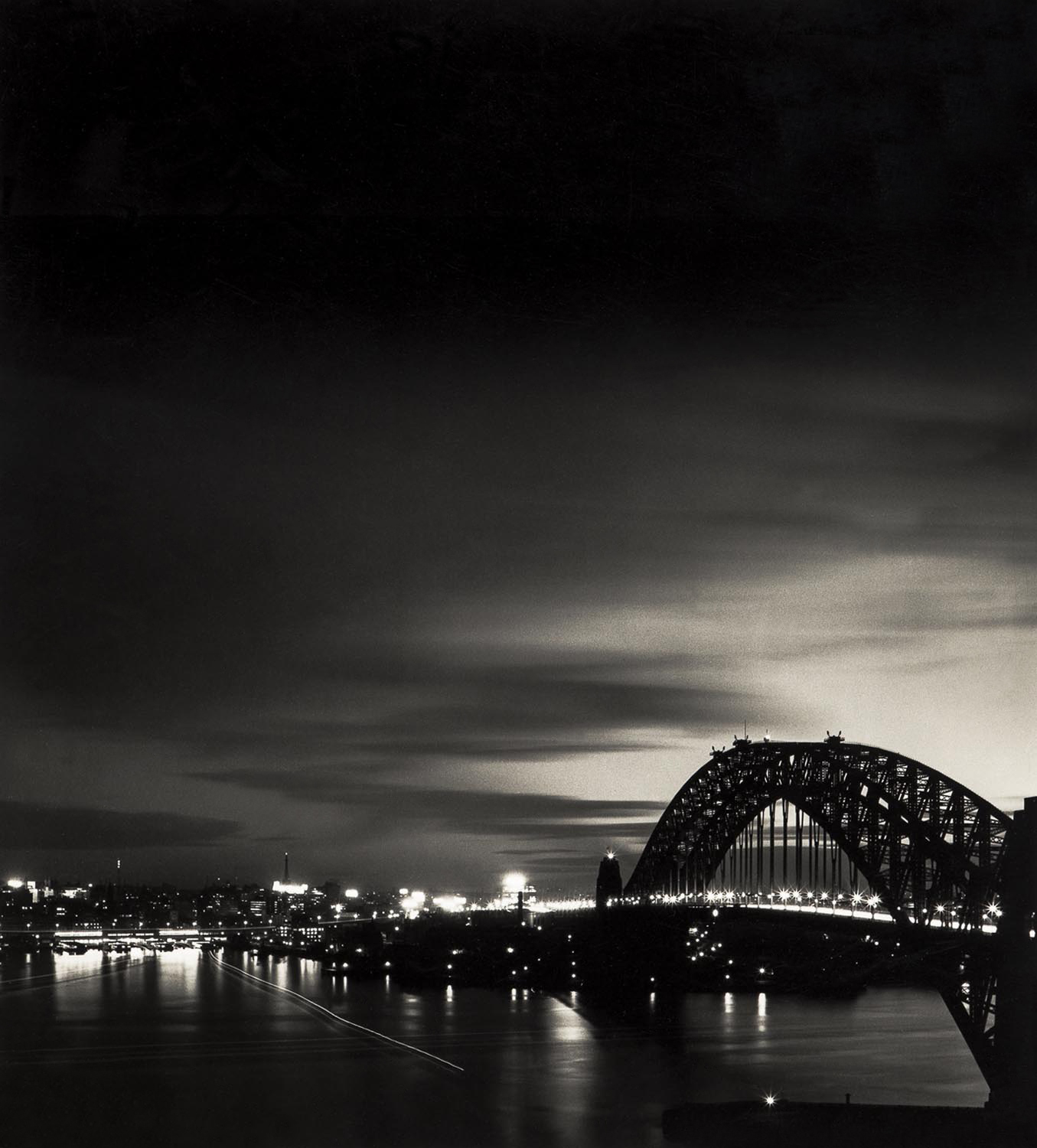
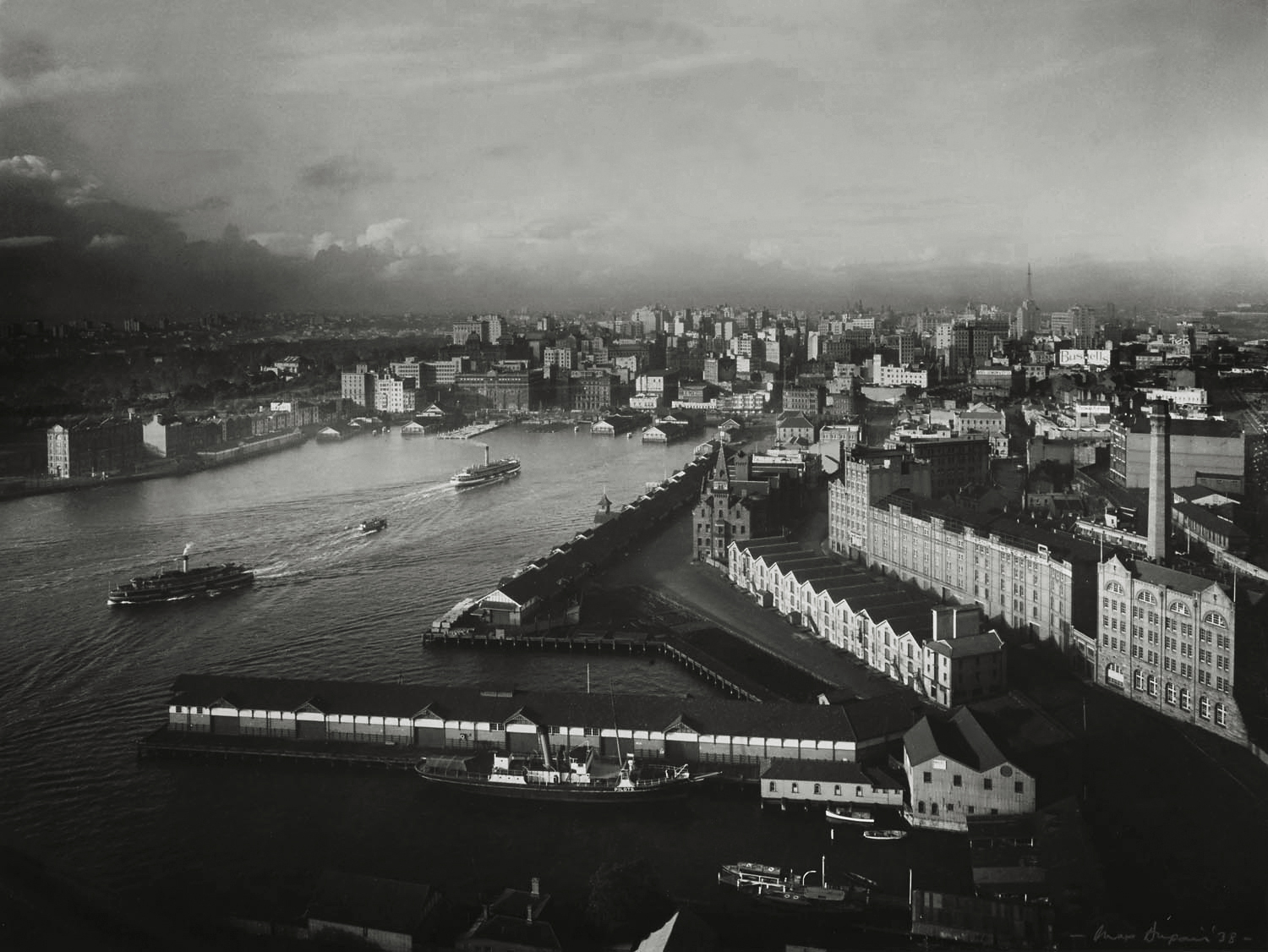
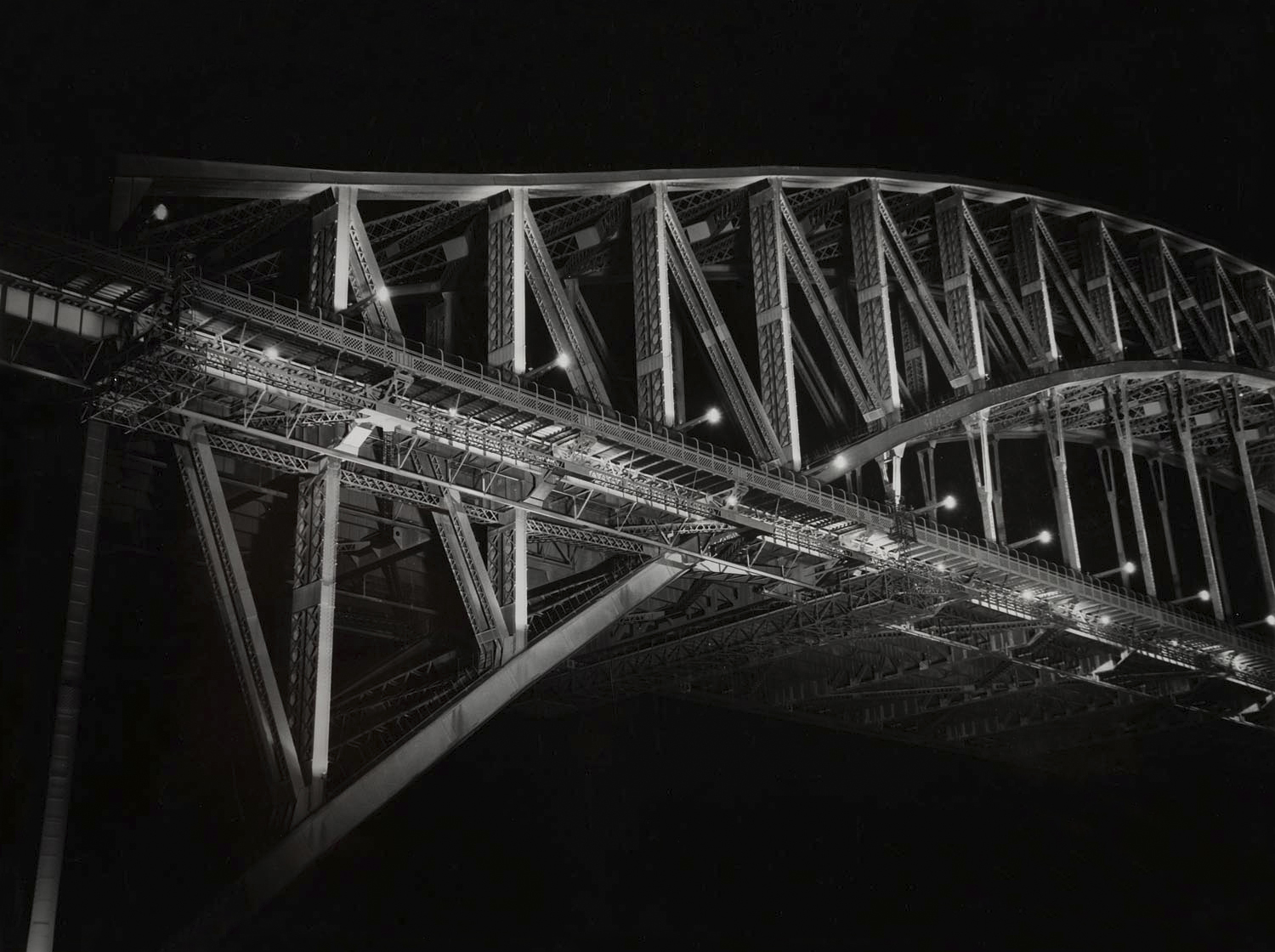
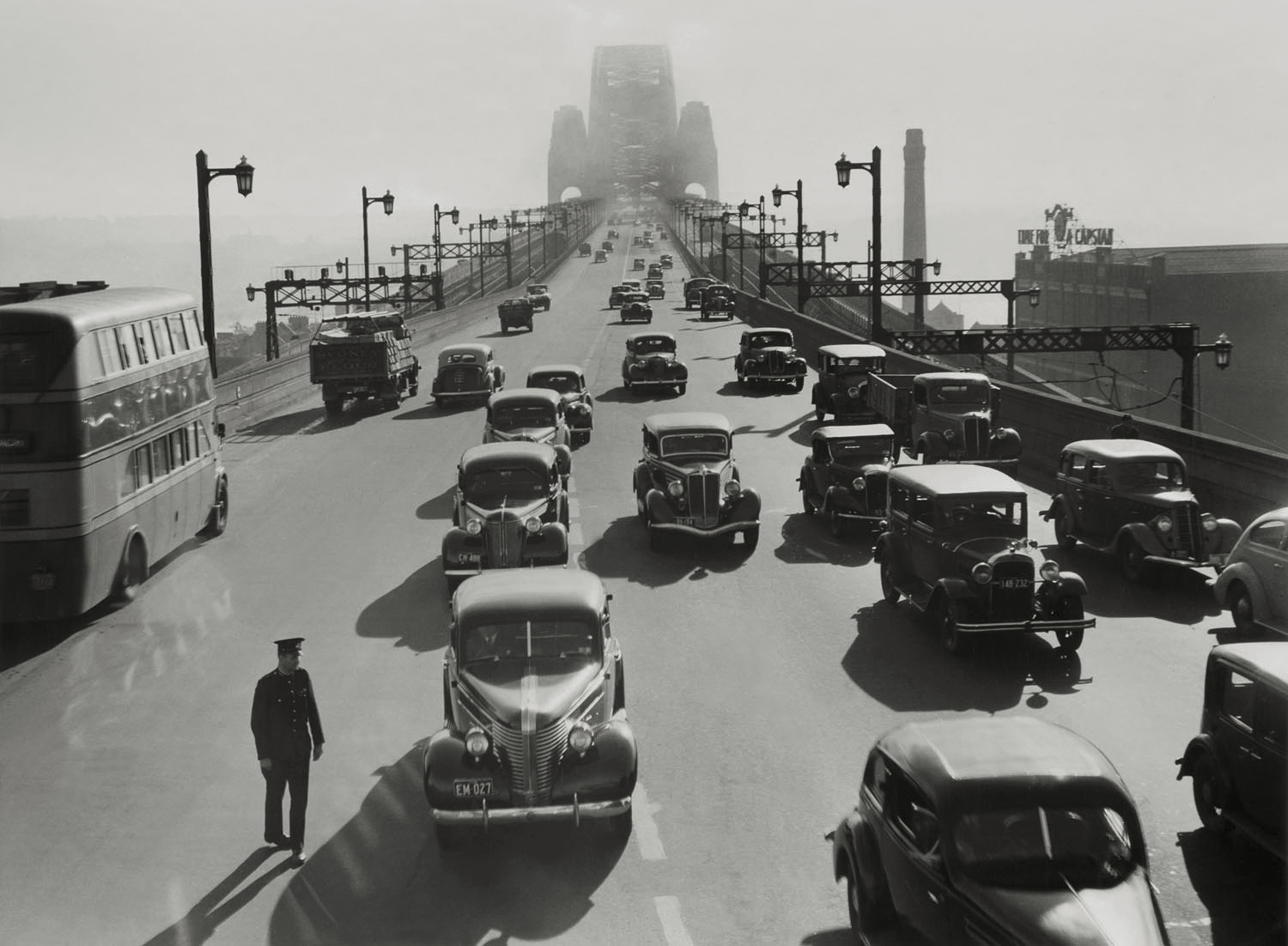
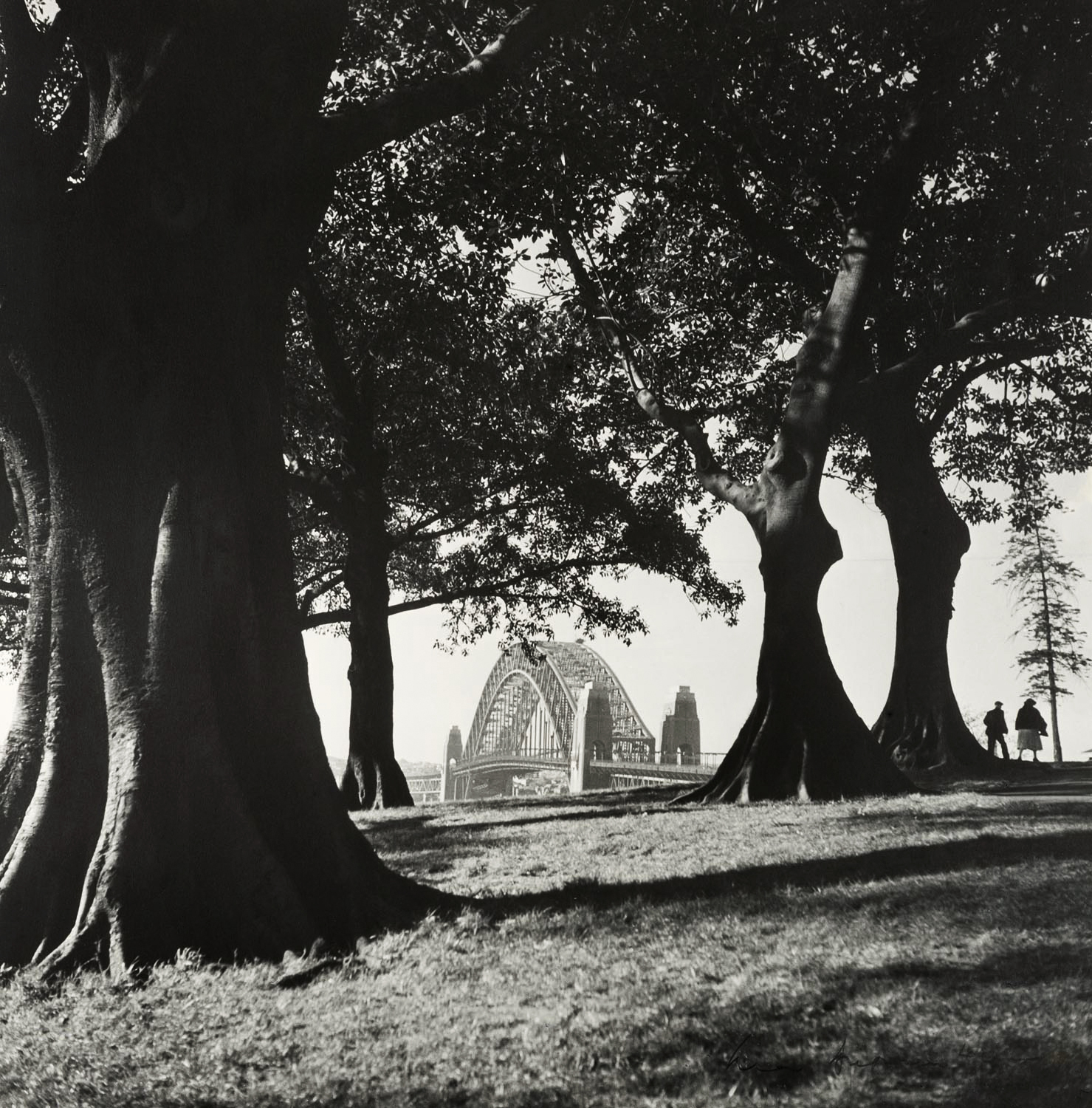
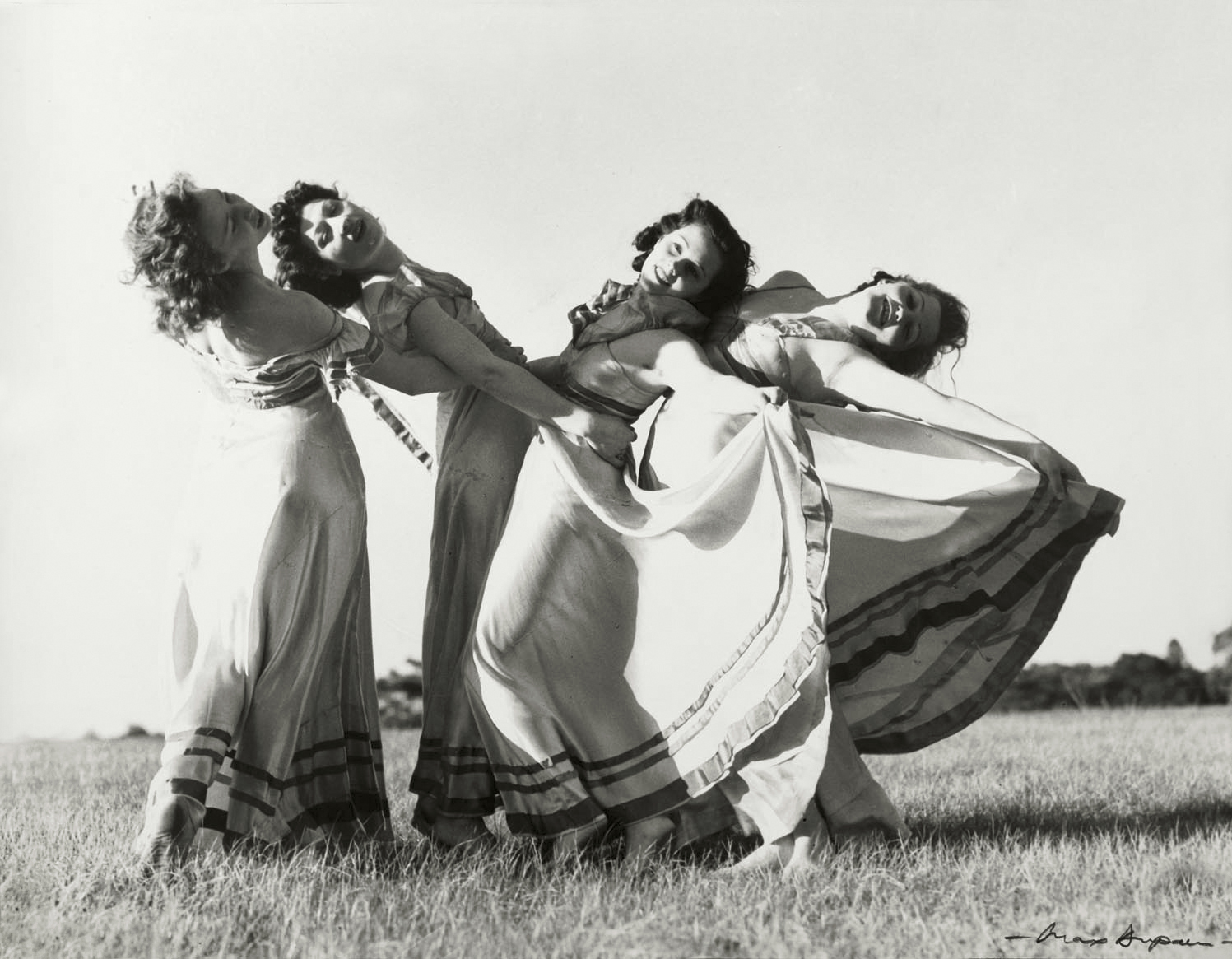
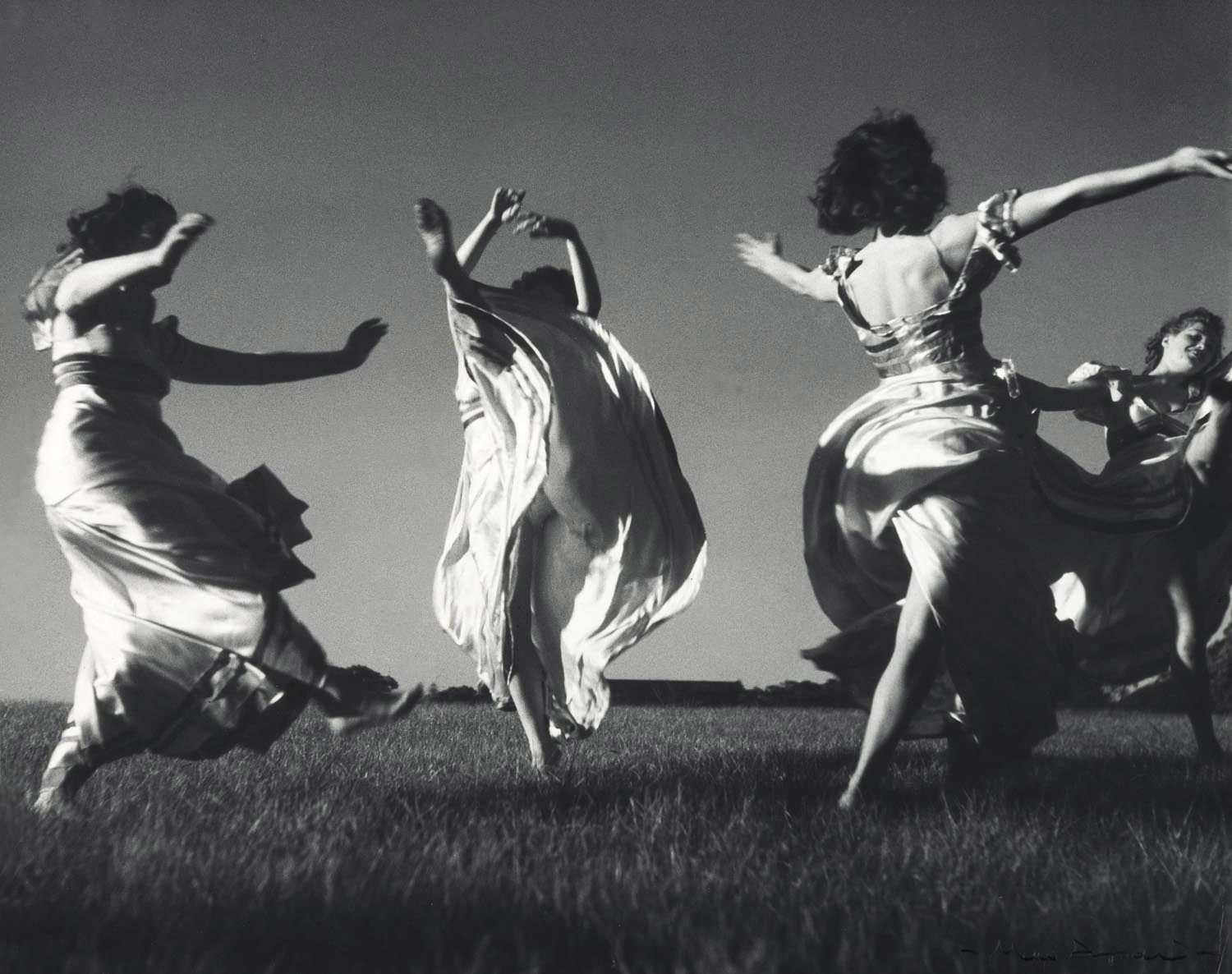
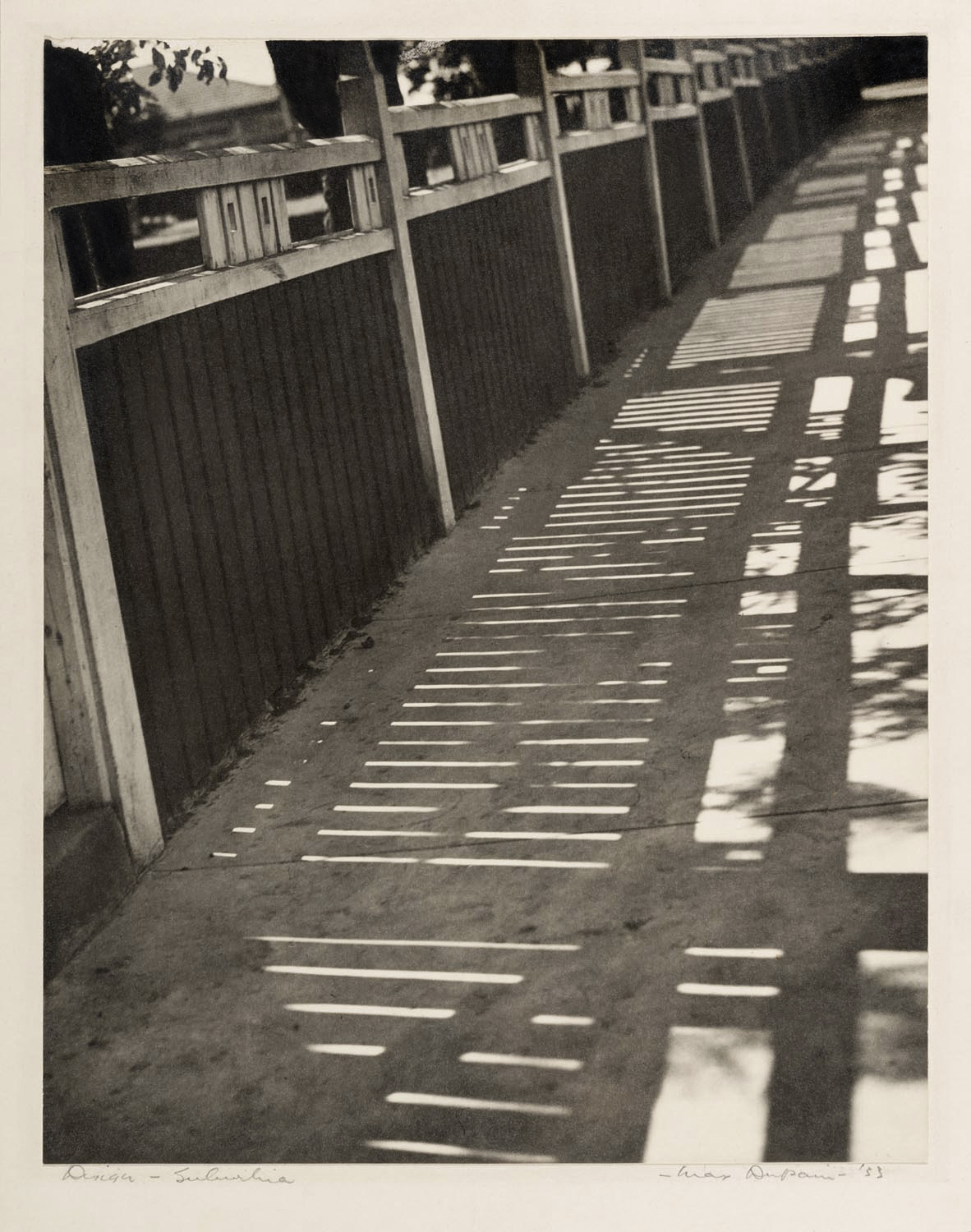
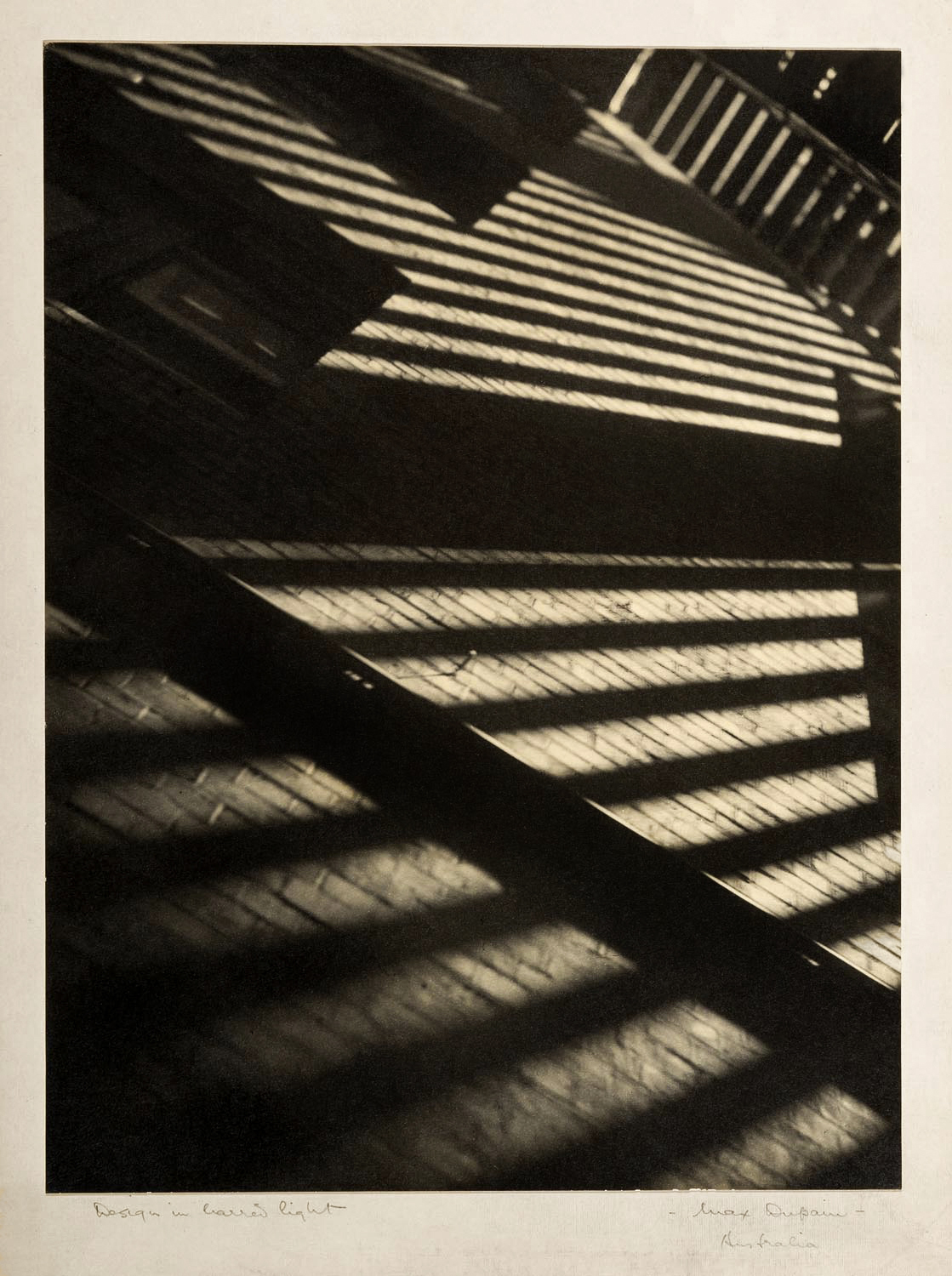
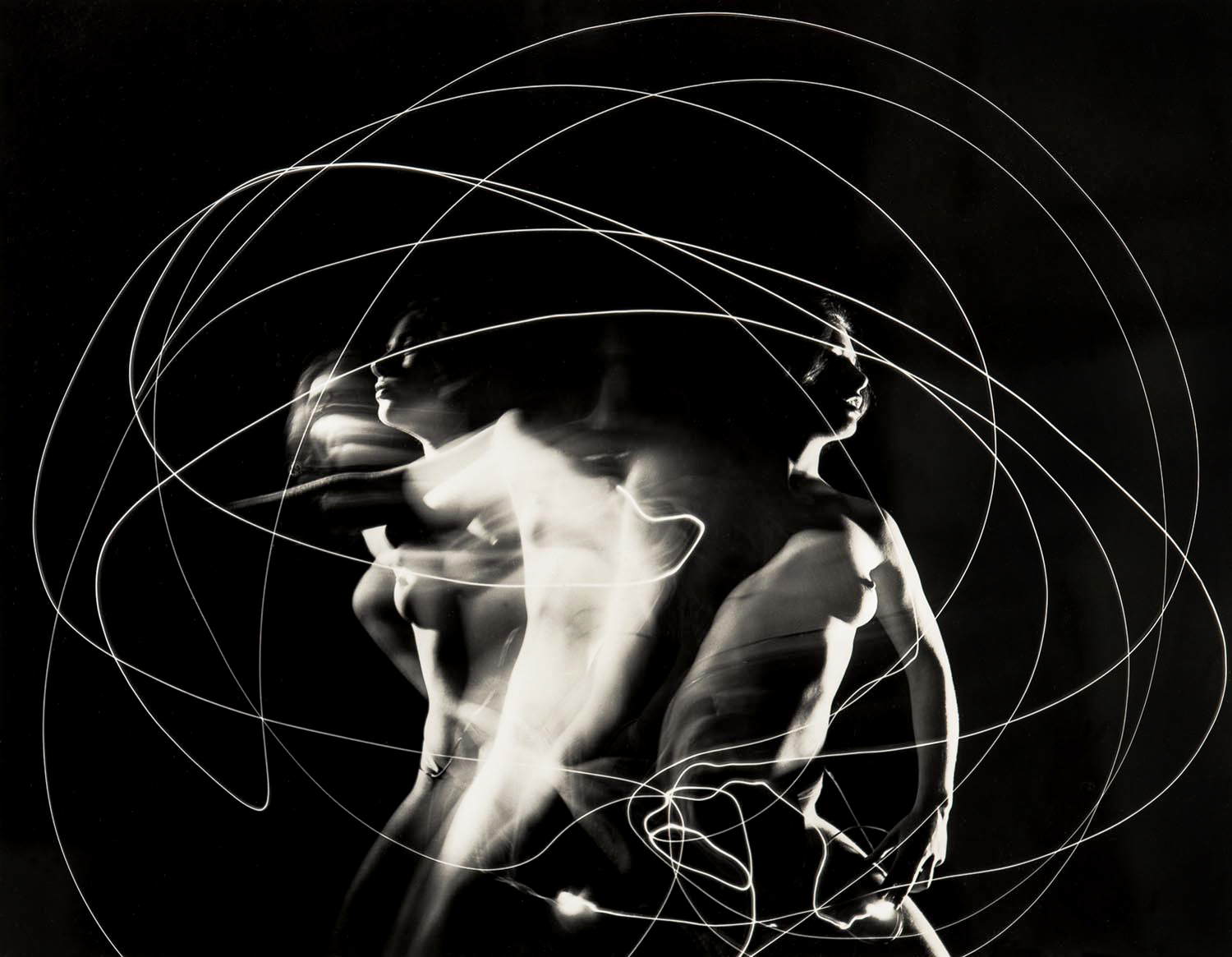
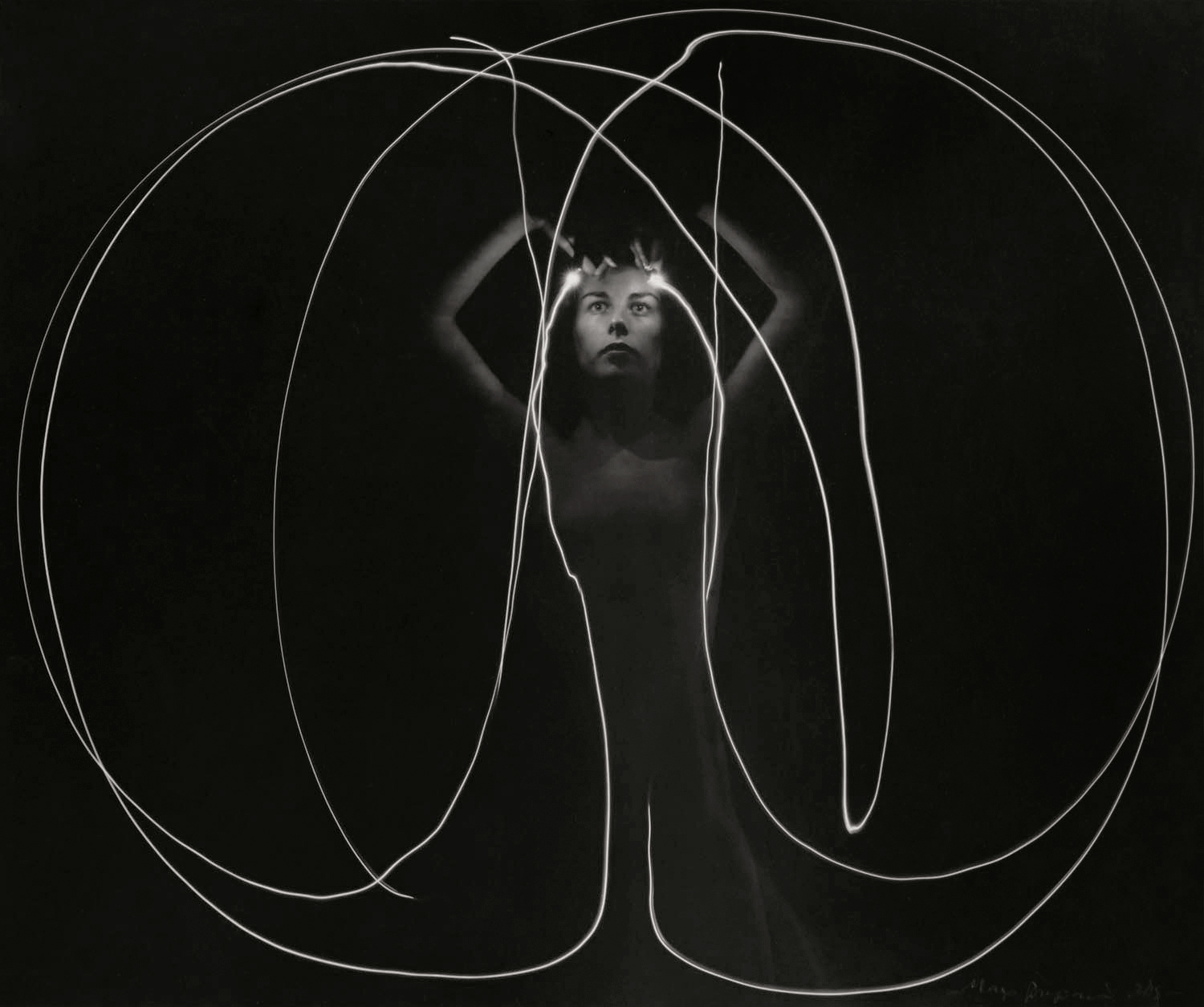
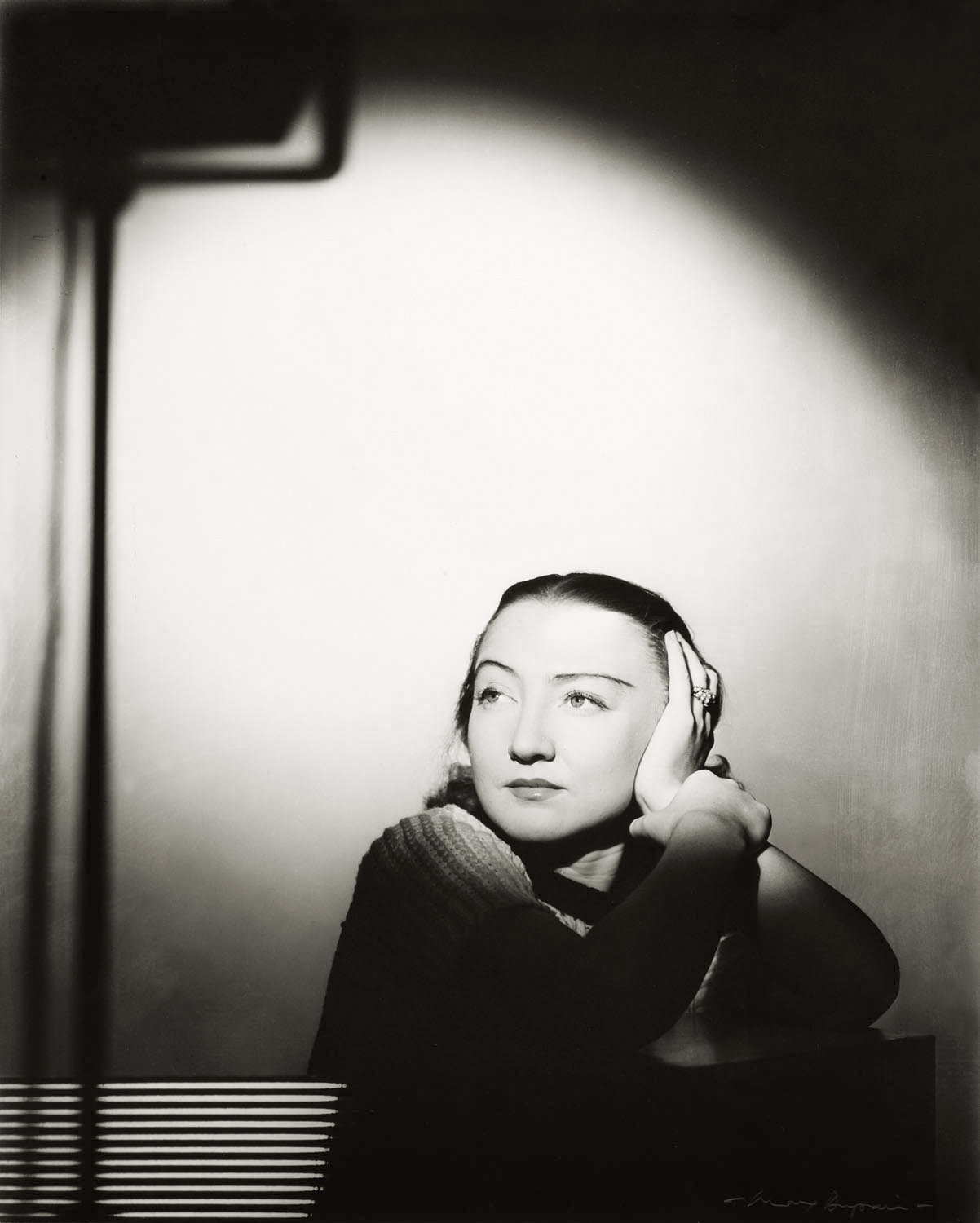
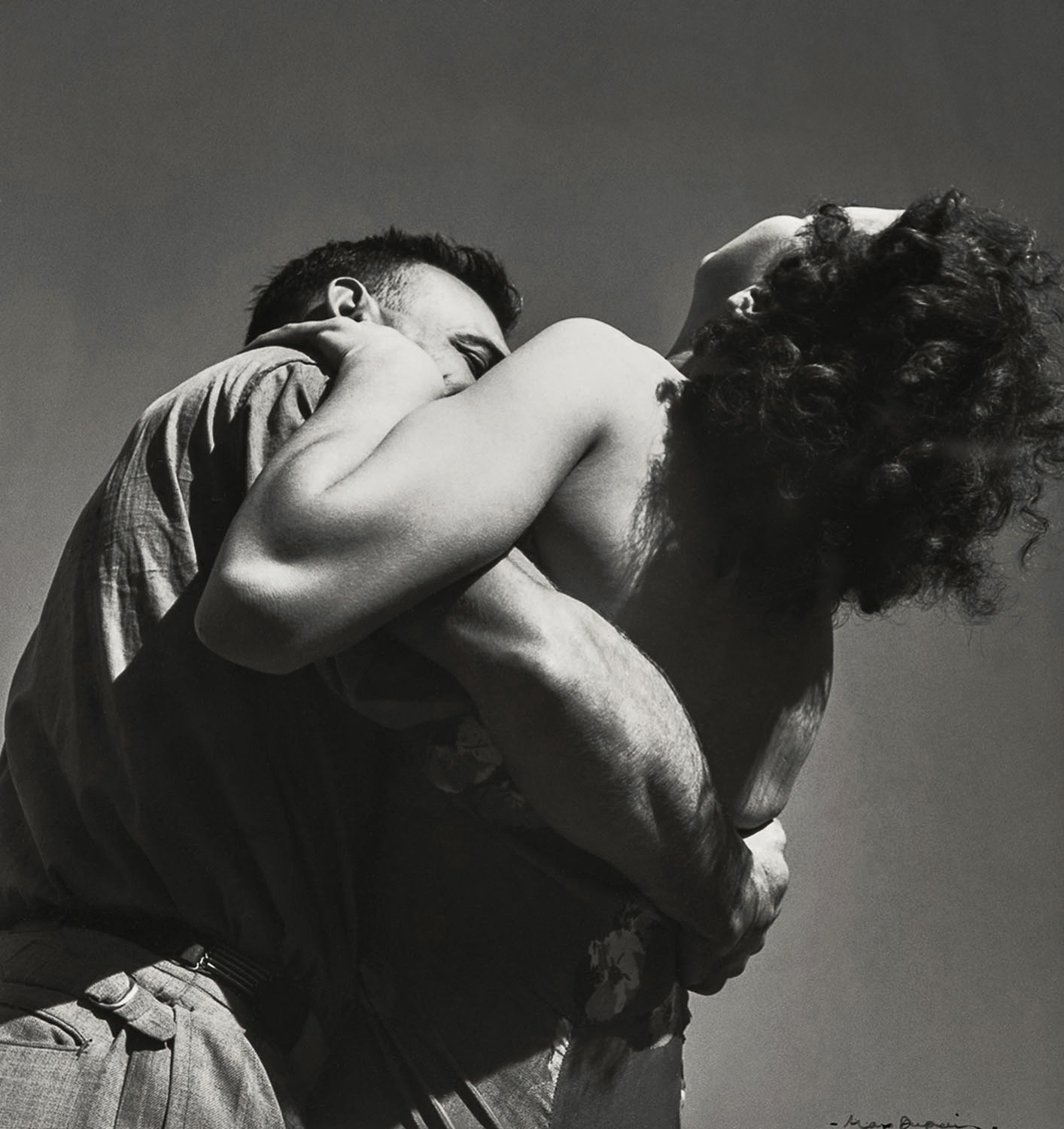
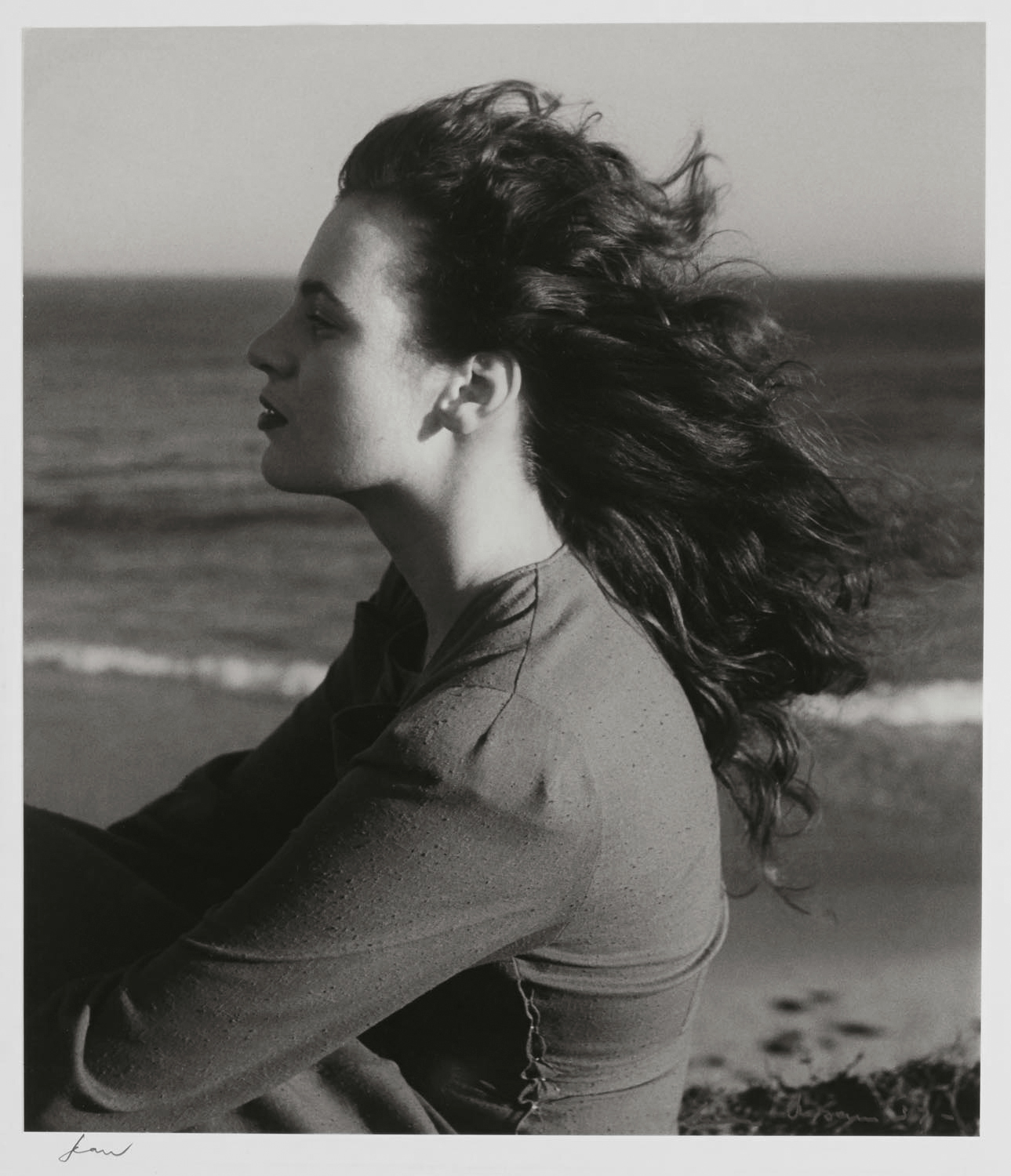
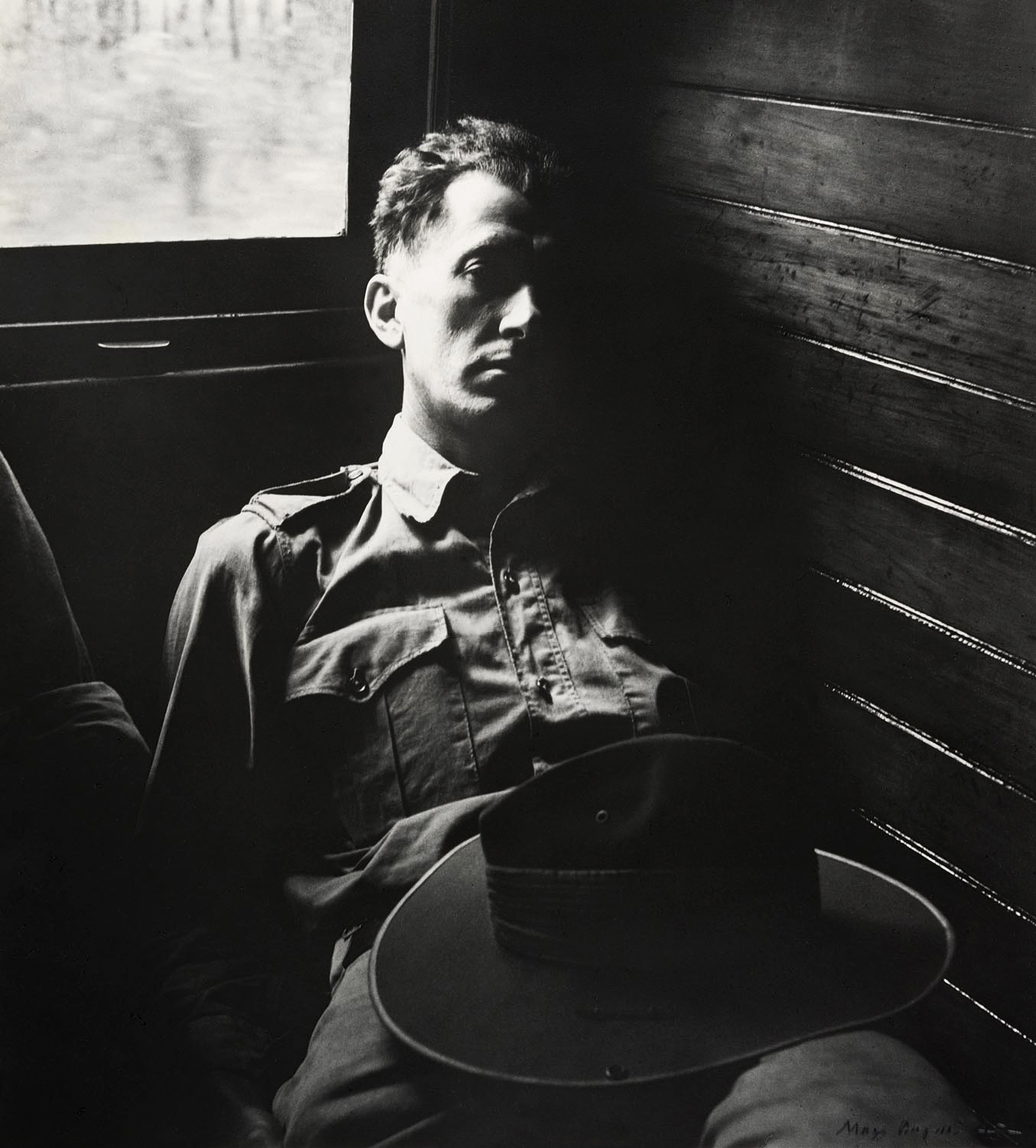
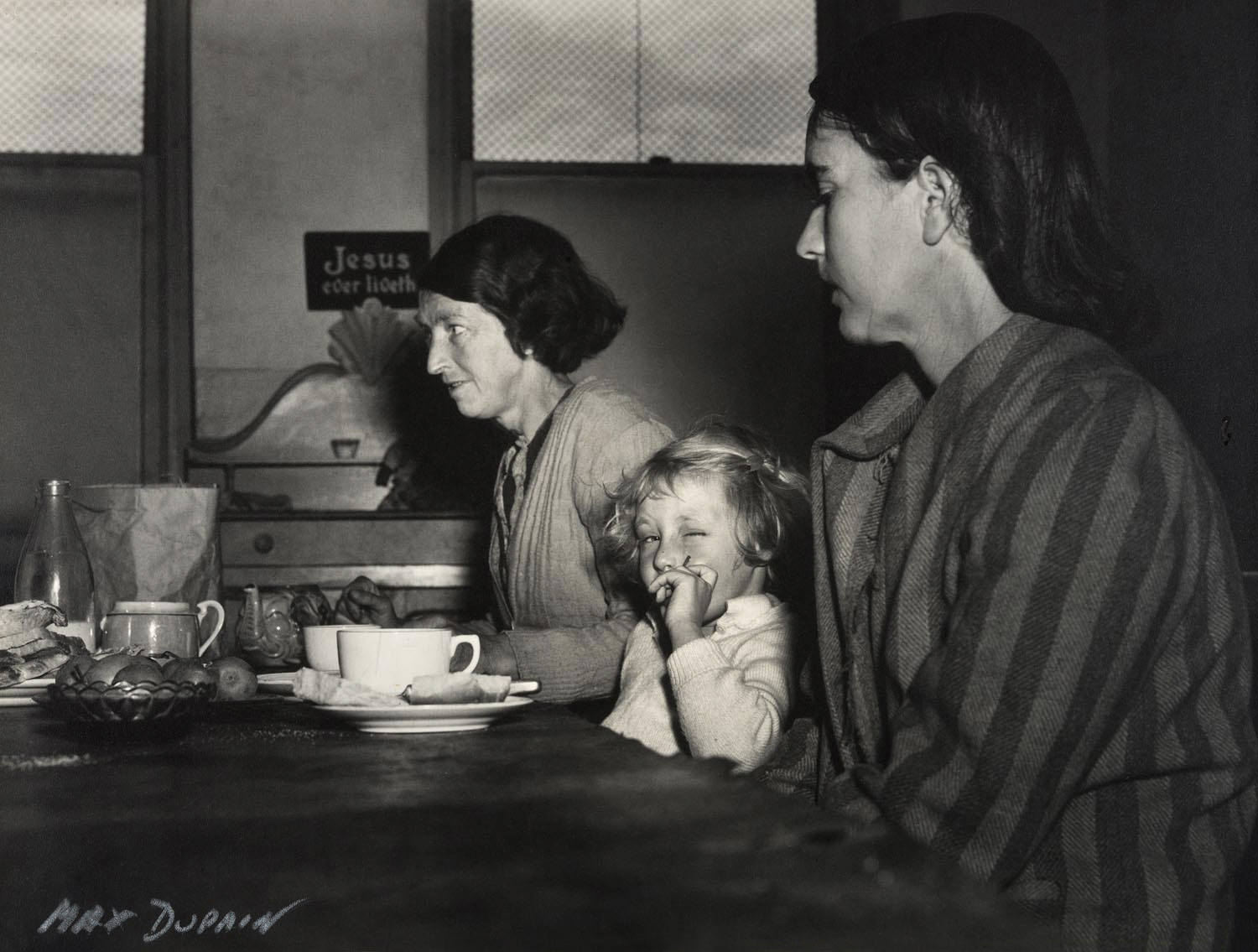
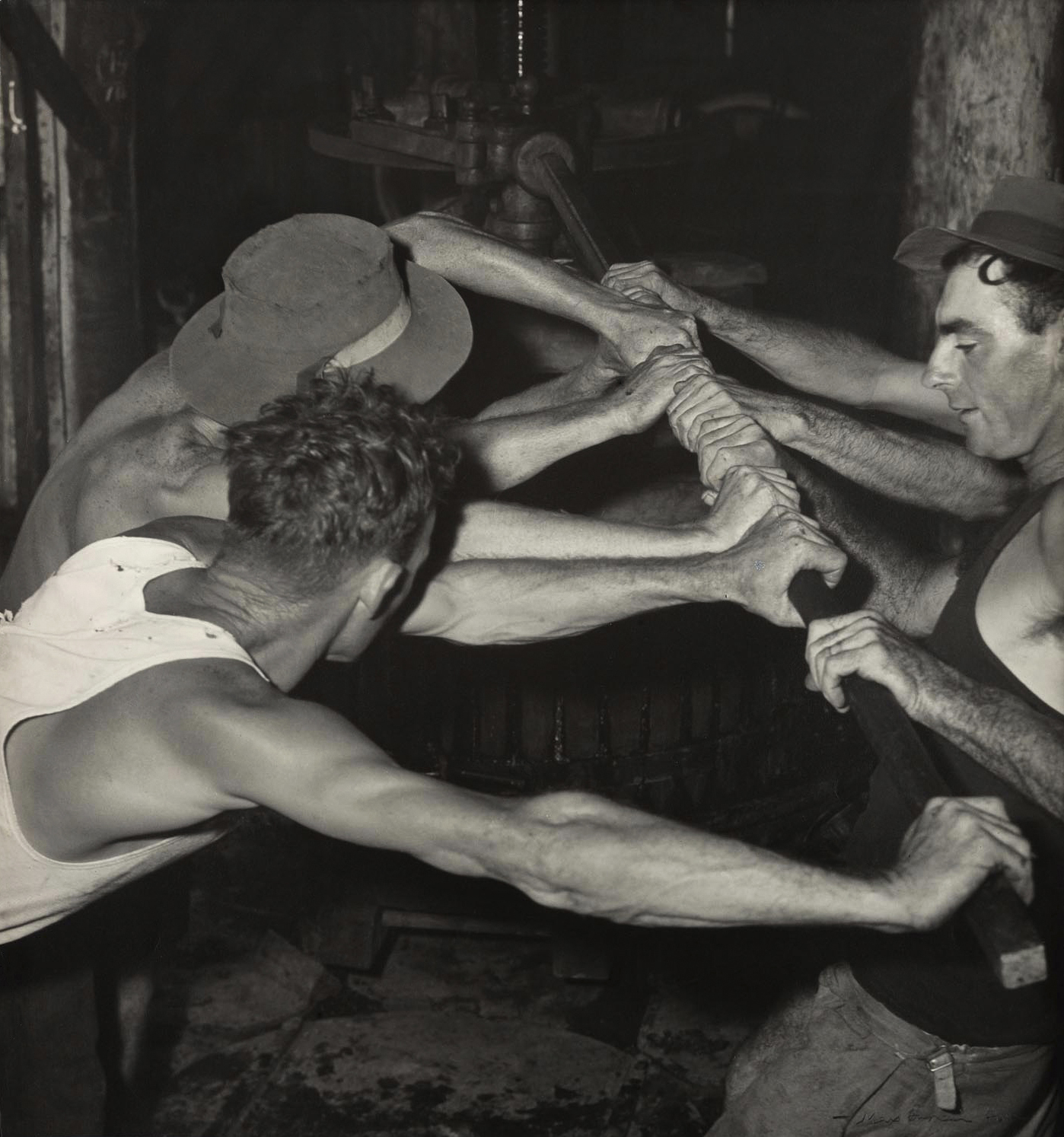
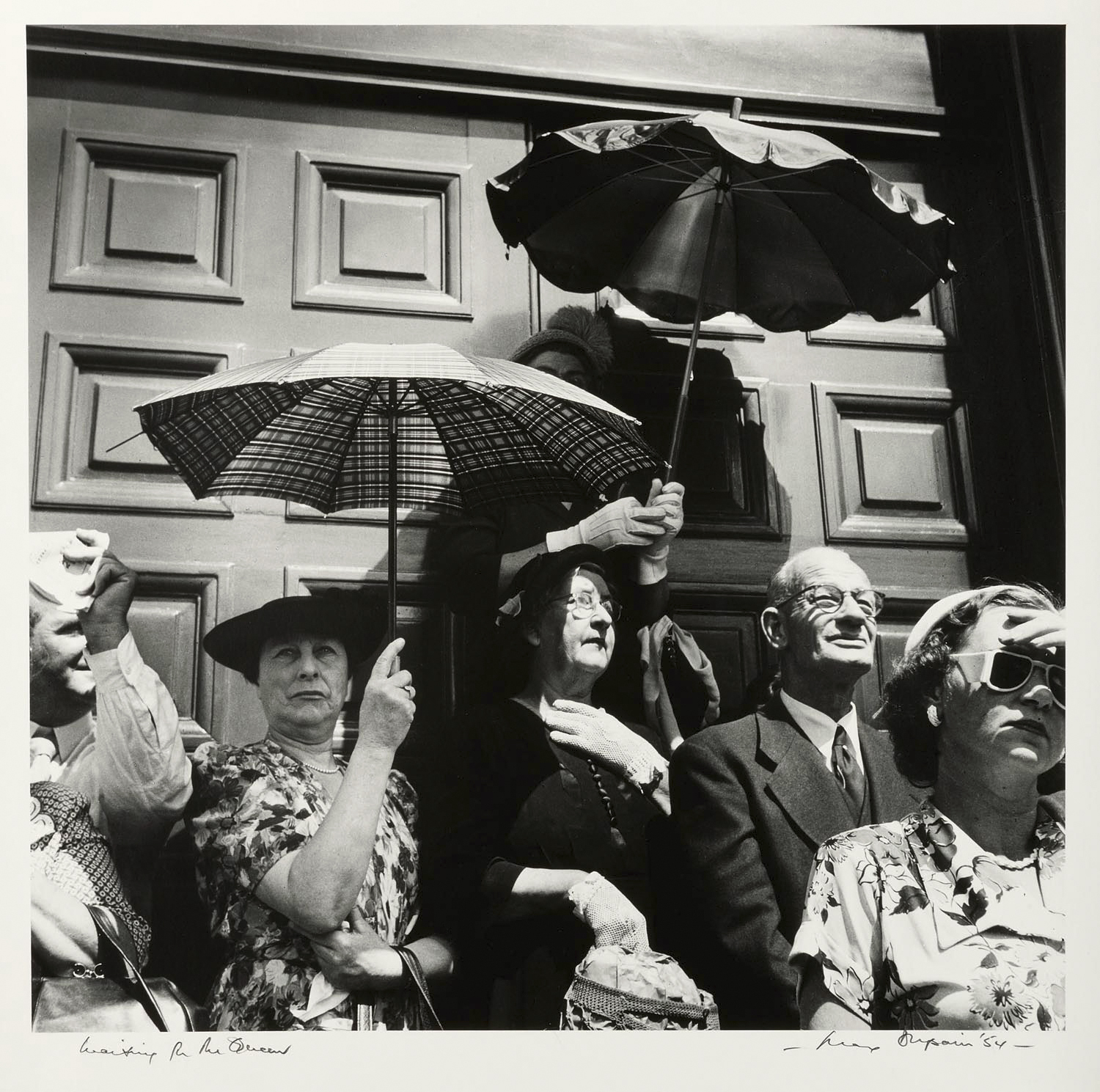
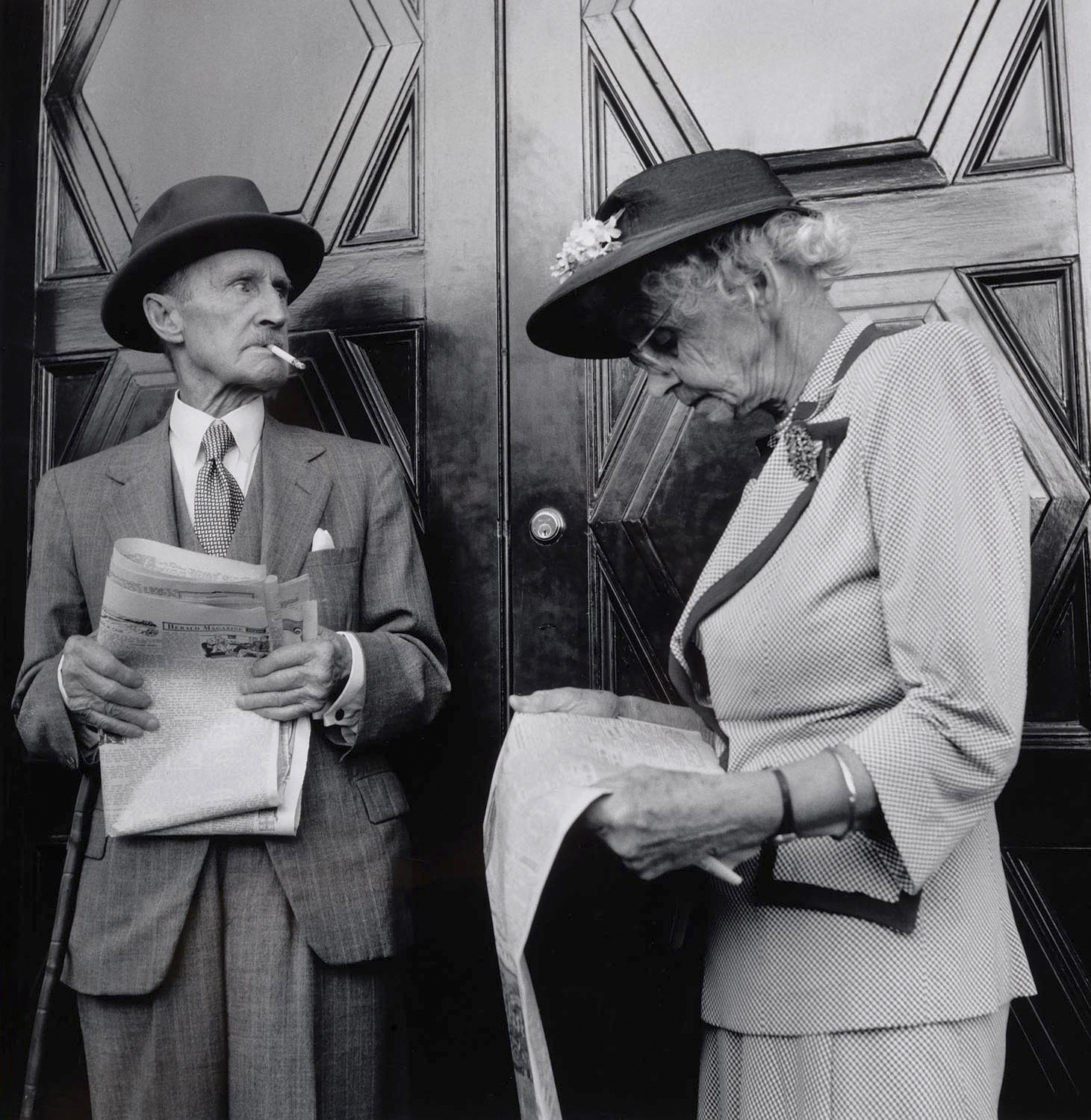
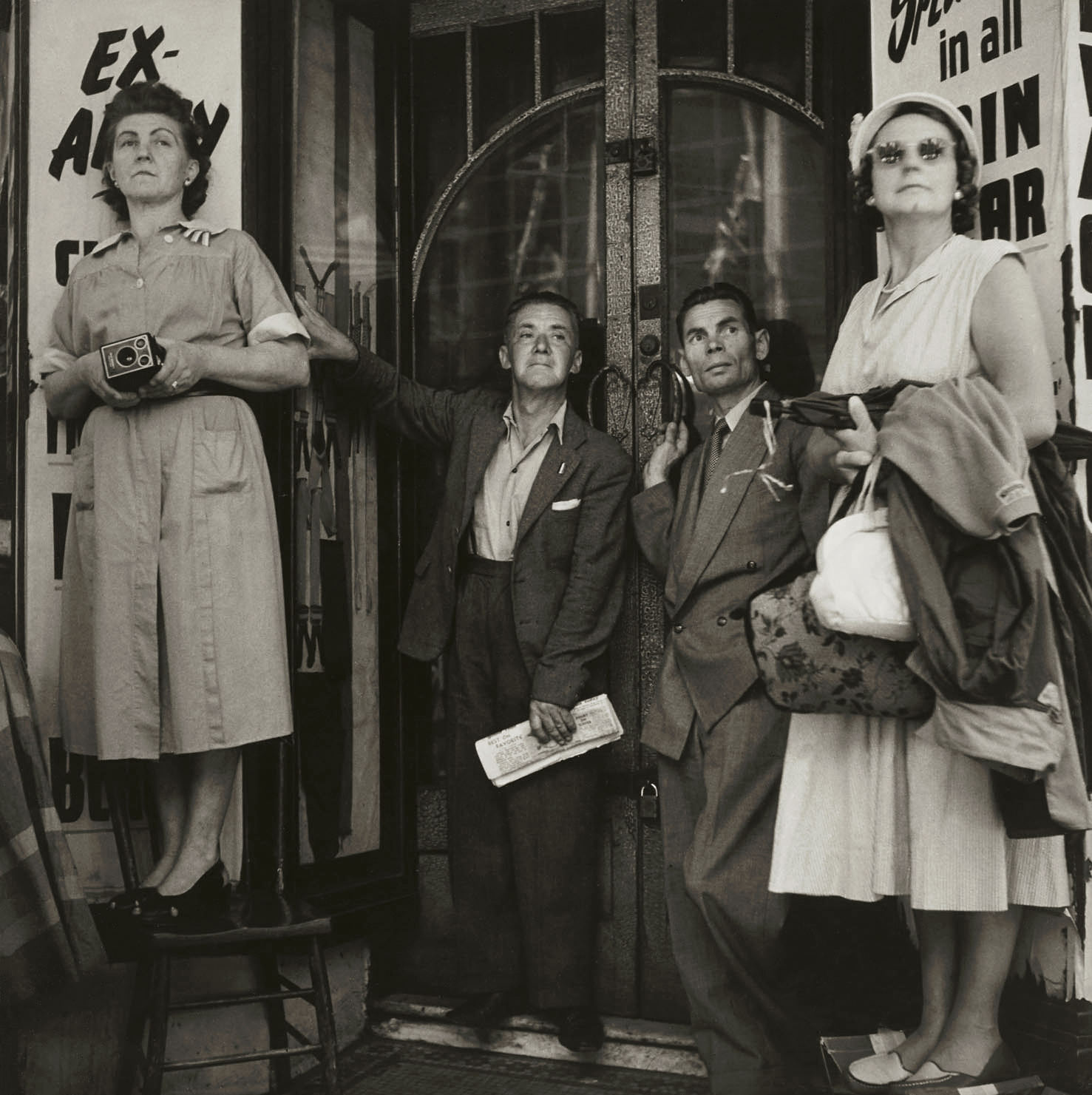
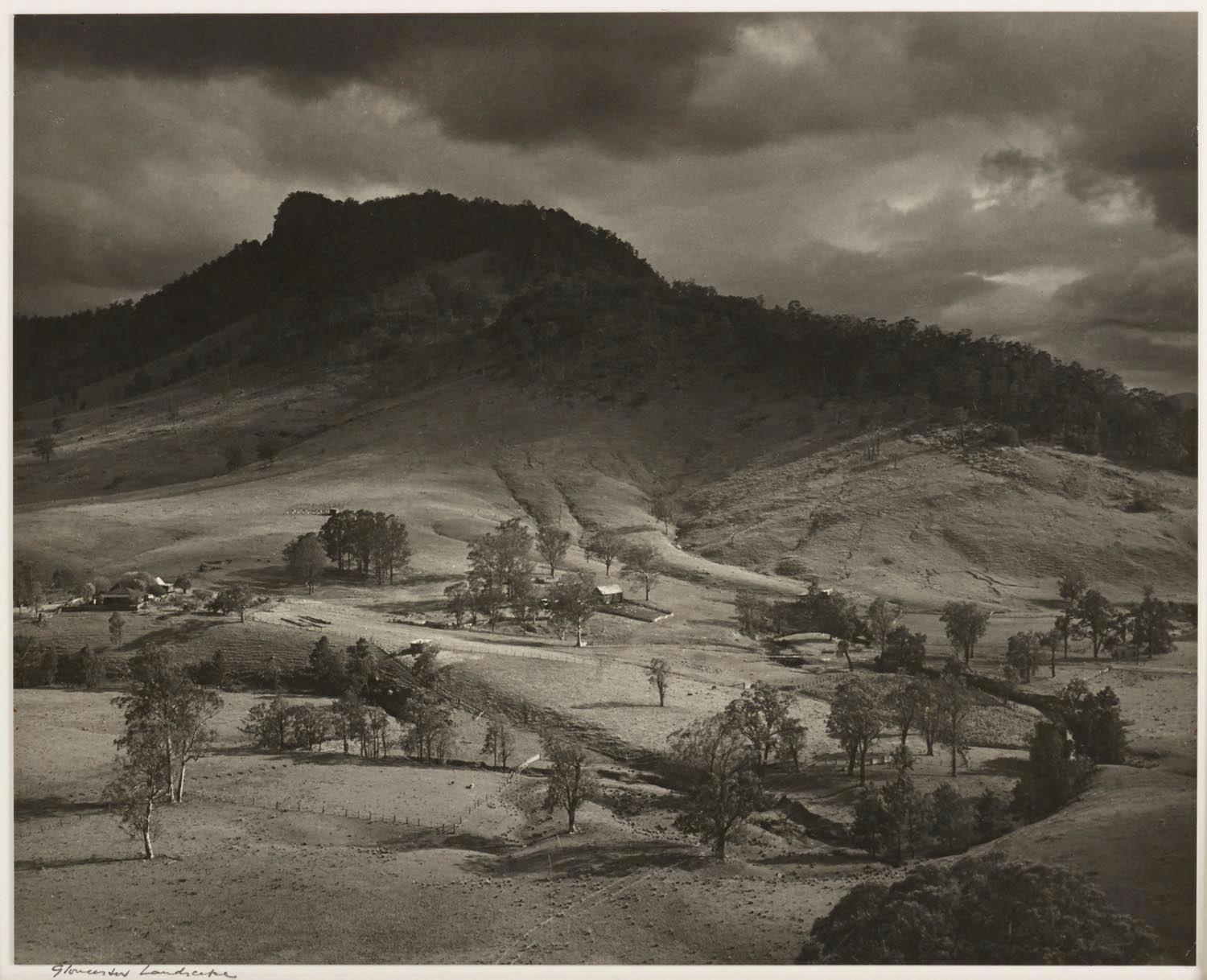
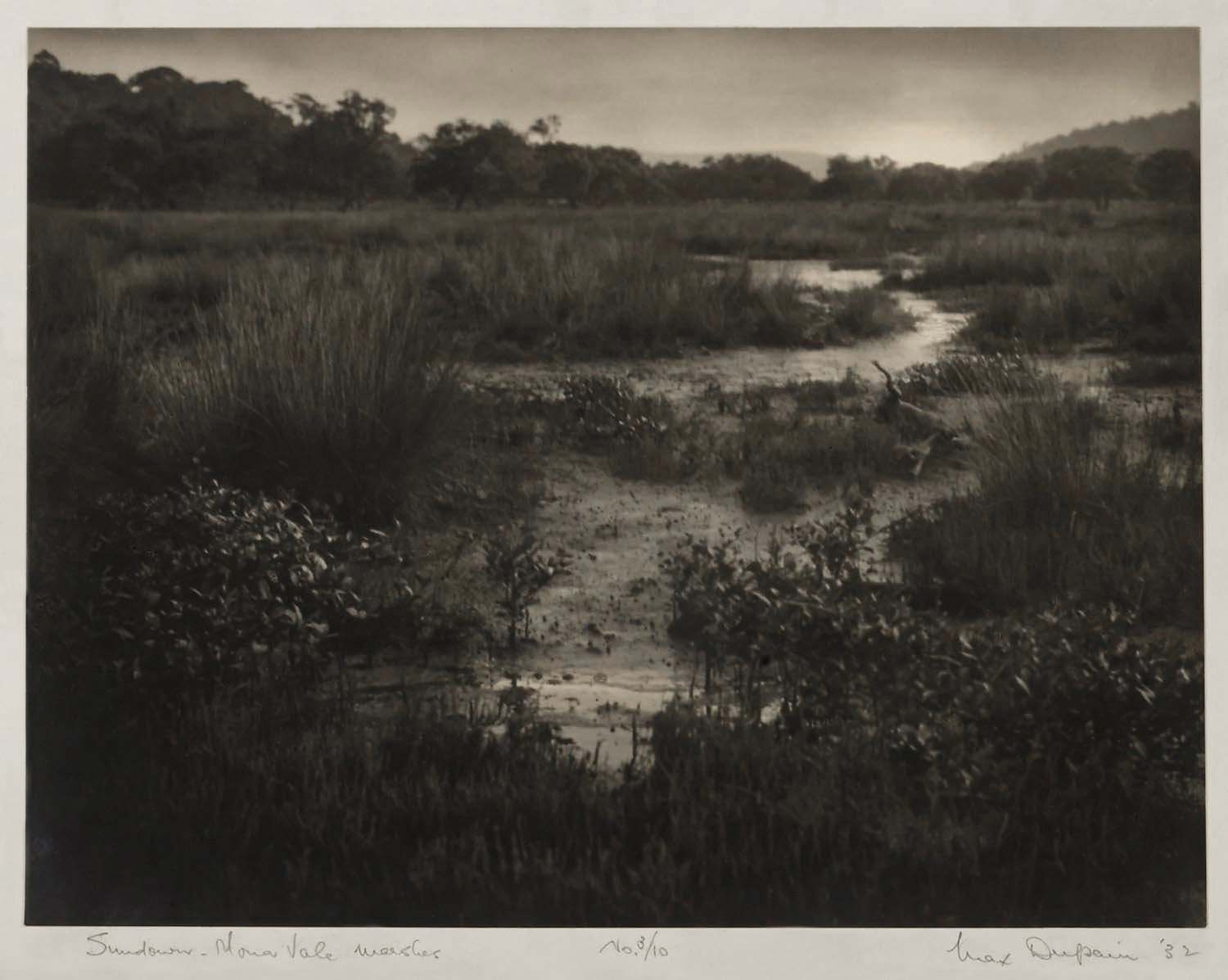
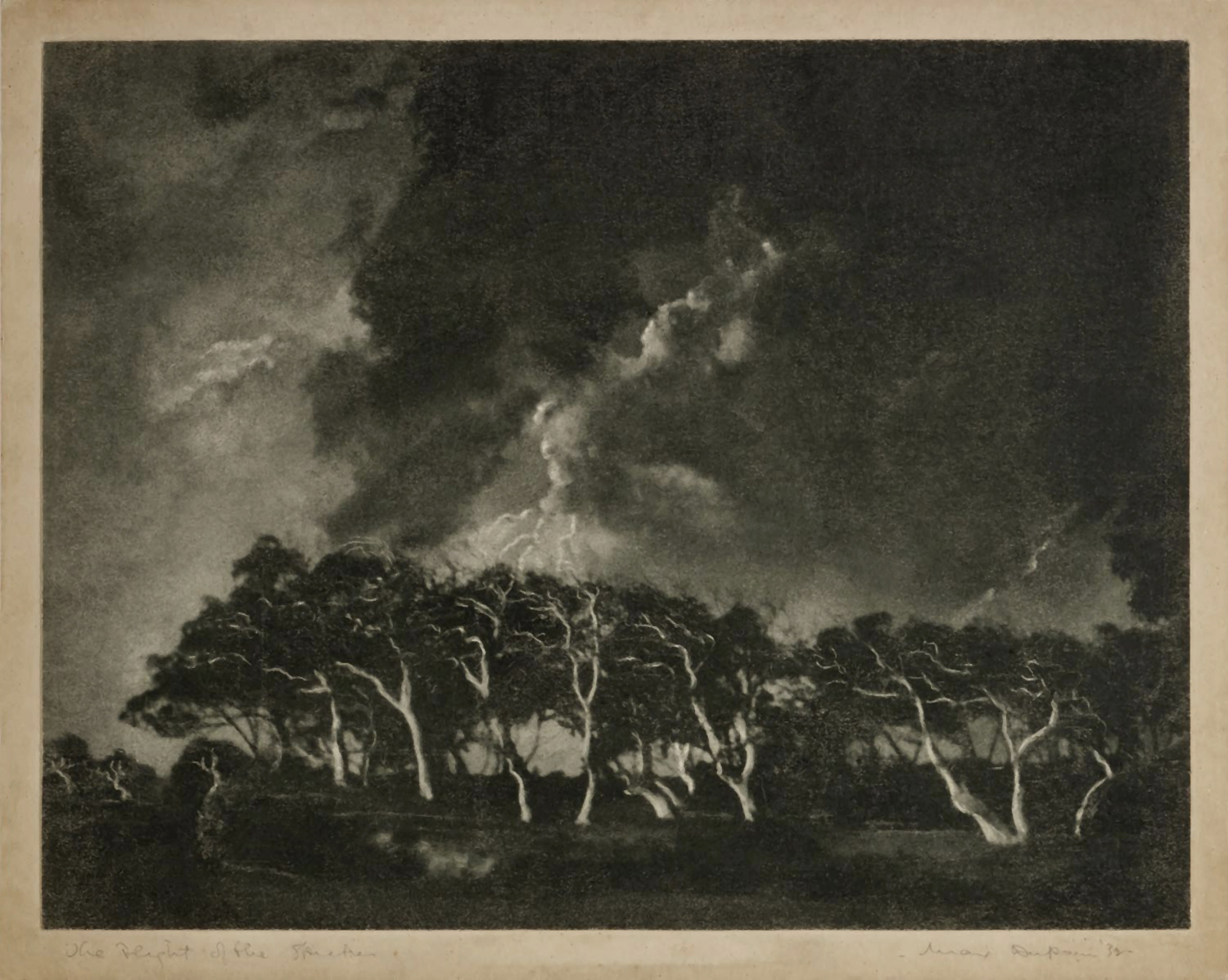


![Ilse Bing (German, 1899-1998) '[Rue de Valois, Paris]' 1932](https://artblart.com/wp-content/uploads/2020/11/ilse-bing-rue-de-valois-paris-1932.jpg "Ilse Bing (German, 1899-1998) '[Rue de Valois, Paris]' 1932")

![Dora Maar (French, 1907-1997) '[Woman and Child in Window, Barcelona]' 1932-1934](https://artblart.com/wp-content/uploads/2020/11/dora-maar-woman-and-child-in-window-barcelona.jpg "Dora Maar (French, 1907-1997) '[Woman and Child in Window, Barcelona]' 1932-1934")


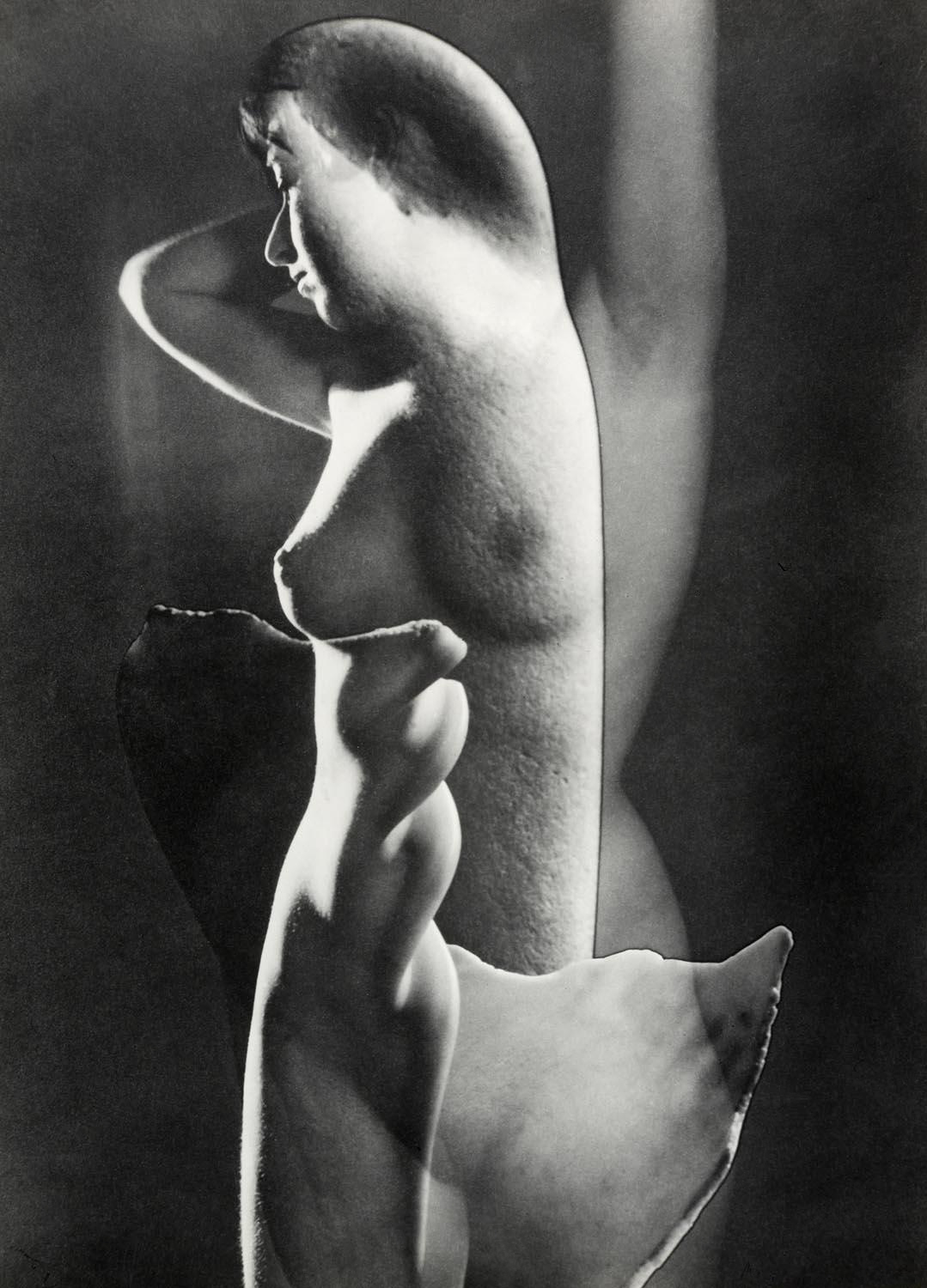


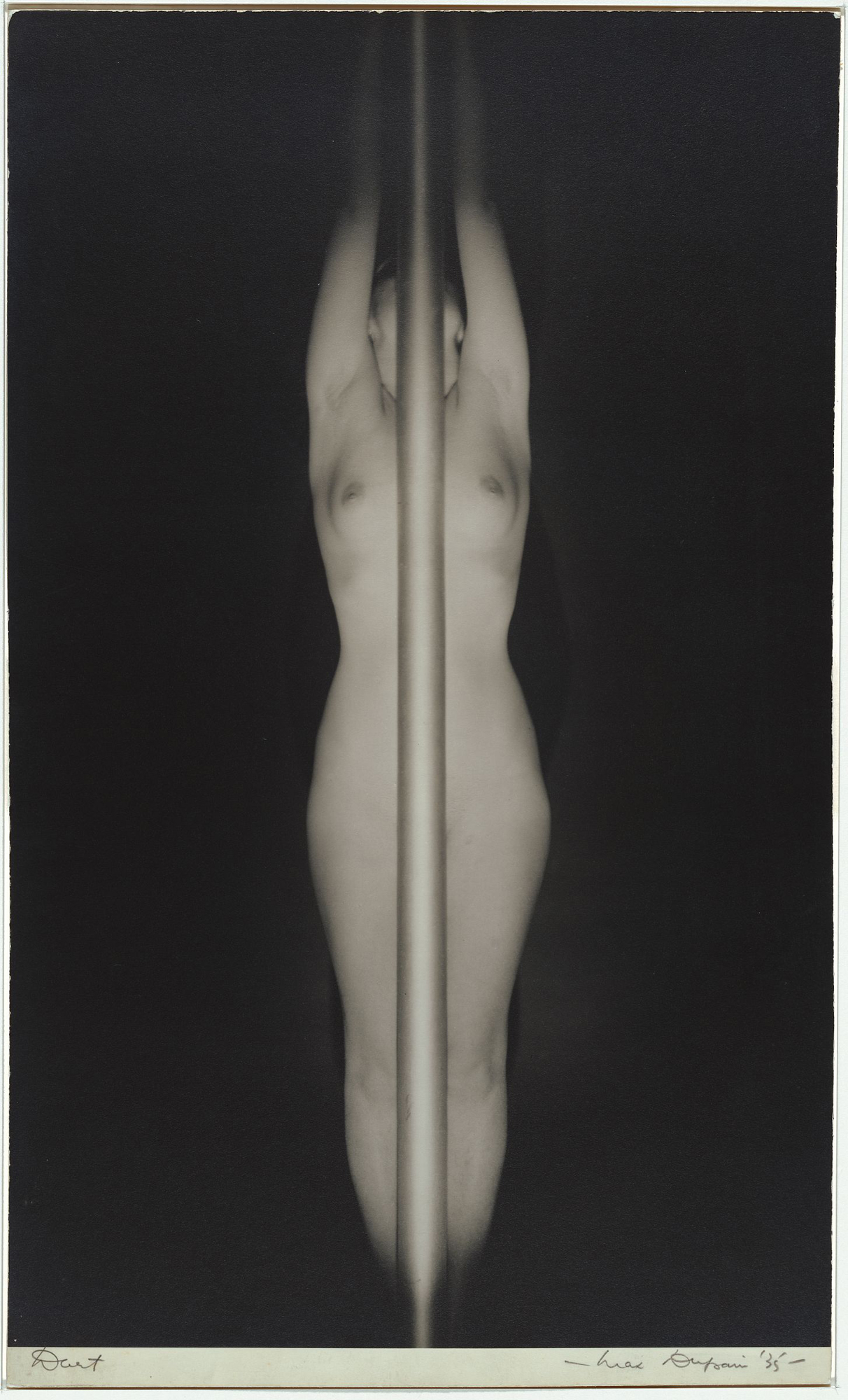
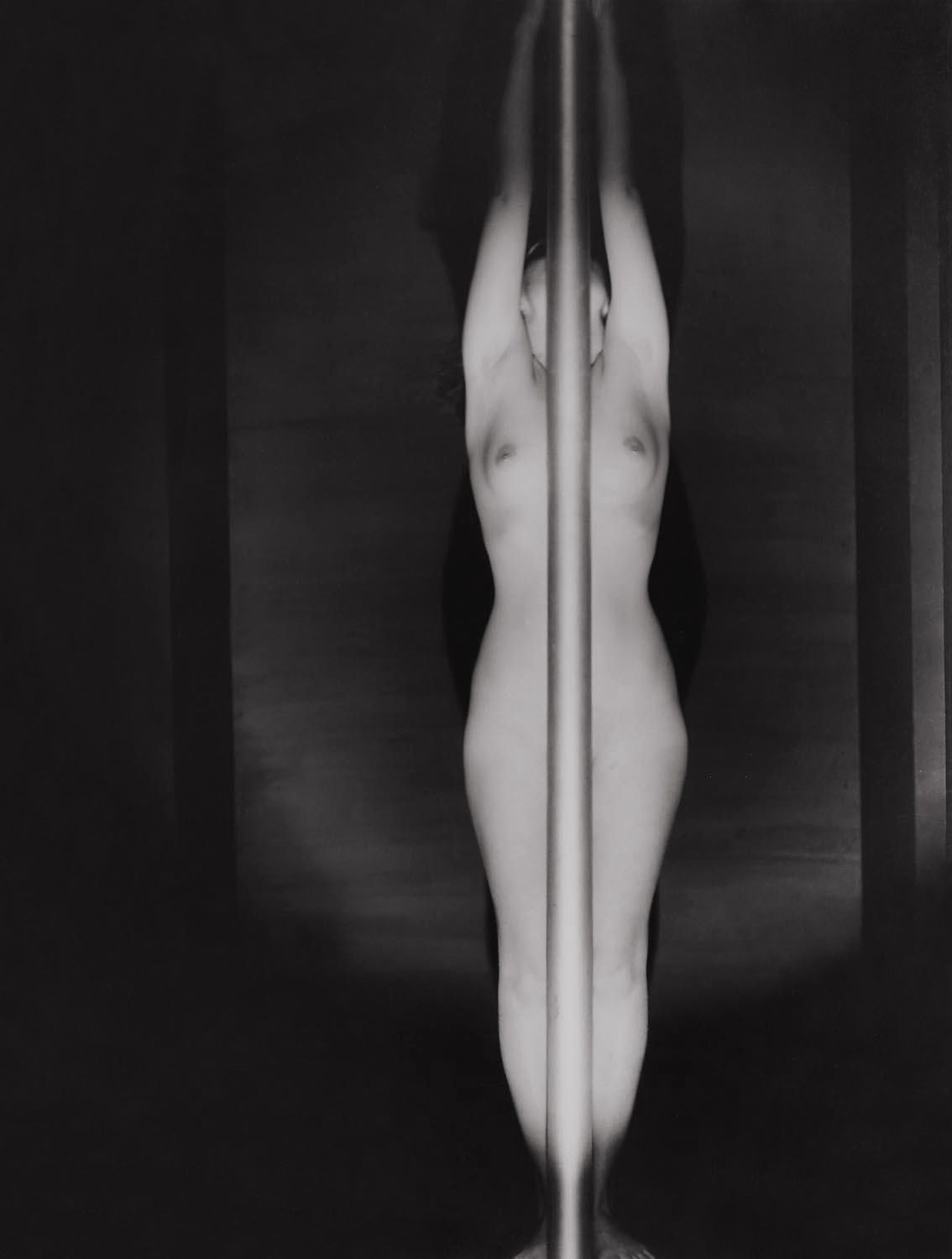


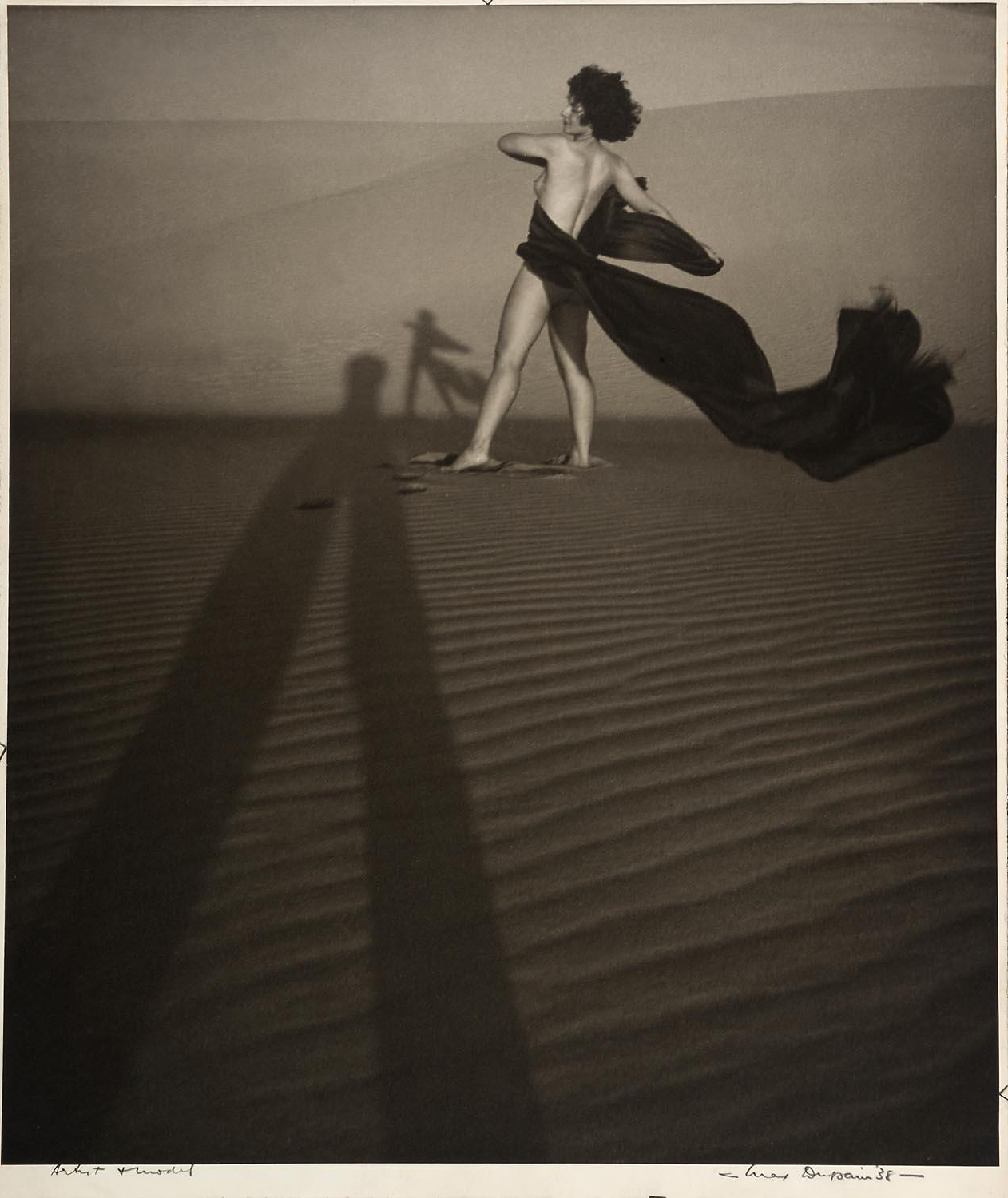


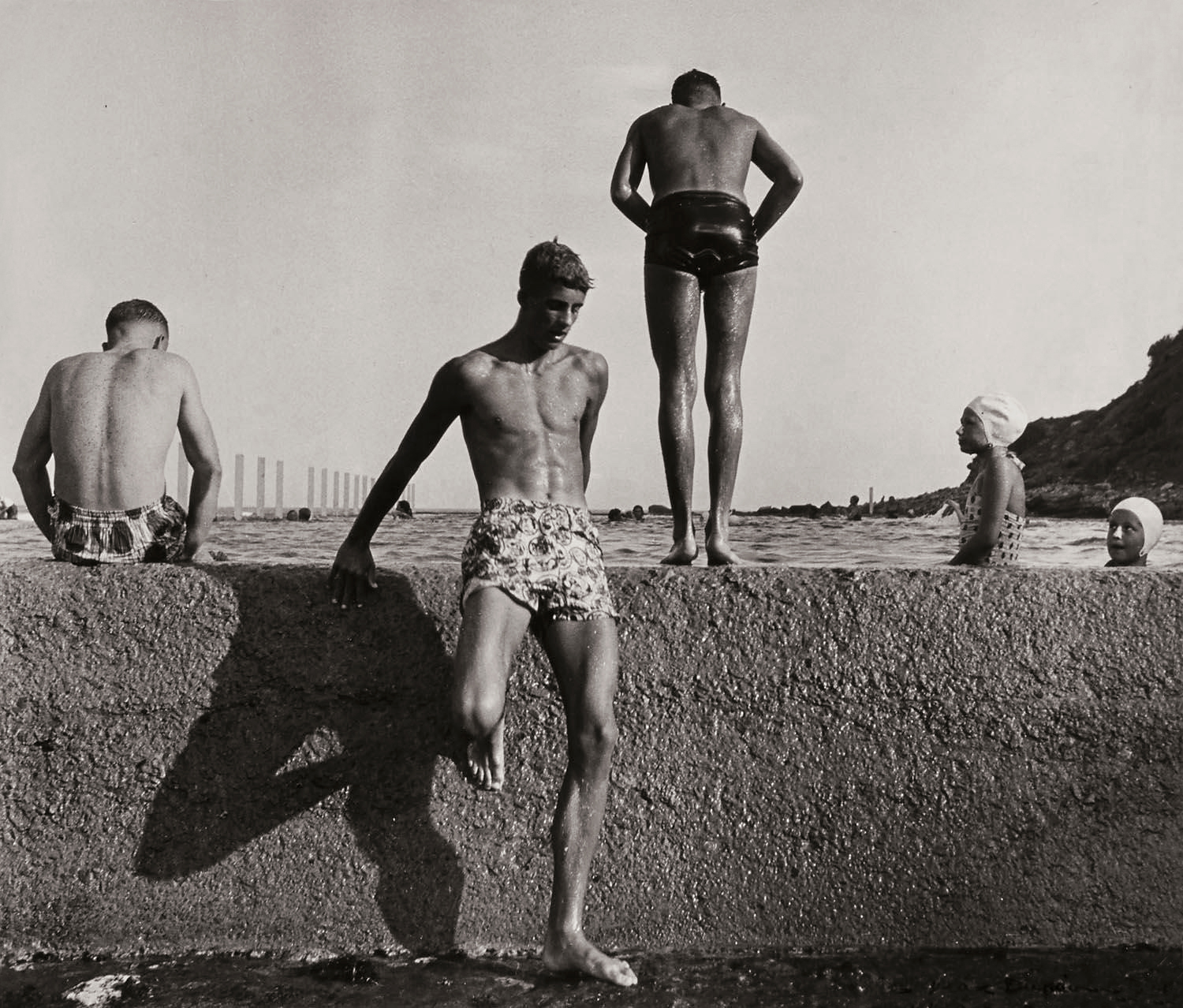
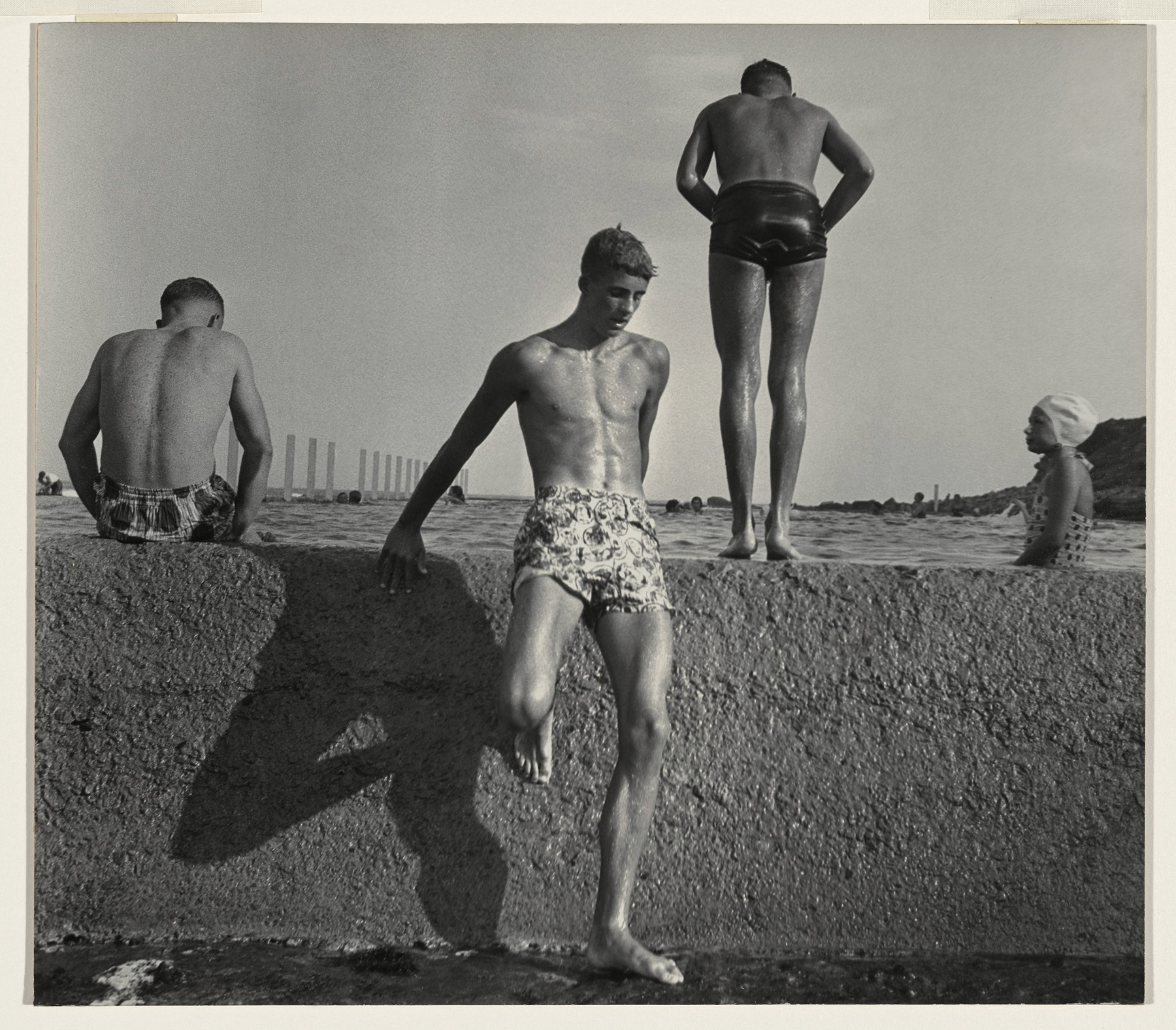


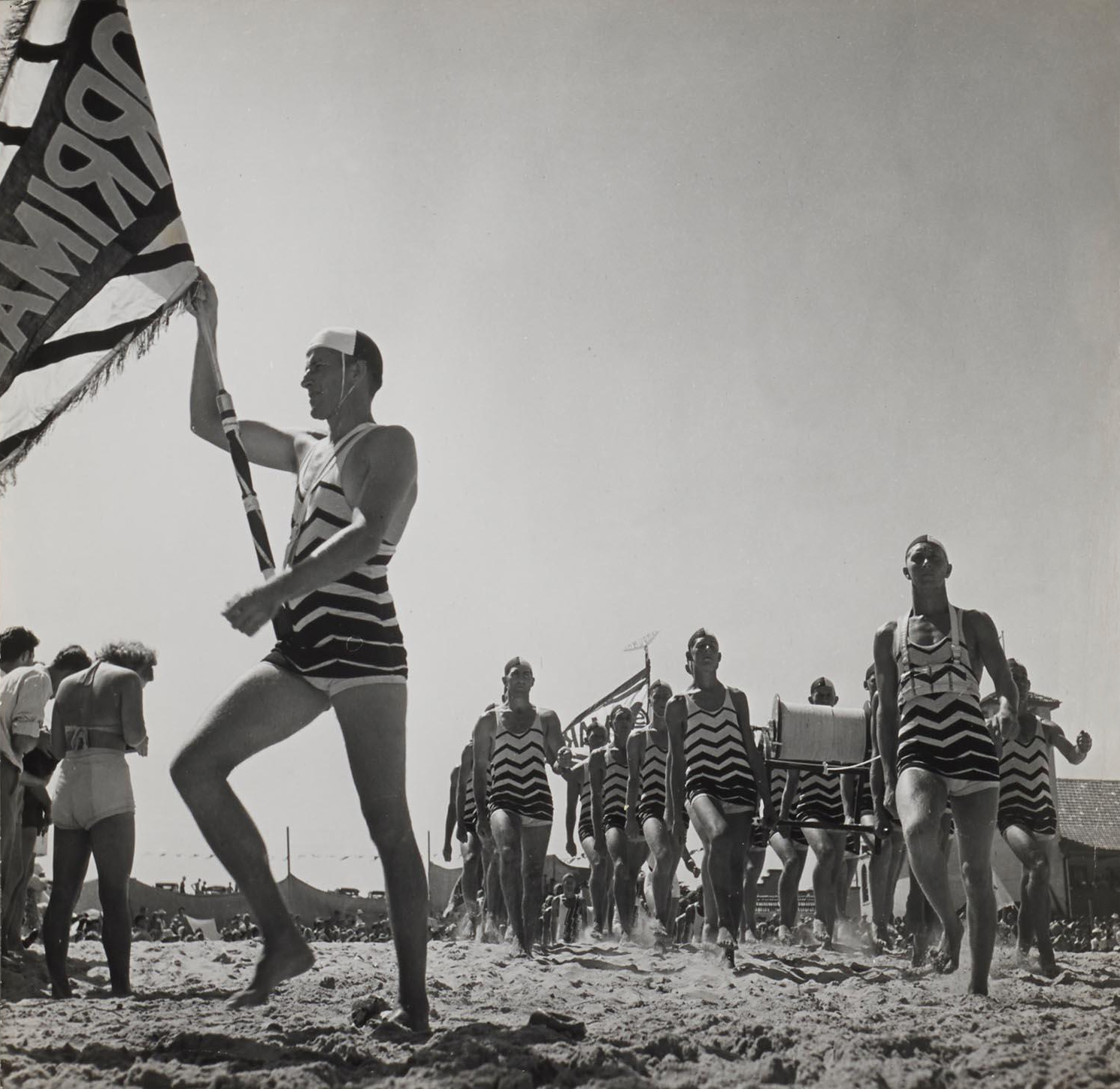


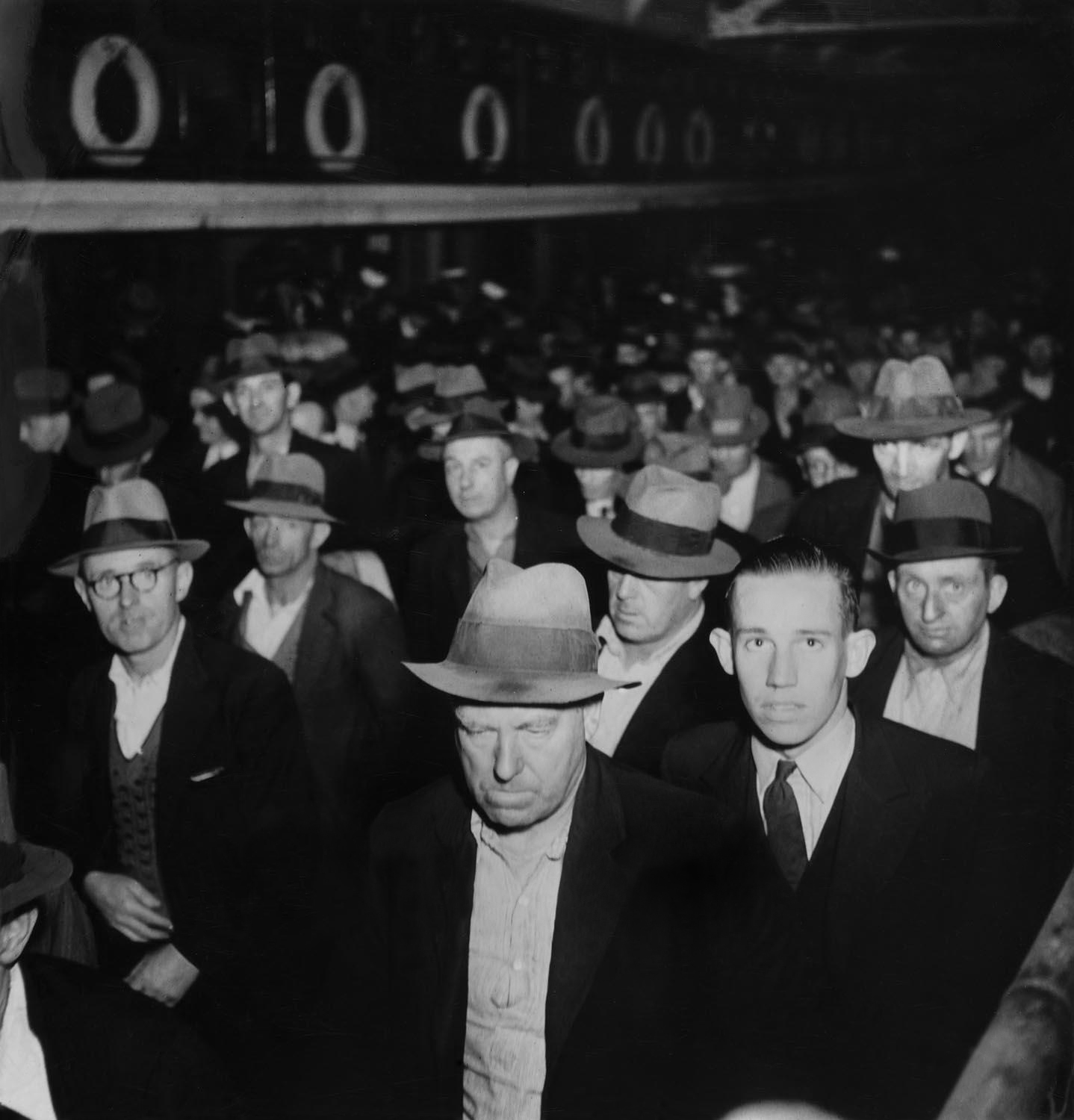


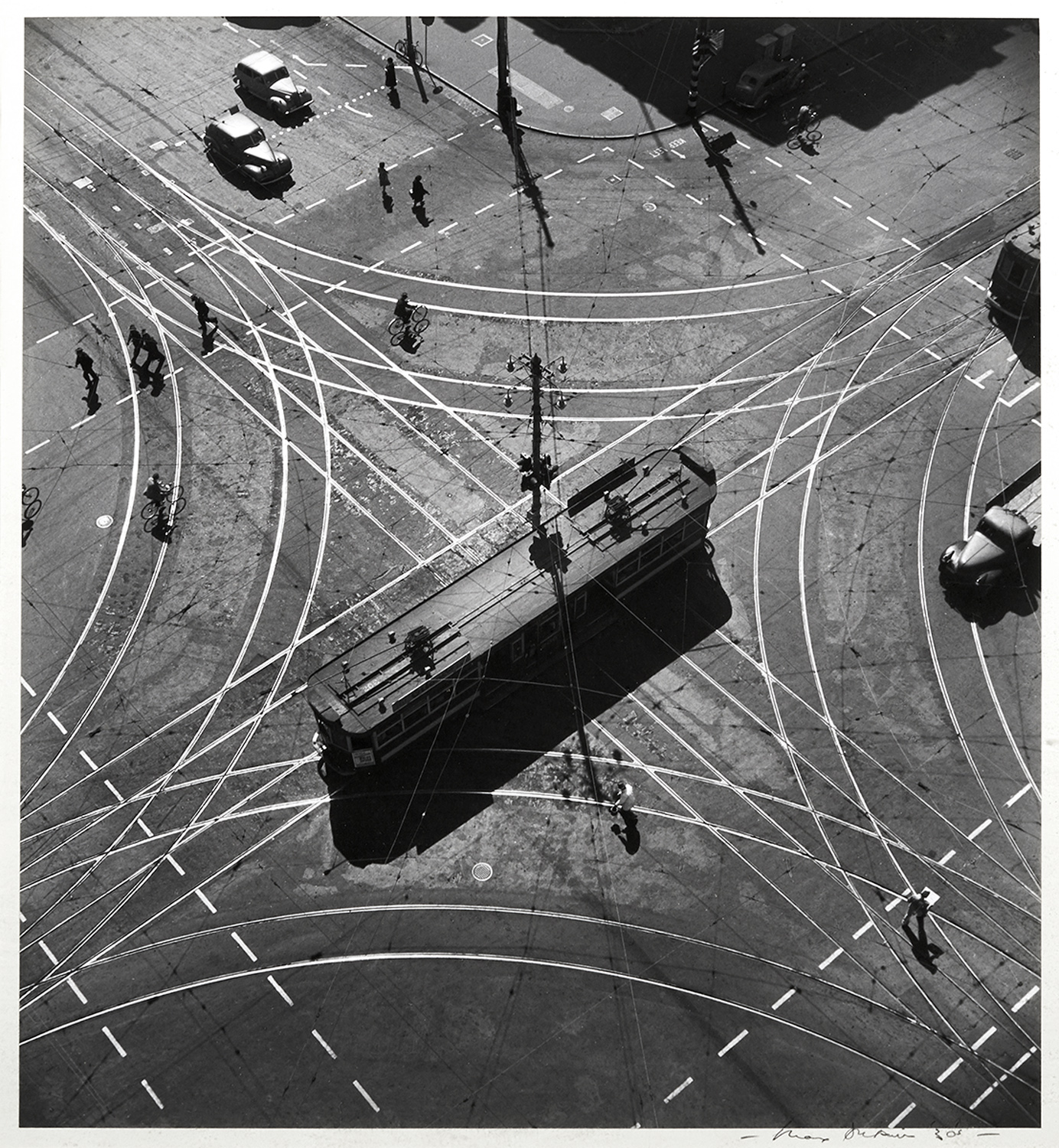


![Andrew Rumann (Australian, 1905-1974) 'Untitled [Departure from Circular Quay, Sydney for Fremantle and Singapore]' 1941](https://artblart.com/wp-content/uploads/2015/02/embarkation-h.jpg "Andrew Rumann (Australian, 1905-1974) 'Untitled [Departure from Circular Quay, Sydney for Fremantle and Singapore]' 1941")
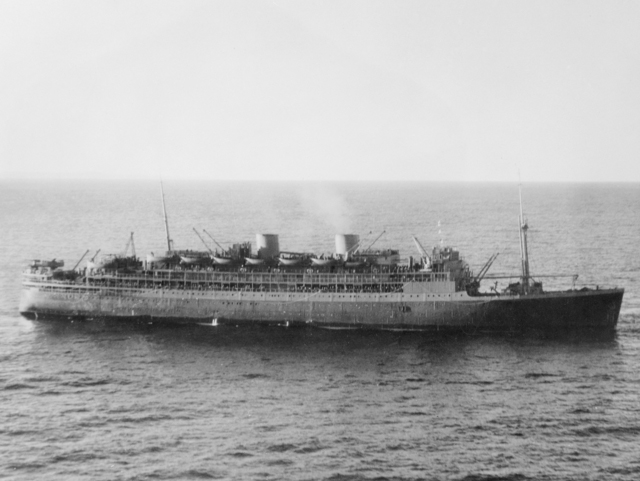
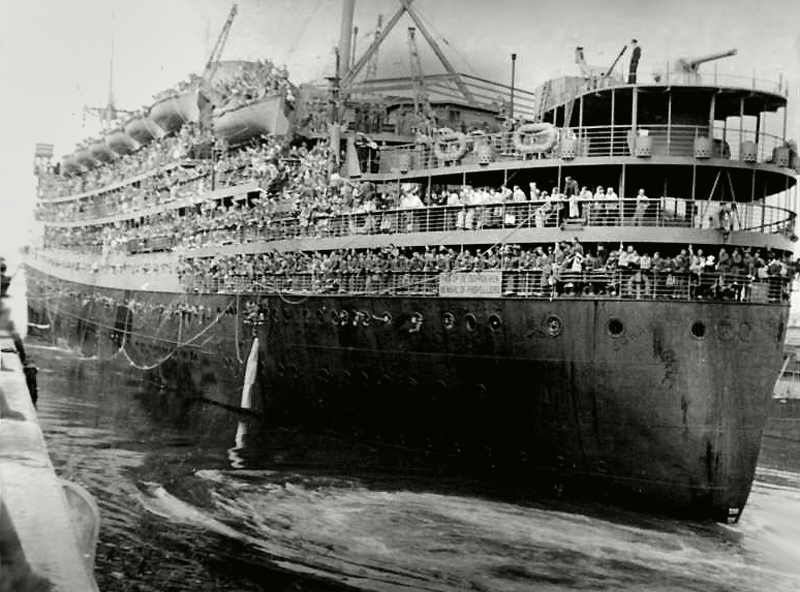
![Andrew Rumann (Australian, 1905-1974) 'Untitled [Departure from Circular Quay, Sydney for Fremantle and Singapore]' 1941](https://artblart.com/wp-content/uploads/2015/02/embarkation-c.jpg "Andrew Rumann (Australian, 1905-1974) 'Untitled [Departure from Circular Quay, Sydney for Fremantle and Singapore]' 1941")
![Andrew Rumann (Australian, 1905-1974) 'Untitled [Departure from Circular Quay, Sydney for Fremantle and Singapore]' 1941](https://artblart.com/wp-content/uploads/2015/02/embarkation-d.jpg "Andrew Rumann (Australian, 1905-1974) 'Untitled [Departure from Circular Quay, Sydney for Fremantle and Singapore]' 1941")
![Andrew Rumann (Australian, 1905-1974) 'Untitled [Departure from Circular Quay, Sydney for Fremantle and Singapore]' 1941 (detail)](https://artblart.com/wp-content/uploads/2015/02/embarkation-d-detail.jpg "Andrew Rumann (Australian, 1905-1974) 'Untitled [Departure from Circular Quay, Sydney for Fremantle and Singapore]' 1941 (detail)")
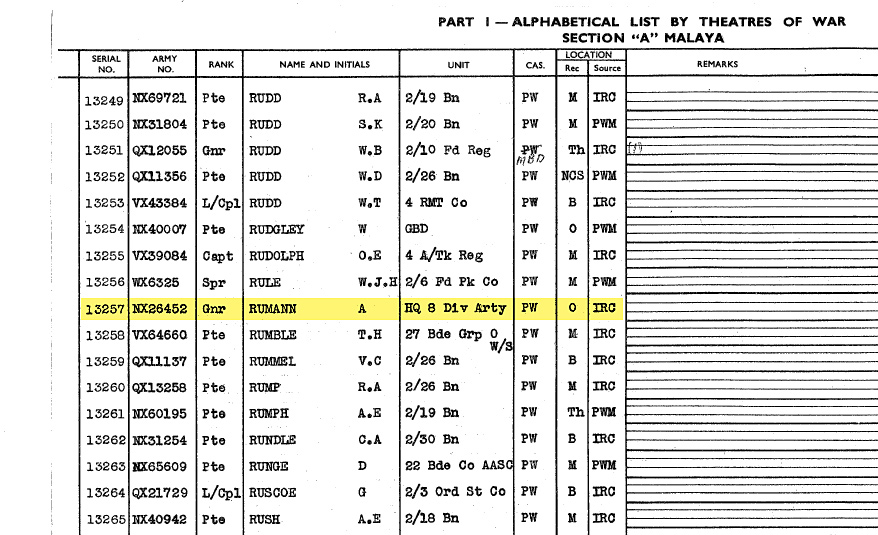
![Anonymous photographer (Australian) 'Untitled [Encampment]' 1942-45](https://artblart.com/wp-content/uploads/2015/02/embarkation-j.jpg "Anonymous photographer (Australian) 'Untitled [Encampment]' 1942-45")
![Anonymous photographer (Australian) 'Untitled [Women standing in front of an American Red Cross sign]' 1942-45](https://artblart.com/wp-content/uploads/2015/02/embarkation-i.jpg "Anonymous photographer (Australian) 'Untitled [Women standing in front of an American Red Cross sign]' 1942-45")
![Anonymous photographer (Australian) 'Untitled [Post Exchange No. 2]' 1942-45](https://artblart.com/wp-content/uploads/2015/02/embarkation-k.jpg "Anonymous photographer (Australian) 'Untitled [Post Exchange No. 2]' 1942-45")
![Anonymous photographer (Australian) 'Untitled [Post Exchange No. 2]' 1942-45 (detail)](https://artblart.com/wp-content/uploads/2015/02/embarkation-k-detail.jpg "Anonymous photographer (Australian) 'Untitled [Post Exchange No. 2]' 1942-45 (detail)")
![Anonymous photographer (Australian) 'Untitled [Taking out the rubbish]' 1942-45](https://artblart.com/wp-content/uploads/2015/02/embarkation-e.jpg "Anonymous photographer (Australian) 'Untitled [Taking out the rubbish]' 1942-45")
![Anonymous photographer (Australian) 'Untitled [BKC*23]' 1942-45](https://artblart.com/wp-content/uploads/2015/02/embarkation-f.jpg "Anonymous photographer (Australian) 'Untitled [BKC*23]' 1942-45")
![Anonymous photographer (Australian) 'Untitled [BKC*23]' 1942-45 (detail)](https://artblart.com/wp-content/uploads/2015/02/embarkation-f-detail.jpg "Anonymous photographer (Australian) 'Untitled [BKC*23]' 1942-45 (detail)")
![Anonymous photographer (Australian) 'Untitled [Transportation Corps US Army BKC*23]' 1942-45](https://artblart.com/wp-content/uploads/2015/02/embarkation-g.jpg "Anonymous photographer (Australian) 'Untitled [Transportation Corps US Army BKC*23]' 1942-45")
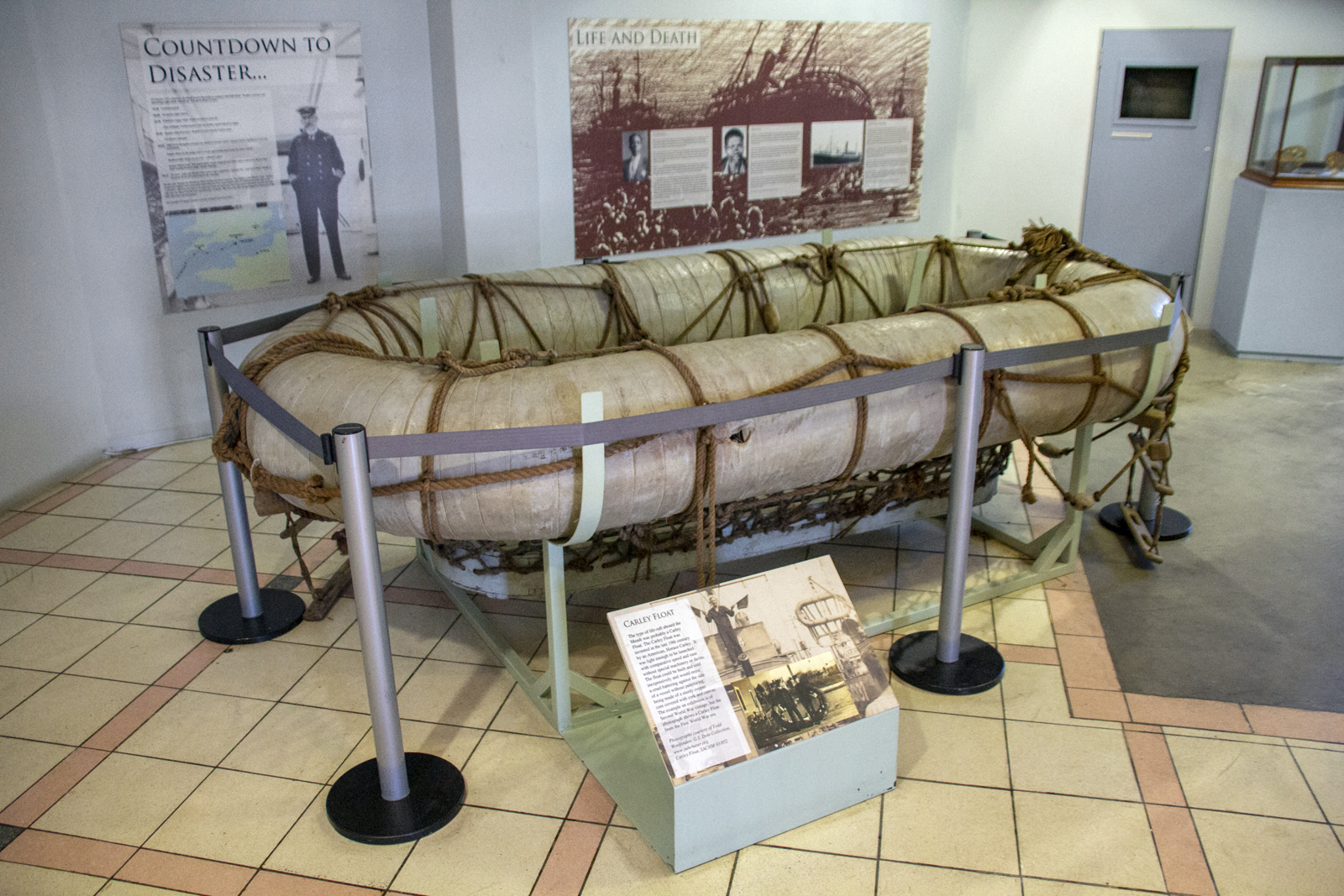
![Anonymous photographer (Australian) 'Untitled [Transportation Corps US Army BKC*23]' 1942-45 (detail)](https://artblart.com/wp-content/uploads/2015/02/embarkation-g-detail.jpg "Anonymous photographer (Australian) 'Untitled [Transportation Corps US Army BKC*23]' 1942-45 (detail)")
![Anonymous photographer (Australian) 'Untitled [Embarkation]' 1942-45](https://artblart.com/wp-content/uploads/2015/02/embarkation-a.jpg "Anonymous photographer (Australian) 'Untitled [Embarkation]' 1942-45")
![Anonymous photographer (Australian) 'Untitled [Embarkation]' 1942-45 (detail)](https://artblart.com/wp-content/uploads/2015/02/embarkation-a-detail.jpg "Anonymous photographer (Australian) 'Untitled [Embarkation]' 1942-45 (detail)")
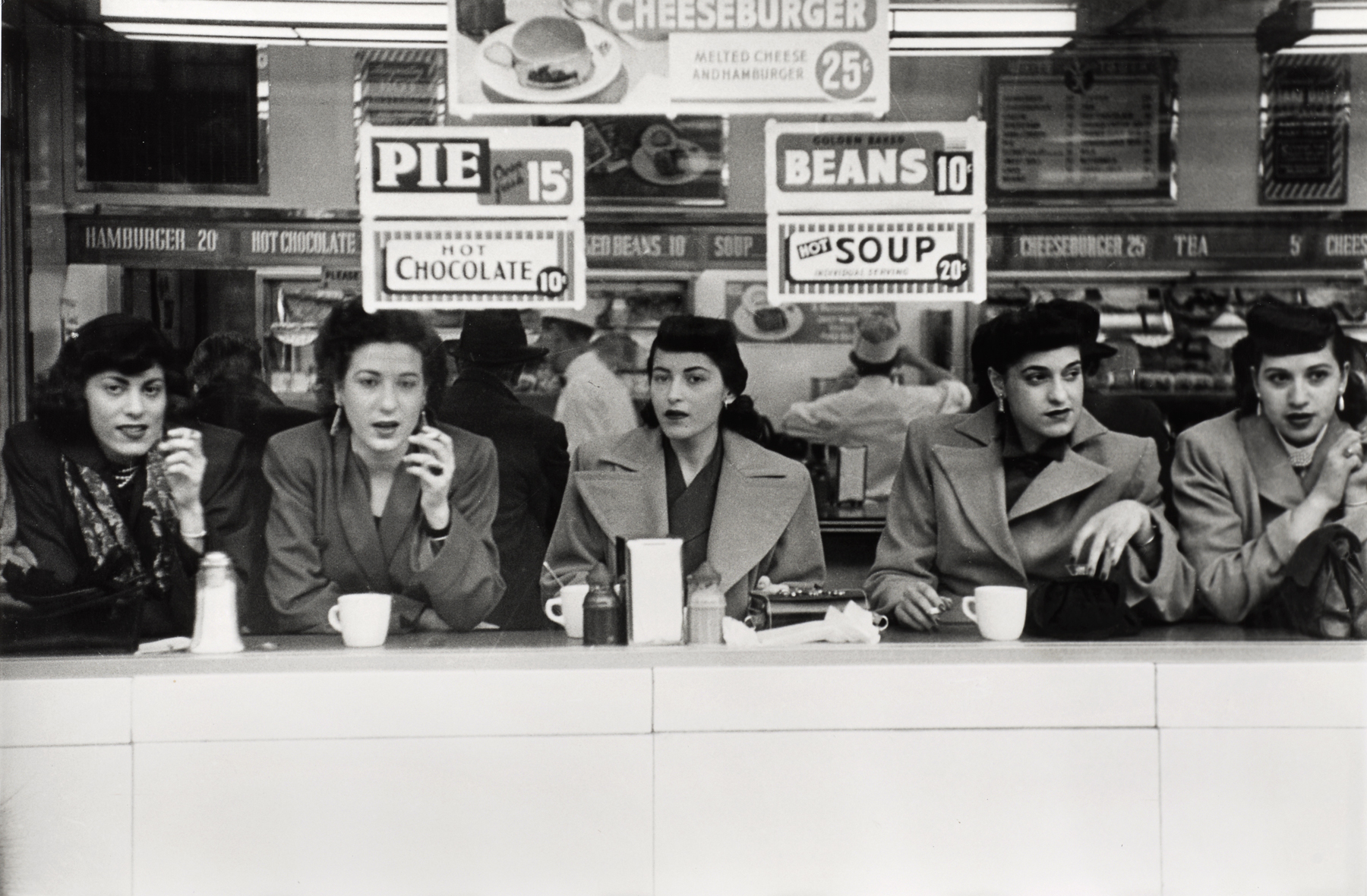
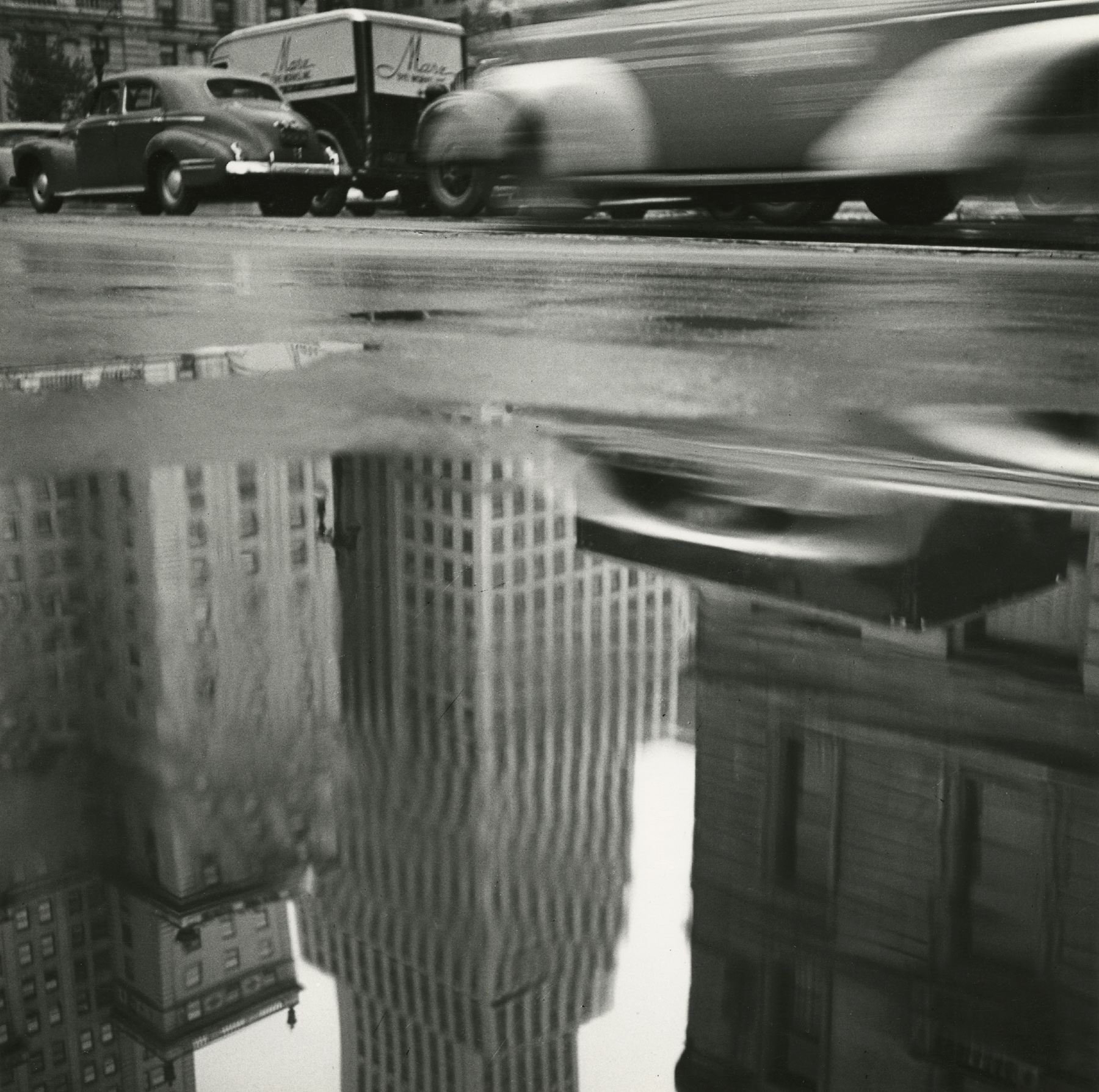
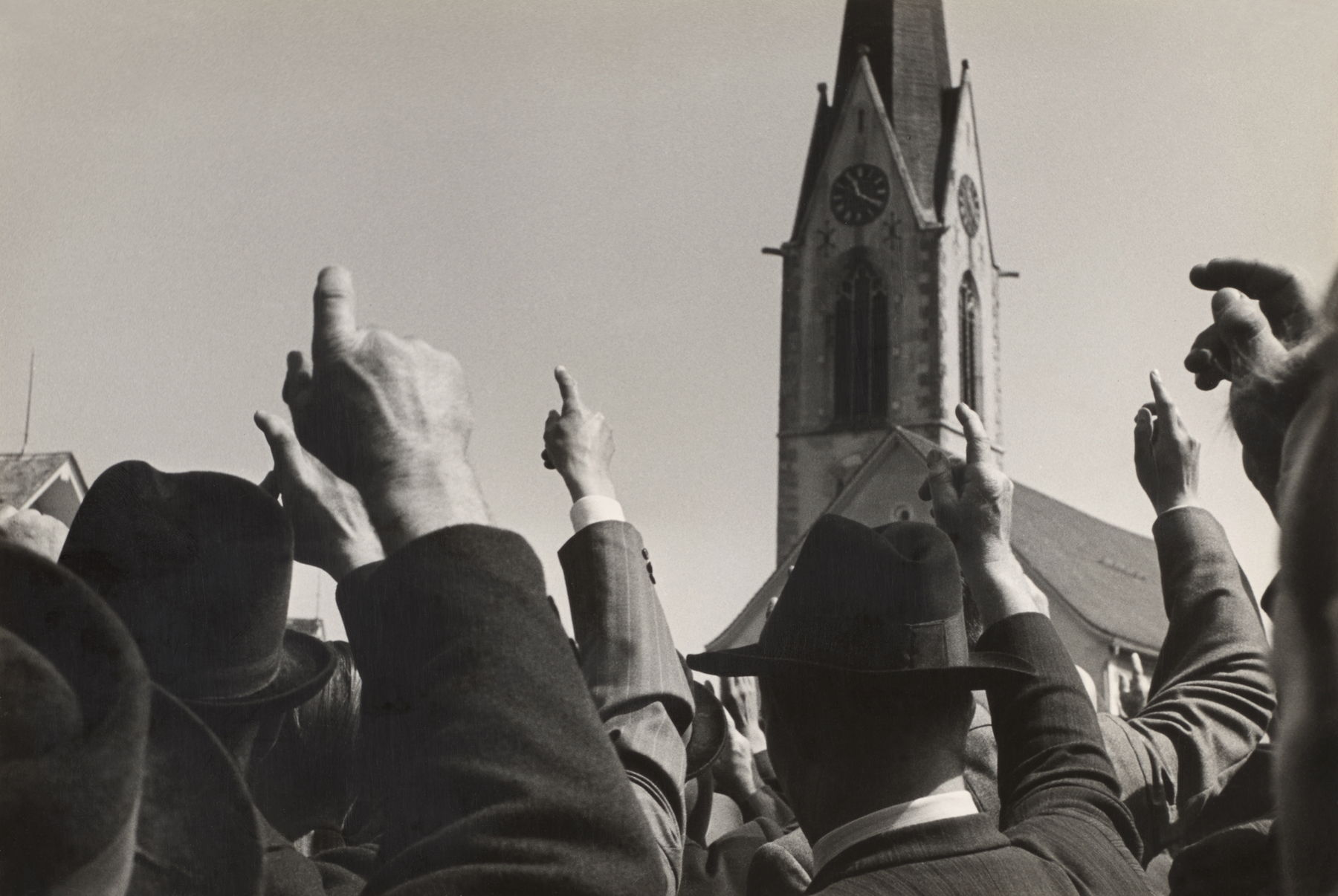
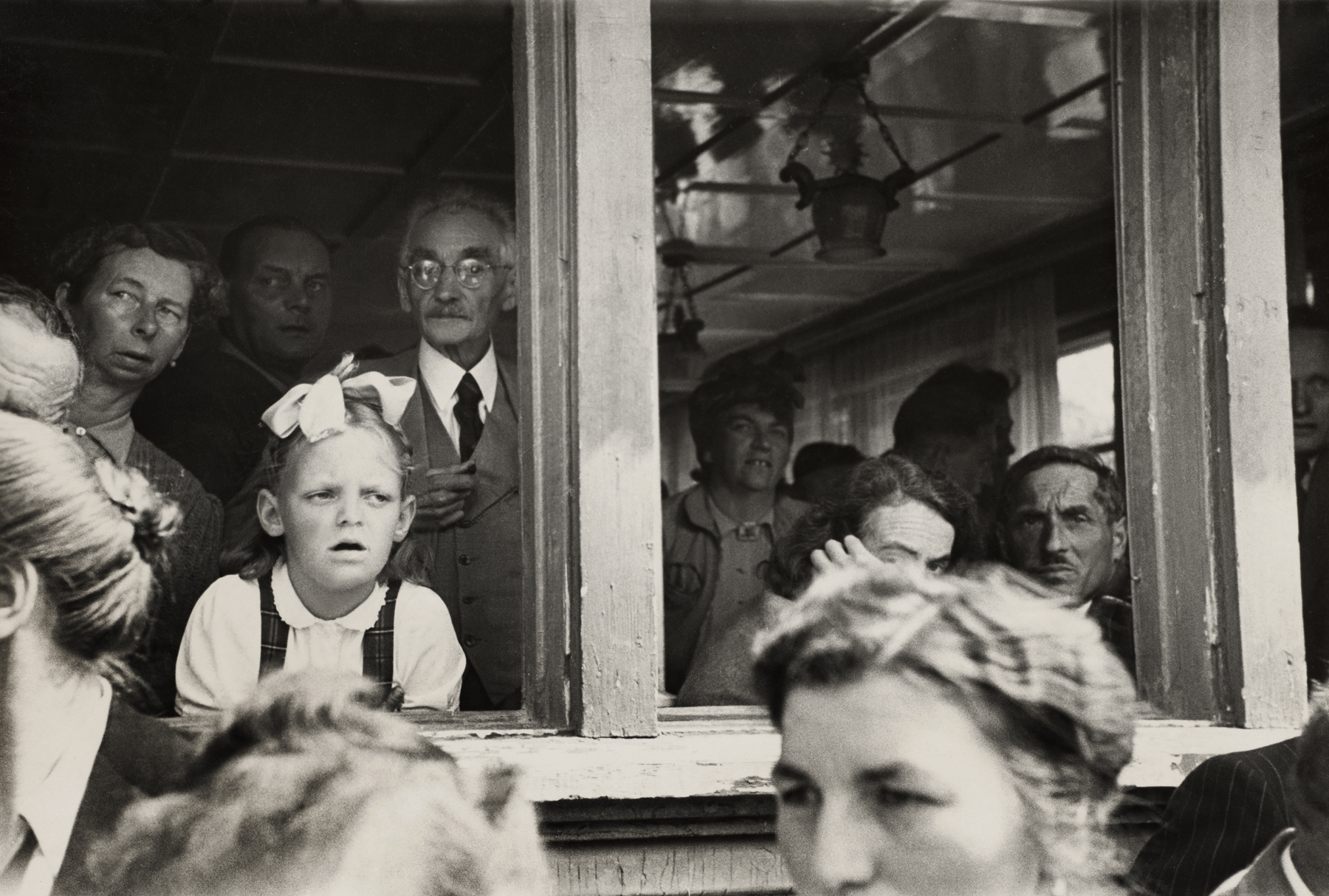
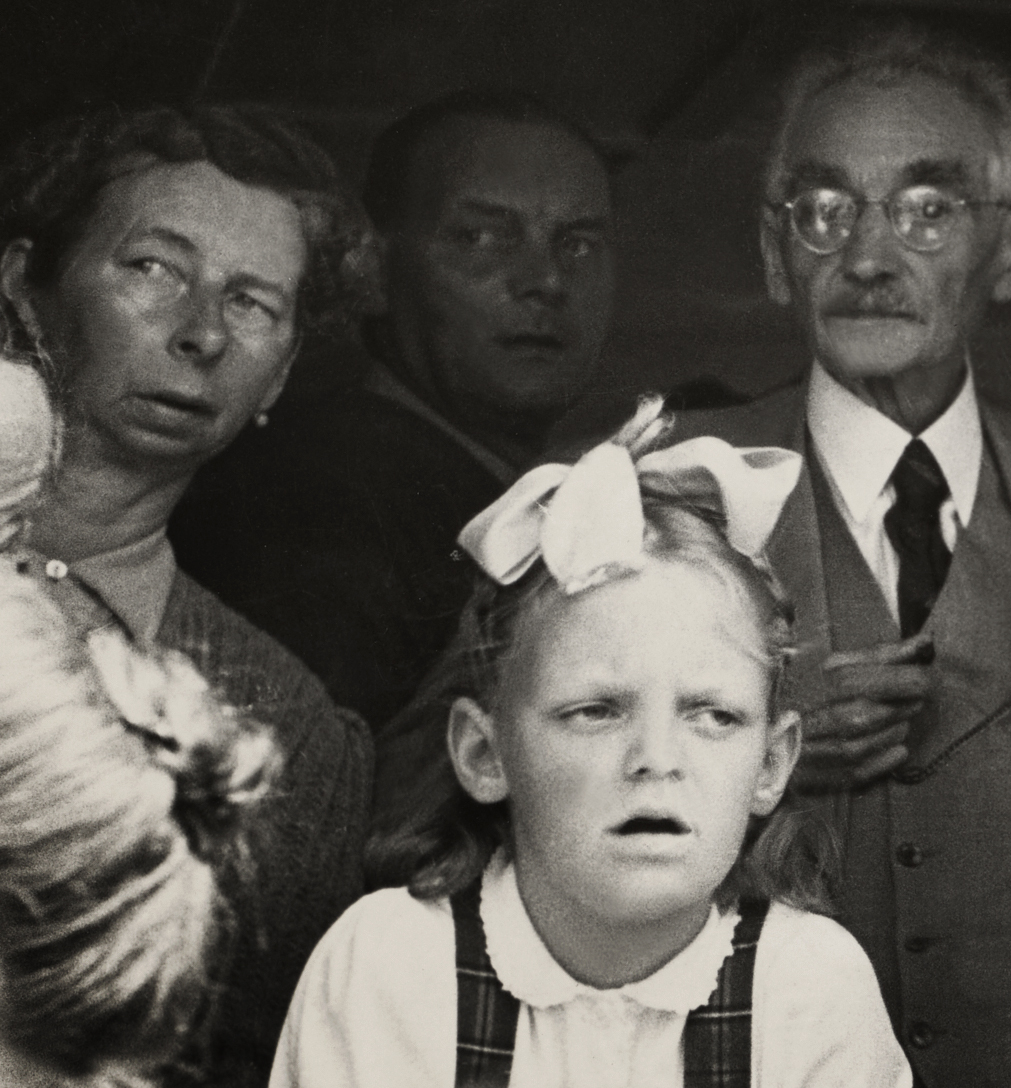
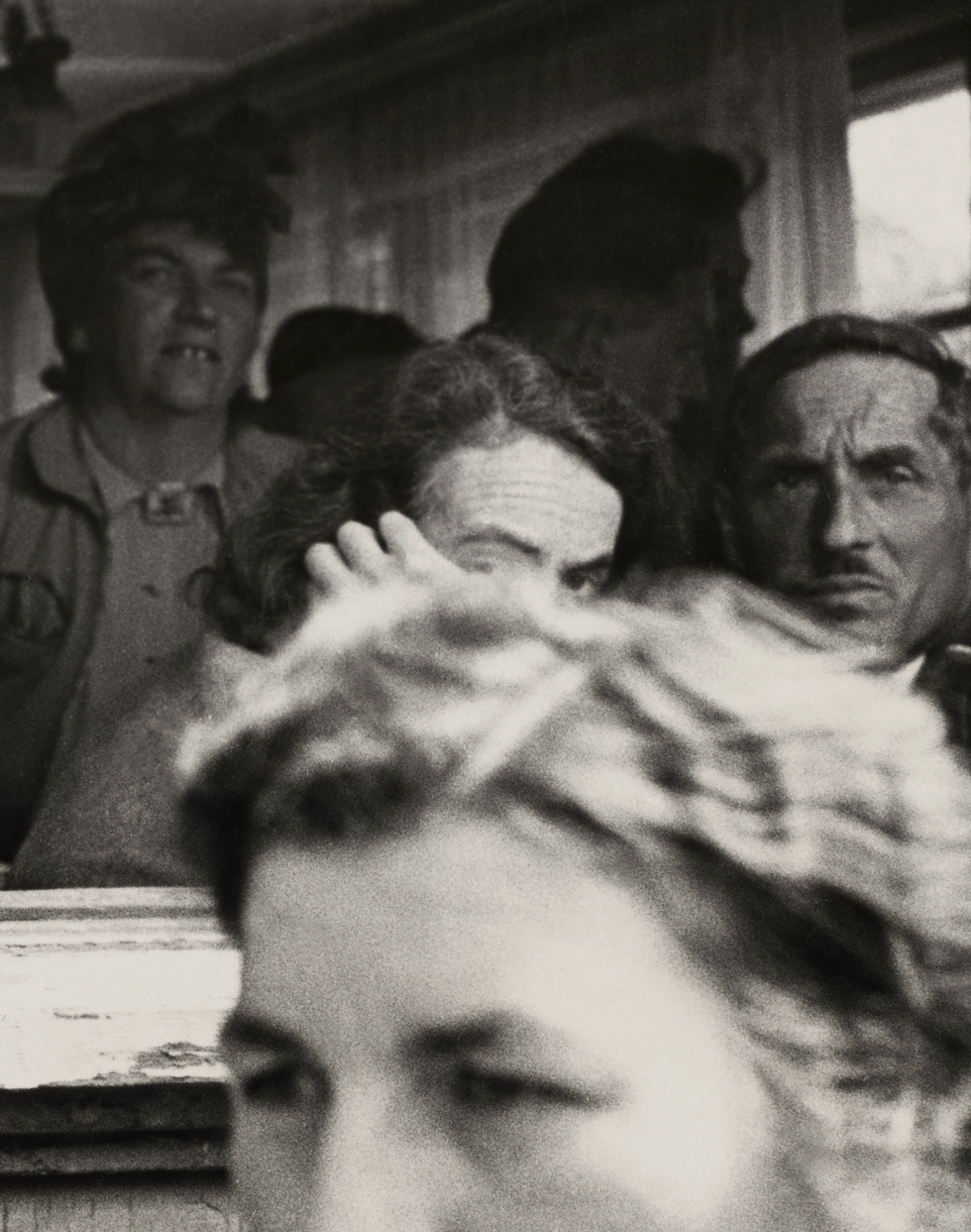
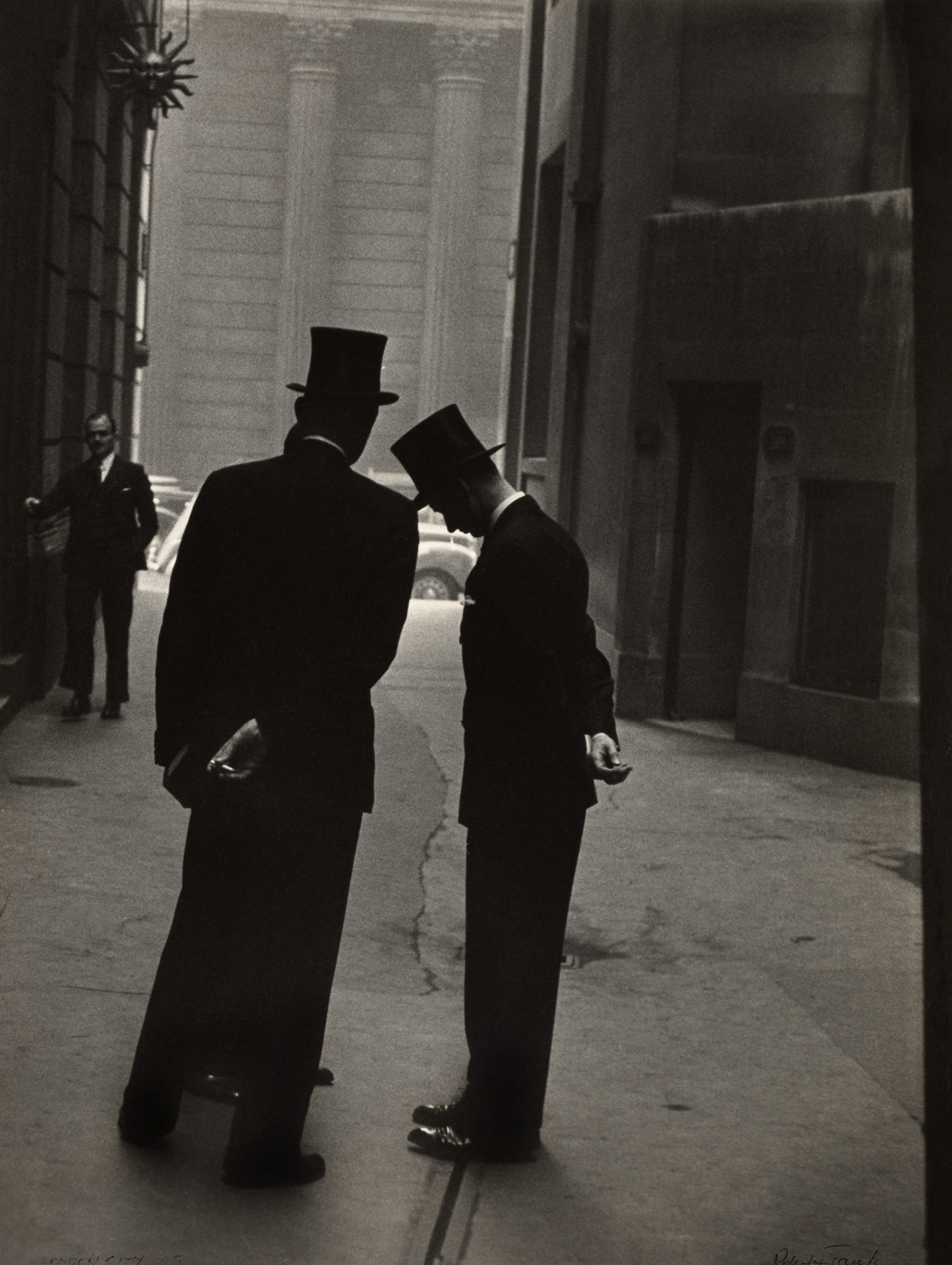
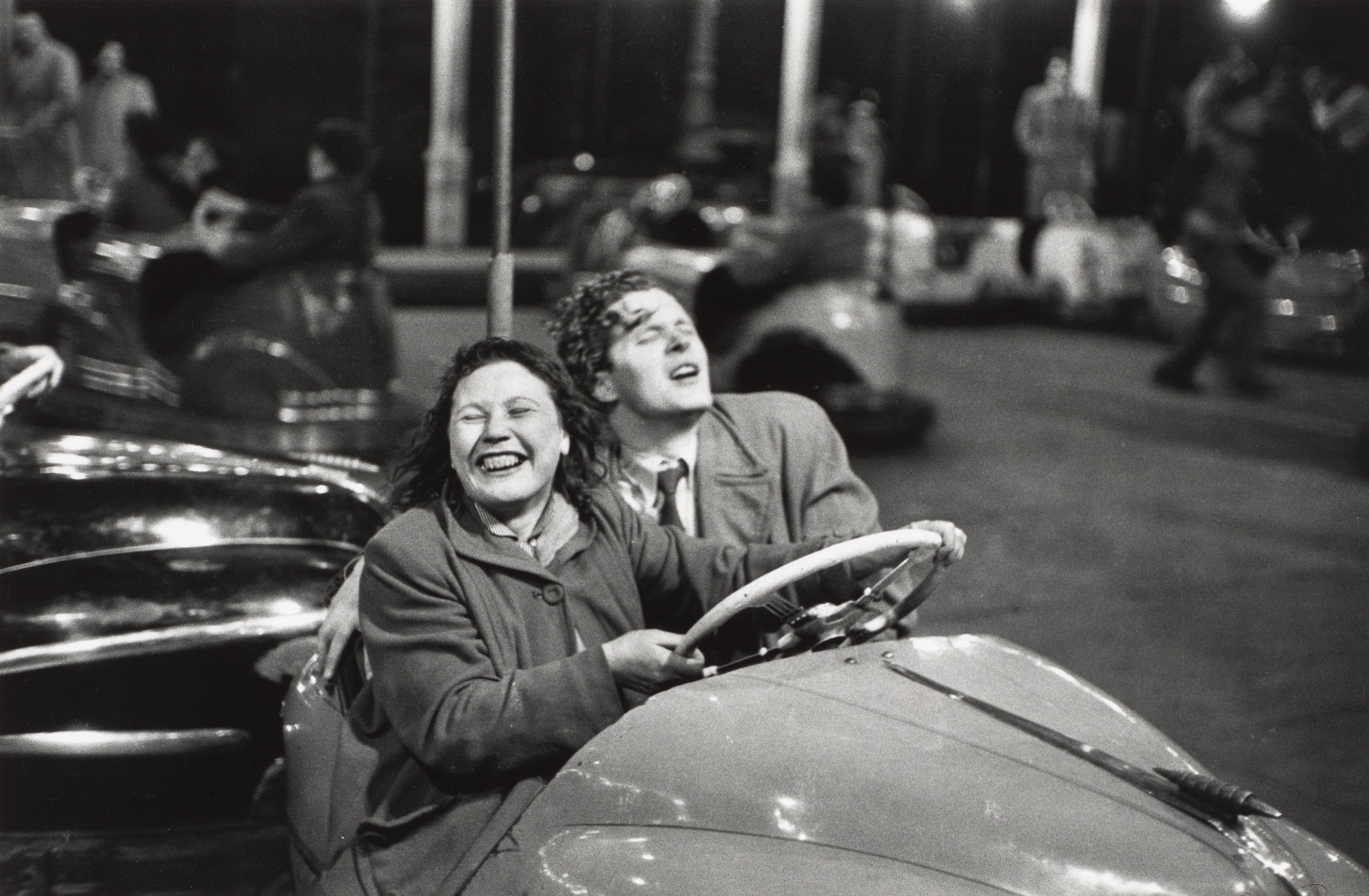
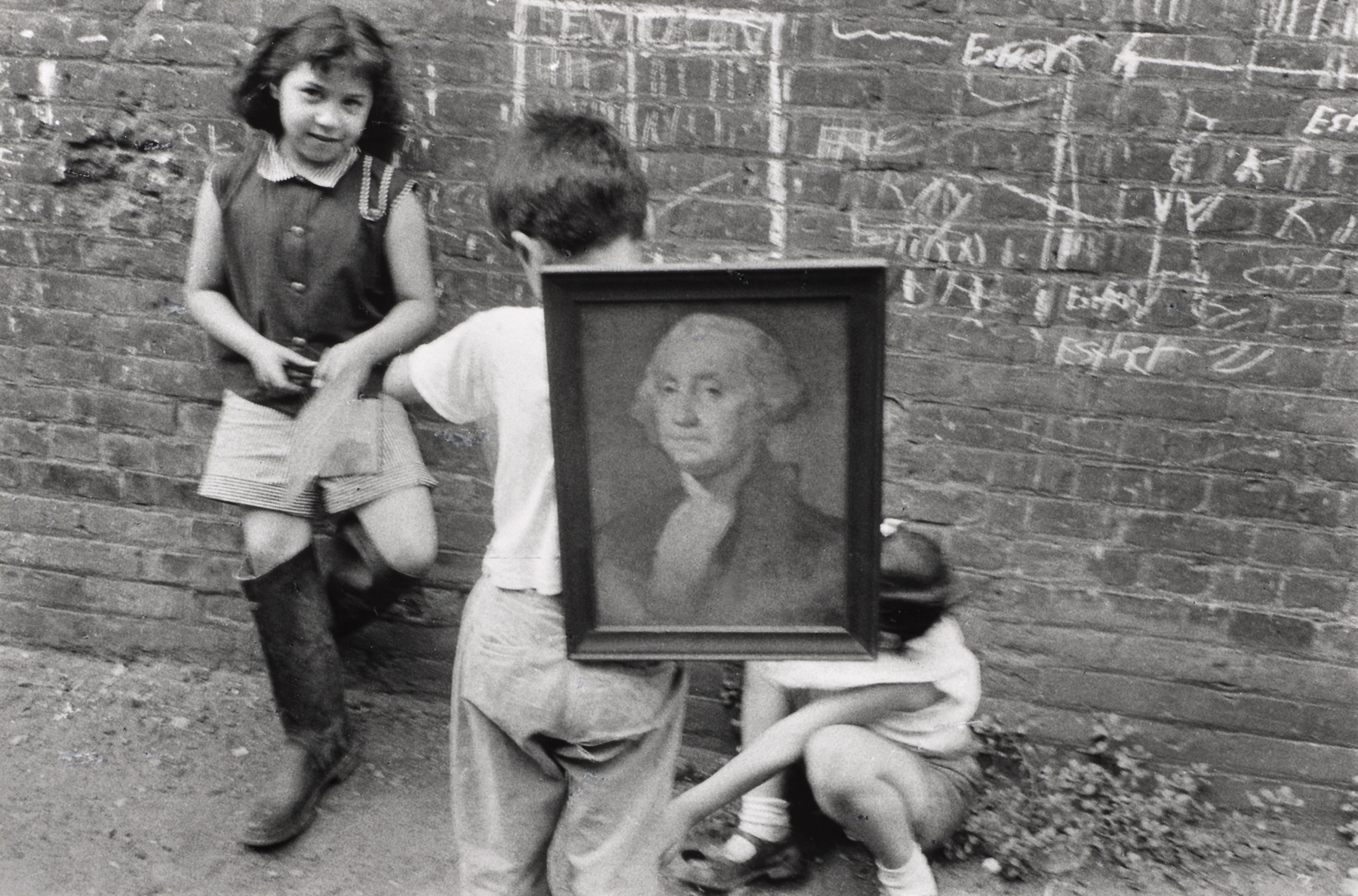
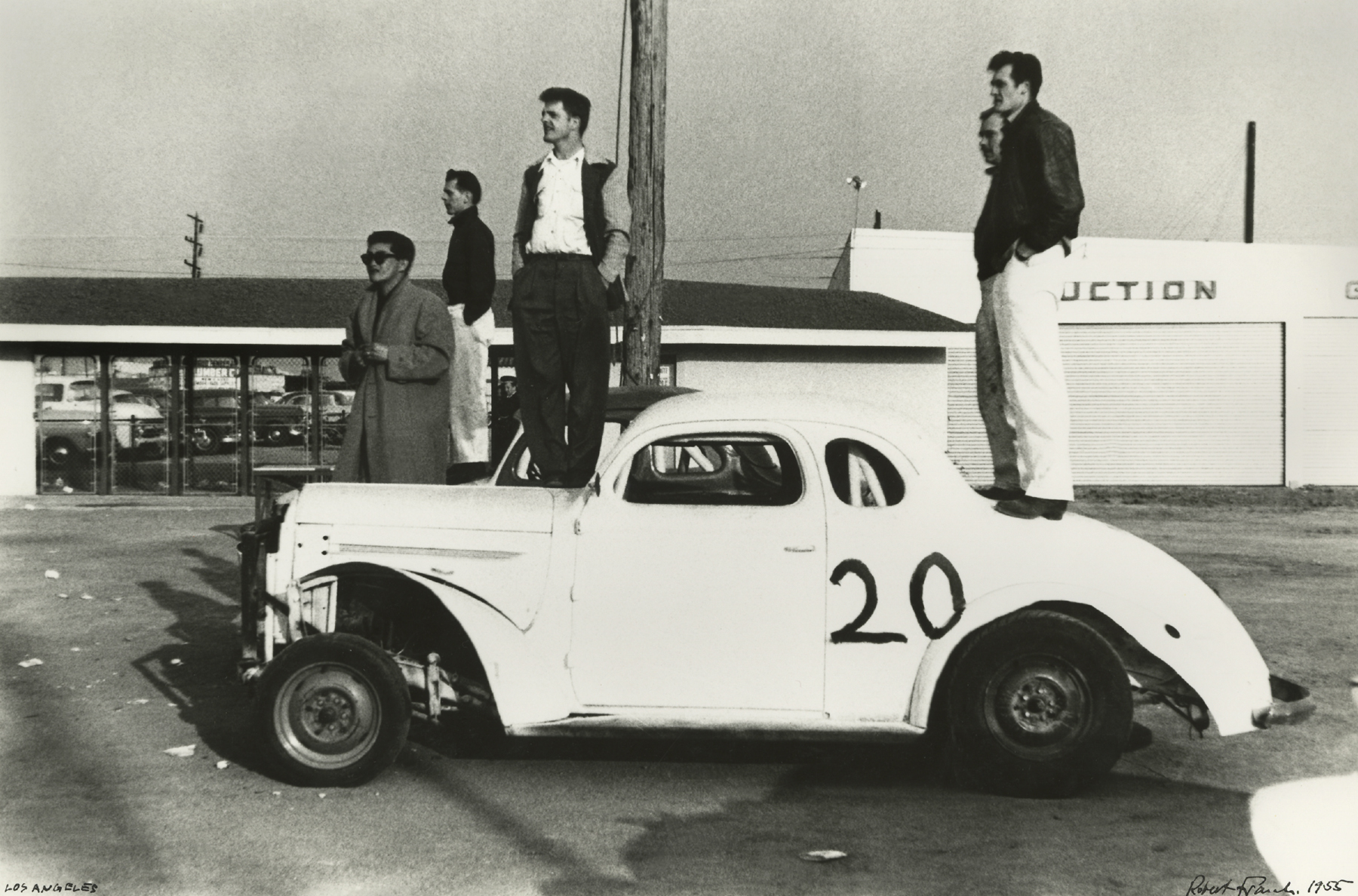
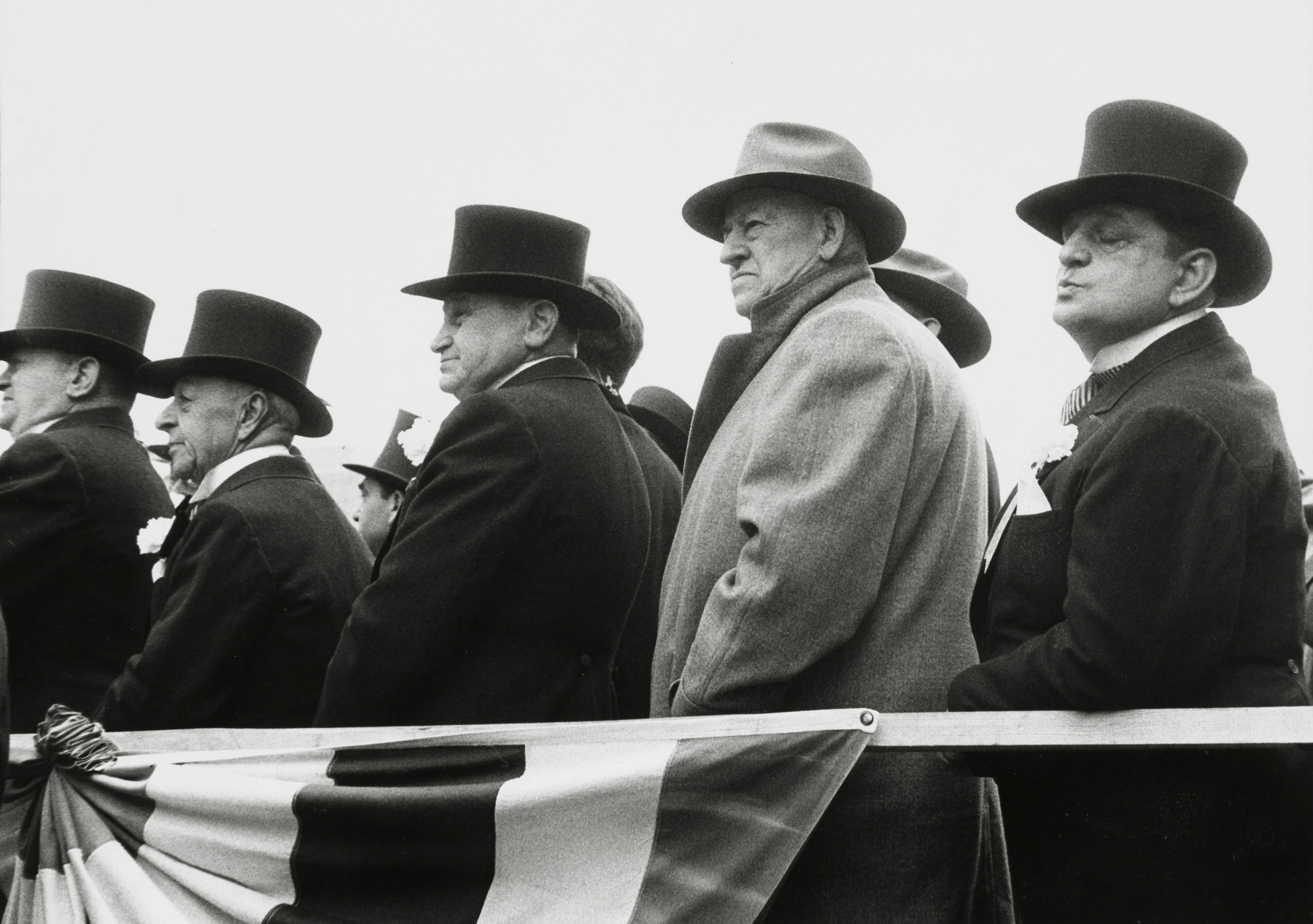
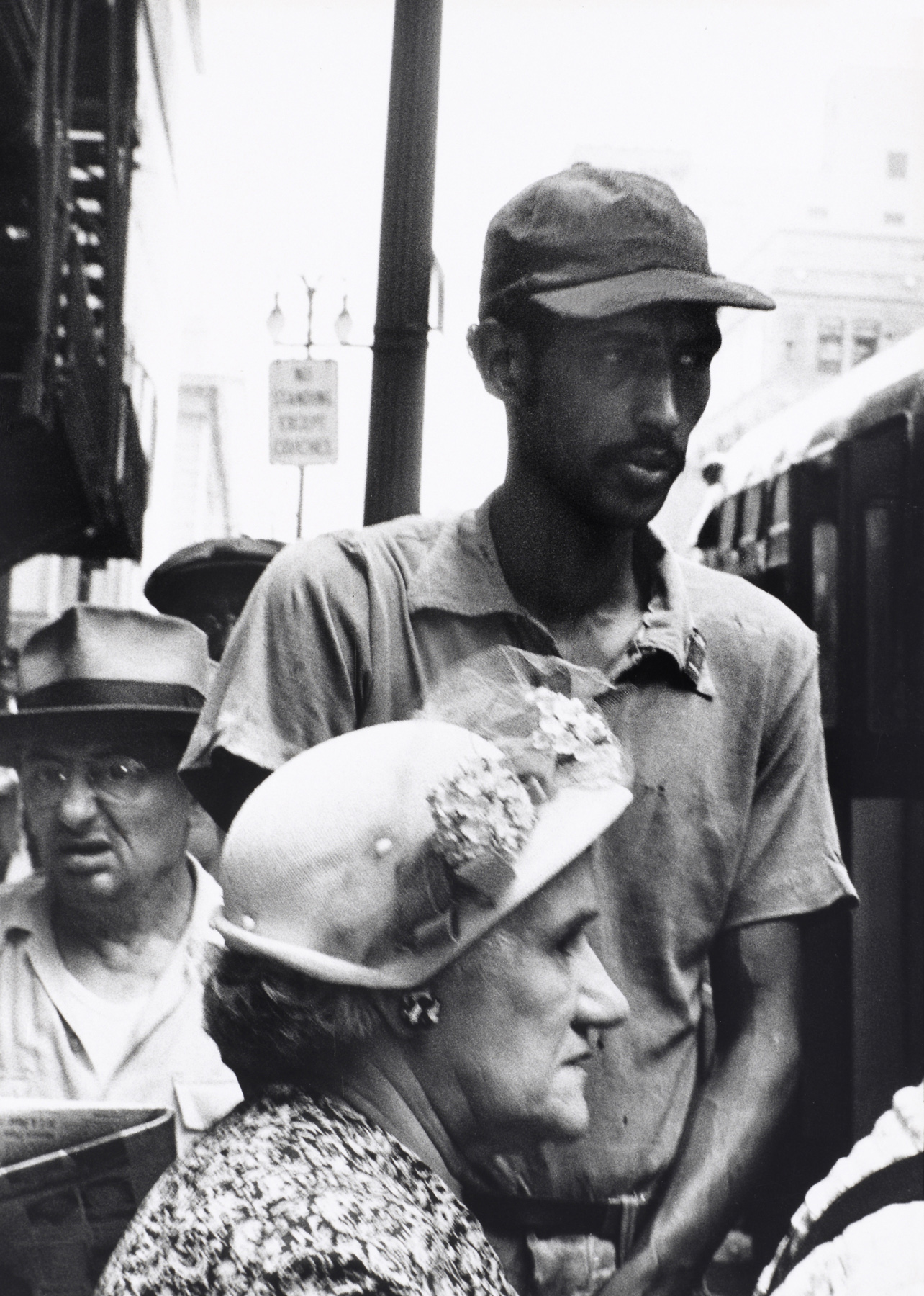
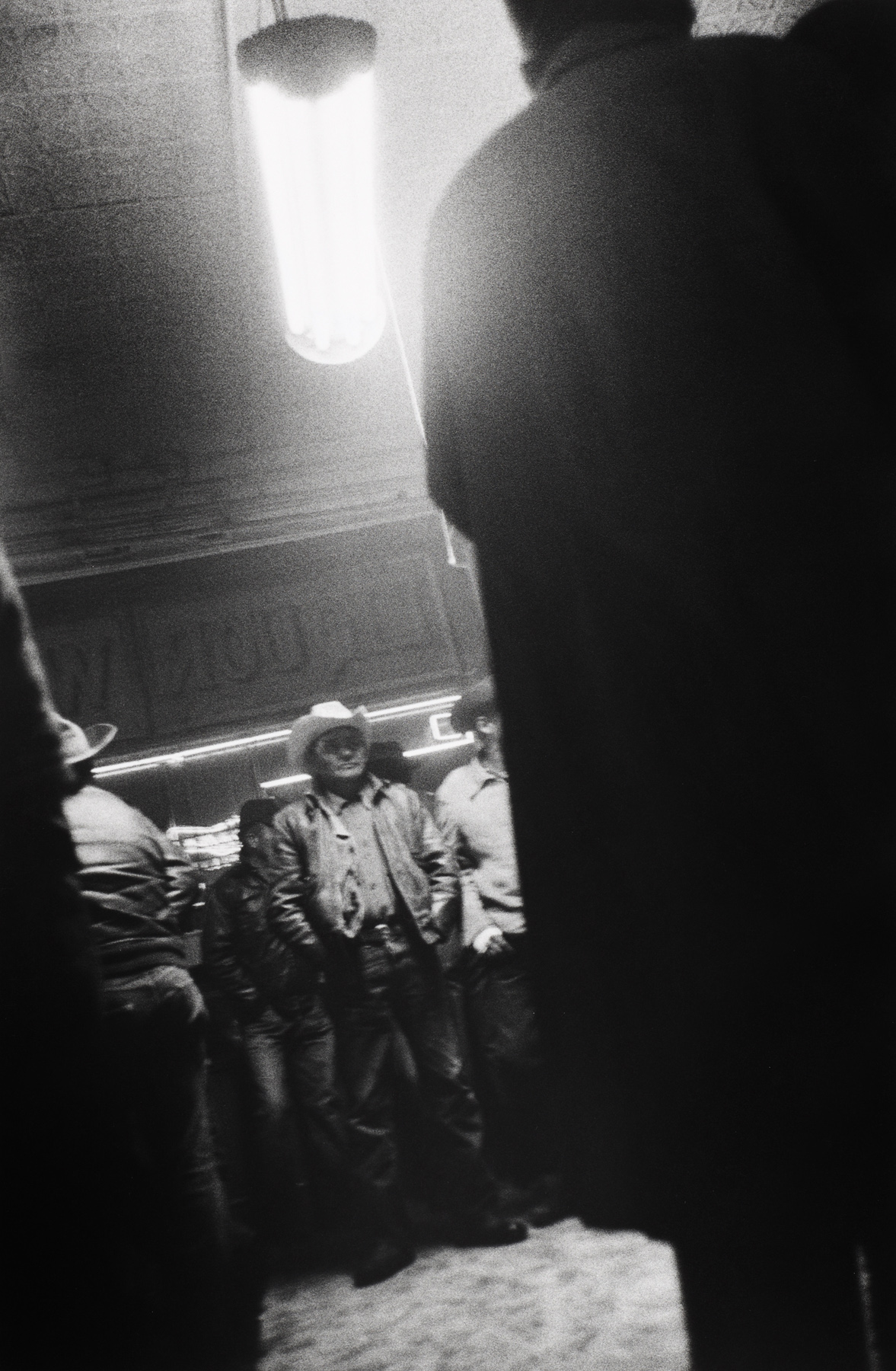
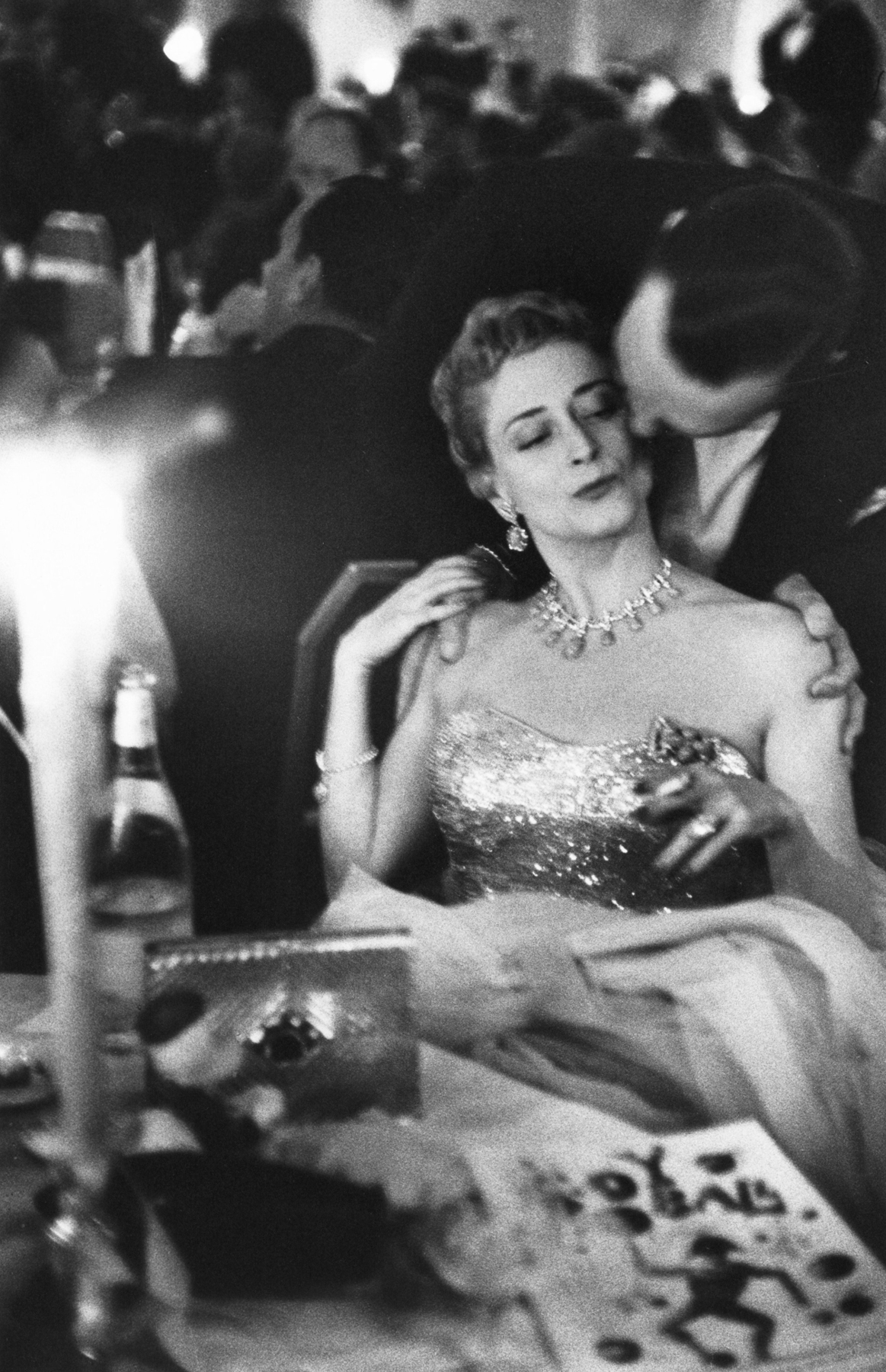
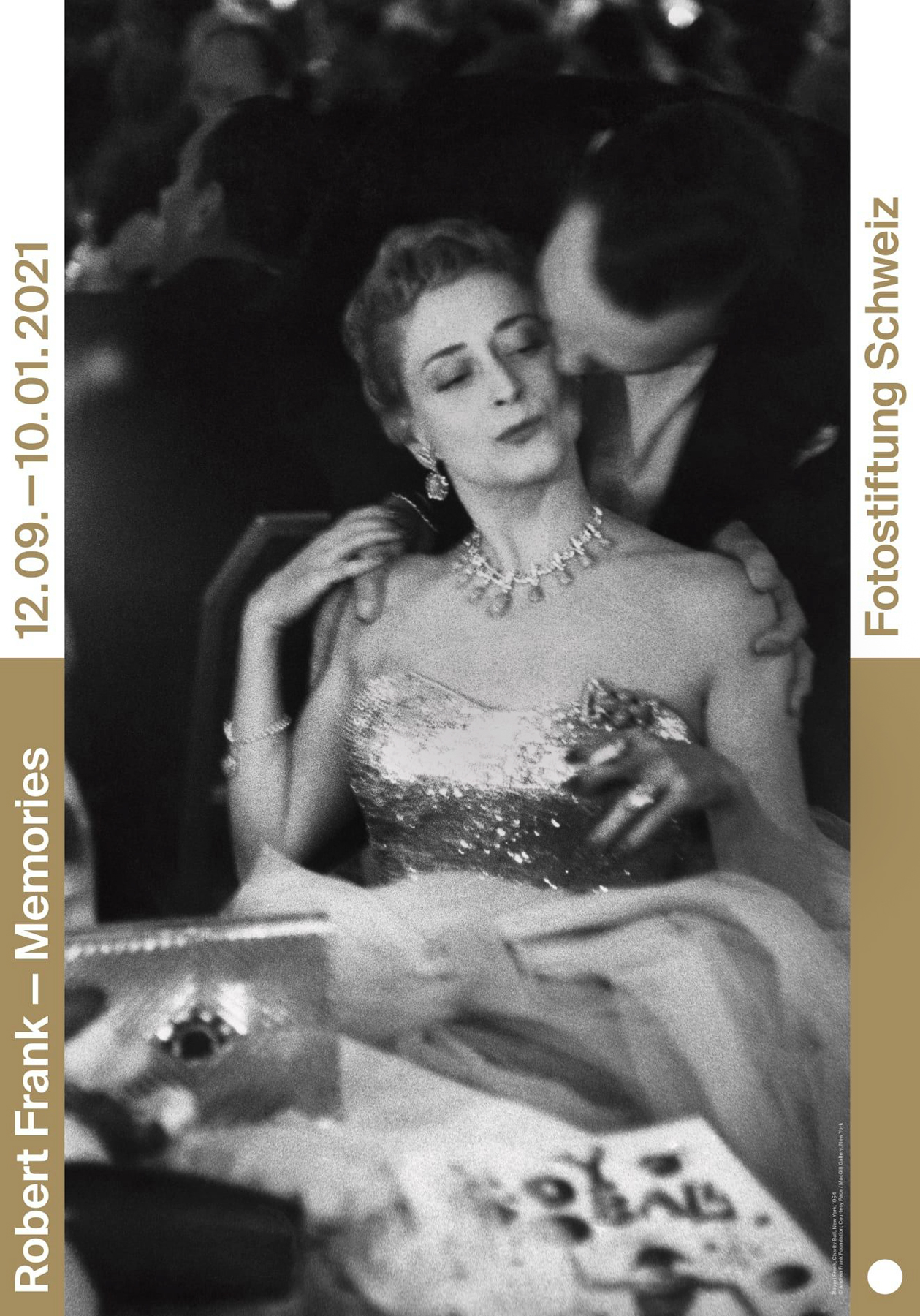
![G. S. Smith, Salt Lake City, UT. '[Taking in the view]' c. 1880 from the exhibition 'Acting Out: Cabinet Cards and the Making of Modern Photography' at the Amon Carter Museum of American Art, Fort Worth, Texas, Aug - Nov, 2020](https://artblart.com/wp-content/uploads/2020/09/g.-s.-smith-salt-lake-city-ut-taking-in-the-view-ca.-1880-albumen-silver-print-amon-carter-museum-of-american-art-fort-worth-texas.jpg "G. S. Smith, Salt Lake City, UT. '[Taking in the view]' c. 1880 from the exhibition 'Acting Out: Cabinet Cards and the Making of Modern Photography' at the Amon Carter Museum of American Art, Fort Worth, Texas, Aug - Nov, 2020")
![G. S. Smith, Salt Lake City, UT. '[Taking in the view]' c. 1880 (detail)](https://artblart.com/wp-content/uploads/2020/09/g.-s.-smith-salt-lake-city-ut-taking-in-the-view-ca.-1880-albumen-silver-print-detail.jpg "G. S. Smith, Salt Lake City, UT. '[Taking in the view]' c. 1880 (detail)")
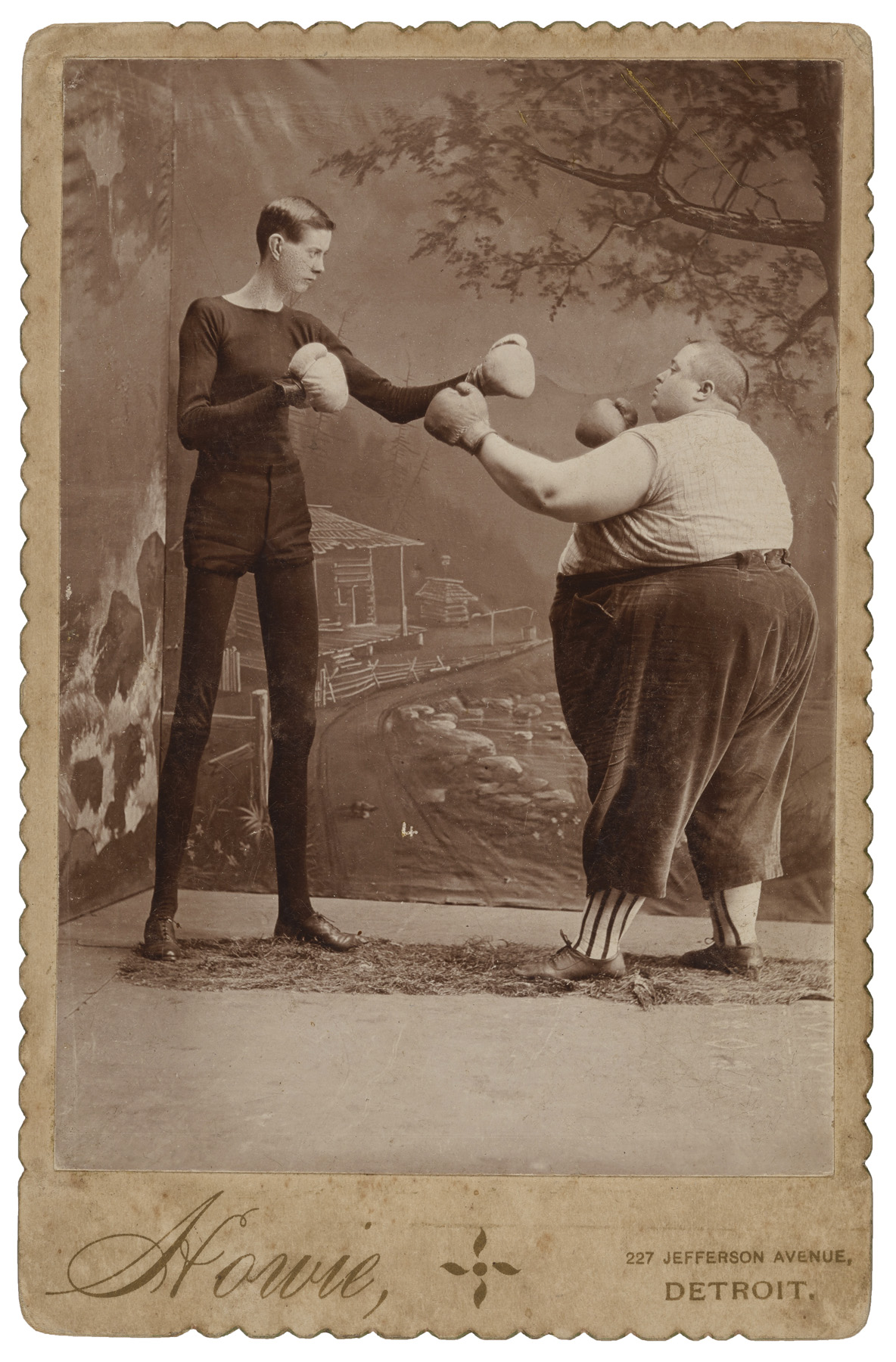
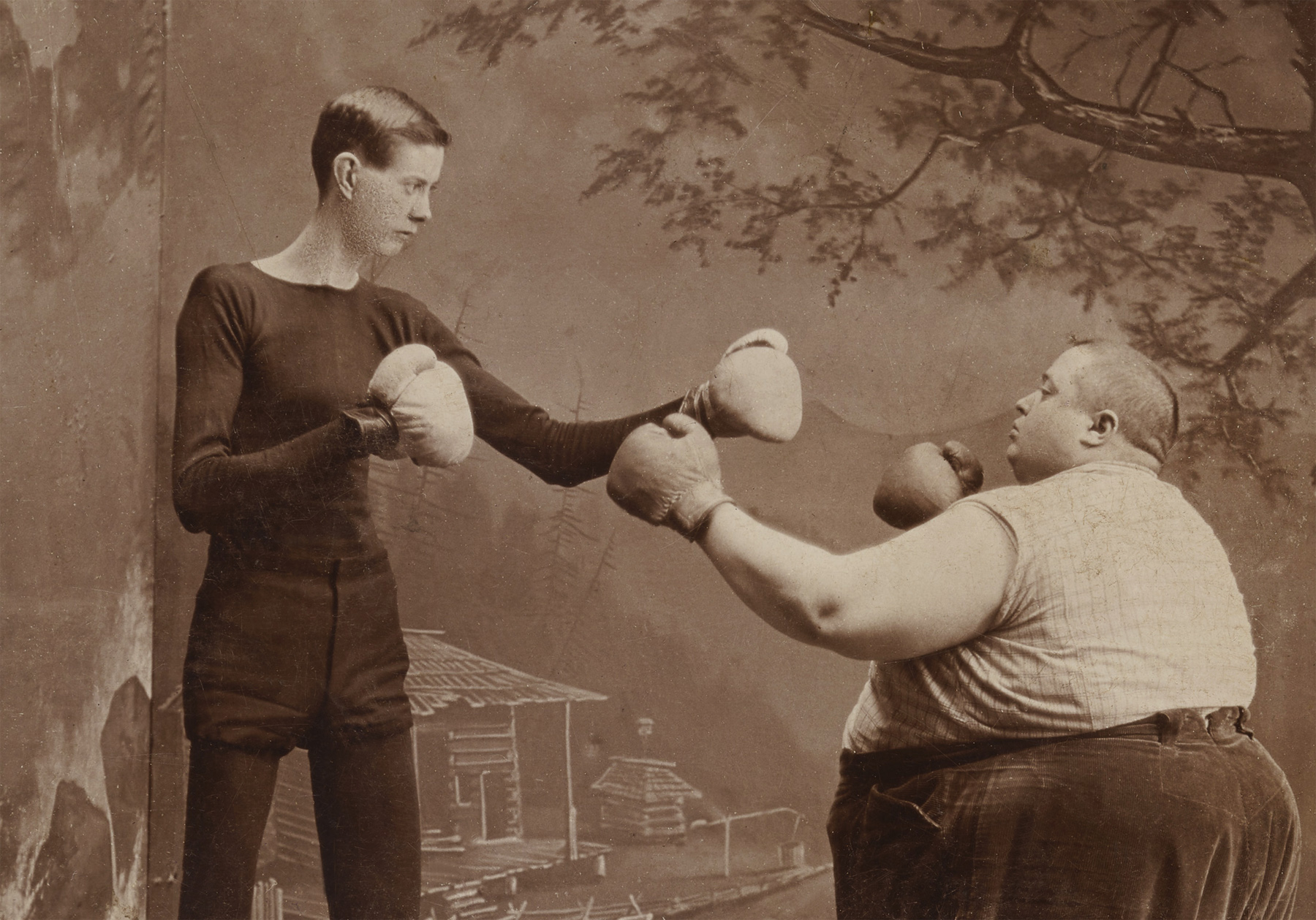
![Alfred U. Palmquist and Peder T. Jurgens, St. Paul, MN. '[Skater]' 1880s](https://artblart.com/wp-content/uploads/2020/09/alfred-u.-palmquist-and-peder-t.-jurgens-st.-paul-mn-skater-1880s-albumen-silver-print-amon-carter-museum-of-american-art-fort-worth.jpg "Alfred U. Palmquist and Peder T. Jurgens, St. Paul, MN. '[Skater]' 1880s")
![M. C. Hosford, West Rutland, VT. '[Getting the cleaver]' 1880s](https://artblart.com/wp-content/uploads/2020/09/m.-c.-hosford-west-rutland-vt-getting-the-cleaver-1880s-albumen-silver-print-amon-carter-museum-of-american-art-fort-worth-texas-p.jpg "M. C. Hosford, West Rutland, VT. '[Getting the cleaver]' 1880s")
![M. C. Hosford, West Rutland, VT. '[Getting the cleaver]' 1880s (detail)](https://artblart.com/wp-content/uploads/2020/09/m.-c.-hosford-west-rutland-vt-getting-the-cleaver-1880s-detail1.jpg "M. C. Hosford, West Rutland, VT. '[Getting the cleaver]' 1880s (detail)")
![M. C. Hosford, West Rutland, VT. '[Getting the cleaver]' 1880s (detail)](https://artblart.com/wp-content/uploads/2020/09/m.-c.-hosford-west-rutland-vt-getting-the-cleaver-1880s-detail2.jpg "M. C. Hosford, West Rutland, VT. '[Getting the cleaver]' 1880s (detail)")
![M. C. Hosford, West Rutland, VT. '[Getting the saw]' 1880s](https://artblart.com/wp-content/uploads/2020/09/m.-c.-hosford-west-rutland-vt-getting-the-saw-1880s-albumen-silver-print-amon-carter-museum-of-american-art-fort-worth-texas-p2016.jpg "M. C. Hosford, West Rutland, VT. '[Getting the saw]' 1880s")
![Unknown photographer. '[Chess against myself]' 1880s](https://artblart.com/wp-content/uploads/2020/09/unknown-photographer-chess-against-myself-1880s-albumen-silver-print-amon-carter-museum-of-american-art-fort-worth-texas-p2016.101.jpg "Unknown photographer. '[Chess against myself]' 1880s")
![Unknown photographer. '[Chess against myself]' 1880s (detail)](https://artblart.com/wp-content/uploads/2020/09/unknown-photographer-chess-against-myself-1880s-detail.jpg "Unknown photographer. '[Chess against myself]' 1880s (detail)")
![Hatch and White, Burlington, WI. '[Man in woman's clothing]' c. 1891](https://artblart.com/wp-content/uploads/2020/09/hatch-and-white-burlington-wi-man-in-womans-clothing-ca.-1891-collodion-silver-print-amon-carter-museum-of-american-art-fort-worth.jpg "Hatch and White, Burlington, WI. '[Man in woman's clothing]' c. 1891")
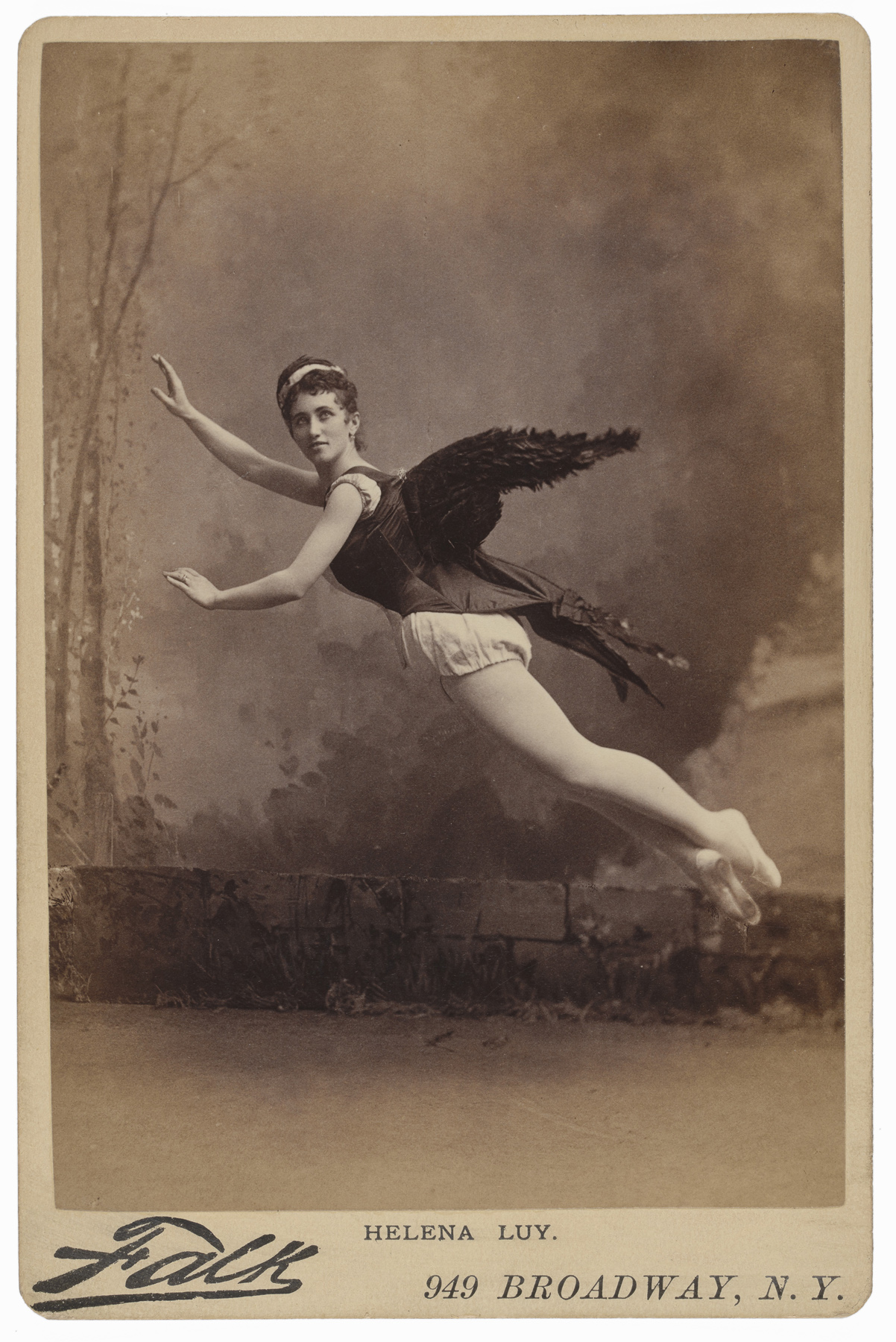
![Napoleon Sarony, New York, NY. '[Fanny Davenport]' c. 1870](https://artblart.com/wp-content/uploads/2020/09/napoleon-sarony-new-york-ny-fanny-davenport-ca.-1870-albumen-silver-print-amon-carter-museum-of-american-art-fort-worth-texas-p201.jpg "Napoleon Sarony, New York, NY. '[Fanny Davenport]' c. 1870")
![Napoleon Sarony, New York, NY. '[Fanny Davenport]' c. 1870 (detail)](https://artblart.com/wp-content/uploads/2020/09/napoleon-sarony-new-york-ny-fanny-davenport-c.-1870-detail.jpg "Napoleon Sarony, New York, NY. '[Fanny Davenport]' c. 1870 (detail)")
![Unknown photographer. '[Two girls]' 1864](https://artblart.com/wp-content/uploads/2020/09/unknown-photographer-two-girls-1864-albumen-silver-print-carte-de-visite-amon-carter-museum-of-american-art-fort-worth-texas-p1976.jpg "Unknown photographer. '[Two girls]' 1864")
![Unknown photographer. '[Two girls]' 1864 (detail)](https://artblart.com/wp-content/uploads/2020/09/unknown-photographer-two-girls-1864-albumen-silver-print-carte-de-visite-detail.jpg "Unknown photographer. '[Two girls]' 1864 (detail)")
![A. M. Nikodem, Chicago, IL. '[Cat]' 1880s](https://artblart.com/wp-content/uploads/2020/09/a.-m.-nikodem-chicago-il-cat-1880s-albumen-silver-print-robert-e.-jackson-collection.jpg "A. M. Nikodem, Chicago, IL. '[Cat]' 1880s")
![W. A. Wilcoxon, Bonaparte, IA. '[Baby]' 1890s](https://artblart.com/wp-content/uploads/2020/09/w.-a.-wilcoxon-bonaparte-ia-baby-1890s-collodion-silver-print-amon-carter-museum-of-american-art-fort-worth-texas-p2019.11.jpg "W. A. Wilcoxon, Bonaparte, IA. '[Baby]' 1890s")
![Unknown photographer. '[Painter]' 1890s](https://artblart.com/wp-content/uploads/2020/09/unknown-photographer-painter-1890s-albumen-silver-print-william-l.-schaeffer-collection.jpg "Unknown photographer. '[Painter]' 1890s")
![Unknown photographer. '[Painter]' 1890s (detail)](https://artblart.com/wp-content/uploads/2020/09/unknown-photographer-painter-1890s-detail.jpg "Unknown photographer. '[Painter]' 1890s (detail)")
![Charles L. Griffin, Scranton, PA. '[Toddler with dog]' c. 1892](https://artblart.com/wp-content/uploads/2020/09/charles-l.-griffin-scranton-pa-toddler-with-dog-ca.-1892-gelatin-silver-print-amon-carter-museum-of-american-art-fort-worth-texas.jpg "Charles L. Griffin, Scranton, PA. '[Toddler with dog]' c. 1892")
![Gilbert G. Oyloe (American, 1851-1927) Ossian, IA. '[Woman]' 1880s](https://artblart.com/wp-content/uploads/2020/09/gilbert-g.-oyloe-ossian-ia-woman-1880s-albumen-silver-print-robert-e.-jackson-collection.jpg "Gilbert G. Oyloe (American, 1851-1927) Ossian, IA. '[Woman]' 1880s")
![Charles Quartley, Baltimore, MD. '[Church woman]' 1880s](https://artblart.com/wp-content/uploads/2020/09/charles-quartley-baltimore-md-church-woman-1880s-albumen-silver-print-robert-e.-jackson-collection.jpg "Charles Quartley, Baltimore, MD. '[Church woman]' 1880s")
![Caroline Bergman, Louisville, KY. 'Untitled [Bergman's Photograph Gallery]' c. 1890](https://artblart.com/wp-content/uploads/2020/09/caroline-bergman-louisville-ky-ca.-1890-relief-print-gift-of-robert-e.-jackson-amon-carter-museum-of-american-art-fort-worth-texas-p.jpg "Caroline Bergman, Louisville, KY. 'Untitled [Bergman's Photograph Gallery]' c. 1890")
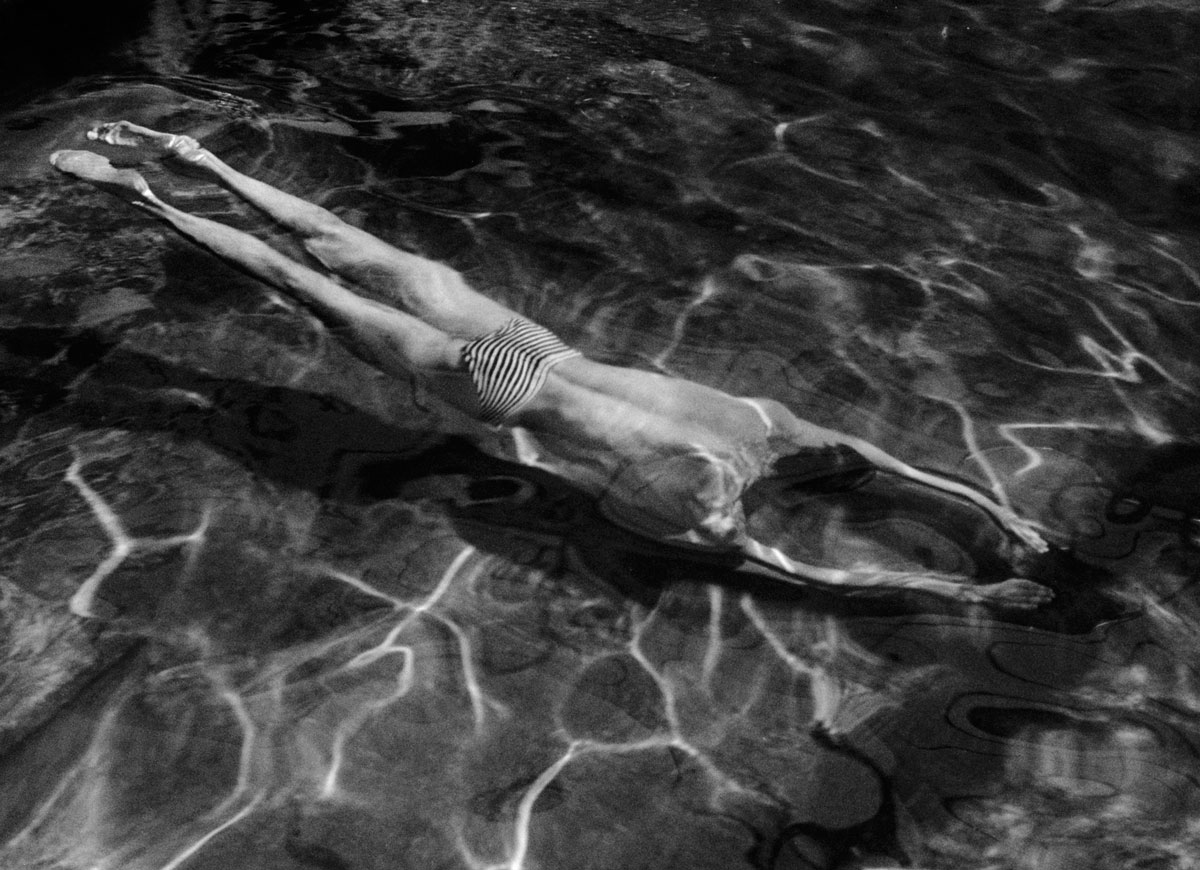
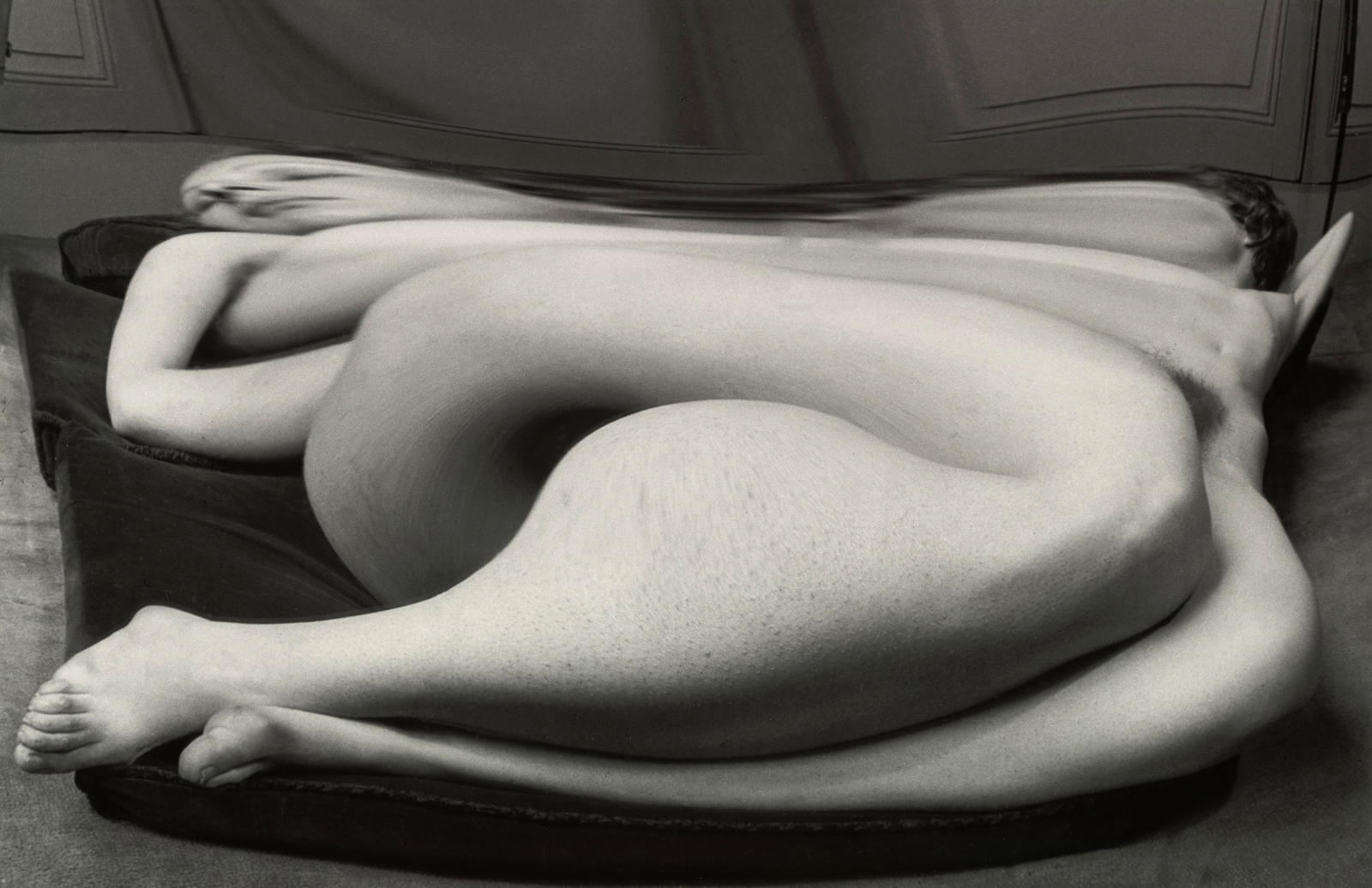
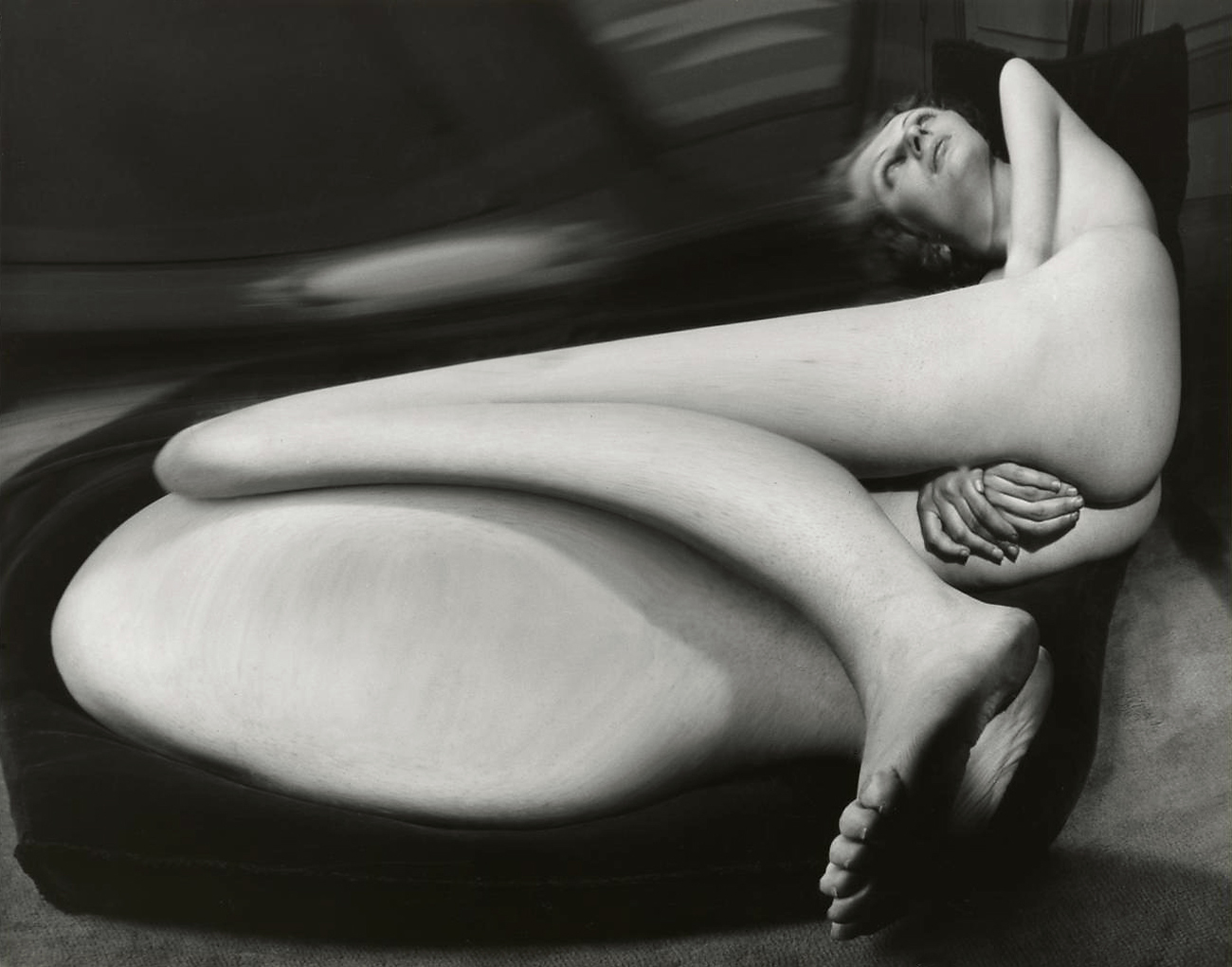




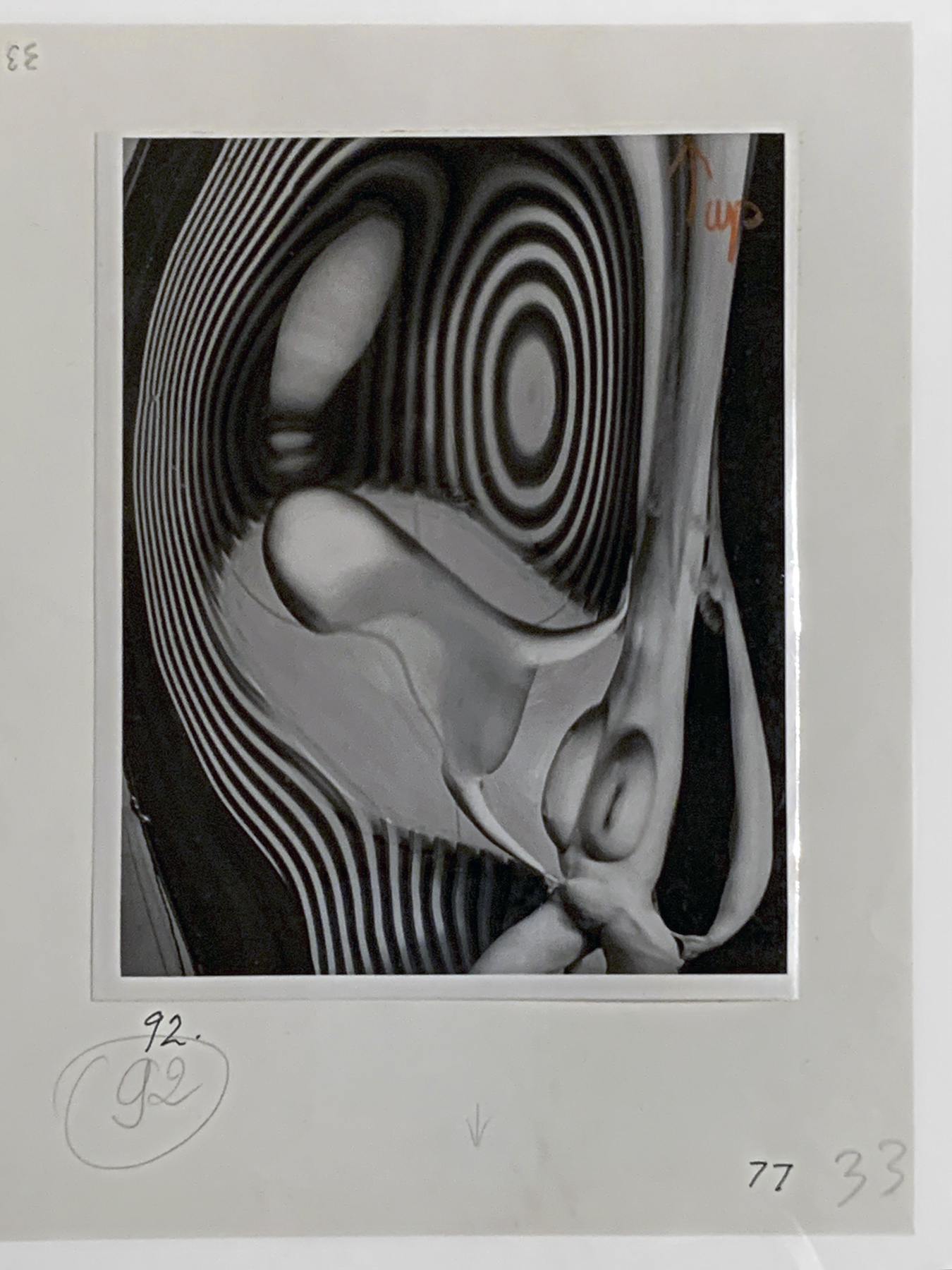
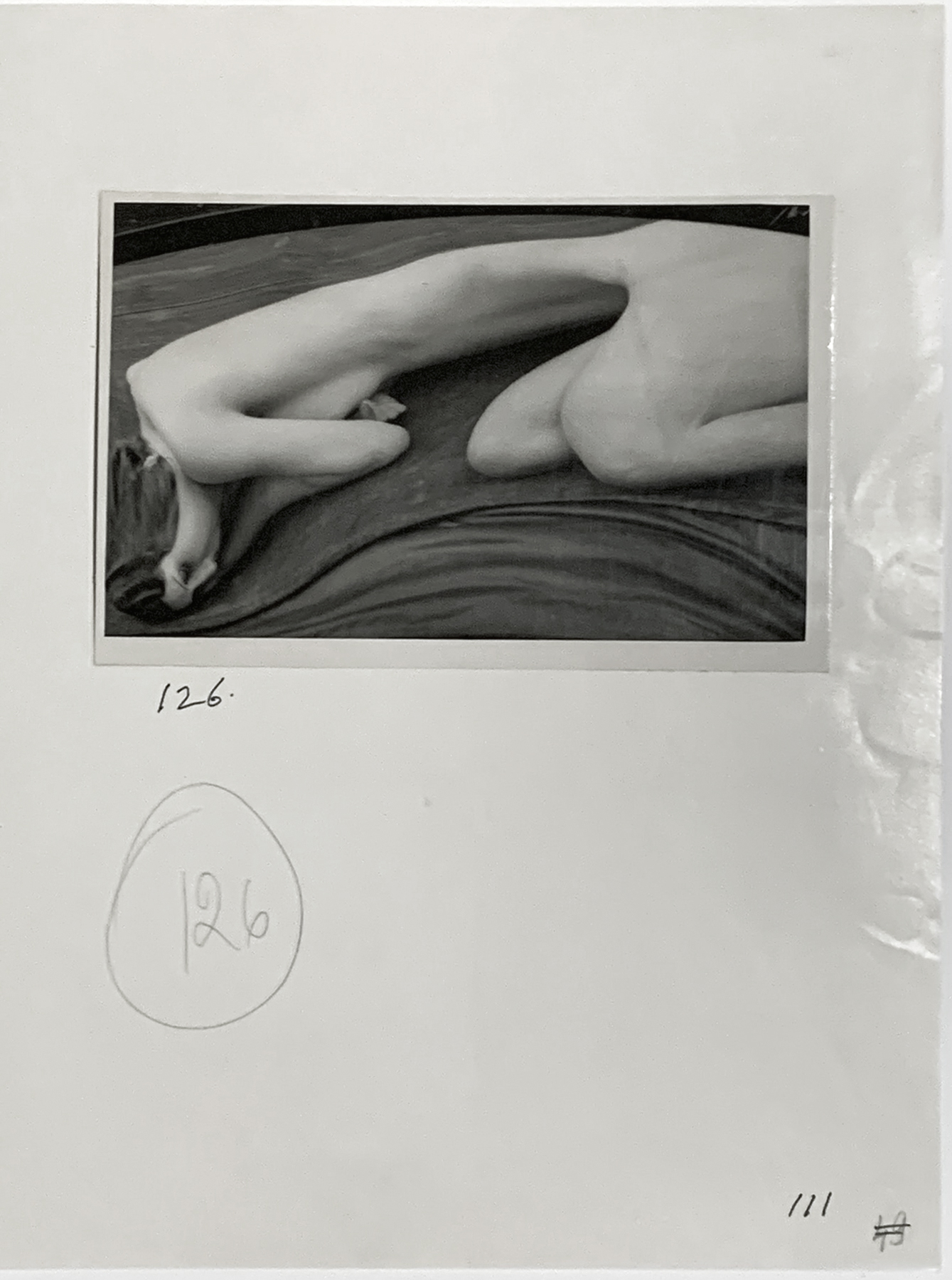
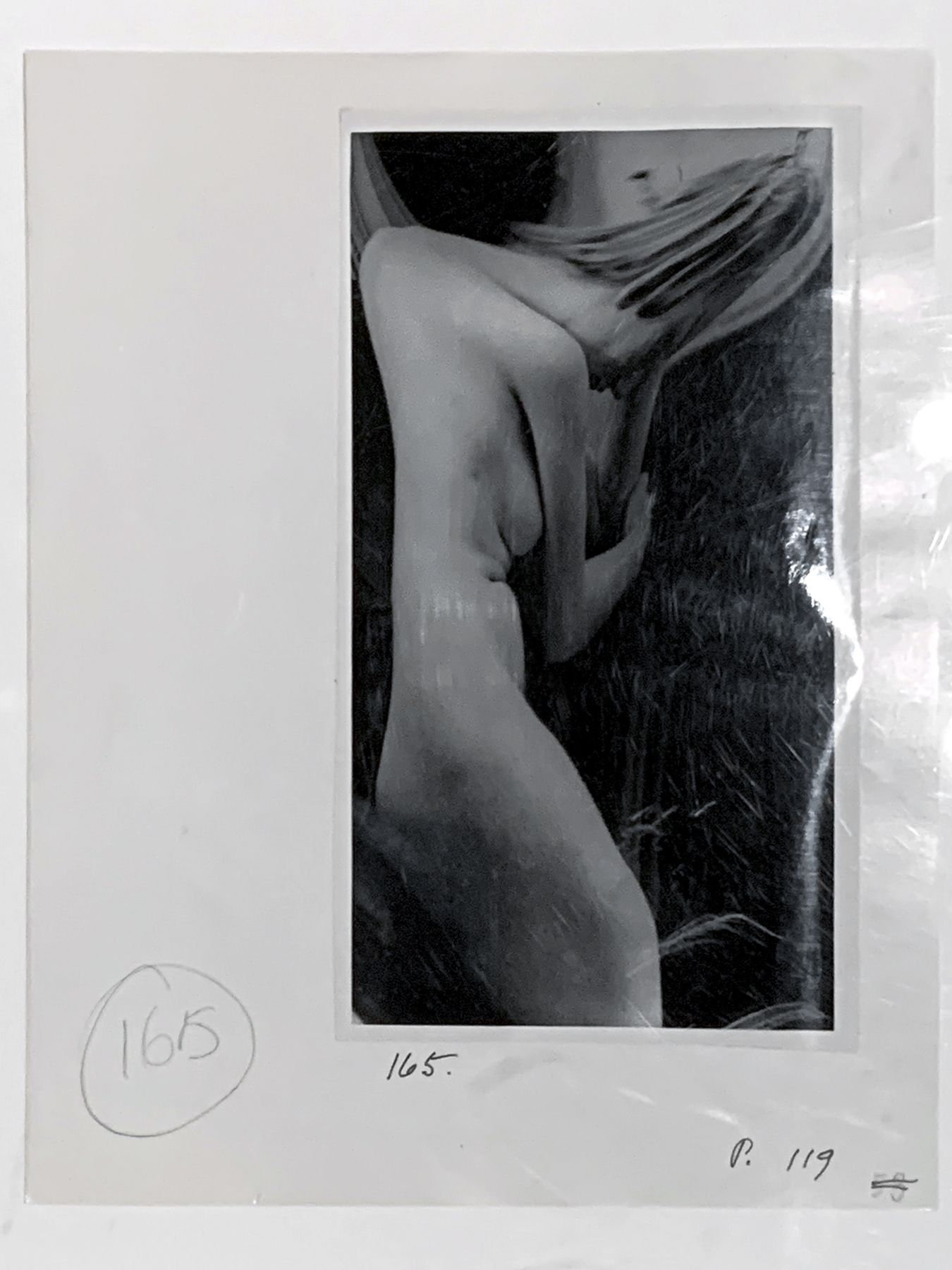
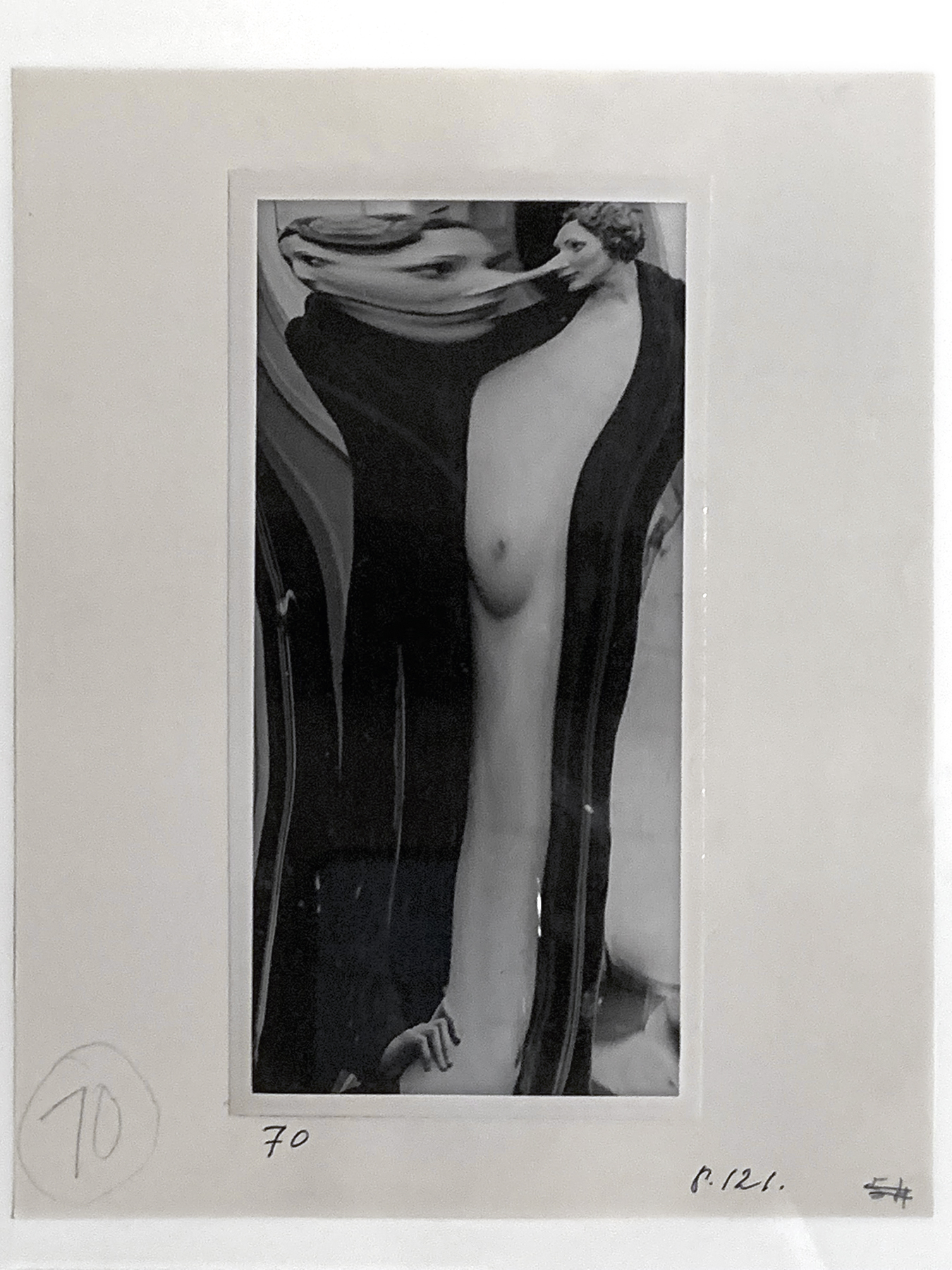
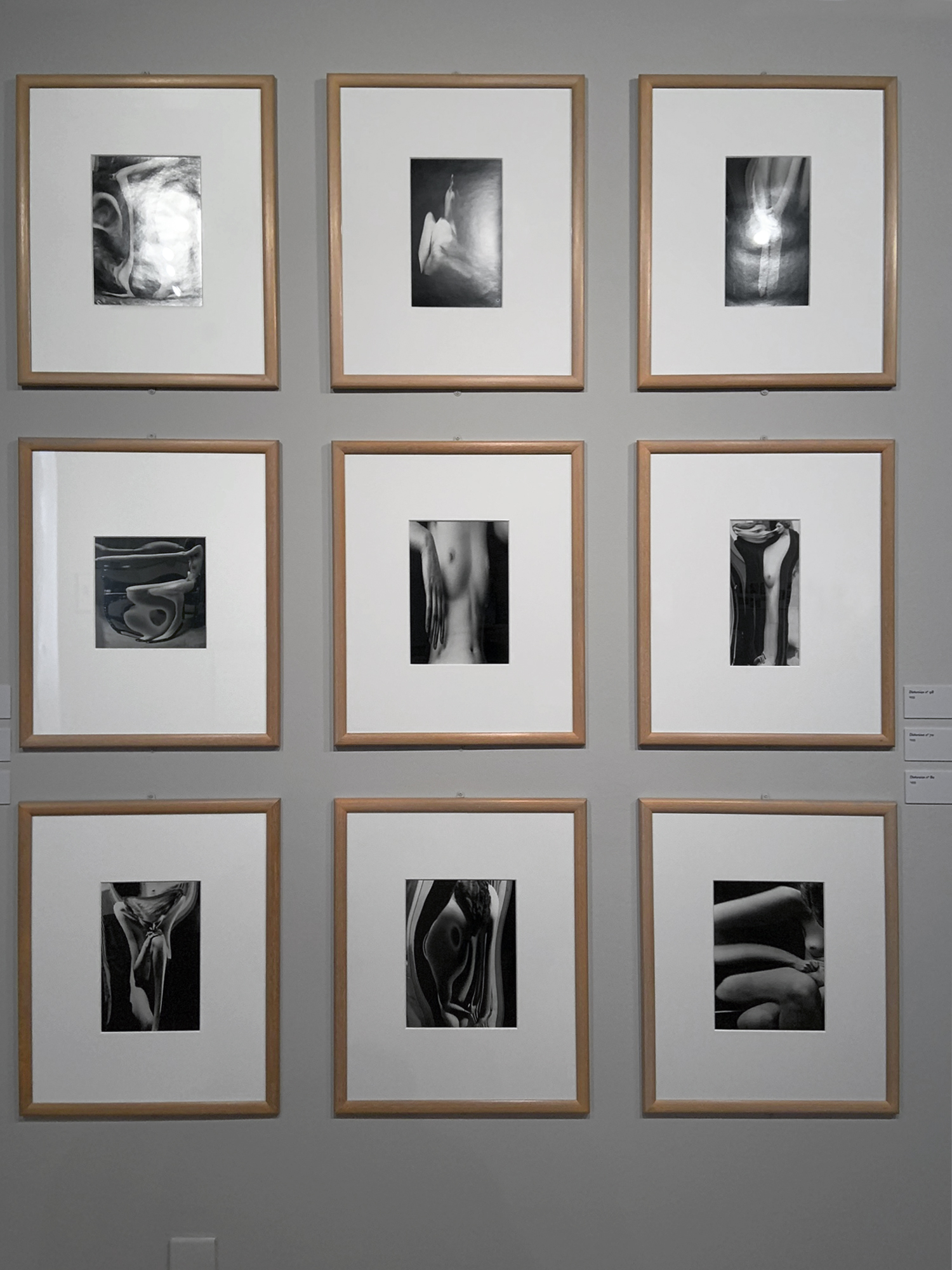
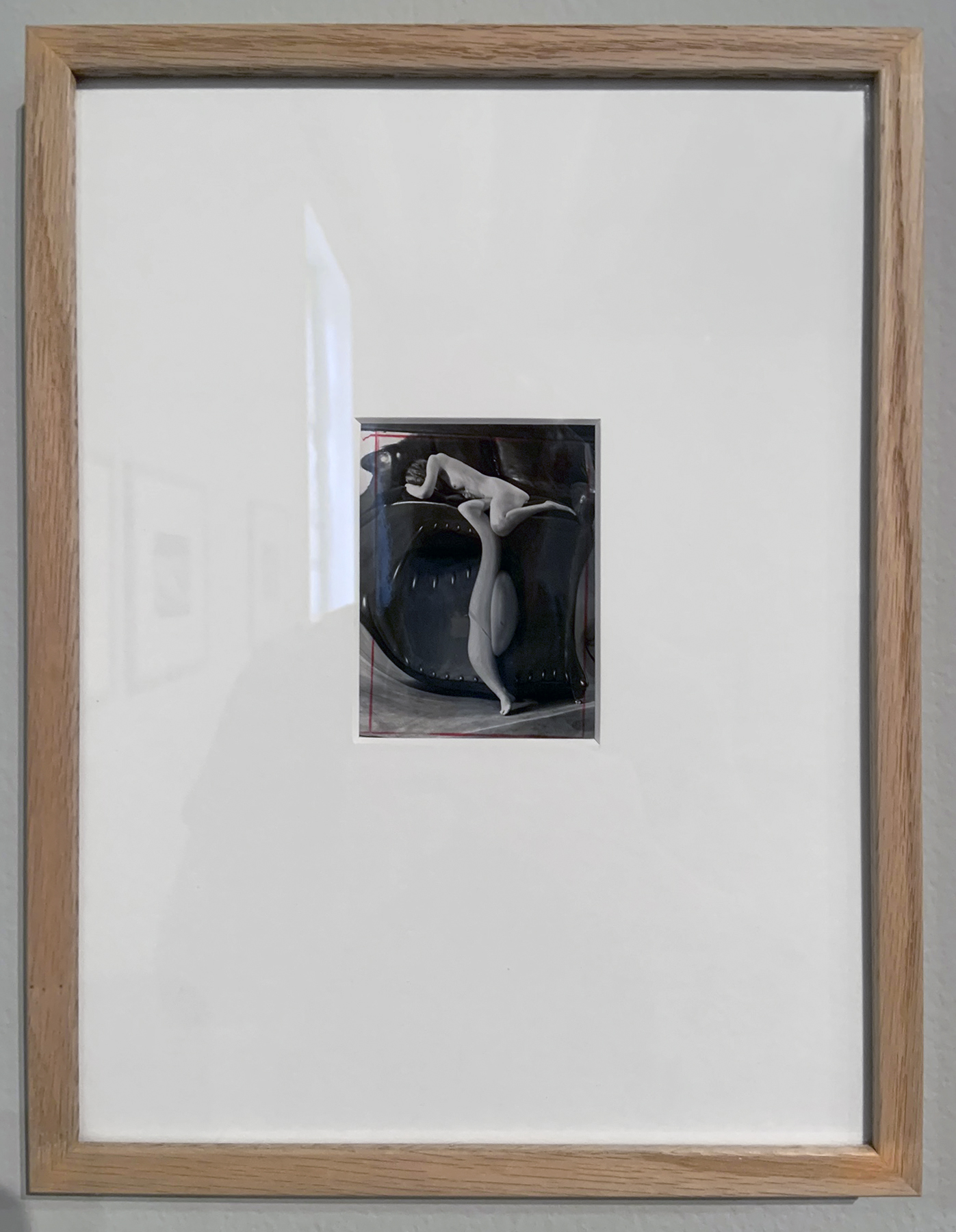
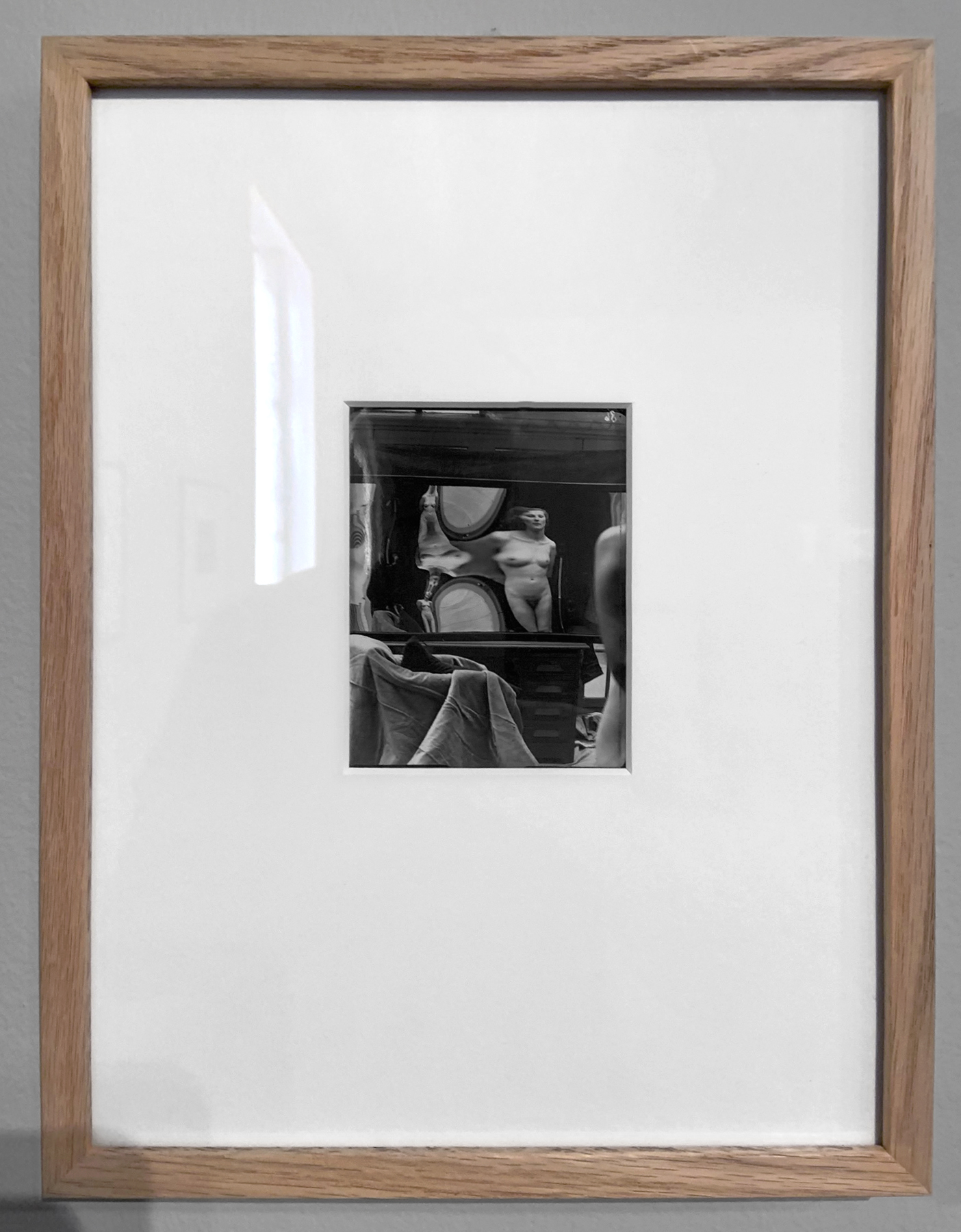
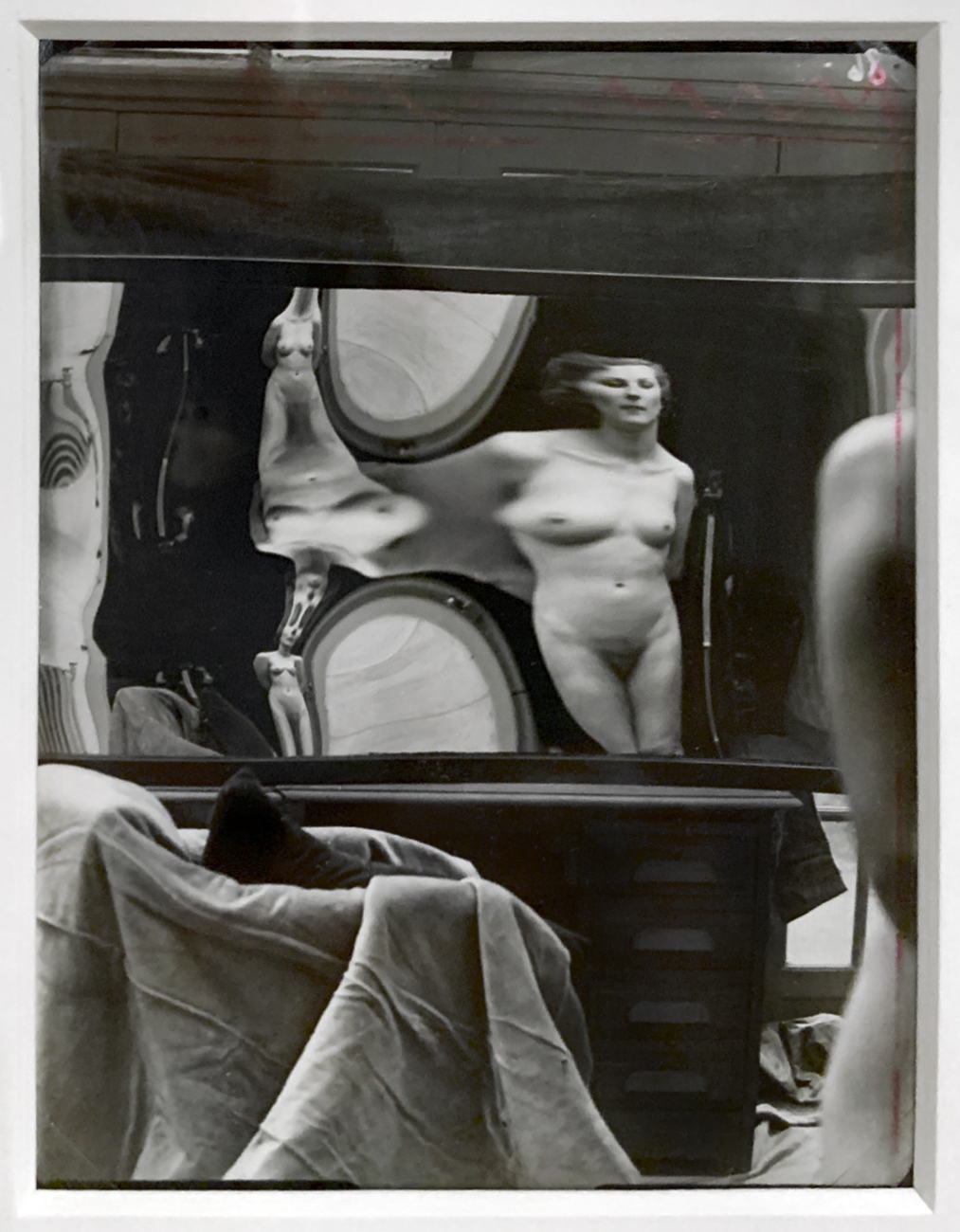
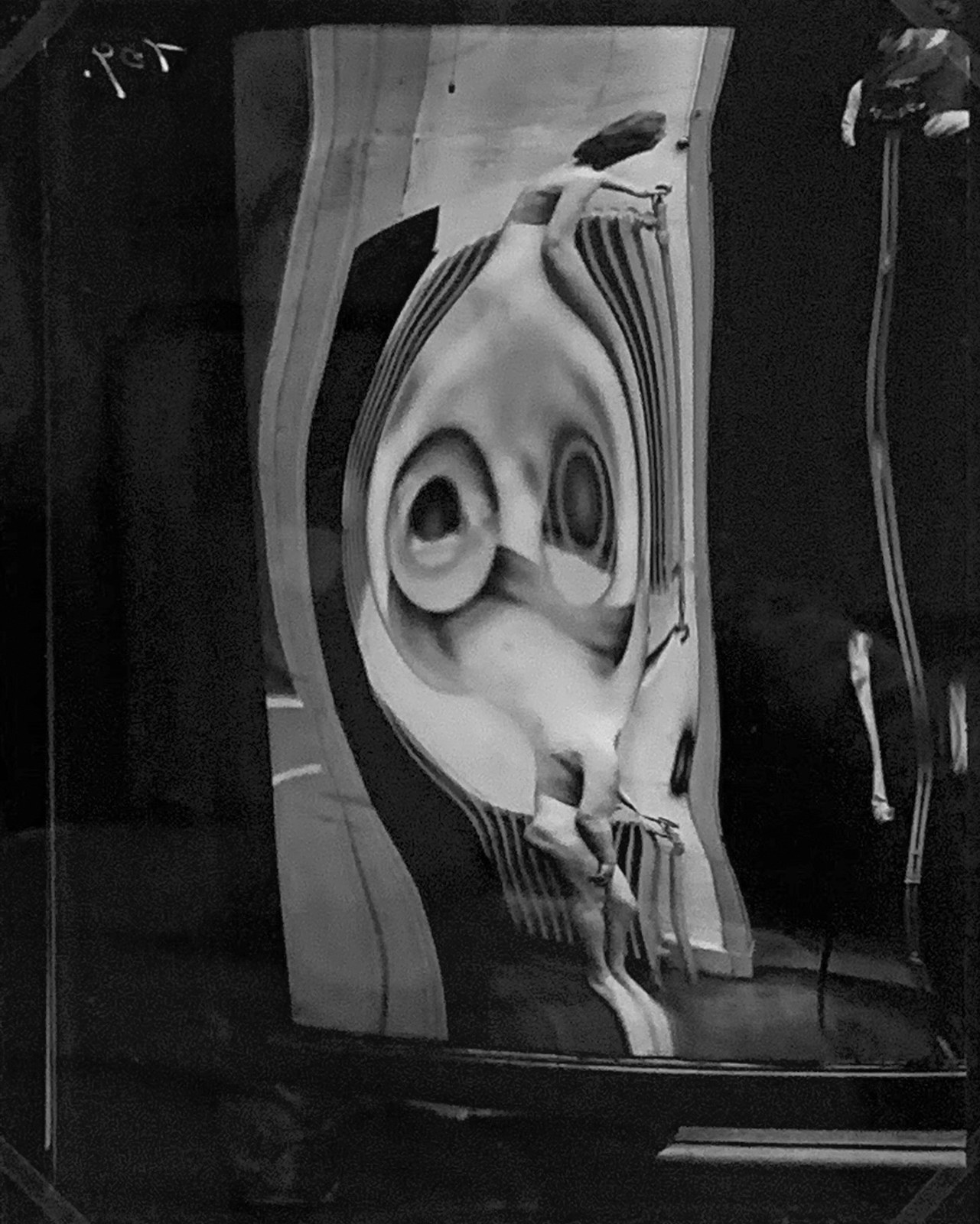
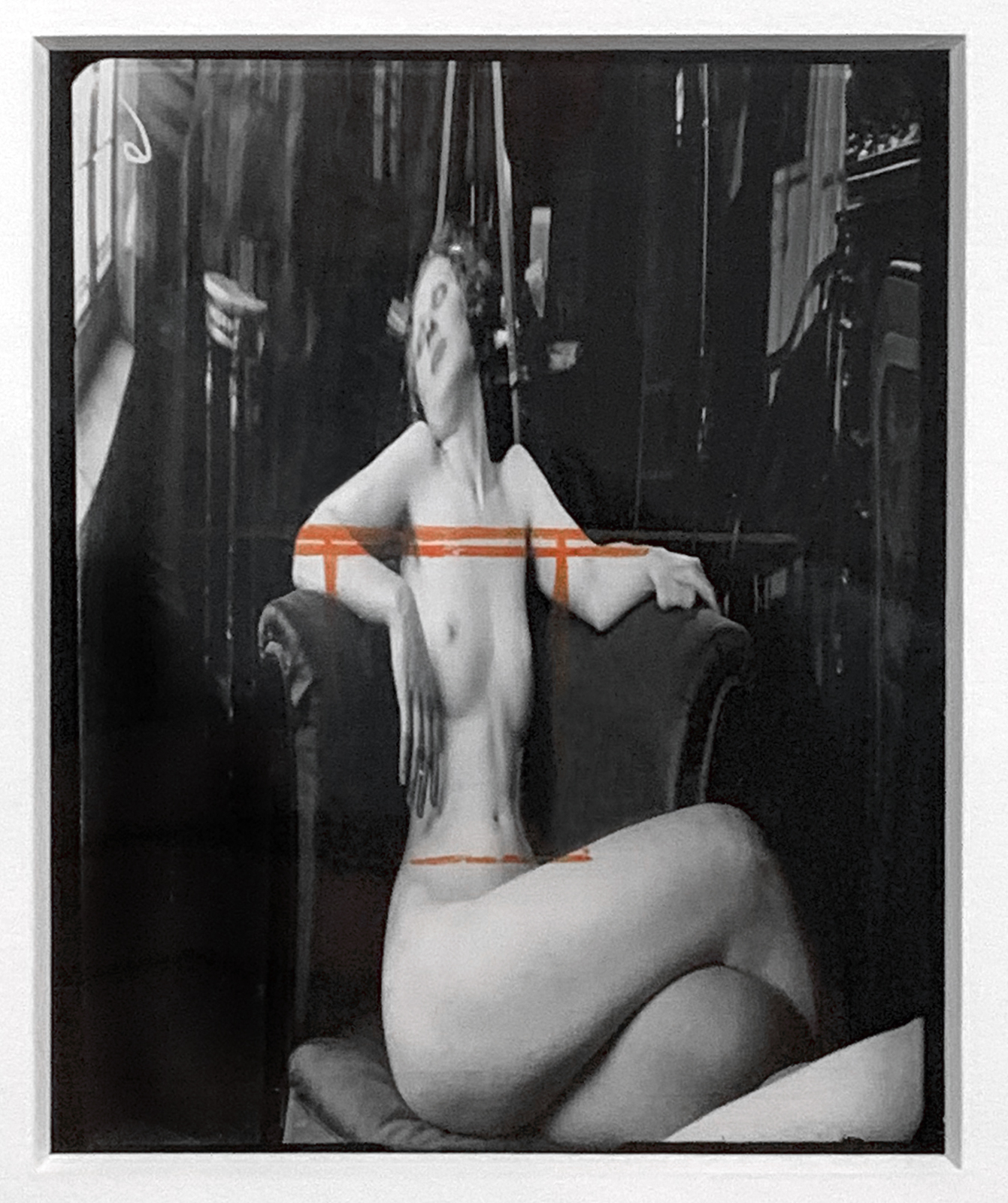
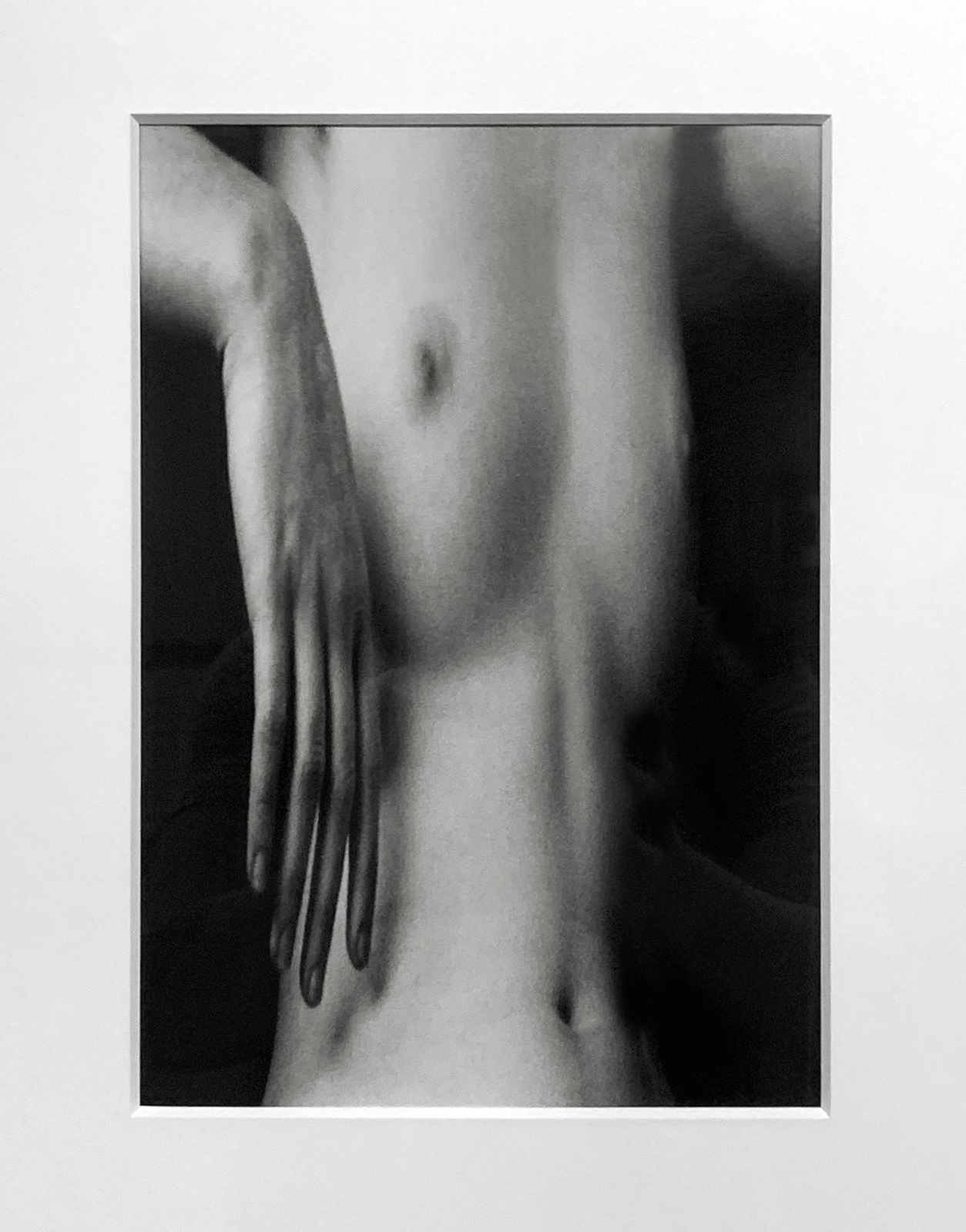
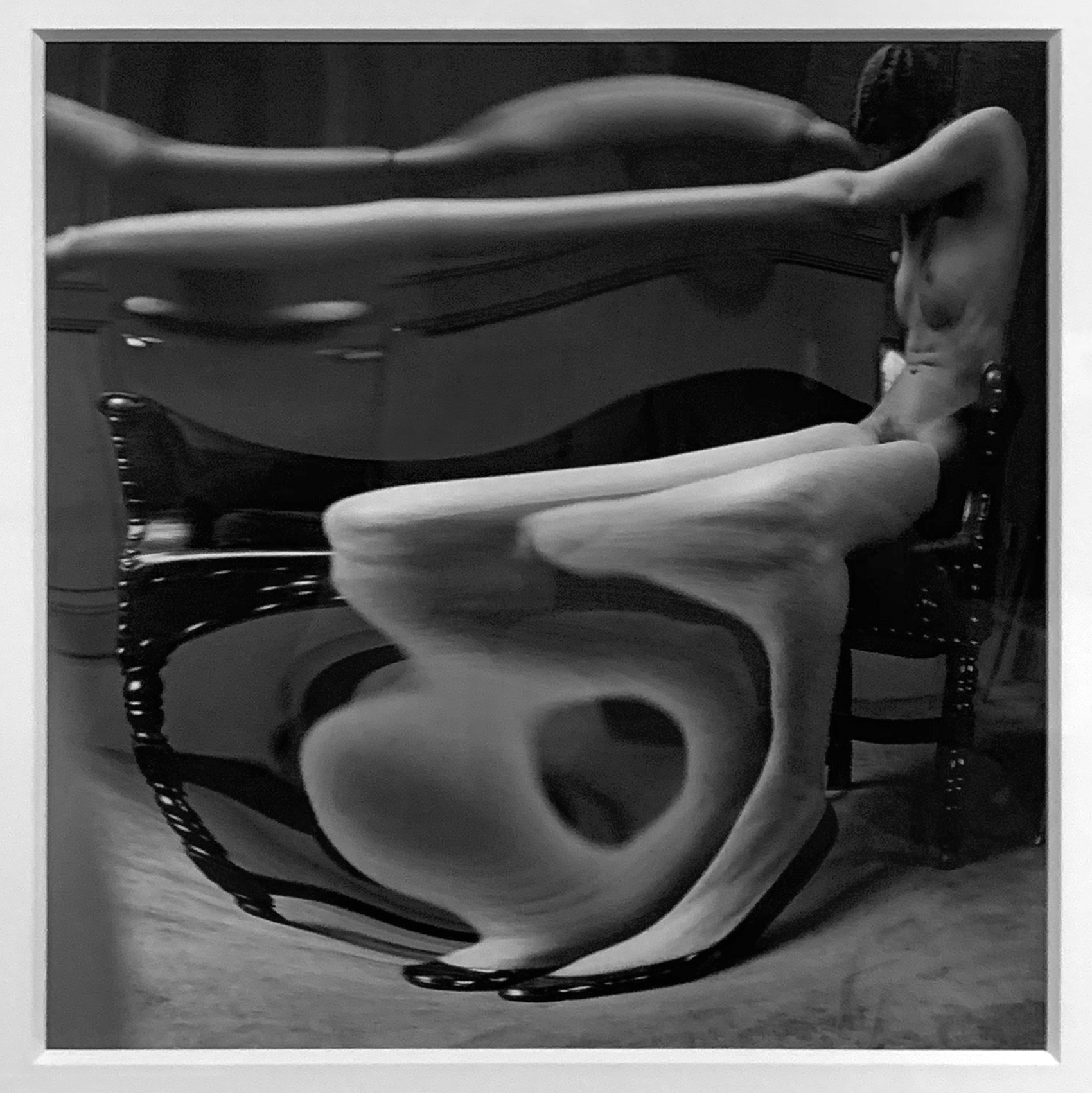
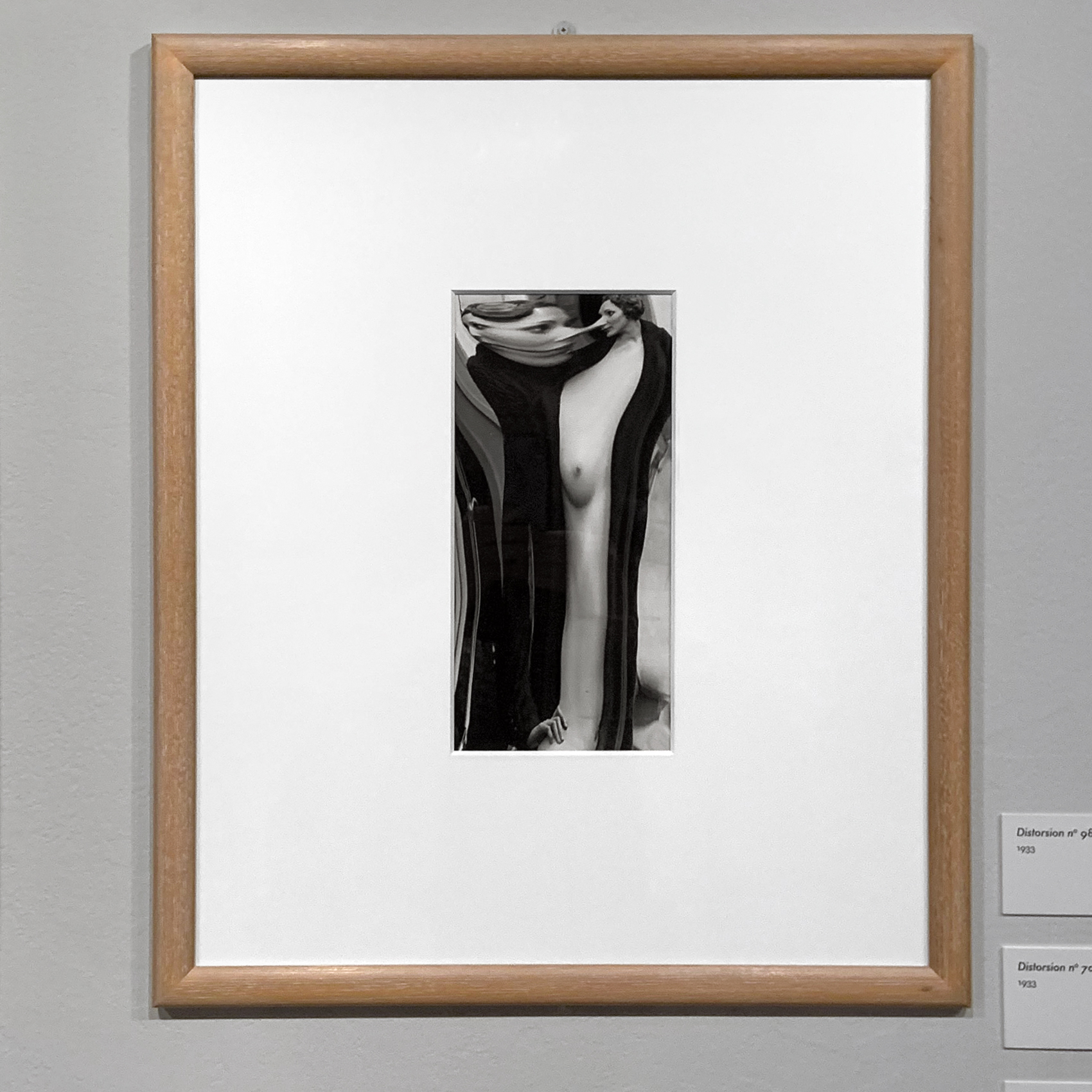
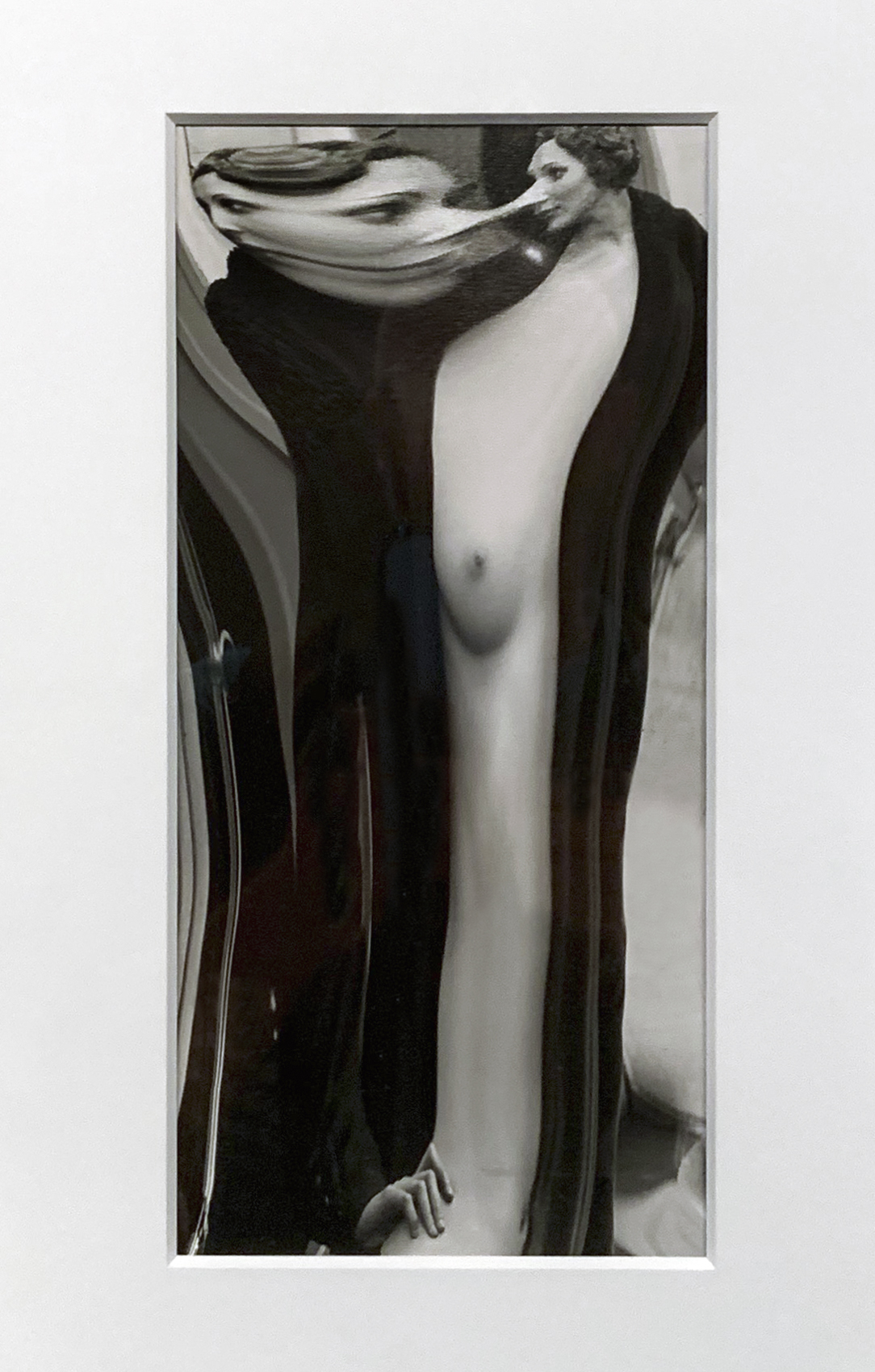
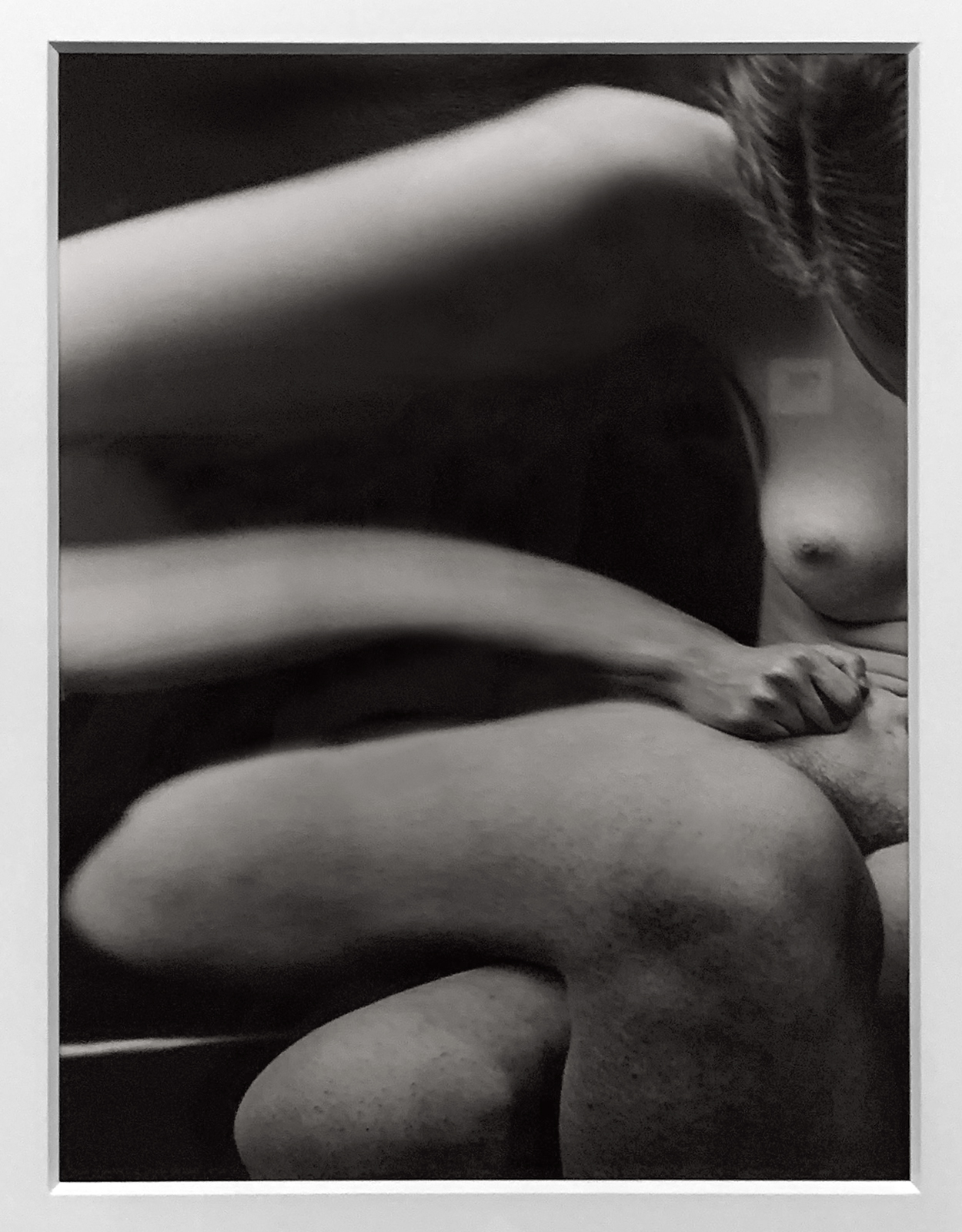

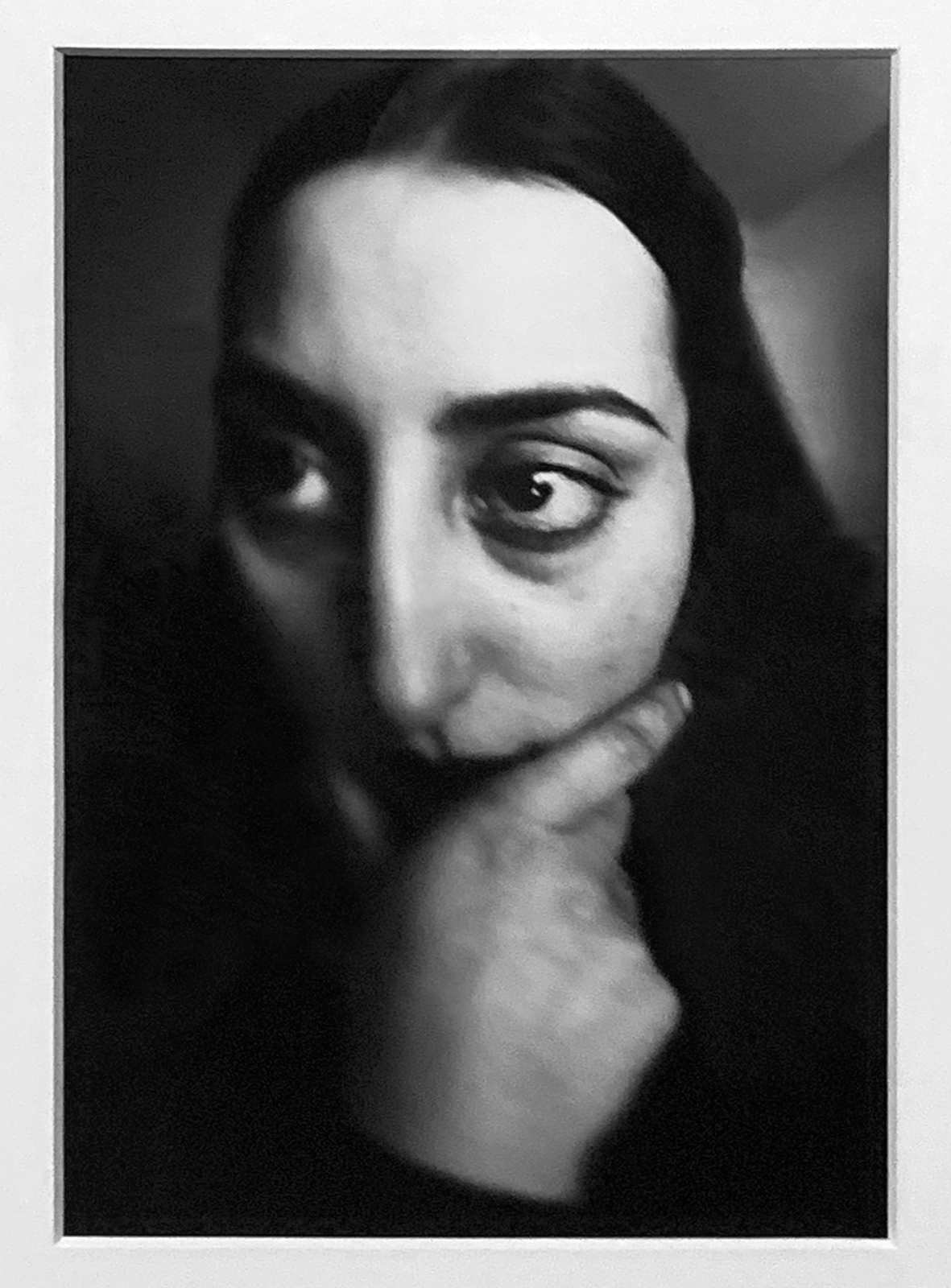

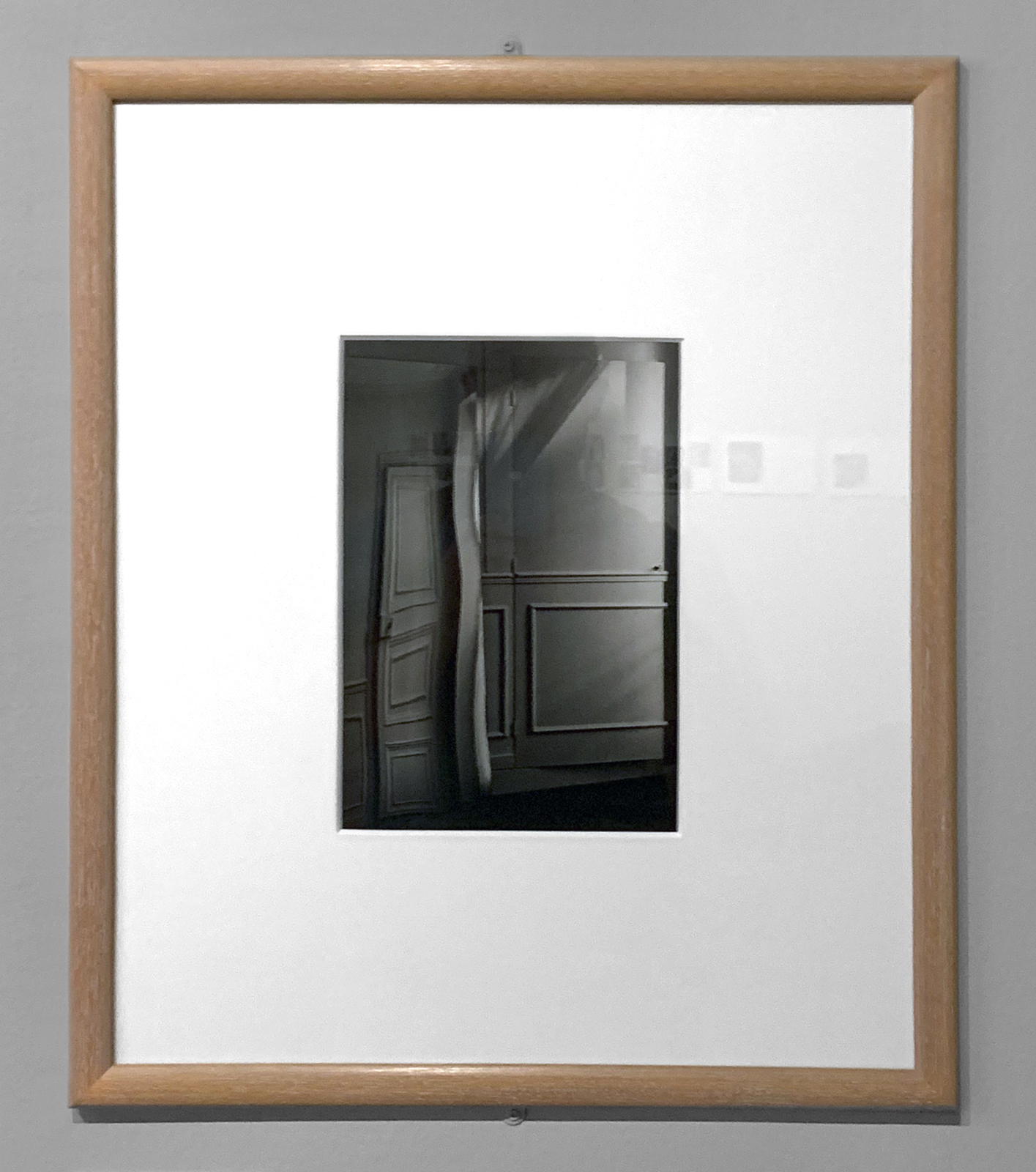
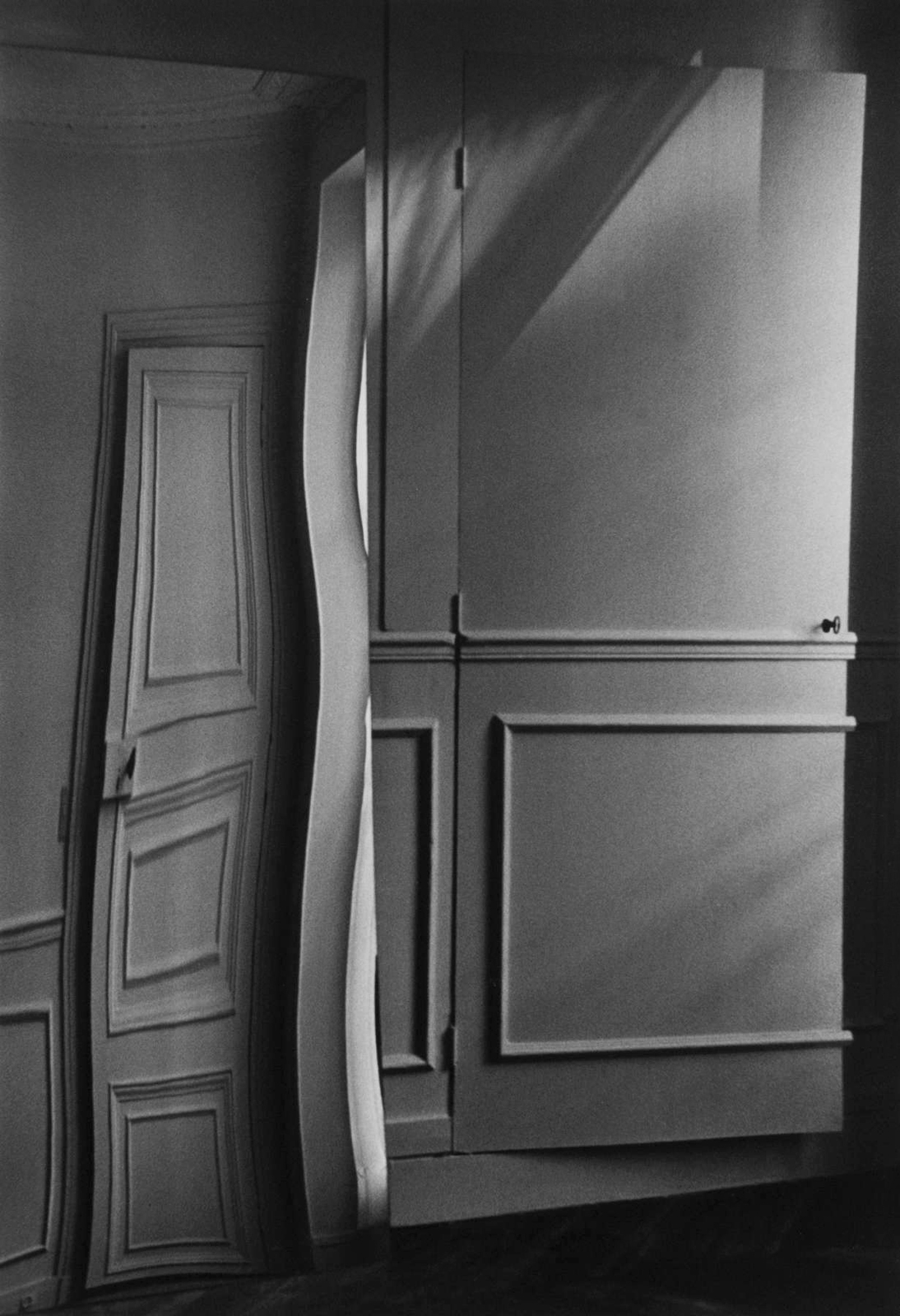
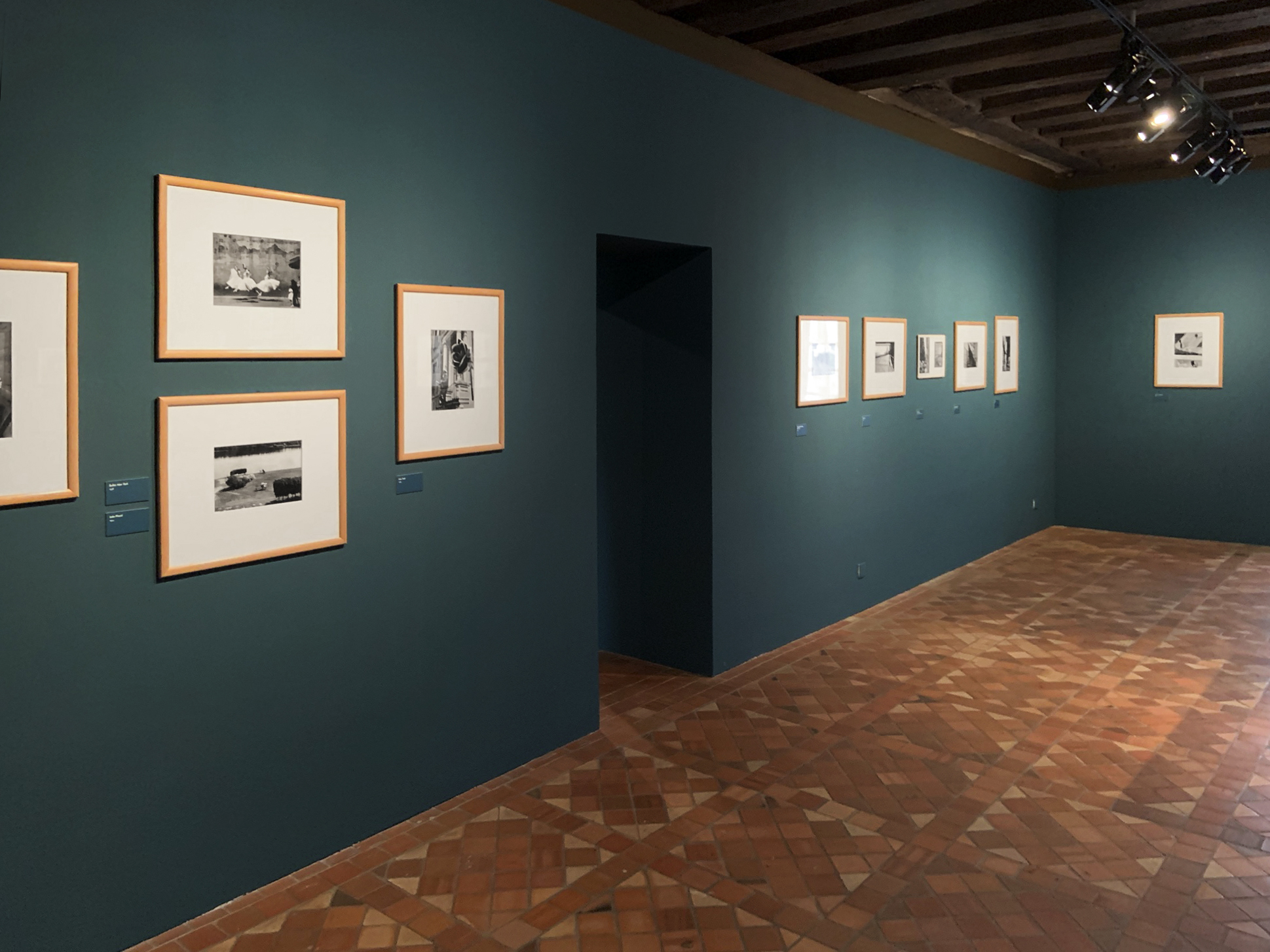
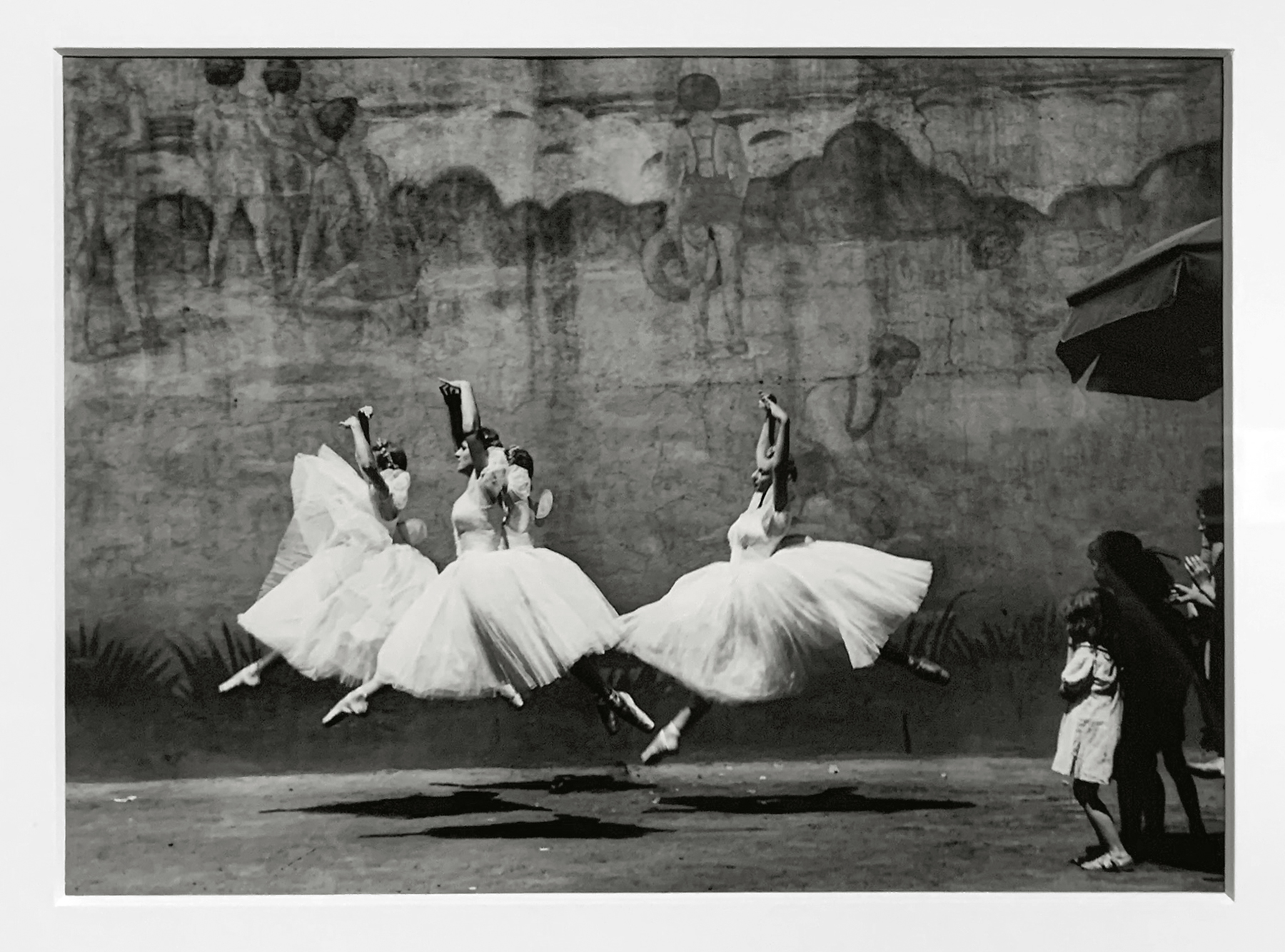
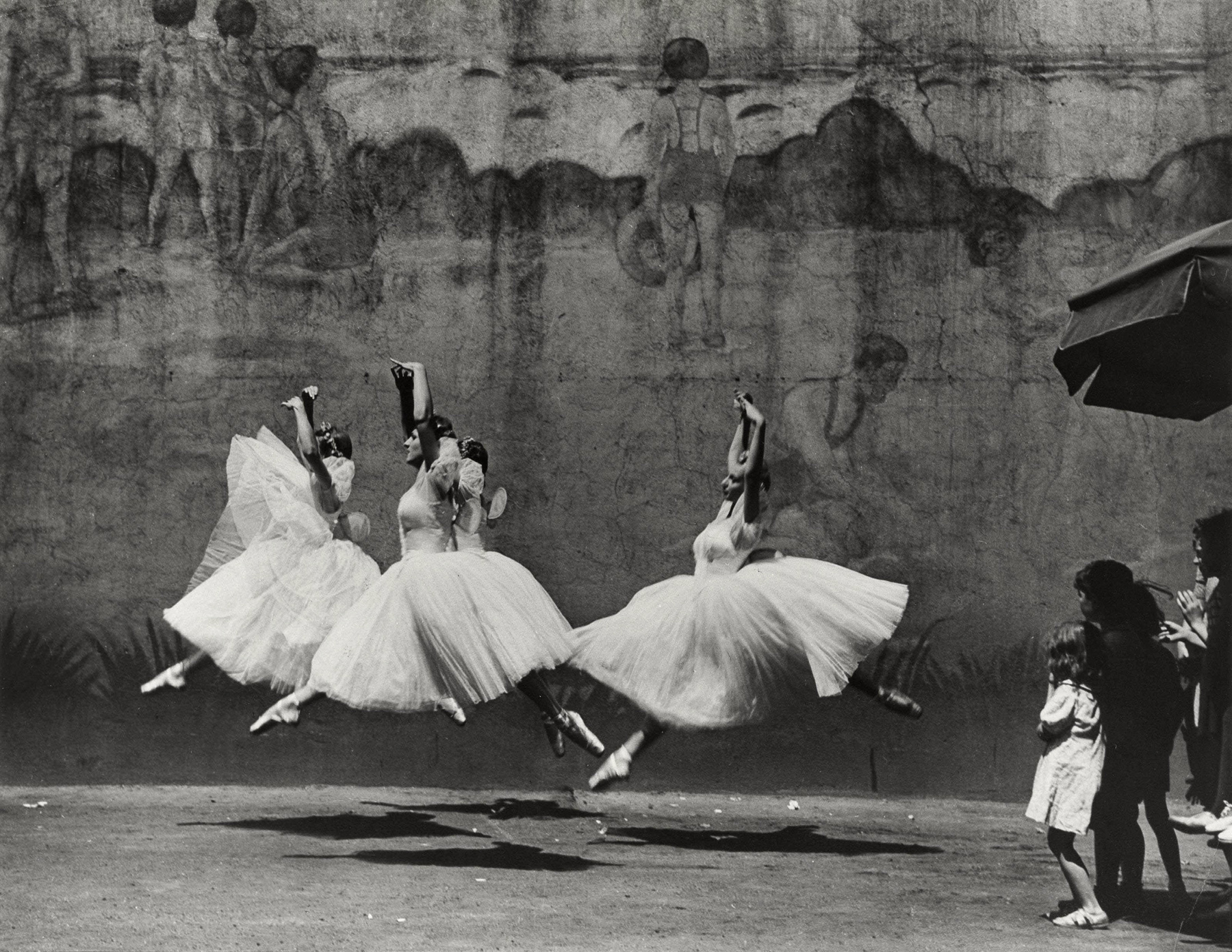


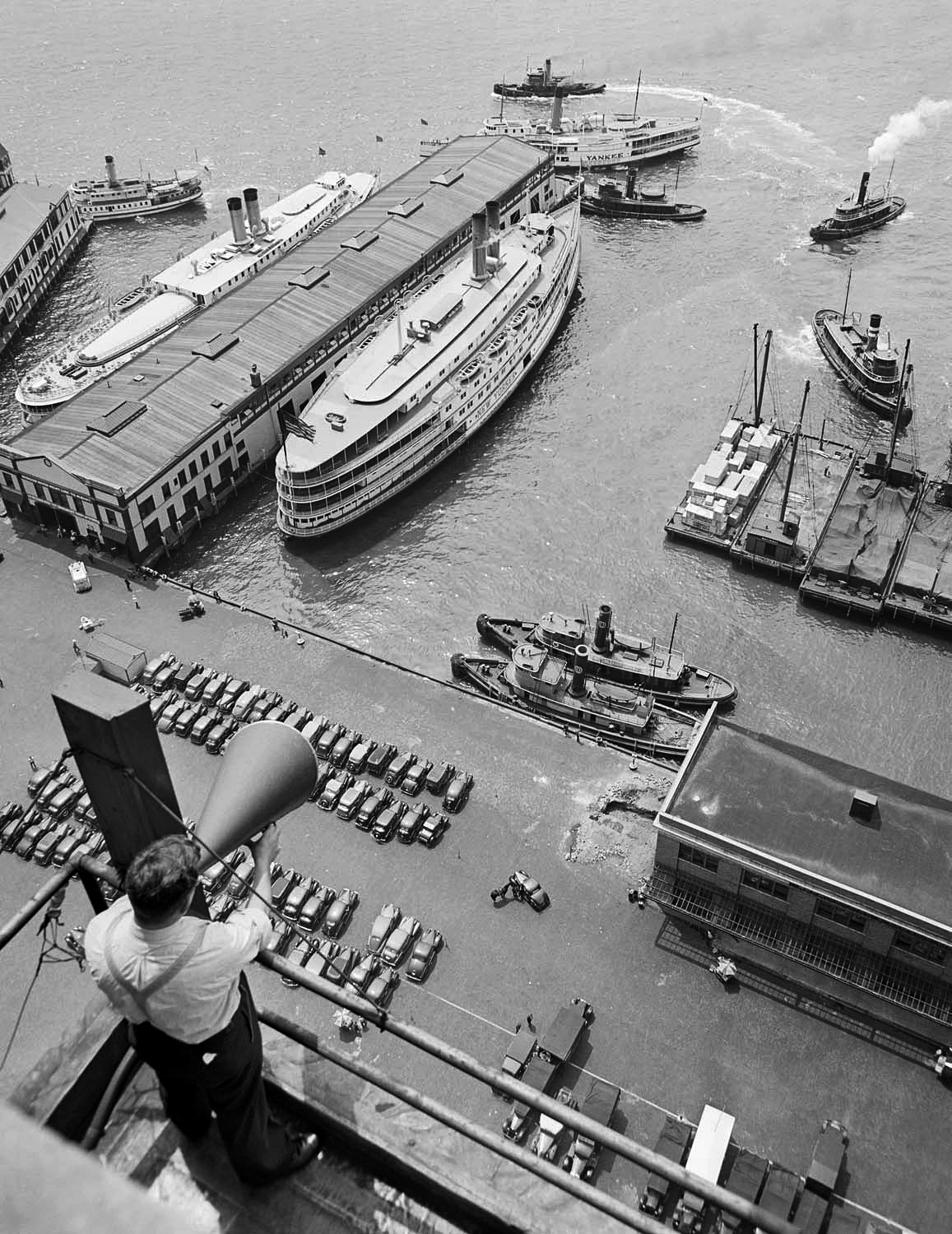
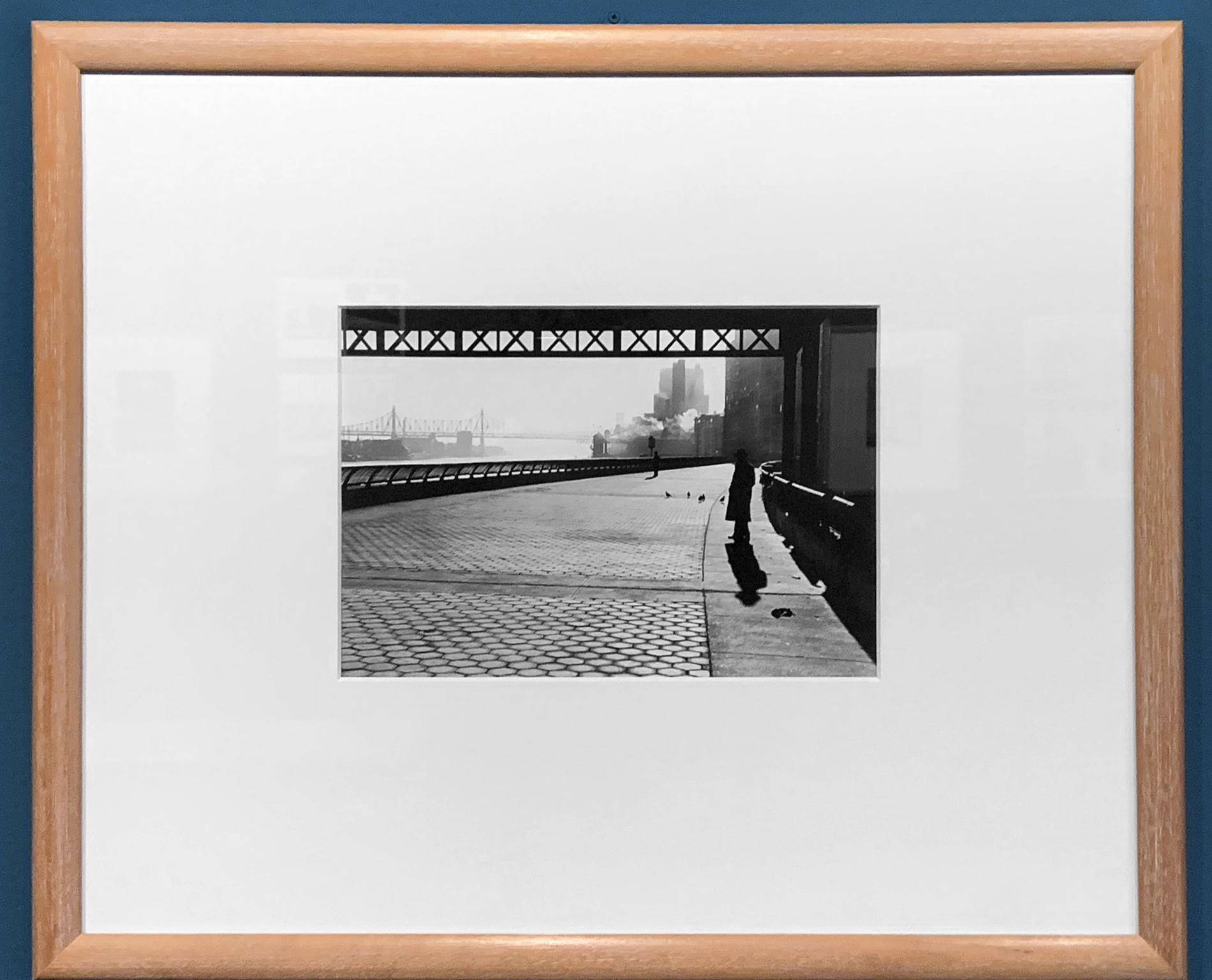


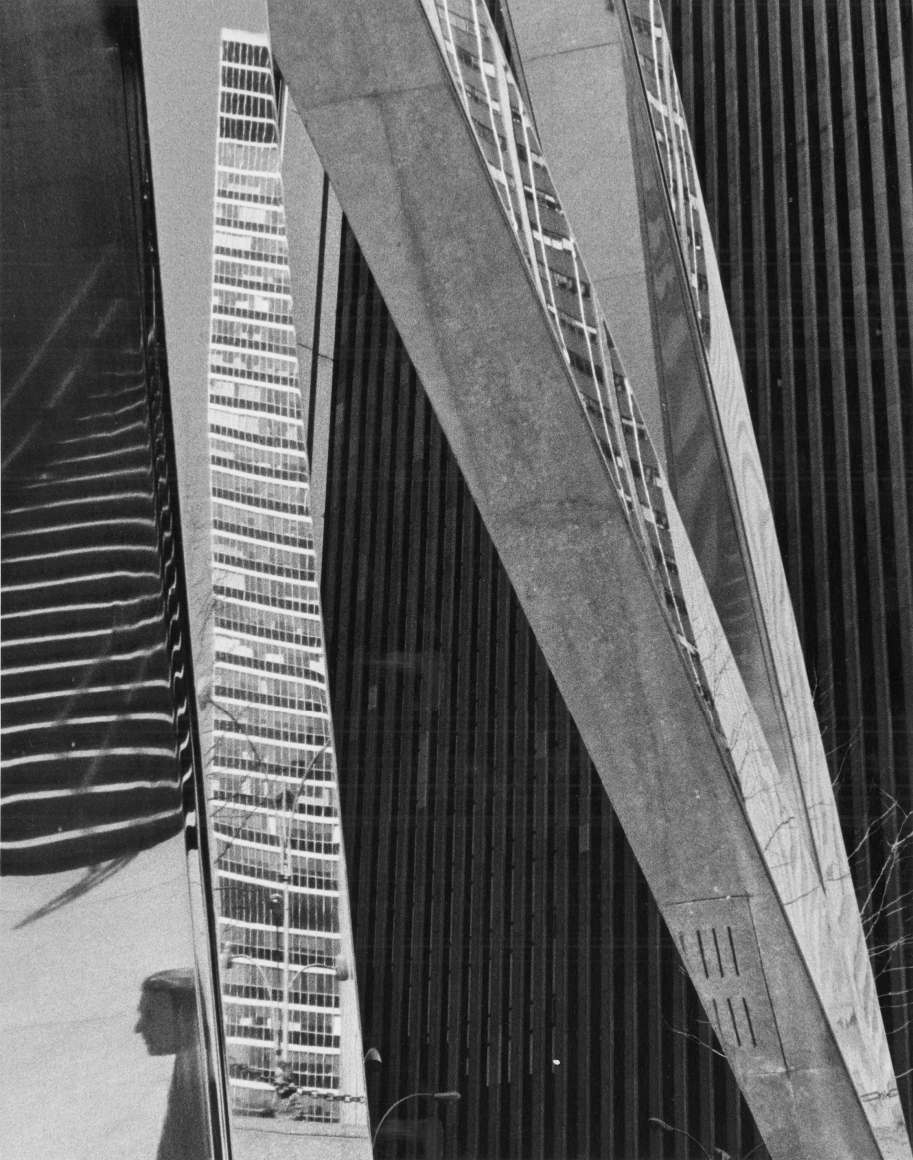
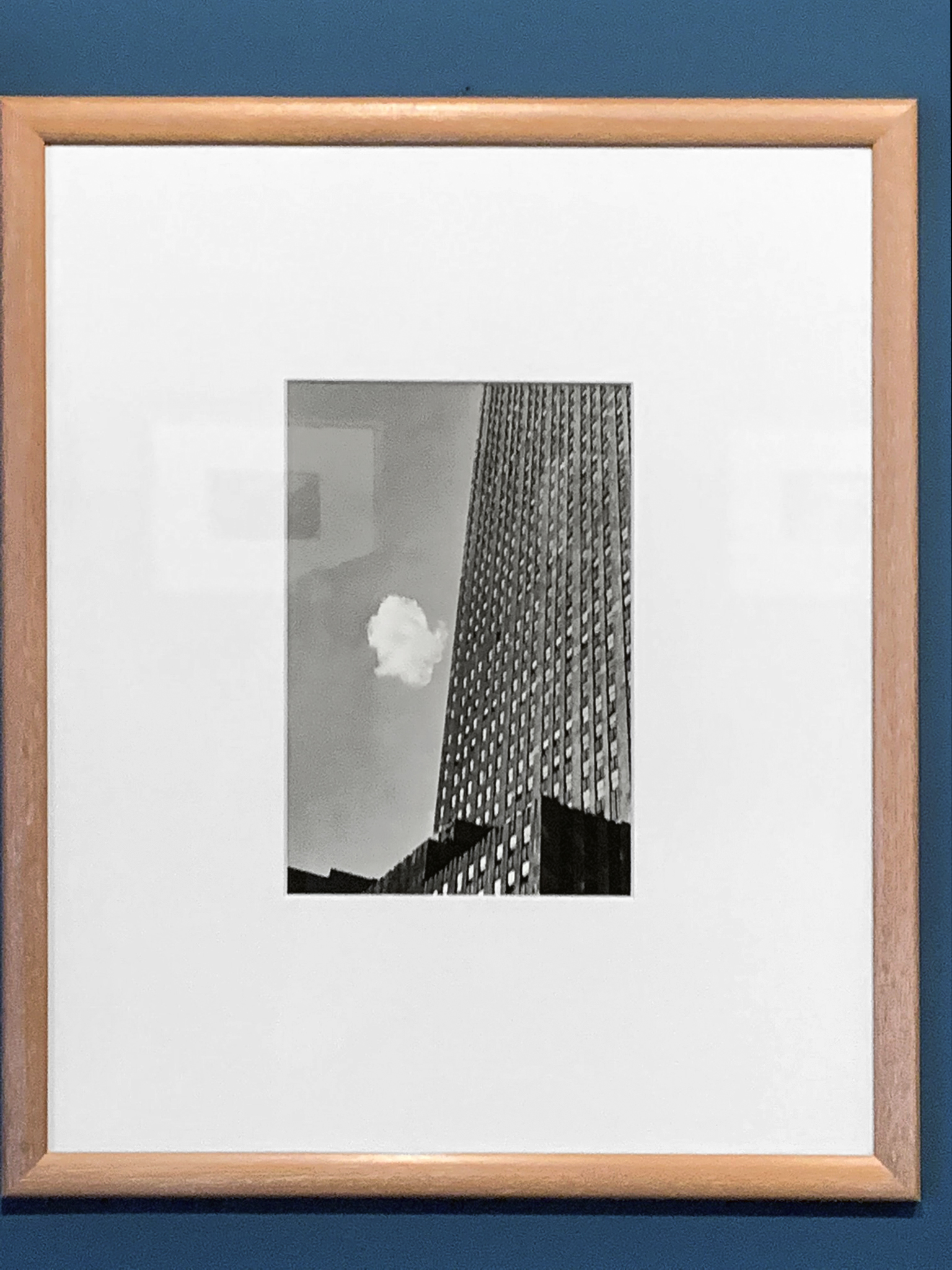
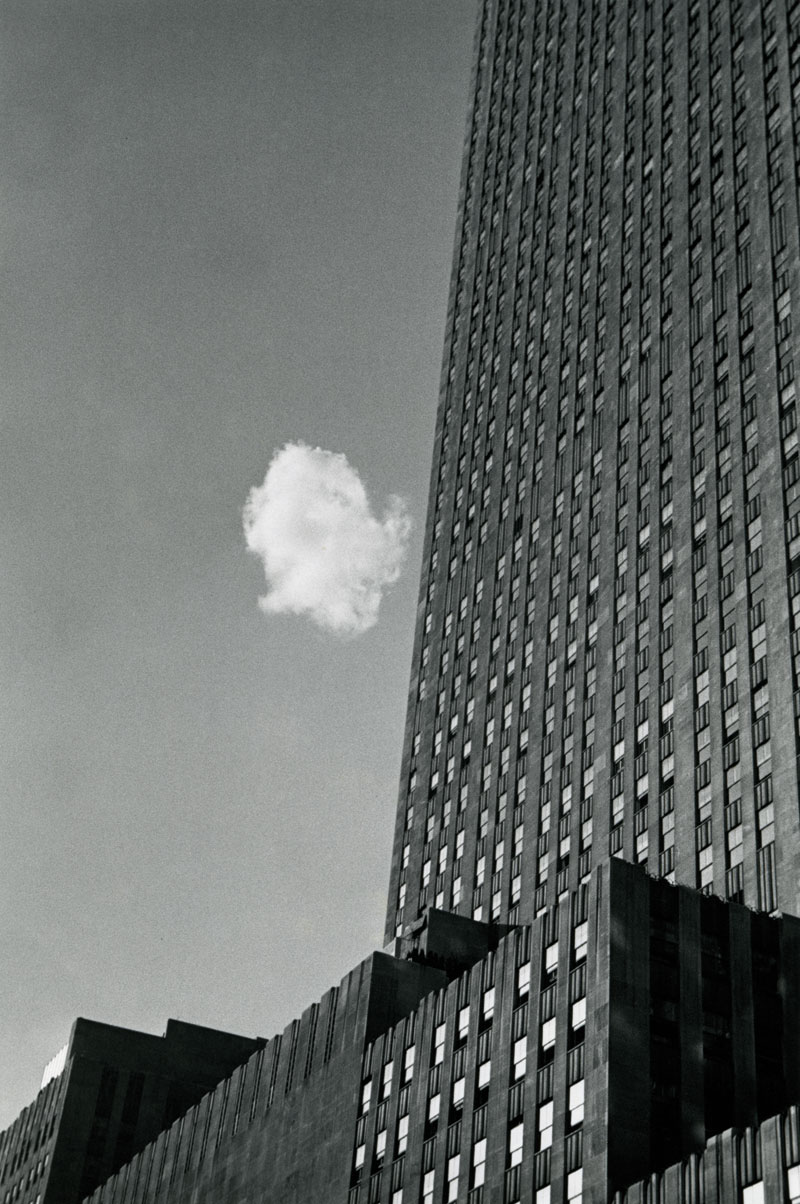

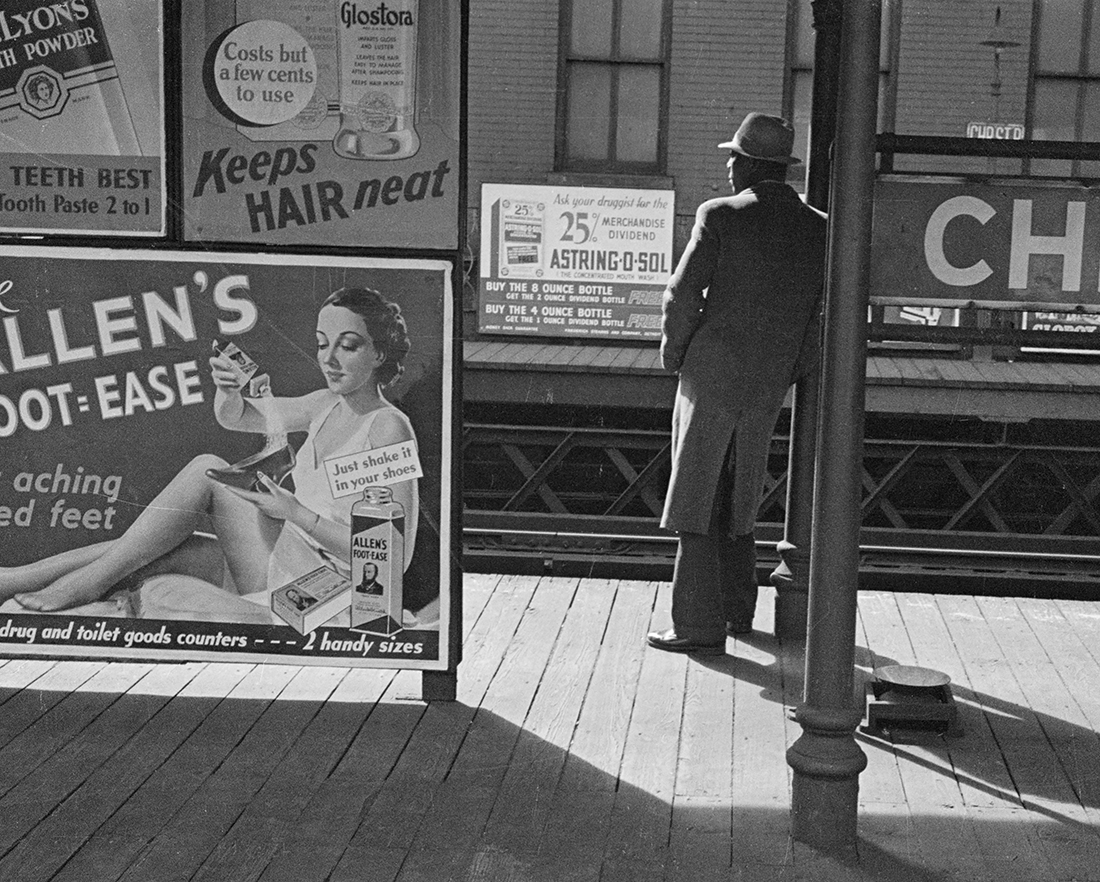
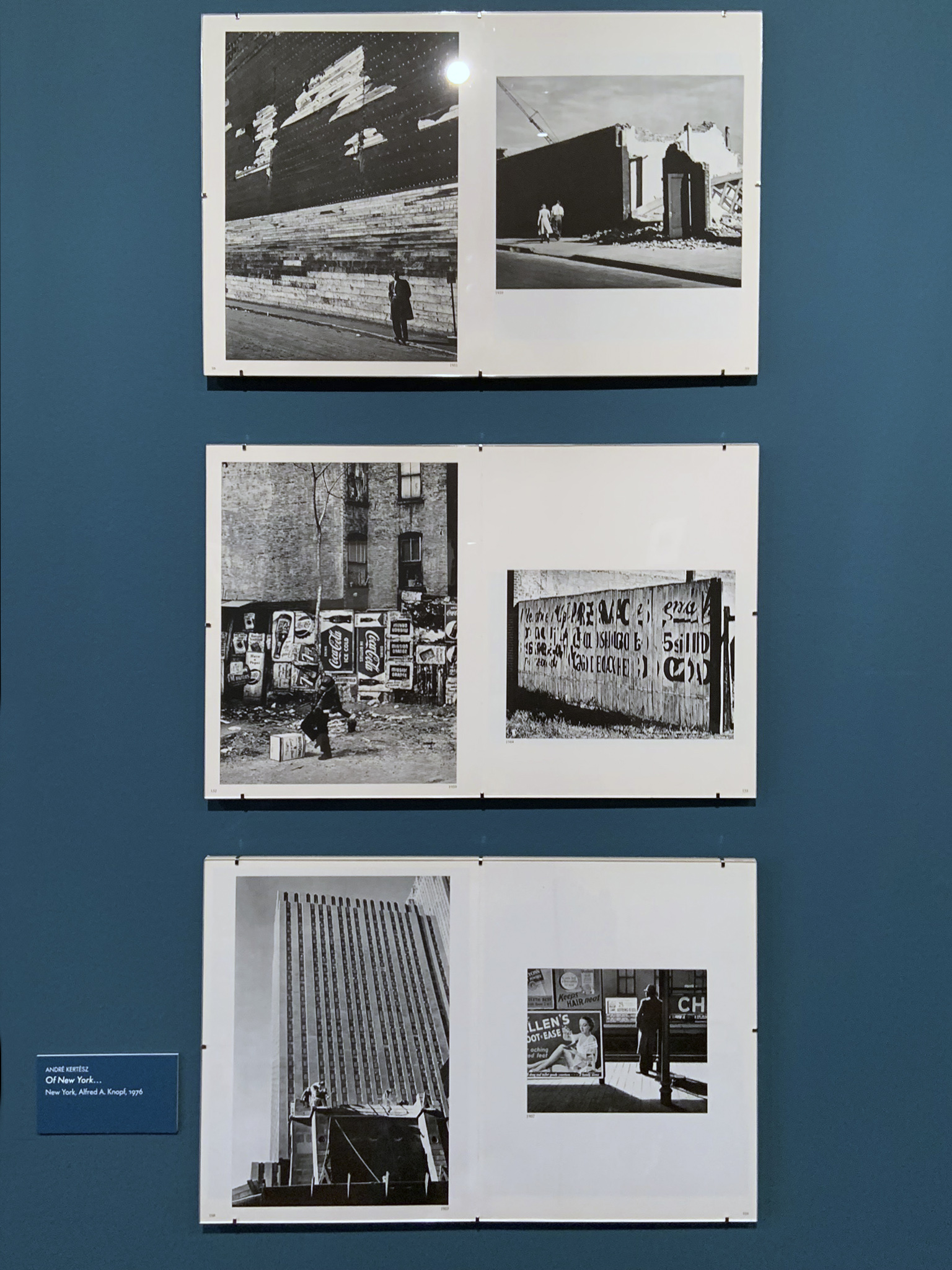

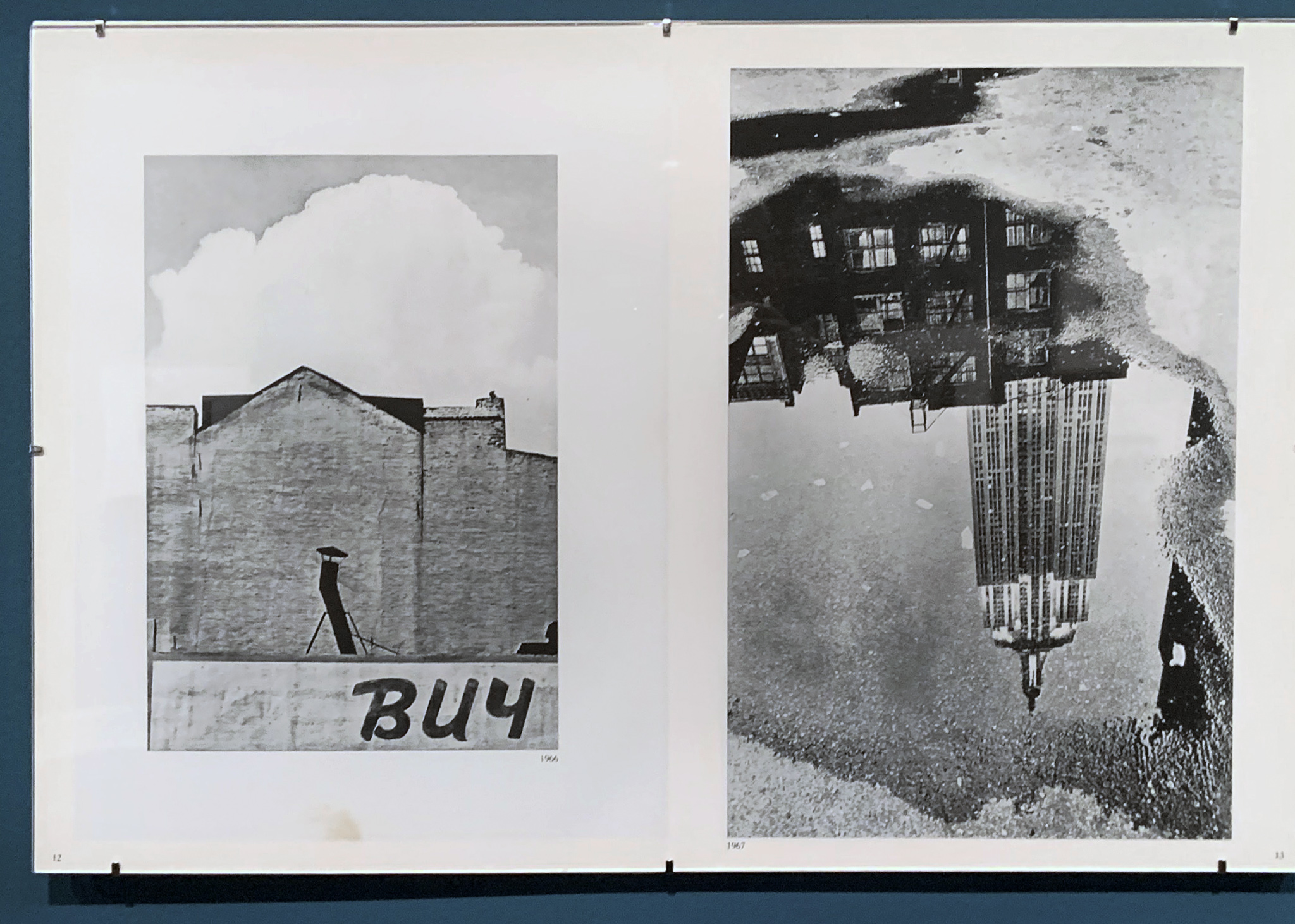

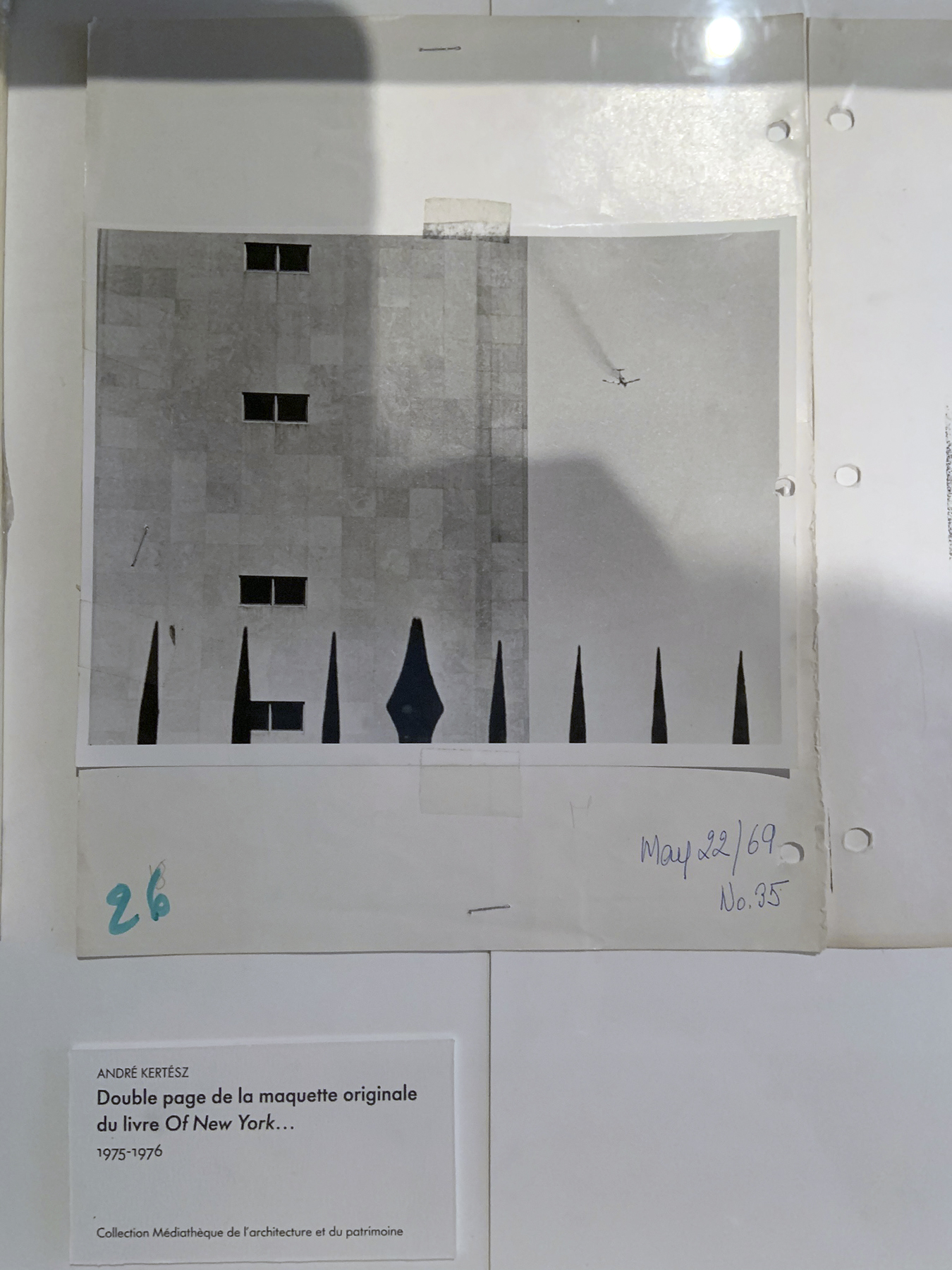


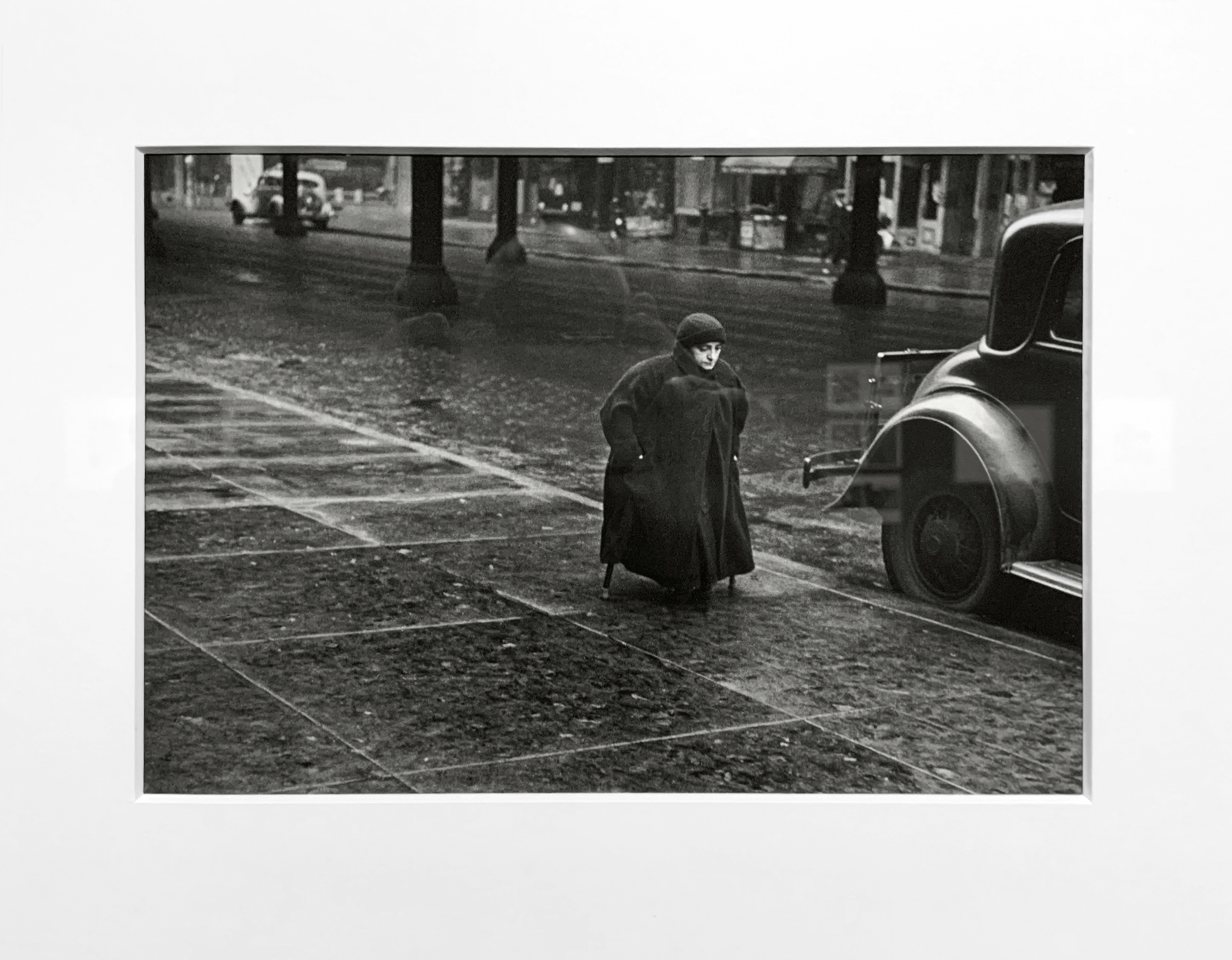
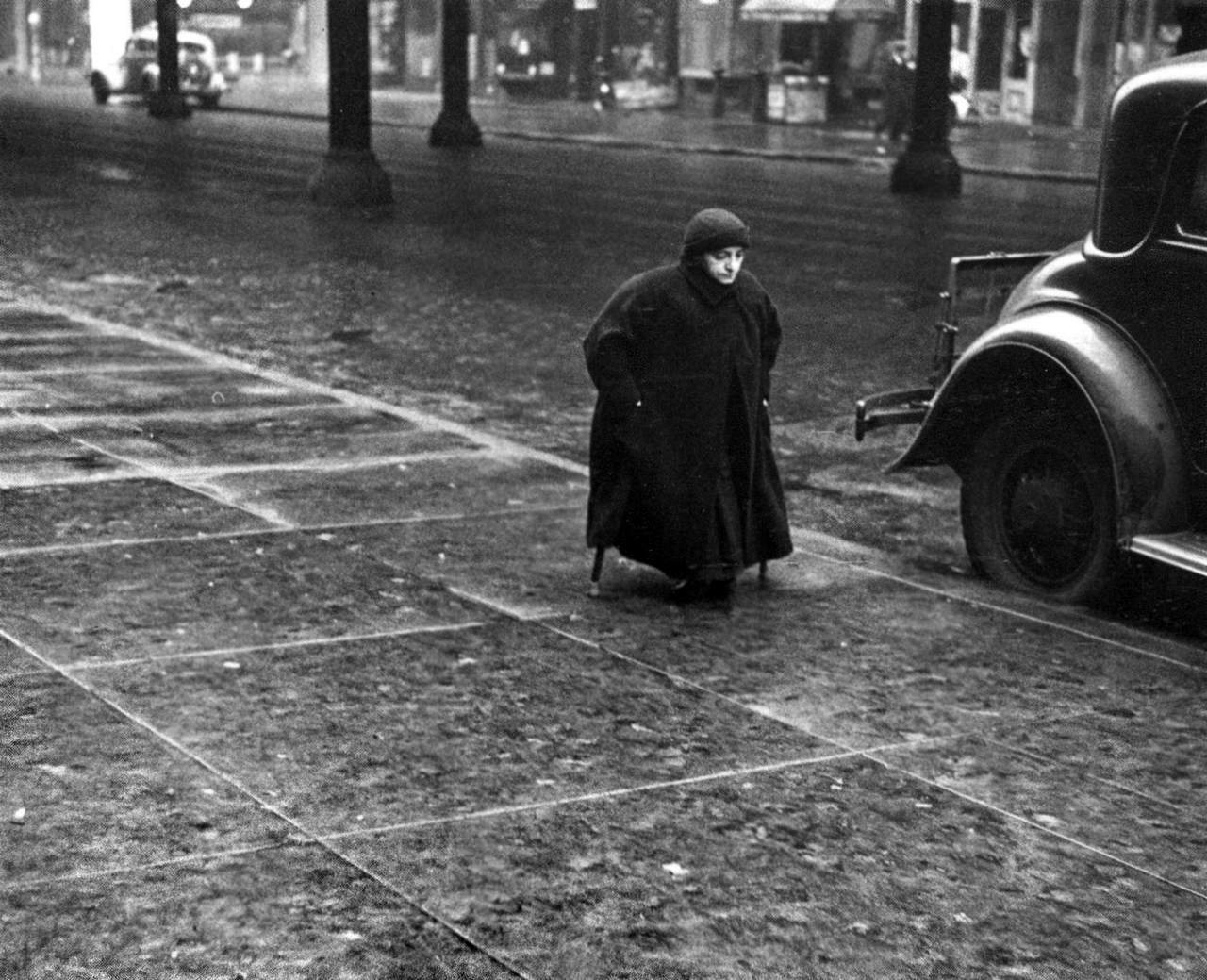



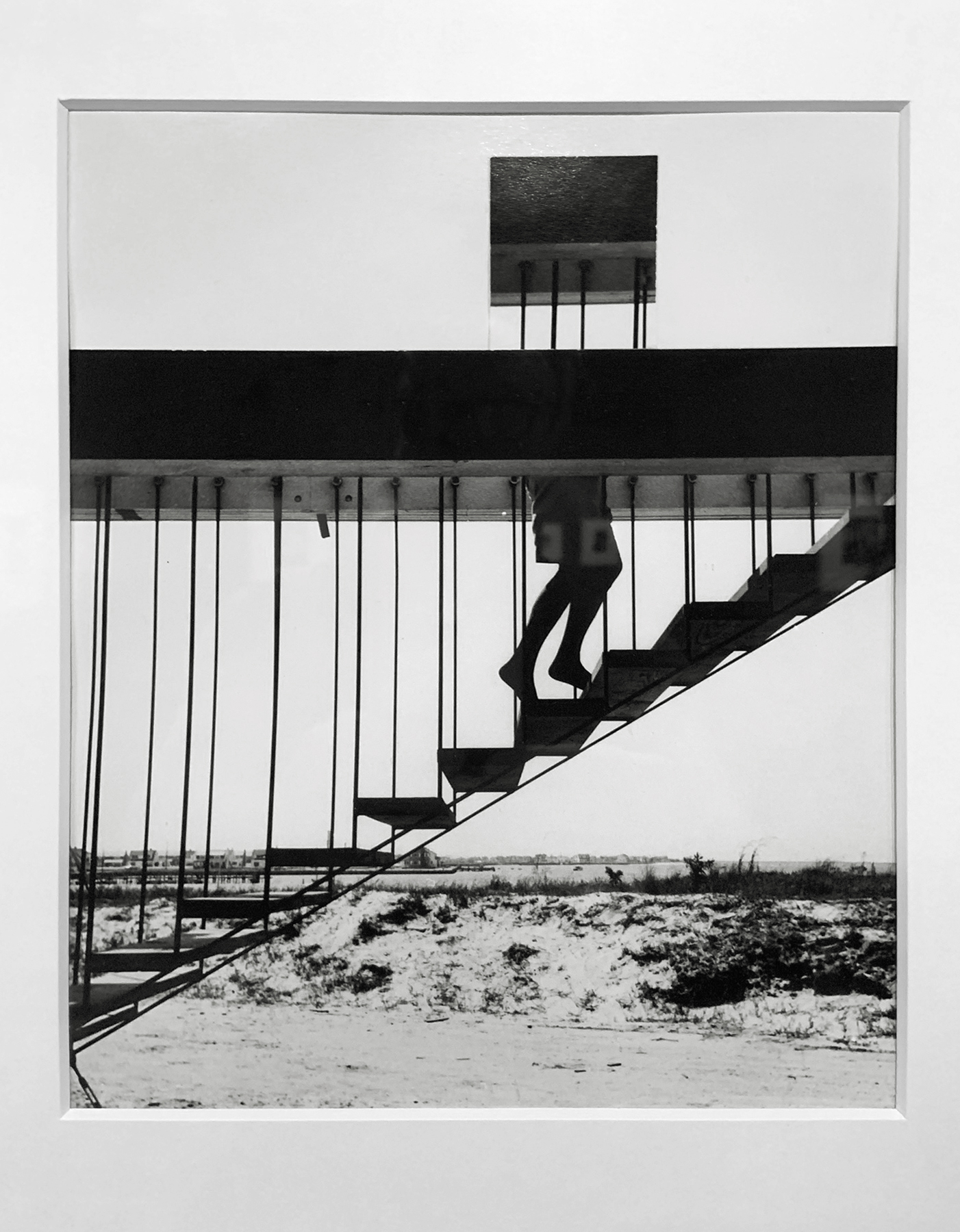
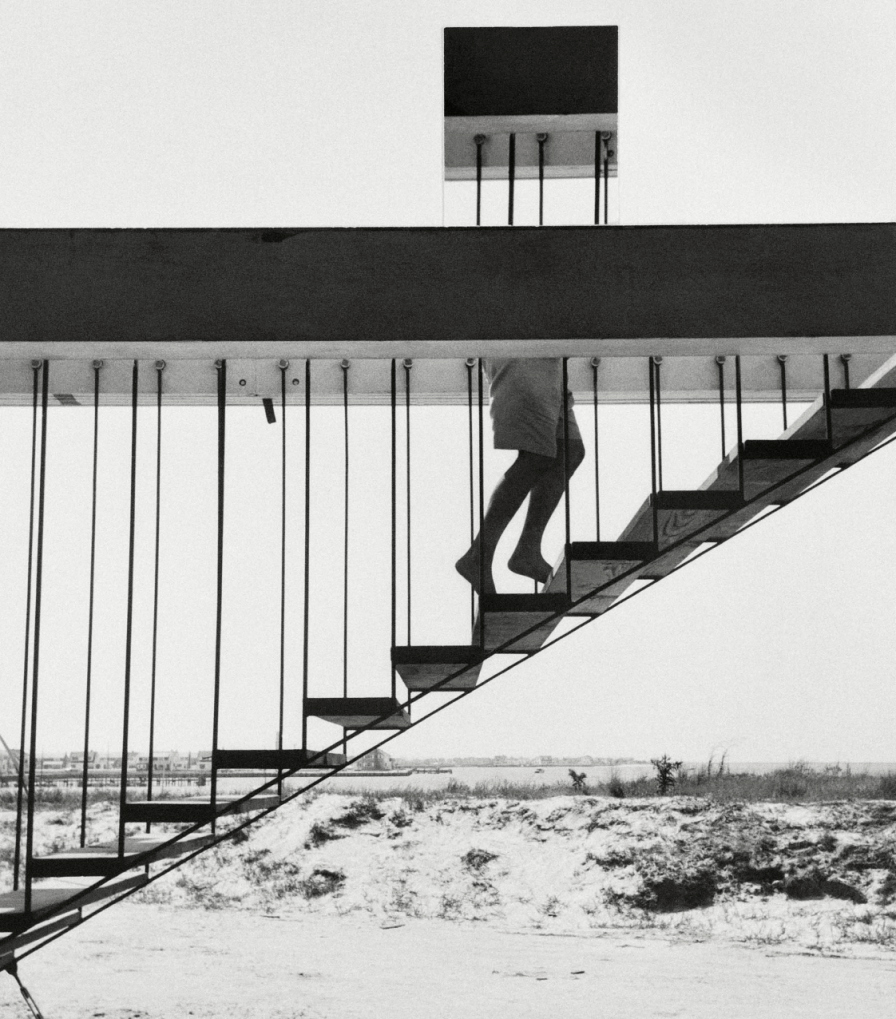
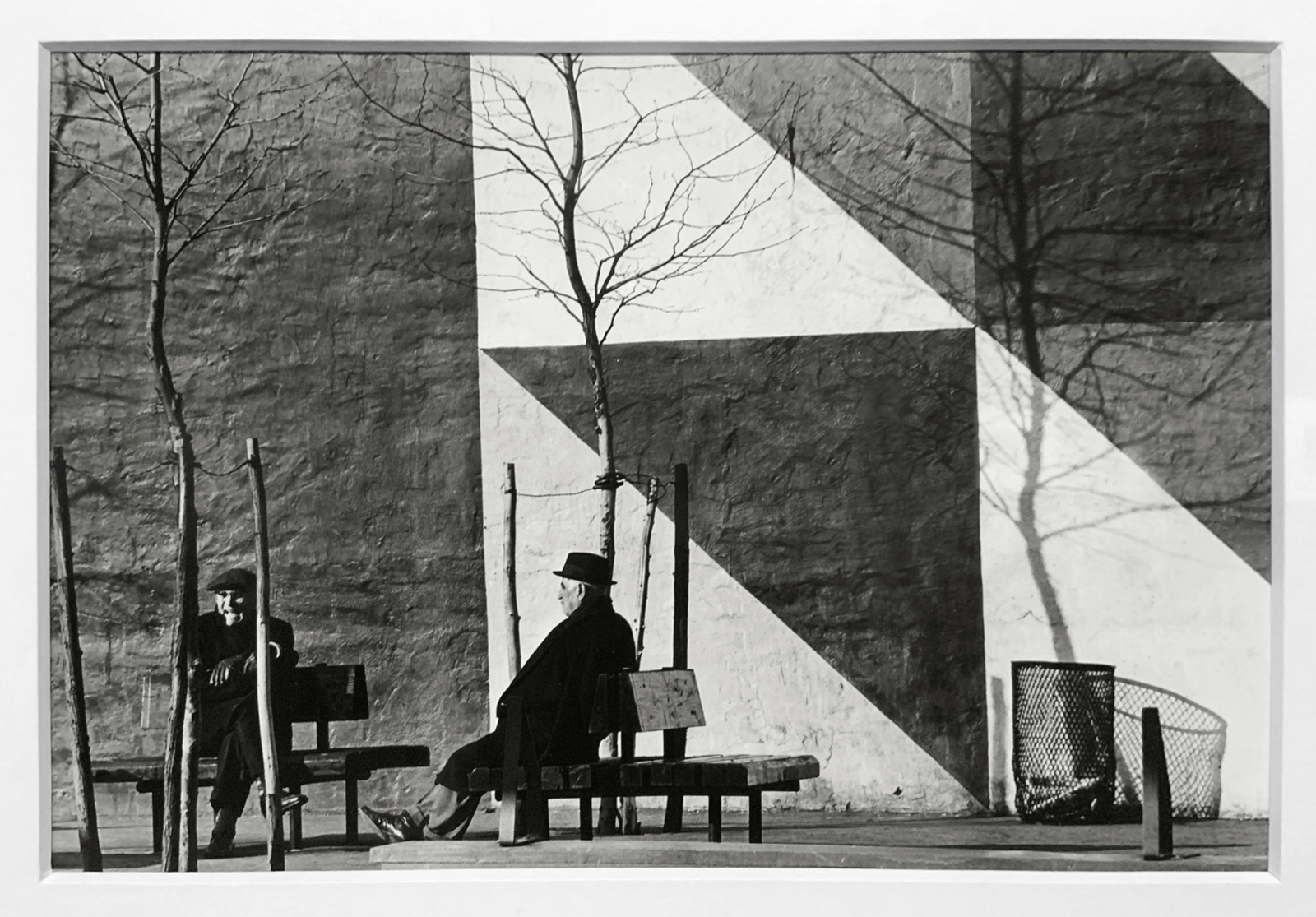

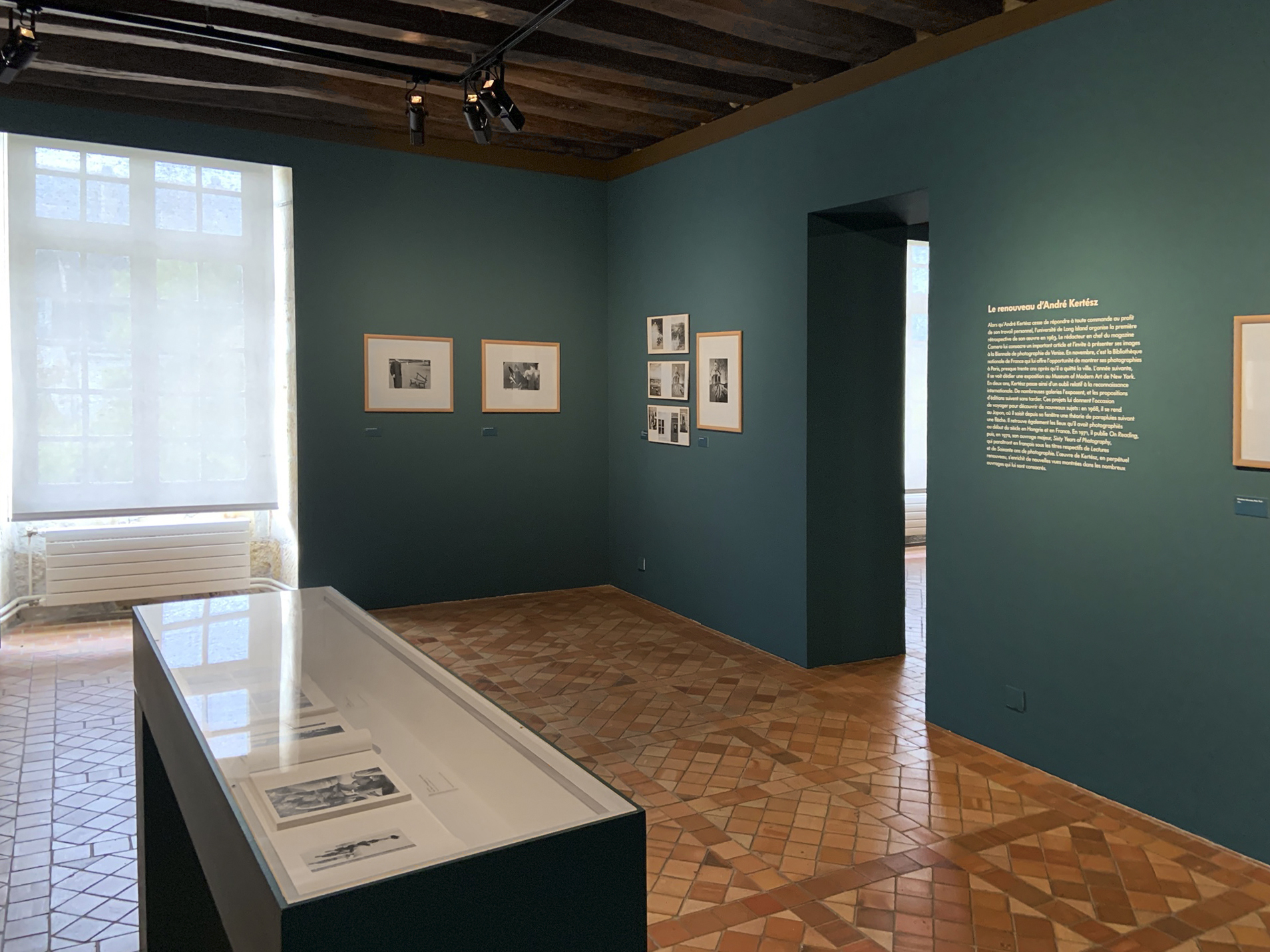

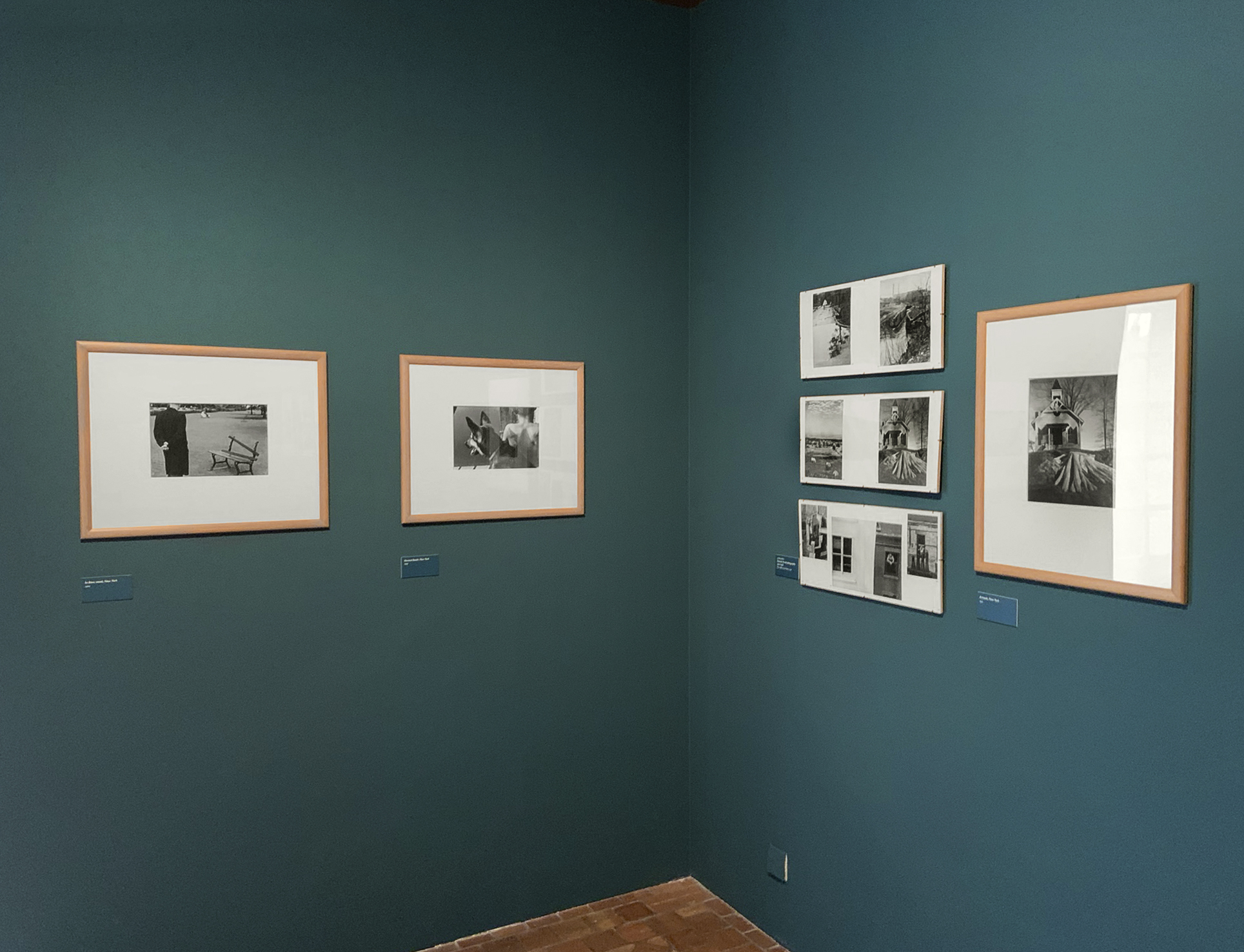
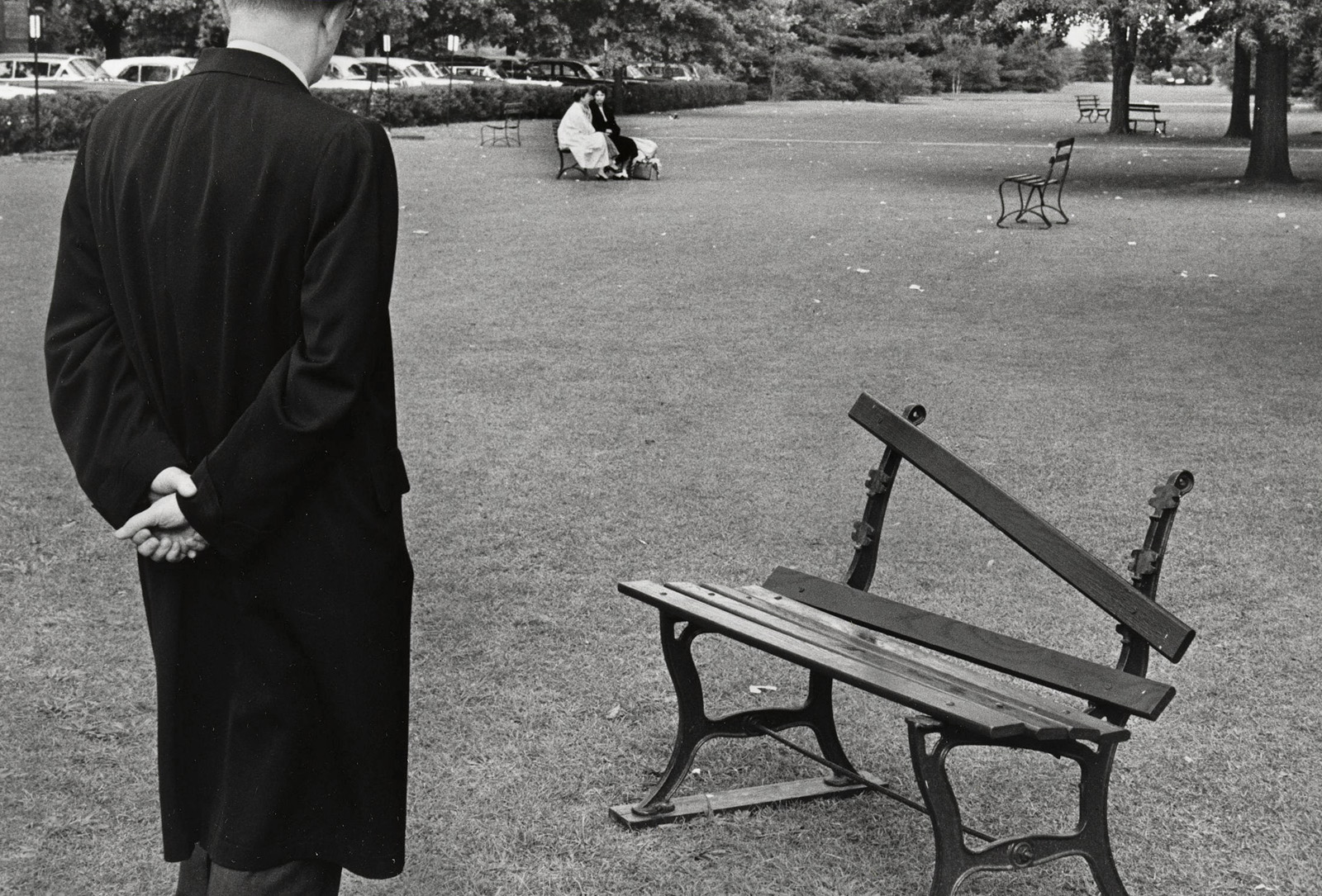
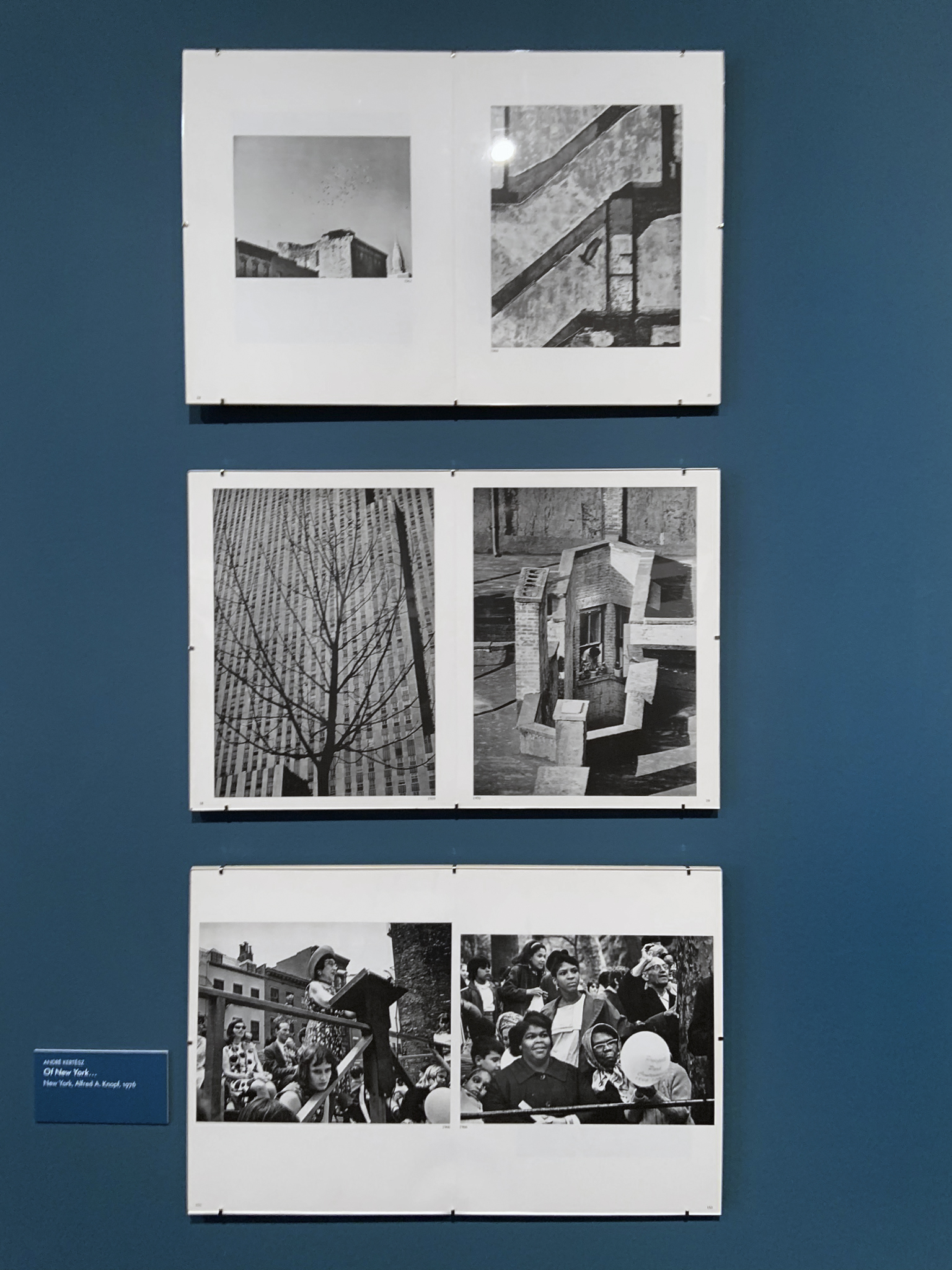


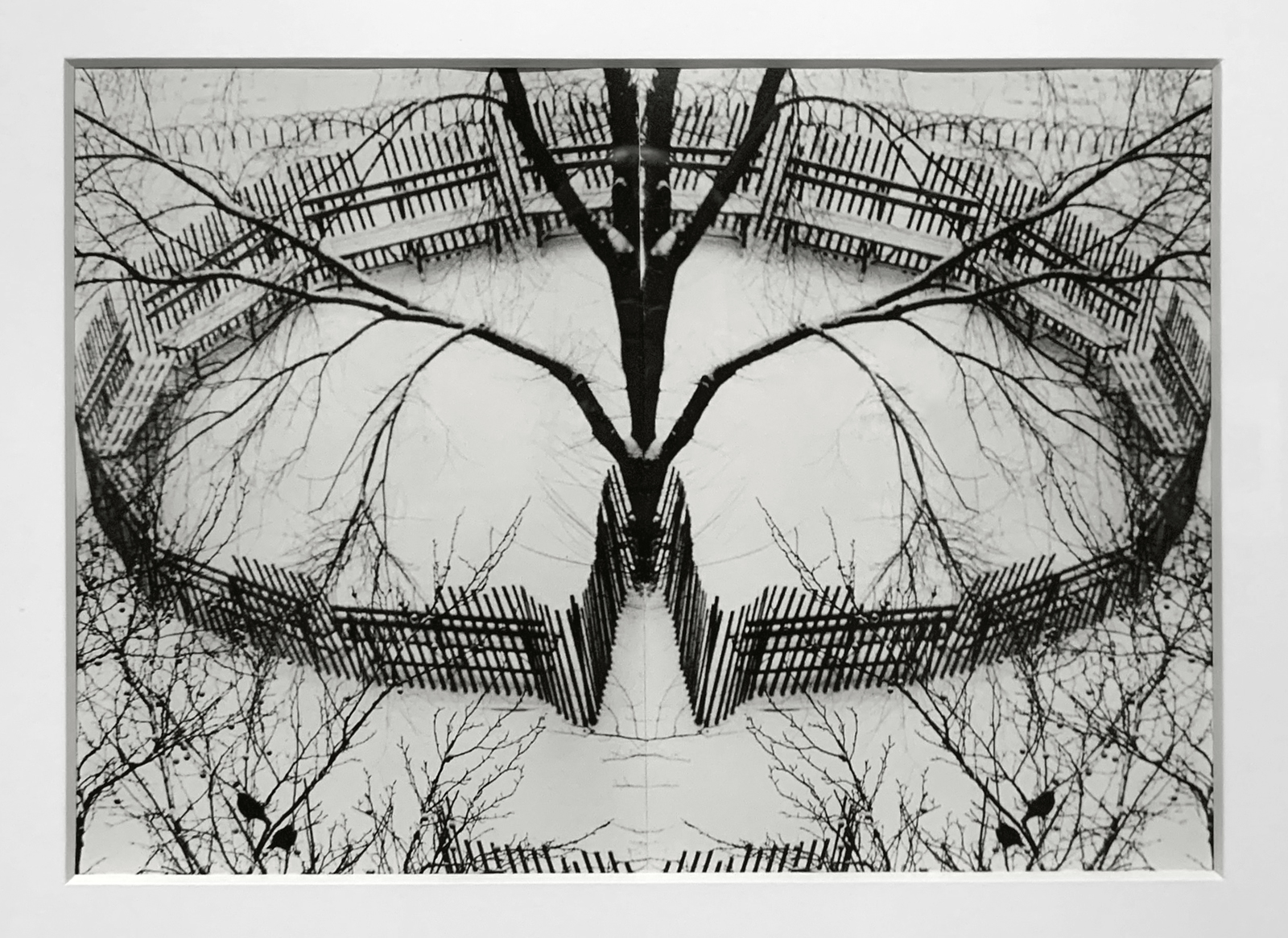


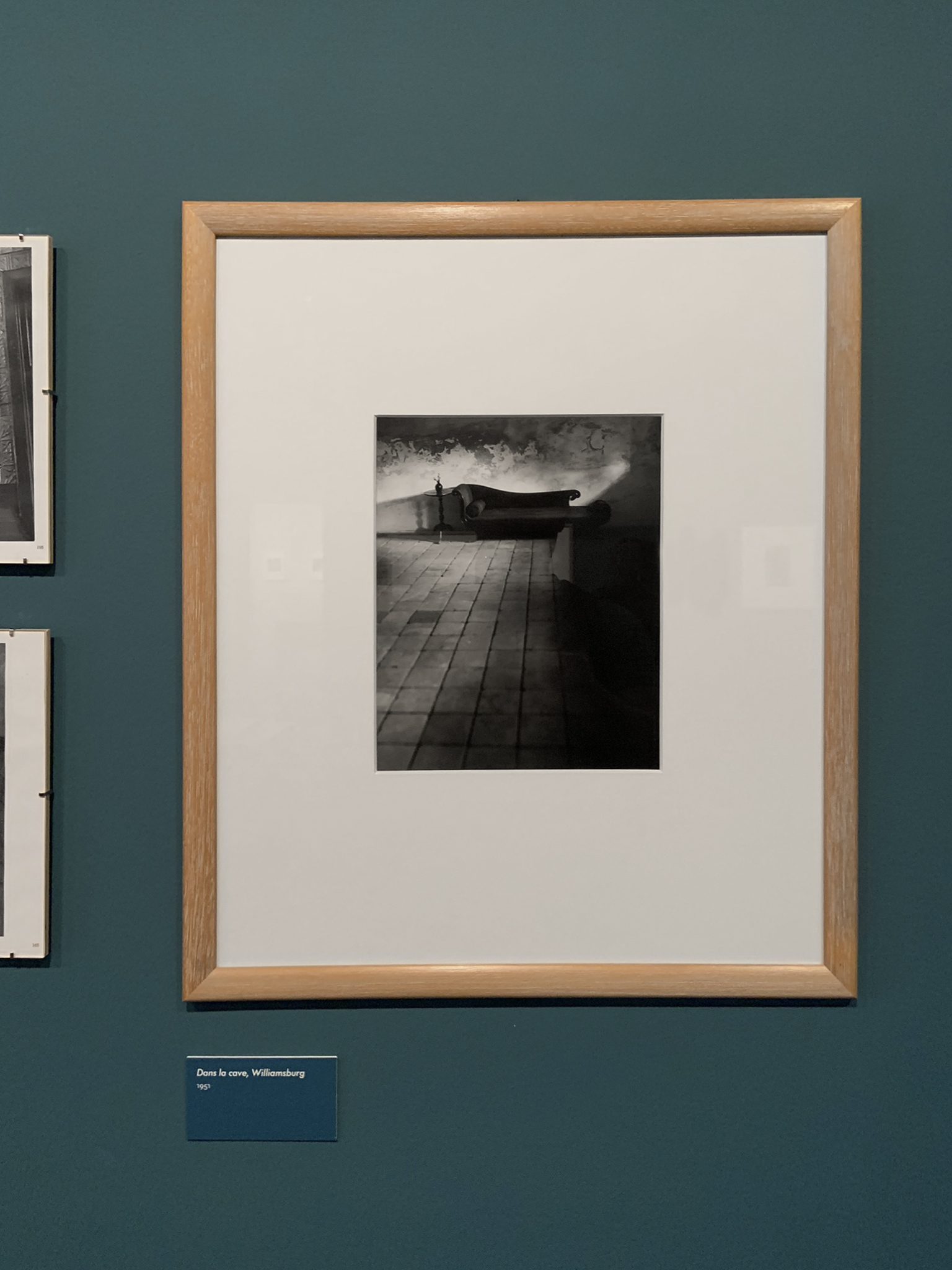
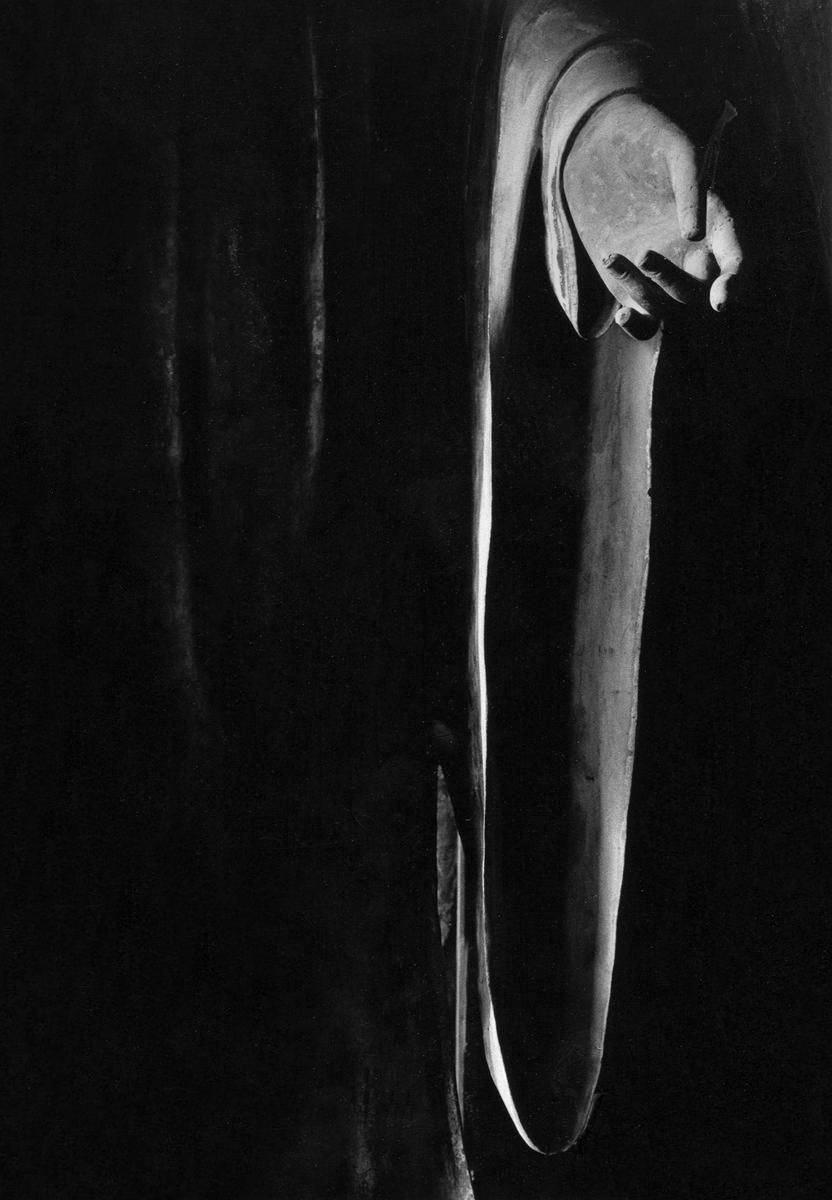
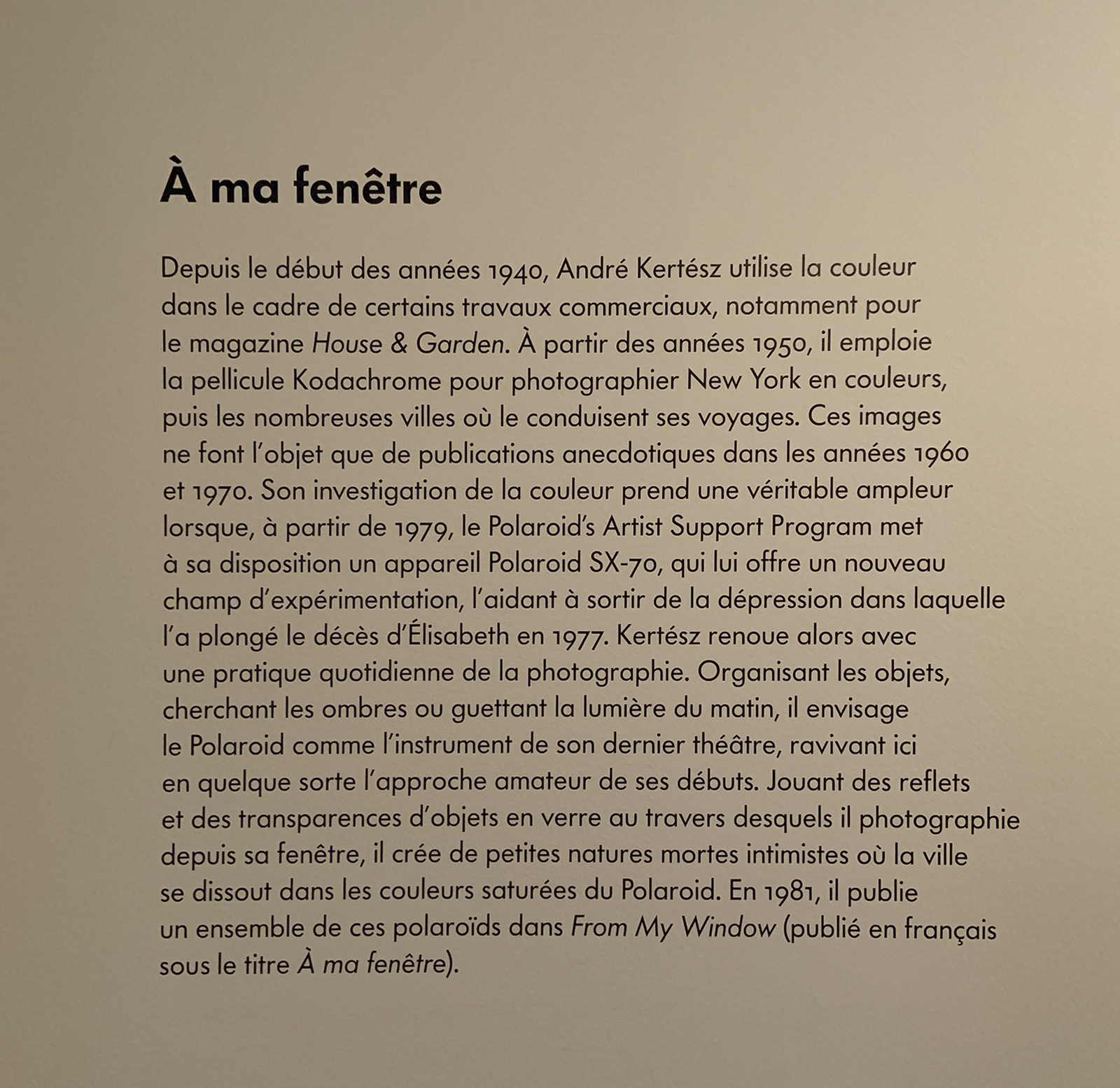
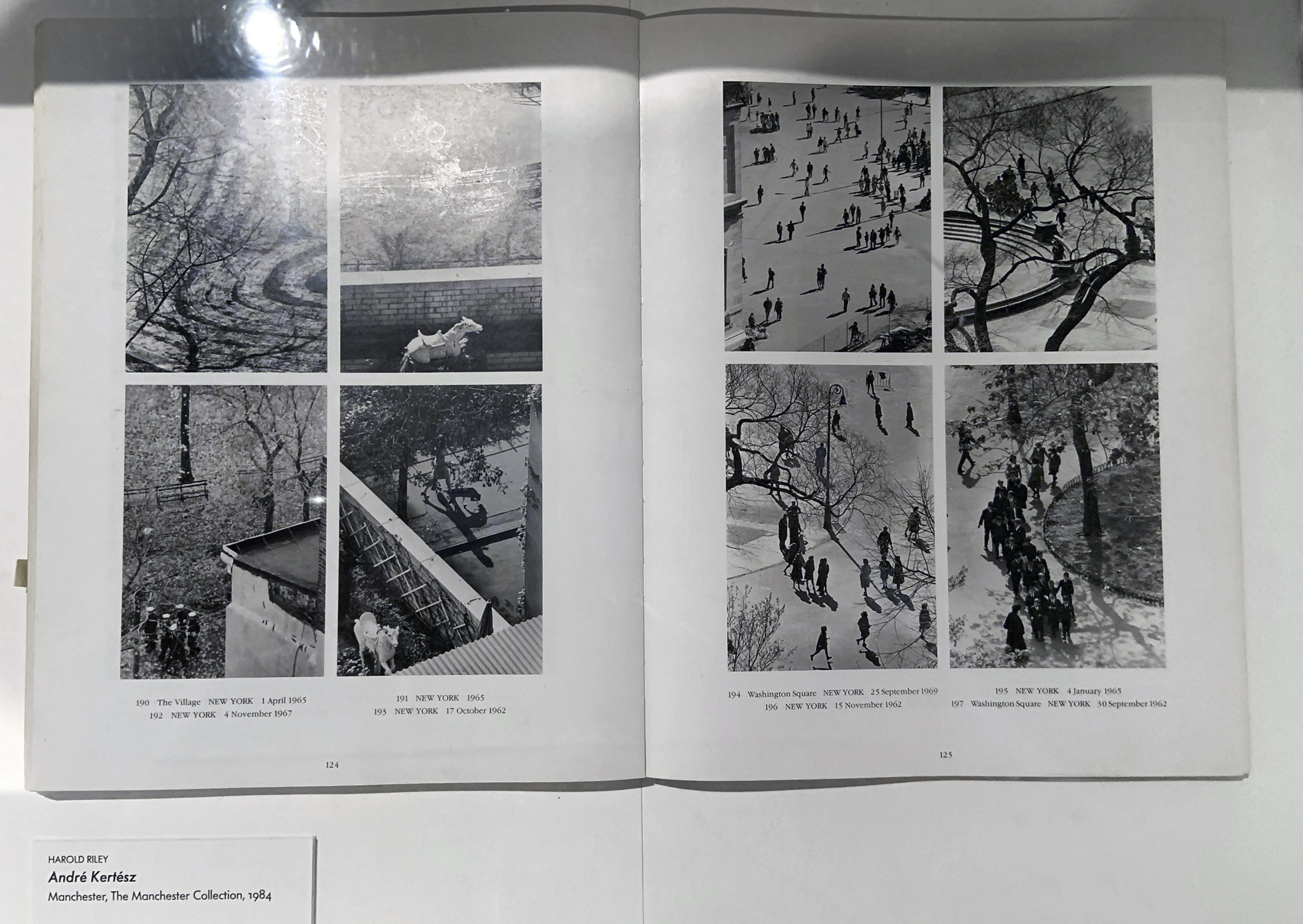
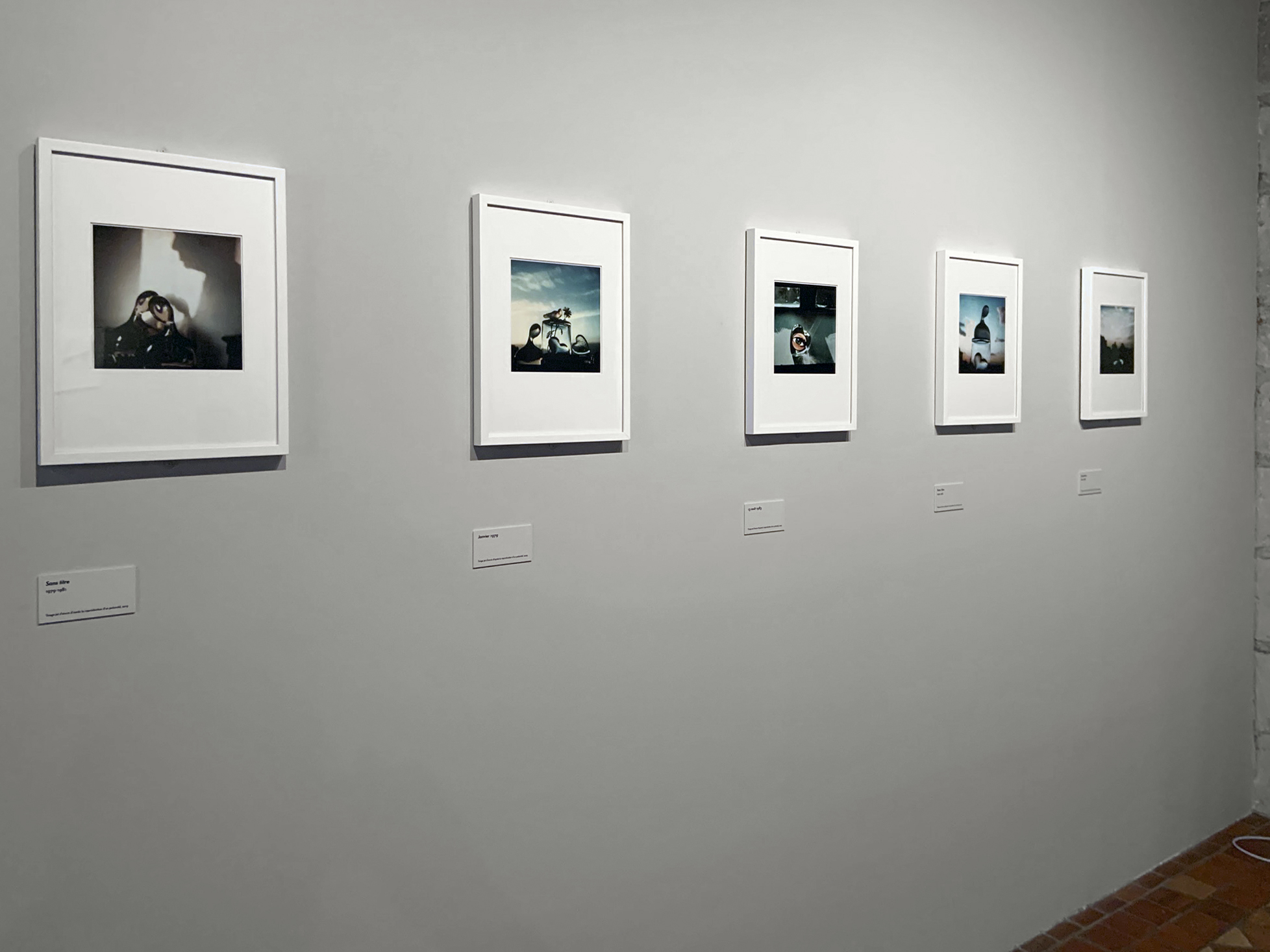

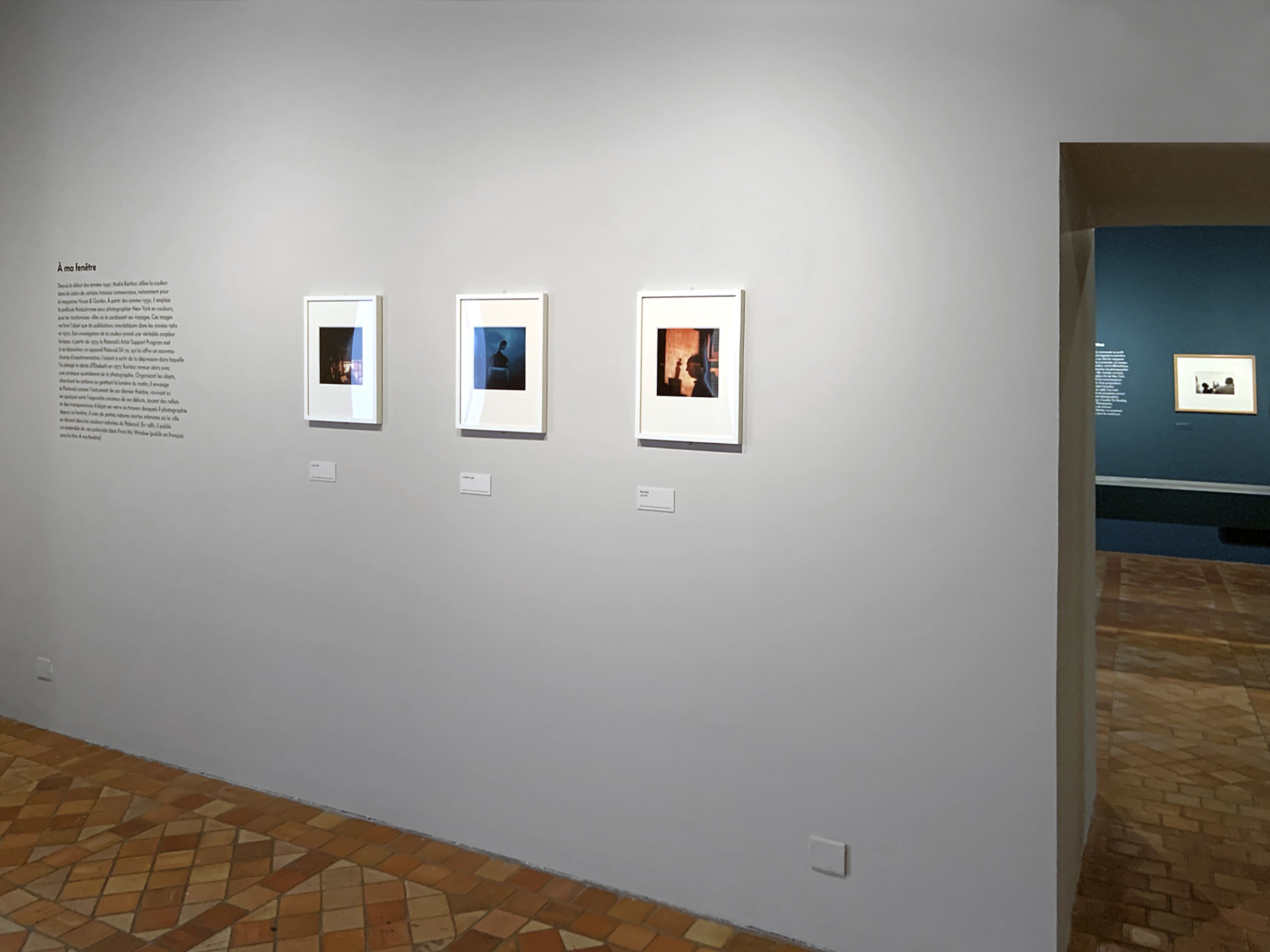
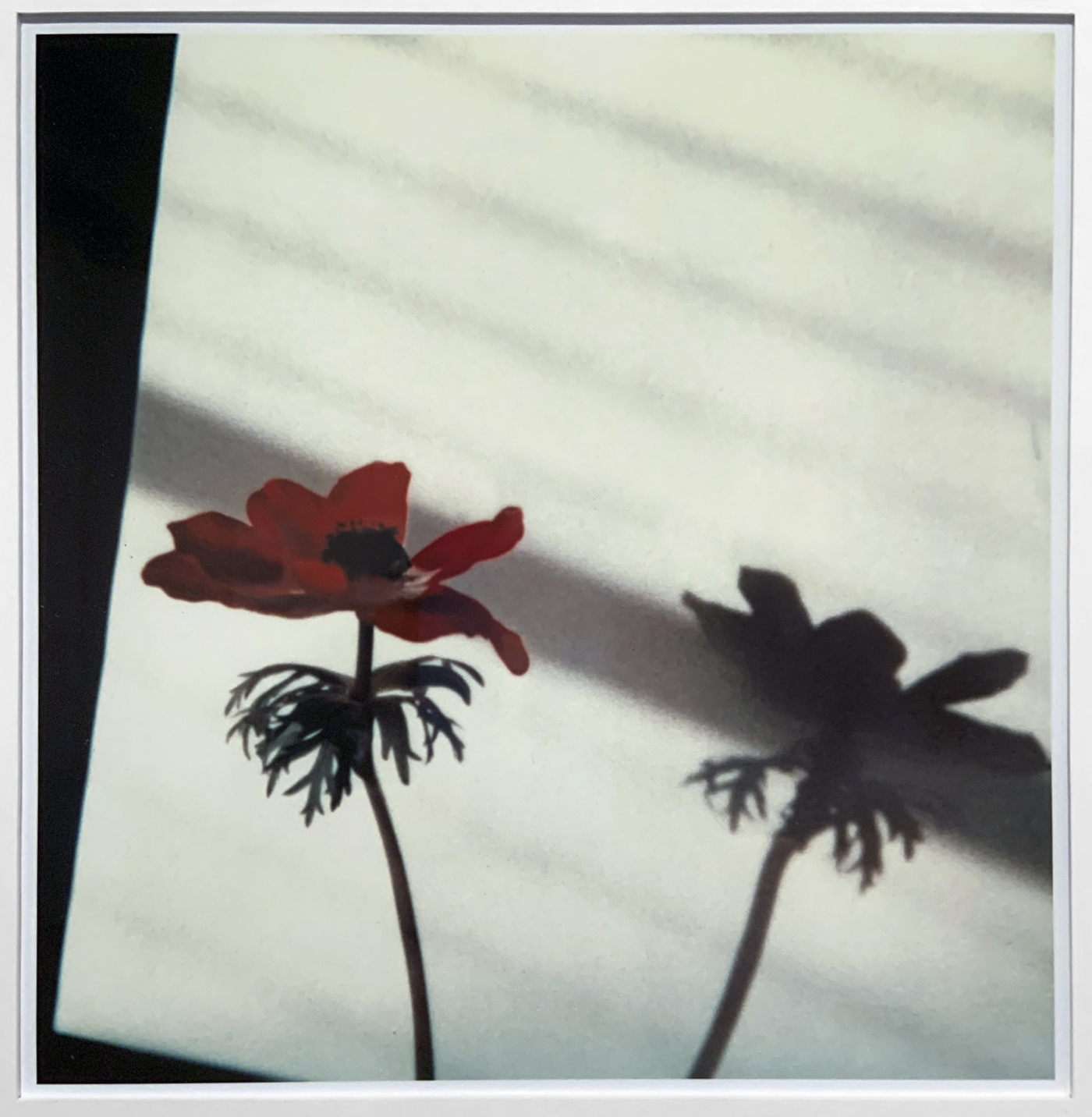
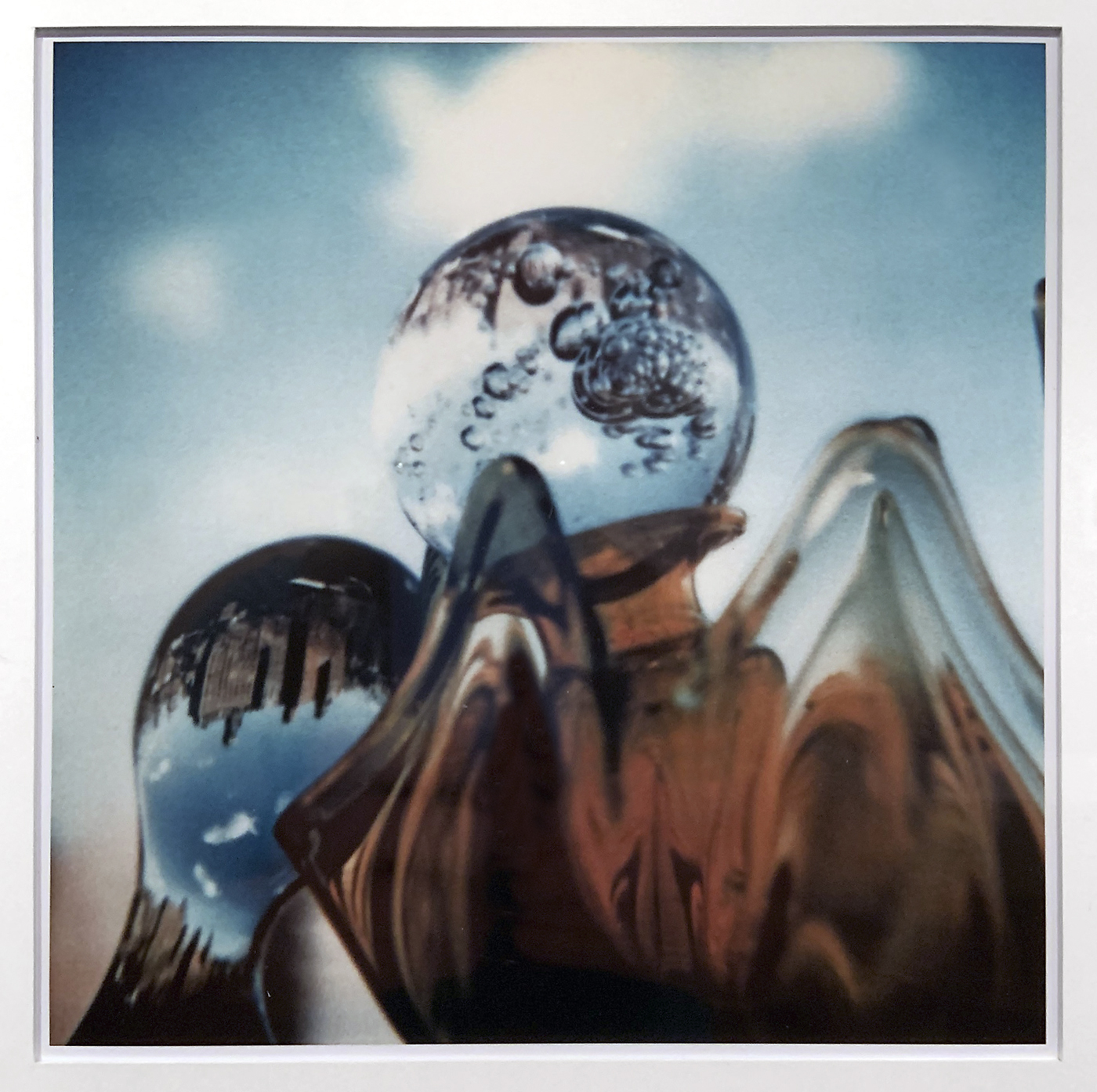
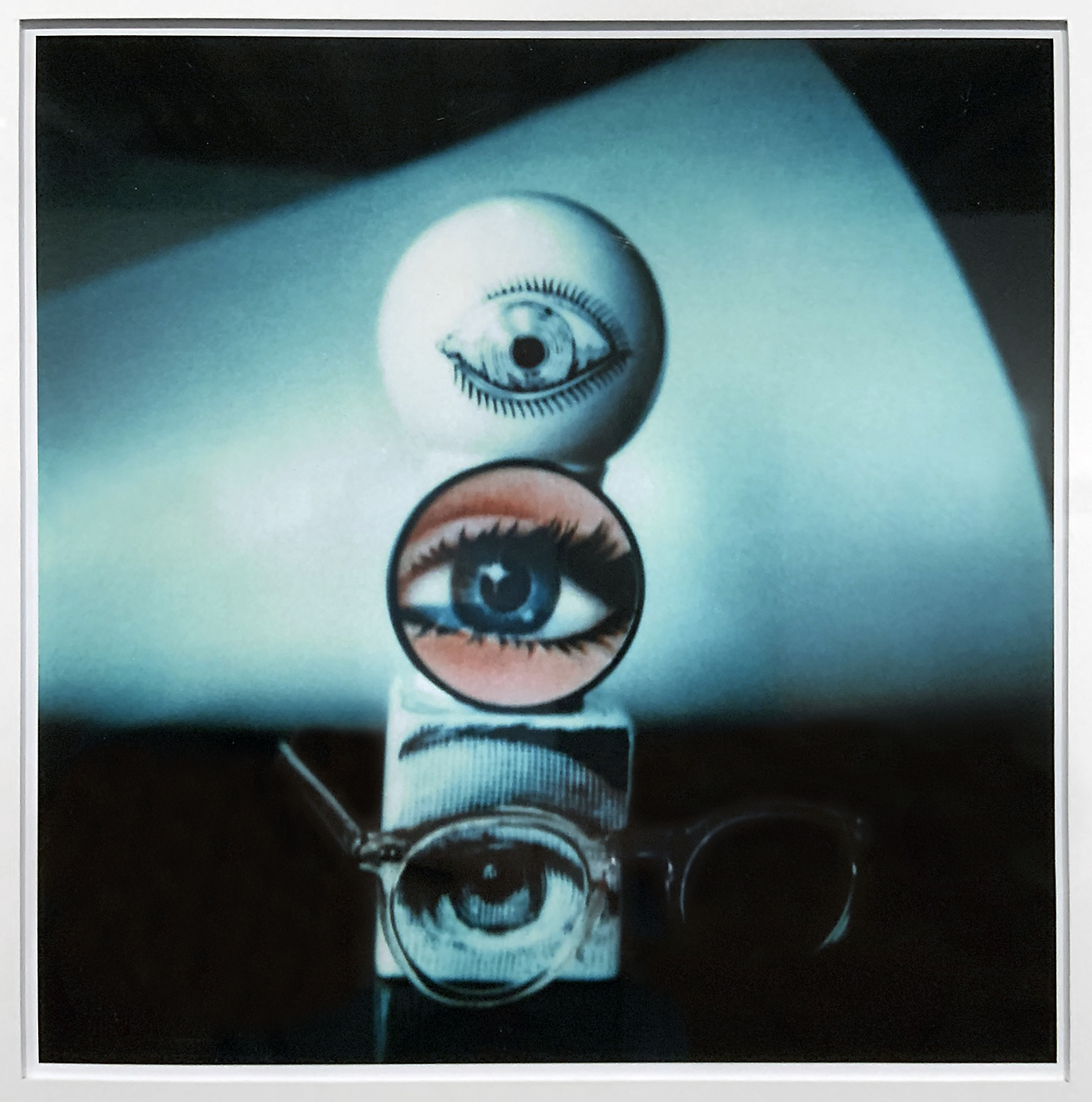


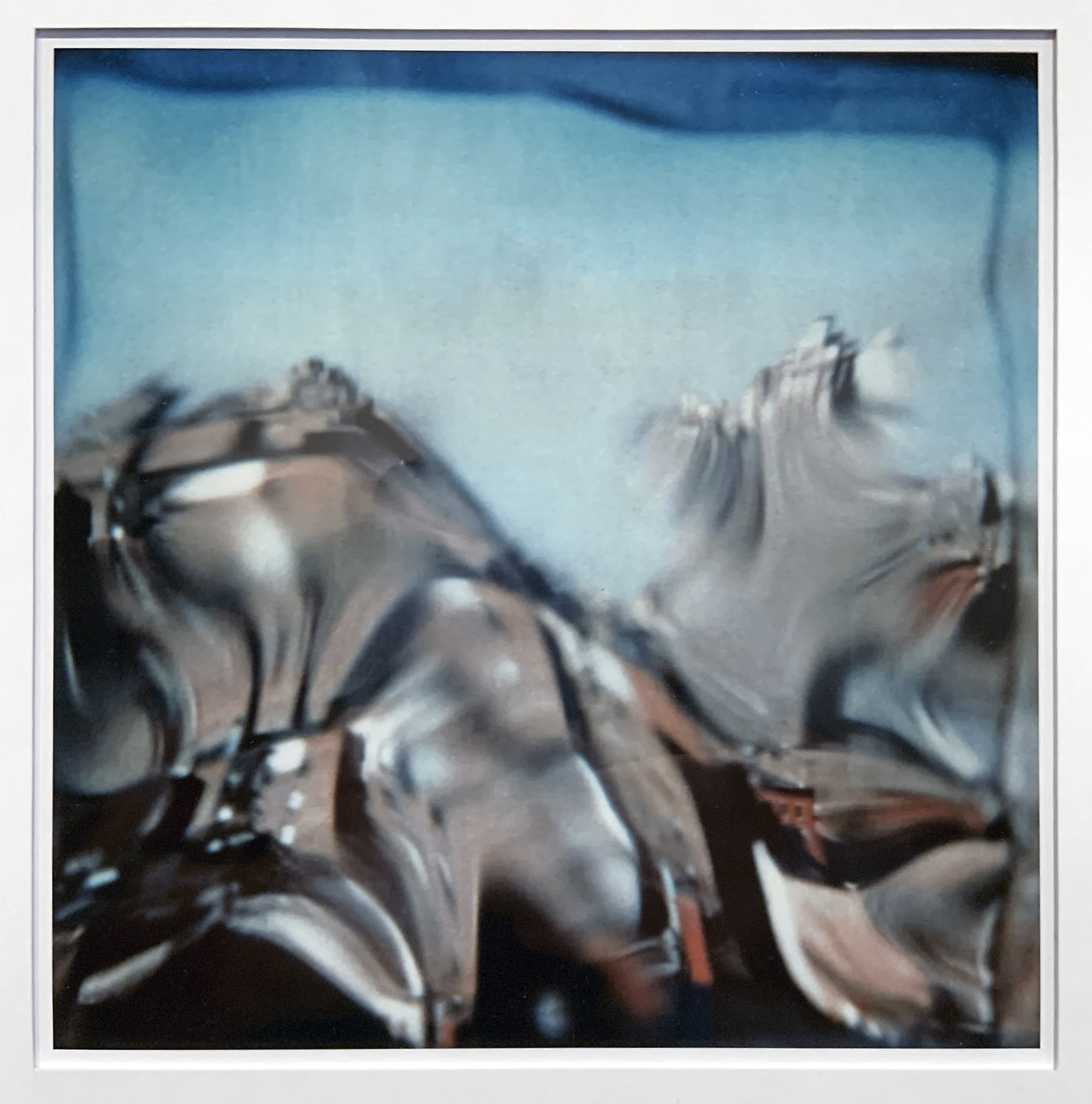




![George Wadsworth Davis (American) 'Francis Wadsworth Davis [1852-1940], Hiram, Maine' Nd (verso)](https://artblart.com/wp-content/uploads/2020/09/image-d-back2.jpg "George Wadsworth Davis (1848-1914) 'Francis Wadsworth Davis [1852-1940], Hiram, Maine' Nd (verso)")









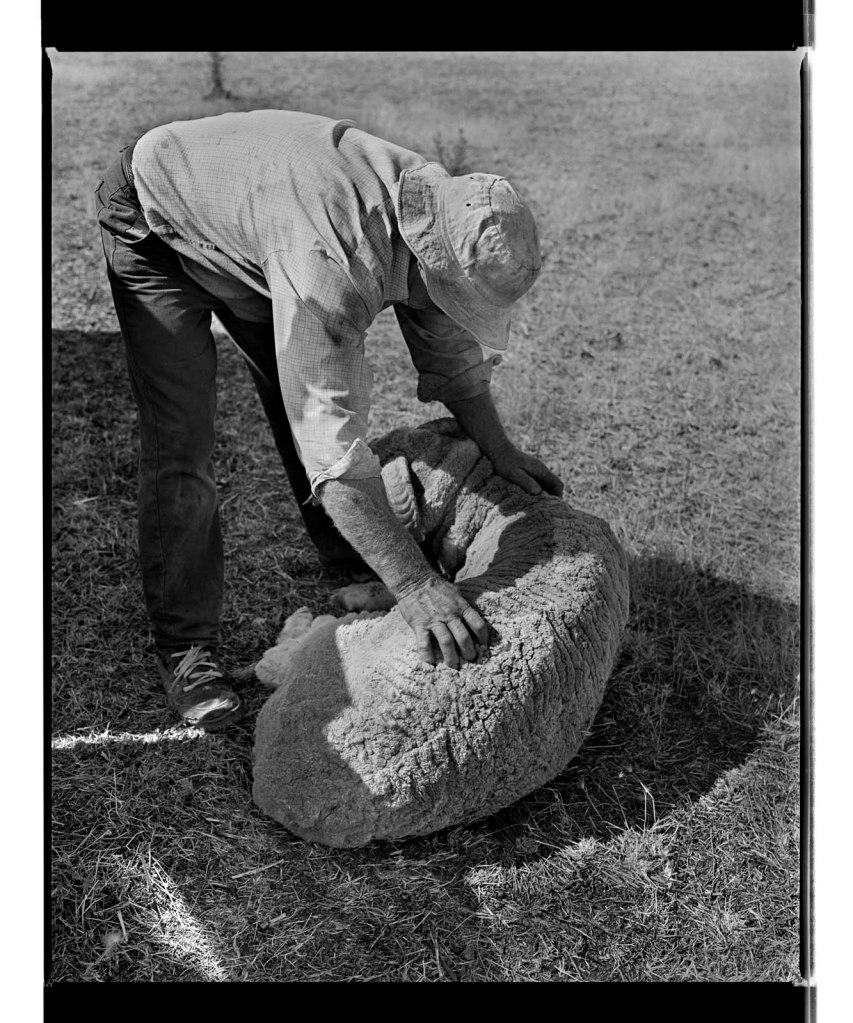
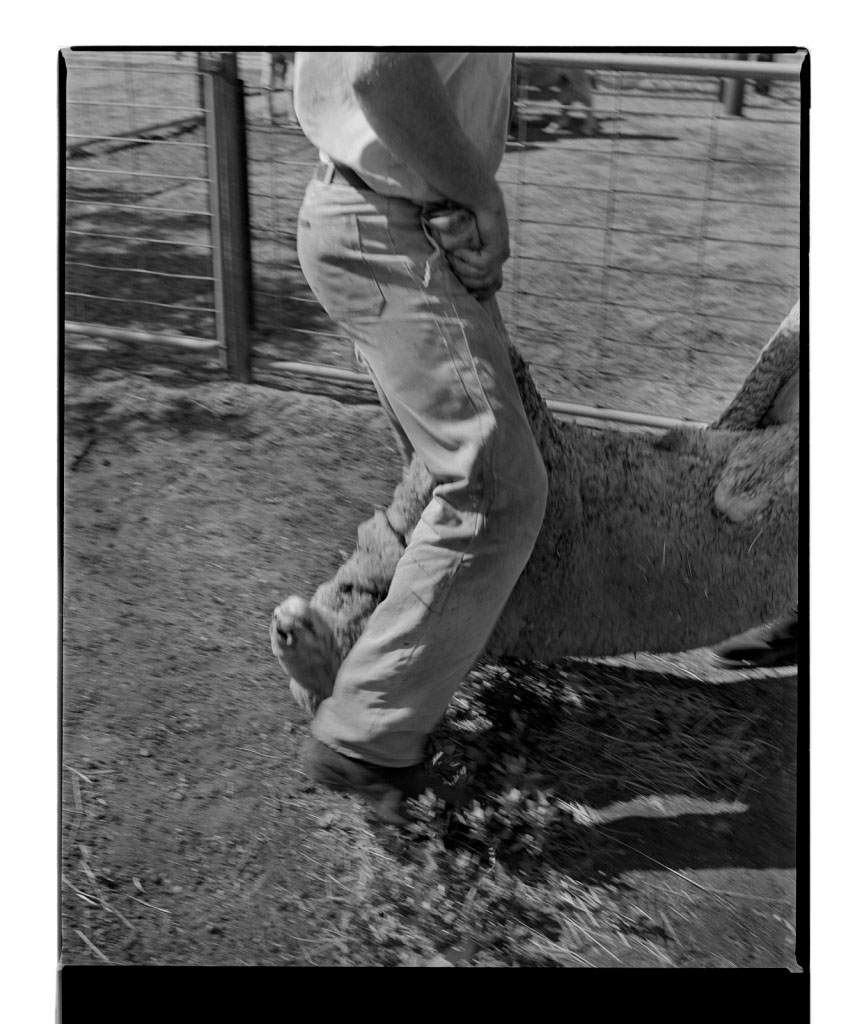


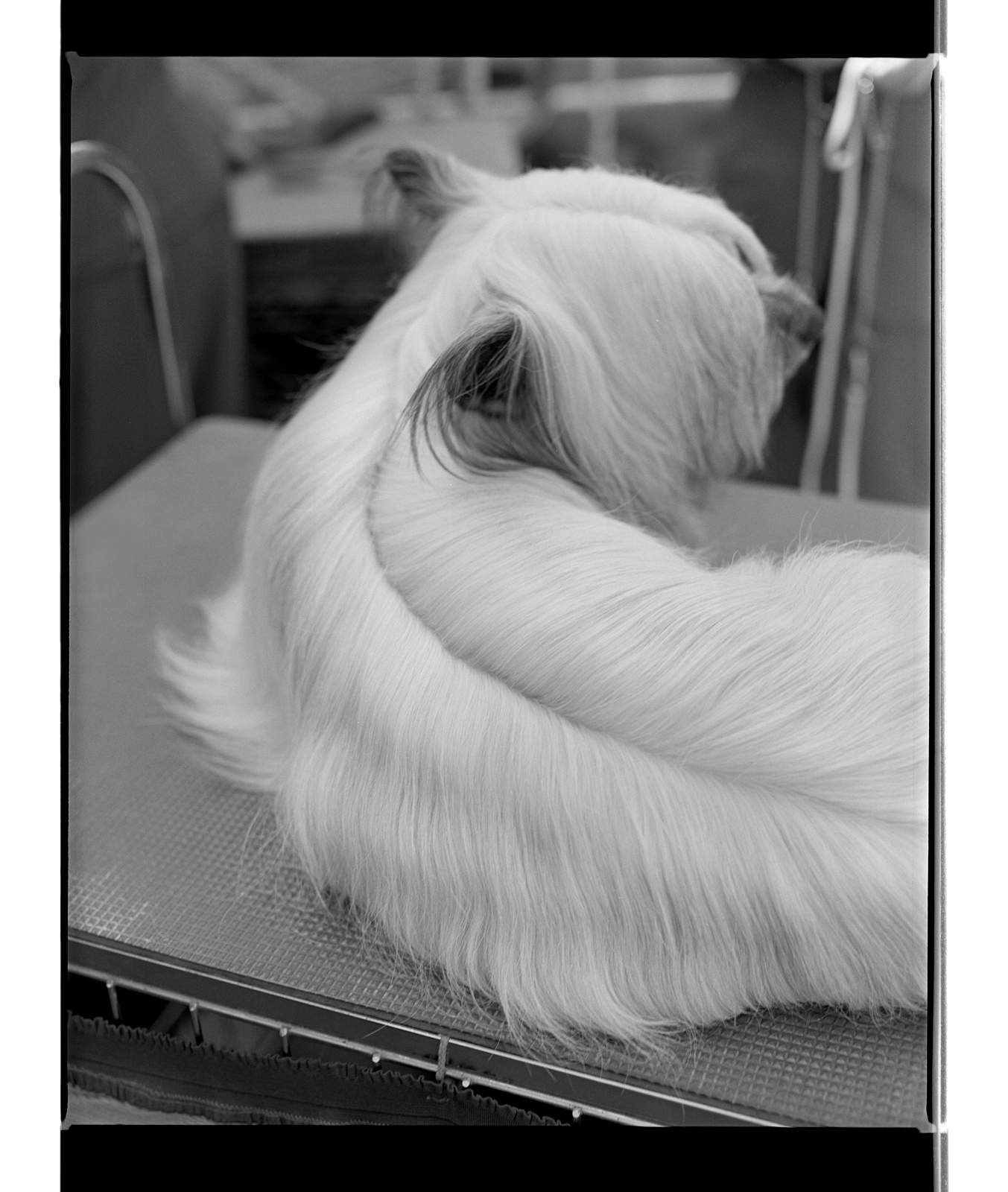
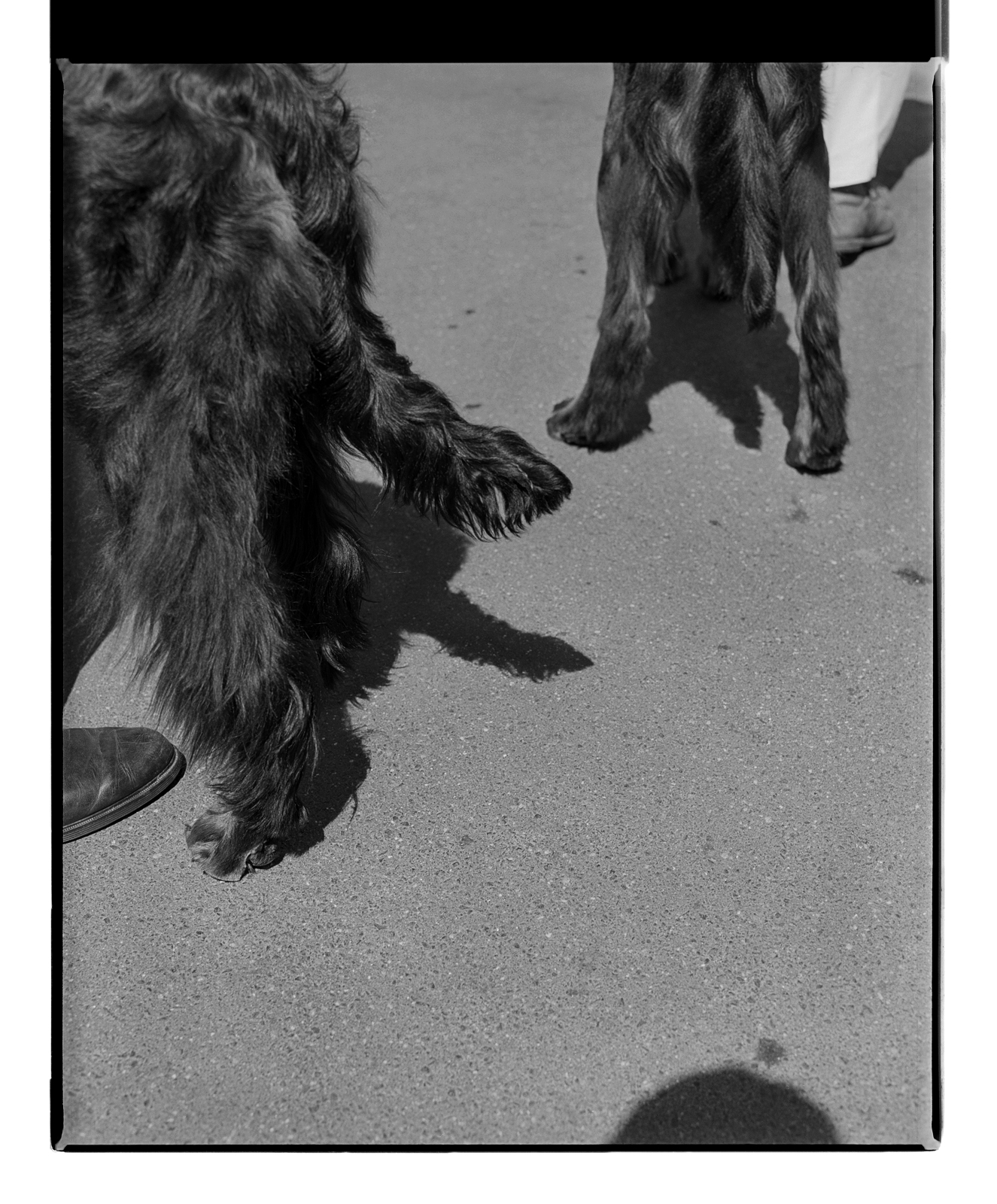






 Art Blart _ art and cultural memory archive
You must be logged in to post a comment.