Alfred Elliott (Australian, 1870-1954) Brisbane Botanic Gardens, near the Edward Street entrance 1895 City of Brisbane Collection, Museum of Brisbane
This is more like it… what a find!
There are some fascinating punctum (which denote the wounding, personally touching detail which establishes a direct relationship with the object or person within the image), contained among this recently discovered treasure trove of photographs by Alfred Elliott.
At first, what looks like a real dog is actually a toy sitting in front of Alfred Goldsbrough Elliott, Stanley Terrace, Taringa (1908). And then you notice the hard-nosed stare of the little girl in Dorothy Elliott (1911). She is not a happy camper. Then the scruffy, bare-footed urchin in ‘Welcome to Brisbane’ arch, Queen Street (1895). Or the unhappy woman staring directly into the camera in Grand Arch, Queen Street, visit of the Duke of York (1901), as though her thoughts are being transmitted to us from beyond the grave. And finally, to the two young, blurred children running in front of a white picket fence in Windmill, Wickham Terrace (1895), the smaller of the children noticing the photographer and camera and looking towards both. Just a joy!
And don’t forget, all of these early photographs were taken with a large plate camera (the photographs after 1921 were taken with a film camera and have a totally different feel to them). For an artist to obtain the street photographs and portraits out in the field with this type of camera is superb. Just look at the image Members of the QLD League of Wheelmen, Wellington Point (1897). You can tell the personality of every individual in this image through the clarity, not just of the image but of the thought of the photographer, before he exposed his plate. It is so Australian in its iconography, it could come from nowhere else in the world. This photograph deserves to be up there with one of the seminal images of Australian photography.
Dr Marcus Bunyan
Many thanks to the Museum of Brisbane for allowing me to publish the photographs in the posting. Please click on the photographs for a larger version of the image.
The view from here: The photographic world of Alfred Elliott 1890-1940
Alfred Elliott (Australian, 1870-1954) Brisbane, from the Windmill 1895 City of Brisbane Collection, Museum of Brisbane
Alfred Elliott (Australian, 1870-1954) Aborigines fishing in the Maroochy River 1890 City of Brisbane Collection, Museum of Brisbane
Alfred Elliott (Australian, 1870-1954) Central Railway Station, from Edward Street 1922 City of Brisbane Collection, Museum of Brisbane
Alfred Elliott (Australian, 1870-1954) ‘Citizens’ Welcome’ arch, Queen Street 1927 City of Brisbane Collection, Museum of Brisbane
Alfred Elliott (Australian, 1870-1954) ‘Citizens’ Welcome’ arch, Queen Street (detail) 1927 City of Brisbane Collection, Museum of Brisbane
Museum of Brisbane’s latest exhibition offers an amazing visual portrait of a lost city – Brisbane at the turn of the 20th century – through a rare collection of photographs, all shot by a single resident and left forgotten under an inner-city house for decades. The view from here: The photographic world of Alfred Elliott 1890-1940 showcases the life’s work of the avid Brisbane-based photographer, offering a fascinating chronicle of the places he visited, major events he witnessed and intimate glimpses into his family life.
The historic collection of glass-plate and film negatives remained stored in cigar boxes under a house in Red Hill until they were uncovered in 1983 and acquired by Museum of Brisbane. For the past 30 years ‘The Elliott Collection’ was thought to comprise 285 glass plate negatives, until a neglected cigar box with more than 400 film negatives was uncovered at the Museum’s storage facility last year. This significant discovery has allowed the Museum to further piece together fragments of the passionate amateur photographer’s past. The collection provides a window into both his life and the life of a quickly changing city.
Elliott’s work also captures significant moments in Brisbane’s history, including the Duke and Duchess of York’s visit in 1901 and the farewell of the troops aboard SS Cornwall from Pinkenba in 1899. Museum of Brisbane Director Peter Denham said the collection was an exceptional record of one man’s perspective of Brisbane at a very exciting time.
“These unseen photographs offer a unique view of Brisbane at a significant turning point – the city’s population was booming, grand civic structures were erected and huge social change was occurring,” Mr Denham said. “The interactive elements of The view from here offer visitors the chance to get up close with buildings from our past, as well as investigate the photographic technology from the turn of last century.”
“With the discovery of hundreds of new photos, we have learned a lot about Elliott and his family and were even able to locate his much-loved home in Taringa. It is part of our mission as the city’s museum to uncover new stories and we are thrilled to share these findings with visitors. The exhibition wonderfully captures how much our city has changed and I think it will encourage people to reflect on their own perceptions of Brisbane.” The view from here will run until 30 August 2015.
Press release from the Museum of Brisbane website
Alfred Elliott (Australian, 1870-1954) Dorothy Elliott, Amy Lock, Mrs Lock and Elizabeth Ellen Elliott Nd City of Brisbane Collection, Museum of Brisbane
Alfred Elliott (Australian, 1870-1954) Elizabeth Ellen Elliott w the Dillon sisters Mary, Clare, Margo Nd City of Brisbane Collection, Museum of Brisbane
Alfred Elliott (Australian, 1870-1954) Government House, George Street 1908 City of Brisbane Collection, Museum of Brisbane
Alfred Elliott (Australian, 1870-1954) Maroochy 1890 City of Brisbane Collection, Museum of Brisbane
Alfred Elliott (Australian, 1870-1954) Maroochy (detail) 1890 City of Brisbane Collection, Museum of Brisbane
Alfred Elliott (Australian, 1870-1954) Members of the QLD League of Wheelmen, Wellington Point 1897 City of Brisbane Collection, Museum of Brisbane
The first shipment of tricycles arrived in Brisbane in 1870 and the first race is reported to have been between a cyclist and a Cobb and Co coach from Brisbane to Sandgate. No official timing was recorded.
The initial Brisbane Bicycle Club meeting was held in 1881 at the Belle Vue Hotel. High wheel bicycles including the Penny Farthing were the only bikes available and novelty Penny Farthing races were held in the Brisbane Botanic Gardens where more riders fell off than stayed on. By 1886 Brisbane had 200 bicycles and 50 of these were used for racing…
The first Queensland championship was held at the Breakfast Creek Sports Ground in 1891 and was won by Lou Isles. Isles also rode long distance, riding from Brisbane to Sydney in 1891 a 700 mile trek which he completed in 7 days. Imported bicycles cost £30 although local bicycles could be bought for two pound ten. Successful Queensland riders of the day included Ben Goodsen, Billy Dowd and Percy Davies.
In 1895 a record of 1 hour 2 minutes and 10 seconds was set by George Stombaco for a 34 kilometre race over rough dirt roads from Brisbane and Cleveland. That same year, The League of Queensland Wheelmen held a Christmas Carnival with over 8000 attendees. Brisbane wasn’t the only town with a club as Maryborough, Townsville, Ipswich and Rockhampton also had successful clubs.
Alfred Elliott (Australian, 1870-1954) Treasury Building, William Street 1895 City of Brisbane Collection, Museum of Brisbane
Alfred Elliott (Australian, 1870-1954) Victoria Bridge, decorated for the Duke of York 1901 City of Brisbane Collection, Museum of Brisbane
Alfred Elliott (Australian, 1870-1954) Victoria Bridge, decorated for the Duke of York (detail) 1901 City of Brisbane Collection, Museum of Brisbane
The images chronicle a broad range of Elliott’s life – from private moments with friends on family trips and picnics at the Glasshouse Mountains to key moments in Brisbane’s history such as the construction of Central Railway Station in 1899 and the visit from the Duke and Duchess of York in 1901. Images were captured in locations including Mt Coot-tha, the city’s Botanic Gardens, Tweeds Heads just south of the border and the Moreton Bay Region – all undertaken by train, bus, boat, car and possibly even by horse and bicycle.
Curator Phil Manning, who discovered the last cigar box, said it was evident from the body of work that Elliott was proud of his city.
“He documented the city by walking the streets and going on travels with his family,” Mr Manning said. “He had a strong connection to the British Empire, that was probably the area he was most drawn to documenting … royal visits and the Queensland troops going off to the Boer War. But he’s also photographed Brisbane’s new buildings and structures such as the bridges that went up following the 1893 flood.”
Elliot’s first photographs were dated 1890 and captured on dry-plate glass negatives, including both single image and stereograph negatives. They were a mixture of amateur and professionally produced plates. Elliot used glass plates until 1921 when it appeared he changed to a camera with film.
Very little was known about Alfred Henrie Elliott. He was born in Paignton in England in 1870 and was the youngest of seven children. His family came to Queensland when he was seven years old, with his father taking up post as principal of Humpybong Primary School in Redcliffe, north of Brisbane. Elliott was known to have worked in Brisbane as a civil servant in a variety of roles. His working life also included jobs as a law clerk, professional shorthand writer and a bank clerk.
Alfred Elliott (Australian, 1870-1954) Eight hour day procession on Queen Street in Brisbane city 1893 City of Brisbane Collection, Museum of Brisbane
Alfred Elliott (Australian, 1870-1954) Alfred Goldsbrough Elliott, Stanley Terrace, Taringa 1908 City of Brisbane Collection, Museum of Brisbane
Alfred Elliott (Australian, 1870-1954) Dorothy Elliott 1911 City of Brisbane Collection, Museum of Brisbane
Alfred Elliott (Australian, 1870-1954) Dorothy Elliott (detail) 1911 City of Brisbane Collection, Museum of Brisbane
Alfred Elliott (Australian, 1870-1954) Grand Arch, Queen Street, visit of the Duke of York 1901 City of Brisbane Collection, Museum of Brisbane
Alfred Elliott (Australian, 1870-1954) Grand Arch, Queen Street, visit of the Duke of York (detail) 1901 City of Brisbane Collection, Museum of Brisbane
Alfred Elliott (Australian, 1870-1954) Picnic party on Brisbane River at Seventeen Mile Rocks 1898 City of Brisbane Collection, Museum of Brisbane
Alfred Elliott (Australian, 1870-1954) Picnic party on Brisbane River at Seventeen Mile Rocks (detail) 1898 City of Brisbane Collection, Museum of Brisbane
Alfred Elliott (Australian, 1870-1954) Queen Street, Brisbane 1899 City of Brisbane Collection, Museum of Brisbane
Alfred Elliott (Australian, 1870-1954) Treasury Building, Queen and William Street 1901 City of Brisbane Collection, Museum of Brisbane
Alfred Elliott (Australian, 1870-1954) ‘Welcome to Brisbane’ arch, Queen Street 1920 City of Brisbane Collection, Museum of Brisbane
Alfred Elliott (Australian, 1870-1954) ‘Welcome to Brisbane’ arch, Queen Street (detail) 1920 City of Brisbane Collection, Museum of Brisbane
Alfred Elliott (Australian, 1870-1954) Windmill, Wickham Terrace 1895 City of Brisbane Collection, Museum of Brisbane
Alfred Elliott (Australian, 1870-1954) Windmill, Wickham Terrace (detail) 1895 City of Brisbane Collection, Museum of Brisbane
Alfred Elliott (Australian, 1870-1954) Alfred Henry Elliott (1870-1954) 1899 City of Brisbane Collection, Museum of Brisbane
Alfred Elliott (Australian, 1870-1954) Elizabeth Ellen Elliott and Alfred Elliott 1899 City of Brisbane Collection, Museum of Brisbane
Museum of Brisbane
Museum of Brisbane is located on Level 3, Brisbane City Hall (Adelaide and Ann Street, Brisbane QLD)
These images are good to see… but not really what I want to see.
I want to see some of the early work, and some of the S/M photographs. You never get to see these online. It’s almost as though the Robert Mapplethorpe Foundation is too scared to authorise the online publication of these works, for fear of – heaven forbid – letting people understand all the facets of Mapplethorpe’s work.
Its the origin story and the picturing of his sexual proclivities that are some of his most powerful work… and we never get to see them. Eros (denied).
Dr Marcus Bunyan
Many thankx to the Museum of Contemporary Art Kiasma for allowing me to publish the photographs in the posting. Please click on the photographs for a larger version of the image.
The American photographer Robert Mapplethorpe (1946-1989) lived a life of passion in the New York underground and rock scenes in the 1970s and ’80s. That passion also made its way into his art.
Consisting of more than 250 works, the retrospective exhibition in the Museum of Contemporary Art Kiasma offers a broad overview of the key periods of Mapplethorpe’s career. In their aspiration for perfection, Mapplethorpe’s pictures blend beauty and eroticism with pain, pleasure and death. Mapplethorpe also photographed his celebrity friends such as Patti Smith, Andy Warhol and Richard Gere. Although solidly anchored in their time, his photographs are also universal and topical even today.
Arriving from Paris to Helsinki, the high-profile exhibition is a unique opportunity to learn about the art and life of one of the most important photographic artists of our time. The exhibition is curated by Jérôme Neutres from Paris with Director Pirkko Siitari and Chief Curator Marja Sakari from Kiasma.
This exhibition is organised by The Finnish National Gallery – Museum of Contemporary Art Kiasma and the Réunion des Musées Nationaux – Grand Palais, with the collaboration of the Robert Mapplethorpe Foundation New York.
Exhibition themes
Body sculpture
“If I had been born one hundred or two hundred years ago, I might have been a sculptor, but photography is a very quick way to see, to make sculpture.”
~ Robert Mapplethorpe
Mapplethorpe became interested in photographing sculpture during his first trip to Paris in the early 1970s. He also began taking pictures of people in poses that imitated classical sculptures. Lisa Lyon, the first World Women’s Bodybuilding Champion, was the subject in many of the pictures.
Body and geometry
Mapplethorpe prized order and purity of form in his art. He was also particular about the frames of his pictures, which he often designed himself. He had great respect for the long history of art. Some of his nude studies echo Leonardo da Vinci’s Vitruvian Man which shows an idealised human body inside a circle and a square
Still lifes and body details
“I am looking for perfection in form. I do that with portraits. I do it with cocks. I do it with flowers.”
~ Robert Mapplethorpe
Mapplethorpe’s still lifes and pictures of body parts play with stormy associations. They are distinctly corporeal and vitalistic, whether the subject is an exposed penis or an aubergine on a table. Mapplethorpe said he looked at all objects in precisely the same way. According to Patti Smith, “Robert infused objects, whether for art or life, with his creative impulse, his sacred sexual power. He transformed a ring of keys, a kitchen knife, or a simple wooden frame into art.”
Chapel and Colour bracket
“I was a Catholic boy, I went to church every Sunday. A church has a certain magic and mystery for a child.”
~ Robert Mapplethorpe
Mapplethorpe came from a Roman Catholic family, but his interest in the church was primarily aesthetic. He said he wanted his pictures to be viewed like altars. The figure of a crucified Christ appears in some of his works, as does the human skull, a traditional reminder of death. Instead of suffering, however, the images convey a sense of sinful pleasure. Mapplethorpe worked with colour film starting in the late 1970s, but did not routinely exhibit his colour photos until the end of the 1980s.
Mapplethorpe and women
“Lisa Lyon reminded me of Michelangelo’s subjects, because he did muscular women.”
~ Robert Mapplethorpe
Poet and musician Patti Smith was Mapplethorpe’s first and last model and muse. Mapplethorpe photographed covers for Smith’s albums and books of poems. Another important model was the body builder Lisa Lyon, who is the subject of Mapplethorpe’s book Lady: Lisa Lyon. Both women could be described as androgynous. Locating himself in the same intermediate space between femininity and masculinity, Mapplethorpe photographed himself in drag.
Portraits
New York and the Chelsea Hotel in particular were places where the American cultural intelligentsia used to gather in the 1970s. There Mapplethorpe met writers, musicians and artists such as William Burroughs, Iggy Pop and David Hockney, and enjoyed the attention lavished on him. He became the court photographer of certain cultural circles, his camera capturing friends, celebrities and famous figures in the art world.
Eros
“I don’t think anyone understands sexuality. It’s about an unknown, which is why it’s so exciting.”
~ Robert Mapplethorpe
Sadomasochism, S&M, was both sex and magic for Mapplethorpe. Like the French writer Jean Genet, he too wanted to elevate things into art that were not yet considered art. Mapplethorpe’s depiction of fetishes in his photographs was deliberately formal. He documented spontaneous acts only very infrequently. The sex he captured in his pictures was neither malicious nor repugnant. S&M is about desire and pleasure, and above all about trust.
Polaroids
“I’m trying to record the moment I’m living in and where I’m living, which happens to be in New York. These pictures could not have been done at any other time.”
~ Robert Mapplethorpe
Mapplethorpe got his first Polaroid camera in 1970 and fell in love with its simplicity: there were few adjustments to make and you could see the results instantly. Because the film was expensive, Mapplethorpe felt that every picture had to be perfect. Precision and economy became a habit that endured throughout his career. In 1975, he switched over to the more versatile Hasselblad 500.
Still moving
“We were like two children playing together, like the brother and sister in Cocteau’s ‘Enfants Terribles’.”
~ Patti Smith
Robert Mapplethorpe and Patti Smith began their creative careers together. Frequently they would not plan their projects in advance. The experimental short Still Moving had no script, and Smith improvised her movements and lines. The camera operator was Lisa Rinzler. “He wordlessly guided me. I was an oar in the water and his the steady hand,” Smith has said.
Robert Mapplethorpe – Portraits
New York was home to America’s cultural intelligentsia in the 1970s. Mapplethorpe was the court photographer of the cultural elite. His portraits feature his friends, celebrities and influential figures on the art scene.
Installation views of the exhibition Robert Mapplethorpe at the Museum of Contemporary Art Kiasma, Helsinki Finnish National Gallery / Pirje Mykkänen
Who’s who?
~ Princesse Diane de Beauvau French aristocrat, model and fashion muse
~ Bruno Bischofberger Swiss gallerist and art dealer known for bringing American Pop Art to Europe, long-term associate of Andy Warhol
~ Louise Bourgeois French-born sculptor known for her gigantic spider sculptures
~ Miep Brons Dutch porn dealer
~ William Burroughs Writer and primary figure of the Beat Generation
~ Alistair Butler New York dancer
~ Patrice Calmettes French photographer
~ Truman Capote American author and journalist whose best known titles include Breakfast at Tiffany’s and In Cold Blood
~ Leo Castelli American-Italian gallerist, influential promoter of contemporary art in New York
~ Katherine Cebrian San Francisco socialite
~ Francesco Clemente Italian-born contemporary artist
~ Ed and Melody Mapplethorpe’s brother Edward and his girlfriend at the time, Melody, a friend of Mapplethorpe’s
~ Richard Gere American actor, idolised at the time of this portrait following his performance in American Gigolo
~ Philip Glass and Robert Wilson Glass is a contemporary composer, Wilson a director and playwright. At the time of this portrait, they had worked together on their opera Einstein on the Beach
~ Keith Haring American Pop and graffiti artist
~ Deborah Harry Singer and actress, best known as lead singer of Blondie
~ David Hockney and Henry Geldzahler Hockney is a British artist and Pop Art pioneer. Belgian-born Geldzahler was a curator, critic and art historian
~ Grace Jones Jamaican-born singer, producer, actress and model
~ Amanda Lear French singer, performer, painter and author, friend of celebrities such as David Bowie, Salvador Dalí and Brian Jones
~ Annie Leibovitz American photographer whose work featured on the cover Rolling Stone and Vanity Fair
~ Roy Lichtenstein American painter, sculptor and leading Pop artist
~ Lisa and Robert Mapplethorpe and his long-term muse, bodybuilder Lisa Lyon
~ John McKendry Curator of prints and photographs at the Metropolitan Museum of Art and personal friend who first introduced Mapplethorpe to the MET’s fine art photography collection
~ Louise Nevelson American sculptor
~ Yoko Ono Japanese-born artist and musician
~ Philippe French socialite
~ Iggy Pop Singer, songwriter and actor known for his energetic stage presence as lead singer of The Stooges
~ Robert Rauschenberg American artist who inspired later generations of artists including Andy Warhol and Roy Lichtenstein, regarded as a major figure in the transition from Abstract Expressionism to Pop Art
~ Isabella Rossellini Italian-born actress, model, filmmaker, author, and philanthropist
~ Giorgio di Sant’Angelo Italian-born fashion designer
~ Arnold Schwarzenegger Budding actor and award-winning bodybuilder at the time of this portrait, he later achieved world renown as a Hollywood star and Governor of California
~ Cindy Sherman American contemporary artist, known for photographs analysing women’s roles and place in society
~ Holly Solomon A self-anointed ‘Pop princess’, Solomon was a prominent collector and subsequent dealer of contemporary art. She was famously immortalised by other artists such as Andy Warhol and Roy Lichtenstein
~ Susan Sontag American writer and essayist
~ Tom of Finland Finnish artist and illustrator. His drawings had a major influence on gay culture from the 1970s onwards. Mapplethorpe and Andy Warhol were among his admirers
~ Sam Wagstaff Curator, collector, Mapplethorpe’s lifetime companion and artistic mentor
~ Andy Warhol Pop Art pioneer and filmmaker, greatly admired by Mapplethorpe
~ Edmund White American author, known for his work on gay themes
Afong (Lai Afong) (Chinese, 1838 or 1839-1890) A Chinese Party Game c. 1895 Rijksmuseum, Amsterdam
For me, the standout photographs in this posting are Mee Cheung’s rhythmic Buddhist Monks in Chefoo and the work of Baron Raimund von Stillfried und Ratenitz, especially the three photographs Portrait of two Chinese Buddhist monks with rosary, bell and slit drum, Portrait of a Chinese woman and Portrait of Chinese Admiral Ting.
The latter three have a deceptively simple structure, delicate hand colouring, and a visual and metaphysical presence that is almost beyond description… as though you know the character and personality of these anonymous human beings through the rendition of their image. In a way they are humanist portraits presaging the tradition of the more scientific and archetypal portraits of August Sander.
You can see in the face of Admiral Ting that he is a prosperous and powerful man, you can see the individuality of each person in these images, the individualisation of these people, a tradition which is continued by today’s documentary photographers. But not generally by today’s art photographers looking at the portrait because, for them, the portrait is surface and detail – controlled by the photographer and not responsive to the subject.
Dr Marcus Bunyan
Many thankx to the Rijksmuseum for allowing me to publish the photographs in the posting. Please click on the photographs for a larger version of the image.
A. Chan (YA Zhen) (Chinese) Sheung-mun-tai Street in Canton c. 1870 Collectie Ferry Bertholet, Amsterdam
A. Chan (YA Zhen) (Chinese) Sheung-mun-tai Street in Canton (detail) c. 1870 Collectie Ferry Bertholet, Amsterdam
Mee Cheung & Co Buddhist Monks in Chefoo c. 1880-1890 Collection Ferry Bertholet, Amsterdam
Mee Cheung & Co Buddhist Monks in Chefoo (detail) c. 1880-1890 Collection Ferry Bertholet, Amsterdam
Afong (Lai Afong) (Chinese, 1838 or 1839-1890) Studio Portrait of Courtesans in Shanghai c. 1875-1880 Collections Ferry Bertholet, Amsterdam
Afong (Lai Afong) (Chinese, 1838 or 1839-1890) Studio Portrait of Courtesans in Shanghai (detail) c. 1875-1880 Collections Ferry Bertholet, Amsterdam
Rare photos, photo albums and stereo photos from the collection of China expert Ferry Bertholet, enhanced with photographs from the Rijksmuseum’s collection, show 19th century unknown China at the time of the last emperors for the very first time. From 5 June to 23 August 2015 the Rijksmuseum is presenting Early Photography in Imperial China in it’s Photo Gallery.
In the 19th century Imperial China was almost entirely hidden away from the world until the last Emperor was deposed in 1912. Access was limited to port cities such as Shanghai, Hong Kong and Canton, which were forced to be open to the West after 1842 so that Westerners could trade unimpeded. The advent of photography coincided with a rapidly growing interest in the unknown China. The photographs in the exhibition take the visitor into this exciting unknown world of ports, quays and rickshaws, but also of narrow crowded streets bustling with the multitude of shops and ‘tea houses’ and their hostesses.
The display includes important photographs by such as Felice Beato (his famous photograph of the Second Opium War 1857-1860) and the famous China photographer John Thomson. They were among the first Europeans able to record images of a country that – even at that time – was still barely accessible to the rest of the world. Furthermore, this is also the first time that the work of Chinese photographers such as Afong, Lan Wah and Sze Yuen Ming has ever been shown in the Netherlands. Other highlights of the exhibition include a rare Chinese family portrait from 1860 from the Bertholet collection of American photographer Milton Miller, as well as the coloured photos of ‘types of people’ by Baron Raimund Ratenitz von Stillfried.
Besides the 35 photos in the exhibition, a huge travel camera from that time is also on display, illustrating how awkward it was to photograph such material. There are also stereo photos in 3D, including a special shot of the city of Peking in 1860, and photo albums and amateur photos of travellers to China are also on display. A richly illustrated book was published recently: Ferry Bertholet & Lambert van der Aalsvoort, Among the Celestials. China in Early Photographs, Brussels 2014.
Press release from the Rijksmuseum website
Anonymous photographer Peking c. 1860 – c. 1930
Attributed to Baron Raimund von Stillfried und Ratenitz (Austrian, 1839-1911) Chinese carriers c. 1861 – c. 1880
Attributed to Baron Raimund von Stillfried und Ratenitz (Austrian, 1839-1911) Portrait of two Chinese Buddhist monks with rosary, bell and slit drum 1875
Attributed to Baron Raimund von Stillfried und Ratenitz (Austrian, 1839-1911) Portrait of two Chinese Buddhist monks with rosary, bell and slit drum 1875
Attributed to Baron Raimund von Stillfried und Ratenitz (Austrian, 1839-1911) Portrait of two Chinese Buddhist monks with rosary, bell and slit drum (detail) 1875
Attributed to Baron Raimund von Stillfried und Ratenitz (Austrian, 1839-1911) Portrait of a Chinese woman 1860 – 1870
Attributed to Baron Raimund von Stillfried und Ratenitz (Austrian, 1839-1911) Portrait of Chinese Admiral Ting c. 1861 – c. 1880
Attributed to Baron Raimund von Stillfried und Ratenitz (Austrian, 1839-1911) Portrait of Chinese Admiral Ting (detail) c. 1861 – c. 1880
Attributed to Jan Adriani (Dutch, d. 1948) A street with several people in Kinkiang, China 1907
Rijksmuseum, Amsterdam Jan Luijkenstraat 1, Amsterdam
I went for a long walk through recently burnt mallee scrub in the Big Desert Wilderness Park. Some of the mallee roots had vivid amber, scarlet and mauve new growth exploding from the surviving stumps. Nearby were scatterings of tiny, bright banksia seedlings that had germinated after the fire, causing seed pods to burst open and expel their seeds. Botanists call such trees ‘seeders’, while their companions, the mallee eucalypts, are known as ‘sprouters’. Sprouters have a large root, known as a lignotuber, which stores water and nutrients – this is part of a brilliant strategy for survival in arid landscapes.
This is a wondrous exhibition by John Wolseley at NGV Australia. The whole feeling of the exhibition, its scale and intimacy, the attention to detail and the sheer beauty of the work is quite outstanding. I was fascinated with the text descriptions the artist gives with each piece of work, included here in the posting.
While Wolseley plays with time (deep time, shallow time and now time) and space here it is more than that, for deep time (or “the zone” in the alternative parlance of athletes) is also used in artistic activity to refer to the experience of being lost in the act of creation or the consumption of a work. To the viewer, so it would seem here for we become lost in the art of creation. There is a sense of timelessness, the experience of unusual freedom within time, an unawareness of time, within Wolseley’s work, yet still grounded in the past and present, flowing into the future of this planet. This sense of place, context, space and time(lessness) are lucidly resolved in the artist’s work.
As the Introduction to the exhibition states, Wolseley conceives the exhibition as gesamtkunstwerk, a total work of art, presenting new possibilities for understanding landscape in the twenty-first century. This generally works well in revealing the unique, dynamic processes of natural ecosystems when the work is on the wall. However, the floor of the gallery (natural timber boards) lessened the experience of the “total work of art” for me. If you are designing an exhibition that would seem to me to be immersive (to some extent) then the work needed more grounding than it contains here.
This is a minor observation in an otherwise superlative exhibition. The colours, the sensitivity of the painting, the flow of the images, water, music, prose… are a narrative almost like a fable if the issues were not so real. The heightened imagery and emotional effects of the work make us truly aware that now is the time for action. The future development of the new coal power stations must be stopped. Renewable energy is the energy of the future as much as it is light emanating from the past.
Dr Marcus Bunyan
Many thankx to the National Gallery of Victoria for allowing me to publish the art work in the posting. Please click on the photographs for a larger version of the image.
Artist Interview | John Wolseley
Introduction
Over the past four years, John Wolseley has travelled and painted throughout the Australian continent. He has journeyed from the swamps of the Tasmanian high country to the coastal flood plains of the tropical north, exploring the nature and action of water and how it has shaped the land.
Wolseley has worked on site beside strange and diverse wetlands – sphagnum bogs, ephemeral waterholes, bilabongs and mangrove swamps – and combined his own distinctive mark-making processes with more traditional watercolour techniques. He has ‘collaborated’ with plants, birds and insects and used a range of drawing systems that includes frottaging (rubbing against) burnt trees, burying papers in sand and swamps and nature printing from leaves, wood and rocks.
The artist’s layered and collaged papers have been assembled as an installation in the shape of a giant branching tree, surrounded by large-scale works which enclose the viewer in an immersive environment. Wolseley has rejected European landscape conventions that often reduce a complex, living system to a static and generalised representation. Instead, he endeavours to reveal the unique, dynamic processes of natural ecosystems. Conceived as gesamtkunstwerk (total work of art), Heartlands and headwaters presents new possibilities for understanding landscape in the twenty-first century.
One summer’s day I walked from my studio into the forest and followed a dry creek to some swamps and pools bursting with life. This arid landscape, so torn up and churned over, was still miraculously reinventing itself. Such resilience!
In this drawing I bring together the histories of three kinds of time: the ‘deep time’ of geology, ‘shallow time’ since European arrival, and ‘now time’ in October 2011. The history of the hidden workings of the earth I stole from a geologist’s map. Resting on this ancient framework in the painting’s centre is the green swamp. Above this is another map, which tells the story of William Johnson, a visitor to this forest 160 years ago, whose discovery of gold was the birth of the Bendigo goldfields.
When I was working on this painting, this bush was burnt in line with the government’s draconian legislation to burn all public bushland in Victoria every ten years. This often gives no time for vegetation to mature and seed, and biodiversity in certain fire-sensitive ecologies is being ravaged. My reverence for nature’s resilience was moved to a sense of deep chagrin that yet again we are destroying the matrix which is our home.
Each year in June the bar-tailed godwits fly 12,000 kilometres from their breeding grounds in Siberia to the north coast of Australia. I was standing by the sea on the north Kimberley coast when out of a clear sky the godwits arrived in vast, pulsing flocks that swooped down to rest on the mudflats. The land, with its mudflats and sandbanks, had been formed by the great king tides, dragged for eons by the cycles of the moon. And now I could see these great tides of godwit, pulled by another powerful force, flow down and merge with the waters.
I was looking at a dam in the grounds of the Loy Yang Power Station, when in flew a black-backed heron. It looked for fish in the water and then peered at a billboard declaring ‘Hazelwood Power Station – WETLAND DEVELOPMENT PROJECT’. I walked down to the vast open-cut coalmine, and looked for fish fossils and Cryptogamic flora among the seams of coal. Then I returned to the heron, which now seemed to be looking at the steam and CO2 belching out of the cooling towers – those clouds of CO2 that came from the coal which was once a carboniferous swamp.
For four years, artist John Wolseley has roamed the coastal floodplains of the Northern Territory through to the glacial lakes of Tasmania, exploring and recording in exquisite detail the diverse wetlands of Australia. The works he has created will be revealed at NGV Australia.
This series of eighteen evocative works on paper, many of them monumental in scale (up to 10 metres in size), detail the geographical features and unique plants and animals of these wetlands in works characterised by minutely-observed drawing and rich watercolour washes.
Many works combine collage and unusual markings made through burying works or hoisting large sheets of paper across the charred remains of burnt tree trunks and branches. Through this ‘collaboration’ with the natural environment, Wolseley subverts traditional approaches to the depiction of landscape and seeking to give the natural world a more active presence in the work of art.
‘Heartlands and Headwaters celebrates Australia’s unique and diverse natural environment,’ said Tony Ellwood, Director, NGV. ‘Wolseley’s work is not only of great beauty, but also demonstrates how depicting the landscape has become an important form of activism’.
The mangrove swamps of Roebuck Bay in Western Australia, the flood plains of the Gulf of Carpentaria in the Northern Territory, the Finke River in the Simpson Desert and the sphagnum swamps of Skullbone Plains in central Tasmania are just some of the sites detailed in these impressive works.
Commissioned by Sir Roderick Carnegie AC, these works celebrate the beauty of the Australian wilderness and encourage an understanding of the significance and environmental fragility of these remote and little-known sites.
About John Wolseley
Born in England in 1938, John Wolseley immigrated to Australia in 1976 and has gained recognition in the past four decades as one of Australia’s leading contemporary artists whose work engages passionately with the environment.
Over the years Wolseley has travelled extensively throughout the country, into the arid interior and remote wilderness areas in all states, camping out for extended periods and immersing himself in the landscape.
This approach is reflected in the distinctly non-traditional character of the landscape works Wolseley produces. Instead of presenting a single overarching view of a particular site they are composite images that combine precisely observed details of flora and fauna. Informed by readings in geology, biology, cartography and other disciplines, these provide multiple perspectives on the location’s topography, journal notations and observations of natural cycles or patterns of the area.
This work was made in the Murray-Sunset National Park, where I found an island of unburnt scrub remaining after a bushfire. This refugium, or sanctuary, provided shelter for plants and small creatures from which they could later gradually recolonise the surrounding sand dunes. The small, flying sheets are papers I released to blow on the desert winds for weeks and sometimes months. Each sheet records carbon traces made by the burnt fingers of trees and shrubs. Having been made soft from dews and showers, and dried and tossed by the desert winds, they have become fixed in a variety of sculptural forms.
As a creek moves down to the shores of Lake Ina in the central highlands of Tasmania, it swells out into an ancient sphagnum moss swamp. I leant over and peered into a gap between the mats of sphagnum, and a small fish emerged in the crystal water. This brief phantom – a Clarence galaxias – was only miraculously there because its ancestors had been isolated by a glacial moraine (ridge) upstream, which six million years later had saved it from the European trout, which had supplanted most of the other galaxias in the rest of Tasmania. And then, marvellously, it had been saved again by the Tasmanian Land Conservancy, which had purchased these plains to protect them from further loss and degradation.
As the grey shadows moved down the hill and melted into the lake, I soaked and painted the spongy sphagnum mats with tinctures of watercolour – viridian and crimson and Indian yellow – and laid them on several sheets of paper. I did the same with water milfoils, spike reed, tassel sedges and bladderwort, and weighted them down overnight with slabs of bark. Their images were imprinted on the paper, emerging slowly like a photograph being developed.
In June 2011 I was standing on the edge of the monsoon rainforest bordering a vast flood plain in East Arnhem Land with Djambawa Marawili, the great Yolngu leader and artist. Djambawa recounted how in the dawn of creation ancestral figures had moved up from the coast, digging for edible roots as they went, creating springs of fresh water that still bubble out along the plains. He described how when the first sun came up these ancestor women turned into brolga cranes. As he sang the song several brolgas emerged from the mists and flew slowly towards the coast.
This was the originary moment of this painting. For the next three years, guided by the Dhudi-Djapu clan leader and artist Mulkun Wirrpanda, I collected and drew specimens of plants and trees of the flood plain, and their edible roots and tubers. In the painting I have drawn many of them, along with the various trees festooned with vines.
For me the great miracle of that morning rested in that moment of time – being there, seeing the living land and sensing the ‘deep time’ so intimately linked with the life and art of the people who have lived in it for so long.
Here is a flowing tropical creek near Nauiyu, about two hours’ drive south of Darwin. It shows the fecund, flowing mass of life and aquatic plants and fish, and how they are all an integral part of one particular ecosystem. The plants were all drawn on the spot or collected and drawn later in Darwin. It was May 2012 and I went on several trips with the ethnobiologist Glenn Wightman, the Ngan’gi elder Patricia Marrfurra McTaggart AM and other artists from the arts centre at Nauiyu. They showed me the plants in their living habitat so that I could draw them in action, rather than as dried museum specimens – the Nymphaea waterlily, with its long, convulsive stems, several species of bladderwort, water chestnuts and duckweed.
In this tropical aquatic painting I have tried to show how landscape for me is made up of energy fields that I draw as passages of particular plant forms, in which the individual plants move or dance with different rhythms. My intention is to show how these rafts of different species weave in and out of one another, and across the surface of my painting, rather as a passage of a symphony changes key and mood.
I was sitting on a low sandbank and drawing the pools of water that lay on this ancient salt lake. A rust-coloured cloud erupted into the air and darkened the sky over the water. The wind grew stronger, as if emanating from the core of the fire, and it carried embers and burning branches like dismembered limbs. I felt a kind of disquiet, almost dread. I knew such fires had always been part of the natural cycles of the bush, but this was one of several I had experienced that season where it felt as if fire itself was behaving in a different, more erratic way; as if the subtle equilibrium of the climate was changing.
From out of the billowing clouds of smoke some spoonbills, ibis and cormorants emerged, and flew far out over the lake. Several of them alighted on a patch of sunlit water and remained there, as if illustrating some cycle of eternal return – from action to stillness, from noise to quiet. But as I watched, the great black cloud drifted over their resting place, moving them on as if they were being chased away from the world they had known.
Walking through the recently burnt Cobboboonee Forest in Victoria one morning, I reached a lake where fresh water rested in sand dunes bordering the sea. I stood beside a burnt banksia tree with powdery black, corrugated bark. It had been a stormy night, but now the sea and lake were calm. Several spiny-cheeked honeyeaters swooped down, perched in the tree and sung out jubilantly. It was as if they were filled with elation at all these elements coming to rest in equilibrium – the lake resting within the sand dune, the quietening of the wind and the passing of the fire.
The Ian Potter Centre: NGV Australia Federation Square Corner of Russell and Flinders Streets, Melbourne
Curators: curated at Tate Modern by Juliet Bingham, Curator International Art, with Juliette Rizzi, Assistant Curator.
The EY Exhibition: Sonia Delaunay at Tate Modern
One of my favourite female artists of all time. Up there with Georgia O’Keeffe, Lee Krasner, Agnes Martin and Louise Bourgeois.
The early portrait paintings are a revelation. And then, how avant-garde are her Electric Prisms paintings, fashion designs, theatre costumes, embroidering poetry onto fabric, turning her apartment into a three-dimensional collage… the very epitome of a “progressive woman synonymous with modernity.”
I have always loved her creativity, vibrancy, colours and asymmetric, musical rhythm – her photogeneity, in the sense of her works producing or emitting light, like an organism does. They seem to grab you, like a jolt of electricity, saying “Wake up!” and “Look at me!”
Perhaps I’m a little bit in love with this very wonderful women.
Dr Marcus Bunyan
Many thankx to the Tate Modern for allowing me to publish the art work in the posting. Please click on the photographs for a larger version of the image.
“In this case, the pram in the hall was not the enemy of promise. (In any case, surely poverty is the more likely candidate.) It is still rare, however, for a cradle cover to be given gallery space and acknowledged as an important artwork. The little blanket Sonia stitched for her son, Charles, in 1911 [see image below] is to be exhibited, and it seems to have been a breakthrough piece which moved her from figurative work to abstract. The coverlet is a patchwork medley of pinks, creams and greens with hints of maroon and black. It shows how Sonia melded Russian folk-craft with Parisian avant garde, and anticipated the experiments with colour and shape that would become the Delaunay hallmark style, simultané.
As well as the baby quilt, there is on display the child’s painted toy box, and the outfit Sonia made in the same manner, the one in the photograph mentioned above: by 1913 the Delaunays had found a babysitter and were setting off to the dancehall, the Bal Bullier. As well as making clothing for herself and her friends, Sonia still painted. Next to the dress, which is composed of swatches of fabric in different textures, is her large canvas ‘Bal Bullier’. A flow of colour and rhythm, it shows several couples (or one couple twirling) under a new Parisian sensation: coloured electric lights.”
Unknown photographer Sonia Delaunay (right) and two friends in Robert Delaunay’s studio, rue des Grands-Augustins, Paris 1924 Image courtesy of Bibliothèque nationale de France, Paris
Sonia Delaunay (French, 1885-1979) was a key figure in the Parisian avant-garde, whose vivid and colourful work spanned painting, fashion and design. Tate Modern presents the first UK retrospective to assess the breadth of her vibrant artistic career, from her early figurative painting in the 1900s to her energetic abstract work in the 1960s. This exhibition offers a radical reassessment of Delaunay’s importance as an artist, showcasing her originality and creativity across the twentieth century.
Born in Odessaand trained in Germany, Sonia Delaunay (née Stern, then Terk) came to Parisin 1906 to join the emerging avant-garde. She met and married the artist Robert Delaunay, with whom she developed ‘Simultaneism’ – abstract compositions of dynamic contrasting colours and shapes. Many iconic examples of these works are brought together at Tate Modern, including Bal Bullier 1913 and Electric Prisms 1914. Her work expressed the energy of modern urban life, celebrating the birth of electric street lighting and the excitement of contemporary ballets and ballrooms.
The EY Exhibition: Sonia Delaunay shows how the artist dedicated her life to experimenting with colour and abstraction, bringing her ideas off the canvas and into the world through tapestry, textiles, mosaic and fashion. Delaunay premiered her first ‘simultaneous dress’ of bright patchwork colours in 1913 and opened a boutique in Madrid in 1918. Her Atelier Simultané in Paris went on to produce radical and progressive designs for scarves, umbrellas, hats, shoes and swimming costumes throughout the 1920s and 1930s. Clients included the Hollywood star Gloria Swanson and the architect Erno Goldfinger, as well department stores like Metz & Co and Liberty. The exhibition reveals how Delaunay’s designs presented her as a progressive woman synonymous with modernity: embroidering poetry onto fabric, turning her apartment into a three-dimensional collage, and creating daring costumes for Diaghilev’s Ballets Russes.
The diverse inspirations behind Delaunay’s work are also explored, from the highly personal approach to colour which harked back to her childhood in Russia, to the impact of her years in Spain and Portugal where she painted The Orange Seller 1915 and Flamenco Singers 1915-1916. The show also reveals the inspiration provided by modern technology throughout Delaunay’s career, from the Trans-Siberian Railway to the aeroplane, and from the Eiffel Tower to the electric light bulb. It also includes her vast seven-metre murals Motor, Dashboard and Propeller, created for the 1937 International Exposition in Paris and never before shown in the UK.
Following her husband’s death in 1941, Sonia Delaunay’s work took on more formal freedom, including rhythmic compositions in angular forms and harlequin colours, which in turn inspired geometric tapestries, carpets and mosaics. Delaunay continued to experiment with abstraction in the post-war era, just as she had done since its birth in the 1910s, becoming a champion for a new generation of artists and an inspiring figure for creative practitioners to this day.
The EY Exhibition: Sonia Delaunayis curated at Tate Modern by Juliet Bingham, Curator International Art, with Juliette Rizzi, Assistant Curator. It was organised by the Musée d’Art Moderne de la Ville de Paris, Paris-Musées and Tate Modern, and was realised with the exceptional help of Bibliothèque nationale de France and Musée national d’art moderne, Centre Pompidou.
Sonia Delaunay was a multi-disciplinary abstract artist and key figure in the Parisian avant-garde. Alongside her husband, Robert Delaunay, she pioneered the movement Simultanism. Her exploration of the interaction between colours has created a sense of depth and movement throughout her oeuvre.
What is her background?
She was born Sonia Illinitchna Stern to a Jewish Ukrainian family. At the age of seven she went to live with her comparatively wealthy uncle Henri Terk and his wife, Anna, in St Petersburg, Russia. The Terk’s offered her a privileged and cultured upbringing in St Petersburg. Nevertheless, her childhood memories of Ukraine remained with her and she often referred back to the ‘pure’ colour and bright costumes of the Ukrainian peasant weddings.
How did she start her career as an abstract artist?
“About 1911 I had the idea of making for my son, who had just been born, a blanket composed of bits of fabric like those I had seen in the houses of Russian peasants. When it was finished, the arrangement of the pieces of material seemed to me to evoke cubist conceptions and we then tried to apply the same process to other objects and paintings.”
What does she do?
“I always changed everything around me… I made my first white walls so our paintings would look better. I designed my furniture; I have done everything. I have lived my art.”
Delaunay’s creativity expanded beyond painting to include many other outlets such as Casa Sonia, an interiors and fashion boutique that she set up 1918; The entire set and costume design of Tristan Tzara’s 1923 play Le Cœur à Gaz; An illustration for the cover of Vogue in 1926; Costumes for the films Le Vertige directed by Marcel L’Herbier and Le p’tit Parigot, directed by René Le Somptier; Furniture for the set of the 1929 film Parce que je t’aime; And her textiles label Tissus Delaunay, which sold her designs worldwide.
What is Orphism?
Orphism is a term originating from 1912 when French poet and art critic Guillaume Appollinaire identified the new style of Cubist painting. Appollinaire was inspired by the work of František Kupka and the Delaunays, who, although channelling the Cubist vision, prioritised colour in their work. Appollinaire felt this use of colour brought movement, light and musical qualities to the artwork and therefore referenced the legendary poet and singer of ancient Greek mythology, Orpheus, when naming the movement.
What is Simultanism?
Simultanism is the strand of Orphism practised by the Delaunays. The name comes from the work of French scientist Michel Eugène Chevreul who identified the phenomenon of ‘simultaneous contrast’, in which colours look different depending on the colours around them. For example, a grey will look lighter on a dark background than it does on a light one. The Delaunays dispensed with form and aimed to created rhythm, motion and depth through overlapping patches of vibrant hues.
What are her key artworks?
Prismes électriques (Electric Prisms), 1914, displays Delaunay’s trademark concentric circles at their best. Interpreted as an ode to modernity, Delaunay refracts the lights and bustle of Boulevard Saint Michel into almost complete abstraction. Everything disintegrates into colour except two figures, which remain discernible in the lower centre of the piece.
Nu jaune, 1908, juxtaposes the models’ warm yellow skin against lashings of cool emerald. This is one of Delaunay’s most striking uses of tone. The bright colours are frequently offset by black marks. These create a bold and heavy outline which is primitivist in its intention. The face of the model is mask like, suggesting melancholy. Delaunay makes no attempt to depict her as attractive, giving the artwork a brusque, modern feel.
What are her thoughts on colour?
Colour is the skin of the world.
Colour was the hue of number.
One who knows how to appreciate colour relationships, the influence of one colour on another, their contrasts and dissonances, is promised an infinitely diverse imagery.
Unknown photographer Sonia Delaunay in Simultaneous dress c. 1913
Unknown photographer Bathing suits designed by Delaunay c. 1920s
It was extremely inspiring to see a woman working with different disciplines – design, painting, textiles. Her reach was enviable. She was part of a tradition of Russian artists such as Liubov Popova and Varvara Stepanova who combined their knowledge of artisanal techniques with their beaux arts training as a way into the world of fashion. And her designs were outstanding. Look at her marvellous knitted bathing suit or patterned overcoat. If you were to walk into an exhibition and saw a woman dressed in that overcoat, she would steal the show.
Of course in Paris there were other powerful women designers, such as Madame Grès and Coco Chanel. The former’s designs were very sinuous, and Chanel was cutting back to the bone, whereas Sonia seemed to work on a frontal level. I like the powerful geometry of her designs – encasing a curvilinear body, contained and boxed-in like a walking cubist form. They were definitely not cute; they were harsh designs for husky women. I would have loved to see Gertrude Stein dressed in Sonia Delaunay’s clothes.
I admire her early paintings, especially Yellow Nude from 1908. You can’t really tell if the reclining figure that she has painted is male or female. It is coy, seductive, androgynous, as if she didn’t seem to care whether it was either. And if you read her biography, you find that she had a rather open attitude to sexuality – her first marriage was to a homosexual, and later to Robert. It was probably part of her shrewdness too – in making things work for her.
Has her work influenced mine? I came out of the Josef Albers camp, where colour was more magical and less obvious than Delaunay. I tend to go for unexpected nuanced colour combinations. So I would say not, but her workaholic attitude and willingness to experiment and try out things in different ways has. She was fearless, so why shouldn’t we be fearless. And I am very influenced by her teamwork – the big mural paintings she did for Palais de l’Air in 1937. I love those. She would have had teams of people working on them. They are such powerful works, so present and timeless. They send out a strong message – pronouncing a new world. They are not domestic works done at the easel. They are out in space. They are universal.
Curators: Dr Mikhail Dedinkin, Deputy Head of the Western European Art Department at the Hermitage, working Dr Ted Gott, Senior Curator of International Art at the National Gallery of Victoria
Installation view of room 1 of the exhibition Masterpieces from the Hermitage: The Legacy of Catherine the Great at NGV International, Melbourne featuring Alexander Roslin (Swedish 1718-93) Portrait of Catherine II 1776-77 Photo: Marcus Bunyan
A scintillating exhibition at NGV International which showcases one of the world’s greatest art collections. Exhibition design is outstanding (particularly the floor tiling), as are the Da Vinci, Titian, Rembrandt, van Dyck, Rubens and Flemish still life. Among my favourites is a small Watteau Savoyard with a Marmot (1716) which is absolutely still, delicate and exquisite: I thought of the photographs of Atget, his street sellers, when I saw this painting; and Frans Snyders’ tour-de-force Concert of birds (1630-40) which has such presence.
Well done to the curators, the Hermitage Museum and the NGV for staging such a magnificent exhibition.
Masterpieces from the Hermitage: The Legacy of Catherine the Great showcases one of the world’s greatest art collections. Featuring works by artists including Rembrandt, Rubens, Velázquez and Van Dyck, the exhibition offers a dazzling array of works including the finest group of Dutch and Flemish art to come to Australia.
This exclusive Melbourne exhibition will also highlight the innovation and vision of Catherine the Great, whose inexhaustible passion for education, the arts and culture heralded a period of enlightenment in the region. The extraordinary works sourced and commissioned by Catherine during her thirty-four year reign, created the foundations for the Hermitage today – considered to be one of the world’s greatest treasure houses of art and decorative arts. The exhibition will offer audiences an immersive experience, recreating the rich atmosphere of the Hermitage to showcase these exquisite works.
German-born Catherine the Great (Catherine II) came to power in 1762, aged thirty-three, and ruled Russia for the next thirty-four years, until her death in 1796. She saw herself as a Philosopher Queen, a new kind of ruler in the Age of Enlightenment. Guided by Europe’s leading intellectuals, she modernised Russia’s economy, industry and government, drawing inspiration both from Antiquity and contemporary cultural and political developments in Western Europe. A fluent speaker of Russian, French and German, Catherine was largely self-educated, independent, idealistic and visionary.
While her reign was not always peaceful, Catherine sought to bring order, stability and prosperity to the vast Russian Empire. Her ideals of abolishing serfdom and ensuring the equality of all citizens under the law were ahead of her time, and strongly resisted by the nobility of the day; however, she achieved numerous other reforms, including the introduction of paper money and modernisation of Russia’s education system. French philosopher Denis Diderot, who visited St Petersburg in 1773, described an audience with Catherine as being ‘more like study than anything else: she is a stranger to no subject; there is no man in the Empire who knows her nation as well as she’.
Room 1 Catherine the collector
Between 1762 and 1796, the years of her reign, Catherine the Great oversaw a period of cultural renaissance in Russia. The world of ideas in which she was deeply involved from an early age found tangible expression in the material world the Empress later created around herself. The great complexes of imperial buildings Catherine constructed reflected her informed interest in both Classical and Chinese culture.
Catherine not only assembled a collection of Old Master paintings equal in scale and quality to leading European collections, but also paid considerable attention to the acquisition of contemporary art. While the richness and technical perfection of her diverse collections of decorative arts aimed to dazzle and please, they also had the more practical purpose of raising standards of artistic production in Russia. The fact that more than 400 exemplary works of art from her personal collection, including paintings, sculptures, drawings, porcelain, silver and precious gems, are seen here for the first time in Australia is cause for celebration.
Installation views of room 1 of the exhibition Masterpieces from the Hermitage: The Legacy of Catherine the Great at NGV International, Melbourne featuring Alexander Roslin (Swedish 1718-1793) Portrait of Catherine II 1776-1777 Photos: Marcus Bunyan
Installation views of room 1 of the exhibition Masterpieces from the Hermitage: The Legacy of Catherine the Great at NGV International, Melbourne featuring in the last three photographs, the Sèvres Cameo Service. Cameo Service 1778-1779. Sevres Porcelain Factory (manufacturer) France, est. 1756. The State Hermitage Museum, St. Petersburg. Photos: Marcus Bunyan
Sèvres Cameo Service
The Sèvres Cameo Service (1778-1779) relates to Catherine’s great passion for collecting engraved gemstones. Comprising 797 individual pieces designed to serve dinner, dessert and coffee to sixty people, the Cameo Service was commissioned from the celebrated Sèvres porcelain manufactory outside Paris as a present for Catherine’s court ‘favourite’, Prince Grigory Potemkin. The Empress’s monogram, ‘E II’ (the Russian version of her name being Ekaterina), woven from garlands of flowers and surmounted by a crown, adorned almost every object in the service.
Production of the service was both time consuming and labour-intensive. The exquisite blue element alone – made from separate layers of copper enamel that gradually seeped into the porcelain and set the pure colour – required five firings. In addition to the hundreds of porcelain objects decorated with painted and sculpted cameos and related silverware, the service also included grand central table decorations fashioned from biscuit, or unglazed cream-coloured porcelain, by the sculptor Louis-Simon Boizot. These decorations illustrated tales from Greek mythology, and were presided over by a grand biscuit statue of Catherine the Great as Minerva, the Roman goddess of wisdom and the arts.
Installation views of room 1 of the exhibition Masterpieces from the Hermitage: The Legacy of Catherine the Great at NGV International, Melbourne Photos: Marcus Bunyan
Exhibition passageway
Installation view of passageway video of the exhibition Masterpieces from the Hermitage: The Legacy of Catherine the Great at NGV International, Melbourne Photo: Marcus Bunyan
Room 2 Italian art
When Catherine the Great began collecting European art, opportunities to acquire fine Italian Old Master paintings were already severely limited. Demand from wealthy collectors was high and the marketplace was saturated with misattributed works, some of which inevitably made their way to the Hermitage and other great collections.
Despite this, Catherine achieved great success collecting sixteenth and seventeenth century paintings, particularly from Venice, including great paintings by Titian, Paris Bordone and the enigmatic Lorenzo Lotto. These are complemented by fine examples of Roman and Florentine paintings, such as the famous Female nude (Donna nuda), by an artist very close to Leonardo da Vinci. This select group of paintings beautifully illustrate developments in figurative art, portraiture and religious art in Italy from the sixteenth to the eighteenth century.
In the early years of her reign, Catherine the Great acquired en masse several large collections of drawings representing all the main European schools. This set the foundations for the current Hermitage Museum’s outstanding Cabinet of Drawings. In terms of quality, Catherine’s acquisitions of Italian drawings were of the highest standard. The majority of these date from the mid sixteenth to late eighteenth centuries and include many rare and precious works.
Installation view of room 2 of the exhibition Masterpieces from the Hermitage: The Legacy of Catherine the Great at NGV International, Melbourne showing at centre, Domenico Fetti (Italian 1589-1623) Portrait of an actor 1620s Photo: Marcus Bunyan
Domenico Fetti (Italian, 1589-1623) Portrait of an actor (installation view) 1620s Oil on canvas The State Hermitage Museum, St. Petersburg Photo: Marcus Bunyan
Domenico Fetti was court painter to Gerdinand II Gonzaga, Duke of Mantua, when he made this striking portrait of an actor. It is though to be Tristano Martinelli who made his fame working in the commedia dell’arte tradition. It is believe that Marinelli created and popularised the standard roll of the Harlequin in theatre. Fetti himself was involved with the theatre in both Mantua and Venice.
Installation view of room 2 of the exhibition Masterpieces from the Hermitage: The Legacy of Catherine the Great at NGV International, Melbourne featuring at centre, Paris Bordone (Italian 1500-1571) Portrait of a lady with a boy Mid 1530s Photo: Marcus Bunyan
Paris Bordone (Italian, 1500-1571) Portrait of a lady with a boy (installation view) Mid 1530s Oil on canvas 97cm (38.1 in) x 77cm (30.3 in) The State Hermitage Museum, St. Petersburg Photo: Marcus Bunyan
This work by Venetian artist Paris Bordone is a typical example of formal Renaissance portraiture. Bordone’s main aim was to show the high social standing of the sitters, so he painted their luxurious costumes in great detail. He draws our attention to the sumptuous sleeves of this woman’s dress, the headgear resembling a turban, as well as her opulent jewellery. Bordone was one of Titian’s most talented pupils whose work is characterised by a level of precision not often present in his master’s work. This painting entered the Hermitage as a work by Giorgione.
Paris Bordone (Italian 1500-1571) Portrait of a lady with a boy Mid 1530s Oil on canvas 97cm (38.1 in) x 77cm (30.3 in) The State Hermitage Museum, St. Petersburg Public domain
Installation view of room 2 of the exhibition Masterpieces from the Hermitage: The Legacy of Catherine the Great at NGV International, Melbourne showing at left in the bottom image, Domenico Capriolo (Italian c. 1494-1528) Portrait of a young man 1512 and to the right, Lorenzo Lotto (Italian c. 1480-1556) The Rest on the Flight into Egypt with Saint Justine 1529-1530 Photos: Marcus Bunyan
Portrait of a young man by the Venetian master Domenico Capriolo captures the intellectual values of Renaissance art. Everything that surrounds this youth speaks of his interests, such as the church that indicates his piety; the statue of Venus that reveals his passion for Antiquity; and the folder (containing verses or drawings) that illustrates the richness of his inner world. The painting is dated 1512 and the artist’s name symbolised by a medallion containing a Capreolus, or deer, which is a play on his name. Such allusions were common in Renaissance art and would have been readily understood by his contemporaries.
Lorenzo Lotto (Italian c. 1480-1556) The Rest on the Flight into Egypt with Saint Justine (installation views) 1529-1530 Oil on canvas 82cm (32.2 in) x 133cm (52.3 in) The State Hermitage Museum, St. Petersburg Photos: Marcus Bunyan
Lorenzo Lotto is a much admired sixteenth-century Venetian artist. The Rest on the Flight into Egypt with Saint Justine has the typical dynamism of Lotto’s work, achieved not only through the poses, gestures and movement of the foliage, but also through his intense colour palette and the juxtaposition of resonant blues with red and yellow tones. Here, the Holy Family has been joined by Saint Justine of Padua, martyred in 304 AD, identifiable through her attribute of a sword piercing her breast. Justine was a very popular subject for artists of Northern Italy.
Lorenzo Lotto (Italian c. 1480-1556) The Rest on the Flight into Egypt with Saint Justine 1529-1530 Oil on canvas 82cm (32.2 in) x 133cm (52.3 in) The State Hermitage Museum, St. Petersburg Public domain
Installation view of room 2 of the exhibition Masterpieces from the Hermitage: The Legacy of Catherine the Great at NGV International, Melbourne showing Leonardo da Vinci (school of) Female nude (Donna Nuda) Early 16th century Photo: Marcus Bunyan
Leonardo da Vinci (school of) Female nude (Donna Nuda) (installation view) Early 16th century Oil on canvas 86.5cm (34 in) x 66.5cm (26.1 in) The State Hermitage Museum, St. Petersburg Photo: Marcus Bunyan
This painting entered the Hermitage collection as a work by Leonardo da Vinci, but is now widely accepted to be by one of his close followers, possibly his pupil Salai. Perhaps more important is that it may be a close copy of a lost painting by Leonardo. Female nude (Donna Nuda) also shares some of the qualities of the famous Mona Lisa c. 1503-1519, in the Louvre Museum, Paris; namely the repetition of the pose, the position of the hands and the landscape setting seen behind a stone ledge in front of which the figure is set. This is the most refined of numerous variants of this composition in existence.
Leonardo da Vinci (school of) Female nude (Donna Nuda) Early 16th century Oil on canvas 86.5cm (34 in) x 66.5cm (26.1 in) The State Hermitage Museum, St. Petersburg Public domain
Room 3 Flemish art
In the seventeenth century, Flanders comprised the Catholic-dominated Southern Netherlands or ‘Spanish’ Austrian Netherlands, an area larger than modern Belgium. Thanks in large part to the talents of artist Peter Paul Rubens, the Flanders or ‘Flemish’ school in this era became very prestigious. While chiefly a painter, Rubens had far-reaching stylistic influence on many visual art forms, from prints to silverware and architecture. Every leading artist of seventeenth-century Flanders studied in, passed through or was connected with Rubens’s studio.
A diplomat and court insider, Rubens operated on an international stage. His art was correspondingly monumental; characterised by large forms modelled with loose brushstrokes in glowing, brilliant colours. Rubens’s pupil Anthony van Dyck and collaborator Cornelis de Vos led the way in bringing new naturalism to portraiture. While they catered to different markets (van Dyck to the nobility and de Vos to a rich merchant class) their mutual influence is apparent.
Flanders was a nation built on trade, and Flemish artists travelled widely, especially to Italy. From Italy they brought back new pictorial trends, such as the theatrical naturalism of Caravaggio. Flemish artists excelled in naturalistic effects, which they applied even to traditionally humble subjects, such as still lifes and animal pictures, seen to brilliant effect in the art of Frans Snyders and David Teniers II.
Installation views of room 3 of the exhibition Masterpieces from the Hermitage: The Legacy of Catherine the Great at NGV International, Melbourne showing in the centre in the bottom photograph, Peter Paul Rubens and workshop (Flemish 1577-1640) The Adoration of the Magi, c. 1620 at centre Photos: Marcus Bunyan
Rubens painted the subject of the Adoration of the Magi (Matthew 2:1) more often than any other episode from Christ’s life. Rendered at life-sized scale, this painting combines the humility of Christ’s birth with splendid, worldly pageantry. Three Kings from the East are shown crowding into Christ’s stable (portrayed as a cave, in an allusion to Christ’s later interment) wearing gold- embroidered silks and satins, and offering gifts. The eldest king, Caspar, kneels before Christ with gold; behind him is Melchior, with frankincense; and Balthazar with myrrh, used for embalming. With the help of his studio, Rubens produced more than sixty altarpieces during his career.
Installation views of room 3 of the exhibition Masterpieces from the Hermitage: The Legacy of Catherine the Great at NGV International, Melbourne Photos: Marcus Bunyan
Peter Paul Rubens (Flemish 1577-1640) Roman Charity (Cimon and Pero) (installation view) c. 1612 Oil on canvas 141cm (55.5 in) x 180cm (70.8 in) The State Hermitage Museum, St Petersburg Acquired from the collection of Count Cobenzl, Brussels, 1768 Photo: Marcus Bunyan
Roman Charity (Cimon and Pero) depicts a story told by the Roman historian Valerius Maximus in his Factorum ac dictorum memorabilium libri IX (Nine Books of Memorable Deeds and Sayings), written around 30 AD. The story involves Cimon, an old man awaiting execution in prison who was not given food. Cimon’s daughter Pero visited him, and suckled him at her breast like a child. Pero’s nourishing of Cimon was considered an outstanding example of paying honour to one’s parents.
Peter Paul Rubens (Flemish 1577-1640) Roman Charity (Cimon and Pero) c. 1612 Oil on canvas 141cm (55.5 in) x 180cm (70.8 in) The State Hermitage Museum, St Petersburg Acquired from the collection of Count Cobenzl, Brussels, 1768 Public domain
Room 4 Dutch art
The Hermitage holds the finest collection of Dutch art outside the Netherlands. While Peter the Great (1672-1725) had a passion for Dutch art and acquired some notable masterpieces, Catherine the Great established the depth and breadth of this extraordinary collection, beginning in 1764 with her first acquisitions. In that year Catherine purchased 317 paintings that had been assembled for Frederick II of Prussia by the German merchant Johann Ernst Gotzkowsky. Among this substantial group were more than 100 Dutch paintings by the most notable masters.
In 1769 Catherine purchased the collection of Count Heinrich von Brühl, which included spectacular landscapes by Jacob van Ruisdael, Isaack Jansz. van Ostade and Aert van der Neer, as well as four Rembrandt portraits, including the wonderful Portrait of a scholar, 1631. For the rest of her life Catherine continued to add outstanding Dutch works to her rich collection.Although the paintings and drawings from the Dutch school included here are only a fragment of the extensive and diverse collection assembled by Catherine the Great, they reveal her artistic preferences and taste.
Installation views of room 4 of the exhibition Masterpieces from the Hermitage: The Legacy of Catherine the Great at NGV International, Melbourne with Rembrandt Harmensz van Rijn (Dutch 1606-1669) Portrait of a scholar 1631 at centre Photos: Marcus Bunyan
Rembrandt painted Portrait of a scholar shortly after moving from his native Leiden to Amsterdam in 1630. He had already established a growing reputation in Leiden and was enticed to the capital by the art dealer Hendrick van Uylenburgh, father of his future wife Saskia. Once completing the move, Rembrandt rapidly became the city’s leading artist, mainly on account of dazzling portraits such as this early masterpiece. He then secured the most prestigious commissions from wealthy and powerful citizens of Amsterdam.
Room 5 French taste
The Russian aristocracy spoke French and modelled their manners and style on those of the French Court. Catherine followed the vast intellectual strides of the French philosophes with passionate interest. She also embraced the arts, luring French artists, architects and craftsmen to St Petersburg.
Catherine relied on agents and advisors in France and Germany to identify and acquire works of art on her behalf. In this way she acquired the collection of Paris banker Louis Antoine Crozat, Baron de Thiers and other important bodies of work in France. Her holdings of French art came to encompass works by Renaissance masters as well as seventeenth-century landscapes and history paintings.
Catherine also acquired examples of work of her own century by Rococo artists such as Antoine Watteau. The playful, erotic and at times wistful art of Watteau’s generation gave rise to the intimate and worldly art of François Boucher, whose pictures Catherine also purchased. The Empress collected modern masterpieces created in reaction to French courtly and decadent styles. Her paintings by Jean-Baptiste Siméon Chardin are premier examples of a new, moralising directness in ambitious French art.
Catherine’s buying in France was not limited to French art. Also in this room are paintings by great German, Spanish and Italian masters that were acquired in Paris from prestigious collections under the direction of Catherine’s French advisors.
Installation views of room 5 of the exhibition Masterpieces from the Hermitage: The Legacy of Catherine the Great at NGV International, Melbourne Photos: Marcus Bunyan
Room 6 Catherine and the world
For Catherine the Great, collecting art was part of a wider economic and diplomatic program designed to stimulate economic and cultural activity at home and abroad. At a meeting in December 1762 with the Moscow Senate, Catherine suggested that consuls be stationed in Spain, Holland and England not only to promote maritime trade but also to source luxury goods and works of art as examples for Russian artists and manufacturers to aspire to.
Through Catherine’s consuls and agents, such items began to flow into St Petersburg, steadily elevating that city into a vibrant centre of European culture. While her cultural sympathies were French, Catherine was also very curious about Britain – the economic success story of the age. She informed herself about Britain’s trade, commerce, manufacturing, philosophy and political system, and purchased works by modern British neoclassical masters, such as Joseph Wright of Derby and Joshua Reynolds. Examples of Spanish, Italian and German art were often not sourced in their own countries of origin but acquired as a part of larger collections.
Installation views of room 6 of the exhibition Masterpieces from the Hermitage: The Legacy of Catherine the Great at NGV International, Melbourne with the 1773 sculpture Catherine II by Jean-Antoine Houdon (French 1741-1826) at centre Photos: Marcus Bunyan
Room 7 The Walpole collection
In 1779 Catherine the Great acquired 198 paintings from a celebrated collection formed by Sir Robert Walpole, 1st Earl of Orford, Britain’s first prime minister. They were bought from the family estate, Houghton Hall, and sold by Walpole’s grandson, George Walpole, 3rd Earl of Orford, who approached the Russian ambassador to Britain directly about the sale. At more than £40,000, the price was high, but the transaction was concluded in only two months. Attempts were made to keep this famous collection in Britain, to no avail.
The Walpole collection was outstanding in quality, and significantly enhanced the Hermitage’s range of Flemish and Italian works. The Russian ambassador to Great Britain, Alexey Musin-Pushkin, who organised the valuable purchase, wrote to Catherine the Great: ‘The greater part of the nobility here are displaying general dissatisfaction and regret that these paintings are being allowed out of this country, and are setting in train various projects to keep them here … No little assistance comes from Lord Orford’s zealous desire to unite [the collection for] the gallery of Your Imperial Majesty, rather than to sell it to parliament itself or, least of all, to divide it through sale to different individuals’.
Installation views of room 7 of the exhibition Masterpieces from the Hermitage: The Legacy of Catherine the Great at NGV International, Melbourne showing in the bottom image, Frans Snyders (Flemish 1579-1657) Concert of birds, 1630-1640 at right and Frans Snyders (Flemish 1579-1657) Cook at a kitchen table with dead game, c. 1636-1637 at second left Photos: Marcus Bunyan
Frans Snyders (Flemish 1579-1657) Concert of birds (installation view) 1630-1640 Oil on canvas 137cm (53.9 in) x 240cm (94.4 in) The State Hermitage Museum, St Petersburg Acquired from the collection of Sir Robert Walpole, Houghton Hall, 1779 Photo: Marcus Bunyan
An important place in Flemish seventeenth-century painting is occupied by two specific genres: animal painting and the still life. One of the most important animal and still-life painters was Frans Snyders, a very close collaborator of Peter Paul Rubens who often painted still-life details and animals on the master’s canvases. Snyders’s superb skill as a painter of animals is revealed by Concert of birds, based on a subject from Aesop’s Fables. It shows a gathering of feathered creatures screeching and singing under the direction of an owl seated on a dried branch in front of an open music score.
Frans Snyders (Flemish 1579-1657) Concert of birds 1630-1640 Oil on canvas 137cm (53.9 in) x 240cm (94.4 in) The State Hermitage Museum, St Petersburg Acquired from the collection of Sir Robert Walpole, Houghton Hall, 1779 Public domain
Frans Snyders (Flemish 1579-1657) Concert of birds (installation view detail) 1630-1640 Oil on canvas 137cm (53.9 in) x 240cm (94.4 in) The State Hermitage Museum, St Petersburg Acquired from the collection of Sir Robert Walpole, Houghton Hall, 1779 Photo: Marcus Bunyan
Frans Snyders (Flemish 1579-1657) Cook at a kitchen table with dead game (installation view detail) c. 1636-1637 Oil on canvas The State Hermitage Museum, St. Petersburg Photo: Marcus Bunyan
Frans Snyders was the son of the owner of one of Antwerp’s largest wine and eating houses. His dramatically realistic still lifes celebrate the exotic variety of rare fowls available at Antwerp’s markets. Images of dead animals being prepared for a banquet were understood in Snyder’s time as lessons in Christian morality. Many Dutch and Flemish still lifes featuring the sacrifice of an animal for the table functioned as allusions to Christ’s Passion and the transience of the flesh.
Frans Snyders (Flemish 1579-1657) Cook at a kitchen table with dead game c. 1636-1637 Oil on canvas 171cm (67.3 in) x 173cm (68.1 in) The State Hermitage Museum, St. Petersburg Public domain
Installation views of room 7 of the exhibition Masterpieces from the Hermitage: The Legacy of Catherine the Great at NGV International, Melbourne showing at left in the bottom image, Anthony van Dyck (Flemish 1599-1641) Portrait of Philadelphia and Elizabeth Wharton, 1640 Photos: Marcus Bunyan
This is one of the most charming portraits of children paint by van Dyck, who had particular talent for such works. It is one of a group of family portraits commissioned from can Dyck by Philip, Lord Wharton in the late 1630s. Van Dyck worked in England for approximately ten ears and brought a new standard of elegance and style to English portraiture. He largely conveyed this through his flair for painting lavish costumes and sumptuous fabrics, a sensibility he carried through to his portraits of children.
Anthony van Dyck (Flemish 1599-1641) Portrait of Philadelphia and Elizabeth Wharton 1640 Oil on canvas 162cm (63.7 in) x 130cm (51.1 in) Hermitage Museum Public domain
Room 8 China
Eighteenth-century Enlightenment fascination with the East, particularly China, is reflected by Catherine the Great’s architectural and landscaping works completed in St Petersburg and at her summer and winter palaces, as well as by her collecting of Oriental curiosities and philosophical texts. Russian interest in China can be traced to the reign of the Romanov tsars in the seventeenth century, when several missions brought back Chinese treasures and goods to the Russian Court. Importantly, in 1689 the first treaty between Russia and China was signed at Nerchinsk, outlining the border between the countries and rules about caravan trade.
Like many educated people of her time, Catherine was fascinated by the concept of the enlightened ruler thought to be found in China, such as the Kangxi Emperor (reigned 1662-1722), Yongzhèng Emperor (reigned 1723-35), and Qianlong Emperor (reigned 1736-95). One of her regular and most influential correspondents was French philosopher Voltaire, who praised the Celestial Kingdom, its monarchs and men of wisdom; only in China, he thought, was a man’s life, honour and property truly protected by law. Such a clear link between Catherine’s desire for justice and order in Russia and general perceptions of good Chinese government, combined with the Enlightenment fashion for curiosities of all kinds, led to great Russian interest in China in the second half of the eighteenth century.
Installation views of room 8 of the exhibition Masterpieces from the Hermitage: The Legacy of Catherine the Great at NGV International, Melbourne Photos: Marcus Bunyan
Roger Vail (American, b. 1945) SkyDiver 2 1996 Platinum/palladium print
For the length of each ride
I just love these photographs. They are thrilling, like the rides themselves.
The photographer Roger Vail comments,
“There was no initial inspiration, just an experiment. I had already been making photographs at night with a 4 x 5 (later 8 x 10) camera which involved time exposures. I went to a carnival to shoot the facades. While there I decided to see what would happen it I made a time exposure of the ferris wheel in question. First sight of the negative was thrilling so I decided to make more. Most of the fun was in not knowing what the end result would look like. I made these into large silver prints throughout the seventies. In the nineties I learned to make platinum-palladium prints and after printing one of the older negatives decided to do them again specifically for that medium. Finally in 2001, at the suggestion of my wife Carol, I did them for a third time shooting 8×10 transparencies.”
All the light is ambient light, with the exposures usually around 3 minutes (hence the ghostly shadows of people moving in the foregrounds of some of the photographs). Vail observes, “Carnival grounds are often flooded with fairly bright light, so balancing the exposures is not that difficult. I found out early on that virtually all carnival rides last around 3 minutes. So I would adjust the F stop accordingly to get the maximum rotation and therefore pattern.”
I am in awe of this extended investigation. What a passion for what is coming on 45 years working on one idea.
Just as Hiroshi Sugimoto’s time lapse movie screens (where the exact length of a movie was captured by the open lens of the camera, the substance of time and space evidenced by a seemingly empty screen) were wonderfully poetic and transformational – the gesture of compressing the narrative, reality and action of a movie into a single frame of light – so Vail’s photographs focus on the process of transition, the process of transition in the flow of time and space. Whereas Sugimoto captures the exact length of a movie, Vail’s photographs, ‘for the length of each ride’, could be a metaphor for the length of a life, for these rides contain the body of human beings, their embodiment, even though we can’t see them.
All the signs are there. The concentric circles with no beginning and no end. The YoYo circus of circuits or Wave Swinger with atomic cloud remind me of Fritz Lang’s seminal film Metropolis (1927). And then the colour work – Inverter with its Möbius strip non-orientable boundary, giving life a half-twist, SpinOut‘s nuclear intensity, and Evolution‘s DNA-like strands. And all of this done through serendipity, a fortunate happenstance, with the artist not knowing exactly what each negative will bring, but ultimately thrilling when (exposure) time – overseer of all things – is right. No wonder Vail was excited when he saw his first negative.
A total surprise, these photographs proffer a liminal space, one beyond our usual realm of understanding. Our cycle of life. The process of transition in the flow of space and time.
Dr Marcus Bunyan
Many thankx to Joseph Bellows Gallery for allowing me to publish the photographs in the posting. Please click on the photographs for a larger version of the image.
Roger Vail (American, b. 1945) Spinning Carnival Ride 1971 Gelatin silver print
“I started making urban night photographs at the end of graduate school in 1969. I used a 4×5 and later an 8×10 view camera which required time exposures of 30 seconds or more. At a carnival in 1971 I decided to set up in front of a ferris wheel, clueless about what the result would look like. I was greatly excited by what I saw when I looked at the first negative and print – a total surprise. The later color images are exposed for the length of each ride cycle.”
Roger Vail
In 1970, Vail began photographing carnivals and their thrill rides with his 8 x 10 inch view camera. His pictures were made in the evening hours with long exposure times, resulting in images that track the momentum of the ride with a sense wonderment that is both tangible and otherworldly. Carnival will feature Vail’s extraordinary, large-scale photographs of carnival rides in full motion; tracing the kaleidoscopic light play seen only through an extended moment that photography permits. In addition to the large-scale colour and black and white images, his smaller, more intimate platinum/palladium prints will be featured in the atrium gallery.
Vail’s carnival rides are described and transformed through the act of photography. He allows the viewer to experience the flux of the ride in a single scene, rendering both the atmosphere of the night and the energy of his subject, against the recognisable background of the state fair.
Roger Vail earned his BFA and MFA degrees from the Art Institute of Chicago. His photographs are in the collection of numerous institutions, including: Art Institute of Chicago, Museum of Contemporary Photography, Nelson-Atkins Museum of Art, Museum of Modern Art, NY, San Francisco Museum of Modern Art, and the Princeton University Art Museum.
Roger Vail (American, b. 1945) Untitled 1996 Platinum/palladium print
Roger Vail (American, b. 1945) YoYo 1996 Gelatin silver print 18 x 23.5 inches
Roger Vail (American, b. 1945) YoYo #2 1996 Platinum/palladium print
Roger Vail (American, b. 1945) Wave Swinger 1996 Gelatin silver print
Roger Vail (American, b. 1945) Kamikaze #3 1996 Platinum/palladium print 10 x 8 inches
Joseph Bellows Gallery is pleased to announce its upcoming exhibition, Carnival: Photographs by Roger Vail. This solo shows will open on July 11th, with a reception for the artist from 6-8 p.m., and will continue through the 22nd of August. The exhibition will feature Vail’s extraordinary large-scale photographs of carnival rides in full motion; tracing the kaleidoscopic light play seen only through the extended moment that photography permits. In addition to the large-scale colour and black and white images, his smaller, more intimate platinum/palladium prints will be featured in the atrium gallery.
In 1970, Vail began photographing carnivals and their thrill rides with his 8 x 10 inch view camera. His pictures were made in the evening hours with long exposure times, resulting in extended moments which track the momentum of the ride with a sense wonderment that is both tangible and otherworldly.
One such image graced the cover of Life magazine, introducing a picture essay with an accompanying text by Garrison Keilor titled, A Magical Spin on a Summer Night (2006). Vail’s carnival rides are described and transformed through the act of photography. He allows the viewer to experience the flux of the ride in a single scene, rendering both the atmosphere of the night and the energy of his subject, against the recognisable background of the state fair.
Press release from the Joseph Bellows Gallery
Roger Vail (American, b. 1945) Evolution 3 2001 Chromogenic print mounted to aluminium
Roger Vail (American, b. 1945) Giant Wheel 2001 Chromogenic print mounted to aluminium
Roger Vail (American, b. 1945) Inverter 2001 Chromogenic print mounted to aluminium 30 x 37.5 inches
Roger Vail (American, b. 1945) Kamakazi 2002 Chromogenic print mounted to aluminium
Roger Vail (American, b. 1945) SpinOut 2001 Chromogenic print mounted to aluminium
Roger Vail (American, b. 1945) Wave Swinger 2001 Chromogenic print mounted to aluminium
Roger Vail (American, b. 1945) Evolution 2001 Chromogenic print mounted to aluminium
Joseph Bellows Gallery 7661 Girrard Avenue La Jolla, California Phone: 858 456 5620
Opening hours: Tuesday – Saturday 11am – 5pm and by appointment
It takes some time to form an opinion as to the merit of Lee Miller’s work, given the amount of photographs available online, including the ones available on the Lee Miller Archives website. It is also difficult to separate the muse / socialite from the artist, the icon from the person.
Certainly there are unforgettable photographs, such as the haunting SS Guard in Canal, Dachau, Germany (1945, below). Once seen, never forgotten. But then there are the usual fashion photographs for Vogue that are no different from anyone else, a lot of pretty average social documentary photographs, some excellent and not so excellent portraits of friends and artists, and some surreal offerings that sometimes hit the mark.
Only occasionally do her photographs raise themselves above the mundane. This is not the fault of Lee Miller, but the fault of people claiming that someone is more than they are. The fault of people in control of her image. And that all comes down to money and power.
Instead of limiting access to her photographs, if her work was just left to breathe – just letting Lee Miller be nothing, in a Zenian sense – just let the work be what it is … then she and the work might attain more credibility than it has at the moment.
If Lee Miller was not set up as this icon, if she just is, then the work would be all the better for it. Icon and artist need to be separated. Let’s see more of the work freely available, for only then can we truly understand, believe.
Dr Marcus Bunyan
Many thankx to the Albertina for allowing me to publish the photographs in the posting. Please click on the photographs for a larger version of the image.
Lee Miller (1907-1977) is considered one of the most fascinating artists of the 20th century. In only 16 years, she produced a body of photographic work of a range that remains unparalleled, and that unites the most divergent genres. Miller’s oeuvre extends from surrealistic images to photography in the fields of fashion, travelling, portraiture and even war correspondence; the Albertina presents a survey of the work in its breadth and depth, with the aid of 100 selected pieces.
Lee Miller began her artistic career as a surrealist photographer in the Paris of 1929. She alienated motifs by using narrow image frames and applying experimental techniques like solarisation, so that it would be possible to see paradox reality. Travel photography, in which she translated the landscape into modernistic and ambiguous shapes, originated in Egypt in 1934.
As one of just a handful of female photojournalists, she began to photograph the disastrous consequences of the Second World War back in 1940. Lee Miller photographed the attack on London by the German Luftwaffe (“the Blitz”), as well as the eventual liberation of Paris. Her reporting led her to Vienna via Salzburg in 1945 where she photographed a cityscape destroyed by war, as well as the hardships in the children’s hospitals. In this exhibit, the focus is specifically placed on the vast bulk of this unpublished group of works.
Irmgard Seefried (9 October 1919 – 24 November 1988) was a distinguished German soprano who sang opera, sacred music, and lieder.
One of the outstanding singers to emerge immediately after the Second World War, she was noted for her Mozart and Richard Strauss roles. But she also sang in other composers’ operas; the title role in Puccini’s Madama Butterfly, Marie in Alban Berg’s Wozzeck, Eva in Meistersinger, Blanche in Poulenc’s Dialogues des Carmélites, and the title role in Janáček’s Káťa Kabanová. She was also a noted lieder singer, and a number of her Salzburg Festival recitals were recorded. She left many recordings of oratorio and sacred music by Bach, Mozart, Haydn (including at least four different renditions of the Archangel Gabriel in Die Schöpfung), Brahms, Fauré, Beethoven, Dvořák, Verdi and Stravinsky.
Although she was a high soprano, she performed, and recorded, both the trouser roles of the Composer and Octavian in Richard Strauss’s Ariadne auf Naxos and Der Rosenkavalier, respectively. These roles are usually associated with weightier voices, and today are usually sung by mezzo-sopranos.
She often sang with Elisabeth Schwarzkopf, who said in interview that Seefried was naturally able to achieve results effortlessly which other singers, including Schwarzkopf herself, had to work hard to produce.
Je l’adore cette femme. Je pense que je suis en amour.
I absolutely love this women’s art. Everything she touches is inventive, vibrant, made with panache. The light, the hands, the angles, the objects – cranes and barges, brooding ancient architecture hanging in time – and then, to top it all off, the sensuality!
Left-wing convictions, lesbian love affairs, “the love of cars and road trips, the interest in women (whether writers or workers), the fascination with hands, and the free, maverick spirit that drove her work and kept her outside schools and sects.”
How can an artist make two piles of cauliflowers seem so enigmatic, so surreal and wondrous – like so many excised eyes of dead creatures staring at you, coming at you from out of the darkness. Les Halles de nuit (en toute amitié à Van Ecke) (around 1920, below) amazes me every time I look at it.
If I had to name one period above all others that I enjoy looking at most in the history of photography, the avant-garde period of the 1920s-30s would be up there near the very top. Especially the female photographers.
Dr Marcus Bunyan
Many thankx to Jeu de Paume for allowing me to publish the photographs in the posting. Please click on the photographs for a larger version of the image.
Germaine Krull: A Photographer’s Journey
Michel Frizot, curator of the exhibition, talks about Germaine Krull, her life, her works and her publications.
Germaine Krull (Wilda-Poznań, East Prussia [after 1919: Poland], 1897 – Wetzlar, Germany, 1985) is at once one of the best-known figures in the history of photography, by virtue of her role in the avant-garde’s from 1920 to 1940, and a pioneer of modern photojournalism. She was also the first to publish in book form as an end in itself.
Germaine Krull (Wilda-Poznań, East Prussia [after 1919: Poland], 1897 – Wetzlar, Germany, 1985) is at once one of the best-known figures in the history of photography, by virtue of her role in the avant-garde’s from 1920 to 1940, and a pioneer of modern photojournalism. She was also the first to publish in book form as an end in itself.
The exhibition at Jeu de Paume revisits Germaine Krull’s work in a new way, based on collections that have only recently been made available, in order to show the balance between a modernist artistic vision and an innovative role in print media, illustration and documentation. As she herself put it – paradoxically, in the introduction to her Études de nu (1930) –, ‘The true photographer is the witness of each day’s events, a reporter.’
If Krull is one of the most famous women photographers, her work has been little studied in comparison to that of her contemporaries Man Ray, László Moholy-Nagy and André Kertész. Nor has she had many exhibitions: in 1967, a first evocation was put on at the Musée du Cinéma in Paris, then came the Rheinisches Landesmuseum, Bonn, in 1977, the Musée Réattu, Arles, in 1988, and the 1999 retrospective based on the archives placed at the Folkwang Museum, Essen.
The exhibition at Jeu de Paume focuses on the Parisian period, 1926-1935, and more precisely on the years of intensive activity between 1928 and 1933, by relating 130 vintage prints to period documents, including the magazines and books in which Krull played such a unique and prominent role. This presentation gives an idea of the constants that run through her work while also bringing out her aesthetic innovations. The show features many singular but also representative images from her prolific output, putting them in their original context.
Born in East Prussia (later Poland) to German parents, Krull had a chaotic childhood, as her hapless father, an engineer, travelled in search of work. This included a spell in Paris in 1906. After studying photography in Munich, Krull became involved in the political upheavals of post-war Germany in 1919, her role in the communist movement leading to a close shave with the Bolsheviks in Moscow. Having made some remarkable photographs of nudes during her early career, noteworthy for their freedom of tone and subject, in 1925 she was in the Netherlands, where she was fascinated by the metal structures and cranes in the docks, and embarked on a series of photographs that, following her move to Paris, would bear fruit in the portfolio Métal, publication of which placed her at the forefront of the avant-garde, the Nouvelle Vision in photography. Her new-found status earned her a prominent position on the new photographic magazine VU, created in 1928, where, along with André Kertész and Eli Lotar, she developed a new form of reportage that was particularly congenial to her, affording freedom of expression and freedom from taboos as well as closeness to the subject – all facilitated by her small-format (6 x 9cm) Icarette camera.
This exhibition shows the extraordinary blossoming of Krull’s unique vision in around 1930, a vision that is hard to define because it adapted to its subjects with a mixture of charisma and empathy, while remaining constantly innovative in terms of its aesthetic. It is essential, here, to show that Krull always worked for publication: apart from the modernist VU, where she was a contributor from 1928 to 1933, she produced reportage for many other magazines, such as Jazz, Variétés, Art et Médecine and L’Art vivant. Most importantly, and unlike any other photographer of her generation, she published a number of books and portfolios as sole author: Métal (1928), 100 x Paris (1929), Études de nu (1930), Le Valois (1930), La Route Paris-Biarritz (1931), Marseille (1935). She also created the first photo-novel, La Folle d’Itteville (1931), in collaboration with Georges Simenon. These various publications represent a total of some five hundred photographs. Krull also contributed to some important collective books, particularly on the subject of Paris: Paris, 1928; Visages de Paris, 1930; Paris under 4 Arstider, 1930; La Route Paris-Méditerranée, 1931. Her images are often disconcerting, atypical and utterly free of standardisation.
An energetic figure with strong left-wing convictions and a great traveller, Krull’s approach to photography was antithetical to the aesthetically led, interpretative practice of the Bauhaus or Surrealists. During the Second World War, she joined the Free French (1941) and served the cause with her camera, later following the Battle of Alsace (her photographs of which were made into a book). Shortly afterwards she left Europe for Southeast Asia, becoming director of the Oriental Hotel in Bangkok, which she helped turn into a renowned establishment, and then moving on to India where, having converted to Buddhism, she served the community of Tibetan exiles near Dehra-Dun.
During all her years in Asia, Krull continued to take photographs. Her thousands of images included Buddhist sites and monuments, some of them taken as illustrations for a book planned by her friend André Malraux. The conception of the books she published throughout her life was unfailingly original: Ballets de Monte-Carlo (1937); Uma Cidade Antiga do Brasil; Ouro Preto (1943); Chieng Mai (c. 1960); Tibetans in India (1968).
In her photojournalism, Krull began by focusing on the lower reaches of Parisian life, its modest, working population, the outcasts and marginal of the “Zone,” the tramps (subject of a hugely successful piece in VU), Les Halles and the markets, the fairgrounds evoked by Francis Carco and Pierre Mac Orlan (her greatest champion). The exhibition also explores unchanging aspects of her tastes and attachments: the love of cars and road trips, the interest in women (whether writers or workers), the fascination with hands, and the free, maverick spirit that drove her work and kept her outside schools and sects.
The works come from a public and private collections including the Folkwang Museum, Essen; Amsab, Institute for Social History, Ghent; the Ann and Jürgen Wilde Foundation, Pinakothek der Moderne, Munich; The Museum of Modern Art (MoMA), New York; the Centre Pompidou, Musée National d’Art Moderne, Paris; the Bibliothèque Nationale de France, Paris; the Collection Bouqueret-Rémy; the Dietmar Siegert Collection.
Germaine Krull (1897-1985) A Photographer’s Journey
A famous figure of the avant-garde in the 1920-1940s, Germaine Krull (Wilda, Poland, 1897 – Wetzlar, Germany, 1985) was a pioneer of modern photojournalism and of the photographic book. Produced mainly between 1928 and 1931, her innovative work cannot be understood outside the context of her chaotic and poorly educated childhood and her activist youth, which saw her become involved in the Spartacist uprising in Germany in 1919.
After Berlin, where she produced some ambiguous nude photographs in 1923, Paris was where her career as a photographer took off. She won acclaim for her fers, the photographs of metal structures, bridges and cranes that featured in her portfolio Métal (1928), their unusual angles and framing typical of the New Vision in photography. In March 1928 she began producing innovative reportage for the newly created photographic magazine VU, focusing particularly on Parisian life, the marginal world of humble folk and popular neighbourhoods, and the “Zone.”
Often disconcerting and seemingly casual, these images taken with a hand-held Icarette were nevertheless well received by a number of illustrated magazines. Krull innovated even more as sole author of books and portfolios, which were a novelty at this time: 100 x Paris (1929), Études de nu (1930), Le Valois (1930), La Route Paris-Biarritz (1931), Marseille (1935), and the first photo-novel (phototexte) with Georges Simenon, La Folle d’Itteville (1931). Taken together, these publications represent some five hundred photos.
A woman of action and initiative, Krull had a great love of cars and road travel (which inspired several books), and was particularly interested in behaviour, gesture and the work of women, as well as in the expressiveness of hands. Her free, maverick spirit was always in evidence, as if taking a fresh look at the world also meant constantly rising to new challenges in her photography. “Germaine Krull,” noted Pierre Mac Orlan, “does not create easy anecdotes, but she makes visible the secret details that people do not always see.”
Berlin and Paris: early days
After a free adolescence, Germaine Krull studied photography in Munich, later contributing to a portfolio of female nudes. Her involvement with the Spartacist uprising of 1919 led all the way to prisons in Moscow in 1921. Returning to photography in 1923, she produced more female nudes, with strong erotic connotations (one series shows two women “friends”). Moving to Paris in 1926, she worked as a fashion photographer, mainly for Sonia Delaunay’s textile studio.
1928: “My fers” and VU
In 1928 Krull became known for her fers, dramatically framed photographs of cranes, bridges and silos, and of the Eiffel Tower. Often low-angle shots, these established her as an “avant-garde” photographer. At the end of the year her portfolio Métal (64 plates) had a tremendous impact in modernist photographic circles and in progressive artistic magazines (L’Art vivant, Jazz).
Reportage and magazines
Krull’s greatest contribution was in the field of reportage, which she pioneered in March 1928 for the magazine VU. Her favourite subject was Parisian popular culture – fairgrounds and flea markets, bars and dance halls, tramps. Her approach was free and spontaneous, favouring closeness to the subject, photographed at eye height (as enabled by her 6 x 9 Icarette), rather than elegance and balance of composition. Her idiosyncratic and highly evocative images were appreciated by the bolder magazines, which published some six hundred of them between 1928 and 1934.
Paris, Paris!
For a determined photographer like Krull, the big city represented a unique set of opportunities with real potential: department stores, shop window mannequins, effects of lighting at night and the banks of the Seine were among the subjects. Enthusiastic about the book format, she published 100 x Paris, a book of a hundred unusual views of Paris, in 1929, and contributed to Visages de Paris by Warnod (1930), and Paris by Adolf Hallman (1930). Her images gave visual expression to the “social fantastic” explored by her friend, writer Pierre Mac Orlan (Quai des Brumes, 1927).
Cars, the open road
Krull was fascinated by cars, speed and machines. In Paris she photographed the teeming traffic. After a commission to take advertising photos for the Peugeot 201 in 1929, she developed a strong enthusiasm for road trips, the great novelty of the day, and photographed sites glimpsed from inside the vehicle. This daring work bore fruit in a new kind of photography book, Le Valois de Gérard de Nerval (1930), La Route Paris-Biarritz (1931), La Route de Paris à la Méditerranée (1931) and Marseille (1935), an aesthetic and mental as well as geographical journey to the south.
Women
As a woman photographer, Krull took an interest in artistic women such as Colette, the actress Berthe Bovy who played in La Voix humaine by Cocteau, and the singer Damia. She was especially keen to do social reportage on women’s themes, a notable example being her series on working women in Paris, published by VU in 1931-1932. Her Études de nu (1930) was an aesthetic manifesto by virtue of its fragmented and unstructured vision of the female body. Another innovation was her photography for La Folle d’Itteville, a ground-breaking photographic version of a Simenon story, featuring an enigmatic Mrs Hubbell.
“My collection of hands”
Krull was fascinated by hands, which she photographed with a blend of imagination and invention. Her “collection” included Cocteau with his hand in front of his eyes or mouth, and Malraux with his cigarette. In her reportage, she homed in on gestures and postures in which the hands were signally expressive. Shown on their own, they became portraits, intriguing the viewer.
Le Courrier littéraire, 1930
The second issue (April-May-June 1930) of this ephemeral magazine contained an astonishing portfolio of Krull’s work, with 24 photos over 17 pages. The rather emphatic presentation showed her as a true artist, and as part of the avant-garde of the day. A letter from Cocteau was reprinted by way of an introduction. In it, the poet, Krull’s friend, expresses his surprise at her striking photos, both of Berthe Bovy in La Voix humaine and of his own hands.
Free spirit
Krull liked to concentrate on “the visual side of things” and escape from the documentary imperatives of reportage. Her bold framing, details and situations, her use of cast shadow and touch of fantasy stimulate the imagination and create surprise. Her series on superstitions, published in VU and Variétés, was conceived with the enthusiasm of an amateur photographer exclusively intent on the narrative power of the images. Without ever entering the world of Surrealism, her very individual vision brought out an unexpected strangeness in apparently ordinary things.
War
In 1940 Krull took the boat to Brazil, aiming to work for Free France. In 1942 she was sent to Brazzaville to set up a propaganda photography service. She also produced reportage around French Equatorial Africa. In 1943 she travelled to Algiers as a reporter, then sailed with the troops of De Lattre, arriving in the South of France and heading up to Alsace, where she witnessed the Battle of Alsace and the liberation of the Vaihingen concentration camp.
Asia
Keen to continue working as a reporter in Southeast Asia, in 1946 Krull settled in Bangkok. Not long after, she became manager of the Oriental Hotel there, which she turned into a highly renowned establishment. Drawn to Buddhism, she photographed its temples and statues in Thailand and Burma. Leaving her position at the hotel, she travelled to India, where she took up the cause of the Tibetan exiles (Tibetans in India, 1968). Ill, impecunious, and having lost most of her prints, Krull returned to Germany, where she died on 30 July 1985.
The films
Through Joris Ivens, Krull was in touch with many of the avant-garde filmmakers of the day, including René Clair, Georges Lacombe and Alberto Cavalcanti. Although she claimed to dislike cinema’s complicated interdependence of machines, script and actors, she did make two short films, both in 1931: Six pour dix francs (9 min) and Il partit pour un long voyage (11 min 20 s). The second, about a young boy who dreams of travel and distant lands and hides on a barge on the Seine at Bercy, allowed her to take some “photographically” meticulous shots of activities along the river.
Curators: Sarah Greenough, Senior Curator and Head of the Department of Photographs, and Diane Waggoner, Associate Curator, Department of Photographs, National Gallery of Art
Charles Nègre (French, 1820-1880) Market Scene at the Port of the Hotel de Ville, Paris before February 1852 Salted paper print 14.7 x 19.9cm National Gallery of Art, Washington, Patrons’ Permanent Fund, 2003
What a great title for an exhibition. Photography always evidences light of the past, we live in light of the past (the light of the Sun takes just over 8 minutes to reach Earth) and, for whatever reason, human beings never seem to learn from mistakes, in light of the past history of the human race.
My favourites in this postings are the 19th century photographs, to which I am becoming further attuned the more I look at them. There is almost a point when you become psychologically enmeshed with their light, with the serenity of the images, a quality that most contemporary photographs seem to have lost. There is a quietness to their presence, a contemplation on the nature of the world through the pencil of nature that is captivating. You only have to look at Gustave Le Gray’s The Pont du Carrousel, Paris: View to the West from the Pont des Arts (1856-1858, below) to understand the everlasting, transcendent charisma of these images. Light, space, time, eternity.
Dr Marcus Bunyan
Many thankx to the National Gallery of Art for allowing me to publish the photographs in the posting. Please click on the photographs for a larger version of the image.
William Henry Fox Talbot (English, 1800-1877) A Scene in York: York Minster from Lop Lane 1845 Salted paper print 16.2 x 20.4cm National Gallery of Art, Washington, Edward J. Lenkin Fund, Melvin and Thelma Lenkin Fund and Stephen G. Stein Fund, 2011
A British polymath equally adept in astronomy, chemistry, Egyptology, physics, and philosophy, Talbot spent years inventing a photographic process that created paper negatives, which were then used to make positive prints – the conceptual basis of nearly all photography until the digital age. Calotypes, as he came to call them, are softer in effect than daguerreotypes, the other process announced in 1839. Though steeped in the sciences, Talbot understood the ability of his invention to make striking works of art. Here the partially obstructed view of the cathedral rising from the confines of the city gives a sense of discovery, of having just turned the corner and encountered this scene.
Carleton E. Watkins (American, 1829-1916) Piwac, Vernal Falls, 300 feet, Yosemite 1861 Albumen print 39.9 x 52.3cm National Gallery of Art, Washington, Gift of Mary and David Robinson, 1995
The westward expansion of America opened up new opportunities for photographers such as Watkins and William Bell. Joining government survey expeditions, hired by railroad companies, or catering to tourists and the growing demand for grand views of nature, they created photographic landscapes that reached a broad audience of scientists, businessmen, and engineers, as well as curious members of the middle class. Watkins’s photographs of the sublime Yosemite Valley, which often recall landscape paintings of similar majestic subjects, helped convince Congress to pass a bill in 1864 protecting the area from development and commercial exploitation.
Eugène Cuvelier (French, 1837-1900) Belle-Croix 1860s Albumen print 25.4 x 34.3cm National Gallery of Art, Washington, Gail and Benjamin Jacobs for the Millennium Fund, 2007
In the second half of the nineteenth century, some photographers in France, hired by governmental agencies to make photographic inventories or simply catering to the growing demand for pictures of Paris, drew on the medium’s documentary abilities to record the nation’s architectural patrimony and the modernisation of Paris. Others explored the camera’s artistic potential by capturing the ephemeral moods of nature in the French countryside. Though photographers faced difficulties in carting around heavy equipment and operating in the field, they learned how to master the elements that directly affected their pictures, from securing the right vantage point to dealing with movement, light, and changing atmospheric conditions during long exposure times.
Gustave Le Gray (French, 1820-1884) The Pont du Carrousel, Paris: View to the West from the Pont des Arts 1856-1858 Albumen print 37.8 x 48.8cm National Gallery of Art, Washington, Patrons’ Permanent Fund, 1995
Édouard-Denis Baldus (French, 1813-1889) Toulon, Train Station c. 1861 Albumen print 27.4 x 43.1cm National Gallery of Art, Washington, Patrons’ Permanent Fund, 1995
In Light of the Past: Celebrating 25 Years of Photography at the National Gallery of Art, on view in the West Building from May 3 through July 26, 2015, will commemorate more than two decades of the Gallery’s robust photography program. Some 175 of the collection’s most exemplary holdings will reveal the evolution of the art of photography, from its birth in 1839 to the late 1970s. In Light of the Past is one of three stellar exhibitions that will commemorate the 25th anniversary of the National Gallery of Art’s commitment to photography acquisitions, exhibitions, scholarly catalogues, and programs.
“In Light of the Past includes some of the rarest and most compelling photographs ever created,” said Earl A. Powell III, director, National Gallery of Art, Washington. “It also honours the generous support of our donors who have enabled us to achieve this new place of prominence for photography at the Gallery.
About the exhibition
In Light of the Past begins with exceptional 19th-century salted paper prints, daguerreotypes, and albumen prints by acclaimed early practitioners such as William Henry Fox Talbot (1800-1877), Gustave Le Gray (1820-1884), Roger Fenton (1819-1869), Julia Margaret Cameron (1815-1879), Albert Sands Southworth (1811-1894), and Josiah Johnson Hawes (1808-1901). It also displays works by American expeditionary photographers, including William Bell (1830-1910) and Carleton E. Watkins (1829-1916).
The exhibition continues with late 19th- and early 20th-century American Pictorialist photographs by Alfred Stieglitz (1864-1946), Clarence H. White (1871-1925), Gertrude Käsebier (1852-1934), and Alvin Langdon Coburn (1882-1966), among others, as well as European masters such as Eugène Atget (1857-1927). The exhibition also examines the international photographic modernism of artists such as Paul Strand (1890-1976), André Kertész (1894-1985), Marianne Brandt (1893-1983), László Moholy-Nagy (1895-1946), and Ilse Bing (1899-1998) before turning to the mid-20th century, where exceptional work by Walker Evans (1903-1975), Robert Frank (b. 1924), Harry Callahan (1912-1999), Irving Penn (1917-2009), Lee Friedlander (b. 1934), and Diane Arbus (1923-1971) will be on view.
The exhibition concludes with pictures from the 1960s and 1970s, showcasing works by photographers such as Robert Adams (b. 1937), Lewis Baltz (1945-2014), and William Eggleston (b. 1939), as well as Mel Bochner (b. 1940) and Sol LeWitt (1928-2007), which demonstrate the diverse practices that invigorated photography during these decades.
Press release from the National Gallery of Art
Albert Sands Southworth (American, 1811-1894) and Josiah Johnson Hawes (American, 1808-1901) The Letter c. 1850 Daguerreotype Plate: 20.3 x 15.2cm National Gallery of Art, Washington, Patrons’ Permanent Fund, 1999
Working together in Boston, the portrait photographers Southworth and Hawes aimed to capture the character of their subjects using the daguerreotype process. Invented in France and one of the two photographic processes introduced to the public in early 1839, the daguerreotype is made by exposing a silver-coated copper plate to light and then treating it with chemicals to bring out the image. The heyday of the technique was the 1840s and 1850s, when it was used primarily for making portraits. The daguerreotype’s long exposure time usually resulted in frontal, frozen postures and stern facial expressions; this picture’s pyramidal composition and strong sentiments of friendship and companionship are characteristic of Southworth and Hawes’s innovative approach.
Clarence H. White (American, 1871-1925) The Hillside c. 1898 Gum dichromate print 20.8 x 15.88cm National Gallery of Art, Washington, Patrons’ Permanent Fund, 2008
The Photo-Secession
At the turn of the century in America, Alfred Stieglitz and his colleague Edward Steichen led the movement to establish photography’s status as a fine art. In 1902 Stieglitz founded an organisation called the Photo-Secession, consisting of young artists who shared his belief in the creative potential of the medium. Many of the photographers featured here were members of the group, including Gertrude Käsebier, Clarence White, and Alvin Langdon Coburn. Through the exhibitions Stieglitz organised in his New York gallery, called 291, and the essays he published in his influential quarterly, Camera Work, he and the Photo-Secession promoted the Pictorialist aesthetic of softly textured, painterly pictures that elicit emotion and appeal to the imagination. Occasionally the photographers’ compositions refer to other works of art, such as Steichen’s portrait of his friend Auguste Rodin, whose pose recalls one of the sculptor’s most famous works, The Thinker. Influenced by the modern European and American painting, sculpture, and drawing he exhibited at 291, Stieglitz lost interest in the Photo-Secession in the early 1910s and began to explore a more straightforward expression.
Eugène Atget (French, 1857-1927) Saint-Cloud 1926 Albumen print 22.2 x 18.1cm National Gallery of Art, Washington, Gift of Mary and Dan Solomon and Patrons’ Permanent Fund, 2006
Using a cumbersome camera mounted on a tripod, Atget recorded the myriad facets of Paris and its environs at the turn of the century. Transforming ordinary scenes into poetic evocations, he created a visual compendium of the objects, architecture, and landscapes that were expressive of French culture and its history. He sold his photographs to artists, architects, and craftsmen, as well as to libraries and museums interested in the vanishing old city. Throughout his career he returned repeatedly to certain subjects and discovered that the variations caused by changing light, atmosphere, and season provided inexhaustible subjects for the perceptive photographer.
Julia Margaret Cameron (British, 1815-1879) The Mountain Nymph, Sweet Liberty June 1866 Albumen print 36.1 x 26.7cm National Gallery of Art, Washington, New Century Fund, 1997
Ensconced in the intellectual and artistic circles of midcentury England, Cameron manipulated focus and light to create poetic pictures rich in references to literature, mythology, and history. Her monumental views of life-sized heads were unprecedented, and with them she hoped to define a new mode of photography that would rival the expressive power of painting and sculpture. The title of this work alludes to John Milton’s mid-seventeenth-century poem L’Allegro. Describing the happy life of one who finds pleasure and beauty in the countryside, the poem includes the lines:
Come, and trip it as ye go On the light fantastic toe; And in thy right hand lead with thee, The mountain nymph, sweet Liberty.
Dr Guillaume-Benjamin-Amant Duchenne (de Boulogne) (French, 1806-1875) Figure 63, “Fright” from “Mécanisme de la physionomie humaine (Mechanism of human physiognomy)” (1862) 1854-1855 Albumen print 21.5 × 16cm National Gallery of Art, Washington, Pepita Milmore Memorial Fund, 2015
A neurologist, physiologist, and photographer, Duchenne de Boulogne conducted a series of experiments in the mid-1850s in which he applied electrical currents to various facial muscles to study how they produce expressions of emotion. Convinced that these electrically-induced expressions accurately rendered internal feelings, he then photographed his subjects to establish a precise visual lexicon of human emotions, such as pain, surprise, fear, and sadness. In 1862 he included this photograph representing fright in a treatise on physiognomy (a pseudoscience that assumes a relationship between external appearance and internal character), which enjoyed broad popularity among artists and scientists.
Lewis Hine (American, 1874-1940) An Anaemic Little Spinner in a New England Cotton Mill (North Pownal, Vermont) 1910 Gelatin silver print 24.1 × 19.2cm National Gallery of Art, Washington, Pepita Milmore Memorial Fund, 2015
Trained as a sociologist and initially employed as a teacher, Hine used the camera both as a research tool and an instrument of social reform. One of the earliest and most influential social documentary photographers of his time, he made many pictures under the auspices of the National Child Labor Committee, an organisation formed in 1904 to promote better working conditions for children. Hine’s focus on the thin, frail body of this barefoot twelve-year-old spinner, who stands before rows of bobbins in the mill where she worked, was meant to illustrate the unhealthy effects of her employment. Photographs like this one were crucial to the campaign to change American child labor laws in the early twentieth century.
In Light of the Past: Twenty-Five Years of Photography at the National Gallery of Art
Georgia O’Keeffe and the Alfred Stieglitz Estate laid the foundation of the photography collection of the National Gallery of Art in 1949 with their donation of 1,650 Stieglitz photographs, an unparalleled group known as the Key Set. Yet the Gallery did not start actively acquiring photographs until 1990, when it launched an initiative to build a collection of works by European and American photographers from throughout the history of the medium and mount major exhibitions with scholarly publications. Now including nearly fifteen thousand prints, the collection encompasses the rich diversity of photographic practice from fine art to scientific and amateur photography, as well as photojournalism. It is distinguished by its large holdings of works by many of the medium’s most acclaimed masters, such as Paul Strand, Walker Evans, André Kertész, Ilse Bing, Robert Frank, Harry Callahan, Lee Friedlander, Gordon Parks, Irving Penn, and Robert Adams, among others.
In Light of the Past celebrates the twenty-fifth anniversary of the 1990 initiative by presenting some of the Gallery’s finest photographs made from the early 1840s to the late 1970s. It is divided into four sections arranged chronologically. The first traces the evolution of the art of photography during its first decades in the work of early British, French, and American practitioners. The second looks at the contributions of late nineteenth and early twentieth-century photographers, from Stieglitz and the American Pictorialists to European masters such as Eugène Atget. The third section examines the international photographic modernism of the 1920s and 1930s, and the fourth features seminal mid-twentieth-century photographers. The exhibition concludes with pictures representing the varied practices of those working in the late 1960s and 1970s.
The Nineteenth Century: The Invention of Photography
In 1839 a new means of visual representation was announced to a startled world: photography. Although the medium was immediately and enthusiastically embraced by the public at large, photographers themselves spent the ensuing decades experimenting with techniques and debating the nature of this new invention. The works in this section suggest the range of questions addressed by these earliest practitioners. Was photography best understood as an art or a science? What subjects should photographs depict, what purpose should they serve, and what should they look like? Should photographers work within the aesthetics established in other arts, such as painting, or explore characteristics that seemed unique to the medium? This first generation of photographers became part scientists as they mastered a baffling array of new processes and learned how to handle their equipment and material. Yet they also grappled with aesthetic issues, such as how to convey the tone, texture, and detail of multicoloured reality in a monochrome medium. They often explored the same subjects that had fascinated artists for centuries – portraits, landscapes, genre scenes, and still lifes – but they also discovered and exploited the distinctive ways in which the camera frames and presents the world.
Photography at the Turn of the Twentieth Century
In the late nineteenth century, improvements in technology and processing, along with the invention of small handheld cameras such as the Kodak, suddenly made it possible for anyone of middle-class means to take photographs. Many amateurs took up the camera to commemorate family, friends, and special events. Others, such as the sociologist Lewis Hine, used it as a tool for social and political change. Partially in response to the new ease of photography, more serious practitioners in America and Europe banded together to assert the artistic merit of the medium. Called Pictorialists, they sought to prove that photography was just as capable of poetic, subjective expression as painting. They freely manipulated their prints to reveal their authorial control, often resulting in painterly effects, and consciously separated themselves from amateur photographers and mechanised processes.
Photography Between the Wars
In the aftermath of World War I – the first modern, mechanised conflict – sweeping changes transformed photography. Avant-garde painters, graphic designers, and journalists turned to the medium, seeing it as the most effective tool to express the fractured, fast-paced nature of modernity and the new technological culture of the twentieth century. A wide variety of new approaches and techniques flourished during these years, especially in Europe. Photographers adopted radical cropping, unusual angles, disorienting vantage points, abstraction, collage, and darkroom alchemy to achieve what the influential Hungarian teacher László Moholy-Nagy celebrated as the “new vision.” Other photographers, such as the German August Sander or the Americans Alfred Stieglitz, Edward Weston, and Walker Evans, sought a more rigorous objectivity grounded in a precise examination of the world.
Postwar Photography
Photography thrived in the decades after World War II, invigorated by new ideas, practices, and expanding venues for circulating and displaying pictures. Immediately after the war, many photographers sought to publish their pictures in illustrated magazines, which prospered during these years. Some, such as Gordon Parks, made photographs highlighting racial, economic, and social disparities. Others, such as Louis Faurer, Sid Grossman, and Robert Frank, turned to the street to address the conditions of modern life in pictures that expose both its beauty and brutality. Using handheld cameras and available light, they focused on the random choreography of sidewalks, making pictures that are often blurred, out of focus, or off-kilter.
In the later 1950s and 1960s a number of photographers pushed these ideas further, mining the intricate social interactions of urban environments. Unlike photographers from the 1930s, these practitioners, such as Garry Winogrand, Lee Friedlander, and Diane Arbus, sought not to reform American society but to record it in all its complexity, absurdity, and chaos. By the late 1960s and 1970s, other photographers, such as Robert Adams and Lewis Baltz, looked beyond conventional notions of natural beauty to explore the despoliation of the urban and suburban landscape. Their pictures of tract houses, highways, and motels are stripped of any artistic frills, yet they are exquisitely rendered and replete with telling details. Also starting in the 1960s, many conceptual or performance artists working in a variety of media embraced what they perceived to be photography’s neutrality and turned to it as an essential part of their experiments to expand traditional notions of art. In the late 1960s, improvements in colour printing techniques led others, such as William Eggleston, to explore the artistic potential of colour photography.
Edward Steichen (American, 1879-1973) An Apple, A Boulder, A Mountain 1921 Platinum print National Gallery of Art, Washington, Patrons’ Permanent Fund, 2014
After World War I, Steichen became disillusioned with the painterly aesthetic of his earlier work and embarked on a series of experiments to study light, form, and texture. Inverting an apple, he demonstrated how a small object, when seen in a new way, can assume the monumentality and significance of a much larger one. His close-up scrutiny of a natural form closely links this photograph with works by other American modernists of the 1920s, such as Edward Weston, Paul Strand, and Georgia O’Keeffe.
Paul Strand (American, 1890-1976) People, Streets of New York, 83rd and West End Avenue 1916 Platinum print 24.2 x 33cm National Gallery of Art, Washington, Patrons’ Permanent Fund, 1990
Strand was introduced to photography in high school by his teacher Lewis Hine, who instilled in him a strong interest in social issues. In 1907, Hine took his pupil to Alfred Stieglitz’s 291 gallery in New York, which launched Strand’s desire to become a fine art photographer. By the early 1910s, influenced by Stieglitz, he began to make clearly delineated portraits, pictures of New York, and nearly abstract still lifes. Strand came to believe that photography was a gift of science to the arts, that it was an art of selection, not translation, and that objectivity was its very essence.
American 20th Century Untitled c. 1930 Gelatin silver print 5.7 x 10cm National Gallery of Art, Washington, Gift of Robert E. Jackson, 2007
Snapshots
After World War I, a parade of technological improvements transformed the practice of photography. With smaller cameras, faster shutter speeds, and more sensitive film emulsions, both amateurs and more serious practitioners could now easily record motion, investigate unexpected angles and points of view, and work in dim light and inclement weather. The amateur’s less staid, more casual approach began to play an important role in the work of modernist photographers as they explored spontaneity and instantaneity, seeking to capture the cacophony and energy of modern life. Blurriness, distorted perspectives, and seemingly haphazard cropping-once considered typical amateur mistakes-were increasingly embraced as part of the modern, vibrant way of picturing the world.
Robert Frank (Swiss, 1924-2019) City of London 1951 Gelatin silver print 23 x 33.6cm National Gallery of Art, Washington, Robert Frank Collection, Purchased as a Gift of The Howard Gilman Foundation, in Honor of the 50th Anniversary of the National Gallery of Art, 1991
Robert Frank (Swiss, 1924-2019) Woman/Paris 1952 Gelatin silver print in bound volume Image: 35.1 x 25.4cm National Gallery of Art, Washington, Robert Frank Collection, Gift (Partial and Promised) of Robert Frank, in Honor of the 50th Anniversary of the National Gallery of Art, 1990
In the late 1940s and early 1950s, Frank made several handbound volumes of photographs, exploring different ways to link his pictures through non-narrative sequences. While in Zurich in October 1952, he assembled pictures taken in Europe, South America, and the United States in a book called Black White and Things. With a brief introductory quote from Antoine de Saint-Exupéry – “it is only with the heart that one can see rightly; what is essential is invisible to the eye” – the photographs are arranged in a sophisticated sequence that uses formal repetition, conceptual contrasts, and, as here, witty juxtapositions to evoke a range of ideas …
While in Zurich in October of 1952, Frank assembled photographs taken in Europe, South America, and the United States in the preceding years into a bound book called Black White and Things. Designed by Frank’s friend Werner Zryd, and with only a brief introductory statement describing the three sections, the photographs appear in a sophisticated sequence that relies on subtle, witty juxtapositions and powerful visual formal arrangements to evoke a wide range of emotions.
Frank made three copies of this book, all identical in size, construction, and sequence. He gave one copy to his father, gave one to Edward Steichen, and kept one. The book that belonged to his father is now in a private collection; Steichen’s copy resides at the Museum of Modern Art, New York; and in 1990 Frank gave his copy to the Robert Frank Collection at the National Gallery of Art.
Robert Frank (Swiss, 1924-2019) Trolley – New Orleans 1955 Gelatin silver print Sheet: 21 x 31.6cm National Gallery of Art, Washington, Gift of Maria and Lee Friedlander, 2001
Roy DeCarava (American, 1919-2009) Mississippi Freedom Marcher, Washington, D.C. 1963 Gelatin silver print 25.5 x 33cm National Gallery of Art, Washington, Horace W. Goldsmith Foundation through Robert and Joyce Menschel, 1999
Lee Friedlander (American, b. 1934) New York City 1966 Gelatin silver print Image: 13.3 x 20.6 cm National Gallery of Art, Washington, Trellis Fund, 2001
Heir to the tradition of documentary photography established by Eugène Atget, Walker Evans, and Robert Frank, Friedlander focuses on the American social landscape in photographs that can seem absurd, comical, and even bleak. In dense, complex compositions, he frequently depicts surprising juxtapositions that make the viewer look twice. He has made numerous self-portraits, yet he appears in these pictures in oblique and unexpected ways, for example reflected in a mirror or window. The startling intrusion of Friedlander’s shadow onto the back of a pedestrian’s coat, at once threatening and humorous, slyly exposes the predatory nature of street photography.
Giovanni Anselmo (Italian, 1934-2023) Entering the Work 1971 Photographic emulsion on canvas 49 x 63.5cm National Gallery of Art, Washington, Glenstone in honor of Eileen and Michael Cohen, 2008
Conceptual Photography
In the 1960s, many painters and sculptors questioned the traditional emphasis on aesthetics and turned to creating art driven by ideas. Photography’s association with mechanical reproduction appealed to them as they sought to downplay the hand of the artist while promoting his or her role as idea maker. Some conceptual artists, such as Sol Lewitt and Mel Bochner, used photographs to explore an interest in perspective, scale, and mathematics. Others turned to photography as a tool to record performances and artistic undertakings, the resulting pictures acting as an integral part of those projects.
Anselmo was a member of the Italian Arte Povera group, which sought to break down the separation of art and life through experimental performances and the use of natural materials such as trees and leaves. To make this work, Anselmo set his camera up with a timed shutter release, and raced into view so that his running figure creates a modest yet heroic impression on the landscape.
Robert Adams (American, b. 1937) Colorado Springs, Colorado 1974 Gelatin silver print, printed 1983 15.2 x 15.2cm National Gallery of Art, Washington, Gift of Mary and Dan Solomon and Patrons’ Permanent Fund, 2006
For more than forty years, Adams has recorded the changing American landscape, especially the ongoing settlement of the West. Although he has photographed roads, tract houses, and strip malls that have utterly transformed the landscape, he has also captured the beauty that remains and indeed, that refuses to die, as in his poetic picture of morning fog over California hills. He is convinced, as he wrote in 1974, that “all land, no matter what has happened to it, has over it a grace, an absolutely persistent beauty.”
Margaret Bourke-White (American, 1904-1971) Fort Peck Dam, Montana 1936 Gelatin silver print 33.02 × 27.31cm National Gallery of Art, Washington, Patrons’ Permanent Fund, 2014
One of the most iconic photographs by the pioneering photojournalist Bourke-White, Fort Peck Dam, Montana was published on the cover of the inaugural issue of Life magazine on November 23, 1936. A striking representation of the machine age, the photograph depicts the stark, massive piers for an elevated highway over the spillway near the dam. The two men at the bottom of the print indicate the piers’ massive scale while revealing the vulnerable position of the worker in the modern industrial landscape.
György Kepes (American born Hungary, 1906-2001) Juliet with Peacock Feather and Red Leaf 1937-1938 Gelatin silver print with gouache 15.7 × 11.6cm National Gallery of Art, Washington, Pepita Milmore Memorial Fund, 2014
Trained as a painter at the Academy of Fine Arts in Budapest, Kepes was an influential designer, educator, aesthetic theorist, and photographer. In 1930 he moved to Berlin, where he worked with László Moholy-Nagy, but eventually settled in Chicago and later Cambridge, Massachusetts. Created soon after his arrival in America, this startling photograph is both an intimate depiction of Kepes’s wife and a study of visual perception. Like the red leaf that seems to float above the image, the peacock feather – its eye carefully lined up with Juliet’s – obscures not only her vision but also the viewer’s ability to see her clearly.
Irving Penn (American, 1917-2009) Woman with Roses (Lisa Fonssagrives-Penn in Lafaurie Dress), Paris 1950 Platinum/palladium print, 1977 55.1 x 37cm National Gallery of Art, Washington, Gift of Irving Penn, 2002
One of the most influential fashion and portrait photographers of his time, Penn made pictures marked by refinement, elegance, and clarity. Trained as a painter and designer, he began to photograph in the early 1940s while working at Vogue; more than 150 of his photographs appeared on the cover of the magazine during his long career. A perfectionist, Penn explored earlier printing techniques, such as a late nineteenth-century process that used paper coated with solutions of platinum or palladium rather than silver, to achieve the subtle tonal range he desired.
National Gallery of Art National Mall between 3rd and 7th Streets Constitution Avenue NW, Washington


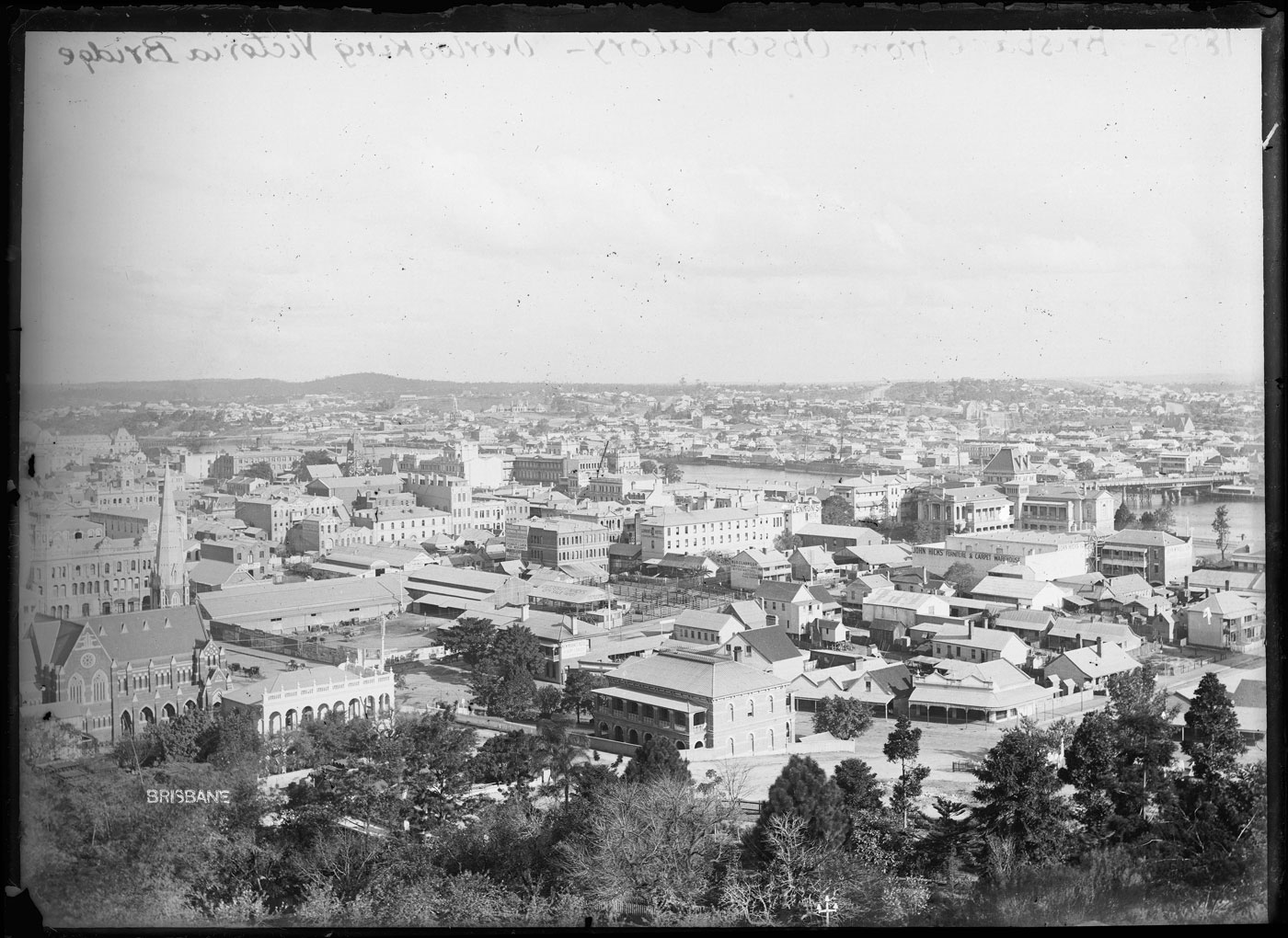
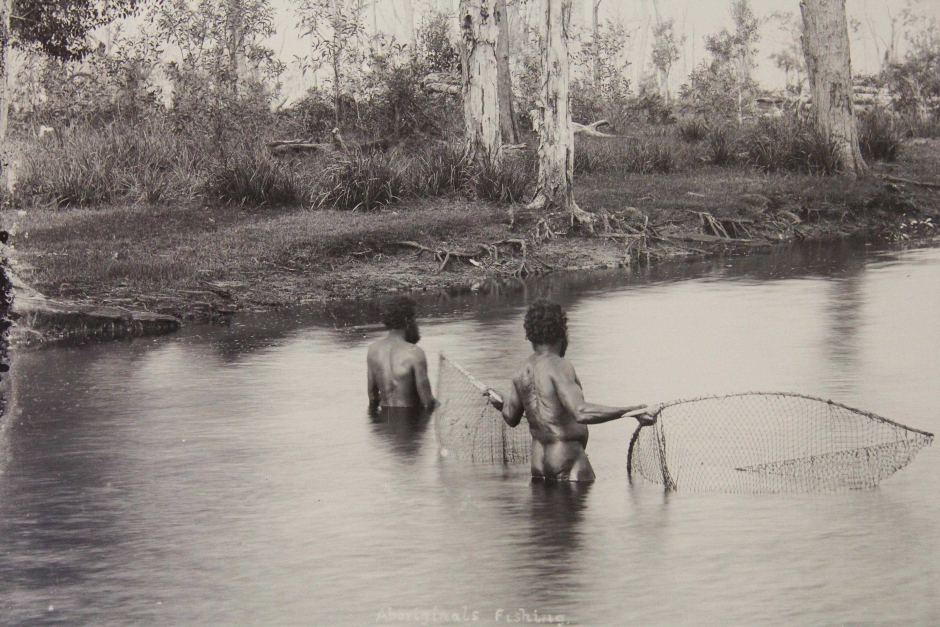
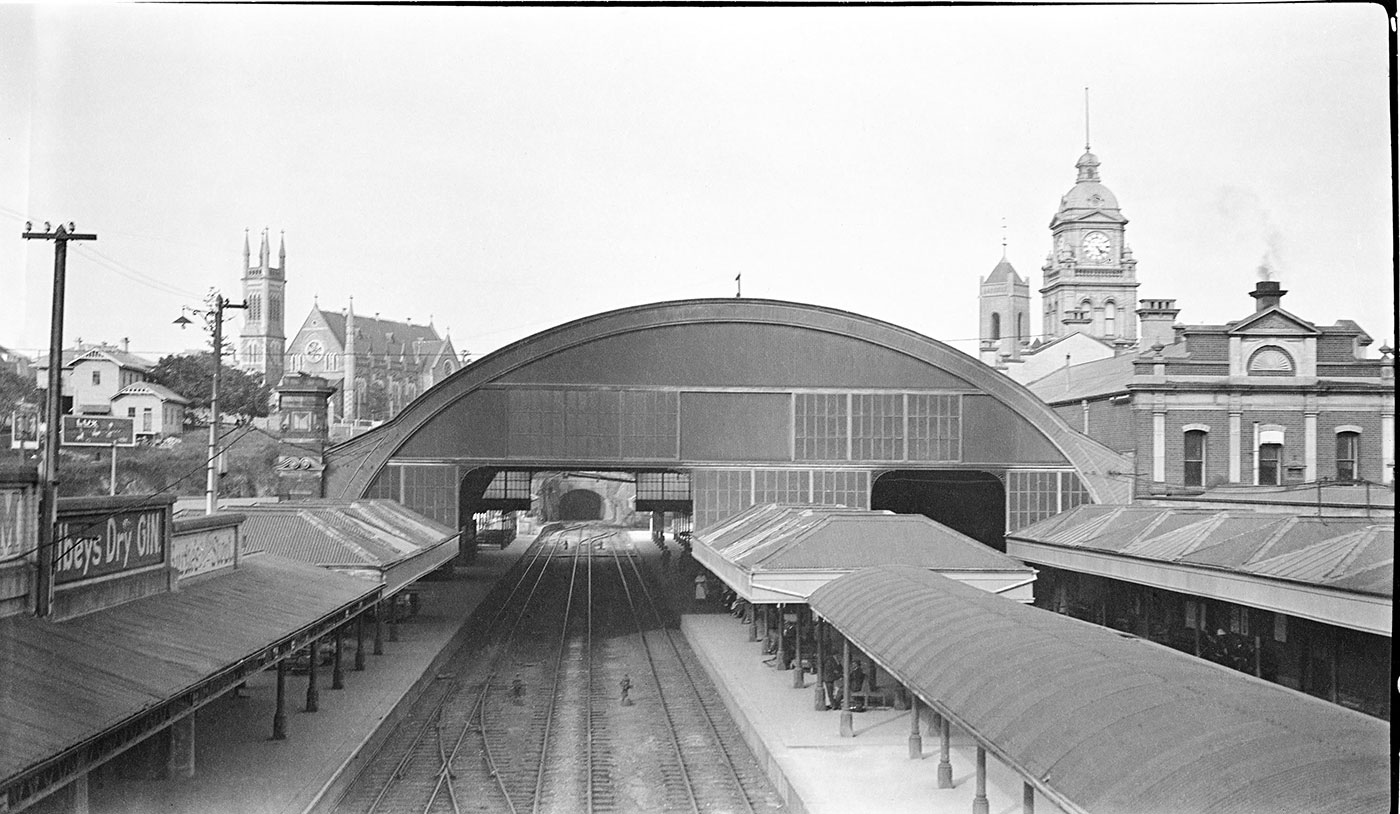


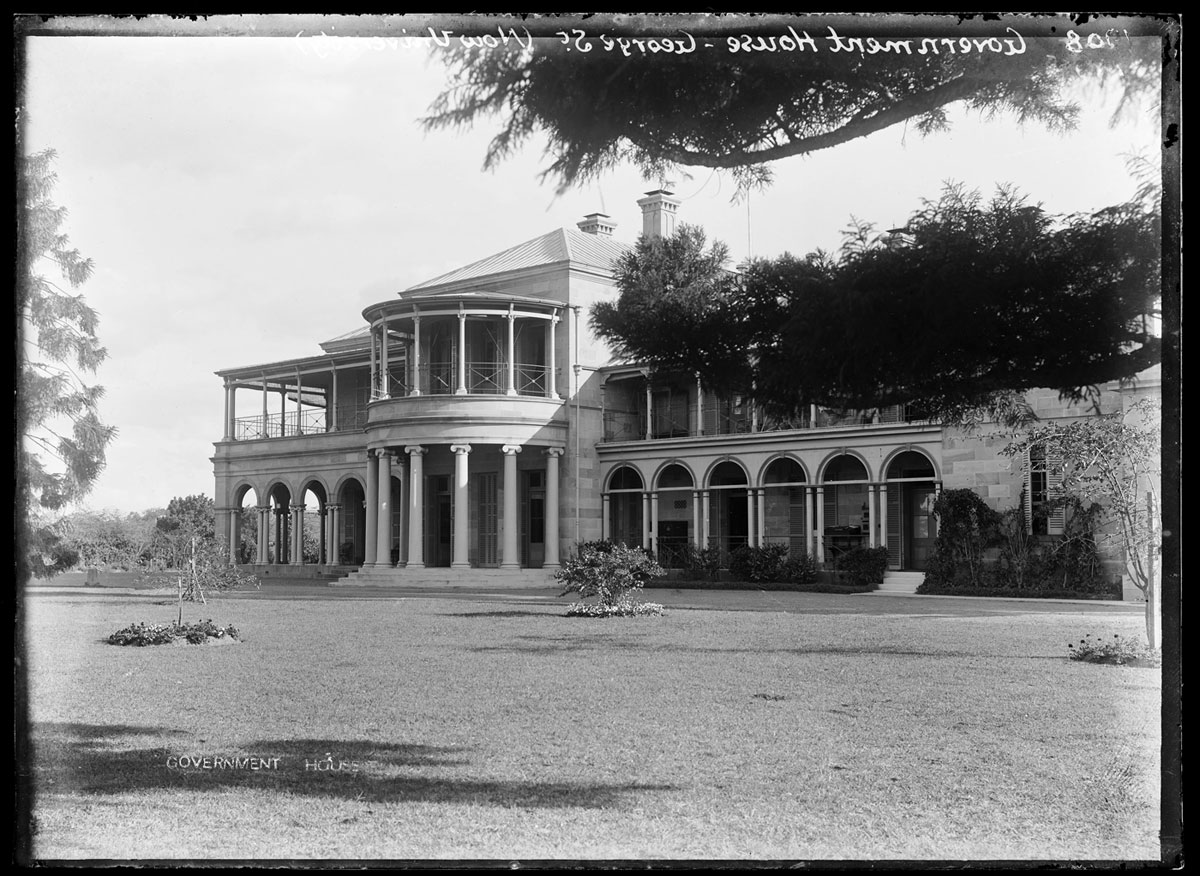
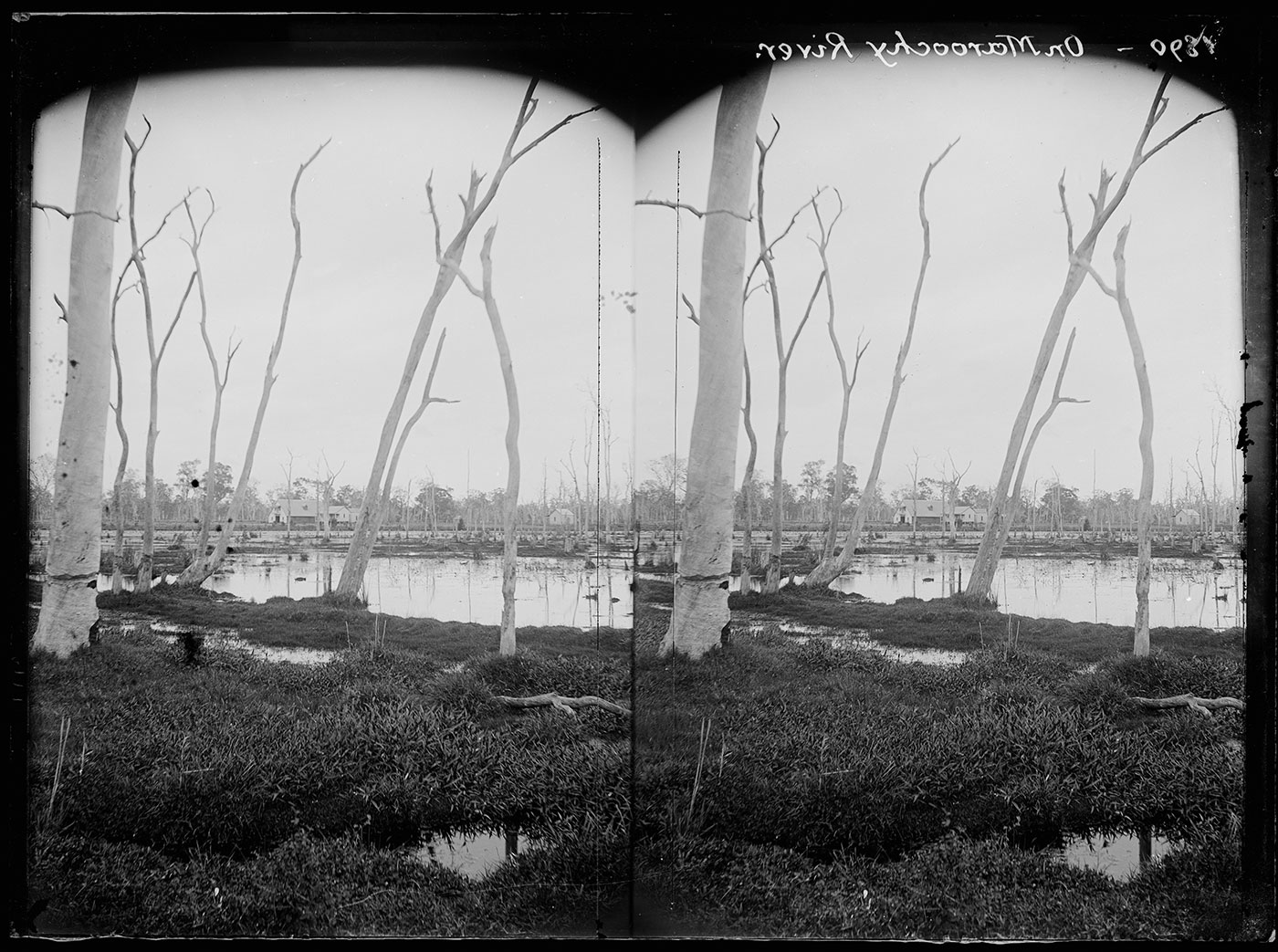

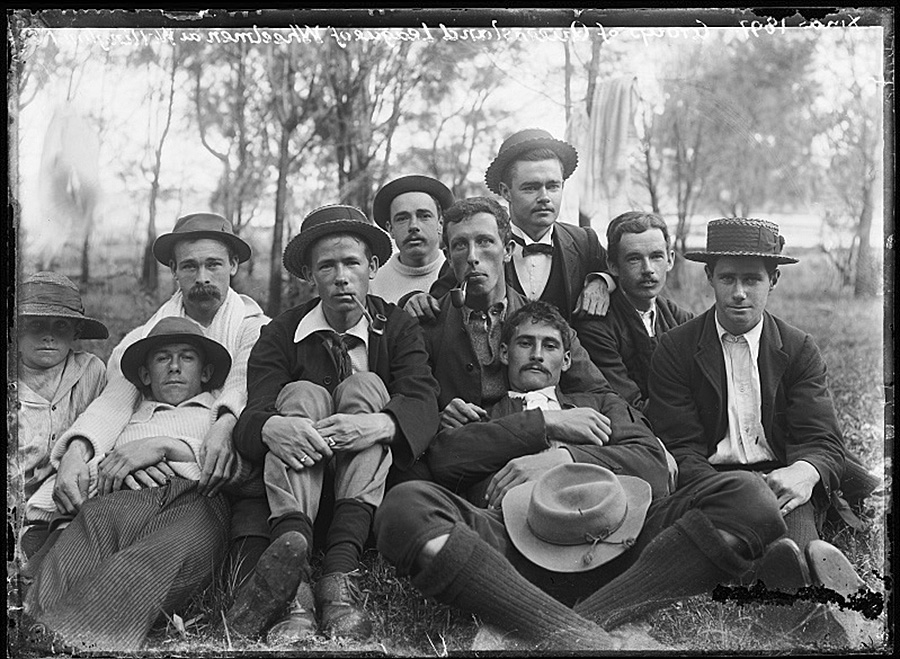
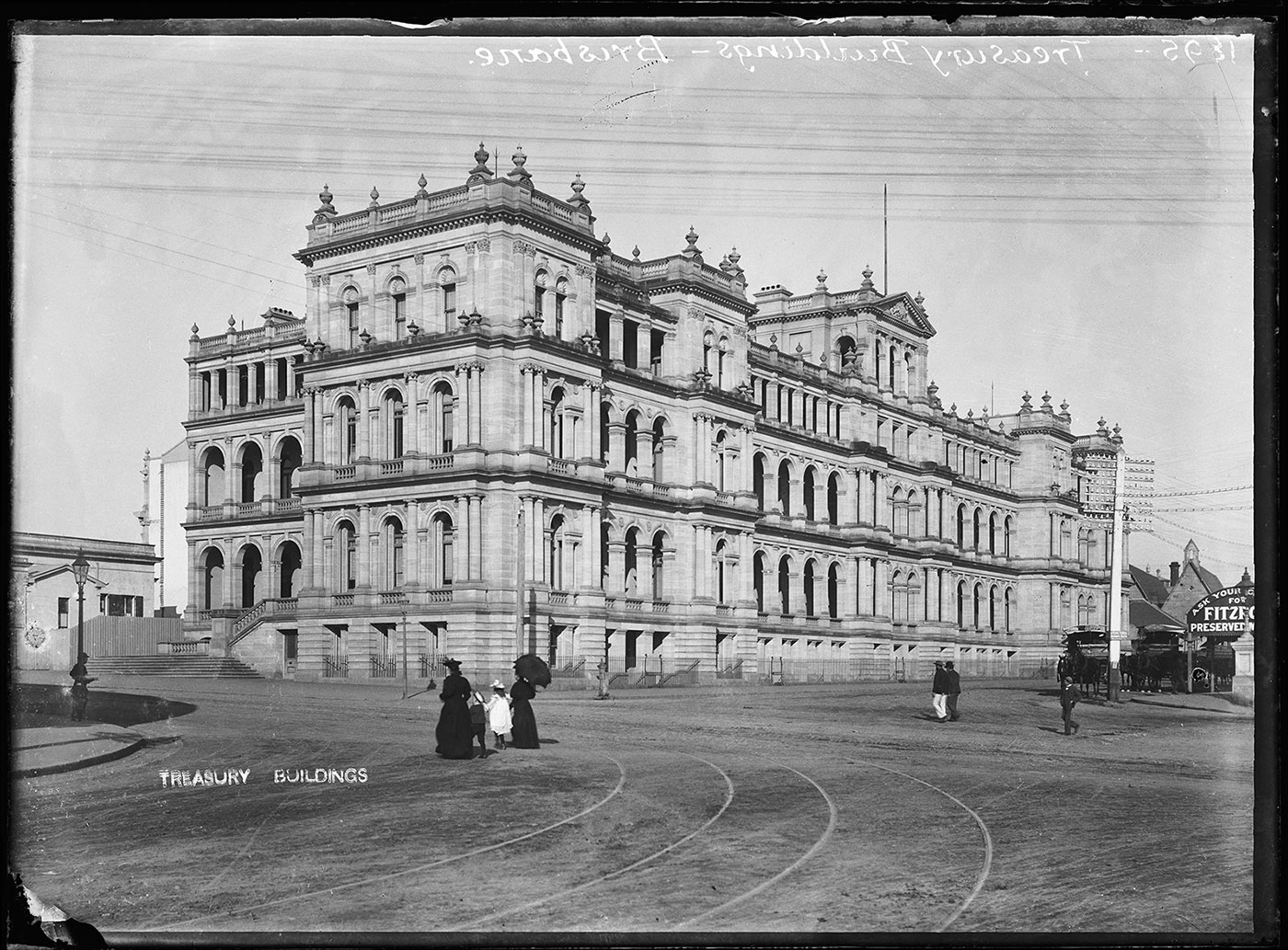

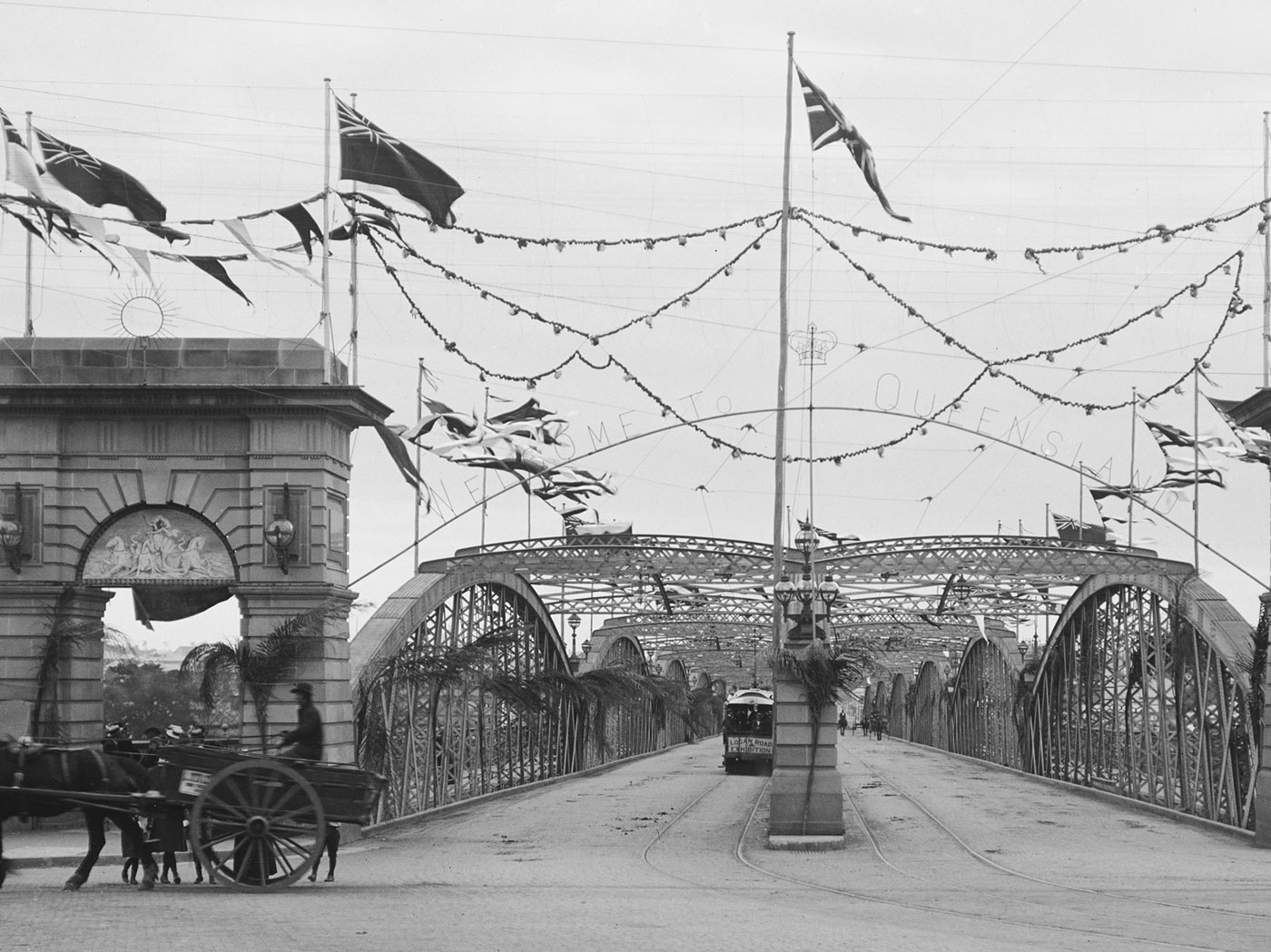
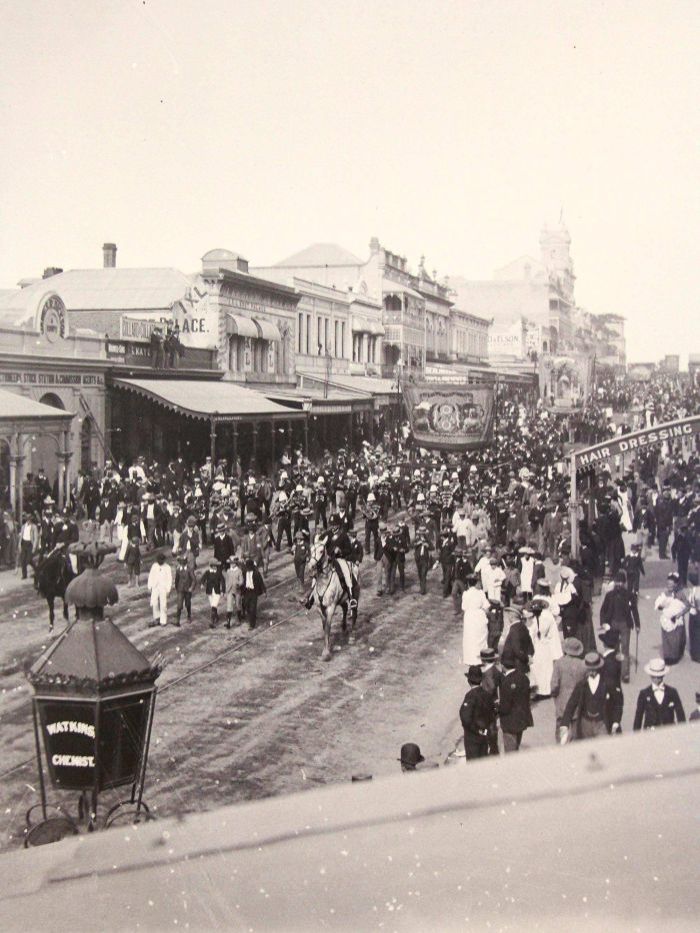

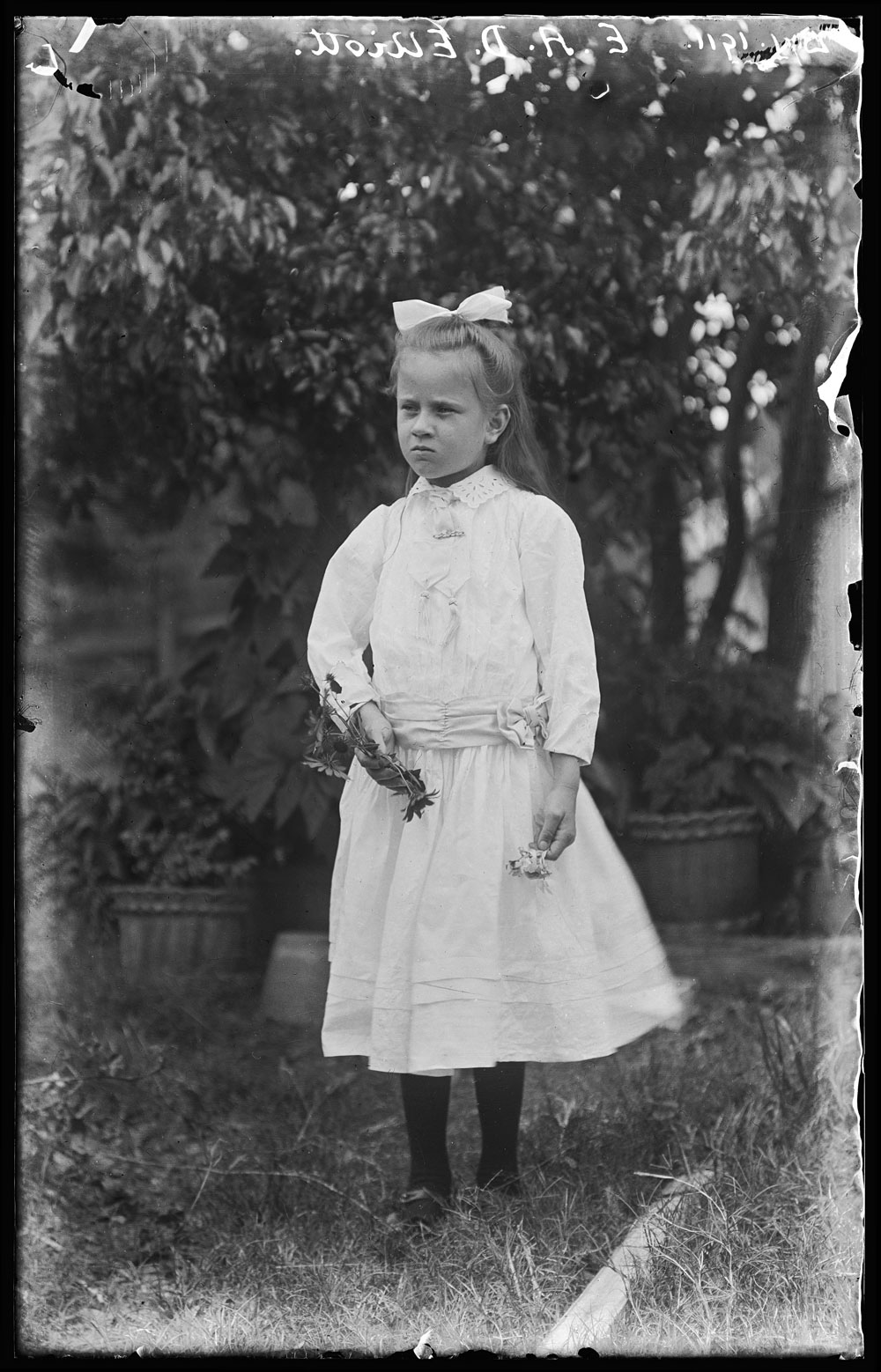
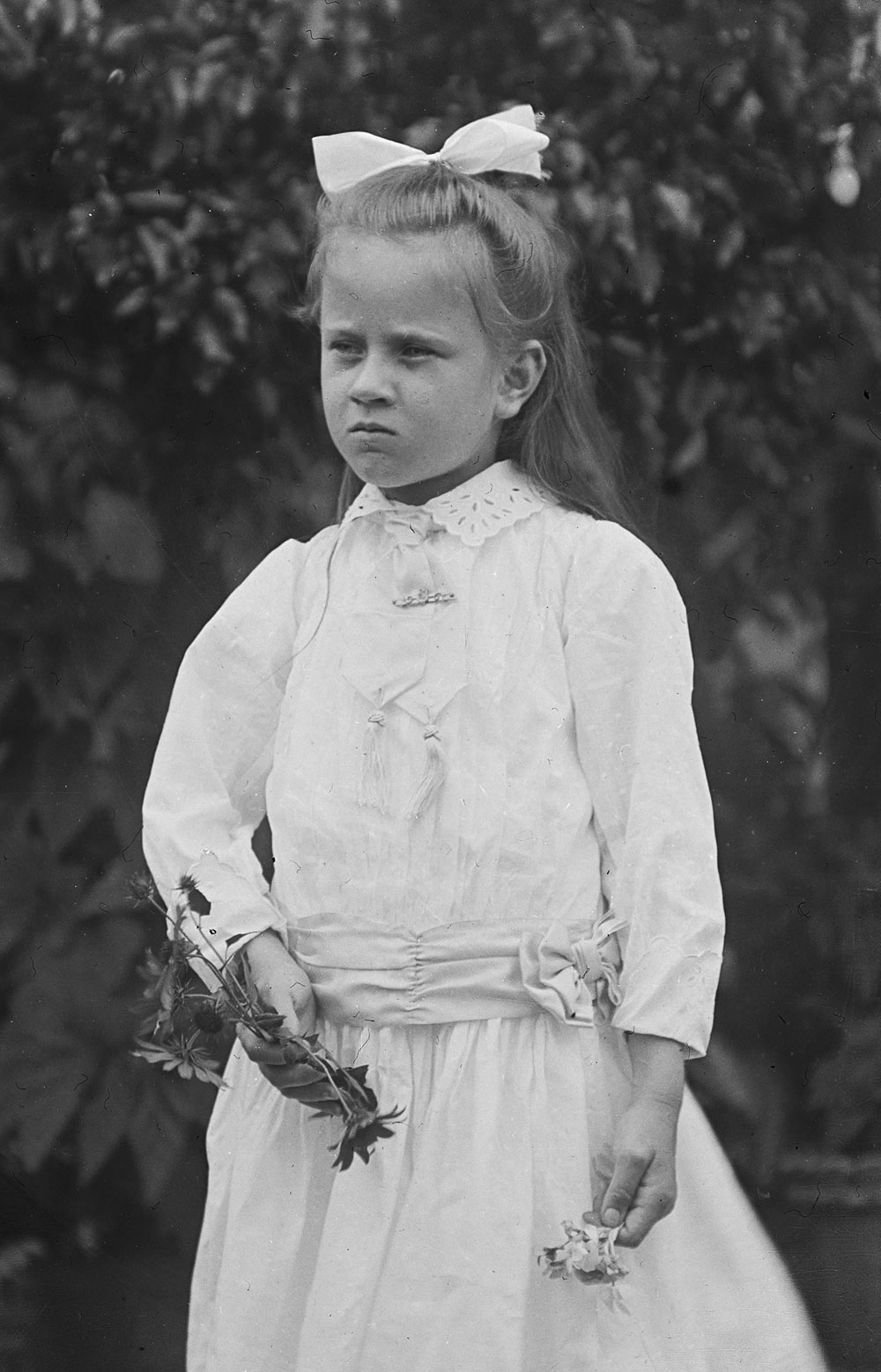

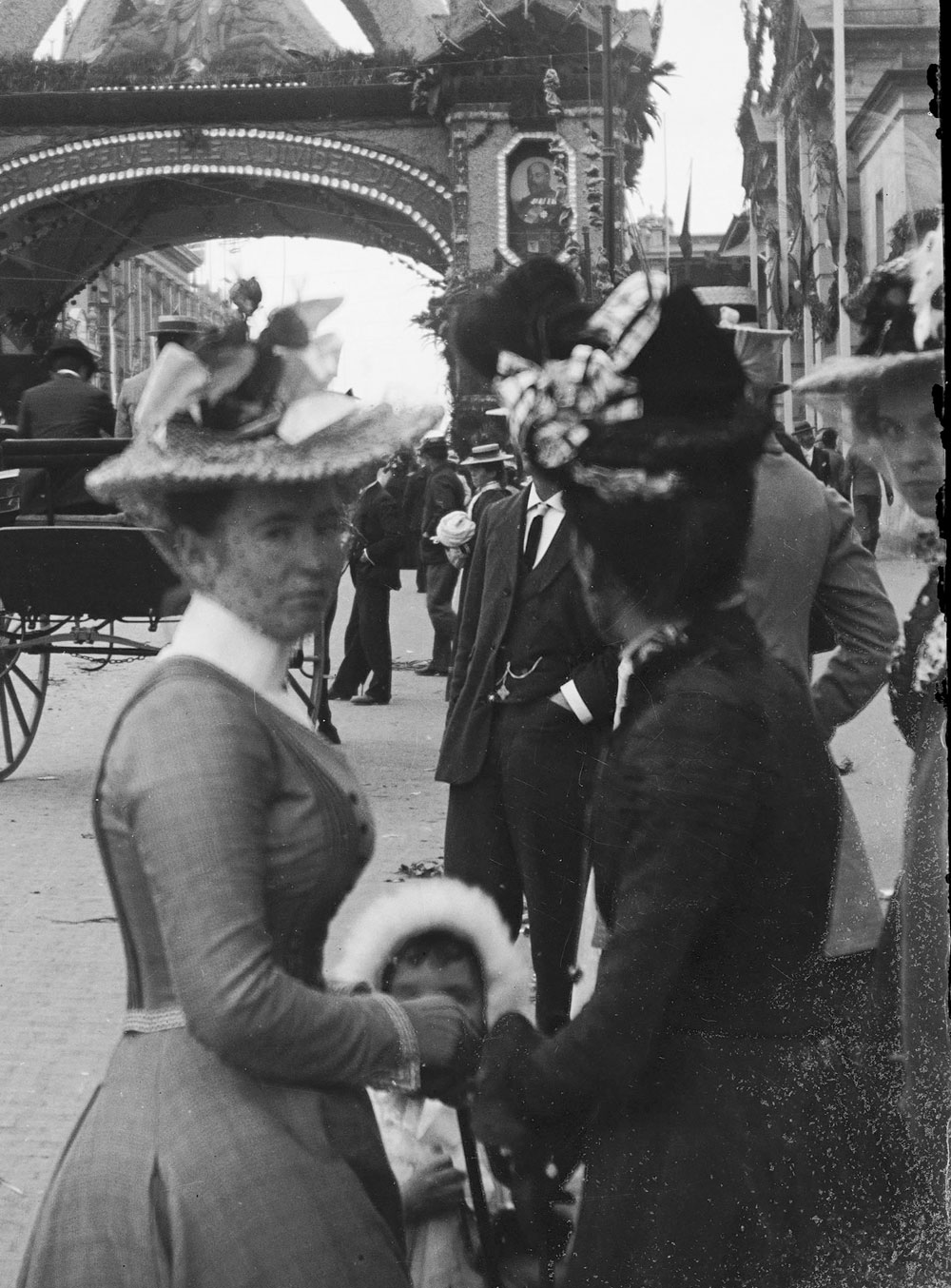
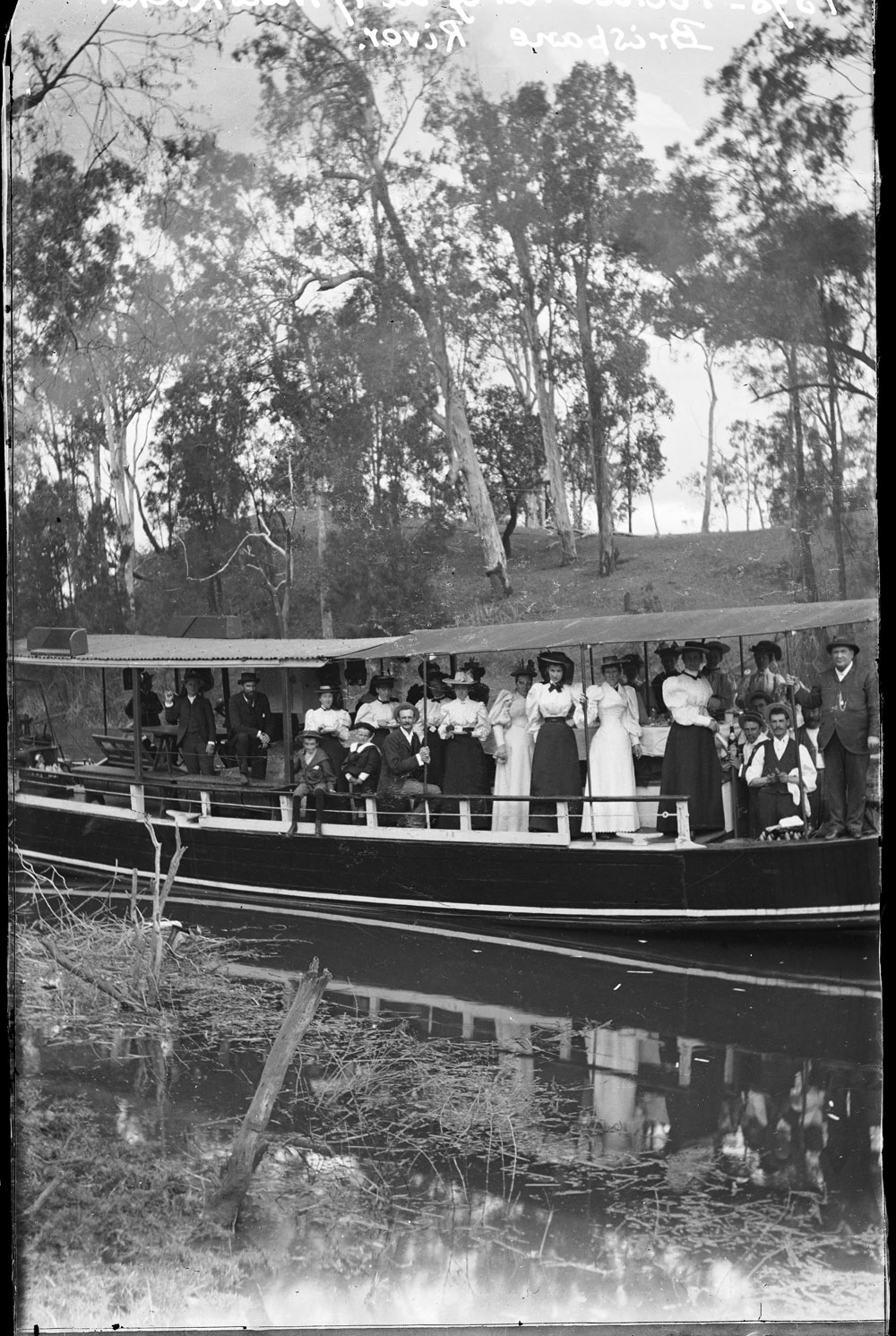
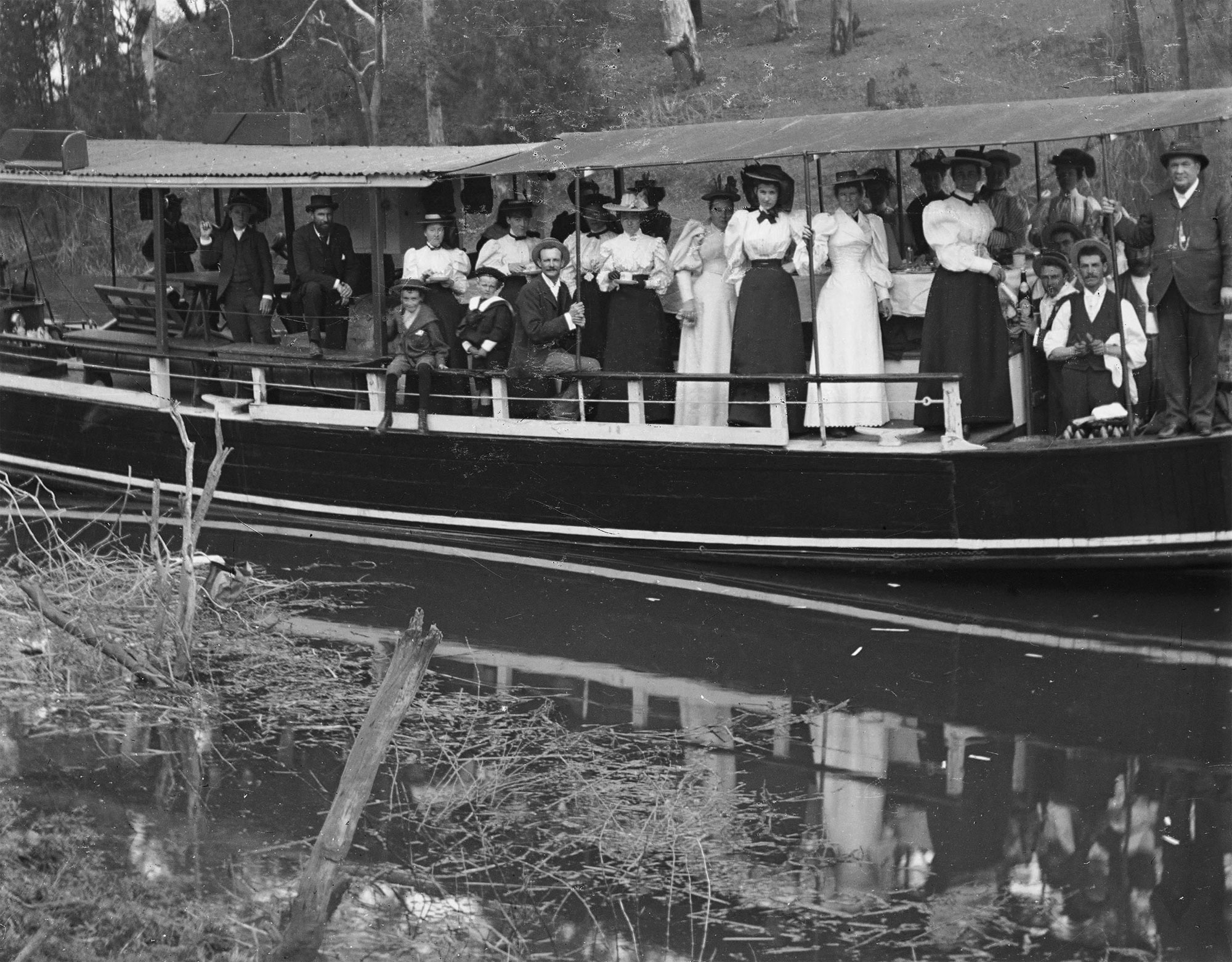


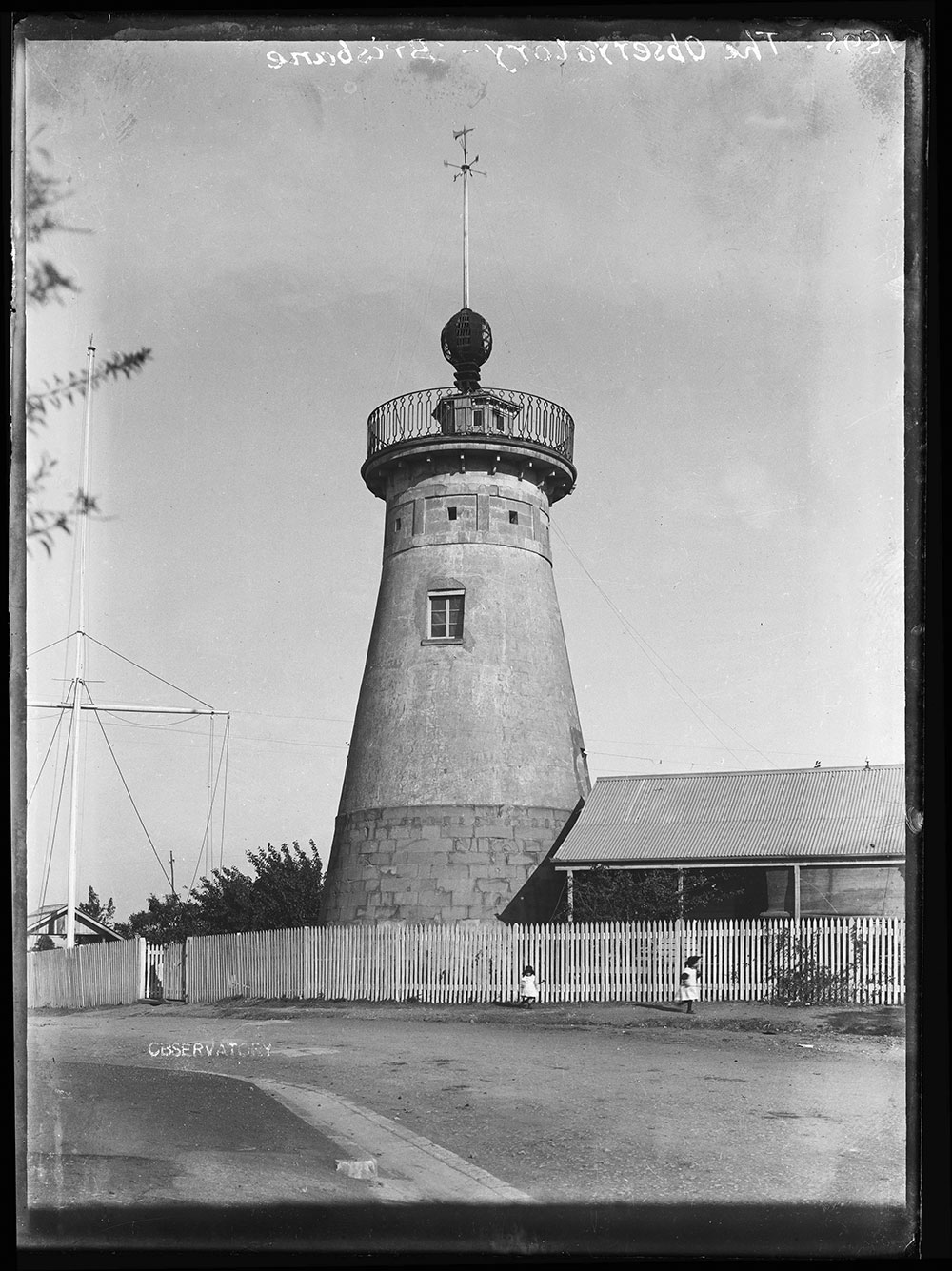
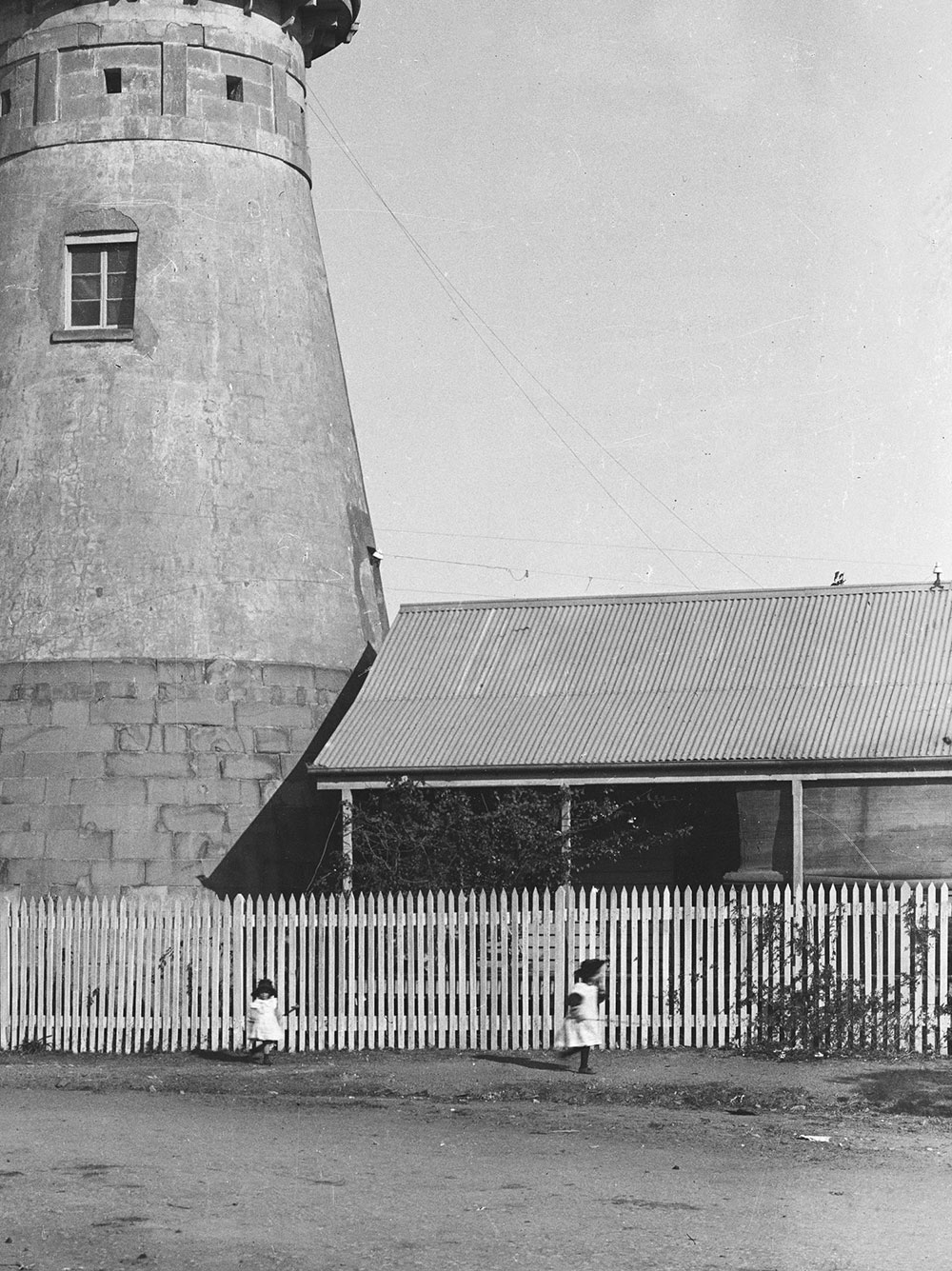




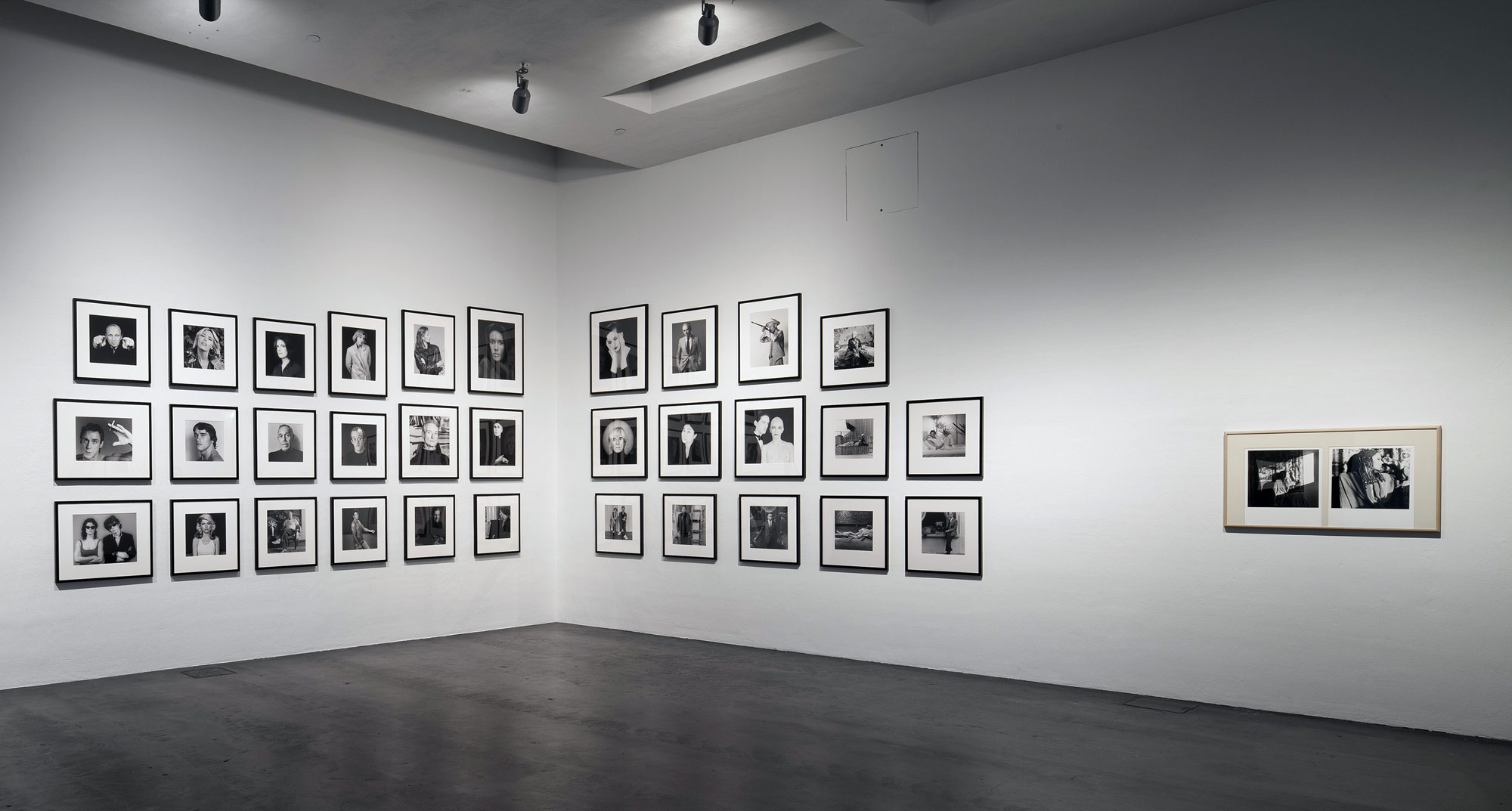

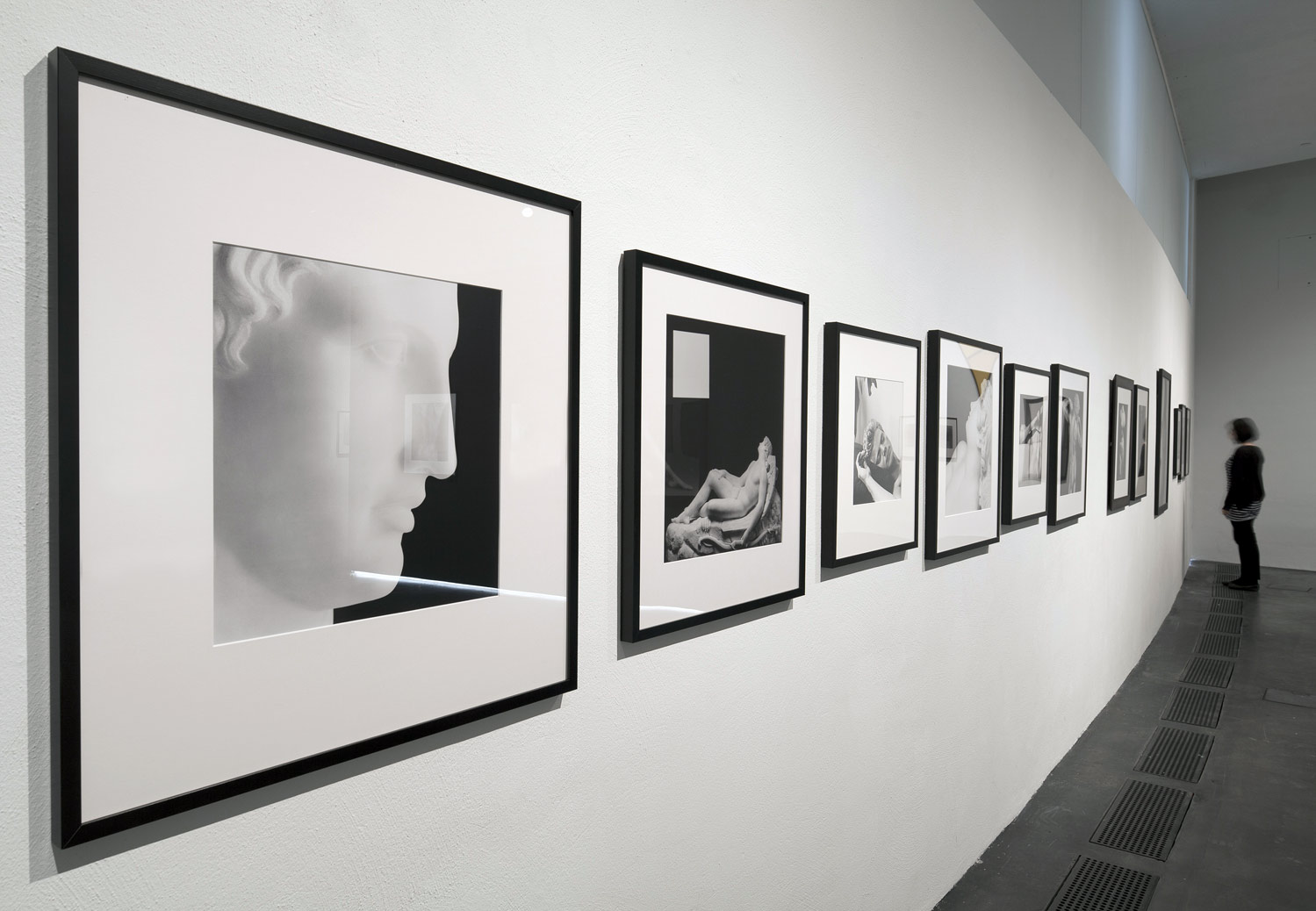
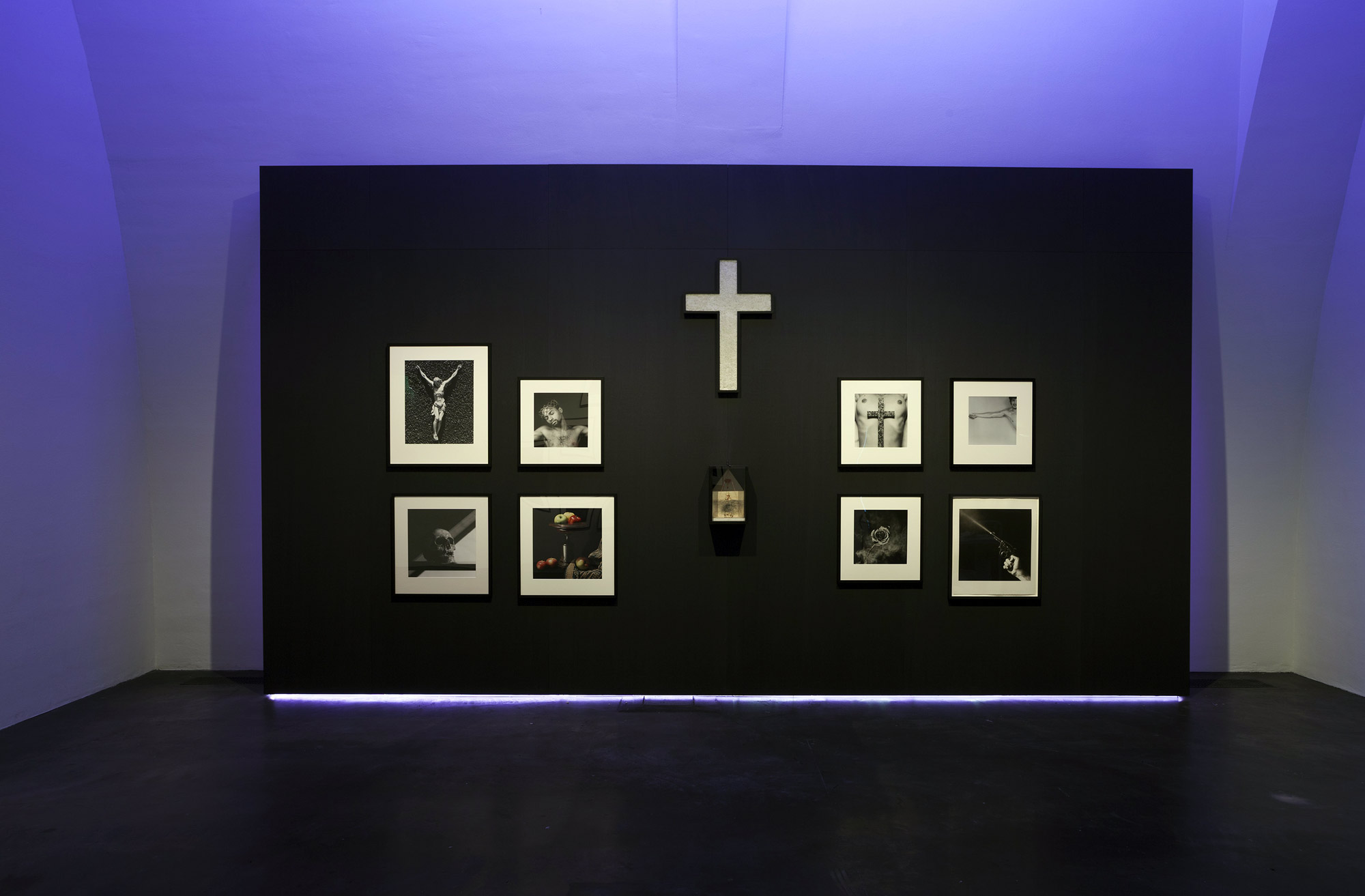


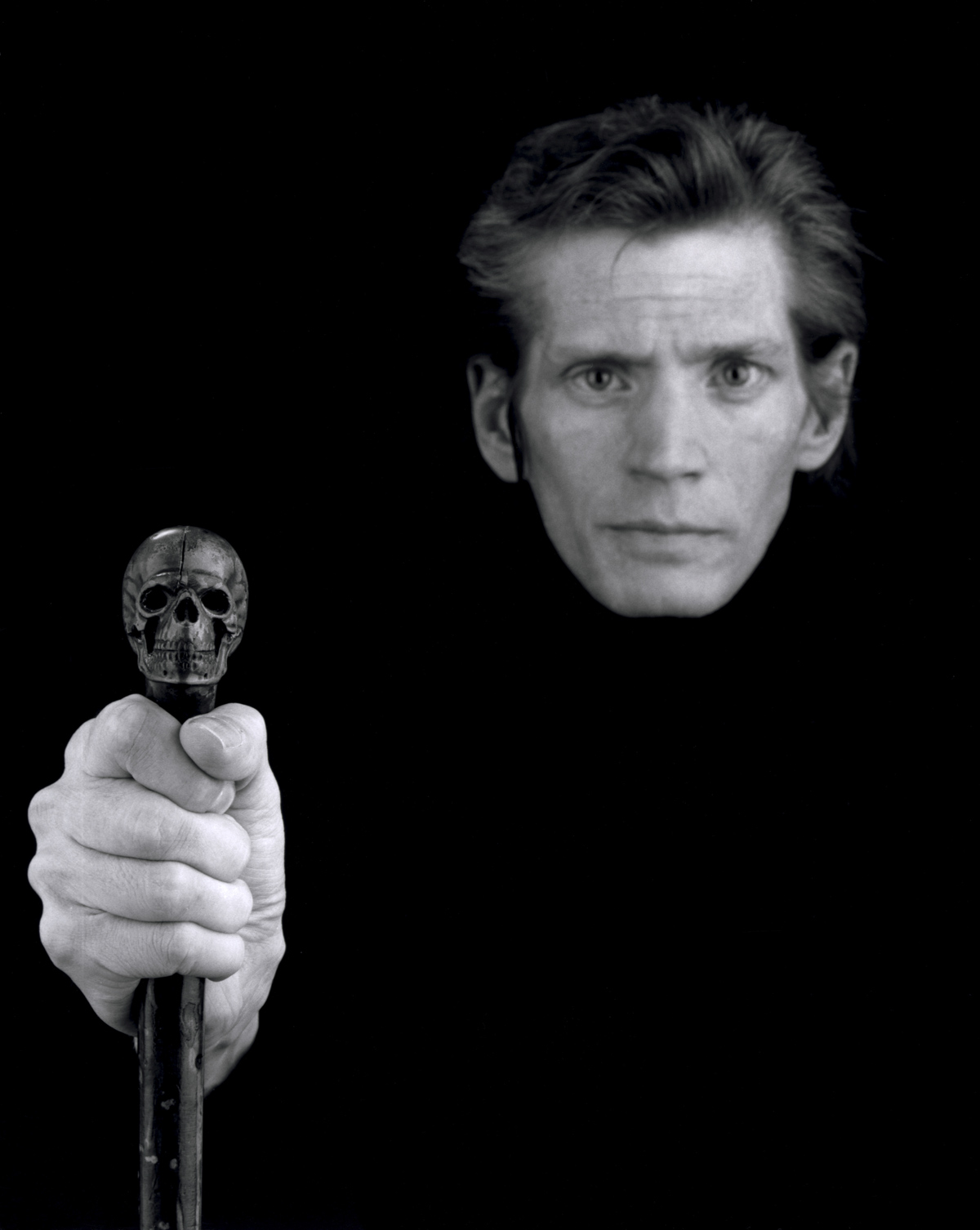
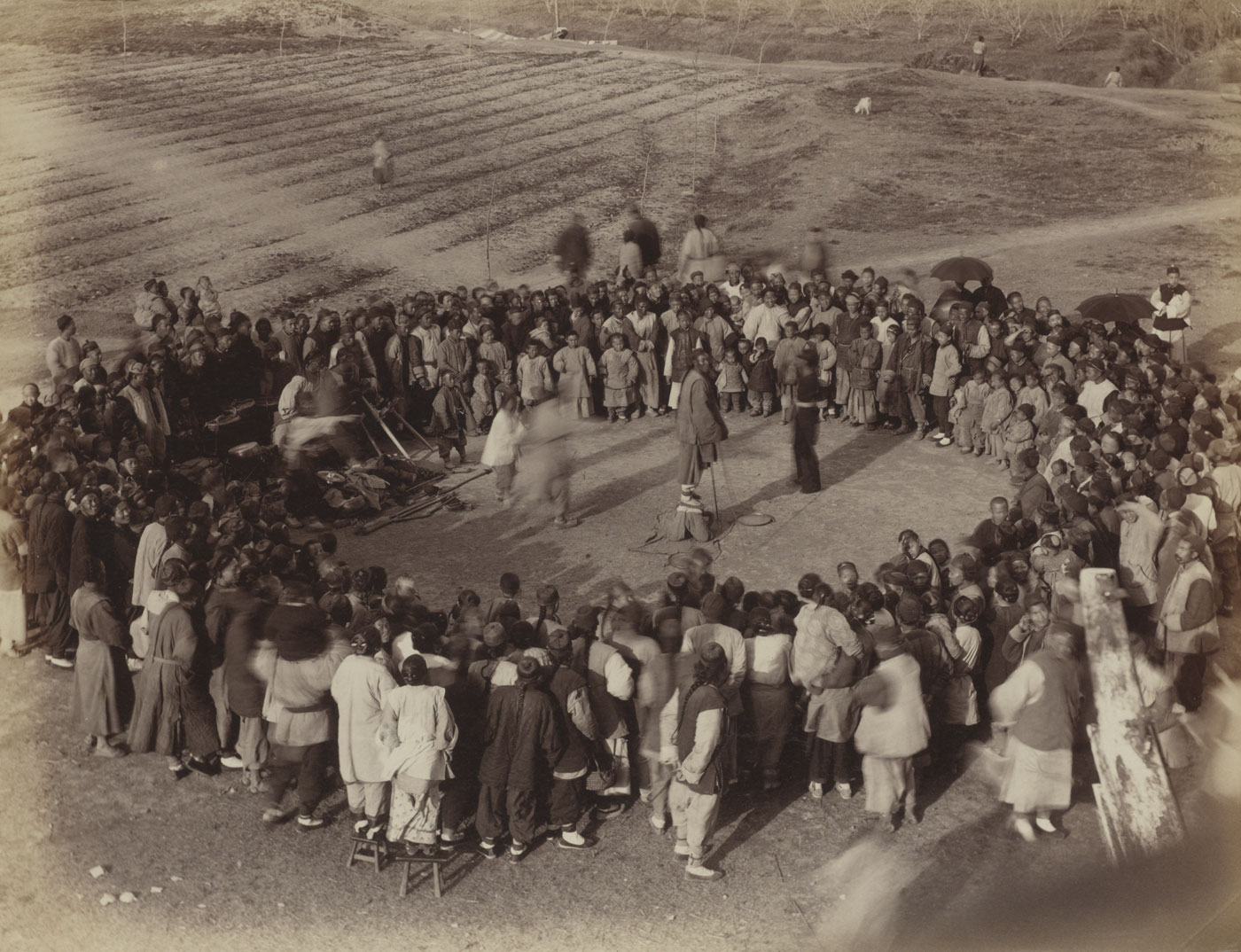
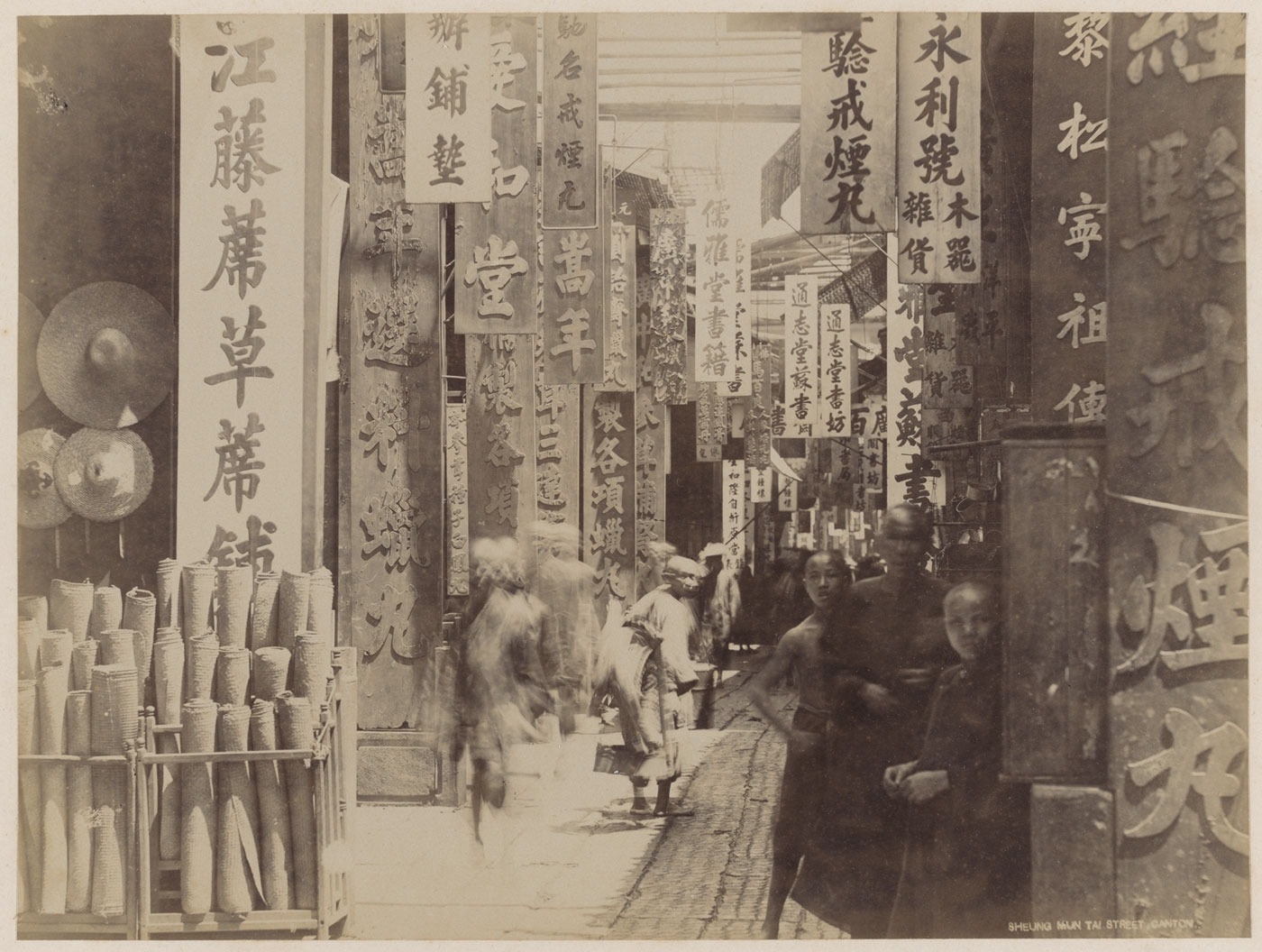
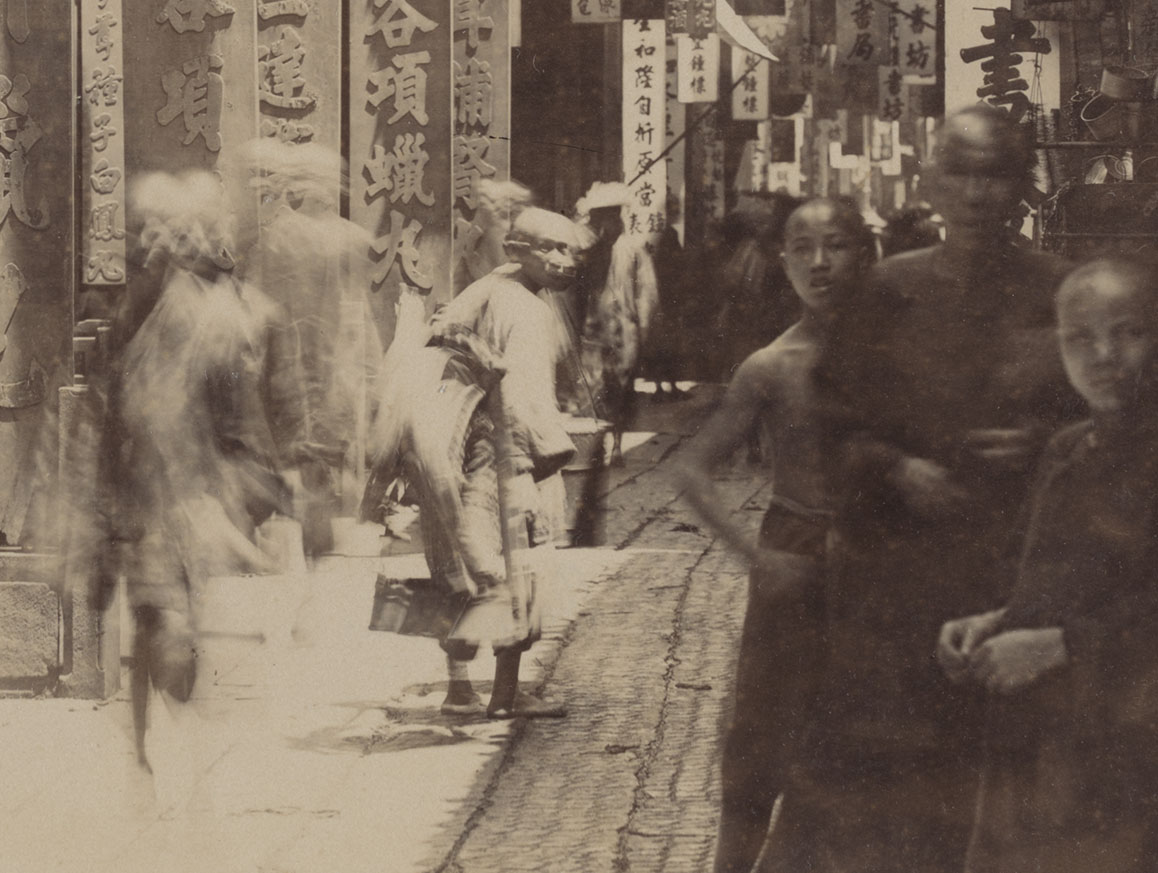
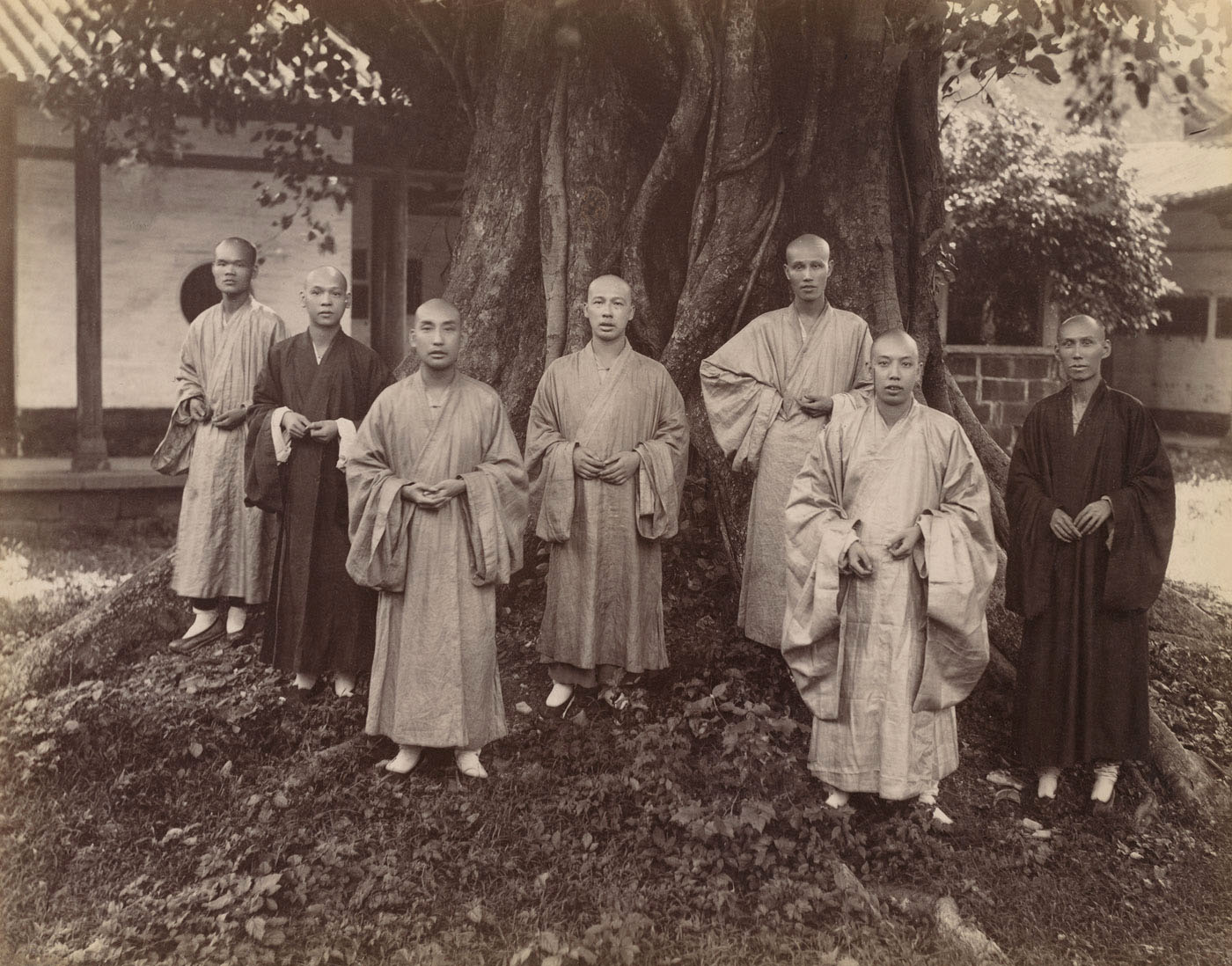
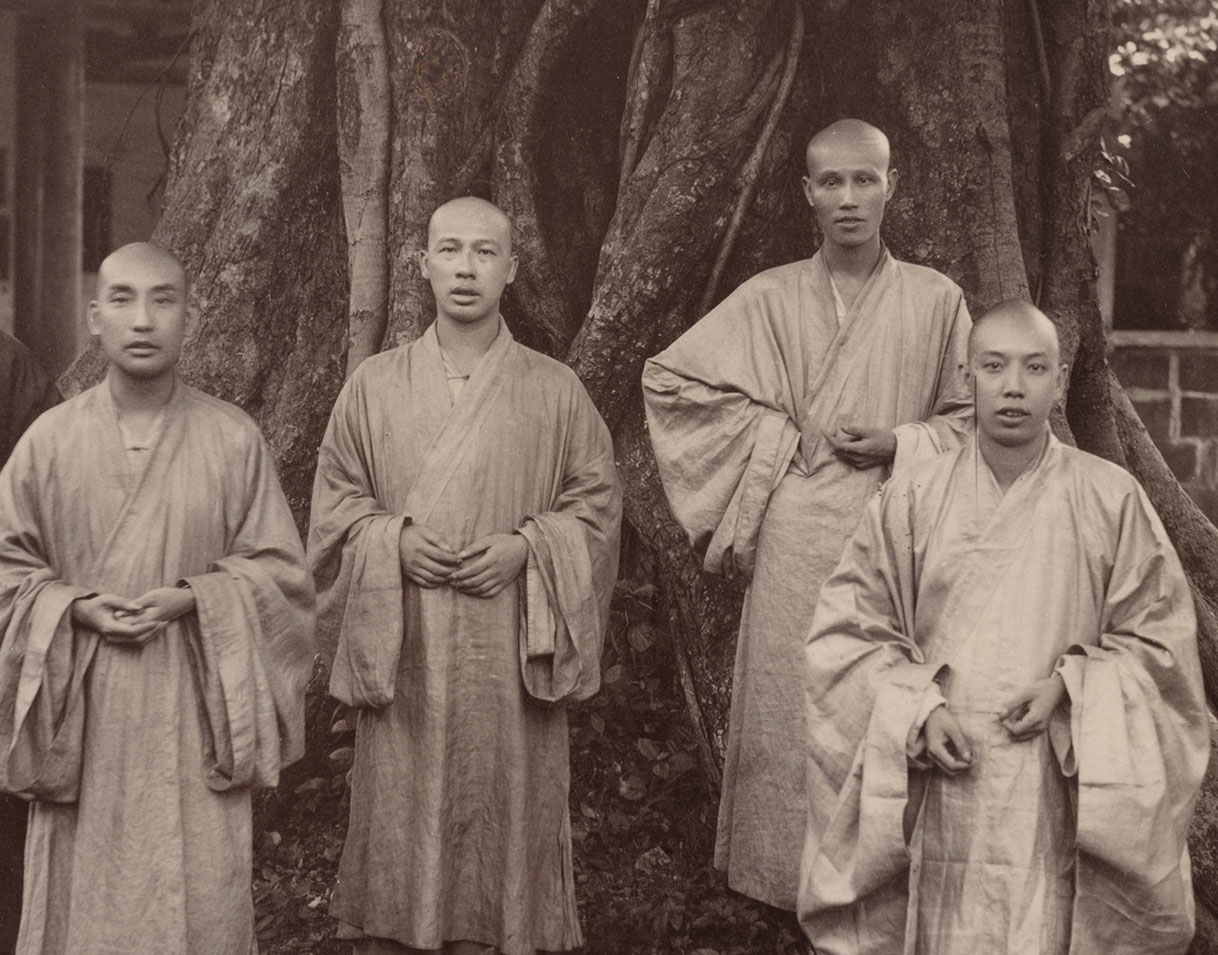
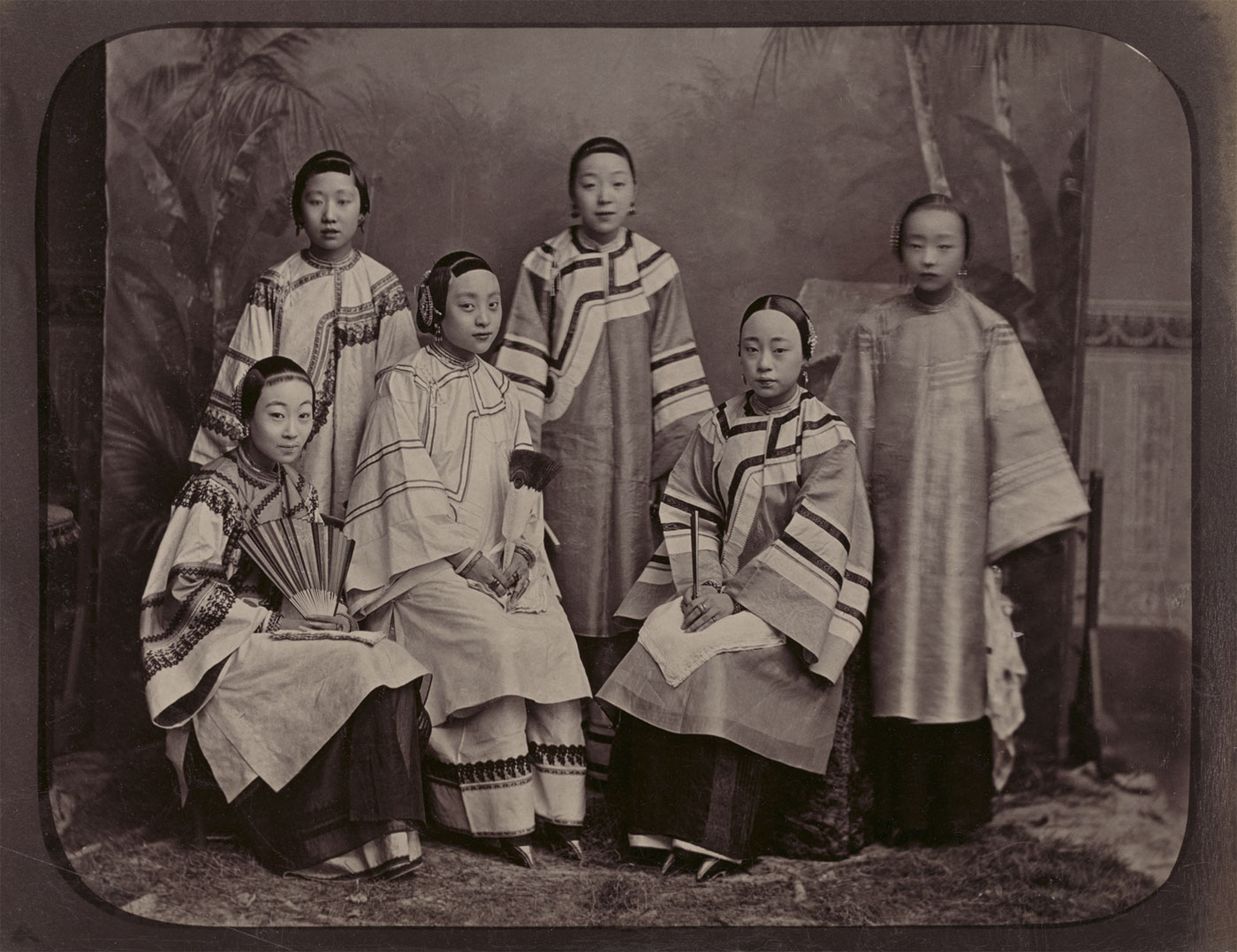
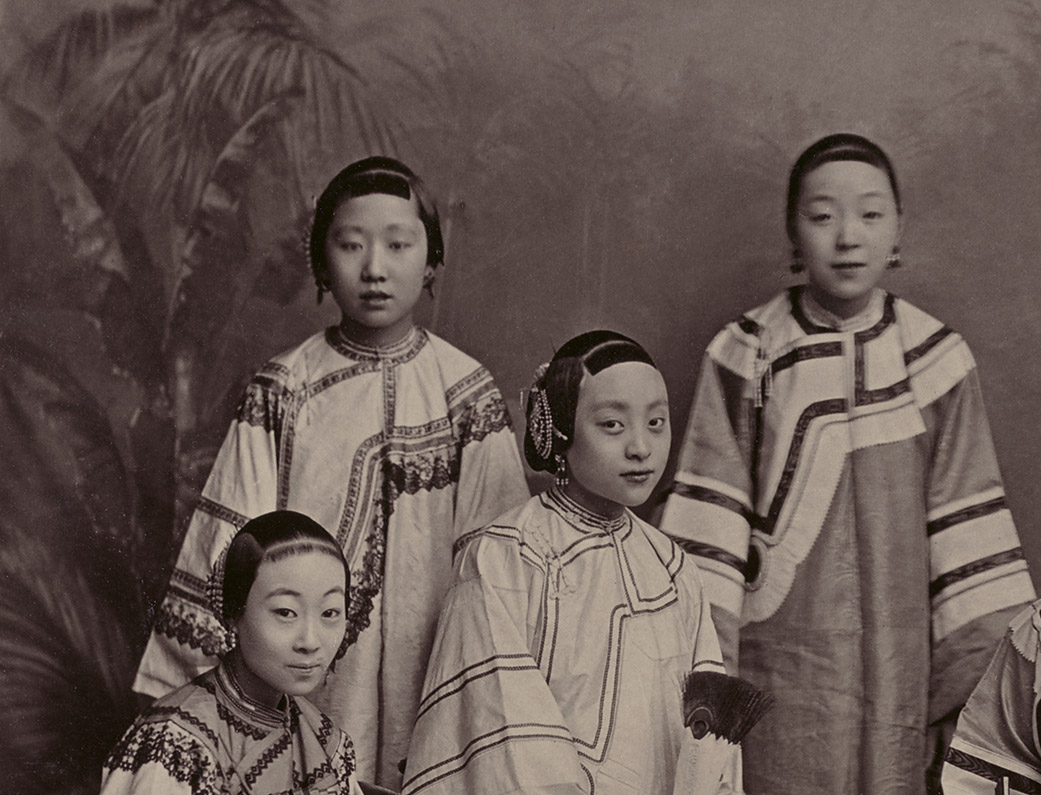
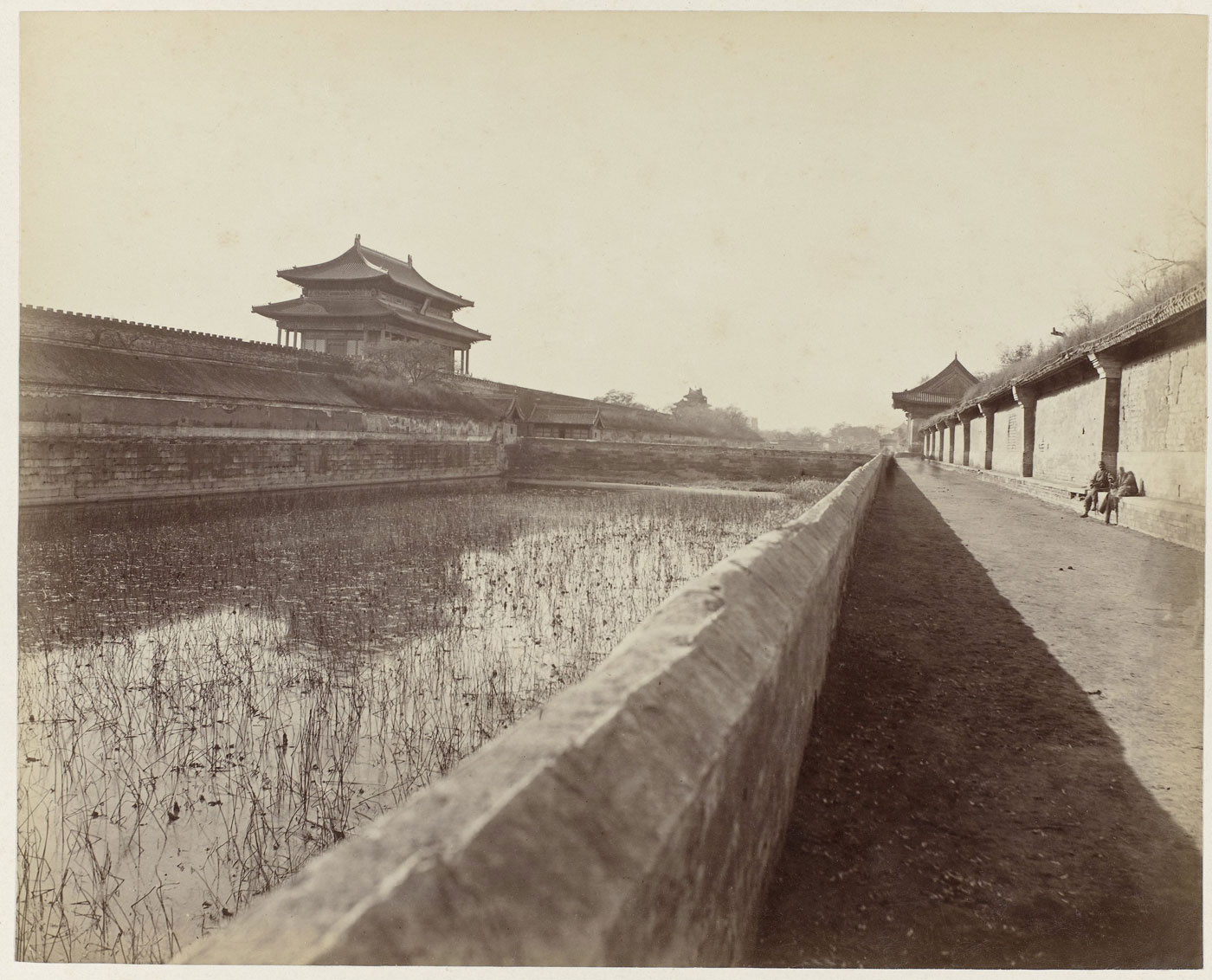
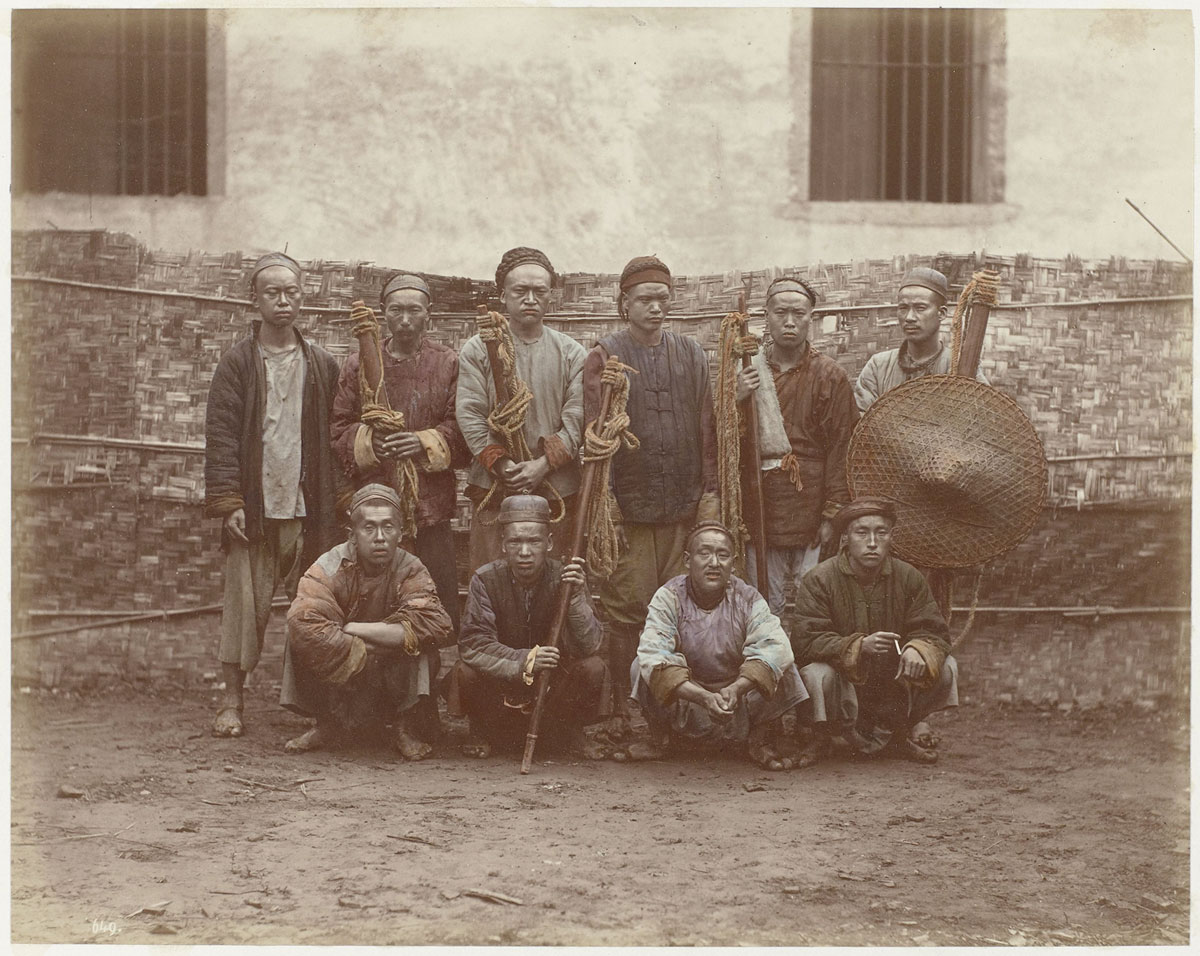
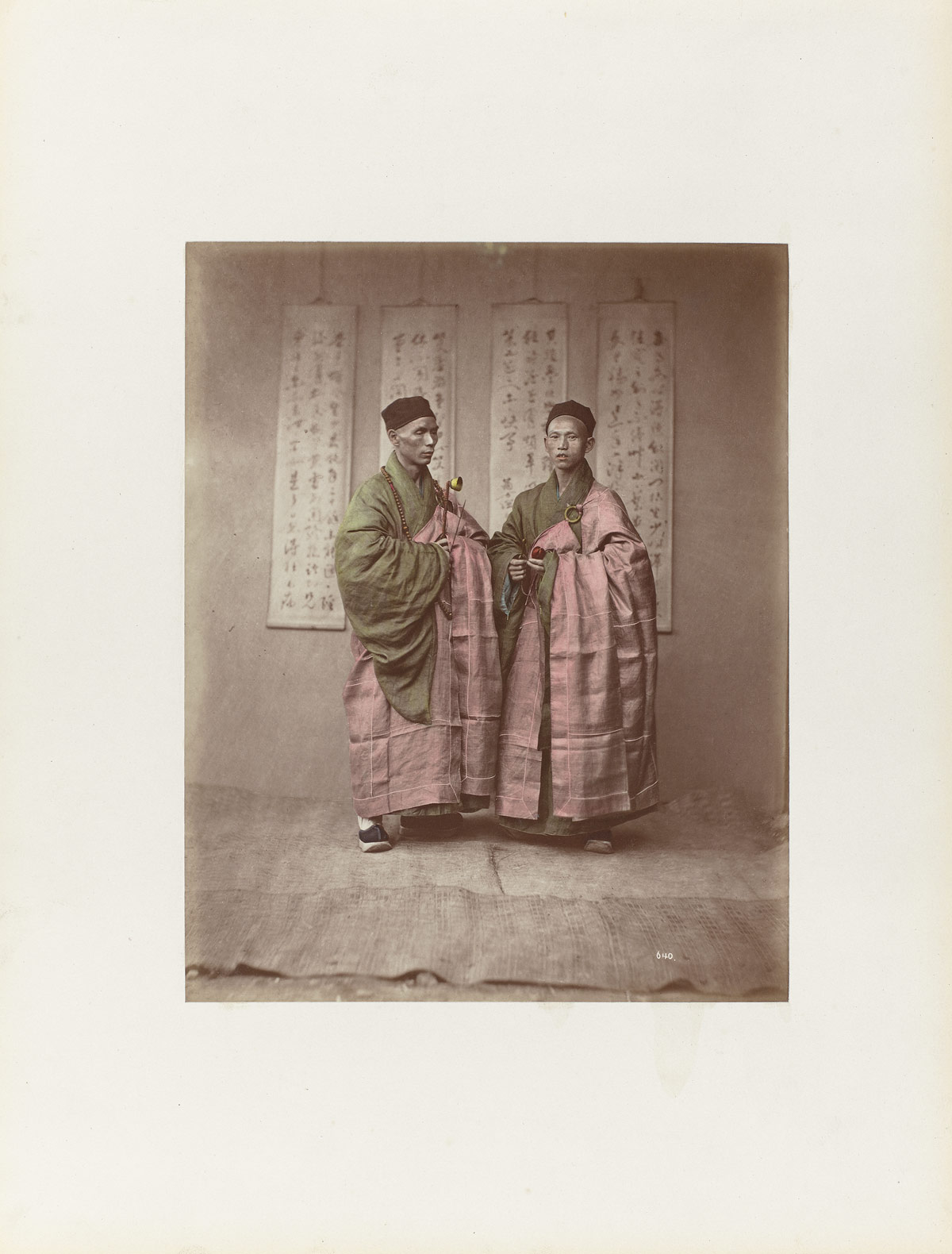
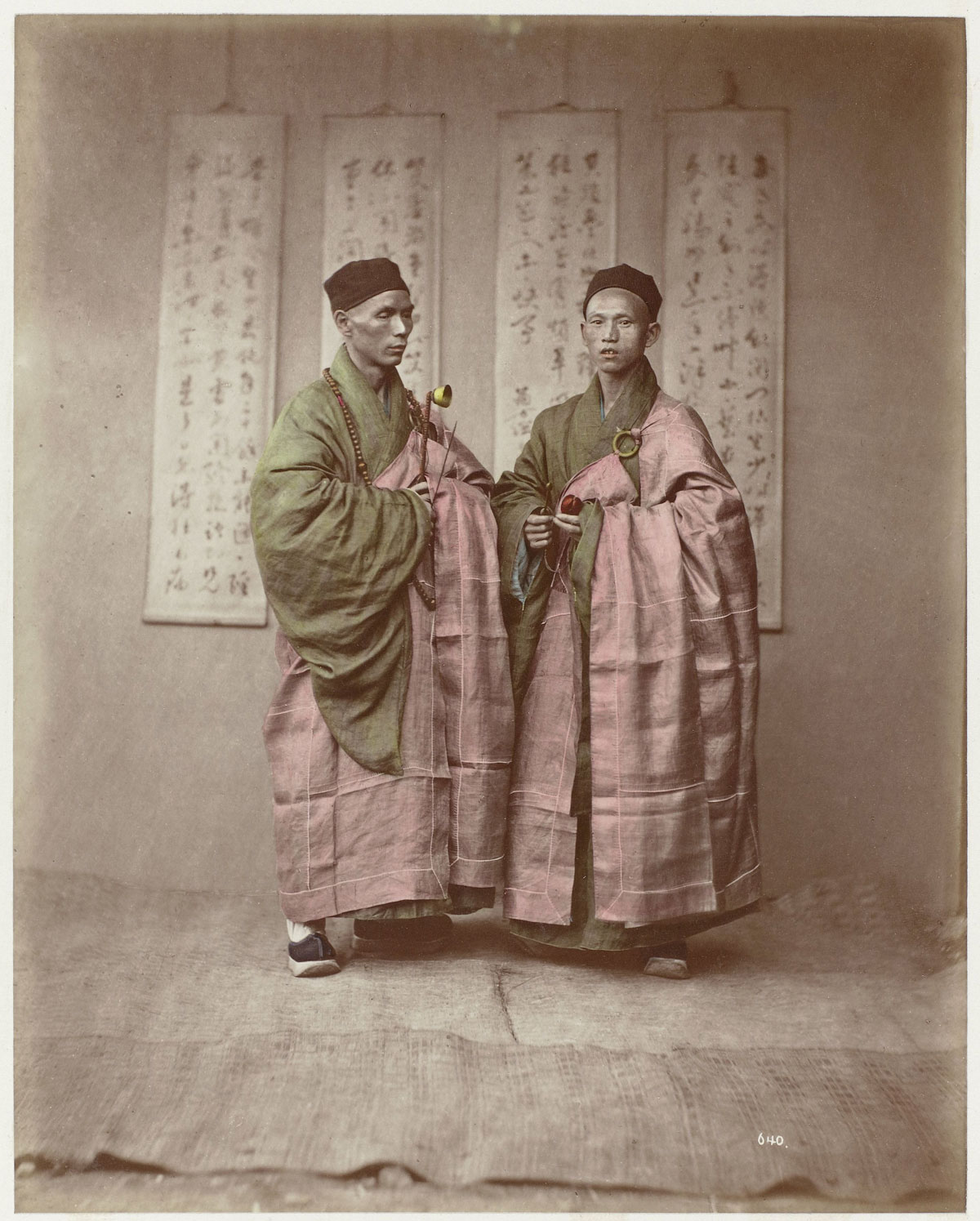
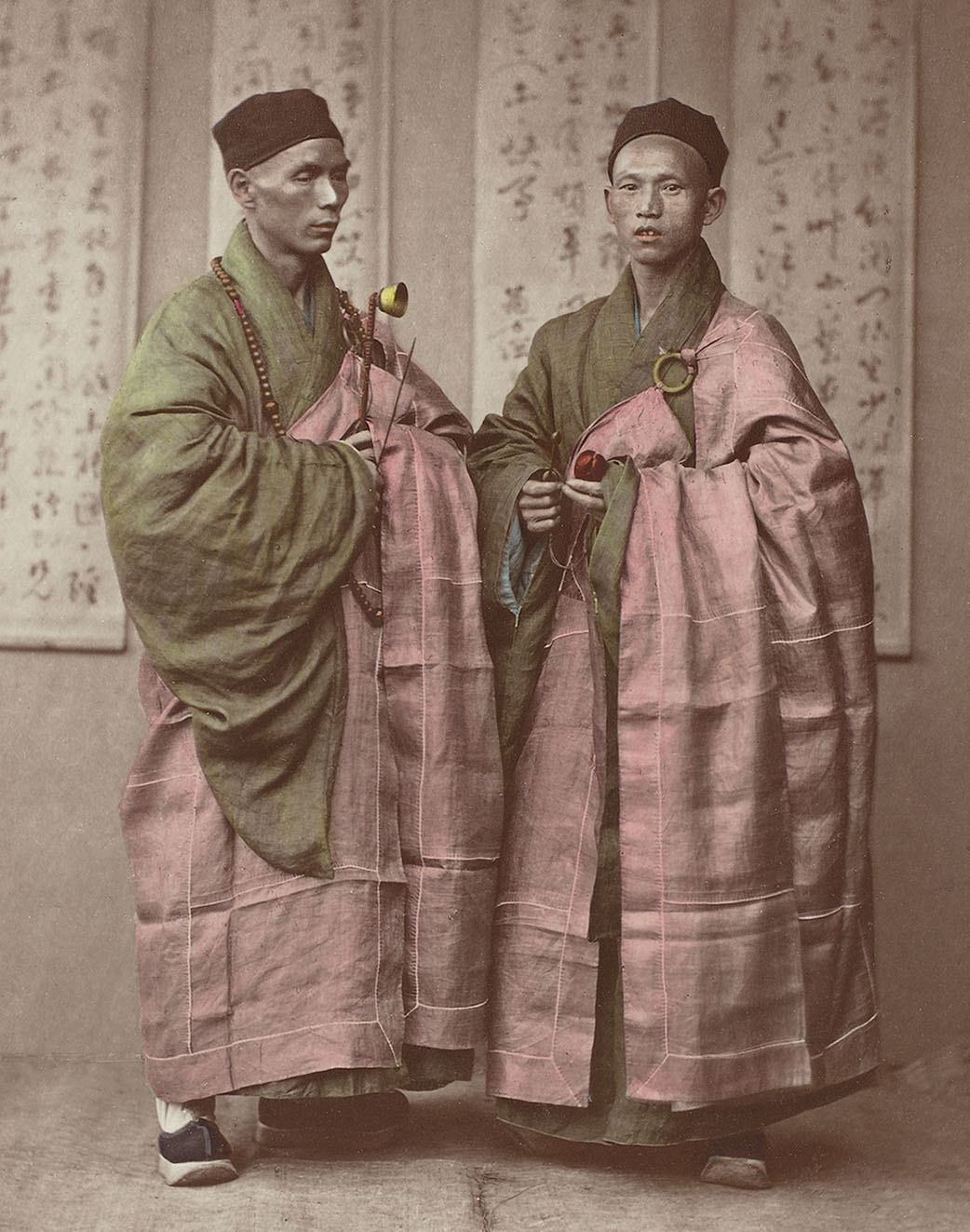
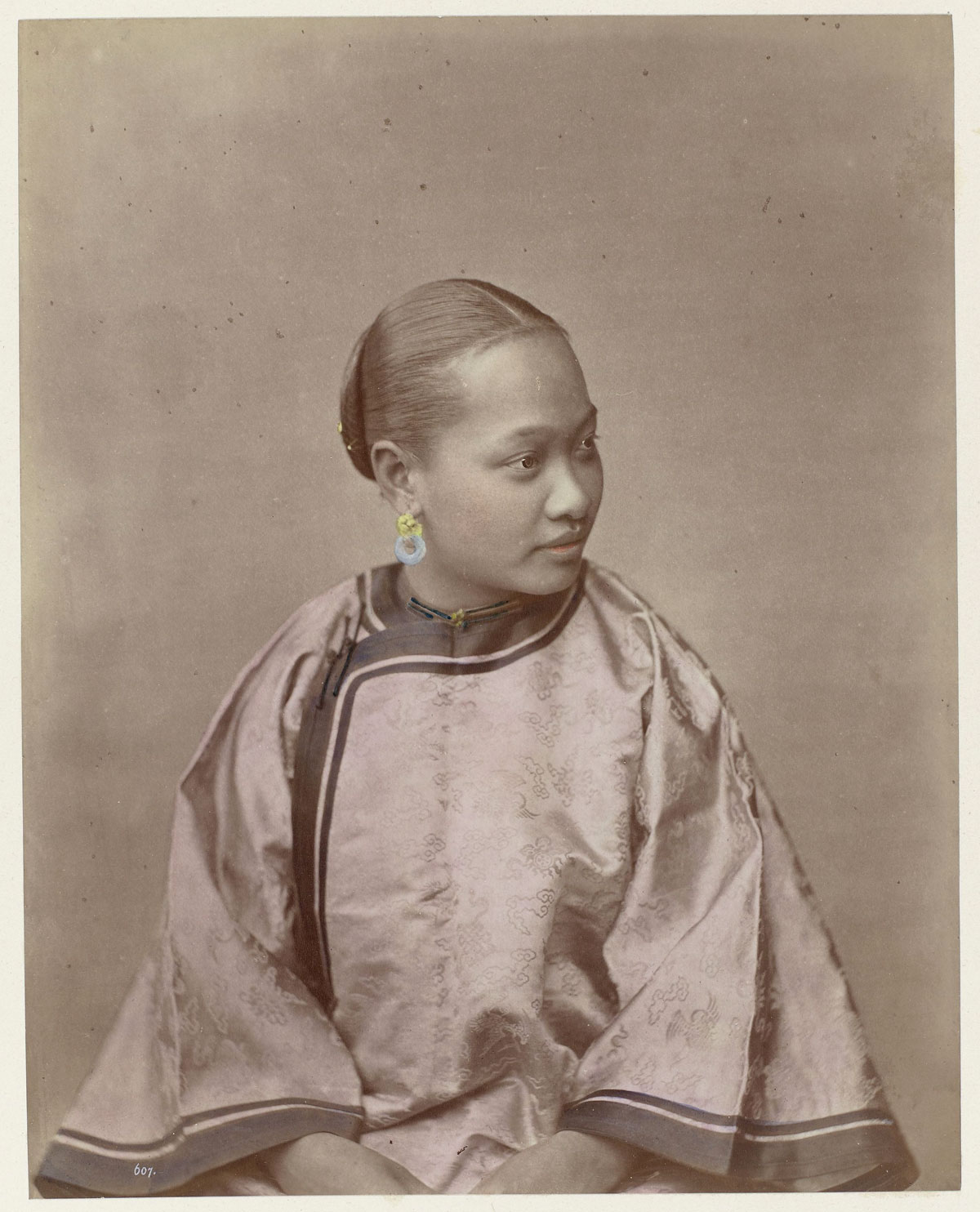
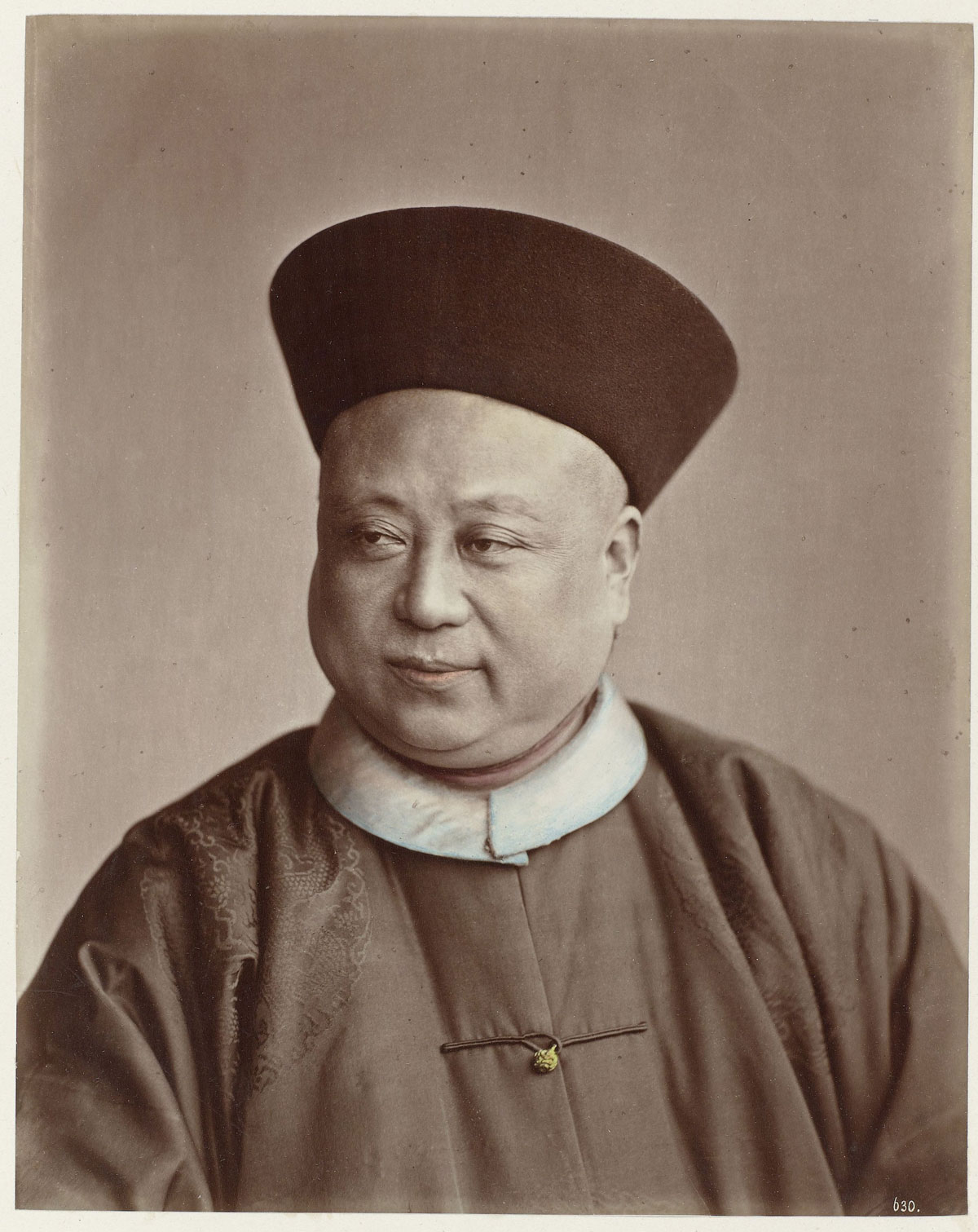
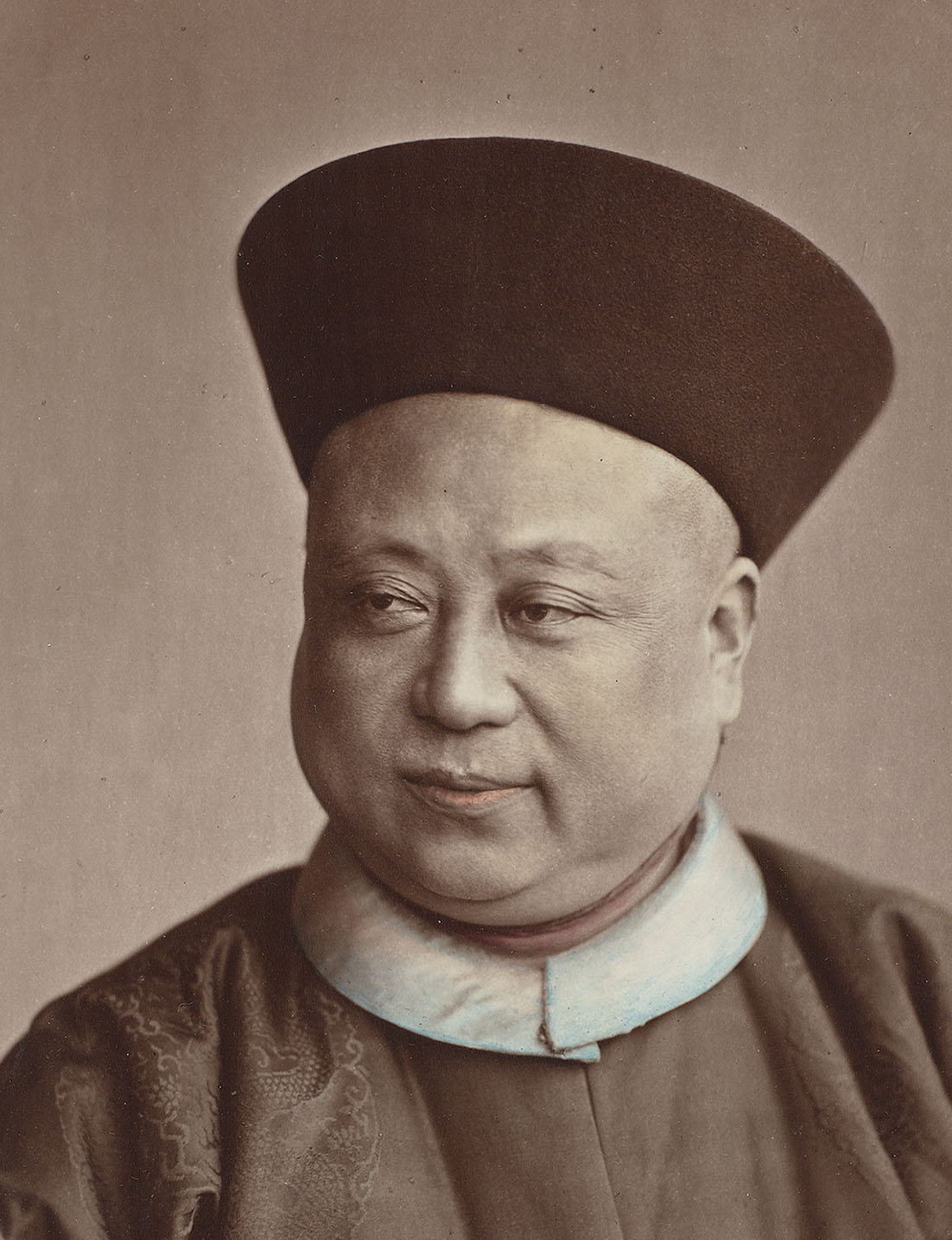
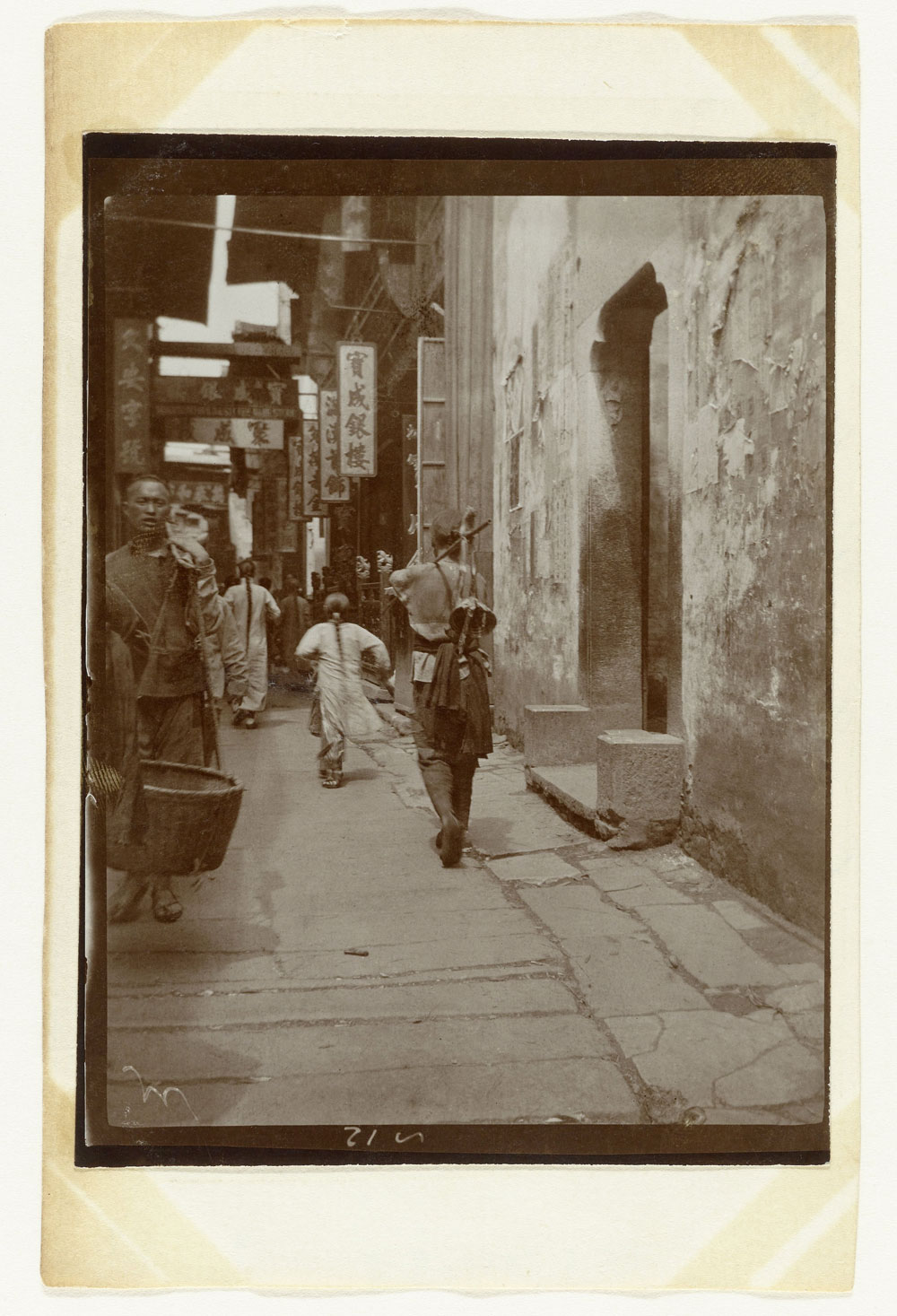


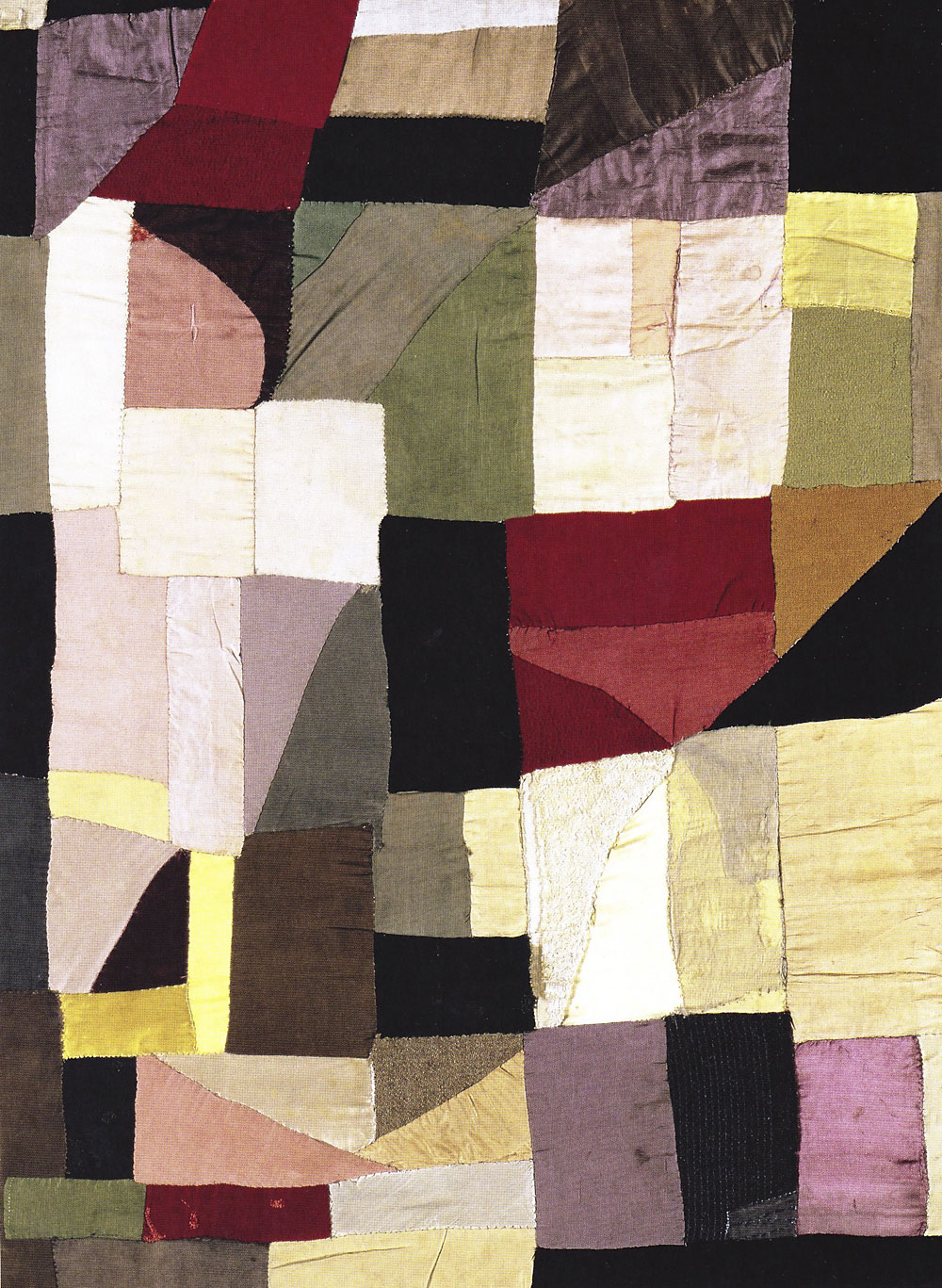
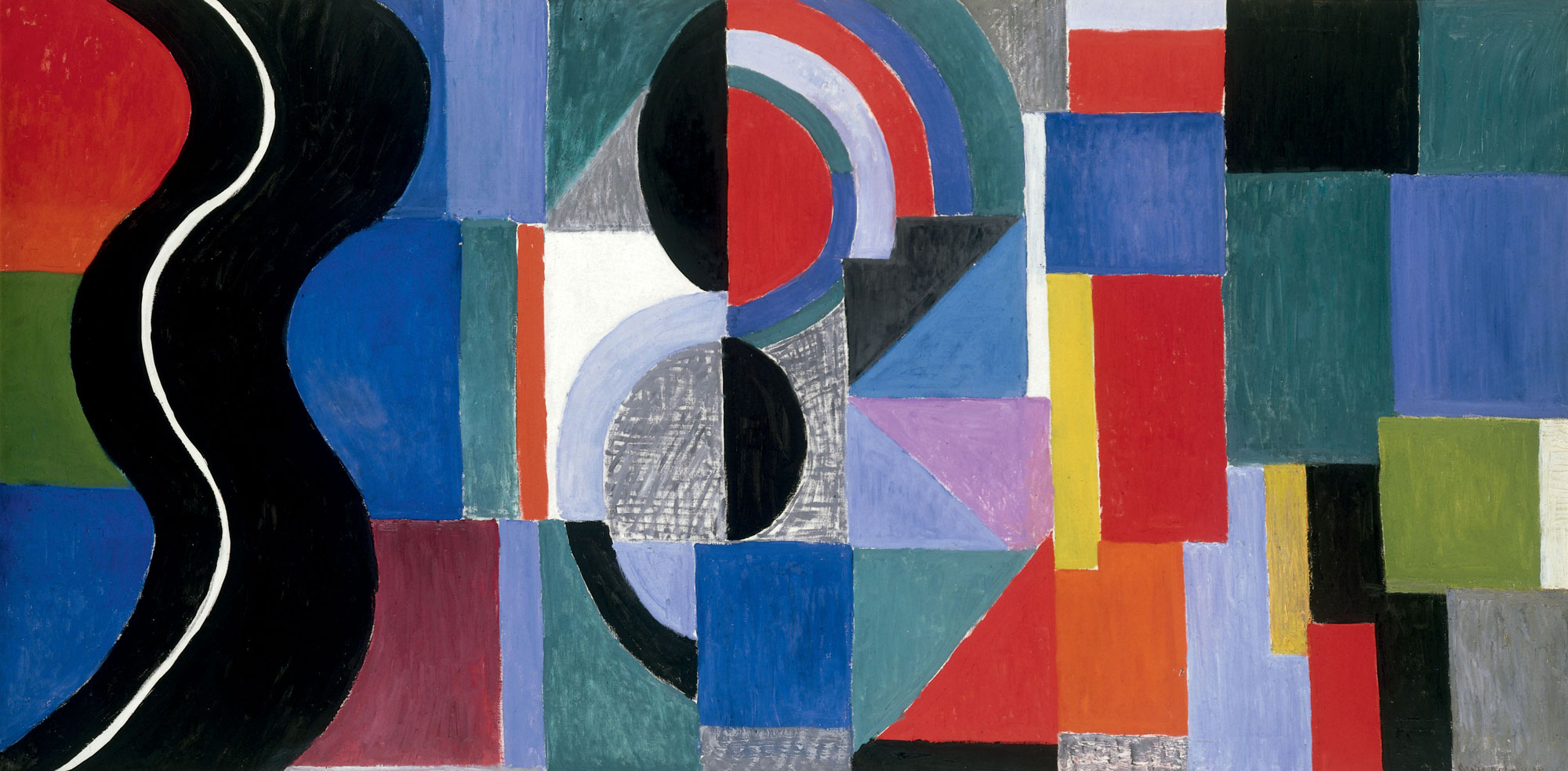
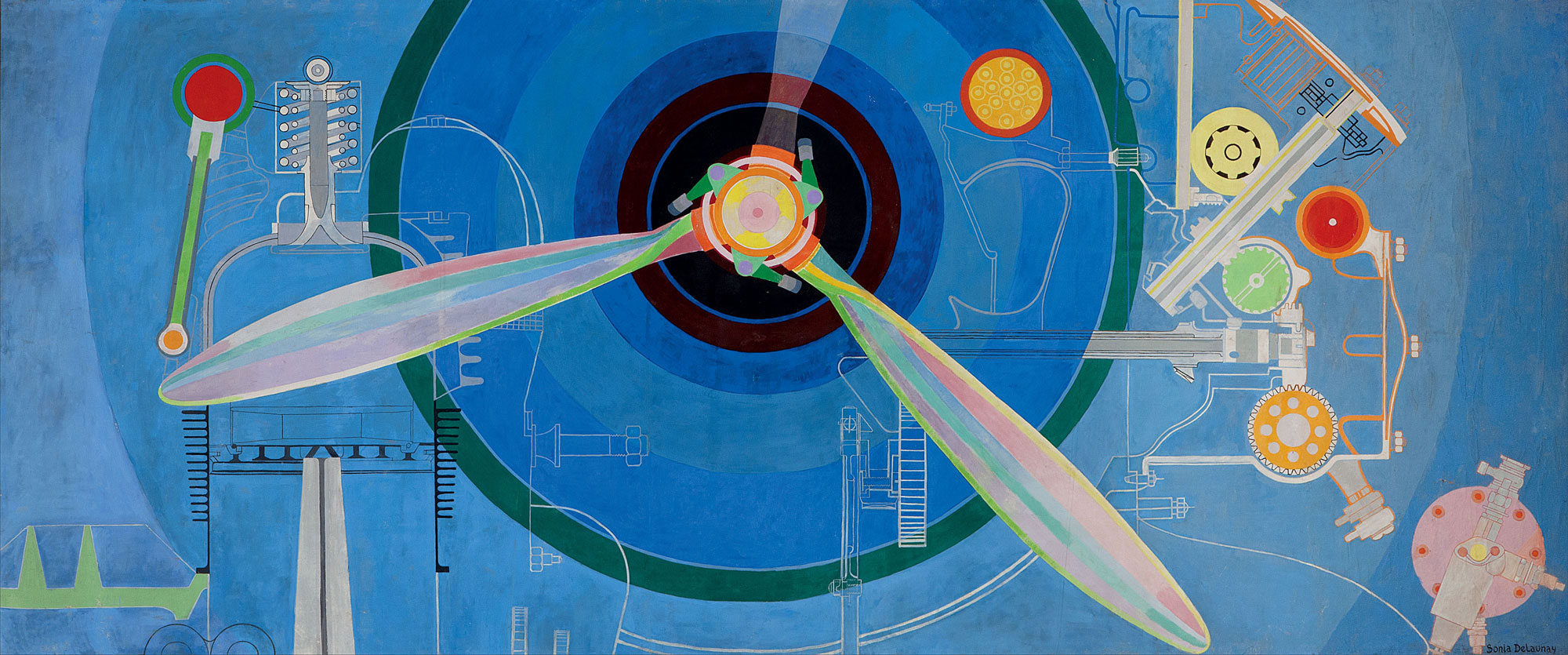
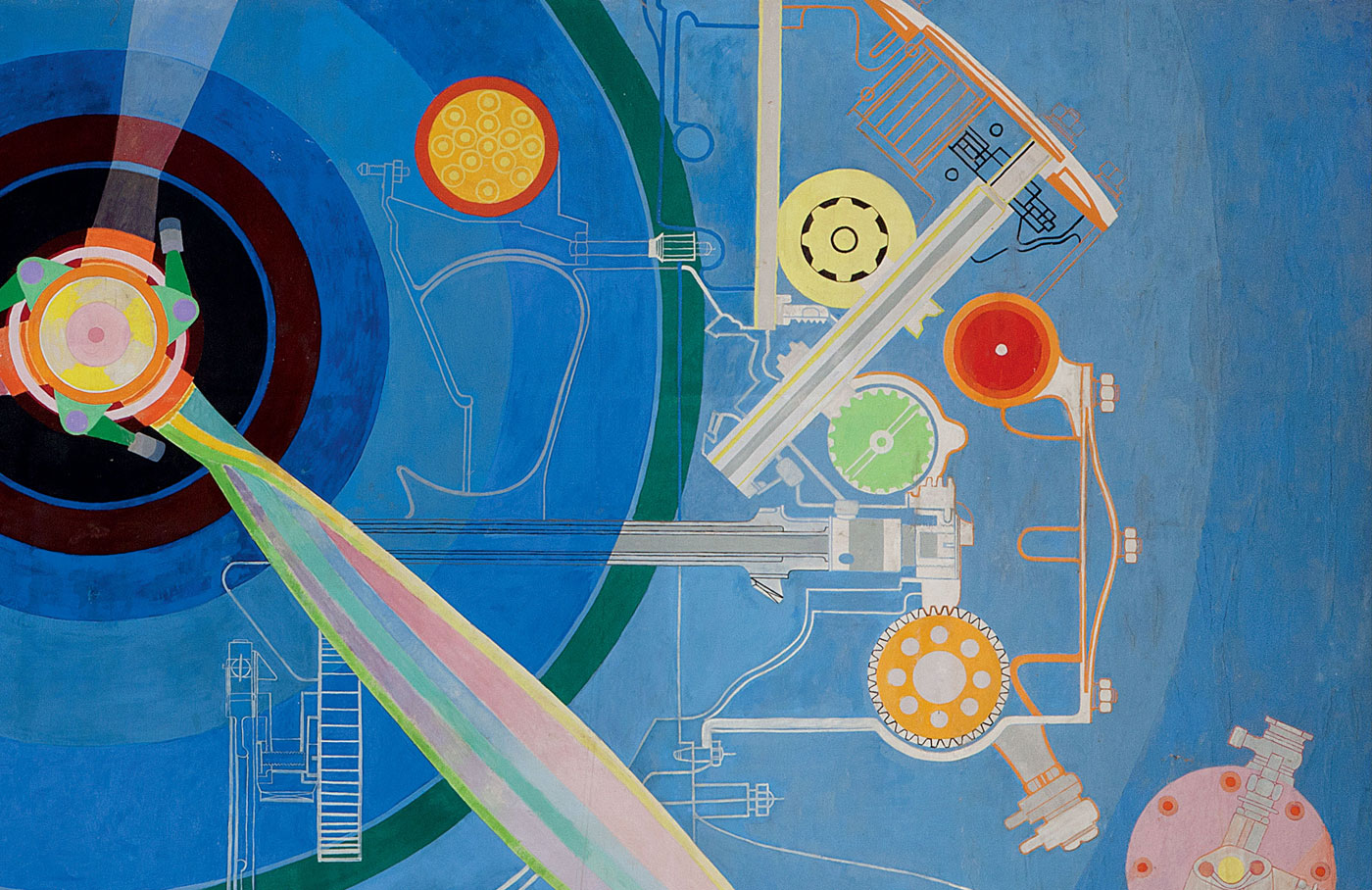
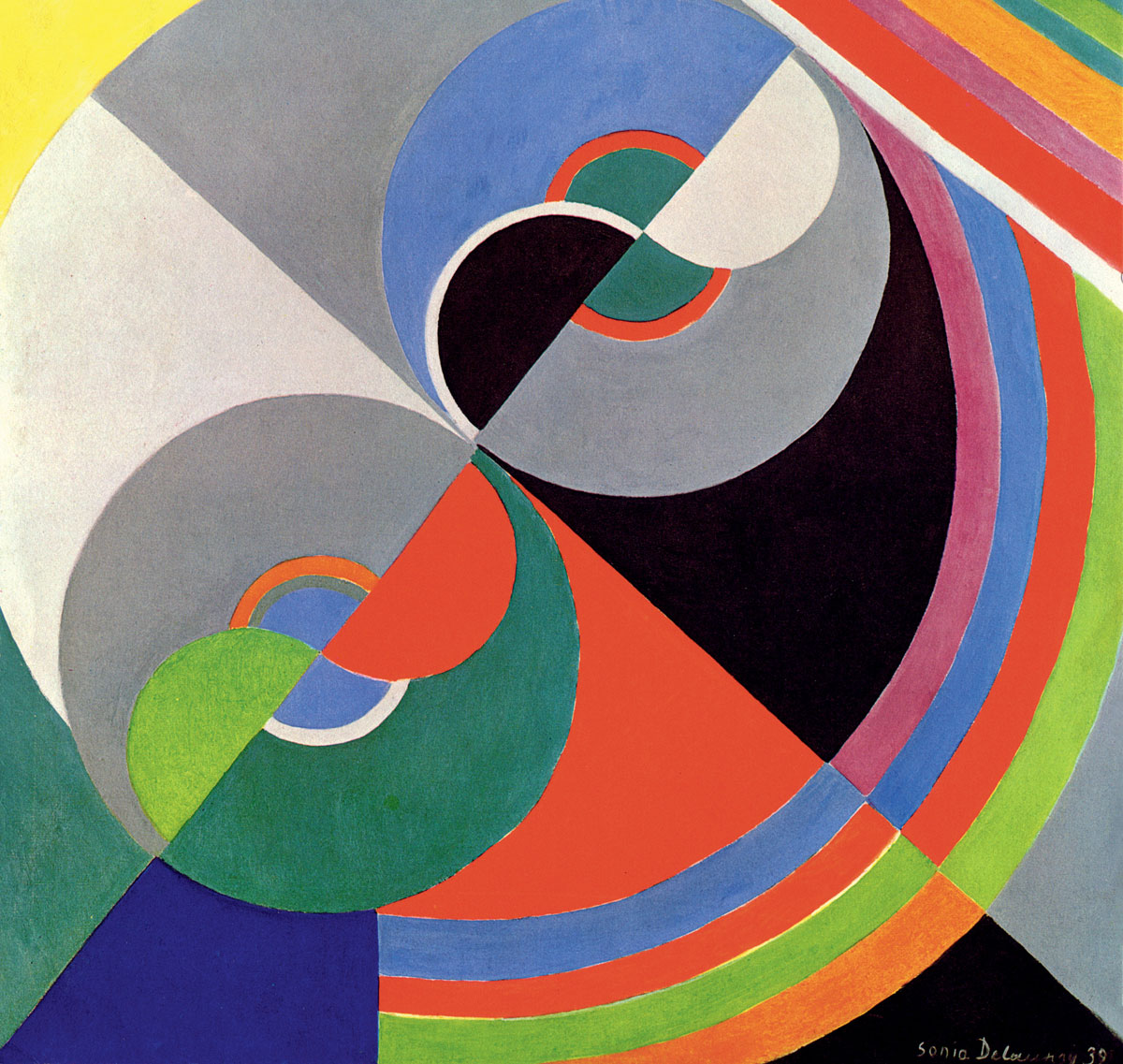
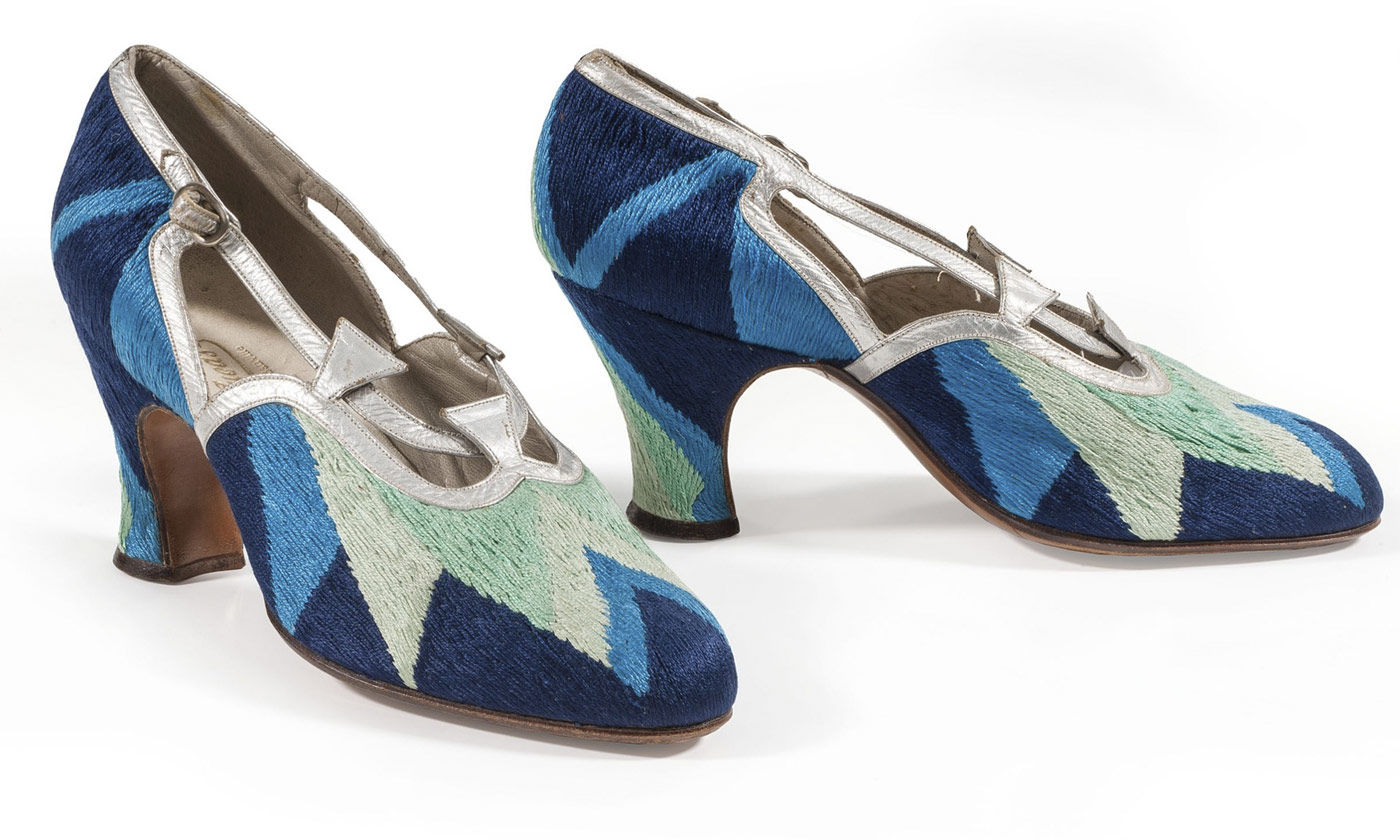
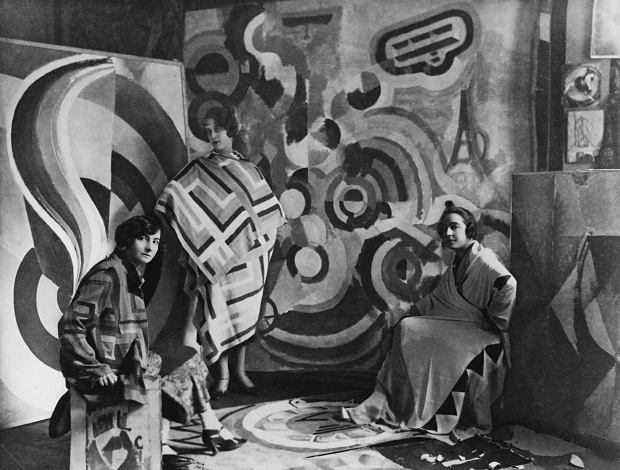
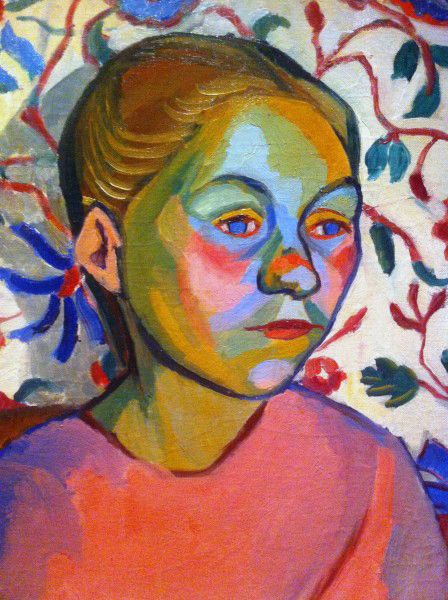
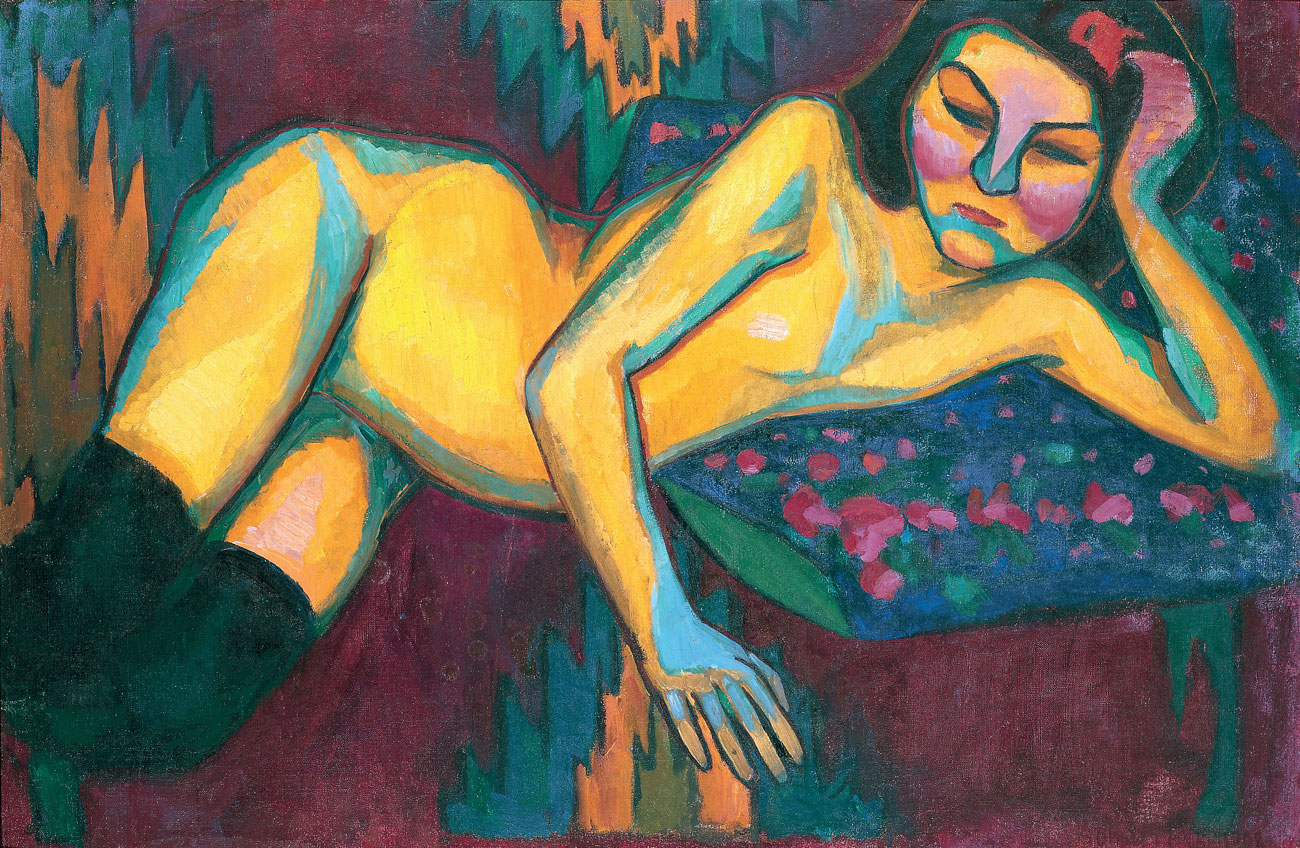
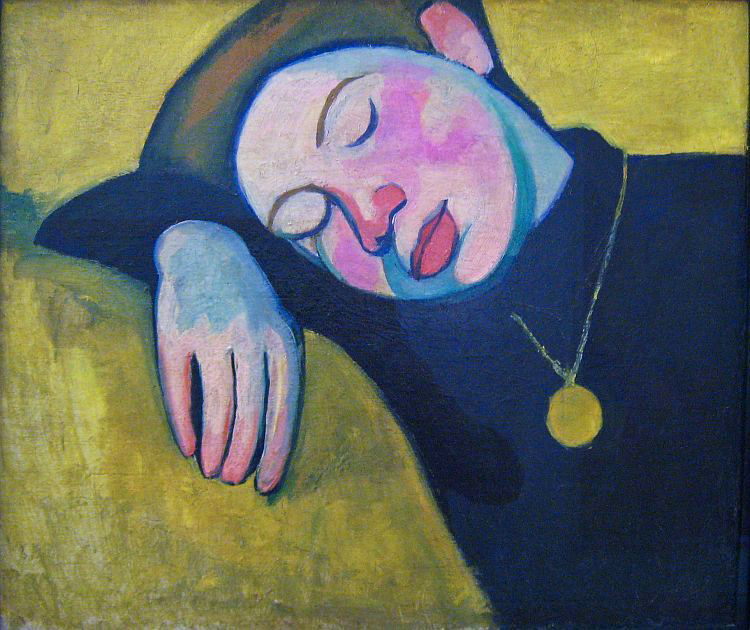
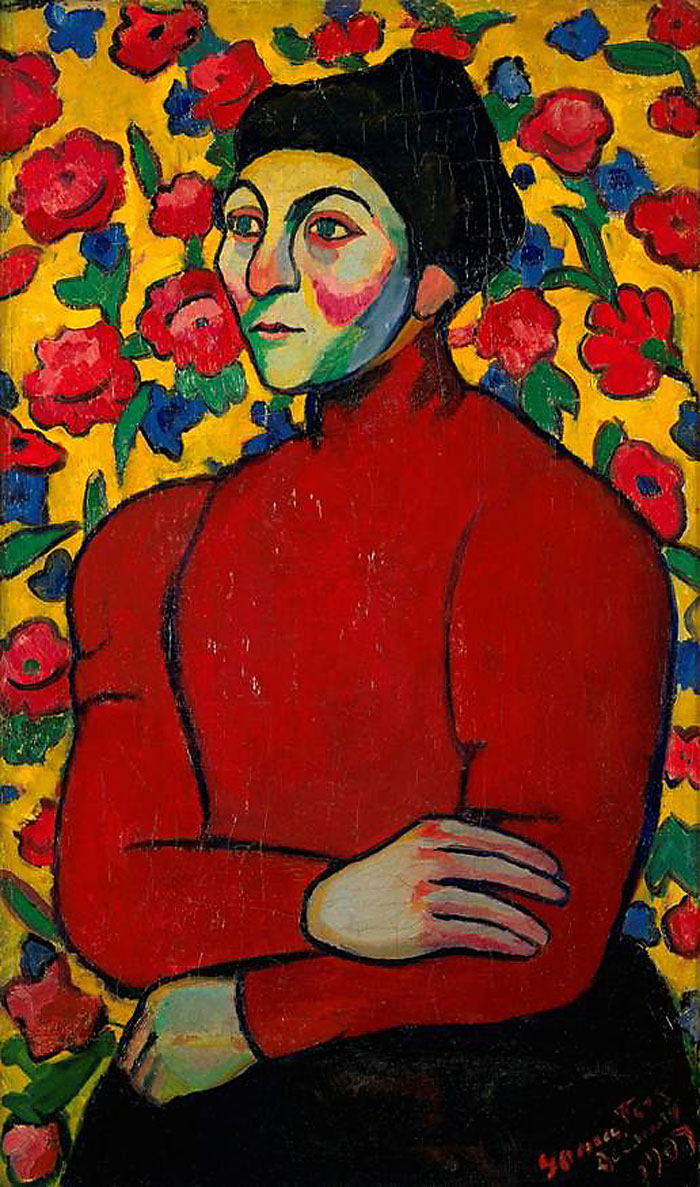
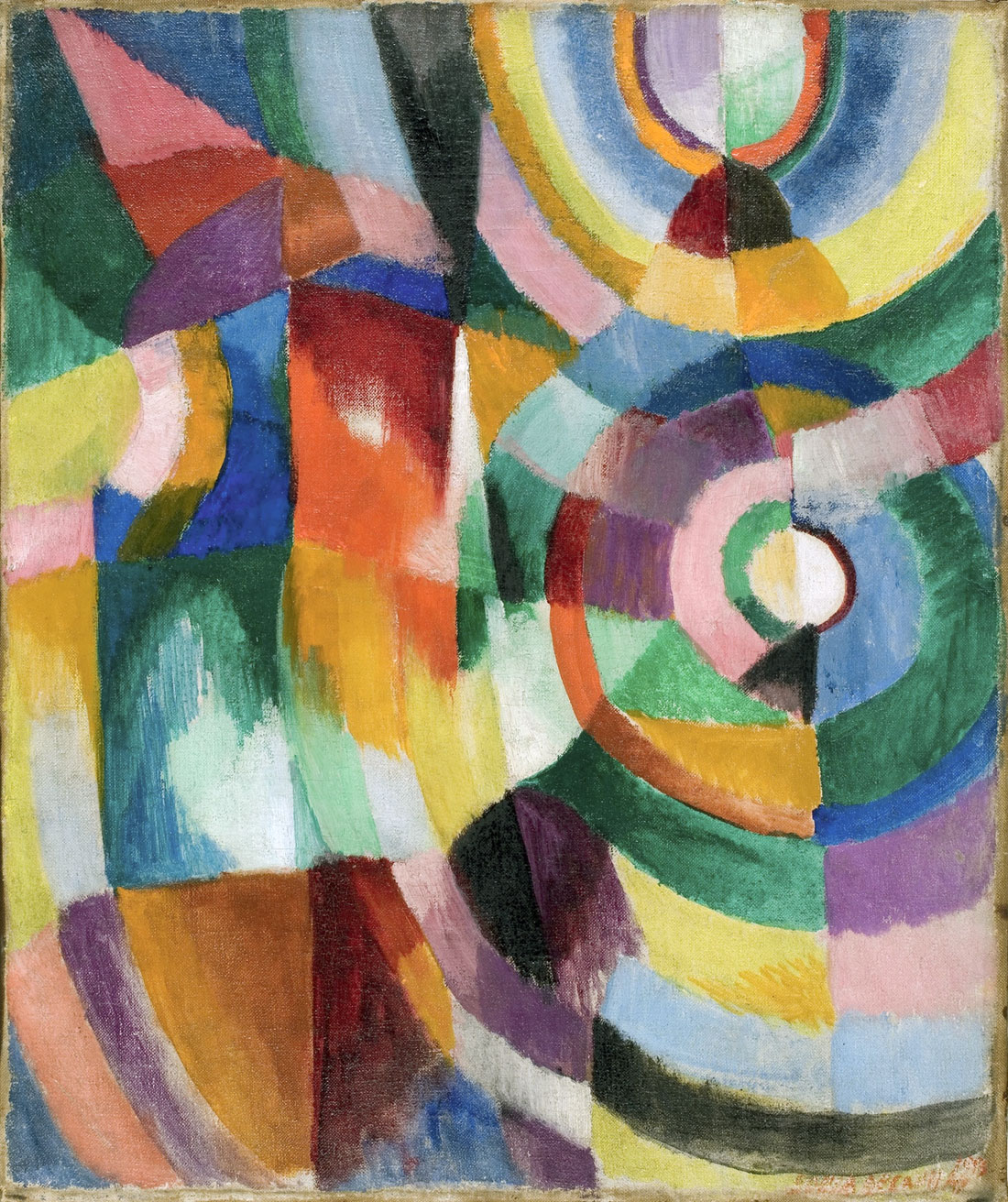
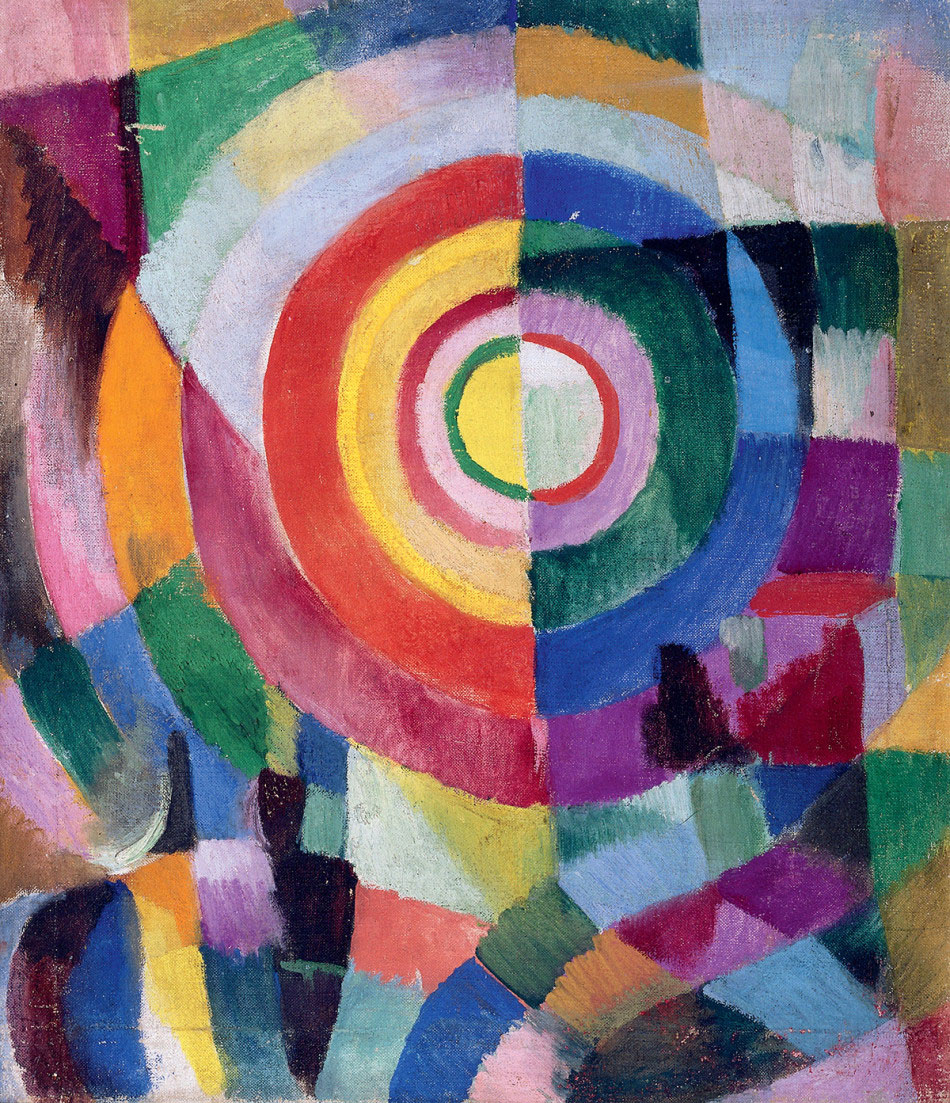
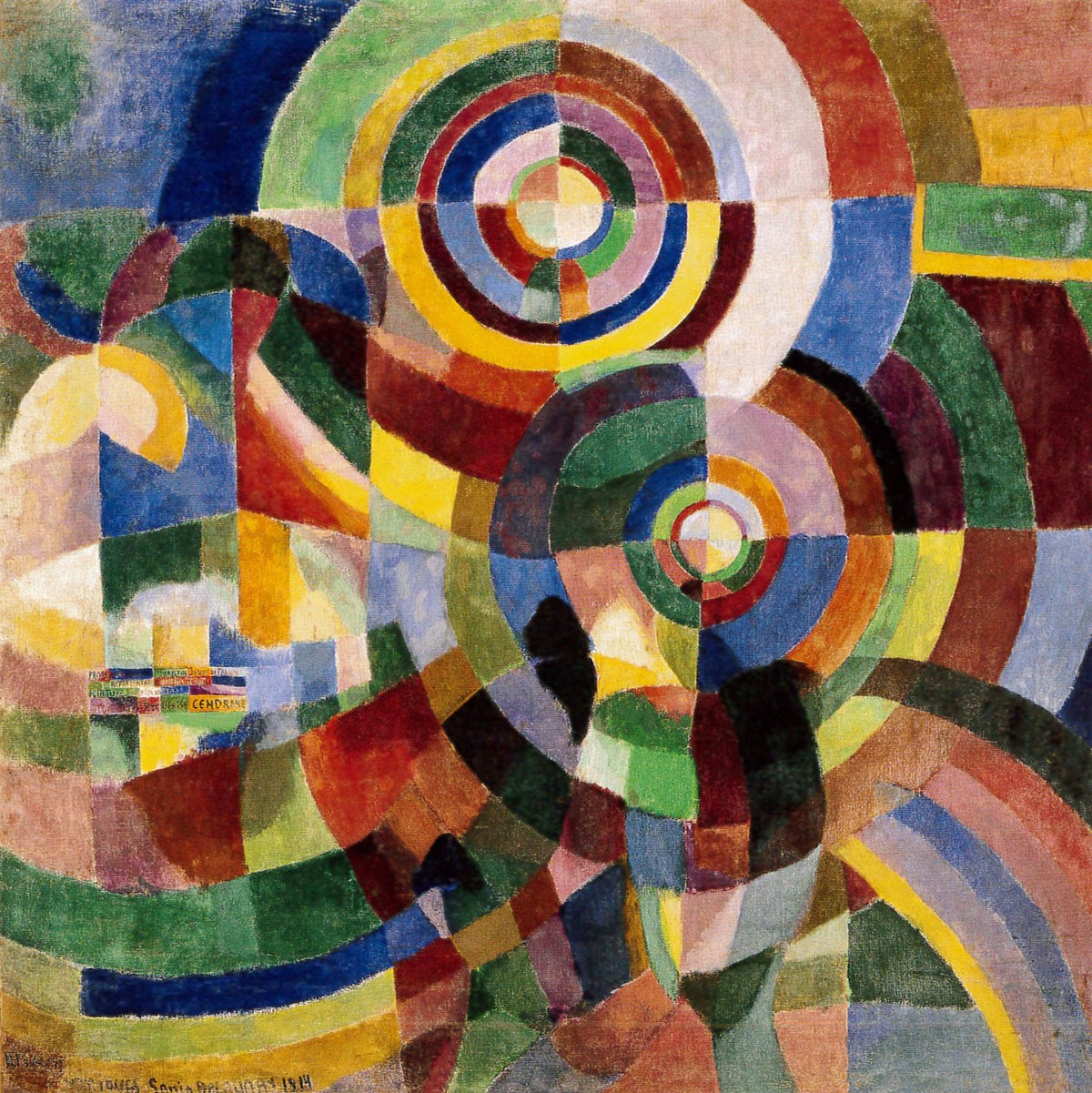
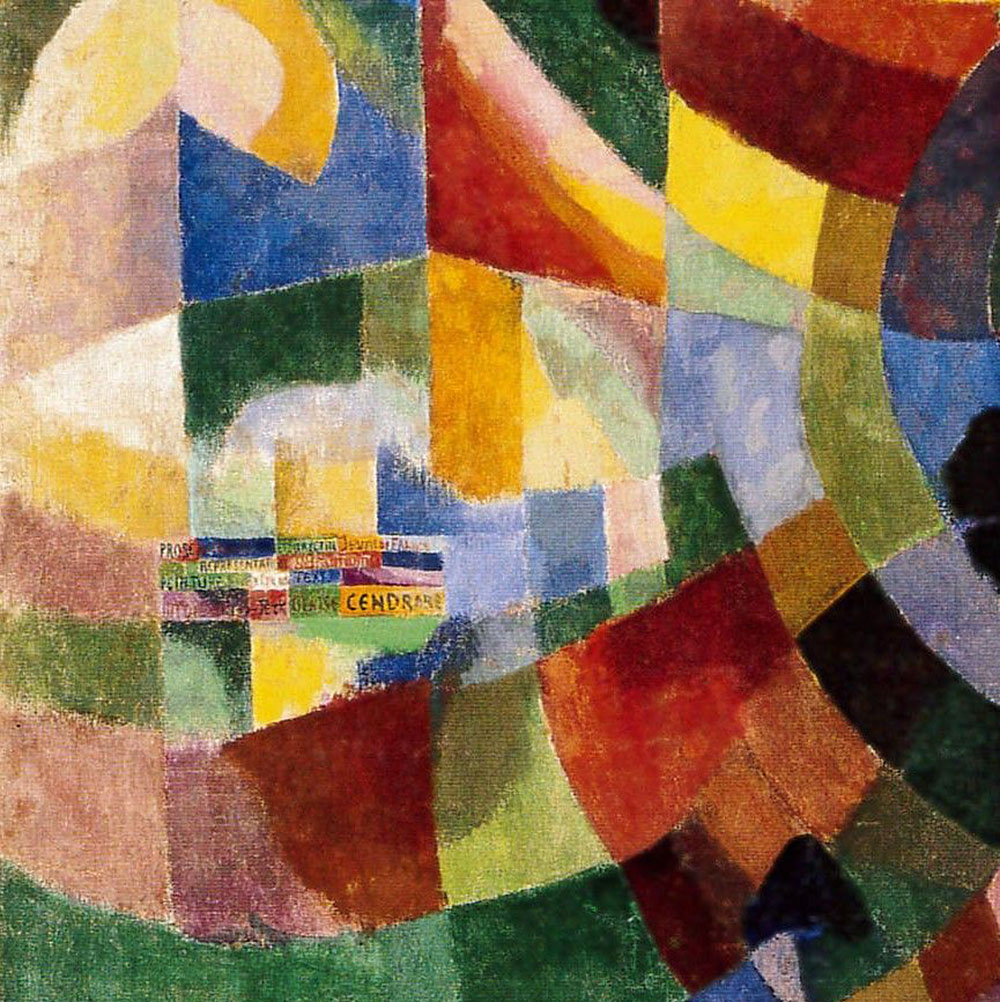
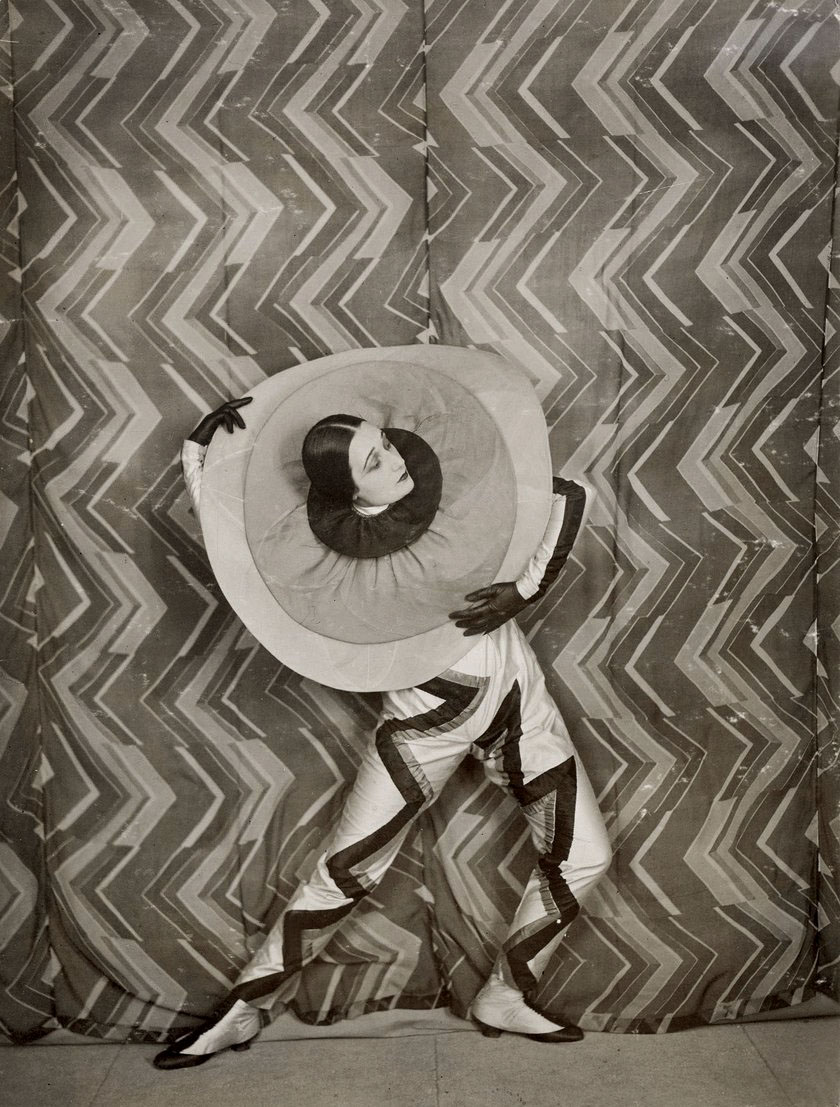
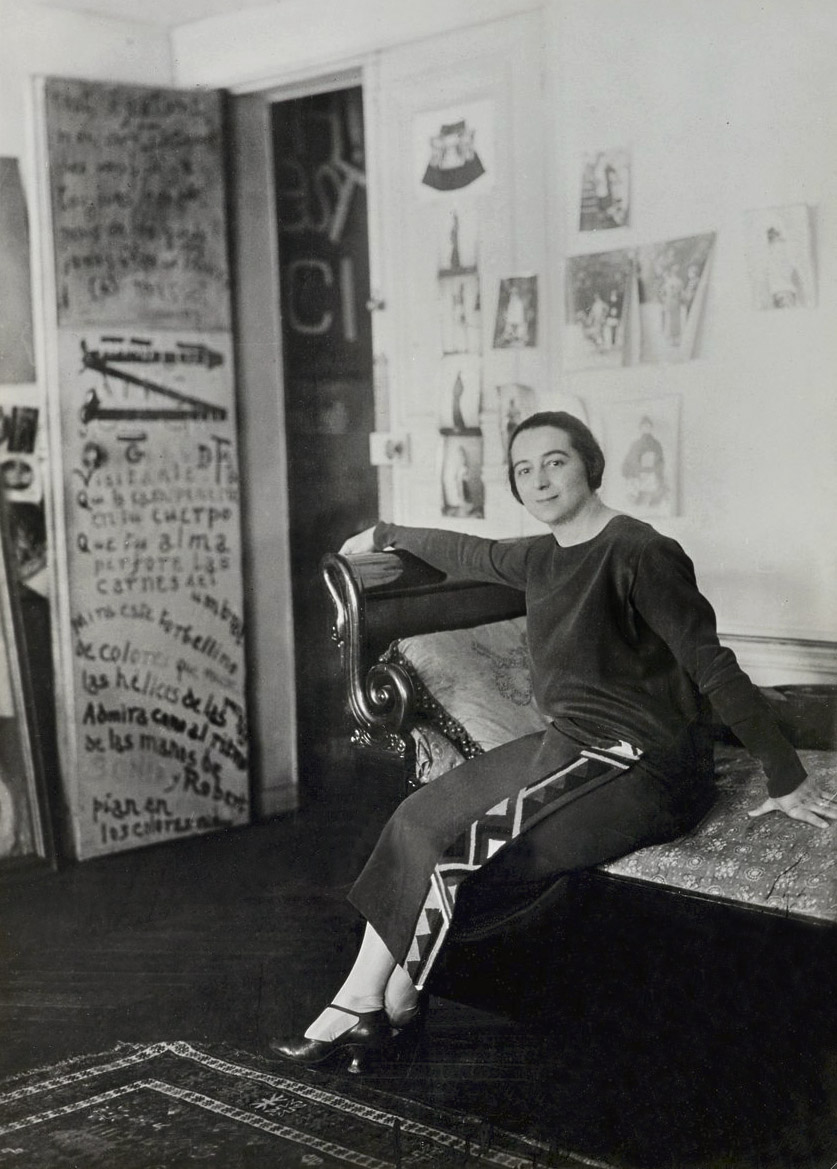
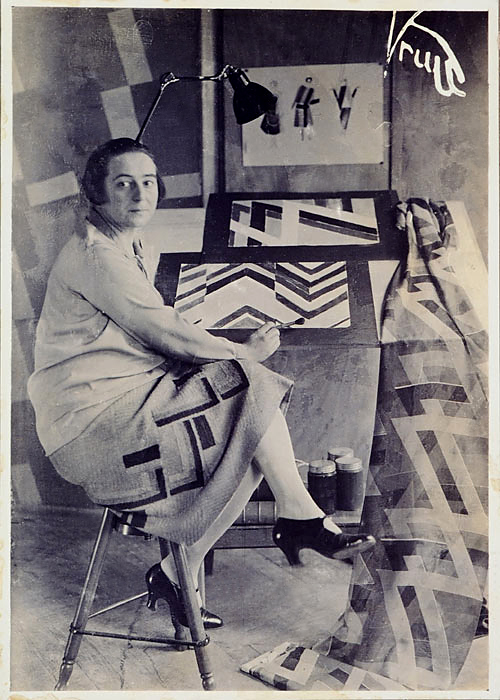
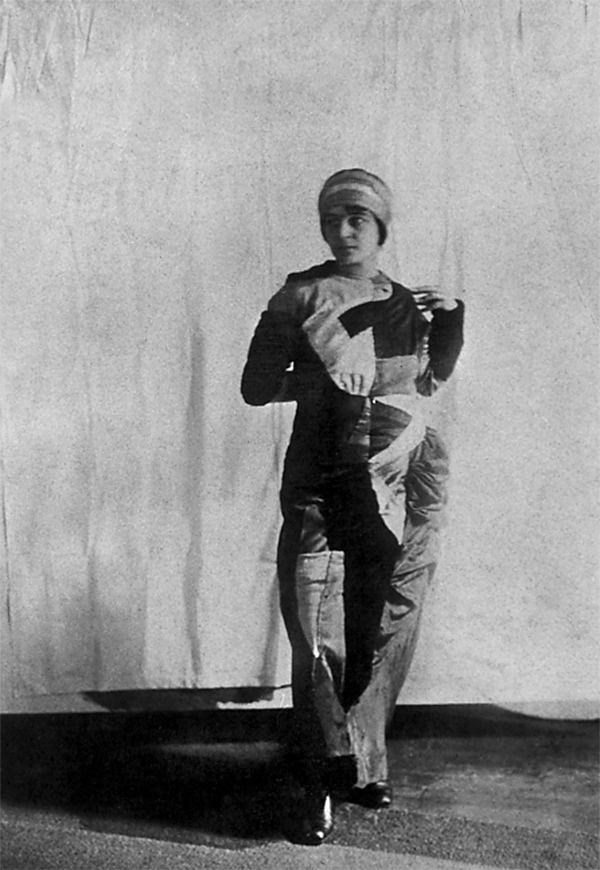
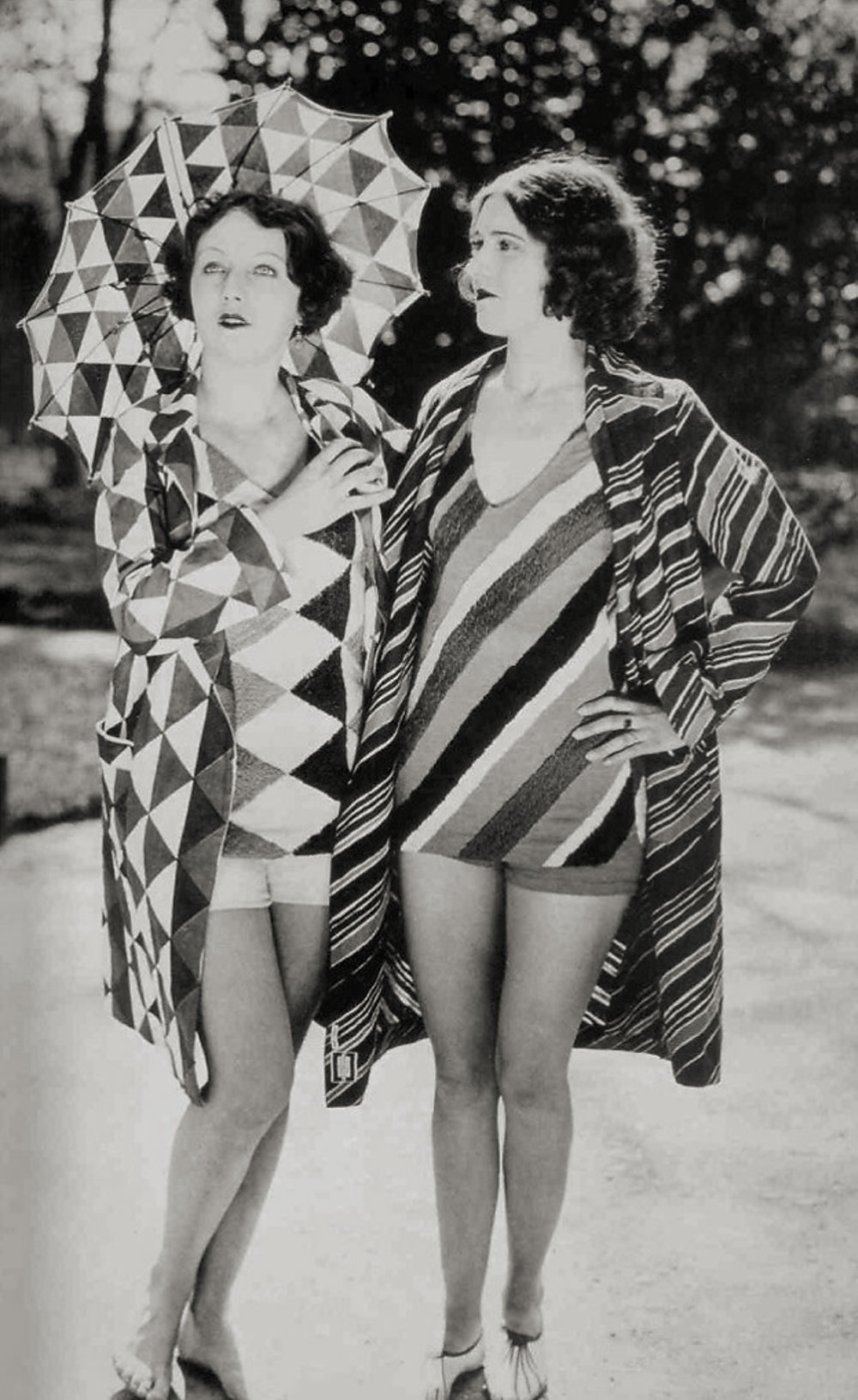
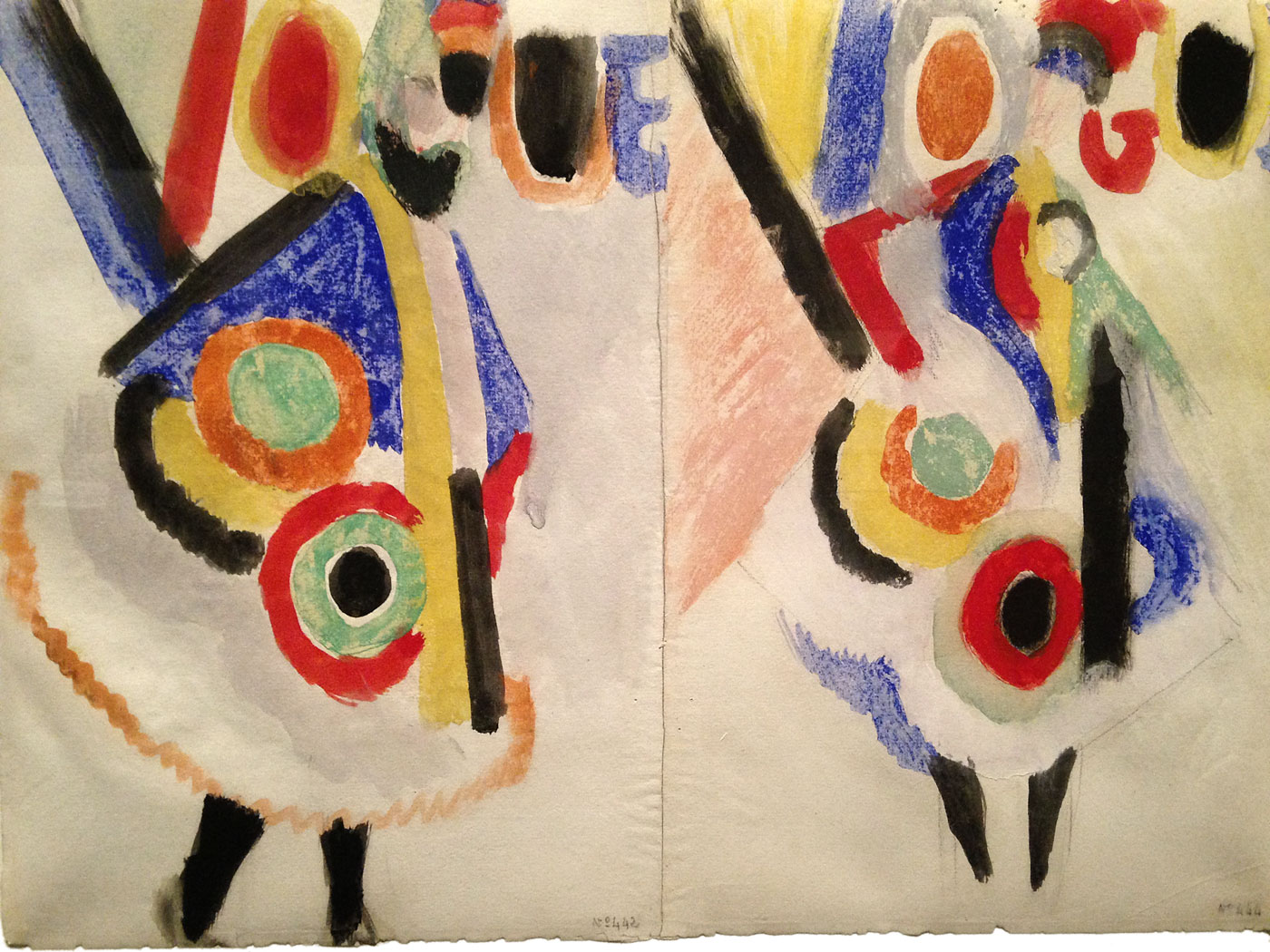
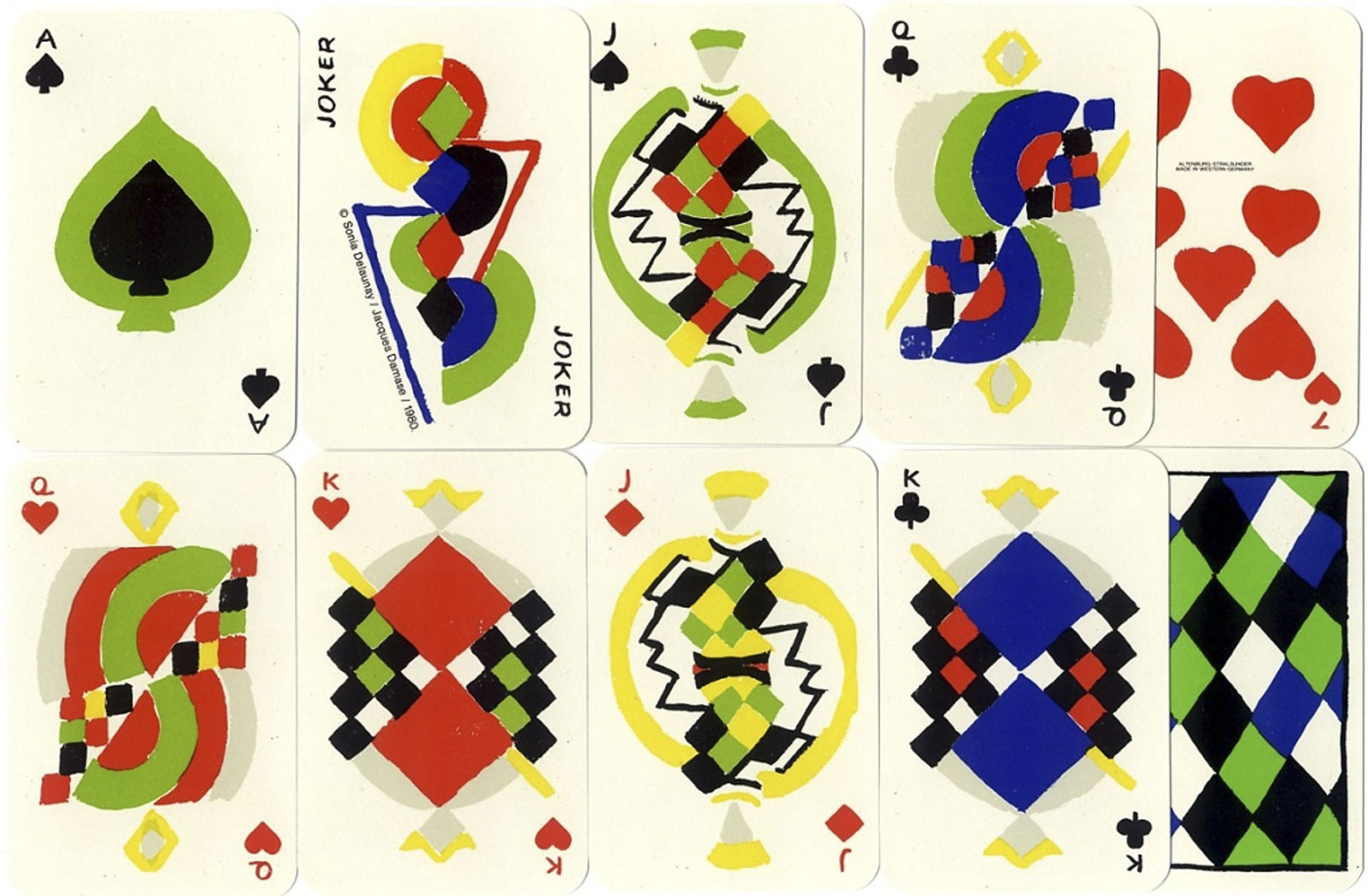
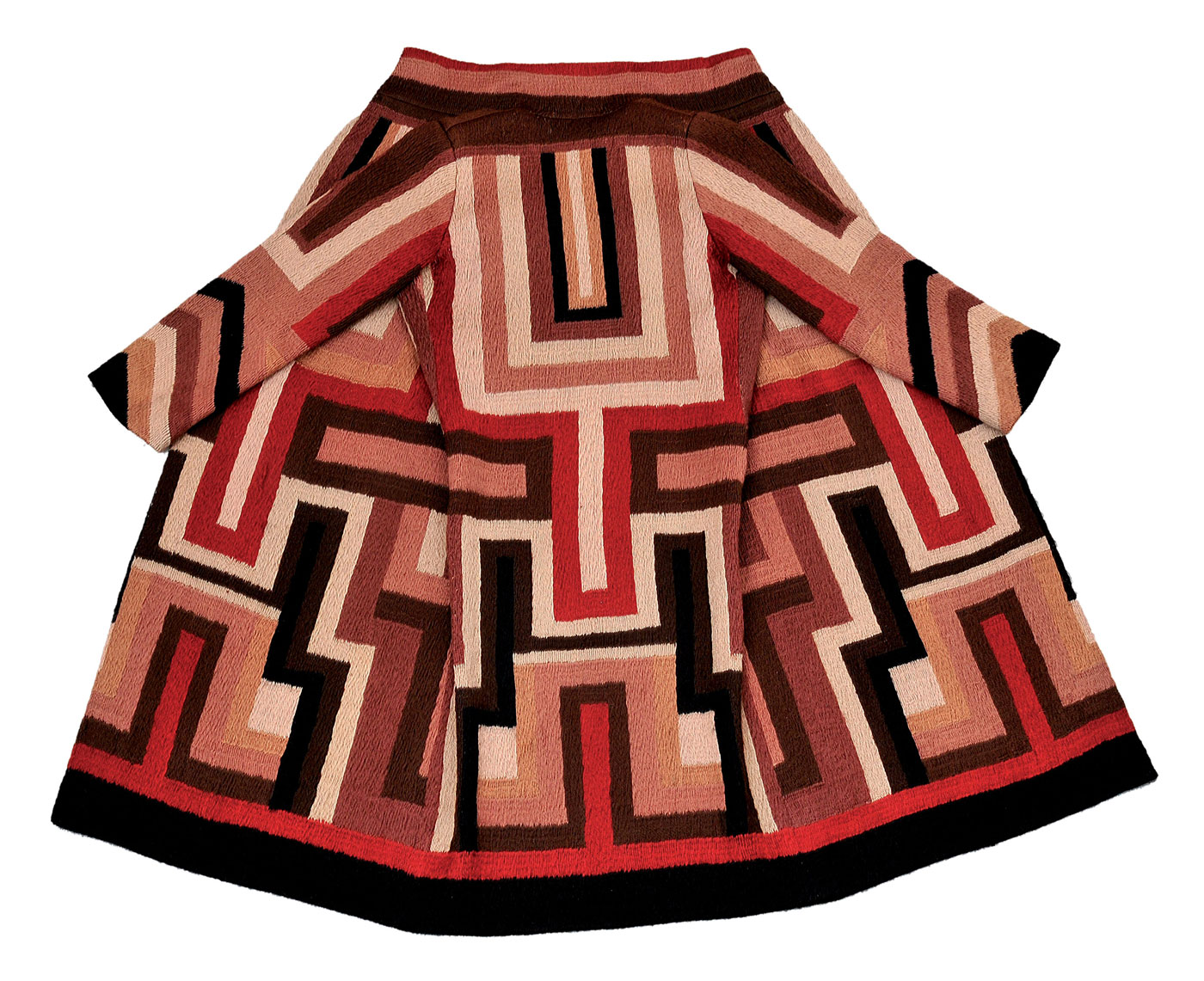
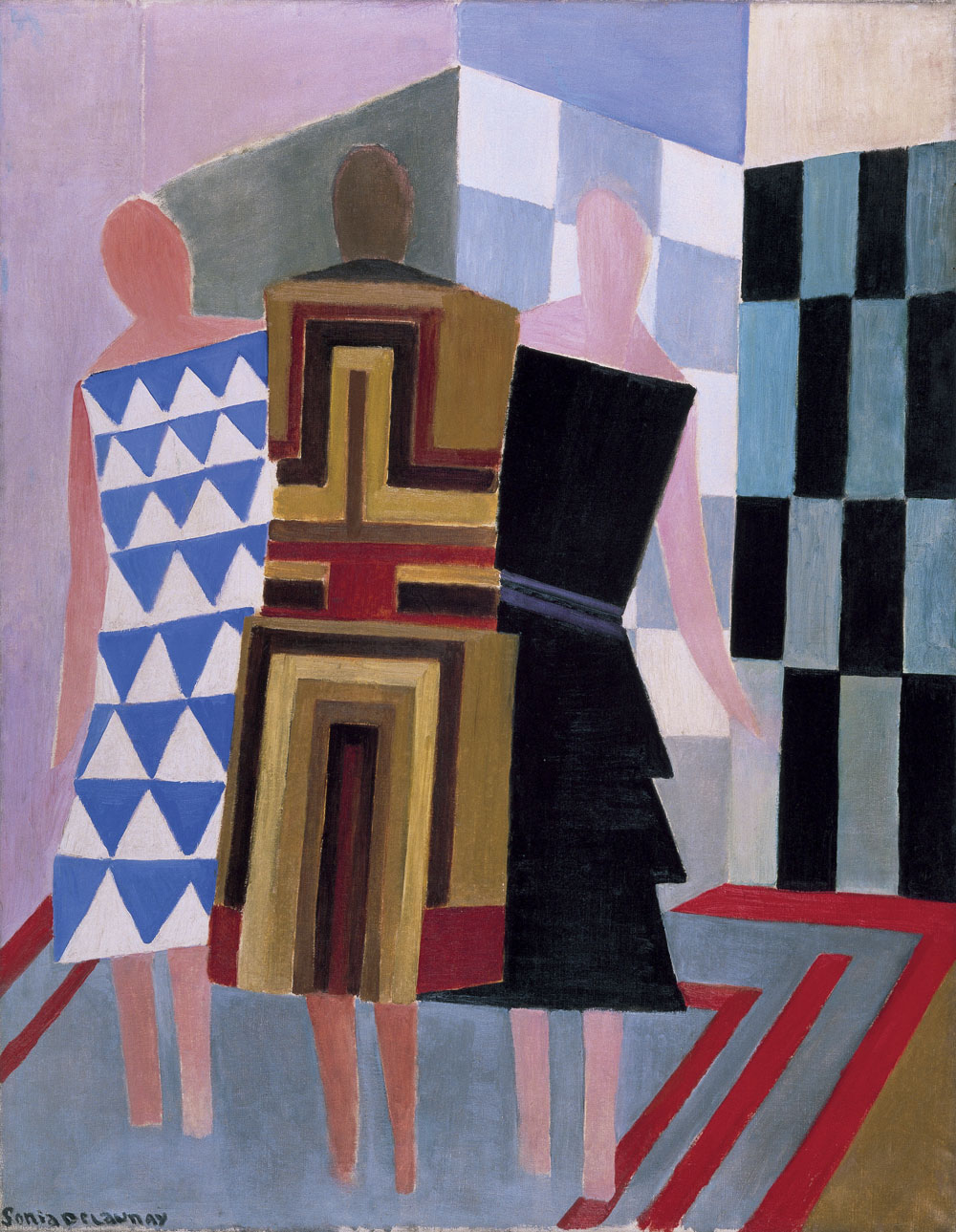
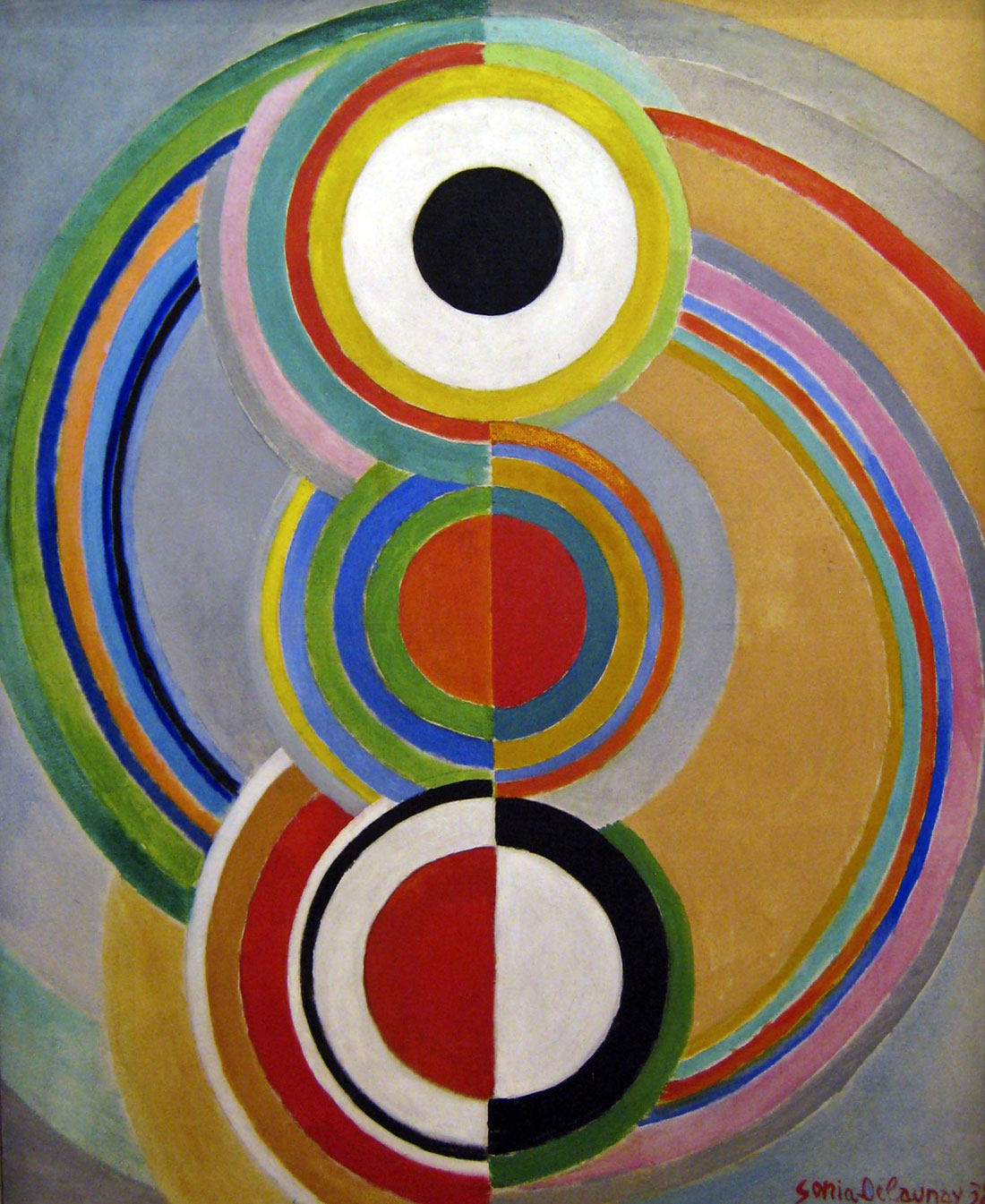
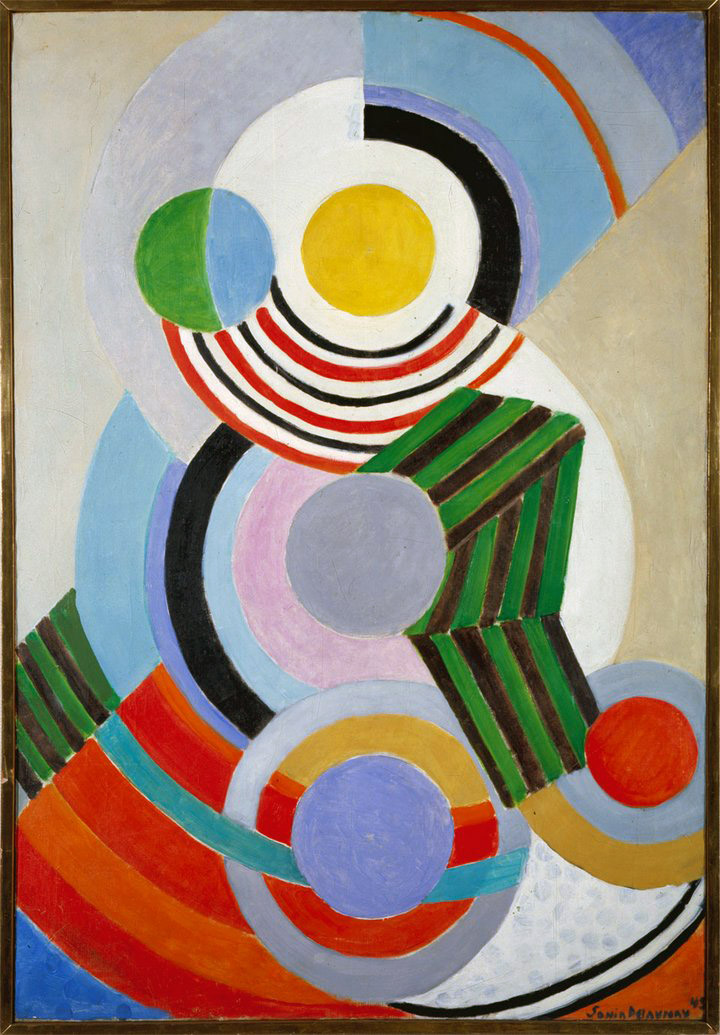


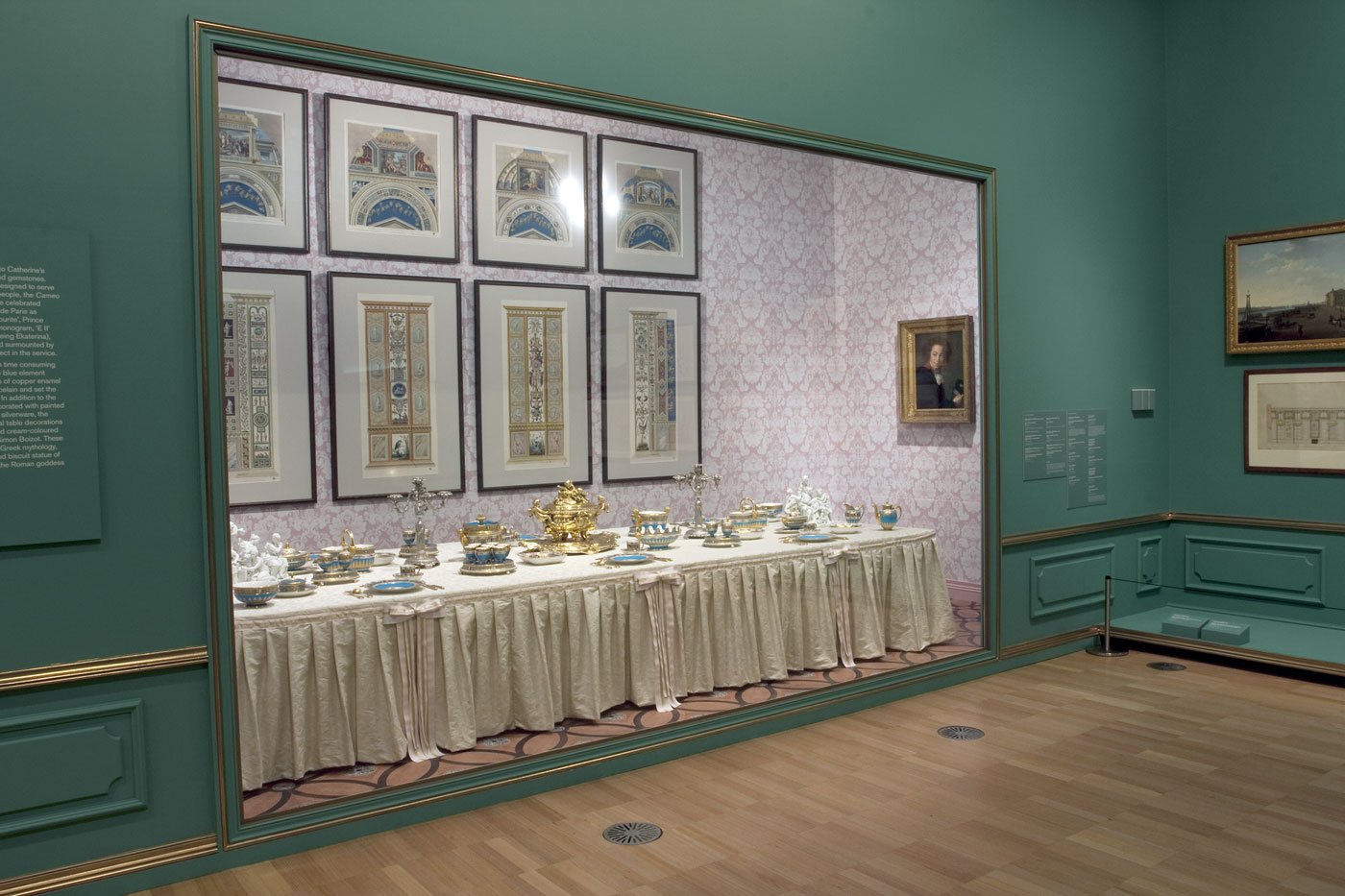


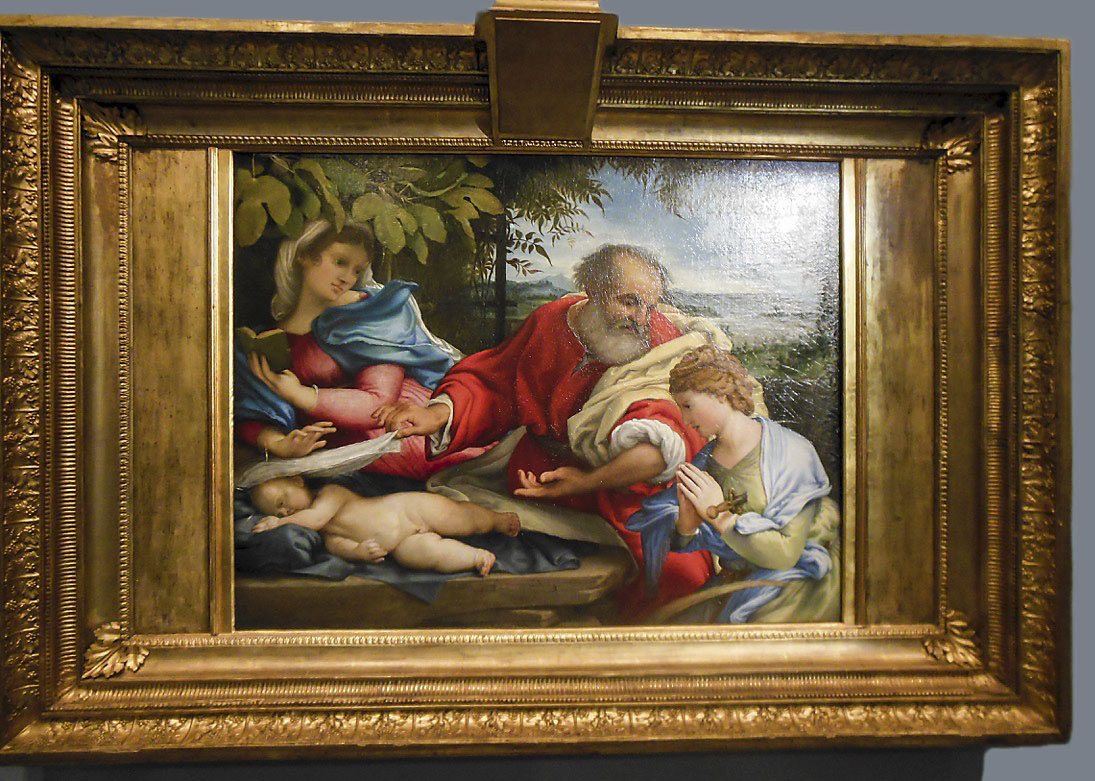


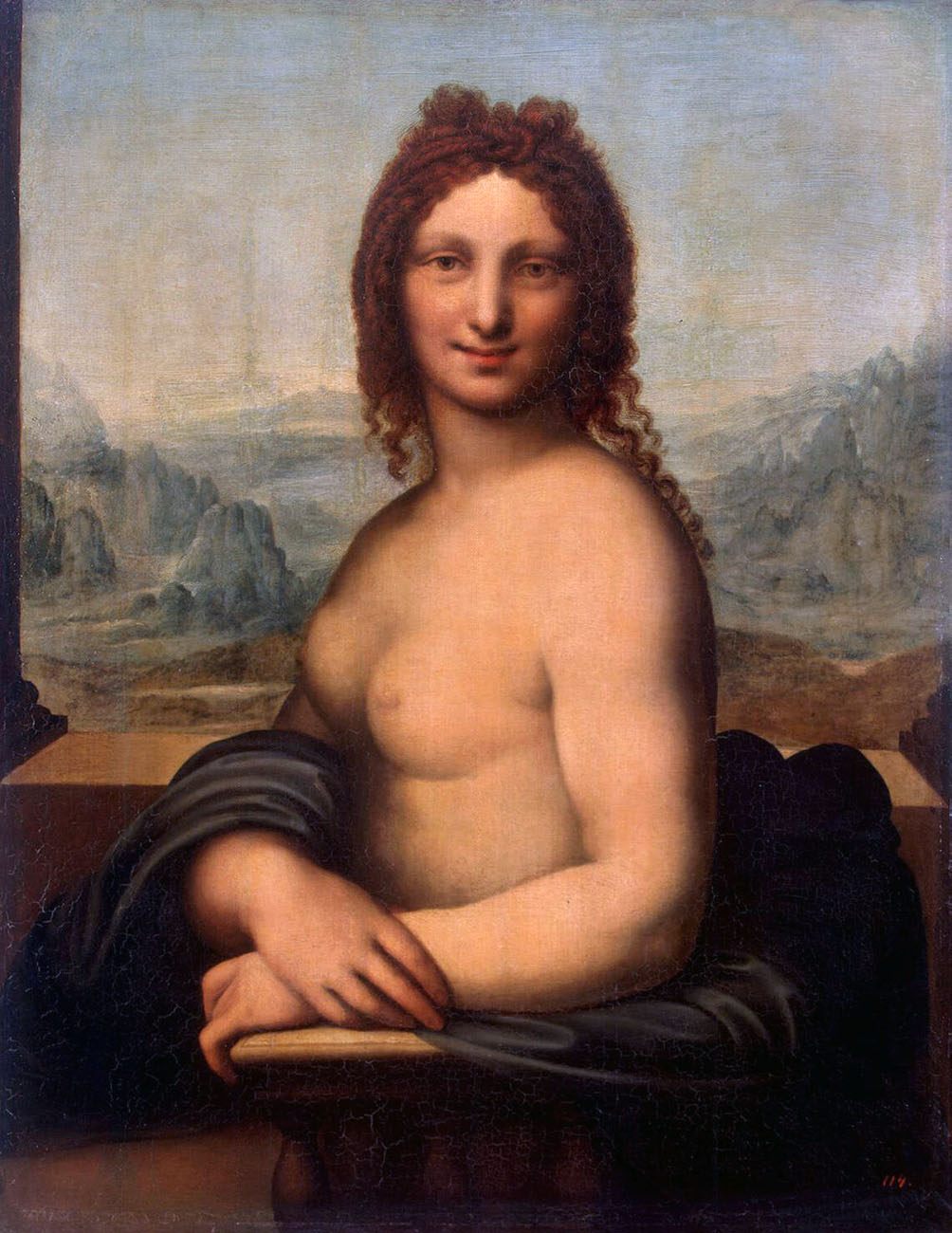


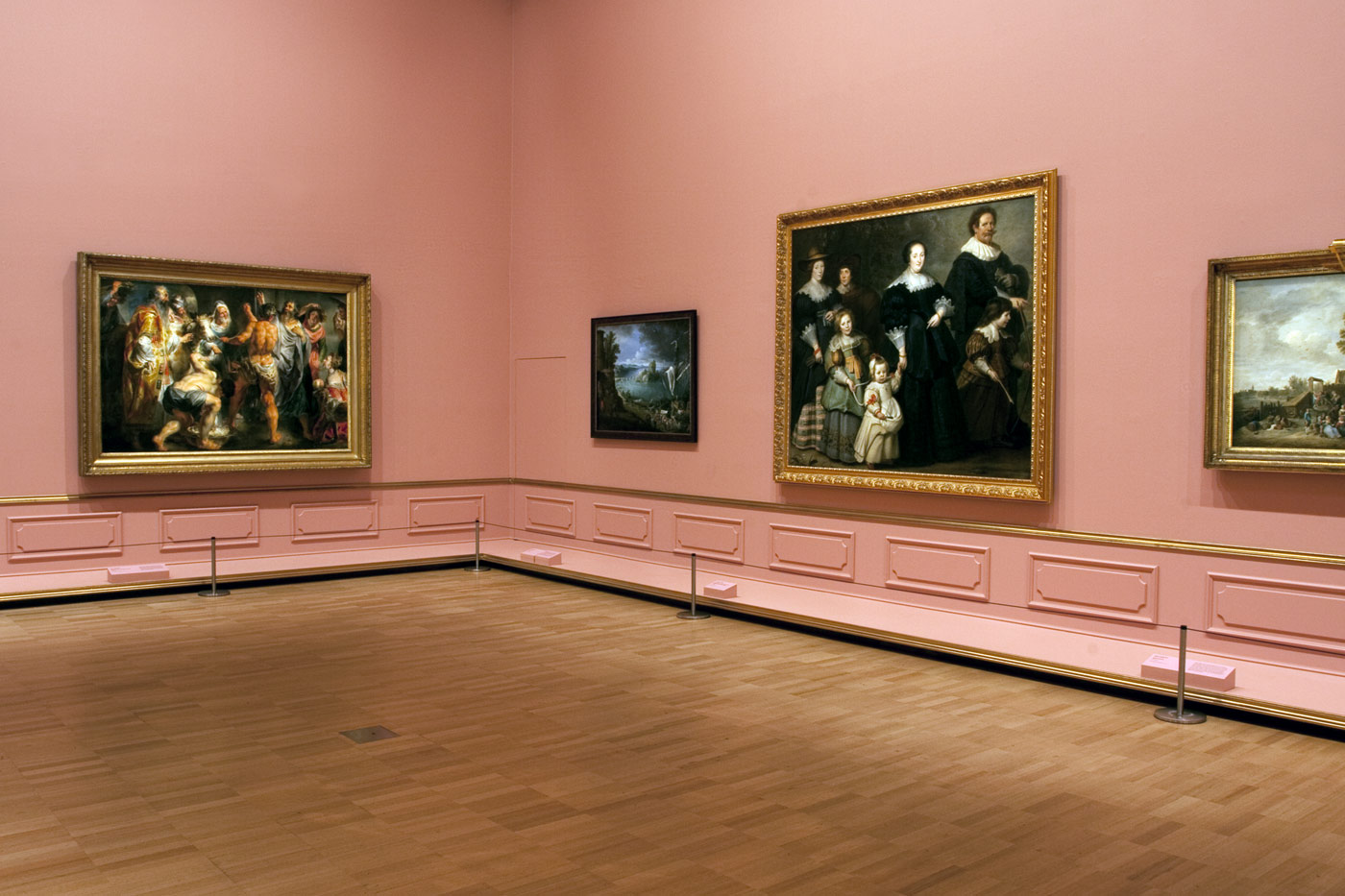


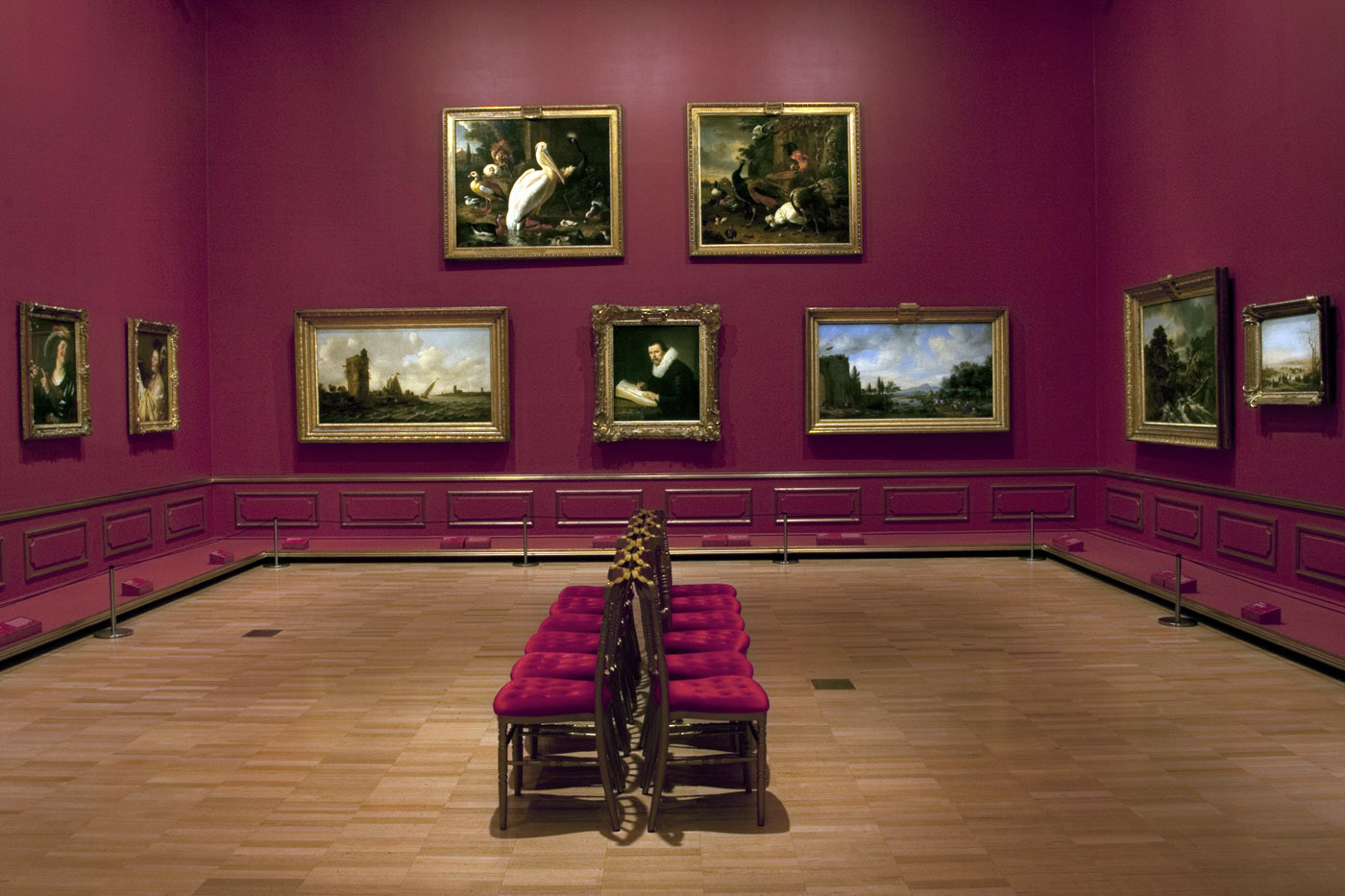
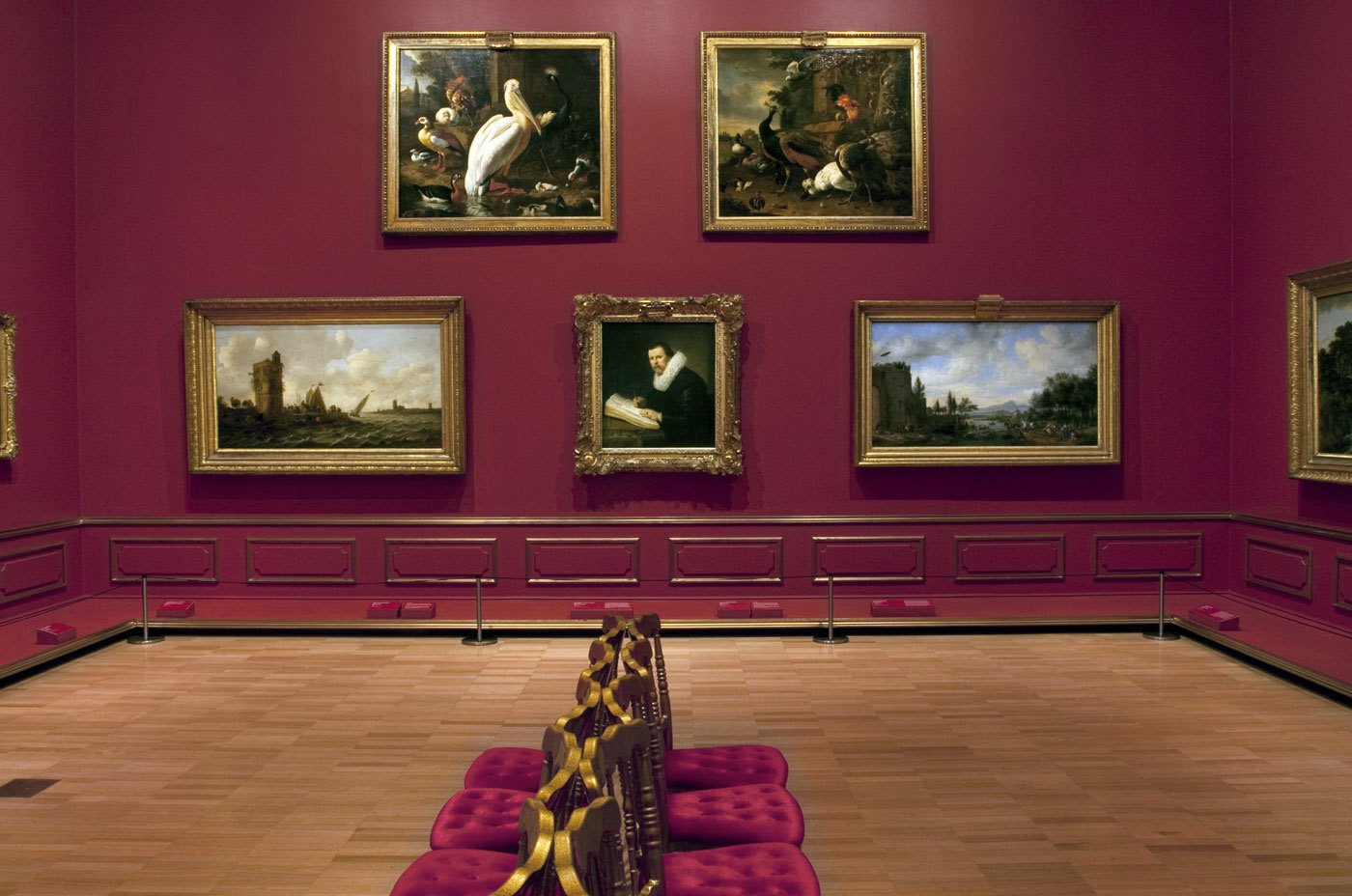


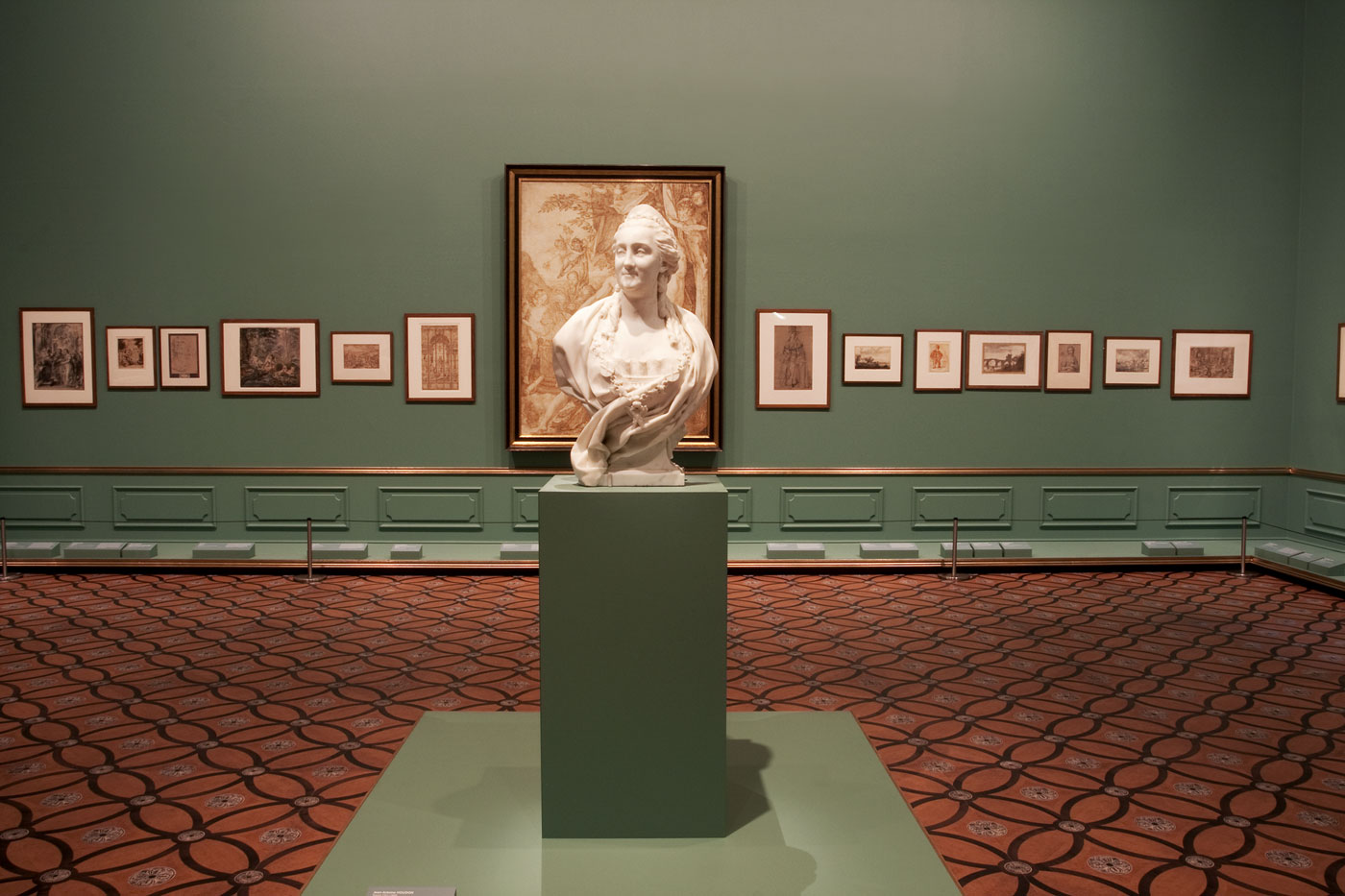


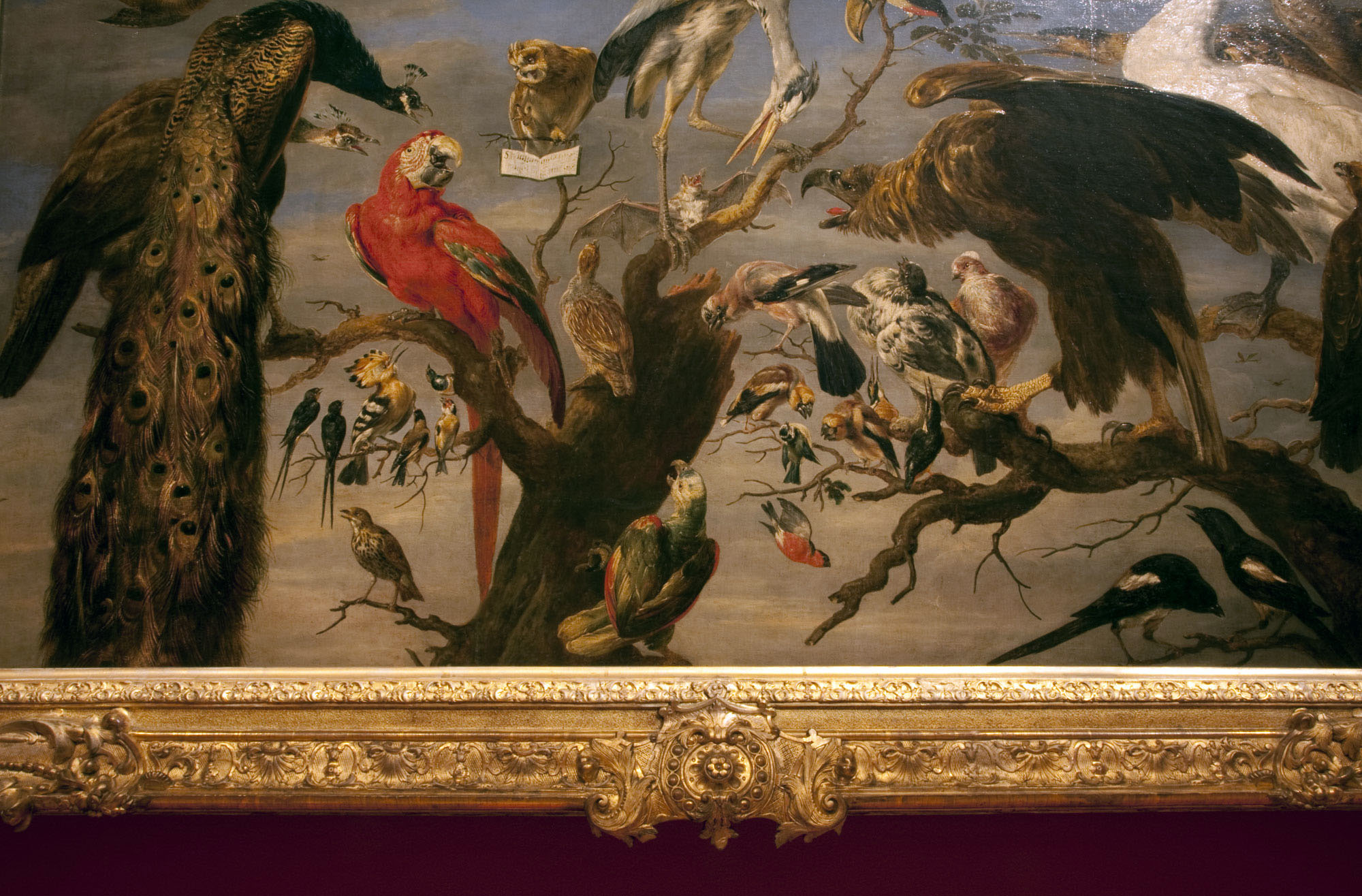


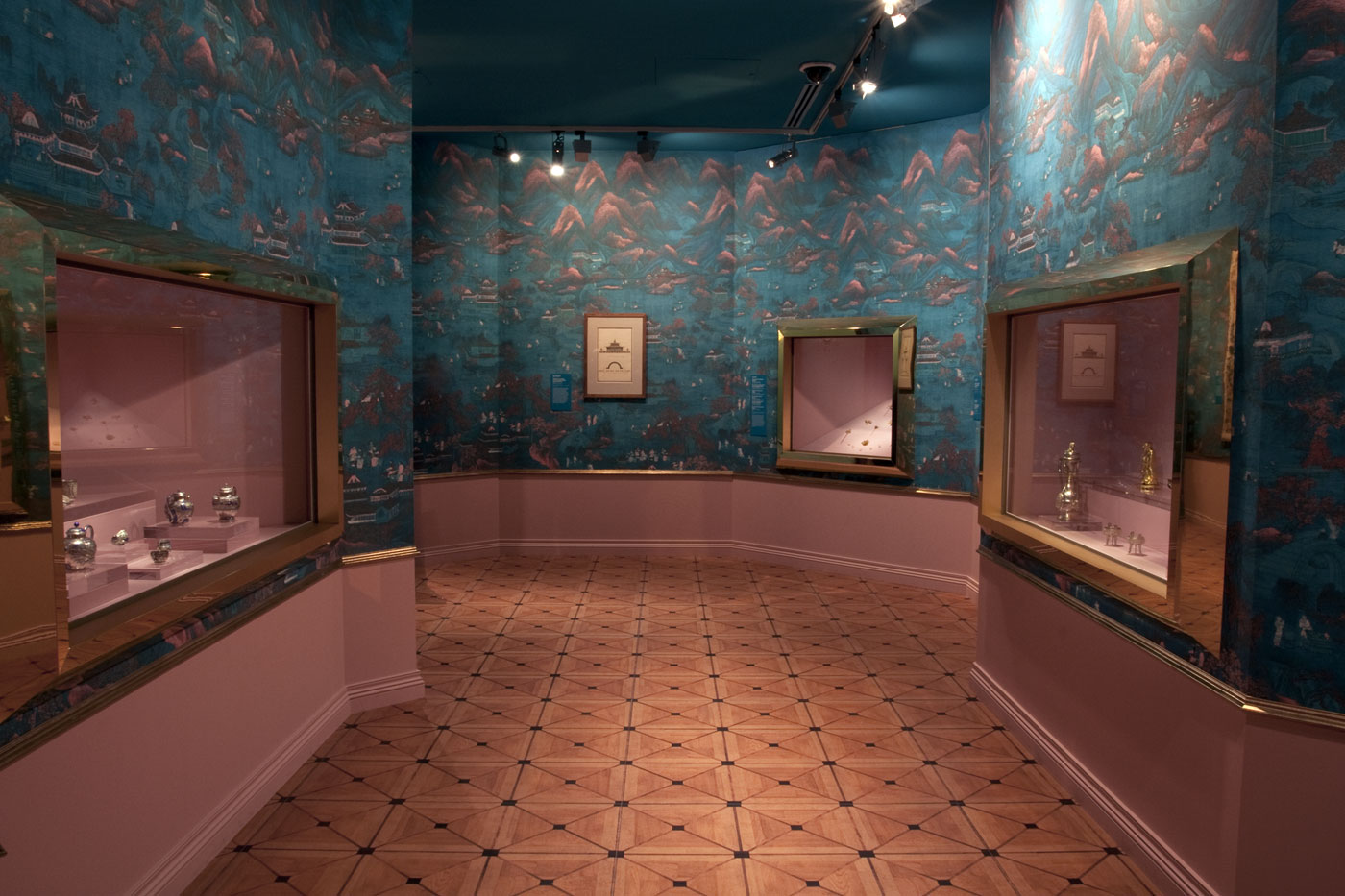


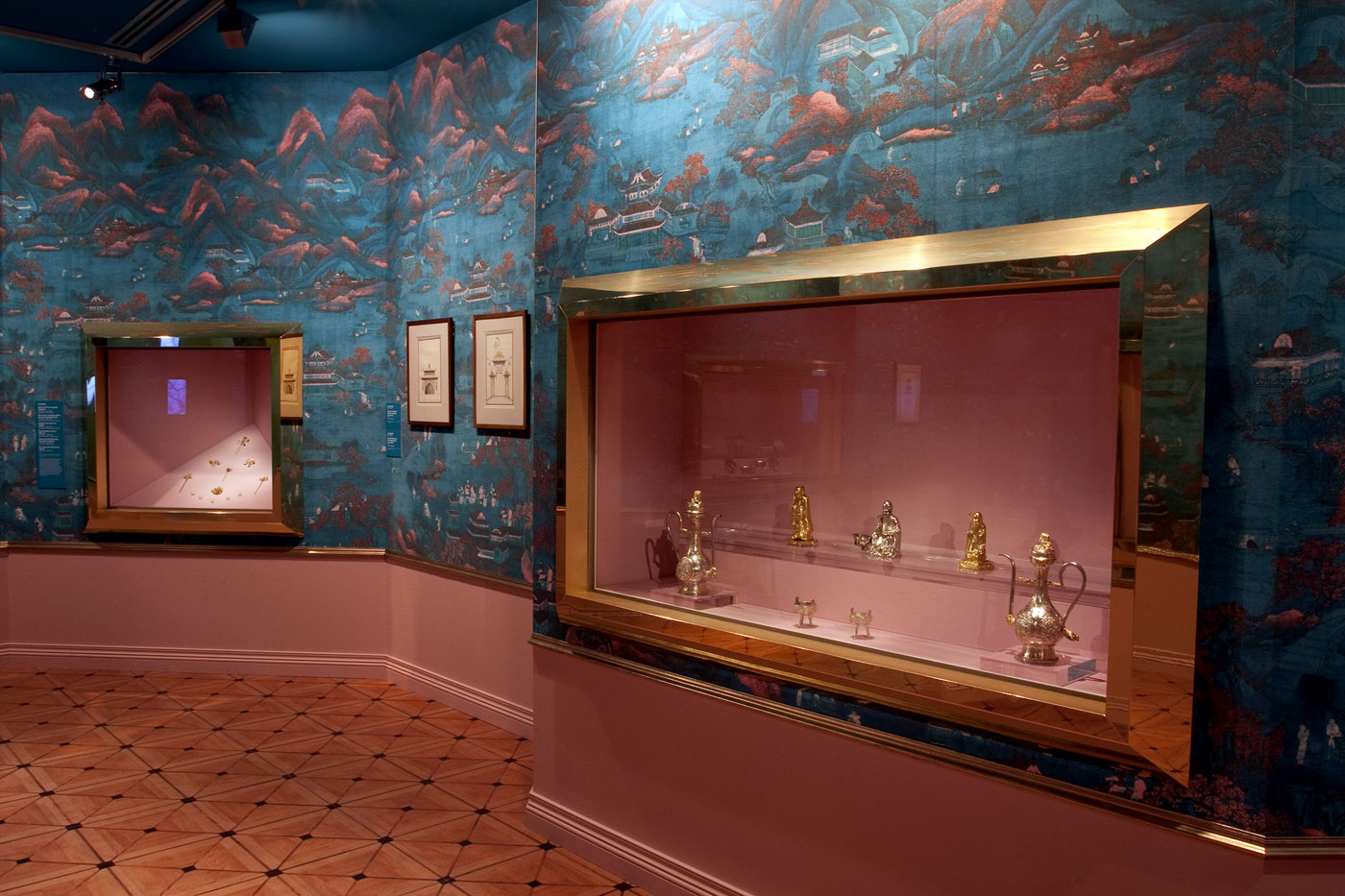

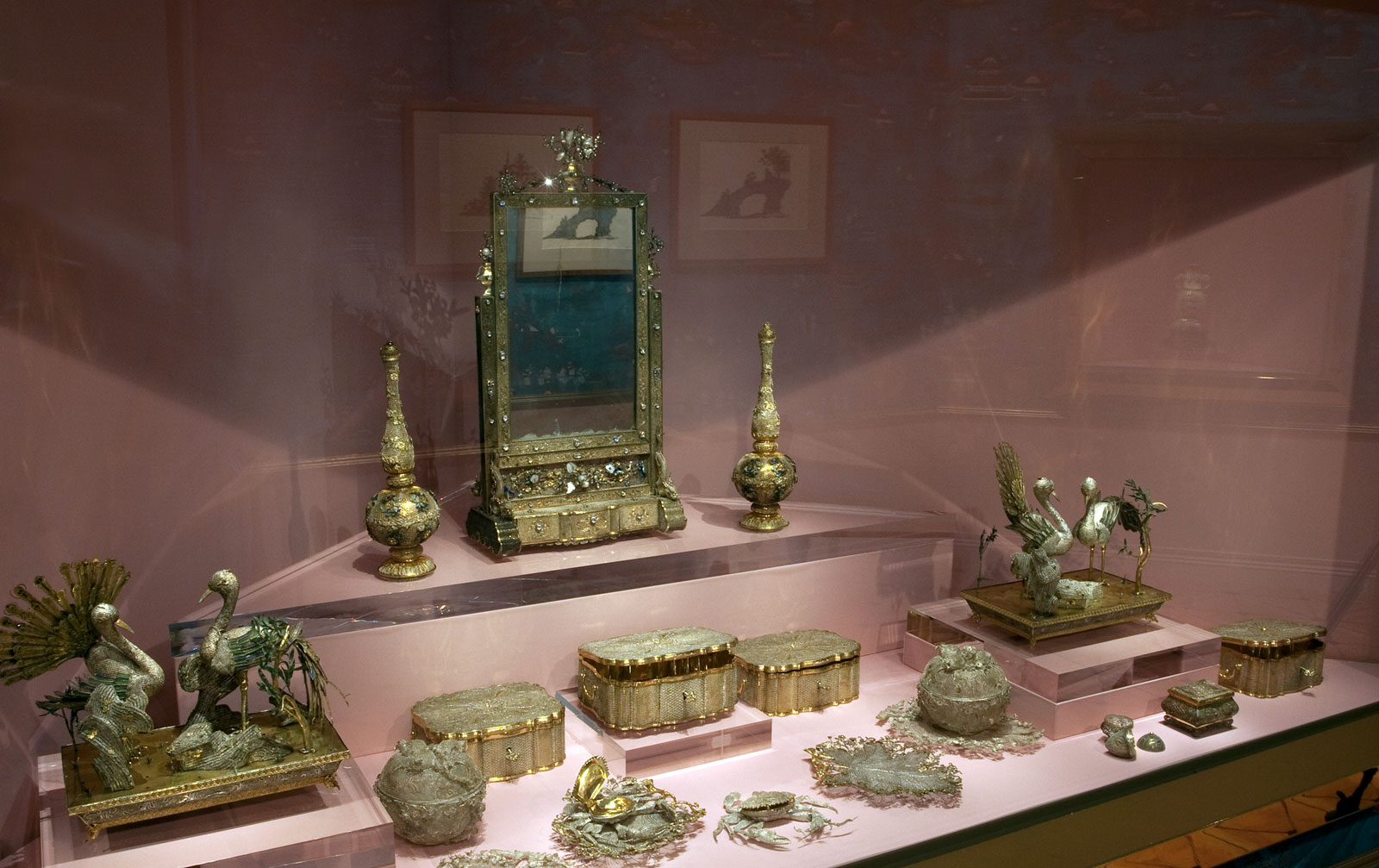
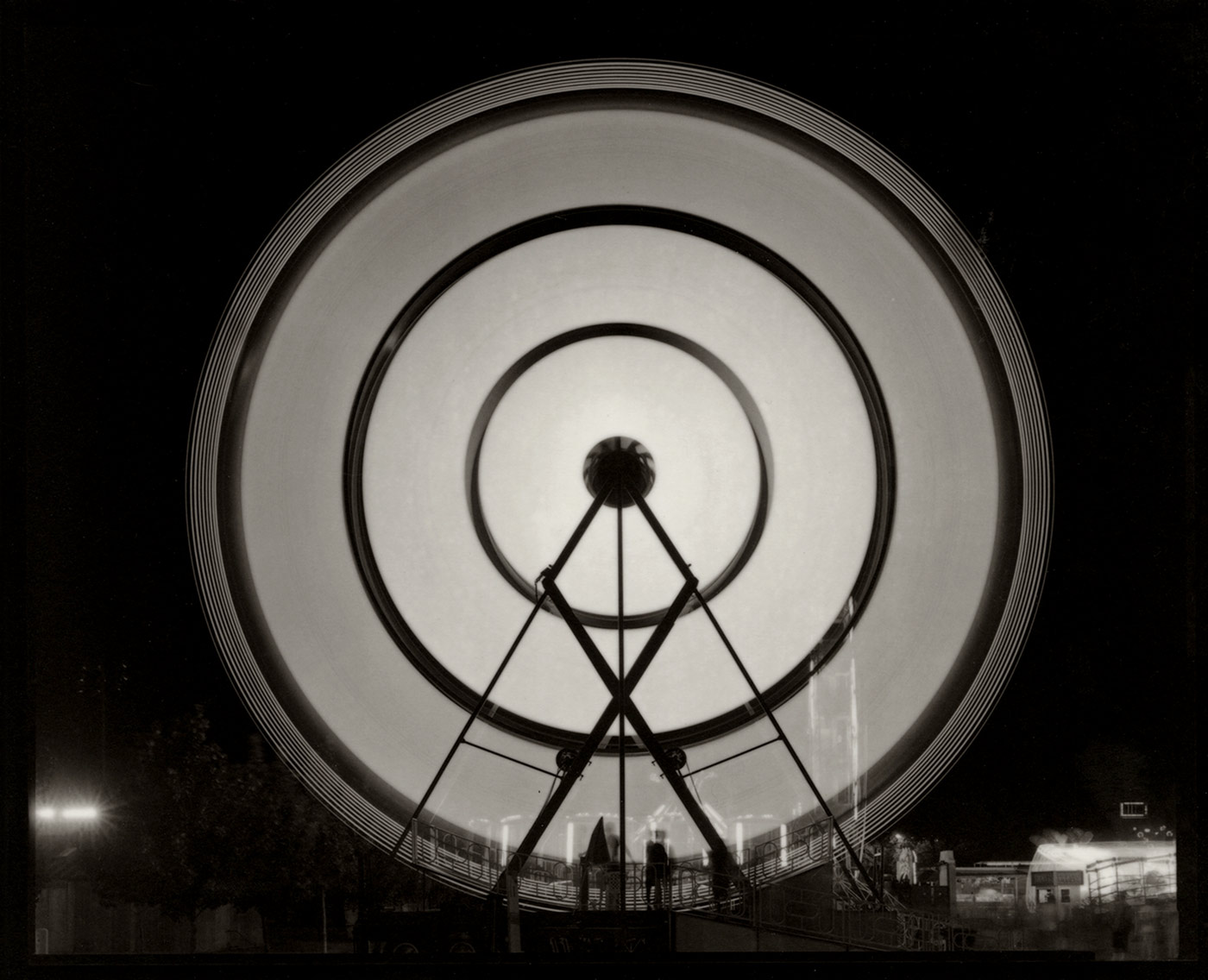





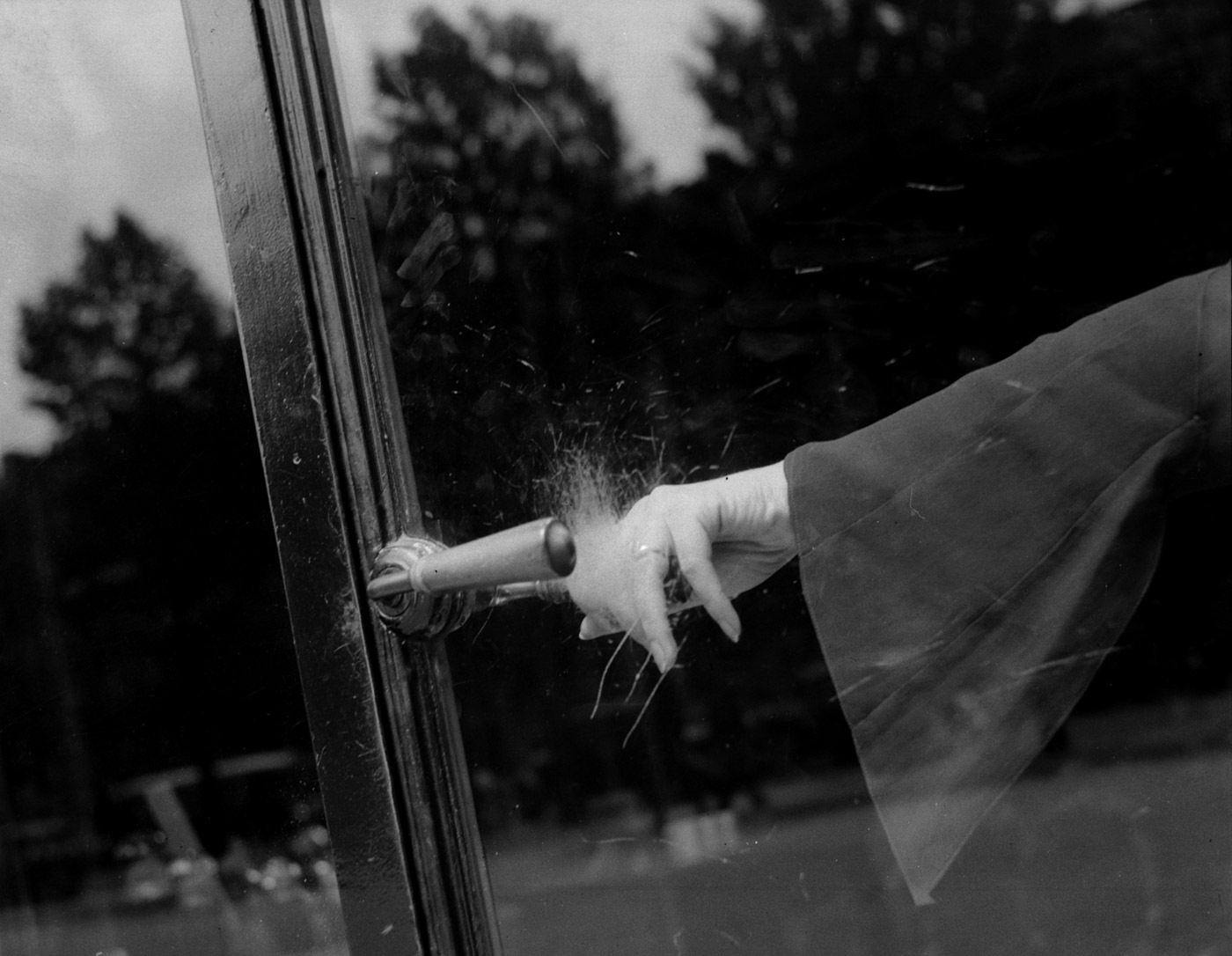

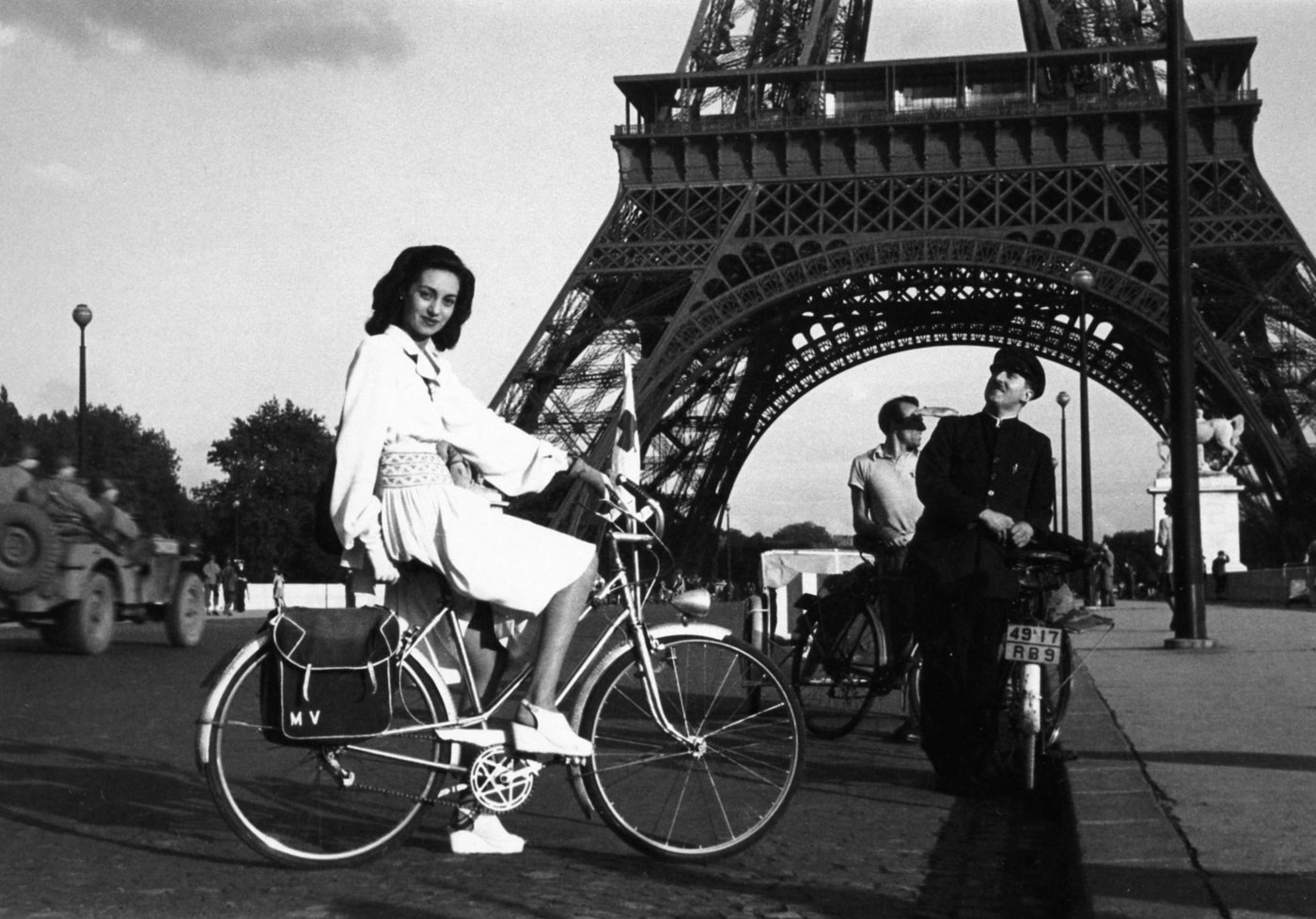

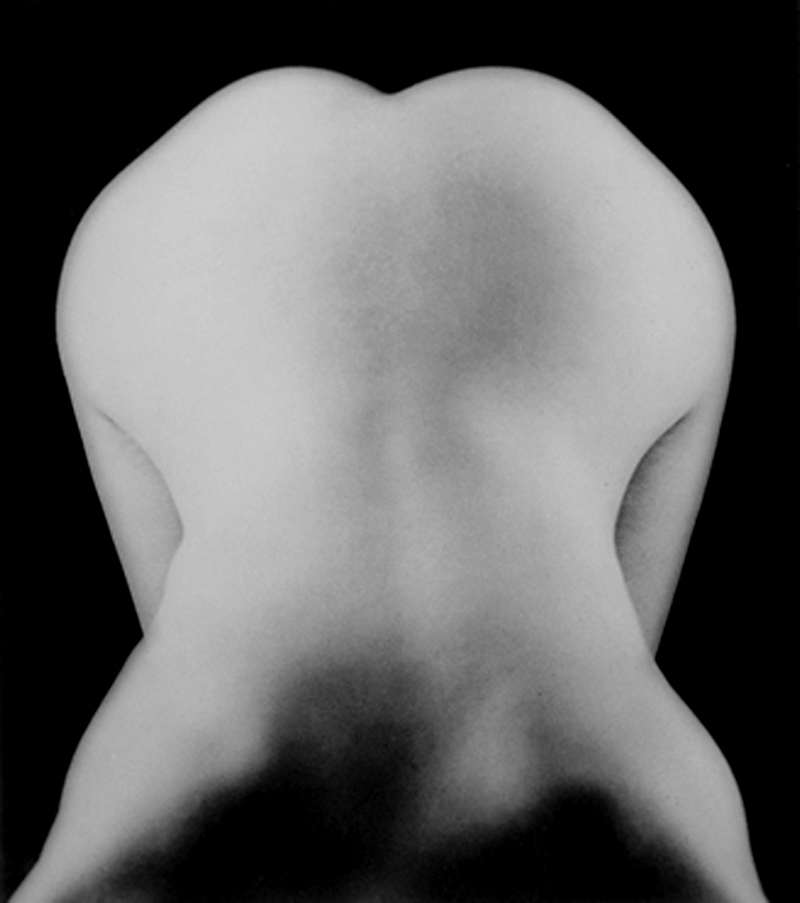









![Germaine Krull (European, 1897-1985) 'Étalage: les mannequins [Display: mannequins]' 1928 from the exhibition 'Germaine Krull (1897-1985) A Photographer's Journey' at Jeu de Paume, Paris, June - September, 2015](https://artblart.com/wp-content/uploads/2015/07/gkrull_09-web.jpg "Germaine Krull (European, 1897-1985) 'Étalage: les mannequins [Display: mannequins]' 1928 from the exhibition 'Germaine Krull (1897-1985) A Photographer's Journey' at Jeu de Paume, Paris, June - September, 2015")




![Germaine Krull (European, 1897-1985) 'Étude pour La Folle d’Itteville [Study for The Madwoman of Itteville]' 1931](https://artblart.com/wp-content/uploads/2015/07/gkrull_14-web.jpg "Germaine Krull (European, 1897-1985) 'Étude pour La Folle d’Itteville [Study for The Madwoman of Itteville]' 1931")















 Art Blart _ art and cultural memory archive
You must be logged in to post a comment.