Exhibition: ‘Utopia: Qiu Anxiong’ at Arken Museum of Modern Art, Denmark

Exhibition dates: 6th February – 22nd November, 2009


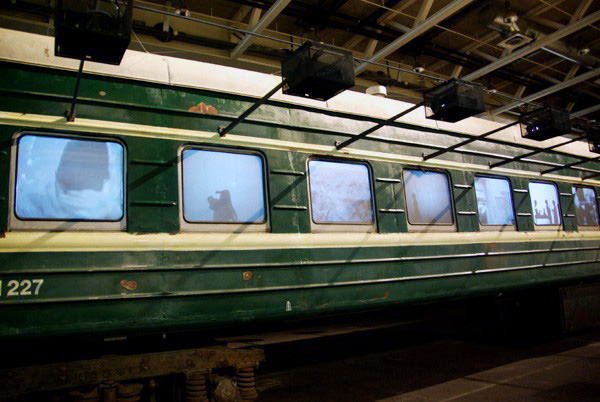
Qui Anxiong (Chinese, b. 1972) 'Staring into Amnesia' 2008 (detail)


Qui Anxiong (Chinese, b. 1972)
Staring into Amnesia (detail)
2008


A dream has come true. ARKEN has opened the first of three contemporary art exhibitions under the heading UTOPIA.

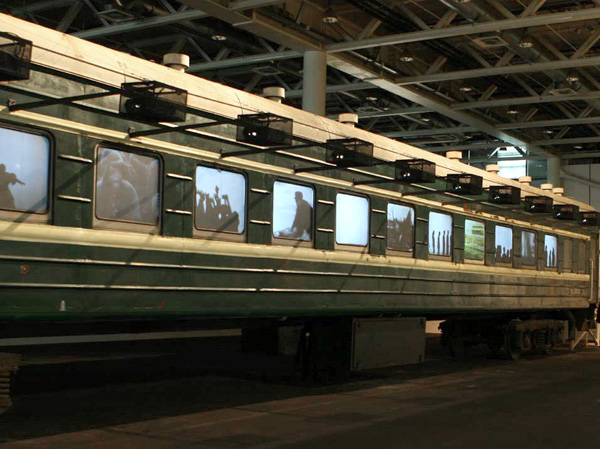
The first UTOPIA artist is Chinese Qiu Anxiong (b. 1972). His work Staring into Amnesia (2008), an enormous original Chinese train carriage from the 1960s, is the principal work in ARKEN’s exhibition. Documentary video clips and poetic silhouettes have been added to the carriage taking us on a journey into China’s past, present and future.

In recent years Qiu Anxiong has received great international attention with his poetic and moving video works which span from big and complex installations to hand painted animated films. The exhibition is the first presentation of Qiu Anxiong’s works in Denmark.

Utopia and dystopia

Qiu Anxiong belongs to a new generation of Chinese artists who bridge Chinese culture and history and today’s globalised contemporary art. Cultures arise and perish, and the yearning for the perfect society is closely followed by the utopia’s antithesis: an oppressed, conflicted dystopia. In a poetic and sensual idiom Qiu Anxiong raises the issue of which new utopias may provide the clue for today’s globalised reality.

Text from the Arken Musem of Modern Art website


ARKEN Museum of Modern Art

Chinese artist Qiu Anxiong talks about his work Staring into Amnesia – the main part of ARKEN’s UTOPIA – exhibition.


Qui Anxiong (Chinese, b. 1972) 'Staring into Amnesia' 2008 (detail)


Qui Anxiong (Chinese, b. 1972)
Staring into Amnesia (detail)
2008


Qui Anxiong (Chinese, b. 1972) 'Staring into Amnesia' 2008 (detail)


Qui Anxiong (Chinese, b. 1972)
Staring into Amnesia (detail)
2008


A 25 metres long, 42 tons heavy Chinese train carriage stops in Arken Museum of Modern Art‘s unique exhibition space The Art Axis, ready to take the museum’s visitors on a journey unlike any other. A journey into China’s past, presence and future. Into deliberations of the good life and the good society. Of the dreams we have today – for ourselves and for the world.

In the 1960s and ’70s it ran in northeastern China. Ordinary Chinese people sat on the hard wooden seats and were transported to and from work, on family visits, tours and holidays. Now it stops in ARKEN’s Art Axis with the purpose of making Danish museum visitors think about the dreams and values that drive them and the world they live in.

The train carriage is the principal work of the first exhibition in the museum’s large-scale UTOPIA project. A project that is to raise the issue of the grand shared notion of the perfect society. Whatever happened to it? Does it still exist today? Have the international financial crisis and the American presidential election made it more topical? And if it does not exist, what has taken its place? Individual dreams of the good life, notions of globalisation, small enclaves of communities?

Opening on 6 February 2009, the UTOPIA exhibition is the first of three exhibitions of contemporary art shown in ARKEN’s Art Axis in the period 2009-2011 – one per year. Each exhibition presents a significant, international contemporary artist who explores art’s potential with regards to the notions of “the good life.” The first artist is the Chinese Qui Anxiong (b. 1972).

Qui Anxiong gave the train carriage an artistic makeover after it had ended its career as a means of public transportation, transforming it into the work Staring into Amnesia (2007). A work of art which invites us on a journey even though the carriage is motionless. A journey into China’s past, presence and future. For when the guests come aboard the train and sit down on the hard wooden seats, they journey through China’s history. Video clips of documentary and propaganda films from China from 1910 until today pass by the windows as fragments of memories alternating with silhouettes of everyday scenes: a girl waiting by a ventilator, two people playing chess, groups of people in processions, riots, struggles or celebration. What has been is juxtaposed with what is. And with the train as metaphor for movement in time, it raises the question of which destinations await us up ahead. Is the next stop Utopia? What do we hope will come, what do we dream of?

6,000 drawings – one movie – Staring into Amnesia is the chief work of the UTOPIA exhibition. It explores how humankind’s endeavours to create the perfect society through political and religious overall solutions, both historically and today, often result in the utopia’s antithesis: an oppressed, conflicted dystopia.

Another work in the exhibition is the animated film The New Book of Mountains and Seas (2006). The film consists of 6,000 drawings created by Qiu Anxiong in his small one bedroom apartment in Shanghai. It presents us with a mythologised version of the world today in which modern technology and nature merge: helicopters hover in the air like big birds, and black clad people fly like planes, crashing the Twin Towers in a drawn version of 9/11. In a poetic and dreamlike idiom, sharply contrasting with the depicted reality, the work explores the themes of religious and political conflicts characterising the global reality of our time. UTOPIA is supported by the Nordea Foundation.

Text from the Artdaily.org website


Qui Anxiong (Chinese, b. 1972) 'Staring into Amnesia' 2008


Qui Anxiong (Chinese, b. 1972)
Staring into Amnesia
2008


Images courtesy of Boers-Li Gallery and ArtShortCut

Arken Museum of Modern Art
Skovvej 100, 2635 Ishøj
Phone: +45 43 54 02 22

Opening hours:
Tuesday – Sunday: 10am – 5pm
Monday: Closed

Arken Museum of Modern Art website

LIKE ART BLART ON FACEBOOK

Back to top

Photographs: Marcus Bunyan. ‘The Shape of Dreams’ series 2009

Date: February 2009


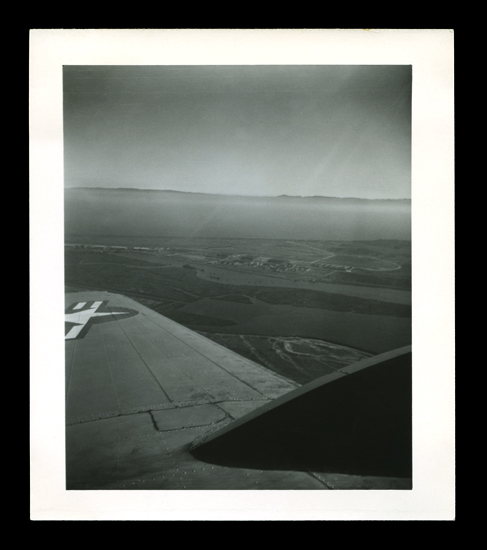
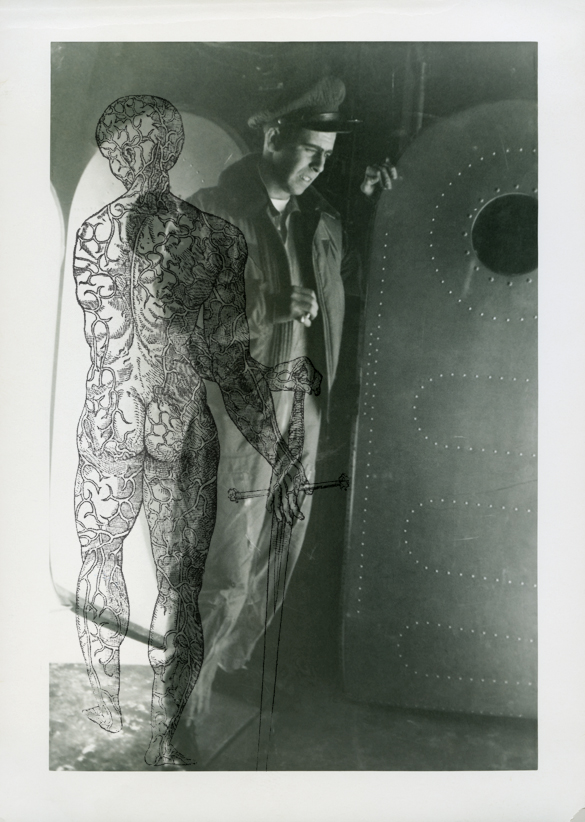
Marcus Bunyan (Australian, b. 1958) 'Airport' from the series ‘The Shape of Dreams’ 2009


Marcus Bunyan (Australian, b. 1958)
Airport from the series The Shape of Dreams
2009
Silver gelatin print
© Marcus Bunyan


The form of formlessness
The shape of dreams

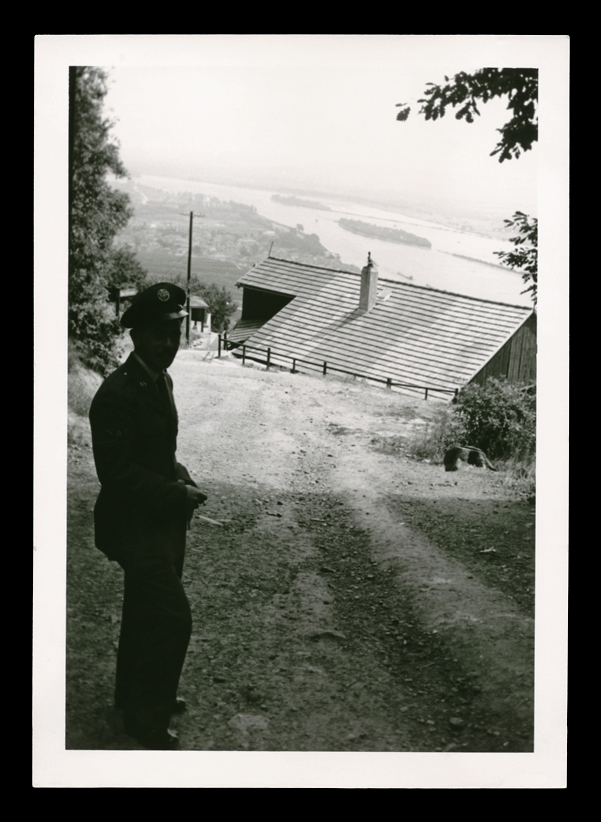
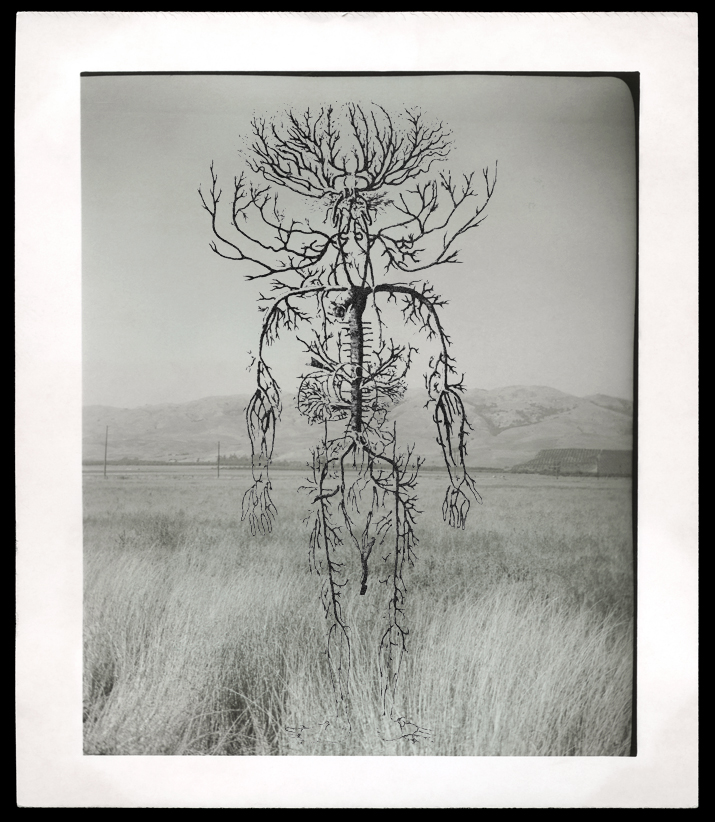
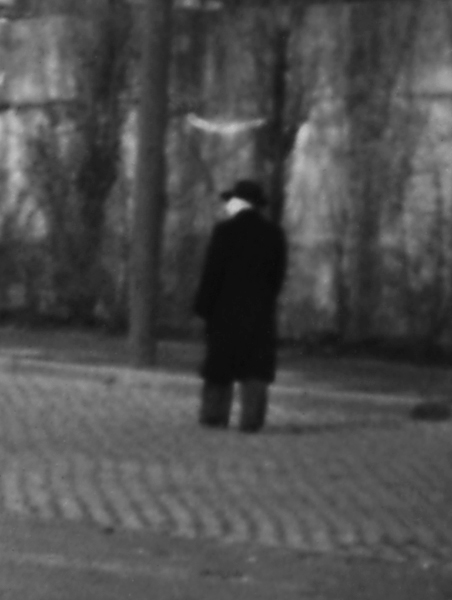
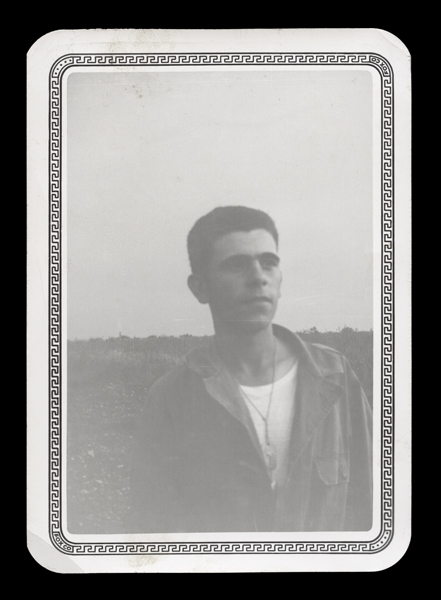
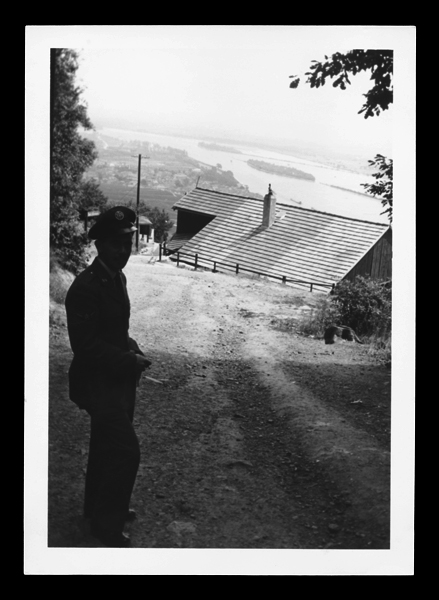
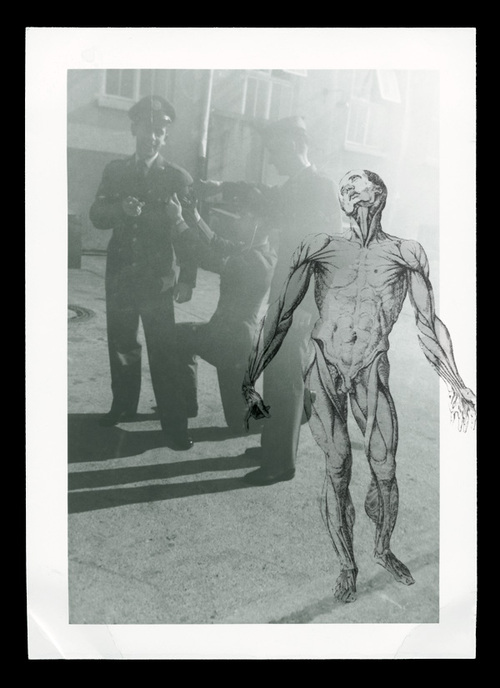
Found images from a military photo album, digitally cleaned and balanced with additional overlays.

Dr Marcus Bunyan

25 images in the series
© Marcus Bunyan


Please click on the photographs for a larger version of the image. Photographs are available from this series for purchase. As a guide, a digital black and white 16″ x 20″ print costs $1,000 plus tracked and insured shipping. For more information please see the Store web page.

SEE THE FULL SERIES ON MY WEBSITE


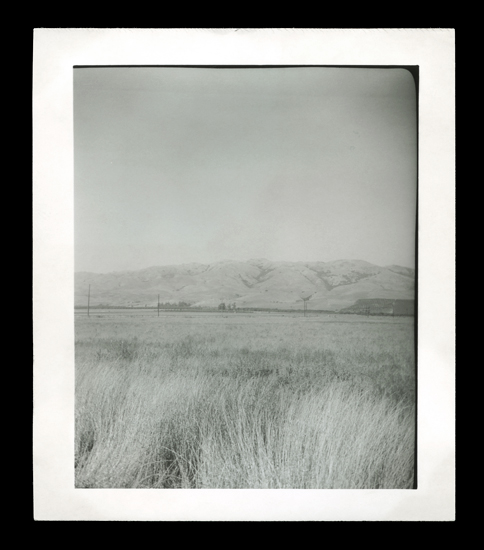
Marcus Bunyan (Australian, b. 1958) '... for amber waves of grain' from the series ‘The Shape of Dreams’ 2009


Marcus Bunyan (Australian, b. 1958)
… for amber waves of grain from the series The Shape of Dreams
2009
Silver gelatin print
© Marcus Bunyan


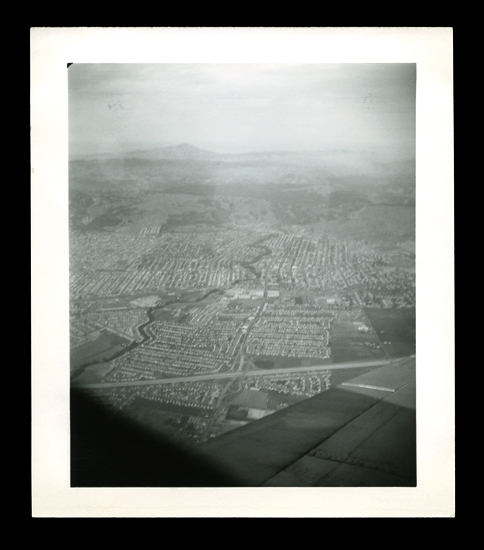
Marcus Bunyan (Australian, b. 1958) 'Oakland, Berkley' from the series ‘The Shape of Dreams’ 2009


Marcus Bunyan (Australian, b. 1958)
Oakland, Berkley from the series The Shape of Dreams
2009
Silver gelatin print
© Marcus Bunyan


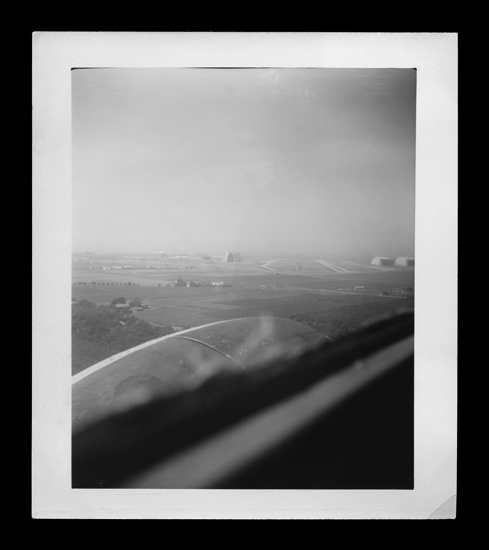
Marcus Bunyan (Australian, b. 1958) 'Navy Base, Unidentified' from the series ‘The Shape of Dreams’ 2009


Marcus Bunyan (Australian, b. 1958)
Navy Base, Unidentified from the series The Shape of Dreams
2009
Silver gelatin print
© Marcus Bunyan


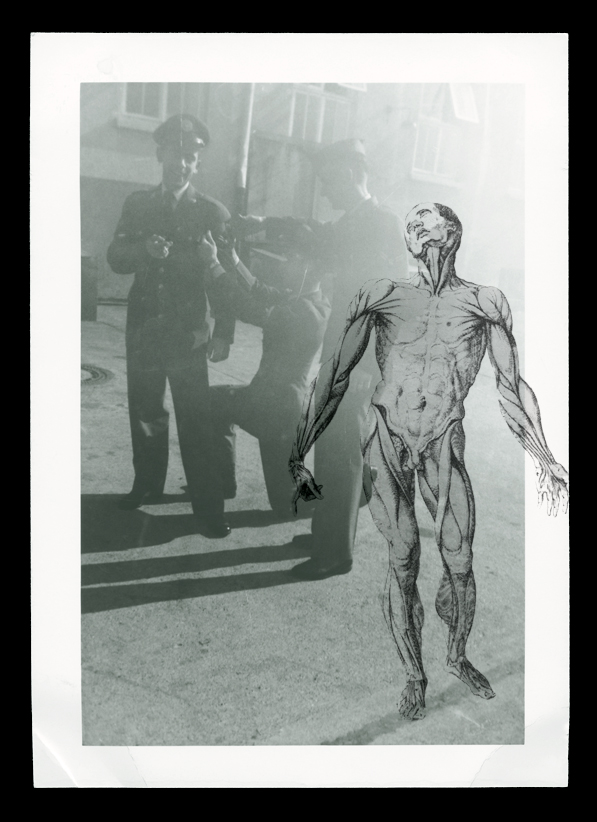
Marcus Bunyan (Australian, b. 1958) 'Untitled' from the series 'The Shape of Dreams' 2009


Marcus Bunyan (Australian, b. 1958)
Untitled from the series The Shape of Dreams
2009
Silver gelatin print
© Marcus Bunyan


Marcus Bunyan (Australian, b. 1958) 'Untitled' from the series 'The Shape of Dreams' 2009


Marcus Bunyan (Australian, b. 1958)
Untitled from the series The Shape of Dreams
2009
Silver gelatin print
© Marcus Bunyan


Marcus Bunyan (Australian, b. 1958) 'Untitled' from the series 'The Shape of Dreams' 2009


Marcus Bunyan (Australian, b. 1958)
Untitled from the series The Shape of Dreams
2009
Silver gelatin print
© Marcus Bunyan


Marcus Bunyan (Australian, b. 1958) 'Untitled' from the series 'The Shape of Dreams' 2009


Marcus Bunyan (Australian, b. 1958)
Untitled from the series The Shape of Dreams
2009
Silver gelatin print
© Marcus Bunyan


Marcus Bunyan (Australian, b. 1958) 'Untitled' from the series 'The Shape of Dreams' 2009


Marcus Bunyan (Australian, b. 1958)
Untitled from the series The Shape of Dreams
2009
Silver gelatin print
© Marcus Bunyan


Marcus Bunyan website

The Shape of Dreams series 2009

LIKE ART BLART ON FACEBOOK

Back to top

Sculpture: ‘Entropa’ by David Cerny on view at the European Council building in Brussels, Belgium

Date: 16th January 2009


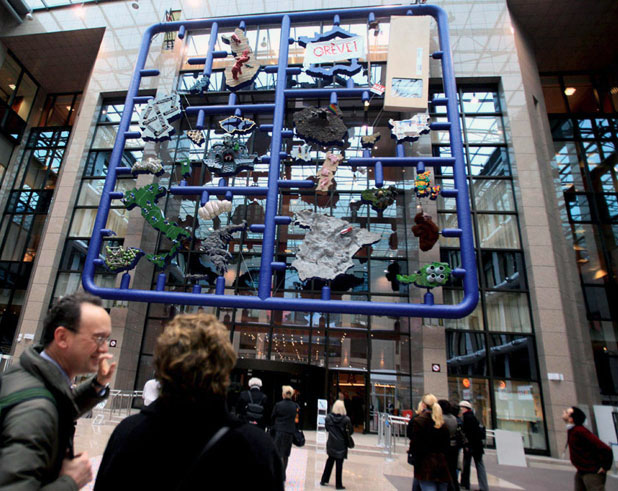
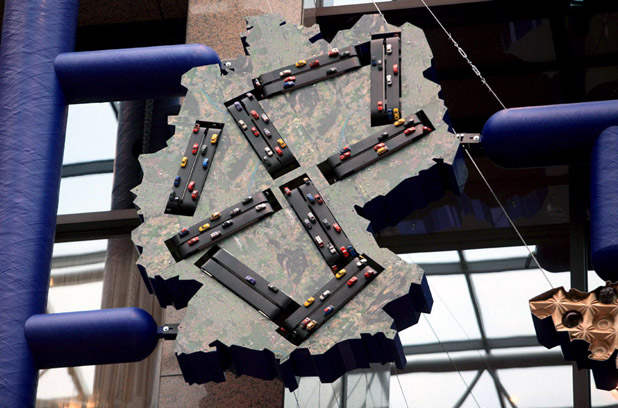
David Cerný (Czech, b. 1967) 'Entropa' 2009


David Cerný (Czech, b. 1967)
Entropa
2009


The idea was simple but good. So effective that he convinced the presidency of the European Council, which this semester is headed by the Czech Republic, to give its blessing and the 500,000 Euros needed to finance it. Czech artist David Cerný promised the following: a collaboration between 27 artists from the European Community who would put forth their vision from their own countries. France was portrayed as a labor strike, Spain as a slab of concrete and Italy into a soccer field … Belgium appears as a chocolate box, Denmark constructed with Lego and the map of Sweden below a box that looks like the ones Ikea uses.

The only problem is that behind this work of art, which has caused great controversy reducing Greece to a huge fire, Romania into a Dracula castle, there is only one creative mind, that of David Cerný. Cerný, who also invented 26 false names of European artists that had supposedly collaborated with him, recognises that he knew the truth would come out and says that economic restrictions and lack of time motivated him to do the whole work by himself.

Czech Deputy Prime Minister, Alexandr Vondra, has confessed feeling “surprisingly sorry” after discovering that the only author of Entropa is Cerný and not 27 artists, as had been stipulated in the contract with the artist.

“David Cerný is the only person responsible for not fulfilling his commitment”, said Vondra, who added that the Czech presidency is analysing what to do with the installation, which has already been placed at the Justus Lipsius building of the EU Council building and which was supposed to be inaugurated on Thursday.

Meanwhile, Cerný, known for his sculptures such as Freud hanging in the middle of the streets in Prague or for painting a rose on a Soviet tank, has laughed all along and said that he wanted to prove “that Europe could laugh at itself”.

Cerný, who also invented 26 false names of European artists that had supposedly collaborated with him, recognises that he knew the truth would come out and says that economic restrictions and lack of time motivated him to do the whole work by himself.

Text from the ArtDaily.org website


The installation consists of a giant jigsaw map – or a kind of plastic frame which keeps the elements of a miniature model in place – with a “cliché and stereotype” of each one of the EU’s 27 member states. Each country was announced to be sculptured by a different national artist.

You you can see Polish priests lifting the flag of the gay movement, a clear reference to the iconic image of the American soldiers planting the Stars and Stripes on Iwo Jima. France is pointedly represented by a map of France covered with the inscription “Strike!” The Netherlands have sunk beneath the sea with only minarets of mosques appearing above the surface…

When the EU officials saw the work and felt offended, Czech Deputy Prime Minister Vonda firstly defended the project as a way of confronting prejudice and “a space for the free expression of artists from 27 countries.” At least, this was his reaction before they found out it is all one big hoax of Czech art David Czerny, who made the sculpture entirely on his own.”

Text from the Servaas in Shanghai blog [Online] Cited 15/01/2009


David Cerný (Czech, b. 1967) 'Entropa' 2009 (detail)


David Cerný (Czech, b. 1967)
Entropa (detail)
2009


Europe is unified by its history, culture and, in recent years, also by a jointly created political structure. More or less diverse countries are intertwined by a network of multi-dimensional relationships that, in effect, results in an intricate whole. From within, we tend to focus on the differences between the individual European countries. These differences include thousands of important and unimportant things ranging from geographical situation to gastronomy and everyday habits.

The EU puzzle is both a metaphor and a celebration of this diversity. It comprises the building blocks oft he political, economic and cultural relationships with which we ‘toy’ but which will be passed on to our children. The task of today is to create building blocks with the best possible characteristics.

Self-reflection, critical thinking and the capacity to perceive oneself as well as the outside world with a sense of immunity are the hallmarks of European thinking. This art project that originated on the occasion of Czech Presidency of the Council of the European Union attempts to present Europe as a whole from the perspectives of 27 artists from the individual EU Member States. Their projects share the playful analysis of national stereotypes as well as original characteristics of the individual cultural identities.

That much is stated in an official booklet of the Czech Ministry of Foreign Affairs. However Entropa is not a real pan-European work by artists-provocateurs, but a mystification. At first glance, it looks like a project to decorate official space, which has degenerated to an unhindered display of national traumas and complexes. Individual states in the European Union puzzle are presented by non-existent artists. They have their names, artificially created identities, and some have their own Web sites. Each of them is the author of a text explaining their motivation to take part in the common project. That all was created by David Cerny, Kristof Kintera and Tomas Pospiszyl, with the help of a large team of colleagues from the Czech Republic and abroad.

The original intention was indeed to ask 27 European artists for participation. But it became apparent that this plan cannot be realised, due to time, production, and financial constraints. The team therefore, without the knowledge of the Ministry of Foreign Affairs, decided to create fictitious artists who would represent various European national and artistic stereotypes. We apologise to Prime Minister Mirek Topolanek, Deputy Prime Minister Alexandr Vondra, Minister Karel Schwarzenberg and their departments that we did not inform them of the true state of affairs and thus misguided them. We did not want them to bear the responsibility for this kind of politically incorrect satire. We knew the truth would come out. But before that we wanted to find out if Europe is able to laugh at itself.

At the beginning stood the question: What do we really know about Europe? We have information about some states, we only know various tourist clichés about others. We know basically nothing about several of them. The art works, by artificially constructed artists from the 27 EU countries, show how difficult and fragmented Europe as a whole can seem from the perspective of the Czech Republic. We do not want to insult anybody, just point at the difficulty of communication without having the ability of being ironic.

Grotesque hyperbole and mystification belongs among the trademarks of Czech culture and creating false identities is one of the strategies of contemporary art. The images of individual parts of Entropa use artistic techniques often characterised by provocation. The piece thus also lampoons the socially activist art that balances on  the verge between would-be controversial attacks on national character and undisturbing decoration of an official space. We believe that the environment of Brussels is capable of  ironic self-reflection, we believe in the sense of humour of European nations and their representatives.

Text from the David Cerny website. No longer available online


LIKE ART BLART ON FACEBOOK

Back to top

New work: Marcus Bunyan ‘Discarded Views’ 2008

December 2008


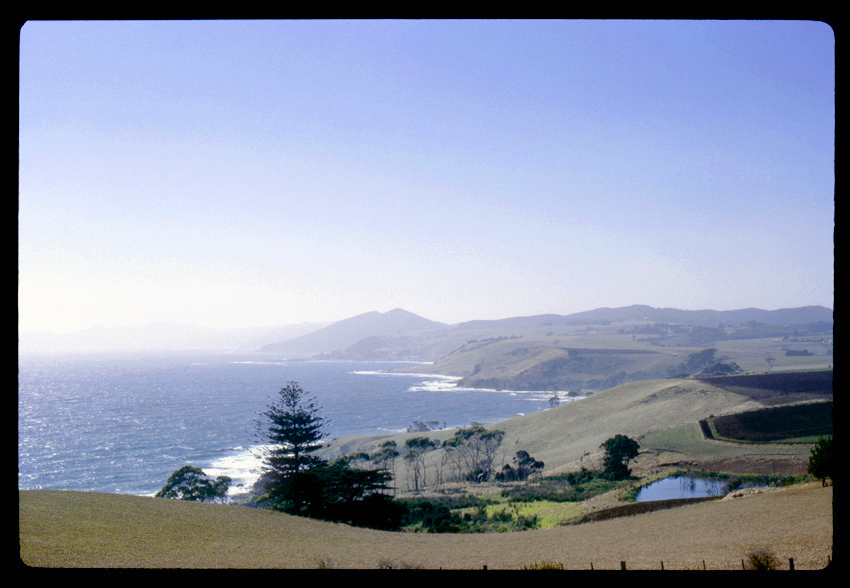
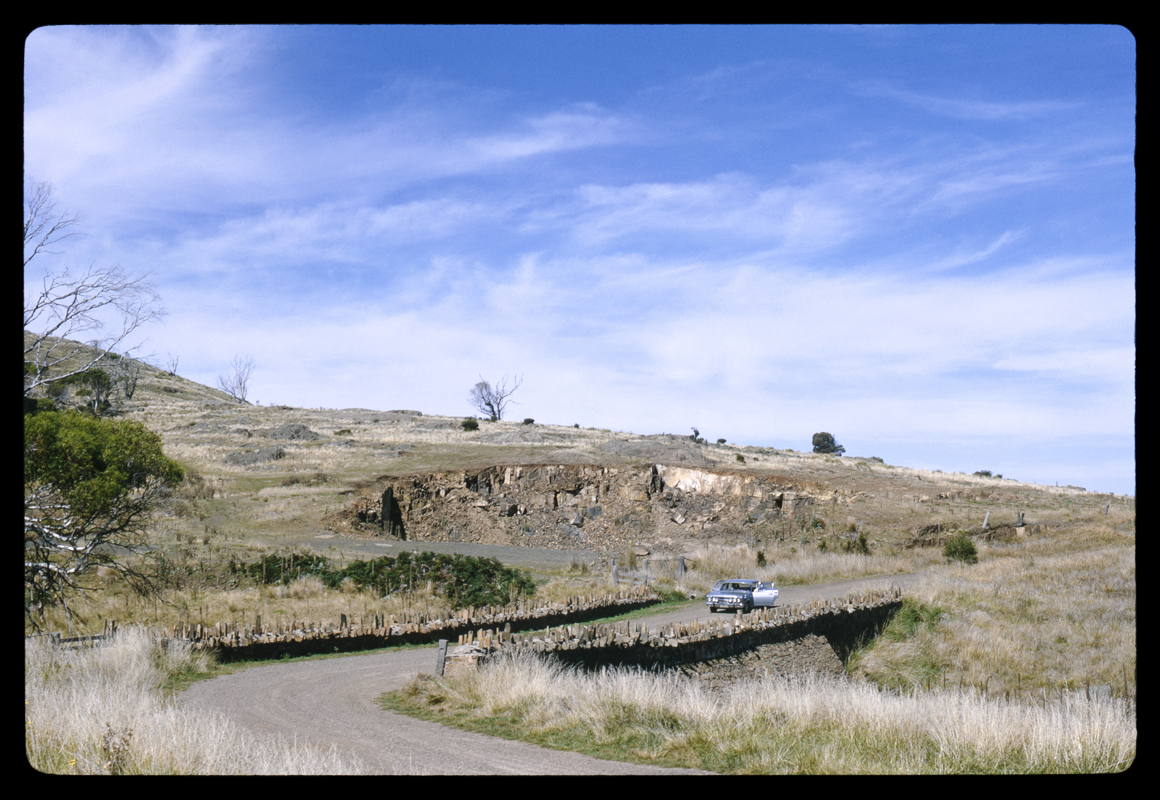
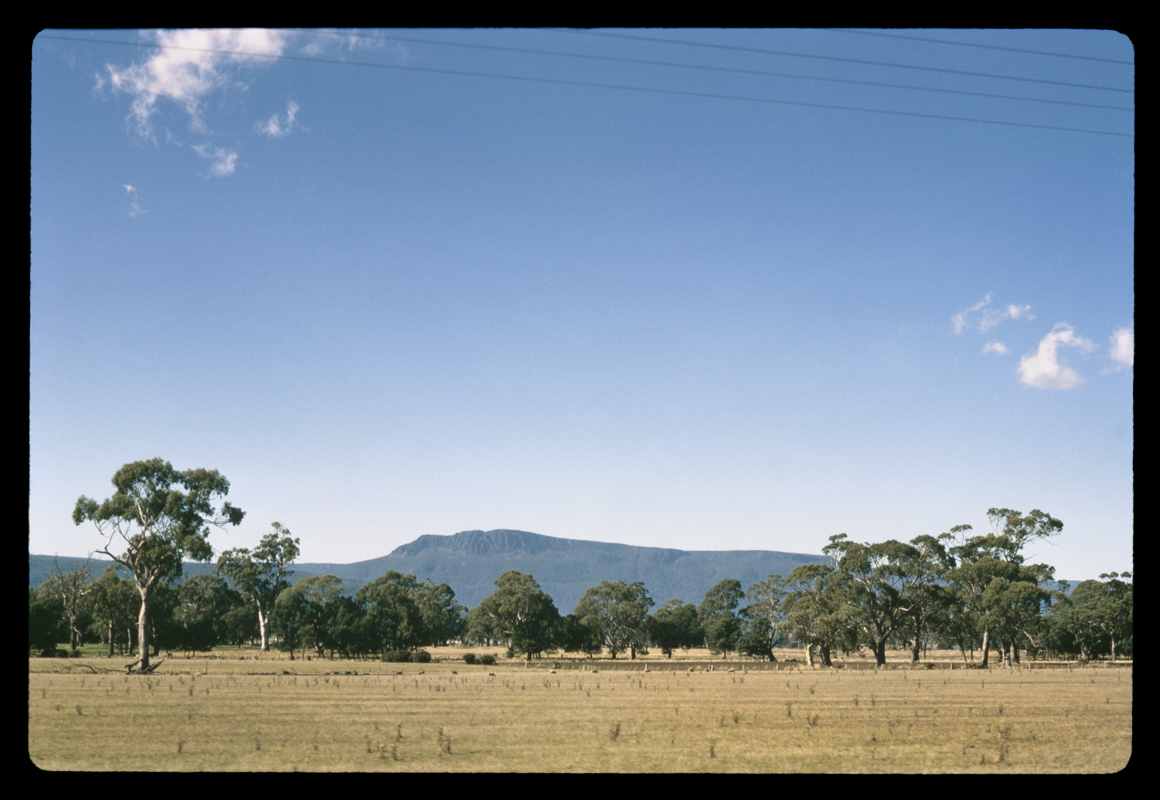
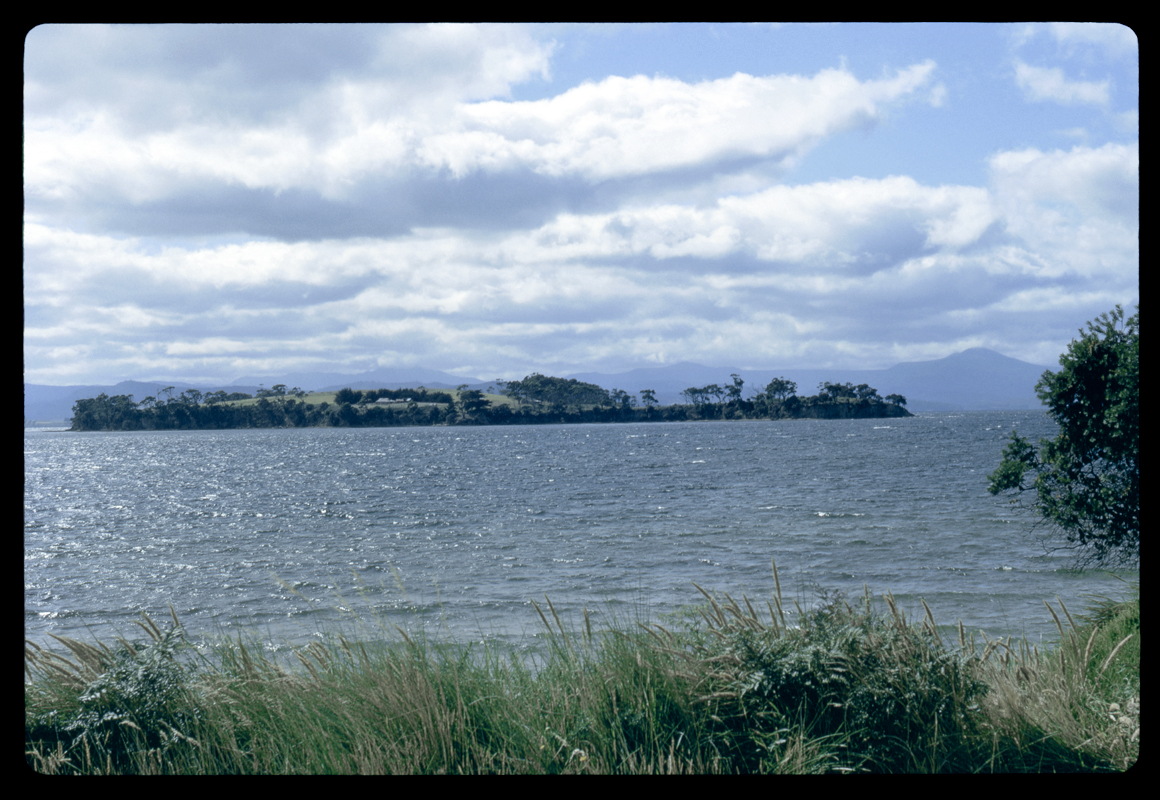
Marcus Bunyan (Australian, b. 1958) "Untitled" from the series 'Discarded Views' 2008


“Everything to be believed is an image of truth.”


William Blake


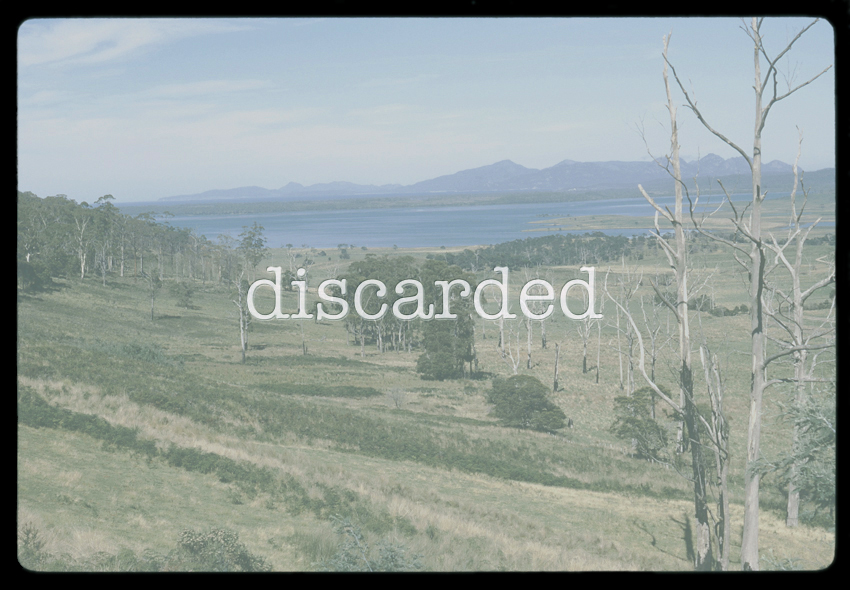
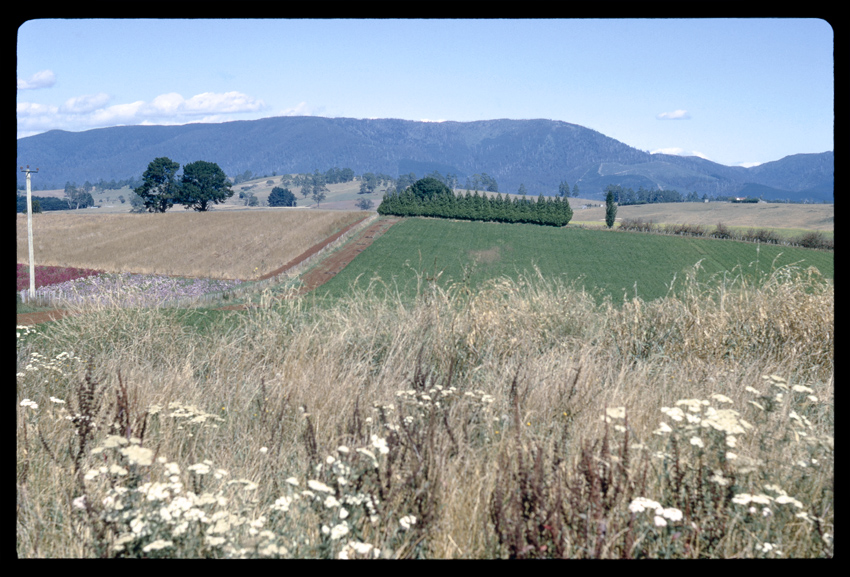
dirty, fragile colour slides
found in an op shop,
rescued, re-visioned

Tasmania 1971 – Melbourne 2008

discarded image
discarded earth


Marcus Bunyan (Australian, b. 1958) "Untitled" from the series 'Discarded Views' 2008


Marcus Bunyan (Australian, b. 1958) "Untitled" from the series 'Discarded Views' 2008


Marcus Bunyan (Australian, b. 1958) "Untitled" from the series 'Discarded Views' 2008


Marcus Bunyan (Australian, b. 1958) "Untitled" from the series 'Discarded Views' 2008


Marcus Bunyan (Australian, b. 1958)
Images from the series Discarded Views
2008
28 images in the series


SEE THE FULL SERIES ON MY WEBSITE


Marcus Bunyan website

LIKE ART BLART ON FACEBOOK

Back to top

Review: ‘Disintegration’ by Robbie Rowlands at Place Gallery, Melbourne

Exhibition dates: 22nd October – 15th November, 2008


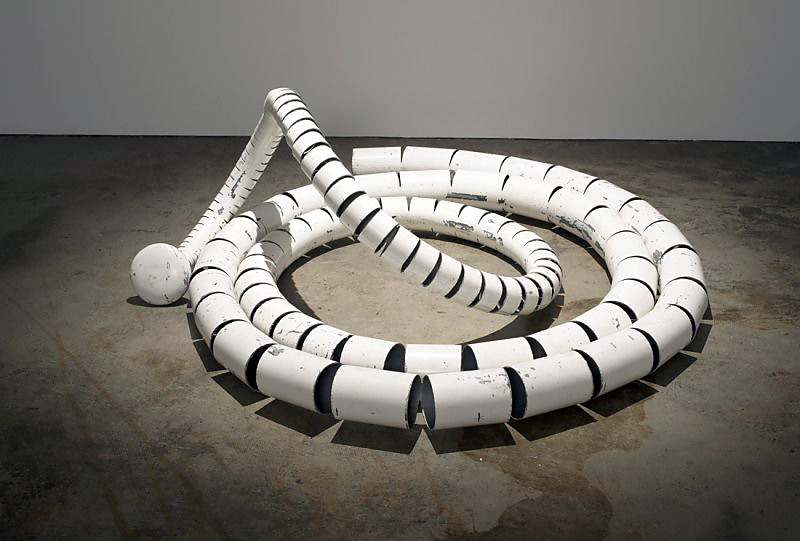
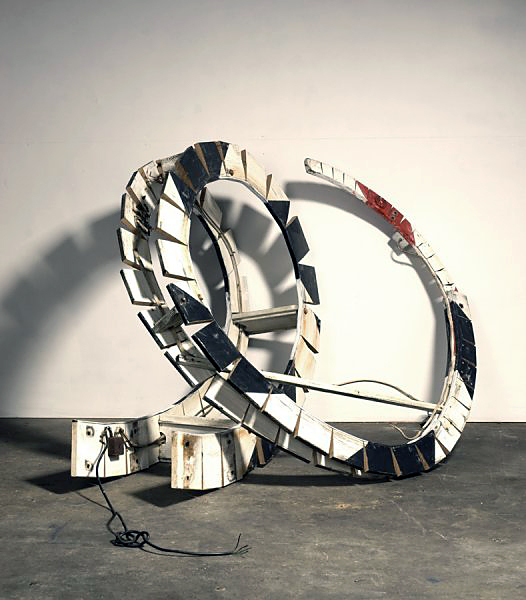
Robbie Rowlands (Australian, b. 1968) 'Scored' 2008 from the exhibition Review: 'Disintegration' by Robbie Rowlands at Place Gallery, Melbourne, Oct - Nov, 2008


Robbie Rowlands (Australian, b. 1968)
Scored
2008
Goal post, steel
160cm x 130cm x 50cm
Photograph: Christian Capurro


“The philosopher Martin Heidegger argued that objects are often invisible to us gathered up as they are within a context of functionality and use. It is only when things break down that we become aware of them, seeing them with fresh eyes. In many ways Heidegger’s observation could form the basis of an approach to Robbie Rowlands’ work. Rowlands takes objects that are often forgotten, invisible or transparent to us, objects that exist on the verge of disappearance, and stages a kind of ‘breakdown’, inviting us to rediscover the object, poised somewhere between what it was and what it might become.”


Simon Cooper. Catalogue essay


Sitting in pools of light in the elegant modern space of Place Gallery in Richmond, six theatrically lit sculptures are presented by artist Robbie Rowlands. Made of everyday objects (a boom gate, desk, chair, single bed, electricity pole, desk and footy goalpost) they have been de/constructed by the artist and reformed into curved objects. With ironic titles such as Down for the felled electricity pole and Collapse for the dismembered chair Rowland’s work hovers between one fixed state and an’other’ transformative state of being.

While the catalogue essay by Simon Cooper suggests that all of these objects are abandoned or nearly forgotten sharing a context of quasi-obsolescence, this is not the case. These were objects of purpose and form, the acts of ritualised production of a consumer society that contained signs that symbolised their status. In his creativity Rowland has used these technologies of production, which permit us to produce, transform or manipulate things to create new sensual forms of life. Some of the sculptures such as Boom (the boom gate; 2008, below) and Scored (the goal post; 2008, above) remind me of creatures emerging from the recesses of the unconscious, curling and rearing up like monsters from the deep. One of the most beautiful forms is the constructed white chair where the function of the object has collapsed into the essence of the form, like the surreal spatiality of a poetic Miro. As Gaston Bachelard reminds use in The Poetics of Space:

“The grace of a curve is an invitation to remain. We cannot break away from it without hoping to return. For the beloved curve has nest-like powers; it incites us to possession, it is a curved corner, inhabited geometry.”1


Cooper suggests that the curved forms that Rowland creates were “already there in the original object, even as it was sat on, written on, or passed by on the way to work.” He rightly notes that the process used contains a certain violence, but that we remember and reconstruct the old form even as we respond to the new construction. For these sculptures are a construction not, I believe, inherent in the original form. This can be seen in the sculpture Boom (2008, below) for example, where Rowland has used additional pieces of metal to hold the curve of the boom gate in place. Without this skilfully added, hidden sub-structure the transformative shape would collapse onto the floor. Rowland inhabits and possesses his new geometry with as much technology as the original but not in such an obvious form.

At their best these sculptures are both poetic palimpsest and heterotopic objects of otherness that are neither here nor there. The work would have been stronger if only four pieces were presented in the gallery space – the sculptures needed more room to breathe (understanding the dictum that less is more). The sculptures themselves also needed greater thematic cohesiveness perhaps using the colour white as the unifying theme. But they are sensual and beautiful gestures and deserve the attention of your visit.

Dr Marcus Bunyan


1/ Bachelard, Gaston. The Poetics of Space. Boston: Beacon, 1969 [originally 1958] p. 146


Robbie Rowlands (Australian, b. 1968) 'Boom' 2008


Robbie Rowlands (Australian, b. 1968)
Boom
2008
Rail boom gate, wooden
160cm x 160cm x 130cm
Photograph: Wren


Place Gallery
120 Collins Street
Melbourne VIC 3000
Phone: (03) 9527 6378

Opening hours:
Daily: 9.30am – 6.00pm
Sunday & Holidays: Closed

Robbie Rowlands website

LIKE ART BLART ON FACEBOOK

Back to top

Photographer: Alec Soth

November 2008


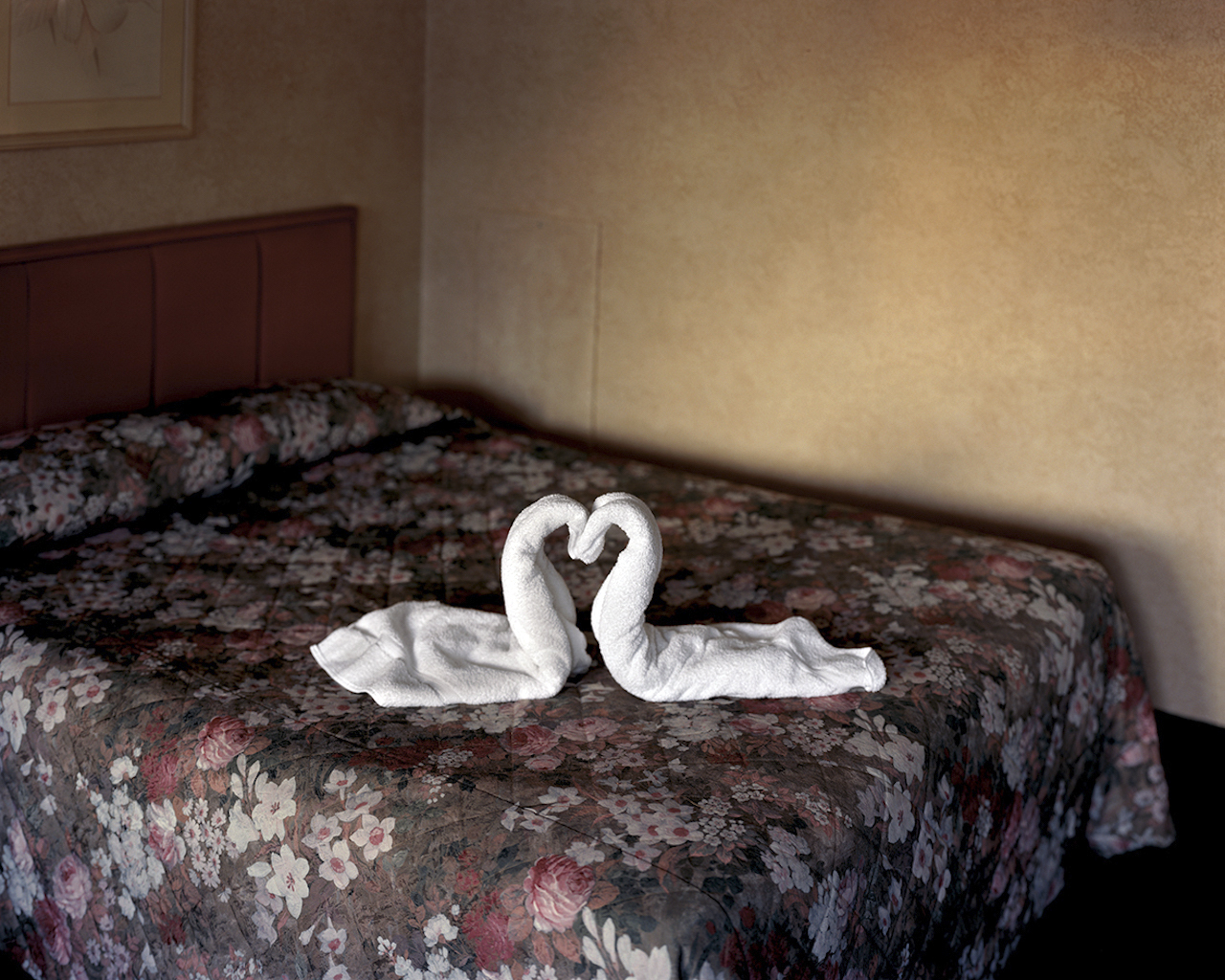
Alec Soth (American, b. 1969) 'Two Towels' 2004


Alec Soth (American, b. 1969)
Two Towels
2004
From the series Niagara (2006)


Minneapolis-based photographer Alec Soth has attained international recognition for his photographic series. Notable are the two series Sleeping by the Mississippi (1999-2004) portraying the river and the life along it’s banks and Niagara (2006) where Soth focuses his large format camera on the hotels, residents loves and lives and the environs around Niagara Falls.

His work is firmly rooted in the documentary traditions of Walker Evans and Robert Frank but pushes the documentary form. Whereas Frank used a foreigners eye and ‘snapshot’ photography to challenge traditional notions of American culture in his seminal book The Americans (1958), Soth photographs everyday events of American life – home, romance, religion, bliss, heartbreak and agony – and constructs his vision of the land and people in poetic form. His use of handwritten notes is especially poignant.

His view of America is both narrative, truth and epic construction. Working in a serial form, Soth builds the themes within his series. The connections between people living their lives and facing their plight together – with dignity – becomes fully evident.

Dr Marcus Bunyan


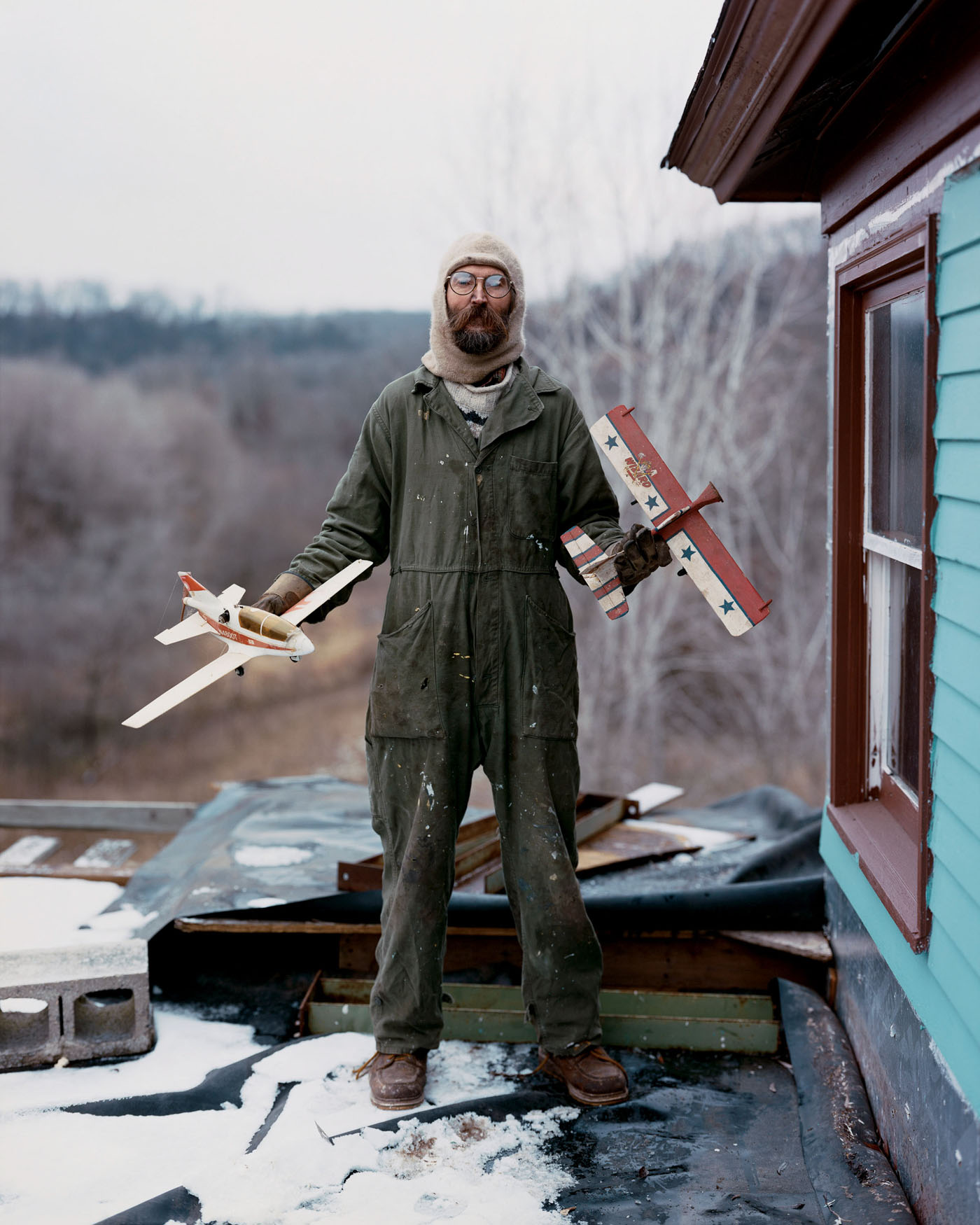
Alec Soth (American, b. 1969) 'Charles, Vasa, Minnesota' 2002


Alec Soth (American, b. 1969)
Charles, Vasa, Minnesota
2002
From the series Sleeping by the Mississippi (1999-2004)


Alec Soth website

LIKE ART BLART ON FACEBOOK

Back to top

Opening: Heather Shimmen ‘Betwixt’ at 101 Gallery, Melbourne

Exhibition dates: 29th October – 22nd November 2008


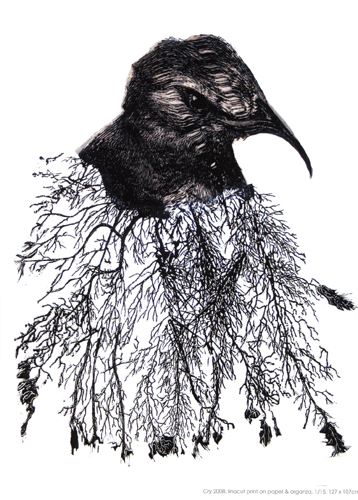
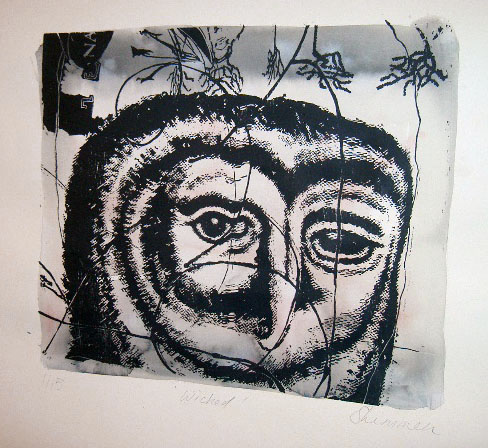
Heather Shimmen (Australian, b. 1957) 'Cry' 2008 from the exhibition Heather Shimmen 'Betwixt' at 101 Gallery, Melbourne, Oct - Nov, 2008


Heather Shimmen (Australian, b. 1957)
Cry
2008
Linocut print on paper and organza


“(Somewhere) betwixt nature and civilisation, past and future, fact and fantasy. Shimmen guides the viewer on a magical history of the landmarks and turning points which connect these extremes … Pictures of skewed, stretched and distorted women are abundant. There are moody pieces where Victorian women look uncomfortable in the Australian bush. In fact their discomfort is palpable as they begin to morph into the local shrubbery, their beauty spots being replaced with twigs … These images wear the marks and piercings of the subverted.”


Pamela Irving. Catalogue essay


Arriving late from the Rennie Ellis opening there was a lively crowd in attendance at the opening of Betwixt by printmaker Heather Shimmen at Gallery 101, Collins Street. The exhibition had been opened by the well known sculptor William Eicholtz. Also in attendance were artists Louise Rippert whose exhibition Trace at Deakin University Art Gallery had opened the previous night and Carolyn Lewens who I studied photography with at RMIT University in the early 1990s and who is now completing her PhD.

The work is feminine but also muscular and visceral, expanding past the edges of the paper. Images are composed in fractured spaces, Ned Kelly surrounded by emblazoned Life Savers, Australian creatures no longer loveable and pliable but dark and threatening. These elements are balanced with the use of delicate printed organza feathers for example. The work challenges conventional iconic wisdoms about Australian culture, morphing traditional stereotypes: no longer is it the Australia child lost in the bush (see Kim Torney’s Babes in the Bush) but the bush invading and subverting adults, animals and the city.

This is a body of work that is both conceptually and technically well resolved, displayed to advantage in the gallery space. Well worth a visit.

Dr Marcus Bunyan


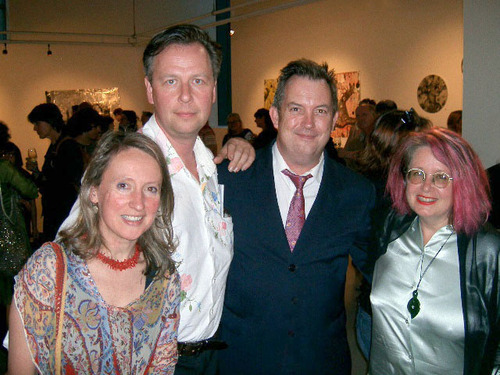
Artist Louise Rippert, sculptor William Eicholtz, architect Vaughn Barker and artist Heather Shimmen


Left to right: Artist Louise Rippert, sculptor William Eicholtz, architect Vaughn Barker and artist Heather Shimmen
Photo: Marcus Bunyan


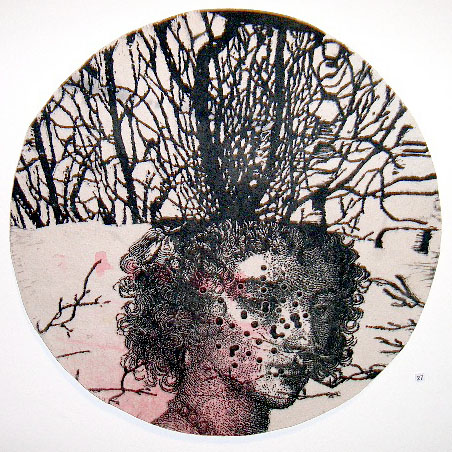
Heather Shimmen (Australian, b. 1957) 'Lost 1' 2008 from the exhibition Heather Shimmen 'Betwixt' at 101 Gallery, Melbourne, Oct - Nov, 2008


Heather Shimmen (Australian, b. 1957)
Lost I
2008
Linocut print on circle of felt, unique state


Heather Shimmen's exhibition 'Betwixt' at 101 Gallery, Melbourne


Heather Shimmen's exhibition 'Betwixt' at 101 Gallery, Melbourne


More artwork from the opening of Heather Shimmen’s exhibition Betwixt at 101 Gallery, Melbourne


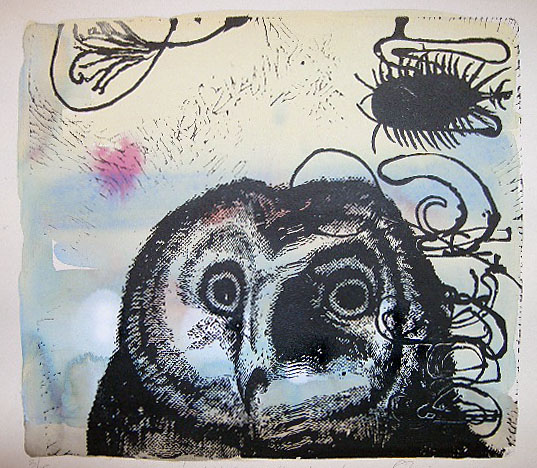
Heather Shimmen (Australian, b. 1957) 'Wicked' 2008


Heather Shimmen (Australian, b. 1957)
Wicked
2008
linocut on paper and ink


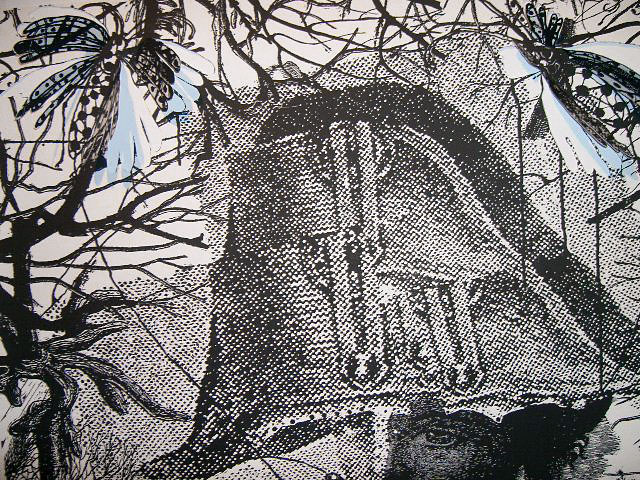
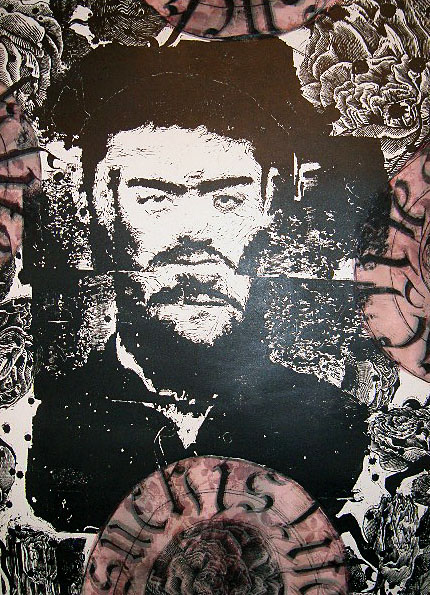
Heather Shimmen (Australian, b. 1957) 'Such Is Life' 2008


Heather Shimmen (Australian, b. 1957)
Such Is Life
2008
Linocut print on paper and organza


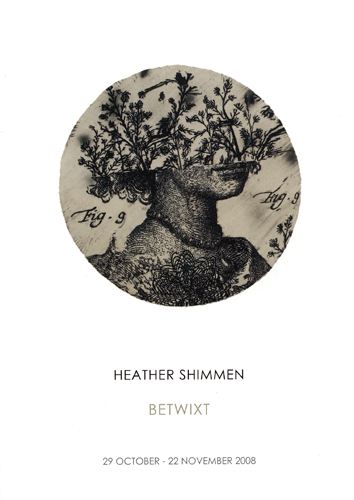
Heather Shimmen (Australian, b. 1957) Catalogue front cover with the work 'Lost II' 2008


Heather Shimmen (Australian, b. 1957)
Catalogue front cover with the work Lost II
2008
Linocut print on circle of felt, unique state


101 Gallery

This gallery has now closed.

LIKE ART BLART ON FACEBOOK

Back to top

Opening: Rennie Ellis ‘No standing only dancing’ at The Ian Potter Centre: NGV Australia

Exhibition dates: 31st October, 2008 – 22nd February, 2009

Opening: 30th October, 2008


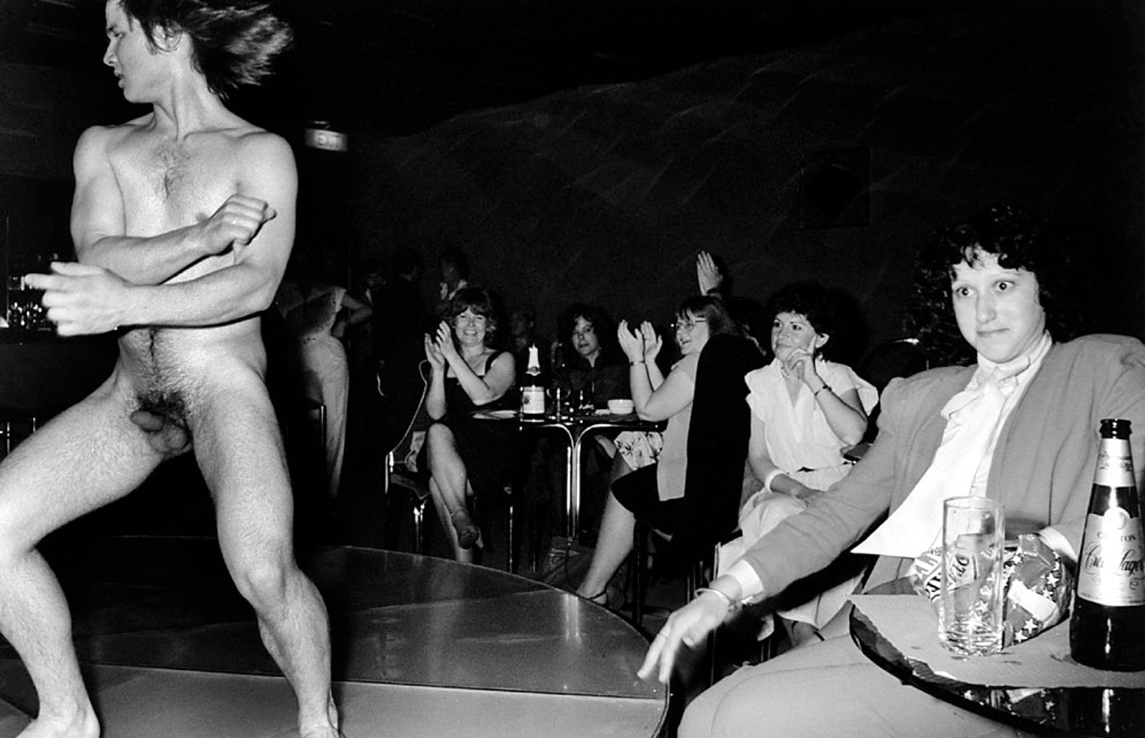
Rennie Ellis (Australian, 1940-2003) 'Girls' Night Out, Prahran' 1980 from the exhibition Rennie Ellis 'No standing only dancing' at The Ian Potter Centre: NGV Australia, Oct 2008 - Feb 2009


Rennie Ellis (Australian, 1940-2003)
Girls’ Night Out, Prahran
1980
Silver gelatin, selenium toned fibre based print


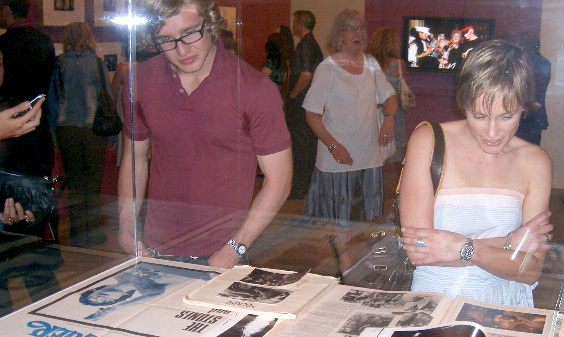
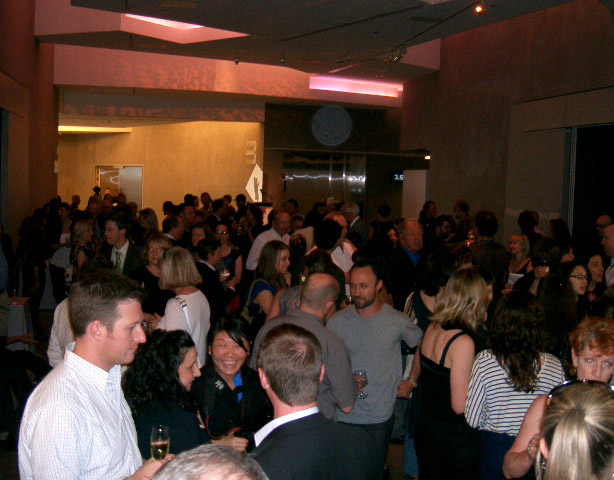
A very social and lively crowd gathered at The Ian Potter Centre: NGV Australia at Federation Square on the evening of 30th October to celebrate the life and work of the Australian social photographer Rennie Ellis.

After opening comments by the NGV Director Dr Gerard Vaughan there was a funny and erudite speech by Phillip Adams AO who had flown down from Sydney to open the exhibition. The crowd enjoyed the anecdotes about his relationship with Rennie and said he thought that dying was a good career move on Rennie’s behalf and that he would have loved the fact that he had a retrospective at the NGV. Adams observed that Ellis used to be everywhere, at every party and opening, using his astute eye to record and never to judge. Applause all round for a life well lived.

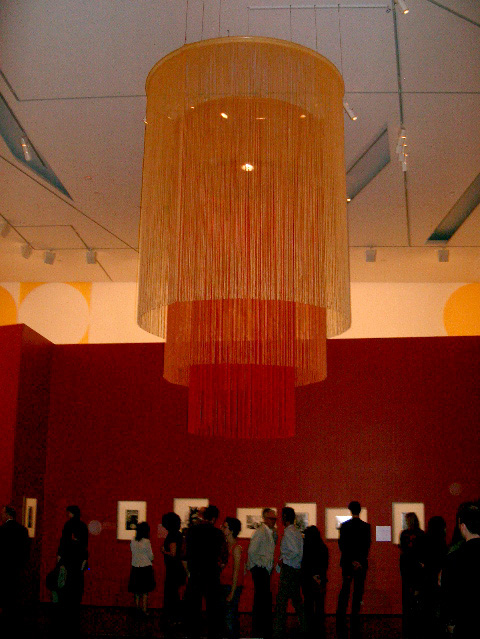
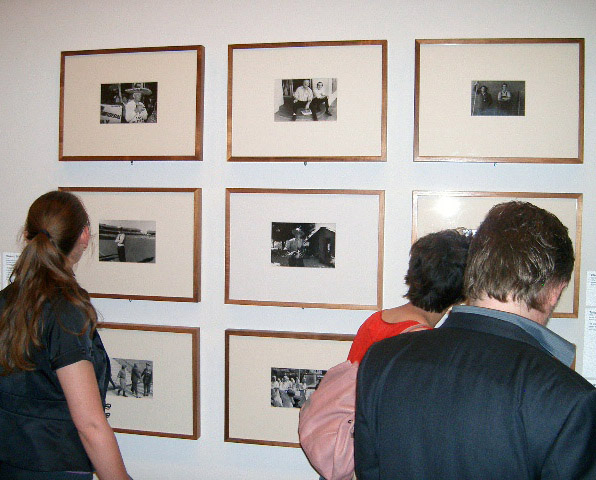
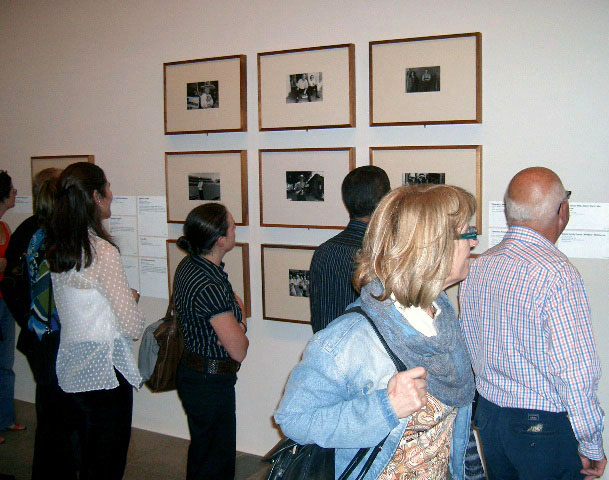
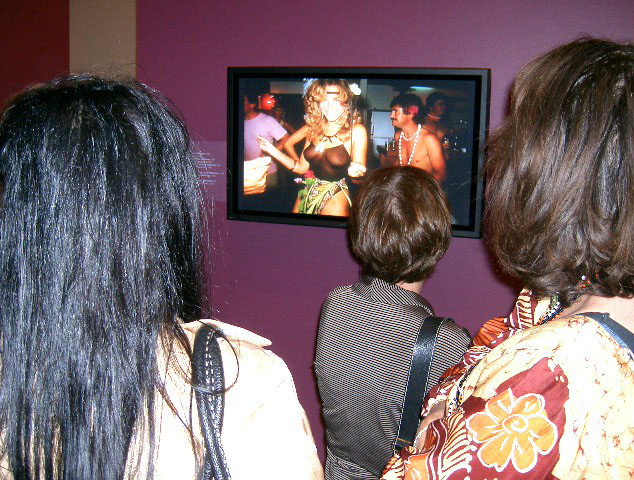
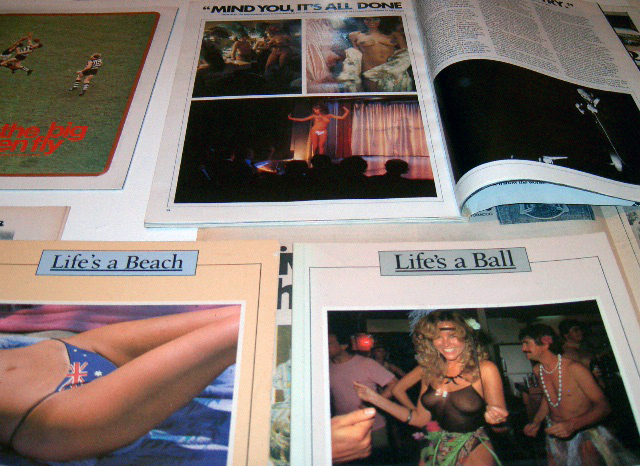
On entering the exhibition space viewers were treated to a simple but effective installation of his work, with overtones of the 1970’s-1980s interior decor with yellow and white circle graphics and hanging fabric chandelier. The curatorial staff at the NGV (notably Susan van Wyk) have chosen over 200 works from an archive of over half a million images for the exhibition in a process that has taken over two and a half years.

As an immigrant arriving in Australia in 1986 I remember 397 Club that used to be at 397 Swanston Street. After every other place had closed this club attracted people from every walk of life: pimps, prostitutes, drag queens, faggots, lesbians, straights and druggies. Rennie was probably there recording the scene. We were there just for a good time. It was fun and this is what Ellis’ photography is. Not burdened by overarching conceptual ideas Ellis recorded what he saw insightfully, balancing social commentary and spatial organisation in the construction of his images. The image Girls’ Night Out, Prahran 1980 (above) is a pearler (with the look on the woman’s face) and neatly encapsulates the magic of his image making.

Dr Marcus Bunyan


Opening of the exhibition 'No standing only dancing' by Rennie Ellis at The Ian Potter Centre: NGV Australia October 30th 2008

Opening of the exhibition 'No standing only dancing' by Rennie Ellis at The Ian Potter Centre: NGV Australia October 30th 2008

Opening of the exhibition 'No standing only dancing' by Rennie Ellis at The Ian Potter Centre: NGV Australia October 30th 2008

Opening of the exhibition 'No standing only dancing' by Rennie Ellis at The Ian Potter Centre: NGV Australia October 30th 2008

Opening of the exhibition 'No standing only dancing' by Rennie Ellis at The Ian Potter Centre: NGV Australia October 30th 2008

Opening of the exhibition 'No standing only dancing' by Rennie Ellis at The Ian Potter Centre: NGV Australia October 30th 2008

Opening of the exhibition 'No standing only dancing' by Rennie Ellis at The Ian Potter Centre: NGV Australia October 30th 2008

Opening of the exhibition 'No standing only dancing' by Rennie Ellis at The Ian Potter Centre: NGV Australia October 30th 2008


Opening of the exhibition No standing only dancing by Rennie Ellis at The Ian Potter Centre: NGV Australia October 30th 2008.
Photographs © Marcus Bunyan


The Ian Potter Centre: NGV Australia
Federation Square
Corner of Russell and 
Flinders Streets, Melbourne

Opening hours:
Daily 10am – 5pm

National Gallery of Victoria website

Rennie Ellis Photographic Archive

LIKE ART BLART ON FACEBOOK

Back to top

New work: Marcus Bunyan ‘The Shape of Dreams’ 2008

November 2008


Marcus Bunyan (Australian, b. 1958) 'Cologne Cathedral 2-52' 2008 From the series 'The Shape of Dreams'


Marcus Bunyan (Australian, b. 1958)
Cologne Cathedral 2-52
2008
From the series The Shape of Dreams
Silver gelatin print


Marcus Bunyan (Australian, b. 1958) 'Untitled' 2008 From the series 'The Shape of Dreams'


Marcus Bunyan (Australian, b. 1958)
Untitled
2008
From the series The Shape of Dreams
Silver gelatin print


A new body of work has formed in my mind and is physically taking shape through working with the images.

I purchased two black and white photo albums from the 1950s on eBay, both belonging to young soldiers, one on active duty in Korea and the other visiting Japan and Germany after the Second World War. These images are especially poignant to me as an artist and human being. These are snapshots of hope and happiness, of place and being in a time of turbulence. Glimpses of the earth through open aircraft doors, smiles that flit across faces contrast with figures wrapped in a shawl of darkness.

Their faces stare out at us across time yet their bodies are caught in the shadows.

They remind that humans still repeat the mistakes of the past, still list the war dead in columns of photographs inches long. So young and full of hope.

Marcus Bunyan

SEE THE FULL SERIES ON MY WEBSITE


Marcus Bunyan (Australian, b. 1958) 'How dramatic!' 2008 From the series 'The Shape of Dreams'


Marcus Bunyan (Australian, b. 1958)
How dramatic!
2008
From the series The Shape of Dreams
Silver gelatin print


Marcus Bunyan (Australian, b. 1958) 'Spire of the Dome, 1-52' 2008 From the series 'The Shape of Dreams'


Marcus Bunyan (Australian, b. 1958)
Spire of the Dome, 1-52
2008
From the series The Shape of Dreams
Silver gelatin print


Marcus Bunyan (Australian, b. 1958) 'Untitled' 2008 from the series 'The Shape of Dreams'


Marcus Bunyan (Australian, b. 1958)
Untitled
2008
From the series The Shape of Dreams
Silver gelatin print


Marcus Bunyan (Australian, b. 1958) 'Untitled' 2008 from the series 'The Shape of Dreams'


Marcus Bunyan (Australian, b. 1958)
Untitled
2008
From the series The Shape of Dreams
Silver gelatin print


Marcus Bunyan (Australian, b. 1958) "It's really nothing fellas!" 2008 from the series 'The Shape of Dreams'


Marcus Bunyan (Australian, b. 1958)
“It’s really nothing fellas!”
2008
From the series The Shape of Dreams
Silver gelatin print


Marcus Bunyan website

LIKE ART BLART ON FACEBOOK

Back to top