Dorothea Lange (American, 1895-1965) Couple Seated on Porch, Gunlock, Utah 1953 Silver gelatin photograph Brigham Young University Museum of Art, purchased with funds provided by Jack and Mary Lois Wheatley
“The camera is an instrument that teaches people how to see without a camera.”
Dorothea Lange
Lange observes the minutiae, the precise details that go to make up the lives of these three towns and puts them together in a wonderful symphony of beautifully calculated, seemingly happenstance associations. Masterful!
Dorothea Lange (American, 1895-1965) Doorway, Toquerville, Utah 1953 Silver gelatin photograph Brigham Young University Museum of Art, purchased with funds provided by Jack and Mary Lois Wheatley
Dorothea Lange (American, 1895-1965) Mulberry Tree, Neagle Home, Toquerville, Utah 1953 Silver gelatin photograph Brigham Young University Museum of Art, purchased with funds provided by Jack and Mary Lois Wheatley
Dorothea Lange (American, 1895-1965) Riley Savage, Toquerville, Utah 1953 Silver gelatin photograph Brigham Young University Museum of Art, purchased with funds provided by Jack and Mary Lois Wheatley
Dorothea Lange (American, 1895-1965) Hands, Toquerville, Utah 1953 Silver gelatin photograph Brigham Young University Museum of Art, purchased with funds provided by Jack and Mary Lois Wheatley
Dorothea Lange (American, 1895-1965) Eggs, Toquerville, Utah 1953 Silver gelatin photograph Collection of John and Lolita Dixon
In August 1953, renowned American photographer Dorothea Lange travelled to southern Utah where she met up with her long-time friend Ansel Adams. The two photographers spent three weeks photographing the landscape and people of Toquerville, Gunlock and St. George with the intention of publishing the work in LIFE magazine.
Lange’s enthusiasm for her subject yielded hundreds of photographs from which she composed an extended essay of 135 photographs, including images by Ansel Adams. Thirty-five of those photographs with text by Daniel Dixon appeared under the title Three Mormon Towns in the September 6, 1954 issue of LIFE.
“Dorothea Lange’s Three Mormon Towns,” a new exhibition at the Brigham Young University Museum of Art, features 21 of Lange’s photographs from this series acquired by the museum. The exhibition also draws from the collections of the J. Paul Getty Museum of Art, the Museum of Contemporary Photography, Columbia College Chicago, and the collection of John and Lolita Dixon.
The 62 vintage prints in the exhibition, accompanied by excerpts from Dixon’s original text, examine Lange’s lasting interest in the people of southern Utah and their relationship with the land, their heritage and the transformation of the West in post-war America.
“Subtle and poetic, the series of photographs that has come to be known as Three Mormon Towns is a bridge between Lange’s famous Depression Era photographs and her detailed photo essays of the 1950s,” Diana Turnbow, Curator of Photography at Brigham Young University Museum of Art, said.
Utah attracted Lange’s interest when she and her first husband, Maynard Dixon, spent the summer of 1933 camping and working in Zion National Park. She originally intended to photograph southern Utah with the support of a Guggenheim Foundation fellowship in 1941; however, a family crisis, followed by the onset of World War II prevented Lange from traveling to Utah. Yet, the desire to photograph the Mormon towns of southern Utah never faded. In 1953, Lange returned to the place that had captured her attention decades earlier.
“While Lange’s photographs depict communities bound together by hard work and religion in the formidable landscape of the Colorado Plateau, they also explore the changes that were beginning to affect not only Utah, but rural communities throughout the United States,” Turnbow said. “Three Mormon Towns was a study of contrasts – of old and new, of quiet villages and a growing city, of deep roots and transient highways. In this series, Lange memorialised the dignity and simplicity of agrarian life in light of post-war urbanisation.”
Published in the September 6, 1954 issue of LIFE magazine, the series of photographs that has come to be known as Three Mormon Towns bridges Dorothea Lange’s famous Depression era photographs with her detailed photo essays of the 1950s. Featuring sixty-two vintage photographs from the series, this exhibition considers Dorothea Lange’s lasting interest in the people of southern Utah and their relationship with the land, their heritage, and the transformation of the West in post-war America.
Known for her candid and sympathetic depiction of people, Dorothea Lange (1895-1965) is one of the most revered photographers of the twentieth century. For over four decades she explored the human psyche through portraiture and documentary photography. The probing portraits of her early career prepared Lange to photograph the people involved in the tumultuous events of the San Francisco labor strikes of 1934, the Great Depression, and the Japanese internment during World War II. Her 1935 photograph, TheMigrant Mother, is one of the great icons of the American century.
In the 1950s, Lange began to create photographic essays for the popular picture and news magazine LIFE. She eventually completed five major essays for publication, with two of the essays, including Three Mormon Towns, printed in LIFE. In addition, Lange was a founding member of Aperture magazine and played a role in organising the influential Family of Man exhibition that premiered in New York in 1955.
In the later part of her life, Lange photographed and traveled extensively with her husband, Paul Taylor, in conjunction with his work in international development. Her photographs of South America, Africa, and Asia were deft and subtle, exploring a rich visual landscape populated with diverse objects and people.
In 1964, Lange was diagnosed with terminal cancer. Sustained by determination, she worked steadily to complete a number of projects including a retrospective exhibition of her work at the Museum of Modern Art in New York City. She passed away on October 11, 1965, content with the life that she had been able to live.
Text from the Brigham Young University Museum of Art website [Online] Cited 24/03/2011 no longer available online
Gunlock, Utah
Dorothea Lange (American, 1895-1965) Sky and Clouds, Gunlock, Utah 1953 Silver gelatin photograph Brigham Young University Museum of Art, purchased with funds provided by Jack and Mary Lois Wheatley
Dorothea Lange (American, 1895-1965) Jake Jones’ Hands, Gunlock, Utah 1953 Silver gelatin photograph Brigham Young University Museum of Art, purchased with funds provided by Jack and Mary Lois Wheatley
Dorothea Lange (American, 1895-1965) Horseplay, Gunlock, Utah 1953 Silver gelatin photograph Brigham Young University Museum of Art, purchased with funds provided by Jack and Mary Lois Wheatley
Dorothea Lange (American, 1895-1965) Four Young Riders in Summer 1953 Silver gelatin photograph Museum of Contemporary Photography, Columbia College Chicago
St. George, Utah
Dorothea Lange (American, 1895-1965) Anne Carter Johnson, St. George, Utah 1953 Silver gelatin photograph Brigham Young University Museum of Art, purchased with funds provided by Jack and Mary Lois Wheatley
Dorothea Lange (American, 1895-1965) Young Woman, St. George, Utah 1953 Silver gelatin photograph Brigham Young University Museum of Art, purchased with funds provided by Jack and Mary Lois Wheatley
Brigham Young University Museum of Art North Campus Drive, Provo, UT 84602-1400
Slow Swirl at the Edge of the Sea pictures two creatures dancing between sea and sky, surrounded by arabesques, spirals, and stripes. The forms “have no direct association with any particular visible experience, but in them one recognises the principle and passion of organisms,” Rothko said. For him art was “an adventure into an unknown world”; like the Surrealists before him, Rothko looked inward, to his own unconscious mind, for inspiration and material for his work.
Gallery label from Abstract Expressionist New York, October 3, 2010 – April 25, 2011
What a privilege to post all of these works together.
Aaron Siskind has to be one of my favourite photographers of all time (and space). His Martha’s Vineyard (see photograph below), like most of his work, is superb: the abstraction and counterpose are magnificent. Team this with a couple of Rothko, a Motherwell, a de Kooning and a knockout of a Hartigan and you certainly have the start of ‘The Big Picture’. I wish I could have been there to see this exhibition – sigh!
Dr Marcus Bunyan
Many thankx to The Museum of Modern Art for allowing me to publish the photographs in the posting. Please click on the photographs for a larger version of the image.
Installation view of the exhibition, Abstract Expressionist New York: The Big Picture at MoMA, New York October 3, 2010 – February 28, 2011 Photograph by Thomas Griesel
In the early 1940s Pollock, like many of his peers, explored primeval or mythological themes in his work. The wolf in this painting may allude to the animal that suckled the twin founders of Rome, Romulus and Remus, in the myth of the city’s birth. But “She-Wolf came into existence because I had to paint it,” Pollock said in 1944. In an attitude typical of his generation, he added, “Any attempt on my part to say something about it, to attempt explanation of the inexplicable, could only destroy it.” The She-Wolf was featured in Pollock’s first solo exhibition, at Art of This Century gallery in New York in 1943. MoMA acquired the painting the following year, making it the first work by Pollock to enter a museum collection.
Gallery label from Abstract Expressionist New York, October 3, 2010 – April 25, 2011
Installation view of the exhibition, Abstract Expressionist New York: The Big Picture at MoMA, New York October 3, 2010 – February 28, 2011 showing at right, Jackson Pollock’s painting Number 1A, 1948 Photograph by Thomas Griesel
While the style of “drip” painting has become synonymous with the name Jackson Pollock, here the artist has autographed the work even more directly, with several handprints found at the composition’s upper right. Around this time Pollock stopped giving his paintings evocative titles and began instead to number them. His wife, artist Lee Krasner, later explained, “Numbers are neutral. They make people look at a painting for what it is – pure painting.” Collectors did not immediately appreciate Pollock’s radical new style, and when first exhibited, in 1949 (then titled Number 1, 1948), this painting remained unsold. Later that year the work was shown again in the artist’s second solo exhibition (Pollock added “A” to the title to avoid confusion with more recent work) and shortly thereafter was purchased by MoMA.
Gallery label from Abstract Expressionist New York, October 3, 2010 – April 25, 2011
Bradley Walker Tomlin (American, 1899-1953) Number 20 1949 Oil on canvas 7′ 2″ x 6′ 8 1/4″ (218.5 x 203.9cm) Gift of Philip Johnson
Although some of the ribbons and bars that animate Number 20 are recognisable letters of the alphabet (E, X, or Z) these and their more abstract neighbours evoke calligraphy without constituting it. A critic described these symbols as “hieroglyphs that lack only the appropriate Rosetta Stone for their deciphering.” Tomlin distributed his nonobjective imagery evenly on the canvas, depriving the work of a traditional focal point and creating a staccato rhythm and allover design that invites the viewer’s glance to travel across its surface.
Gallery label from Abstract Expressionist New York, October 3, 2010 – April 25, 2011
Installation view of the exhibition, Abstract Expressionist New York: The Big Picture at MoMA, New York October 3, 2010 – February 28, 2011 showing at left, Barnett Newman’s painting Vir Heroicus Sublimis (1950-1951) Photograph by Thomas Griesel
Vir Heroicus Sublimis, Newman’s largest painting at the time of its completion, is meant to overwhelm the senses. Viewers may be inclined to step back from it to see it all at once, but Newman instructed precisely the opposite. When the painting was first exhibited, in 1951 at the Betty Parsons Gallery in New York, Newman tacked to the wall a notice that read, “There is a tendency to look at large pictures from a distance. The large pictures in this exhibition are intended to be seen from a short distance.” Newman believed deeply in the spiritual potential of abstract art. The Latin title of this painting means “Man, heroic and sublime.”
Gallery label from Abstract Expressionist New York, October 3, 2010 – April 25, 2011
Installation view of the exhibition, Abstract Expressionist New York: The Big Picture at MoMA, New York October 3, 2010 – February 28, 2011 showing at right, David Smith’s sculpture Australia (1951) Photograph by Thomas Griesel
At the time of its completion, Australia was Smith’s largest sculpture. By welding together thin rods and plates of steel he created a work that is simultaneously delicate and strong, a masterpiece of tension, balance, and form that he described as a “drawing in space.” Sculpture has traditionally been defined by volume and mass; Australia is, in contrast, built of lines. In what might be described as an allover sculpture, the linear activity is greatest at the perimeters, while the center is nearly empty. Because of its title, the work is sometimes read as an abstracted kangaroo, its lines capturing the spring of the animal’s leap.
Gallery label from Abstract Expressionist New York, October 3, 2010 – April 25, 2011
Installation view of the exhibition, Abstract Expressionist New York: The Big Picture at MoMA, New York October 3, 2010 – February 28, 2011 showing a wall of photographs by Aaron Siskind including at second right, Martha’s Vineyard (1954-1959) Photograph by Thomas Griesel
In the 1940s Gottlieb began to emulate the art of early Native American and Middle Eastern cultures, explorations that eventually inspired his Pictograph paintings, including Man Looking at Woman. This work and others like it feature hieroglyphic-like script distributed across the canvas in a series of gridded compartments. Gottlieb avoided using decipherable signs. In 1955 he said of these works, “I frequently hear the question, ‘What do these images mean?’ That is simply the wrong question. Visual images do not have to conform to either verbal thinking or optical facts. A better question would be: ‘Do these images convey any emotional truth?'”
Gallery label from Abstract Expressionist New York, October 3, 2010 – April 25, 2011
The evocative title of this work and the fiery intensity of the palette signal a departure from Gorky’s more lyrical abstractions of the preceding years. Agony, a blazing, impassioned scene, is often understood in relation to the traumatic events of the artist’s personal life, including a fire in his studio and cancer.
Gallery label from Abstract Expressionist New York, October 3, 2010 – April 25, 2011
Subtitled The Big Picture, this installation of 100 Abstract Expressionist paintings and a rich selection of some 60 sculptures, drawings, prints, and photographs, occupies the entire fourth floor of the Museum and chronicles the era of Abstract Expressionism. The movement drew together a host of artists with greatly varying stylistic approaches, but with a common commitment to the power of an abstract art that could express personal convictions and profound human values.
Organised in a loose chronology, intermittently interrupted by monographic galleries that allow for the in-depth study of an individual artist’s practice, the installation opens with a selection of paintings and drawings that attest to the acutely self-conscious sense of new beginnings present in the work of individuals such as Jackson Pollock and Mark Rothko. In the immediate aftermath of World War II, they and their peers – not yet a cohesive group – created imagery that evoked primitive man or ancient myth, and conjured an aquatic or geological pre-human world.
Upon entering the galleries, visitors are greeted by Jackson Pollock’s The She-Wolf (1943), which was featured in the artist’s first solo exhibition, in 1943, and was the first work by Pollock to enter a museum collection when MoMA acquired it the following year. Made before Pollock developed his signature “drip” style, the canvas shows that a free-form abstraction and an unfettered play of materials were already parts of his process. Also on view is Mark Rothko’s Slow Swirl at the Edge of the Sea (1944), a canvas picturing two creatures floating between sea and sky, surrounded by arabesques, spirals, and stripes that betrays the influence of Surrealism on Rothko’s early work.
A monographic gallery devoted to the work of Barnett Newman includes Onement, I (1952), which the artist later identified as his breakthrough painting. Modest in size, it consists of a monochromatic background divided in half by a vertical band, or “zip” as the artist later called it. Every successive painting by Newman, as seen in the seven works in this gallery, features this particular compositional motif, although their formal and emotional differences are apparent. The scale and proportions of the paintings, as well as their palette and brushwork, vary from work to work, as do the number of zips and their location in the field of colour. At the other end of the spectrum from this relatively small canvas is Vir Heroicus Sublimis (1950-1951), an 18-foot-wide, vibrant red expanse that was Newman’s largest painting at the time of its creation.
The distinctive materials, techniques, and approaches developed and practiced by the Abstract Expressionists can be seen in a number of other works from the late 1940s and early 1950s. For Painting (1948), Willem de Kooning used oil and enamel sign paint to create a densely packed painting in which the paint drips, bleeds, congeals, or dissolves into delicate streaks. Lee Krasner’s Untitled (1949) shows that she applied thick paint – sometimes directly from the tube – in rhythmic and repetitive strokes, giving equal attention to every inch of the canvas and creating an allover composition. Bradley Walker Tomlin, in Number 20 (1949), and Adolph Gottlieb, in Man Looking at Woman (1949), distributed imagery evoking the alphabet and hieroglyphics evenly across their canvases.
A large gallery focusing on the work of Jackson Pollock includes Full Fathom Five (1947), one of earliest “drip” paintings, and Number 1A, 1948 (1948), the first drip painting to enter MoMA’s collection (in 1950). For One: Number 31, 1950 (1950), a masterpiece of the drip technique and one of Pollock’s largest paintings (8′ 10″ x 17′ 5 5/8″ (269.5 x 530.8 cm)), the artist laid the canvas on the floor of his studio and poured, dribbled, and flicked enamel paint onto the surface, sometimes straight from the can, or with sticks and stiffened brushes. The density of interlacing liquid threads of paint is balanced and offset by puddles of muted colours and by allover spattering.
Eight paintings made by Mark Rothko over a 14-year period are presented in a single gallery. The earliest examples from 1948, such as No. 1 (Untitled), feature variously sized abstract forms caught mid-motion as they shift on the canvas. Beginning in 1950, Rothko’s “classic” style forms as the artist creates a composition from horizontal planes of thinly layered paint and highly modulated colour, simplifying the compositional structure of his paintings and arriving at his signature style. No. 10 (1950) is divided horizontally into three dominant planes of blue, yellow, and white that softly and subtly bleed into one another. Acquired by MoMA in 1952, it was the first Rothko to enter the Museum’s collection, and was considered so radical that a trustee of the Museum resigned in protest.
MoMA’s practice of making in-depth acquisitions of work by artists that its curators judged to be of greatest importance was complemented by acquisitions of smaller numbers of works by other artist who played roles too significant to be forgotten. The Big Picture includes paintings and sculptures by more than 20 artists.
There is a gallery devoted to a selection of photographs made by individuals who used a camera to explore kindred artistic concerns – often resulting in work with striking stylistic similarities. Aaron Siskind may be the photographer most closely associated with Abstract Expressionism, and numerous works of his on display suggest the depth of this connection. Also featured in this installation is work by Harry Callahan, Robert Frank, Minor White, and others, revealing the variety of ways in which the sensibility or structure of paintings from this period manifested itself photographically.
The exhibition includes some 30 items from the MoMA Archives, documenting the relation of the Museum to Abstract Expressionism. Materials represent the institution’s influential series of “Americans” exhibitions, organised by Dorothy C. Miller, which included several Abstract Expressionist artists in four of its iterations. In addition, documentation regarding the internationally circulating New American Painting show (also organised by Miller) is presented. This important exhibition travelled to eight European cities in 1958-59 and propelled the homegrown Abstract Expressionist movement onto the international art scene. A third section includes photographs of artists and their own statements and letters. Highlights include: exhibition catalogues, installation photographs, news clippings, and ephemera; photographs of artists in the studio with their artworks; a letter from Robert Motherwell to Miller describing the four themes of his art (automatic means, pure abstractions, political or a kind of “disasters” series, and intimate pictures), a letter from Ad Reinhardt to Miller recommending a different installation of his paintings, and a statement by Grace Hartigan identifying her subject as the “vulgar and vital in American life, and the possibilities of its transcendence into the beautiful.”
Text from the Museum of Modern Art press release
Installation view of the exhibition, Abstract Expressionist New York: The Big Picture at MoMA, New York October 3, 2010 – February 28, 2011 showing a wall of the photographs of Robert Frank (Swiss-American, 1924-2019) Photograph by Thomas Griesel
Robert Frank (Swiss-American, 1924-2019) Paris 1952 Gelatin silver print
Robert Frank (Swiss-American, 1924-2019) Mississippi, St Louis 1948 Gelatin silver print
Robert Frank (Swiss-American, 1924-2019) New York c. 1949 Gelatin silver print
This sculpture represents Kwannon (also known as Kannon), the Buddhist goddess of mercy and an attendant of Buddha. Lassaw thickened steel wire with molten bronze, creating an openwork metal scaffolding of irregular lines and voids – what he called a “drawing in space.” Lassaw wrote of this abstract figure, “Although I never try to depict or narrate or communicate, I feel that something of Kwannon entered this piece of sculpture.”
Gallery label from Abstract Expressionist New York, October 3, 2010 – April 25, 2011
De Kooning famously said, “Flesh is the reason oil paint was invented,” and although he often worked in an abstract style he continually returned to the figure. Woman I took an unusually long time to complete. De Kooning made numerous preliminary studies then repainted the canvas repeatedly, eventually arriving at this hulking, wild-eyed figure of a woman. An amalgam of female archetypes, from a Paleolithic fertility goddess to a 1950s pinup girl, her threatening gaze and ferocious grin are heightened by de Kooning’s aggressive brushwork and intensely coloured palette.
Gallery label from Abstract Expressionist New York, October 3, 2010 – April 25, 2011
In Memoria in Aeturnum (Eternal memory) Hofmann remembers five American painters who died in their prime: Arthur B. Carles, an early American Cubist, and four abstract painters whose work is on display in this exhibition – Arshile Gorky, Franz Kline, Jackson Pollock, and Bradley Walker Tomlin. Painted near the end of his life, Hofmann’s work is a tribute to the preceding decades of abstract art, incorporating a wide range of techniques that evoke the spirits of the departed: stains, drips, drawn-out brushstrokes, and smooth-edged geometric forms.
Gallery label from Abstract Expressionist New York, October 3, 2010 – April 25, 2011
Installation view of the exhibition, Abstract Expressionist New York: The Big Picture at MoMA, New York October 3, 2010 – February 28, 2011 showing at right, Mark Rothko’s painting No. 5 / No. 22 (1950) Photograph by Thomas Griesel
Exhibition dates: 10th November 2010 – 10th April 2011
Many thankx to the The Metropolitan Museum of Art for allowing me to publish the photographs in the posting. Please click on the photograph for a larger version of the image.
Alfred Stieglitz (American, 1864-1946) The Terminal 1893, printed 1920s-30s Gelatin silver print 8.9 x 11.5cm (3 1/2 x 4 1/2 in.) The Metropolitan Museum of Art Alfred Stieglitz Collection, 1949
As proprietor of the Little Galleries of the Photo-Secession and publisher of the photographic journals Camera Notes and later Camera Work, Stieglitz was a major force in the promotion and elevation of photography as a fine art in America in the late nineteenth and early twentieth centuries. His own photographs had an equally revolutionary impact on the advancement of the medium.
Stieglitz took this picture using a small 4 x 5″ camera, an instrument not considered at the time to be worthy of artistic photography. Unlike the unwieldy 8 x 10″ view camera (which required a tripod), this camera gave Stieglitz greater freedom and mobility to roam the city and respond quickly to the everchanging street life around him. The Terminal predicts by over a decade the radical transformation of the medium from painterly prints of rarified subjects to what the critic Sadakichi Hartmann dubbed “straight photography.” This new photography would take as its subject matter the quotidian aspects of modern, urban life, using only techniques that are unique to the medium.
Text from The Metropolitan Museum of Art website
Edward Steichen (American born Luxembourg, 1879-1973) The Little Round Mirror 1901, printed 1905 Gum bichromate over platinum print 48.3 x 33.2cm (19 x 13 1/16 in.) The Metropolitan Museum of Art Alfred Stieglitz Collection, 1933
Alfred Stieglitz (American, 1864-1946) The Hand of Man 1902, printed 1910 Photogravure 24.2 x 31.9cm (9 1/2 x 12 9/16 in.) The Metropolitan Museum of Art Alfred Stieglitz Collection, 1949
The Hand of Man was first published in January 1903 in the inaugural issue of Camera Work. With this image of a lone locomotive chugging through the train yards of Long Island City, Stieglitz showed that a gritty urban landscape could have an atmospheric beauty and a symbolic value as potent as those of an unspoiled natural landscape. The title alludes to this modern transformation of the landscape and also perhaps to photography itself as a mechanical process. Stieglitz believed that a mechanical instrument such as the camera could be transformed into a tool for creating art when guided by the hand and sensibility of an artist.
Text from The Metropolitan Museum of Art website
Edward Steichen (American born Luxembourg, 1879-1973) The Flatiron 1904 Gum bichromate over platinum print 47.8 x 38.4cm (18 13/16 x 15 1/8 in.) The Metropolitan Museum of Art Alfred Stieglitz Collection, 1933
Edward Steichen (American born Luxembourg, 1879-1973) Alfred Stieglitz 1907 Autochrome 23.9 x 18cm The Metropolitan Museum of Art Alfred Stieglitz Collection, 1955
For the first time in more than 25 years, The Metropolitan Museum of Art will display five of its original Autochromes by Edward Steichen and Alfred Stieglitz for one week only – January 25-30, 2011 – as part of the current exhibition Stieglitz, Steichen, Strand. Invented by Auguste and Louis Lumière in 1907, Autochromes are one-of-a-kind color transparencies that are seductively beautiful when backlit.
The invention of the Autochrome was a milestone in the history of photography. It was the first commercially available means of making color photographs. Steichen was enthralled by the process and recommended it to his fellow photographers. Praising the luminosity of the new medium, he wrote, “One must go to stained glass for such color resonance, as the palette and canvas are a dull and lifeless medium in comparison.” Among the five Autochromes exhibited are Steichen’s portrait of Rodin in front of his sculpture The Eve and his widely reproduced portrait of Stieglitz holding an issue of his influential publication, Camera Work.
These fragile photographs – composed of minute grains of potato starch dyed red, blue, and green – cannot withstand the exposure of long-term display without suffering irreversible damage. Because of the high risk of the color fading, the Metropolitan – like most museums – has had a policy of not exhibiting its important collection of Autochromes. The Metropolitan recently completed a three-year study of the stability and light-sensitivity of Autochrome dyes, conducted by Luisa Casella, the Museum’s first Mellon Research Scholar in Photo Conservation, in close collaboration with Masahiko Tsukada of the Museum’s Department of Scientific Research, and supervised by Nora Kennedy, Sherman Fairchild Conservator of Photographs at the Metropolitan Museum. The study established that the Autochrome dyes are partially, though not completely, protected from light fading when in an environment where all oxygen has been removed.
Guided by this research, the Museum will display five original Autochromes by Steichen and Stieglitz within individual oxygen-free enclosures and under carefully controlled lighting conditions from January 25 to 30 in the exhibition Stieglitz, Steichen, Strand. During the other weeks of the exhibition, facsimiles of the photographs are displayed in their place.
Edward J. Steichen (American born Luxembourg, 1879-1973) Balzac, The Open Sky – 11 P.M. 1908, printed 1909 Direct carbon print 48.7 x 38.5cm (19 3/16 x 15 3/16 in.) The Metropolitan Museum of Art Alfred Stieglitz Collection, 1933
In late summer 1908 Rodin moved the plaster of his sculpture of the French writer Honoré de Balzac out of his studio and into the open air so that Steichen, who disliked its chalky aspect in the daylight, could photograph it by the moon. Waiting through several exposures as long as an hour each, Steichen made this exposure at 11 p.m., when the moonlight transformed the plaster into a monumental phantom rising above the brooding nocturnal landscape. Steichen recalled that when he presented his finished prints some weeks later, an elated Rodin exclaimed: “You will make the world understand my Balzac through your pictures. They are like Christ walking on the desert.”
Text from The Metropolitan Museum of Art website
Stieglitz, Steichen, Strand
Go behind the lens with Sarah Greenough and Joel Smith as they speak about the relationships between three giants of early twentieth-century photography – Alfred Stieglitz, Edward Steichen, and Paul Strand – whose diverse and groundbreaking works are among the Metropolitan’s greatest photographic treasures. Followed by a discussion among the participants. Malcolm Daniel, Curator in Charge, Department of Photographs, MMA, introduces the program.
“Steichen, Stieglitz, and the Art of Change” Joel Smith, Curator of Photography, Princeton University Art Museum
“Stieglitz and Strand: Mentor and Protégé/Friend and Rival” Sarah Greenough, Senior Curator of Photographs, National Gallery of Art, Washington.
Stieglitz and the New York Art Scene (1905-46)
Lisa M. Messinger, associate curator, Department of Nineteenth-Century, Modern, and Contemporary Art, The Metropolitan Museum of Art
Three giants of 20th-century American photography – Alfred Stieglitz, Edward Steichen, and Paul Strand – are featured at The Metropolitan Museum of Art, New York, through April 10, 2011, in the exhibition Stieglitz, Steichen, Strand. The diverse and groundbreaking work of these artists will be revealed through a presentation of 115 photographs, drawn entirely from the Museum’s collection. On view will be many of the Metropolitan’s greatest photographic treasures from the 1900s to 1920s, including Stieglitz’s famous portraits of Georgia O’Keeffe, Steichen’s large coloured photographs of the Flatiron building, and Strand’s pioneering abstractions.
Alfred Stieglitz (1864-1946) was a photographer of supreme accomplishment and a forceful and influential advocate for photography and modern art through his gallery “291” and his sumptuous journal Camera Work. Stieglitz also laid the foundation for the Museum’s collection of photographs. In 1928, he donated 22 of his own works to the Metropolitan; these were the first photographs to enter the Museum’s collection as works of art. In later decades he gave the Museum more than 600 photographs by his contemporaries, including Edward Steichen and Paul Strand.
Among Stieglitz’s works to be featured in this exhibition are portraits, views of New York City from the beginning and end of his career, and the 1920s cloud studies he titled Equivalents, through which he sought to arouse in the viewer the emotional equivalent of his own state of mind at the time he made the photograph, and to show that the content of a photograph was different from its subject.
The exhibition will also include numerous photographs from Stieglitz’s extraordinary composite portrait of Georgia O’Keeffe (1887-1986), part of a group of works selected for the Museum’s collection by O’Keeffe herself. Stieglitz made more than 330 images of O’Keeffe between 1917 and 1937 – of her face, torso, hands, or feet alone, clothed and nude, intimate and heroic, introspective and assertive. Through these photographs Stieglitz revealed O’Keeffe’s strengths and vulnerabilities, and almost single-handedly defined her public persona for generations to come.
Stieglitz’s protégé and gallery collaborator, Edward Steichen (1879-1973), was the most talented exemplar of the Photo-Secession, the loosely-knit group of artists founded by Stieglitz in 1902, seceding, in his words, “from the accepted idea of what constitutes a photograph,” but also from the camera clubs and other institutions dominated by a more retrograde establishment. In works such as The Pond – Moonrise (1904), made using a painstaking technique of multiple printing, Steichen rivalled the scale, colour, and individuality of painting.
Steichen’s three large variant prints of The Flatiron (1904) are prime examples of the conscious effort of Photo-Secession photographers to assert the artistic potential of their medium. Steichen achieved coloristic effects reminiscent of Whistler’s Nocturne paintings by brushing layers of pigment suspended in light-sensitive gum solution onto a platinum photograph. Although he used only one negative to create all three photographs, the variable colouring enabled him to create three significantly different images that convey the chromatic progression of twilight. The Metropolitan’s three prints, all donated by Stieglitz in 1933, are the only exhibition prints of Steichen’s iconic image.
In 1908 Steichen photographed the plaster of Rodin’s sculpture of Honoré de Balzac in the open air, by the light of the moon, making several exposures as long as an hour each. In Balzac, The Silhouette – 4 A.M., the moonlight has transformed the plaster into a monumental phantom rising above the brooding nocturnal landscape. Steichen recalled that when he presented his finished prints to Rodin, the elated sculptor exclaimed, “You will make the world understand my Balzac through your pictures.”
Among the unique early-20th-century works by Stieglitz and Steichen in the Museum’s collection are Autochromes, an early process of colour photography that became commercially available in 1907. Because of the delicate and light-sensitive nature of these glass transparencies, five original Autochromes by Stieglitz and Steichen will be displayed for one week only, January 25-30, 2011. During the other weeks of the exhibition, facsimiles of these Autochromes will be on view.
Stieglitz’s and Steichen’s younger contemporary, Paul Strand (1890-1976), pioneered a shift from the soft-focus aesthetic and painterly prints of the Photo-Secession to the straight approach and graphic power of an emerging modernism. Strand was introduced to Stieglitz as a high-schooler by his camera club advisor, Lewis Hine, the social reformer and photographer. He quickly became a regular visitor to “291,” where he was exposed to the latest trends in European art through groundbreaking exhibitions of works by Cézanne, Picasso, Matisse, and Brancusi.
Strand incorporated the new language of geometric abstraction into his interest in photographing street life and machine culture. His photographs from 1915-1917 treated three principal themes: movement in the city, abstractions, and street portraits. Stieglitz, whose interest in photography had waned as he grew more interested in avant-garde art, saw in Strand’s work a new approach to photography. He showed Strand’s groundbreaking photographs at 291 and devoted the entire final double issue of Camera Work (1917) to this young photographer’s work, marking a pivotal moment in the course of photography.
In From the El (1915), Strand juxtaposed the ironwork and shadows of the elevated train with the tiny form of a lone pedestrian. In 1916, he experimented with radical camera angles and photographing at close range. Among the astonishingly modern photographs he made that summer is Abstraction, Twin Lakes, Connecticut, one of the first photographic abstractions to be made intentionally. When Stieglitz published a variant of this image in Camera Work, he praised Strand’s results as “the direct expression of today.”
In the same year, Strand made a series of candid street portraits with a hand-held camera fitted with a special lens that allowed him to point the camera in one direction while taking the photograph at a 90-degree angle. Blind, his seminal image of a street peddler, was published in Camera Work and immediately became an icon of the new American photography, which integrated the humanistic concerns of social documentation with the boldly simplified forms of Modernism. As is true for most of the large platinum prints by Strand in the exhibition, the Metropolitan’s Blind, a gift of Stieglitz, is the only exhibition print of this image from the period.
Stieglitz, Steichen, Strand is organised by Malcolm Daniel, Curator in Charge of the Metropolitan Museum’s Department of Photographs, assisted by Russell Lord, Jane and Morgan Whitney Fellow in the Department of Photographs.
Text from the Metropolitan Museum of Art website
Alfred Stieglitz (American, 1864-1946) The City of Ambitions 1910, printed 1910-1913 Photogravure 33.8 x 26.0cm (13 5/16 x 10 1/4 in.) The Metropolitan Museum of Art Alfred Stieglitz Collection, 1949
This photograph belongs to a series of dynamic images Stieglitz made of New York of 1910. It appeared in the October 1911 issue of Camera Work along with eight other examples of his lyrical urban modernism – a contemporary vision certainly not lost on Coburn, Struss, and Strand.
Alfred Stieglitz (American, 1864-1946) Old and New New York 1910, printed in or before 1913 Photogravure 33.2 x 25.5cm (13 1/16 x 10 1/16 in.) The Metropolitan Museum of Art Alfred Stieglitz Collection, 1949
Paul Strand (American, 1890-1976) From the El 1915 Platinum print 33.6 x 25.9cm (13 1/4 x 10 3/16 in.) The Metropolitan Museum of Art Alfred Stieglitz Collection, 1949
Paul Strand was introduced to Alfred Stieglitz by his teacher Lewis Hine, and quickly became part of the coterie of painters and photographers that gathered at Stieglitz’s gallery at 291 Fifth Avenue. There he was exposed to the latest trends in European vanguard art through groundbreaking exhibitions of Cézanne, Picasso, Matisse, and Brancusi. Strand incorporated their abstracting compositional techniques into his work, marrying the new language of geometric surface design to his interest in street life and machine culture.
Strand’s vision of the city during these years often focuses on the problematic exchange between the sweep and rigor of the urban grid with the human lives that inhabit and pass through it. From the El is a good example of this dialectical approach, with the graphic power of the ironwork and street shadows punctuated by the tiny, lone pedestrian at the upper right. Strand addresses the effects of the new urban condition obliquely here, embedding a subtle political statement within the formal structure of the image.
Text from The Metropolitan Museum of Art website
Alfred Stieglitz (American, 1864-1946) From the Back Window – 291 1915 Platinum print 25.1 x 20.2cm (9 7/8 x 7 15/16 in.) The Metropolitan Museum of Art Alfred Stieglitz Collection, 1949
At the turn of the century, Stieglitz’s duties as gallery owner, publisher, editor, and promoter left him little time to photograph. When the mood struck him, however, which began to happen with some frequency about 1915, he did not look far afield but photographed his colleagues at the gallery and the view from his window with a modernist rigor exceeded only by Strand.
Paul Strand (American, 1890-1976) Blind 1916 Platinum print 34 x 25.7cm (13 3/8 x 10 1/8 in.) The Metropolitan Museum of Art Alfred Stieglitz Collection, 1933
Alfred Stieglitz (American, 1864-1946) Hodge Kirnon 1917 Palladium print 24.6 x 19.9cm (9 11/16 x 7 13/16 in.) The Metropolitan Museum of Art Alfred Stieglitz Collection, 1949
One of the least well known and most beautiful of Stieglitz’s portraits, this photograph depicts Hodge Kirnon, a man Stieglitz saw in passing every day. When preparing to close his historic gallery “291” in 1917 as a result of World War I, Stieglitz assessed his work and life and saw that Kirnon – who operated the elevator that transported the gallery’s visitors, its critics, and its provocative modern art – had been a true fellow passenger on the momentous trip.
Text from The Metropolitan Museum of Art website
Alfred Stieglitz (American, 1864-1946) Georgia O’Keeffe – Hands 1917 Platinum print 22.6 x 16.8cm (8 7/8 x 6 5/8 in.) The Metropolitan Museum of Art Gift of Georgia O’Keeffe, through the generosity of The Georgia O’Keeffe Foundation and Jennifer and Joseph Duke, 1997
Georgia O’Keeffe – Hands is one of the images that Stieglitz made during his first portrait session with O’Keeffe, in 1917, when she traveled by train to New York to see her second show of drawings and watercolours at 291. “A few weeks after I returned to Texas, photographs of me came,” she recalled. “In my excitement at such pictures of myself I took them to school and held them up for my class to see. They were surprised and astonished too. Nothing like that had come into our world before.” The notion that an expressive portrait might be made without including the sitter’s face was indeed novel.
Text from The Metropolitan Museum of Art website
Exhibition Overview
This exhibition features three giants of photography – Alfred Stieglitz (American, 1864-1946), Edward Steichen (American, b. Luxembourg, 1879-1973), and Paul Strand (American, 1890-1976) – whose works are among the Metropolitan’s greatest photographic treasures. The diverse and groundbreaking work of these artists will be revealed through a presentation of approximately 115 photographs, drawn entirely from the collection.
Alfred Stieglitz, a photographer of supreme accomplishment as well as a forceful and influential advocate for photography and modern art through his gallery “291” and his sumptuous journal Camera Work, laid the foundation of the Met’s collection. He donated twenty-two of his own works in 1928 – the first photographs to be acquired by the Museum as works of art – and more than six hundred by other photographers, including Steichen and Strand, in later decades. Featured in the exhibition will be portraits, city views, and cloud studies by Stieglitz, as well as numerous images from his composite portrait of Georgia O’Keeffe (American, 1887-1986), part of a group selected for the collection by O’Keeffe herself.
Stieglitz’s protégé and gallery collaborator Edward Steichen was the most talented exemplar of Photo-Secessionist ideas, with works such as his three large variant prints of The Flatiron and his moonlit photographs of Rodin’s Balzac purposely rivaling the scale, color, and individuality of painting. By contrast, the final issue of Camera Work (1917) was devoted to the young Paul Strand, whose photographs from 1915-1917 treated three principal themes – movement in the city, abstractions, and street portraits – and pioneered a shift from the soft-focus Pictorialist aesthetic to the straight approach and graphic power of an emerging modernism.
Text from The Metropolitan Museum of Art website
Alfred Stieglitz (American, 1864-1946) Georgia O’Keeffe – Neck 1921 Palladium print 23.6 x 19.2cm (9 5/16 x 7 9/16 in.) The Metropolitan Museum of Art Gift of Georgia O’Keeffe, through the generosity of The Georgia O’Keeffe Foundation and Jennifer and Joseph Duke, 1997
Alfred Stieglitz (American, 1864-1946) The Dancing Trees 1922 Palladium print 24.2 x 19.3cm (9 1/2 x 7 5/8 in.) The Metropolitan Museum of Art Gift of David A. Schulte, 1928
Alfred Stieglitz (American, 1864-1946) Spiritual America 1923 Gelatin silver print 11.6 x 9.2cm (4 9/16 x 3 5/8 in.) The Metropolitan Museum of Art Alfred Stieglitz Collection, 1949
In the decade leading up to the Great Depression, American modernism was a highly contested concept. Stieglitz, perhaps justifiably, considered himself one of the few qualified to dictate its course, having surrounded himself with a group of like-minded and devoted artists, critics, and writers whom he directed in an almost shamanistic fashion. Spirituality loomed large in his vision of American identity, but he was disheartened and offended with what he viewed as a pent-up, materialist, and culturally bankrupt American way. In a rare attempt at ironic commentary, Stieglitz produced this picture of a harnessed, castrated horse – a pure representation of eradicated sexual prowess and restrained muscular energy – and labelled it Spiritual America. In effect, he suggested that America was lacking in spirit by reinterpreting the horse, a traditional American symbol of unstoppable force, as a trussed-up pattern of slick geometry.
Text from The Metropolitan Museum of Art website
Edward J. Steichen (American born Luxembourg, 1879-1973) Gloria Swanson 1924, printed 1960s Gelatin silver print 24.0 x 19.1cm (9 7/16 x 7 1/2 in.) The Metropolitan Museum of Art Gift of Grace M. Mayer, 1989
Paul Strand (American, 1890-1976) Wild Iris, Maine 1927-1928 Gelatin silver print 24.8 x 19.8cm (9 3/4 x 7 13/16 in.) The Metropolitan Museum of Art Alfred Stieglitz Collection, 1955 Courtesy Aperture Foundation, Inc., Paul Strand Archive
Alfred Stieglitz (American, 1864-1946) Looking Northwest from the Shelton, New York 1932 Gelatin silver print 24.2 x 19.2cm (9 1/2 x 7 9/16 in.) The Metropolitan Museum of Art Ford Motor Company Collection Gift of Ford Motor Company and John C. Waddell, 1987
Stieglitz recorded the construction of the skyscrapers of midtown Manhattan from the windows of his gallery and of his nearby apartment in the Shelton Towers. His photographs seem not to celebrate the astonishing growth of new buildings but rather almost geological permanence and stability: “Crammed on the narrow island the million-windowed buildings will jut glittering, pyramid on pyramid…,” as John Dos Passos wrote.
Alfred Stieglitz (American, 1864-1946) Georgia O’Keeffe – Hand and Wheel 1933 Gelatin silver print 24.1 x 19.5cm (9 1/2 x 7 11/16 in.) The Metropolitan Museum of Art Gift of Georgia O’Keeffe, through the generosity of The Georgia O’Keeffe Foundation and Jennifer and Joseph Duke, 1997
Paul Strand (American, 1890-1976) Cristo – Oaxaca 1933, printed 1940 Photogravure 25.4 x 20.2cm (10 x 7 15/16 in.) The Metropolitan Museum of Art David Hunter McAlpin Fund, 1940
Paul Strand (American, 1890-1976) Coapiaxtla, Church 1933, printed 1940 Photogravure 16.2 x 12.7cm (6 3/8 x 5 in.) David Hunter McAlpin Fund, 1940
The Metropolitan Museum of Art 1000 Fifth Avenue at 82nd Street New York, New York 10028-0198 Information: 212-535-7710
Opening hours: Sunday – Tuesday and Thursday: 10am – 5pm Friday and Saturday: 10am – 9pm Closed Wednesday
Installation photograph of one of the galleries in the exhibition NETWORKS (cells & silos) at the newly opened Monash University Museum of Art (MUMA) with Nick Mangan’s Colony (2005) in the foreground Photo: Marcus Bunyan
This is a vibrant and eclectic exhibition at MUMA, one of the best this year in Melbourne. The curator Geraldine Barlow has gathered together some impressive, engaging works that are set off to good effect in the new gallery spaces. I spent a long and happy time wandering around the exhibition and came away visually satiated and intellectually stimulated.
The exhibition “explores the connections between artistic representation of networks; patterns and structures found in nature; and the rapidly evolving field of network science, communications and human relations.” (text from MUMA)
Networks connect – they describe (abstract) connections between people and things. Networks map simple or complex systems and can be real or an abstract representation of those systems. Networks form a nexus, “a sort of concentrated nodal point among a series of chains of markers” that reveals the centralising structure of networks (such as Facebook and Google). Robert Nelson in his review of this exhibition in The Age notes, “Geert Lovink and Ned Rossiter [in their catalogue essay] describe the way networks paradoxically disorganise you, creating a disempowering messy grid of protocols that colonise your headspace … It’s commonplace to celebrate networks because they stimulate excitement about belonging, about extending your reach and joining in. These hopes are as pervasive as the networks themselves. But in structural terms, networks are also insidiously colonising and hierarchical, built on the principle of the rich becoming richer and the poor becoming more dependent.”1
I believe that networks can also be altruistic and non-heirarchical, offering a horizontal consciousness rather than a vertical one: points of view and perspectives on the world that open up these (virtual) spaces to fluidity, mutation, transgression and subversion. Catherine Lumby observes that,
“The contradictory, constantly shifting nature of contemporary information and image flows tends to erode the moral authority of any social order, patriarchal or otherwise. It is this very collapse which has arguably fuelled social revolutions such as feminism and gay and lesbian rights, but which equally disrupts attempts by some to ground them in identity politics.”2
Critical to understanding the construction of these constantly shifting networks in contemporary society are the concepts of weaving and intertexuality. Intertextuality is the concept that texts do not live in isolation, “caught up as they are in a system of references to other books, other texts, other sentences: it is a node within a network… Its unity is variable and relative (Foucault, 1973)“3. In other words the network is decentred and multiple allowing the possibility of transgressive texts or the construction of a work of art through the techniques of assemblage (Deleuze and Guattari) – a form of fluid, associative networking that is now the general condition of art production.4
Infection of the network (by viruses for example) disrupts the pattern/randomness binary and may lead to mutations, ‘differance’ in Derrida’s terminology, spaces that are both fluid and fixed at one and the same time;neither here nor there.
On to (some of) the work.
Masato Takasaka’s series of fibre-tipped pen and pencil on paper, Information Superhighway (2006-07), are wonderful, kaleidoscopic works – inventive and fun, full of rhizomic, multi-layered dimensionality. Nick Mangan’s mixed media sculpture Colony (2005, see photograph below) is a spiky, totemic, figurative creature made of axe, shovel and hammer handles and riddled with holes like driftwood that looks like a bizarre, Medieval torture instrument.
Bryan Spiers paintings Shadowmath and New descending (both 2010, see photograph below) are excellent, puzzle-like reinterpretations of delicate, Futuristic movements. As he describes them, “I think of my paintings as puzzles or visual toys. They are images to be manipulated by the viewer; reconfigured, recomposed, expanded upon. Trajectories of change are implied by repeated shapes and graded colour transitions. They describe a continuum to be followed to its logical conclusion outside of the picture plane. This leads to the dissolution of the image, proposing new images yet to be made.”
Heath Bunting’s 3 panel work from The Status project (all 2010) features interrelated data sets that reach a “level of absurdity in attempting to relate radically different but inter-related information.” This mind mapping schematic of connections (coloured connections with labels, markers and legends) based around Bristol, England has some unbelievable entries if you look really closely:
~ A1072 Able to provide natural person date of birth 2010 ~ A1073 Able to access the Internet ~ A1003 A terrorist ~ A1047 Providing instruction or training in the use of imaginary firearms such as sticks ~ A1088 Providing training in leopard crawling
Aaron Koblin’s beautiful video Flight patterns (2010) offers a mapping of thousands of plane journeys across the USA over time (based on East Coast time) so that the explosion of their frequency becomes like a fireworks display. Andrew McQualter’s fantastic acrylic paint wall drawings Three propositions, one example (2010-11), painted directly onto the gallery wall show various people, isolated from each other and from the viewer, talking and listening to their iPhones. As Robert Nelson comments, “They’re isolated individuals, all on their own plane, presumably doing social networking or communicating. If you walked past them, they wouldn’t respond because, with heads bowed, they’re absorbed in another reality. Their hands and minds are busy with a reality elsewhere.”
Present but not present, (not) here and there at the same time. This is a critical debate in contemporary culture: do these type of networks lessen our ability to build friendships and connections in the real world or are they just another element in our rhizomic network of associations that help with our interconnectivity: utopian or dystopian or equal measure of both? Does it really matter?
From the UK Kit Wise’s large digital print on aluminium series (including KTM SEA MOW RUH 2010, see below) are effective, offering solarised, negative, brightly coloured collages of seemingly atomised cities (the titles refer to the cities airport abbreviation codes). Mass Ornament (2009) by American artist Natalie Bookchin is one of my favourite works in the exhibition. In a horizontal panel of wall mounted screens play videos of people dancing in their bedroom. Bookchin has gleaned these gems from uploaded personal videos on YouTube – there are handstands, contortions, tap dancing, all manner of performances (some then deleted by the performer) – then collated by the artist and set to a Broadway-type music number. Mesmeric and amazing!
Koji Ryui’s spatial constructions Extended network towards the happy end of the universe (2007-2011, see photograph below) are made of bendy, plastic drinking straws of different colours, encased and moulded into cellular shapes (reminding me of the white of the Melbourne Recital Centre exterior). Trailing off these structures in different colours are airborne-like filaments similar to the plant Old Man’s Beard. “Ryui repeats and arranges these objects in space to create peculiar environments and accidental narratives. In his installations, relationships or spaces between objects are equally as important as the objects themselves.” Wonderful.
Last but not least my favourite work in the exhibition: heart of the air you can hear by Sandra Selig (2011, see photographs below). The photographs do not do the work justice. Made simply from spun polyester, nails and paint this Spirograph-like construction is beautiful in its resonance and colour, captivating in its complexity. Built into a corner of the gallery the work floats at eye level, twists and turns and changes intensity of colour when viewed from different angles. From the front it looks like a spaceship out of Star Wars woven by light!
There are many other excellent works in the exhibition that I have not mentioned. Some of the work disrupts the continual reiteration of norms by weaving a lack of fixity into the network’s existence. Other work visually makes comment on and reinforces the structure of such networks. Whichever it is this is a truly engaging exhibition that no single body, let alone a networked one, should miss.
Dr Marcus Bunyan
1/ Nelson, Robert. “Networks, Cells and Silos” review in The Age newspaper. Melbourne: Fairfax Media, 23/02/2011 [Online] Cited 23/03/2011
2/ Lumby, Catharine. “Nothing Personal: Sex, Gender and Identity in The Media Age,” in Matthews, Jill (ed.,). Sex in Public: Australian Sexual Cultures. St. Leonards: Allen and Unwin, 1997, pp. 14-15
3/ Foucault, Michel cited in Thumlert, Kurt. Intervisuality, Visual Culture, and Education. [Online] Cited 01/04/2011 no longer available online
4/ “To understand the production of art at the end of tradition, which in our lifetime means art at the end of modernism, requires, as the postmodern debate has shown, a careful consideration of the idea of history and the notion of ending. Rather than just thinking ending as the arrival of the finality of a fixed chronological moment, it can also be thought as a slow and indecisive process of internal decomposition that leaves in place numerous deposits of us, in us and with us – all with a considerable and complex afterlife. In this context all figuration is prefigured. This is to say that the design element of the production of a work of art, the compositional, now exists prior to the management of form of, and on, the picture plane. Techniques of assemblage, like montage and collage – which not only juxtaposed different aesthetics but also different historical moments, were the precursors of what is now the general condition of production.” Fry, Tony. “Art Byting the Dust,” in Hayward, Phillip. Culture, Technology and Creativity in the Late Twentieth Century. London: John Libbey and Company, 1990, pp. 169-170
Many thankx to Monash University Museum of Art for allowing me to publish the text and photographs in the posting. Please click on the photographs for a larger version of the image.
Kerrie Poliness (Australian, b. 1962) Blue Wall Drawing #1 2007-2011 Photo: Marcus Bunyan
Hilarie Mais (British/Australian, b. 1952) The waiting – anon 1986 Photo: Marcus Bunyan
An interview with the curator: Geraldine Barlow
Where did your interest in networks come from?
I’ve long been fascinated by network maps of human relationships – the graphical representation of something seemingly so complex and multi-layered. The structure of the brain and how this relates to theories of mind is also an area of personal interest. Our society, bodies and relationships are all made up of different kinds of networks, and artists have long been interested in mapping out these structures. I realised some time ago that the visual representation of networks might make for an interesting exhibition, from this point on I collected and ‘tested’ different ideas of what the exhibition might include.
How is this explored in the exhibition?
Human relationships feature in some of the works in the exhibition, but not all. I hope the exhibition offers a wide variety of links between people’s familiar world and daily experiences on the one hand, and more abstract ideas on the other.
There are a number of works from the Monash University Collection included in the exhibition. Can you tell us about these and why you selected them?
The Monash University Collection is a great source of inspiration, it is a wonderful collection, but also, I think any artwork considered closely and over time opens up in surprising ways and offers unexpected insights, working with the works in the collection over a period of years allows me to think about them in a long and slow way.
Dorothy Braund’s work Christ with the disciples listening 1966 was given to the University in 1974. It is a very beautiful formal painting of a series of shaded circles and ellipses. At first glance it is simple and seems to represent a ring of figures, their heads and bodies gathered together. On closer examination it is not so clear where one figure ends and another begins, as a whole the clustered forms seem to operate more like a cell. Historically this cell of men and the ideas attributed to them has had a profound impact, in their day they might have been seen as a kind of terrorist cell.
Through the sensitive composition and balance of abstract form, the artist has created a complex representation of the relationships between people: the ways in which we are both connected to each other, and yet might also circulate ideas in a tight ‘Chinese whispers’ type circle. This work was painted in 1966, long before our current awareness of social and telecommunications networks, but it can still offer us insights in our contemporary world and the way we relate to each other.
How did the new gallery space affect the installation of the exhibition?
The exhibition was slowly forming in my mind, even as Kerstin Thompson’s wonderful gallery space was being designed and built. The gallery has offered a wonderful armature and character for the exhibition to work with, hopefully in the manner of a conversation. Kerstin was been very interested in understand and reflecting the essential structure of the building, not building over what was pre-existing. The exhibition like-wise has an interest in structural models, geometries and patterns – in finding a balance between the regular and the slightly warped. In the central corridor which runs down the spine of the gallery, Thompson has chosen to leave the mechanical services exposed, to allow the essential structure of the building to be a form of ornament. Many of the artists in the exhibition also have an interest in the relationship between structure and ornament.
Sandra Selig (Australian, b. 1972) heart of the air you can hear 2011 Photo: Marcus Bunyan
Sandra Selig (Australian, b. 1972) heart of the air you can hear (detail) 2011 Photo: Marcus Bunyan
Koji Ryui (Australian/Japanese, b. 1976) Extended network towards the happy end of the universe 2007-2011 Photo: Marcus Bunyan
The connections between artistic representations of networks and the rapidly evolving field of network science are the subject of the latest exhibition at the Monash University Museum of Art (MUMA).
Presenting the work of Australian and international artists, NETWORKS (cells & silos) reflects the organising principles and dynamics of our increasingly networked society, and related patterns found in organic, social and engineered forms.
MUMA’s Senior Curator, Geraldine Barlow conceived and developed the exhibition as a way of continuing the dialogue about the role and effect of different networks in society.
“Art and aesthetics are often treated as very separate enclaves from science, physics and mathematics,” Barlow says. “But art offers us a way to re- contextualise our associations and interactions with the networks around us and look at the effect they have on us. I hope the exhibition will prompt people to think about the networks in their lives and how they mould and shape us.”
A key inspiration for the exhibition was Annamaria Tallas’ documentary, How Kevin Bacon Cured Cancer, which features the work of network scientist Albert-László Barabási.
“The documentary explores the thesis that all networks – both natural and man-made – conform to a similar mathematical formula, with the same patterns emerging over and again,” Barlow said.
The artworks featured in NETWORKS (cells & silos) explore networks as diverse as those found in urban planning and cities, biology, organisations, travel and of course social networks, as well as the dual qualities of hyper-connectedness and isolation that technology has heightened in modern life.
Extending the dialogue about the possibilities of networks is of great interest to MUMA Director, Max Delany, particularly in the university context.
“Within a university we have a vast array of specialist disciplines – science, technology, humanities – all having conversations about how the world is and where we want to be heading,” Delany says. “Often these conversations are held in isolation from each other, but considered together, and from the standpoint of artists, the possibilities of collaborative networks become very exciting.”
This collaboration can be seen in Kerrie Poliness’ work Blue Wall Drawing #1 (2007/2011). Students from Monash University have created the piece, following the formal and conceptual guidelines set out by the artist. Each version of Poliness’ work creates unique patterns and networks as the collaborative team choose how to implement the drawing rules which are structured to allow a different outcome in each space where they are applied.
The exhibition’s accompanying publication contains essays from curator Geraldine Barlow, network and social theorists Geert Lovink and Ned Rossiter, and science documentary filmmaker Annamaria Tallas, all exploring the exhibition’s theme. Digital and hard copies are available on request.
Press release from the Monash University Museum of Art
Bryan Spier (Australian) Shadowmath and New descending (installation view) both 2010 Photo: Marcus Bunyan
Kit Wise (Australian born England, b. 1975) KTM SEA MOW RUH 2010 Digital photograph
Monash University Museum of Art (MUMA) Ground Floor, Building F. Monash University Caulfield campus 900 Dandenong Road Caulfield East, VIC 3145 Phone: +61 3 9905 4217
Exhibition dates: 19th November 2010 – 10th April 2011
Gene Pelham (American, 1909-2004) Photograph for The Tattoo Artist 1944 Study for The Saturday Evening Post, March 4, 1944 11 1/4 x 8 3/4 in Norman Rockwell Museum Archival Collections Norman Rockwell Licensing, Niles, Illinois
The first and last photographs (precursor to Avedon’s white background photographs) are a knockout – and then just look what Rockwell does with them!
The background of traditional tattoo ‘flash’ behind The Tattoo Artist (1944, below) is inspired, as is the humour in the crossing out of the names. The book of the English painter Augustus John nonchalantly placed on the counter in the photographic studies for Soda Jerk (1953) is delicious. Just fantastic to see some of the preparatory work behind the paintings.
Dr Marcus Bunyan
Many thankx to the Brooklyn Museum for allowing me to publish the artwork and text in the posting. Please click on the photographs for a larger version of the image.
Gene Pelham (American, 1909-2004) Photograph for The Tattoo Artist 1944 Study for The Saturday Evening Post, March 4, 1944 11 1/4 x 8 3/4 in Norman Rockwell Museum Archival Collections Norman Rockwell Licensing, Niles, Illinois
Gene Pelham (American, 1909-2004) Photograph for Going and Coming 1947 Study for The Saturday Evening Post, August 30, 1947 11 1/4 x 15 5/8 in Norman Rockwell Museum Archival Collections Norman Rockwell Licensing, Niles, Illinois
Norman Rockwell (American, 1894-1978) Photographs for The Problem We All Live With 1964 Study for Look, January 14, 1964 Norman Rockwell Museum Archival Collections Norman Rockwell Licensing, Niles, Illinois
To create many of his iconic, quintessentially American paintings, most of which served as magazine covers, norman rockwell worked from carefully staged study photographs that are on view for the first time, alongside his paintings, drawings, and related tear sheets, in Norman Rockwell: Behind the Camera. The exhibition, which will be on view at the Brooklyn Museum from November 19, 2010, through April 10, 2011, was organised by the norman rockwell Museum in Stockbridge, Massachusetts, following a two-year project that preserved and digitised almost 20,000 negatives.
Beginning in the late 1930s, norman rockwell (1894-1978) adopted photography as a tool to bring his illustration ideas to life in studio sessions. Working as a director, he carefully staged his photographs, selecting props, locations, and models and orchestrating every detail. He began by collecting authentic props and costumes, and what he did not have readily available he purchased, borrowed, or rented – from a dime-store hairbrush or coffee cup to a roomful of chairs and tables from a New York City Automat. He created numerous photographs for each new subject, sometimes capturing complete compositions and, in other instances, combining separate pictures of individual elements. Over the forty years that he used photographs as his painting guide, he worked with many skilled photographers, particularly Gene Pelham, Bill Scovill, and Louis Lamone.
Early in his career Norman Rockwell used professional models, but he eventually found that this method inhibited his evolving naturalistic style. When he turned to photography, he turned to friends and neighbours instead of professional models to create his many detailed study photographs, which he found liberating. Working from black-and-white study photographs also allowed Rockwell more freedom in developing his final work. “If a model has worn a red sweater, I have painted it red – I couldn’t possibly make it green… But when working with photographs I seem able to recompose in many ways: as to form, tone, and color,” Rockwell once commented.
Included in the exhibition will be more than one hundred framed digital prints alongside paintings, drawings, magazine tear sheets, photographic equipment, and archival letters, as well as an introductory film. Among the paintings on view will be the Brooklyn Museum’s painting The Tattoo Artist – one of many that Rockwell created during World War II – depicting a young sailor stoically having his arm tattooed, shown alongside working photographs by Gene Pelham, and the watercolour Dugout, also from the Museum’s collection, portraying the Chicago Cubs baseball team being jeered by fans of the Boston Braves. This work will be displayed along with the September 4, 1948, Saturday Evening Post cover on which it appeared and study photographs by Gene Pelham.
Among the magazine covers included in the exhibition are several from The Saturday Evening Post, for which Rockwell worked for nearly fifty years before turning his attentions to more socially relevant subjects for Look magazine, with which he had a decade-long relationship. Included is The Art Critic, showing an aspiring artist scrutinising paintings in a gallery, which appeared in the April 16, 1955, issue. The exhibition also includes several series of photographs and the final paintings and magazine tear sheets, among them the July 13, 1946, Saturday Evening Post illustration Maternity Waiting Room, shown along with a series of images by an unidentified photographer that served as details of the final work, which portrays ten anxious soon-to-be fathers.
Norman Rockwell became one of the most famous illustrators of his generation through his naturalistic, narrative paintings done in a readily recognisable style, which appeared in national magazines that reached millions of readers. Born in 1894 on Manhattan’s Upper West Side, he left high school to study at the National Academy of Design and later the Art Students League of New York. By the age of eighteen he was already a published artist specialising in children’s illustration and had become a regular contributor to magazines such as Boys’ Life, the monthly magazine of the Boy Scouts of America, where he was soon named art director. In 1916 he painted his first cover for The Saturday Evening Post, beginning a forty-seven-year relationship that resulted in 323 covers and was the centerpiece of his career.
Early in his career Rockwell had a studio in New Rochelle, New York. He later moved with his wife and three sons to Arlington, Vermont, where many of his family and neighbours served as models in working photographs for his illustrations, which began to focus on small-town American life. In 1943 a fire destroyed his Vermont studio, along with numerous paintings and many of the photographic studies. A decade later the family relocated to Stockbridge, Massachusetts. In 1963 he severed his forty-seven-year association with The Saturday Evening Post and began to work for Look magazine, where, during his ten-year association, he produced work that reflected his personal concerns, including civil rights, America’s war on poverty, and space exploration.
Press release from the Brooklyn Museum website
Norman Rockwell (American, 1894-1978) New Kids in the Neighborhood 1967 Tear sheet, Look, May 16, 1967 13 x 20 1/2 in Norman Rockwell Museum Archival Collections Norman Rockwell Licensing, Niles, Illinois
Gene Pelham (American, 1909-2004) Photograph for Shuffleton’s Barbershop 1950 Study for The Saturday Evening Post, April 29, 1950 11 5/16 x 7 15/16 in Norman Rockwell Museum Archival Collections Norman Rockwell Licensing, Niles, Illinois
Gene Pelham (American, 1909-2004) Photograph for Soda Jerk 1953 Study for The Saturday Evening Post, August 22, 1953 9 1/2 x 7 9/16 in Norman Rockwell Museum Archival Collections Norman Rockwell Licensing, Niles, Illinois
Gene Pelham (American, 1909-2004) Photograph for Soda Jerk 1953 Study for The Saturday Evening Post, August 22, 1953 9 1/2 x 7 9/16 in Norman Rockwell Museum Archival Collections Norman Rockwell Licensing, Niles, Illinois
Gene Pelham (American, 1909-2004) Photograph for The Dugout 1948 Study for The Saturday Evening Post, September 4, 1948 Norman Rockwell Art Collection Trust Licensed by Norman Rockwell Licensing, Niles, Illinois
Brooklyn Museum 200 Eastern Parkway Brooklyn New York 11238-6052
Exhibition dates: 10th November 2010 – 10th April 2011
Aleksey Ivanovich Saveliev (Russian, 1883-1923) At the Prepared Grave 1910 Gelatin silver print 8.9 x 13.3cm (3 1/2 x 5 1/4 in.) The Metropolitan Museum of Art Gift of Pierre Apraxine, 2010
These six photo-postcards show various places and moments surrounding the death and burial of Leo Tolstoy. In November 1910 the eighty-two-year-old novelist walked away from his great wealth to devote himself to Christian charity and died in a stationmaster’s house after falling ill on a train. Tolstoy’s death was of tremendous national importance, and how he was to be mourned – whether to kneel or stand at the grave, for instance – signified a contrast between old and new that would be decided during the Russian Revolution seven years later.
Text from the Metropolitan Museum of Art website
What an eclectic group of photographs in this posting as well as a great title for an exhibition!
Marcus
Many thankx to the The Metropolitan Museum of Art for allowing me to publish the photographs in the posting. Please click on the photograph for a larger version of the image.
Aleksey Ivanovich Saveliev (Russian, 1883-1923) Peasant Carts with Funeral Wreaths 1910 Gelatin silver print 8.9 x 13.3cm (3 1/2 x 5 1/4 in.) The Metropolitan Museum of Art Gift of Pierre Apraxine, 2010
Aleksey Ivanovich Saveliev (Russian, 1883-1923) Deputation of the Yasno-Polyanskyi Peasants 1910 Gelatin silver print 8.9 x 13.3cm (3 1/2 x 5 1/4 in.) The Metropolitan Museum of Art Gift of Pierre Apraxine, 2010
Felix Thiollier (French, 1842-1914) A Village Street in the Auvergne c. 1910 Gelatin silver print The Metropolitan Museum of Art Twentieth-Century Photography Fund, 2008
An industrialist and serious amateur photographer in Saint-Étienne, Thiollier left to posterity a vast archive of photographs and negatives. Most are landscapes done in the Pictorialist style, but his more unusual images depict factories and daily life outside major cities in early twentieth century France.
Paul Haviland (American, 1880-1950) Passing Steamer 1910 Platinum print The Metropolitan Museum of Art Gilman Collection Purchase, Harriette and Noel Levine Gift, 2005
The son of a well-off china manufacturer in Limoges, Haviland encountered Alfred Stieglitz’s Little Galleries of the Photo-Secession in 1908. He soon contributed articles to and published photographs in Stieglitz’s journal Camera Work (and acted as the gallery’s secretary at one point), even bankrolling the gallery’s three-year lease for Stieglitz when the rent was raised. In 1915 he started – with the Mexican-born caricaturist and gallerist Marius de Zayas and the journalist Agnes Ernest Meyer – a new magazine called 291, named for Stieglitz’s gallery at 291 Fifth Avenue.
This image appeared as a photogravure in a 1912 issue of Camera Work. While the soft focus and platinum printing are traces of the waning Pictorialist style, the unexpected vantage point and stark design made Passing Steamer a harbinger of things to come.
Text from The Metropolitan Museum of Art
Anton Giulio Bragaglia (Italian, 1890-1960) Change of Position 1911 Gelatin silver print 12.8 x 17.9cm (5 1/16 x 7 1/16 in) The Metropolitan Museum of Art Gilman Collection Purchase, The Horace W. Goldsmith Foundation Gift, through Joyce and Robert Menschel, 2005
At age nineteen, Bragaglia became enamored of the Italian Futurist movement, which espoused the beauty of speed and war, the interdependence of time and space, and the total dissolution of time-consecrated institutions. Not following the stop-motion photography of Eadweard Muybridge and Étienne-Jules Marey from the previous century, Bragaglia left the camera’s shutter open to register the absolute fluidity of motion itself – in this case, the trajectory created by the sweeping, continuous arc of a simple change of body position. The result is a dissolution or dematerialisation of the man’s body in a seamless picture of active life. Although later banished from the Futurists’ ranks, the photographer created perhaps the first truly avant-garde images with the camera – the kind that would become prevalent across the continent only a decade later.
Text from The Metropolitan Museum of Art
Adolph de Meyer (American born France, 1868-1949) [Dance Study] c. 1912 Platinum print The Metropolitan Museum of Art Alfred Stieglitz Collection, 1949
De Meyer – who would become Vogue magazine’s first official fashion photographer, in 1913 – photographed the dancer Nijinsky and other members of Sergei Diaghilev’s troupe when L’Après midi d’un Faun was presented in Paris in 1912. It has been suggested that this photograph, the only nude by de Meyer, has some connection to the Russian ballet, but if so, it remains mysterious. In 1913 Mabel Dodge, a patroness of the avant-garde, wrote: “Nearly every thinking person nowadays is in revolt against something, because the craving of the individual is for further consciousness, and because consciousness is expanding and bursting through the moulds that have held it up to now.”
Text from The Metropolitan Museum of Art
Stanislaw Ignacy Witkiewicz (Polish, 1885-1939) Tadeus Langier, Zakopane 1912-1913 Gelatin silver print 12.6 x 17.6cm (4 15/16 x 6 15/16 in) The Metropolitan Museum of Art Gilman Collection Purchase, Denise and Andrew Saul Gift, 2005
A painter who considered photography a hobby, Lartigue was seven when his father, an accomplished amateur photographer, presented him with his first camera. reserving his images from childhood onward in album after album, Lartigue created a rich chronicle of the sporting life and entertainments of his upper-class milieu but one that, like his diaries, remained essentially private. Until 1963, when a show at the Museum of Modern Art, New York, revealed Lartigue as a major photographer, his work was known only to a group of friends.
[This print has] been made by Lartigue prior to his public recognition, in his customary intimate scale. He made the Grand Prix picture by swinging the camera from left to right as the racing car sped by. It captures the same awestruck, slate-erasing feeling that inspired the Futurist Marinetti to rhapsodise four years earlier, “A roaring motor car which seems to run on machine-gun fire, is more beautiful than the Victory of Samothrace.”
Text from The Metropolitan Museum of Art
Unknown Artist, British School The Great British Advance in the West: A Raiding Party Waiting for the Word to Go 1914-1918 Gelatin silver print The Metropolitan Museum of Art Twentieth-Century Photography Fund, 2010 Wikipedia Commons public domain
Unknown Artist, French School The Great Nave: Wounded Soldiers Performing Arms Drill at the End of Their Medical Treatment, Grand Palais, Paris 1916 Gelatin silver print The Metropolitan Museum of Art Gilman Collection Purchase, Ann Tenenbaum and Thomas H. Lee Gift, 2005 Wikipedia Commons public domain
During World War I, wounded soldiers who had been sent to Paris to recover were drilled in the cavernous Grand Palais to prepare them for a return to the front.
Unknown artist (American School) (Charlie Chaplin and Douglas Fairbanks Selling Liberty Loans during the Third Loan Campaign at the Sub Treasury Building on Wall Street, New York City) 1918 Gelatin silver print 19.4 x 24.1cm (7 5/8 x 9 1/2 in) The Metropolitan Museum of Art Purchase The Horace W. Goldsmith Foundation Gift, through Joyce and Robert Menschel, 1996
The twentieth century was truly born during the 1910s. This exhibition, which accompanies Stieglitz, Steichen, Strand, surveys the range of uses to which photography was put as its most advanced practitioners and theorists were redefining the medium as an art. The title “Our Future Is in the Air“ is taken from a military aviation pamphlet that figures prominently (in French) in a 1912 Cubist tabletop still life by Picasso; it suggests the twinned senses of exhilarating optimism and lingering dread that accompanied the dissolution of the old order.
Photography was handmaiden and witness to the upheavals that revolutionised perception and consciousness during this tumultuous era. Space and time were overcome by motorcars and airplanes, radio and wireless, and man seemed liberated from the bounds of gravity and geography. This seemingly limitless expanse was mirrored by a new understanding of the unconscious as infinitely deep, complex, and varied – a continent ripe for discovery. The camera was seen as the conduit between these two states of self and world, and “straight photography” – stripped of the gauzy blur of Pictorialist reverie – was espoused by Alfred Stieglitz and Paul Strand among others.
This turn was not accidental: since handheld cameras became available in the late 1880s, anyone could be a photographer; similarly, photography had snaked its way into every corner of the culture. Elevated perception would distinguish the new artists from the amateur and the tradesman. The exhibition casts the widest possible net in order to show the foundations upon which the medium staked its claim as an independent art.
The 1910s – a period remembered for “The Great War,” Einstein’s theory of relativity, the Russian Revolution, and the birth of Hollywood – was a dynamic and tumultuous decade that ushered in the modern era. This new age – as it was captured by the quintessentially modern art of photography – will be the subject of the exhibition “Our Future Is In The Air”: Photographs from the 1910s, on view at The Metropolitan Museum of Art from November 10, 2010, through April 10, 2011.
An eclectic centennial exhibition devoted to photography of the 1910s, “Our Future Is In The Air” provides a fascinating look at the birth of modern life through 58 photographs by some 30 artists, including Eugène Atget, Alvin Langdon Coburn, Eugène Druet, Lewis Hine, Jacques-Henri Lartigue, Adolph de Meyer, Christian Schad, Morton Schamberg, Charles Sheeler, and Stanislaw Witkiewicz, among others. Drawn exclusively from the Museum’s collection, the exhibition also features anonymous snapshots, séance photographs, and a family album made by Russian nobility on the eve of revolution. “Our Future Is In The Air” complements the Museum’s concurrent presentation of groundbreaking photographs by Alfred Stieglitz, Edward Steichen, and Paul Strand in the exhibition Stieglitz, Steichen, Strand. The exhibition’s title is taken from a pamphlet for military aviation that figures prominently (in French) in a 1912 Cubist tabletop still-life by Picasso, but is used here because of its double meaning: the feelings of excitement and anxiety that accompanied such radical change.
“Our Future Is In The Air” opens in dramatic fashion with a series of photographs showing moments in the funeral procession and burial of Leo Tolstoy on November 9, 1910. The great Russian novelist passed away just after walking away from his great wealth and literary fame to lead a life of Christian charity. Certain details that can be seen in the photo-postcards – such as whether or not to kneel by the grave – represented a long simmering struggle between old and new, spiritual and secular, that would lead to revolution seven years later.
As cameras became smaller, faster, and easier to operate, amateur photographers such as the child prodigy Jacques-Henri Lartigue pushed the medium in directions that trained photographers shied away from. Since Lartigue was only recognised much later as a key figure in photography, prints such as the ones included here – showing speeding motorcars – are exceedingly rare. Lartigue made one of his most memorable photographs, Le Grand Prix A.C.F. (1913), by swinging his camera in the same direction as the car, as it sped by.
The camera also afforded access to the previously invisible, whether capturing a broken leg bone, revealed in an X-ray from 1916 or the trajectory created by a simple change in body position, in a 1911 motion study by the Futurist artist Anton Giulio Bragaglia.
At the same time, photography became an agent of democratic communication, and documentary photographers used its growing influence to expose degrading conditions of workers, the injustice of child labor, and the devastation of war. Beginning in 1908, Lewis Hine made 5,000 photographs of children working in mills, sweatshops, factories, and street trades; six of his photographs will be featured in this exhibition, including Newsboy asleep on stairs with papers, Jersey City, New Jersey, February 1912. Hine’s reports and slide lectures were meant to trigger a profound, empathetic response in the viewer.
During World War I, photography was utilised to document the mass casualties of mechanised warfare; in the exhibition, an affecting image from 1916, by an unknown artist, shows wounded French soldiers performing drills in the nave of the Grand Palais in Paris as part of their rehabilitation.
Also in the exhibition is an evocative 1918 photograph, again by an unknown artist, of Charlie Chaplin and Douglas Fairbanks entertaining a huge crowd at a war bonds rally on Wall Street.
“Our Future Is In The Air” accompanies the exhibition Stieglitz, Steichen, Strand, which focuses on contemporaneous works by three modernist masters of American photography: Alfred Stieglitz, Edward Steichen, and Paul Strand. It includes photographs by several friends and compatriots of Alfred Stieglitz, from Adolph de Meyer, Alvin Langdon Coburn, Paul Haviland, and Karl Struss to Morton Schamberg and Charles Sheeler, in whose works one can trace the transition from soft focus Pictorialism to a harder-edged, more detached “straight photography.”
Press release from the Metropolitan Museum of Art website
Alvin Langdon Coburn (British born America, 1882-1966) The Octopus 1909 Platinum print The Metropolitan Museum of Art Ford Motor Company Collection, Gift of Ford Motor Company and John C. Waddell, 1987
During the early 1910s, photographers such as Paul Strand, Karl Struss, and Coburn were using Pictorialist techniques from the previous century to depict startling perspectives on contemporary urban subjects, such as this dizzying, bird’s-eye view of New York’s Madison Square from a new skyscraper.
Unknown artist (American School) (Man Holding Baseball in Catcher’s Mitt) 1910 Gelatin silver print 13.8 x 8.7cm (5 7/16 x 3 7/16 in.) The Metropolitan Museum of Art Funds from various donors, 1998
Lewis Hine (American, 1874-1940) 11:00 A.M. Monday, May 9th, 1910. Newsies at Skeeter’s Branch, Jefferson near Franklin. They were all smoking. Location: St. Louis, Missouri 1910 Gelatin silver print The Metropolitan Museum of Art, Gilman Collection Gift of Phyllis D. Massar, 1970
Trained as a sociologist at Columbia University, Hine gave up his teaching job in 1908 to become a full-time photographer for the National Child Labor Committee. The success of the reform agency, created four years earlier, was largely dependent on its ability to sway public opinion.
Influenced by Jacob Riis’s pictures of slum conditions on New York’s Lower East Side, Hine obsessively documented the working conditions of children in mills, factories, and fields across the country, often going undercover to gain access to his subjects. The results – more than five thousand photographs – were used in field reports, exhibitions, pamphlets, and slide lectures. Hine’s decidedly unromantic, understated pictures served as a potent weapon of persuasion.
Text from The Metropolitan Museum of Art
Lewis Hine (American, 1874-1940) Addie Card, 12 years. Spinner in North Pownal Cotton Mill. Girls in mill say she is ten years. She admitted to me she was twelve; that she started during school vacation and now would “stay”. Location: Vermont, August 1910 1910 Gelatin silver print 24.4 x 19.3cm (9 5/8 x 7 5/8 in) The Metropolitan Museum of Art Gilman Collection Purchase, Anonymous Gifts, by exchange, 2005
Lewis Hine (American, 1874-1940) Newsboy asleep on stairs with papers, Jersey City, New Jersey February 1912 Gelatin silver print Image: 11.5 x 16.8cm (4 1/2 x 6 5/8 in) Metropolitan Museum of Art Gilman Collection, Purchase, Ann Tenenbaum and Thomas H. Lee Gift, 2005
Exhibition Overview
The twentieth century was truly born during the 1910s. This exhibition, which accompanies Stieglitz, Steichen, Strand, surveys the range of uses to which photography was put as its most advanced practitioners and theorists were redefining the medium as an art. The title “Our Future Is in the Air” is taken from a military aviation pamphlet that figures prominently (in French) in a 1912 Cubist tabletop still life by Picasso; it suggests the twinned senses of exhilarating optimism and lingering dread that accompanied the dissolution of the old order.
Photography was handmaiden and witness to the upheavals that revolutionised perception and consciousness during this tumultuous era. Space and time were overcome by motorcars and airplanes, radio and wireless, and man seemed liberated from the bounds of gravity and geography. This seemingly limitless expanse was mirrored by a new understanding of the unconscious as infinitely deep, complex, and varied – a continent ripe for discovery. The camera was seen as the conduit between these two states of self and world, and “straight photography” – stripped of the gauzy blur of Pictorialist reverie – was espoused by Alfred Stieglitz and Paul Strand among others.
This turn was not accidental: since handheld cameras became available in the late 1880s, anyone could be a photographer; similarly, photography had snaked its way into every corner of the culture. Elevated perception would distinguish the new artists from the amateur and the tradesman. The exhibition casts the widest possible net in order to show the foundations upon which the medium staked its claim as an independent art.
Text from the Metropolitan Museum of Art website
Eugène Atget (French, 1857-1927) Boulevard de Strasbourg 1912 Albumen silver print from glass negative 22.4 x 17.5cm (8 13/16 x 6 7/8 in.) The Metropolitan Museum of Art Gilman Collection Purchase, Ann Tenenbaum and Thomas H. Lee Gift, 2005
Atget found his vocation in photography in 1897, at the age of forty, after having been a merchant seaman, a minor actor, and a painter. He became obsessed with making what he termed “documents for artists” of Paris and its environs and compiling a visual compendium of the architecture, landscape, and artefacts that distinguish French culture and history. By the end of his life, Atget had amassed an archive of more than eight thousand negatives, which he organized into such categories as Parisian Interiors, Vehicles in Paris, and Petits Métiers (trades and professions). In Atget’s inventory of Paris, shop windows figure prominently and the most arresting feature mannequin displays. In the 1920s the Surrealists recognised in Atget a kindred spirit and reproduced a number of his photographs in their journals and reviews. Antiquated mannequins such as the ones depicted here struck them as haunting, dreamlike analogues to the human form.
Text from The Metropolitan Museum of Art
Stanislaw Ignacy Witkiewicz (Polish, 1885-1939) Jadwiga Janczewska, Zakopane c. 1913 Gelatin silver print The Metropolitan Museum of Art Gilman Collection Museum Purchase, 2005
Witkiewicz was prolific in many mediums, writing plays, novels, and philosophical treatises as well as painting and making darkly brooding photographic portraits and self-portraits. In all his work, he describes a proto-existential sense of the self struggling in vain against the undifferentiated mass of men and the indifference of death; he often turned to drugs to recover this missing plenitude of existence.
Between 1912 and 1913, when he thought he was going mad, Witkiewicz made a series of extraordinary self-portraits and portraits of friends, his dying father, and his fiancée, Jadwiga Janczewska. After this time, his engagement with photography was brief, as he devoted himself instead to literature and painting. He took his life on the day Russian troops entered Poland in 1939 – in part a gesture of national solidarity.
Text from The Metropolitan Museum of Art
Karl Struss (American, 1886–1981) Claremont Inn, Riverside Drive 1915 Platinum print The Metropolitan Museum of Art Warner Communications Inc. Purchase Fund, 1977
A member of the Photo-Secession, Struss was a student of Clarence White and a friend of Alfred Stieglitz. He made dozens of photographs of New York City at dusk, delighting in the way things merged and were illuminated by strings of fine lights. This photograph, with its gleaming automobiles and electric lights, shows a popular summer restaurant housed in a colonial-era home on the Upper West Side. Four years later, Struss moved to Los Angeles to work as a still photographer in the burgeoning movie business. He wound up being hired as a cameraman by Cecil B. DeMille and in 1927 won the first Oscar for cinematography for his work on F. W. Murnau’s Sunrise.
Text from The Metropolitan Museum of Art
Morton Schamberg (American, 1881–1918) [View of Rooftops] 1917 Gelatin silver print The Metropolitan Museum of Art Ford Motor Company Collection, Gift of Ford Motor Company and John C. Waddell, 1987 Public domain
Had he not died of influenza in 1918, Schamberg likely would have remained one of the best avant-garde painters and photographers of his generation in America. He absorbed the lessons of Cubism through his contacts with the Stieglitz and Arensberg circles, and in photographs such as this one he demonstrated his deft application of the new artistic idioms.
After reaching a point of almost pure abstraction in his painting in the wake of the Armory show of 1913, Schamberg turned in 1915 toward more objective machine forms in his pastels and paintings, and toward urban images in his photographs.
Like Stieglitz’s photographs of the city made from the windows of his galleries, Schamberg’s New York is seen from an elevated perspective, but unlike the elder photographer’s images, Schamberg’s photograph is cool, altogether lacking in human or natural references, and celebrates an almost wholly geometric order underscored by his calculated framing and point of view. For many years this print, the only one Schamberg made from this negative, belonged to his closest friend, Charles Sheeler.
Morton Schamberg (American, 1881-1918) Elsa von Freytag-Loringhoven (German, 1874-1927) “God” by Baroness Elsa von Freytag-Loringhoven and Morton Schamberg 1917 Gelatin silver print 24.1 x 19.2cm (9 1/2 x 7 9/16 in.) The Metropolitan Museum of Art The Elisha Whittelsey Collection, The Elisha Whittelsey Fund, 1973 Wikipedia Commons public domain
This photograph of a drain pipe attached to a miter box documents one of the most famous examples of American Dada. The sculpture God, a Readymade in the spirit of Marcel Duchamp’s upended urinal Fountain, has traditionally been attributed to Schamberg. Recent scholarship suggests, however, that it was primarily the creation of Baroness Elsa von Freytag Loringhoven, a poet, shoplifter, junk collector, and Duchamp worshiper famous for strolling the streets of Greenwich Village with cancelled postage stuck to her face and a birdcage with a live canary dangling from her neck. The sculpture’s irreverent title recalls the sculptor Beatrice Wood’s unattributed comment, included in a published defence of Duchamp’s Fountain, “The only works of art America has given are her plumbing and her bridges.”
Text from The Metropolitan Museum of Art
Charles Sheeler (American, 1883–1965) Dan Mask c. 1918 Gelatin silver print 24.2 x 18.2cm (9 1/2 x 7 3/16 in.) The Metropolitan Museum of Art Gilman Collection, Purchase, Denise and Andrew Saul Gift, 2005
When Charles Sheeler took up the camera sometime in 1910-11, he was already a modestly accomplished painter. He began to photograph domestic architecture in the Philadelphia area, and within three years he had a successful sideline documenting fine private and public American collections of Chinese bronzes, Meso-American pots, and modern painting and sculpture by Cézanne, Picasso, and Duchamp. Through this work Sheeler met Walter Arensberg, Alfred Stieglitz, and other important collectors and dealers; to a few of them he sold his paintings.
The rigorous demands of detailed record photography soon influenced his painting as the direct, generally frontal assessment of both an object’s form and structure retrained and refined his eye. By 1916, Sheeler had begun to paint from photographs and also to pursue photography as an end in itself. With his first exhibition of photographs, a three-person show with Paul Strand and Morton Schamberg at Marius de Zayas’s Modern Gallery in 1917, Sheeler emerged as one of America’s few prominent artists equally skilled with brush and camera.
This photograph of a Dan mask from Ivory Coast may have been commissioned by John Quinn, a New York lawyer, collector of African art, and patron of the avant-garde. The ceremonial mask emerges from virtual obscurity, filled with mystery, its highly polished wood surface animated by a raking, angular light. The photograph functions as a fetish, speaking with its own voice, commanding our attention, and even, it would seem, judging our response.
This photograph was published in the March 1923 issue of “The Arts,” in an article by de Zayas entitled “Negro Art.”
Charles Sheeler (American, 1883-1965) Doylestown House – Stairs from Below 1917 Gelatin silver print 21 x 15cm (8 1/4 x 5 15/16 in.) The Metropolitan Museum of Art Alfred Stieglitz Collection, 1933
The Metropolitan Museum of Art 1000 Fifth Avenue at 82nd Street New York, New York 10028-0198 Information: 212-535-7710
Opening hours: Sunday – Tuesday and Thursday: 10am – 5pm Friday and Saturday: 10am – 9pm Closed Wednesday
How I wish I could have been in New York to see this exhibition!
Marcus
Many thankx to the Museum of Modern Art (MoMA) for allowing me to publish the photographs in the posting. Please click on the photographs for a larger version of the image.
Frances Benjamin Johnston (American, 1864-1952) Physiology. Class in emergency work 1899-1900 Platinum print 7 9/16 × 9 1/2″ (19.2 × 24.2cm) The Museum of Modern Art, New York Gift of Lincoln Kirstein
“It is wrong to regard photography as purely mechanical. Mechanical it is, up to a certain point, but beyond that there is great scope for individual and artistic expression.” ~ Frances Benjamin Johnston
After setting up her own photography studio in 1894, in Washington, D.C., Frances Benjamin Johnston was described by The Washington Times as “the only lady in the business of photography in the city.”1 Considered to be one of the first female press photographers in the United States, she took pictures of news events and architecture and made portraits of political and social leaders for over five decades. From early on, she was conscious of her role as a pioneer for women in photography, telling a reporter in 1893, “It is another pet theory with me that there are great possibilities in photography as a profitable and pleasant occupation for women, and I feel that my success helps to demonstrate this, and it is for this reason that I am glad to have other women know of my work.”2
In 1899, the principal of the Hampton Normal and Agricultural Institute in Virginia commissioned Johnston to take photographs at the school for the 1900 Exposition Universelle in Paris. The Hampton Institute was a preparatory and trade school dedicated to preparing African American and Native American students for professional careers. Johnston took more than 150 photographs and exhibited them in the Exposition Nègres d’Amerique (American Negro Exhibit) pavilion, which was meant to showcase improving race relations in America. The series won the grand prize and was lauded by both the public and the press.
Years later, writer and philanthropist Lincoln Kirstein discovered a leather-bound album of Johnston’s Hampton Institute photographs. He gave the album to The Museum of Modern Art, which reproduced 44 of its original 159 photographs in a book called The Hampton Album, published in 1966. In its preface, Kirstein acknowledged the conflict inherent in Johnston’s images, describing them as conveying the Institute’s goal of assimilating its students into Anglo-American mainstream society according to “the white Victorian ideal as criterion towards which all darker tribes and nations must perforce aspire.”3 The Hampton Institute’s most famous graduate, educator, leader, and presidential advisor Booker T. Washington, advocated for black education and accommodation of segregation policies instead of political pressure against institutionalized racism, a position criticized by anti-segregation activists such as author W. E. B. Du Bois.
Johnston’s pictures neither wholly celebrate nor condemn the Institute’s goals, but rather they reveal the complexities of the school’s value system. This is especially clear in her photographs contrasting pre- and post-Hampton ways of living, including The Old Well and The Improved Well (Three Hampton Grandchildren). In both images, black men pump water for their female family members. The old well system is represented by an aged man, a leaning fence, and a wooden pump that tilts against a desolate sky, while the new well is handled by an energetic young boy in a yard with a neat fence, a thriving tree, and two young girls dressed in starched pinafores. Johnston’s photographs have prompted the attention of artists like Carrie Mae Weems, who has incorporated the Hampton Institute photographs into her own work to explore what Weems described as “the problematic nature of assimilation, identity, and the role of education.”4
Kristen Gaylord, Beaumont and Nancy Newhall Curatorial Fellow, Department of Photography, 2016
1/ “Washington Women with Brains and Business,” The Washington Times, April 21, 1895, 9 2/ Clarence Bloomfield Moore, “Women Experts in Photography,” The Cosmopolitan XIV.5 (March 1893), 586 3/ Lincoln Kirstein, “Introduction,” in The Hampton Album: 44 photographs by Frances B. Johnston from an album of Hampton Institute (New York: The Museum of Modern Art, 1966), 10 4/ Quoted in Denise Ramzy and Katherine Fogg, “Interview: Carrie Mae Weems,” Carrie Mae Weems: The Hampton Project (New York: Aperture, 2000), 78
One day I went to the market in Spoleto, Italy, where my husband and I spent every summer and my flowers were wrapped up in a newspaper that I brought home and realised had a photograph of the serial killers, Charlie Manson and Jeffrey Dahmer, and an article in Italian that asked why these things happen in America. I knew immediately that I wanted to incorporate it into a photograph. And in our bedroom, I had leaned some jumbo postcards from the Courtauld Museum in London on the dresser.
Although the photograph could have a lot of traditional still life elements in it, you know, the bottle or the fruit, or the flowers, I like the fact that an aspect of the still life work that I’m able to bring in is the news that’s going on in another part of the world.
In my still lives, bringing in the newspaper allows me to connect these things that might seem very disparate, a fragment of a painting by a French painter from another century, put together with a news article about murder. But in fact, the nature of our contemporary lives is that we’re flipping the channels all the time. We’re experiencing so many things at once, and we’re not able to selectively engage only one thing at a time.
The Museum of Modern Art draws from its rich collection of photography to present the history of the medium from the dawn of the modern period to the present with the exhibition Pictures by Women: A History of Modern Photography, from May 7 to August 30, 2010. Filling the entire third-floor Edward Steichen Photography Galleries with photographs made exclusively by women artists, this installation comprises more than 200 works by approximately 120 artists, including a selection of exceptional recent acquisitions and works on view for the first time by such artists as Anna Atkins, Claude Cahun, Rineke Dijkstra, VALIE EXPORT, Nan Goldin, Helen Levitt, and Judith Joy Ross. The exhibition also includes masterworks by such luminaries as Berenice Abbott, Diane Arbus, Gertrude Käsebier, Dorothea Lange, Lisette Model, Tina Modotti, Cindy Sherman, and Carrie Mae Weems, as well as pictures, collages, video, and photography-based installations drawn from other curatorial departments by artists such as Hannah Höch, Barbara Kruger, Annette Messager, Yoko Ono, Lorna Simpson, Kiki Smith, and Hannah Wilke. The exhibition is organised by Roxana Marcoci, Curator; Sarah Meister, Curator; and Eva Respini, Associate Curator, Department of Photography, The Museum of Modern Art.
The Edward Steichen Photography Galleries comprise a circuit of six rooms devoted to a rotating selection of photographs from the Museum’s collection. The galleries featuring works from 1850 to the 1980s open on May 7, 2010, and remain on view through March 21, 2011. The most contemporary works in the exhibition are currently on view in The Robert and Joyce Menschel Gallery, and they remain on view through August 30, 2010.
For much of photography’s 170-year history, women have contributed to its development as both an art form and a means of communication, expanding its parameters by experimenting with every aspect of the medium. Self-portraits and representations of women by a variety of women practitioners are a recurring motif, as seen in works by artists ranging from Julia Margaret Cameron to Lucia Moholy, and from Germaine Krull to Katy Grannan. Significant groups of works by individual photographers are highlighted within this chronological survey, including in-depth presentations of the work of Frances Benjamin Johnston, Käsebier, Modotti, Lange, Levitt, Arbus, Goldin, and Ross.
Marking the entrance to The Edward Steichen Photography Galleries is a large-scale photographic wallpaper, Fluxus Wallpaper, realised by Yoko Ono and George Maciunas in the early 1970s. This work depicts the serial repetition of a set of buttocks, an image originating from a provocative Fluxus film made by Ono in 1966.
Pictures by Women opens with a gallery of nineteenth and early twentieth-century work, representing the variety of photography’s applications. The earliest photograph in the installation was made in the 1850s by British photographer Anna Atkins, who used the cyanotype process to record her many plant specimens. Presented side by side are in-depth groupings of work by American photographers Frances Benjamin Johnston and Gertrude Käsebier. In 1899 the Hampton Institute commissioned Johnston to take photographs at the school that were featured in an exhibition about contemporary African American life at the Paris Exposition of 1900. On view is a selection of pictures taken from a larger album of 156, which exemplify Johnston’s talent for balancing pictorial delicacy and classical composition with the demands of working on assignment. Käsebier – another woman who produced photographic works of art while operating a successful commercial studio – is best known for her portraits and symbolic, soft-focus pictures of the mother-and-child theme.
The rise of photographic modernism in the 1920s and 1930s is traced in the second gallery primarily with the work of European women artists. A wall of portraits of women showing the range of artistic expression and experimentation during this period includes Claude Cahun’s radical gender-bending self-portrait in drag (1921); Lucia Moholy’s striking portrait of fellow Bauhaus student Florence Henri (1927); and Hannah Höch’s Indian Dancer: From an Ethnographic Museum (1930), a collage evoking the modern woman. Included here is also a photocollage by the little known Japanese artist Toshiko Okanoue, titled In Love (1953). Cannibalising images from U.S. magazines such as Life and Vogue, this surreal collage represents a young Japanese woman’s perception of the Western way of life. A group of pictures taken in Mexico in the late 1920s by Italian photographer Tina Modotti possess an aesthetic clarity and beauty that reflect her increasing political involvement within her adopted country. Also included is Ilse Bing’s Self-Portrait in Mirrors (1931), a picture staging a complex mise-en-scène between two reflections – one in the mirror and the other in the camera’s eye – as well as similarly powerful works by Imogen Cunningham, Florence Henri, Germaine Krull, and Lee Miller, who experimented with mobile perspectives of the handheld camera and graphic compositions.
The third gallery features photographers who devoted themselves to the complex challenge of exploring the social world in the interwar and postwar periods. Largely comprising work by American women, this gallery includes comprehensive presentations of two of America’s leading photographers, Dorothea Lange and Helen Levitt. The breadth of Lange’s accomplishments is represented through a selection of approximately 20 photographs, all of women, including her iconic Depression-era picture Migrant Mother, Nipomo, California (1936); the memorable One Nation, Indivisible, San Francisco (1942); and pictures capturing the bustle of postwar life in America, such as Mother and Child, San Francisco (1952). Opposite these works is a wall of colour photographs taken by Levitt in the 1970s on the streets of New York City. These lively, spontaneous pictures are full of humour and drama, and continue the rich tradition of the American documentary genre that Levitt helped establish in the 1940s with her black-and-white photographs. The rest of the gallery includes a variety of work made during the period, including Berenice Abbott’s documents of the changing architecture and character of New York City in the 1930s, and Barbara Morgan’s elegant 1940 photograph of dancer Martha Graham performing her dramatic piece “Letter to the World,” based on the love life of American poet Emily Dickinson.
Photography’s documentary tradition in the postwar period continues in the fourth gallery, most notably with a selection of Diane Arbus’s portraits of women, such as A Widow in Her Bedroom, New York City (1963); Identical Twins, Roselle, New Jersey (1966); and Girl in Her Circus Costume, Maryland (1967). This gallery also includes work by artists of the 1960s and 1970s who embraced photography not just as a way of describing experience, but as a conceptual tool for appropriating and manipulating existing photographs. Examples include Martha Rosler’s collage Cleaning the Drapes (1969-1972), which juxtaposes images of domestic bliss taken from women’s magazines with news pictures of the war in Vietnam. The gallery also introduces several notable examples of acts performed for the camera, including Adrian Piper’s self-portrait series Food for the Spirit (1971), a meditation on transcendental being through an analysis of Kant’s Critique of Pure Reason; and VALIE EXPORT’s provocative Action Pants: Genital Panic (1969). Presented as a set of posters, this work memorialised a performance in which the Austrian artist marched into an experimental art-film house in Munich wearing crotchless trousers, challenging mostly male viewers to “look at the real thing” instead of passively enjoying images of women on the screen.
The emergence of colour photography as a major force in the 1970s is seen in the fifth gallery, with large photographs, including Tina Barney’s Sunday New York Times (1982) and a picture from Cindy Sherman’s celebrated Centerfolds (1981) series. This gallery also includes the work of postmodern artists associated with The Pictures Generation, such as Barbara Kruger, Louise Lawler, Sherrie Levine, and Laurie Simmons, who played with photography’s potential to comment on the increasingly image-saturated world of the late twentieth century. Representing the other end of the photographic spectrum is the diaristic aesthetic of Nan Goldin. A group of Goldin photographs dating from 1978 to 1985 capture the shared experience of an artistic downtown New York community – a generation ravaged by drug abuse and AIDS. These pictures of the artist’s friends, lovers, and Goldin herself explore the highs and the lows of amorous relationships. These are presented opposite work by Gay Block, Sally Mann, and Sheron Rupp, who use the probing vision of straightforward photography to explore the world around us.
Concluding the installation in The Robert and Joyce Menschel Gallery are major groups of works that suggest the diversity of artistic strategies and forms in contemporary photography. A group of Judith Joy Ross portraits of very different women – a graduation guest (1993), a soldier (1990), a congresswoman (1987), and a visitor to the Vietnam Veterans Memorial (1984) – invite us to reflect upon the relationship between social roles and the unique identities of the individuals who fulfil them. Presented on the same wall is Rineke Dijkstra’s ongoing series Almerisa, comprising 11 photographs made over a period of 14 years. Dijkstra first photographed Almerisa – a six-year-old Bosnian girl whose family had relocated from their war-torn native country to Amsterdam – as part of a project documenting children of refugees. Dijkstra continued to photograph her at one- or two-year intervals, chronicling not only her development from childhood through adolescence and into adulthood but also her cultural assimilation from Eastern to Western Europe. A selection from Carrie Mae Weems’s series From Here I Saw What Happened and I Cried (1995) superimpose sand-blasted text over found photographs to dissect photography’s historical role in imposing stereotypes upon African Americans. Rounding out this gallery is a wall dedicated to portraits of women, including work by Valérie Belin, Tanyth Berkeley, Katy Grannan, and Cindy Sherman, suggesting the plasticity of photography and, indeed, of female identity itself.
Press release from the MoMA website
Julia Margaret Cameron (British, 1815-1879) Untitled c. 1867 Albumen silver print 13 3/16 x 11″ (33.5 x 27.9cm) The Museum of Modern Art, New York Gift of Shirley C. Burden
Gertrude Käsebier (American, 1852-1934) The Manger 1899 Platinum print 12 13/16 x 9 5/8″ (32.5 x 24.4cm) The Museum of Modern Art, New York Gift of Mrs. Hermine M. Turner
Tina Modotti (Italian, 1896-1942) Workers Parade 1926 Gelatin silver print 8 7/16 x 7 5/16″ (21.5 x 18.6cm) The Museum of Modern Art, New York Given anonymously
Through the cut-and-pasted elements of Indian Dancer, Höch assembled references to film, Central African sculpture, and the domestic sphere. Her collaged model is the actress Renée (Maria) Falconetti (also known simply as “Falconetti”), appearing in a publicity still for Carl Theodor Dreyer’s 1928 film The Passion of Joan of Arc. Half of Falconetti’s face is replaced with the ear, eye, and mouth of a wooden dance mask from Cameroon. Atop her head rests a crown of cutlery: cutout shapes of spoons and knives, set against glinting metallic foil.
This work belongs to a series of photomontages called From an Ethnographic Museum (1924-1934), in which Höch juxtaposed images of women with reproductions of tribal art cut from magazines. The artist cited a visit to the ethnographic museum in Leiden, in the Netherlands, as an influence in the conception of this series; however, she used material from other cultures mostly as a point of departure for commentary on the status of women in contemporary German society. Invoking an androgynous fifteenth-century French martyr as embodied by a glamorous movie star, capping her with the finery of a domestic goddess, and aligning her with a cultural Other, this composite representation examines the complex facets of modern femininity.
Publication excerpt from MoMA Highlights: 375 Works from The Museum of Modern Art, New York (New York: The Museum of Modern Art, 2019)
Rosler conceived Bringing the War Home during a time of increased intervention in Vietnam by the United States military. Splicing together pictures of Vietnamese citizens maimed in the war, published in Life magazine, with images of the homes of affluent Americans culled from the pages of House Beautiful, Rosler made literal the description of the conflict as the “living-room war,” so called in the USA because the news of ongoing carnage in Southeast Asia filtered into tranquil American homes through television reports. By urging viewers to reconsider the “here” and “there” of the world picture, these activist photomontages reveal the extent to which a collective experience of war is shaped by media images.
Gallery label from The Shaping of New Visions: Photography, Film, Photobook, April 16, 2012 – April 29, 2013
Exhibition dates: 29th September 2010 – 13th March 2011
Frank Gehry (American, b. 1929) Wiggle Side Chair Los Angeles/Cal., U.S.A., 1972 Easy Edges Inc., New York, U.S.A., 1972 84 x 37 x 59cm Cardboard, hard fiber board Museum für Kunst und Gewerbe Hamburg Photo: Jörg Arend/Maria Thrun
I love chairs! There are such fabulous designs throughout the centuries. Once seen as the symbol of ultimate power (only the king and queen could be seated) our favourite chair now occupies the place of form fitting sculpture, the place where we feel most comfortable. Most of these works are not of that mould but they are a tour de force of the designers art and a testament to the mutability of the form, chair.
Dr Marcus Bunyan
Many thankx to the Museum für Kunst und Gewerbe, Hamburg for allowing me to publish the photographs in the posting. Please click on the photographs for a larger version of the image.
Trailer zur Ausstellung IDEEN sitzen – 50 Jahre Stuhldesign
You can see an excerpt from the introductory film for the exhibition IDEEN Sitz – 50 Jahre Stuhldesign, which is being shown from September 28th, 2010 to March 13th, 2011 in the Museum für Kunst und Gewerbe Hamburg.
Chair design over the last 50 years shows that an everyday object can be infinitely varied and reinvented again and again. In this exhibition, classics stand alongside contemporary positions, but the boundaries between art and design are fluid: some objects are autonomous sculptures that reveal the chair as a source of inspiration without fulfilling its function. New technologies have also changed chair design significantly in recent years.
Installation view of the exhibition Ideen sitzen. 50 Years of Chair Design at Museum für Kunst und Gewerbe, Hamburg
Marc Newson (Australian, b. 1963) Chair ‘Wooden Chair’ Sydney, 1988 Made by Cappellini, Arosio/Como, 1993-97 Beech wood (solid, curved) 65 x 85 x 100cm Museum of Arts and Crafts Hamburg Photo: Cappellini
Joe Colombo (Italian, 1930-1971) Elda Italy, 1963 Comfort, Meda/Mailand, Italy, 1963 92.5 x 95 x 96cm Polyester, reinforced glass-fibre Museum für Kunst und Gewerbe Hamburg Photo: Jörg Arend/Maria Thrun
Patrick Jouin (French, b. 1967) C2 Solid Chair Paris, 2008 Paris, Frankreich, 2008 78.5 x 40.4 x 54cm Plastic (formed with technology of the Stereolithographie/Rapidly Prototyping manufacture) Museum für Kunst und Gewerbe Hamburg Photo: Jörg Arend/Maria Thrun
Joris Laarman (Netherlands, b. 1979) Bone Chair Utrecht, 2006 77 x 45 x 76cm Aluminium (poured and polished) Museum für Kunst und Gewerbe Hamburg Photo: Jörg Arend/Maria Thrun
With Ideen sitzen. 50 Years of Chair Design the Museum für Kunst und Gewerbe is presenting the first large exhibition on recent seat design dating from 1960 to the present day. One hundred exceptional exhibits selected from the high-calibre collection held by the MKG, among them chairs, arm chairs, chaise longues and stools, offer an insight into the most diverse approaches and motivations of design during five eventful decades. The focus lies on the chair as contemporary witness be it as expression of a utopian idea or instrument in political protest, a reaction to ecological changes or a calculated business idea, an experiment with the most recent technologies or a sculptural art object, where the chair – divorced from its function – can only just be recognised as the source of inspiration. Chairs are regarded as the business card of any designer. They are visually more attractive than tables, wardrobes, settees or kitchen furniture and exemplify the increasingly blurry demarcation between art and design.
Designing a chair forms part of the great challenge of any designer. In modernity it seemed to have found its perfect answer in Michael Thonet’s Coffee House Chair Model No. 14, made in the revolutionary bentwood technique. Today, 150 years on, a multitude of new chair designs are demonstrating artistic, technical and social changes. No other object juxtaposes the conflicting interests of design as directly: appropriate functionality versus the free reign of fantasy and autonomous artistic form. A new idea lies at the core of any new seating furniture, which will then be moulded by factors such as use, the market, the target group, the company’s philosophy, materials, production methods, technological progress and not least the designers interests, depending on whether he or she is an artist, sculptor, director, architect or simply a product designer. The expression “same, same – but different” is particularly valid when it comes to chairs: an intellectual and a practical product, which is manifest in hundreds of forms. The exhibition Ideen sitzen. 50 Years of Chair Design therefore becomes a reflection of time and its self-concept, its necessities and the longing for freedom of artistic expression.
A design exhibition turns into an art exhibition once it presents autonomous sculpture. The chair freed from its functional requirements becomes a source of information only. The MKG’s most recent acquisitions illustrate this phenomenon of contemporary chair design and demonstrate the increasingly blurred demarcation of art and design. Some of them are design classics: the famous spherical Sunball lounge chair by Günter Fedinand Ris, the Well Tempered Chair by Ron Arad, chairs by Stefan Wewerka and Alessandro Mendini’s Proust Armchair – the latter combining baroque opulence of Louis XV style with an impressionist colour scheme referencing Marcel Proust’s time. The design positions represented in the collection are expanded by Joris Laarman’s Bone Chair, which was inspired by the natural growth of bone. Vladi Rapaport turned an oversized skull and an oversized brain into seats called The skull chair and The brain footstool respectively. Tord Boontje created the bench Petit Jardin where a tender web of leaves, flowers and twigs made of white coated laser cut steel is embracing the sitter. For Veryround Louise Campbell interlinked 240 steel circles to form an ornamental seat sculpture.
Putting the various ideas and trends in design into their historical context, highlights how directly it is informed by social and economic trends. At the beginning of the 20th Century chair design was dictated by social factors and functionality: good quality seats had to be produced at low cost for the masses. New materials such as steel tube and multiplex warranted new production techniques. The introduction of injection-moulding for plastic chairs in the early 1960s revolutionised ideas yet again. The 1960s are determined by the new prosperity after the war, but also by burgeoning social unrest. The exhibition presents some increasingly unconventional types of armchair, which reflect the tensions of the period. Gaetano Pesce’s Donna, 1969 is both: a comfortable armchair and a biting political criticism of women’s role in modern society. The prospect of growing markets led the chemical and furniture industry to invest in the production of plastic chairs, a development, which found its preliminary end in the oil crisis of 1973.
The 1970s produced relatively few sweeping designs; the decade is characterised by the criticism of capitalism, consumerism and a heightened sense of uncertainty in manufacturing. Stefan Wewerka created an icon of instability when he came up with “Classroom Chair”; the tried and trusted breaks away, dissolves. The American architect Frank Gehry on the other hand developed new chairs from corrugated cardboard, constructing and glueing the layers so they withhold the greatest pressure; his Wiggle Side Chair is a trendsetting seat constructed with minimal material investment and an original design idea. Towards the end of the century Alessandro Mendini created its antithesis when he combined a neo-baroque silhouette with light colours quoting Impressionism – Proust‘s purpose is the quotation of historic style, which makes it one of the early classics of postmodernism. The architectural and design-movement deliberately cited traditional style elements to reinterpret or pass ironic comment on their meaning. Architecture and interior design were turned into an intellectual game.
Around 1980 the postmodernist approach set off the Italian artists group Memphis led by Ettore Sottsass and Michele de Lucchi. Sottsass turned to the past and to architectural evidence of the world’s cultural heritage. He achieved new singular pieces of furniture inspired by sculpture and architecture – colourful monuments that for a few years were recognised as style icons. Memphis introduced fun and joy into the hitherto predominantly grey and brown furniture scene. Their products offer entertainment value. They are evocative of ideas, full of allusions to earlier cultures, hip, they cherish masquerade and express a way of thinking clearly opposed to industrialism and market strategies. Memphis’ furniture is simply made, using MDF laminated in bright colours. It is to Sottsass’ credit, that against the Zeitgeist Memphis made use of ornament.
While the group’s unique furnishing objects created a lust for new furniture, designers in Germany, England, Japan or Switzerland who followed contemporary product design conceived chairs from metal – tubular steel, steel panel or metal mesh. Intellectually these designers are followers of the Bauhaus creations from the 1920s and 1930s and their proposals are accordingly ambitious. Apart from Northern Italy Paris with Philippe Starck and Barcelona established themselves as the new centres of design. Starck designed numerous new models of chairs from various materials – metal, wood and plastic – within only a few years. His philosophy is to offer to the market ideas that are as innovative as possible while being fairly priced. He formed the counterpart to a fad from the 1980s, where design objects were produced in limited editions and offered to an exclusive clientele. Artists such as Donald Judd, Franz West and Bob Wilson were designing chairs and fittingly documenta in 1989 had a focus on design.
The 1990s return to a design ethos bethinking simplicity and rediscovering natural wood. Pale woods and a concise and rational tenor respond to the demand for clear shapes with a warm and natural character. Numerous designers, including Jasper Morrison or Axel Kufus, turn against the euphoria and affluence of the fin de siècle. Rifts within the structure of society are addressed by works such as Tejo Remy’s Rug Chair made of leftover shred reinforced by a carbon core and s of fabric. In Brazil the Campana brothers conceive an armchair from waste wood of the slums called Favela. The seat is pointing at the destitution of the residents of the slums as well as the creative possibilities inherent in poor materials. Equally Marcel Wanders’ Knotted Chair makes use of the simplest rope; its carbon core and hardened epoxy fix the knotted structure in the shape of a chair giving the illusion of the sitter being suspended on a soft hanging structure.
In the first decade of the 21st century designers like Konstantin Grcic or the Bouroullec Brothers continued to work on intelligent solutions for large social groups. At the same time young designers such as the Dutchman Joris Laarman or the Frenchman Patrick Jouin employ digital methods of design, which allow them to calculate new ways of construction. They also make use of Rapid Prototyping. Their objects are highly experimental and seem to offer a glimpse of the world of tomorrow. Other designers like Tord Boontje work with laser cut metal sheet to create ornamental compositions. Most designs by the younger scene are produced in small numbers and are distributed largely by design galleries. The seating furniture of a new era is taking up the elitist impulse of the 1980s – produced in highly limited numbers they are treated as unique art works. Museums who manage to acquire such pieces directly from the artists are thus in a position to present models that are wholly fresh to the eye and provoke spontaneous responses.
As one of the leading museums of its kind in Germany the MKG holds an extensive collection on the history of modern design. The collection of seating furniture is at its core and comprises hundreds of examples of the history of modern design of all periods from leading countries in Europe, Australia, the USA, Brazil and Japan. William Morris, Peter Behrens, Henry van de Velde, Le Corbusier, Ludwig Mies van der Rohe, Alvar Aalto, Eero Saarinen, Charles Eames, Verner Panton, Joe Colombo, Stefan Wewerka, Frank Gehry, Alessandro Mendini, Ettore Sottsass, Michele De Lucchi, Philippe Starck, Shiro Kuramata, Ron Arad, Marc Newson, Jasper Morrison, Tom Dixon, Konstantin Grcic and many more designers are represented in the collection.
Designers and artists: Eero Aarnio, Ron Arad, Archizoom, Teppo Asikainen, Gijs Bakker, Helmut Bätzner, Mario Bellini, Günter Beltzig, Ricardo Blumer, Matteo Borghi, Tord Boontje, Mario Botta, Andrea Branzi, Fernando and Humberto Campana, Louise Campbell, Joe Cesare Colombo, Paolo Deganello, Tom Dixon, Uwe Fischer, Formfürsorge, Piero Gatti, Frank Gehry, Ginbande Design, Konstantin Grcic, Gruppo Strum, Klaus Achim Heine, Patrick Jouin, Donald Judd, Toshiyuki Kita, Poul Kjaerholm, Gunter König, Axel Kufus, Shiro Kuramata, Angela Kurrer, Joris Laarman, Paolo Lomazzi, Ross Lovegrove, Michele de Lucchi, Vico Magistretti, Peter Maly, Enzo Mari, Javier Mariscal, Alessandro Mendini, Jasper Morrison, Marc Newson, Katsuhito Nishikawa, Verner Panton, Cesare Paolini, Jonathan de Pas, Pierre Paulin, Maurizio Peregalli, Gaetano Pesce, Giancarlo Piretti, Tom Price, Dieter Rams, Bernard Rancillac, Vladi Rapaport, Karim Rashid, Tejo Remy, Günter Ferdinand Ris, Herbert Selldorf, Hubert Matthias Sanktjohanser, Peter Schmitz, Stiletto, Ettore Sottsass, Philippe Starck, Studio 65, Roger Tallon, Donato d’Urbino, Marcel Wanders, Franz West, Stefan Wewerka, Robert Wilson, Tokujin Yoshioka and others.”
Press release from Museum für Kunst und Gewerbe, Hamburg
Alessandro Mendini (Italian, 1931-2019) Poltrona di Proust (Proust Armchair) Studio Alchimia, Mailand, 1978 107 x 93 x 90cm Wood, Leinenbezug (painted) Museum für Kunst und Gewerbe Hamburg Photo: Jörg Arend/Maria Thrun
Ricado Blumer (Italian, b. 1959) and Matteo Borghi (Italian, b. 1976) Origami Casciago, 2007 Ycami, Novedrate, 2007 76 x 61 x 63cm Aluminium Museum für Kunst und Gewerbe Hamburg Photo: Jörg Arend/Maria Thrun
Tokujin Yoshioka (Japanese, b. 1967) Honey-Pop Armchair Tokyo, Japan, 2000 83 x 81 x 81cm Greaseproof paper (folded into form) Justus Brinckmann Society Museum für Kunst und Gewerbe Hamburg Photo: Jörg Arend/Maria Thrun
Gunter Beltzig (German, 1941-2022) Chair ‘Floris’ Wuppertal, 1967 Polyester (reinforced fiberglass, painted) 109 x 59 x 40cm Museum fur Kunst und Gewerbe Hamburg Foto: Maria Thrun, Jurgen Arendt
Museum für Kunst und Gewerbe Hamburg Steintorplatz, 20099 Hamburg
Exhibition dates: 27th November 2010 – 6th March 2011
Curators: Götz Adriani and Patricia Kamp
Installation photograph of the exhibition Duane Hanson/Gregory Crewdson: Uncanny realities at Museum Frieder Burda
A great double act!
An inspired curatorial choice brings the work of these two artist’s together – life-like sculptures of everyday Americans mixing with theatrical, deadpan staged images. The mis en scène created in the exhibition space, the tension between sculpture, photograph, frame and space – is delicious.
Crewdson is at his best when he resists the obvious narrative (for example, all the traffic lights stuck on yellow in the photograph Untitled (Brief Encounter) (2006, see below). Personally I prefer his staged photographs with pairs or groups of people within the image, rather than a single figure. The storyline is more ambiguous and the photographs of people walking along railway tracks always remind me of the Stephen King story filmed as Stand by Me (1986) with a young River Phoenix. Either way they are intoxicating, the viewer drawn into these wonderful, dark psychological dramas.
Dr Marcus Bunyan
Many thankx to Museum Frieder Burda for allowing me to publish the photographs in the posting. Please click on the photographs for a larger version of the image.
Installation photograph of the exhibition Duane Hanson/Gregory Crewdson: Uncanny realities at Museum Frieder Burda with Duane Hanson Old Couple on a Bench (1994) in the foreground and Gregory Crewdson Untitled (Worthington Street) (2006) in the background
The works by the two American artists Duane Hanson (1925-1996) and Gregory Crewdson (born in 1962) confuse and touch the observer.
Both artists present people in their everyday lives, with hopes, yearnings and broken dreams. People we usually do not notice, aged and marked by reality, by life itself. While Hanson shapes his life-sized figures with a great deal of sympathy, Crewdson rather spreads a gloomy and depressing atmosphere in his pictures of lonely people in their houses, gardens and in streets.
With his realistic sculptures, the American artist Duane Hanson has become a synonym for contemporary realism in contemporary art. Typical motives are average people like housewives, waitresses, car dealers, janitors. Posture and expression of these figures are very close to reality. The photographer Gregory Crewdson arranges his large format pictures with cineastic arrangements and lets the abyss behind every-day life scenes become visible.
The exhibition at the Frieder Burda Museum presents about 30 figures by Duane Hanson, mainly from the artist’s estate, in dialogue with 20 large format works from the series Beneath the Roses by the photographer Gregory Crewdson. The photographies are mainly owned by the artist himself.
The curators Götz Adriani and Patricia Kamp are not aiming at a direct confrontation. They are rather presenting two artists who work with different materials, but deal with very similar topics. Both artists, Hanson and Crewdson, are grand when it comes to arranging their art. Crewdson always puts very much effort into the arrangements of the scenes in his pictures, and Hanson always keeps an eye on his close surroundings.
The works of both artists impressively reflect the complexity of the human existence. …
Duane Hanson (1925-1996) is one of the most influential American sculptors of the 20th century committed to Realism.
The proximity to reality of his lifelike, detailed human figures make for perfect irritation. Despite all the seriousness hidden behind the socio-critical issue, which prompted Hanson to create his protagonists, the figures have a great deal of entertainment value, above all – and it is precisely this that makes them so appealing – due to their occasional gravitational bearing. Featuring twenty-five works, the exhibition presents a representative cross-section of the American’s extensive oeuvre, which comprises a total of only 114 works. The figures enter a dialogue with the large-format photographs by the American photo artist Gregory Crewdson, who has a flair for relating human abysses in a different and very subtle way.
In the early 1950s, after completing his study of sculpture at the Cranbrook Academy of Art in Bloomfield Hills, Michigan, Hanson was initially guided by the abstract style of art that prevailed during this period. However, this would not lead to a satisfactory result. In 1953, he turned his back on his homeland and spent nearly ten years of his life earning a living as an art teacher at American schools in Germany. It was during this period that he discovered the materials polyester resin and fibreglass, which would become crucial for his future creative work. After returning to the United States, Hanson spent the ensuing years perfecting his artistic skills in the treatment of these materials in such a way that the boundaries between reality and artificial figure seem to blur – where Hanson was never concerned with the mere illusionistic reproduction of reality, but chose this veristic manner of representation as a medium for communicating his concern in terms of content, i.e., shedding light on the tragedy of human lives that hauntingly consolidates in his characters.
In the human figures produced in the early work phase in the late 1960s, Hanson responded to the sociopolitical tension and protest movements of the day. He created sculptures and ensembles that very directly take issue with social hardship, violence, or racism, and he took a stand for the victims of this system, for the people who never had a chance to successfully face the demands made by life.
Influenced by Pop Art, Hanson turned to thematising everyday American life, frequently switching his observations to a critically satirical attitude that was, however, always guided by compassion. Housewives, construction workers, car salesmen, or janitors – the models for his figures are people in the American middle and working classes in whose biographies the disappointment in the American dream has become entrenched. He often puts his people and all of their small insufficiencies into perspective with ironic kindness, such as, for example, the Tourists, in whom are combined all of the clichés associated with the typical Florida tourist.
Hanson’s participation in documenta 5 in Kassel in 1972 gave rise to his international breakthrough. His figures became more lifelike; they more and more naturally blended into their surroundings. Their gestures, facial expressions, and postures related the emotional and physical burdens of life. The artist concentrated on older people in whose physiognomies one can read the traces of existence, the impact of loneliness, the problems that accompany being old, and their alienation. Hanson was struck by the isolation of this generation by society, a circumstance that has not lost any of its relevance.
Hanson’s interest in rendering the figures as lifelike as possible is surely not rooted in a desire to want to convince the viewer of their “authenticity”; rather, their lifelikeness was meant to move the viewer to experience empathy and concern, thus manifesting Hanson’s humanism. Human values and destinies comprise the focus of his art; he transforms the reality of life into the realism of art and in doing so sharpens our outlook and our view of the world, our fellow human beings, and our own life as well.
Born in 1962 in Brooklyn, New York, Gregory Crewdson is one of the best-known contemporary photographers internationally. In his most important series to date Beneath the Roses, which he created between 2003 and 2008, Crewdson explores the American psyche and the disturbing realities at play within quotidian environments. In his dramatically detailed and realistic photographs situated in America’s morbid, small-town milieu, the artist succeeds to stimulate the viewer’s subconscious on various levels. Twenty outstanding works from the series are being placed in a dialogue with sculptures by Duane Hanson. Gregory Crewdson does not spare either effort or expenses for the production of his visual inventions, which are reminiscent of film productions. The stagings are planned and arranged in advance down to the smallest detail and then elaborately implemented in a major logistical and human effort. The final photograph is the result of what is frequently work lasting several weeks, a circumstance that is substantiated by its depths in terms of content and its technical perfection.
Gregory Crewdson works in two distinct ways to create his photographs. On one hand, he works on location in real neighborhoods and townships. On the other hand, the artist works on the soundstage inventing his world from scratch. Before the photographic location productions start, Crewdson drives around upstate Massachusetts looking for interesting settings, which he then has prepared in an elaborate process. In most cases, local residents of the ramshackle towns also play the characters in his work. Crewdson works closely with the art department of the museum MASSMoCA, when shooting his pictures done on the soundstage. The results are much like stills from a movie and reflect his affinity with cinema. Filmmakers such as Alfred Hitchcock, David Lynch, or Steven Spielberg are the inspiration for Crewdson’s uncanny stories, which he seems to freeze in a single snapshot in time.
The construction of this narrative instant demonstrates the artist’s extraordinary talent. Like sophisticated literature does the reader, his works pose a challenge to viewers, as they have to mount the decisive share of the creative effort themselves. A brief, fleeting glance is not enough. Viewers become immersed in the staged scenes full of details and accessories to experience a moment that is intensely real. Fantasy and the powers of imagination and association fashion the visual event in the mind to become a subjective, alternative reality – an uncanny reality.
In his photographs, Crewdson deliberately works with emotions and fears that extend through his oeuvre in recurring, in part very different scenarios. They mirror alienation, absence, shame, sexuality, and loss – human states of emotion that deeply touch the viewer. That the artist focuses on the mind in his works may be due to the fact that, as the son of a psychoanalyst, he experienced insight into the profundity of the human soul very early on. His works can be regarded as metaphors for fears and desires, for the things that take place below the surface, the palpable, as if Crewdson wanted to make visible a new or different level of reality situated somewhere between the conscious and subconscious.
At the same time, the Beneath the Roses series can be seen as a psychological study of the American province. The settings show social realities and document the economic decline of a society behind the backdrop of the American way of life. Unsentimental and direct, they reflect working-class life – which allows us to strike an arc to the work by Duane Hanson, whose oeuvre also revolves around the concept of humanity, the facets of which he lends expression to in his silent, introverted figures.
The evolution of Beneath the Roses was documented in a series of production stills, original drawings by the artist, and detailed lighting plans. About sixty works from this reservoir are presented in a studio exhibition at the museum in order to illustrate the complex technical process of producing the photographs. Gregory Crewdson completed his study of Street Photography at the Yale School of Art in New Haven in 1988. He returned to Yale in 1993 and has occupied the Chair of Photography since.
Press release from the Museum Frieder Burda website
I really like the work of Josef Albers and these paintings on paper, studies for later work, give insight into that rare quality of Albers – his ability to mould, no that’s not the right word – his ability to accrete colours and spaces together, to build tectonic plates of colour that collide and burst against each other forming an “osmosis of plane and space.” These harmonic oscillations of vibrant colour form a pleasing equilibrium in the mind, freeing the viewer from conceptual thought and allowing us to enter a different state of being. It is fascinating to me that he painted these studies on blotting paper as the paper seems to soak up the colours, intensifying their existence.
Dr Marcus Bunyan
Many thankx to Pinakothek der Moderne for allowing me to publish the photographs of the art in the posting. Please click on the photographs for a larger version of the image.
The exhibition is the first to show such a concentration of paintings on paper by Josef Albers, some of which will be completely unknown to the general public. Works in oil on paper, painted by the artist since the 1940s in preparation for the Adobe and Variant series in particular, are presented together with a large group related to his principal work “Homage to the Square” from the artist’s late period, that he focused on from 1950 until his death in 1976.
Josef Albers was only able to fully develop into an important artist and influential teacher after emigrating to the USA. From around 1940 onwards, Albers was inspired by Mexico’s pre-Columbian architecture, sculpture and textile art that boosted his sense for the aesthetic and led to idiosyncratic, radiant colour compositions, the likes of which had never been seen at that time in European modern art. Around 1950, Albers discovered what was for him the ideal formal shape of colour – the square.
The works exhibited surprise the viewer with their spontaneity, their search for immediacy and the extraordinary delicacy of their colours. Albers studied the interaction of colours like virtually no other. Through his works on paper in particular it can be seen in detail how the artist achieved such a thorough osmosis of plane and space through increasing the density of the colours used.

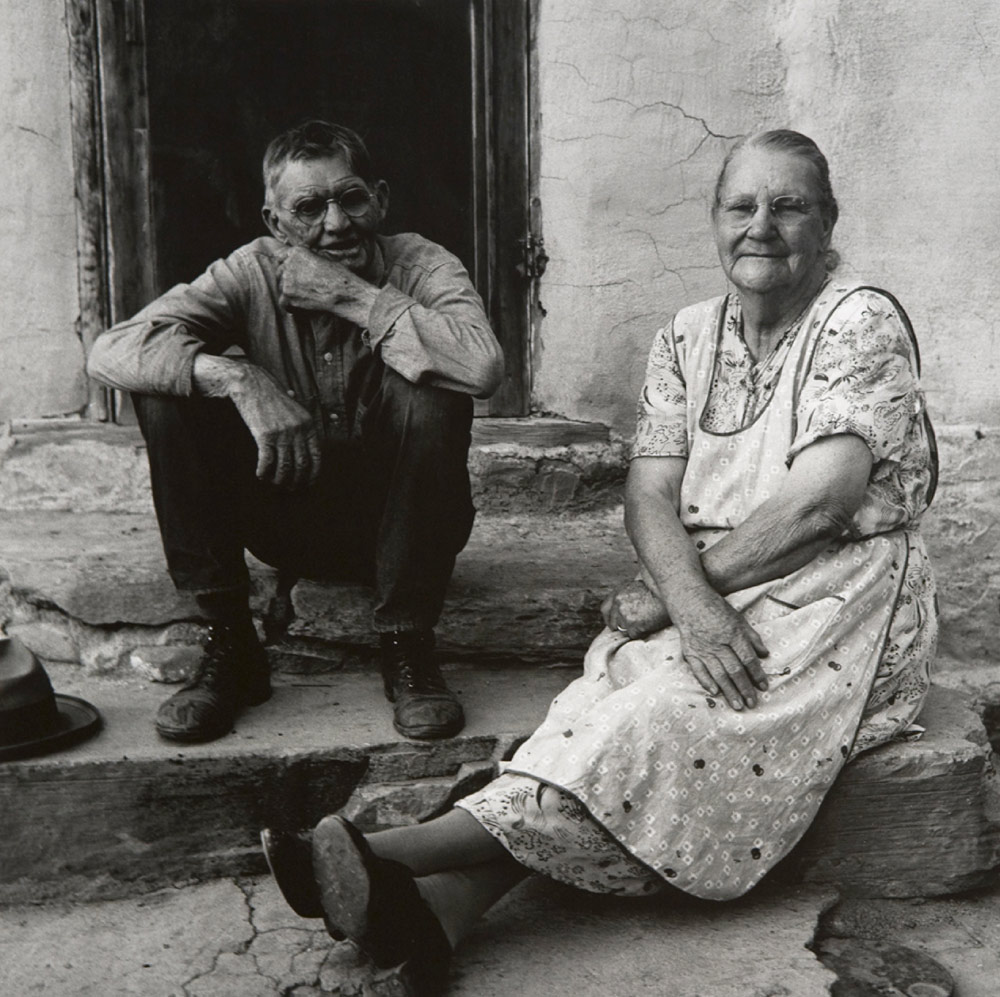
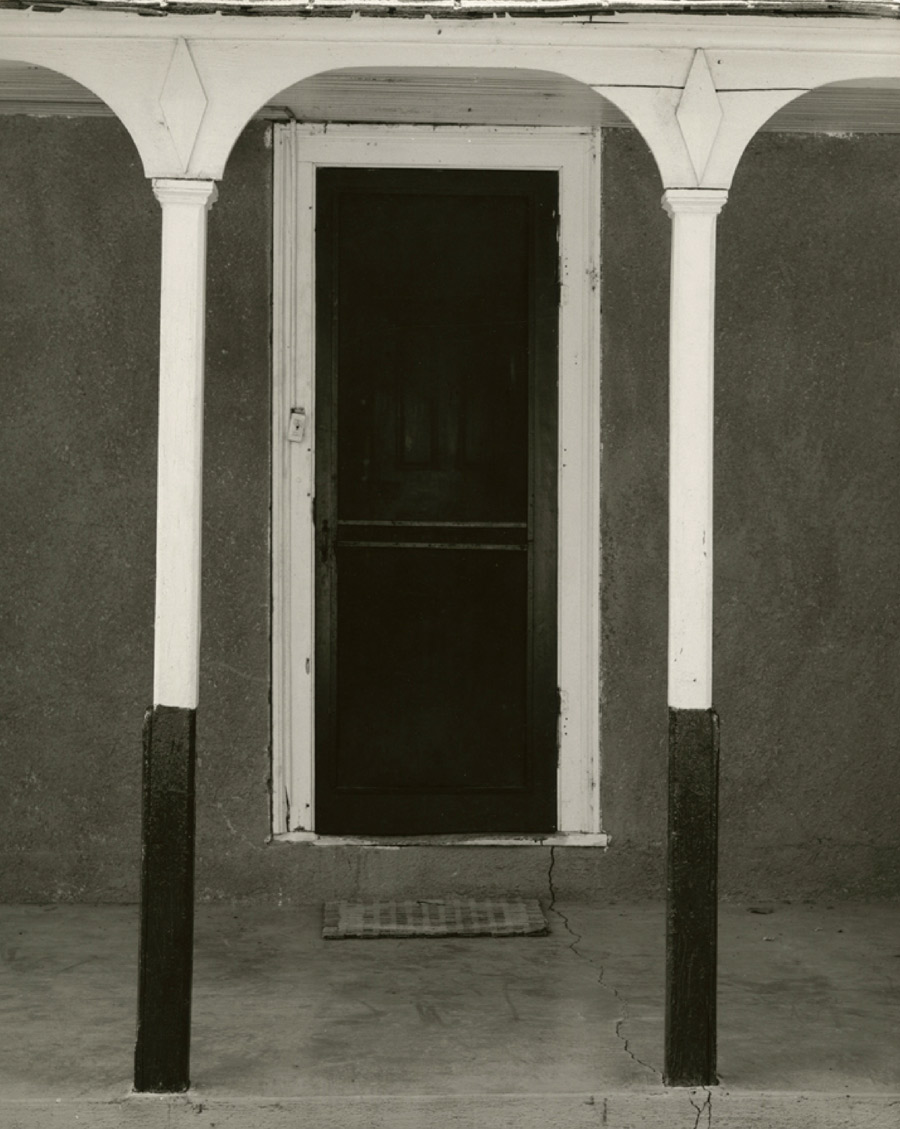
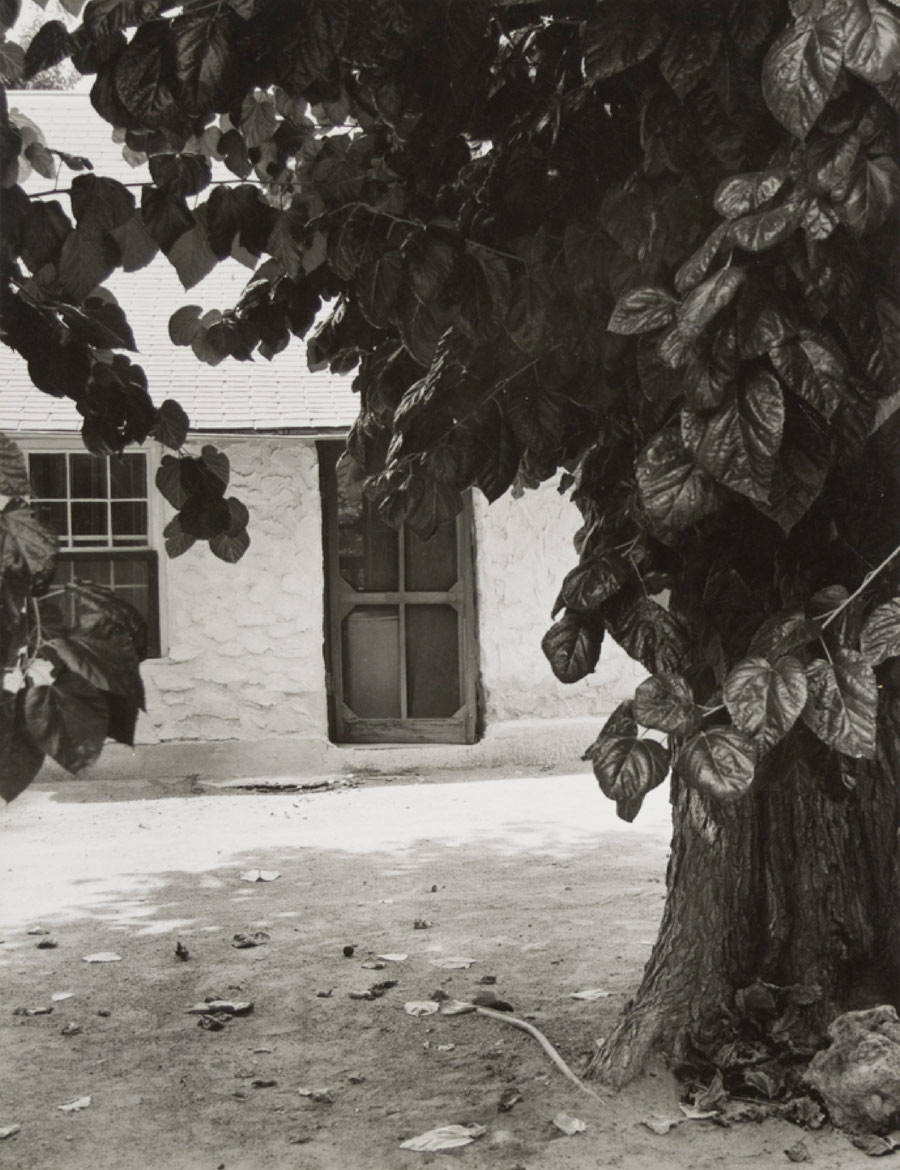
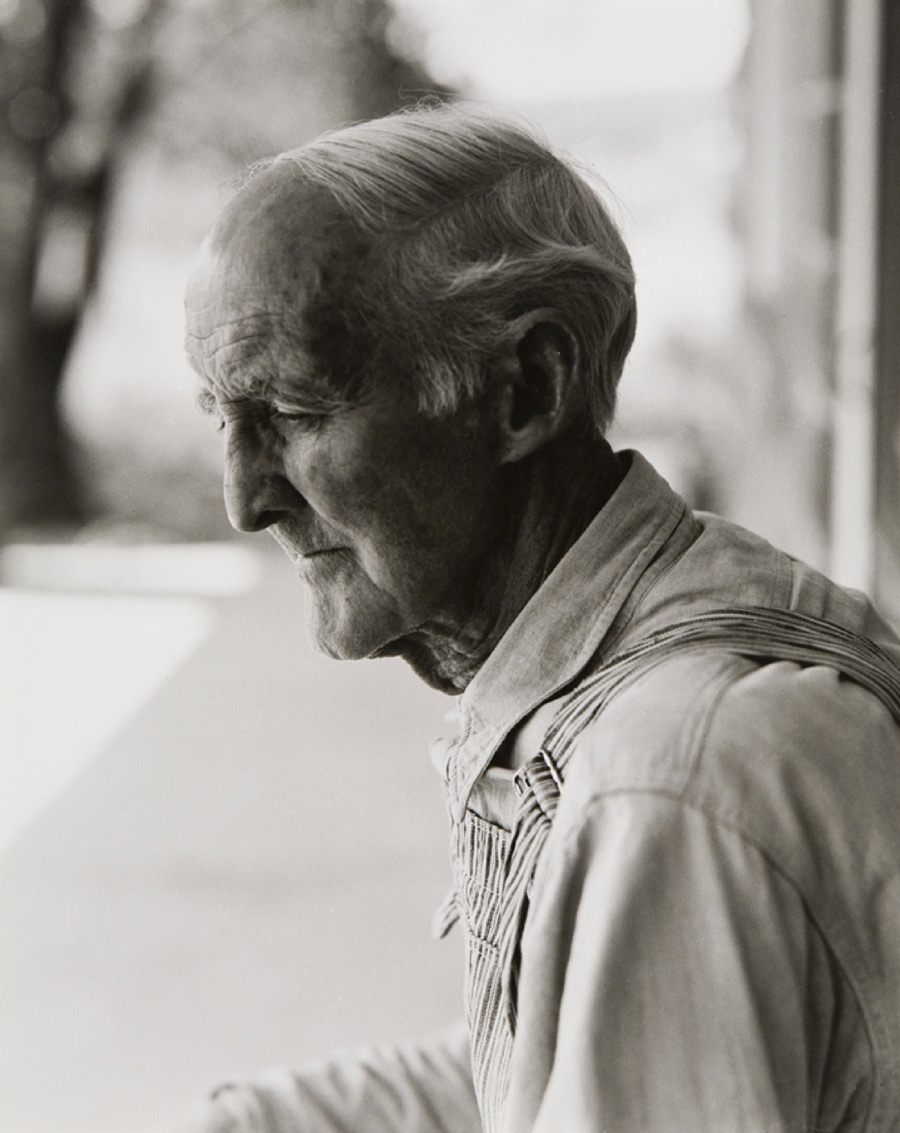
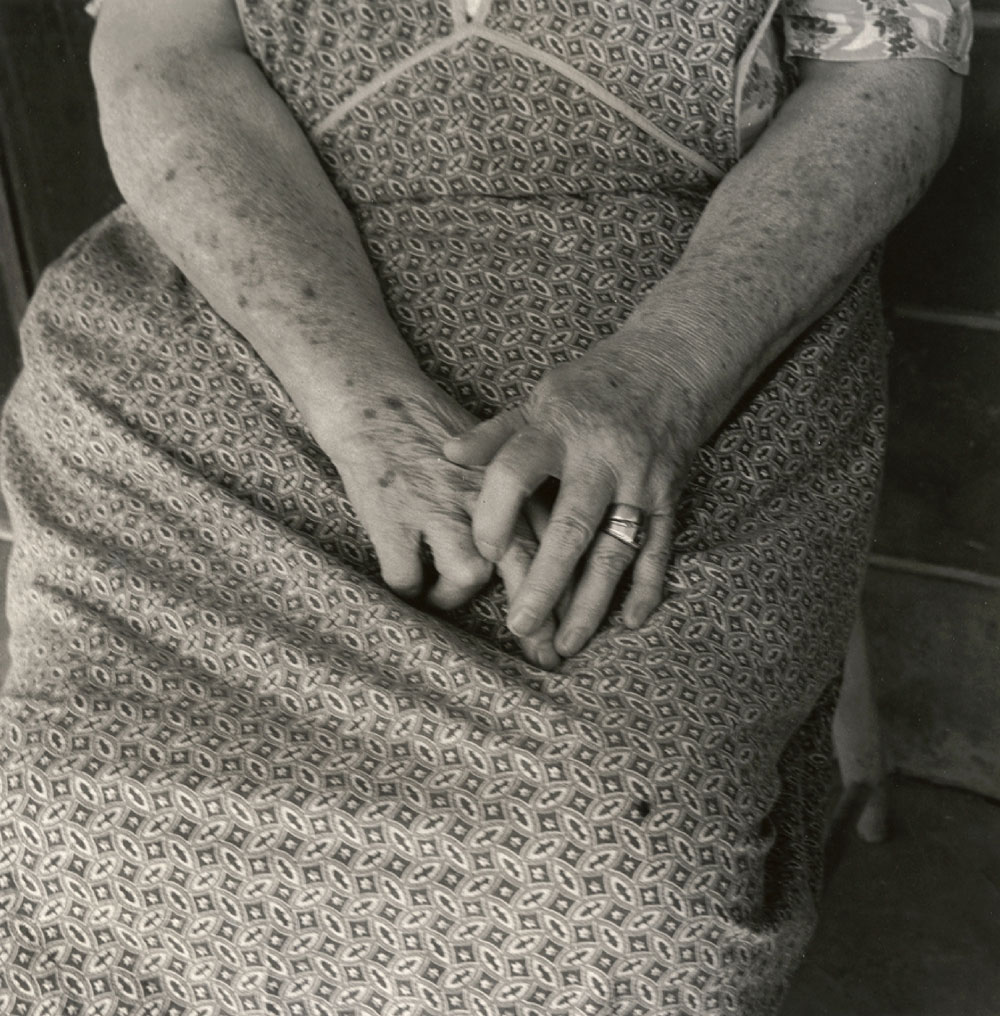
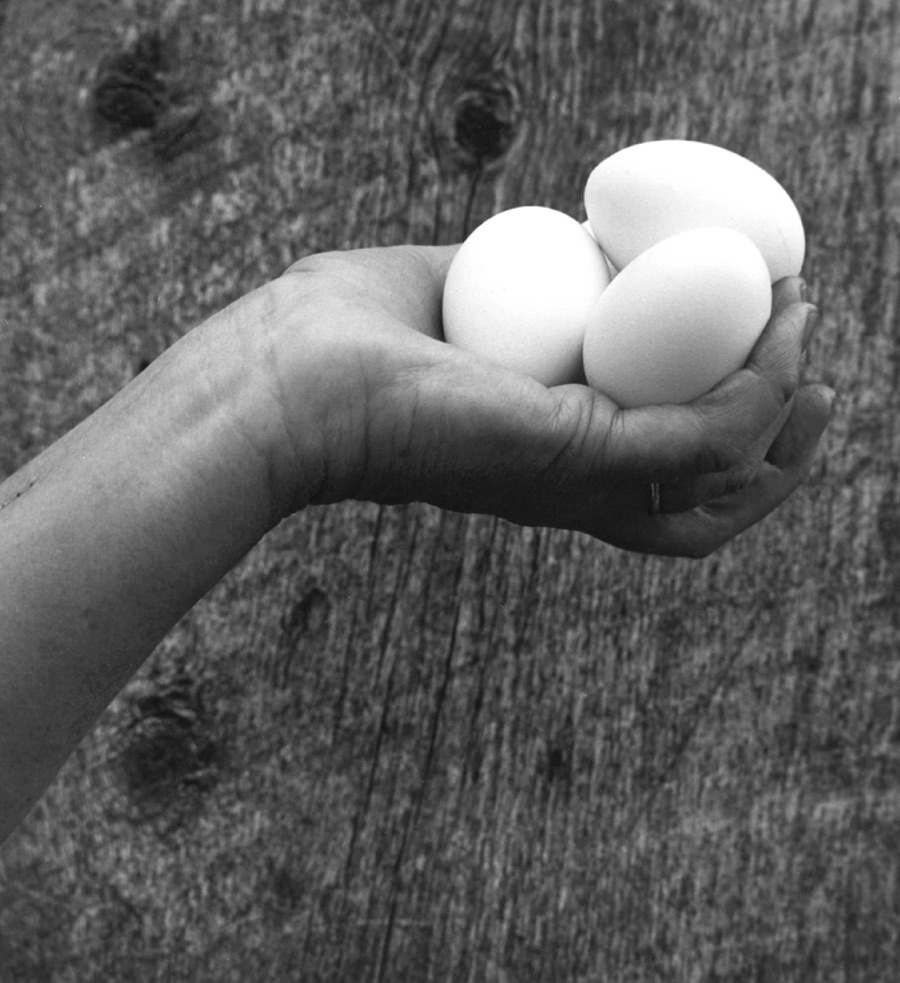
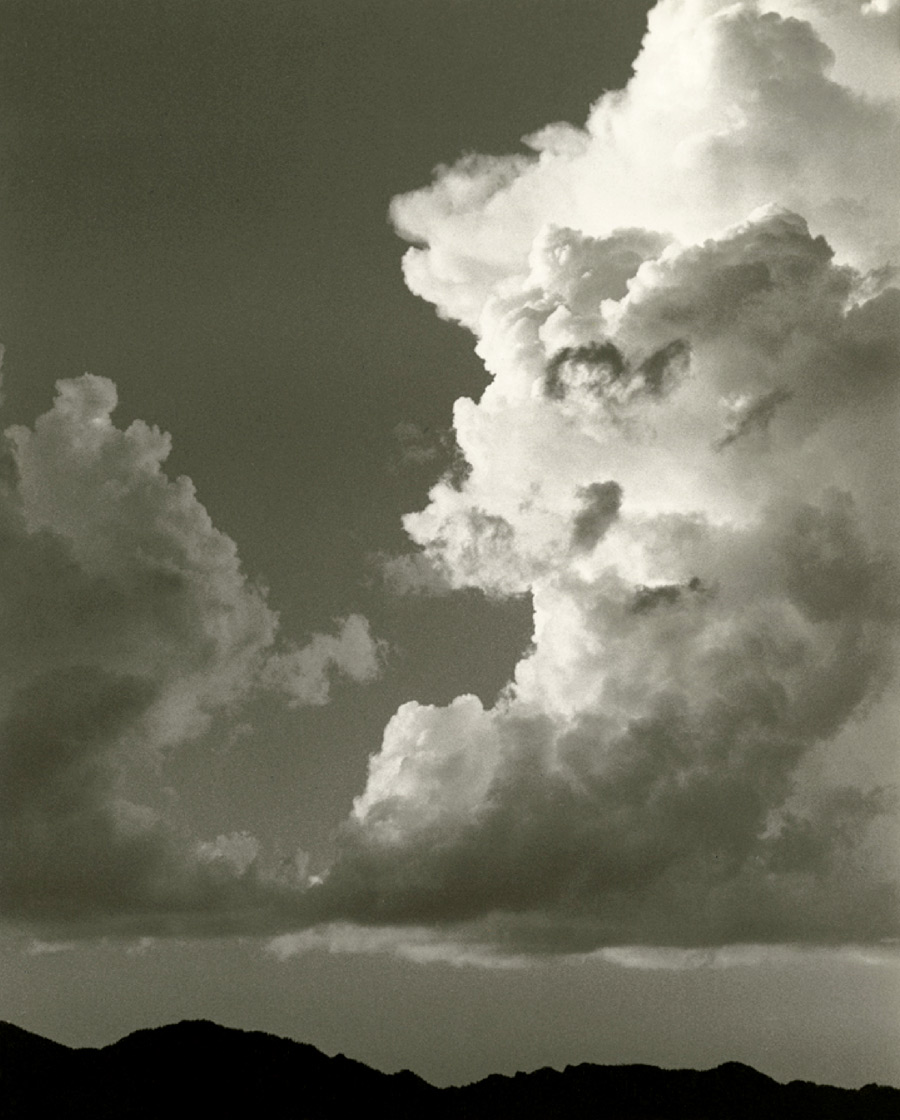
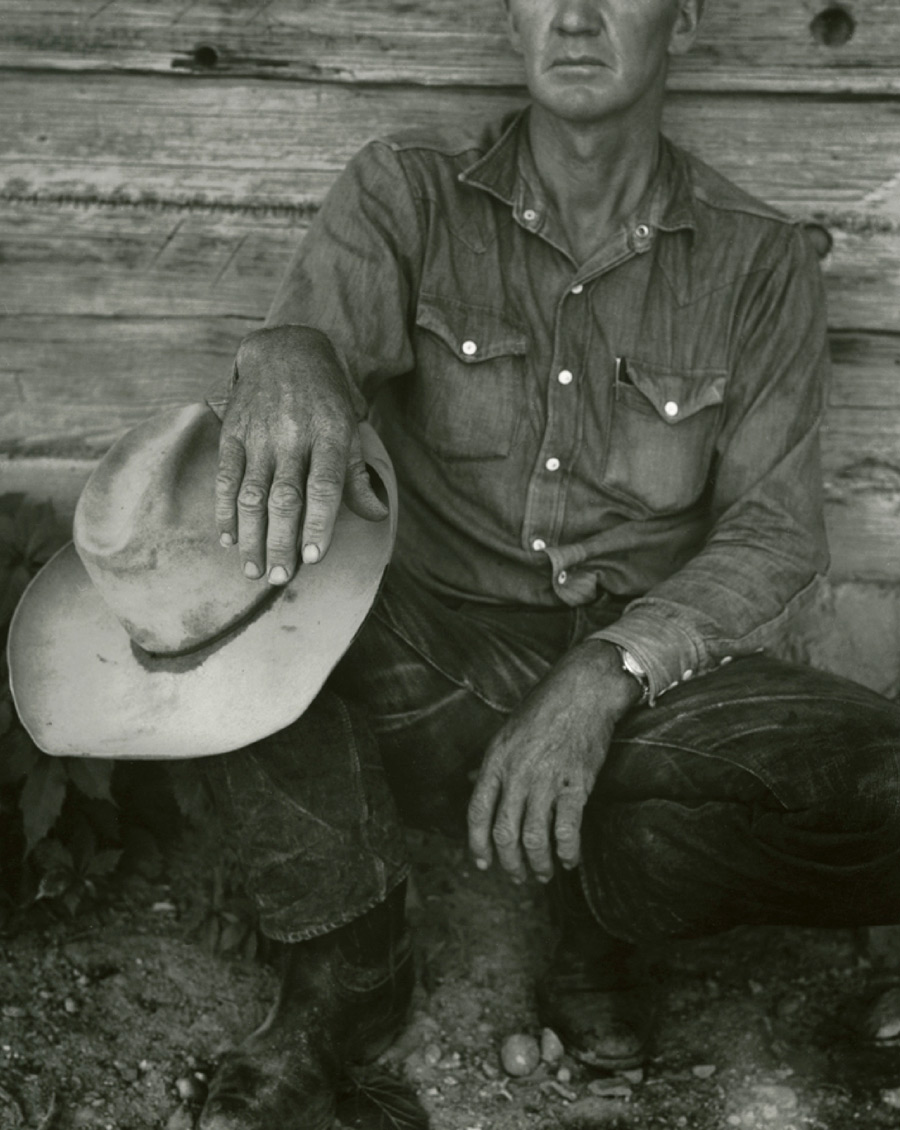
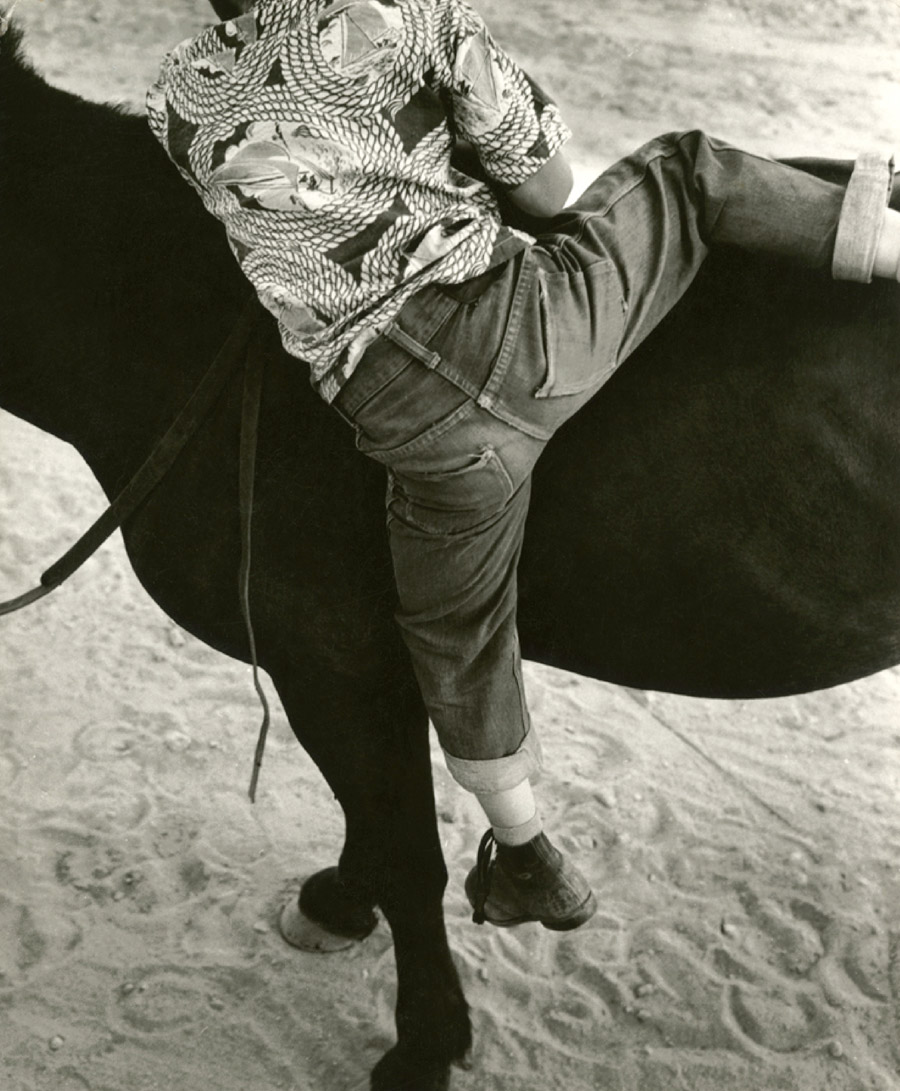
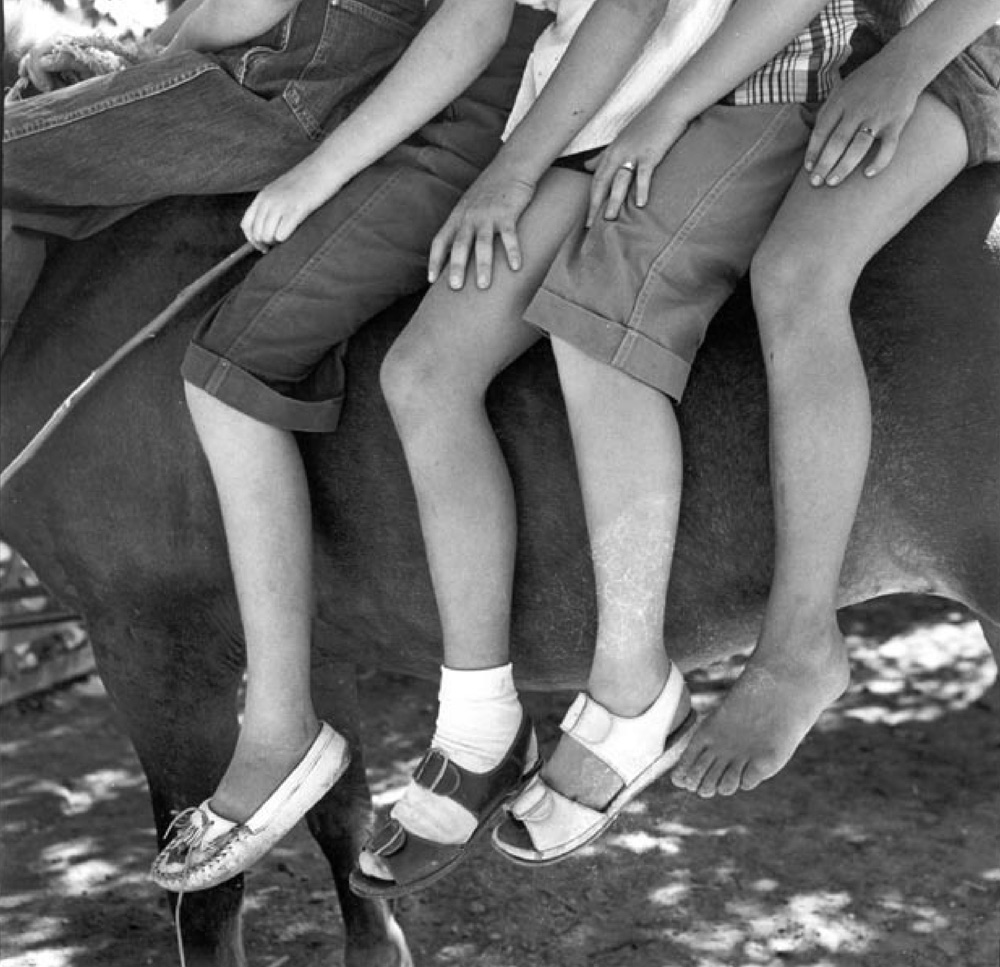
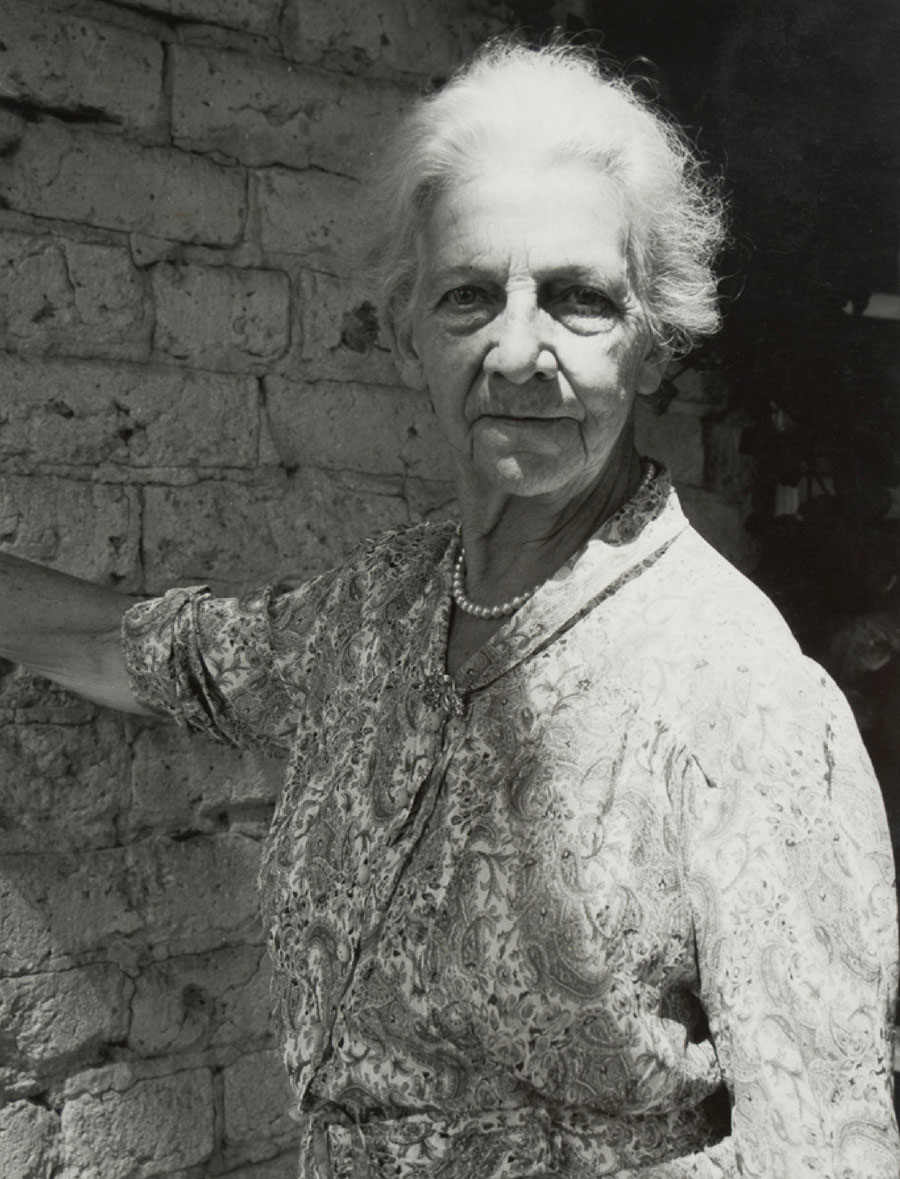
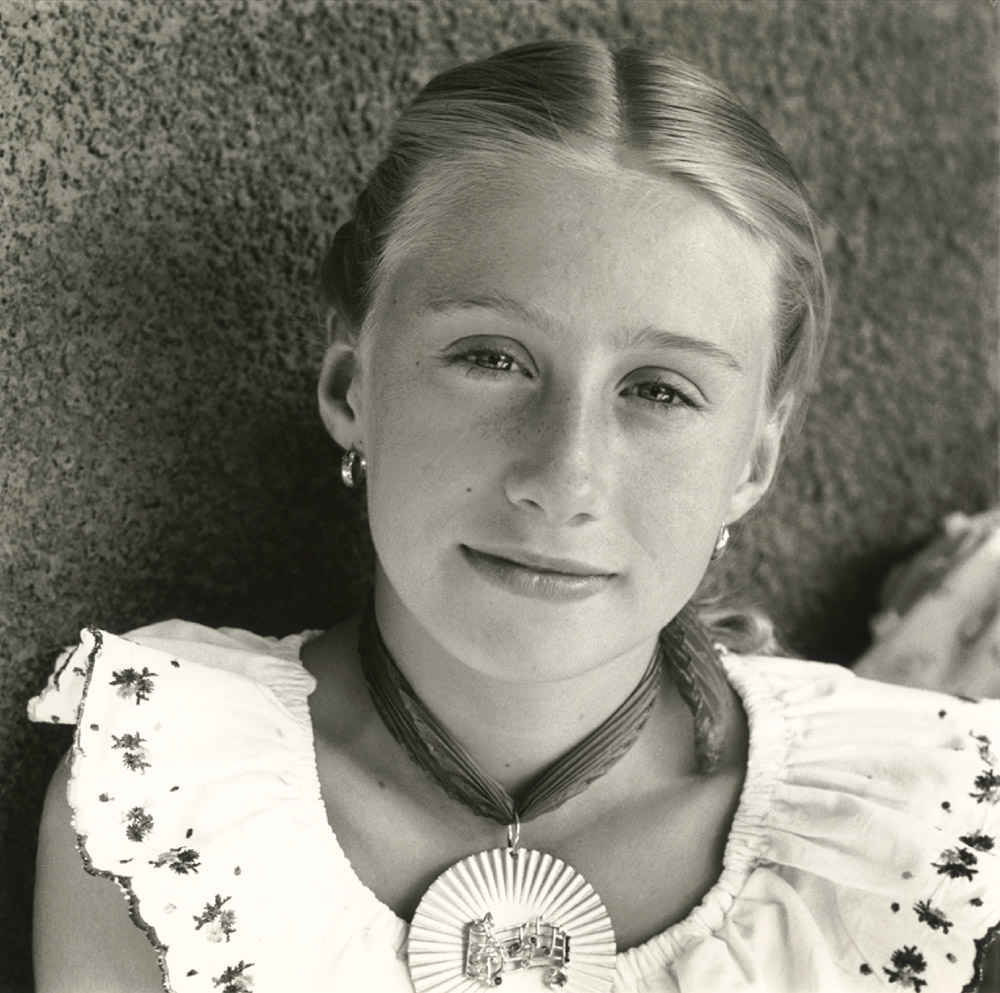

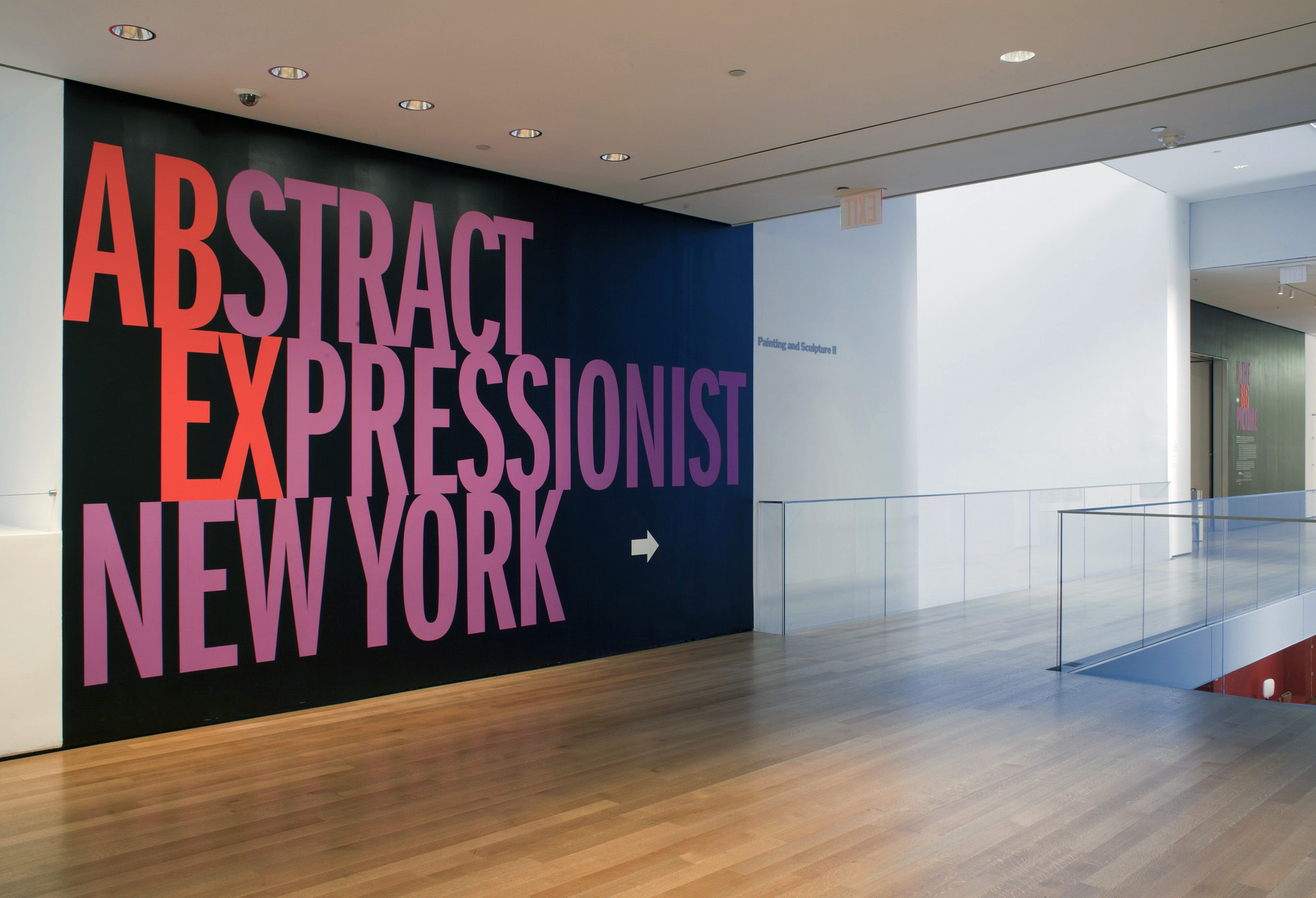

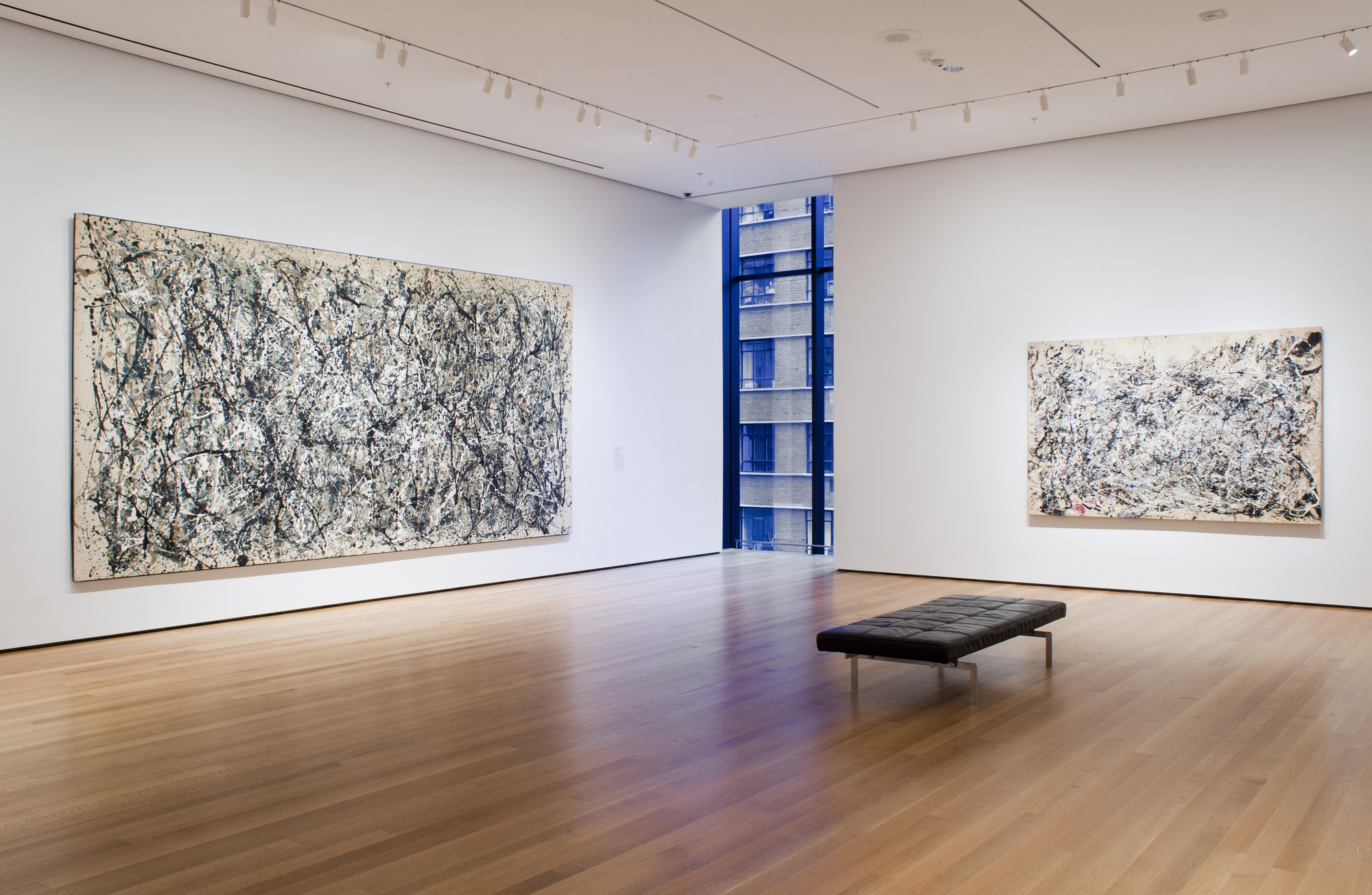
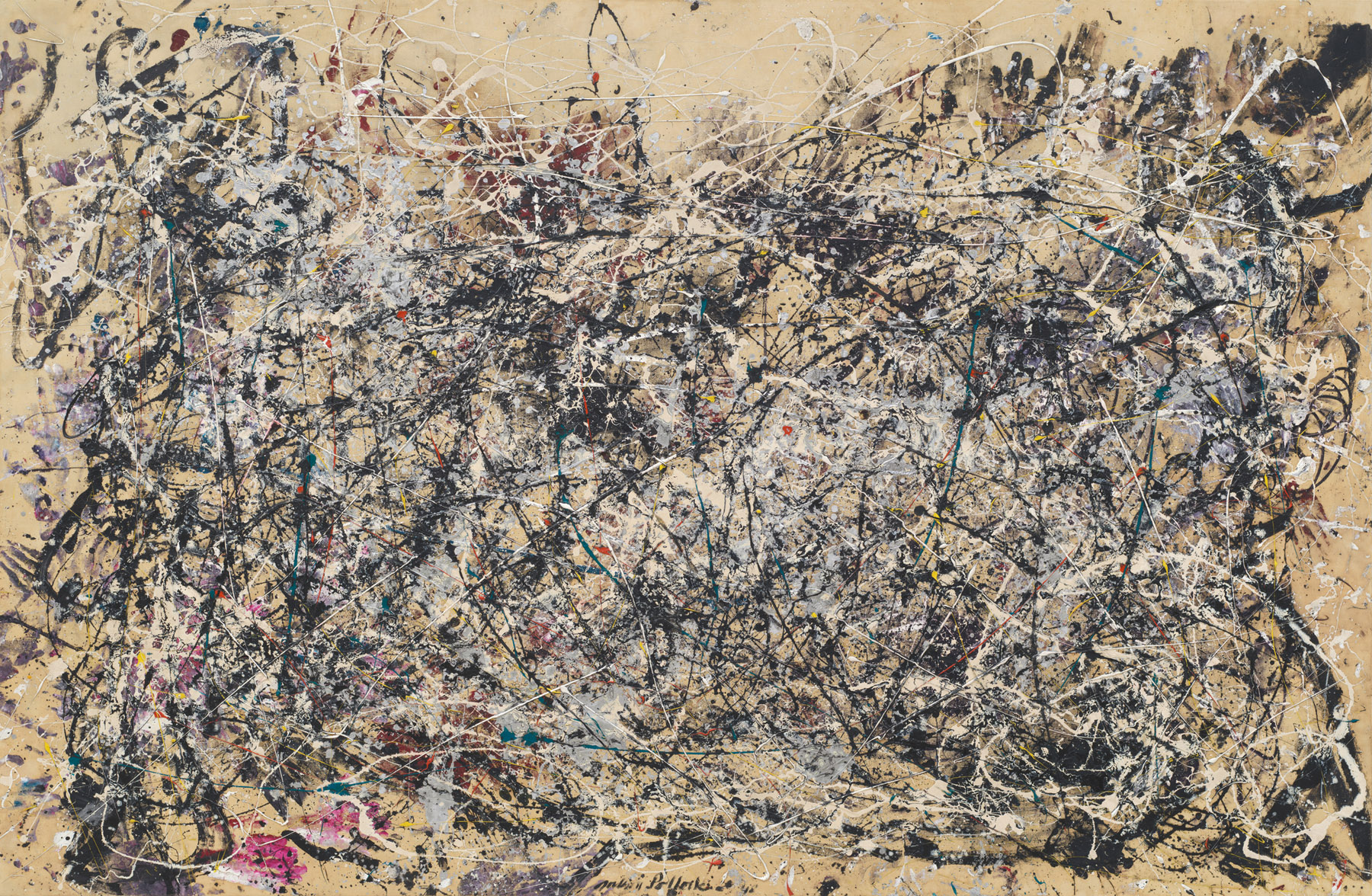
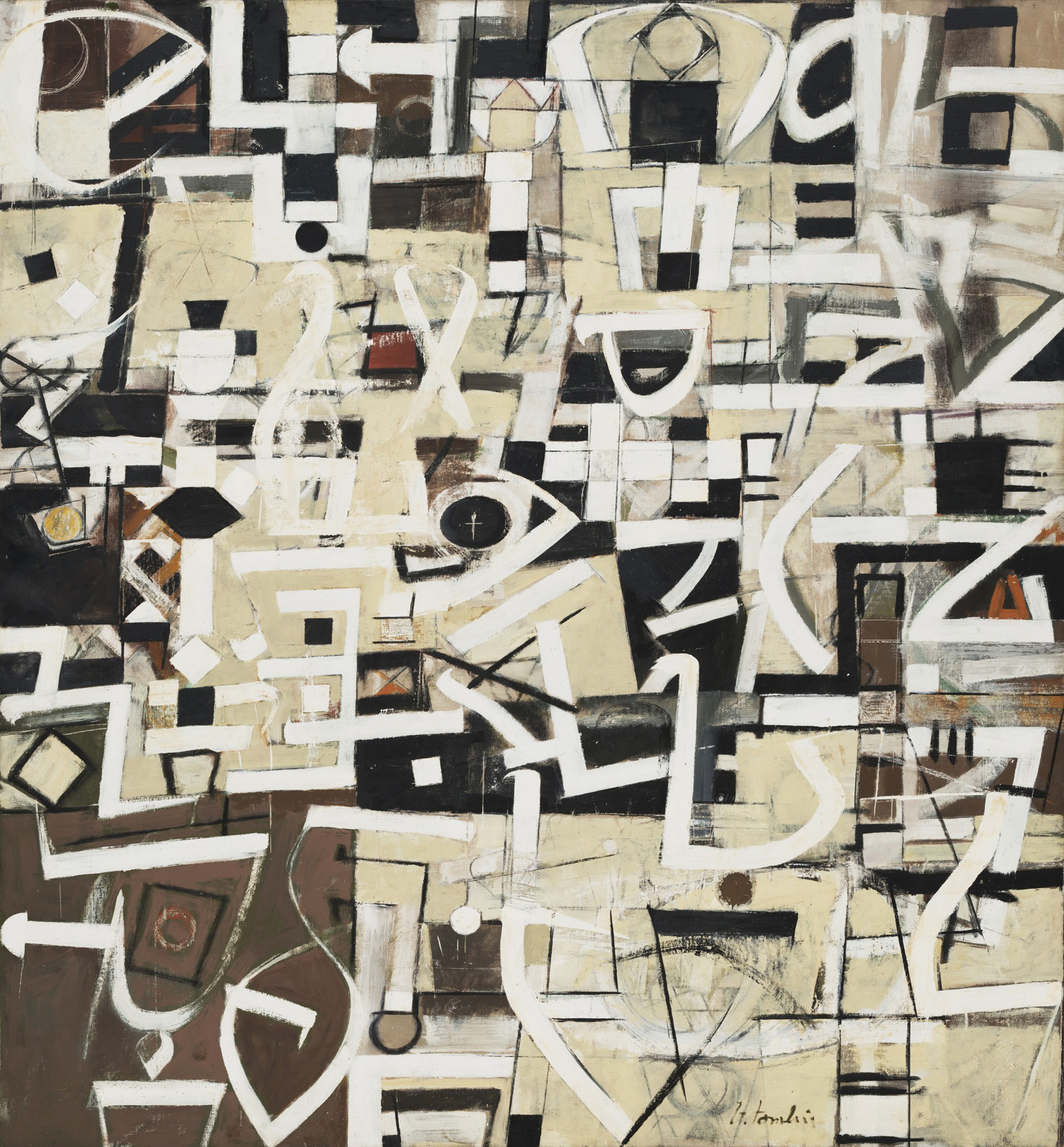

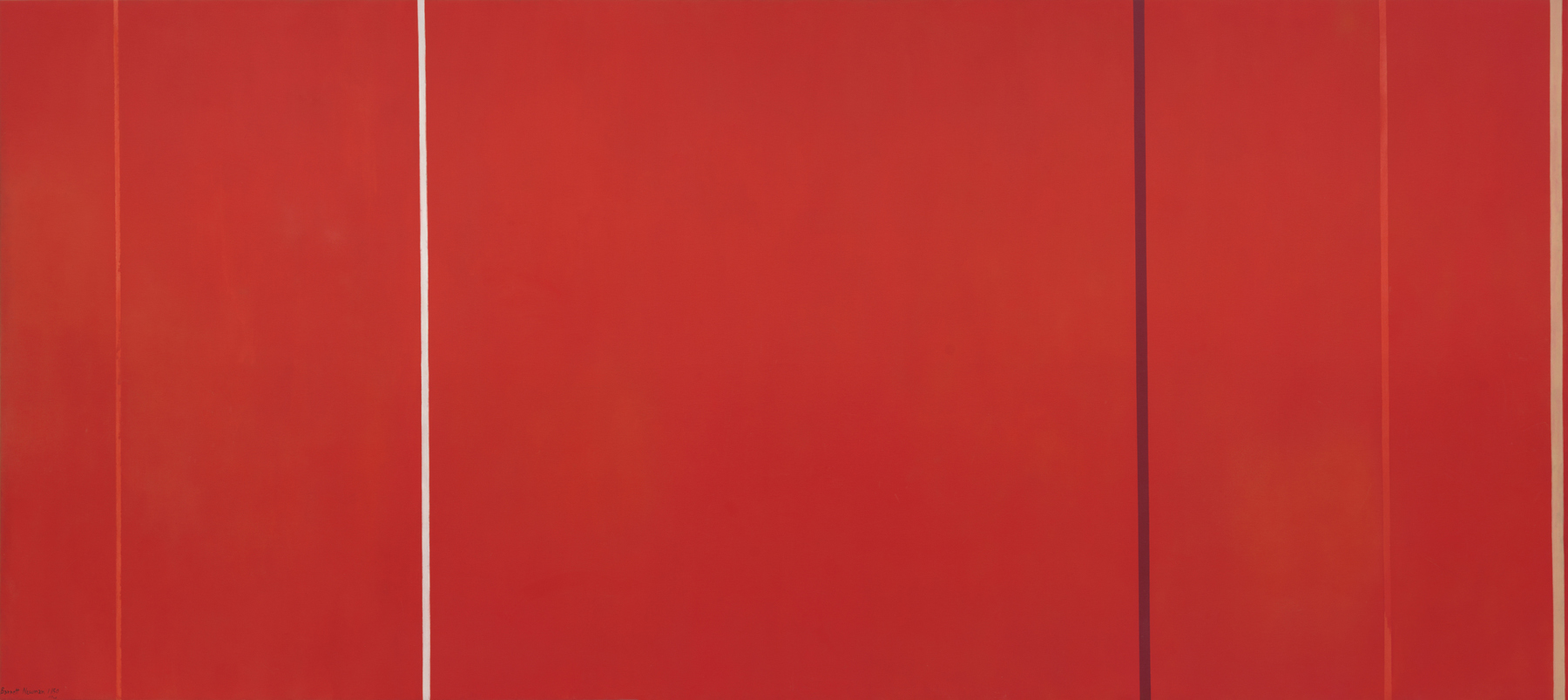

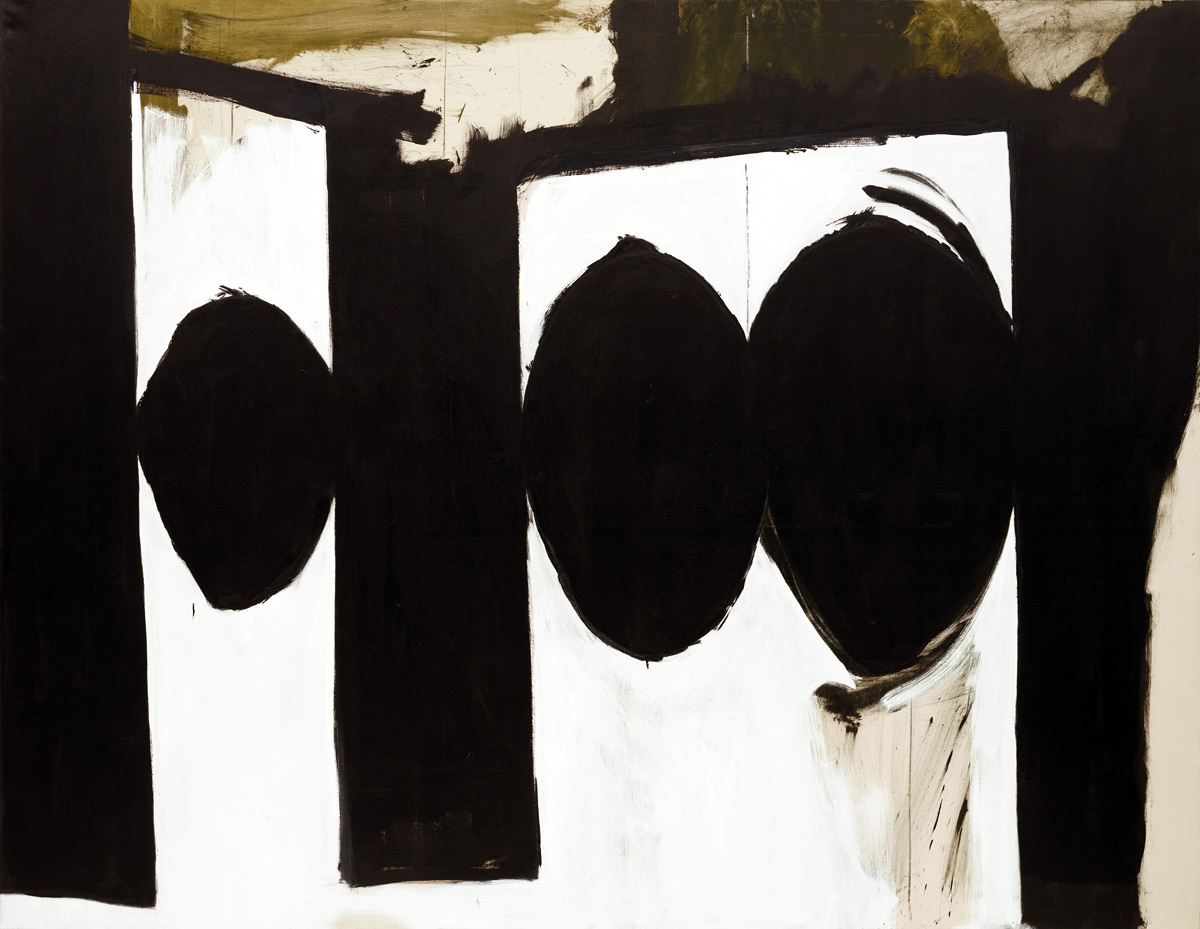
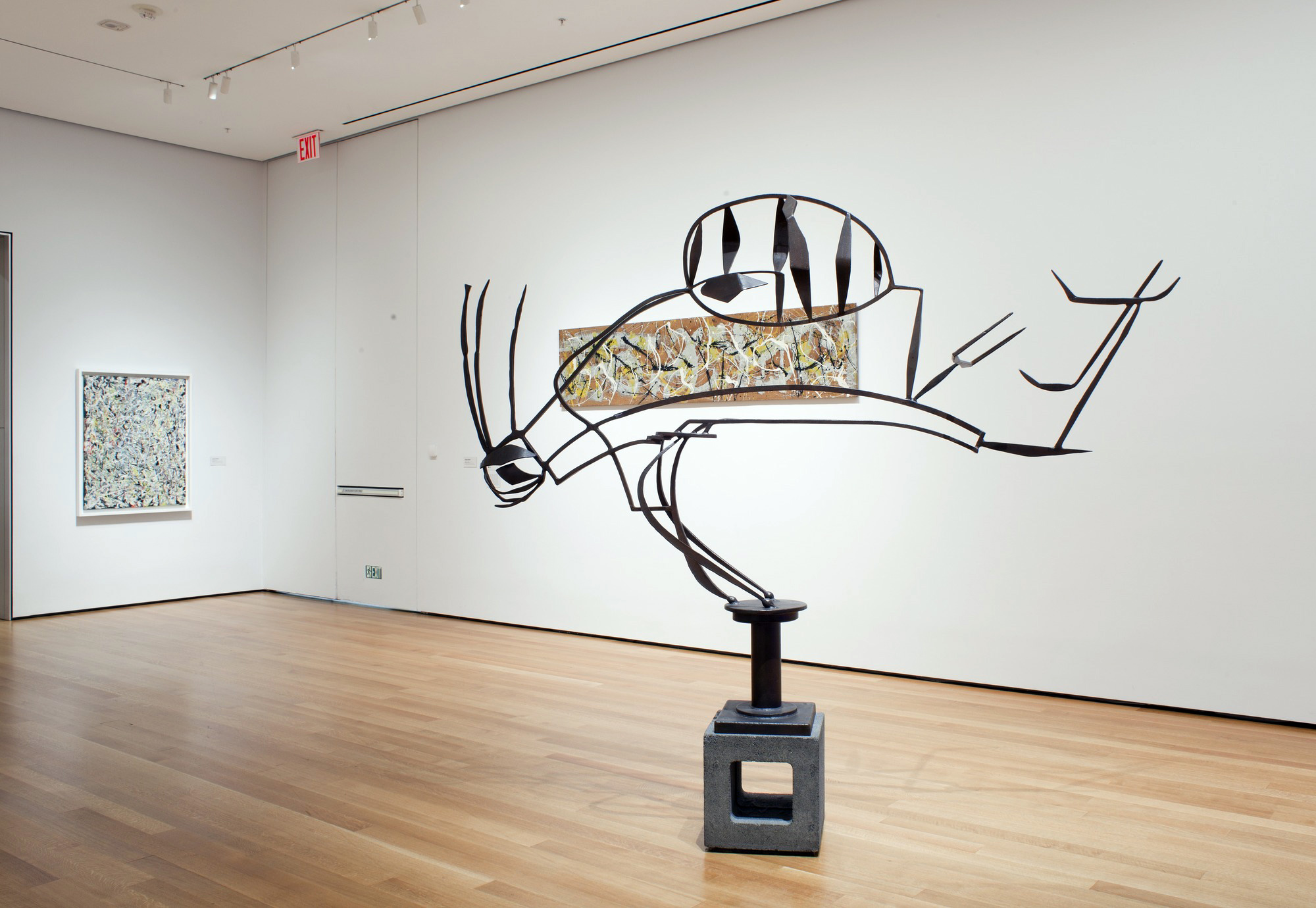
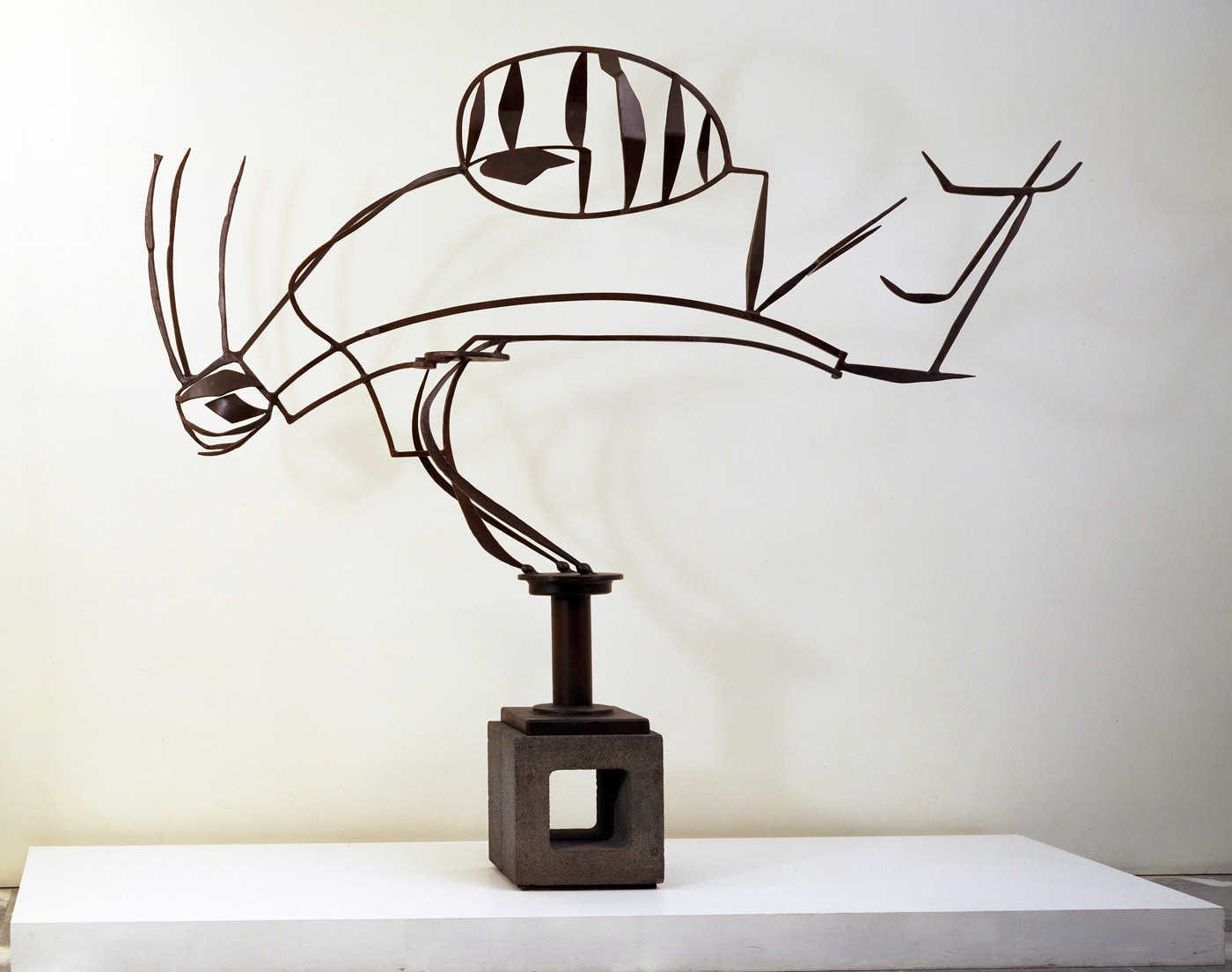
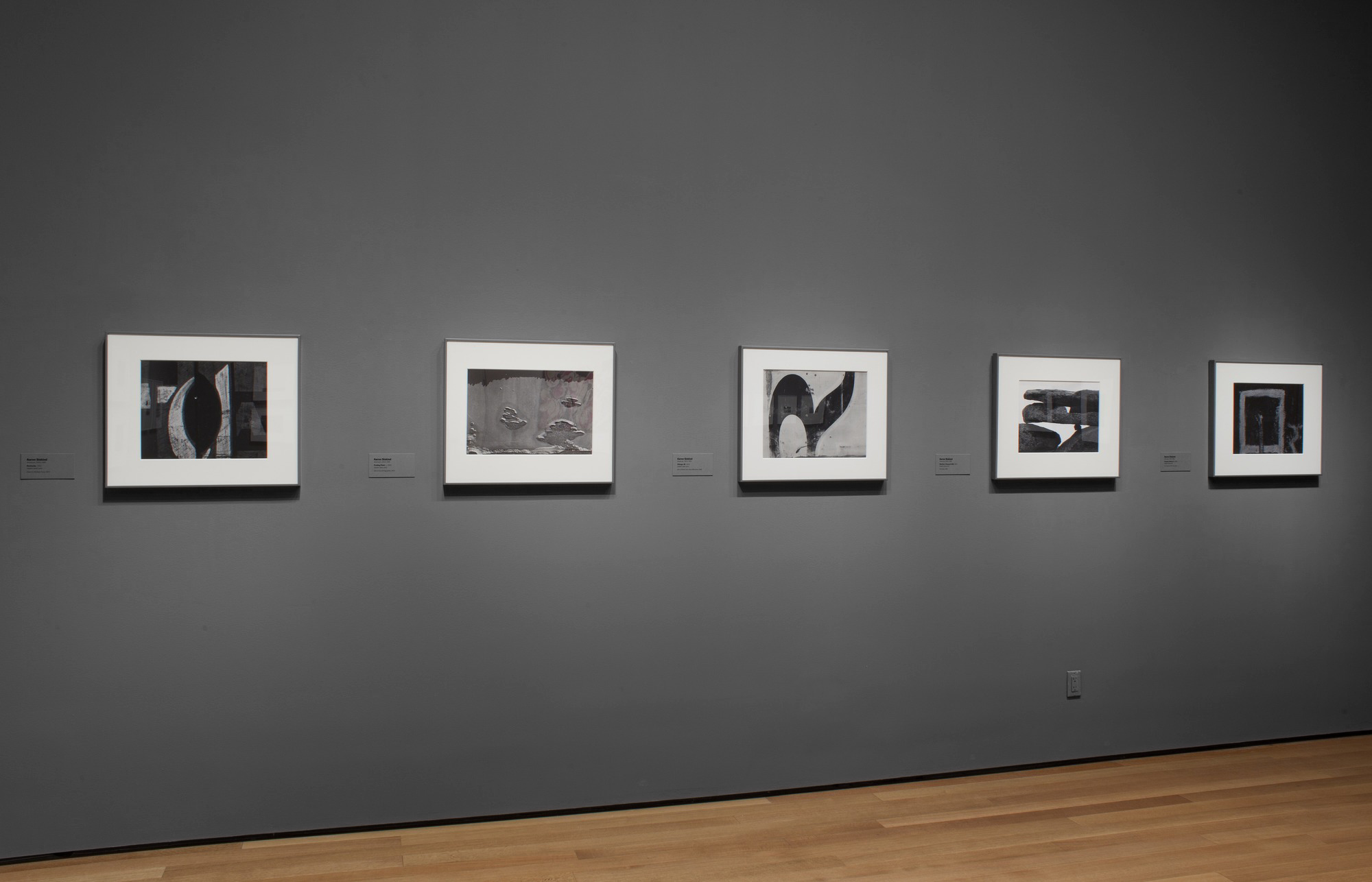
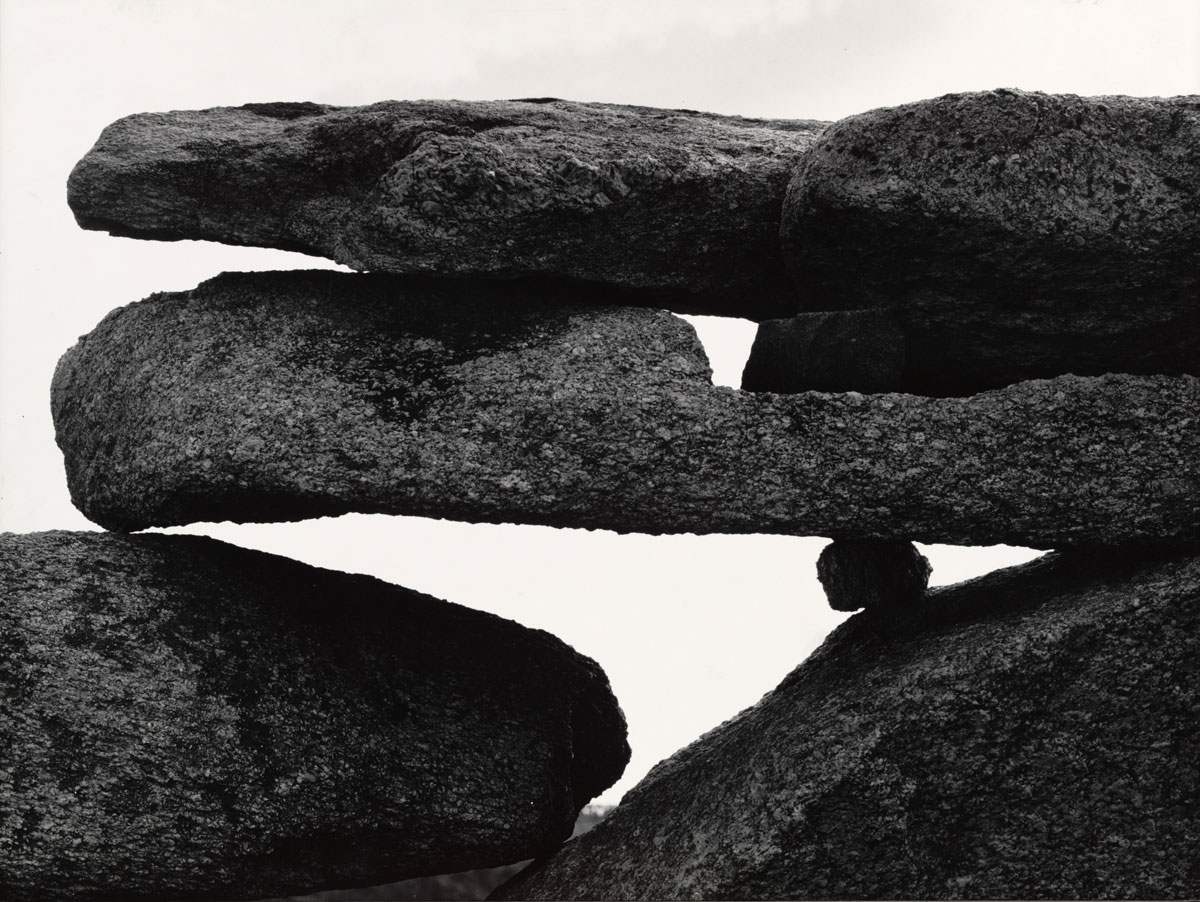

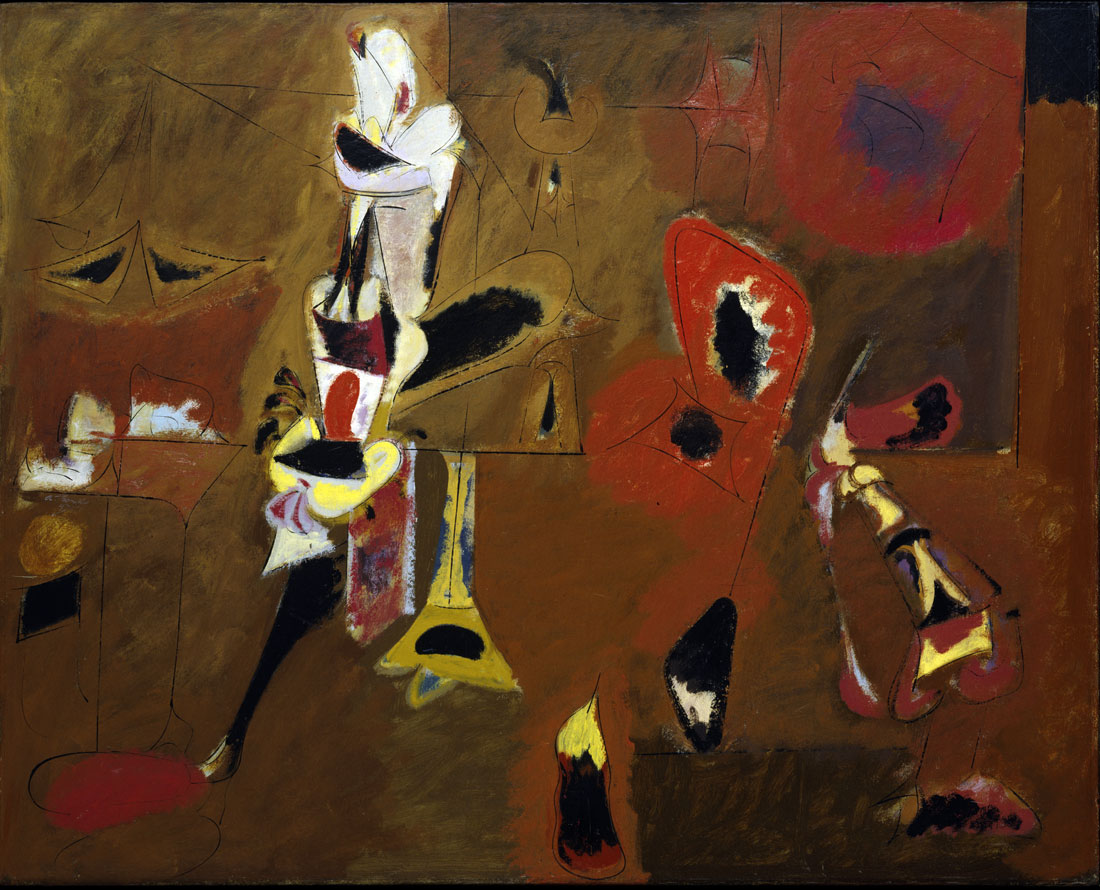
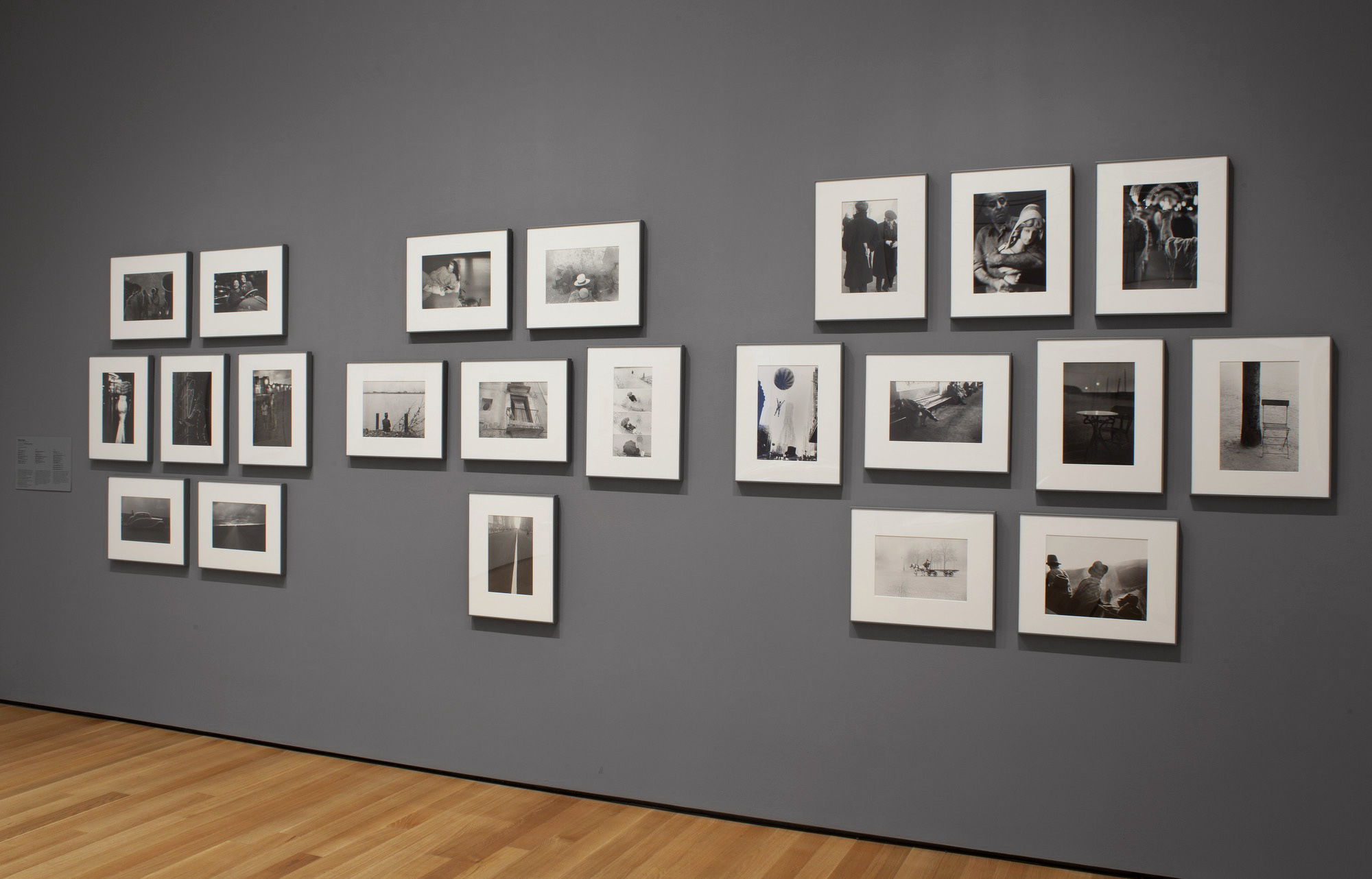
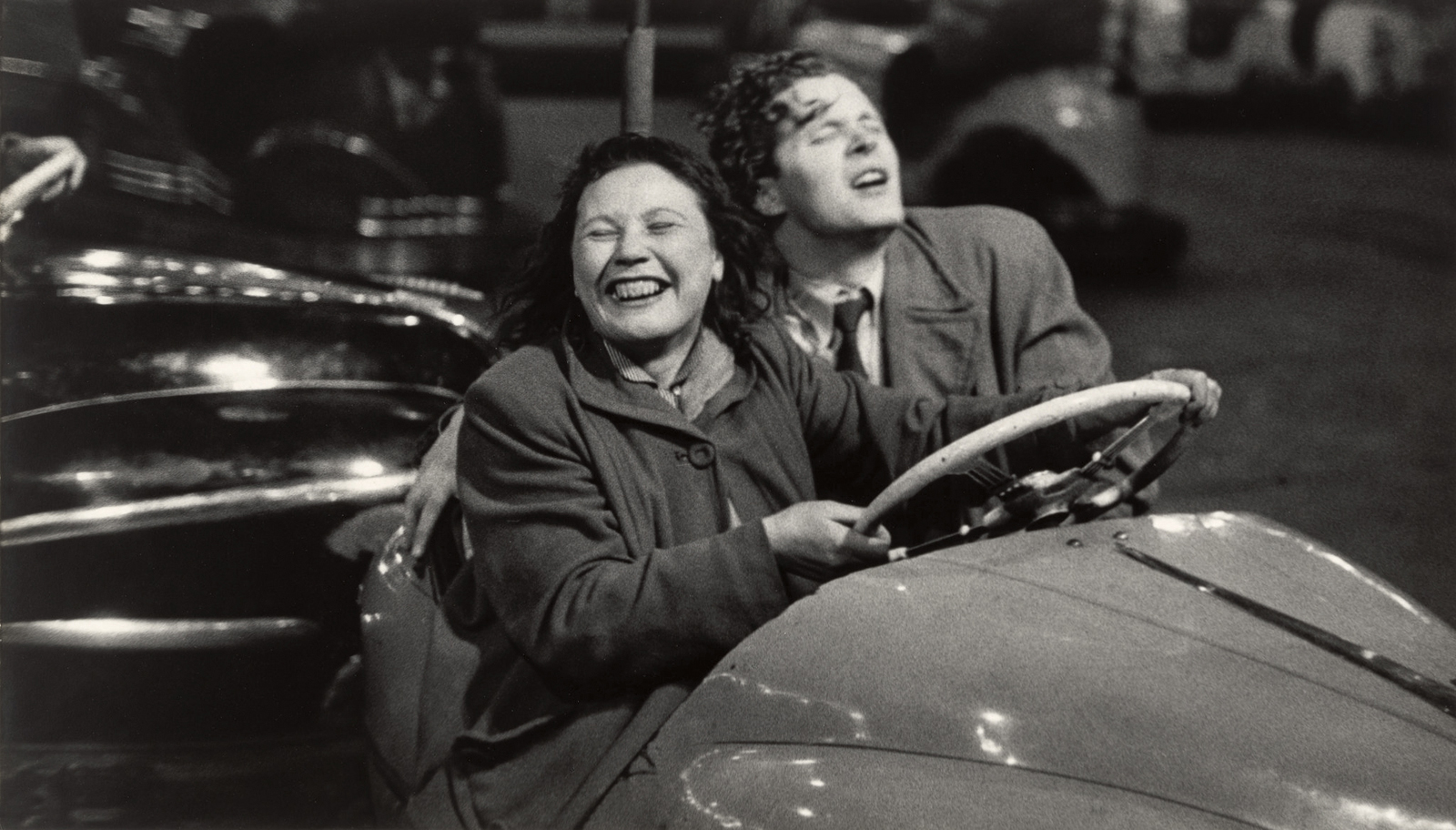

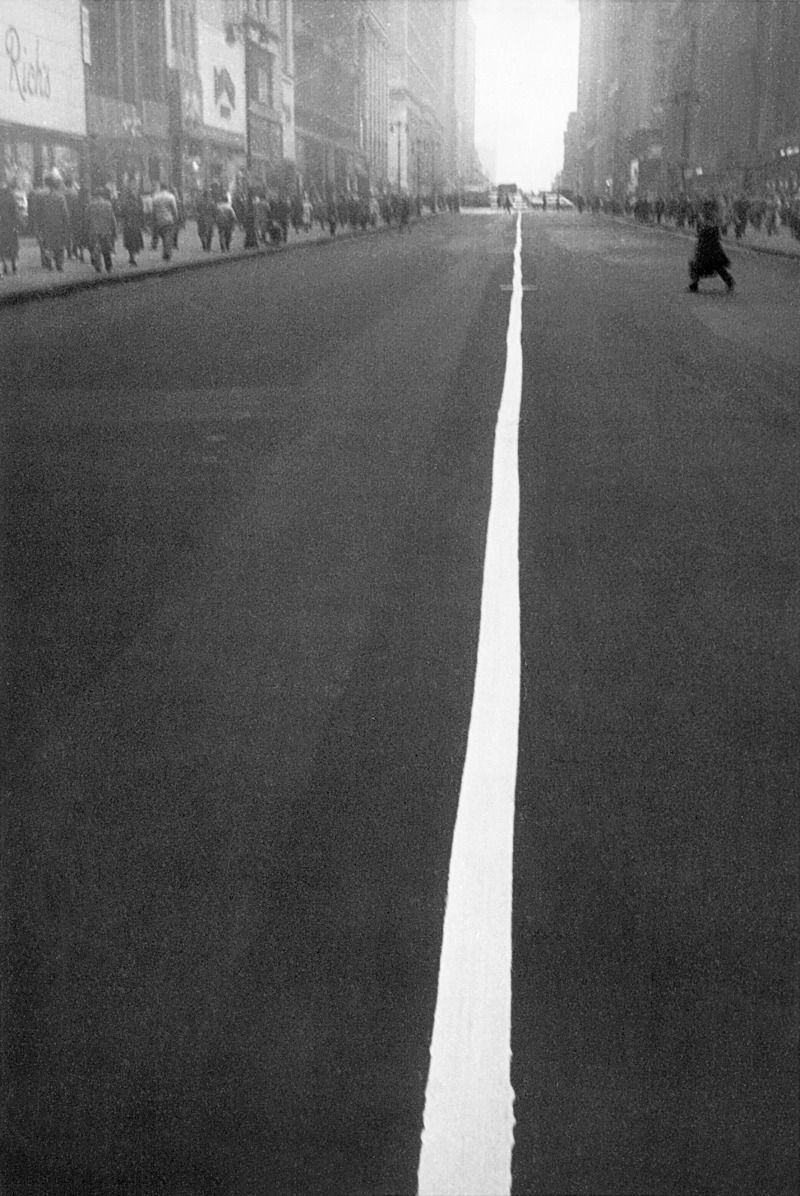

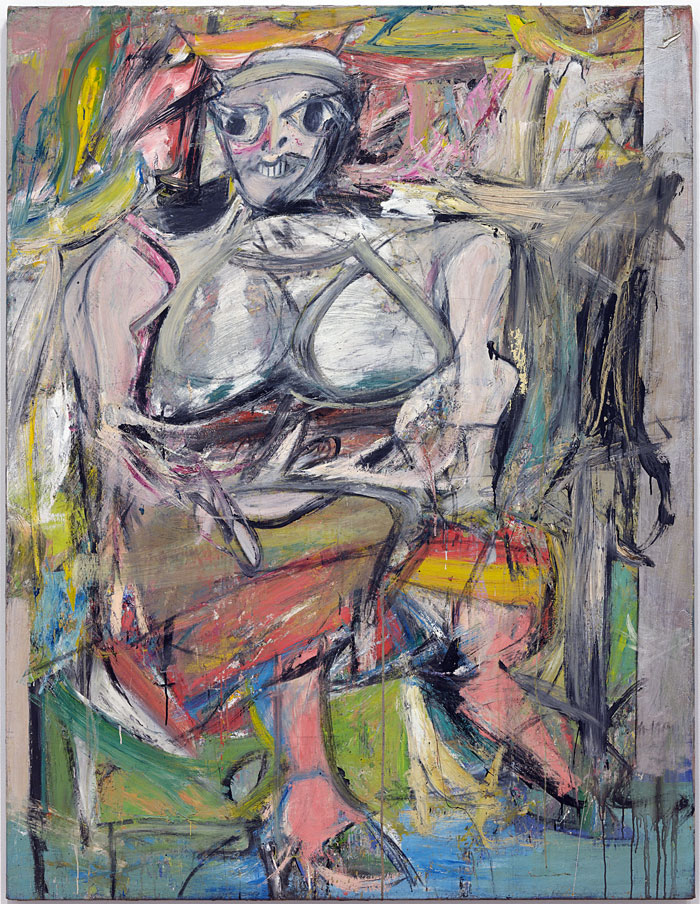
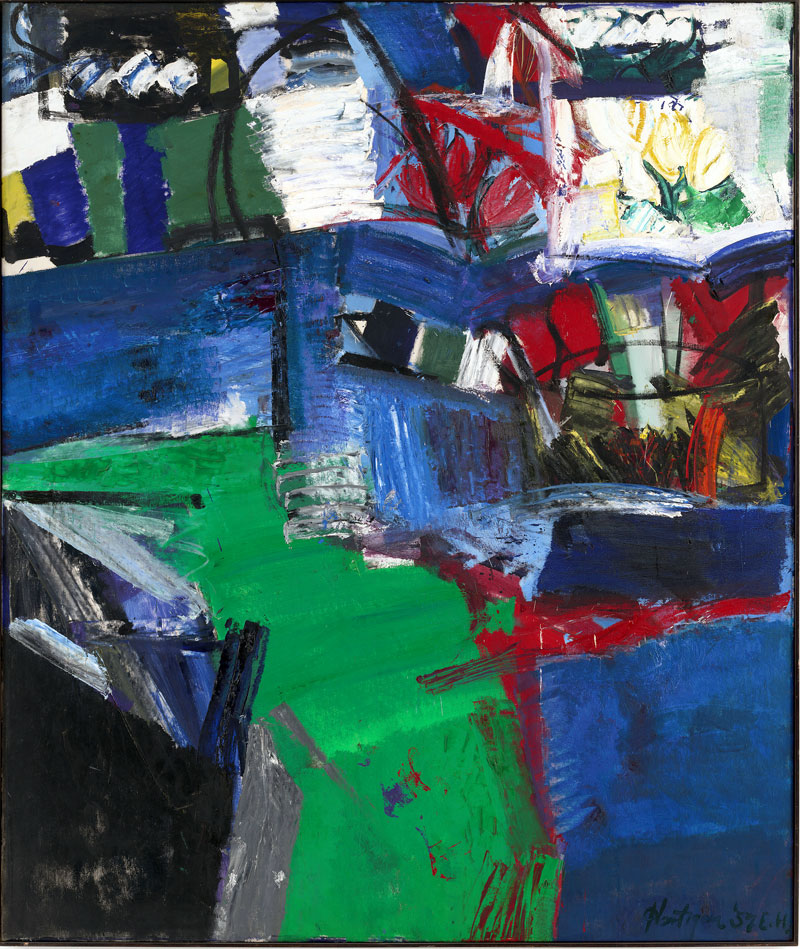
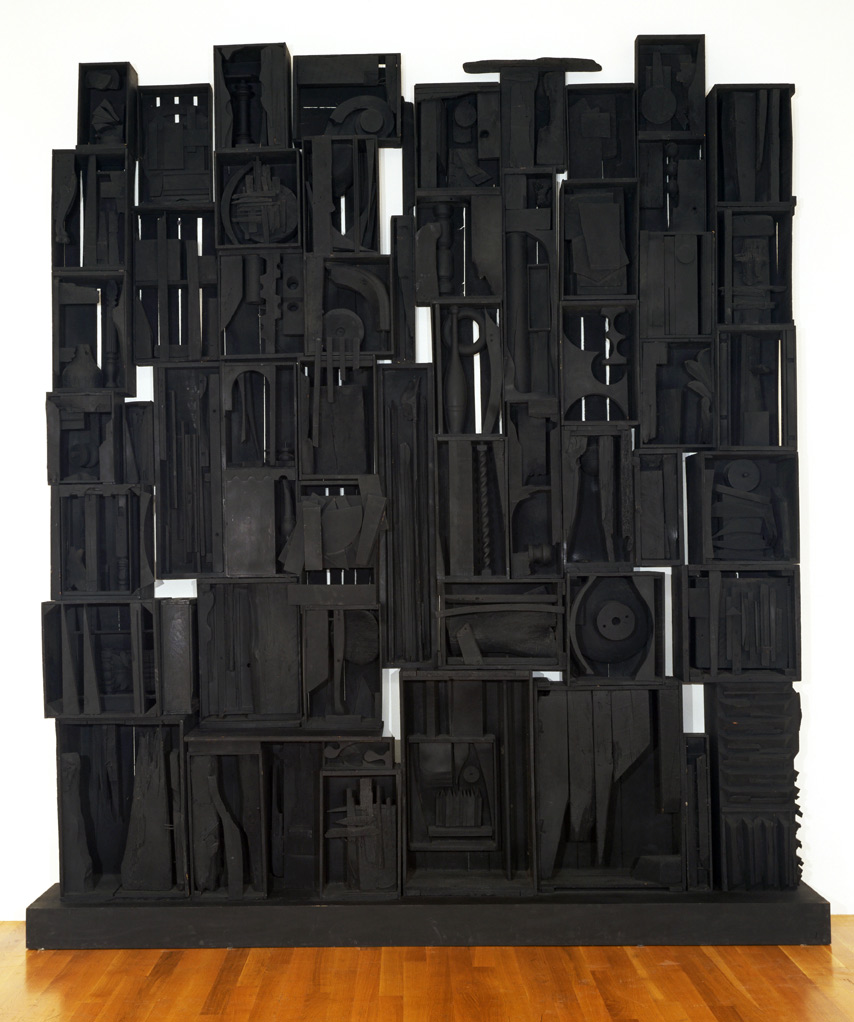
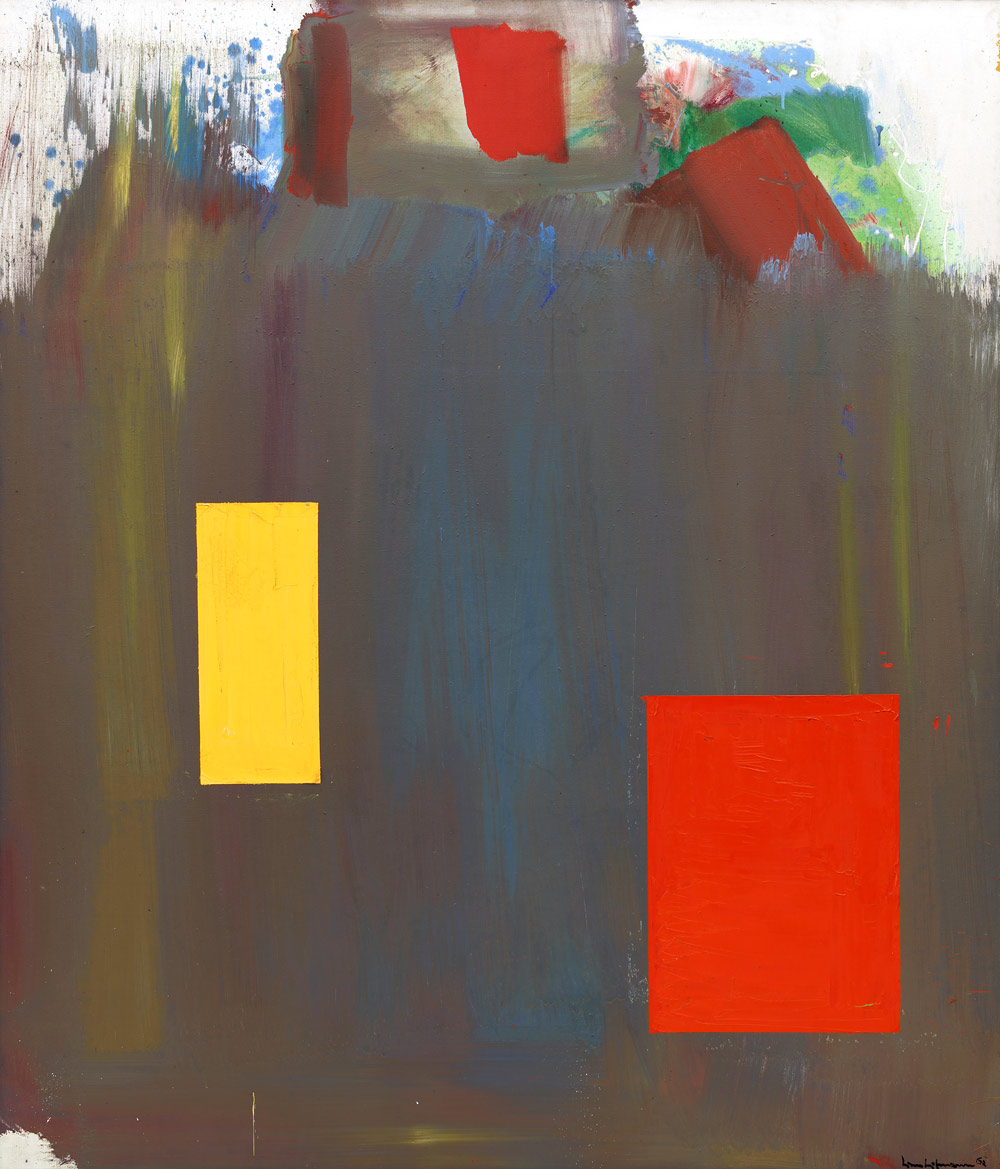
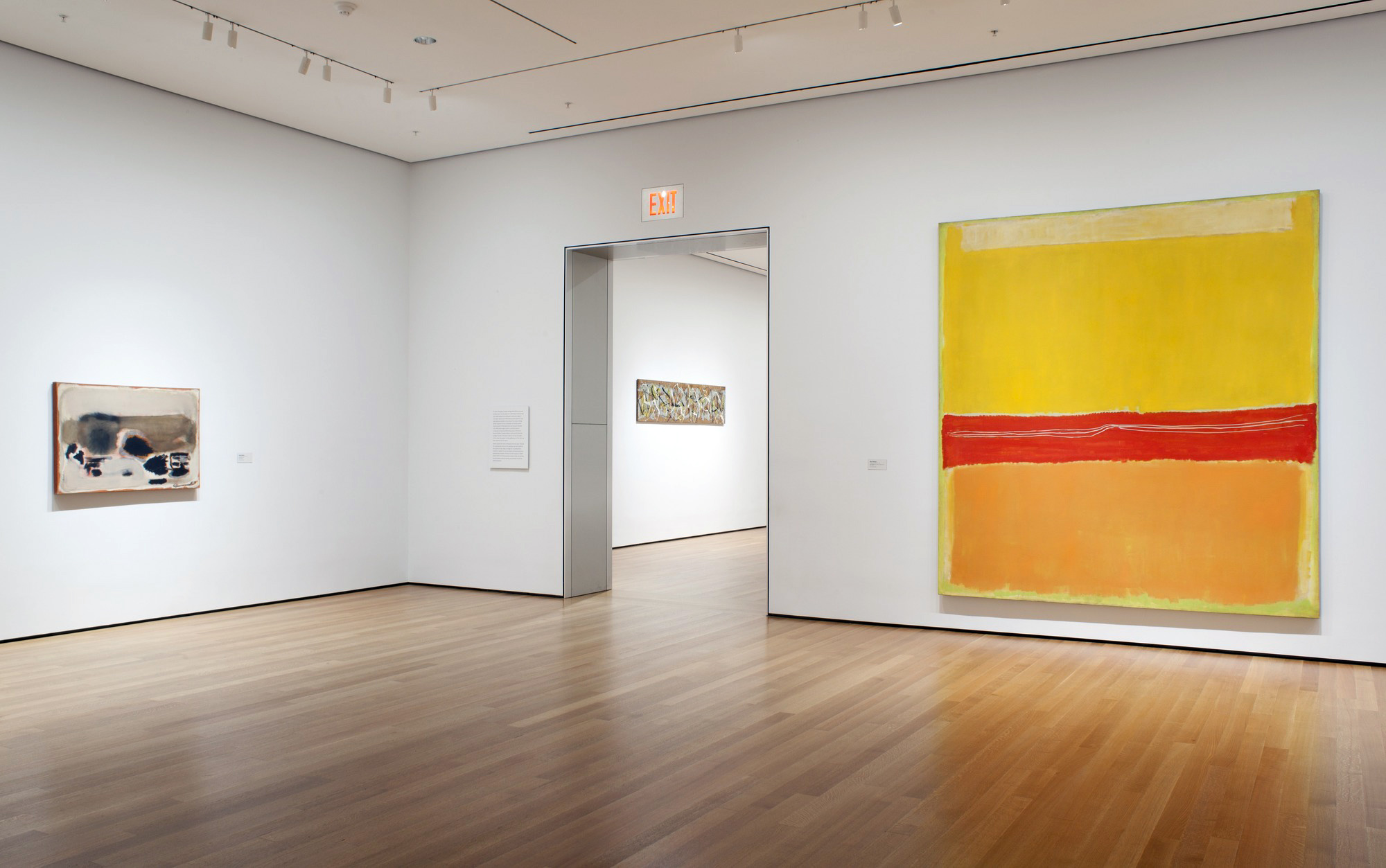
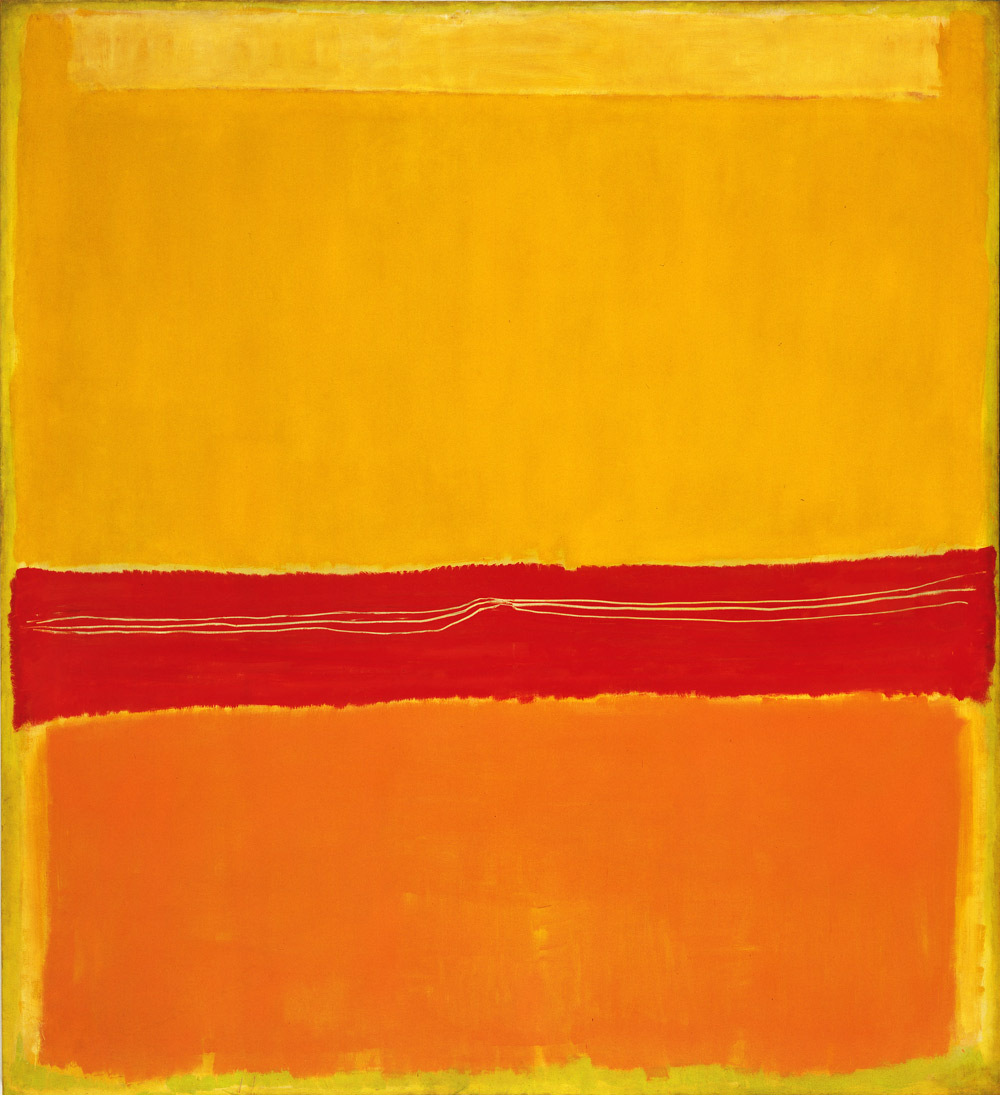
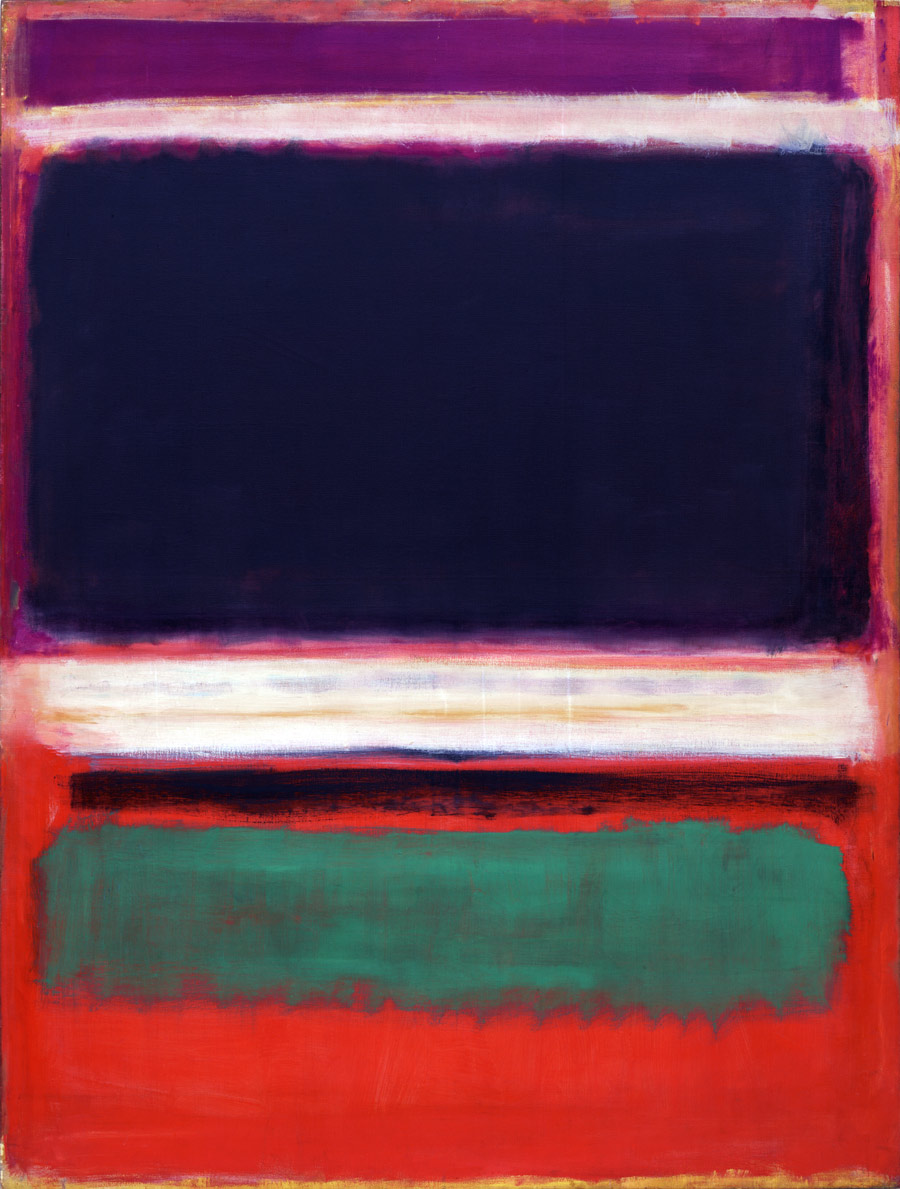

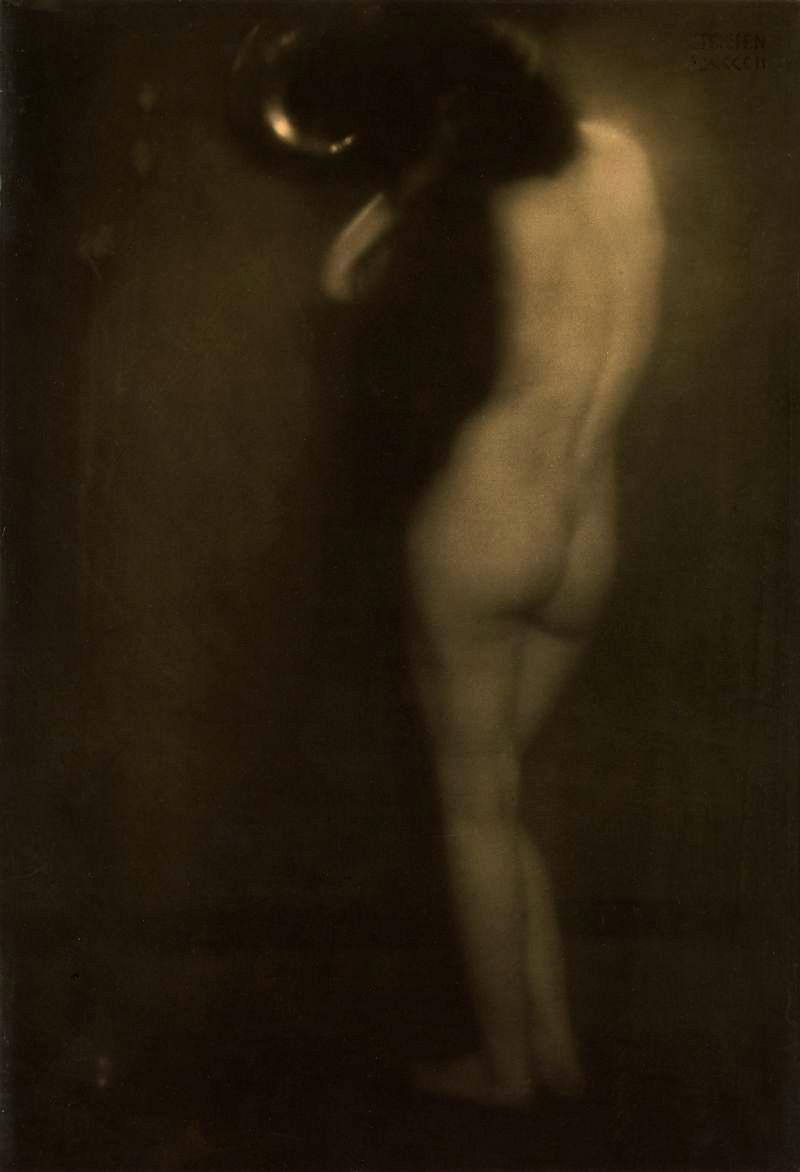

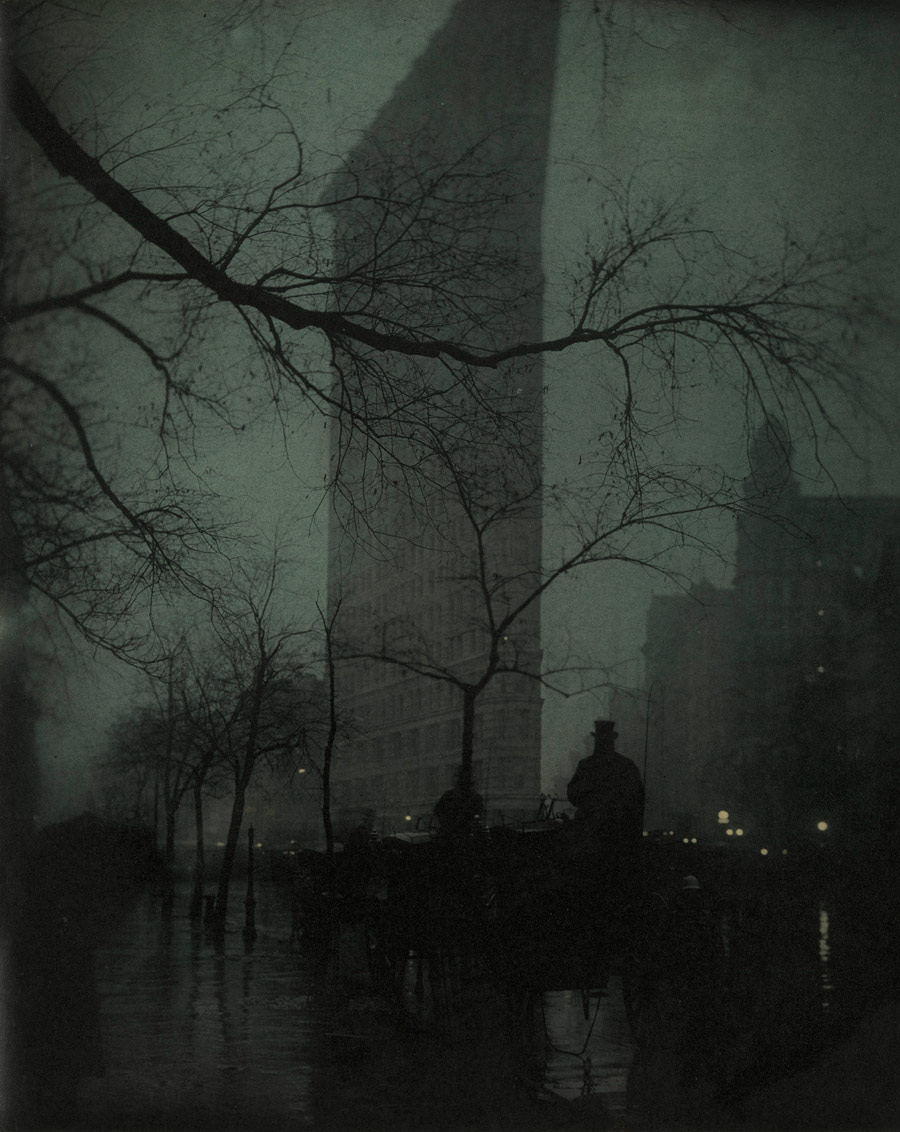

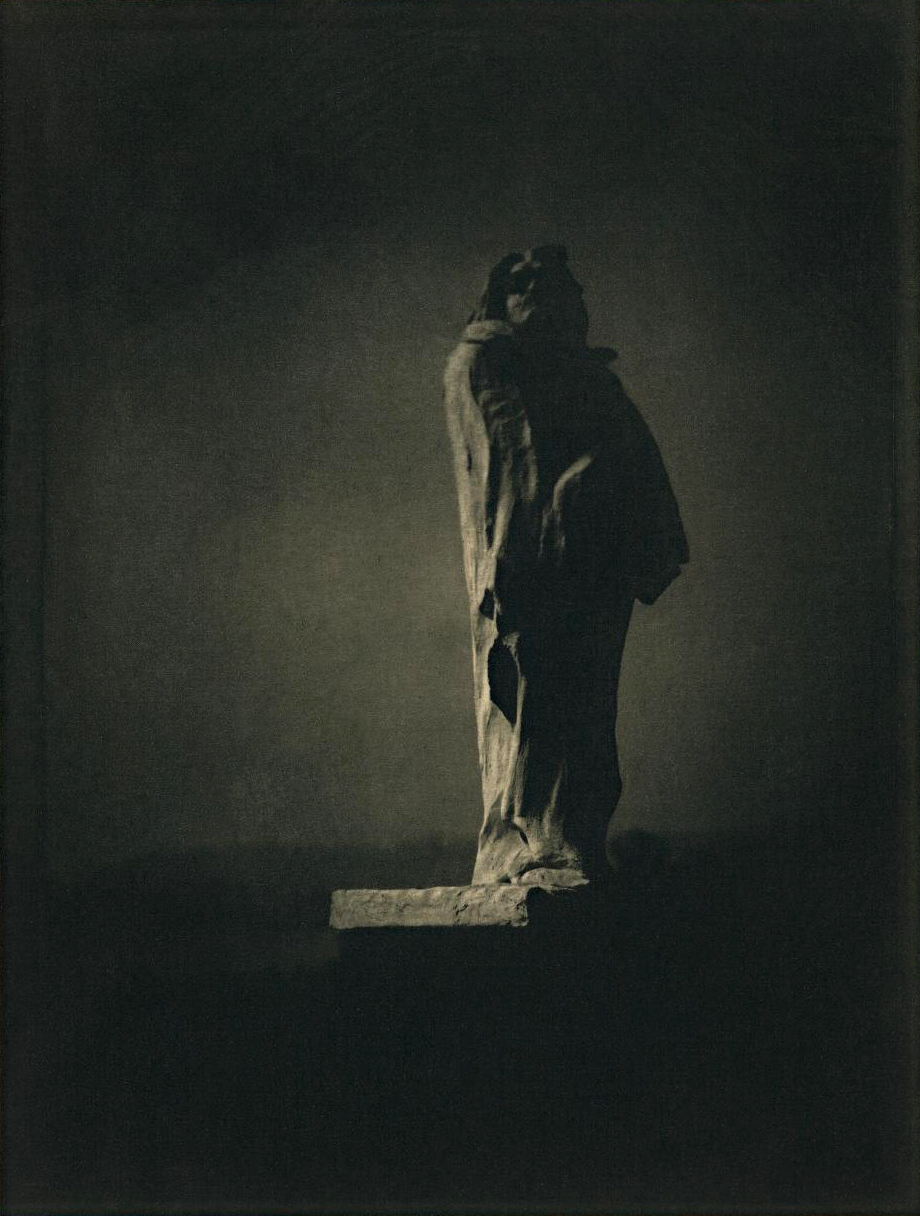
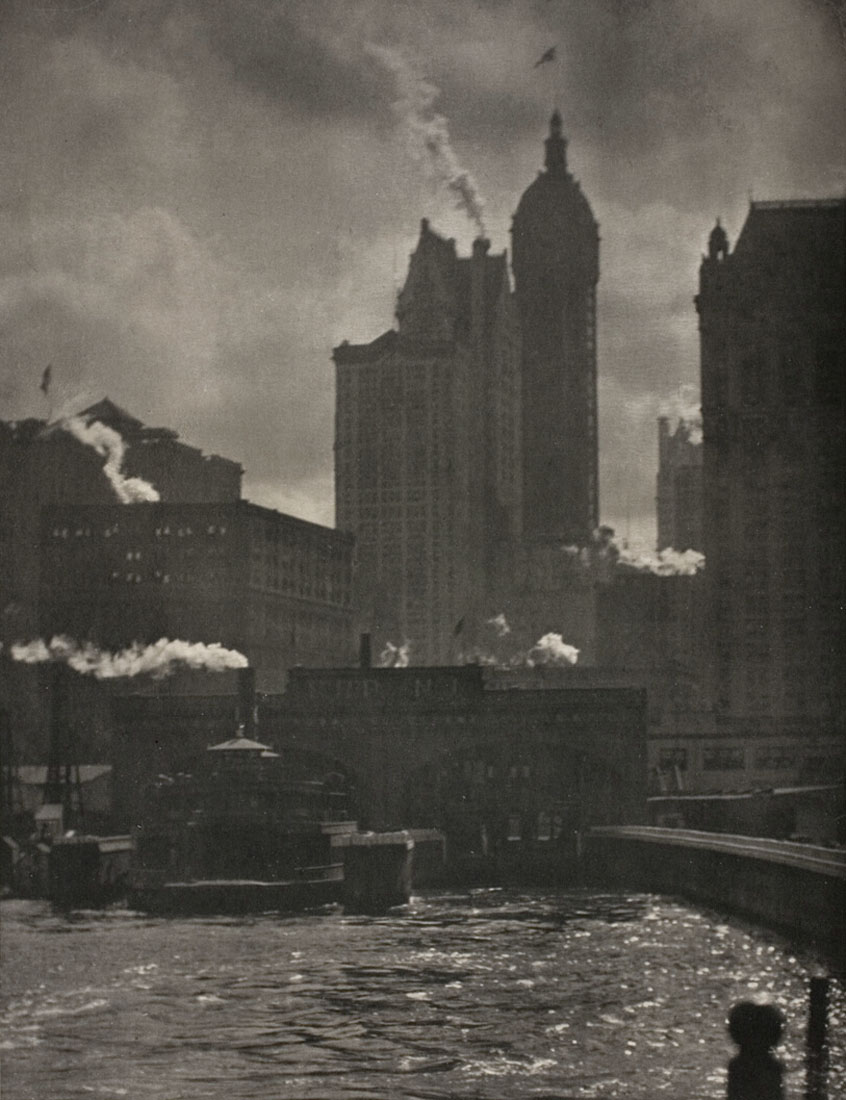


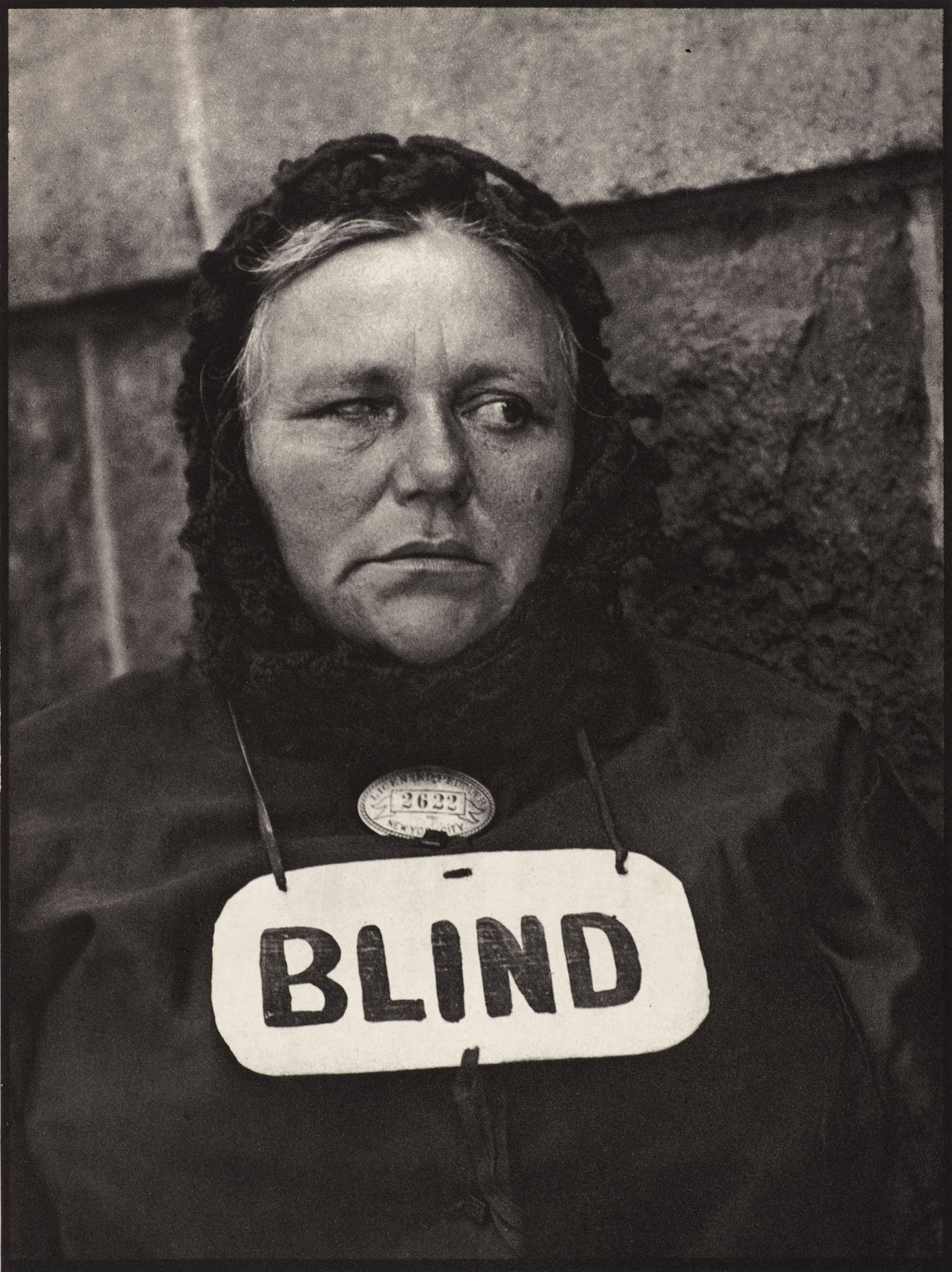

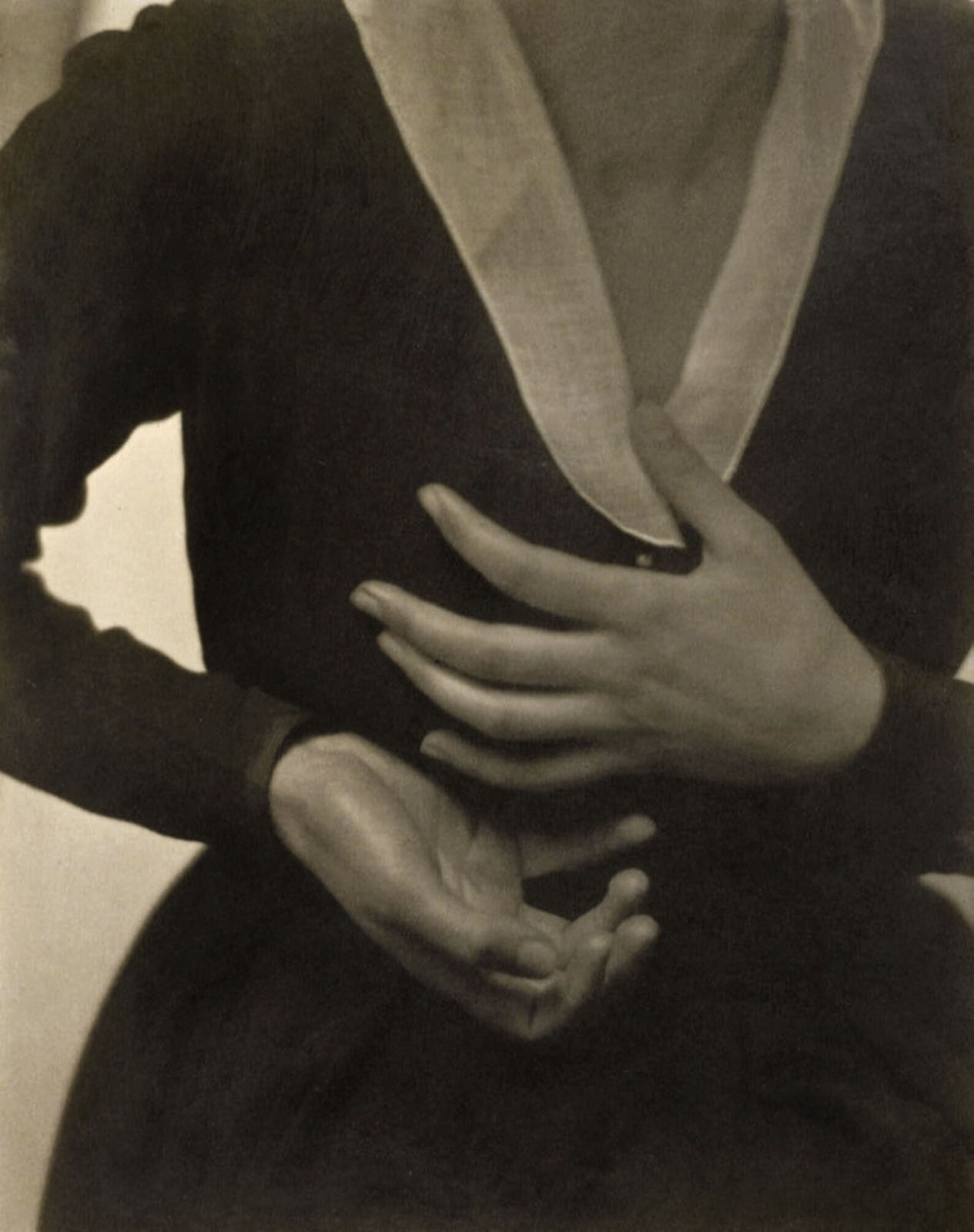


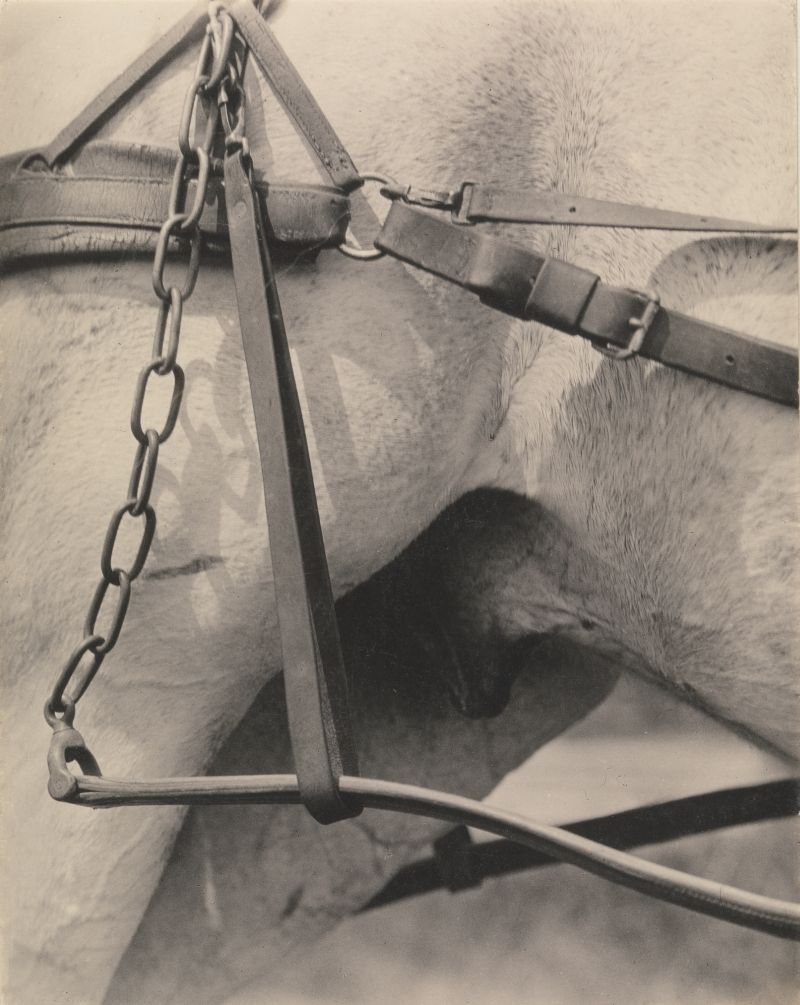
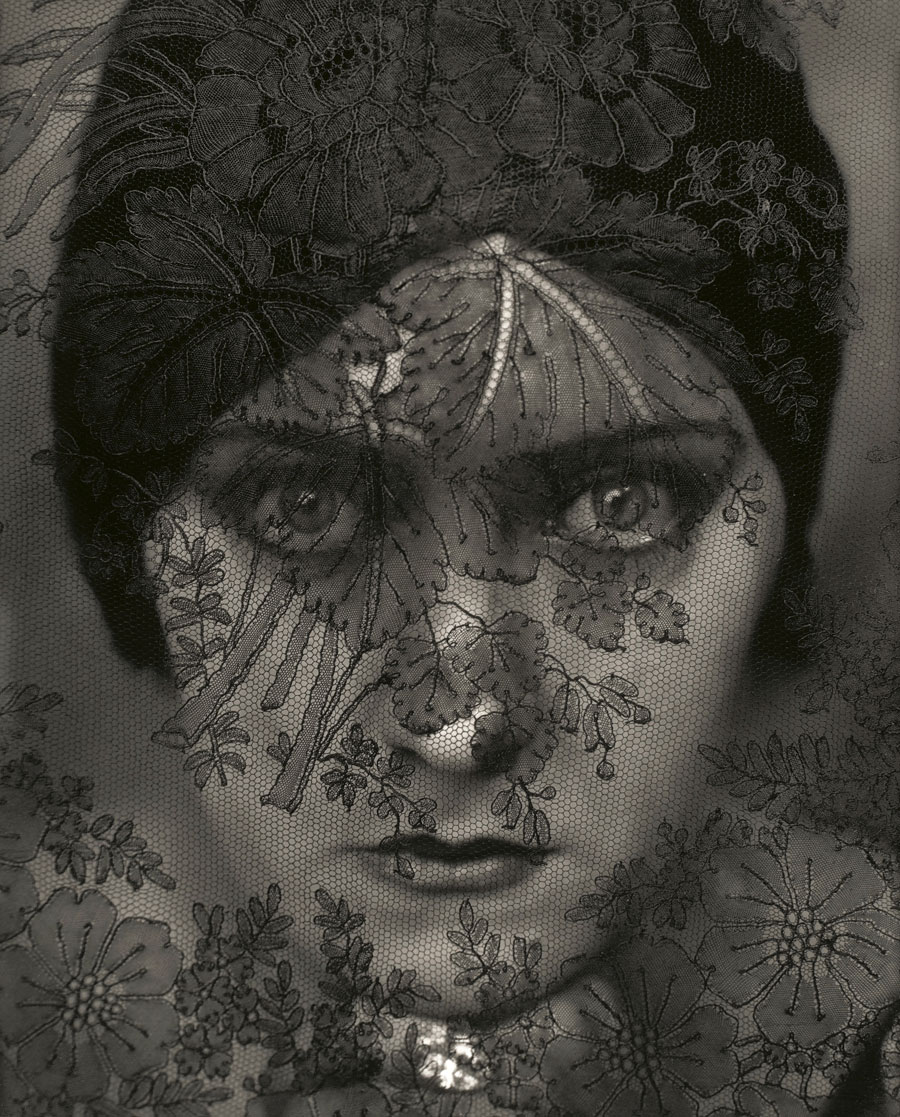


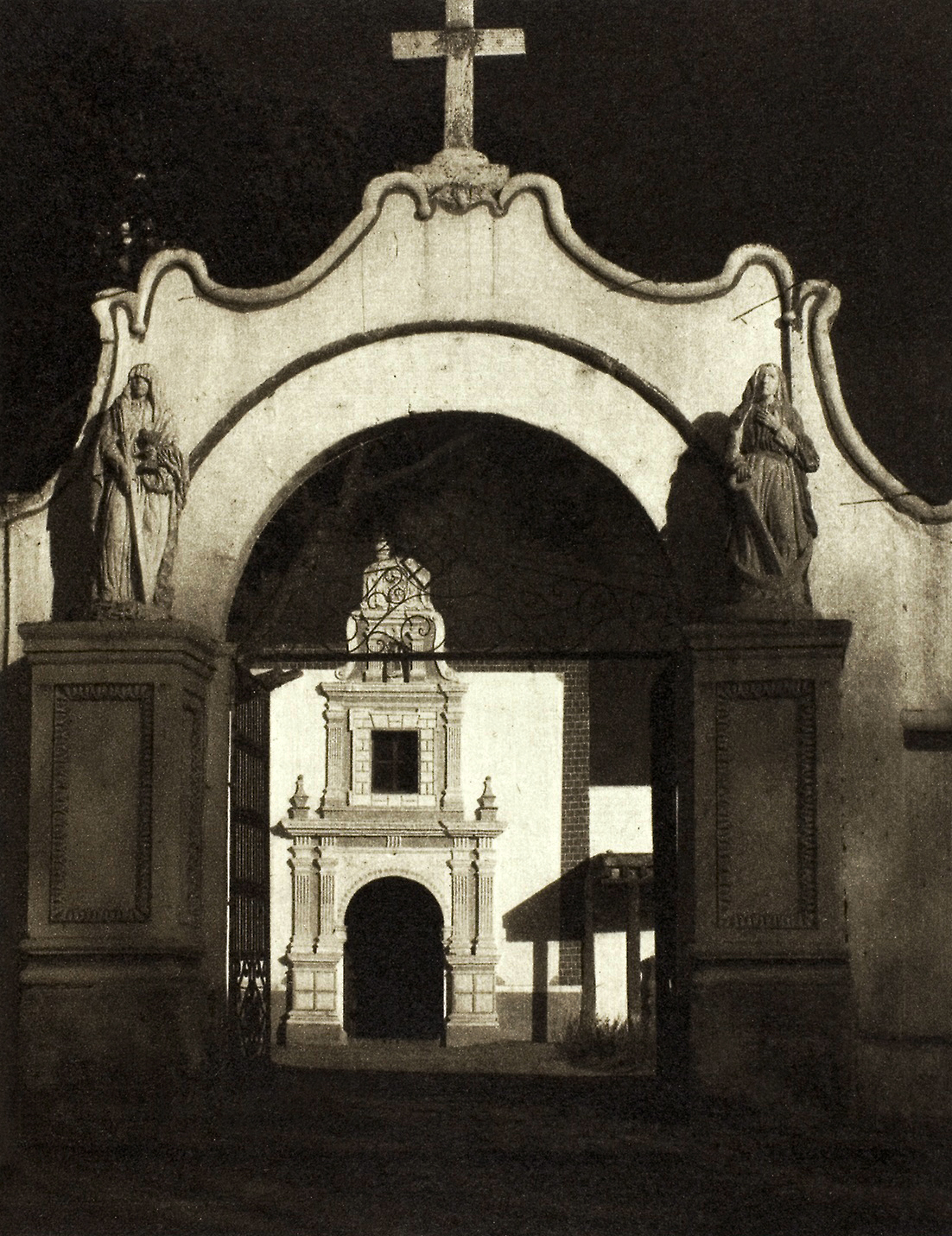


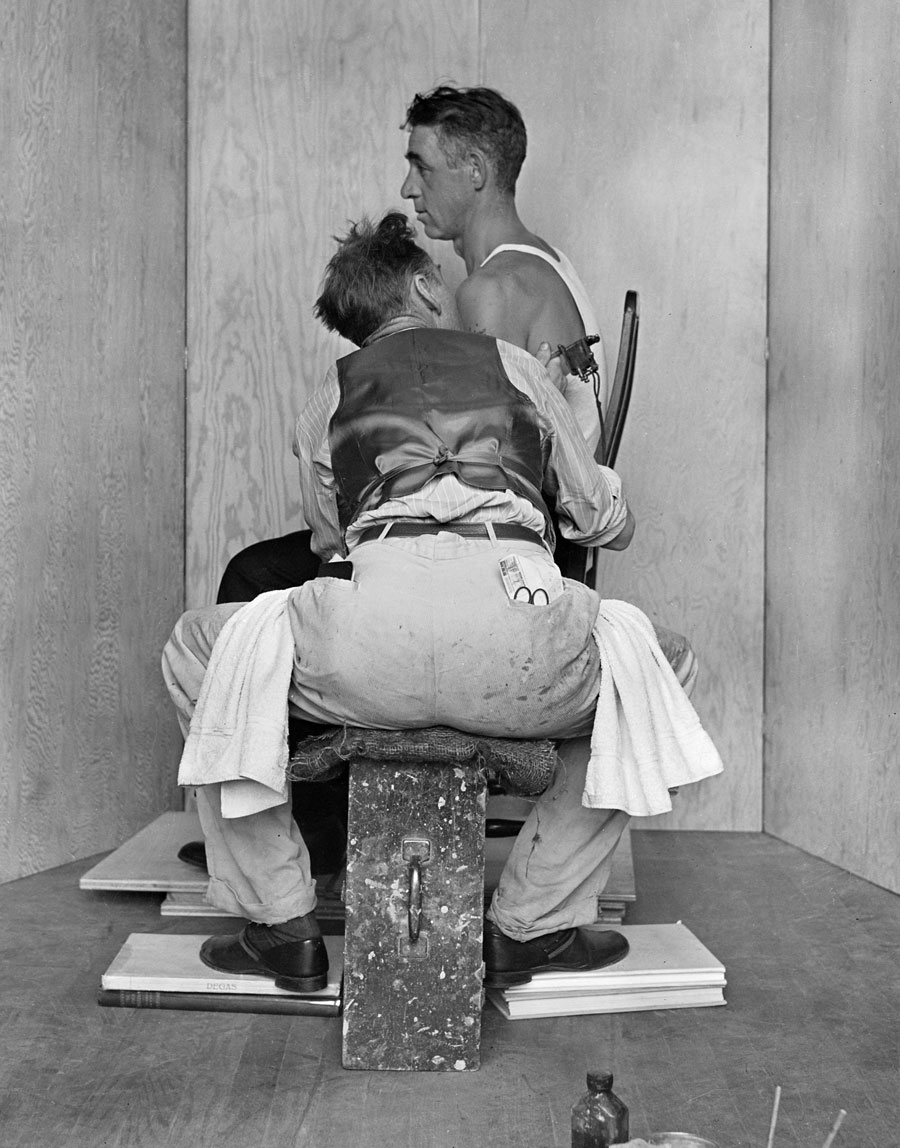
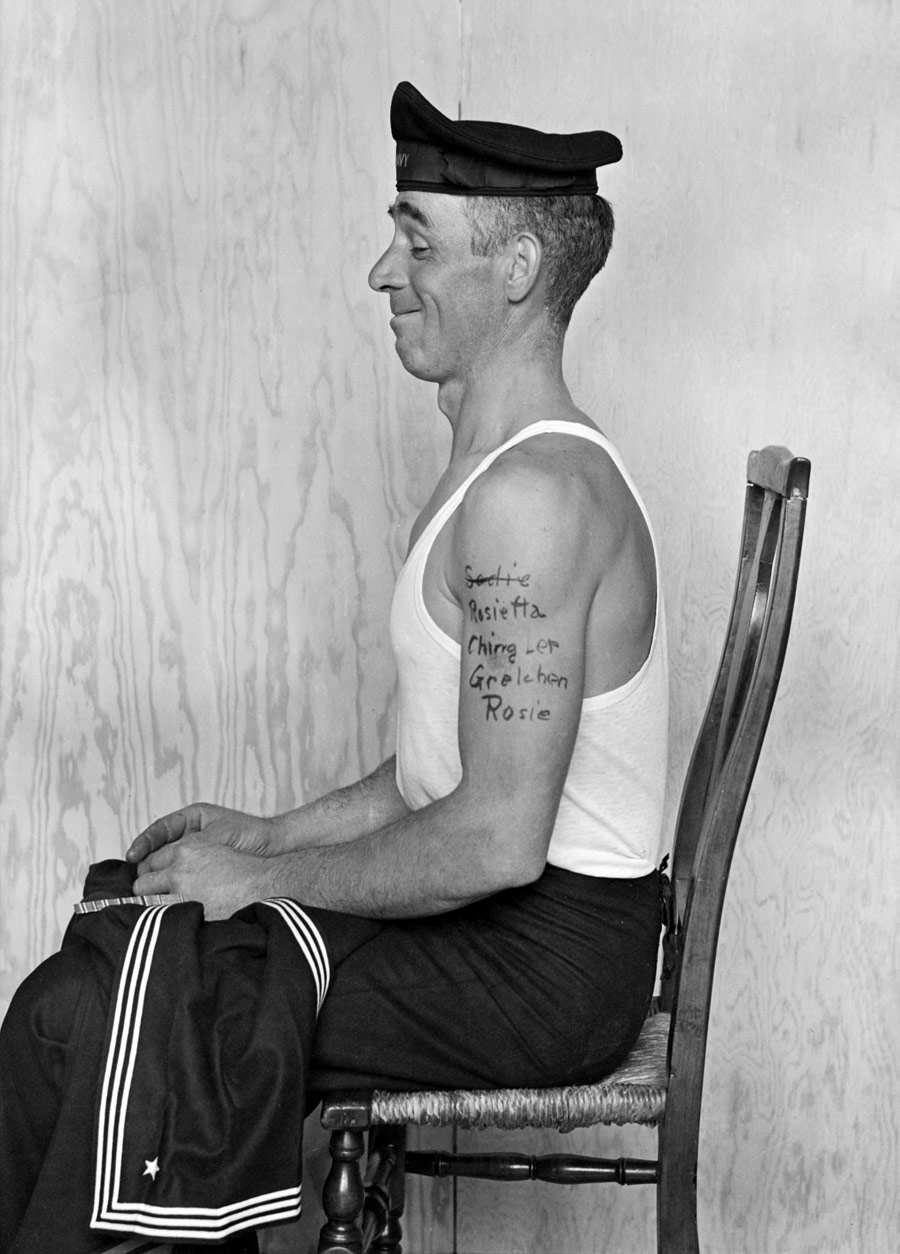
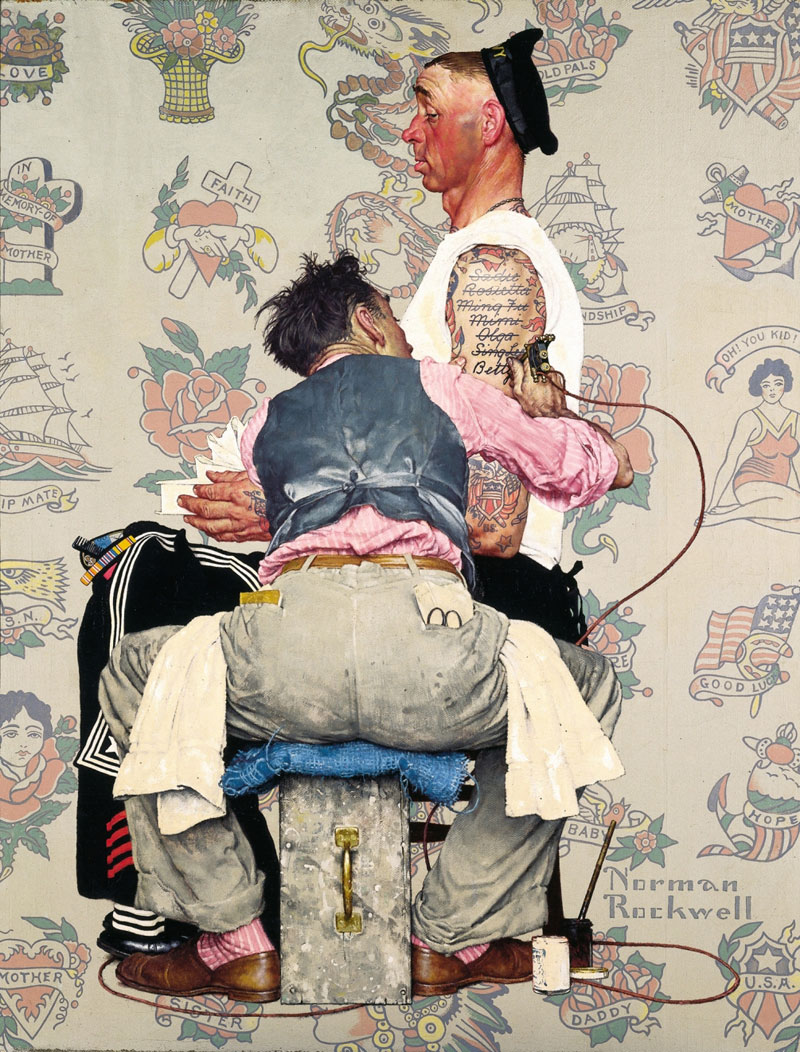
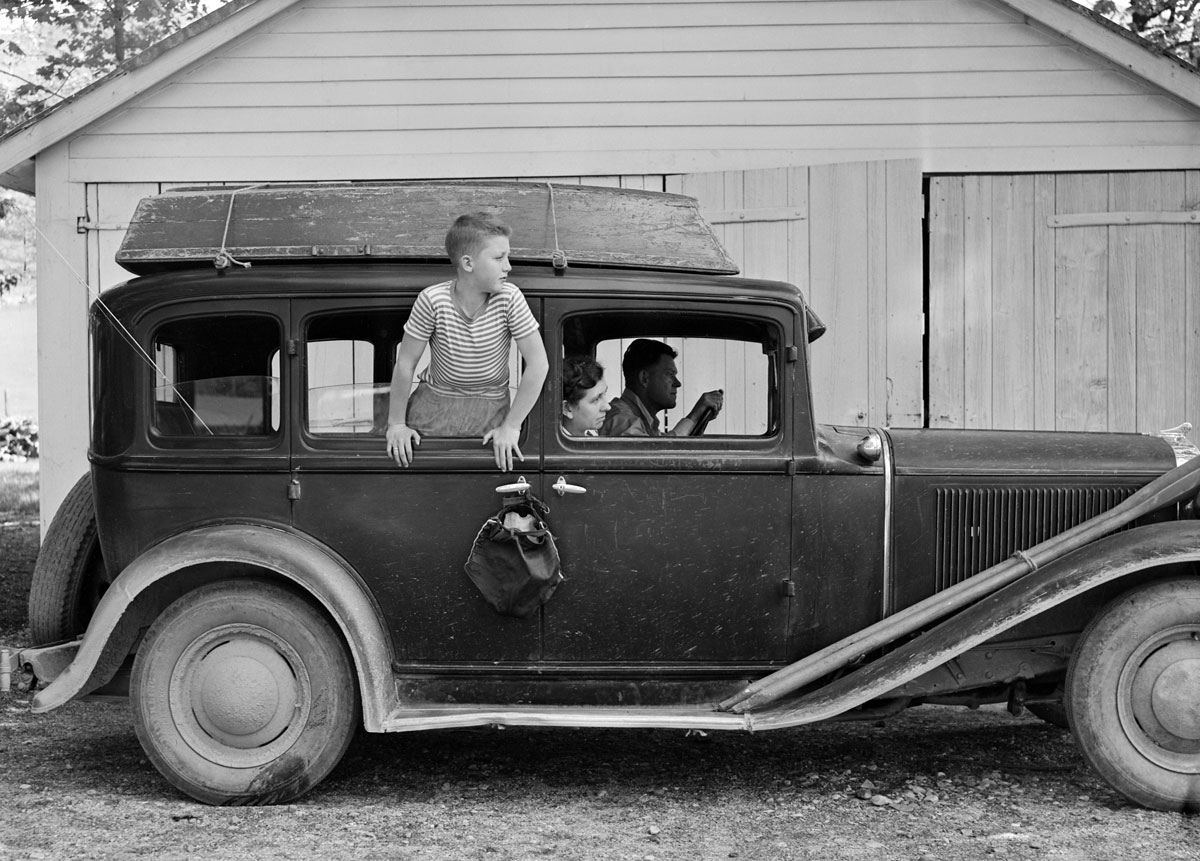
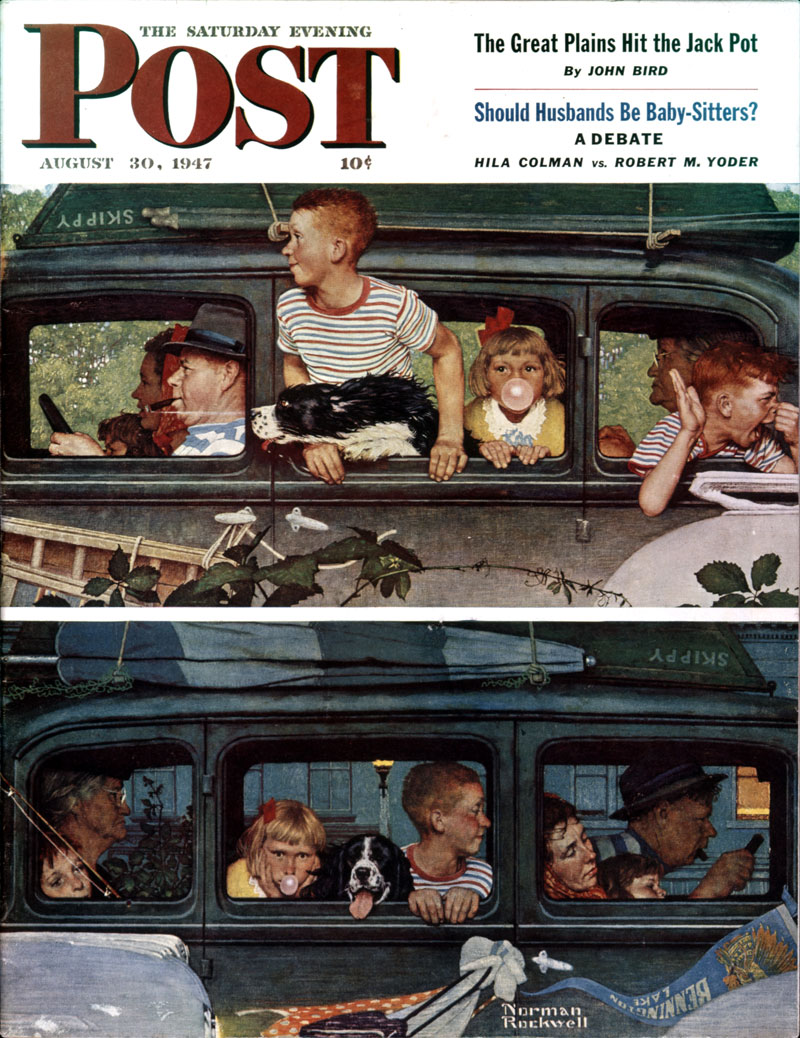
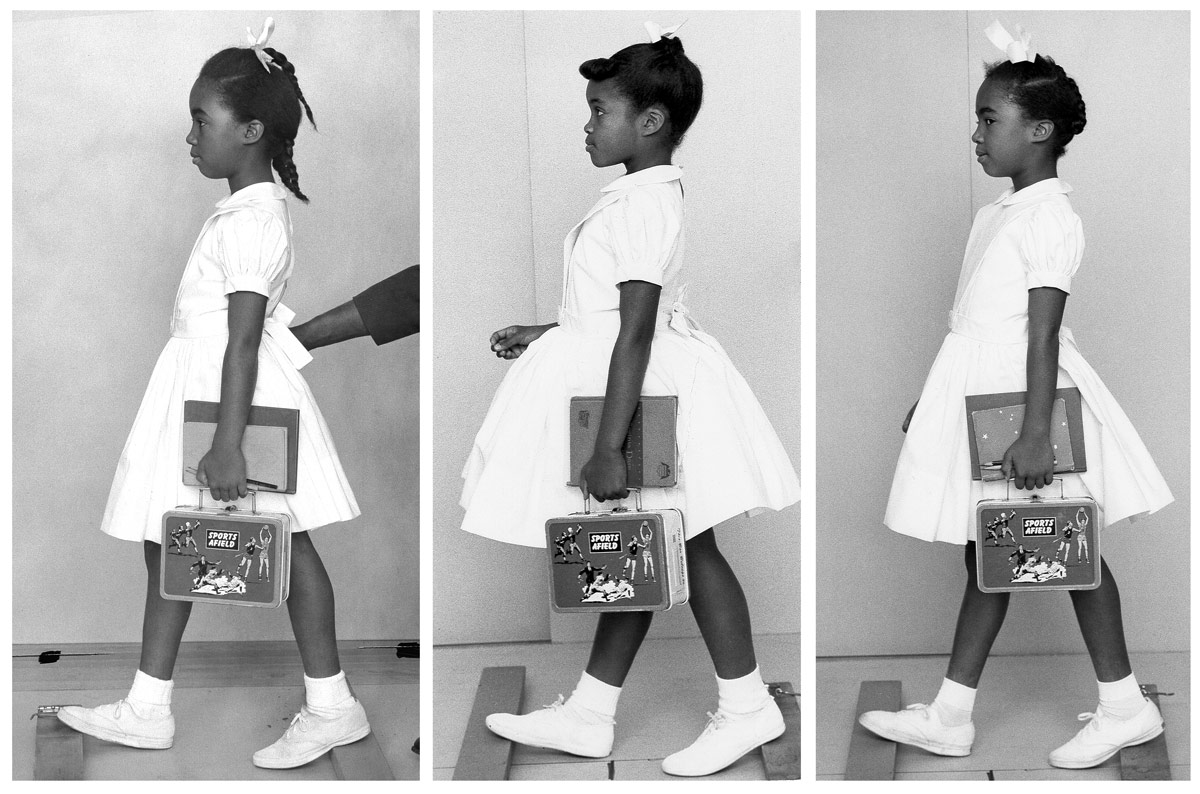
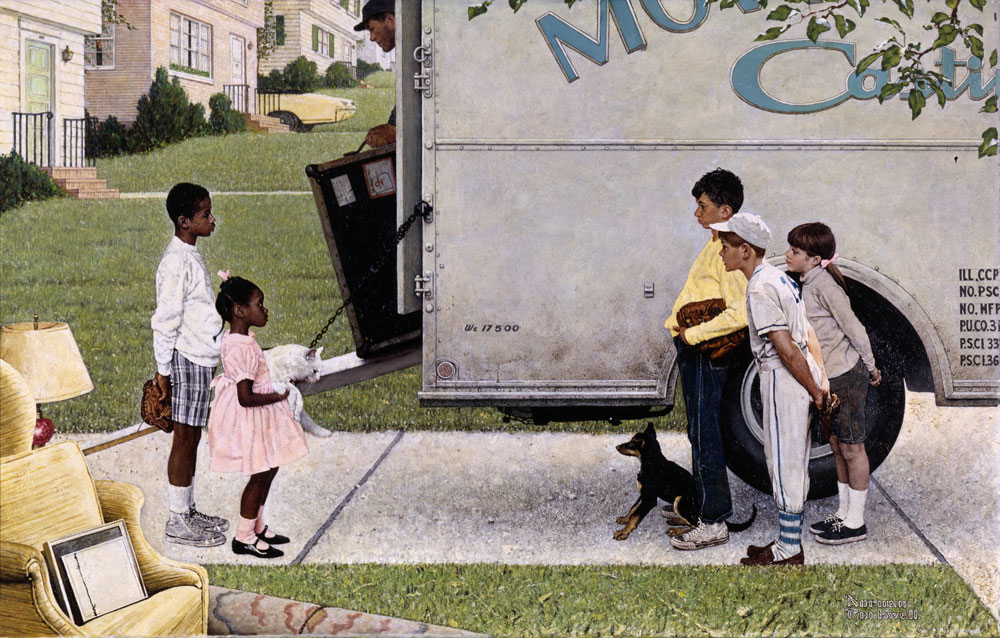
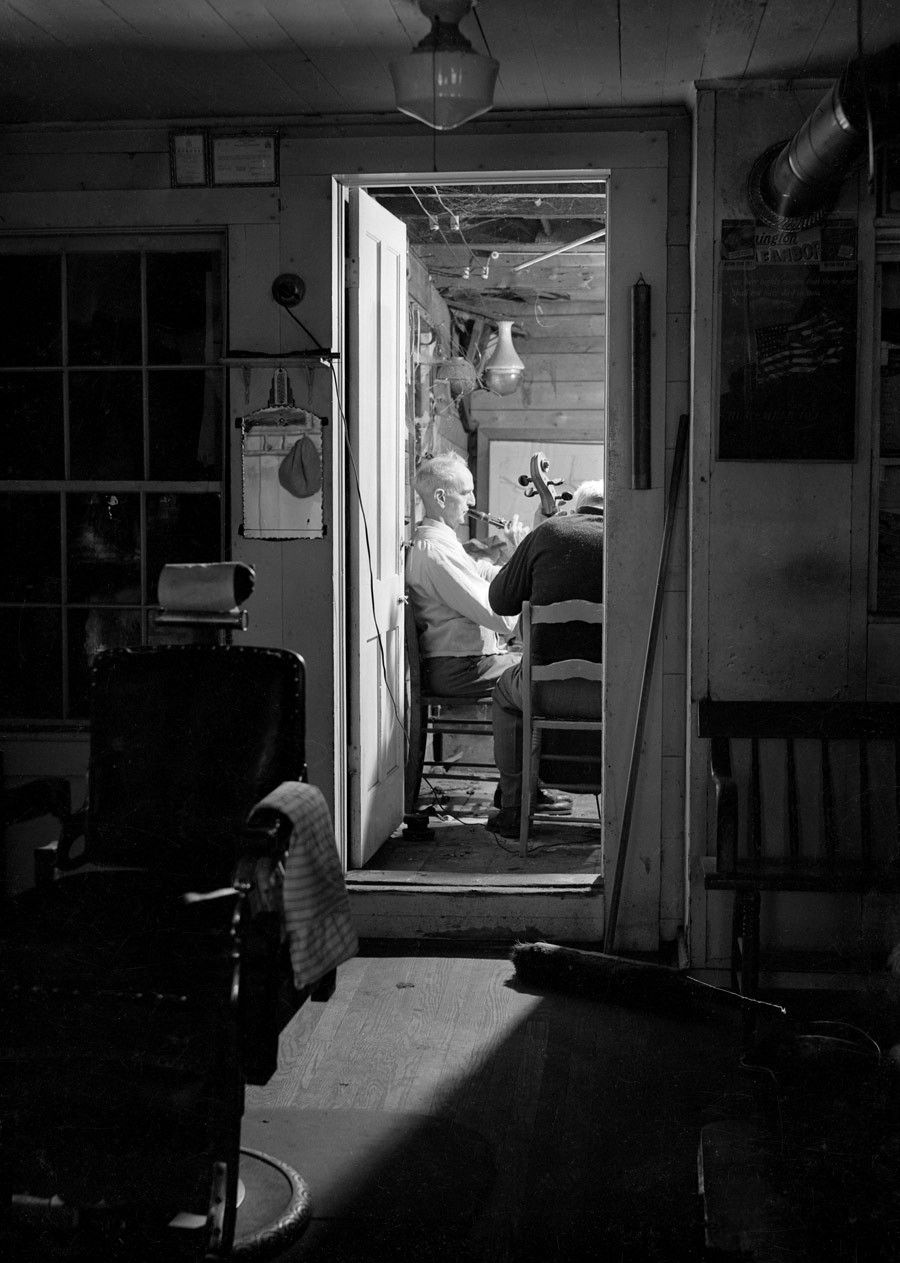
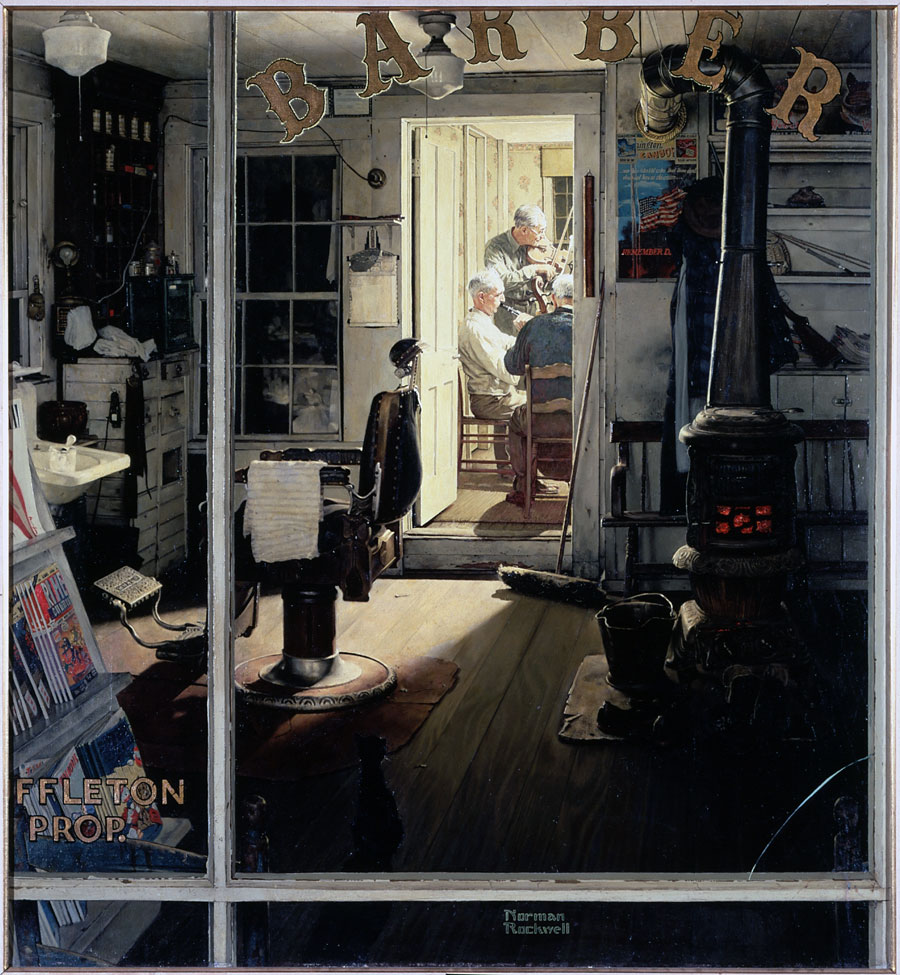
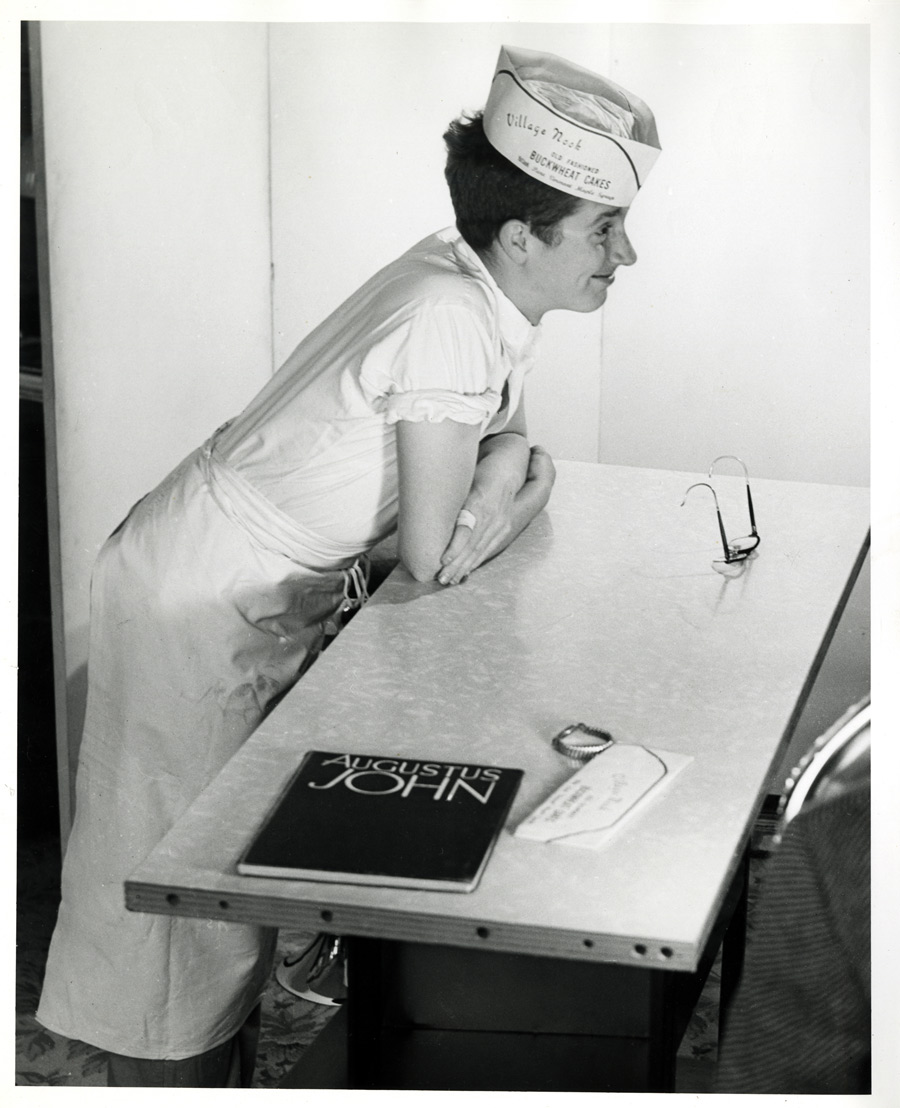
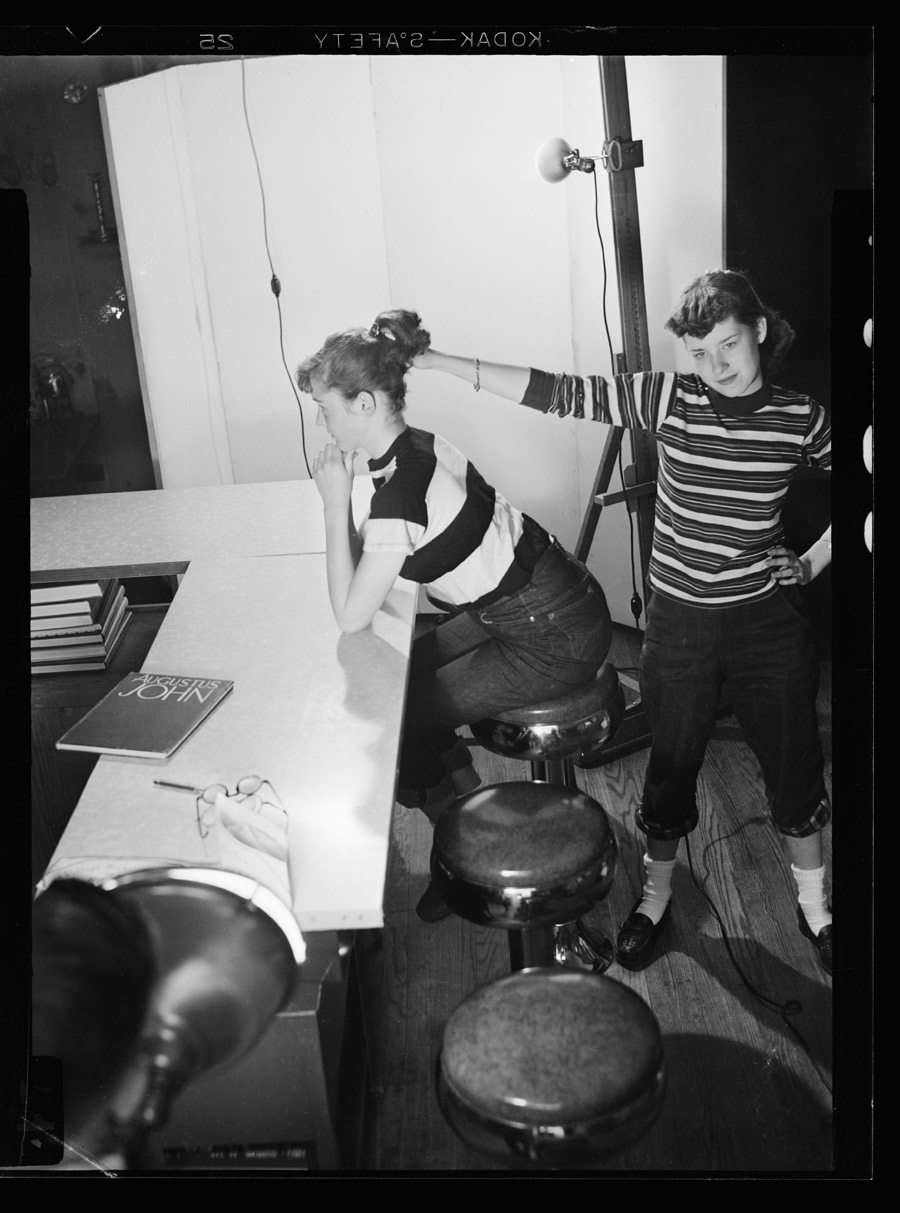
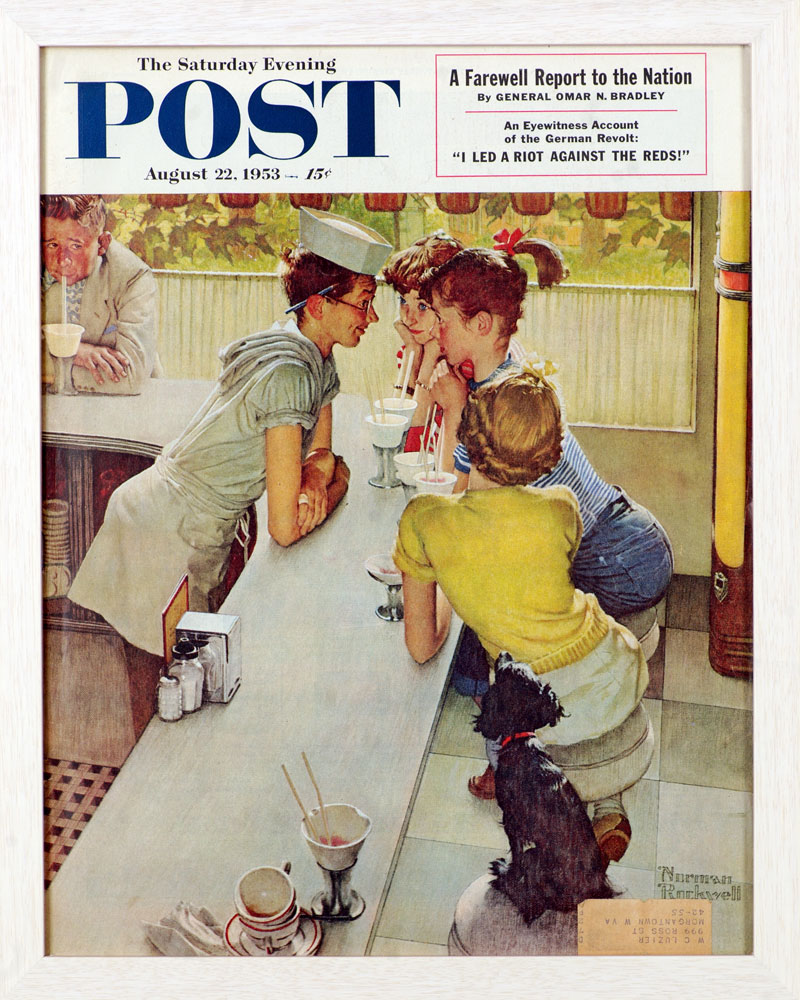
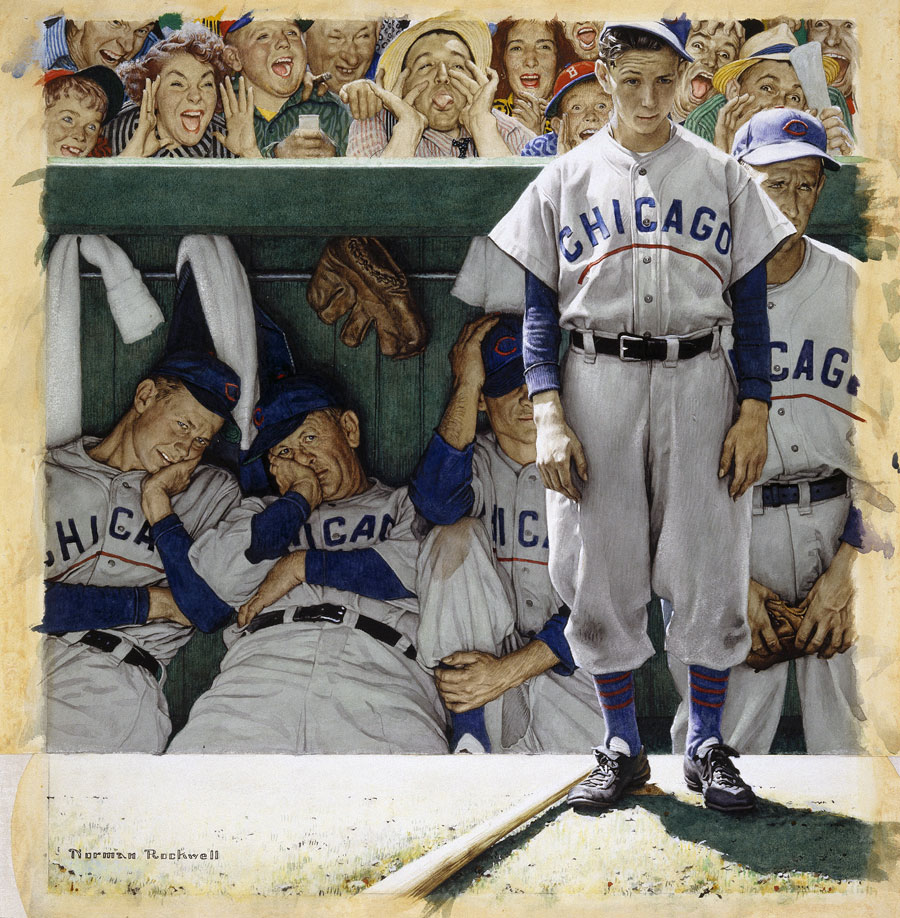
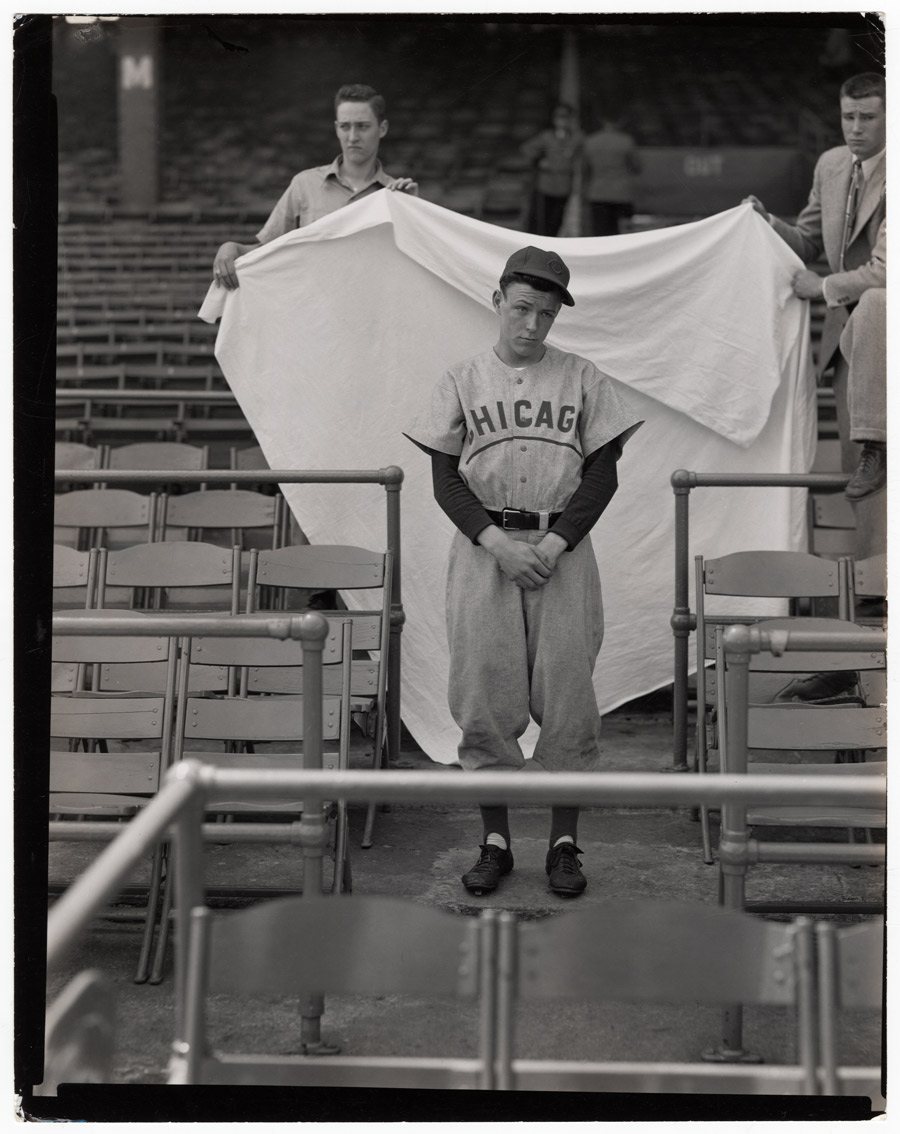
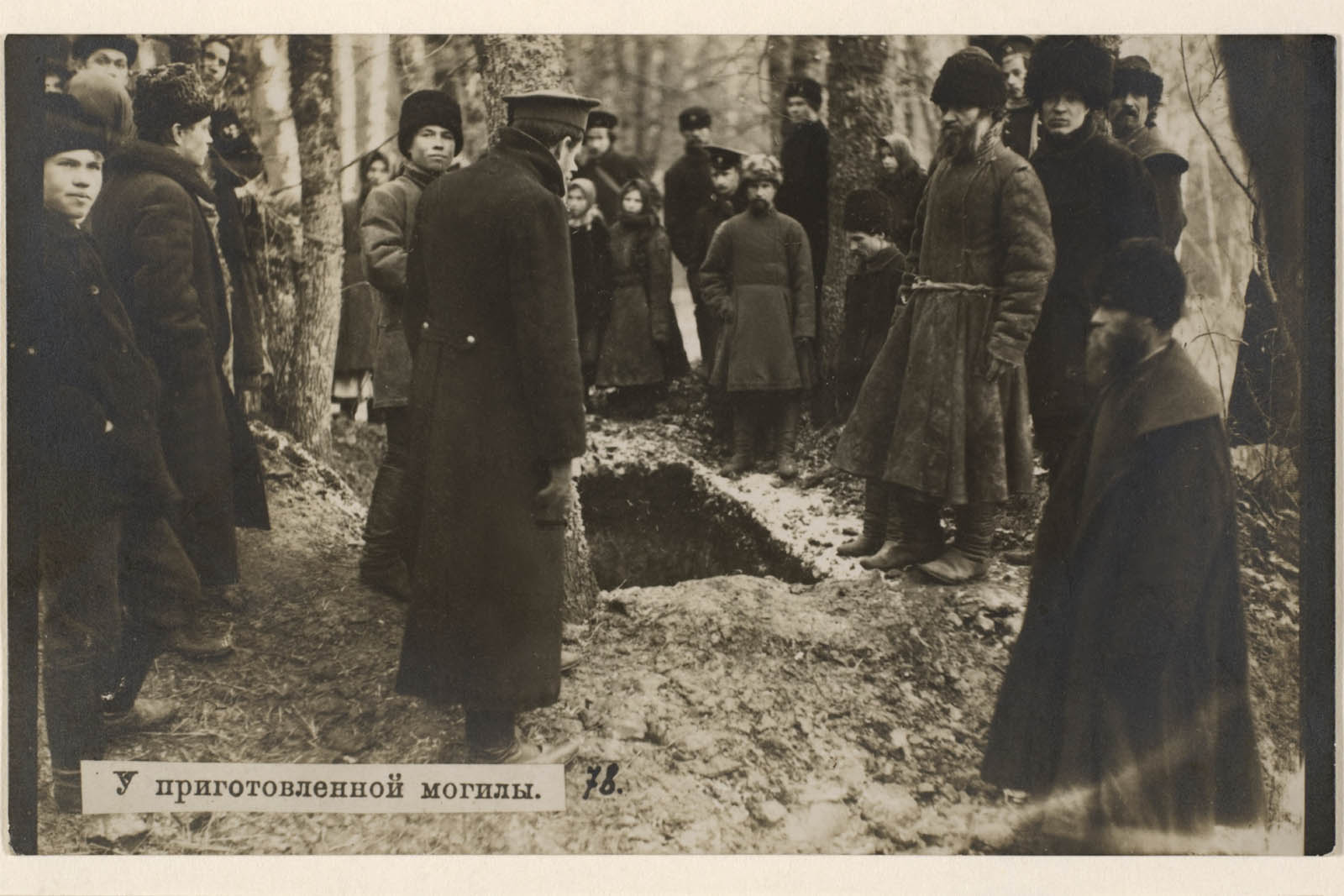
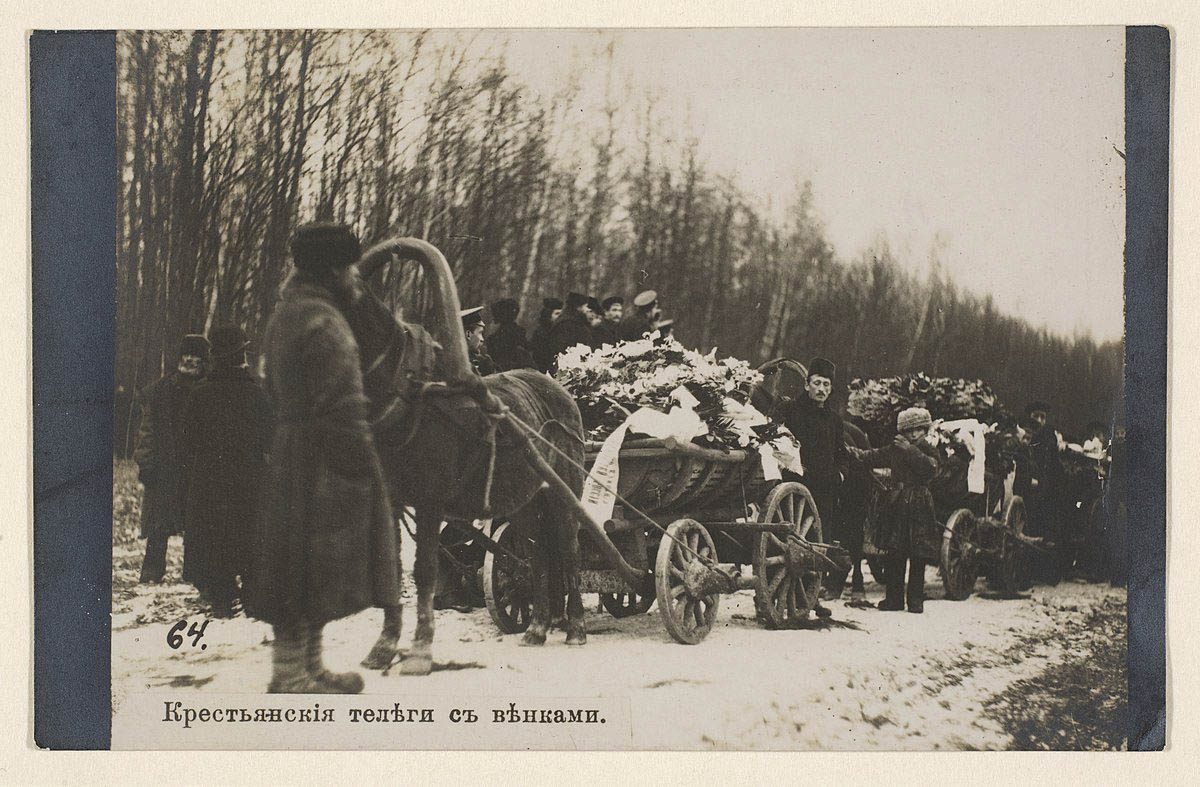
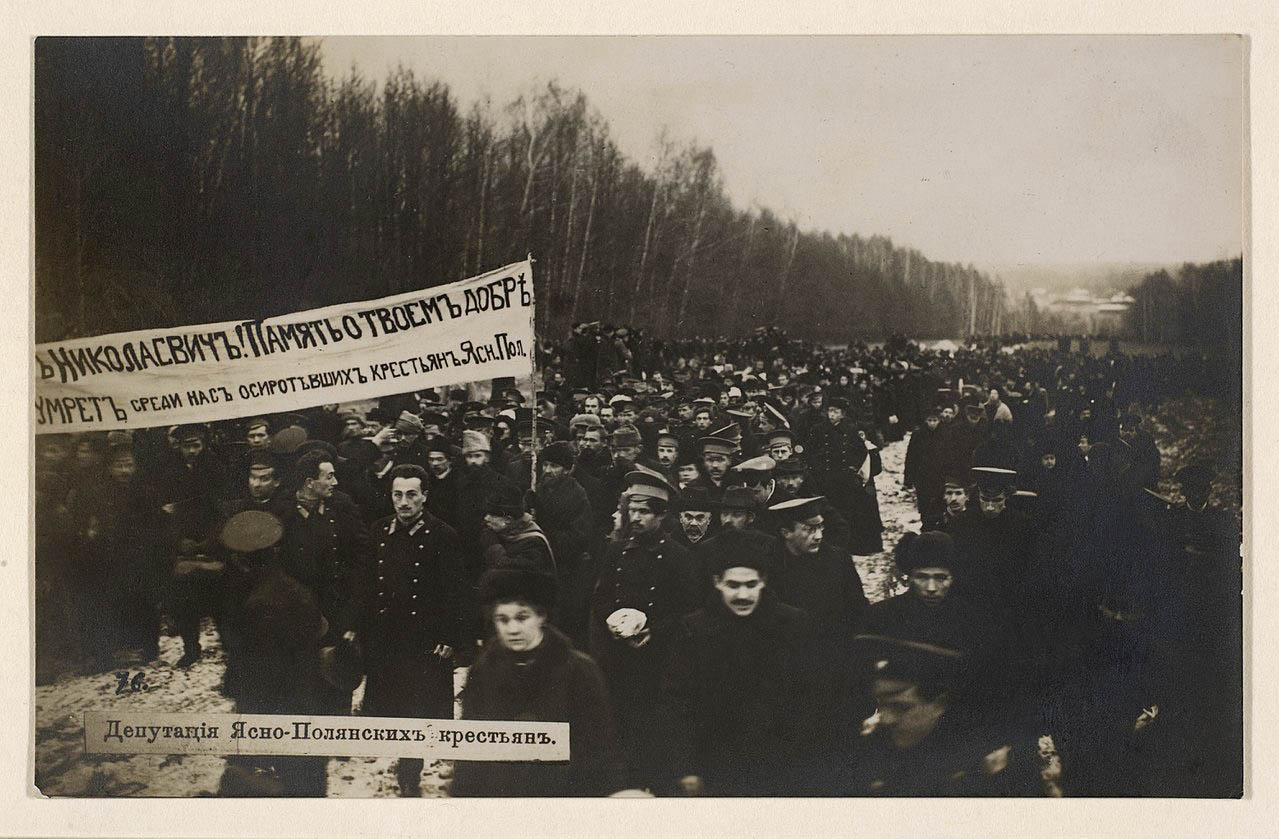
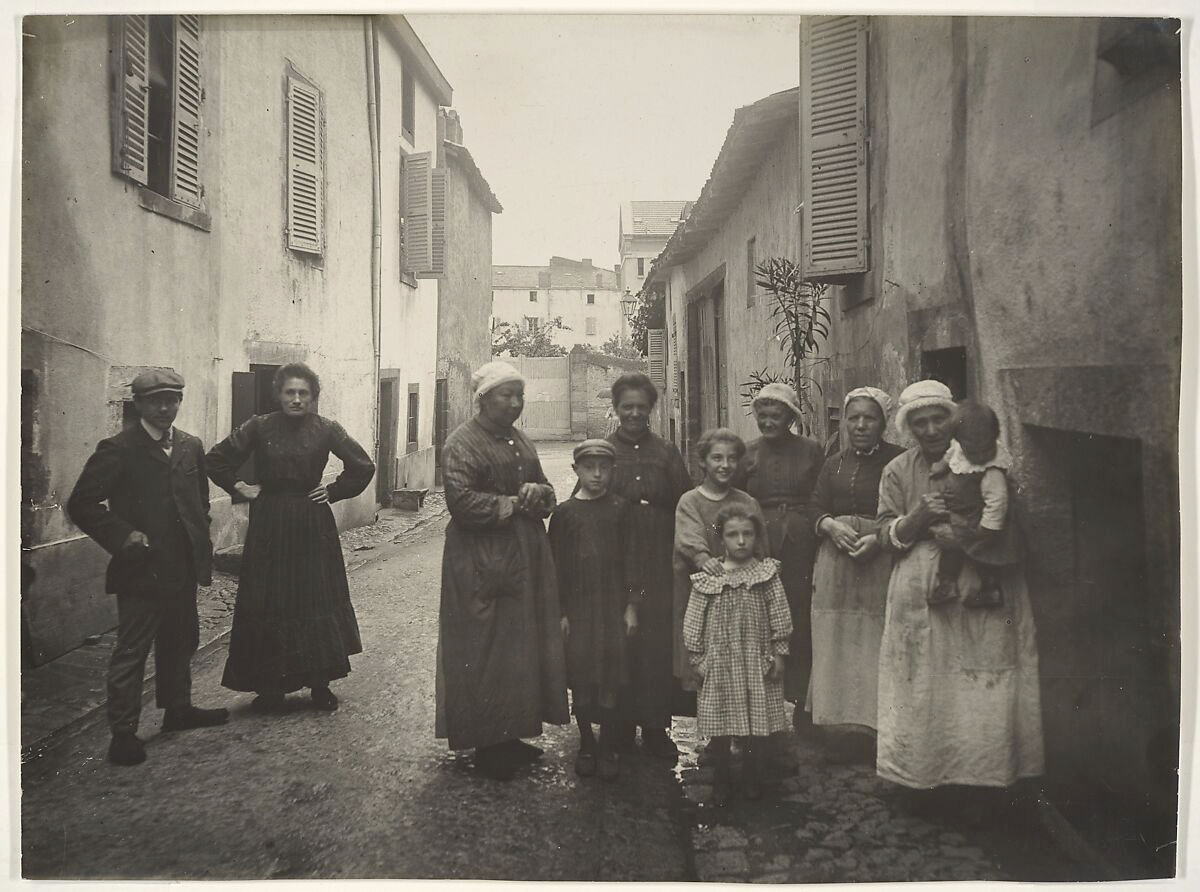

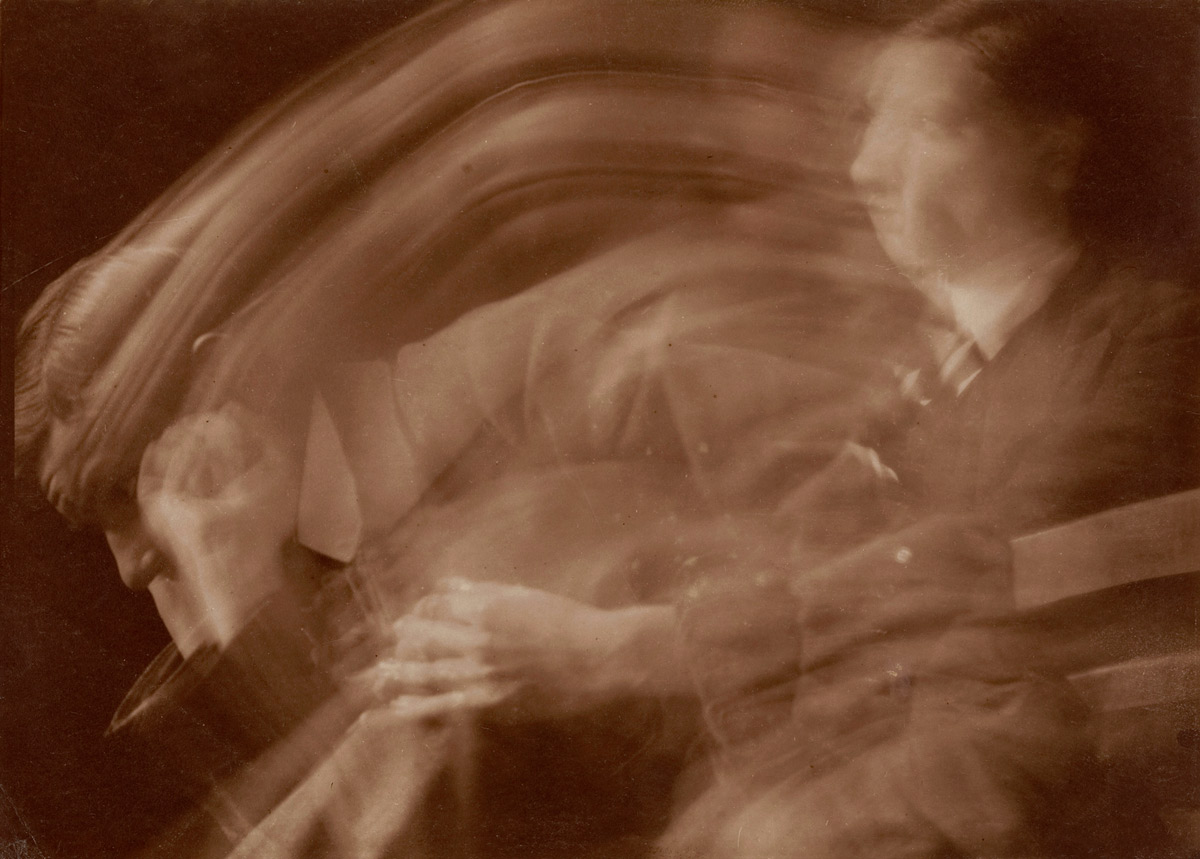
![Adolph de Meyer (American born France, 1868-1949) '[Dance Study]' c. 1912](https://artblart.com/wp-content/uploads/2018/02/adolf-de-meyer-dance-study-web.jpg "Adolph de Meyer (American born France, 1868-1949) '[Dance Study]' c. 1912")


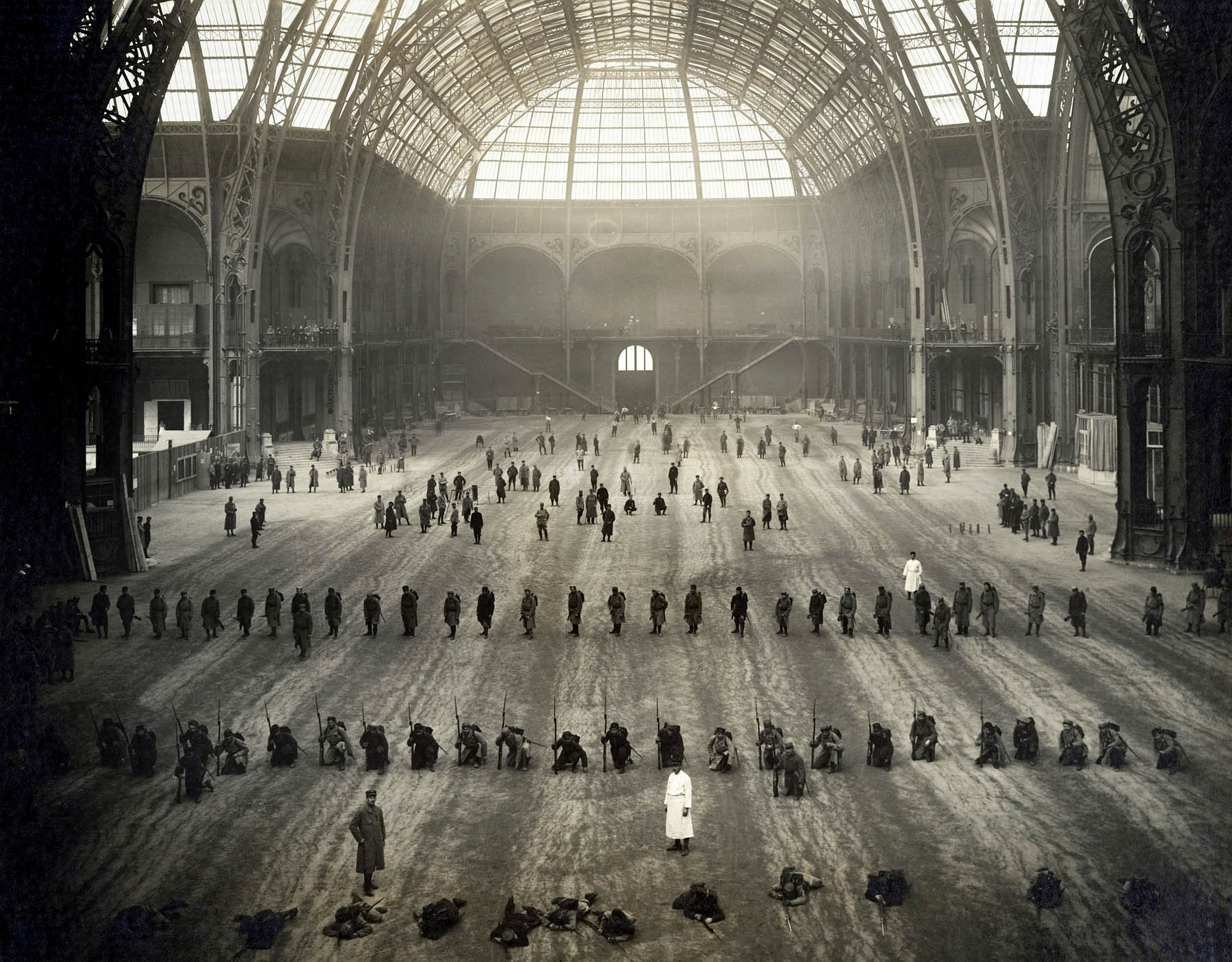


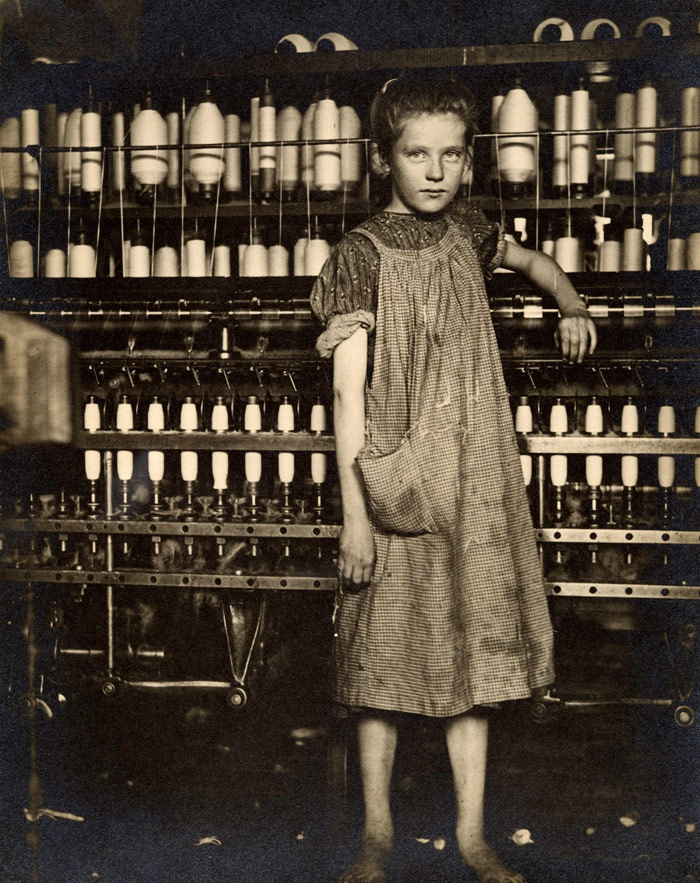


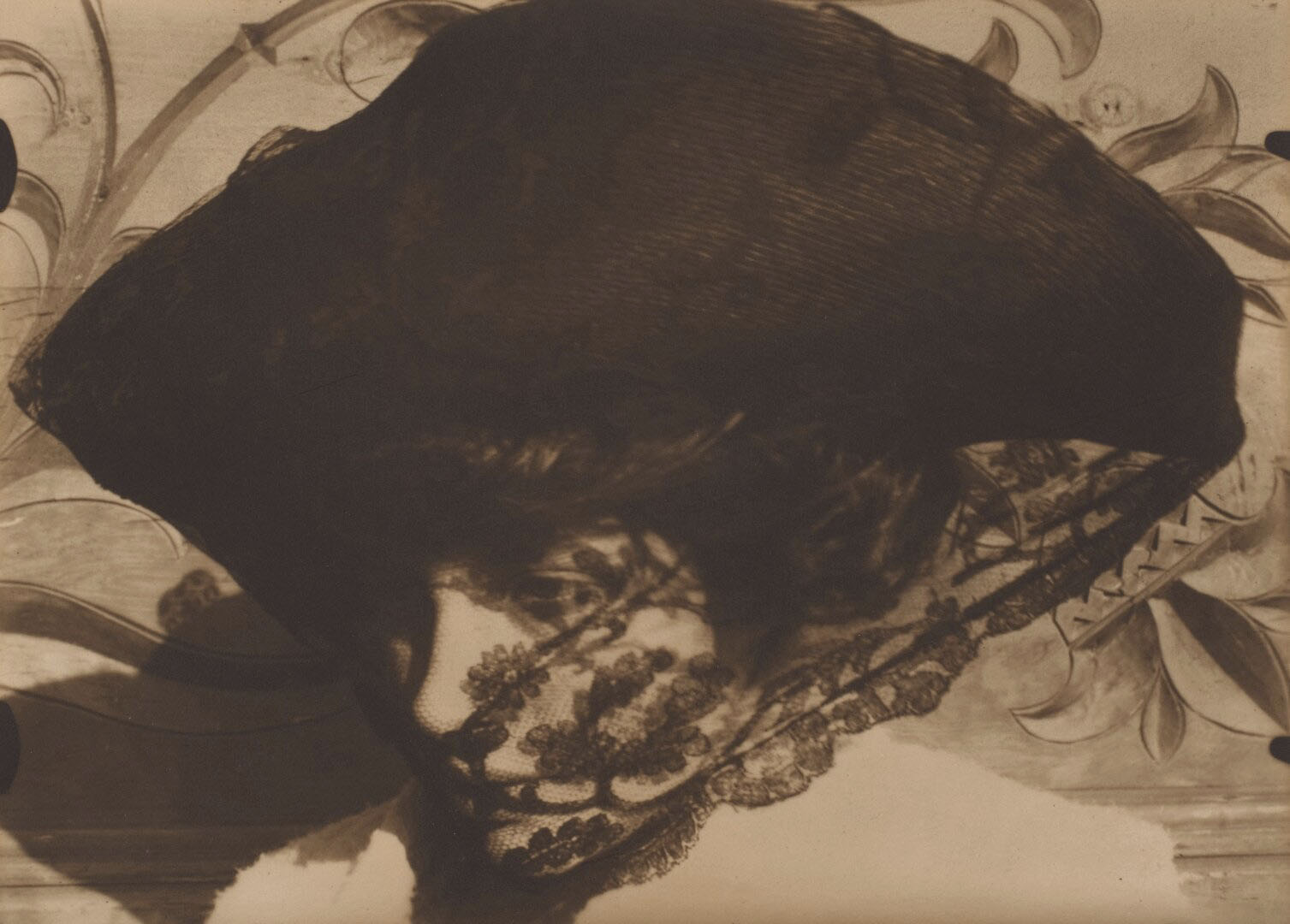
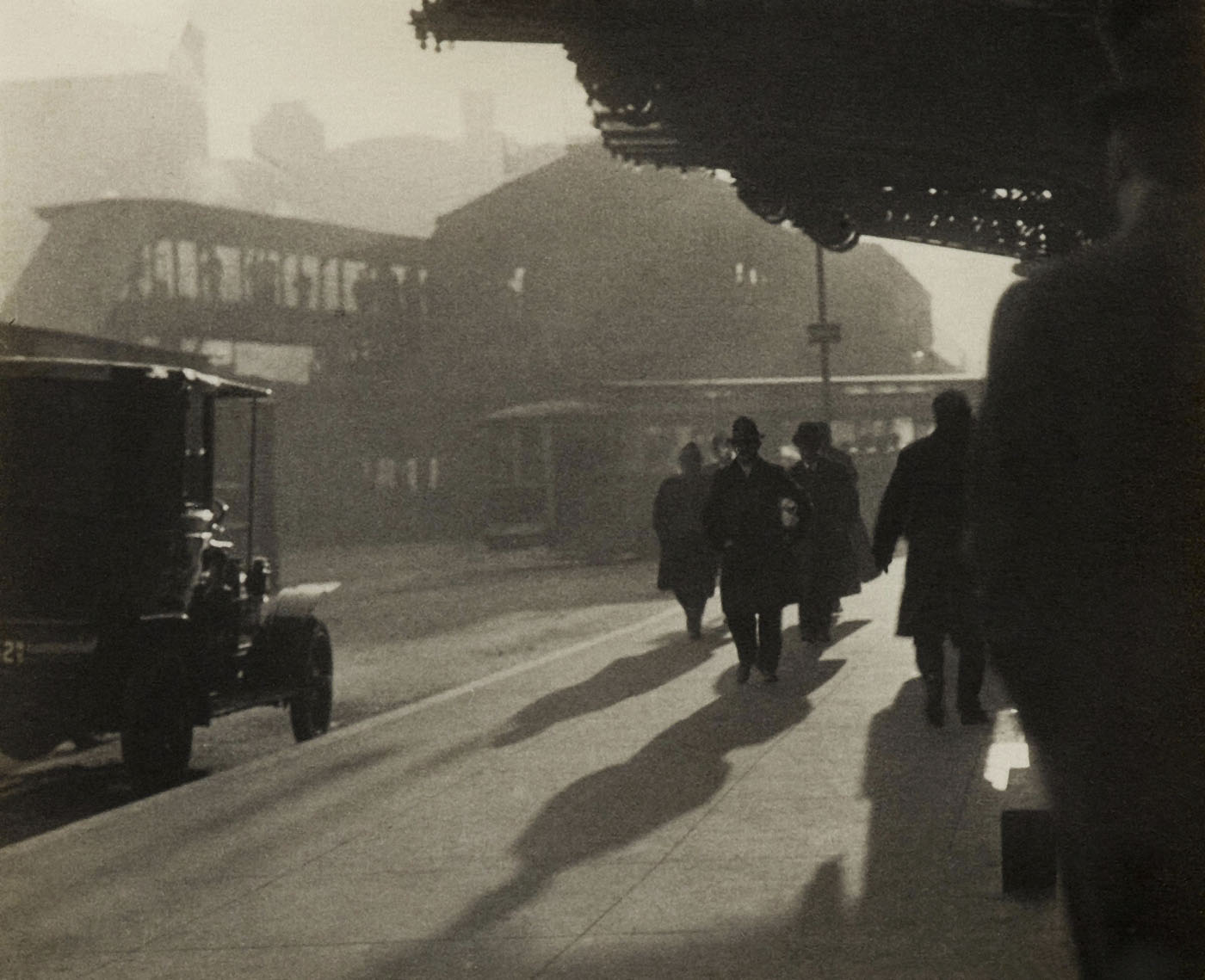
![Morton Schamberg (American, 1881–1918) '[View of Rooftops]' 1917](https://artblart.com/wp-content/uploads/2011/03/schamberg-view-of-rooftops.jpg "Morton Schamberg (American, 1881–1918) '[View of Rooftops]' 1917")
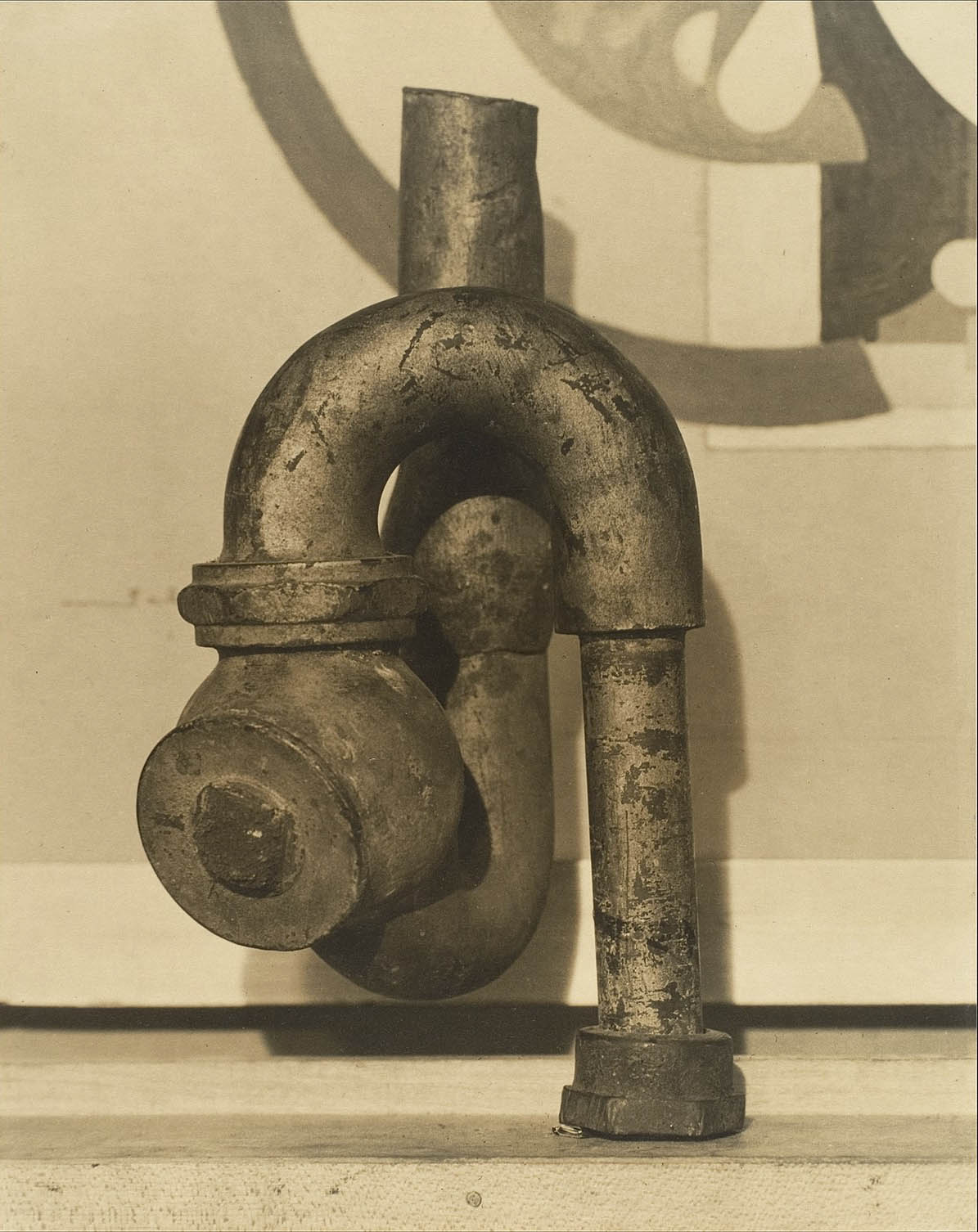


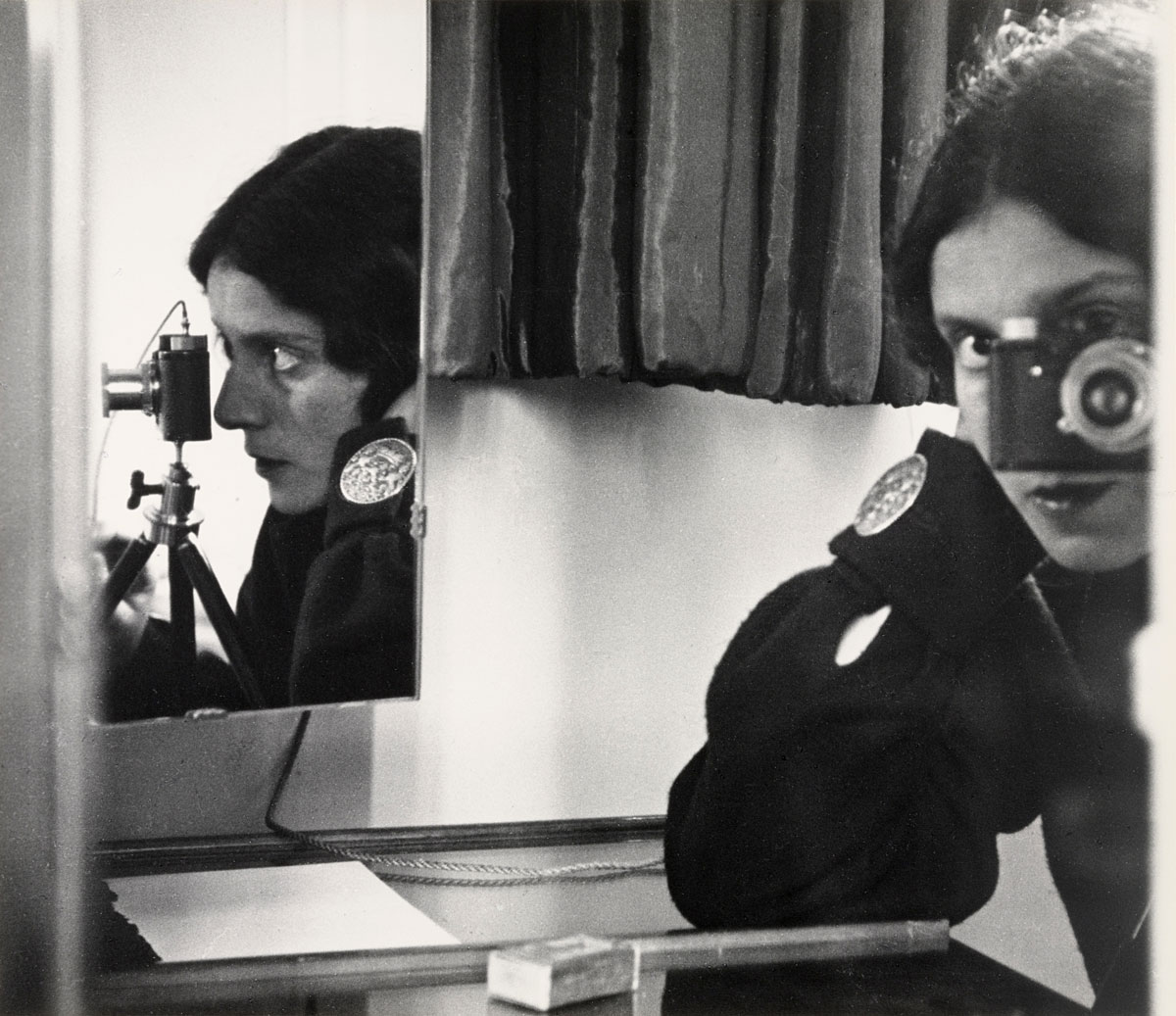
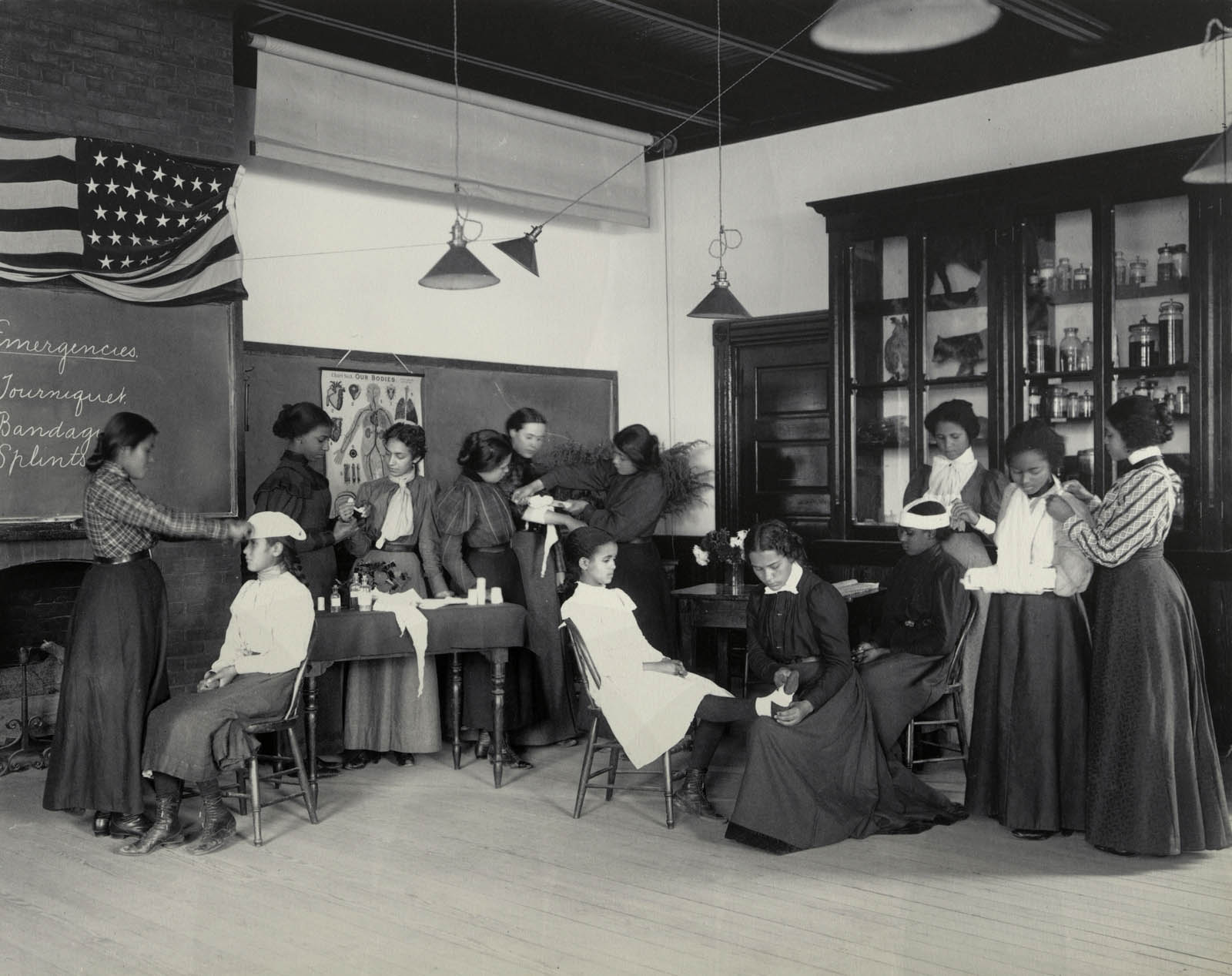
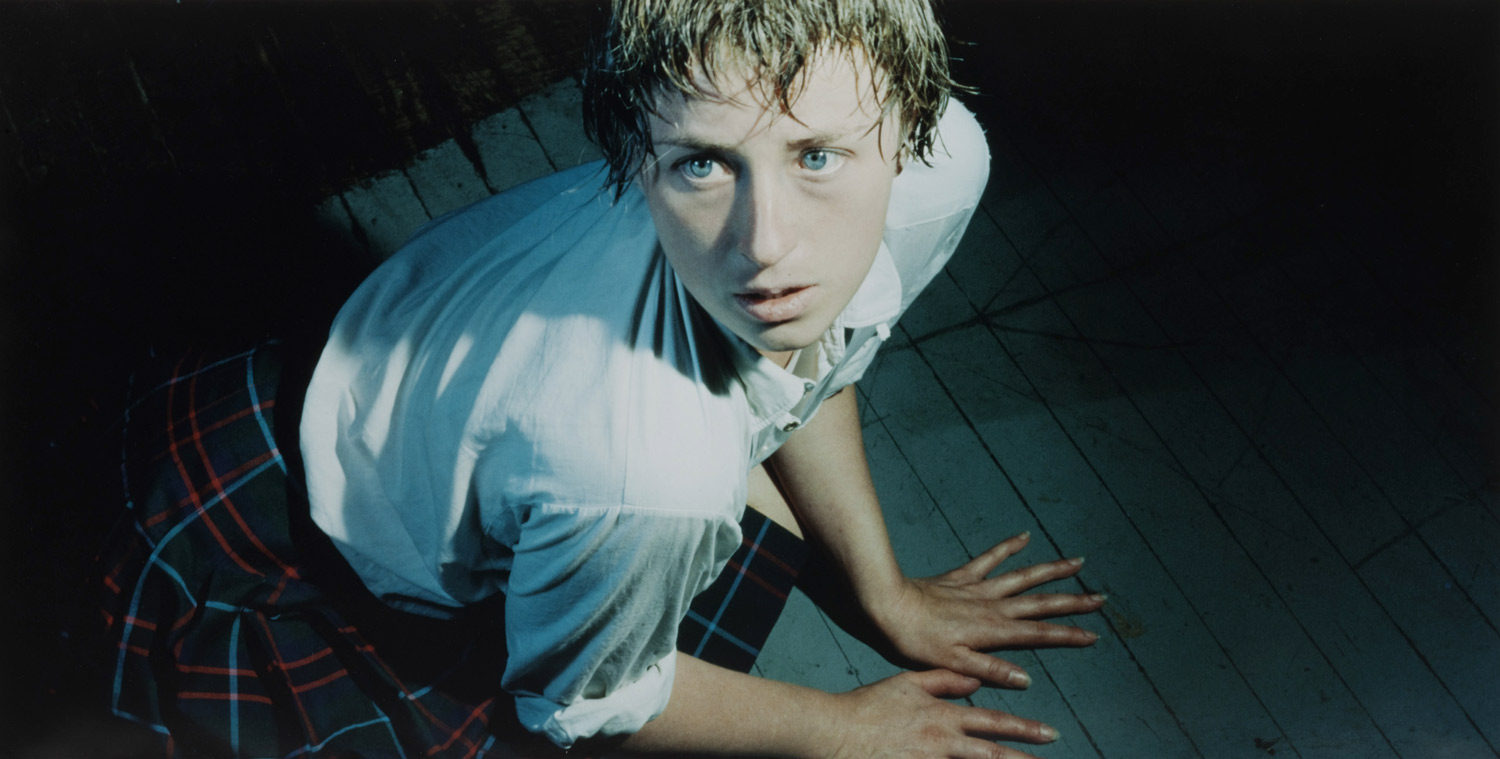

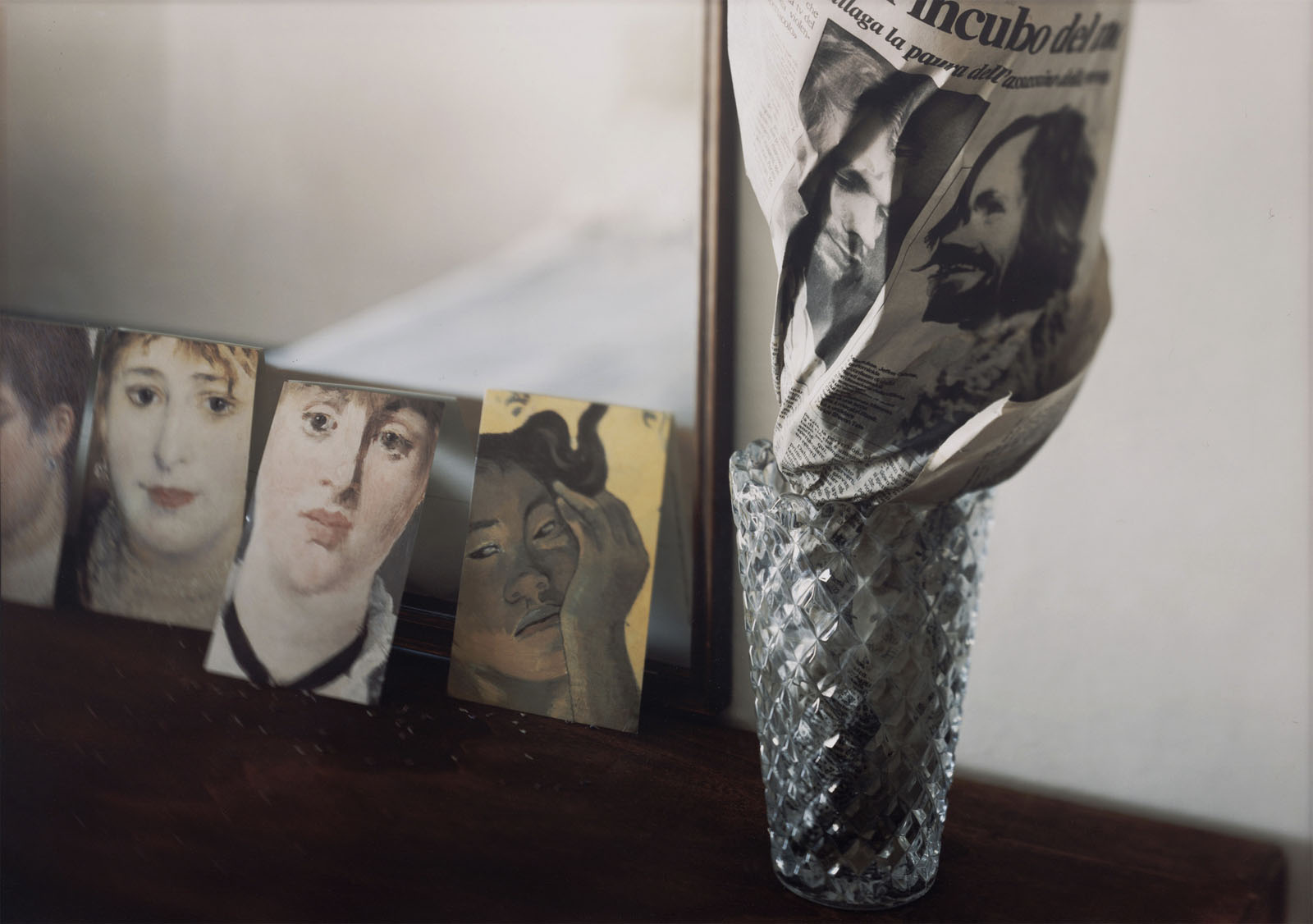
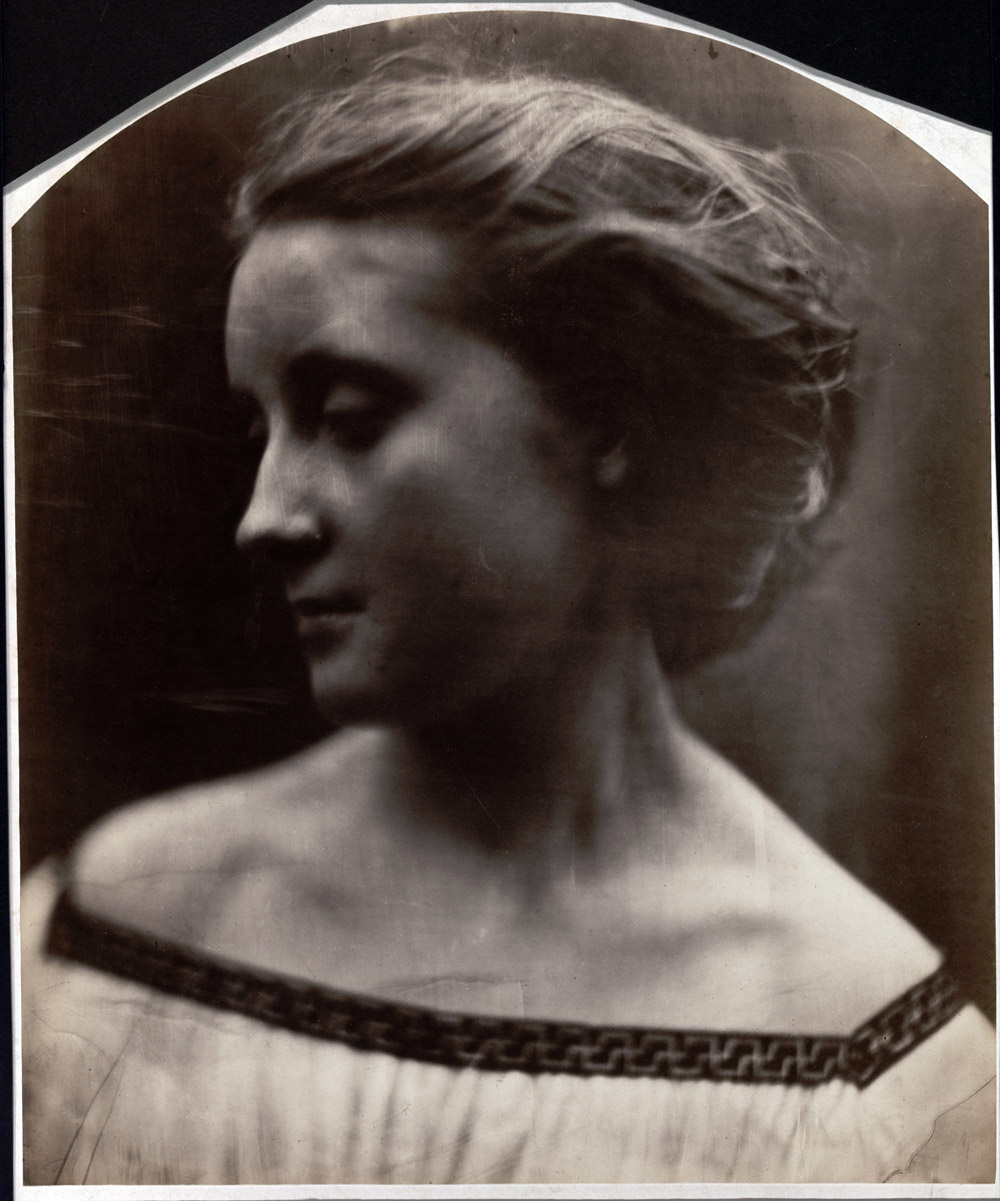
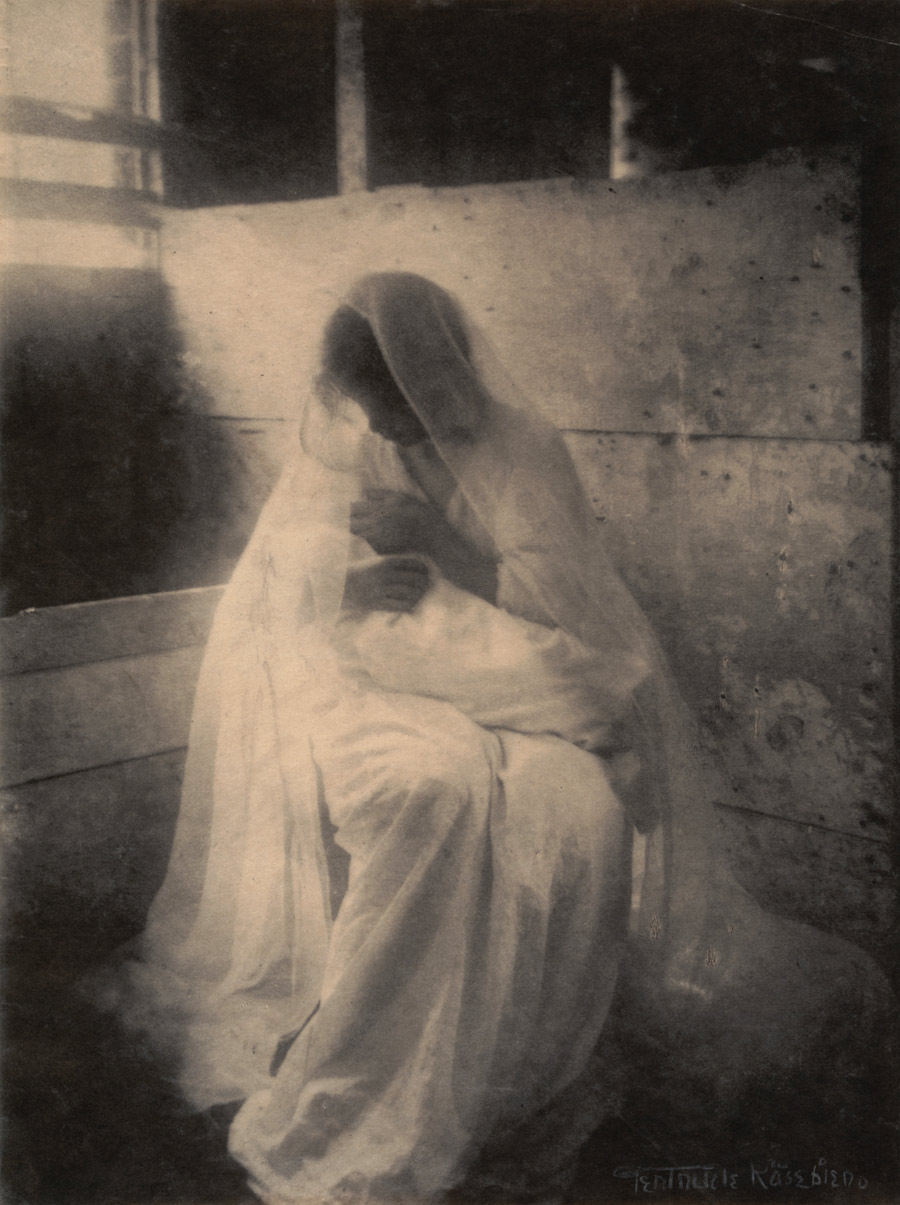

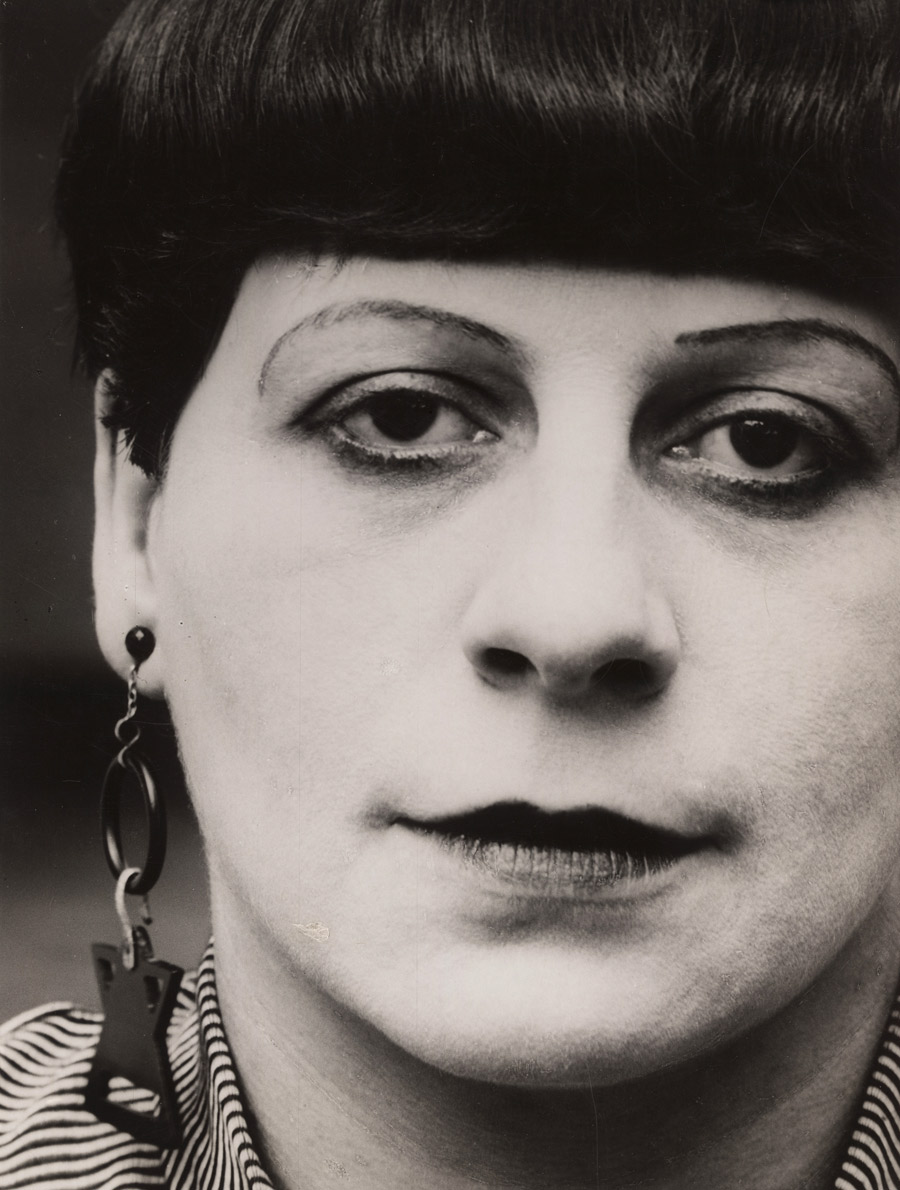
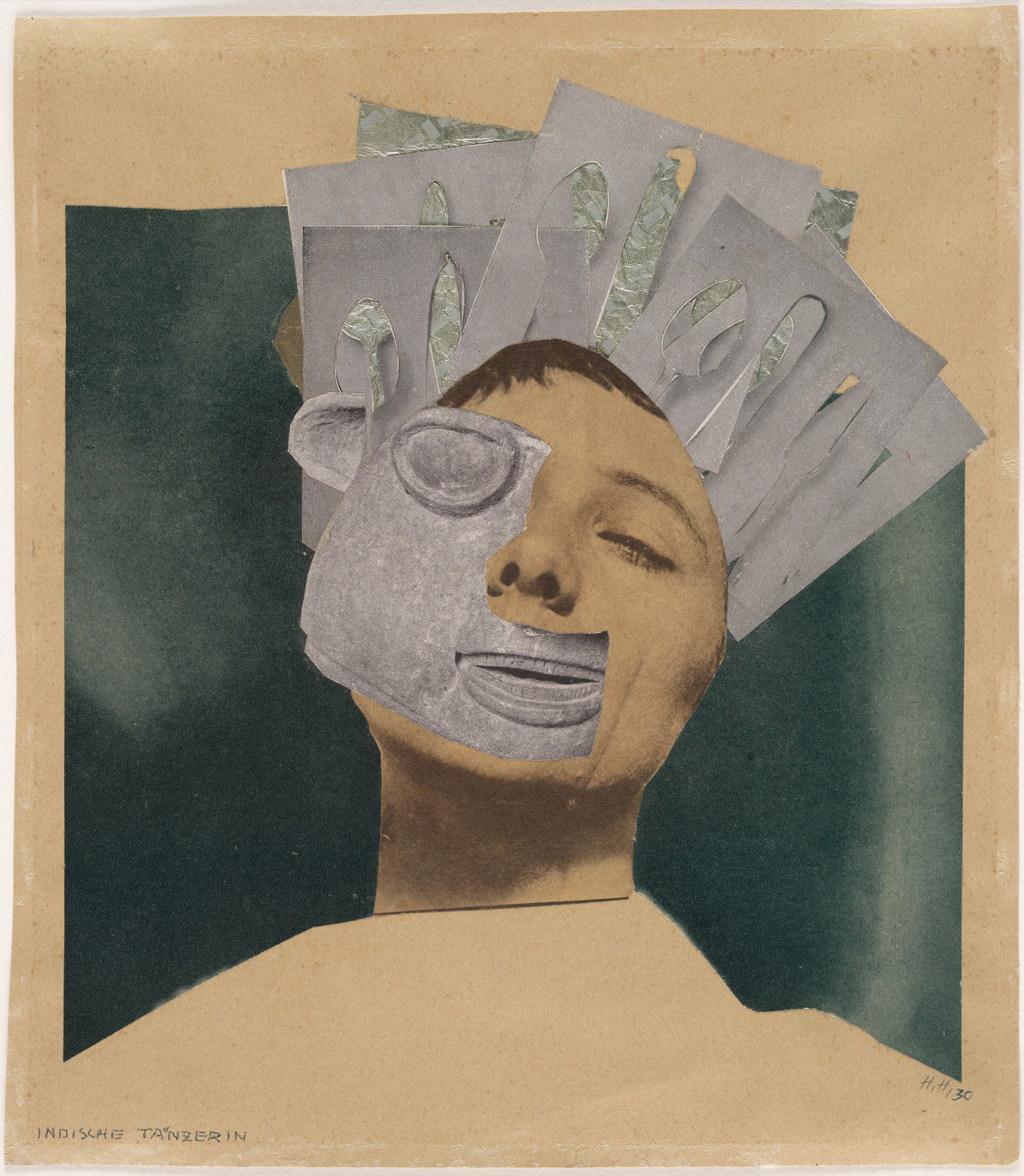


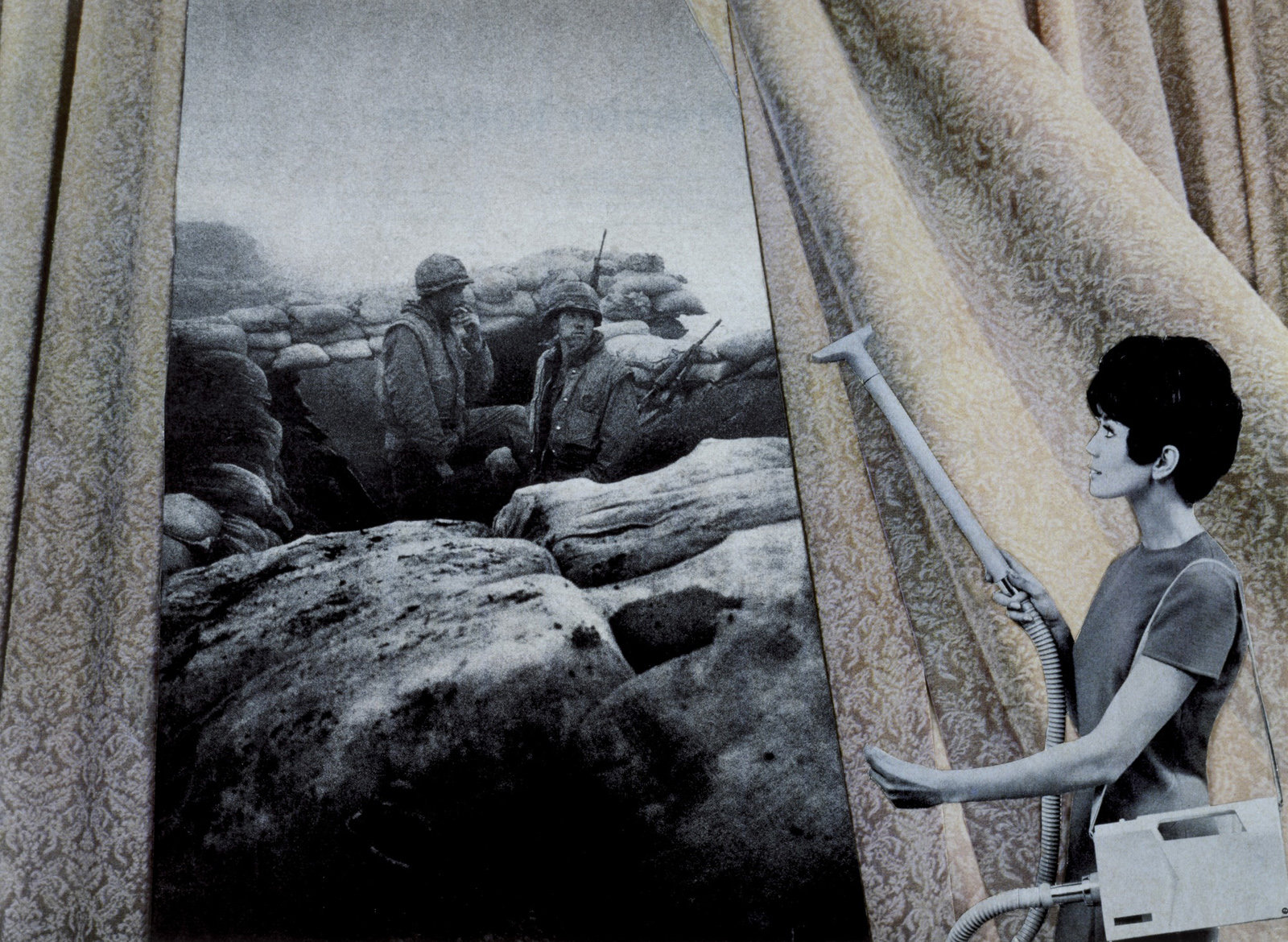
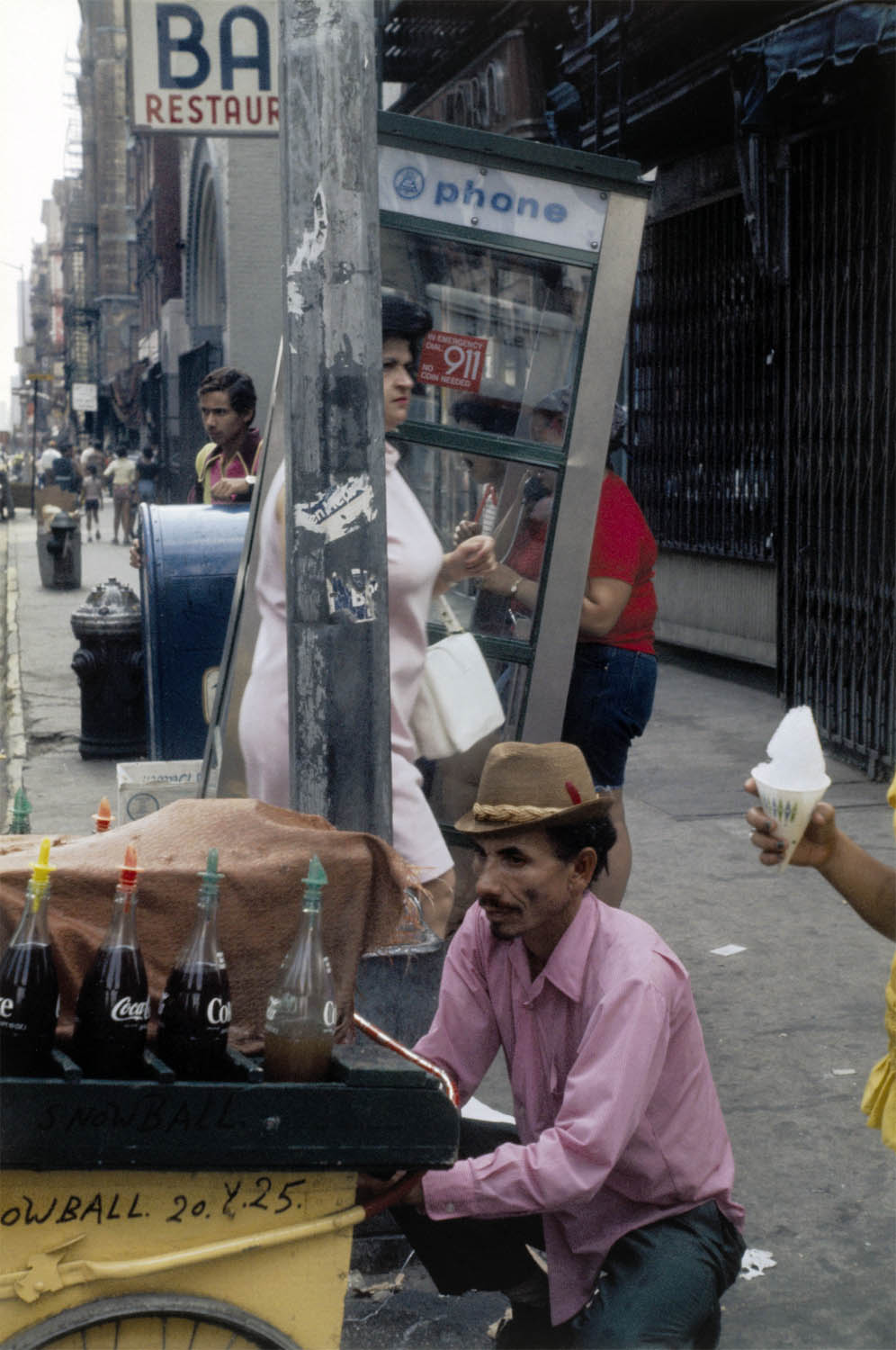





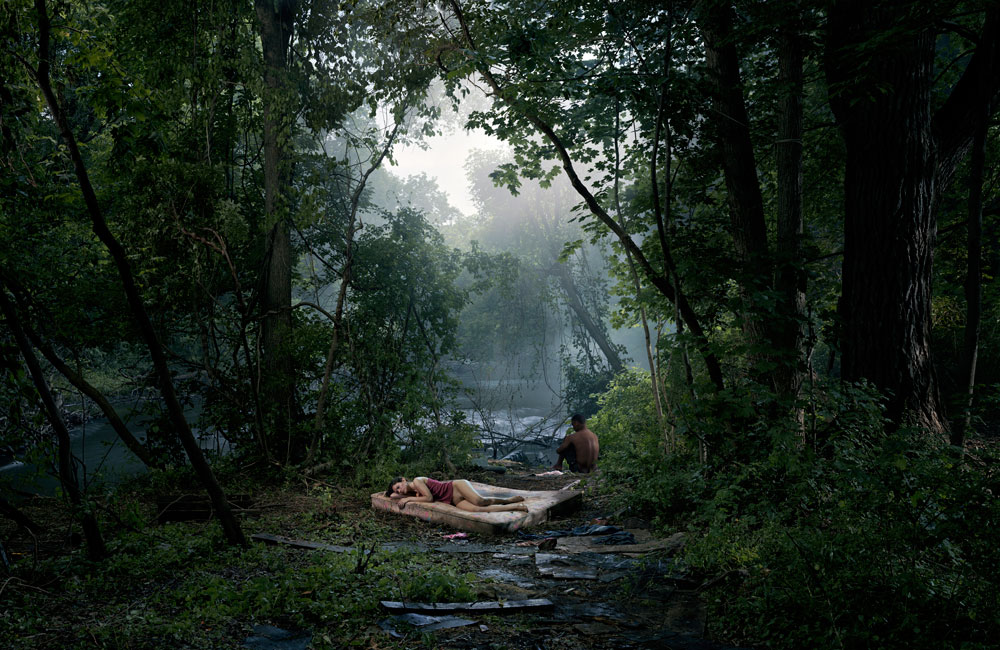
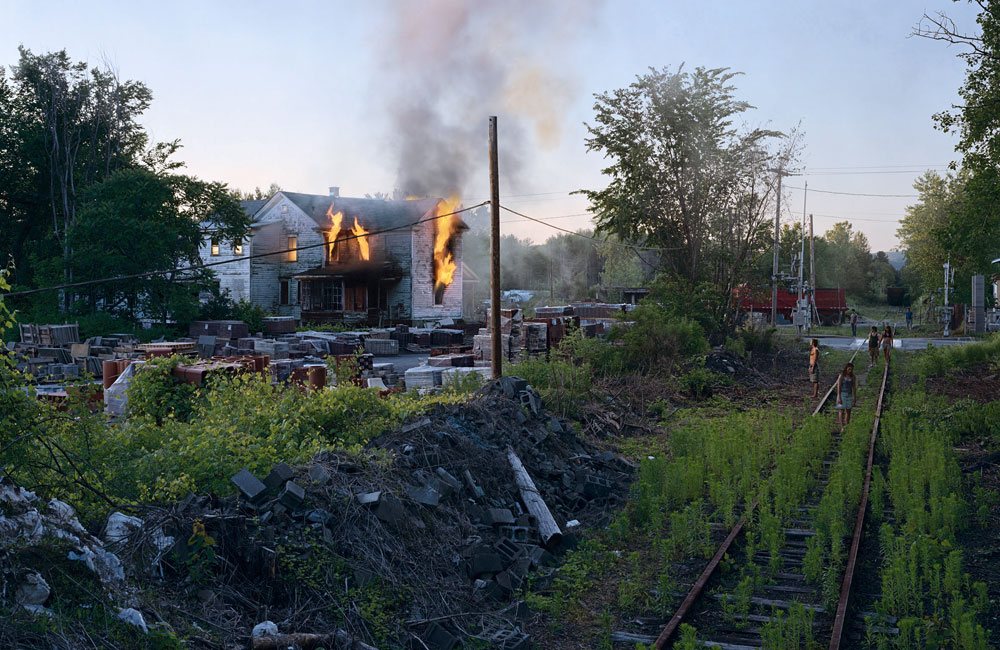
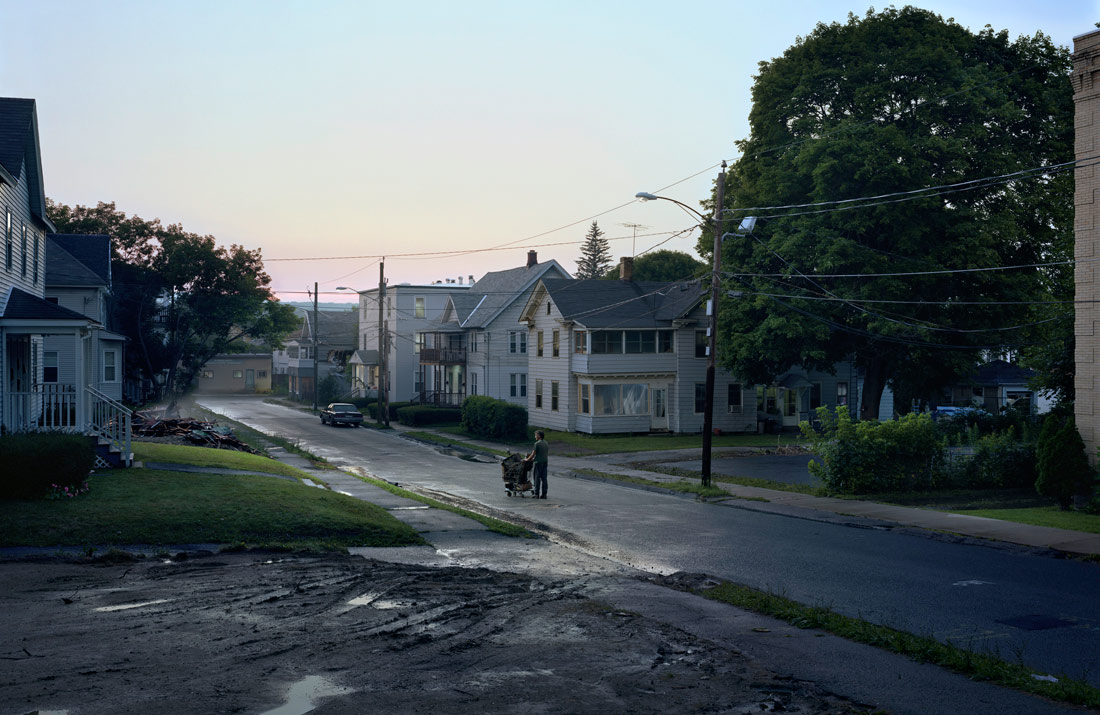
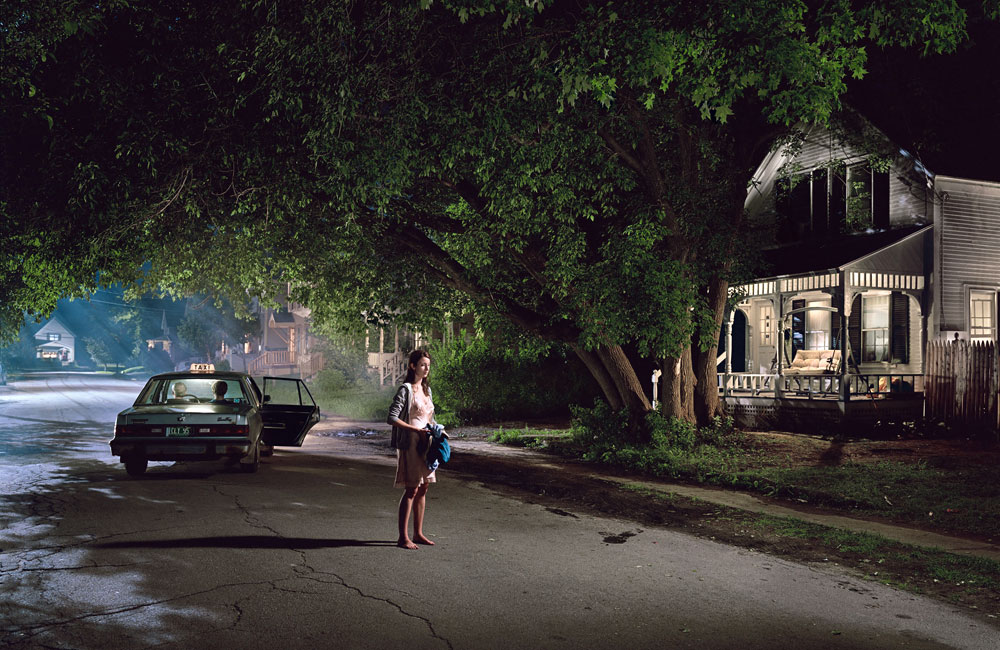

 Art Blart _ art and cultural memory archive
You must be logged in to post a comment.