Exhibition: ‘Cecil Beaton: Portraits’ at the Walker Art Gallery, Liverpool

Exhibition dates: 26th June – 31st August, 2009


Cecil Beaton (British, 1904-1980)
'Greta Garbo, Plaza Hotel, New York, April 1946' 1946 from the exhibition 'Cecil Beaton: Portraits' at the Walker Art Gallery, Liverpool, June - August, 2009


Cecil Beaton (British, 1904-1980)
Greta Garbo, Plaza Hotel, New York, April 1946
1946
Gelatin silver print
© The Cecil Beaton Studio Archive


Until you are reminded by the photographs you sometimes forget what a fantastic auteur Cecil Beaton was.

Marcus


Many thankx to the Walker Art Gallery for allowing me to publish the photographs in the posting. Please click on the photographs for a larger version of the image.


Cecil Beaton (British, 1904-1980) 'Greta Garbo, Plaza Hotel, New York, April 1946' 1946 from the exhibition 'Cecil Beaton: Portraits' at the Walker Art Gallery, Liverpool, June - August, 2009


Cecil Beaton (British, 1904-1980)
Greta Garbo, Plaza Hotel, New York, April 1946
1946
Gelatin silver print
© The Cecil Beaton Studio Archive
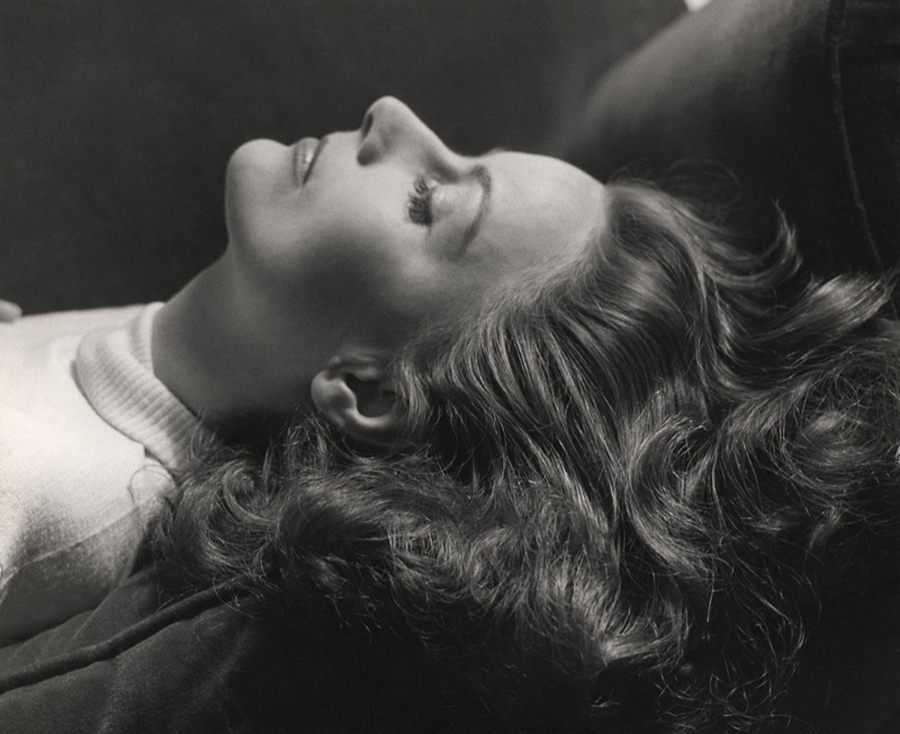
 

Cecil Beaton (British, (1904-1980) 'Greta Garbo' 1946


Cecil Beaton (British, 1904-1980)
Greta Garbo
1946
Gelatin silver print
© The Cecil Beaton Studio Archive


Cecil Beaton (British, (1904-1980) 'Audrey Hepburn' 1960


Cecil Beaton (British, 1904-1980)
Audrey Hepburn
1960
Gelatin silver print
© The Cecil Beaton Studio Archive
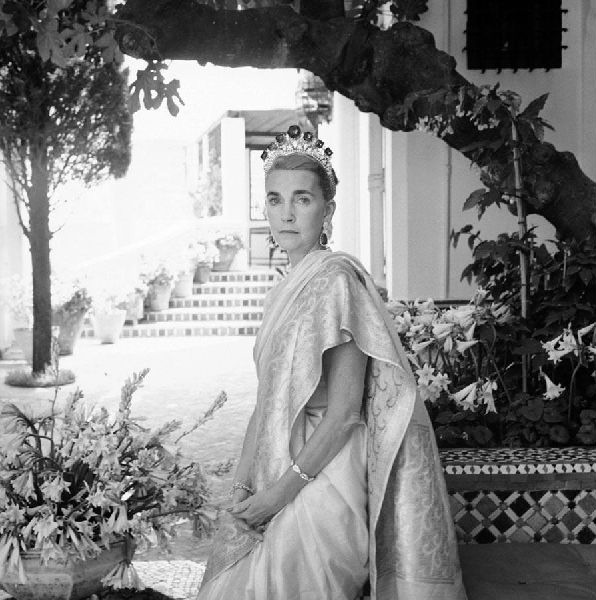
 

Cecil Beaton (British, 1904-1980) 'Barbara Hutton in Tangier, Morocco' 1961


Cecil Beaton (British, 1904-1980)
Barbara Hutton in Tangier, Morocco
1961
Gelatin silver print
© The Cecil Beaton Studio Archive
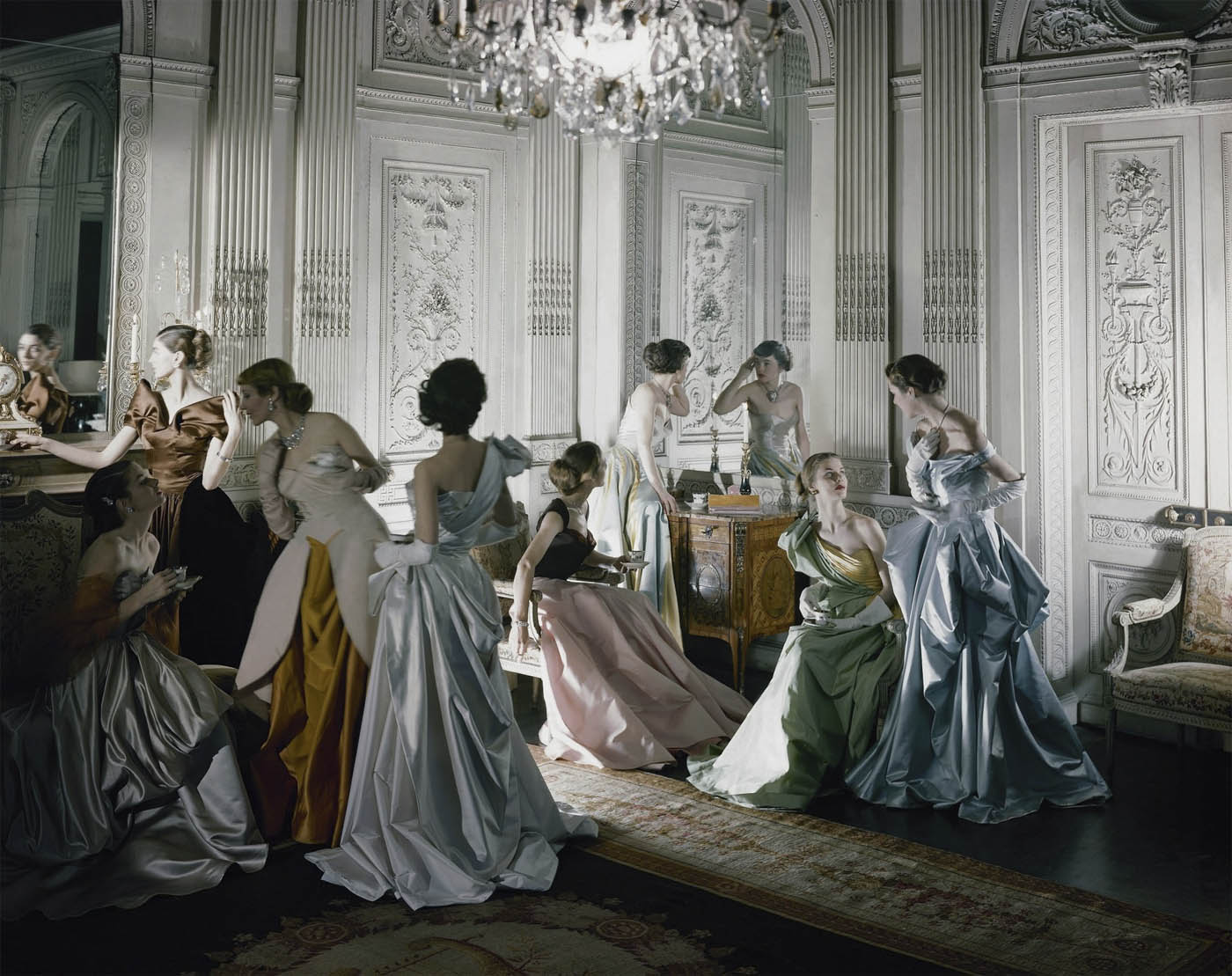
 

Cecil Beaton (British, 1904-1980) 'Charles James Gowns by Cecil Beaton, Vogue, June 1948' 1948


Cecil Beaton (British, 1904-1980)
Charles James Gowns by Cecil Beaton, Vogue, June 1948
1948
© The Cecil Beaton Studio Archive


A stunning exhibition of nearly 50 portraits by Cecil Beaton, one of the most famous photographers of the 20th century, captures the glamour and excitement of some of the world’s greatest celebrities.

Cecil Beaton: Portraits 26 June – 31 August 2009 brilliantly reflects the astonishing talents of the photographer who was also a writer, artist, designer, actor, caricaturist, illustrator and diarist.

He photographed a dazzling array of superstars and leading personalities ranging from the Queen to Mick Jagger, Marilyn Monroe to Audrey Hepburn and Winston Churchill to Lucian Freud.

Beaton (1904-1980) was himself a charismatic character who could charm and cajole, amuse and flirt, electrify and calm. He was known for his elegant sartorial style which exactly matched and reflected the circles he moved in.
His long career covered an era of great change from the Roaring Twenties to the dawn of the New Romantics.

Jessica Feather, Walker curator, says:

“Cecil Beaton had a remarkable gift of bringing out the personalities and flair of his sitters so that he created some of the great iconic images of the age. The portraits still cast a spell with their timeless appeal, giving deep insights into the extraordinary people who came before his camera.”

Beaton’s career as a photographer began with his earliest portraits of his sister Baba taken in 1922, when he was a teenager.

After Cambridge, his early photographs were published in society magazines The Sketch, Tatler and Eve from 1925 onwards. In 1927, 23-year-old Beaton secured a contract with Vogue to provide portraits, caricatures and social commentary. His career – with the exception of two short breaks – continued with Vogue for the rest of his life.

In the 1930s he published books packed with glamorous portraits and artwork and photographed the wedding of the Prince of Wales to Wallis Simpson. Beaton also took a striking series of romantic studies of Queen Elizabeth (later the Queen Mother).

His work took on a grittier aspect during the war and post-war years when he worked for the Ministry of Information and as an official war photographer.

Beaton reached the height of his powers in the 1950s and 60s when he became a household name. As well as creating great portraits of a new generation of film actresses such as Audrey Hepburn and Marilyn Monroe, he won Oscars for his design work in the blockbuster films Gigi and My Fair Lady.

Knighted in 1972, Beaton had a stroke in 1974 but returned to photography three years later. Among his subjects in his final years were fashion designers and international celebrities.

Press release from the Walker Art Gallery website [Online] Cited 05/08/2009. No longer available online
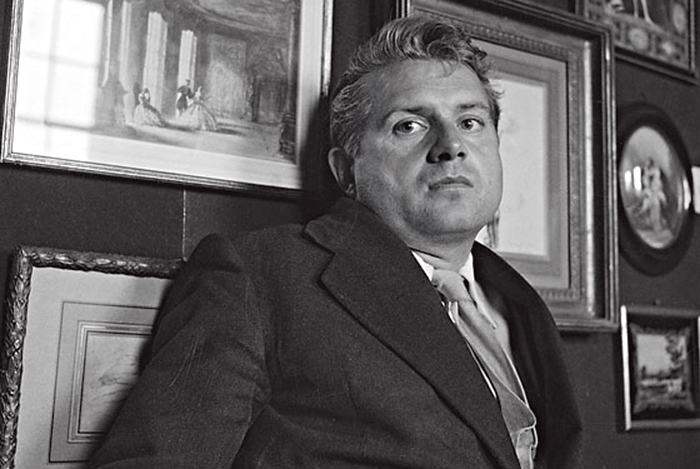
 

Cecil Beaton (British, 1904-1980) 'Francis Bacon' 1951


Cecil Beaton (British, 1904-1980)
Francis Bacon
1951
Bromide print on white card mount
© The Cecil Beaton Studio Archive
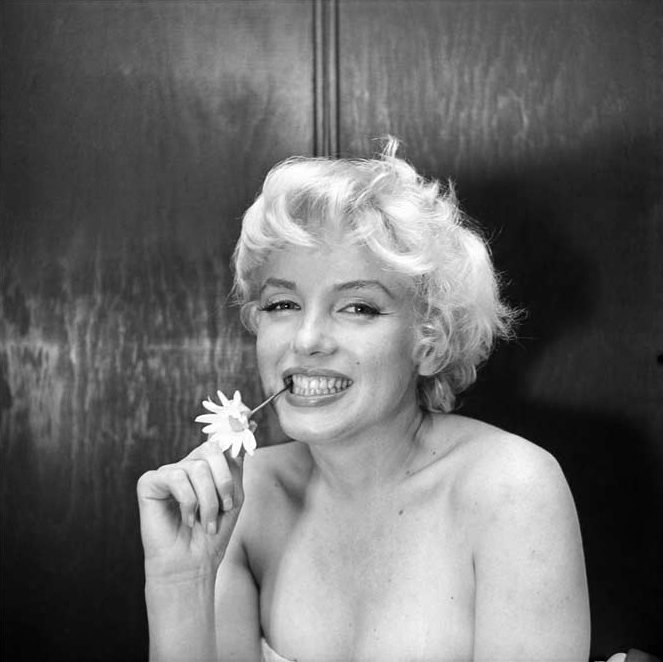
 

Cecil Beaton (British, 1904-1980) 'Marilyn Monroe, New York, February 22, 1956' 1956


Cecil Beaton (British, 1904-1980)
Marilyn Monroe, New York, February 22, 1956
1956
Gelatin silver print
© The Cecil Beaton Studio Archive


Cecil Beaton (British, 1904-1980) 'Maria Callas' 1957


Cecil Beaton (British, 1904-1980)
Maria Callas
1957
Gelatin silver print
© The Cecil Beaton Studio Archive
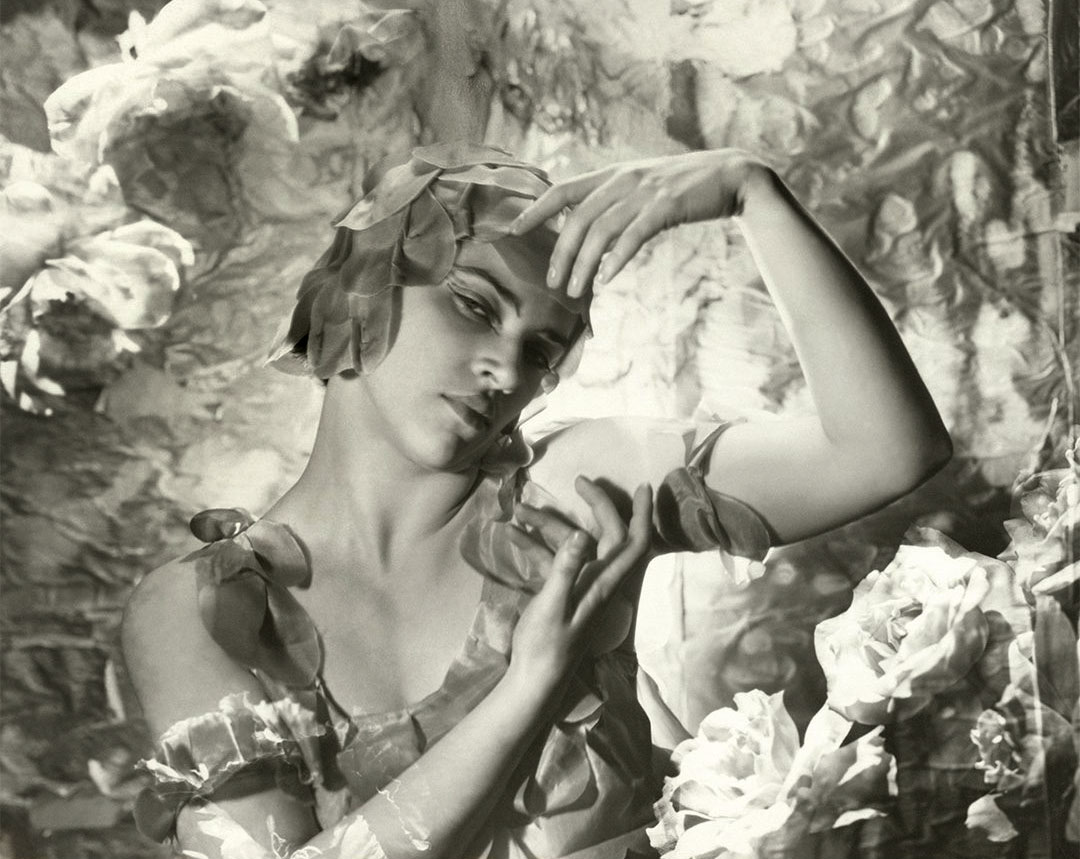
 

Cecil Beaton (British, 1904-1980) 'Kyra Nijinsky' 1935


Cecil Beaton (British, 1904-1980)
Kyra Nijinsky
1935
Gelatin silver print
© The Cecil Beaton Studio Archive


Kyra Vaslavovna Nijinsky (19 June 1913 – 1 September 1998), was a ballet dancer of Polish and Hungarian ancestry, with a Russian dance and cultural heritage. She was the daughter of Vaslav Nijinsky and the niece of Bronislava Nijinska. In the 1930s she appeared in ballets mounted by Ida Rubinstein, Max Reinhardt, Marie Rambert, Frederick Ashton, Antony Tudor.

Her father Vaslav (1889-1950) was a truly world-famous dancer with Ballets Russes in Paris. Her aunt Bronia (1891-1972) also excelled in dance and was a leading choreographer, initially with Ballets Russes. Her mother Romola de Pulszky was a socialite and author. Romola’s mother, Kyra’s grandmother, was Emilia Márkus, a popular Hungarian actress. …

“We also met Nijinsky’s daughter, Kyra, who is fascinating. Sturdily built and full of exuberance, she has the most engaging smile and what must be her father’s eyes, of an unusual grey-green, or is it green-brown? She is an artist and uses bright colours. Her father is a frequent subject, but I noticed all her paintings show him in ballet roles, never as himself. When she was describing a Russian dance she made a momentary gesture of her right arm across her brow, and I could see Nijinsky exactly. There was something in her movement and her face that expressed all there is to say about dancing in that one instant, and I can never forget it.”

Dame Margot Fonteyn on meeting Kyra in San Franciso in 1951

Text from the Wikipedia website


Cecil Beaton (British, 1904-1980) 'Marilyn Monroe' 1956


Cecil Beaton (British, 1904-1980)
Marilyn Monroe
1956
Gelatin silver print
© The Cecil Beaton Studio Archive


Cecil Beaton (British, 1904-1980) 'Mick Jagger, Marrakesh' 1967


Cecil Beaton (British, 1904-1980)
Mick Jagger, Marrakesh
1967
Gelatin silver print
© The Cecil Beaton Studio Archive


This major retrospective exhibition brings together captivating images from Cecil Beaton, one of the most celebrated photographers of the 20th century. Renowned for his images of elegance, glamour and style, Beaton’s work has inspired many famous photographers including David Bailey and Mario Testino.

The exhibition reflects the astonishing talents of the photographer who was also a writer, artist, designer, actor, caricaturist, illustrator and diarist. There are four sections in the exhibition covering Beaton’s career and capturing 50 years of fashion, art and celebrity:

The Early Years: London to Hollywood, 1920s and 1930s

Photographs of Hollywood stars such as Marlene Dietrich and Fred Astaire and artists including John (Rex) Whistler, Pablo Picasso and Salvador Dali.

The Years Between: The War and Post-War Arts, 1940s

Featuring Greta Garbo, Vivian Leigh and Laurence Olivier as well as Princess Elizabeth and Sir Winston Churchill.

The Strenuous Years: Picturing the Arts, 1950s

Portraits of Queen Elizabeth II, Francis Bacon, Jackie Kennedy Onassis, Lucian Freud and Marilyn Monroe.

Partying and the Partying Years: Apotheosis and Retrospection, 1960s and 1970s

Includes images of Audrey Hepburn, Prince Charles, Harold Pinter, Katherine Hepburn, Mick Jagger, Barbara Streisand
and Elizabeth Taylor.”

Text from the Walker Art Gallery website [Online] Cited 23/03/2019 no longer available online


Cecil Beaton (British, (1904-1980) 'Miss Nancy Beaton as a Shooting Star' 1928


Cecil Beaton (British, 1904-1980)
Miss Nancy Beaton as a Shooting Star
1928
Gelatin silver print
49 x 38.8cm
© The Cecil Beaton Studio Archive


Cecil Beaton (British, (1904-1980) 'Fred and Adele Astaire at a piano' 1930


Cecil Beaton (British, 1904-1980)
Fred and Adele Astaire at a piano
1930
Gelatin silver print
© The Cecil Beaton Studio Archive
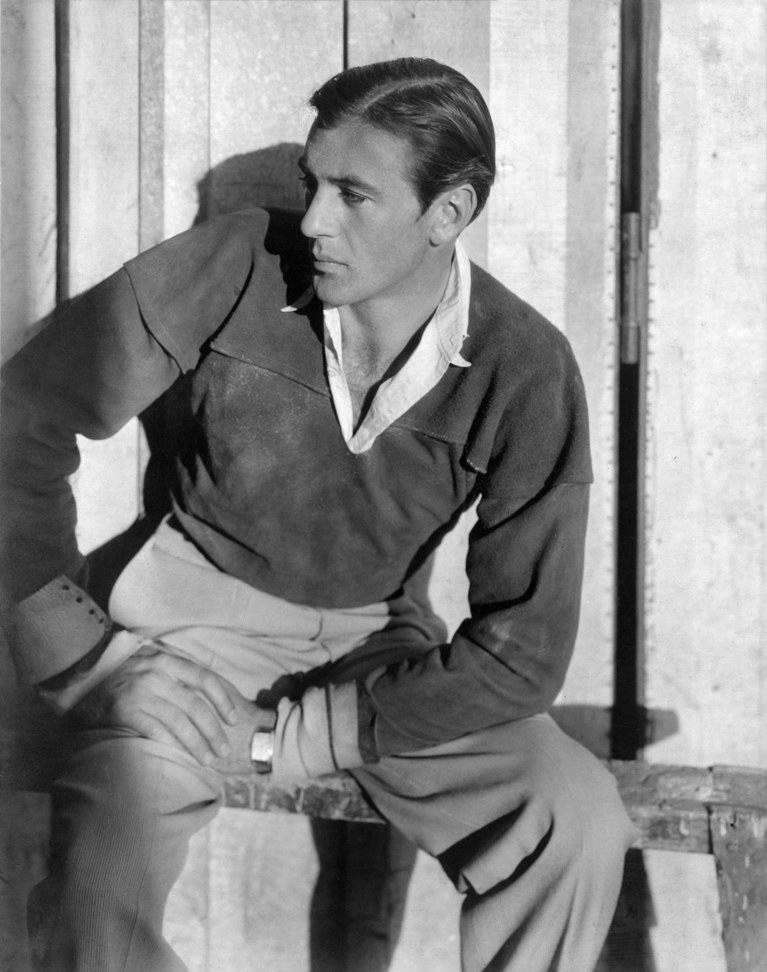
 

Cecil Beaton (British, (1904-1980) 'Gary Cooper' 1931


Cecil Beaton (British, 1904-1980)
Gary Cooper
1931
Gelatin silver print
© The Cecil Beaton Studio Archive


Cecil Beaton (British, (1904-1980) 'Gwili Andre' 1932


Cecil Beaton (British, 1904-1980)
Gwili Andre
1932
Gelatin silver print
© The Cecil Beaton Studio Archive


Gwili Andre (born Gurli Andresen, 4 February 1908 – 5 February 1959) was a Danish model and actress who had a brief career in Hollywood films.
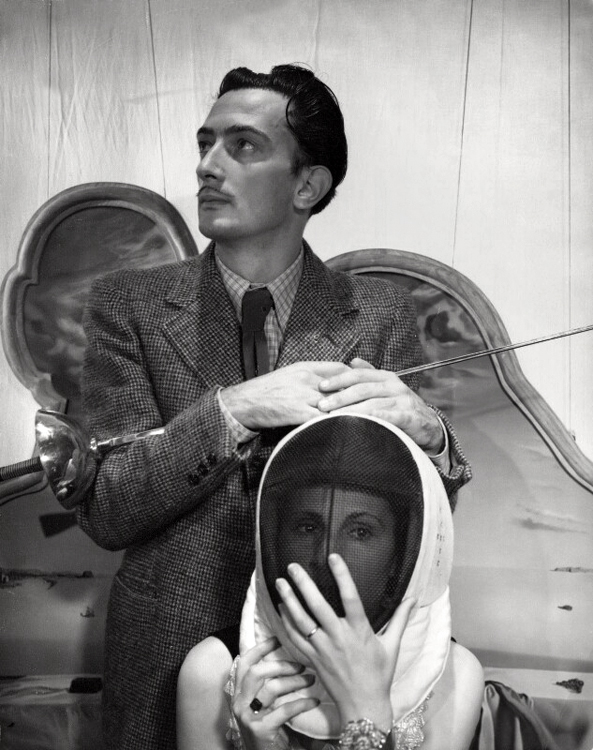
 

Cecil Beaton (British, (1904-1980) 'Salvador Dali and Gala' 1936


Cecil Beaton (British, 1904-1980)
Salvador Dali and Gala
1936
Gelatin silver print
© The Cecil Beaton Studio Archive


Cecil Beaton (British, (1904-1980) 'Cecil Day-Lewis' 1942


Cecil Beaton (British, 1904-1980)
Cecil Day-Lewis
1942
Gelatin silver print
© The Cecil Beaton Studio Archive


Cecil Day-Lewis (or Day LewisCBE (27 April 1904 – 22 May 1972), often writing as C. Day-Lewis, was an Anglo-Irish poet and the Poet Laureate of the United Kingdom from 1968 until his death in 1972. He also wrote mystery stories under the pseudonym of Nicholas Blake.

During World War II, Day-Lewis worked as a publications editor in the Ministry of Information for the UK government, and also served in the Musbury branch of the British Home Guard. He is the father of Sir Daniel Day-Lewis, a noted actor, and Tamasin Day-Lewis, a documentary filmmaker and television chef.

Text from the Wikipedia website


Cecil Beaton (British, (1904-1980) 'Orson Welles resting on a sculpture' 1942


Cecil Beaton (British, 1904-1980)
Orson Welles resting on a sculpture
1942
Gelatin silver print
© The Cecil Beaton Studio Archive
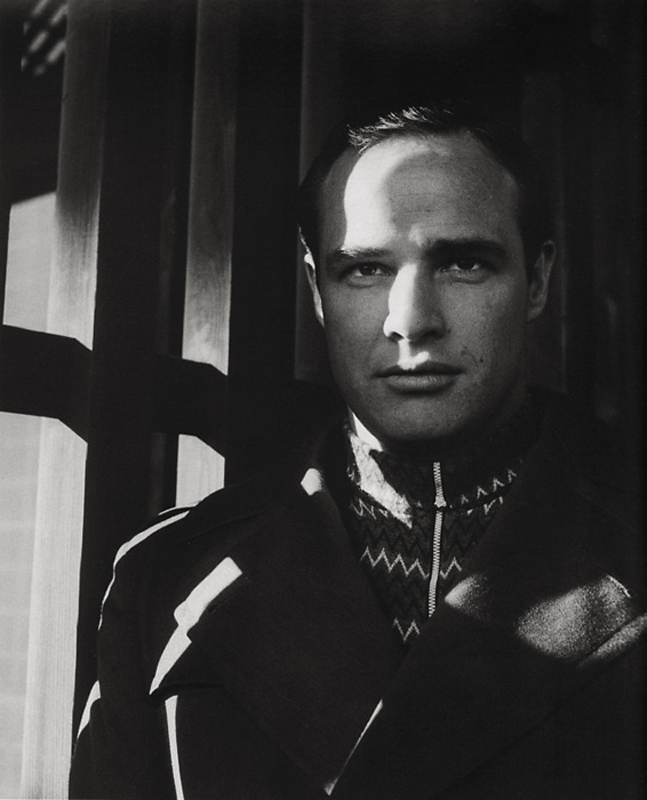
 

Cecil Beaton (British, (1904-1980) 'Marlon Brando' 1954


Cecil Beaton (British, 1904-1980)
Marlon Brando
1954
Gelatin silver print
© The Cecil Beaton Studio Archive


Walker Art Gallery
William Brown Street
Liverpool L3 8EL

Opening hours:
Tuesday – Sunday 10am – 6pm
Walker Art Gallery website

LIKE ART BLART ON FACEBOOK

Back to top

Exhibition: ‘Edward Burtynsky: Australian Minescapes’ at the Australian Centre for Photography, Sydney

Exhibition dates: 17th July – 22nd August, 2009


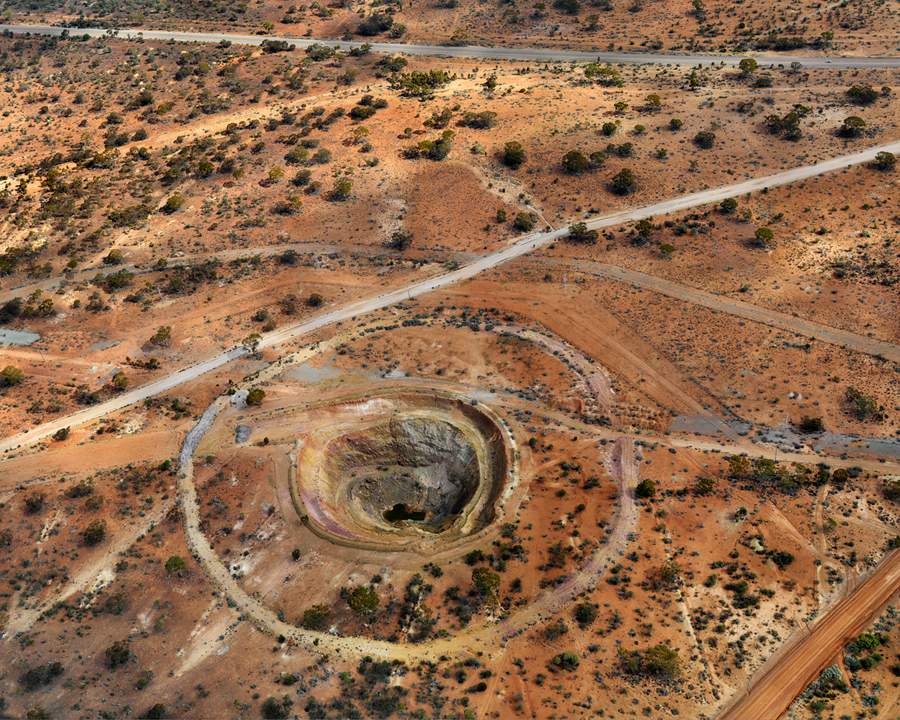
Edward Burtynsky (Canadian, b. 1955) 'Jubilee Operations #1, Kalgoorlie, Western Australia' 2007 from the exhibition Exhibition: 'Edward Burtynsky: Australian Minescapes' at the Australian Centre for Photography, Sydney, July - August, 2009


Edward Burtynsky (Canadian, b. 1955)
Jubilee Operations #1, Kalgoorlie, Western Australia
2007
Digital chromogenic colour photographic print
1560mm x 1260mm
Western Australian Museum


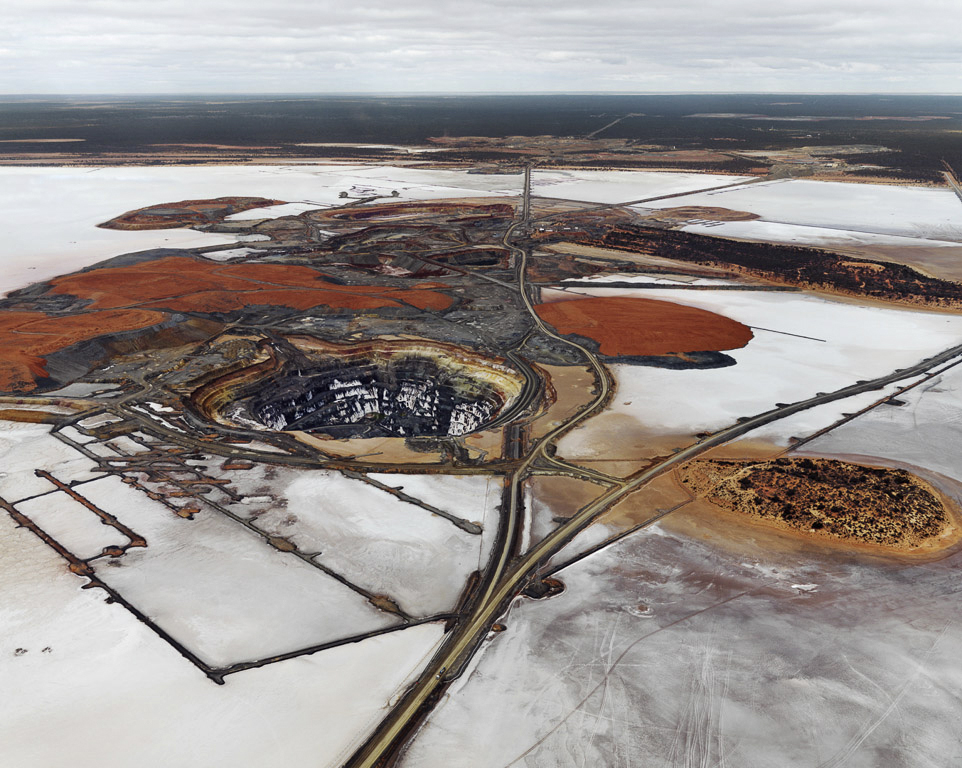
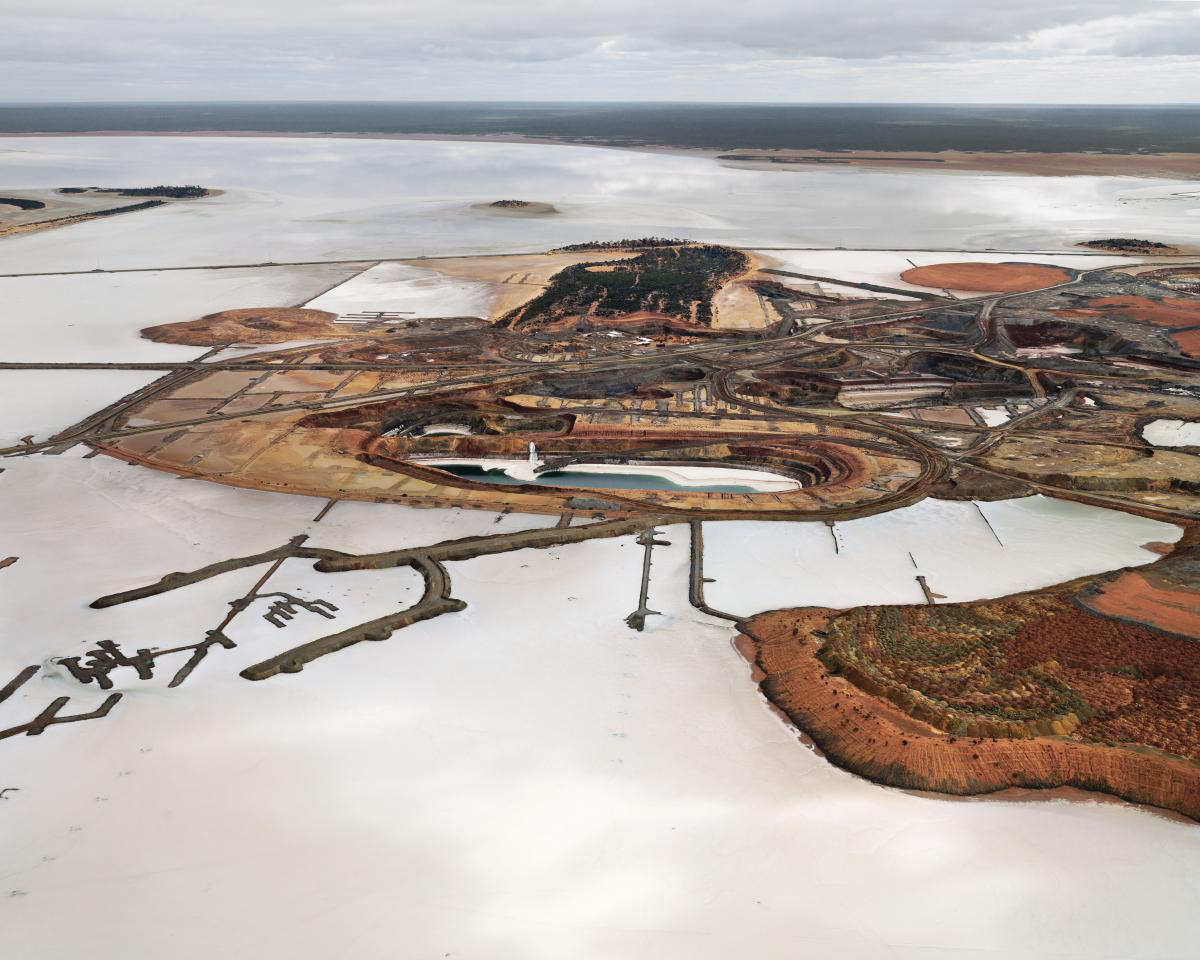
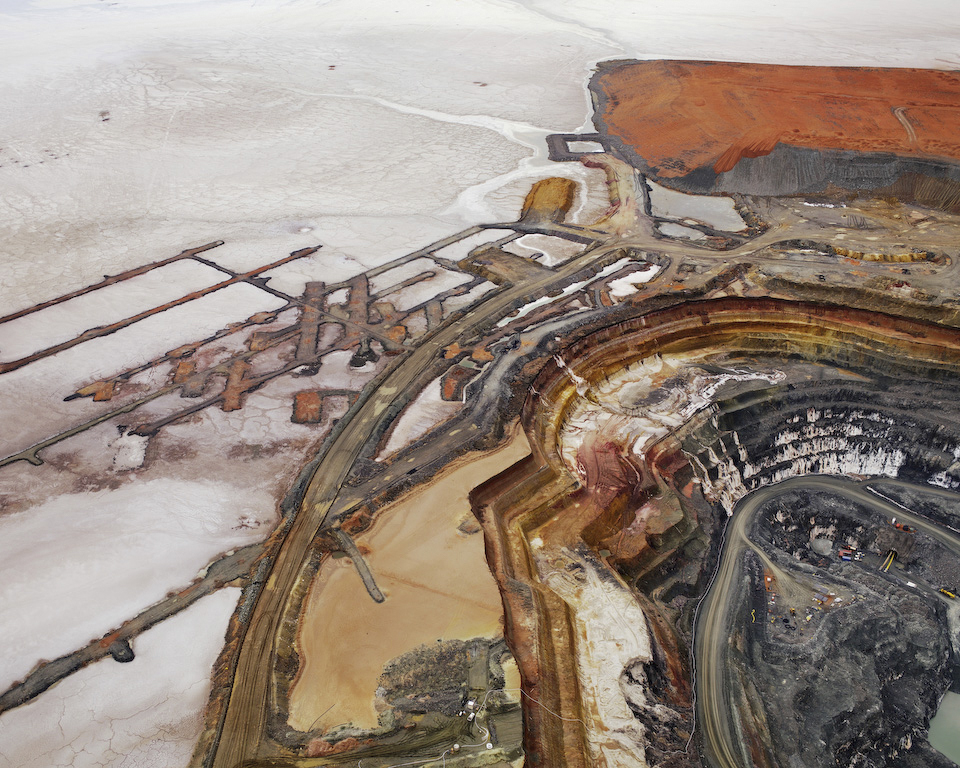
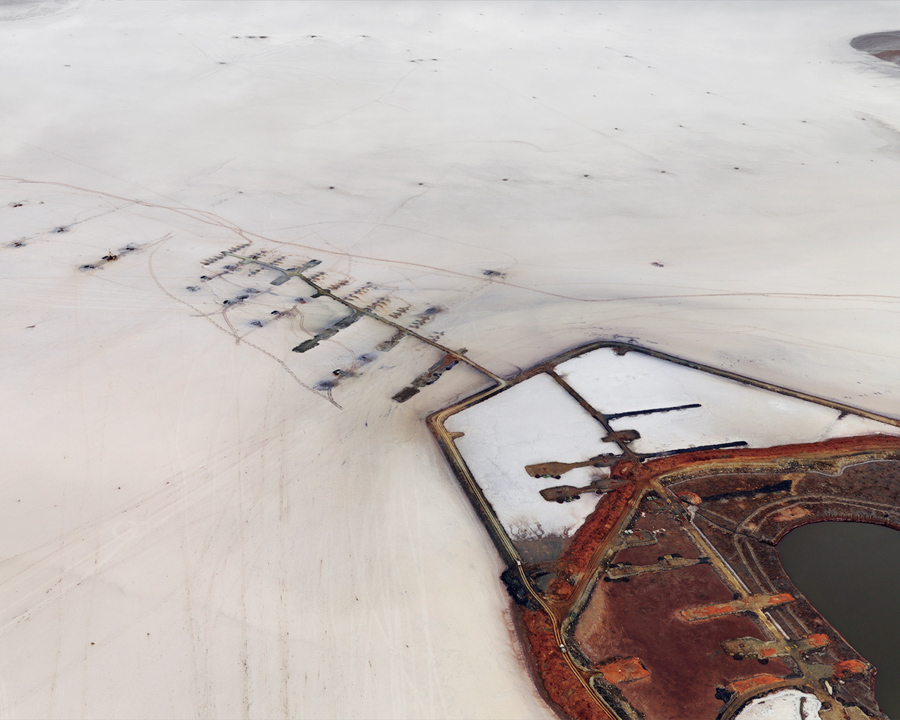
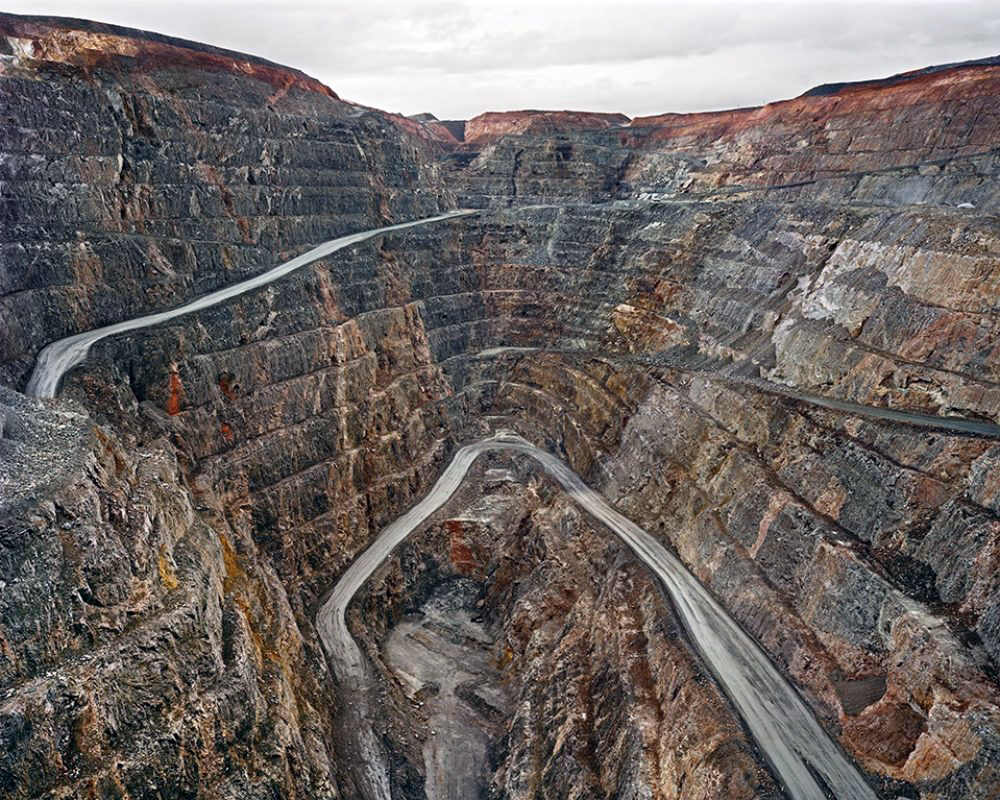
All of these incredible, environmental aerial photographs – beauty, texture, pattern, fabric, scars, desecration, destruction, de / construction – are works in the exhibition. The effects of the Anthropocene era in full swing. I will be glad when I am not here to see the fateful outcome of all of this: the death of most of the animals, and the sickness of the planet.

A travelling exhibition from the Western Australian Museum.

Dr Marcus Bunyan


Many thankx to the Australian Centre for Photography for allowing me to publish the photographs in the posting. Please click on the photographs for a larger version of the image.


Edward Burtynsky (Canadian, b. 1955) 'Otter Juan Coronet Mine #1 Kalgoorlie, Western Australia' 2007 from the exhibition Exhibition: 'Edward Burtynsky: Australian Minescapes' at the Australian Centre for Photography, Sydney, July - August, 2009


Edward Burtynsky (Canadian, b. 1955)
Otter Juan Coronet Mine #1, Kalgoorlie, Western Australia
2007
Digital chromogenic colour photographic print
1560mm x 1260mm
Western Australian Museum


Edward Burtynsky (Canadian, b. 1955) 'Silver Lake Operations #1, Lake Lefroy, Western Australia' 2007 from the exhibition Exhibition: 'Edward Burtynsky: Australian Minescapes' at the Australian Centre for Photography, Sydney, July - August, 2009


Edward Burtynsky (Canadian, b. 1955)
Silver Lake Operations #1, Lake Lefroy, Western Australia
2007
Digital chromogenic colour photographic print
1560mm x 1260mm
Western Australian Museum


Edward Burtynsky (Canadian, b. 1955) 'Silver Lake Operations #2, Lake Lefroy, Western Australia' 2007


Edward Burtynsky (Canadian, b. 1955)
Silver Lake Operations #2, Lake Lefroy, Western Australia
2007
Digital chromogenic colour photographic print
1560mm x 1260mm
Western Australian Museum


Edward Burtynsky (Canadian, b. 1955) 'Silver Lake Operations #3, Lake Lefroy, Western Australia' 2007


Edward Burtynsky (Canadian, b. 1955)
Silver Lake Operations #3, Lake Lefroy, Western Australia
2007
Digital chromogenic colour photographic print
1560mm x 1260mm
Western Australian Museum


Edward Burtynsky (Canadian, b. 1955) 'Silver Lake Operations #5, Lake Lefroy, Western Australia' 2007


Edward Burtynsky (Canadian, b. 1955)
Silver Lake Operations #5, Lake Lefroy, Western Australia
2007
Digital chromogenic colour photographic print
1560mm x 1260mm
Western Australian Museum


Edward Burtynsky (Canadian, b. 1955) 'Silver Lake Operations #11, Lake Lefroy, Western Australia' 2007


Edward Burtynsky (Canadian, b. 1955)
Silver Lake Operations #11, Lake Lefroy, Western Australia
2007
Digital chromogenic colour photographic print
1560mm x 1260mm
Western Australian Museum


Edward Burtynsky (Canadian, b. 1955) 'Silver Lake Operations #12, Lake Lefroy, Western Australia' 2007


Edward Burtynsky (Canadian, b. 1955)
Silver Lake Operations #12, Lake Lefroy, Western Australia
2007
Digital chromogenic colour photographic print
1560mm x 1260mm
Western Australian Museum


Edward Burtynsky (Canadian, b. 1955) 'Silver Lake Operations #14, Lake Lefroy, Western Australia' 2007


Edward Burtynsky (Canadian, b. 1955)
Silver Lake Operations #14, Lake Lefroy, Western Australia
2007
Digital chromogenic colour photographic print
1560mm x 1260mm
Western Australian Museum


Edward Burtynsky (Canadian, b. 1955) 'Silver Lake Operations #15 Lake Lefroy, Western Australia' 2007


Edward Burtynsky (Canadian, b. 1955)
Silver Lake Operations #15, Lake Lefroy, Western Australia
2007
Digital chromogenic colour photographic print
1560mm x 1260mm
Western Australian Museum


Edward Burtynsky (Canadian, b. 1955) 'Silver Lake Operations #16, Lake Lefroy, Western Australia' 2007


Edward Burtynsky (Canadian, b. 1955)
Silver Lake Operations #16, Lake Lefroy, Western Australia
2007
Digital chromogenic colour photographic print
1560mm x 1260mm
Western Australian Museum


Edward Burtynsky is one of the world’s leading contemporary landscape photographers. His ‘manufactured landscapes’ have included stark images of recycling yards, mine tailings, quarries and refineries. This series of images, taken in the eastern goldfields and the Pilbara of Western Australia, continues Edward Burtynsky’s examination of natural landscapes modified by mankind in the pursuit of the raw materials required for our modern society.

“Our dependence on nature to provide the materials for our consumption and our concern for the health of our planet sets us into an uneasy contradiction. For me, these images function as reflecting pools of our times.” ~ Edward Burtynsky

Australian Minescapes is a new body of work by Burtynsky, commissioned for the FotoFreo 2008 Festival. For this exhibition a selection of images from his Shipyard images from China and Ship Breaking images from Bangladesh will be presented alongside his Australian Minescapes images.

Text from the Australian Centre for Photography website [Online] Cited 01/08/2009. No longer available online


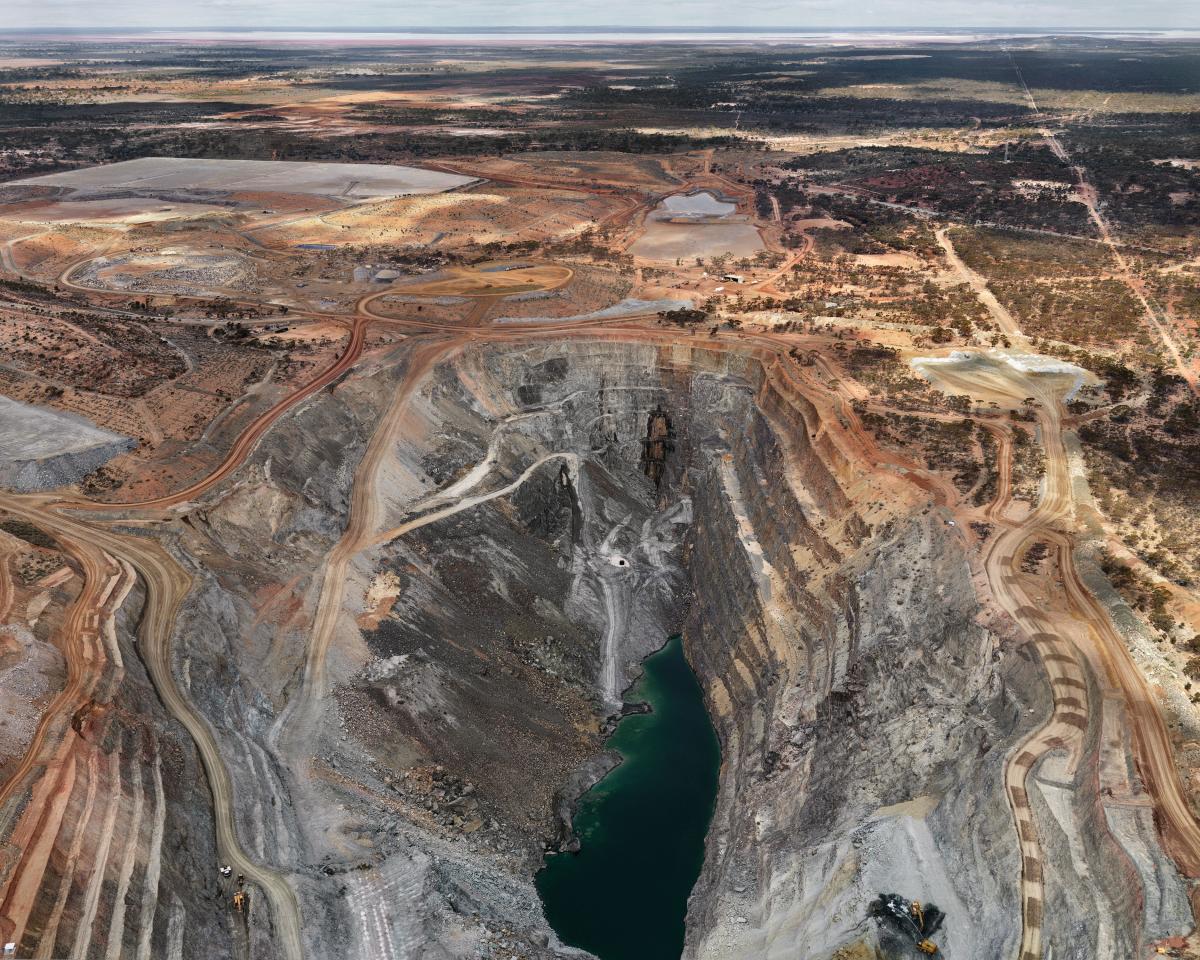
Edward Burtynsky (Canadian, b. 1955) 'Super Pit #1, Kalgoorlie, Western Australia' 2007


Edward Burtynsky (Canadian, b. 1955)
Super Pit #1, Kalgoorlie, Western Australia
2007
Digital chromogenic colour photographic print
1560mm x 1260mm
Western Australian Museum


Edward Burtynsky (Canadian, b. 1955) 'Super Pit #4 Kalgoorlie, Western Australia' 2007


Edward Burtynsky (Canadian, b. 1955)
Super Pit #4, Kalgoorlie, Western Australia
2007
Digital chromogenic colour photographic print
1560mm x 1260mm
Western Australian Museum


Edward Burtynsky (Canadian, b. 1955) 'Tailings #1 Kalgoorlie, Western Australia' 2007


Edward Burtynsky (Canadian, b. 1955)
Tailings #1 Kalgoorlie, Western Australia
2007
Digital chromogenic colour photographic print
1560mm x 1260mm
Western Australian Museum


Australian Centre for Photography

This gallery has now closed.

Edward Burtynsky website

LIKE ART BLART ON FACEBOOK

Back to top

Review: ‘Intersections’ by Sarah Amos at Gallery 101, Melbourne

Exhibition dates: 22nd July – 15th August, 2009


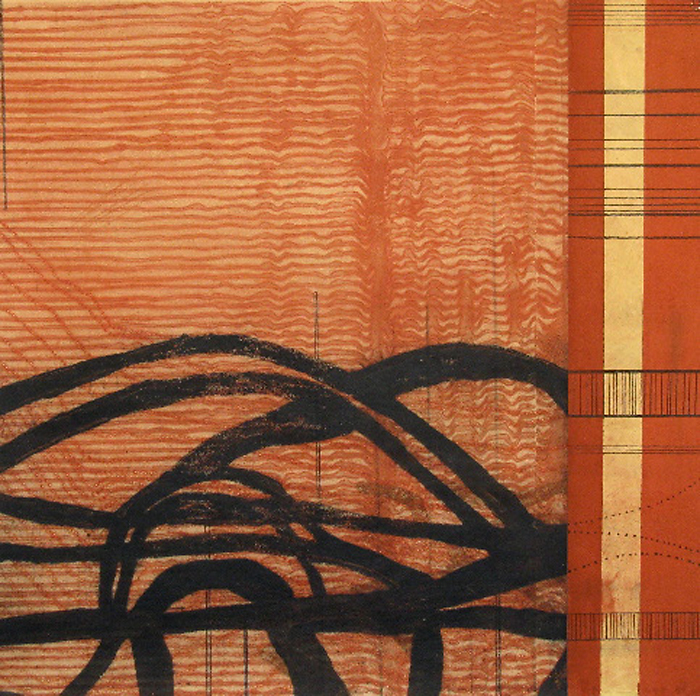
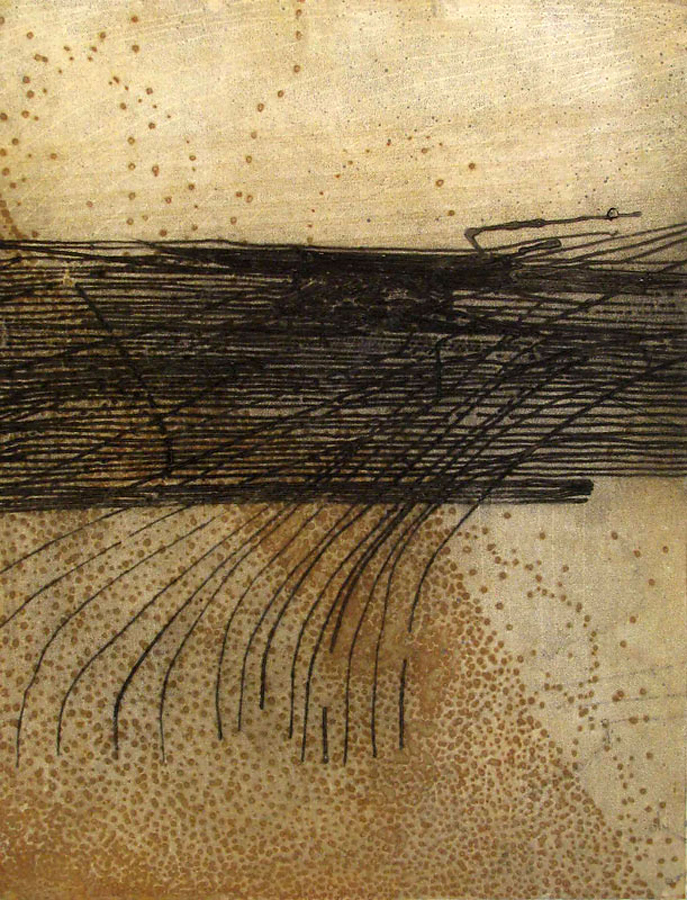
Sarah Amos (Australian, b. 1965) 'Red Walk' 2009 from the exhibition 'Intersections' by Sarah Amos at Gallery 101, Melbourne, July - August, 2009


Sarah Amos (Australian, b. 1965)
Red Walk
2009
Collagraph and Monoprint


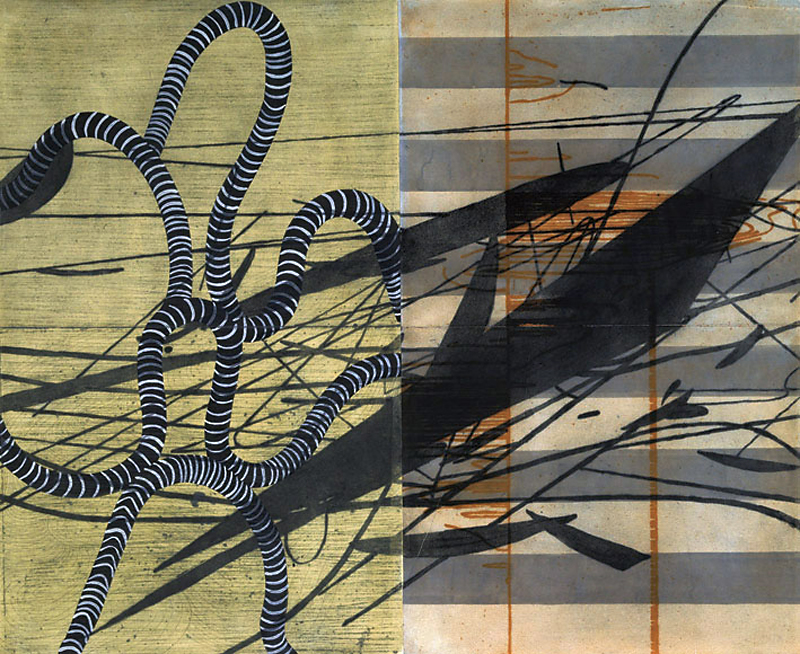
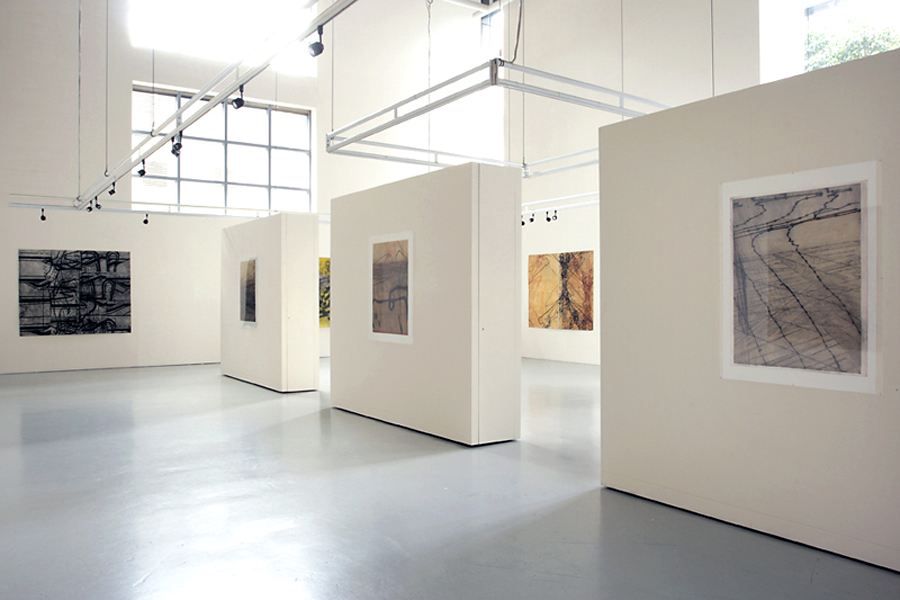
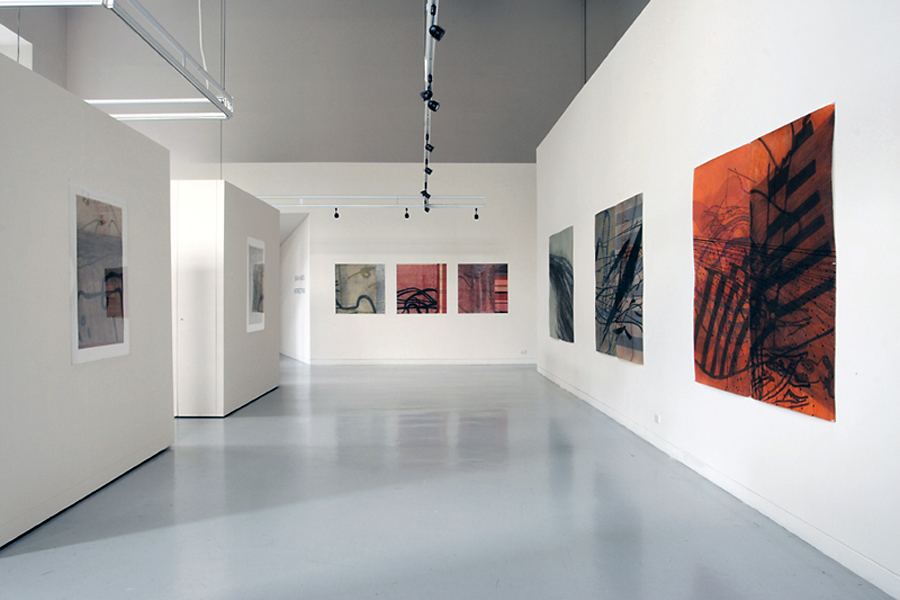
An interesting exhibition of Collagraphs (a type of collage printmaking)1 and etchings is presented by Sarah Amos at Gallery 101, Melbourne, work that is full of delicate coloured layering, topographical mapping and nodal, rhizomic and Spirogyra-type structures.

The ‘flux’ of the work, it’s musical cadence if you like, is the fusion of palimpsestic markings as viewed from the air – the dotted contours, the ploughed fields, the beautiful spatial layering that has an almost Kandinsky-like effect – with the aesthetics of Japanese paper, matt black colour (that subtly glistens on close inspection) and the tactility of the surface of the work. These intersections produce images that have some outstanding resonances: vibrations of energy that ebb and flow around the gallery space. These works are captivating!

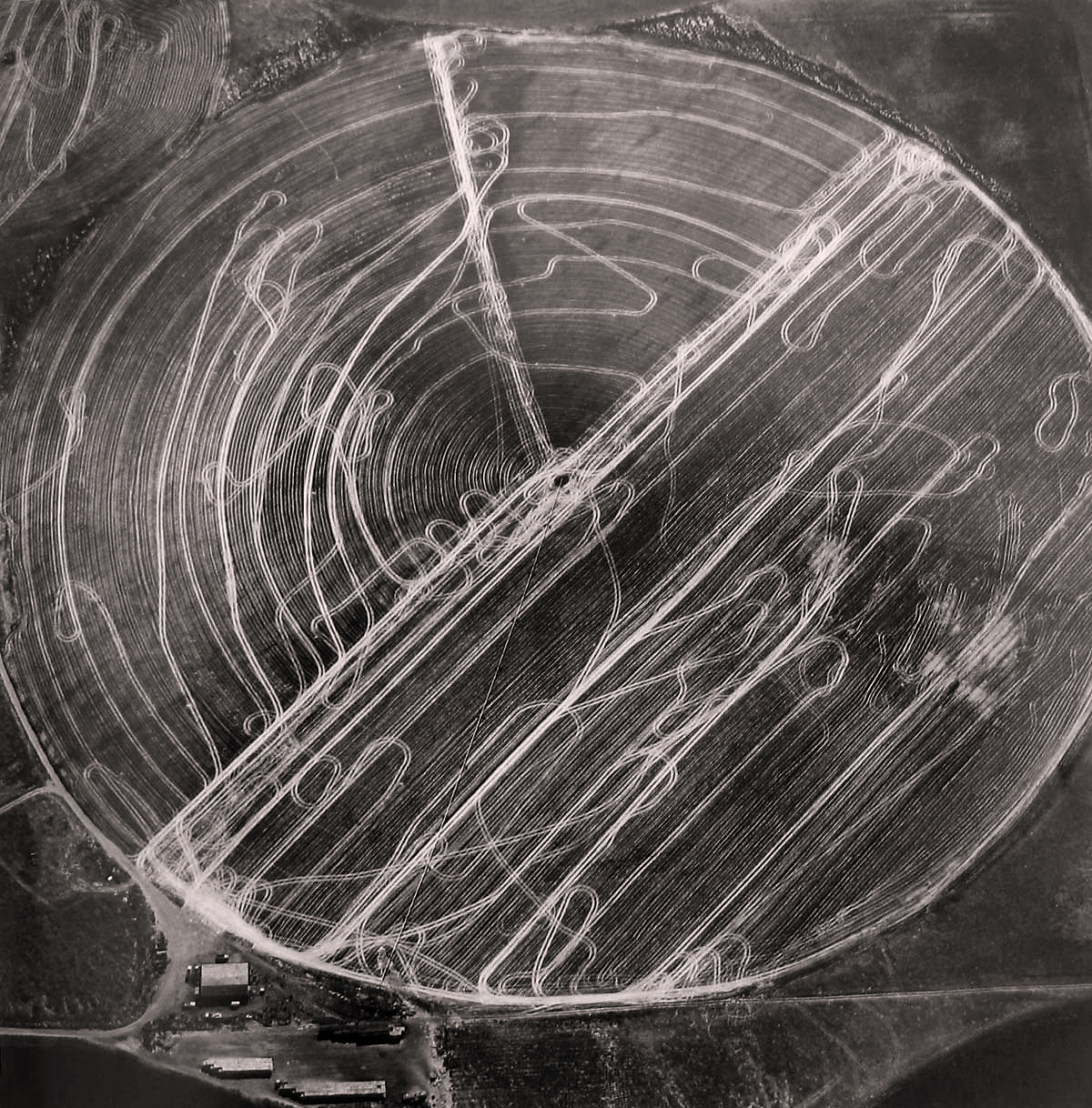
For me the simpler images were the more successful especially the series named Intersections with their muted tonalities, shifting colours and topographical structure. They also reminded me of the black and white aerial landscape photography of Emmet Gowin (see below).

While I am unsure of the validity of the ‘landscape’/’urban lens’ ‘urban temperature’ references (which I found unnecessary and slightly irrelevant) these works and their synaptic interfaces must be experienced. For the viewer they hold a strange attraction as you stand before them drawn, inexorably, into their penumbral spaces. Recommended.

Dr Marcus Bunyan


Many thankx to gallery 101 for allowing me to publish the art work in the posting. Please click on the photographs for a larger version of the image.


1/ “A Collagraph print is a collage printmaking technique and is a form of Intaglio printing. The collagraph plate is printed in the same way as etchings, but also include the basic principle of relief printing and can be printed either as intaglio or relief.

The term collagraph refer to a collage board where the materials are assembled on a flat base or plate (matrix) to form a relief block with different surface levels and textures.

Collagraph plates are created by sticking and gluing materials like textured paper or fabric onto the plate and then coat it with varnish or acrylic medium afterwards to protect the materials.

Anonymous. “Printmaking: Collagraphs/Collage Blocks,” on the ArtistTerms.com website [Online] Cited 03/08/2009. No longer available online


Sarah Amos (Australian, b. 1965) 'Storm Loading' 2009 from the exhibition 'Intersections' by Sarah Amos at Gallery 101, Melbourne, July - August, 2009


Sarah Amos (Australian, b. 1965)
Storm Loading
2009
Etching and hand drawing on Shiramine Japanese paper


Installation view of 'Intersections' by Sarah Amos at Gallery 101, Melbourne

Installation view of 'Intersections' by Sarah Amos at Gallery 101, Melbourne


Installation views of Intersections by Sarah Amos at Gallery 101, Melbourne
Photos: Marcus Bunyan


Emmet Gowin (American, b. 1941) 'Harvest traffic over agricultural pivot near Hermiston, Orgeon, 1991' 1991


Emmet Gowin (American, b. 1941)
Harvest traffic over agricultural pivot near Hermiston, Orgeon, 1991
1991
Gelatin silver print


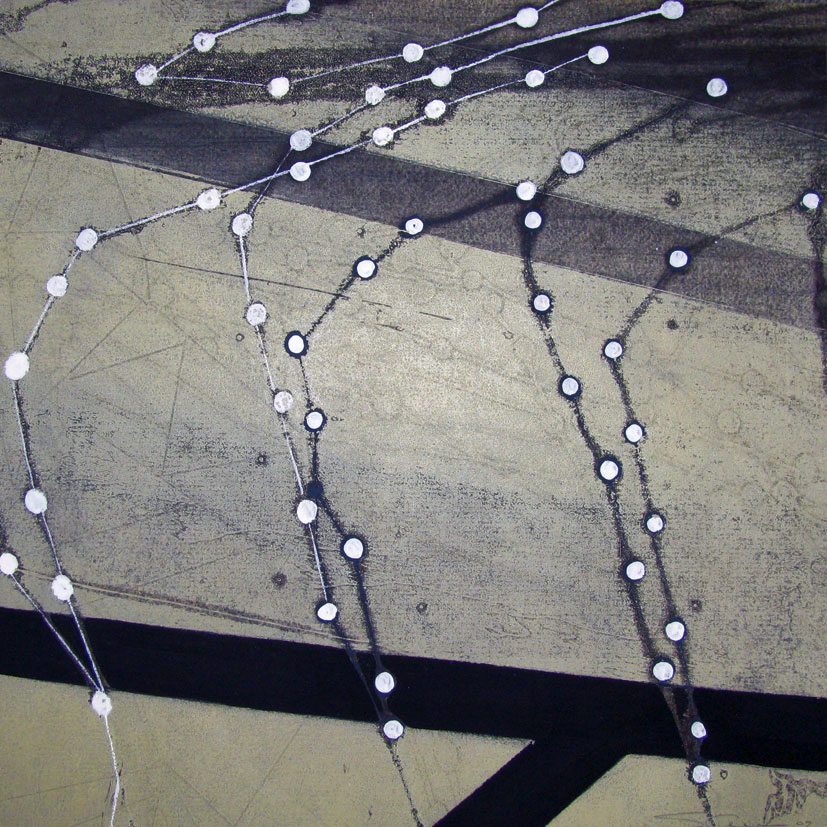
Sarah Amos (Australian, b. 1965) 'Intersections 8' 2009


Sarah Amos (Australian, b. 1965)
Intersections 8
2009
Collagraph with gouache


“(Flux) – where a total electric or magnetic field passes through a surface.”

 
My work is a fusion of both land and cityscape. I am interested in interpreting spatially dynamic, real and half forgotten landscapes through an urban lens. New to this body of work is my interest in the visual graphics of scientific diagrams in which dynamic and informative landscapes are drafted into linear minimal lines. I have absorbed this distilled language, translating it into an architectural and organic landscape where the intersections of line, volume and space are constantly in flux. This obscure knowledge is pared down, simplified and ordered into a clean analysis ready for instant translation.

The Australian landscape is central to my work and influences my use of colour, idiosyncratic marks and open space. These works are personalised maps of accumulated information, like printed histories, that record the duelling intersections where the weathers of the landscape and the urban temperature have begun to take on new and vital immediacy.”

Sarah Amos, 2009

Text from the Gallery 101 website [Online] Cited 01/08/2009. No longer available online


Sarah Amos (Australian, b. 1965) 'Lute' 2009


Sarah Amos (Australian, b. 1965)
Lute
2009
Collagraph


Gallery 101

This gallery is no longer open.ppp

Sarah Amos website

LIKE ART BLART ON FACEBOOK

Back to top

Book: ‘Negatives Are To Be Stored’ photographs by Stefania Gurdowa 2008

2009


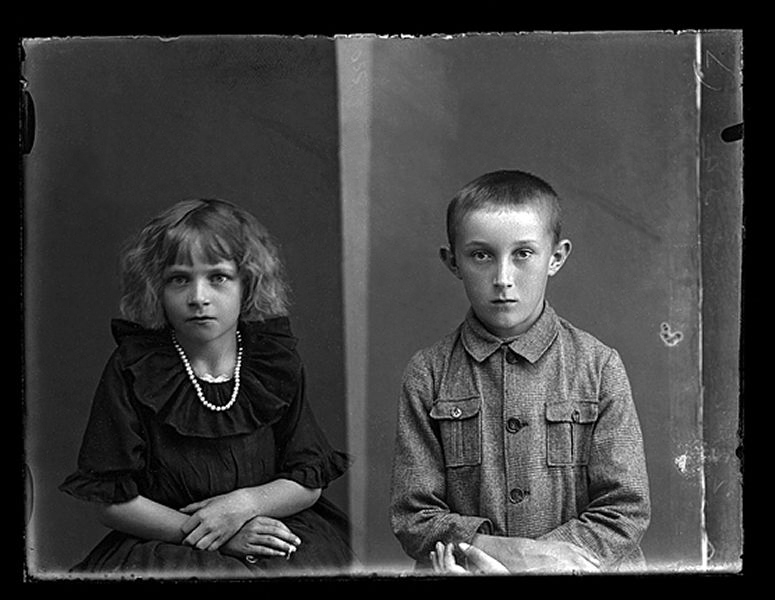
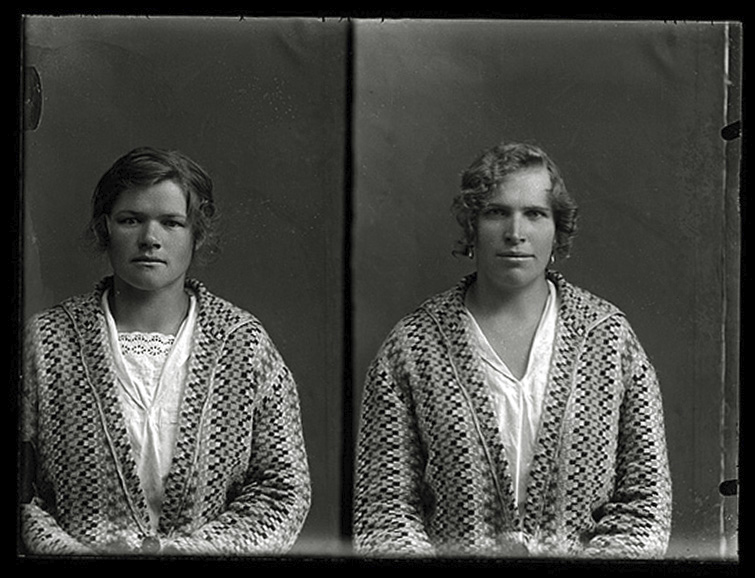
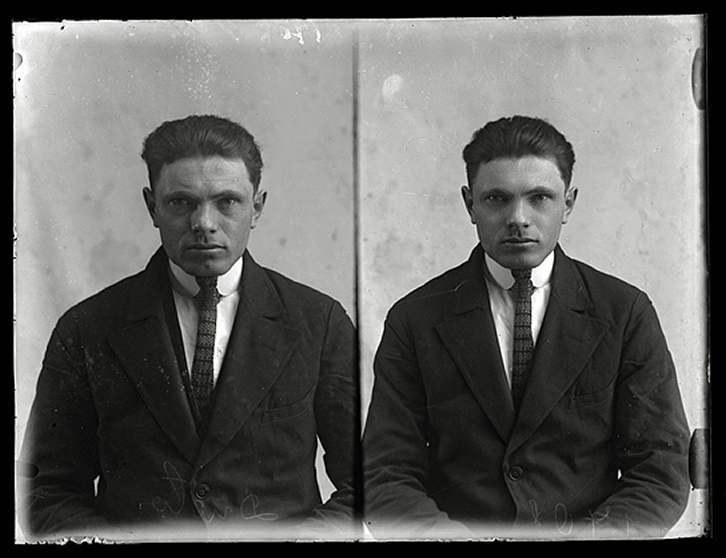
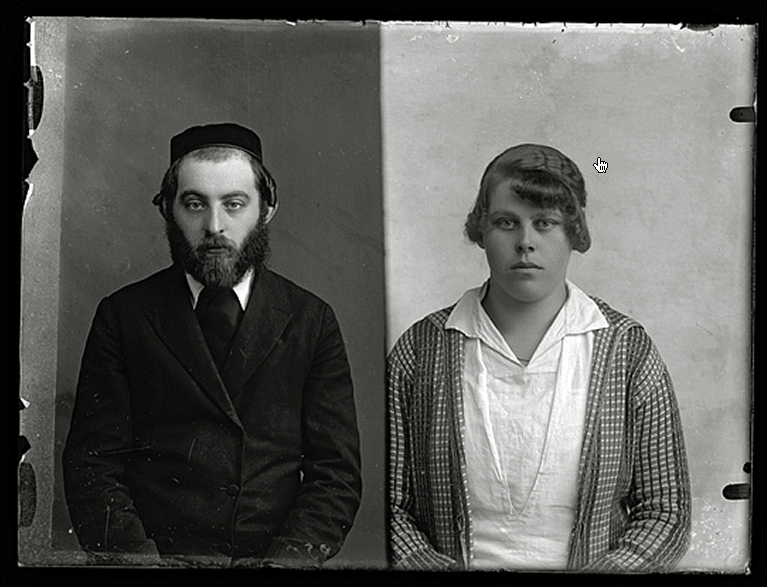
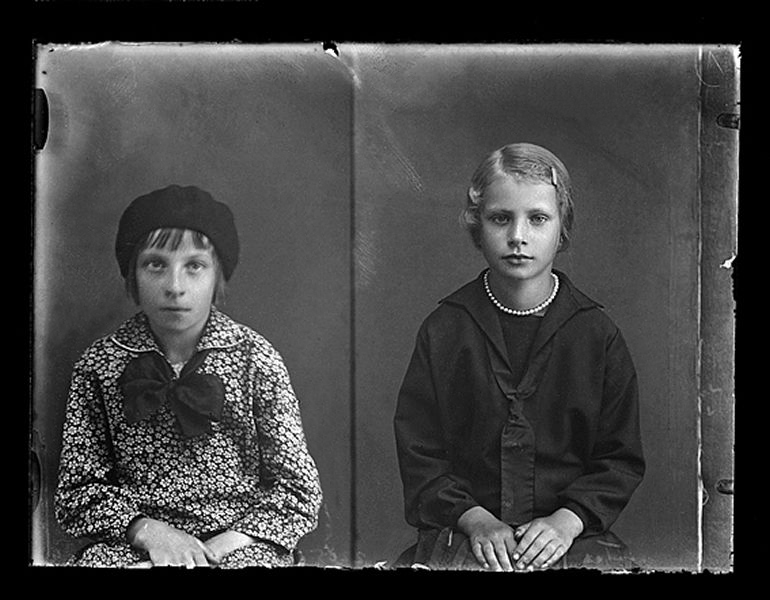
Stefania Gurdowa (Polish, 1888-1968) 'Untitled' Nd from the series 'Negatives Are To Be Stored'


Stefania Gurdowa (Polish, 1888-1968)
Untitled (anonymous individuals)
Nd
From the series Negatives Are To Be Stored
Glass plate negative


The presence of these photographs marks your consciousness indelibly, for the artist has made marks that cannot easily be removed.

Dr Marcus Bunyan


All images by Stefania Gurdowa from the series Negatives Are To Be Stored.
All images © Imago Mundi

Klisze przechowuje sie (Negatives are to be stored)
Photographs by Stefania Gurdowa
Text by Jerzy Lewczynski and Dariusz Czaja
Hardcover: 218 pages
22 x 28.5cm

Publisher: Fundacja Imago Mundi / Muzeum Etnograficzne w Krakowie.
ISBN 978-83-925914-4-3


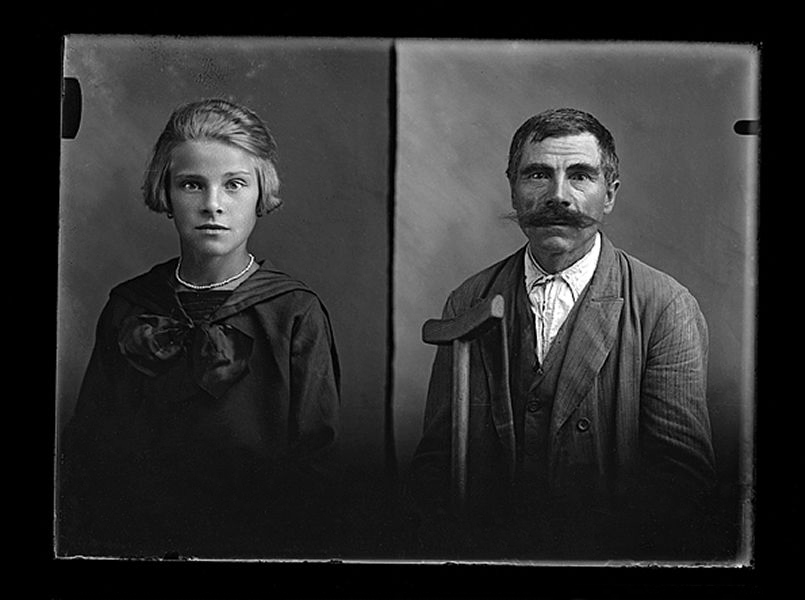
Stefania Gurdowa (Polish, 1888-1968) 'Untitled' Nd from the series 'Negatives Are To Be Stored'


Stefania Gurdowa (Polish, 1888-1968)
Untitled (anonymous individuals)
Nd
From the series Negatives Are To Be Stored
Glass plate negative


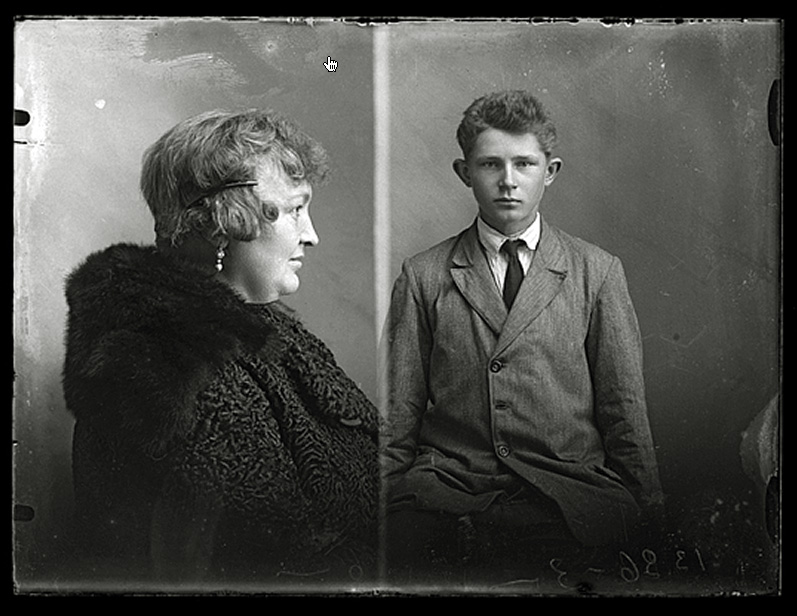
Stefania Gurdowa (Polish, 1888-1968) 'Untitled' Nd from the series 'Negatives Are To Be Stored'


Stefania Gurdowa (Polish, 1888-1968)
Untitled (anonymous individuals)
Nd
From the series Negatives Are To Be Stored
Glass plate negative


Stefania Gurdowa (Polish, 1888-1968) 'Untitled' Nd from the series 'Negatives Are To Be Stored'


Stefania Gurdowa (Polish, 1888-1968)
Untitled (anonymous individuals)
Nd
From the series Negatives Are To Be Stored
Glass plate negative


Stefania Gurdowa (Polish, 1888-1968) 'Untitled' Nd from the series 'Negatives Are To Be Stored'


Stefania Gurdowa (Polish, 1888-1968)
Untitled (anonymous individuals)
Nd
From the series Negatives Are To Be Stored
Glass plate negative


Eleven years ago, in the attic of a tenement house in the town of Debica, more than 1,000 damaged glass negative plates were discovered. Most of them depicted expressive portraits of anonymous individuals who lived in the neighbourhood during the 20s and 30s.

At first sight, we could guess hardly anything about the author of the plates, although her name appeared on them. But our deepening research shed light upon someone extraordinary for her time: an independent, gifted woman of consequence whose workshops existed far away from the grand cultural capitals, and whose art lay in taking orderly portraits of her neighbours: shopkeepers, craftsmen, peasants, priests and Jews.

Stefania Gurdowa (née Czerny) was born in Bochnia in 1888. Her father was the bandmaster of a salt-mine orchestra. She herself played the zither. She gained her photographic education in Bochnia, and then in Lwow (Lemberg). From 1921 to 1937 she ran her own photographic workshop in Debica (and established branches in Mielec and Ropczyce for a time). It was unusual for a woman to run a business like hers in this era, yet it appears Gurdowa also hired a number of employees – Feliks Adam Czelny among them, a man who found fame after 1945, when he published a documentary report on the ruined city of Wroclaw.

Stefania and Kazimierz Gurda divorced, and from her home in Debica, the photographer took only her daughter, Zosia – and the piano. In the late 30s she settled in Silesia. Under Nazi occupation her business was taken over by the Germans, and she found herself a paid worker in her own workshop.

After the end of the war, Zosia migrated to France. Stefania Gurdowa decided to stay in Poland, and once more she started all over again – this time in Lodygowice, near Zywiec. She took care of her granddaughter, Basia for some years, until the girl was reunited with her mother in France. And she established yet another photographic workshop. Her former clients remember that there were always fresh flowers in her chilly rented flat-and-atelier – as well as a permanent Christmas tree!

Gurdowa, the distinguished artist, died in 1968. Her apartment was cleaned after she passed away, and her immense photographic archive was disposed of and lost. Only a fragment of her art endures, together with a question without an answer: who hid a collection of glass plates behind a wall in the attic of her workshop in Debica? Perhaps it was her own decision to preserve them this way. As a responsible professional, she must have been aware of the rule that “negatives are to be stored.”

Agnieszka Sabor

Text from the Lens Culture website [Online] Cited 22/03/2019


Stefania Gurdowa (Polish, 1888-1968) 'Untitled' Nd from the series 'Negatives Are To Be Stored'


Stefania Gurdowa (Polish, 1888-1968)
Untitled (anonymous individuals)
Nd
From the series Negatives Are To Be Stored
Glass plate negative


Stefania Gurdowa (Polish, 1888-1968) 'Untitled' Nd from the series 'Negatives Are To Be Stored'


Stefania Gurdowa (Polish, 1888-1968)
Untitled (anonymous individuals)
Nd
From the series Negatives Are To Be Stored
Glass plate negative


Stefania Gurdowa (Polish, 1888-1968) 'Untitled' Nd from the series 'Negatives Are To Be Stored'


Stefania Gurdowa (Polish, 1888-1968)
Untitled (anonymous individuals)
Nd
From the series Negatives Are To Be Stored
Glass plate negative


Stefania Gurdowa (Polish, 1888-1968) 'Untitled' Nd from the series 'Negatives Are To Be Stored'


Stefania Gurdowa (Polish, 1888-1968)
Untitled (anonymous individuals)
Nd
From the series Negatives Are To Be Stored
Glass plate negative


Stefania Gurdowa (Polish, 1888-1968) 'Untitled' Nd from the series 'Negatives Are To Be Stored'


Stefania Gurdowa (Polish, 1888-1968)
Untitled (anonymous individuals)
Nd
From the series Negatives Are To Be Stored
Glass plate negative


Stefania Gurdowa (Polish, 1888-1968) 'Untitled' Nd from the series 'Negatives Are To Be Stored'


Stefania Gurdowa (Polish, 1888-1968)
Untitled (anonymous individuals)
Nd
From the series Negatives Are To Be Stored
Glass plate negative


Stefania Gurdowa (Polish, 1888-1968) 'Untitled' Nd from the series 'Negatives Are To Be Stored'


Stefania Gurdowa (Polish, 1888-1968)
Untitled (anonymous individuals)
Nd
From the series Negatives Are To Be Stored
Glass plate negative


LIKE ART BLART ON FACEBOOK

Back to top