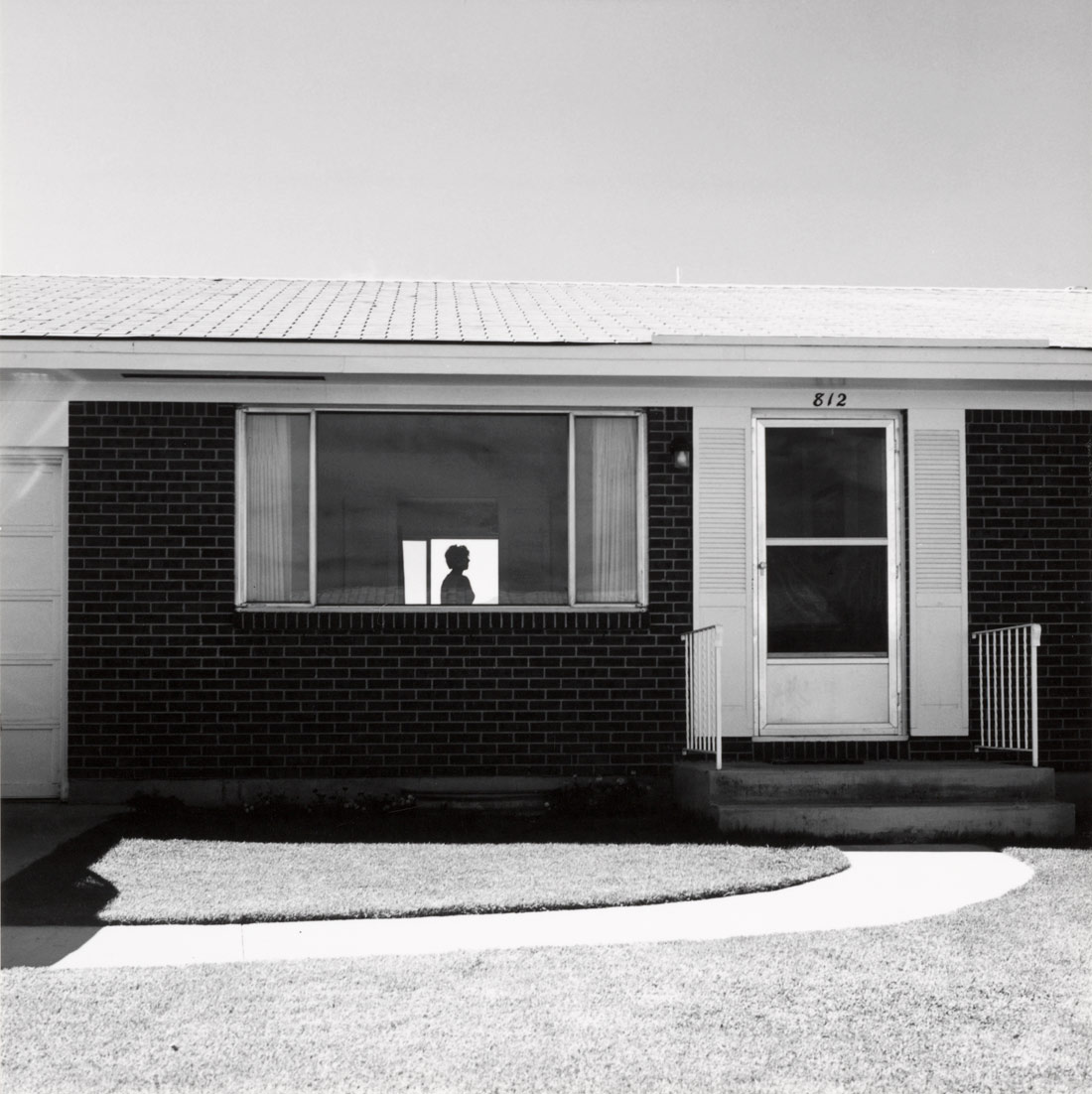
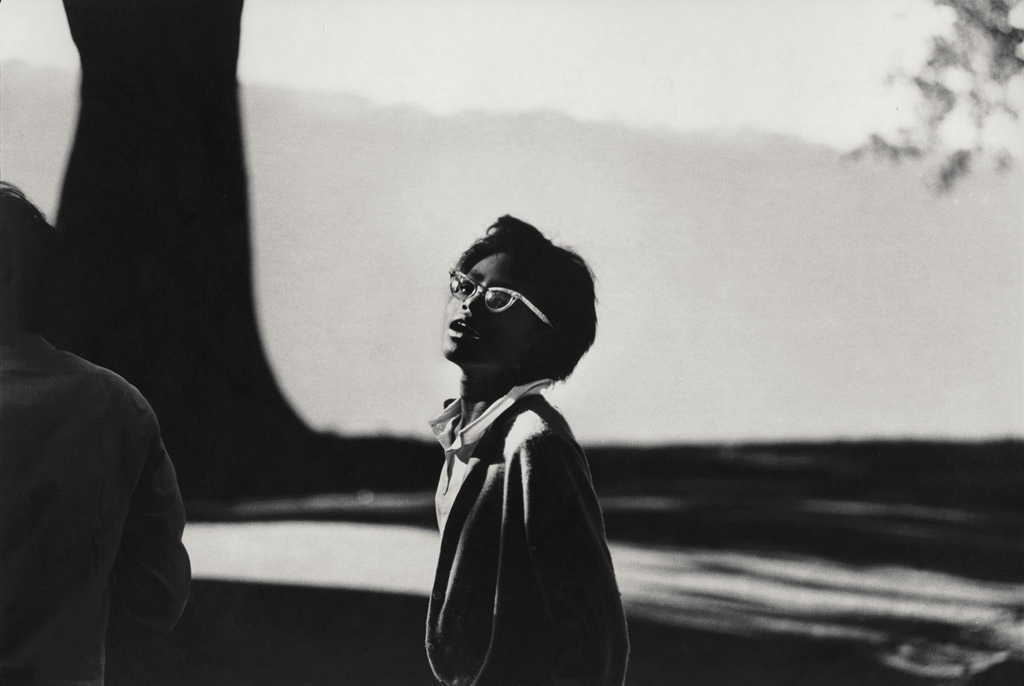
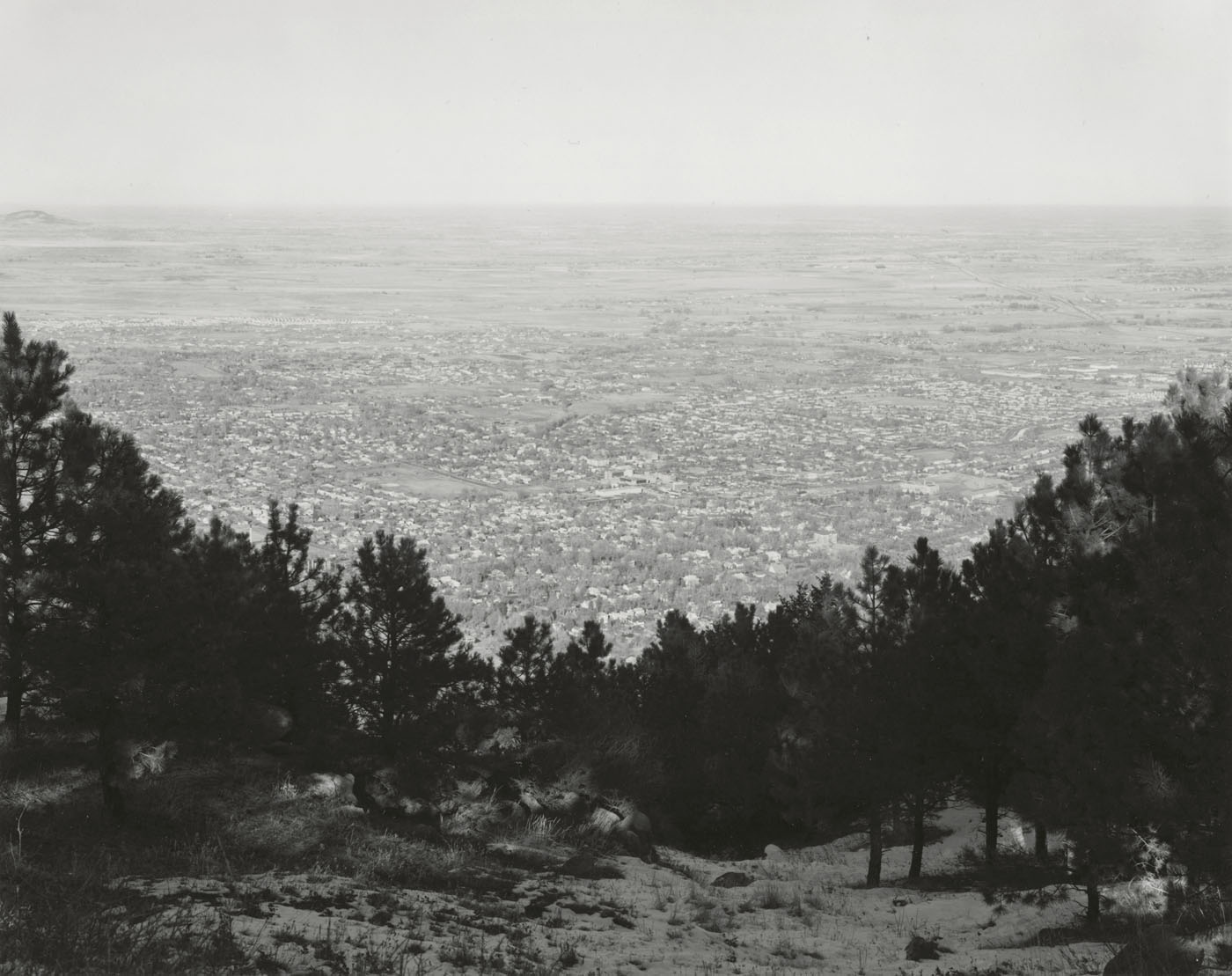
Robert Adams (American, b. 1937) Colorado Springs, Colorado 1968 Gelatin silver print Yale University Art Gallery Purchased with a gift from Saundra B. Lane, a grant from Trellis Fund, and the Janet and Simeon Braguin Fund
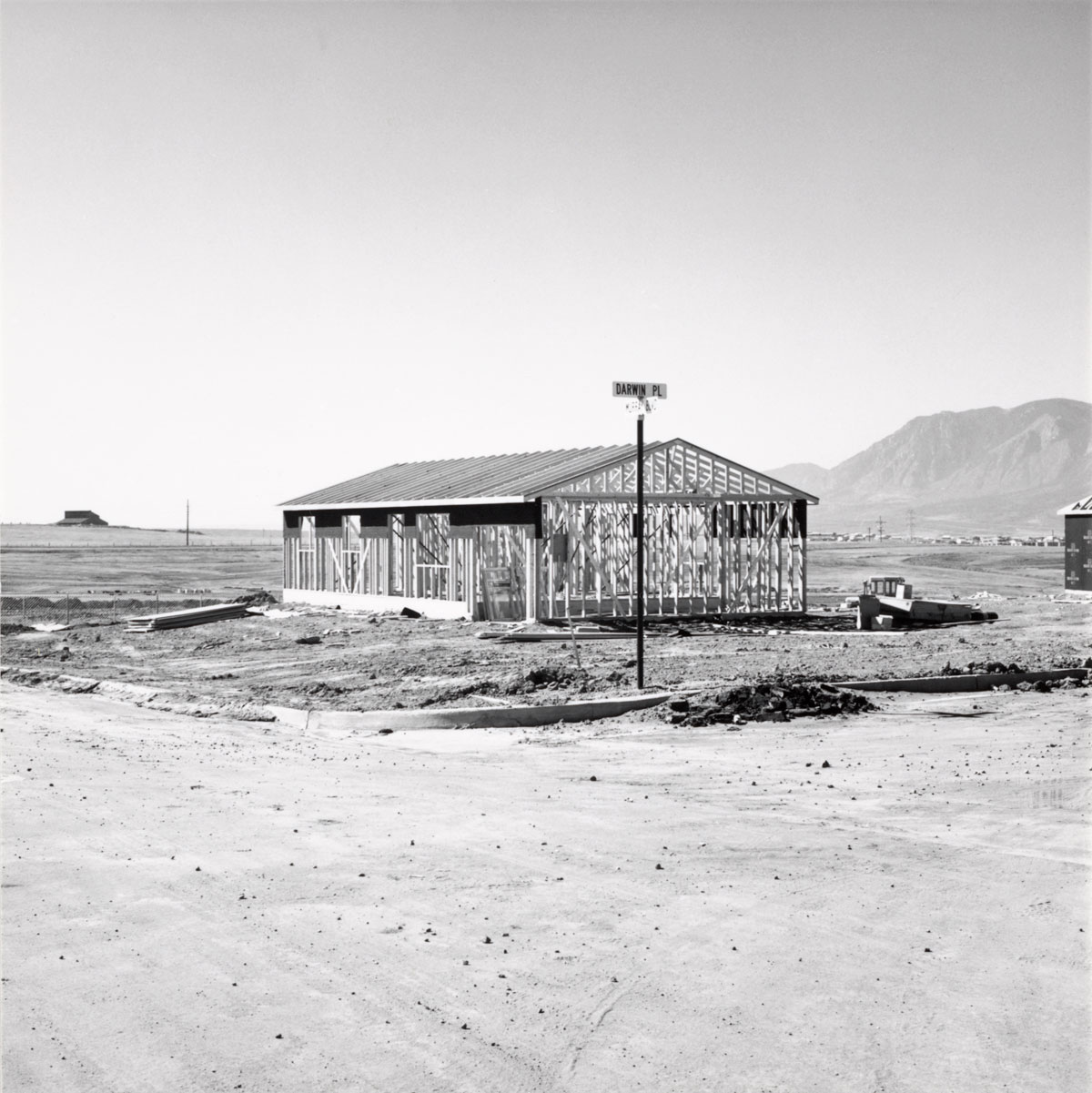
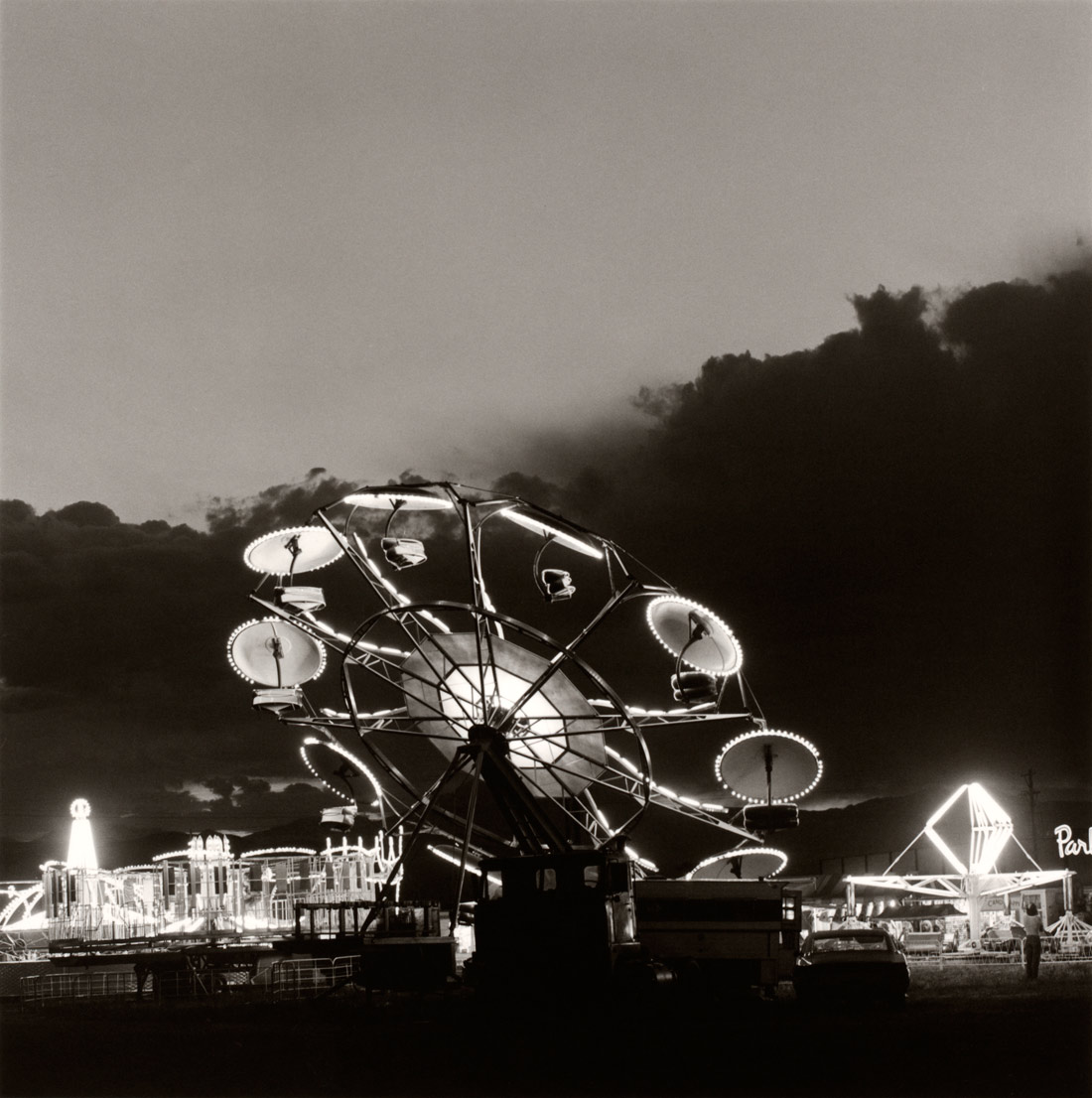
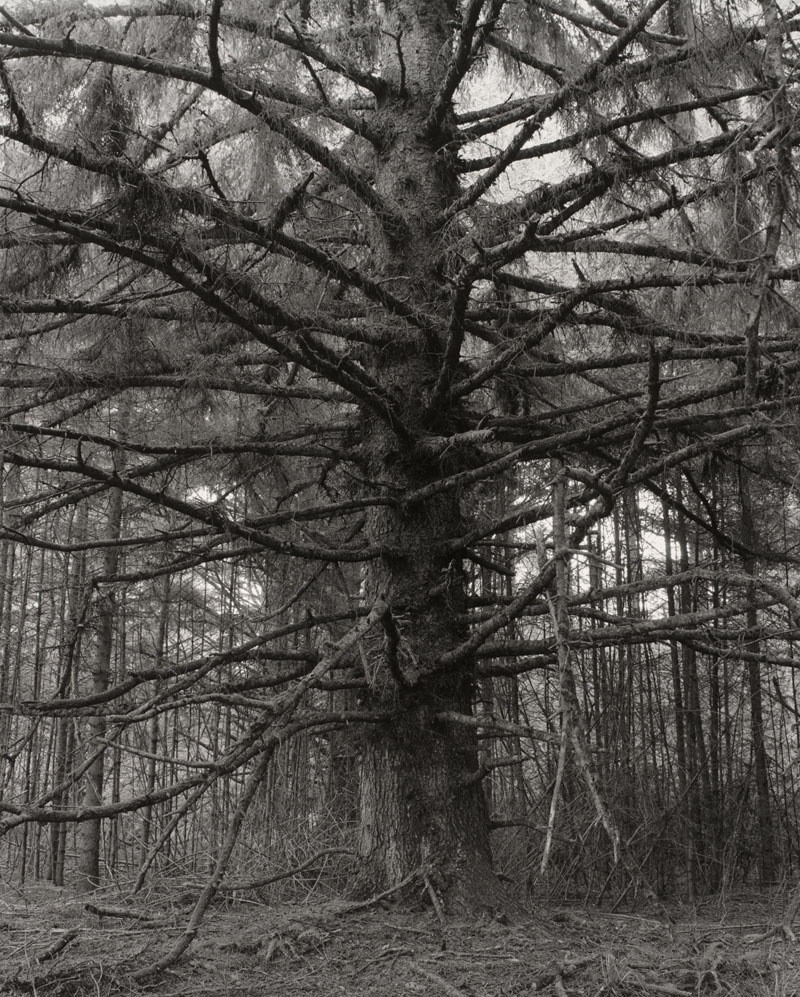
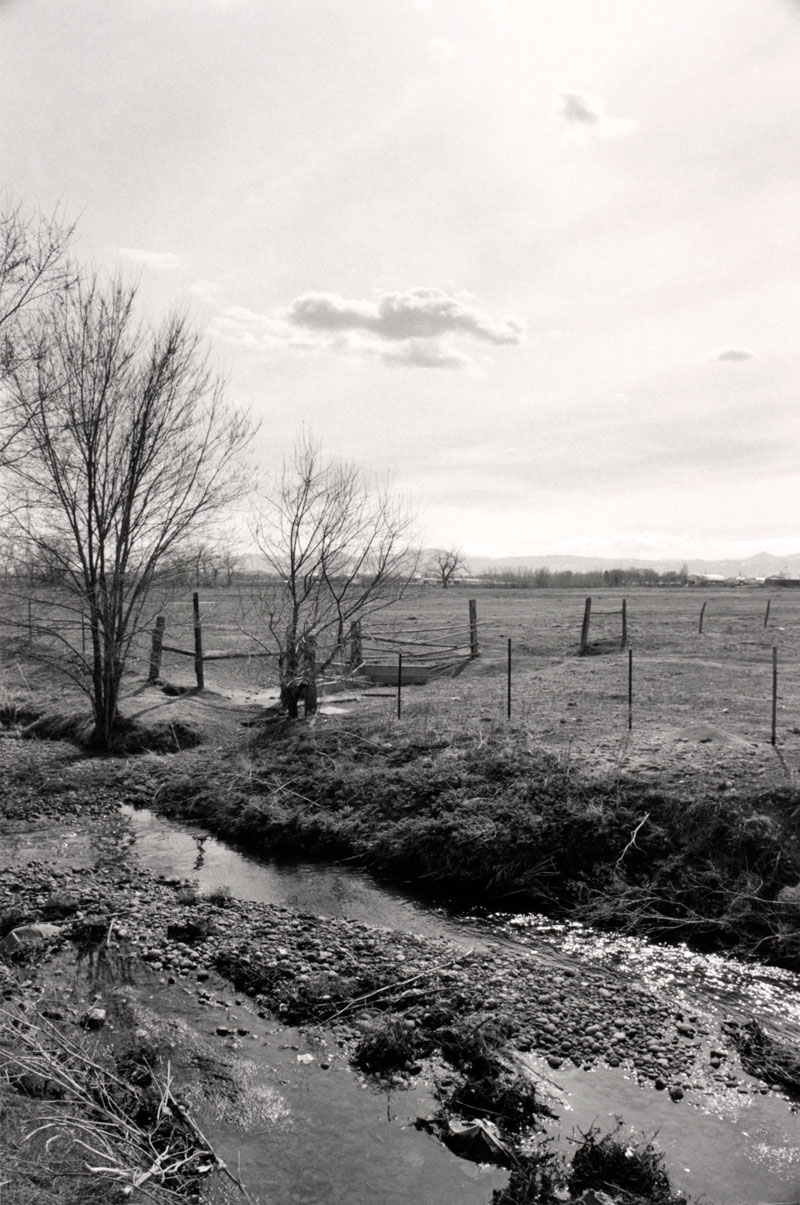
What a pleasure it is to post these photographs from the outstanding photographer Robert Adams. The photograph Longmont, Colorado (1979, below) has become truly iconic and will be recognised instantly by many art aficionados around the world: the glowing neon lights, the empty gondolas, towering, brooding skies and solitary, isolated human. The creature in the photograph Sitka spruce, Cape Blanco State Park, Curry County, Oregon (1999-2000, below) impinges my consciousness like a Lernaean Hydra, an ancient, nameless, multi-headed serpent-like water beast. The eloquently understated series Listening to the River (1985-1987, several photographs below) completes the picture, a tour de force of apposition: each image positioned at rest in respect to another: quiet, still, but visually complex.
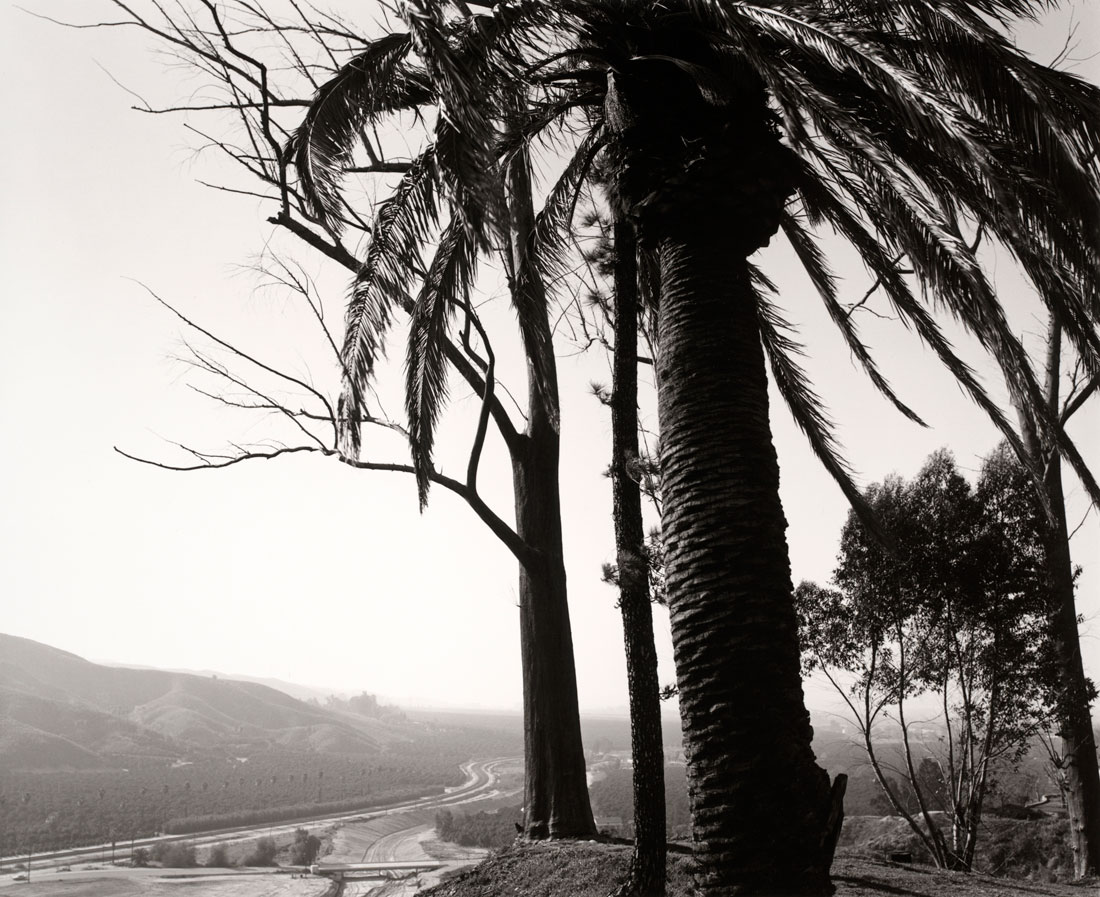
There is a crispness and cleanness to Adams work that belie the complexity of his subject matter. Tension and balance within the pictorial frame is the key: formal yet fecund, these intellectually productive images challenge us to imagine, and to name, our relationship with the earth and every place that we live.
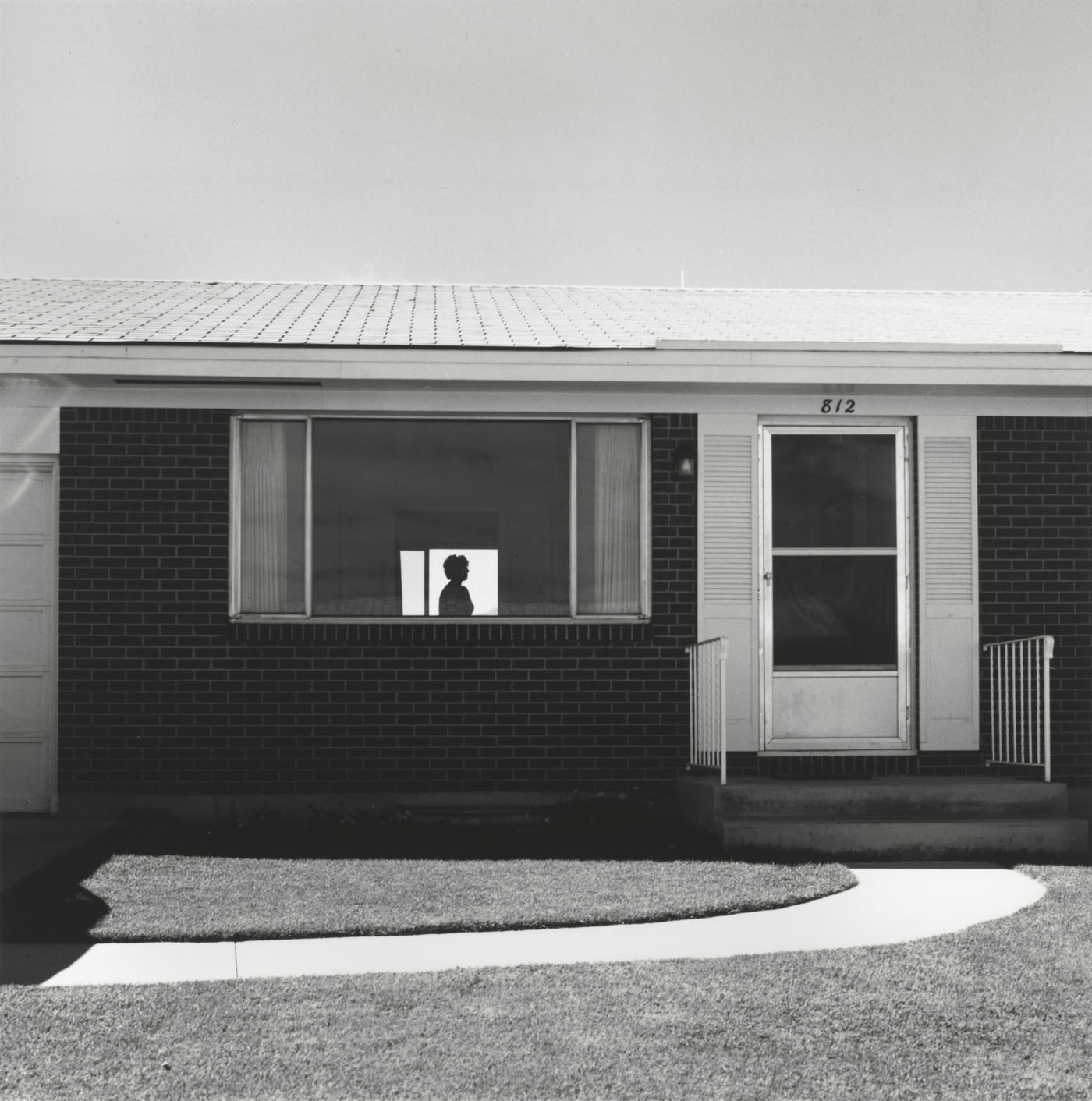
Robert Adams (American, b. 1937) Frame for a Tract House, Colorado Springs, Colorado 1969 Gelatin silver print Yale University Art Gallery Purchased with a gift from Saundra B. Lane, a grant from Trellis Fund, and the Janet and Simeon Braguin Fund
Robert Adams (American, b. 1937) Longmont, Colorado 1979 Gelatin silver print Yale University Art Gallery Purchased with a gift from Saundra B. Lane, a grant from Trellis Fund, and the Janet and Simeon Braguin Fund
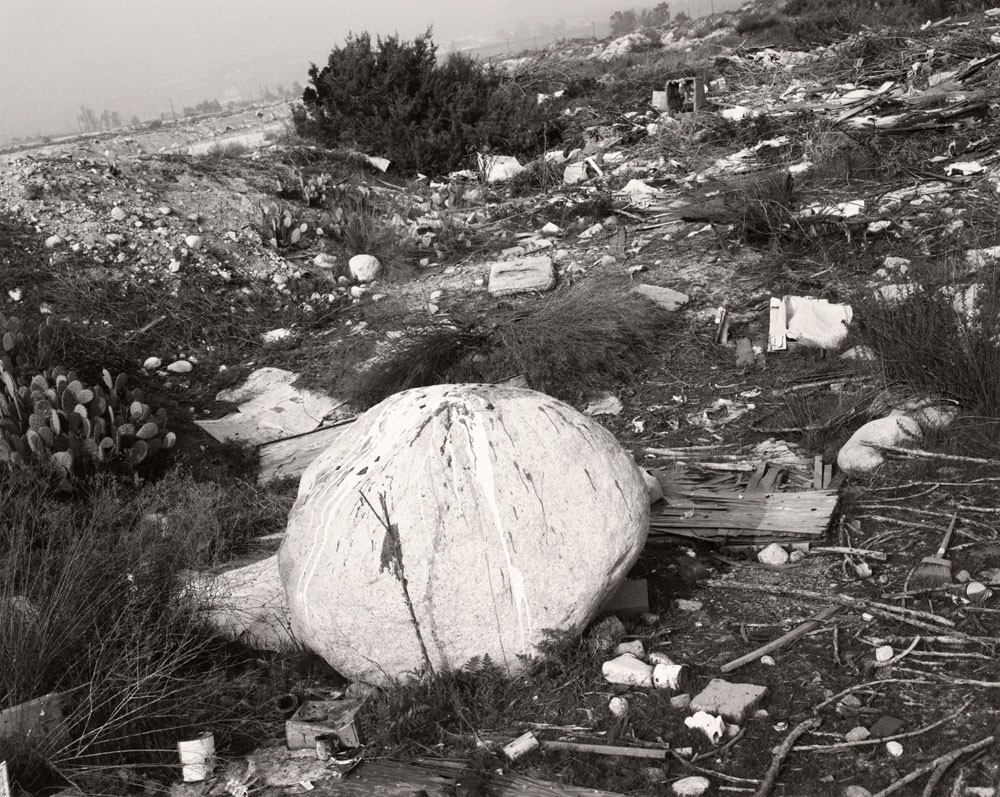
Robert Adams (American, b. 1937) Edge of San Timoteo Canyon, looking toward Los Angeles, Redlands, California 1978 Gelatin silver print Yale University Art Gallery Purchased with a gift from Saundra B. Lane, a grant from the Trellis Fund, and the Janet and Simeon Braguin Fund
Robert Adams (American, b. 1937) Santa Ana Wash, Redlands, California 1983, printed 1991 Gelatin silver print Yale University Art Gallery Purchased with a gift from Saundra B. Lane, a grant from the Trellis Fund, and the Janet and Simeon Braguin Fund
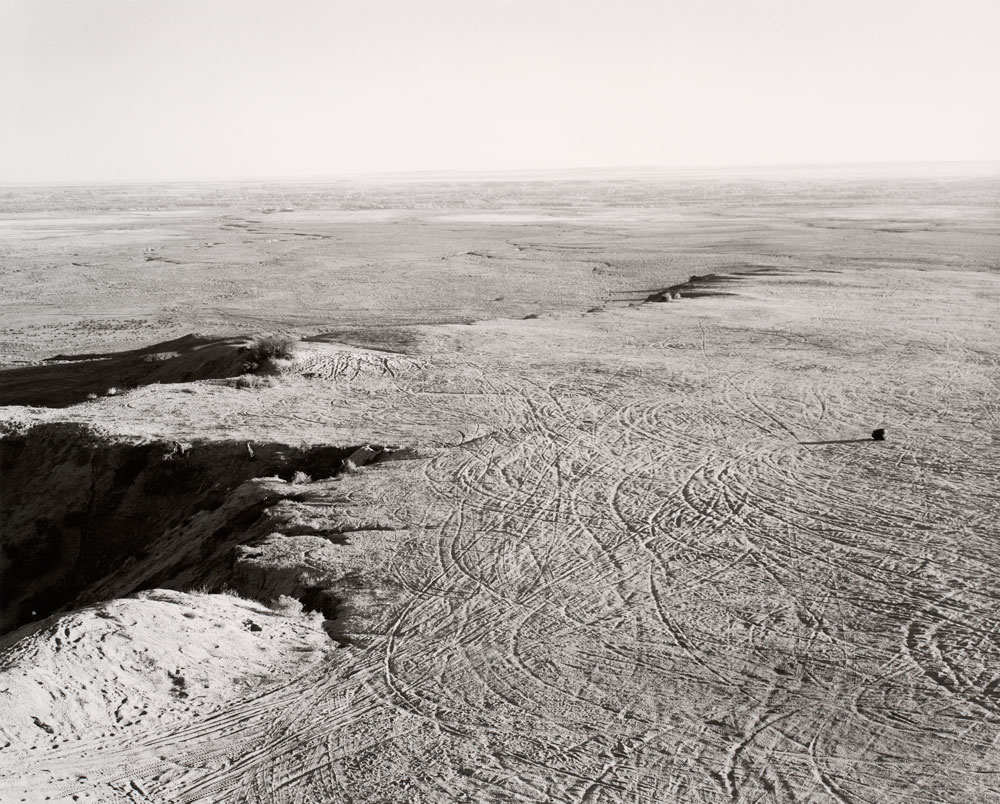
Robert Adams (American, b. 1937) Quarried Mesa Top, Pueblo County, Colorado 1978 Gelatin silver print Yale University Art Gallery Purchased with a gift from Saundra B. Lane, a grant from the Trellis Fund, and the Janet and Simeon Braguin Fund
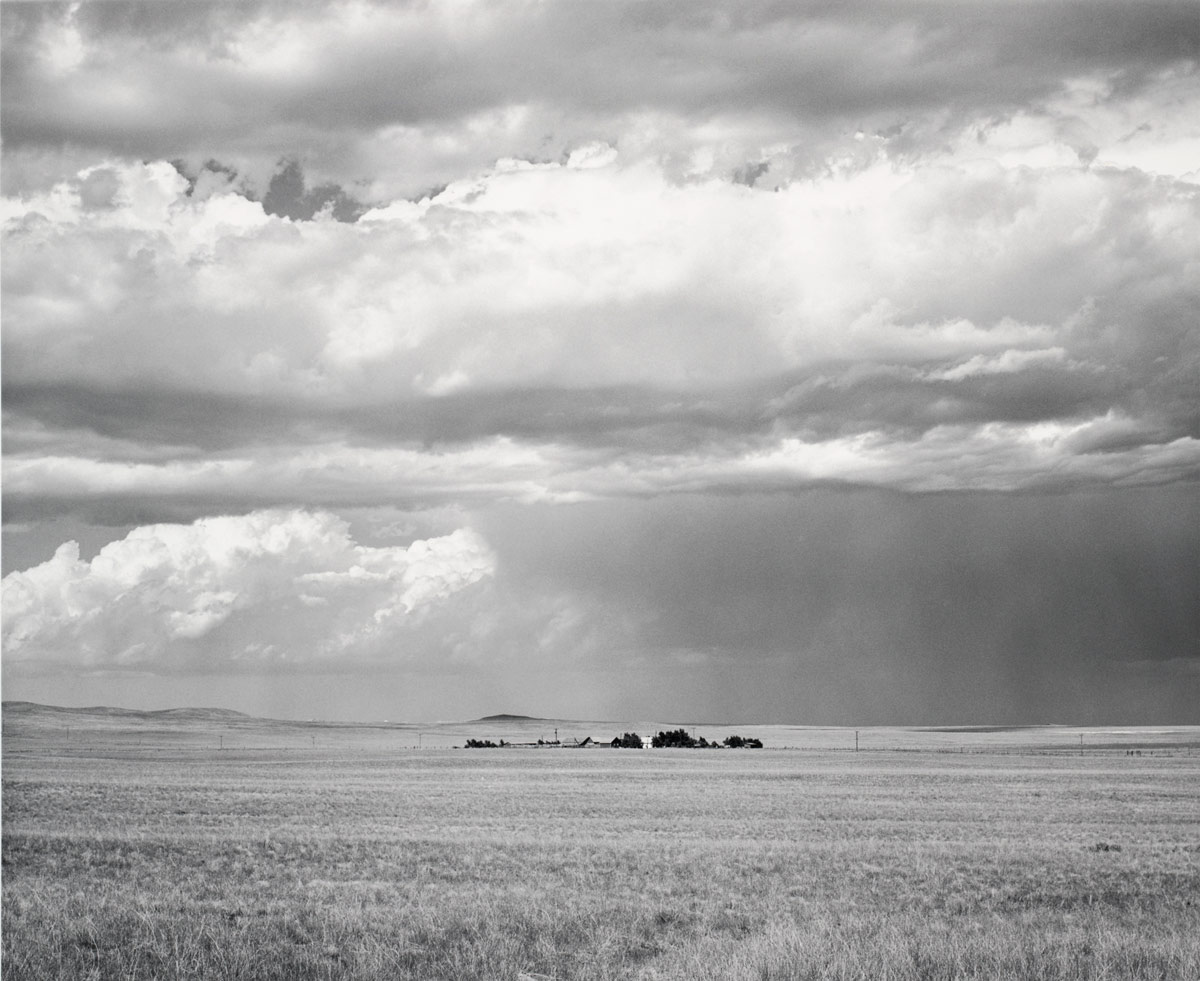
Robert Adams (American, b. 1937) Ranch Northeast of Keota, Colorado 1969 Gelatin silver print Yale University Art Gallery Purchased with a gift from Saundra B. Lane, a grant from the Trellis Fund, and the Janet and Simeon Braguin Fund
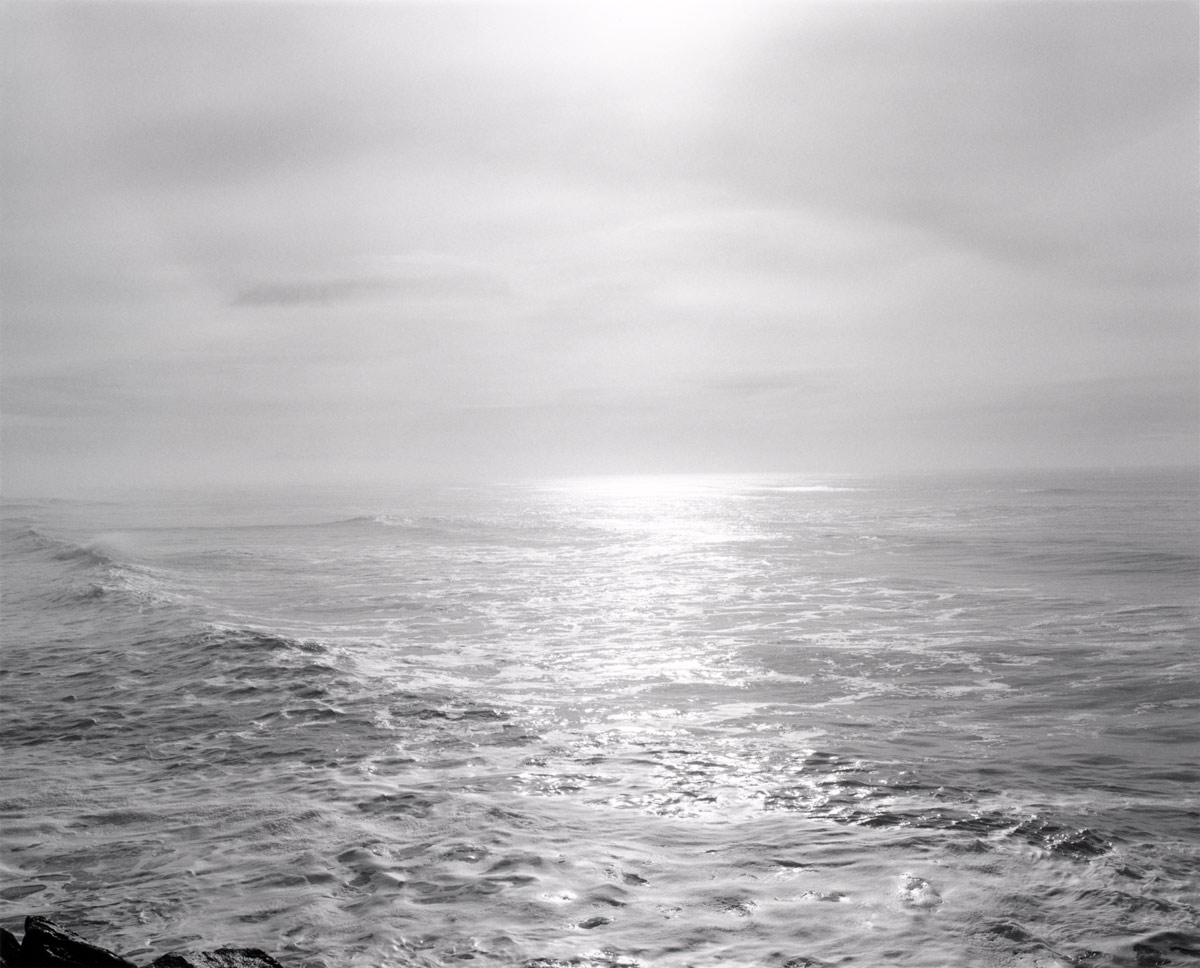
Robert Adams (American, b. 1937) Southwest from the South Jetty, Clatsop County, Oregon 1992 Gelatin silver print Yale University Art Gallery Purchased with a gift from Saundra B. Lane, a grant from the Trellis Fund, and the Janet and Simeon Braguin Fund
Over the past four decades photographer Robert Adams has come to be widely regarded as one of the most original and significant chroniclers of the western American landscape. The first large-scale exhibition of Adams’ work to be presented in Canada, The Place We Live traces his longstanding engagement with the degradation of the environment in the face of suburban development. The exhibition includes more than 300 photographs representing each of Adams’ major projects, from his austere photographs of the Colorado prairie that pay homage to earlier inhabitants, to his unflinching images of the land, workplaces, shopping centres and homes around Denver, as well as recent images of the remains of the great rainforest near his present home in the American Pacific Northwest.
Spare and dispassionate, yet rich with formal invention, Adams’ remarkable images resist simplification of subjects both ordinary and grand, balancing the complexities and contradictions found in modern life. Seen as a whole, the exhibition clearly reveals an approach to art-making that on the one hand seeks to bear witness to humanity’s tenuous relationship with the natural world and, on the other, to celebrate the unexpected sublimity that persists in the face of despoliation.
The reach of Adams’ work has been felt primarily through his publications, which include more than 30 monographs. Adams’ books are an integral component of the exhibition and provide the viewer with the opportunity to further consider the manner in which he has addressed the fear, curiosity and inspiration the American landscape has engendered throughout his career. The international tour of this exhibition is being launched at the Vancouver Art Gallery and is accompanied by a catalogue and a three-volume, hard cover book.
Text from the Vancouver Art Gallery website [Online] Cited 04/01/2022
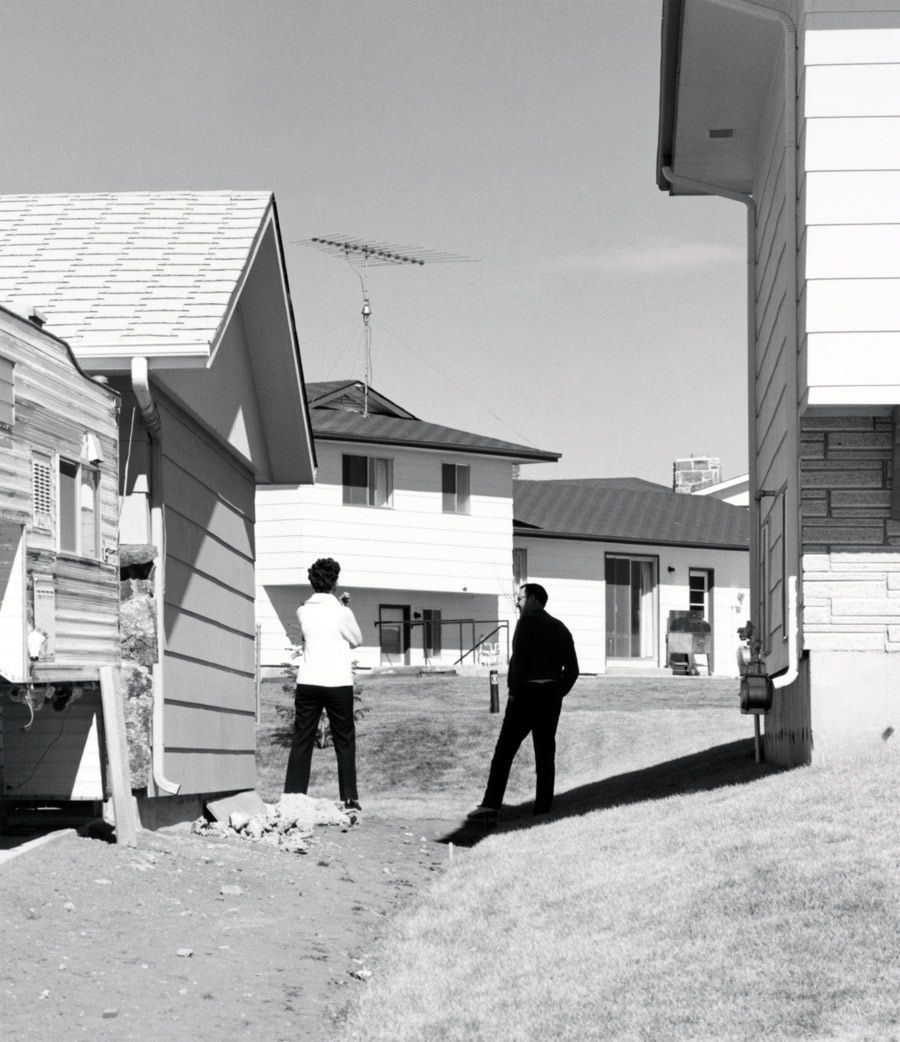
Robert Adams (American, b. 1937) In a New Subdivision, Colorado Springs, Colorado 1969 Gelatin silver print Yale University Art Gallery Purchased with a gift from Saundra B. Lane, a grant from Trellis Fund, and the Janet and Simeon Braguin Fund
Robert Adams (American, b. 1937) Sitka spruce, Cape Blanco State Park, Curry County, Oregon 1999-2000 Gelatin silver print Yale University Art Gallery. Purchased with a gift from Saundra B. Lane, a grant from the Trellis Fund, and the Janet and Simeon Braguin Fund
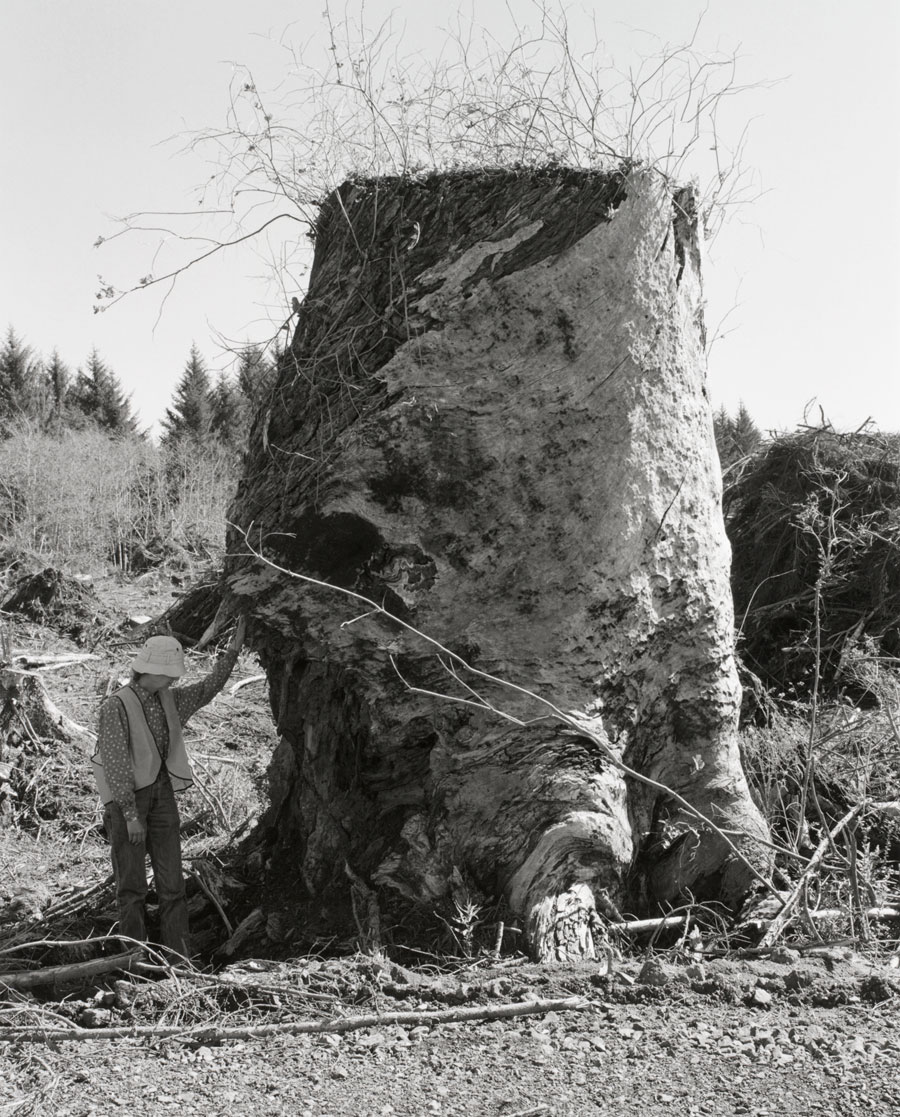
Robert Adams (American, b. 1937) Kerstin, Next to an Old-Growth Stump, Coos County, Oregon 1999-2003 Gelatin silver print Yale University Art Gallery Purchased with a gift from Saundra B. Lane, a grant from the Trellis Fund, and the Janet and Simeon Braguin Fund
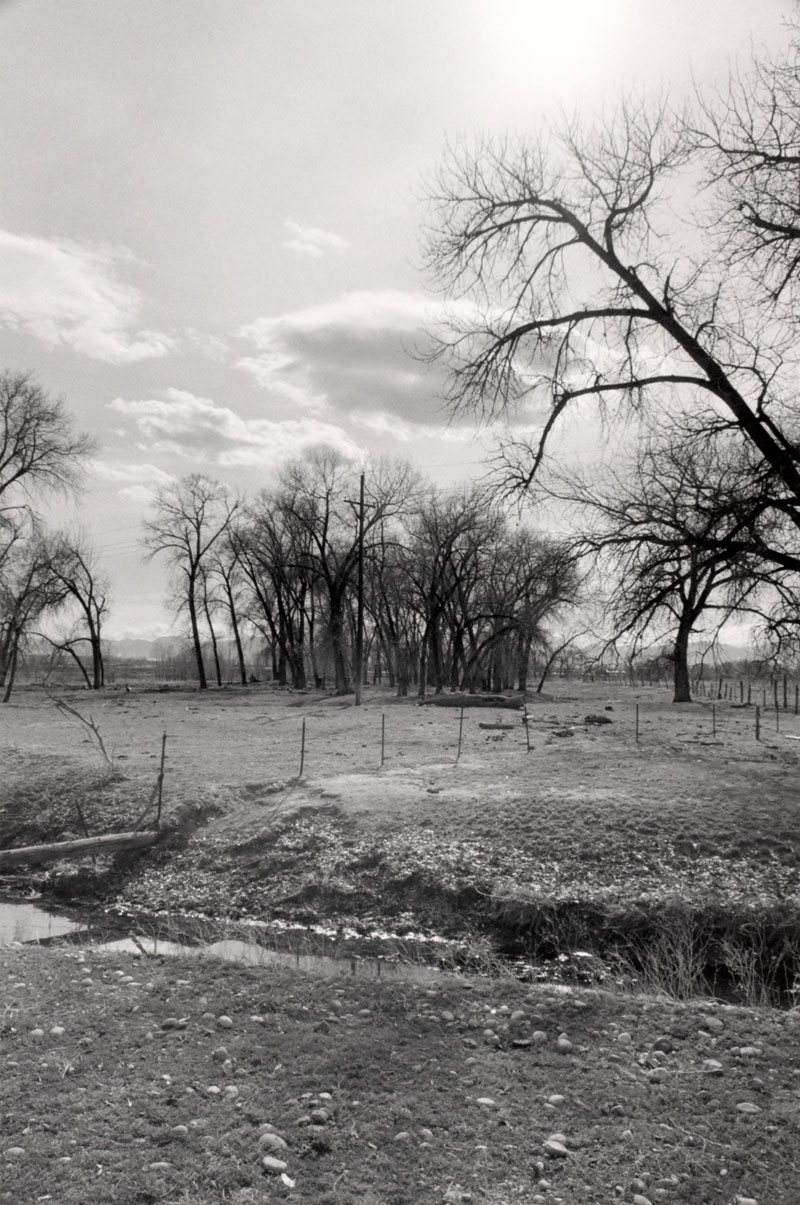
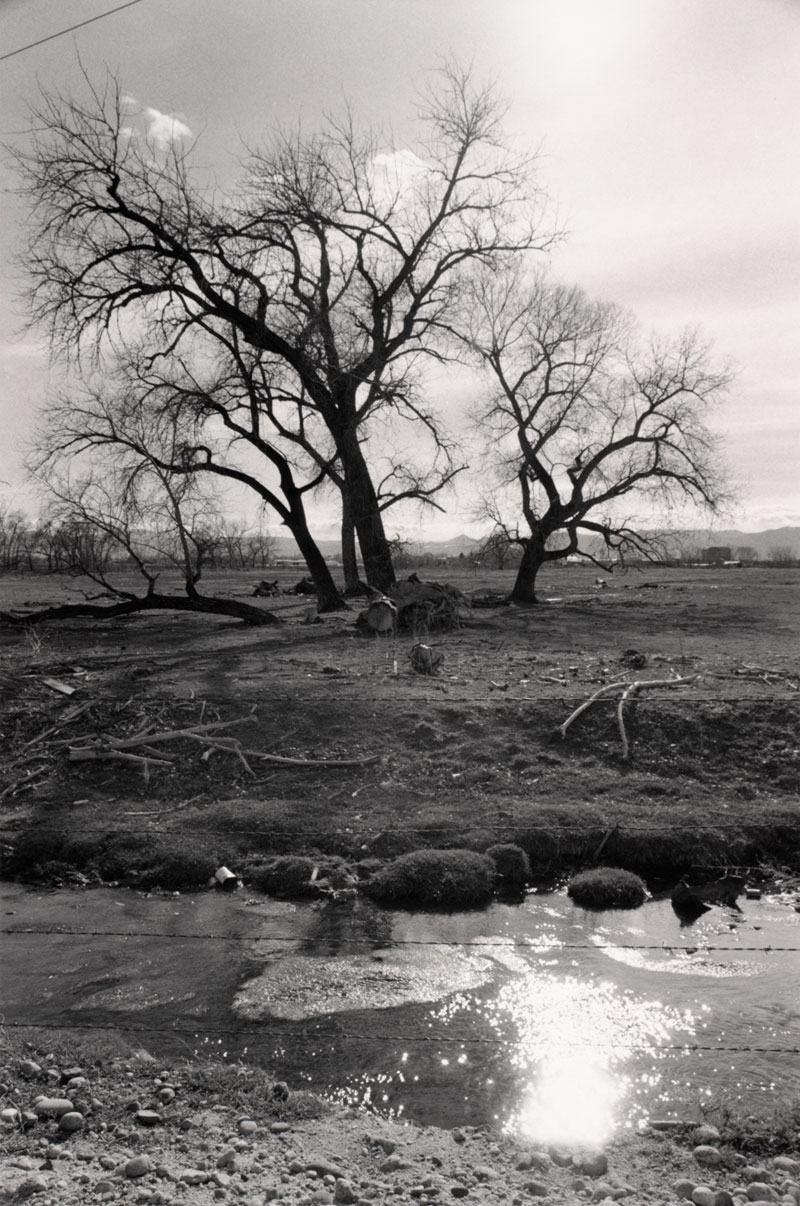
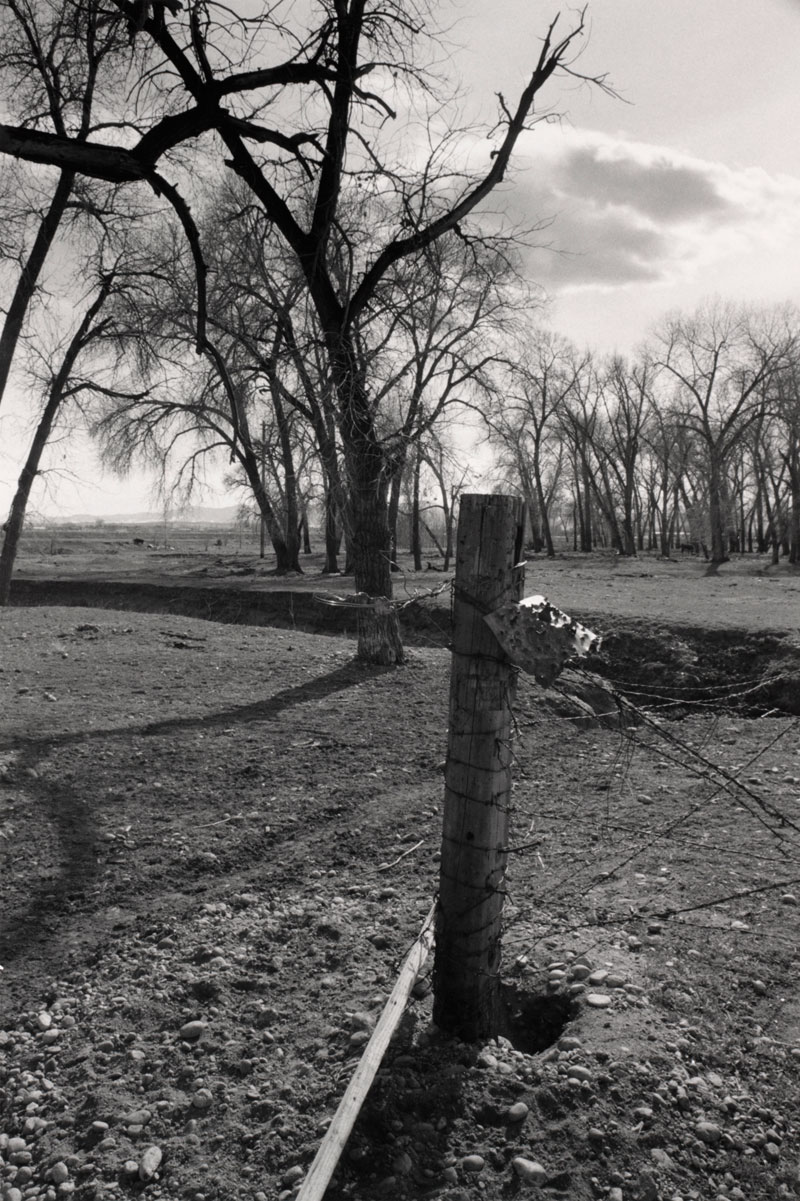
Robert Adams (American, b. 1937) Untitled from the series Listening to the River 1985-87 Gelatin silver print Yale University Art Gallery Purchased with a gift from Saundra B. Lane, a grant from the Trellis Fund, and the Janet and Simeon Braguin Fund
Vancouver Art Gallery 750 Hornby Street, Vancouver BC V6Z 2H7 Info Line: 604.662.4719
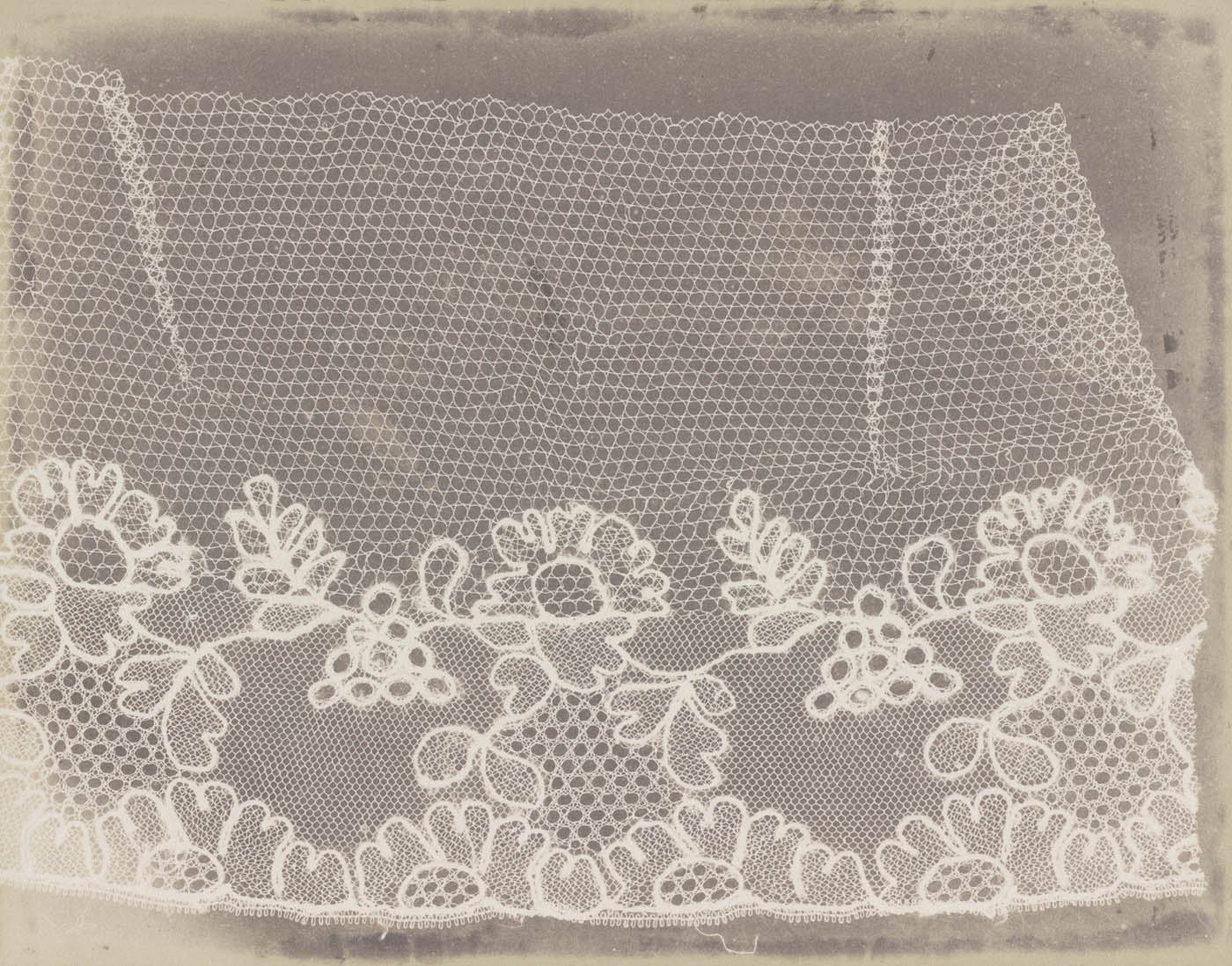
William Henry Fox Talbot (British, 1800-1877) Lace 1839-1844 Photogenic drawing (salted paper print) Sheet (trimmed to image): 17.1 x 22cm (6 3/4 x 8 11/16 in.) Support: 24.8 x 31.1cm (9 3/4 x 12 1/4 in.) National Gallery of Art, Washington Patrons’ Permanent Fund Public domain
Many thankx to Kate Afanasyeva and the National Gallery of Art for allowing me to reproduce the photographs from the exhibition below. Please click on the photographs for a larger version of the image.
Dr Marcus Bunyan
Anna Atkins (British, 1799-1871) Ferns, Specimen of Cyanotype 1840s cyanotype National Gallery of Art, Washington R.K. Mellon Family Foundation Fund
Albert Sands Southworth and Josiah Johnson Hawes The Letter c. 1850 daguerreotype National Gallery of Art, Washington Patrons’ Permanent Fund
Southworth and Hawes’ aspirations for their portraits went far beyond those of the average photographer of their day. Whereas most daguerreotypists, simply concerned with rendering a likeness, used stock poses, painted backdrops, and even head restraints to firmly fix their subjects, Southworth and Hawes were celebrated not just for their technical expertise, but also for their penetrating studies, innovative style, and creative use of natural light. They sought to elevate their subjects “far beyond common nature” and embody their “genius and spirit of poetry,” as Southworth wrote in 1871. “What is to be done is obliged to be done quickly. The whole character of the sitter is to be read at first sight; the whole likeness, as it shall appear when finished, is to be seen at first, in each and all its details, and in their unity and combination.”2
Among Southworth and Hawes’ most accomplished studies, The Letter is exceptional in its composition and mood. Most American daguerreotype portraits made in the 1840s and 1850s were frontal, bust-length studies of single figures who rarely show any kind of facial expression because of the often long exposure times. The Letter, however, is a highly evocative study. With its carefully constructed composition and tight pyramidal structure, it presents two thoughtful young women contemplating a letter. Through their posture and expression, these women seem to gain not only physical support from each other, but also emotional strength. Although the identity of the women is unknown, as is the content of the letter, this large and distinguished daguerreotype reflects Southworth and Hawes’ aspiration to capture “the life, the feeling, the mind, and the soul” of their subjects.3
(Text by Sarah Greenough, published in the National Gallery of Art exhibition catalogue, Art for the Nation, 2000)
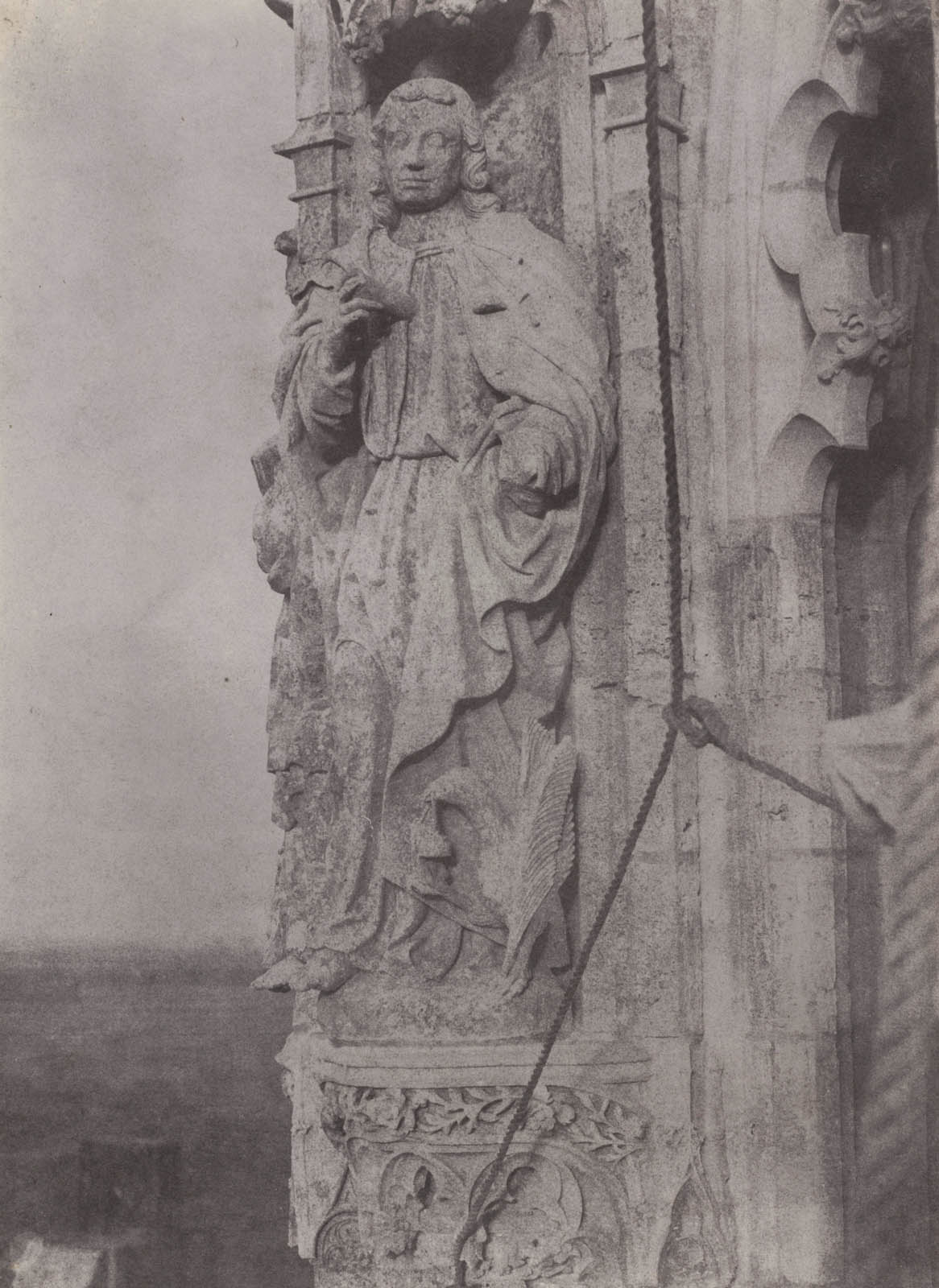
Charles Nègre (French, 1820-1880) Saint John the Evangelist, Chartres Cathedral c. 1854 Salted paper print from a paper negative National Gallery of Art, Washington Eugene L. and Marie-Louise Garbaty Fund, Pepita Milmore Memorial Fund and New Century Fund Public domain
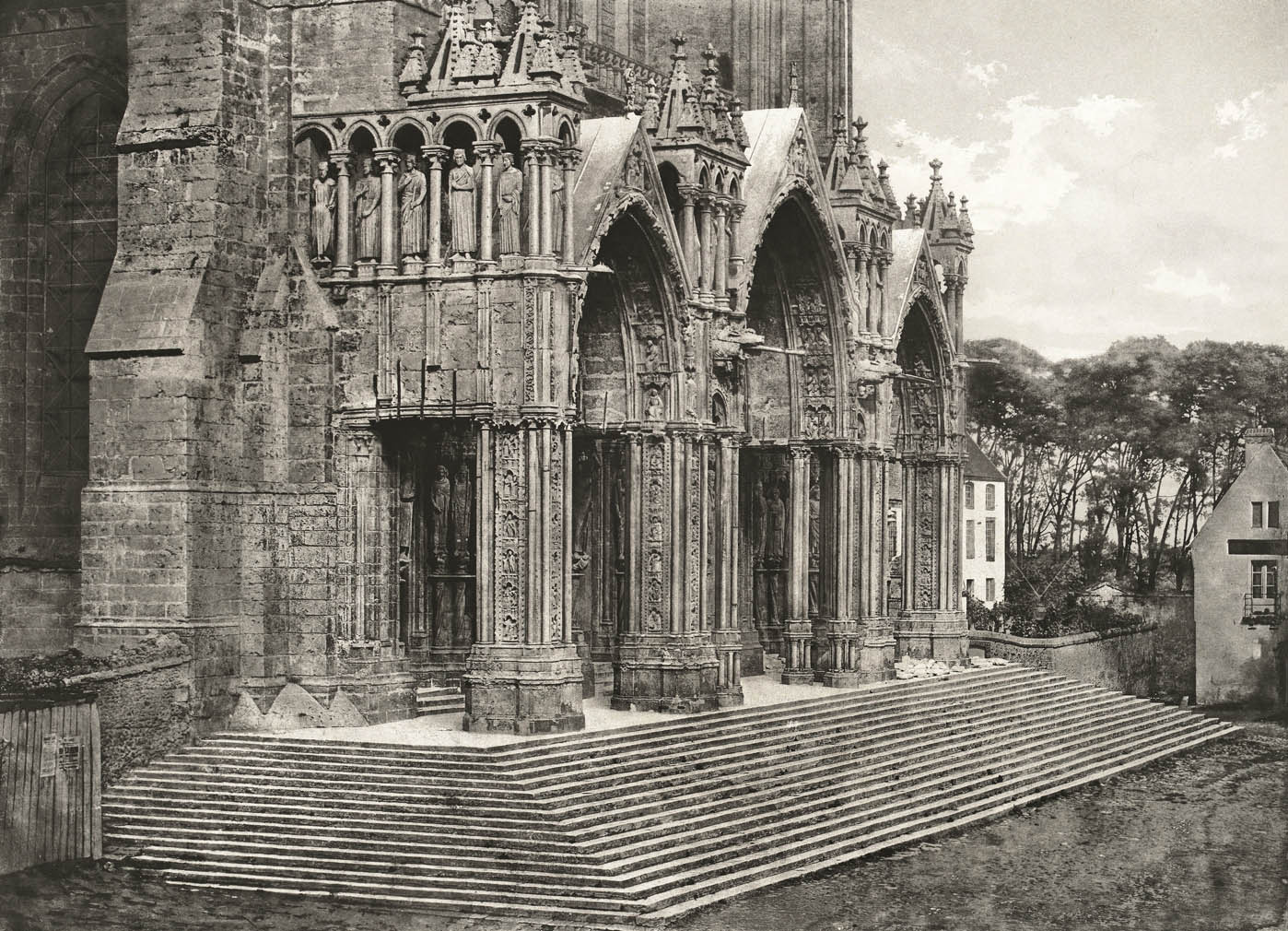
In 1851 the French government’s Commission des Monuments Historiques selected five photographers to document architectural treasures throughout the country. Nègre was not included, perhaps because he was a member of the opposition party, but he took it upon himself to photograph extensively in Marseilles, Arles, Avignon, and Aix-en-Provence in the early 1850s, and in 1854 he made many photographs of Chartres Cathedral.
Nègre applied his growing understanding of light, shadow, line, and form in Saint John the Evangelist, Chartres Cathedral, and the photograph beautifully illustrates his willingness to sacrifice “a few details,” as he wrote, to capture “an imposing effect.” In addition, unlike photographers associated with the Commission des Monuments Historiques, who were asked to provide general studies of a building’s façade, Nègre was free to explore more unusual views. The statue of Saint John the Evangelist is situated high in the north spire of Chartres, several feet above a nearby balcony. Although difficult to see and even harder for Nègre to record (he most likely perched his camera on a platform), the view in his photograph succinctly captured what he called the cathedral’s “real character” and “preserved the poetic charm that surrounded it.”
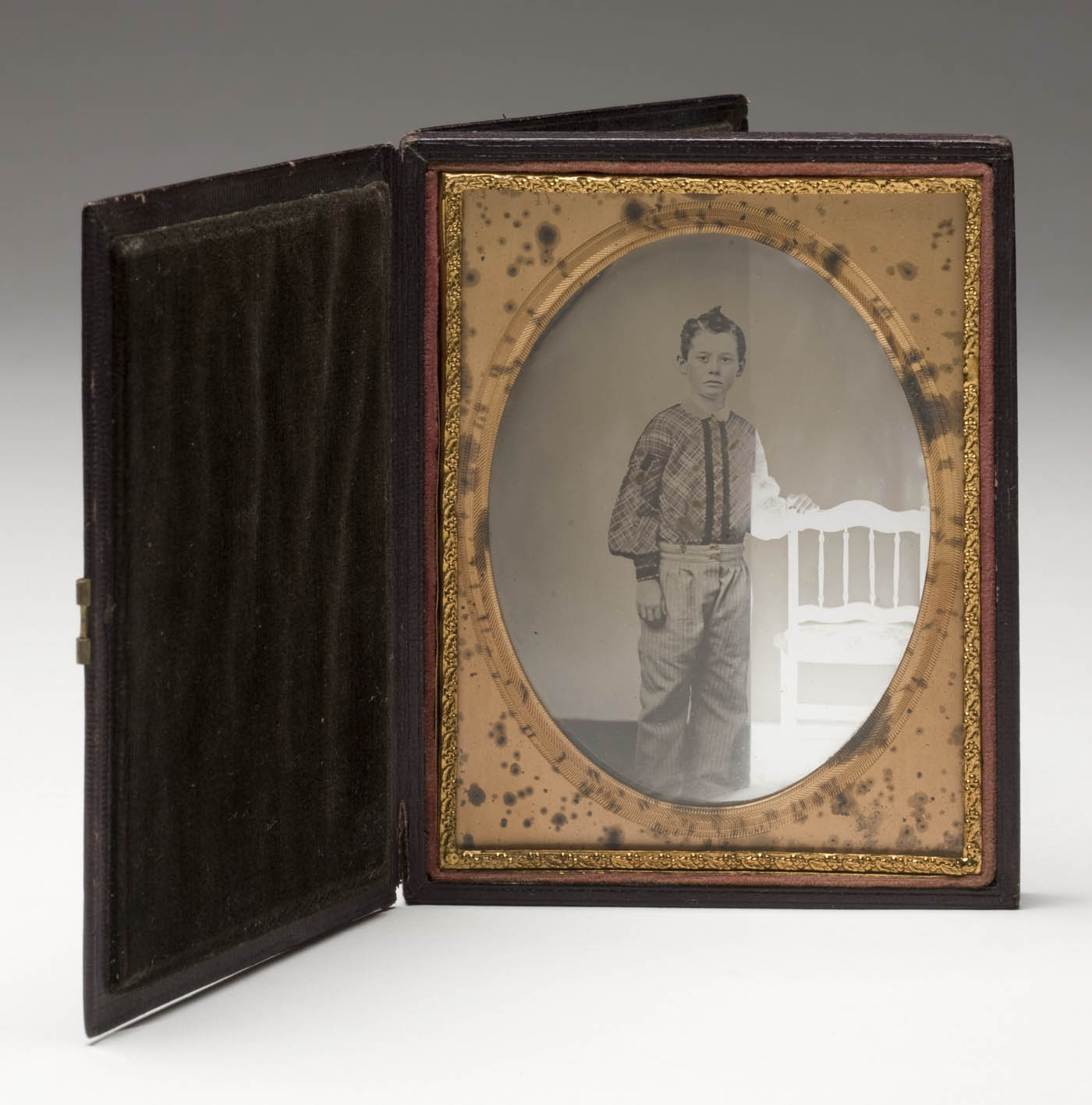
Unknown photographer (American 19th Century) George E. Lane, Jr. c. 1855 Ambrotype National Gallery of Art, Washington Gift of Kathleen, Melissa, and Pamela Stegeman Public domain
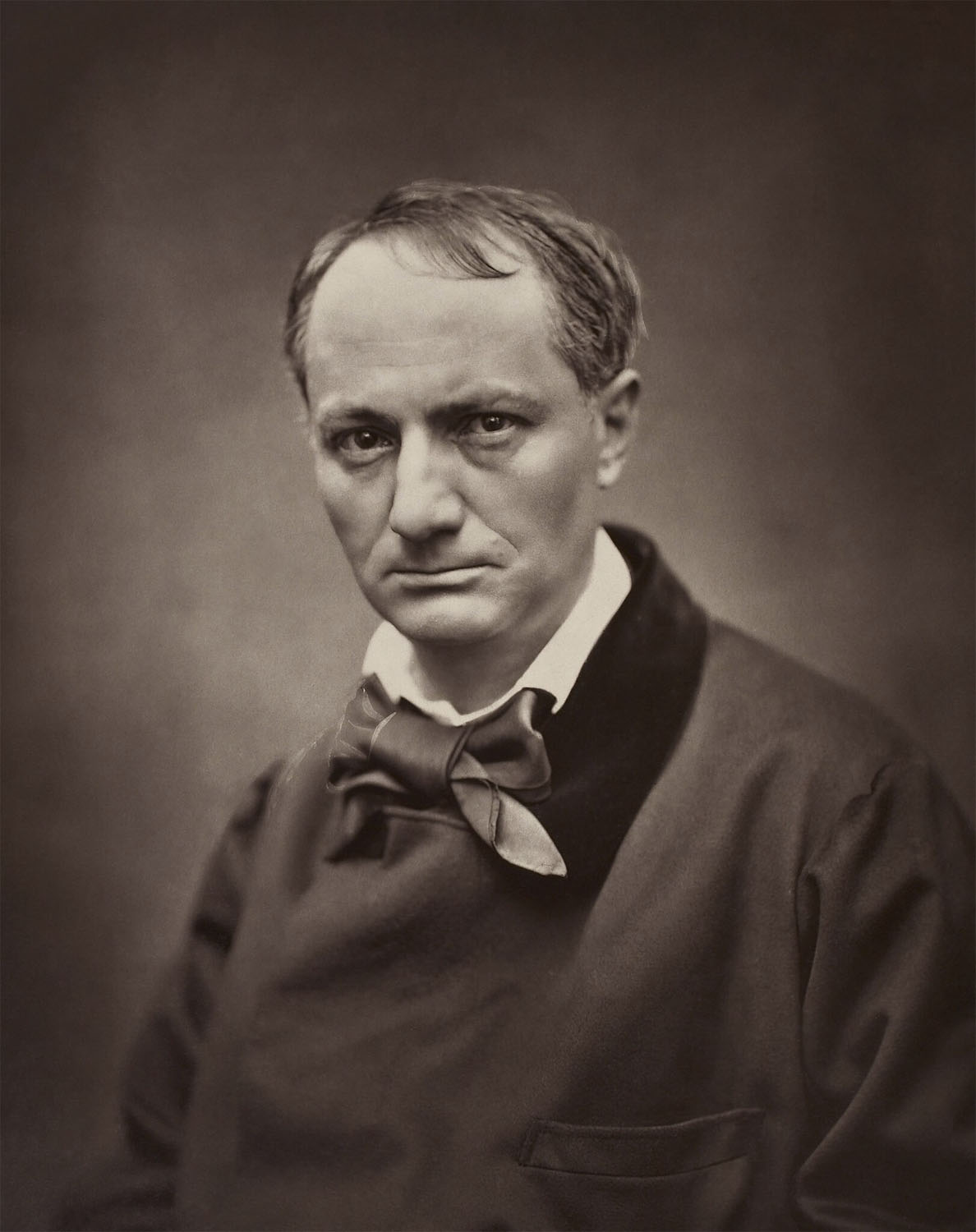
Étienne Carjat (French, 1828-1906) Charles Baudelaire 1861, printed 1877 Woodburytype National Gallery of Art, Washington Gift of Jacob Kainen Public domain
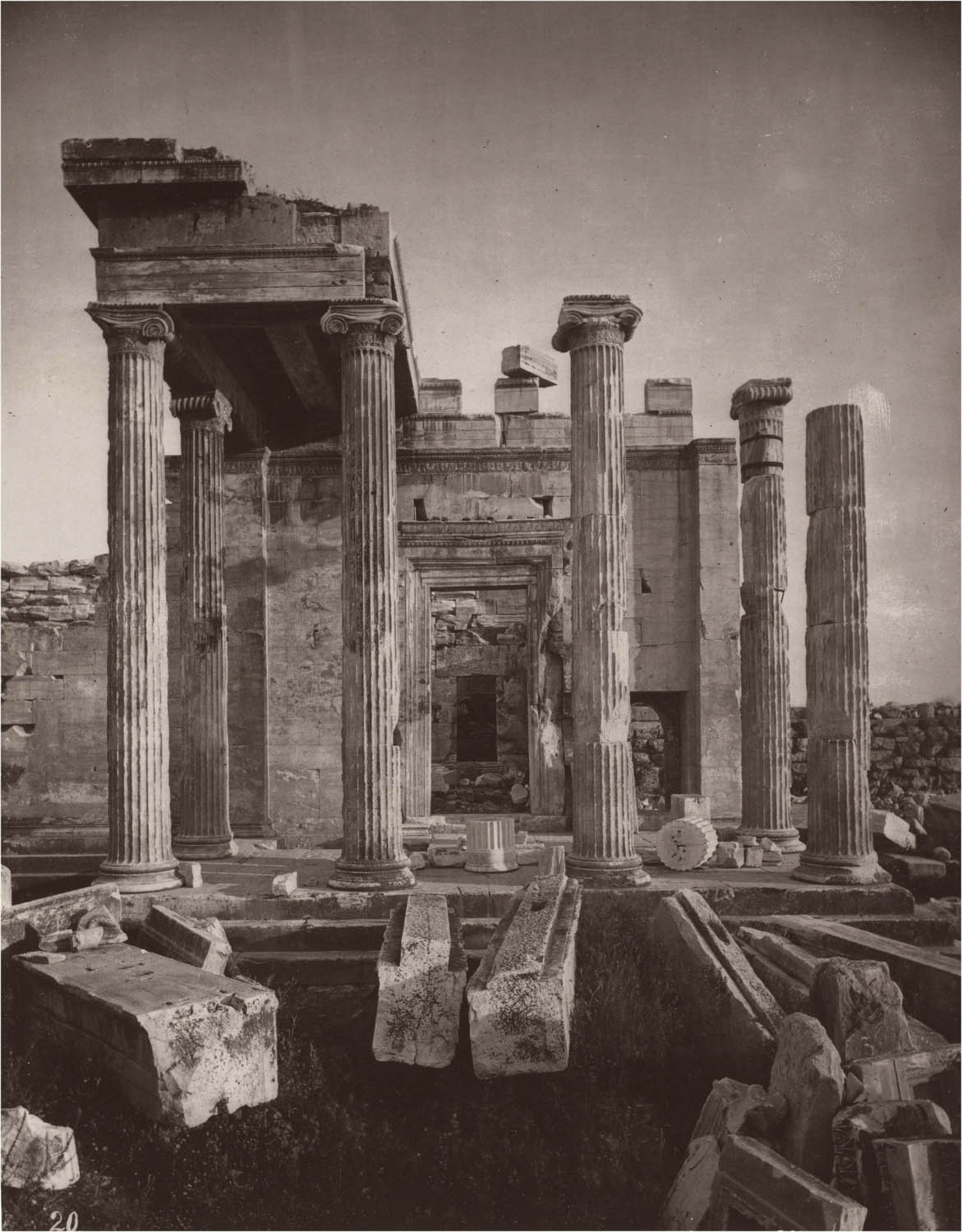
William James Stillman (American, 1828-1901) The Acropolis of Athens 1869/1870 Carbon print National Gallery of Art, Washington Horace W. Goldsmith Foundation through Robert and Joyce Menschel
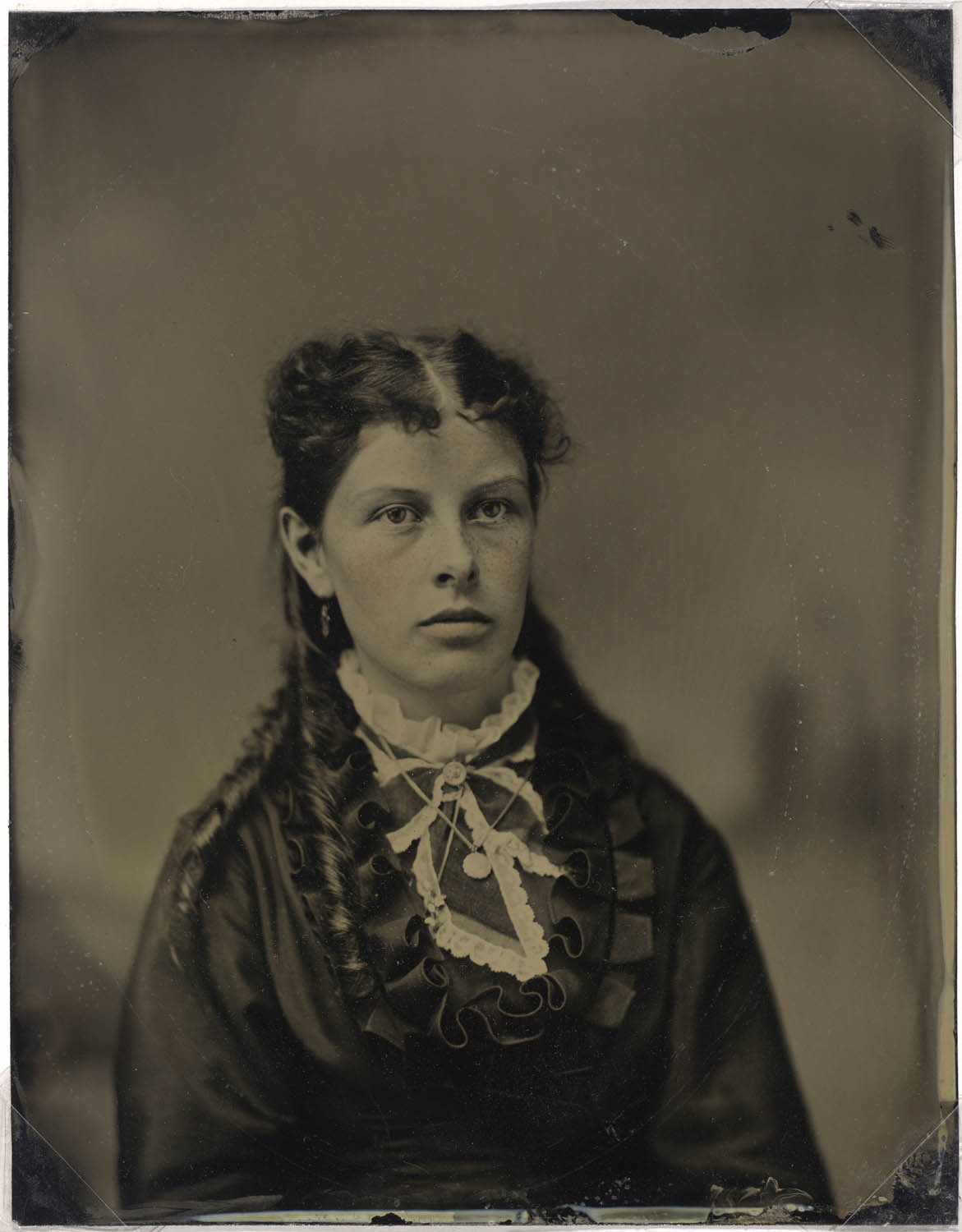
J.G. Ellinwood (American, 1844-1924) Portrait of a Woman c. 1870 Tintype, hand-coloured National Gallery of Art, Washington Mary and Dan Solomon Fund
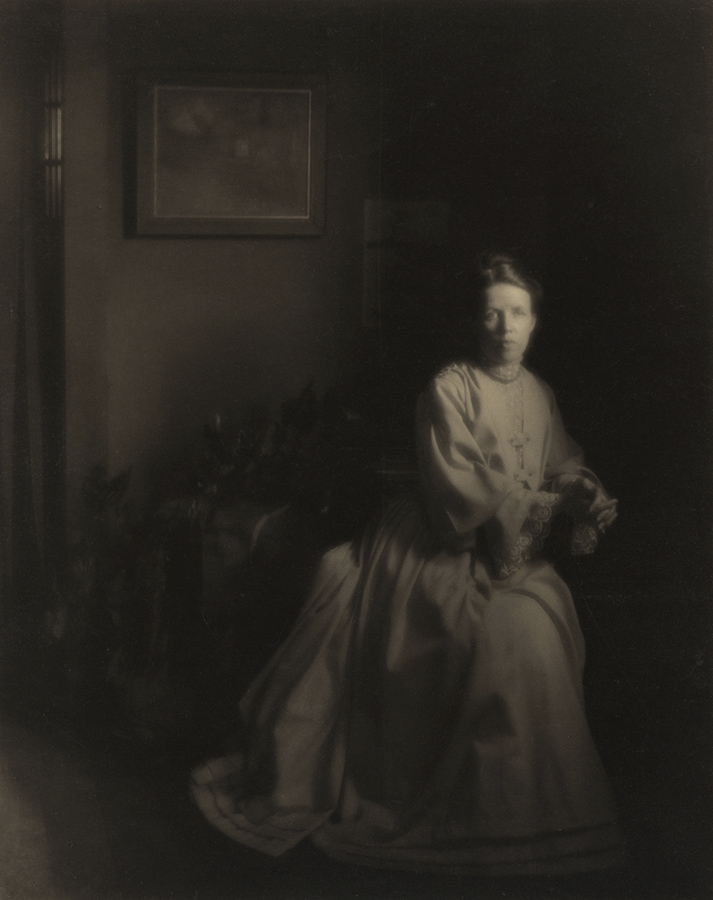
Clarence White (American, 1871-1925) Mrs. White – In the Studio 1907 platinum print National Gallery of Art, Washington Horace W. Goldsmith Foundation through Robert and Joyce Menschel and R.K. Mellon Family Foundation Fund
Karl Struss (American, 1886-1981) Columbia University, Night 1910 Gum dichromate over platinum print Image: 24.1 × 19.9cm (9 1/2 × 7 13/16 in.) National Gallery of Art, Washington Horace W. Goldsmith Foundation through Robert and Joyce Menschel
László Moholy-Nagy (Hungarian, 1895-1946) Untitled (Positive) c. 1922-1924 gelatin silver print National Gallery of Art, Washington Gift of The Circle of the National Gallery of Art
László Moholy-Nagy (Hungarian, 1895-1946) Untitled c. 1922-1924 gelatin silver print National Gallery of Art, Washington New Century Fund
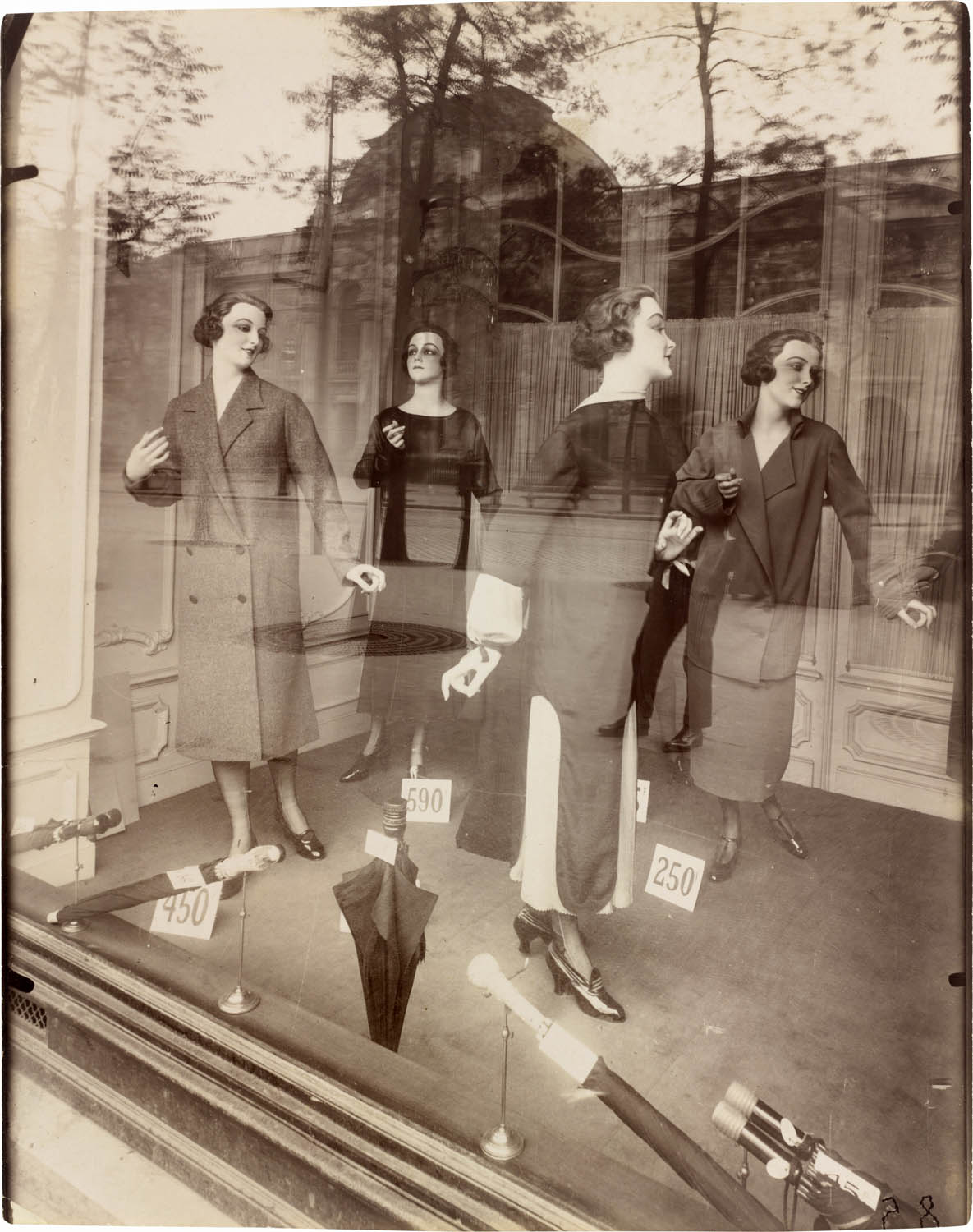
Eugène Atget (French, 1857-1927) Magasin, Avenue des Gobelins 1925 gelatin silver print, printed-out National Gallery of Art, Washington Patrons’ Permanent Fund Public domain
Aleksandr Rodchenko (Russian, 1891-1956) Pioneer with a Bugle 1930 Gelatin silver print National Gallery of Art, Washington Patrons’ Permanent Fund
Sid Grossman (American, 1913-1955) San Gennaro Festival, New York City 1948 gelatin silver print National Gallery of Art, Washington Anonymous Gift
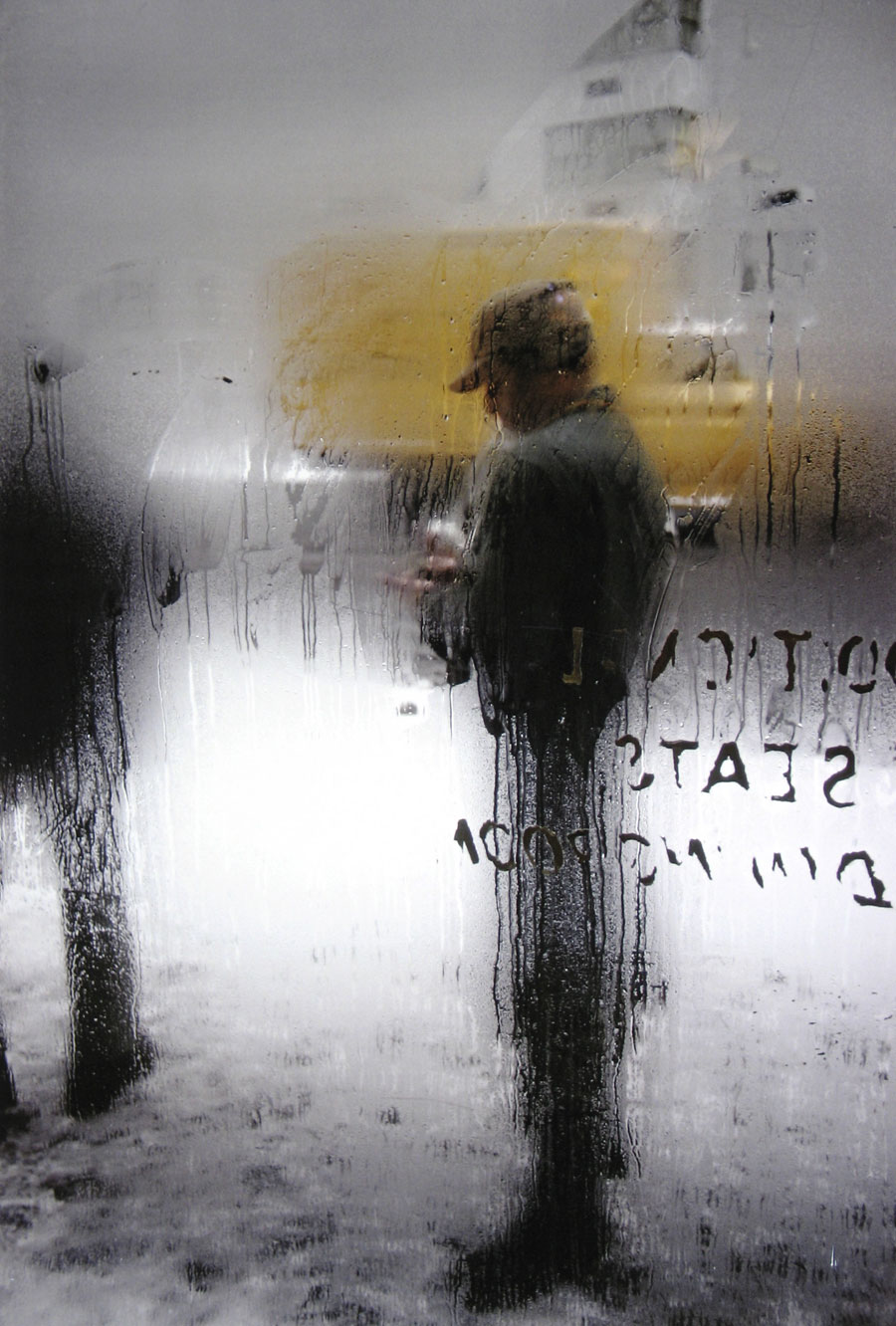
Saul Leiter (American, 1923-2013) Snow 1960, printed 2005 Chromogenic colour print National Gallery of Art, Washington Gift of Saul Leiter
Diane Arbus (American, 1923-1971) A Young Man in Curlers at Home on West 20th Street, N.Y.C., 1966 1966 Gelatin silver print National Gallery of Art, Washington Gift of the Collectors Committee
The extraordinary range and complexity of the photographic process is explored, from the origins of the medium in the 1840s up to the advent of digital photography at the end of the 20th century, in a comprehensive exhibition and its accompanying guidebook at the National Gallery of Art, Washington. On view in the West Building, from October 25, 2009 through March 14, 2010, In the Darkroom: Photographic Processes Before the Digital Age chronicles the major technological developments in the 170-year history of photography and presents the virtuosity of the medium’s practitioners. Drawn from the Gallery’s permanent collection are some 90 photographs – ranging from William Henry Fox Talbot’s images of the 1840s to Andy Warhol’s Polaroid prints of the 1980s.
“In the Darkroom and the accompanying guidebook provide a valuable overview of the medium as well as an introduction to the most commonly used photographic processes from its earliest days,” said Earl A. Powell III, director, National Gallery of Art.
In the Darkroom
Organised chronologically, the exhibition opens with Lace (1839-1844), a photogenic drawing by William Henry Fox Talbot. Made without the aid of a camera, the image was produced by placing a swath of lace onto a sheet of sensitised paper and then exposing it to light to yield a tonally reversed image.
Talbot’s greatest achievement – the invention of the first negative-positive photographic process – is also celebrated in this section with paper negatives by Charles Nègre and Baron Louis-Adolphe Humbert de Molard as well as salted paper prints made from paper negatives by Nègre, partners David Octavius Hill and Robert Adamson, and others.
The daguerreotype, the first publicly introduced photographic process and the most popular form of photography during the medium’s first decade, is represented by a selection of British and American works, including an exquisite large-plate work by the American photographers Albert Sands Southworth and Josiah Johnson Hawes (see photograph above). By the mid-1850s, the daguerreotype’s popularity was eclipsed by two new processes, the ambrotype and the tintype. These portable photographs on glass or metal were relatively inexpensive to produce and were especially popular for portraiture.
The year 1851 marked a turning point in photographic history with the introduction of the collodion negative on glass and the albumen print process. Most often paired together, this negative-print combination yielded lustrous prints with a subtle gradation of tones from dark to light and became the most common form of photography in the 19th century, seen here in works by Julia Margaret Cameron, Roger Fenton, and Gustave Le Gray.
Near the turn of the 20th century, a number of new, complex print processes emerged, such as platinum and palladium, gum dichromate, and bromoil. Often requiring significant manipulation by the hand of the artist, these processes were favoured by photographers such as Gertrude Käsebier, Alfred Stieglitz, and Edward Weston.
One of the most significant developments of the late 19th century was the introduction of gelatin into photographic processes, which led to the invention of the film negative and the gelatin silver print. These became the standard for 20th-century black-and-white photography. A chronological selection of gelatin silver prints, including a contact print made by André Kertész in 1912; a grainy, blurred image of Little Italy’s San Gennaro festival at night by Sid Grossman from 1948 (see photograph above); and a coolly precise industrial landscape by Frank Gohlke from 1975, reveals how the introduction of the film negative and changes in the gelatin silver print process profoundly shaped the direction of modern photography. This section also explores the development of ink-based, photomechanical processes such as photogravure, Woodburytype, and halftone that enabled the large-scale, high-quality reproduction of photographs in books and magazines.
The final section of the exhibition explores the rise of colour photography in the 20th century. Although the introduction of chromogenic colour processes made colour photography commercially viable by the 1930s, it was not widely employed by artists until the 1970s. The exhibition celebrates the pioneers of colour photography, including Harry Callahan and William Eggleston, who made exceptional work using the complicated dye transfer process. The exhibition also explores the range of processes developed by the Polaroid Corporation that provided instant gratification to the user, from Andy Warhol’s small SX-70 prints to the large-scale Polaroid prints represented by the work of contemporary photographer David Levinthal.
Press release from the National Gallery of Art website [Online] Cited 15/02/2010 no longer available online
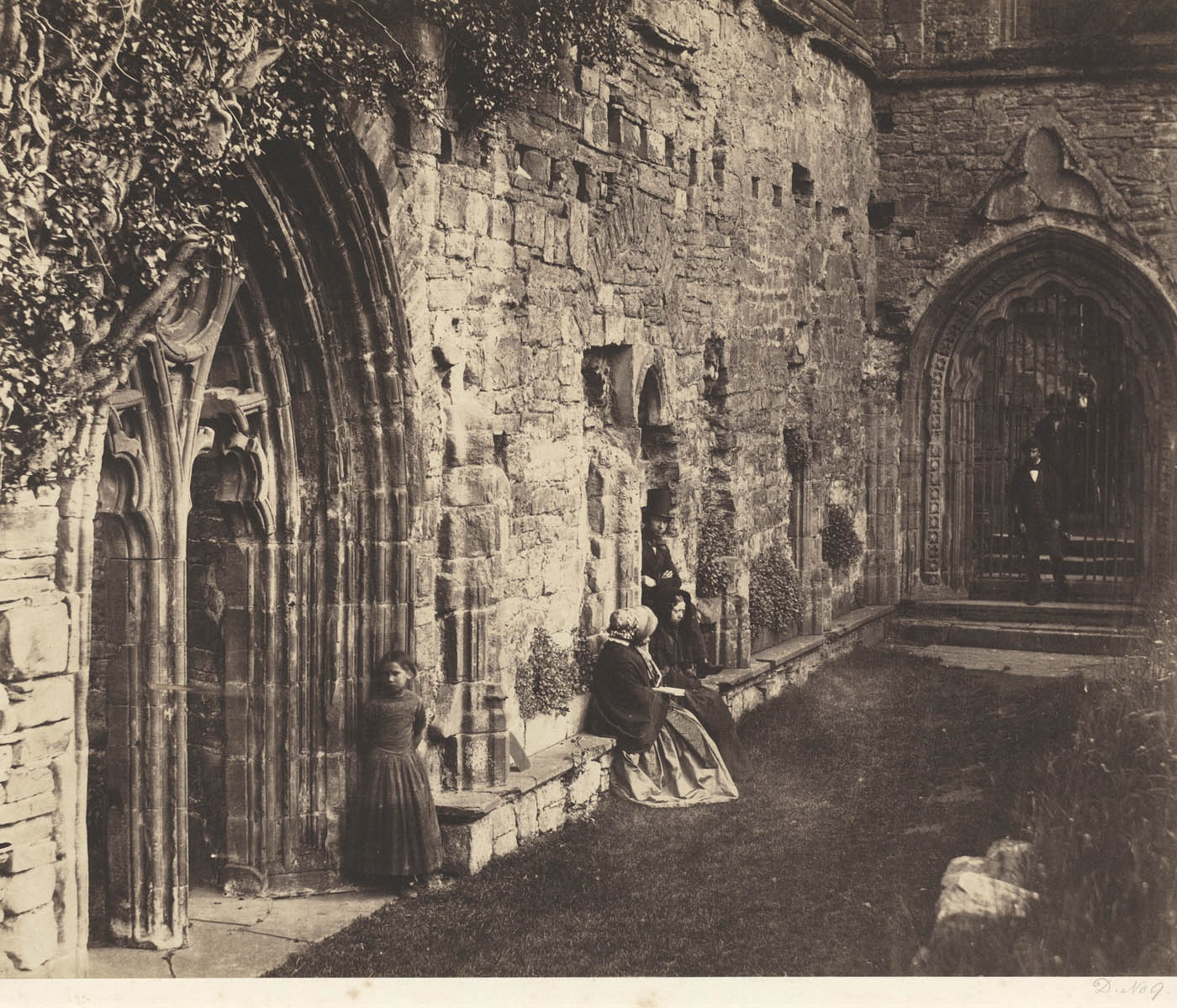
Roger Fenton (British, 1819-1869) The Cloisters, Tintern Abbey 1854 Salted paper print from a collodion negative 18.3 x 22.1cm (7 3/16 x 8 11/16 in.) National Gallery of Art, Washington Horace W. Goldsmith Foundation through Robert and Joyce Menschel Public domain
Although Roger Fenton’s photographic career lasted for only 11 years, he exerted a profound influence on the medium. Trained as a lawyer, he began to paint in the early 1840s, studying in Paris with Michel-Martin Drölling and later in London with Charles Lucy. But in 1851 he took up photography and produced a distinguished and varied body of work. He was a pivotal figure in the formation of the Photographic Society (later known as the Royal Photographic Society), garnering support from Queen Victoria and Prince Albert. He is best known for his 1855 photographs made during the Crimean War, among the first to document war. But he also made ambitious studies of English cathedrals, country houses, and landscapes as well as portraits of the royal family, a series of still lifes, and studies of figures in Asian costume.
When Fenton first began to make photographs, he generally posed figures in a fairly stiff, even anecdotal manner. But in 1854 he began to use figures to create a sense of tension at once intriguing and compelling. The Cloisters, Tintern Abbey shows this more dynamic approach. Fenton placed people in three groups, not interacting with one another but engaging in silent and solitary dialogue with their decaying surroundings. Tintern Abbey had, of course, inspired many artists and poets to reflect on both “the life of things” – as William Wordsworth wrote in his 1798 poem, “Lines Composed a Few Miles above Tintern Abbey” – and on the transitory nature of life itself.
Charles Nègre (French, 1820-1880) Cathédrale de Chartres – Portique du Midi XIIe Siècle (Chartres Cathedral, South Portal, 12th Century) c. 1854, printed c. 1857 photogravure National Gallery of Art, Washington William and Sarah Walton Fund
Roger Fenton (British, 1819-1869) Fruit and Flowers 1860 Albumen print from a collodion negative National Gallery of Art, Washington Paul Mellon Fund public domain
In the summer of 1860 Fenton made his most deliberate and exacting photographs to date: a series of still lifes. Although the subject obviously had its roots in painting, his densely packed compositions are far removed from the renditions of everyday life by the Dutch masters. Instead, Fenton extravagantly piled luscious fruits and intricately patterned flowers on top of one another and pushed them to the front of his composition so that they seem almost ready to tumble out of the photograph into the viewer’s space. It is that very immediacy – the precarious composition, the lush sensuousness of the objects, and our knowledge of their imminent decay – that makes these photographs so striking.
Gustave Le Gray (French, 1820-1884) Cavalry Maneuvers behind barrier, Camp de Châlons 1857 Albumen silver print from glass negative National Gallery of Art, Washington
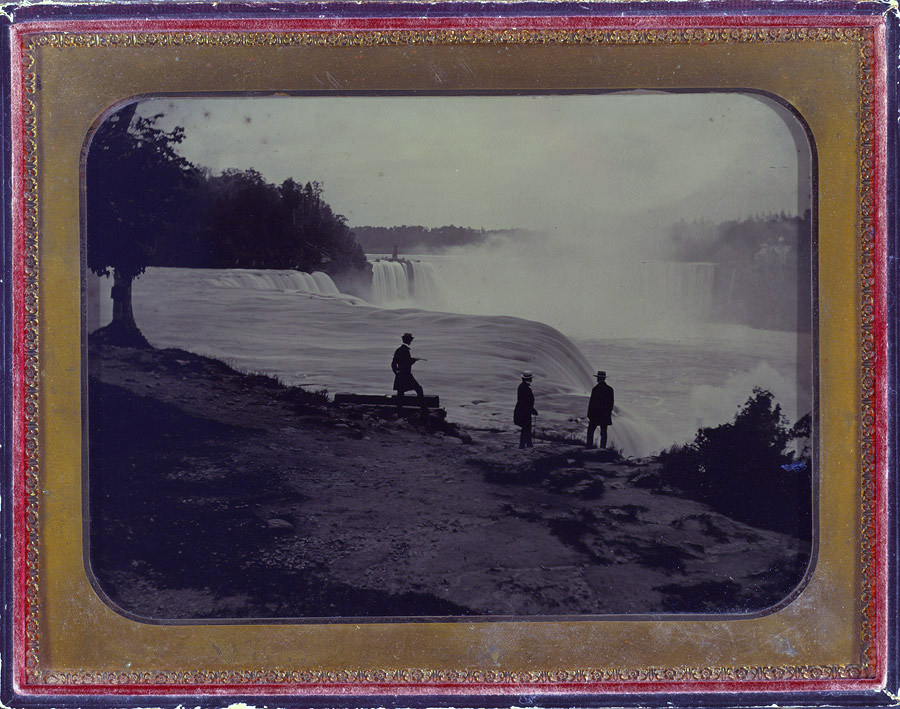
Platt D. Babbitt (American, 1822-1879) Niagara Falls c. 1860 Ambrotype National Gallery of Art, Washington Vital Projects Fund
Alfred Stieglitz (American, 1864-1946) The Terminal 1893, printed 1920s/1930s Gelatin silver print National Gallery of Art, Washington Alfred Stieglitz Collection
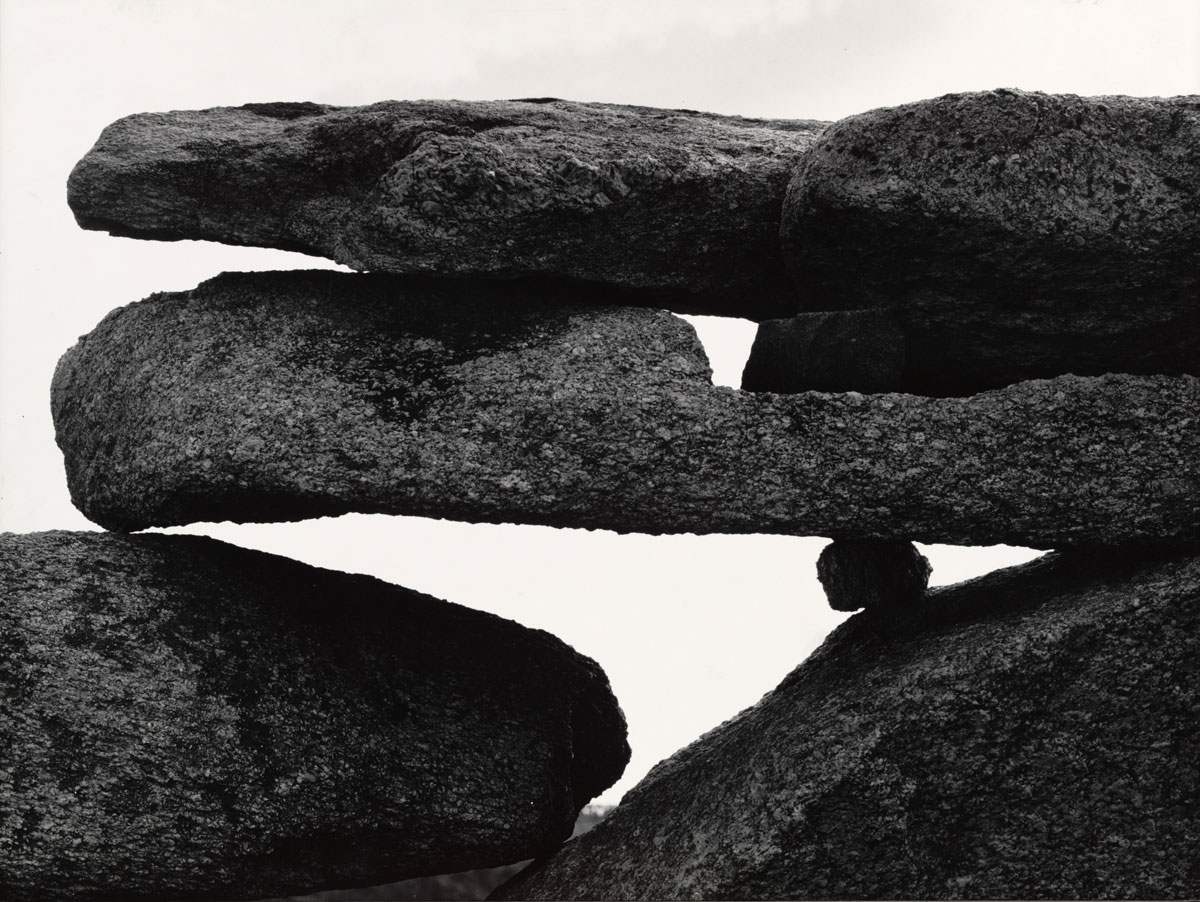
Aaron Siskind (American, 1903-1991) Martha’s Vineyard 108 1954 Gelatin silver print National Gallery of Art, Washington Diana and Mallory Walker Fund
Dave Heath (Canadian, born United States, 1931-2016) Hastings-on-Hudson, New York 1963 Gelatin silver print National Gallery of Art, Washington Gift of Howard Greenberg
William Eggleston (American, b. 1939) Untitled (Car in Parking Lot) 1973 Dye imbibition print National Gallery of Art, Washington Anonymous Gift
Harry Callahan (American, 1912-1999) Providence 1977 Dye transfer print
Robert Adams (American, b. 1937) Summer Nights #2 (Longmont, Colorado) 1979 Gelatin silver print National Gallery of Art, Washington Gift of Mary and David Robinson
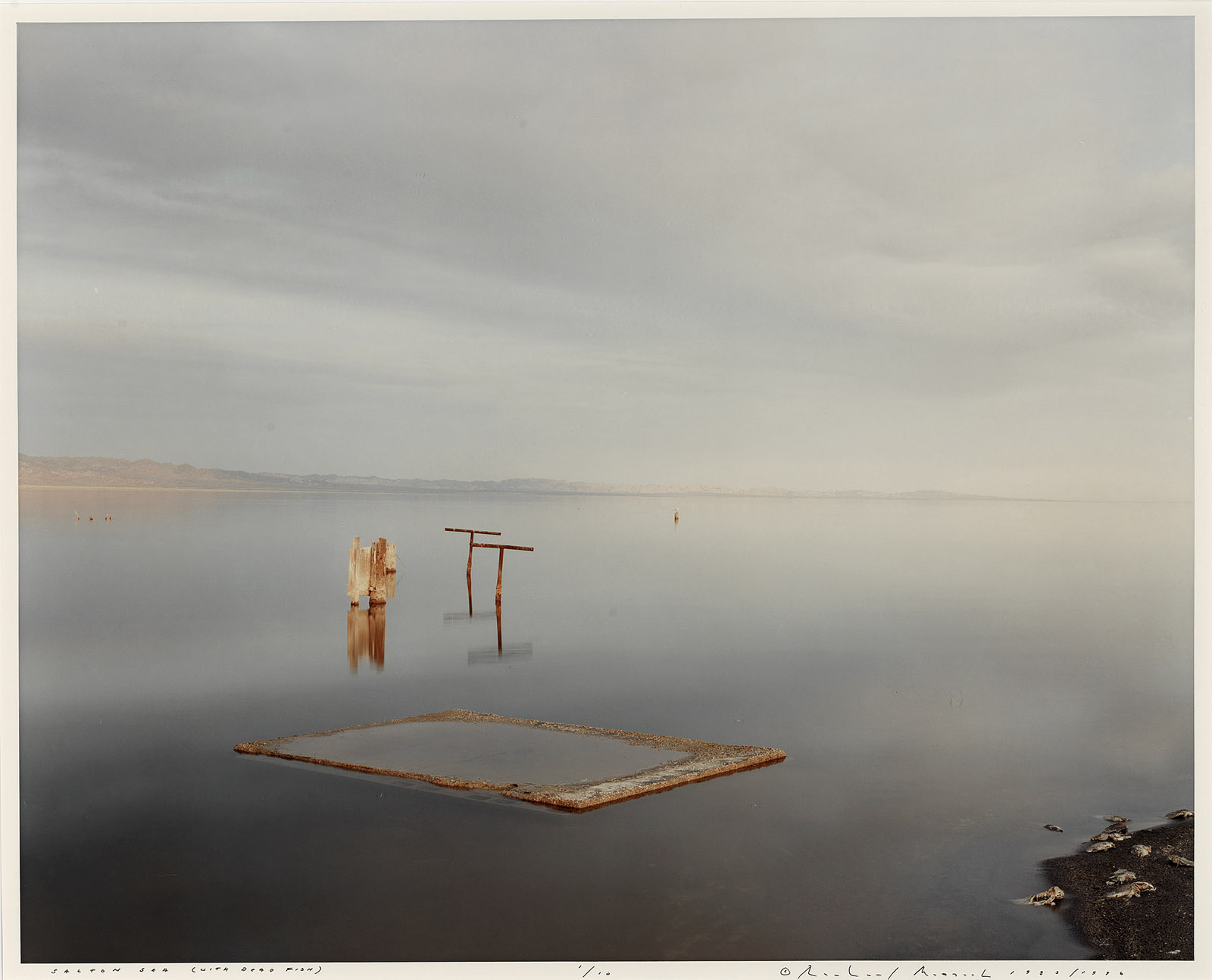
Richard Misrach (American, b. 1949) Dead Fish, Salton Sea, California 1983, printed 1997 Chromogenic colour print National Gallery of Art, Washington Anonymous Gift
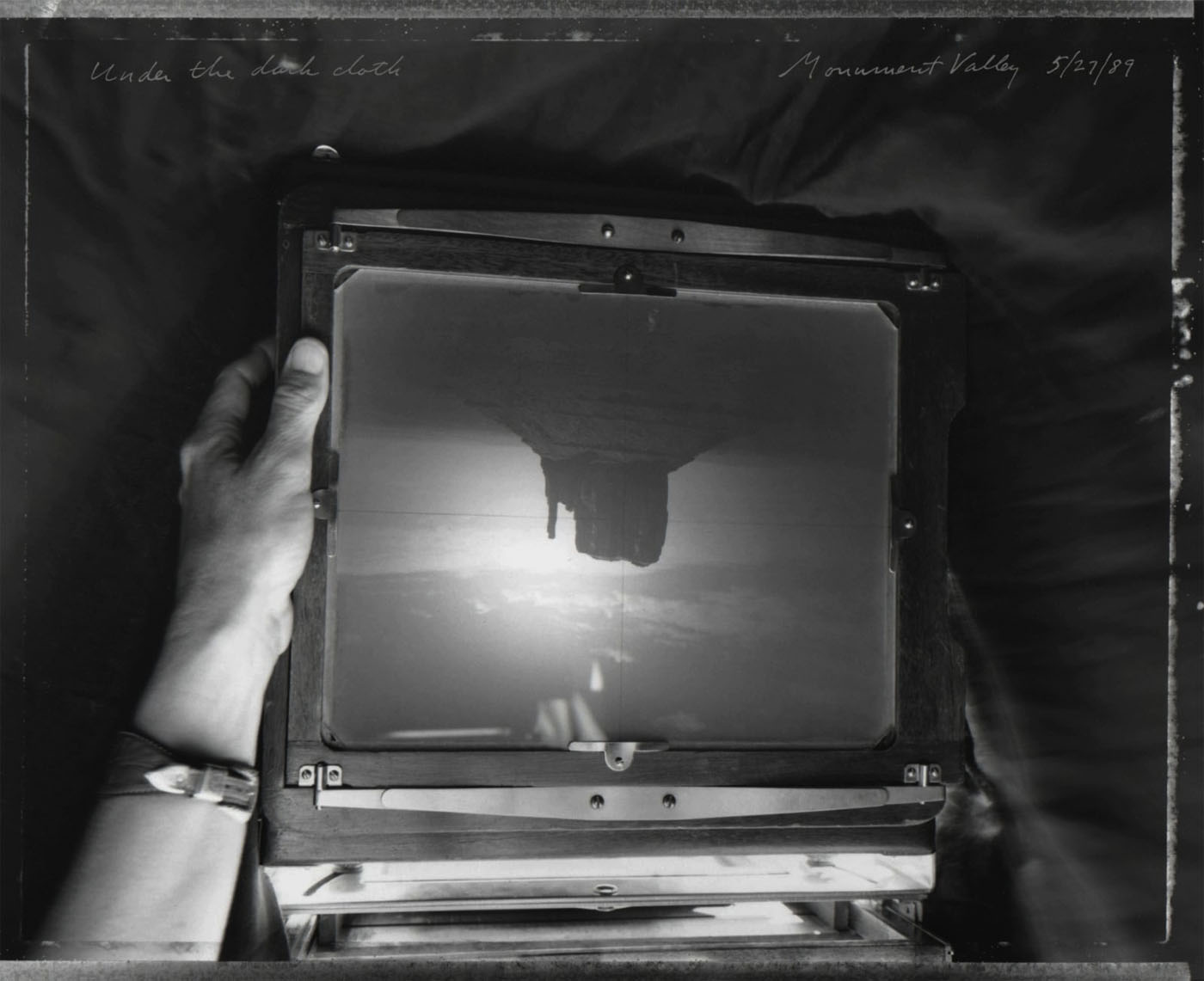
Mark Klett (American, b. 1952) Under the Dark Cloth, Monument Valley, May 27 1989 Gelatin silver print from Polaroid instant film negative National Gallery of Art, Washington Gift of the Collectors Committee
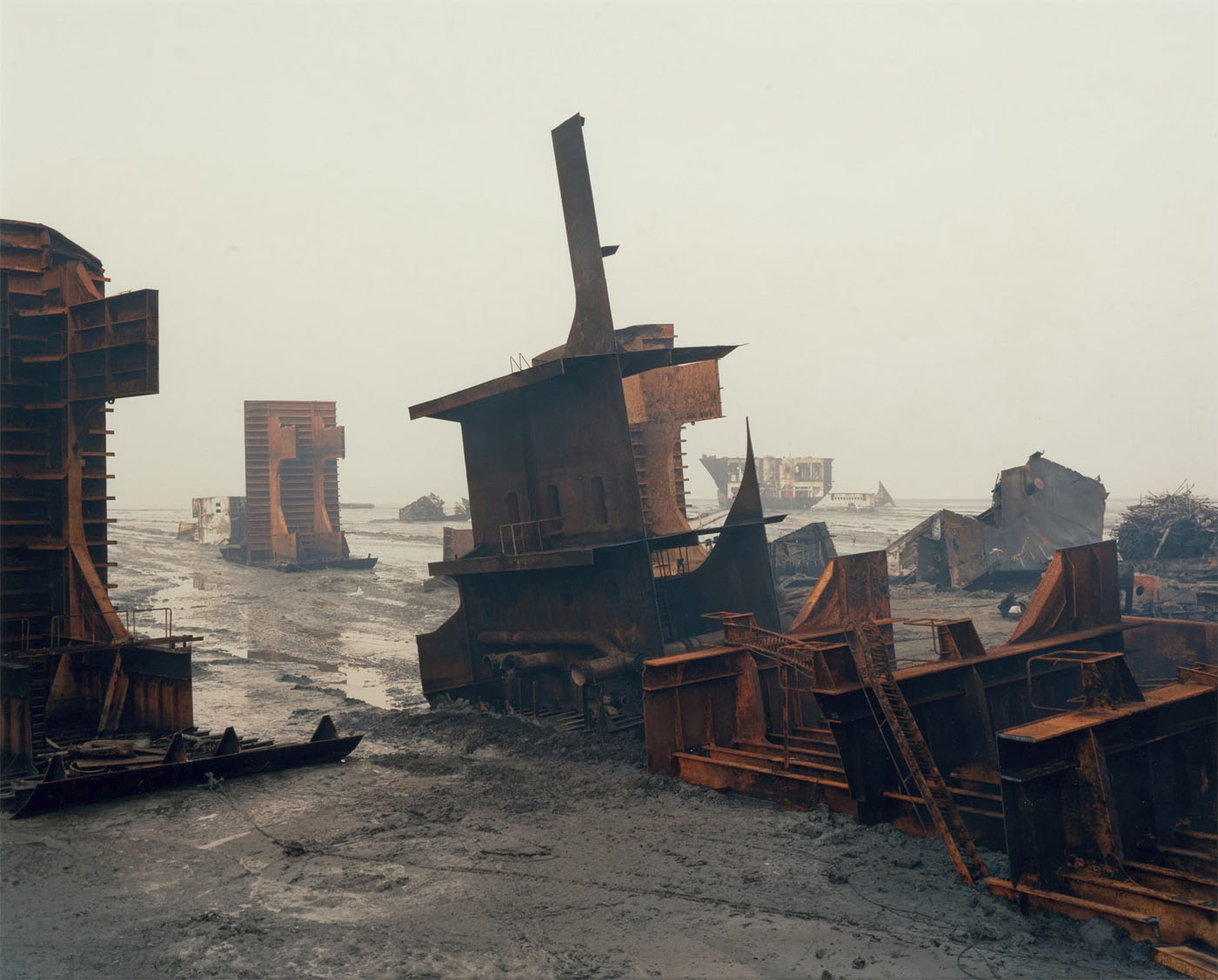
Edward Burtynsky (Canadian, b. 1955) Shipbreaking #10, Chittagong, Bangladesh 2000, printed 2001 Chromogenic colour print National Gallery of Art, Washington Fund for Living Photographers
The National Gallery of Art, Washington, DC
The National Gallery of Art, located on the National Mall between 3rd and 7th Streets at Constitution Avenue NW.
Curator: Eva Respini, Associate Curator, Department of Photography, The Museum of Modern Art
Carelton Watkins (American, 1829-1916) Views from the Sentinel Dome, Yosemite 1865-1866 Albumen silver prints from glass negatives Museum of Modern Art, New York
The Museum of Modern Art presents Into the Sunset: Photography’s Image of the American West, a survey of 138 photographic works dating from 1850 to 2008 that chart the West’s complex, rich, and often compelling mythology via photography. The exploration of a large part of the American West in the mid-nineteenth century by European Americans coincided with the advent of photography, and photography and the West came of age together. The region’s seemingly infinite bounty and endless potential symbolised America as a whole, and photography, with its ability to construct persuasive and seductive images, was the perfect medium with which to forge a national identity. This relationship has resulted in a complex association that shapes the perception of the West’s social and physical landscape to this day. With political, cultural, and social attitudes constantly shifting in the region over the last 150 years, Into the Sunset further examines the way photographers have responded to these changes. The exhibition is organised by Eva Respini, Associate Curator, Department of Photography, The Museum of Modern Art, and is on view in the Special Exhibitions Gallery on the third floor from March 29 to June 8, 2009.
Organised thematically rather than chronologically, Into the Sunset brings together the work of over 70 photographers, including Robert Adams, John Baldessari, Dorothea Lange, Timothy O’Sullivan, Cindy Sherman, Joel Sternfeld, Carleton E. Watkins, and Edward Weston, among others. The exhibition draws extensively from MoMA’s collection, along with private and public collections in the United States, and features new acquisitions from Adam Bartos, Katy Grannan, and Dennis Hopper, with each work also on view for the first time at the Museum.
Ms. Respini states: “Ranging from grand depictions of paradise to industrial development, from pictures taken on the road to prosaic suburban scenes, the photographs included in Into the Sunset do not all picture the West from the same point of view, or even perhaps, picture the same West. Rather, each is one part in a continually shifting and evolving composite image of a region that has itself been growing and changing since the opening of the frontier.”
Into the Sunset begins with the birth of photography and the American West. In the mid-nineteenth century, the region’s seemingly infinite bounty and endless potential symbolised America as a whole, and Carleton E. Watkins (American, 1829-1916) captured the grand depictions of an American paradise in his photographs of Yosemite Valley in California. Arguably the world’s first renowned landscape photographer, Watkins made his first photographs there in 1861 – large sized prints made with an 18-by-22-inch mammoth plate camera, well suited to the grandeur of the land. Included are the three contiguous photographs that make up his extraordinarily detailed View from the Sentinel Dome (1865-1866).
The exhibition balances the early work of landscape photographers with the twentieth century focus on the failure of the West’s promised bounty. In Joel Sternfeld’s (American, b. 1944) After a Flash Flood, Rancho Mirage, California (1979), the photographer documents the impact of a natural disaster, specifically a landslide, shot with neutral tones softly camouflaging the extent of flash flood on this suburban neighbourhood. And in Karin Apollonia Müller’s (German, b. 1963) Civitas (1997), the photographer shows a very different view of California than that of Watkins, with Müller revealing a contemporary Los Angeles as a littered wasteland of freeways and anonymous glass towers.
As highways and interstate travel became more prevalent, the automobile and the open road became synonymous with the region, with Edward Weston (American, 1886-1958) as the first great photographer of these open roads. Included is Weston’s iconic Hot Coffee, Mojave Desert (1937), a humorous black-and-white photograph of a road sign revealing a greater thematic shift to the highway and its signage as an inescapable element in picturing the West in the twentieth century.
Once the West became more populated, photographers began to showcase humans’ effects on the land, including images of industrial development. In the 1950s William Garnett (American, 1916-2006) was hired by a real estate company to record the efficiency of mass-produced housing. For this series, Lakewood, California (1950), Garnett took photographs of the neighbourhood from an airplane, resulting in images that are completely devoid of people and focus on the progress of mass-produced construction. However, the series subsequently came to represent all that was wrong with such development and the massive sprawl of the West in the eyes of its critics.
Photographs of the people of the West represent a diversity of archetypes: gold miners and loggers, Native Americans, cowboys, suburbanites, city dwellers, starlets, dreamers, and drifters. Into the Sunset explores these archetypes, and their mutability into the twenty-first century. Included is Half Indian / Half Mexican (1991), from the photographer James Luna (Native American, Pooyukitchum / Luiseno, b. 1950), an artist of Native American ancestry. This tongue-in-cheek self-portrait captures in profile both an identity photograph and a mug shot, and works as a counterpoint to the tokenised portrayals of Native Americans from the past 150 years.
A similar reevaluation of past archetypes occurs in Richard Prince’s (American, b. 1949) Cowboy series from 1980, with one work from the series included in the exhibition. For that series Prince famously photographed Marlboro advertisements, cutting out the text, cropping the images, and enlarging them, highlighting the artifice of the virile image of the cowboy and its potency as a deeply ingrained figure in American mythology.
The suburbs and their inhabitants have been a rich subject for photographers of the West, and included are Larry Sultan’s (American, b. 1946) Film Stills from the Sultan Family Home Movies (1943-1972), in which Sultan chose individual frames from his family’s home movies and enlarged them. Although the images feature the activities that epitomise suburban life, a sense of unease lurks beneath the surface of these images; cropped and grainy, they resemble surveillance or evidence photographs.
Into the Sunset concludes with the theme of the failed promise of Western migration. Dorothea Lange’s well-known 1936 photograph Migrant Mother, Nipomo, California, photographed when Lange was employed by the Farm Security Administration, is included and documents the conditions of the West in rural areas during the Great Depression. Her photographs had a humanist purpose and resulted in putting a face on the hardships of that era.
This tradition of capturing the downtrodden of the West continues into this century with Katy Grannan (American, b. 1969), a photographer who recently completed a series of new pioneers, individuals struggling to define themselves in the West of today. In Nicole, Crissy Field Parking Lot (I) (2006), a woman, “Nicole,” poses seductively on a gravel parking lot, with her makeup-streaked face and harsh light alluding to her perilous existence on the fringe of society.”
Text from the MoMA website [Online] Cited 12/04/2009. No longer available online
Many thankx to MoMA for allowing me to publish the photographs in the posting. Please click on the photographs for a larger version of the image.
Installation view of the exhibition Into the Sunset: Photography’s Image of the American West at The Museum of Modern Art (MoMA), New York showing Ed Ruscha’s Every Building on the Sunset Strip 1966
Joel Sternfeld (American, b. 1944) After a Flash Flood, Rancho Mirage, California 1979 Chromogenic colour print, printed 1987 15 15/16 x 20″ (40.5 x 50.8cm) Museum of Modern Art, New York Gift of Beth Goldberg Nash and Joshua Nash
During the 1970s, Joel Sternfeld’s work reflected a trend towards a newly dispassionate, less idealised approach to nature and culture. His photographs have a seductive beauty, even though they often focus on those places where the natural and man-made worlds come together in uncomfortable ways. Working with a large-format camera and luminous colour to create images that are frequently ironic or even humorous, his compositions appear simple but in fact are surprisingly complex and often unsettling. In this photograph of a suburban California neighbourhood in the aftermath of a flash flood, the lovely monochrome tones trick us into not immediately seeing the car that has toppled into the gaping sinkhole or realising that the buildings above could be on the verge of falling, too.
“I was hired commercially to illustrate the growth of that housing project. I didn’t approve of what they were doing. Seventeen thousand houses with five floor plans, and they all looked alike, and there was not a tree in sight when they got through.”
“I was discharged and heard you could hitchhike on the transport taking GIs home. The airplane was full, but the captain let me sit in the navigator’s seat so I had a command view. I was amazed at the variety and beauty of these United States. I had never seen anything like that – in a book, in school, or since then. So I changed my career.”
William A. Garnett
Lakewood, located on the outskirts of Los Angeles, was the location for the second major postwar housing development built in the United States. Some 17,500 tract houses were constructed assembly-line style on 3,500 acres of cleared farmland. Mass production made the houses affordable, so a greater number of people could take part in the American dream of home ownership. The developers hired William Garnett to document different phases of the subdivision’s construction from his Cessna airplane. He often photographed his subjects early in the day, so the angled light would emphasise their otherwise flat-looking forms. The photographs serve a utilitarian purpose but also demonstrate Garnett’s impeccable sense of design. In Trenching Lakewood, California, stacked lumber appears for the foundations, utility poles are installed, and the main roads are carved out. …
William Garnett took his first cross-country flight after serving as a United States Army Signal Corps cameraman during World War II. What he saw below inspired him to learn how to pilot a plane so he could photograph the American landscape. Garnett’s aerial photographs resemble abstract expressionist paintings or views through a microscope. As landscapes, they do not have the conventional grounding of a horizon line. All reveal astonishing patterns that are not seen from the ground. Garnett honed his elegant design sensibility well before earning a pilot’s license. Before the war, he attended Art Center College of Design in Los Angeles. Later, he headed the Pasadena Police Department’s photography lab. In the 1940s and 1950s, he began to rack up flying hours around Los Angeles, speaking out about the area’s increasing air pollution. He illustrated Nathaniel Owings’s American Aesthetic, a book about land-use practices. During ten thousand hours of flying, Garnett simultaneously piloted a plane while photographing out the window – traveling above every state and many parts of the world. His light 1956 Cessna plane allowed him to fly to just the right location to capture subjects with precision. At first, he experimented with a variety of camera formats and films but found that two 35mm cameras (one loaded with black-and-white film, the other with colour film) best suited his needs. Garnett’s work defies the stereotype of aerial photography as purely scientific and devoid of artistry. He became the first aerial photographer to earn a prestigious Guggenheim fellowship.
Anonymous. “Historical Witness, Social Messaging,” from the J. Paul Getty Museum Education Department [Online] Cited 13/01/2019
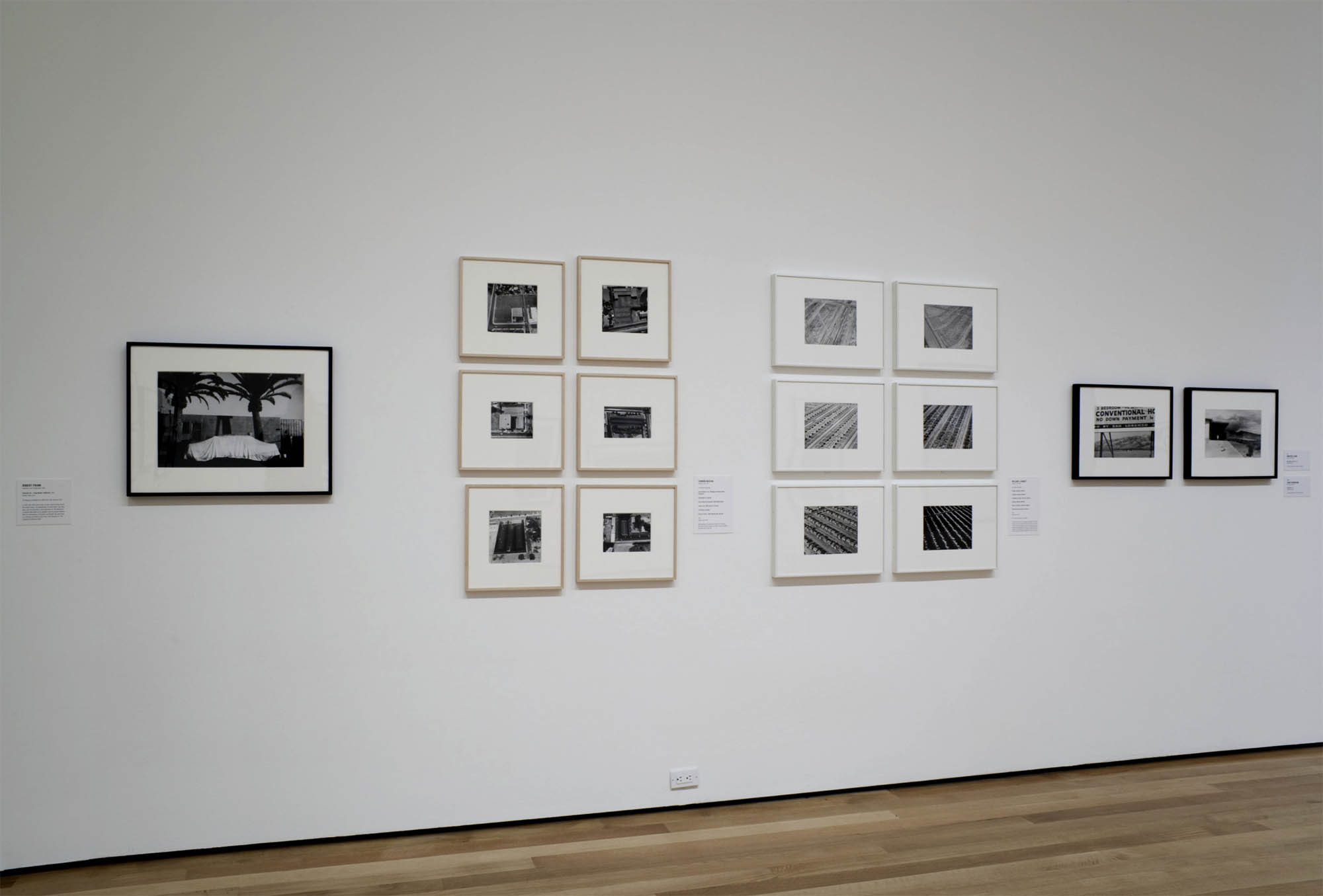
Installation view of the exhibition Into the Sunset: Photography’s Image of the American West at The Museum of Modern Art (MoMA), New York showing at left, Robert Frank’s Covered Car – Long Beach, California (1956, below); and at centre right, photographs by William A. Garnett (above)
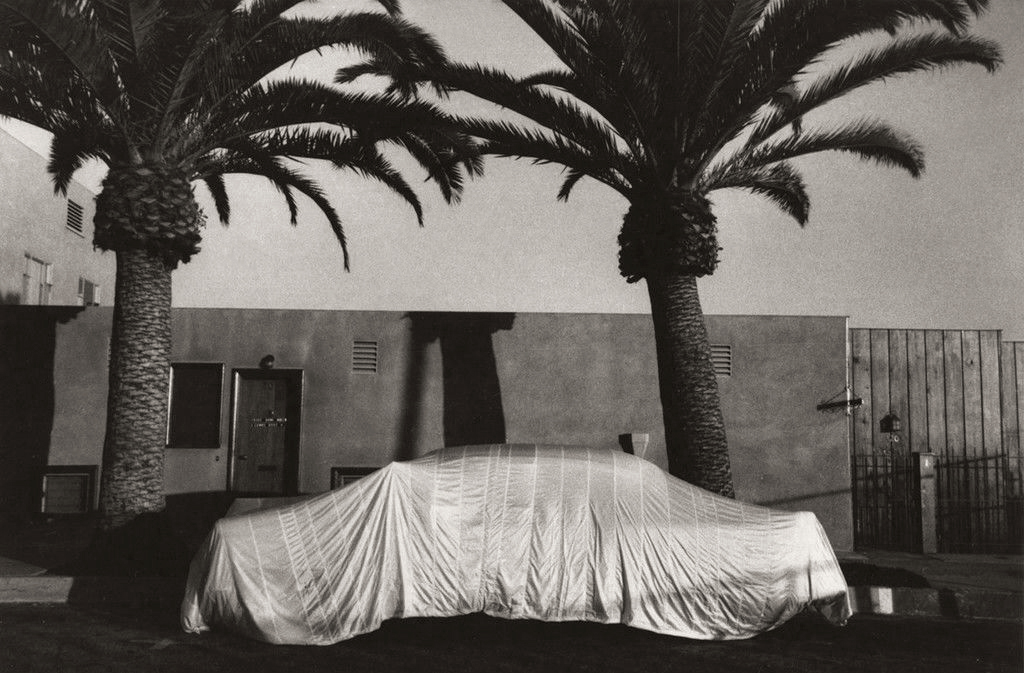
Robert Frank (American, 1924-2019) Covered Car – Long Beach, California 1956 From The Americans (1955-1956) Gelatin silver print Museum of Modern Art, New York
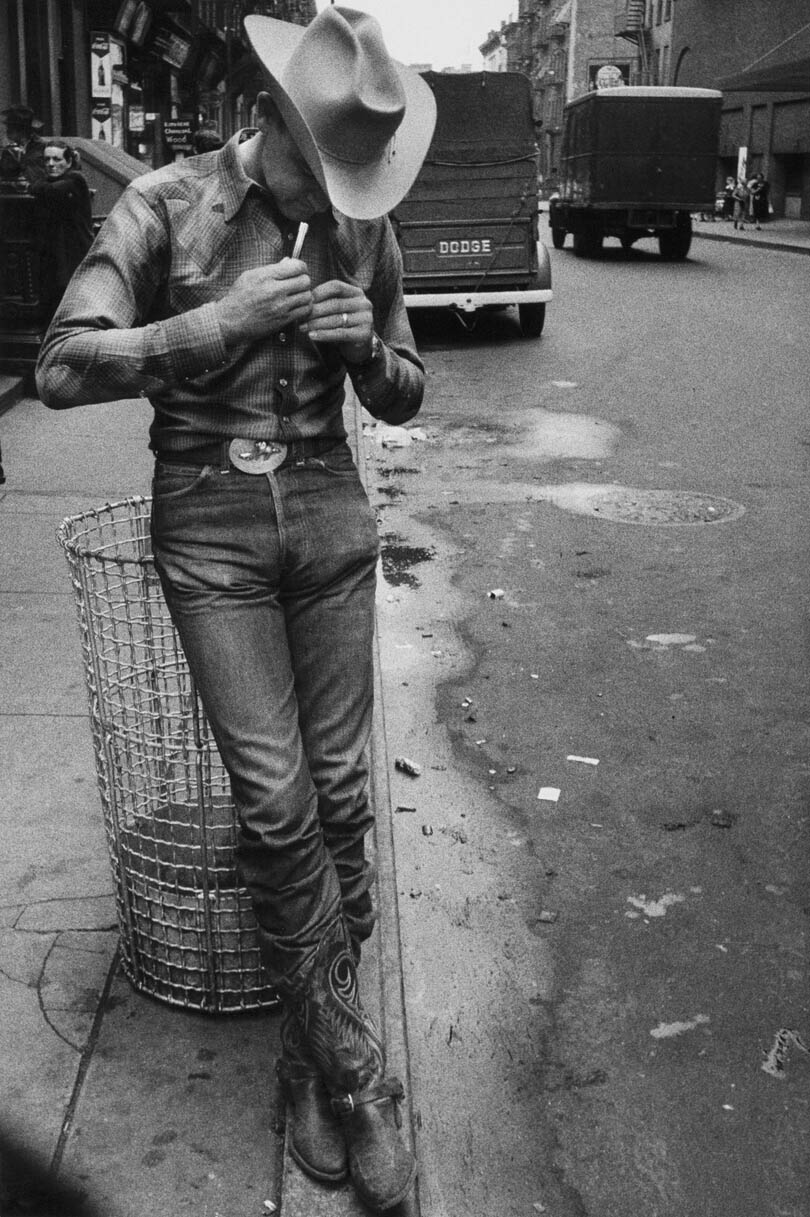
Robert Frank (American, 1924-2019) Rodeo – New York City 1954 From The Americans (1955-1956) Gelatin silver print Museum of Modern Art, New York
Dorothea Lange (American, 1895-1965) Migrant Mother, Nipomo, California 1936 Gelatin silver print 11 1/8 x 8 9/16″ (28.3 x 21.8cm) Museum of Modern Art, New York
Dorothea Lange took this photograph on assignment for the U.S. government’s Farm Security Administration (FSA) program, formed during the Great Depression to provide aid to impoverished farmers. FSA photographers documented the conditions that Americans faced throughout the course of the Great Depression, a period of economic crisis. Lange’s photograph suggests the impact of these harsh conditions on a 32-year-old mother of seven. She took a number of pictures of the mother with her children and chose this image as the most effective. Her keen sense of composition and attentiveness to the power of historical images of the Madonna and Child have helped this photograph transcend its original documentary function and become an iconic work of art.
Text from the MoMA website
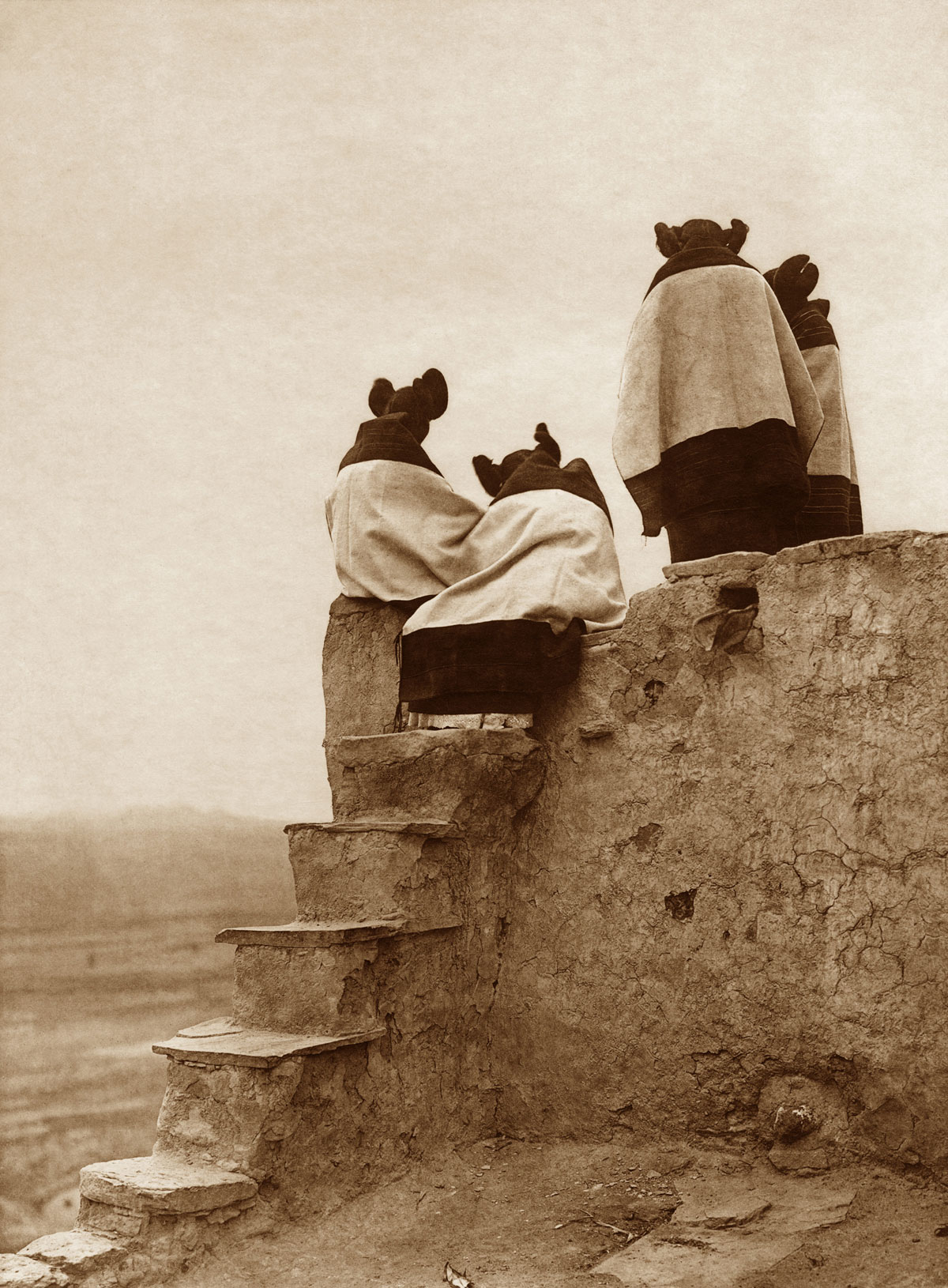
Edward S. Curtis (American, 1868-1952) Watching the Dancers 1906 Photogravure Museum of Modern Art, New York
James Luna (American, 1950-2018) Half Indian/Half Mexican (installation view) 1991 Gelatin silver print
James Luna (February 9, 1950 – March 4, 2018) was a Payómkawichum, Ipi, and Mexican-American performance artist, photographer and multimedia installation artist. His work is best known for challenging the ways in which conventional museum exhibitions depict Native Americans. With recurring themes of multiculturalism, alcoholism, and colonialism, his work was often comedic and theatrical in nature. In 2017 he was awarded a Guggenheim Fellowship.
In the mid-1970s Prince was an aspiring painter who earned a living by clipping articles from magazines for staff writers at Time-Life Inc. What remained at the end of the day were the advertisements, featuring gleaming luxury goods and impossibly perfect models; both fascinated and repulsed by these ubiquitous images, the artist began rephotographing them, using a repertoire of strategies (such as blurring, cropping, and enlarging) to intensify their original artifice. In so doing, Prince undermined the seeming naturalness and inevitability of the images, revealing them as hallucinatory fictions of society’s desires.
“Untitled (Cowboy)” is a high point of the artist’s ongoing deconstruction of an American archetype as old as the first trailblazers and as timely as then-outgoing president Ronald Reagan. Prince’s picture is a copy (the photograph) of a copy (the advertisement) of a myth (the cowboy). Perpetually disappearing into the sunset, this lone ranger is also a convincing stand-in for the artist himself, endlessly chasing the meaning behind surfaces. Created in the fade-out of a decade devoted to materialism and illusion, “Untitled (Cowboy)” is, in the largest sense, a meditation on an entire culture’s continuing attraction to spectacle over lived experience.
Text from the Metropolitan Museum of Art website
Robert Adams (American, b. 1937) East from Flagstaff Mountain, Boulder County, Colorado 1975 Gelatin silver print Museum of Modern Art, New York
Robert Adams (American, b. 1937) Colorado Springs 1968 Gelatin silver print Museum of Modern Art, New York
Robert Adams (American, b. 1937) Burning oil sludge, north of Denver, Colorado 1973-1974 Gelatin silver print Museum of Modern Art, New York
Stephen Shore (American, b. 1947) Beverly Boulevard and La Brea Avenue, Los Angeles, California, June 21, 1975 1975 From the series Uncommon Places, 1973-1986 Museum of Modern Art, New York
Cindy Sherman (American, b. 1954) Untitled Film Still #43 1979 Gelatin silver print 7 9/16 x 9 7/16″ (19.2 x 24cm) Acquired through the generosity of Sid R. Bass Museum of Modern Art, New York
Cindy Sherman’s Untitled Film Stills is a suite of seventy black-and-white photographs in which the artist posed in the guises of various generic female film characters, among them, ingénue, working girl, vamp, and lonely housewife. Staged to resemble scenes from 1950s and ’60s Hollywood, film noir, B movies, and European art-house films, the printed images mimic in format, scale, and quality the often-staged “stills” used to promote films. By photographing herself in such roles, Sherman inserts herself into a dialogue about stereotypical portrayals of women. Whether she was the one to release the camera’s shutter or not, she is considered the author of the photographs. However, the works in Untitled Film Stills are not considered self-portraits.
Richard Avedon (American, 1923-2004) Carl Hoefert, unemployed blackjack dealer, Reno, Nevada August 30, 1983 From the series In the American West Gelatin silver print Museum of Modern Art, New York
The Museum of Modern Art 11 West 53 Street New York, NY 10019 Phone: (212) 708-9400
Opening hours: Sun – Fri 10.30am – 5.30pm Sat 10.30am – 7.00pm
Monday mornings from 10.30am to 1.00pm are reserved exclusively for members and their guests.




















 Art Blart _ art and cultural memory archive
You must be logged in to post a comment.