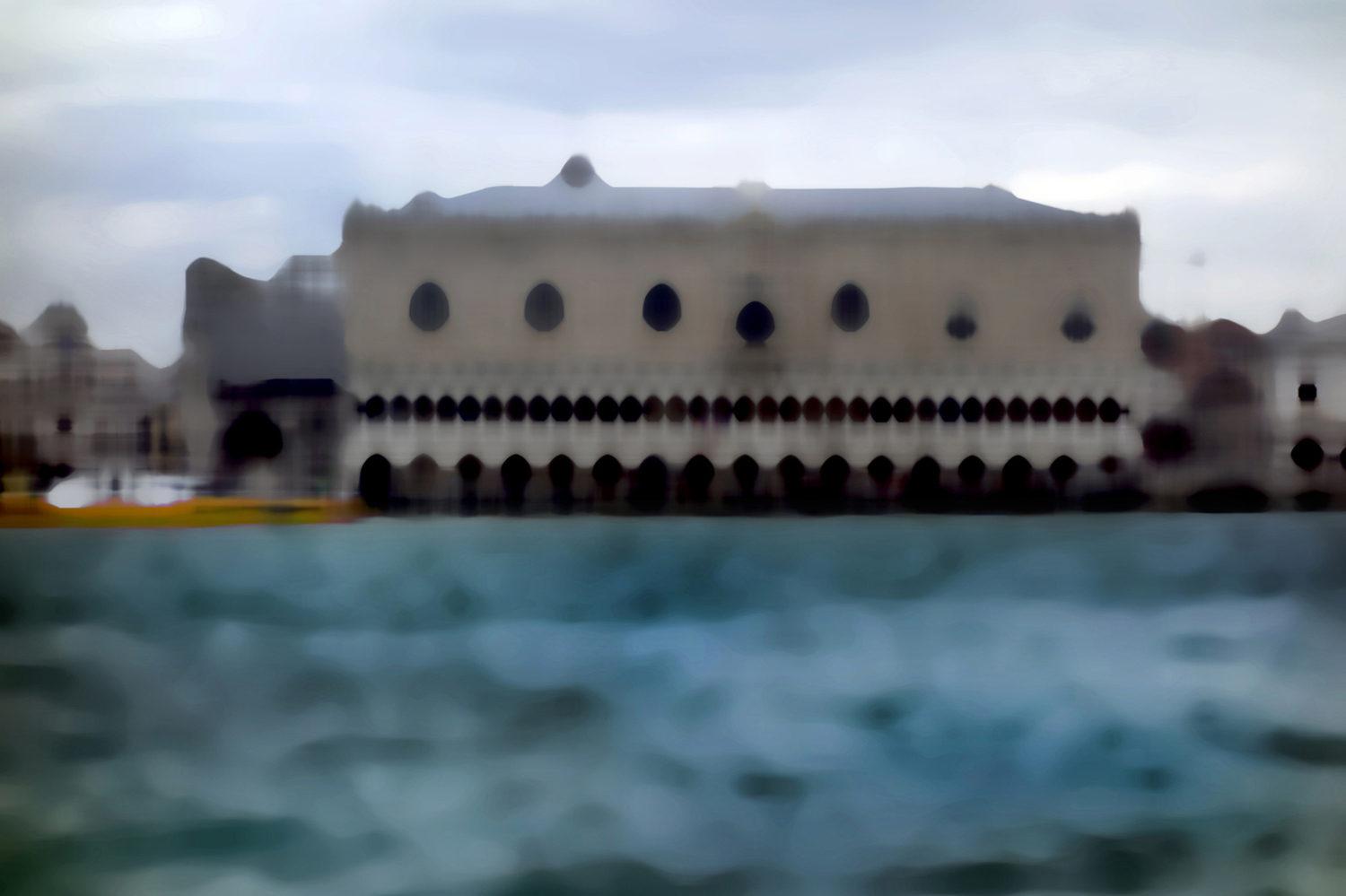
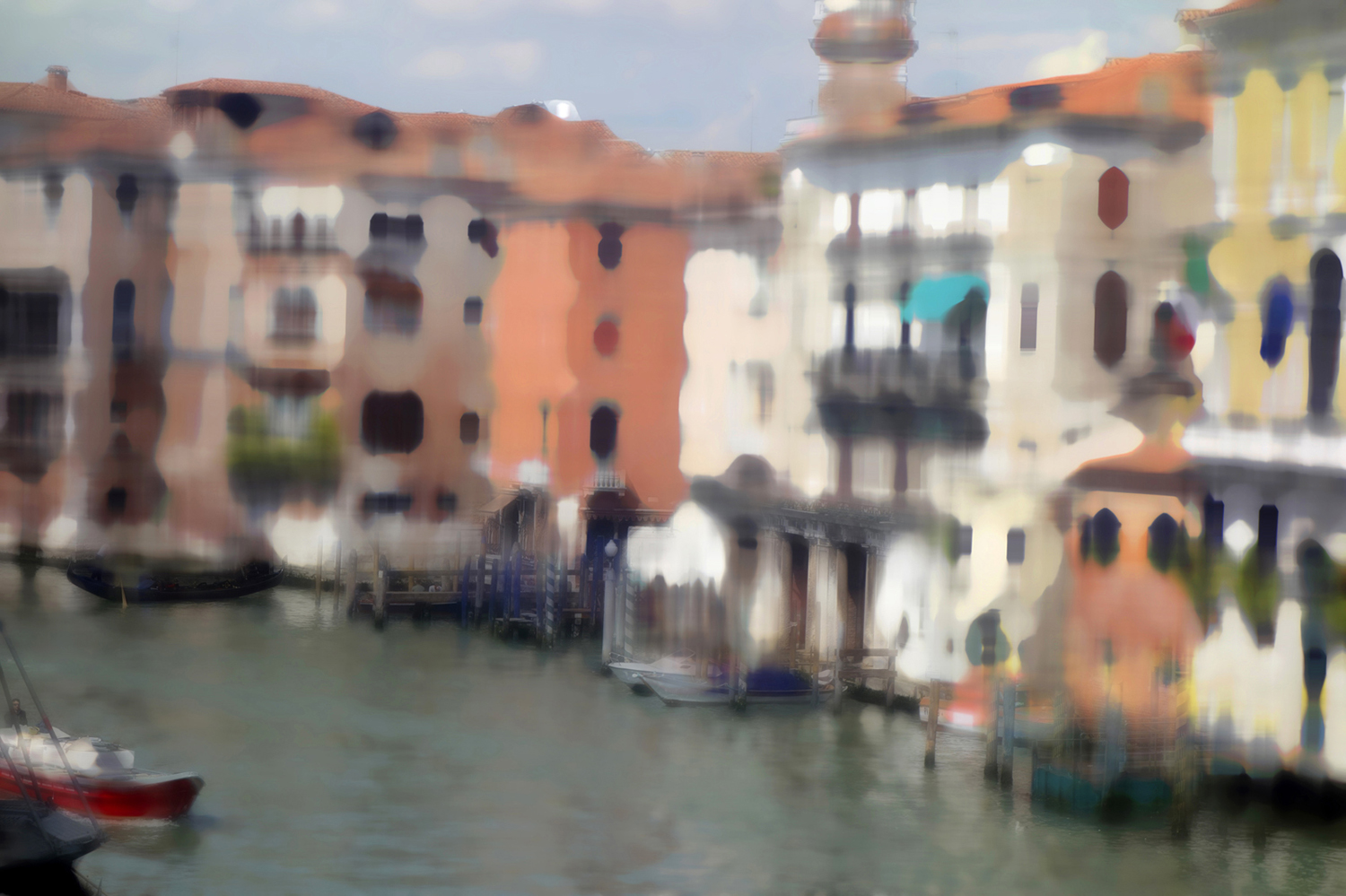
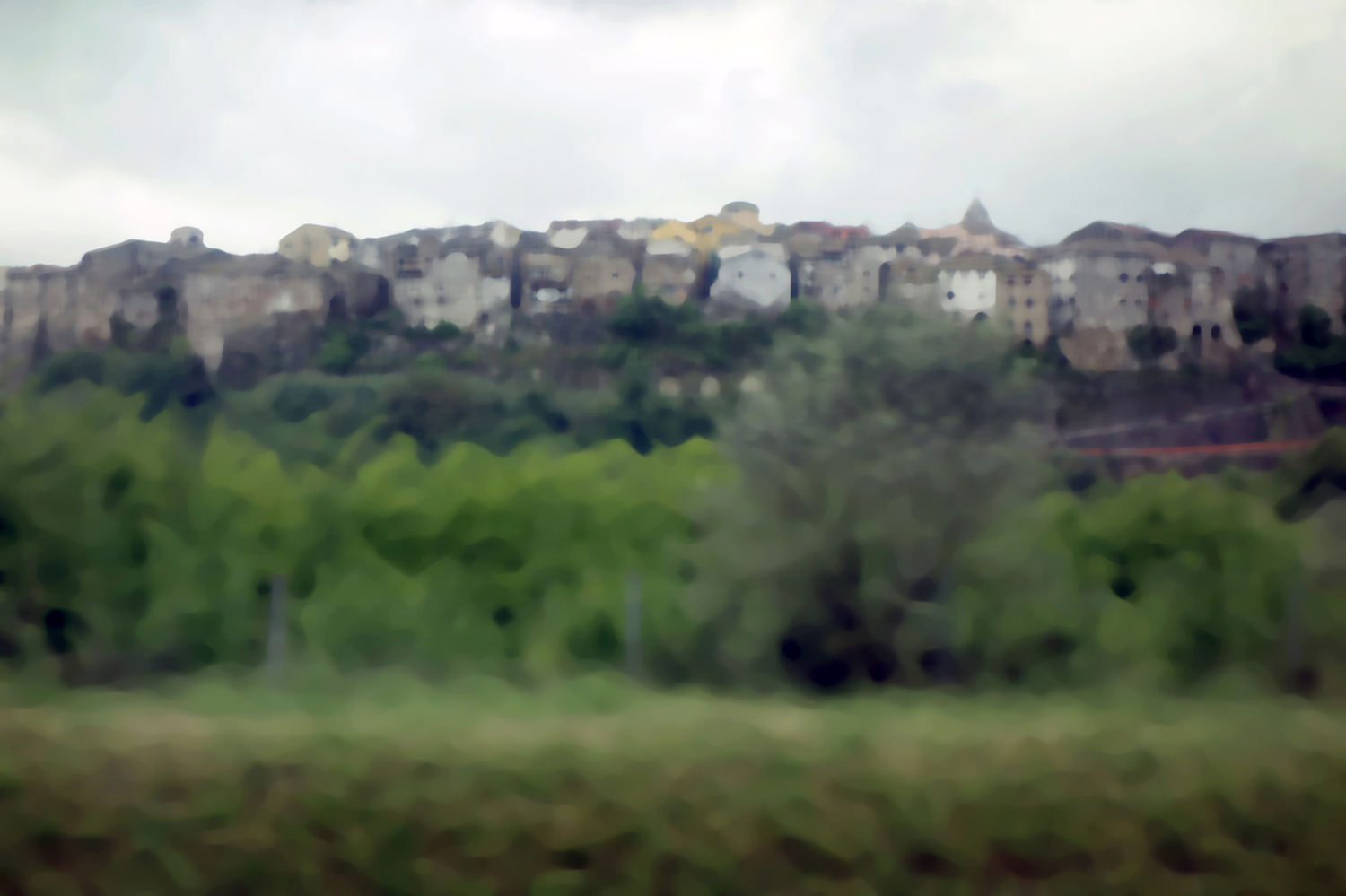
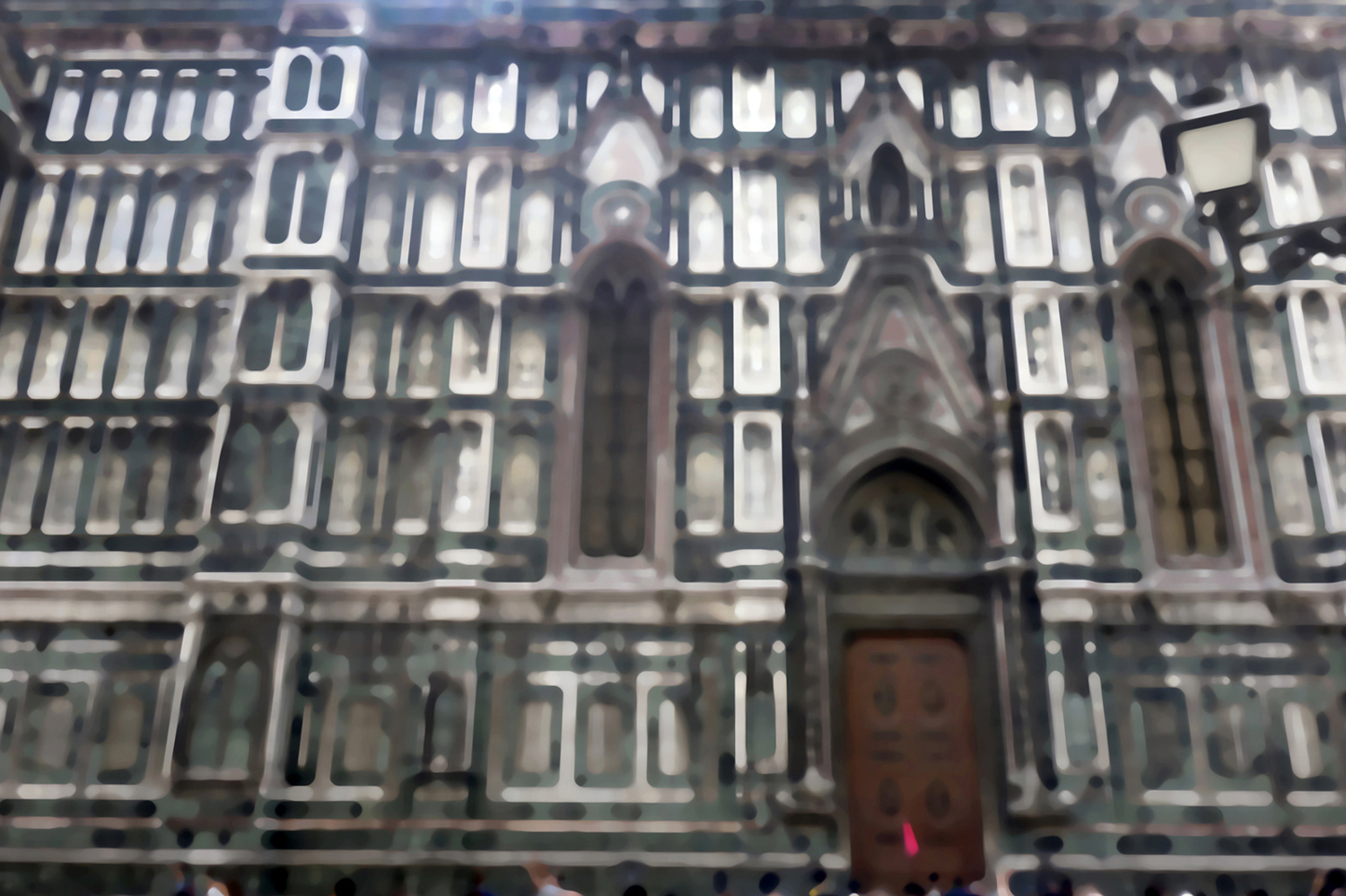
Marcus Bunyan (Australian, b. 1958) Untitled 2019 From the series The Night Journey Digital photograph on cotton rag
The Night Journey
The only reason to make art is for yourself… but I hope you enjoy the images and the sequence as much as I enjoyed making it!
The images picture interstitial spaces, un/realities that hover at a median point, a tipping point between the real and the unreal. Which is which is open to question…
Please click on the photographs to see a larger version of the image. They are best viewed on a desktop computer to see the details of the image.
Photographs are available from this series for purchase. As a guide, a digital colour 16″ x 20″ costs $1000 plus tracked and insured shipping. For more information please see my Store web page.
Marcus Bunyan (Australian, b. 1958) Untitled 2019 From the series The Night Journey Digital photograph on cotton rag
Marcus Bunyan (Australian, b. 1958) Untitled 2019 From the series The Night Journey Digital photograph on cotton rag
Marcus Bunyan (Australian, b. 1958) Untitled 2019 From the series The Night Journey Digital photograph on cotton rag
Marcus Bunyan (Australian, b. 1958) Untitled 2019 From the series The Night Journey Digital photograph on cotton rag
Marcus Bunyan (Australian, b. 1958) Untitled 2019 From the series The Night Journey Digital photograph on cotton rag
Marcus Bunyan (Australian, b. 1958) Untitled 2019 From the series The Night Journey Digital photograph on cotton rag
Marcus Bunyan (Australian, b. 1958) Untitled 2019 From the series The Night Journey Digital photograph on cotton rag
Marcus Bunyan (Australian, b. 1958) Untitled 2019 From the series The Night Journey Digital photograph on cotton rag
Marcus Bunyan (Australian, b. 1958) Untitled 2019 From the series The Night Journey Digital photograph on cotton rag
Marcus Bunyan (Australian, b. 1958) Untitled 2019 From the series The Night Journey Digital photograph on cotton rag
Marcus Bunyan (Australian, b. 1958) Untitled 2019 From the series The Night Journey Digital photograph on cotton rag
Marcus Bunyan (Australian, b. 1958) Untitled 2019 From the series The Night Journey Digital photograph on cotton rag
Marcus Bunyan (Australian, b. 1958) Untitled 2019 From the series The Night Journey Digital photograph on cotton rag
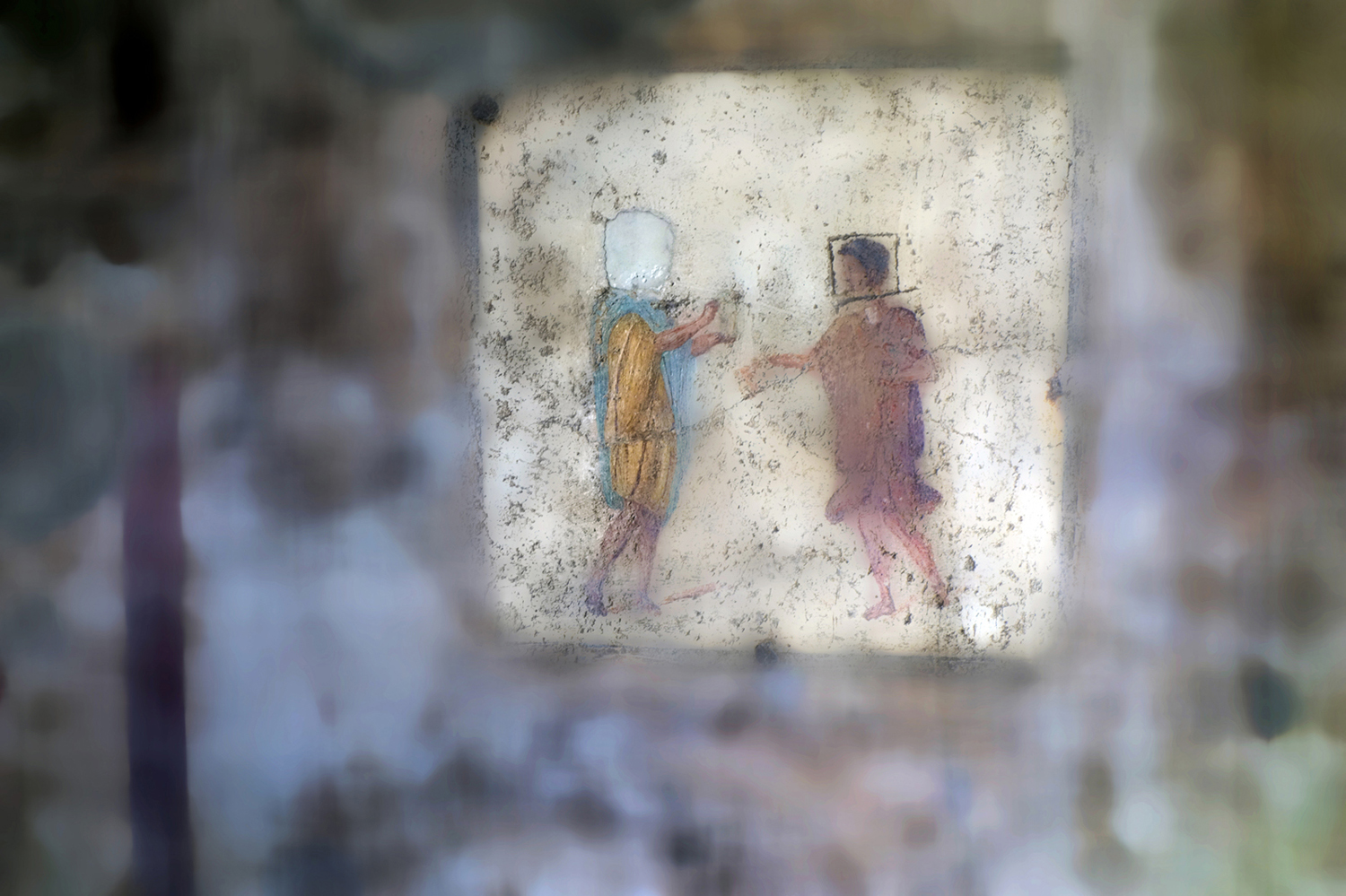
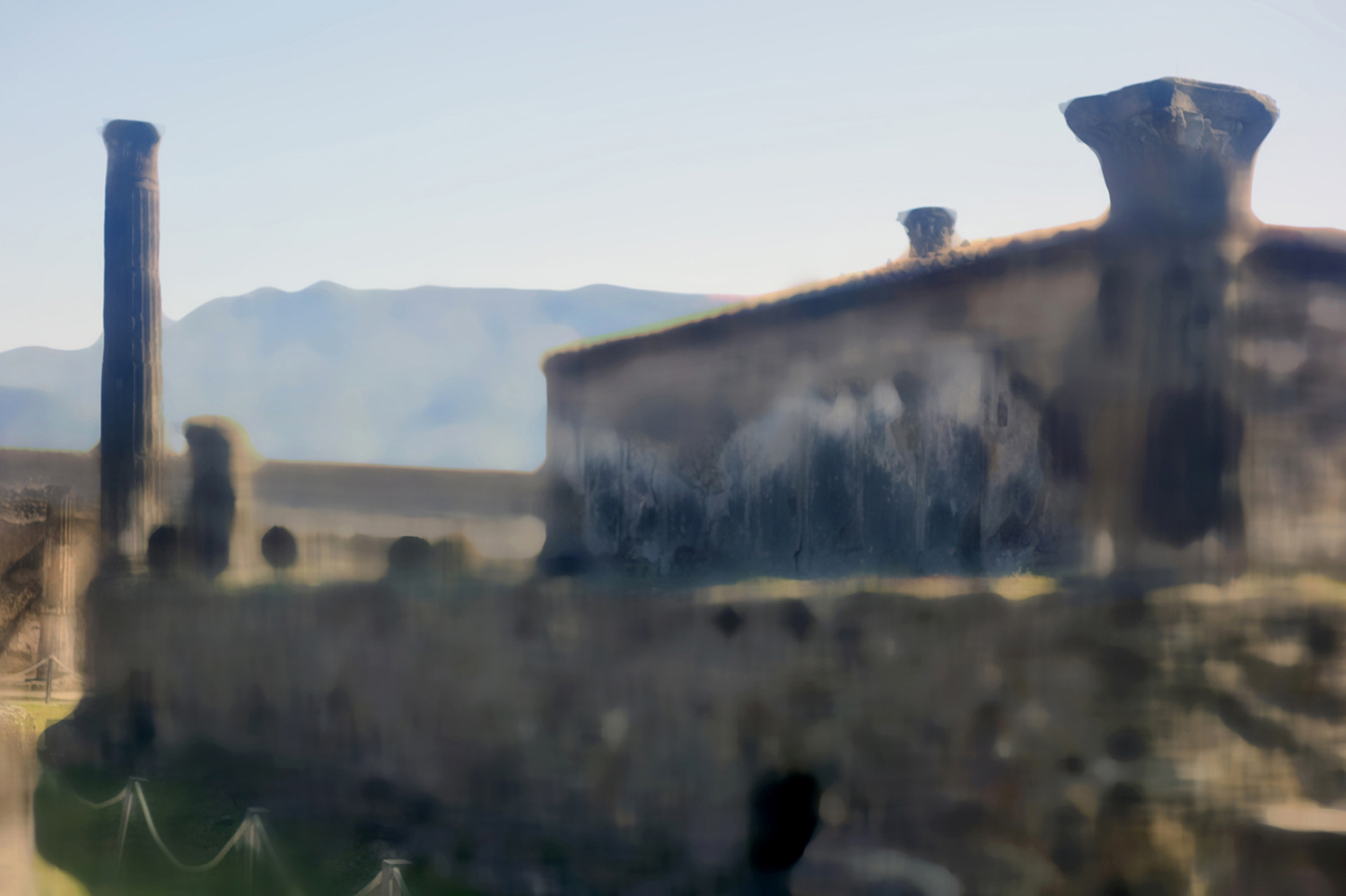
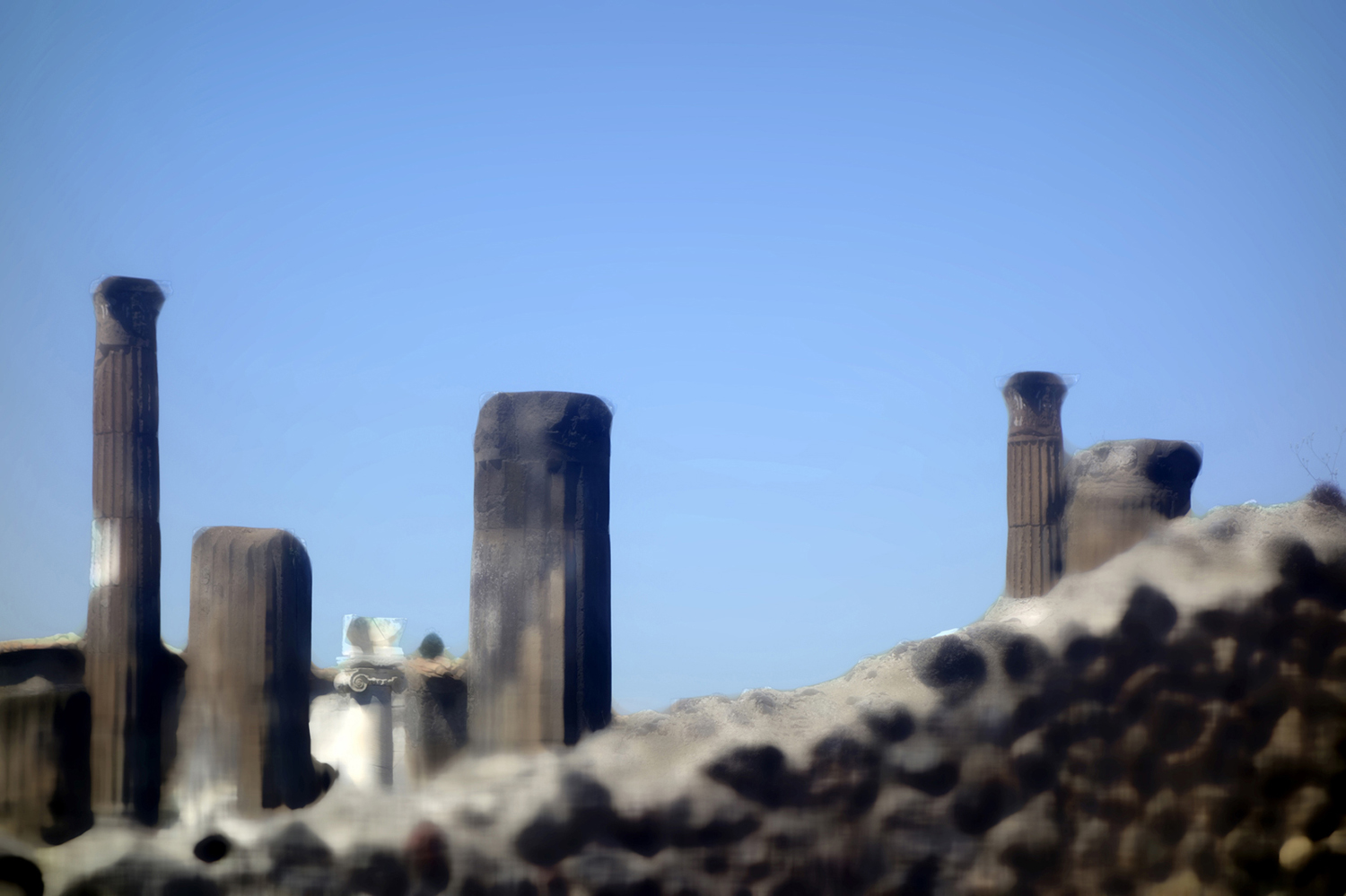
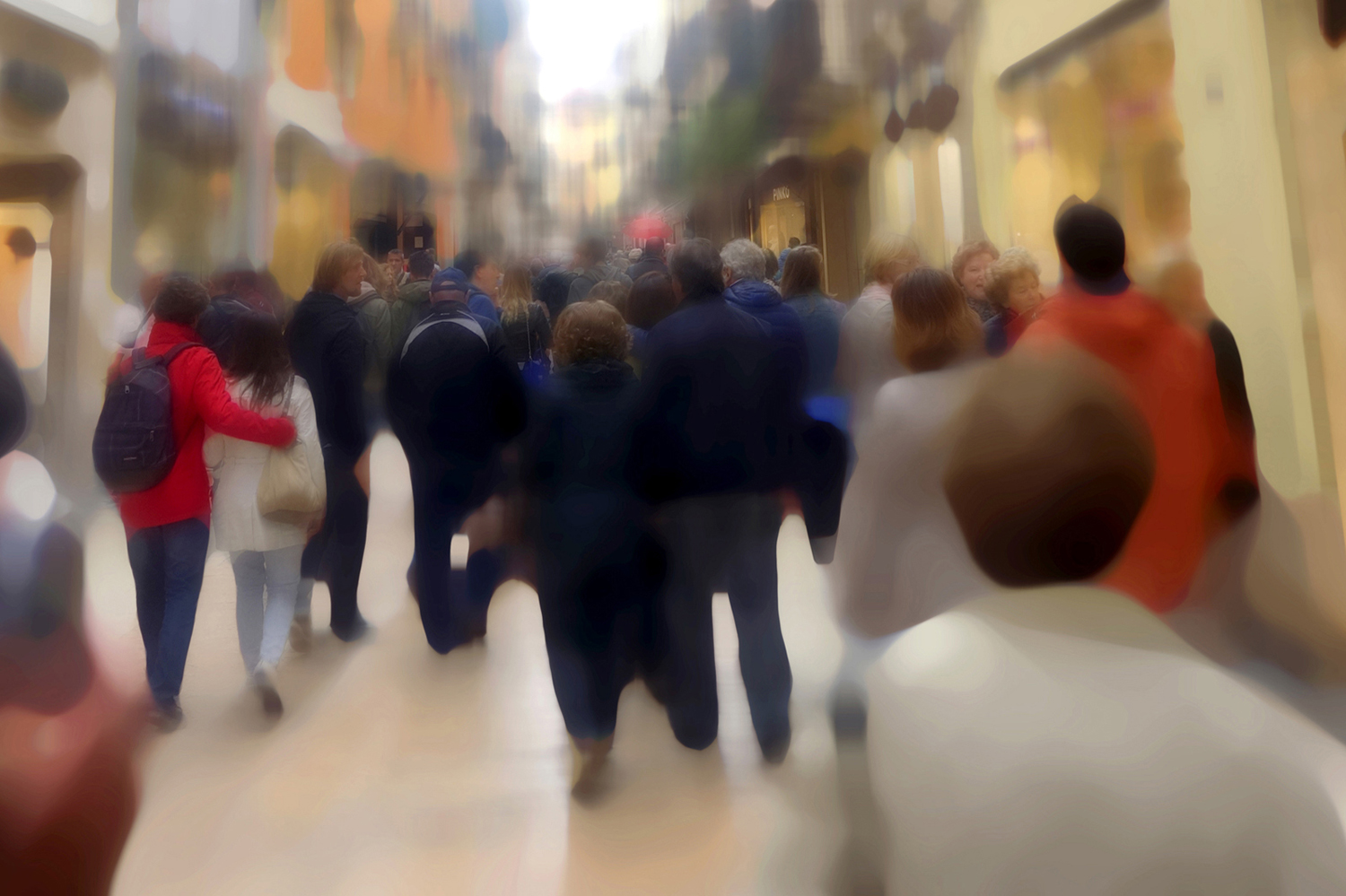
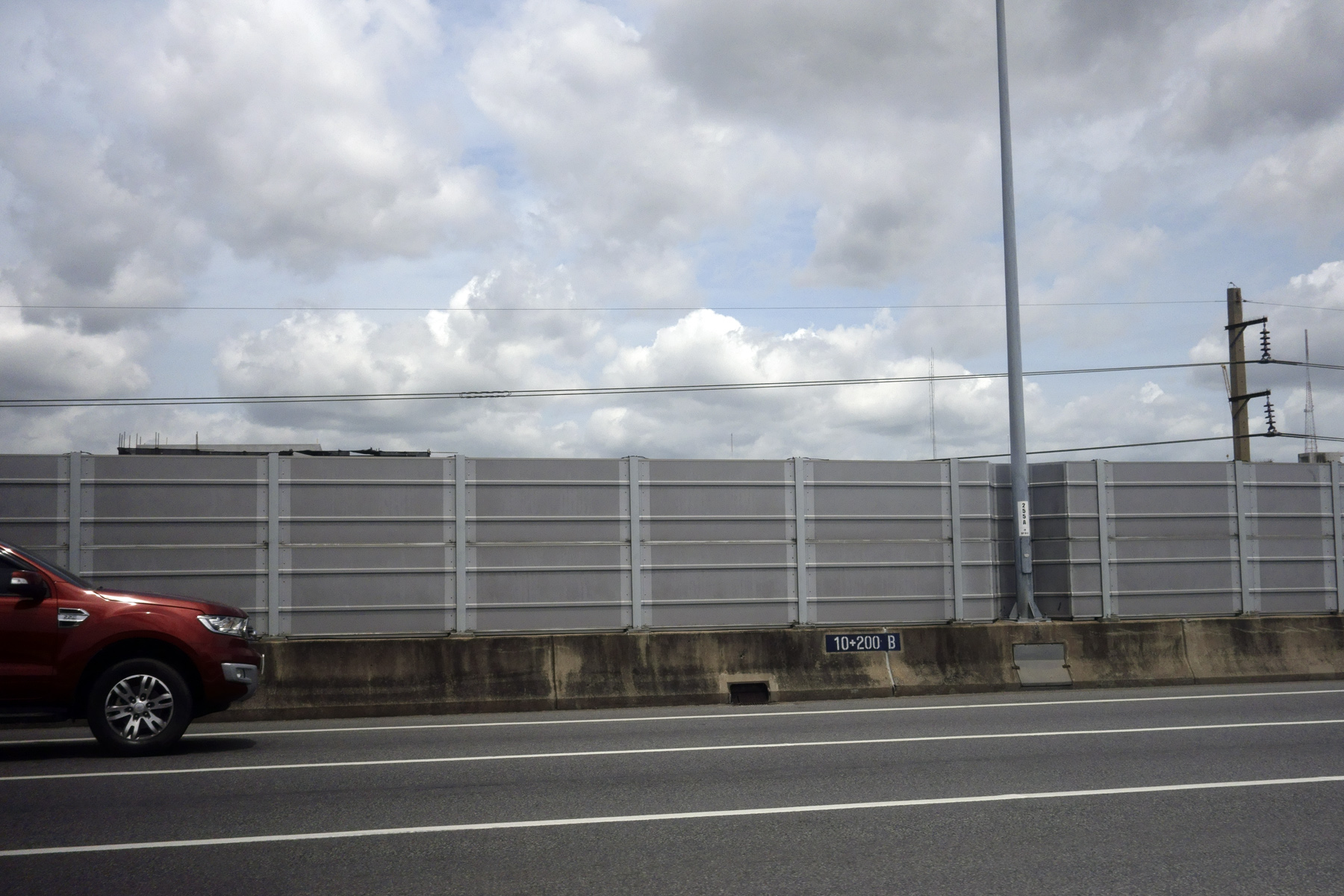
Marcus Bunyan (Australian born England, b. 1958) Untitled 2019 From the series Oblique Digital colour photograph
Here is a body of work shot mainly from moving taxi windows in Bangkok and surrounds, interspersed with still, Zen-like images.
With the moving images, you have to anticipate by a couple of seconds the movement of the taxi and the release of the shutter so you have no idea what the image will actually be. Your sense of previsualisation is completed on feel and instinct. You trust the world to provide the image which you are looking for. I enjoy them, they give me pleasure and contentment in their creation.
Oblique
In terms of defining the concept of the oblique we can say that: “The oblique is fundamentally interested in how a body physically experiences a space.”
In this case, both physically and spiritually.
The series investigates the concept through images of movement and stillness, fleeting glimpses of urban life intertwined with Zen-like images. The series is constructed not as a sequence, but as a “volume” where there is no beginning, no middle and no end. It is like a jewel that can be turned around and looked at from different perspectives, where no one perspective is the correct interpretation. Each volume has its own validity, its own uniqueness.
The images can also be read as a protest against death – no beginning, no middle, no end – where everything is connected to everything else. As Goethe observes in his Conversations with Eckermarm (5 June 1825):
“In nature we never see anything isolated, but everything in connection with something else which is before it, beside it, under it, and over it.”
Please note: the series is best viewed on a desktop computer with a large screen. Please click on the photographs to see a larger version of the image.
Photographs are available from this series for purchase. As a guide, a digital colour 16″ x 20″ costs $1000 plus tracked and insured shipping. For more information please see my Store web page.
The 66 images of Oblique (2019). Please click on the photograph to see a larger version of the work
Marcus Bunyan (Australian born England, b. 1958) Untitled 2019 From the series Oblique Digital colour photograph
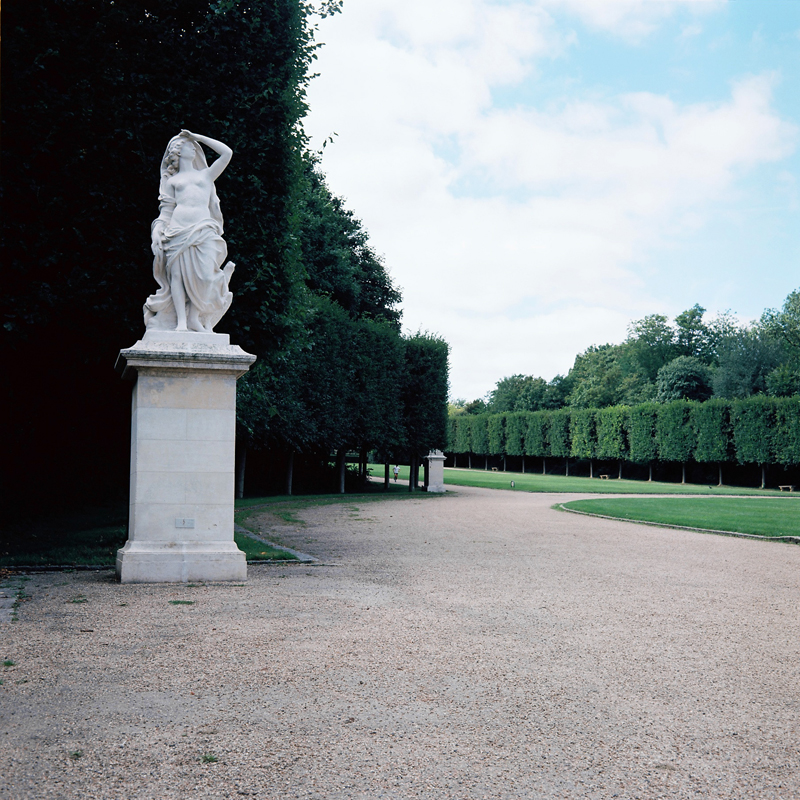
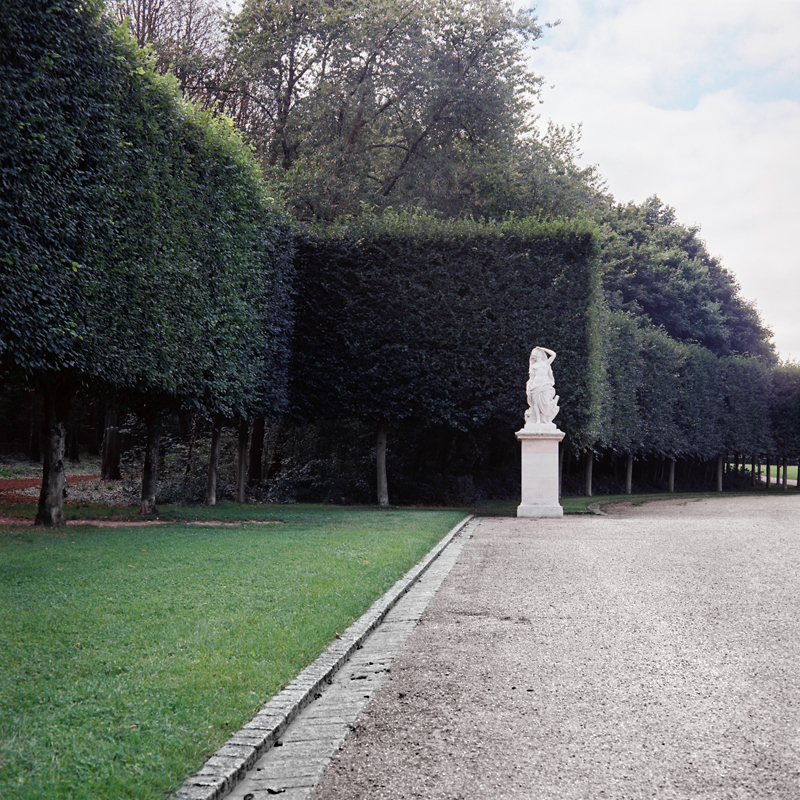
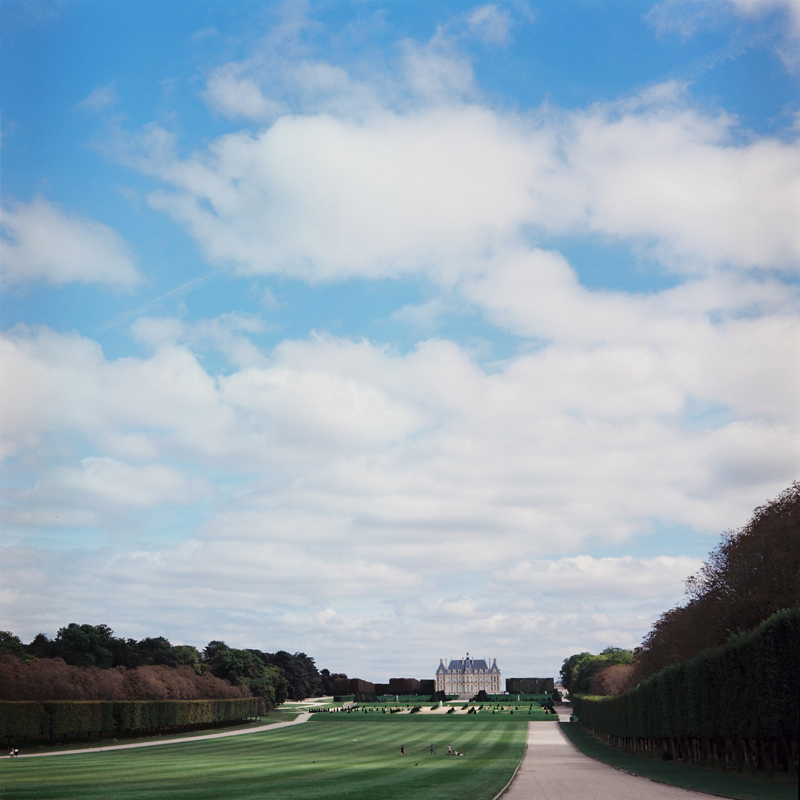
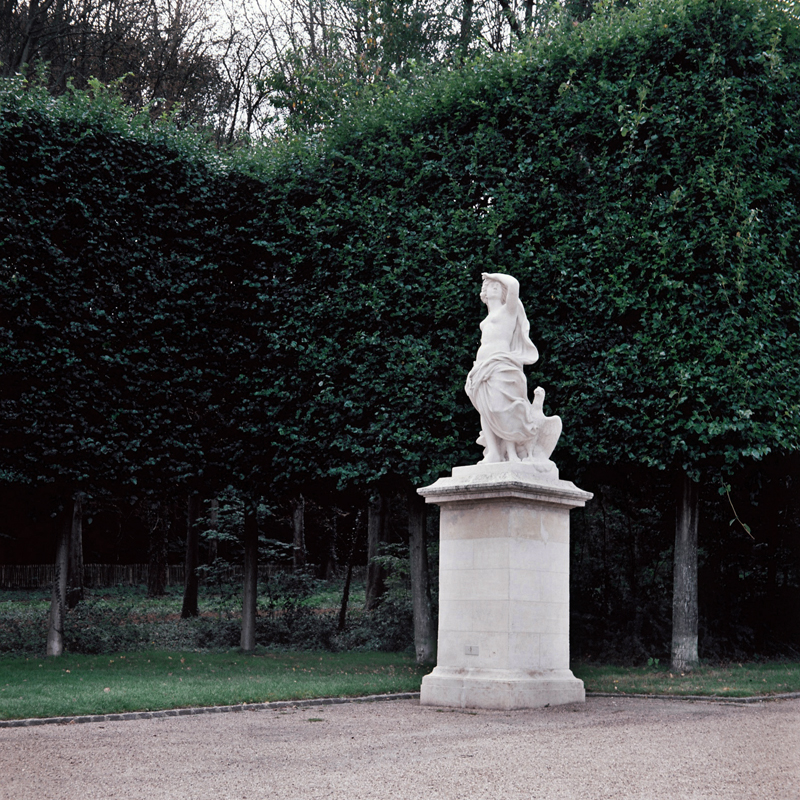
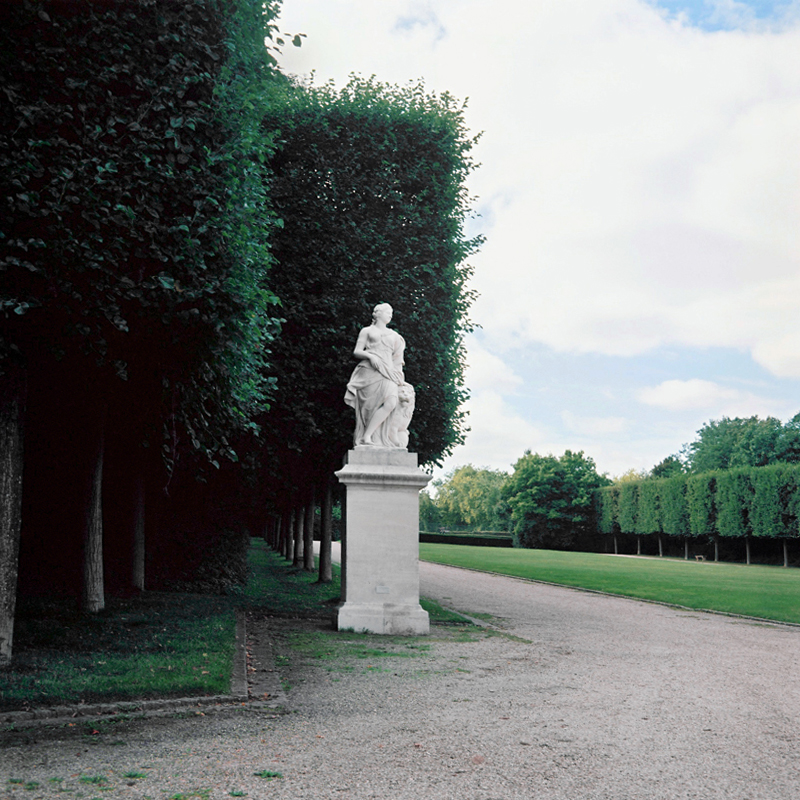
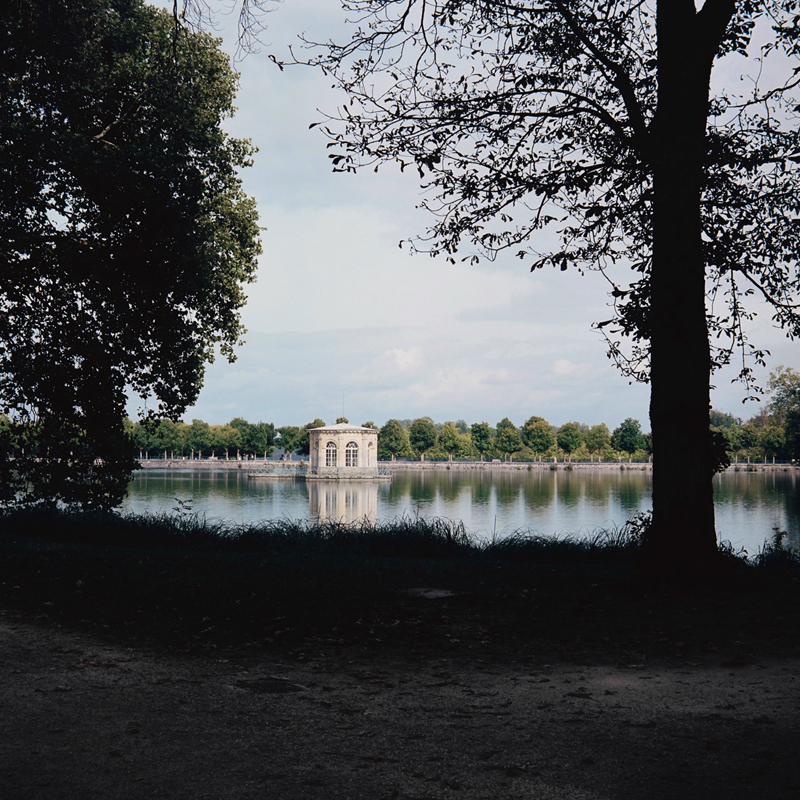
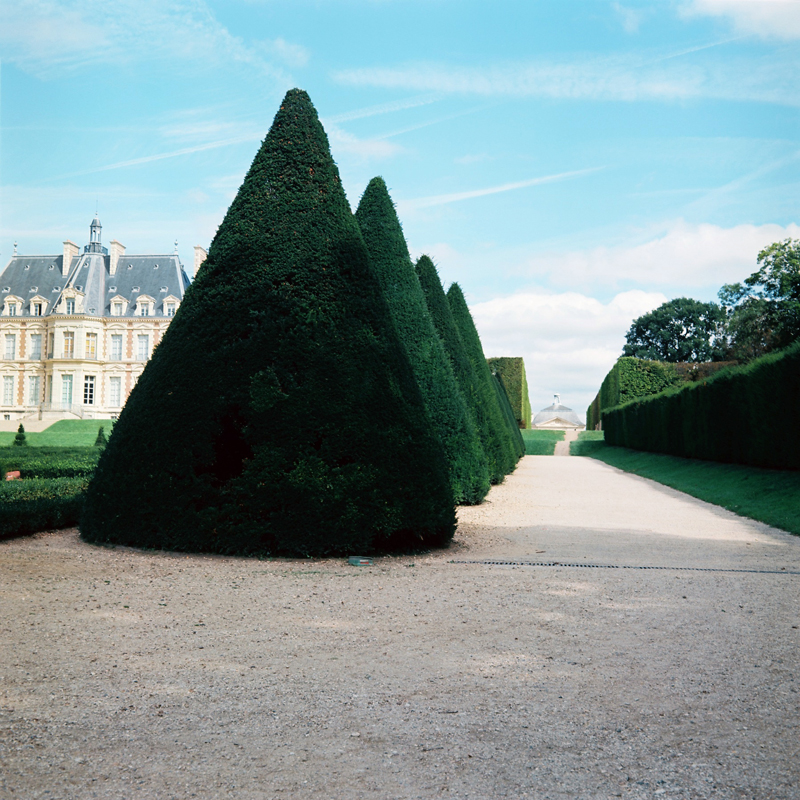
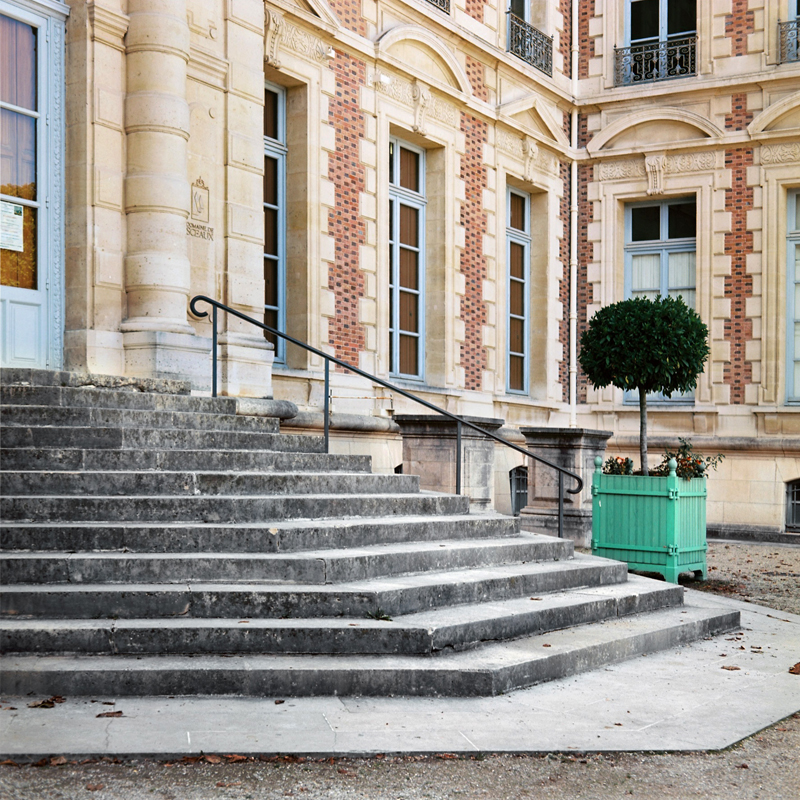
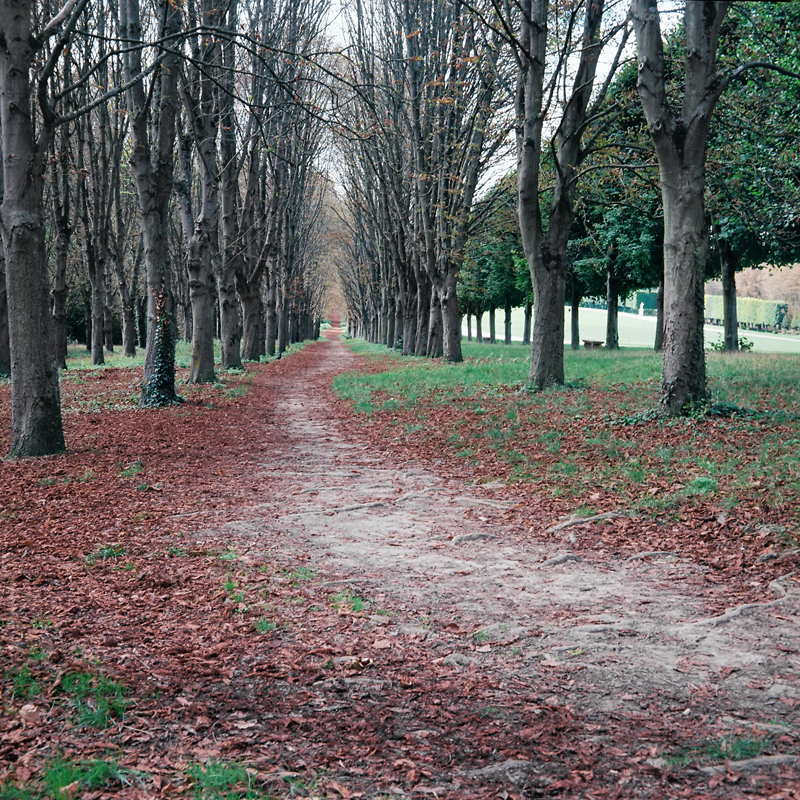
Marcus Bunyan (Australian, b. 1958) Parc de Sceaux 2018 From the series Paris in film Digital photograph
Paris in film
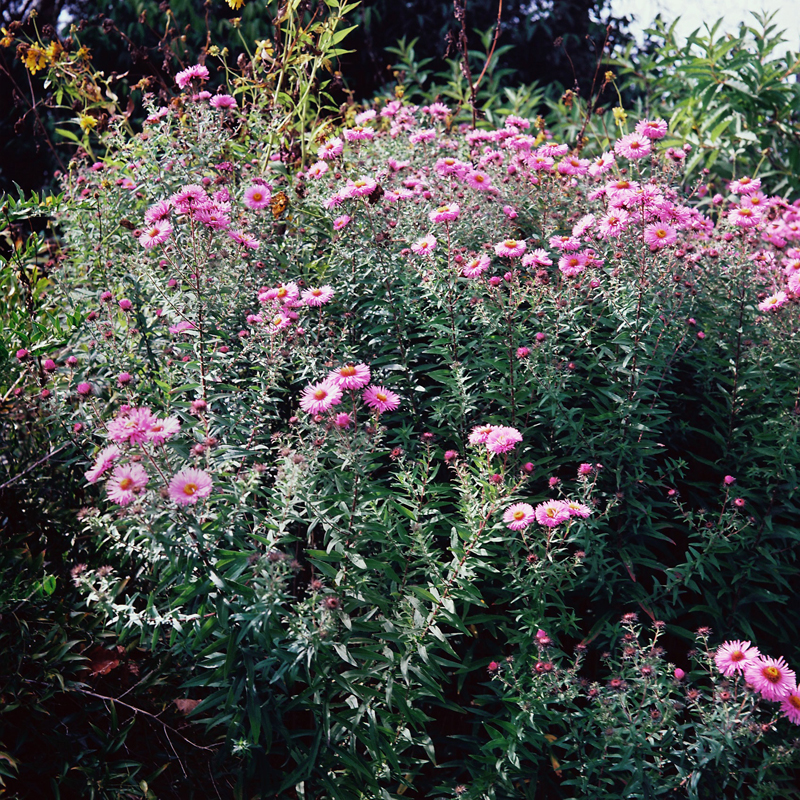
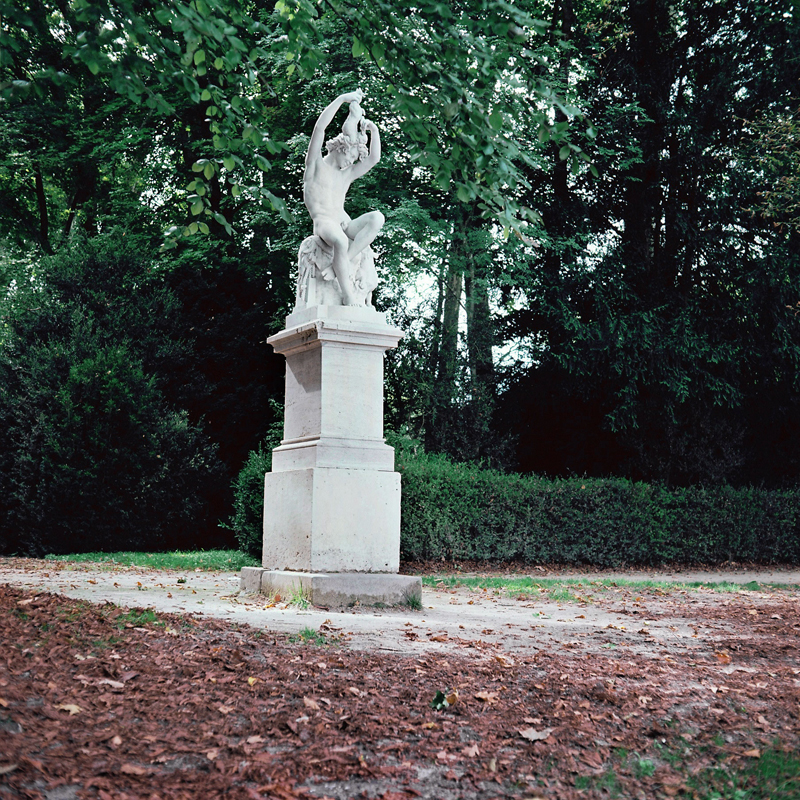
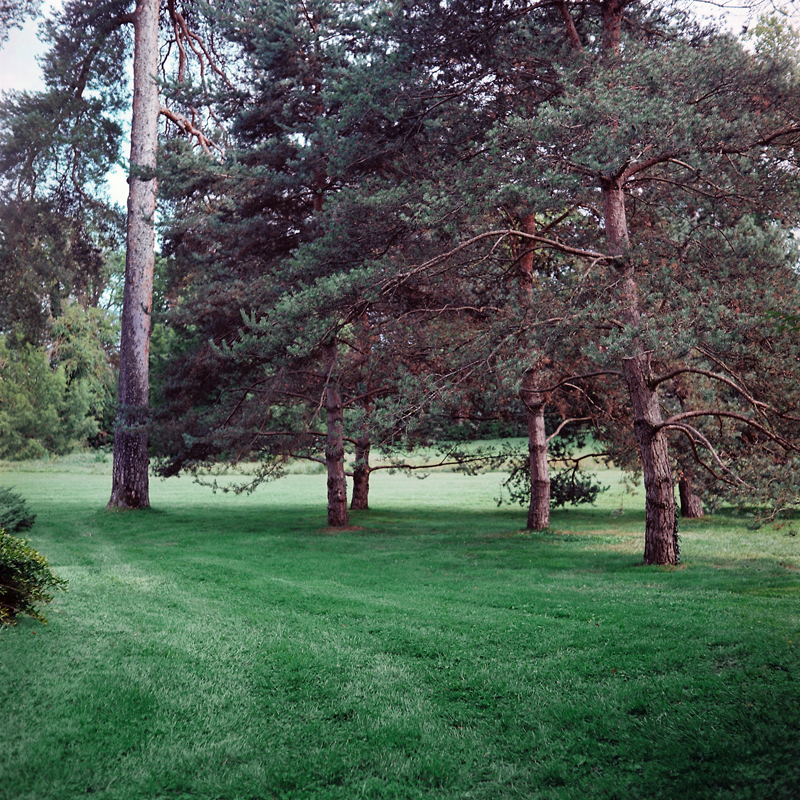
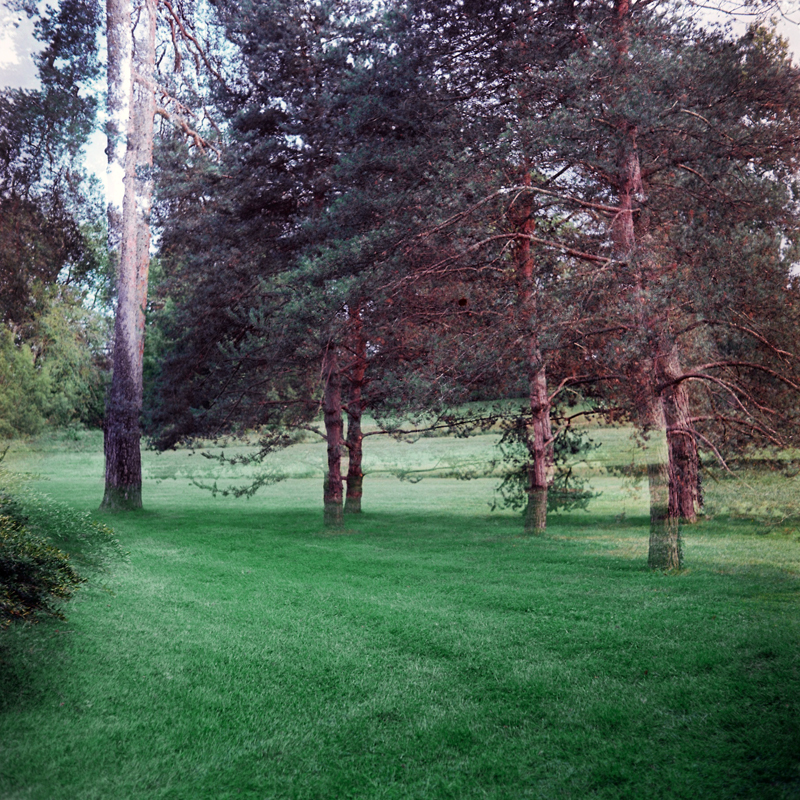
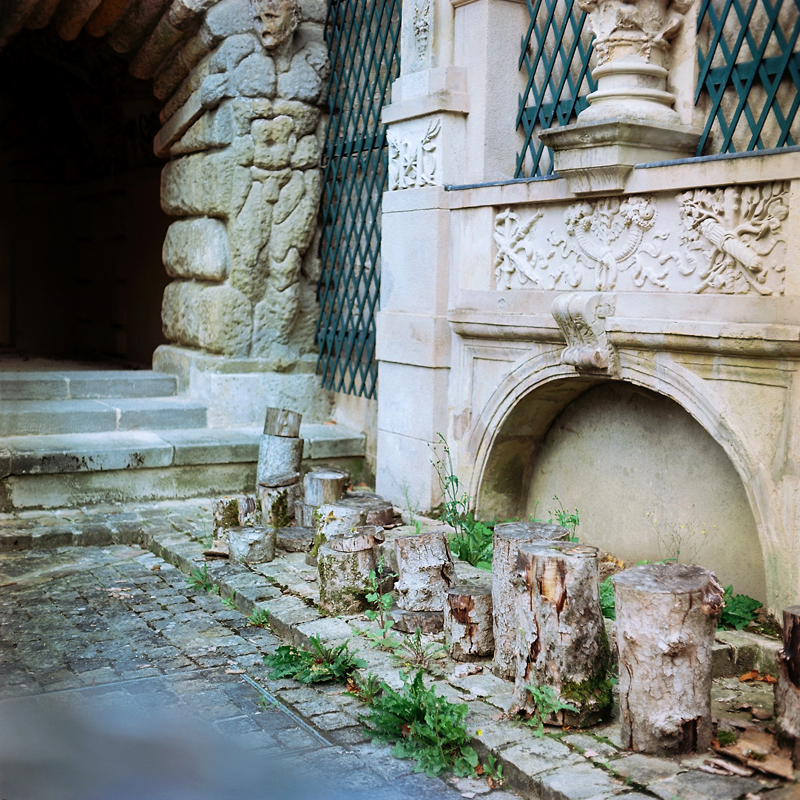
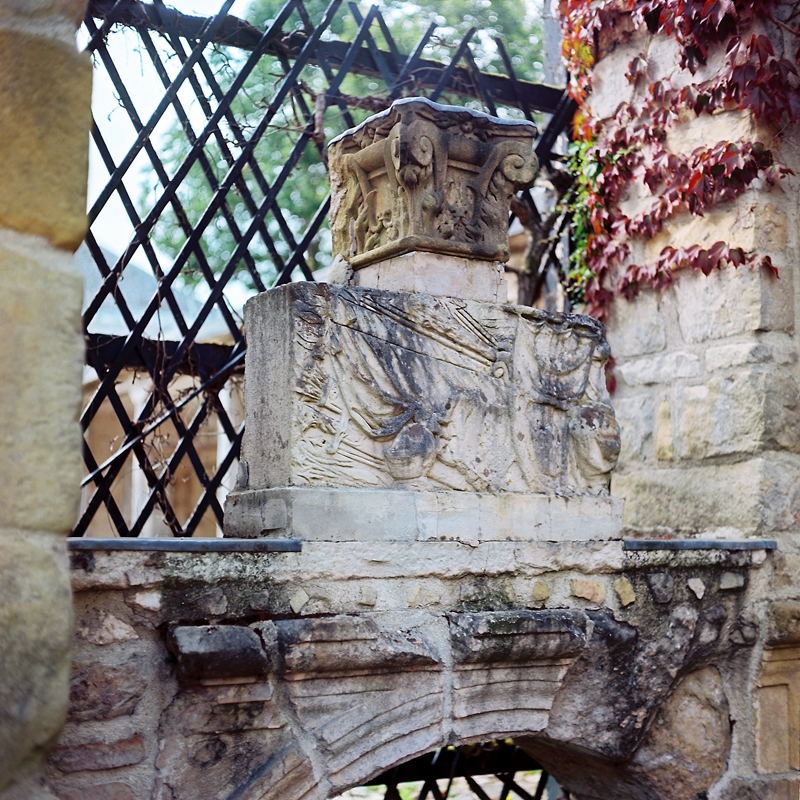
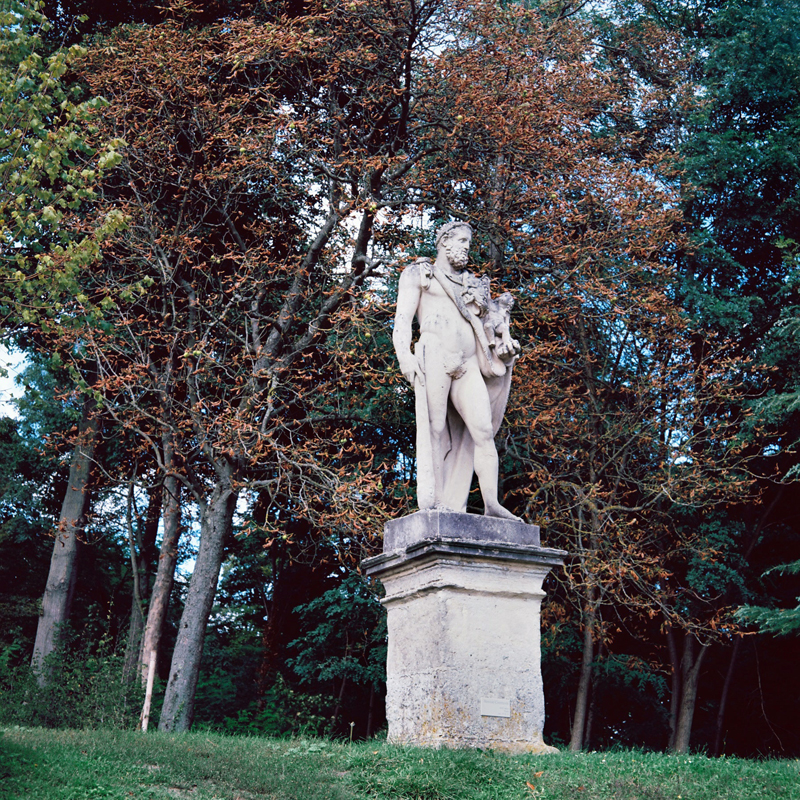
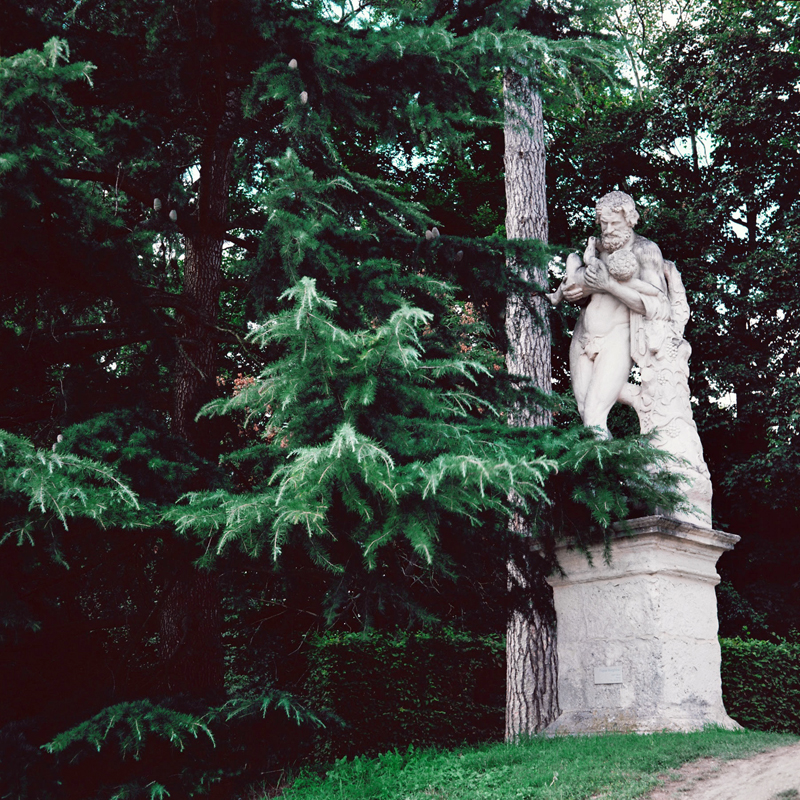
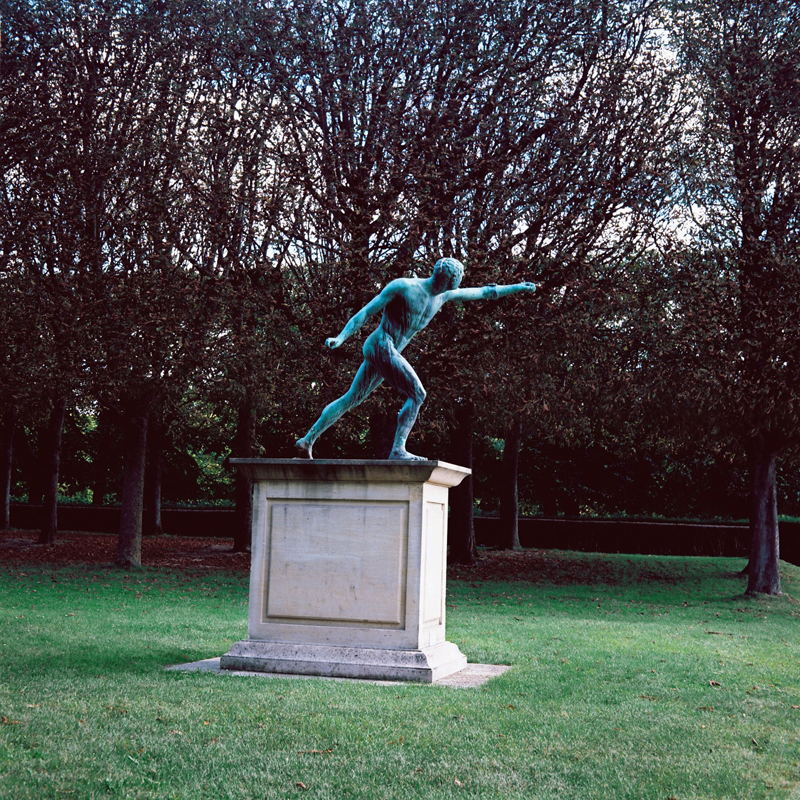
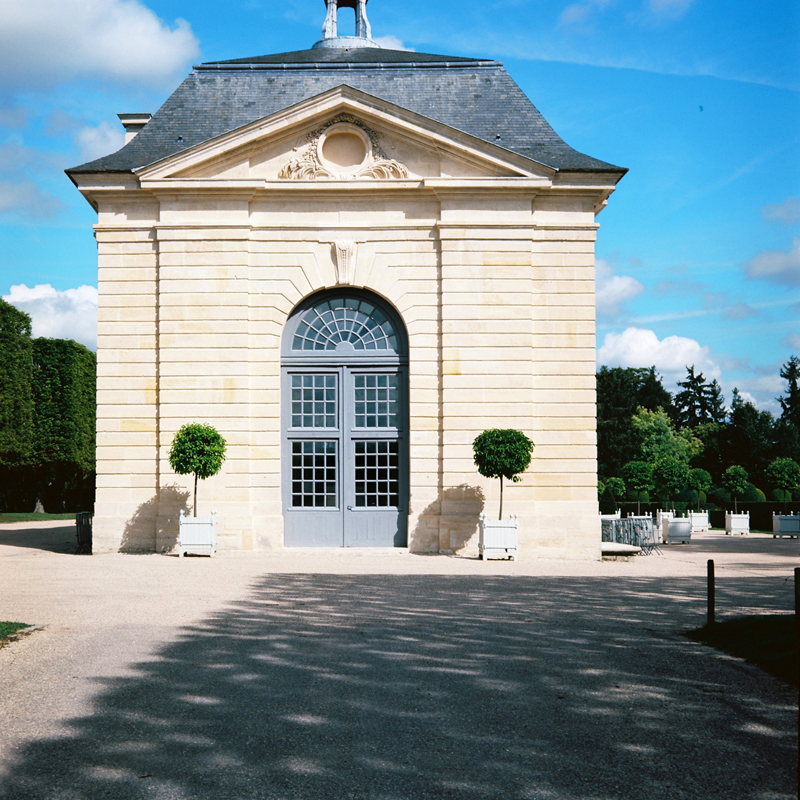
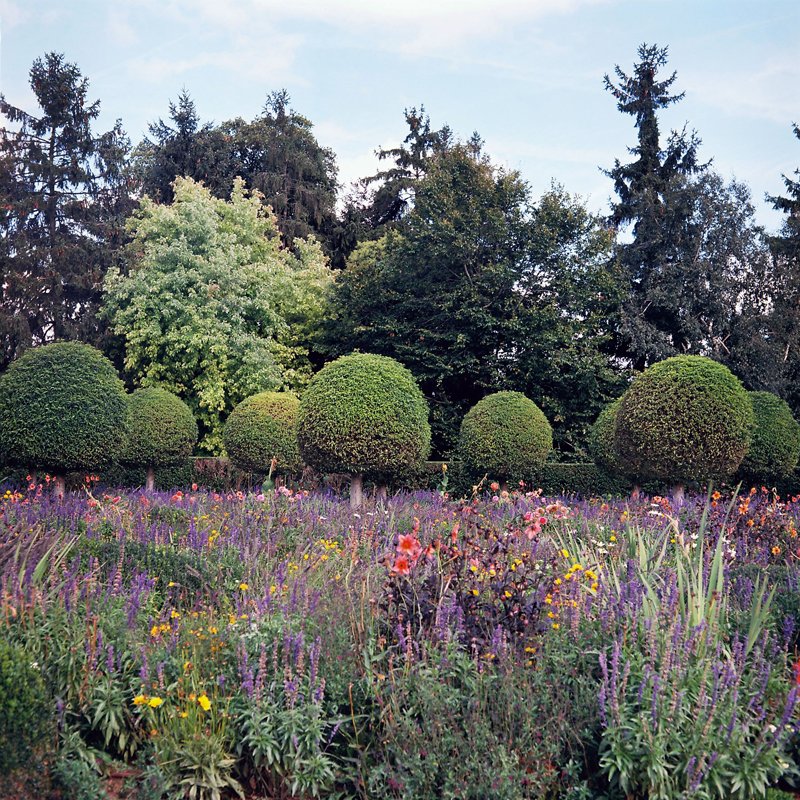
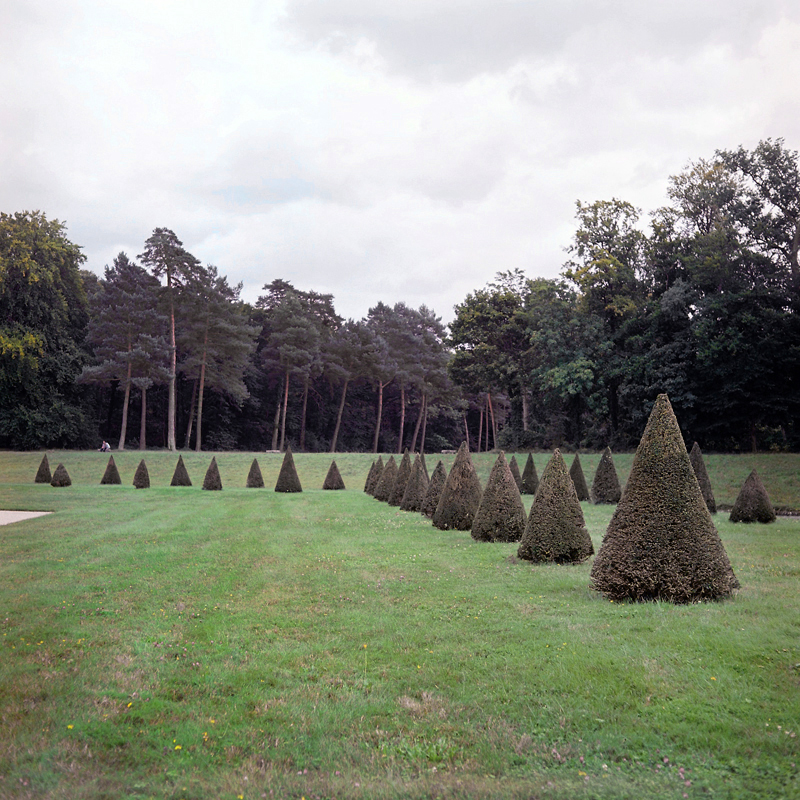
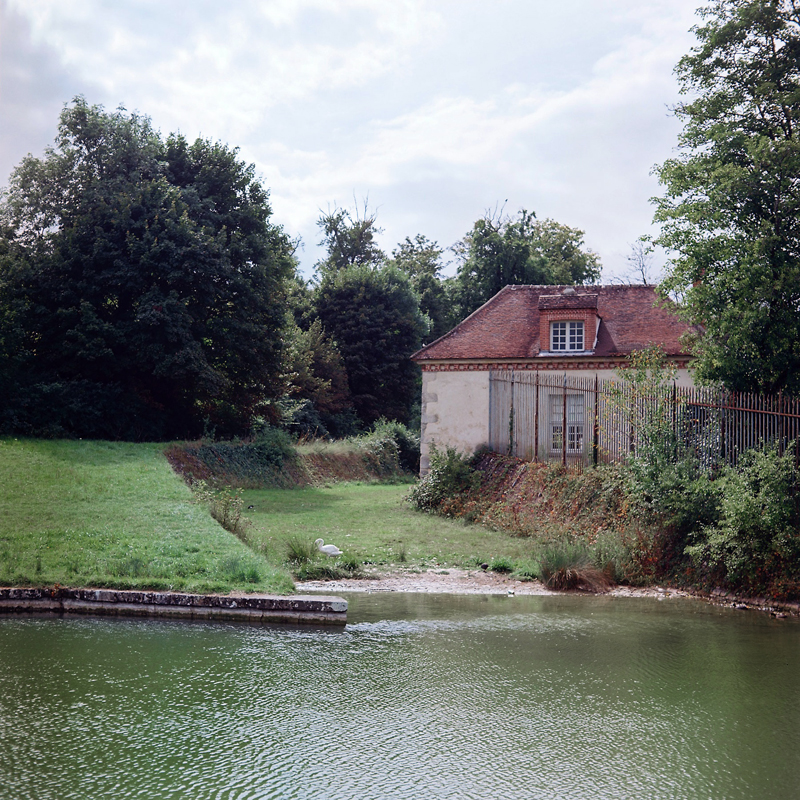
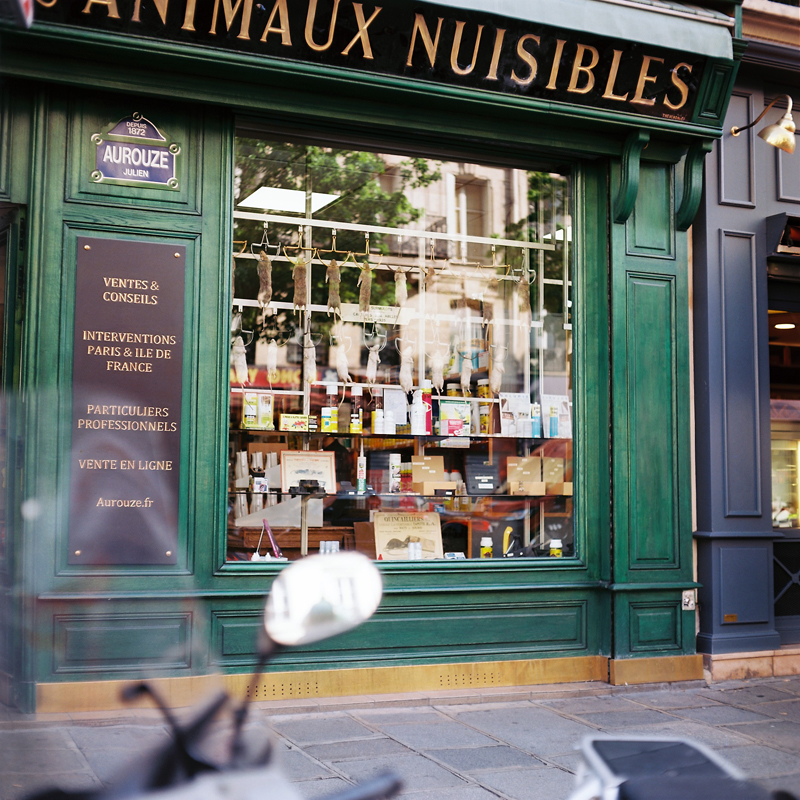
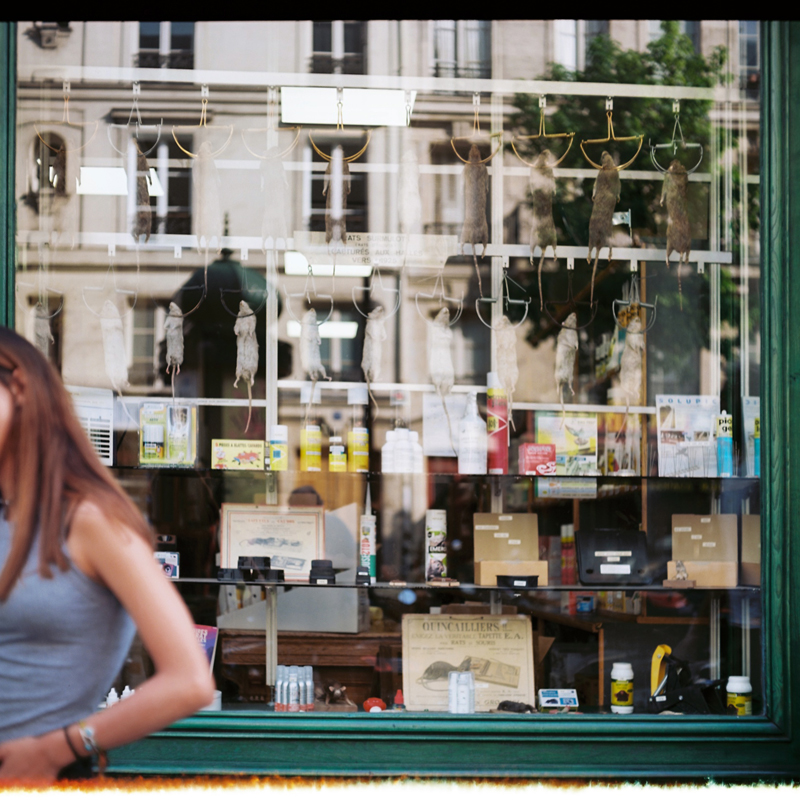
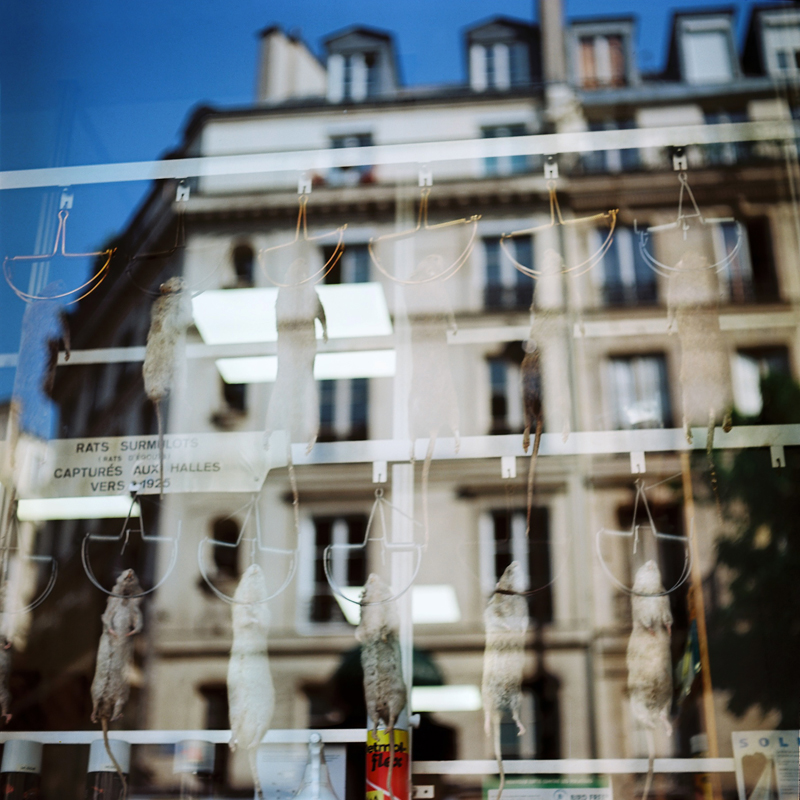
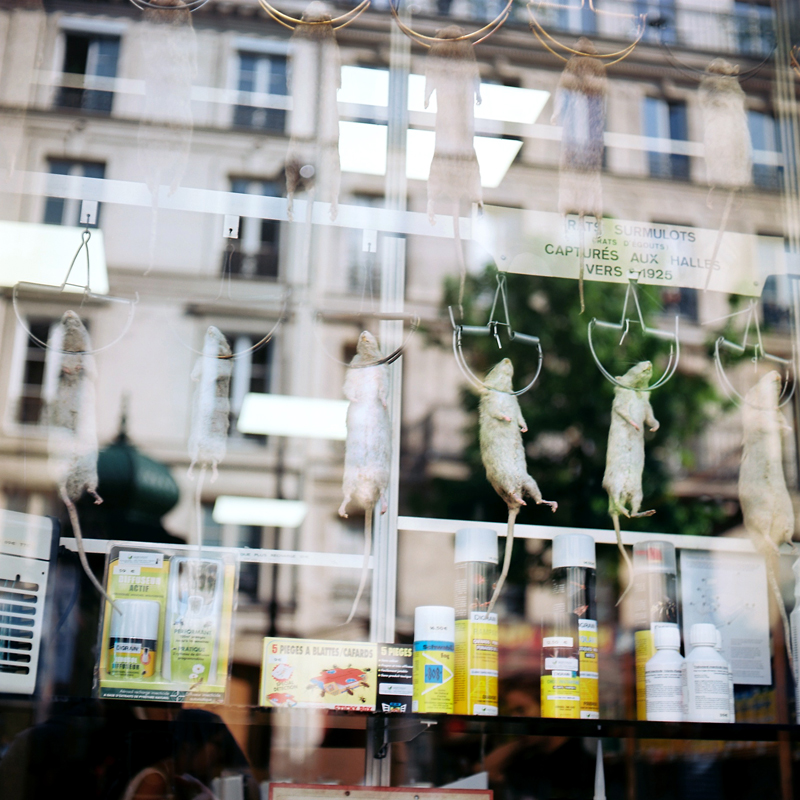
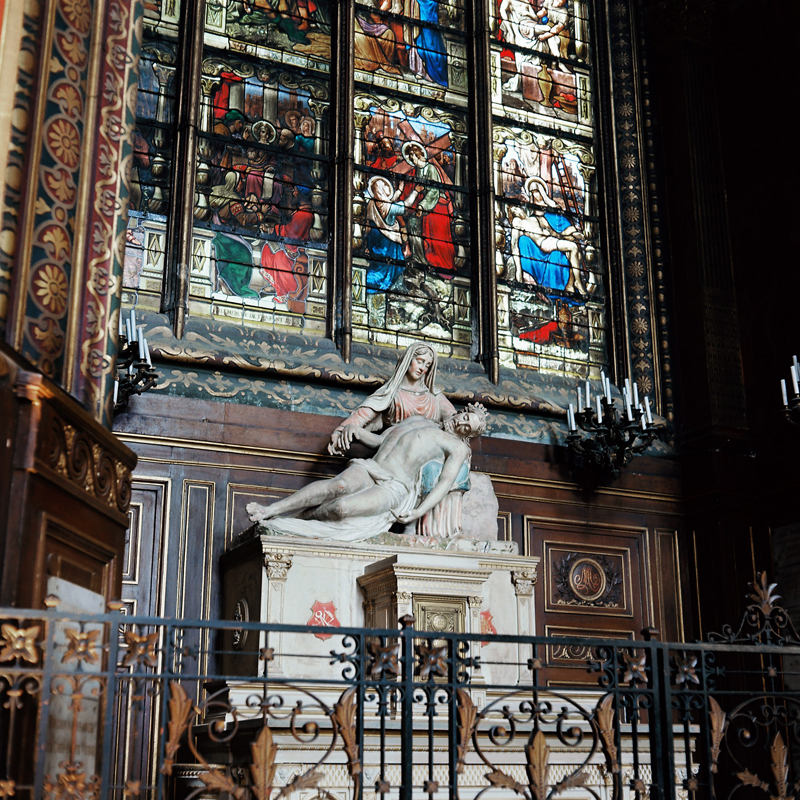
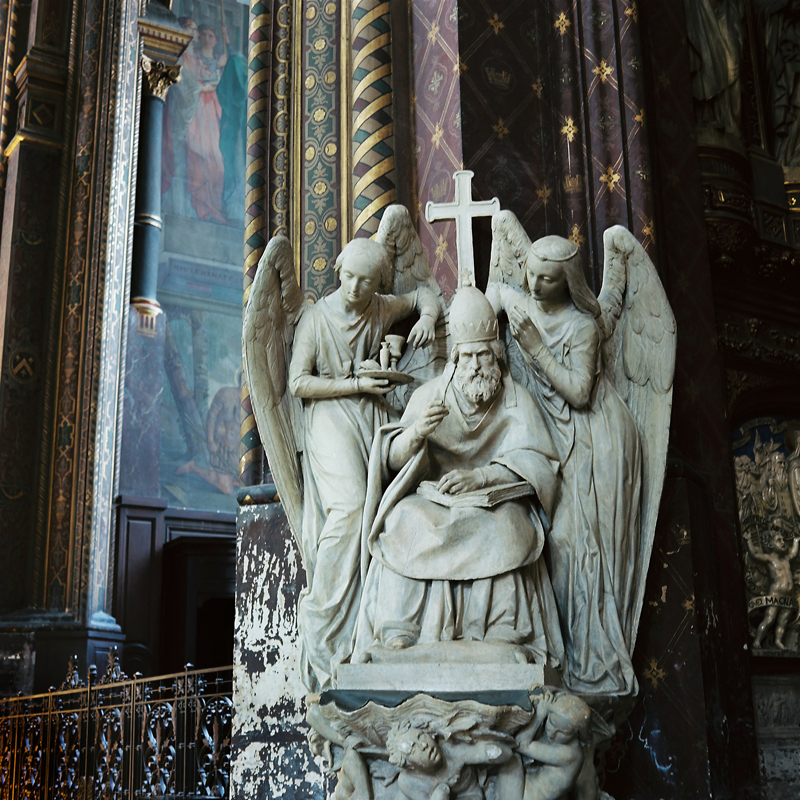
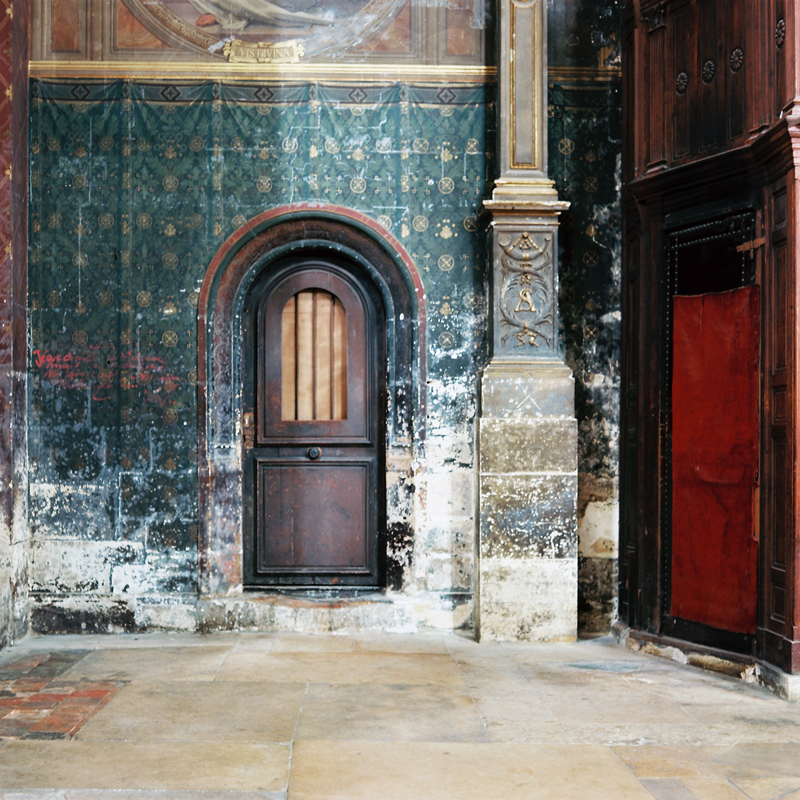
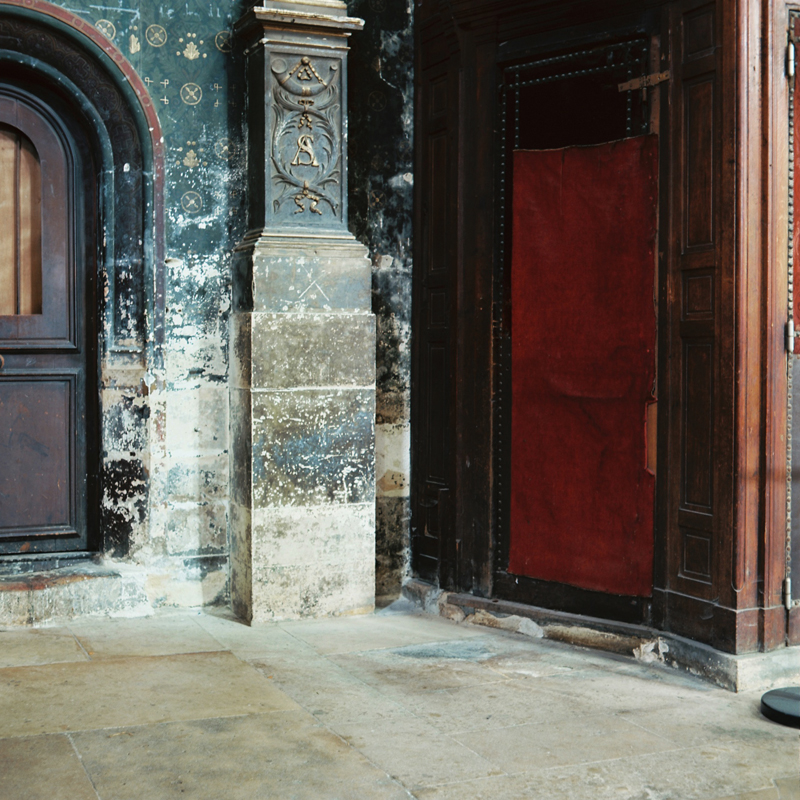
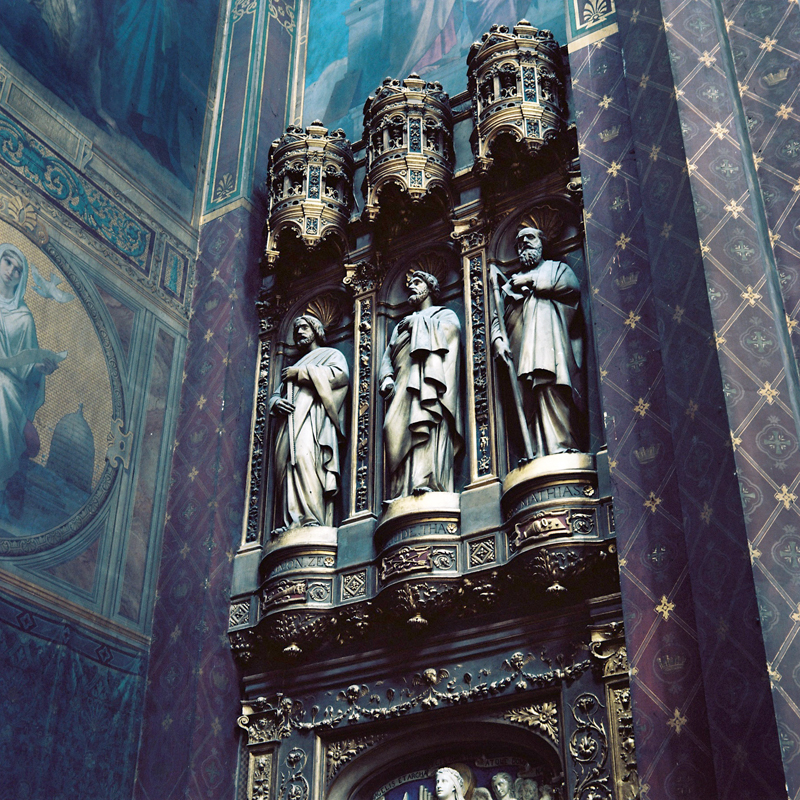
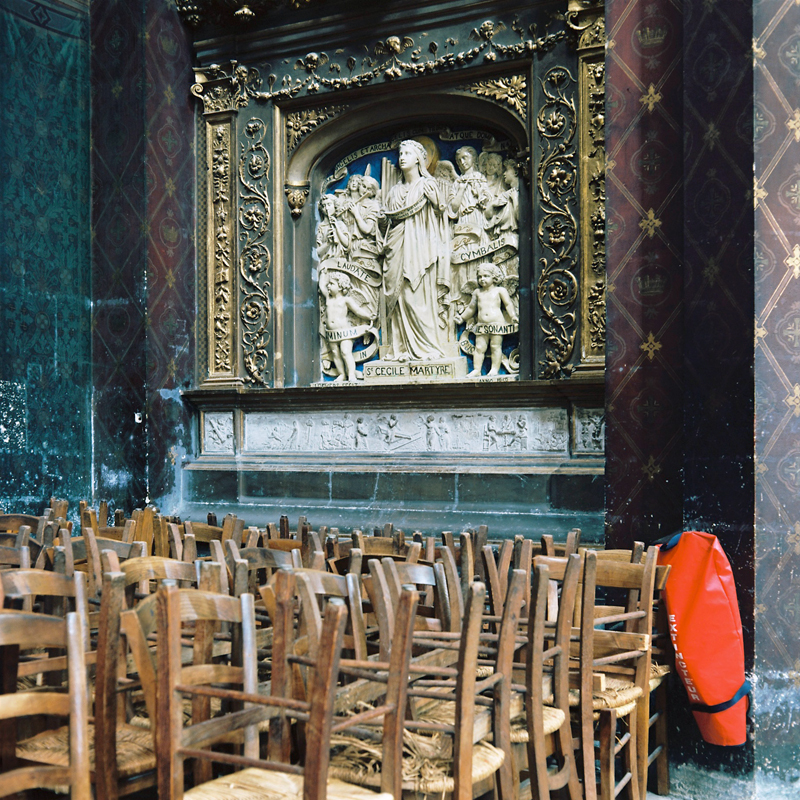
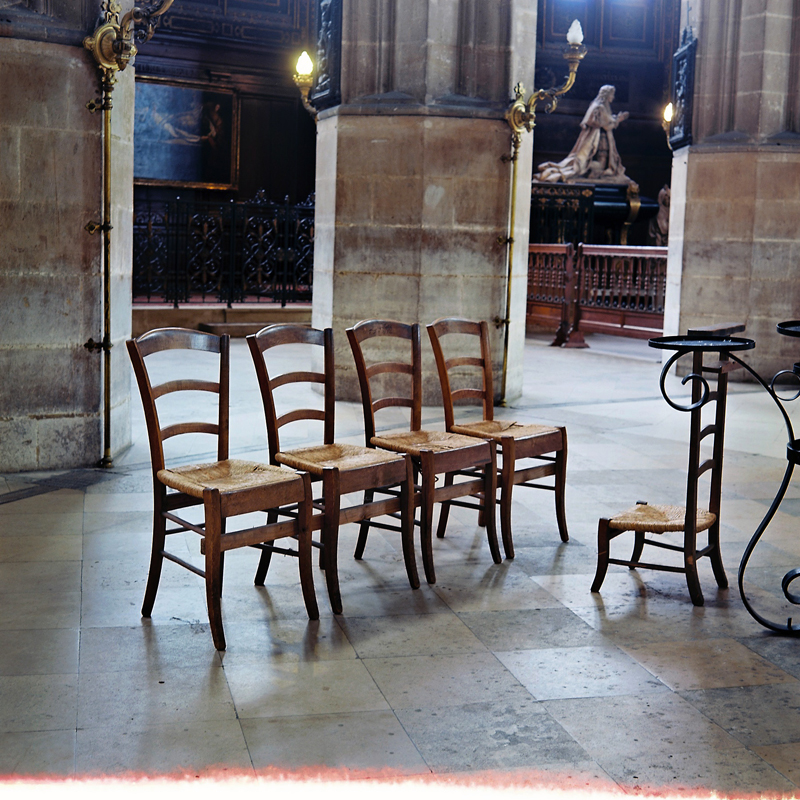
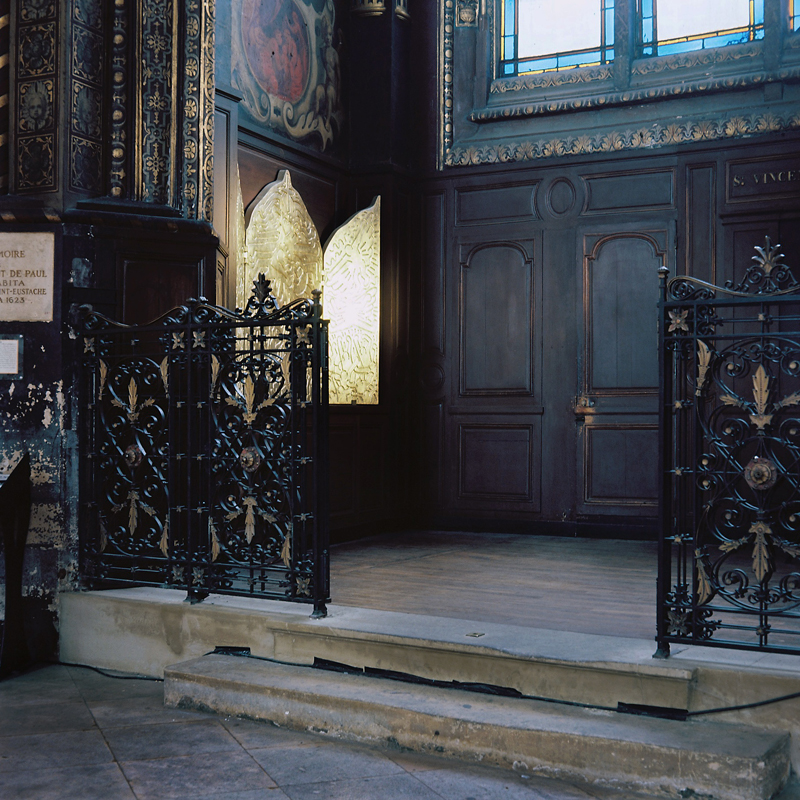
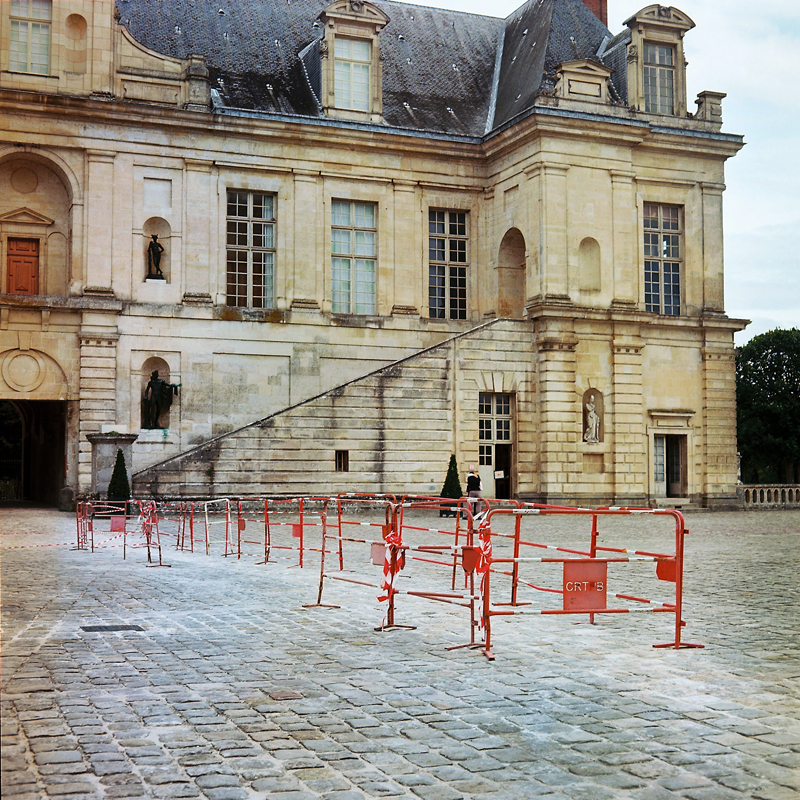
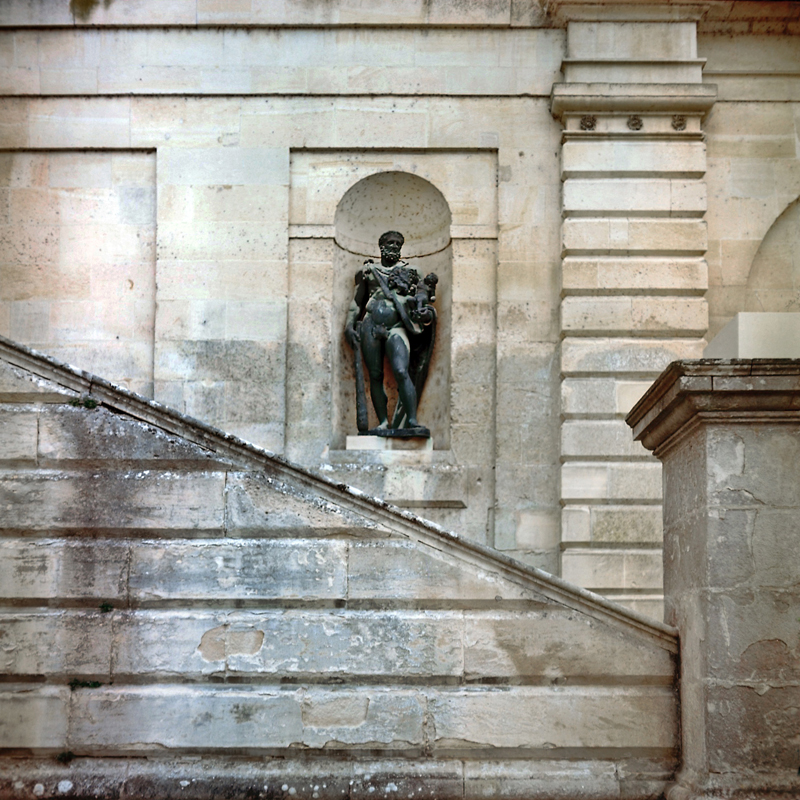
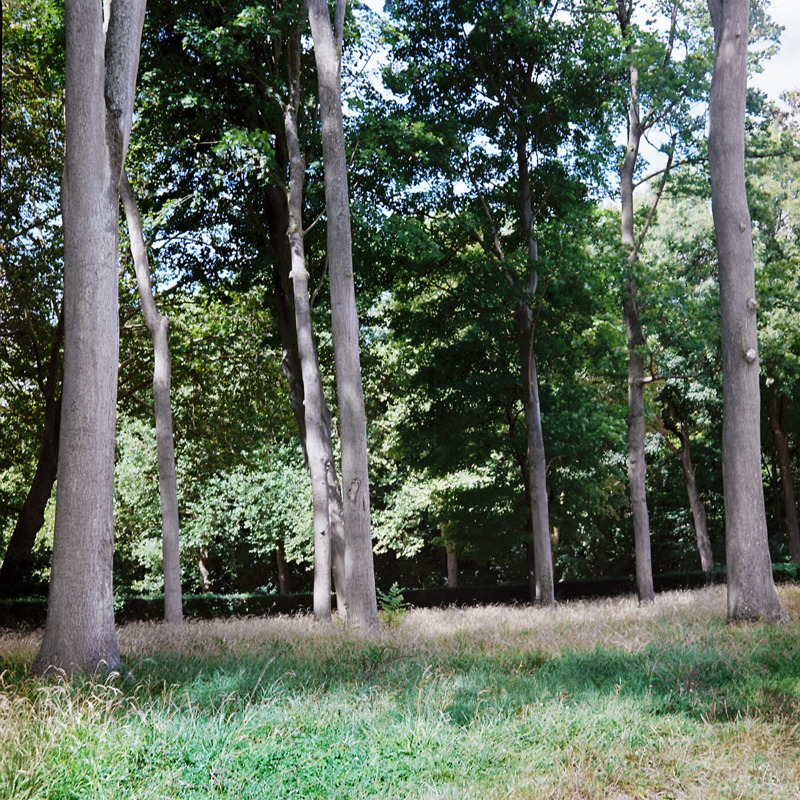
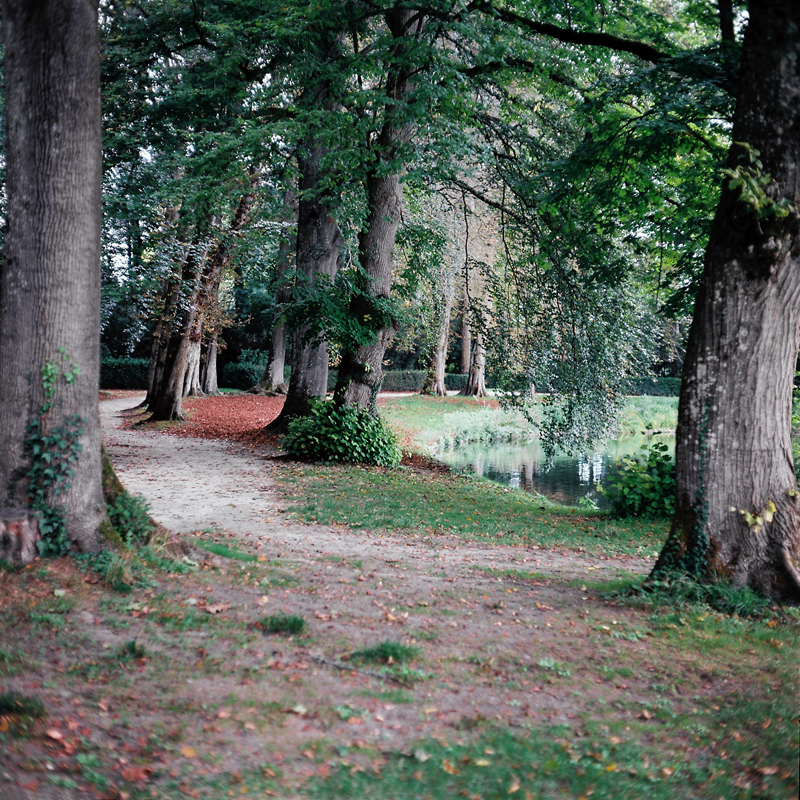
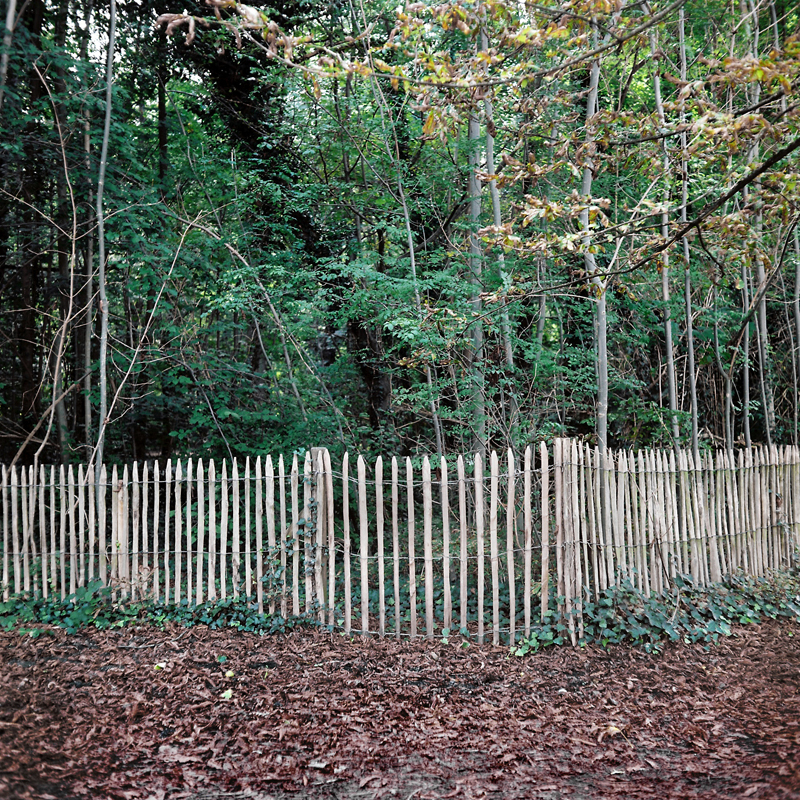
These photographs were taken on a trip to Paris in 2017 using my Mamiya twin-lens C220 medium format camera shot on Kodak Ektra 100 colour negative film.
It was strange taking these photographs over numerous, adventurous, energised days in Paris. Different from the yet to be sorted 4,000+ digital photographs I took, the act of taking these photographs allowed me to fully concentrate, to immerse myself in the environment, to loose myself in the process – with a commensurate dropping away of ego. I just was in the moment, “in the zone” as athletes would say.
They are reasonable scans of the negatives, full frame, no cropping, and I have colour corrected as best I can, noting that all digital images look different from computer monitor to monitor – one of the perennial hazards of looking at work online. They have not been sequenced at the moment.
The photographs seem to hang well together as a body of work.
Through their clear visualisation, the photographs speak directly to the viewer.
Please click on the photographs for a larger version of the image.
Photographs are available from this series for purchase. As a guide, a digital colour 16″ x 20″ costs $1000 plus tracked and insured shipping. For more information please see my Store web page.
“The great goal that we must all pursue is to kill off the great evil that eats away at us: egotism.”
“Sometimes I think I love nature just as much, if not more, for not being capable of translation into words… No words can describe some things. The more one says the less one sees. You see… nature is like love, it’s in the heart and you must not talk about it too much. You diminish what you try to describe. As for myself, I have no idea of my own nature when I act unselfconsciously. I only see what there is between the sky and myself. I have no part in it all. If I think of you, in my odd way I am you and I cease to exist.”
George Sand
Marcus Bunyan (Australian, b. 1958) Parc de Sceaux 2018 From the series Paris in film Digital photograph
Marcus Bunyan (Australian, b. 1958) Parc de Sceaux 2018 From the series Paris in film Digital photograph
Marcus Bunyan (Australian, b. 1958) Parc de Sceaux 2018 From the series Paris in film Digital photograph
Marcus Bunyan (Australian, b. 1958) Parc de Sceaux 2018 From the series Paris in film Digital photograph
Marcus Bunyan (Australian, b. 1958) Parc de Sceaux 2018 From the series Paris in film Digital photograph
Marcus Bunyan (Australian, b. 1958) Parc de Sceaux 2018 From the series Paris in film Digital photograph
Marcus Bunyan (Australian, b. 1958) Parc de Sceaux 2018 From the series Paris in film Digital photograph
Marcus Bunyan (Australian, b. 1958) Parc de Sceaux 2018 From the series Paris in film Digital photograph
Marcus Bunyan (Australian, b. 1958) Parc de Sceaux 2018 From the series Paris in film Digital photograph
Marcus Bunyan (Australian, b. 1958) Parc de Sceaux 2018 From the series Paris in film Digital photograph
Marcus Bunyan (Australian, b. 1958) Parc de Sceaux 2018 From the series Paris in film Digital photograph
Marcus Bunyan (Australian, b. 1958) Parc de Sceaux 2018 From the series Paris in film Digital photograph
Marcus Bunyan (Australian, b. 1958) Parc de Sceaux 2018 From the series Paris in film Digital photograph
Marcus Bunyan (Australian, b. 1958) Parc de Sceaux 2018 From the series Paris in film Digital photograph
Marcus Bunyan (Australian, b. 1958) Parc de Sceaux 2018 From the series Paris in film Digital photograph
Marcus Bunyan (Australian, b. 1958) Parc de Sceaux 2018 From the series Paris in film Digital photograph
Marcus Bunyan (Australian, b. 1958) Parc de Sceaux 2018 From the series Paris in film Digital photograph
Marcus Bunyan (Australian, b. 1958) Parc de Sceaux 2018 From the series Paris in film Digital photograph
Marcus Bunyan (Australian, b. 1958) Fontainebleau 2018 From the series Paris in film Digital photograph
Marcus Bunyan (Australian, b. 1958) Fontainebleau 2018 From the series Paris in film Digital photograph
Marcus Bunyan (Australian, b. 1958) Animaux Nuisibles 2018 From the series Paris in film Digital photograph
Marcus Bunyan (Australian, b. 1958) Animaux Nuisibles 2018 From the series Paris in film Digital photograph
Marcus Bunyan (Australian, b. 1958) Animaux Nuisibles 2018 From the series Paris in film Digital photograph
Marcus Bunyan (Australian, b. 1958) Rats Surmulots Captures aux Halles vers 1925 2018 From the series Paris in film Digital photograph
Marcus Bunyan (Australian, b. 1958) Saint-Eustache Church 2018 From the series Paris in film Digital photograph
Marcus Bunyan (Australian, b. 1958) Saint-Eustache Church 2018 From the series Paris in film Digital photograph
Marcus Bunyan (Australian, b. 1958) Saint-Eustache Church 2018 From the series Paris in film Digital photograph
Marcus Bunyan (Australian, b. 1958) Saint-Eustache Church 2018 From the series Paris in film Digital photograph
Marcus Bunyan (Australian, b. 1958) Saint-Eustache Church 2018 From the series Paris in film Digital photograph
Marcus Bunyan (Australian, b. 1958) Saint-Eustache Church 2018 From the series Paris in film Digital photograph
Marcus Bunyan (Australian, b. 1958) Saint-Eustache Church 2018 From the series Paris in film Digital photograph
Marcus Bunyan (Australian, b. 1958) Dying light, Keith Haring in Saint-Eustache Church 2018 From the series Paris in film Digital photograph
Marcus Bunyan (Australian, b. 1958) Fontainebleau 2018 From the series Paris in film Digital photograph
Paris in film
These photographs were taken on a trip to Paris in 2017 using my Mamiya twin-lens C220 medium format camera shot on Kodak Ektra 100 colour negative film.
They are reasonable scans of the negatives, full frame, no cropping, and I have colour corrected as best I can, noting that all digital images look different from computer monitor to monitor – one of the perennial hazards of looking at work online. They have not been sequenced at the moment.
The photographs seem to hang well together as a body of work.
Through their clear visualisation, the photographs speak directly to the viewer.
Please click on the photographs for a larger version of the image.
Photographs are available from this series for purchase. As a guide, a digital colour 16″ x 20″ costs $1000 plus tracked and insured shipping. For more information please see my Store web page.
Marcus Bunyan (Australian, b. 1958) Fontainebleau 2018 From the series Paris in film Digital photograph
Marcus Bunyan (Australian, b. 1958) Fontainebleau 2018 From the series Paris in film Digital photograph
Marcus Bunyan (Australian, b. 1958) Fontainebleau 2018 From the series Paris in film Digital photograph
Marcus Bunyan (Australian, b. 1958) Fontainebleau 2018 From the series Paris in film Digital photograph
Marcus Bunyan (Australian, b. 1958) Fontainebleau 2018 From the series Paris in film Digital photograph
Marcus Bunyan (Australian, b. 1958) Cimetière du Père Lachaise 2018 From the series Paris in film Digital photograph
Marcus Bunyan (Australian, b. 1958) Cimetière du Père Lachaise 2018 From the series Paris in film Digital photograph
Marcus Bunyan (Australian, b. 1958) Cimetière du Père Lachaise 2018 From the series Paris in film Digital photograph
Marcus Bunyan (Australian, b. 1958) Cimetière du Père Lachaise 2018 From the series Paris in film Digital photograph
Marcus Bunyan (Australian, b. 1958) Cimetière du Père Lachaise 2018 From the series Paris in film Digital photograph
Marcus Bunyan (Australian, b. 1958) Cimetière du Père Lachaise 2018 From the series Paris in film Digital photograph
Marcus Bunyan (Australian, b. 1958) Cimetière du Père Lachaise 2018 From the series Paris in film Digital photograph
Marcus Bunyan (Australian, b. 1958) Parc de Sceaux 2018 From the series Paris in film Digital photograph
Marcus Bunyan (Australian, b. 1958) Parc de Sceaux 2018 From the series Paris in film Digital photograph
Marcus Bunyan (Australian, b. 1958) Parc de Sceaux 2018 From the series Paris in film Digital photograph
Marcus Bunyan (Australian, b. 1958) Parc de Sceaux 2018 From the series Paris in film Digital photograph
Marcus Bunyan (Australian, b. 1958) Parc de Sceaux 2018 From the series Paris in film Digital photograph
Marcus Bunyan (Australian, b. 1958) Parc de Sceaux 2018 From the series Paris in film Digital photograph
Marcus Bunyan (Australian, b. 1958) Parc de Sceaux 2018 From the series Paris in film Digital photograph
Marcus Bunyan (Australian, b. 1958) Parc de Sceaux 2018 From the series Paris in film Digital photograph
Marcus Bunyan (Australian, b. 1958) Parc de Sceaux 2018 From the series Paris in film Digital photograph
Marcus Bunyan (Australian, b. 1958) Parc de Sceaux 2018 From the series Paris in film Digital photograph
Marcus Bunyan (Australian, b. 1958) Parc de Sceaux 2018 From the series Paris in film Digital photograph
Marcus Bunyan (Australian, b. 1958) Fontainebleau 2018 From the series Paris in film Digital photograph
Marcus Bunyan (Australian, b. 1958) Fontainebleau 2018 From the series Paris in film Digital photograph
Marcus Bunyan (Australian, b. 1958) Fontainebleau 2018 From the series Paris in film Digital photograph
Marcus Bunyan (Australian, b. 1958) Fontainebleau 2018 From the series Paris in film Digital photograph
Marcus Bunyan (Australian, b. 1958) Fontainebleau 2018 From the series Paris in film Digital photograph
Marcus Bunyan (Australian, b. 1958) Fontainebleau 2018 From the series Paris in film Digital photograph
Marcus Bunyan (Australian, b. 1958) Fontainebleau 2018 From the series Paris in film Digital photograph
Marcus Bunyan (Australian, b. 1958) Fontainebleau 2018 From the series Paris in film Digital photograph
Marcus Bunyan (Australian, b. 1958) Parc de Sceaux 2018 From the series Paris in film Digital photograph
Marcus Bunyan (Australian, b. 1958) Parc de Sceaux 2018 From the series Paris in film Digital photograph
Marcus Bunyan (Australian, b. 1958) Parc de Sceaux 2018 From the series Paris in film Digital photograph
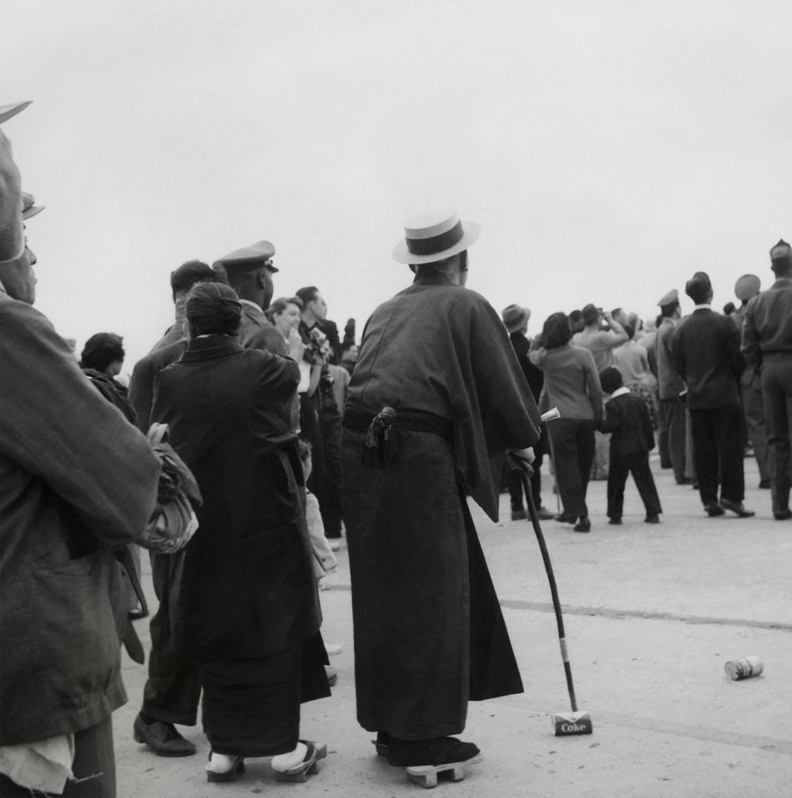
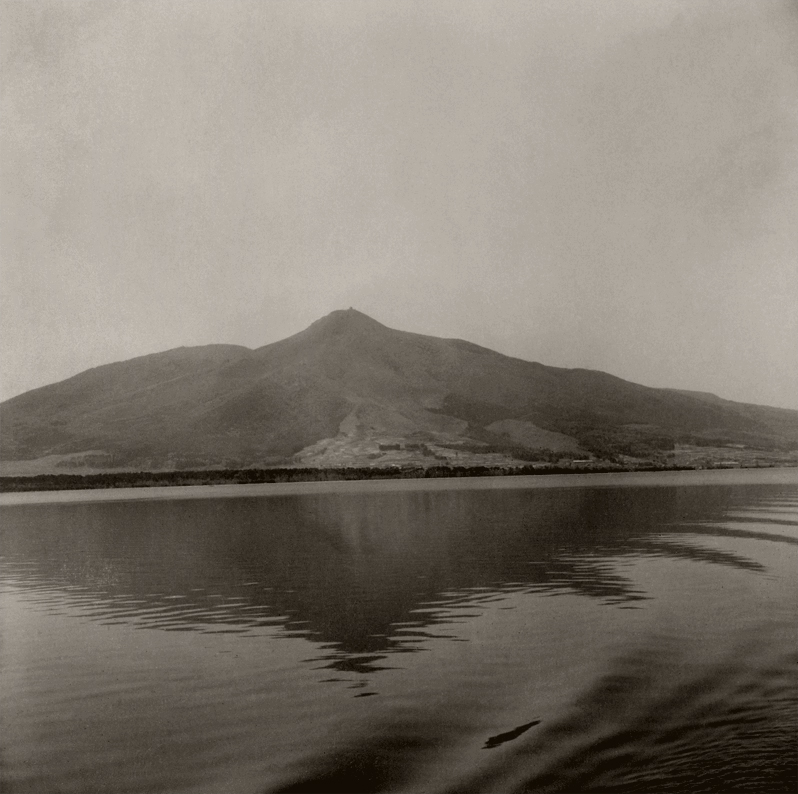
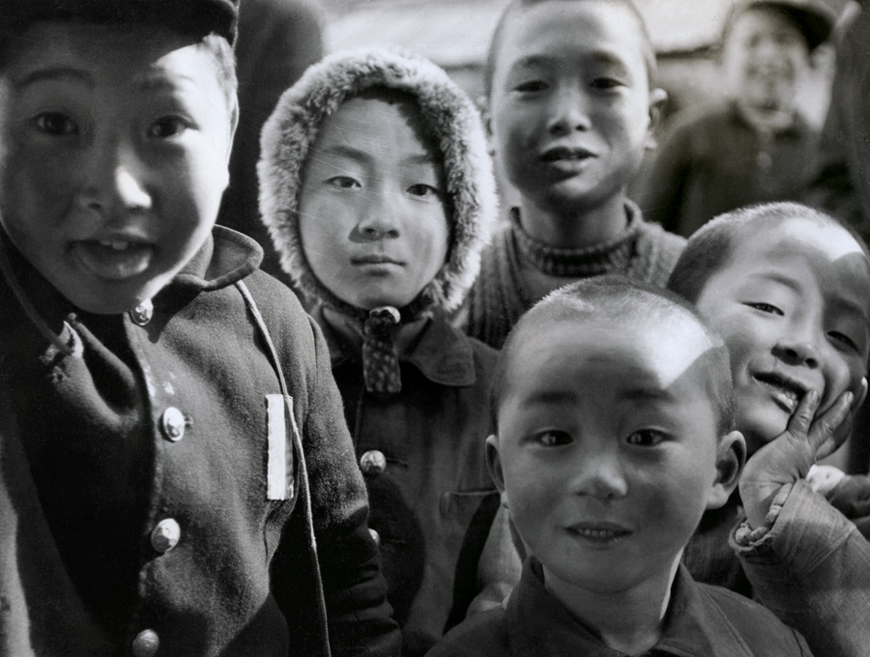
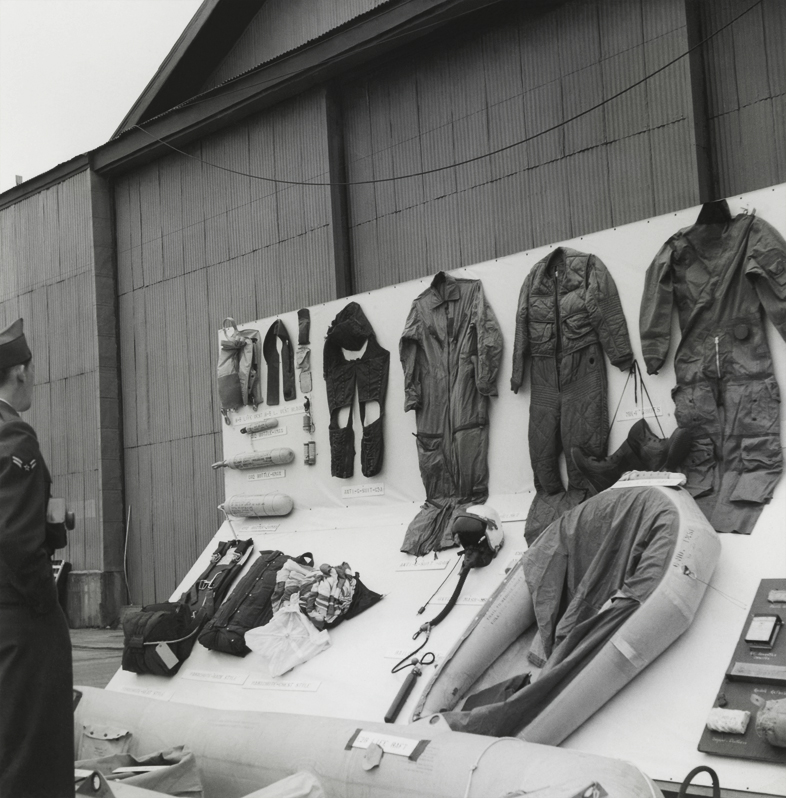
EG: Just saw your most recent Art Blart and your work. It’s very beautiful. Congratulations. At first I didn’t know whose they were. Then I went through them one by one, and only after responding to them ‘unknown’ I saw it was your work. SO BEAUTIFUL, so potent and yet, within the ambivalence and questioning there was space for great stillness and contemplation. Powerful and so poetic. The one of the children, close up is dazzling, but so are the open fields, mountains, roadways and minute images of flight.
MB: Thank you so much Elizabeth. Yes, my work would you believe. I can now believe after 4 years hard work. A poem to the uncertainty of human dreams. It’s a conceptual series in the vein of my hero Minor White – contemplative, poetic as always with me, but with an edge under the poetry as you so correctly observe EG – you are caught in the dream in the end image, suspended in time and space, in your imagination. You are always so spot on with your observations.
EG: Your own tendency is also closely linked to language and ideas?
MB: This is very true. The basis for all my work is body, time, space, environment and their link to language and ideas… and how conceptual work can be spiritual as well.
EG: I’m with you on that one, and political as well.
MB: Indeed – all my work, including this series, is very anti-war.
EG: What is unseen, invisible in these images is definitely the dark quiet hole of hell that war is. Or at least those that invest in it.
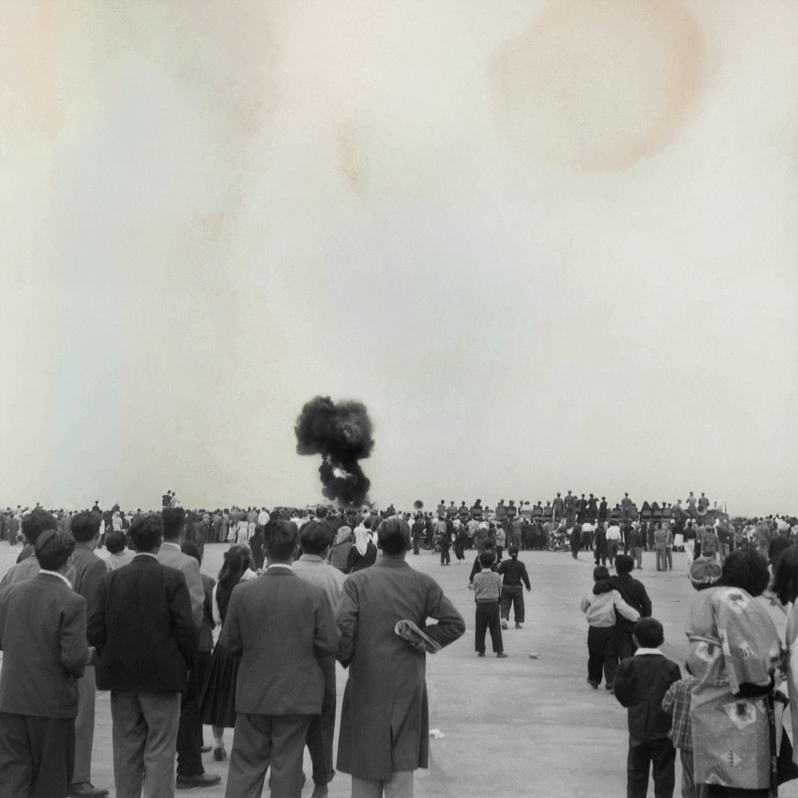
MB: The key image in this regard is the one of the explosion.
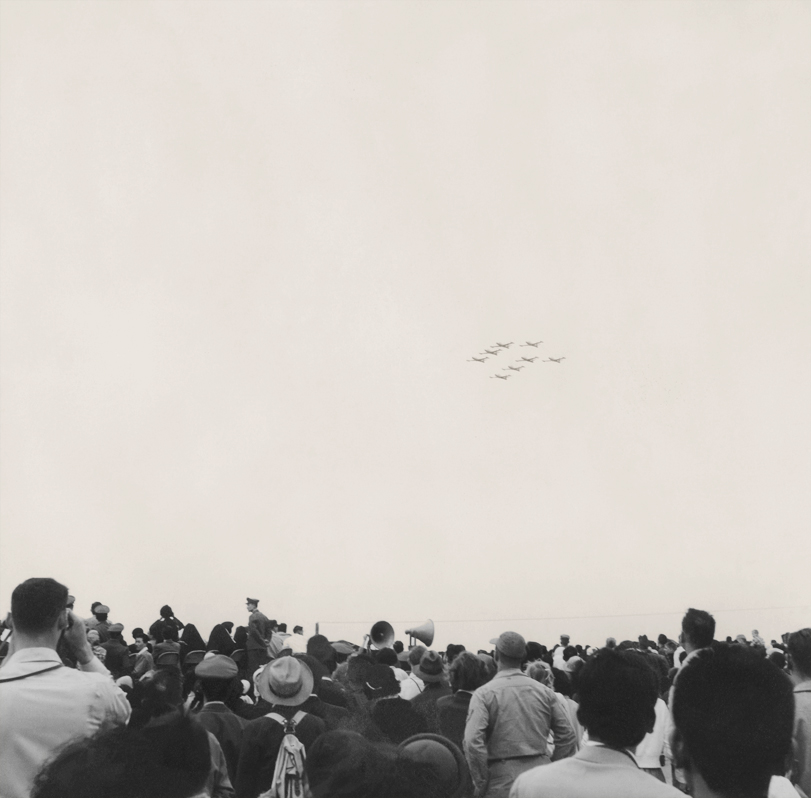
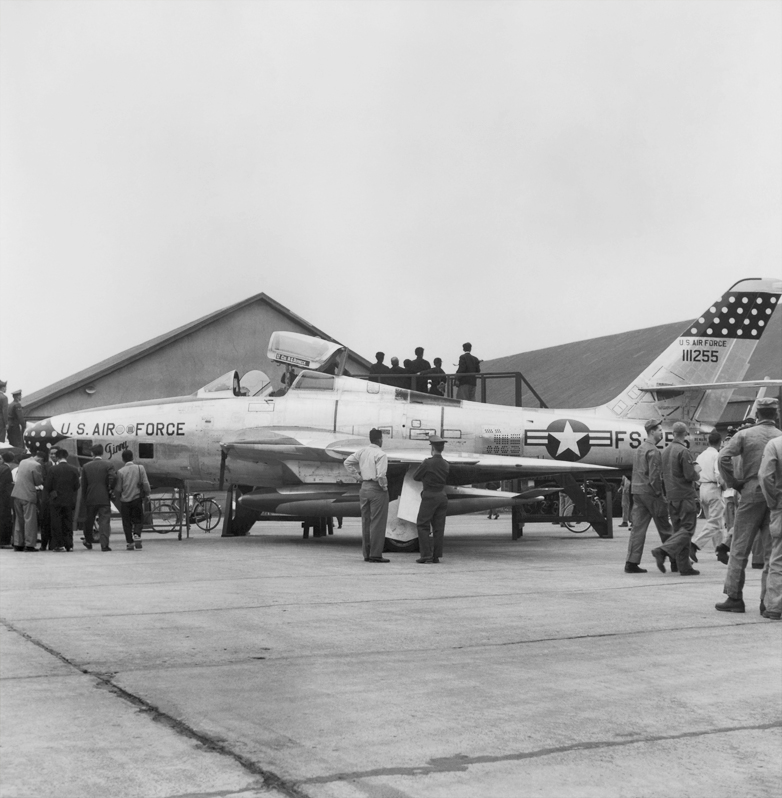
EG: But the ones of the distant and misdirected aerial machines also…
MB: Indeed, and the second one, where all the men are looking away while the cloud expands in the background.
EG: Yes, the casual indifference and banality of it.
MB: You have it perfectly Elizabeth!
EG: But the children, oh those children, and the innocent implacability of the natural world.
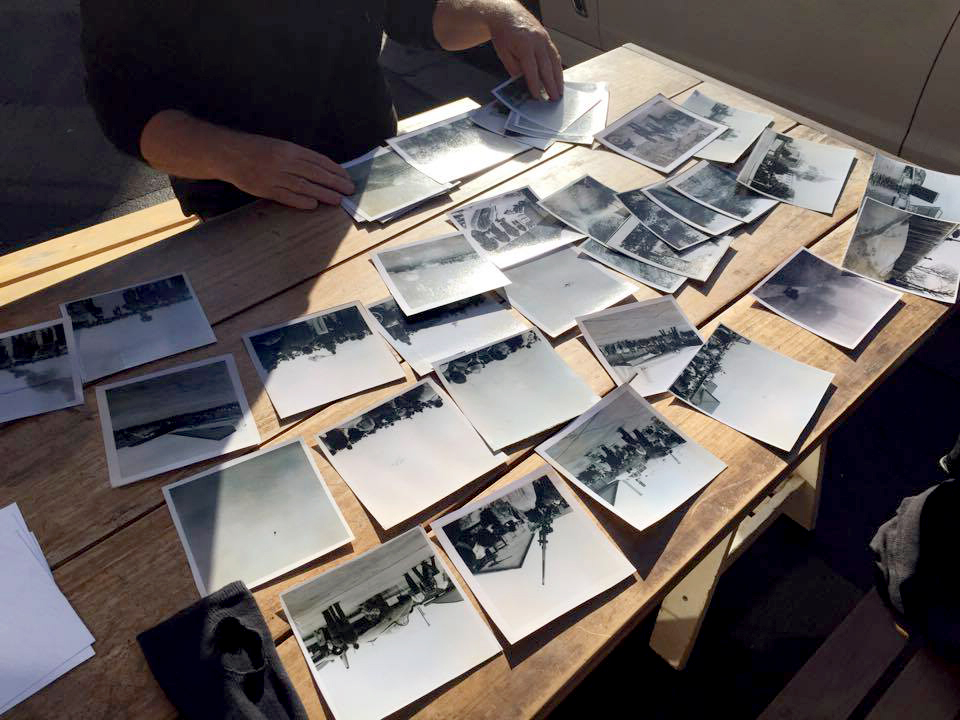
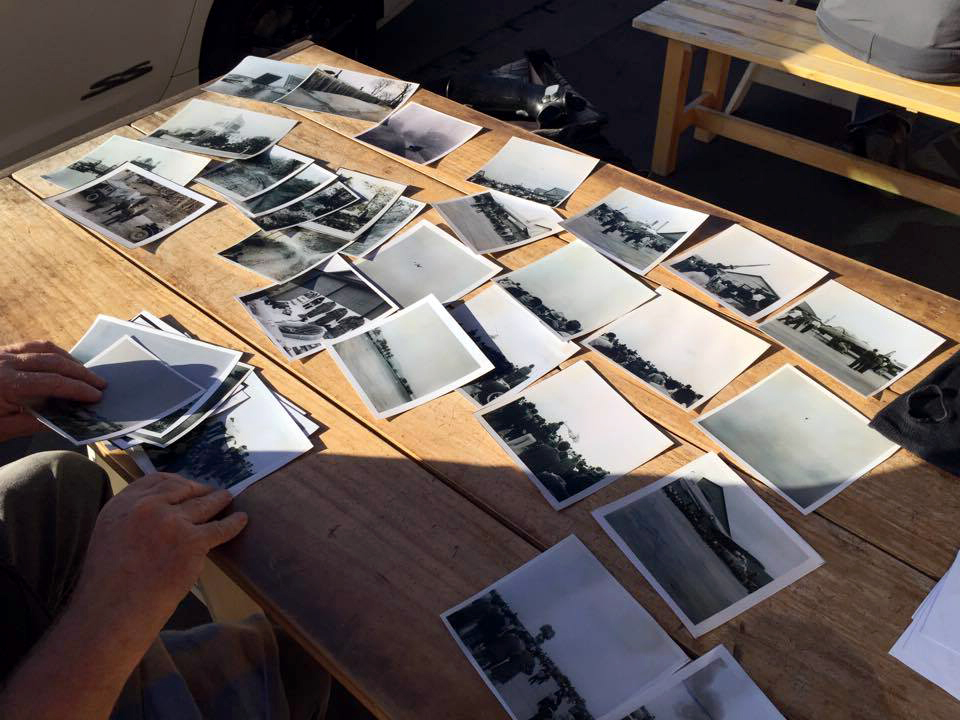
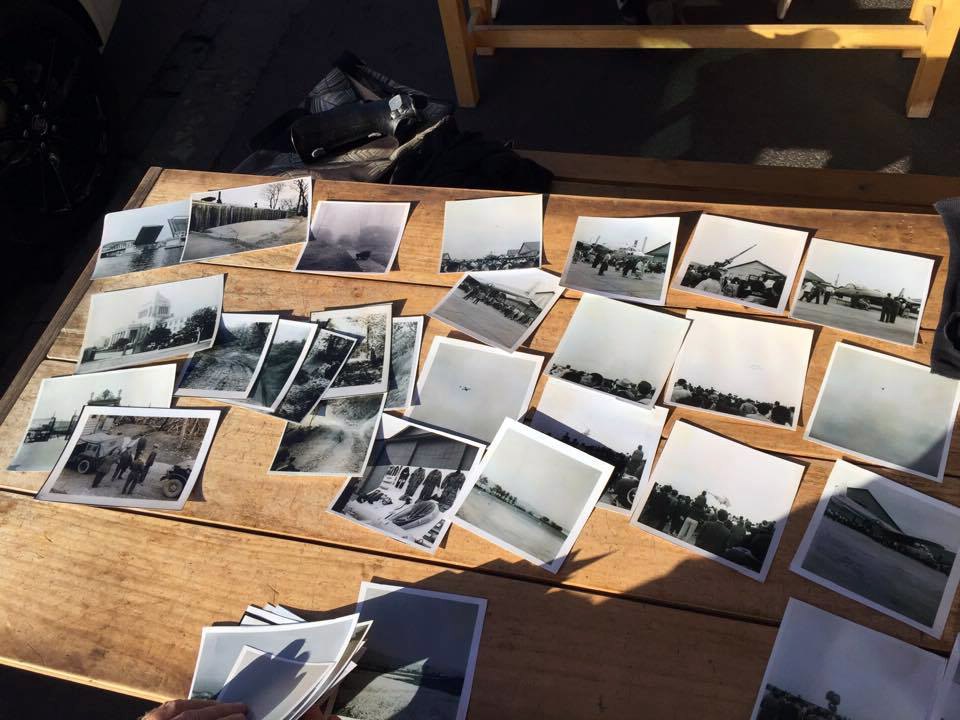
MB: To find these images on Ebay and then spend four years of my life cleaning and saving them was an incredible experience. It was almost like I was breathing these images as I was saving them, looking into each one and being immersed in them. Thus, the art demands contemplation from the viewer in order to begin to understand its resonances.
Many thankx to Elizabeth Gertsakis for her wisdom, knowledge, friendship and advice throughout the year. These observations of my work mean a great deal to me.
Photographs are available from this series for purchase. As a guide, a digital colour 16″ x 20″ costs $1000 plus tracked and insured shipping. For more information please see my Store web page.
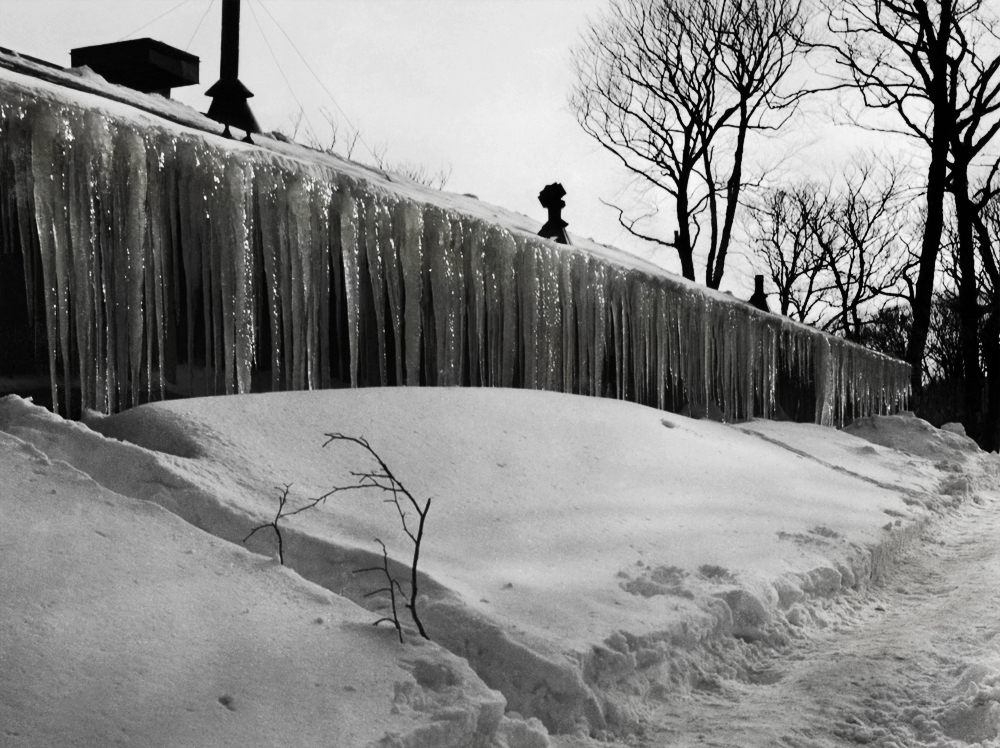
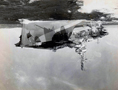
A Christmas present to myself… my most complex and enigmatic sequence to date.
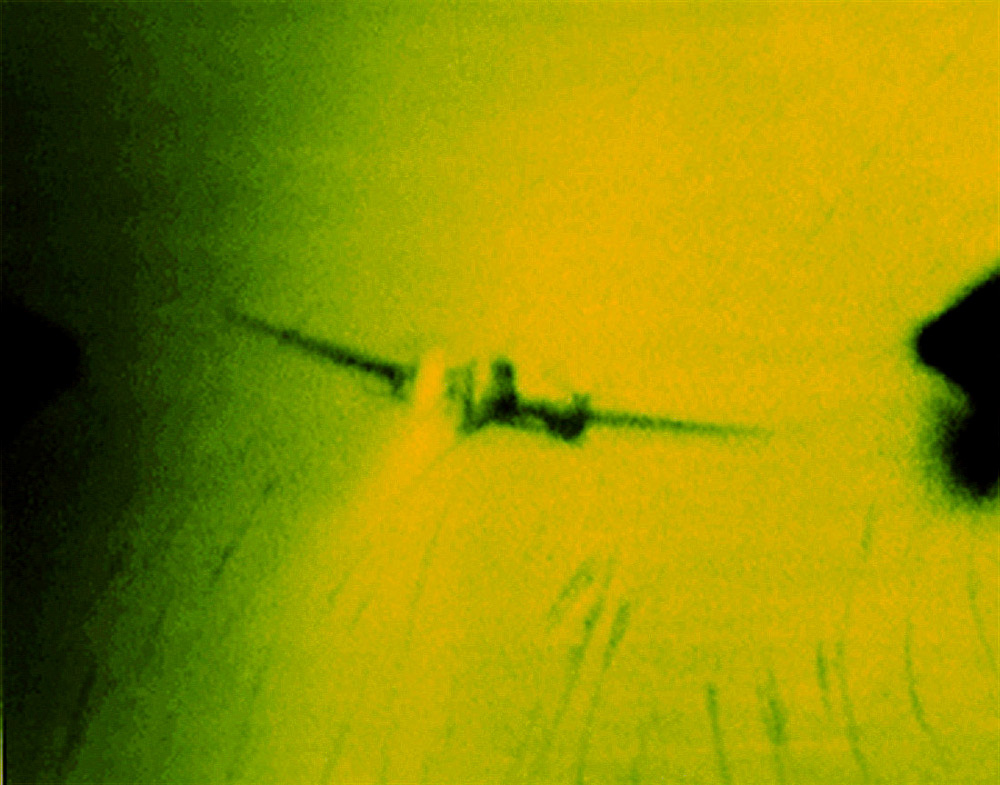
Shot in Japan, all of the images come from two 1950s photography albums, one of which has a large drawing of a USAF bomber on it’s cover. The images were almost lost they were so dirty, scratched and deteriorated. It has taken me four long years to scan, digitally clean and restore the images, heightening the colour already present in the original photographs.
Sometimes the work flowed, sometimes it was like pulling teeth. Many times I nearly gave up, asking myself why I was spending my life cleaning dirt and scratches from these images. The only answer is… that I wanted to use these images so that they told a different story.
Then to sequence the work in such a way that there is an enigmatic quality, a mystery in that narrative journey. Part auteur, part cinema – a poem to the uncertainty of human dreams.
Photographs are available from this series for purchase. As a guide, a digital colour 16″ x 20″ costs $1000 plus tracked and insured shipping. For more information please see my Store web page.
A selection of individual images from the sequence
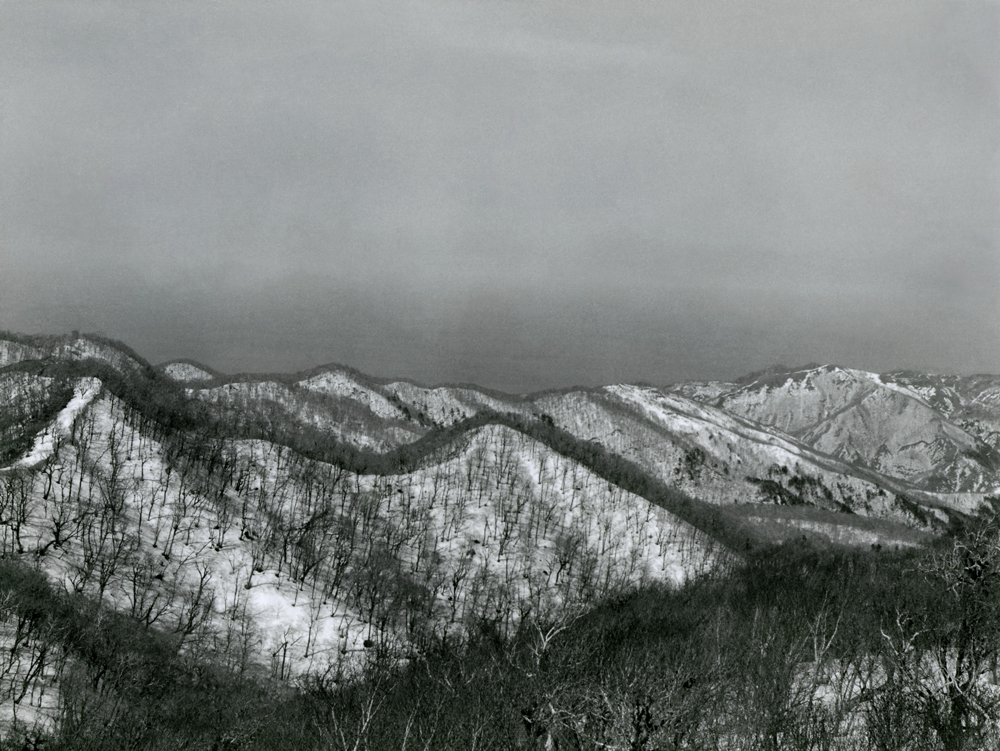
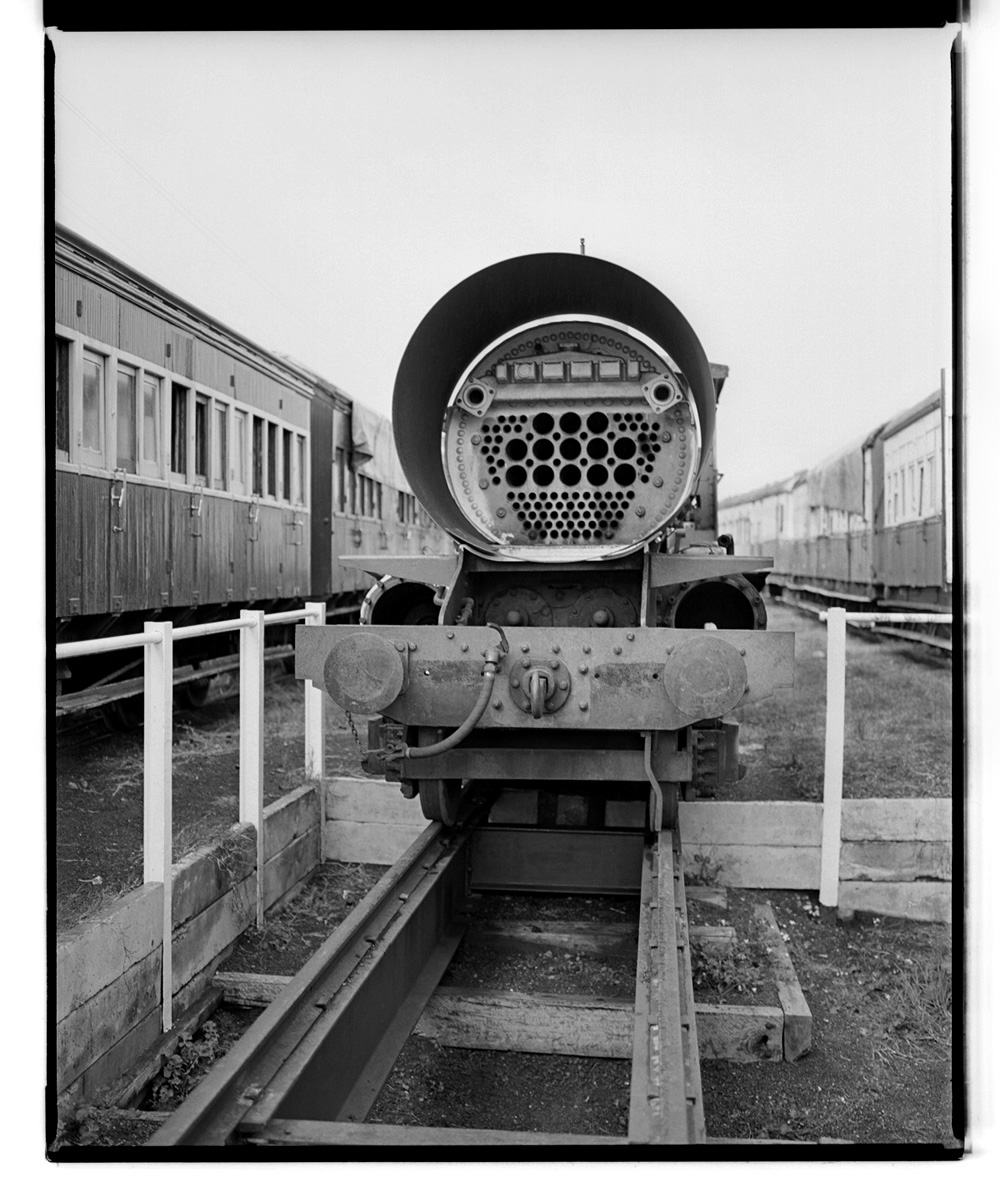
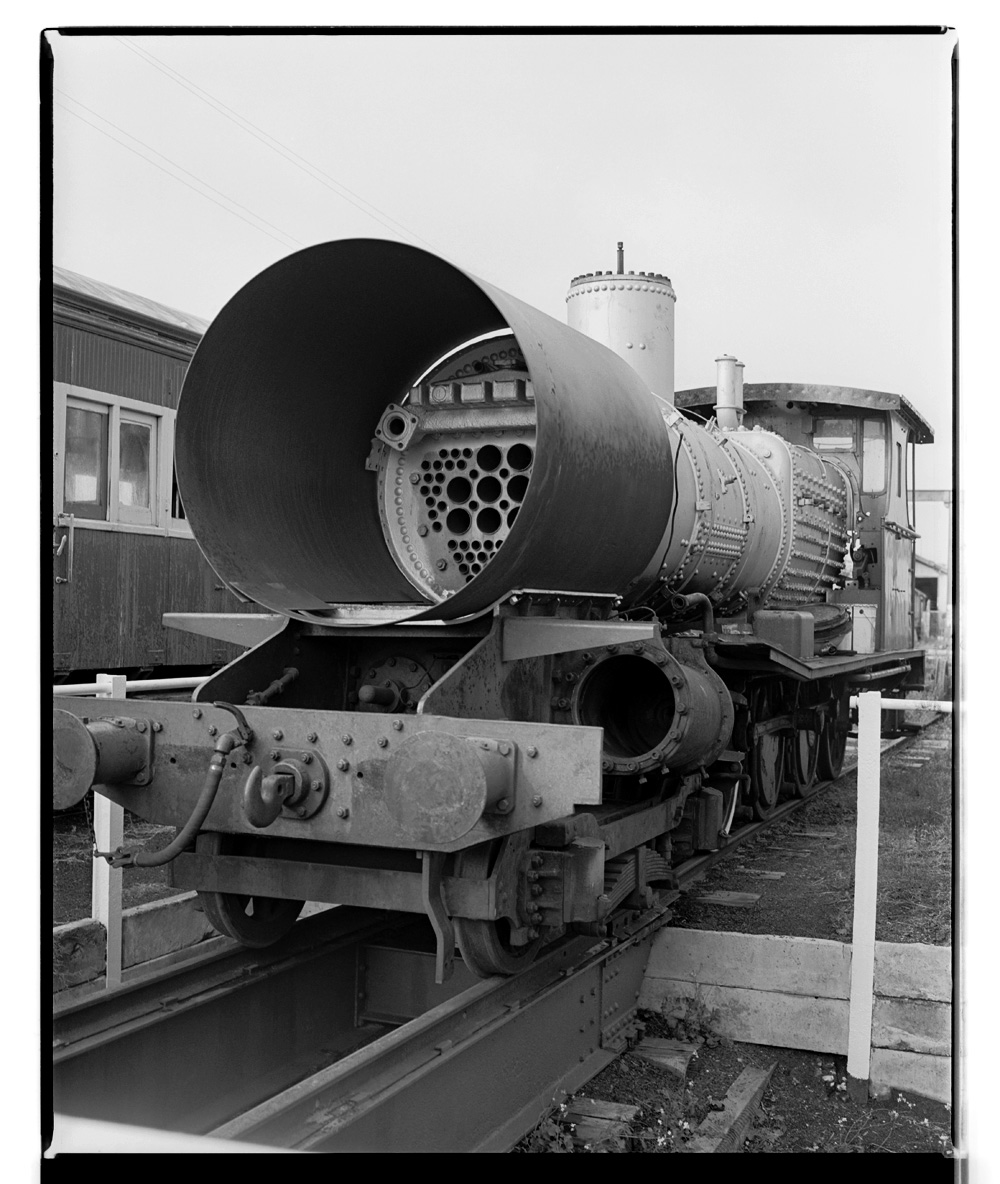
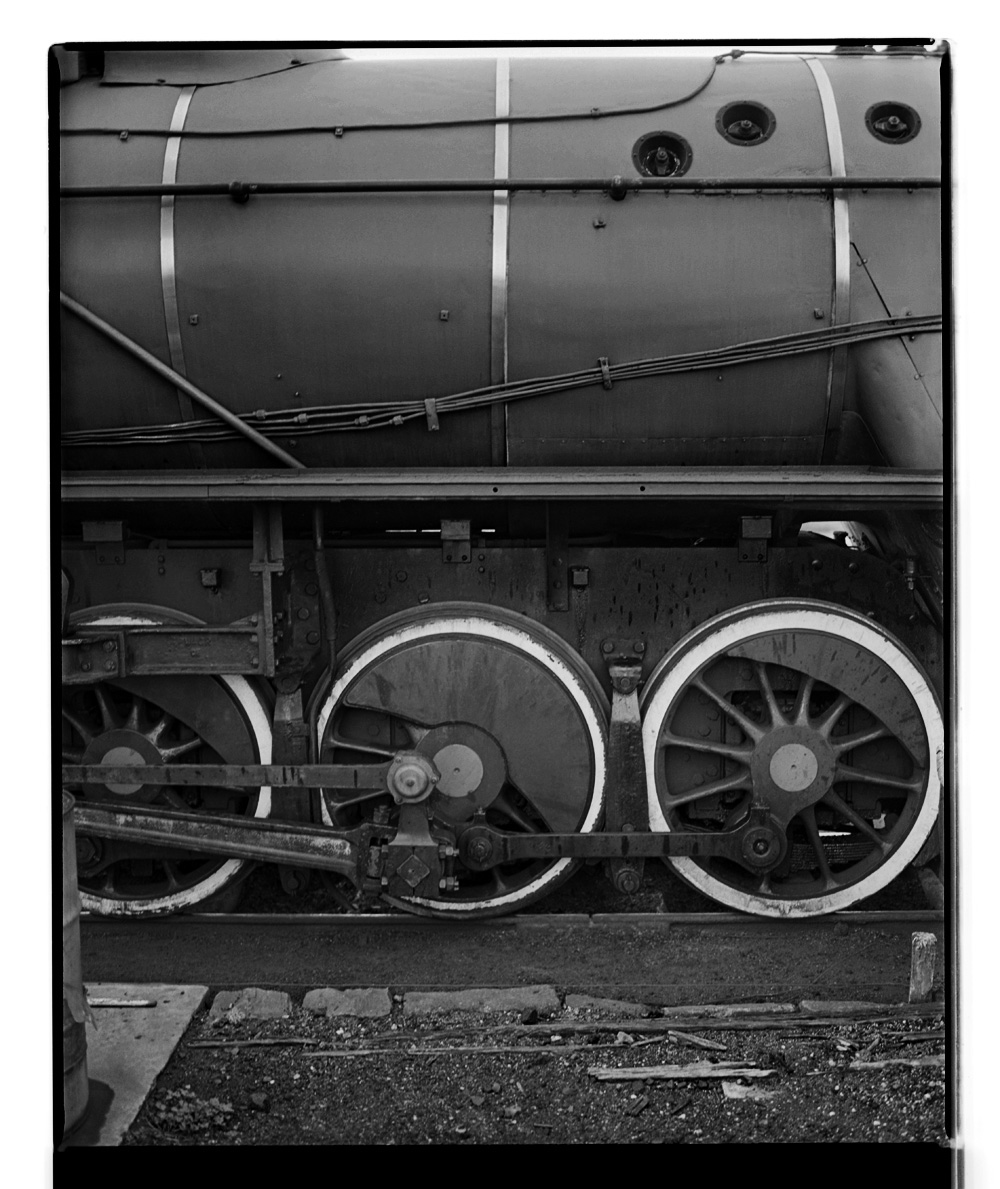
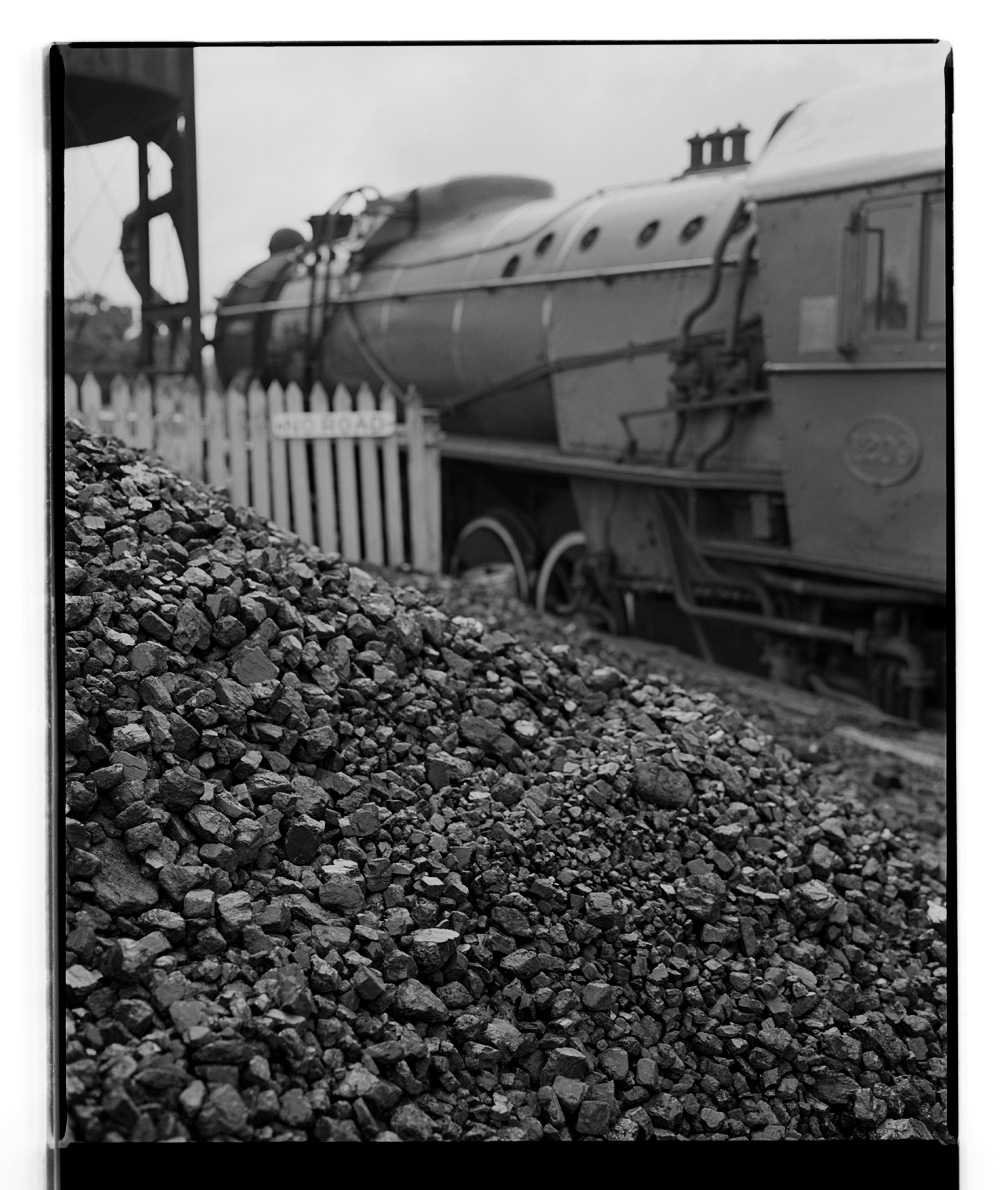
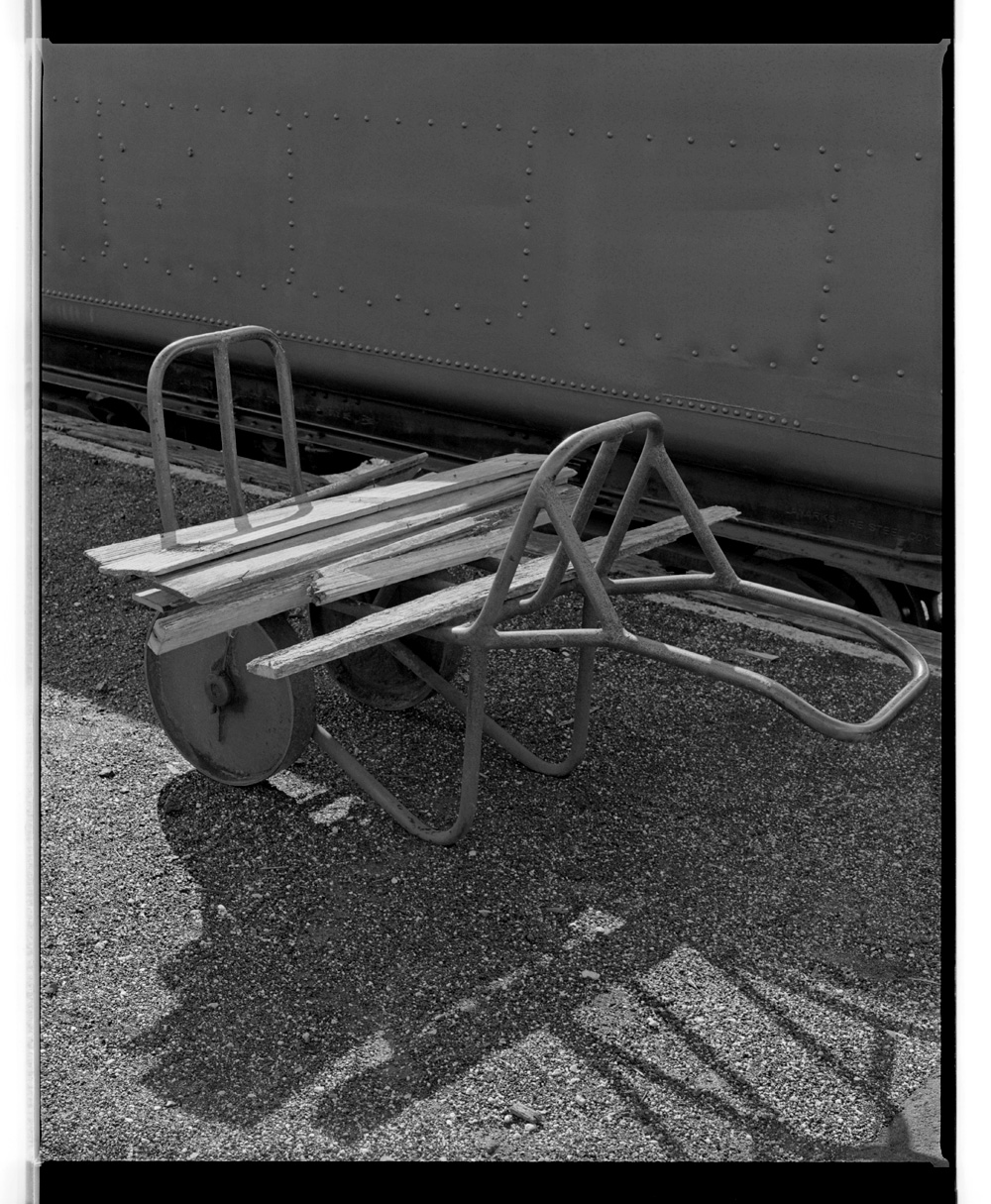
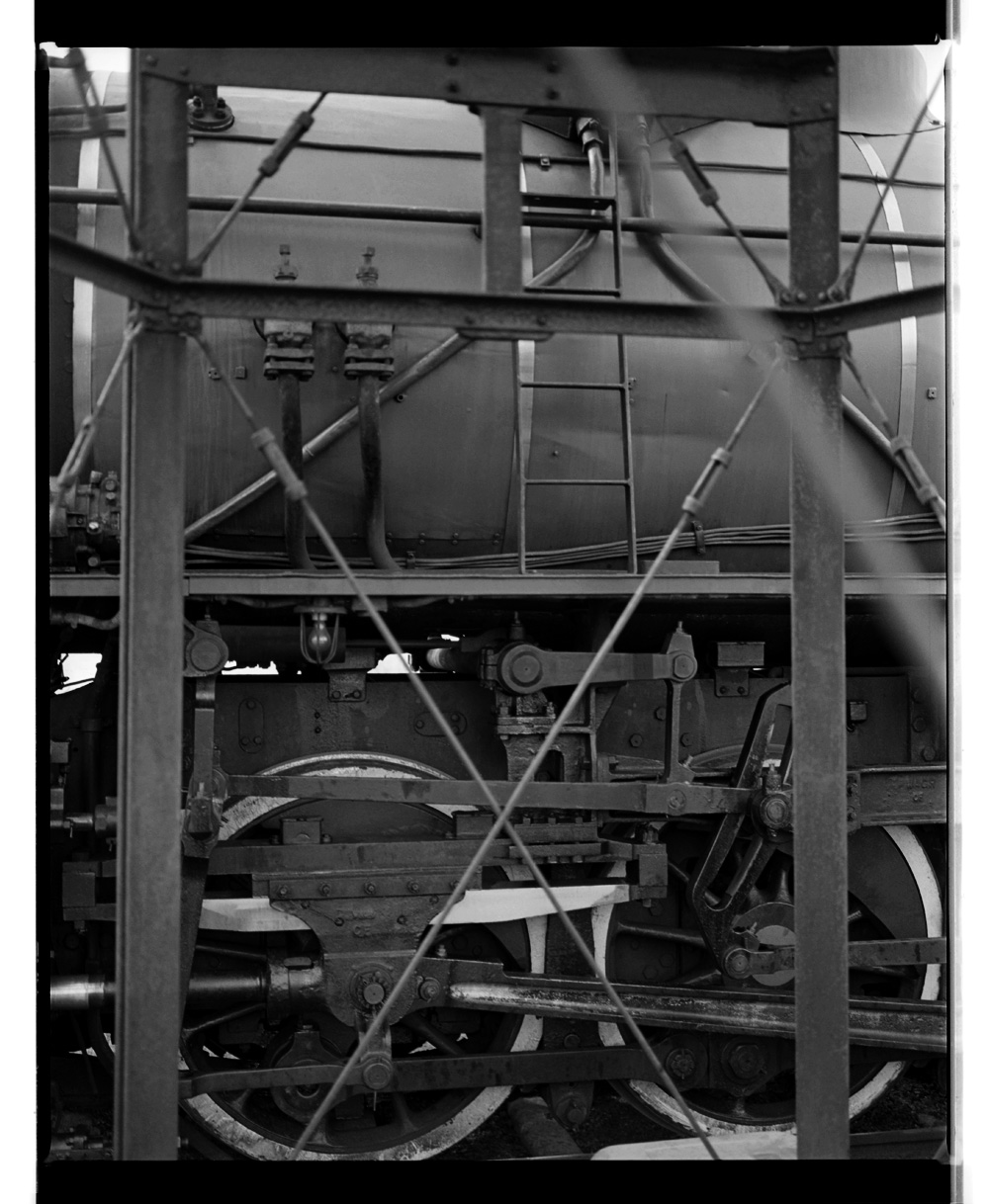
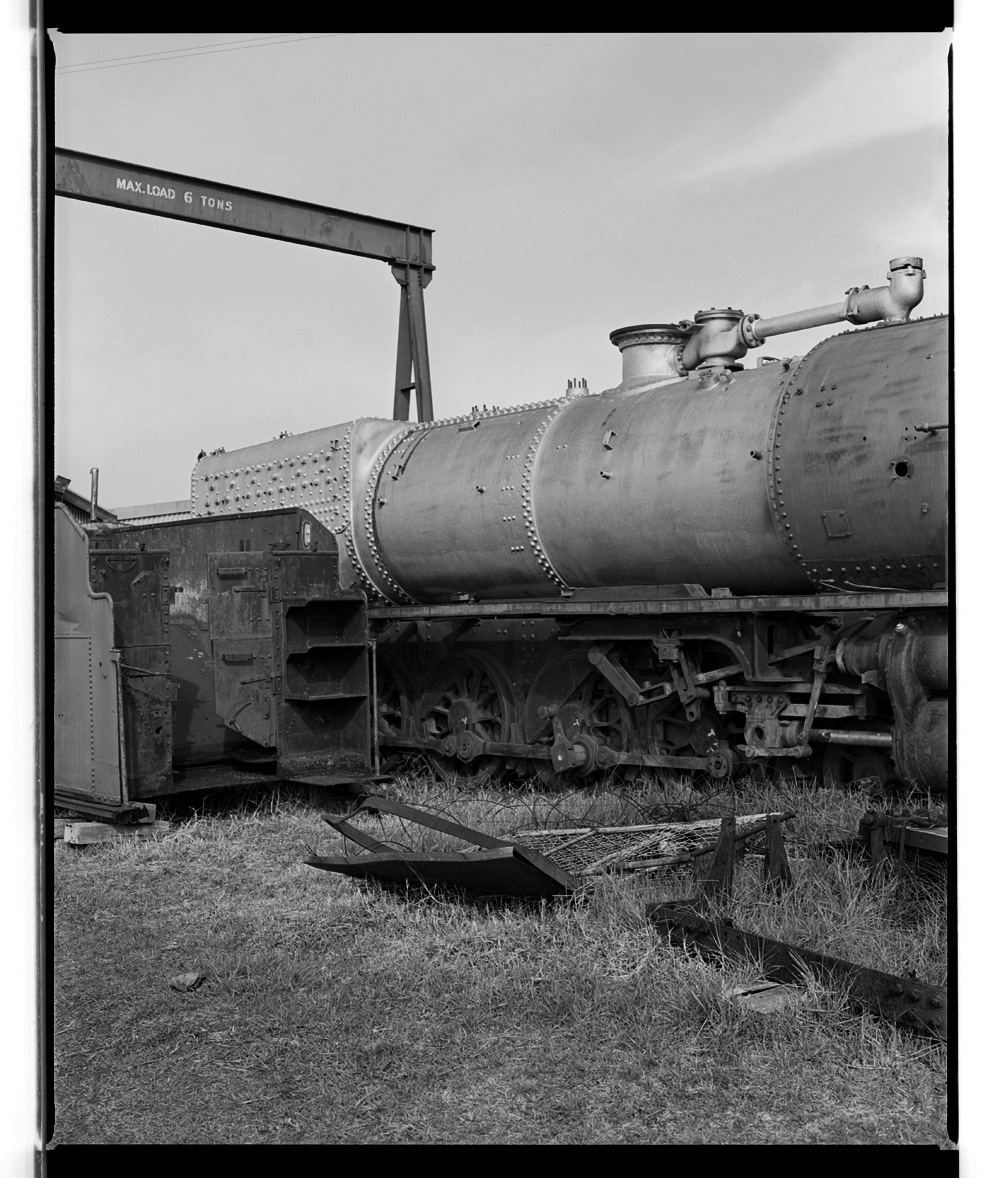
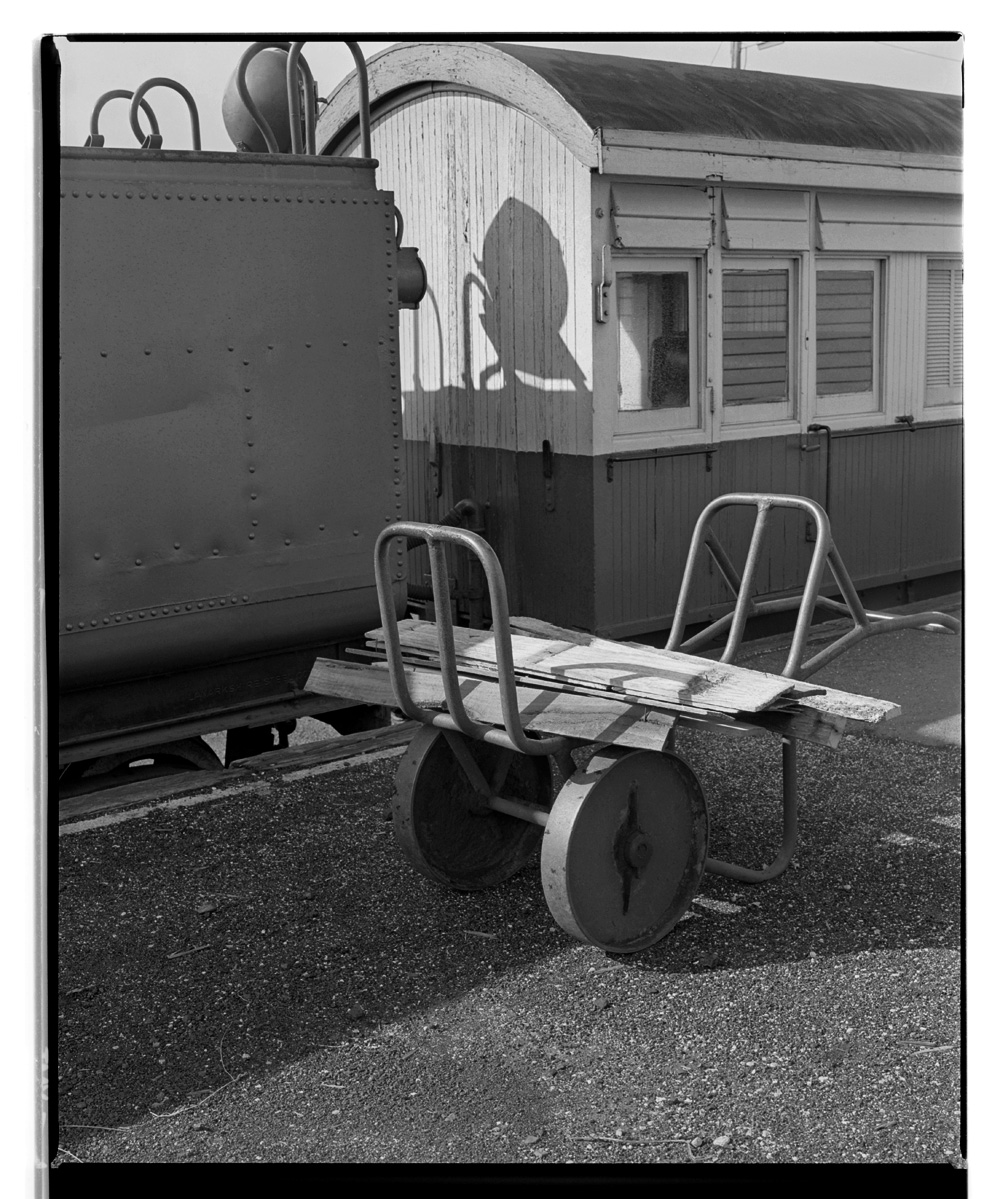
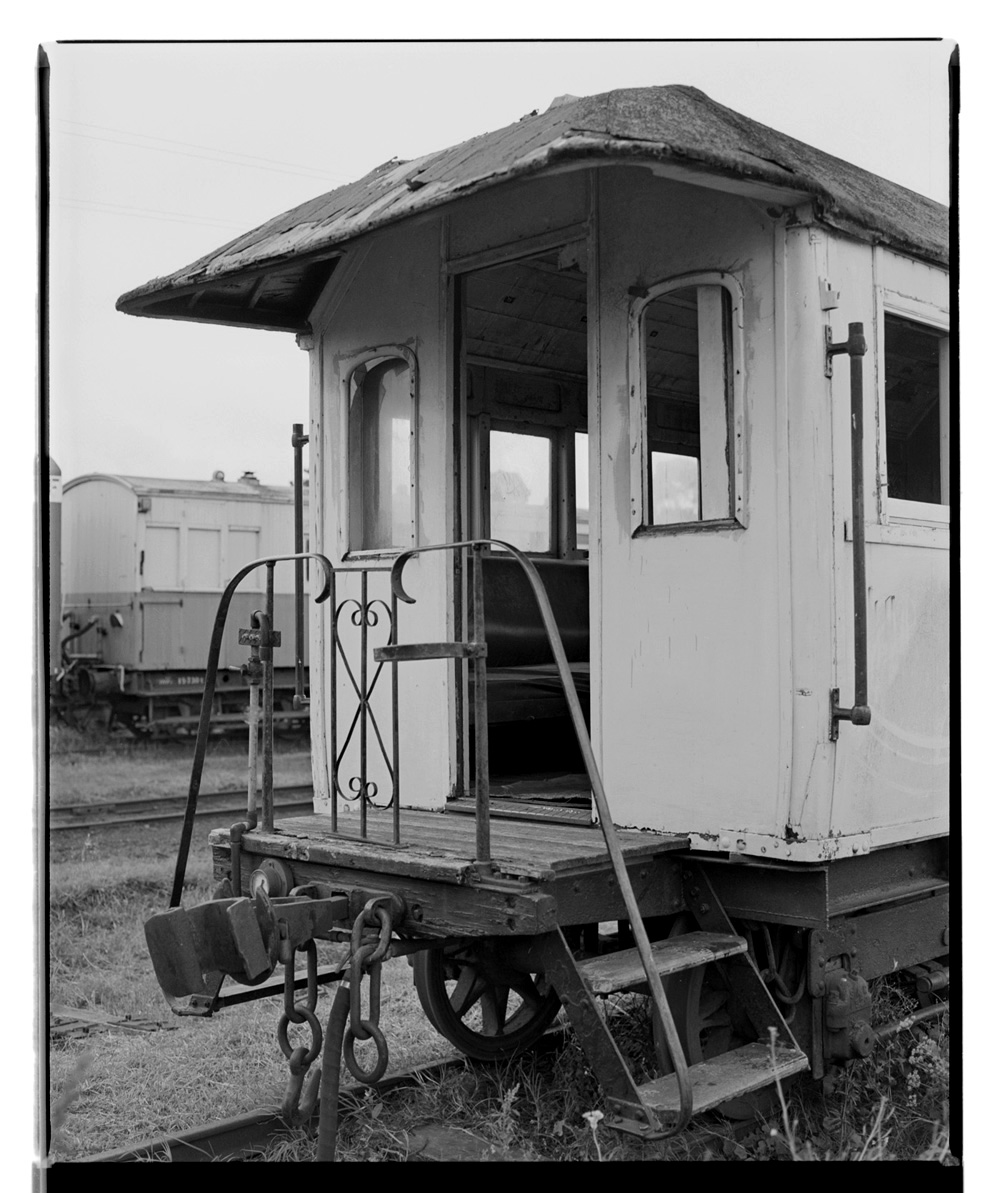
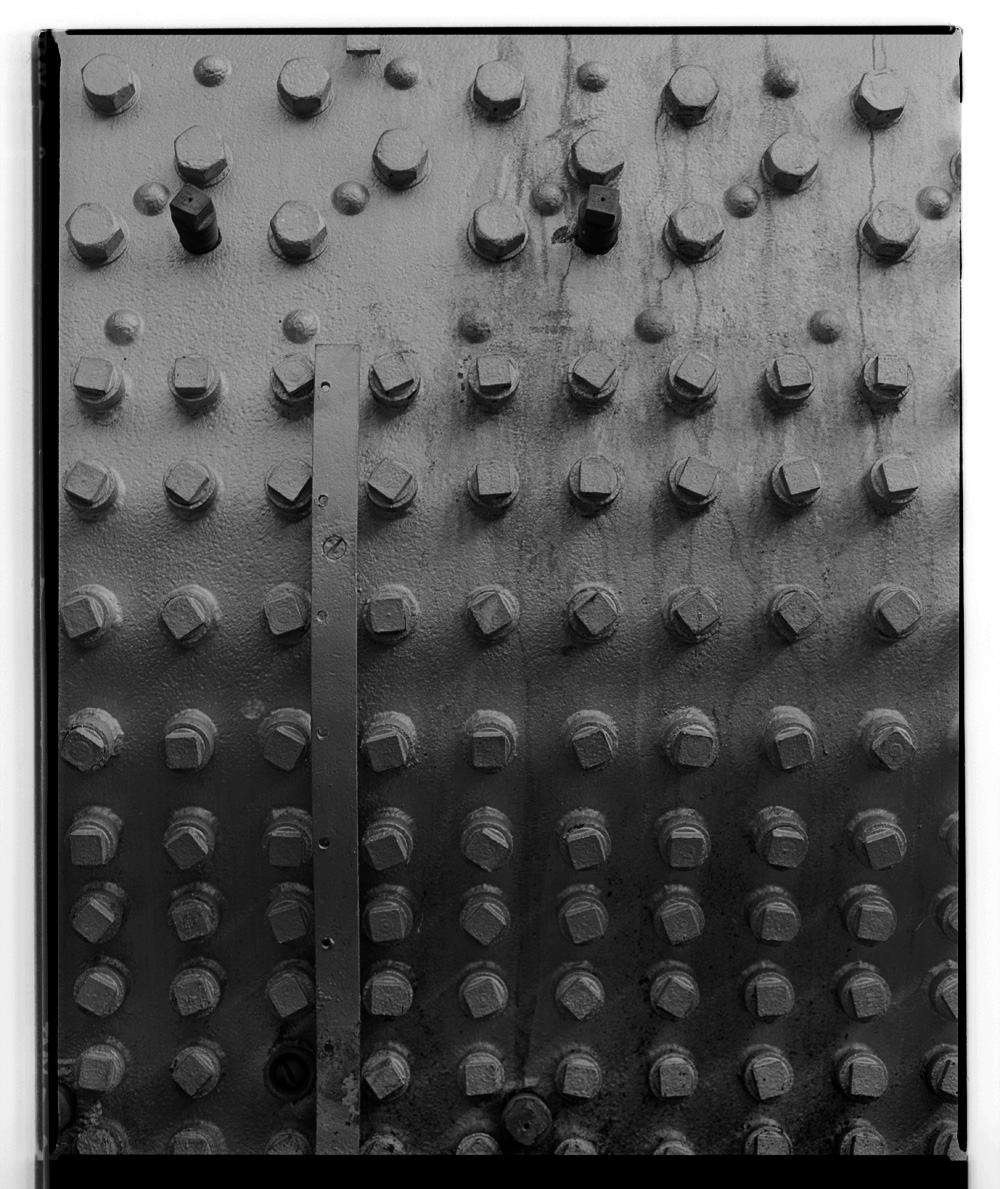
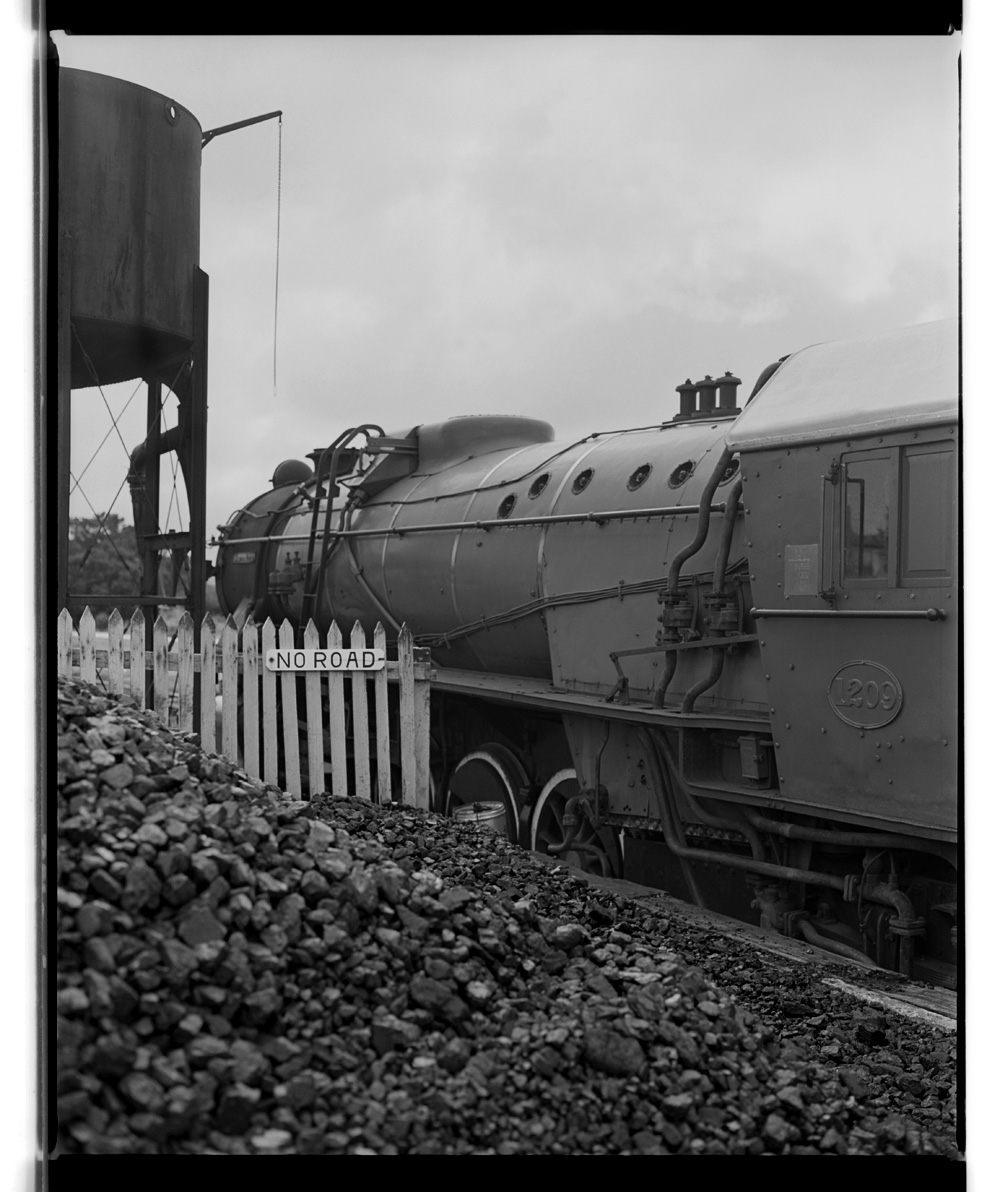
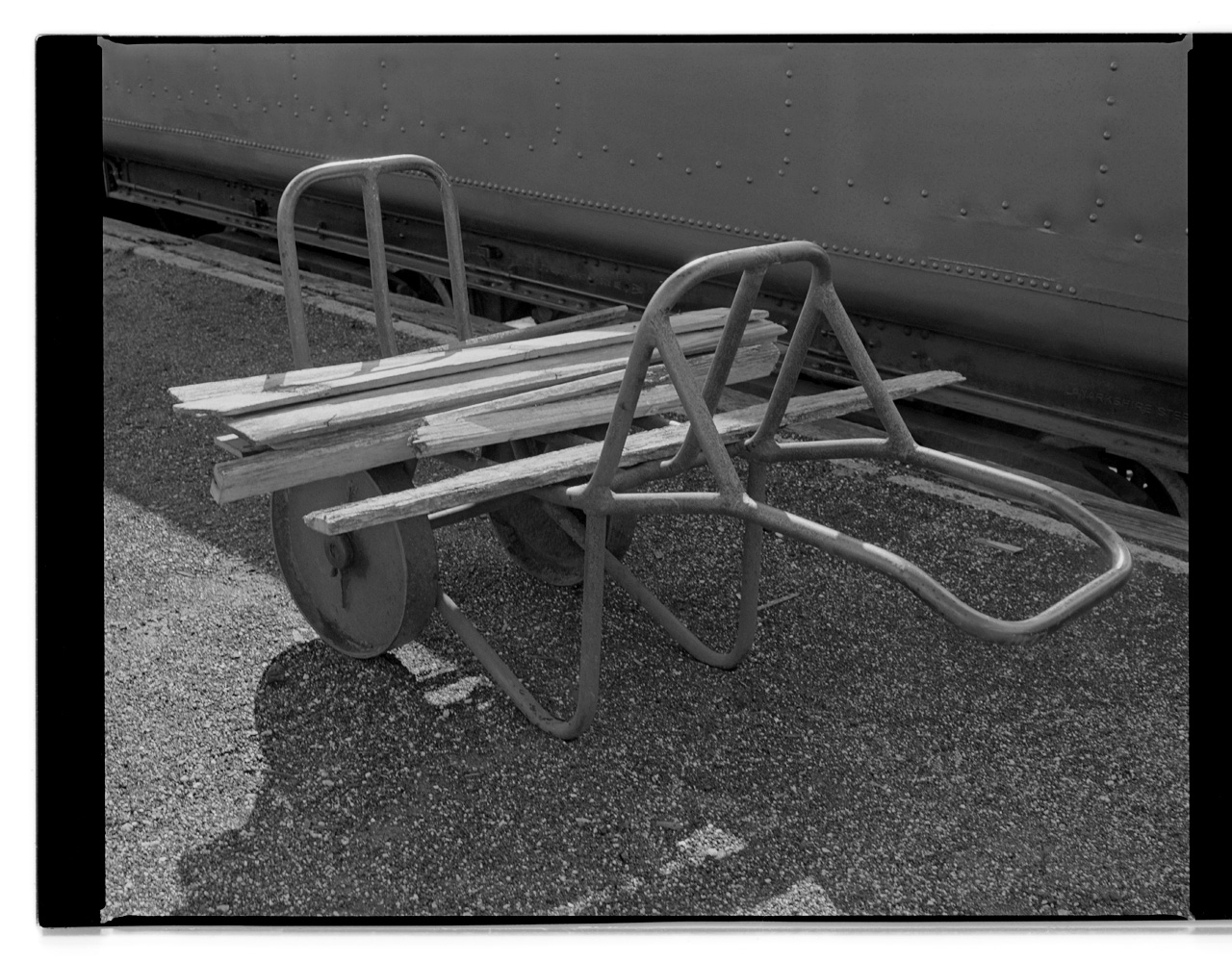
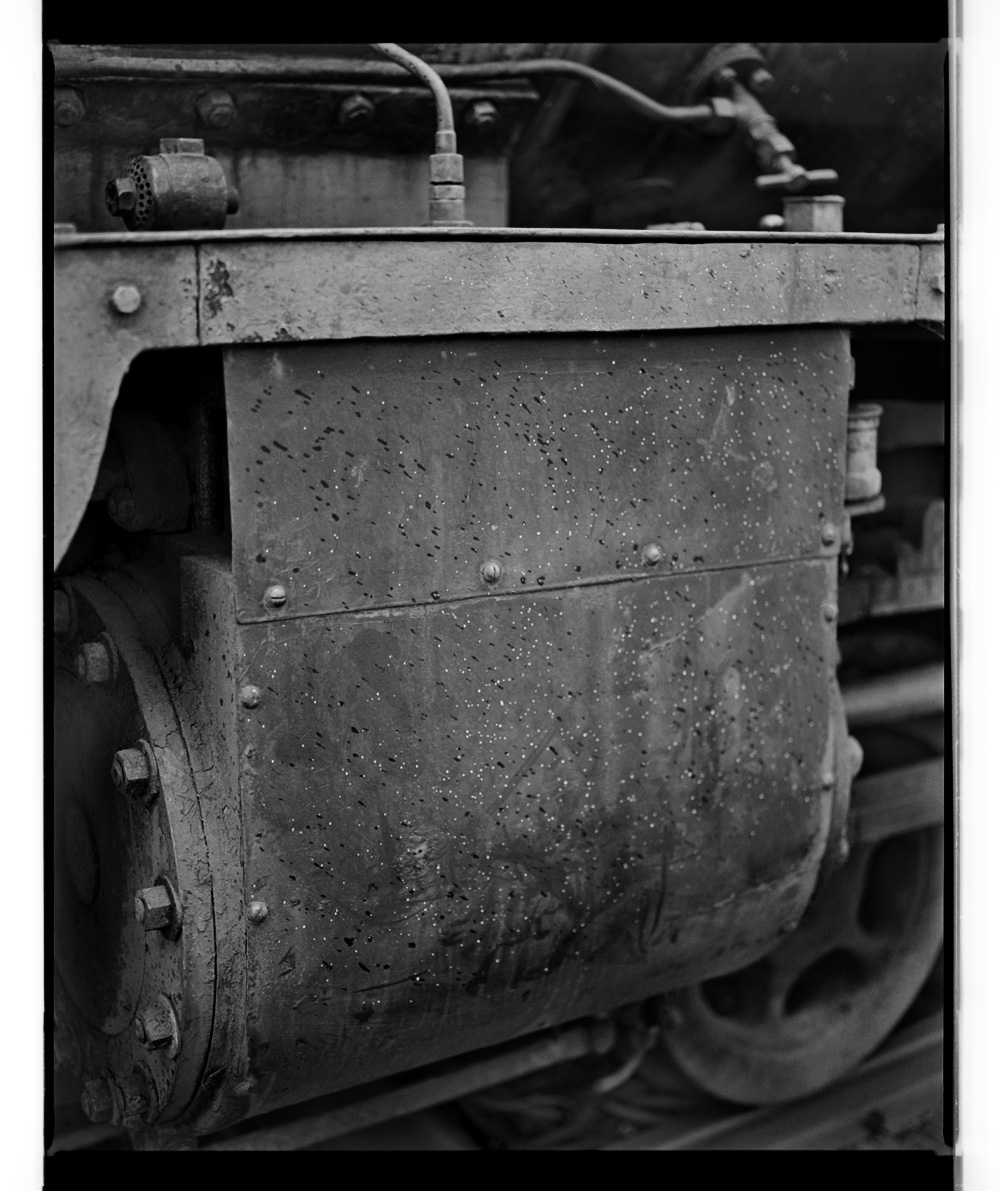
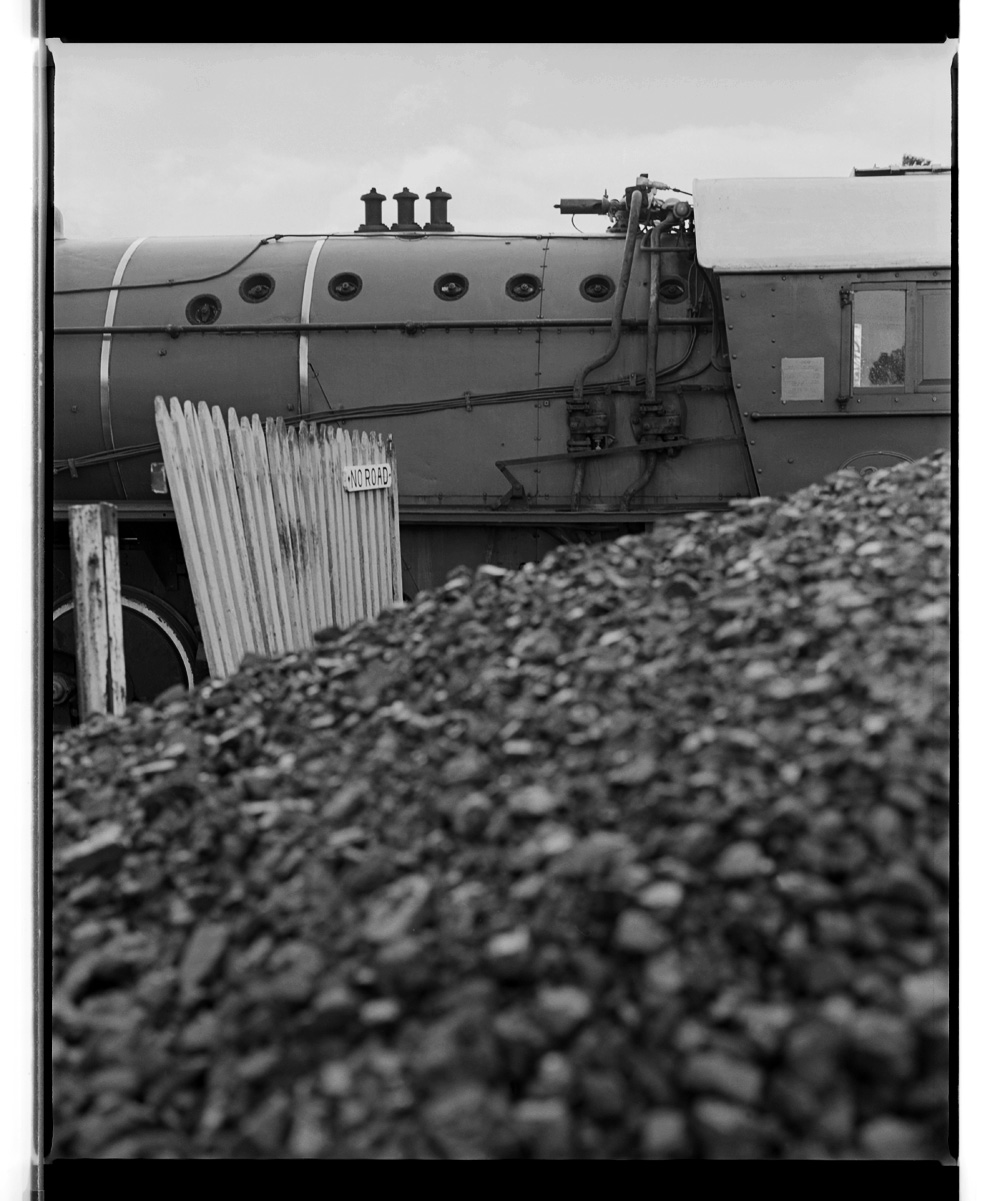
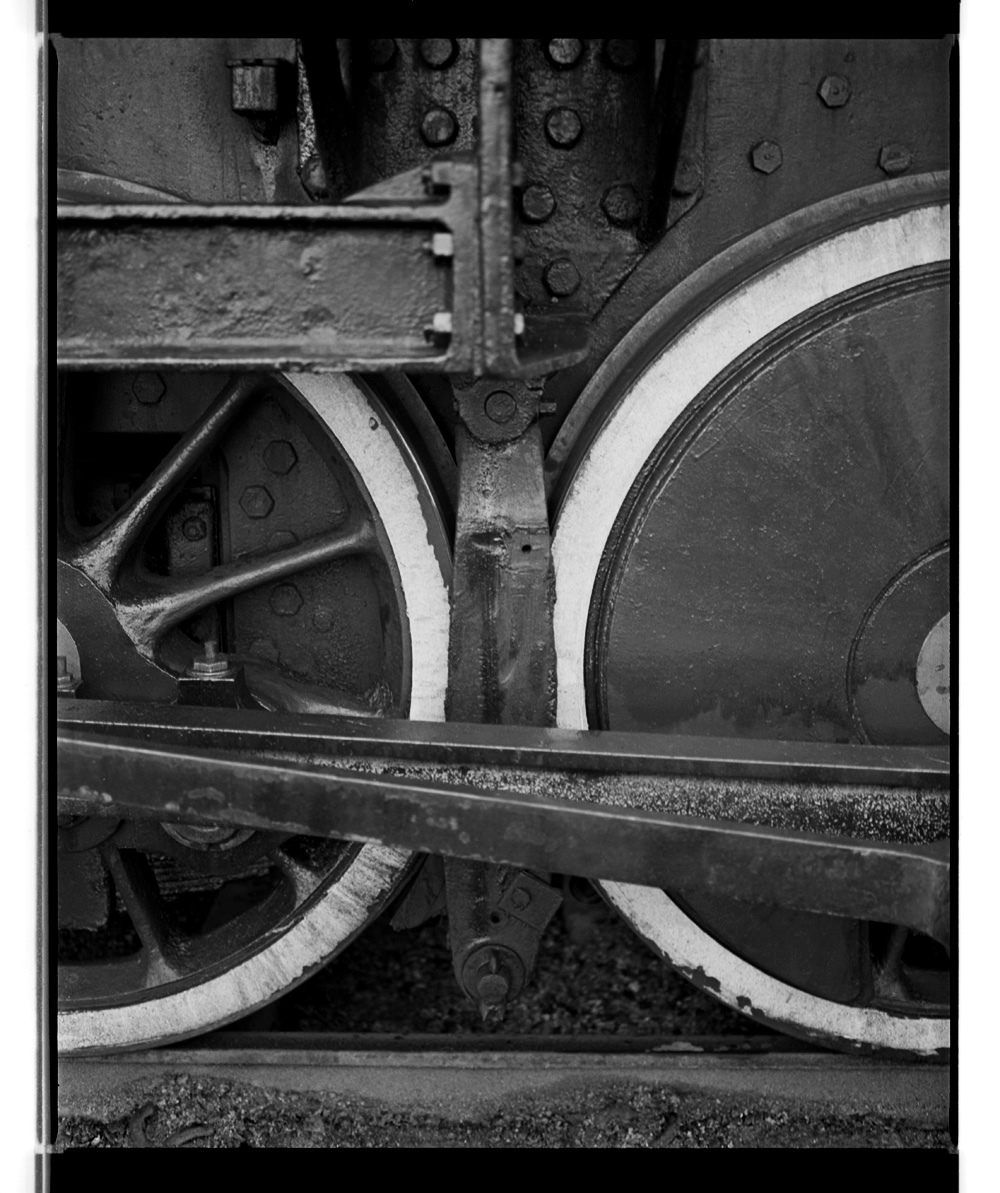
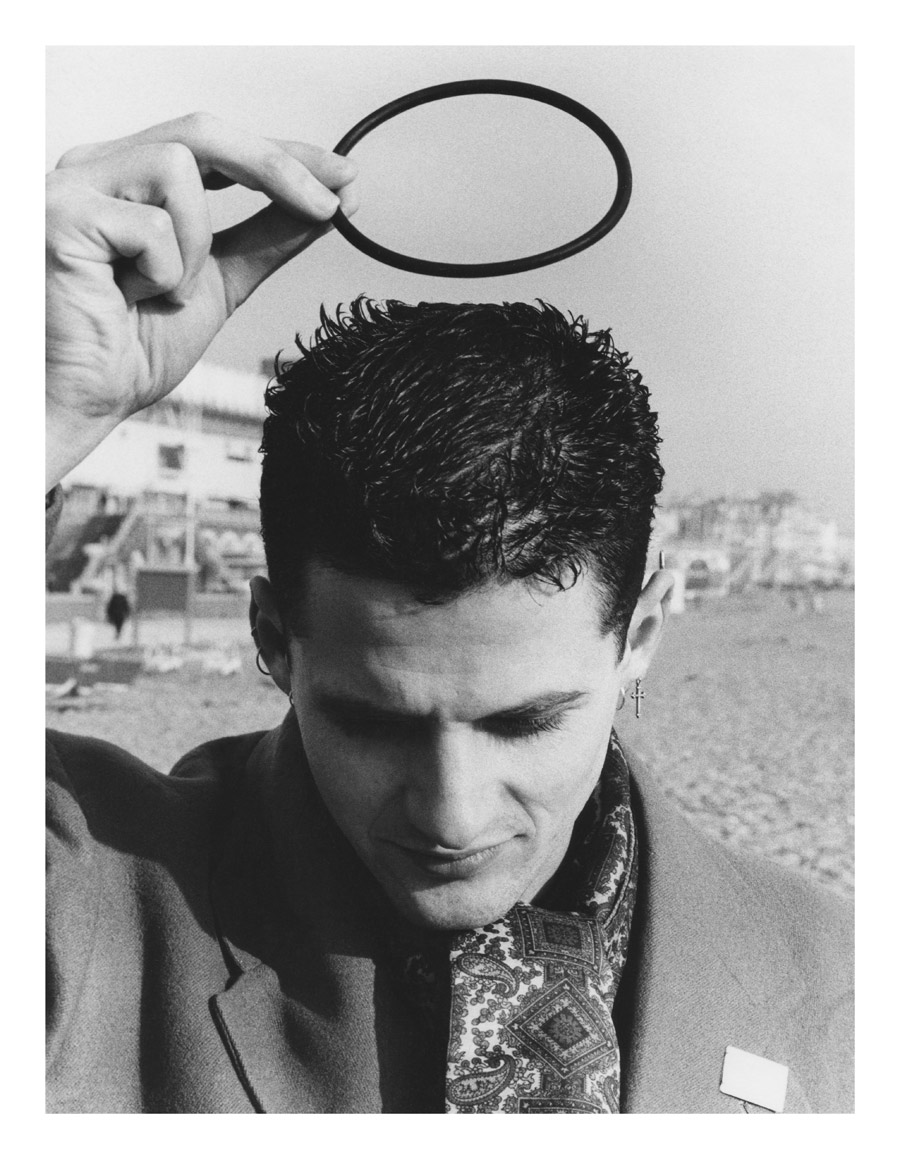
Marcus Bunyan (Australian, b. 1958) Untitled 1994 from the series Études Silver gelatin print
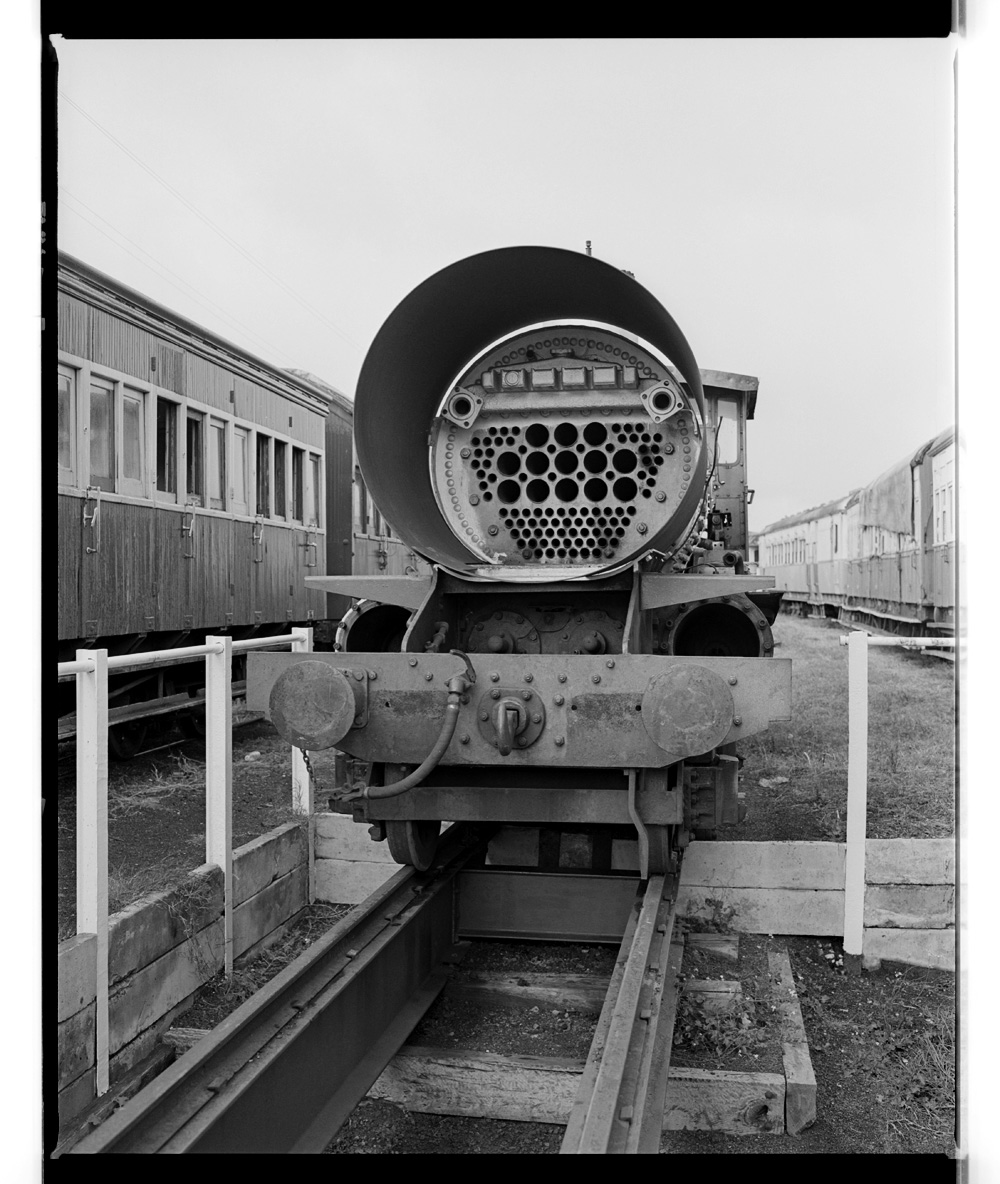
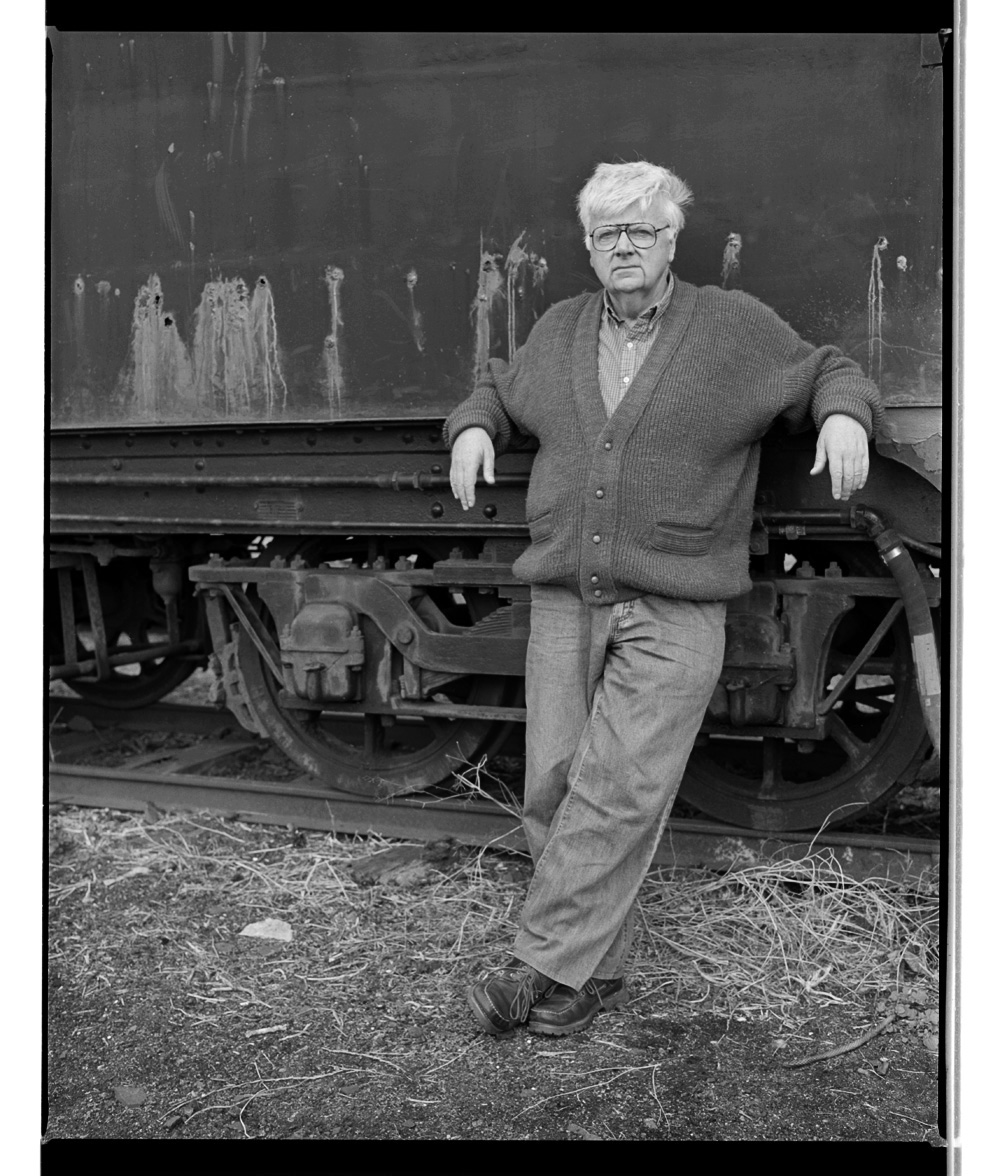
Studies taken at Newport railway workshops, Melbourne in 1994 with my Mamiya RZ67.
I am scanning my negatives made during the years 1991-1997 to preserve them in the form of an online archive as a process of active memory, so that the images are not lost forever. These photographs were images of my life and imagination at the time of their making, the ideas I was thinking about and the people and things that surrounded me.
Please remember these are just straight scans of the prints, all full frame, no cropping!
Photographs are available from this series for purchase. As a guide, a vintage 8″ x 10″ silver gelatin print costs $700 plus tracked and insured shipping. For more information please see my Store web page.
Marcus Bunyan (Australian, b. 1958) Untitled 1994 from the series Études Silver gelatin print
Marcus Bunyan (Australian, b. 1958) Untitled 1994 from the series Études Silver gelatin print
Marcus Bunyan (Australian, b. 1958) Untitled 1994 from the series Études Silver gelatin print
Marcus Bunyan (Australian, b. 1958) Untitled 1994 from the series Études Silver gelatin print
Marcus Bunyan (Australian, b. 1958) Untitled 1994 from the series Études Silver gelatin print
Marcus Bunyan (Australian, b. 1958) Untitled 1994 from the series Études Silver gelatin print
Marcus Bunyan (Australian, b. 1958) Untitled 1994 from the series Études Silver gelatin print
Marcus Bunyan (Australian, b. 1958) Untitled 1994 from the series Études Silver gelatin print
Marcus Bunyan (Australian, b. 1958) Untitled 1994 from the series Études Silver gelatin print
Marcus Bunyan (Australian, b. 1958) Untitled 1994 from the series Études Silver gelatin print
Marcus Bunyan (Australian, b. 1958) Untitled 1994 from the series Études Silver gelatin print
Marcus Bunyan (Australian, b. 1958) Untitled 1994 from the series Études Silver gelatin print
Marcus Bunyan (Australian, b. 1958) Untitled 1994 from the series Études Silver gelatin print
Marcus Bunyan (Australian, b. 1958) Untitled 1994 from the series Études Silver gelatin print
Marcus Bunyan (Australian, b. 1958) Untitled 1994 from the series Études Silver gelatin print
Marcus Bunyan (Australian, b. 1958) Jim Black, artist 1994 from the series Études Silver gelatin print
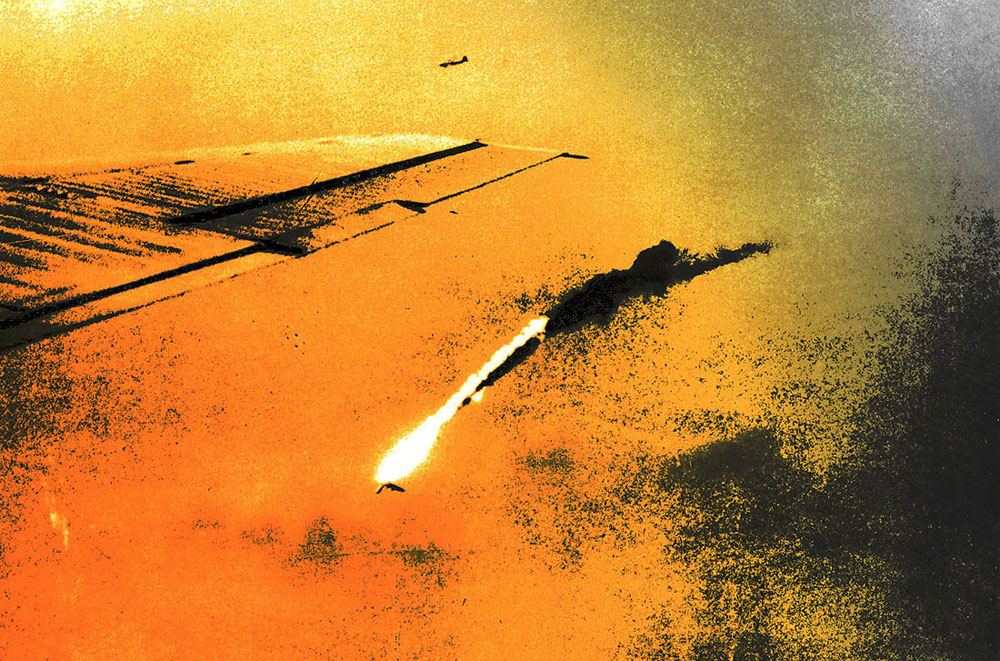
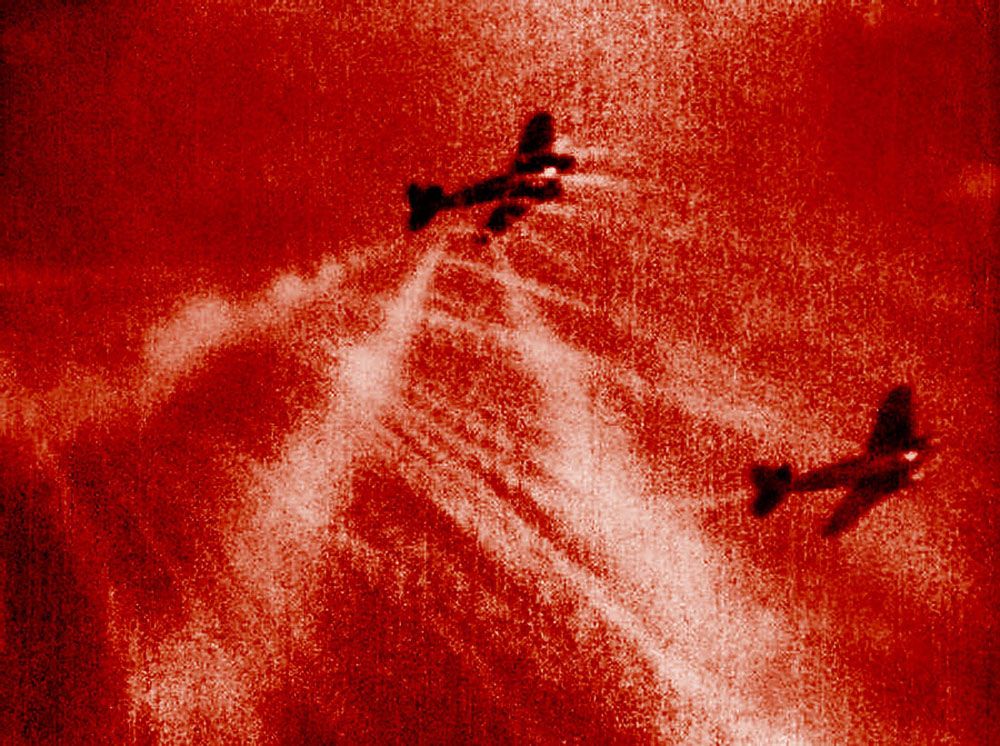
Marcus Bunyan (Australian, b. 1958) Untitled 2015 Digital photograph From the series Too Much of the Air
Too Much of the Air
After 16 months hard work, I have completed a new 52 image sequence.
These images will be printed large to reinforce the disintegration of the image, technology and human being. Tullio Crali‘s painting Before the Parachute Opens (Prima che si apra il paracadute) (1939) was one of a few starting points, inspirations, for the new sequence.
Below is a selection of images from the sequence. Please click on the photographs for a larger version of the image.
Photographs are available from this series for purchase. As a guide, a digital colour 16″ x 20″ costs $1000 plus tracked and insured shipping. For more information please see my Store web page.
“Imagine being in these planes knowing that you only had moments to live, and knowing that you could do nothing about it. What brought you to that point, what decisions did you take as a human being (or were taken for you) that enacted this scenario.
The “greatness” as the event passes is what is being worked with here. It is the inverse aspect of the sublime. Usually the sublime is regarded as beyond time … but not here. Essentially I am sustaining the last moments of a doomed life, outside of time.
We are unusually privileged to experience the sublime in this way. It is usually a lost aspect through the death of the witness.”
This is the catalogue essay for the exhibition Hidden Talents, an exhibition of the hidden talents of professional staff at the Faculty of the VCA & MCM, The University of Melbourne, Australia. The exhibition has been postponed until a later date but I did not want the catalogue essay to metaphorically sit under the bed with no one reading it.
The essay was written without seeing any of the art work for the exhibition (which is going to consist of knitting, performance, video, sculpture, painting, etc…). I have used my imagination to write about the subject matter, asking why it is important to reveal hidden aspects of the self.
Curator Tracey Claire observes, “Practicing artists are as likely to be found behind a desk as in front of a class at the VCA & MCM… Be it dancing, cycling, sailing, knitting, painting, writing, film making or performing, all the individuals in this exhibition are creative artists thriving in a melting hot pot of creativity… Professional staff tend to go about their business quietly, excelling in the dark arts of spreadsheet wizardry and effortless administration but in their private lives, conjuring mysterious creations. Toiling endlessly in the hours beyond their professional lives, yet inspired and nurtured by precisely this environment, they distill these experiences and produce magic.
This catalogue essay examines the significance of these activities and is accompanied by 5 of the very first black and white images that I ever took, long before I ever started studying photography in 1989.
Dr Marcus Bunyan
Keywords
Hidden Talents, The Self, Aspects of the Self, self-expression, image man, essence man, actual self, networked society, perfomative self, citational self, cosmopolitanism, hybridity, visibility, bricolage, Goethe, hybrid identities, identity formation, self actualisation, social transparency, The University of Melbourne, Australia, Victorian College of the Arts, Melbourne Conservatorium of Music, VCA.
“In our era of internet ubiquity, the line that separates our selves from the media with which we self-express has dissolved, and the distinction between medium and maker is confused. As we publicise our private stories, and perpetually alter, rebrand, and repaint ourselves to the world, performances of self are status quo and everyone is an artist.”
Josephine Skinner 1
We are all performance artists. And this text is a performance piece, an aspect of myself as I choose to express it in this place and time. An aspect – appearance, look, character, view, interpretation, phase, countenance2 – which, like the word itself, is both stable and fluid, and will change at any time: perhaps even now; or in the future.
Having noted the amorphous nature of the wor(l)d, what I will do in this performance is examine the truths and separate them from the platitudes of Josephine Skinner’s quotation (above) in order to understand not only that the private be made public but also why the hidden should be revealed. Of course, our sense of self changes when the private becomes open, public and possibly universal. I will ask why this is important and how it affects our sense of connection to other human beings. To do this I will examine my own private story, not to rebrand or repaint myself to the world, far from it, but because every life path has important lessons for us all.
In the beginning, I grew up on a farm. My parents were impoverished. It was subsistence living and we were the working poor. We had no running hot water and my mother used to have to boil water on a stove and fill a bathtub on the kitchen floor so that we could be cleaned. I used to explore the remote reaches of the land, out behind the pond at the front of the farmhouse and up the cart path into the forests, creating fantasy worlds to escape what was going on at home. There, fantasies became a form of escapism, for my imagination, for action,3 a place where I could create new worlds of magic, light and freedom.
My mother was a piano teacher and my father was a part-time singer. I started to study piano at the age of 5 years old under my mother’s tutelage. I had a natural gift and became a child prodigy, the youngest person at that time to attain a distinction in Associated Board Grade 8 examination, at age 11. I was sent to boarding school on a music scholarship at the age of 12, leaving all my school friends behind. There, in that upper class boarding school, I was ostracised because they found out I was gay (just as I was discovering it myself), and because I was a music scholar. My parent’s adage to life was what I would come to call Protestant work ethic: ‘you never work hard enough, you’ll never be good enough, you’ll never make anything of yourself.” This damnation has stuck with me and I have struggled against its prophecy, working hard to make something of myself, something I can be proud of. Even now my mother (I don’t see my father) still fails to recognise my achievements, my life path.
At boarding school I developed what I was told was depression but which was actually bipolar disorder, undiagnosed until I was in my forties. At the age of 16, I was one of the youngest people to go to the Royal Academy of Music and at 17 I went to the Royal College of Music full time. I moved away from home, which was a blessing, and started living on my own. It was a tough initiation into adult life but I was determined not to be dependent on anyone else. My parents finally divorced when I was 17 and, at the same age, the stress of my hidden sexuality leading me to have a nervous breakdown. After nearly a year recovering I came out as a gay man. I graduated with my degree at 21 and gave up being a concert pianist the same year. The time to start living my own life had begun.
I worked in pubs around London for years. I hated classical music (a rejection of the past) and was really into the funk scene. I was a dilettante, a person without real commitment or knowledge. Not once did I ever think of myself as intelligent or creative, it just wasn’t in my vocabulary. I enjoyed partying, holidays, friends and motor racing and started taking a few photographs. That was it until I was about 28 when I returned to Year 12 and university to study, study, study, to read Carlos Castaneda, Robert Johnson and Joseph Campbell, to devour Borges, Jung and Foucault – not the usual university curriculum for an artist, but I was searching for a spiritual way in life. These authors offered wisdom and learning, and a network to other authors and artists investigating similar subject matter. The start of a path had been found and an inquiring mind slowly emerged. I tell you all of this simply as a statement of fact – this was my beginning, this is what I went through, and this journey and learning informs my being and relation to other people and to the world.
Today, we need to understand our own paradigm of sharing, what we are prepared to reveal of ourselves now that we live in a networked society. In a networked society the private and the public self are no longer two endpoints of a linear dichotomy for the boundaries have well and truly been breached: mobile technologies, computers and social media bring the outside world into our home and we willingly promote our point of view to others. Our interior thoughts are advertised through our exterior relations and appearance – on videos, on mobile phones, through millions of images and informational flows that surround us everyday. Our performative self, our citational self constantly performs and citationally quotes our relations of our self to others through different nodal points, or contexts of connection. But our interiority is still different from our exteriority, even as we perform the self.
Yet, while it is correct that in our era of internet ubiquity, the line that separates our selves from the media with which we self-express has dissolved – we are still not yet fully immersed in this system. Critically, we still have a choice about what we reveal of ourselves to others. My degree as a concert pianist may appear at the bottom of my CV, and I may not tell many people about it, but how I imagine my art, how I write my words and my worlds, is inherently related to the line and ‘magic’ of music. How I relate to other people is based on my core values (strong moral code, loyalty, love of helping people) developed during childhood, core values that have remained stable but whose context may have changed over the journey from youth to adulthood. And because of our class (our position in the world and our contexts), we inhabit the privilege of that disclosure. In this moment, we can still prioritise what other people know of us. What we should not do is divest this choice from our whole selves, partitioning ourselves off in different contexts. We cannot act within our core values in one situation and not in another – unless we want to deceive ourselves and those around us – AND YET WE DO!
While our fundamental values remain consistent (the actual self) what is rapidly changing is the environment in which our social self operates.4 As Sally Shaw notes, “We are experiencing an important cultural moment: the next generation will not be able to recall a time without smartphones, the internet or other enhanced means of communication.”5 Globalised mass media, technological advances in communications, future generations’ normalising of the constant barrage of information and the endless pursuit of “stuff”6 (materialism gone mad) means that “image man” takes precedence over “essence man.”7 But all is not lost if we are prepared to be open to possibilities, to be brave in our choice of engagement with others, and be accepting in our attitude and perspective on life. As the artist Bill Henson observes, “Of course, we live with each other and get along using “civilisational logic” – go at a green light, stop at a red light. But there is a deeper logic – no less exacting or emphatic.”8
This deeper logic, a logic that opens up spaces of inquiry, has links to creative, moderate cosmopolitanism,9 hybridity,10 bricolage and visibility. It is how creativity is changing how our talents are recognised by our friendship networks, our work colleagues or students, without having to justify or hide their existence. It is how the networked personality extends along a horizontal consciousness (not a vertical hierarchy), in which interior / exterior, self / other, is re/formed. Through respect, authenticity (and not anxiety about it!) and openness, we can embed the self into naturalised flows of increasingly open (media) systems. We have a new freedom to construct social relations across time and space for the horizon of social relationship – my body, the social body, the actual self – can become open constellations. Here there is fluidity in identity representation in which stable dimensions, persistent appearances and secure meanings are disavowed. This is coupled, however, with a paradoxical insecurity of those in power, evidenced by the proliferation of borders, walls, security cameras and protected areas.11
This new process of self actualisation enables a creative context, the context for understanding creativity, intelligence, self and what you bring to an encounter, what you are prepared to reveal of your self during that encounter – whether it be baking cakes, knitting scarves, making a video, documenting the self or creating, as I did in my childhood and still do in my art, imaginative worlds to express inner self. Through the lived practice of social transformation we, as social actors, have to rethink our hybrid identities and the function of our imagination as a world-making process.12 This process is about the exposure of the hidden; it is about social transparency; and it is about the emergence of something new.13
Finally, we can say it is neither about the roles we play nor the destination that many seek, but it is about the journey that we take and about rejoicing in that journey. It’s about the moment before ecstasy, the anticipation: of company, of environment, of friends, places, being human, that joy of being human. It’s an inquiring instability that leads, as in Beethoven, to the resolution of stability, a love of the human being and our existence. It’s about understanding the personality and possibility of being.
Instead of the byte sized tweet (in which we understand everything, in an instant), we understand our hybrid being only by moving mentally and physically through heterogenous spaces via flows, nodes and lexias, accessing different perspectives and viewpoints. If we are attentive and aware of these viewpoints, we can open up lines of inquiry and access spaces of plurality which may allow us to be better informed as to the value of self and others. Through an understanding of difference. Through an understanding of the obligation of all human beings to each other.
This challenge to established rhythms, institutions and boundaries – the polity of the state, the indifference of the masses, and the speed of informational flows – can be accomplished by both stepping back and contemplating but also by moving forward and engaging in acts of informed choice, thinking, believing, and relating to other people. This is where I disagree with Josephine Skinner’s quote at the beginning of this aspect of myself: performances of self should never become just so, status quo – for we must not be afraid to reveal aspects of our self and expose the hidden to light. In the day-to-day world, the roles we play and the masks we wear must never come to define who we really are. As Lou Benson observes, “If people begin to see their roles as their true selves and deny thoughts and feelings that are really present, they become estranged from themselves.”14
By not being secret but secreting wisdom and seeking creation we may ultimately find better paths through life. This journey is about being extra/ordinary, however that may be. It is about the ‘making present’ of our imagination in the moment we are in, being consciously aware of that moment, being happy in that moment without ego. It’s about what you do and who you are, not cowering behind the bulkheads.
“O God, how the world and heaven shrink together when our heart cowers in its barriers.”
~ Appearance to the eye or mind; look: the physical aspect of the country.
~ Nature; quality; character: the superficial aspect of the situation. ~ A way in which a thing may be viewed or regarded; interpretation; view: both aspects of a decision. ~ Part; feature; phase: That is the aspect of the problem that interests me most. ~ Facial expression; countenance: He wore an aspect of gloom. Hers was an aspect of happy optimism.
3/ “The ubiquity of images and the constant enhancement of the modes for public participation have not only disrupted the conventional division between the agency of the artist and collective authorship but also underscore the necessity to rethink the function of the imagination as world-making process. Arjun Appadurai stated it most succinctly: ‘the imagination is today a staging ground for action, and not only escape’.”
Appadurai, Arjun. Modernity at Large. Minneapolis: University of Minnesota Press, 1996, p. 7 quoted in Papastergiadis, Nikos. Cosmopolitanism and Culture. Cambridge: Polity Press, 2012, p. 95.
4/ “A natural extension of social comparison theory is the development of the self-concept. Self-concept is a person’s perceptions and perceptual organization of his/her own characteristics, roles, abilities and appearance. One’s self-concept is based in part on how one compares to other individuals with regards to traits, opinions and abilities … Self concept can have a number of dimensions which evolve from social comparisons and evaluations. The self-concept consists of:
~ the actual self (how a person perceives him/herself),
~ the ideal self (how a person would like to perceive him/herself), and
~ the social self (how a person presents him/herself to others).
Sproles, George and Burns, Leslie Davis. Changing Appearances: Understanding Dress in Contemporary Society. New York: Fairchild Publications, 1994, pp. 208-209.
5/ Shaw, Sally quoted in Beesley, Ruby. “Challenging Normality,” in Aesthetica, Issue 59, June/July 2014, p. 52.
6/ Ibid.,
7/ “Essence man approaches life from the standpoint of being who he is without concern for the way he is perceived by others. Image man, on the other hand, focuses on what he wishes to appear to be. In reality, Buber admits, we are all a combination of both. But the tendency is to develop a life-style that is dominated by one pole of this duality.”
Benson, Lou. Images, Heroes and Self-Perceptions. New Jersey: Prentice-Hall, 1974, pp. 26-29.
8/ Henson, Bill. “Unfinished Symphony,” in the Weekend Australian Review, June 14-15, 2014, p. 5.
9/ “The more moderate [cosmopolitan] alternative “is to say that, in addition one to one’s relationships and affiliations with particular individuals and groups, one also stands in an ethically significant relation to other human beings in general” … This second approach starts with rights rather than obligations, and holds that wherever people are joined in significant social relations they have a collective right to share in control of these.”
Calhoun, Craig. “‘Belonging’ in the cosmopolitan imaginary,” in Ethnicities, 3 (4), 2003, pp. 531-553.
10/ “At the first level, hybridity refers to the visible effects of difference within identity as a consequence of the incorporation of foreign elements… Recognition of the second level refers to the process by which cultural differences are either naturalized or neutralized within the body of the host culture… The third level of hybridity is linked to aesthetic processes and can be thematized through the early modernist techniques of juxtaposition, collage, montage and bricolage.”
Papastergiadis, Op. cit., p. 117.
11/ For these ideas I am indebted to the “Introduction: The Uncanny Home,” in McQuire, Scott. The Media City: Media, Architecture and Urban Space. London: Sage Publications, 2008, pp. 22-24.
12/ Papastergiadis, Op. cit., p. 95.
13/ “Hybridity refers not only to the ambivalent consequences of mixture but also to the shift in the mode of consciousness. By mixing thing that were previously kept apart there is both a stimulus for the emergence of something new and a shift in position that can offer a perspective for seeing newness as it emerges.”
Papastergiadis, Op. cit., p. 131.
14/ “This is not to say that it is possible or even desirable to try to live in the day-to-day world without playing certain roles and wearing certain masks. Societies function through the role play of their inhabitants. But if people begin to see their roles as their true selves and deny thoughts and feelings that are really present, they become estranged from themselves.”
Benson, Lou. Images, Heroes and Self-Perceptions. New Jersey: Prentice-Hall, 1974, pp. 26-29.
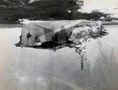
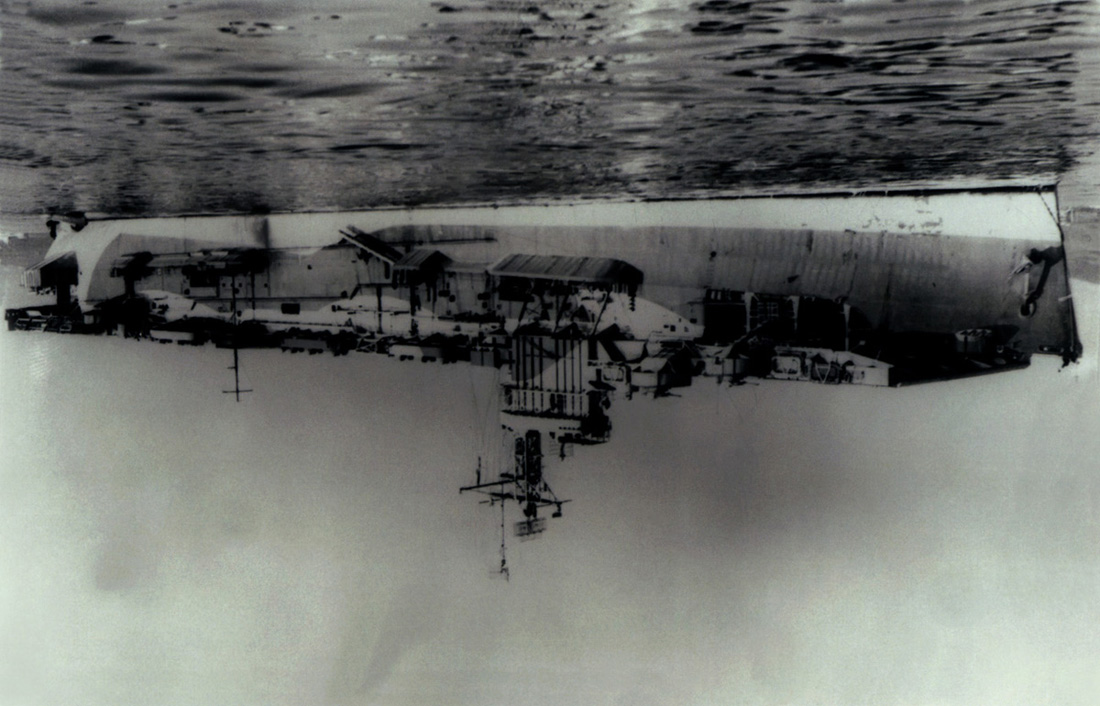
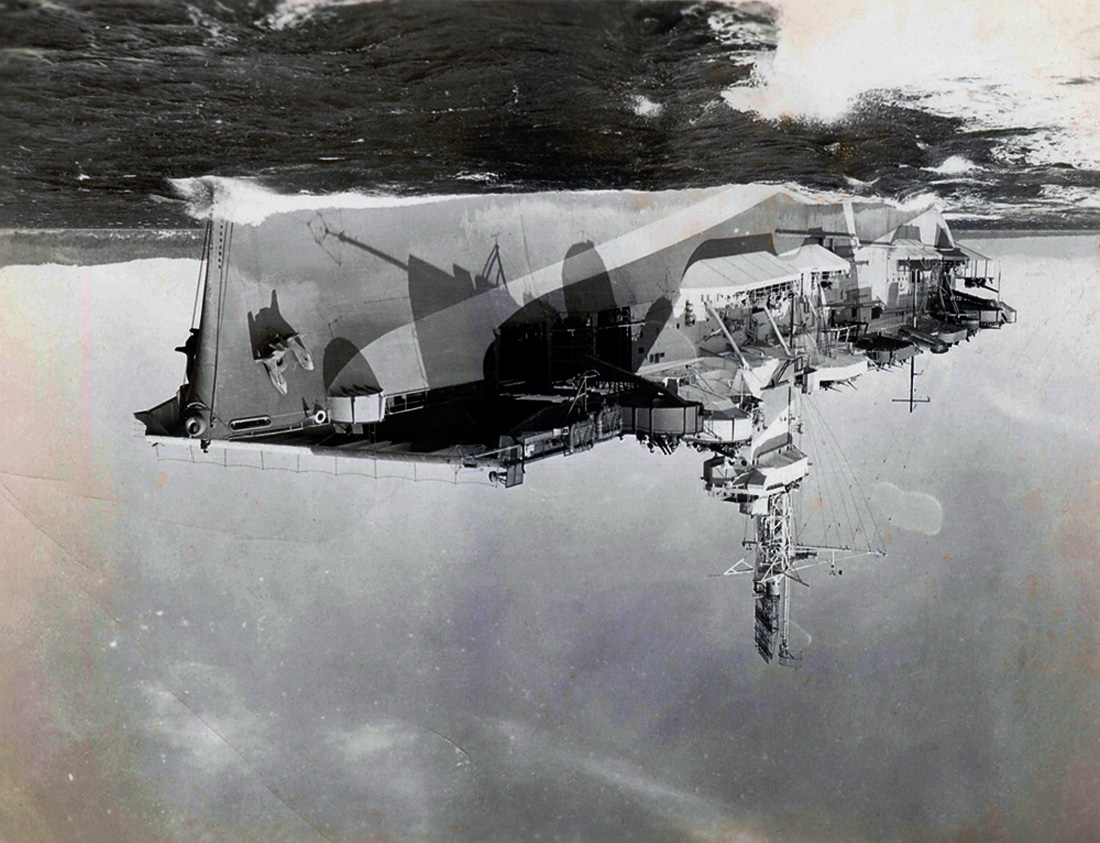
Marcus Bunyan (Australian, b. 1958) Untitled 2013
From the series upside, down 2013
Digital photograph
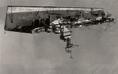
upside, down
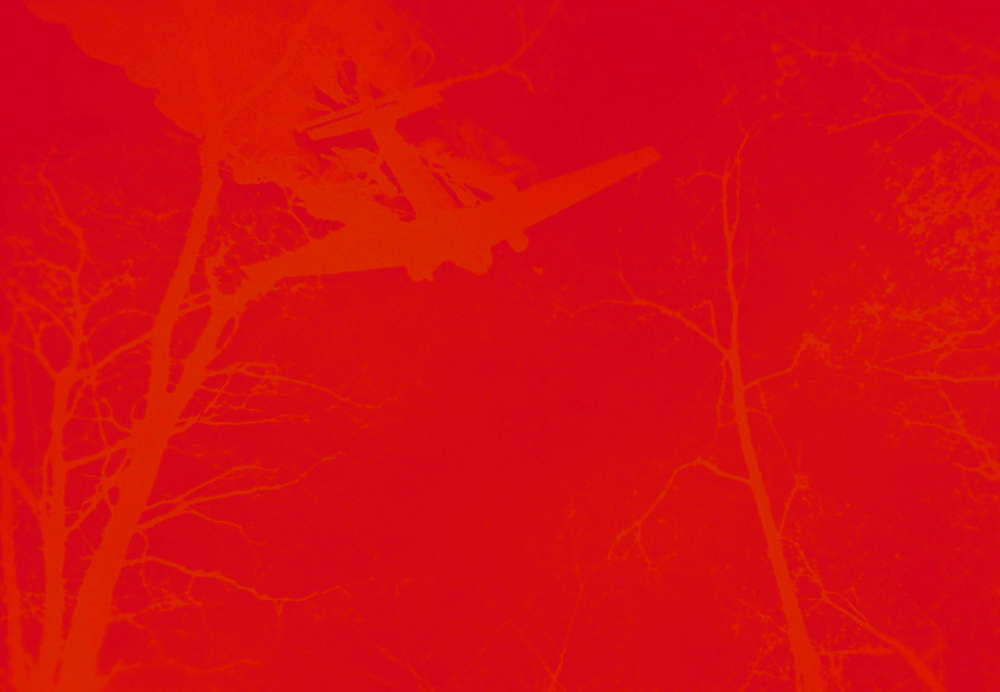
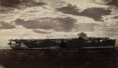
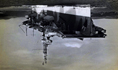
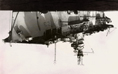
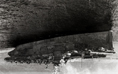
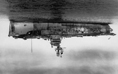
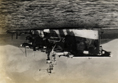
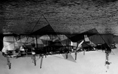
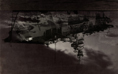
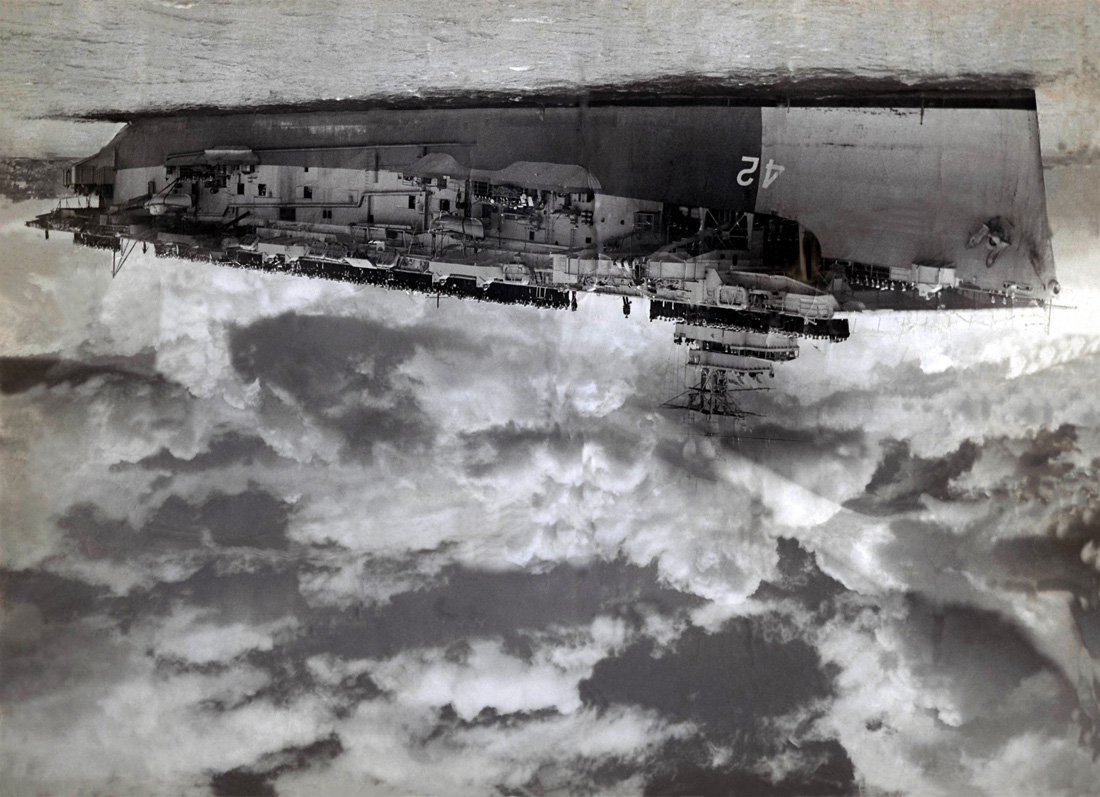
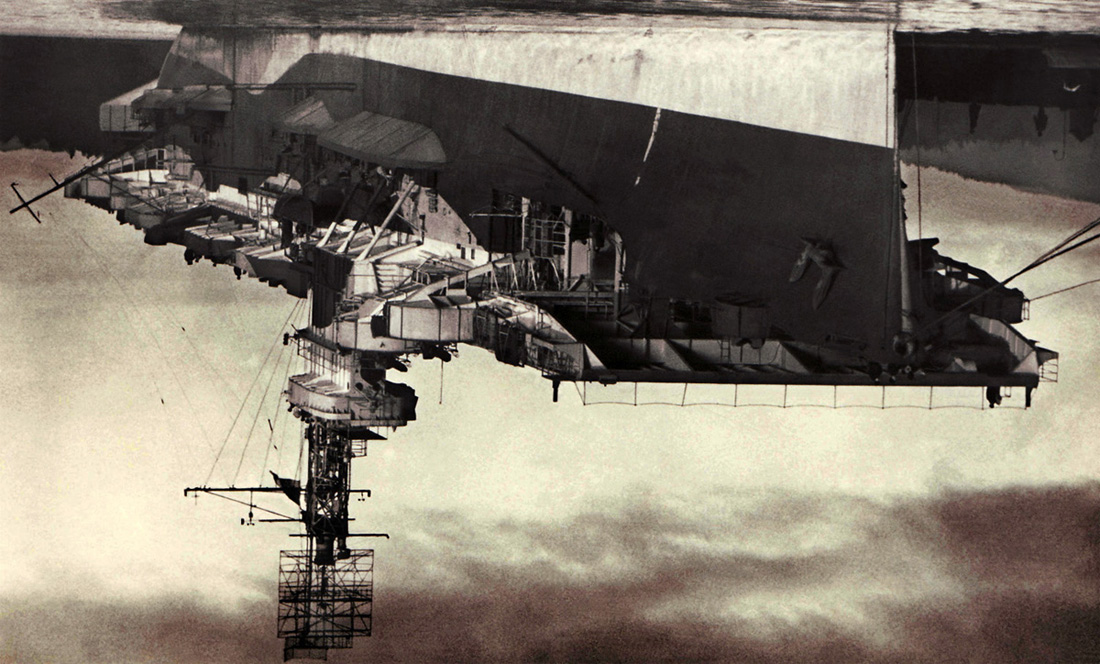
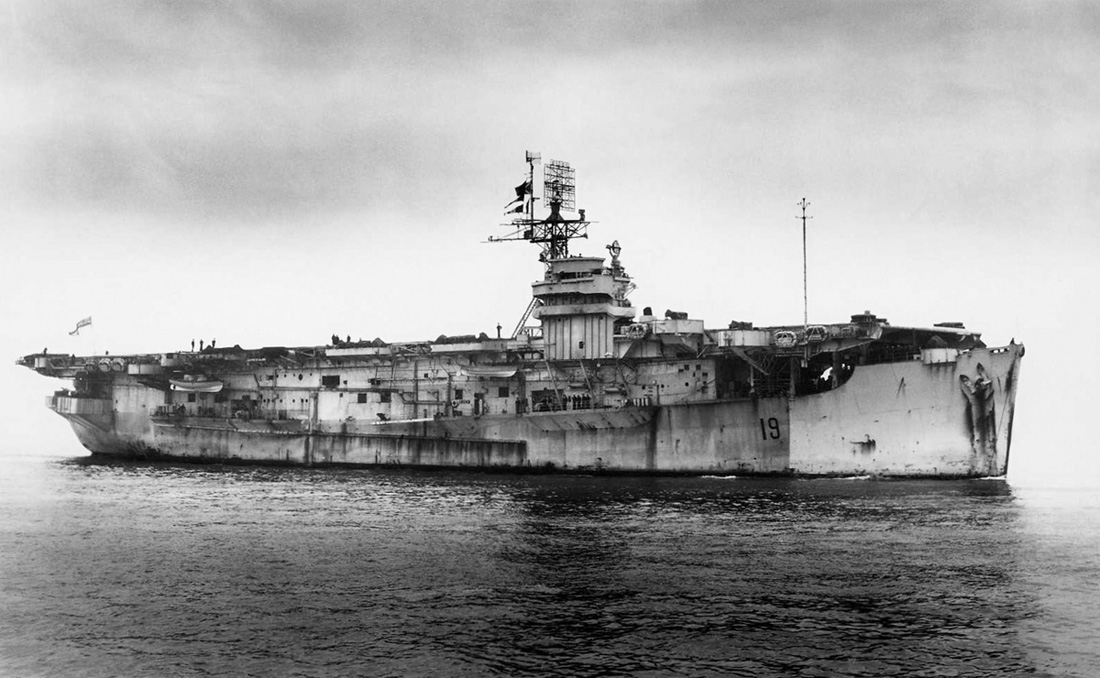
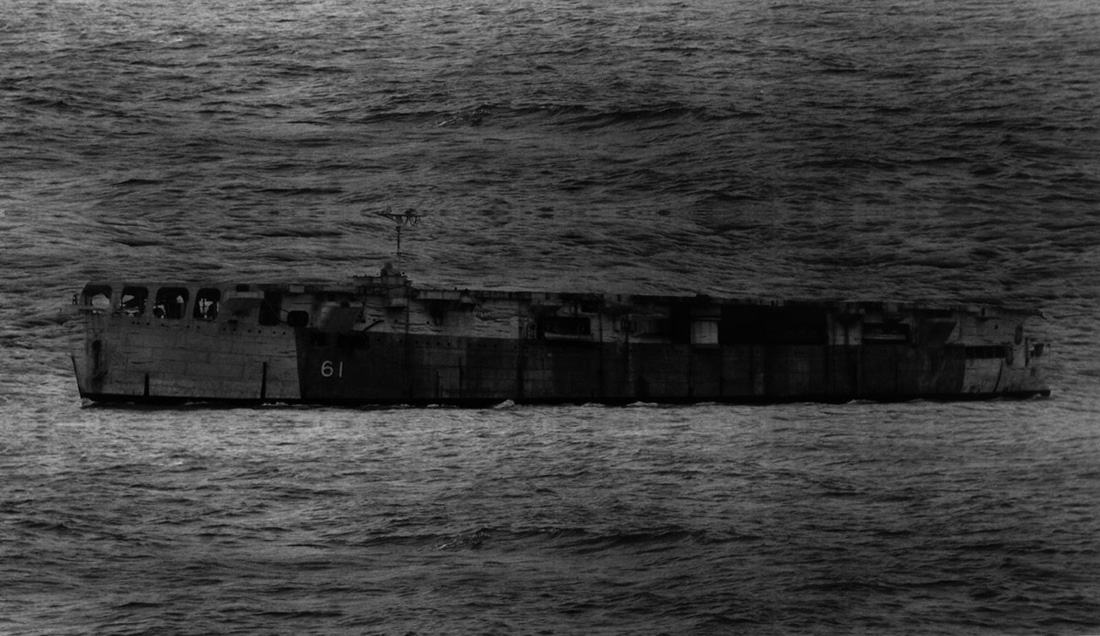
Finally, I got my act together for a new series of my own work titled upside, down (2013). The series is now online on my website or you can click on the thumbnails below to go the full image. There are 30 images in the series formed as a sequence. Below is a selection of images from the series. Please click on the photographs for a larger version of the image.
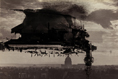
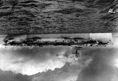
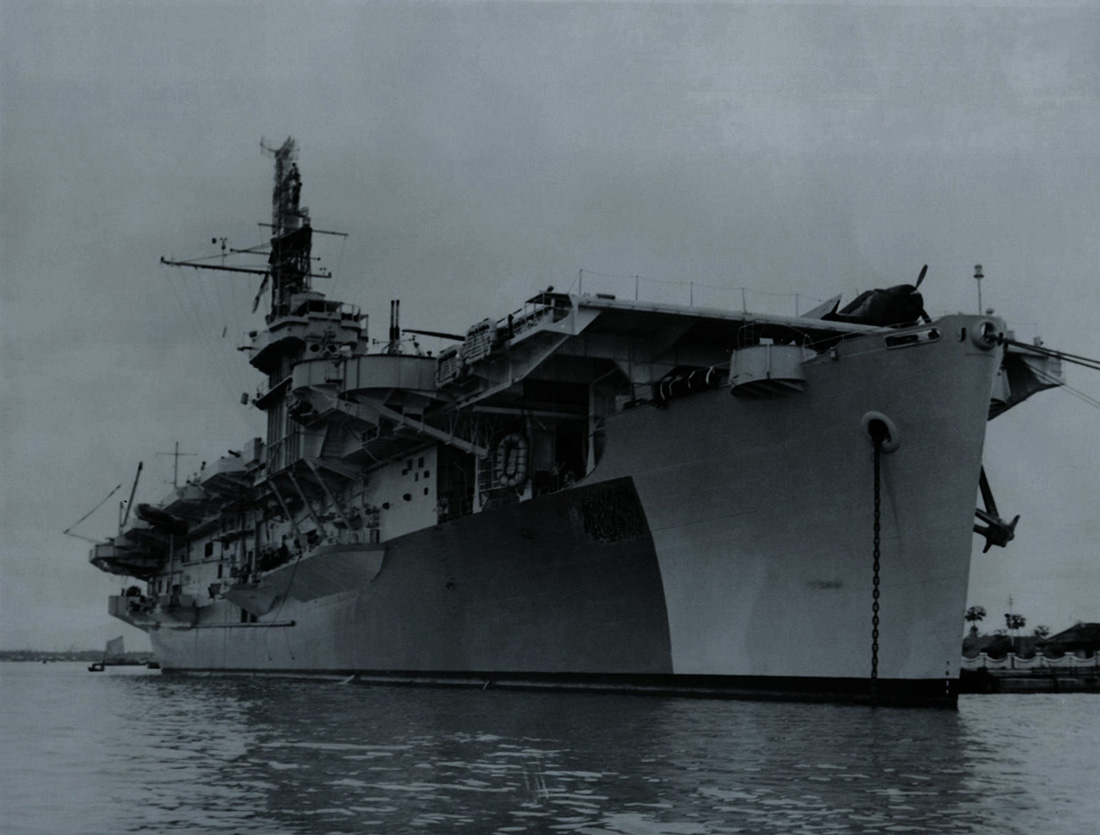
People have asked me what this series is about. It’s about the suspension of belief; it’s about taking an enormous, heavy war machine and floating it in mid air and the impossibility of this; it’s about looking at this structure of destruction as a constructivist object, looking at the mass of this object; it is about the disintegration of this object (for these are poor quality scans that when enlarged will fall apart) – about raising the object up and letting it fall into the world. It is against war.
People have said to me the images look strange, that they look better the right way up. I’m glad that they are inverted for the world is a very strange place, where we make huge machines just to kill ourselves. I’m glad they look strange, I’m glad they make you feel uncomfortable. They are meant that way.
The sculptor Fredrick White has observed that the work is also about the beauty of the object, emphasising its form by inverting the mass of the ship, and also the weight, compression and displacement of space – almost like a time slippage / fracture, a time portal to another world. This is very perceptive because the work is about all of these things. I love layering the work so it reveals different things!
Dr Marcus Bunyan
Photographs are available from this series for purchase. As a guide, a digital colour 16″ x 20″ costs $1000 plus tracked and insured shipping. For more information please see my Store web page.
“The initial feeling of the series was of a curtain rising – and that strongly draws us into the drama. But the whole series is very witty, very touching and appeals very strongly to the senses. There is an inevitability about the human condition here that is very sobering. In the end the strongest of your gestures are almost ignored by the viewer who becomes aware of this atmosphere.”
Text from my friend Ian Lobb
Marcus Bunyan (Australian, b. 1958) Untitled 2013
From the series upside, down
Digital photograph
Marcus Bunyan (Australian, b. 1958) Untitled 2013
From the series upside, down
Digital photograph
Marcus Bunyan (Australian, b. 1958) Untitled 2013
From the series upside, down
Digital photograph
Marcus Bunyan (Australian, b. 1958) Untitled 2013
From the series upside, down
Digital photograph
Marcus Bunyan (Australian, b. 1958) Untitled 2013
From the series upside, down
Digital photograph
Marcus Bunyan (Australian, b. 1958) Untitled 2013
From the series upside, down
Digital photograph
Marcus Bunyan (Australian, b. 1958) Untitled 2013
From the series upside, down
Digital photograph
Marcus Bunyan (Australian, b. 1958) Untitled 2013
From the series upside, down
Digital photograph
Marcus Bunyan (Australian, b. 1958) Untitled 2013
From the series upside, down
Digital photograph
Marcus Bunyan (Australian, b. 1958) Untitled 2013
From the series upside, down
Digital photograph
Marcus Bunyan (Australian, b. 1958) Untitled 2013
From the series upside, down
Digital photograph









































 Art Blart _ art and cultural memory archive
You must be logged in to post a comment.