Exhibition: ‘Harry Callahan at 100’ at the National Gallery of Art, Washington

Exhibition dates:  2nd October 2011 – 4th March 2012
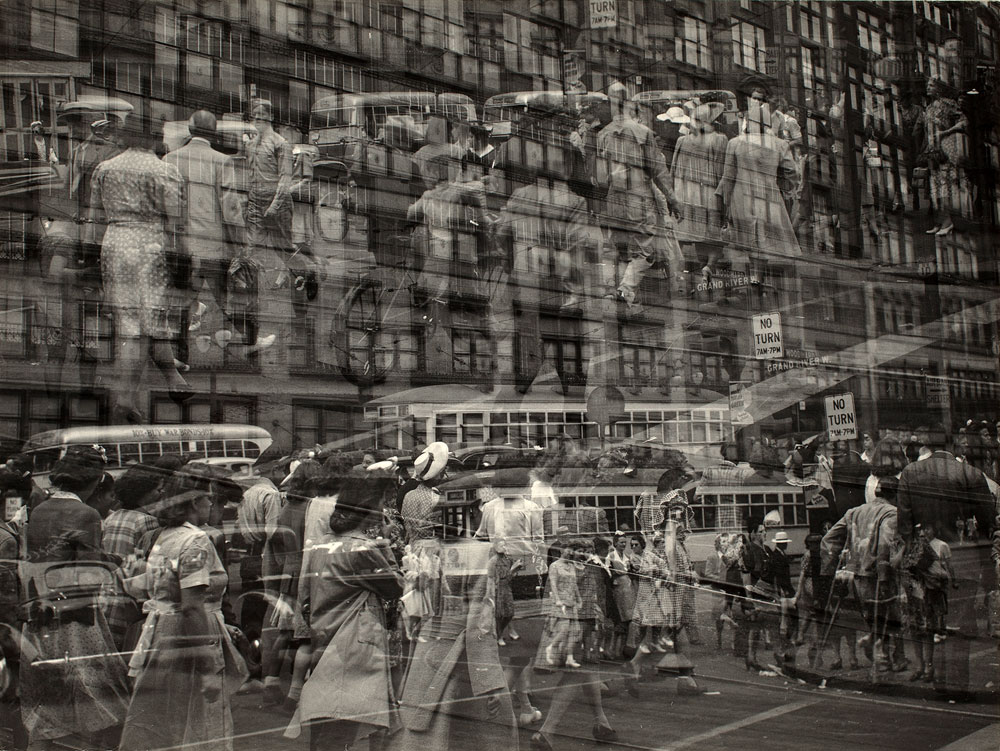
 

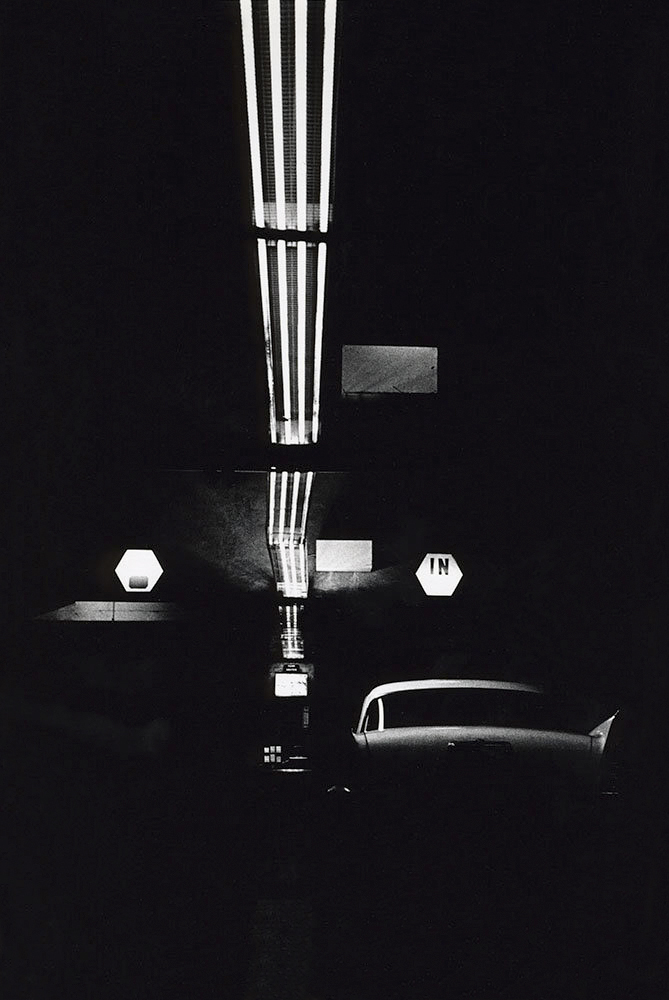
Harry Callahan (American, 1912-1999) 'Detroit' 1943


Harry Callahan (American, 1912-1999)
Detroit
1943
Gelatin silver print
Overall (sheet, trimmed to image): 8.3 x 11cm (3 1/4 x 4 5/16 in)
National Gallery of Art, Washington
Gift of the Callahan Family
© Estate of Harry Callahan, courtesy Pace/MacGill Gallery, New York


For me, the early photographs of his wife Eleanor and Eleanor with their child Barbara and the most poignant, intimate and beautiful of Callahan’s work while the later modernist Cape Cod photographs presage the spirit and aesthetics of the New Topographics: Photographs of a Man-Altered Landscape of 1975. Mario Cutajar observes

“These pictures of strangely vacant, light haunted intersections of sky, land, and ocean are confrontations with the limits of both the ego and photography itself as the ego’s instrument. They are oriented toward death rather than life, intimating in a cold, unsentimental way passage to another world or, perhaps, the engulfing oblivion at the horizon.”

Dr Marcus Bunyan


Many thankx to the National Gallery of Art for allowing me to publish the photographs in the posting. Please click on the photographs for a larger version of the image.


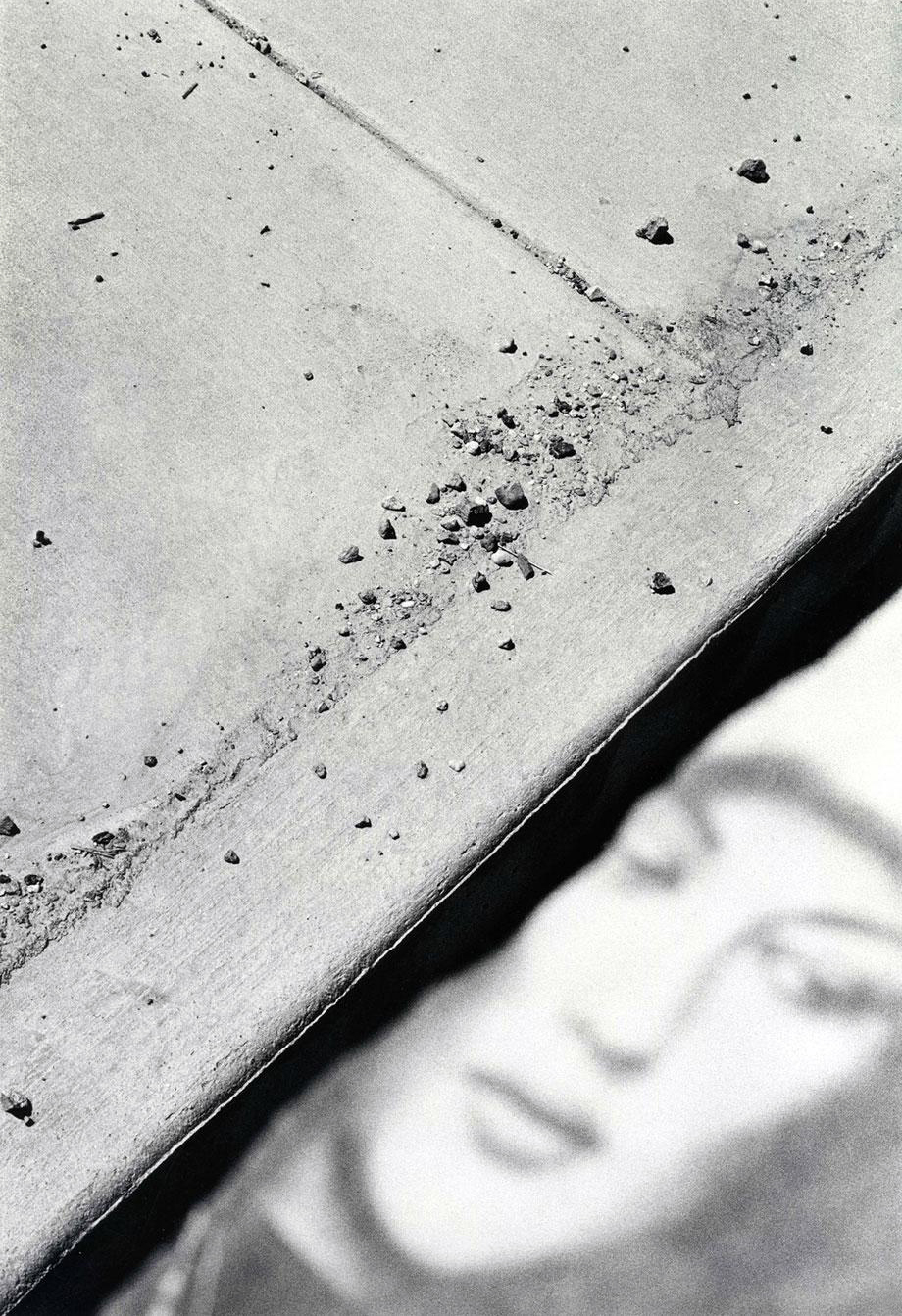
Harry Callahan (American, 1912-1999) 'Chicago' 1950


Harry Callahan (American, 1912-1999)
Chicago
1950
Gelatin silver print
Sheet (trimmed to image): 19 x 24.2 cm (7 1/2 x 9 1/2 in.)
National Gallery of Art, Washington
© Estate of Harry Callahan, Collection of Pace/MacGill Gallery, New York


Harry Callahan (American, 1912-1999) 'Eleanor, Chicago' 1952


Harry Callahan (American, 1912-1999)
Eleanor, Chicago
1952
Gelatin silver print
National Gallery of Art, Washington
© Estate of Harry Callahan, Collection of Pace/MacGill Gallery, New York
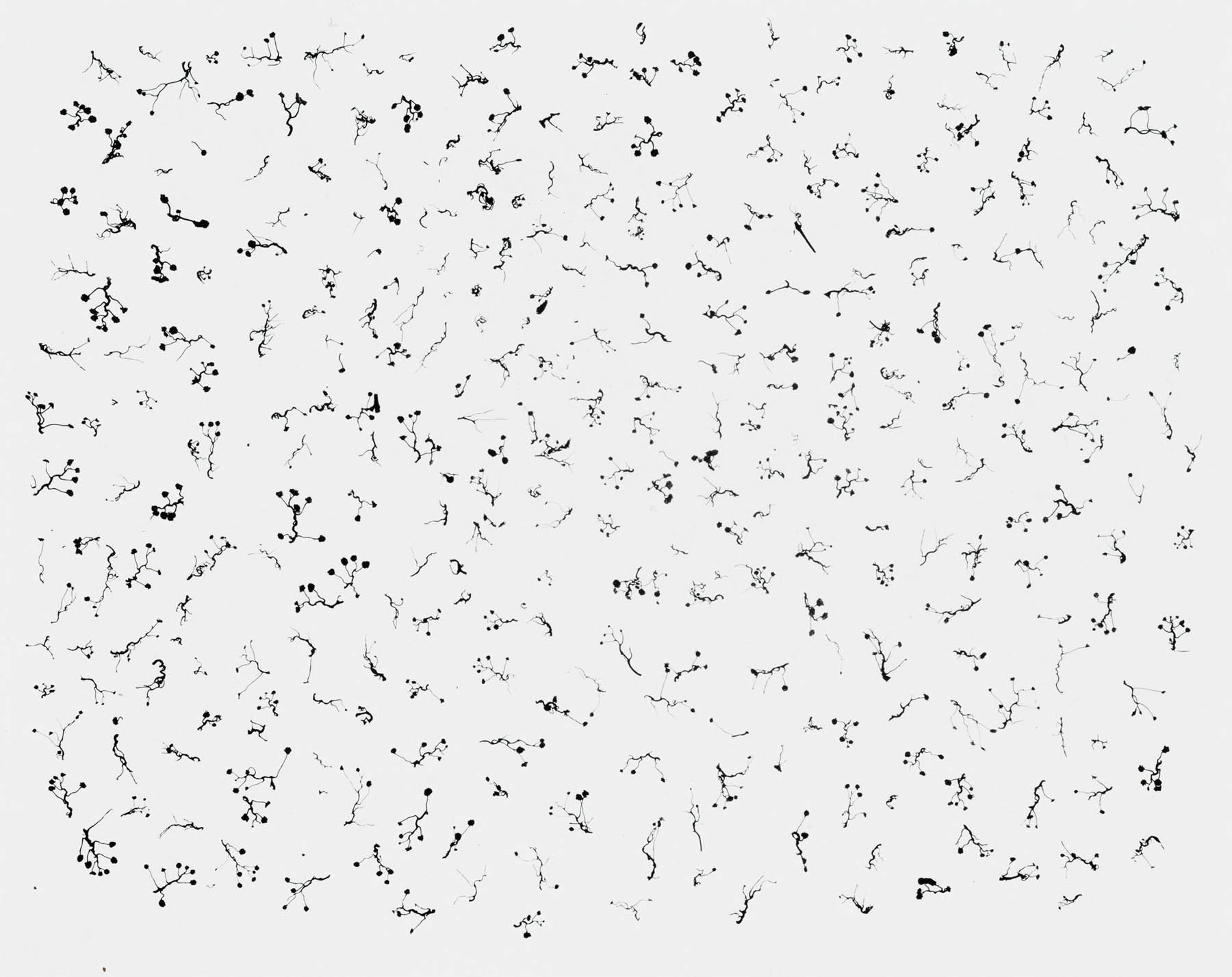
 

Harry Callahan (American, 1912-1999) 'Ivy Tentacles on Glass, Chicago' c. 1952


Harry Callahan (American, 1912-1999)
Ivy Tentacles on Glass, Chicago
c. 1952
Gelatin silver print
Image (can’t tell sheet size due to matting): 19.21 x 24.13cm (7 9/16 x 9 1/2 in.)
National Gallery of Art, Washington
Gift of Susan and Peter MacGill
© Estate of Harry Callahan, Collection of Pace/MacGill Gallery, New York
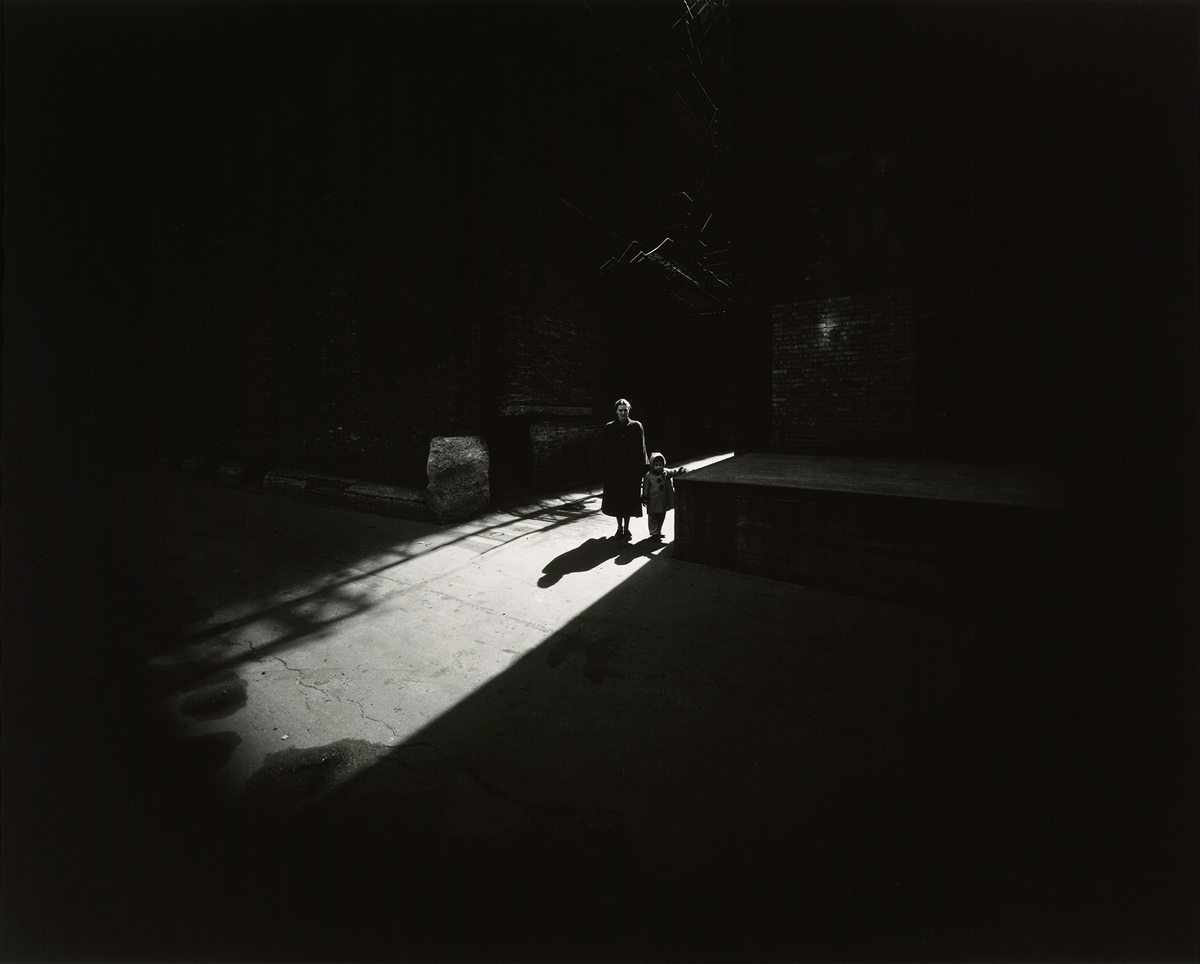
 

Harry Callahan (American, 1912-1999) 'Eleanor and Barbara, Chicago' 1953


Harry Callahan (American, 1912-1999)
Eleanor and Barbara, Chicago
1953
Gelatin silver print
Overall (image): 19.5 x 24.45cm (7 11/16 x 9 5/8 in)
National Gallery of Art, Washington
Promised Gift of Susan and Peter MacGill
© Estate of Harry Callahan, courtesy Pace/MacGill Gallery, New York
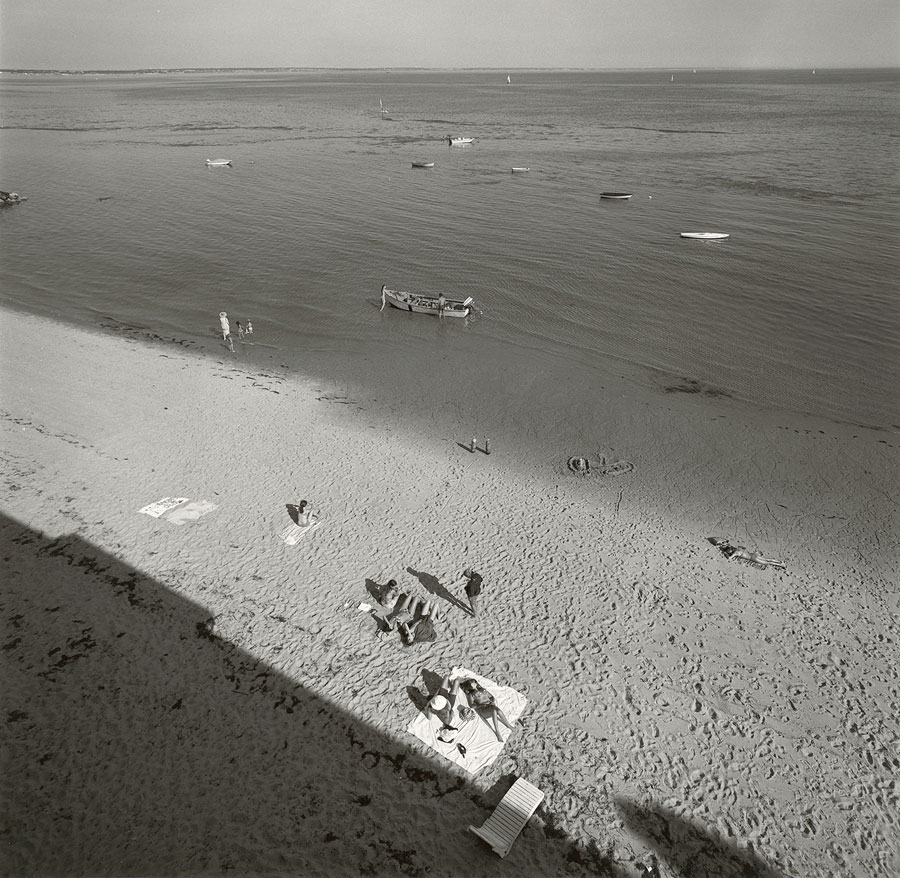
 

Harry Callahan (American, 1912-1999) 'Cape Cod' 1972


Harry Callahan (American, 1912-1999)
Cape Cod
1972
Gelatin silver print
Overall (image): 23.7 x 23.9cm (9 5/16 x 9 7/16 in)
National Gallery of Art, Washington
Gift of Joyce and Robert Menschel
© Estate of Harry Callahan, courtesy Pace/MacGill Gallery, New York


Harry Callahan (American, 1912-1999) 'Cape Cod' 1974


Harry Callahan (American, 1912-1999)
Cape Cod
1974
Gelatin silver print
Overall (image): 21.8 x 22.6cm (8 9/16 x 8 7/8 in.)
National Gallery of Art, Washington
Gift of Joyce and Robert Menschel
© Estate of Harry Callahan, courtesy Pace/MacGill Gallery, New York
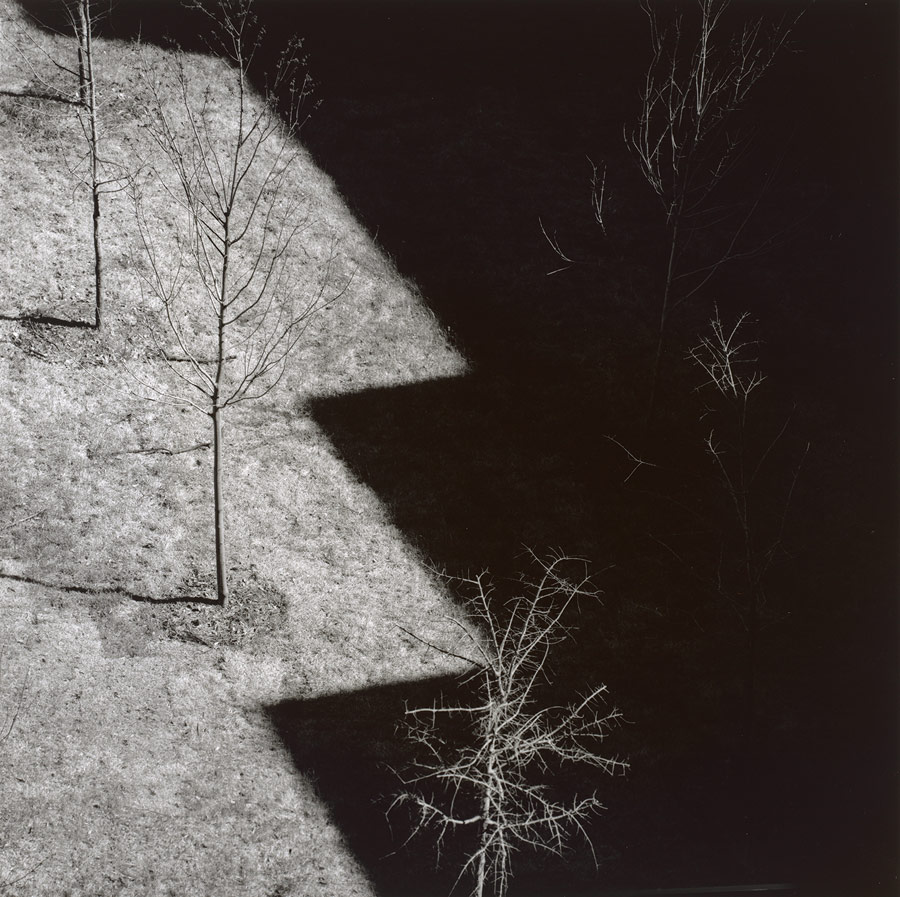
 

Harry Callahan (American, 1912-1999) 'Ansley Park, Atlanta' 1992


Harry Callahan (American, 1912-1999)
Ansley Park, Atlanta
1992
Gelatin silver print
Overall (image): 15.72 x 15.72cm (6 3/16 x 6 3/16 in)
National Gallery of Art, Washington
Gift of Susan and Peter MacGill
© Estate of Harry Callahan, courtesy Pace/MacGill Gallery, New York


The year 2012 marks the centenary of the birth of Harry Callahan (1912-1999), whose highly experimental, visually daring, and elegant photographs made him one of the most innovative artists of the 20th century.

On view in the West Building of the National Gallery of Art from October 2, 2011, through March 4, 2012, Harry Callahan at 100 explores all facets of his work in some 100 photographs, from its genesis in the early 1940s Detroit to its flowering in Chicago in the late 1940s and 1950s, and finally to its maturation in Providence and Atlanta from the 1960s through the 1990s. In 1996, the Gallery organised the exhibition Harry Callahan, which traveled to Philadelphia, Atlanta, Detroit, and Chicago, and included numerous works on loan from the artist.

“Using the rich holdings of the Gallery’s own collection of Callahan’s work, as well as a large collection of photographs on long-term loan from the artist’s widow, the exhibition will reveal the remarkable consistency of his vision and will demonstrate how his strong, inventive formal language repeatedly enriched his art,” said Earl A. Powell III, director, National Gallery of Art.

The Exhibition

Organised thematically and chronologically, Harry Callahan at 100 examines Callahan’s work in relation to the places where he lived and to his family, unveiling his unparalleled devotion to both his subjects and the medium of photography.

In his earliest photographs made in and around Detroit, Callahan explored the limits of the camera, constructing photographs of multiple exposures in both black-and-white and colour. In works such as Twig in Snow (c. 1942) and Store Front and Reflections (c. 1943), he sought to capture simultaneously the simplicity and complexity of nature and the theatre of urban life.

Callahan continued his aesthetic and technical experiments through photographs of his wife, Eleanor. His nudes play with dramatic contrasts of light and dark: his layered multiple exposures reveal Eleanor’s body against landscapes and frosted glass windows (Eleanor, Chicago, 1948). His photographs of his wife and their daughter, Barbara, in the lake, the city, and the woods (Eleanor and Barbara, Lake Michigan, c. 1953) exploit the spontaneity and intimacy of snapshots – yet, paradoxically, were made with a large, cumbersome 8- x 10-inch view camera.

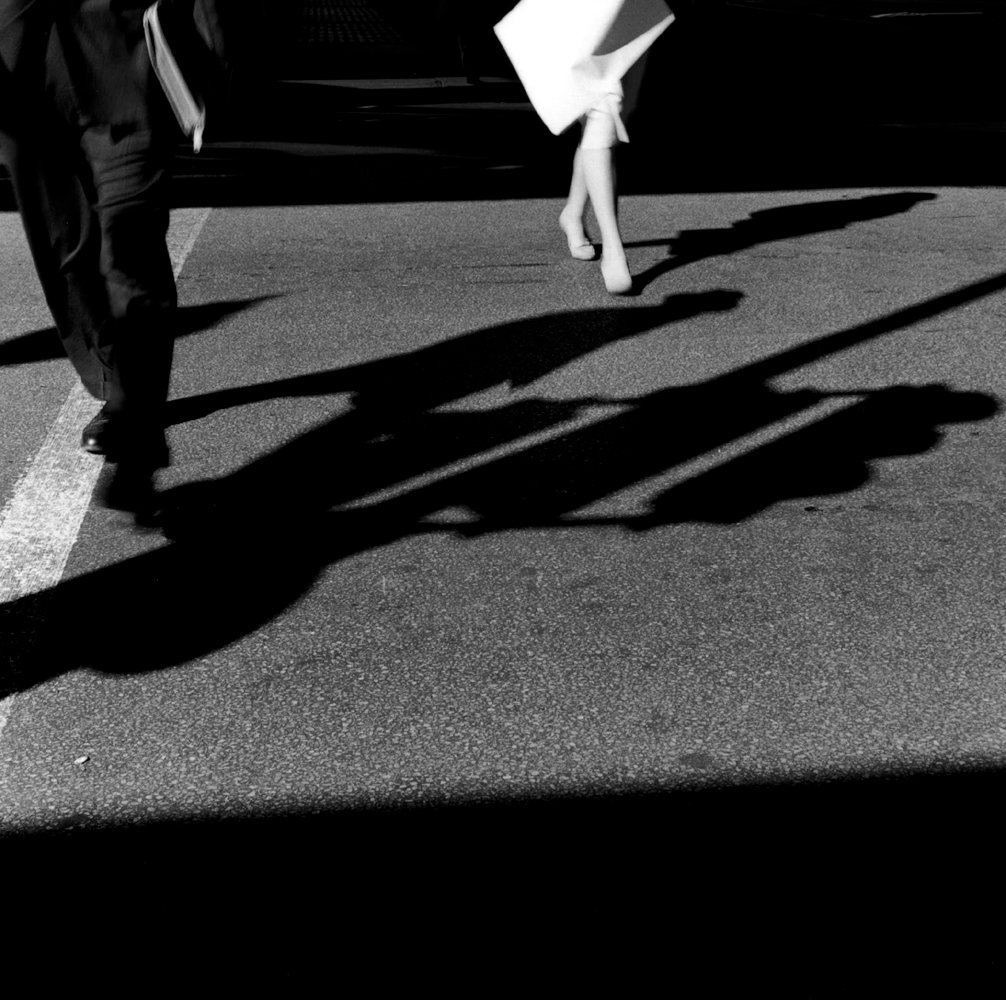
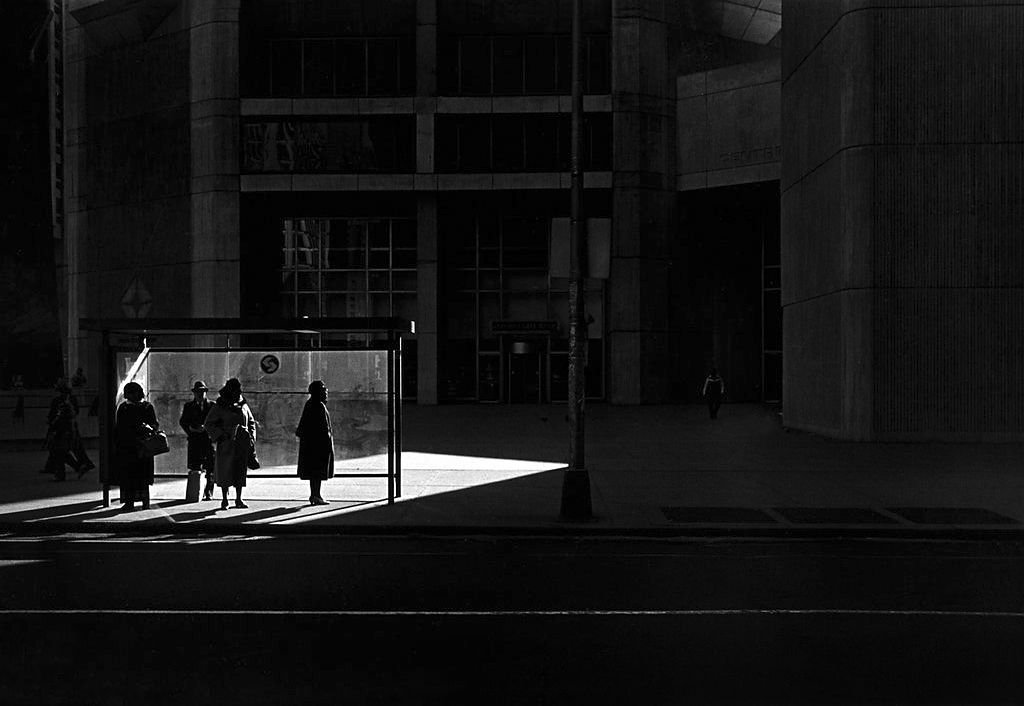
Callahan’s twin interests in the city and the land expanded during his years in Chicago and Providence, where he created both spare and evocative photographs of the natural landscape and complex compositions of urban architecture and pedestrians. He began to document anonymous women on the streets of Chicago, first in close shots of squinting eyes, open mouths, and downcast faces seen in Chicago (1950), then in full-figure shots from a low angle that feature the women against backgrounds of skyscrapers and flagpoles, as in Chicago (1961).

In the 1970s Callahan returned to colour photography, continuing to push the boundaries of the medium, seen in the well-known Providence (1977). Taken in Atlanta and during travels abroad, his late photographs emphasised vibrant colours, long shadows, and the complex humanity of urban life, seen in Morocco (1981) and Atlanta (1985).

Harry Callahan (1912-1999)

Born in Detroit in 1912, Callahan began to photograph in 1938. Although he received no formal training in the medium, his exceptional talent was immediately recognised. In 1946 László Moholy-Nagy hired him to teach at the Institute of Design in Chicago. There and at the Rhode Island School of Design (he moved to Providence in 1961) he taught generations of younger photographers, inspiring them both with the creativity of his vision and his steadfast commitment to the medium. In a career that spanned nearly six decades, he repeatedly explored a few select themes – his wife Eleanor and daughter Barbara, nature, and the urban environment. Yet each time he returned to a familiar subject, he reinvented it, endowing each photograph with both a personal and symbolic significance.

Press release from the National Gallery of Art website
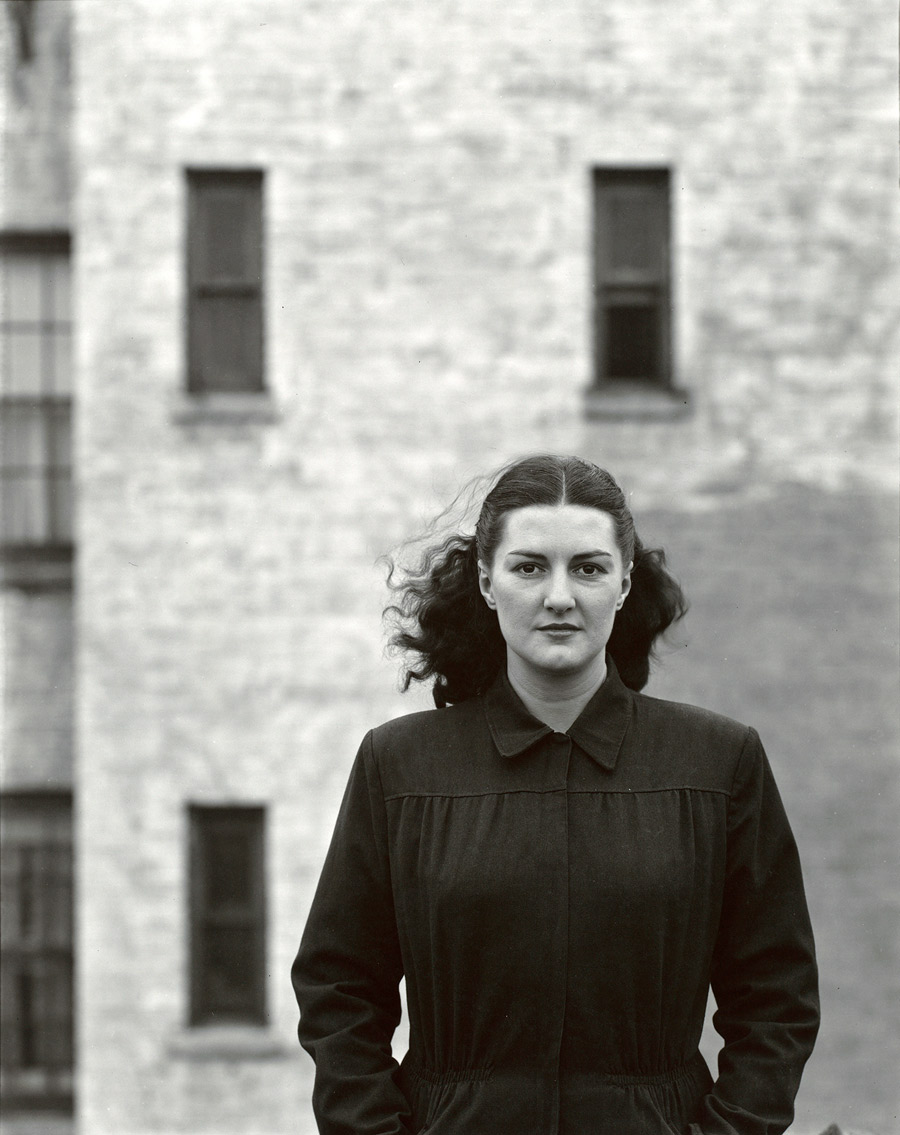
 

Harry Callahan (American, 1912-1999) 'Eleanor, New York' 1945


Harry Callahan (American, 1912-1999)
Eleanor, New York
1945
Gelatin silver print
Overall (image): 21.2 x 16.83cm (8 3/8 x 6 5/8 in)
National Gallery of Art, Washington
Gift of the Callahan Family
© Estate of Harry Callahan, courtesy Pace/MacGill Gallery, New York
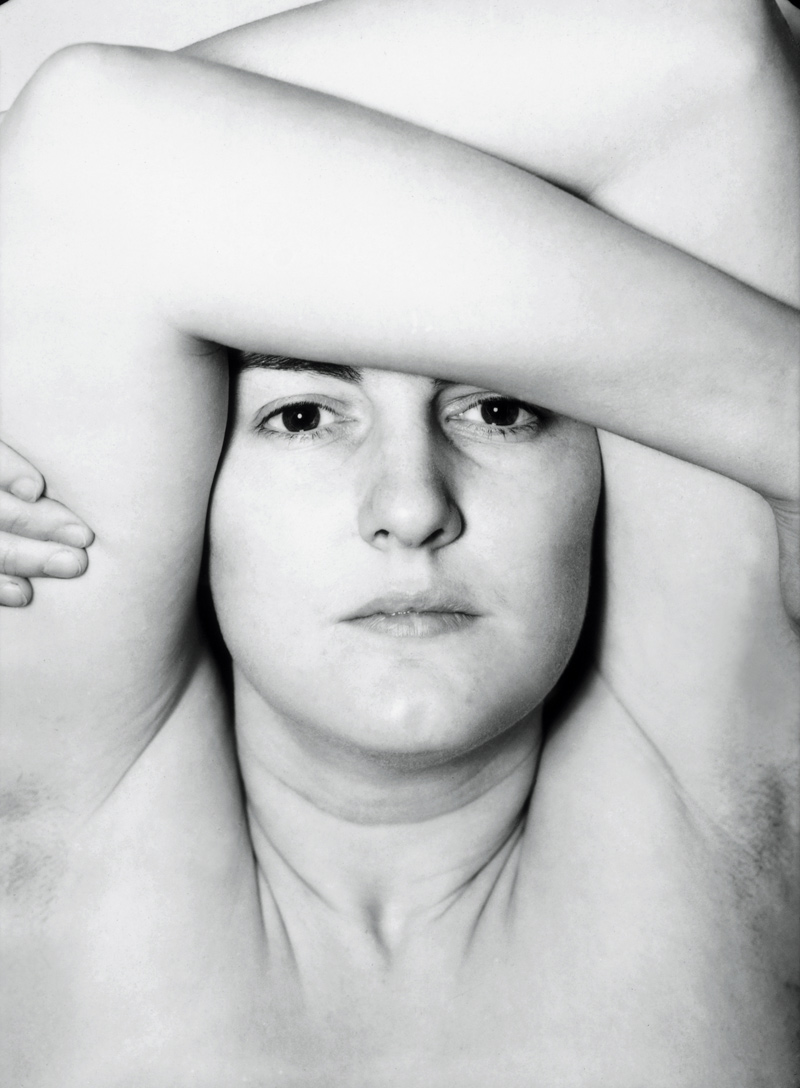
 

Harry Callahan (American, 1912-1999) 'Eleanor' about 1947


Harry Callahan (American, 1912-1999)
Eleanor
Chicago, 1947
Gelatin silver print
National Gallery of Art, Washington
The Herbert and Nannette Rothschild Memorial Fund in memory of Judith Rothschild
© Estate of Harry Callahan, courtesy Pace/MacGill Gallery, New York
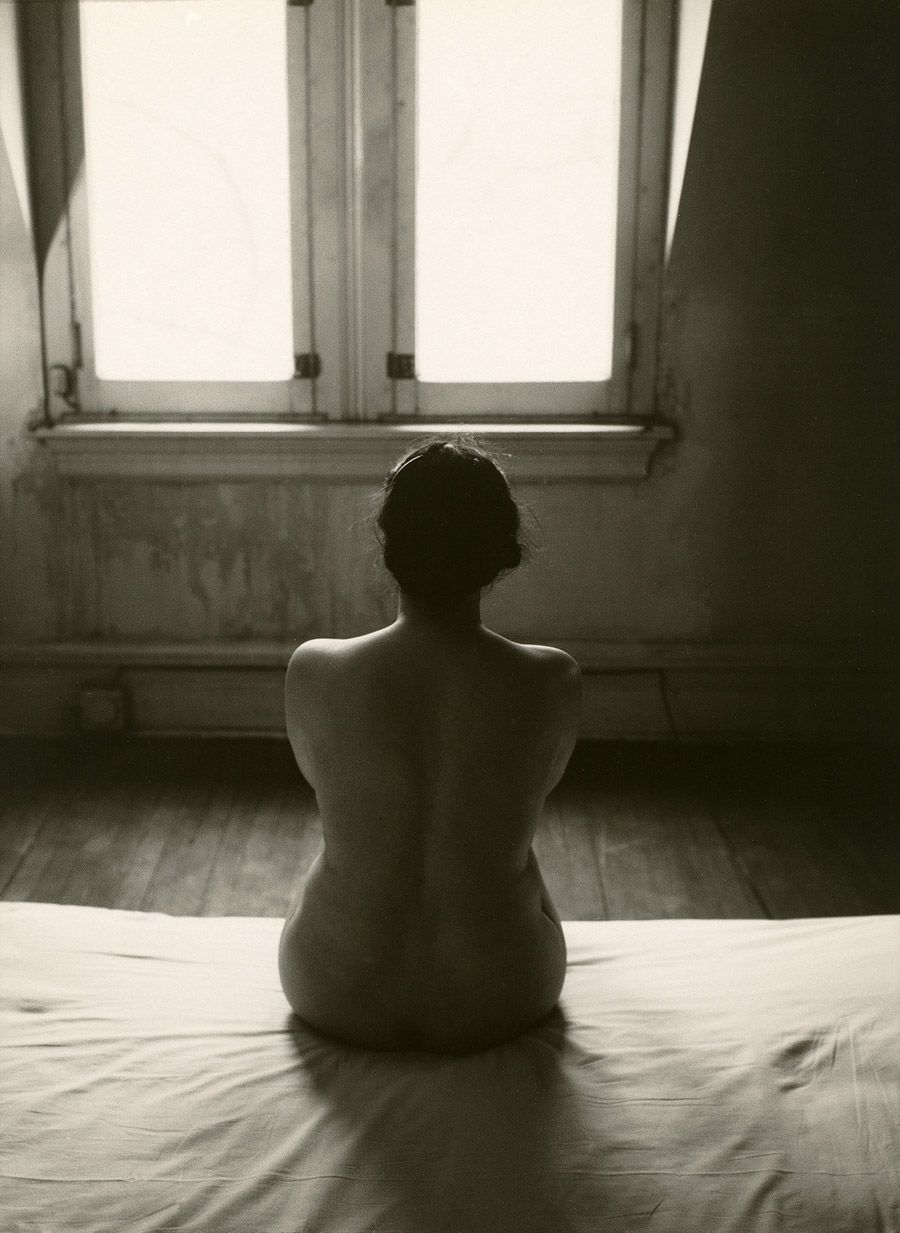
 

Harry Callahan (American, 1912-1999) 'Eleanor, Chicago' 1948


Harry Callahan (American, 1912-1999)
Eleanor, Chicago
1948
Gelatin silver print
Overall (image): 11.59 x 8.5cm (4 9/16 x 3 3/8 in)
National Gallery of Art, Washington
The Joyce and Robert Menschel Fund
© Estate of Harry Callahan, courtesy Pace/MacGill Gallery, New York


During the 1940s and ’50s, Callahan’s work was deeply affected by the resolutely humanizing presence of his wife, Eleanor, and daughter, Barbara. Frequent subjects, though consistently inscrutable, Eleanor and Barbara are the shadow puppets of his career, a direct testament to his family life, but always seen as if behind some kind of veil or scrim. They are markers of an intimacy that Callahan never violates by direct exposure.

Eleanor, in particular, is photographed down to the very last details of anatomy. She remembers that during these years, she might be cooking or cleaning, and suddenly Harry would announce: “‘Take off your clothes.’ And that would be that.”

The results are sometimes staggering. A 1947 image of what appears to be the lines created by Eleanor’s legs and buttocks looks like a Cycladic statue, relentlessly rectilinear but soft around the edges, freakishly modern and ancient at the same time. An 1953 image of Eleanor and Barbara bathing in Lake Michigan dissolves the horizon, fusing lake and sky into a field of shimmering gray. The two figures seem suspended in space, dematerialized, like characters in a dream.

It’s a small miracle that no matter how much Callahan’s camera dissects the world, the photographs never seem clinical. He divorces things from context, pulls out small vignettes from the larger city, but without violence, and without the gamesmanship of a photographer inclined to the cheap surreal.

Philip Kennicott. “Review: Harry Callahan photography exhibit at the National Gallery of Art,” on The Washington Post website October 4, 2011 [Online] Cited 22/02/2012
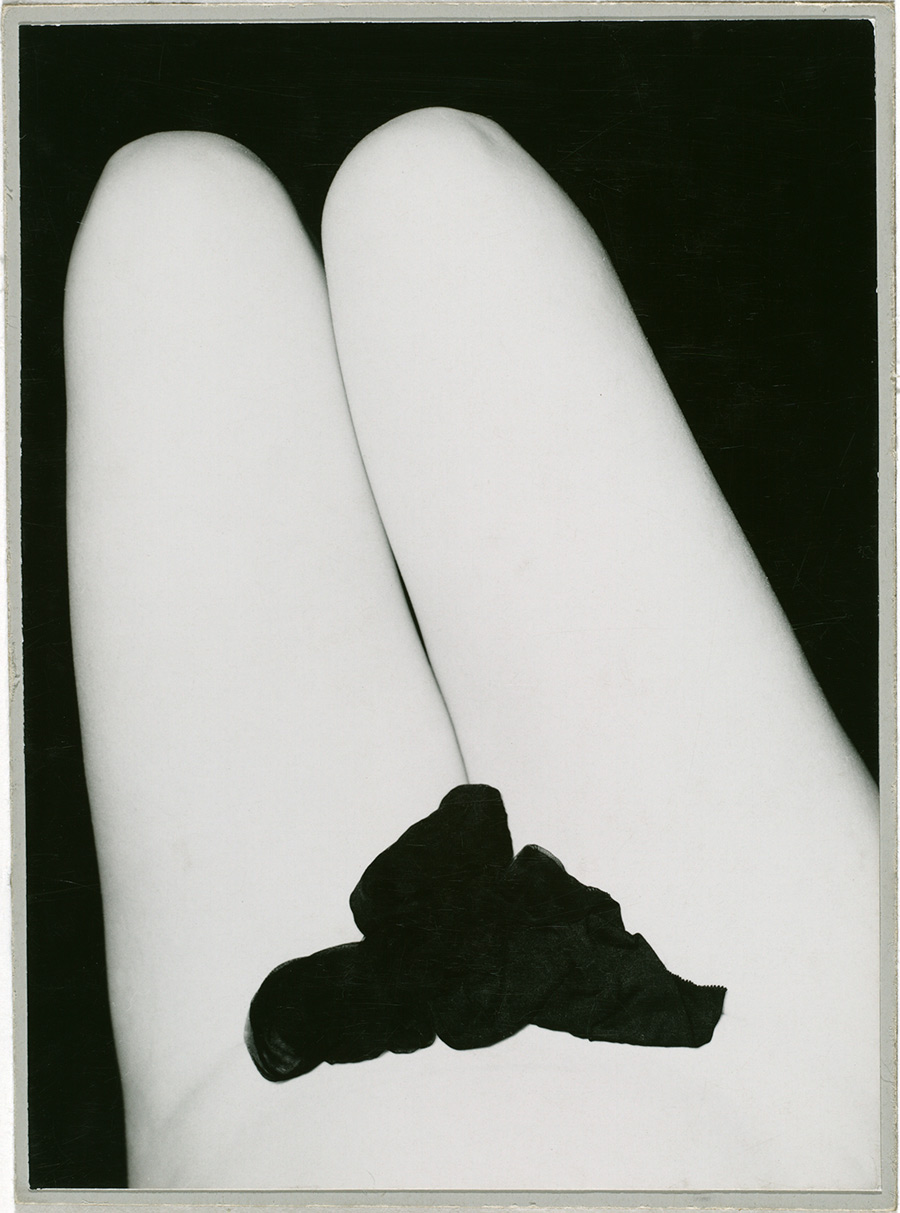
 

Harry Callahan (American, 1912-1999) 'Eleanor, Chicago' c. 1947


Harry Callahan (American, 1912-1999)
Eleanor, Chicago
c. 1947
Gelatin silver print
Overall (sheet, trimmed to image): 11.91 x 8.6cm (4 11/16 x 3 3/8 in)
National Gallery of Art, Washington
Promised Gift of Susan and Peter MacGill
© Estate of Harry Callahan, courtesy Pace/MacGill Gallery, New York
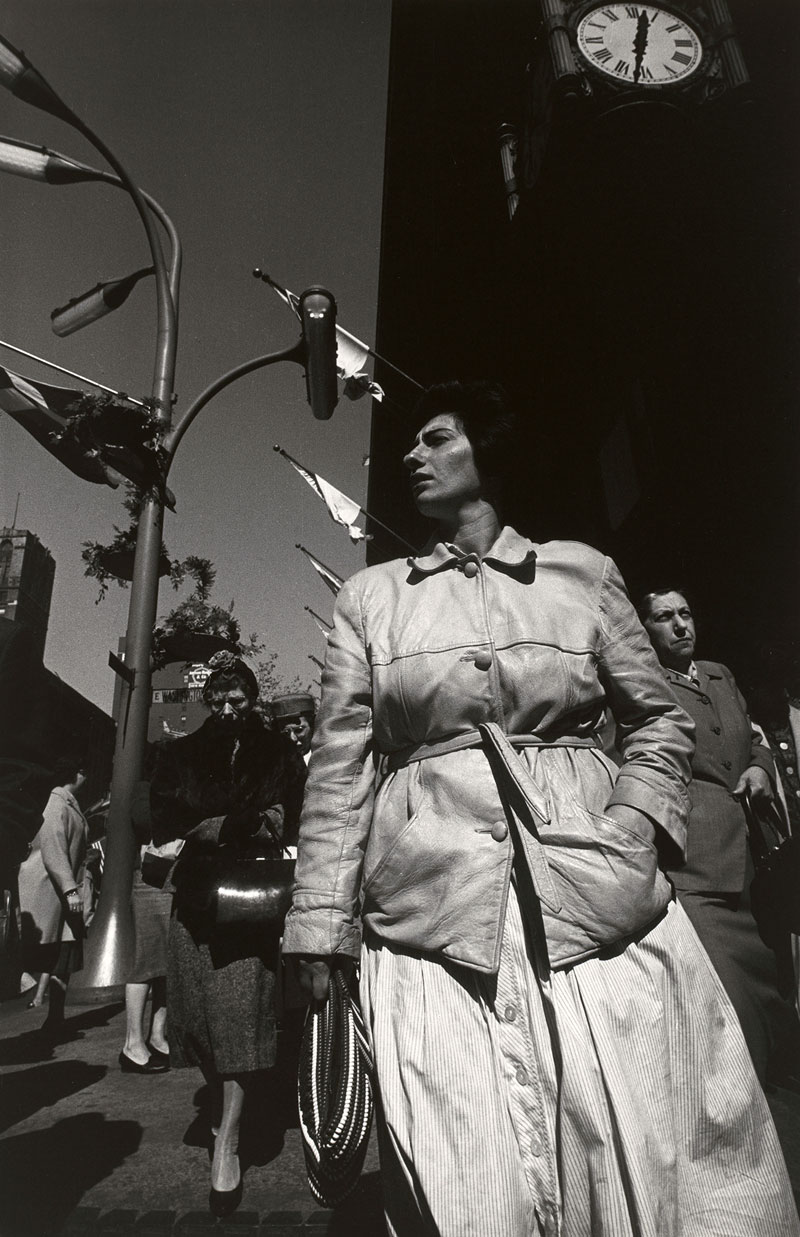
 

Harry Callahan (American, 1912-1999) 'Chicago' 1961


Harry Callahan (American, 1912-1999)
Chicago
1961
Gelatin silver print
Overall (image):
40.6 x 27.1cm (16 x 10 11/16 in)
National Gallery of Art, Washington
Gift of the Callahan Family
© Estate of Harry Callahan, courtesy Pace/MacGill Gallery, New York
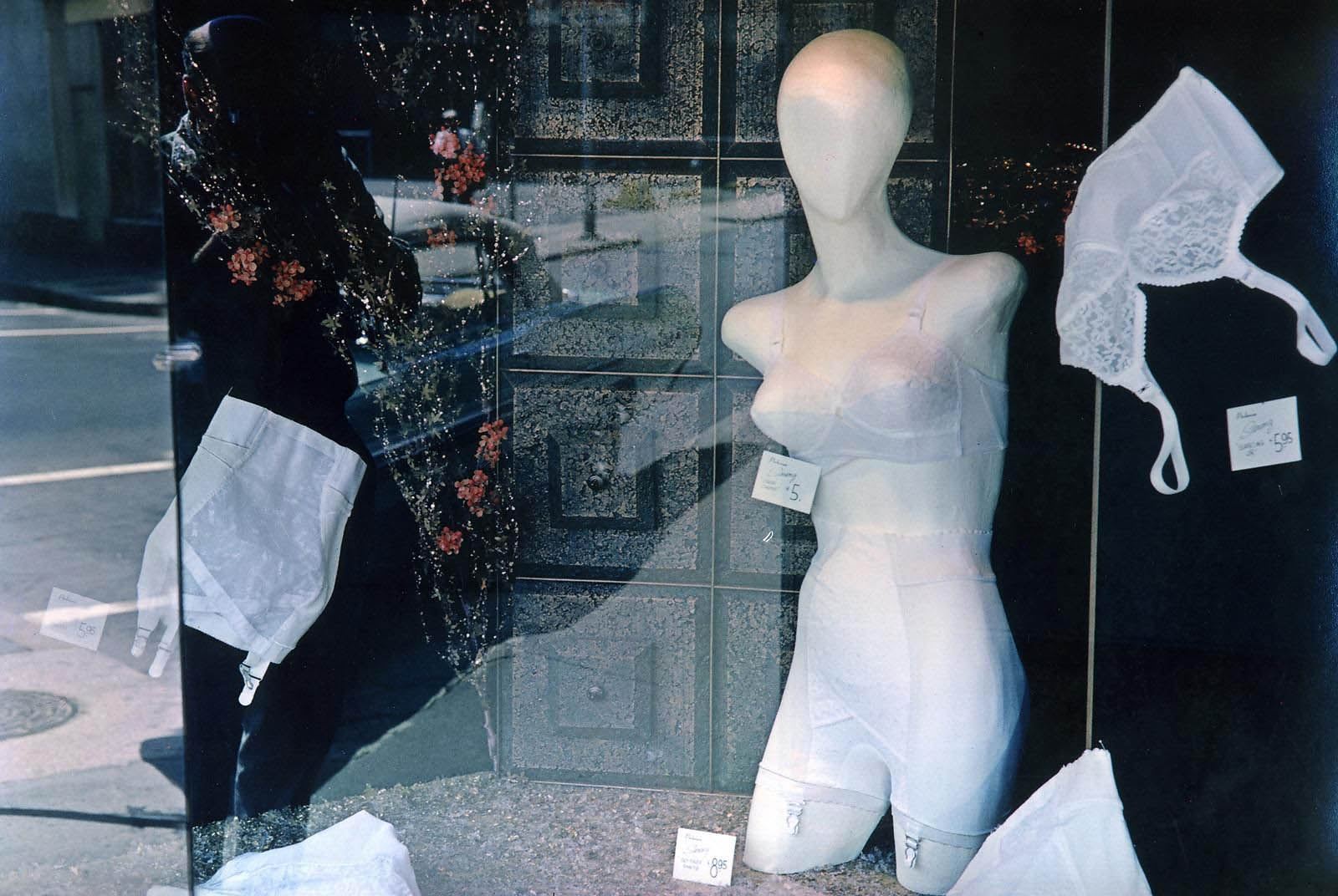
 

Harry Callahan (American, 1912-1999) 'Store Window with Mannequin with Lingerie, Providence' 1962


Harry Callahan (American, 1912-1999)
Store Window with Mannequin with Lingerie, Providence
1962
Dye imbibition print
22.4 x 34.1cm (8 13/16 x 13 7/16 in.)
National Gallery of Art, Washington
Gift of Mary and Dan Solomon and Patrons’ Permanent Fund
© Estate of Harry Callahan, courtesy Pace/MacGill Gallery, New York


Harry Callahan (American, 1912-1999) 'Kansas City' 1981


Harry Callahan (American, 1912-1999)
Kansas City
1981
Dye imbibition print
Overall (image): 24.3 x 36.7cm (9 9/16 x 14 7/16 in.)
National Gallery of Art, Washington
Gift of The Very Reverend and Mrs. Charles U. Harris
© Estate of Harry Callahan, courtesy Pace/MacGill Gallery, New York
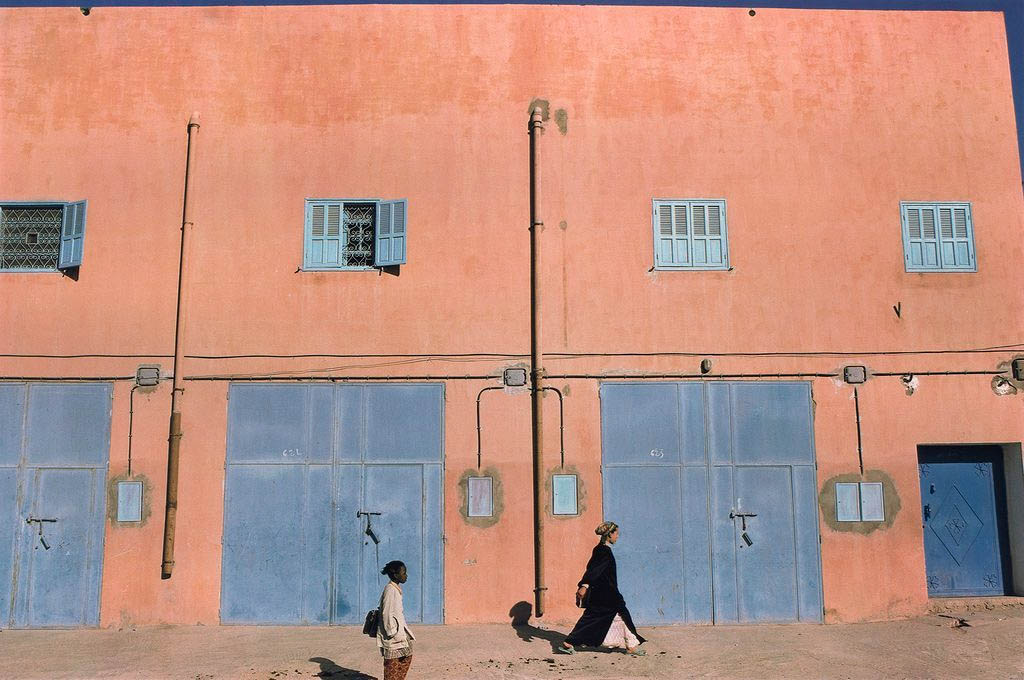
 

Harry Callahan (American, 1912-1999) 'Morocco' 1981


Harry Callahan (American, 1912-1999)
Morocco
1981
Dye imbibition print
Overall (image): 24.2 x 36.7cm (9 1/2 x 14 7/16 in.)
National Gallery of Art, Washington
Gift of the Collectors Committee
© Estate of Harry Callahan, courtesy Pace/MacGill Gallery, New York


Harry Callahan (American, 1912-1999) 'Atlanta' 1985


Harry Callahan (American, 1912-1999)
Atlanta
1985
Dye imbibition print
Overall (image): 24.4 x 36.7cm (9 5/8 x 14 7/16 in.)
National Gallery of Art, Washington
Gift of the Callahan Family
© Estate of Harry Callahan, courtesy Pace/MacGill Gallery, New York


National Gallery of Art
National Mall between 3rd and 7th Streets
Constitution Avenue NW, Washington

Opening hours:
Daily 10.00am – 5.00pm

National Gallery of Art website

LIKE ART BLART ON FACEBOOK

Back to top

Exhibition: ‘Vivian Maier: Photographs from the Maloof Collection’ at the Howard Greenberg Gallery, New York

Exhibition dates:  15th December 2011 – 26th January 2012


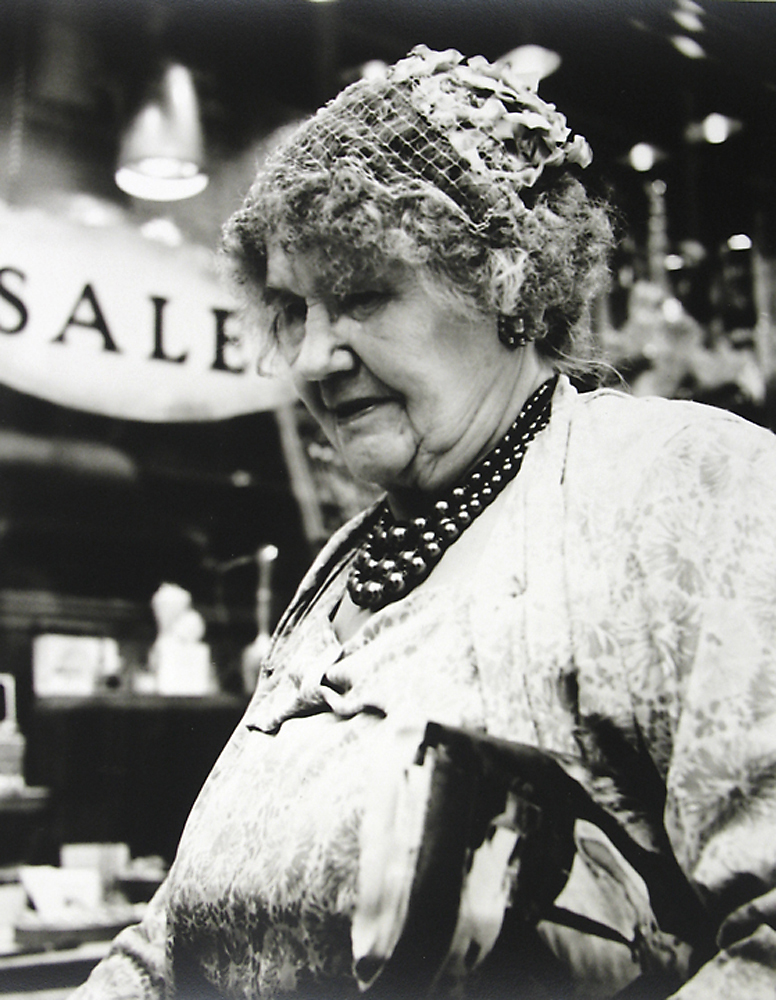
Vivian Maier (American, 1926-2009) 'Untitled (portrait of a woman)' date unknown
 

Vivian Maier (American, 1926-2009)
Untitled (portrait of a woman)
Date unknown
© Vivian Maier/Maloof Collection, Courtesy Howard Greenberg Gallery


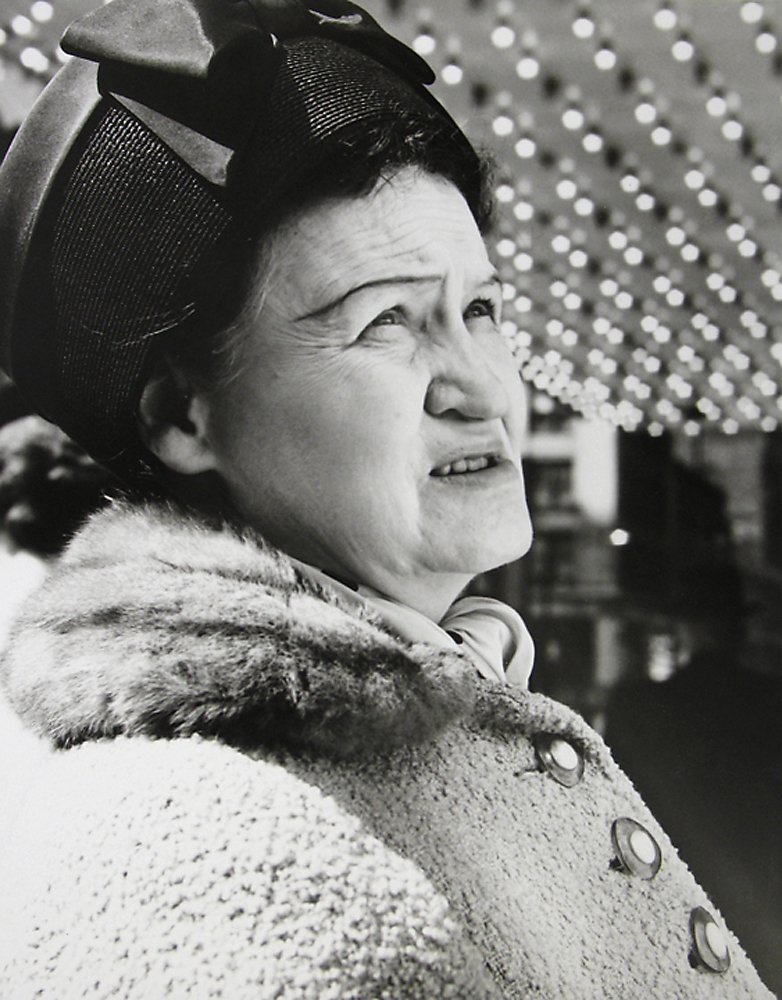
Another photographer who is getting more recognition. Out of the work I have seen the portraits are the strongest. Some of them feel like precursors to the confronting portraits of women made by Diane Arbus while others offer a more reflective, contemplative examination of human presence.

Dr Marcus Bunyan


Many thankx to Alicia Colen for her help and to the Howard Greenberg Gallery for allowing me to publish the photographs in the posting.


Vivian Maier (American, 1926-2009) 'Untitled' c. 1950's


Vivian Maier (American, 1926-2009)
Untitled
c. 1950’s
© Vivian Maier/Maloof Collection, Courtesy Howard Greenberg Gallery


Vivian Maier (American, 1926-2009) 'Untitled' c. 1950's


Vivian Maier (American, 1926-2009)
Untitled
c. 1950’s
© Vivian Maier/Maloof Collection, Courtesy Howard Greenberg Gallery


Vivian Maier (American, 1926-2009) 'Untitled' c. 1950's


Vivian Maier (American, 1926-2009)
Untitled
c. 1950’s
© Vivian Maier/Maloof Collection, Courtesy Howard Greenberg Gallery


Vivian Maier (American, 1926-2009) 'Untitled' 1954


Vivian Maier (American, 1926-2009)
Untitled
1954
Gelatin silver print, printed later
© Vivian Maier/Maloof Collection, Courtesy Howard Greenberg Gallery


Vivian Maier (American, 1926-2009) 'Florida' 1957


Vivian Maier (American, 1926-2009)
Florida
1957
Gelatin silver print, later print
© Vivian Maier/Maloof Collection, Courtesy Howard Greenberg Gallery


Vivian Maier (American, 1926-2009) 'New York, New York City' Nd


Vivian Maier (American, 1926-2009)
New York, New York City
Nd
Gelatin silver print, later print
© Vivian Maier/Maloof Collection, Courtesy Howard Greenberg Gallery


Vivian Maier (American, 1926-2009) 'Untitled' Nd


Vivian Maier (American, 1926-2009)
Untitled
Nd
Gelatin silver print, later print
© Vivian Maier/Maloof Collection, Courtesy Howard Greenberg Gallery


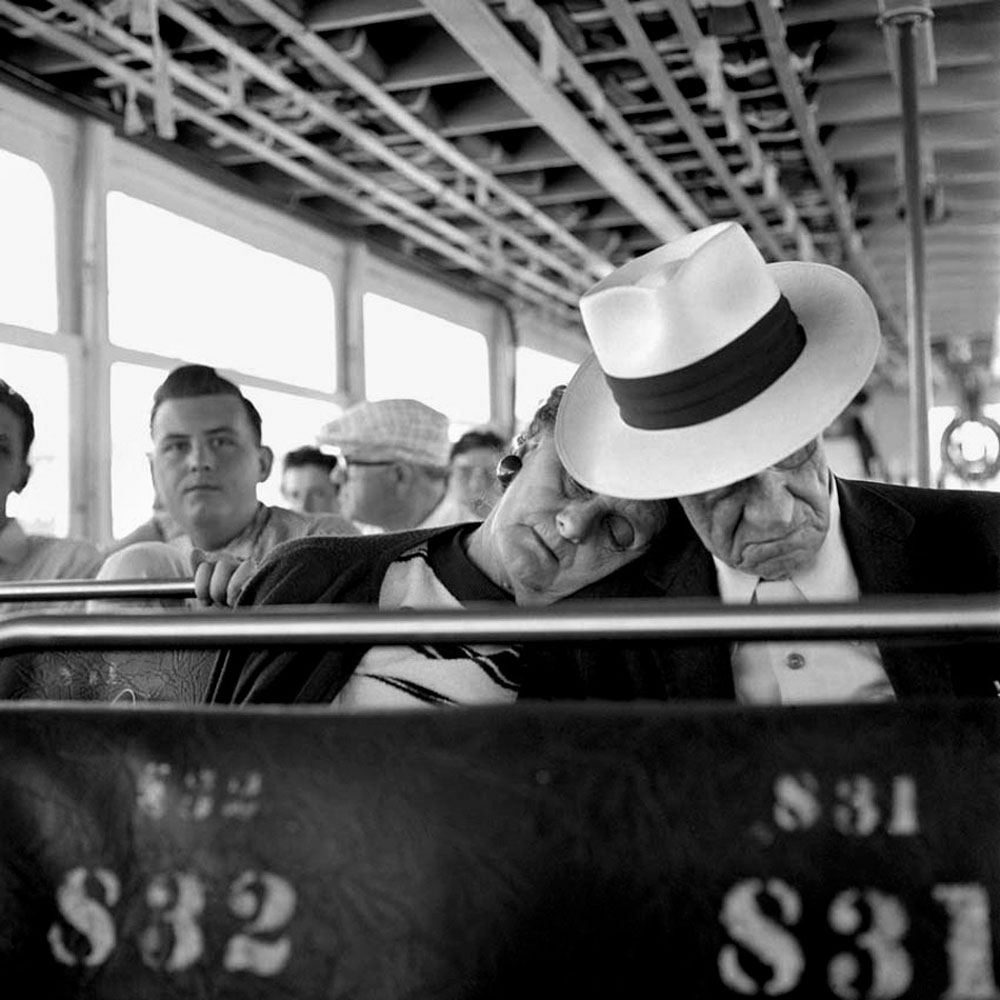
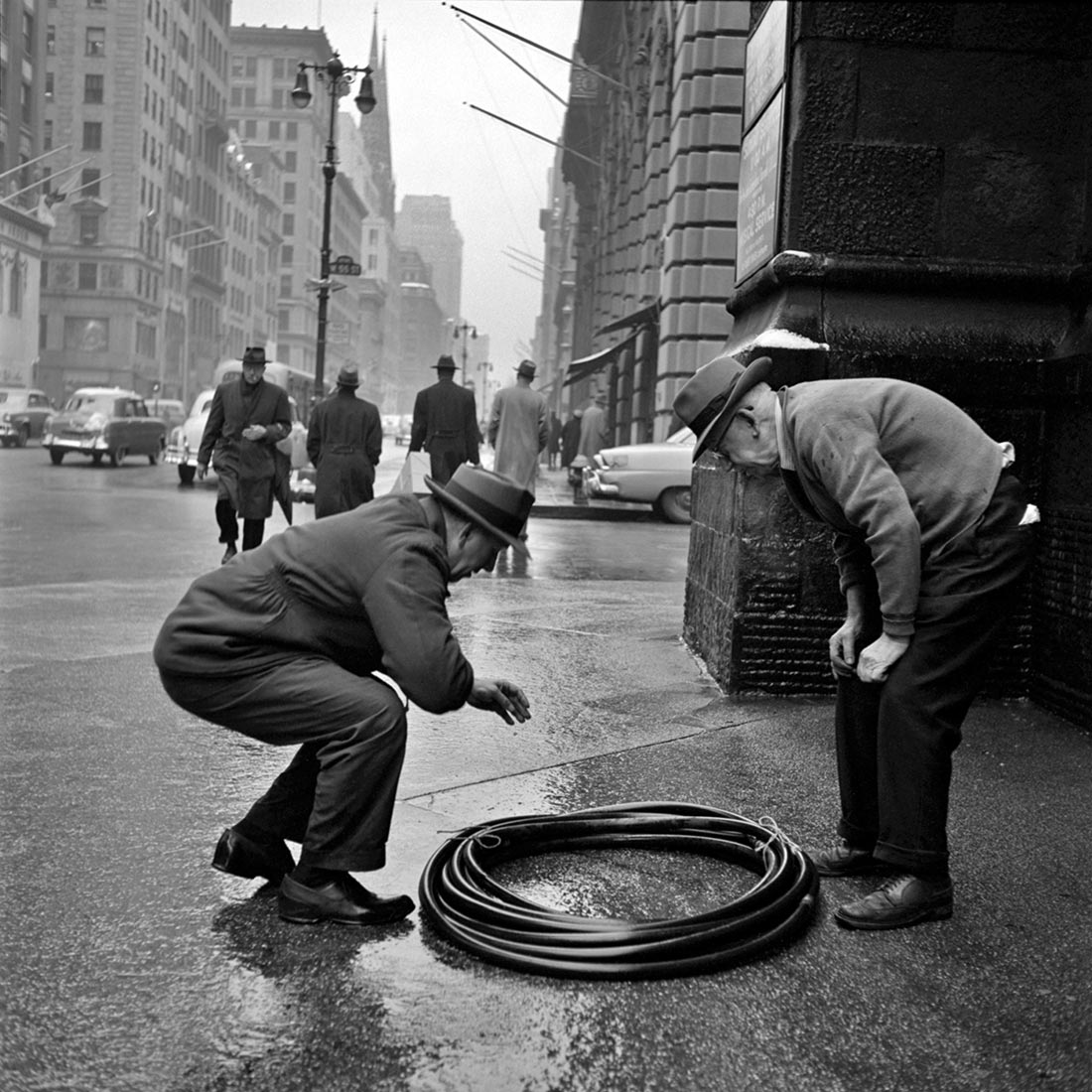
Howard Greenberg Gallery is proud to present the recently discovered work of street photographer, Vivian Maier (1926-2009), from the Maloof Collection.

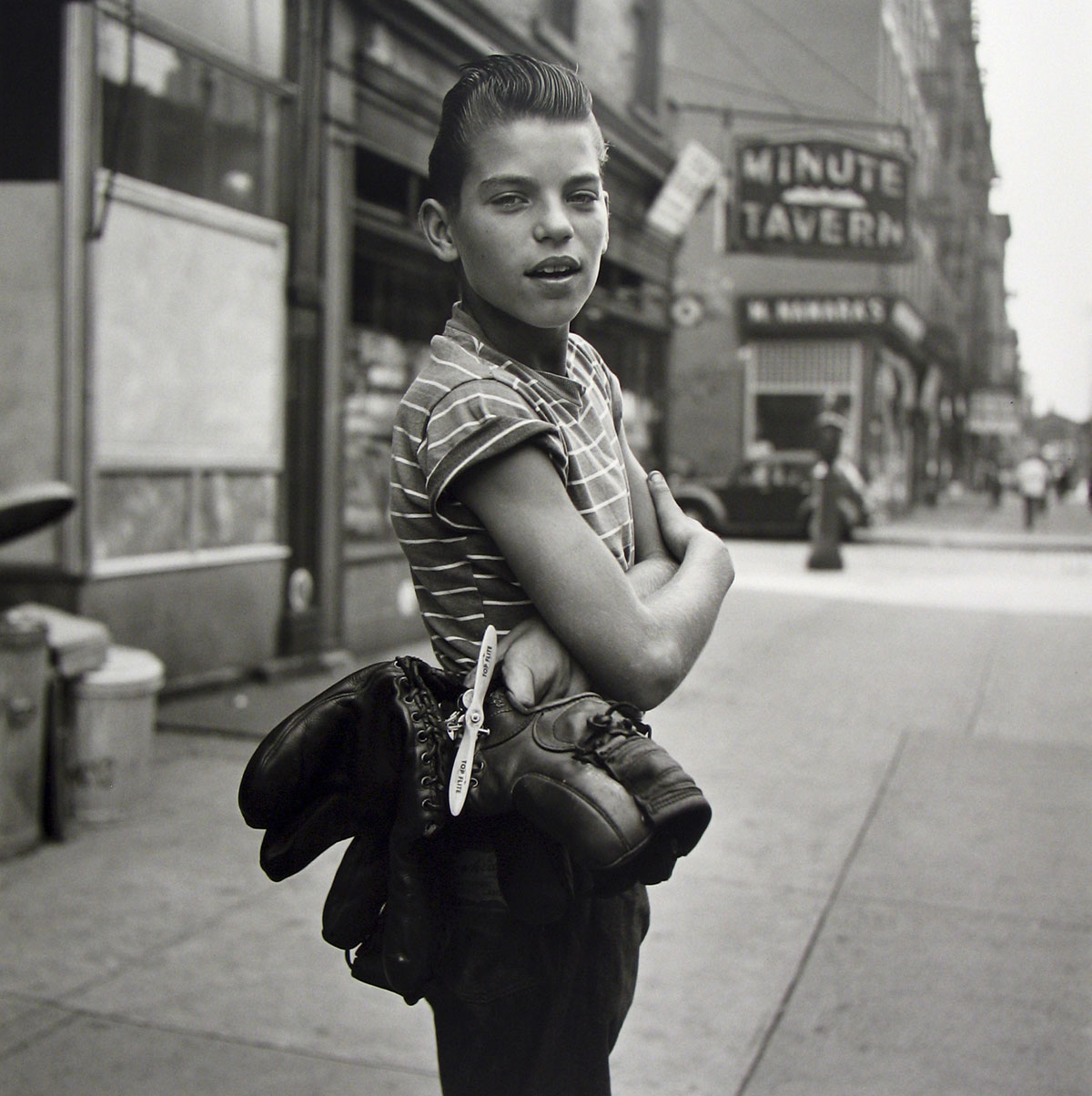
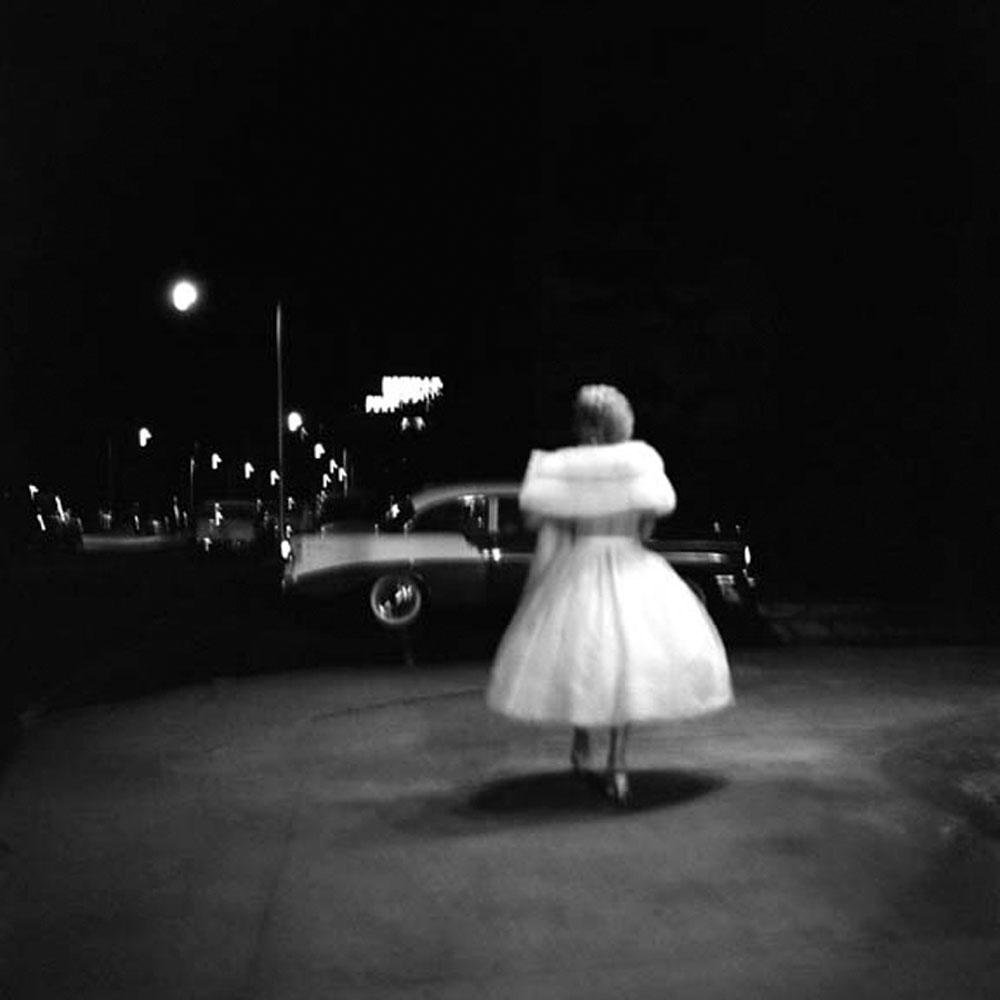
A nanny by trade, Vivian Maier’s street and travel photography was discovered by John Maloof in 2007 at a local auction house in Chicago. Always with a Rolleiflex around her neck, she managed to amass more than 2,000 rolls of films, 3,000 prints and more than 100,000 negative which were shared with virtually no one in her lifetime. Her black and white photographs-mostly from the 50s and 60s-are indelible images of the architecture and street life of Chicago and New York. She rarely took more than one frame of each image and concentrated on children, women, the elderly, and indigent. The breadth of Maier’s work also reveals a series of striking self-portraits as well as prints from her travels to Egypt, Bangkok, Italy, and the American Southwest, among dozens of other international cities.

“My fascination with her story has only grown, as has my involvement with her photographs. It is such an unusual story with no resolution. At first her images are extremely well seen, quality photographs of life on the street, in New York City and Chicago. But as one looks at the body of her work, she reveals her deeper interests. Then one tries to imagine who she was, what motivated her, her personality. It is not everyday that one becomes so involved and even obsessed with a particular photographer,” comments Howard Greenberg.

What little is known about Maier’s life is the result of John Maloof’s extensive research. He discovered her obituary on line in 2009 which was just the beginning of his investigative work. An American of French and Austro-Hungarian extraction, Maier split her time between Europe and the US, returning to NY in 1951. In 1956, she ultimately settled in Chicago where she worked as nanny for more than forty years. For a brief period in the 1970s she worked as a nanny to journalist, Phil Donahue’s children. Towards the end of her life, Maier was supported by the children she had cared for in the early 50s. Unbeknownst to them, one of Maier’s storage lockers (containing her massive group of negatives) was auctioned off due to delinquent payments.

After purchasing the first collection of Maier photographs in 2007, Maloof acquired more from another buyer at the same auction. He has since established the Maloof Collection to promote the work of Vivian Maier and to safeguard the archive for future generations. The archive consists of approximately 100,000 to 150,000 negatives; over 3,000 prints; hundreds of rolls of film; home movies; audio tape interviews, and other items representing roughly 90% of Maier’s work. Through Maloof’s efforts, Vivian Maier’s photographs have been exhibited internationally and have received significant critical attention. In November, Powerhouse Books will publish Vivian Maier: Street Photographer, edited by Maloof with a foreword by Geoff Dyer. John Maloof is also co-producing a documentary about Vivian Maier.

Press release from the Howard Greenberg Gallery


Vivian Maier (American, 1926-2009) 'Untitled' c. 1950's


Vivian Maier (American, 1926-2009)
Untitled
c. 1950’s
© Vivian Maier/Maloof Collection, Courtesy Howard Greenberg Gallery


Vivian Maier (American, 1926-2009) 'Uptown West, New York, NY, January 26, 1955' 1955


Vivian Maier (American, 1926-2009)
Uptown West, New York, NY, January 26, 1955
1955
© Vivian Maier/Maloof Collection, Courtesy Howard Greenberg Gallery


Vivian Maier (American, 1926-2009) 'New York, New York City' 1954


Vivian Maier (American, 1926-2009)
New York, New York City
1954
Gelatin silver print, printed later
© Vivian Maier/Maloof Collection, Courtesy Howard Greenberg Gallery


Vivian Maier (American, 1926-2009) 'Untitled' 1956


Vivian Maier (American, 1926-2009)
Untitled
1956
Gelatin silver print, printed later
© Vivian Maier/Maloof Collection, Courtesy Howard Greenberg Gallery


Vivian Maier (American, 1926-2009) 'Untitled, Chicago, May 16, 1957' 1957


Vivian Maier (American, 1926-2009)
Untitled, Chicago, May 16, 1957
1957
© Vivian Maier/Maloof Collection, Courtesy Howard Greenberg Gallery


Vivian Maier (American, 1926-2009) 'Florida' 1960


Vivian Maier (American, 1926-2009)
Florida
1960
Gelatin silver print, printed later
© Vivian Maier/Maloof Collection, Courtesy Howard Greenberg Gallery


Vivian Maier (American, 1926-2009) 'Untitled' Nd


Vivian Maier (American, 1926-2009)
Untitled
Nd
Gelatin silver print, printed later
© Vivian Maier/Maloof Collection, Courtesy Howard Greenberg Gallery


Vivian Maier (American, 1926-2009) 'New York City' 1955


Vivian Maier (American, 1926-2009)
New York City
1955
Gelatin silver print, printed later
© Vivian Maier/Maloof Collection, Courtesy Howard Greenberg Gallery


Vivian Maier (American, 1926-2009) 'New York City, Self-Portrait, September 10th, 1955' 1955


Vivian Maier (American, 1926-2009)
New York City, Self-Portrait, September 10th, 1955
1955
© Vivian Maier/Maloof Collection, Courtesy Howard Greenberg Gallery


Howard Greenberg Gallery
The Fuller Building
41 East 57 Street
Suite 1406
New York, NY 10022
Phone: 212.334.0010

Gallery hours:
Tuesday – Friday 10.00am – 5.00pm

Howard Greenberg Gallery website

LIKE ART BLART ON FACEBOOK

Back to top

Exhibition: ‘The Three Graces’ at The Art Institute of Chicago

Exhibition dates: 29th October 2011 – 22nd January 2012


Many thankx to The Art Institute of Chicago for allowing me to publish the photographs in the posting. Please click on the photographs for a larger version of the image.


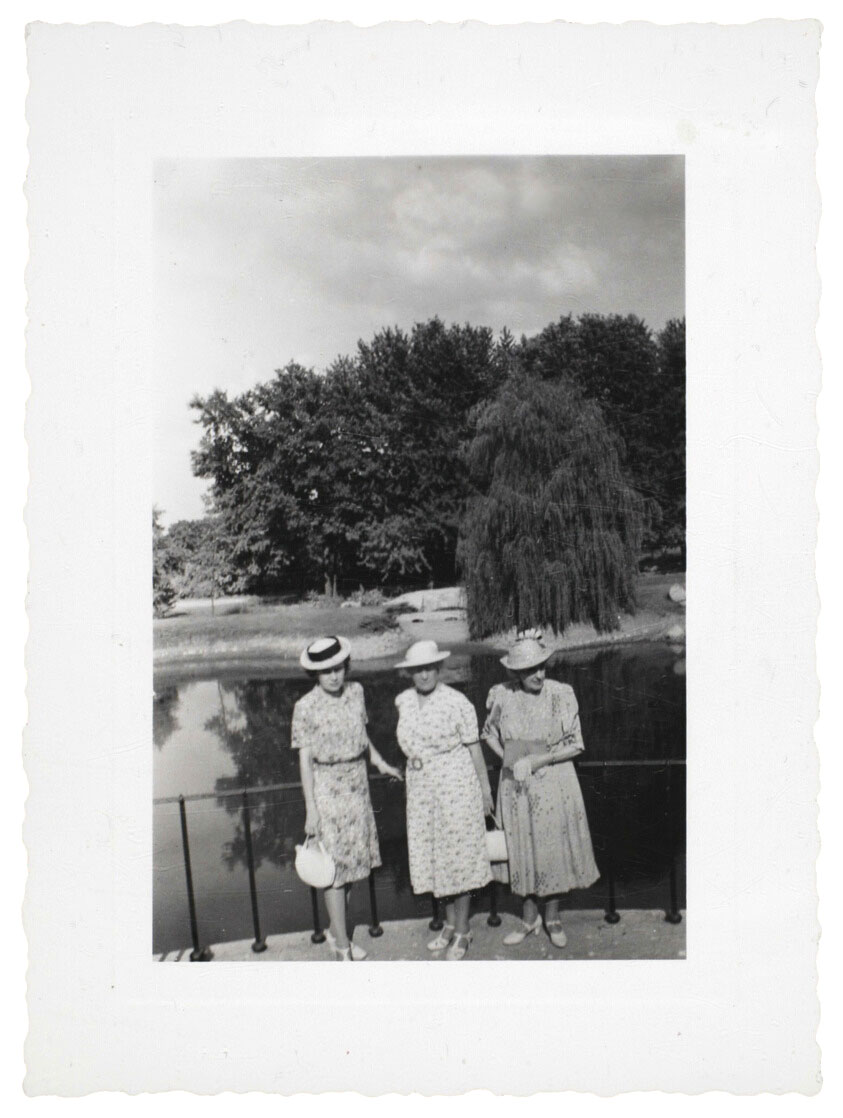
Artist unknown (American). '[Three women]' c. 1930s


Artist unknown (American)
[Three women]
c. 1930s
Gelatin silver print
8.9 x 14.7cm
The Art Institute of Chicago, Gift of Peter J. Cohen


Artist unknown (American) 'The Three Graces' c. 1930s


Artist unknown (American)
The Three Graces
c. 1930s
Gelatin silver print
The Art Institute of Chicago, Gift of Peter J. Cohen


Artist unknown (American) 'Look Pleasant' c. 1910s


Artist unknown (American)
Look Pleasant
c. 1910s
Gelatin silver print
8.9 x 8.6cm
The Art Institute of Chicago, Gift of Peter J. Cohen


Artist unknown (American). '[Three women]' c. 1910s


Artist unknown (American)
[Three women]
c. 1910s
Gelatin silver print
11.6 x 6.8cm
The Art Institute of Chicago, Gift of Peter J. Cohen


Artist unknown (American) 'Untitled' 1910/1940


Artist unknown (American)
Untitled
1910/1940
Image: 7.7 × 5.2cm (3 1/16 × 2 1/16 in.)
Paper: 8.6 × 6.1 cm (3 7/16 × 2 7/16 in.)
The Art Institute of Chicago, Gift of Peter J. Cohen


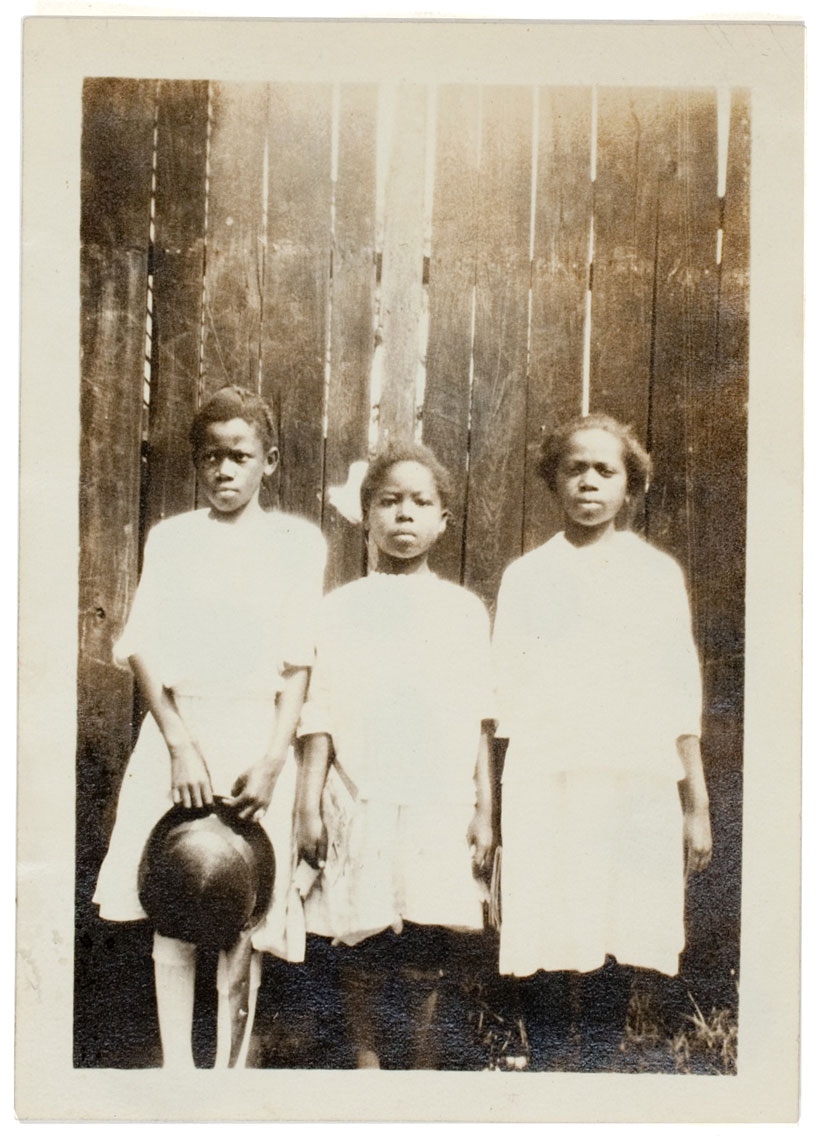
After George Eastman introduced the handheld Kodak #1 camera in 1888, amateurs made millions of snapshots depicting friends and family, travels, and festive occasions such as weddings. Even while solidifying such thoroughly conventional behaviours, amateur photography developed a new pictorial language that privileged immediacy, spontaneity, and accident. Career photographers and art historians – but also antiques vendors and flea-market shoppers – have long recognised the value of the “snapshot aesthetic.” The rise of social media and smartphones in recent years has effectively ended the era of the snapshot as both a printed photograph and an image for a private audience.

Text from the Art Institute of Chicago website


Artist unknown (American) 'Untitled (Summer, Aug, 1920)' 1920


Artist unknown (American)
Untitled (Summer, Aug, 1920)
1920
Gelatin silver print
13.9 × 8.3cm (5 1/2 × 3 5/16 in.)
The Art Institute of Chicago, Gift of Peter J. Cohen


Artist unknown (American) 'Untitled' c. 1920-1929


Artist unknown (American)
Untitled
c. 1920-1929
Gelatin silver print
13.7 × 8.5cm (5 7/16 × 3 3/8 in.)
The Art Institute of Chicago, Gift of Peter J. Cohen


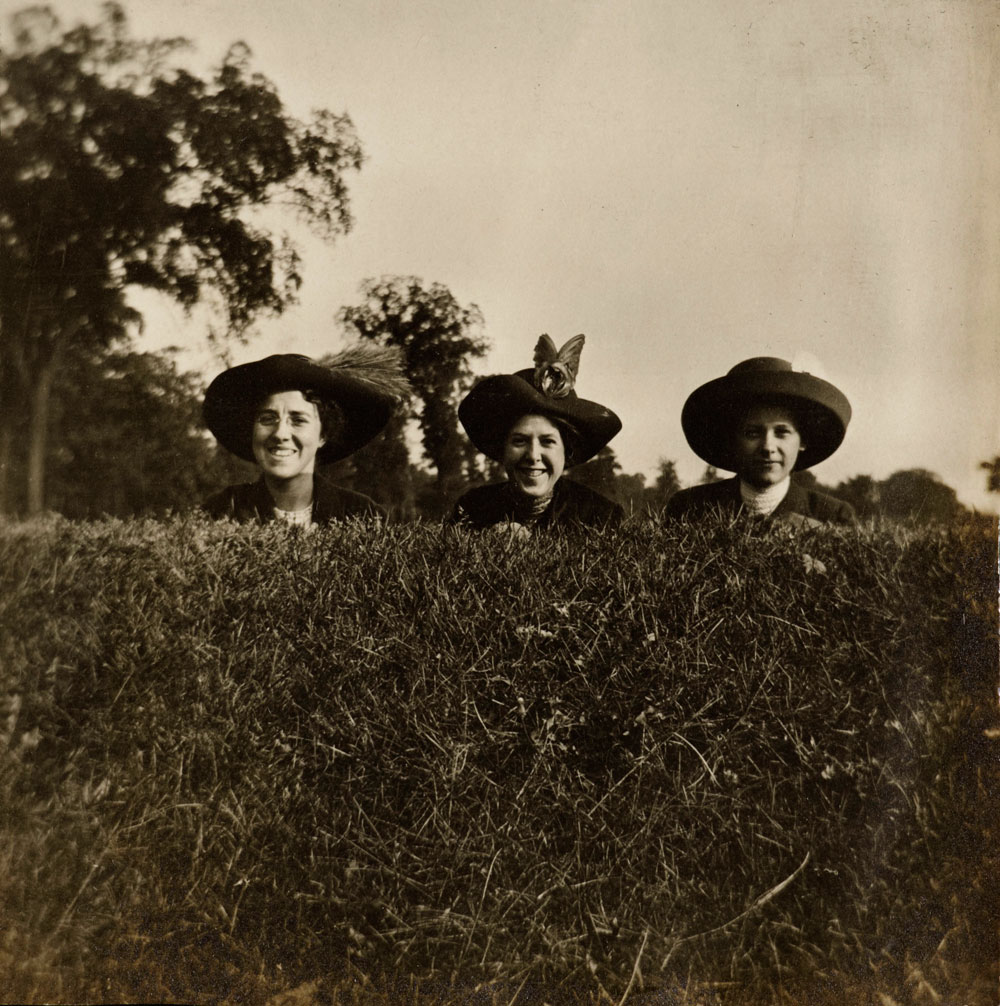
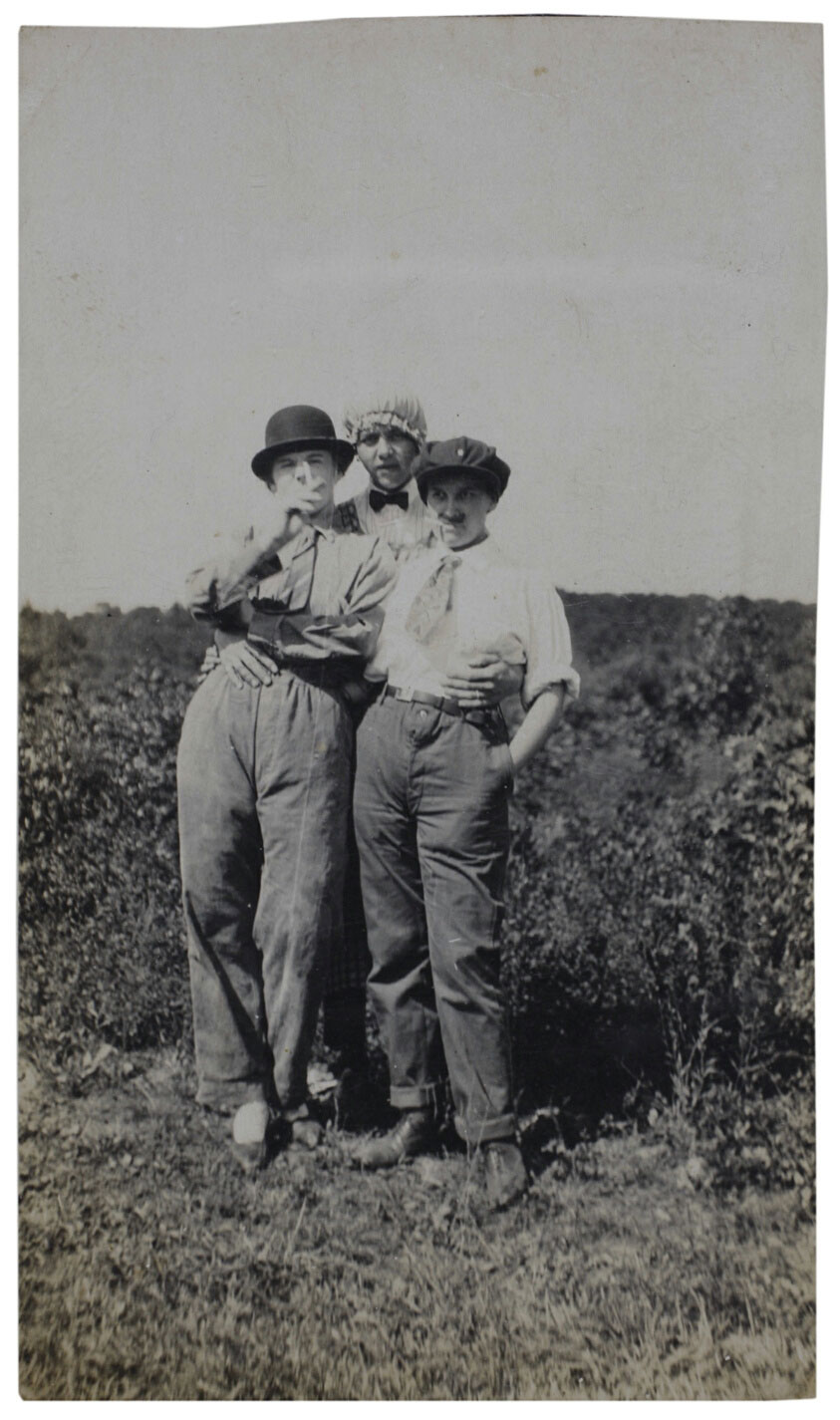
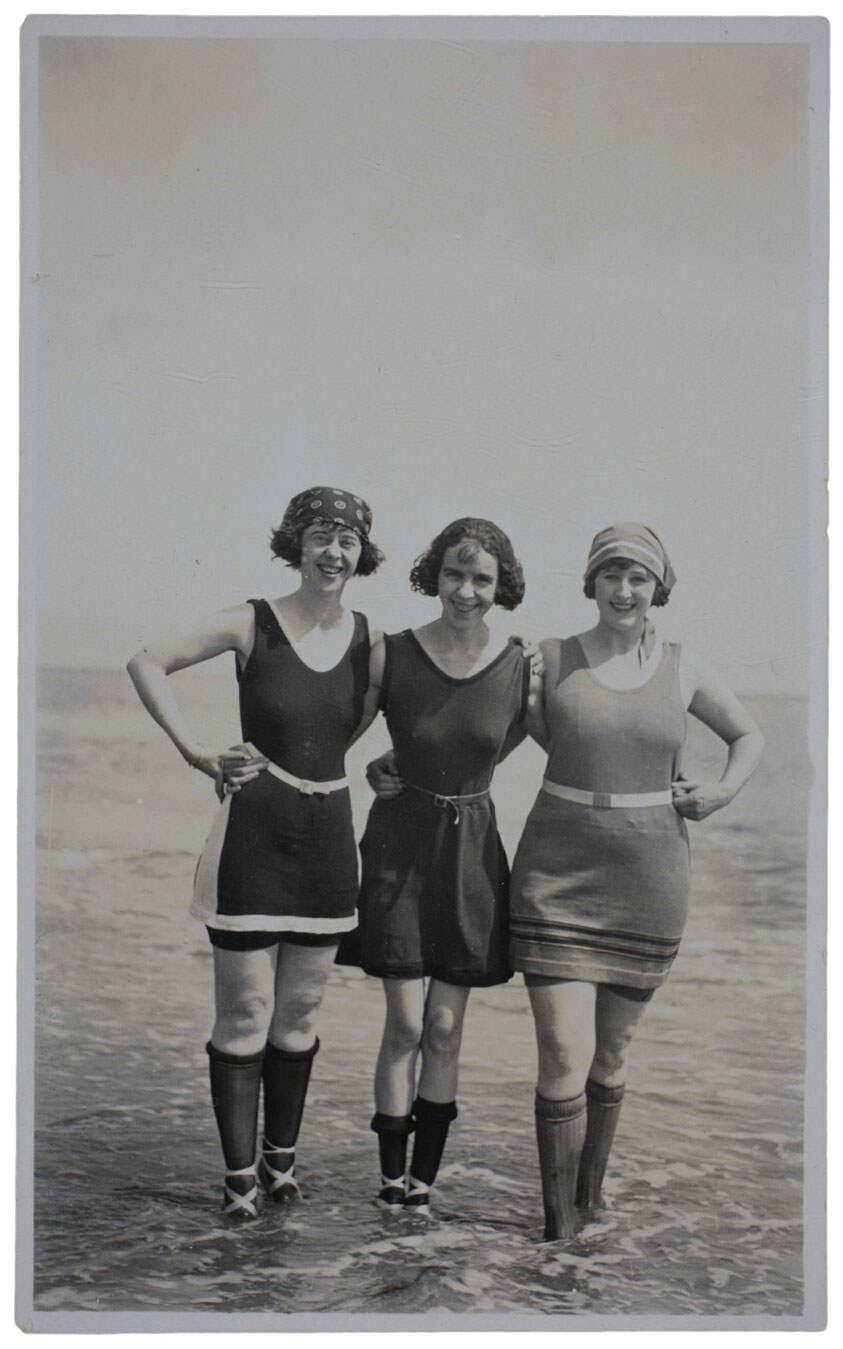
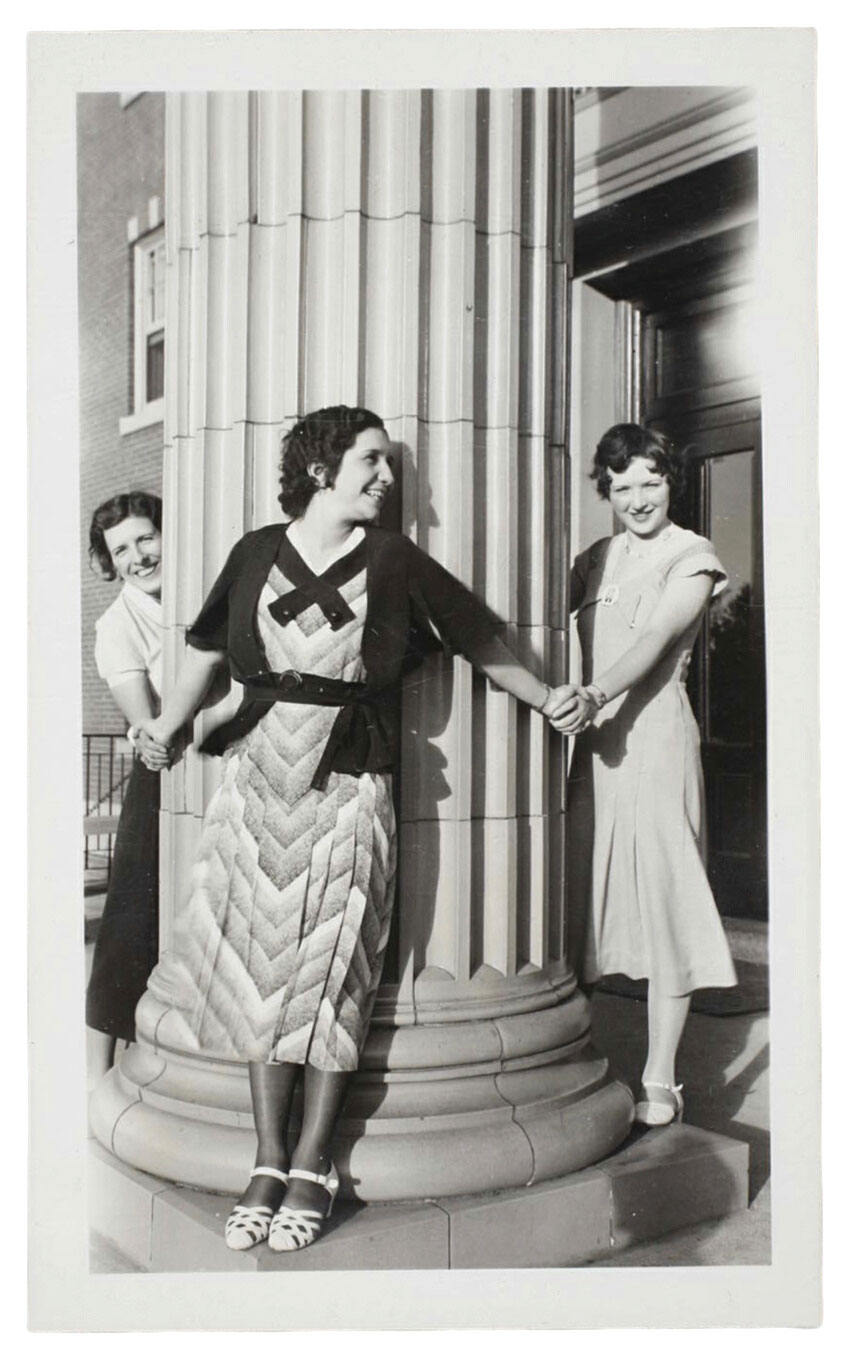
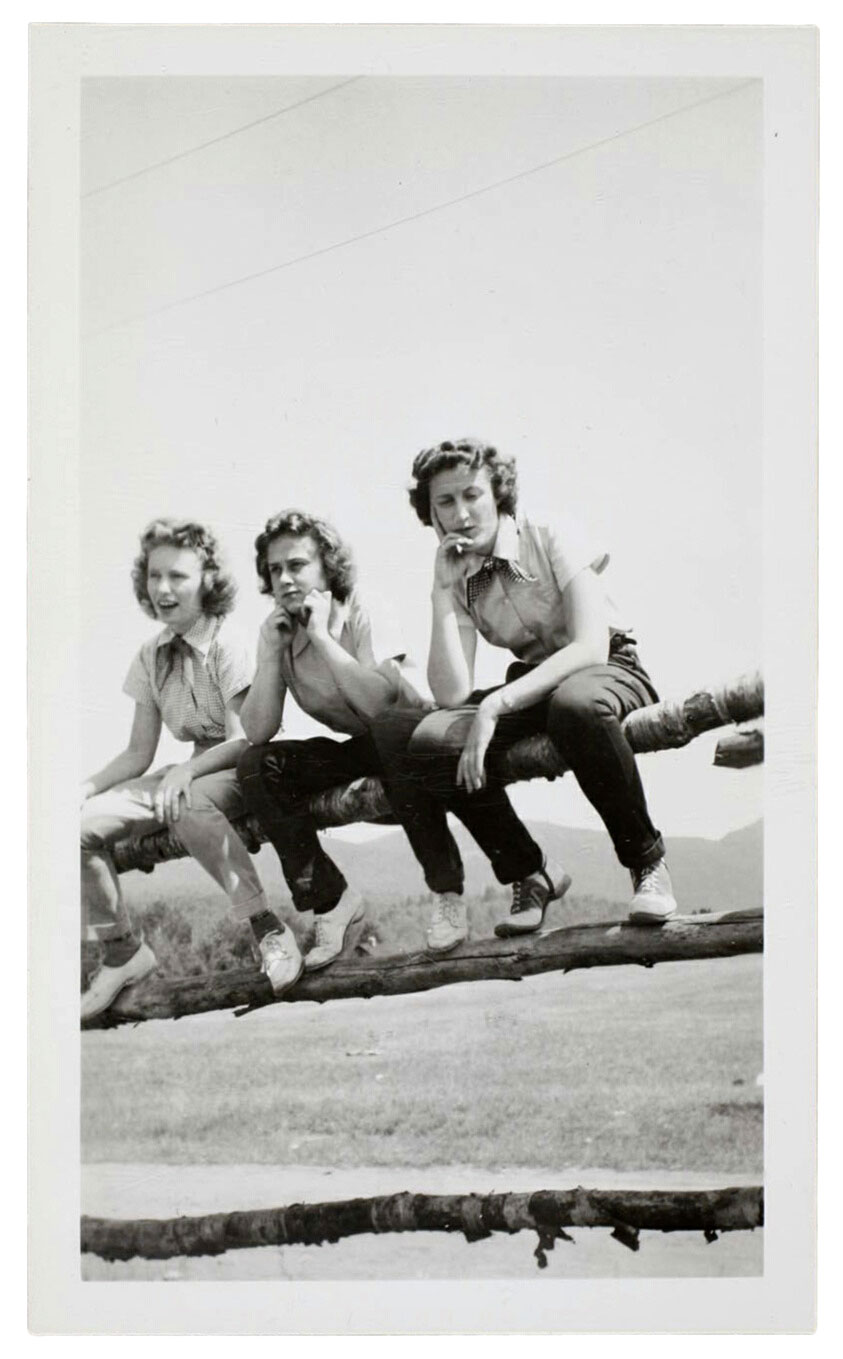
This exhibition explores the early years of vernacular photography through graceful snapshots of female trios. Displaying more than 500 “found” images the exhibition features photographs of celebrations, vacations, and gatherings of family and friends are taken and kept with the aim of preserving moments in life for future generations. What happens, however, when a snapshot becomes an image “type” – transferred into the hands of a collector and folded into a broader cultural history?

This subject is explored in the Art Institute of Chicago’s The Three Graces – on view October 29, 2011, through January 22, 2012, in the museum’s Photography Galleries 3 and 4. The exhibition, featuring a private collection of more than 500 anonymous images depicting female trios, spans nearly a century of female role-playing for the camera. These mostly American “found” photographs, spanning from the 1890s to the 1970s, collectively reveal a great deal about the evolving ritual of women’s self-presentation, a theme already idealised in Classical culture with depictions of “The Three Graces.”

New York collector Peter J. Cohen, who has spent decades scouring flea markets, shops, and galleries in search of rare amateur photographs, amassed this image collection and gave it its title. Cohen was struck by the frequency of images featuring female trios, and had the wit to identify in them a playful echo of the Greek muses Aglaia, Euphrosyne, and Thalia, who are said to personify beauty, charm, and grace in both nature and humanity. Cohen owns some 20,000 anonymous snapshots spanning from the late 19th century until the 1970s. He has organised his mountainous holdings according to many classifications, among them “Double Exposures,” “Up on The Roof,” and “Dangerous Women.”

For Art Institute exhibition coordinator Michal Raz-Russo, who also authored the accompanying book, the “three graces” theme serves as a frame through which to chart shifts and continuities in women’s self-understanding across nearly a century. The 1888 introduction of the Kodak #1 camera and the 1900 debut of the Kodak Brownie made photography immensely popular, with much of the marketing was directed at women. Modern life and leisure in the 1920s coincided with the arrival of smaller cameras, faster film speeds, and automatic exposures; women of the expanding middle class became practiced at self-portraiture while vacationing or camping on their own. Later, in the mid-20th century, a clear convergence can be seen between women’s self-portraits and ideals of womanhood promulgated in films and glossy magazines. Throughout this history, men are clearly at work too, convincing women to participate in erotic poses according to another set of visual models. While the varieties of picturing and self-picturing are complex, The Three Graces demonstrates that women worked to define themselves as social beings through photography.

Visitors to the exhibition can find information on individual snapshots – gleaned from inscriptions and the clues provided by clothing and setting – at a special computer kiosk located in the gallery.

Press release from The Art Institute of Chicago website


Artist unknown (American). '[Three Women]' c. 1920s


Artist unknown (American)
[Three Women]
c. 1920s
Gelatin silver print
13.5 x 8.3cm
The Art Institute of Chicago, Gift of Peter J. Cohen


Unknown Maker (American) 'Untitled (Stamped Clyde Banks Photo Services, Crystal Sheer, Aug 5 1932)' 1930-1939


Unknown Maker (American)
Untitled (Stamped Clyde Banks Photo Services, Crystal Sheer, Aug 5 1932)
1930-1939
Gelatin silver print
Paper: 11.7 × 7.1cm (4 5/8 × 2 13/16 in.)
The Art Institute of Chicago, Gift of Peter J. Cohen


Unknown Maker (American) 'Untitled (Stony Creek Dude Ranch, July 1939, stamped Certified, Master Photo Finishers of America, Fountain Photo Service, May 15 1940)' Made 1939


Unknown Maker (American)
Untitled (Stony Creek Dude Ranch, July 1939, stamped Certified, Master Photo Finishers of America, Fountain Photo Service, May 15 1940)
Made 1939
Gelatin silver print
Paper: 11.6 × 7cm (4 5/8 × 2 13/16 in.)
The Art Institute of Chicago, Gift of Peter J. Cohen


Unknown Maker (American) 'Untitled (Stamped Master Photo Finishers of America, Service and Quality, Kay Tone 10 Point Process, Certified Reg. U.S. Pat Off., Caton Photo Co., Detroit, Michigan, Sep 11 1939)' Printed 1939


Unknown Maker (American)
Untitled (Stamped Master Photo Finishers of America, Service and Quality, Kay Tone 10 Point Process, Certified Reg. U.S. Pat Off., Caton Photo Co., Detroit, Michigan, Sep 11 1939)
Printed 1939
Gelatin silver print
Paper: 10.7 × 7.9cm (4 1/4 × 3 1/8 in.)
The Art Institute of Chicago, Gift of Peter J. Cohen


Artist unknown (American). '[Three Women]' c. 1940s


Artist unknown (American)
[Three Women]
c. 1940s
Gelatin silver print
11.7 x 7cm
The Art Institute of Chicago, Gift of Peter J. Cohen


Artist unknown (American). '[Three Women and a photographer]' c. 1940s


Artist unknown (American)
[Three Women and a photographer]
c. 1940s
Gelatin silver print
12.2 x 7.6cm
The Art Institute of Chicago, Gift of Peter J. Cohen


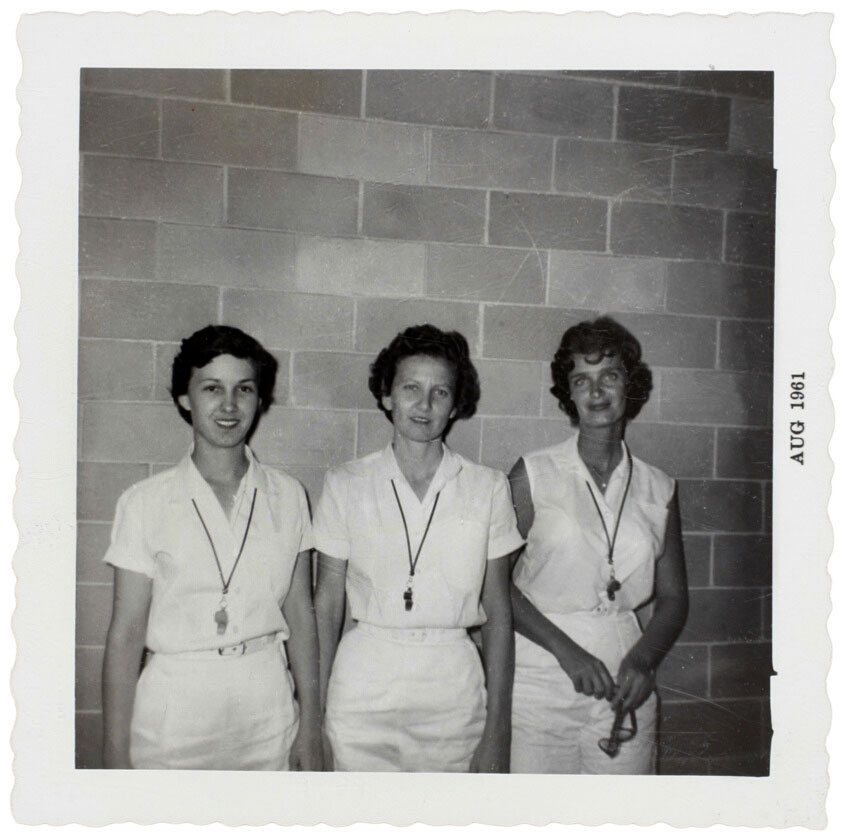
Unknown Maker (American) 'Untitled (Gym Teachers Linda "Sissy" House, Sarah Beth Jordan, Seanne Livingston, 9th Grade)' Printed 1961


Unknown Maker (American)
Untitled (Gym Teachers Linda “Sissy” House, Sarah Beth Jordan, Seanne Livingston, 9th Grade)
Printed 1961
Gelatin silver print
Paper: 9 × 9 cm (3 9/16 × 3 9/16 in.)
The Art Institute of Chicago, Gift of Peter J. Cohen


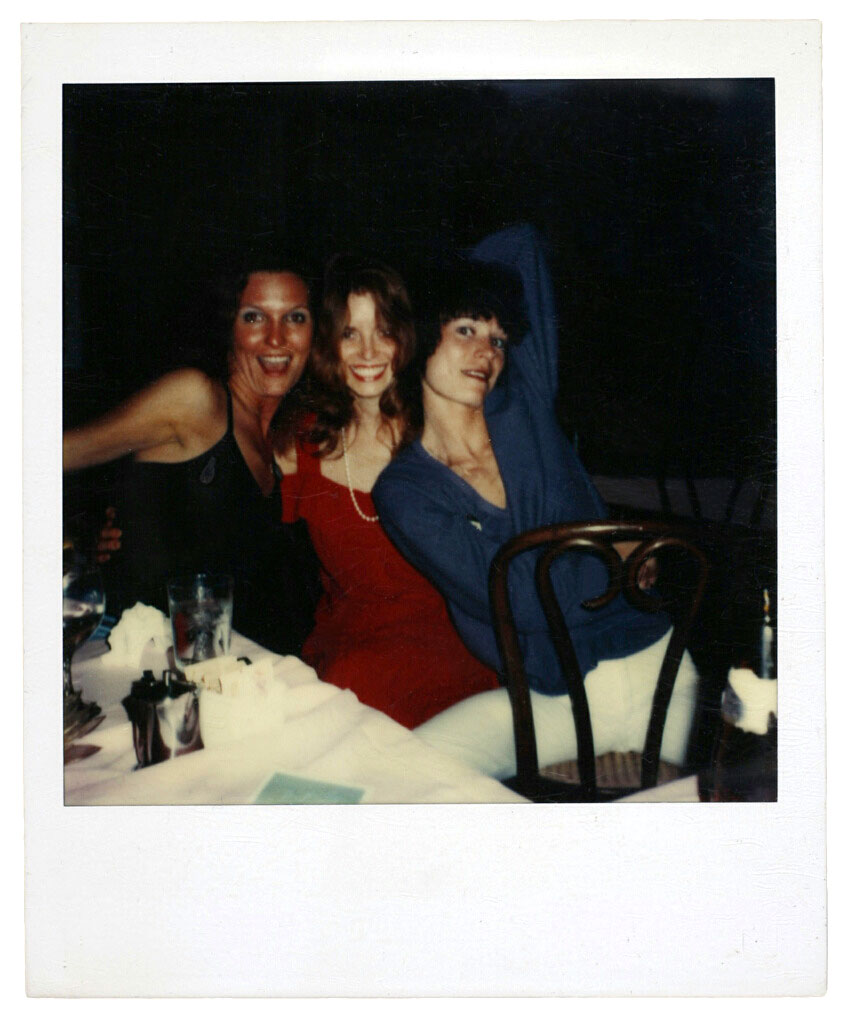
Unknown Maker (American) 'Untitled' 1960-1969


Unknown Maker (American)
Untitled
1960-1969
Internal dye diffusion transfer print
Paper: 10.8 × 8.9cm (4 5/16 × 3 9/16 in.)
The Art Institute of Chicago, Gift of Peter J. Cohen


Martin M. Homburger (American, active mid-20th century) 'Untitled [Three women]' 1967


Martin M. Homburger (American, active mid-20th century)
Untitled [Three women]
1967
Chromogenic print
Image: 11.7 × 9.2cm (4 5/8 × 3 5/8 in.)
Paper: 12.7 × 10.2cm (5 × 4 1/16 in.)
The Art Institute of Chicago, Gift of Peter J. Cohen


Unknown Maker (American) 'Untitled' Printed 1968


Unknown Maker (American)
Untitled
Printed 1968
Chromogenic print
Paper: 9 × 8.6cm (3 9/16 × 3 7/16 in.)
The Art Institute of Chicago, Gift of Peter J. Cohen


Artist unknown (American). '[Three Women]' c. 1930s


Artist unknown (American)
[Three Women]
c. 1930s
Gelatin silver print
14.5 x 8.7cm
The Art Institute of Chicago, Gift of Peter J. Cohen


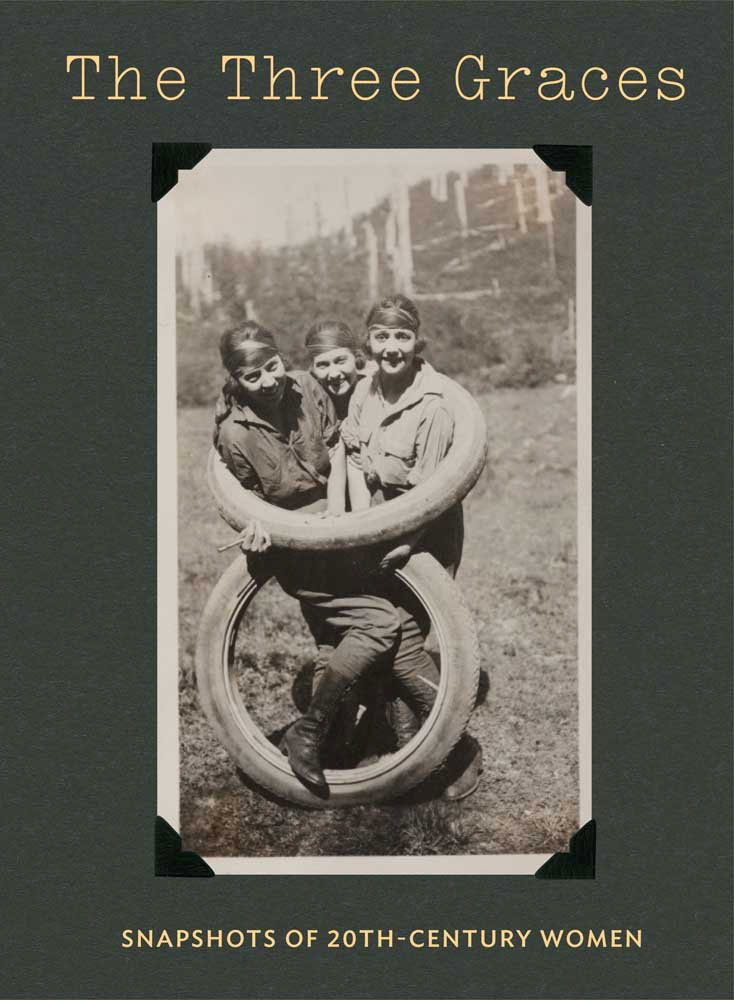
'The Three Graces: Snapshots of Twentieth-Century Women' book cover


The Three Graces: Snapshots of Twentieth-Century Women book cover
Hardcover – November 29, 2011

Featuring an amazing treasure trove of unpublished images, this intriguing and entertaining book looks at how women explored their identity through popular photography in the 20th century

Snapshots preserve more than individual likeness and memory. Photographs of celebrations, vacations, and gatherings of family and friends are collected with the aim of constructing and preserving a personal identity for future generations. What happens, however, when a snapshot is subsequently discarded or displaced and becomes merely an “anonymous” image? This and many other questions are discussed in this fascinating selection of anonymous images depicting three women. Presumably all taken by nonprofessionals, these snapshots were acquired over time by a private collector interested in their eclectic yet familiar details, who named the grouping after the iconic Greco-Roman motif.

In traditional western iconography, the Three Graces personify beauty, charm, and grace in both nature and humanity. In the 150 snapshots assembled here, the remarkable consistency of confidence and poise projected by the trios of women – in varied settings, in various states of dress/undress, and over a period of more than fifty years – reveals the formal and behavioral conventions that evolved as photography’s popularity skyrocketed among amateurs. To this end, the iconography of The Three Graces provides a framework for understanding the generational differences and cultural influences that shaped women’s self-presentation in front of the camera in the first half of the 20th century.

Text from the Amazon website


The Art Institute of Chicago
111 South Michigan Avenue
Chicago, Illinois 60603-6404
Phone: (312) 443-3600

Opening hours:
Thursday – Monday 11am – 5pm
Closed Tuesdays and Wednesdays

The Art Institute of Chicago website

LIKE ART BLART ON FACEBOOK

Back to top

Exhibition: ‘László Moholy-Nagy. The Art of Light’ at the Ludwig Museum, Budapest

Exhibition dates: 9th June – 25th September 2011


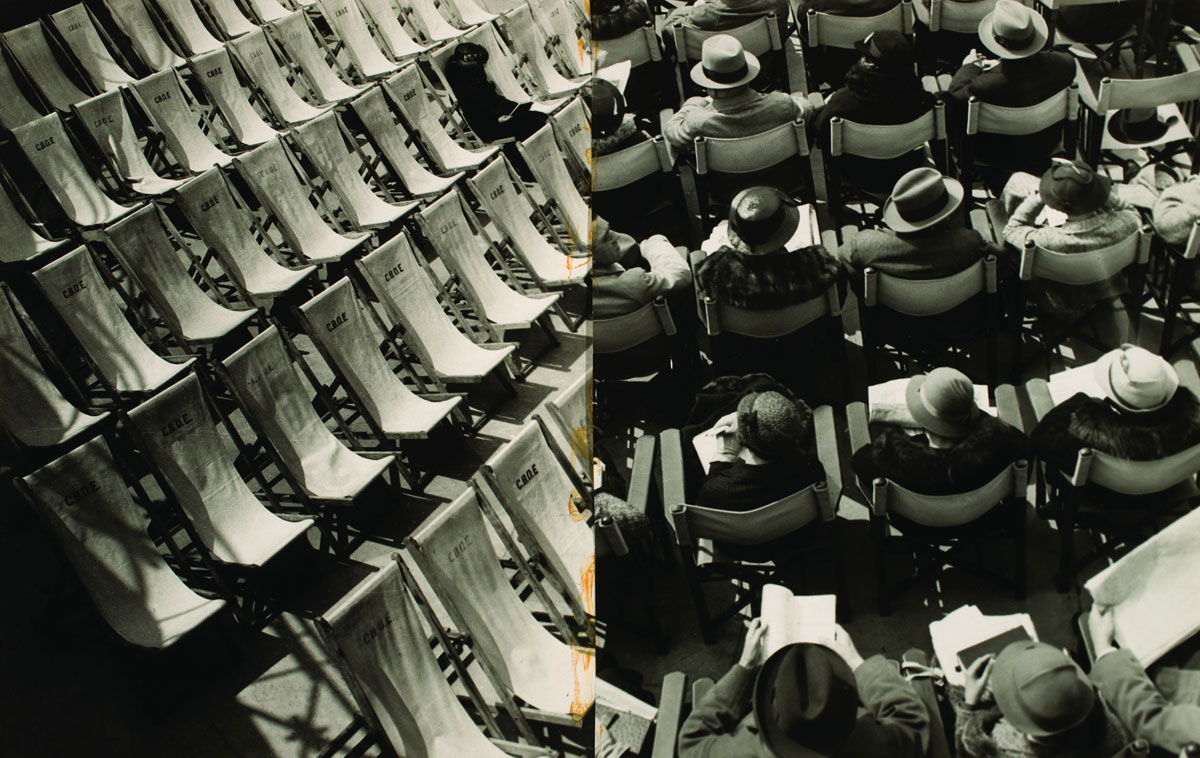
László Moholy-Nagy (Hungarian, 1895-1946) 'Chairs at Margate' 1935


László Moholy-Nagy (Hungarian, 1895-1946)
Chairs at Margate
1935
Gelatin silver print diptych
36.9 x 29.5cm (each)
© Hattula Moholy-Nagy/VEGAP 2011


Different press photographs from this exhibition, one that I last posted when it was at Martin Gropius-Bau, Berlin.

Marcus


Many thankx to the Ludwig Museum for allowing me to publish the photographs in the posting. Please click on the photographs for a larger version of the image.


László Moholy-Nagy (Hungarian, 1895-1946) 'K VII' 1922


László Moholy-Nagy (Hungarian, 1895-1946)
K VII
1922
Oil on canvas
115.3 x 135.9cm
Tate, London
© Hattula Moholy-Nagy/VEGAP 2011


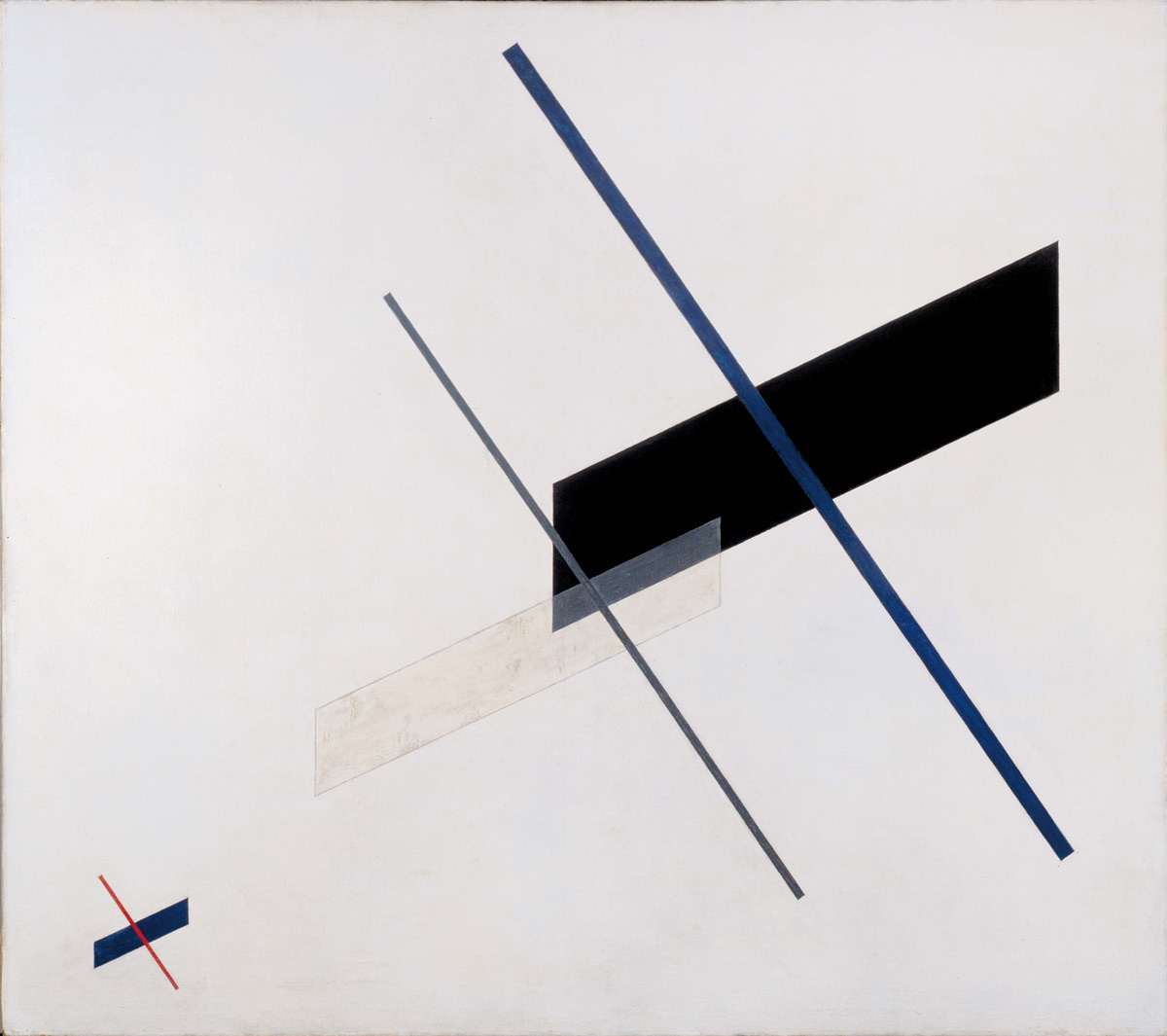
László Moholy-Nagy (Hungarian, 1895-1946) 'Composition A XI' 1923


László Moholy-Nagy (Hungarian, 1895-1946)
Composition A XI
1923
Oil on canvas
Image: 115.6 x 131.1cm
© Hattula Moholy-Nagy/VEGAP 2011


László Moholy-Nagy (Hungarian, 1895-1946) 'Eton. Eleves watching cricket from the pavilion on Agar's Plough' c. 1930


László Moholy-Nagy (Hungarian, 1895-1946)
Eton. Eleves watching cricket from the pavilion on Agar’s Plough
c. 1930
Gelatin silver print


László Moholy-Nagy (Hungarian, 1895-1946) 'Untitled' 1939


László Moholy-Nagy (Hungarian, 1895-1946)
Untitled
1939
Fujicolor Crystal Archive print
Image: 22.8 x 34.2cm
Courtesy of László Moholy-Nagy Estate and Andrea Rosen Gallery Inc., New York
© Hattula Moholy-Nagy/VEGAP 2011


László Moholy-Nagy (Hungarian, 1895-1946) 'Untitled' 1940-44


László Moholy-Nagy (Hungarian, 1895-1946)
Untitled
1940-1944
Fujicolor Crystal Archive print
Image: 22.8 x 34.2cm
Courtesy of László Moholy-Nagy Estate and Andrea Rosen Gallery Inc., New York
© Hattula Moholy-Nagy/VEGAP 2011


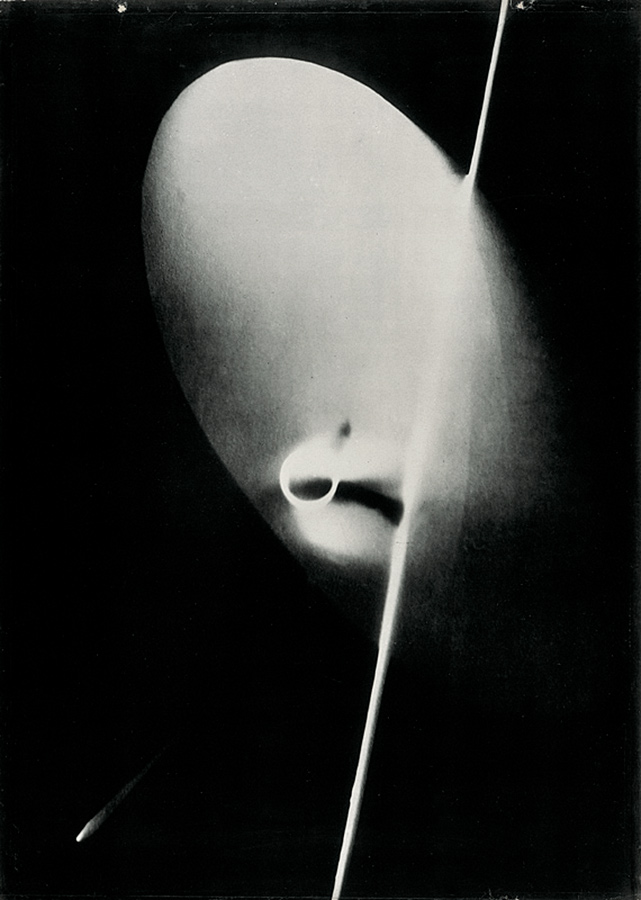
László Moholy-Nagy is a world-famous figure of twentieth-century avant-garde art. His visual art and theoretical works, photographs, films, educational activities and photograms – taken without a camera and now synonymous with his name – were of such significance that it is no exaggeration to say that since Moholy-Nagy, we see things differently; since Moholy-Nagy, our thinking about art has been transformed. His innovations over the decades have become so natural, his influence so pervasive, that we now almost have to rediscover him once again. In the series of Hungarian photographers who accomplished world fame – Robert Capa, Martin Munkácsi, György Kepes – the Ludwig Museum – Museum of Contemporary Art now presents the work of László Moholy-Nagy (1895-1946), focussing primarily his photography. This is a long-overdue show: Hungary has not held such an exhibition of Moholy-Nagy’s work since 1975, not even on the centenary of his birth in 1995.

Moholy-Nagy began his creative career in the first half of the twentieth century in Lajos Kassák’s activist circle where, at twenty years old, he was one of Hungary’s youngest avant-garde artists. In 1919 he left for Vienna then Berlin, where he came under the influence of Dadaism and Constructivism, which he later developed further independently. On the invitation of director Walter Gropius in 1923, he became a teacher at the Weimar Bauhaus, then the most progressive art school. There, alongside the Metal Workshop, he also led the definitive course in new arts education, the Foundation. The Bauhaus was more than a school: it was a way of life that unified life, art and science. As well as exploring painting, leading the Metal Workshop, writing and editing books and applying new typographies at the experimental, innovative Bauhaus school, Moholy-Nagy also turned towards photography and film as forms offering new possibilities in art. Photography, and in particular film represented new technologies that questioned the traditional principles of art, among them the uniqueness of the artefacts and the personal signature of the artist.

The central organising principle in Moholy-Nagy’s diverse activities was light: light defined his paintings, sculptures, photoplastics, photograms, photographs, typography and theatre sets. He did not regard photography as a tool for the perfect imaging of reality, rather, it was his conviction that the camera offered new discoveries and possibilities for modern people to finally liberate themselves from the obligation to depict, to copy reality. The years at the Bauhaus proved to be an experience that defined his entire life. After Berlin, Weimar and Dessau, he settled in Chicago in 1937, where he founded the ‘New Bauhaus’ and remained until the end of his life, working as an experimental, innovative artist and theorist. He regarded art as an activity that embraced the whole of life which was non-hierarchical, accessible and cultivatable by everyone, and he was a firm believer in the educational role of art.

The Ludwig Museum’s exhibition presents his diverse life achievement from 1922, with Moholy-Nagy’s photography, films, and works ‘made with light’ in central focus. His first writings on light as a medium were published in 1923, in the Broom magazine, New York. One of the most exciting parts of the exhibition is the compilation of all Moholy-Nagy’s films, shown together here for the first time and according to the artist’s original conception. Such an ambitious and large-scale exhibition of Moholy-Nagy’s oeuvre could only have been realised with international collaboration. This exhibition brings together over 200 pieces and documents from over twenty museums around the world (Tate, Whitney, Tokyo Metropolitan, etc.) as well as private collections. It is based on the curatorial concept of the director of Madrid’s la Fábrica, Oliva Maria Rubio, and is the result of joint work between the Martin-Gropius-Bau in Berlin and the Gemeentemuseum in The Hague. The exhibition has previously shown in Madrid, Berlin and The Hague, and will open to audiences in Budapest until the end of September.

Moholy-Nagy’s rich oeuvre also allows us to make slightly different emphases according to location. In Berlin, the legendary 1929 Film und Foto (FiFo) exhibition and his pedagogical works were emphasised, while in The Hague, the focus was on the time he spent in the Netherlands between 1933 and 1935. With the participation of two internationally-renowned Hungarian art historians, experts of Moholy-Nagy, Krisztina Passuth and Éva Bajkay, the Budapest exhibition is complemented by photographs and publications from Hungarian collections. Thanks to László Moholy-Nagy’s family, valuable documents that have not been seen in any of the earlier locations have been added to the exhibition.

Press release from the Ludwig Museum


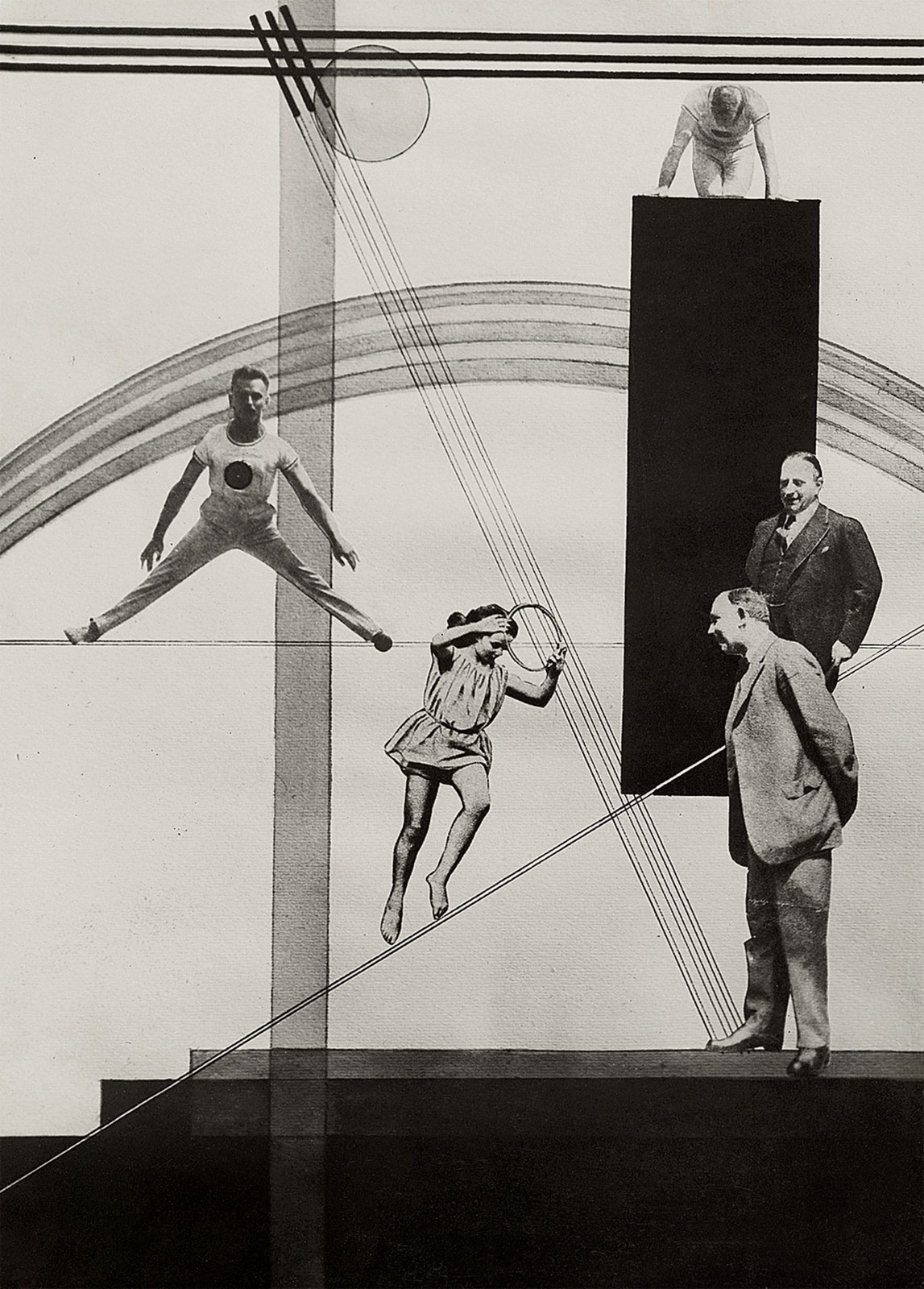
László Moholy-Nagy (Hungarian, 1895-1946) 'The Benevolent Gentleman' 1924


László Moholy-Nagy (Hungarian, 1895-1946)
The Benevolent Gentleman
1924
Photoplastic, gelatin silver print


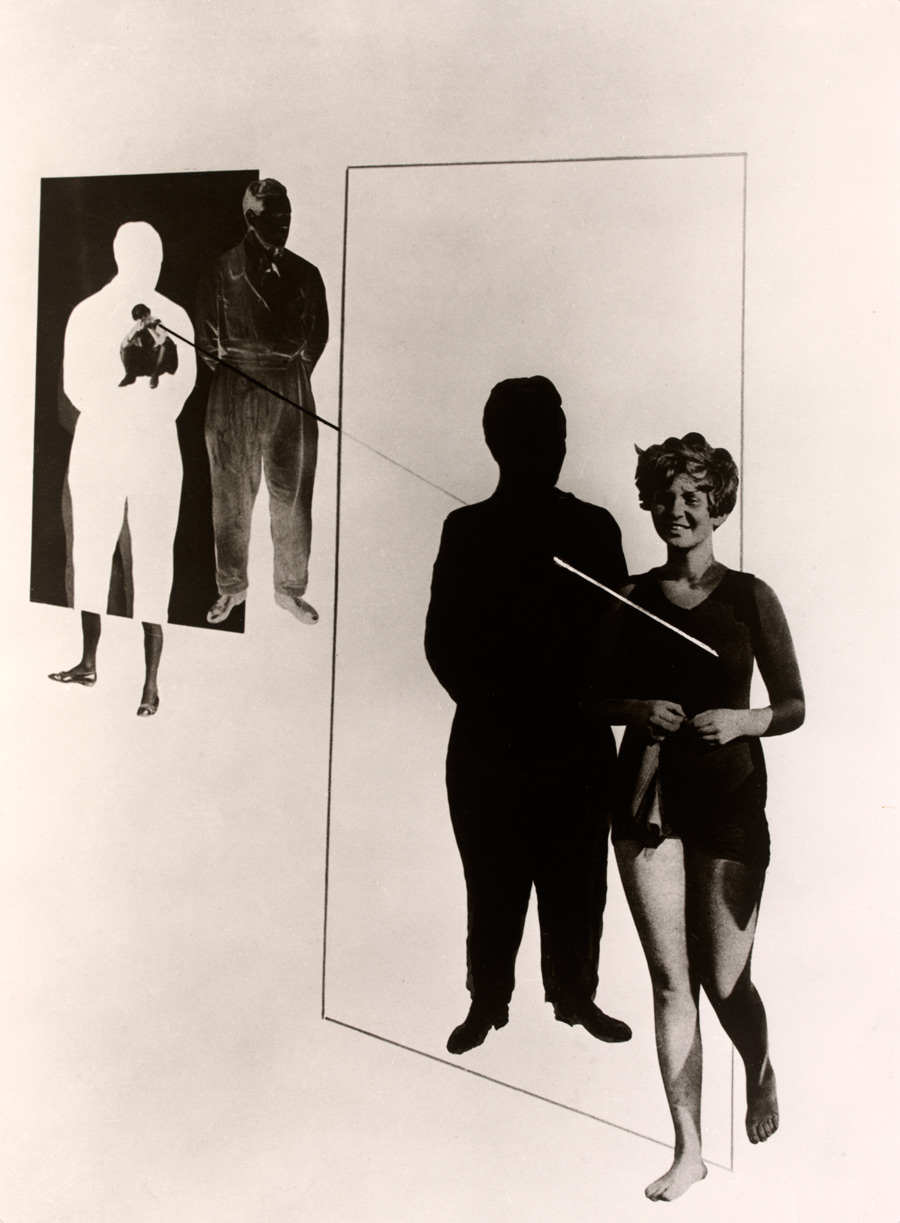
László Moholy-Nagy (Hungarian, 1895-1946) 'Jealousy' 1924-1927


László Moholy-Nagy (Hungarian, 1895-1946)
Jealousy
1924-1927
Photoplastic, gelatin silver print
30 x 24.6cm
Victoria & Albert Museum Collection, London
© Hattula Moholy-Nagy/VEGAP 2011


László Moholy-Nagy (Hungarian, 1895-1946) 'La Canebière Street, Marseilles - View Through the Balcony Grille' 1928


László Moholy-Nagy (Hungarian, 1895-1946)
La Canebière Street, Marseilles – View Through the Balcony Grille
1928
Gelatin silver print
24.4 x 17.5cm
George Eastman House Collection. Donated by Katharine Kuh
© Hattula Moholy-Nagy/VEGAP 2011


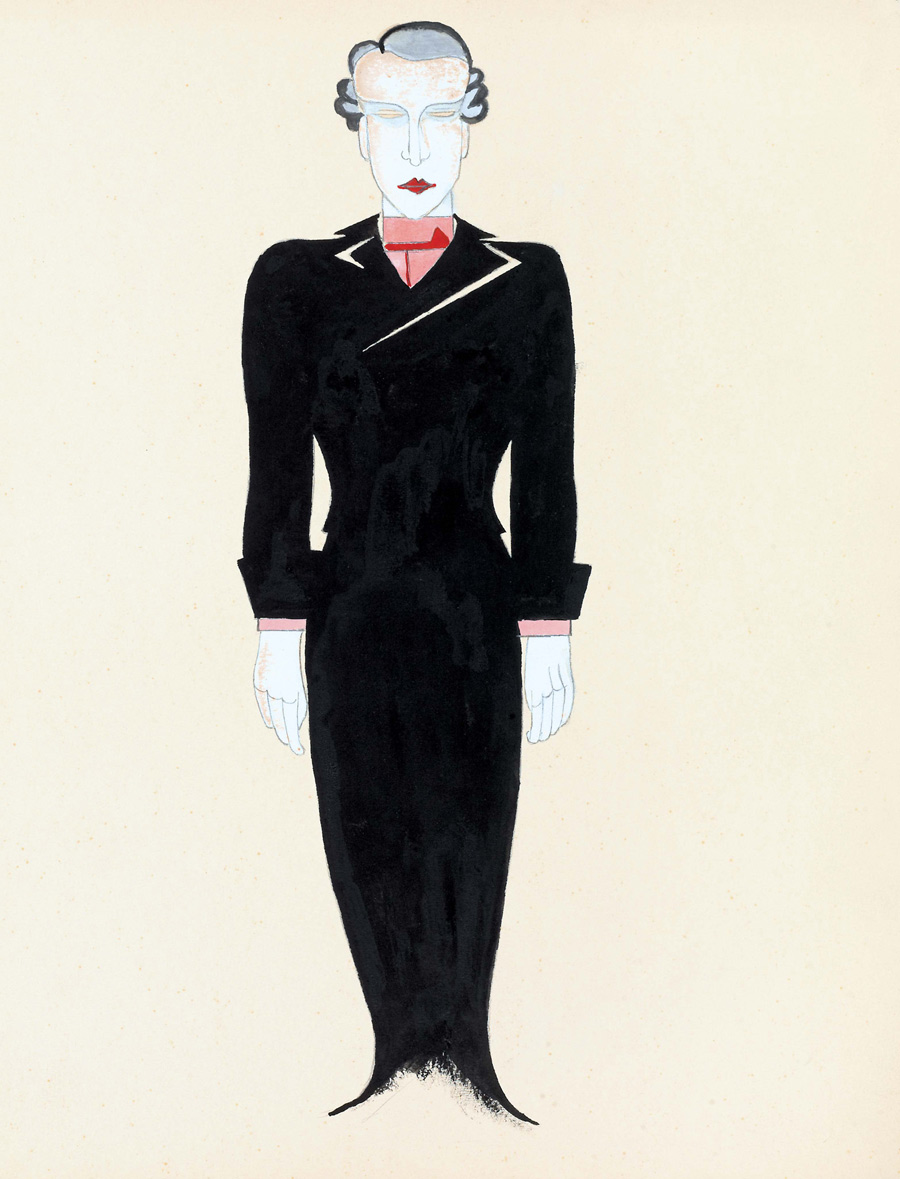
László Moholy-Nagy (Hungarian, 1895-1946) 'Costume Design for Tales of Hoffmann' 1929


László Moholy-Nagy (Hungarian, 1895-1946)
Costume Design for Tales of Hoffmann
1929
Watercolour on paper
34.3 x 27cm
Hattula Moholy-Nagy, Ann Arbor, Michigan
© Hattula Moholy-Nagy/VEGAP 2011


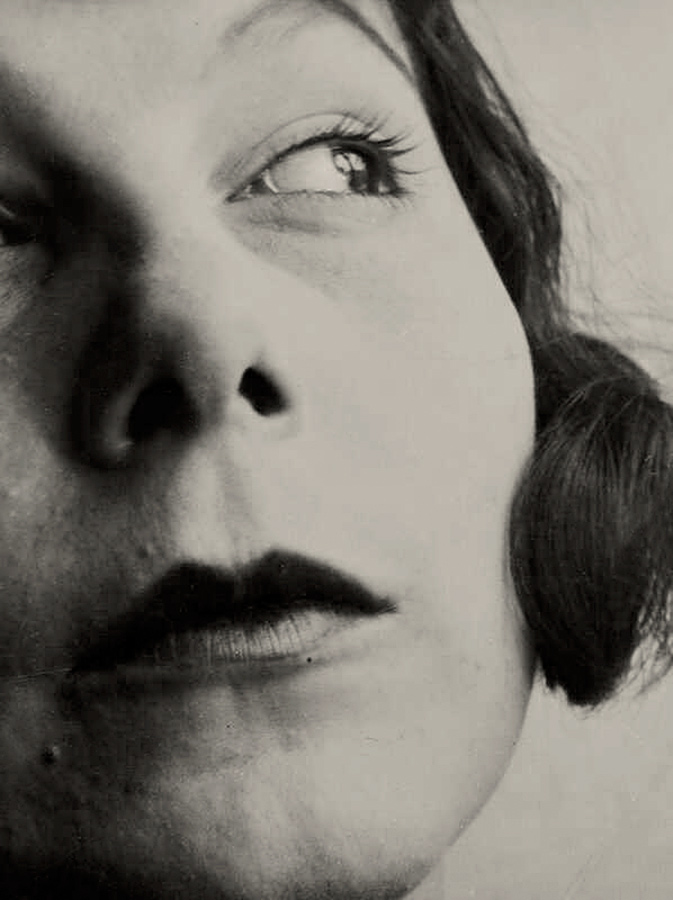
László Moholy-Nagy (Hungarian, 1895-1946) 'Portrait of Ellen Frank' c. 1929


László Moholy-Nagy (Hungarian, 1895-1946)
Portrait of Ellen Frank
c. 1929
Gelatin silver print


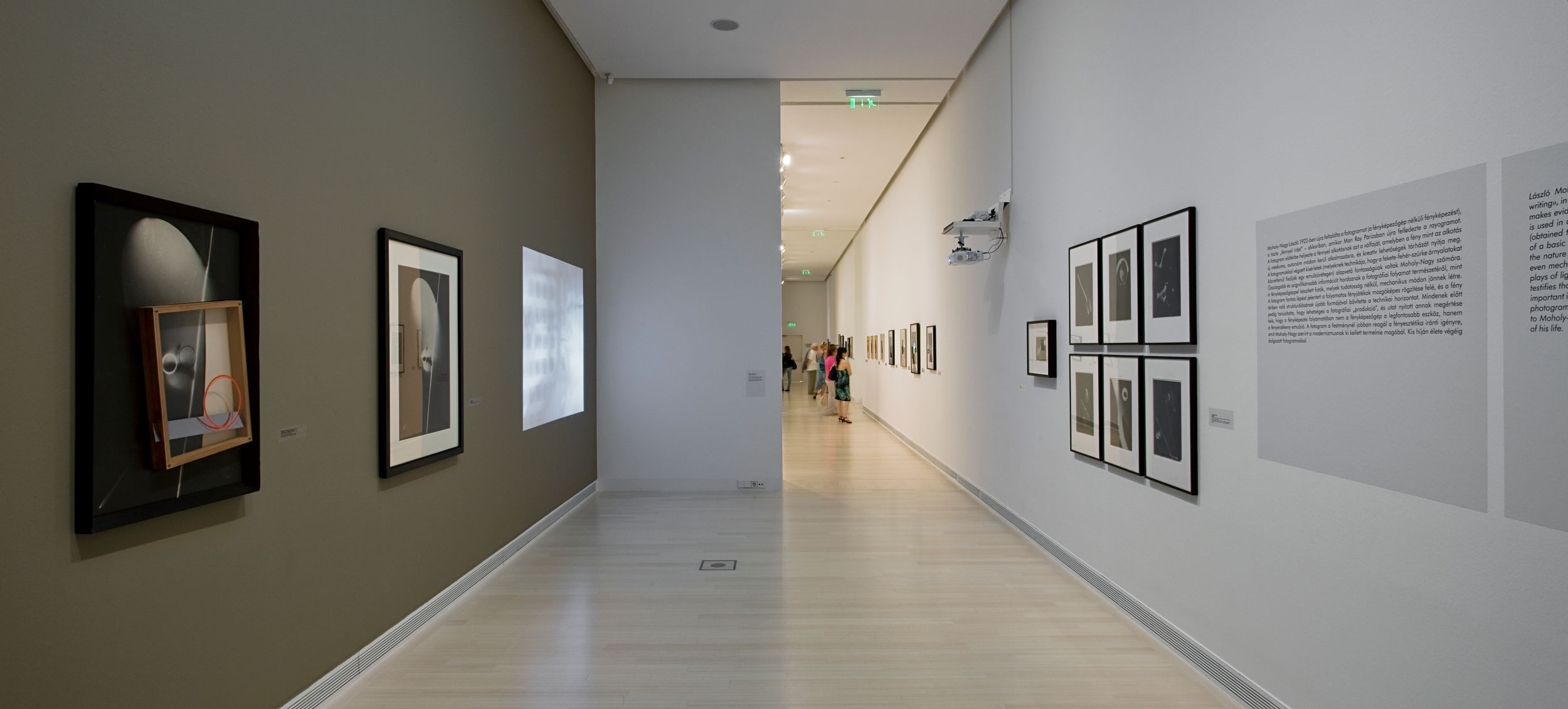
Interior view of the exhibition 'László Moholy-Nagy. The Art of Light' at Ludwig Museum - Museum of Contemporary Art


Interior view of the exhibition László Moholy-Nagy. The Art of Light at Ludwig Museum – Museum of Contemporary Art
© BUJNOVSZKY Tamás / Ludwig Museum – Museum of Contemporary Art, Archives


Interior view of the exhibition 'László Moholy-Nagy. The Art of Light' at Ludwig Museum - Museum of Contemporary Art

Interior view of the exhibition 'László Moholy-Nagy. The Art of Light' at Ludwig Museum - Museum of Contemporary Art

Interior view of the exhibition 'László Moholy-Nagy. The Art of Light' at Ludwig Museum - Museum of Contemporary Art


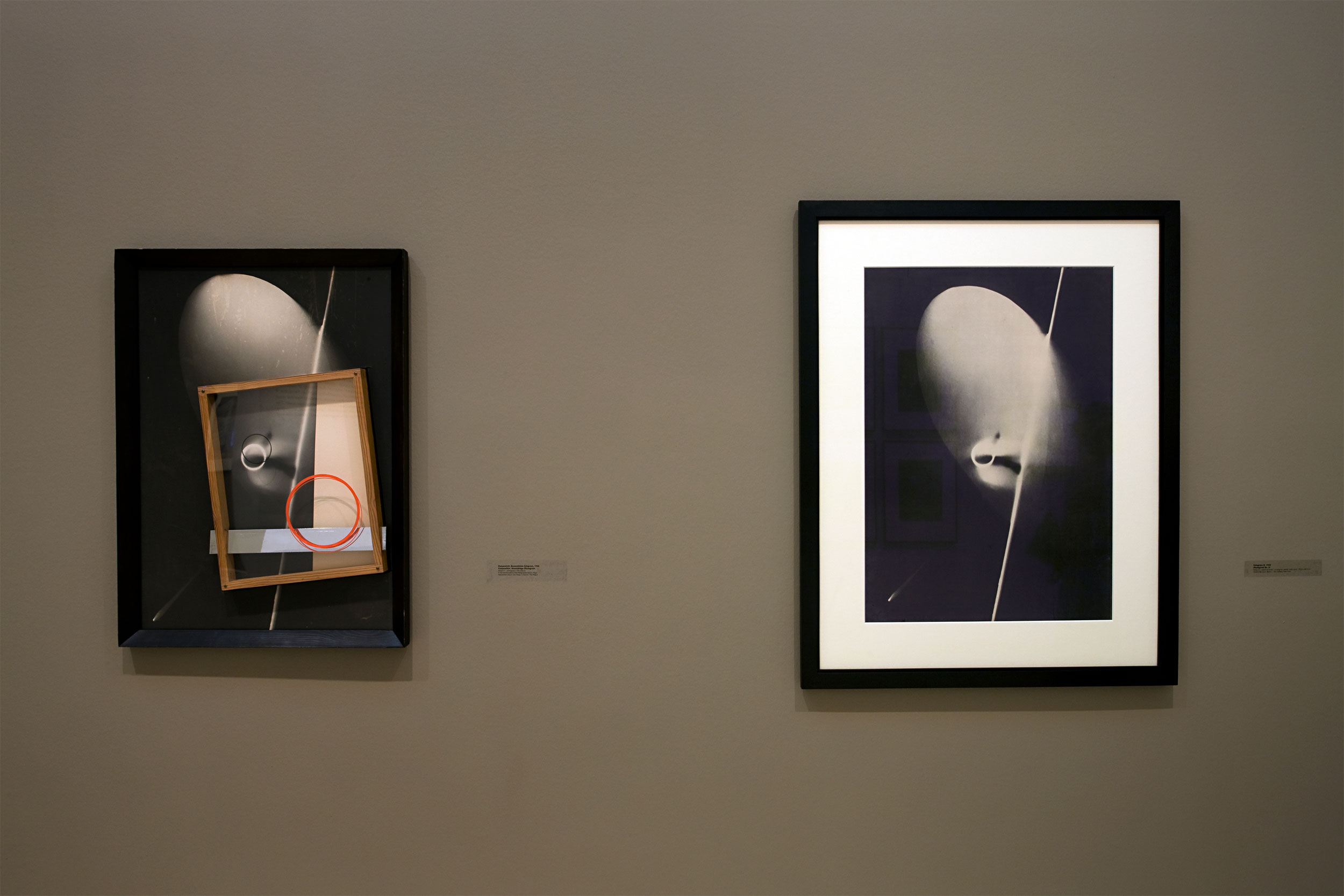
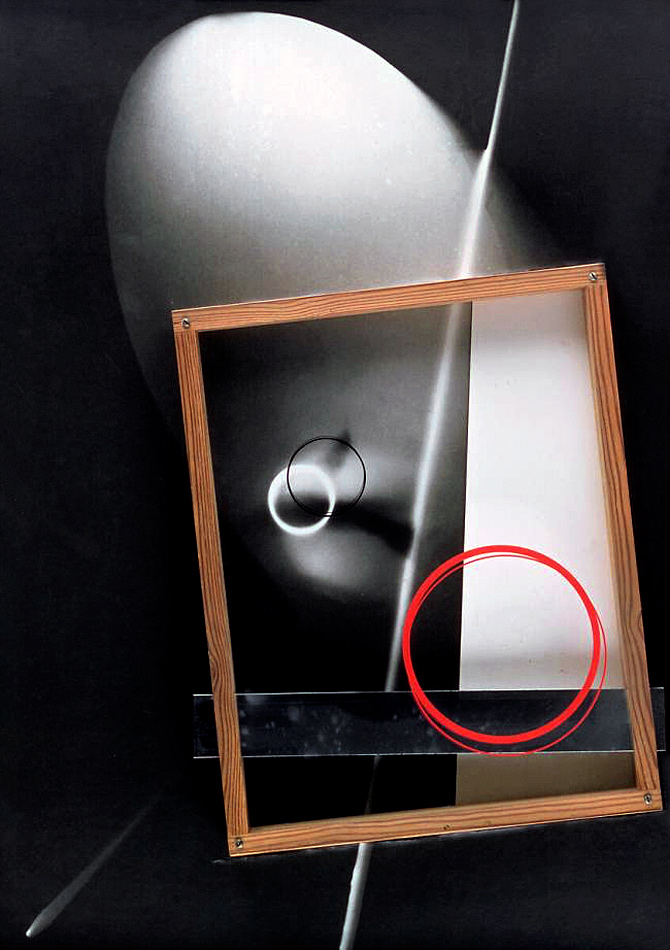
Interior views of the exhibition László Moholy-Nagy. The Art of Light at Ludwig Museum – Museum of Contemporary Art showing at left in the bottom image, Composition – Assemblage – Photogram (1926, below); and at right, Photogramm No. II (1929, below)
© BUJNOVSZKY Tamás / Ludwig Museum – Museum of Contemporary Art, Archives


László Moholy-Nagy (Hungarian, 1895-1946) 'Composition - Assemblage - Photogram' 1926


László Moholy-Nagy (Hungarian, 1895-1946)
Composition – Assemblage – Photogram
1926
Photogram and mixed media


László Moholy-Nagy (Hungarian, 1895-1946) 'Photogramm No. II' 1929


László Moholy-Nagy (Hungarian, 1895-1946)
Photogramm No. II
1929
Silver gelatin photograph
95.5 x 68.5cm


László Moholy-Nagy (Hungarian, 1895-1946) 'Lago Maggiore, Ascona, Switzerland' c. 1930


László Moholy-Nagy (Hungarian, 1895-1946)
Lago Maggiore, Ascona, Switzerland
c. 1930
Silver gelatin photograph


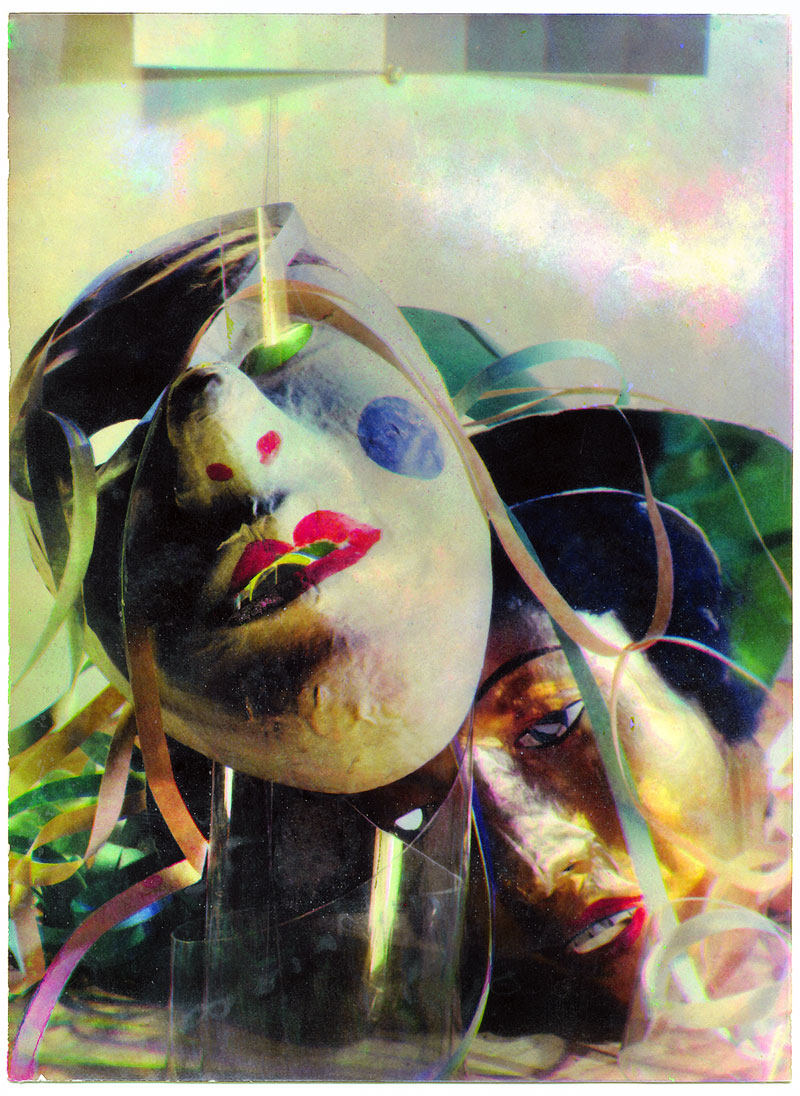
László Moholy-Nagy (Hungarian, 1895-1946) and Paul Hartland. 'Carnival: Composition with two masks' c. 1934


László Moholy-Nagy (Hungarian, 1895-1946) and Paul Hartland 
Carnival: Composition with two masks
c. 1934
Gemeentemuseum Den Haag


Ludwig Museum – Museum of Contemporary Art
Palace of Arts
Komor Marcell u. 1, Budapest, H-1095
Phone: +36 1 555 3444

Opening hours:
Tuesday – Sunday: 10am – 6pm
Closed on Mondays

Ludwig Museum website

LIKE ART BLACK ON FACEBOOK

Back to top

Exhibition: ‘The Photographs of Ray K. Metzker’ at The Nelson-Atkins Museum of Art, Kansas City, Missouri

Exhibition dates: 15th January – 5th June, 2011


Many thankx to The Nelson-Atkins Museum of Art for allowing me to publish the photographs in the posting. Please click on the photograph for a larger version of the image.


Ray K. Metzker (American, 1931-2014) 'City Whispers, Philadelphia' 1983


Ray K. Metzker (American, 1931-2014)
City Whispers, Philadelphia
1983
Gelatin silver print
The Nelson-Atkins Museum of Art, Kansas City, Missouri
© Ray K. Metzker, courtesy of the Laurence Miller Gallery


Ray K. Metzker (American, 1931-2014) 'Couplets: Atlantic City/New York City' 1969/1968


Ray K. Metzker (American, 1931-2014)
Couplets: Atlantic City/New York City
1969/1968
Gelatin silver print
The Nelson-Atkins Museum of Art, Kansas City, Missouri
© Ray K. Metzker, courtesy of the Laurence Miller Gallery


Ray K. Metzker (American, 1931-2014) 'Couplets: New York City' 1968


Ray K. Metzker (American, 1931-2014)
Couplets: New York City
1968
Gelatin silver print
The Nelson-Atkins Museum of Art, Kansas City, Missouri
Gift of the Hall Family Foundation
© Ray K. Metzker, courtesy of the Laurence Miller Gallery


Ray K. Metzker (American, 1931-2014) 'Double Frames: Philadelphia' 1965


Ray K. Metzker (American, 1931-2014)
Double Frames: Philadelphia
1965, printed 1984
Gelatin silver print
Gift of the Hall Family Foundation
© Ray K. Metzker, Courtesy of the Laurence Miller Gallery


Ray K. Metzker (American, 1931-2014) 'Double Frames: Philadelphia' 1965, printed 1972


Ray K. Metzker (American, 1931-2014)
Double Frames: Philadelphia
1965, printed 1972
Gelatin silver print
Gift of the Hall Family Foundation
The Nelson-Atkins Museum of Art
© Ray K. Metzker, Courtesy of the Laurence Miller Gallery


Ray K. Metzker (American, 1931-2014) 'Couplets: Philadelphia' 1968


Ray K. Metzker (American, 1931-2014)
Couplets: Philadelphia
1968, printed 2002
Gelatin silver print
Gift of the Hall Family Foundation
© Ray K. Metzker, Courtesy of the Laurence Miller Gallery


Ray K. Metzker (American, 1931-2014) 'Pictus Interruptus: Philadelphia' 1977


Ray K. Metzker (American, 1931-2014)
Pictus Interruptus: Philadelphia
1977
Gelatin silver print
Gift of the Hall Family Foundation
© Ray K. Metzker, Courtesy of the Laurence Miller Gallery


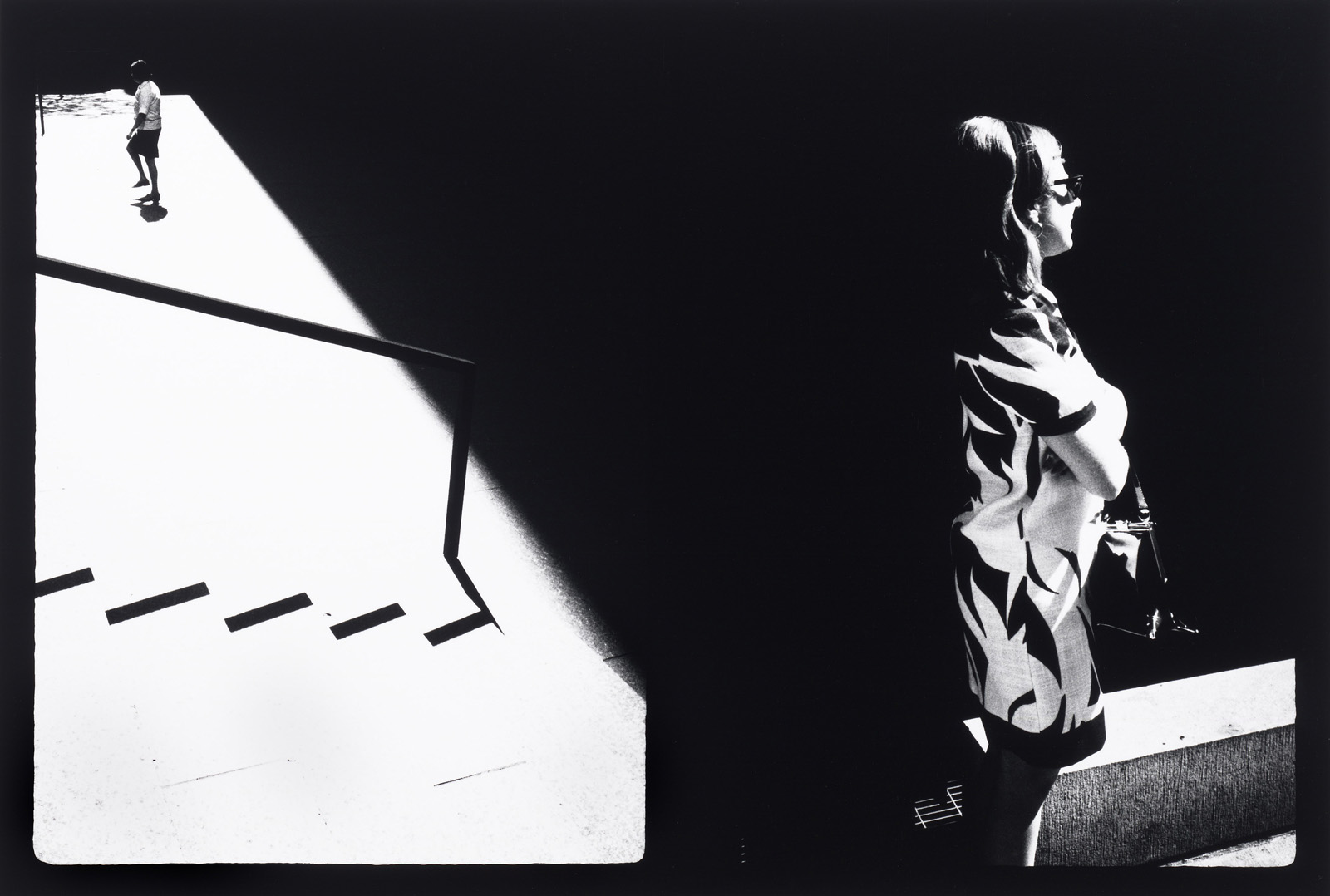
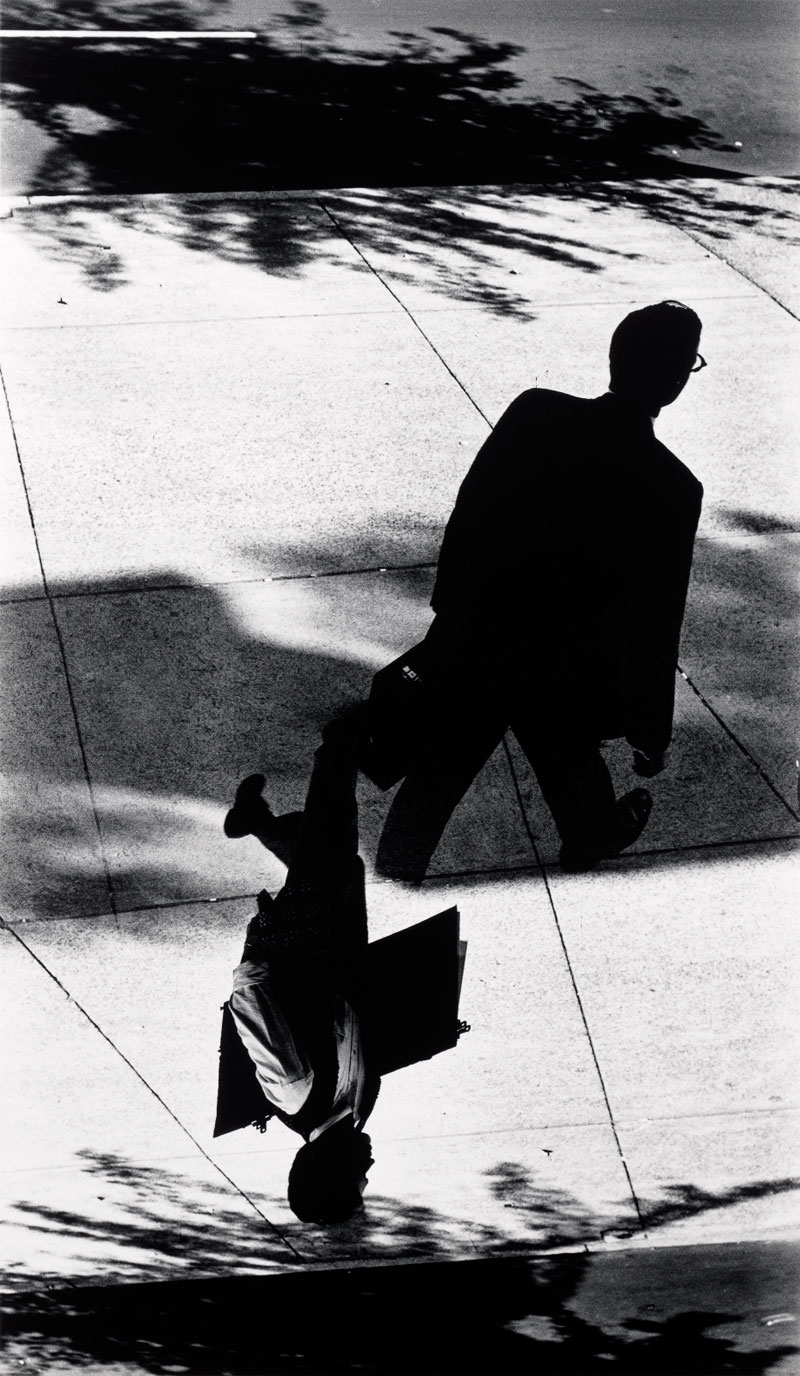
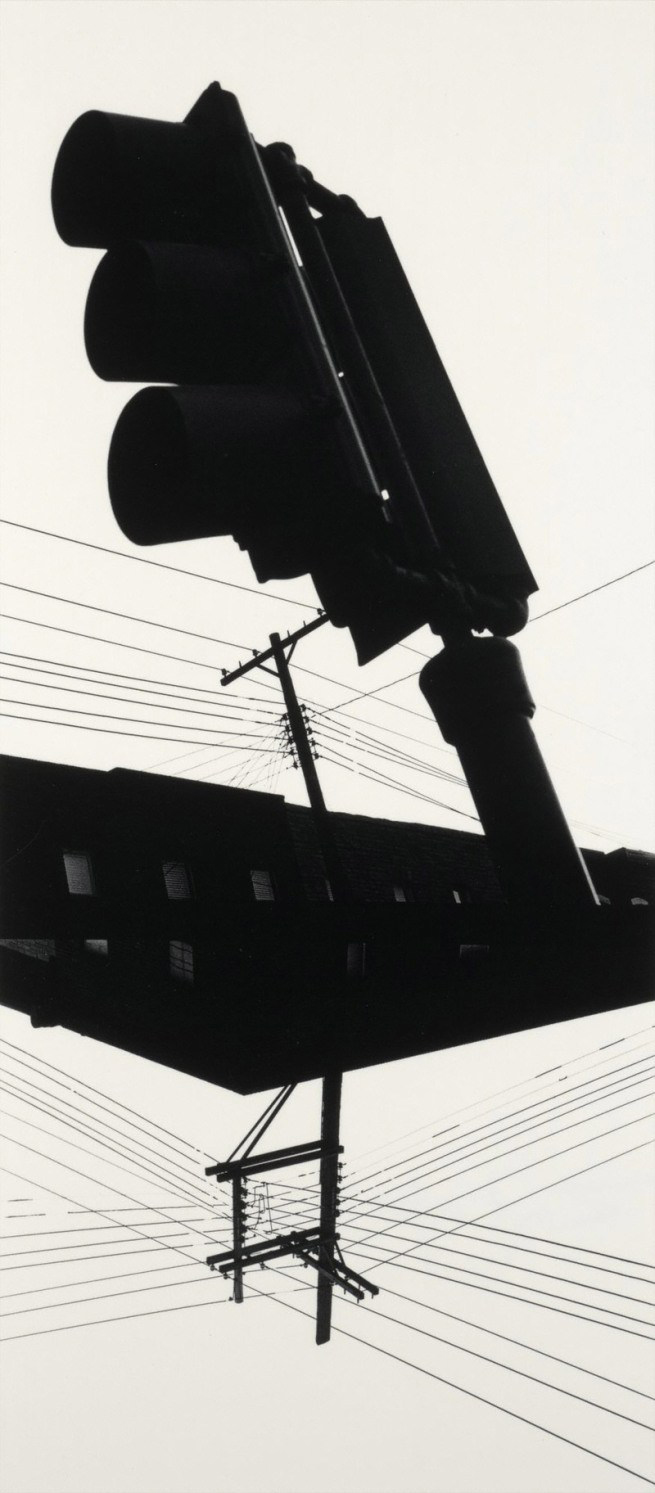
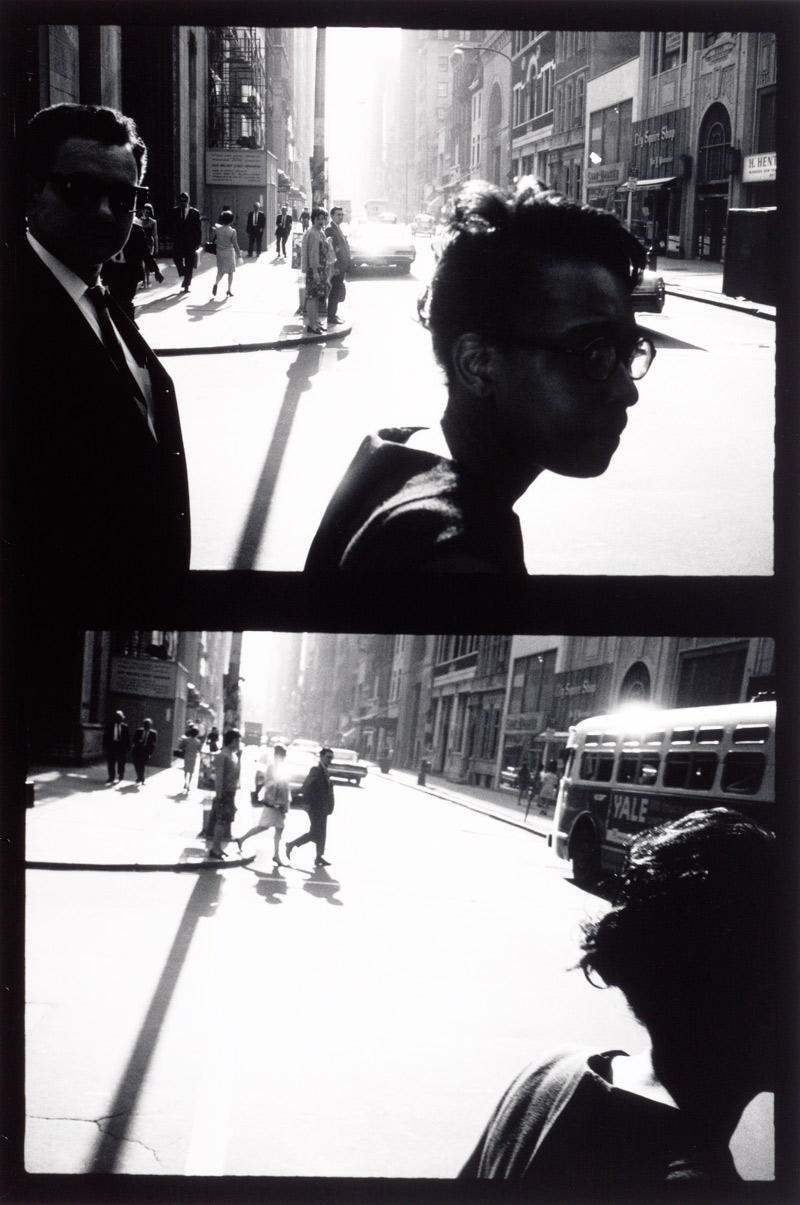
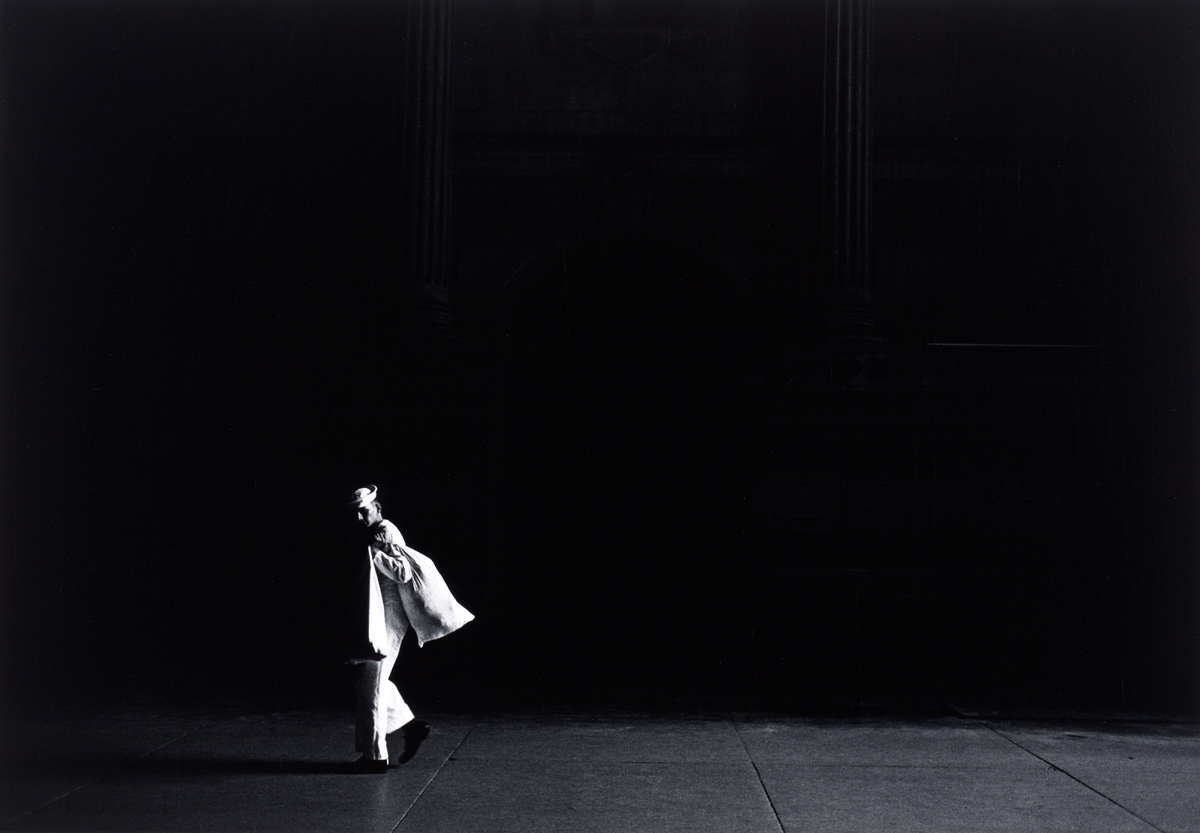
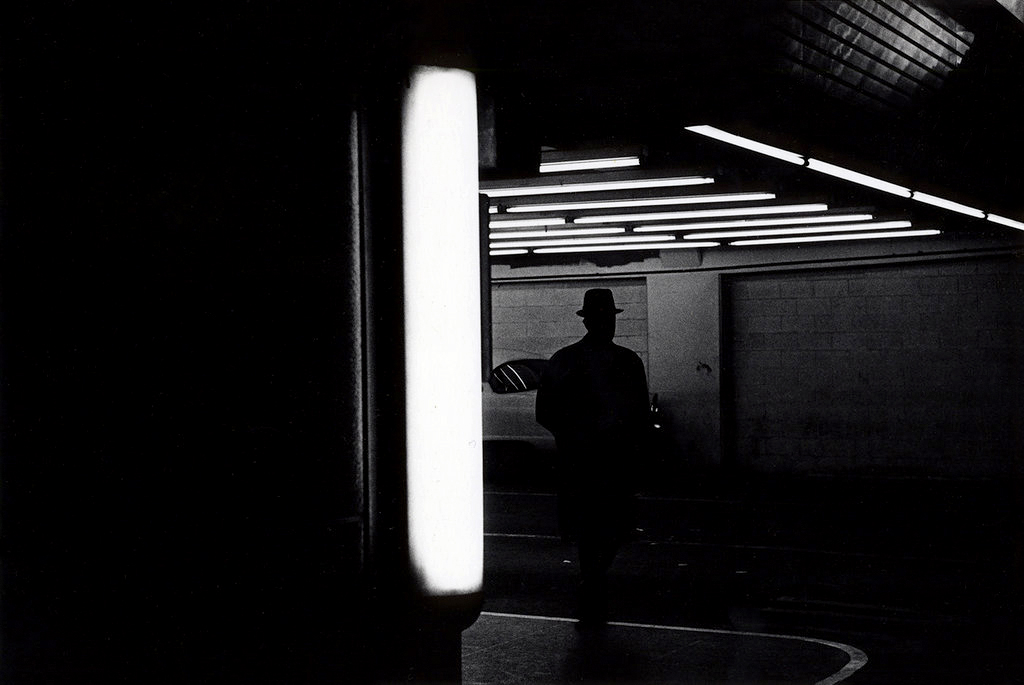
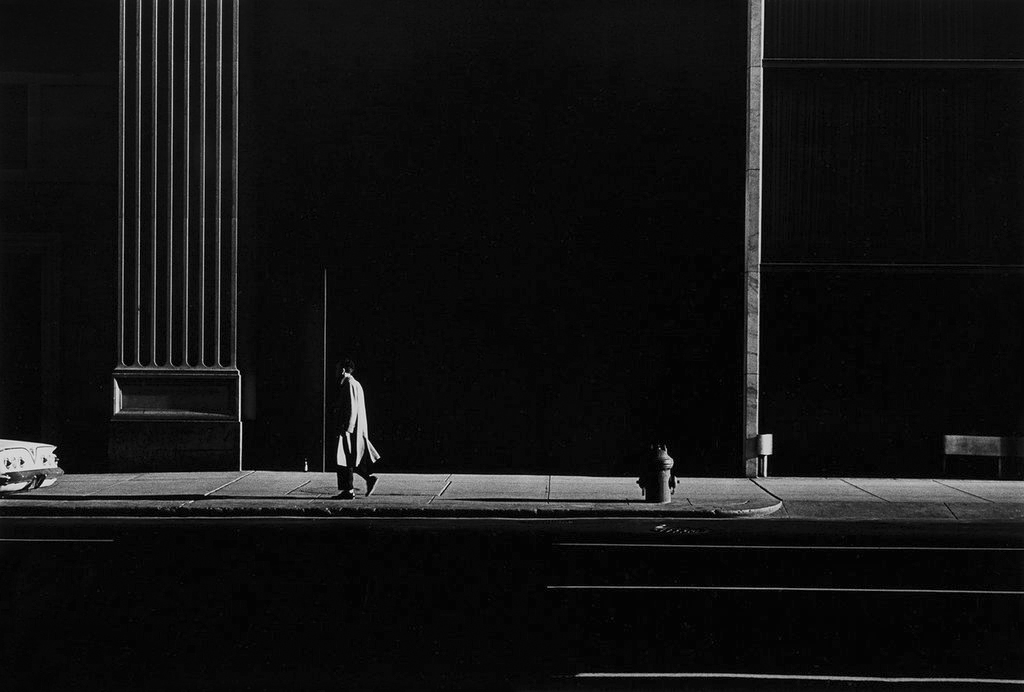
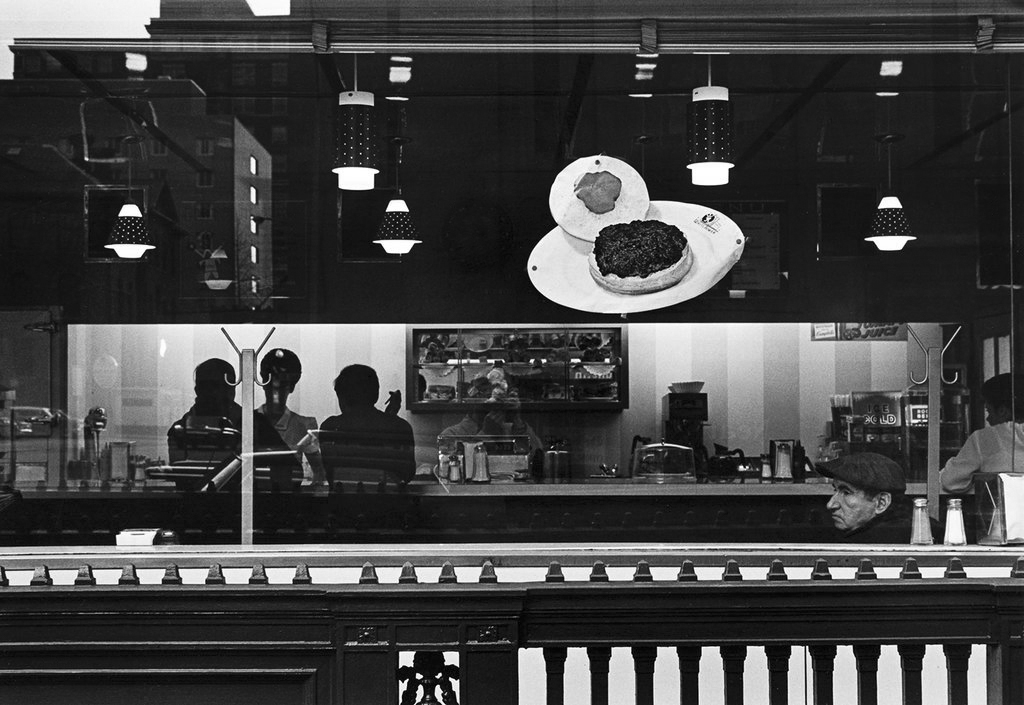
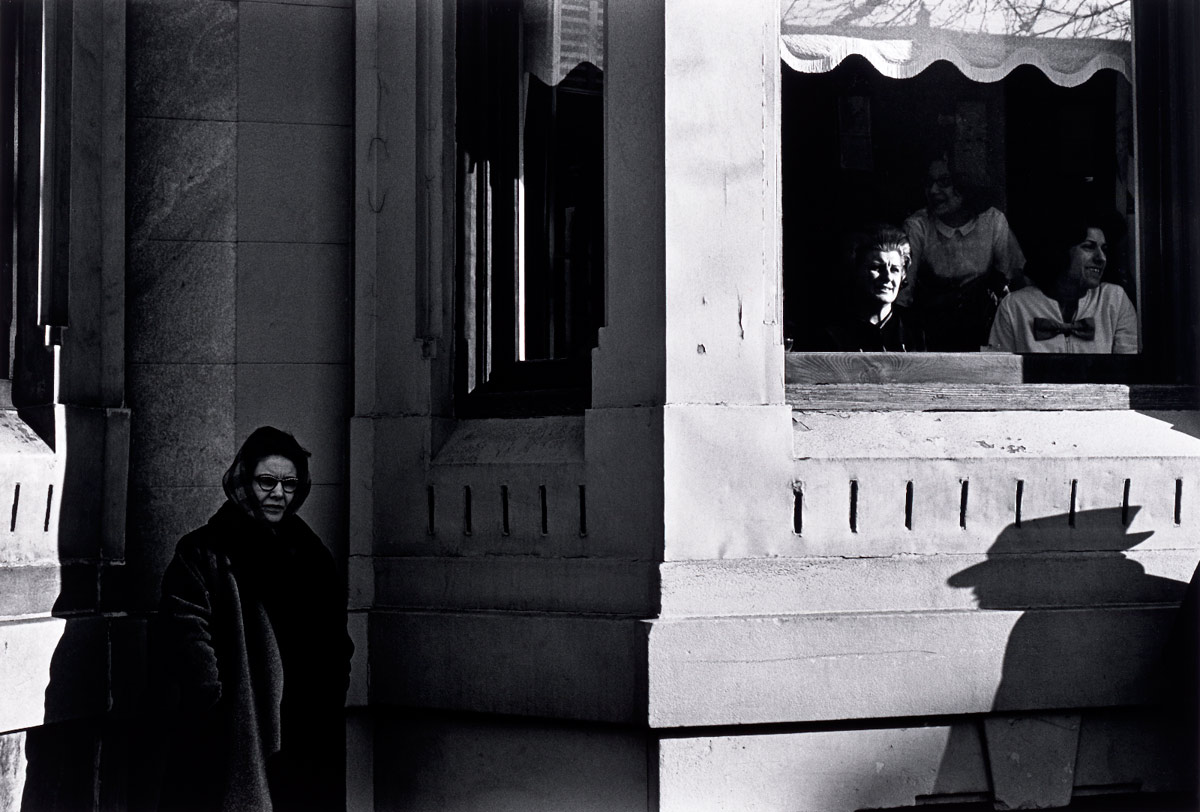
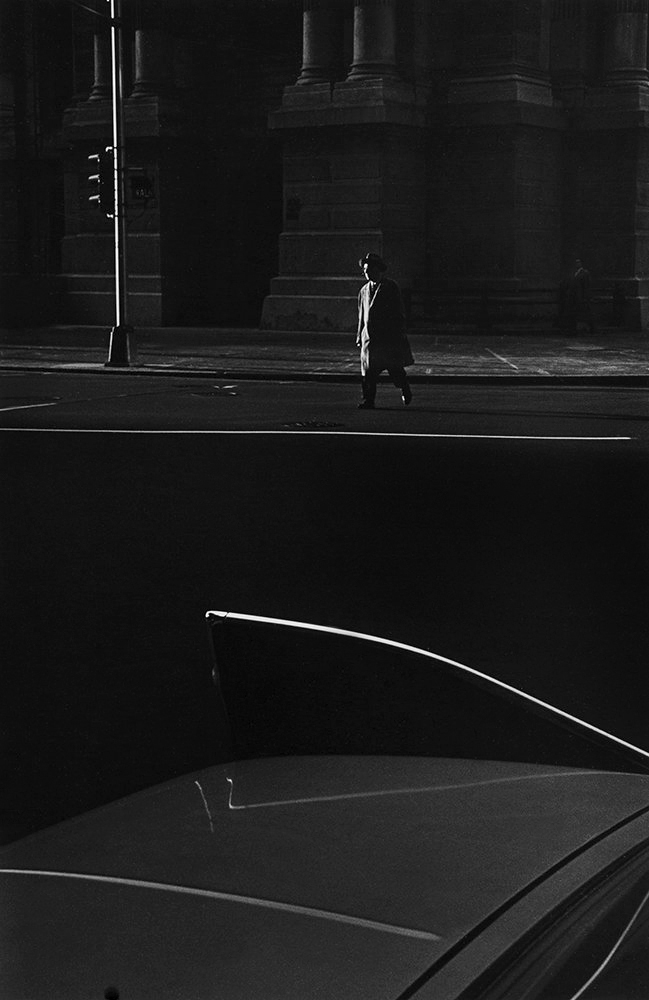
Works by Ray K. Metzker, one of the most original and influential photographers of the last half century, will be on view from Jan. 15 to June 5, 2011, at The Nelson-Atkins Museum of Art. The Photographs of Ray K. Metzker will reveal Metzker’s ability to turn ordinary subjects, including the urban experience and nature, into the visual poetry of the finely crafted black-and-white print.

At the age of nearly 80, Metzker is greatly admired for his passionate engagement with both photography and the world. He has explored the use of high contrast and selective focus, the potentials of multiple and composite images, and the infinite gradations of daylight, from dazzling white to inky shadow.

This is great and lasting work – the very best of a classic form of American modernism, said Keith F. Davis, senior curator of photography at the Nelson-Atkins. Metzker has led a life of deep devotion to understanding the potential, challenge and pleasure of photographic seeing. In so doing, he has transcended any simple notion of technical experimentation or formalism to illuminate a vastly larger human realm – one of uncertainty, isolation and vulnerability, as well as of unexpected beauty, grace and transcendence.

Thanks to a major gift from the Hall Family Foundation, the Nelson-Atkins now has the largest holding of Metzker’s work (92 prints) in the United States.

Born in Milwaukee, Wis., in 1931, Metzker first took up photography as a teenager. After two years in the army, he entered the graduate program at the Institute of Design, Chicago, in the fall of 1956. His professors, Aaron Siskind and Harry Callahan, were acclaimed artists and inspiring teachers, and they emphasised the medium’s remarkable range and visual potential. Metzker’s artistic vision grew from a union of ideas: the realities of modern life, the medium’s myriad technical possibilities, and the quest for a distinctly individual vision.

Metzker has lived and worked in Philadelphia since 1962, and as he approaches the age of 80, he continues to make new pictures there.

The photographs in the exhibition feature examples from all his major series, including his earliest mature work from Chicago (1957-1959); photographs from an extended visit to Europe (1960-1961); the street activity, people, and structures of Philadelphia (from 1962 to the present); beachgoers at the New Jersey shore, Sand Creatures (1968-1977); the starkness of the Southwestern light and landscape, New Mexico (1971-1972); and the lush mysteries of the natural realm, in his Landscapes (1985-1996) from Italy, France and the United States.

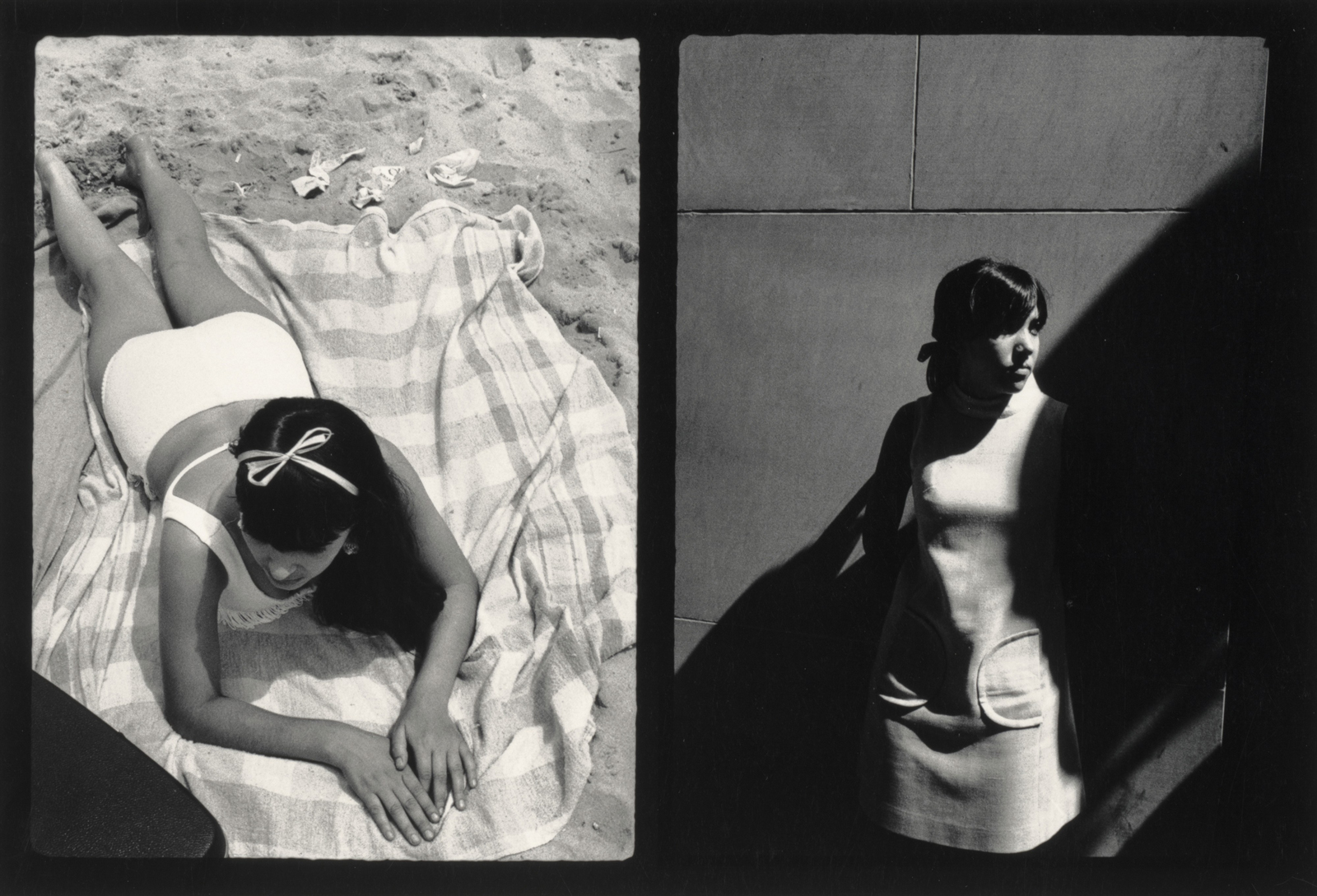
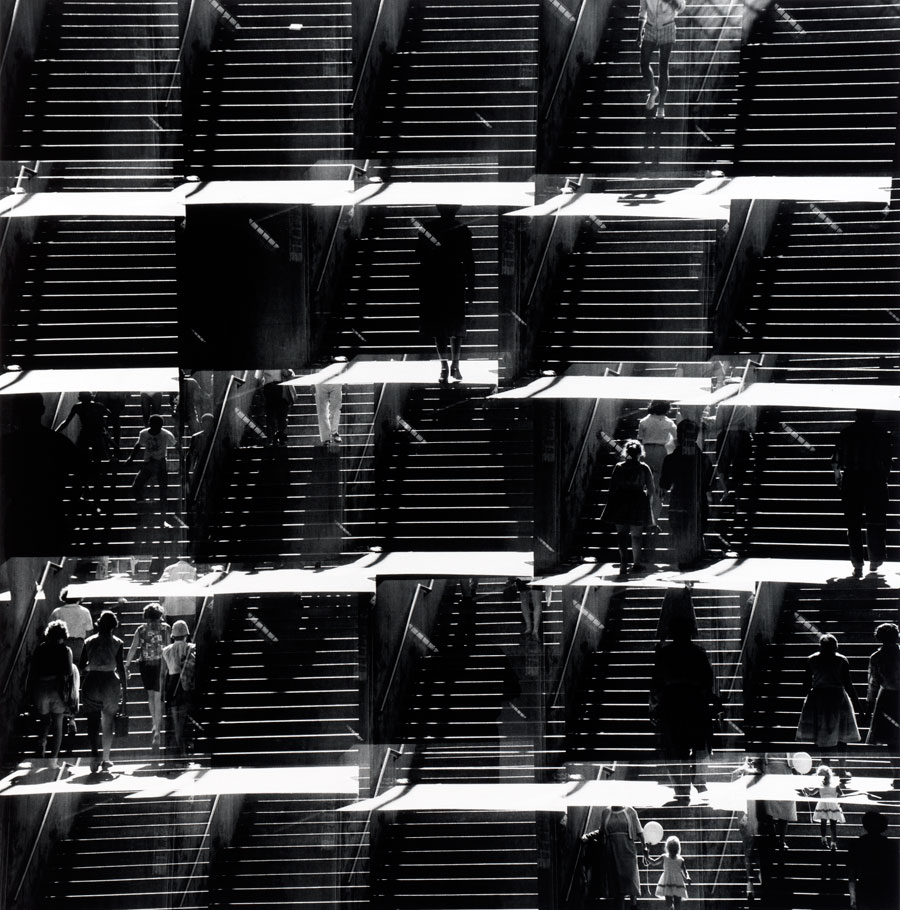
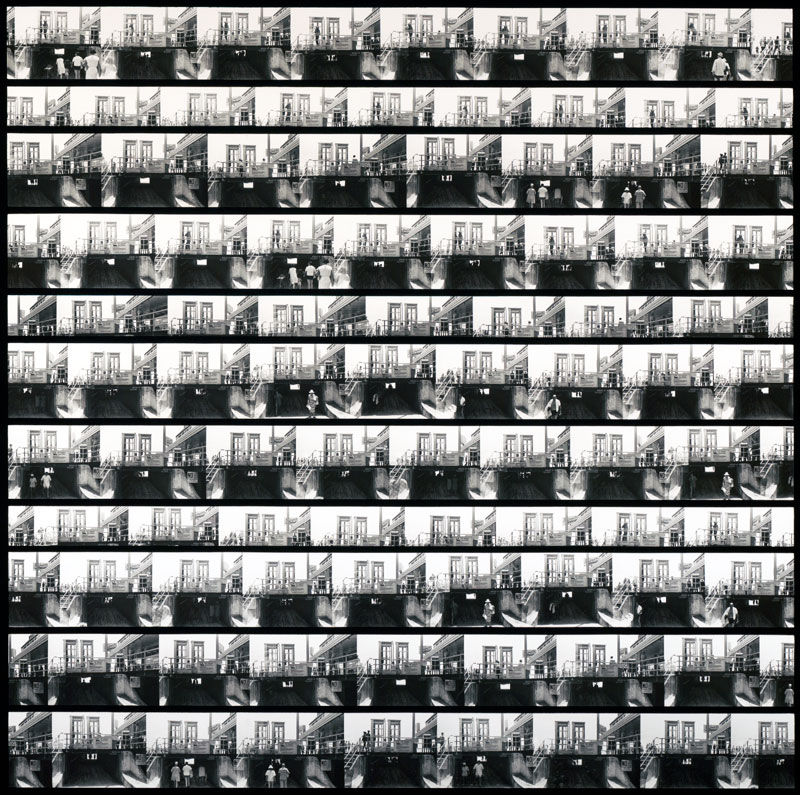
The exhibition features a host of innovative and ingenious approaches to photography, including the use of the double image, Double Frame (1964-1966) and Couplets (1968-1969); single works created from an entire roll of film, Composites (1964-1966); and the creative control of focus in both Pictus Interruptus (1976-1980) and Landscapes (1985-1996).

Press release from The Nelson-Atkins Museum of Art website


Ray K. Metzker (American, 1931-2014) 'Chicago' 1957


Ray K. Metzker (American, 1931-2014)
Chicago
1957
Gelatin silver print
Gift of Hallmark Cards, Inc.,
© Ray K. Metzker, Courtesy of the Laurence Miller Gallery


Ray K. Metzker (American, 1931-2014) 'Chicago' 1959


Ray K. Metzker (American, 1931-2014)
Chicago
1959, printed 1989
Gelatin silver print
Gift of Hallmark Cards, Inc.,
© Ray K. Metzker, Courtesy of the Laurence Miller Gallery


Ray K. Metzker (American, 1931-2014) 'Philadelphia' 1963


Ray K. Metzker (American, 1931-2014)
Philadelphia
1963, printed 1986
Gelatin silver print
Gift of the Hall Family Foundation
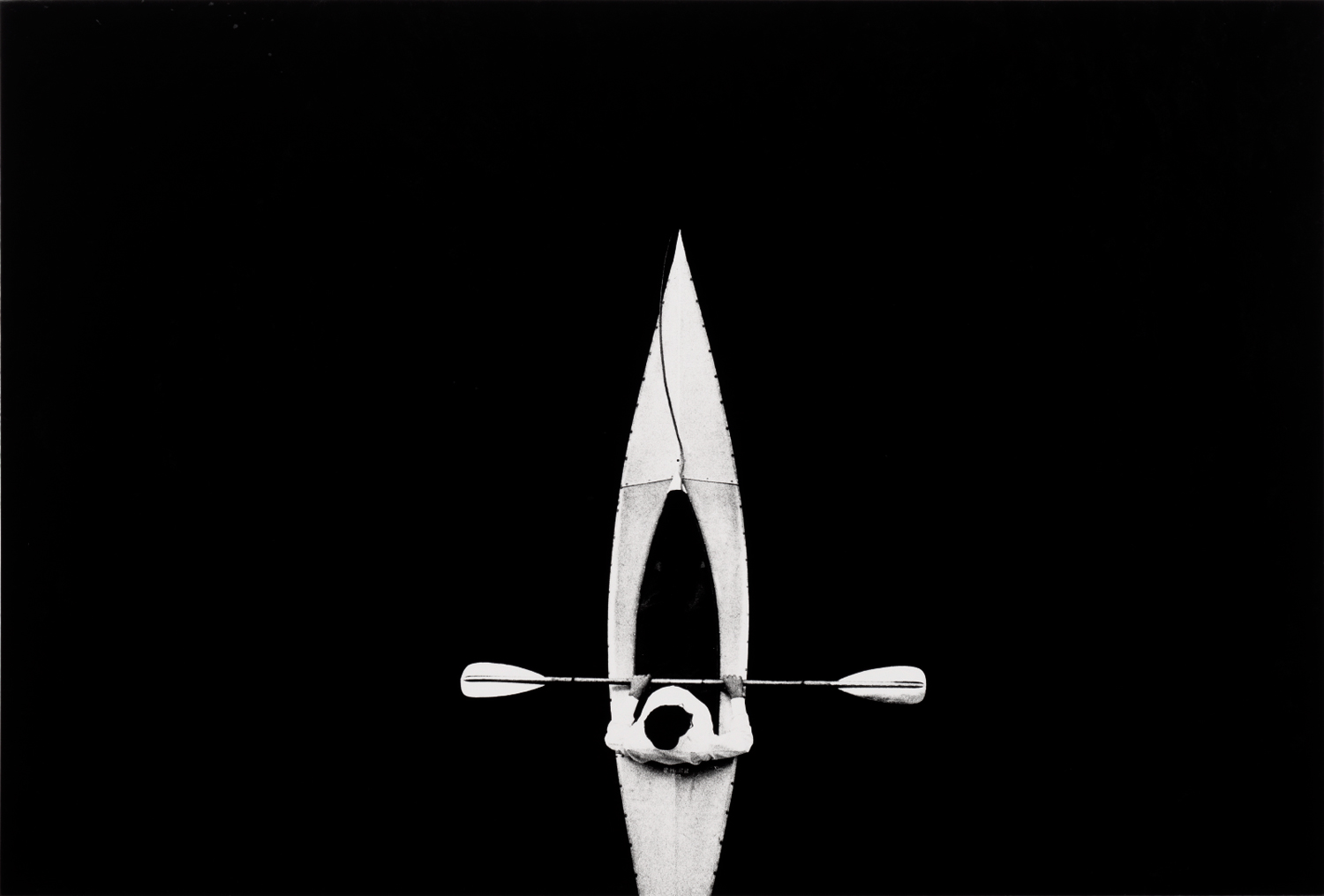
© Ray K. Metzker, Courtesy of the Laurence Miller Gallery


Ray K. Metzker (American, 1931-2014) 'Man in Canoe' 1961


Ray K. Metzker (American, 1931-2014)
Man in Canoe
1961
Gelatin silver print
Gift of Hallmark Cards, Inc.,
© Ray K. Metzker, Courtesy of the Laurence Miller Gallery


Ray K. Metzker (American 1931-2014) 'Philadelphia, 1963' 1963


Ray K. Metzker (American 1931-2014)
Philadelphia, 1963
1963
Gelatin silver print
Gift of Hallmark Cards, Inc.,
© Ray K. Metzker, Courtesy of the Laurence Miller Gallery


Ray K. Metzker (American 1931-2014) 'Philadelphia, 1963' 1963


Ray K. Metzker (American 1931-2014)
Philadelphia, 1963
1963
Gelatin silver print
Gift of Hallmark Cards, Inc.,
© Ray K. Metzker, Courtesy of the Laurence Miller Gallery


Ray K. Metzker (American 1931-2014) 'Philadelphia' 1963


Ray K. Metzker (American 1931-2014)
Philadelphia, 1963
1963
Gelatin silver print
Gift of Hallmark Cards, Inc.,
© Ray K. Metzker, Courtesy of the Laurence Miller Gallery


Ray K. Metzker (American 1931-2014) 'Philadelphia' 1964


Ray K. Metzker (American, 1931-2014)
Philadelphia
1964, printed 1989
Gelatin silver print
Gift of Hallmark Cards, Inc.,
© Ray K. Metzker, Courtesy of the Laurence Miller Gallery


Ray K. Metzker (American, 1931-2014) 'Philadelphia' 1964


Ray K. Metzker (American, 1931-2014)
Philadelphia
1964, printed 1989
Gelatin silver print
Gift of Hallmark Cards, Inc.,
© Ray K. Metzker, Courtesy of the Laurence Miller Gallery


Ray K. Metzker (American, 1931-2014) 'Composite: Atlantic City' 1966


Ray K. Metzker (American, 1931-2014)
Composite: Atlantic City
1966
Gelatin silver print
Gift of Hallmark Cards, Inc.,
© Ray K. Metzker, Courtesy of the Laurence Miller Gallery


Ray K. Metzker (American, 1931-2014) 'Composites: Night at the Terminal' about 1966


Ray K. Metzker (American, 1931-2014)
Composites: Night at the Terminal
about 1966
Gelatin silver print
The Nelson-Atkins Museum of Art
© Ray K. Metzker, courtesy of Lawrence Miller Gallery


Ray K. Metzker (American 1931-2014) 'Philadelphia' 1981


Ray K. Metzker (American 1931-2014)
Philadelphia
1981
Gelatin silver print
Gift of Hallmark Cards, Inc.,
© Ray K. Metzker, Courtesy of the Laurence Miller Gallery


Ray K. Metzker (American 1931-2014) 'Philadelphia' 1964


Ray K. Metzker (American 1931-2014)
Philadelphia, 1964
1963
Gelatin silver print
Gift of Hallmark Cards, Inc.,
© Ray K. Metzker, Courtesy of the Laurence Miller Gallery


Ray K. Metzker (American 1931-2014) 'Philadelphia' 1963


Ray K. Metzker (American 1931-2014)
Philadelphia, 1963
1963
Gelatin silver print
Gift of Hallmark Cards, Inc.,
© Ray K. Metzker, Courtesy of the Laurence Miller Gallery


The Nelson-Atkins Museum of Art
4525 Oak Street
Kansas City, MO 64111

Opening hours:
Thursday – Monday 10am – 5pm
Closed Tuesdays and Wednesdays

The Nelson-Atkins Museum of Art website

LIKE ART BLART ON FACEBOOK

Back to top

Exhibition: ‘Lewis Baltz: Prototypes/Ronde de Nuit’ at The Art Institute of Chicago

Exhibition dates: 25th September, 2010 – 9th January, 2011


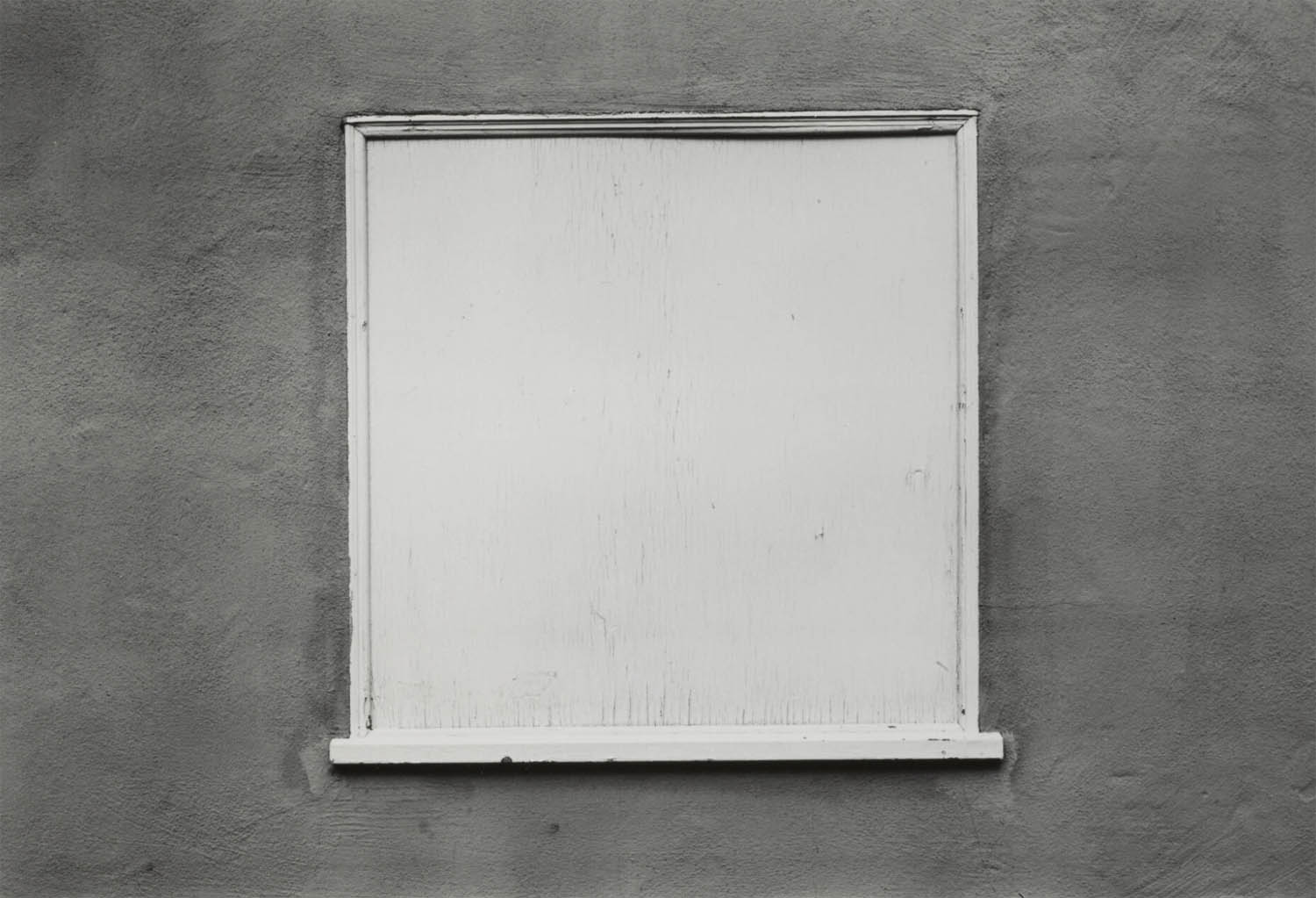
Lewis Baltz (American, b. 1945)
'Newport Beach' 1970


Lewis Baltz (American, b. 1945)
Newport Beach
1970
Gelatin silver print
© Lewis Baltz


“Baltz’s compositions appear to have been arranged, almost as a Braque still-life is ‘arranged’. Many of these photographs have the sense of a precisely constructed occasion, as if Baltz had built his subject matter before photographing it. This unity of subject and author is a characteristic of many fine photographs, but Baltz brings to this problem a narrow, powerful eye which is blindingly frontal and meticulous about detail.”1


  1. Anon. “Lewis Baltz,” on the American Suburb X website [Online] Cited 12/11/2010 no longer available online.


Many thankx to The Art Institute of Chicago for allowing me to publish the photographs in the posting. Please click on the photographs for a larger version of the image.


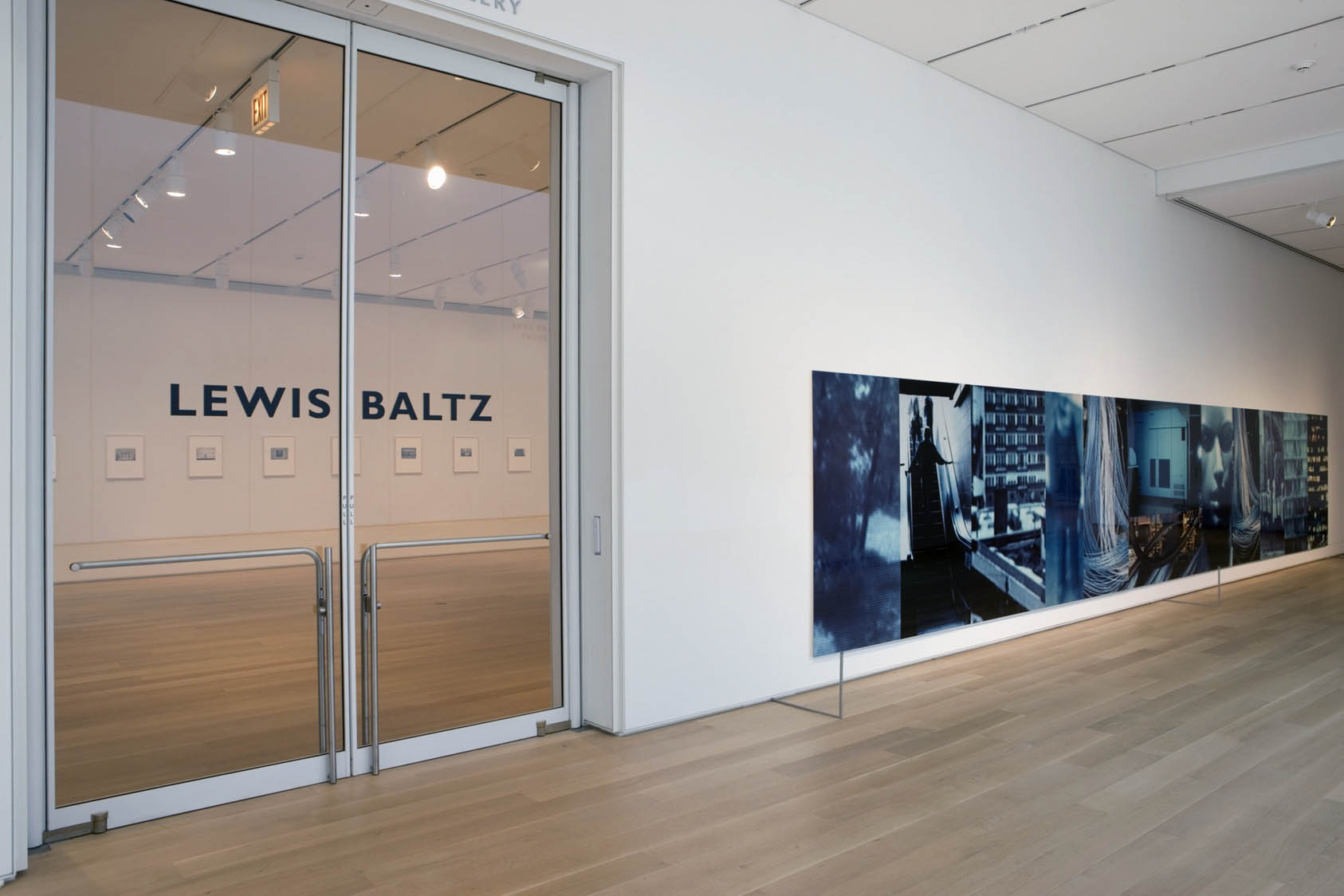
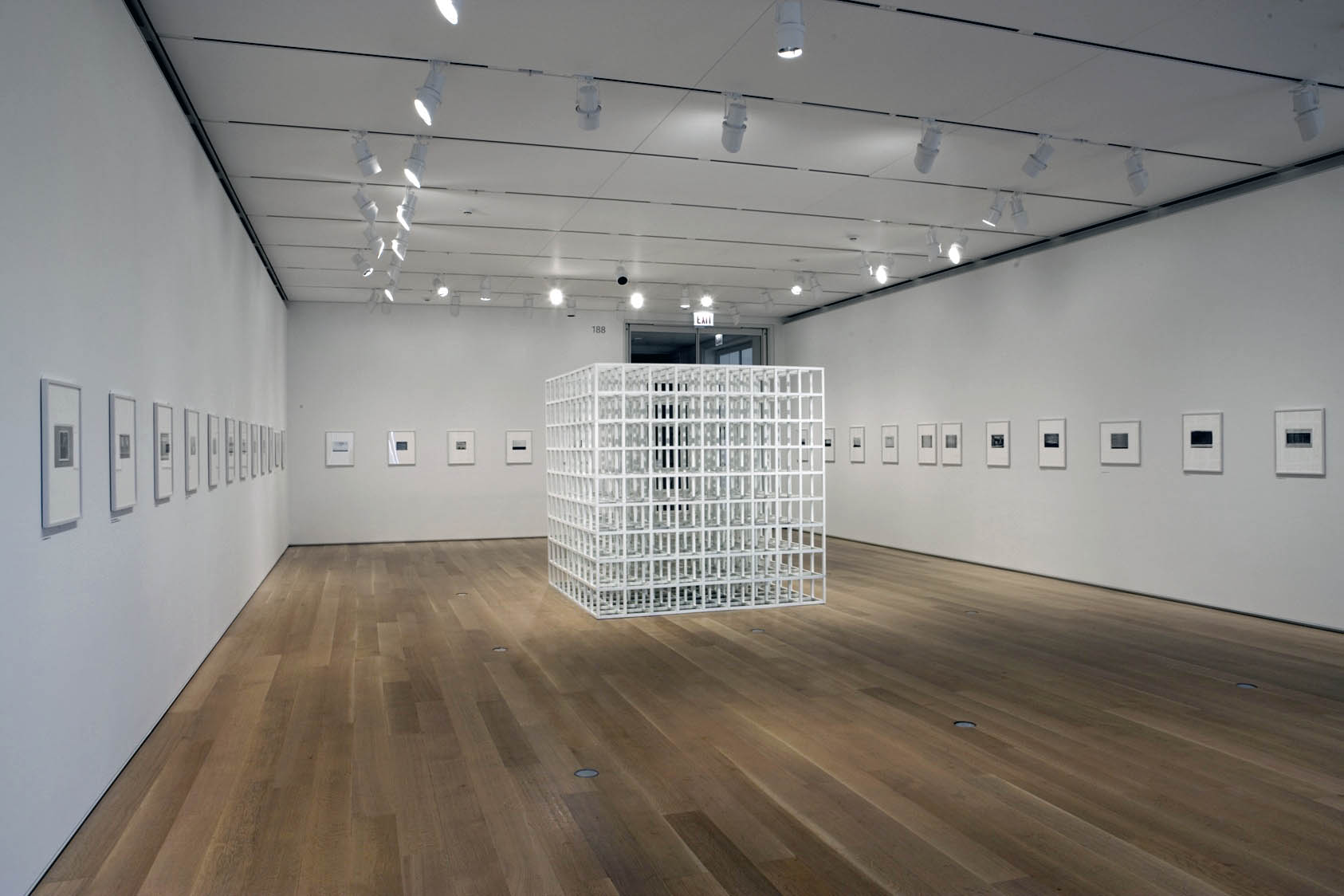
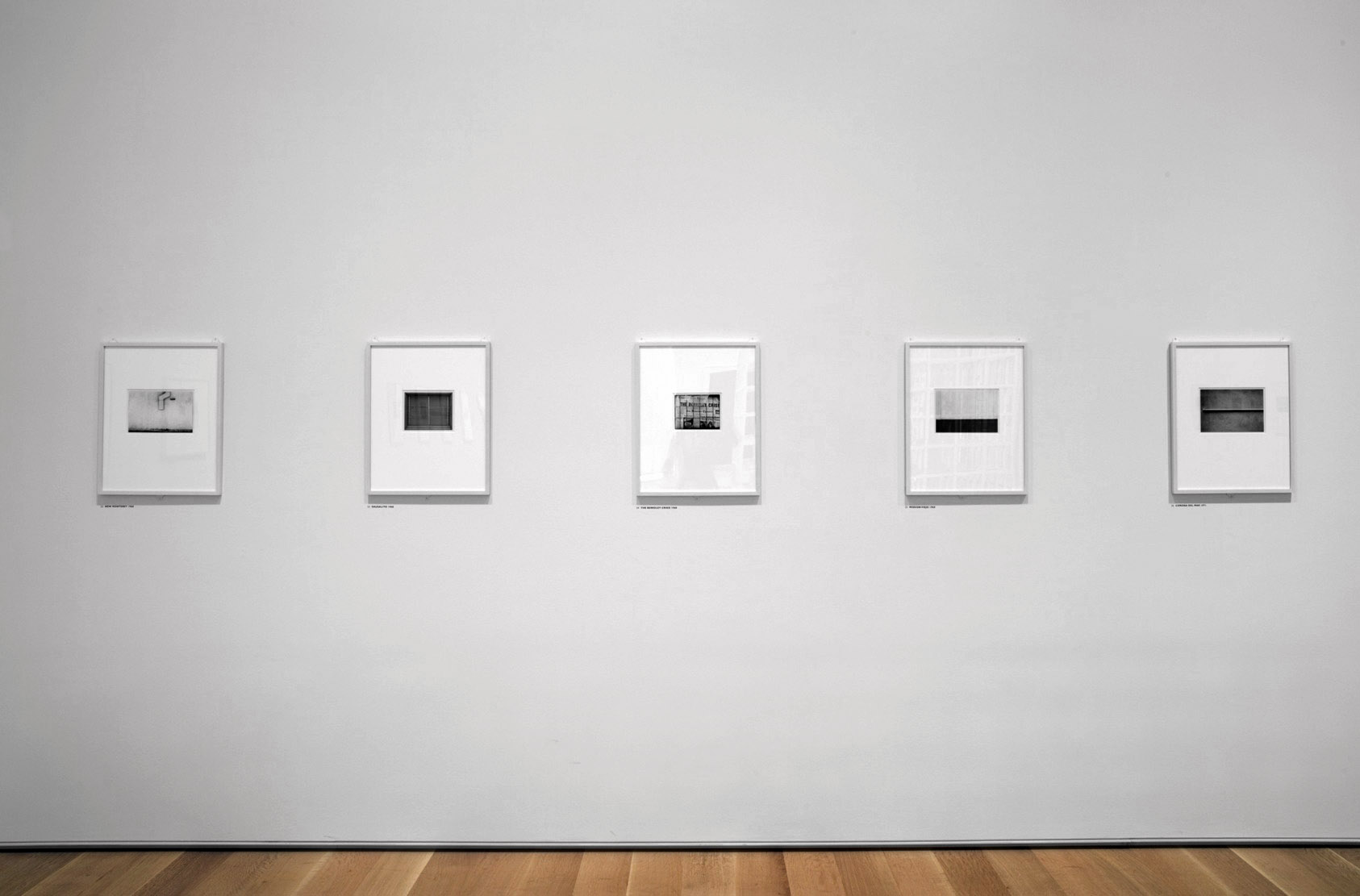
Installation view of the exhibition 'Lewis Baltz: Prototypes/Ronde de Nuit' at The Art Institute of Chicago


Installation views of the exhibition Lewis Baltz: Prototypes/Ronde de Nuit at The Art Institute of Chicago


Lewis Baltz (American, b. 1945) 'Mission Viejo' 1968


Lewis Baltz (American, b. 1945)
Mission Viejo
1968
Gelatin silver print
The Art Institute of Chicago, Gift of Lewis Baltz, 1972.219
© Lewis Baltz


Lewis Baltz (American, b. 1945) 'Laguna Niguel' 1970


Lewis Baltz (American, b. 1945)
Laguna Niguel
1970
Gelatin silver print
Laguna Art Museum Collection, Anonymous gift, in memory of Beula Prince
© Lewis Baltz


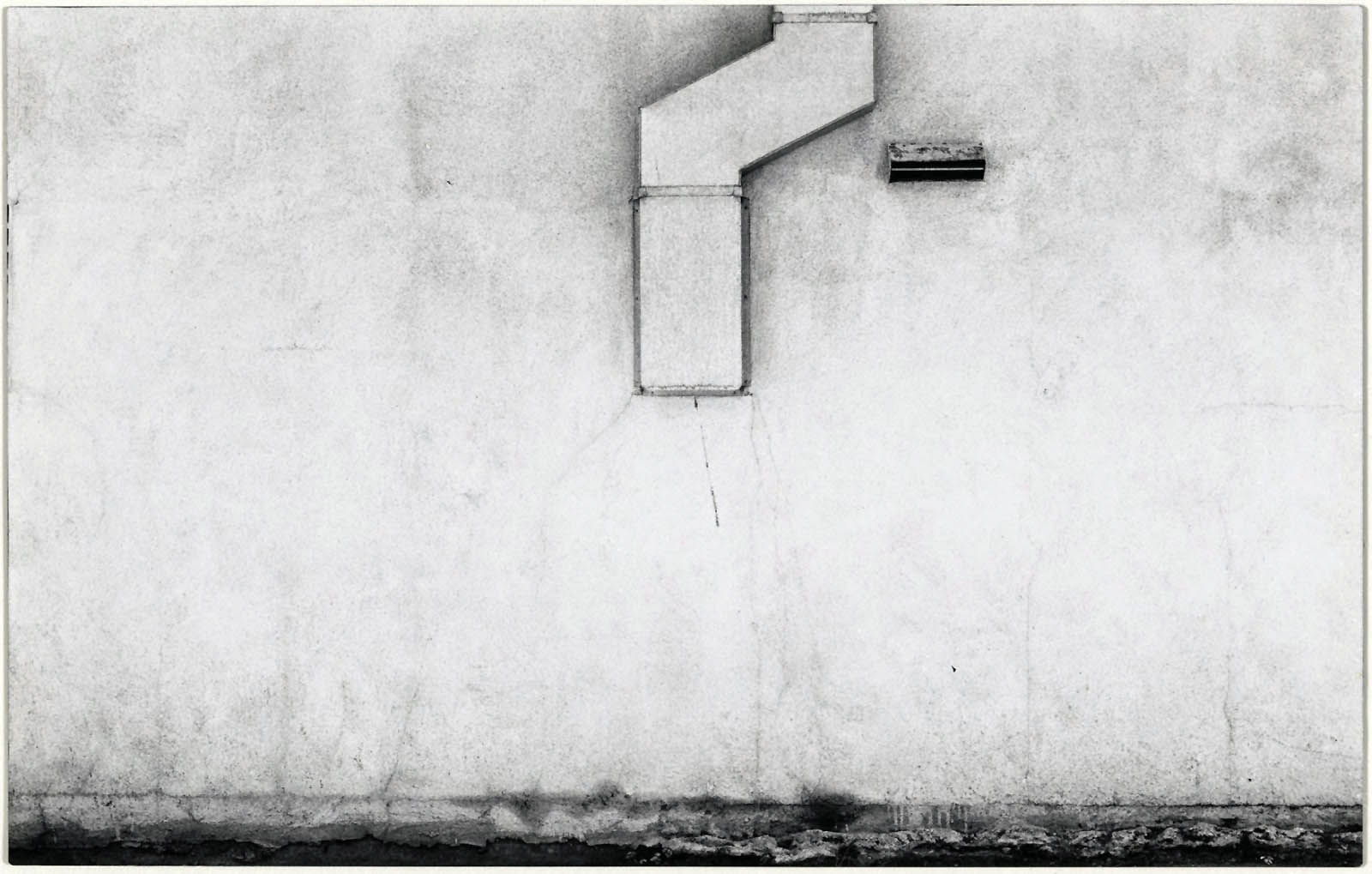
Lewis Baltz (American, b. 1945) 'New Monterey' 1968


Lewis Baltz (American, b. 1945)
New Monterey
1968
Gelatin silver print
National Gallery of Art, Washington, Patrons’ Permanent Fund 2001
© Lewis Baltz


Lewis Baltz (b. 1945) is one of the most prominent representatives of the “New Topographics” movement, which changed the direction of American photography in the 1970s and has had a formative impact on every generation since. However, Baltz’s innovations began already in the 1960s. The Art Institute of Chicago has organised the first survey ever of Lewis Baltz’s inaugural body of work, the Prototypes (c. 1967-1973). The exhibition also puts on view for the first time in 12 years Ronde de Nuit, a monumental work of the early 1990s. Lewis Baltz: Prototypes / Ronde de Nuit – on view in the Modern Wing’s Bucksbaum Gallery (G188) from September 25, 2010 through January 9, 2011 – features 42 Prototype works, including several that have never before been published or exhibited. This is Baltz’s first solo exhibition in the United States in more than a decade.

Beginning in 1965, but especially from 1967 to 1973, Lewis Baltz made a body of work that concentrated on the dialectic between simple, regular geometric forms found in the postwar industrial landscape and the far from simple culture that generated such forms, or was conditioned by them. Stucco walls, parking lots, the sides of warehouse sheds, or disused billboards baked in the steady Californian sunlight – these and other “hyper-banal” subjects were printed in blacks and whites of a breathtaking tonal evenness. Baltz called his works “Prototypes,” by which he meant replicable social conventions as well as model structures of replicable manufacture. The fraught relation of neutral form to highly charged content plays itself out on the emphatically planar surface of these prints, objects that exude magnificence and severity simultaneously. Never before shown together as a group, the Prototypes are revealed in this exhibition as model creations for their time and ours. They are among the earliest artworks to show the fascinating, disturbing transformation of the American landscape into an unending terrain of anonymous commercial architecture as well among the first photographs to seek the starkly reductive forms of minimal and post-minimal art “out in the world.”

In 1971, upon seeing the Prototypes, gallery owner Leo Castelli immediately agreed to exhibit Baltz’s photographs, and he remained Baltz’s American representative until the artist relocated to Europe nearly 20 years later. Included in the presentation of Lewis Baltz: Prototypes / Ronde de Nuit is a monumental sculpture by Sol LeWitt from the Art Institute’s permanent collection and a nine-foot oilstick drawing by Richard Serra – two artists also featured at Castelli, and whose work the young Baltz greatly admired. Bringing together these three artists for the first time, the exhibition shows the affinities and analogies that developed across media around 1970, when photography first moved to the center of concerns in contemporary art.

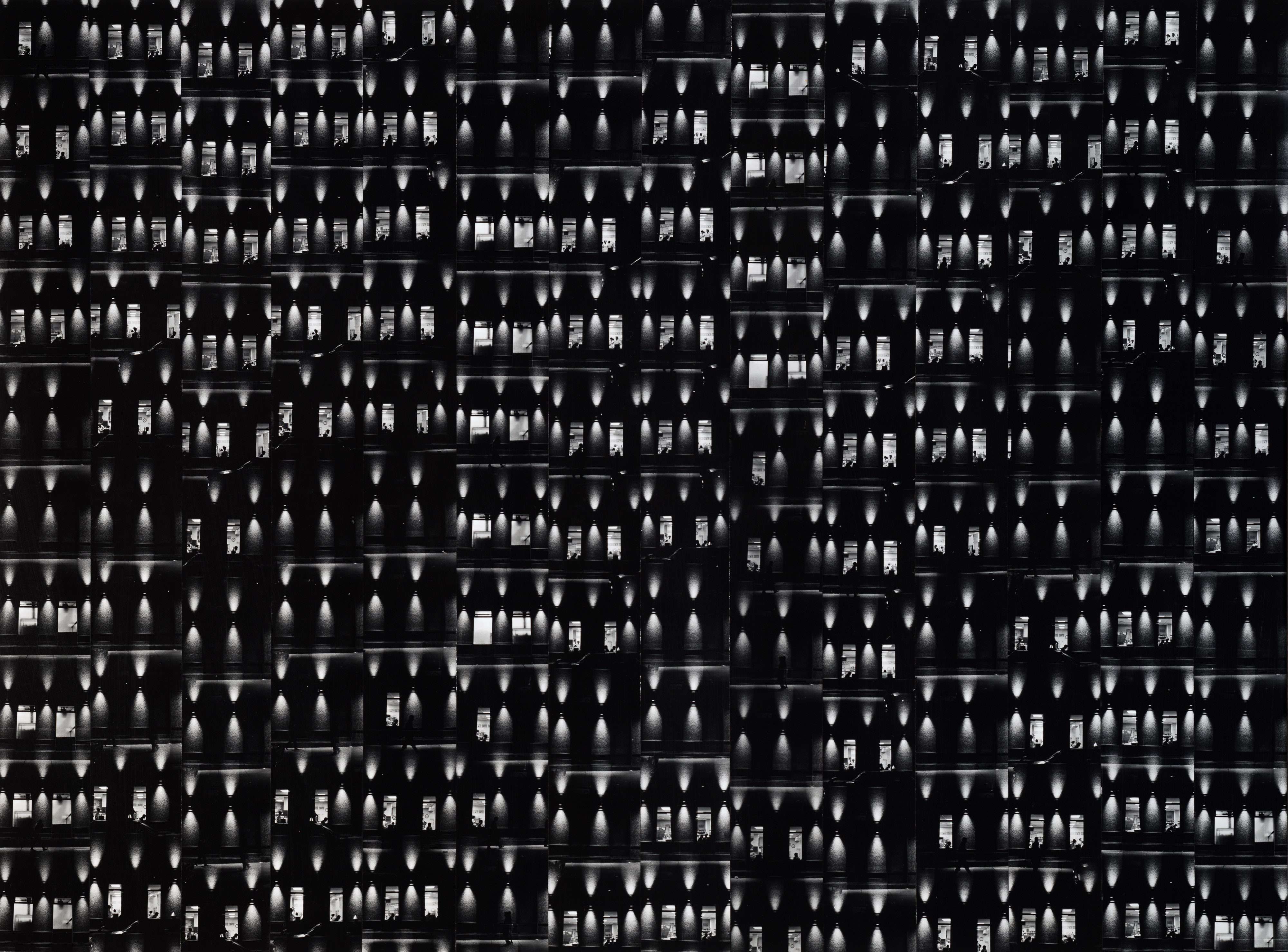
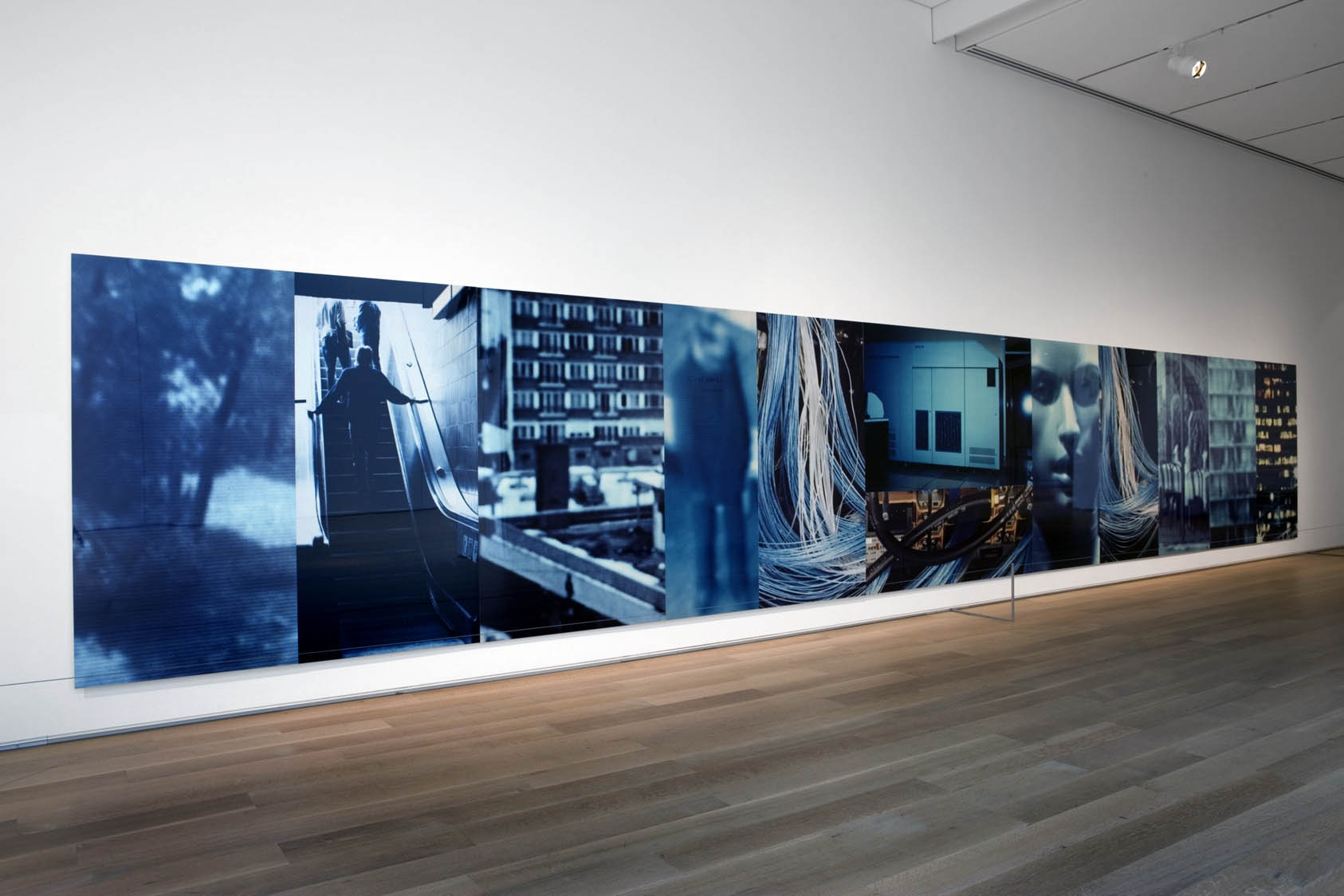
Augmenting Lewis Baltz: Prototypes / Ronde de Nuit is a piece made by Baltz in 1992, initially for an exhibition at the Musée National d’Art Moderne, Centre Georges Pompidou, in Paris. Measuring 35 feet across by 7 feet tall, and printed on aluminium-mounted Cibachrome panels, Ronde de Nuit is as far in scale and appearance as one could get from the Prototypes. Yet across the manifest differences, this mural-size work maintains underlying continuities in the artist’s preoccupations. Baltz remains substantially concerned over the cancerous spread of our industrially manufactured habitat and how the elements of manufacture can be used to standardise and restrict the inhabitants – ourselves. Ronde de Nuit consists of 12 separate photographs, taken at a police surveillance station in northern France, to form a panoptic tableau of voyeurism and control. Some photographs are enlargements of closed-circuit screen images; others show mainframe computers, cable conduits, and other equipment in the bowels of the police station. The resulting composition merges Rembrandt with Piranesi in the digital age. Its effect on viewers is magnetic, moving, and uncanny.

Press release from The Art Institute of Chicago website


Lewis Baltz (American, b. 1945) 'Santa Cruz' 1970


Lewis Baltz (American, b. 1945)
Santa Cruz
1970
Gelatin silver print
The Art Institute of Chicago, Gift of Lewis Baltz
© Lewis Baltz


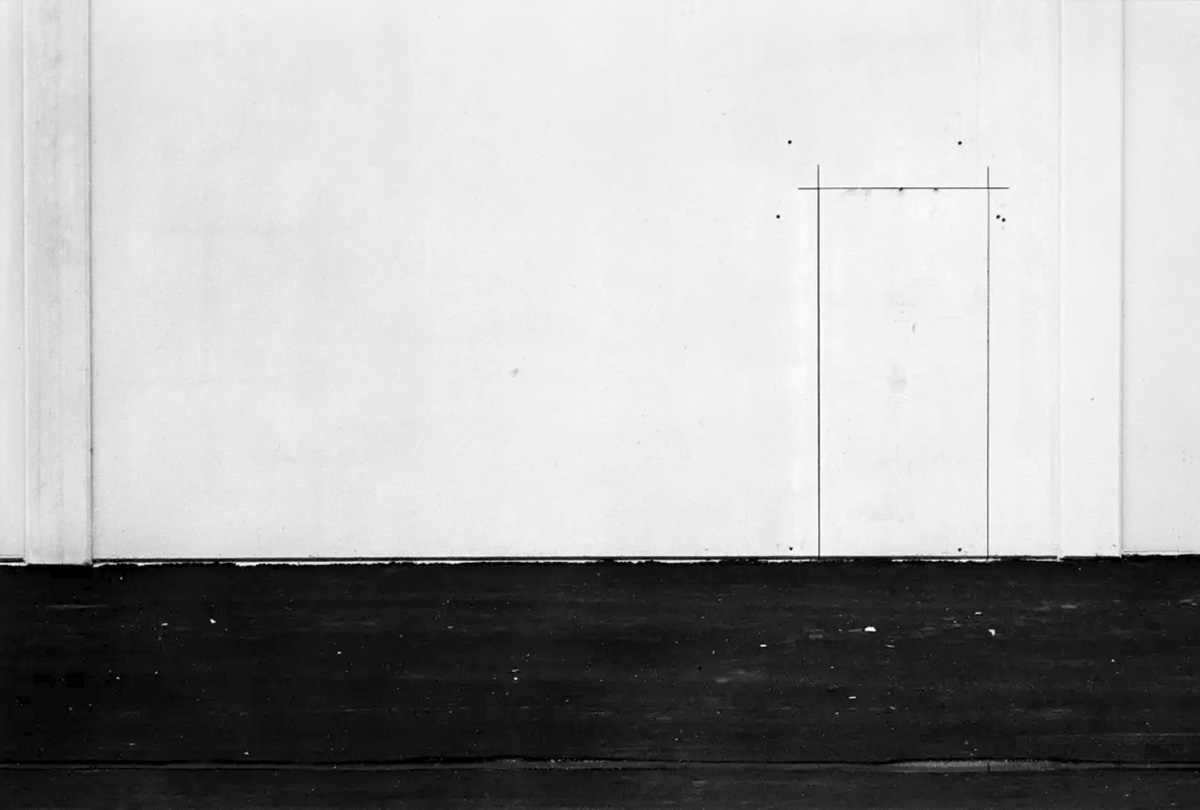
Lewis Baltz. 'Corona Del Mar' 1971


Lewis Baltz (American, born 1945)
Corona Del Mar
1971
Gelatin silver print
The Art Institute of Chicago, Mary and Leigh Block Fund
© Lewis Baltz


During and directly after his student years, Lewis Baltz made what he called Prototypes, photographs of recent residential and commercial “subarchitecture” in his home state of California. They are among the earliest artworks to show the fascinating, disturbing transformation of the American landscape into an unending terrain of anonymous buildings; they are also among the first photographs to seek the starkly reductive forms of Minimalist and Post-Minimalist art “out in the world.” Corona del Mar is nearly devoid of shadows, making the image appear as shallow as the paper on which it is printed. Baltz emphasised this congruence by mounting the photograph onto board and rimming the perimeter with India ink. The Prototype Works isolate objects in the built environment and ask to be apprehended as image-objects in their own right.

Text from the Art Institute of Chicago website


Lewis Baltz (American, b. 1945) 'Morgan Hill' 1968


Lewis Baltz (American, b. 1945)
Morgan Hill
1968
Gelatin silver print
The Art Institute of Chicago, Gift of Lewis Baltz
© Lewis Baltz


Lewis Baltz (American, b. 1945) 'Monterey' 1967


Lewis Baltz (American, b. 1945)
Monterey
1967
Gelatin silver print
The Art Institute of Chicago, Gift of Lewis Baltz
© Lewis Baltz


The Art Institute of Chicago
111 South Michigan Avenue
Chicago, Illinois 60603-6404
Phone: (312) 443-3600

Opening hours:
Thursday – Monday 11am – 5pm
Closed Tuesday and Wednesday
The museum is closed Thanksgiving, Christmas, and New Year’s days.

The Art Institute of Chicago website

LIKE ART BLART ON FACEBOOK

Back to top