My apologies that I haven’t been writing that much in recent postings, but I am still recovering from my hip replacement operation and the pain is still ongoing over 6 weeks after the operation. I’m a little exhausted to put it mildly…
With this sumptuous exhibition of photographs by Elliott Erwitt – in a beautiful palazzo with painted ceilings and classical sculptures with the walls painted a glorious colour of green – you get what is says on the tin: Erwitt’s iconic and humanist photographs of dogs, children and celebrities, “visual double-takes and finely tuned one-liners.”
That is all the media images consisted of, his famous photographs.
I know that the exhibition, and the artist’s reputation, rests on his “icons” but I just wish we could see past these to his other photographs, photographs of everyday people, captured in the midst of their ordinary lives; photographs that contain a little more gravitas, a little more depth of poignancy / spirit / energy, revealing small intimacies not readily seen and acknowledged.
That Erwitt is capable of such images can be see in photographs such as Italy, Venice, Gallerie dell’Accademia, 1965 (below), USA, New York City, 1969 (below) and that most gut wrenching, heart breaking of images, USA, Arlington, Virginia, Jacqueline Kennedy at John F. Kennedy’s funeral, November 25, 1963 (below) – where Erwitt reveals the grief of loss and finally touches the marrow of what it is to be human.
Dr Marcus Bunyan
Many thankx of the Palazzo Bonaparte for allowing me to publish the photographs and video in the posting. Please click on the photographs for a larger version of the image.
Elliott Erwitt. Icons at Palazzo Bonaparte, Rome, Italy
Installation walk through of the exhibition “Elliott Erwitt. Icons,” dedicated to the late master of visual irony and empathy, Elliott Erwitt. This major show offers an intimate look into the universe of one of contemporary photography’s most significant figures, whose work transformed everyday life into profound visual poetry.
Installation views of the exhibition Elliott Erwitt. Icons at Palazzo Bonaparte, Rome, Italy showing in the bottom image, the Erwitt’s photograph France, Paris, 1989
Installation view of the exhibition Elliott Erwitt. Icons at Palazzo Bonaparte, Rome, Italy showing at right Erwitt’s photograph USA, New York City, 1953
Installation view of the exhibition Elliott Erwitt. Icons at Palazzo Bonaparte, Rome, Italy showing at left, USA, Santa Monica, California, 1956 (below); at second left, USA, New York City, 1955 (below); at third left, USA, Louisiana, Shreveport, 1962; and at right, USSR, Bratsk, Siberia, 1967 (below)
Starting June 28th, 2025, Palazzo Bonaparte will open its doors to an extraordinary exhibition, “Elliott Erwitt. Icons,” dedicated to the late master of visual irony and empathy, Elliott Erwitt. This major show offers an intimate look into the universe of one of contemporary photography’s most significant figures, whose work transformed everyday life into profound visual poetry.
With over 80 celebrated photographs, “Elliott Erwitt. Icons” invites visitors to experience Erwitt’s distinctive style – irreverent, poetic, and deeply human. He possessed a remarkable ability to capture the lightness of the joy of living, becoming the most insightful and moving chronicler of the human comedy. His lens made us smile, reflect, and feel, turning fleeting moments into unforgettable images.
A Glimpse into Erwitt’s Vision
Erwitt, who passed away in November 2023 at the age of 95, was a master at transforming the ordinary into the extraordinary. His “Icons” are not just photographs; they are symbols of his unique perspective and our shared collective memory. As he once put it, “In the saddest and most wintry moments of life… suddenly the sight of something wonderful can change the aspect of things, your state of mind. The type of photography I like, the one where the instant is caught, is very similar to this break in the clouds. In a flash, a wonderful photo seems to come out of nowhere.”
This exhibition, curated by Biba Giacchetti, a leading international Erwitt expert, along with technical assistance from Gabriele Accornero, offers a comprehensive yet concise overview of his genius. From his anthropomorphic dogs to powerful world leaders, from iconic movie stars like Marilyn Monroe to intimate family moments, Erwitt’s gaze was both incisive and empathetic. He captured not only the irony of daily life but also its underlying complexity.
Beyond the Famous Faces
While the exhibition features renowned portraits of figures such as Che Guevara, Jack Kerouac, Marlene Dietrich, Fidel Castro, and Sophia Loren, it also highlights historical moments like the Nixon-Khrushchev dispute, Kennedy’s funeral, and the Frazier-Ali fight. Yet, Erwitt’s democratic approach to his medium shines through in his focus on everyday people, captured in the midst of their ordinary lives.
A significant portion of Erwitt’s work showcased his love for dogs, whose free-spirited nature he admired. Many photographs are taken from a dog’s-eye view, often revealing only the feet or legs of their owners. Erwitt ingeniously employed playful tactics, like sounding a horn or mimicking a bark, to elicit natural reactions from the animals, resulting in humorous and endearing compositions.
An Unmissable Summer Event
The “Elliott Erwitt. Icons” exhibition, running until September 21st, 2025, marks the opening of Palazzo Bonaparte’s summer exhibition season. Following the success of the recent Edvard Munch retrospective, this show pays homage to a globally beloved master of photography. Visitors will have the unique opportunity to journey through Erwitt’s surreal, romantic, and playful vision of the world, always capable of grasping the essence of things.
Press release from Palazzo Bonaparte
Installation views of the exhibition Elliott Erwitt. Icons at Palazzo Bonaparte, Rome, Italy showing in the bottom image from left to right, Italy, Venice, Gallerie dell’Accademia, 1965; France, Versailles, 1975; and Spain, Madrid, 1995 (below)
Installation view of the exhibition Elliott Erwitt. Icons at Palazzo Bonaparte, Rome, Italy showing at left, Erwitt’s photograph USA, New York City, 1969 (below)
“A 1969 scene in Amagansett, New York – a sober, soot-stained Victorian office block with a single storefront whose sign (“Tony’s of Worth Street”) is written in cheerful white paint – somehow combines the austerity of Atget with the irreverent glee of Weegee.”
From June 28 to September 21, 2025, Palazzo Bonaparte welcomes the most ironic and disarming gaze in twentieth-century photography: Elliott Erwitt. An exhibition that is much more than an exhibition: it is an invitation to observe the world with lightness, empathy, and wonder.
An unmissable event, which recounts – through over 80 iconic shots – the long and brilliant career of an artist capable of capturing the soul of the twentieth century and transforming ordinary moments into unforgettable images, with a profoundly human yet always surprising gaze.
On display in Rome are icons of an era, of a way of looking at the world with lightness and intelligence. “Icons” because each of Erwitt’s shots has become a symbol of his poetics and of our collective memory.
Erwitt is more than just a photographer: he is the poet of human comedy, the unerring witness to life’s small and large absurdities, which he recounts with disarming irony, subtle poetry, and timeless grace. His images – famous, unforgettable, often dazzling – manage to be simultaneously light and profound, intimate and universal. They are shots that make you smile, reflect, and move you.
Elliott Erwitt was – and is – a key figure in the visual culture of our time. His images, books, reportages, illustrations, and advertising campaigns have spanned the decades, appearing in international publications and influencing generations of photographers and artists. This exhibition is a journey through his work and an invitation to look at the world with new eyes: with lightness, empathy, and wonder.
A member since 1953 of the historic Magnum agency – founded by Henri Cartier-Bresson and Robert Capa, among others – Erwitt has chronicled the last sixty years of history and contemporary civilisation with journalistic flair, capturing the most dramatic yet humorous aspects of the life that has passed before his lens.
“In life’s saddest, wintry moments, when a cloud has enveloped you for weeks, suddenly the sight of something wonderful can change the face of things, your state of mind. The kind of photography I like, the one that captures the moment, is very similar to this break in the clouds. In a flash, a wonderful photo seems to come out of nowhere.”
With these words, Erwitt sums up the spirit and poetics with which he filters reality, representing it with his mastery, capturing its sometimes playful, sometimes irreverent, or almost surreal aspects, which make him an undisputed master of the human comedy.
Curated by Biba Giacchetti, one of Erwitt’s leading international experts, with technical assistance from Gabriele Accornero, Elliott Erwitt. Icons is a snapshot of history and customs, a concise and comprehensive journey through his genius and his perspective on the world, from his anthropomorphic dogs to the world’s powerful figures, from the great movie stars – Marilyn Monroe above all – to his children. But it is also a tribute to the man who, with a gentle and disenchanted gaze, was able to portray the world for what it is: tragicomic, tender, absurd, unique.
The exhibition features famous portraits of Marilyn Monroe, Che Guevara, Kerouac, Marlene Dietrich, Fidel Castro, Sophia Loren, Arnold Schwarzenegger, and photographs that have made history, such as the Nixon-Khrushchev quarrel, Kennedy’s funeral, and the great fight between Frazier and Ali. Other iconic photographs, beloved by the public for their romantic power, such as the California Kiss, include more intimate and private ones, such as the snapshot of his newborn firstborn, observed by her mother on the bed.
Above all, Erwitt casts an incisive yet empathetic gaze, revealing not only the irony of everyday life, but also its complexity.
With the same attitude, Erwitt reserves his attention for any other subject, pushing the democratic quality that is typical of his medium to the extreme. His imagery is populated predominantly by ordinary people, men and women, captured in the midst of the normality of their lives.
From portraits of famous people to more ironic and sometimes irreverent images, we move on to some self-portraits where Erwitt no longer leaves anything to chance or intuition, but constructs a self-other, where eccentricity for its own sake is metaphor and pure surreal fun.
Special attention is paid to dogs, whose irreverent, free-spirited attitude Erwitt appreciated, unfettered by the common rules that condition humans, is what Erwitt appreciated.
Many of his shots are “from the dog’s point of view,” allowing only the shoes or parts of their owners’ legs to appear in his compositions. Erwitt wanted these photographs to be comical, and for this reason he employed ingenious strategies, such as blowing a trumpet or emitting a kind of bark, to elicit the most natural reaction from the animals.
The exhibition – on view until September 21st – marks the opening of Palazzo Bonaparte’s summer exhibition season, following the recent resounding success of the Edvard Munch retrospective and paying tribute to one of the world’s most beloved masters of photography. Visitors will have the opportunity to retrace his vision of the world: surreal, romantic, playful, always capable of capturing the essence of things.
The exhibition, “Elliott Erwitt. Icons,” is produced and organised by Arthemisia, in collaboration with Orion57 and Bridgeconsultingpro. The exhibition’s main partner is the Fondazione Terzo Pilastro – Internazionale with Fondazione Cultura e Arte and Poema.
The exhibition’s special partner is Ricola, mobility partner Frecciarossa Treno Ufficiale, and technical sponsor Ferrari Trento.
Text translated from the Italian by Google Translate from the Palazzo Bonaparte website
Installation view of the exhibition Elliott Erwitt. Icons at Palazzo Bonaparte, Rome, Italy showing at right, Erwitt’s photograph USA, Pittsburgh, 1950 (below)
Installation view of the exhibition Elliott Erwitt. Icons at Palazzo Bonaparte, Rome, Italy showing at right, Erwitt’s photograph France, Honfleur, 1968
Installation view of the exhibition Elliott Erwitt. Icons at Palazzo Bonaparte, Rome, Italy showing from left to right, France, Honfleur, 1968; USA, New York City, 1977; and USA, New York City, 1955
Installation view of the exhibition Elliott Erwitt. Icons at Palazzo Bonaparte, Rome, Italy showing Erwitt’s photograph Ireland, Ballycotton, 1991
Installation view of the exhibition Elliott Erwitt. Icons at Palazzo Bonaparte, Rome, Italy showing Erwitt’s photograph USA, New York City, Marilyn Monroe (with hand), 1956
Installation view of the exhibition Elliott Erwitt. Icons at Palazzo Bonaparte, Rome, Italy showing at left, USA, New York City, 1953; and at right, USA, NewYork, 1956 (below)
Installation view of the exhibition Elliott Erwitt. Icons at Palazzo Bonaparte, Rome, Italy showing at left, USA, Los Angeles, 1960; and at right, USA, Arlington, Virginia, Jacqueline Kennedy at John F. Kennedy’s funeral, November 25, 1963 (below)
Note: wrong title and date underneath the photograph on the right-hand side
Elliott Erwitt was not just a photographer, but an unparalleled visual storyteller, capable of transforming the moment into history, the everyday into art, irony into poetry. His images evoke in the viewer emotions that move on different registers, from emotion to laughter, to the most spontaneous amusing. Having passed away in November 2023 at the age of 95, he left us an immense legacy: an archive of photographs that span eras, cultures, and feelings with a universal language, inviting us to look at the world with greater indulgence and wonder, always standing by our side in that profound lightness that he himself defined as “The Art of Observation.”
His lens captured iconic moments in history: the tense confrontation between Nixon and Khrushchev, Kennedy’s funeral, the legendary fight between Frazier and Ali. He portrayed legends of our imagination – Marilyn Monroe, Che Guevara, Marlene Dietrich – but he also captured moments of extraordinary intimacy and summarised universal feelings in a single shot: a stolen kiss in the rearview mirror, the gaze of a mother on her newborn baby, a dog lost in thought. Images that transcend time to become iconic.
What makes Erwitt unique is his ability to intertwine emotion and intelligence, making us laugh and moved, surprising us with his irony and his ability to grasp the profound meaning of existence. He has captured the absurd and the surreal with a sharp and light-hearted gaze, always finding in every scene a spark capable of making it memorable.
His anthropomorphic dogs, the protagonists of entire photographic series, are not just amusing images: they are mirrors of the human condition, ironic and melancholic at the same time, sometimes proud and surprising. His children, portrayed with the most authentic spontaneity, convey the wonder of discovery and freedom, still intact, expressing already defined personalities, still unconstrained. His self-portraits, where he pokes fun at himself, remind us that art – like life – should never take itself too seriously.
Elliott Erwitt was all of this: a master of photography, an interpreter of the human comedy, an artist who left an indelible mark on the history of the image. This exhibition is our homage to his vision of the world: a journey through irony, tenderness, depth, and lightness, just as his art has always been able to convey.
Welcome to the world of this great artist. My master.
Biba Giacchetti Exhibition curator
Text translated from the Italian by Google Translate
Installation view of the exhibition Elliott Erwitt. Icons at Palazzo Bonaparte, Rome, Italy showing Erwitt’s photograph USA, New York City, 1971 (Muhammad Ali vs Joe Frazier)
Installation view of the exhibition Elliott Erwitt. Icons at Palazzo Bonaparte, Rome, Italy showing at left, USA, Los Angeles, 1960; and at second left, USA, Arlington, Virginia, Jacqueline Kennedy at John F. Kennedy’s funeral, November 25, 1963; at third right, USSR, Moscow, 1959 (below); and at second right, Cuba, Havana, 1964 (below)
Installation view of the exhibition Elliott Erwitt. Icons at Palazzo Bonaparte, Rome, Italy showing Erwitt’s photograph USSR, Moscow, 1959 (below)
Installation view of the exhibition Elliott Erwitt. Icons at Palazzo Bonaparte, Rome, Italy showing Erwitt’s photograph Cuba, Havana, 1964 (Che Guevara)
Installation view of the exhibition Elliott Erwitt. Icons at Palazzo Bonaparte, Rome, Italy showing at left, England, Birmingham, 1991 (top); at third right, USA, New York City, 1946 (below); at second right, France, Paris, 1989 (below); and at right, USA, New York City, 2000 (below)
Installation view of the exhibition Elliott Erwitt. Icons at Palazzo Bonaparte, Rome, Italy showing Erwitt’s photograph USA, New York City, 1974 (below)
Installation view of the exhibition Elliott Erwitt. Icons at Palazzo Bonaparte, Rome, Italy showing Erwitt’s photograph USA, New York City, 1955 (below)
Raúl Cañibano grew up in both Havana and the eastern part of the country, and in 1998 he returned to the east to develop his series Tierra guajira (Country Land), a project strongly linked to his childhood memories. There, rural life and labor remained little changed despite the vast social and political waves that had swept across the nation in the intervening years.
This is an exhibition on a subject that I had little knowledge of before constructing the posting.
Imagine
Being born after the Cuban Revolution in 1953.
Being a child during the Bay of Pigs Invasion in 1961 (a clandestine invasion of Cuba by a brigade of Cuban exiles planned and executed by the CIA, with the support of the US government) and the Cuban Missile Crisis of 1962 (when nuclear missile sites were being built by the Soviet Union on the island of Cuba).
The fear of invasion and nuclear war.
Imagine
Growing up in a nation full of national fervour and revolutionary heroes, a “cult of personality”.
Growing up in country that defied the United States of America to stand on its own two feet but was plagued by shortages of foods, fuel, and other necessities, where “hundreds of thousands of Cubans, especially skilled workers and wealthy investors, emigrated to the United States (principally to Miami, Florida), Spain, and other countries”1 even as the country drew closer to the Soviet Union.
Growing up in a country where prominent dissidents were jailed and repressive laws enacted.
Imagine
Living under a communist regime where, when Soviet troops withdrew in 1991, there was high unemployment, energy conservation and severe internal “shortages of food, medical supplies, raw materials, and fuel which were exacerbated by the ongoing U.S. trade embargo.”1
Imagine
Growing up gay in a country where during The First Period (1965-1979) LGBTQ+ individuals were imprisoned in labor camps called Unidades Militares de Ayuda a la Producción (UMAPs); and during The Second Period (1980-2004) “the homophobia possessed by the government led to more acts of oppression toward LGBTQ+ individuals, but the government also extended more rights to gays.”2
Imagine
Growing up to be an artist, a photographer, living and working under the regime.
Living in a country as a creative person and trying to subversively comment on the precarious nature of life in present-day Cuba (questioning the power of photography and its relationship to political authority) without ending up in prison.
Despite these conditions of becoming, Cuban photographers continue to photograph their own lives and the life and spirit of the people. Through reality, myth and fantasy, through rituals, personal history, queer identity, race and gender they examine Cuban culture and history from a constructive and/or critical perspective.
The light of the artist and the light of the people shines on.
Many thankx for the Museum of Fine Arts, Houston for allowing me to publish the photographs in the posting. Please click on the photographs for a larger version of the image.
Installation views of the exhibition Navigating the Waves: Contemporary Cuban Photography at the Museum of Fine Arts, Houston showing at left, Adrián Fernández’s Untitled No. 1 2017 (below) from the series Pending Memories (Memorias pendientes); and at right in the banner image a reproduction of Liudmila & Nelson’s photograph Absolut Revolution – La Isla (Absolut Revolution – The Island) 2002 (below)
Liudmila & Nelson (active Cuba, founded 1994) Liudmila Velazco (Cuban born Russia, b. 1969) Nelson Ramírez de Arellano (Cuban born Germany, b. 1969) Absolut Revolution – La Isla (Absolut Revolution – The Island) 2002 From the series Absolut Revolution Gelatin silver print 15 1/2 × 23 in. (39.3 × 58.4cm) The Museum of Fine Arts, Houston The Madeleine P. Plonsker Collection, Gift of Madeleine and Harvey Plonsker
The José Martí monument holds a powerful, symbolic place in the history and psyche of the nation. From its base, Fidel Castro routinely addressed vast crowds gathered in the expansive Plaza de la Revolución. Is Liudmila & Nelson’s imagining of a flooded Havana meant to represent the nation, battered by forces beyond its control, still standing strong, or a revolution that has sacrificed the lives of its people for its own survival? Where art and literature are scrutinised by official censors, it pays to retain plausible deniability, even in photography, a medium often thought to be unambiguously truthful.
Installation view of the exhibition Navigating the Waves: Contemporary Cuban Photography at the Museum of Fine Arts, Houston
Navigating the Waves: Contemporary Cuban Photography traces the evolution of photography in Cuba over nearly five decades, from the 1960s to early 2000s.
The exhibition looks at contemporary Cuban photography from its role in promoting the Cuban Revolution after Fidel Castro’s 1959 takeover of the Batista government to engaging in social and political critique following the 1991 collapse of the Soviet Union. Over the subsequent years, Cuban photographers created powerful personal expressions by exploring individual identity, the body and spirit, Afro-Cuban heritage, and the margins of society, all while navigating the changing prescriptions and proscriptions of official cultural policy.
Showcasing approximately 100 images, Navigating the Waves: Contemporary Cuban Photography celebrates the acquisition and promised gift to the MFAH of some 300 photographs from Chicago-based collectors Madeleine and Harvey Plonsker.
Text from the Museum of Fine Arts, Houston website
Installation view of the exhibition Navigating the Waves: Contemporary Cuban Photography at the Museum of Fine Arts, Houston showing at left, Reynier Leyva Novo’s Un día feliz FC No. 11 (A Happy Day FC No. 11) 2016 (below); and at right the section “Celebrating the Revolution” including at third right, Alberto Korda’s Heroic Guerrilla (Guerillero heroico) 1960 (below); at second right, Raúl Corrales’ Caballería (Cavalry) 1960 (below); and at right, Osvaldo Salas’ Five Points of Fidel (Cinco puntos de Fidel) 1982 (below)
Reynier Leyva Novo (Cuban, b. 1983) Un día feliz FC No. 11 (A Happy Day FC No. 11) 2016, printed 2024 From the series Un día feliz From the series A Happy Day Inkjet print 39 3/4 × 39 3/4 in. (101 × 101cm) The Museum of Fine Arts, Houston Museum purchase funded by Joan Morgenstern, Jereann Chaney, and Carl Niendorff
In meticulous digital postproduction, Reynier Leyva Novo removed Fidel Castro from a photograph by Alberto Korda, the photographer most credited with establishing the iconography of the triumphant revolution and its leaders. Here, Castro’s presence is suggested only by the photographers stretching to film and photograph him addressing the crowds gathered below in the Plaza de la Revolución. What would modern-day Cuba look like without the imagery of its charismatic leader that fed a cult of personality for half a century? This is what Leyva Novo asks in his series Un día feliz (A Happy Day), begun in the year of Castro’s death.
Navigating the Waves: Contemporary Cuban Photography
Just 90 miles from one another, Cuba and the United States are uneasy neighbours. For American tourists, Havana was a permissive playground with cabarets, casinos, beaches, and brothels until Fidel Castro’s revolutionary forces overthrew the Cuban dictator Fulgencio Batista on January 1, 1959, asserted the nation’s independent status, and cracked down on organised crime and prostitution. The new government nationalised many foreign-owned sectors of the economy in 1960, prompting the United States to impose a crippling trade embargo that remains in place. The botched invasion by anti-Castro exiles at the Bay of Pigs in 1961, covertly backed by the CIA, and the construction of Soviet nuclear missile sites in Cuba the following year, turned these close neighbours into seemingly permanent adversaries.
Beyond a few iconic images, the rich photographic production of Cuban artists of the past 65 years largely fell out of view for American audiences because of this estrangement. Inspired by an exhibition of work by young Cuban photographers organised by Houston’s FotoFest International in 1994, the Museum has since built a deep and representative collection that reveals the ways photographers have pictured the realities and aspirations of the Cuban people while skirting the prescriptions of their government’s propagandists and the proscriptions of its censors.
This exhibition celebrates the recent acquisition of some 300 Cuban photographs assembled by the Chicago-based collector Madeleine Plonsker during nearly two decades of visits to the island, an acquisition that propels the Museum to the forefront of institutions collecting Cuban photography.
Celebrating the Revolution: The “Epic” Generation and Contemporaries
Immediately after Fidel Castro’s forces toppled the Cuban dictatorship of Fulgencio Batista on January 1, 1959, photographers rose to the challenge of depicting the heroes of the revolution for a largely illiterate populace on the island and a curious world beyond. Alberto Korda, Raúl Corrales, and Osvaldo Salas were given entrée to the most exclusive circles of power, granted access to all important events, and provided with a platform of mass communication in the official newspapers and magazines. Celebrating the accomplishments of the new government, they came to be known as the “epic” generation. Other photographers of the early post-revolution years paid tribute to the aging veterans of the late 19th-century war for independence from Spain and to the rural peasants and urban labourers who sustained the island.
Alberto Korda’s portrait of Che Guevara, stoic and implacable at a memorial for victims of an explosion in Havana’s harbour, is undoubtedly the best known of all Cuban photographs. The image sat mostly unused in the artist’s files from 1960 to 1967, when Che was captured and assassinated by government forces in Bolivia while trying to organize a popular revolution. He was lionised in Cuba as the exemplar of revolutionary self-sacrifice, and Korda’s portrait of him came to function like a secular image of a martyred saint, appearing on everything from billboards to refrigerator magnets and tattoos to book covers.
Raúl Corrales (Cuban, 1925-2006) Caballería (Cavalry) 1960 Gelatin silver print The Museum of Fine Arts, Houston Gift of the estate of Esther Parada
Raúl Corrales’s Cavalry records an event at which the nationalisation and expropriation of a plantation owned by the United Fruit Company were celebrated by reenacting a famous scene from Cuba’s late 19th-century war for independence from Spain. With reenactments such as this, the triumph of the revolution was linked to a decades-long struggle to shake off the bonds of colonialism. Corrales’s photograph of smiling guerrillas wearing matching straw hats, riding horses, and waving Cuban flags also conjures associations with heroic 19th-century history paintings.
The title of this photograph, taken in 1982, links Fidel Castro’s gesture to a crucial speech 20 years earlier aimed at President John F. Kennedy amid the Cuban Missile Crisis. Castro outlined five conditions for Cuba’s consent to the withdrawal of Soviet missiles from its territory:
1/ Ending the economic blockade and other commercial and economic pressures 2/ Ending subversive activities 3/ Ending pirate attacks 4/ Ending violations of Cuban airspace 5/ Withdrawal from the Guantanamo Naval Base and its return to the Cuban government.
At the time, however, Castro was unaware that President Kennedy and Soviet Premier Nikita Khrushchev were already discussing missile withdrawal without Cuba’s participation.
Installation view of the exhibition Navigating the Waves: Contemporary Cuban Photography at the Museum of Fine Arts, Houston showing at left the section “Celebrating the Revolution” including at left, Alberto Korda’s Heroic Guerrilla (Guerillero heroico) 1960 (above); at second left, Raúl Corrales’ Caballería (Cavalry) 1960 (above); and at third right, Osvaldo Salas’ Five Points of Fidel (Cinco puntos de Fidel) 1982 (above)
Celebrating the acquisition of some 300 Cuban photographs from the Chicago-based collectors Madeleine and Harvey Plonsker, Navigating the Waves: Contemporary Cuban Photography traces the medium’s evolution in Cuba over nearly six decades – from promoting the Revolution following Fidel Castro’s 1959 overthrow of the Batista government, to engaging in social and political critique in more recent times as the triumph of the Revolution increasingly gave way to economic hardship and political repression. Particularly in the years after the 1991 collapse of the Soviet Union, Cuban photographers created powerful personal expressions by exploring individual identity, the body and spirit, Afro-Cuban heritage, and the margins of society, all while navigating the fluctuating prescriptions and proscriptions of official cultural policy.
The exhibition of some 100 works will be on view September 29, 2024 through March 16, 2025, in the Museum’s Nancy and Rich Kinder Building for modern and contemporary art.
“With the acquisition of the Madeleine P. Plonsker Collection, the Museum of Fine Arts, Houston, now boasts the most complete collection anywhere of post-Revolution Cuban photography, with an emphasis on the years since 1990: nearly 700 works by more than 80 Cuban artists,” commented Gary Tinterow, director and Margaret Alkek Williams Chair of the Museum of Fine Arts, Houston. “We are enormously grateful to Mrs. Plonsker, who assembled the collection through the lasting relationships she forged with artists over many visits to Cuba from 2005 to 2020.”
“The strengths of the Plonsker Collection are unparalleled, in terms of telling the complex and compelling story of post-Revolution Cuban photography,” commented Malcolm Daniel, Gus and Lyndall Wortham Curator of photography at the MFAH. “Combined in this exhibition with works already in the Museum’s holdings, the collection allows us to chronicle that story from the ‘epic generation,’ whose work would define the image of the Cuban Revolution, to the succeeding generations of photographers, who questioned the power of photography and its relationship to political authority and who created highly personal work in the context of a greater awareness of international contemporary art.”
Prologue: The “Epic” Generation
The exhibition begins with a brief prologue featuring works by the so-called “epic” generation of photographers – Alberto Korda, Raul Corrales and Osvaldo Salas among them – who used the medium to further the ideals of the Cuban Revolution, celebrating its heroes and promoting its ambitions. It opens with Korda’s iconic portrait of Che Guevara, Guerrillero Heroico (1960), the most widely reproduced and recognised of all Cuban photographs.
Gallery 1: Life in Post-Revolution Cuba
The first gallery presents images of daily life in Cuba, primarily from the 1990s and early 2000s, beginning with photographs that reference patriotic themes: the Cuban flag, veterans, a military parade and public portraits of 19th-century Independence hero José Martí and Cuban leader Fidel Castro. While ostensibly honoring the new Cuba, many of the images question both the power of photography and its relationship to political authority. An Untitled 1992 photograph by José Figueroa depicts dozens of freshly made prints of Alberto Korda’s iconic portrait of Che laid out on a bed – Figueroa was Korda’s longtime printer – and suggests the ubiquity of that iconic image as both propaganda and commodity. Other photographs in this section of the exhibition depict the hardships and aspirations of rural Cubans in the post-revolutionary era as well as the day-to-day joys of life divorced from political concerns. Photographers in this section include Pedro Abascal, Raúl Cañibano, María Cienfuegos Leiseca, José Julián Martí, Humberto Mayol and Eduardo Muñoz Ordoqui.
Gallery 2: Memory, the Body, and Identity
The second section of the exhibition marks a pivotal shift in Cuban photography. As the nation plunged into economic, social and political crisis following the collapse of the Soviet Union [1991] and the loss of its financial support, a time that Castro dubbed the “Special Period,” many photographers turned from documentation of the public sphere to a more personal and poetic exploration of the private realm. Photographers treated the body, often their own, as the path through which to examine their present situation through the lens of Afro-Cuban rituals, personal history, queer identity, race and gender. This particularly rich section features exceptional work by Juan Carlos Alom, Arien Chang Castán, José Manuel Fors, Alejandro González, Eduardo Hernandez Santos, Cirenaica Moreira, René Peña, and others.
Gallery 3: Myth and Reality
In the final section of the exhibition, composed primarily of work made since 2005, photographers address the current political, social and economic situation more directly than in previous years – but slyly still, in order not to run afoul of government dictates and official arbiters of culture. This most recent generation of photographers, born well after the Revolution, came of age in the depths of the Special Period, and began their artistic careers with a greater awareness of international contemporary art. Again, national symbols appear – the Cuban flag, currency, stamps, historic events – but this time with a knowing nod to their emptiness. The precarious nature of life in present-day Cuba and the widespread desire for emigration are common subjects.
This gallery includes work by Adrián Fernández, Alejandro González, Glenda Léon, Liudmila & Nelson, Yasser Piña Peña, Sandra Ramos, Esterio Segura, Lisette Solórzano, and others.
Press release from the Museum of Fine Arts, Houston
Installation view of the exhibition Navigating the Waves: Contemporary Cuban Photography at the Museum of Fine Arts, Houston showing at right, Adrián Fernández’s Untitled No. 1 2017 (below) from the series Pending Memories (Memorias pendientes)
Inspired by industrial remnants, unfinished construction projects, propaganda billboards, and carnival decorations, Adrián Fernández collaborated with architects, engineers, and computer specialists to combine a lens-based photograph (the landscape) with a digitally constructed image of the back of a fictional structure. It is easy to imagine this structure, set along the Malecón (Havana’s seaside esplanade), as the remains of a once-grand declaration, facing north like a challenge to the United States and as a greeting to anyone arriving in Havana by sea. Fernández intends this image to be a metaphor for today’s teetering ruins of the Cuban Revolution’s grand ambitions.
Installation view of the exhibition Navigating the Waves: Contemporary Cuban Photography at the Museum of Fine Arts, Houston showing at left the wall text for the section “Picturing Life: Joys and Hardships in Postrevolution Cuba”
Picturing Life: Joys and Hardships in Postrevolution Cuba
As Cuba increasingly adopted Soviet-style economic, social, political, and cultural policies beginning in the 1970s, many photographers referenced patriotic themes such as the Cuban flag, a military parade, and public portraits of Fidel Castro and independence hero José Martí. While ostensibly honouring the new Cuba, some of these artists began questioning both the power of photography and its relationship to political authority. Given the government’s control of culture, however, any criticism of the island’s situation was necessarily masked behind politically defensible images. Some photographers stepped away entirely from government-sanctioned subjects, styles, and platforms, and instead frankly depicted the hardships and aspirations of rural Cubans in the post-revolutionary era, as well as the day-to-day joys of life – particularly in childhood – divorced from political concerns.
Wall text from the exhibition
Installation view of the exhibition Navigating the Waves: Contemporary Cuban Photography at the Museum of Fine Arts, Houston showing at second right, José A. Figueroa’s Untitled 1992 from the series The Image (below)
José A. Figueroa (Cuban, b. 1946) Untitled 1992, printed 2023 From the series The Image Gelatin silver print 40 x 50cm The Museum of Fine Arts, Houston Museum purchase funded by Joan Morgenstern in honor of Raquel Carrera
Over the course of decades, Alberto Korda’s protégé and longtime printer José Figueroa printed thousands of copies of Korda’s iconic portrait of Che Guevara. As he worked to fulfil the never-ending demand for Guerrillero heroico, in 1992, 25 years after Che’s death, Figueroa photographed dozens of fresh prints laid out on his bed to dry, an image that revealed his own awareness of the changing nature and role of photography in Cuba from servant of the socialist revolution to commodity and social commentary.
Installation view of the exhibition Navigating the Waves: Contemporary Cuban Photography at the Museum of Fine Arts, Houston showing at second left, Eduardo Muñoz Ordoqui’s Untitled 1992 from the series Zoo-Logos (below); and at third right, Eduardo Muñoz Ordoqui’s Untitled 1992 from the series Zoo-Logos (below)
The challenge for Cuban artists has long been to find a way to portray life candidly and critically without triggering the attention of censors. For Eduardo Muñoz Ordoqui, this process began with trips to Havana’s zoo, where he photographed visitors, employees, caged animals, and even the adjacent slaughterhouse, where horses were killed to feed the large cats. By the 1990s, the zoo had become home to neglected creatures enduring their confinement as best they could, a metaphor for the extreme circumstances of life in 1990s Cuba.
Installation views of the exhibition Navigating the Waves: Contemporary Cuban Photography at the Museum of Fine Arts, Houston
Installation view of the exhibition Navigating the Waves: Contemporary Cuban Photography at the Museum of Fine Arts, Houston showing at right, María Cienfuegos Leiseca’s Untitled 2011 from the series La familia se retrata (below)
María Cienfuegos Leiseca (Cuban, b. 1974) Untitled 2011 From the series La familia se retrata From the series Family Portrayed Inkjet print 15 11/16 × 23 5/8 in. (39.9 × 60 cm) The Museum of Fine Arts, Houston The Madeleine P. Plonsker Collection, museum purchase funded by the Caroline Wiess Law Accessions Endowment
In Cuba, a narrow island spanning just 118 miles at its widest point, beach excursions are common, often bringing together several generations of a family. For her series of family portraits at the beach, María Cienfuegos Leiseca asked her subjects to choose how they wished to be represented. Unlike the solemn, carefully posed formal portraits seen throughout art history, Cienfuegos Leiseca’s photographs capture the spontaneity of a joyous family reunion.
Installation view of the exhibition Navigating the Waves: Contemporary Cuban Photography at the Museum of Fine Arts, Houston showing at third right, Alfredo Sarabia Fajardo’s Untitled 2017 from the series Casa Redonda (below)
Alfredo Sarabia Fajardo (Cuban, b. 1986) Untitled 2017, printed 2021 From the series Casa Redonda From the series Round House Inkjet print 13 9/16 × 20 1/2 in. (34.5 × 52cm) The Museum of Fine Arts, Houston Museum purchase funded by Madeleine Plonsker
The family Volkswagen dating to his childhood has become a playground for Alfredo Sarabia Fajardo’s young children and a way to connect to his father who died when the younger Alfredo was just six. “I frequently travel with my family, just as my father did with me, even using the same or similar objects,” the photographer explained. “As a natural consequence of this, I reactivate the memories of my childhood, refresh the nostalgia, and end up reliving some of those experiences. I like to think of it as a creative legacy that gets renewed, embodying the very spirit of a journey.”
Installation view of the exhibition Navigating the Waves: Contemporary Cuban Photography at the Museum of Fine Arts, Houston showing at left the wall text for the section “Turning Inward: Memory, the Body, and Identity”
Turning Inward: Memory, the Body, and Identity
With the collapse of the Soviet Union in the early 1990s, Cuba lost its principal political ally, trade partner, and financial supporter. The nation plunged into desperate economic times, which Fidel Castro dubbed a “special period in a time of peace.” Basic necessities such as food and fuel were rationed, if available at all, even as governmental control of social and cultural life eased. Working with expired or improvised materials, many photographers turned from documentation of the public sphere to a more personal and poetic exploration of the private realm, taking Cuban photography into new aesthetic and social territory. Often, photographers used their own bodies as vehicles to examine Afro-Cuban ritual, personal history, sexual identity, race, and gender.
Gory originally presented this series – perhaps the most prominent example of experimental Cuban photography of the 1980s – as an installation of nine photographs. Eight are photomontages in which a pool ladder in the foreground gives access to an alternate world in the middle distance; the final image presents the empty pool, with an aura of abandonment. When first shown, each photograph was accompanied by a text fragment from Michael Ende’s The Mirror in the Mirror: A Labyrinth (1984). The first of those phrases began: “Like a swimmer who has gotten lost under a layer of ice, I look for a place to emerge, but there is no place. All life long I swim holding my breath.”
Installation views of the exhibition Navigating the Waves: Contemporary Cuban Photography at the Museum of Fine Arts, Houston
Installation view of the exhibition Navigating the Waves: Contemporary Cuban Photography at the Museum of Fine Arts, Houston showing at right top, Alejandro González’s Untitled 2008 from the series Conducta impropia (below); and at second right, Alejandro González’s 2:57 am, 24 de dic de 2005, Vedado, La Habana, Cuba 2005 from the series AM-PM (below)
Alejandro González (Cuban, b. 1974) Untitled 2008 From the series Conducta impropia From the seres Improper Behaviour Chromogenic print 23 × 22 15/16 in. (58.4 × 58.3cm) The Museum of Fine Arts, Houston The Madeleine P. Plonsker Collection, Gift of Madeleine and Harvey Plonsker
Not without setbacks, major advances in LGBTQ+ legal rights had occurred in Cuba by the 2000s, and most legal prohibitions against homosexuality had been lifted. Alejandro González was on hand for the second annual event in observance of the International Day Against Homophobia in 2008. There, he carried out the first part of a series titled Improper Behavior – large, extreme close-up portraits of participants, so close that the subjects’ gender becomes hard to identify. Although frontal and straightforward as a mugshot, they are nonetheless assertive of power rather than subservient to it.
The title of Alejandro González’s series Conducta impropia is an intentional reference to the 1984 documentary of the same name by Cuban exiles Néstor Almendros and Orlando Jiménez Leal detailing the Castro government’s oppression of Cuba’s gay population.
Alejandro González (Cuban, b. 1974) 2:57 am, 24 de dic de 2005, Vedado, La Habana, Cuba 2005 From the series AM-PM Inkjet print 21 1/4 × 21 1/4 in. (54 × 54cm) The Museum of Fine Arts, Houston The Madeleine P. Plonsker Collection, museum purchase funded by the Caroline Wiess Law Accessions Endowment
“In 2005, I started getting interested in social topics and people,” Alejandro González has said. “I was seeing what was happening in society, and I was feeling that I was not participating.” A night creature himself at age 31, Alejandro González began with a candid look at youth culture in the wee hours of the morning along Havana’s 23rd Street, a hub of nightlife. Using a Rolleiflex camera, with its square format and characteristically low vantage point, his method was straightforward, and his pictures – almost always made with the permission of his subjects – felt undeniably authentic.
Installation view of the exhibition Navigating the Waves: Contemporary Cuban Photography at the Museum of Fine Arts, Houston showing at right top, Alejandro González’s Untitled 2008 from the series Conducta impropia (above); and at second right, Alejandro González’s 2:57 am, 24 de dic de 2005, Vedado, La Habana, Cuba 2005 from the series AM-PM (above); and at third right, Alejandro González’s Untitled 2008 from the series Conducta impropia (below)
Alejandro González (Cuban, b. 1974) Untitled 2008 From the series Conducta impropia From the series Improper Behaviour Chromogenic print 23 3/8 × 17 3/8 in. (59.3 × 44.2cm) The Museum of Fine Arts, Houston The Madeleine P. Plonsker Collection, museum purchase funded by the Caroline Wiess Law Accessions Endowment
A month after beginning his series Improper Behaviour with close-up portraits, Alejandro González continued the project by photographing jubilant young people at a gay pride party at Mi Cayito, a popular gay beach east of Havana that little more than a decade earlier had been subject to police raids, arrests, fines, and threats of imprisonment.
Installation view of the exhibition Navigating the Waves: Contemporary Cuban Photography at the Museum of Fine Arts, Houston showing at left the wall text from the section “Questioning the Revolution: Cuban Photography in the Twentieth-First Century”
Questioning the Revolution: Cuban Photography in the Twentieth-First Century
Artists of the present generation were born long after the glory days of the Cuban Revolution and came of age in the hardship years of the 1990s. Nonetheless, they began their artistic careers with a greater awareness of international contemporary art. Working in a more conceptual and experimental manner, these artists address the current political, social, and economic situation more pointedly, albeit slyly, so as not to run afoul of government dictates and official arbiters of culture. For many, the very symbols that once celebrated the new nation – its flag, currency, stamps, passports, and more – have become vehicles for a veiled critique of the current state of Cuban society. The precarious nature of life in present-day Cuba and the widespread desire for emigration have become common subjects.
Installation views of the exhibition Navigating the Waves: Contemporary Cuban Photography at the Museum of Fine Arts, Houston
Installation view of the exhibition Navigating the Waves: Contemporary Cuban Photography at the Museum of Fine Arts showing at left, Houston Liudmila & Nelson’s photograph Absolut Revolution – La Isla (Absolut Revolution – The Island) 2002
Installation view of the exhibition Navigating the Waves: Contemporary Cuban Photography at the Museum of Fine Arts
Born, raised, and schooled in Havana, Jorge Luis Álvarez Pupo continued to think of himself as Cuban even when residing abroad. His series Wandering Paths is a visual reflection on the theme of migration. Now living and working in Belgium, Álvarez Pupo said the series takes “as inspiration the moment I realised that I myself had become an immigrant, even when visiting my own country. It reflects on people who have been forced to leave their environment to face the unknown, which is not always welcoming.”
Museum of Fine Arts, Houston 1001 Bissonnet Street Houston, TX 77005
Opening hours: Wednesday 11am – 5pm Thursday 11am – 9pm Friday 11am – 6pm Saturday 11am – 6pm Sunday 12.30pm – 6pm Closed Monday and Tuesday, except Monday holidays Closed Thanksgiving Day and Christmas Day
Artists: Eero Aarnio | Jefferson Airplane | Michelangelo Antonioni | Richard Avedon | Günter Beltzig | Wolf Biermann | Big Brother and the Holding Company | Roman Brodmann | Pierre Cardin | Joe Colombo | Gerd Conradt | André Courrèges | Harun Farocki | Rainer Werner Fassbinder | Peter Handke | Haus-Rucker-Co | Jimi Hendrix | Helmut Herbst | Dennis Hopper | Theo Gallehr | Rudi Gernreich | Jean-Luc Godard | Gerhard von Graevenitz | F.C. Gundlach | Jasper Johns | Günther Kieser | Alexander Kluge | Yves Saint Laurent | Scott McKenzie | Egon Monk | Werner Nekes & Dore O. | Verner Panton | D.A. Pennebaker | Gaetano Pesce | Rosa von Praunheim | Paco Rabanne | Otis Redding | Kurt Rosenthal | Helke Sander | Ettore Sottsass | The Mamas & the Papas | The Who | Thomas Struck | Bernd Upnmoor | Roger Vadim | Valie Export | Agnès Varda | Wolf Vostell | Andy Warhol | Peter Weiss | Hans-Jürgen Wendt | Charles Wilp et al.
Ronald Traeger (American, 1936-1968) ‘Twiggy’ June 1966
Animation of Ronald Traeger’s photographs of Twiggy taken in June 1966 from the exhibition 68. Pop and Protest at the Museum für Kunst und Gewerbe Hamburg (MKG) 18th October 2018 – 17th March 2019
1968: the year that changed the world through radical action
From a posting about one revolutionary year in the 20th century (1918/19), we move 50 years in time to a another revolutionary year in that century: 1968.
I had wanted to do a posting on this exhibition and the 1968: Changing Times exhibition at the National Library of Australia (1st March 2018 – 12th August 2018) to compare and contrast what was happening in Australia and around the world in this most revolutionary year. But the six crappy press images that the National Library of Australia supplied were not worthy of a posting. Australian galleries in general and those in Canberra more particularly (I’m talking about you National Gallery of Australia!), really need to lift their game supplying media images. They are way behind the times in terms of understanding the importance of good media images to independent writers and critics.
In Australia, Prime Minister Harold Holt disappeared in the surf at Cheviot Beach, Victoria, presumed drowned in December 1967. A new prime minister, John Gorton, was sworn in in January 1968. Australians were dying in greater numbers in Vietnam; Aboriginal land rights issues vexed the Australian cabinet; and the White Australia policy of Old Australia, soon to be swept away in 1973, was still in full force. “Billy Snedden, the Minister for Immigration, said that Australians, and certainly the government, did not want a multiracial society. Sir Horace Petty, the Victorian Agent-General in London, explained that ‘the trouble comes when a black man marries a white woman. No one worries if a white man is silly enough to marry a black woman’.” (Text from the National Archives of Australia website [Online] Cited 01/03/2019. No longer available online)
Around the world, 1968 seemed to be the year where all the stars aligned in terms of protest against hegemonic masculinity, racism, war and social inequality.
1/ The assassinations of Martin Luther King Jr (civil rights movement) and Robert F. Kennedy (engagement with youth, social change, civil rights) shocked the world. Race riots rock America including the Orangeburg massacre, and riots in Baltimore, Washington, New York City, Chicago, Detroit, Louisville, Pittsburgh and Miami. U.S. President Lyndon B. Johnson signs the Civil Rights Act of 1968
2/ The frustrations of youth boiled over in the Paris student riots of 1968 (protests against capitalism, consumerism, American imperialism and traditional institutions, values and order), leading to a “volatile period of civil unrest in France during May 1968 was punctuated by demonstrations and major general strikes as well as the occupation of universities and factories across France”
3/ The Chinese Cultural Revolution of 1968 called for revolutionary committees to be established to help preserve the ideological purity of the Chinese Revolution
4/ Muhammad Ali toured American student campuses giving hundreds of anti-Vietnam war speeches; protestors massed outside the White House at all hours. Eventually 4 students were killed at the Kent State Shootings by the U.S. National Guard during a demonstration on 4 May 1970
6/ The Polish 1968 political crisis, also known in Poland as March 1968 or March events pertains to a series of major student, intellectual and other protests against the government of the Polish People’s Republic. Student protests also start in Belgrade, Yugoslavia
7/ The Prague Spring was a period of political liberalisation and mass protest in Czechoslovakia as a Communist state after World War II. It began on 5 January 1968, when reformist Alexander Dubček was elected First Secretary of the Communist Party of Czechoslovakia (KSČ), and continued until 21 August 1968, when the Soviet Union and other members of the Warsaw Pact invaded the country to suppress the reforms during the Warsaw Pact invasion of Czechoslovakia
8/ In the following year, the Stonewall riots took place, a series of spontaneous, violent demonstrations by members of the gay (LGBT) community against a police raid that took place in the early morning hours of June 28, 1969, at the Stonewall Inn in the Greenwich Village neighbourhood of Manhattan, New York City. They are widely considered to constitute the most important event leading to the gay liberation movement and the modern fight for LGBT rights in the United States, the official starting point of gay liberation, a movement that had been building momentum since the 1950s
(R)evolution was in the air.
Dr Marcus Bunyan
Many thankx to Museum für Kunst und Gewerbe Hamburg for allowing me to publish the photographs in the posting. Please click on the photographs for a larger version of the image.
Katzelmacher is a 1969 West German film directed by Rainer Werner Fassbinder. The film centres on an aimless group of friends whose lives are shaken up by the arrival of an immigrant Greek worker, Jorgos (played by Fassbinder himself, in an uncredited role).
In this unflinching German drama by Rainer Werner Fassbinder, a group of young slackers, including the couple Erich (Hans Hirschmuller) and Marie (Hanna Schygulla), spend most of their time hanging out in front of a Munich apartment building. When a Greek immigrant named Jorgos (played by Fassbinder), moves in, however, their aimless lives are shaken up. Soon new tensions arise both within the group and with Jorgos, particularly when Marie threatens to leave Erich for the outsider.
Katzelmacher | A Greek from Greece | 1969 | Dir. R. W. Fassbinder
Katzelmacher is a 1969 West German film directed by Rainer Werner Fassbinder. The film centres on an aimless group of friends whose lives are shaken up by the arrival of an immigrant Greek worker, Jorgos played by Fassbinder himself, in an uncredited role.
Rainer Werner Fassbinder directs and stars in this film, impersonating Jorgos, a Greek man who immigrated to a small German town to work. However, when he arrives, he is faced with the local residents, who find his status as a foreigner strange, as well as his communist conviction. Jorgos tries to please his new neighbours, thereby arousing the interest of some women in the city and achieving relative success with the beauties. Consequently, he provokes more hostile behaviour in the men of the city. Greeted and reviled in Germany upon its release, Katzelmacher helped the controversial Fassbinder gain international prominence with a strong, provocative and controversial film.
What is a “Katzelmacher”?
“Katzelmacher” is a Bavarian slang term, meaning vaguely “troublemaker,” though a monograph from New York’s Museum of Modern Art insists on a more literal meaning: “cat-screwer”.
The exhibition 68. Pop and Protest brings together all the defining pictures, movies, texts and sounds of this era forming a complex atmospheric picture. The Museum für Kunst und Gewerbe Hamburg (MKG) will display about 200 objects including music installations, fashion, movies, photos, posters, design objects, historical documents and spatial ensembles such as Verner Panton’s Spiegel canteen, which show what moved and motivated people in 1968 – in Hamburg, Germany and the rest of the world: awareness of their own rights, and the possibility to advocate their opinions publically through protest and revolt.
The year 1968 is shaken by dramatic events which lead to protests, and promote revolutionary ideas. At the same time, a global cultural revolution is initiated that imaginatively revolts against conservative authoritarian structures, propagates sexual freedom, and demands equality for all people. Various avant-garde forms of expression in all artistic departments are the non-violent weapons of the time: progressive music, unconventional styles, bold designs, contentious theatre, and socio-critical cinema d’auteur.
Furthermore, there is an unprecedented desire for critical discourse, public discussion, and civil disobedience. A common thread is hope; hope that the world will turn into a fairer place, that society will get more just, and that people will become better; hope that political suppression will stop, that borders will be overcome, walls will get torn down, and that sexuality will be non-exploitative.
It is more important than ever to once again consolidate these ideas of freedom and self-determination in our collective memory. Current events show that central aspects of a free and democratic way of life are at stake (again): individual development of the self, fundamental rights such as freedom of speech and freedom of the press, democratic participation, and first and foremost open-mindedness towards what and whom we don’t know.
Text from the Museum für Kunst und Gewerbe Hamburg [Online] Cited 11/02/2019
When maladjusted outfits become consumer society, materialism and conventionality are put to the test. After short time, the looks can be found in the department stores: the protest mode is moving from subculture to mainstream. In haute couture, designs are related to the changing society set, in which gender assignments stumble and a relaxed handling of physicality and sexuality is propagated.
Installation views of the exhibition 68. Pop and Protest at the Museum für Kunst und Gewerbe Hamburg (MKG) Photos: Michaela Hille
The exhibition 68. Pop and Protest brings together all the defining pictures, movies, texts and sounds of this era forming a complex atmospheric picture. The Museum für Kunst und Gewerbe Hamburg (MKG) will display about 200 objects including music installations, fashion, movies, photos, posters, design objects, historical documents and spatial ensembles such as Verner Panton’s Spiegel canteen, which show what moved and motivated people in 1968 – in Hamburg, Germany and the rest of the world: awareness of their own rights, and the possibility to advocate their opinions publically through protest and revolt.
The year 1968 is shaken by dramatic events which lead to protests, and promote revolutionary ideas. At the same time, a global cultural revolution is initiated that imaginatively revolts against conservative authoritarian structures, propagates sexual freedom, and demands equality for all people. Various avant-garde forms of expression in all artistic departments are the non-violent weapons of the time: progressive music, unconventional styles, bold designs, contentious theatre, and socio-critical cinema d’auteur.
Furthermore, there is an unprecedented desire for critical discourse, public discussion, and civil disobedience. A common thread is hope; hope that the world will turn into a fairer place, that society will get more just, and that people will become better; hope that political suppression will stop, that borders will be overcome, walls will get torn down, and that sexuality will be non-exploitative.
It is more important than ever to once again consolidate these ideas of freedom and self-determination in our collective memory. Current events show that central aspects of a free and democratic way of life are at stake (again): individual development of the self, fundamental rights such as freedom of speech and freedom of the press, democratic participation, and first and foremost open-mindedness towards what and whom we don’t know.
Atelier Populaire La base continue le combat 1968 Silk screen 65.4 x 50cm Museum für Kunst und Gewerbe Hamburg
La révolution est dans la rue – The revolution is on the street
In 1968, France is experiencing serious unrest, with a general strike. In the democratically organised Atelier Populaire, rehearsing artists and workers have productive co-operation: hundreds of protest motifs are printed in their thousands as posters, which create and shape the Parisian cityscape. La beauté est dans la rue – not only the revolution, but also the beauty of the road reached.
Public space becomes a central place of expression, the protesters getting their messages to the mass media and conveyed to the general public. But strong pictures are needed: the political actions offer in their skilful staging, great visual attraction potential. All means of expression unites an understanding of democracy, the current rules and power structures in the (media) public, performatively questioned.
Street as Mass Medium
In May 1968, France experiences severe riots. Students and workers take a stand for mutual political demands for reforms as well as for cries for international solidarity which leads to a “wild general strike”: They occupy factories and public facilities such as faculties of Paris’ art college Ecole des Beaux-Arts. The printing workshop is opened as an Atelier Populaire to give everyone the chance to publically express their own views by creating posters. Artists and workers productively collaborate in this democratically structured space: the community collectively consults about how the protest messages should look like, and everyone can be a printer. Within a few weeks, hundreds of protest pictures – printed thousand fold – are spread across the city and can be seen everywhere. Universities are breeding grounds for protests; this is also true for the Federal Republic of Germany. Here, students discuss controversial opinions in an academic discourse, and organise resistance. In the light of global protests against the Vietnam War and Western economic colonialism, they express basic criticism of the political landscape. Their criticism also addresses education policy, elitist structures, emergency laws, and the German media landscape. The street is the place for the non-parliamentary opposition to utter their opinions. In the fight for political recognition and public attention, performative actions are more and more successful. Sit-ins, teach-ins, rallies, happenings and demonstrations offer creative provocation, and civil disobedience in combination with well-known forms of protest such as flyers and posters, all of which arouses high visual sensations and great media response. These different forms of action range from giving out paper bags with caricatures depicting the ruling Persian couple, which Kommune 1 does in 1967 at a demonstration against their visit in Berlin, to the famous banner saying “Unter den Talaren – Muff von 1000 Jahren” (“underneath their robes – fustiness of a thousand years”), with which undergraduates demand university reforms on the 9th November in 1967 at the University of Hamburg; these protests also include knocking down the monument of colonial civil servant Hermann von Wissmann in Hamburg as a statement against the “ongoing exploitation of the Third World.”
The universities are the germ cells of the protest: right and left groups claim the opinion of (academic) youth and the interests of society for themselves. Each as truth, propagated views are sometimes radically represented. In the fight for attention and political perception, actions are used that are between creation and provocation and cause civil disobedience.
Rainer Hachfeld (German, b. 1939) Distribution: Kommune 1 Karikatur / caricature: Schah-Masken (Mohammad Reza Pahlavi, Farah Pahlavi) / Shah masks 1967 Paper Hamburger Institut für Sozialforschung Photo: MKG
The social discourse is characterised by civil rights movements, including feminist groups, the gay movement and the Civil Rights Movement of the African American population in the US. Racism, intolerance and discrimination are systematically and openly denounced. The means of protest range from demonstrations and information campaigns about civil disobedience to partly artistic, partly militant actions up to armed resistance.
Talking ’bout my Generation
In the 1960s, a pop revolution conquers the Western hemisphere, starting in Great Britain and the USA which conclusively establishes rock music as a generation-defining phenomenon and expression of an international way of life. This marks a paradigm shift in entertainment music that defines rock and pop as an essential part of youth and subculture with an existential identity-establishing function. For adolescents, English music also means separating themselves from the generation of their parents and the (fake) bourgeois Schlager music idyll. In only a short time, bands rise from playing in underground clubs to performing on big stages. One of the reasons is the growing festival scene that starts in 1967 with the Monterey Pop Festival and peaks in 1969 with Woodstock. The exhibition will feature the concert movie Monterey Pop that shows ground breaking performances by Jimi Hendrix, as he sets his guitar on fire, Jefferson Airplane, The Who, The Mamas & the Papas and more, which will give visitors the chance to dive into the festival atmosphere of the time. Concert posters, record covers and audio stations with the most famous songs bring the world of 68 to life. Already established musical genres are mixed, psychedelic rock captures the hippies‘ drug influenced style of life, experimental arrangements and instrumentation produce completely new electronically amplified and distorted sounds. Records are conceptualised as complete art works. As a consequence, a visual cross-media language evolves that includes psychedelic poster or album cover designs and extravagant style presentations of the rock stars themselves. Pop culture becomes the international language of an entire generation.
Rock music finally establishes itself as generation-determining phenomenon and an expression of an international lifestyle. This is accompanied by a cross-media visual language, from psychedelic poster and cover design to extravagant fashion staging of the rock stars. Pop Culture becomes the international language of a whole generation, that is in turn incorporated by the cultural industry.
Monterey Pop Official Trailer
The Monterey Pop Festival ran for three days in June 1967. For most of the five shows, the arena was jammed to bursting with perhaps as many as 10,000 people. The live performances were spectacularly successful. Janis Joplin, who was singing with Big Brother and the Holding Company, pulled out all the stops with a raw, powerful performance that helped establish her as the preeminent female rock singer of her day.
The Who climaxed a brilliant set by smashing their equipment at the conclusion of “My Generation”. Jimi Hendrix (in the American debut of the Jimi Hendrix Experience) offered an awesome display of his virtuosity as a guitarist and as a showman, humping his Marshall amplifiers and then setting his Stratocaster ablaze. Another highlight was Ravi Shankar’s meditative afternoon of Indian ragas. And then there was Otis Redding, the dynamic soul man turned in what many present believe was the festival’s best performance. ABC offered $400,000 for network rights to Pennebaker’s film (which was released in theatres after ABC decided it was too far out for the TV audience).
Karl Georg Günther Kieser (born March 24, 1930 in Kronberg im Taunus; † March 22 , 2023 in Offenbach) was a German graphic designer and sculptor.
Since the 1960s, he has been particularly well-known for his poster design for the German Jazz Festival in Frankfurt and his posters for events organised by the Lippmann + Rau concert agency, and is considered one of the most important German designers of jazz and rock posters. He also worked for the jazz label Blue Note.
Stages of Revolt
The performing arts are said to have a great political clout, and the stage becomes the place for social debates. Classical plays are reviewed regarding its political messages, and newly written plays accuse the bourgeois establishment. The shrine-like status of museums is challenged by wearing jeans to openings, no evening dresses, no champagne. The theatre leaves established institutions behind; companies are formed that take their messages to the streets. They no longer respect the division between actor/actress and spectator, exaggerated in Peter Handke’s Publikumsbeschimpfung (1966, Offending the Audience), or in Hans Werner Henze’s oratory Floß der Medusa (The raft of the Medusa) in which he criticises “the authority of humans over humans”. For its premiere with the NDR radio symphony orchestra, Henze puts a portrait of Che Guevara and a red flag on stage. Actors / actresses exit erratically, there is tumult, cries for Ho Chi Minh, an overwhelming police presence, and arrests – the show is stopped eventually. Art and life merge into each other, as can be seen in collectives like Rainer Werner Fassbinder’s antiteater in Munich. Such creative communities see themselves as antitheses to the middle-class, which could never give birth to any relevant art, because of its saturated complacency.
Filmstill from Publikumsbeschimpfung, premiere in Frankfurt am Main, 1966 Director: Claus Peymann , Aufzeichnung des HR
Bühnen der Revolte – Stages of revolt
The performing arts have major political clout and the stage becomes more about sociable Debates. The theatre leaves the institution, new pieces emerge and bring charges against the educated middle class Establishment. The border between actor and spectator is no longer respected, the audience is called to action. Art and life merge into collectives like Fassbinders antiteater and Steins Schaubühne.
Publikumsbeschimpfung (Offending the Audience) A speech piece by Peter Handke World premiere in the Frankfurt Theater am Turm 1966 Director: Claus Peymann Sprecher: Michael Gruner, Ulrich Hase, Claus-Dieter Reents, Rüdiger Vogler
Hans Werner Henze (1926-2012) Das Floß der Medusa (1968) The Raft of the Frigate “Medusa”
Abschied von gestern (Yesterday Girl), Alexander Kluge, 1966
The Old Film is Dead
In 1962, a young generation of filmmakers demands the aesthetic, thematic and economical reorientation of the German cinematic landscape, as expressed in their Oberhausener Manifest. The economic crisis of the film industry in the 1960s and international innovative movements like the Nouvelle Vague, lead them to clearly distance themselves from both the NS history and sentimental films with regional background (Heimatfilm) as well as the Karl May and Edgar Wallace franchise and the like. The 26 signers seek intellectual liberation through radically turning to film d’auteur and to independent productions apart from already established studio business. These filmmakers reject the conventional uplifting entertainment conventions of the time, and like to provoke the audience – impressively shown in Alexander Kluge’s Abschied von gestern (Yesterday Girl). Thus, the critical avant-garde of the Neuer Deutscher Film, including the works of Rainer Werner Fassbinder and others, is internationally successful. In 1967, in the wake of the American experimental and underground cinema, the Hamburger Filmmacher Cooperative is founded. Without any state funding or need to submit to corporate profit values, the partly autodidactic filmmakers realize unconventional projects, distribute them through their independent network, and establish their own public sphere of the Andere Kino (Other Cinema) with their several days long film-ins. Inexpensive substandard films and super 8 cameras forward a vital underground scene, which primarily produces short films that fathom the dividing lines between visual arts and filmic experiments.
Alexander Kluge (German, b. 1932) Abschied von gestern (Yesterday Girl) (videostill) 1966 Black and White film, 88 min. Courtesy/Copyright: Alexander Kluge
Der alte Film ist tot – The old film is dead
1962 calls a young generation of filmmakers with the Oberhausen Manifesto the aesthetic, content and economic realignment of German film. The collective project borders on the Nazi-film-burdened past and the presence marked by Heimatfilm. Many of the films refuse entertainment conventions, but provoke the emotional and sociopolitical reflection in the audience.
Gerd Conradt (born May 14, 1941 in Schwiebus) is a German cameraman, director, author and lecturer in video practice. His films and video programs are mostly portraits – conceptually designed time pictures, often as long-term documentaries.
Dore O. was born on 9 August 1946 in Mülheim an der Ruhr, Germany. She was a director and actress, known for Kaskara (1974), Blonde Barbarei (1972) and Alaska (1969).
Born Dore Oberloskammp in 1946, Dore O. was a painter before turning to film in the late ’60s, a not uncommon shift for young West German artists at the time, swept up as many of them were by the anti-imperialist and anti-fascist ideals of the New Left. The medium’s powers of documentation were considered key in the struggle against the prevailing social order, inspiring a rethinking of the means of artistic production and distribution that resulted in the proliferation of film collectives across the country. …
Dore often collaborated with her husband, the artist Werner Nekes; the two codirected Dore’s first film, the 1968 short Jüm-Jüm – a percussive concatenation of stationary shots that show a woman swinging in front of a large painting of a phallus – and they shared an affinity for vintage optical devices (Nekes was a collector). Their work both relied on an inventive manipulation of celluloid film, though Dore in particular used techniques like double exposure, rear projections, and superimposition to get at a new kind of language, a way of seeing whose logic was related more to the intuitively expressive powers of music than any rational principle. Dore’s fascination with the parameters of perception – how film can disrupt and expand them – is perhaps most obviously apparent in Kaskara (1974), composed almost entirely of the passageways (doors, windows, mirrors) that recur throughout Dore’s oeuvre, and which are here multiplied and dense with reflective layers. Shot in the couple’s summer cottage in Sweden, the film finds a man, Nekes, floating in and around the house, with superimpositions dissolving the boundaries between the landscape and the rooms, collapsing exterior and interior into one unified reality.
“As usual, the film is ‘shown’ in the dark. But the cinema has shrunk somewhat – only two hands fit inside it. To see (i.e. feel, touch) the film, the viewer (user) has to stretch his hands through the entrance to the cinema. At last, the curtain which formerly rose only for the eyes now rises for both hands. The tactile reception is the opposite of the deceit of voyeurism. For as long as the citizen is satisfied with the reproduced copy of sexual freedom, the state is spared the sexual revolution. Tap and Touch Cinema is an example of how re-interpretation can activate the public.”
Valie Export
This outdoor action on Munich’s Stachus square translates the concept of expanded cinema and the cinema’s fairground roots into the ‘first immediate women’s film’, as the artist describes her ‘Tap and Touch Cinema’. ‘Public’ accessibility – restricted to 30 seconds per person – is noisily proclaimed by Peter Weibel. A direct demonstration of cinema as a projection space for male fantasies, this still ironic transgression of the border between art and life is an early indication of Valie Export’s often risky, but always resolute, deployment of her own body in later works.
Text by Martina Boero from the YouTube website [Online] Cited 01/03/2019. No longer available online
At age twenty-eight, Waltraud Hollinger changed her name to VALIE EXPORT, in all uppercase letters, to announce her presence in the Viennese art scene. Eager to counter the male-dominated group of artists known as the Vienna Actionists including Günter Brus, Otto Mühl, Hermann Nitsch, and Rudolf Schwarzkogler she sought a new identity that was not bound by her father’s name (Lehner) or her former husband’s name (Hollinger). Export was the name of a popular cigarette brand. This act of provocation would characterise her future performances, especially TAPP und TASTKINO (TOUCH and TAP Cinema) and Aktionhose: Genitalpanik (Action Pants: Genital Panic). Challenging the public to engage with a real woman instead of with images on a screen, in these works she illustrated her notion of “expanded cinema,” in which film is produced without celluloid; instead the artist’s body activates the live context of watching. Born of the 1968 revolt against modern consumer and technical society, her defiant feminist action was memorialised in a picture taken the following year by the photographer Peter Hassmann in Vienna. VALIE EXPORT had the image screen printed in a large edition and fly-posted it in public spaces.
Text from the MoMA website, gallery label from Transmissions: Art in Eastern Europe and Latin America, 1960-1980, September 5, 2015 – January 3, 2016 [Online] Cited 12/02/2019
The design scene responds to the urge for freedom with a colourful drive during 1968. Right angles, hard edges and solid colour do not fit the modern attitude to life. Individual home accessories solve the interior design problem, from the assembly line. Furniture is no longer made for eternity; uncomplicated and practical is the new design ethos and above all, it is mobile. Design is no longer used for status determination; this also applies to fashion. Originality is more important than noble material and refined cuts.
Fashion as a Statement
The different clothing styles of the generation of 1968 express more than a mere taste of fashion. Fashion becomes a political statement. Elements of hippie and ethnic looks, pieces of uniforms, or uncommon revealing styles challenge society’s conventions. In many families, the generation conflict shows itself in arguments about the mini skirt, ascribed to fashion designer Mary Quant. While parents are worried about indecent provocation and for their daughters to carelessly sexualise themselves, for adolescents, the mini skirt expresses their desire for autonomy and a form-fitting style of clothes. Soon, these outfits can also be found in the shop windows of department stores: Protest fashion finds its way from subculture into mainstream. Originally designed as a promotional tool for the paper industry, the paper dress achieves an enthusiastic success in 1966 in the USA and Europe. Women’s magazines distribute these inexpensive A-line mini dresses which are used as a vehicle for advertising in electoral campaigns throughout the USA in 1968. Designed as Poster Dresses by graphic designer Harry Gordon, they represent the new and fast-paced fashion world showing the growing impact of pop art and pop culture. All-over prints range from everyday motifs to poems by leftist writer Allen Ginsberg, and even the portrait of Bob Dylan – the voice of a young critically thinking generation. The fashion avant-garde is interested in the social function of fashion and its normative effects. Designs such as the business pants suit for women by Yves Saint Laurent and Rudi Gernreich’s unisex bathing suit reflect a changing society, question gender norms, and propagate a free approach to body and sexuality.
Paper Dress “Campaign Dress” 1966-1968 Cellulose/Nylon non-woven Acquired with funds of the Campe’schen Historischen Stiftung Museum für Kunst und Gewerbe Hamburg
Paper Dress “Big Ones for 68” 1966-1968 Cellulose/Nylon non-woven Acquired with funds of the Campe’schen Historischen Stiftung Museum für Kunst und Gewerbe Hamburg
Paper Dress 1966-1968 Cellulose/Nylon non-woven Acquired with funds of the Campe’schen Historischen Stiftung Museum für Kunst und Gewerbe Hamburg
Art: Up against the Wall!
Global mass protests also mobilise visual artists. Andy Warhol, Wolf Vostell, Jasper Johns and others use posters, the artistic mass medium of the time, to criticise world events. Their poster aesthetics reflect contemporary artistic trends such as pop art and Fluxus, drawing on an unlimited repertoire of forms of expression: They use montages, collages, photography and xylography; a multifacetedness that matches their diverse voices and their political agendas.
The political trouble spots find global resonance and motivate prominent artists to political opinions. Posters, the artistic mass medium of the time, articulate a critical attitude. The aesthetics includes different expressions: from montages and collages via photographic cut-up to woodcut techniques. This multifariousness, artistic practice corresponds to the polyphony of the actors and their political concerns.
Wolf Vostell
Wolf Vostell (14 October 1932 – 3 April 1998) was a German painter and sculptor, considered one of the early adopters of video art and installation art and pioneer of Happening and Fluxus. Techniques such as blurring and Dé-coll/age are characteristic of his work, as is embedding objects in concrete and the use of television sets in his works.
Wolf Vostell was born in Leverkusen, Germany, and put his artistic ideas into practice from 1950 onwards. In 1953, he began an apprenticeship as a lithographer and studied at the Academy of Applied Art in Wuppertal. Vostell created his first Dé-collage in 1954. In 1955-1956, he studied at the École Nationale Superieur des Beaux Arts in Paris and in 1957 he attended the Düsseldorf Academy of Arts. Vostell’s philosophy was built around the idea that destruction is all around us and it runs through all of the twentieth century. He used the term Dé-coll/age, (in connection with a plane crash) in 1954 to refer to the process of tearing down posters, and for the use of mobile fragments of reality. Vostell’s working concept of décollage is as a visual force that breaks down outworn values and replaces them with thinking as a function distanced from media.
His first Happening, Theater is in the Street, took place in Paris in 1958, and incorporated auto parts and a TV. In 1958, he took part in the first European Happening in Paris and he produced his first objects with television sets and car parts. He was impressed by the work of Karlheinz Stockhausen, which he encountered in 1964 in the electronic studios of the German radio station WDR, and in 1959 he created his electronic TV Dé-coll/age. It marked the beginning of his dedication to the Fluxus Movement, which he co-founded in the early 1960s. Vostell was behind many Happenings in New York, Berlin, Cologne, Wuppertal and Ulm among others. In 1962, he participated in the Festum Fluxorum, an international event in Wiesbaden together with Nam June Paik, George Maciunas. In 1963 Wolf Vostell became a pioneer of Video art and Installation with his work 6 TV Dé-coll/age shown at the Smolin Gallery in New York, and now in the collection of the Museo Reina Sofía in Madrid. The Smolin Gallery sponsored two innovative Wolf Vostell events on TV; the first, Wolf Vostell and Television Decollage, featured visitors to the gallery who were encouraged to create poster art on the walls. In 1967 his Happening Miss Vietnam dealt with the subject of the Vietnam war. In 1968, he founded Labor e.V., a group that was to investigate acoustic and visual events, together with Mauricio Kagel, and others.
Wolf Vostell was the first artist in art history to integrate a television set into a work of art. This installation was created in 1958 under the title The black room is now part of the collection of the art museum Berlinische Galerie in Berlin. Early works with television sets are Transmigracion I-III from 1958 and Elektronischer Dé-coll/age Happening Raum (Electronic Dé-coll/age Happening Room) an Installation from 1968.
Robert Wesley Wilson (July 15, 1937 – January 24, 2020) was an American artist and one of the leading designers of psychedelic posters. Best known for designing posters for Bill Graham of The Fillmore in San Francisco, he invented a style that is now synonymous with the peace movement, the psychedelic era and the 1960s. In particular, he was known for inventing and popularizing a “psychedelic” font around 1966 that made the letters look like they were moving or melting.
His style was heavily influenced by the Art Nouveau movement. Wilson was considered to be one of “The Big Five” San Francisco poster artists, along with Alton Kelley, Victor Moscoso, Rick Griffin, and Stanley Mouse.
Günter Beltzig (German designer, 1941-2022) Brüder Beltzig, Wuppertal (manufacturer) Floris 1967 Polyester Photo: Museum für Kunst und Gewerbe Hamburg
The international design avant-garde aspires to revolutionise the established Bauhaus guiding principle “form follows function”. The spirit of departure and the desire for creative innovation characterise the new generation of designers, often in artistic collective works. Nothing is more wrong than a standstill. Some seating furniture almost appears as socio-political statement and proverbially shows a new attitude. Form now follows the idea.
Form follows idea
In the 1960s, the international design avant-garde strives towards an opposition to the so far prevalent Bauhaus dogma “form follows function”. This new generation oftentimes works in artistic collectives with passion for creative innovation. Objects to sit on should no longer mean that people are forced into an unnatural posture, it is rather the furniture such as the slack beanbag chair Sacco by Piero Gatti, Cesare Paolini and Franco Teodoro, or the unconventional chair Floris by Günter Beltzig that should adapt to forms and needs of people. These new approaches in product design show ideas and a new attitude towards life of a nonconformist, dynamic and critical generation. Some seating furniture seems to be a downright socio-political statement that proverbially presents a new stance. Now, form follows idea. In 1968, the publishing house Spiegel entrusts Danish architect and designer Verner Panton with the design of the interior of their new building in Hamburg. For every story, he uses a different colour of the rainbow, consistently designing everything in one tone – from the colour of the wall to the ashtray – and creates a pop art icon. In the course of the years, the colours of the offices get whitewashed. Only the red-orange-purple Spiegel canteen has survived unaltered, since 2011 it is located in the MKG as a Period Room.
Joe Colombo (Italian, 1930-1971) (designer) Elda 1963/1964 Museum of Arts and Crafts Hamburg
Günter F. Ris (German, 1928-2005) (designer) and Herbert Selldorf (German, 1929-2012) (designer) Rosenthal Möbel (manufacturer) Armchair “Sunball” 1969-1971 Polyester, Aluminium, polyurethane foam, cotton cord, synthetics Property of the Stiftung Hamburger Kunstsammlungen Photo: Hersteller
Gaetano Pesce (Italian, 1939-2024) (designer) Fa. Cassina and Busnelli (manufacturer) Armchair Donna UP5 with Bambino UP6 1969 Polyurethane foam and Nylon-jersey Photo: Hersteller
Gaetano Pesce is an Italian architect and a design pioneer of the 20th century. Pesce was born in La Spezia in 1939, and he grew up in Padua and Florence. During his 50-year career, Pesce has worked as an architect, urban planner, and industrial designer. His outlook is considered broad and humanistic, and his work is characterised by an inventive use of color and materials, asserting connections between the individual and society, through art, architecture, and design to reappraise mid-twentieth-century modern life.
Piero Gatti (Italian, 1940-2017), Cesare Paolini (Italian, 1937-1983) and Franco Teodoro (Italian, 1939-2005) (designers) Fa. Zanotta, Milan (manufacturer) Italien Sacco 1968 PVC and Polystyrene Photo: Museum für Kunst und Gewerbe Hamburg
Between Consumption Binge and Space Age
While in the 1950s in the beginning of the Miracle on the Rhine, it was most important for the population to cover the basic needs, the following decades are characterised by a consumption binge. Growing prosperity and a rapidly expanding choice of goods increases the desire for more and more consumer items and luxuries. Changing life styles challenge the commodity producing and the advertising industry. Zeitgeist aspects such as mobility, belief in progress, emancipation, individualism, and cult of the body gain in importance, also in terms of consumer behaviour. Desires are pre-formulated by an advertising industry which has a broad audience across all media with its TV ads, press advertising, and poster campaigns. They draw a picture of a hedonistic society between materialism and alleged expansion of consciousness that ultimately combines lifestyle aspects of youth culture with contemporary product design. Advertisements for items such as Afri-Cola or the Astro-Lavalampe (Astro lava lamp) by Edward Craven-Walker promise ecstatic sensory impressions without the use of drugs. The lava lamp, inspired by the science fiction movie Barbarella, becomes a popular accessory in clubs and living rooms; and to this day, it is representative for the psychedelic look of the time.
The 1960s are characterised by technophilia and optimistic belief in progress. The “Race to the Moon” is a battle between the political system of the United States of America and communist Russia. The era of space travel influences futuristic aesthetics, produces innovative materials, thus, inspiring new consumerist ideas. Furniture, electronic devices, everyday objects and fashion use the Space Age look, and define a creative Zeitgeist. Paco Rabanne is the futuristic designer of the 1960s. The trained architect frees himself of the traditions of haute couture and uses unusual materials. His martial mini dress (1966) has no threads at all: metal rings link aluminium plates and only allow minimal flexibility for the wearer. André Courrèges’ space collection from 1964 to 1965 shows girls from the moon in angular clothes with helmet-like hats and glasses made out of plastic with curved eye-slits as a stylish protection against space radiation.
In 1968 on Christmas Eve, NASA’s snapshot of the earth forever changes the way we see her. For the first time, a world audience views an “Earthrise” over the horizon of the moon through the eyes of the Apollo 8 astronauts. The iconic picture is henceforth symbolic of the preciousness of planet earth and the uniqueness of earthly life; and it makes people think about how to responsibly treat this world that seems to be so small and fragile from a distance.
Press release from the Museum für Kunst und Gewerbe Hamburg Cited 11/02/2019
Paco Rabanne (Spanish, 1934-2023) Minidress 1966 Aluminium, metal rings, metal studs L 74cm Museum für Kunst und Gewerbe Photo: Maria Thrun/MKG
Francisco Rabaneda Cuervo (18 February 1934 – 3 February 2023), more commonly known under the pseudonym of Paco Rabanne (French: [pako ʁaban]; Spanish: [ˈpako raˈβan]), was a Spanish fashion designer.
Rabanne rose to prominence as an enfant terrible of the fashion world in the 1960s with his use of unconventional materials such as metal and plastic in his clothing, and for his incorporation of futuristic elements in his designs, gaining notoriety for his space-age style. He collaborated with a range of iconic fashion houses and designed costumes for films, such as Barbarella. Rabanne was also the recipient of several awards, including the Legion of Honour, which recognised his contributions to the arts and fashion.
In addition to his fashion work, Rabanne was known for his fragrances. He created a number of highly successful scents, including 1 Million and Lady Million.
Von “Rauschhülle” bis Filmkulisse – From “noise cover” to film set
In 1968, Spiegel-Verlag commissioned the Danish architect and designer Verner Panton with the interior design of the new publishing house in Hamburg. He declines the colour gamut of the rainbow – consistently he designs everything uniformly in one tone. But taste changes and the rooms are painted white. The canteen alone remains spared and is now a listed building. Since the move the publisher is in the Museum of Arts and Crafts Hamburg.
Verner Panton (13 February 1926 – 5 September 1998) is considered one of Denmark’s most influential 20th-century furniture and interior designers. During his career, he created innovative and futuristic designs in a variety of materials, especially plastics, and in vibrant and exotic colours. His style was very “1960s” but regained popularity at the end of the 20th century; as of 2004, Panton’s most well-known furniture models are still in production (at Vitra, among others).
Museum für Kunst und Gewerbe Hamburg Steintorplatz, 20099 Hamburg
Another strong, passionate photographer has gone. One of his best images and one of my favourites is Men on a rooftop (1960, above). For more images see my earlier posting René Burri: A Retrospective at Flo Peters Gallery, Hamburg, November 2009 – January 2010.
Marcus
Please click on the photographs for a larger version of the image.
“When Burri left Zurich in the 1950s, he set out to discover the world and some sense of man’s smallness within it. Switzerland was landlocked, bordered by mountains; a camera was a way out. Even then, he worried about what he could do that was new – “when shutters rattle from morning to night in every corner of the world … when every continent is lit with the flash of cameras.” His job, he believes, has been to “trace the enormous social changes taking place in our age, conveying my thoughts and images of them.” And, more poetically, “to put the intensity that you yourself have experienced into the picture – otherwise it is just a document.” He retired from reporting once that intensity, that sense of the bigness of the world, was gone.”
It is with great sadness that the Musée de l’Elysée has learned of the death of René Burri, on Monday October 20 in Zurich, at the age of 81. In his later years, René Burri wished to create a foundation for the preservation of his work. The Musée de l’Elysée in Lausanne hosts the Fondation René Burri established in June 2013.
The members of the Fondation de l’Elysée as well as the Musée de l’Elysée team extend their deepest sympathies to the family. A member of Magnum, René Burri was without a doubt one of the most talented photographers of his generation. He was present wherever history was being made and an acute witness of the major events of his time.
On the occasion of his 80th year, René Burri wished to create a foundation for the conservation and promotion of his work in museums and among the public, both in Switzerland and around the world. The Musée de l’Elysée hosts the Fondation René Burri and has been working closely with the artist and his family since June 2013 toward this goal.
“Thanks to the work being undertaken by the Musée de l’Elysée, we feel confident that René Burri’s legacy, which is of universal importance, will be passed on to future generations in the best possible conditions,” says the family.
This major Swiss patrimony has been bestowed to the Musée de l’Elysée on a 20-year loan, with the possibility for renewal. The René Burri photographic archives consist of approximately 30,000 images (vintage and modern prints, contact sheets and slides), in black and white and in colour. One third of this collection has already been received by the museum and an open-air exhibition will be organised in Lausanne as early as next year.
Exhibition dates: 24th November 2012 – 3rd February 2013
Many thankx to the Museum de Moderne Salzburg for allowing me to publish the photographs in the posting. Please click on the photographs for a larger version of the image.
Osvaldo Salas (Cuban, 1914-1992) Che fumano (Che smoking)
1964
Gelatine-Silberprint, Vintage
40 x 50cm
From the Skrein Photo Collection
Perfecto Romero (Cuban, b. 1936) Miliz Campesinos (Military peasants)
1961
Gelatine-Silberprint, Vintage
30 x 40cm
From the Skrein Photo Collection
Osvaldo Salas (Cuban, 1914-1992) Camilo beim Einzug in Havanna, 8.1.1959 (Camilo moving into Havana, 8.1.1959) (Camilo Cienfuegos)
1959
Gelatine-Silberprint, Vintage
40 x 50cm
From the Skrein Photo Collection
René Burri (Swiss, 1933-2014) Che Guevara
1963
Kontaktbogen, Gelatine-Silberprint
22 x 34cm
From the Skrein Photo Collection
Raúl Corrales (Cuban, 1925-2006) La Cabelleria (The Cavalry)
1961
Cuban President Fulgencio Batista, who seized power in a military coup in 1952, ran a corrupt and dictatorial regime. This gave rise to the Cuban revolutionary movement that still continues today: In 1953 Fidel Castro and his loyal followers organised an armed attack on the Moncada Barracks, which was brutally quashed by the Batista regime.
M-26-7 is a reference to this failed attack which marks the beginning of the Cuban Revolution and became a symbol of the revolution for Castro’s followers. On 26th of July 1953 the protagonists of the revolution were arrested, Fidel and Raul Castro were sentenced to many years in prison and numerous combatants were executed. In 1955 Batista released Castro from prison, who went into exile in Mexico, where Che Guevara, an Argentine-born physician, joined his movement. In 1956 they returned to Cuba from Mexico with 82 fighters; they landed in the Granma Province, south of Havana which also became a synonym of the revolution, like the Sierra Maestra Mountains.
This is where the Skrein Collection begins: the preparation of the guerilla war, the recruitment of new fighters, including Camilo Cienfuegos, who formed the triumvirate of the revolution with Che Guevara and Fidel Castro, or Celia Sánchez, one of the first women of the revolutionary movement. The activities of the revolutionists attracted many followers and enjoyed strong support among the population until victory was finally achieved with the Castro‘s triumphal entry in Havanna in 1959. This was followed by a phase of consolidation, during which Castro, Guevara and other revolutionaries assumed political offices and were appointed as ministers. After the Bay of Pigs disaster in 1961, the USA imposed a total embargo on Cuba, thus contributing to the isolation of the Caribbean island and its political leadership.
The photographs from the Skrein Photo Collection cover the period from the end of the Batista-Regime to the Cuban Missile Crisis. Both Cuban and foreign photographers were involved into political events as reporters, sympathisers, journalists and adventurers and spread the revolutionary ideology. Leading European photographers travelled into this troubled country in the midst of social upheavals and turned the leaders of the revolution into icons and symbols of a dissatisfied youth on the eve of the global 1968 movement world wide.
Austrian photographer Christian Skrein (b. 1945, Vienna) began his career as an art, commercial and fashion photographer. He later became an enthusiastic and expert collector of photography and compiled comprehensive archives of snapshot photography and international press and art photography. For over 15 years now, he has focused on photographs of the Cuban Revolution and its protagonists. Today, his collection comprises more than 4,500 items, including several icons of the history of photography as well as numerous less spectacular photographs which document the political situation and social life in Cuba from the 1950s to the 1970s.
In 2011 the Getty Museum in Los Angeles selected a set of 60 photographs from the Skrein Collection for its first exhibition on the Cuban Revolution: the onslaught of visitors testified to the huge interest in this historical period and its profound and far-reaching impact on global politics and in the role of photography as mediator of pictures that create identity. The presentation of 150 photographs at the Museum der Moderne Salzburg offers visitors insights into this extensive specialised collection, but also shows the importance of photography and media for events and personalities. No other political event of this period was photographically documented as much as the Cuban Revolution; the pictures of its heroes were reproduced many thousands of times. The world famous photograph of Che Guevara by Alberto Korda is the most often reproduced photograph in the world, owing to a large-scale ideological and PR campaign initiated in 1967 by Italian publisher Giangiacomo Feltrinelli.
The myth of revolution – image pictures and iconic reception
Che Guevara was recognised as media star already during the revolution; his portrait adorned the walls of every government authority and factory building, every office and tobacco factory – he was omnipresent, an icon and role model and a crucial propaganda instrument of the political movement. The charismatic, eternally young revolutionary adorned public and private rooms as poster, photograph and icon, and the people identified themselves with their leader on a never-before-seen scale. Che united the revolution with the idea of social upheaval and personified a socialist future, a new man and a new country.
After the successful revolution the photographs of its heroes became a synonym of the new society; they were revered and distributed all over the country like pictures of saints. While the early iconic pictures of the revolution were made by Cuban photographers, who were part of the revolutionary movement, the Western world began to take notice of developments in Cuba in 1959. Leading European photographers travelled into this troubled country in the midst of social upheavals and turned the leaders of the revolution into icons and symbols of a dissatisfied youth on the eve of the global 1968 movement. Particularly the word famous portrait of Che Guevara as “guerrillero heroico” with beret and red star, photographed by Alberto Korda, is still regarded as an epitome of revolution and rebellion today and considered the most famous portrait of a person worldwide.
The photographic language of the revolution
Few photographs exist from the early years of the revolutionary movement against the Batista regime, and most of them were made by amateur photographers and travellers. They resemble the documentary photographic style of the 1930s which was popular in the United States and Europe at that time. Event photography, like the picture of Fidel Castro’s release from prison in 1955, retrospectively achieved iconic status and became the initial image of the revolution widely distributed in numerous reproductions, details and enlargements. The guerrilla fights in the Sierra Maestra are only documented in small incidental photographs made by sympathisers and fellow guerrillas with their own cameras.
Professional photographers discovered the “faces of the revolution” and their protagonists only in 1959. From then on countless portraits of Che Guevara, Fidel and Raúl Castro and their combatants were created. This is also the reason why so few photographs exist of Camilo Cienfuegos, who died in 1959, and of the authentic event of the triumphant entry into Havana on 8 January 1959, which were replaced by pictures of Fidel Castro’s famous speech. Photographers developed a photographic language with an epic style which was situated between documentation and homage and supported the political scope of the revolution. A photograph by Raúl Corrales became famous under the name “La Cabelleria”, even though the occasion (illegal entry into the premises of the American Fruit company) was not primarily heroic. The image created the identity of event and ideology and thus became a political statement.
The style of the photographers – from Alberto Korda to Liborio Noval and Osvaldo Salas, from Corrales to Tirso and Mayito – was characterised by a pictorial dramaturgy that was suitable for the media: strong contrasts, little internal drawing, silhouette-like figures against a discreet background – in other words the criteria of good news photography as it has been practiced since the 1940s. In addition, the photographers sympathising with and involved in the revolution had a feel and understanding for pathos and staging and paid attention to small details and scenes on the fringe of large events.
Press release from the Museum de Moderne Rupertinum website
Carlos Morales Siegreiche Revolution, 8.1.1959 (Victorious Revolution, 8.1.1959)
1959
Gelatine-Silberprint, Vintage
28 x 20cm
From the Skrein Photo Collection
Venancio Diaz (Cuban, 1916-2003) Volksparade anlässlich “La Coubre” (People’s parade dedicated to “Coubre”)
1960
Gelatine-Silberprint, Vintage
27 x 15cm
From the Skrein Photo Collection
Anonymous photographer Fidel Castro
c. 1970
Vintage silver gelatin print
33.5 x 28cm
From the Skrein Photo Collection
Many thankx to the Harry Ransom Center for allowing me to publish the photographs in the posting. Please click on the photographs for a larger version of the image.
The archive of photographer Elliott Erwitt (b. 1928), which includes more than 50,000 signed photographic prints, will be housed at the Harry Ransom Center, a humanities research library and museum at The University of Texas at Austin. Spanning more than six decades of Erwitt’s career, the archive covers not only his work for magazine, industrial and advertising clients but also photographs that have emerged from personal interests. Collectors and philanthropists Caryl and Israel Englander have placed the archive at the Ransom Center for five years, making it accessible to researchers, scholars and students.
Born in Paris to Russian émigré parents, Erwitt spent his formative years in Milan and then immigrated to the United States, living in Los Angeles and ultimately New York. In 1948, Erwitt actively began his career and met photographers Robert Capa, Edward Steichen and Roy Stryker, all who would become mentors. In 1953, Erwitt was invited to join Magnum Photos by Capa, one of the founders of the photographic co-operative. Ten years later, Erwitt became president of the agency for three terms. A member of the Magnum organisation for more than 50 years, Erwitt’s archive will be held alongside the Magnum Photos collection at the Ransom Center. While many of Erwitt’s photographs capture the famous, from Richard Nixon arguing with Nikita Khrushchev in Moscow in 1959 to Jacqueline Kennedy at her husband’s funeral, other subjects include everyday people, places and even dogs, a longtime love of Erwitt’s.
“The work I care about is terribly simple,” said Erwitt in “Personal Exposures” (1988). “I observe, I try to entertain, but above all I want pictures that are emotion. Little else interests me in photography. Today, so much is being done by unemotional people, or at least it looks that way…I mean, work that’s fascinating and fun and clever and technically brilliant. But if it’s not personal, then it misses what interesting photography is about.”
Exhibitions of Erwitt’s work have been featured at institutions ranging from The Museum of Modern Art in New York to The Museum of Modern Art in Paris, and his work is represented in numerous major institutions.
“Whether capturing the everyday or the extraordinary, Erwitt’s work always has a wonderful element of accessibility,” said Ransom Center Director Thomas F. Staley. “Housing the collection here adds a new dimension to that access.”
In addition to providing access to the archive, the Ransom Center will promote interest in the collection through lectures, fellowships and exhibitions.”
Many thankx to the J. Paul Getty Museum for allowing me to publish the photographs in the posting. Please click on the photographs for a larger version of the image.
Exhibition Marks First Showing of Getty’s Walker Evan’s Cuban Photographs; Also on view are Cuban Revolutionary Photographs and Contemporary Work by Virginia Beahan, Alex Harris, and Alexey Titarenko
Cuba’s attempt to forge an independent state with an ambitious set of social goals, all the while moored to powerful political and economic interests, has been a source of fascination for nations, intellectuals, and artists alike. On display at the J. Paul Getty Museum, the Getty Center, May 17 – October 2, 2011, A Revolutionary Project: Cuba from Walker Evans to Now, looks at three critical periods in the island nation’s history as witnessed by photographers before, during, and after the country’s 1959 Revolution.
A Revolutionary Project juxtaposes Walker Evans’s 1933 images from the end of the Gerardo Machado dictatorship with views by contemporary foreign photographers Virginia Beahan (American, b. 1946), Alex Harris (American, b. 1949), and Alexey Titarenko (Russian, b. 1962), who have explored Cuba since the withdrawal of Soviet support in the 1990s. A third section bridging these two eras presents pictures by Cuban photographers who participated in the country’s 1959 Revolution, including Alberto Korda, Perfecto Romero, and Osvaldo Salas.
“The Museum’s collection of Walker Evans prints is the largest in the U.S., but until now, we have not shown his photographs of Cuba,” explains Judith Keller, senior curator of photographs. “This exhibition allows us the opportunity to showcase this body of work, alongside newer work in the collection.”
1933: Evans in Havana
Walker Evans (1903-1975) is one of the photographers most responsible for the way we now imagine American life in the 1930s. His distinctive photographic style, which he declared “transcendent documentary,” was nurtured in New York in the late 1920s and fully formed by his experience in Cuba in 1933. In the spring of that year, Walker Evans was asked by publisher J. B. Lippincott to produce a body of work about Cuba to accompany a book by the radical journalist Carleton Beals (1893-1979). This book, The Crime of Cuba, would be a scathing indictment of the then-current regime of Cuban President Gerardo Machado. Leaving the country less than two months before Machado was forced out of office, Evans was able to capture Cuba at the start of the revolutionary movement but almost 30 years before the 1959 Revolution.
During Evans’s time in Cuba, he made substantial strides in his photographic practice. There he worked with different format cameras, large and small, one more deliberate and descriptive, the other more spontaneous and agile. He created both close-up and wide, inclusive compositions that he could then combine in intense sequences to best communicate his response to the poverty, the ferment, and the beauty of his environment. While in Havana, Evans met the American writer, Ernest Hemingway (1899-1961), whose acclaimed avant-garde work he knew and admired. Hemingway’s terse narrative style, which he was then applying to his own Harry Morgan stories set in Havana and Key West, no doubt influenced Evans’s approach to the subject of Cuba’s current political and economic struggles. Evans’s photographs also reflect the inspiration of French photographer Eugène Atget’s Parisian pictures that Evans critiqued for an arts journal in 1931. The series that comprised Atget’s thorough study of “Old Paris” seem to have provided additional motivation for Evans’s selection of Havana subjects: the signage of urban storefronts, the abundant street offerings of fresh produce, the decorative balconies of old houses, the many studies of archaic horse-drawn wagons and carriages, and the portraits of women, some of whom appear to be prostitutes.
1958-1966: Revolution
Machado’s fall from rule in 1933 resulted in a long power struggle that culminated in the country’s 1959 socialist revolution to overthrow dictator Fulgencio Batista, anchoring Cuba to the Soviet bloc for the next thirty years and defining a relationship with the United States that still exists today. Fidel Castro, Ernesto “Che” Guevara, and their new government harnessed photography as a means of keeping the project of the Revolution at the forefront of Cuba’s collective consciousness. As both genuine records of popular insurrection and propagandistic documents used for political purposes, pictures of the Revolution and its aftermath have shaped how both Cubans and Americans understand the significance of that revolutionary moment. Photographs in the second section of the exhibition are drawn from the work of nine Cuban photographers who participated in recording the political context and triumphs of the emerging state in the years surrounding 1959.
Included in the exhibition is an iconic image of the revolutionary hero Che Guevara by Alberto Korda titled Guerrillero Heroico (March 5, 1960). One of the world’s most reproduced images, it has been adopted for political causes, appearing on countless numbers of t-shirts, banners, and street art around the globe. The print on view in the exhibition is among the earliest versions of the photograph known to exist. Made as a press print, it was used as a source to reproduce the image in media outlets a year after Korda photographed Guevara at a rally in Havana.
Also on display in the exhibition is the well-known revolutionary photograph Patria o Muerte, Cuba (Negative, January 1959; print, 1984) by Osvaldo Salas, one of Cuba’s most important photographers. Salas effectively captures and conveys the populist fervour in Cuba shortly after the movement’s triumph with an image of a patriotic sign framed by a celebratory crowd.
The photographs included in this section of the exhibition are culled from the extensive holdings of Cuban photography assembled by the Austrian collector, Christian Skrein, including a number of recent acquisitions by the Museum.
Since 1991: The Special Period
After Soviet troops began to withdraw from Cuba in September of 1991, the troubled Cuban economy suffered severe internal shortages, and Fidel Castro declared what is known as the “Special Period” (período especial), marked by food rationing, energy conservation, and a decline of public services. In the nearly twenty years since the Soviet withdrawal, Cubans have managed to survive through perseverance, the forging of new political relationships, and the easing of socialist systems. This period of transition, which continues today with the recent transfer of power from Fidel Castro to his brother Raúl, has attracted the attention of photographers from around the world who are interested in exploring the relationship between Cuba’s revolutionary past and its uncertain future. The final section of the exhibition looks specifically at the work of three contemporary photographers with diverse approaches to documenting the island in recent decades: Virginia Beahan, Alex Harris, and Alexey Titarenko.
Virginia Beahan’s work concentrates on the landscape’s relationship to history and culture. In 2001, she began a multiyear project on Cuba, photographing its topography in search of remnants of the island’s diverse past. The work resulted in a publication in 2009 called Cuba: Singing with Bright Tears. Beahan’s Cuba is a land of contradictions, full of disappointments and hope, decay and rejuvenating beauty, simultaneously anchored to the past while looking beyond the present. Born and raised in Leningrad (now Saint Petersburg), Russia, Alexey Titarenko became fascinated with Cuba in 2003, when he made his first trip to Havana. Titarenko’s goal was to represent the soul of the Cuban capital. In the artist’s photographs, the city is shown with little overt reference to its politics. Instead, Titarenko describes the conditions of life in the communist country, depicting people persevering amid varying states of ruin. Venturing out of the tourist zones of Havana into the network of dilapidated avenues beyond the old city walls, his images depict a grey metropolis whose inhabitants congregate on the streets to collect food rations, fix long-outmoded cars, and play baseball.
A former student of Walker Evans, Alex Harris made several trips to Cuba following the collapse of the eastern bloc and the dissolution of the Soviet Union, developing a powerful body of colour work that addresses the country’s cultural fabric during a period of difficult economic circumstances. His photographs focus on portraits of women whose lives are affected by the tourist-fuelled sex trade, landscapes made through the windshields of refurbished 1950s American cars, and monuments to the Cuban national hero José Martí. His study was published in the form of a book, The Idea of Cuba, in 2007. Through these distinct vantage points, Harris probed the country’s propensity for ingenuity as it underwent great transition.
Press release from the J. Paul Getty Museum website
Walker Evans (American, 1903-1975) Citizen in Downtown Havana 1933
Gelatin silver print
22.2 x 11.7cm (8 3/4 x 4 5/8 in.)
The J. Paul Getty Museum, Los Angeles
Many thankx to the Flo Peters Gallery for allowing me to publish the photographs in the posting. Please click on the photographs for a larger version of the image.
Dr Marcus Bunyan
René Burri (Swiss, 1933-2014) Tae Soe Dong, Sud Korea 1961 Gelatin silver print
René Burri (Swiss, 1933-2014) Bilbao, Spain 1957 Gelatin silver print
René Burri (Swiss, 1933-2014) Training, Fort Lauderdale, Florida 1966 Gelatin silver print
René Burri (Swiss, 1933-2014) Two Monks, Kyoto, Japan 1961 Gelatin silver print
René Burri (Swiss, 1933-2014) Che Guevara, Havana 1963 Gelatin silver print
René Burri (Swiss, 1933-2014) Men On A Rooftop, Sao Paulo 1960 Gelatin silver print
René Burri likes to see his career as a series of happy accidents, which is often just another way of editing out all the downtime and boring bits, the months of no work. But you have to admit it did start with a bang. There he was, 24 years old, mooching around in northern Spain, when he read in a newspaper that Picasso was expected at a bullfight in Nimes the next day. He drove through the night, checked into a hotel early the next morning – and to his surprise was ushered straight into Picasso’s bedroom.
A party was in full swing, and the artist was sitting up in bed, directing a small group of musicians and friends. He nodded at Burri – yes, he could take pictures – and the result is a wonderfully vivid sequence of portraits, Picasso laughing and clapping and betraying not the tiniest sign that a private party has just been interrupted. Burri, of course, took it as a sign from God: with luck like this, he was a born photographer.
So, right from the start, he has had a knack for being in the right place at the right time – and for not making a nuisance of himself once he gets there. He photographed Che Guevara in Havana in 1963, just a few months before the revolutionary disappeared from public life. He got stuck in a lift with President Nasser of Egypt, and took a funny picture of him laughing while a bodyguard looks on murderously.
Of course, for every picture Burri took, there was another he didn’t. He is now 71 and semi-retired (photographers never stop), and says that you could fill volumes with the stories he didn’t get, the places he didn’t go.
The first time he was commissioned to go to Cuba, in 1958 at the height of the revolution, he got drunk the night before he was due to fly, cried off, and went skiing at home in Switzerland instead. He once saw Greta Garbo coming down the road towards him in New York, wearing dark glasses, and at the very last moment put away his camera; she was just too forbidding. In the desert in Egypt, he saw the blackened hand of a corpse reaching up through the sand, and he didn’t take that picture, either. Burri believes in a notion of tact, or what he calls dignity.
Other people might call it cowardice, but he feels strongly that there are some lines you just don’t cross. “I have incredible respect for [war photographers] Don McCullin and Larry Burrows, but you pay a price. What does Don photograph now? Landscapes, pictures of flowers.” This is partly a moral position – photographers can get addicted to war, he says, and he met a lot of them in Vietnam – but it is also a simple instinct for self-preservation. Three of Burri’s great mentors at Magnum – Robert Capa, Werner Bischof, Chim (David Seymour) – lived dangerously and died young, and he always felt it was a tremendous waste of their talent.
For all that, Burri has seen a lot of war. Since joining Magnum in 1959, he has covered conflicts in Cambodia, Korea, Vietnam, Egypt, Syria, Lebanon and China. He says he prefers to photograph the build-up to war, or its aftermath, rather than the violence itself. One of the first big projects he undertook was a portrait of postwar Germany, starting in the bleak mid-1950s and published in book form in 1962.
Of all his photographs, those that most nearly capture the atmosphere of combat are, in fact, of a training exercise in the Swiss Jura. Burri undertook compulsory military service in the 1950s, while still at art school, but with the permission of his training officer ended up shooting more film than anything else; he developed the pictures in his bath tub at the end of the day. At the age of 21, he came to see the camera as a way of removing himself from actual conflict; it also, he says, forced him to look for metaphors about battle, rather than relying on the action picture. (This is a rule of his – don’t be too literal. He once saw Castro standing in a doorway underneath a big exit sign, which was tempting for a second, but then just too obvious.)
Burri’s most powerful war pictures are the ones with no one in them. During the Six Day War between Egypt and Israel in 1967, he took a series of stark, graphic photographs, many of them from the air, which said something about the conflict that any single explosion or corpse might not have. In one, the wreckage of an Egyptian helicopter lies sprawled on a concrete landing pad, looking like a bug squashed on patio paving; in another, a burned-out convoy snakes through the desert like a collection of children’s toys left out in a sand pit.
A third photograph, an extreme close-up of a helmeted soldier with helicopters swarming at his shoulder like mosquitoes, taken in 1974, after the Yom Kippur war, has someone in it, it’s true, but he is silhouetted and faceless – an emblematic soldier, not a real one. In person, Burri is not a man given to big political statements, but on film he has captured the futility of war, the mess and wastefulness of human aggression.
Burri now lives in Paris, which is currently honouring him with a retrospective, and on the opening weekend he rushes around the gallery with his publisher, a TV director, several friends, his wife and 11-year-old son in tow. (He has grown-up children from his first marriage to Rosellina Bischof, who died in 1986.) He is every inch the European photojournalist – battered black fedora, cravat, a thick cloud of cigar smoke; when we move to a cafe to talk and the Americans at the next table complain about the cigar, he points out, in a very genial way, that the pollution is marginally worse outside.
At art school in Zurich, Burri was initially more interested in film. He had a rather off-putting photography teacher who started class with gymnastics and breathing exercises, and was a keen proponent of the “new objectivity” – there was an emphasis on still lifes and form, and what Burri refers to as “coffee cups in light.”
The American photographer Edward Steichen once came to the school looking for work he might include in an exhibition, The Family Of Man, at the Museum of Modern Art in New York – where were the pictures of people, he wanted to know, and left disappointed. It wasn’t until after he graduated that Burri felt free to pursue the more spontaneous, subjective kind of photography that Steichen had come looking for. “I suddenly had to chase after my pictures … Pictures are like taxis during rush hour – if you’re not fast enough, someone else will get there first.”
He started in Paris, as everyone did in the 1950s. Henri Cartier-Bresson had just published his influential book The Decisive Moment, and Robert Doisneau and Willy Ronis were photographing the city’s streets and cafes. At Magnum, they took an interest in a story Burri had published about a school for deaf-mute children, selling it on to Life magazine. He was in – Cartier-Bresson approved, Capa was enthusiastic, so Burri became a part of the greatest photographers’ cooperative in the world.
For the next two decades, he travelled almost incessantly, working on commissions for the New York Times, Vogue, Paris-Match, Time, Der Stern. He has kept every boarding card and press pass; a cabinet in the Paris exhibition is full of them. But although Burri worked constantly throughout the 1950s and 1960s, his photographs were always considered the lesser part of a story; as far as magazine editors were concerned, it was the words that mattered. After Burri accompanied an American journalist on a two-hour interview with Che Guevara, Look magazine ran pages of dense text, cropping his extraordinary portraits and running them very small at the bottom of the page.
One of the chief pleasures of this retrospective stage in life, says Burri, is being able to go back through all that work and decide for himself what was important and what was not. In Phaidon’s new monograph of his work, the portrait of Che is not 2in square but blown up across two pages. He has hung magazine stories in the new exhibition, signing the uncredited ones in red crayon. And as well as the reportage, there are hundreds of portraits of artists and writers and architects – Patricia Highsmith, Alberto Giacometti, Le Corbusier – and of cities: Tokyo, Havana, New York in a blackout, Rio de Janeiro, São Paolo, Brasilia.
Burri fell in love with modern architecture as a student and went on to form close friendships with Le Corbusier, Luis Barragan and Oscar Niemeyer. Some of his best work draws on this innate feel for the form and volume of a building, and of a person’s place within it. A photograph called In The Ministry Of Health, Rio de Janeiro 1960, is so full of light and shadow, it looks at first like a street scene, two young women striding through thick bars of sunlight; in fact, the photograph was taken indoors, in the lobby of a building designed by two of Burri’s favourite architects, Niemeyer and Le Corbusier. Burri’s best known photograph, of four suited men crossing a rooftop in São Paolo, captures all the drama, glamour and vertigo of life in a giant city: the flat roof floats high above the street, dotted with tiny, improbable people.
When Burri left Zurich in the 1950s, he set out to discover the world and some sense of man’s smallness within it. Switzerland was landlocked, bordered by mountains; a camera was a way out. Even then, he worried about what he could do that was new – “when shutters rattle from morning to night in every corner of the world … when every continent is lit with the flash of cameras.” His job, he believes, has been to “trace the enormous social changes taking place in our age, conveying my thoughts and images of them.” And, more poetically, “to put the intensity that you yourself have experienced into the picture – otherwise it is just a document.” He retired from reporting once that intensity, that sense of the bigness of the world, was gone. In 1989, he went to Moscow to photograph Ronald Reagan and Mikhail Gorbachev, but so did 6,500 others, and in the scrum it seemed impossible to take a meaningful picture. He now prefers to paint and take pictures of his wife and son. Of course, he’d start all over again if the world ever became less crowded – if you could walk into Picasso’s bedroom at six in the morning, and be welcome.
Saturday February 7, 2004 The Guardian Text on the Art Daily website [Online] Cited 19/05/2019
René Burri (Swiss, 1933-2014) Four photographs from the series Blackout New York November 9, 1965 Gelatin silver print
Flo Peters Gallery Burchardstraße 13 Chilehaus C 20095 Hamburg, Germany


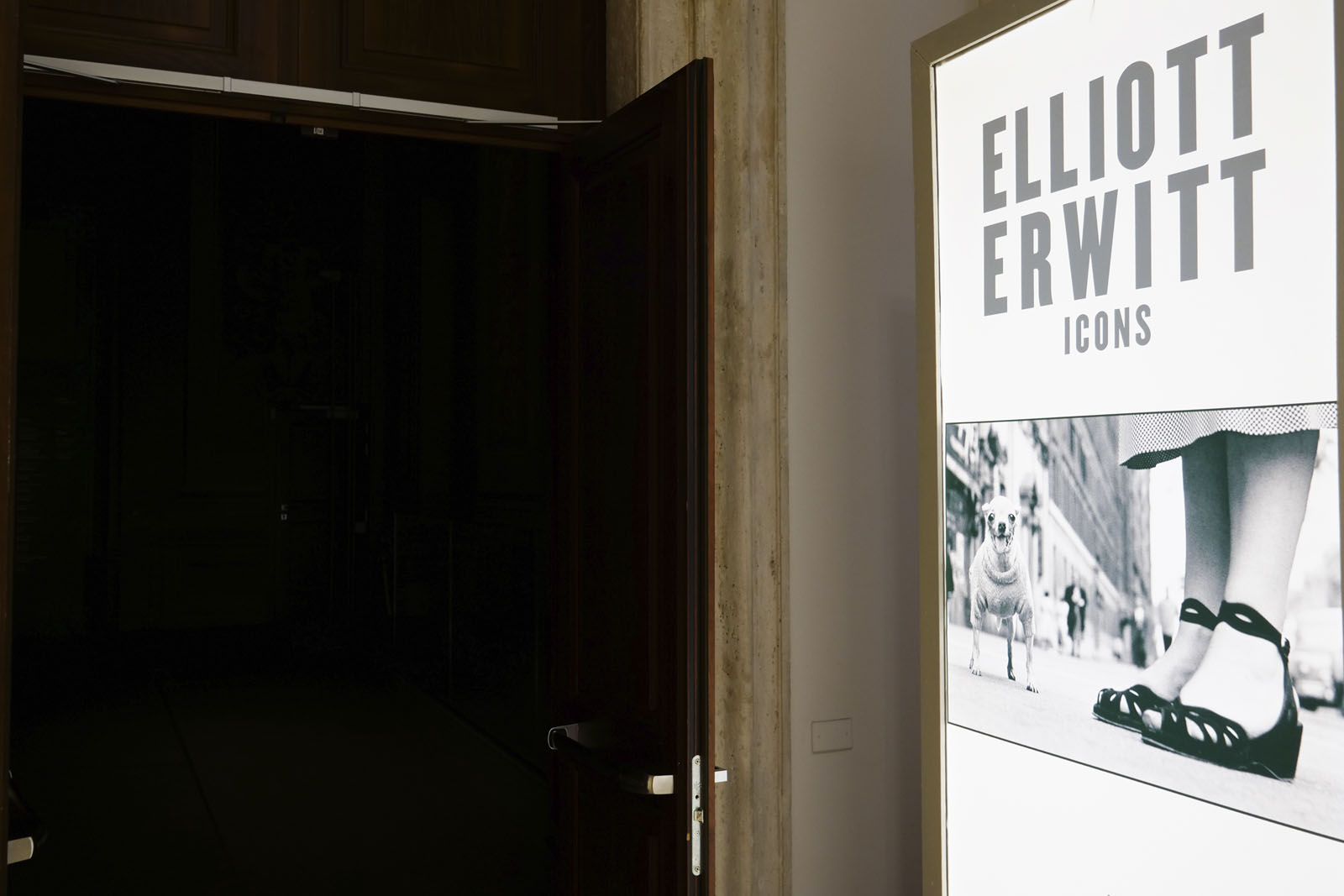
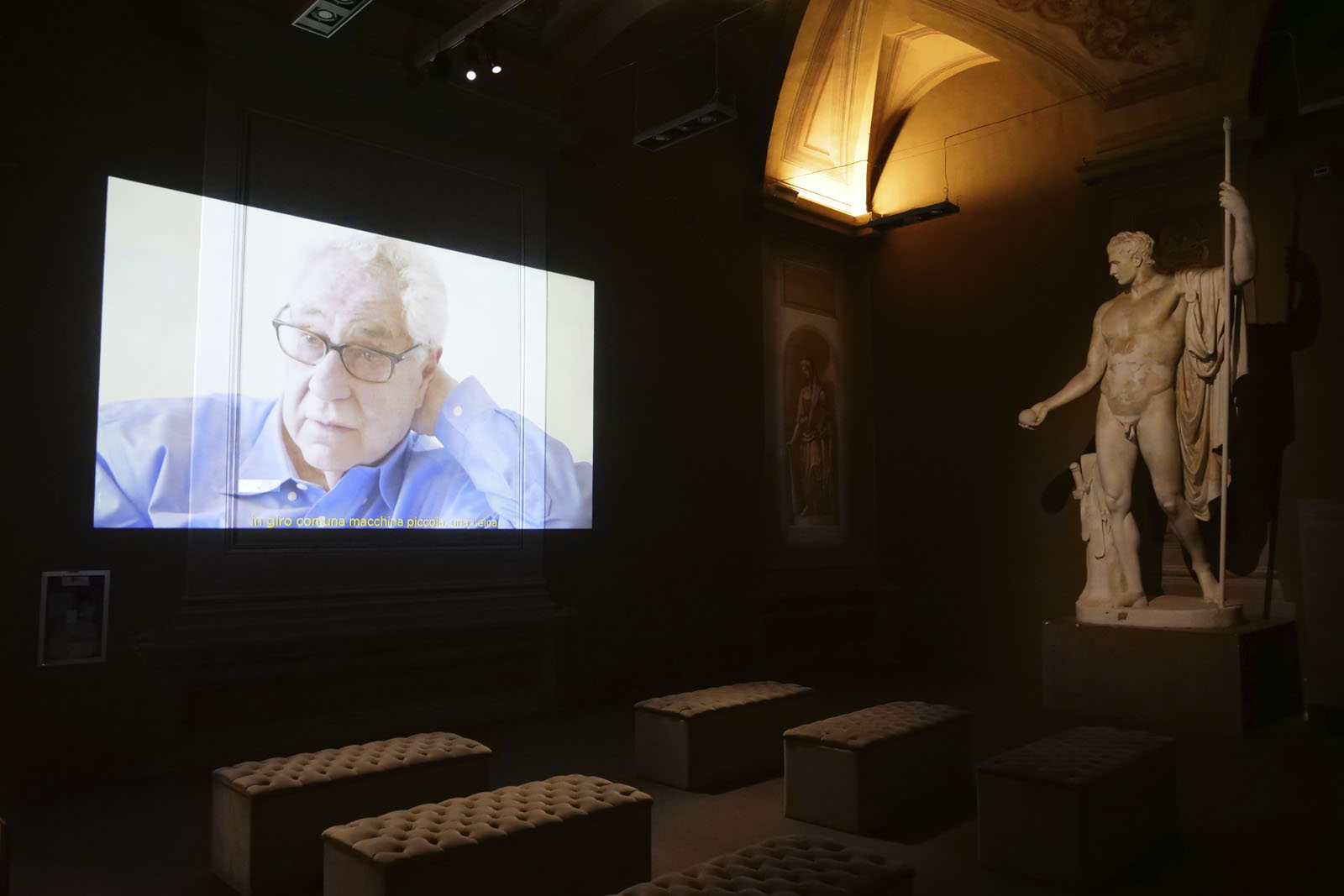
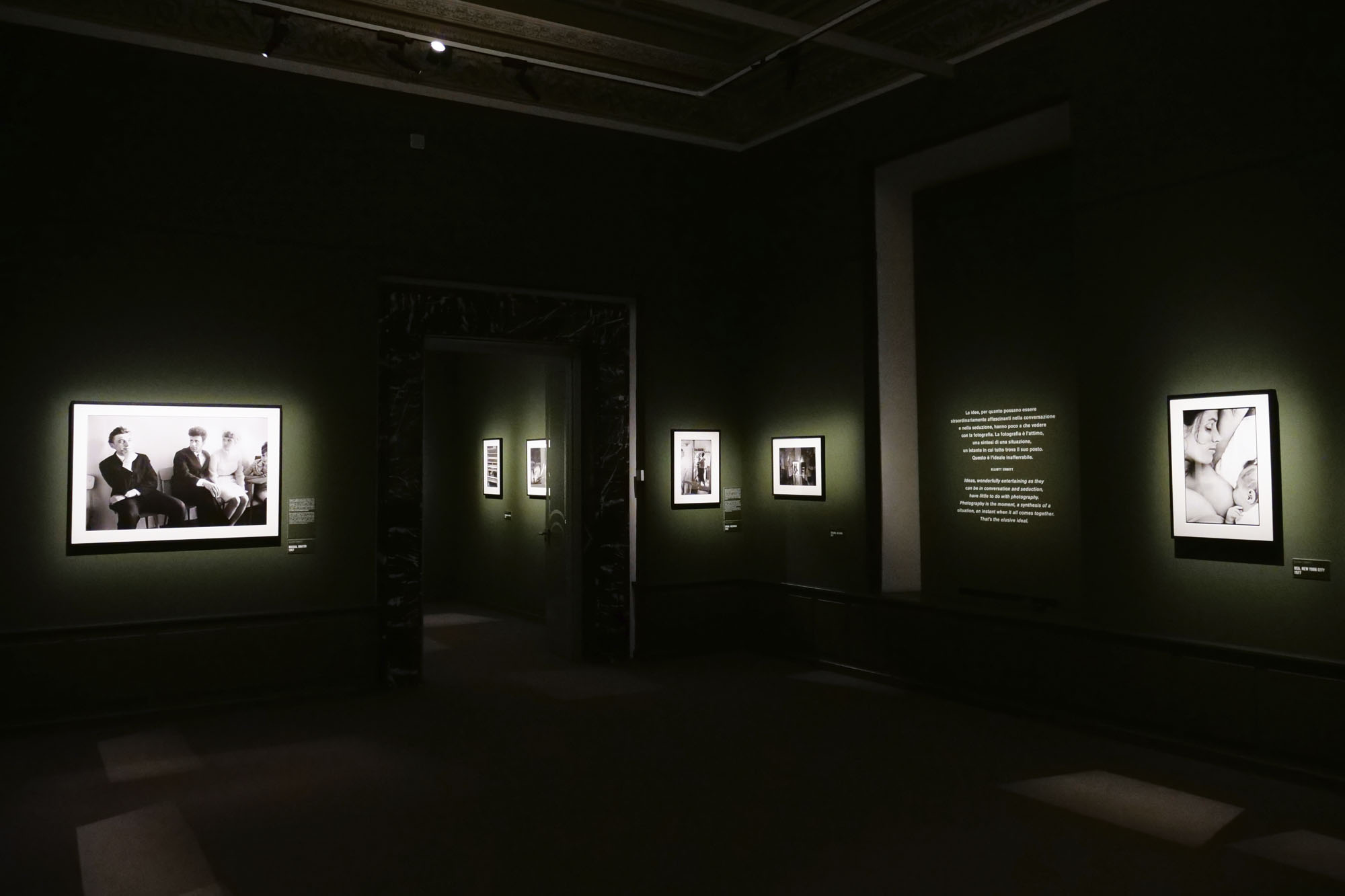
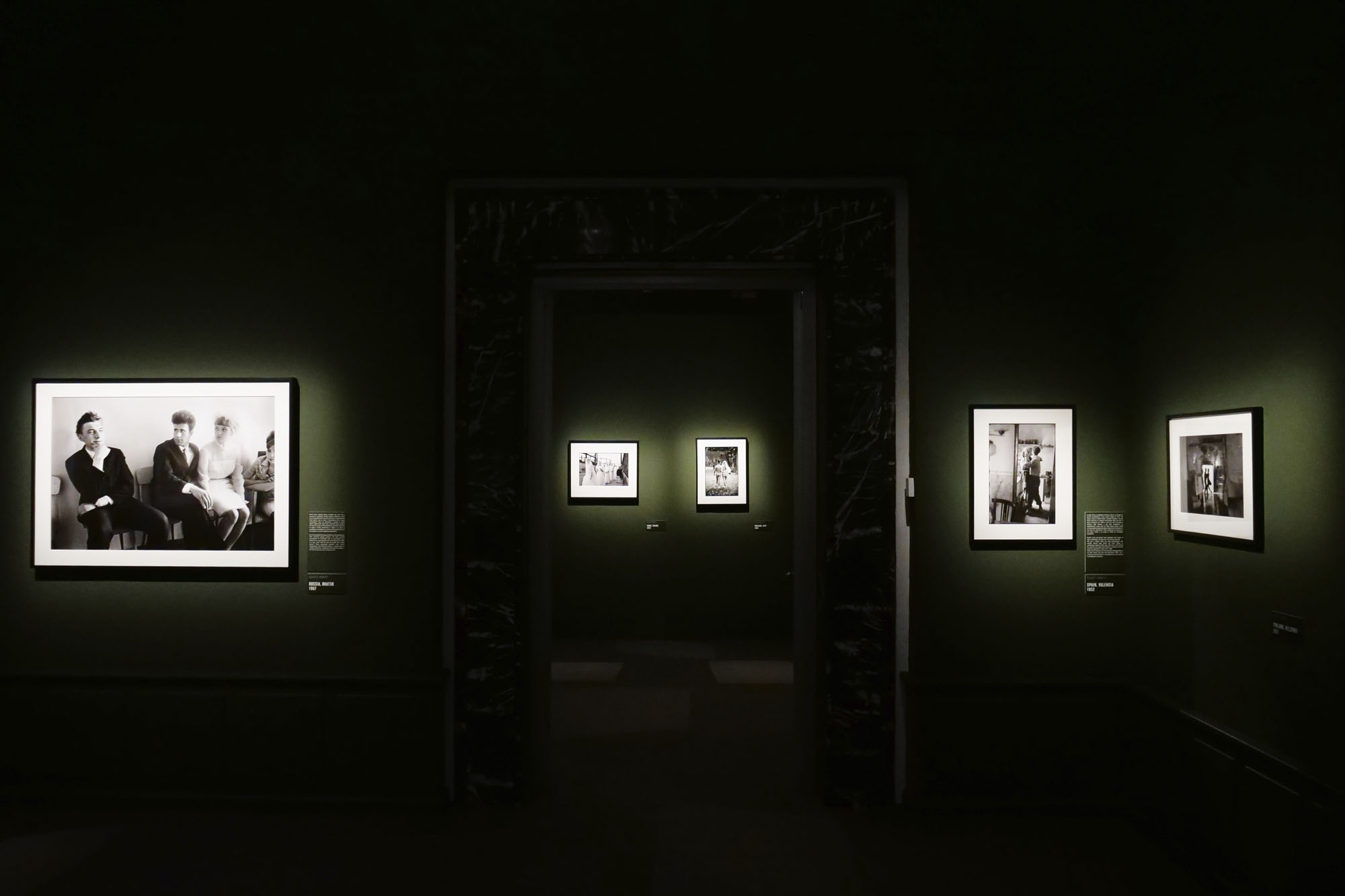
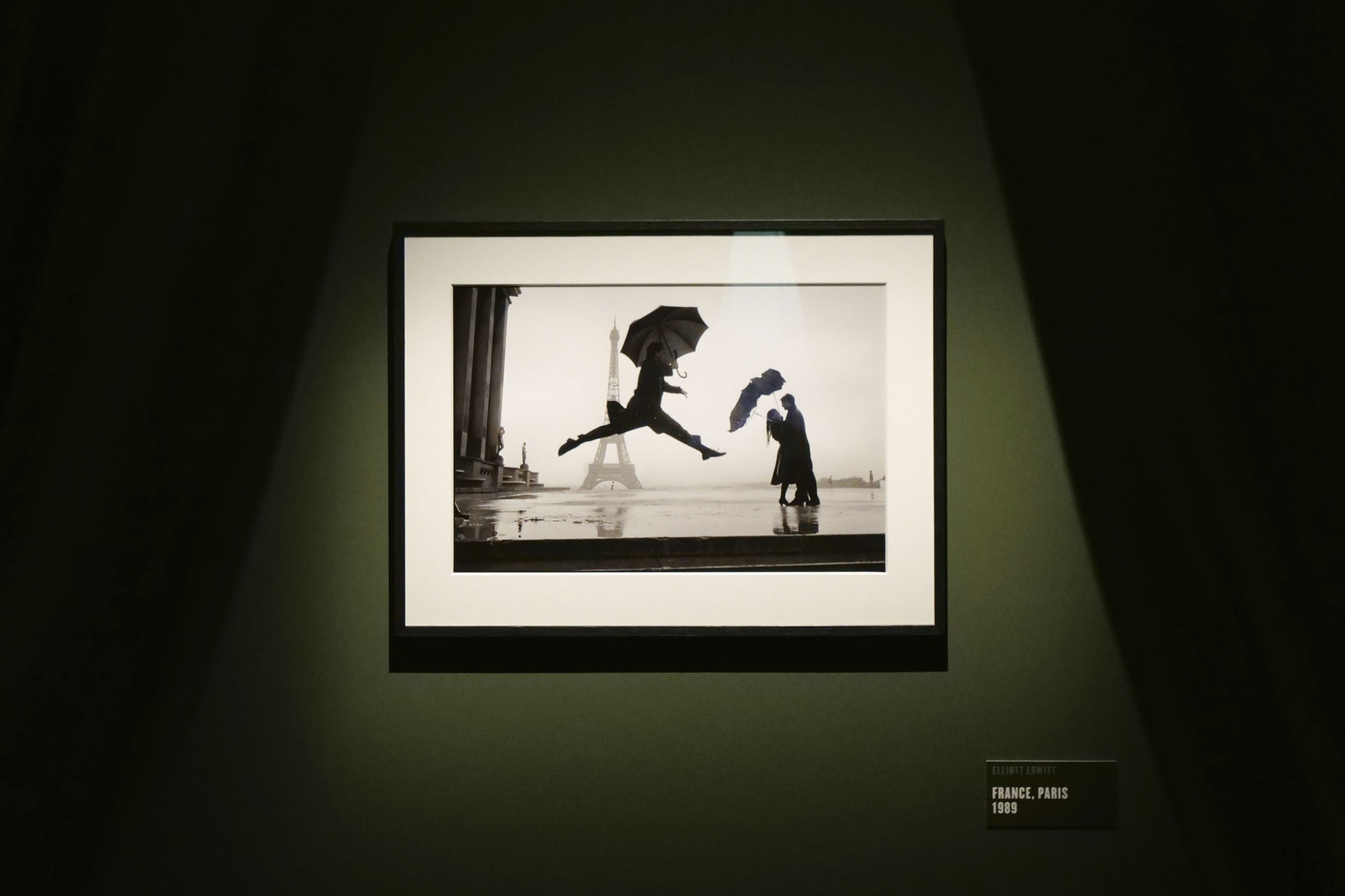
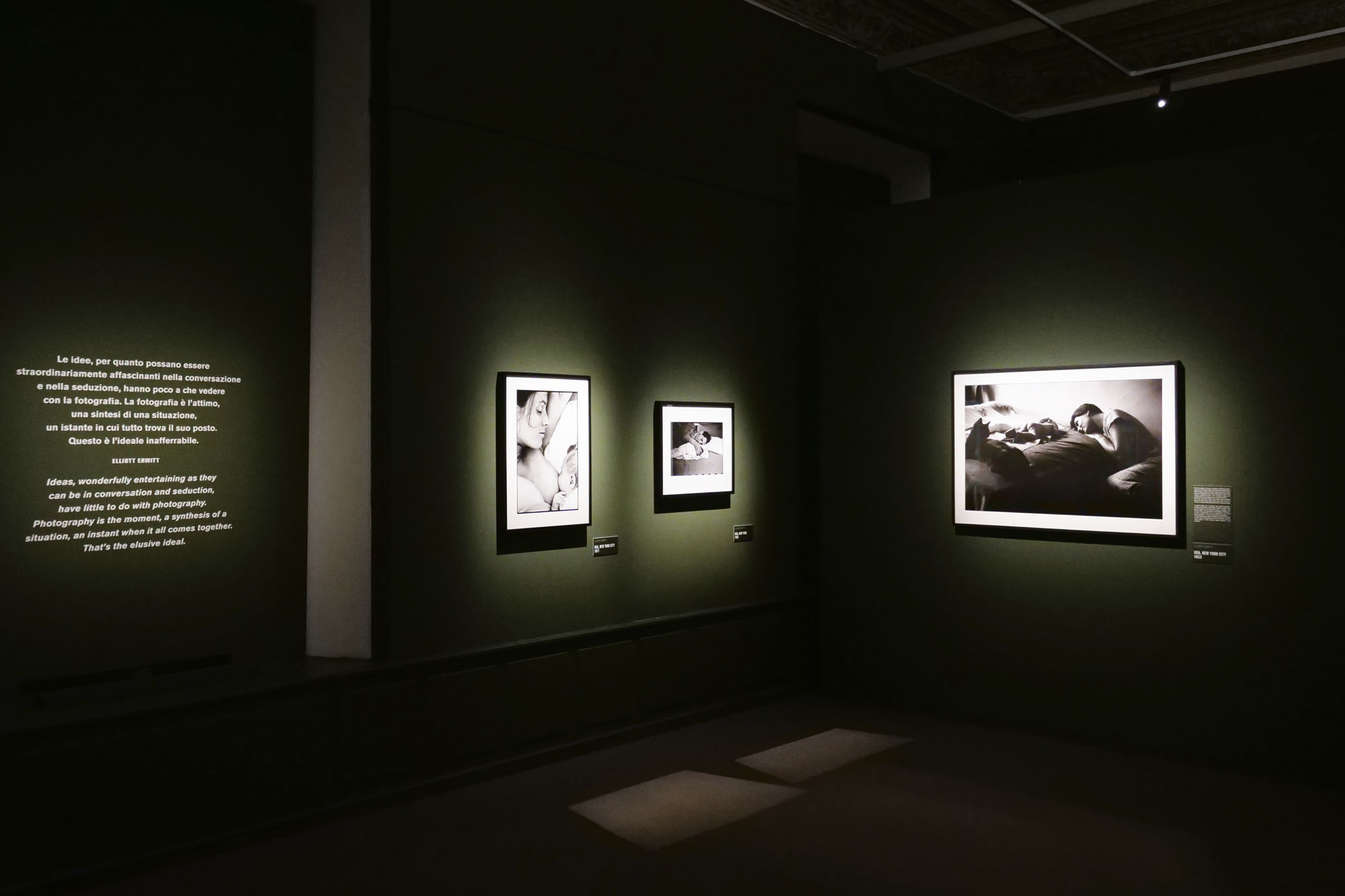
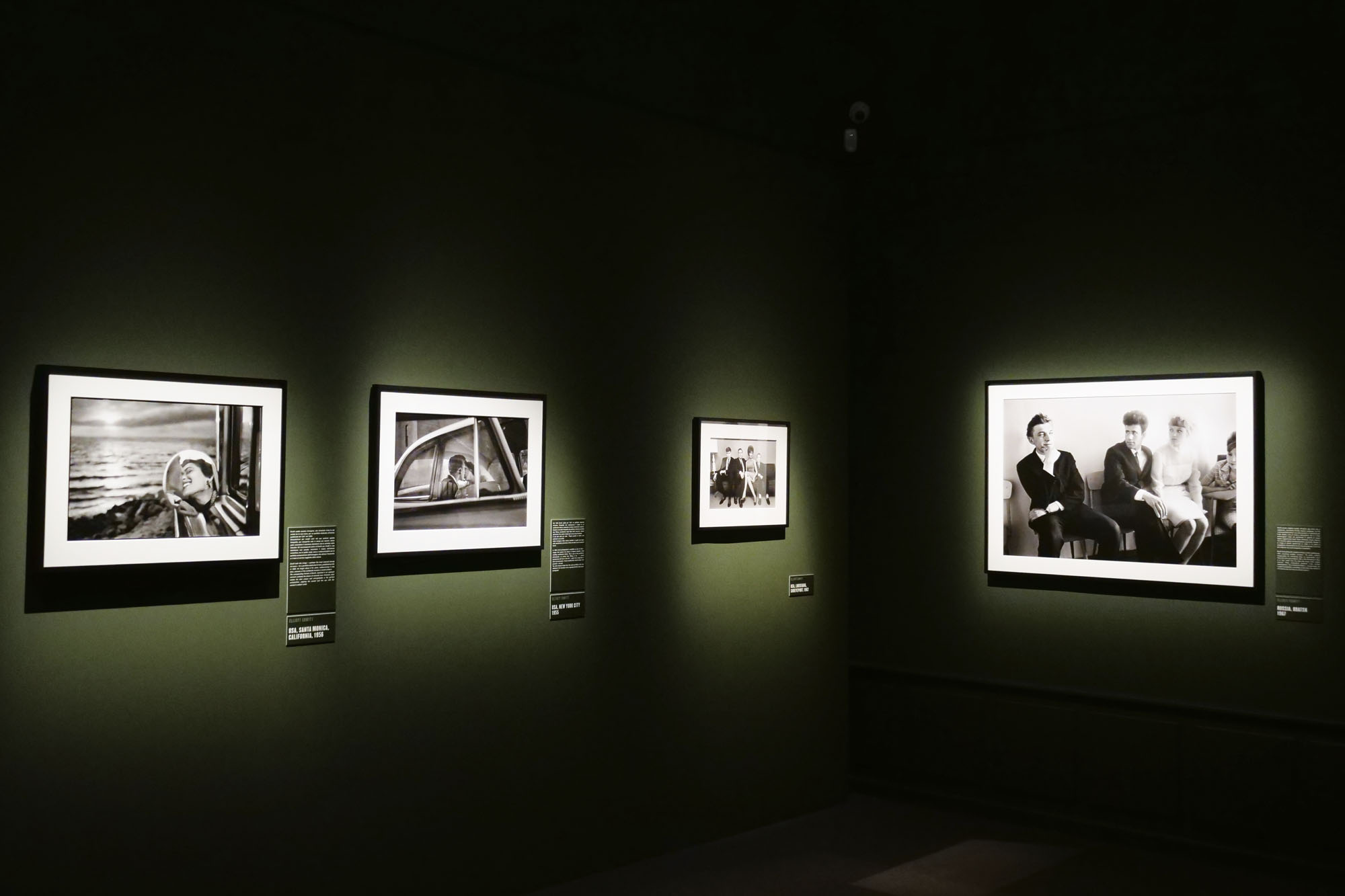

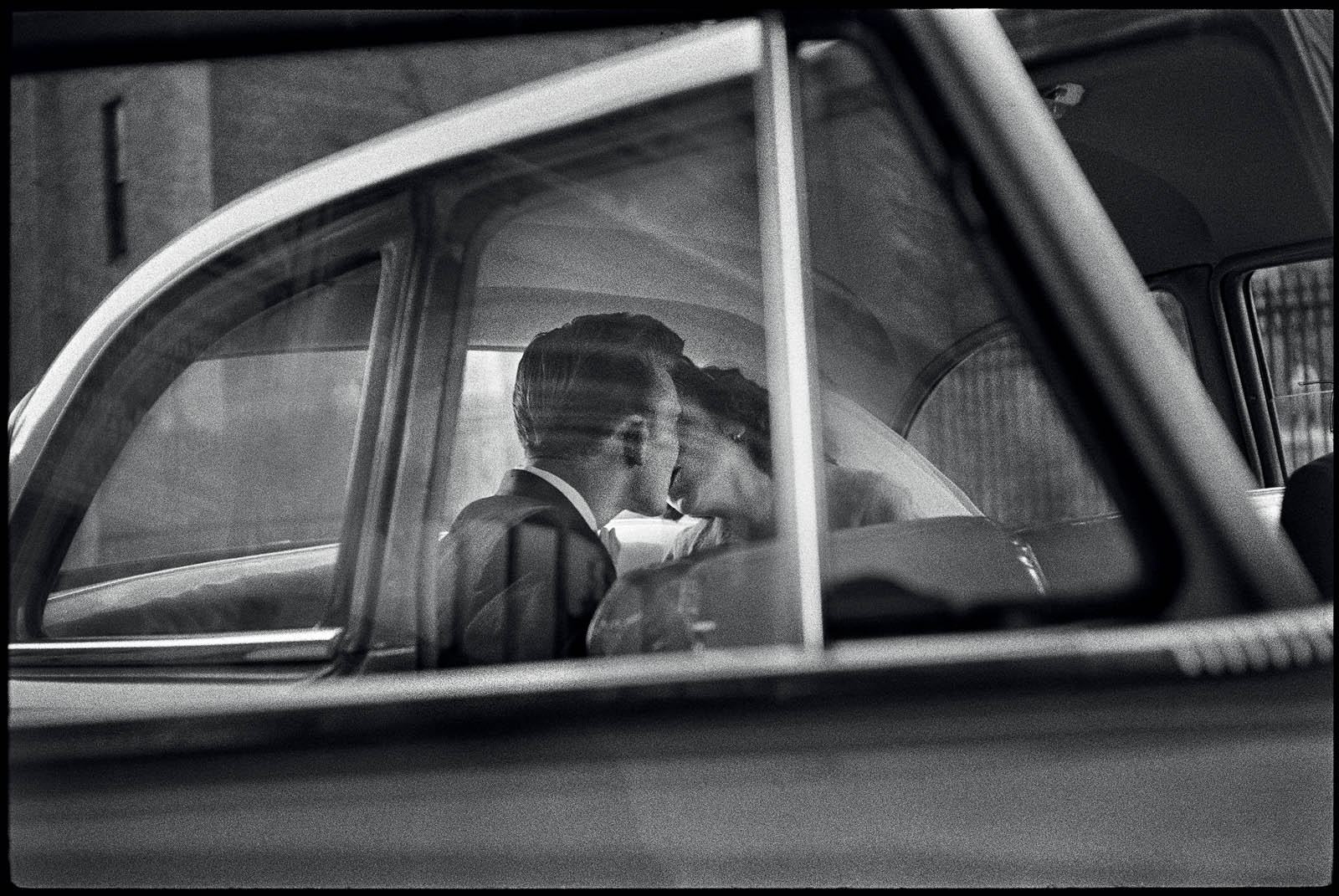
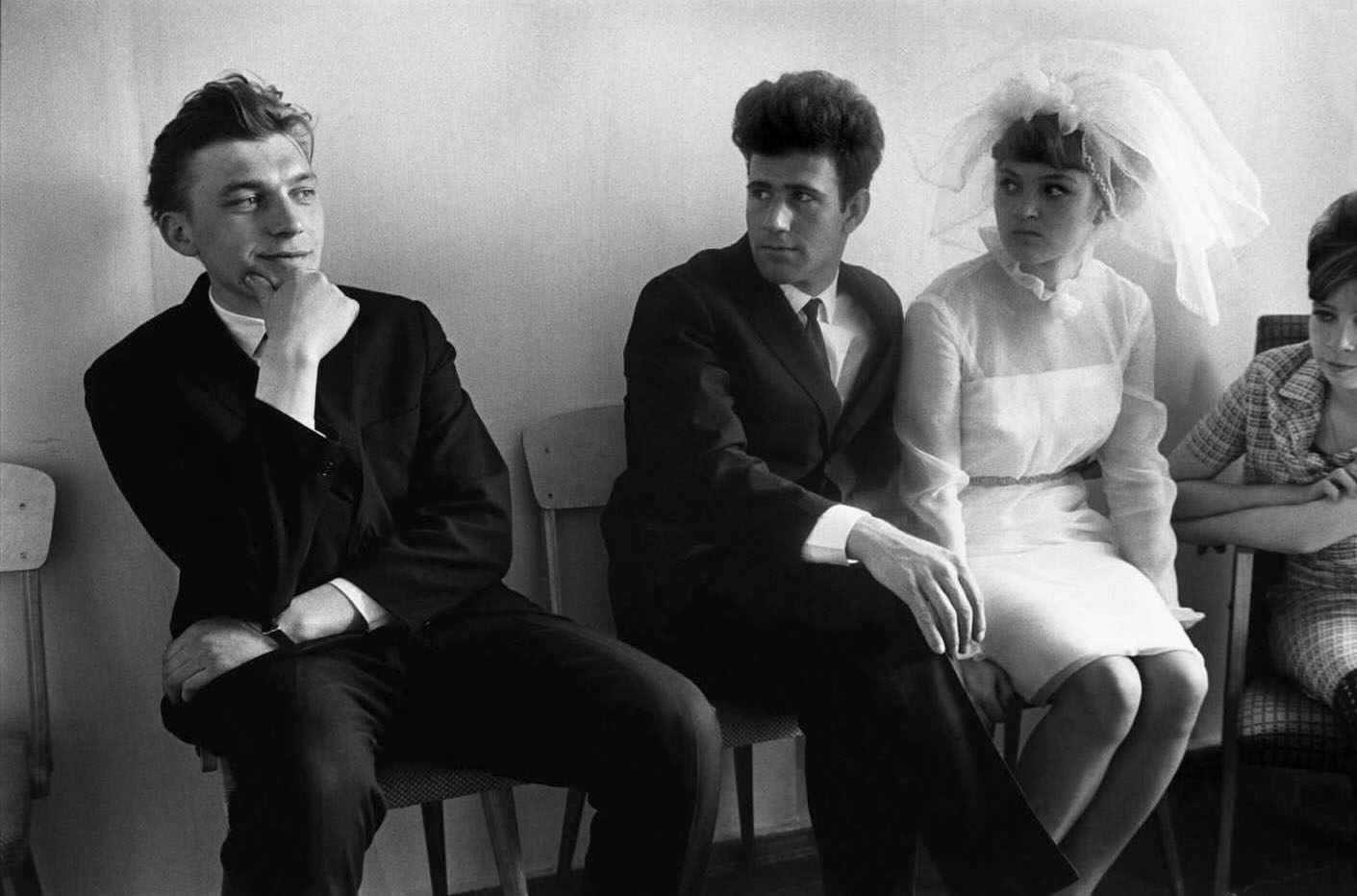
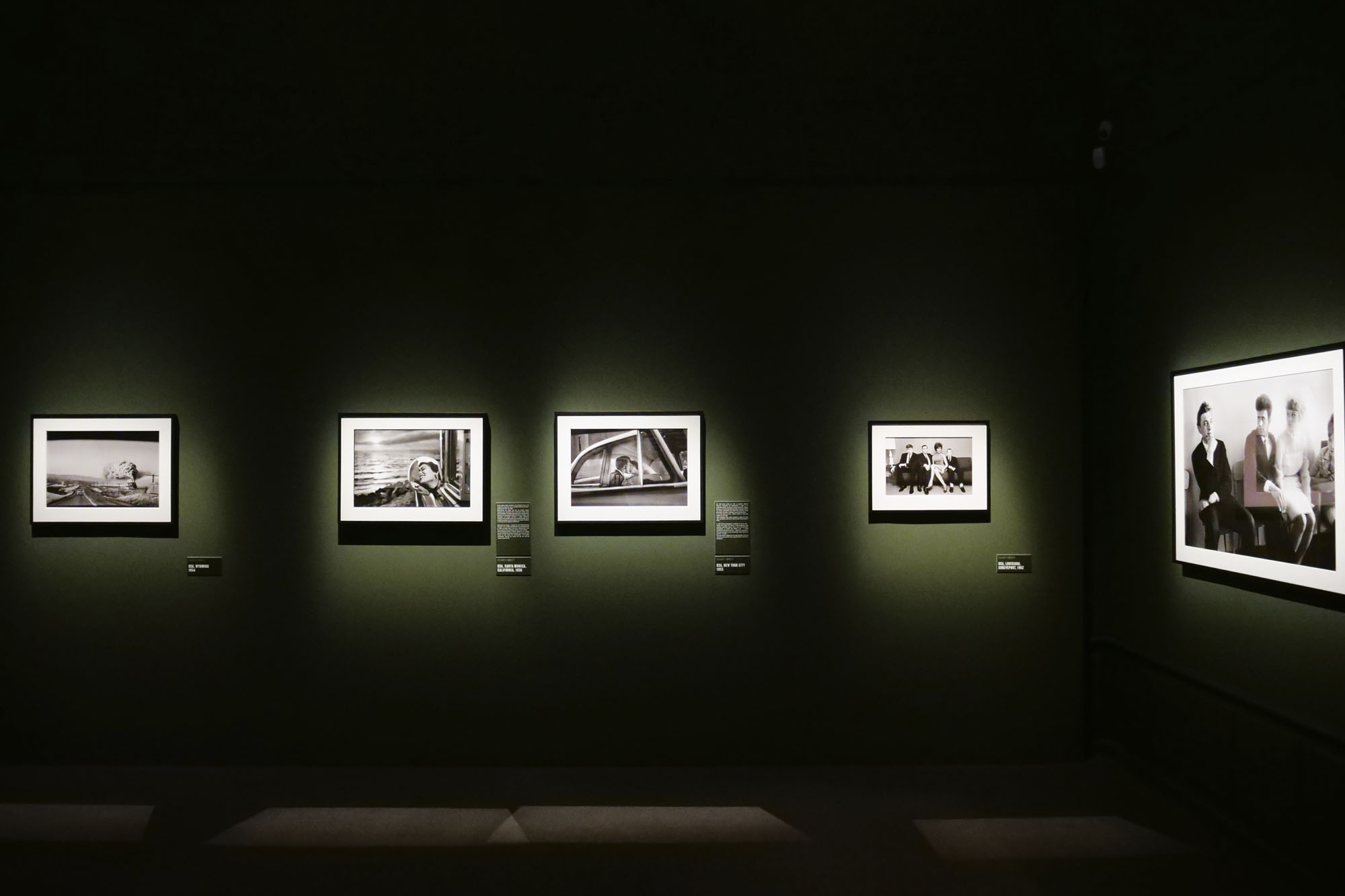
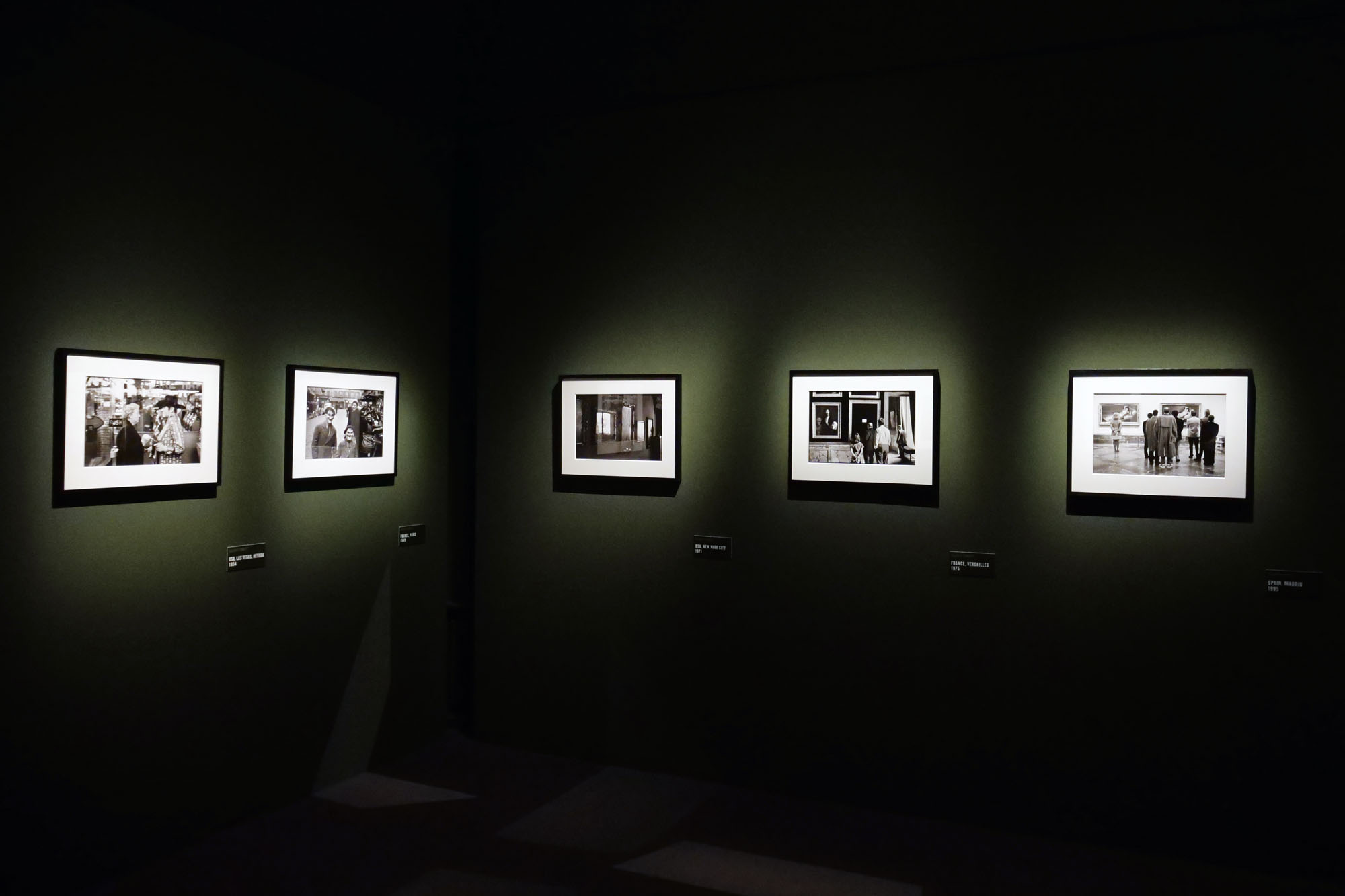
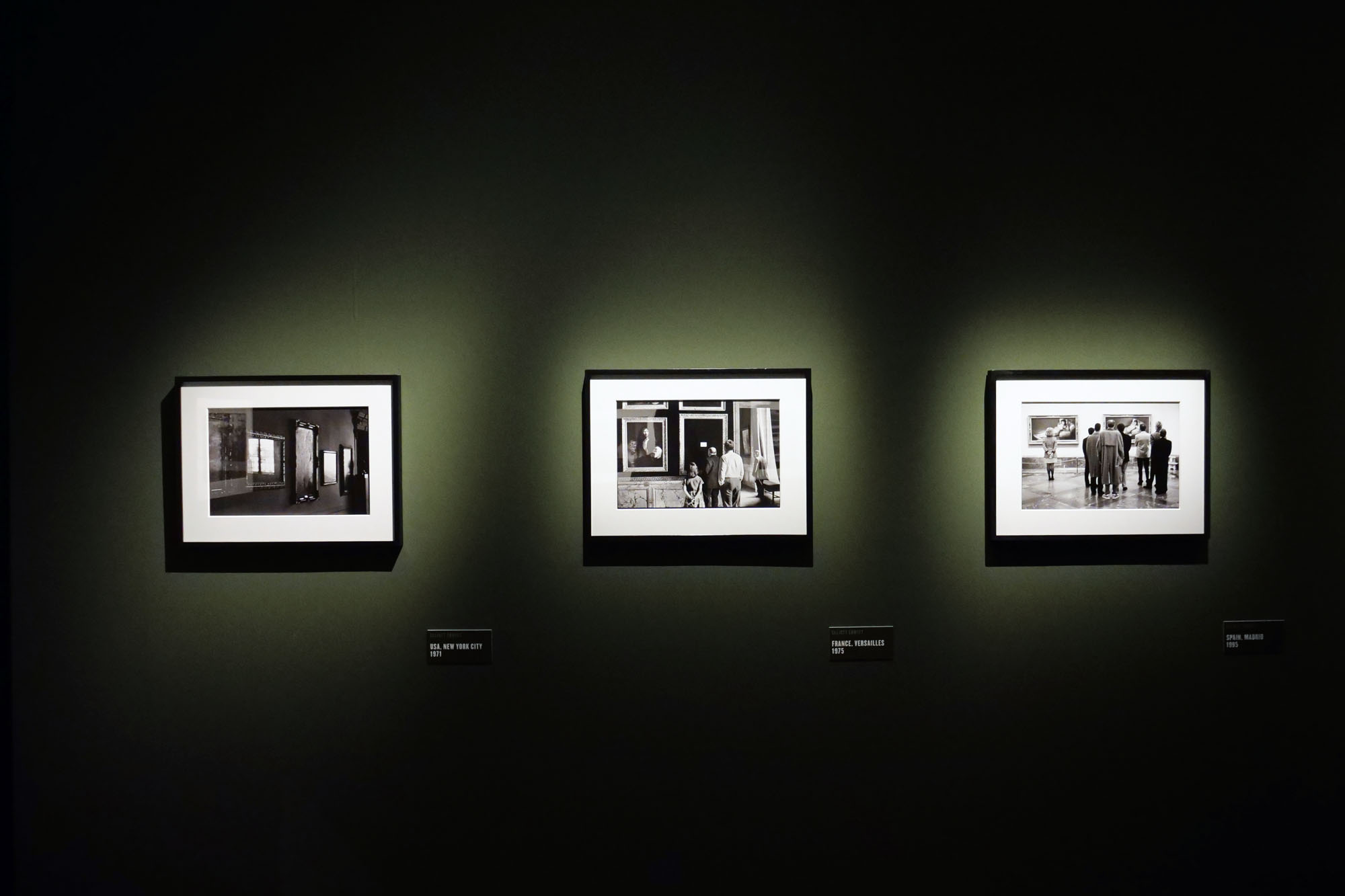
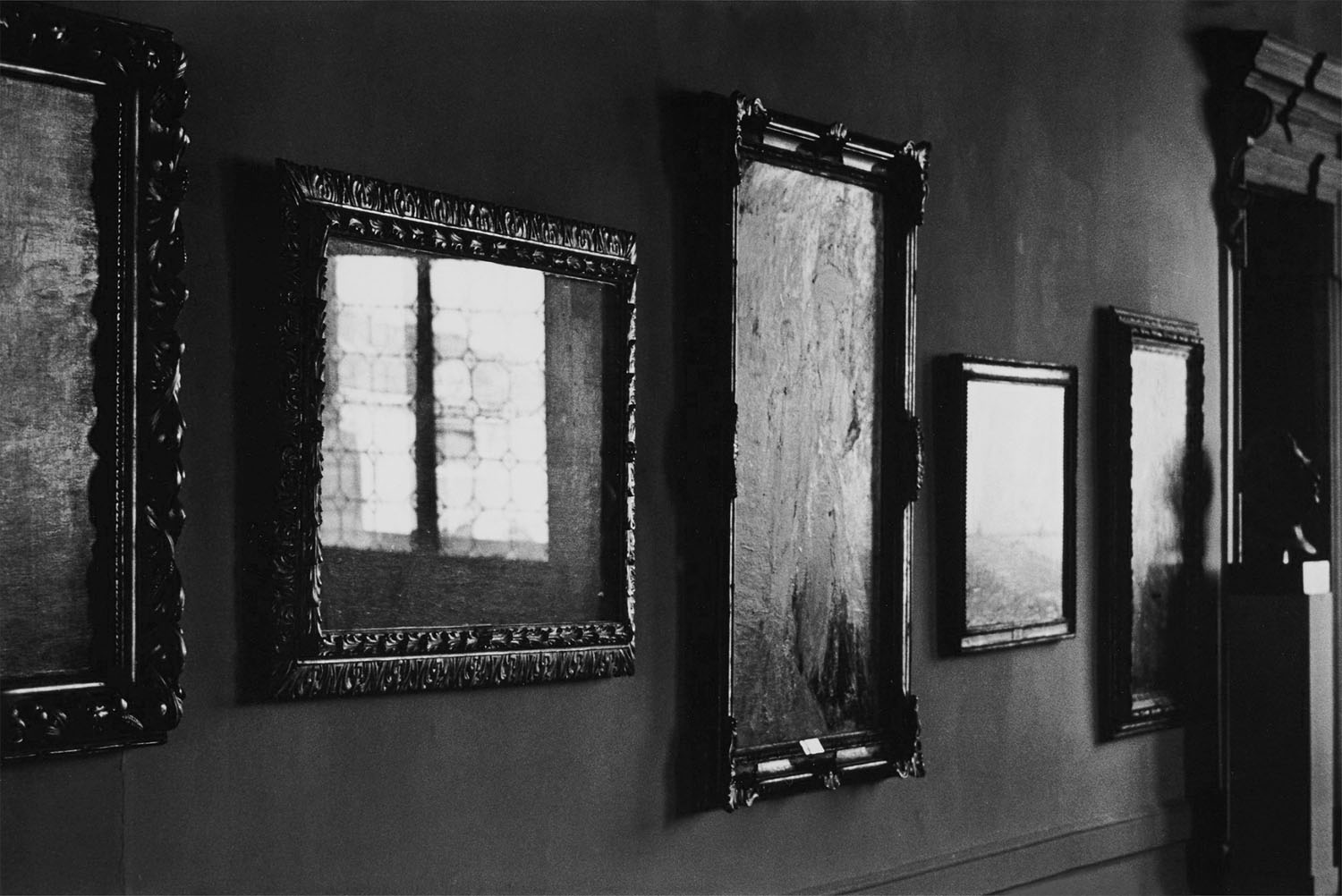
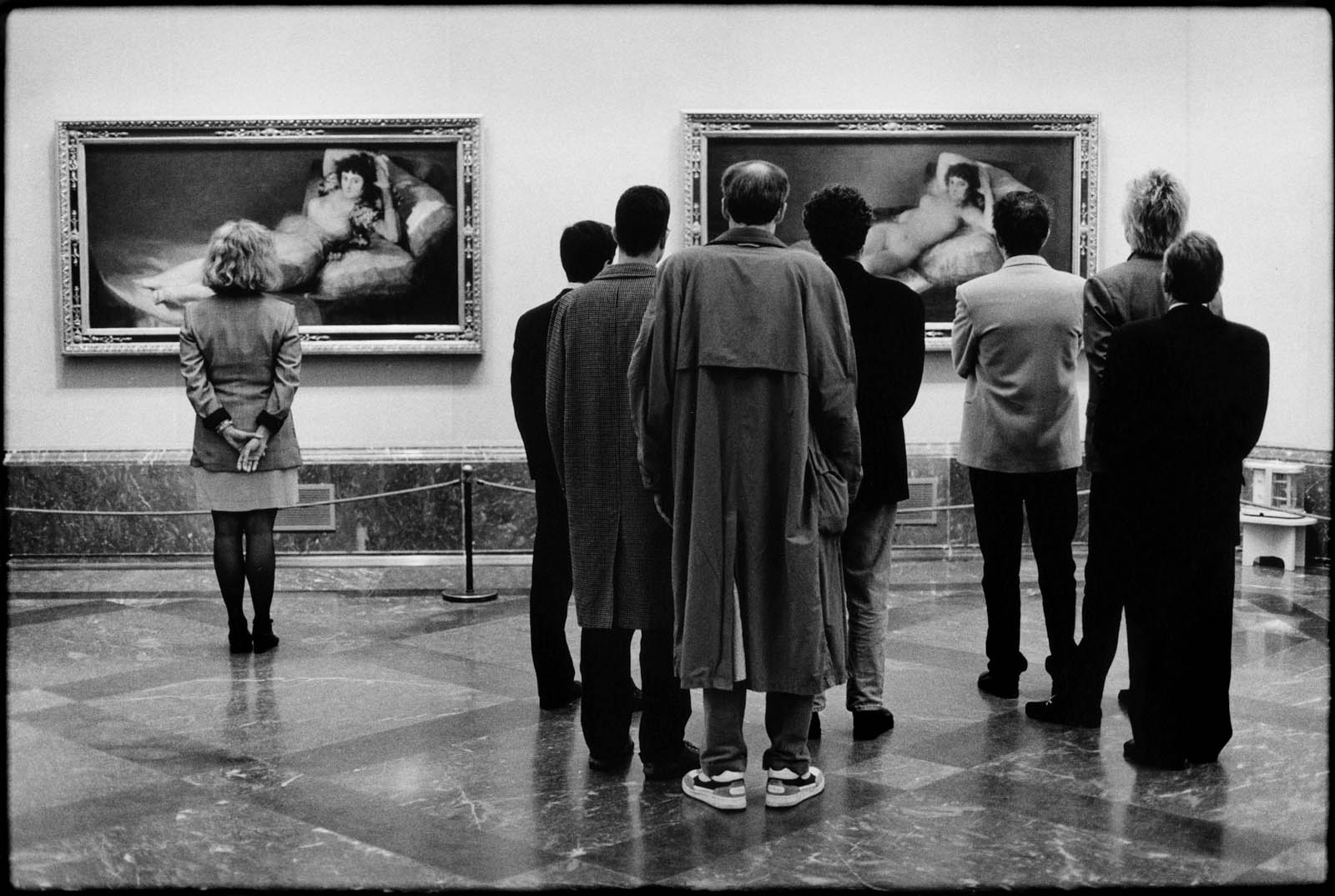
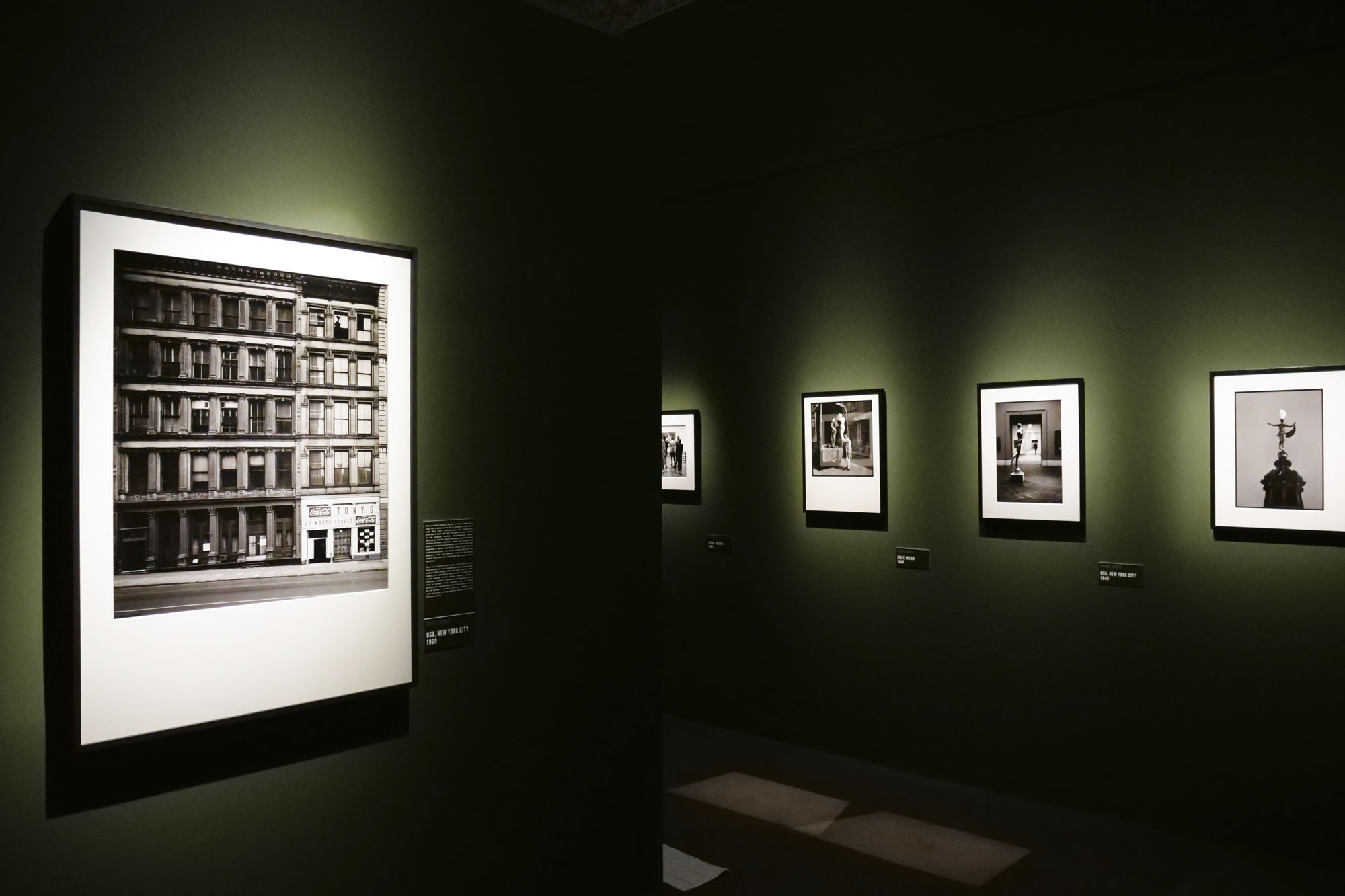
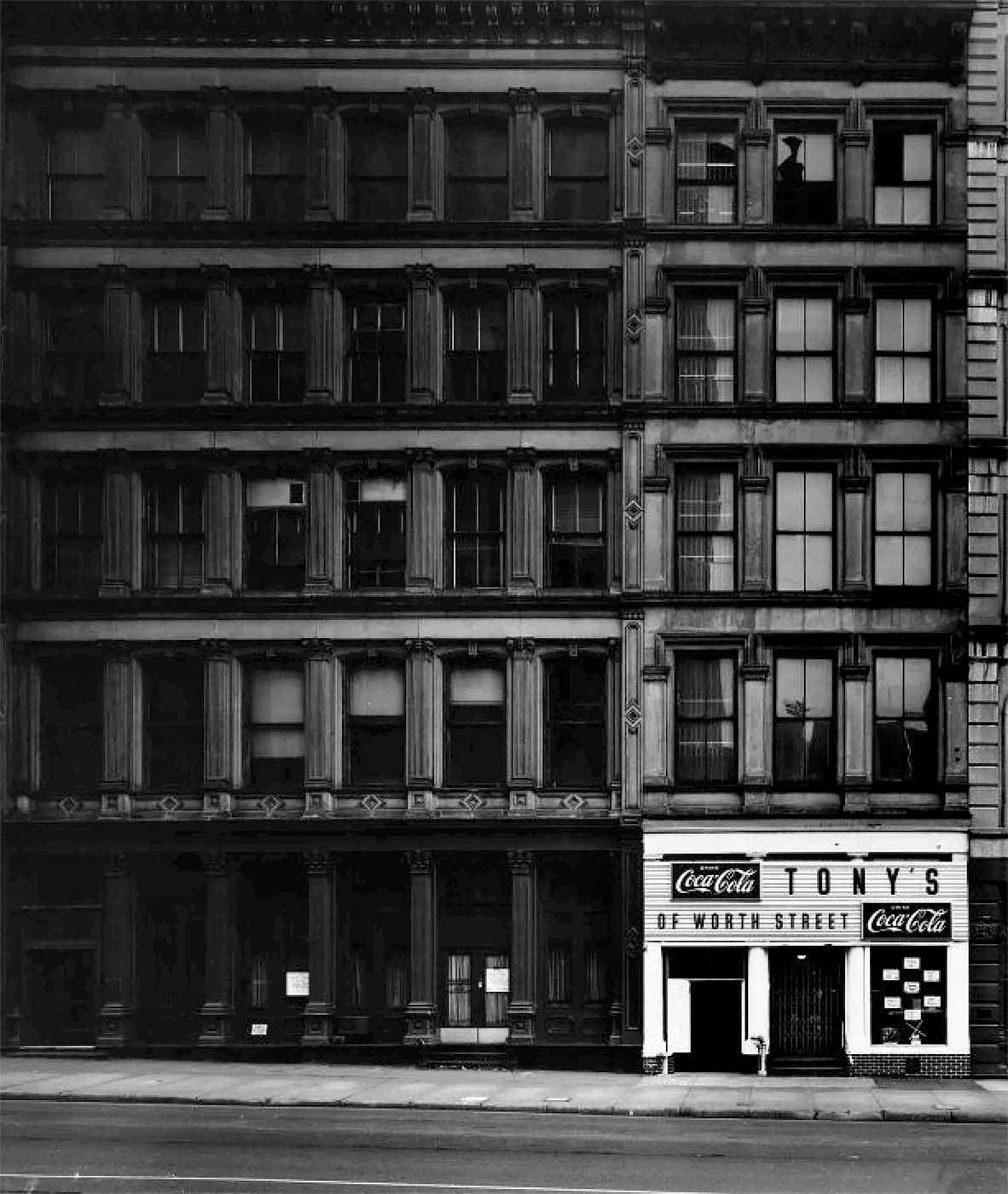
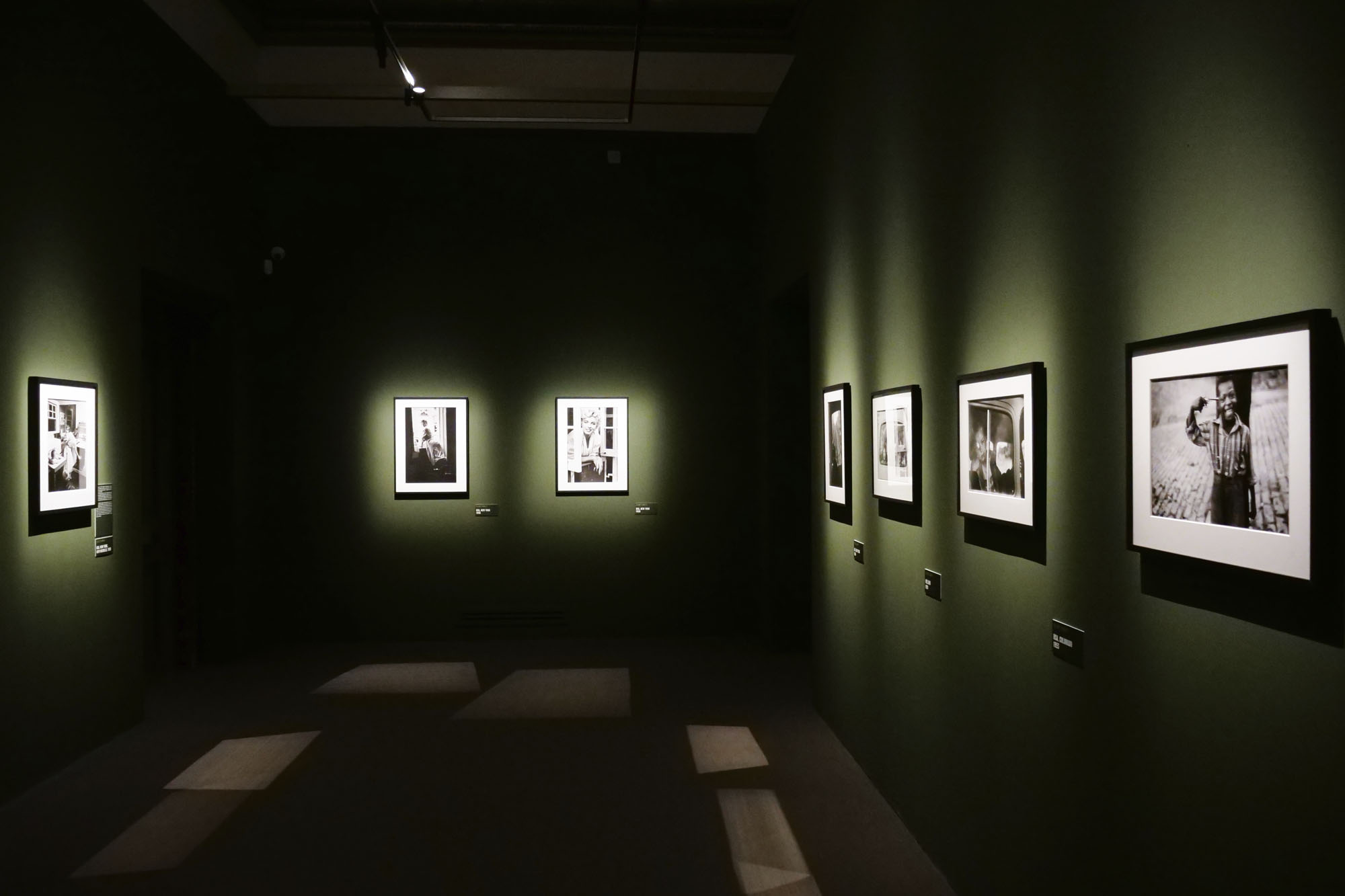
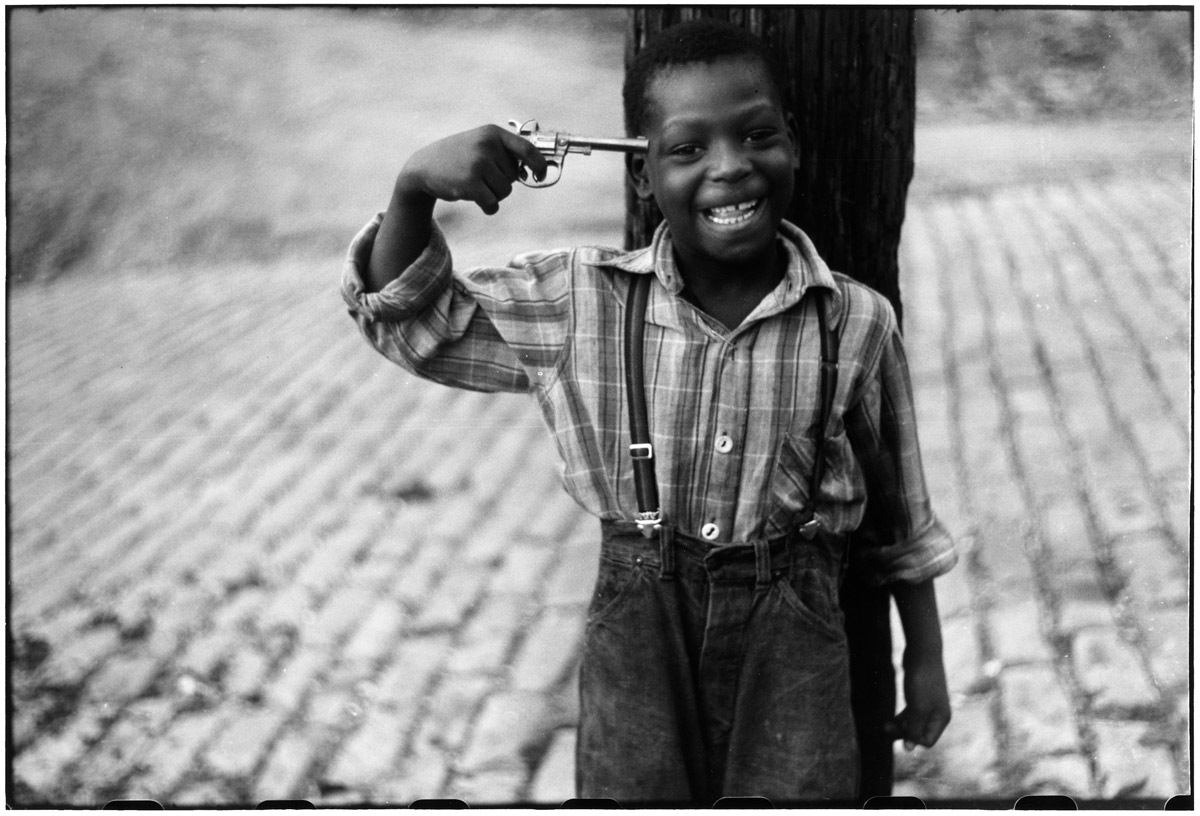
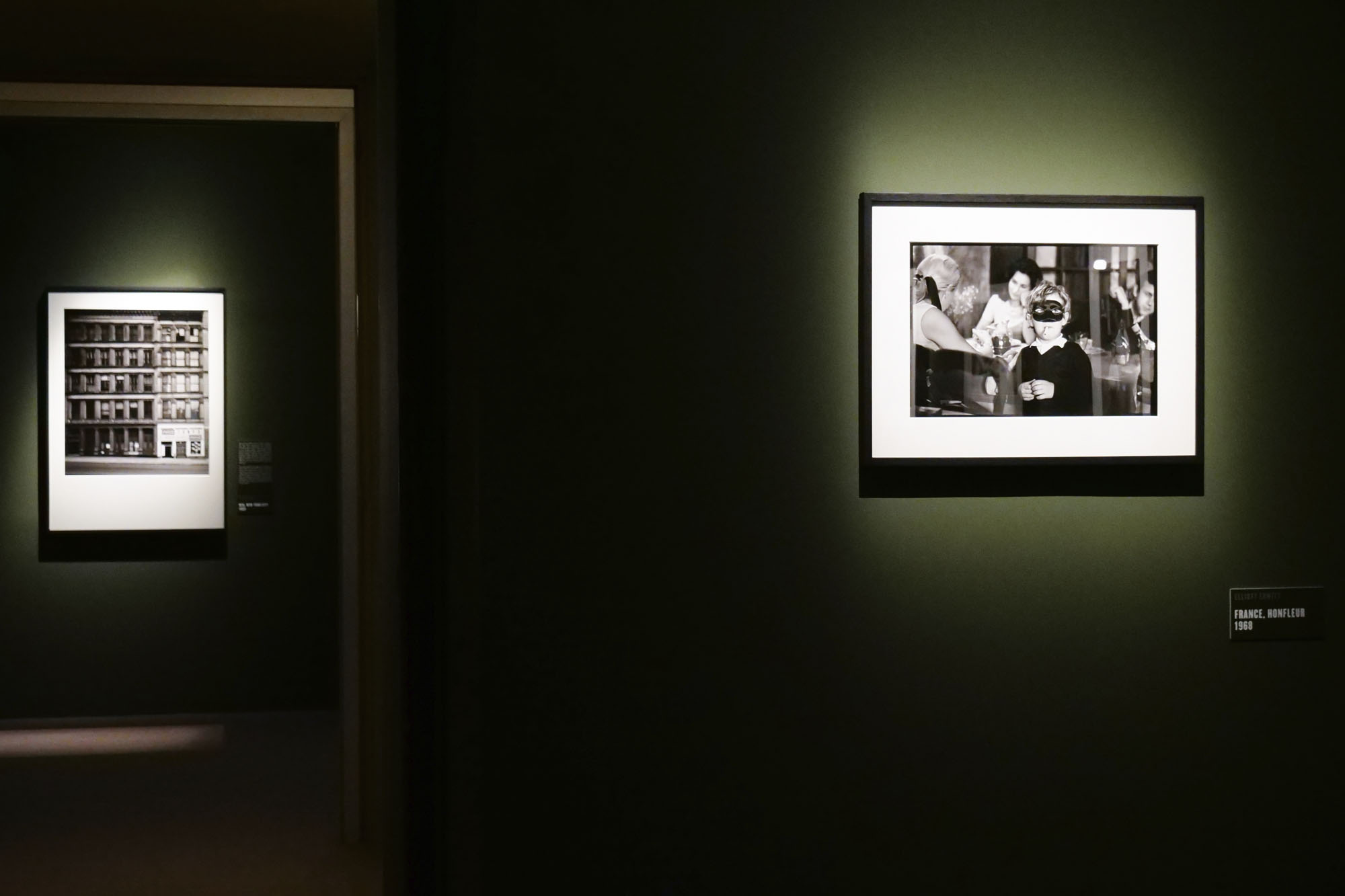
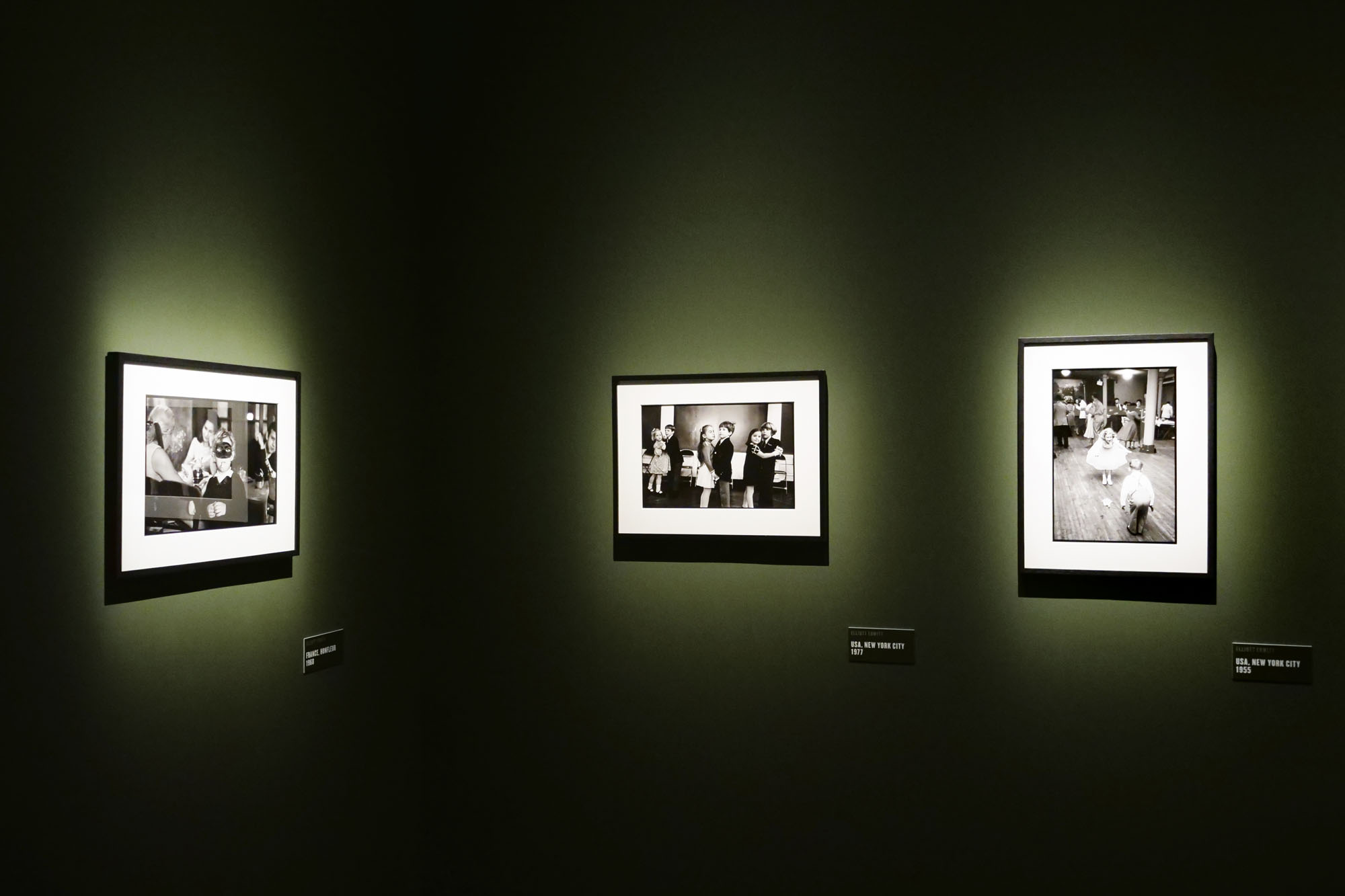
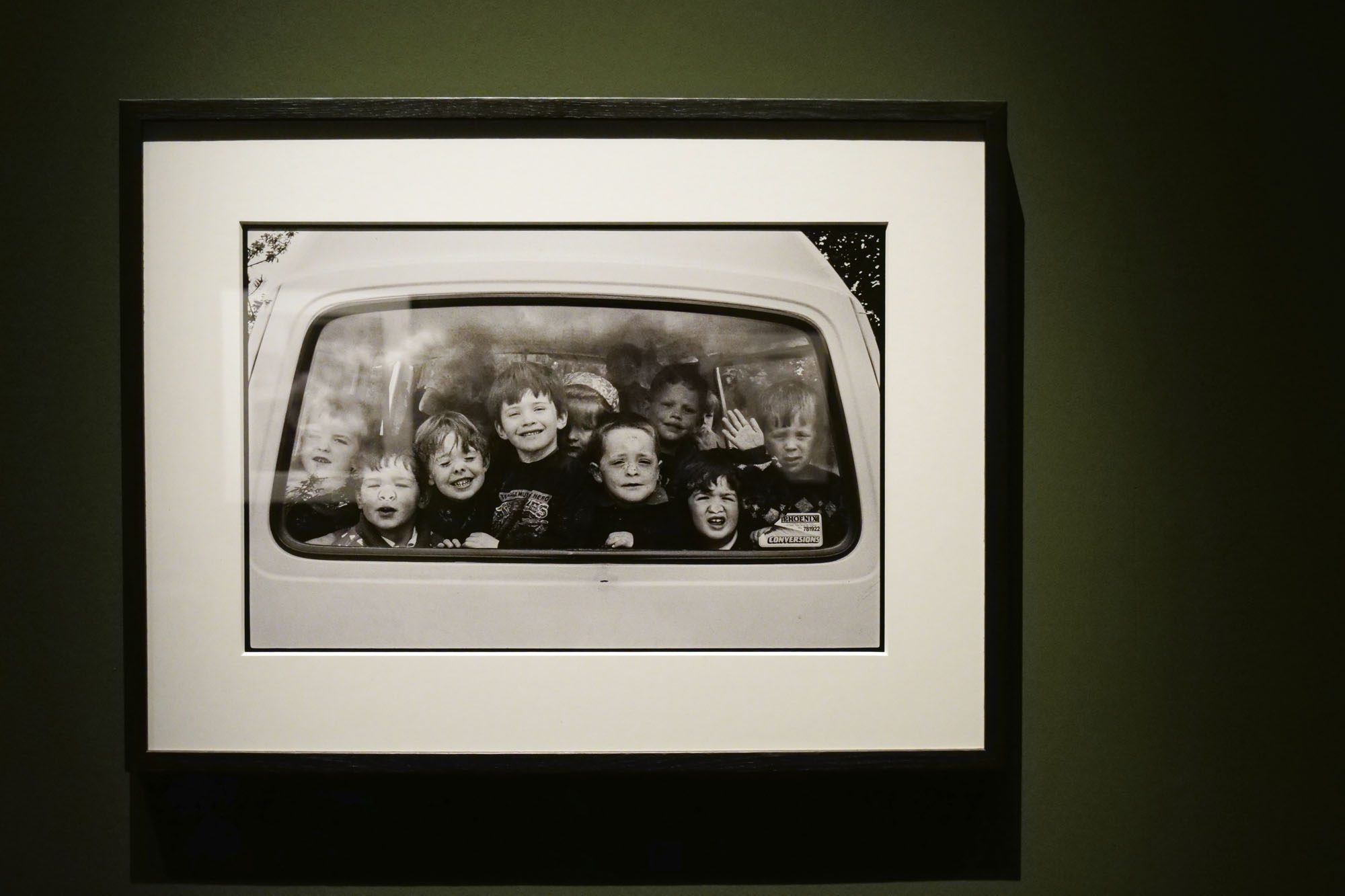
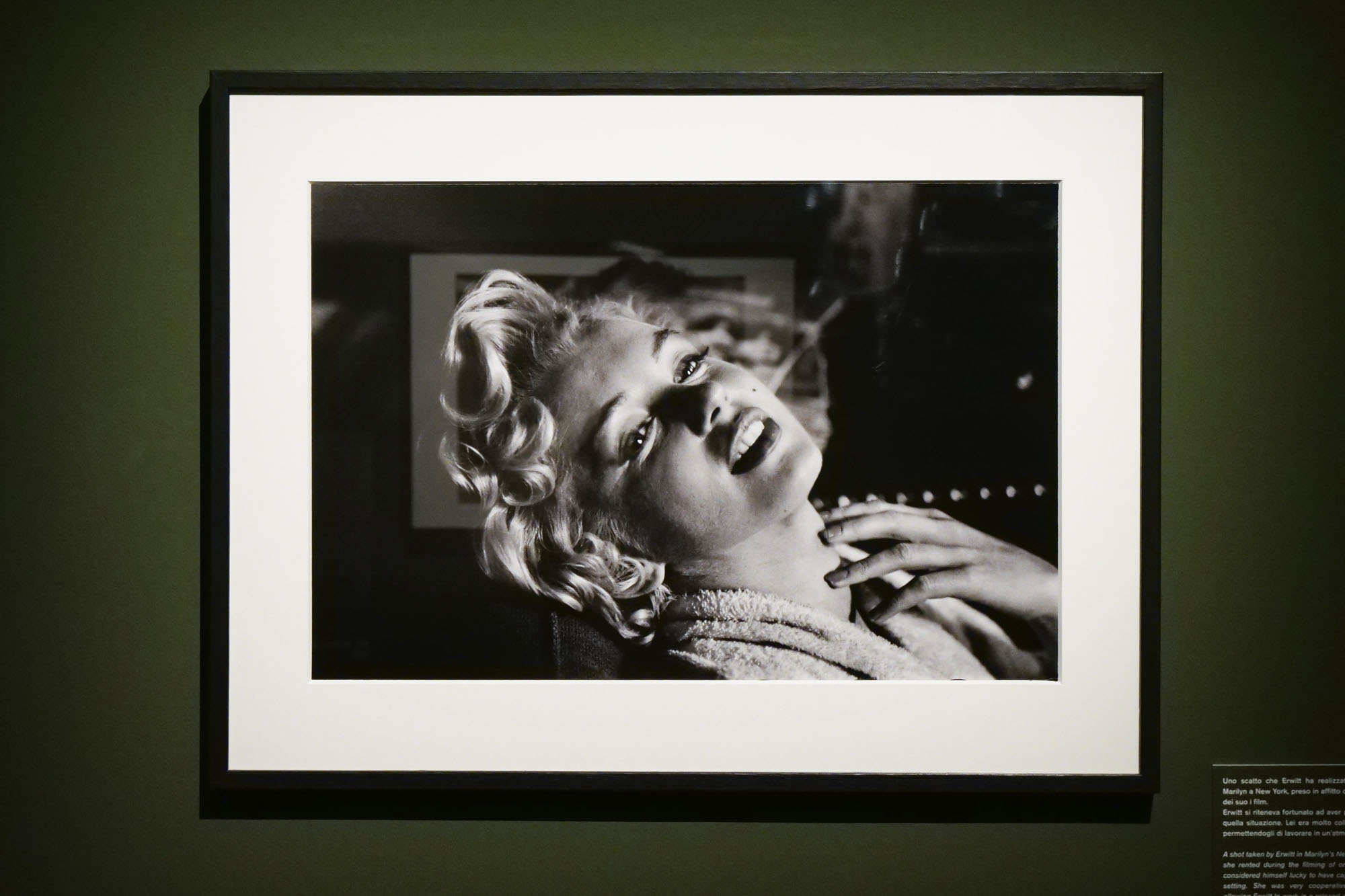
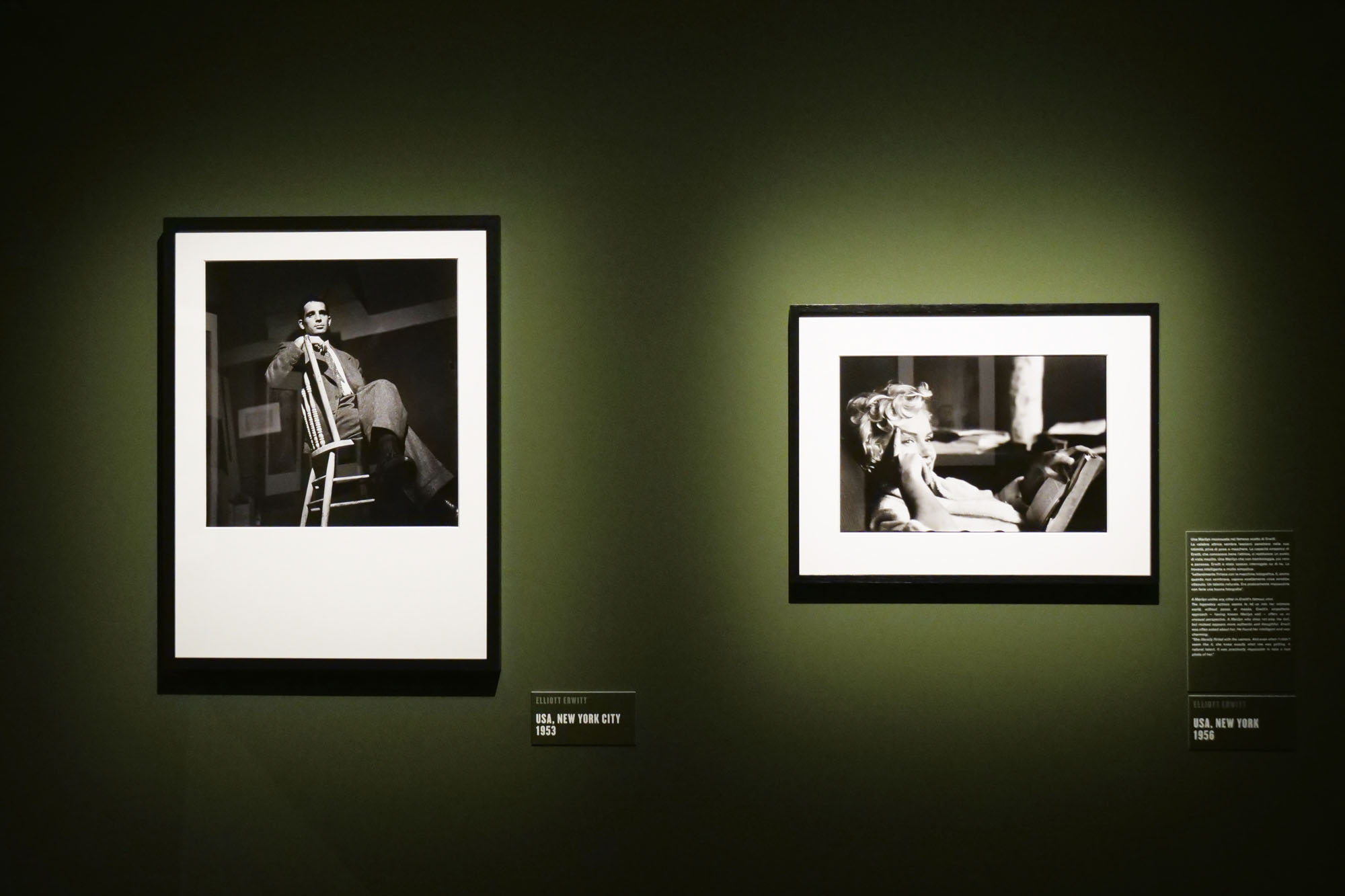
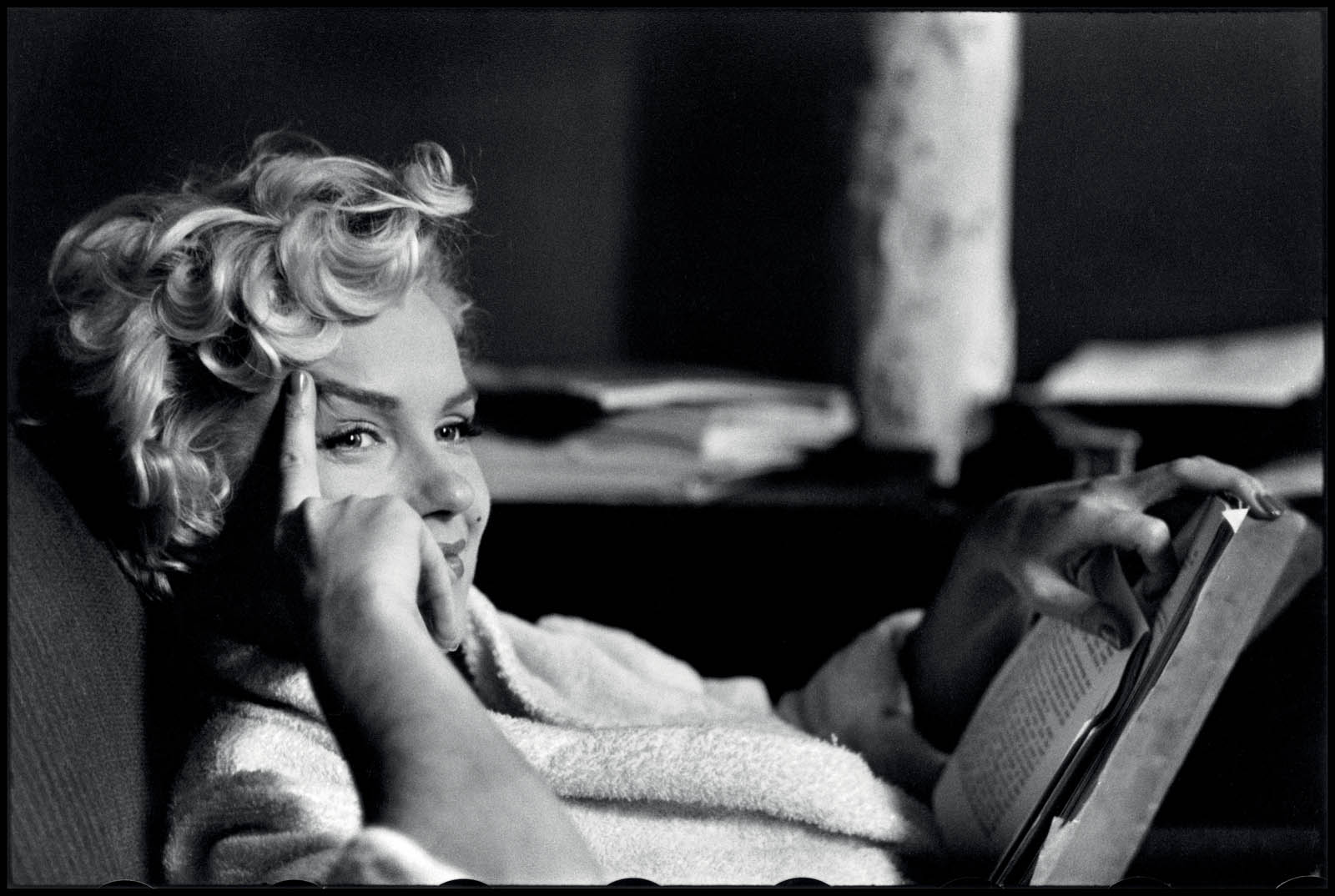
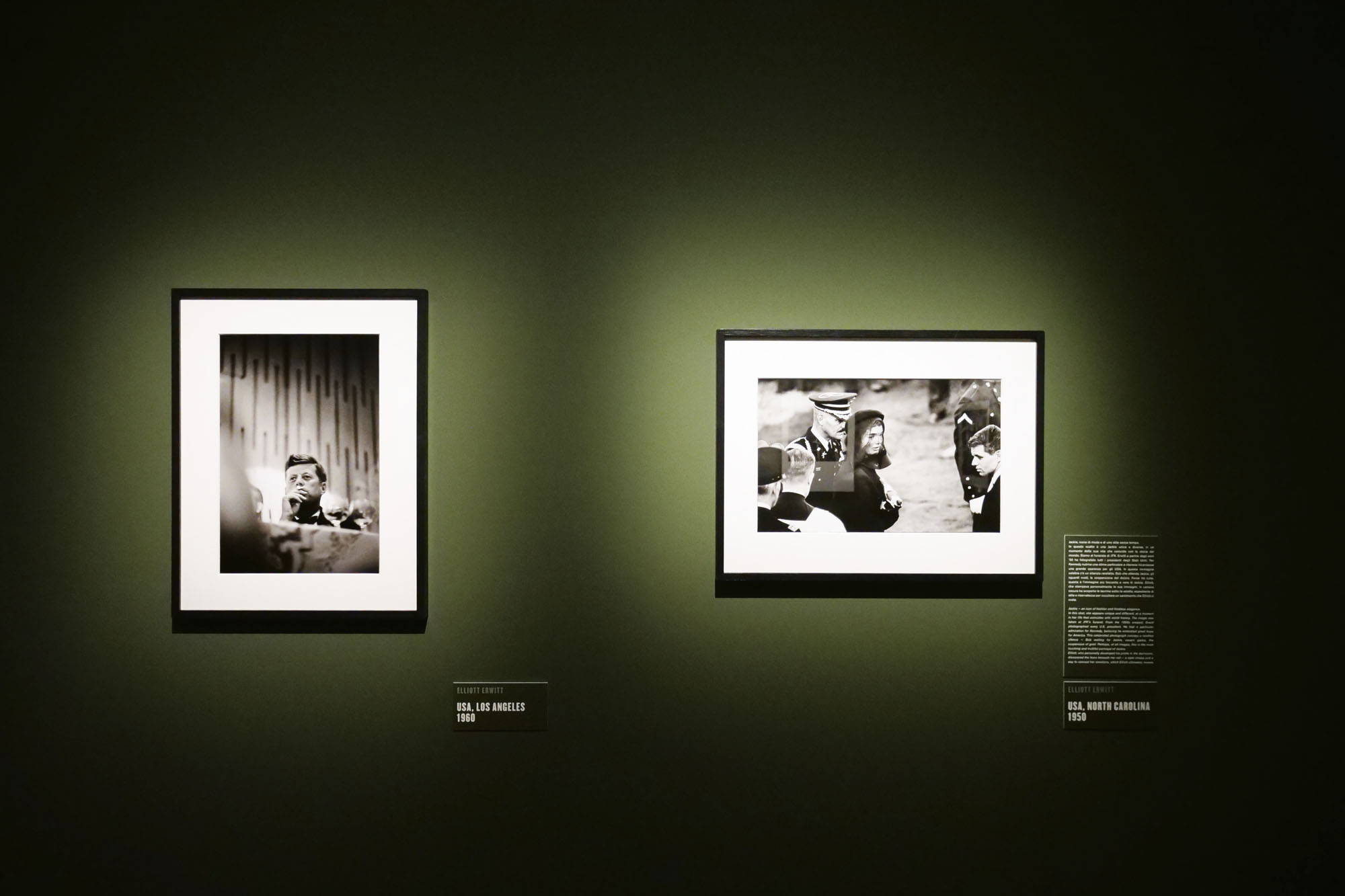
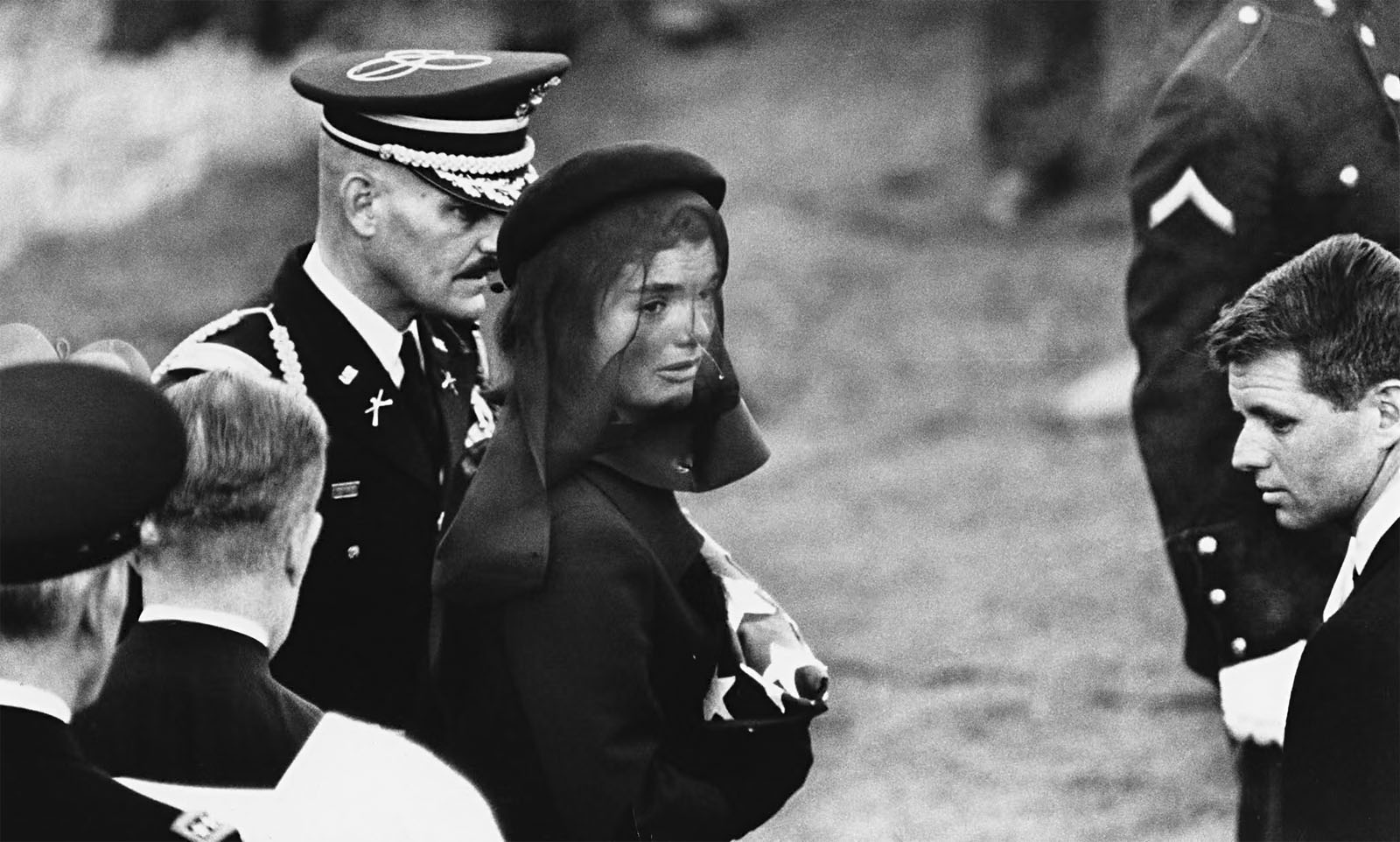
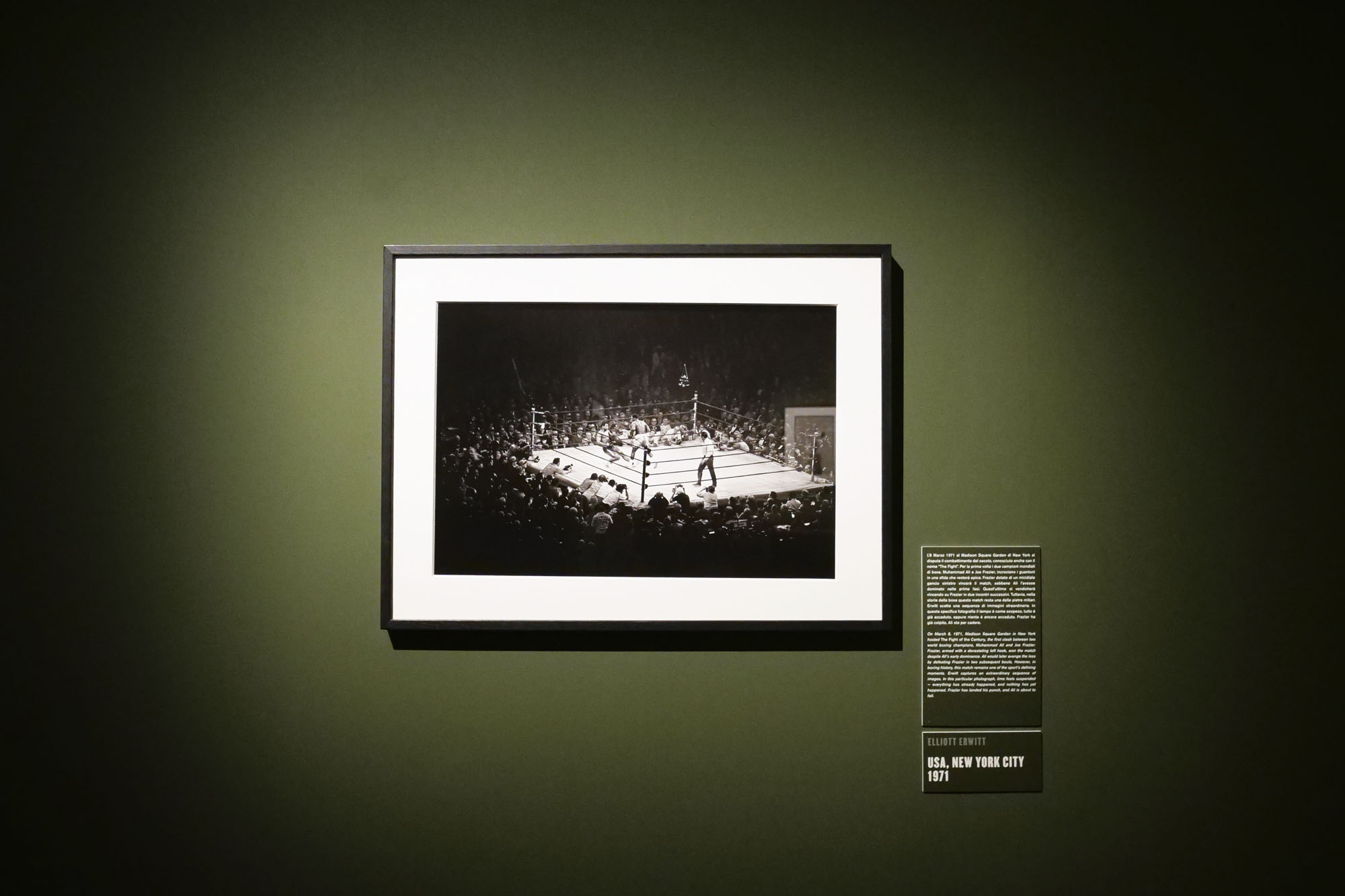
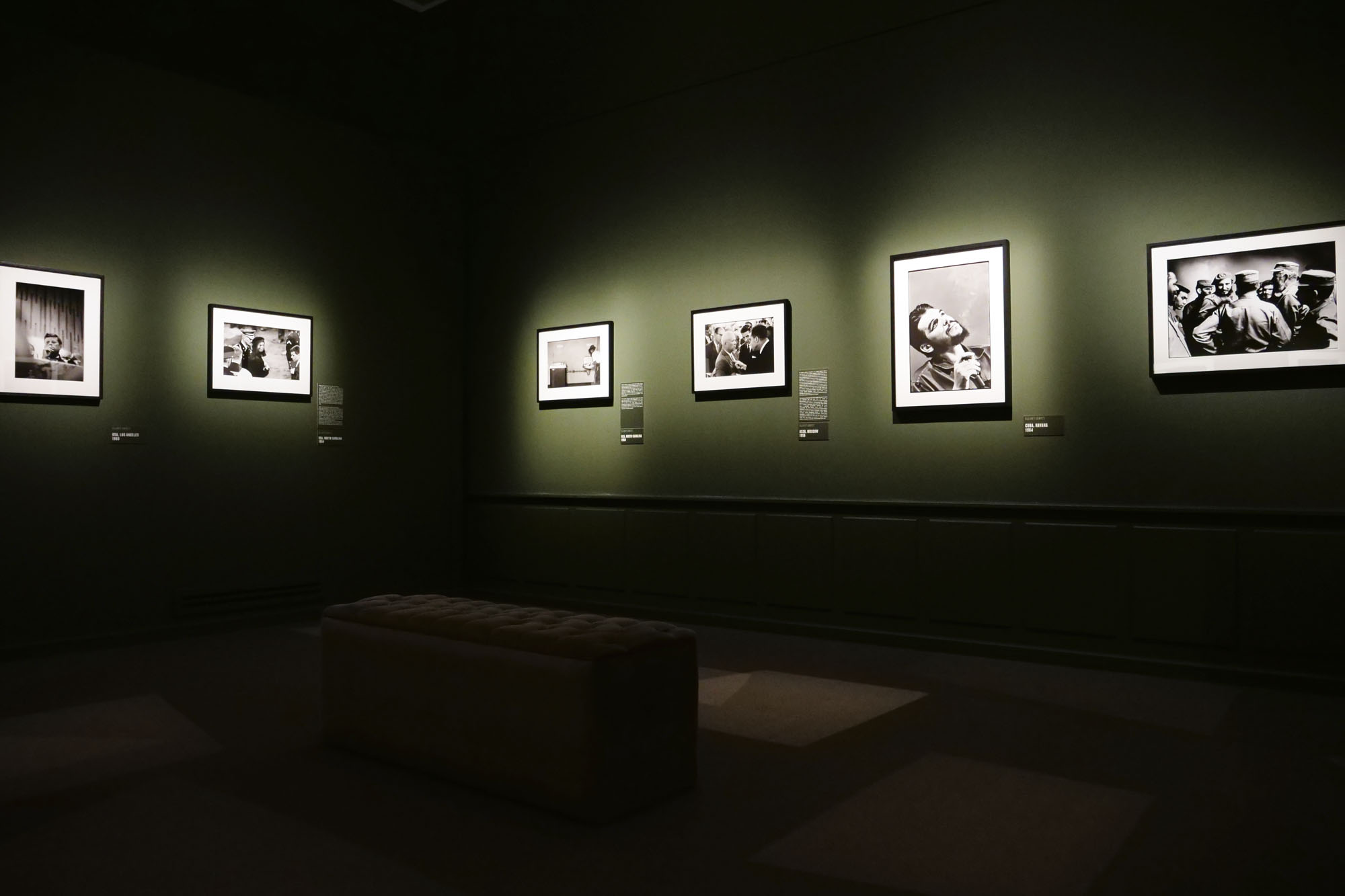

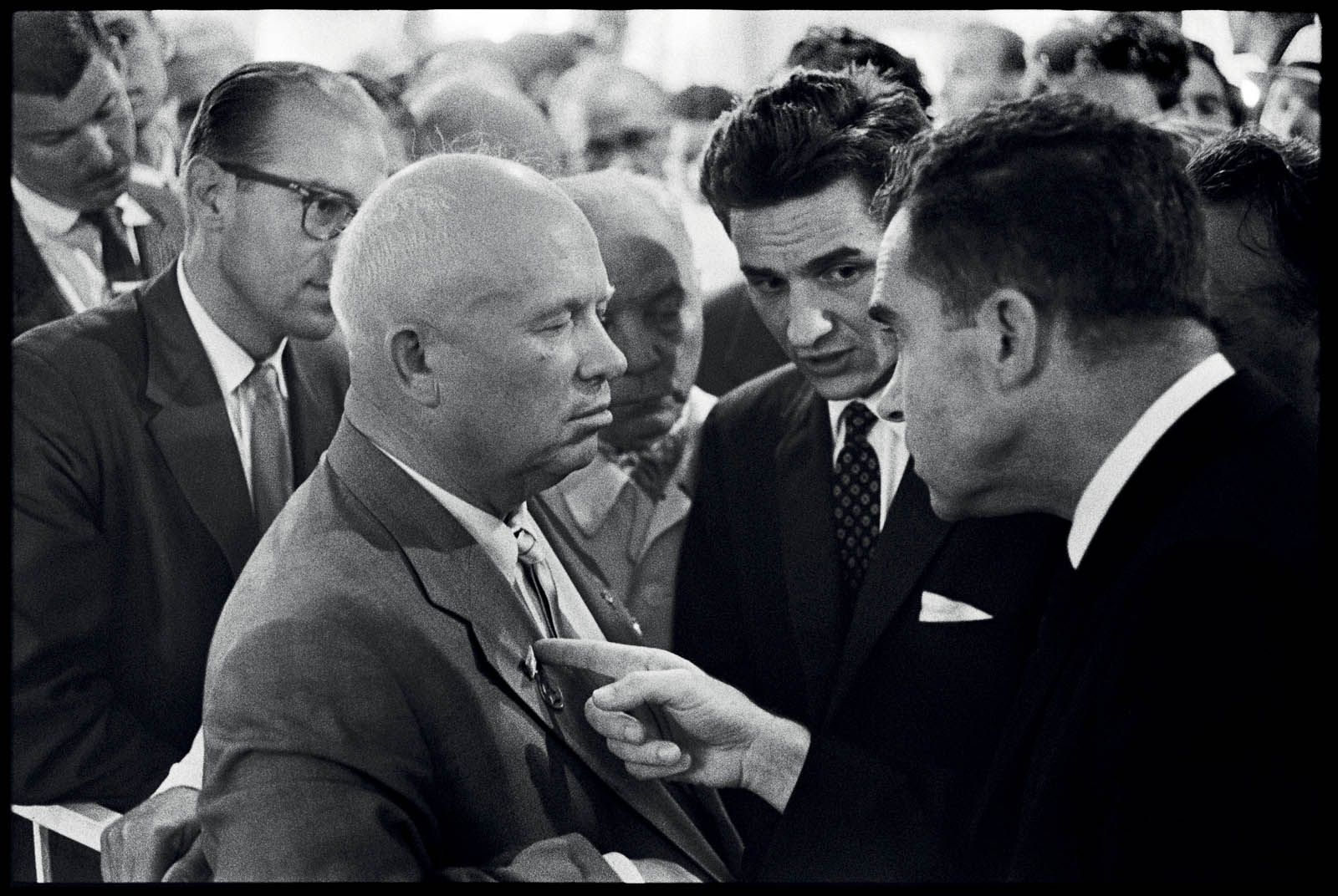
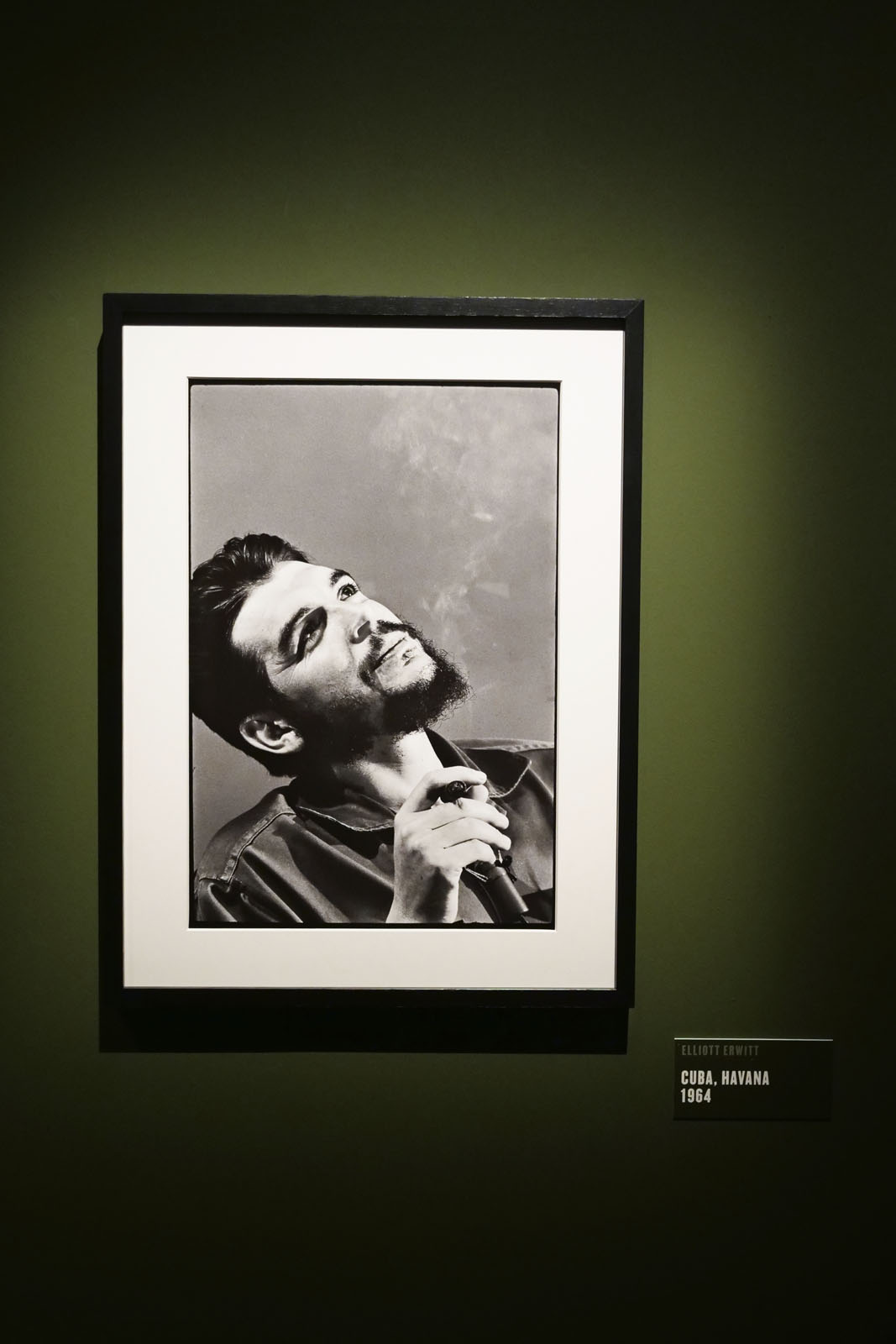
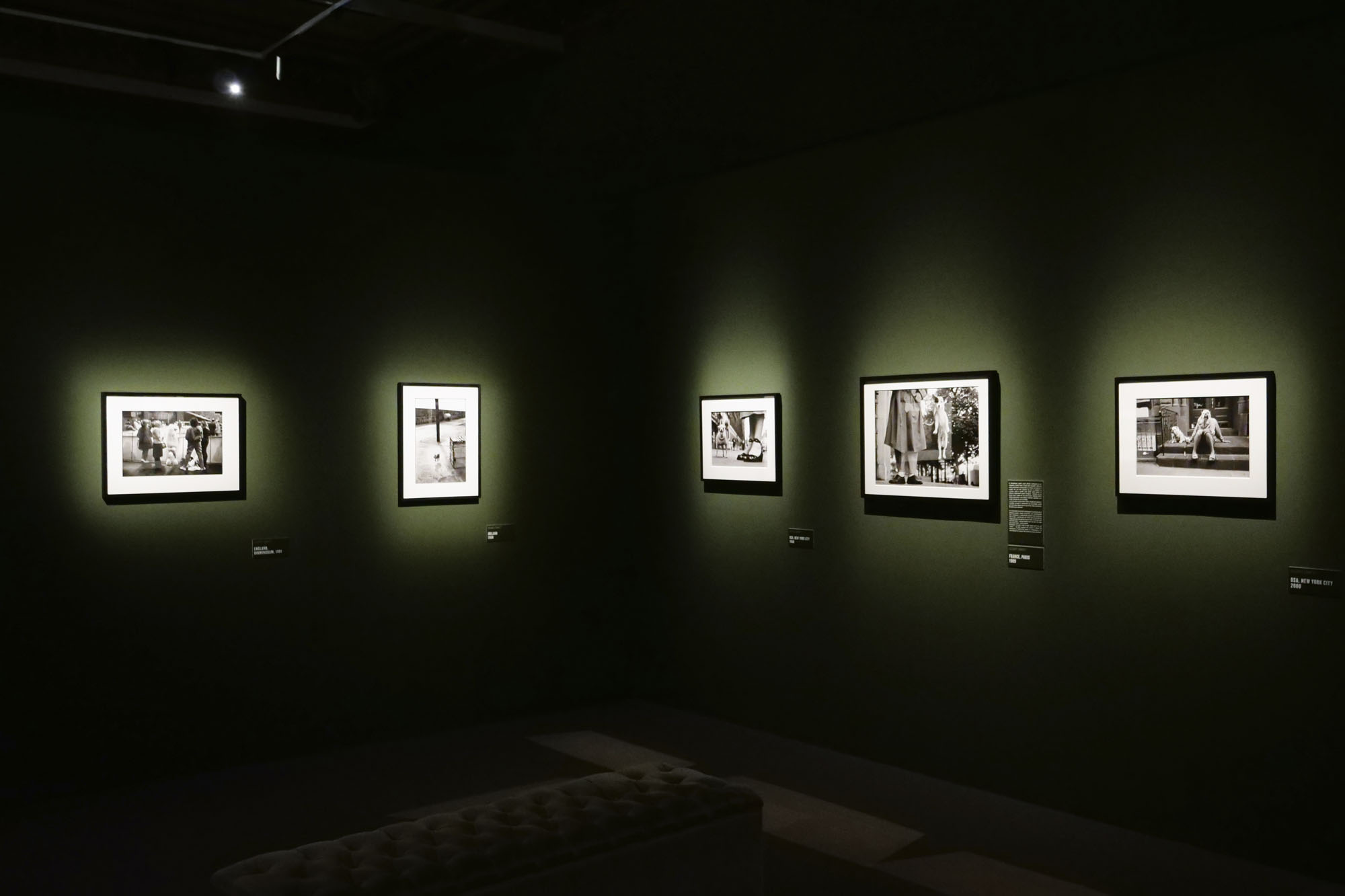
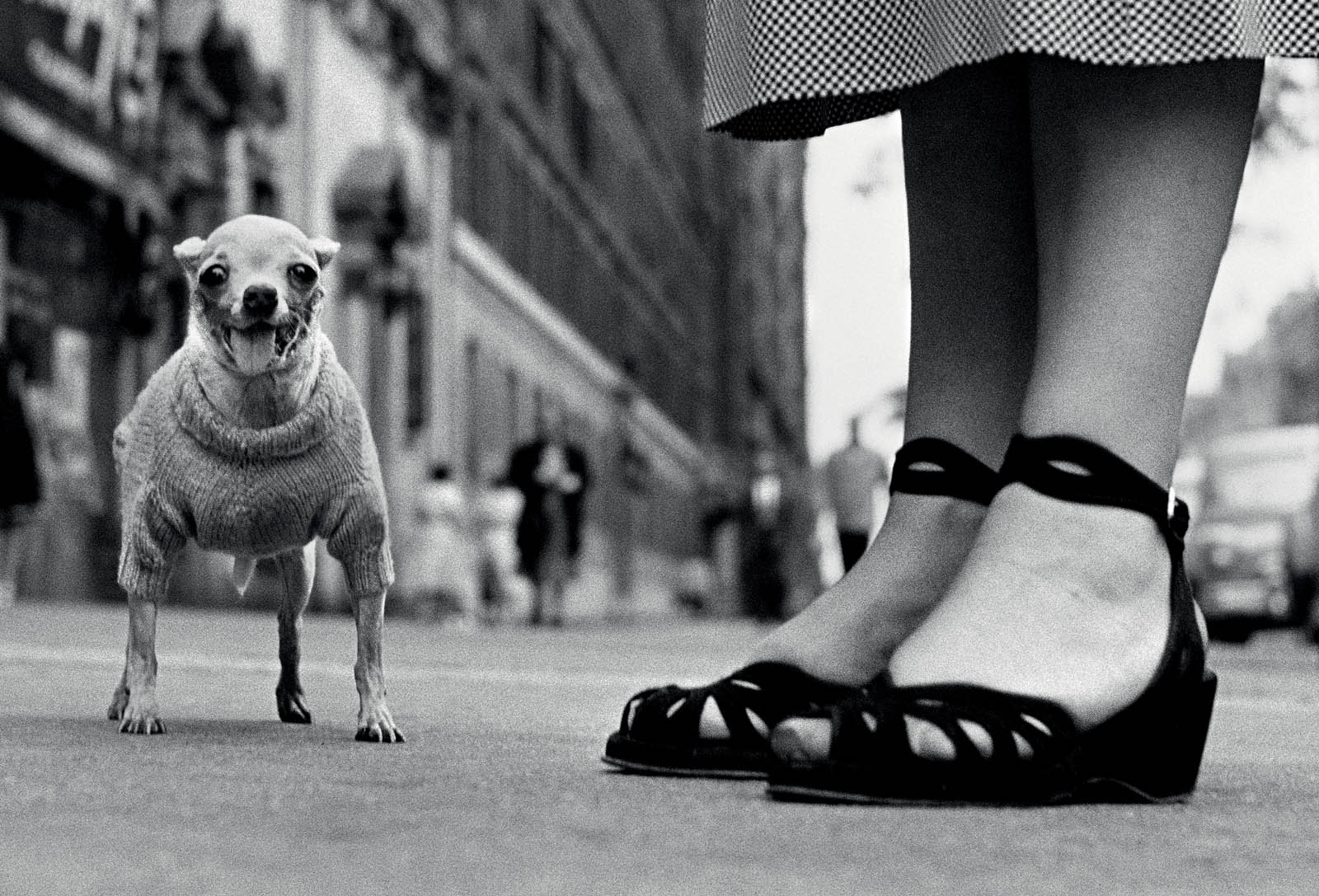
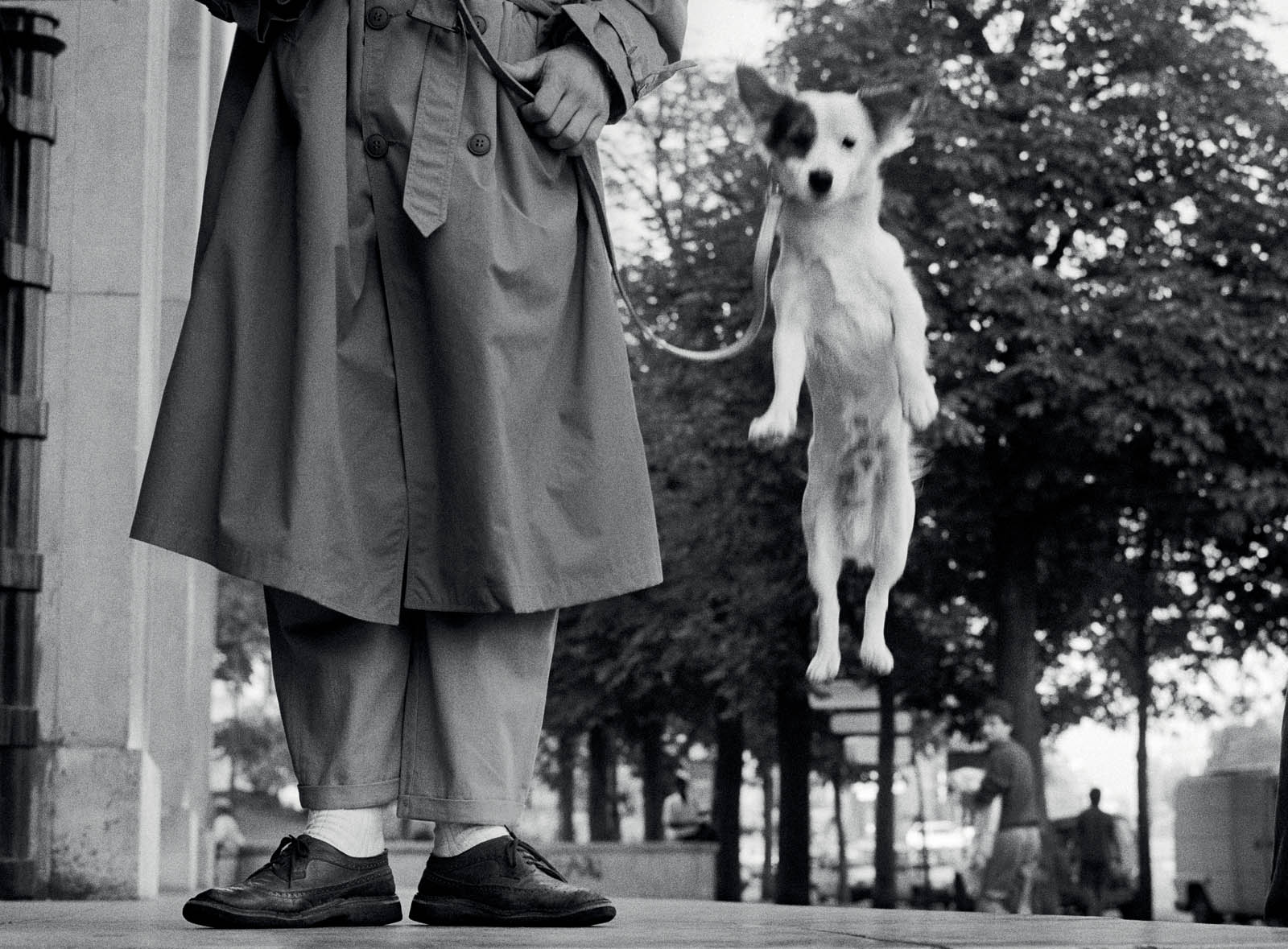
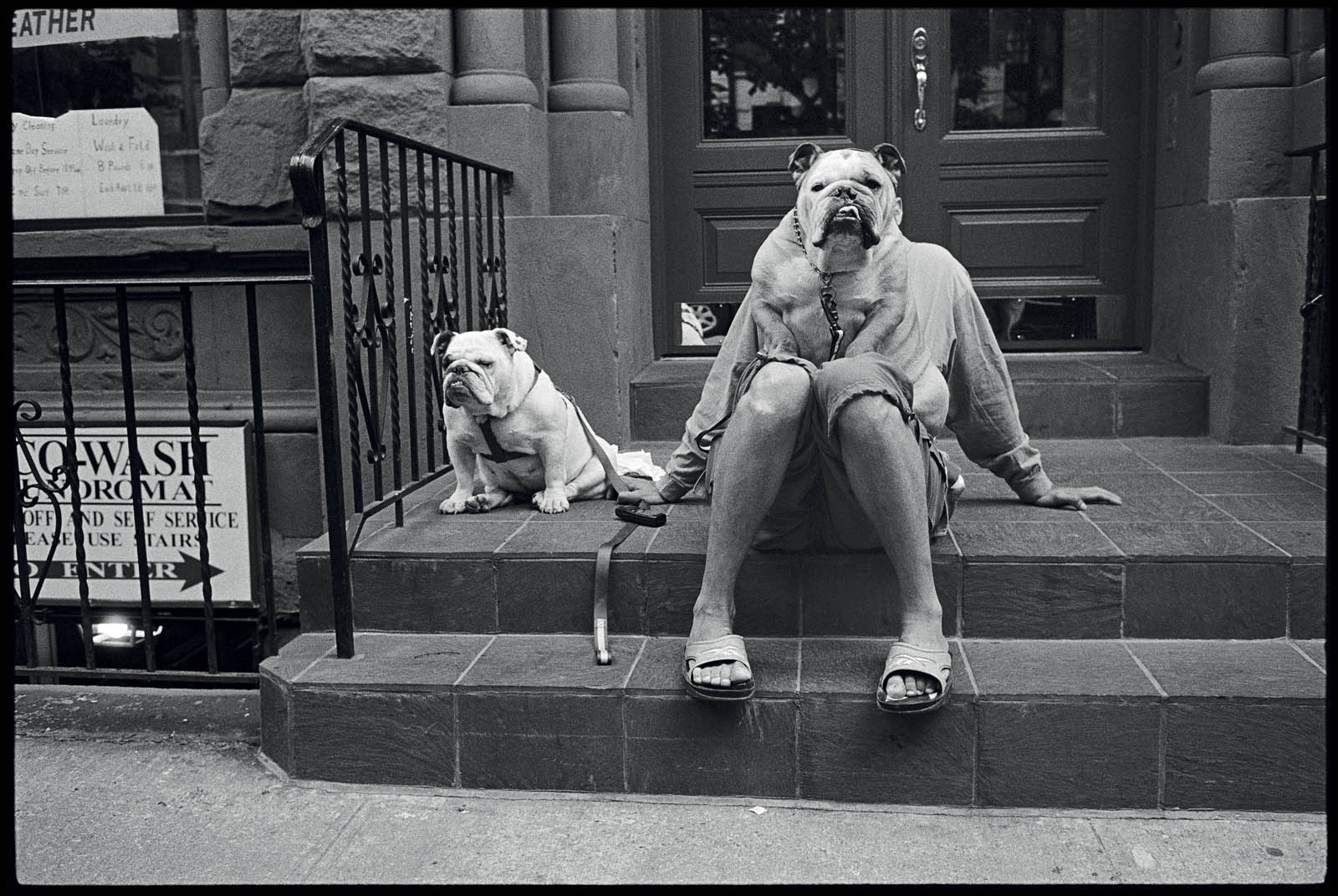
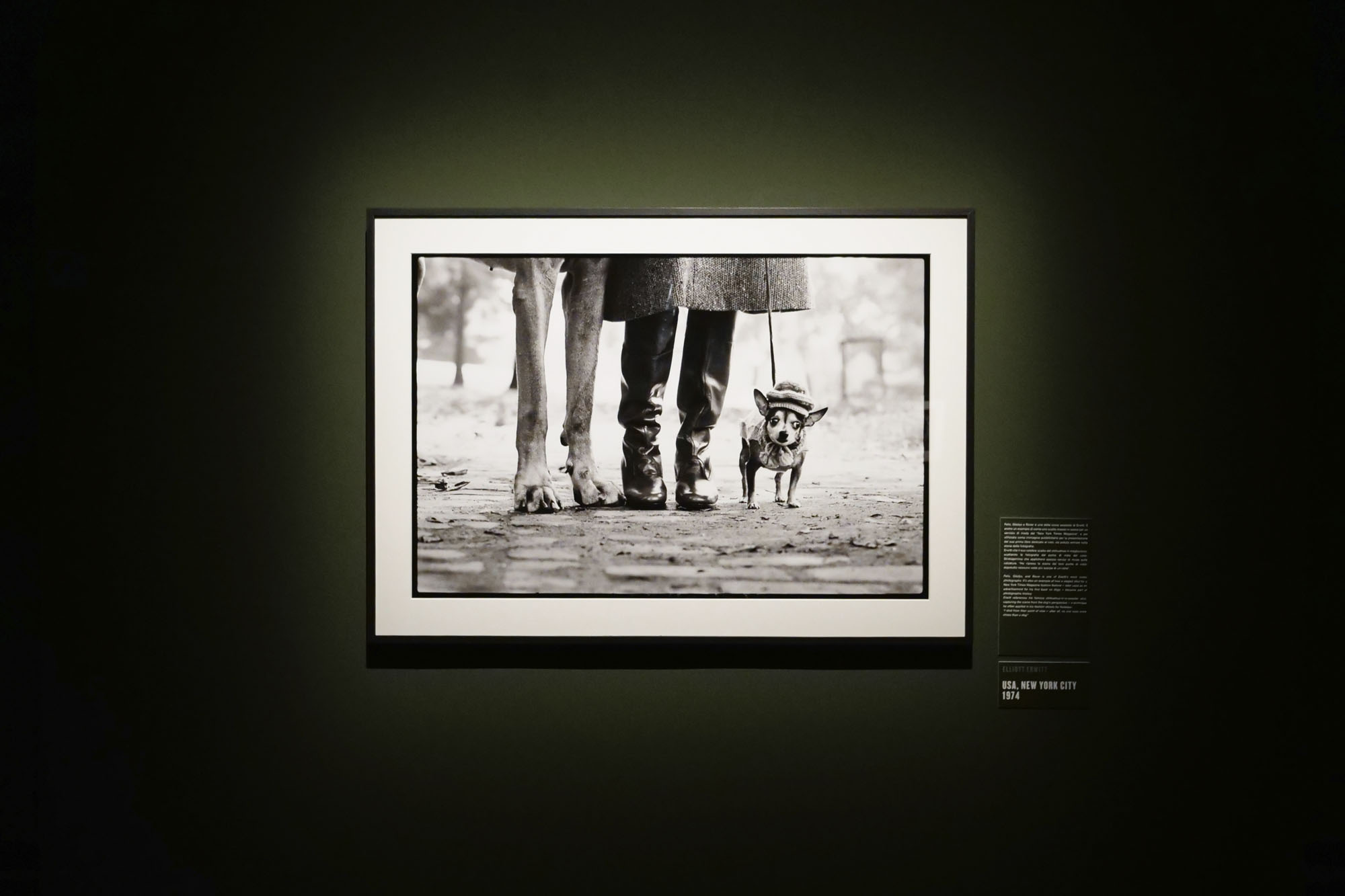
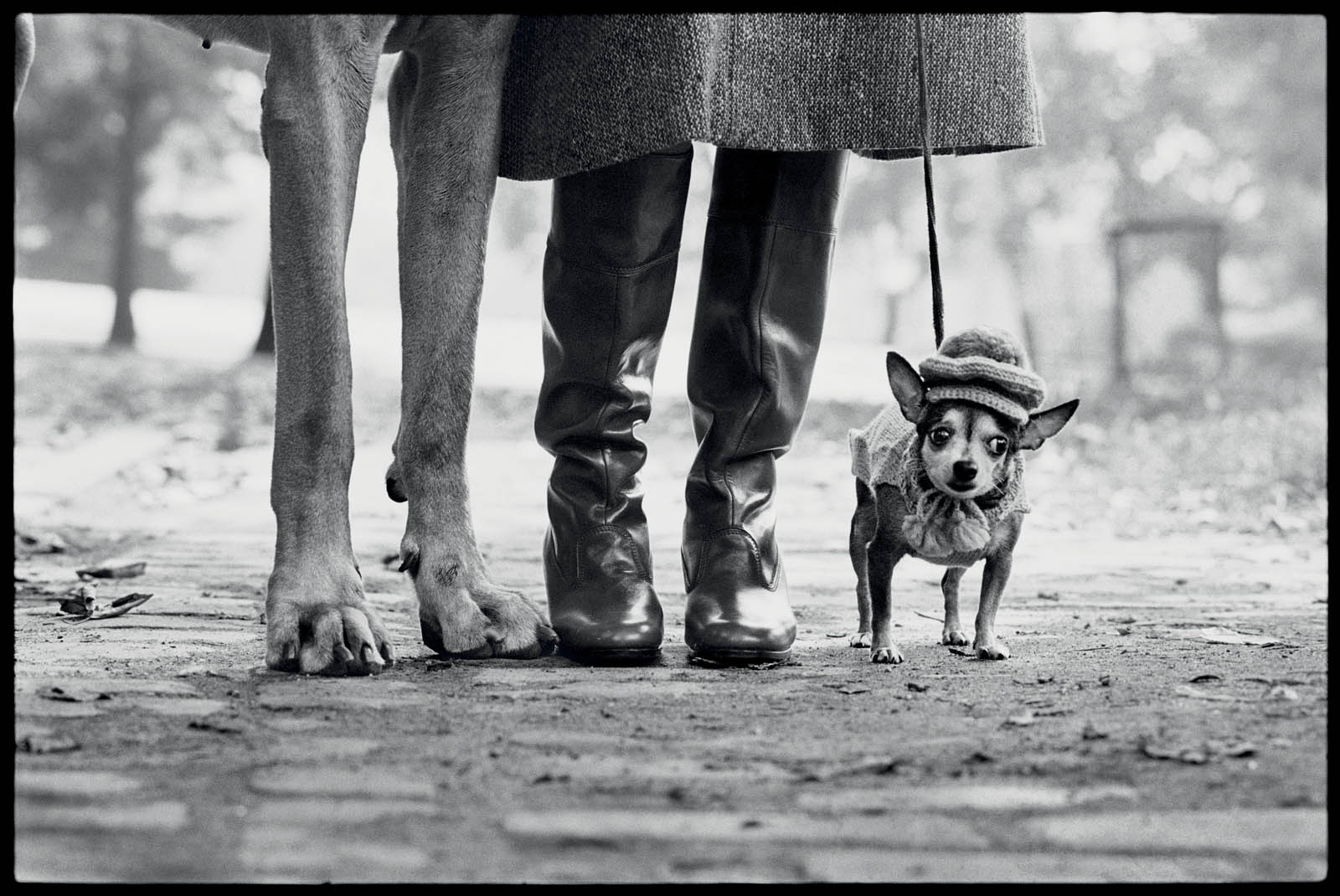
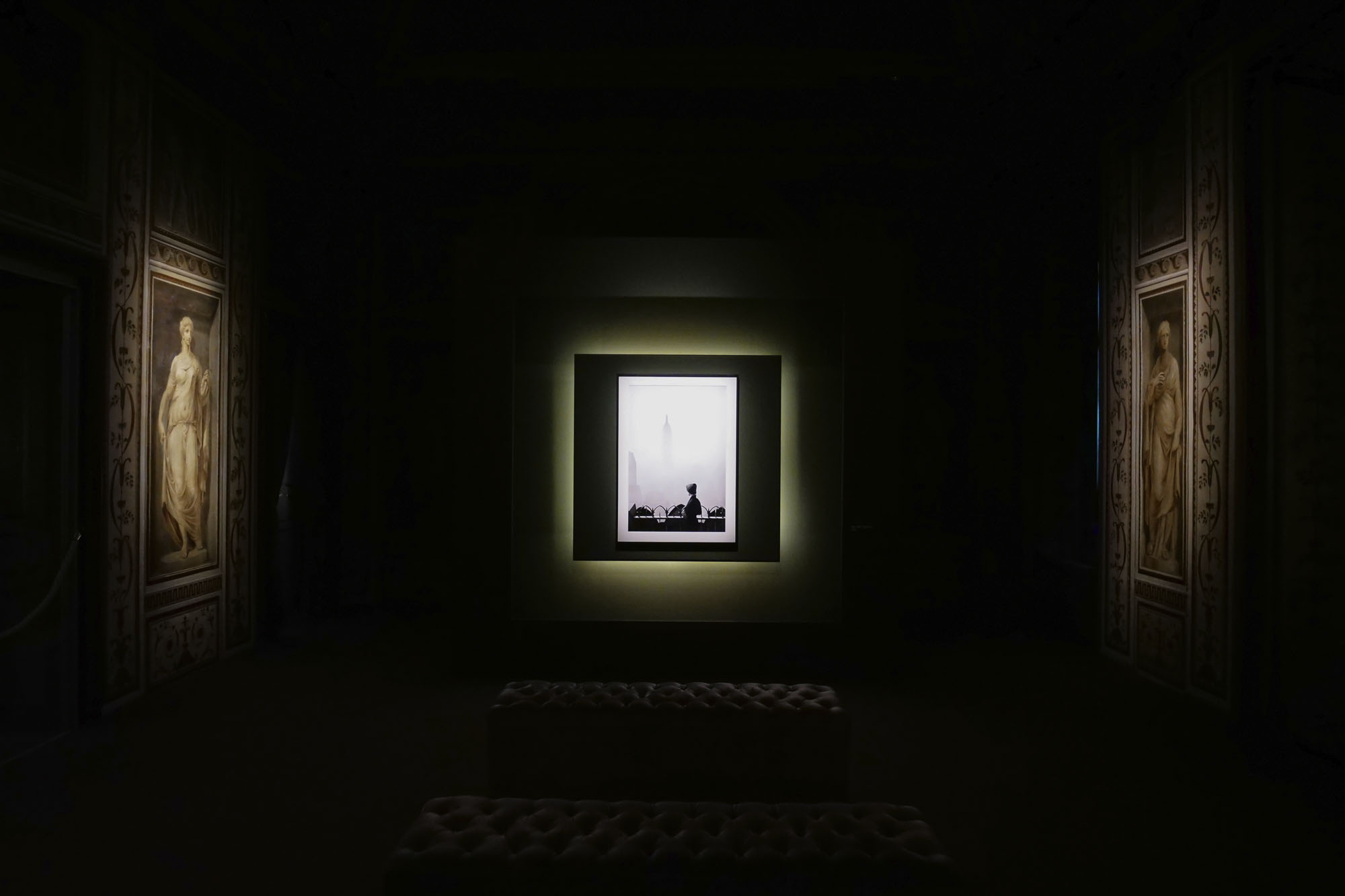
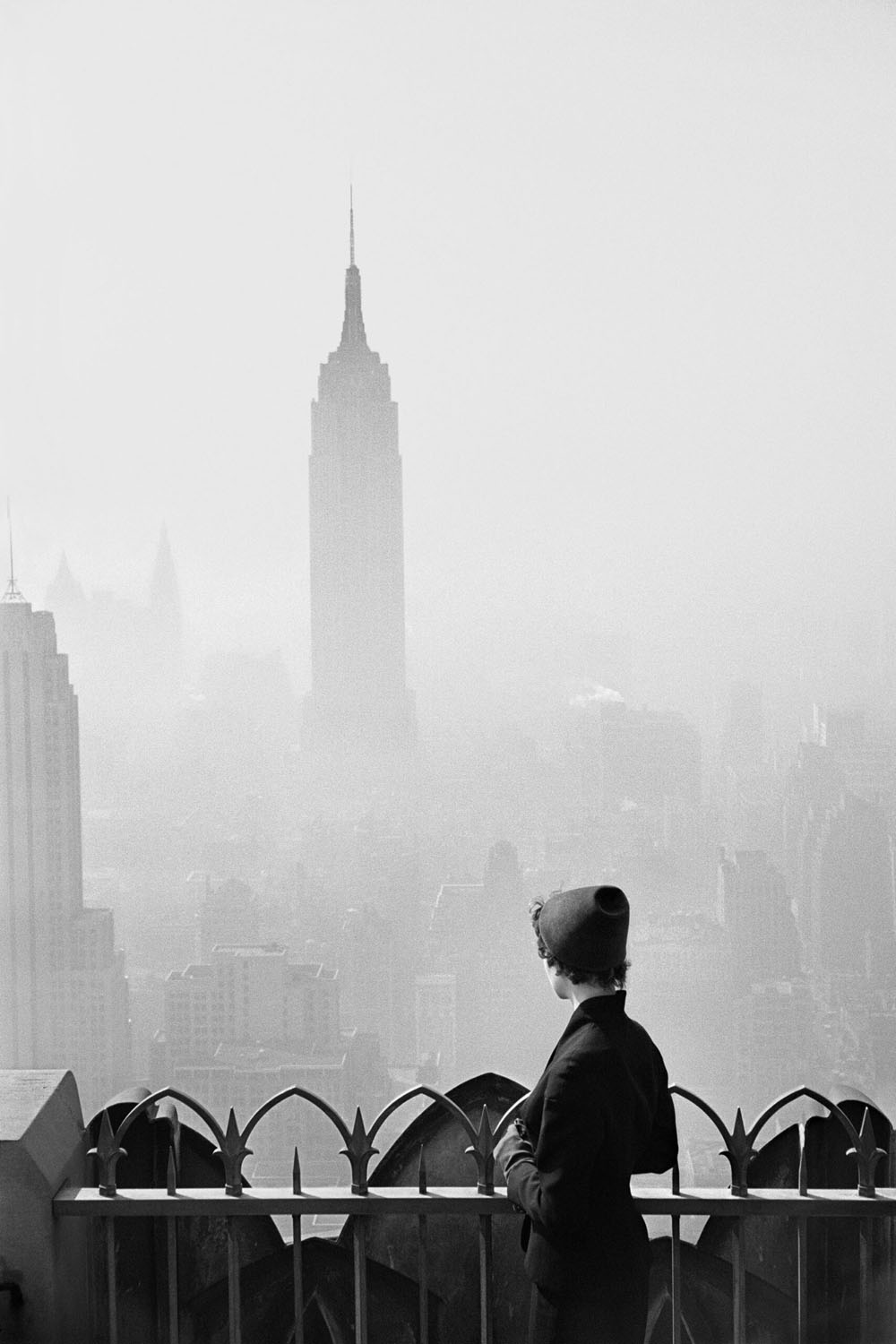


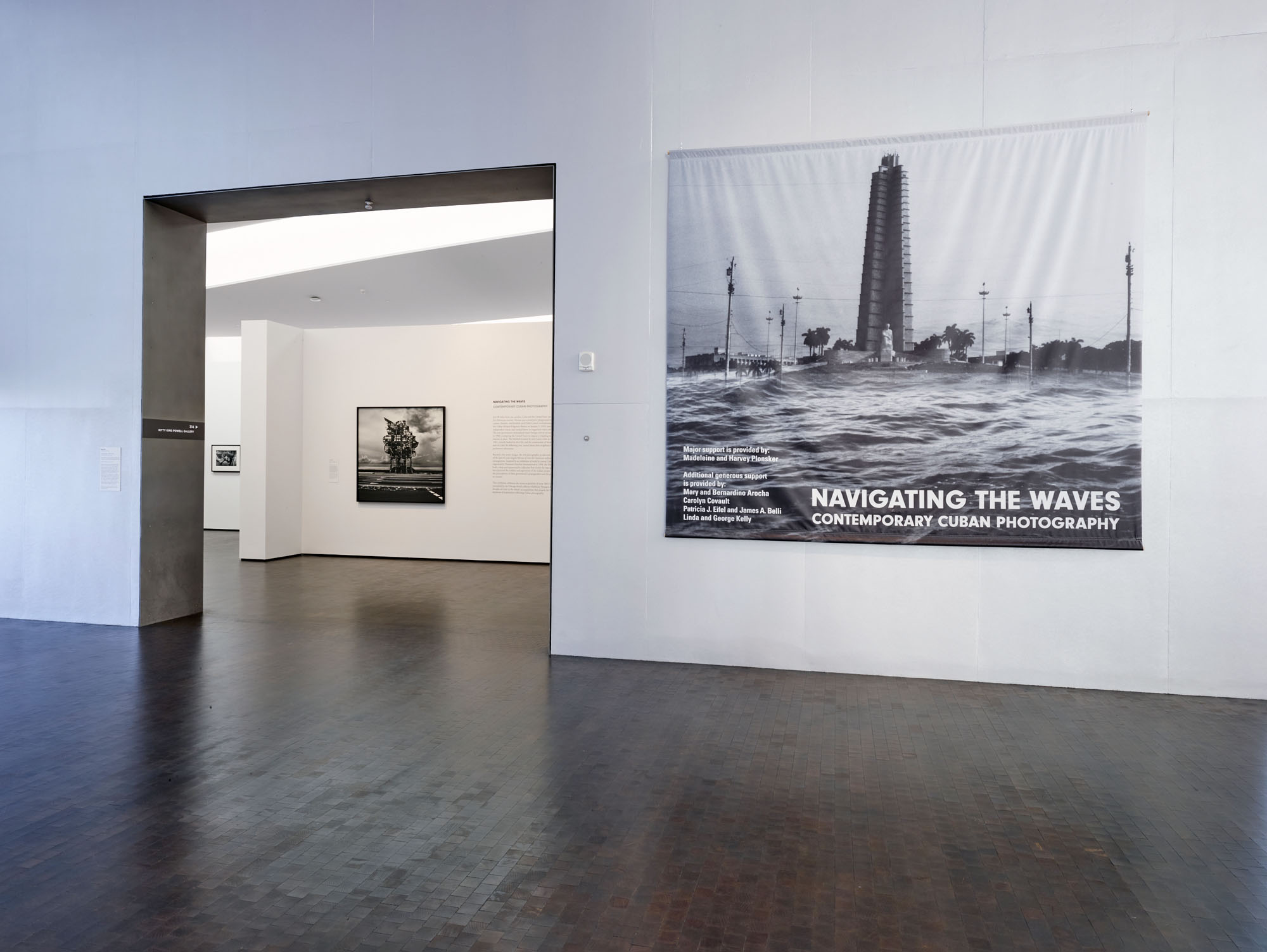
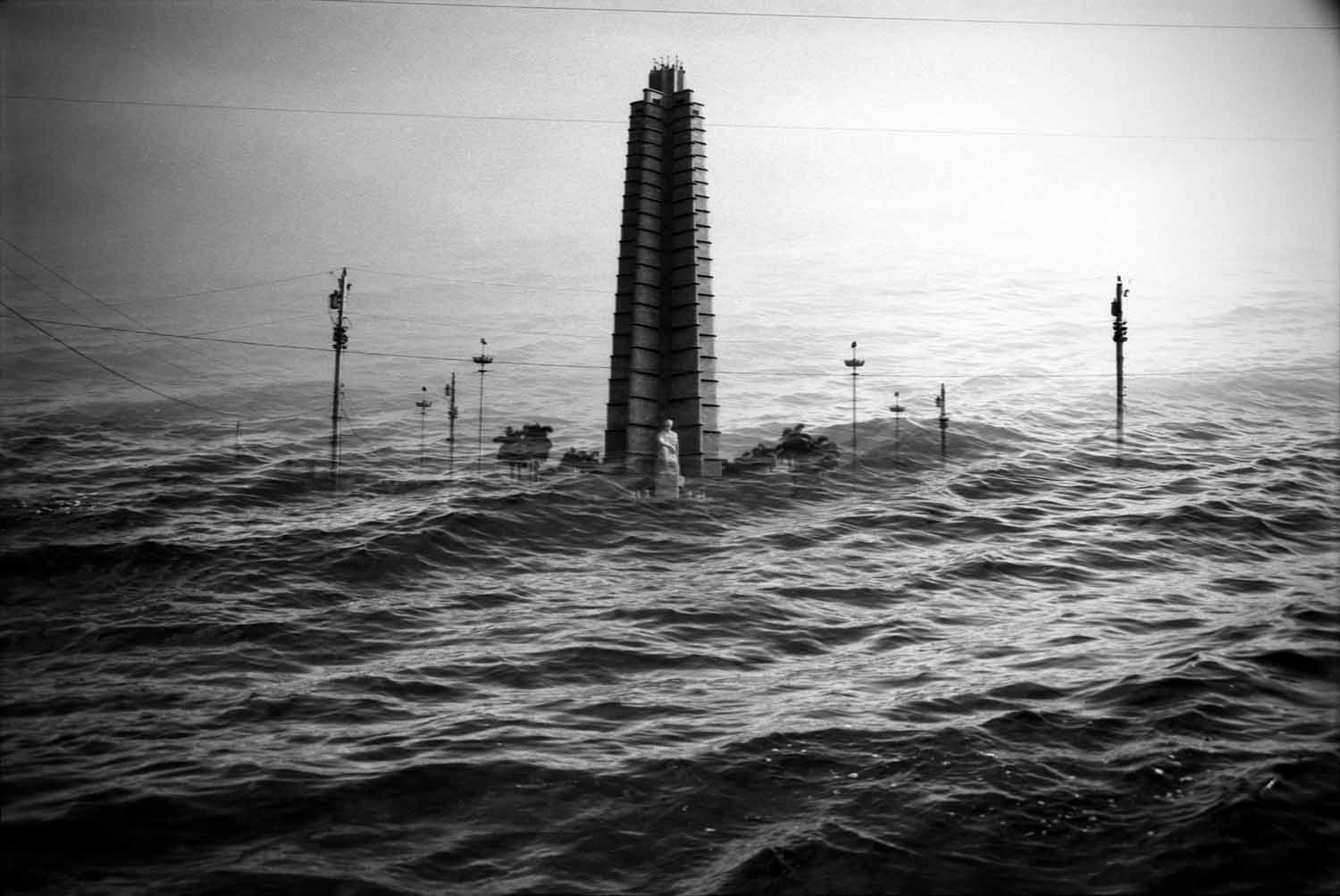
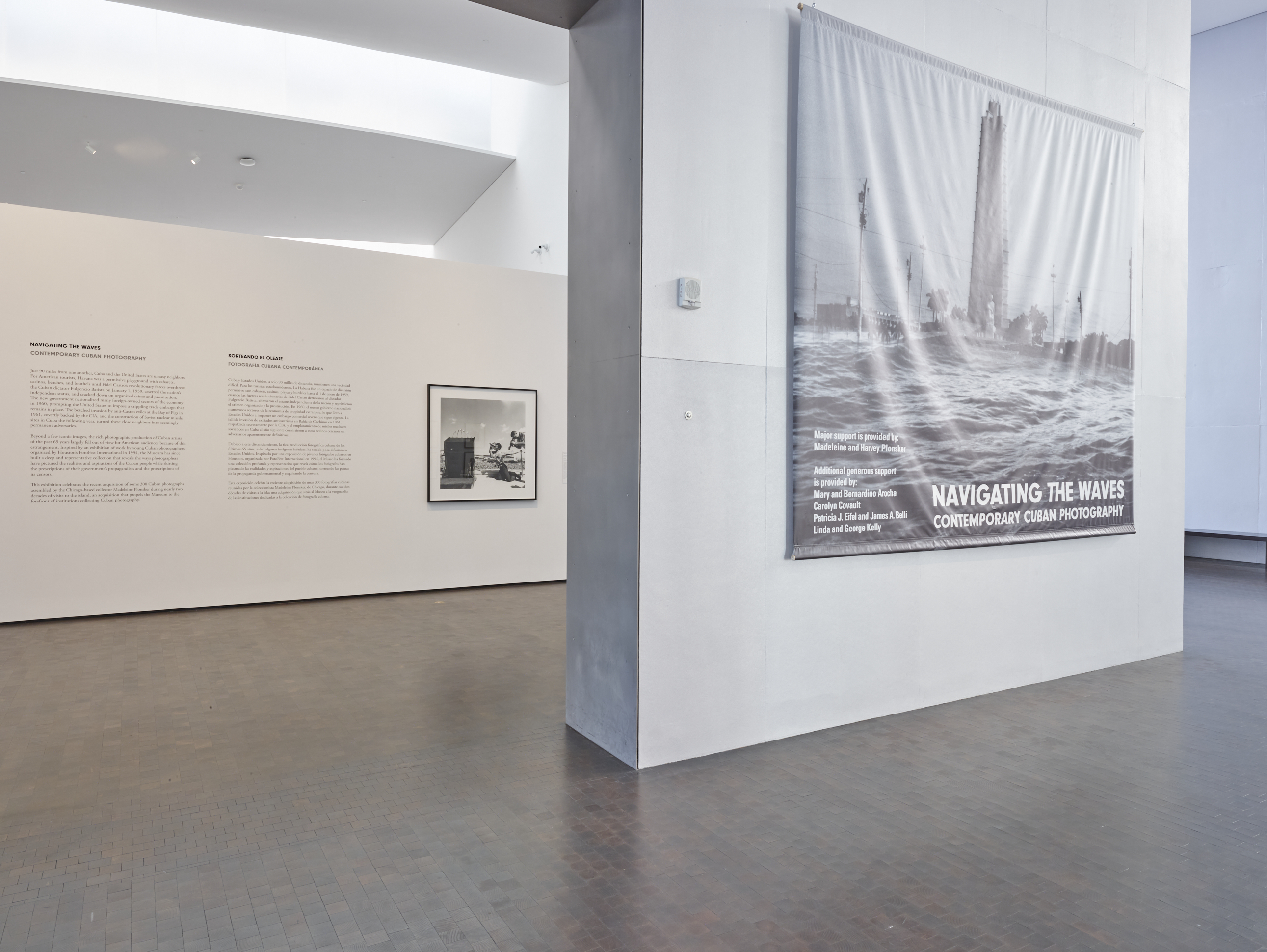
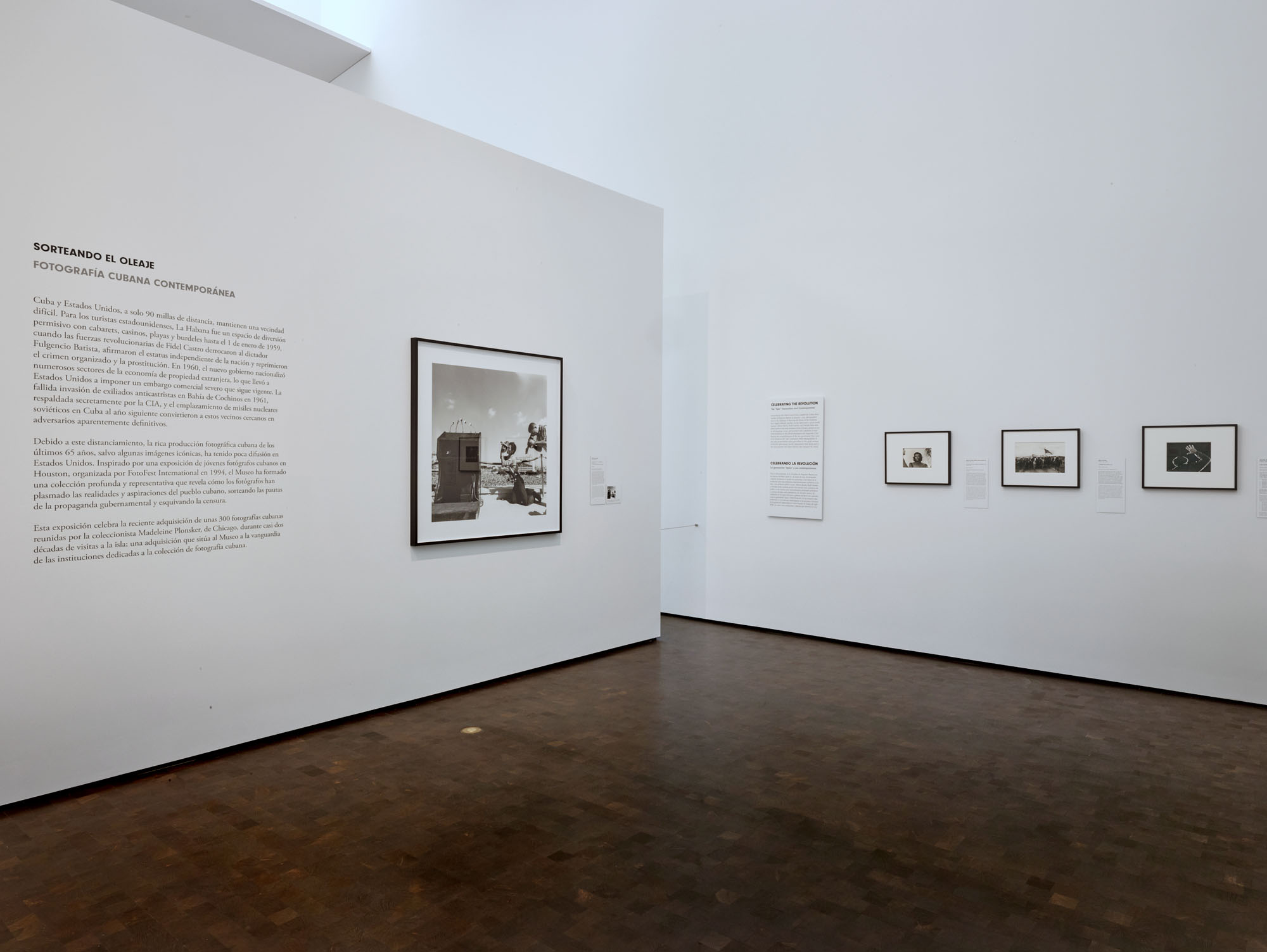


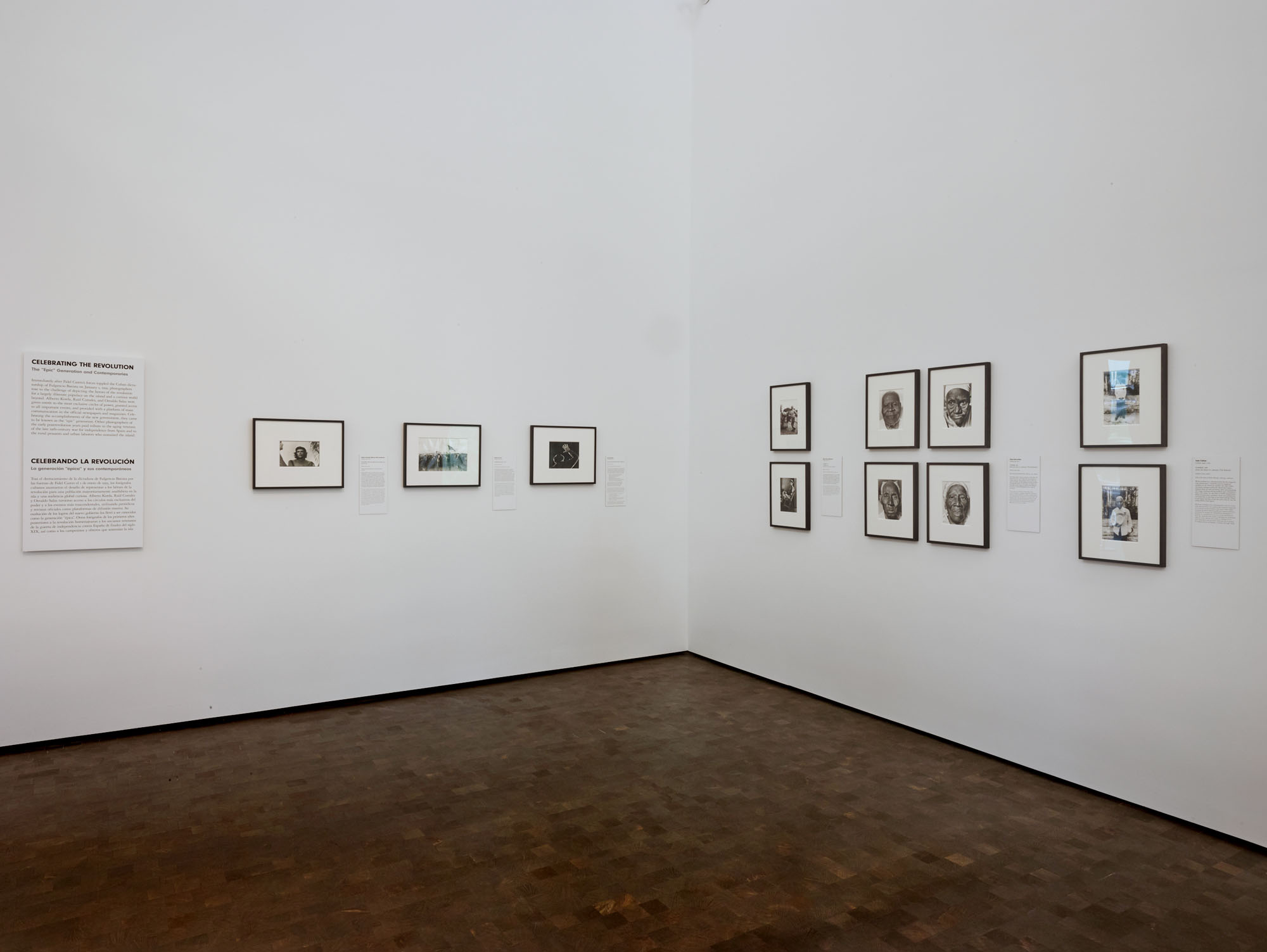
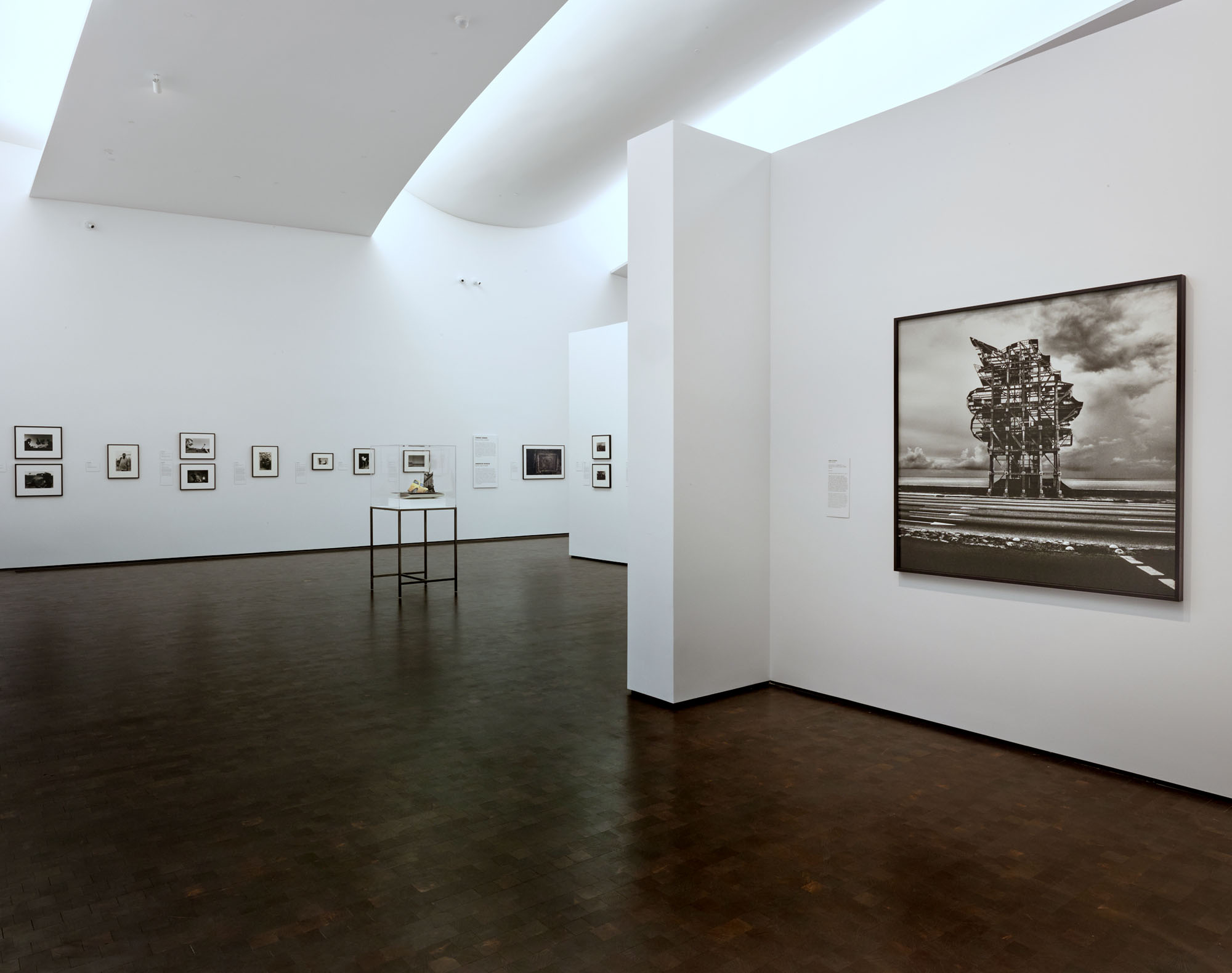

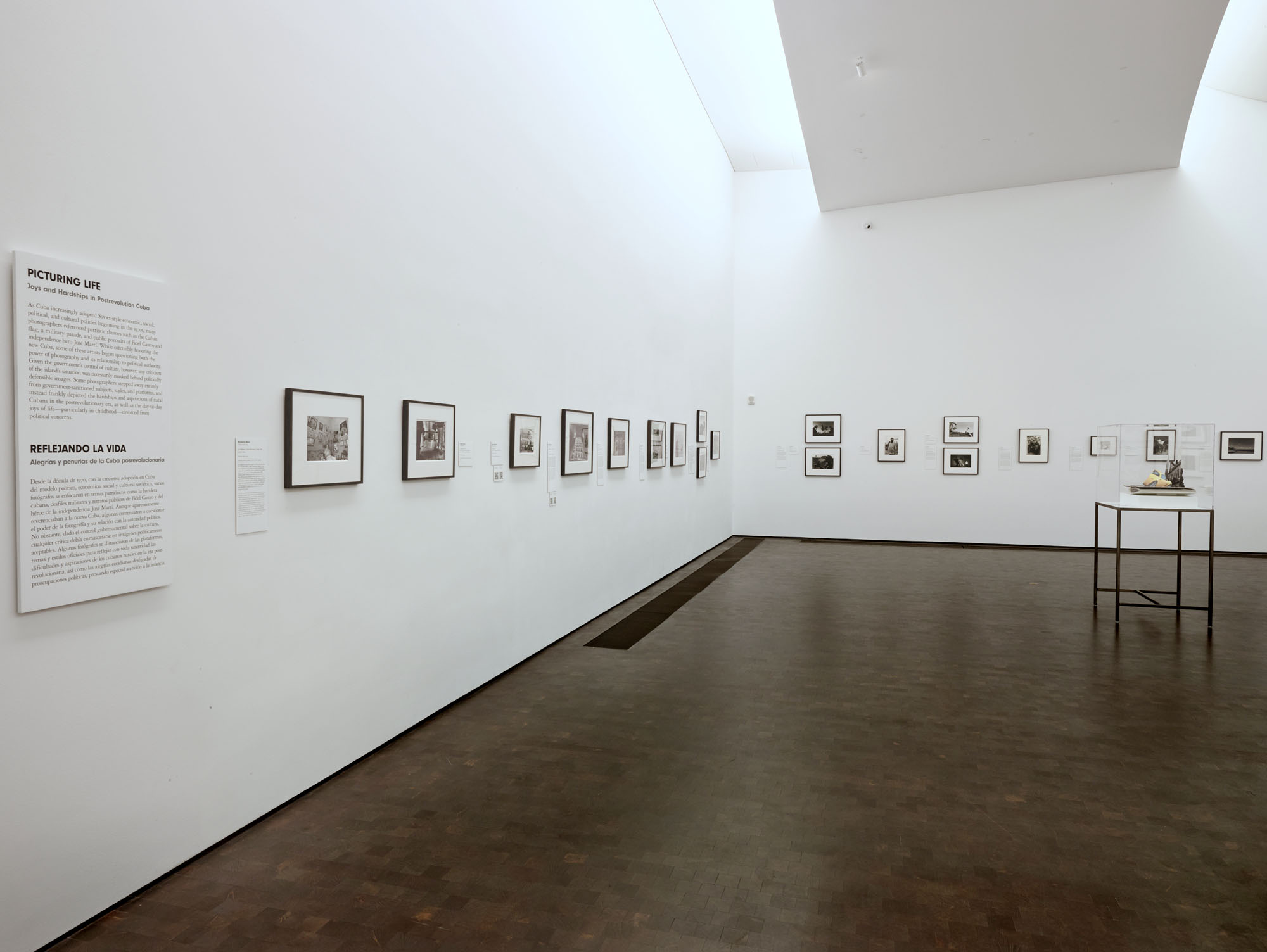
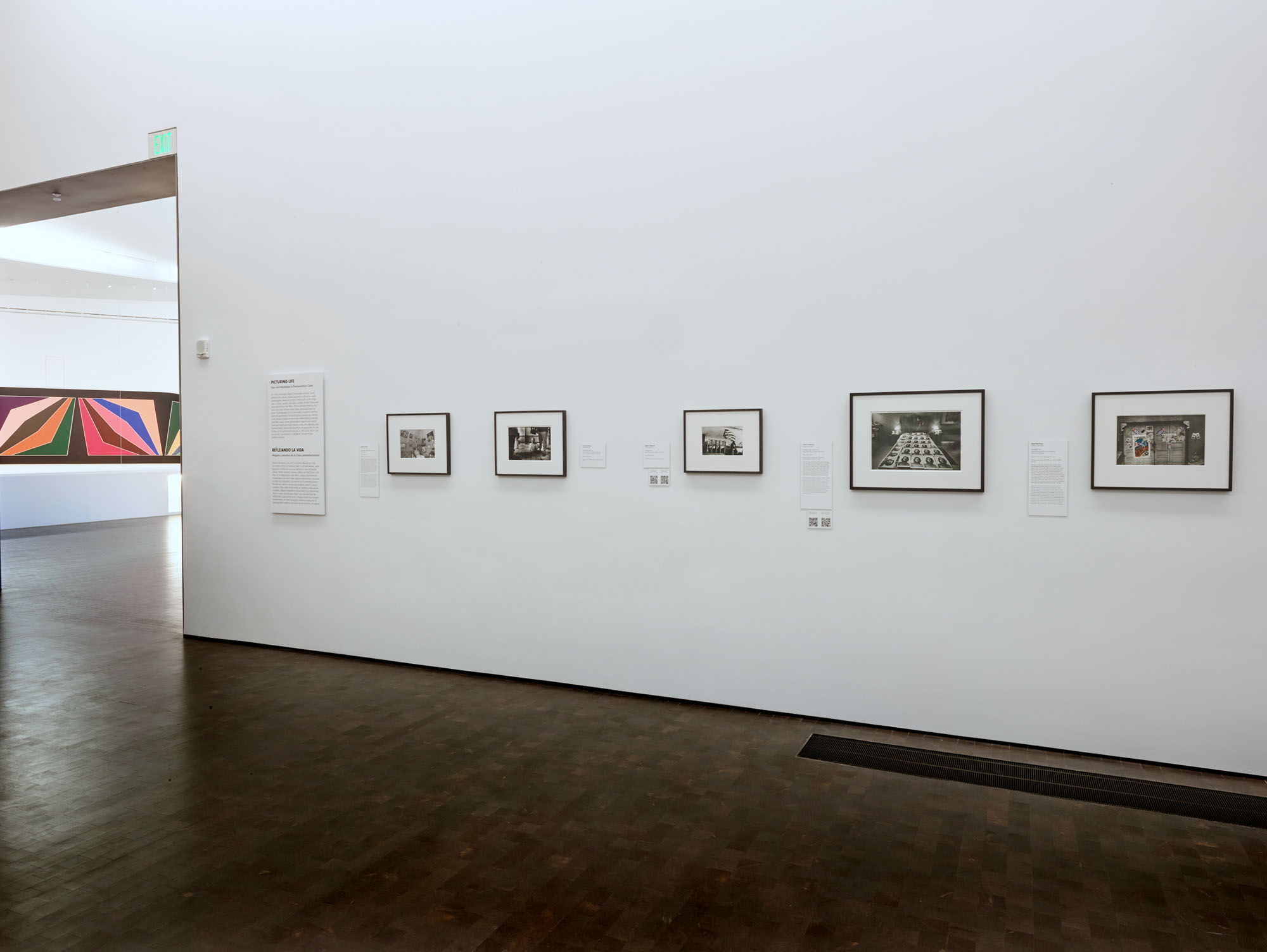

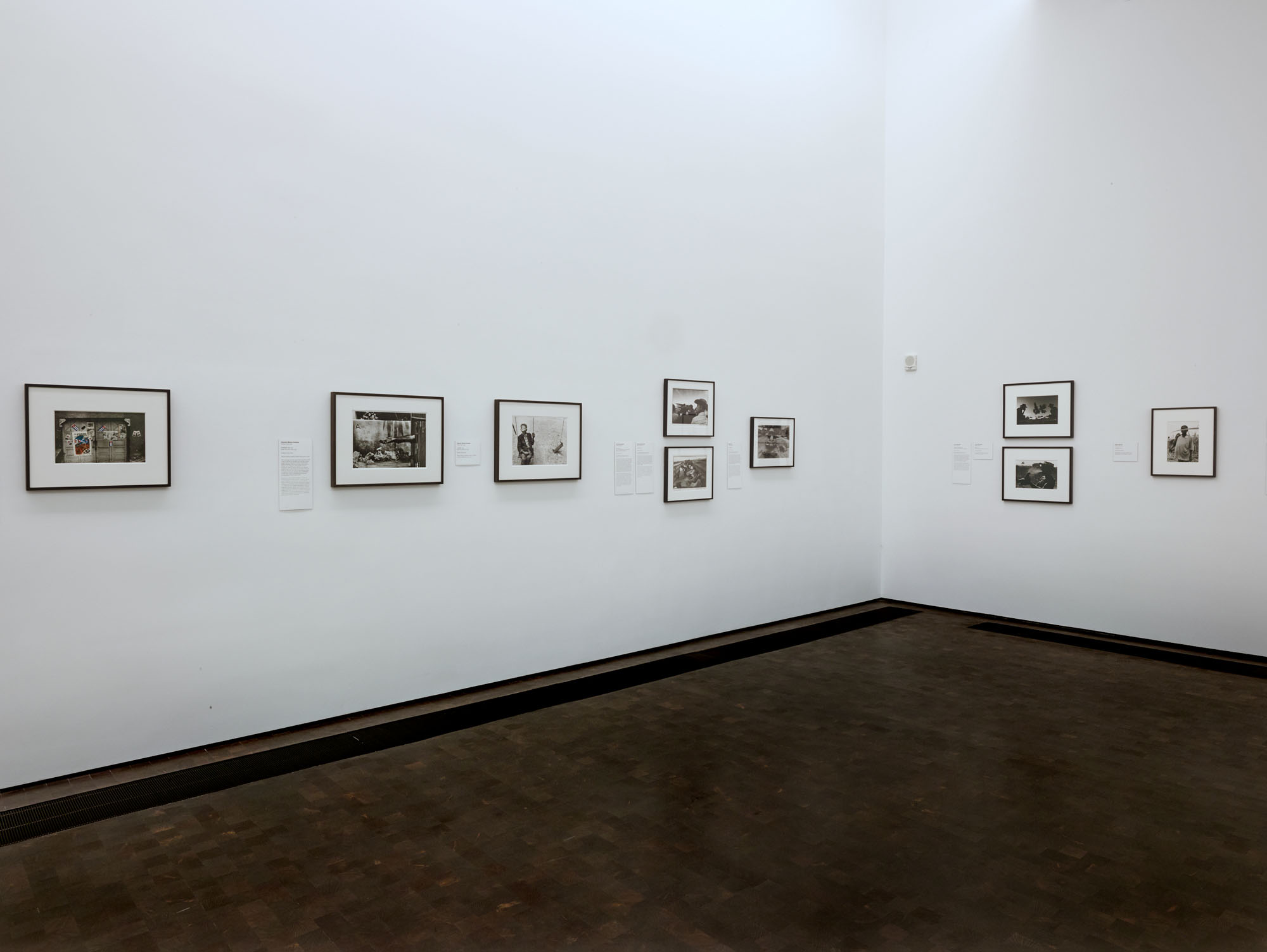
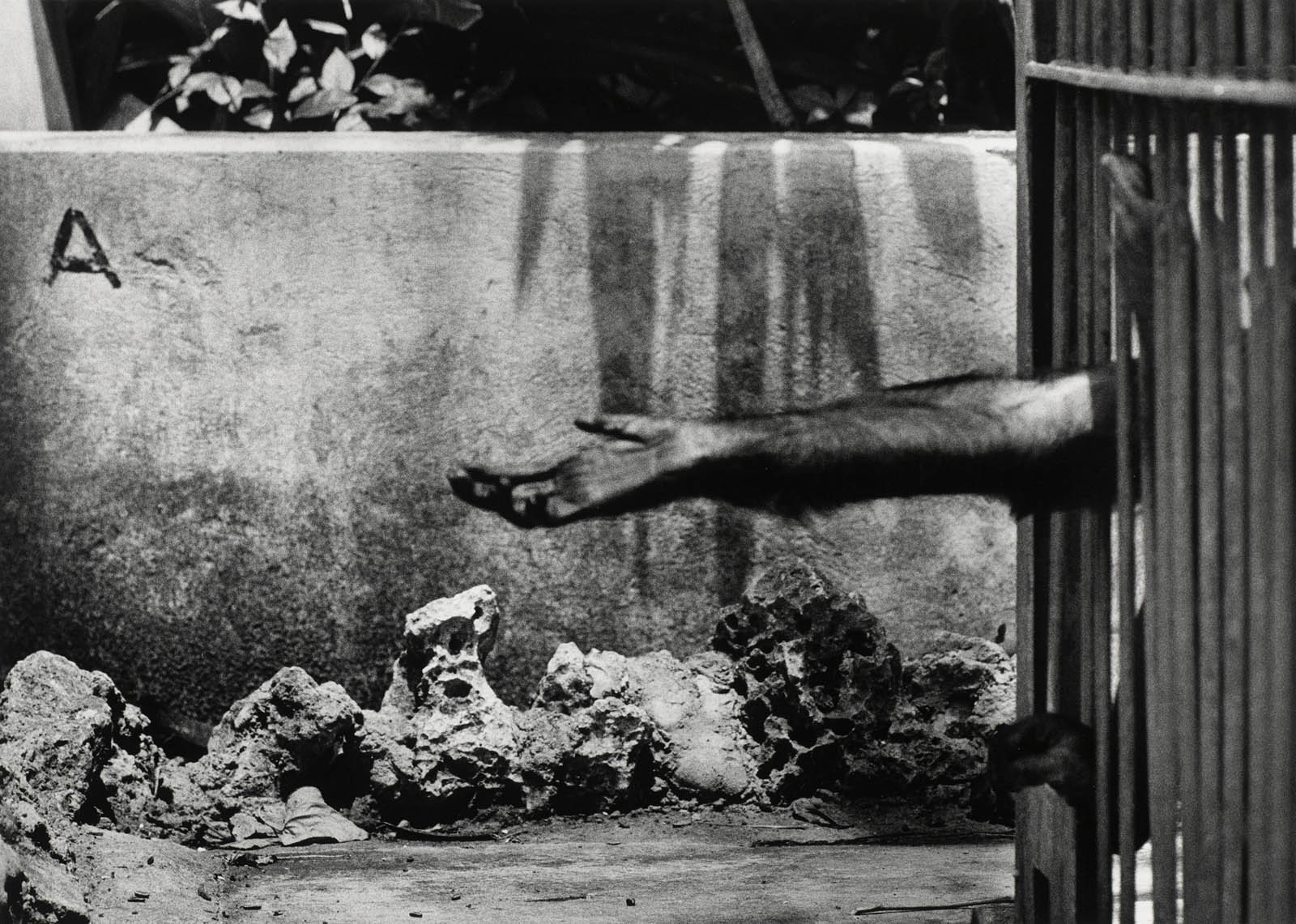

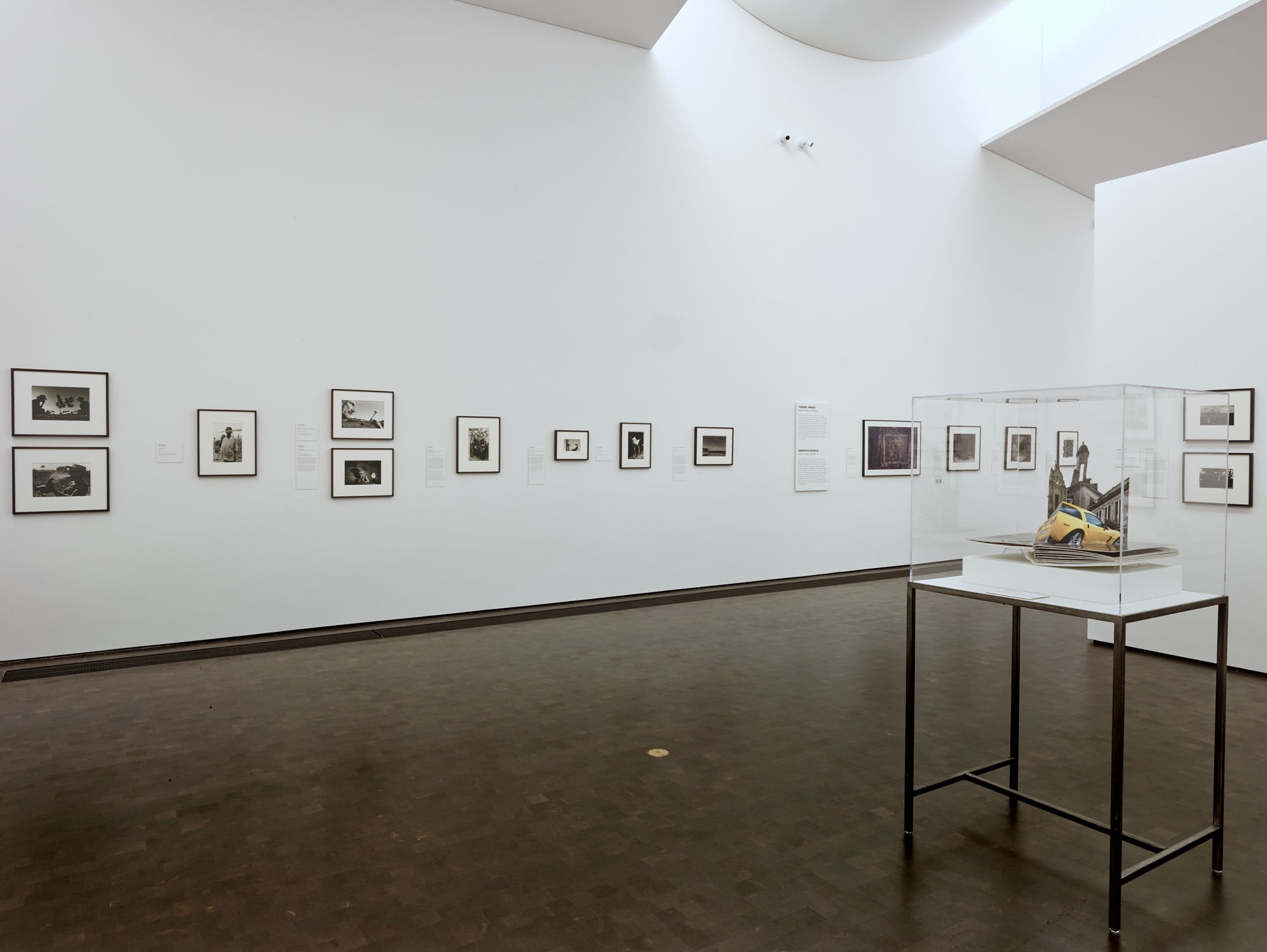

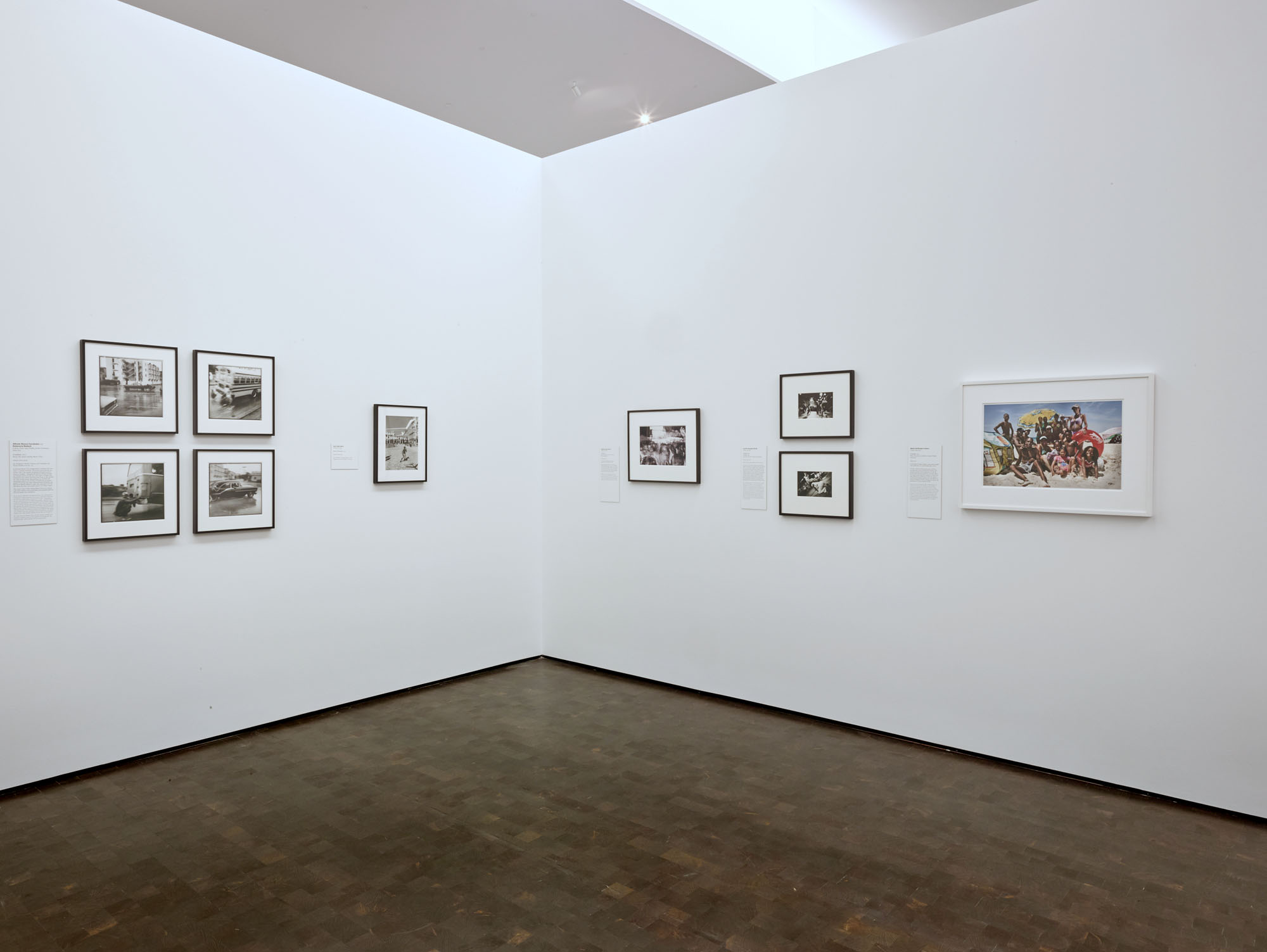
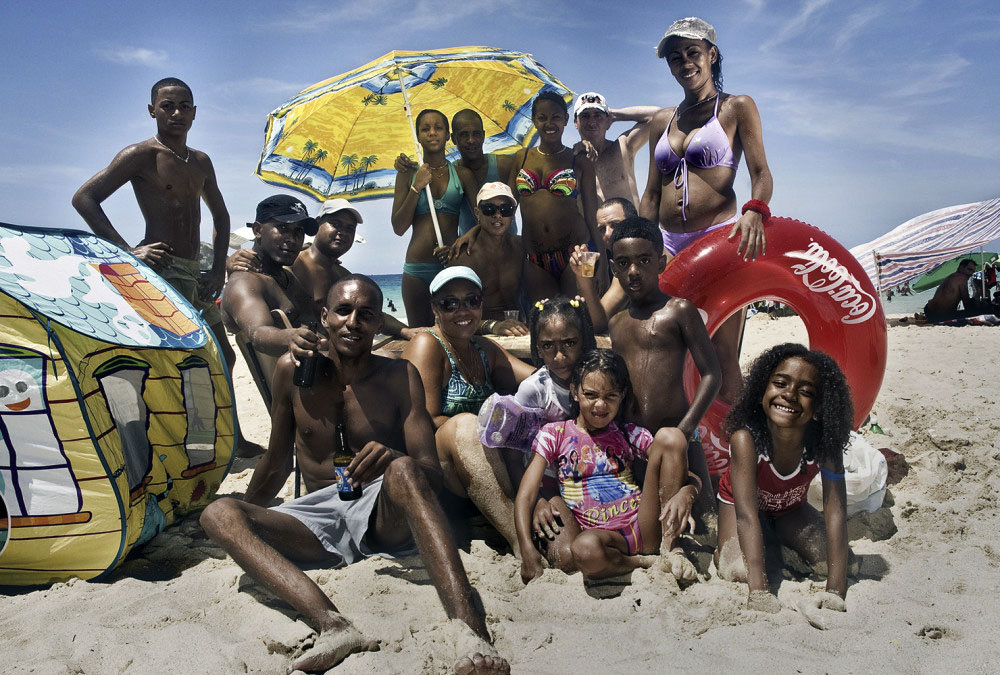
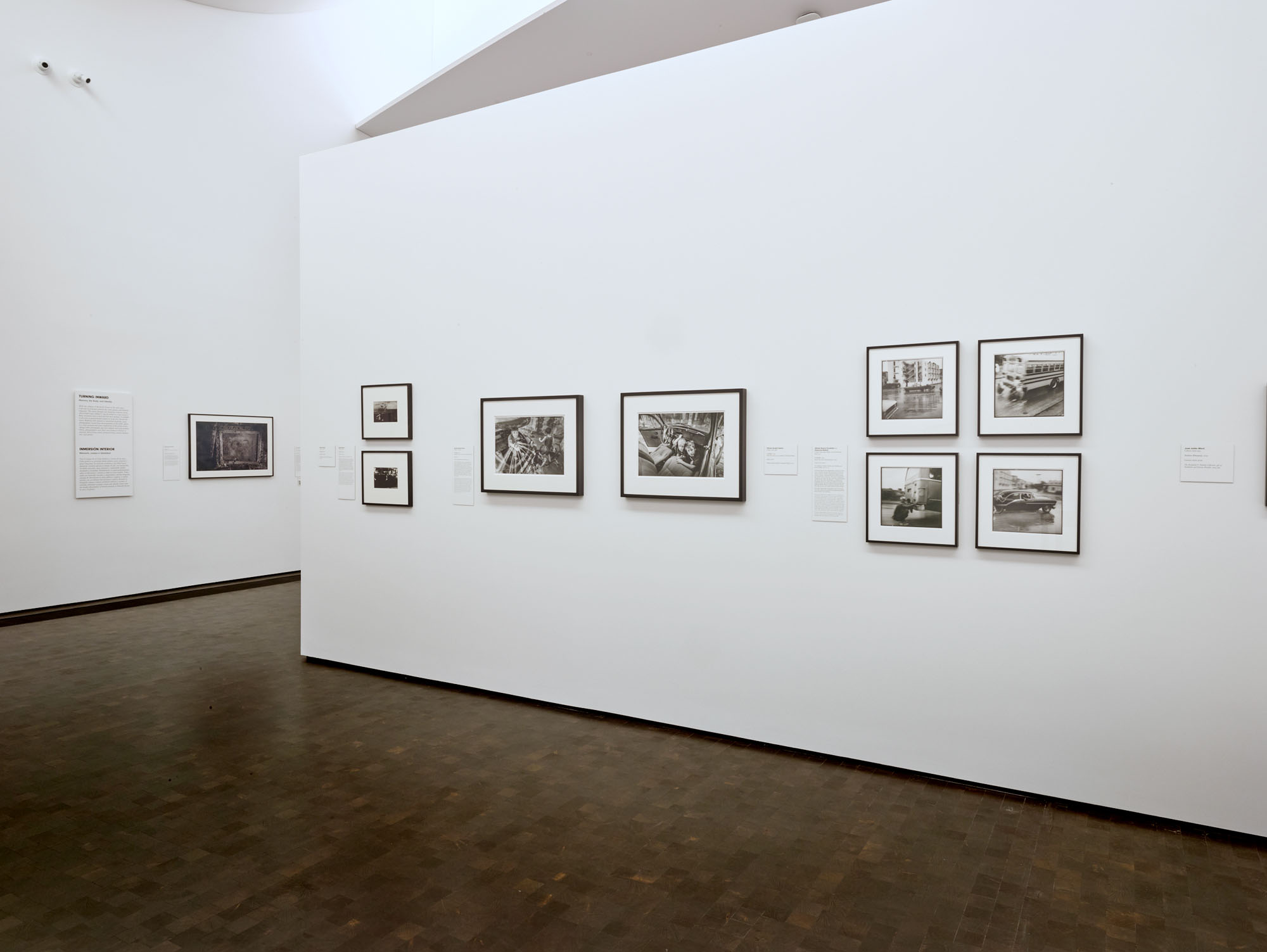

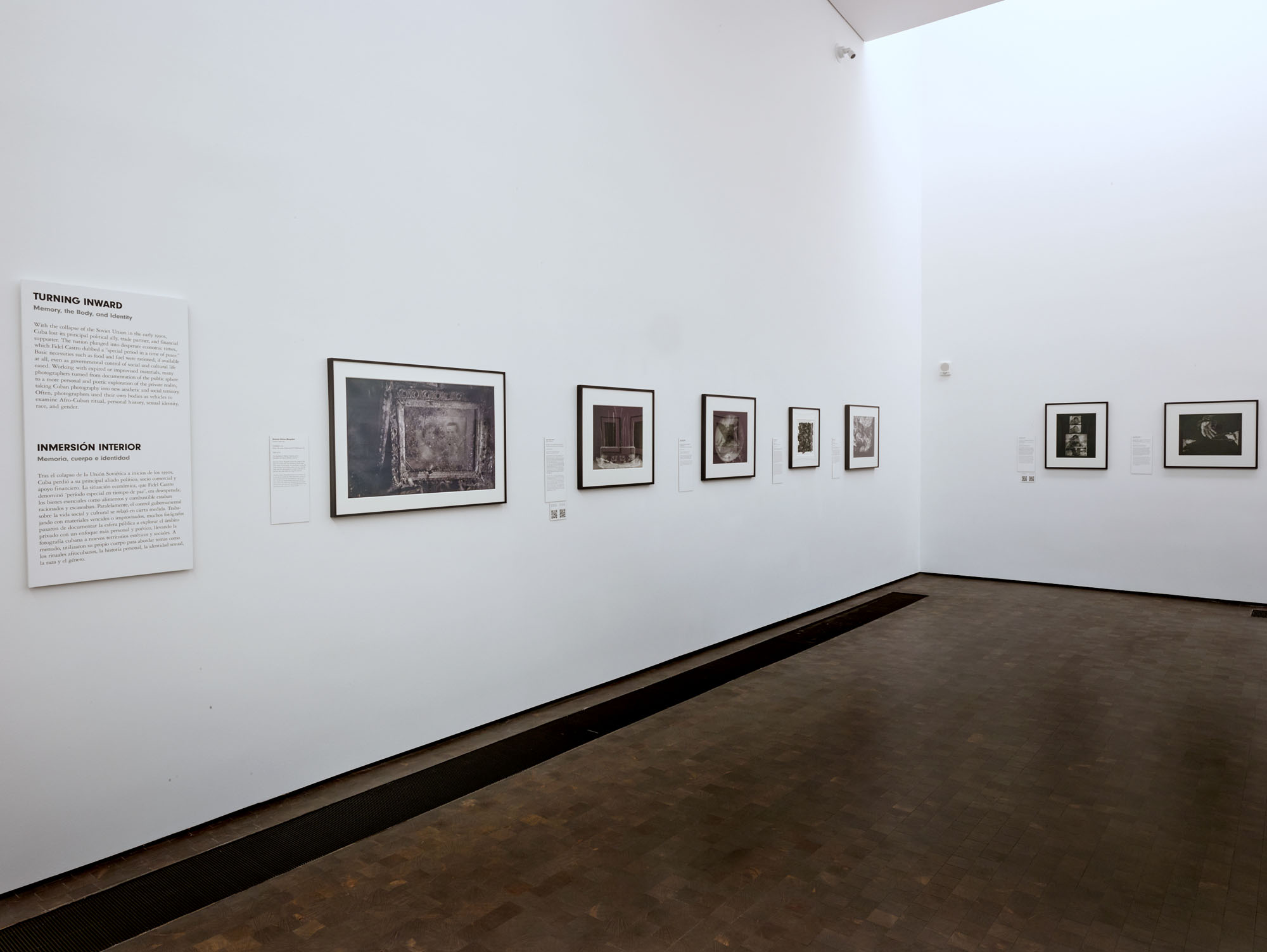


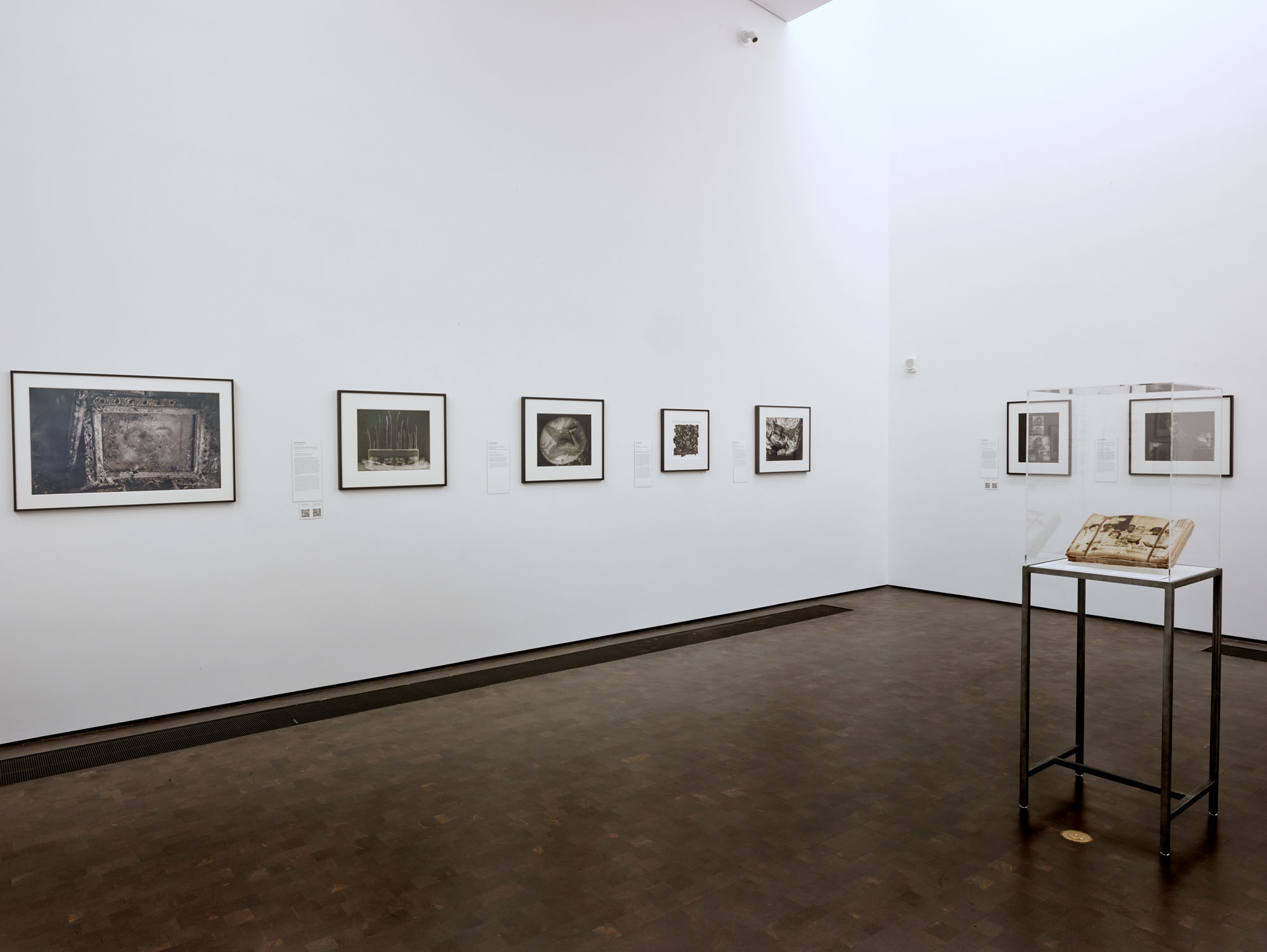
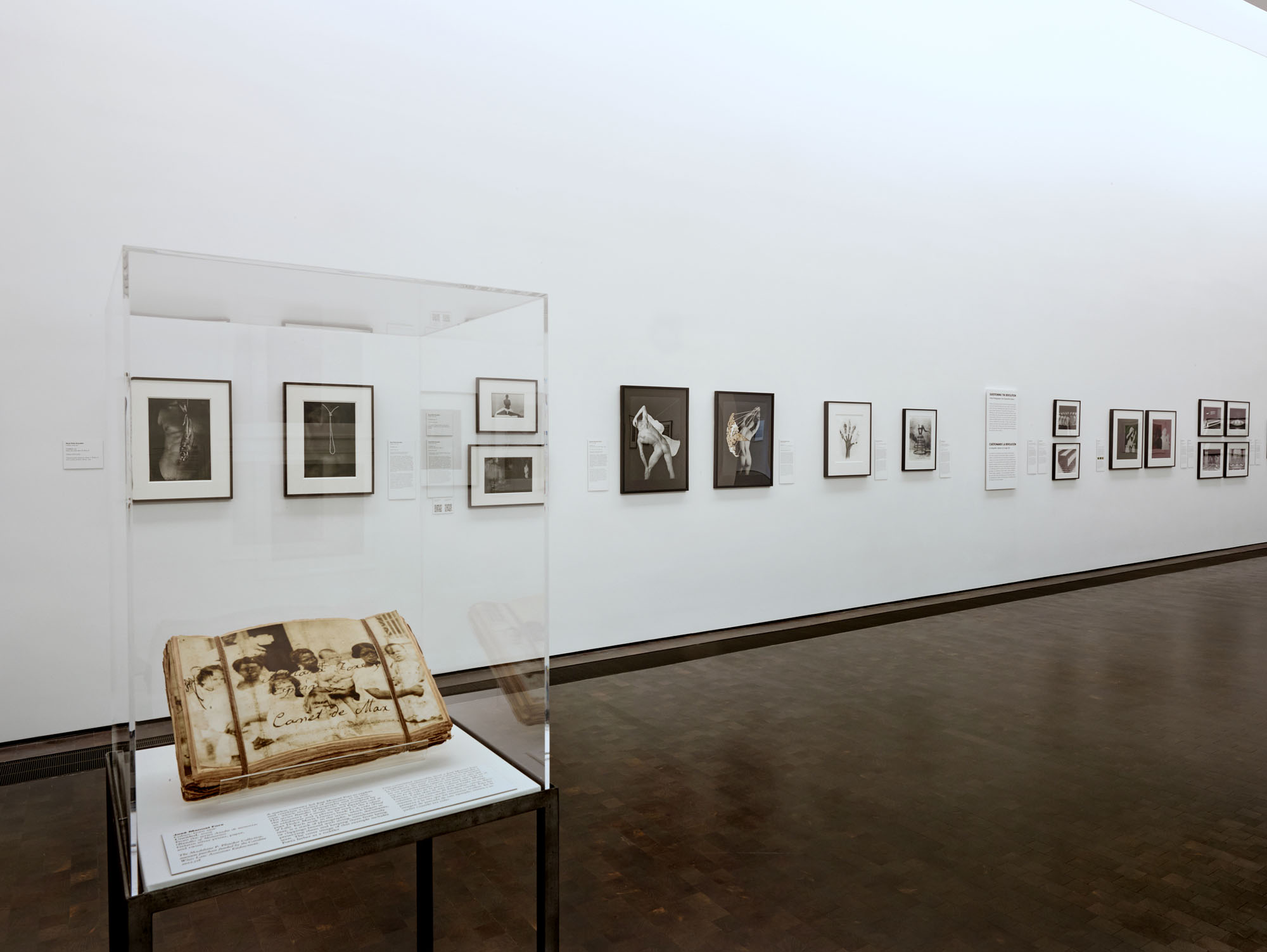
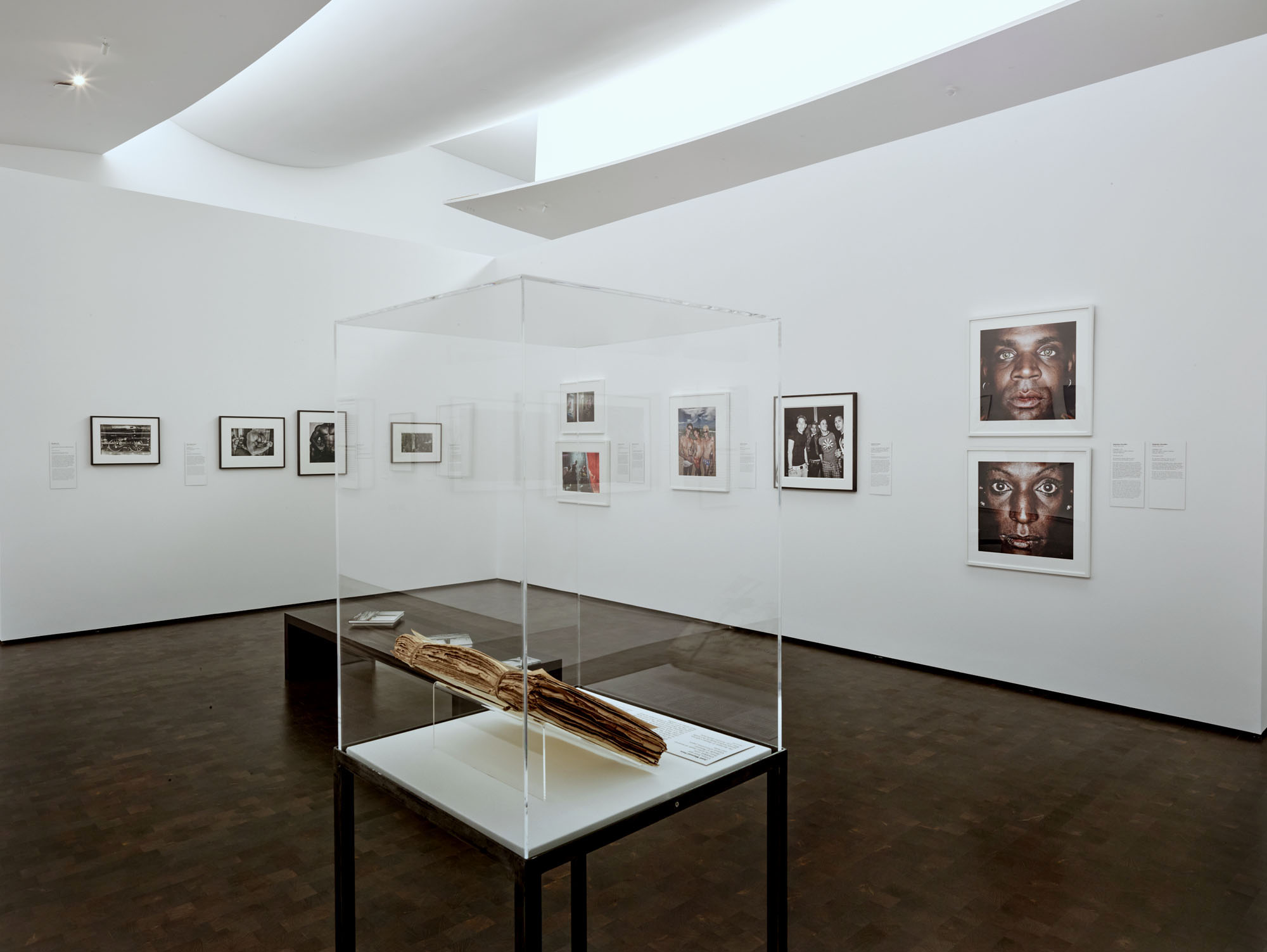


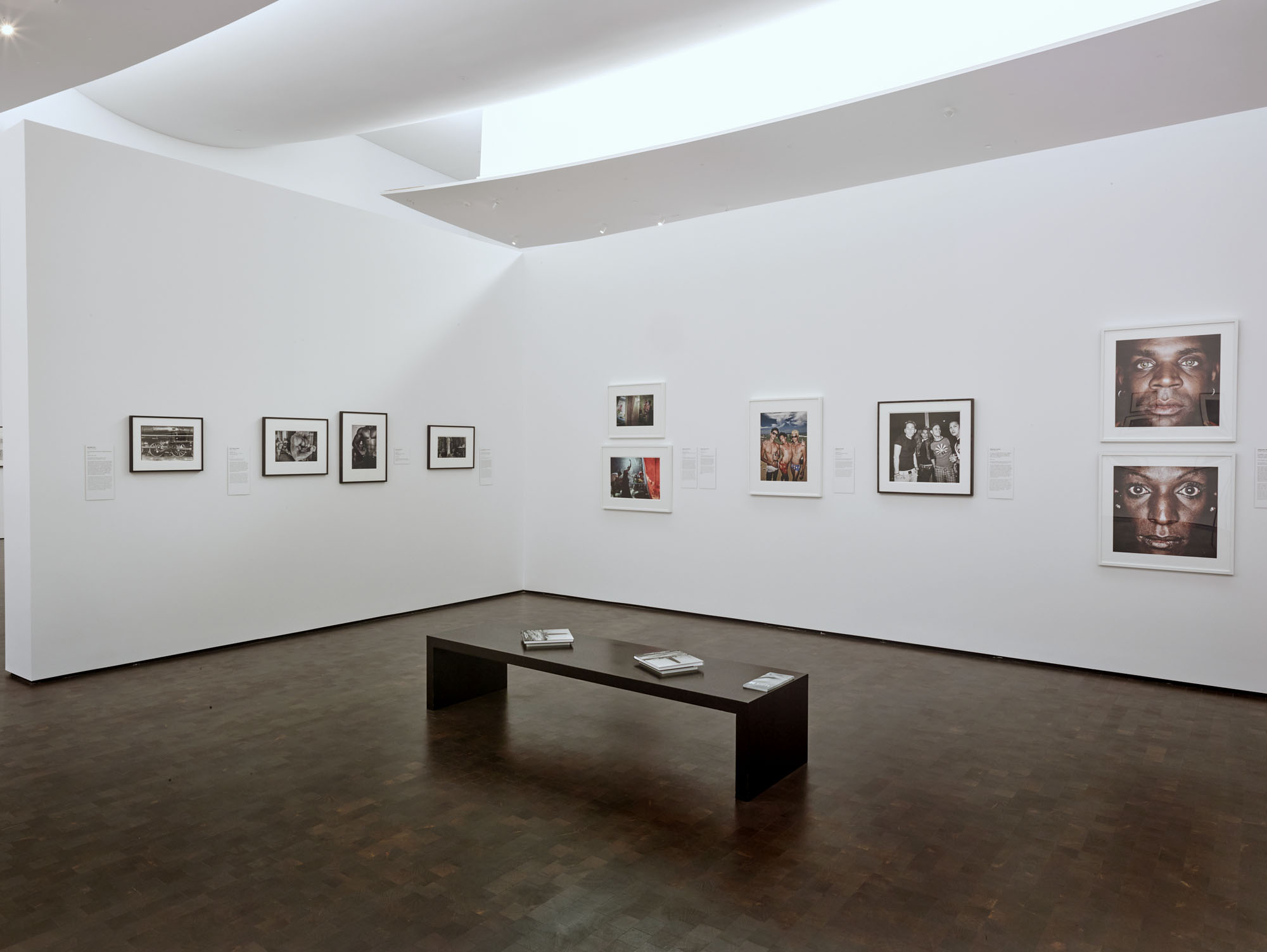

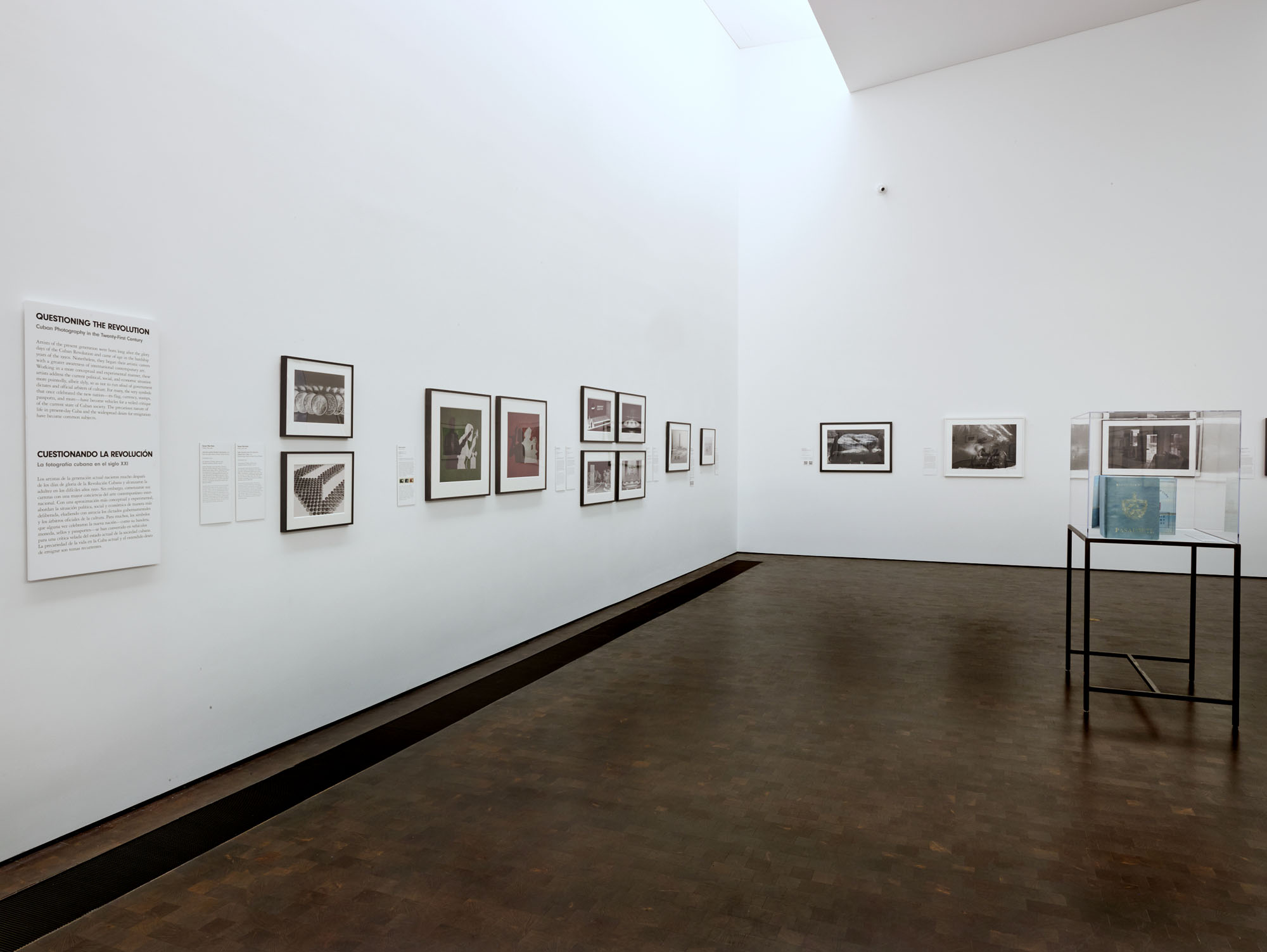

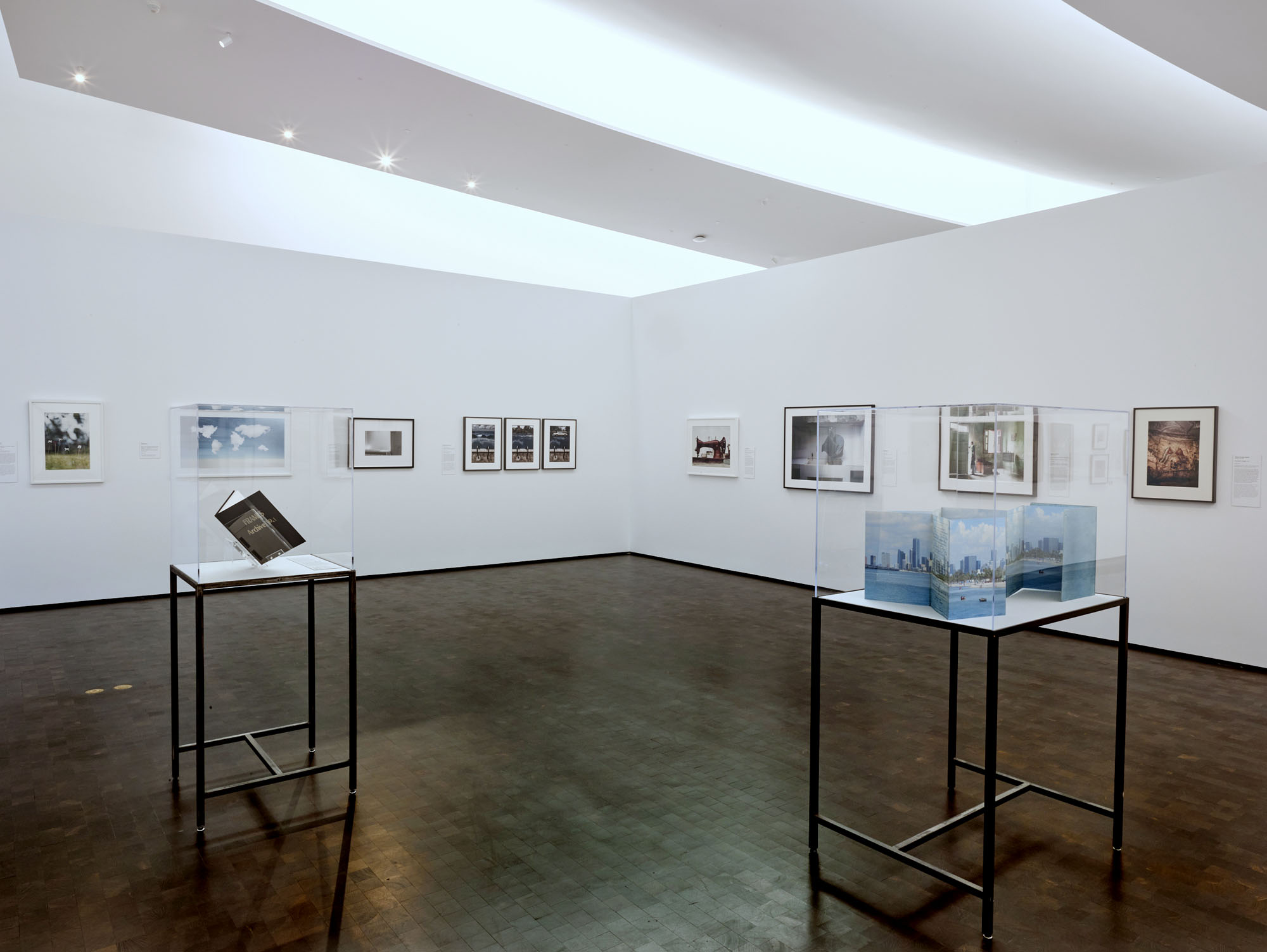

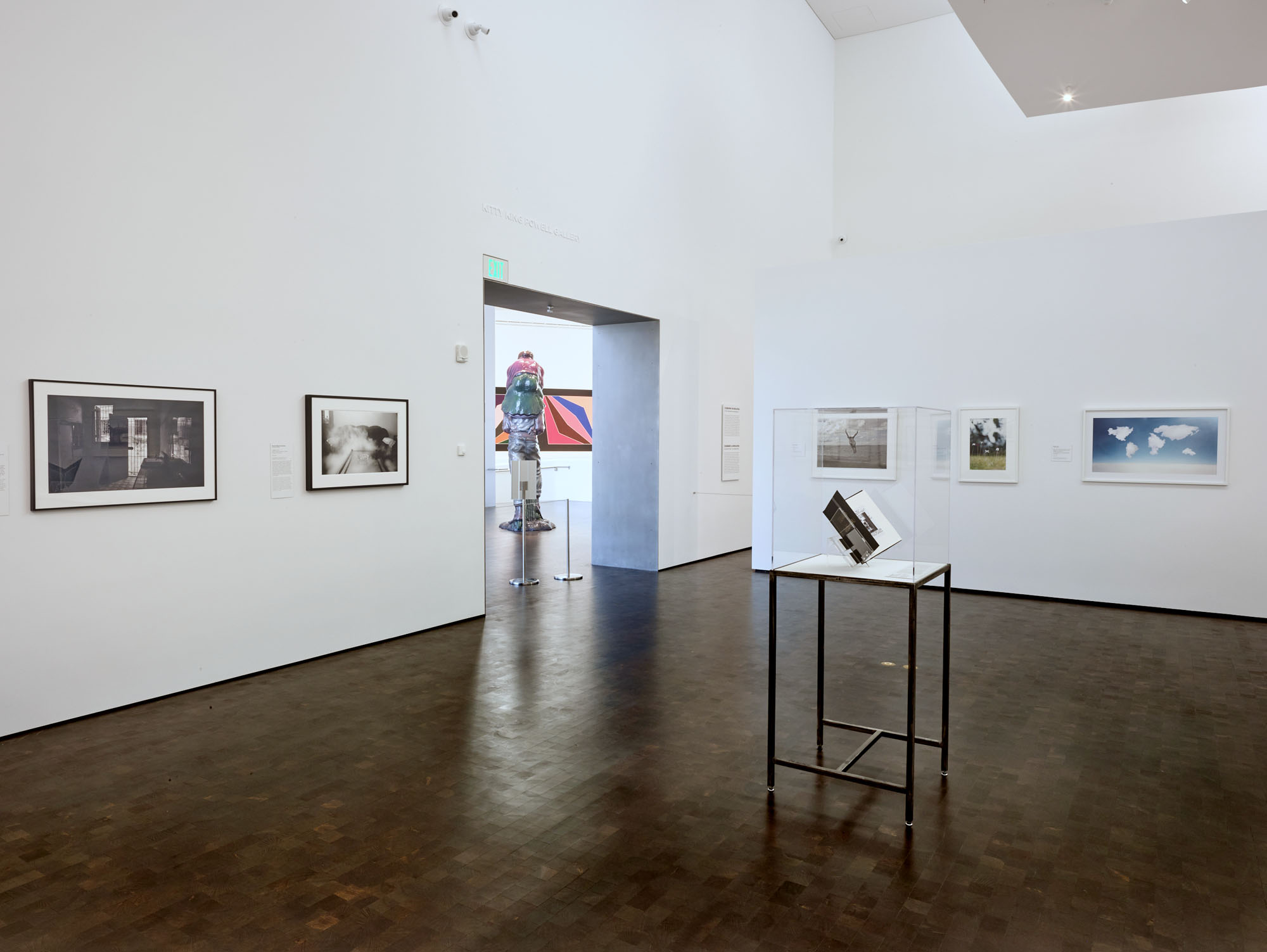
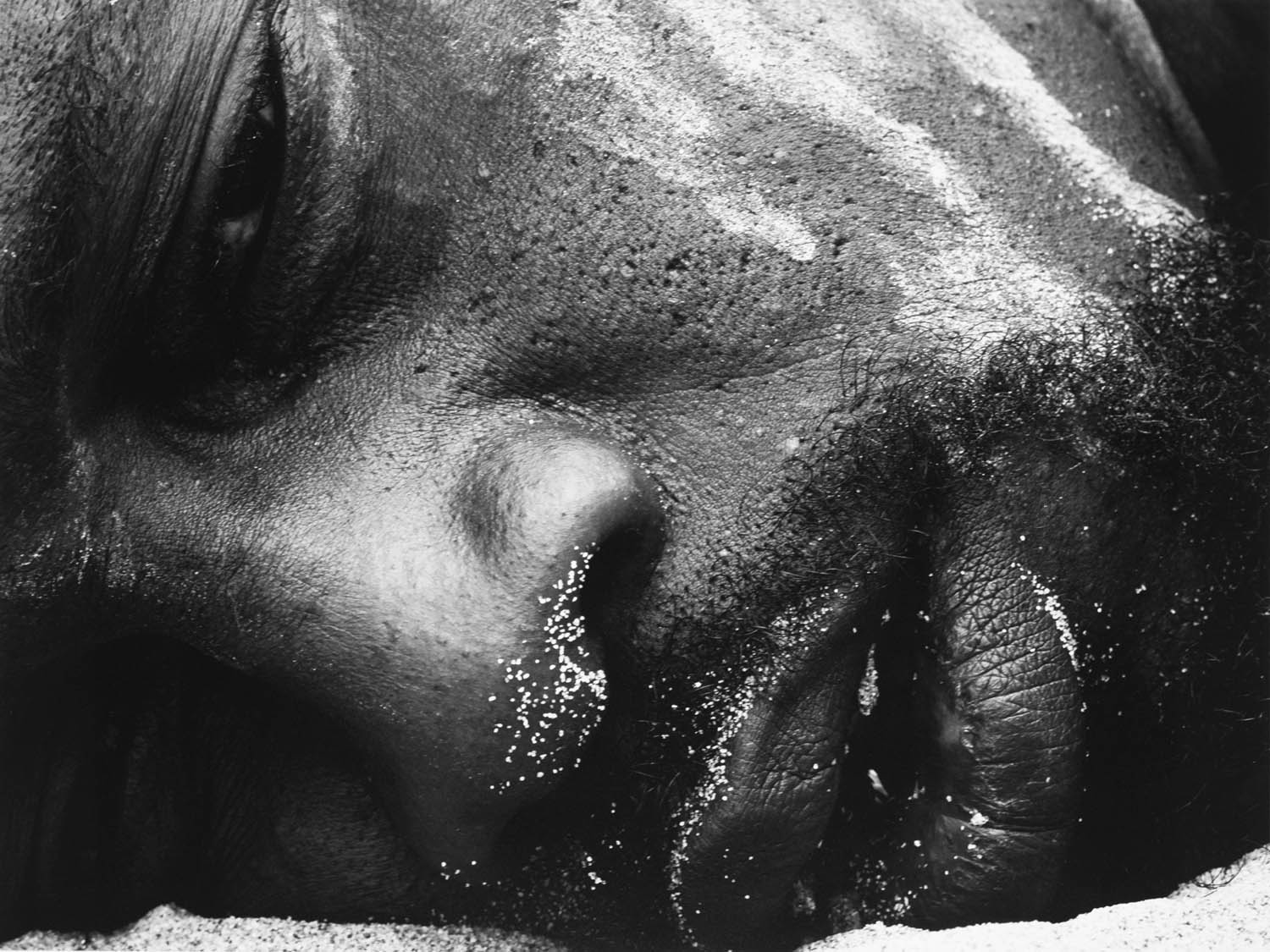
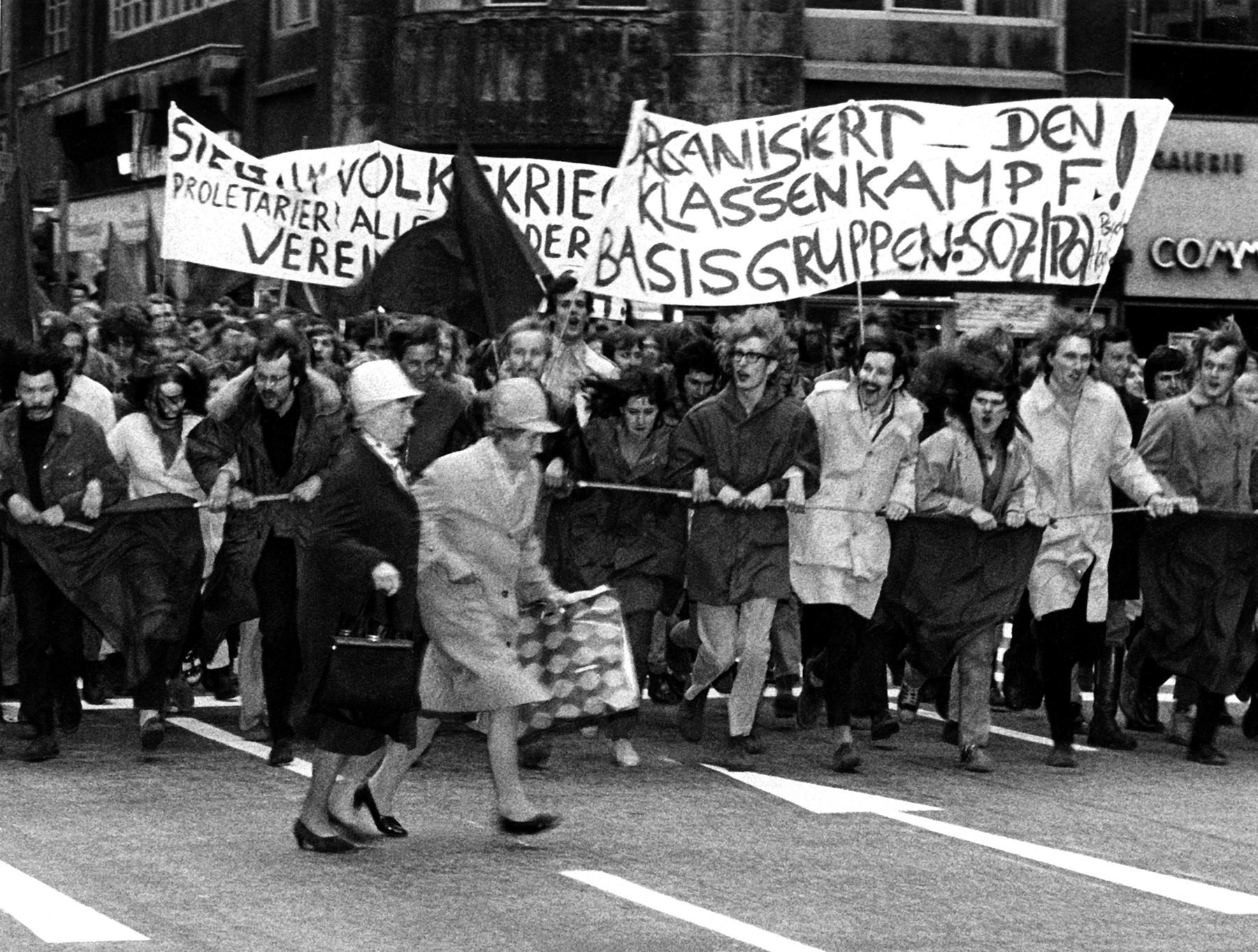
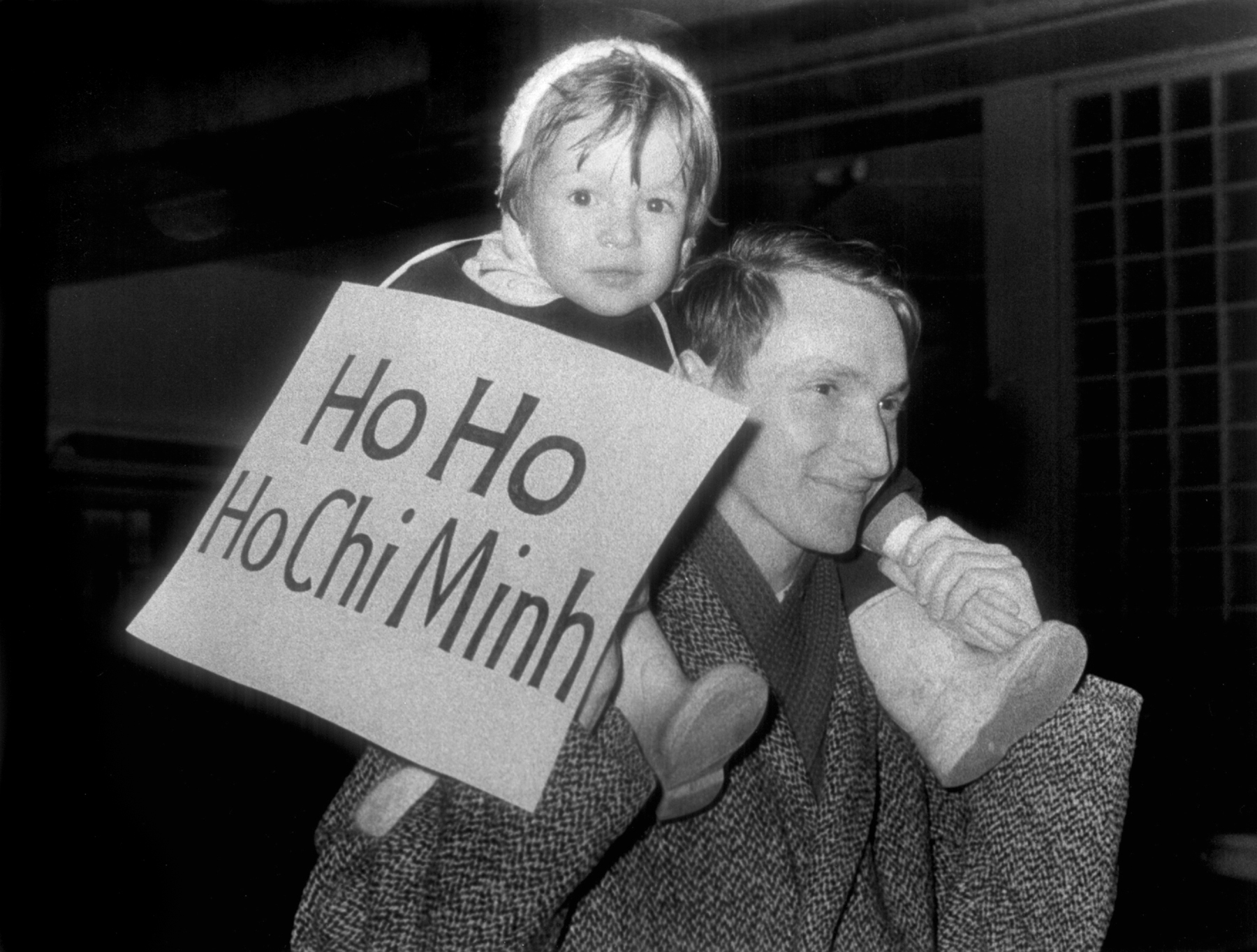
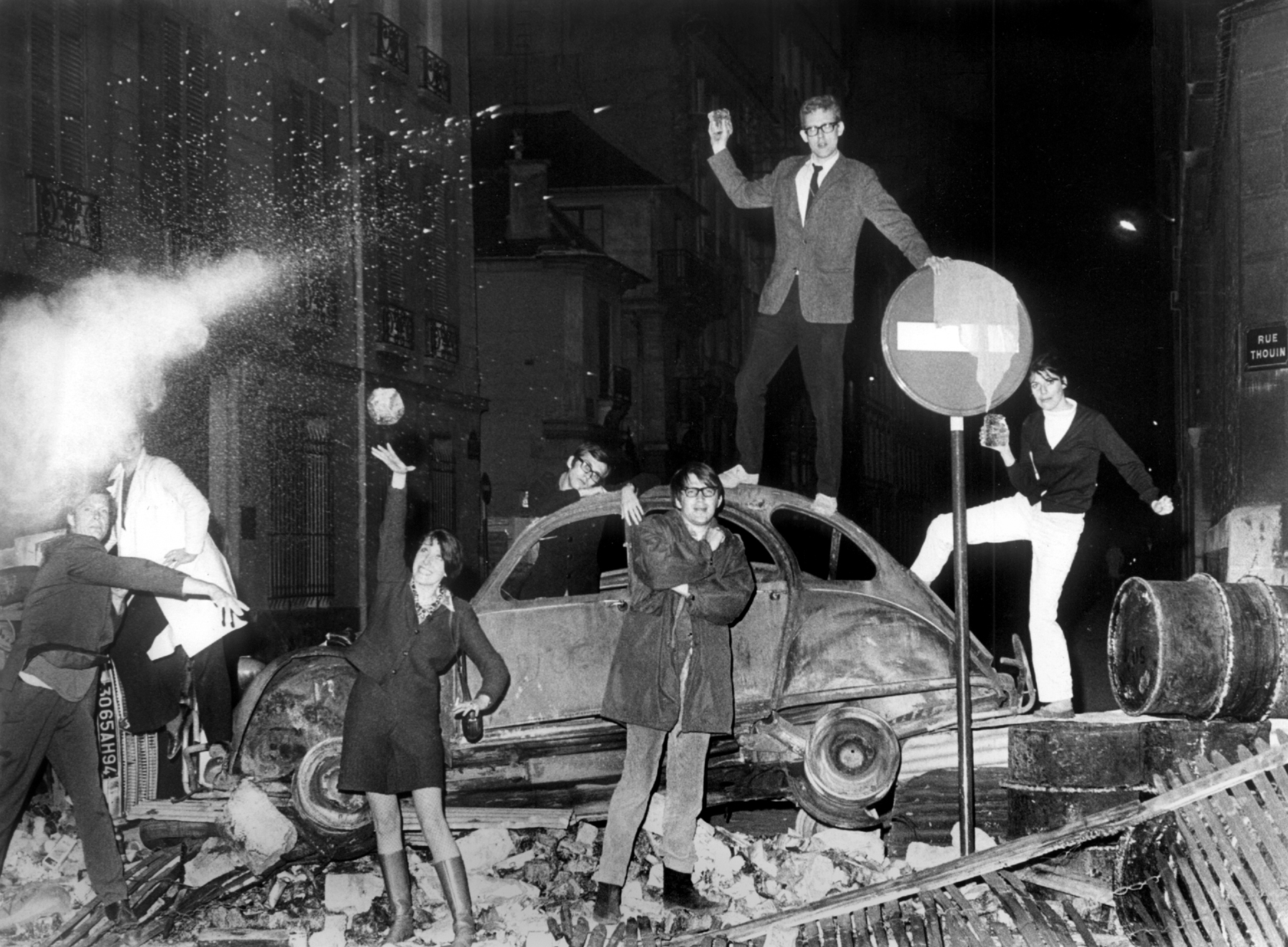
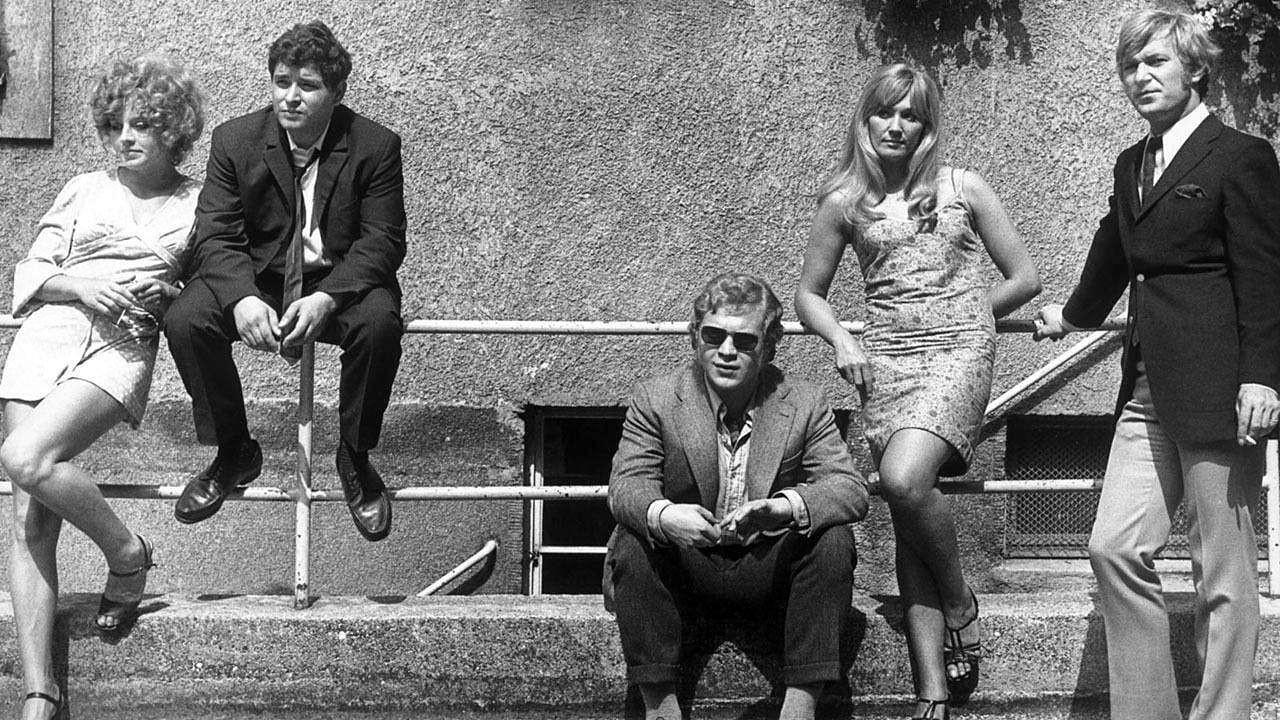
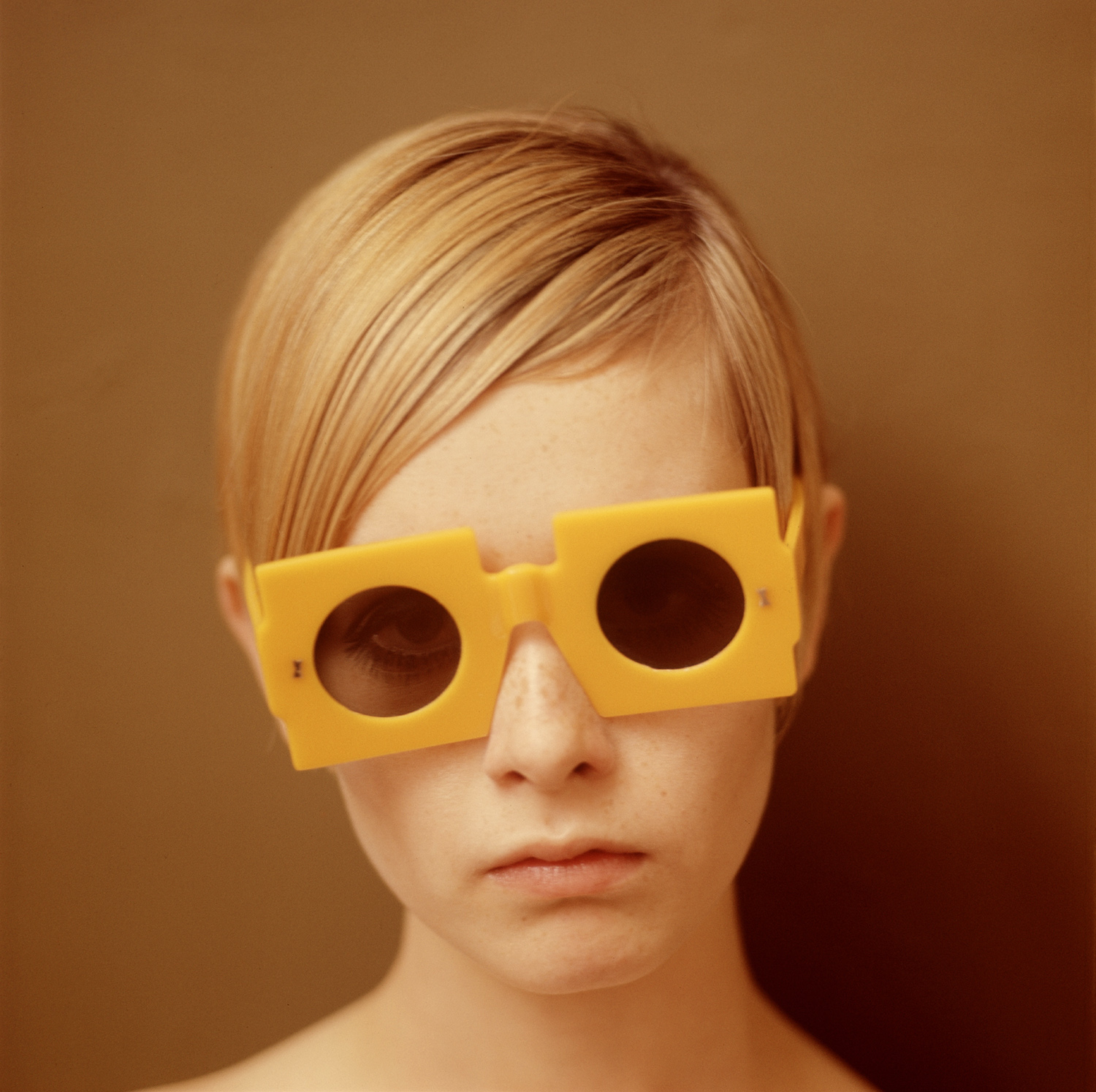
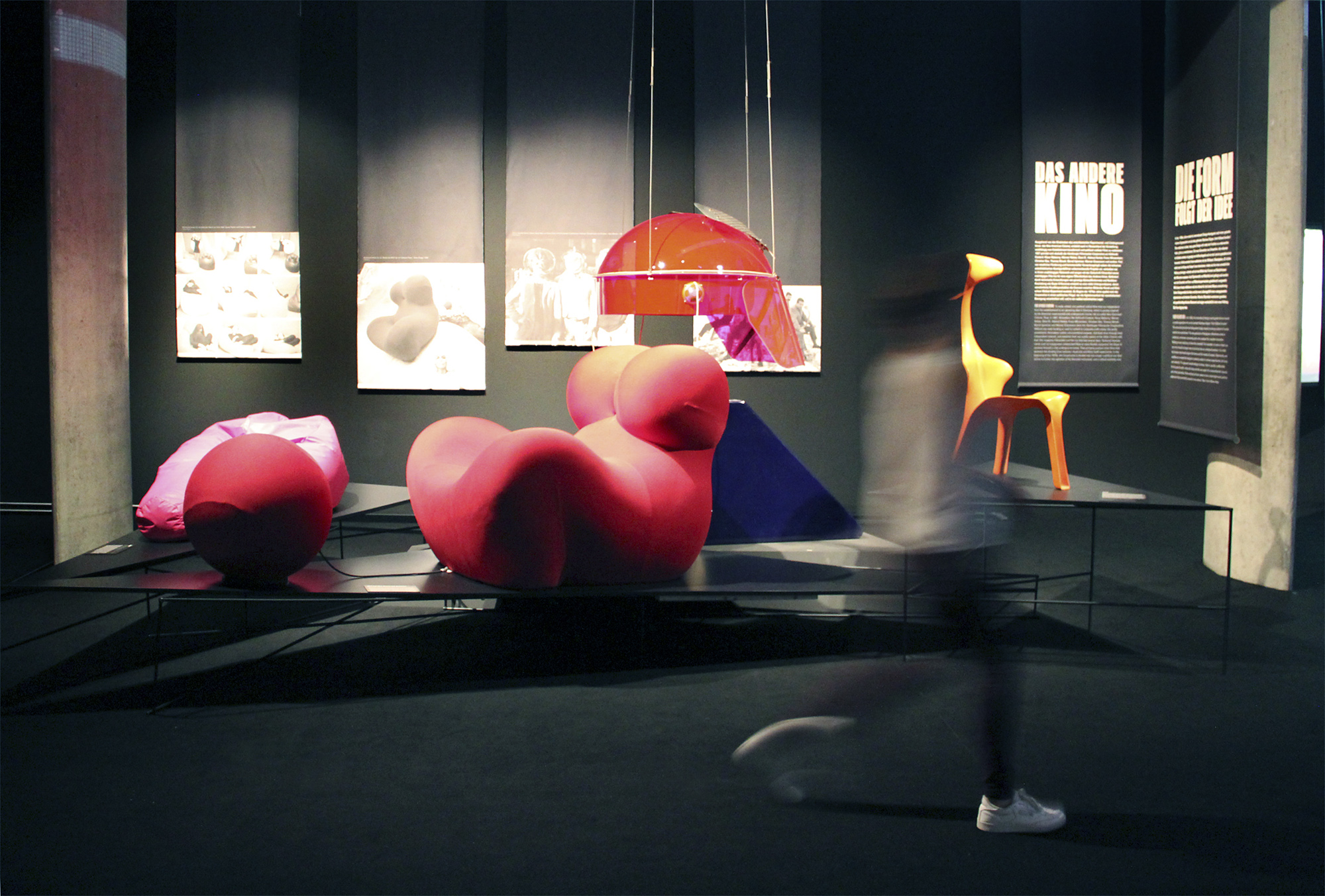
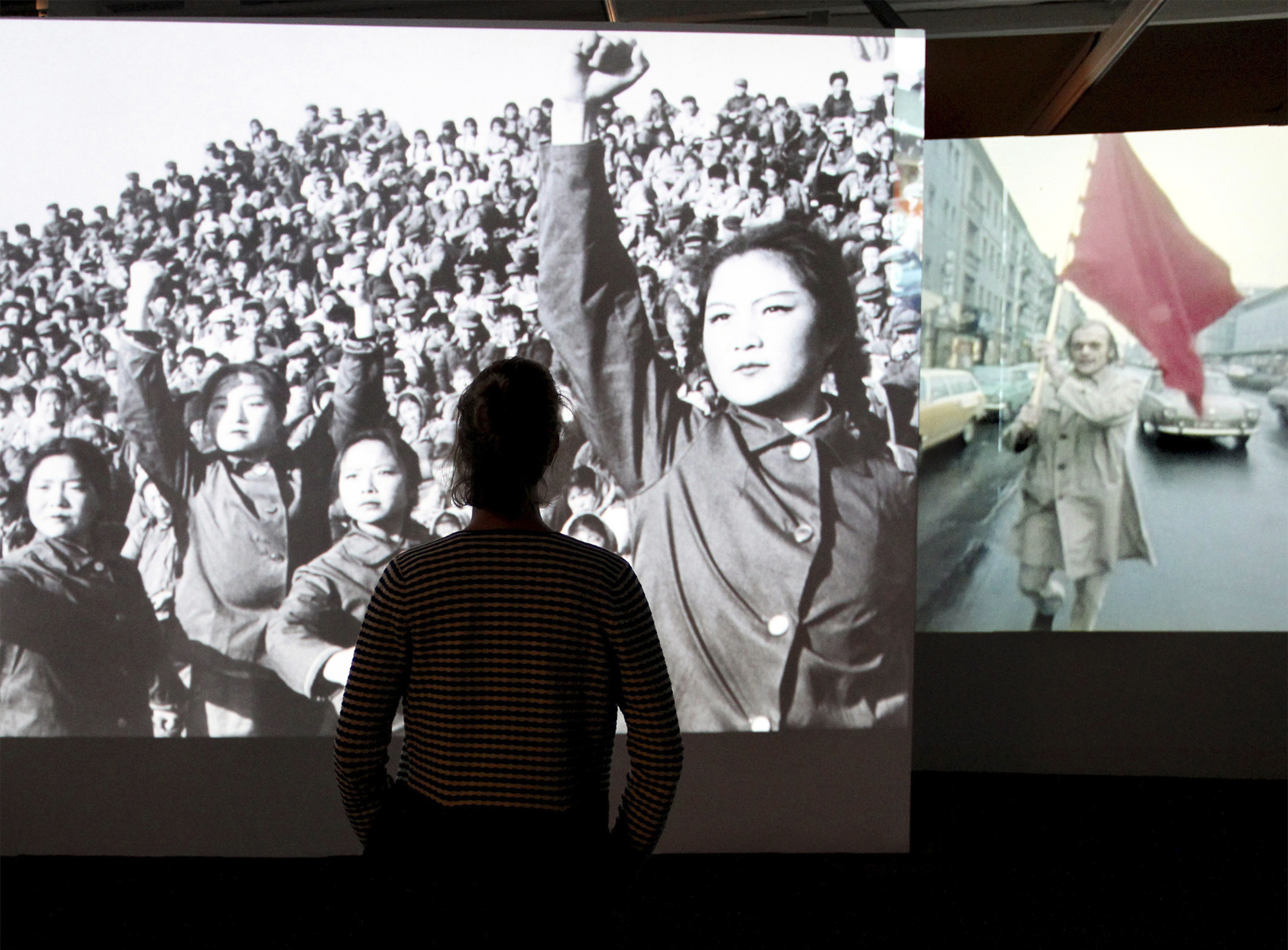
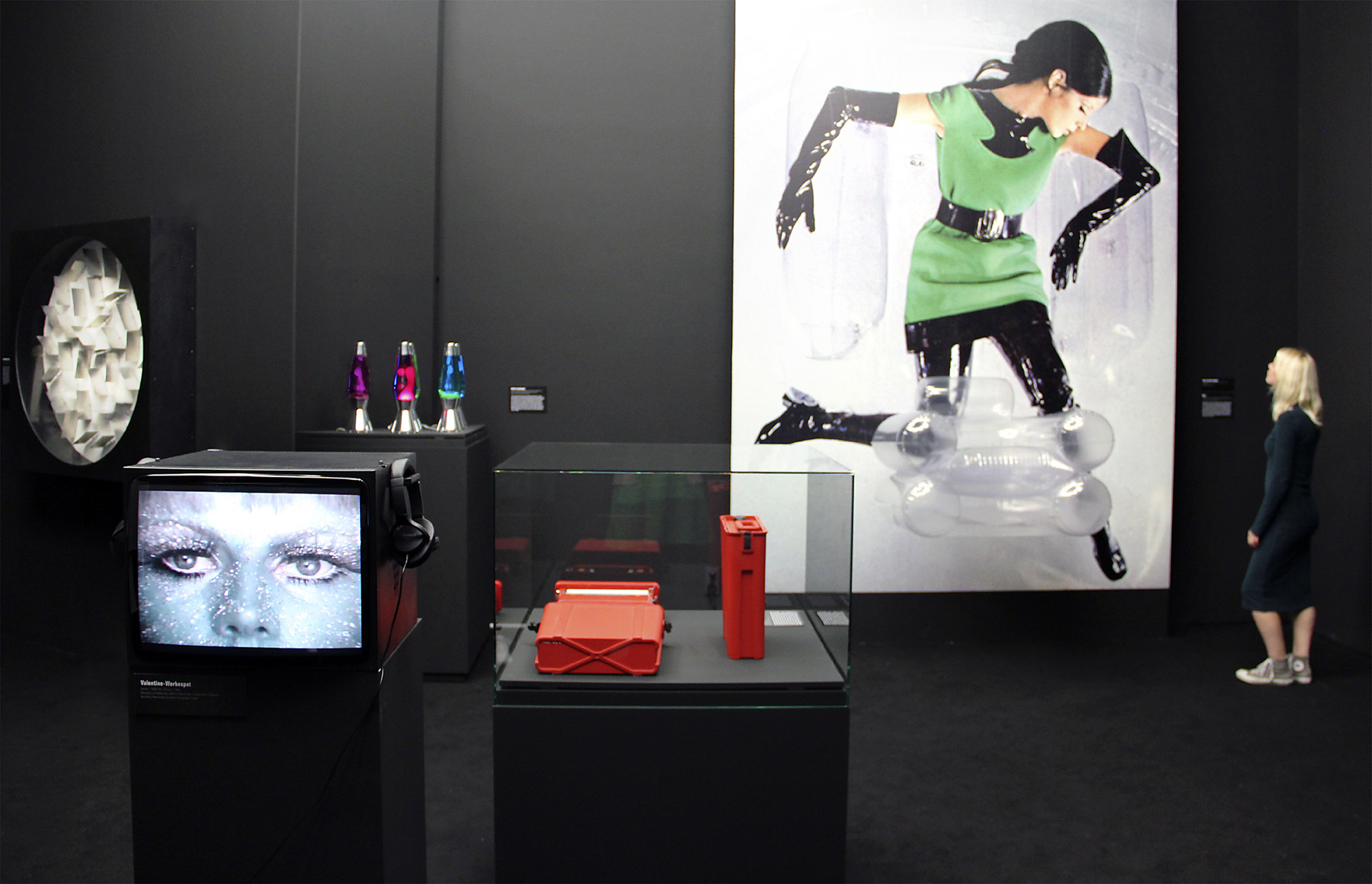
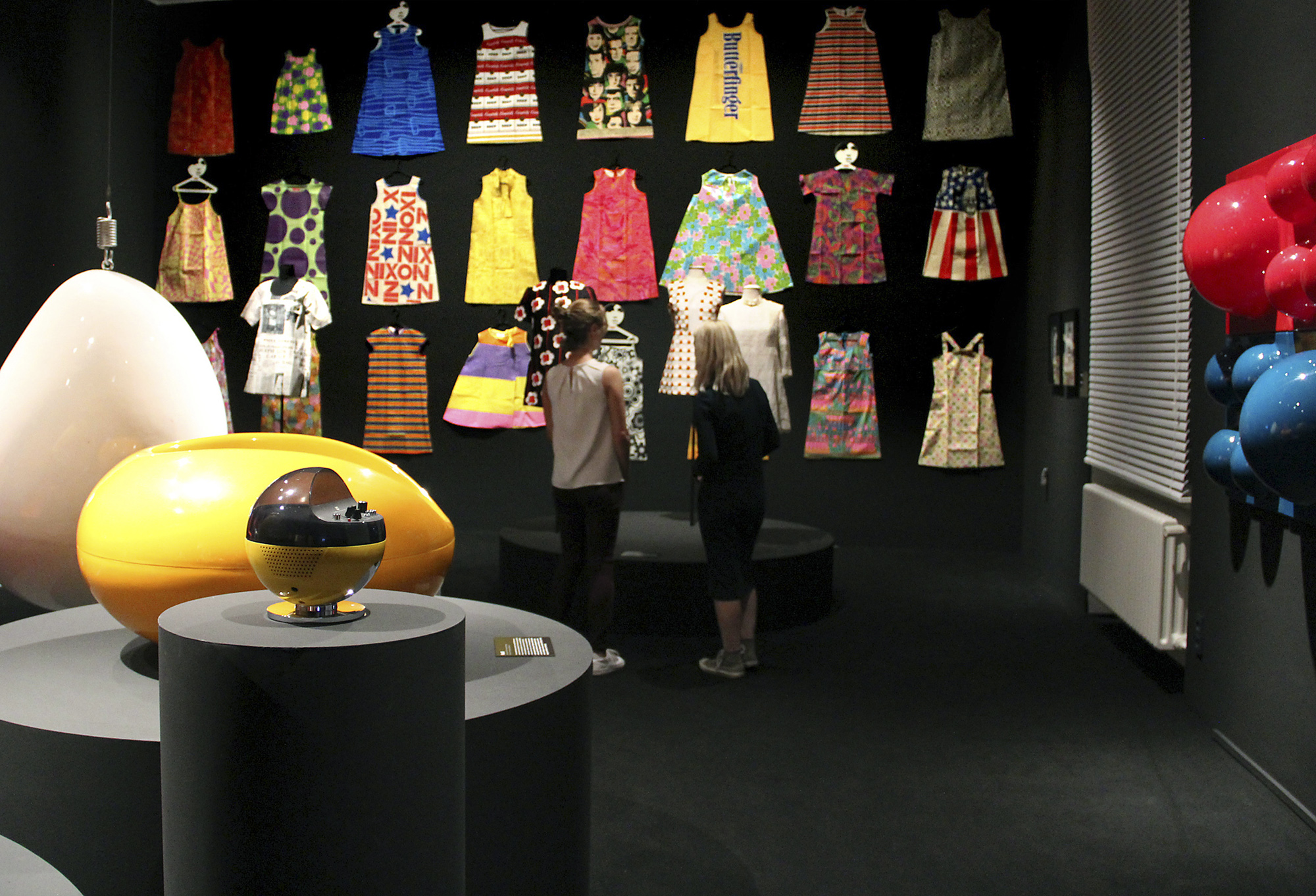
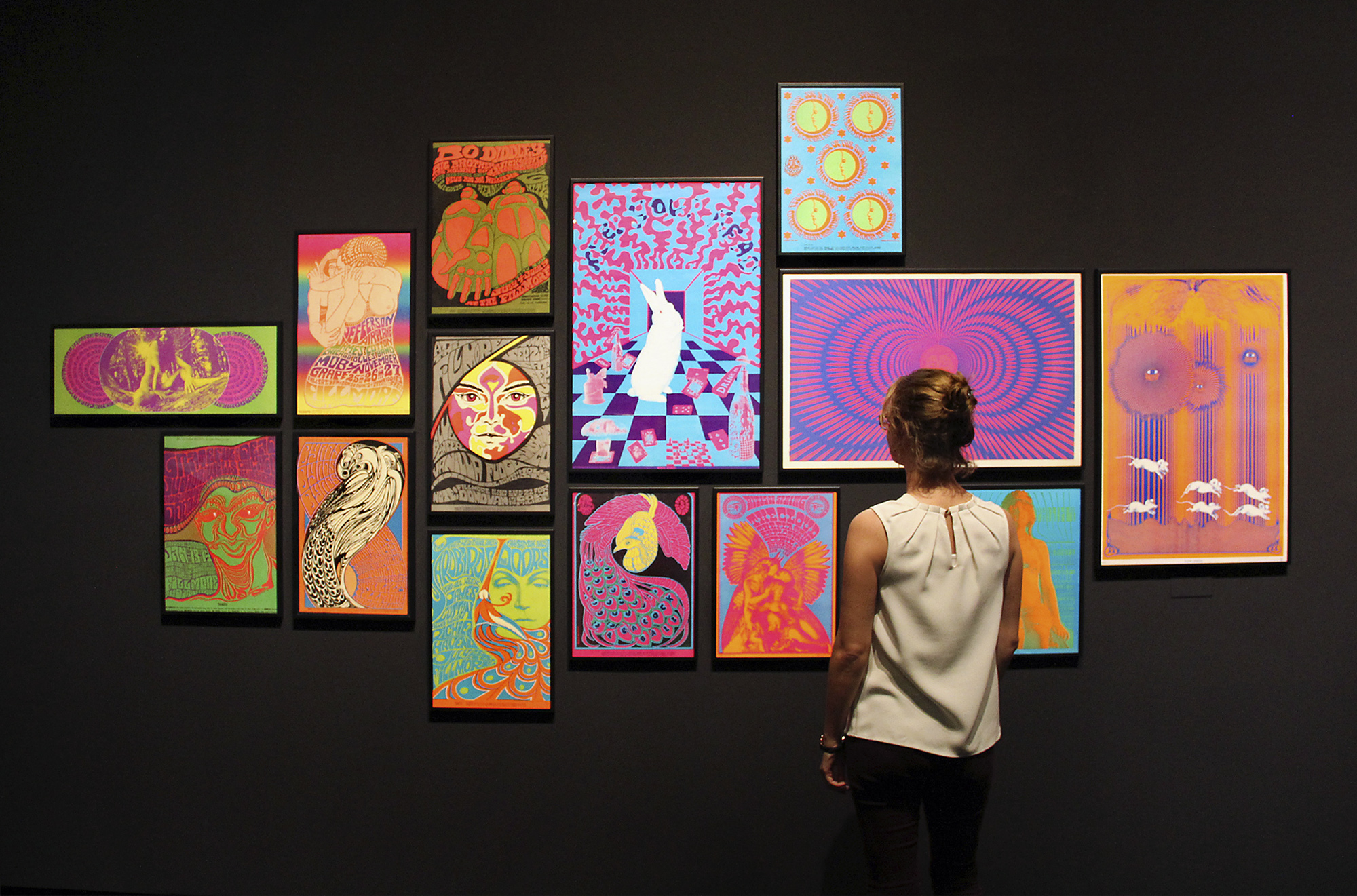
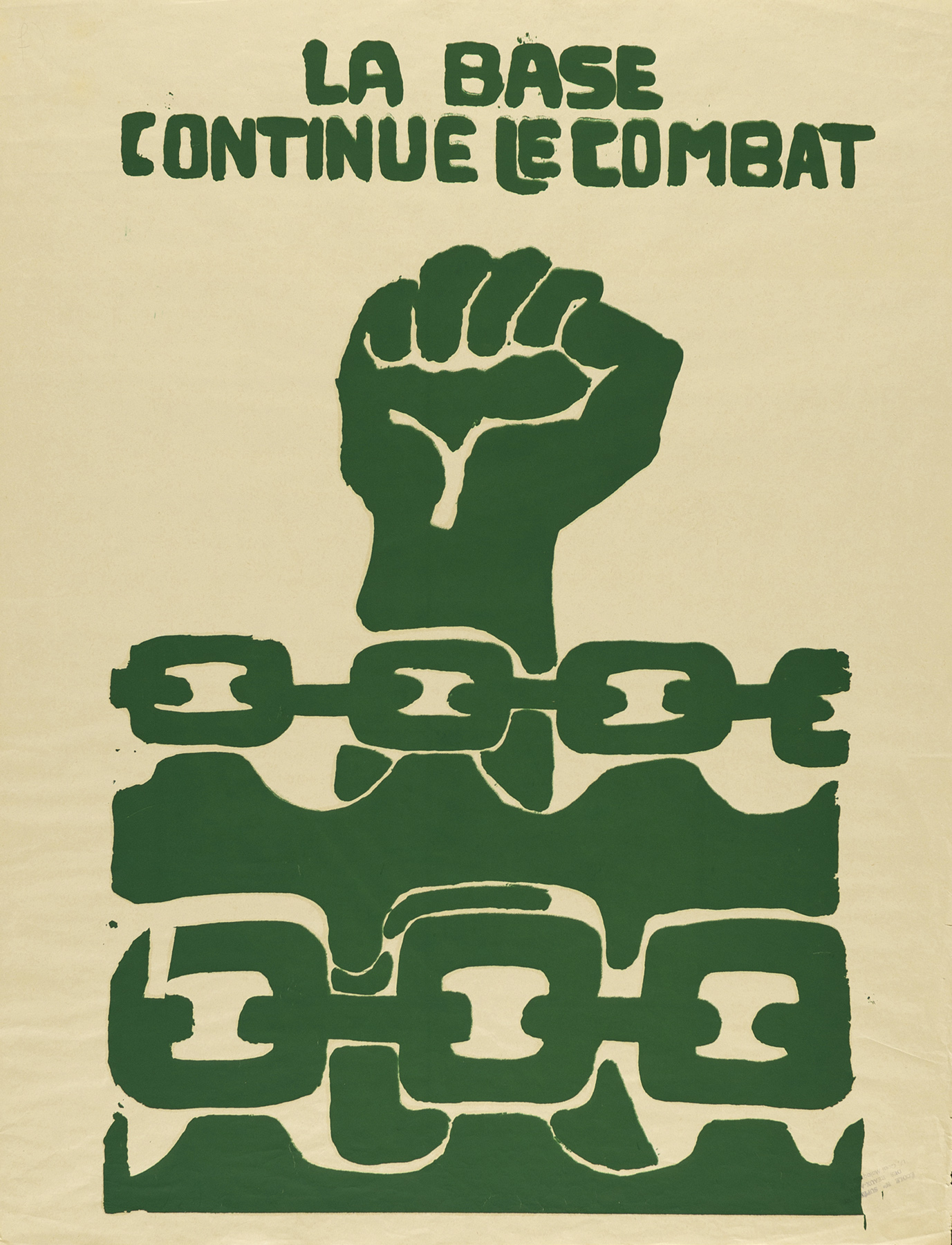
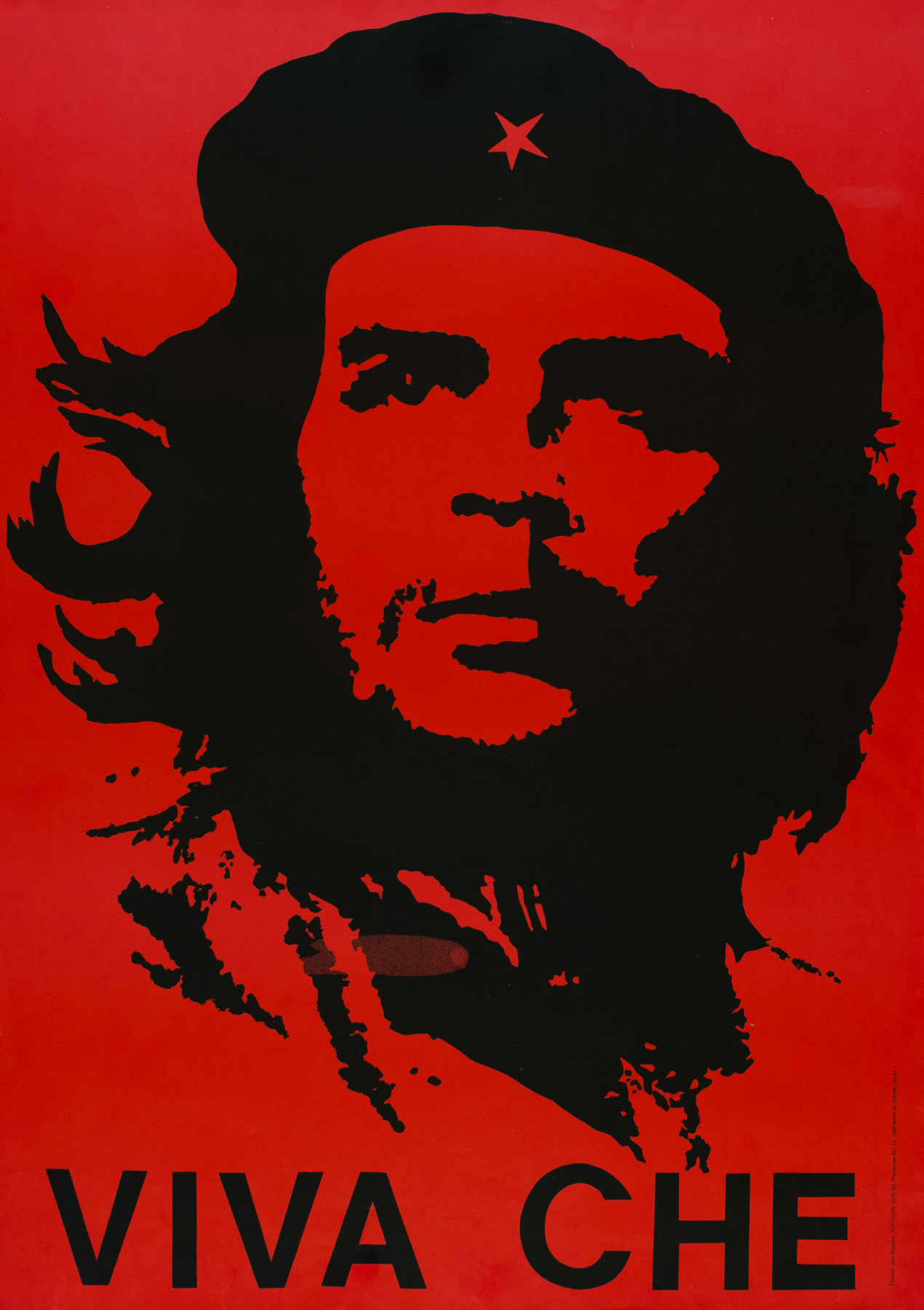
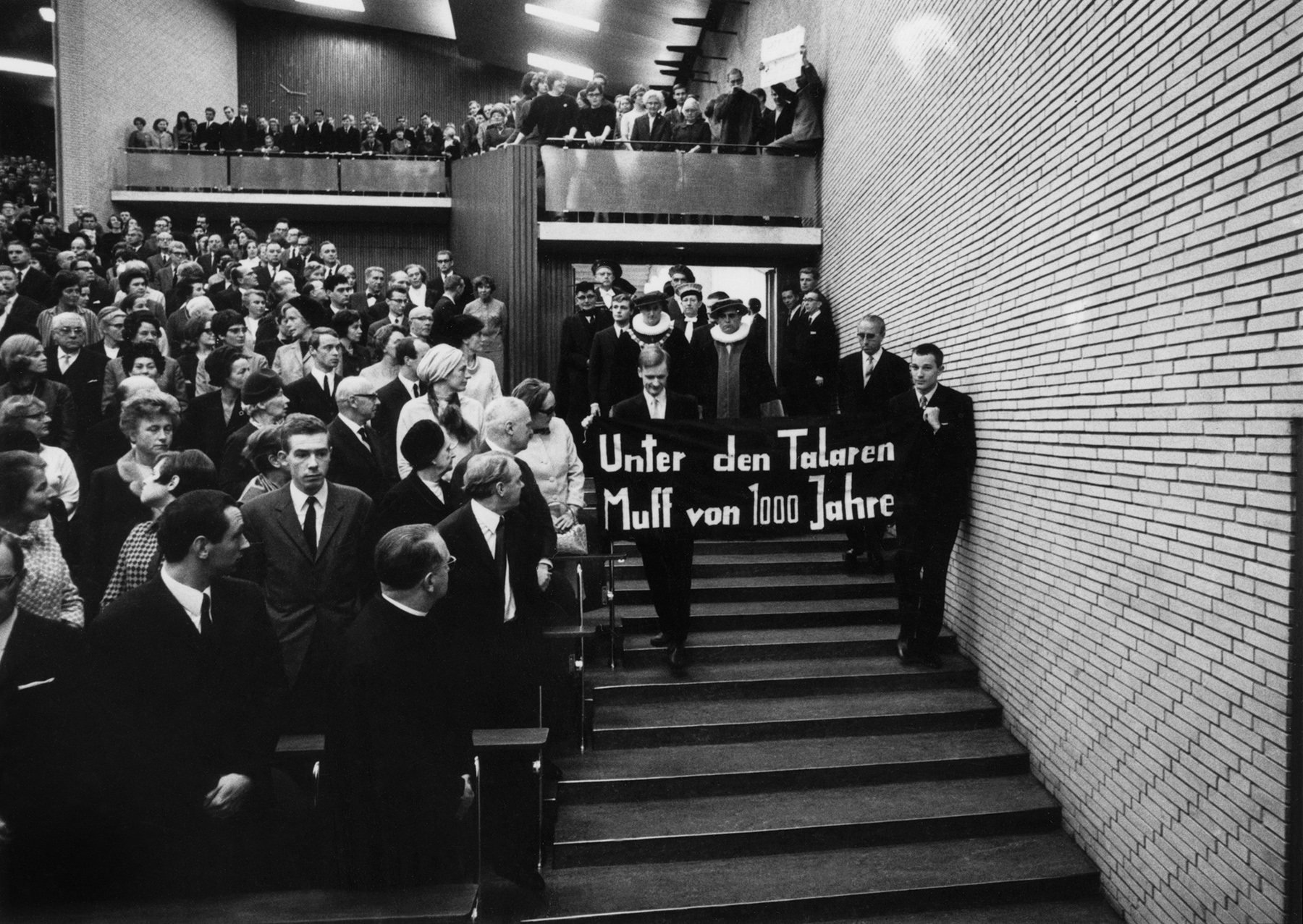
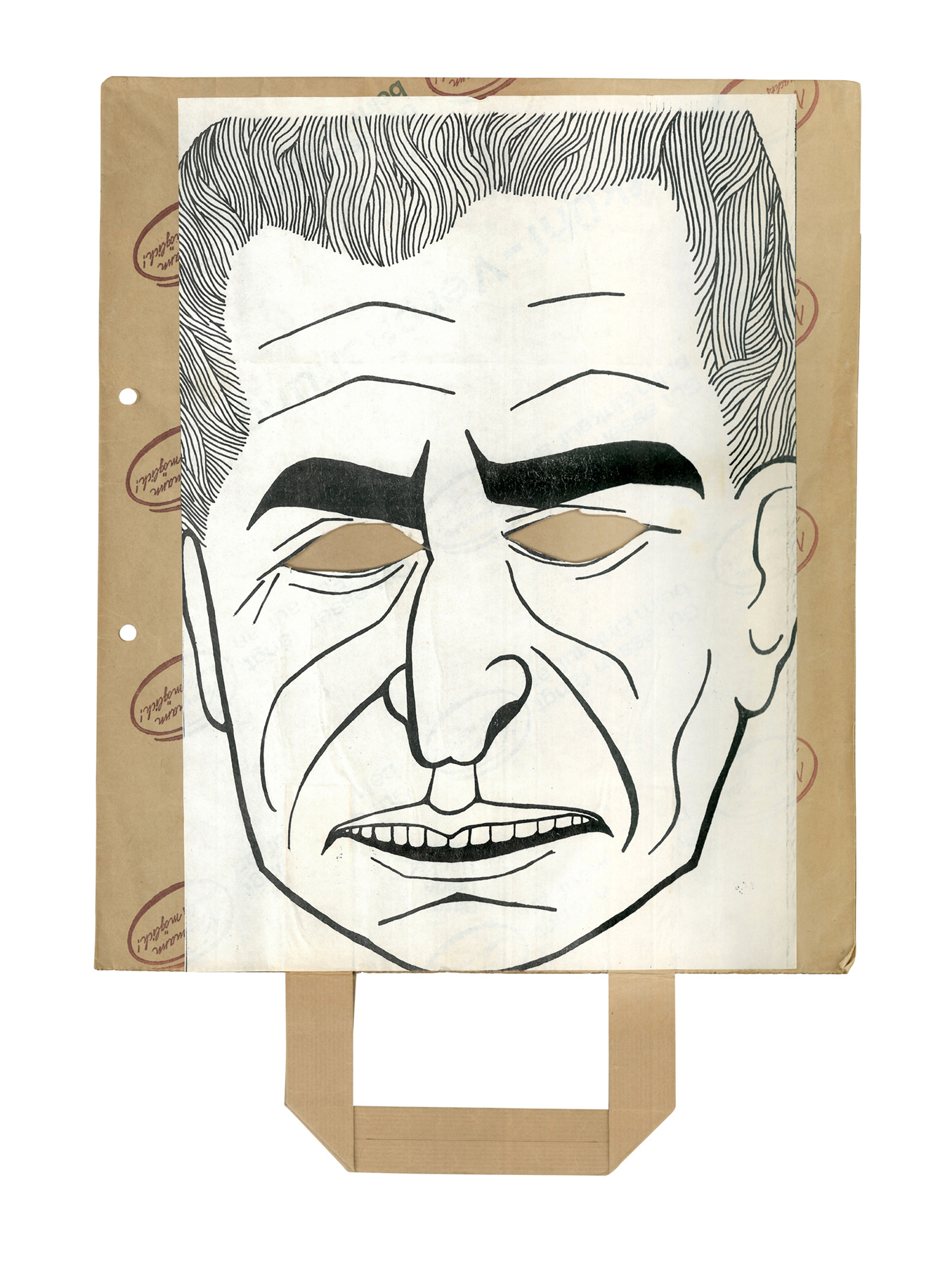
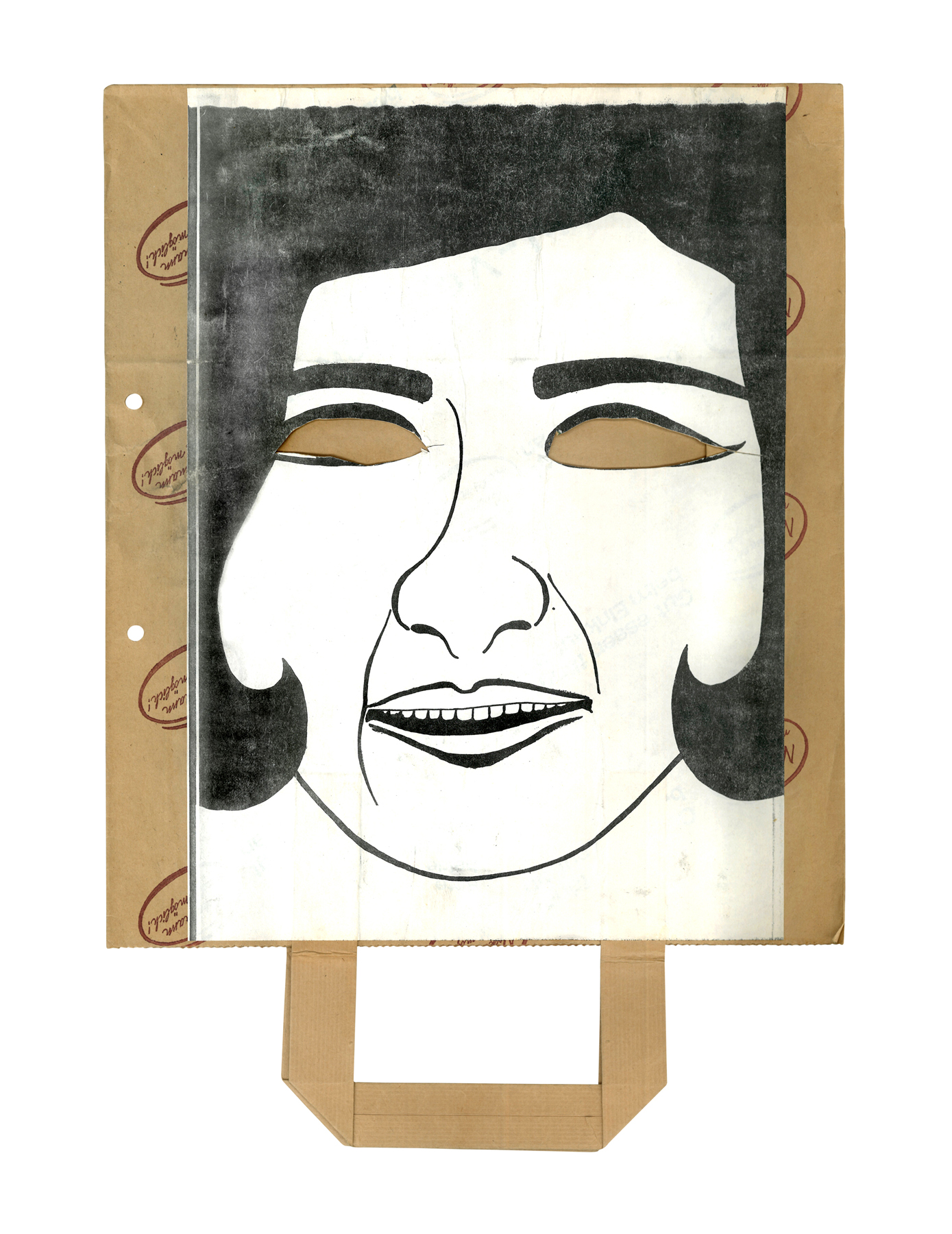
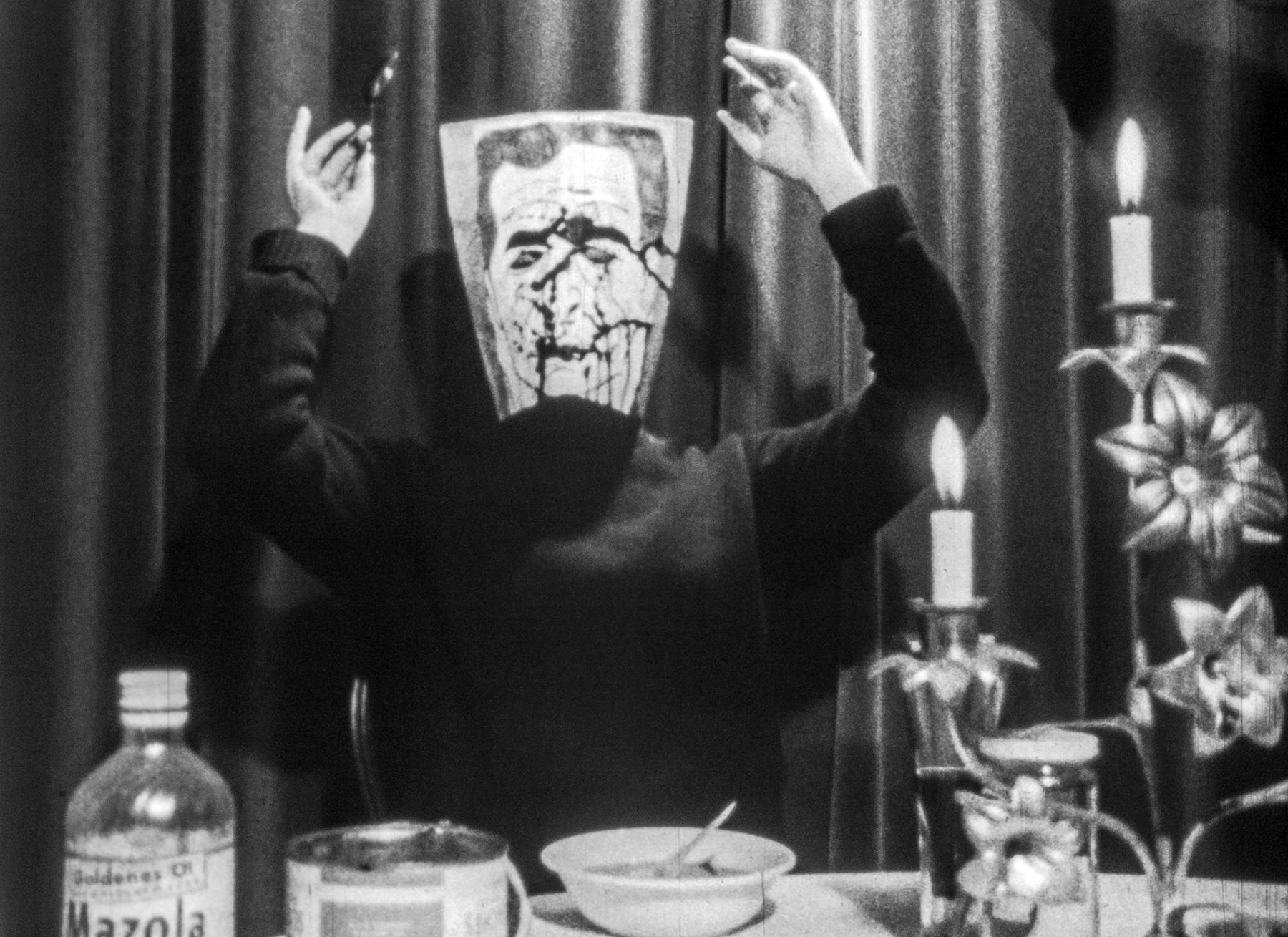
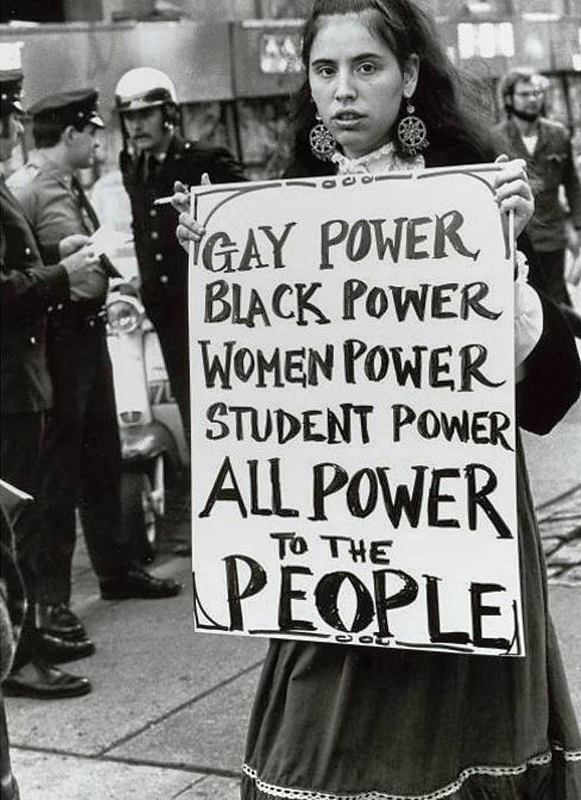
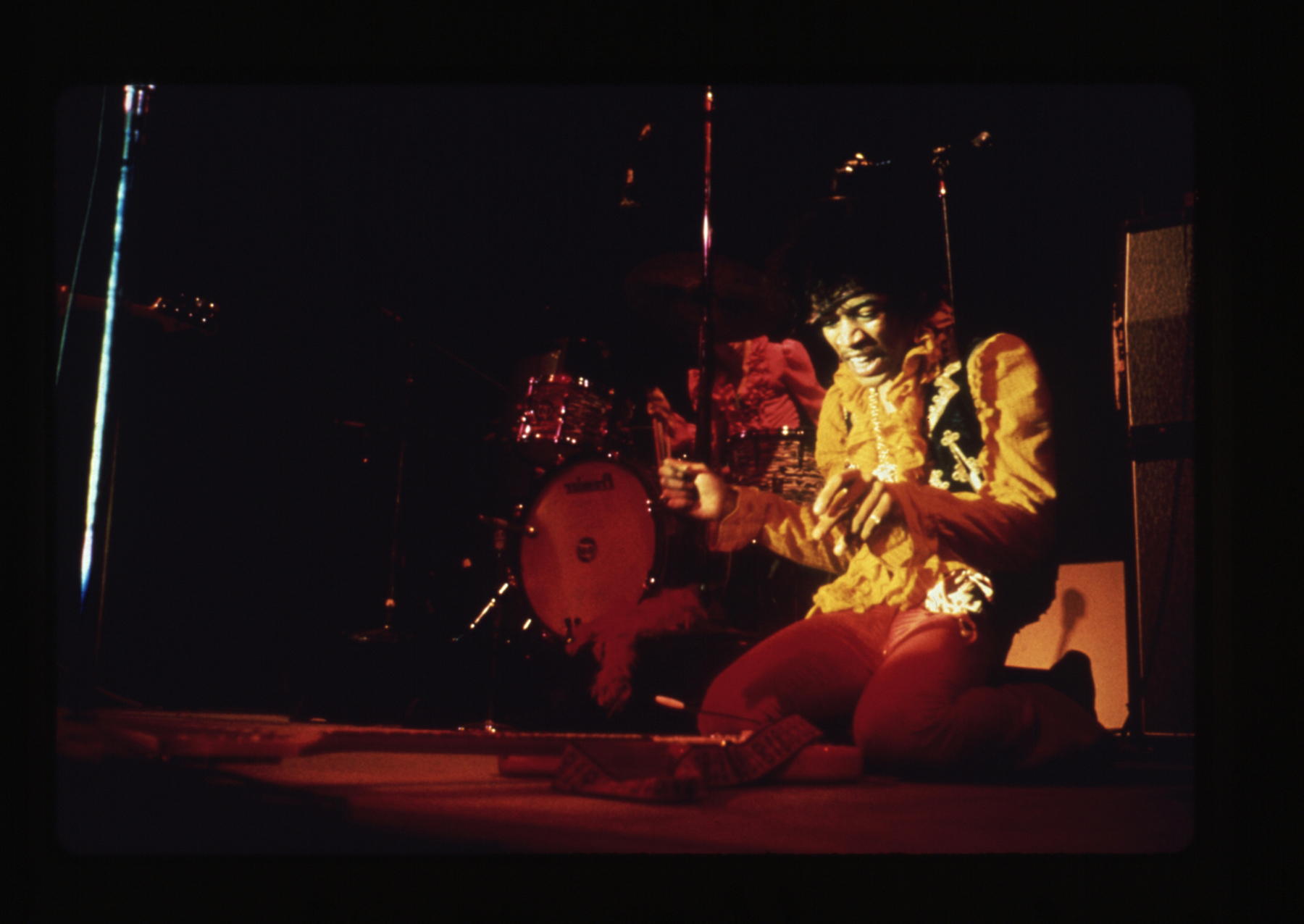
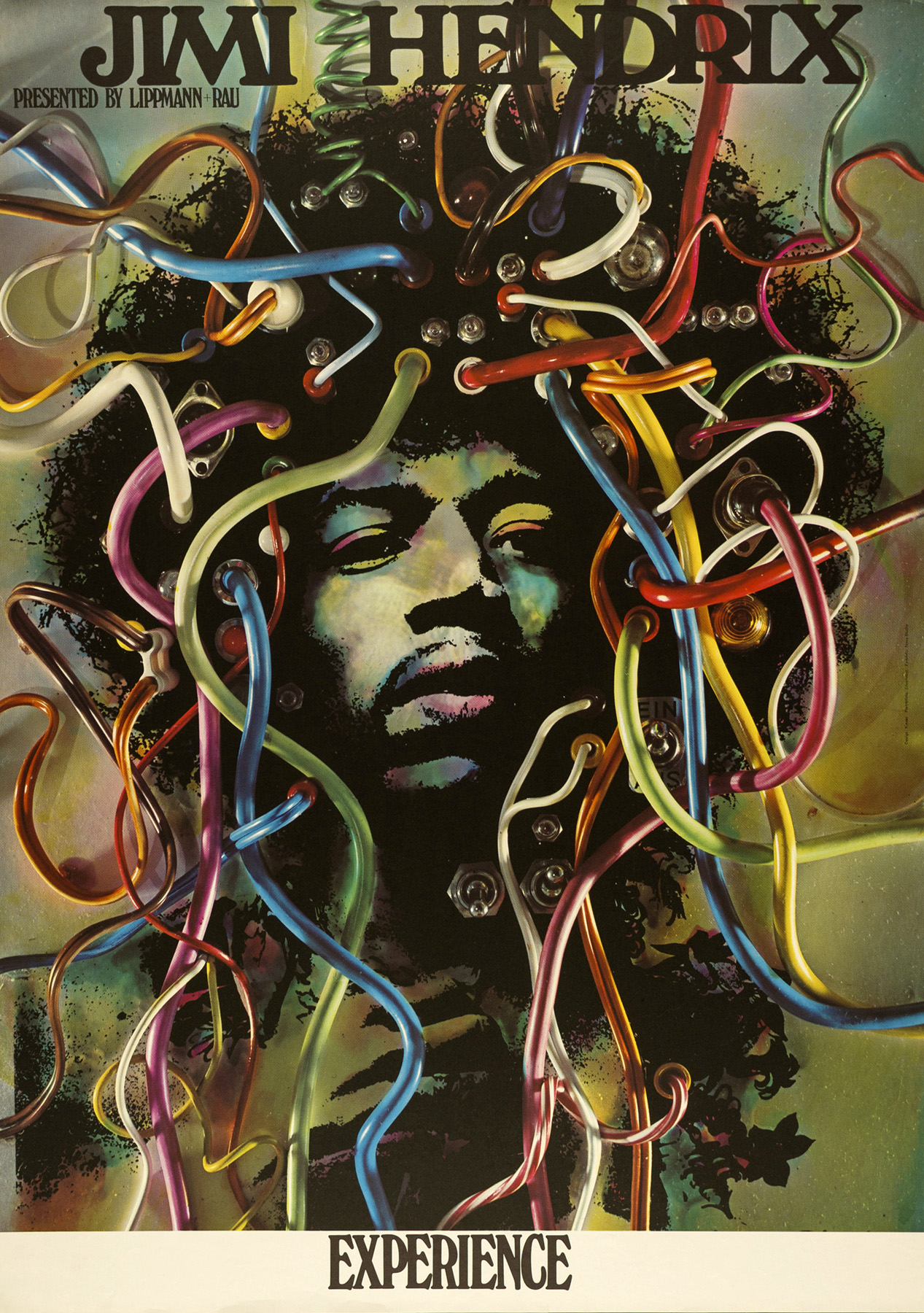
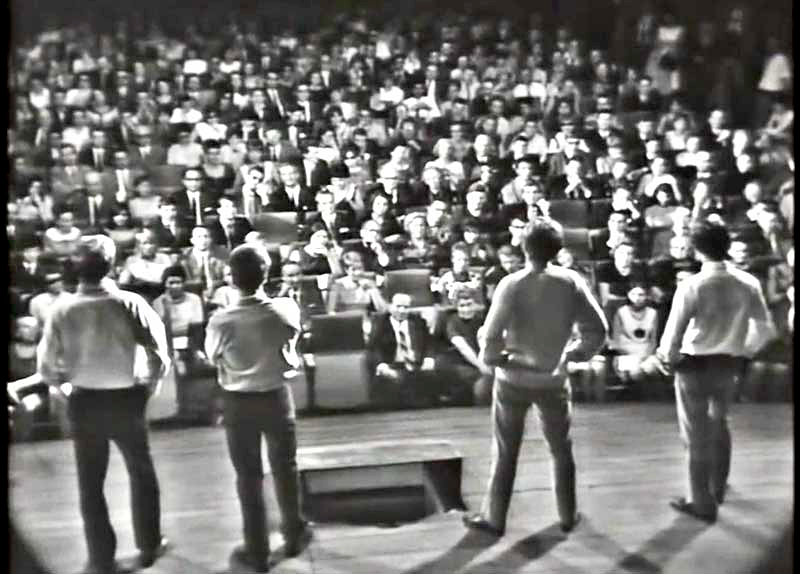
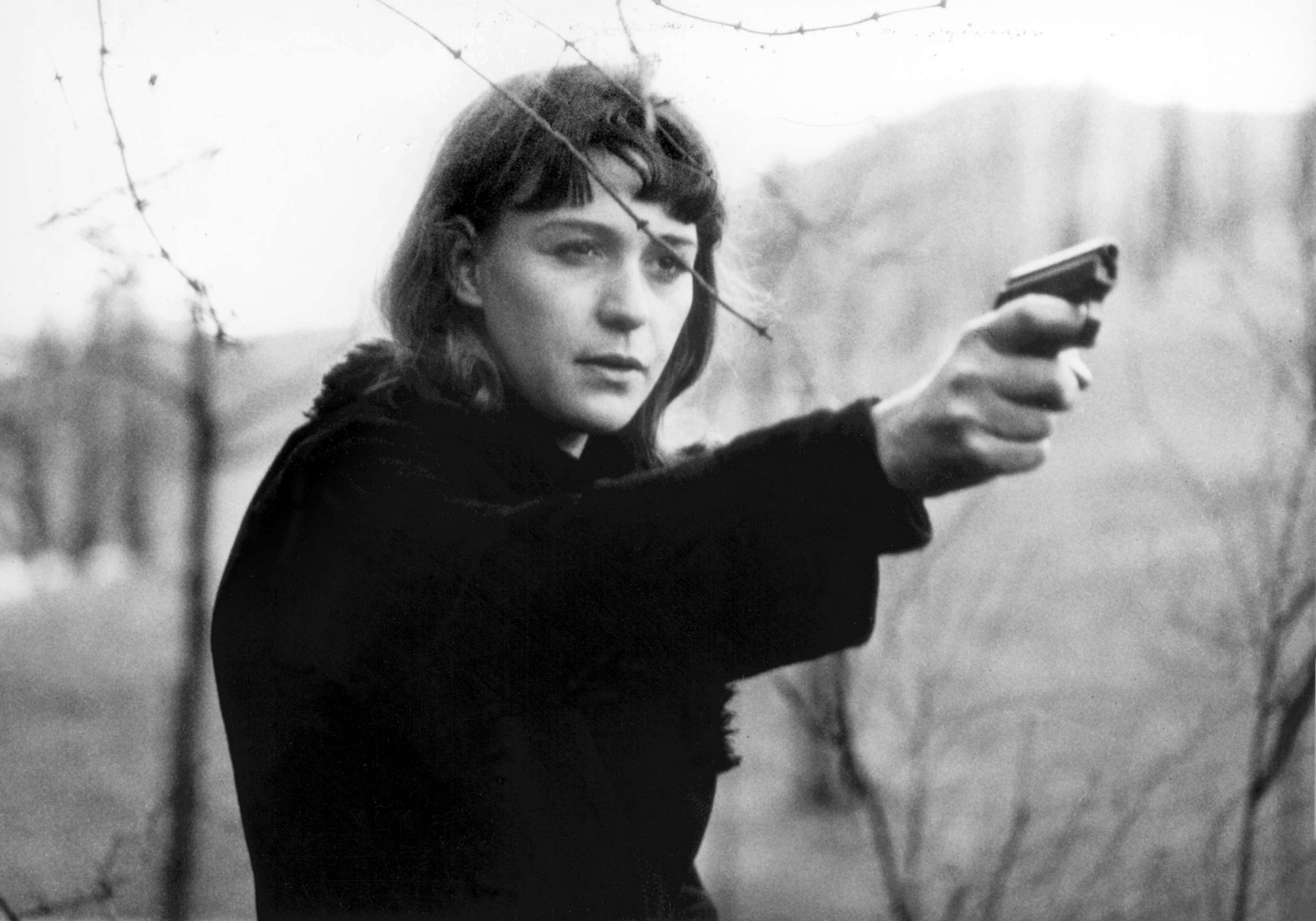
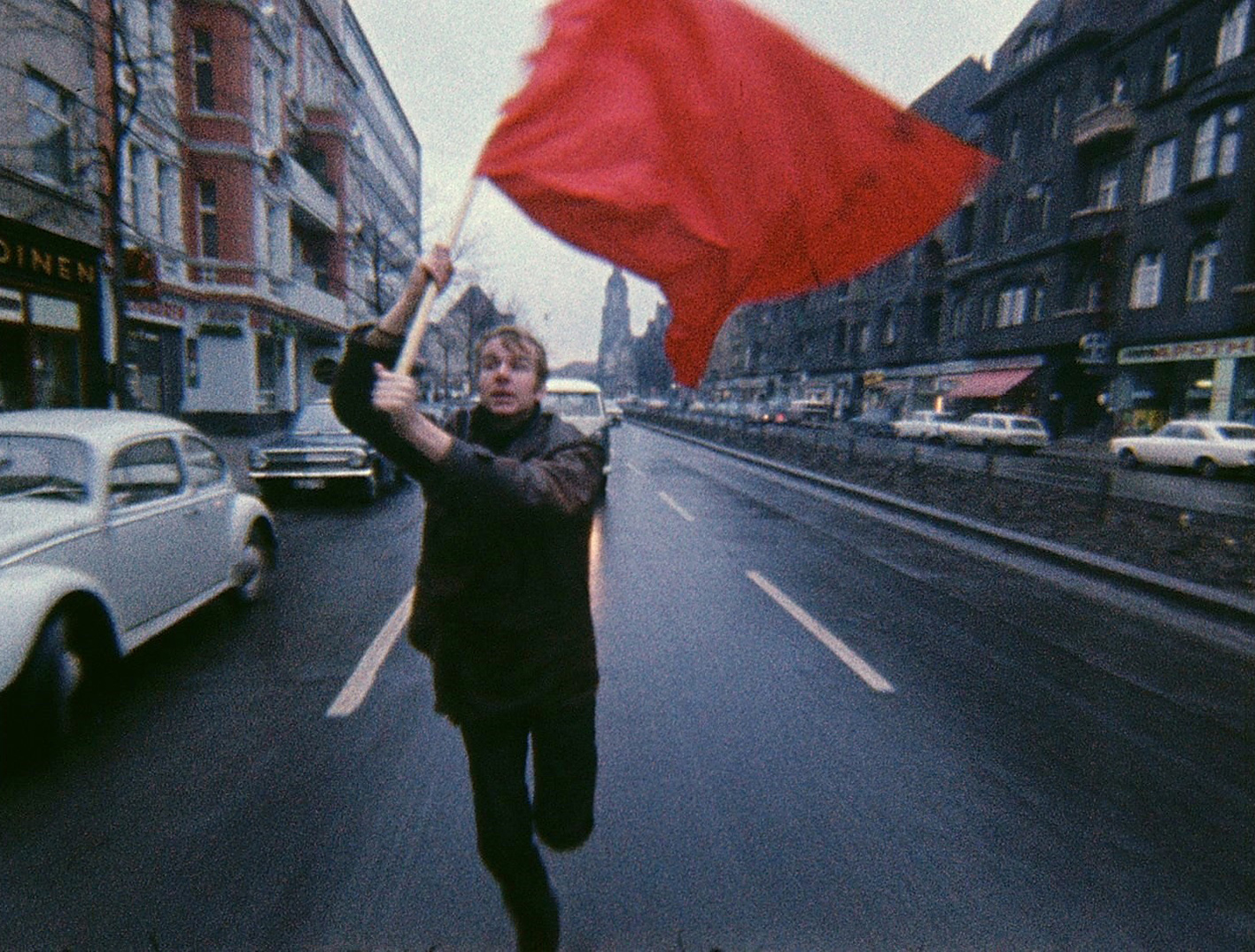
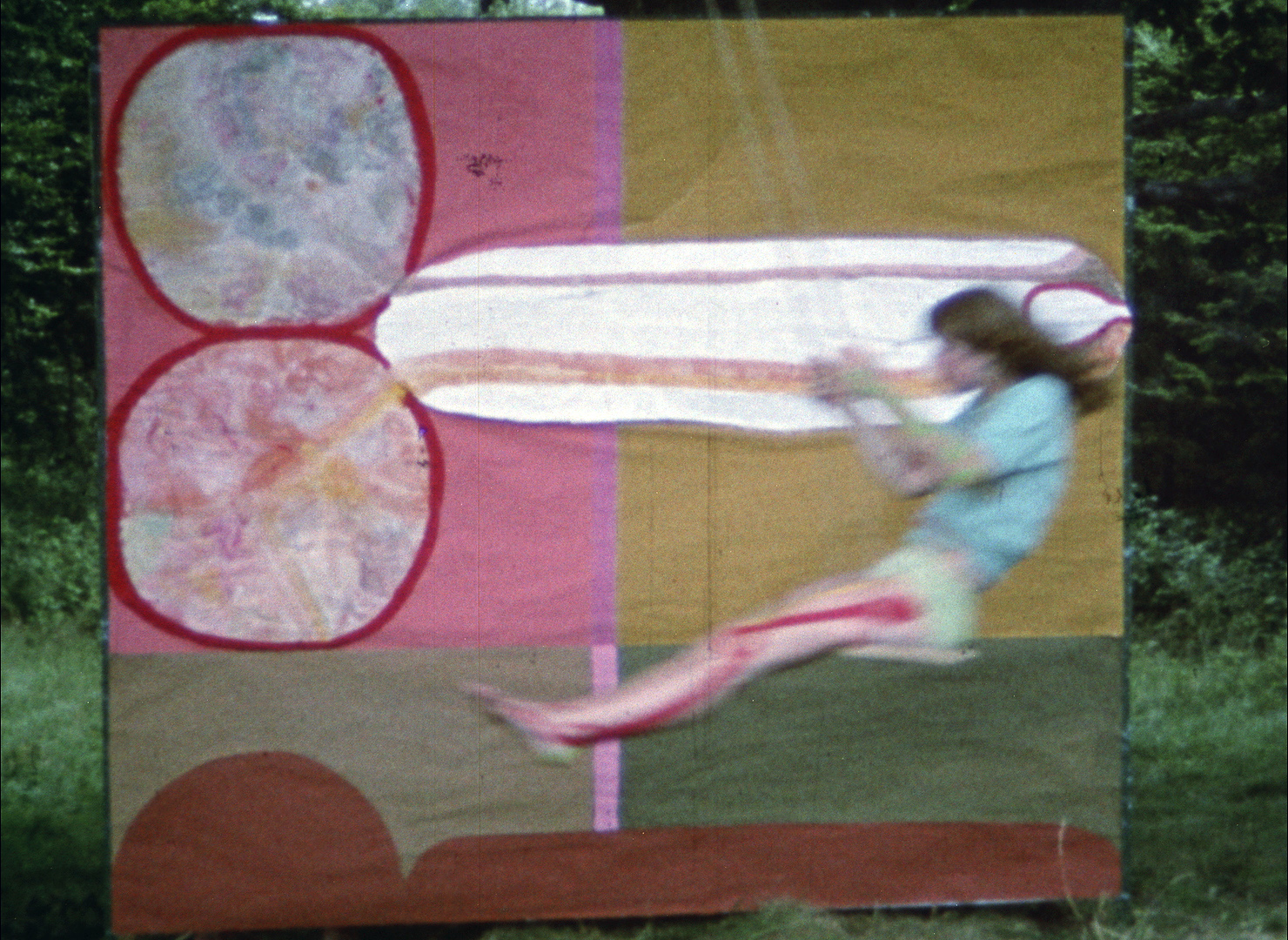
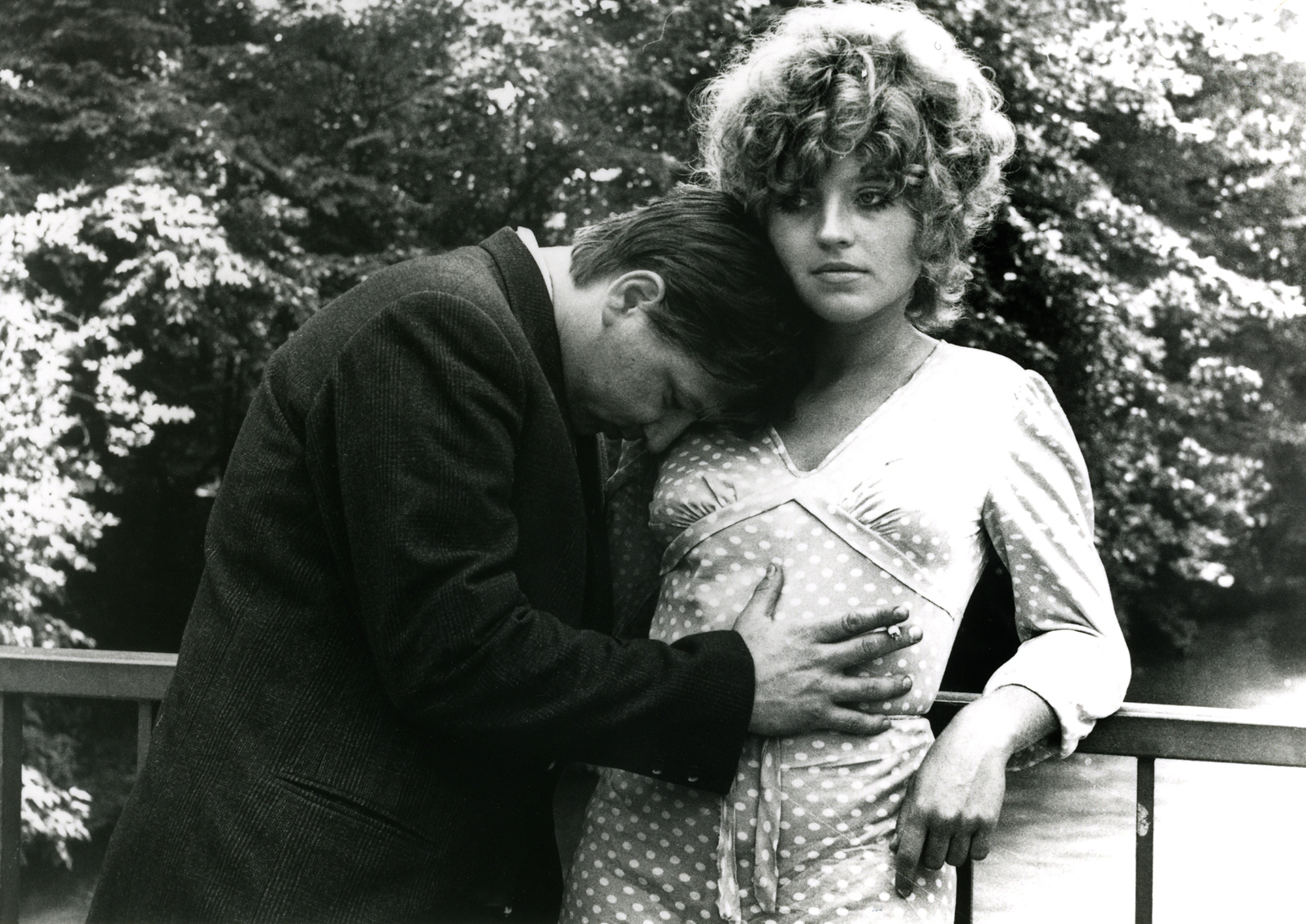

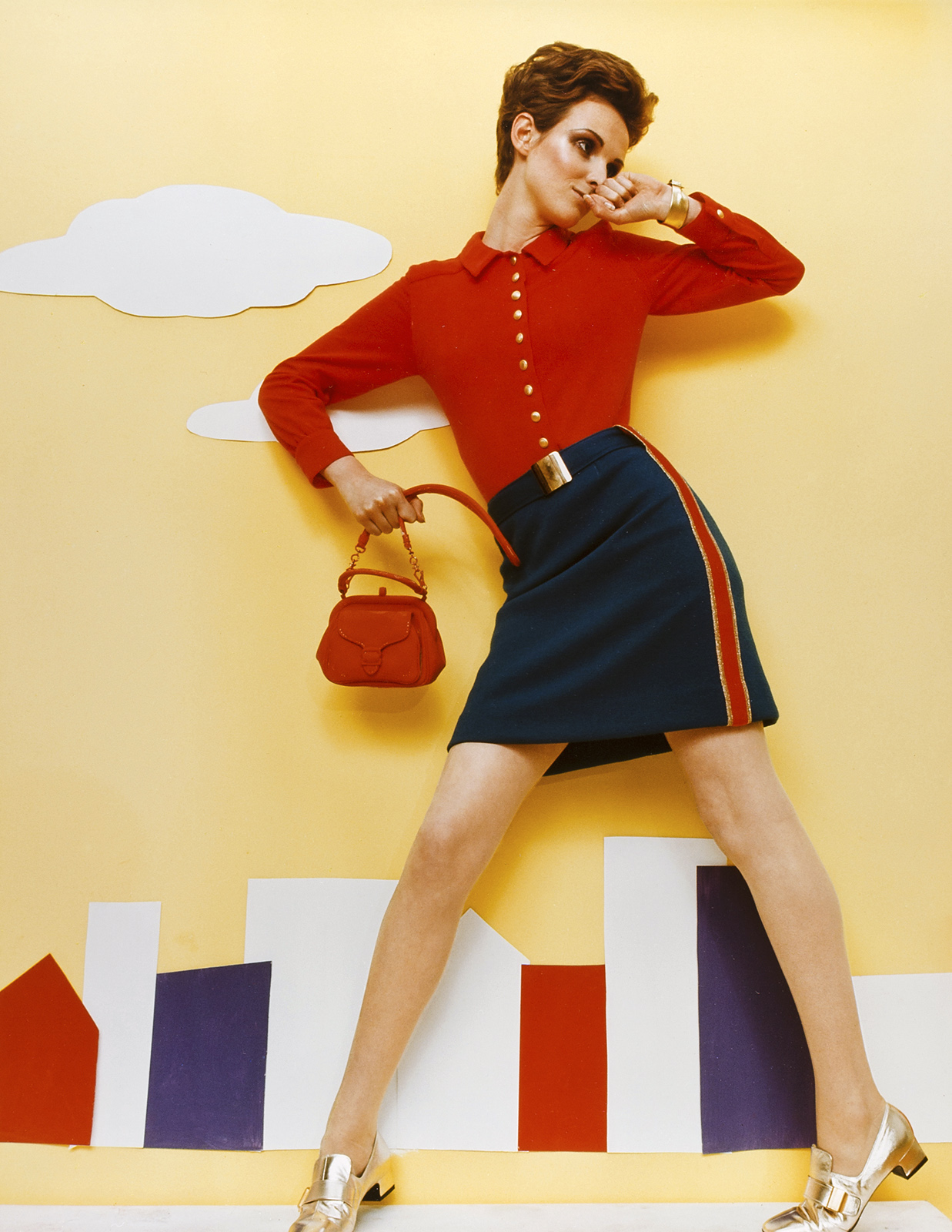
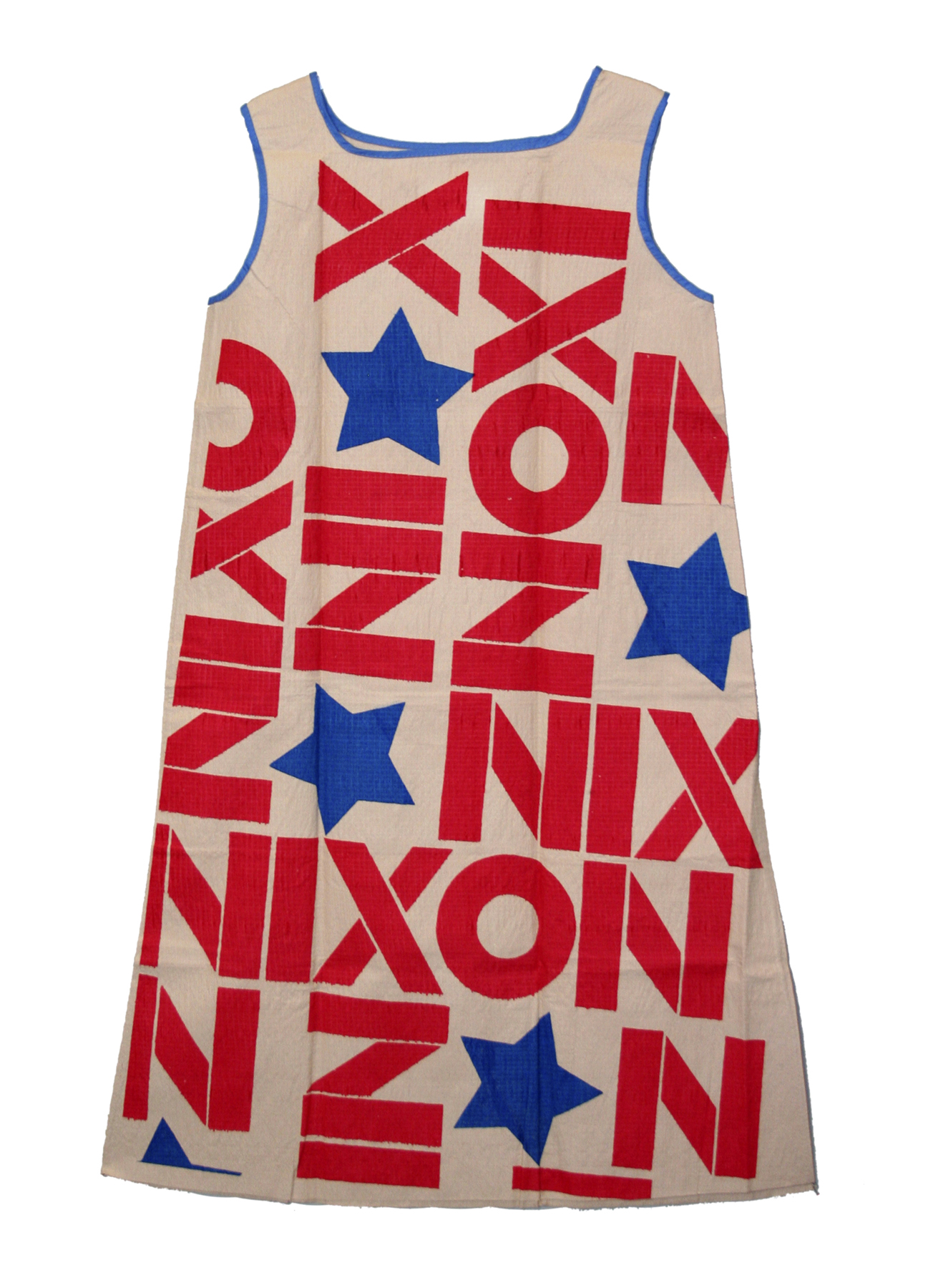
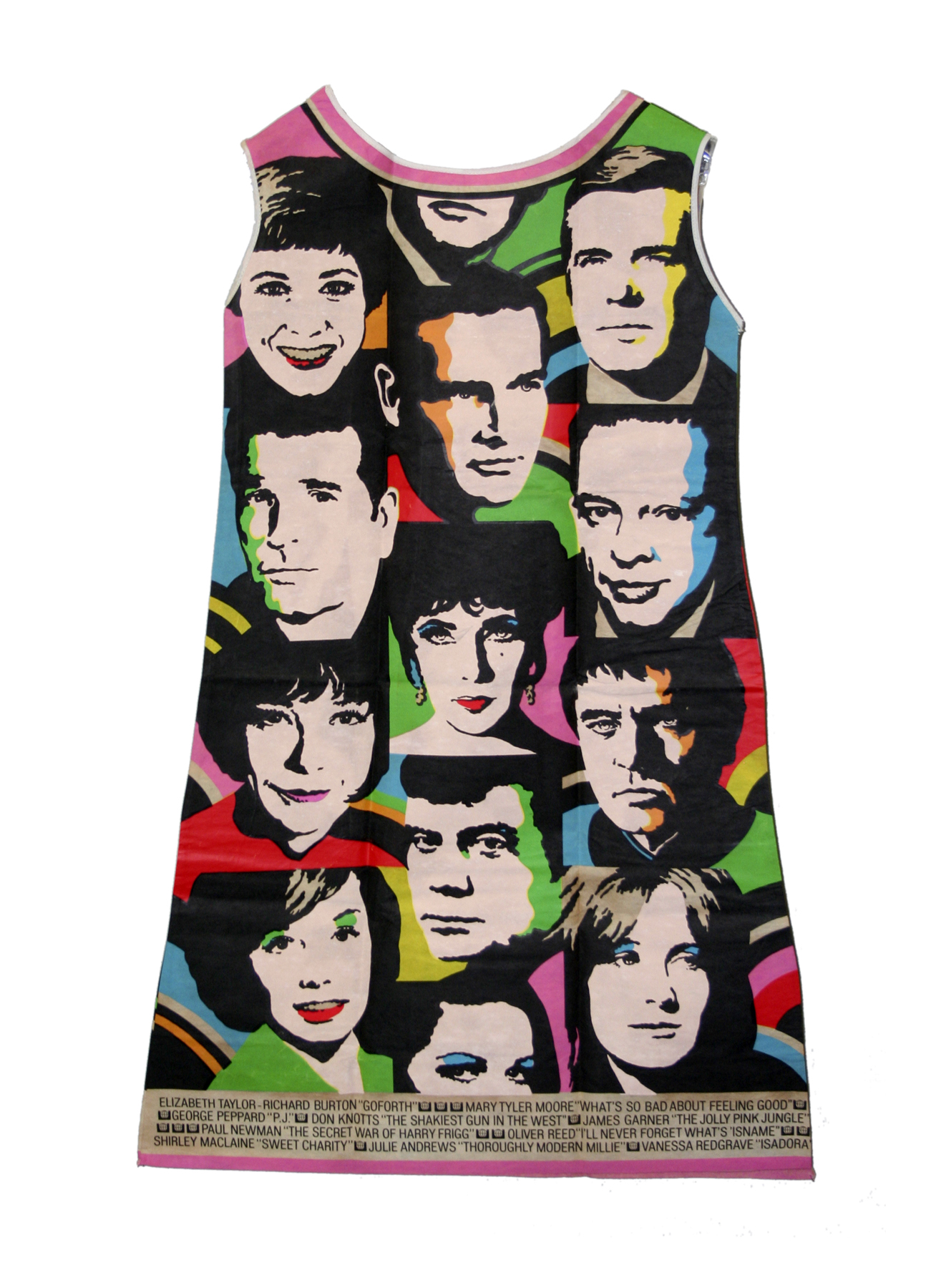
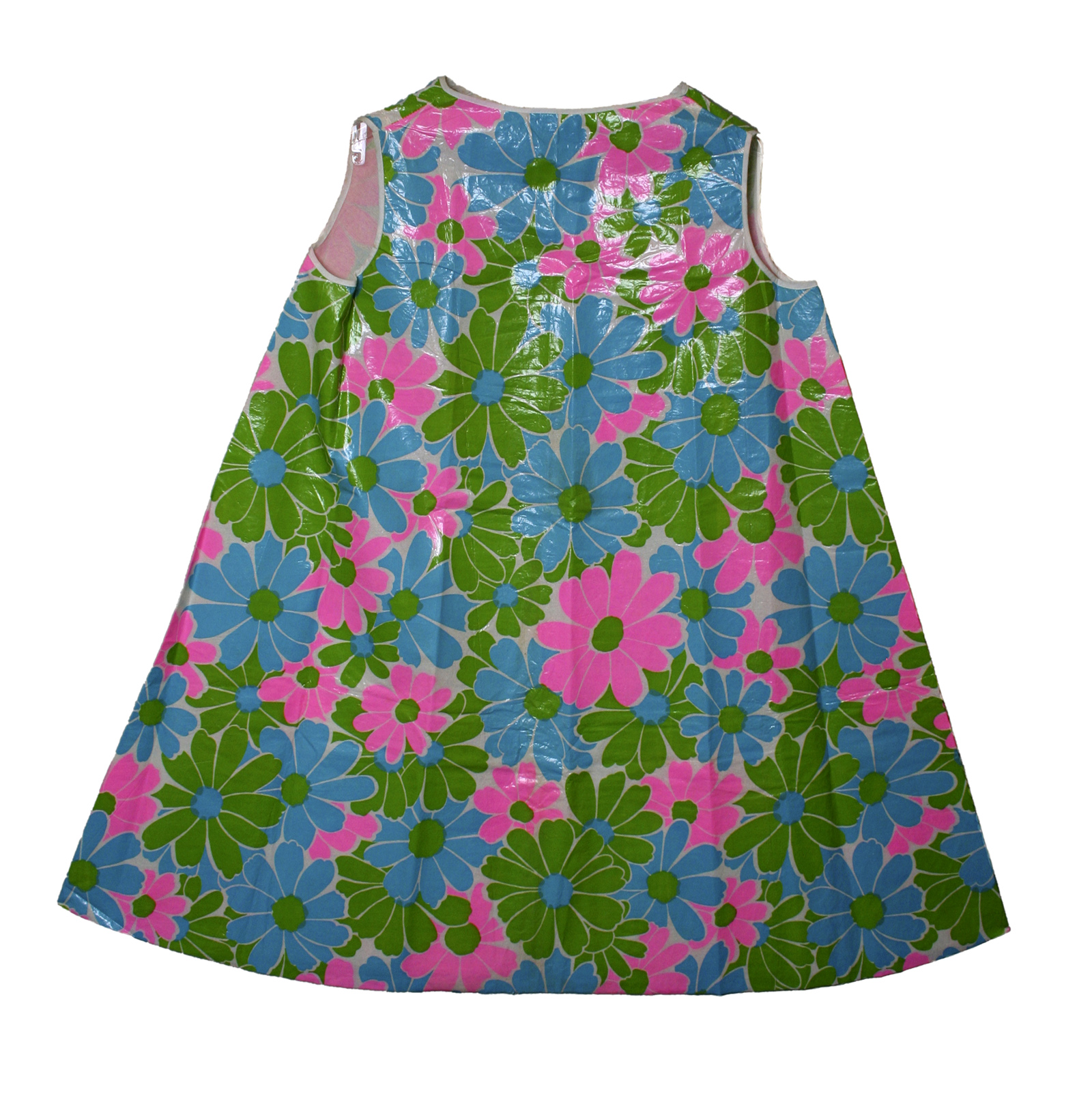
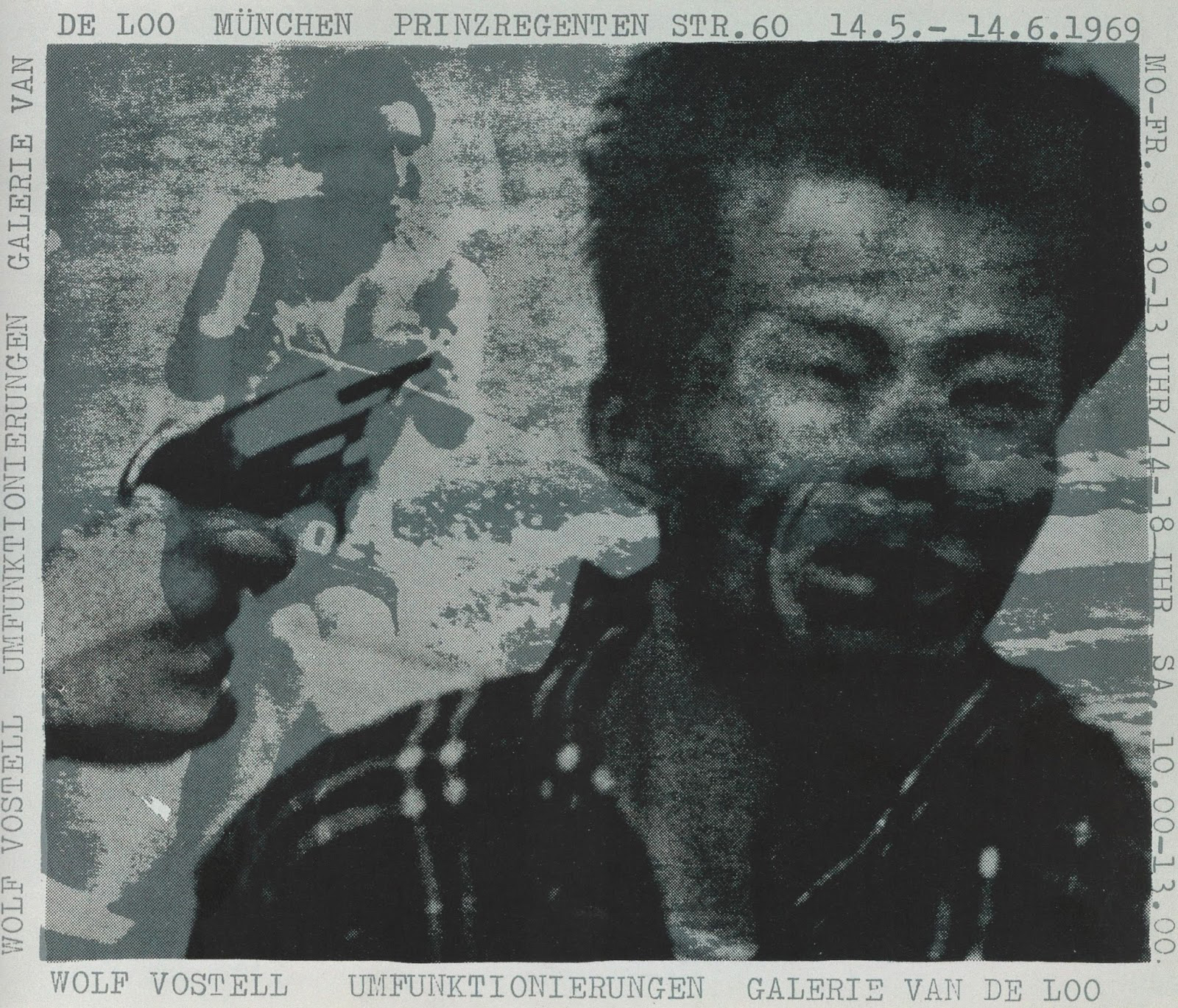
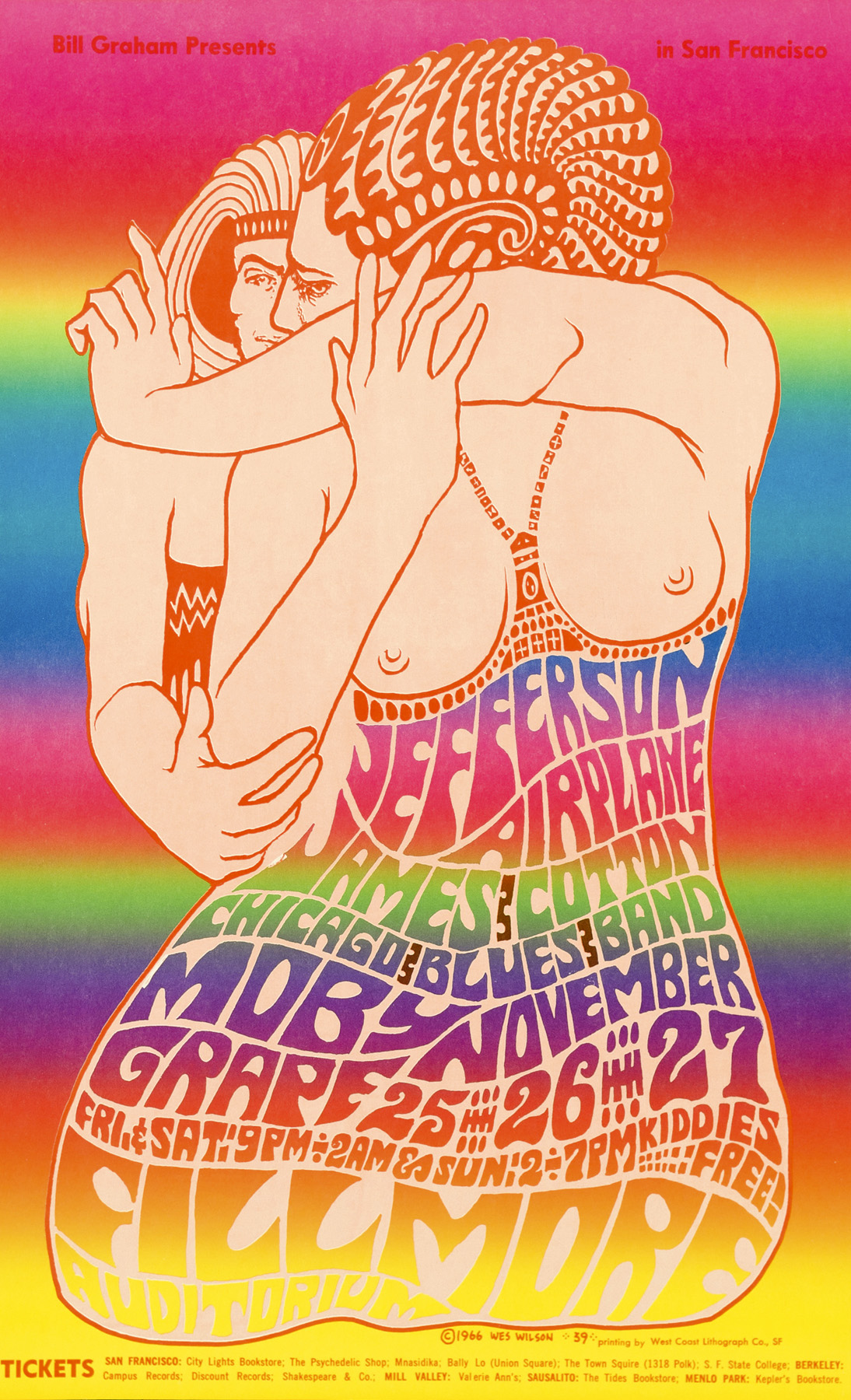
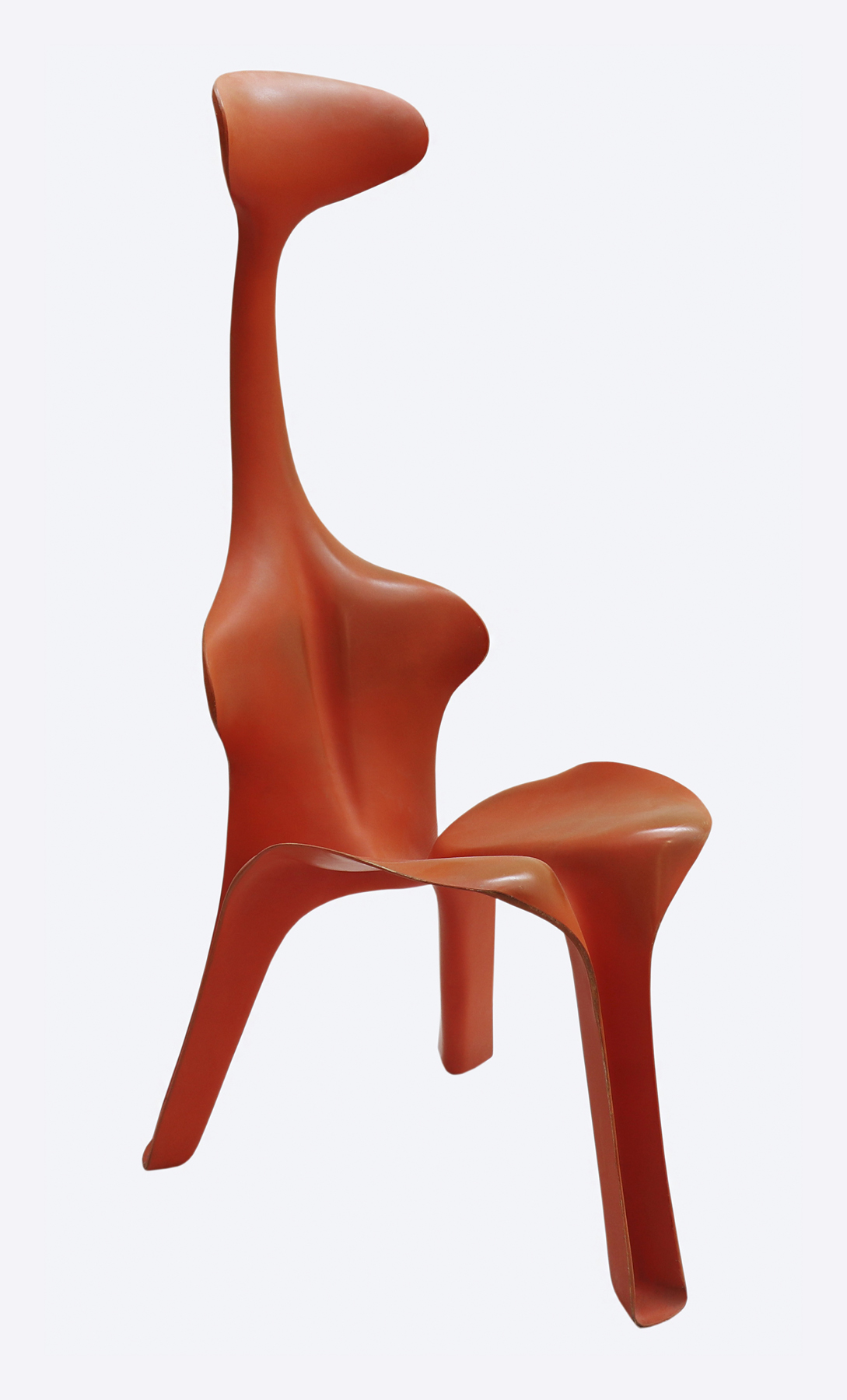

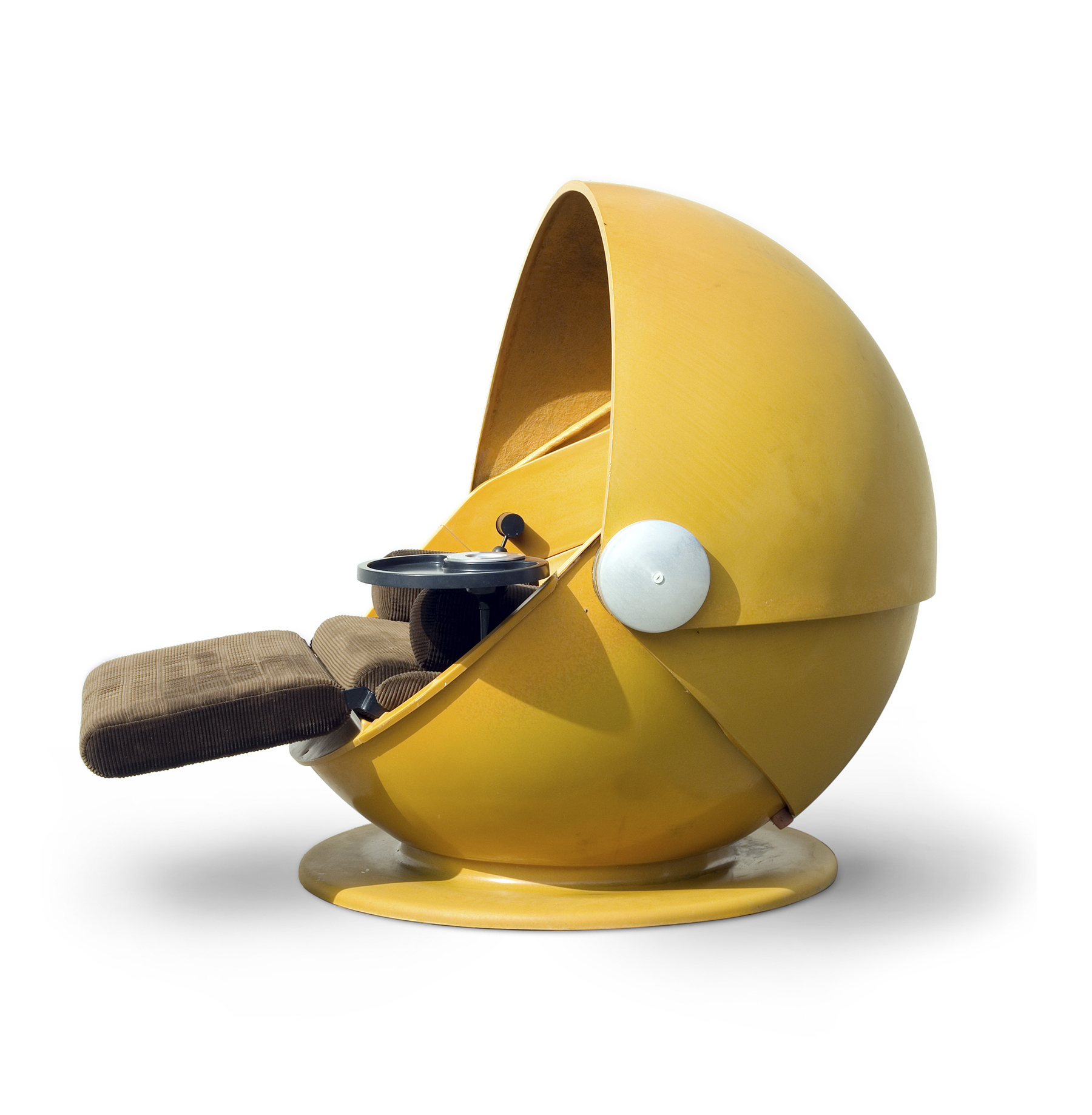

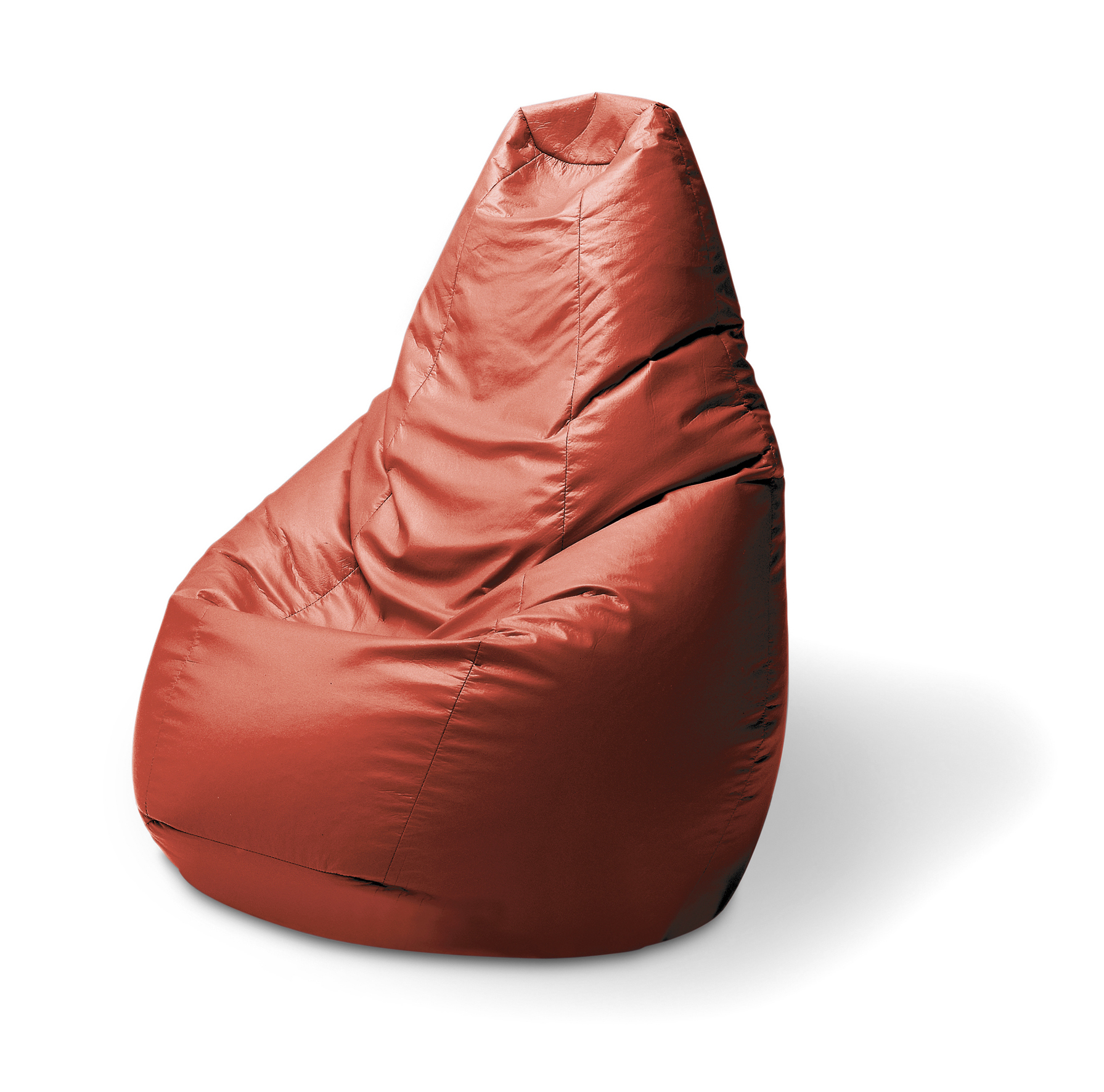
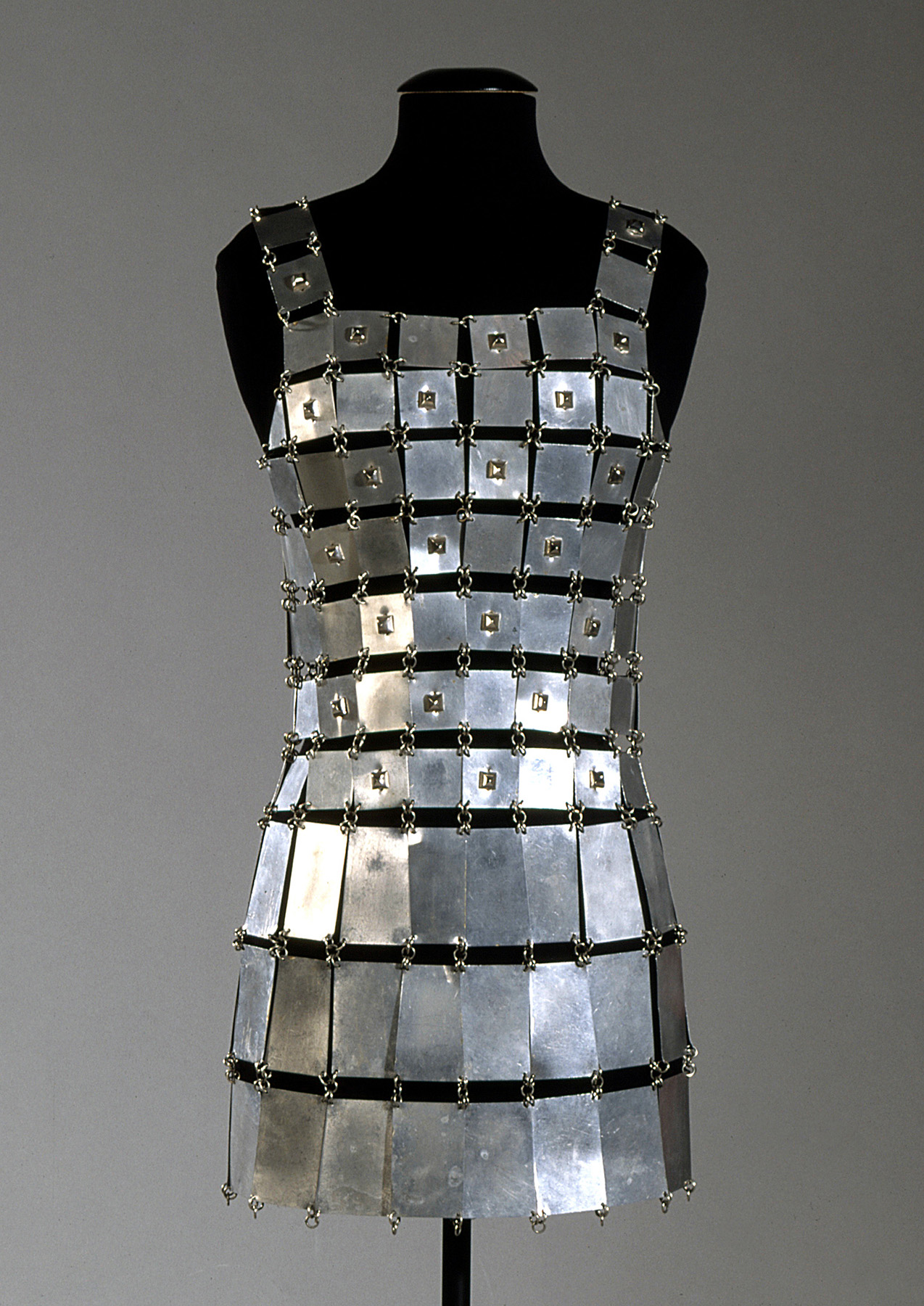
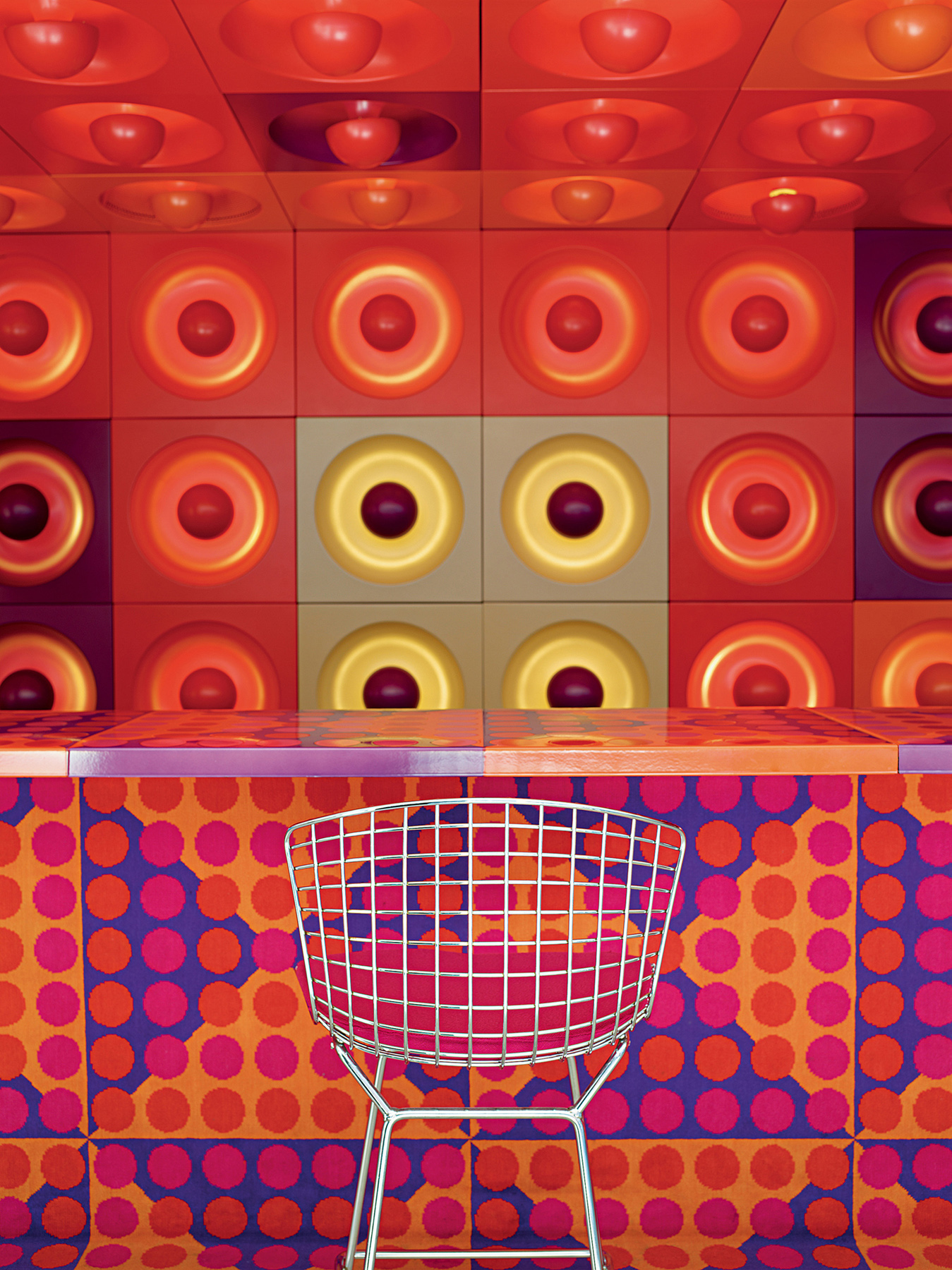
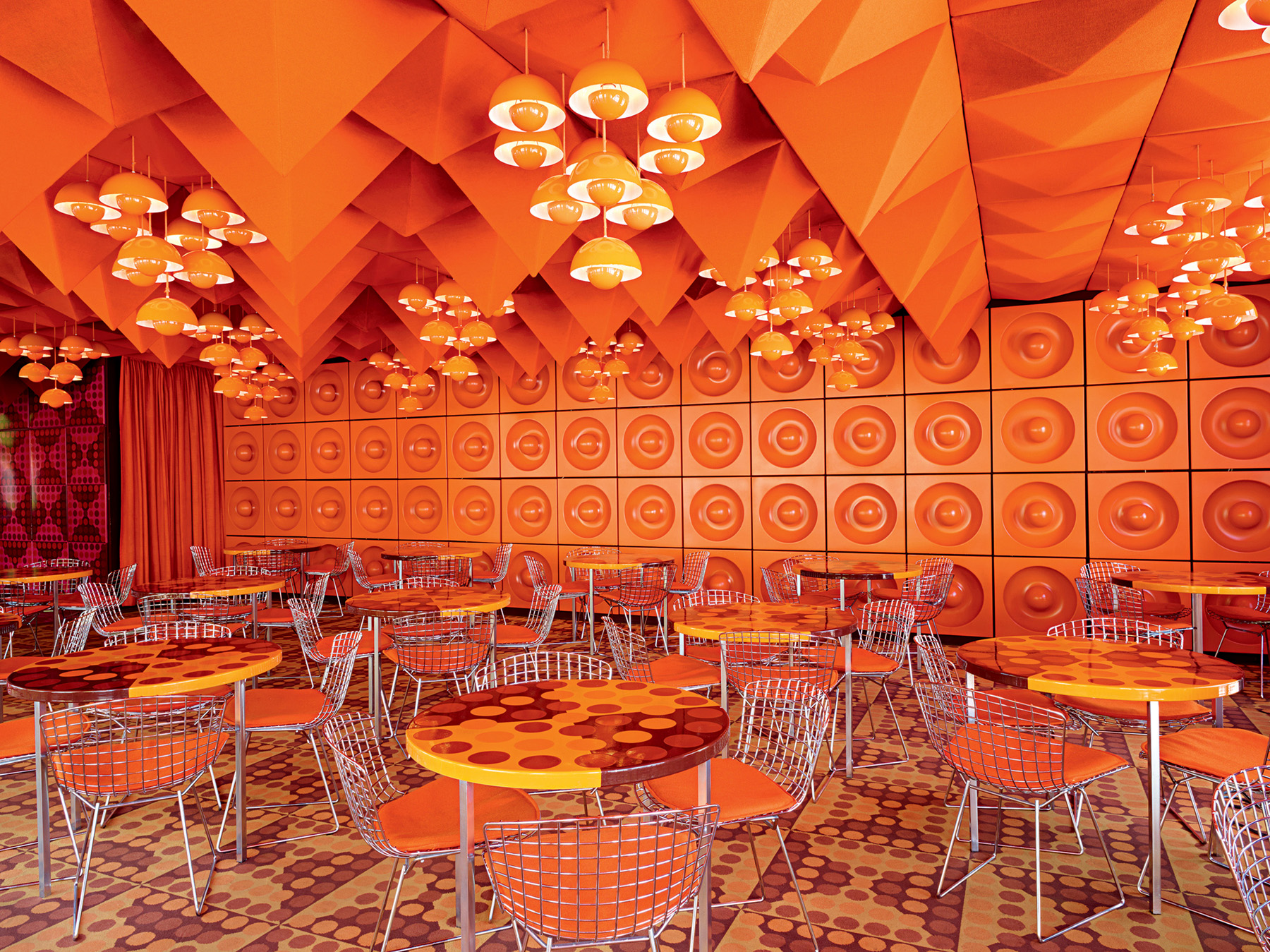


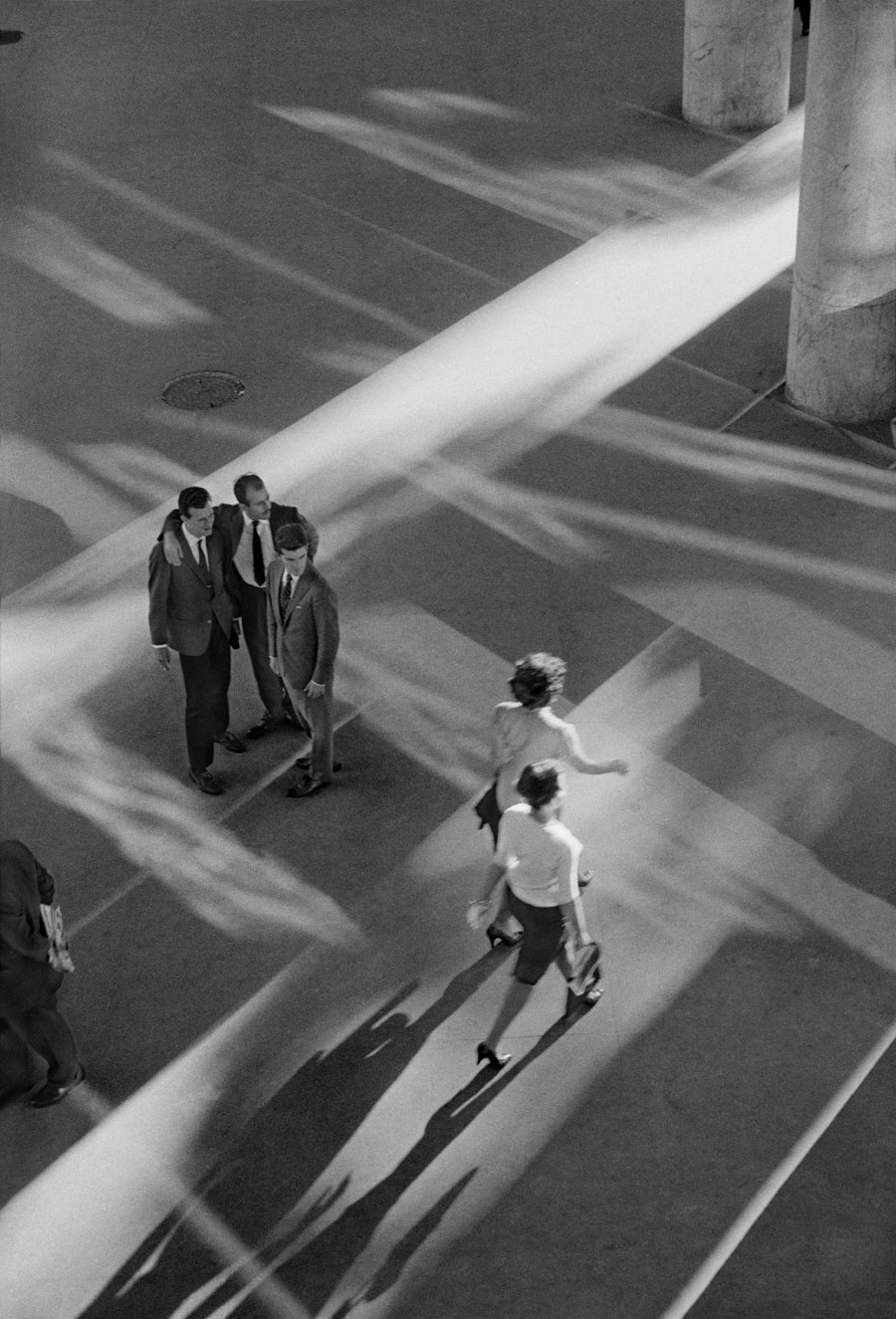

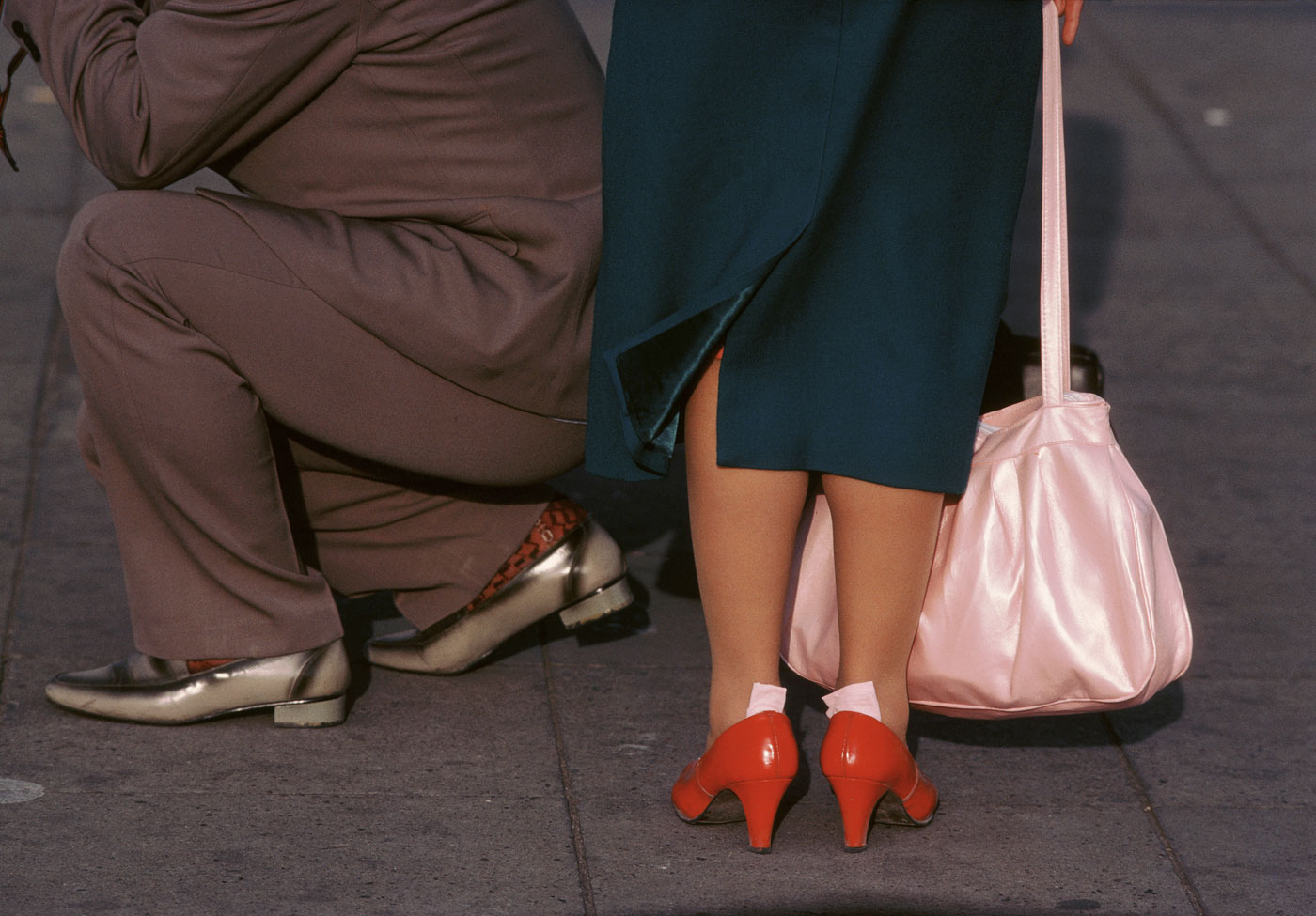
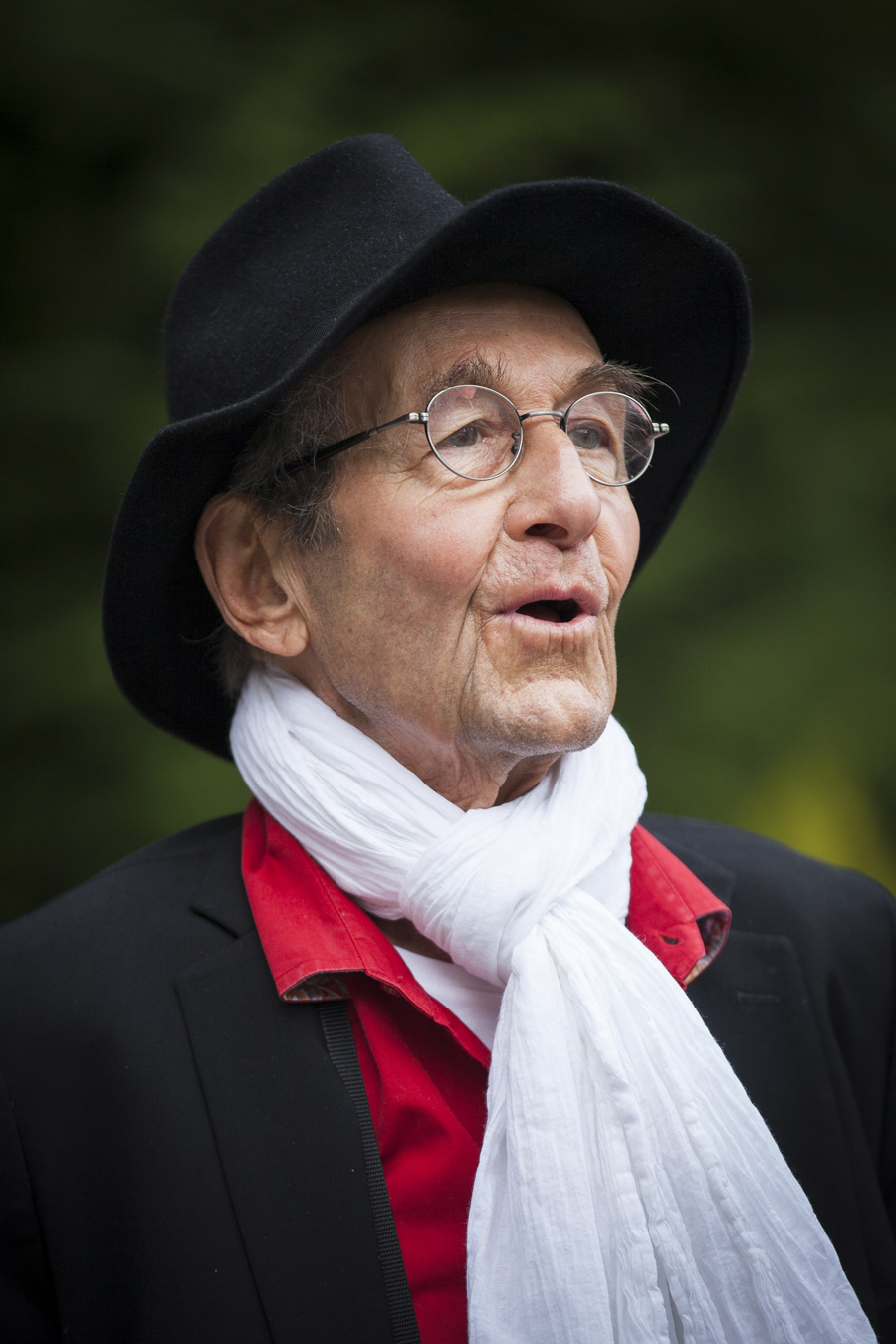
![Osvaldo Salas (Cuban, 1914-1992) 'Che fumano' [Che smoking] 1964](https://artblart.com/wp-content/uploads/2013/01/mdm-rupertinum_bilder-revolution_salas_che-fumano-web.jpg "Osvaldo Salas (Cuban, 1914-1992) 'Che fumano' [Che smoking] 1964")


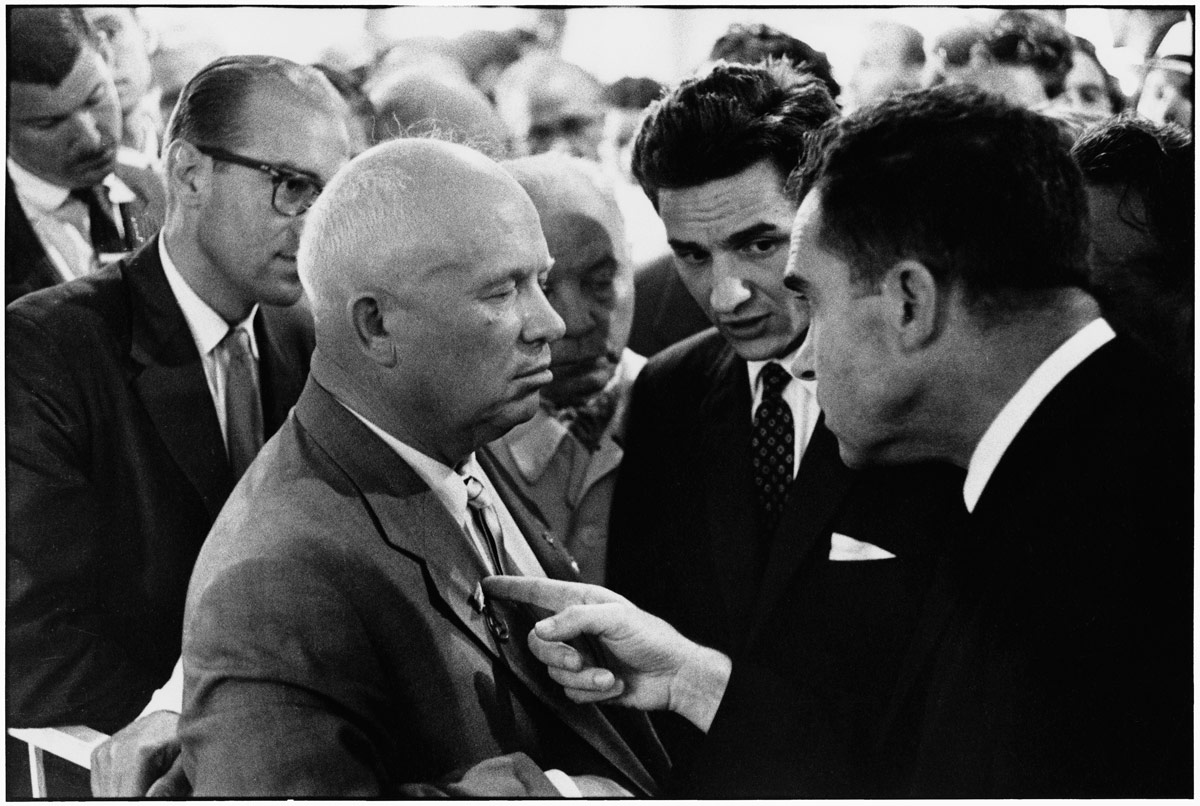

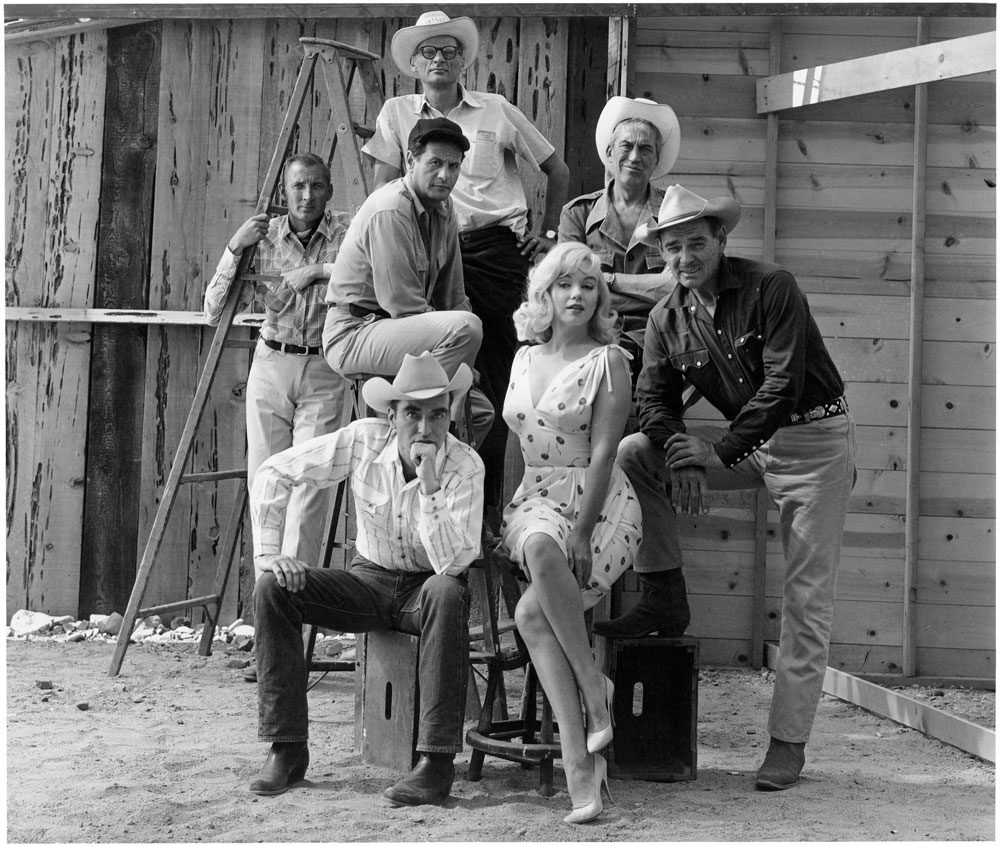
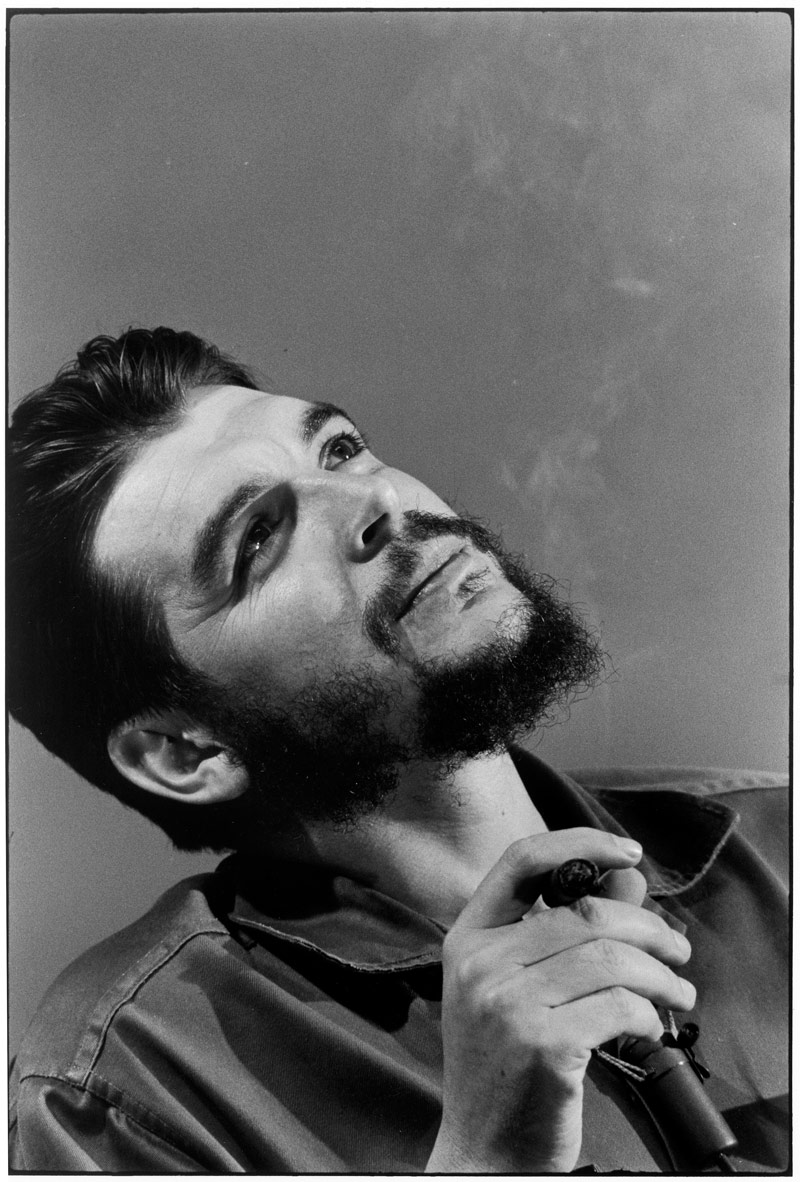
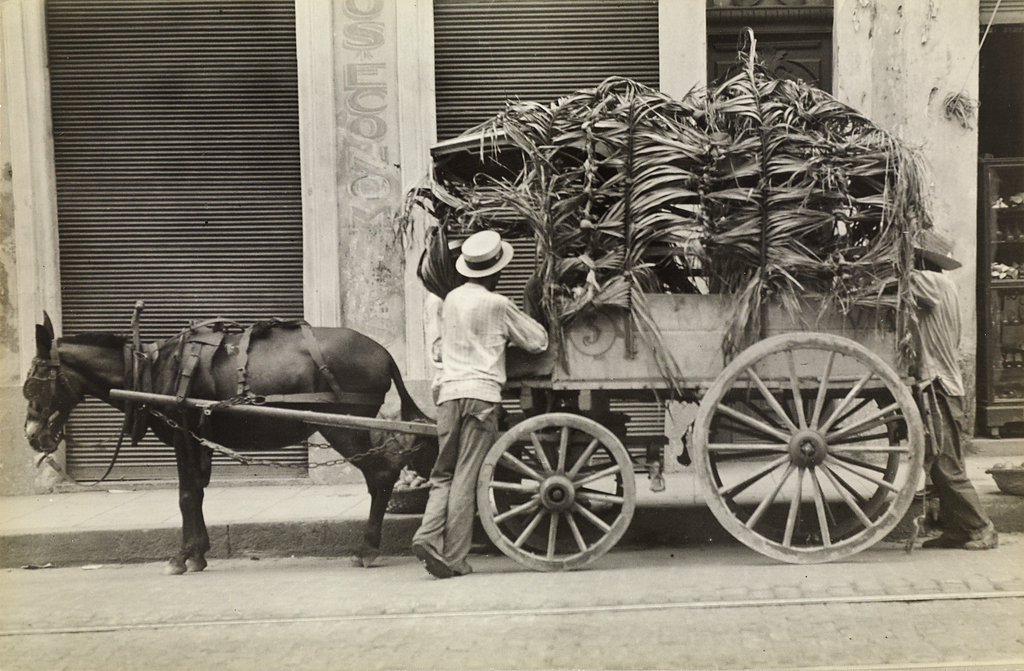


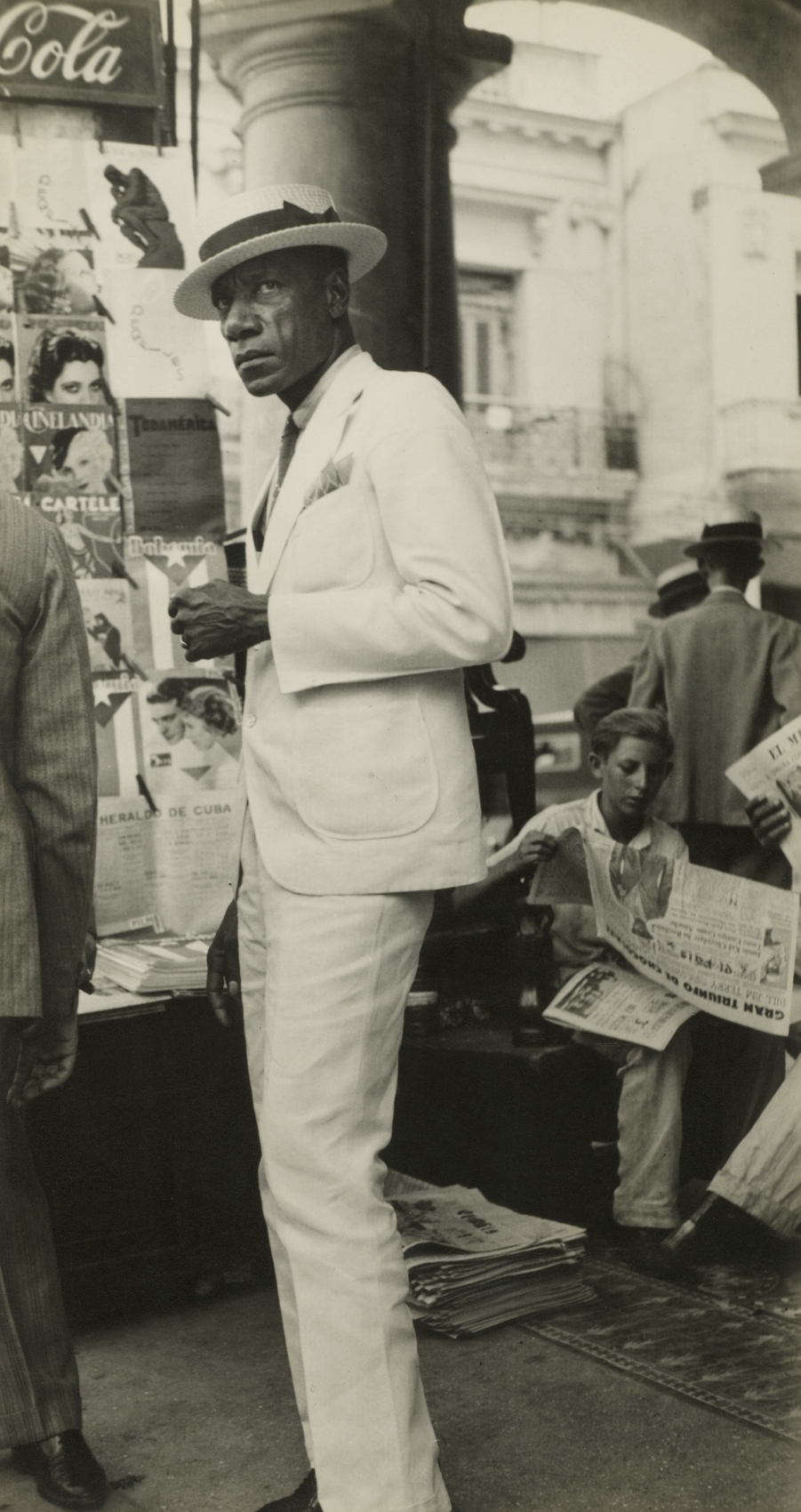
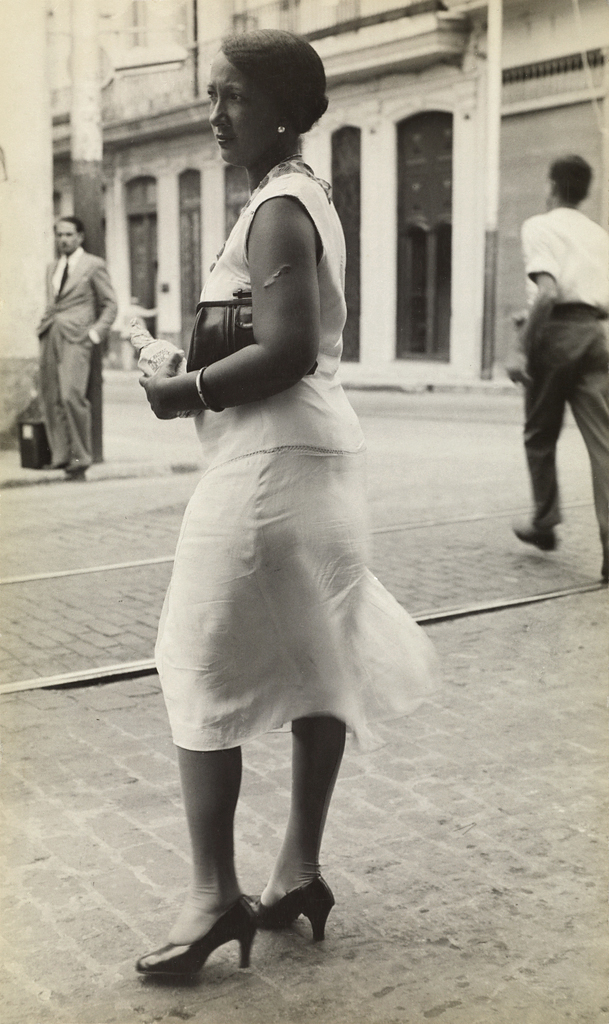


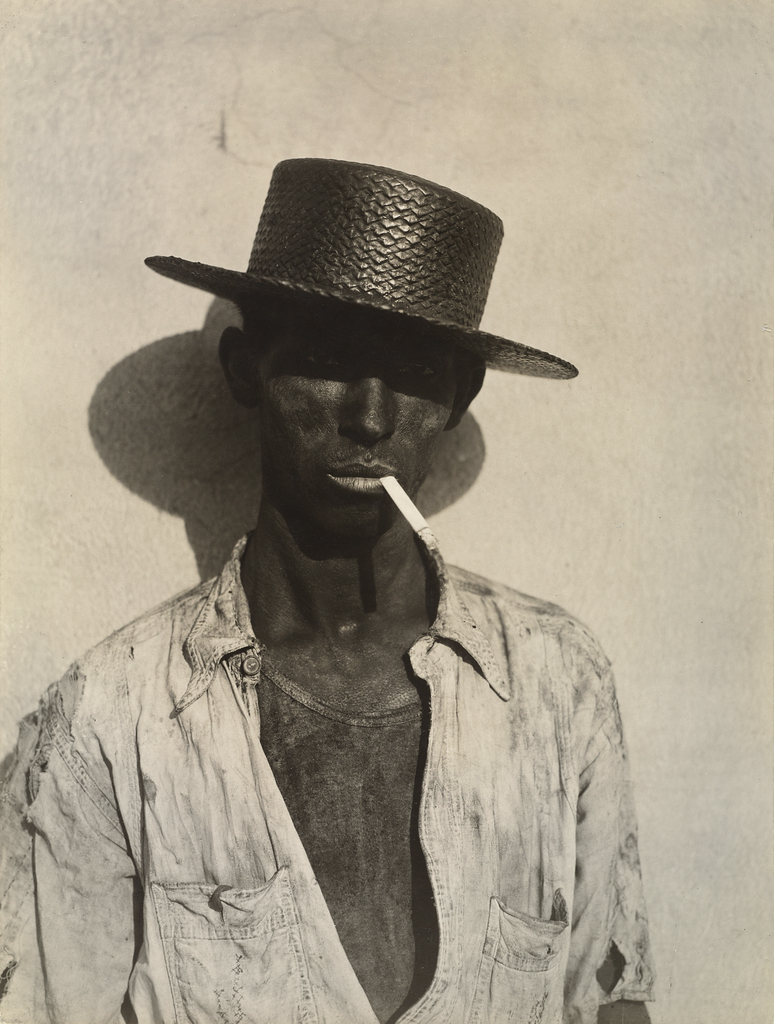


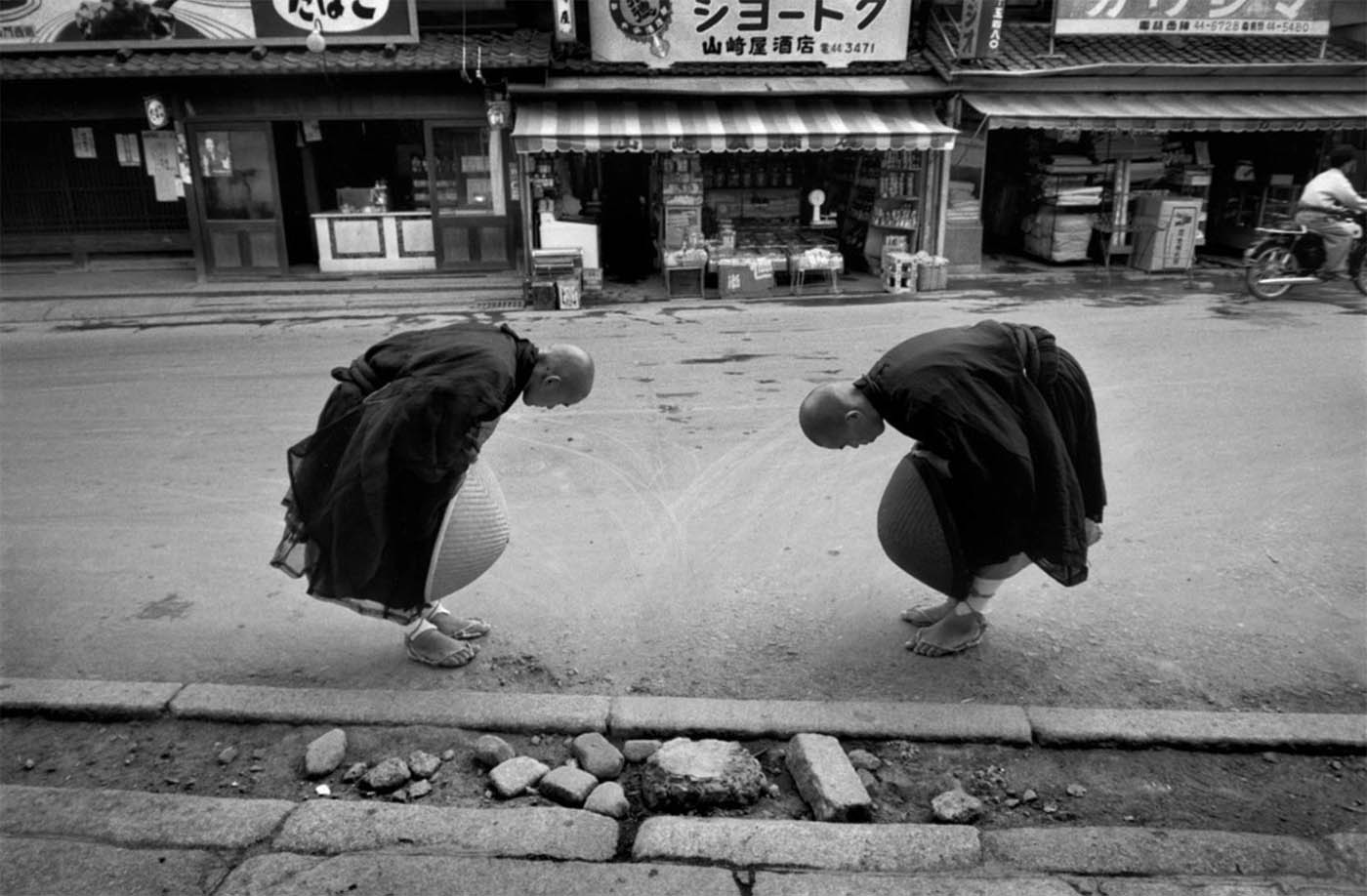


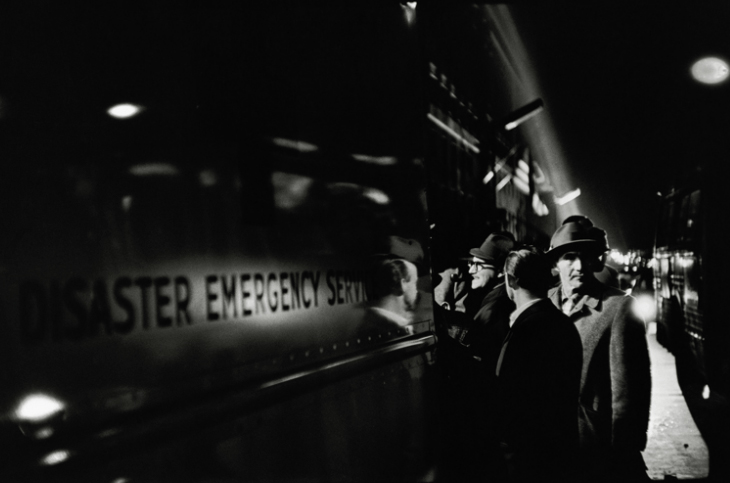

 Art Blart _ art and cultural memory archive
You must be logged in to post a comment.