Herbert Ponting (British, 1870-1935) (photographer) The Universal Photo Art Co., (C.H. Graves) (publisher) At the barber’s, Peking, China c. 1902 Albumen print on card
Fabulous, early Herbert Ponting social documentary stereoviews. I have never seen these before.
The placement of figures and the formal construction of the pictorial plane – strong diagonals and verticals, near to far, vanishing point – make for beautifully balanced, tensioned and dynamic images.
Marcus
Please click on the photographs for a larger version of the image.
Herbert Ponting (British, 1870-1935) (photographer) The Universal Photo Art Co., (C.H. Graves) (publisher) A Chinese strawberry garden.Proprietor and coolie. China c. 1902 Albumen print on card
Herbert Ponting (British, 1870-1935) (photographer) The Universal Photo Art Co., (C.H. Graves) (publisher) En Route to the Great Wall of China. Entrance to the city of Nankow c. 1902 Albumen print on card
Herbert Ponting (British, 1870-1935) (photographer) Underwood & Underwood (publisher) Where China’s Great Wall begins its 1,250 mile course – from Shan-hai-ewan (N.) to Liao Hsi Mountains 1904 Albumen print on card
Herbert Ponting (British, 1870-1935)
Herbert George Ponting, FRGS (21 March 1870 – 7 February 1935) was a professional photographer. He is best known as the expedition photographer and cinematographer for Robert Falcon Scott’s Terra Nova Expedition to the Ross Sea and South Pole (1910-1913). In this role, he captured some of the most enduring images of the Heroic Age of Antarctic Exploration. …
Early life
Ponting was born in Salisbury, Wiltshire in the south of England, on 21 March 1870. His father was a successful banker, Francis Ponting, and his mother was Mary Sydenham. From the age of eighteen Herbert was employed at a local bank branch in Liverpool, where he stayed for four years. That time was long enough to convince him that he did not wish to follow in the profession of his father, and attracted to stories of the American West, he moved to California where he worked in mining and then bought a fruit ranch in the 1890s. In 1895 he married a California woman, Mary Biddle Elliott; their daughter Mildred, was born in Auburn, California in January 1897.
Ponting sold his fruit farm in 1898 and, with his wife and daughter, returned to Britain to stay with his family. When they returned to the USA he turned his long-standing hobby of photography in his next career. Following a chance meeting with a professional photographer in California, to whom he had given advice about the locality and showed his own photos, he entered his pictures in competitions and won awards; he also sent some of his stereoscopic photographs to companies who published them. His work was also selected for the first San Francisco Salon; at that time he was living in Sausalito, north of San Francisco. He took stereoviews of and reported on the Russo-Japanese war of 1904-1905, and afterwards continued to travel around Asia, working in Burma, Korea, Java, China and India taking stereoviews and working as a freelance photographer for English-speaking periodicals. Improvements in the printing press had made it possible, for the first time, for mass-market magazines to print and publish photographic illustrations.
After spending much of 1901-1906 travelling around photographing in Asia, Ponting returned to Europe, where he continued to take stereoviews (including in Switzerland and Spain) and wrote illustrated articles for magazines including Country Life, the Graphic, the Illustrated London News, Pearson’s, and the Strand Magazine. In the Strand, Ponting’s work appeared side by side with the Sherlock Holmes stories of Arthur Conan Doyle, one of Ponting’s contemporaries.
Ponting expanded his photographs of Japan into a 1910 book, In Lotus-land Japan. He took extensive photographs in Spain. He was elected a Fellow of the Royal Geographical Society (FRGS). His flair for journalism and ability to shape his photographic illustrations into a narrative led to his being signed as expedition photographer aboard the Terra Nova, the first time a professional photographer was included on an Antarctic expedition.
Herbert Ponting (British, 1870-1935) (photographer) The “Perfec” Stereograph. H.C. White Co., (publisher) The-Tien-ning-ssu Pagoda, near Peking, China 1907 Albumen print on card
Herbert Ponting (British, 1870-1935) (photographer) The “Perfec” Stereograph. H.C. White Co., (publisher) Peking, the capital of China, looking east from a balcony of the Drum Tower 1907 Albumen print on card
William Cooper (British, 1878-1945) Drum Tower, Peking 1910 Gelatin silver print University of Bristol – Historical Photographs of China Creative Commons 3.0
Beijing’s Bell and Drum Towers are situated on a small square north of the Forbidden City. The towers, which were used for telling time until 1924, were built in 1272 during the reign of Kublai Khan and were rebuilt after two fires during the Ming and Qing dynasties. The Bell and Drum Towers are quintessential landmarks of historic Beijing.
William Boyd Cooper (1878-1945)
William Boyd Cooper (1878-1945) was born in Belfast, Northern Ireland. Around 1911, he was appointed Professor of Commerce at Peking University, where he lectured in English and French. Cooper joined the North China British Volunteer Corps. On 12 February 1917, he was commissioned as a Second Lieutenant in the Chinese Labour Corps (CLC). He served in France with the CLC and rose to be a captain, relinquishing his Commission in 1919. William Cooper and his family returned from China and settled in Wimbledon, London. The William Cooper Collection is held in Special Collections, University of Bristol Library (Special Collections ref DM2823). 336 images.
Anonymous text. “Cooper, William Collection,” on the Historical Photographs of China website Nd [Online] Cited 04/06/2023
Herbert Ponting (British, 1870-1935) (photographer) The “Perfec” Stereograph. H.C. White Co., (publisher) A Tea seller in the streets of Moukden, Manchuria c. 1906 Albumen print on card
Herbert Ponting (British, 1870-1935) (photographer) The “Perfec” Stereograph. H.C. White Co., (publisher) A poppy field in Manchuria, natives extracting fluid from which opium is made c. 1902-1907 Albumen print on card
Herbert Ponting (1870-1935) (photographer) The “Perfec” Stereograph. H.C. White Co., (publisher) The Old Bell Tower in the heart of Mukden, Manchuria 1905 Albumen print on card
Herbert Ponting (British, 1870-1935) (photographer) The “Perfec” Stereograph. H.C. White Co., (publisher) Along the Great Wall of China (originally 1700 miles long), looking east up to a watch tower 1907 Albumen print on card
Herbert Ponting (British, 1870-1935) (photographer) The “Perfec” Stereograph. H.C. White Co., (publisher) Scene on Ha-ta-Men St., one of the principal thoroughfares of Peking, China 1907 Albumen print on card
Victorian Giants: The Birth of Art Photography is curated by Phillip Prodger PhD, Head of Photographs at the National Portrait Gallery, London
Cover of the catalogue for the exhibition Victorian Giants: The Birth of Art Photography at the National Portrait Gallery, London
A two-part bumper posting on this exhibition, Part 1 featuring the work of Lewis Carroll and our Julia… JMC, Julia Margaret Cameron, the most inventive, audacious and talented photographer of the era. In a photographic career spanning eleven years of her life (1864-1875) what Julia achieved in such a short time is incredible.
“Her style was not widely appreciated in her own day: her choice to use a soft focus and to treat photography as an art as well as a science, by manipulating the wet collodion process, caused her works to be viewed as “slovenly”, marred by “mistakes” and bad photography. She found more acceptance among pre-Raphaelite artists than among photographers.” (Wikipedia)
As with any genius (a person who possesses exceptional intellectual or creative power) who goes against the grain, full recognition did not come until later. But when it does arrive, it is undeniable. As soon as you see a JMC photograph… you know it is by her, it could be by no one else. Her “signature” – closely framed portraits and illustrative allegories based on religious and literary works; far-away looks, soft focus and lighting, low depth of field; strong men (“great thro’ genius”) and beautiful, sensual, heroic women (“great thro’ love”) – is her genius.
There is something so magical about how JMC can frame a face, emerging from darkness, side profile, filling the frame, top lit. Soft out of focus hair with one point of focus in the image. Beautiful light. Just the most sensitive capturing of a human being, I don’t know what it is… a glimpse into another world, a ghostly world of the spirit, the soul of the living seen before they are dead.
Many thankx to the National Portrait Gallery, London for allowing me to publish the photographs in the posting. Please click on the photographs for a larger version of the image.
“My aspirations are to ennoble Photography and to secure for it the character and uses of High Art by combining the real & Ideal & sacrificing nothing of Truth by all possible devotion to poetry and beauty.”
Julia Margaret Cameron to Sir John Herschel, 31 December 1864
This major exhibition is the first to examine the relationship between four ground-breaking Victorian artists: Julia Margaret Cameron (1815-1879), Lewis Carroll (1832-1898), Lady Clementina Hawarden (1822-1865) and Oscar Rejlander (1813-1875). Drawn from public and private collections internationally, the exhibition features some of the most breath-taking images in photographic history. Influenced by historical painting and frequently associated with the Pre-Raphaelite Brotherhood, the four artists formed a bridge between the art of the past and the art of the future, standing as true giants in Victorian photography.
Figure 94 and 95 from the catalogue for the exhibition Victorian Giants: The Birth of Art Photography at the National Portrait Gallery, London
Lewis Carroll (English, 1832-1898)
In 1856, Charles Lutwidge Dodgson (Lewis Carroll) took up the new art form of photography under the influence first of his uncle Skeffington Lutwidge, and later of his Oxford friend Reginald Southey. He soon excelled at the art and became a well-known gentleman-photographer, and he seems even to have toyed with the idea of making a living out of it in his very early years.
A study by Roger Taylor and Edward Wakeling exhaustively lists every surviving print, and Taylor calculates that just over half of his surviving work depicts young girls, though about 60% of his original photographic portfolio is now missing. Dodgson also made many studies of men, women, boys, and landscapes; his subjects also include skeletons, dolls, dogs, statues, paintings, and trees. His pictures of children were taken with a parent in attendance and many of the pictures were taken in the Liddell garden because natural sunlight was required for good exposures.
By the time that Dodgson abruptly ceased photography (1880, over 24 years), he had established his own studio on the roof of Tom Quad, created around 3,000 images, and was an amateur master of the medium, though fewer than 1,000 images have survived time and deliberate destruction. He stopped taking photographs because keeping his studio working was too time-consuming. He used the wet collodion process; commercial photographers who started using the dry-plate process in the 1870s took pictures more quickly.
Known primarily as the author of children’s books, Lewis Carroll was also a lecturer in mathematics at Oxford University and an ordained deacon. He took his first photograph in 1856 and pursued photography obsessively for the next twenty-five years, exhibiting and selling his prints. He stopped taking pictures abruptly in 1880, leaving over three thousand negatives, for the most part portraits of friends, family, clergy, artists, and celebrities. Ill at ease among adults, Carroll preferred the company of children, especially young girls. He had the uncanny ability to inhabit the universe of children as a friendly accomplice, allowing for an extraordinarily trusting rapport with his young sitters and enabling him to charm them into immobility for as long as forty seconds, the minimum time he deemed necessary for a successful exposure. The intensity of the sitters’ gazes brings to Carroll’s photographs a sense of the inner life of children and the seriousness with which they view the world.
Carroll’s famous literary works, “Alice’s Adventures in Wonderland” (1865) and “Through the Looking Glass and What Alice Found There” (1872), were both written for Alice Liddell, the daughter of the dean of Christ Church, Oxford. For Carroll, Alice was more than a favourite model; she was his “ideal child-friend,” and a photograph of her, aged seven, adorned the last page of the manuscript he gave her of “Alice’s Adventures Underground.” The present image of Alice was most likely inspired by “The Beggar Maid,” a poem written by Carroll’s favourite living poet, Alfred, Lord Tennyson, in 1842. If Carroll’s images define childhood as a fragile state of innocent grace threatened by the experience of growing up and the demands of adults, they also reveal to the contemporary viewer the photographer’s erotic imagination. In this provocative portrait of Alice at age seven or eight, posed as a beggar against a neglected garden wall, Carroll arranged the tattered dress to the limits of the permissible, showing as much as possible of her bare chest and limbs, and elicited from her a self-confident, even challenging stance. This outcast beggar will arouse in the passer-by as much lust as pity. Indeed, Alice looks at us with faint suspicion, as if aware that she is being used as an actor in an incomprehensible play. A few years later, a grown-up Alice would pose, with womanly assurance, for Julia Margaret Cameron.
The fourth of ten children and later the inspiration for Alice’s Adventures in Wonderland and its sequel, Through the Looking Glass, Alice Liddell is the most famous of Carroll’s child sitters. Contrary to popular belief, Carroll did not photograph her particularly often, and never photographed her in the nude. Of the 2,600 photographs recorded by Carroll, only twelve solo portraits of Alice are known. By comparison, he made six individual portraits of Alice’s sister, Ina, and forty-five of another favoured sitter, Xie Kitchin (see preceding room).
Hallam Tennyson (British, 1852-1928), Alfred Tennyson’s eldest son, was five years old when Carroll photographed him at Monk Coniston Park in the Lake District. Taken while the poet and his family were visiting friends, the portrait shows Hallam standing on a chair, holding what may be a hoop rolling stick. Carroll posed him with his legs crossed – a tricky stance for such a young child to maintain. As an adult, Hallam would marry May Prinsep, Julia Margaret Cameron’s niece. Carroll did make one portrait of Alfred Tennyson during his Lake District trip, but he was determined to make more. In 1864, he visited the Isle of Wight to try to photograph him again, armed with a ‘carpet bag full’ of his photographs to show Cameron and others. He was unable to photograph Tennyson, but Cameron and Carroll staged a ‘mutual exhibition’ in Cameron’s living room. (Wall text)
Hallam Tennyson, 2nd Baron Tennyson, GCMG, PC (11 August 1852 – 2 December 1928) was a British aristocrat who served as the second Governor-General of Australia, in office from 1903 to 1904. He was previously Governor of South Australia from 1899 to 1902.
Tennyson was born in Twickenham, Surrey, and educated at Marlborough College and Trinity College, Cambridge. He was the oldest son of the poet Alfred, Lord Tennyson, and served as his personal secretary and biographer; he succeeded to his father’s title in 1892. Tennyson was made Governor of South Australia in 1899. When Lord Hopetoun resigned the governor-generalship in mid-1902, he was the longest-serving state governor and thus became Administrator of the Government. Tennyson was eventually chosen to be Hopetoun’s permanent replacement, but accepted only a one-year term. He was more popular than his predecessor among the general public, but had a tense relationship with Prime Minister Alfred Deakin and was not offered an extension to his term. Tennyson retired to the Isle of Wight, and spent the rest of his life upholding his father’s legacy.
The Liddell family arrived at Christ Church, Oxford in 1856, just as Carroll was beginning to take up photography. He and the family became close friends. Henry Liddell served as Dean of the College throughout Carroll’s career, and initially supported his photographic efforts. In 1863, Carroll and the family broke off relations for unknown reasons. Speculation has included disappointment that Carroll went against the family’s wishes by refusing to court their governess or one of the older Liddell children – Ina has been mentioned as a candidate. Carroll was enormously charmed by the Liddell children, all of whom he photographed, and nearly all of whom made their way into Alice’s Adventures in Wonderland and other, related writings.
Carroll spent months trying to arrange an introduction to Rossetti (1828-1882) so that he could photograph the famous Pre-Raphaelite painter and poet, and his family. This is one of several photographs he made in the garden of Tudor House, 16 Cheyne Walk, Chelsea, during a four-day session in which he photographed the family and some of Rossetti’s artwork, including drawings of his late wife, Elizabeth Siddal.
The relationship between Carroll, Cameron, Hawarden, Rejlander and the Pre-Raphaelites was complex. They had many common friends and associates, and it is believed that several Pre-Raphaelite painters used photographs as studies for their paintings and sculpture. However, all four photographers were attracted to later styles of painting, especially the Spanish and Italian National Portrait Gallery, London Baroque, and the Dutch Golden Age. Led by the cantankerous critic John Ruskin, an associate of Henry Liddell’s at Oxford (Alice Liddell’s father), the Pre-Raphaelites were opposed to such painting, which they considered too literal and mundane.
Gabriel Charles Dante Rossetti (12 May 1828 – 9 April 1882), generally known as Dante Gabriel Rossetti was a British poet, illustrator, painter and translator. He founded the Pre-Raphaelite Brotherhood in 1848 with William Holman Hunt and John Everett Millais. Rossetti was later to be the main inspiration for a second generation of artists and writers influenced by the movement, most notably William Morris and Edward Burne-Jones. His work also influenced the European Symbolists and was a major precursor of the Aesthetic movement.
Rossetti’s art was characterised by its sensuality and its medieval revivalism. His early poetry was influenced by John Keats. His later poetry was characterised by the complex interlinking of thought and feeling, especially in his sonnet sequence, The House of Life. Poetry and image are closely entwined in Rossetti’s work. He frequently wrote sonnets to accompany his pictures, spanning from The Girlhood of Mary Virgin (1849) and Astarte Syriaca (1877), while also creating art to illustrate poems such as Goblin Market by the celebrated poet Christina Rossetti, his sister. Rossetti’s personal life was closely linked to his work, especially his relationships with his models and muses Elizabeth Siddal, Fanny Cornforth and Jane Morris.
Irish-born architect Benjamin Woodward (1815-1861) is best known for having designed a number of buildings in Cork, Dublin and Oxford in partnership with Sir Thomas Deane and his son Sir Thomas Newenham Deane. Inspired by the writings of critic John Ruskin, his most important buildings include the museum at Trinity College, Dublin (1853-1857). Through Ruskin, Woodward met Dante Gabriel Rossetti and other Pre-Raphaelite artists, whom Woodward employed in 1857 to decorate his recently completed Oxford Union building.
John Ruskin (8 February 1819 – 20 January 1900) was the leading English art critic of the Victorian era, as well as an art patron, draughtsman, water colourist, a prominent social thinker and philanthropist. He wrote on subjects as varied as geology, architecture, myth, ornithology, literature, education, botany and political economy.
His writing styles and literary forms were equally varied. He penned essays and treatises, poetry and lectures, travel guides and manuals, letters and even a fairy tale. He also made detailed sketches and paintings of rocks, plants, birds, landscapes, and architectural structures and ornamentation. The elaborate style that characterised his earliest writing on art gave way in time to plainer language designed to communicate his ideas more effectively. In all of his writing, he emphasised the connections between nature, art and society.
He was hugely influential in the latter half of the 19th century and up to the First World War. After a period of relative decline, his reputation has steadily improved since the 1960s with the publication of numerous academic studies of his work. Today, his ideas and concerns are widely recognised as having anticipated interest in environmentalism, sustainability and craft.
Lewis Carroll took this photograph of himself with the assistance of Ina Liddell, Alice’s older sister. His diary records: ‘Bought some Collodion at Telfer’s […] and spent the morning at the Deanery … Harry was away, but the two dear little girls, Ina and Alice, were with me all the morning. To try the lens, I took a picture of myself, for which Ina took off the cap, and of course considered it all her doing!’
This is the only portrait of Alice that Carroll is known to have made after the publication of Alice in Wonderland, some seven years earlier. Showing Alice at age eighteen, the innocence of her earlier portraits has now completely drained away, replaced by a severe, inscrutable expression. The moment captured is unusually intimate, with Alice’s head lowered slightly and cocked to one side, looking up at the viewer, and her body slumped in a padded armchair. It is unclear whether Carroll orchestrated this pose, or whether Alice assumed it naturally.
Wall text from the exhibition
The National Portrait Gallery is to stage an exhibition of photographs by four of the most celebrated figures in art photography, including previously unseen works and a notorious photomontage, it was announced today, Tuesday 22 August 2017.
Victorian Giants: The Birth of Art Photography (1 March – 20 May 2018), will combine for the first time ever portraits by Lewis Carroll (1832-1898), Julia Margaret Cameron (1815-1879), Oscar Rejlander (1813-1875) and Lady Clementina Hawarden (1822-1865). The exhibition will be the first to examine the relationship between the four ground-breaking artists. Drawn from public and private collections internationally, it will feature some of the most breath-taking images in photographic history, including many which have not been seen in Britain since they were made.
Victorian Giants: The Birth of Art Photography will be the first exhibition in London to feature the work of Swedish born ‘Father of Photoshop’ Oscar Rejlander since the artist’s death. it will include the finest surviving print of his famous picture Two Ways of Life of 1856-1857, which used his pioneering technique combining several different negatives to create a single final image. Constructed from over 30 separate negatives, Two Ways of Life was so large it had to be printed on two sheets of paper joined together. Seldom-seen original negatives by Lewis Carroll and Rejlander will both be shown, allowing visitors to see ‘behind the scenes’ as they made their pictures.
An album of photographs by Rejlander purchased by the National Portrait Gallery following an export bar in 2015 will also go on display together with other treasures from the Gallery’s world-famous holdings of Rejlander, Cameron and Carroll, which for conservation reasons are rarely on view. The exhibition will also include works by cult hero Clementina Hawarden, a closely associated photographer. This will be the first major showing of her work since the exhibition Lady Hawarden at the V&A in London and the J. Paul Getty Museum in Los Angeles in 1990.
Lewis Carroll’s photographs of Alice Liddell, his muse for Alice in Wonderland, are among the most beloved photographs of the National Portrait Gallery’s Collection. Less well known are the photographs made of Alice years later, showing her a fully grown woman. The exhibition will bring together these works for the first time, as well as Alice Liddell as Beggar Maid on loan from The Metropolitan Museum of Art, New York.
Visitors will be able to see how each photographer approached the same subject, as when Cameron and Rejlander both photographed the poet Alfred, Lord Tennyson and the scientist Charles Darwin, or when Carroll and Cameron both photographed the actress, Ellen Terry. The exhibition will also include the legendary studies of human emotion Rejlander made for Darwin, on loan from the Darwin Archive at Cambridge University.
Victorian Giants: The Birth of Art Photography celebrates four key nineteenth-century figures, exploring their experimental approach to picture-making. Their radical attitudes towards photography have informed artistic practice ever since.
The four created an unlikely alliance. Rejlander was a Swedish émigré with a mysterious past; Cameron was a middle-aged expatriate from colonial Ceylon (now Sri Lanka); Carroll was an Oxford academic and writer of fantasy literature; and Hawarden was landed gentry, the child of a Scottish naval hero and a Spanish beauty, 26 years younger. Yet, Carroll, Cameron and Hawarden all studied under Rejlander briefly, and maintained lasting associations, exchanging ideas about portraiture and narrative. Influenced by historical painting and frequently associated with the Pre-Raphaelite brotherhood, they formed a bridge between the art of the past and the art of the future, standing as true giants in Victorian photography.
Lenders to the exhibition include The Royal Collection, Metropolitan Museum of Art, New York; Ashmolean Museum, Oxford; Moderna Museet, Stockholm; Harry Ransom Center, University of Texas at Austin; Munich Stadtsmuseum; Tate and V & A. Victorian Giants: The Birth of Art Photography will include portraits of sitters such as Charles Darwin, Alice Liddell, Dante Gabriel Rossetti, Thomas Carlyle, George Frederick Watts, Ellen Terry and Alfred, Lord Tennyson.
Dr Nicholas Cullinan, Director, National Portrait Gallery, London, says: ‘The National Portrait Gallery has one of the finest holdings of Victorian photographs in the world. As well as some of the Gallery’s rarely seen treasures, such as the original negative of Lewis Carroll’s portrait of Alice Liddell and images of Alice and her siblings being displayed for the first time, this exhibition will be a rare opportunity to see the works of all four of these highly innovative and influential artists.’
Phillip Prodger, Head of Photographs, National Portrait Gallery, London, and Curator of Victorian Giants: The Birth of Art Photography, says: ‘When people think of Victorian photography, they sometimes think of stiff, fusty portraits of women in crinoline dresses, and men in bowler hats. Victorian Giants is anything but. Here visitors can see the birth of an idea – raw, edgy, experimental – the Victorian avant-garde, not just in photography, but in art writ large. The works of Cameron, Carroll, Hawarden and Rejlander forever changed thinking about photography and its expressive power. These are pictures that inspire and delight. And this is a show that lays bare the unrivalled creative energy, and optimism, that came with the birth of new ways of seeing.’
Press release from the National Portrait Gallery
Figure 25 and 26 from the catalogue for the exhibition Victorian Giants: The Birth of Art Photography at the National Portrait Gallery, London
Julia Margaret Cameron (British, 1815-1879)
In 1863, when Cameron was 48 years old, her daughter gave her a camera as a present, thereby starting her career as a photographer. Within a year, Cameron became a member of the Photographic Societies of London (1864) and Scotland. She remained a member of the Photographic Society, London, until her death. In her photography, Cameron strove to capture beauty. She wrote, “I longed to arrest all the beauty that came before me and at length the longing has been satisfied.” In 1869 she collated and gave what is now known as The Norman Album to her daughter and son-in-law in gratitude for having introduced her to photography. The album was later deemed by the Reviewing Committee on the Export of Works of Art to be of “outstanding aesthetic importance and significance to the study of the history of photography and, in particular, the work of Julia Margaret Cameron – one of the most significant photographers of the 19th century.”
The basic techniques of soft-focus “fancy portraits”, which she later developed, were taught to her by David Wilkie Wynfield. She later wrote that “to my feeling about his beautiful photography I owed all my attempts and indeed consequently all my success”.
Lord Tennyson, her neighbour on the Isle of Wight, often brought friends to see the photographer and her works. At the time, photography was a labour-intensive art that also was highly dependent upon crucial timing. Sometimes Cameron was obsessive about her new occupation, with subjects sitting for countless exposures as she laboriously coated, exposed, and processed each wet plate. The results were unconventional in their intimacy and their use of created blur both through long exposures and leaving the lens intentionally out of focus. This led some of her contemporaries to complain and even ridicule the work, but her friends and family were supportive, and she was one of the most prolific and advanced amateurs of her time. Her enthusiasm for her craft meant that her children and others sometimes tired of her endless photographing, but it also left us with some of the best of records of her children and of the many notable figures of the time who visited her.
During her career, Cameron registered each of her photographs with the copyright office and kept detailed records. Her shrewd business sense is one reason that so many of her works survive today. Another reason that many of Cameron’s portraits are significant is because they are often the only existing photograph of historical figures, becoming an invaluable resource. Many paintings and drawings exist, but, at the time, photography was still a new and challenging medium for someone outside a typical portrait studio.
Julia Margaret Cameron (British, 1815-1879) Mary Fisher (Mrs Herbert Fisher) 1866-1867 Albumen print
Julia Margaret Cameron (British, 1815-1879) Julia Jackson 1864 Albumen print
Born in Calcutta, Julia Prinsep Jackson (1846-1895) was the youngest of three daughters of Maria Pattle and the physician John Jackson. Greatly admired by the leading artists of the day, both Edward Burne-Jones and G.F. Watts painted her and she was extensively photographed by her aunt and godmother Julia Margaret Cameron. Julia Jackson’s first husband, Herbert Duckworth, died in 1870 after only three years of marriage. She later married Leslie Stephen, editor of The Dictionary of National Biography. Together they had four children, including the painter Vanessa Bell and the writer Virginia Woolf.
Positioned high in the frame against a dark neutral backdrop, with piercing eyes and determined expression, the Mountain Nymph reveals the psychological charge of Cameron’s best portraits. The title derives from John Milton’s poem L’Allegro (published 1645): ‘Come, and trip it as ye go / On the light fantastick toe, / And in thy right hand lead with thee, / The Mountain Nymph, sweet Liberty’. Little is known about the sitter, Mrs Keene. She may have been a professional model as she also sat for the Pre-Raphaelite painter Edward Burne-Jones.
Wall text from the exhibition
Julia Margaret Cameron (British, 1815-1879) Virginia Dalrymple 1868-1870 Gernsheim Collection, Harry Ransom Center, The University of Texas at Austin
Marie Euphrosyne Spartali (Greek: Μαρία Ευφροσύνη Σπαρτάλη), later Stillman (10 March 1844 – 6 March 1927), was a British Pre-Raphaelite painter of Greek descent, arguably the greatest female artist of that movement. During a sixty-year career, she produced over one hundred and fifty works, contributing regularly to exhibitions in Great Britain and the United States.
Lewis Carroll’s photographs of Alice Liddell are well-known; less familiar are the portraits Julia Margaret Cameron made of her years later, several of which respond directly to Carroll’s pictures. In this photograph, the twenty-year-old Alice is posed in full profile, much as Carroll depicted her in his famous seated portrait of 1858, shown nearby. However, Cameron shows Alice’s long wavy hair cascading in front of and behind her, merging with a background of blooming hydrangeas, the flowering of the plant echoing her coming of age. Cameron named the portrait after the Greek Aletheia, meaning ‘true’ or ‘faithful’.
Wall text from the exhibition
Julia Margaret Cameron (British, 1815-1879) Ellen Terry at Age Sixteen 1864 Albumen print
With a stage career that began at the age of nine and spanned sixty-nine years, Ellen Alice Terry (1847-1928) is regarded as one of the greatest actresses of her time. She was particularly celebrated for her naturalistic portrayals. Already an established professional, she married the artist G.F. Watts, thirty years her senior, a week before her seventeenth birthday, the year this photograph was made. Although they separated after less than a year, Watts painted Ellen on several occasions. One such portrait is currently on view in Room 26, on the Gallery’s first floor. Cameron’s idea to use a photograph of a particular subject at a specific time to embody a broad, abstract concept was particularly bold. Many believed that photography was better suited to recording minute detail than communicating universal themes.
Wall text from the exhibition
Dame Alice Ellen Terry, GBE (27 February 1847 – 21 July 1928), known professionally as Ellen Terry, was an English actress who became the leading Shakespearean actress in Britain. Born into a family of actors, Terry began performing as a child, acting in Shakespeare plays in London, and toured throughout the British provinces in her teens. At 16 she married the 46-year-old artist George Frederic Watts, but they separated within a year. She soon returned to the stage but began a relationship with the architect Edward William Godwin and retired from the stage for six years. She resumed acting in 1874 and was immediately acclaimed for her portrayal of roles in Shakespeare and other classics.
In 1878 she joined Henry Irving’s company as his leading lady, and for more than the next two decades she was considered the leading Shakespearean and comic actress in Britain. Two of her most famous roles were Portia in The Merchant of Venice and Beatrice in Much Ado About Nothing. She and Irving also toured with great success in America and Britain.
In 1903 Terry took over management of London’s Imperial Theatre, focusing on the plays of George Bernard Shaw and Henrik Ibsen. The venture was a financial failure, and Terry turned to touring and lecturing. She continued to find success on stage until 1920, while also appearing in films from 1916 to 1922. Her career lasted nearly seven decades.
Julia Prinsep Stephen, née Jackson (7 February 1846 – 5 May 1895) was a celebrated English beauty, philanthropist and Pre-Raphaelite model. She was the wife of the agnostic biographer Leslie Stephen and mother of Virginia Woolf and Vanessa Bell, members of the Bloomsbury Group.
Born in India, the family returned to England when Julia Stephen was two years old. She became the favourite model of her aunt, the celebrated photographer, Julia Margaret Cameron, who made over 50 portraits of her. Through another maternal aunt, she became a frequent visitor at Little Holland House, then home to an important literary and artistic circle, and came to the attention of a number of Pre-Raphaelite painters who portrayed her in their work. Married to Herbert Duckworth, a barrister, in 1867 she was soon widowed with three infant children. Devastated, she turned to nursing, philanthropy and agnosticism, and found herself attracted to the writing and life of Leslie Stephen, with whom she shared a mutual friend in Anny Thackeray, his sister-in-law.
After Leslie Stephen’s wife died in 1875 he became close friends with Julia and they married in 1878. Julia and Leslie Stephen had four further children, living at 22 Hyde Park Gate, South Kensington, together with his seven year old handicapped daughter. Many of her seven children and their descendants became notable. In addition to her family duties and modelling, she wrote a book based on her nursing experiences, Notes from Sick Rooms, in 1883. She also wrote children’s stories for her family, eventually published posthumously as Stories for Children and became involved in social justice advocacy. Julia Stephens had firm views on the role of women, namely that their work was of equal value to that of men, but in different spheres, and she opposed the suffrage movement for votes for women. The Stephens entertained many visitors at their London home and their summer residence at St Ives, Cornwall. Eventually the demands on her both at home and outside the home started to take their toll. Julia Stephen died at her home following an episode of influenza in 1895, at the age of 49, when her youngest child was only 11. The writer, Virginia Woolf, provides a number of insights into the domestic life of the Stephens in both her autobiographical and fictional work.
Cameron had a genius for recognising the expressive potential of chance events in her work. In this incomparable portrait, she allowed the many speck marks that cover this picture, caused by dust or debris settling on the plate after sensitising, to remain as part of the image. As a result, the poet Browning (1812-1889) becomes a transcendent figure, seemingly emerging from a field of stars. Browning developed an early interest in literature and the arts, encouraged by his father who was a clerk for the Bank of England. He refused to pursue a formal career and from 1833, he dedicated himself to writing poems and plays. In 1846 he married the poet Elizabeth Barrett. The couple lived in Italy until Elizabeth’s death in 1861, five years before this picture was taken.
Wall text from the exhibition
Robert Browning (7 May 1812 – 12 December 1889) was an English poet and playwright whose mastery of the dramatic monologue made him one of the foremost Victorian poets. His poems are known for their irony, characterisation, dark humour, social commentary, historical settings, and challenging vocabulary and syntax.
Browning’s early career began promisingly, but was not a success. The long poem Pauline brought him to the attention of Dante Gabriel Rossetti, and was followed by Paracelsus, which was praised by William Wordsworth and Charles Dickens, but in 1840 the difficult Sordello, which was seen as wilfully obscure, brought his poetry into disrepute. His reputation took more than a decade to recover, during which time he moved away from the Shelleyan forms of his early period and developed a more personal style.
In 1846 Browning married the older poet Elizabeth Barrett, who at the time was considerably better known than himself, thus starting one of the most famous literary marriages. They went to live in Italy, a country he called “my university”, and which features frequently in his work. By the time of her death in 1861, he had published the crucial collection Men and Women. The collection Dramatis Personae and the book-length epic poem The Ring and the Book followed, and made him a leading British poet. He continued to write prolifically, but his reputation today rests largely on the poetry he wrote in this middle period.
When Browning died in 1889, he was regarded as a sage and philosopher-poet who through his writing had made contributions to Victorian social and political discourse – as in the poem Caliban upon Setebos, which some critics have seen as a comment on the theory of evolution, which had recently been put forward by Darwin and others. Unusually for a poet, societies for the study of his work were founded while he was still alive. Such Browning Societies remained common in Britain and the United States until the early 20th century.
Julia Margaret Cameron (British, 1815-1879) Thomas Carlyle 1865 Albumen print Lent by Her Majesty The Queen
Cameron portrayed the eminent historian and essayist Thomas Carlyle (1795-1881) completely out of focus – a disembodied, ethereal being, with light playing across his head, face, and beard.
Born in Scotland, Carlyle is considered one of the most important social commentators of his time. His ideas about the role of ‘great men’ in shaping history informed his lecture series and book On Heroes, Hero-Worship and The Heroic in History (1841). Instrumental in the founding of the National Portrait Gallery, he became one of its first Trustees. Carlyle was lifelong friends with Henry Taylor (shown in the next room), to whom Cameron was also close.
Cameron portrayed astronomer and physicist John Frederick William Herschel (1792-1871) as a romantic hero, his wild white hair and shining eyes emerging from darkness. Cameron and Herschel were lifelong friends. They had met in South Africa in 1836, where he was mapping the sky of the southern hemisphere, and where she was recovering from illness. A pioneer in the invention of photography, Herschel was responsible for numerous advancements and is credited with coining the terms ‘negative’, ‘positive’, and ‘photograph’. He introduced Cameron to photography in 1839 and shared the results of his early experiments with her. Rejlander also photographed Herschel, several years previously.
Wall text from the exhibition
Sir John Frederick William Herschel, 1st Baronet KH FRS (7 March 1792 – 11 May 1871) was an English polymath, mathematician, astronomer, chemist, inventor, and experimental photographer, who also did valuable botanical work. He was the son of Mary Baldwin and astronomer William Herschel, nephew of astronomer Caroline Herschel and the father of twelve children.
Herschel originated the use of the Julian day system in astronomy. He named seven moons of Saturn and four moons of Uranus. He made many contributions to the science of photography, and investigated colour blindness and the chemical power of ultraviolet rays; his Preliminary Discourse (1831), which advocated an inductive approach to scientific experiment and theory building, was an important contribution to the philosophy of science.
Here, Cameron shows the poet emerging out of inky darkness, crowned by wild locks of hair on either side of his head, sporting an abundant beard, and framed by two points of his lapel. She positioned him on high, god-like and looking down, the viewer’s eye fixed at the height of his top button.
In the summer of 1868, Darwin and his family rented a holiday cottage on the Isle of Wight from Cameron’s family. The visit gave Cameron the opportunity to make this famous photograph. Publically, Darwin wrote of this portrait: ‘I like this photograph very much better than any other which has been taken of me.’ Privately, he was less positive, describing it as ‘heavy and unclear’. This particular print once belonged to Virginia Woolf, who was Julia Margaret Cameron’s great niece.
Wall text from the exhibition
National Portrait Gallery St Martin’s Place London, WC2H 0HE
Opening hours: Open daily: 10.30 – 18.00 Friday and Saturday: 10.30 – 21.00
Curator: Sarah Howgate, Senior Curator of Contemporary Portraits at the National Portrait Gallery, London
Claude Cahun (French, 1894-1954) Self-portrait (reflected image in mirror with chequered jacket) 1927 Silver gelatin print
“… the life of spirit is not the life that shrinks from death and keeps itself untouched by devastation, but rather the life that endures it and maintains itself in it. It wins its truth only when, in utter dismemberment, it finds itself. It is this power, not as something positive, which closes its eyes to the negative as when we say of something that it is nothing or is false, and then having done with it, turn away and pass on to something else; on the contrary, spirit is this power only by looking the negative in the face, and tarrying with it. This tarrying with the negative is the magical power that converts it into being.”
George Wilhelm Frederich Hegel, 1807. Phenomenology of Spirit, Preface (trans. A. V. Miller 1977), Oxford: Oxford University Press, p. 10
This is an interesting pairing for an exhibition but the connection between the artists is unconvincing. This is because Wearing and Cahun are talking to different aspects of the self.
Wearing’s self-portraits, her mask-querades, her shielded multiple personalities, talk to a “postmodern meditation on the slipperiness of the self” in which there is little evidence of the existence of any “real” person. Wearing wears her identities in a series of dress-ups, performances where only the eyes of the original protagonist are visible. These identities evidence Jung’s shadow aspect, “an unconscious aspect of the personality which the conscious ego does not identify in itself.” Rather than an assimilation of the shadow aspect into the self followed by an ascent (enantiodromia), Wearing’s images seem to be mired in a state of melancholia, a “confrontation with the shadow which produces at first a dead balance, a stand-still that hampers moral decisions and makes convictions ineffective… tenebrositas, chaos, melancholia.” This is not a confrontation that leads anywhere interesting, by looking the negative in the face and tarrying with it. These split personalities rise little above caricature, an imitation of a person in which certain striking characteristics are over emphasised, such as in Wearing’s portraits of her as Andy Warhol or Robert Mapplethorpe. To me, the photograph of Wearing as Mapplethorpe is a travesty of the pain that artist was feeling as he neared the end of his life, dying from HIV/AIDS.
Cahun’s self-portraits contain all the depth of feeling and emotion that Wearing’s can never contain. Here, identity and gender is played out through performance and masquerade in a constructive way, a deep, probing interrogation of the self in front of the camera. While Cahun engages with Surrealist ideas – wearing masks and costumes and changing her appearance, often challenging traditional notions of gender representation – she does so in a direct and powerful way. As Laura Cumming observes, “She is not trying to become someone else, not trying to escape [as Wearing is]. Cahun is always and emphatically herself. Dressed as a man, she never appears masculine, nor like a woman in drag. Dressed as a woman, she never looks feminine. She is what we refer to as non-binary* these days, though Cahun called it something else: “Neuter is the only gender that always suits me.””
*Those with non–binary genders can feel that they: Have an androgynous (both masculine and feminine) gender identity, such as androgyne. Have an identity between male and female, such as intergender. Have a neutral or unrecognised gender identity, such as agender, neutrois, or most xenogenders.*
Cahun had a gift for the indelible image but more than that, she possesses the propensity for humility and openness in these portraits, as though she is opening her soul for interrogation, even as she explores what it is to be Cahun, what it is to be human. This is a human being in full control of the balance between the ego and the self, of dream-state and reality. The photographs, little shown in Cahun’s lifetime, are her process of coming to terms with the external world, on the one hand, and with one’s own unique psychological characteristics on the other. They are her adaption** to the world.
**“The constant flow of life again and again demands fresh adaptation. Adaptation is never achieved once and for all.” (Carl Jung. “The Transcendent Function,” CW 8, par. 143.)**
Claude Cahun is person I would have really liked to have met. Affiliated with the French Surrealist movement, living with her partner the artist and stage designer Marcel Moore, the two women left Paris for the Isles of Scilly and were then imprisoned in Nazi-occupied Jersey during the Second World War as a result of their roles in the French Resistance.
“Fervently against war, the two worked extensively in producing anti-German fliers. Many were snippets from English-to-German translations of BBC reports on the Nazis’ crimes and insolence, which were pasted together to create rhythmic poems and harsh criticism. The couple then dressed up and attended many German military events in Jersey, strategically placing them in soldier’s pockets, on their chairs, etc. Also, they inconspicuously crumpled up and threw their fliers into cars and windows. In many ways, Cahun and Malherbe’s [Marcel Moore] resistance efforts were not only political but artistic actions, using their creative talents to manipulate and undermine the authority which they despised. In many ways, Cahun’s life’s work was focused on undermining a certain authority, however her specific resistance fighting targeted a physically dangerous threat. In 1944 she was arrested and sentenced to death, but the sentence was never carried out. However, Cahun’s health never recovered from her treatment in jail, and she died in 1954.” (Wikipedia)
Undermining a certain authority … while ennobling her own identity and being. Love and respect.
Dr Marcus Bunyan
Many thankx to the National Portrait Gallery, London for allowing me to publish the photographs in the posting. Please click on the photographs for a larger version of the image. For more information please see the blog entry by Louise Downie. “Claude Cahun: Freedom Fighter” on the National Portrait Gallery Blog 09 May 2017.
“Under this mask, another mask. I will never finish removing all these faces.”
Claude Cahun, 1930
This exhibition brings together for the first time the work of French artist Claude Cahun and British contemporary artist Gillian Wearing. Although they were born almost seventy years apart and came from different backgrounds, remarkable parallels can be drawn between the two artists. Both of them share a fascination with the self-portrait and use the self-image, through the medium of photography, to explore themes around identity and gender, which is often played out through masquerade and performance.
“Once seen, never forgotten: Cahun had a gift for the indelible image. Even when the signals are jammed, and the meaning deliberately baffled, her vision always holds strong. This is partly convenienced by the artist’s exceptional looks. Her long, thin face, with its shaved eyebrows, large eyes and linear nose, takes paint like a canvas. She converts herself into a harpy, a lunatic or a doll with equal ease. In one self-portrait, she even holds her own bare face like a mask…
Peering into these monochrome images, so delicate and small, the viewer might inevitably wonder which is the real Cahun: the woman in the aviator goggles, the pensive Buddhist, the young man in a white silk scarf? But this is not the right question. She is not trying to become someone else, not trying to escape. Cahun is always and emphatically herself.
Dressed as a man, she never appears masculine, nor like a woman in drag. Dressed as a woman, she never looks feminine. She is what we refer to as non-binary these days, though Cahun called it something else: “Neuter is the only gender that always suits me.” …
There is little evidence that she ever displayed these photographs, which were forgotten for decades after her death. It seems that her partner was generally behind the lens, but we know almost nothing about how they were made. Of her lifelong project, Cahun wrote: “Under this mask, another mask. I will never finish removing all these faces.”
Commentators have taken this to mean that she thought of herself as a series of multiple personalities, and the double exposures, shadows and reflections in her work all seem to undermine the idea of a singular self. Yet Cahun is formidably and unmistakably Cahun, her force of personality registering every time in that utterly penetrating look. Far from some postmodern meditation on the slipperiness of the self, her images are completely direct. They acknowledge the sufferings of a double life and are deepened by them every time; and yet they rejoice in that life too.”
Gillian Wearing and Claude Cahun: Behind the mask, another mask
This exhibition brings together for the first time the work of French artist Claude Cahun and British contemporary artist Gillian Wearing. Although they were born almost seventy years apart and came from different backgrounds, remarkable parallels can be drawn between the two artists. Both of them share a fascination with the self-portrait and use the self-image, through the medium of photography, to explore themes around identity and gender, which is often played out through masquerade and performance.
“Cahun appears in enigmatic guises, playing out different personas using masks and mirrors, and featuring androgynous shaven or close-cropped hair – as can be seen in the multiple views of her in the lower left-hand side of this collage. The image also includes symbols made up by the women to represent themselves – the eye for Moore, the artist, and the mouth for Cahun, the writer and actor. Whereas the majority of Surrealists were men, in whose images women appear as eroticised objects, Cahun’s androgynous self-portraits explore female identity as constructed, multifaceted, and ultimately as having a nihilistic absence at the core.”
Ron Radford (ed), Collection highlights: National Gallery of Australia, National Gallery of Australia, Canberra, 2008
Claude Cahun (French, 1894-1954) Self-portrait (as a dandy, head and shoulders) 1921-1922 Silver gelatin print The Museum of Modern Art, New York Thomas Walther Collection Digital image, The Museum of Modern Art, New York / Scala, Florence
Totor (progenitor of Tintin) and Popol are two comic characters by the Belgian cartoonist Hergé. Castor and Pollux are the twin stars; Pollux and Helen were the children of Zeus and Leda, while Castor and Clytemnestra were the children of Leda and Tyndareus.
Gillian Wearing and Claude Cahun: Behind the mask, another mask (9 March – 29 May 2017) draws together over 100 works by French artist Claude Cahun (1894-1954) and British contemporary artist Gillian Wearing (b.1963). While they were born 70 years apart, they share similar themes of gender, identity, masquerade and performance.
Cahun, along with her contemporaries André Breton and Man Ray, was affiliated with the French Surrealist movement although her work was rarely exhibited during her lifetime. Together with her partner, the artist and stage designer Marcel Moore, the two women left Paris and were then imprisoned in Nazi-occupied Jersey during the Second World War as a result of their roles in the French Resistance. In her photographs she is depicted wearing masks and costumes and engaging with Surrealist ideas. She also changes her appearance by shaving her hair and wearing wigs, often challenging traditional notions of gender representation.
Gillian Wearing studied at Goldsmiths University, winning the Turner Prize in 1997. She has exhibited extensively in the United Kingdom and internationally, including solo exhibitions at the Whitechapel Gallery and Serpentine Gallery, whilst overseas, recent retrospectives include IVAM Valencia and K20 Dusseldorf. Wearing’s photographic self-portraits incorporate painstaking recreations of her as others in an intriguing and sometimes unsettling range of guises such as where she becomes her immediate family members using prosthetic masks.
Despite their different backgrounds, obvious and remarkable parallels can be drawn between the artists whose fascination with identity and gender is played out through performance and masquerade. Wearing has referenced Cahun overtly in the past: Me as Cahun holding a mask of my face is a reconstruction of Cahun’s self-portrait Don’t kiss me I’m in training of 1927, and forms the starting point of this exhibition, the title of which (Behind the mask, another mask) adapts a quotation from Claude Cahun’s Surrealist writings.
Dr Nicholas Cullinan, Director, National Portrait Gallery, London, says: ‘This inspired, timely and poignant exhibition pairs the works of Gillian Wearing and Claude Cahun. These pioneering artists, although separated by several decades, address similarly compelling themes around gender, identity, masquerade, performance and the idea of the self, issues that are ever more relevant to the present day.’
Sarah Howgate, Curator, Gillian Wearing and Claude Cahun: Behind the mask, another mask, says: ‘It seems particularly fitting that at the National Portrait Gallery on International Women’s Day we are bringing together for the first time Claude Cahun’s intriguing and complex explorations of identity with the equally challenging and provocative self-images of Gillian Wearing.’
Gillian Wearing and Claude Cahun: Behind the mask, another mask is curated by Sarah Howgate, Senior Curator of Contemporary Portraits at the National Portrait Gallery, London.
Claude Cahun (French, 1894-1954) Self-portrait (shaved head, material draped across body) 1920 Silver gelatin print 115 x 89mm
Claude Cahun (French, 1894-1954) Autoportrait 1927 Silver gelatin print
Claude Cahun (French, 1894-1954) Self-Portrait 1927 Silver gelatin print
Claude Cahun (French, 1894-1954) Que me veux tu? (What do you want from me?) 1929 Gelatin silver print 18 x 23cm (7 1/16 x 9 1/16 ins) Musée d’Art Moderne de la Ville de Paris
Claude Cahun (French, 1894-1954) Self-portrait 1929 Gelatin silver print
Claude Cahun (French, 1894-1954) Self-portrait (with Nazi badge between her teeth) 1945 Photograph – Courtesy of the artist
Ten things you need to know about this extraordinary artist
1. Her real name was Lucy Schwob. She was born 25 October 1894 in Nantes, daughter of newspaper owner Maurice Schwob and Victorine Marie Courbebaisse; her uncle was the Symbolist writer Marcel Schwob. Subjected to anti-Semitic acts following the Dreyfus Affair, she was removed to a boarding school in Surrey, where she studied for two years.
2. Cahun’s lover was also her stepsister. In 1909, she met her lifelong partner and collaborator Suzanne Malherbe while studying in Nantes, in what she described as a ‘thunderbolt encounter’. Eight years later, Cahun’s father married Suzanne’s widowed mother.
3. The couple adopted gender-neutral names. Schwob first used the name Claude Cahun in the semi-biographical text ‘Les Jeux uraniens’, Cahun being a surname from her father’s side. Malherbe changed her name to Marcel Moore and the pair moved to Paris in 1914, where they began their artistic collaborations and Cahun studied literature and philosophy at the Sorbonne.
4. Cahun was one of the few female Surrealists. In 1932 she was introduced to André Breton, who called her ‘one of the most curious spirits of our time’. Four years later, Cahun participated in the Surrealist exhibition at the Galerie Charles Ratton, Paris, and visited the International Surrealist Exhibition at the New Burlington Galleries, London. Whereas in the works of male Surrealists women often appear as eroticised objects, Cahun’s self-portraits explore female identity as constructed and multifaceted.
5. She was first and foremost a writer. Now best known for her striking self-portraits, Cahun saw herself primarily as a writer. In 1930 she published Aveux non avenus (translated into English as Disavowals or Cancelled Confessions), an ‘anti-memoir’ including ten photomontages created in collaboration with Moore.
6. In 1937 the couple swapped Paris for Jersey. Cahun and Moore moved to La Rocquaise, a house in St Brelade’s Bay, Jersey, where they led a secluded life. The couple reverted to their given names, Lucy Schwob and Suzanne Malherbe, and were known by the islanders as ‘les mesdames’.
7. They were actively involved in the resistance against Nazi Occupation. When the Germans invaded Jersey in 1940 they decided to stay and produced counter-propaganda tracts. In July 1944 they were found out, arrested, stood trial, and were, briefly, sentenced to death (though these sentences were commuted). The couple were imprisoned in separate cells for almost a year before Liberation in May 1945.
8. In 1951 Cahun received the Medal of French Gratitude for her acts of resistance during the Second World War. Suffering increasingly from ill health, she died in 1954 at the age of sixty. Moore died eighteen years later, in 1972.
9. She remained forgotten for half a century Following her move to Jersey, Cahun slipped from critical attention. After the death of Marcel Moore, much of Cahun’s work was put up for auction and acquired by collector John Wakeham, who then sold it to the Jersey Heritage Trust in 1995. The publication in 1992 of the definitive biography by Francois Leperlier, Claude Cahun: l’ecart et la metamorphose, and subsequent exhibition, Claude Cahun: Photographe, at the Musee d’Art Moderne de la Ville de Paris in 1995 encouraged a growing interest in the artist’s work. It was during this time that Gillian Wearing discovered Claude Cahun.
10. She was an artist ahead of her time Wearing speaks of a ‘camaraderie’ between her and Cahun but she is not the only contemporary artist to have been influenced by her work. Cahun has a dedicated following among artists and art historians working from postmodern, feminist and queer theoretical perspectives; the American art critic Hal Foster described Cahun as ‘a Cindy Sherman avant la lettre’.
What Hockney does not do in his recent work, is draw inside the line.* By this I mean he fails to invest each line with feeling and empathy. For Hockney, the line is only a means to an end, for his art is basically reductive: how little can I get away with to impart my message.
The Yosemite paintings riff off Ansel Adams photographs; the 82 portraits & 1 still life (2013-2016, below) are some of the most dire portraits I have seen in a long time; and the paintings within paintings (or videos with split screens), develop his earlier Polaroid photography work with multiple perspectives making up one image, to little benefit. He even self quotes in A bigger card players (2015, below) with a painting of his earlier photographic work in the background.
Recently there were 553 Likes on one posting on the NGV Facebook page – it’s marvellous, fabulous, love the colours, just brilliant – and not a critical word to be heard. You could call this a kind of popular hysteria. But there has been little professional buzz around the exhibition.
For the viewer there is the invitation to reimagine, to see the world in different ways. But am I convinced? Not at all. I’ve seen the exhibition twice and have been totally underwhelmed both times. It’s just a contemporary version of Etch A Sketch – iPad art for the noughties.
Further, there seems to be little feeling about the whole enterprise. It’s as though he couldn’t push the art out fast enough, just like taking selfies on an iPhone and uploading them to Instagram. And this interchange between computer and eye, where the paintings look like computer aided anythings – is just rubbish.
I’ll leave you with a long but important text by Max Raphael quoted in John Berger’s Landscapes (below). Here Raphael articulates the concept of pictorial space and denotes the importance of an intensity of figuration. For Raphael, originality of constitution is NOT the urge to be different from others (iPad paintings etc…), it is the grasping of the origin of things: the roots of both ourselves and things. While suggestive form is a form of shorthand for the artist to convey the contents and feelings within himself to the viewer as Raphael notes, the artist must act upon the whole man, i.e. he must make the viewer live in the work’s own mode of reality.
This is something that Hockney never gets inside and never achieves. In the end the work is just appearance and illusion or, as someone said to me recently, smoke and mirrors.
Dr Marcus Bunyan
Many thankx to the NGV for allowing me to publish the media images in this posting (first section of the posting).
1/ The structuring of space. 2/ The rendering of forms within that space effective.
The structuring of space has nothing to do with perspective: it’s tasks are to dislocate space so that it ceases to be static (the simplest example is that of the forward-coming relaxed leg in standing Greek figures) and to divide space into quanta so that we become conscious of its divisibility, and thus cease to be creatures of its continuity (for example, the receding planes parallel to the picture surface in late Cezannes). “To create pictorial space is to penetrate not only into the depths of the picture but also into the depths of our intellectual system of co-ordinates (which matches that of the world). Depth of space is depth of essence or else it is nothing but appearance and illusion.”
“The distinction between actual form and effective form is as follows: Actual form is descriptive; effective form is suggestive, i.e. through it the artist, instead of trying to convey the contents and feelings to the viewer by fully describing them, provides him only with as many clues as he needs to produce these contents and feelings within himself. To achieve this the artist must act not upon individual sense organs but upon the whole man, i.e. he must make the viewer live in the work’s own mode of reality.”
What does figuration, with this special material (see above), achieve?
“Intensity of figuration is not display of the artist’s strength; not vitality, which animates the outer world with the personal energies of the creative artist; not logical or emotional consistency, with which a limited problem is thought through or felt through to its ultimate consequences. What it does denote is the degree to which the very essence of art has been realised: the undoing of the world of things, the construction of the world of values, and hence the constitution of a new world. The originality of this constitution provides us with a general criterion by which we can measure intensity of figuration. Originality of constitution is not the urge to be different from others, to produce something entirely new; it is … the grasping of the origin: the roots of both ourselves and things.”
Max Raphael quoted in John Berger. “Revolutionary Undoing: On Max Raphael’s The Demands of Art,” John Berger. Landscapes. London and New York: Verso, 2016, pp. 50-51.
* “A line, an area of tone, is important not really because it records what you have seen, but because of what it will lead you on to see. Following up its logic in order to check its accuracy, you find confirmation or denial in the object itself or in your memory of it. Each confirmation or denial brings you closer to the object, until finally you are, as it were, inside it: the contours you have drawn no longer marking the edge of what you have seen, but the edge of what you have become.”
John Berger. “The Basis of All Painting and Sculpture is Drawing,” in John Berger. Landscapes. London and New York: Verso, 2016, p. 27.
The National Gallery of Victoria presents a major solo exhibition of one of the most influential artists of the past century, David Hockney: Current, open until 13 March 2017 at NGV International. The exhibition, curated by the NGV in collaboration with David Hockney and his studio, features more than 1200 works from the past decade of the artist’s career – some new and most never-before-seen in Australia – including paintings, digital drawings, photography and video works.
Exhibition highlights include hundreds of extraordinary and sometimes animated, iPad digital drawings of still life compositions, self-portraits and large-scale landscapes including scenes of Yosemite National Park. Another highlight is The four seasons, Woldgate Woods (Spring 2011, Summer 2010, Autumn 2010, Winter 2010), a breath-taking and immersive video work showcasing the changing landscape of Hockney’s native Yorkshire, each season comprised of nine high-definition screens. A dedicated 60-metre long gallery lined with more than 80 recently painted acrylic portrait paintings of the artist’s family, friends and notable subjects including artists John Baldessari and Barry Humphries is also a major highlight.
Arguably Britain’s greatest living contemporary artist, David Hockney, 79, today works prolifically as a painter, also experimenting and mastering new technologies, producing thousands of drawings and works created on iPhone, iPad and in video. The artist will create a number of new works for the exhibition including an immersive room installation, which will be exhibited for the first time at the NGV.
Tony Ellwood, Director, NGV said: ‘It is a privilege to collaborate with David Hockney, one of the world’s most celebrated and truly innovative artists, to develop this exhibition which features dynamic new works and highlights of his oeuvre from the past decade. His recent use of cutting-edge technology will provide an engaging experience for visitors and reveal the mastery and skill behind his ever-evolving practice.’
Minister for Creative Industries Martin Foley said: ‘Presenting the work of the illustrious artist David Hockney is yet another coup for the NGV and presents an unprecedented opportunity for Victorians and all visitors to the state to experience the work of one of the world’s greatest living artists. It will no doubt be another must-see event on Victoria’s cultural calendar this summer.’
Other highlights of the exhibition include Bigger Trees Near Warter, Hockney’s largest painting comprised of 50 oil on canvas panels, and the centrepiece of Hockney’s hugely popular exhibition A Bigger Picture at the Royal Academy, London and now owned by the Tate. Transforming the gallery, the three remaining walls of this space will display 1:1 digital versions of the same work and it will be the first time that this major work has been exhibited in Australia.
Hockney’s continued investigation into multi-point perspective will be represented by The Jugglers, an 18-screen, 22-minute video that depicts the artist in a room of jugglers, injecting Hockney’s signature playfulness into the exhibition. Again utilising technology to reveal a study in perspective, Hockney’s Seven Yorkshire Landscapes is a 12-minute multi-viewpoint video displayed on 18 tiled, 55-inch monitors which will monumentally showcase the extraordinary landscape.
Press release from the National Gallery of Victoria
The largest change in Hockney’s drawing technique at this time came with the artist’s adoption of the iPad. The surface of the iPad is much larger than the iPhone’s and is more in keeping with the scale of a traditional sketchbook. Soon after adopting the new device Hockney began drawing with a stylus rather than his finger. This was a significant development because it allowed him to continue his approach to drawing, developed throughout his career, on the new device.
The approach taken by Hockney in making this enormous work was technically innovative and complex. Working closely with his assistant Jean-Pierre Gonçalves de Lima (J-P), Hockney first painted each canvas on site, and at the end of every day’s work J-P digitally documented the progress made. Prints were then created from the digital images, making it possible to compare and contrast multiple canvases and check the progress of the overall picture at the location. In this presentation the painting is flanked by three versions printed from digital documentation of the canvases.
The full suite of iPad drawings from the series The arrival of spring in Woldgate, East Yorkshire in 2011 (twenty eleven) are presented here on monitors as final works and as animations showing each stroke of their creation.
Exhibition highlights and themes
iPhone and iPad Drawings
Hockney has a large pocket inside every suit he owns – it used to contain a sketchbook, now it holds an iPad. A hallmark of Hockney’s career has been constant experimentation with new technologies. Since the 1970s, Hockney has made art using Polaroid photography, colour photocopying, the fax machine, computers, high-definition multi-screen video and, in recent years, iPhones and iPads. These drawings also give charming insight into Hockney’s domestic life in Yorkshire, depicting slippers, bedclothes, pots of teas and flowers.
Bigger Trees Near Warter
Hockney grew up in Yorkshire in the city of Bradford; however, he left the district around age twenty – first for London, then briefly for Paris, before moving to Los Angeles. In 2004, Hockney returned to Yorkshire and set up a residence in the countryside. There, Hockney took much inspiration from the intensity of the seasons in Yorkshire. After living in California with its strong even light and mild temperature, Yorkshire offered intensely changing seasons and constantly modulating light.
Bigger Trees Near Warter is David Hockney’s largest painting and comprises fifty smaller canvases that combine to make one giant work. The work transports the viewer to the Yorkshire countryside in wintertime and surrounds them in a thicket of deciduous trees, their bare winter branches in a tangle above the viewer’s head. Bigger Trees is arguably the largest work ever painted en plein air and was mapped using computers and digital photography.
The Arrival of Spring
Prior to 2004, David Hockney was not considered to be a landscape painter; however, a return to his childhood home of Yorkshire inspired a profound artistic response to the local countryside. Hockney’s close attention to the changing seasons and moods of Yorkshire is reminiscent of Monet at Giverny, Cézanne at Aix-en-Provence, Corot at the Forest of Fontainebleau and Constable at Suffolk.
The digital drawings in the series The arrival of spring in Woldgate are bursting with the energy of springtime: trees full of blossom, luxurious pastures, and colourful flowers returning to life after the hiatus of winter.
Yosemite
Hockney’s digital drawings of Yosemite National Park in California, an area famous for its ancient sequoia trees and immense granite cliffs, highlight the artist’s interest in pictorial space. If The Arrival of Spring images featured relatively crowded, cloistered landscapes, the Yosemite series explores expansive vistas of mountains and towering trees.
The digital canvas on an iPad or iPhone is endlessly expandable, allowing Hockney to zoom in to add infinitely more detail, and then zoom back out to view the whole, expansive composition.
82 Portraits & 1 Still Life
This monumental portrait series started with a portrait of Hockney’s studio manager, J-P Gonçalves de Lima. In 2013, Hockney and his studio team suffered a tragedy when 23-year-old studio assistant, Dominic Elliot, unexpectedly died. The loss of this young talented man, who had worked with Hockney for a number of years, plunged the close-knit studio community into a profound grief and Hockney ceased making work. Hockney’s art-making hiatus ended with the cathartic creation of the portrait of J-P, who Hockney observed with his head in his hands – a pose that encapsulated their shared grief.
The other portraits depict Hockney’s close friends and family, including Australia’s own Barry Humphries, architect Frank Gehry and artist John Baldessari. Sitters posed for Hockney for twenty hours across three days, a strenuous feat for both sitter and the artist. When a sitter was unable to attend one day, Hockney turned to his stocks of fruit and vegetables. The whole series consequently has the charming title 82 portraits & 1 still life.
Photographic Drawings
The world premiere, large-scale wallpaper work titled 4 blue stools is a digitally constructed image of David Hockney’s studio in the Hollywood Hills and features various friends and studio assistants. Referred to as a ‘photographic drawing’ by the artist, the work is a constructed image in which different photographs are digitally sutured together to create one reality. The people, the chairs, the paintings are photographed separately and from different angles and then joined together to create one single, disorientating composition that challenges the conventions of photography.
The Jugglers
This multi-screened video work depicts a room of jugglers who were filmed using eighteen synched video cameras, each set to a slightly different zoom. The overall resulting image is disjointed and prompts the viewer to look more carefully at the scene. The work challenges the notion of single point perspective by offering multiple perspectives that aim to replicate some of the complexity of a human being’s lived experience in time and space.
A Bigger Card Players
A Bigger Card Players is a single image that further highlights Hockney’s continued interest in perspective and space. On first look, this image appears as a relatively commonplace photograph of men playing cards; however, on closer inspection, Hockney’s playful disorientation of space and perspective becomes more apparent.
The four Seasons, Woodgate Woods
Presented on four large panels, each comprising nine high definition screens, The four seasons, Woldgate Woods (Spring 2011, Summer 2010, Autumn 2010, Winter 2010) is an immersive video work that surrounds the spectator in the changing seasons of the Yorkshire landscape. Each film was shot using nine cameras, shooting simultaneously. The cameras were attached to a rig that moved slowly through the landscape. Like The Jugglers, each camera was set to a slightly different zoom and captures a different perspective of the same landscape and offers the viewer a new way of seeing the world around them.
82 portraits & 1 still life is a major series of acrylic on canvas paintings created between 2013 and 2016. Each of the works was painted by Hockney while standing, in direct visual relationship to his subject, over a three day period. The works are shown here chronologically, beginning with the portrait to the left of J-P. The paintings depict many people connected with Hockney’s daily life, and others he invited to sit for him. When viewed together, uninterrupted – as they are here for the first time – the works also capture Hockney’s unwavering artistic drive.
Edith Devaney is a contemporary art curator at the Royal Academy of Arts, London, where she curated the recent Hockney exhibition 82 Portraits & 1 Still Life. She contributed the text ‘Where do I end and they begin?’ to the David Hockney: Current exhibition publication, in which she observes: ‘The process is a very physical one for Hockney and he exhibits great mobility, continually moving forwards and backwards to look at the canvas close up and then from a few feet back … Throughout this process the level of concentration and intensity is unabated; it is clear that any exhaustion is balanced by the sheer joy of creation’.
The body of work shown in this gallery depicts Yosemite National Park in California, United States, captured on location by Hockney on an iPad in same way he created the Arrival of Spring series. The change of light in these works is clearly different to that in the Arrival of Spring – more intense, harsher – and the scale of the landscapes more colossal than the winding roads of the Woldgate Woods works. The grand scale of these prints and the bank of monitors imparts some of the humbling experience of standing before the ancient sequoia trees and granite cliffs of Yosemite.
David Hockney (English, b. 1937) The chairs (installation view) 2014 Photographic drawing printed on self-adhesive paper
4 blue stools (installation view) 2014 Photographic drawing printed on self-adhesive paper
Curators: Penelope Curtis, Director, Tate Britain and Chris Stephens, Lead Curator, Modern British Art and Head of Displays with Assistant Curator Inga Fraser and Sophie Bowness, the artist’s granddaughter
Sculptor Barbara Hepworth
A national treasure. An old soul.
My favourite period of Hepworth’s is the 1940s-1950s, when she found her true voice as an artist. Working with wood, inspired by the landscape, she carved into the space of form / the form of space. She was a master of inner space. The sculptures with string are like harps, they resonate with the energy of life, sea, rock, wind and become … oracles, evidencing some deep inner knowledge. My god, what an artist. Underrated by some but to those that know, a magical voice of becoming.
Dr Marcus Bunyan
Many thankx to the Tate for allowing me to publish the art works in the posting. Please click on the photographs for a larger version of the image.
Barbara Hepworth: Sculpture for a Modern World exhibition banner
Pelagos (‘sea’ in Greek) was inspired by a view of the bay at St Ives in Cornwall, where two arms of land enfold the sea on either side. The hollowed-out wood has a spiral formation resembling a shell, a wave or the roll of a hill. Hepworth wanted the taut strings to express ‘the tension I felt between myself and the sea, the wind or the hills’. She moved to Cornwall with her husband Ben Nicholson in 1939, and produced some of her finest sculpture in its wild landscape.
Barbara Hepworth (British, 1903-1975) Oval Sculpture (No. 2) 1943, cast 1958 Plaster on wooden base 293 x 400 x 255mm Tate Presented by the artist 1967
In the 1930s Barbara Hepworth and her husband Ben Nicholson were members of the London-based avant-garde. Shortly before the outbreak of war they moved to Cornwall with their children. Running a nursery school and living in cramped conditions reduced Hepworth’s output of sculpture to a minimum. In 1943, the family moved to larger accommodation with studio space. Hepworth’s abstract forms, which seem akin to caves and shells, were affected by the Cornish landscape. Her response to nature was not romantic or mystical but more firmly based on actual observation. Circles and spheres had dominated her work. These were replaced by ovals which gave her sculptures two centres rather than one, complicating their interior form.
Tate Britain will open the first London museum retrospective for five decades of the work of Barbara Hepworth, one of Britain’s greatest artists. Barbara Hepworth (1903-1975) was a leading figure of the international modern art movement in the 1930s, and one of the most successful sculptors in the world during the 1950s and 1960s. This major retrospective opens on 24 June 2015 and will emphasise Hepworth’s often overlooked prominence in the international art world. It will highlight the different contexts and spaces in which Hepworth presented her work, from the studio to the landscape.
The exhibition will feature over 70 works by Hepworth from major carvings and bronzes to less-familiar works and those by other artists. It opens with Hepworth’s earliest surviving carvings from the 1920s alongside works by predecessors and peers artists from Jacob Epstein to Henry Moore. The selection reveals how her work related to a wider culture of wood and stone carving between the wars when Hepworth studied at Leeds Art School and at the Royal College of Art.
Hepworth and her second husband Ben Nicholson made works in dialogue and photographed their studio in Hampstead, London in order to reinforce the idea of a common practice integrated into a way of life. Major carvings like Kneeling Figure, 1932 (rosewood) and Large and Small Form, 1934 (alabaster) will be shown with paintings, prints and drawings by Nicholson, and rarely seen works by Hepworth including textiles, drawings, collages and photograms. Archival photographs will show the two artists and their works in the studio demonstrating their integrated life of art and craft.
In the later 1930s, Hepworth made more purely abstract work as part of an international movement disseminated through magazines and exhibitions. A display of the majority of Hepworth’s surviving carvings of this period will include Discs in Echelon 1935 (padouk wood) and Single Form 1937 (lignum vitae) which will be seen in conjunction with the journals in which they featured alongside the work of artists such as Alberto Giacometti and Piet Mondrian.
In the mid-1940s, Hepworth, in St Ives, Cornwall, began making sculptures in wood that expressed her response to her new surroundings. These will be set alongside her two-dimensional work: the abstract works on paper of the early 1940s and her figurative ‘hospital drawings’ of 1947-48, both expressing utopian ideals. A selection of photographs and film will consider the different ways in which Hepworth’s sculpture was presented or imagined – in landscape, in a gallery, in the garden and on stage – and the impact such variant stagings have on the work’s interpretation.
One room will reunite four large carvings in the sumptuous African hardwood guarea, made in 1954-5, which are probably the highpoint of Hepworth’s carving career. In the post-war period, Hepworth’s sculpture became a prominent part of the international art scene. This will be evoked through a focus on her retrospective at the Kröller-Müller Museum in 1965 and the display of bronzes that inaugurated the Museum’s reconstructed Rietveld Pavilion.
Barbara Hepworth: Sculpture for a Modern World is curated by Penelope Curtis, Director, Tate Britain and Chris Stephens, Lead Curator, Modern British Art and Head of Displays with Assistant Curator Inga Fraser and Sophie Bowness, the artist’s granddaughter. The exhibition is accompanied by a fully illustrated catalogue. It will tour to the Kröller-Müller Museum, Otterlo in the Netherlands from November 2015 to April 2016 and to the Arp Museum, Rolandseck in Germany from May to August 2016.
Press release from the Tate Britain website
Barbara Hepworth at Tate Britain
Barbara Hepworth helped to reshape sculpture in post-war Britain, experimenting with abstract forms and piercing holes through her works to play with light and shade. Alastair Sooke takes a look at Tate Britain’s remarkable retrospective which displays magnificent bronzes and intimate, personal carvings.
Barbara Hepworth – Figures in a Landscape (1953) – extract
Narrated by future Poet Laureate Cecil Day Lewis, Figures in a Landscape offers a poetic portrait of sculptor Barbara Hepworth and the otherworldly Cornwall landscapes that inspired her work. Priaulx Rainier’s haunting score beautifully complements the extraordinary works of art, placed in the Cornish spaces that influenced them. Hepworth had been commissioned to design sculptures for the Festival of Britain two years before this film, and remains one of Britain’s most celebrated sculptors – she was made a Dame in 1965. She died during a fire at her St. Ives studio in 1975.
~ Alex Davidson
Barbara Hepworth’s Sculpture Garden | TateShots
Barbara Hepworth first came to live in Cornwall with her husband Ben Nicholson and their young family at the outbreak of war in 1939. She lived and worked in Trewyn studios, now the Hepworth Museum, from 1949 until her death in 1975.
TateShots travelled to St Ives to explore the studio and its gardens, where Hepworth’s sculptures are seen in the environment for which they were created. ‘Finding Trewyn Studio was a sort of magic’, wrote Hepworth; ‘here was a studio, a yard and garden where I could work in open air and space’. The film includes archival footage from an interview with the artist from 1973.
Who is Barbara Hepworth?
3 June 2015
Who is she?
Barbara Hepworth was a British sculptor, who was born in Wakefield, Yorkshire in 1903. She was a leading figure in the international art scene throughout a career spanning five decades.
Who were her peers?
Hepworth studied at Leeds school of Art from 1920-1921 alongside fellow Yorkshire-born artist Henry Moore. Both students continued their studies in sculpture at the Royal College of Art in London. Both became leading practitioners of the avant-garde method of Direct Carving (working directly in to the chosen material) avoiding the more traditional process of making preparatory models and maquettes from which a craftsman would produce the finished work.
From 1924 Hepworth spent two years in Italy, and in 1925 married her first husband, the artist John Skeaping, in Florence; their marriage was to last until 1931.
From 1932, she lived with the painter Ben Nicholson and, for a number of years, the two artists made work in close proximity to each other, developing a way of working that was almost like a collaboration. They spent periods of time travelling throughout Europe, and it was here that Hepworth met Georges Braque and Piet Mondrian, and visited the studios of Picasso, Constantin Brancusi, and Jean Arp and Sophie Taueber-Arp. The experience was a hugely exciting one for Hepworth, for she not only found herself in the studios of some of Europe’s most influential artists, which helped her to approach her own career with renewed vigour and clarity, but also found there mutual respect. The School of Paris had a lasting effect on both Hepworth and Nicholson as they became key figures in an international network of abstract artists.
By now married and with triplets as well as a son from her first marriage, when war broke out in 1939, Hepworth and Nicholson moved to St Ives. Though she didn’t know it, the seaside town would remain her home for their rest of her life, and after the war she and Nicholson became a hub for a generation of younger emerging British artists such as Peter Lanyon, Roger Hilton and Terry Frost – who was Hepworth’s studio assistant for a time. As she had found, the wild beauty of the surrounding terrain offered a counter to the disruption and destruction of the war. And, like her, those artists made paintings and sculptures inspired by the place and the forces and their experience of nature.
Though concerned with form and abstraction, Hepworth’s art was primarily about relationships: not merely between two forms presented side-by-side, but between the human figure and the landscape, colour and texture, and most importantly between people at an individual and social level.
What’s her legacy?
Barbara Hepworth’s name is still intertwined with the history and culture of St Ives and her studio and sculpture Garden remain one of the town’s most popular destinations. In the town where Hepworth was born, as well as housing a rich archive of the artist’s work and serving as a platform for contemporary artists working today, The Hepworth Wakefield also pays lasting homage to an artist who spoke frequently of the effect her surroundings had on her formative years.
The whole of this Yorkshire background means more to me as the years have passed. I draw on these early experiences not only visually in texture and contour, but humanly. The importance of man in landscape was stressed by the seeming contradiction of the industrial town springing out of the inner beauty of the country.
In her lifetime, however, she was also a major international figure, showing her work in exhibitions around the globe. As a woman in a largely male-dominated art-world, Hepworth took an active role in the way her work was presented. She was particular about documentation of her works, and collaborated closely with others. She established innovative ways to push the boundaries of her technique and thematic investigations and sustained a career that saw her mount a retrospective at Kröller-Müller Museum in 1965, represent Britain at the Venice Biennale in 1950 and won first prize at the São Paulo Bienal in 1959. She has influenced countless artists, designers, architects and performers such as Linder Sterling, Peter Jensen and Rebecca Warren citing her as an influential figure in their own creative practice.
Hepworth is known first and foremost as a sculptor, but she also worked in other mediums – and was very interested in documenting her own work through photography. The landscape around St Ives became part of the way her works were presented in the media; St Ives Bay, Godrevy Lighthouse and The Island all become compositional tools for those documenting her works, creating an additional dialogue between the forms and their surroundings.
From 1947-1949, during an illness her daughter suffered, Hepworth produced a series of drawings and paintings based on her time observing doctors and surgeons at St Mary’s hospital in Exeter. Read about their creation in Tate Etc. magazine
What do the critics say?
No militant feminist herself, she asked simply to be treated as a sculptor (never a sculptress), irrespective of sex. ~ Alan Bowness
Hepworth was an artist of extraordinary stature whose importance is still to some extent occluded. Over 50 years, from 1925 to her death in 1975, she made more than 600 works of sculpture remarkable in range and emotional force. ~ Fiona McCarthy
In these works this brave and indefatigable woman transcends the difficulties and ugliness of modern life and evokes a vision of radiant calm perfection. ~ Herbert Read
Hepworth in Quotes…
“The sculptor carves because he must. He needs the concrete form of stone and wood for the expression of his idea and experience, and when the idea forms the material is found at once.”
“From the Sculptors point of view one can either be the spectator of the object or the object itself. For a few years I became the object.”
“I think every sculpture must be touched, it’s part of the way you make it and it’s really our first sensibility, it is the sense of feeling, it is first one we have when we’re born. I think every person looking at a sculpture should use his own body. You can’t look at a sculpture if you are going to stand stiff as a ram rod and stare at it, with as sculpture you must walk around it, bend toward it, touch it and walk away from it.”
“I think every person looking at a sculpture should use [their] own body. You can’t look at a sculpture if you’re going to stand stiff as a ramrod and stare at it. With a sculpture you must walk around it [or] bend towards it…”
Text from the Tate Britain website. No longer available online
The original of this bronze was a carved plaster column set on a wooden base. The plaster was sent to Paris in 1938 for an exhibition and remained there until 1961. In 1963 Hepworth had it cast in an edition of seven. By the mid 1930s Hepworth had turned from carving semi-naturalistic figures and animals to an exploration of pure sculptural forms. She has written that her interest then centred on the relationship between a form and its surrounding space as well as its integral size, texture and weight. But these sculptures almost always retained an organic character.
Constellation of artworks in the Hepworth display
This constellation forges connections between modern and contemporary works concerned with a sculptural relationship to the artist’s body and to the natural world, revealing a pathway that links geometric abstraction with the surrealist ability to recognise human shapes in natural forms. The phased development of Single Form (Eikon), as it moved through versions in plaster and wood to its final metal incarnation nearly 30 years later, raises questions about the role of sculpture and the importance of materials – concerns that are echoed in the works of Naum Gabo, Marisa Merz and Max Ernst. Louise Bourgeois’ printmaking suite presents a dark vision of biomorphic assimilation and amputation, while the strength and stability of Hepworth’s direct carving method is echoed on an intimate scale by Merz’s knitted nylon works, whose delicate appearance belies their tough industrial materials.
The geometric abstraction of Hepworth’s monolithic bronze highlights her association with the constructive art championed by Gabo in 1936, which focused on the universal nature of pure forms. She also had connections to the surrealist movement. With its phallic quality and contrasting purified aesthetic, the cast bronze sculpture can relate to both of these important movements; like other works in the constellation powerfully oscillating between abstraction and figuration.
In a strong statement on her own artistic philosophy, Hepworth proclaimed: ‘I think every person looking at a sculpture should use his own body. You can’t look at a sculpture if you are going to stand stiff as a ram rod and stare at it, with a sculpture you must walk around it, bend toward it, touch it and walk away from it.’ This invitation to engage in a bodily experience of sculpture shares its premise with Bruce Nauman’s cast plaster and fibreglass work, Isa Genzken’s totemic concrete monuments, and Daria Martin’s film In the Palace, which dramatically enlarges to architectural scale an iconic Giacometti sculpture, enabling performers to inhabit its time and space, in an uncanny fusing of materials and people.
Text from the Tate Britain website. No longer available online
Valerie Sybil Wilmer (born 7 December 1941) is a British photographer and writer specialising in jazz, gospel, blues, and British African-Caribbean music and culture. Her notable books include Jazz People (1970) and As Serious As Your Life (1977), both first published by Allison and Busby. Wilmer’s autobiography, Mama Said There’d Be Days Like This: My Life in the Jazz World, was published in 1989.
Barbara Hepworth (British, 1903-1975) Sea Form (Porthmeor) 1958 Bronze on wooden base 830 x 1135 x 355mm Tate Presented by the artist 1967
Porthmeor is a beach close to Hepworth’s studio in St Ives, Cornwall. A critic thought this sculpture ‘seems to belong to the living world of the sea.’ However, the curling lip of the bronze is quite a literal representation of a breaking wave. At Porthmeor, Hepworth loved to watch the changing tide, the movement of sand and wind and the footprints of men and birds. For her, the rhythm of the tides was part of a natural order to which humankind also belongs.
I’m heading up to Sydney on Thursday night, especially to see this exhibition on Friday at the Art Gallery of New South Wales = excitement. I’ll limit my words here until I have seen the exhibition and give you some fuller thoughts next weekend. Suffice it to say, that I consider JMC to be one of the top ten photographers of all time.
Dr Marcus Bunyan
Many thankx to the AGNSW for allowing me to publish the photographs in the posting. Please click on the photographs for a larger version of the image.
The Art Gallery of New South Wales is delighted to bring to Sydney a superb exhibition of works by one of the most influential and innovative photographers of the nineteenth century – Julia Margaret Cameron (1815-1879). Drawn from the extensive collection of London’s Victoria and Albert Museum, the exhibition features over 100 photographs that trace Cameron’s early ambition and mastery of the medium. A series of letters will also be on display, along with select photographs sourced from Australian institutions.
Judy Annear, Senior Curator of Photographs at the Art Gallery of NSW, said it was a privilege to be able to bring such a fine selection of Cameron’s photographs to Australia. “Using the camera to convey both tenderness and strength, Cameron introduced an emotive sensibility to early photographic portraiture. At the time, her work was controversial and her unconventional techniques attracted both praise and criticism,” Annear said. “It is timely to reflect upon Cameron’s significant contribution to art photography, with this year marking the bicentenary of her birth and 150 years since her first exhibition was held at the South Kensington Museum, now the Victoria and Albert Museum,” Annear added.
Across her brief but prolific career, Cameron produced penetrating character studies that memorialised the intellectual and artistic elite of Victorian England, including the poet laureate Alfred Lord Tennyson, scientists Charles Darwin and Sir John Herschel, and Julia Jackson, Cameron’s niece and the mother of Virginia Woolf. To this pantheon of intellectuals Cameron added housemaids and local children who were enlisted as cherubs, Madonnas and Christ figures in photographic tableaux that re-staged allegorical scenes derived from literary and biblical narratives.
Embracing imperfection, Cameron would leave fingerprints, streak marks and swirls of collodion on her negatives. Her use of soft focus and shallow depth of field defined the painterly tone of her aesthetic signature. Cameron took up photography at the age of 48 after she was given a camera by her daughter Julia in December 1863. She transformed her house into her workspace, converting a henhouse into a studio and a coalhouse into a darkroom. While Cameron had no interest in establishing a commercial studio, concentrating instead on elevating photography as high art, she nonetheless operated as an astute businesswoman, fastidiously marketing, publishing and exhibiting her work.
Within two years of taking up photography, she had both donated and sold work to the South Kensington Museum, London. She corresponded frequently with the museum’s founding director Henry Cole. Cameron’s self-promotion was not restricted to England. In 1874, 20 of her photographs were displayed in the Drawing Room of NSW Government House. Julia Margaret Cameron: from the Victoria and Albert Museum, London will be on display at the Art Gallery of New South Wales from 14 August – 25 October 2015 after touring from Moscow and Ghent. The exhibition is organised by the Victoria and Albert Museum, London.
Dr Marta Weiss, Cameron expert and curator of the exhibition, will be visiting Sydney for the exhibition’s opening and will give a public lecture at the Gallery on Saturday 15 August 2015. The exhibition is accompanied by the book Julia Margaret Cameron: Photographs to electrify you with delight and startle the world, by Marta Weiss. Published by Mack in partnership with V&A Publishing.
Exhibition dates: 4th April – 28th September, 2014
Curator: Anna Sparham, Curator of Photographs at the Museum of London
Christina Bloom (British, 1862-1939) The 1st Life Guards prepare to leave Hyde Park Barracks and head to war, on 15 August 1914. They were destined for the devastating Battle of Mons 1914 Christina Broom/Museum of London
Look at the portrait of Christina Bloom at the bottom of the posting. Now there is a formidable human being. The look in the eyes shows determination and toughness, toughness to survive and succeed in a male dominated world.
Broom taught herself photography at the age of 40 – “to create and sell photographic postcards – a trade which was thriving. At work between 1903 and 1939, she gained exclusive access to leading London events from suffragette processions to King George V’s coronation and became photographer to the Household Brigade, forging a unique relationship with the Guards” – and became the UK’s first female press photographer. She must have had something special … and then you look at her photographs and you realise what: spontaneity, structure, spirit and the rest. Her tableaux vivant in this posting are almost sculptural in their construction, the photographer ordering the elements, posing the people but then evincing from them a warmth and intimacy in their engagement with the camera that is quite remarkable.
In terms of structure you need look no further than The 1st Life Guards prepare to leave Hyde Park Barracks (1914, top photo below) or Captain Greer of the 1st Irish Guards and his machine gun team (Nd, below) to see how Broom arranges her subject matter. In the 1st Life Guards photograph the man standing at left, the man seated on the horse and the man second right stare directly at the camera forming strong triangular sight lines. This triangle is then crossed by the man third from left who gazes out of the picture perpendicular to the camera’s gaze. His gaze is then “crossed” by the soldier standing at right staring away into the distance at 45 degree angle away from the camera. This image is a masterclass in sight lines and positioning, complemented by the intimacy of the gaze of the soldier second from the right staring directly into the camera (see detail), and the women positioned on the staircase in the background. Magic is happening here.
Again, in the second image of the machine gun team the photograph is eloquently and formally constructed – the symmetry of the twin doors and white squares behind echoed by the horseshoe arrangement of the men with the machine guns pointing in opposite directions. The stoic words ‘MACHINE GUN SHED. EAST’ are emblazoned above the men as though to press home their purpose, but upon detailed inspection the character of the men shines through – the stiff upper lip, the wicked sense of humour and the cheeky chappy can all be seen in this otherwise formally posed photograph. Added poignancy comes with the knowledge that every single person in the photograph was killed soon afterwards on the battlefields of the Western Front. Evidence of the stress of the war can be seen in the photograph King George V and Queen Mary host a tea party for wounded soldiers and sailors (1916, below). Gone are the jovial bonhomie smiles and comradeship, to be replaced by bandages and bouquets, and gaunt-looking, wary, young, scared looking soldiers staring out at the camera.
Terrific photographs from a skilled and intuitive artist.
Dr Marcus Bunyan
Many thankx to the Museum of London for allowing me to publish the photographs in the posting. Please click on the photographs for a larger version of the image.
Christina Bloom (British, 1862-1939) The 1st Life Guards prepare to leave Hyde Park Barracks and head to war, on 15 August 1914 (detail) 1914 Christina Broom/Museum of London
Christina Bloom (British, 1862-1939) The 3rd Battalion Grenadier Guards prepare for war at the Wimbledon Common training camp in 1914. Lieutenant HRH the Prince of Wales can be seen inspecting the field kitchen, having marched there from Wellington Barracks 1914 Christina Broom/Museum of London
Christina Bloom (British, 1862-1939) The 3rd Battalion Grenadier Guards prepare for war at the Wimbledon Common training camp in 1914 (detail) 1914 Christina Broom/Museum of London
Christina Bloom (British, 1862-1939) Wounded patients from King Edward VII’s Hospital for Officers visit the Royal Mews in 1915. Originally set up after the Boer War by two sisters, the hospital treated injured officers during the First World War at its premises in Grosvenor Gardens 1915 Christina Broom/Museum of London
Christina Bloom (British, 1862-1939) The ‘Bermondsey B’hoys’ from the 2nd Grenadier Guards appear at ease for this informal photograph taken inside their base at Wellington Barracks sometime during 1914 or 1915 c. 1914-1915 Christina Broom/Museum of London
Christina Bloom (British, 1862-1939) The ‘Bermondsey B’hoys’ from the 2nd Grenadier Guards appear at ease for this informal photograph taken inside their base at Wellington Barracks sometime during 1914 or 1915 (detail) c. 1914-1915 Christina Broom/Museum of London
Today, the Museum of London announces a major new acquisition – the remaining photography collections of Christina Broom – the UK’s first female press photographer. The collection includes wartime photo of Rudyard Kipling’s son, Jack, who tragically died in the Battle of Loos, 1915.
Aged 40, Broom taught herself photography to create and sell photographic postcards – a trade which was thriving. At work between 1903 and 1939, she gained exclusive access to leading London events from suffragette processions to King George V’s coronation and became photographer to the Household Brigade, forging a unique relationship with the Guards.
Museum of London’s Curator of Photographs, Anna Sparham, said: “At over 2,500 photographs strong, this acquisition sees the museum add to its already significant collection of suffragette images by Christina Broom, with scenes documenting key moments of early 20th century London life. It also brings to light Broom’s diverse photographic oeuvre, traversing subjects such as royal celebration and occasion, the Oxford and Cambridge Boat Races, women’s work and predominantly London’s military activities before, during and in the aftermath of war. Whilst Broom’s images exude strength and relevance on their own, for me, it is the photographer’s own fascinating story of determination and entrepreneurialism that makes them truly come alive.”
The collection also includes a snapshot of Jungle Book writer, Rudyard Kipling’s son Jack, taken by Broom in 1915. Jack tragically died in the Battle of Loos later that year.
From Friday 4 April, highlights from this remarkable collection will be on show as part of a new, free display – Christina Broom. In this centenary year of the outbreak of the First World War, the display focuses on Broom’s portrayal of London’s military life. On show is a small, yet poignant selection of stills depicting soldiers in London mobilising for war and leaving for the Western Front. A major exhibition focused on Broom’s life and photography will follow in the near future.”
Press release from the Museum of London
Christina Bloom (British, 1862-1939) Captain Greer of the 1st Irish Guards and his machine gun team group together for this rather formal photograph, just prior to leaving for the war. They were all killed in battle soon afterwards Nd Christina Broom/Museum of London
Eric Beresford Greer was the son of Sir Joseph Henry Greer and Olivia Mary Beresford of Grange, Moy. He was born in April 1892 at the Curragh, Co. Kildare. He was raised by his Grandmother Agnes Isabella Greer in Moy, County Tyrone. He was educated at Eton College from 1906-1910 and joined the Irish Guards in 1911. Eric B Greer married Pamela Fitzgerald around 13 Feb 1917. Lieutenant Colonel Eric Beresford Greer was commanding the 2nd Battalion of the Irish Guards when he was killed in action on 31 July 1917. Lieutenant Colonel Eric Beresford Greer was awarded the Military Cross.
His death near the village of Boezinghe on 31st July 1917 is recorded in Rudyard Kipling’s ‘The Irish Guards in the Great War’.
He had been in every battle in which the Guards were engaged since the opening of the war, including the fighting at Cuinchy, when Michael O’Leary performed the valorous deeds which won him, on the recommendation of Colonel Greer, the Victoria Cross. Enthusiastic in everything he took up, he interested himself much in athletics, and was the quarter mile champion of the army, and winner of the Irish Guards Cup each year from the time that he joined the regiment. While at Eton he also distinguished himself at the different sporting fixtures. He was awarded the Military Cross for conspicuous gallantry and devotion to duty in the field and was also mentioned in dispatches. His younger brother, Lieutenant Francis St Leger Greer, M.C., fell in action in February last, having previously been decorated for conspicuous gallant in action. The late Colonel Greer was married a few months ago to the younger daughter of the Honourable Eustace and Mrs Fitzgerald of 2 Manson Place, Queens Gate, London S.W.
Christina Bloom (British, 1862-1939) Captain Greer of the 1st Irish Guards and his machine gun team group together for this rather formal photograph, just prior to leaving for the war (detail) Nd Christina Broom/Museum of London
Christina Bloom (British, 1862-1939) Soldiers from the Household Battalion leaving for the Front bid farewell to their families from a platform at Waterloo Station in 1916. Broom made several similar photographs. For many relatives, they served as final mementos 1916 Christina Broom/Museum of London
Christina Bloom (British, 1862-1939) King George V and Queen Mary host a tea party for wounded soldiers and sailors at the Royal Mews in March 1916. The wounded, including many from British colonies, were brought to Buckingham Palace from nine London hospitals 1916 Christina Broom/Museum of London
Jack Kipling suffered from incredibly poor eye-sight, and had to wear very thick glasses to be able to see anything at all. When the First World War broke out in August 1914, Jack (then only aged 17) was desperate to join up. When he tried to volunteer, he was turned down because of his poor vision. He turned to his father for help. Rudyard Kipling pulled strings amongst his military friends and Jack was enlisted as a trainee officer, still under age. (Officers were supposed to be at least 18 years old, in order legally to join up). Tragically, Jack was killed in the Battle of Loos in 1915 at the age of 18. Kipling felt the loss of his son keenly, harbouring a tremendous amount of guilt for the part he played in Jack’s journey to the Western Front.
On the back of the photographic postcard, the words “Rudyard Kipling’s son – centre with glasses” are written in pencil.
Christina Broom/Museum of London
Christina Bloom (British, 1862-1939) A lieutenant from the 1st Life Guards poses for the camera in August 1914. He was later recorded as missing presumed killed during the War. Christina Broom’s stall can be seen in the distance just beneath the clock 1914 Christina Broom/Museum of London
Christina Bloom (British, 1862-1939) A trio of soldiers, including an Irish Guard on the left and a Scots Guard on the right, stand together with their hopeful message Nd Christina Broom/Museum of London
Anonymous photographer Portrait of photographer, Christina Broom Nd Christina Broom/Museum of London
Exhibition dates: Cecil Beaton at Wilton: 3rd May – 14th September, 2014 Cecil Beaton at Home: Ashcombe & Reddish: 23rd May – 19th September, 2014
Bright Young Things, Costume Balls And Country House Parties From The Roaring ’20s To The Swinging ’60s An Exhibition Of Cecil Beaton Photographs Designed And Curated By Jasper Conran
Frippery and finery taken by that dandy doyen of chic Cecil Beaton, partying in a highly structured class society that is seemingly oblivious to the approaching horrors of the Second World War (which only adds to the photographs air of insouciance). It must have been so much fun.
The thing is, Beaton was a talented artist who captured it all with total aplomb. To go from the haughty, stylish Georgia Sitwell, Renishaw (1930, below) to the Arcadian beauty of Rex Whistler (1927, below); from the formal organisation of The 15th Earl and Countess of Pembroke dressed for the coronation of George VI (1937, below) to the classic beauty of Princess Natasha Paley (1930s, below); or the structure and stillness of Alice von Hofmannsthal (1937, below) to the vivaciousness and movement of Lady Plunket (Dorothé) and Mr Maurice (1937, below) – takes a consistency of vision and an understanding of craft that few photographers possess.
The photograph of Lady Plunket is particularly astonishing… to see this composition in the twinkling of an eye: the movement, the joy, the flower in the hair, the women with the crossed legs in the background, and just the sheer grace of the couple, he suspended on one foot, she flying through the air. Unforgettable.
Dr Marcus Bunyan
Many thankx to Sotheby’s, Wilton House and The Salisbury Museum for allowing me to publish the photographs in the posting. Please click on the photographs for a larger version of the image.
Edith Maud Olivier MBE (31 December 1872 – 10 May 1948) was an English writer, also noted for acting as hostess to a circle of well-known writers, artists, and composers in her native Wiltshire… Olivier had lived with her father and younger sister Mildred, and it was after Mildred died in 1927 that she started to engage a broader social circle. She formed a profound friendship with Rex Whistler and acted as a frequent hostess to an elite, artistic, and largely homosexual, social set which included Cecil Beaton, Siegfried Sassoon, William Walton, and Osbert Sitwell.
Her first novel, The Love Child was published in 1927, and was followed by further novels, biographies, including one of Alexander Cruden, and the autobiographical Without Knowing Mr Walkley.
Georgia Doble, the Canadian-born wife of Sacheverell Sitwell, was born in 1905 to a banker of Cornish descent. She met Sitwell at a party in 1924 while participating in the social gaiety of the London season. Georgia was familiar with Sitwell’s Southern Baroque Art and enjoyed his company, but she waited almost a year before accepting his marriage proposals. They were married in Paris on October 12, 1925. Their first son, Reresby, was born in 1927 and his younger brother, Francis, in 1935.
Georgia found it difficult to blend in with the Sitwell family, which had more than the usual share of dynamics. She did her best to play the self-assigned role of muse, but Sitwell was not a social man and Georgia missed the busy whirl of London. She attended many social events without him, which led to a great deal of friction between them. They both had affairs over the years, but remained deeply attached to one another throughout their lives. Georgia died in 1980.
Stephen James Napier Tennant (21 April 1906 – 28 February 1987) was a British aristocrat known for his decadent lifestyle. During the 20s and 30s, Tennant was an important member – the “Brightest”, it is said – of the “Bright Young People.” His friends included Rex Whistler, Cecil Beaton, the Sitwells, Lady Diana Manners and the Mitford girls. He is widely considered to be the model for Cedric Hampton in Nancy Mitford’s novel Love in a Cold Climate; one of the inspirations for Lord Sebastian Flyte in Evelyn Waugh’s Brideshead Revisited, and a model for Hon. Miles Malpractice in some of his other novels.
Sir William Turner Walton OM (29 March 1902 – 8 March 1983) was an English composer. During a sixty-year career, he wrote music in several classical genres and styles, from film scores to opera. His best-known works include Façade, the cantata Belshazzar’s Feast, the Viola Concerto, and the First Symphony.
Zita Jungman‘s accounts of her fellow bright young things of the 1920s stress their high vocal pitch and decibel level – “shrieking”, “screaming”, “howling with laughter”. So it is significant that when, in 1926, Cecil Beaton met Zita, who has died aged 102, in the Gargoyle Club, Soho, he responded to her quietness and understanding. She was, he wrote, a “thoroughly unflashy” original… The antics of the bright young things were relatively innocent: bottle parties, fancy dress balls and pageants, with cocktails and fast cars. The Jungman girls, along with clever Alannah Harper, Eleanor Smith and Loelia Ponsonby, staged treasure hunts, using their connections to arrange a fake edition of the Evening Standard or Hovis loaves baked to order with clues inside.
Enter aspirant photographer Beaton. He had spotted the sisters at a performance of Edith Sitwell’s Facade, and met Zita again in Venice rehearsing for a ball. Alannah Harper modelled for him; Zita followed. He was financially thrilled. “They certainly would get into the papers … so very saleable.” She spent hours before the lens in the Beaton house: “She loved doing her hair in various exotic ways and looked quite beautiful and quite extraordinarily funny. She is a perfect young lady.”
Beaton described the sisters as “a pair of decadent 18th-century angels made of wax” and wrote of Zita: “With her smooth fringes, and rather flat head, like a silky coconut, like a medieval page, and with her swinging gait, she looks very gallant, very princely. But she can, if she wishes, easily become a snake-like beauty, with a mysterious smile and a cold glint in her upward slanting eyes.” Her reaction to the pictures was to “lay back in a chair looking at them for ages, never speaking, just occasionally grunting a grunt of satisfaction”.
Veronica Horwell. “Zita Jungman,” on the Guardian website Friday 3 March 2006 [Online] Cited 07/11/2022. Used under fair use conditions for the purposes of education and research
Reginald John “Rex” Whistler (24 June 1905 – 18 July 1944) was a British artist, designer and illustrator.
Reginald John Whistler was born in Britain on 24 June 1905, at Eltham, Kent, the son of Harry and Helen Frances Mary Whistler. In May 1919 he was sent to boarding school at Haileybury, where he showed a precocious talent for art, providing set designs for play productions and giving away sketches to prefects in lieu of “dates” (a punishment at Haileybury, similar to “lines” whereby offenders are required to write out set lists of historical dates).
After Haileybury the young Whistler was accepted at the Royal Academy, but disliked the regime there and was “sacked for incompetence”. He then proceeded to study at the Slade School of Art, where he met Stephen Tennant, soon to become one of his best friends and a model for some of the figures in his works. Through Tennant, he later met the poet Siegfried Sassoon and his wife Hester, to both of whom Whistler became close.
Upon leaving the Slade he burst into a dazzling career as a professional artist. His work encompassed all areas of art and design – from the West End theatre to book illustration (including works by Evelyn Waugh and Walter de la Mare, and perhaps most notably, for Gulliver’s Travels) and mural and trompe-l’oeil painting. Paintings at Port Lympne Mansion (within Port Lympne Wild Animal Park), Plas Newydd, Mottisfont Abbey and Dorneywood among others, show his outstanding talent in this genre. During his time at Plas Newydd he may well have become the lover of the daughter of the 6th Marquess of Anglesey, the owner of the house, who had commissioned him to undertake the decorative scheme. Whistler and Lady Caroline Paget are known to have become very close friends and he painted numerous portraits of her, including a startling nude. Whether this painting was actually posed for or whether it was how Whistler imagined her naked is a matter of debate.
His most noted work during the early part of his career was for the café at the Tate Gallery, completed in 1927 when he was only 22. He was commissioned to produce posters and illustrations for Shell Petroleum and the Radio Times. He also created designs for Wedgwood china based on drawings he made of the Devon village of Clovelly. Whistler’s elegance and wit ensured his success as a portrait artist among the fashionable; he painted many members of London society, including Edith Sitwell, Cecil Beaton and other members of the set to which he belonged that became known as the “Bright Young Things”.His murals for Edwina Mountbatten’s 30-room luxury flat in Brook House, Park Lane, London were later installed by the Mountbattens’ son-in-law, decorator David Hicks, in his own houses.
Whistler’s activities also extended to ballet design. He designed the scenery and costumes for Ninette de Valois and Gavin Gordon’s Hogarth-inspired 1935 ballet The Rake’s Progress.
When war broke out, although he was 35, Whistler was eager to join the army. He was commissioned into the Welsh Guards as Lieutenant 131651. His artistic talent, far from being a stumbling block to his military career, was greatly appreciated and he was able to find time to continue some of his work, including a notable self-portrait in uniform now in the National Army Museum. In 1944 he was sent to France following the D-Day landings.
In July he was with the Guards Armoured Division in Normandy as the invasion force was poised to break out of the salient east of Caen. On the hot and stuffy 18 July his tank, after crossing a railway line, drove over some felled telegraph wires beside the railway, which became entangled in its tracks. He and the crew got out to free the tank from the wire when a German machine gunner opened fire on them, preventing them from getting back into their tank. Whistler dashed across an open space of 60 yards to another tank to instruct its commander, a Sergeant Lewis Sherlock, to return the fire. As he climbed down from Sherlock’s tank a mortar bomb exploded beside him and killed him instantly, throwing him into the air. He was the first fatality suffered by the battalion in the Normandy campaign.
Sotheby’s and Wilton House will pay tribute to the life and work of the photographer, writer and Oscar-winning designer Cecil Beaton (1904-1980) with a new exhibition of photographs from Sotheby’s Cecil Beaton Studio Archive, designed and curated by Jasper Conran. Capturing the spirit of country house parties and costume balls, the exhibition will showcase previously unseen images from one of Britain’s most celebrated photographers, giving a fascinating glimpse into his life and a vivid portrait of a charmed age.
Staged at Wilton House in Wiltshire where Beaton was entertained by his friends the Pembroke family at grand parties and pageants for over 50 years, the exhibition will run between 18th- 21st April and 3rd May – 14th September 2014.
Described as “a worldly Peter Pan” who never aged1, Cecil Beaton – the acclaimed photographer for Vogue and Vanity Fair – was at the forefront of the fashion for costume and pageantry which swept through British society in the 1920s. Immortalised in the Noël Coward song ‘I’ve been to a marvellous party’, “Dear Cecil arrived wearing armour / Some shells and a black feather boa…,” Beaton was renowned for his flair for fancy dress and costumery, later winning Oscars, Academy and Tony awards for his designs. He invited friends from all over the world to legendary parties at his Wiltshire home Ashcombe, where guests arrived “in the knowledge that they were to exchange reality for a complete escape into the realms of fantasy.”2
As fancy dress became a popular feature of country house parties, and costume balls a highlight of the social calendar, Beaton seamlessly integrated his high-society personal life with his professional artistic quest to experiment with photography and fashion. Using the settings of Britain’s grandest country houses as the perfect backdrop, Beaton persuaded his friends to sit for him in their exotic costumes, often designed by him, for these most unconventional of photographs.
This fascinating collection of photographs will be displayed in a new exhibition space, especially renovated for the event at Wilton House. Situated just a few miles from Beaton’s country houses Ashcombe and Reddish, Wilton was the location for costume balls and theatrical events enjoyed and photographed by Beaton for over 50 years. Despite being pushed into a river at the first Ball he attended there in 1927, Beaton later became great friends with the Earls of Pembroke. Over time he photographed and chronicled the lives of three generations of the family in the surroundings of the house which he described as “perhaps the most wonderful piece in all Wiltshire’s heritage of domestic architecture… at every time of year, in all weathers, unfailing in its beauty.”3 On 14th January 1980, just three days before his death, Beaton celebrated his 76th birthday with a lunch party hosted by the family.
The Cecil Beaton Studio Archive
Sotheby’s is the privileged guardian of the Cecil Beaton Studio Archive, a matchless repository of over 100,000 negatives, 9,000 vintage prints and 42 scrapbooks from the celebrated photographer’s personal collection. Cecil Beaton negotiated the transfer of his private archive to Sotheby’s in 1977 in order to preserve its role for future generations. Today, the collection – some of which is still stored in Beaton’s original filing cabinets – is available for use as a picture library, lending images to be reproduced on the printed page and for exhibition worldwide.
Further photographs from the Cecil Beaton Studio Archive will be displayed at Salisbury Museum’s exhibition Cecil Beaton at Home: Ashcombe & Reddish between 23rd May – 19th September 2014. This exhibition will bring together original photographs, artworks and possessions from Cecil Beaton’s two Wiltshire homes, Ashcombe and Reddish which served as retreats, inspirations, and stages for impressive entertaining, to present a fascinating picture of Beaton’s extraordinary life.”
1/ Hugo Vickers, Cecil Beaton: The Authorised Biography, Introduction, p. xxiii 2/ Cecil Beaton, Ashcombe: The Story of a Fifteen-year Lease, p. 33 3/ Cecil Beaton, Ashcombe: The Story of a Fifteen-year Lease, p. 35
Princess Natalia Pavlovna Paley (Наталья Павловна Палей), Countess de Hohenfelsen (December 5, 1905 – December 27, 1981) was a member of the Romanov family. A daughter of Grand Duke Paul Alexandrovich of Russia, she was a first cousin of the last Russian emperor, Nicholas II. After the Russian revolution she emigrated first to France and later to the United States. She became a fashion model, socialite, vendeuse, and briefly pursued a career as a film actress…
Ethereal and glamorous, Princess Natalia would not follow any fashion trend, but would dictate her own. Hats and gloves were her signature. With deep-set gray eyes and pale blond hair, she became a sought after model establishing an image for herself in the Parisian elite becoming a well known socialite. As a model, she appeared in many magazines including Vogue. She was a favourite model for the great photographers of her time: Edward Steichen, Cecil Beaton, Horst P. Horst, Andre Durst and George Hoyningen-Huene.
Beauty, decadence and a damned good party: Cecil Beaton at Salisbury Museum
The not so private world of Cecil Beaton – photographer to the Royals, painter, designer of interiors, stage and costume and secret diarist – seems to have been as opulent as his professional career was varied. If we are to believe his candid diaries, it was a world of decadent parties and languid weekend soirees full of bright young things who caroused at his Wiltshire homes against a backdrop of sumptuous interiors and fabulous gardens.
The first of these private pleasure houses was Ashcombe, which he rented for £50 a year between 1930-1945. It was followed by Reddish, which Beaton purchased in 1945 and lived in until his death in 1980. By all accounts both were splendid residences, and the stream of celebrities and society people who came and went were photographed by Beaton or captured in his notoriously frank scrapbooks and diaries.
And it is these extravagant worlds that can be glimpsed at Salisbury Museum who, with the help of the vast Cecil Beaton Archive at Sotheby’s, are teasing them back to life. A tantalising glimpse into the photographer’s more hidden moments and the celebrity in-crowd of friends and acquaintances he lavishly entertained, the exhibition brings together 183 unique photographs (including 35 vintage prints) exhibited with some of his artworks and personal possessions within recreations of the interiors.
But it’s the cast of players that grabs the attention; bohemian aristocrats, socialites and some of the biggest stars of the stage, screen, fashion and art world form a procession of decadence that stretched across five decades from 1930-1980. Famous faces include Truman Capote, Leslie Caron, David Hockney, Bianca Jagger and Ivor Novello interspersed here with private snaps of his great loves – the Hollywood icon Greta Garbo, with whom he had an affair, and millionaire art collector Peter Watson, with whom (we are told) he didn’t.
But as well as the society faces the exhibition includes images of the photographer’s inspired garden designs at Reddish and his theatrically-styled home interiors at Ashcombe, which he created so he could ‘live in scenery’, inspired by his visit to Hollywood in 1929. Work in progress shots show the making of Beaton’s fantastical ‘Circus Bedroom’ in 1932 with freshly painted murals of a circus clown, a girl on a merry-go-round horse and a jolly fat lady.
The bedroom was apparently created “on a rainy weekend in 1932” by a typically decadent gang of dazzling society types that included artists Rex Whistler, ‘Jack’ von Bismarck, Oliver Messel, Lord Berners, Edith Olivier, Jorg von Reppert Bismarck and of course Beaton himself. Whistler also designed Beaton’s theatrical four-poster ‘carousel’ bed with gilded unicorns, stripey circus-top canopy and barley twist bedposts. Beaton is pictured with Watson amidst this baroque creation. And visitors can experience it for themselves courtesy of a full-scale recreation reconstructed for the very first time since it was broken up in 1945. A fascinating glance into a decadent disappeared world.
Richard Moss. “Beauty, decadence and a damned good party: Cecil Beaton at Salisbury Museum,” on the Culture 24 website 28 May 2014 [Online] Cited 16/06/2021. No longer available online. Used under fair use conditions for the purposes of education and research
Dorian Leigh (April 23, 1917 – July 7, 2008), born Dorian Elizabeth Leigh Parker, was an American model and one of the earliest modelling icons of the fashion industry.She is considered one of the first supermodels and was well known in the United States and Europe.
Henry Taylor Lamb (British born Australia, 1883-1960)
Henry Taylor Lamb MC RA (Adelaide 21 June 1883 – 8 October 1960 Salisbury) was an Australian-born British painter. A follower of Augustus John, Lamb was a founder member of the Camden Town Groupin 1911 and of the London Group in 1913.
Lamb is noted for his unusual portraits, as exemplified by his well-known picture of an elongated Lytton Strachey.He was elected an Associate of the Royal Academy in 1940 and was made a full Member in 1949. He was a Trustee of the National Portrait Gallery from 1942 and of the Tate Gallery from 1944 to 1951.His auction record was set at Christie’s in London in June 2006 when his 1910 Breton Boy oil on panel fetched £60,000.As well as the Imperial War Museum, works by Lamb are held in regional museums throughout Britain, in the British Government Art Collectionand in the National Gallery of Canada, which received the majority of Lambs portraits of Canadian troops at the end of World War Two.
Wilton House Wilton, Salisbury SP2 0BJ, United Kingdom +44 1722 746714
Opening hours: Temporarily closed
The Salisbury Museum The King’s House, 65 The Close, Salisbury SP1 2EN Phone: 01722 332151
Like the my earlier posting on the exhibition ‘Caravaggio – Bacon’ at Gallery Borghese, Rome, what an inspired curatorial decision this is. I would have never have thought to have brought Bacon and Moore together, but the synergy between the two artists work is undeniable.
Personally, I don’t think that Moore is as immobile and measurable as Radoslaw Kudlinski states in the quotation below: while rooted in anthropological concerns his anthropomorphic “nightmares” have a heft and gravitas that move you, not physically, but in the pit of your stomach. Look at the open mouth of Reclining Figure (1951, below) and tell me you are not drawn down into the bowls of the soul through the pointed tit of mother earth. Tactile, yes. Immobile and measurable, NO!
Moore moves you from within. His roots are from an ancient and emotional landscape, one of decay, time and change. His works are like embryonic sacs, pushing out at you from different points. The holes in his work are like looking into a black hole. The spaces he creates with his sculptures DENY a perfect formal economy, for they are really awkward images that impinge on a space. Never stationary, his sculptures move you from within in the most powerful way. A perfect counterbalance to the external, cinematic rambunctiousness of Bacon.
Dr Marcus Bunyan
Many thankx to the Art Gallery of Ontario for allowing me to publish the photographs in the posting. Please click on the photographs for a larger version of the image.
“While Moore’s figures are sustaining themselves entirely from within, Bacon’s are disengaged fugitives from history. Bacon is already “after” when Moore is still “before.”
And while Moore’s nightmares are still rooted in anthropological concerns – corporeal and measurable – Bacon’s subject is a phantom without a name, without a past, because a collectivised subject is only and always an abstract fragment of a person.
But we need Moore’s confrontation with Bacon. Moore is a guardian of our sanity. His forms are stationary – despite the refined movement of all their structural lines, and their impeccable pronunciation of architectural tempo, as well as their perfect formal economy, they are going nowhere.
And because of Moore’s immobility, tactility and measurability, I welcome his presence with relief. He defends us from Bacon’s radical, cinematic mobility, forever escaping our grasp.
Bacon’s state of convulsive stasis is an illusion, because looking at his canvas you have an impression that between the two or three takes, there are more frames, as in a movie, trapped in the same space. There is also a sense that this trapping of multiplicity is not a conscious choice, but the consequence of there being nowhere else to go.
Bacon is the scandal of the flesh, the existential strip-tease – even a post-flesh, post-body concept of a person. He is a fugitive, and his natural state is motion, appearance and disappearance. He belongs to non-materiality, to cyberspace – and this is his paradox, because together with the sensuality of his pictorial matter, the materiality of subject is gone. That’s why Bacon is so relevant today.”
Radoslaw Kudlinski. “Serious Scary: Francis Bacon and Henry Moore in Toronto,” on the Canadian Art website, May 7, 2014 [Online] Cited 05/07/2014. No longer available online. Used under fair use conditions for the purposes of education and research
The tortured British painter Francis Bacon, whose triptych recently set a new record for the most expensive artwork ever sold at auction, makes his Canadian debut this spring at the Art Gallery of Ontario (AGO) alongside rarely-seen works by the British sculptor Henry Moore in the exhibition Francis Bacon & Henry Moore: Terror and Beauty. Featuring more than 130 artworks, including paintings, sculptures, drawings, photographs and archival materials, the exhibition explores the two artists’ shared fascination with the human form in relation to the violence of the Second World War and other key events of the 20th century.
Although they were neither friends nor collaborators, Bacon (b. 1909) and Moore (b. 1898) were contemporaries who shared an obsession with expressing themes of violence, trauma and conflict, both social and personal. Drawing on the artists’ personal experiences during the London Blitz and other conflicts, the exhibition examines how confinement and angst fostered their extraordinary creativity and unique visions. Bacon, whose dark depictions of human torment have inspired several characters in popular culture, including the appearance of Heath Ledger’s Joker in The Dark Knight, was a sado-masochist who sought to process the trials of humanity through his canvases. Moore, a British war artist, was one of the most renowned sculptors of his time. His works evoke endurance and stability, but when considered in light of his wartime experience, they read as an effort to rebuild and redeem the fragile human psyche and body.
Curated for the AGO by Dan Adler, associate professor of art history at York University, Francis Bacon and Henry Moore: Terror and Beauty is the first Canadian exhibition of Bacon’s work and includes rarely seen Moore pieces, from both the AGO collection and elsewhere. Moore’s works are a cornerstone of the AGO collection, and pairing them with those by Francis Bacon sets them in a new light. The exhibition also presents more than 30 archival photographs by acclaimed German-born British photographer Bill Brandt. Loans for the exhibition have also been secured from several institutions, including MoMA, Tate Britain and the Museum of Contemporary Art, Chicago.
Tom Butler Tucker 2014 Gouache on albumen print / Cabinet card 16.5 x 10.5cm
Phenomenal, wondrous!
The original video from The Photographers’ Gallery that was in this posting is unfortunately no longer available. I have replaced it with a few images of hand-painted cabinet cards by Tom Butler from 2014, examples of which were in the missing video.
Dr Marcus Bunyan
Tom Butler Locke 2014 Gouache on albumen print / Cabinet card 16.5 x 10.5cm
Tom Butler Jackson 2014 Gouache on albumen print / Cabinet card 16.5 x 10.5cm
The Photographers’ Gallery
16-18 Ramillies Street,
London W1F7Lw



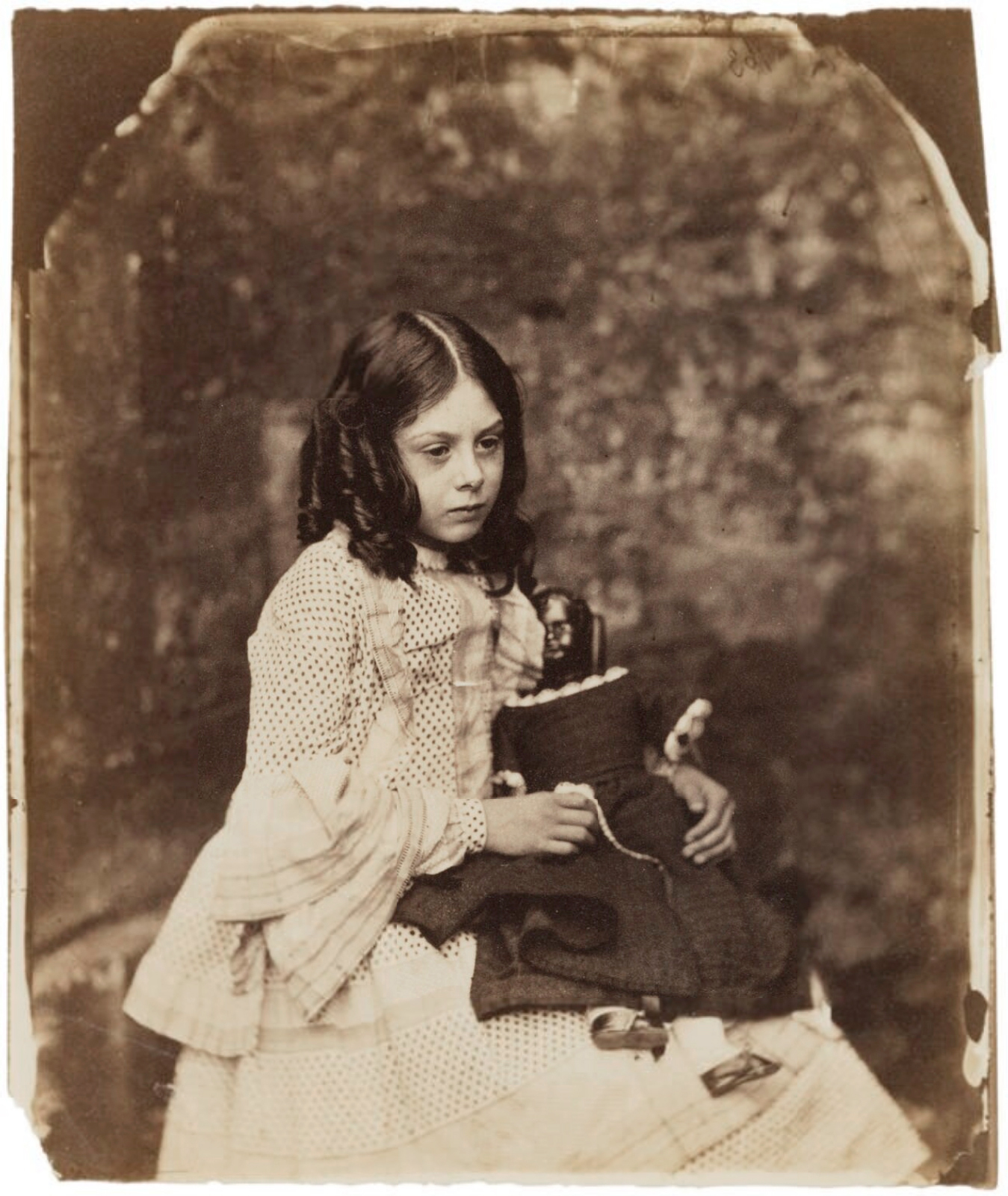
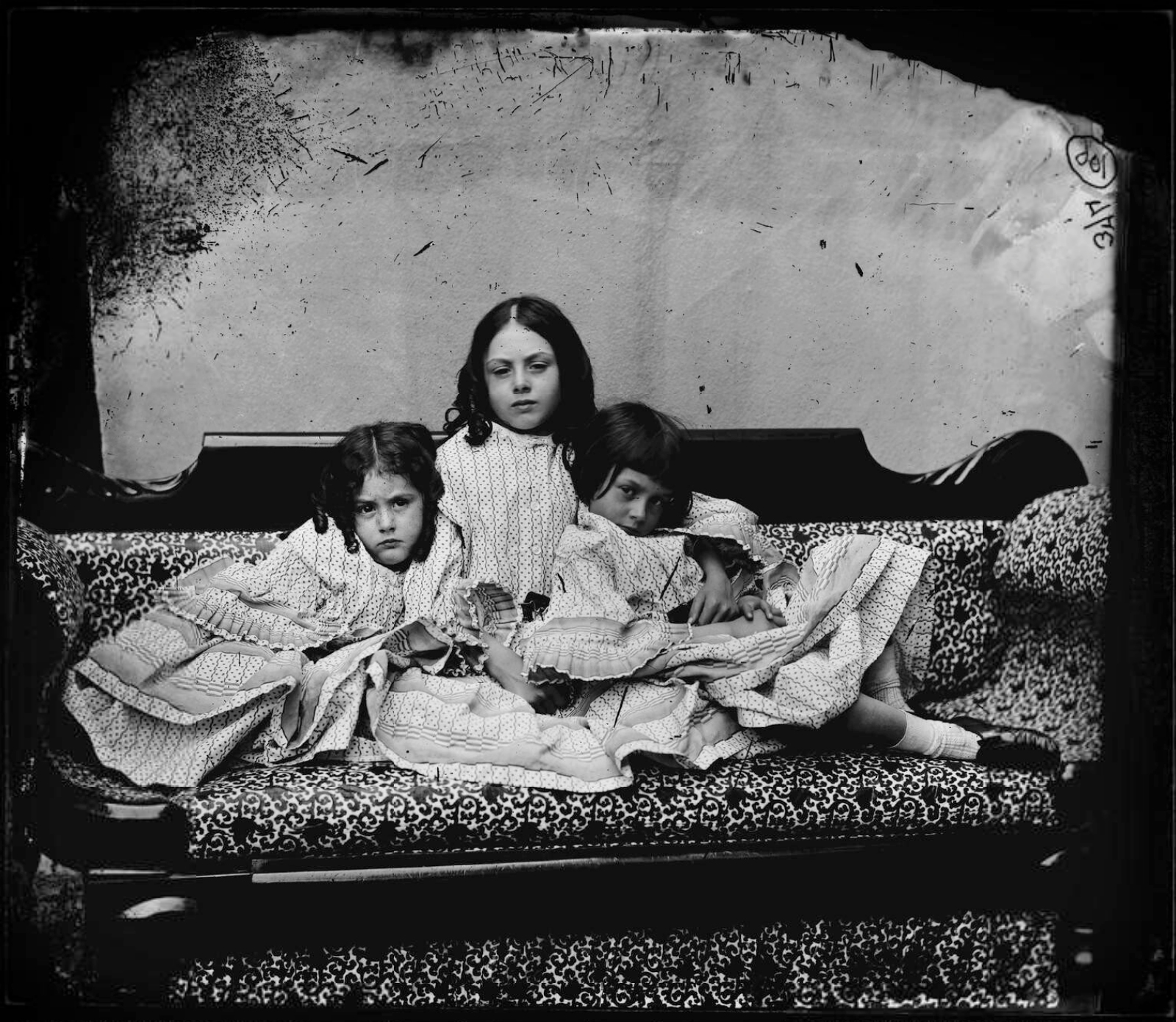


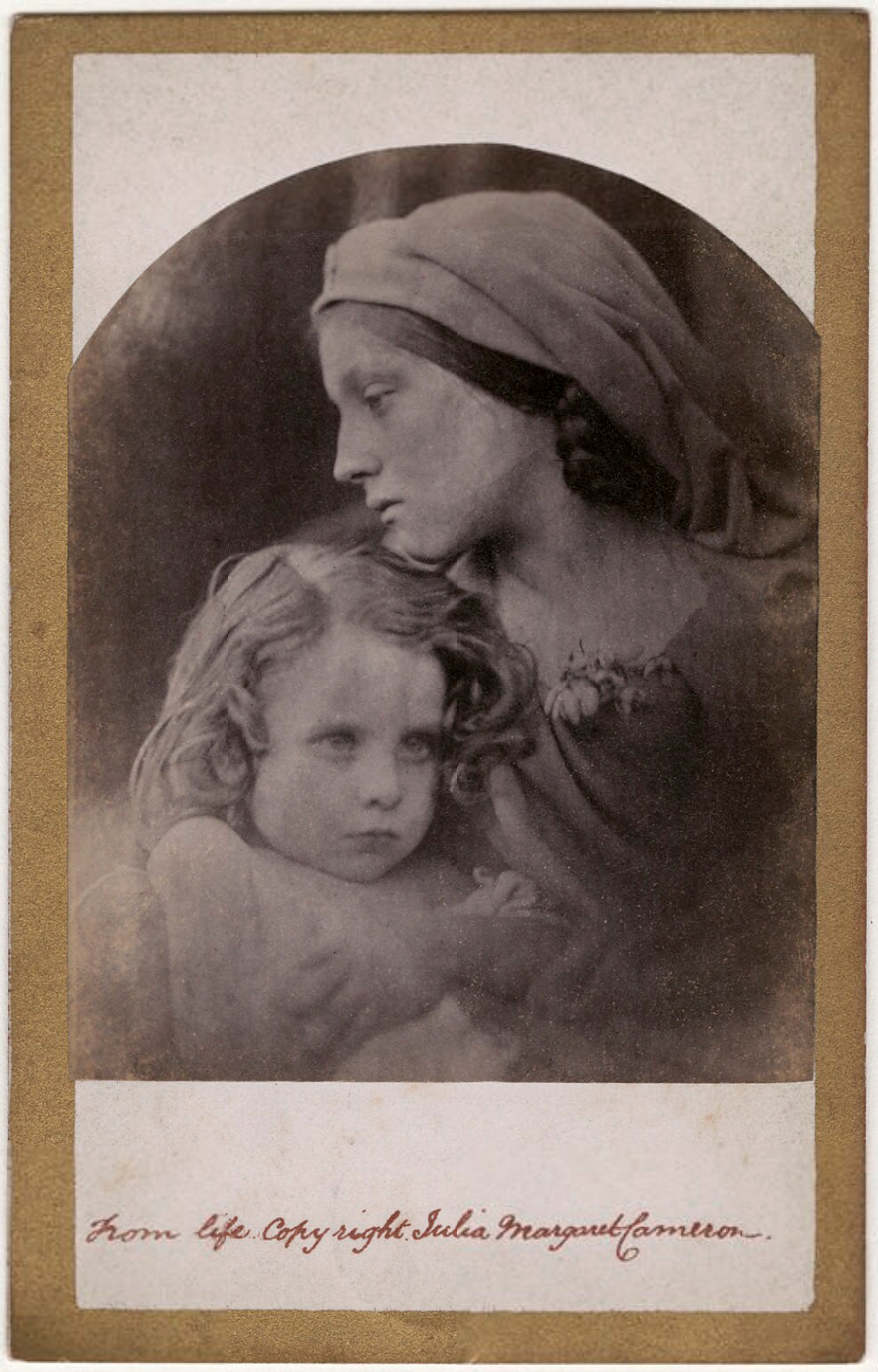


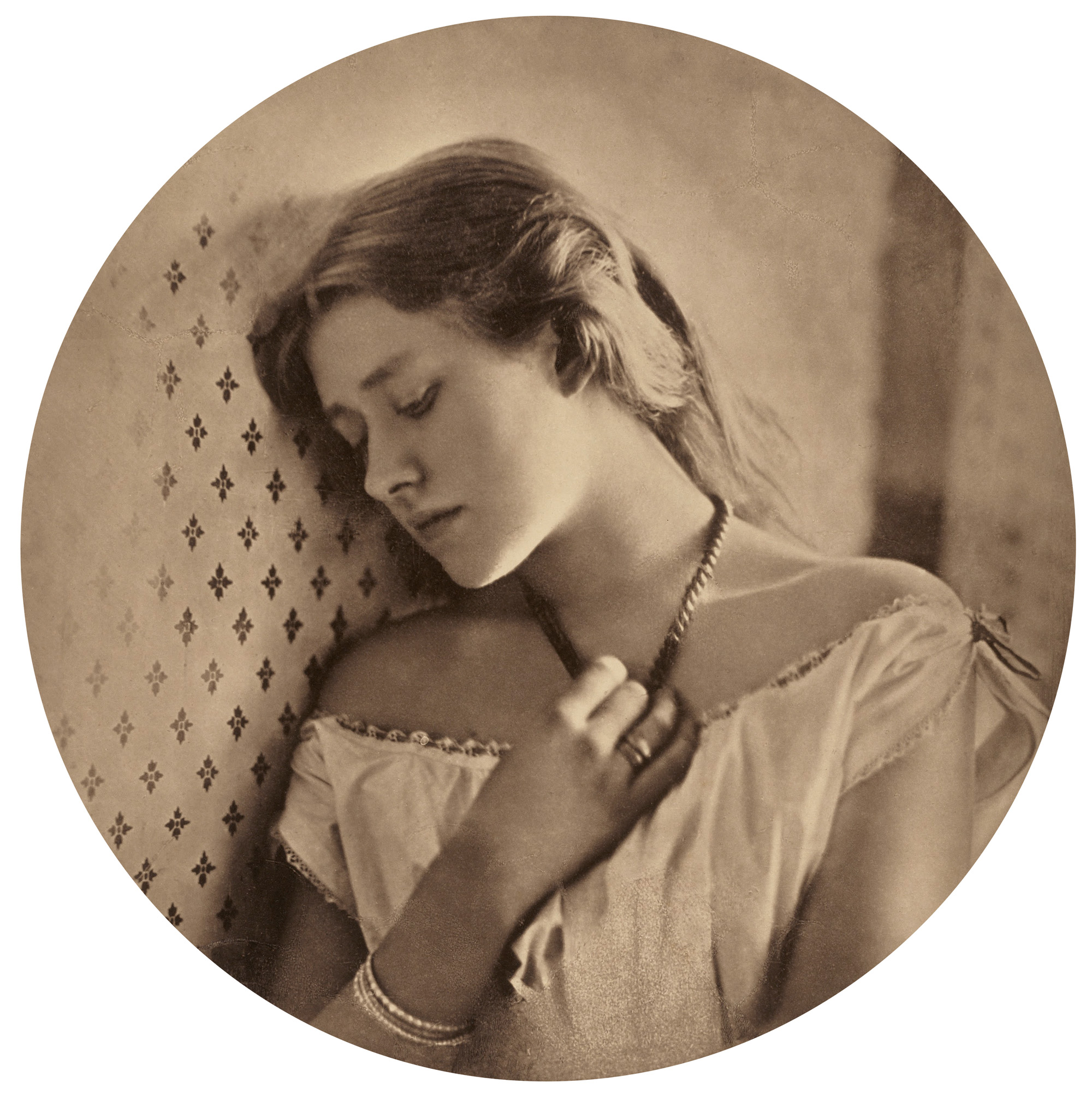


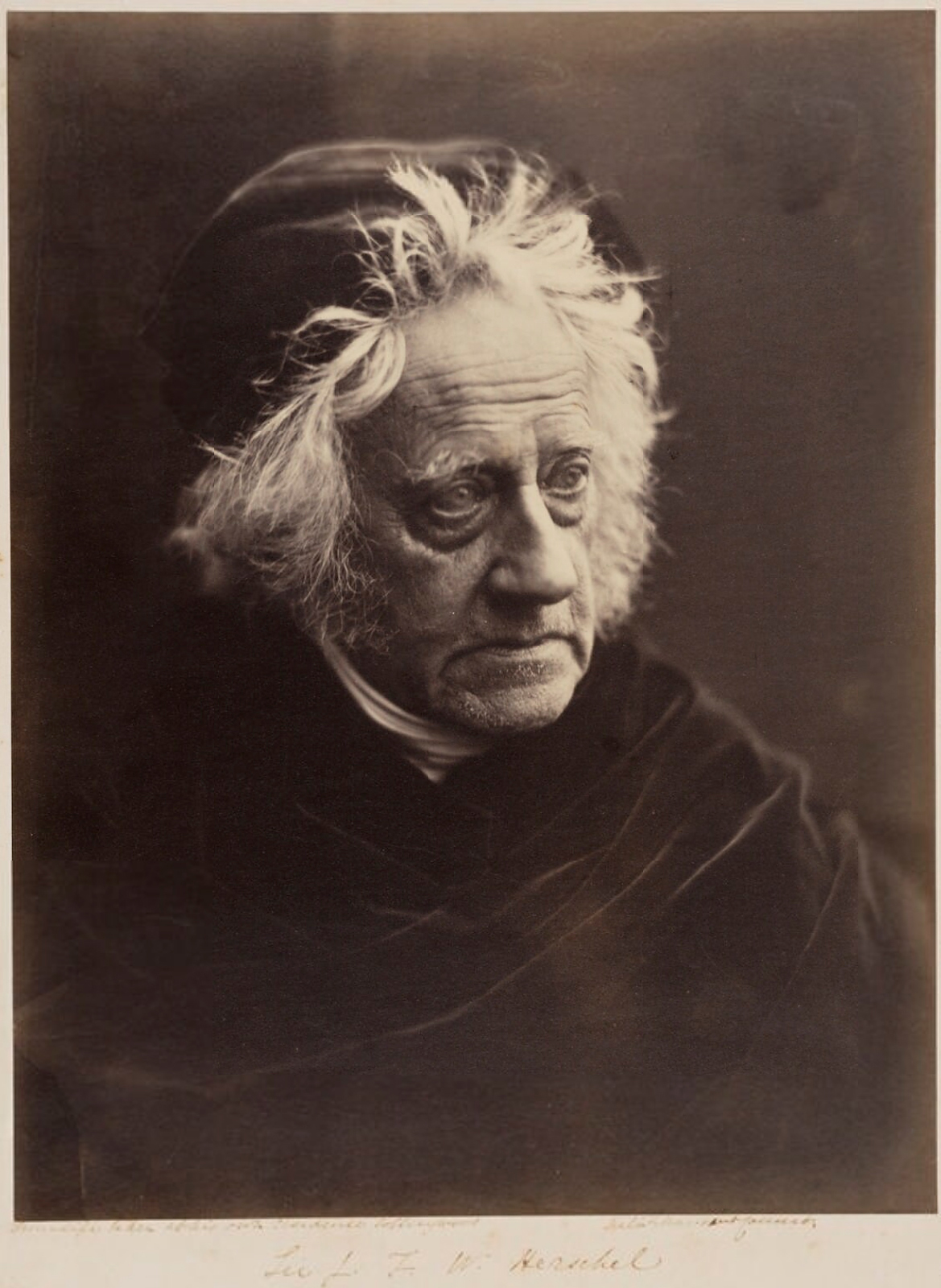
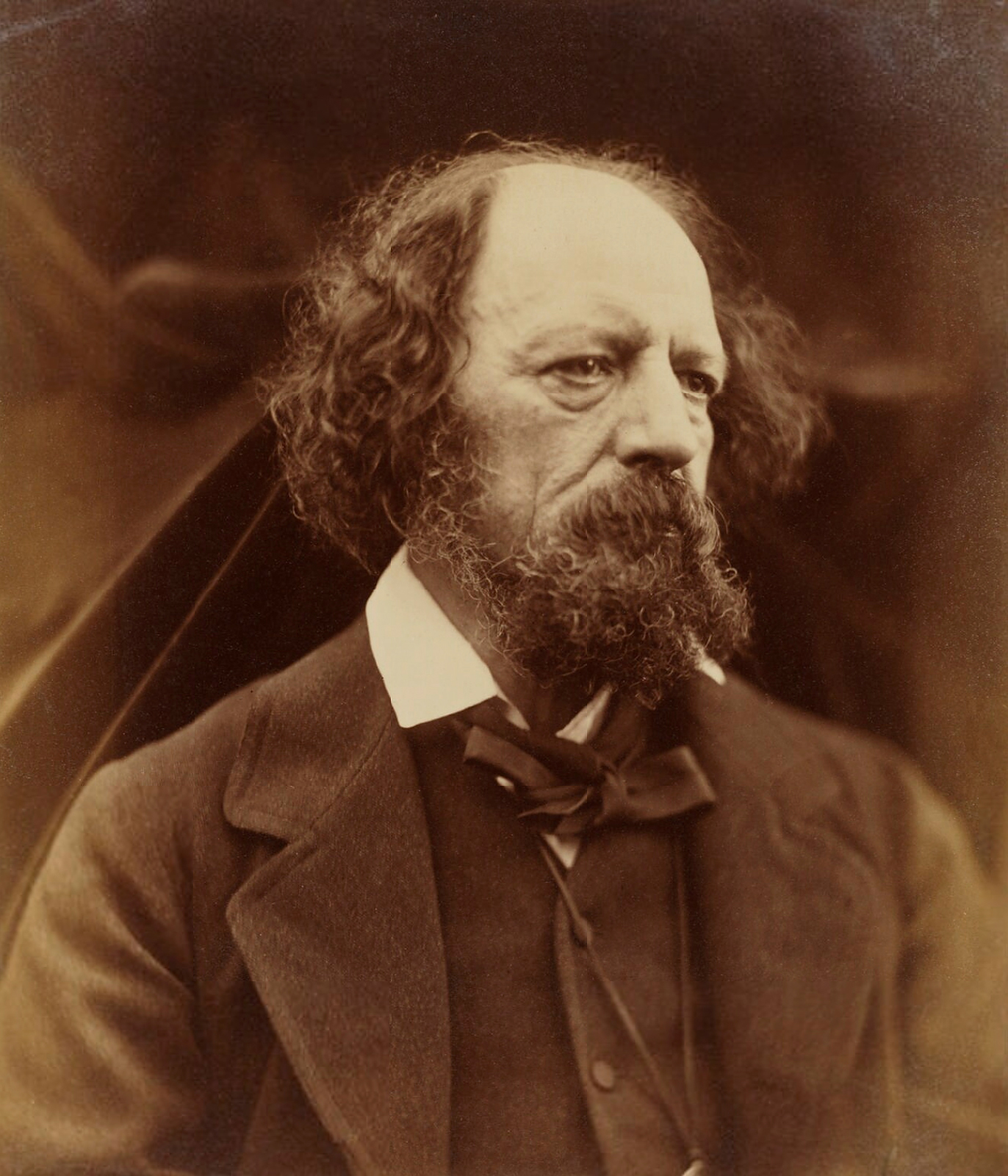


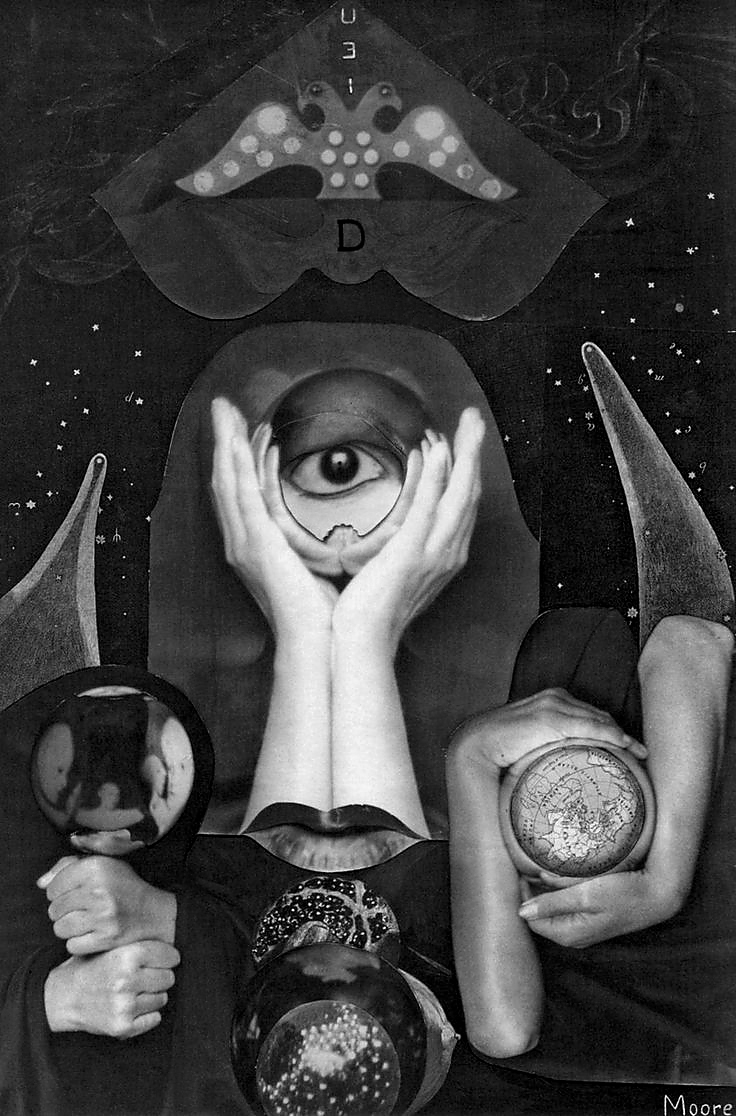


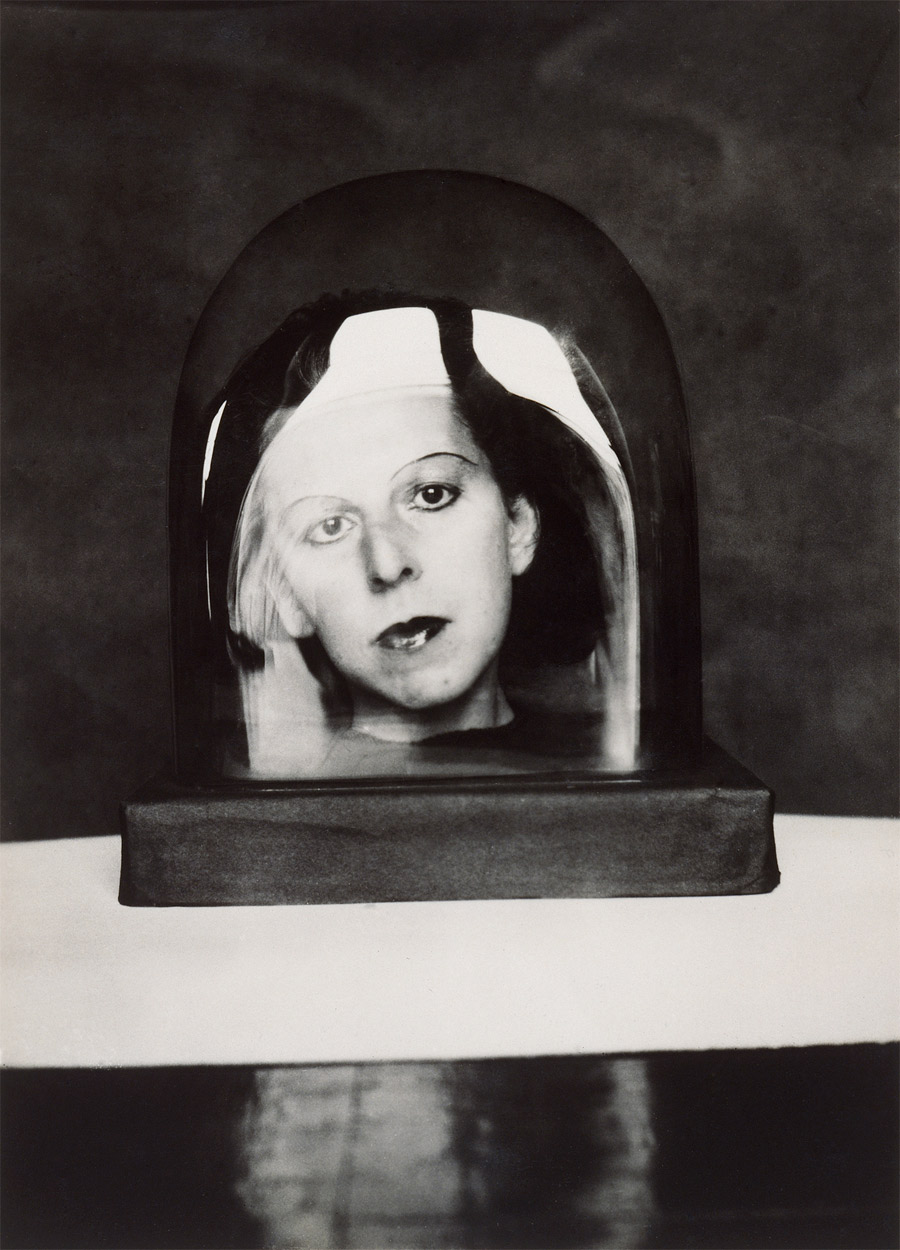


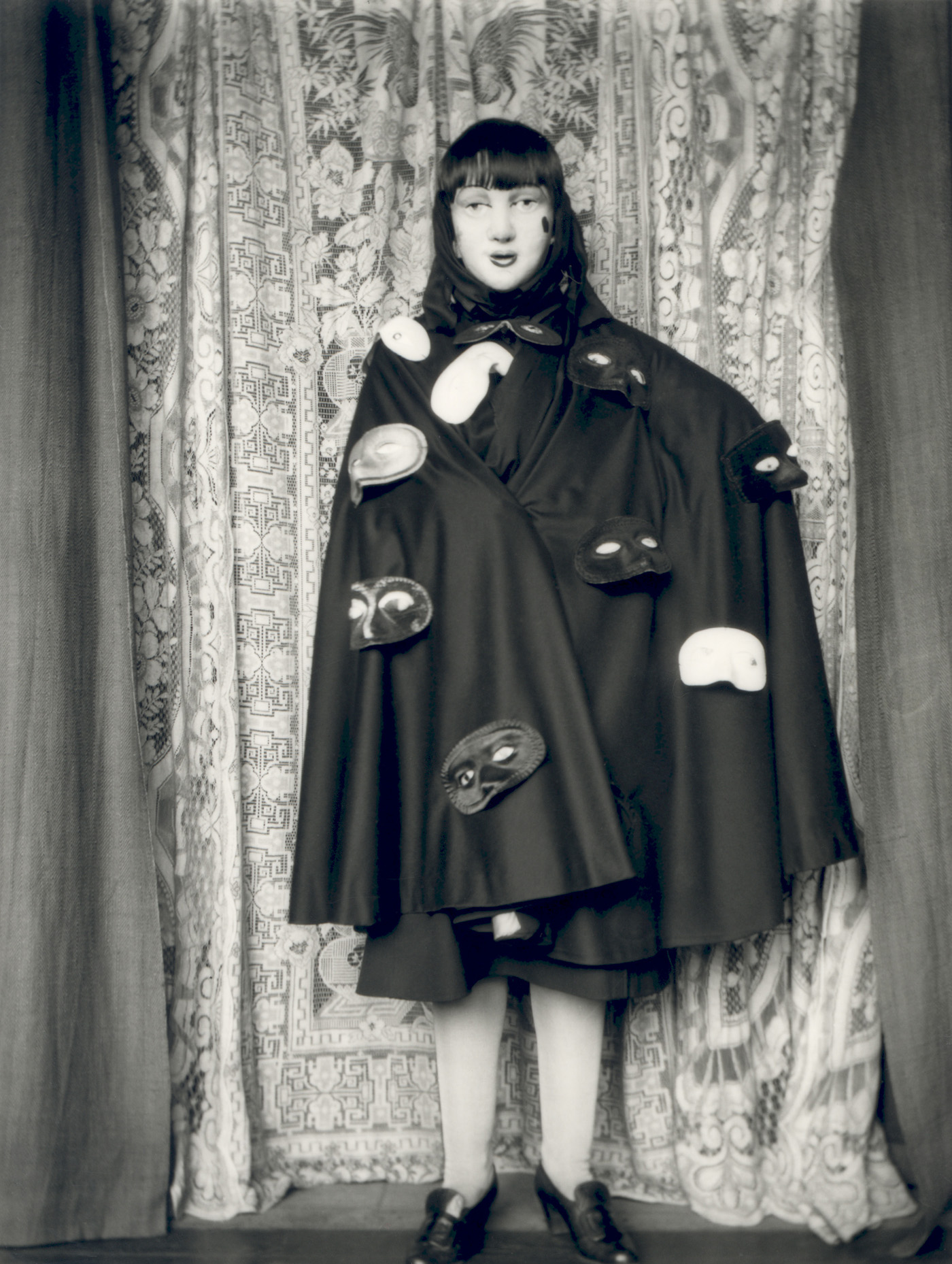

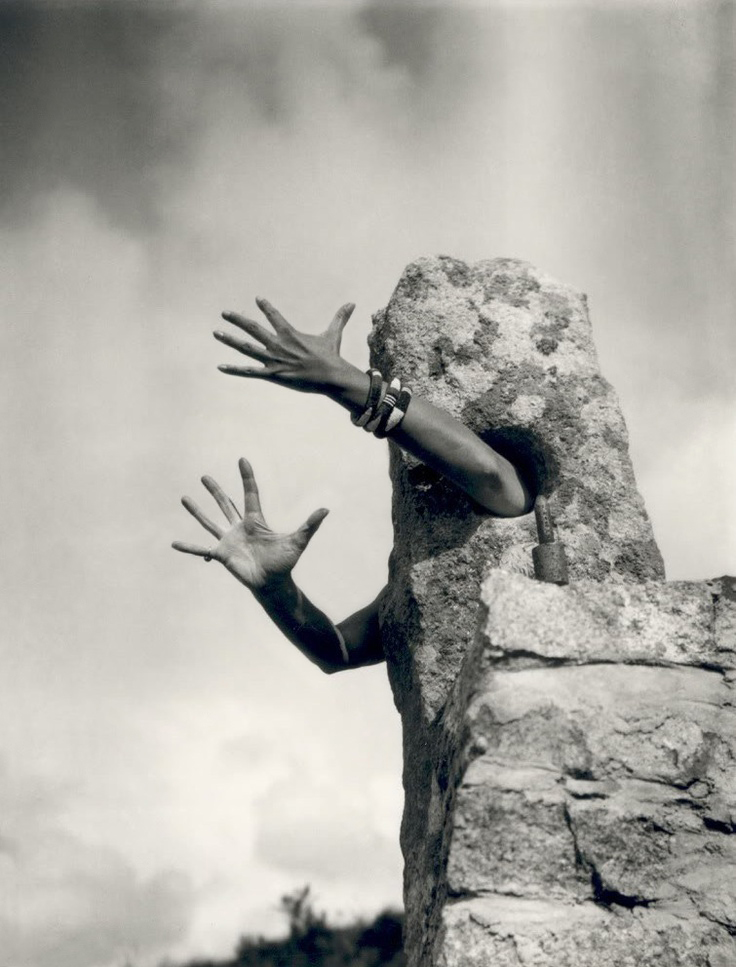

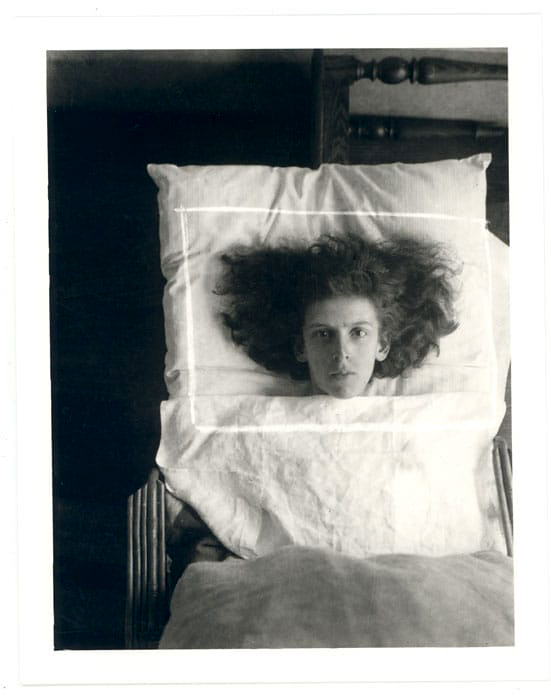


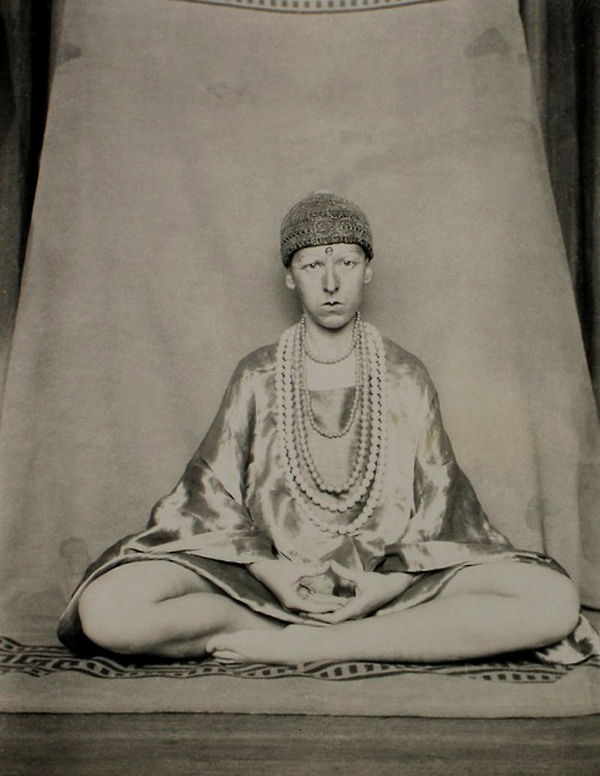
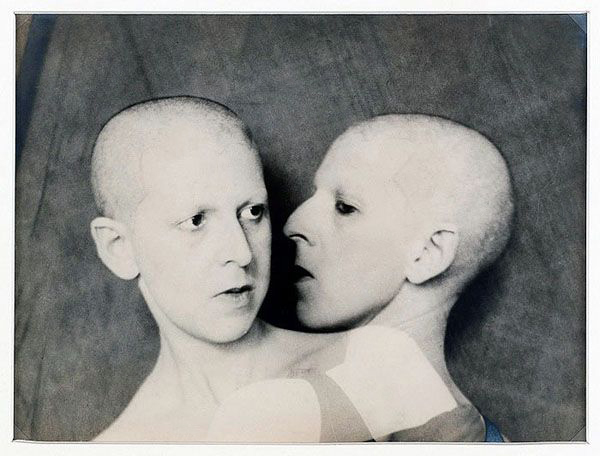


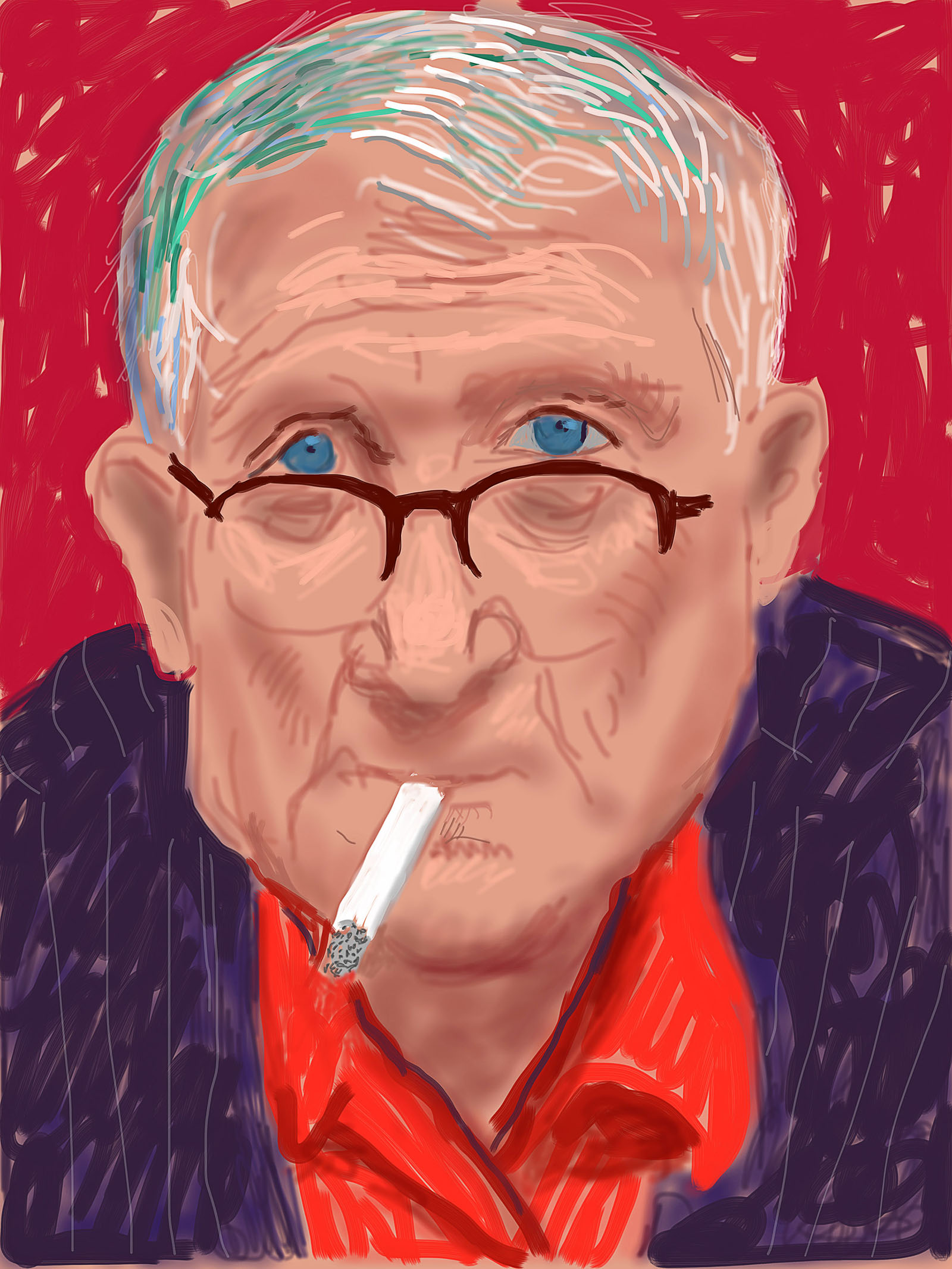


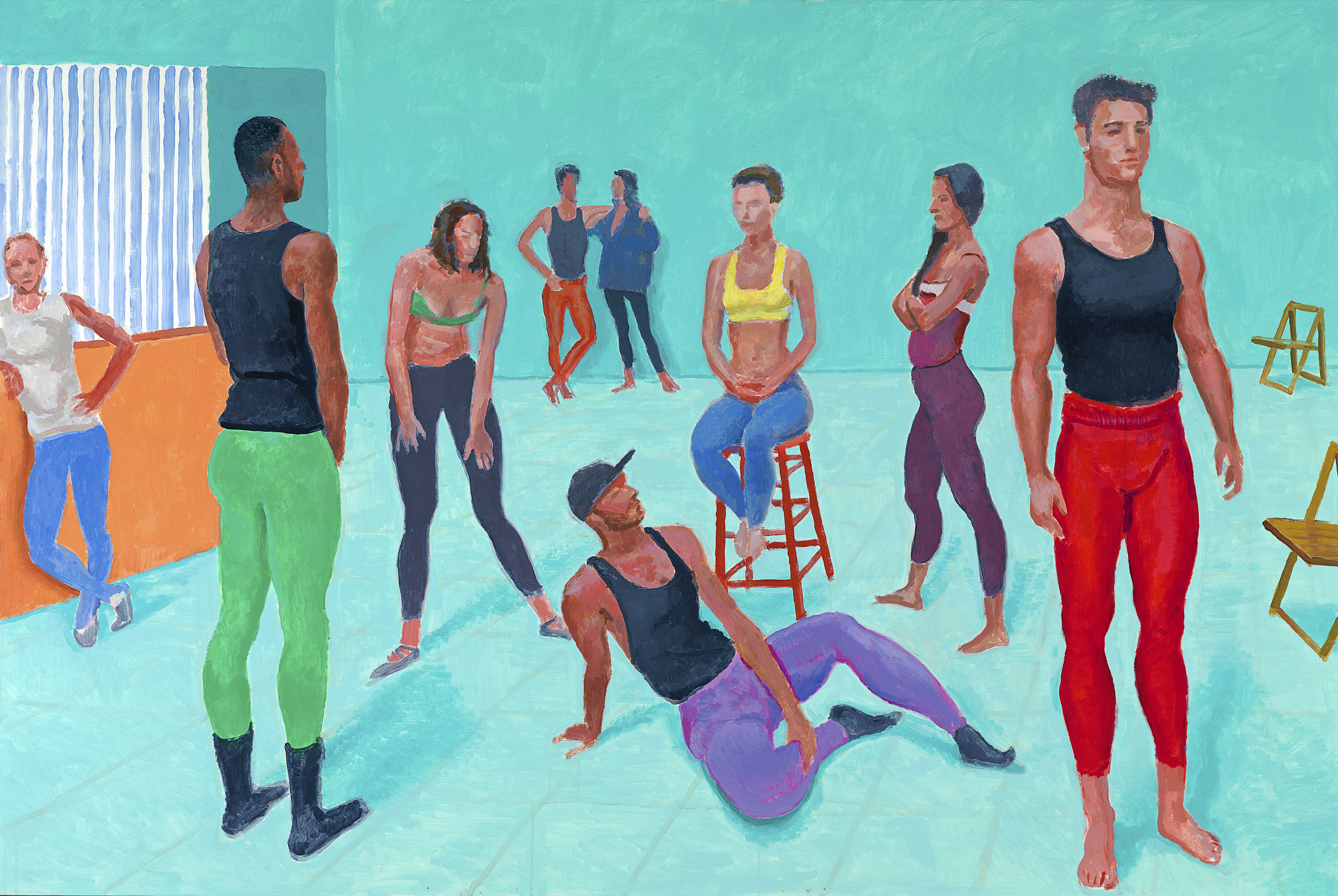
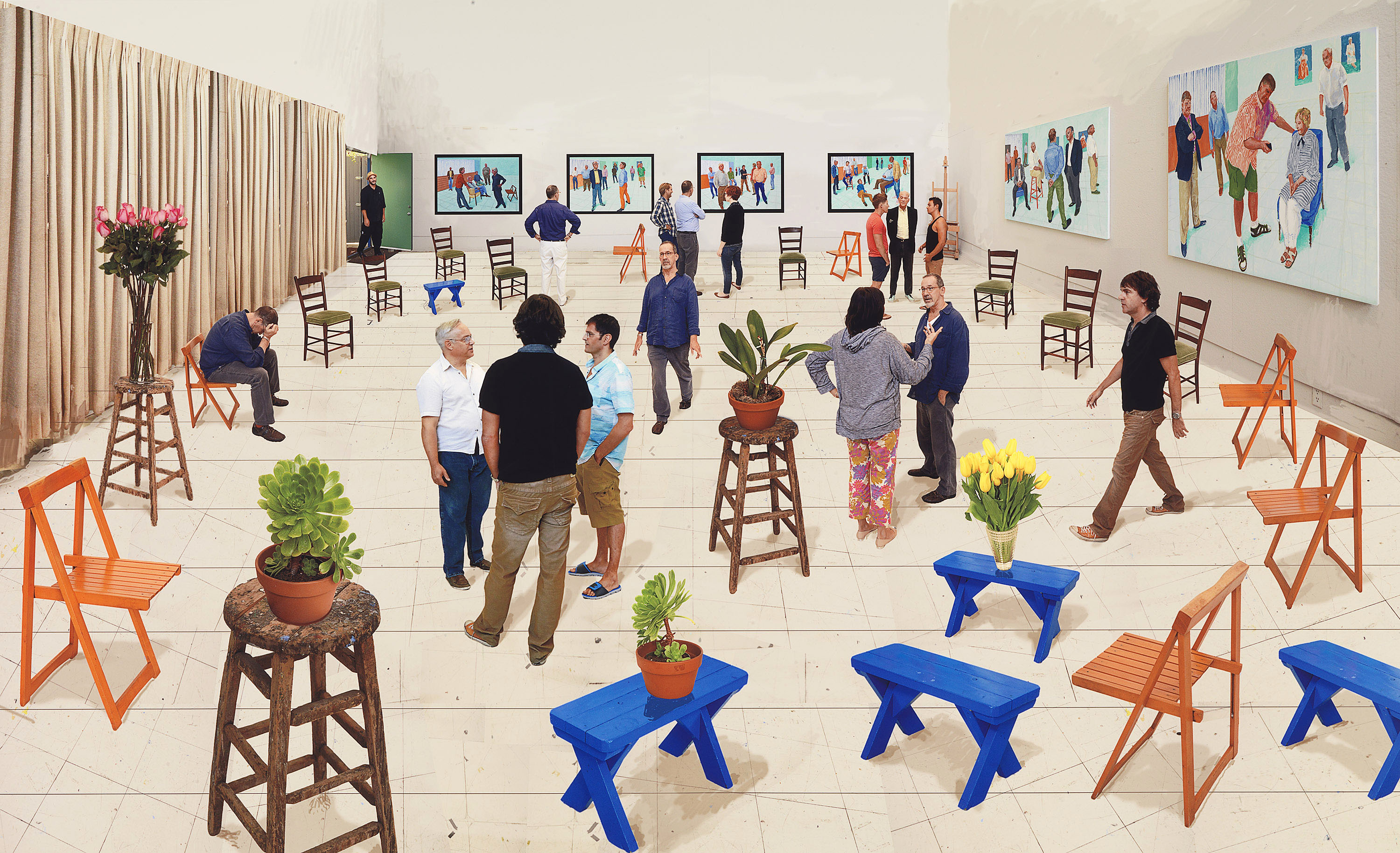


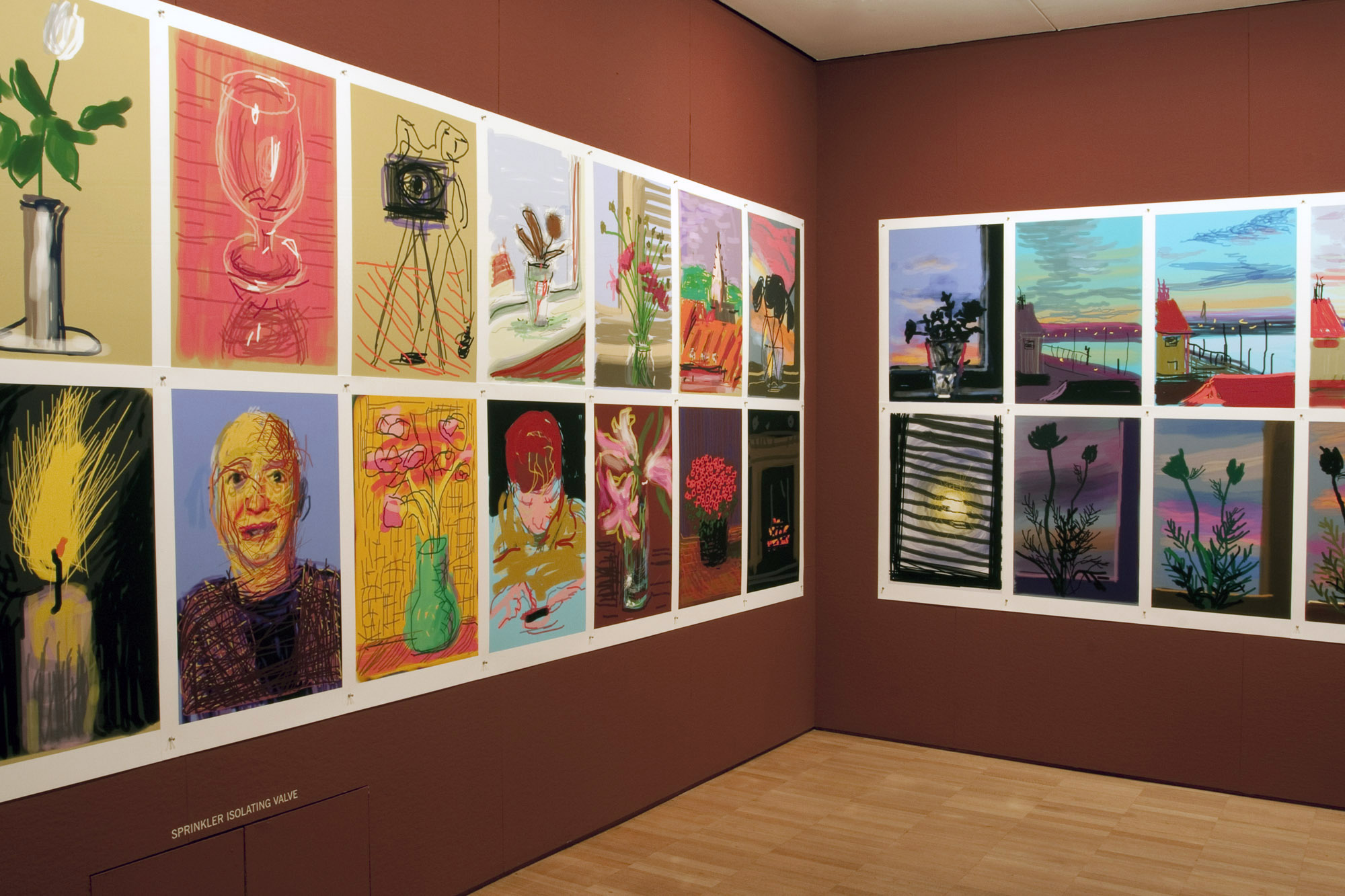
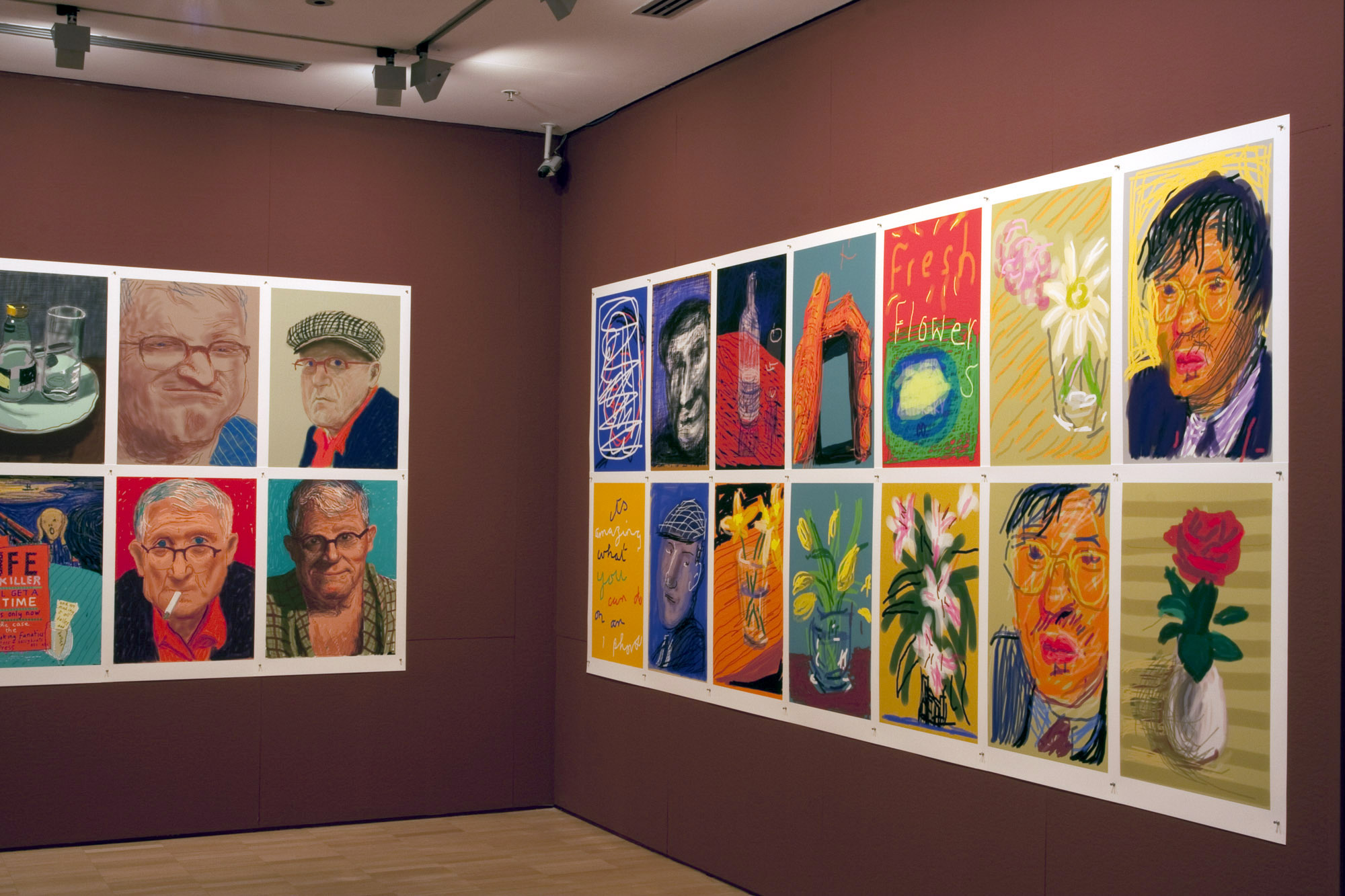
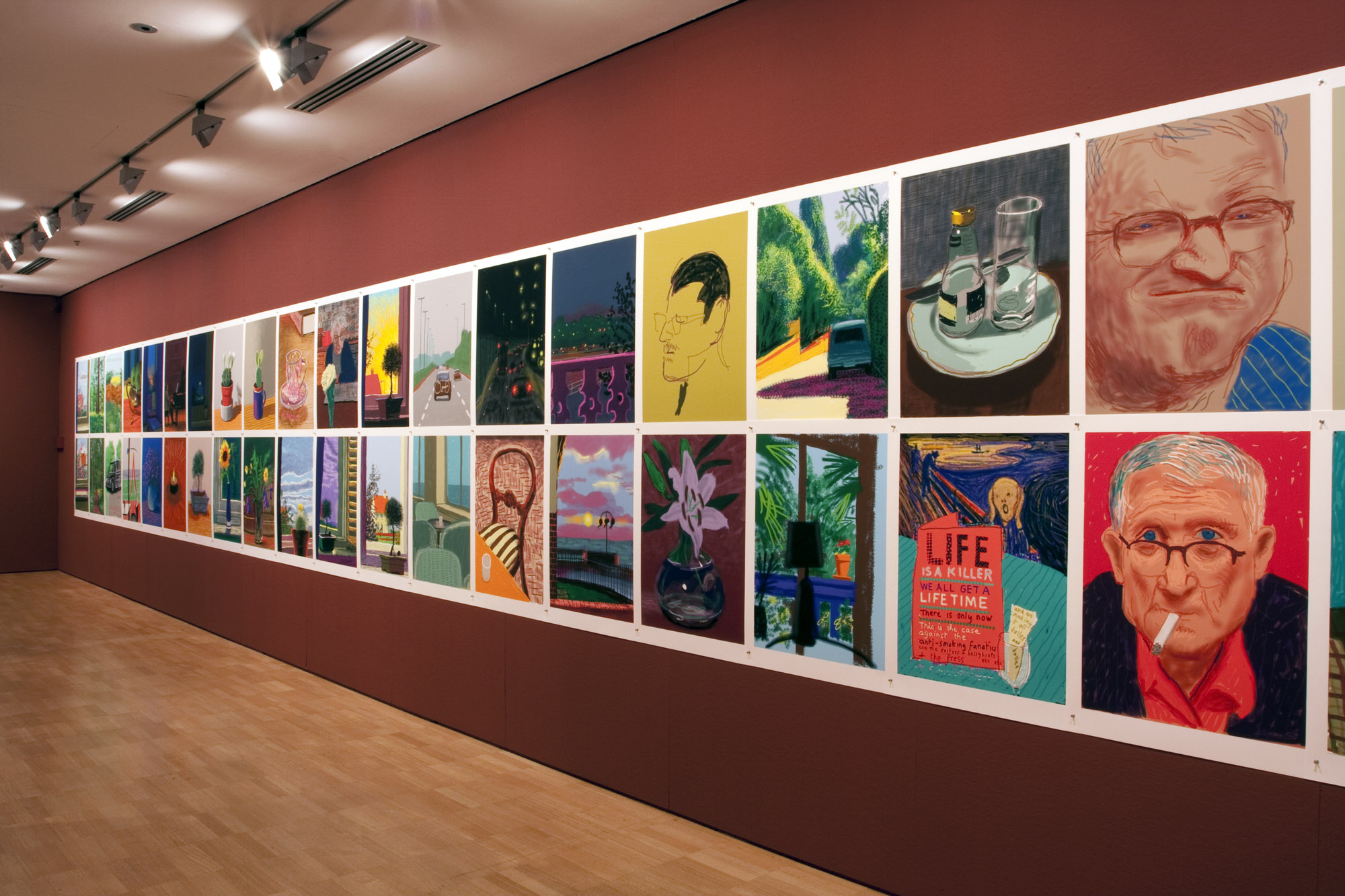
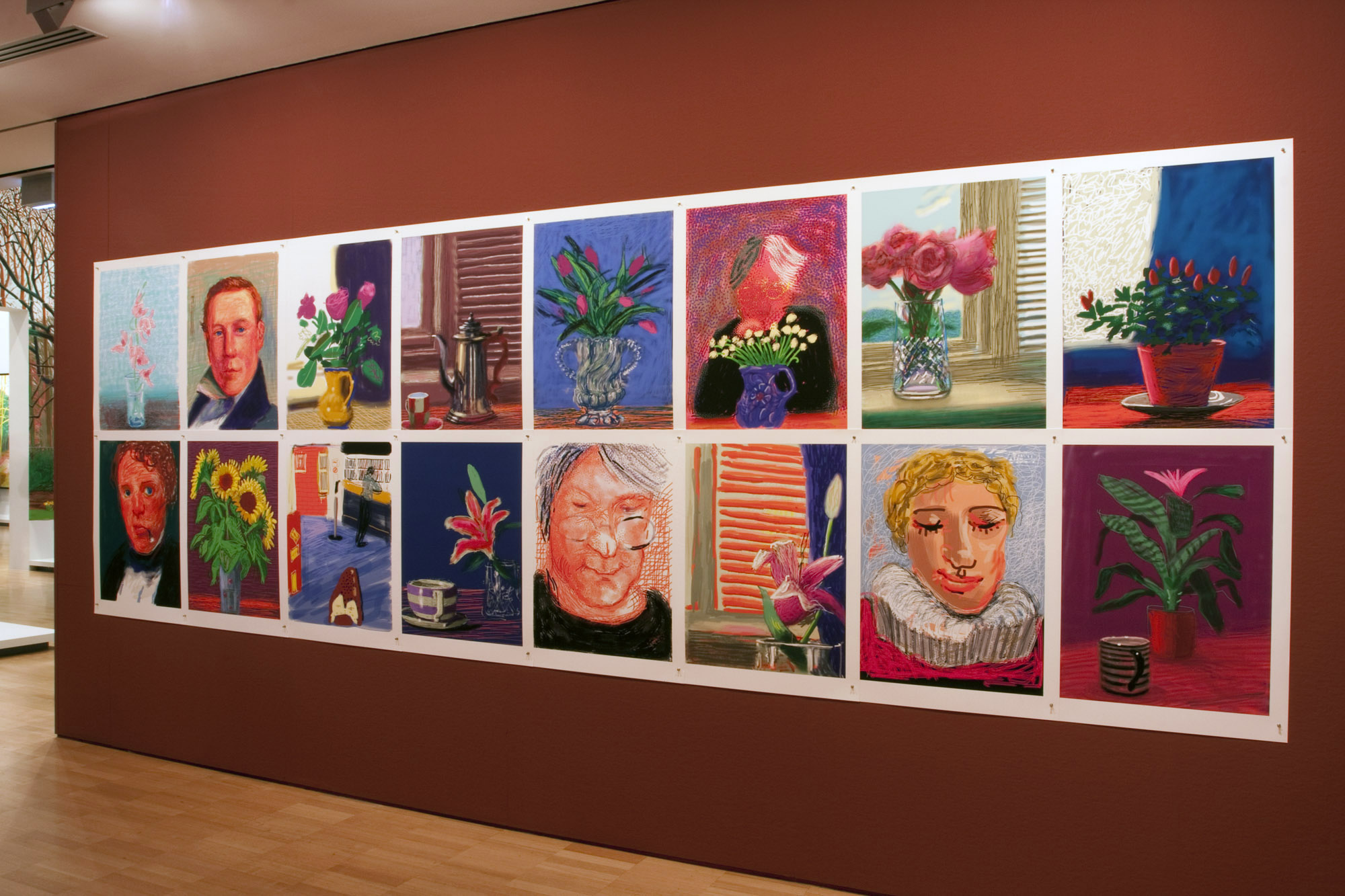
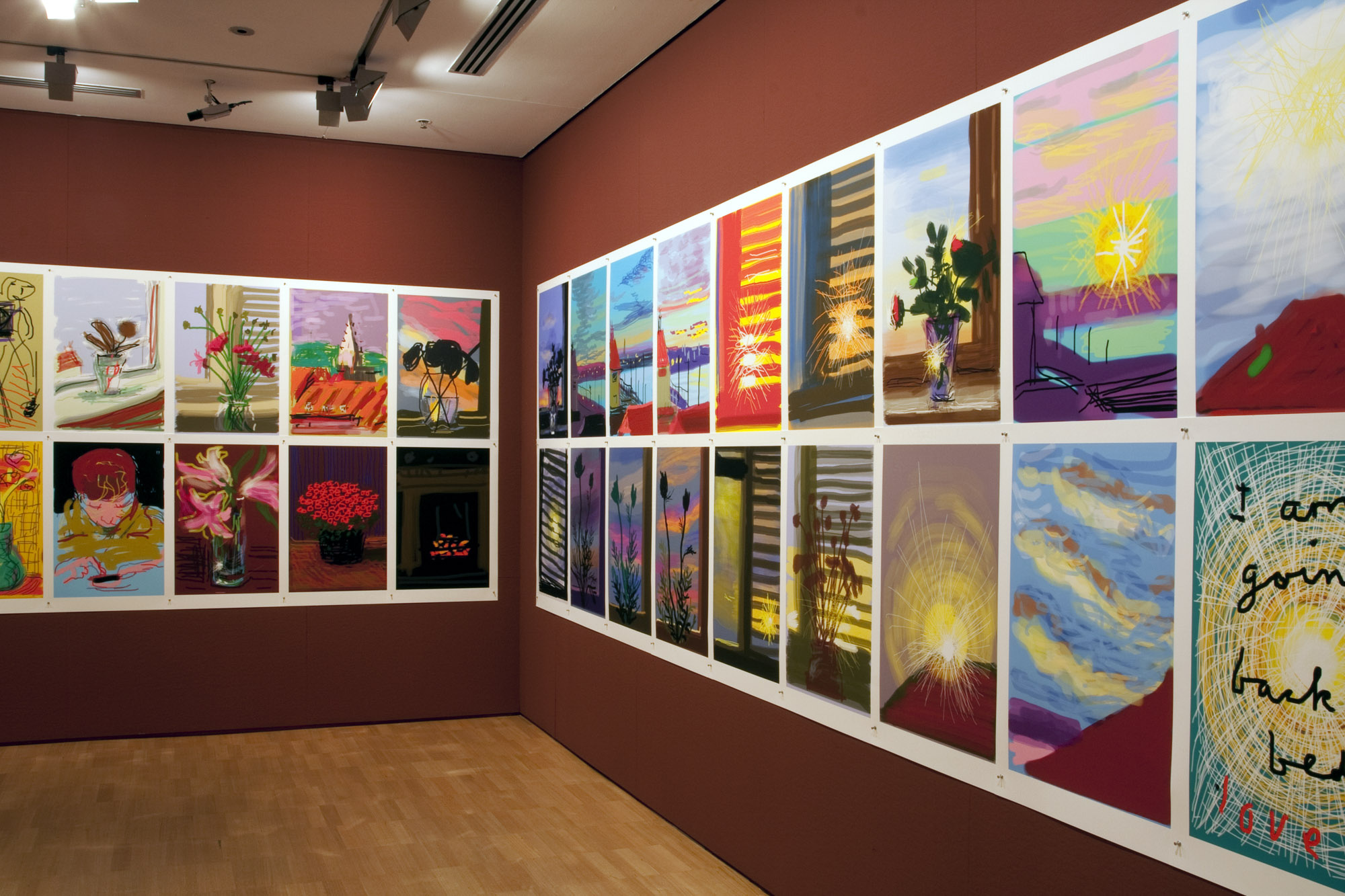
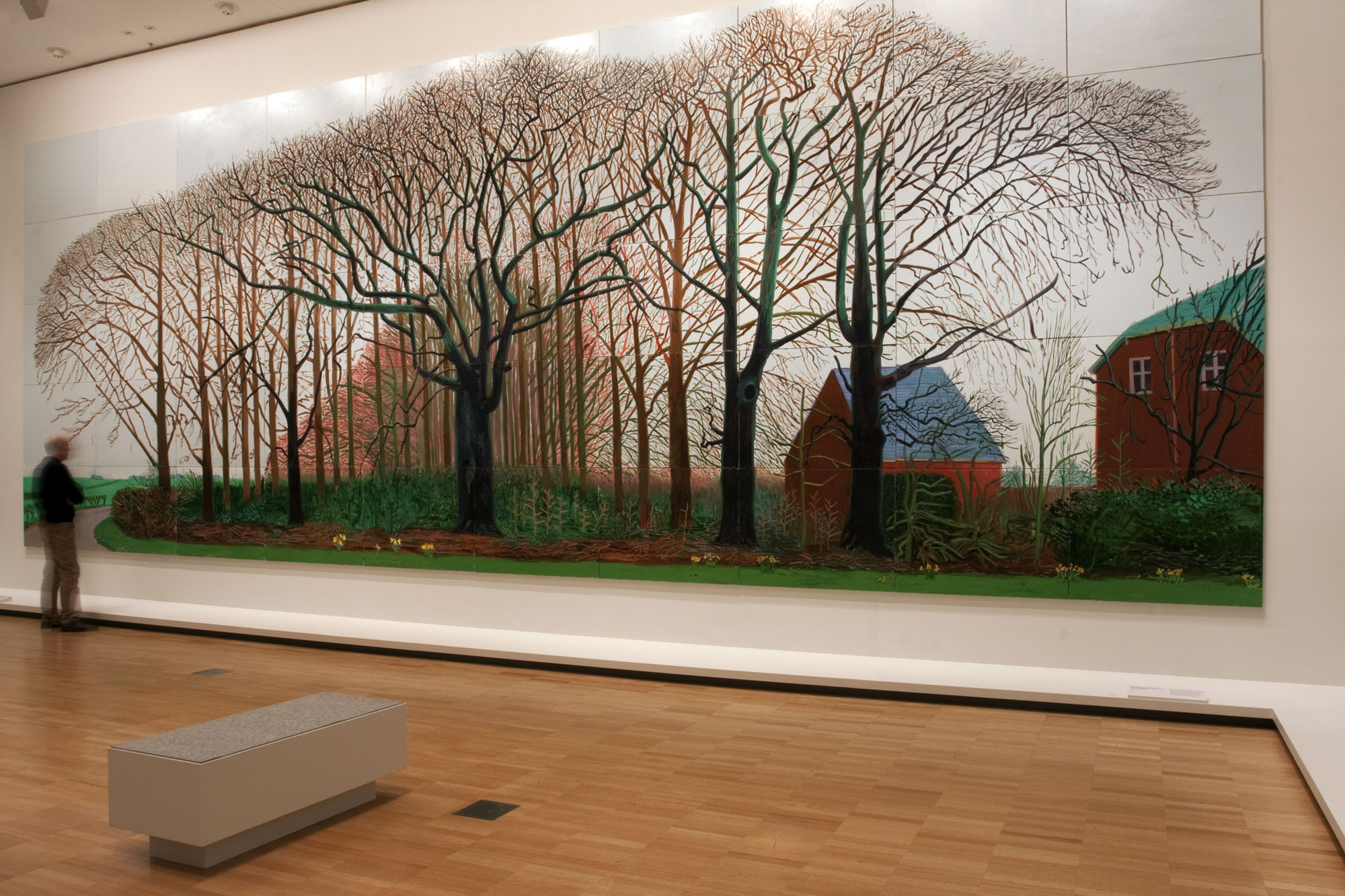
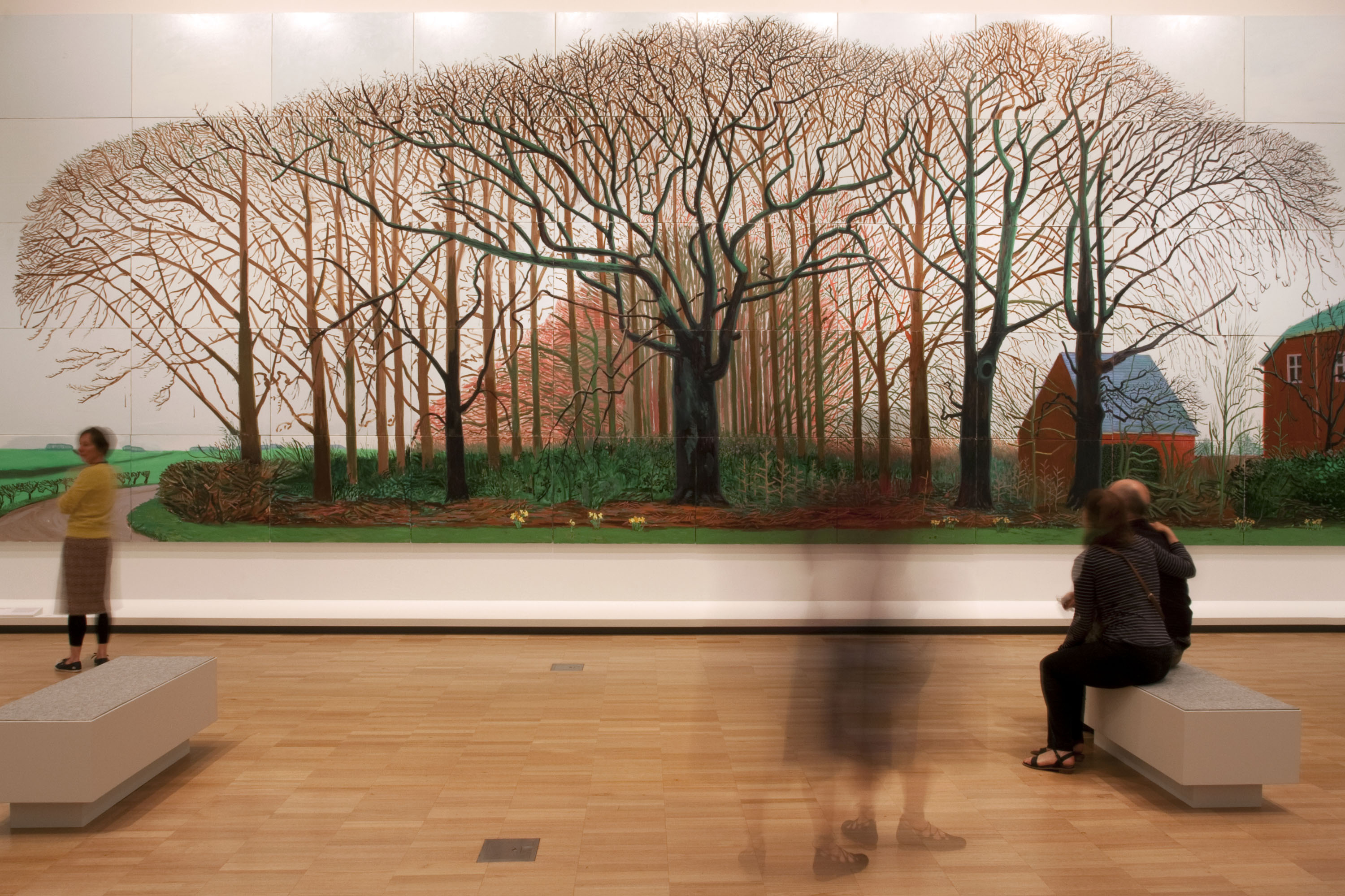


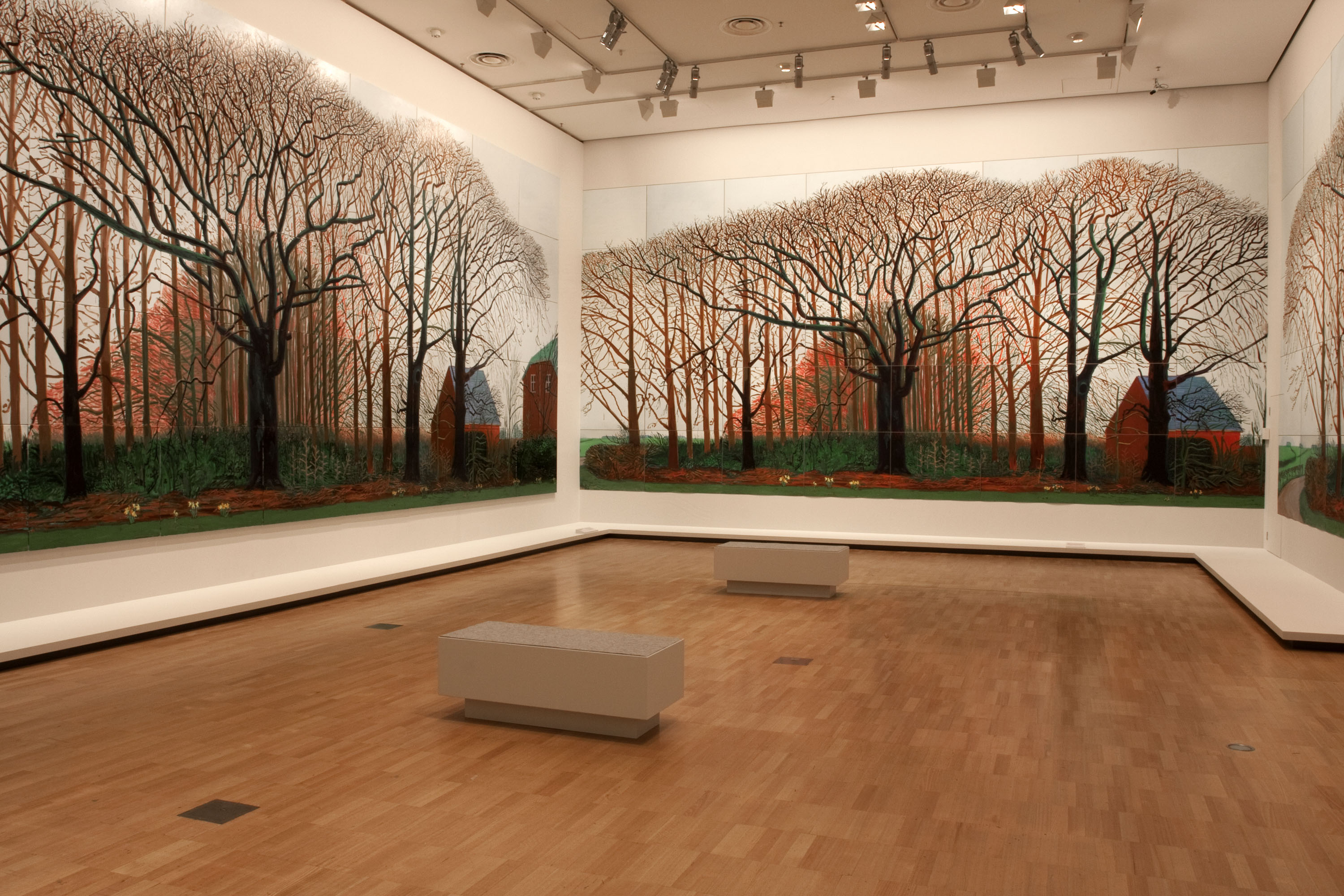
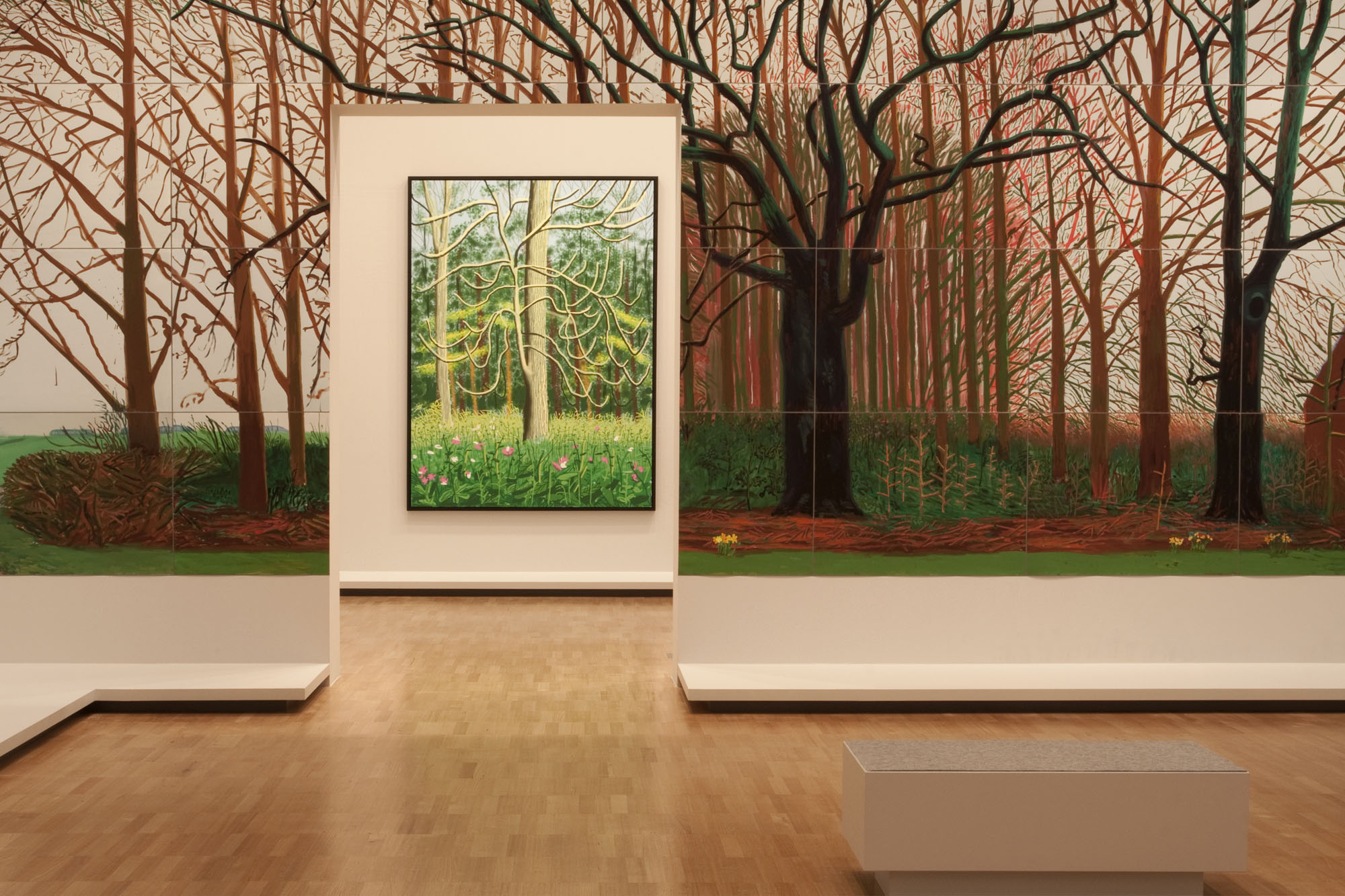
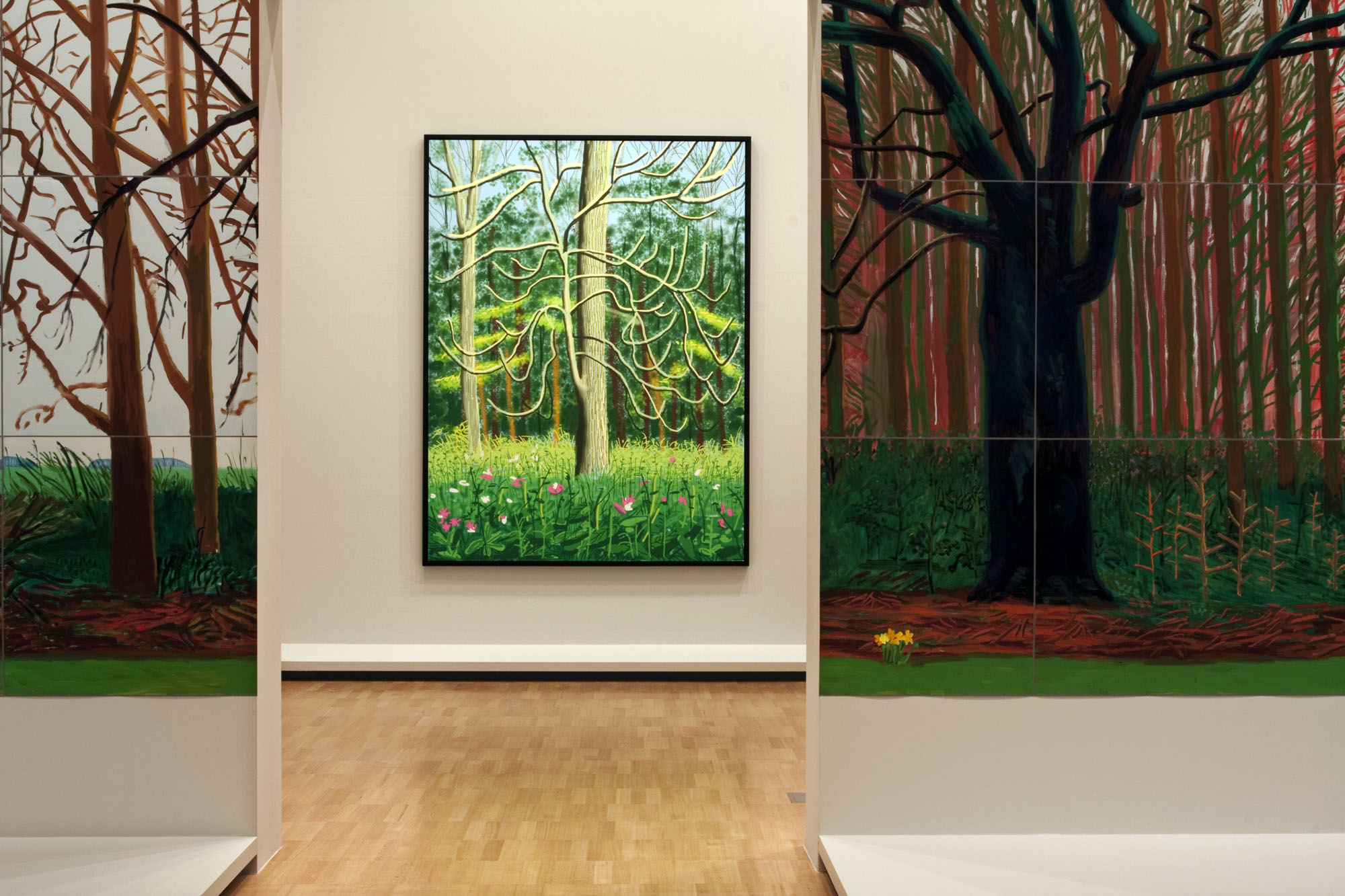
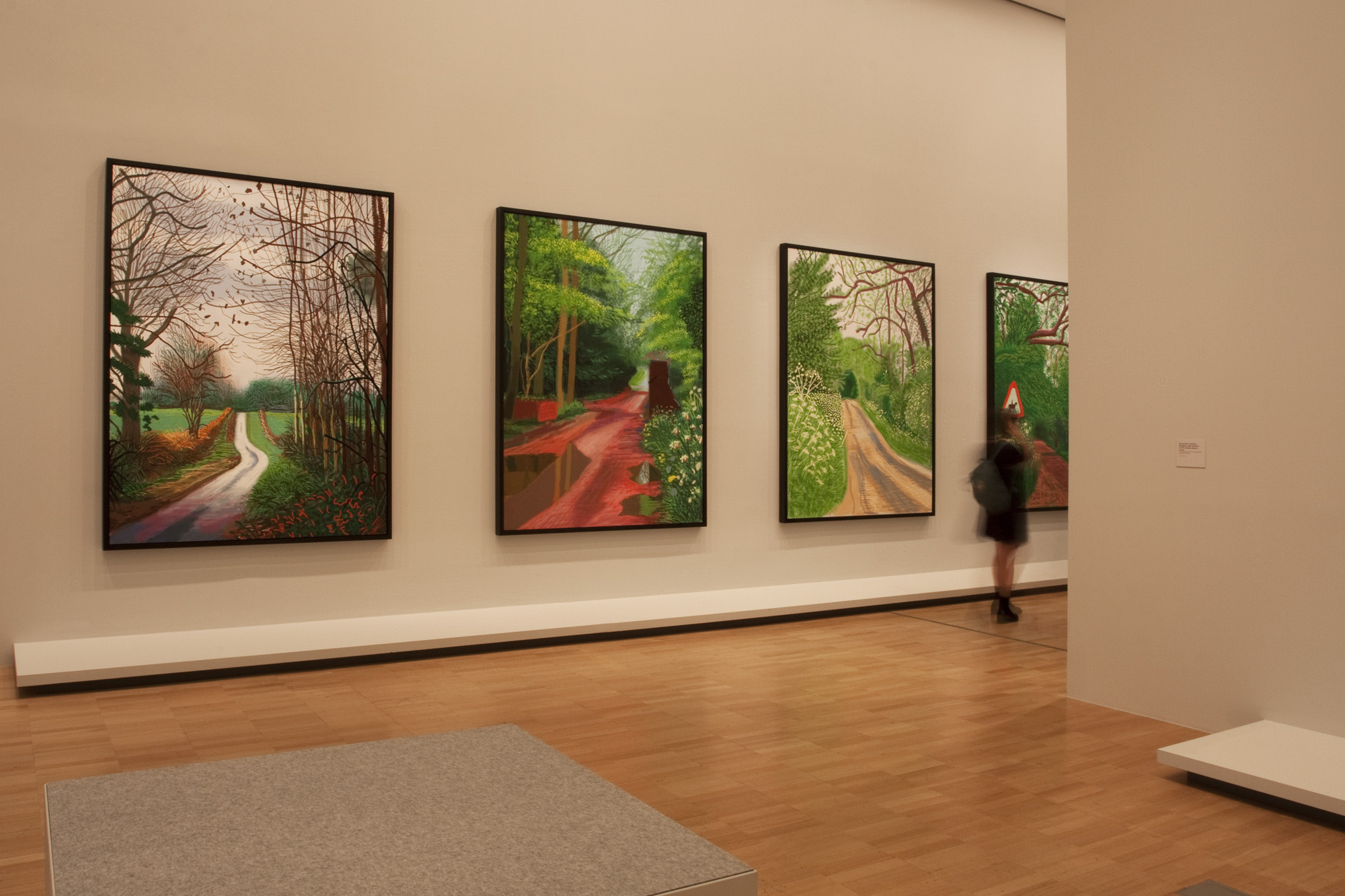

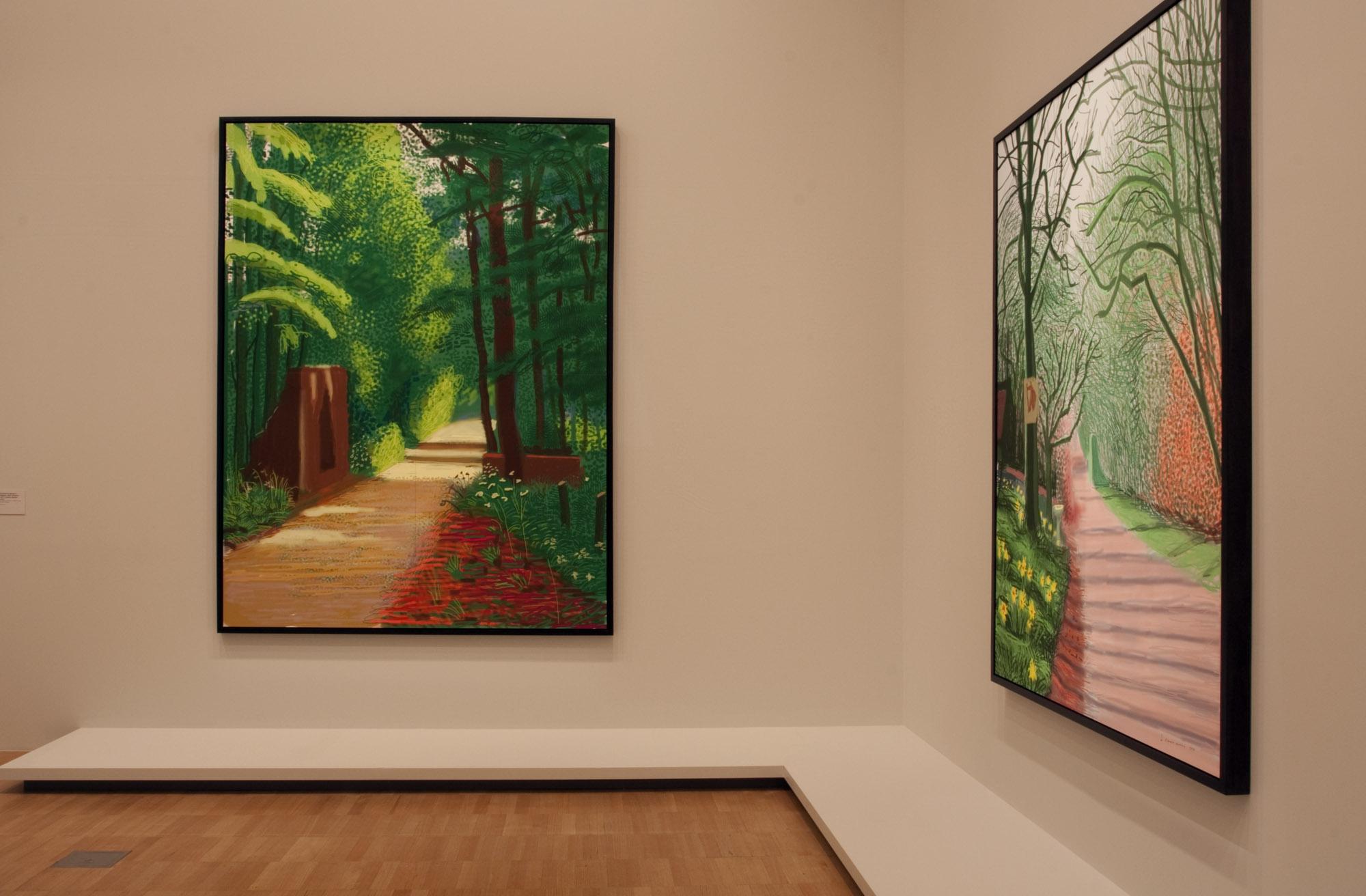

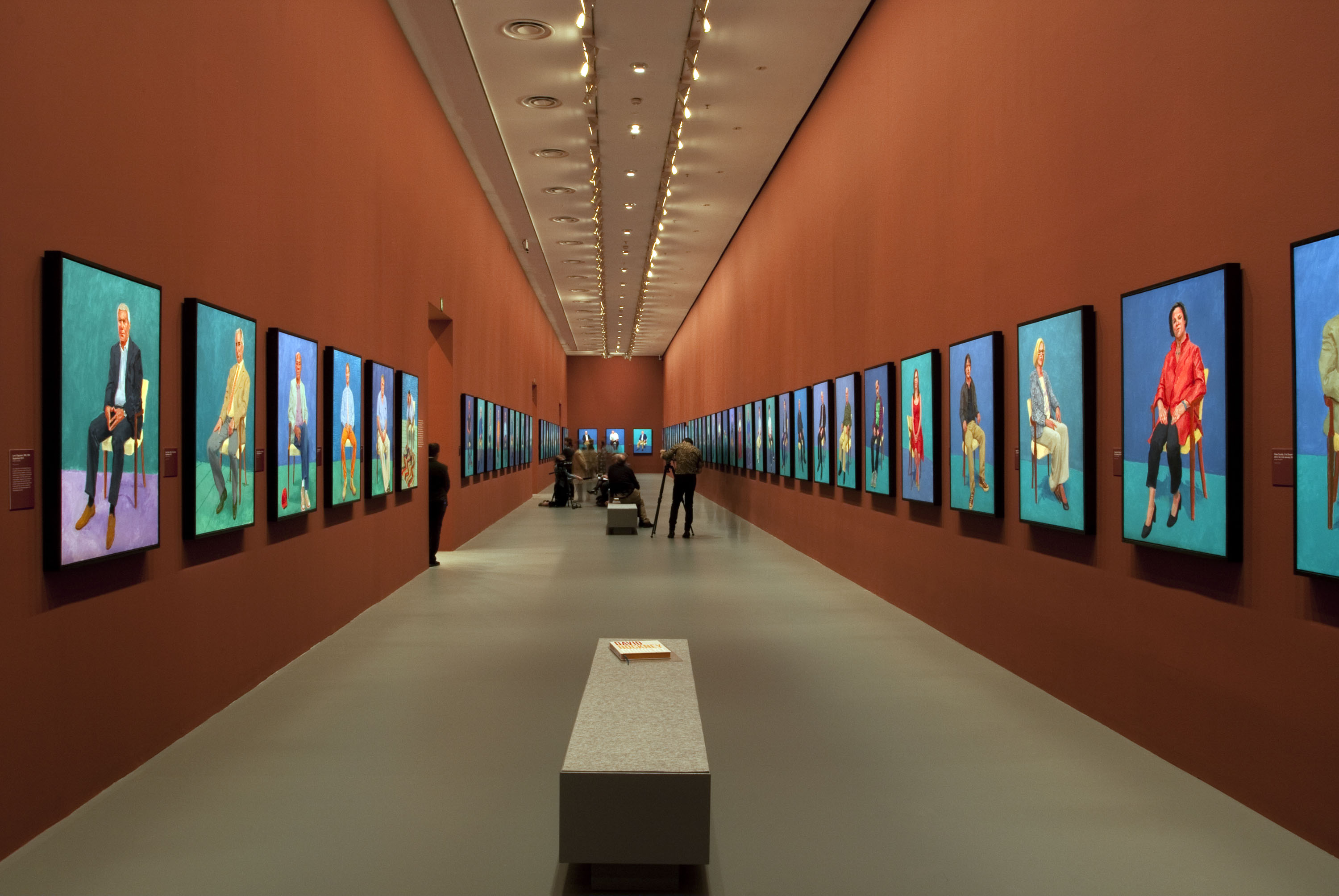
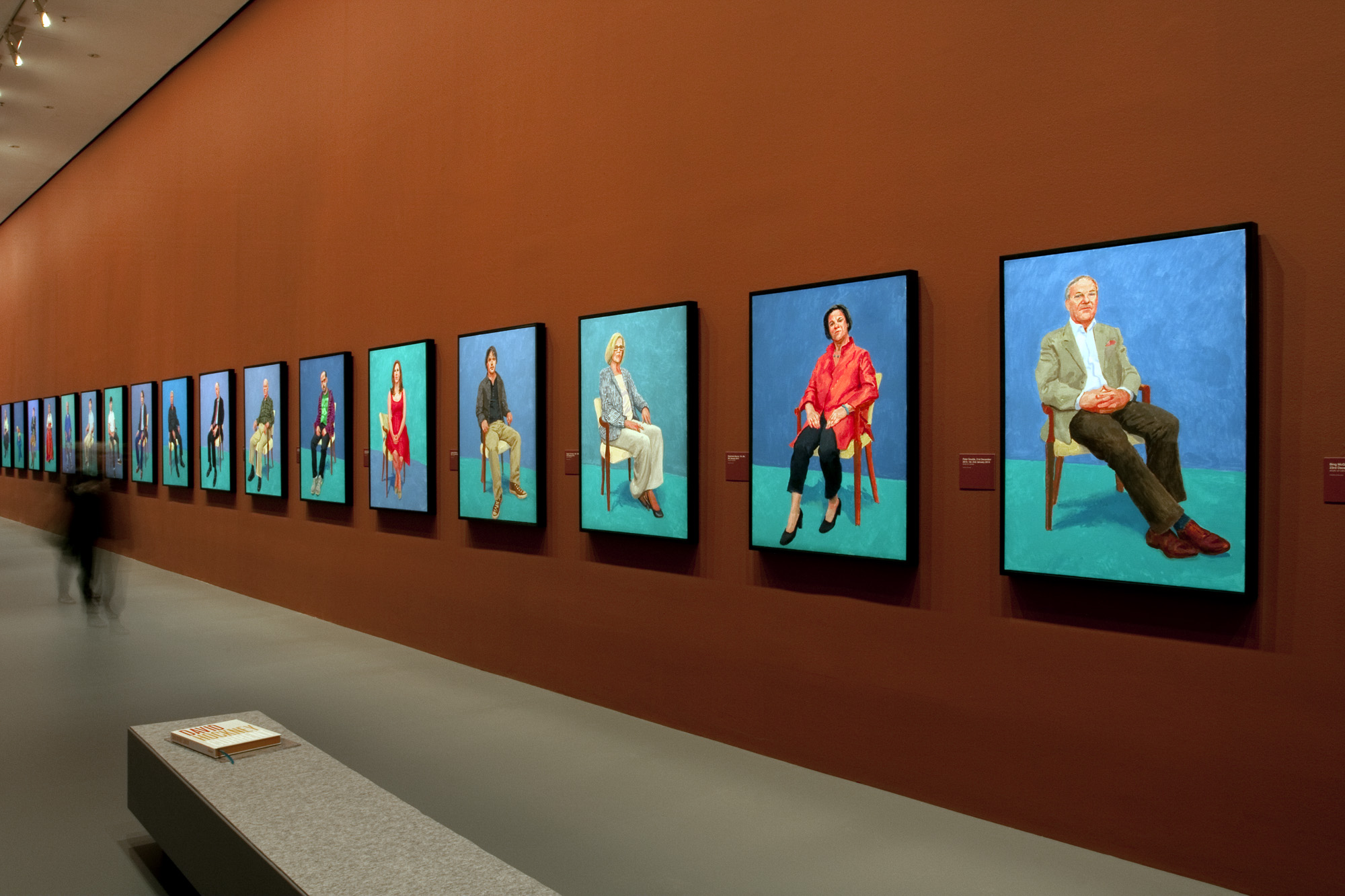


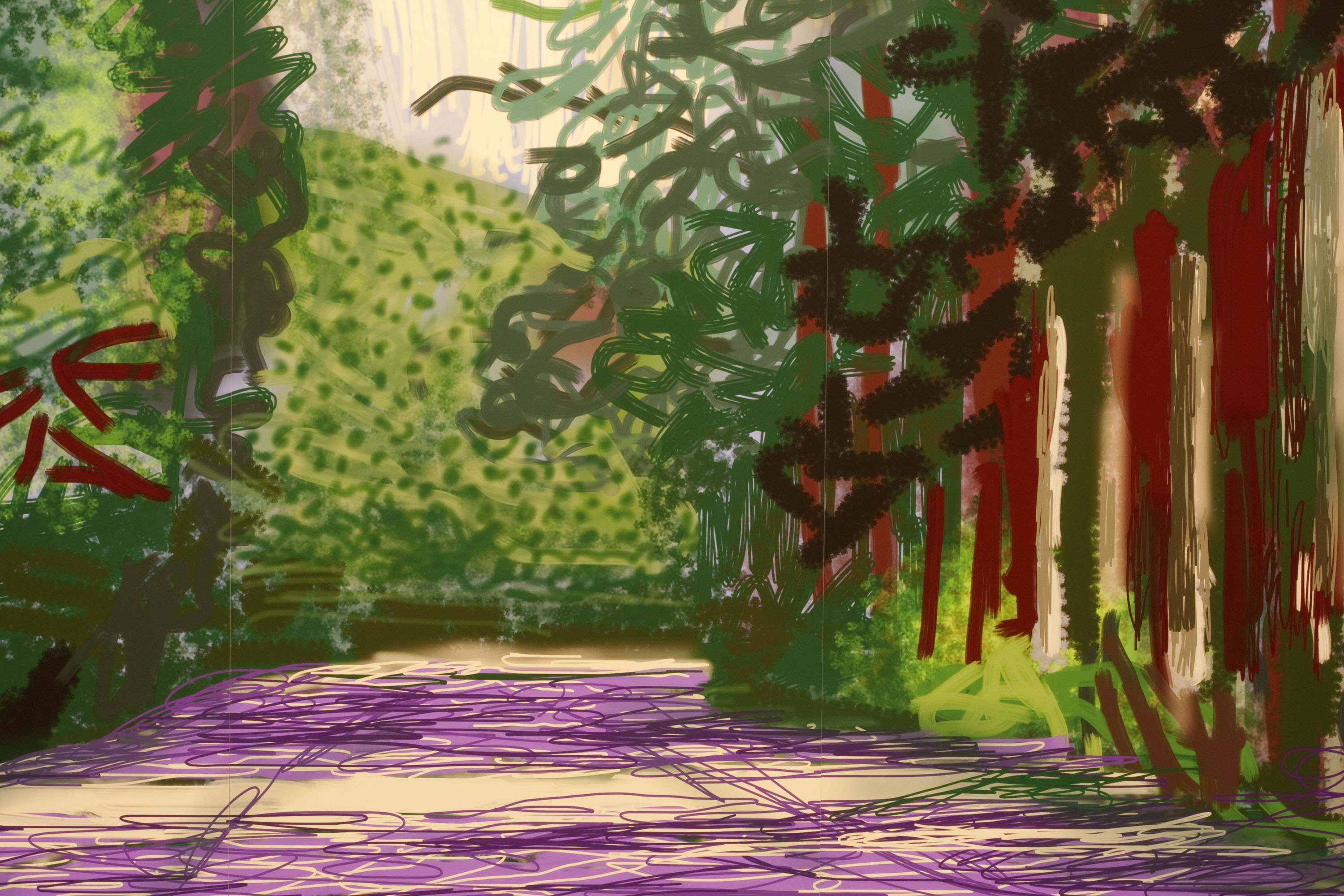
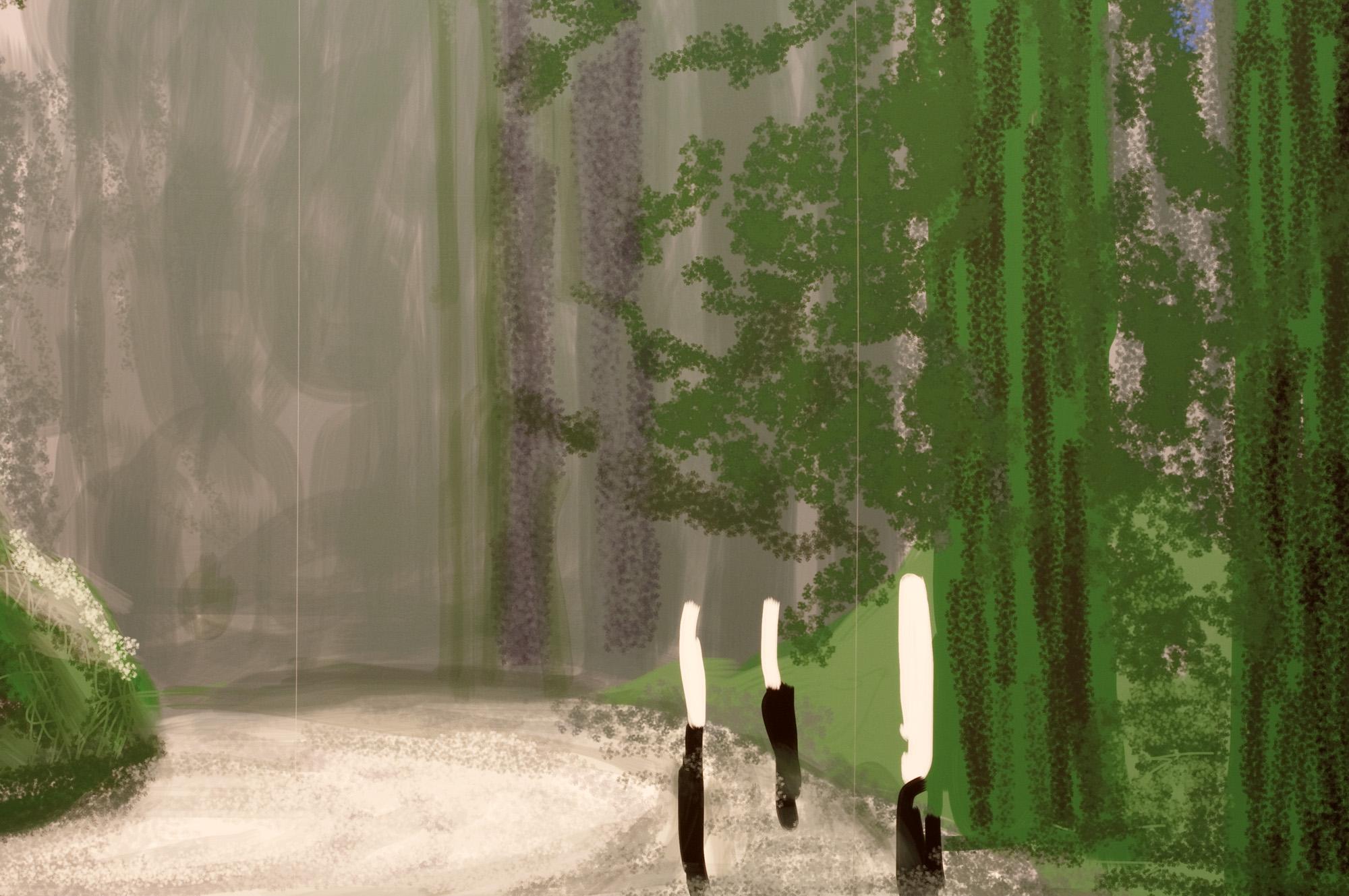

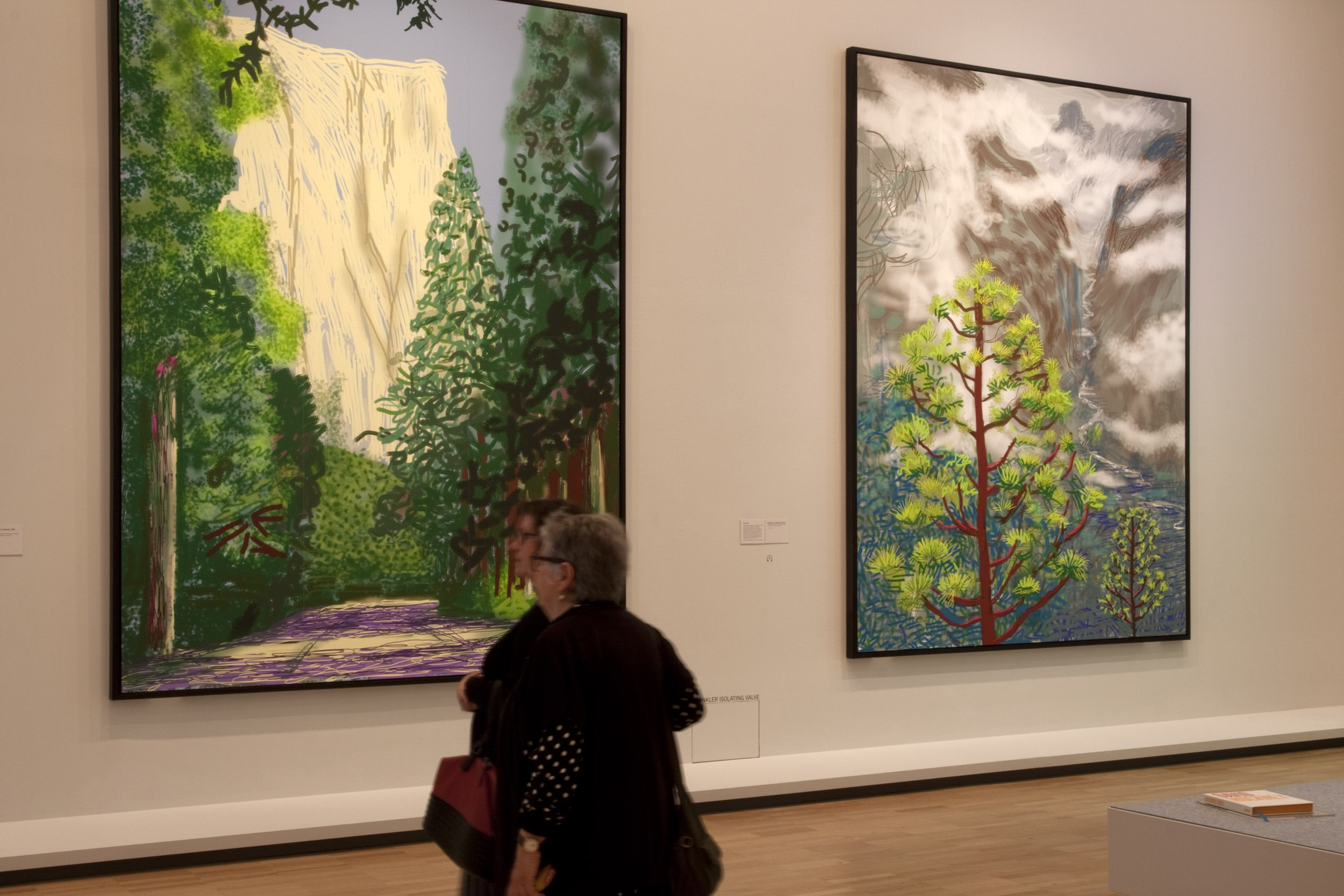

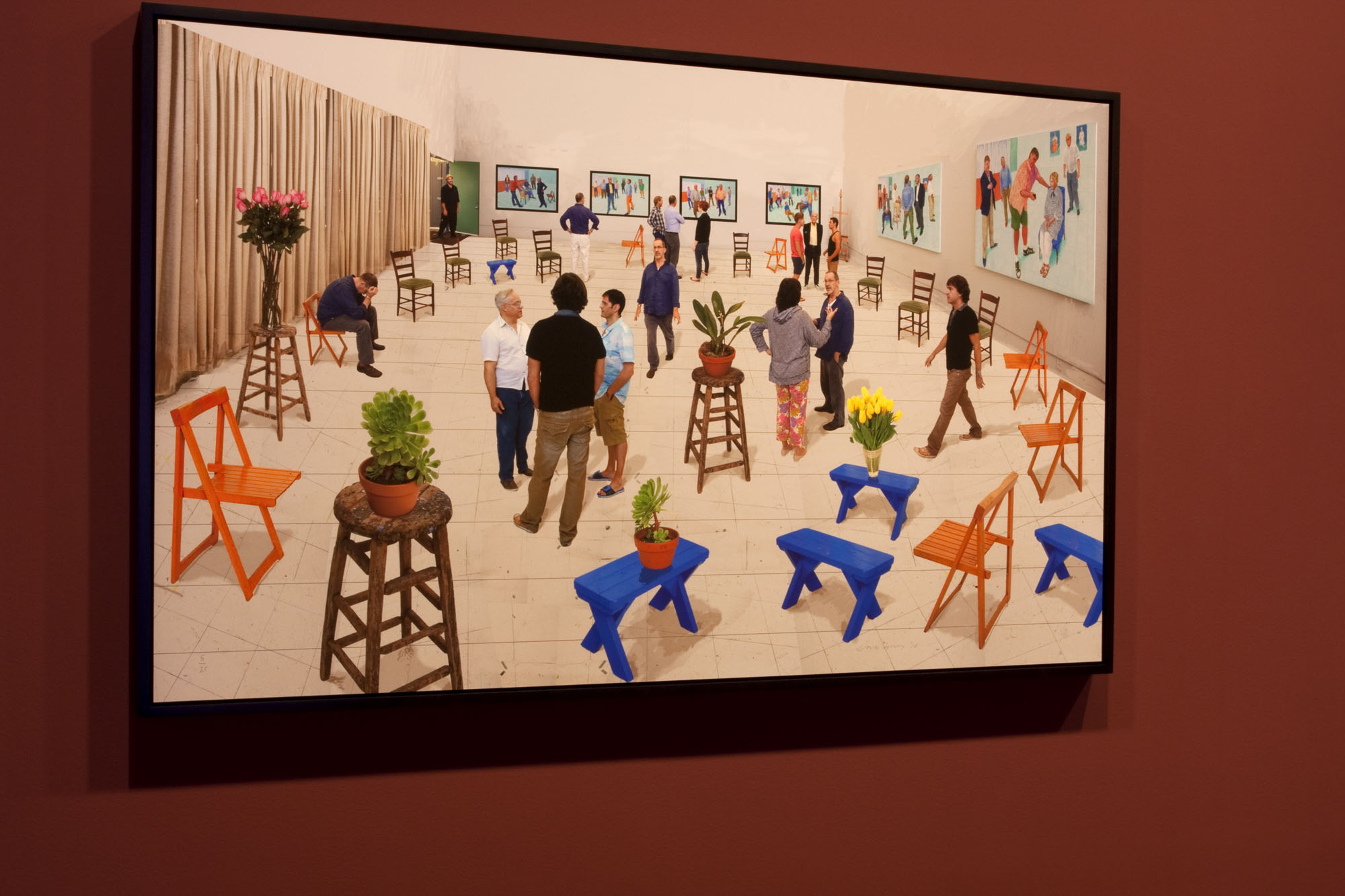
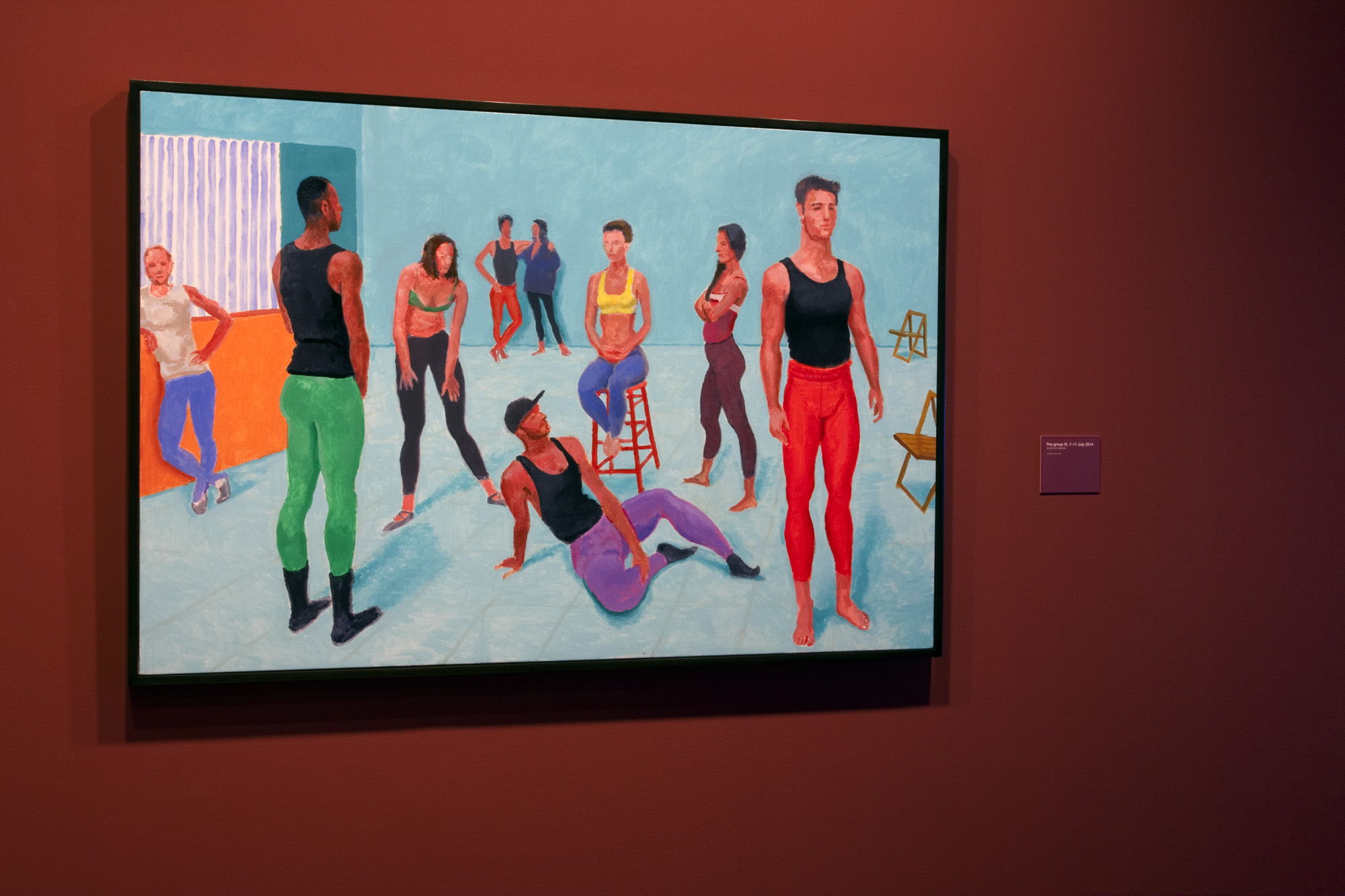
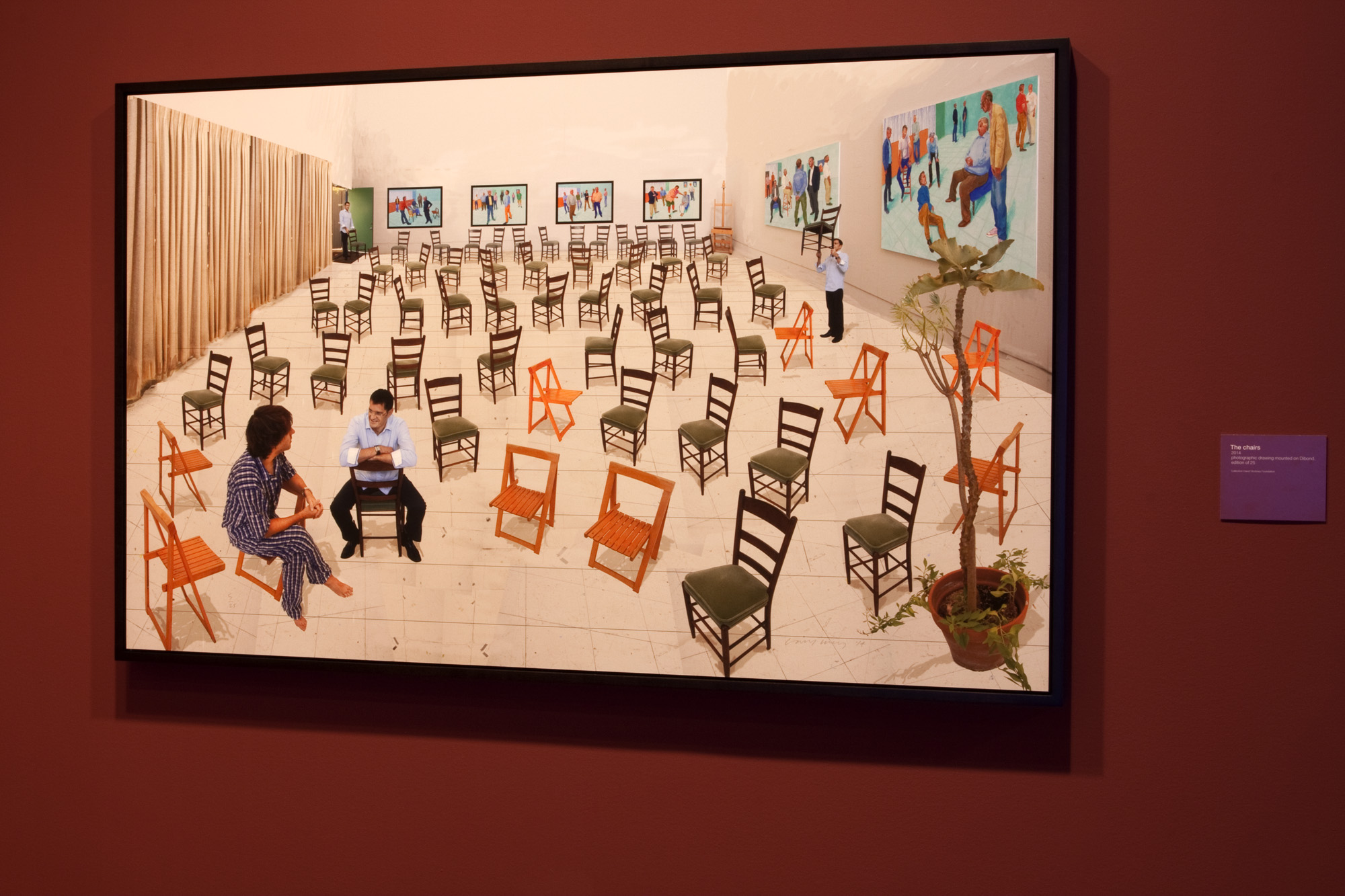

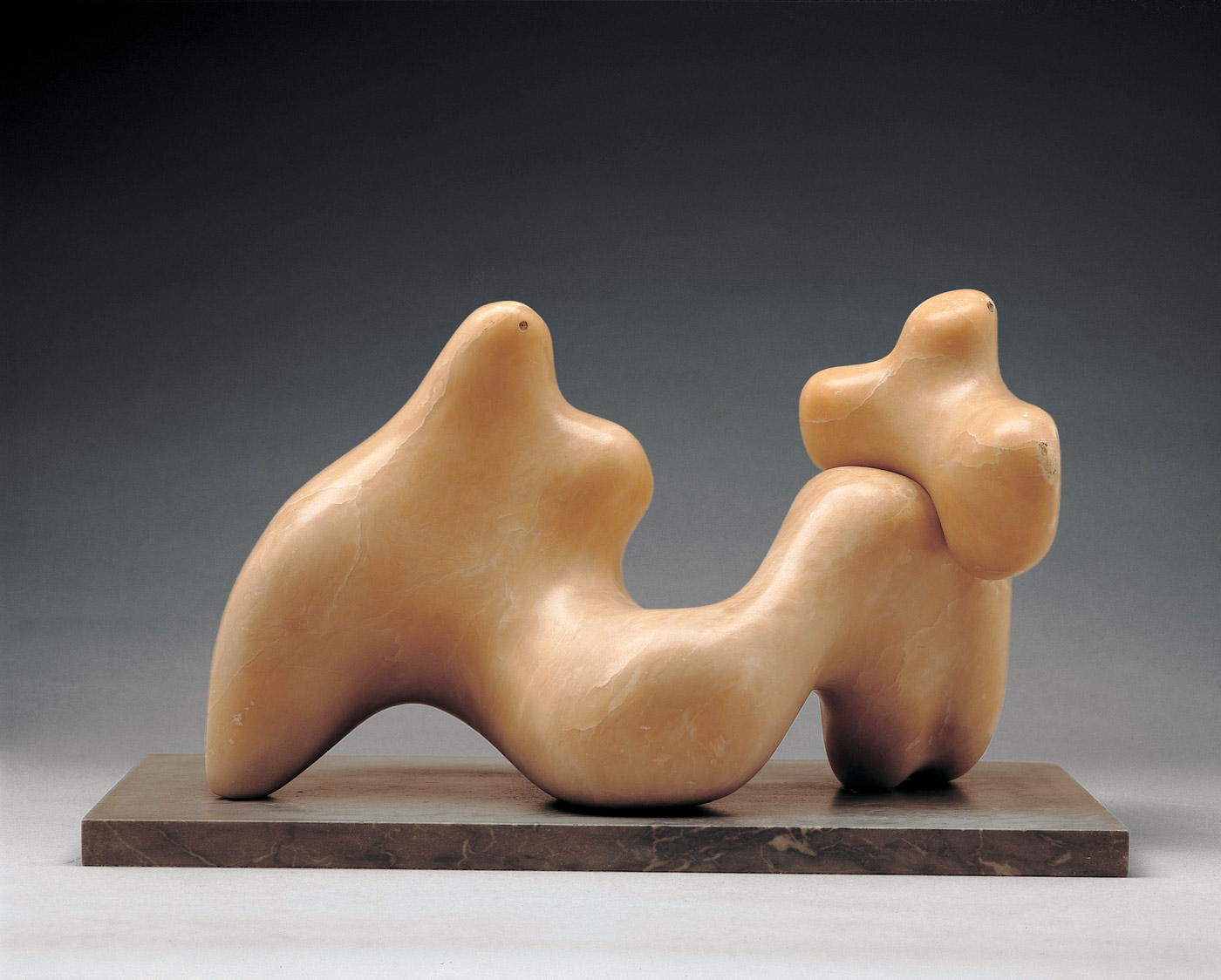
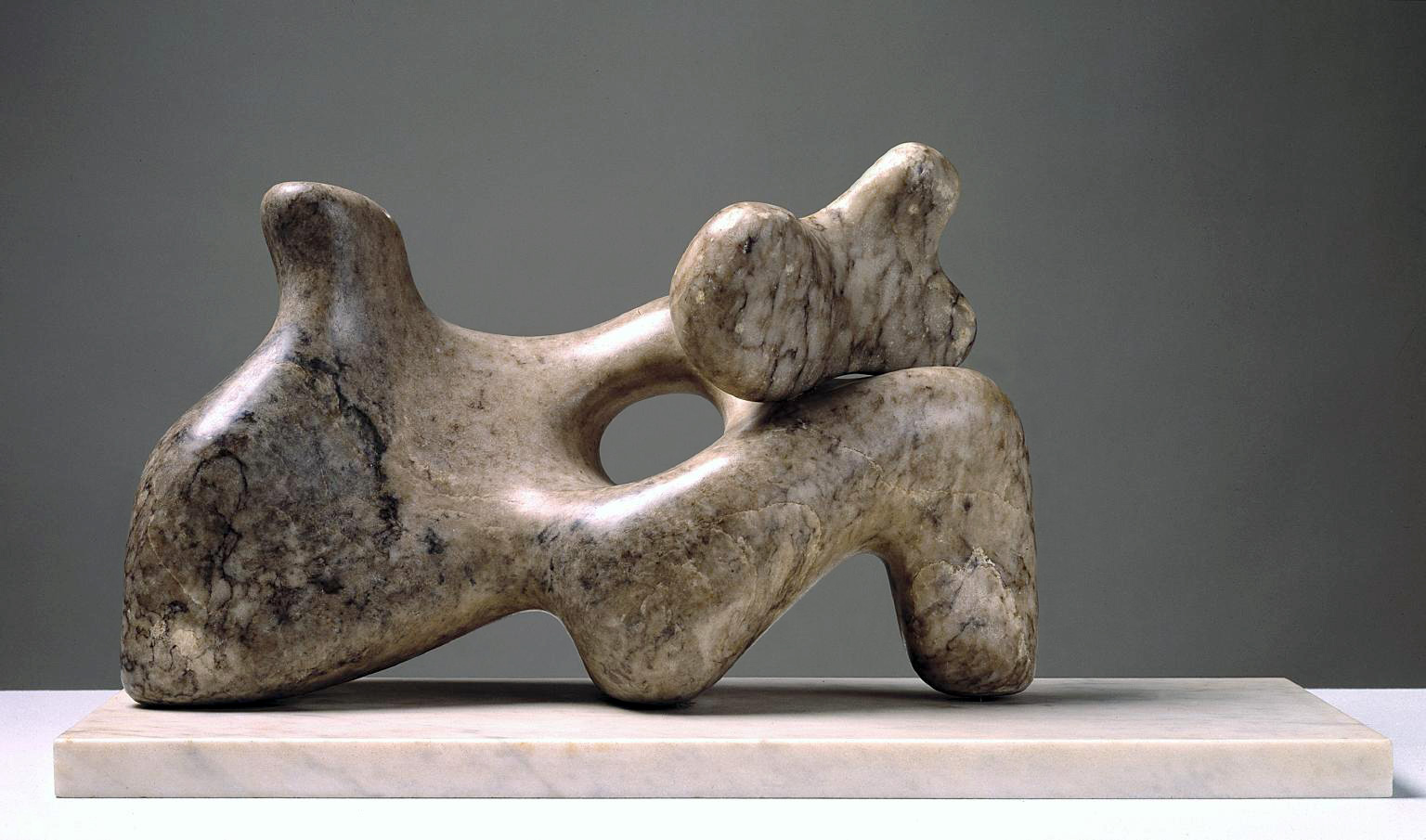
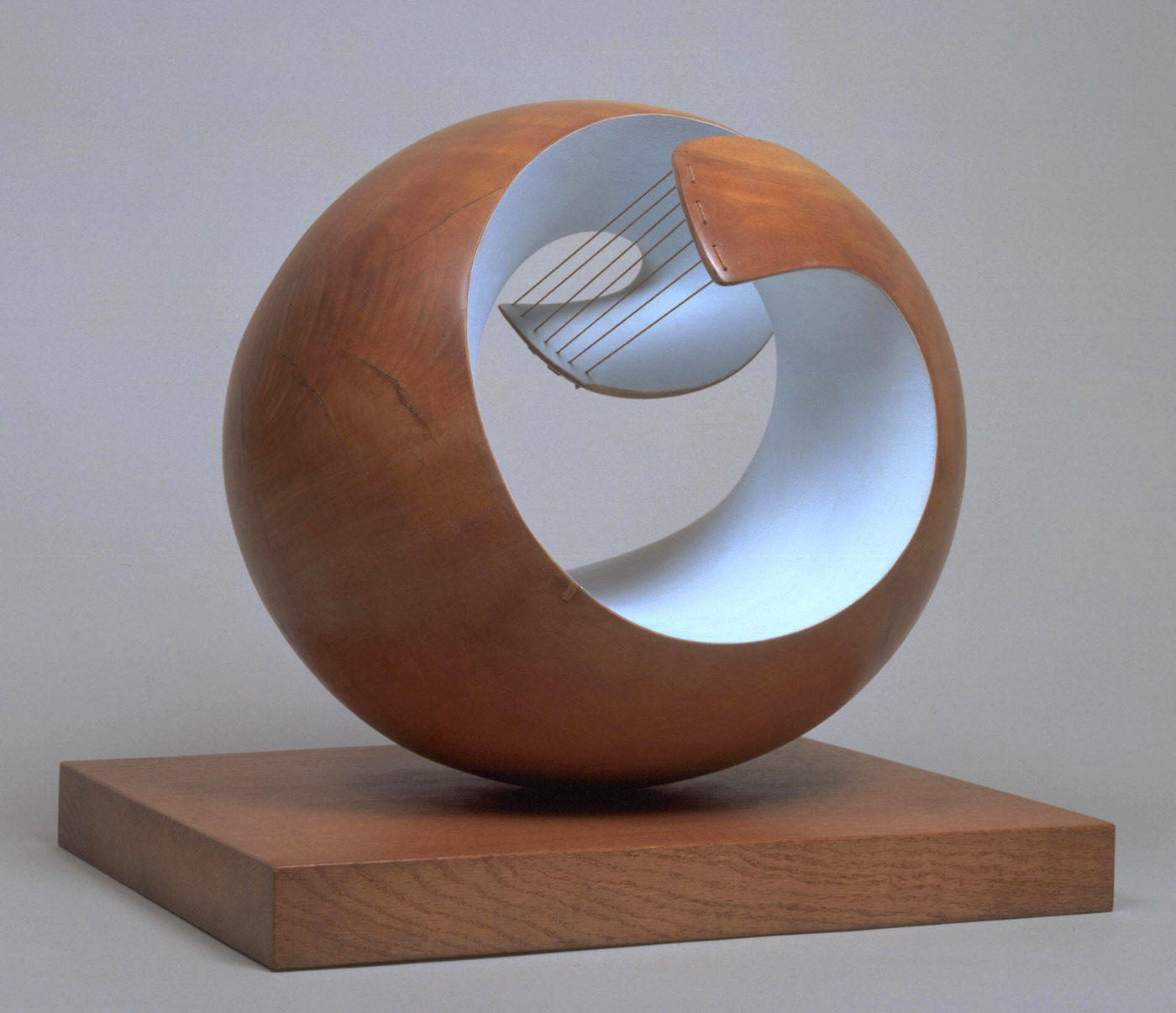
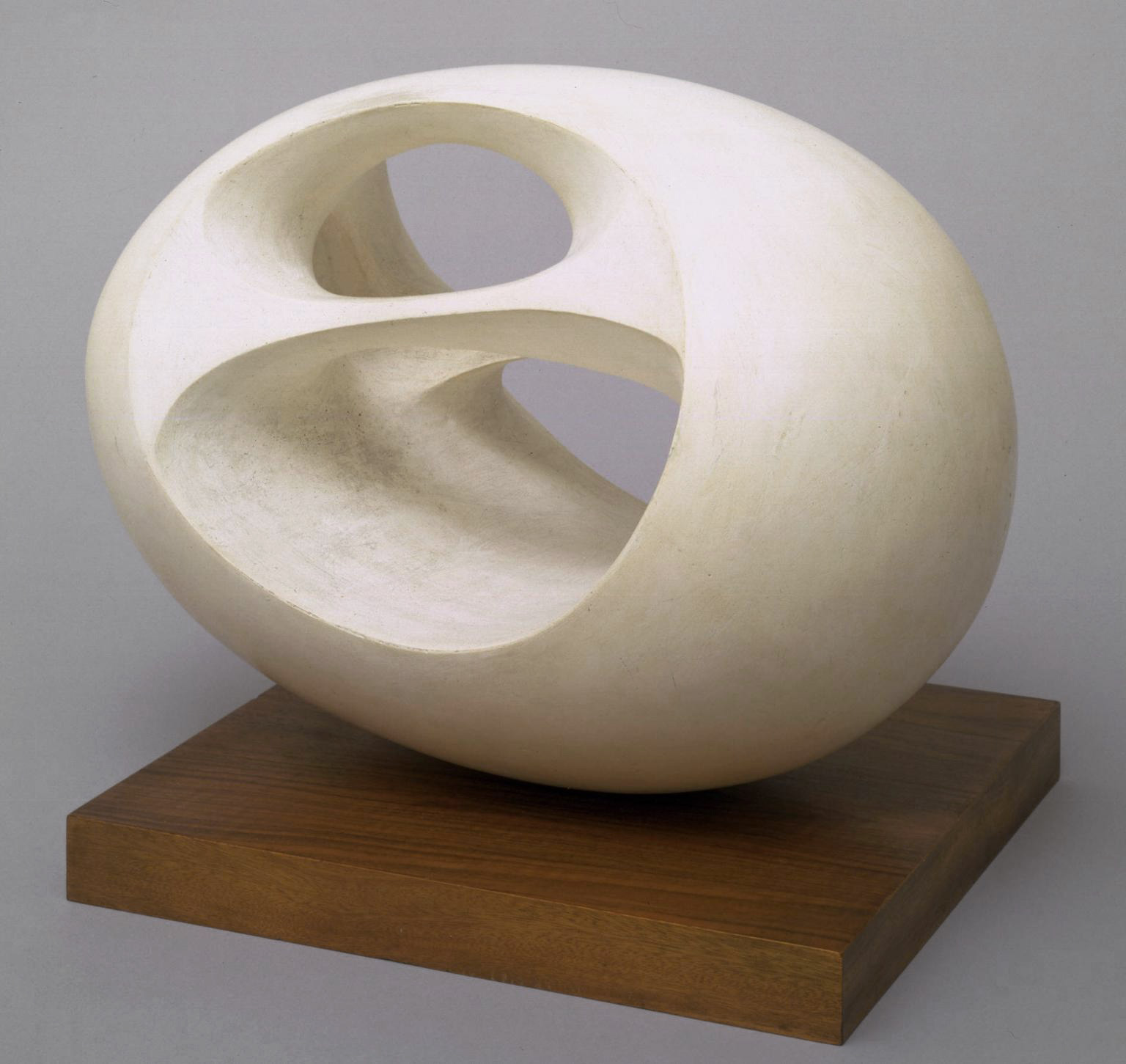



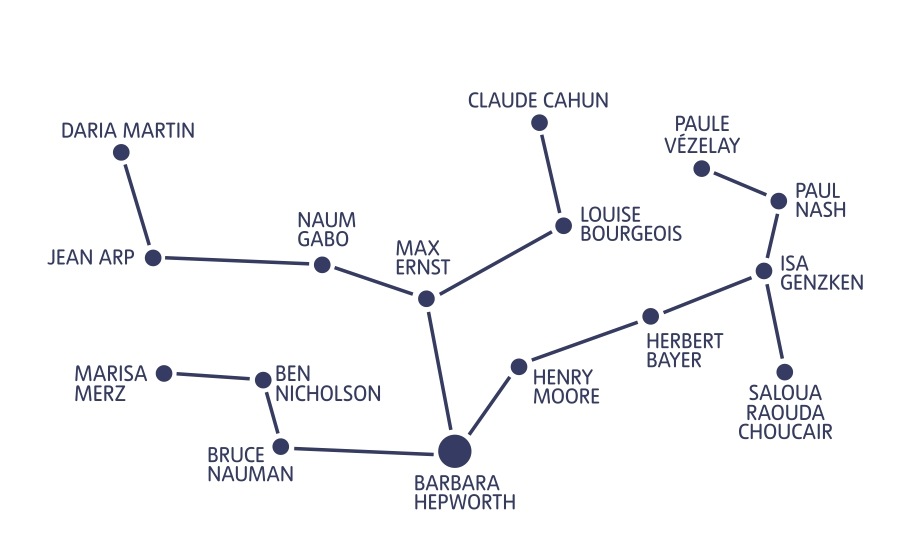
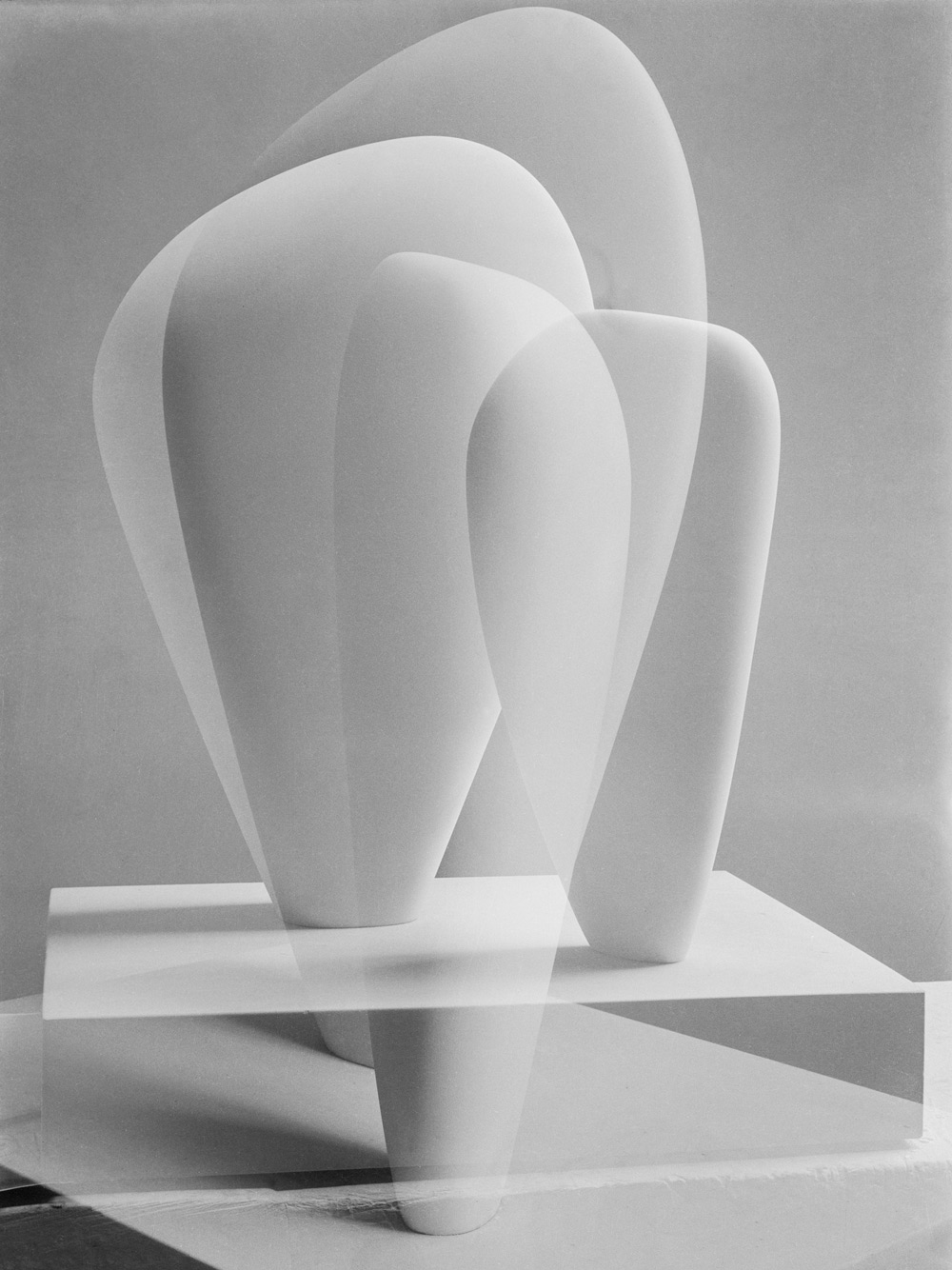

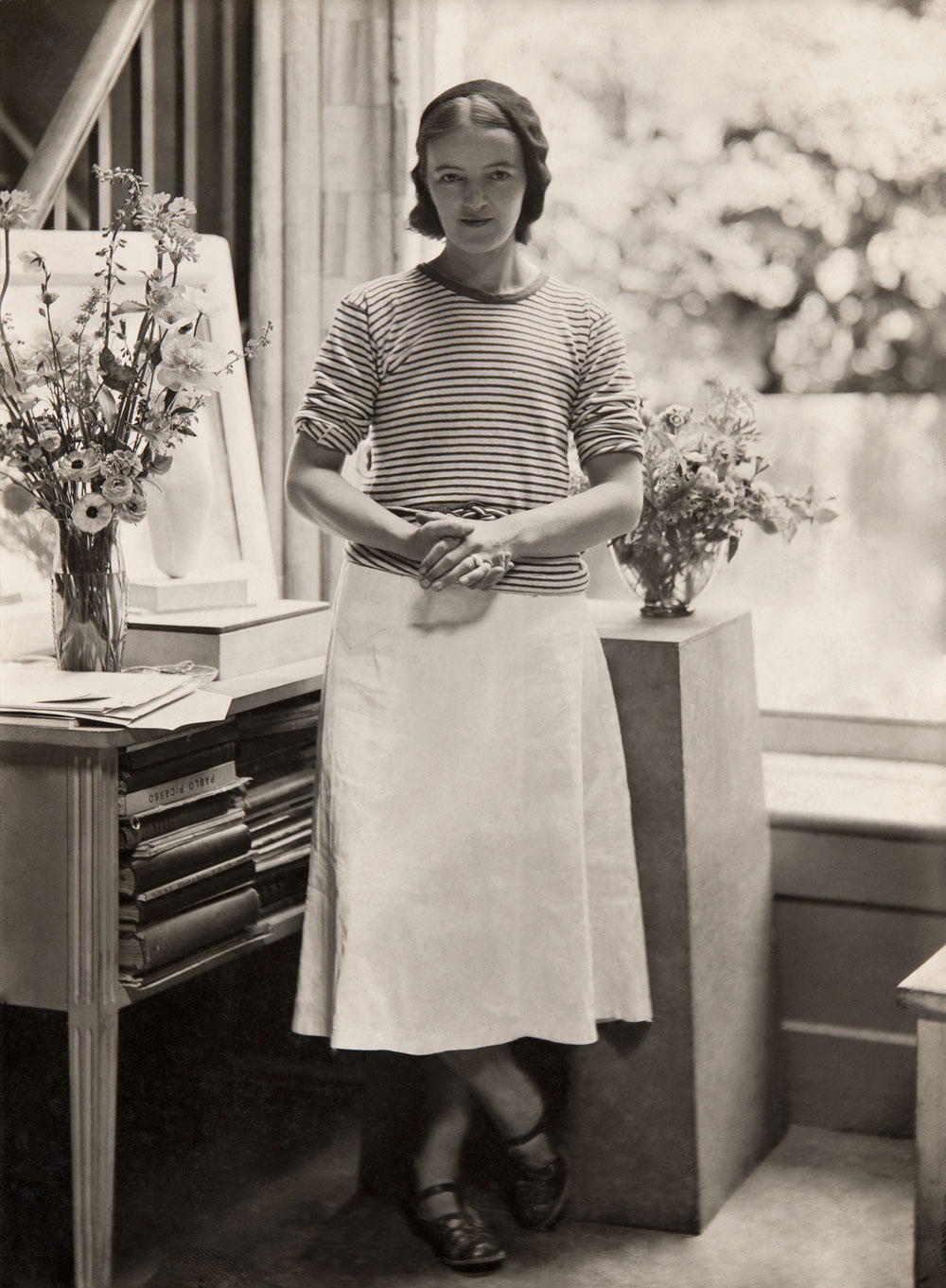

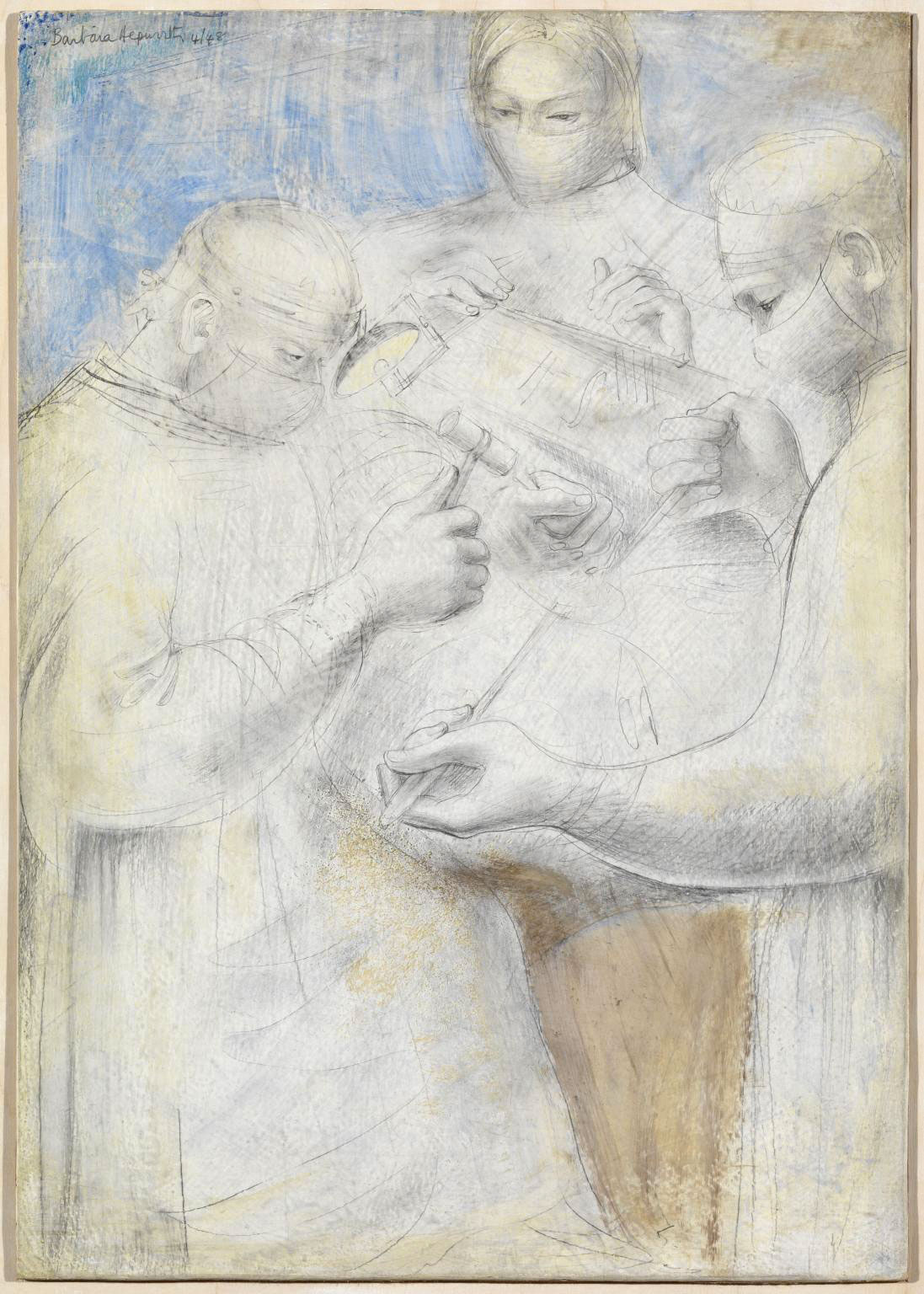

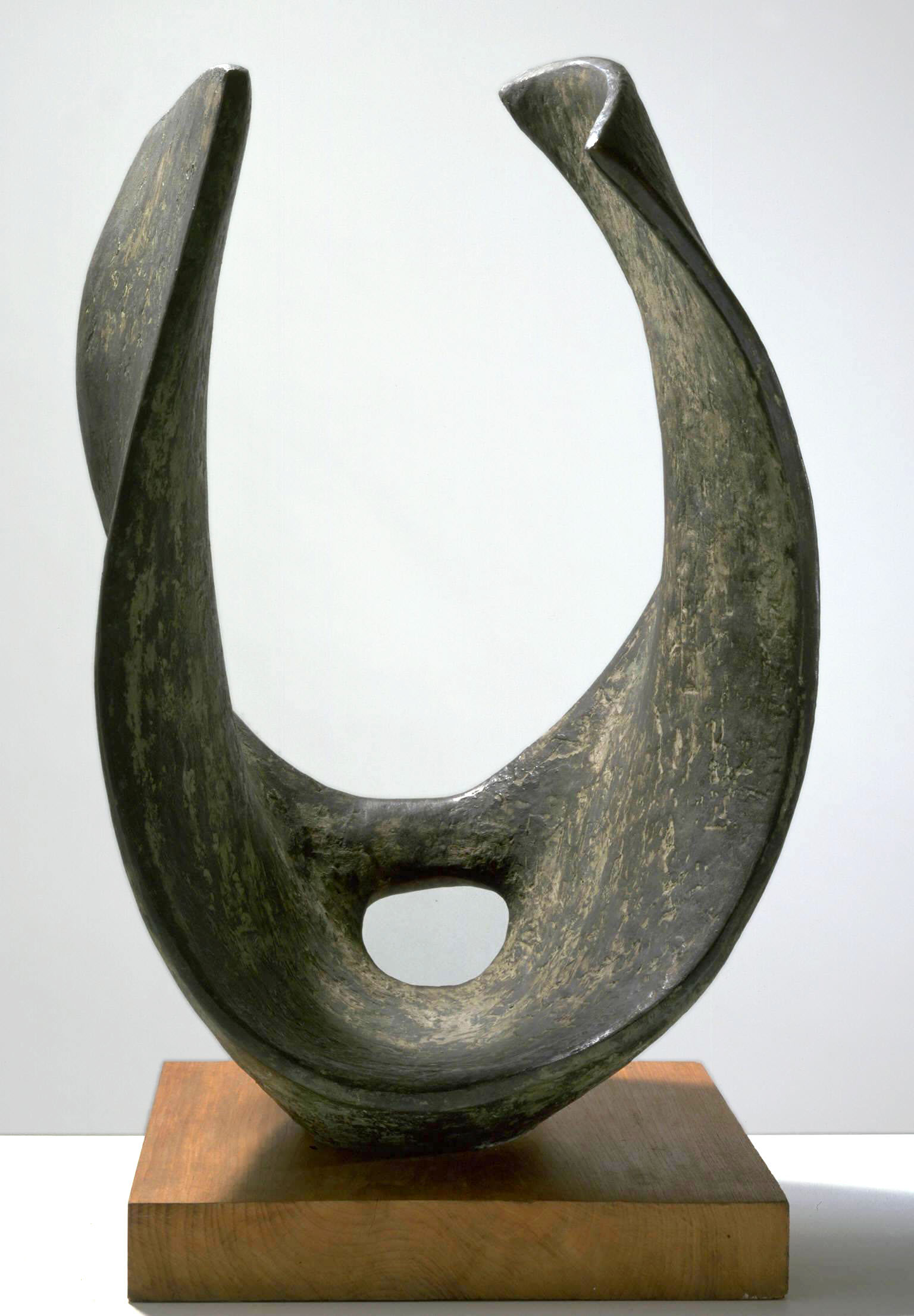

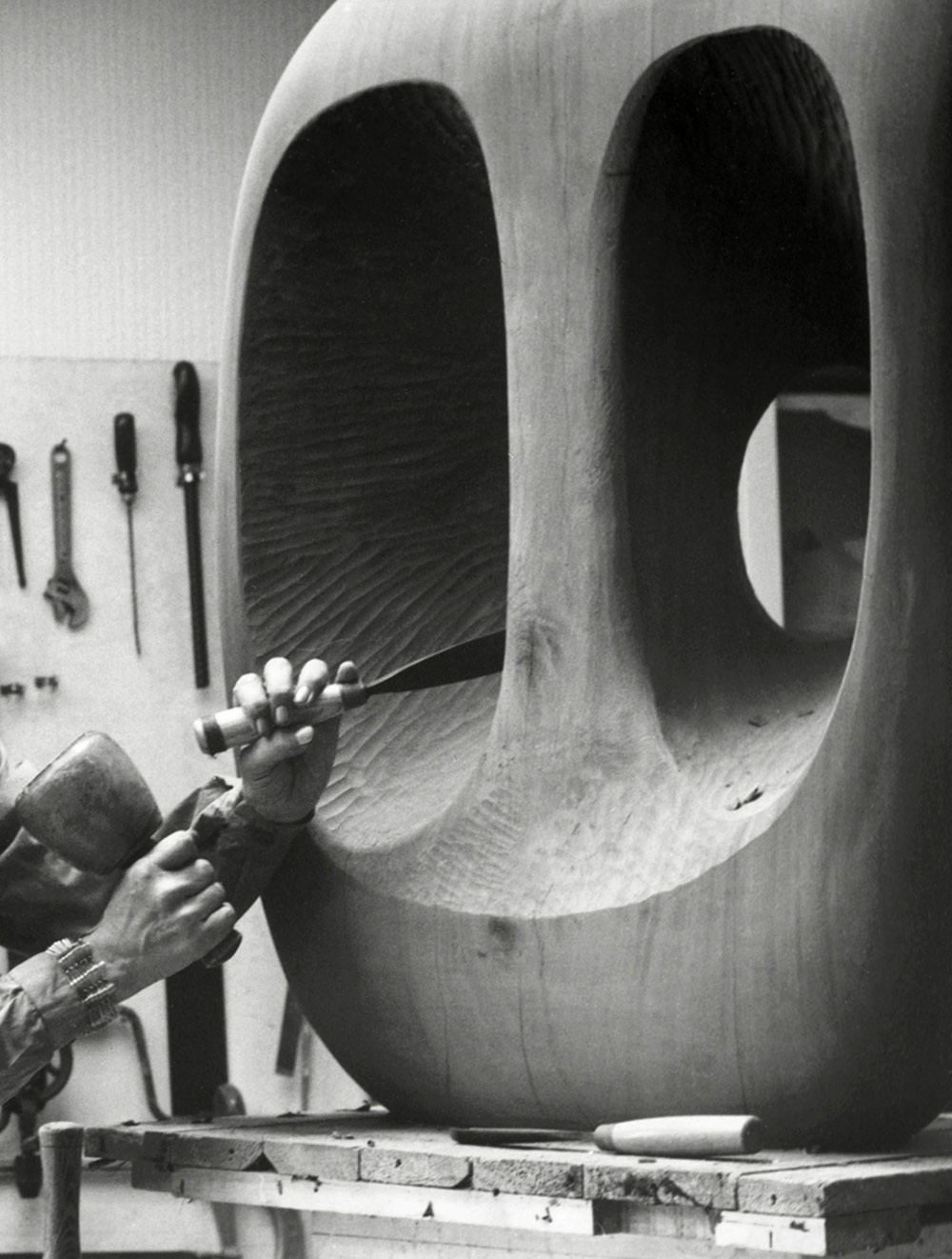
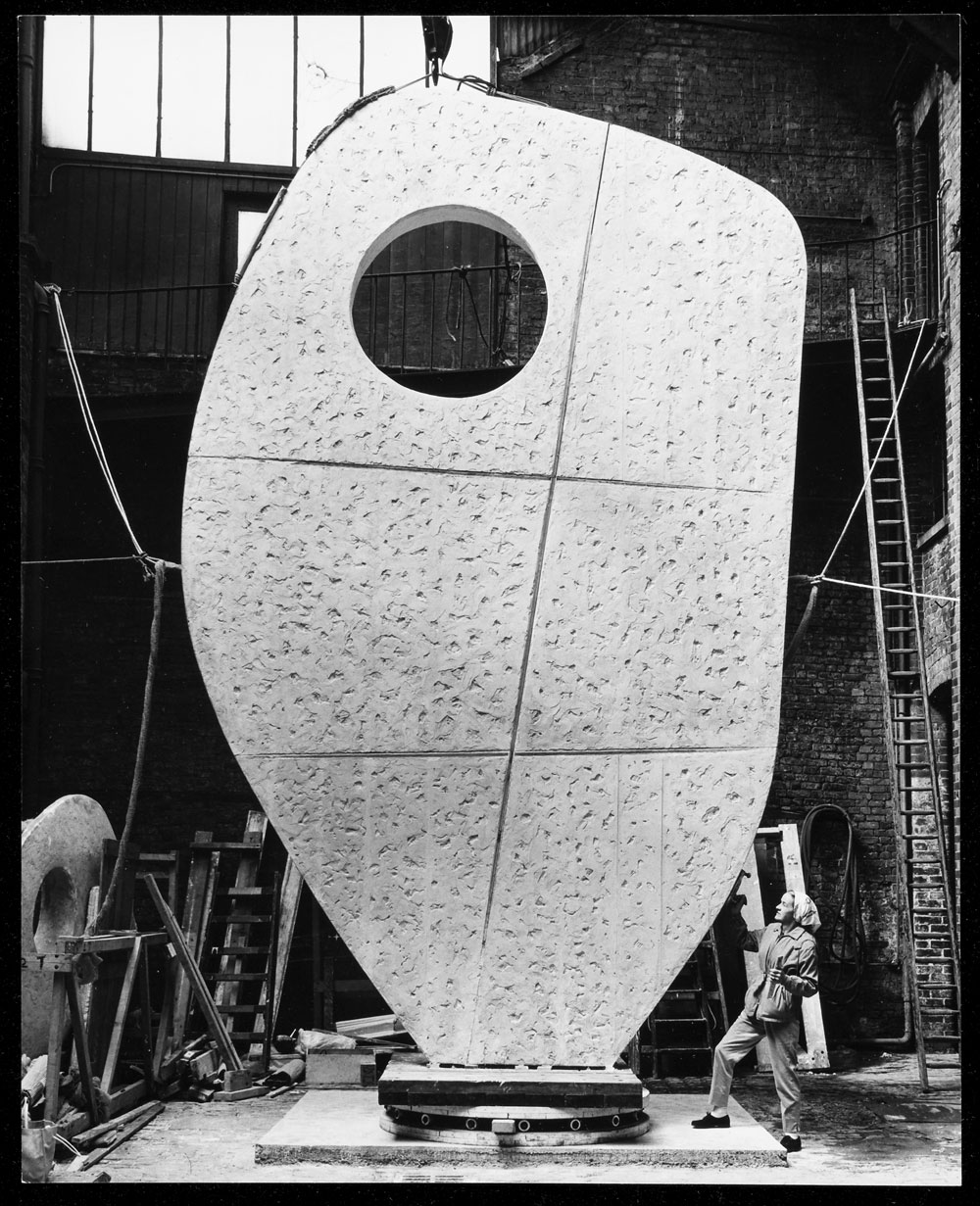


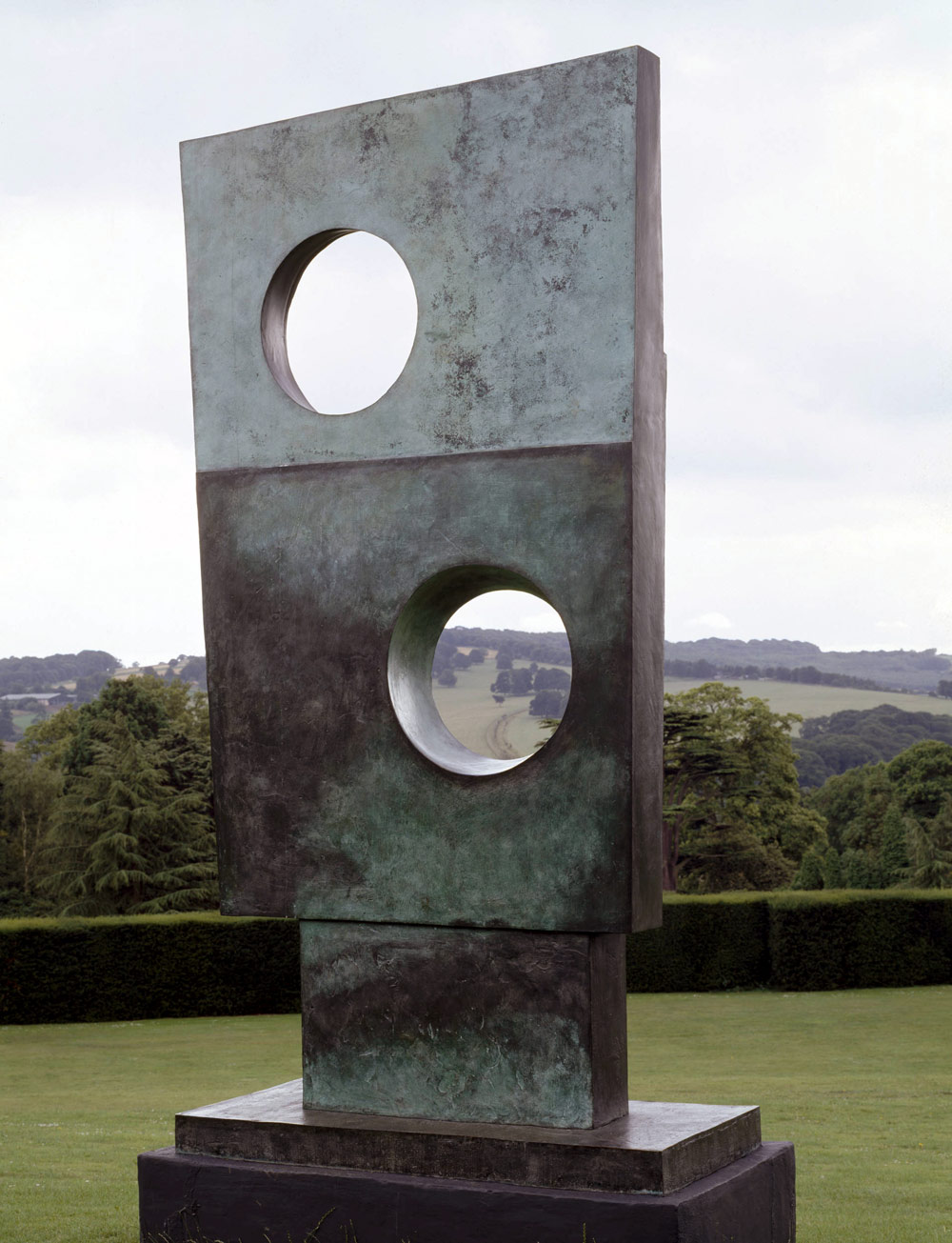
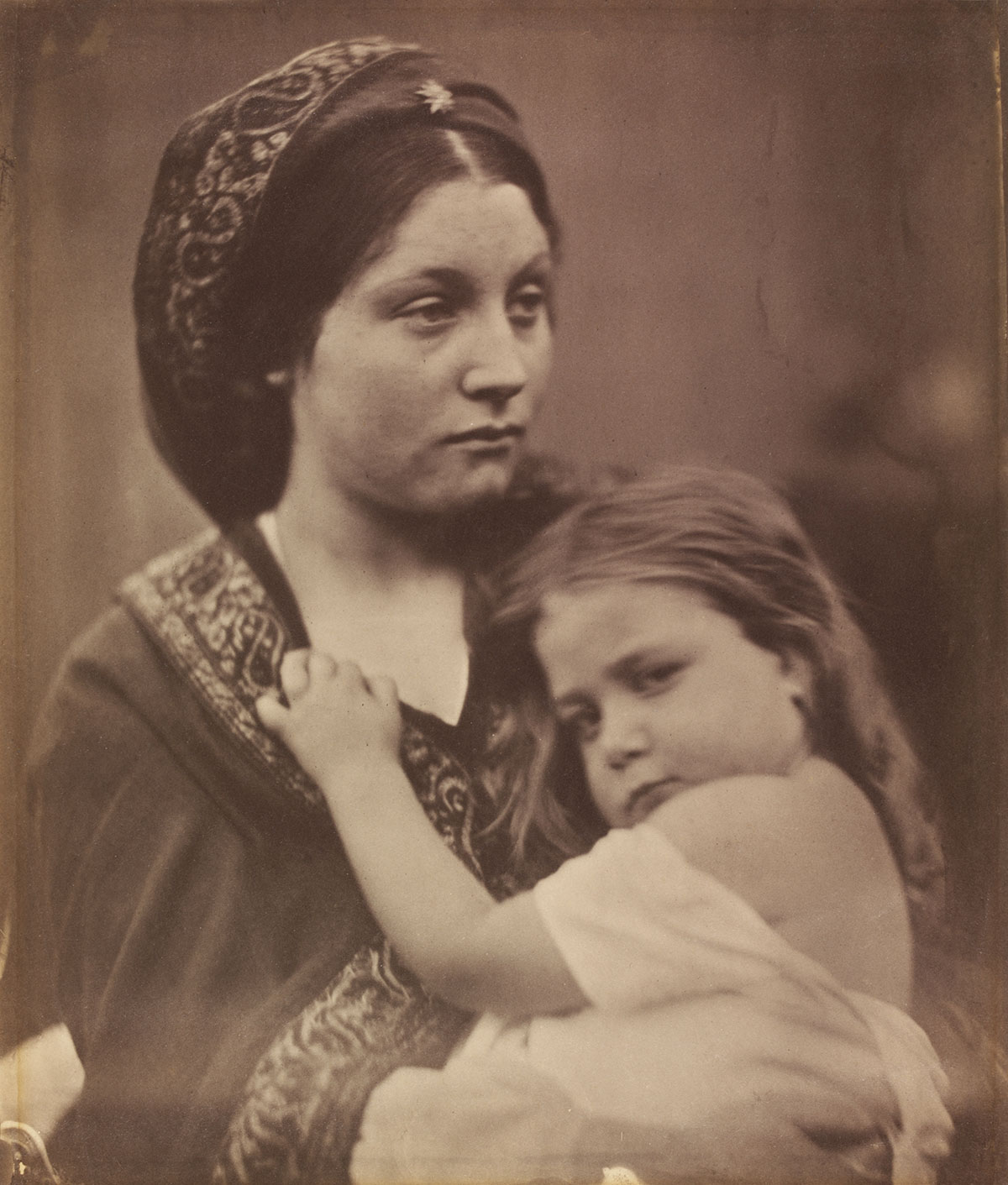
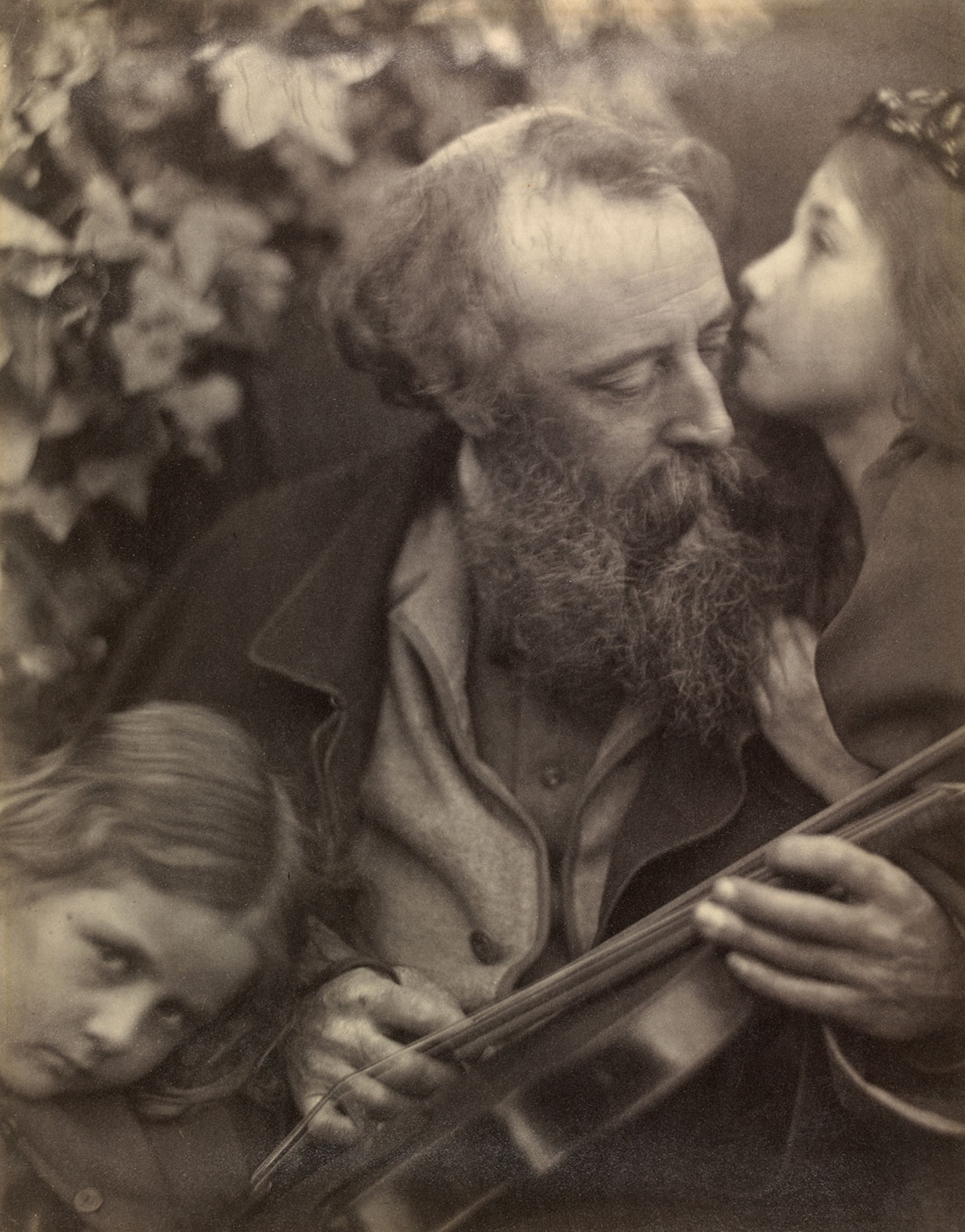
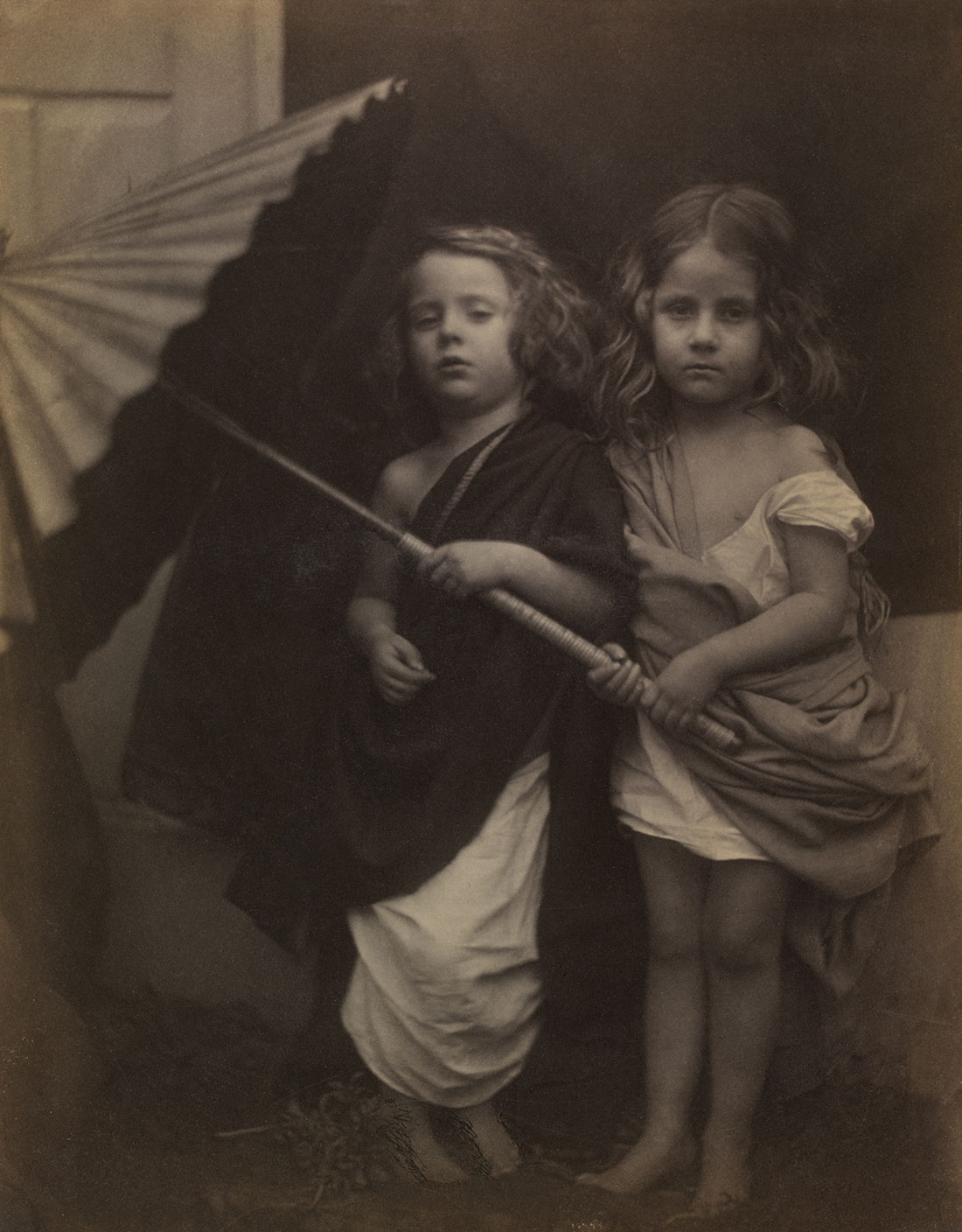
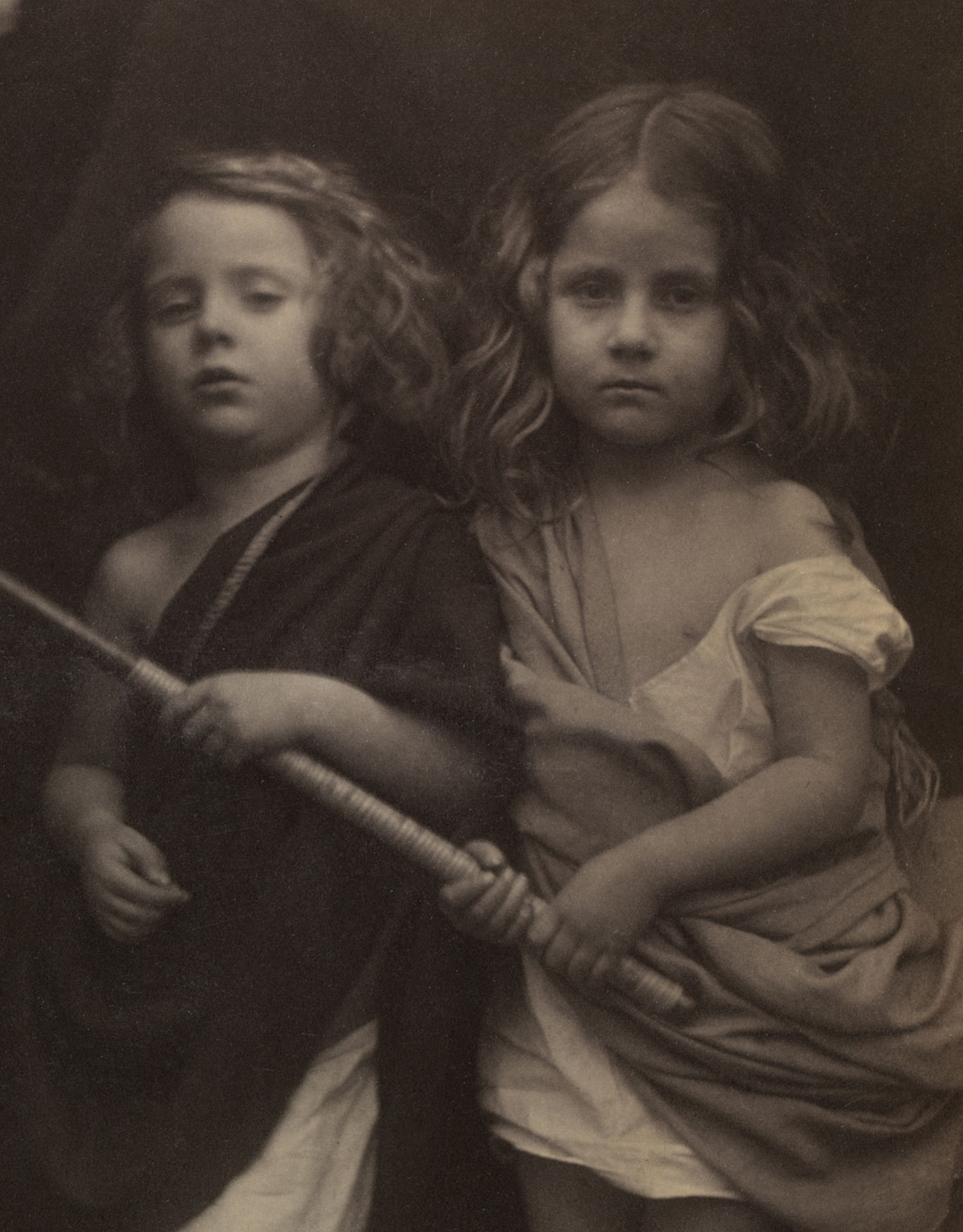
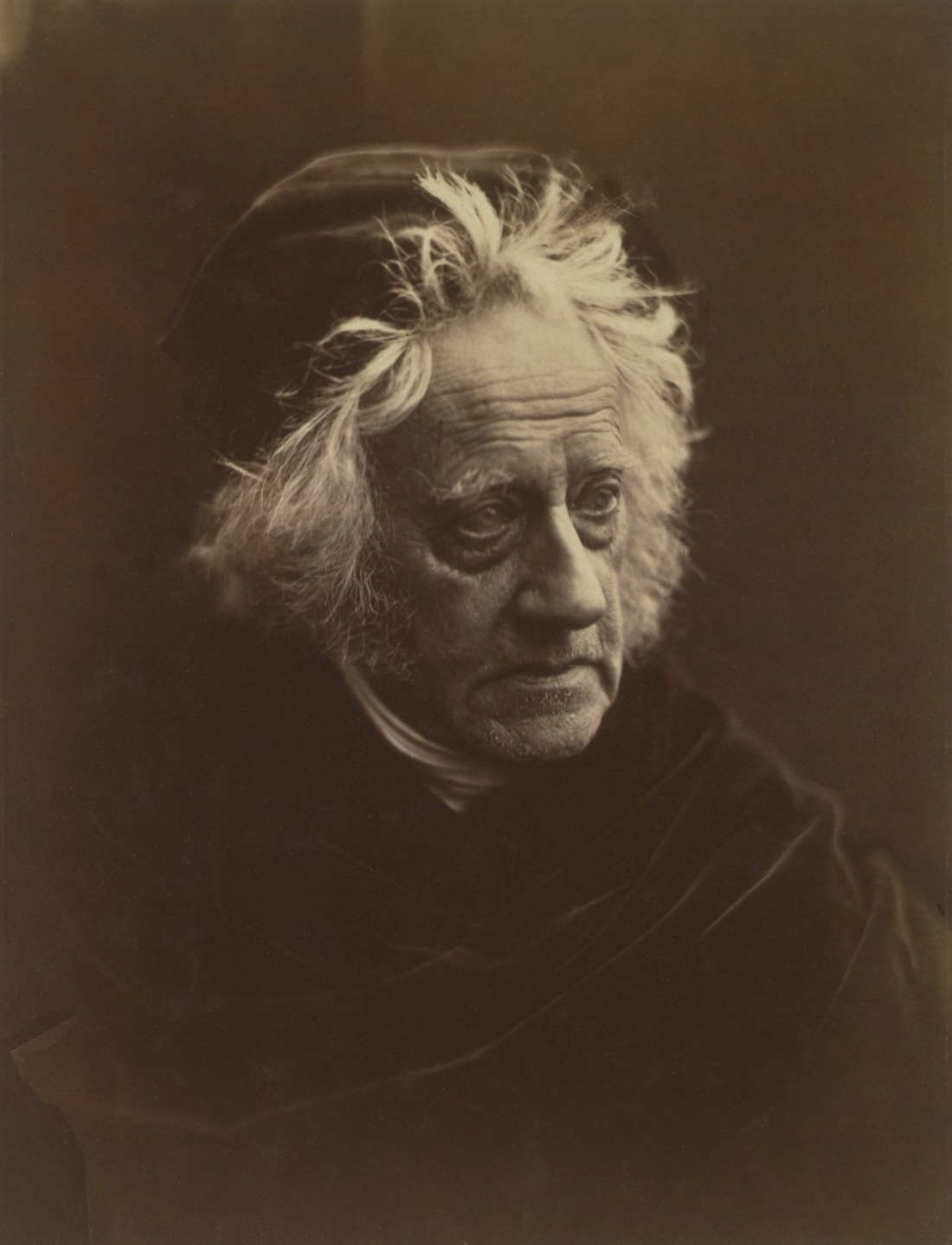
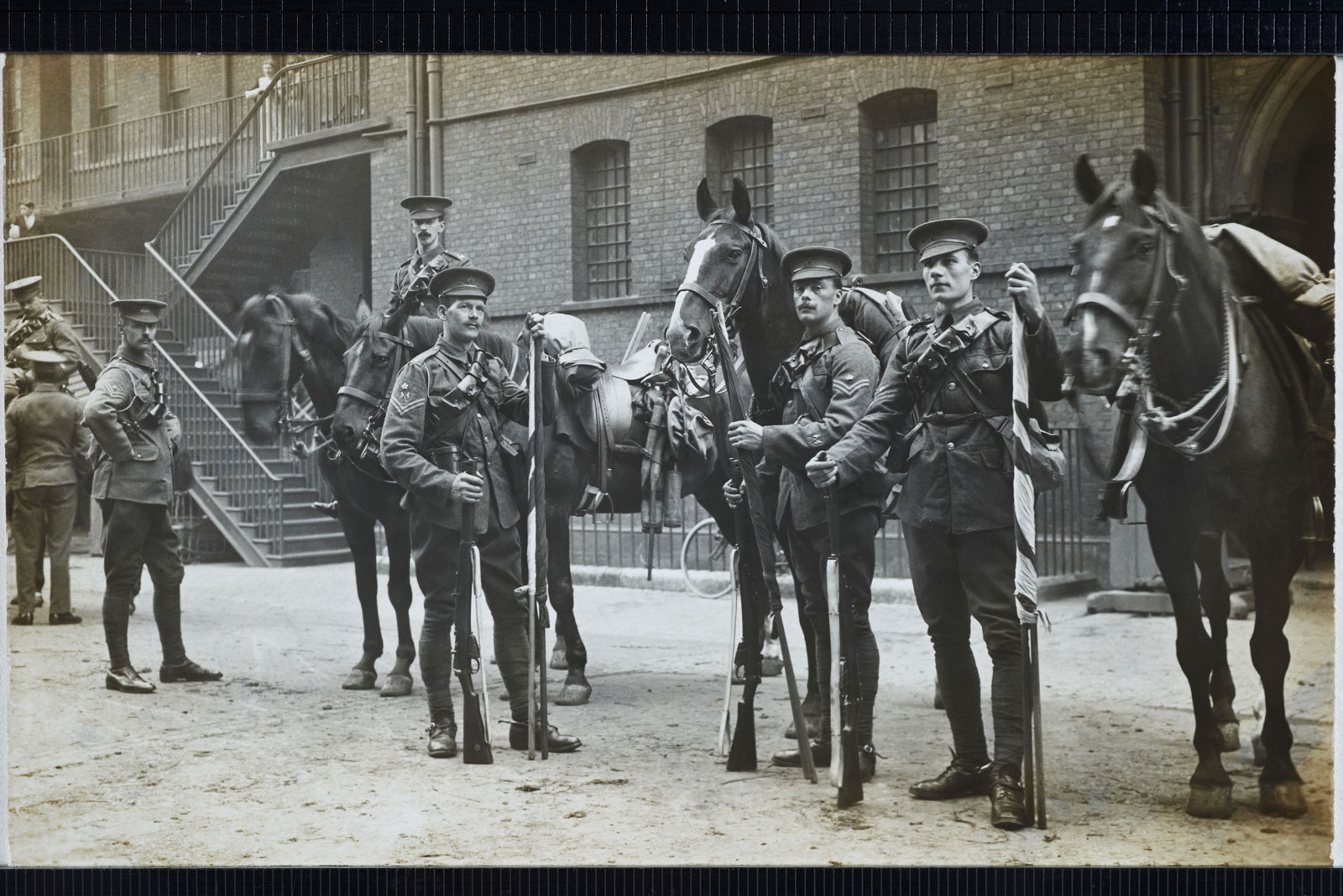

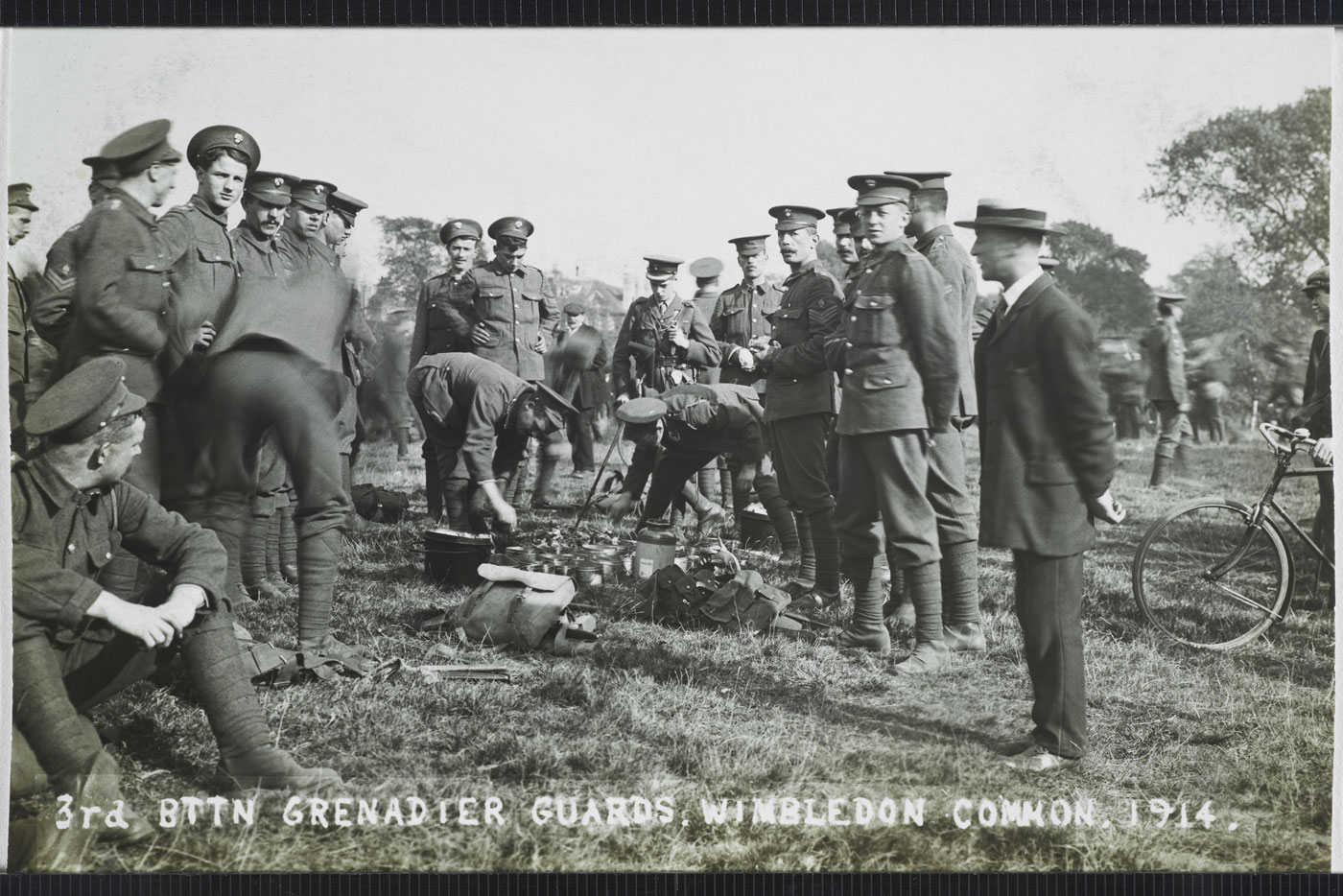

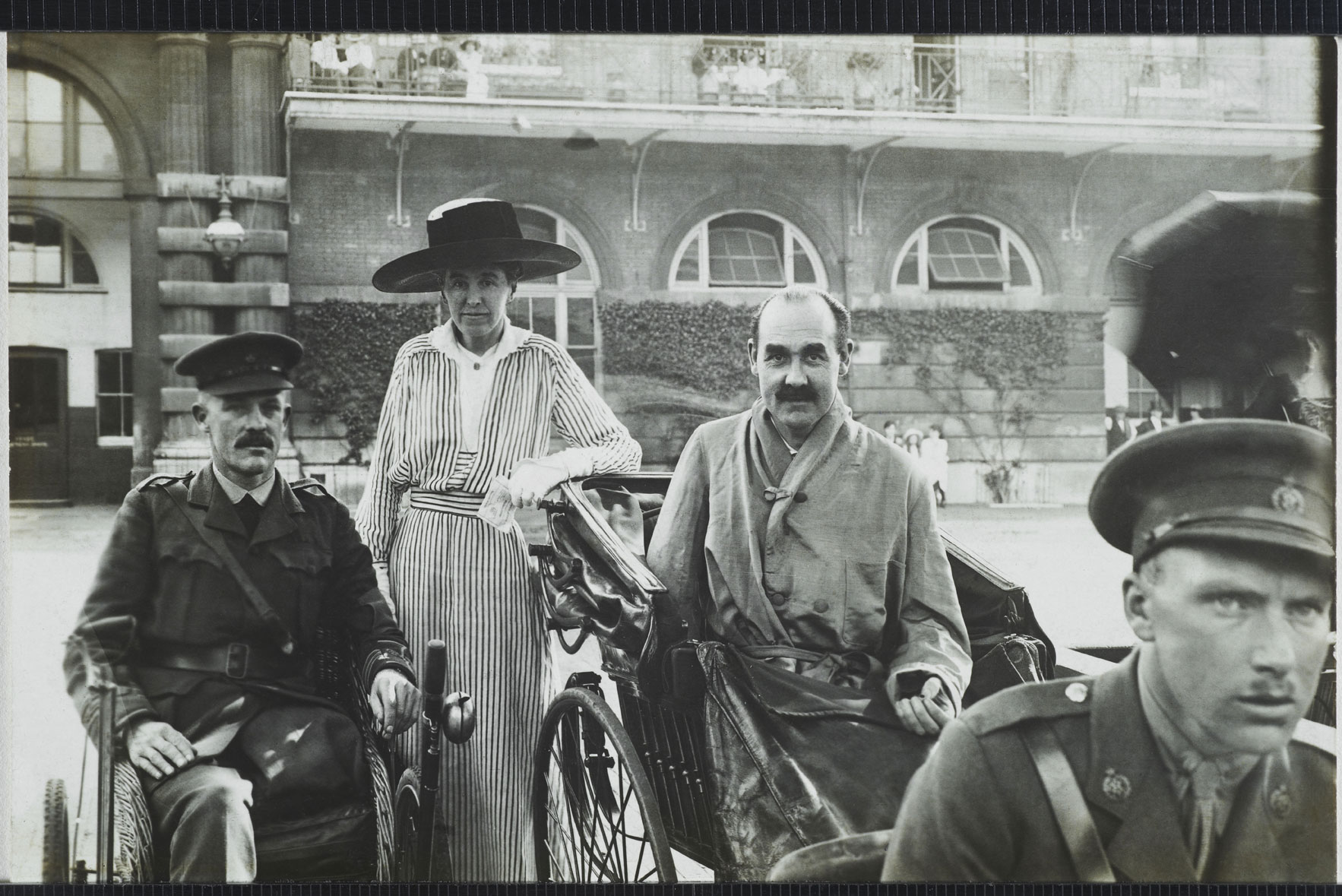


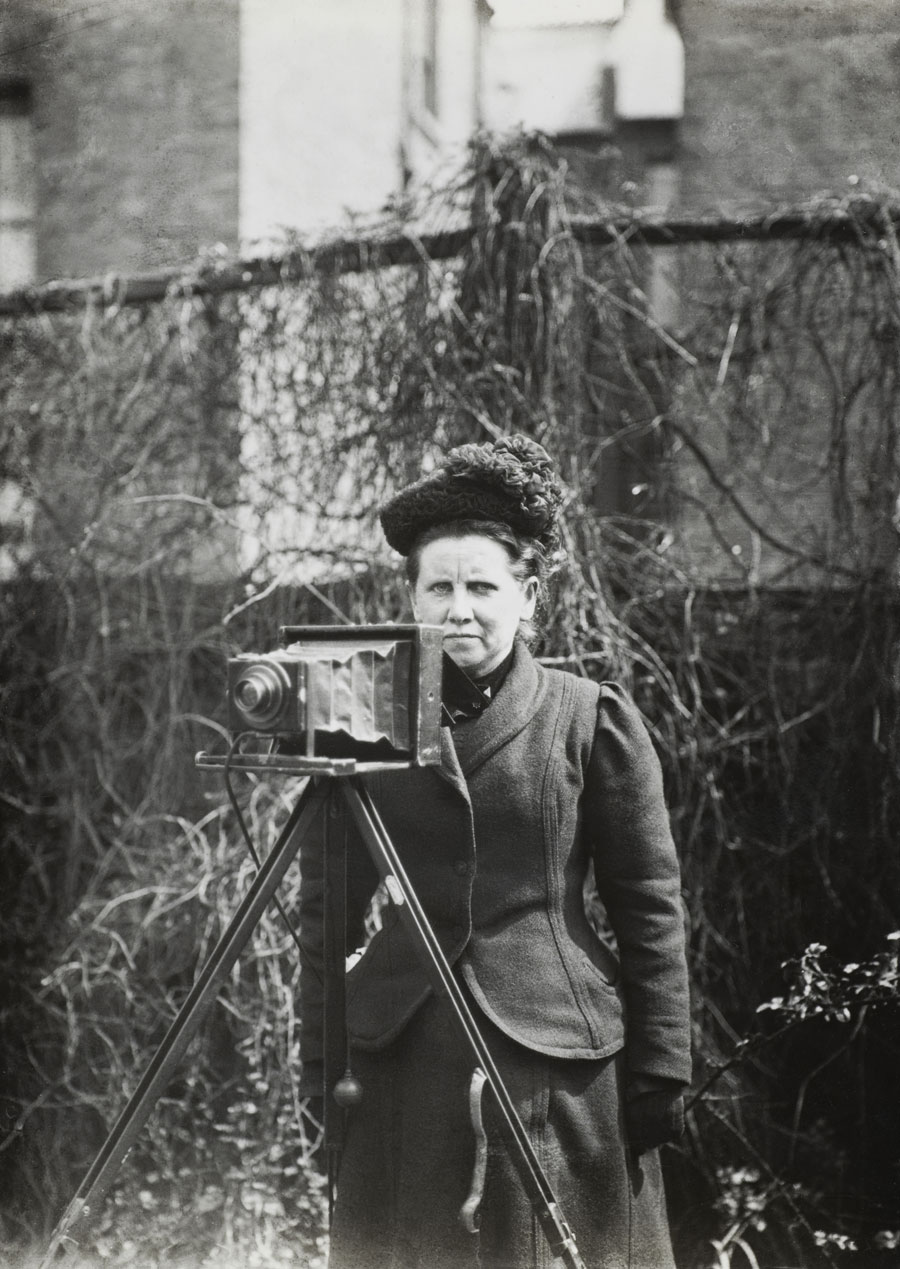


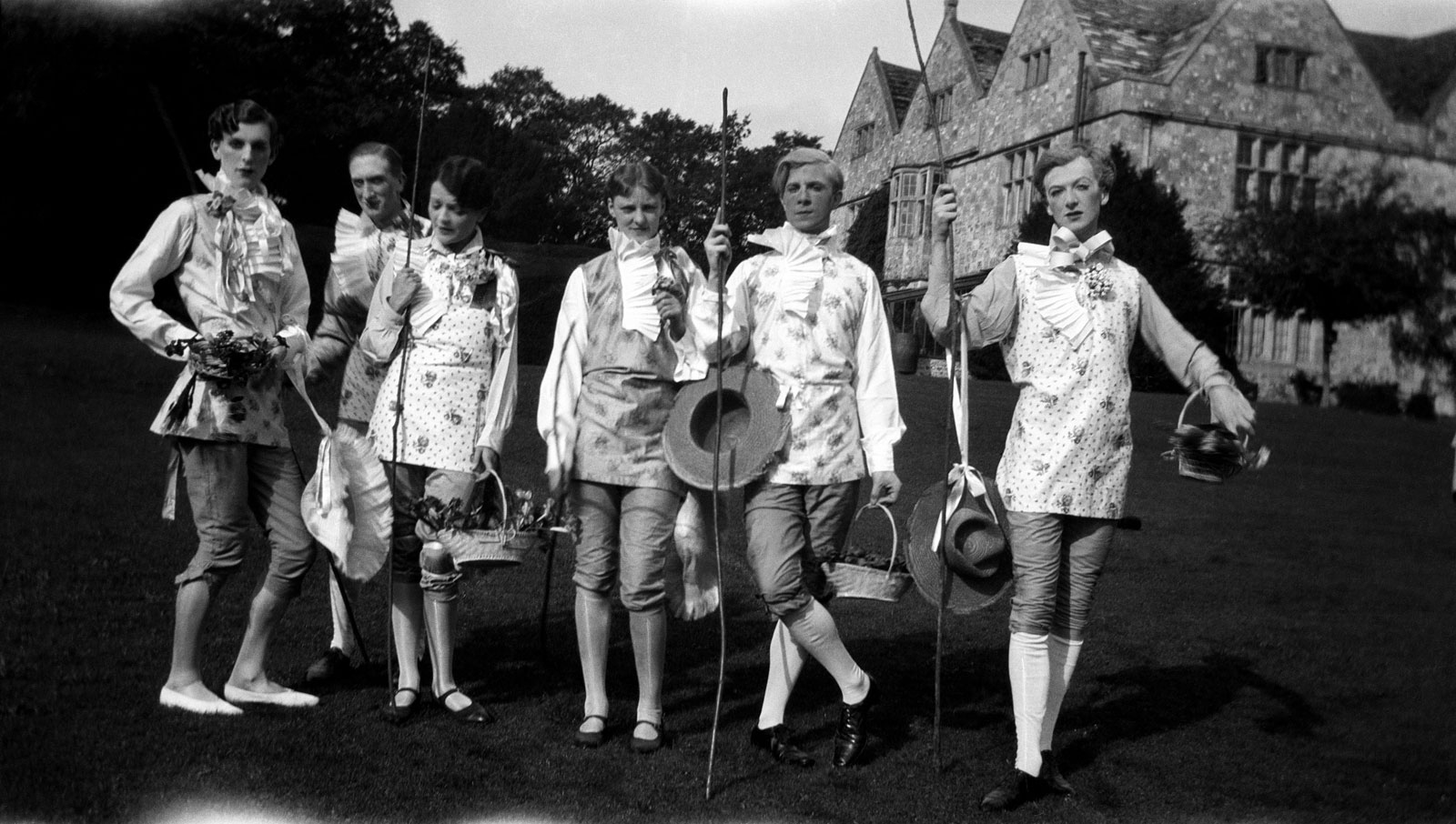


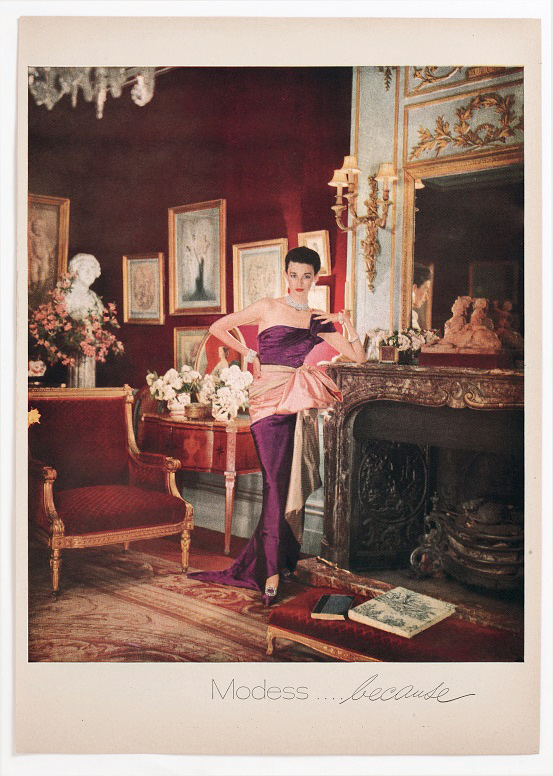
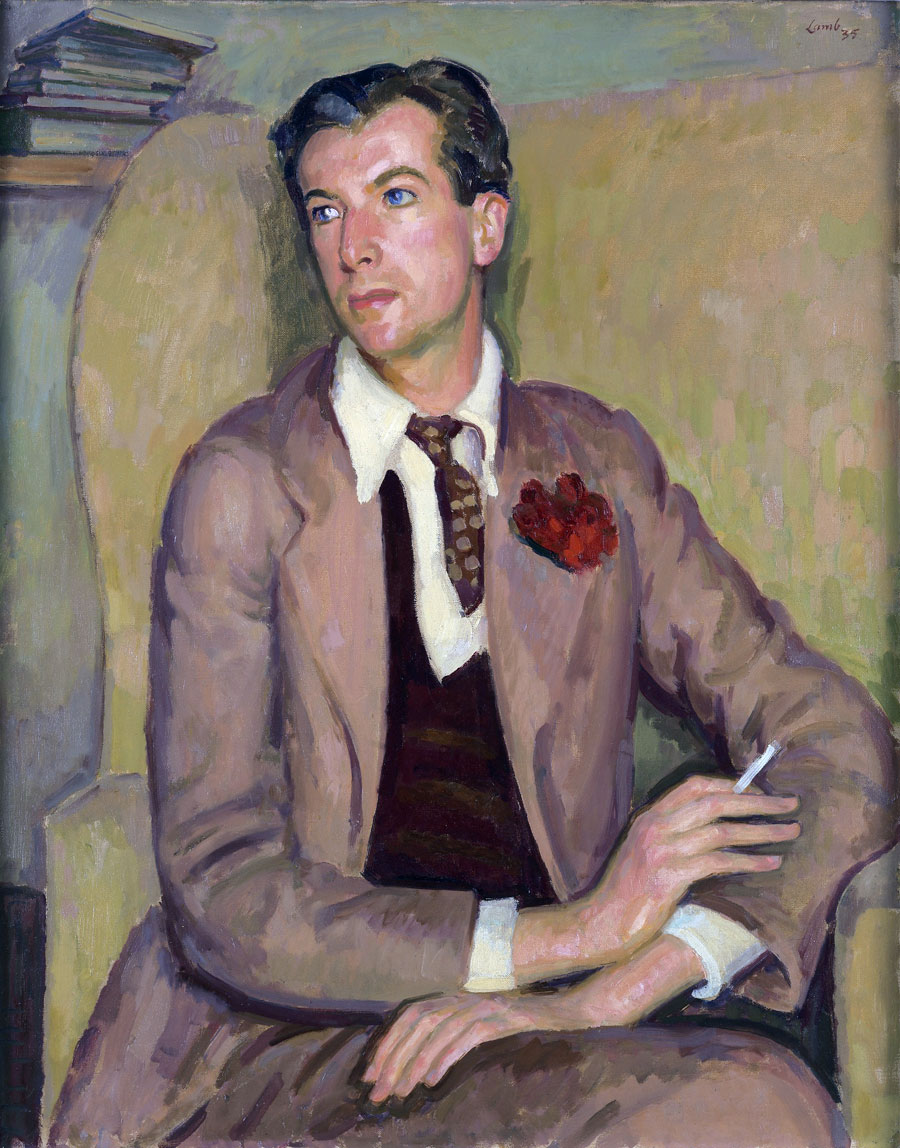

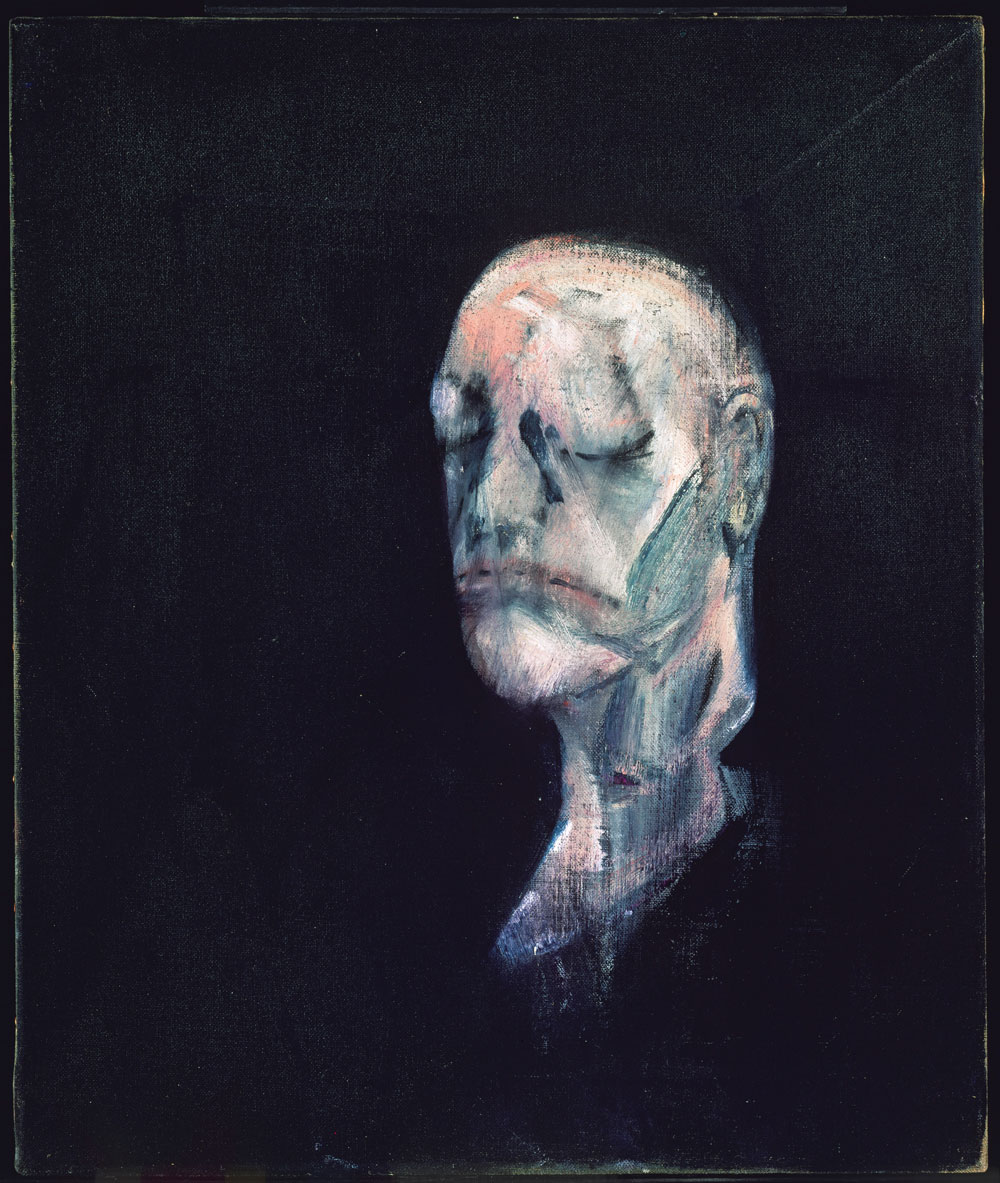
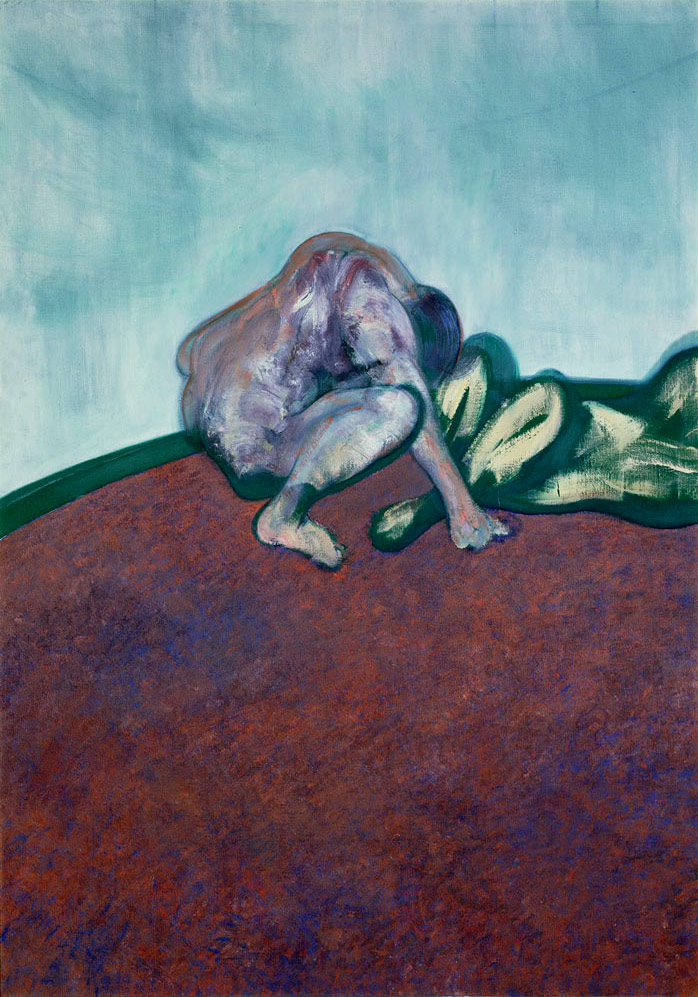
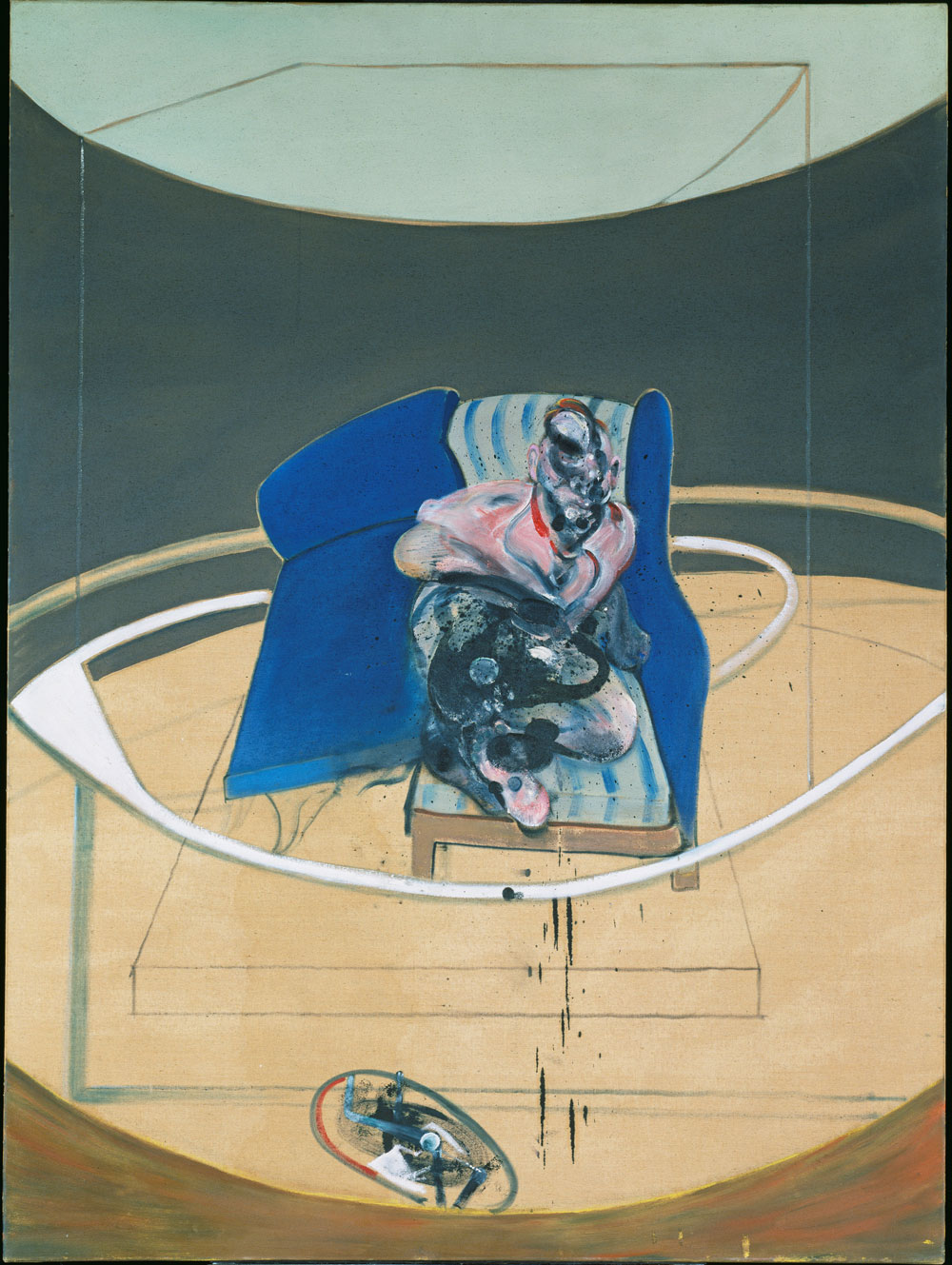
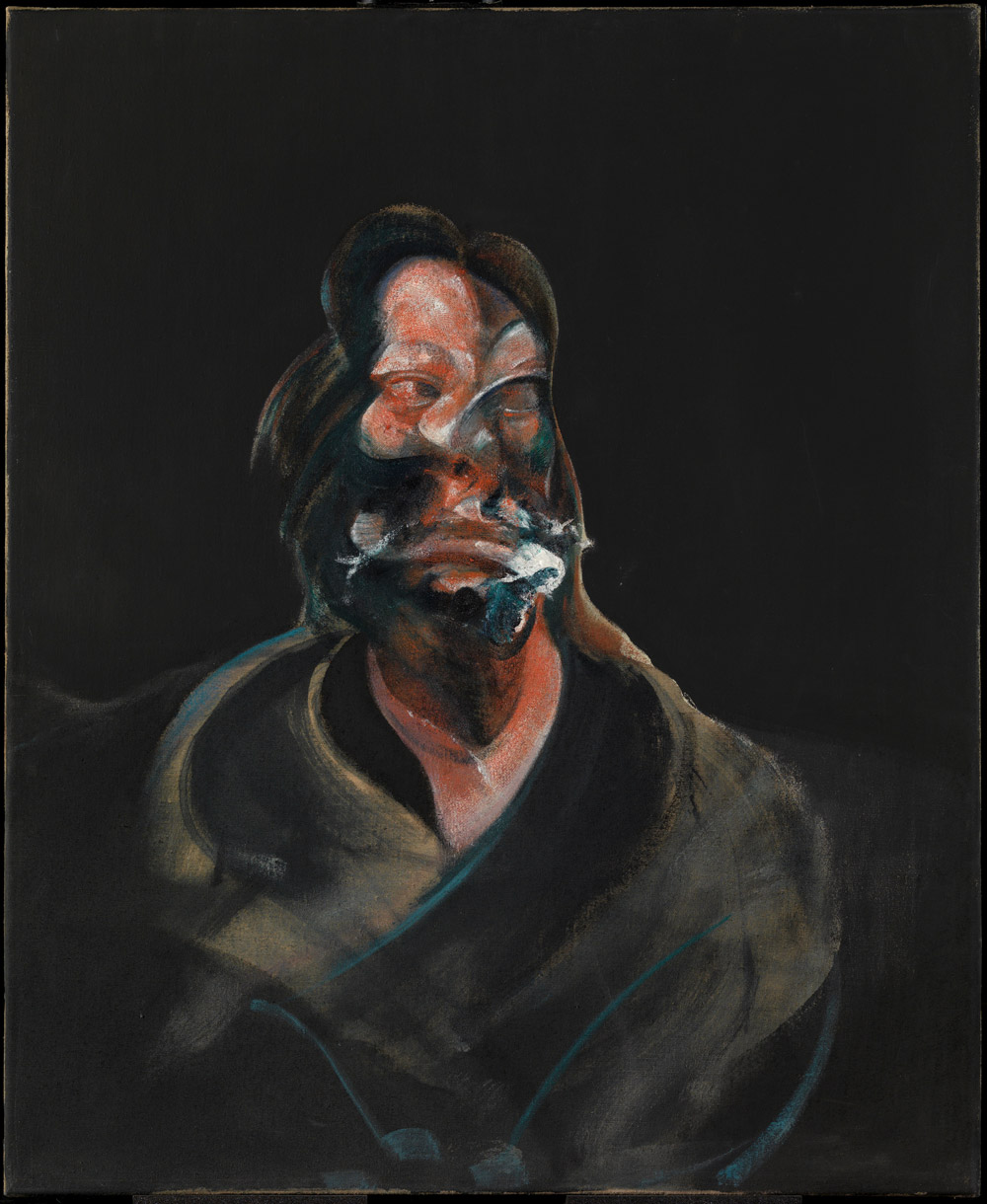
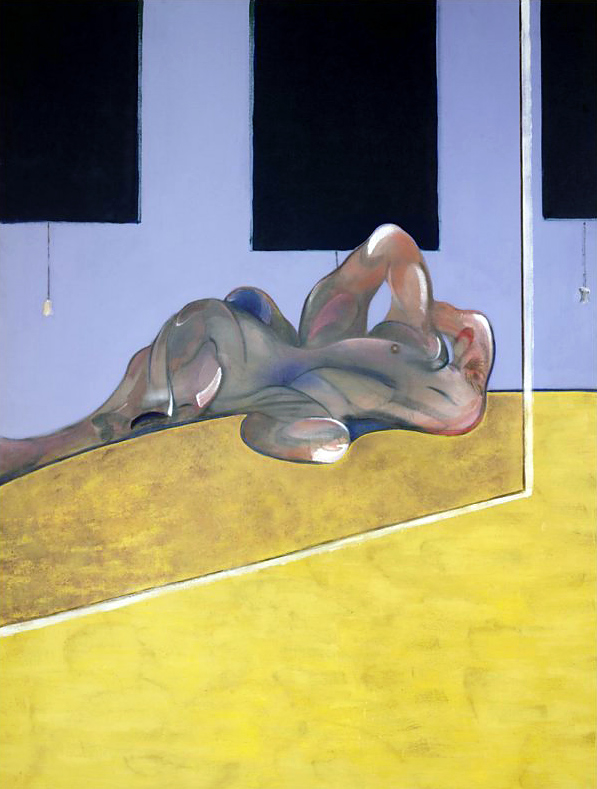
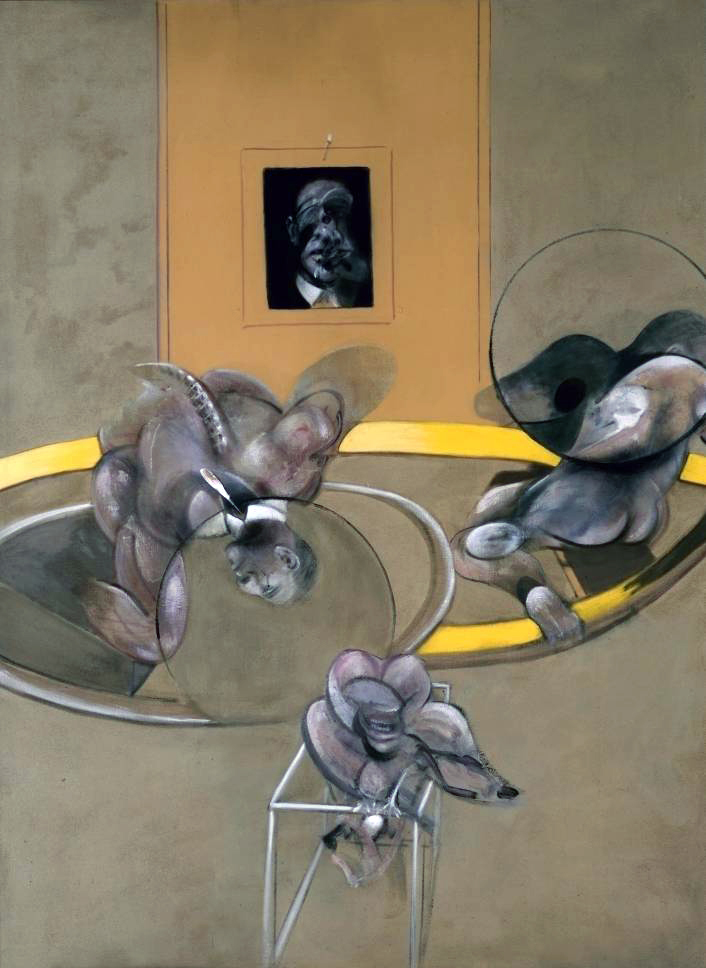
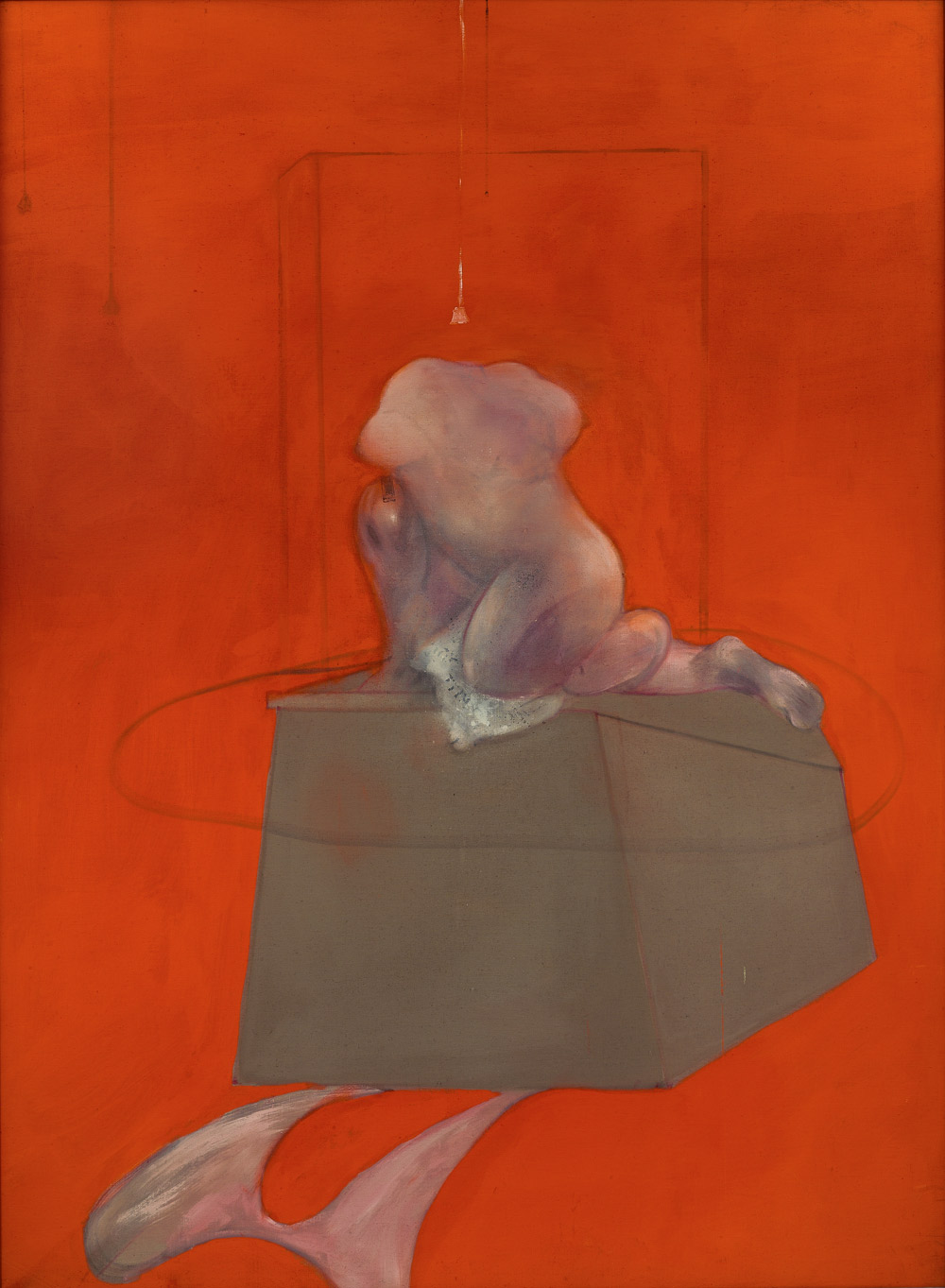
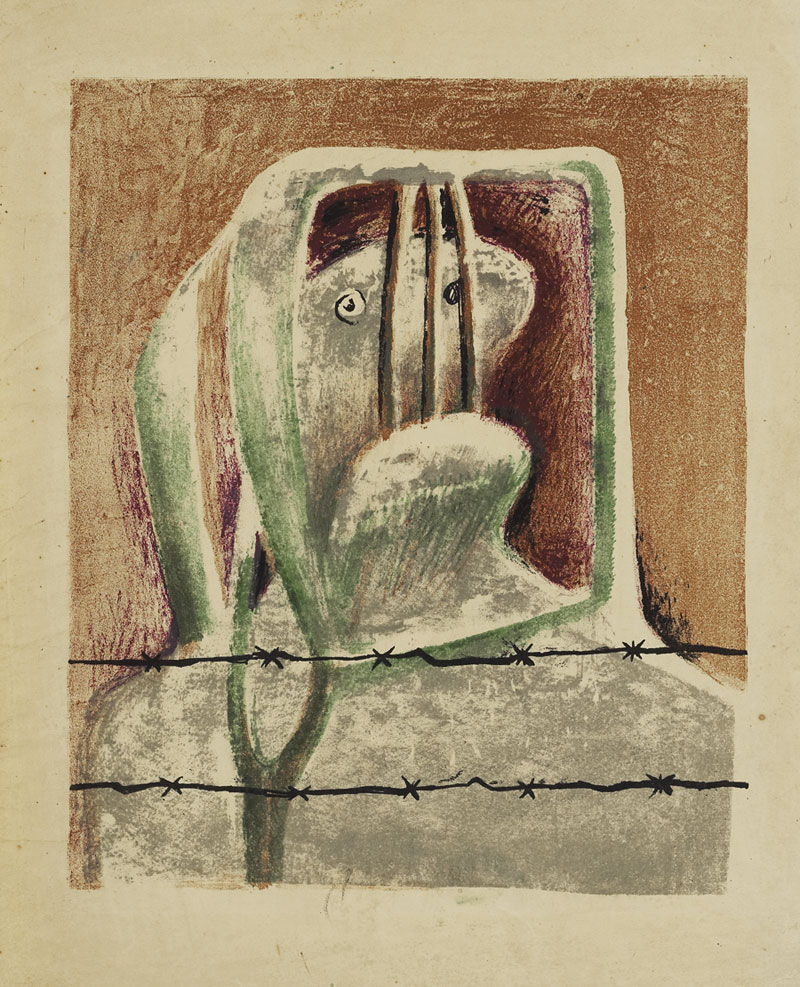
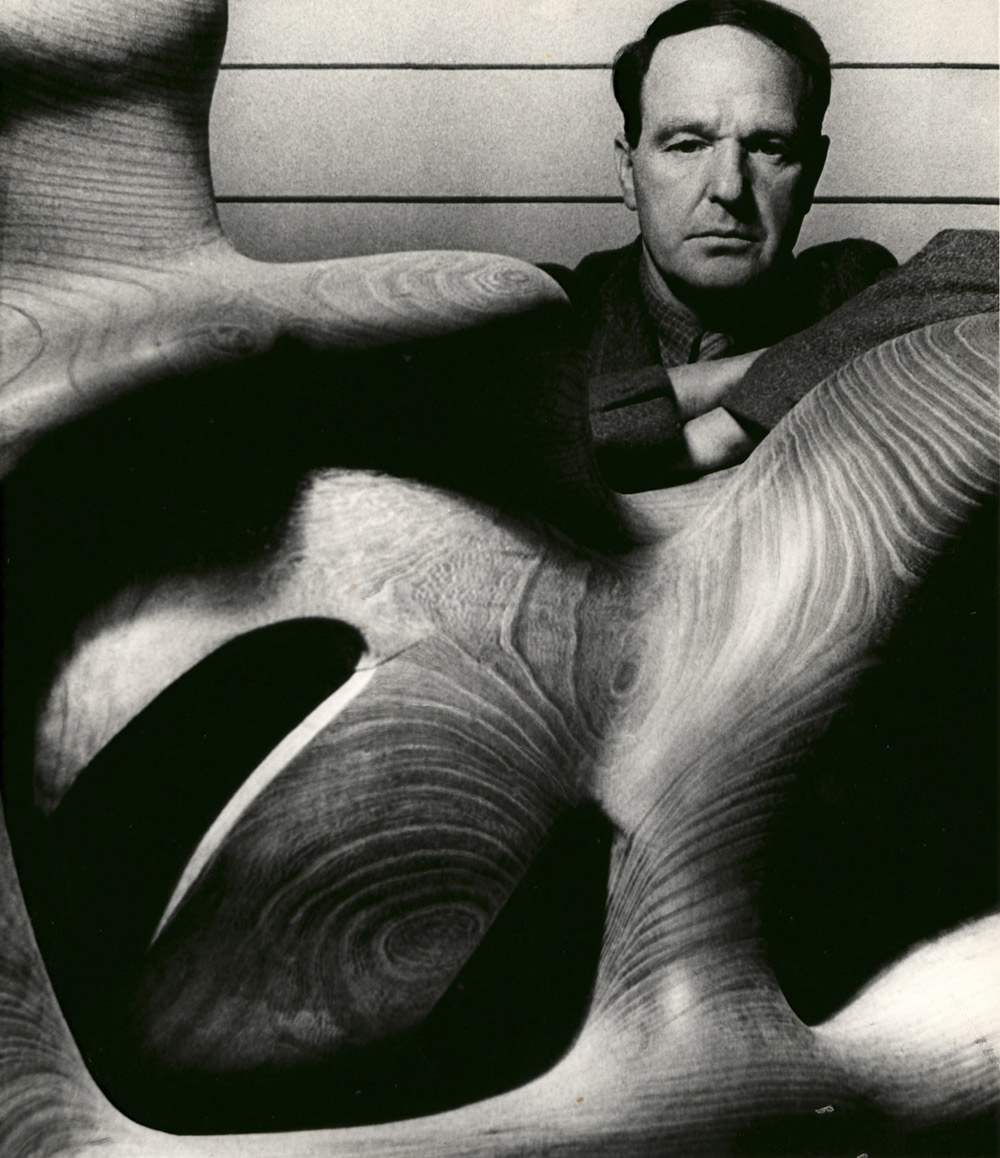
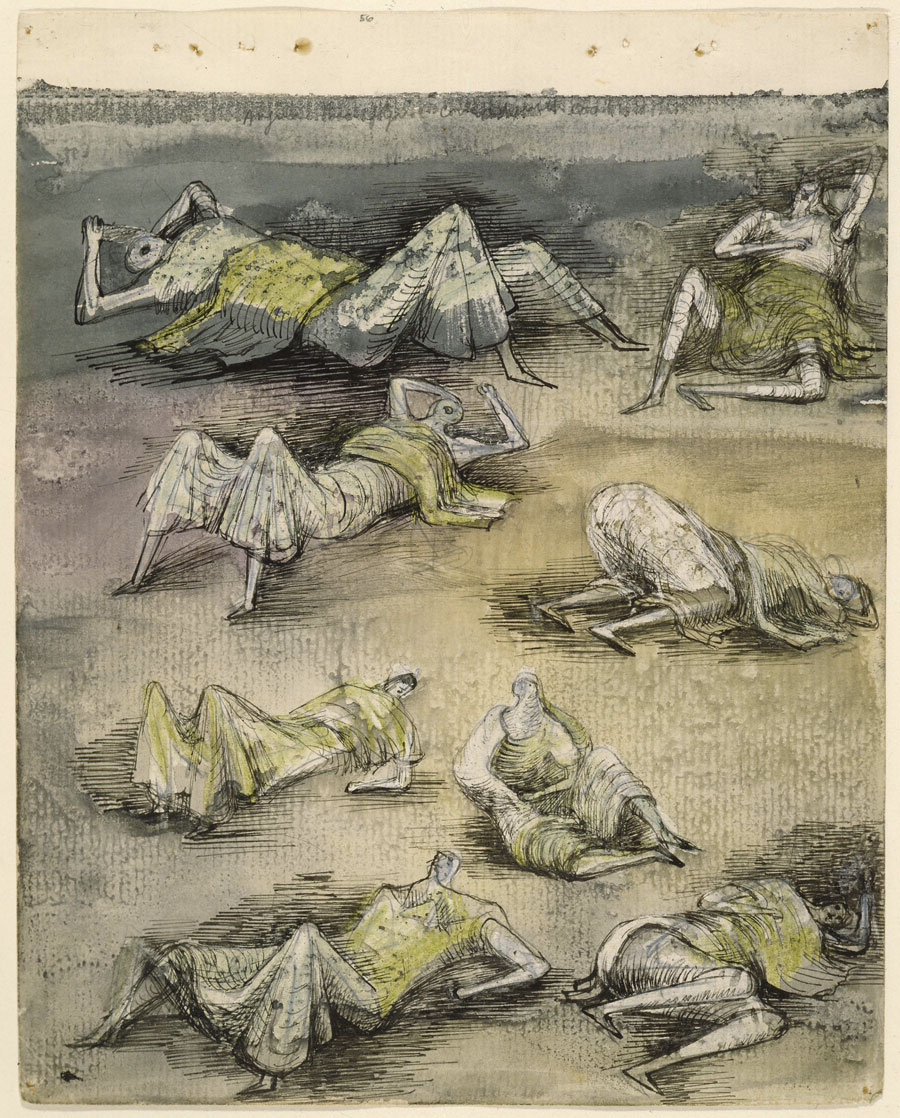
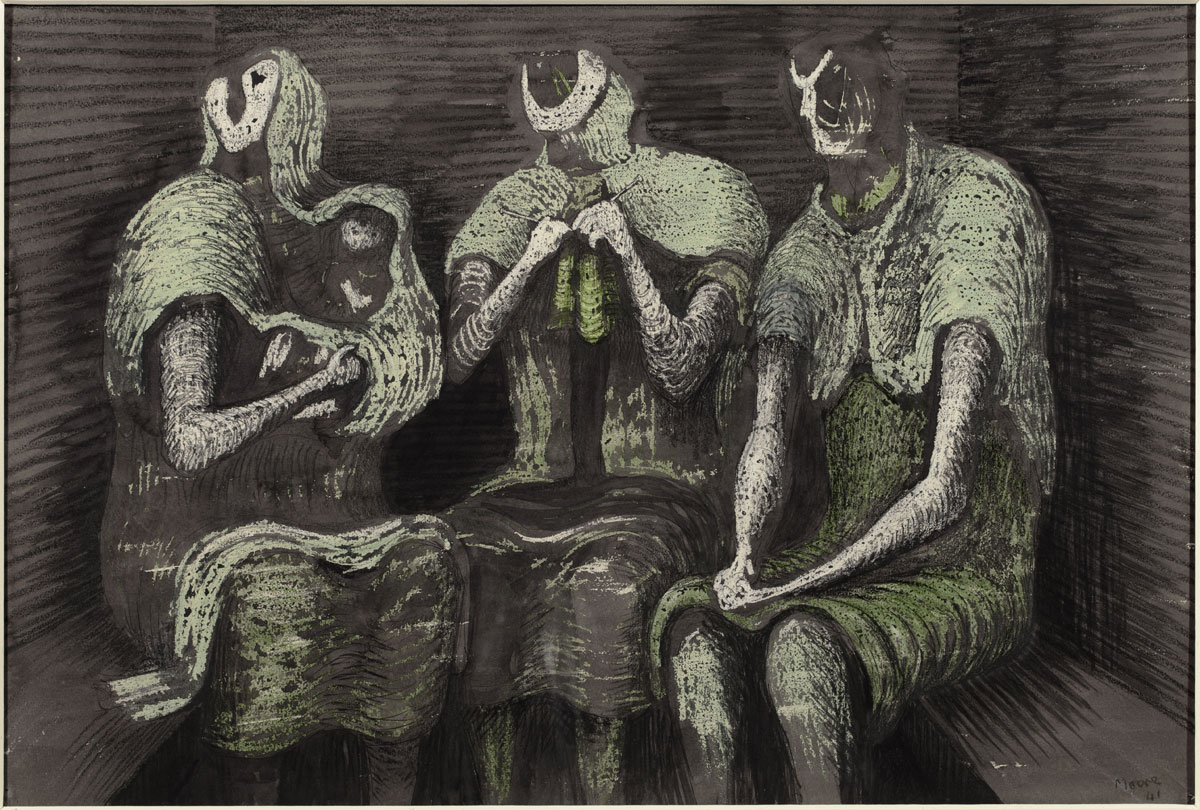
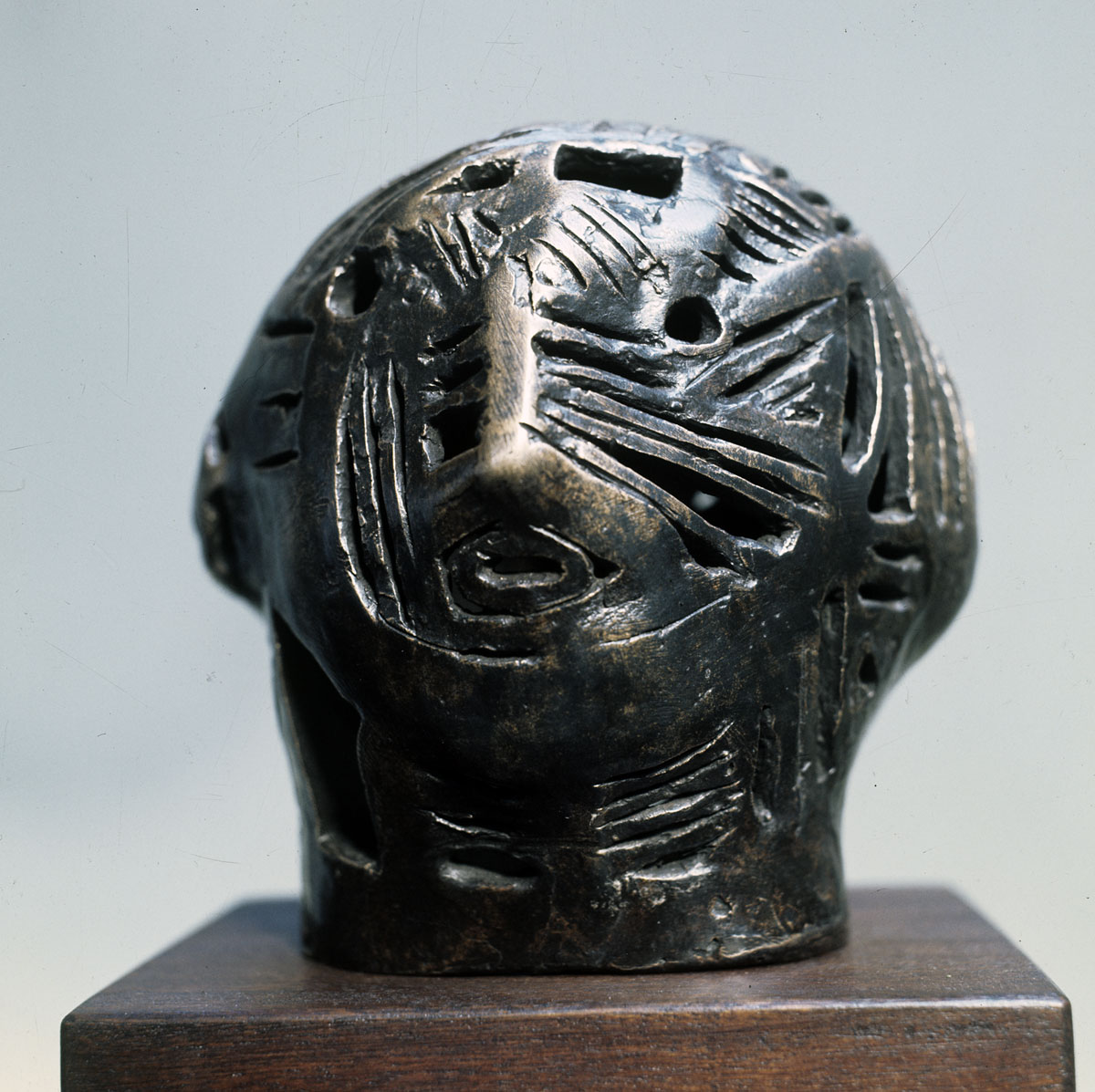
 Art Blart _ art and cultural memory archive
You must be logged in to post a comment.