Around the world, 2025 hasn’t been a great year for photography exhibitions. As a friend of mine said on Facebook it has been a dreary year and I would tend to agree with him.
Curatorially, everything was pretty cut and dried, relying on the usual one artist show or group exhibition on a theme with nobody prepared to take a risk on anything creative, inventive even.
I found little to inspire me in terms of idiosyncratic but illuminating pairings of photographers or unusual insights into the conditions and conceptualisation of photographic production and presentation – other than a few of the exhibitions noted below: costume, gesture and expression – yes! the development of colour photography pre the ubiquitous American artists – yes! and the life in self-portraits of a photobooth operator in Melbourne, part magician, part artist – YES!
Out of the 60 postings on Art Blart in 2025 I’ve picked what I think are the 11 best exhibitions, plus a couple of honourable mentions.
I hope you enjoy the selection and a Happy New Year to you all!
Dr Marcus Bunyan
1/ Marcus Bunyan. “Past present,” on the exhibition Still Performing: Costume, Gesture, and Expression in 19th Century European Photography at the Nelson-Atkins Museum of Art, Kansas City, August 2024 – January 2025
Victor Plumier (Belgian, 1820-1878) Lady in Costume About 1850 Daguerreotype, half plate 5 1/2 × 4 1/2 inches The Nelson-Atkins Museum of Art Gift of the Hall Family Foundation
“The emotions and the sentiments, the gestures and the expressions. The actor and the stage, the photographer and the sitter. The staged photograph and the tableaux vivant. The Self and the Other.” ~ MB
2/ A Long Arc: Photography and the American South since 1845 at the Virginia Museum of Fine Arts, Richmond, October 2024 – January 2025
Andrew Joseph Russell (American, 1829-1902) Slave Pen, Alexandria, Virginia 1863 Albumen silver print High Museum of Art Purchased with funds Lucinda Weill Bunnen Fund and the Donald and Marilyn Keogh Family
“Photographs are containers of, fragments of, memories of, histories of, events – remembrances of events – brought from past into present, informing the future, showing only snippets of the stories of both past and present lives. Parallel to the usual thought that photographs are about death, they are also memory containers for (still) living people.” ~ MB
3/ Marcus Bunyan. “Out in the midday sun,” on the exhibition Martin Parr. Early Works at Fotografie Forum Frankfurt (FFF), September 2024 – February 2025
“I am always fascinated with the early work of an artist. In essence, the photographs tell you what are the primary concerns for the artist and these themes usually remain with them for the rest of their career. These early black and white photographs provide a window into that ongoing investigation, that golden path. They are more subtle in their modulation of British life than in the later colour work – it’s as though the artist had to change gears with the use of colour developing a more ironic way of seeing British life through a different spatial relationship to his subjects – but in these photographs there is still that deprecating humour that is often missing in the work of his contemporaries…” ~ MB
“There are the things that are out in the open, and there are the things that are hidden, and life has more to do, the real world has more to do with what is hidden.” ~ Saul Leiter
5/ True Colors: Color in Photography from 1849 to 1955 at Albertina Modern, Vienna, January – April, 2025
Léon Vidal (French, 1833-1906) Oriental Onyx Sardonyx Cup (16th century) 1876 Photomechanical proof (photochromy using the Léon Vidal process) mounted on cardboard H. 20.8 ; L. 26.2 cm. Don Fondation Kodak-Pathé, 1983
“What a wonderful exhibition. It’s so exciting to see the history and development of colour photography pre the ubiquitous, American artists William Eggleston and Stephen Shore, much as I like both artists.” ~ MB
6/ The basement: photography from Prahran College (1968-1981) at the Museum of Australian Photography, Wheelers Hill, Melbourne, March – May 2025
Julie Millowick (Australian, b. 1948) Mother and child from 46 Blanche Street, St Kilda 1977 Gelatin silver print 15.9 x 23.7cm Museum of Australian Photography, City of Monash Collection donated by Julie Millowick 2024
“Prahran College itself played a critical role in the legitimisation of photography as an art form within Australia. It spearheaded the integration of art photography into tertiary education curricula, fostering an environment where young artists … could experiment formally and conceptually.”
James McArdle. “Epoch,” on the On This Date in Photography website, 25th April, 2025 [Online] Cited 28/04/2025
“The wit, the humour (pigeons sitting outside the racing pigeon shop), the stiff upper lip, the carry on regardless, the working class pantomime of life and death – the public commission flats where people formed caring communities that were destroyed through redevelopment – the integrity of an existence that has largely come and gone pictured with warmth and empathy.” ~ MB
8/ Auto-Photo: A Life in Portraits at RMIT Gallery, Melbourne, June – August 2025
Installation view of the exhibition Auto-Photo: A Life in Portraits at RMIT Gallery, Melbourne, June – August, 2025 Photo: Marcus Bunyan
“Through the strip self-portraits Adler took while servicing and then testing the photobooths that he operated in Melbourne, Australia we become immersed in an archive of his world, the exhibition becoming a joyous ode to a man who devoted his life to photography (not in the traditional sense): in turns humorous and historical, a travelogue, his travelogue, through time and space.’ ~ MB
“Rodríguez’s moody, high contrast photographs of humanity and street scenes pictured from behind the wheel of his taxi in New York proffer an intuitive, empathetic and subjective view of the city and its people at a time of great economic and social upheaval…
Uncertain times, uncertain angles and perspectives, uncertain light give rise to a powerful body of work made certain by the talent of an impressive photographer. Glorious work.” ~ MB
10/ Marcus Bunyan. “Myths of the American West,” on the exhibition Richard Avedon ‘In the American West’ 1979-1984 at the Fondation Henri Cartier-Bresson, Paris, April – October 2025
“Avedon, while undercutting the myth of the American West through his storytelling, doesn’t seek to document, exploit or misrepresent his subjects, but to subjectively present them as on a theatrical set devoid of scenery – where their very appearance becomes scene / seen. As he himself said, “My concern is… the human predicament; only what I consider the human predicament may simply be my own.”” ~ MB
“The Bechers’ typologies and grids, their topographic state, their same same photographs and perspectives of industrial sculptures and landscapes are anything but objective. Their pictorial grammar, underlaid by a conceptual approach to subject matter, continuously reflected in the systematics of capture and display (the juxtaposition of works together), is constantly undermined by the ghost in the machine – those viral codes of mutation and difference which cannot be controlled.” ~ MB
“Weems blends the poetic and conceptual in photographs and bodies of work which investigate history, identity, racism, executive and patriarchal power from the perspectives of female / Black American.
What a fabulous artist, a guide into circumstances seldom seen, now revealed.” ~ MB
An exhibition by Die Photographische Sammlung/SK Stiftung Kultur in cooperation with the Bernd & Hilla Becher Studio, Düsseldorf
Anonyme Skulpturen. Eine Typologie technischer Bauten, Düsseldorf: Art-Press Anonymous Sculptures: A Typology of Technical Buildings, Düsseldorf: Art-Press 1970 (Buchcover) Courtesy Die Photographische Sammlung/SK Stiftung Kultur, Köln
When we think about the most influential photographers of the first five decades of the 20th century we conjure up names such as Eugène Atget, Alfred Stieglitz, Paul Strand, Walker Evans, László Moholy-Nagy, Dorothea Lange, and Berenice Abbott, to name just a few – and by influential, I mean those photographers that altered the intensification of the medium – the conceptualisation, creation, veracity, meaning and reception of the image.
In the last 50 years of the 20th century there are less of these medium-shifting artists that have really made a difference. Diane Arbus and Lee Friedlander are the two that readily spring to mind. And then there are the Bechers, Bernd & Hilla Becher. These German photographers changed the course of contemporary photographic practice, their conceptual art / objective photographic raison d’être still embedded at the heart of fine art photography today.
But, as I have argued elsewhere, their typologies and grids, their topographic state, their same same photographs and perspectives of industrial sculptures and landscapes are anything but objective. Their pictorial grammar, underlaid by a conceptual approach to subject matter, continuously reflected in the systematics of capture and display (the juxtaposition of works together), is constantly undermined by the ghost in the machine – those viral codes of mutation and difference which cannot be controlled.
While they professed to “eschew entirely entirely the aspects of beauty, emotion and opinion,” every photograph they took involves a subjective point of view, an element of uniqueness and beauty that can never be repeated.
“Despite protestations to the contrary (appeals to the objectivity of the image, eschewing entirely the aspects of beauty, emotion and opinion; the rigorous frontality of the individual images giving them the simplicity of diagrams, while their density of detail offers encyclopaedic richness) these are subjective images for all their objective desire. The paradox is the more a photographer strives for objectivity, the more ego drops away, the more the work becomes their own: subjective, beautiful, emotive.
Even though the Bechers’ demonstrate great photographic restraint with regard to documenting the object, the documentary gaze is always corrupted / mutated / distorted by personal interpretation: where to position the camera, what to include or exclude, how to interpret the context of place, how to crop or print the image, and how to display the image, in grids, sequences or singularly. In other words there are always multiple (con)texts to which artists conform or transgress. What makes great photographers, such as Eugène Atget, Walker Evans, August Sander and the Bechers, is the idiosyncratic “nature” of their vision: how Atget places his large view camera – at that particular height and angle to the subject – leaves an indelible feeling that only he could have made that image, to reveal the magic of that space in a photograph. It is their personal, unique thumbprint, recognisable in an instant. So it is with the Bechers.”1
For a deeper dive into the work of the Bechers, please see my text “Ghosts in the machine,” on the exhibition Bernd and Hilla Becher at the Metropolitan Museum of Art, New York, July – November, 2022.
Many thankx to Die Photographische Sammlung/SK Stiftung Kultur, Cologne for allowing me to publish the photographs in the posting. Please click on the photographs for a larger version of the image.
Installation view of the exhibition Bernd & Hilla Becher – History of a Method at Die Photographische Sammlung/SK Stiftung Kultur, Cologne
Installation view of the exhibition Bernd & Hilla Becher – History of a Method at Die Photographische Sammlung/SK Stiftung Kultur, Cologne
Installation view of the exhibition Bernd & Hilla Becher – History of a Method at Die Photographische Sammlung/SK Stiftung Kultur, Cologne showing Bernd Becher’s Calatayud 1956 (below)
Installation view of the exhibition Bernd & Hilla Becher – History of a Method at Die Photographische Sammlung/SK Stiftung Kultur, Cologne
Installation view of the exhibition Bernd & Hilla Becher – History of a Method at Die Photographische Sammlung/SK Stiftung Kultur, Cologne showing Hilla Becher’s Untitled (Makroaufnahme von Schaum) (Macro shot of foam) c. 1960
Hilla Becher (née Wobeser) discovered photography as a teenager. Her mother had trained as a photographer at the Lette Verein in Berlin and supported her daughter’s interest. Accordingly, from 1951 to 1953, Hilla completed an apprenticeship as a photographer at the Walter Eichgrün studio in her hometown of Potsdam. In 1953, the family fled East Germany, and Hilla continued her career in West Germany. For example, in 1957 she worked at the Troost advertising agency in Düsseldorf, where she also met Bernd Becher.
The photograph shown above belongs to a series of surface and structural studies from around 1960. Nothing is known about the exact context of the photographs; however, their stylistic affinity to the “Subjective Photography” movement, which gained influence from the early 1950s onward, is interesting. Distortion techniques were an important tool in “Subjective Photography,” and Hilla Becher’s macro photographs utilise extreme proximity to the subject as a means of creating a sense of alienation.
Text from the SK Stiftung Kultur Die Photographische Sammlung Instagram page
An exhibition of Die Photographische Sammlung/SK Stiftung Kultur in cooperation with the Bernd & Hilla Becher Studio, Düsseldorf
The artist couple Bernd and Hilla Becher (1931-2007/1934-2015) has written photographic history. With their joint work, which they developed from 1959 until the 2000s on the basis of an almost uninterrupted photographic activity in the industrial regions of Germany, the Benelux countries, Great Britain, France, Italy, the USA and Canada, they created a new artistically motivated documentary style.
For the first time in Europe, this exhibition will present the methodological and thematic range of their oeuvre in great detail with over 300 original black and white photographs and other exhibits by the artist couple. In the individual sections, almost all of Becher’s found subjects can be located in a compilation and sequencing largely determined by themselves. Photographs of landscapes, winding towers, blast furnaces, cooling towers, gas tanks or even views of entire collieries etc. are considered her trademark. The juxtaposition of the groups of works authentically conveys the pictorial grammar developed by Bernd and Hilla Becher and their continuously reflected systematics and conceptual approach.
The exhibits come from the Bernd and Hilla Becher Archive in Die Photographische Sammlung/SK Stiftung Kultur and the Bernd & Hilla Becher Studio, Düsseldorf, in collaboration with Max Becher under the supervision of the Bernd & Hilla Becher Estate. There are also loans from Sprüth Magers and the LVR-Landesmuseum Bonn.
The publication accompanying the exhibition will be published by Schirmer / Mosel Verlag, with texts by Max Becher, Gabriele Conrath-Scholl, Marianne Kapfer and Urs Stahel.
Text from the Die Photographische Sammlung/SK Stiftung Kultur, Cologne website
Installation view of the exhibition Bernd & Hilla Becher – History of a Method at Die Photographische Sammlung/SK Stiftung Kultur, Cologne showing Bernd and Hilla Becher’s photograph Kühlturm (Cooling tower) 1962, “Mont-Cenis” mine, Herne, Ruhr area 1965 (below)
We have dedicated an entire room of our current exhibition to the group of “Anonymous Sculptures.” With this series of images, Bernd and Hilla Becher defined the building types that were important to them, such as cooling towers. The fundamental principle of the comparability of the motifs was introduced, and the work on publications, so crucial to Bernd and Hilla Becher’s artistic output, was also initiated.
You can trace the artists’ approach using 41 photographs that exemplify the building types presented in seven chapters of the 1970 publication “Anonymous Sculptures: A Typology of Technical Structures.” An exhibition at the Düsseldorf Municipal Art Gallery preceded the book in 1969 [see the book cover at the top of the posting].
The term “Anonymous Sculptures” establishes a link to conceptual art. This connection between Bernd and Hilla Becher’s work and the visual arts was important for their subsequent work and its presentation in museums and galleries.
Text from the SK Stiftung Kultur Die Photographische Sammlung Instagram page
The first subjects Bernd and Hilla Becher photographed on their nearly fifty-year journey to documenting industrial buildings were half-timbered houses in the Siegerland region. For Bernd Becher, it was natural to photograph these “poor people’s houses,” as Hilla called them, from his childhood and youth. For the film “The Photographers Bernd and Hilla Becher,” we attempted to identify the Bechers’ subjects using the book “Siegerland Half-Timbered Houses” by Schirmer/Mosel. We asked locals and showed them the book. Although the Bechers provided the exact address of each house, they were often unrecognisable. Many, being drafty and cold, had been clad with asbestos cement, thus obscuring their exposed timber framing. Their original appearance is preserved only in the Bechers’ photographs.
Text from the Text from the SK Stiftung Kultur Facebook page
The artist couple Bernd and Hilla Becher (1931-2007/1934-2015) set a benchmark in the history of photography with their work. Beginning in 1959, they collaborated almost continuously for decades on a joint oeuvre, developed across Germany, the Benelux countries, the United Kingdom, France, Italy, the United States, and Canada. Their artistic style, characterised by a precise, documentary visual language and methodical systematisation, resonated significantly with movements such as Minimal Art and Conceptual Art. Against the backdrop of New Objectivity and inspired by 19th-century documentary photography, they created a visual grammar whose influence remains palpable in contemporary photography.
For the first time in Europe, Die Photographische Sammlung/SK Stiftung Kultur presents an extensive retrospective featuring over 300 original black-and-white photographs and complementary exhibits, showcasing the formal and thematic breadth and depth of Bernd and Hilla Becher’s work. The exhibition centers on the themes and methods developed by the Bechers: consistent methodical approaches to the photographic motif that evolved and were variably applied over decades. The exhibition explores how these methods emerged, how they developed, and how they reflected the Bechers’ perspective on the different shapes, functions, and integration of industrial buildings into the landscape.
Rare early works from both artists – created between the 1950s and 1970s – are on view, many for the first time. These pieces provide insight into the evolution of their shared aesthetic.
Room 2 is dedicated to the book Anonyme Skulpturen. Eine Typologie technischer Bauten (Anonymous Sculptures. A Typology of Technical Constructions), 1970, considered the foundation of their work. This publication systematically catalogued industrial structures and remains a key reference point. Quoted texts on the function of the objects and original prints illuminate its significance within their oeuvre.
Industrial Landscapes and photographs of entire sites form another focus and demonstrate that the Bechers did not merely document isolated buildings, but also functional and spatial relationships. Featured works include views of the Zollern 2 coal mine in Dortmund (published 1977) and the Ewald Fortsetzung mine in Recklinghausen (1982-1985).
The exhibition also includes “portraits” of residential and settlement houses from the Ruhr region – especially from the post-war era – reflecting the everyday life and environment of industrial workers. A framework house from the Siegerland region is used to show how a single subject can take on different meanings depending on presentation and context.
“Sequences” or “unfoldings” are illustrated using various building groups, presenting structures from multiple perspectives, so that a sculptural image of the motifs is created.
Lastly, the exhibition presents typologies – photographic series of coal bunkers, grain silos, winding and water towers, blast furnaces, and cooling towers. These highlight how the Bechers used specific representational strategies, systematic arrangement, and variation to achieve artistic expression. Created between the 1960s and early 2000s across different countries, the works powerfully demonstrate the visual grammar developed by the Bechers.
A kind of “cinematic epilogue” is provided by a video created by Max Becher, who accompanied his parents on a work trip to Ohio in 1987, offering an evocative glimpse into their working process.
The works are drawn from the Bernd and Hilla Becher Archive at Die Photographische Sammlung/SK Stiftung Kultur and the Bernd & Hilla Becher Studio in Düsseldorf, directed by Max Becher. Additional loans are provided by Sprüth Magers and the LVR-Landesmuseum Bonn.
A catalogue will accompany the exhibition, published by Schirmer/Mosel Verlag, Munich, with texts by Max Becher, Gabriele Conrath-Scholl, Marianne Kapfer, and Urs Stahel. (Will be released in early November.)
Press release from Die Photographische Sammlung/SK Stiftung Kultur
Walker Evans (United States of America 1903-1975) Graveyard and steel mill, Bethlehem, Pennsylvania 1935 Gelatin silver print
Installation view of the exhibition Bernd & Hilla Becher – History of a Method at Die Photographische Sammlung/SK Stiftung Kultur, Cologne showing at left Bernd and Hilla Becher’s photograph Bethlehem, Pennsylvania, USA 1986 (below)
Installation view of the exhibition Bernd & Hilla Becher – History of a Method at Die Photographische Sammlung/SK Stiftung Kultur, Cologne showing Bernd and Hilla Becher’s photograph Bethlehem, Pennsylvania, USA 1986 (below)
With their blast furnaces, chimneys, pipes, and conveyor belts, steelworks are less buildings than gigantic machines. They are among the most imposing industrial structures that Bernd and Hilla Becher have photographed since the late 1950s. Anatomically speaking, blast furnaces are like a body without skin, the artist couple wrote in 1990: excessively high temperatures, too much pressure, too many gases make cladding the steel shell impossible; they are nothing but function. In Bethlehem, Pennsylvania, the enormous work practically hangs over the town. Photographed from an elevated vantage point (similar to the one Walker Evans had chosen in 1935), the blast furnaces, houses, and the cemetery – work, life, death – are compressed into an inescapable proximity. Space compressed, time compressed.
Dr. Maria Müller-Schareck, art historian and member of the PS/SK management team
Text from the SK Stiftung Kultur Die Photographische Sammlung Instagram page
Installation views of the exhibition Bernd & Hilla Becher – History of a Method at Die Photographische Sammlung/SK Stiftung Kultur, Cologne showing Bernd and Hilla Becher’s Zeche Ewald Fortsetzung, Kühlturm/-türme (Ewald mine continuation, cooling tower(s)) 1985 (below)
Over the course of their artistic career, Bernd and Hilla Becher documented approximately 200 industrial sites, including the Ewald Fortsetzung coal mine in Recklinghausen, which we are featuring in our exhibition.
These documentations are based on systematic walks through the industrial sites and surrounding areas. A panoramic photograph, often central to each site, provides an overview of the grounds and allows the individual buildings to be located and understood in relation to one another.
The subsequent photographs portray the individual building types, in this case, two cooling towers. The five images in this group clearly demonstrate how Bernd and Hilla Becher approach their subject, photographing the building from different sides and perspectives, and highlighting a specific detail. The aim of this approach was to depict the industrial buildings in a way that is both technically clear and aesthetically pleasing.
Text from the SK Stiftung Kultur Die Photographische Sammlung Instagram page
Installation view of the exhibition Bernd & Hilla Becher – History of a Method at Die Photographische Sammlung/SK Stiftung Kultur, Cologne September, 2025 – February, 2026
Bernd & Hilla Becher – History of a Method book cover
Die Photographische Sammlung/SK Stiftung Kultur Im Mediapark 7, 50670 Cologne Phone: +49 221/888 95 300
“Typology remains a highly challenging and complex notion. It operates in a paradoxical regime: on the one hand, this approach can lead to a systematic recording of people and objects based on extreme objectivity; on the other hand, typology corresponds to an individual and arbitrary choice, revealing itself as a disturbing and potentially subversive act.” (Press release)
Every photo within a Becher grid contains its own difference.
Dr Marcus Bunyan
Many thankx to the Fondazione Prada for allowing me to publish the photographs in the posting. Please click on the photographs for a larger version of the image.
Let’s not beat around the bush. Despite protestations to the contrary (appeals to the objectivity of the image, eschewing entirely the aspects of beauty, emotion and opinion; the rigorous frontality of the individual images giving them the simplicity of diagrams, while their density of detail offers encyclopaedic richness) these are subjective images for all their objective desire. The paradox is the more a photographer strives for objectivity, the more ego drops away, the more the work becomes their own: subjective, beautiful, emotive.
“What happens in the case of mutation? Consider the example of the genetic code. Mutation normally occurs when some random event (for example, a burst of radiation or a coding error) disrupts an existing pattern and something else is put in its place instead. Although mutation disrupts pattern, it also presupposes a morphological standard against which it can be measured and understood as mutation. We have seen that in electronic textuality, the possibility for mutation within the text are enhanced and heightened by long coding chains. We can now understand mutation in more fundamental terms. Mutation is critical because it names the bifurcation point at which the interplay between pattern and randomness causes the system to evolve in a new direction. It reveals the productive potential of randomness that is also recognized within information theory when uncertainty is seen as both antagonistic and intrinsic to information.
We are now in a position to understand mutation as a decisive event in the psycholinguistics of information. Mutation is the catastrophe in the pattern / randomness dialectic analogous to castration in the presence / absence dialectic. It marks a rupture of pattern so extreme that the expectation of continuous replication can in longer be sustained. But as with castration, this only appears to be a disruption located at a specific moment. The randomness to which mutation testifies is implicit in the very idea of pattern, for only against the background of nonpattern can pattern emerge. Randomness is the contrasting term that allows pattern to be understood as such.”
Hayles, Katherine. How We Became Posthuman: Virtual Bodies in Cybernetics, Literature, and Informatics. Chicago: University of Chicago Press, 1999, pp. 30-33
In the series Menschen Im Fahrstuhl, 20.11.1969 (People in the elevator, 20.11.1969) shot in 1969, Heinrich Riebesehl conceptualised his interest in the photographic portrait. The portraits of the workers of the Hannoversche Presse (a daily newspaper in Hanover) – taken inside an elevator with a remotely operated small-format camera – are dated and numbered in sequential order: Riebesehl dispensed with a title or a more detailed description of the subjects portrayed. By omitting distinctive elements from the images, such as the profession or age of the subjects, he made the situation the key factor in the shots. In fact, the images are studies of the behaviors of people in that particular space, their body languages and gazes. Riebesehl knew that environment very well, because he had worked for a long time as a photojournalist, before turning to conceptual art photography.
Exhibition text from the Fondazione Prada by Cord Riechelmann
Installation view of the exhibition Typologien: Photography in 20th-century Germany at Fondazione Prada, Milan showing at left Bernd and Hiller Becher’s Hochöfen (Blast furnaces) 1970-1989; and at right, Candida Höfer’s Bibliotheque Nationale de France XXIII 1997
In the photographs of libraries in London, Paris, and New York, which at first glance appear to be technically scientific records, Candida Höfer manages to capture something that is not visible: ingenuity. The libraries’ rooms have high ceilings, and the rows of seats are neatly arranged. In their impressiveness, they reflect the architecture of the 19th-century conception of knowledge and science, typical of the dominant nations of the time because of their commercial and colonial power. The objective nature of the deserted spaces, precisely in how they seem to be neutral to the individual needs of the students, suggests something in the image that could hardly be less objective: the possibility for intellectual exchange that these spaces promise and deliver in Höfer’s photographs.
Exhibition text from the Fondazione Prada by Cord Riechelmann
In Candida Höfer’s photographs shot in zoos, the animals document a specific form of loneliness in modern times. In these images, the lines of development of two disciplines collide. Not only in the photographs, but also in reality, they function independently of each other: modern architecture and behavioural research. Modern architecture has become established in zoological gardens but has never considered the animal and its needs. Based on the knowledge gained from behavioural research, by choosing to portray iconic large mammals such as giraffes, lions, and polar bears, Höfer has represented the dilemma of a world in which entire species are threatened with extinction and in which zoos see themselves as a kind of ‘Noah’s Ark.’
Exhibition text from the Fondazione Prada by Cord Riechelmann
Installation view of the exhibition Typologien: Photography in 20th-century Germany at Fondazione Prada, Milan showing Bernd and Hilla Becher’s Wassertürme (Water towers) 1966-1986
Installation view of the exhibition Typologien: Photography in 20th-century Germany at Fondazione Prada, Milan showing the work of Thomas Struth
Installation view of the exhibition Typologien: Photography in 20th-century Germany at Fondazione Prada, Milan showing the work of Thomas Struth with at left, Musée du Louvre IV Paris, 1989
In his practice, Thomas Struth demonstrates meticulous attention to the architectural environment, as well as to people and objects. In his large-format colour series Museum Photographs (1989-1992), Struth captures anonymous individuals and crowds gazing at artworks in museums. A significant example is Louvre 4, Paris 1989, in which the artist photographs from behind a group of viewers standing in front of Théodore Géricault’s The Raft of the Medusa (1819). Often made with a large-format camera, his images reflect what Struth calls “exact vision”: the framing must not conceal anything or suggest secret content, thus resulting in an enigmatic outcome.
Exhibition text from the Fondazione Prada by Cord Riechelmann
Installation view of the exhibition Typologien: Photography in 20th-century Germany at Fondazione Prada, Milan showing Andreas Gursky’s Paris, Montparnasse 1993
Andreas Gursky’s large-format work, Paris, Montparnasse (1993) has become an iconic example of his work. It depicts the Maine-Montparnasse II block of flats, located on Rue Commandant-Mouchotte in Paris and built between 1959 and 1964 on a design by French architect Jean Dubuisson. This is one of the first images that Gursky created using digital post-production. In real life, the building does not look the way it appears in the image: using a digital editing process, Gursky transformed the façade into a game of differences and repetitions by processing the windows. In fact, by reiterating forms that are always identical, he produced a seemingly infinite number of them, with colour variations that are activated by a calculated dynamic.
Exhibition text from the Fondazione Prada by Cord Riechelmann
Installation view of the exhibition Typologien: Photography in 20th-century Germany at Fondazione Prada, Milan showing Andreas Gursky’s 99 Cent 1999
In 99 Cent (1999), Andreas Gursky photographed supermarket shelves using the same formal scheme used in Paris, Montparnasse (1993). The shelves crammed with everyday products such as detergents represent the inexhaustible flow of goods in the global system of production and distribution. Gursky’s work conveys a feeling of disorientation generated by the excessive stimuli and details typical of a shelf in a hypermarket.
Exhibition text from the Fondazione Prada by Cord Riechelmann
Andreas Gursky (German, b. 1955) 99 Cent 1999 (remastered 2009) Inkjet print
“Typologien” is an extensive study dedicated to 20th-century German photography. The exhibition, hosted within Podium, the central building of the Milan headquarters, is curated by Susanne Pfeffer, art historian and director of the MUSEUM MMK FÜR MODERNE KUNST, Frankfurt.
The project attempts to apply the principle of “typology,” which originated in 17th- and 18th-century botany to categorise and study plants, and appeared in photography in the early 1900s, affirming itself in Germany throughout the 20th century. Paradoxically, the given formal principle allows for unexpected convergences of German artists spanning different generations and the manifestation of their individual approaches.
The exhibition path will follow a typological rather than a chronological order, bringing together more than 600 photographic works by 25 established and lesser-known artists essential for recounting a century of German photography, including Bernd and Hilla Becher, Sibylle Bergemann, Karl Blossfeldt, Ursula Böhmer, Christian Borchert, Margit Emmrich, Hans-Peter Feldmann, Isa Genzken, Andreas Gursky, Candida Höfer, Lotte Jacobi, Jochen Lempert, Simone Nieweg, Sigmar Polke, Gerhard Richter, Heinrich Riebesehl, Thomas Ruff, August Sander, Ursula Schulz-Dornburg, Thomas Struth, Wolfgang Tillmans, Rosemarie Trockel, Umbo (Otto Umbehr), and Marianne Wex. A system of suspended walls will create geometric partitions in the exhibition space, forming unexpected connections between artistic practices that differ from each other, but are united by a common principle or intention of classification.
As stated by Susanne Pfeffer, “Only through juxtaposition and direct comparison is it possible to find out what is individual and what is universal, what is normative or real. Differences are evidence of the abundance of nature and the imagination of humans: the fern, the cow, the human being, the ear; the bus stop, the water tower, the stereo system, the museum. The typological comparison allows differences and similarities to emerge and the specifics to be grasped. Unknown or previously unperceived things about nature, the animal, or the object, about place and time become visible and recognisable.”
In photography, employing typologies means affirming an equivalence between images and the absence of hierarchies in terms of represented subjects, motifs, genres, and sources. Despite this, typology remains a highly challenging and complex notion. It operates in a paradoxical regime: on the one hand, this approach can lead to a systematic recording of people and objects based on extreme objectivity; on the other hand, typology corresponds to an individual and arbitrary choice, revealing itself as a disturbing and potentially subversive act.
The hypothesis that photography plays a key role not only in fixing distinctive phenomena but also in organising and classifying a plurality of visible manifestations remains a vital force in today’s artistic efforts to navigate the complexity of our social and cultural realities. With the spread of digital imagery and practices, the concept of typology continues to be questioned and re-defined by contemporary photographers and artists.
As underlined by Susanne Pfeffer, “The unique, the individual, seems to have been absorbed into a global mass, the universality of things is omnipresent. The Internet allows typologies to be created in a matter of seconds. And yet this is precisely when it seems important – to artists – to take a closer look.” As further explained by Pfeffer, “When the present seems to have abandoned the future, we need to observe the past more closely. When everything seems to be shouting at you and becoming increasingly brutal, it is important to take a quiet pause and use the silence to see and think clearly. When differences are not seen as something other, but turned into something that divides us, it is crucial to notice what we have in common. Typologies allow us to identify remarkable similarities and subtle differences.”
Text from the Fondazione Prada website
Typologien | Fondazione Prada Milano
An extensive study dedicated to 20th-century German photography. “Typologien” attempts to apply the principle of “typology,” which originated in 17th- and 18th-century botany to categorise and study plants, and appeared in photography in the early 1900s, affirming itself in Germany throughout the 20th century.
The exhibition, hosted within Podium, the central building of the Milan headquarters, is curated by Susanne Pfeffer, art historian and director of the MUSEUM MMK FÜR MODERNE KUNST, Frankfurt.
Installation view of the exhibition Typologien: Photography in 20th-century Germany at Fondazione Prada, Milan showing the work of Ursula Schulz-Dornburg
Ursula Schulz-Dornburg was visiting convents and monasteries in Armenia when she happened to come across one of these unique bus stops, partly futuristic and partly surreal. From 1997 to 2011, she portrayed numerous bus stops, often in very remote locations. In a country that was experiencing a dramatic transition, from being part of the Soviet Union to its new status as an independent republic, these bus stops look like the remnants of a utopian socialism, which in Schulz-Dornburg’s images are kept alive mainly by women and children. The photographer said she was so impressed by the dignity of those women waiting at the bus stop, who even in the most extreme poverty looked as though they were on their way to the Opera, that she asked their permission to photograph them. What emerged was a document of a quiet life that manages with dignity to deal with even the harshest adversity.
Exhibition text from the Fondazione Prada by Cord Riechelmann
Installation view of the exhibition ‘Typologien: Photography in 20th-century Germany’ at Fondazione Prada, Milan showing at left, flower photographs by Thomas Struth; and at right, Andreas Gursky’s Untitled XVIII 2015 (below)
Andreas Gursky (German, b. 1955) Untitled XVIII 2015 Inkjet print Atelier Andreas Gursky
Unlike works such as Paris, Montparnasse (1993), in the Untitled series he produced between 2015 and 2016, Andreas Gursky depicted rows of tulips without providing a title or location for the pictures. Viewed from a distance, the photographs are reminiscent of Abstract Expressionist paintings, but even looking at them at close range, the lushly blooming flowers are undiscernible. Living in Düsseldorf, close to the Dutch border, Gursky is familiar with the intensively cultivated Dutch tulip crops, where no unwanted insect or worm would possibly be allowed to spoil the bulbs. The sterility of industrial flower production, far from being harmless and healthy, is captured by Gursky in images that, in turn, are neither reassuring nor pleasant.
Exhibition text from the Fondazione Prada by Cord Riechelmann
Installation view of the exhibition Typologien: Photography in 20th-century Germany at Fondazione Prada, Milan showing the flower photographs of Thomas Struth with at left, Small Closed Sunflower, No. 18, Winterthur 1992 (below); and at third left, Single Red Lily – No. 51, Düsseldorf (Botanischer Garten) 1993 (below)
A student of the artist Gerhard Richter and later of the photographer Bernd Becher at the Art Düsseldorf Academy from 1973 to 1980, Thomas Struth habitually works in thematic cycles centered around museums, flowers, and portraits of families and passers-by. The “exact vision” – the intention underpinning Struth’s photography – can be seen in both the portraits of two cornflowers shoot in Düsseldorf and the image of a red lily in the city’s Botanical Garden. Struth notes down the name or address of the site where he took the photograph, as in the case of the flower of a hollyhock portrayed in Düsseldorf’s Nordpark. This is to evoke the poetry of the place and provide an exact account of the plants’ origin, preserving the authenticity of the shots without digitally altering them.
Exhibition text from the Fondazione Prada by Cord Riechelmann
Installation view of the exhibition Typologien: Photography in 20th-century Germany at Fondazione Prada, Milan showing the work of Hiller Becher
In terms of the objectivity of the approach, Hilla Becher’s 1965 photographic studies of an oak leaf, a cypress branch, and a ginkgo leaf are in keeping with the series on types of industrial buildings that she made with her husband Bernd Becher. Thematically, however, these studies represent a sort of return to the studies of branches and shoots made years earlier by Karl Blossfeldt. Unlike Blossfeldt’s images, the leaves, particularly the poplar leaves, are not uniformly lit. The shadowy areas cannot be clearly seen with the naked eye even on close and objective observation. One could say that nature has penetrated the technique, disappearing.
Exhibition text from the Fondazione Prada by Cord Riechelmann
Installation view of the exhibition Typologien: Photography in 20th-century Germany at Fondazione Prada, Milan showing the work of Karl Blossfeldt
Karl Blossfeldt (German, 1865-1932) Adiantum pedatum, haarfarn, junge, noch eingerollte Wedel [Maidenhair fern, young, still curled fronds] Nd Gelatin silver print Courtesy Berlin University of Arts, Archive – Karl Blossfeldt Collection in cooperation with Die Photographische Sammlung/SK Stiftung Kultur, Cologne
The young, still curling fronds of an ‘Unspecified fern’ are a kind of introduction to the themes that Karl Blossfeldt explored, and his working methods. Faced with a seemingly infinite variety of natural forms, the photographer tried to find an order by using tools borrowed from scientific botany. Blossfeldt collected plant samples tirelessly in and around Berlin, dried them, and enlarged those details not visible to the naked eye. However, the photographer was seeking something different from the aims of botanical research. This is already revealed by the title of the first volume, a publication of his photographs of plants – Urformen der Kunst (Art Forms in Plants, 1928). Right from the title, he explicitly refers to the model he used for the book’s conception: Ernst Haeckel’s Kunstformen in der Natur (Art Forms in Nature), published in 1924 and now a classic. Therefore, Blossfeldt sought archetypal formal models in nature, such as the fronds of the fern.
In his search for a primal form of nature that could then be shaped into art according to the natural model – as in the case of the curled fronds of the fern – Karl Blossfeldt applied the systematic method specific to botany with a kind of exterior mimicry. He moved from the frond of an unidentified fern, in other words, not yet classified according to an order, to a fern that could at least be identified within a botanical classification. The frond of the order Polypodiales certainly has typological similarities to all the fronds photographed by Blossfeldt, but it remains a case apart in that it cannot be classified in any of the orders in which the other ferns are classified. However, this level of identification is a relevant indication: these very diverse plants in fact number about 9000 known species, and probably many more yet to be identified. Moreover, identifying their species is often only possible for a few specialists, and is even more difficult given the variety of forms that ferns take during their development.
The curled fronds of some ferns from the Osmundaceae family, royal ferns, with their botanical classification, confirm one of the fundamental intentions of Karl Blossfeldt’s studies: only by carefully analyzing the structure of a plant can one fully understand its natural form. He developed his approach opposite to that of the Jugendstil, the artistic movement – a variation of French Art Nouveau and Italian Liberty – that stylized plant forms and conceived of them primarily as ornamental elements. Blossfeldt was not interested in criticism or rejection of the ornamental, but in a radical reconfiguration of it. This could only be achieved by thoroughly studying natural forms.
Three still-curled fronds of a specimen of bracken fern – scientific name Hypolepidaceae – on the one hand, appear denaturalised, because Karl Blossfeldt focused his lens on the detail, leaving out the natural context. But on the other hand, they reveal a scrupulous observation of the plant world. By nature, in fact, fronds develop according to a strict formal principle – no natural form is purely random – and yet they eventually differ from one another. The fronds of ferns could appear as decalcomanias, given that in Blossfeldt’s representation they take on an almost mechanical quality for the observer. The emphasis on differences in resemblance, which Blossfeldt achieved more or less consciously by repeating the leaf motif in differently shaped ferns, can be considered one of the main aesthetic innovations of his photography.
Exhibition text from the Fondazione Prada by Cord Riechelmann
Installation view of the exhibition Typologien: Photography in 20th-century Germany at Fondazione Prada, Milan showing the work of Marianne Wex with at left, Let’s Take Back Our Space: ‘Female’ and ‘Male’ Body Language as a Result of Patriarchal Structures 1977-2018 (below); and at right, Arm and Leg Positions, Lying on the Ground 1977/2018
With the photographic project Let’s Take Back our Space, which resulted in a book published in 1979 with the subtitle “‘Female’ and ‘Male’ Body Language as a Result of Patriarchal Structures,” Marianne Wex produced one of the seminal works in 1970s feminist art studies. Starting with a scrupulous observation of the body influenced by the method of structuralism, a scientific approach that studies a whole by breaking it down into elements and units, Wex took hundreds of photographs arranged in specific thematic sections devoted, for example, to specific leg and arm positions. Wex succeeded in showing how apparently natural body postures are actually the result of centuries of social and cultural structures, not a ‘natural’ or genetic predisposition. Her photographs capture movements, postures, and gestures, documenting habits of the body that have been taught and passed down for generations, shaping the behaviour of men and women according to patriarchal expectations.
Exhibition text from the Fondazione Prada by Cord Riechelmann
Marianne Wex (German, 1937-2020) Let’s Take Back Our Space: ‘Female’ and ‘Male’ Body Language as a Result of Patriarchal Structures 1977-2018 Inkjet print
Installation view of the exhibition Typologien: Photography in 20th-century Germany at Fondazione Prada, Milan showing photographs from Wolfgang Tillmans’ series Concorde 1997
In 1997, Wolfgang Tillmans photographed the Concorde, a supersonic passenger plane, in flight during landing and take-off. For him, the plane represented one of the last remaining inventions of the 1960s technological utopia. With its futuristic shape, supersonic speed, and the formidable roar it made during take-off and landing, the plane fascinated generations of technology enthusiasts. Today, the Concorde is a thing of the past and, together with the Titanic, epitomises more of a technological shock than a promise in the history of technology. These photographs reveal one of the aspects that Tillmans wants to highlight: they are symbols of “a super-modern anachronism” that ultimately left nothing behind but air pollution and environmental destruction.
Exhibition text from the Fondazione Prada by Cord Riechelmann
Wolfgang Tillmans (German, b. 1968) Concorde L449-21 1997 Inkjet print Courtesy of Galerie Buchholz
Fondazione Prada presents Typologien: Photography in 20th-century Germany, an extensive study dedicated to 20-century German photography, at its Milan venue from 3 April to 14 July 2025. The exhibition, hosted within Podium, the central building of the Milan headquarters, is curated by Susanne Pfeffer, art historian and director of the MUSEUM MMK FÜR MODERNE KUNST, Frankfurt.
The exhibition attempts to apply the principle of “typology,” which originated in 17th- and 18th-century botany to categorise and study plants, and appeared in photography in the early 1900s, affirming itself in Germany throughout the 20th century. Paradoxically, the given formal principle allows for unexpected convergences of German artists spanning different generations and the manifestation of their individual approaches.
The exhibition path follows a typological rather than a chronological order, bringing together more than 600 photographic works by 25 artists essential for recounting over a century of German photography. The exhibition features photographs by Bernd and Hilla Becher, Sibylle Bergemann, Karl Blossfeldt, Ursula Böhmer, Christian Borchert, Margit Emmrich, Hans-Peter Feldmann, Isa Genzken, Andreas Gursky, Candida Höfer, Lotte Jacobi, Jochen Lempert, Simone Nieweg, Sigmar Polke, Gerhard Richter, Heinrich Riebesehl, Thomas Ruff, August Sander, Ursula Schulz-Dornburg, Thomas Struth, Wolfgang Tillmans, Rosemarie Trockel, Umbo (Otto Umbehr), and Marianne Wex. The project forms unexpected connections between artistic practices that differ from each other but are united by a common principle or intention of classification.
As stated by Susanne Pfeffer, “Only through juxtaposition and direct comparison is it possible to find out what is individual and what is universal, what is normative or real. Differences are evidence of the abundance of nature and the imagination of humans: the fern, the cow, the human being, the ear; the bus stop, the water tower, the stereo system, the museum. The typological comparison allows differences and similarities to emerge and the specifics to be grasped. Unknown or previously unperceived things about nature, the animal, or the object, about place and time become visible and recognizable.”
In photography, employing typologies means affirming an equivalence between images and the absence of hierarchies in terms of represented subjects, motifs, genres, and sources.
Despite this, typology remains a highly challenging and complex notion. It operates in a paradoxical regime: on the one hand, this approach can lead to a systematic recording of people and objects based on extreme objectivity; on the other hand, typology corresponds to an individual and arbitrary choice, revealing itself as a disturbing and potentially subversive act.
The hypothesis that photography plays a key role not only in fixing distinctive phenomena but also in organizing and classifying a plurality of visible manifestations remains a vital force in today’s artistic efforts to navigate the complexity of our social and cultural realities. With the spread of digital imagery and practices, the concept of typology continues to be questioned and re-defined by contemporary photographers and artists.
As underlined by Susanne Pfeffer, “The unique, the individual, seems to have been absorbed into a global mass, the universality of things is omnipresent. The Internet allows typologies to be created in a matter of seconds. In this very precise moment – it seems even more important to follow the artists’ gaze and look closely.” As further explained by Pfeffer, “When the present seems to have abandoned the future, we need to look closer at the past. When everything seems to be shouting at you and becoming increasingly brutal, it is important to take a quiet pause and use the silence to see and think clearly. When differences are no longer perceived seen as something other but are transformed into elements of division, we have to recognize what we have in common. Typologies allow us to identify undeniable similarities and subtle differences.”
In the early 20th century, Karl Blossfeldt (1865-1932) was one of the first artists to transfer the classification system used in botanical studies to photography. His vast and detailed plant atlas represented a foundational moment for German Neue Sachlichkeit (New Objectivity). This artistic and photographic movement emerged in the 1920s during the Weimar Republic and promoted the importance of categories and distinctions and the remarkable ability of photography as a medium to explore the very idea of typology.
Another pioneering figure was August Sander (1876-1964), who published his photo book Antlitz der Zeit (Face of Our Time) in 1929, at the time excerpted from his landmark project Menschen des 20. Jahrhunderts (People of the 20th Century). Described by Walter Benjamin as a “training atlas” of physiognomic perception, Antlitz der Zeit was an ambitious attempt to portray the diversity and the structure of German society using class, gender, age, occupation, and social background as distinct categories of a rigid and neutral classification system.
Both Karl Blossfeldt’s and August Sander’s typologies were fundamental for Bernd Becher (1931-2007) and Hilla Becher (1934-2015) when, at the end of the fifties, they began an enormous and lifelong documentation and preservation project of industrial architecture. In 1971, they described the “industrial constructions” as “objects, not motifs”. They stated that “the information we want to provide is only created through the sequence, through the juxtaposition of similar or different objects with the same function”. Their black-and-white monuments, or “anonymous sculptures”, isolated against a monochromatic sky, centered, framed in the same format and arranged in a block, became an essential reference for American and European Post-Minimalist and Conceptual artists. They also represented a rich heritage for younger generations of German artists and photographers, such as Andreas Gursky (b. 1955), Candida Höfer (b. 1944), Simone Nieweg (b. 1962), Thomas Ruff (b. 1958) and Thomas Struth (b. 1954), who studied at the Academy in Düsseldorf in the class led by Bernd and Hilla Becher from 1976.
Hans-Peter Feldmann (1941-2023), internationally recognised for his fundamental contribution to conceptual art, traced a complementary trajectory in German photography. In his works, he documented everyday objects and historical events and combined deadpan humor with a systematic approach to accumulating, cataloguing, and rearranging elements of contemporary visual culture. In his series, he invented personal yet very political typologies and adopted a deliberate snapshot approach with a commercial aesthetic. For his work Alle Kleider einer Frau (All the Clothes of a Woman, 1975), he took 35mm-format photographs of underwear, hosiery, T-shirts, dresses, trousers, skirts, socks, and shoes, all hanging on hangers on the wall or laid on dark fabric. With his project Die Toten 1967-1993 (The Dead 1967-1993, 1996-1998), he paid homage to individuals murdered in the context of the political and terroristic movements in Post-War Germany. As pointed out by Susanne Pfeffer, “With his typologies, he emphasised the equal value of all photographs, their image sources and motifs, and underscored the de-hierarchisation inherent in every typology.”
In his apparently random collection of found, personal or pornographic images, press clippings, and historical photos of Nazi concentration camps, the Red Army Faction and German reunification, a “private album” named Atlas (1962 – present), Gerhard Richter (b. 1932) seemed to deny or challenge the very idea of typology. Instead, he took the principle of equivalence between images and their trivialization process to the limits, creating a jarring contrast and an acute awareness of a repressed collective memory.
In the seventies and eighties, in a dialectic relationship with the artistic lessons of the Bechers, Gursky, Höfer, Ruff, and Struth progressively abandoned the radicalism and black- and-white purism of their professors. They explored the colorful dominance of banality in their series of individual or family portraits, monumental and detailed city views, and spectacular documentation of cultural or tourist sites, generating a plethora of contemporary and conflicting typologies.
In the late seventies and early eighties, multimedia artist Isa Genzken (b. 1948) engaged in a direct dialogue with the photographic medium. In 1979, she created a series entitled Hi-Fi that featured advertisements of avant-garde Japanese stereo equipment, organising them in an imaginary commercial catalog. The second series entitled Ohr (Ear) (1980) depicted, in large-scale colour close-ups, the ears of random women Genzken photographed on the streets of New York City. She transferred the traditional portrait genre to physiognomic detail and ironically investigating the absolute singularity and infinite individual differentiation the photographic portrait can record.
An illustrated book, published by Fondazione Prada and designed by Zak Group, accompanies the exhibition “Typologien: Photography in 20th-century Germany”. It includes an introduction by Miuccia Prada, President and Director of Fondazione Prada, a text by the exhibition curator Susanne Pfeffer and three essays by renowned international art historians and curators Benjamin Buchloh, Tom Holert, and Renée Mussai.
Press release from Fondazione Prada
Installation view of the exhibition Typologien: Photography in 20th-century Germany at Fondazione Prada, Milan showing the work of August Sander
The series that August Sander dedicated to women is perhaps where the idea of categorising an archetype or social type shows the cracks most visibly. Whether it is an architect’s companion, an industrialist’s wife, or a high society lady, in Sander’s images the individuality of the female subject, in dress and posture, always prevails over type. And even when the subjects display characteristics that could be traced back to their class, origin, or occupation – such as the secretary who smokes – all the women depicted, from the sculptor to the photographer or the gym teacher, express ‘their own’ individuality. This is most evident when comparing the portraits of women with those of civil servants, whose gazes already show a serial uniformity associated with their positions.
Exhibition text from the Fondazione Prada by Cord Riechelmann
In 1935, Erich Sander, August Sander’s son, was sensationally put on trial and sentenced to ten years’ imprisonment for subversive activities. He served most of his sentence in Siegburg Prison, where he worked as the prison’s photographer. Determined to continue his resistance activities even in prison, he did not limit himself to taking ‘official’ photographs. He convinced his fellow prisoners to show him the scars of torture and have their portraits taken. Those photographs seemed to him to be in line with his father’s work. He had learned his trade from his father and worked with him before his imprisonment. He stayed in close contact with his parents during his ten years of imprisonment, and through them, managed to get many of those images out of the prison, leaving a valuable record of Nazi atrocities. Due to a misdiagnosis and lack of medical treatment during his imprisonment, Erich Sander died in 1944, six months before the end of his sentence.
Exhibition text from the Fondazione Prada by Cord Riechelmann
Installation view of the exhibition Typologien: Photography in 20th-century Germany at Fondazione Prada, Milan showing photographs by Thomas Struth with at left, The Richter Family 1, Cologne 2002; and at right, The Consolandi Family, Milan 1996
Thomas Struth (German, b. 1954) The Richter Family 1, Cologne (installation view) 2002 C-print Courtesy of the artist
Thomas Struth (German, b. 1954) The Richter Family 1, Cologne 2002 C-print Courtesy of the artist
Thomas Struth (German, b. 1954) The Consolandi Family, Milan (installation view) 1996 C-print Courtesy of the artist
Installation view of the exhibition Typologien: Photography in 20th-century Germany at Fondazione Prada, Milan showing Thomas Ruff portraits
Between 1977 and 1985, Thomas Ruff studied with Bernd Becher at the Art Academy in Düsseldorf, where he himself has been teaching photography since 2000. During the 1980s, he photographed people from his circle of acquaintances in a series of identically framed shots. With the subjects portrayed in a half-length pose against a neutral background, the images are striking for their unusually large size. Every detail, every pore, and every imperfection in the skin is visible in the faces of the subjects, whose names Ruff also provides. The strictness of the composition, the uniform lighting, and the impassive gaze of the people portrayed give the images an objective and neutral atmosphere. What formally appears detached and unemotional immediately raises questions about the subject portrayed: who is this person? What does he or she do in life? With this series, Ruff challenges the conventions of the traditional portrait, encouraging the viewer to question not only the identity of the subject, but also the role of the photographer and the meaning of the portrait itself.
Exhibition text from the Fondazione Prada by Cord Riechelmann
Installation view of the exhibition Typologien: Photography in 20th-century Germany at Fondazione Prada, Milan showing at left, Jochen Lempert’s The Skins of Alca Impennis 1992-2022; and at right, Thomas Ruff’s Portrait of Pia Stadtbäumer and Portrait of Simone Buch both 1988
Jochen Lempert (German, b. 1958) The Skins of Alca Impennis (detail) 1992-2022 Gelatin silver prints on Bartya paper 54 parts Courtesy of Jochen Lempert, BQ, Berlin, and ProjecteSD, Barcelona
The fifty-four profiles of the Alca impennis (the great auk), a large flightless bird that became extinct after its last sighting in 1852, are part of a project that took Jochen Lempert more than a decade to complete. Using the same methods, Lempert photographed the profiles of many of the seventy-eight specimens of the Alca impennis preserved in natural history collections. Having become increasingly rare due to hunting, the Alca impennis was increasingly coveted by collectors, so the skins of this species fetched very high prices. The presence of such a large number of stuffed specimens in collections was therefore one of the causes of this species’ extinction.
Lempert’s portraits also hint at a more significant phenomenon. Very marked individual variations can be found in the appearance of individual specimens of a species, testifying to the great degree of differentiation within the species. Therefore, the concept of species, or its depiction in a scientific classification book, provides something akin to an ‘ideal type,’ rather than a true representation of the actual variety found in real life.
Exhibition text from the Fondazione Prada by Cord Riechelmann
Installation view of the exhibition Typologien: Photography in 20th-century Germany at Fondazione Prada, Milan showing the work of Rosemarie Trockel, Elena I & II, 1993/2025, Maculata I & II, 1993/2025, Mela I & II, 1993/2025
The portraits of the dogs Mela, Elena, and Maculata grew out of Rosemarie Trockel’s interest in animals and the relationship between animals and humans, a subject she has been working with for a long time. From the drawings of monkeys, which represent a kind of monument to the profound melancholy of primates kept in captivity by humans, to A House for Pigs and People / Ein Haus føur Schweine und Menschen created with Carsten Höller for documenta X in 1997, Trockel’s exploration of the relationship between humans and animals involves various forms of expression and themes. However, in this case, the double portraits of the three dogs, photographed frontally and in profile, indicate a further correlation. If “every animal is an artist,” as Trockel has stated, these portraits seem to call these roles into question: who directs and who stages who? Does the artist portray the dogs or do the dogs direct the artist?
Exhibition text from the Fondazione Prada by Cord Riechelmann
Installation view of the exhibition Typologien: Photography in 20th-century Germany at Fondazione Prada, Milan showing at left, the work of Ursula Böhmer and her series All Ladies – Cows in Europe, 1998-2011; and at right, the work of Isa Genzken and her series Ohr, 1980
Getting a cow to stand still in a frontal pose and look towards the camera, as Ursula Böhmer managed to do with a Highlander in the Grampian Mountains, is certainly not an easy task, but one that requires patience and trust, one of the prerequisites for this project. Between 1998 and 2011, Böhmer visited 25 European countries to photograph specimens of cattle breeds in the places where their breeding history began. These breeds, many of them at risk of extinction, had to be portrayed in their own environments in order to illustrate how these environments had influenced their appearance. What emerged was a series of images of docile animals portrayed in often harsh landscapes, which at the same time document the ongoing conditioning by the environment on the forms of life also in breeding conditions.
Exhibition text from the Fondazione Prada by Cord Riechelmann
In 1980, Isa Genzken took a series of close-ups of the ears of women she encountered on the streets of New York. The typical portraiture approach used in the photographs exalts and enhances the characteristics of the represented subject, on the one hand, but at the same time, with the anonymity of the immortalized figure, creates a contrast. In the course of the evolution of the human species, the ear has lost its value in terms of expressive power. While in many animal species ears still play an important role in expressing emotions, in the human being they are stiffly positioned at the sides of the head and no longer react to emotional states along with the facial muscles. Georg Simmel, a sociologist of the senses, sees the ear as merely a passive appendage in the human appearance. For Simmel, the ear is the selfish organ par excellence, which simply takes without giving. Genzken contradicts this verdict, because the ears she photographs, with all the ornaments attached, eloquently express individual differences.
Exhibition text from the Fondazione Prada by Cord Riechelmann
In her first institutional exhibition, presented at the Museum Haus Lange in Krefeld in 1979, alongside sculptures and drawings, Isa Genzken exhibited a photography series dedicated to the latest and most expensive Hi-Fi systems. She created it by cutting out ads for turntables and amplifiers from international magazines and then photographing them. As she told photographer Wolfgang Tillmans in an interview, those advertisements showcased some of the most advanced technology of the time, highlighting cutting-edge design. Genzken also stated that a sculpture should be at least as modern as those devices. Her photography series dedicated to Hi-Fi systems can therefore be interpreted as a conceptual and aesthetic investigation of whether or not her sculptures and works could be compared to the everyday beauty of a stereo system.
Exhibition text from the Fondazione Prada by Cord Riechelmann
Sigmar Polke (German, 1941-2010) Handschuhpalme (Glove palm tree) 1966 From the series … Höhere Wesen Befehlen, 1968 (… Higher beings Command, 1968) 13 stampe offset su carta artistica / 13 offset prints on art paper MUSEUM MMK FÜR MODERNE KUNST, Frankfurt am Main
Lotte Jacobi, known for her portraits of intellectuals including Martin Buber and W.E.B du Bois, artists such as Marc Chagall, and poets including Robert Frost and Vladimir Mayakovsky, created a series of plant portraits in 1930. Apart from the individual flowers of the Orchis latifolia, the broad-leaved helleborine or orchid, and Neottia nidus avis, the bird’s nest, she photographed an orchid in its entirety. The names of the plants, which Jacobi, like Karl Blossfeldt, makes explicit in the titles of the photographs, are an integral part of the unique poetics of the subjects. With her plant portraits, Jacobi followed in the tradition of the 1920s workers’ movement’s vision of nature. In fact, Jacobi was a member of the Vereinigung der Arbeiterfotografen Deutschlands (Union of German Labor Photographers), an organisation of photographers who documented the social life and struggles of the German working class.
Exhibition text from the Fondazione Prada by Cord Riechelmann
In his photography, Thomas Struth has always been interested in the streets, squares, and houses of cities that consciously or unconsciously shape our experience, as well as that of the passers-by who walk through them. The study People on the Street, Düsseldorf 1974-78 explores the movements and figures of individuals passing in front of the camera lens. The subjects are never shot at close range. While some facial features are blurred in movement, others are clearly visible. Even if they are differentiated by their jackets, coats, or bags, all the subjects have a directional gait in common. No one is simply ‘here’: they all have an intention, which each person pursues in their own way.
Exhibition text from the Fondazione Prada by Cord Riechelmann
Umbo (Otto Umbehr) (German, 1902-1980) Untitled (Kindergarten) 1928 Gelatin silver print Berlinische Galerie – Museum of Modern Art, Photography and Architecture, Berlin Permanent loan from the Federal Republic of Germany represented by the Government Commissioner for Culture and the Media
Umbo – born Otto Umbehr – found his expressive tool in the camera in 1926. In the early 1920s he studied at the Bauhaus with the intention of becoming a painter, until Walter Gropius, the director of the Institute, expelled him from the school for improper conduct. He then found in photography the medium that allowed him to work with his distinctive play of light and shadow. Photographs such as Unheimliche Straße (Eerie Street, 1928), Am Strand (auch Strandleben) (On the beach [also beach life], 1930) and Ohne Titel (Kindergarten) (Untitled [Kindergarten], 1930) epitomize his artistic innovations. There is nothing random in these images: everything has been composed. Umbo’s photographs are the opposite of snapshots or shots that capture the emotion of a moment; they express a formal intent without overpowering reality. Therefore, with all their poetry, they retain an abstract component. What clearly surfaces in this primacy of composition is his connection to the Bauhaus philosophy, which emphasised design and structure over emotion or spontaneity.
Exhibition text from the Fondazione Prada by Cord Riechelmann
Fondazione Prada Milan Largo Isarco 2, within the Podium spaces 20139 MILAN Phone: +39 02 5666 2611
Curators: Jeff L. Rosenheim, Joyce Frank Menschel Curator, Department of Photographs, assisted by Virginia McBride, Research Associate, Department of Photographs, Metropolitan Museum of Art, New York.
Bernd & Hiller Becher exhibition banner
Ghosts in the machine
In a way that Plato would recognise with his perfect forms (abstract yet perfect, unchanging concepts or ideals that transcend time and space and live on a spiritual plane behind the representation of a physical reality), I feel as though Neue Sachlichkeit (New Objectivity) has existed outside of time – a model of directness that was always there – in a timeless way, before the actual concept emerged into consciousness in the 1920s German art tradition.
German photographers Bernd & Hiller Becher (1931-2007; 1934-2015) were devoted to the ideals of Neue Sachlichkeit (New Objectivity) and their work evolved from these older traditions of objective photography as practiced by artists such as August Sander (German, 1876-1964) and Karl Blossfeldt (German, 1865-1932) during the 1920s. The typologies that the Bechers collected – their beautiful, multiple, conceptual, objective, documentary fine art ‘record photographs’ – made them among the most important figures in postwar German photography.
Their teaching at the Kunstakademie Dusseldorf in the mid 1970s lead to the formation of the Dusseldorf School of Photography which refers to a group of photographers who studied under the artist duo who also shared (and then modified) their aesthetic – a commitment to controlled objectivity and a documentary orientation. These important next generation artists included people such as Andreas Gursky, Candida Höfer, Axel Hütte, Thomas Ruff and Thomas Struth. The Bechers influence on contemporary documentary fine art photography continues today.
“The Bechers specialized in the photography of anonymous industrial sites and structures, methodically employing the same neutral perspective in each image, as in Water Towers. The nine nineteenth-century metal water towers are displayed in a grid as a single work, the black-and-white images revealing the differences between objects that had an identical function, and so bestowing an aesthetic value on them.”1
Here a definition of typology may be useful. ‘Typology’ is the study and interpretation of types and symbols, a classification according to a general type, especially in archaeology, psychology, or the social sciences. In this sense, the Becher’s photographs of industrial archetypes displayed in grids are excavations of historical types, representations of both pattern (type, grid) and randomness (interpretation, aesthetics). What does this mean? According to Katherine Hayles, pattern (in this case grids of photographs of the same archetype) cannot exist without its opposite, randomness, enacted through mutation of the code.
“Although mutation disrupts pattern, it also presupposes a morphological standard against which it can be measured and understood as mutation. We have seen that in electronic textuality, the possibility for mutation within the text are enhanced and heightened by long coding chains. We can now understand mutation in more fundamental terms. Mutation is critical because it names the bifurcation point at which the interplay between pattern and randomness causes the system to evolve in a new direction…
Mutation is the catastrophe in the pattern/randomness dialectic… It marks a rupture of pattern so extreme that the expectation of continuous replication can no longer be sustained… The randomness to which mutation testifies is implicit in the very idea of pattern, for only against the background of nonpattern can pattern emerge. Randomness is the contrasting term that allows pattern to be understood as such.”2
The pattern of the Bechers photographs are the grids, the randomness evidenced as we move in to observe individual images within the grid, for every water tower is different and its own form… and then we pull back to compare one image with another, one mutation with another. As we move closer the individual image becomes whole in its own right, but contains within the pictorial frame evidence of the subjects mutation through decay, evidence of an industrial revolution and means of production that is now archaic and arcane. It is as though we are looking at a fractal in which similar patterns recur at progressively smaller scales, but which in fact describe partly random or chaotic phenomena, the seeds of their own mutation. And the possibility for mutation within the text is enhanced and heightened by long coding chains, such as large typologies of objects and large grids of images.
As much as the Bechers objective photographs seek a cool sameness, they undermine their own project by their photographs inherent subversiveness. It’s as though the beauty of their object of desire is being played off against a rage against the machine, a critique of what industrialisation is doing to the divine landscape of the earth.
Of course images are always seen in context which, together with their formal characteristics and conditions, limits the meanings available from them at any one moment. As Annette Kuhn observes, “Meanings do not reside in images, then: they are circulated between representation, spectator and social function.”3 We understand the Bechers images then, through a representation of reality which always and necessarily entails, “the use of the codes and conventions of the available cultural forms of presentation. Such forms restrict and shape what can be said by and / or about any aspect of reality in a given place in a given society at a given time, but if that seems like a limitation on saying, it is also what makes saying possible at all.”4 Richard Dyer continues,
“I accept that one apprehends reality only through representations of reality, through texts, discourse, images; there is no such thing as unmediated access to reality. But because one can see reality only through representation, it does not follow that one does not see reality at all. Partial – selective, incomplete, from a point of view – vision of something is not no vision of it whatsoever.”4
Despite the Bechers attempt to catalogue vast typologies, there is no order without disorder. Their vision, and our vision, is only ever selective, incomplete and from a point of view. Much as they desire an enchantment of the subject so that the object of desire falls under their spell in order to validate its presence, so there is no single determinate meaning to any presentation of their work, for people make sense of images in different ways, according to the cultural codes available to them. “What is re-presented in representation is not directly reality itself but other representations. The analysis of images always needs to see how any given instance is embedded in a network of other instances…”4
The ghosts in the machine of the Bechers networks, those random bits of code that lurk behind a not so perfect representation, group together to form unexpected protocols seen from different points of view. “Unanticipated, these free radicals engender questions of free will, creativity, and even the nature of what we might call the soul.” (Asimov)
Dr Marcus Bunyan
Footnotes
1/ Anonymous. “A Movement in a Moment: The Düsseldorf School,” on the Phaidon website [Online] Cited 01/11/2022
2/ Katherine Hayles. How We Became Posthuman: Virtual Bodies in Cybernetics, Literature, and Informatics. Chicago: University of Chicago Press, 1999, p. 33.
3/ Annette Kuhn. The Power of the Image: Essays on Representation and Sexuality. London: Routledge and Kegan Paul, 1985, p. 6.
4/ Richard Dyer. The Matter of Images: Essays on Representations. London: Routledge, 1993, pp. 2-3.
Many thankx to the Metropolitan Museum of Art for allowing me to publish the photographs in the posting. Please click on the photographs for a larger version of the image.
“I think it’s best to imagine that they cast a doubting eye on earlier aspirations to scientific and technical order. After all, the Bechers hit their stride as artists in the 1960s and early ’70s, at just the moment when any aspiring intellectual was reading Thomas Kuhn’s “The Structure of Scientific Revolutions,” which pointed to how the sociology of science (who holds power in labs and who doesn’t) shapes what science tells us. The French philosopher Roland Barthes had killed off the all-powerful author and let the rest of us be the true makers of meaning, even if that left it unstable. European societies were in turmoil as they faced the terrors of the Red Brigades and Baader-Meinhof gang, so brilliantly captured in the streaks and smears of Gerhard Richter, that other German giant of postwar art. The Bechers were working in that world of unsettled and unsettling ideas. By parroting the grammar of technical imagery, without actually achieving any technical goals, their photos seem to loosen technology’s moorings. By collecting water towers the way someone else might collect cookie jars, they cut industry down to size… To get the full meaning and impact of the Bechers’ Machine Age black-and-whites, they should really be viewed through the windows of their Information Age orange van.”
Installation view of the exhibition Bernd & Hilla Becher at The Metropolitan Museum of Art showing at centre, Water Tower, Verviers, Belgium 1983, below Photo: Anna-Marie Kellen/The Met
00 Basic Forms 01 Framework Houses 02 Early Work 03 Industrial Landscapes 04 Zeche Concordia 05 Art and Evolution 06 Typologies
Bernd and Hilla Becher (German, active 1959-2007) Bernd Becher (German, 1931-2007) Hilla Becher (German, 1934-2015) Water Tower, Verviers, Belgium 1983 Gelatin silver print Image: 23 7/8 × 19 13/16 in. (60.6 × 50.4cm) Purchase, The Horace W. Goldsmith Foundation Gift, through Joyce and Robert Menschel, 1992
Both as artists and teachers, Bernhard and Hilla Becher are among the most important figures in postwar German photography. For the last thirty years, the artists have examined the dilapidated industrial architecture of Europe and North America, from water towers and blast furnaces to the surrounding workers’ houses. Photographing against a blank sky and without any pictorial tricks or effects, the artists treat these forgotten structures as the exotic specimens of a long-dead species.
The renowned German artists Bernd and Hilla Becher (1931-2007; 1934-2015) changed the course of late twentieth-century photography. Working as a rare artist couple, they focused on a single subject: the disappearing industrial architecture of Western Europe and North America that fuelled the modern era. Their seemingly objective style recalled nineteenth- and early twentieth-century precedents but also resonated with the serial approach of contemporary Minimalism and Conceptual art. Equally significant, it challenged the perceived gap between documentary and fine-art photography.
Using a large-format view camera, the Bechers methodically recorded blast furnaces, winding towers, grain silos, cooling towers, and gas tanks with precision, elegance, and passion. Their rigorous, standardised practice allowed for comparative analyses of structures that they exhibited in grids of between four and thirty photographs. They described these formal arrangements as “typologies” and the buildings themselves as “anonymous sculpture.”
This posthumous retrospective celebrates the Bechers’ remarkable achievement and is the first ever organised with full access to the artists’ personal collection of working materials and their comprehensive archive.
Text from the Metropolitan Museum of Art website
Bernd Becher (German, 1931-2007) Eisernhardter Tiefbau Mine, Eisern, Germany 1955-1956 Graphite and watercolour on paper 16 5/16 × 16 5/16 in. (41.5 × 41.5cm) Estate Bernd & Hilla Becher, represented by Max Becher, courtesy Die Photographische Sammlung/SK Stiftung Kultur – Bernd & Hilla Becher Archive, Cologne
The earliest surviving independent works by Bernd Becher are several rare drawings and photocollages of the Eisernhardter Tiefbau Mine, made before the formation of his artistic partnership with Hilla Wobeser in 1959. These include the works presented on this wall and directly opposite. They reveal the artist’s lifelong interest in the accurate description of mining and manufacturing structures familiar to him from his childhood. Here, Bernd takes special care to focus on the mine’s wooden framework features and its idiosyncratic winding tower, which rises above the buildings like an enormous windblown flag.
Bernd Becher (German, 1931-2007) Eisernhardter Tiefbau Mine, Eisern, Germany 1957 Collage of five gelatin silver prints Sheet: 15 3/4 × 11 3/4 in. (40 × 29.9cm) Estate Bernd & Hilla Becher, represented by Max Becher, courtesy Die Photographische Sammlung/SK Stiftung Kultur – Bernd & Hilla Becher Archive, Cologne
Bernd Becher (German, 1931-2007) [Assemblage of Pipes] 1964 or later Gelatin silver prints with graphite Sheet: 14 3/8 × 13 1/16 in. (36.5 × 33.2cm) Estate Bernd & Hilla Becher, represented by Max Becher, courtesy Die Photographische Sammlung/SK Stiftung Kultur – Bernd & Hilla Becher Archive, Cologne
This exceptional assemblage includes three razor-cut photographs of blast-furnace pipes braided together into a handsome knot. Part Giorgio de Chirico (one of the artist’s favourite painters), part pretzel, the metaphysical work shows Bernd Becher’s playful sense of humour and appreciation for the complexity and visual wonderment of industrial forms.
Hilla Becher (German, 1934-2015) [Mountain Elm Leaf] 1965 Gelatin silver print 9 5/16 × 6 15/16 in. (23.7 × 17.7cm) Estate Bernd & Hilla Becher, represented by Max Becher, courtesy Die Photographische Sammlung/SK Stiftung Kultur – Bernd & Hilla Becher Archive, Cologne
In these studies of tree leaves, Hilla Becher is operating in a long tradition of natural realism that connects her work to that of many earlier German artists, including the photographs of Karl Blossfeldt and the printed botanical and zoological studies of Ernst Haeckel (see display case). What was important to Blossfeldt, Haeckel, and the Bechers was not simple exactitude but a particular type of graphic description and presentation that could reveal the unique, often quirky, and at times humorous structure of any form.
Hilla Becher (German, 1934–2015) [Shell, for the German Industrial Exhibition, Khartoum, Sudan] 1961 Gelatin silver print 15 3/8 × 11 7/8 in. (39 × 30.1cm) Estate Bernd & Hilla Becher, represented by Max Becher, courtesy Die Photographische Sammlung/SK Stiftung Kultur – Bernd & Hilla Becher Archive, Cologne.
Even after the establishment of the Bechers’ professional partnership in 1959, Hilla continued to accept commission work. She produced this study of the inner architecture of a seashell as a graphic for a display of industrial design at a German trade fair in Khartoum. This vintage photograph was copied and used by the pavilion designer as oversize enlargements. Hilla also documented the interior and exterior of the innovative prefabricated shed pavilion with its lively metal banding.
Ernst Haeckel (German, 1834-1919) “Echinidea. – Igelsterne” Kunstformen der Natur (Leipzig and Vienna: Verlag des Bibliographischen Instituts, 1904) 1904 Lithograph Sheet: 13 5/8 × 10 1/4 in. (34.6 × 26cm) Joyce Frank Menschel Library, Department of Photographs, The Metropolitan Museum of Art
For both research purposes and aesthetic pleasure, Hilla Becher assembled a collection of illustrated books dedicated to scientific classification. None on the theme of biological order was more important to the artists’ development than Ernst Haeckel’s 1904 Kunstformen der Natur. The plate from a disbound volume presented here shows a typological comparison of sea urchins and sand dollars.
From July 15 to November 6, 2022, the renowned American museum is showing a retrospective of the important artist couple in cooperation with Studio Bernd & Hilla Becher, Dusseldorf, and Die Photographische Sammlung/SK Stiftung Kultur, Cologne.
Bernd and Hilla Becher (1931-2007, 1934-2015) are among the most important artists of the second half of the 20th century. Since the 1960s, their works have provided decisive impetus for photography, art and also generally for dealing with our culture, economy, science and society. For more than 50 years, the artist couple has devoted themselves to the subject of the industrial landscape, the functional buildings and constructions of the mining industry in Western Europe and North America. They created countless black-and-white photographs, which they took with their large-format cameras, of winding towers, blast furnaces, water and cooling towers, coal bunkers, gas tanks, half-timbered houses, entire industrial plants and landscapes. The photographs show precise, at the same time analytical views and individual forms, which Bernd and Hilla Becher subjected to a comparative analysis. So-called typologies, unfolding photographic sets or also large-format typologically conceived individual photographs were the results of their collaboration, which they exhibited internationally and published in monographs. Works that received a special appreciation under the term “Anonymous Sculptures” and attained top-class awards.
The method used by the Bechers can be regarded as style-defining. It transformed the descriptive, objective view of photography of the 19th and early 20th century, which the artist couple highly valued, into a new era, integrating it into clearly sequenced series of images and thus at the same time pointing to perspectives of minimal and conceptual art, which further underscores the innovative power of their work.
Between 1976 and 1996 Bernd Becher taught at the Art Academy in Dusseldorf. Numerous well-known photographers and artists emerged from his photography class. As of the 1960s Bernd and Hilla Becher had their studio in Dusseldorf. Today the studio is being continued as the Bernd & Hilla Becher Studio by their son, estate administrator and artist Max Becher. From 1995 until their death, the artist couple worked together with Die Photographische Sammlung / SK Stiftung Kultur in Cologne, from which the Bernd & Hilla Becher Archive emerged. The majority of the exhibition is furnished from this collection, including numerous previously little-shown and unknown materials by Bernd and Hilla Becher. Overall, the retrospective, which will be on view in a second venue at the SFMoMA between December 17, 2022 and April 2, 2023, introduces all of the artist couple’s areas of work.
The exhibition was curated by Jeff L. Rosenheim, Joyce Frank Menschel Curator, Department of Photographs, assisted by Virginia McBride, Research Associate, Department of Photographs, Metropolitan Museum of Art, New York.
Text from the Metropolitan Museum of Art website
Unknown photographer Bernd and Max Becher, Kintzel Coal Company, Big Lick Mountains, Schuylkill County, Pennsylvania 1978 Chromogenic print 4 3/8 × 3 7/16 in. (11.1 × 8.8cm) Estate Bernd & Hilla Becher, represented by Max Becher, courtesy Die Photographische Sammlung/SK Stiftung Kultur – Bernd & Hilla Becher Archive, Cologne
Unknown photographer Bernd and Hilla Becher, Ensdorf Mine, Saarland, Germany 1979 Gelatin silver print 4 3/4 × 5 9/16 in. (12 × 14.1cm) Estate Bernd & Hilla Becher, represented by Max Becher, courtesy Die Photographische Sammlung/SK Stiftung Kultur – Bernd & Hilla Becher Archive, Cologne
Their camera’s lens, facing Hilla, has been raised higher than the film plane that’s facing Bernd, a trick that lets them capture the tops of tall structures.
Unknown photographer Hilla Becher, Youngstown, Ohio, United States 1981 Instant diffusion transfer print (Polaroid) 2 7/8 × 3 3/4 in. (7.3 × 9.5cm) Estate Bernd & Hilla Becher, represented by Max Becher, courtesy Die Photographische Sammlung/SK Stiftung Kultur – Bernd & Hilla Becher Archive, Cologne
Bouwen voor de Industrie in de 19e en 20e eeuw, een fotografische dokumentatie door Bernd en Hilla Becher, Stedelijk van Abbemuseum, Eindhoven, The Netherlands 1968 Photomechanical reproduction Sheet: 34 5/8 × 24 3/16 in. (88 × 61.5cm) Frame: 36 15/16 × 26 7/16 in. (93.8 × 67.2cm) Estate Bernd & Hilla Becher, represented by Max Becher, courtesy Die Photographische Sammlung/SK Stiftung Kultur – Bernd & Hilla Becher Archive, Cologne
Bernd and Hilla Becher were notoriously exacting about how their photographs were constructed in the camera, printed in the darkroom, and sequenced and reproduced in their many publications. Interestingly, they were rather generous with how and where their photographs were used in other printed materials, such as promotional leaflets, invitations, and exhibition posters. The posters gathered in this exhibition display a variety of typographic treatments and arrangements.
Bernd och Hilla Becher, Form genom Funktion, Moderna Museet, Stockholm, Sweden 1970 Photomechanical reproduction Sheet: 39 5/16 × 27 1/2 in. (99.8 × 69.8cm) Frame: 41 9/16 × 29 3/4 in. (105.6 × 75.6cm) Estate Bernd & Hilla Becher, represented by Max Becher, courtesy Die Photographische Sammlung/SK Stiftung Kultur – Bernd & Hilla Becher Archive, Cologne
Bernd und Hilla Becher, Typologien industrieller Bauten, Museum für Fotografie im Hamburger Bahnhof, Museum für Gegenwart, Berlin, Germany 2005 Photomechanical reproduction Sheet: 46 7/8 × 33 1/16 in. (119 × 84cm) Frame: 49 1/16 × 35 5/16 in. (124.6 × 89.7cm) Estate Bernd & Hilla Becher, represented by Max Becher, courtesy Die Photographische Sammlung/SK Stiftung Kultur – Bernd & Hilla Becher Archive, Cologne
Bernd & Hilla Becher, First Posthumous Retrospective of the Highly Influential Photographers to Open at The Met July 15
Bernd and Hilla Becher (1931-2007; 1934-2015) are widely considered the most influential German photographers of the postwar period. Working as a rare artist couple, they developed a rigorous practice focused on a single subject: the disappearing industrial architecture of Western Europe and North America that fuelled the modern era. Opening at The Metropolitan Museum of Art on July 15, 2022, Bernd & Hilla Becher features some 200 works of art and is the artists’ first posthumous retrospective of their 50-year career. It is organised with full access to the Becher’s comprehensive archive and personal collection of working materials and is the first American retrospective since 1974 (when their mature style was still evolving).
The exhibition is made possible by Joyce Frank Menschel, the Barrie A. and Deedee Wigmore Foundation, the Edward John & Patricia Rosenwald Foundation, and Linda Macklowe. It is organised by The Metropolitan Museum of Art, in association with Studio Bernd & Hilla Becher and Die Photographische Sammlung / SK Stiftung Kultur.
“Bernd and Hilla Becher changed the course of late 20th-century photography, and their groundbreaking work continues to influence artists to this day,” said Max Hollein, Marina Kellen French Director of The Met. “It is a privilege to present this first posthumous retrospective and to celebrate their legacy and remarkable artistic achievement.”
Exhibition overview
The Bechers seemingly objective aesthetic looked back to 19th- and early 20th-century precedents but also resonated with the serial, premeditated progressions of contemporary Minimalism and Conceptual art. Equally significant, their aesthetic challenged the perceived gap between documentary and fine-art photography. The artists used a large-format view camera – similar to those used by 19th-century photographers such as the Bisson Frères in France and Carleton Watkins in the American West – and spurned the handheld, 35 mm roll-film cameras of the type preferred by journalists and pre- and postwar artists such as Henri Cartier-Bresson and Robert Frank. They worked exclusively with black-and-white photographic materials, intentionally avoiding the medium’s inevitable move to colour that took place during the 1960s and 1970s, and methodically recorded blast furnaces, winding towers, grain silos, cooling towers, and gas tanks with precision, elegance, and passion. Their standardised approach allowed for comparative analyses of structures that they exhibited in grids of between 4 and 30 photographs. They described these formal arrangements as “typologies” and the buildings themselves as “anonymous sculpture.”
The Bechers had a direct and profound influence on several generations of students at the renowned art academy Kunstakademie Düsseldorf, where Bernd was appointed the first professor of photography in 1976. Among the members of the so-called Becher School or Düsseldorf School of Photography are some of the most recognised German artists of the past 40 years, such as Thomas Struth, Andreas Gursky, Candida Höfer, and Thomas Ruff.
Featured in the exhibition alongside the individual and grids of photographs for which the Bechers are best known are extraordinary works in photography and other media executed by them before and after the formation of their creative partnership in 1959. These rarely seen lithographs, collages, photographs, ink and pencil sketches, Polaroids, and personal snapshots offer a deep understanding of the artists’ working methods and intellectual processes.
Following its debut at The Met, the exhibition will travel to the San Francisco Museum of Modern Art (SFMOMA), where it will be on view from December 17, 2022 through April 2, 2023. Bernd & Hilla Becher is curated by Jeff L. Rosenheim, Joyce Frank Menschel Curator in Charge of the Department of Photographs, with assistance from Virginia McBride, Research Assistant in the Department of Photographs, both at The Met. The Met developed the exhibition with Max Becher, the artists’ son, and with Gabriele Conrath-Scholl, director of the Photographische Sammlung / SK Stiftung Kultur in Cologne, where the artists’ vast photographic print archive is preserved.
The exhibition is accompanied by a scholarly publication, the first posthumous monograph published on the Bechers. It features essays by Gabriele Conrath-Scholl; Dr. Virginia Heckert, curator of photographs at the J. Paul Getty Museum and an expert on the Bechers; and Lucy Sante, arts critic, essayist, artist, and visiting professor of writing and photography at Bard College. The publication also includes an extensive interview with Max Becher that, together with the essays, introduces and surveys the Bechers’ photographs and the significance of their achievement over a remarkably productive half-century career. The catalogues is made possible by the Mary C. and James W. Fosburgh Publications Fund.
Press release from the Metropolitan Museum of Art
Bernd and Hilla Becher (German, active 1959-2007) Bernd Becher (German, 1931-2007) Hilla Becher (German, 1934-2015) Blast Furnaces (United States, Germany, Luxembourg, France, and Belgium) 1968-1993 Gelatin silver prints Estate Bernd & Hilla Becher, represented by Max Becher
Such series may have been less about the glories of heavy industry than its approaching demise in the West.
Bernd and Hilla Becher (German, active 1959-2007) Bernd Becher (German, 1931-2007) Hilla Becher (German, 1934-2015) Blast Furnace, Youngstown, Ohio, United States 1983 Gelatin silver print 23 1/8 × 18 1/4 in. (58.8 × 46.4cm) Estate Bernd & Hilla Becher, represented by Max Becher, courtesy Die Photographische Sammlung/SK Stiftung Kultur – Bernd & Hilla Becher Archive, Cologne
The buildings Bernd and Hilla Becher chose to photograph were meant to be altered or demolished when superseded technologically. Given the planned obsolescence of their subjects, the artists’ timing played an important role in the success of their practice. In one of their last books, Industrial Landscapes (2002), they commented: “Once we were in northern France, where we found a wonderful headgear [the top of a blast furnace] – a veritable Eiffel Tower. When we arrived the weather was hazy and not ideal for our work so we decided to postpone taking the photos for a day. When we arrived the next day, it had already been torn down, the dust was in the air.”
Bernd and Hilla Becher (German, active 1959-2007) Bernd Becher (German, 1931-2007) Hilla Becher (German, 1934-2015) Gravel Plants 1988-2001 Gelatin silver prints
Bernd and Hilla Becher (German, active 1959-2007) Bernd Becher (German, 1931-2007) Hilla Becher (German, 1934-2015) Gravel Plant, Günzburg, Germany 1989 Gelatin silver print 24 3/16 × 19 3/16 in. (61.4 × 48.7cm) Estate Bernd & Hilla Becher, represented by Max Becher, courtesy Die Photographische Sammlung/SK Stiftung Kultur – Bernd & Hilla Becher Archive, Cologne
In the late 1980s and early 1990s, Bernd and Hilla Becher completed a thorough documentation of the many gravel plants in and near Günzburg, a small city on the Danube River in Bavaria. This oddly shaped yet functional building was used as a stone breaker to produce gravel, the still-lucrative industrial material required for making roads and high-quality concrete. The asymmetrical facade delights the eye, recalling the Bechers’ frequently stated agenda: “We were fascinated above all by the shape of technical architecture, and hardly by its history.”
Bernd and Hilla Becher (German, active 1959-2007) Bernd Becher (German, 1931-2007) Hilla Becher (German, 1934-2015) Cooling Tower, Zeche Mont Cenis, Herne, Ruhr Region, Germany 1965 Gelatin silver print 23 5/8 x 18 1/4 in. (60.5 x 46.4cm) Collection of James Kieth Brown and Eric Diefenbach
Influenced by the formal rigour and conceptual methods of pre-World War II artists, such as August Sander and Walker Evans, Bernd and Hilla Becher were considered equals and fellow travellers by Minimalist sculptors, such as Carl Andre and Sol LeWitt. They treated their subject matter – the disappearing industrial architecture of the West – as “anonymous sculpture.” Here, a fabulous tower used to cool water at the Mont Cenis colliery rises from the ground like a modernist top hat made for a wooden giant. In 1978, just thirteen years after the Bechers visited the busy complex, it closed permanently, ending more than one hundred years of coal extraction on the site.
The Bechers photographed against a blank sky and without any pictorial tricks or effects, using an old-fashioned tripod-mounted view camera of the kind used by Eugène Atget and Walker Evans. They treated their subjects as “anonymous sculpture” (the name of their first monograph) that could only be fully rendered through either multiple views from different perspectives or more often, through the typological accumulation and serial presentation of multiple specimens. Although they were artists not scientists, the Bechers used an almost Linnean system of classification – another important 19th century precedent which they made resolutely modern.
Bernd and Hilla Becher (German, active 1959-2007) Bernd Becher (German, 1931-2007) Hilla Becher (German, 1934-2015) Cooling Tower, Caerphilly, South Wales, Great Britain 1966 Gelatin silver print Image: 14 5/8 × 11 3/4 in. (37.1 × 29.9cm) Gift of the LeWitt Family, in memory of Bernd and Hilla Becher, 2018
As both artists and professors at the Kunstakademie in Düsseldorf, the husband-and-wife team of Bernd and Hilla Becher have influenced an entire generation of German photographers with their typological approach to the medium, in which a single archetypal subject is described through an accumulation of diverse examples. For more than three decades, they have systematically examined the dilapidated industrial architecture of Europe and North America, from water towers and blast furnaces to the surrounding workers’ houses, all recorded against a blank sky and without expressive effects. As it developed in the 1960s, the Bechers’ project chimed with Conceptual Art in its emphasis on impersonal series as well as with older traditions of objective photography as practiced by such artists such as August Sander and Karl Blossfeldt.
Bernd and Hilla Becher (German, active 1959-2007) Bernd Becher (German, 1931-2007) Hilla Becher (German, 1934-2015) Cooling Towers (Wood) 1976 Gelatin silver prints 16 × 12 in. (40.6 × 30.5cm), each Fraenkel Gallery, San Francisco
Bernd and Hilla Becher (German, active 1959-2007) Bernd Becher (German, 1931-2007) Hilla Becher (German, 1934-2015) Cooling Towers (Wood) (detail) 1976 Gelatin silver prints 16 × 12 in. (40.6 × 30.5cm), each Fraenkel Gallery, San Francisco
Bernd and Hilla Becher (German, active 1959-2007) Bernd Becher (German, 1931-2007) Hilla Becher (German, 1934-2015) Cooling Towers (Wood) (detail) 1976 Gelatin silver prints 16 × 12 in. (40.6 × 30.5cm), each Fraenkel Gallery, San Francisco
The Bechers’ purpose has always been to make the clearest possible photographs of industrial structures. They are not interested in making euphemistic, socio-romantic pictures glorifying industry, nor doom-laden spectacles showing its costs and dangers. Equally, they have nothing in common with photographers who seek to make pleasing modernist abstractions, treating the structures as decorative shapes divorced from their function.
The Bechers’ goal is to create photographs that are concentrated on the structures themselves and not qualified by subjective interpretations. To them, these structures are the ‘architecture of engineers’ and their pictures should be seen as the photography of engineers – that is, record pictures. …
[Record photographers are the unsung heroes of the history of photography. They are the anonymous commercial photographers who were commissioned to record both great and everyday industrial and civic projects, from the construction of canals to the blooming of floral clocks.]
The Bechers are fascinated by the idiosyncratic appearance of each structure. The mass-produced, design-conscious assemblies devised by architects with an eye on appearance do not appeal as much as those with a mindfulness of function. What interests the Bechers are constructions made by engineers whose plans are pragmatic, where function dictates the form, rather than, as is increasingly the case, the other way round. In the words of Bernd: ‘There is a form of architecture that consists in essence of apparatus, that has nothing to do with design, and nothing to do with architecture either. They are engineering constructions with their own aesthetic.’
Their fascination is rooted in an understanding of the structures. The Bechers are the first to acknowledge the primarily functional role of the constructions, that their existence is justified solely by their industrial performance, and that once this has been superseded the structures will be modified or demolished. They liken the way a blast furnace develops over time, as furnaces and pipework are added, to the organic but apparently chaotic growth of a medieval city. This purpose-led rationale is what attracts them. They refer to some of the structures as ‘nomadic architecture’. Once they photographed a blast furnace that was being dismantled by Chinese workers in Luxembourg, who then had to reassemble it in China.
By placing photographs of similar subjects alongside each other, the individual differences emerge, making the fine details in each picture more noticeable, more distinct. Drawing on this, they began exhibiting the pictures as typologies; by the early 1960s they showed their work only in typological groups. Typically, a piece of work would comprise four small prints of, for example, water towers, adjacent to a larger print of one of the four. They would not supply prints of individual pictures; the typology was the work. Later, their typologies contained prints of equal size, measuring 30 cm by 40 cm. It could be three rows of five prints, a grid of nine or, in one case, 28 blast furnaces in three rows; a symphony of industrial structures.
The Bechers’ pictures do not have to be viewed in typologies in order to make sense, as they have validity as individual images. The typology has been developed for two reasons. First, by amassing such a detailed survey of industrial structures they are revealing sets and subsets, much like 19th-century zoologists did. With water towers, for example, there are round steel ones with conical tops, like hats, and semi-circular ones. Others are circular with sloping roofs, or without roofs, or on steel derricks, or brick towers, and so on. The more fine the differences, the better they are illustrated by the typology.
Second, the typology used by the Bechers emphasises the rewards of close scrutiny, and it is this that makes each and every one of their pictures fascinating. By presenting 15 water towers in a grid, the first effect is an imposing mass of industrial structures. You must stand back in order to take them all in as a group, but to look closer at an individual picture it is necessary to draw nearer.
Up close, only one tower is visible at a time. Isolated in pristine, black-and-white definition, this everyday object is revealed as an ‘anonymous sculpture’, an unostentatious but fabulous creation by mankind. To compare it with the others is to stand back again, and from here the impulse is to step up and examine another. Just as the beauty of the individual structure (for that is what they are) is there to see, so together as a typology they are a thrilling spectacle. …
There is a wisdom and honour in the Bechers’ work which frees them from imposing a conditional reading upon the viewer. The wisdom is the methodology they recognise in the ‘neutral’ depiction of record photography. The honour stems from a principle about not imposing their ideas on other people.
Hilla and Bernd both grew up under Adolf Hitler. They saw how he corrupted German art to promote his propaganda. This was particularly pertinent to photography, and it remained tainted after the war; witness the grim examples of Leni Riefensthal’s glorifying images of Nazis and the pseudo-scientific eugenic portrait studies that were published to defend anti-semitism and supremacism. This is why the legacy of August Sander (1876-1964), whose neutral approach to portraiture was damned by the Nazis, is so precious in Germany. It is also why the Bechers’ continuing example is extremely important. …
Because photography has, for so long, been used for commercial reasons, notably in advertising, people are accustomed to absorbing manipulative images, and have come to expect – or even rely on – a conditional presentation. Take away this interpretative control and the viewer is left free, which is unnerving if one is not used to it. This is why some regard the Bechers’ photographs as ‘cold’. There is no editorial, no soundtrack, no suggestions nor judgments. You are left to your own devices.
Of course, their motivations are not invisible, nor their presence unfelt. What does it mean when something ‘rings true’? How is it that one can sense the sincerity in another’s words? Perhaps this lies in the realm of intuition, not explanation. To analyse art is not necessarily to experience it. Sometimes, by focusing on a deliberation of it, one limits the engagement to a cerebral encounter. In the West particularly, we use explanations to try to control the unknown, to make uncertainties certain. Maybe there is a wisdom we have that is not learnt but is within us. Far better to look rather than puzzle, and to open one’s senses to what is there.
Here lies the wonder in the Bechers’ photographs. They are like rounding a hill and seeing a view spread out before you. In Cwmcynon Colliery, Mountain Ash, South Wales, 1966, a minehead stands above lines of terraced houses in the village. The giant pair of wheels on top of the single-tier steel headframe is an engineer’s structure. A device to do a job, not to win design awards. You could not dream up such structures, neither could you invent, say, your grandparents’ kitchen. These things arise from the conditions in which they are used.
They are the lines on the face of the world. The photographs are portraits of our history. And when the structures have been demolished and grassed over, as though they were never there, the pictures remain.
Michael Collins, “The long look,” Tate Research Publication, 2002 originally published in Tate Magazine issue 1 on the Tate website [Online] Cited 01/11/2022
Bernd and Hilla Becher (German, active 1959-2007) Bernd Becher (German, 1931-2007) Hilla Becher (German, 1934-2015) Winding Towers (Belgium and France) 1967-1988 Gelatin silver prints 15 15/16 × 12 3/8 in. (40.5 × 31.5cm), each The Doris and Donald Fisher Collection at the San Francisco Museum of Modern Art
Bernd and Hilla Becher (German, active 1959-2007) Bernd Becher (German, 1931-2007) Hilla Becher (German, 1934-2015) Winding Tower, Cwm Cynon Colliery, Mountain Ash, South Wales, Great Britain 1966 Gelatin silver print Image: 15 9/16 × 11 13/16 in. (39.6 × 30cm) Purchase, Vital Projects Fund Inc. Gift, through Joyce and Robert Menschel, Denise and Andrew Saul Fund, Louis V. Bell, Harris Brisbane Dick, Fletcher, and Rogers Funds and Joseph Pulitzer Bequest, and Jade Lau Gift, 2018
Bernd and Hilla Becher (German, active 1959-2007) Bernd Becher (German, 1931-2007) Hilla Becher (German, 1934-2015) Winding Tower, Zeche Neu-Iserlohn, Bochum, Germany 1963 Gelatin silver print Image: 15 9/16 × 11 1/4 in. (39.5 × 28.5cm) Purchase, Vital Projects Fund Inc. Gift, through Joyce and Robert Menschel, Denise and Andrew Saul Fund, Louis V. Bell, Harris Brisbane Dick, Fletcher, and Rogers Funds and Joseph Pulitzer Bequest, and Jade Lau Gift, 2018
Bernd and Hilla Becher (German, active 1959-2007) Bernd Becher (German, 1931-2007) Hilla Becher (German, 1934-2015) Water Towers (Germany, France, Belgium, United States, and Great Britain) 1963-1980 Gelatin silver prints Estate Bernd & Hilla Becher, represented by Max Becher
Is there some quiet comedy in revealing all the ways industry has managed the single job of storing water?
Bernd and Hilla Becher (German, active 1959-2007) Bernd Becher (German, 1931-2007) Hilla Becher (German, 1934-2015) Water Towers (New York, United States) 1978-1979 Gelatin silver prints 15 15/16 × 12 3/8 in. (40.5 × 31.5cm), each Estate Bernd & Hilla Becher, represented by Max Becher, courtesy Die Photographische Sammlung/SK Stiftung Kultur – Bernd & Hilla Becher Archive, Cologne
Bernd and Hilla Becher (German, active 1959-2007) Bernd Becher (German, 1931-2007) Hilla Becher (German, 1934-2015) Water Towers (New York, United States)(detail) 1978-1979 Gelatin silver prints 15 15/16 × 12 3/8 in. (40.5 × 31.5cm), each Estate Bernd & Hilla Becher, represented by Max Becher, courtesy Die Photographische Sammlung/SK Stiftung Kultur – Bernd & Hilla Becher Archive, Cologne
One wall is gridded up with photos of industrial cooling towers, portrayed in wildly detailed black-and-white.
Another gives us 30 different views of blast furnaces, at plants across Western Europe and the United States. You can just about make out each bolt in their twisting pipework.
An entire gallery surveys the vast Concordia coal plant in Oberhausen, Germany: Teeming photos present its gas-storage tanks, its “lean gas generator,” its “quenching tower,” its “coke pushers.”
These and something like another 450 images fill “Bernd & Hilla Becher,” a fascinating, frankly gorgeous show at the Metropolitan Museum of Art. The Met’s curator of photography, Jeff Rosenheim, has organized a thorough retrospective for the Bechers, a German couple who made some of the most influential art photos of the past half-century. Bernd (1931-2007) and Hilla (1934-2015) mentored generations of students at Düsseldorf’s great Kunstakademie, whose alumni include major photographic artists such as Andreas Gursky and Candida Höfer.
But for all the heft of the heavy industry on view in the Met show – it’s easy to imagine the stink and smoke and racket that pressed in on the Bechers as they worked – you come away with an overall impression of lightness, of delightful order, even sometimes of gentle comedy.
Wall after wall of gridded grays soothe the eye and calm the soul, like the orderly, light-filled abstractions of Agnes Martin or Sol LeWitt. The very fact of gathering 16 different water towers, from both sides of the Atlantic, onto a single museum wall helps to domesticate them, removing their industrial angst and original functions and turning them into something like curios, or collectibles. A catalog essay refers to the Bechers’ “rigorous documentation of thousands of industrial structures,” which is right – but it’s the rigour of a trainspotter, not an engineer. Despite their concrete grandeur, the assorted water towers come off as faintly ridiculous: Whether you’re collecting cookie jars or vintage wines – or shots of water towers – it’s as much about our human instinct to amass and organise as it is about the actual things you collect.
Consider the 32 Campbell’s Soup Cans (1962) that launched Andy Warhol’s pop career, which are a vital precedent for the Bechers’ ordered seriality. You can read the Soup Cans as a critical portrayal of American consumerism, but a catalog of canned soups also reads as a quiet joke, at least when it’s presented for the sake of art, not shopping. Ditto, I think, for the Bechers’ famous “typologies” of industrial buildings, presented without anything like an industrial goal.
Indeed, the one thing you don’t come away with from the Becher show is real knowledge of mechanical engineering, or coal processing, or steel making. In long-ago student days, I cut out and framed a wallful of images from the Bechers’ glorious book of blast-furnace photos. (Their art has always existed as much in their books as in exhibitions.) After living with my furnaces for a decade or so, I can’t say I could have passed a quiz from Smelting 101.
Early coverage referred to the Bechers as “photographer-archaeologists” and the Met’s catalog talks about how they revealed the “functional characteristics of industrial structures.” There are certainly parallels between the preternatural clarity and unmediated “objectivity” of their images and earlier, purely technical and scientific photos meant to teach about the constructions and processes of industry. The Bechers admired such pictures. But however systematic their own project might seem, its goal was art, which means it was always bound to let function and meaning float free.
I think it’s best to imagine that they cast a doubting eye on earlier aspirations to scientific and technical order. After all, the Bechers hit their stride as artists in the 1960s and early ’70s, at just the moment when any aspiring intellectual was reading Thomas Kuhn’s “The Structure of Scientific Revolutions,” which pointed to how the sociology of science (who holds power in labs and who doesn’t) shapes what science tells us. French philosopher Roland Barthes had killed off the all-powerful author and let the rest of us be the true makers of meaning, even if that left it unstable. European societies were in turmoil as they faced the terrors of the Red Brigades and Baader-Meinhof gang, so brilliantly captured in the streaks and smears of Gerhard Richter, that other German giant of postwar art. The Bechers were working in that world of unsettled and unsettling ideas. By parroting the grammar of technical imagery, without actually achieving any technical goals, their photos seem to loosen technology’s moorings. By collecting water towers the way someone else might collect cookie jars, they cut industry down to size.
The Bechers weren’t the only artists working that seam. Their era’s conceptualists also played games with science and industry. When John Baldessari had himself photographed throwing three balls into the air so they’d form a straight line, he was simulating experimentation, not aiming for any real experimental result: The repeated throwing and its failure was the point, not the straight line that could never get formed, anyway. When the Bechers’ friend Robert Smithson poured oceans of glue down a hillside or bulldozed dirt onto a shed until its roof cracked, he was mimicking the moves of heroic construction, not aiming to build anything.
What made the Bechers different from their peers is that they did their mimicking from the inside: They used the language of advanced photographic technology to inhabit the technophilic world they portrayed. Their photos are almost as constructed as any “lean gas generator” they might depict. The just-the-facts-ma’am objectivity of their images is only achieved through serious photographic artifice.
Take the Bechers’ four-square photos of four-square workers’ houses. Several houses are photographed from so close that, standing right in front of them, you’d never take in their entire facades at one glance, as the Bechers do in their images. It takes a wide-angle lens to allow that trick, and only if it’s installed on the kind of technical view camera whose bellows lets lens and film slide in opposite directions. That’s how the Bechers manage to line up our eyes with the top step on a stoop (we see it edge-on) while also catching the home’s gables, high above.
The preternatural level of detail on view and its glorious range of grays and blacks require negatives the size of a man’s hand, a tripod as big as a sapling, lens filters and an advanced darkroom technique. And the couple were relying on such labour-intensive technology at just the moment when most of their photographic peers, and millions of average people, had moved on to cameras and film that let them shoot on the fly, in lab-processed colour. With the Bechers, the “decisive moment” of 35 mm photography gets replaced by a gray-on-gray stasis that feels as though it could last forever – as though it’s as immovable as the steel girders it depicts.
But, in fact, those steel girders were more time-bound than the Bechers’ photos let on. “Just as Medieval thinking manifested itself in Gothic cathedrals, our era reveals itself in technological equipment and buildings,” the Bechers once declared, yet the era they revealed wasn’t really the one they were working in. In many cases, their factories and plants and mines were about to close when the Bechers shot them – a few had already been abandoned – as Western economies made the switch to services and design and computing. The outdatedness of the Bechers’ technique matches up with their subjects. Both represent a last-gasp moment in the “industrial” revolution, which is why there’s something almost poignant about this show.
One of its most revealing moments involves a film, not a photo, and it’s not even by the power couple. The Bechers’ young son, Max, who has since become a noted artist in his own right, once captured his parents in moving colour as they set out to document silos in the American Midwest. Max filmed Bernd and Hilla unloading their heavy-duty equipment, still much as it was in Victorian times, from a classic Volkswagen camper of the 1960s. It was an absurdly underpowered machine, but who could resist its colourful paint job or its mod lines and stylings?
To get the full meaning and impact of the Bechers’ Machine Age black-and-whites, they should really be viewed through the windows of their Information Age orange van.
Blake Gopnik. “Photography’s Delightful Obsessives,” on The New York Times website July 28, 2022 [Online] Cited 30/07/2022
Bernd and Hilla Becher (German, active 1959-2007) Bernd Becher (German, 1931-2007) Hilla Becher (German, 1934-2015) Lime Kiln, Brielle, Netherlands 1968 Gelatin silver print 24 in. × 19 1/2 in. (61 × 49.5cm) Estate Bernd & Hilla Becher, represented by Max Becher, courtesy Die Photographische Sammlung/SK Stiftung Kultur – Bernd & Hilla Becher Archive, Cologne
Lime, an important building material since ancient times, is used in the production of mortar and cement. Here, the Bechers focused their attention on six towering brick chimneys that look as much like sprouting asparagus as utilitarian structures. The artists chose a similar view of lime kilns for the cover image of Anonyme Skulpturen (1970), their ambitious first publication. The book presents comparative sequences of different industrial forms, from kilns and gasometers to cooling towers, blast furnaces, and winding towers.
Bernd and Hilla Becher (German, active 1959-2007) Bernd Becher (German, 1931-2007) Hilla Becher (German, 1934-2015) Gas Tank, Wesseling / Cologne, Germany 1983 24 in. × 19 13/16 in. (60.9 × 50.3cm) Estate Bernd & Hilla Becher, represented by Max Becher, courtesy Die Photographische Sammlung/SK Stiftung Kultur – Bernd & Hilla Becher Archive, Cologne
Bernd and Hilla Becher (German, active 1959-2007) Bernd Becher (German, 1931-2007) Hilla Becher (German, 1934-2015) Framework House, Schloßblick 17, Kaan-Marienborn, Siegen, Germany 1962 Gelatin silver print Image: 15 7/8 × 11 5/8 in. (40.3 × 29.6cm) Purchase, Vital Projects Fund Inc. Gift, through Joyce and Robert Menschel, Denise and Andrew Saul Fund, Louis V. Bell, Harris Brisbane Dick, Fletcher, and Rogers Funds and Joseph Pulitzer Bequest, and Jade Lau Gift, 2018
Both as artists and teachers, Bernd and Hilla Becher are the most important figures in European photography since 1950. Influenced by the formal rigour and typological method of prewar artists such as August Sander and Walker Evans, they were considered equals and fellow travellers by Minimalist sculptors such as Carl Andre and Sol LeWitt and paved the way for the medium’s integration into the broader arena of contemporary art. As professors at the Kunstakademie Düsseldorf, their influence was paramount on the celebrated generation of photographers known as the “Düsseldorf School” such as Thomas Struth, Andreas Gursky, Thomas Ruff, and Candida Höfer.
Bernd and Hilla Becher (German, active 1959-2007) Bernd Becher (German, 1931-2007) Hilla Becher (German, 1934-2015) High Tension Pylon near Düsseldorf, Germany 1969 Gelatin silver print Image: 15 13/16 × 11 11/16 in. (40.2 × 29.7cm) Purchase, Vital Projects Fund Inc. Gift, through Joyce and Robert Menschel, Denise and Andrew Saul Fund, Louis V. Bell, Harris Brisbane Dick, Fletcher, and Rogers Funds and Joseph Pulitzer Bequest, and Jade Lau Gift, 2018
Bernd and Hilla Becher (German, active 1959-2007) Bernd Becher (German, 1931-2007) Hilla Becher (German, 1934-2015) High Tension Pylon near Düsseldorf, Germany 1969 Gelatin silver print Image: 15 3/4 x 11 1/2 in. (40 x 29.2cm) Purchase, Vital Projects Fund Inc. Gift, through Joyce and Robert Menschel, Denise and Andrew Saul Fund, Louis V. Bell, Harris Brisbane Dick, Fletcher, and Rogers Funds and Joseph Pulitzer Bequest, and Jade Lau Gift, 2018
Bernd and Hilla Becher (German, active 1959-2007) Bernd Becher (German, 1931-2007) Hilla Becher (German, 1934-2015) Comparative Juxtaposition, Nine Objects, Each with a Different Function 1961-1972 Gelatin silver prints Estate Bernd & Hilla Becher, represented by Max Becher
These photographs show that the photographers Bernd and Hilla Becher were sometimes more interested in aesthetic form than in what industry actually does.
Bernd and Hilla Becher found artistic inspiration in the under appreciated beauty of the built environment, specifically, commonplace industrial and residential architecture. The Bechers’ use of typological ordering, as seen here in a grid of fifteen framework-house studies, can be traced to Hilla’s interest in the concepts of taxonomy and morphology, which are systems of biological classification based on shape and function. They called their assemblages “typologies” and used this effective graphic structure to compare similar and different forms, as would a researcher studying a collection of fossils or butterflies.
Bernd and Hilla Becher (German, active 1959-2007) Bernd Becher (German, 1931-2007) Hilla Becher (German, 1934-2015) Terre Rouge, Esch-sur-Alzette, Luxembourg 1979 Gelatin silver print 17 5/8 × 23 1/2 in. (44.8 × 59.7cm) Estate Bernd & Hilla Becher, represented by Max Becher, courtesy Die Photographische Sammlung/SK Stiftung Kultur – Bernd & Hilla Becher Archive, Cologne
Bernd and Hilla Becher (German, active 1959-2007) Bernd Becher (German, 1931-2007) Hilla Becher (German, 1934-2015) Charleroi-Montignies, Belgium 1971 Gelatin silver print 19 in. × 23 1/4 in. (48.2 × 59cm) Estate Bernd & Hilla Becher, represented by Max Becher, courtesy Die Photographische Sammlung/SK Stiftung Kultur – Bernd & Hilla Becher Archive, Cologne
Bernd and Hilla Becher (German, active 1959-2007) Bernd Becher (German, 1931-2007) Hilla Becher (German, 1934-2015) Duisburg-Bruckhausen, Ruhr Region, Germany 1999 19 3/8 × 23 7/8 in. (49.2 × 60.6cm) Estate Bernd & Hilla Becher, represented by Max Becher, courtesy Die Photographische Sammlung/SK Stiftung Kultur – Bernd & Hilla Becher Archive, Cologne
The Metropolitan Museum of Art 1000 Fifth Avenue at 82nd Street New York, New York 10028-0198 Phone: 212-535-7710

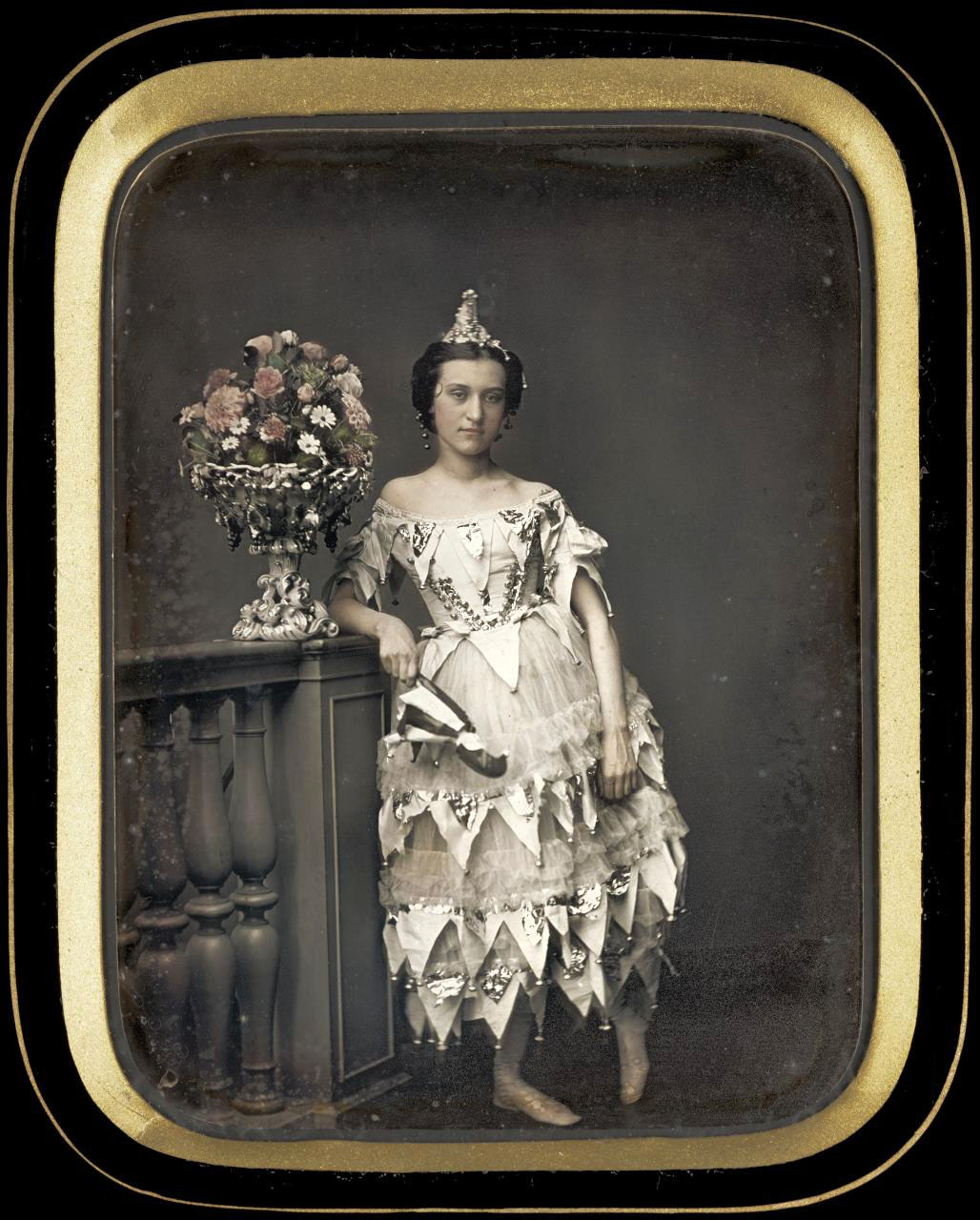

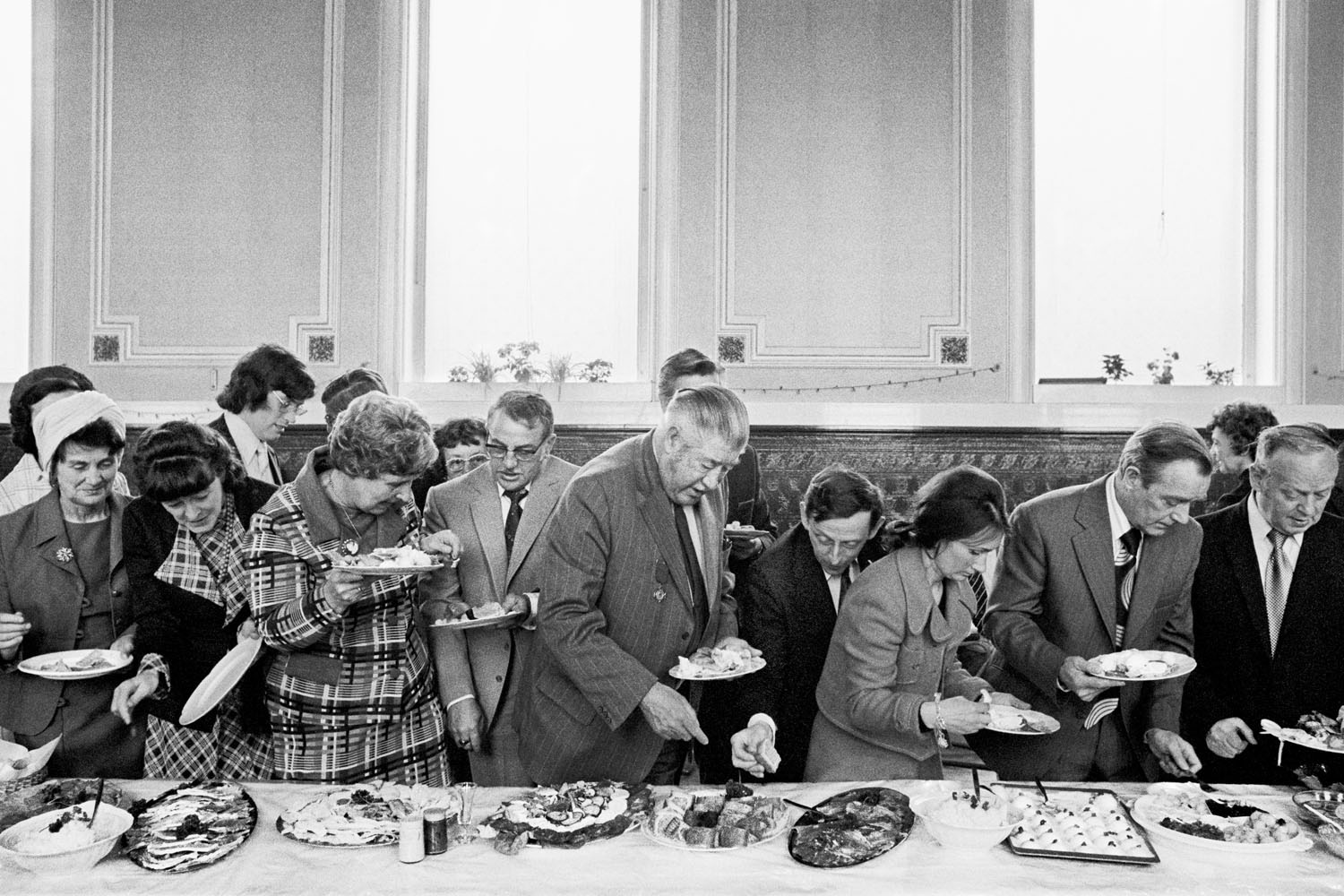

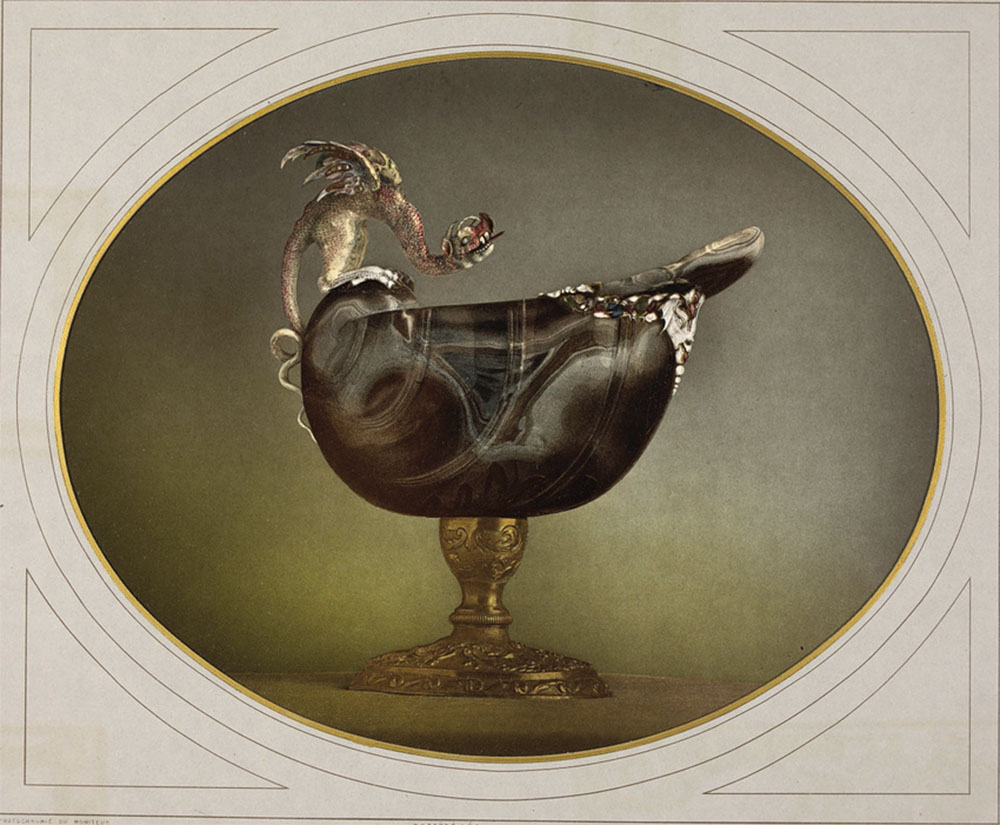


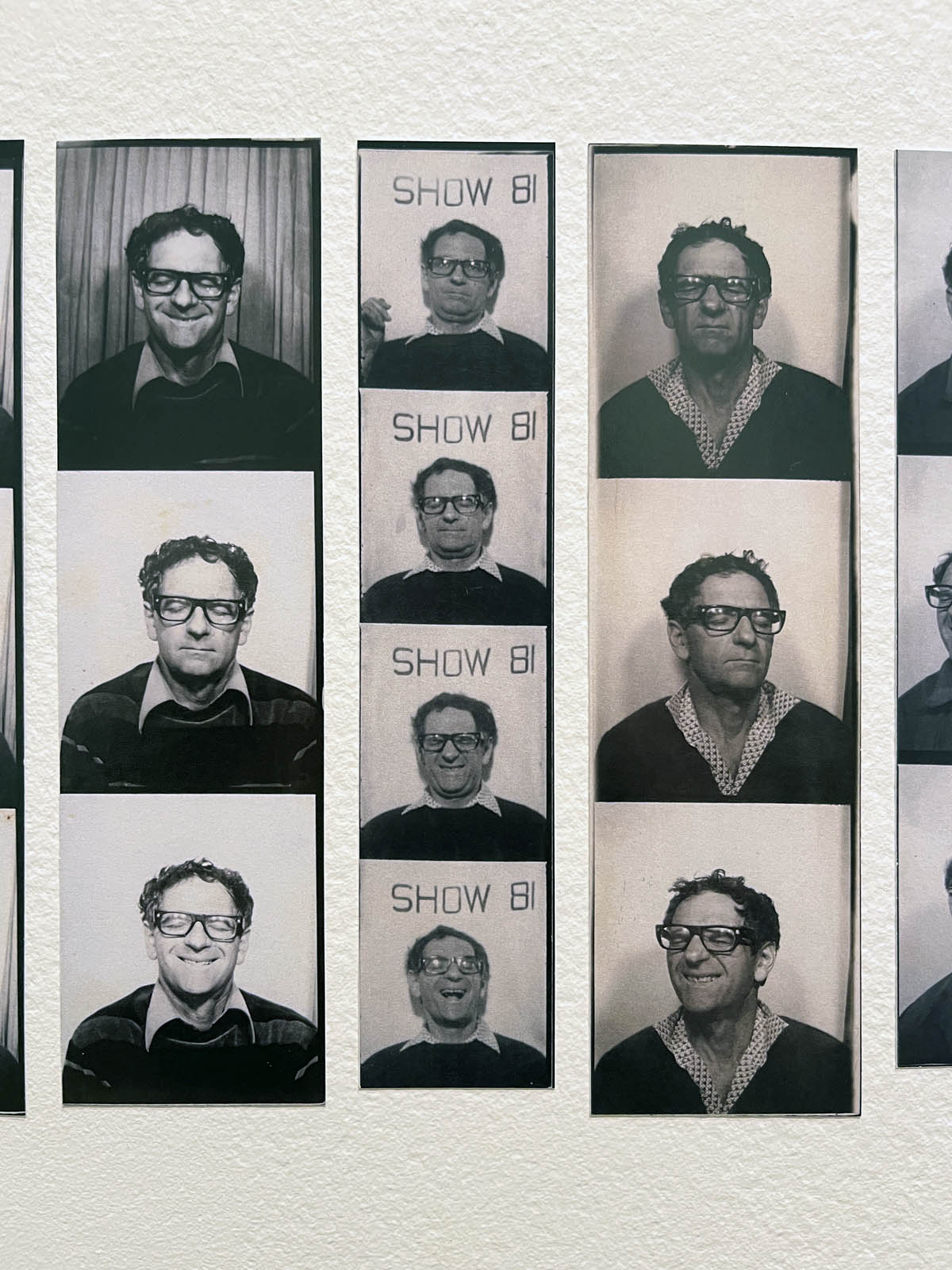
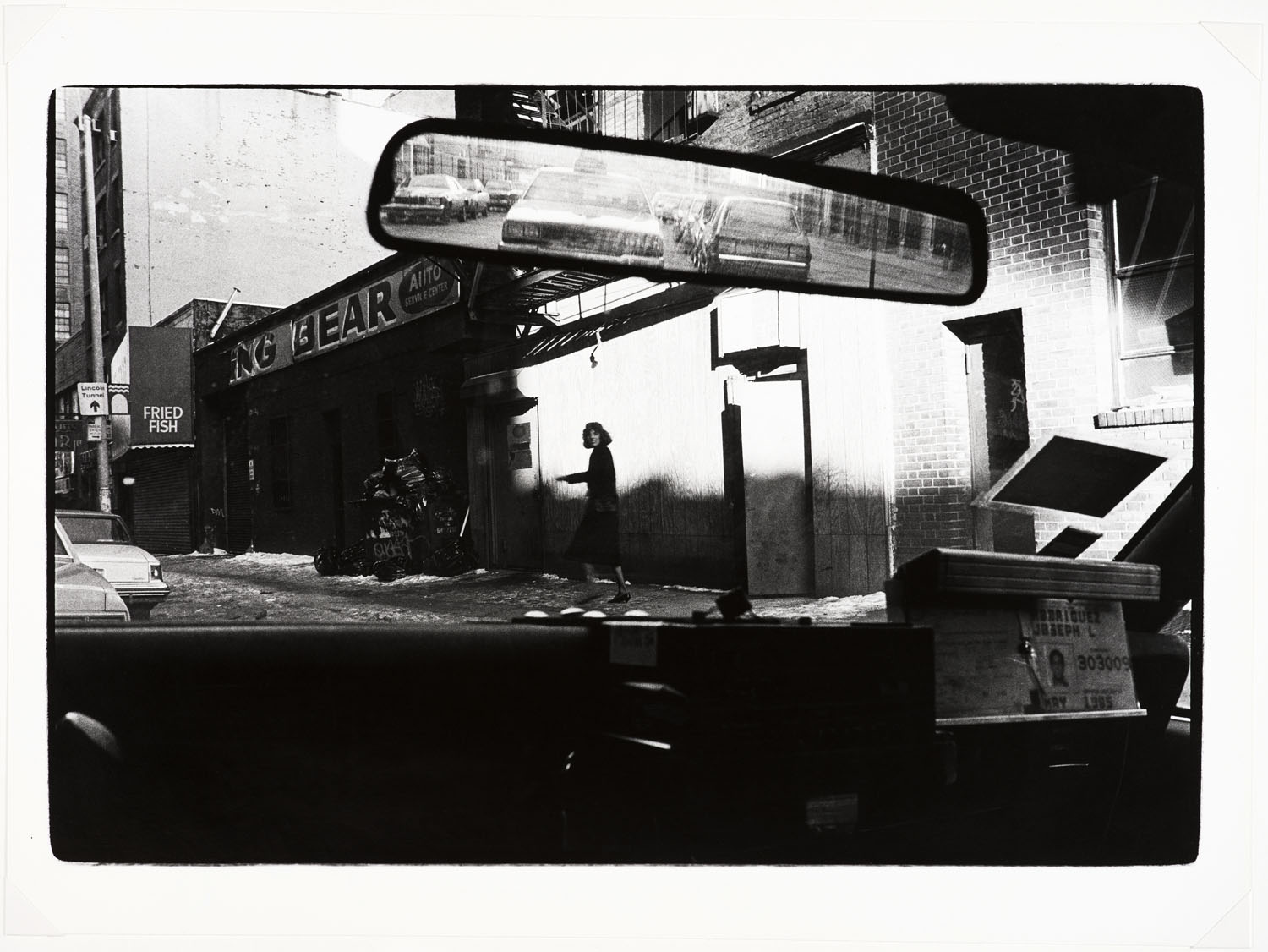

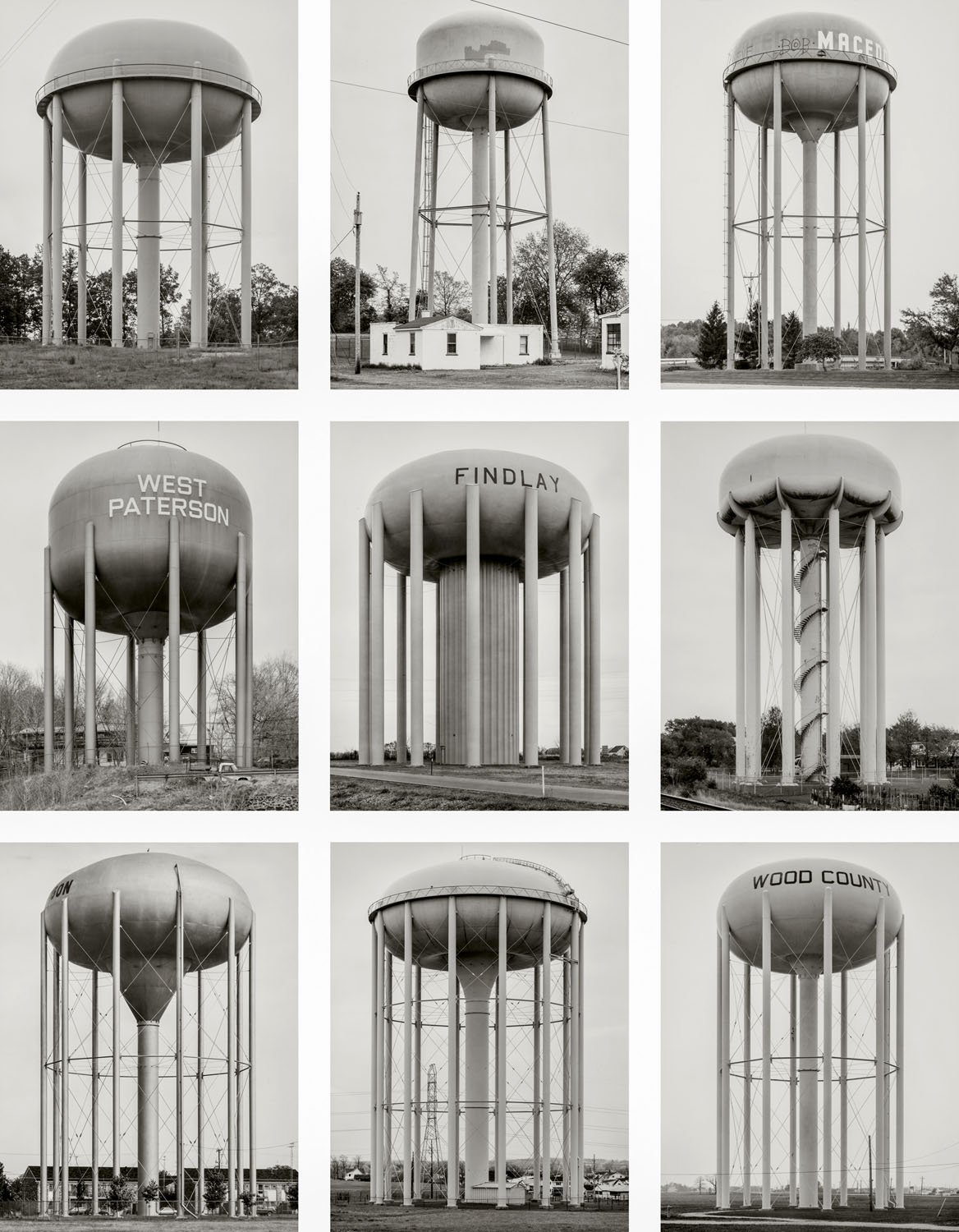
![Heinrich Riebesehl (German, 1938-2010) 'Menschen Im Fahrstuhl, 20.11.1969' [People in the Elevator, 20.11.1969] 1969](https://artblart.com/wp-content/uploads/2025/06/2-typologien_heinrich-riebesehl_siae_sm.jpg "Heinrich Riebesehl (German, 1938-2010) 'Menschen Im Fahrstuhl, 20.11.1969' [People in the Elevator, 20.11.1969] 1969")
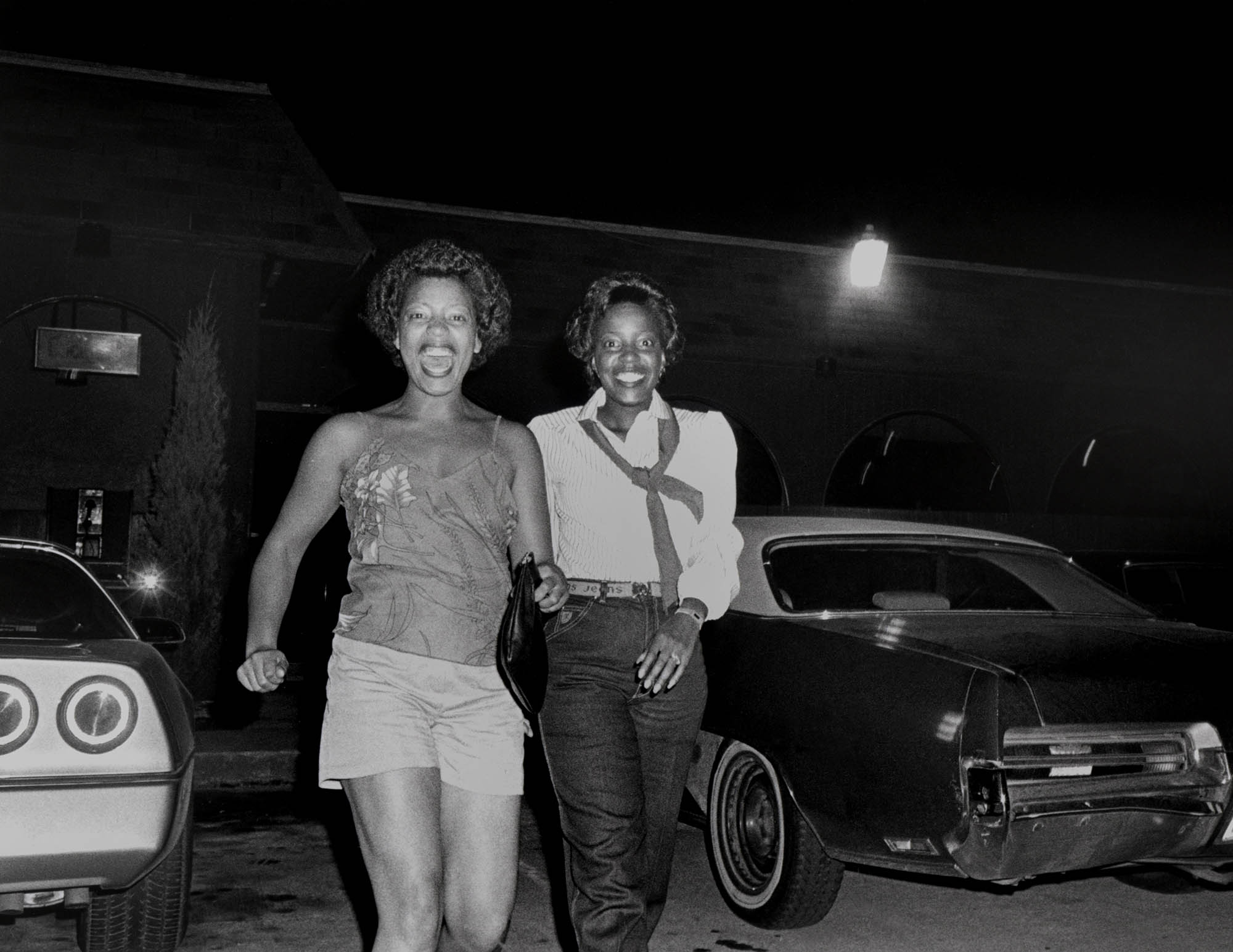
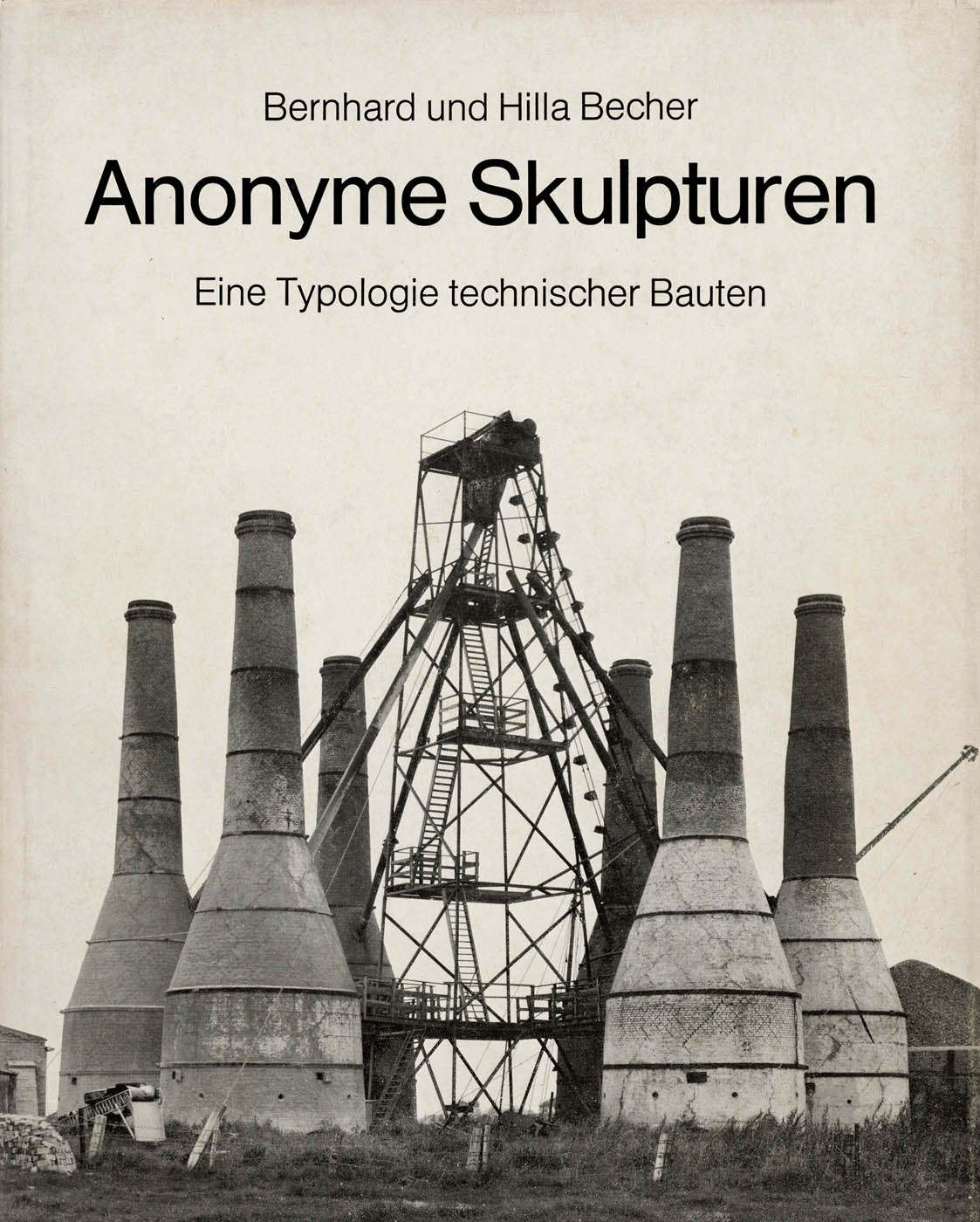
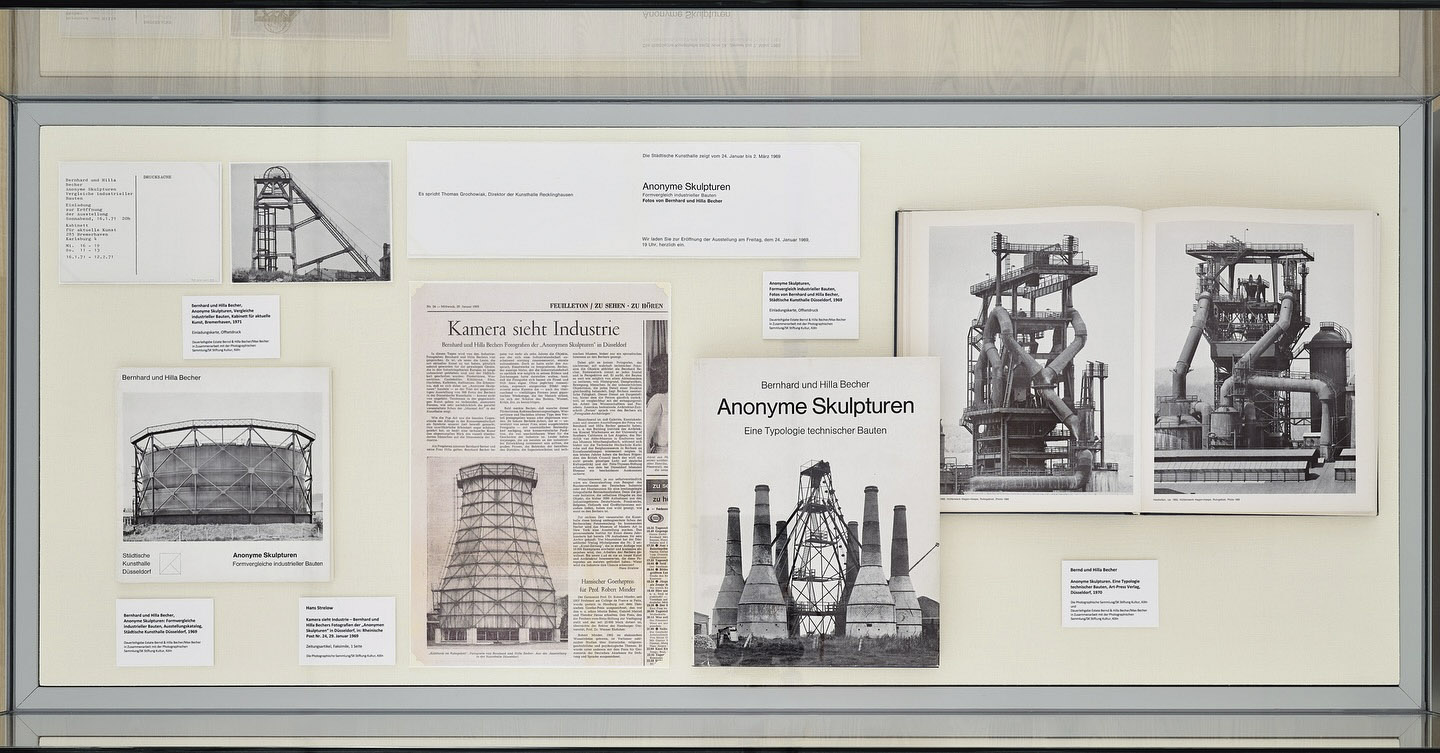
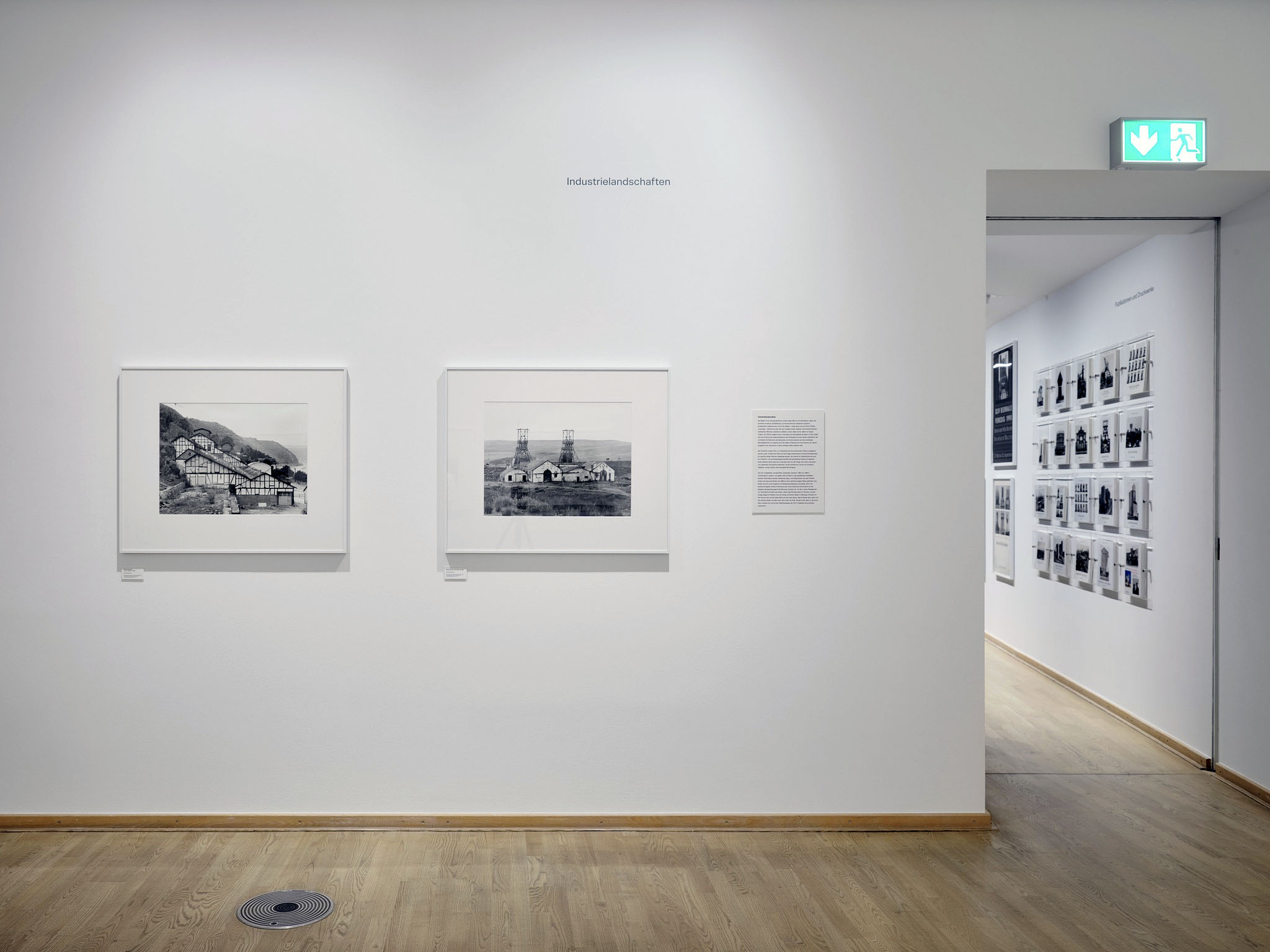
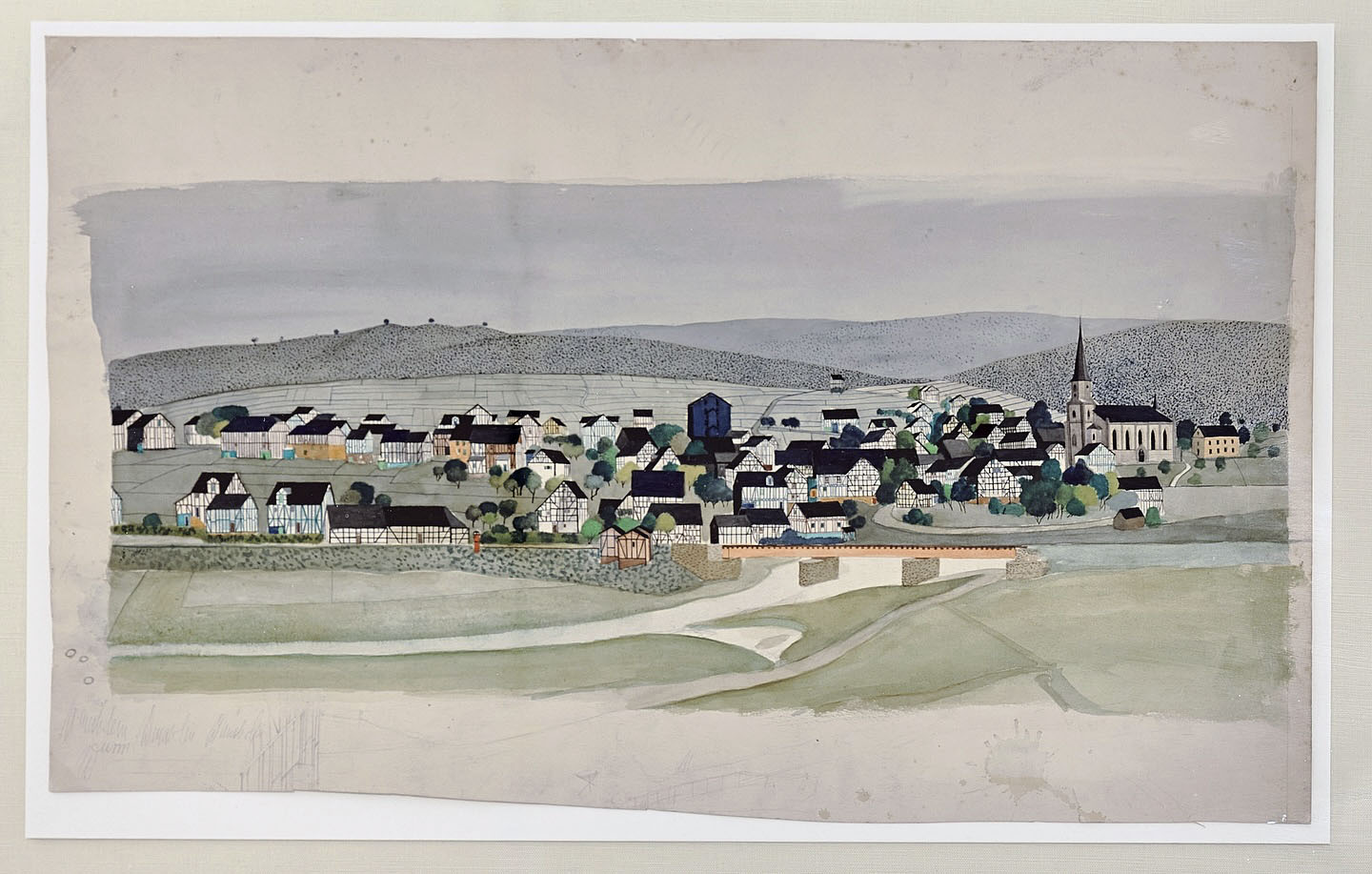
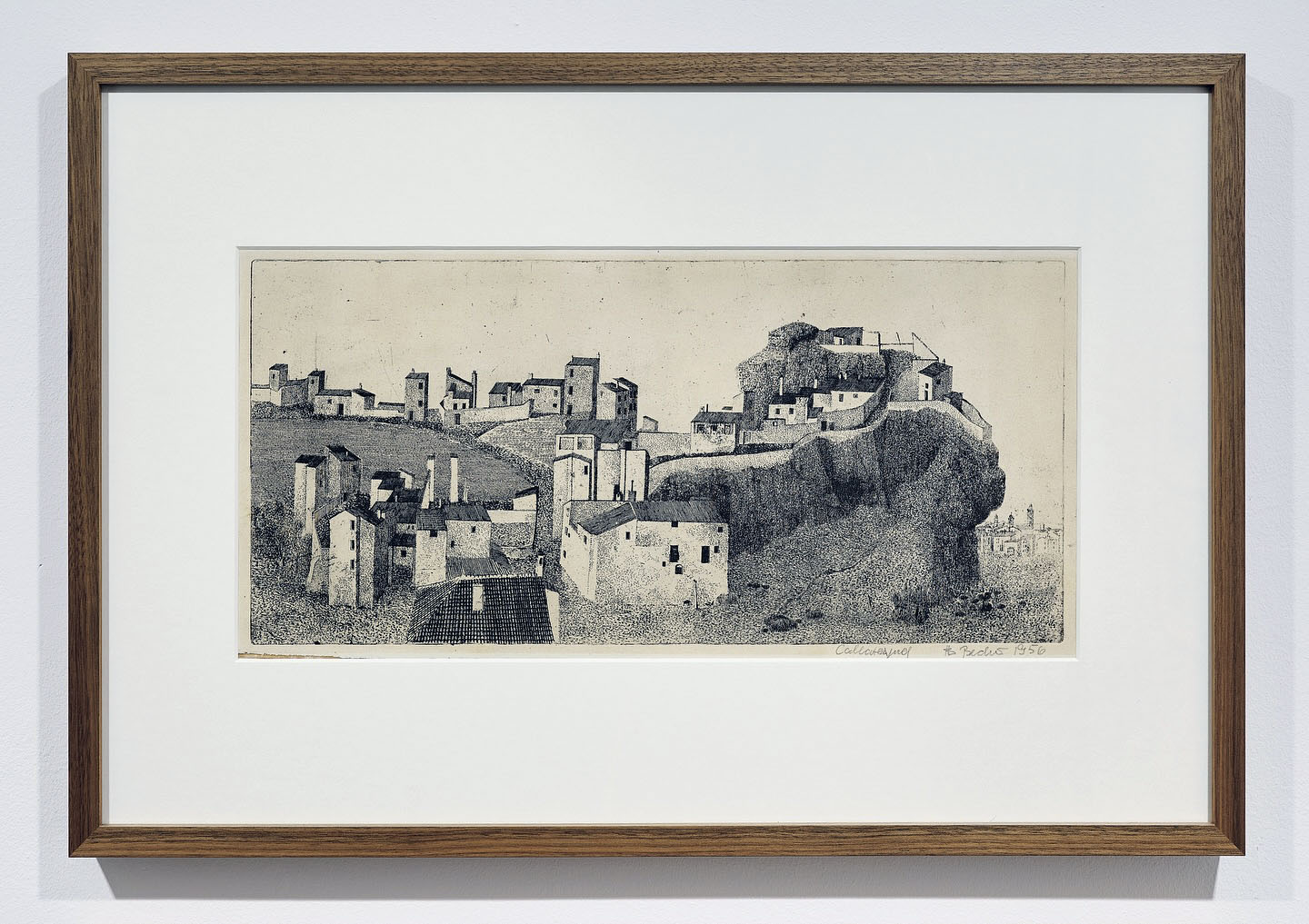
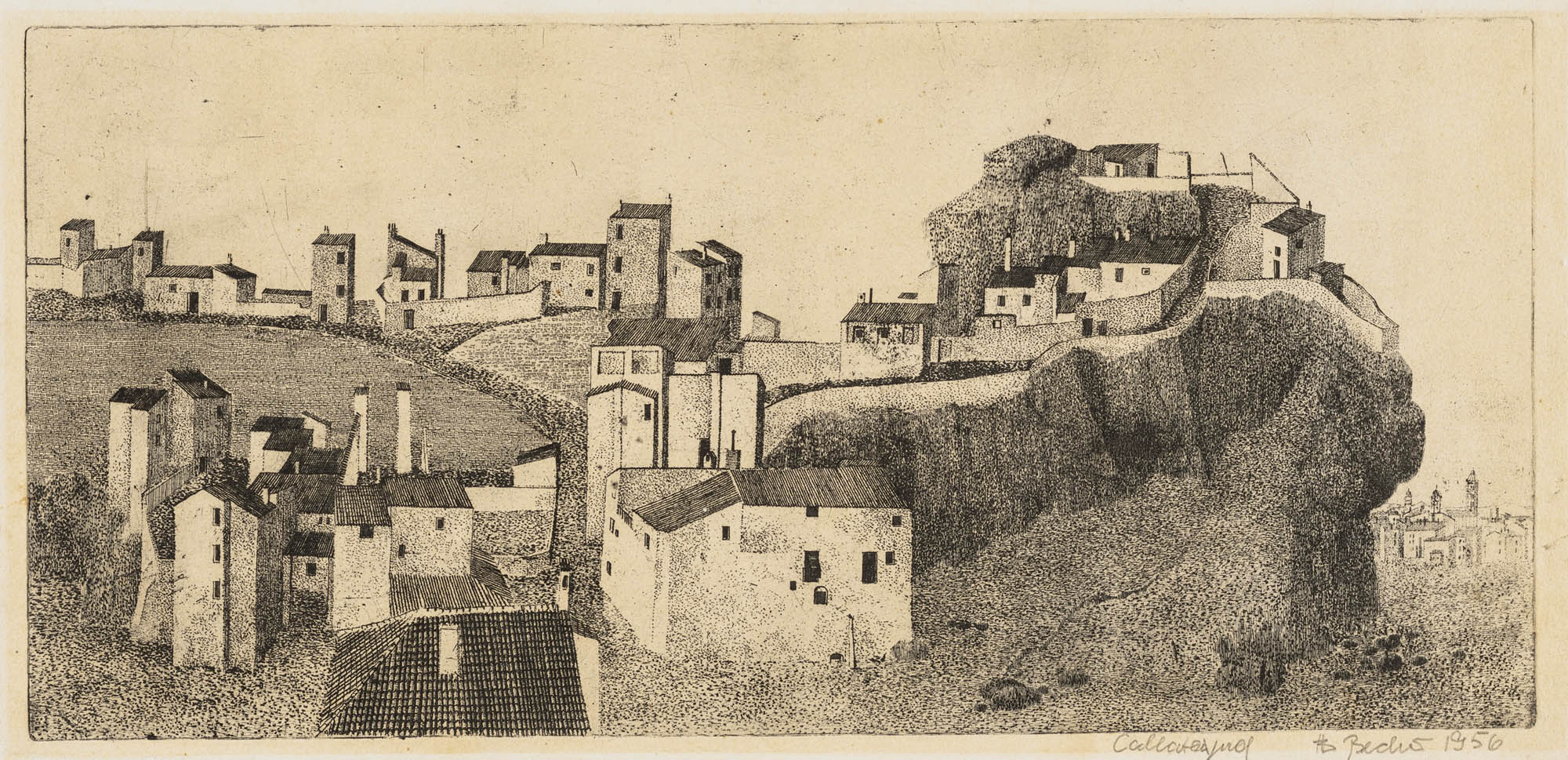
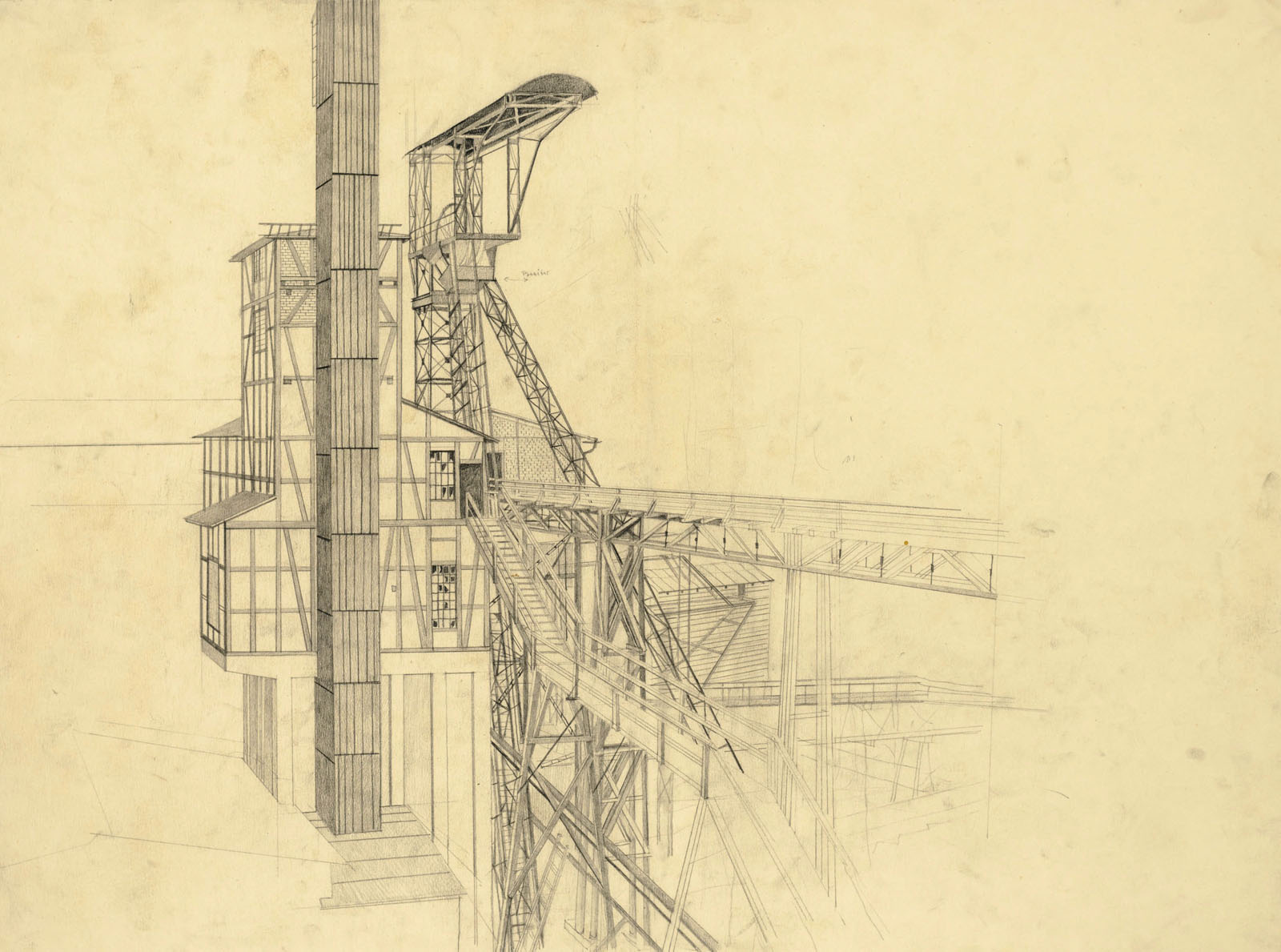
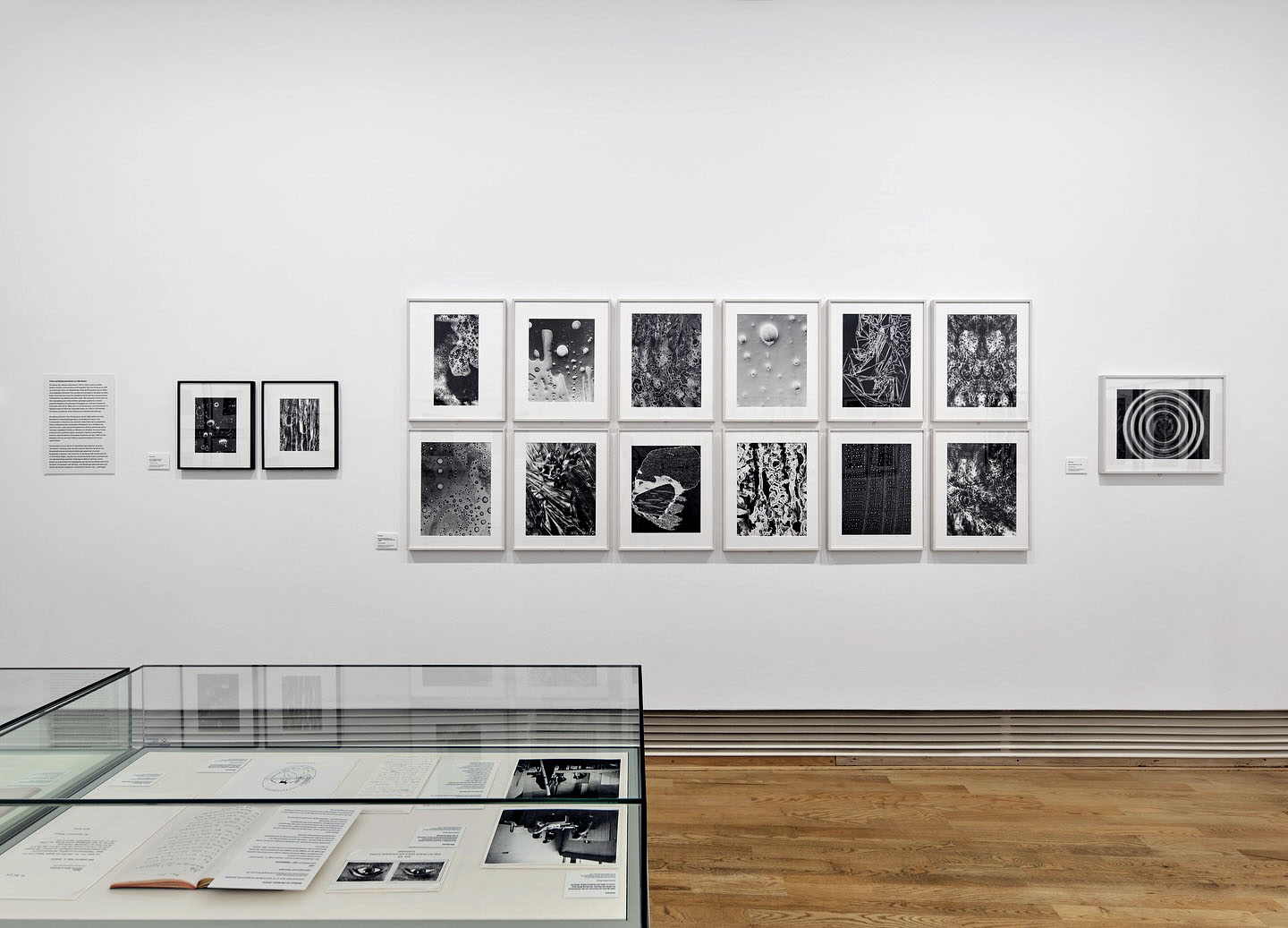
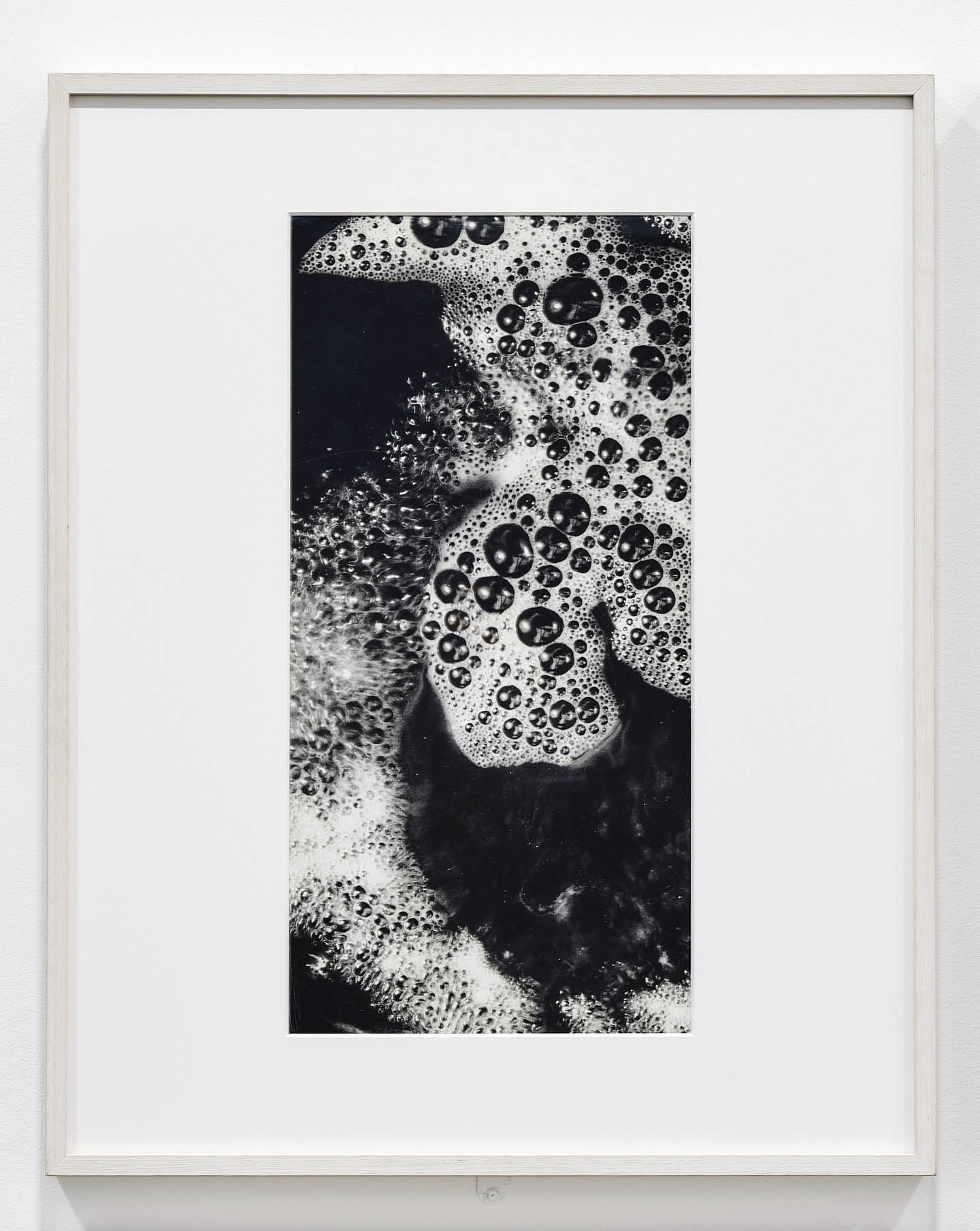
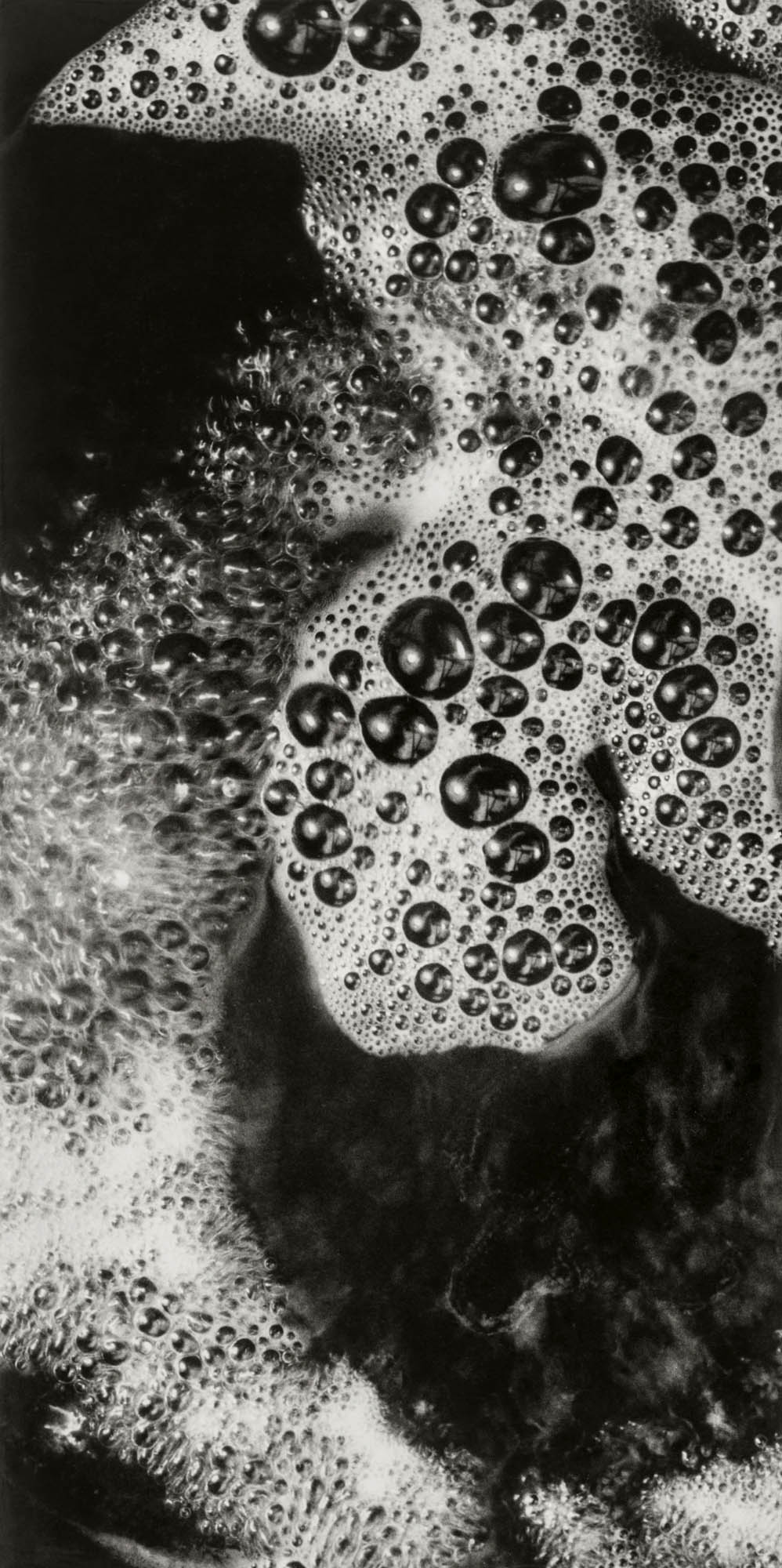
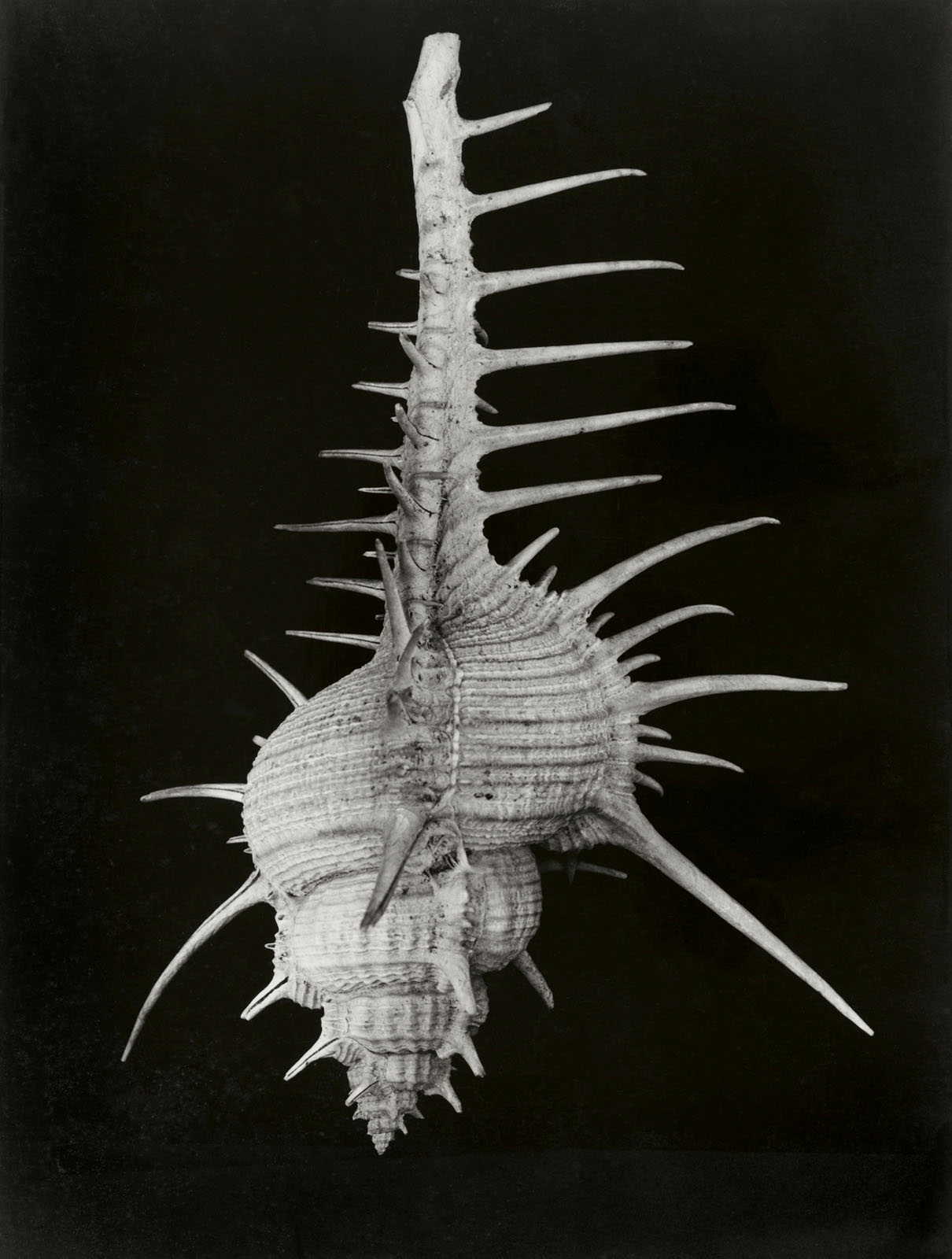
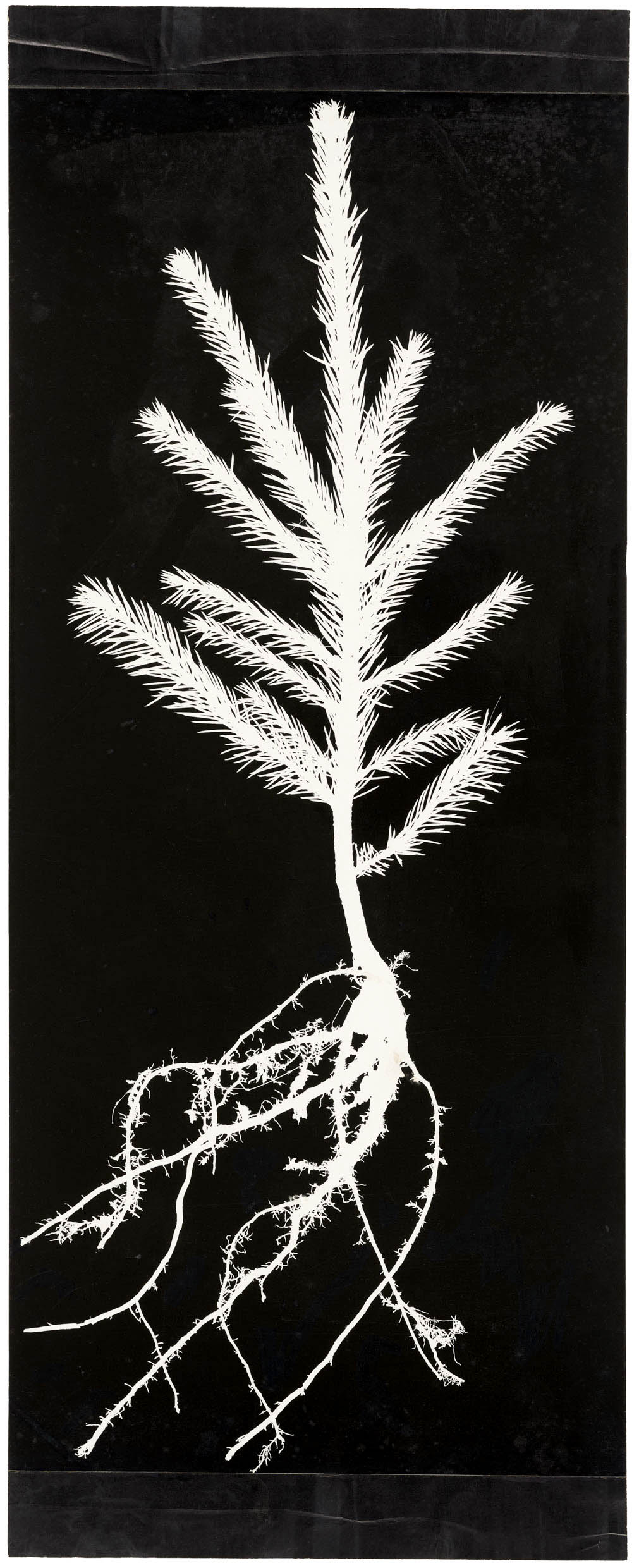
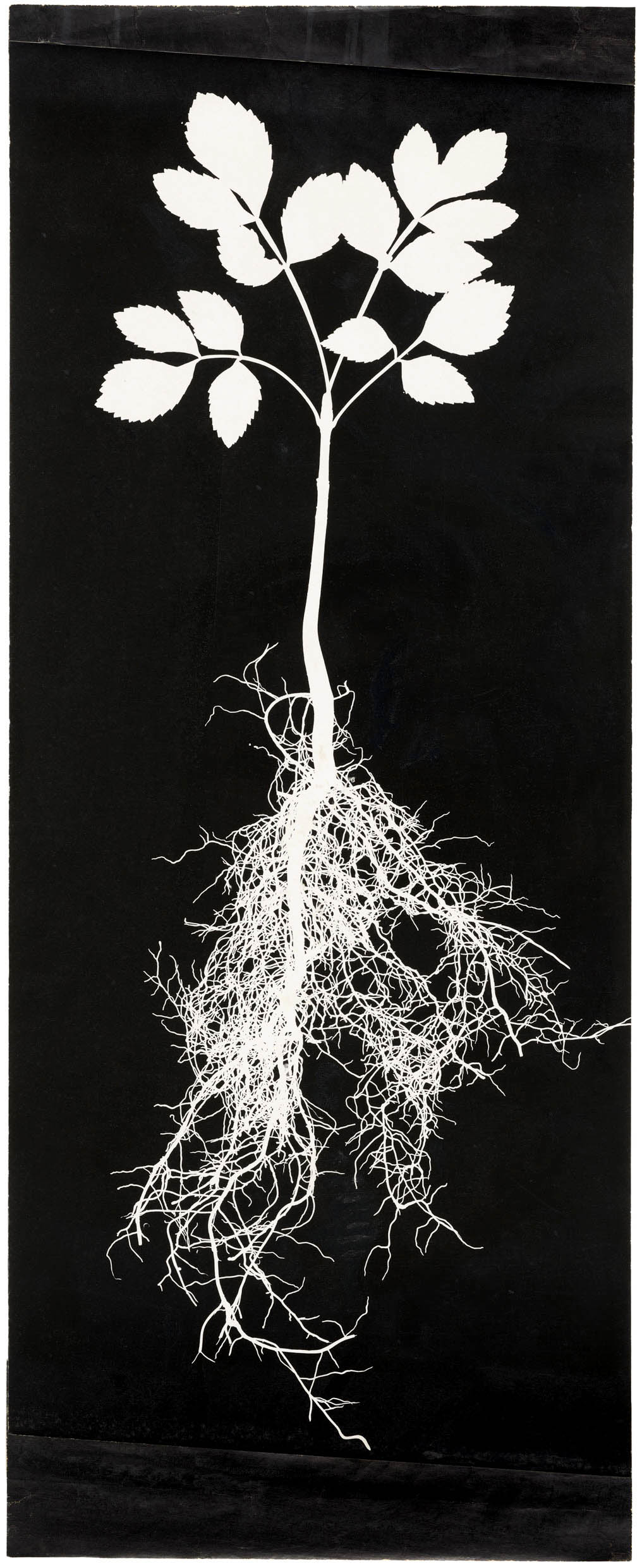
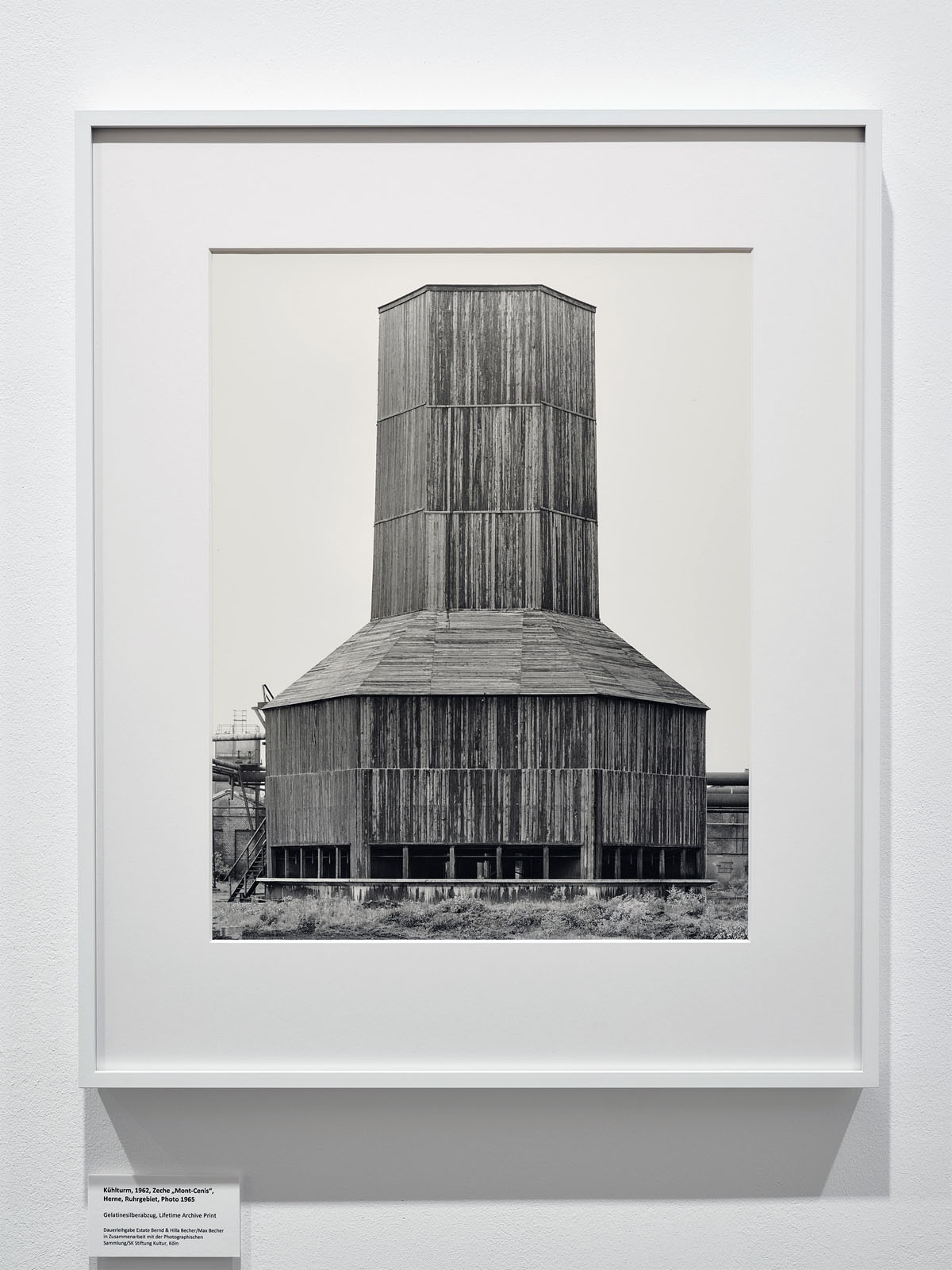
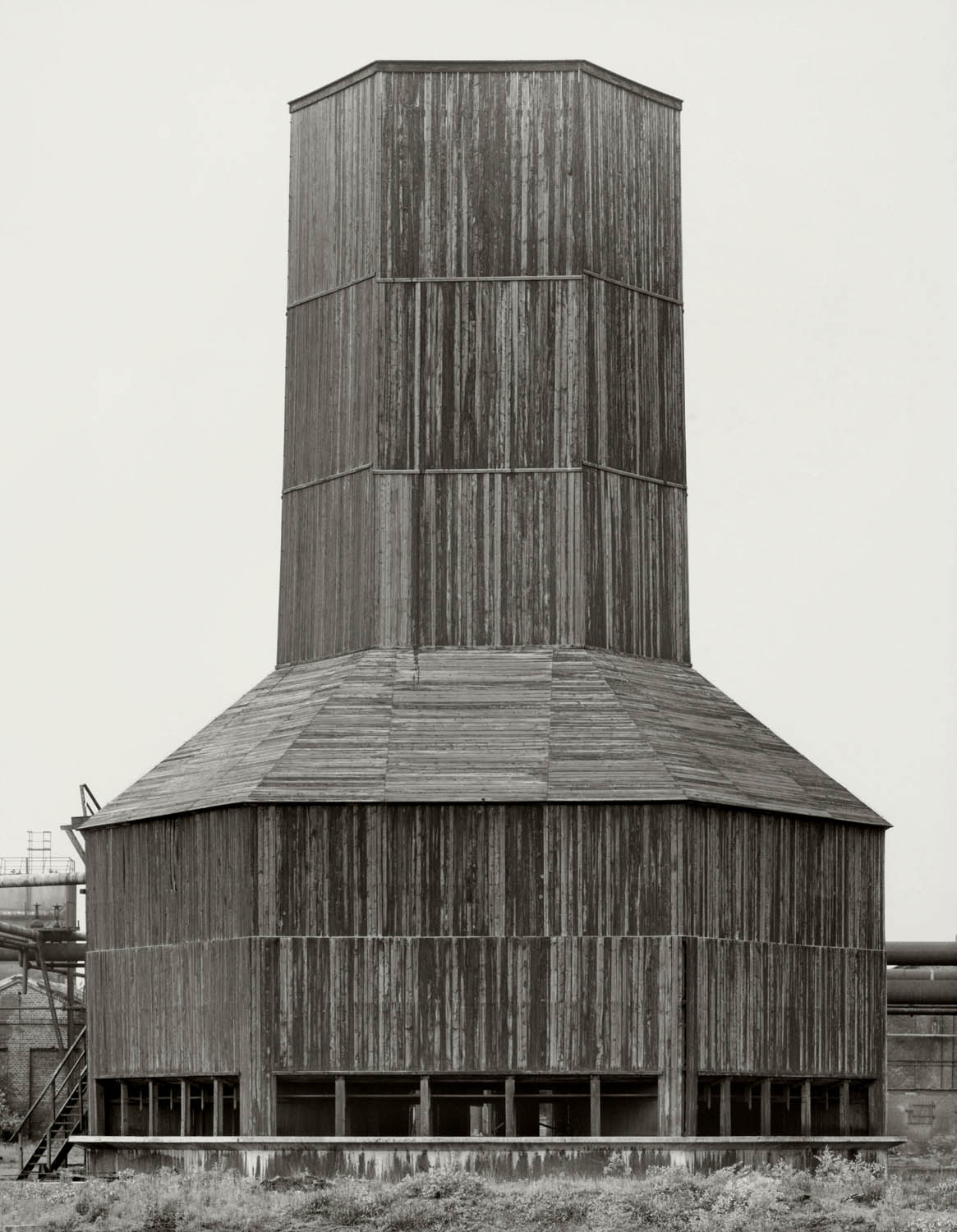
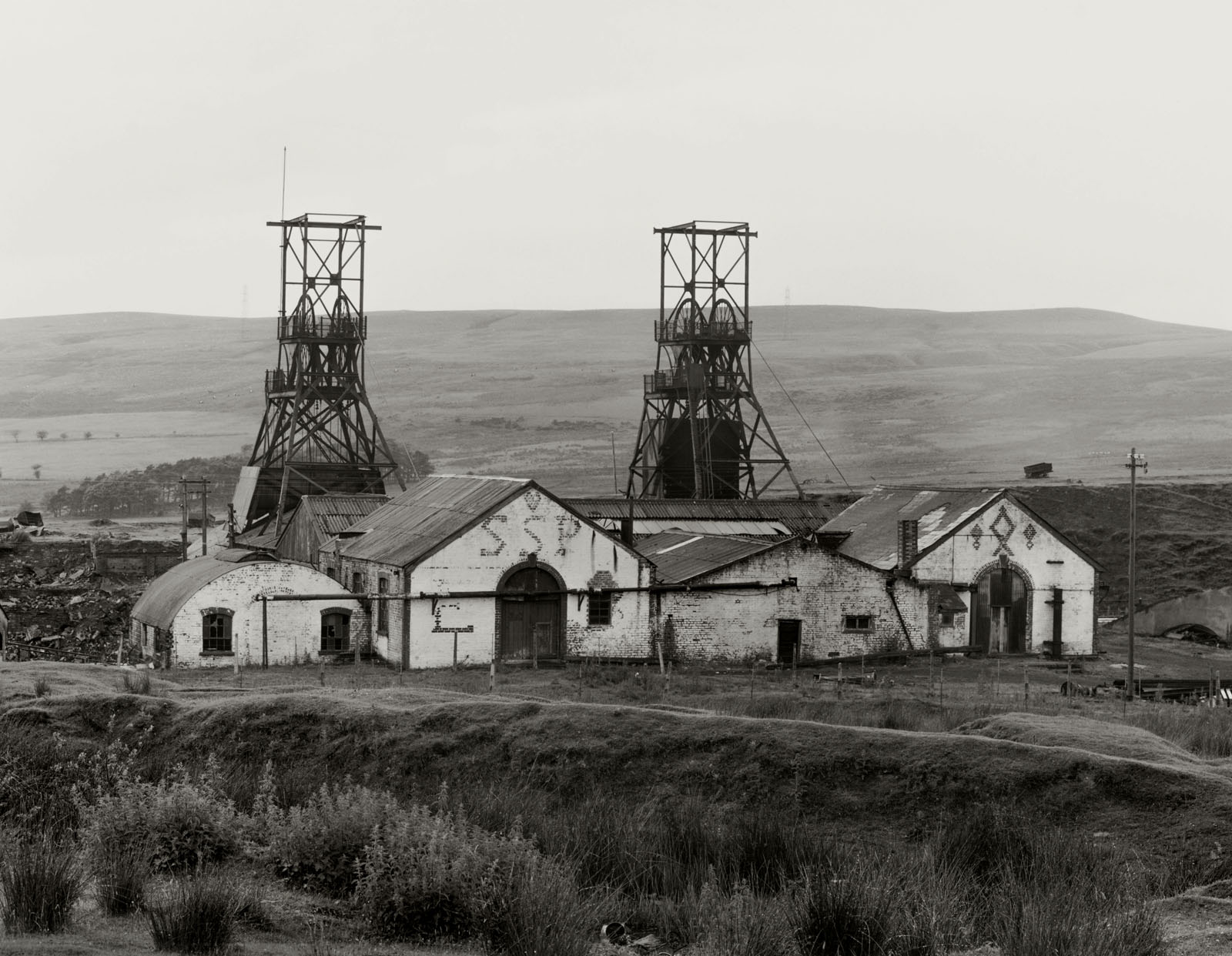
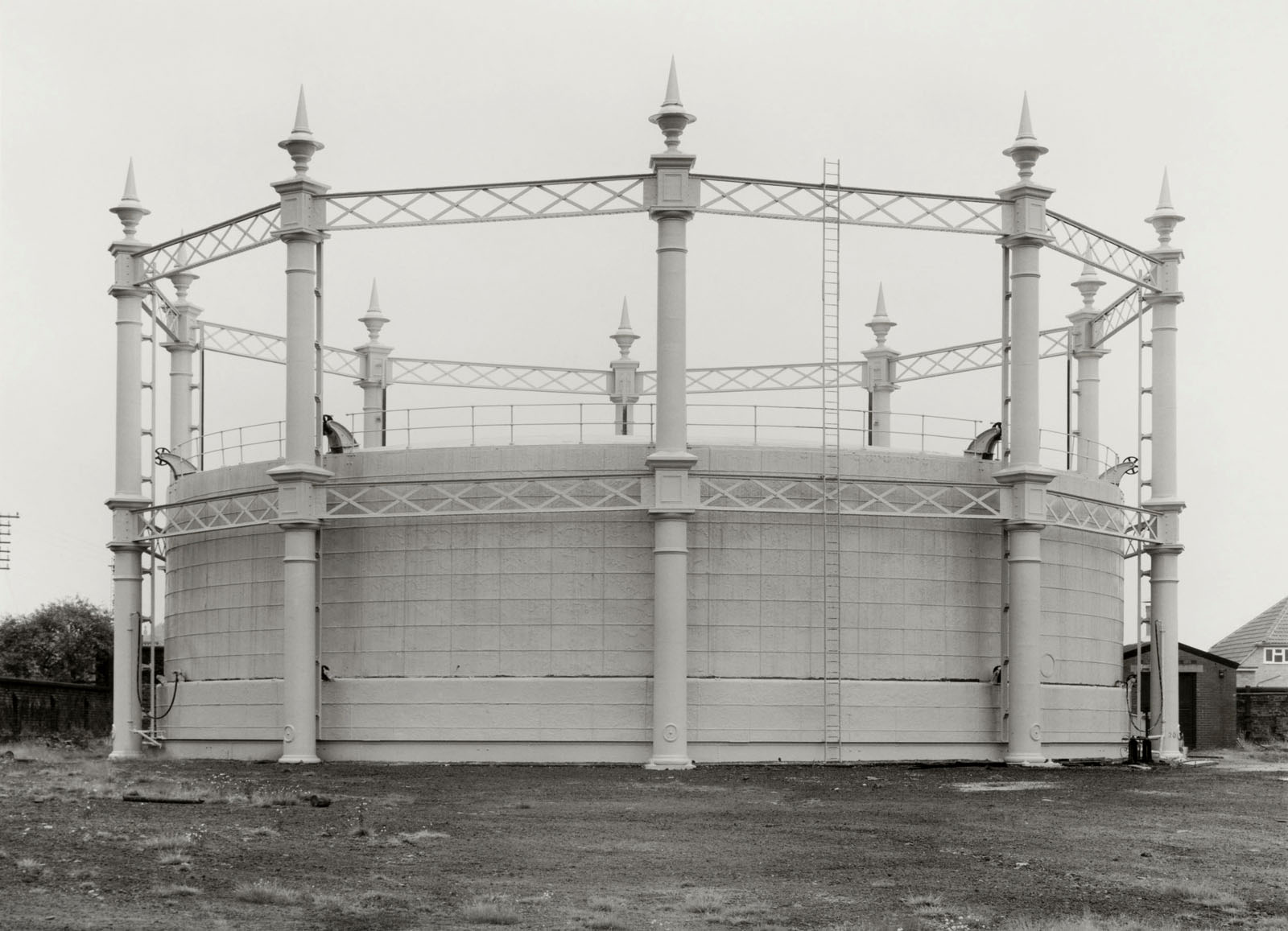
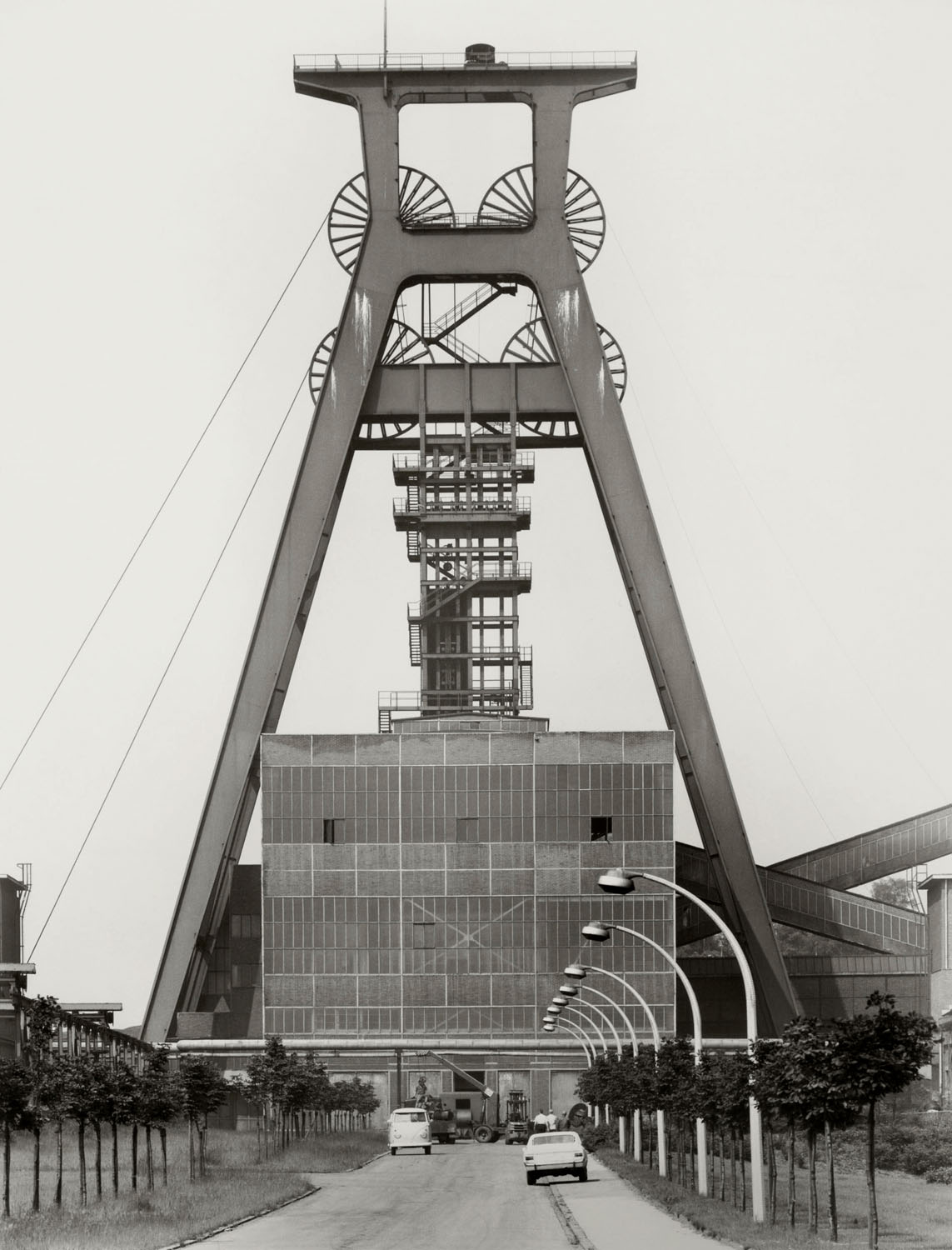

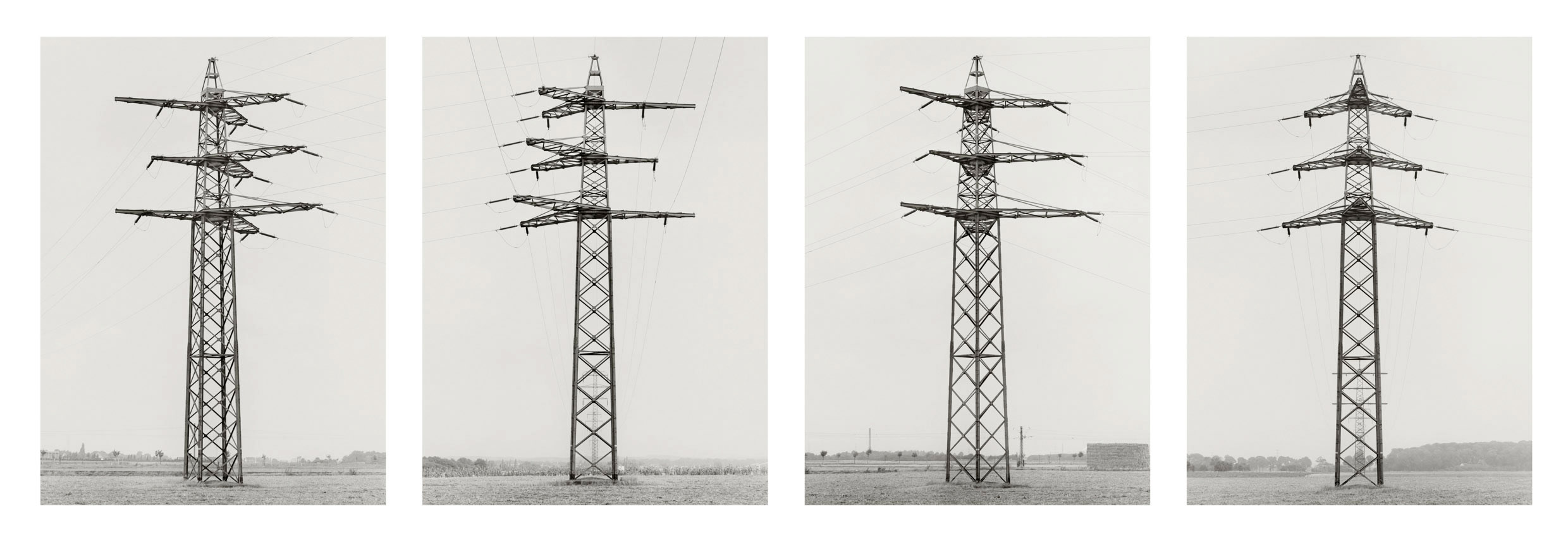
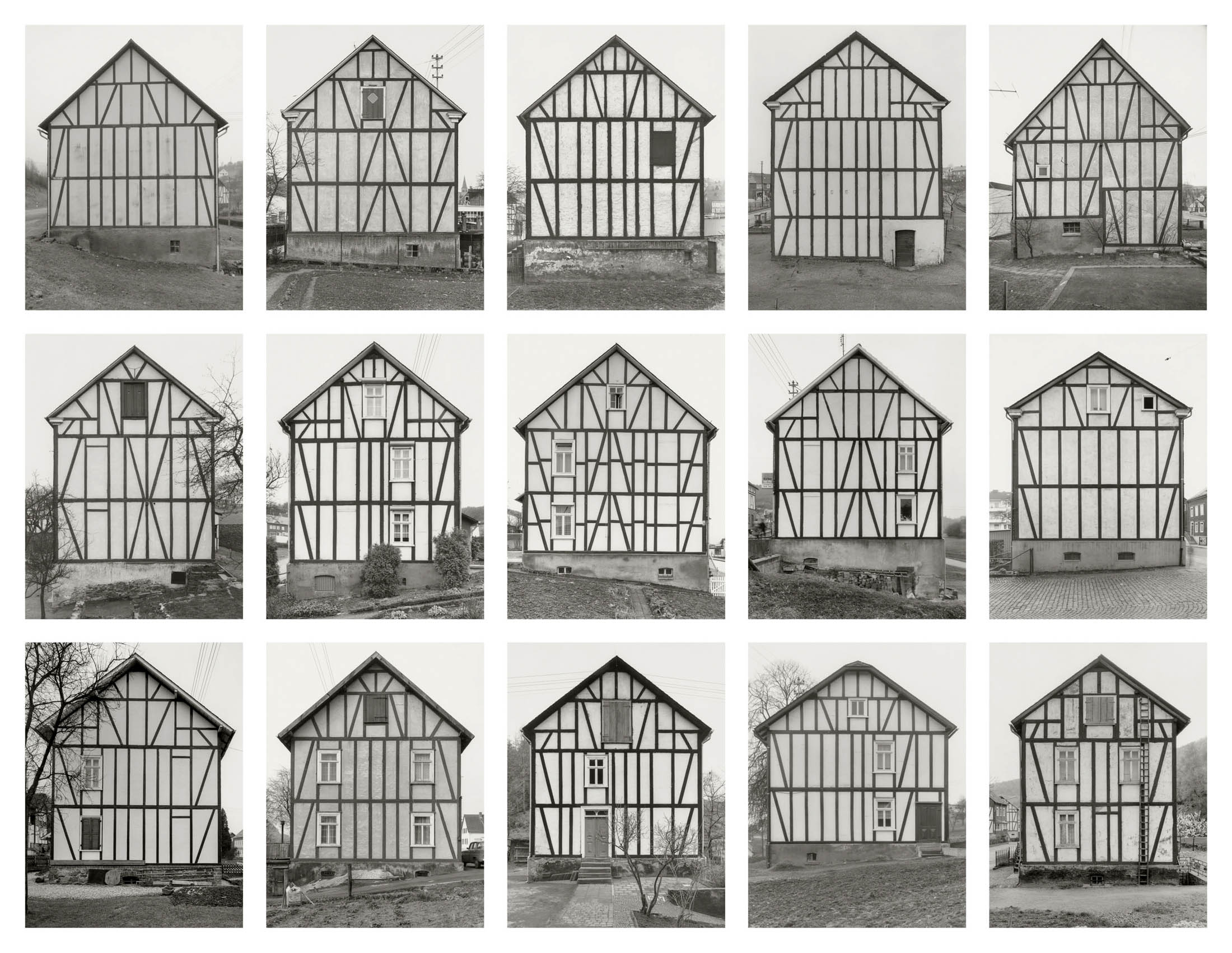
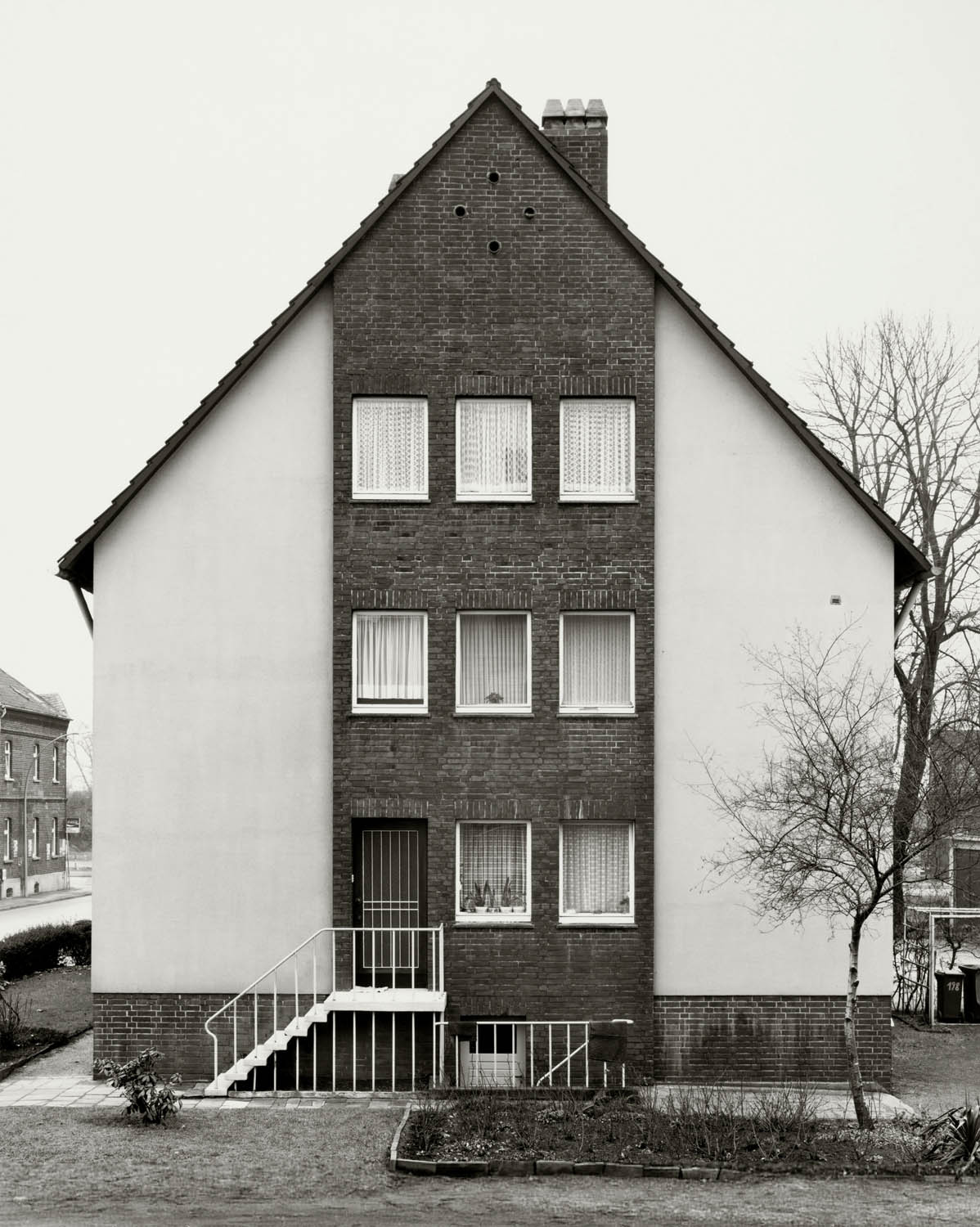
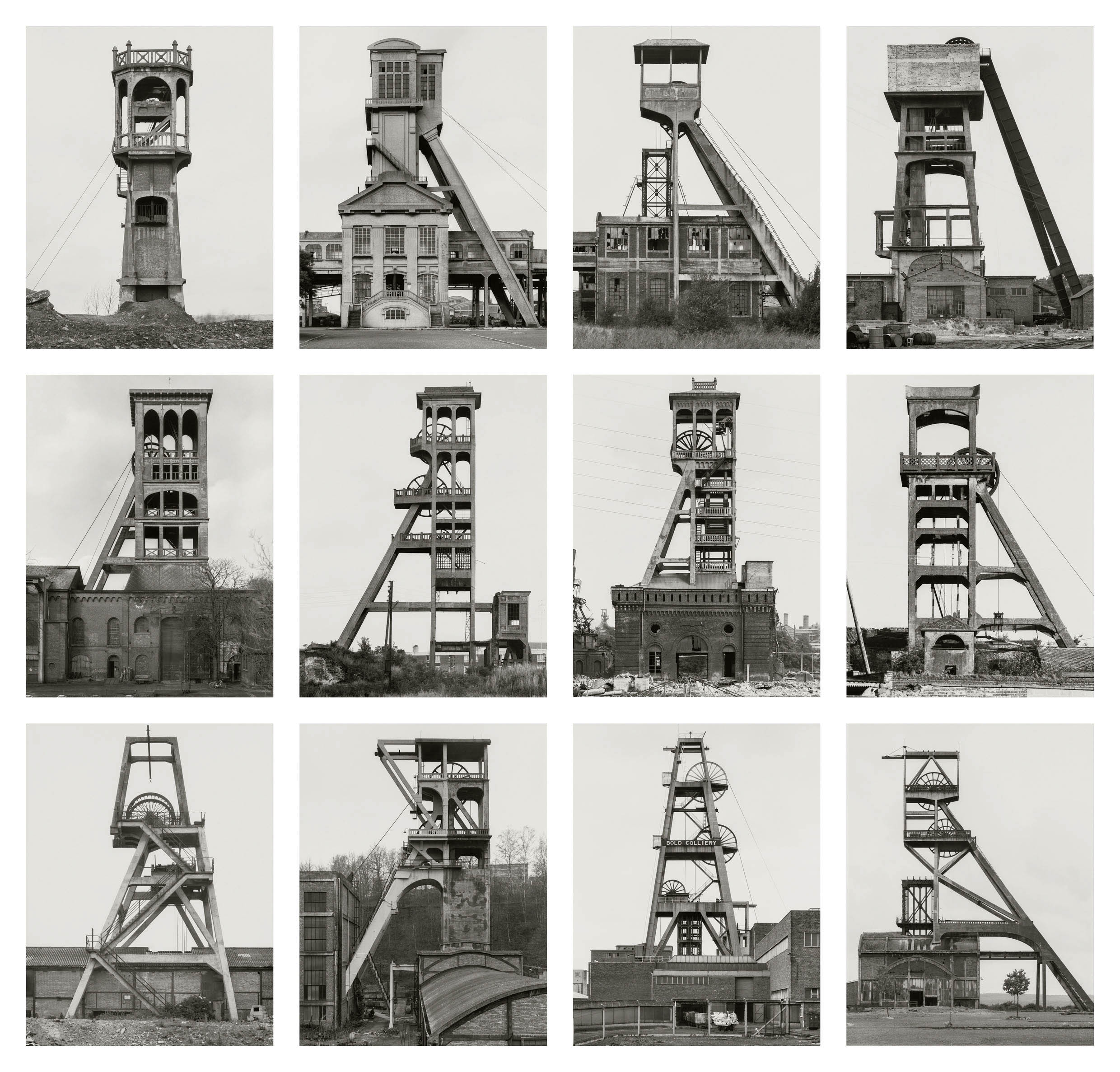
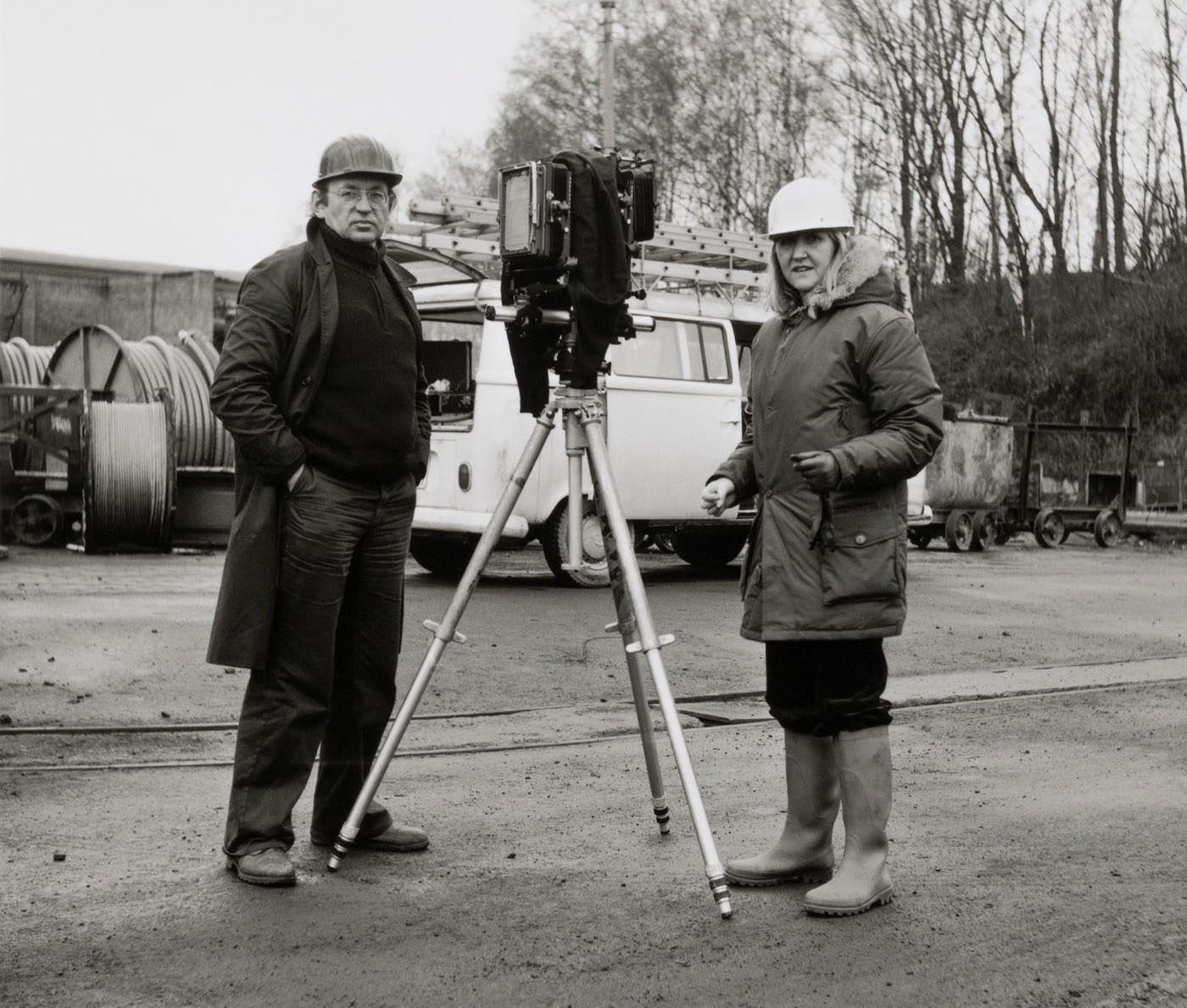
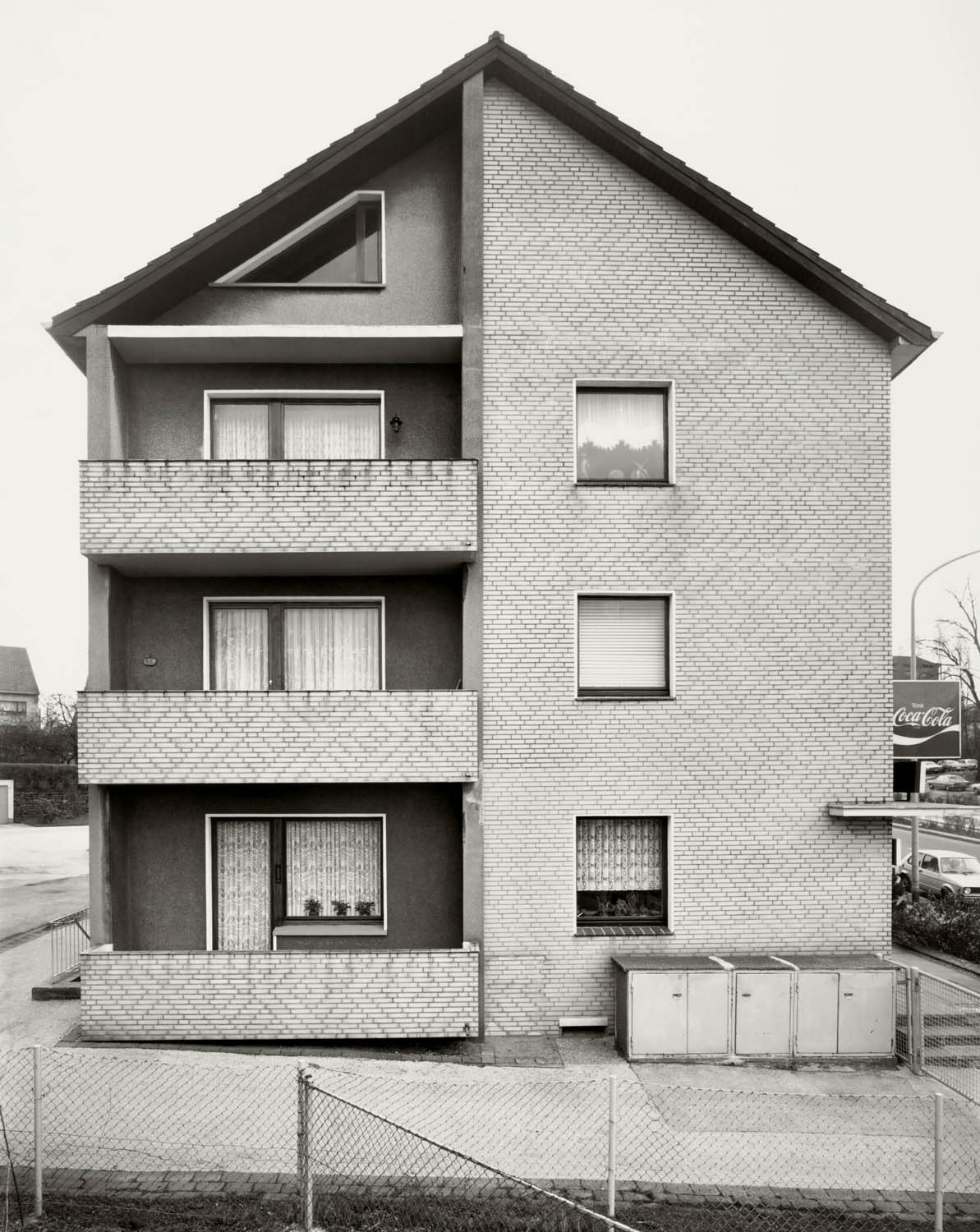
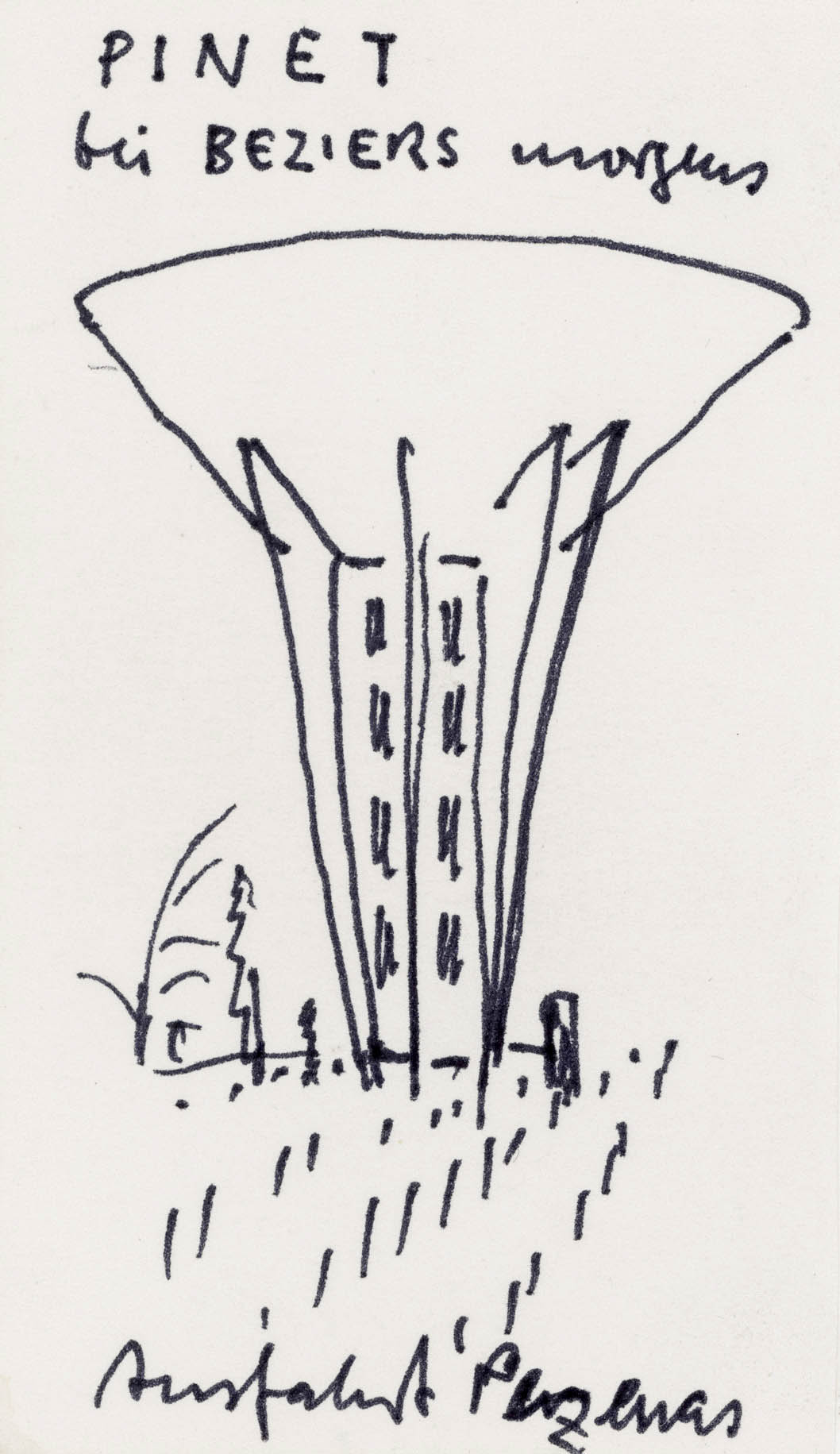
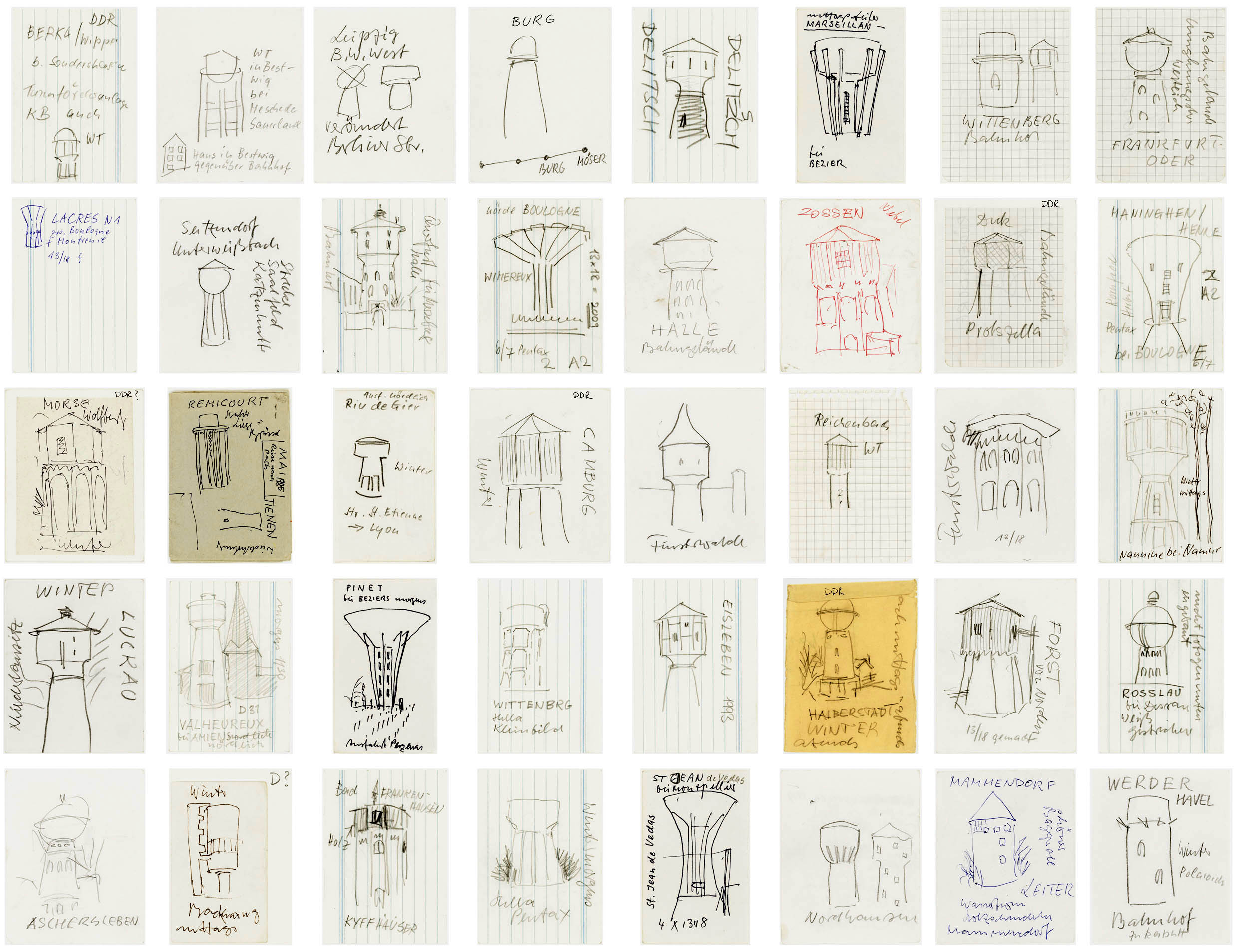

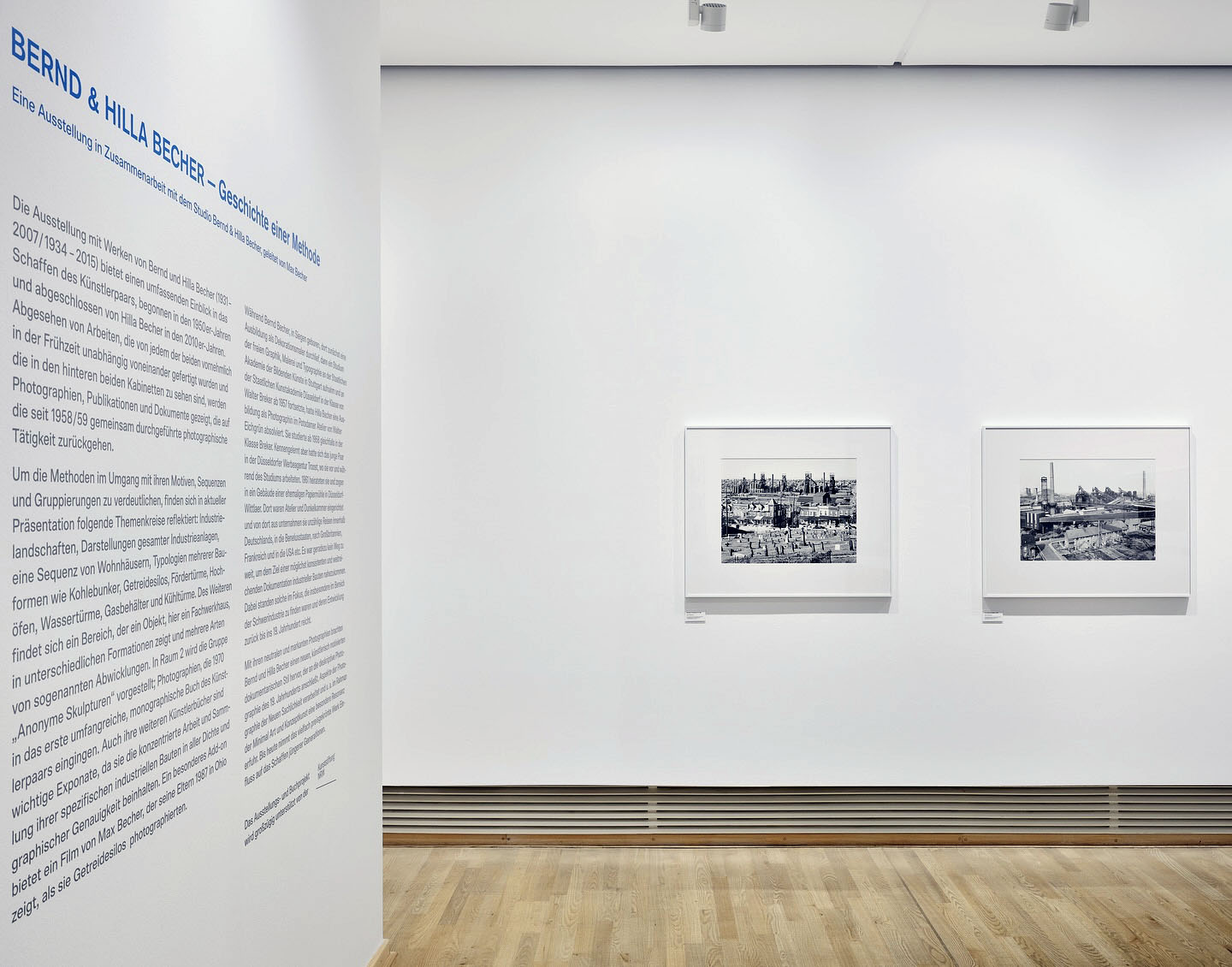
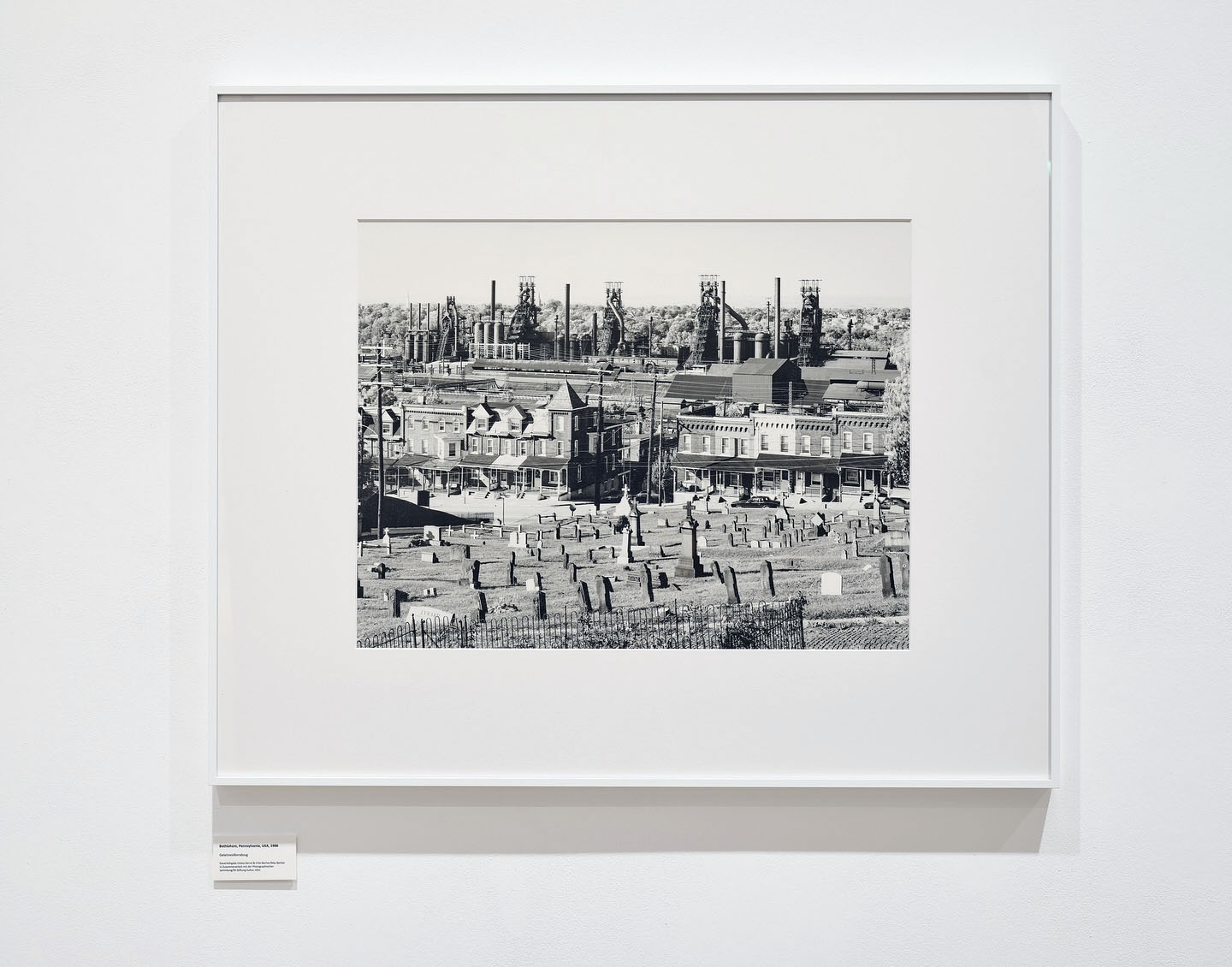
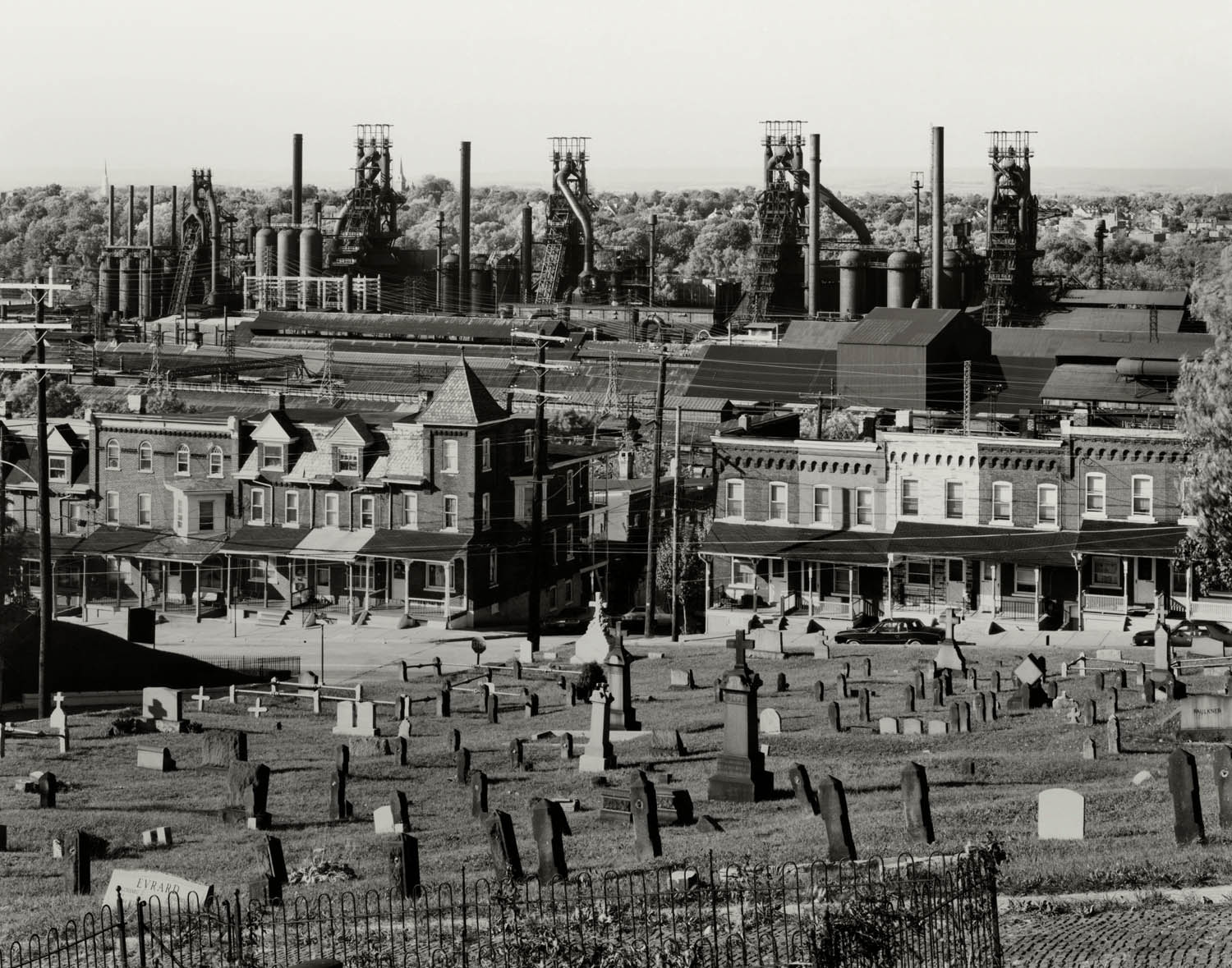
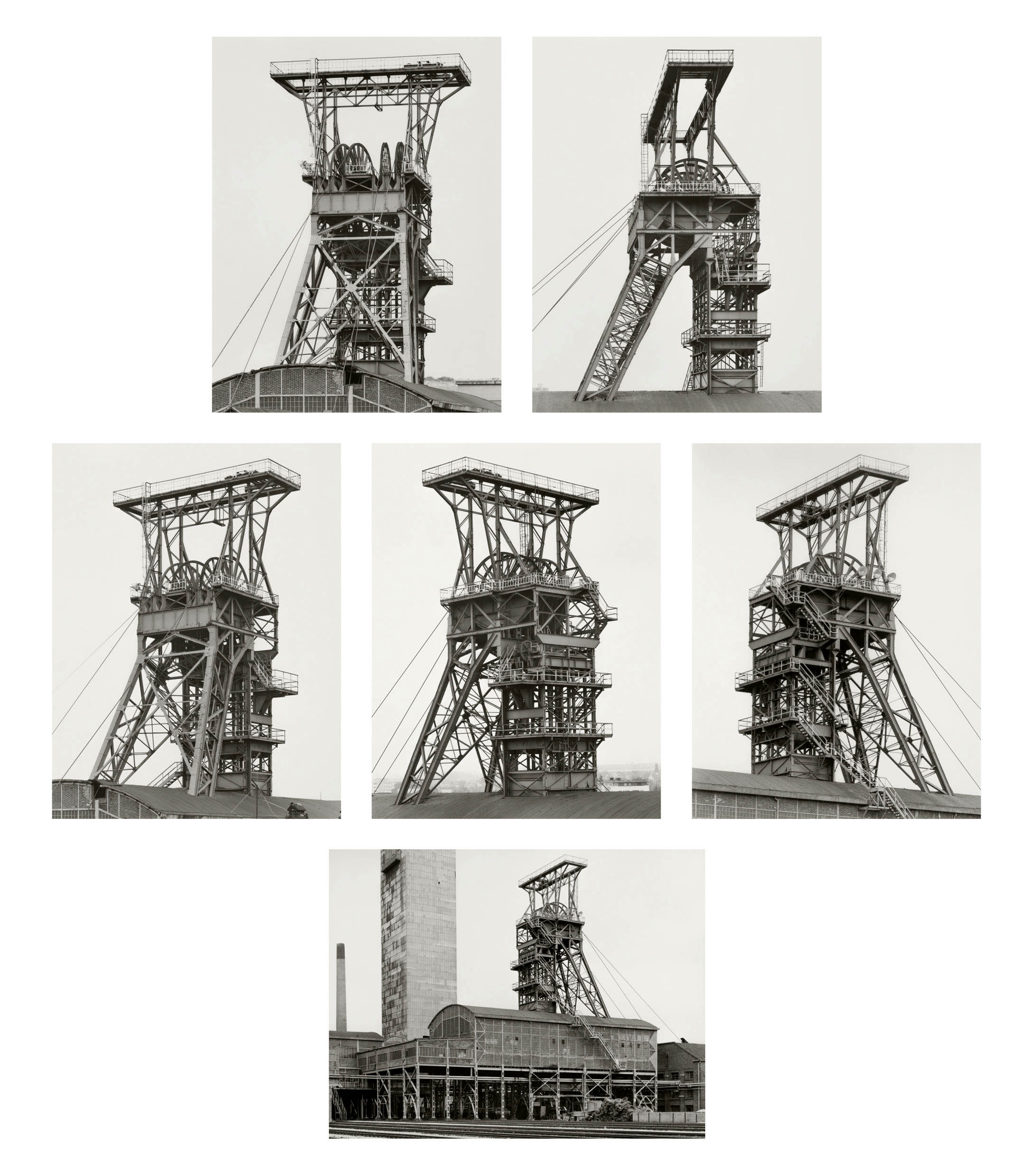
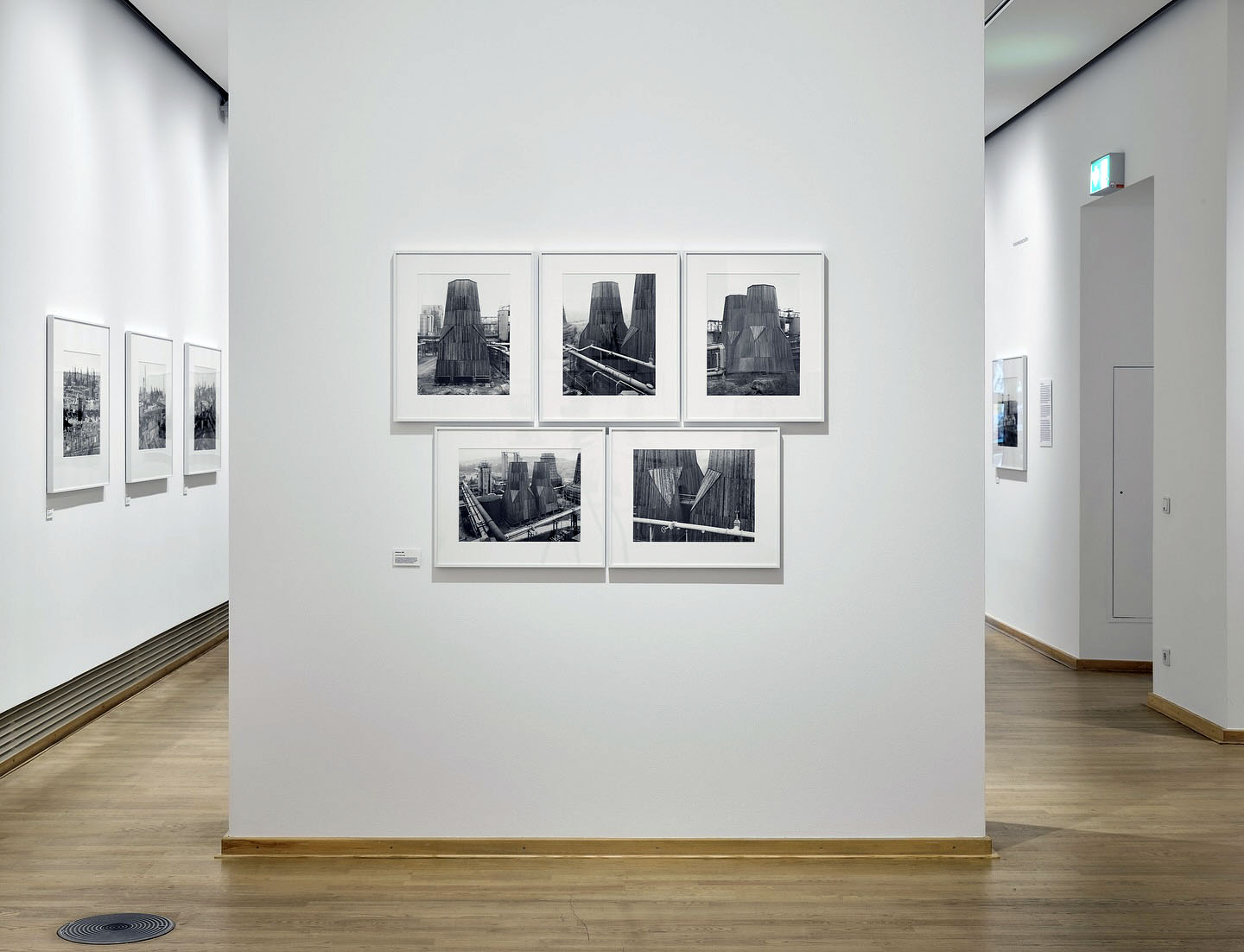
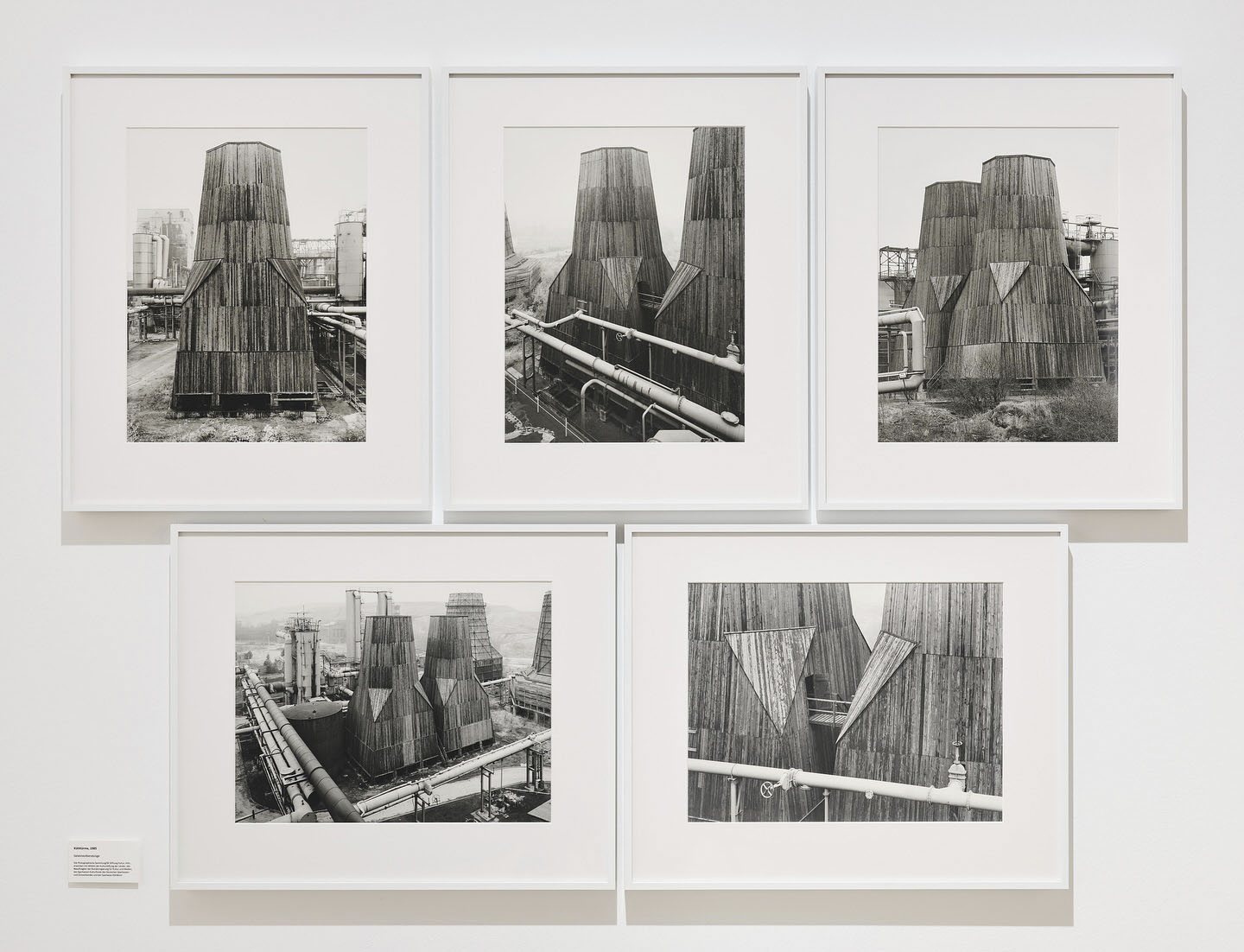

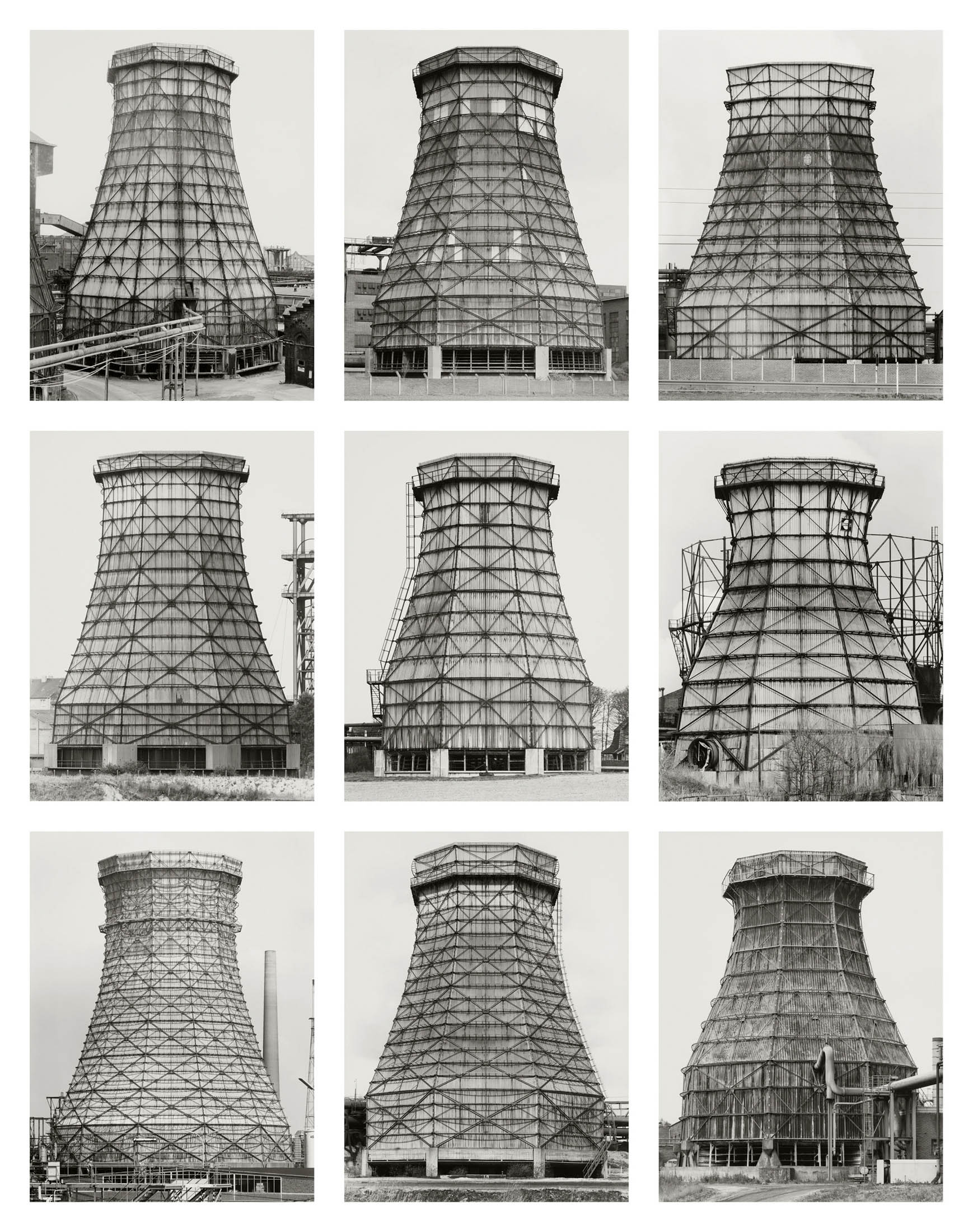
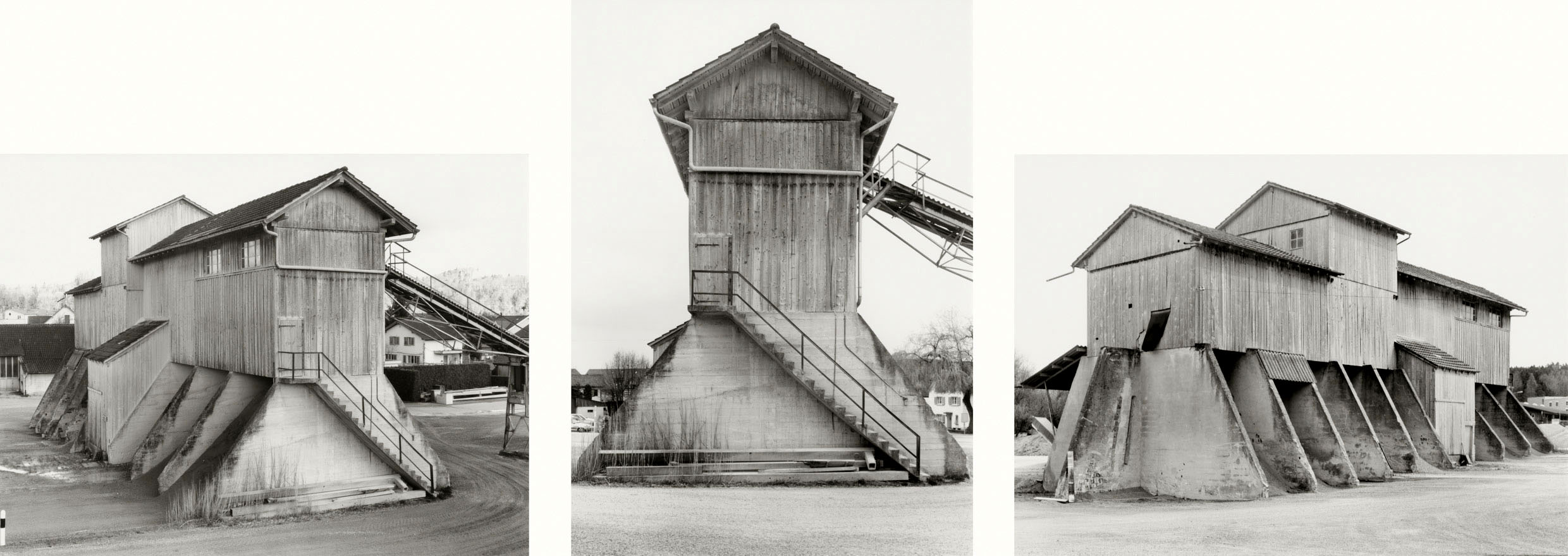
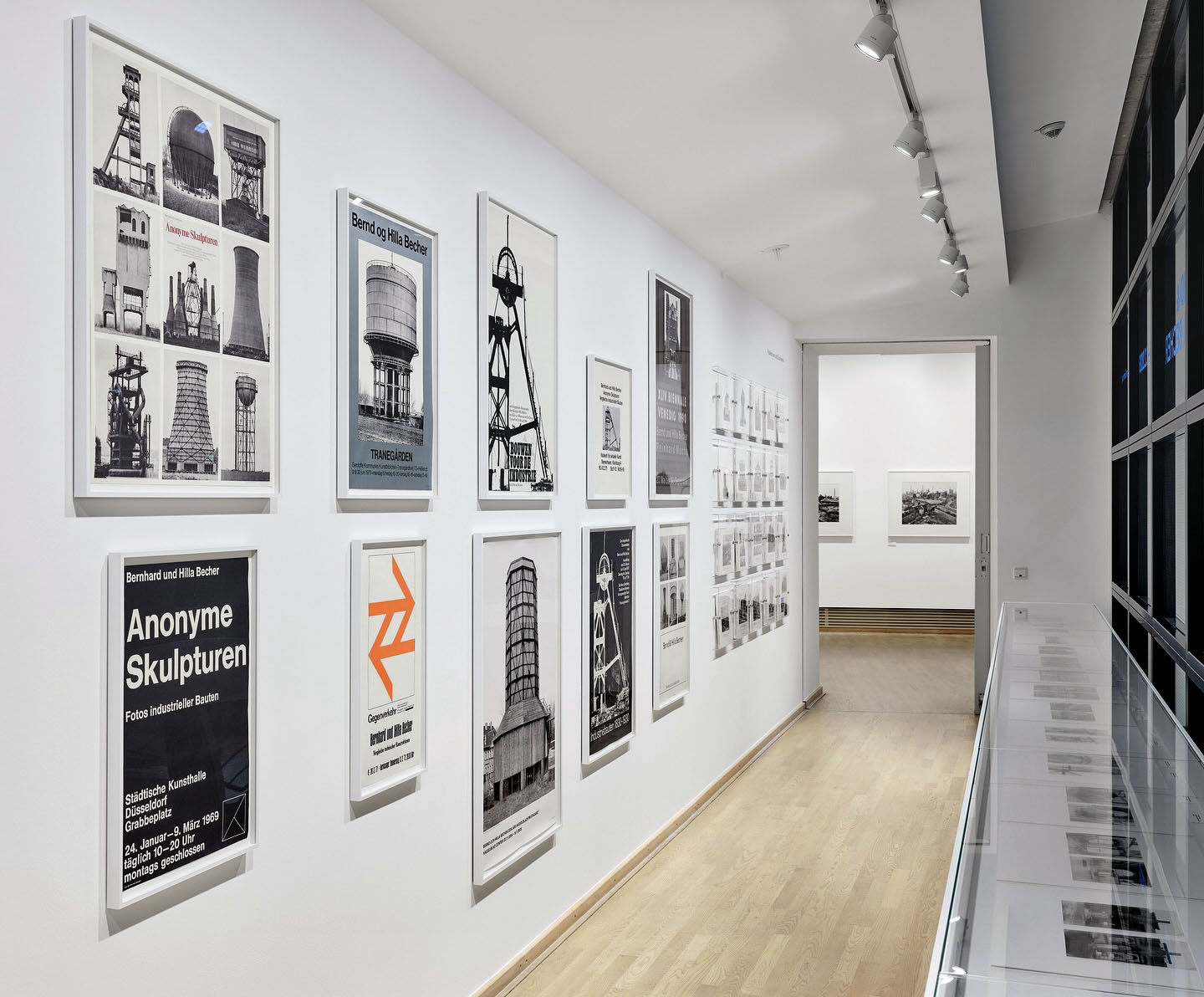

![Heinrich Riebesehl (German, 1938-2010) 'Menschen Im Fahrstuhl, 20.11.1969' [People in the Elevator, 20.11.1969] 1969](https://artblart.com/wp-content/uploads/2025/06/1-typologien_heinrich-riebesehl_siae_sm.jpg "Heinrich Riebesehl (German, 1938-2010) 'Menschen Im Fahrstuhl, 20.11.1969' [People in the Elevator, 20.11.1969] 1969")
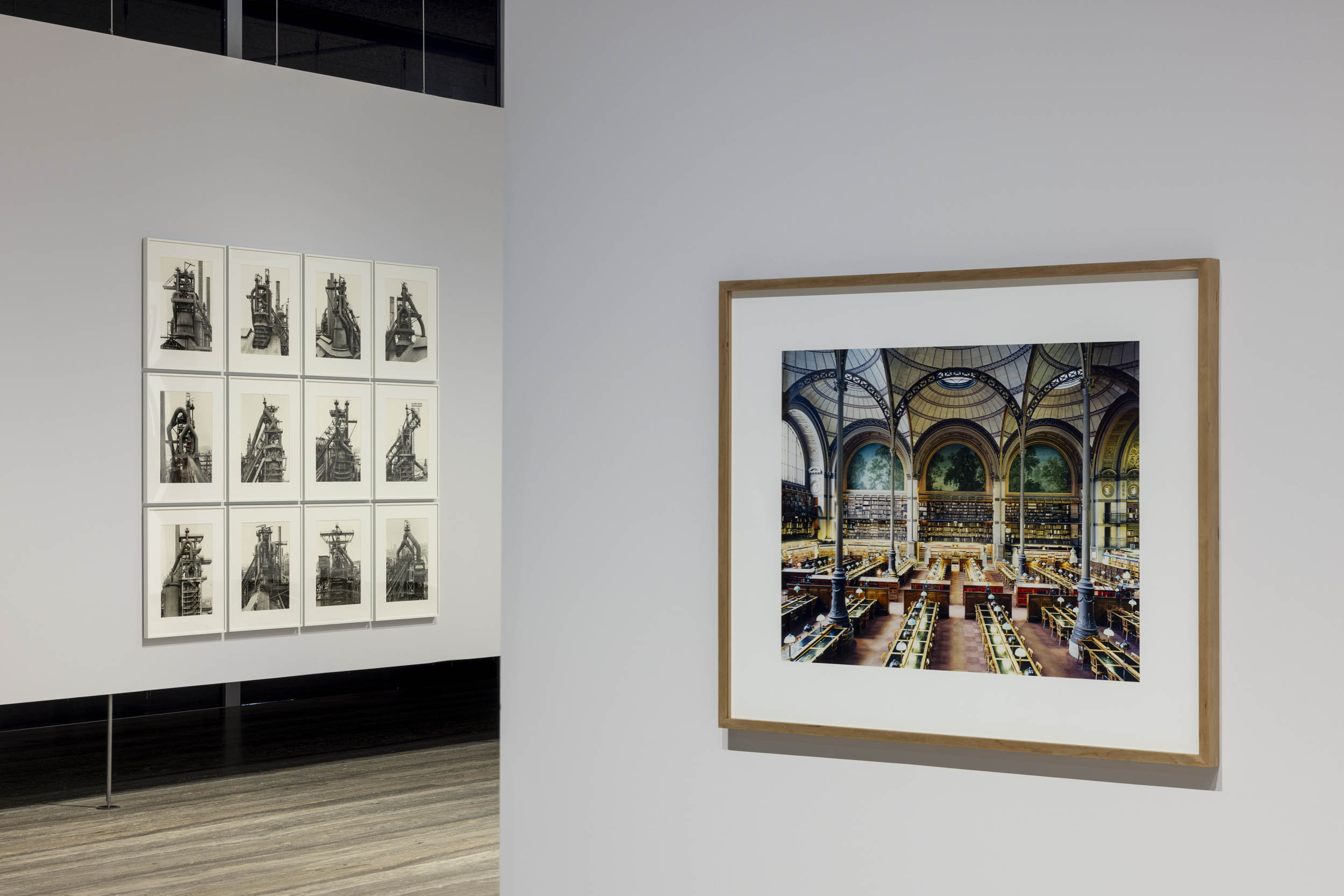
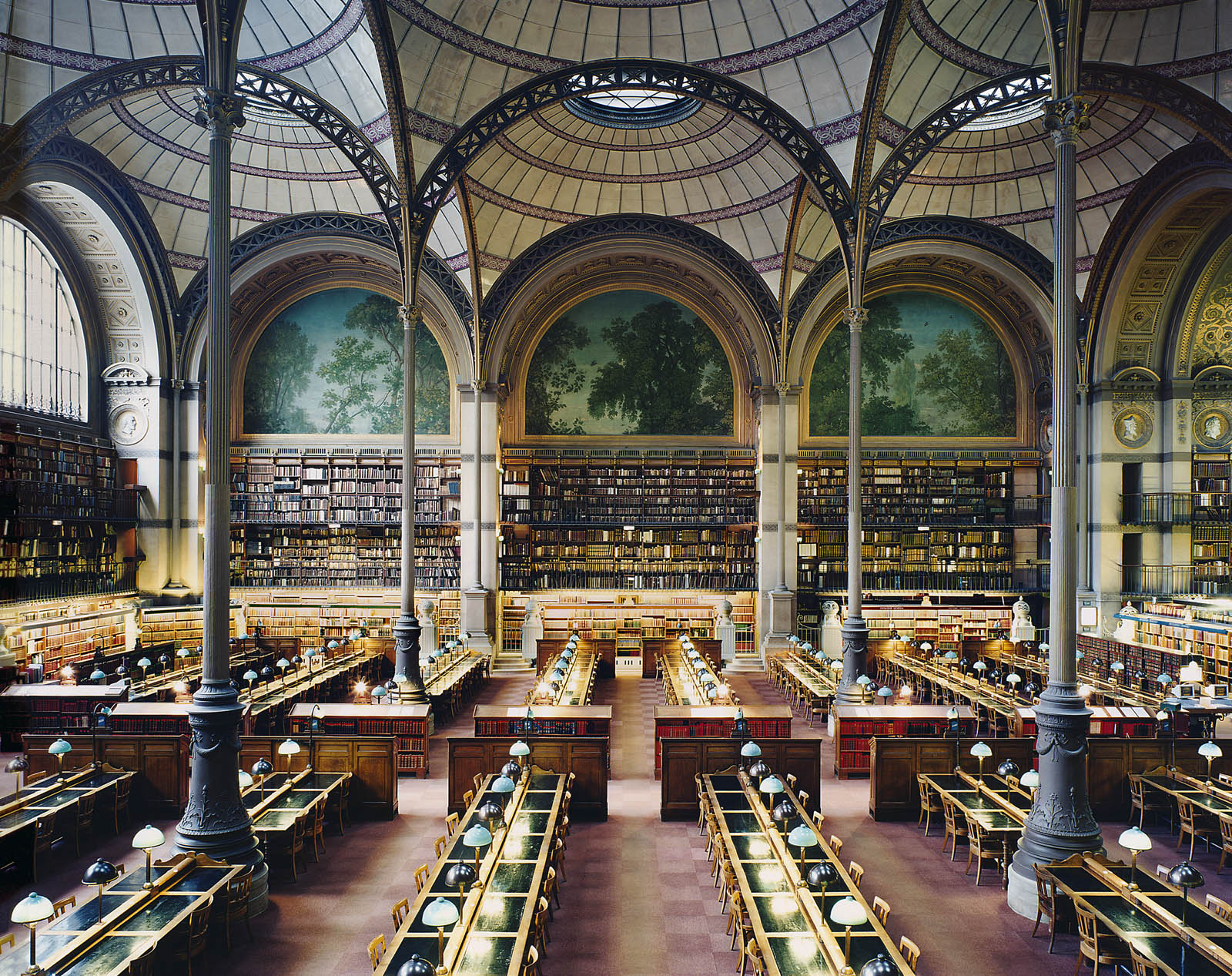

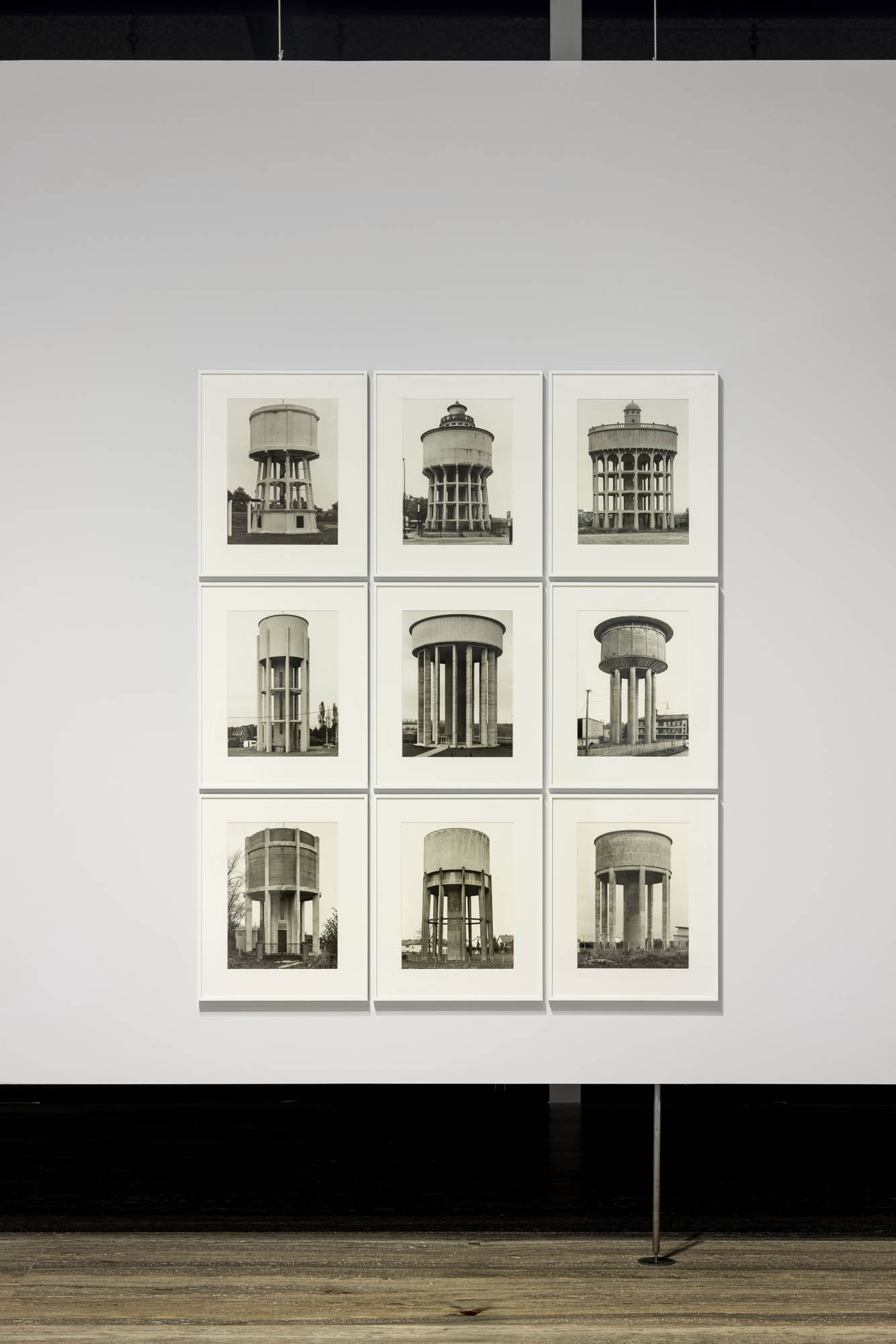


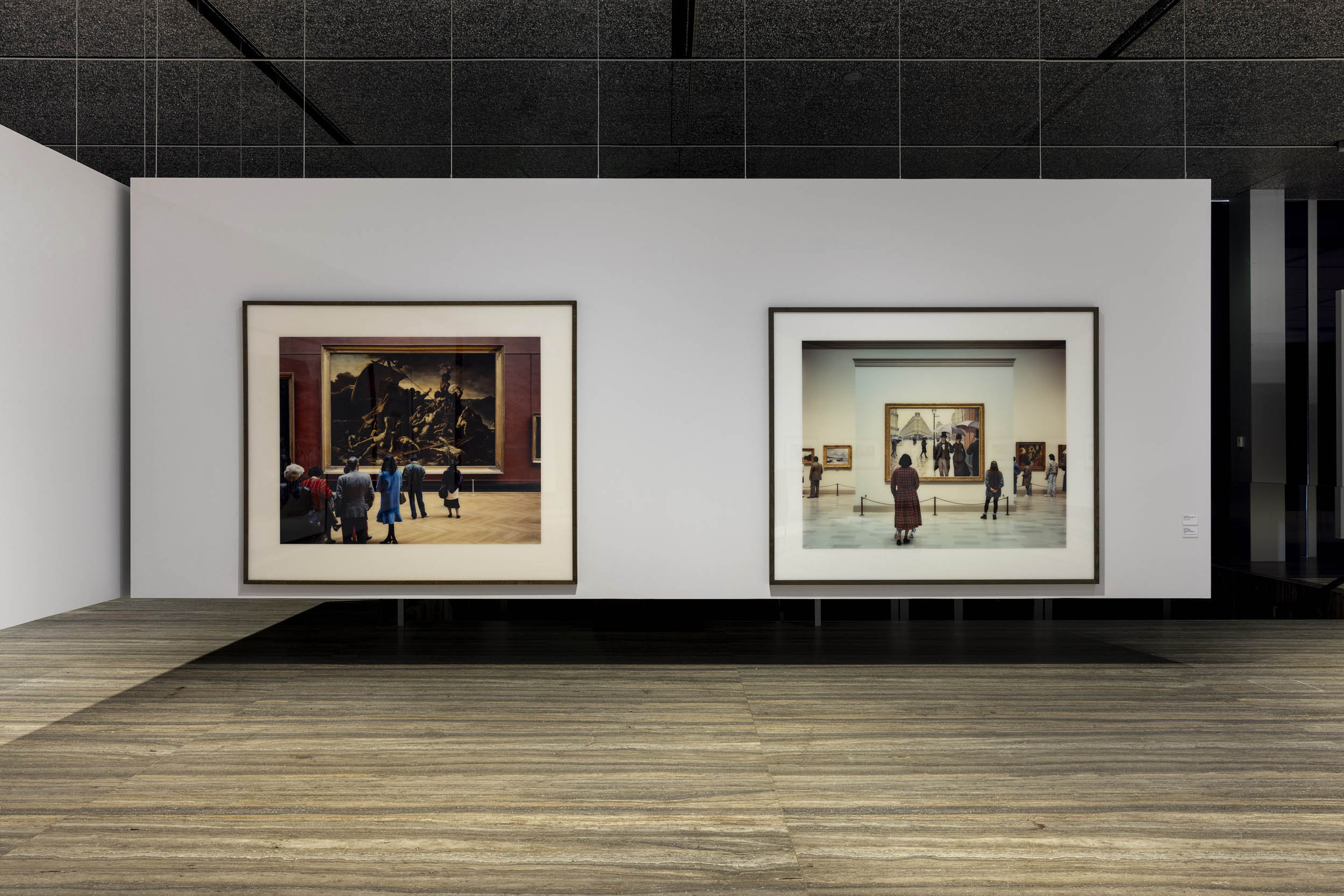
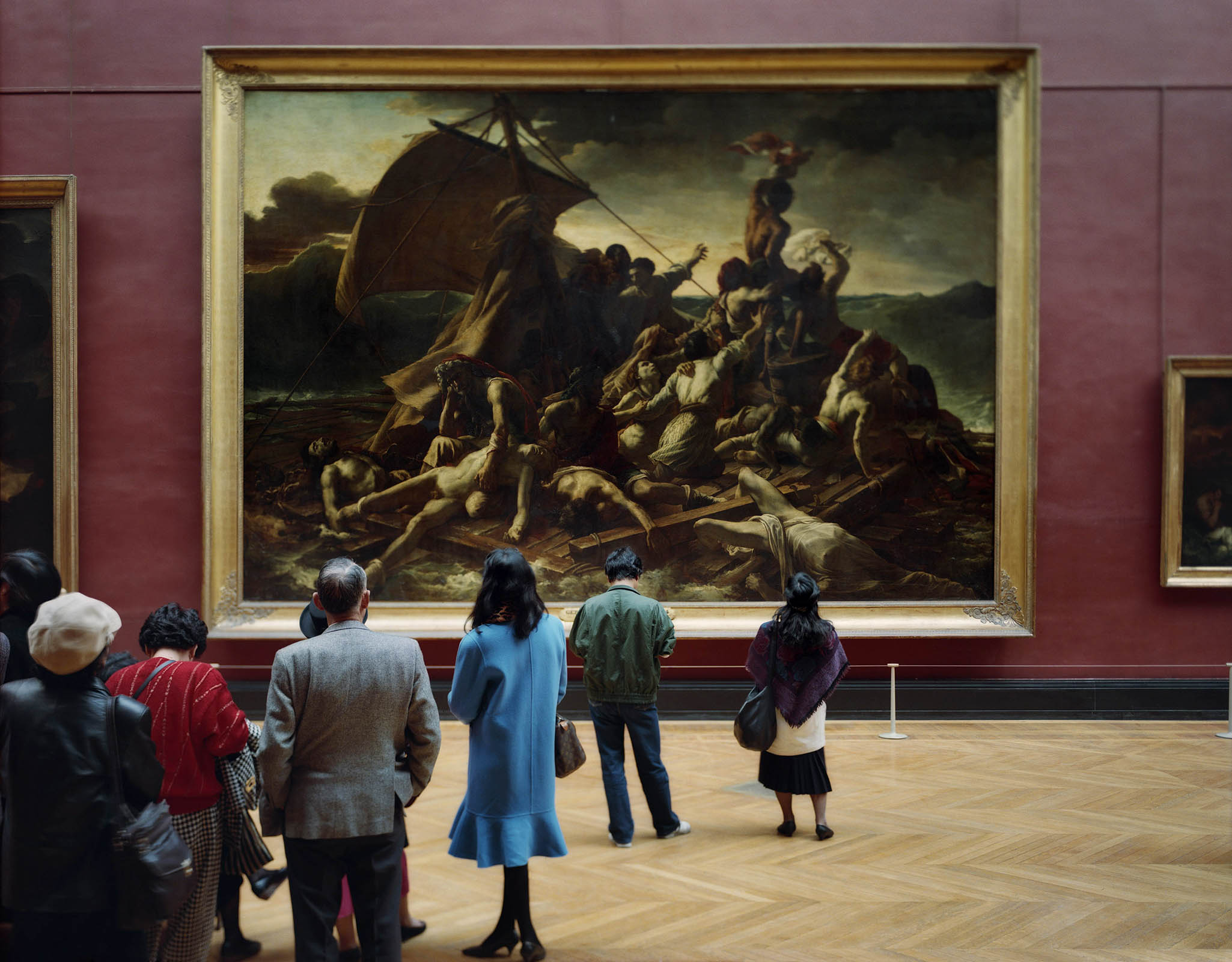

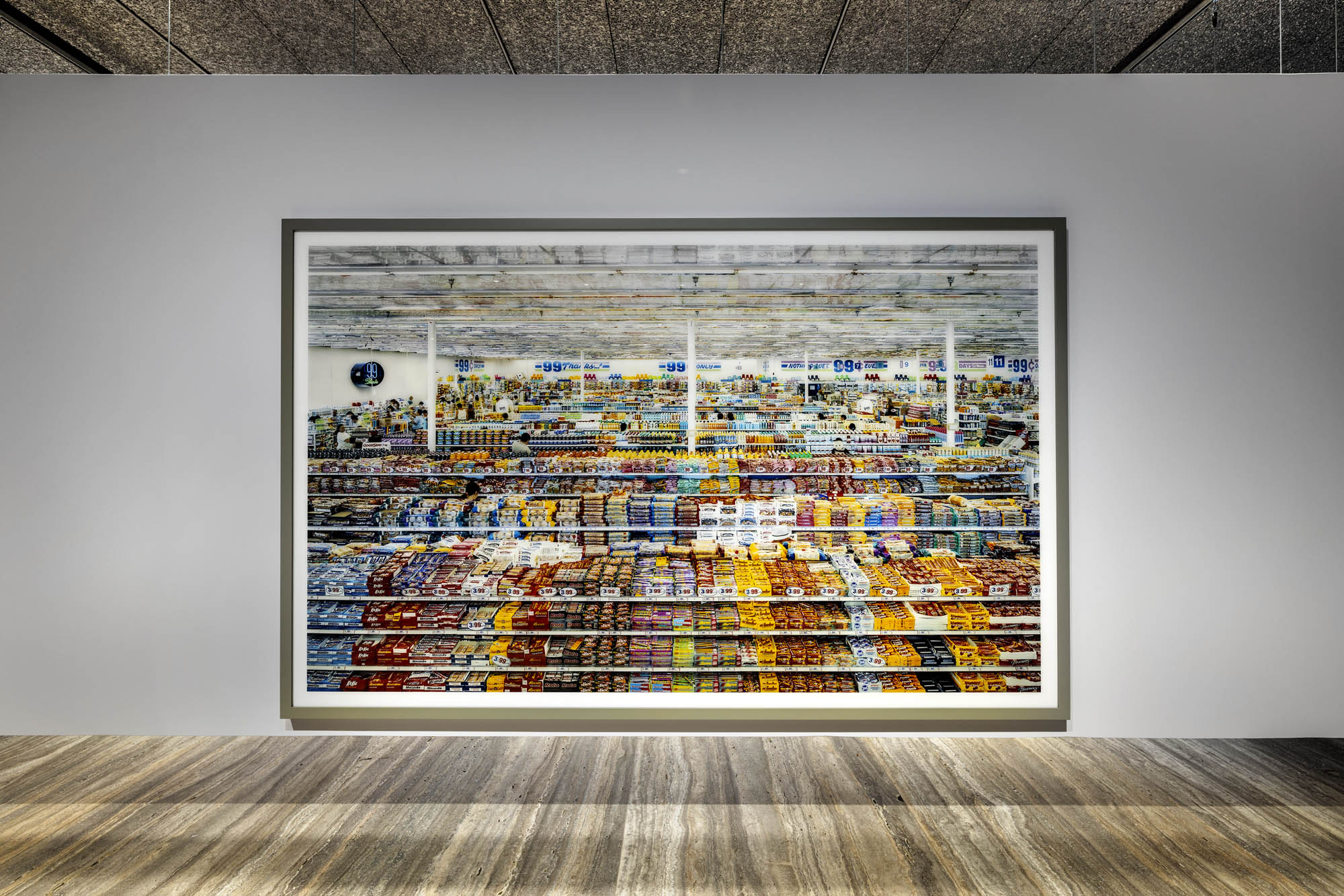
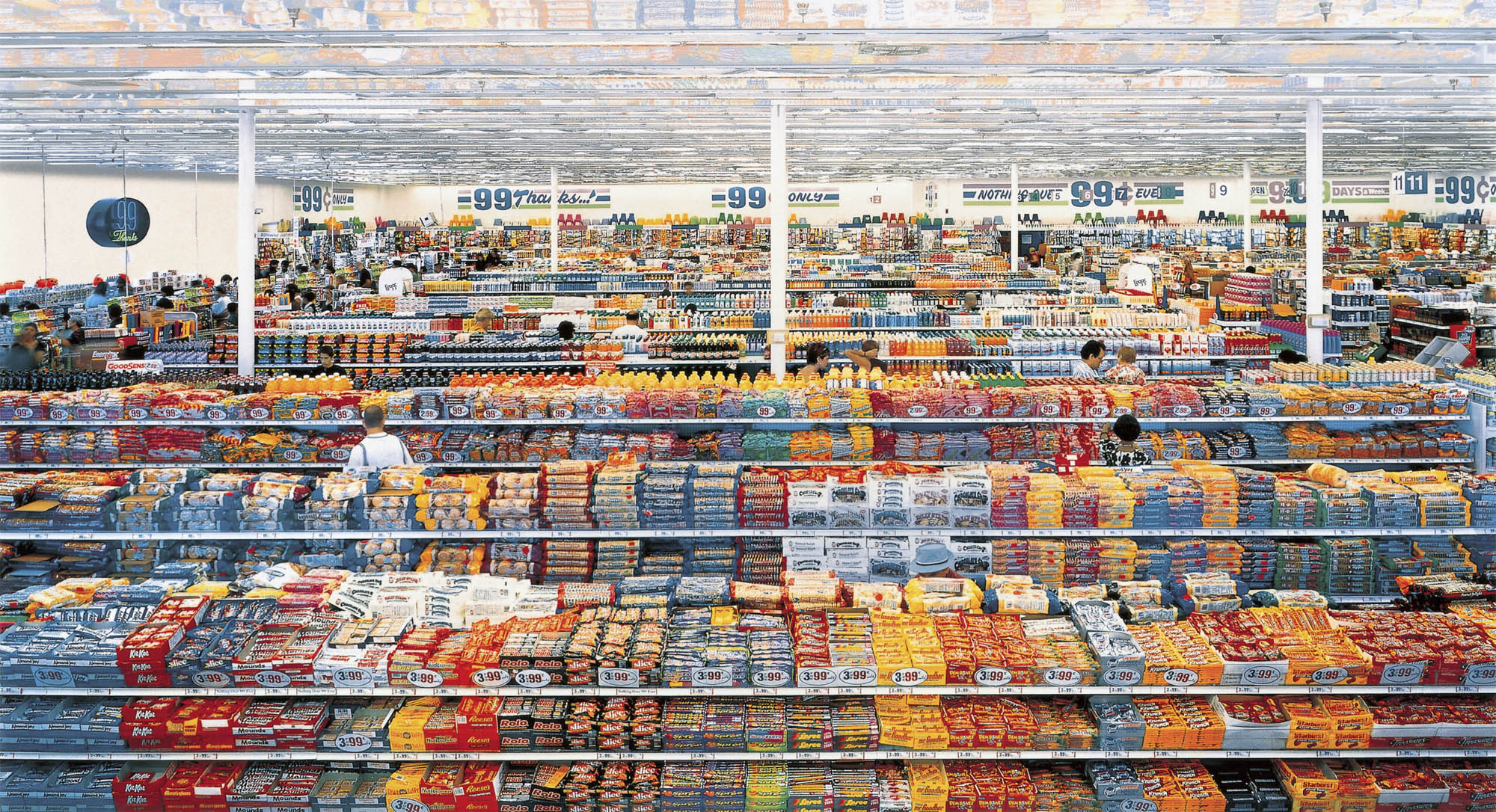
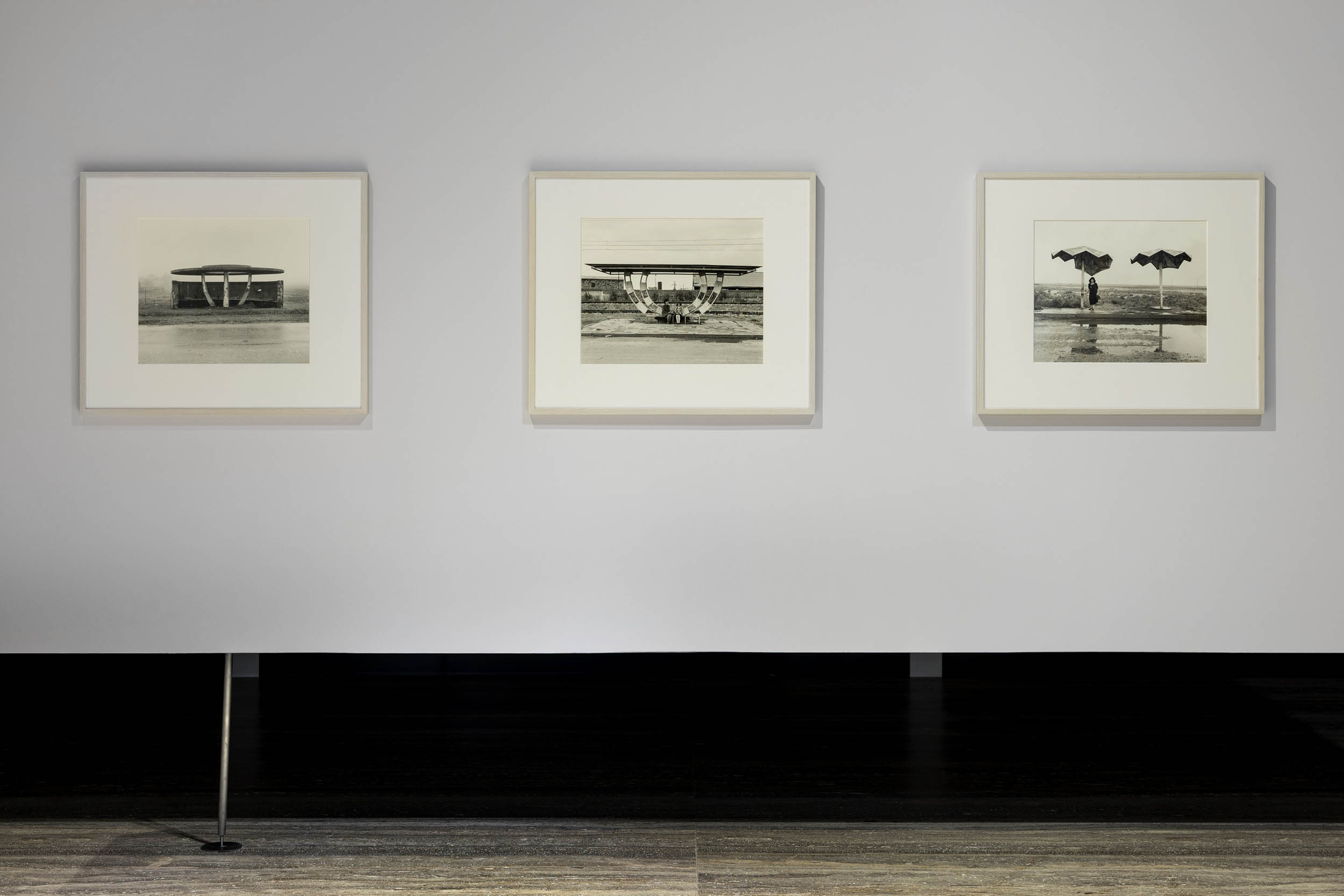
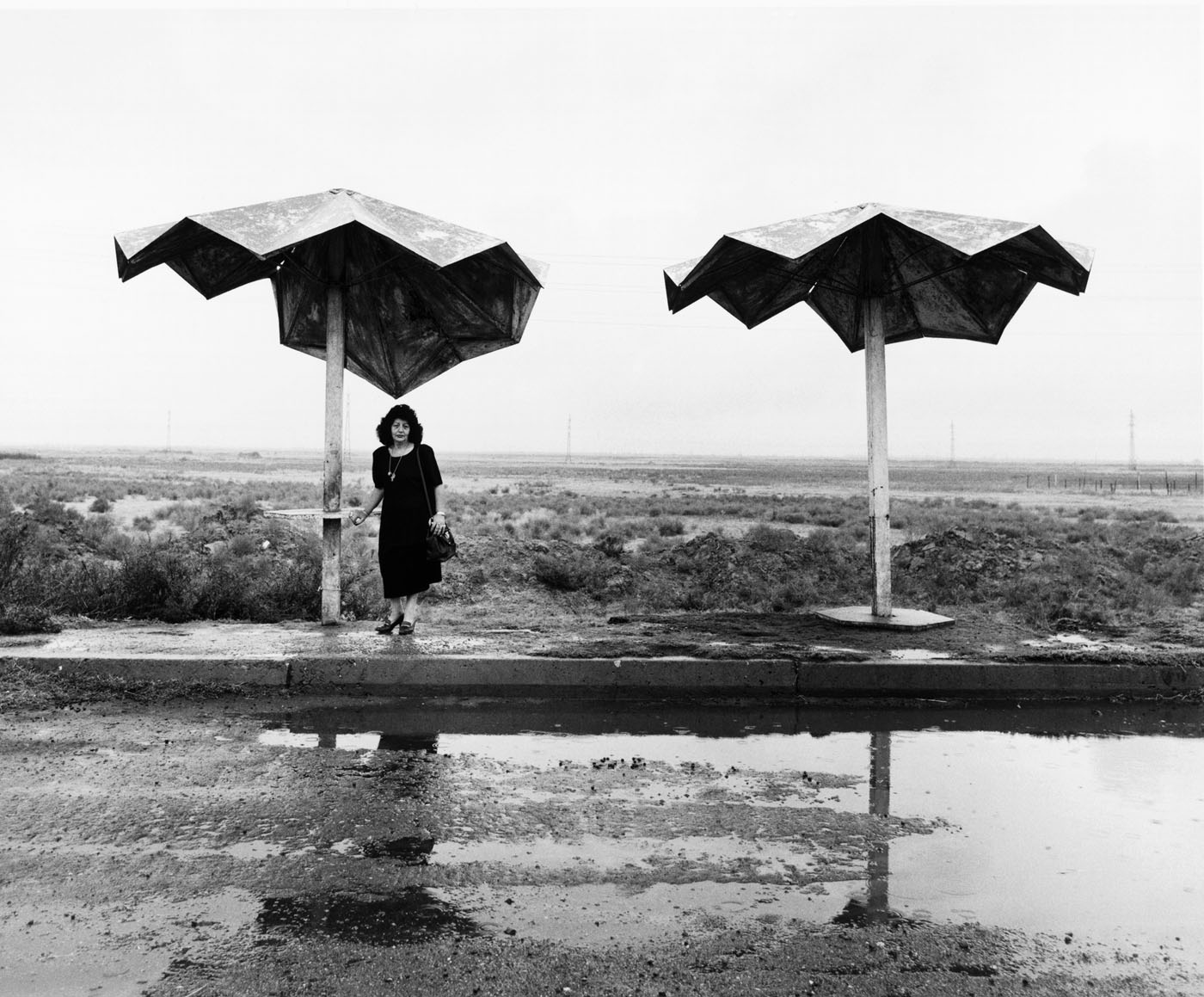
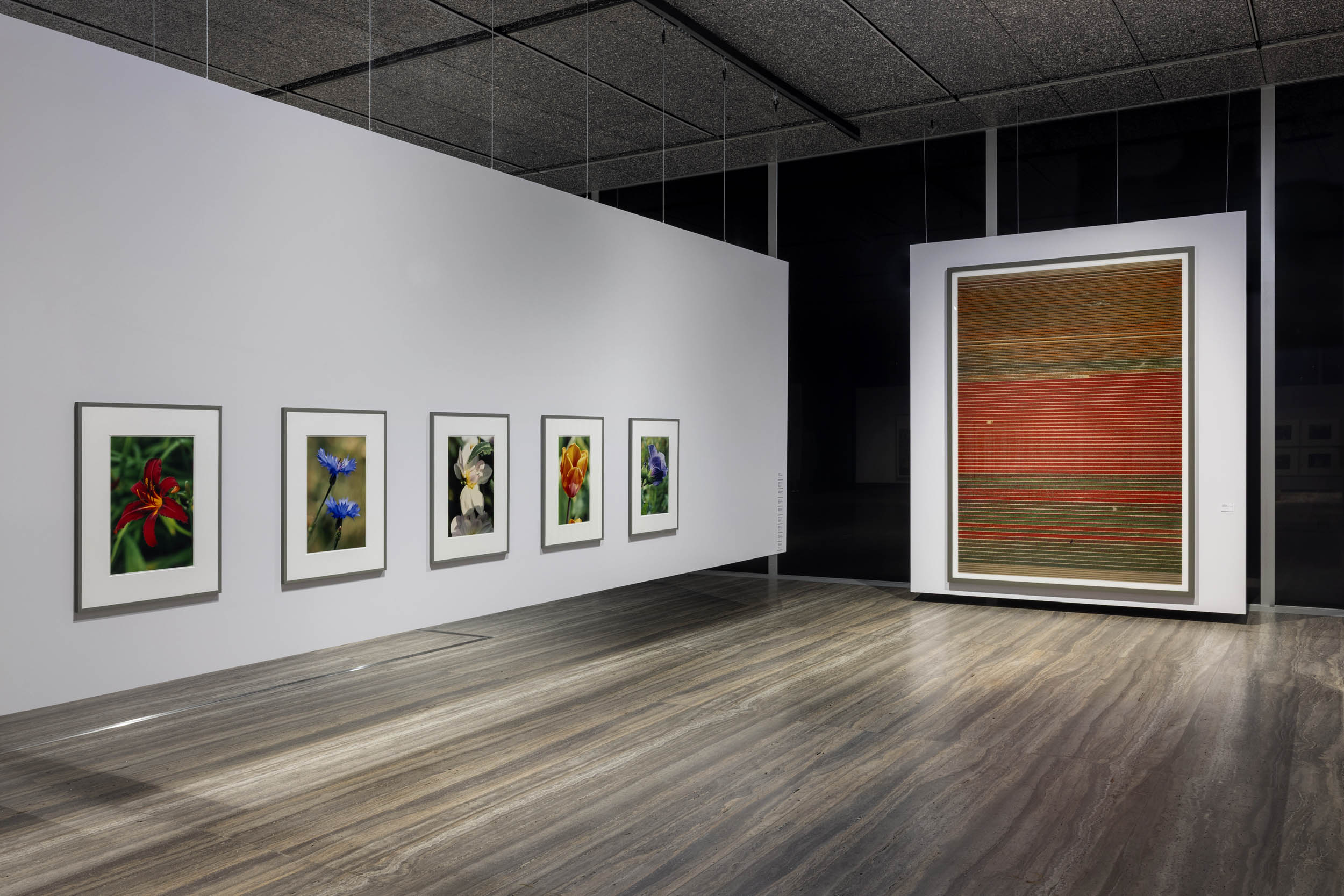
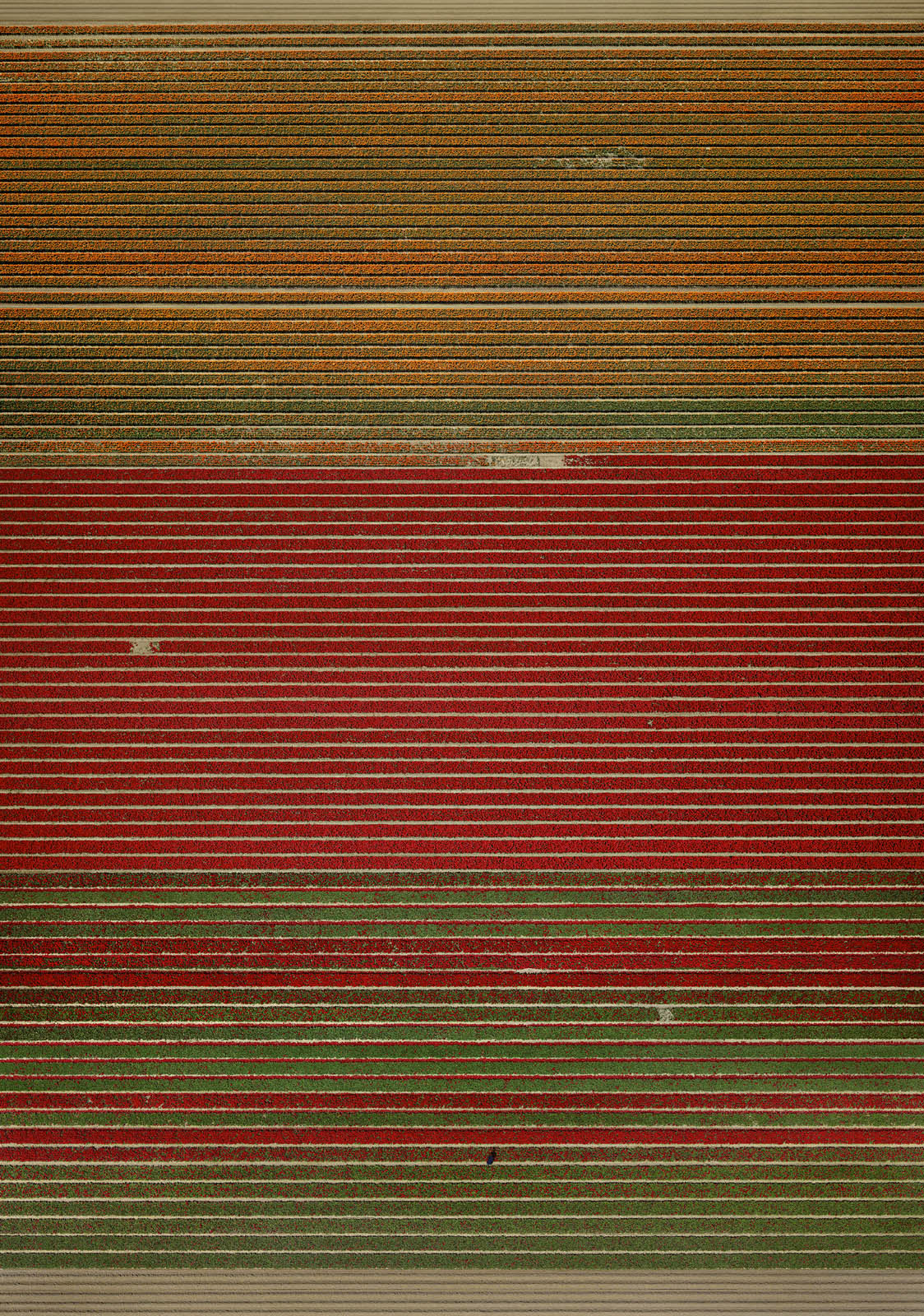



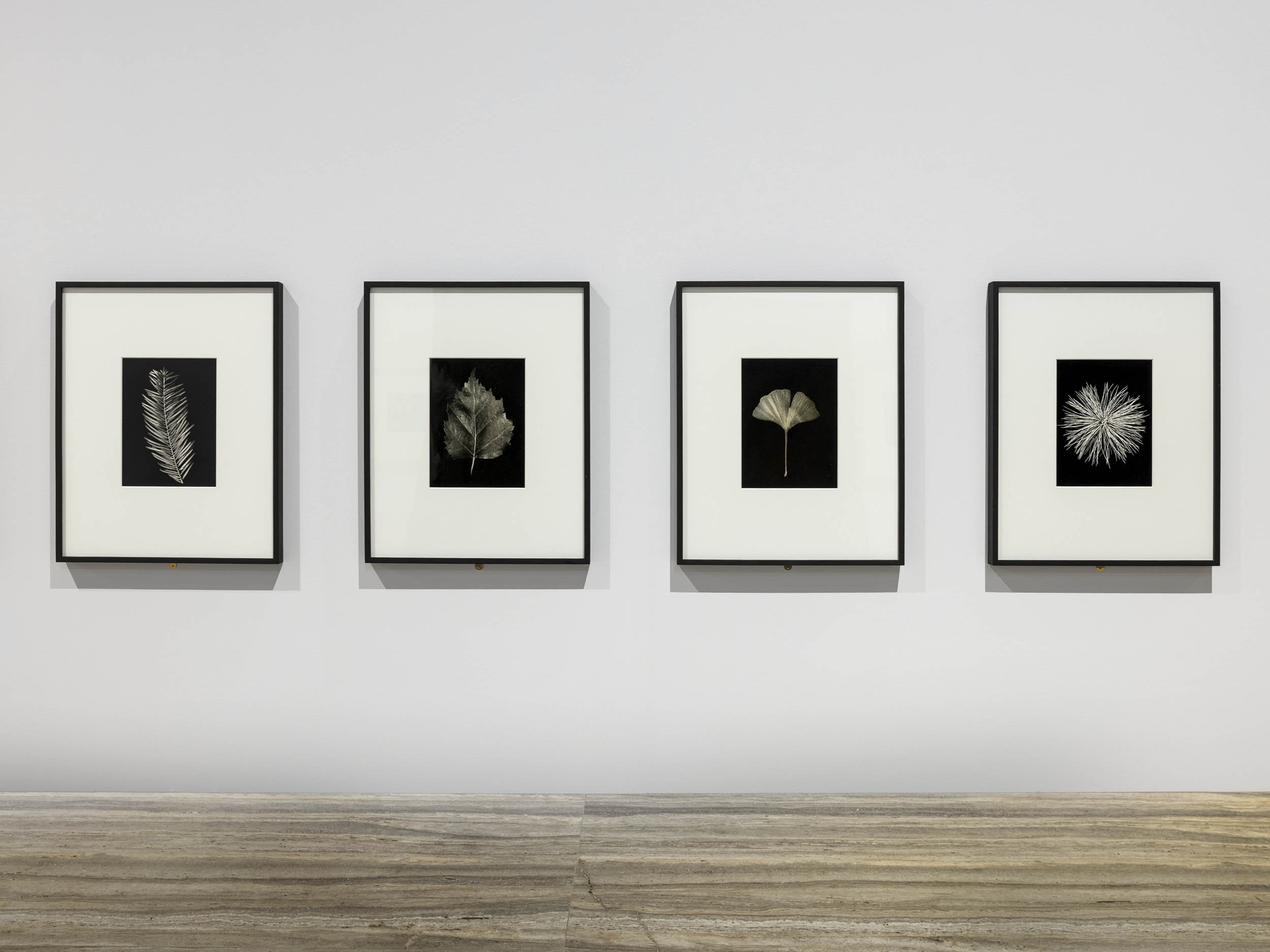
![Hilla Becher (German, 1934-2015) 'Eichenblatt [Oak Leaf]' 1965](https://artblart.com/wp-content/uploads/2025/06/8-typologien_hilla-becher_sm.jpg "Hilla Becher (German, 1934-2015) 'Eichenblatt [Oak Leaf]' 1965")
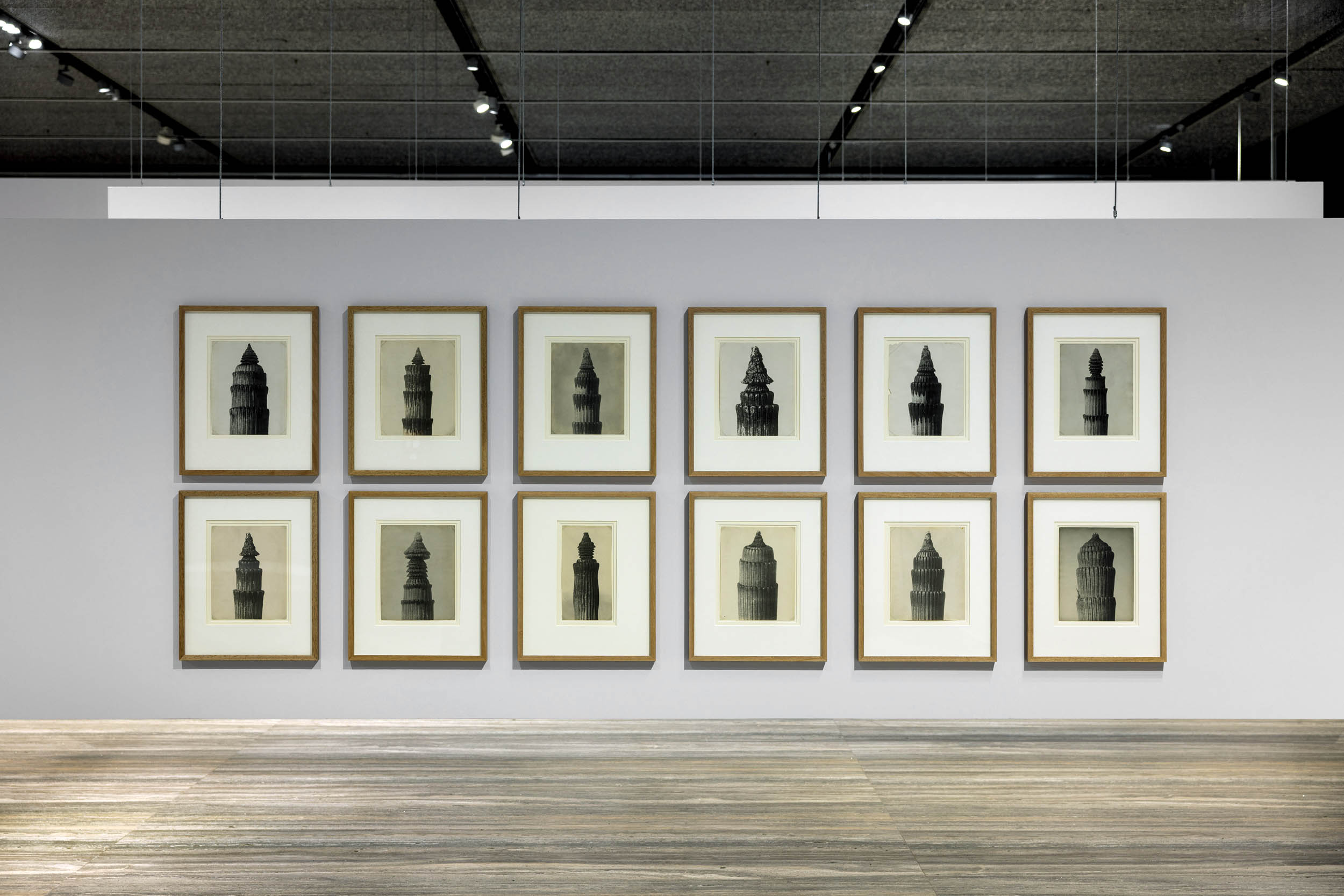
![Karl Blossfeldt (German, 1865-1932) 'Adiantum pedatum, haarfarn, junge, noch eingerollte Wedel' [Maidenhair fern, young, still curled fronds] Nd](https://artblart.com/wp-content/uploads/2025/06/5-typologien_karl-blossfeldt_sm.jpg "Karl Blossfeldt (German, 1865-1932) 'Adiantum pedatum, haarfarn, junge, noch eingerollte Wedel' [Maidenhair fern, young, still curled fronds] Nd")


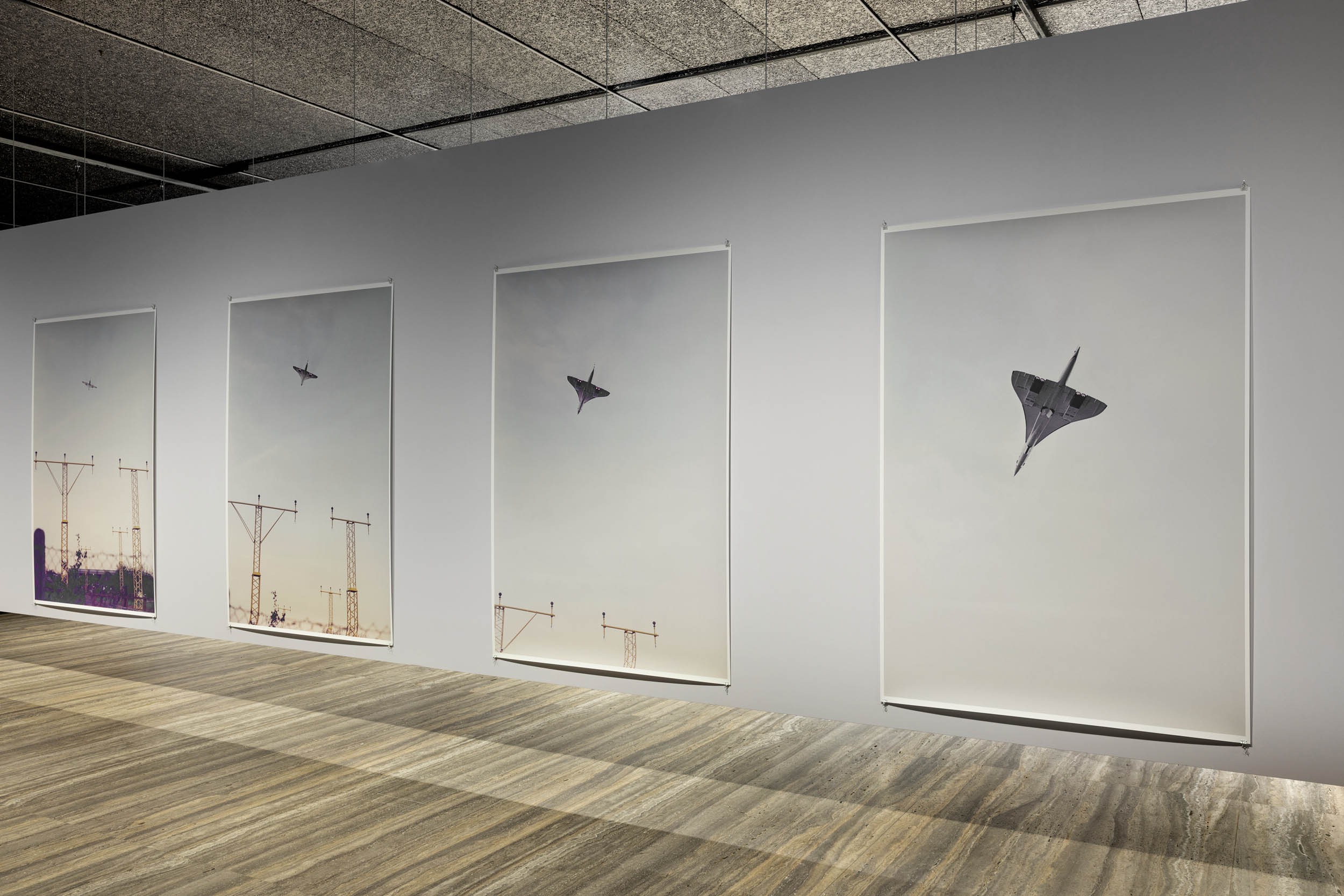
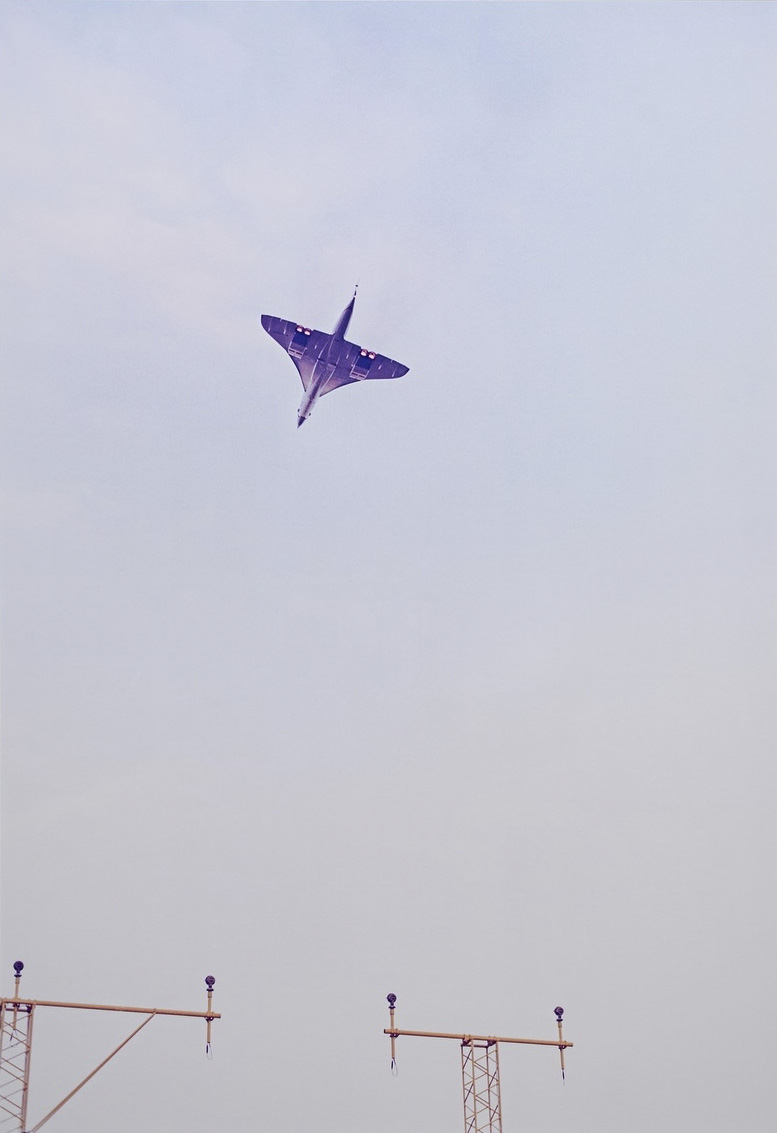
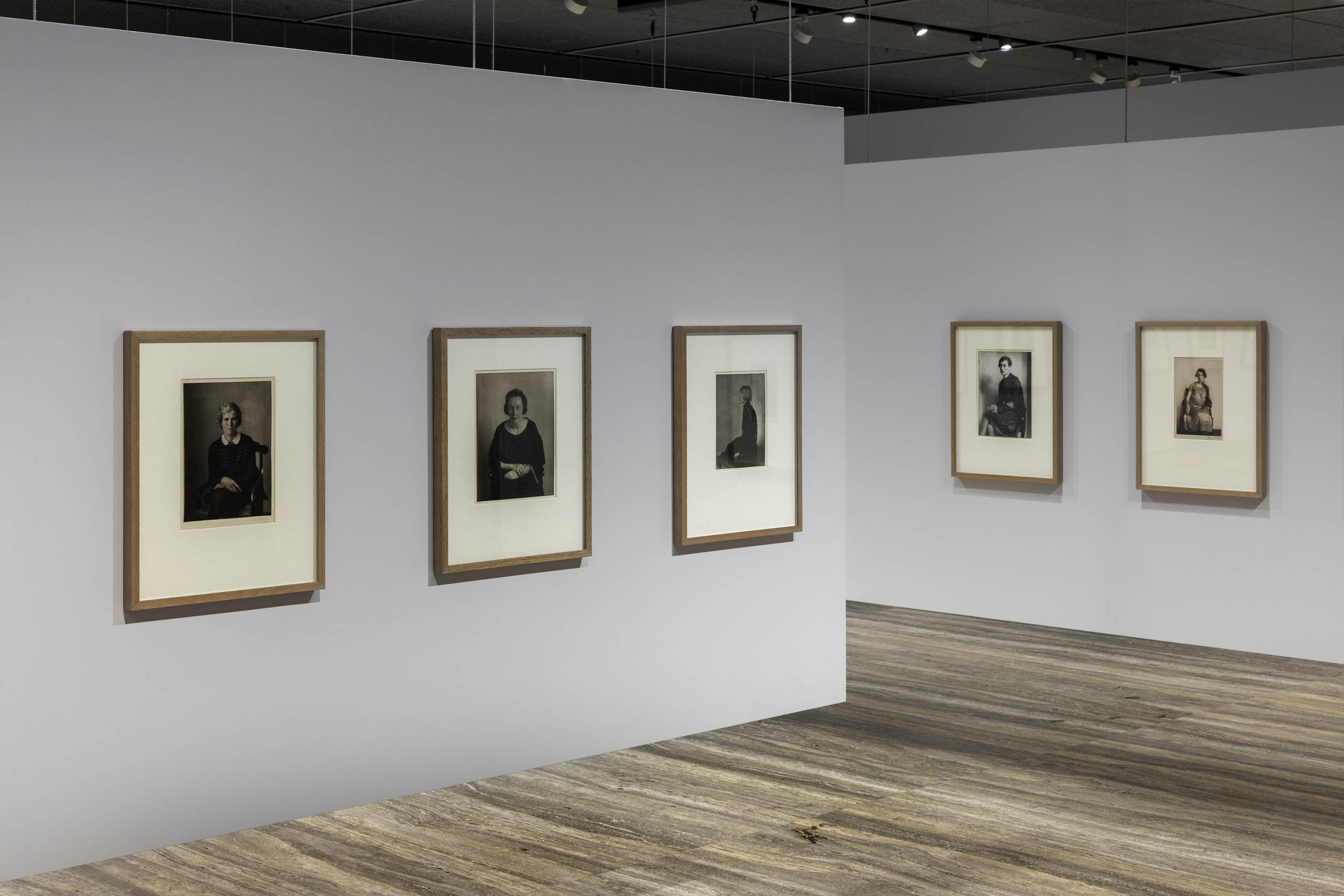
![August Sander (German, 1876-1964) 'Sekretärin beim Westdeutschen Rundfunk in Köln' [Secretary at West German Radio in Cologne] 1931-1950s](https://artblart.com/wp-content/uploads/2025/06/6-typologien_august-sander_siae_sm.jpg "August Sander (German, 1876-1964) 'Sekretärin beim Westdeutschen Rundfunk in Köln' [Secretary at West German Radio in Cologne] 1931-1950s")
![Erich Sander for August Sander's studio. 'Politischer Häftling' [Political Prisoner] 1941-1944 (print date late 1940s)](https://artblart.com/wp-content/uploads/2025/06/7-typologien_august-sander_siae_sm.jpg "Erich Sander for August Sander's studio. 'Politischer Häftling' [Political Prisoner] 1941-1944 (print date late 1940s)")
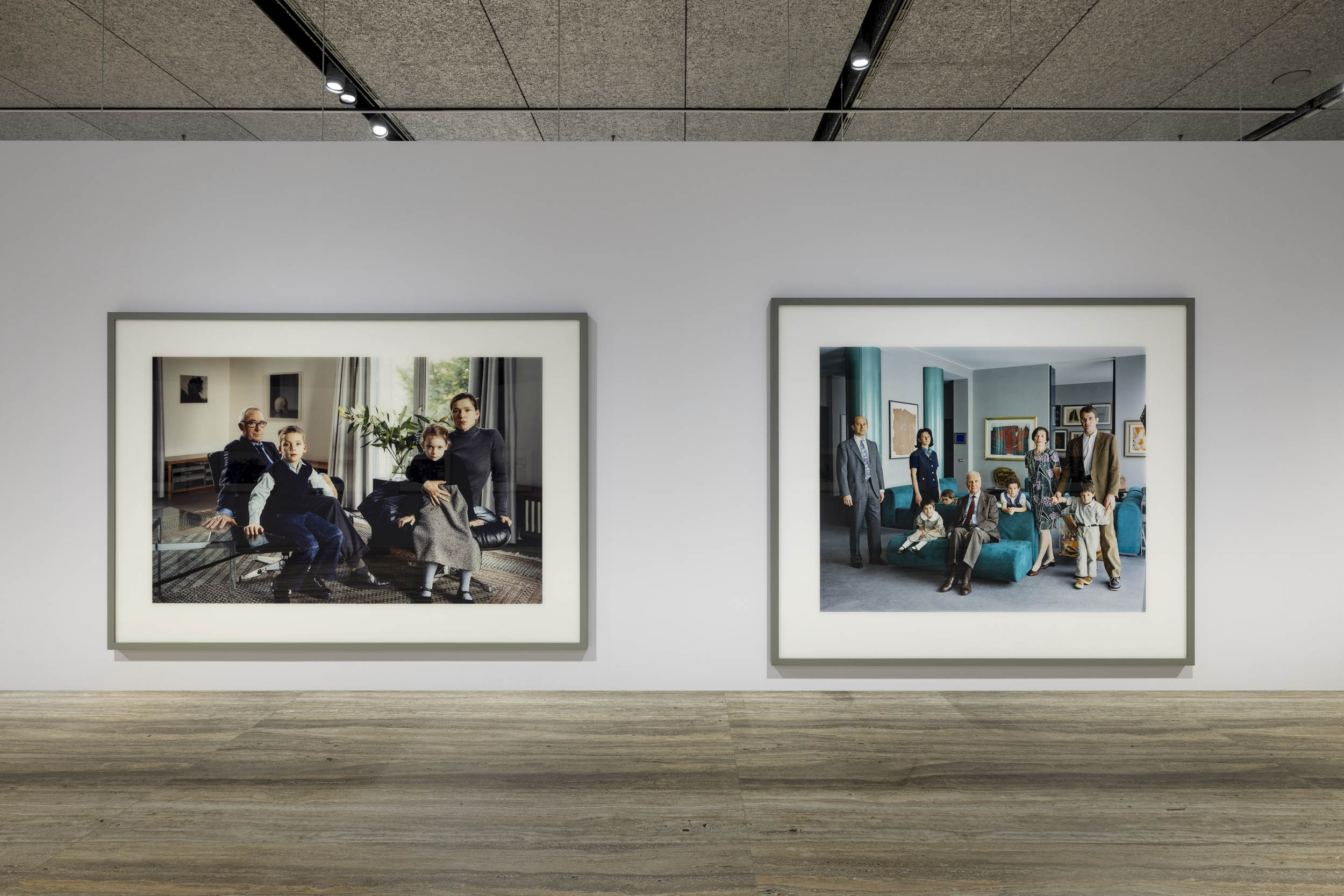

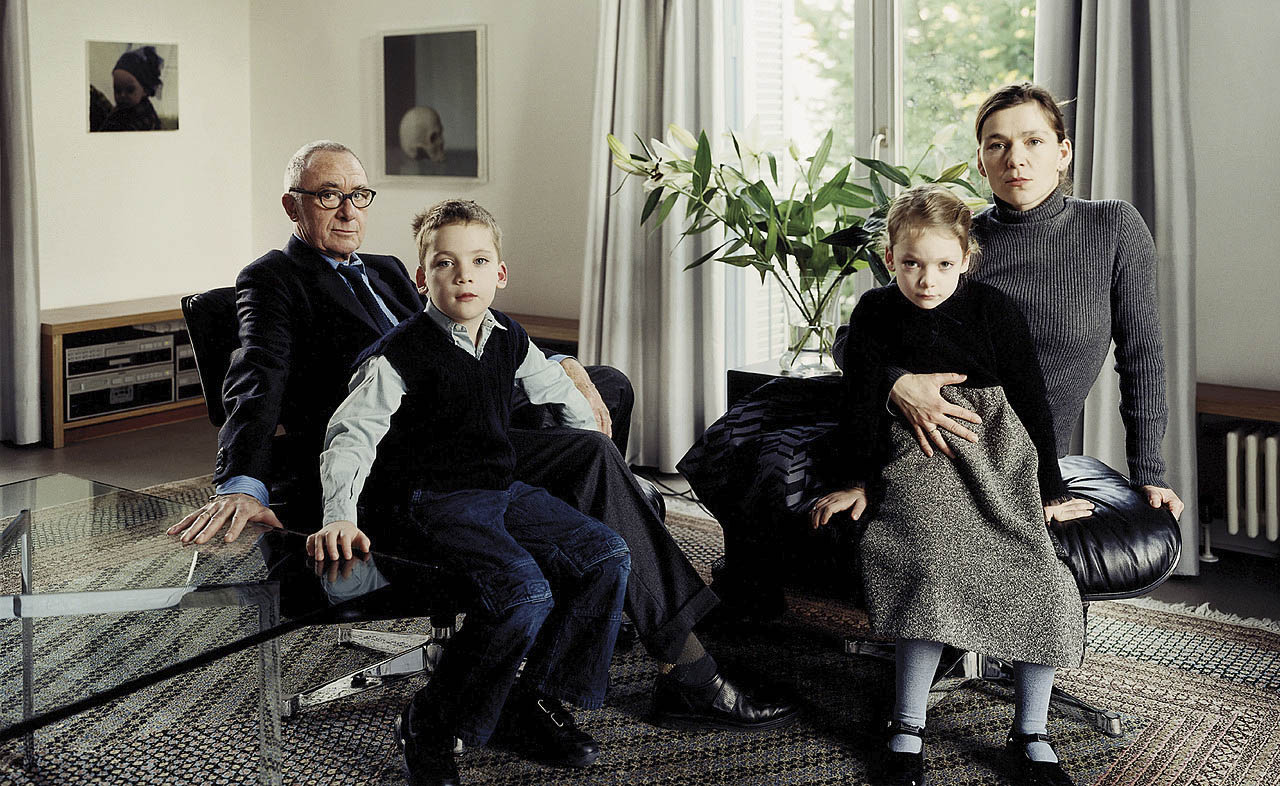
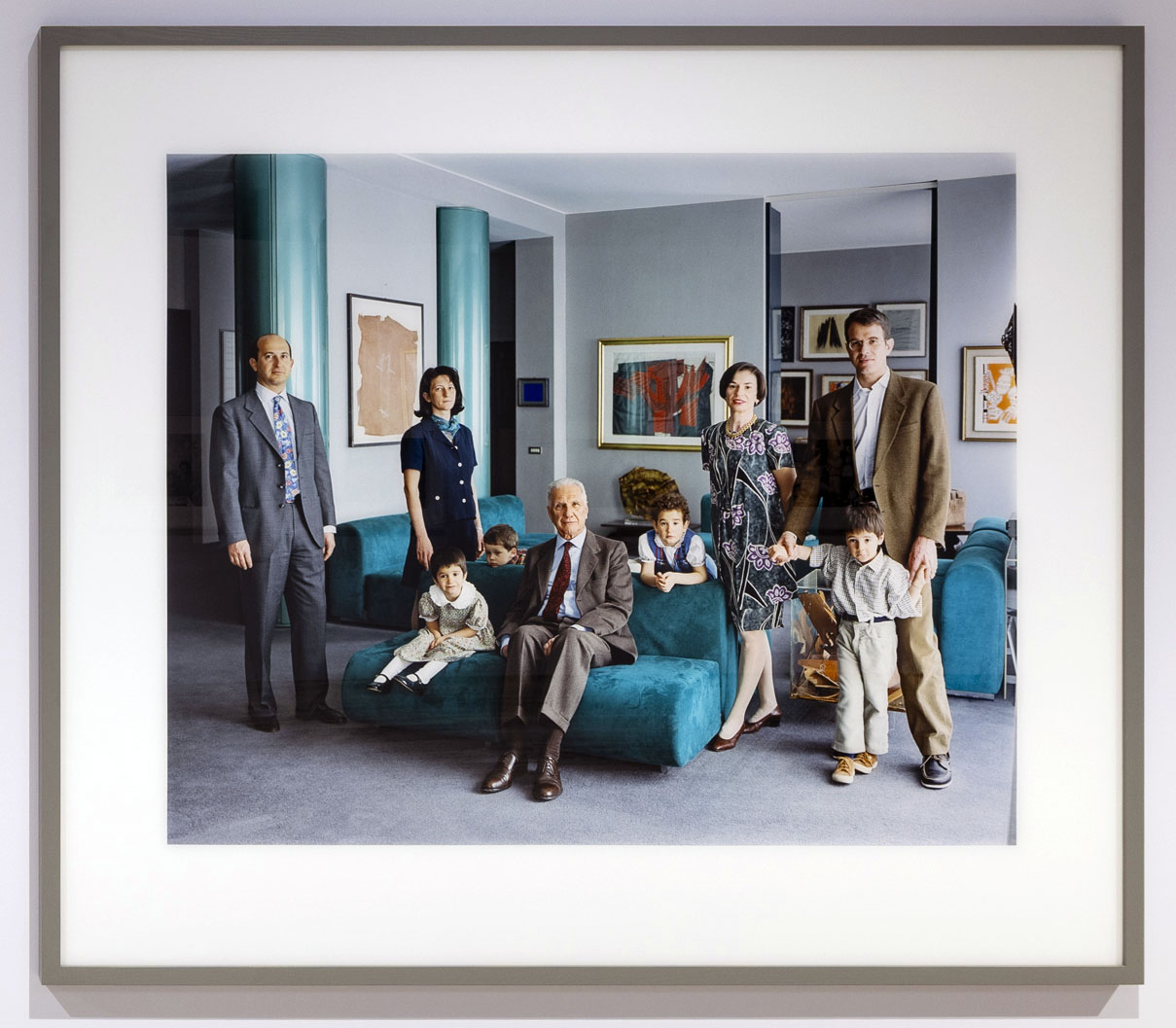
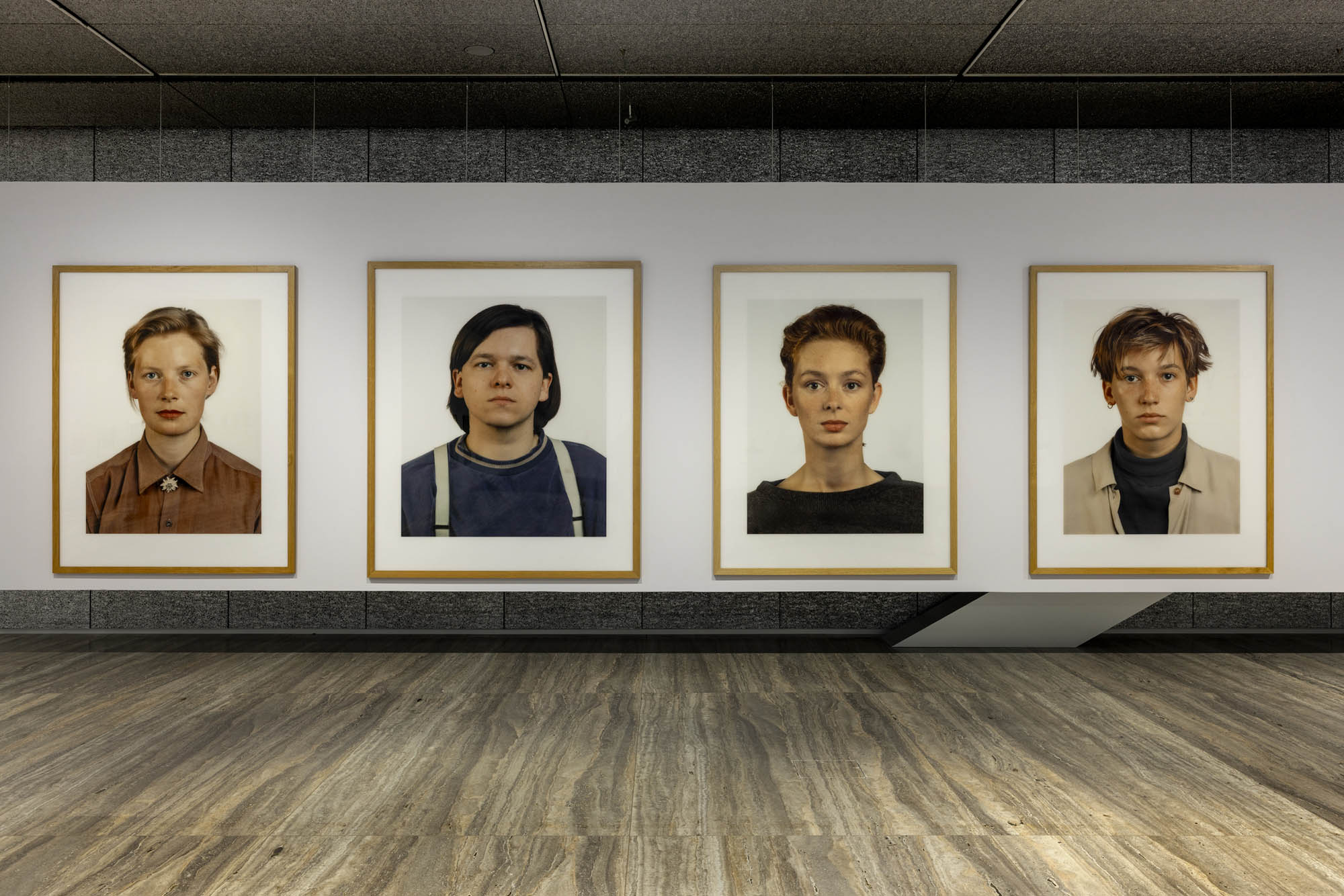
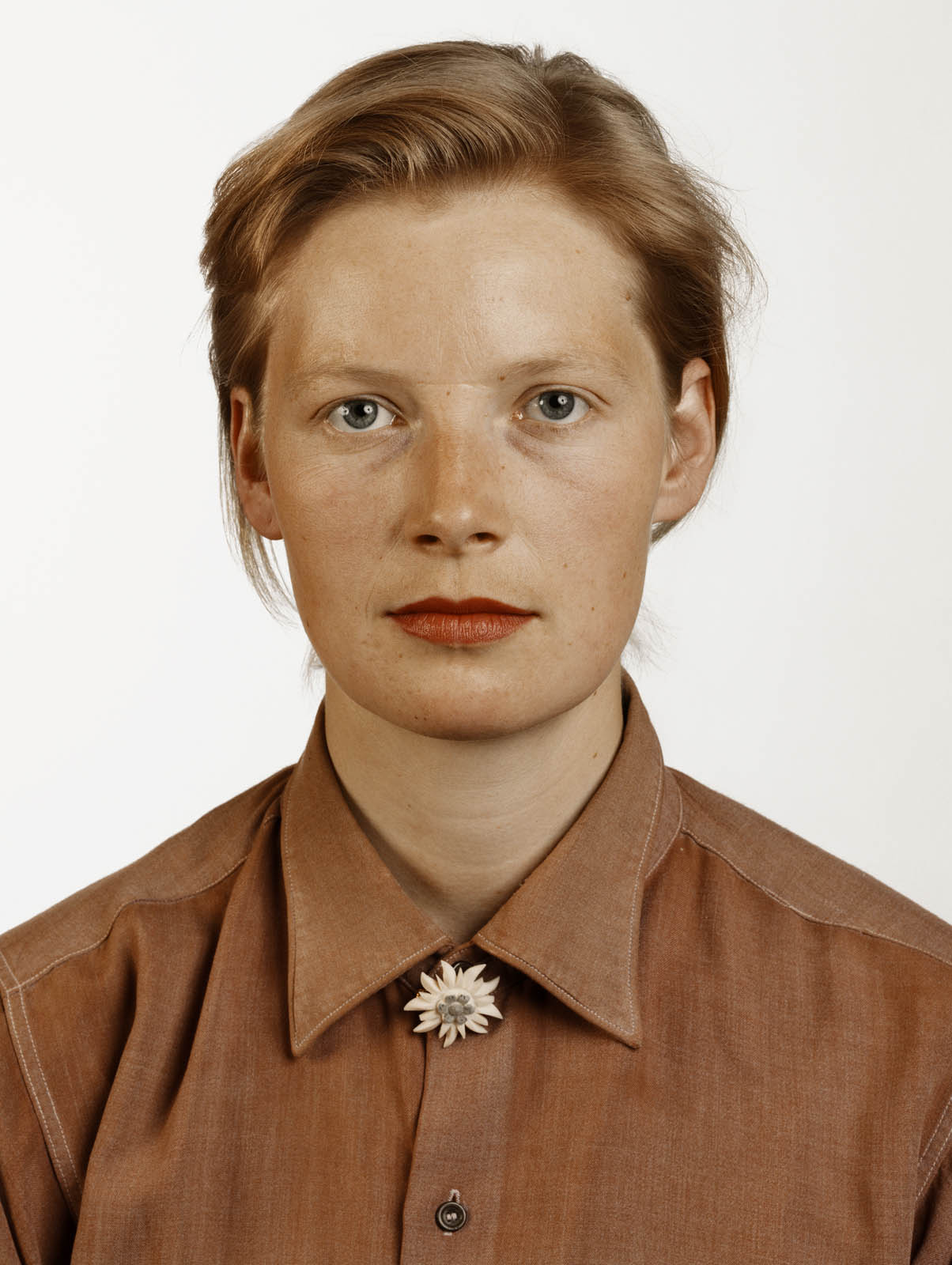

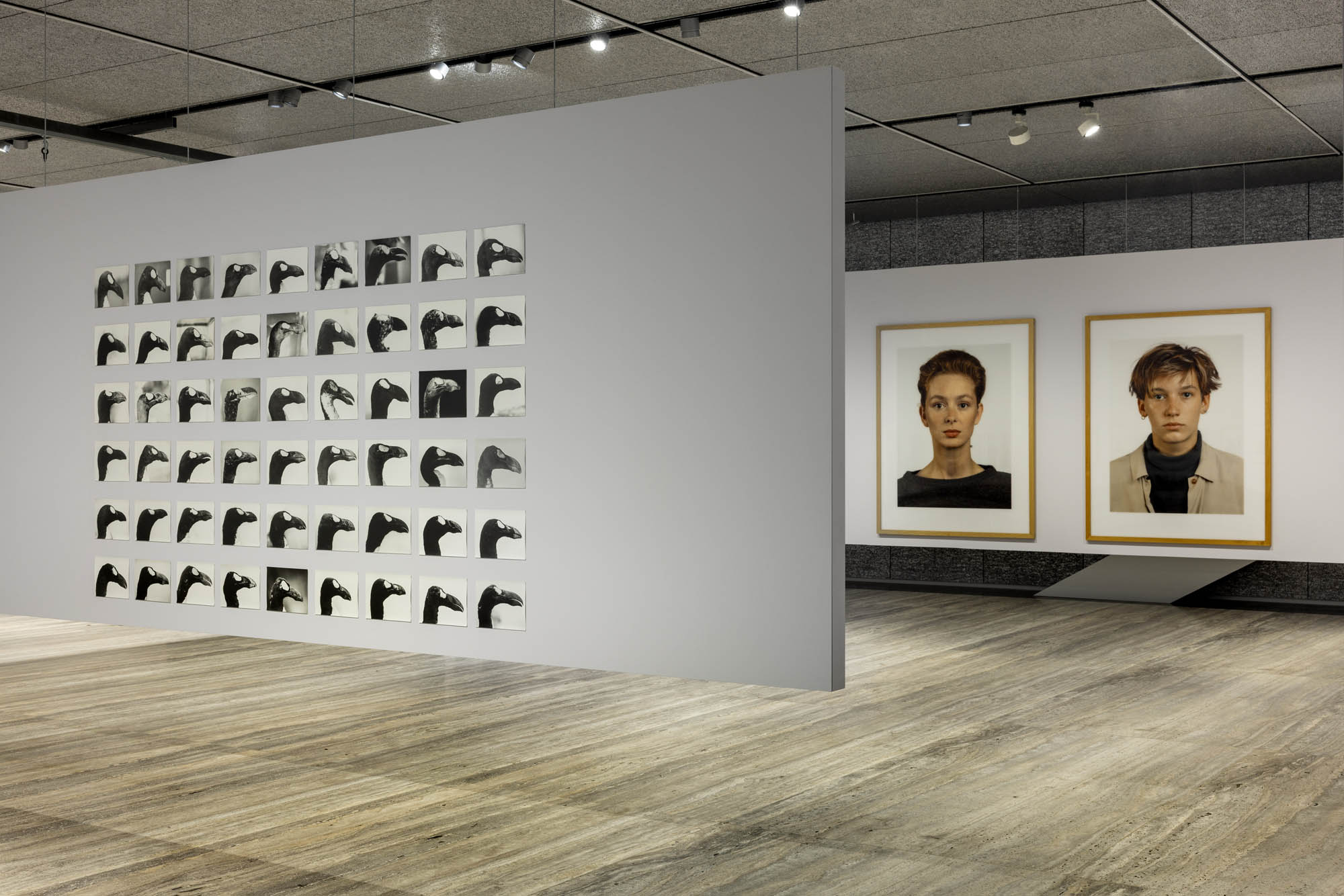
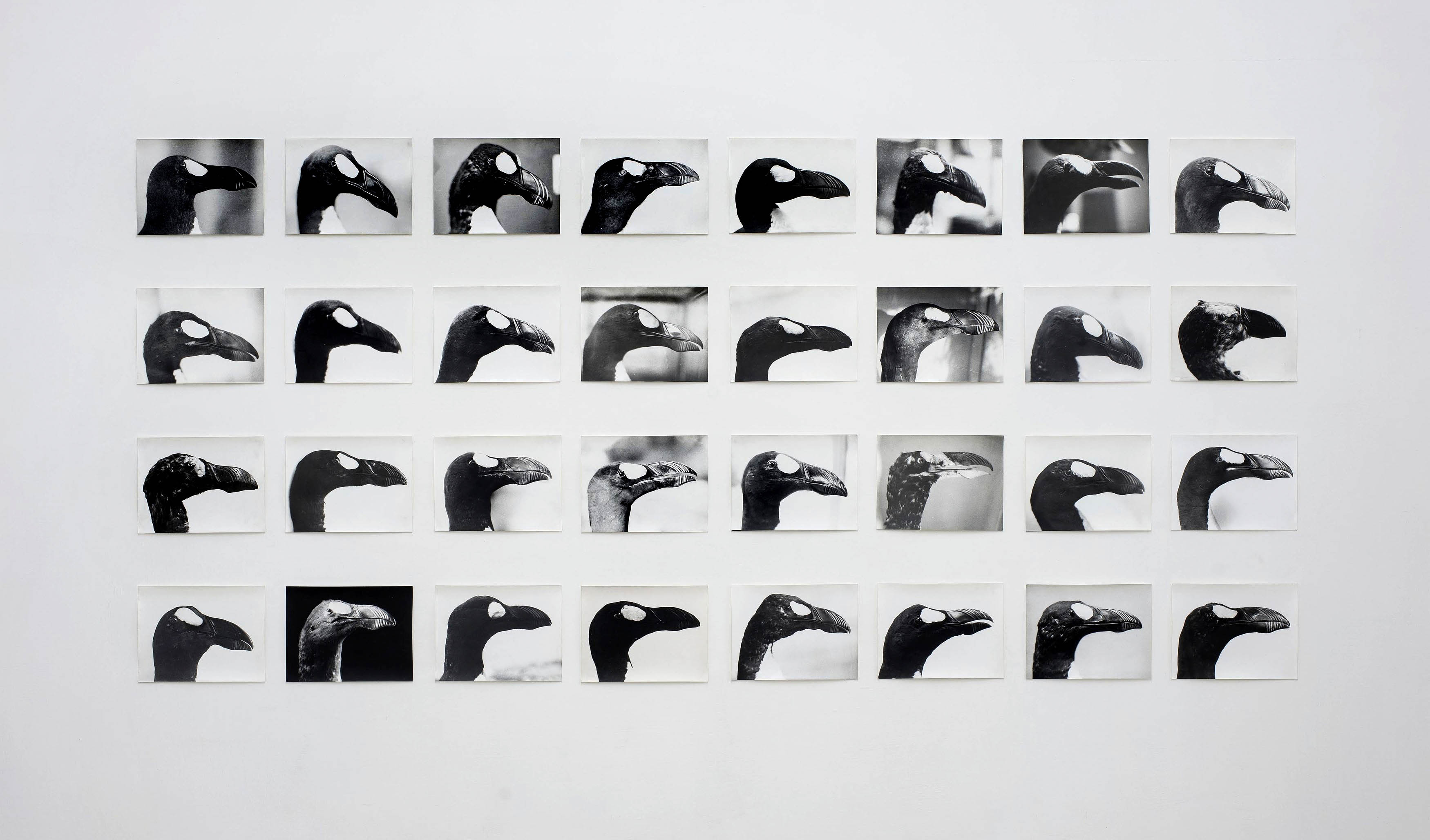

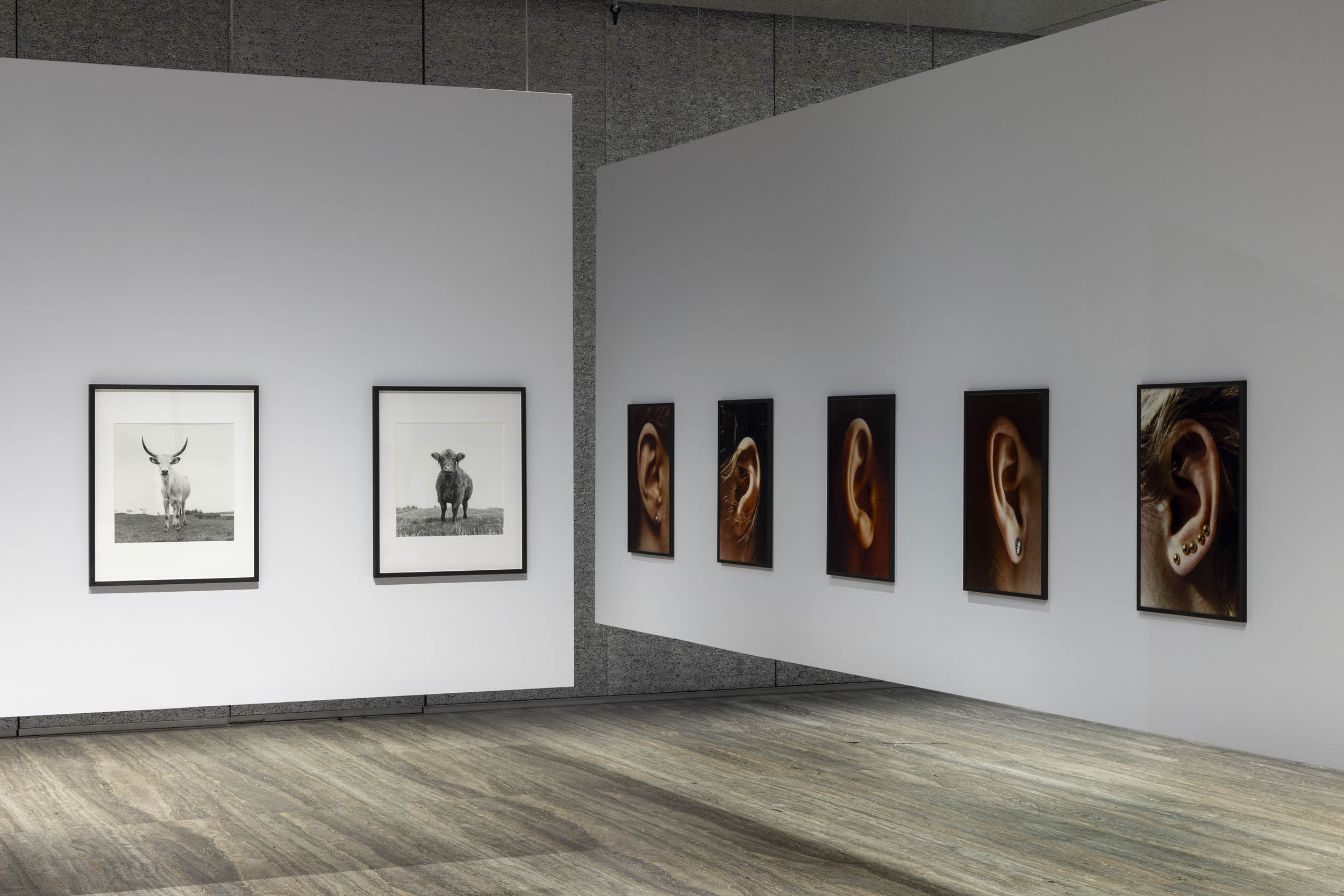
![Ursula Böhmer (German, b. 1965) 'Highland Grampians / Scotland [All Ladies – Cows in Europe]' 2011](https://artblart.com/wp-content/uploads/2025/06/21-typologien_ursula-bohmer_sm.jpg "Ursula Böhmer (German, b. 1965) 'Highland Grampians / Scotland [All Ladies – Cows in Europe]' 2011")
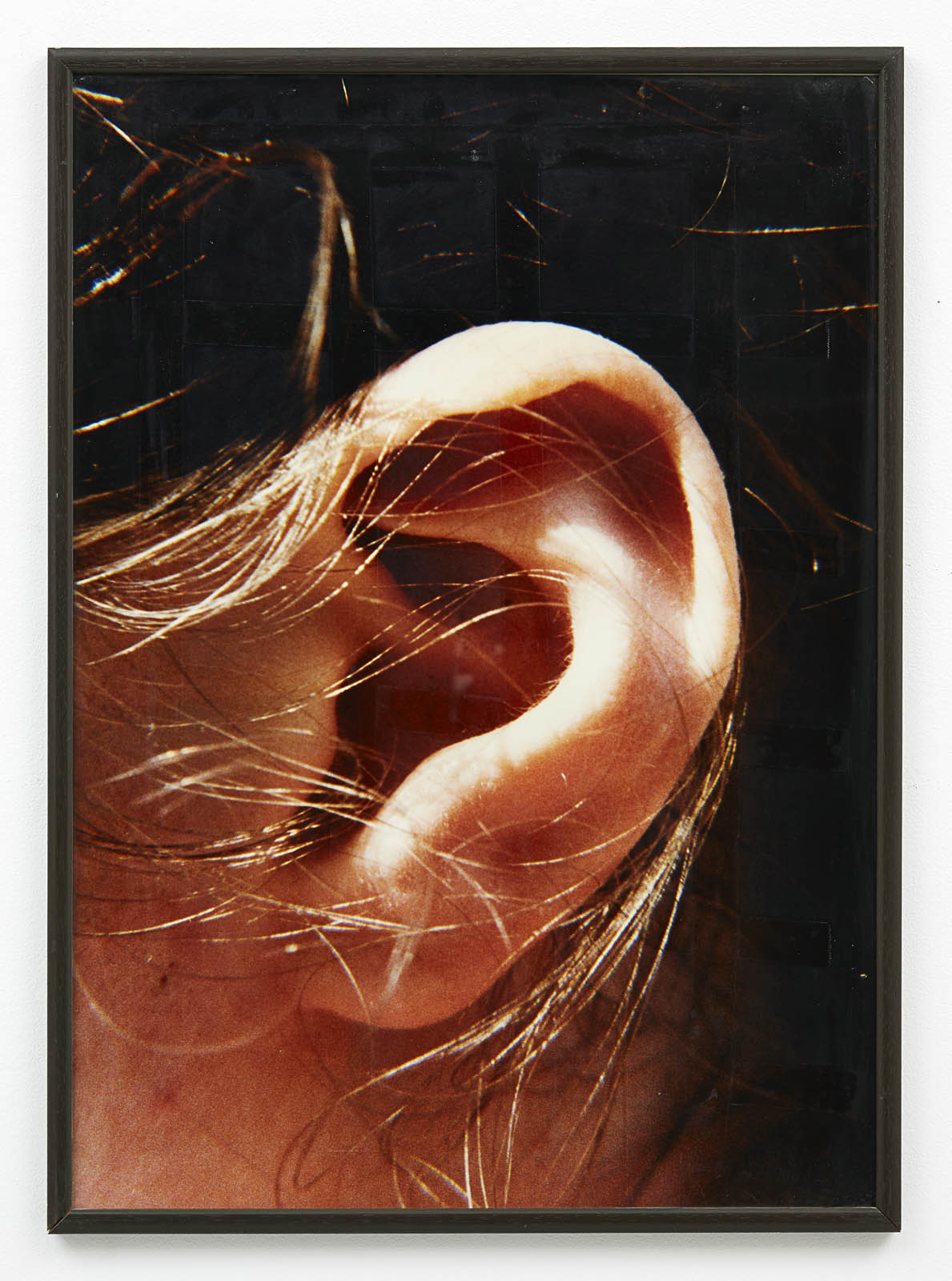
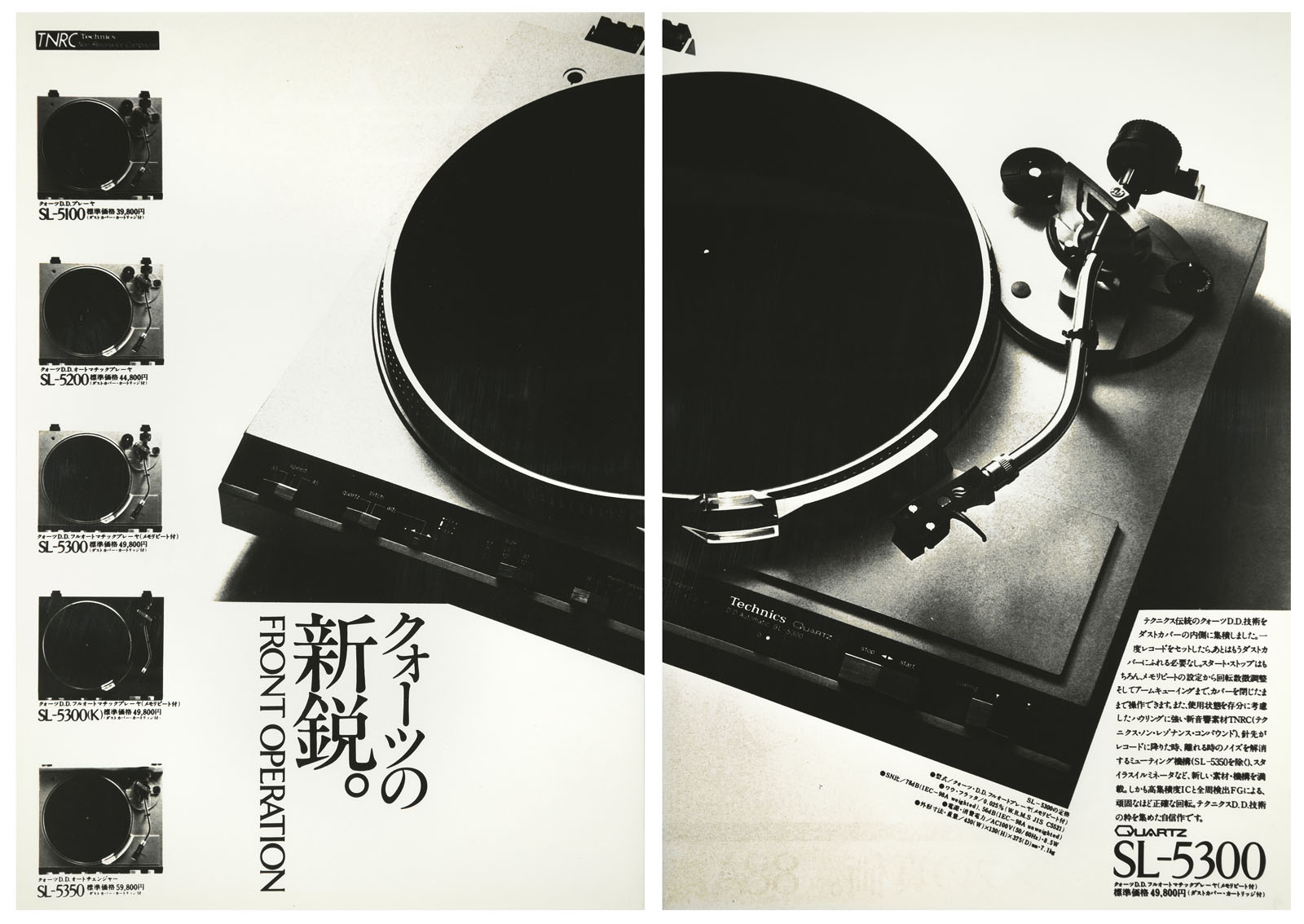
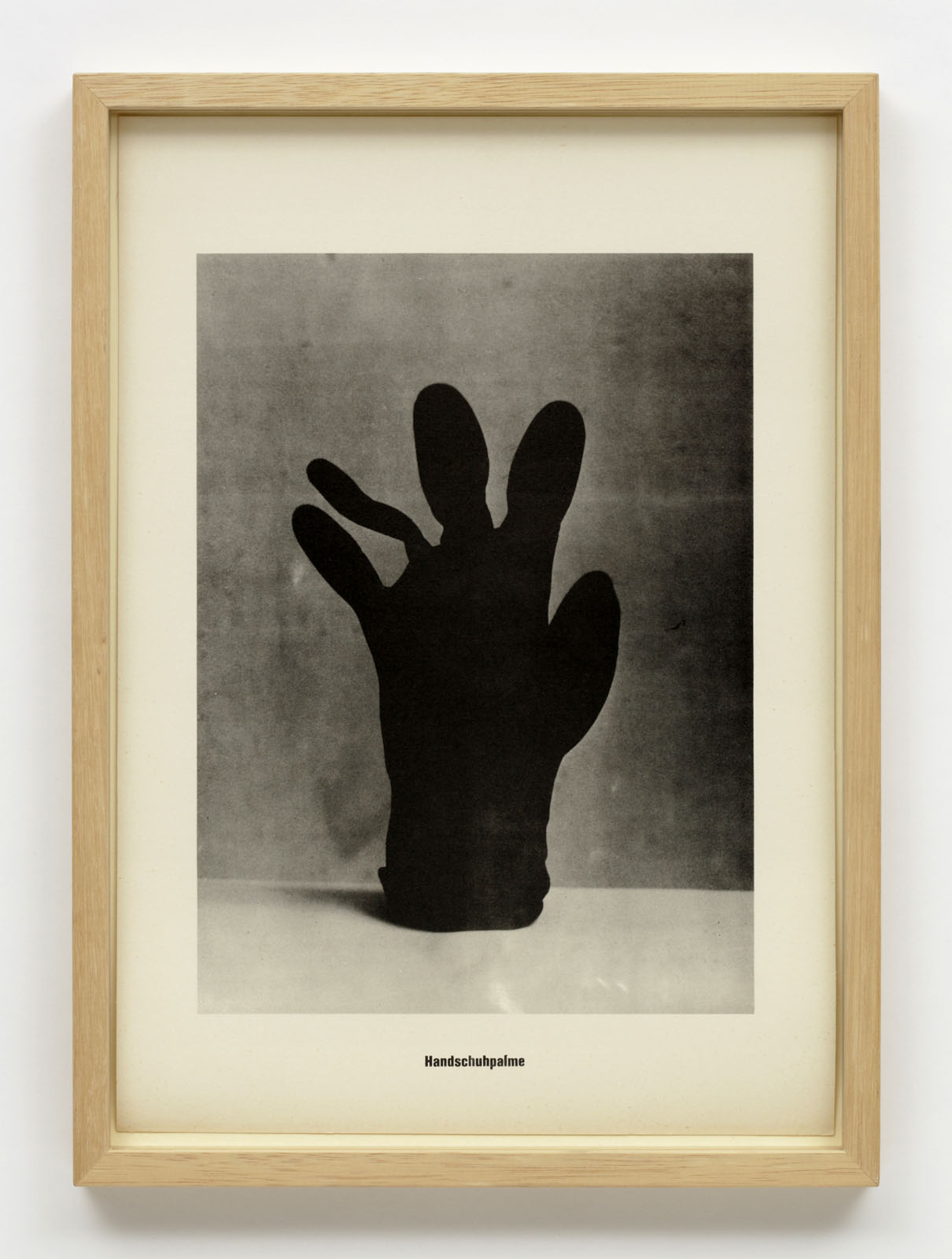
![Lotte Jacobi (American born Poland, 1896-1990) 'Folkwang-Auriga-Verlag, Orch 152. Neottia nidus avis. Vogel-Nestwurz, einzelne Blüte' [Bird's-nest orchid, single flower] c. 1930](https://artblart.com/wp-content/uploads/2025/06/4-typologien_lotte-jacobi_sm.jpg "Lotte Jacobi (American born Poland, 1896-1990) 'Folkwang-Auriga-Verlag, Orch 152. Neottia nidus avis. Vogel-Nestwurz, einzelne Blüte' [Bird's-nest orchid, single flower] c. 1930")
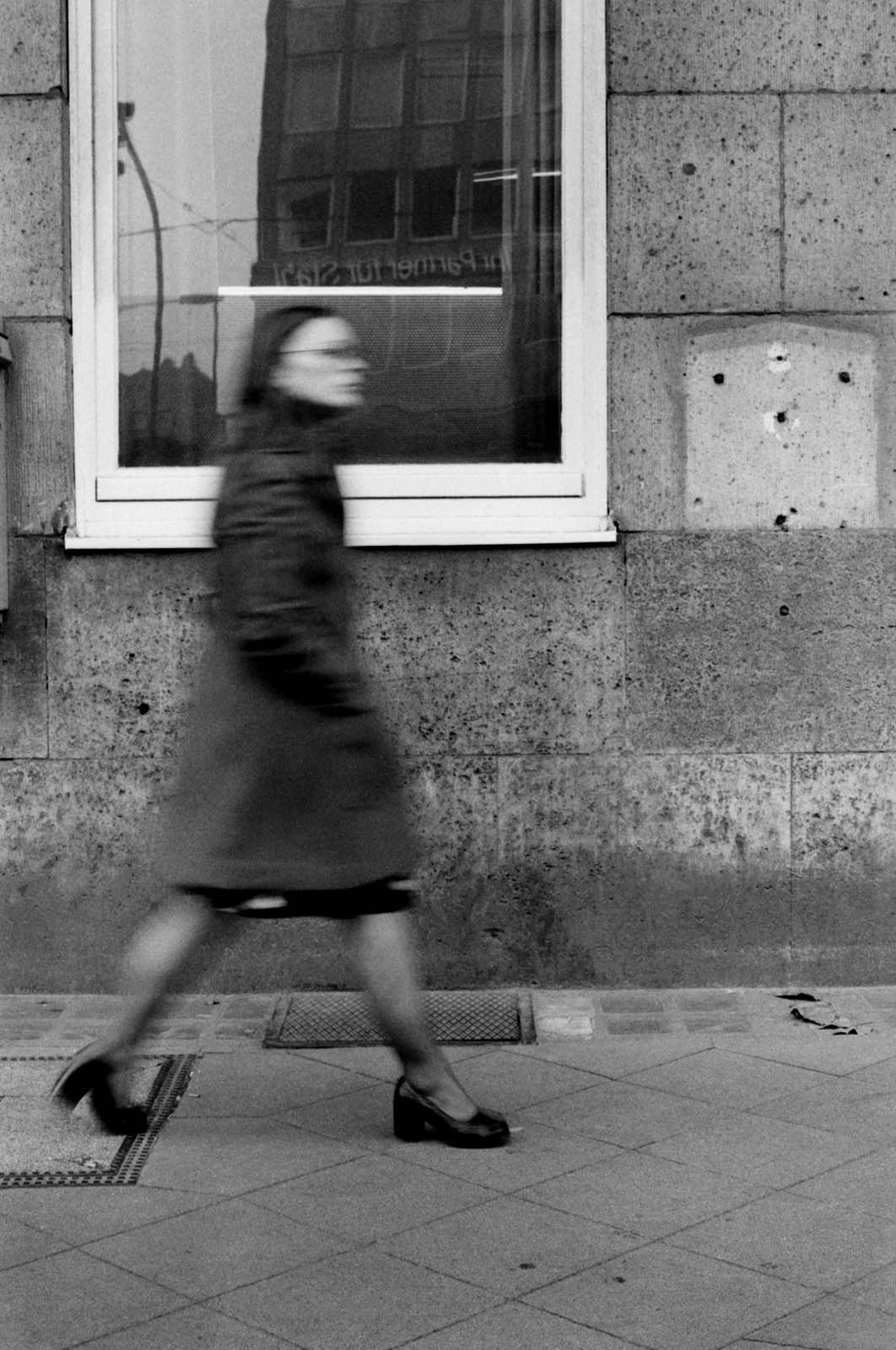
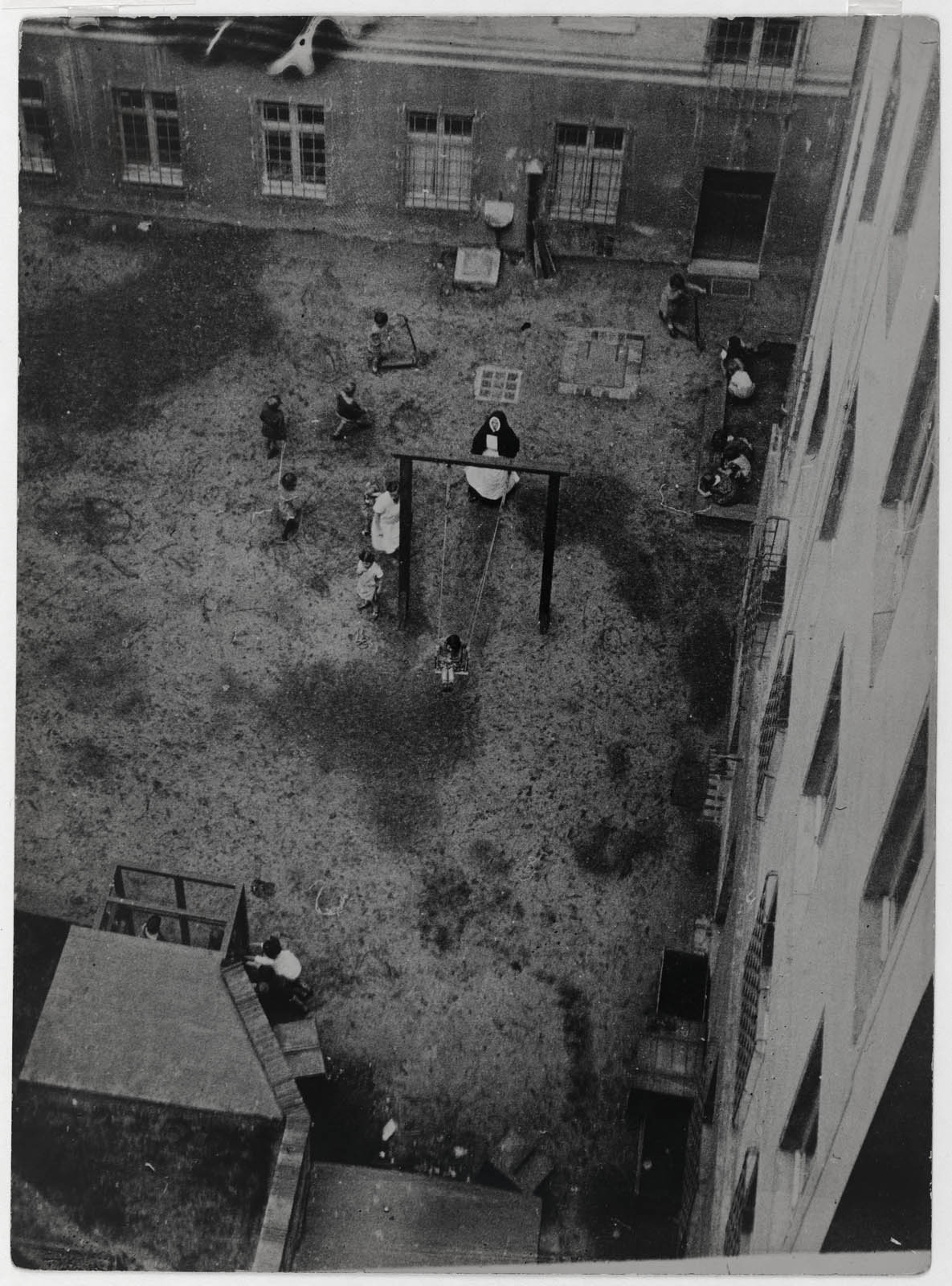



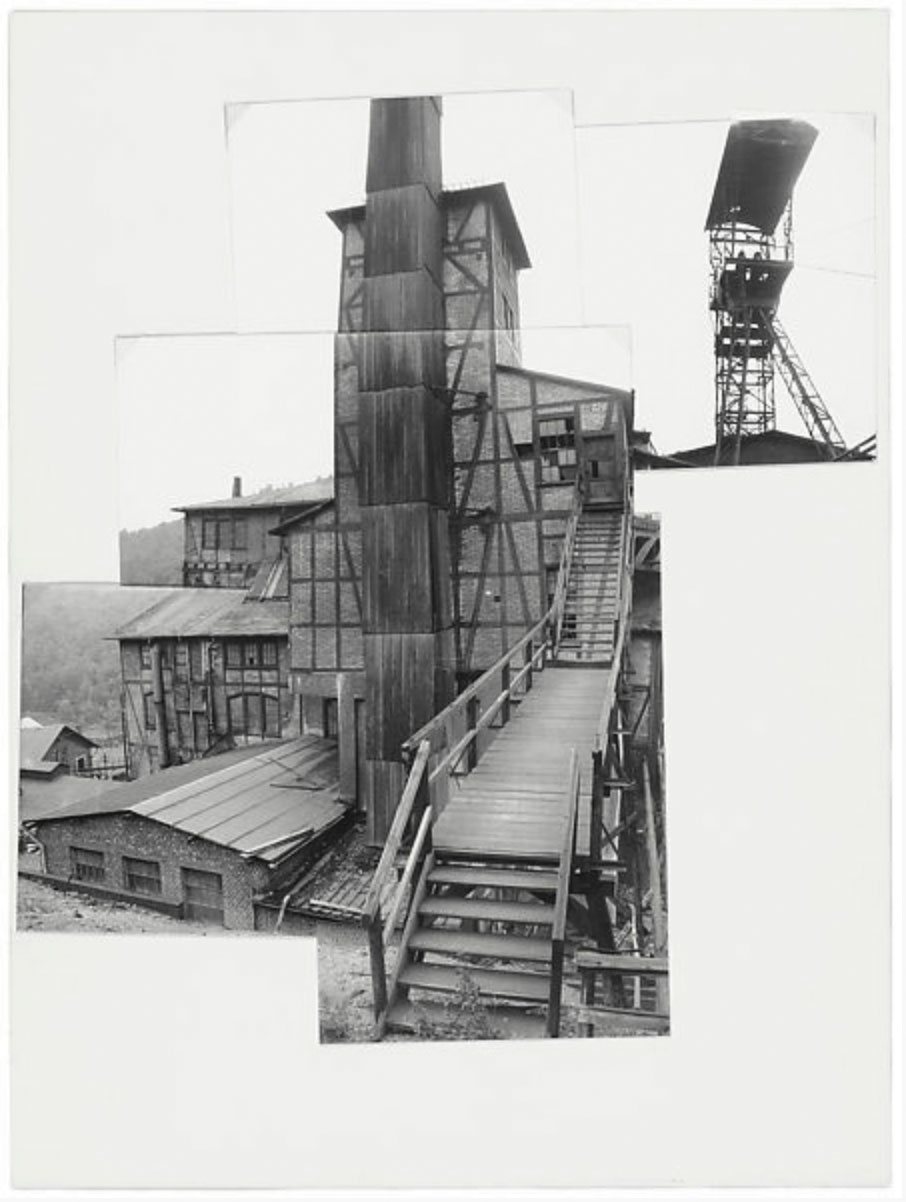
![Bernd Becher (German, 1931-2007) '[Assemblage of Pipes]' 1964 or later](https://artblart.com/wp-content/uploads/2022/10/bernd-becher-assemblage-of-pipes.jpg "Bernd Becher (German, 1931-2007) '[Assemblage of Pipes]' 1964 or later")
![Hilla Becher (German, 1934-2015) '[Mountain Elm Leaf]' 1965](https://artblart.com/wp-content/uploads/2022/10/hilla-becher-hilla-becher-mountain-elm-leaf.jpg "Hilla Becher (German, 1934-2015) '[Mountain Elm Leaf]' 1965")
![Hilla Becher (German, 1934-2015) '[Spruce Branch]' 1965](https://artblart.com/wp-content/uploads/2022/10/hilla-becher-spruce-branch.jpg "Hilla Becher (German, 1934-2015) '[Spruce Branch]' 1965")
![Hilla Becher (German, 1934-2015) '[Shell, for the German Industrial Exhibition, Khartoum, Sudan]' 1961](https://artblart.com/wp-content/uploads/2022/10/hilla-becher-shell-for-the-german-industrial-exhibition.jpg "Hilla Becher (German, 1934-2015) '[Shell, for the German Industrial Exhibition, Khartoum, Sudan]' 1961")


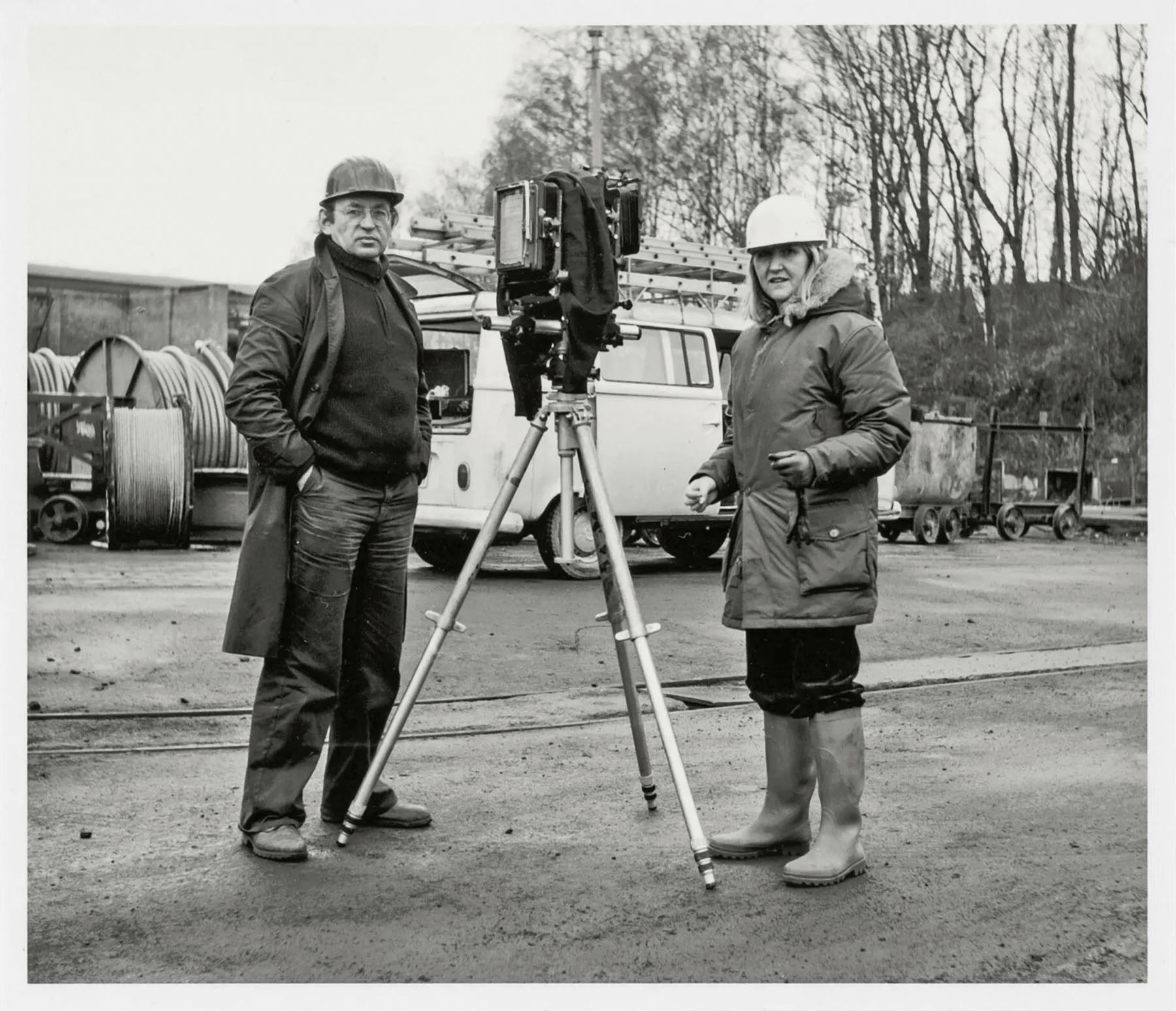

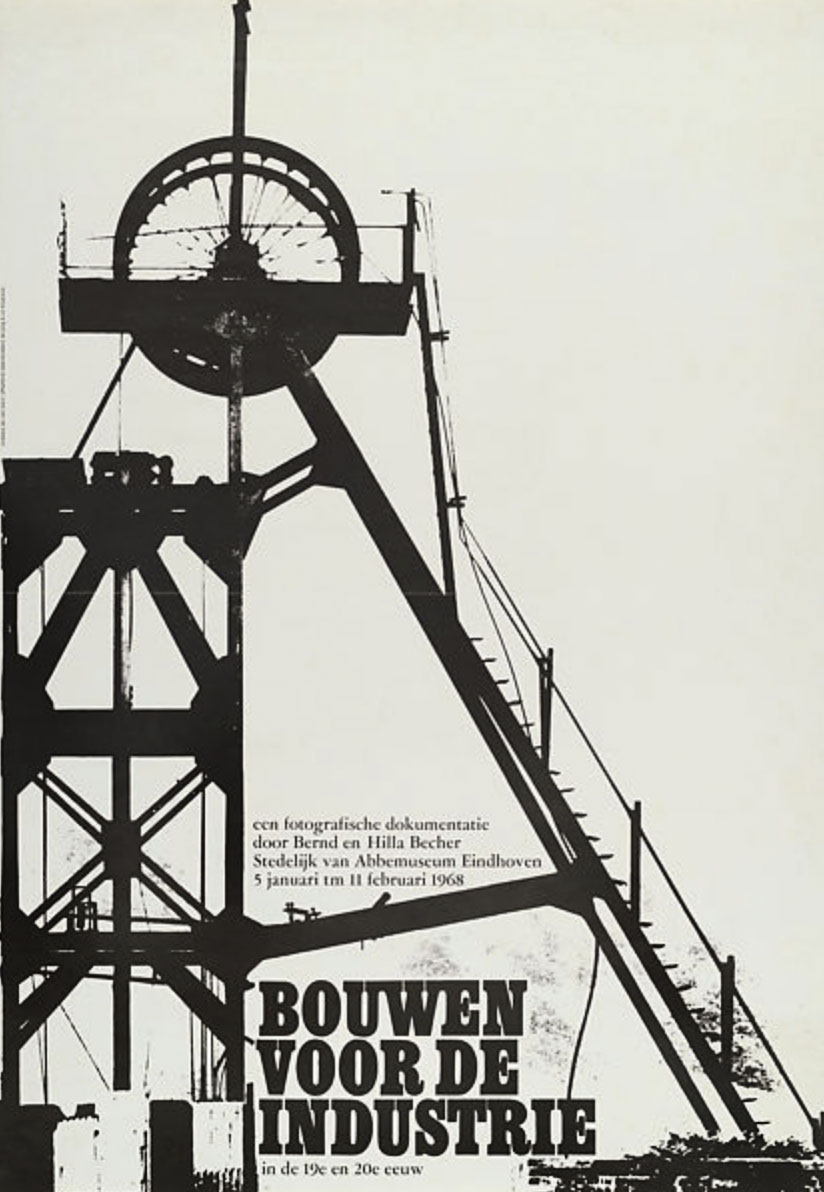


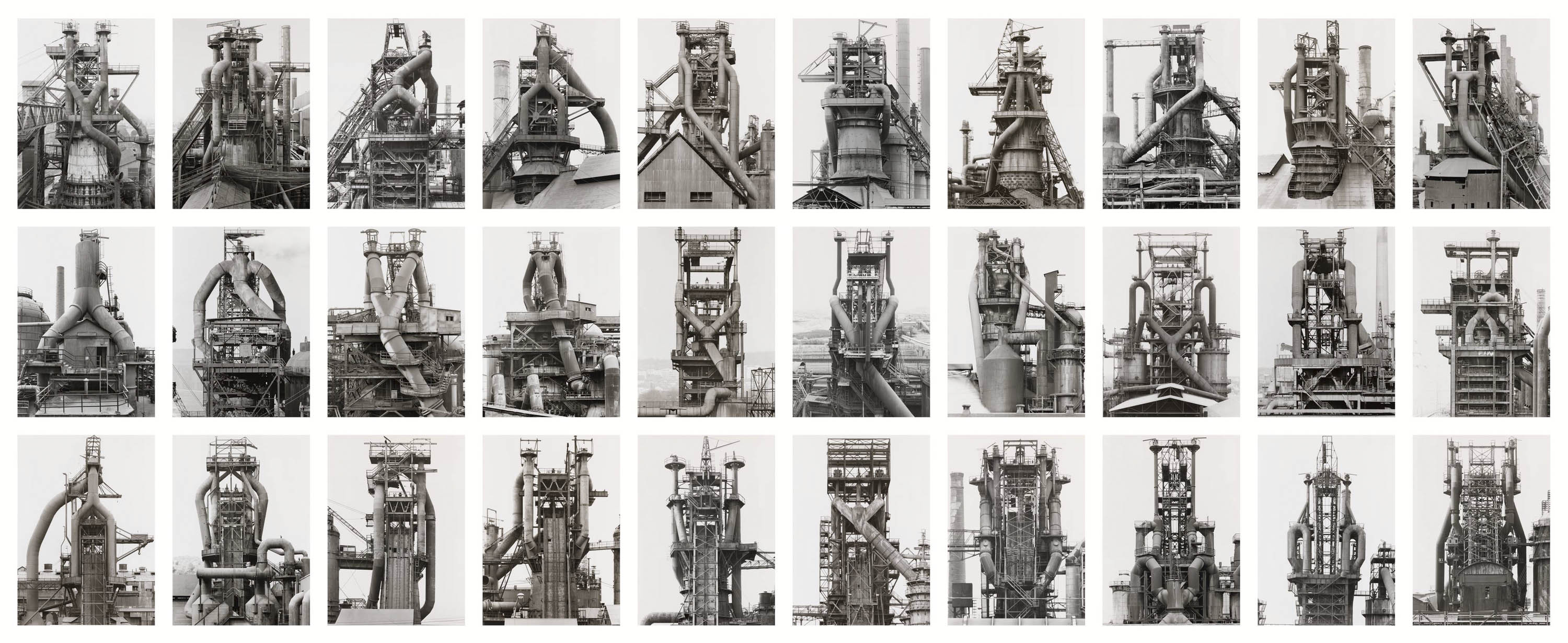
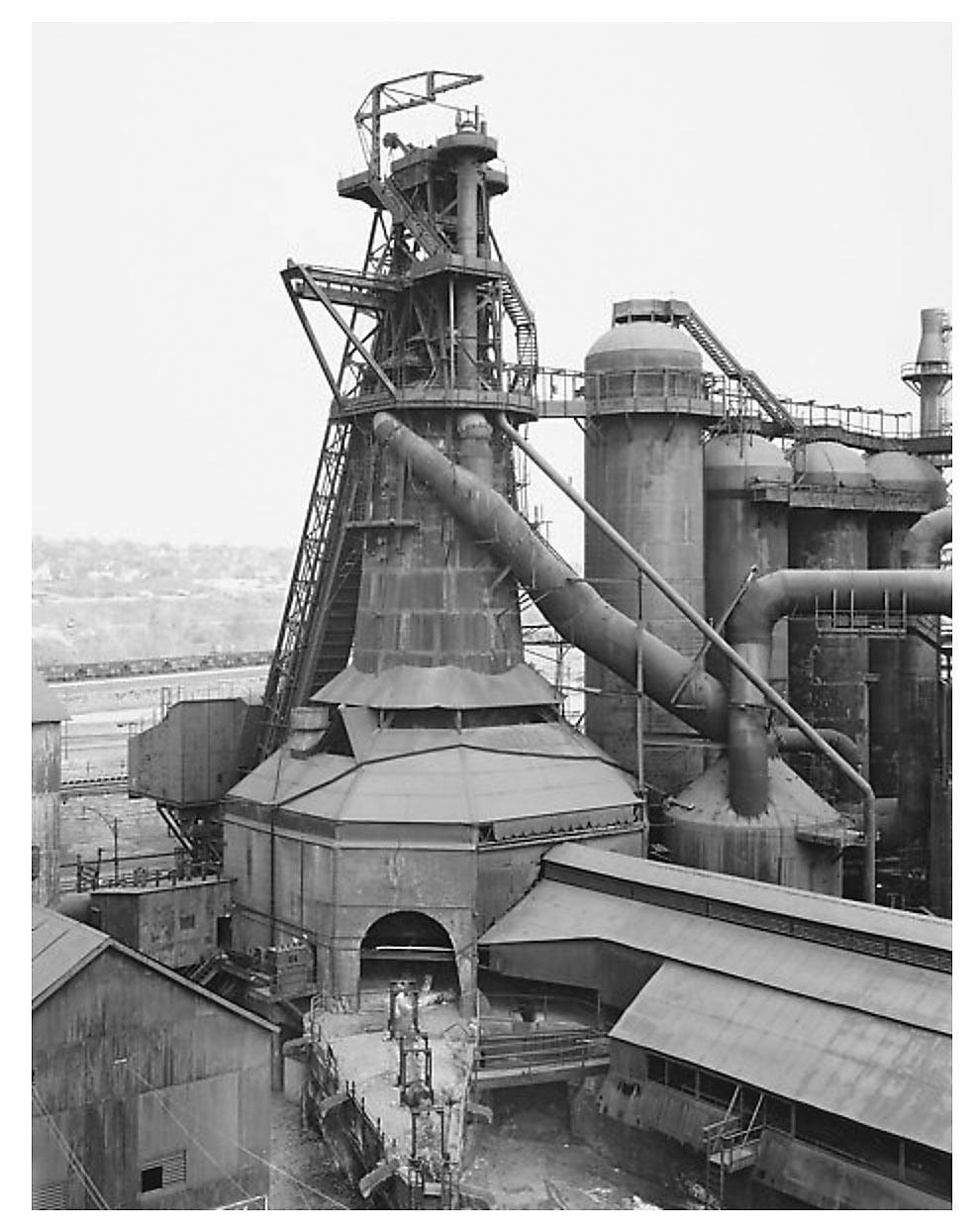


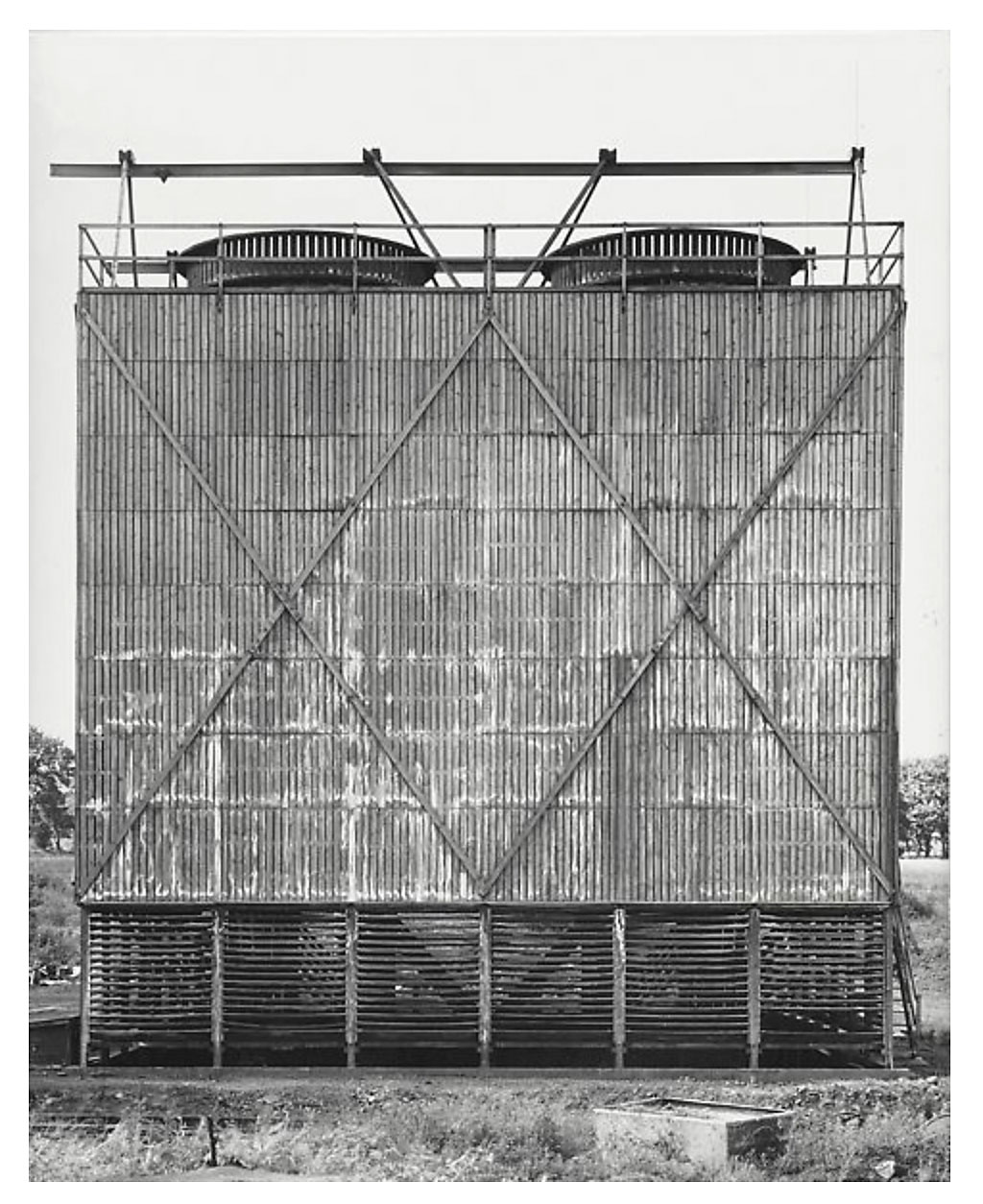


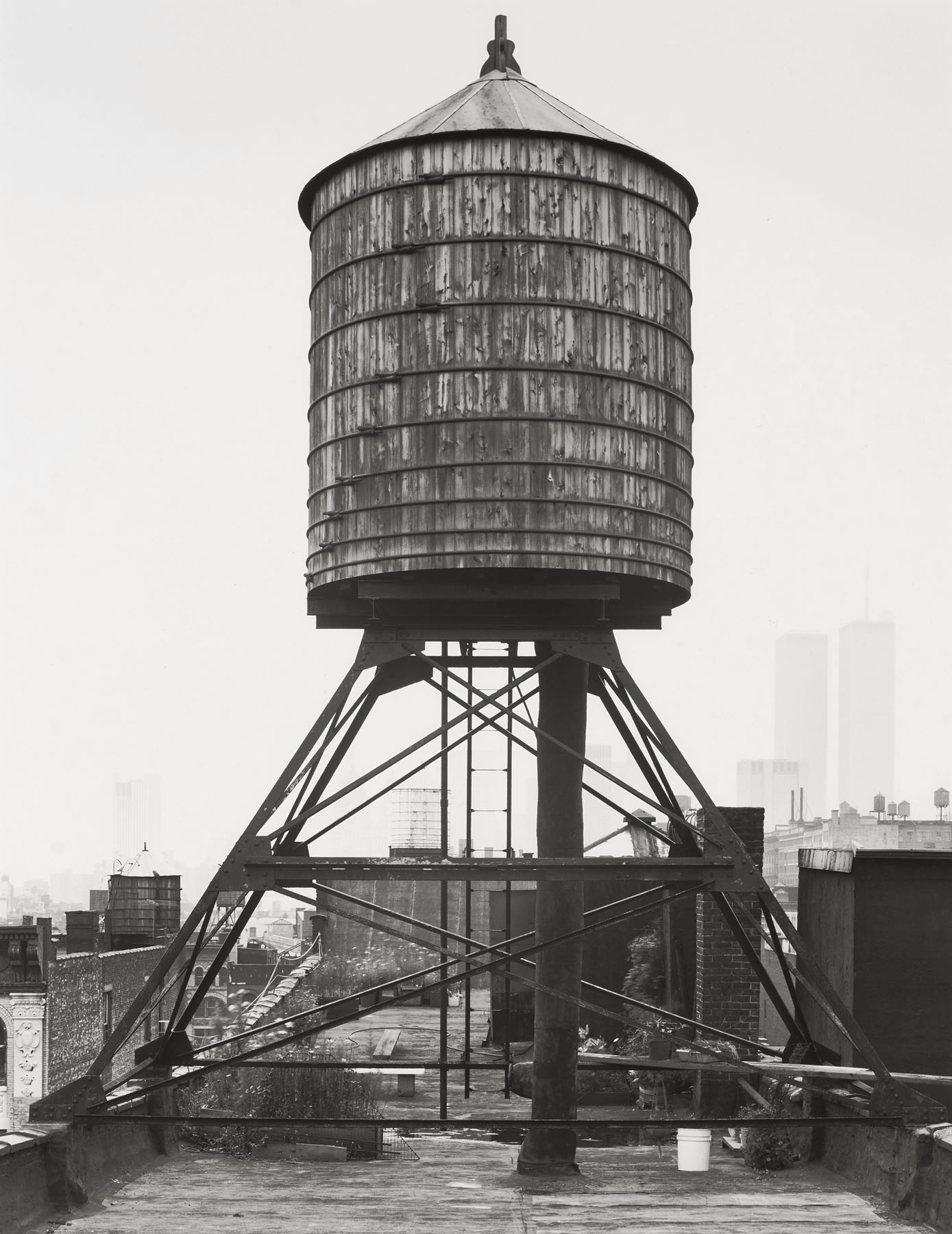
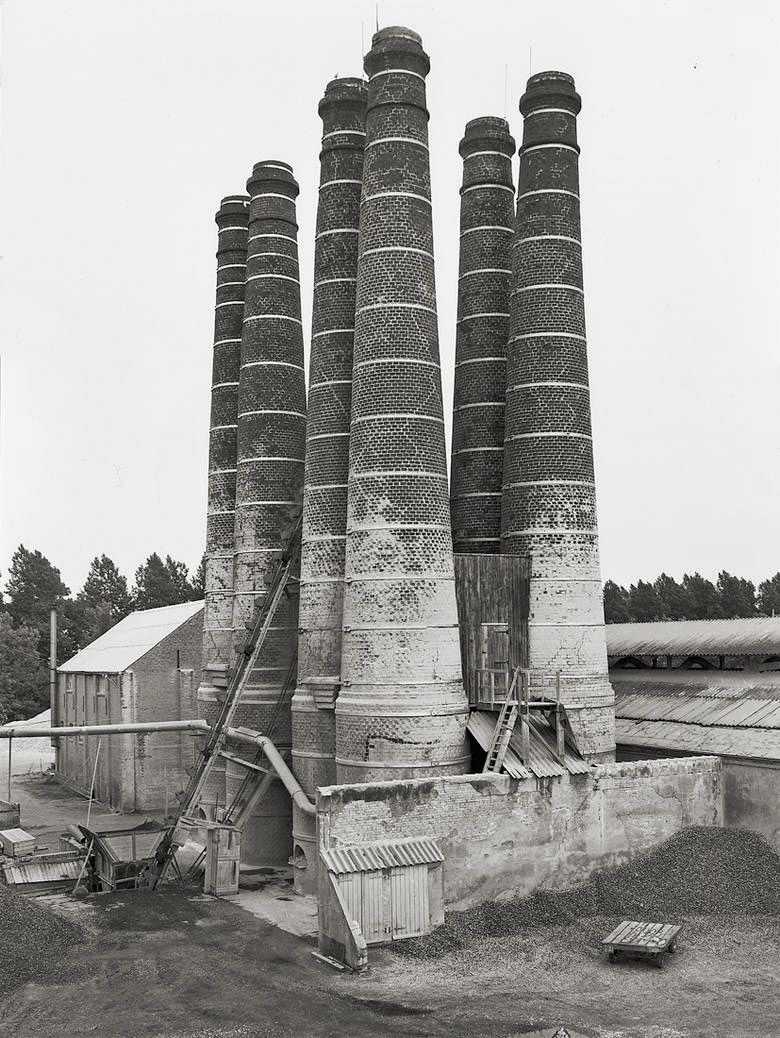

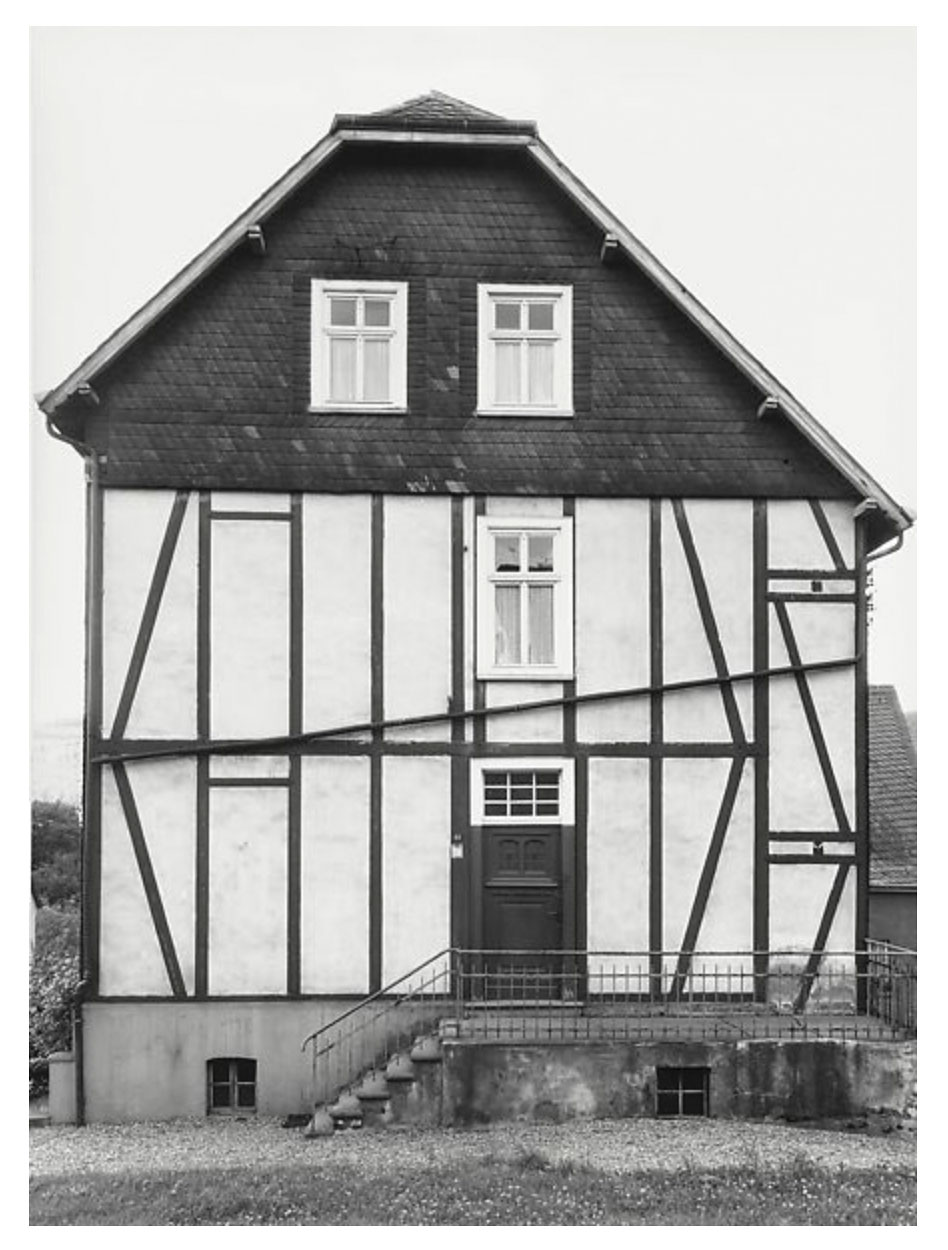
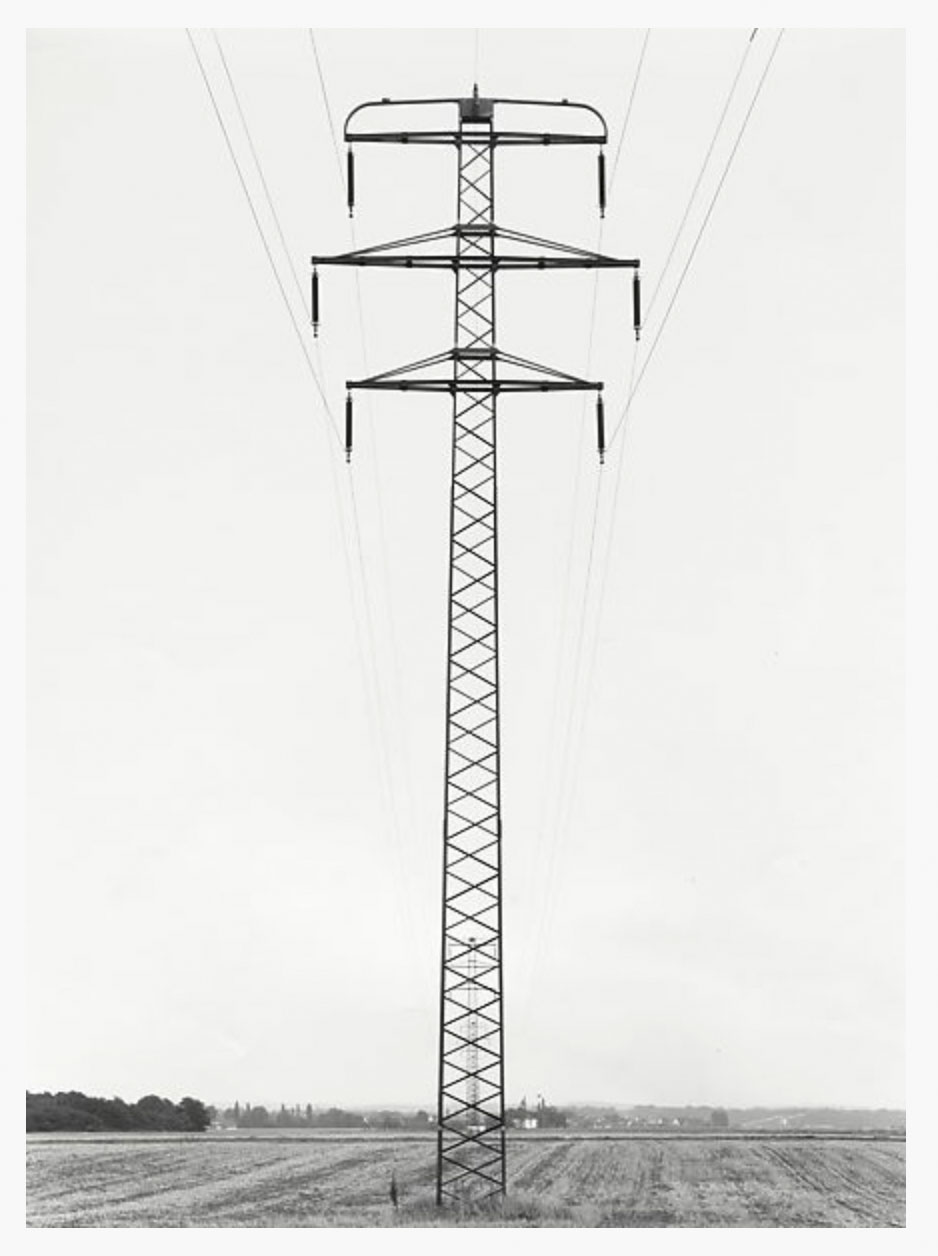

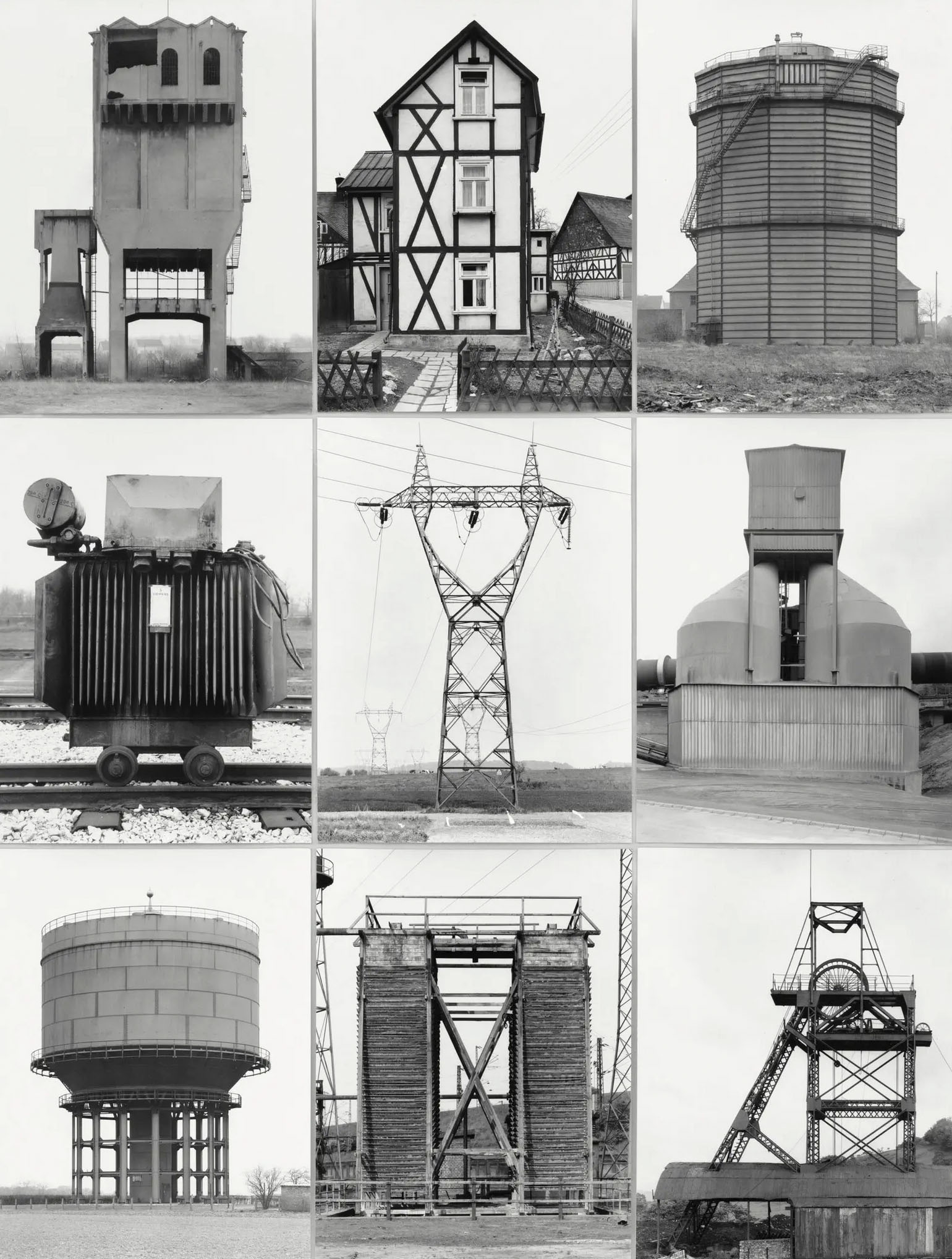


 Art Blart _ art and cultural memory archive
You must be logged in to post a comment.