Opening 3: Review: ‘Show Court 3’ and ‘Mood Bomb’ by Louise Paramor at Nellie Castan Gallery, Melbourne

Exhibition dates: 5th March – 28th March, 2009

Opening: Thursday 5th March, 2009


Louise Paramor (Australian, b. 1964) 'Show Court 3 (II)' 2009


Louise Paramor (Australian, b. 1964)
Show Court 3 (II)
2009


Boarding a train at Flinders Street we emerge at South Yarra station to stroll down to River Street for our third opening of the night at Nellie Castan Gallery. We are greeted by the ever gracious Nellie Castan who has just returned from an overseas trip to Europe where she was soaking up the wonders of Rome amongst other places. For the latest exhibition in the gallery Louise Paramor is presenting two bodies of work: Show Court 3 and Mood Bomb (both 2009). Lets look at Show Court 3 first as this work has older origins.

Originally exhibited in 2006 at Nellie Castan under the title Jam Session the sculptures from this exhibition and many more beside (75 in all) were then installed in 2007 on show court 3 at Melbourne & Olympic Parks, hence the title of the installation. In the smaller gallery in 2009 we have six Lambda photographic prints that are records of this installation plus a video of the installation and de-installation of the work.

While interesting as documentary evidence of the installation these photographs are thrice removed from the actual sculptures – the sculptures themselves, the installation of the sculptures on court and then the photographs of the installation of the sculptures. The photographs lose something in this process – the presence or link back to the referentiality of the object itself. There is no tactile suggestiveness here, no fresh visual connections to be made with the materials, no human interaction. The intertextual nature of the objects, the jamming together of found pieces of bright plastic to make seductive anthropomorphic creatures that ‘play’ off of each other has been lost.

What has been reinforced in the photographs is a phenomena that was observed in the actual installation.

“The sculptures created a jarring visual disruption when placed in a location normally associated with play and movement. The stadium seating surrounding the tennis court incited an expectation of entertainment; a number of viewers sat looking at the sculptures, as though waiting for them to spin and jump around. But mostly, the exhibition reversed the usual role of visitors to place where one sits and watches others move; here the objects on the tennis court were static and the spectators moved around.” (2007)1

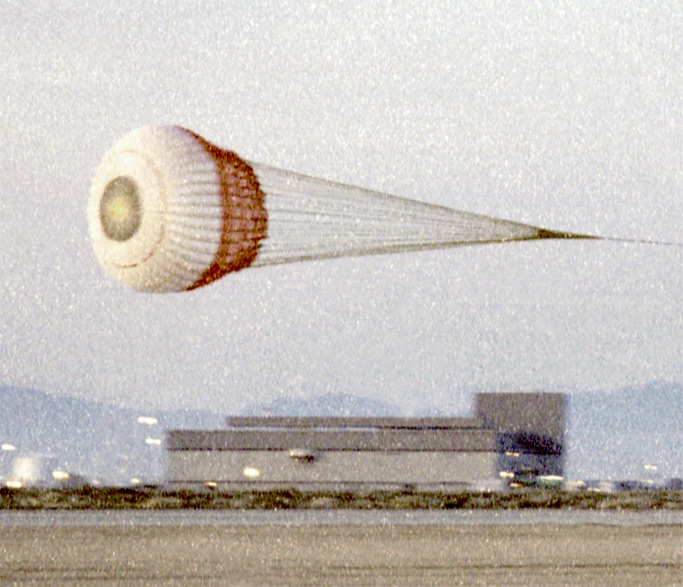
In the photographs of these objects and in the installation itself what occurs is an inversion of perception, a concept noted by the urbanist Paul Virilio.2 Here the objects perceive us instead of us perceiving the object: they stare back with an oculocentric ‘suggestiveness’ which is advertising’s raison d’être (note the eye sculpture above). In particular this is what the photographs suggest – a high gloss surface, an advertising image that grabs our attention and forces us to look but is no longer a powerful image.

In the main gallery was the most interesting work of the whole night – experiments of abstraction in colour “inspired by the very substance of paint itself.” Made by pouring paint onto glass and then exhibiting the smooth reverse side, these paintings are not so much about the texture of the surface (as is Dale Frank’s work below) but a more ephemeral thing: the dreamscapes of the mind that they promote in the viewer, the imaginative connections that ask the viewer to make. Simpler and perhaps more refined than Frank’s work (because of the smooth surface, the lack of the physicality of the layering technique? because of the pooling of amoebic shapes produced, not the varnish that accumulates and recedes?) paint oozes, bleeds, swirls, drips upwards and blooms with a sensuality of intense love. They are dream states that allow the viewer to create their own narrative with the title of the works offering gentle guides along the way: Girl with Flowers, Lovers, Mood Bomb, Emerald God, Mama, and Animal Dreaming to name just a few. To me they also had connotations of melted plastic, almost as if the sculptures of Show Court 3 had dissolved into the glassy surface of a transparent tennis court.

These are wonderfully evocative paintings. I really enjoyed spending time with them.

Dr Marcus Bunyan


1/ O’Neill, Jane. Louise Paramor: Show Court 3. Melbourne: Nellie Castan Gallery, 2009

2/ Virilio, Paul. The Vision Machine. (trans. Julie Rose). Bloomington: Indiana University Press, 1994, pp. 62-63


Many thankx to Nellie Castan Gallery for allowing me to publish the photographs in the posting. Please click on the photographs for a larger version of the image.
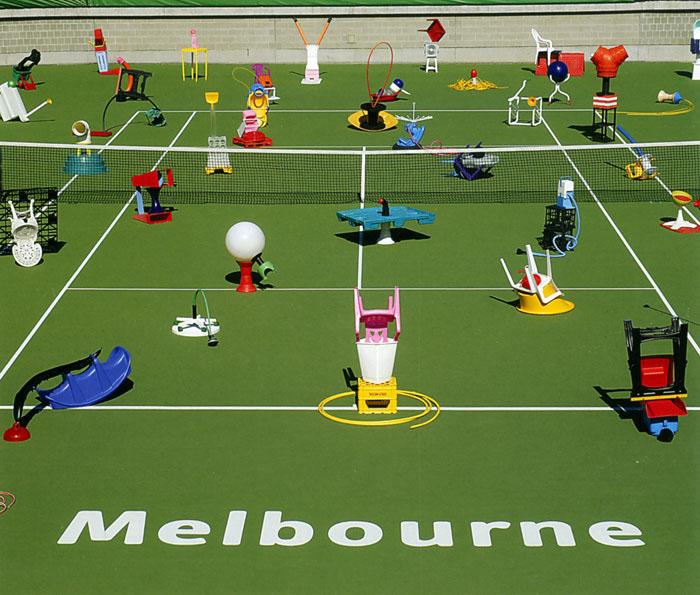


Louise Paramor (Australian, b. 1964) 'Show Court 3 (VI)' 2009


Louise Paramor (Australian, b. 1964)
Show Court 3 (VI)
2009
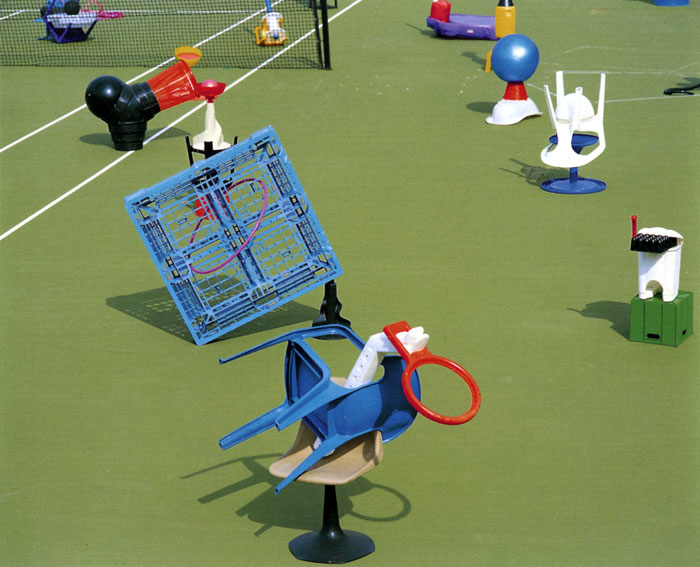
 

Louise Paramor (Australian, b. 1964) 'Show Court 3' 2009 (detail)


Louise Paramor (Australian, b. 1964)
Show Court 3 (detail)
2009


Louise Paramor (Australian, b. 1964) 'Show Court 3' 2009 (detail)


Louise Paramor (Australian, b. 1964)
Show Court 3 (detail)
2009


Louise Paramor (Australian, b. 1964) Opening night crowd in front of 'Sky Pilot' (left) and 'Mama' (right) 2009


Louise Paramor (Australian, b. 1964)
Opening night crowd in front of Sky Pilot (left) and Mama (right)
2009
Paint on glass


Louise Paramor (Australian, b. 1964) Opening night crowd in front of 'Green Eyed Monster' (right) and 'Sky Pilot' (right) 2009


Louise Paramor (Australian, b. 1964)
Opening night crowd in front of Green Eyed Monster (right) and Sky Pilot (right)
2009
Paint on glass


Louise Paramor (Australian, b. 1964) Opening night crowd in front of 'Pineapple Express' 2009


Louise Paramor (Australian, b. 1964)
Opening night crowd in front of Pineapple Express
2009
Paint on glass


Louise Paramor (Australian, b. 1964) 'A Dog and His Master' 2009 (detail)


Louise Paramor (Australian, b. 1964)
A Dog and His Master (detail)
2009
Paint on glass


Louise Paramor (Australian, b. 1964) 'Lovers' 2009


Louise Paramor (Australian, b. 1964)
Lovers
2009
Paint on glass


Dale Frank (Australian, b. 1959) '2. One conversation gambit you hear these days: 'Do you rotate?' An interesting change of tack? No suck luck. 'Do you rotate?' simply fishes for information about the extent of your collection. Do you have enough paintings to hang a different one in your dining room every month?' 2005


Dale Frank (Australian, b. 1959)
2. One conversation gambit you hear these days: ‘Do you rotate?’ An interesting change of tack? No suck luck. ‘Do you rotate?’ simply fishes for information about the extent of your collection. Do you have enough paintings to hang a different one in your dining room every month?
2005


Louise Paramor (Australian, b. 1964) 'Mood Bomb' 2009


Louise Paramor (Australian, b. 1964)
Mood Bomb
2009
Paint on glass


Louise Paramor (Australian, b. 1964) 'Slippery Slope' 2009 (detail)


Louise Paramor (Australian, b. 1964)
Slippery Slope (detail)
2009
Paint on glass


Louise Paramor (Australian, b. 1964) 'Green Eyed Monster' 2009 (detail)


Louise Paramor (Australian, b. 1964)
Green Eyed Monster (detail)
2009
Paint on glass


Nellie Castan Gallery, Melbourne

This gallery closed in December 2013

LIKE ART BLART ON FACEBOOK

Back to top

Opening 1: Review: ‘Continuous Moment: Bad Infinity’ by Damiano Bertoli at The Narrows, Melbourne

Exhibition dates: 5th March – 28th March, 2009

Opening: Thursday 5th March, 2009


Damiano Bertoli (Australian, 1969-2021) 'Continuous Moment: Bad Infinity' 2009 video still

Damiano Bertoli (Australian, 1969-2021) 'Continuous Moment: Bad Infinity' 2009 video still


Damiano Bertoli (Australian, 1969-2021)
Continuous Moment: Bad Infinity
2009
Video stills


In a busy night of openings in Melbourne we arrive to watch, to be a spectator and voyeur at Damiano Bertoli’s new twin video installation at The Narrows on Flinders Lane, ensconced in the darkness of the gallery space. The looped installation features on the left scenes from the original Miami Vice TV series and on the right approximate scenes from the 2006 feature film of the same name. The synchronicity of the two splices of time moving in and out of register is uncanny. We have memories of these appearances, flickering signifiers embedded in our psyche which are called to presence in the space between screen and viewer as we add our own layer of temporal distortion to the unfolding events.

In an erudite catalogue note Bertoli expounds on the nature of the performative and the question of authorship by analysing Glenn Gould’s two recordings of J. S. Bach’s Goldberg Variations, one recorded at the beginning of his career and one in the final year of his life. Bertoli posits that Gould used counterpoint “as a formal construct for its capacity to produce ‘an explosion of simultaneous idea’s’ … as a solution for his dissatisfaction with singularity and linear definition.”

He notes that, “As an interpreter of others work, Gould occupied a position of equivalence – we are aware that we are listening to Bach and Gould – simultaneously … These co-existing yet distinct voices move in and out of synchronicity, as does the listener’s experience of Gould’s interpretation (actually an interpretation of an interpretation) as the latter version iterates and embodies the version which precedes it. We are constantly comparing the two, as is Gould.”

This is quite true but I do not think the metaphor can be so literally applied to the video installation Bertoli has constructed. Firstly Gould’s interpretations and our recognition of them requires knowledge of the authoritative voice of the author as composer and the author as performer: Bach and Gould. Conversely in the videos the directors are unknown by most and the actors anonymous except by those with specific memory of appearances. There is no contrapuntal fugue like working of the sound or images in search of the purity of musical ideas – the dialogue talks over each other and splice cuts jump the scene from one location to another – forming a fractured hypertextual narrative driven by the spectacular gaze of the viewer, a simularcrum of the ‘real’. The simultaneity of being in three worlds at once is the world of simulacra not of equivalence.

As Ron Burnett has observed

“Video creates what I will describe as a logic of the present while simultaneously producing an image-event in the past. This generates a somewhat different temporal context than we are normally accustomed to – a mixture of present and past that is both, and neither, simultaneously. The disjuncture that results is part of the attraction but also part of what makes the electronic image so puzzling. It suggests that history has already been made while one continues to make it. It is this suppleness that allowed broadcasters for example to repeat the Rodney King beating in Los Angeles over and over again, as if each showing would somehow reconstitute the event, as if to prove that this was not a dramatisation, not a fiction. In order to gain control over the many disjunctures, repetition was used … But this only validates the contradictions, proposing that the disjunctures in time and place can be controlled, that there is some way of gaining authority over the impact of the event as image.”1


I would argue that what Bertoli’s installation does offer is a release from inert rationalist geometries, a deterritorialization and reterritorialization of temporal time in a heterotopic space, juxtaposing in a single real place several spaces, several sites that are in themselves incompatible. These are layered images of hyper-performativity and hypermediacy, where the fragmented images become a process and a performance, where the spectator becomes the screen not the author.

As Baudrillard has said, “Today we live in the imaginary world of the screen, of the interface and the reduplication of contiguity and networks. All our machines are screens. We too have become screens, and the interactivity of men has become the interactivity of screens. Nothing that appears on the screen is meant to be deciphered in depth, but actually to be explored instantaneously, in an abreaction immediate to meaning.”2

Here is the immediacy of continuous time – the removal of psychological depth, the reduction of life to a series continuous presents and surface phenomena that repeat over and over again. Is this bad infinity? We will never know… as we can never have knowledge of infinity. It is a noumenal concept, an event known only to the imagination, independent of the senses.

This is an interesting and fun installation. Well worth a visit.

Dr Marcus Bunyan


1/ Burnett, Ron. Cultures of Vision: Images, Media, & the Imaginary. Bloomington: Indiana University Press, 1995, p. 249

2/ Baudrillard, Jean. Xerox and Infinity (trans. Agitac). Paris: Touchepas, 1988, p. 7


Many thankx to The Narrows gallery for allowing me to publish the photographs in the posting. Please click on the photographs for a larger version of the image.


    Damiano Bertoli Continuous Moment: Bad Infinity (2009)


    Damiano Bertoli (Australian, 1969-2021) 'Continuous Moment: Bad Infinity' 2009 video still

    Damiano Bertoli (Australian, 1969-2021) 'Continuous Moment: Bad Infinity' 2009 video still

    Damiano Bertoli (Australian, 1969-2021) 'Continuous Moment: Bad Infinity' 2009 video still


    Damiano Bertoli (Australian, 1969-2021)
    Continuous Moment: Bad Infinity
    2009
    video stills


    Vale Damiano Bertoli (1969-2021)

    In September, artist Damiano Bertoli passed away unexpectedly at the age of 52. Bertoli was a staple in the Melbourne art community. He could be relied upon to regularly attend openings and see most exhibitions. Along the way, he would dish out wit, sarcasm and charm. Seeing him across a crowded room, he would go cross-eyed as a form of greeting, breaking the ice with humour. Bertoli had a rich and expansive artistic practice, spanning collage, film, sculpture, installation, even theatre, but he was equally known for his large personality. In preparation for this piece, I spoke to several of Bertoli’s closest friends who had many things to say about him, but some underlying themes proved unanimous. He possessed a great sense of curiosity and generosity; he loved sharing knowledge; he built rich relationships with others through engagement with art; and that he has left behind a massive legacy – albeit one that could have been much, much bigger.

    Read more about Damiano Bertoli’s legacy.  Amelia Winata. “Damiano Bertoli 1969-2021,” on the MeMO website 13 Oct 2021 [Online] Cited 12/06/2022


    Damiano Bertoli (Australian, 1969-2021) 'Continuous Moment: Bad Infinity' 2009 video still

    Damiano Bertoli. 'Continuous Moment: Bad Infinity' 2009 video still


    Damiano Bertoli (Australian, 1969-2021)
    Continuous Moment: Bad Infinity
    2009
    video stills


    The Narrows

    This gallery is now closed.

    LIKE ART BLART ON FACEBOOK

    Back to top

    Photographs: Marcus Bunyan. ‘Momentum’ 2009

    February 2009


    Marcus Bunyan (Australian, b. 1958) 'Untitled' from the series 'Momentum' 2009


    Marcus Bunyan (Australian, b. 1958)
    Untitled from the series Momentum
    2009
    Digital colour photograph


    Momentum

    A new body of work – the first of 2009 – is now online.

    All 30 images can be seen on my website.

    Marcus

    Photographs are available from this series for purchase. As a guide, a digital colour 16″ x 20″ costs $1000 plus tracked and insured shipping. For more information please see my Store web page.


    Marcus Bunyan (Australian, b. 1958) 'Untitled' from the series 'Momentum' 2009


    Marcus Bunyan (Australian, b. 1958)
    Untitled from the series Momentum
    2009
    Digital colour photograph


    Marcus Bunyan (Australian, b. 1958) 'Untitled' from the series 'Momentum' 2009


    Marcus Bunyan (Australian, b. 1958)
    Untitled from the series Momentum
    2009
    Digital colour photograph


    Marcus Bunyan (Australian, b. 1958) 'Untitled' from the series 'Momentum' 2009


    Marcus Bunyan (Australian, b. 1958)
    Untitled from the series Momentum
    2009
    Digital colour photograph


    Marcus Bunyan (Australian, b. 1958) 'Untitled' from the series 'Momentum' 2009


    Marcus Bunyan (Australian, b. 1958)
    Untitled from the series Momentum
    2009
    Digital colour photograph


    Marcus Bunyan (Australian, b. 1958) 'Untitled' from the series 'Momentum' 2009


    Marcus Bunyan (Australian, b. 1958)
    Untitled from the series Momentum
    2009
    Digital colour photograph


    Marcus Bunyan (Australian, b. 1958) 'Untitled' from the series 'Momentum' 2009


    Marcus Bunyan (Australian, b. 1958)
    Untitled from the series Momentum
    2009
    Digital colour photograph


    Marcus Bunyan website

    LIKE ART BLART ON FACEBOOK

    Back to top

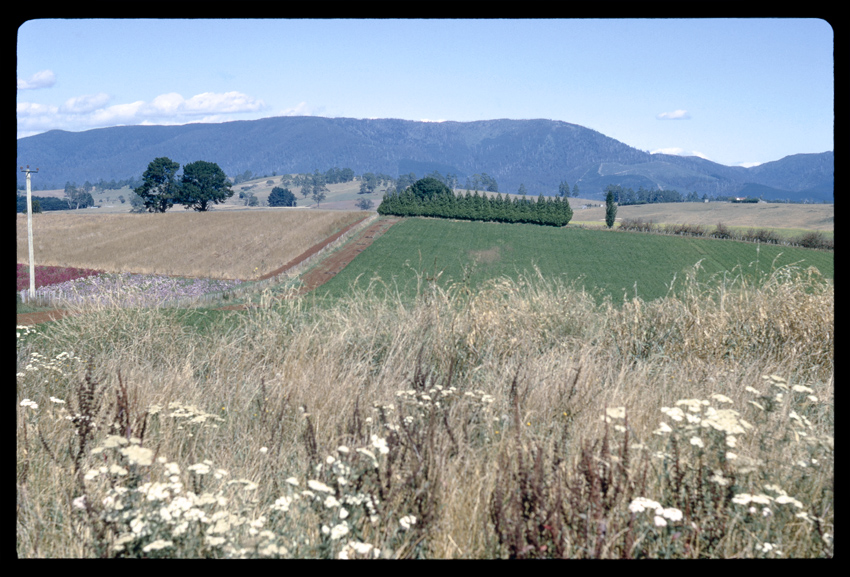
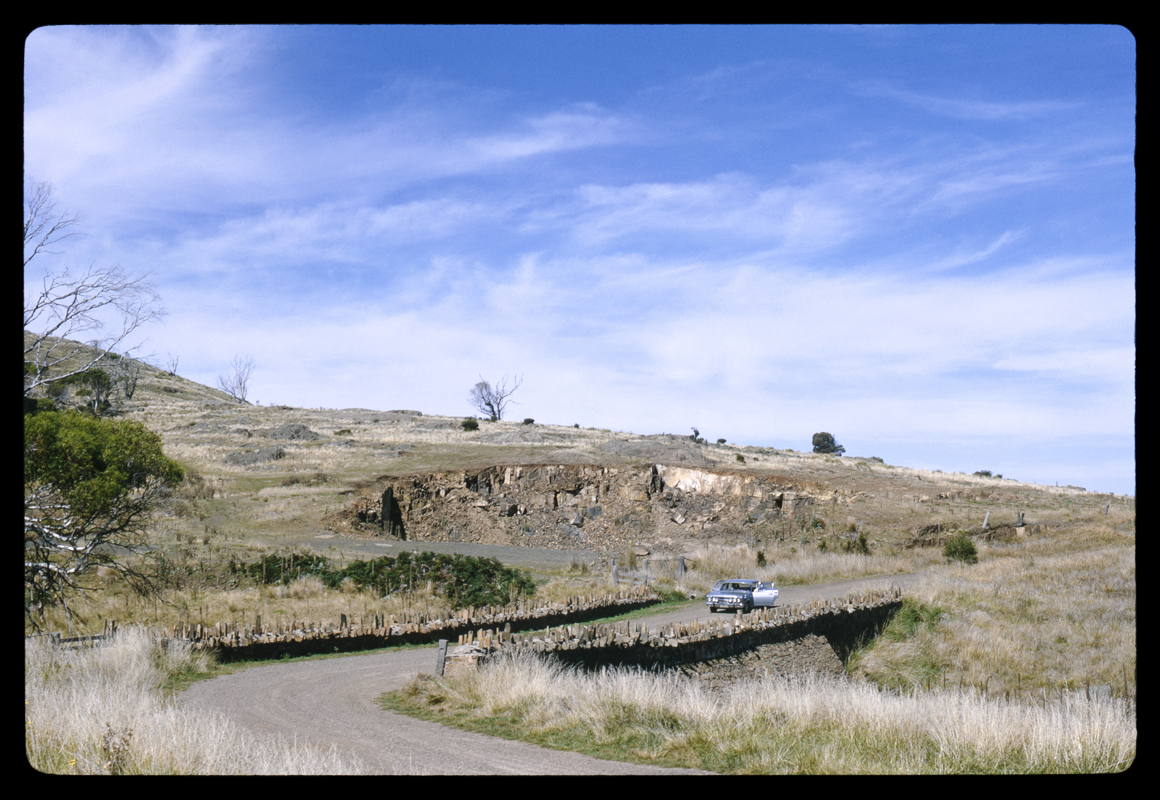
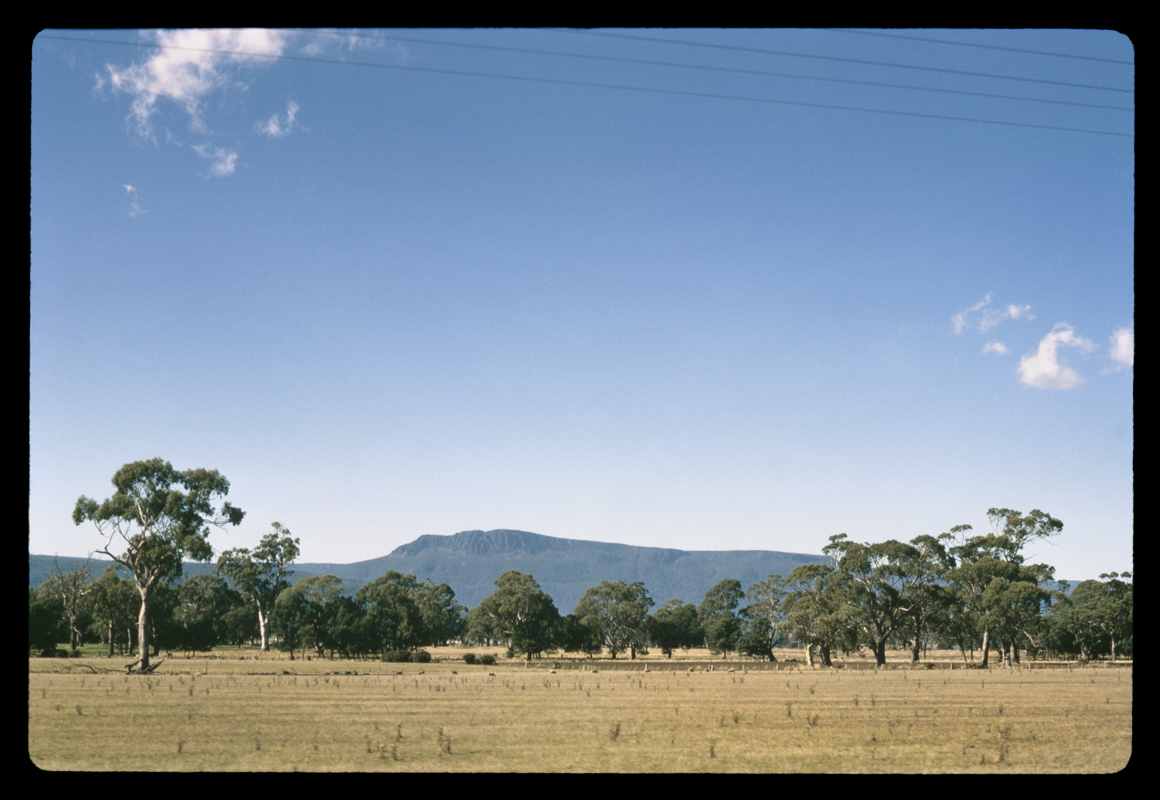
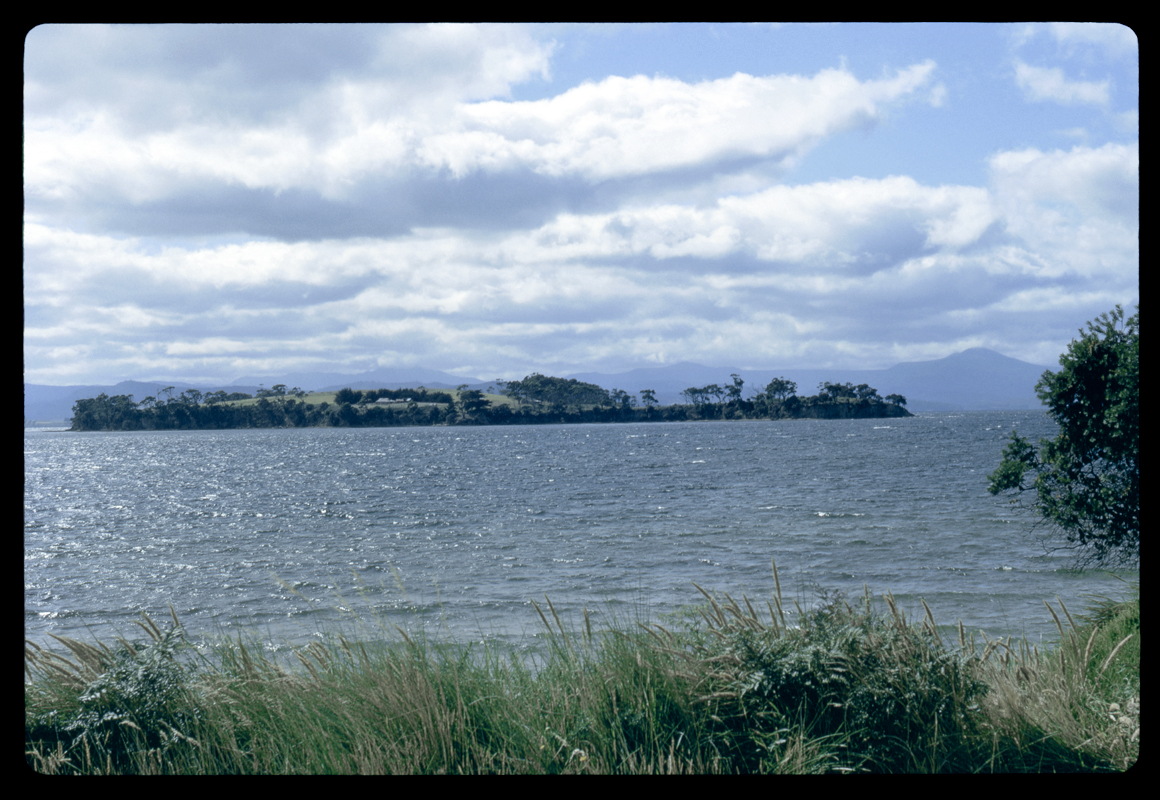
    New work: Marcus Bunyan ‘Discarded Views’ 2008

    December 2008


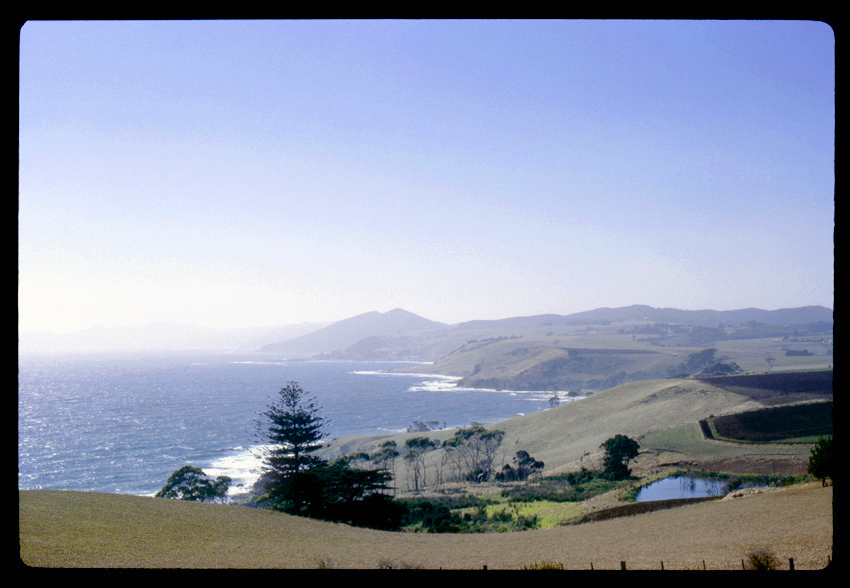
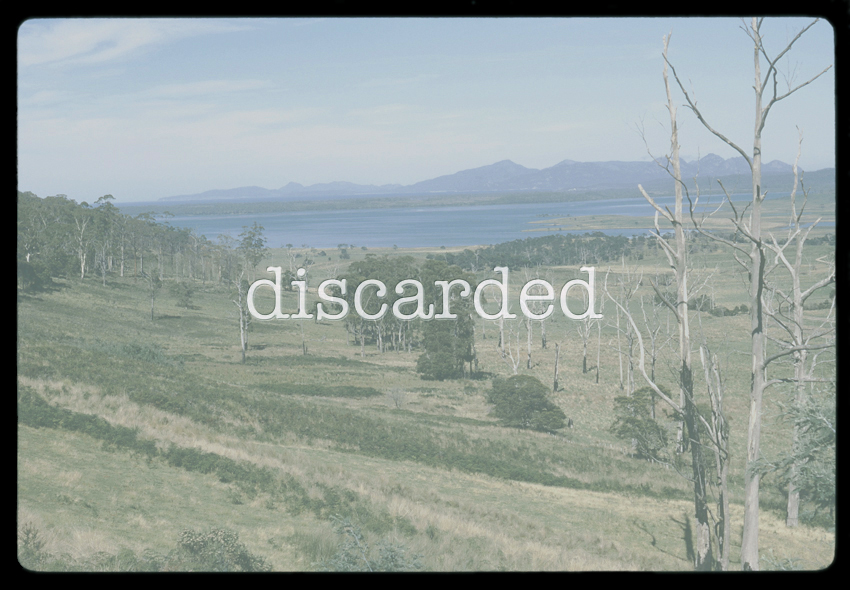
    Marcus Bunyan (Australian, b. 1958) "Untitled" from the series 'Discarded Views' 2008


    “Everything to be believed is an image of truth.”


    William Blake


    dirty, fragile colour slides
    found in an op shop,
    rescued, re-visioned

    Tasmania 1971 – Melbourne 2008

    discarded image
    discarded earth


    Marcus Bunyan (Australian, b. 1958) "Untitled" from the series 'Discarded Views' 2008


    Marcus Bunyan (Australian, b. 1958) "Untitled" from the series 'Discarded Views' 2008


    Marcus Bunyan (Australian, b. 1958) "Untitled" from the series 'Discarded Views' 2008


    Marcus Bunyan (Australian, b. 1958) "Untitled" from the series 'Discarded Views' 2008


    Marcus Bunyan (Australian, b. 1958)
    Images from the series Discarded Views
    2008
    28 images in the series


    SEE THE FULL SERIES ON MY WEBSITE


    Marcus Bunyan website

    LIKE ART BLART ON FACEBOOK

    Back to top

    Opening: ‘Oleh Witer’ at Space 39 Gallery, Melbourne

    Exhibition dates: 11th November – 22nd November, 2008

    Opening: Tuesday 11th November, 2008


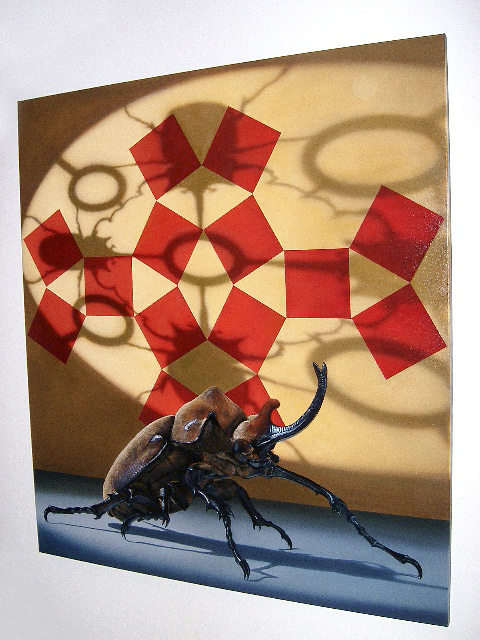
    Oleh Witer (Australian) 'The Elephant Beetle' 2008 (installation view) from the exhibition 'Oleh Witer' at Space 39 Gallery, Melbourne, Nov 2008


    Oleh Witer (Australian)
    The Elephant Beetle (installation view)
    2008
    Oil in linen


    A warm and lively crowd was in attendance for the opening of the latest Oleh Witer exhibition at Space 39 in Little Collins Street, Melbourne. Nine paintings are presented in the open space of the gallery and what magical paintings they are.

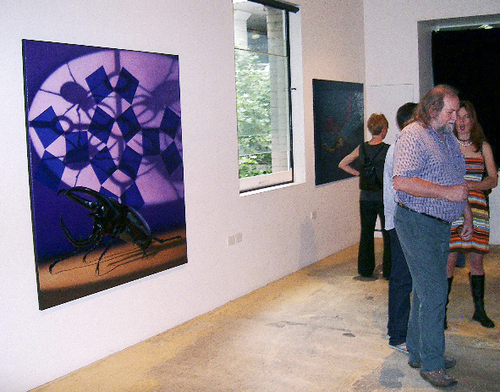
    Two of the main canvases feature rearing beetles in the foreground, almost photo-realistically painted, lit from above while in the background geometric red and blue squares are overlaid by enigmatic shadows – almost as though the shadows were the interior structures of a fantastical light shade.

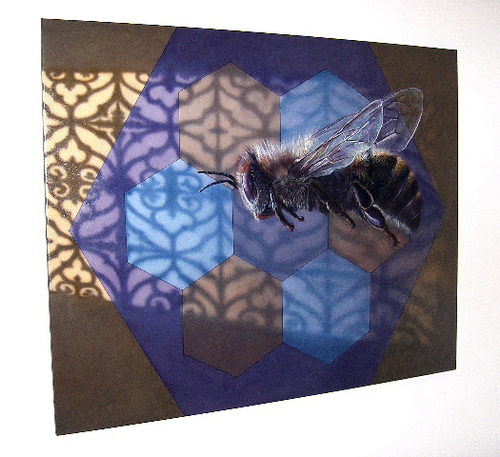
    Other canvases feature a bee and a wasp facing each other with cellular geometric patterns and overlaid shadows in the background. Between these two seeming adversaries is a large canvas of a black skull with candle flickering in the it’s lobotomised top sitting on a spiral shape with geometric shapes and the shadows of an almost tarot like ‘ten of swords’ pattern overlaid to the background.

    The strongest work features geometric forms with dark surrealist imagery. These are talismanic images with a strong connection to taoist and shamanic principles. A concern with the connection between all things is evident – archetypal pentagrams, spirals and swords are linked to the principles and proportions of the golden mean equation. Contemplation is required to access the inner meanings of the work but they reward extended looking as their magical phosphorescences are revealed over time. Recommended viewing.

    Dr Marcus Bunyan


    Oleh Witer (Australian) 'The Rhinoceros Beetle' 2008 (installation view)


    Oleh Witer (Australian)
    Installation view and opening crowd with The Rhinoceros Beetle
    2008
    Oil on linen


    Oleh Witer (Australian) 'The Bee' 2008 (installation view) from the exhibition 'Oleh Witer' at Space 39 Gallery, Melbourne, Nov 2008


    Oleh Witer (Australian)
    The Bee (installation view)
    2008
    Oil on linen


    Space 39

    This gallery is no longer open

    LIKE ART BLART ON FACEBOOK

    Back to top

    Review: ‘Disintegration’ by Robbie Rowlands at Place Gallery, Melbourne

    Exhibition dates: 22nd October – 15th November, 2008


    Robbie Rowlands (Australian, b. 1968) 'Scored' 2008 from the exhibition Review: 'Disintegration' by Robbie Rowlands at Place Gallery, Melbourne, Oct - Nov, 2008


    Robbie Rowlands (Australian, b. 1968)
    Scored
    2008
    Goal post, steel
    160cm x 130cm x 50cm
    Photograph: Christian Capurro


    “The philosopher Martin Heidegger argued that objects are often invisible to us gathered up as they are within a context of functionality and use. It is only when things break down that we become aware of them, seeing them with fresh eyes. In many ways Heidegger’s observation could form the basis of an approach to Robbie Rowlands’ work. Rowlands takes objects that are often forgotten, invisible or transparent to us, objects that exist on the verge of disappearance, and stages a kind of ‘breakdown’, inviting us to rediscover the object, poised somewhere between what it was and what it might become.”


    Simon Cooper. Catalogue essay


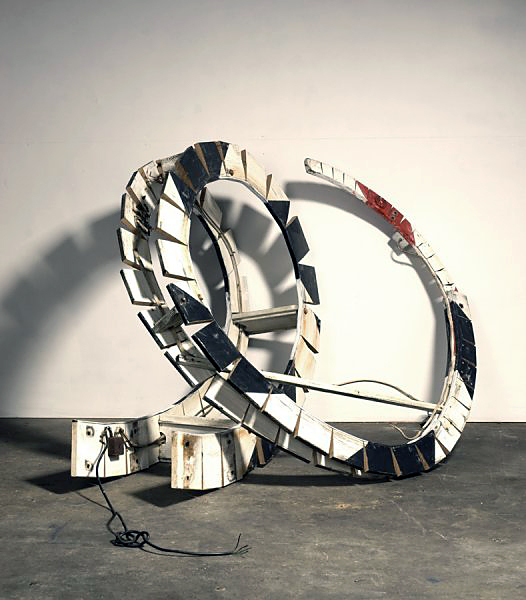
    Sitting in pools of light in the elegant modern space of Place Gallery in Richmond, six theatrically lit sculptures are presented by artist Robbie Rowlands. Made of everyday objects (a boom gate, desk, chair, single bed, electricity pole, desk and footy goalpost) they have been de/constructed by the artist and reformed into curved objects. With ironic titles such as Down for the felled electricity pole and Collapse for the dismembered chair Rowland’s work hovers between one fixed state and an’other’ transformative state of being.

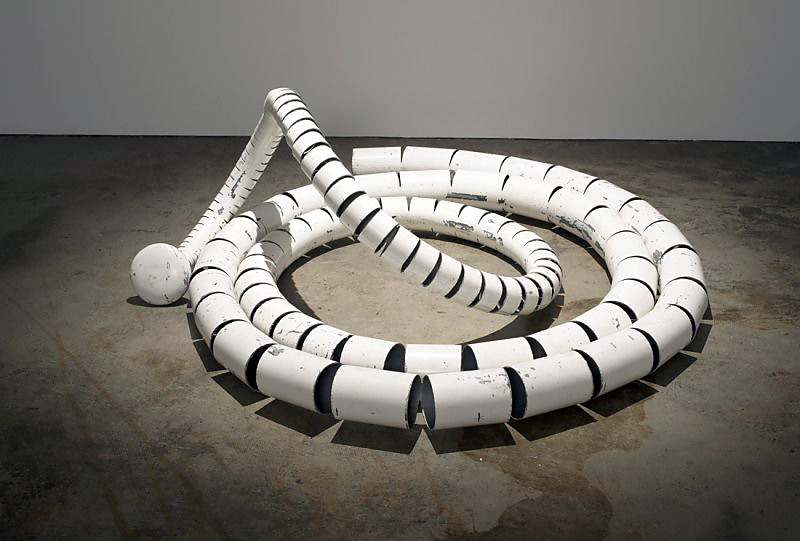
    While the catalogue essay by Simon Cooper suggests that all of these objects are abandoned or nearly forgotten sharing a context of quasi-obsolescence, this is not the case. These were objects of purpose and form, the acts of ritualised production of a consumer society that contained signs that symbolised their status. In his creativity Rowland has used these technologies of production, which permit us to produce, transform or manipulate things to create new sensual forms of life. Some of the sculptures such as Boom (the boom gate; 2008, below) and Scored (the goal post; 2008, above) remind me of creatures emerging from the recesses of the unconscious, curling and rearing up like monsters from the deep. One of the most beautiful forms is the constructed white chair where the function of the object has collapsed into the essence of the form, like the surreal spatiality of a poetic Miro. As Gaston Bachelard reminds use in The Poetics of Space:

    “The grace of a curve is an invitation to remain. We cannot break away from it without hoping to return. For the beloved curve has nest-like powers; it incites us to possession, it is a curved corner, inhabited geometry.”1


    Cooper suggests that the curved forms that Rowland creates were “already there in the original object, even as it was sat on, written on, or passed by on the way to work.” He rightly notes that the process used contains a certain violence, but that we remember and reconstruct the old form even as we respond to the new construction. For these sculptures are a construction not, I believe, inherent in the original form. This can be seen in the sculpture Boom (2008, below) for example, where Rowland has used additional pieces of metal to hold the curve of the boom gate in place. Without this skilfully added, hidden sub-structure the transformative shape would collapse onto the floor. Rowland inhabits and possesses his new geometry with as much technology as the original but not in such an obvious form.

    At their best these sculptures are both poetic palimpsest and heterotopic objects of otherness that are neither here nor there. The work would have been stronger if only four pieces were presented in the gallery space – the sculptures needed more room to breathe (understanding the dictum that less is more). The sculptures themselves also needed greater thematic cohesiveness perhaps using the colour white as the unifying theme. But they are sensual and beautiful gestures and deserve the attention of your visit.

    Dr Marcus Bunyan


    1/ Bachelard, Gaston. The Poetics of Space. Boston: Beacon, 1969 [originally 1958] p. 146


    Robbie Rowlands (Australian, b. 1968) 'Boom' 2008


    Robbie Rowlands (Australian, b. 1968)
    Boom
    2008
    Rail boom gate, wooden
    160cm x 160cm x 130cm
    Photograph: Wren


    Place Gallery
    120 Collins Street
    Melbourne VIC 3000
    Phone: (03) 9527 6378

    Opening hours:
    Daily: 9.30am – 6.00pm
    Sunday & Holidays: Closed

    Robbie Rowlands website

    LIKE ART BLART ON FACEBOOK

    Back to top

    Exhibition: Louise Rippert ‘Trace’ at Deakin University Art Gallery, Melbourne

    Exhibition dates: 29th October – 6th December, 2008


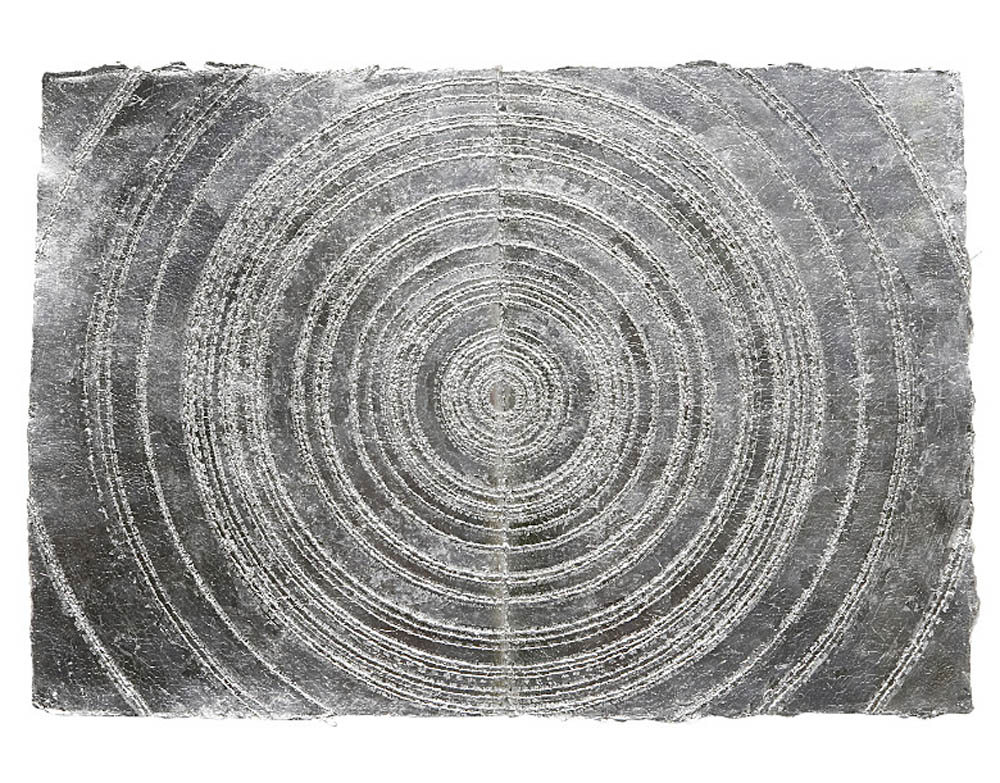
    Louise Rippert (Australian) 'Recording' 2008 (detail) from the exhibition Louise Rippert 'Trace' at Deakin University Art Gallery, Melbourne, Oct - Dec, 2008


    Louise Rippert (Australian)
    Recording (detail)
    2008
    Collage; thread, aluminium and silver gilt and pencil on khadi paper
    38 x 37cm
    Collection of Deakin University


    Deakin University Art Gallery present an exhibition by this Melbourne artist of new work.

    “Favouring the use of archival, translucent, brittle and fine materials in her labour intensive and near devotional ‘manuscripts’ of stitching, pattern and perforation, Rippert creates mixed media works of the utmost delicacy … This is the first solo exhibition of Rippert’s work in a public institution and will present her past and recent work.”

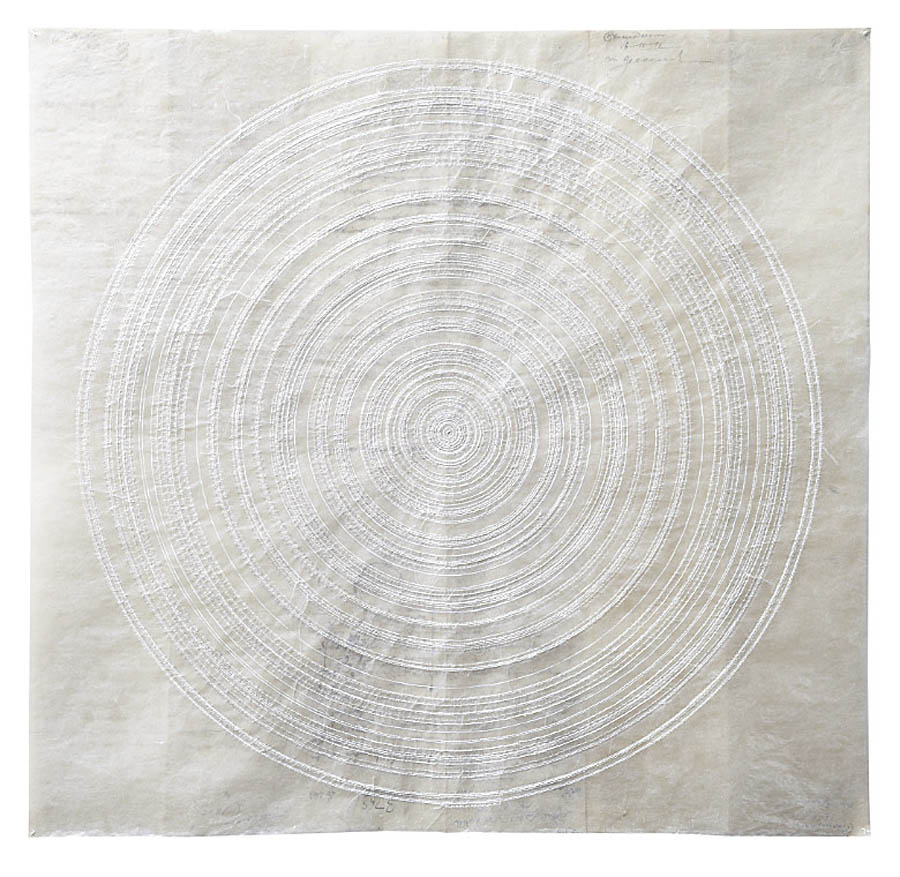
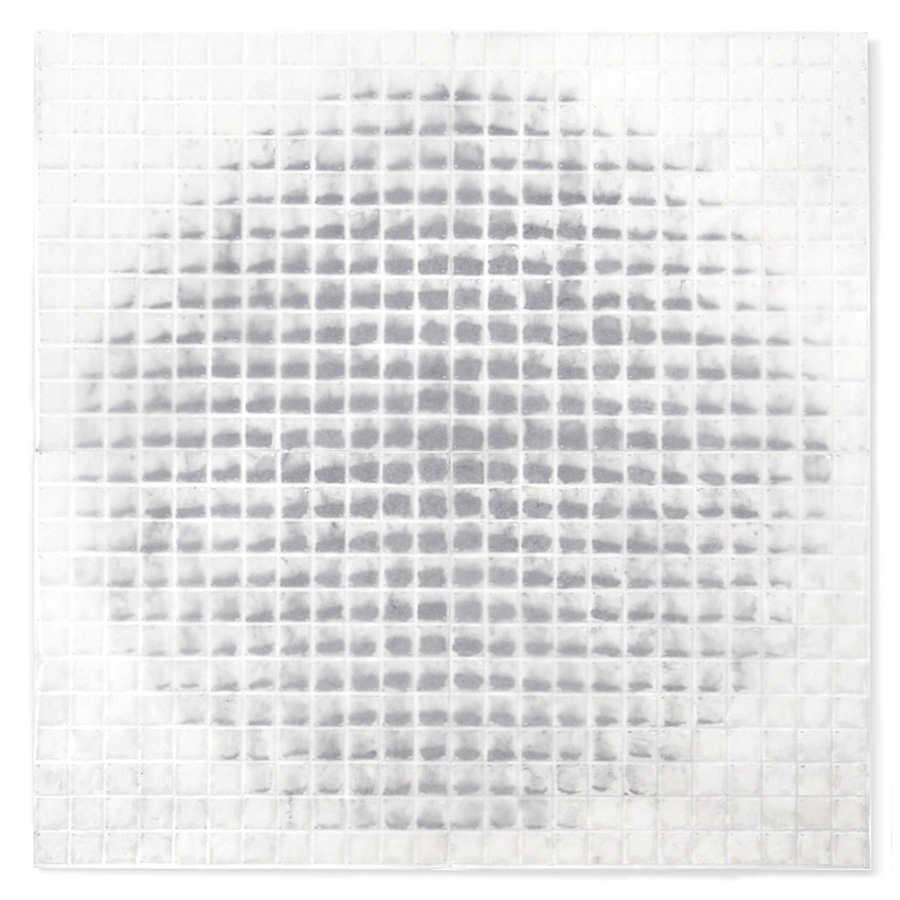
    Rippert’s work is extraordinary. Taking paper of every sort Rippert inscribes the surface: stitches, weaves, colours and indents the paper, making annotations that develop personal narrative. Delicate and insightful her work celebrates what it is to be human – to be lovers, to be a daughter, to dance, to record. Rippert uses repetition of form in grids and circles to achieve her archetypal works, touching the deepest patterns of our lives.

    Dr Marcus Bunyan


    Louise Rippert (Australian) 'Cochin Mandala' 2005


    Louise Rippert (Australian)
    Cochin Mandala
    2005
    Collage; glassine, pencil, thread and gouache on paper
    Private collection


    For many artists the process of art making has a mysterious fascination that continues to draw them back to experimenting, searching and the experience of creating. At the very least, it is reasonable to suggest that art making in this respect is supramundane; an experience particular to itself, simultaneously autonomous but contingent on an “other”, challenging but ostensibly satisfying, baffling and revelatory as – in this sense – creating art involves the artist’s responses, reflections and what is sometimes referred to as an inner dialogue with the work.

    The medium (in that very specific conjuring sense of the word) and the interaction with it then becomes a vehicle in which this dialogue has an opportunity to “arise”, or be “heard”. It may be in these cases that the exercising of inner consciousness marks an escape or a period of sanctuary from the regular rigours of life, or that it denotes the labour of a different kind, of higher purpose, intellectual inquiry or even some manner of transcendence.

    The term meditative is often ascribed to this transformation of consciousness and the introspective process of art creation. So is it meditation? Certainly many artistic traditions have involved high levels of training and discipline. Certainly many forms of meditation have involved an “other” to provide musing, focus or distraction for the mind. Both have shared common traits of concentration, labour, devotion, repetition, patience and practice. In the artwork of Louise Rippert, certainly the preconditions for such a meditation are identifiable.

    The inherent irony with formal artwork is that short of sitting over the artist’s shoulder the audience experiences the result of process, rather than the process itself. However, the beauty (in more sense than one) of Louise Rippert’s work is that in many cases she leaves paths that can be followed or re-imagined, whether it is in the delicacy of her stitching and folding or the sequential approach to numbering that characterises many of her works. We can sense the endeavour. We can see the labour. We can begin in the middle of a spiral or circle and follow the numbers to their logical conclusion. Our mind in many respects can literally “join the dots” and so make the abstractive leap back and forth in time to appreciate this process of becoming.

    The extra dimension to the work exhibited in LOUISE RIPPERT: TRACE is that the result also speaks not just of the process, but the intent. There is equilibrium, harmony and quiet in and across these works, which compels revisiting that very painstaking process. While having exhibited artwork annually since 1994, Rippert’s modus operandi has meant limited opportunities to show substantive bodies of work. She has been represented periodically in the National Works on Paper Prize at the Mornington Peninsula Regional Gallery and in 2005 she was the co-winner of the Blake Prize for Religious Art.

    Deakin University Art Gallery is therefore very proud to present LOUISE RIPPERT: TRACE, the first solo exhibition of Louise Rippert’s creations in a public gallery and would like to thank the artist for collaborating in this project. Thanks are also extended to the following people for their contributions to this project; Euan Heng, artist, for his opening remarks to launch this landmark event, Diane Soumilas, Gallery Co-ordinator, Glen Eira City Council Gallery for her insightful catalogue essay, to the private collectors who have loaned works and Jasmin Tulk for designing the catalogue to mark and accompany this important exhibition.

    Victor Griss
    Exhibition Curator

    Originally published in Louise Rippert:Trace, Deakin University 2008


    Louise Rippert (Australian) 'Trace' 2008


    Louise Rippert (Australian)
    Trace
    2008
    Collage; pigment baking paper, tracing paper, pencil, thread and adhesive contact on drafting film
    94 x 94cm
    Collection on the artist


    Deakin University Art Gallery
    221, Burwood Highway
    Burwood 3125

    Opening Hours:
    Tues – Friday 10 – 5pm
    Saturday 1pm – 5pm

    Deakin University Art Gallery website

    LIKE ART BLART ON FACEBOOK

    Back to top

    New work: Marcus Bunyan ‘The Shape of Dreams’ 2008

    November 2008


    Marcus Bunyan (Australian, b. 1958) 'Cologne Cathedral 2-52' 2008 From the series 'The Shape of Dreams'


    Marcus Bunyan (Australian, b. 1958)
    Cologne Cathedral 2-52
    2008
    From the series The Shape of Dreams
    Silver gelatin print


    Marcus Bunyan (Australian, b. 1958) 'Untitled' 2008 From the series 'The Shape of Dreams'


    Marcus Bunyan (Australian, b. 1958)
    Untitled
    2008
    From the series The Shape of Dreams
    Silver gelatin print


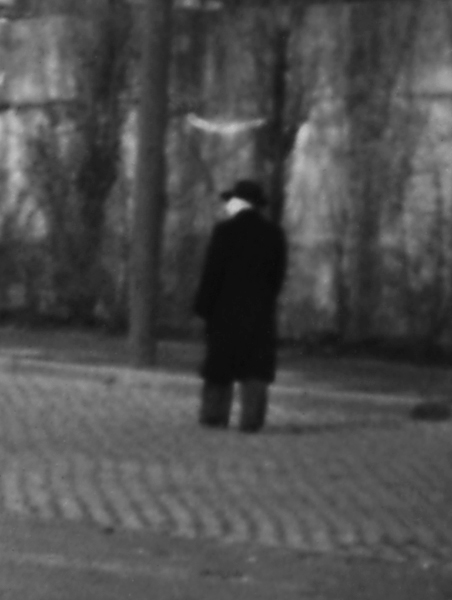
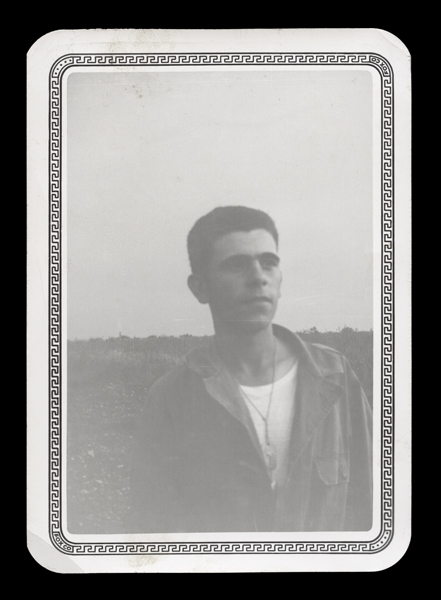
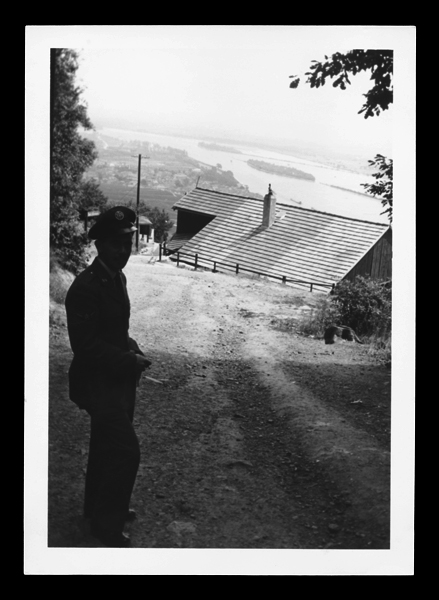
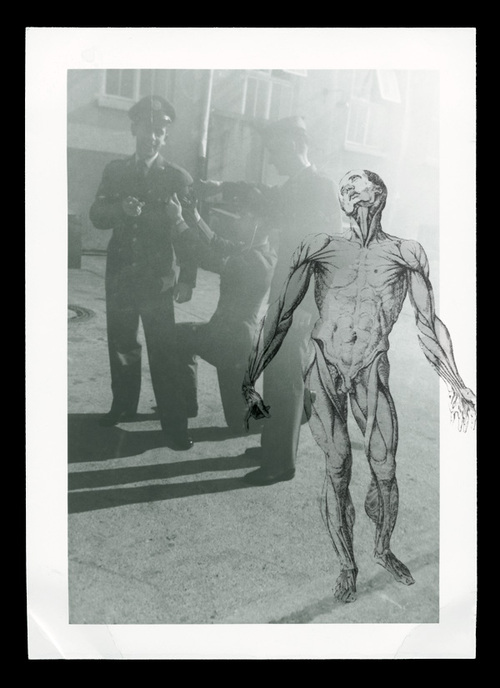
    A new body of work has formed in my mind and is physically taking shape through working with the images.

    I purchased two black and white photo albums from the 1950s on eBay, both belonging to young soldiers, one on active duty in Korea and the other visiting Japan and Germany after the Second World War. These images are especially poignant to me as an artist and human being. These are snapshots of hope and happiness, of place and being in a time of turbulence. Glimpses of the earth through open aircraft doors, smiles that flit across faces contrast with figures wrapped in a shawl of darkness.

    Their faces stare out at us across time yet their bodies are caught in the shadows.

    They remind that humans still repeat the mistakes of the past, still list the war dead in columns of photographs inches long. So young and full of hope.

    Marcus Bunyan

    SEE THE FULL SERIES ON MY WEBSITE


    Marcus Bunyan (Australian, b. 1958) 'How dramatic!' 2008 From the series 'The Shape of Dreams'


    Marcus Bunyan (Australian, b. 1958)
    How dramatic!
    2008
    From the series The Shape of Dreams
    Silver gelatin print


    Marcus Bunyan (Australian, b. 1958) 'Spire of the Dome, 1-52' 2008 From the series 'The Shape of Dreams'


    Marcus Bunyan (Australian, b. 1958)
    Spire of the Dome, 1-52
    2008
    From the series The Shape of Dreams
    Silver gelatin print


    Marcus Bunyan (Australian, b. 1958) 'Untitled' 2008 from the series 'The Shape of Dreams'


    Marcus Bunyan (Australian, b. 1958)
    Untitled
    2008
    From the series The Shape of Dreams
    Silver gelatin print


    Marcus Bunyan (Australian, b. 1958) 'Untitled' 2008 from the series 'The Shape of Dreams'


    Marcus Bunyan (Australian, b. 1958)
    Untitled
    2008
    From the series The Shape of Dreams
    Silver gelatin print


    Marcus Bunyan (Australian, b. 1958) "It's really nothing fellas!" 2008 from the series 'The Shape of Dreams'


    Marcus Bunyan (Australian, b. 1958)
    “It’s really nothing fellas!”
    2008
    From the series The Shape of Dreams
    Silver gelatin print


    Marcus Bunyan website

    LIKE ART BLART ON FACEBOOK

    Back to top