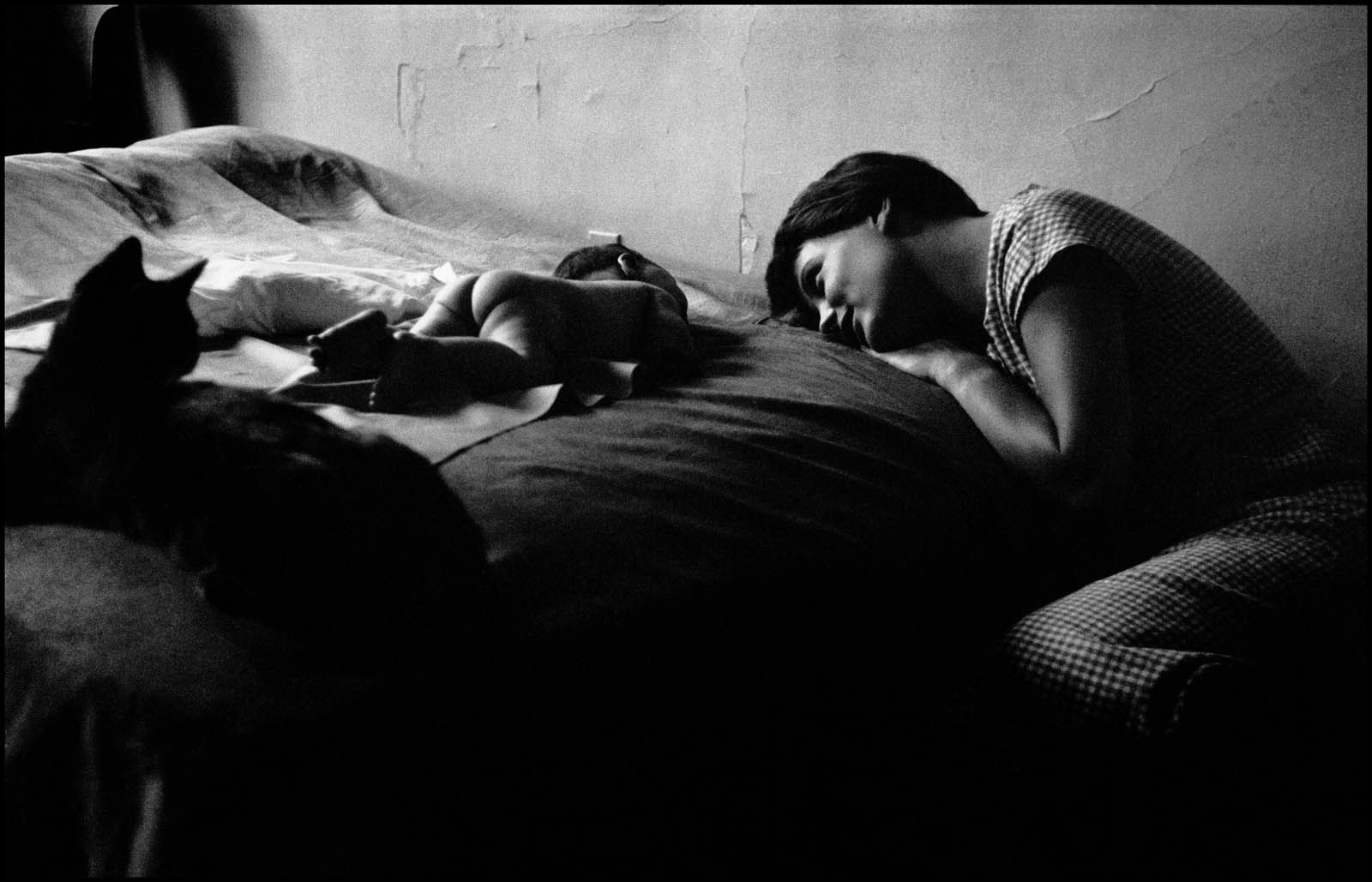
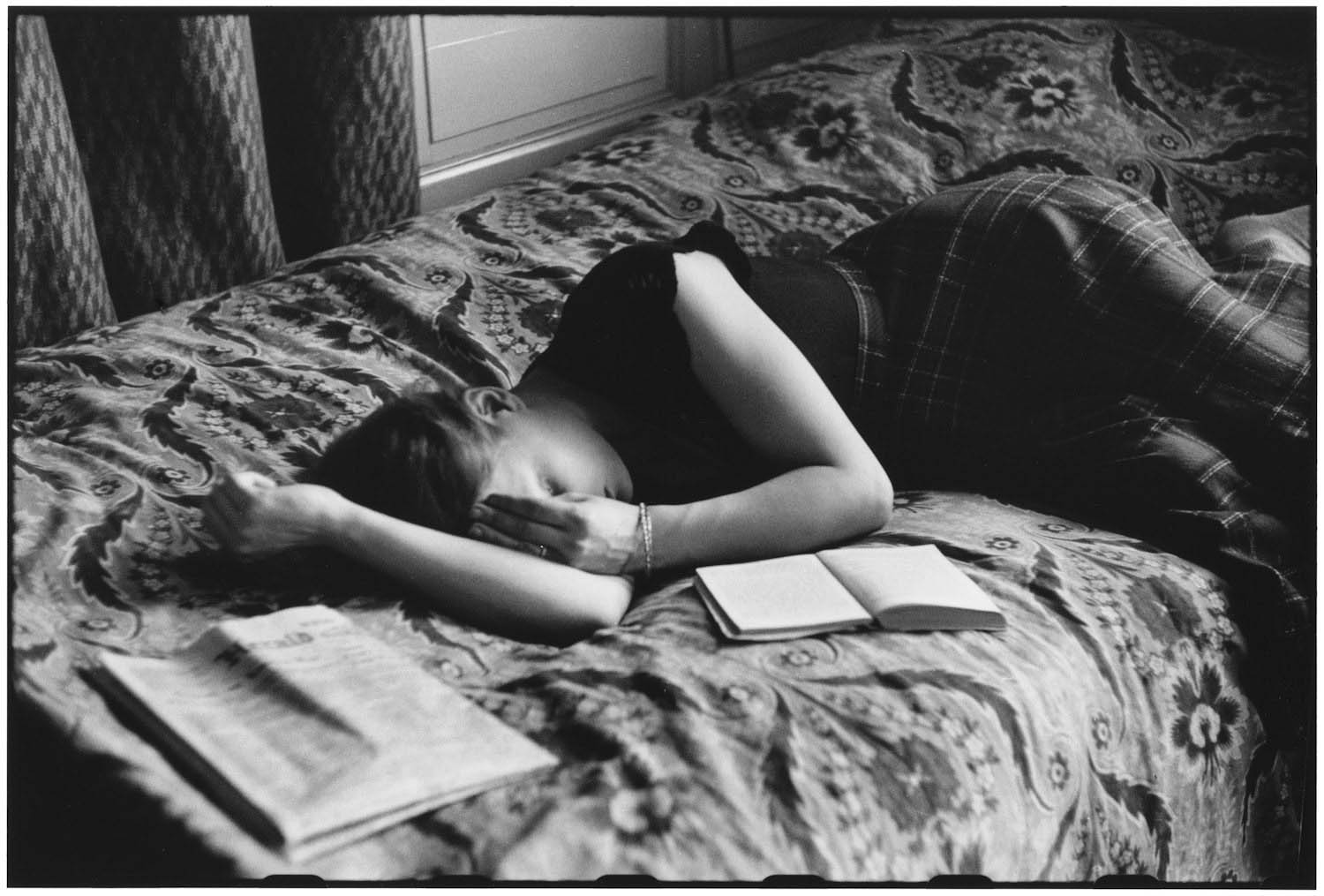
Elliott Erwitt (American born France, 1928-2023) New York City 1955 Gelatin silver print
The essence of what happens
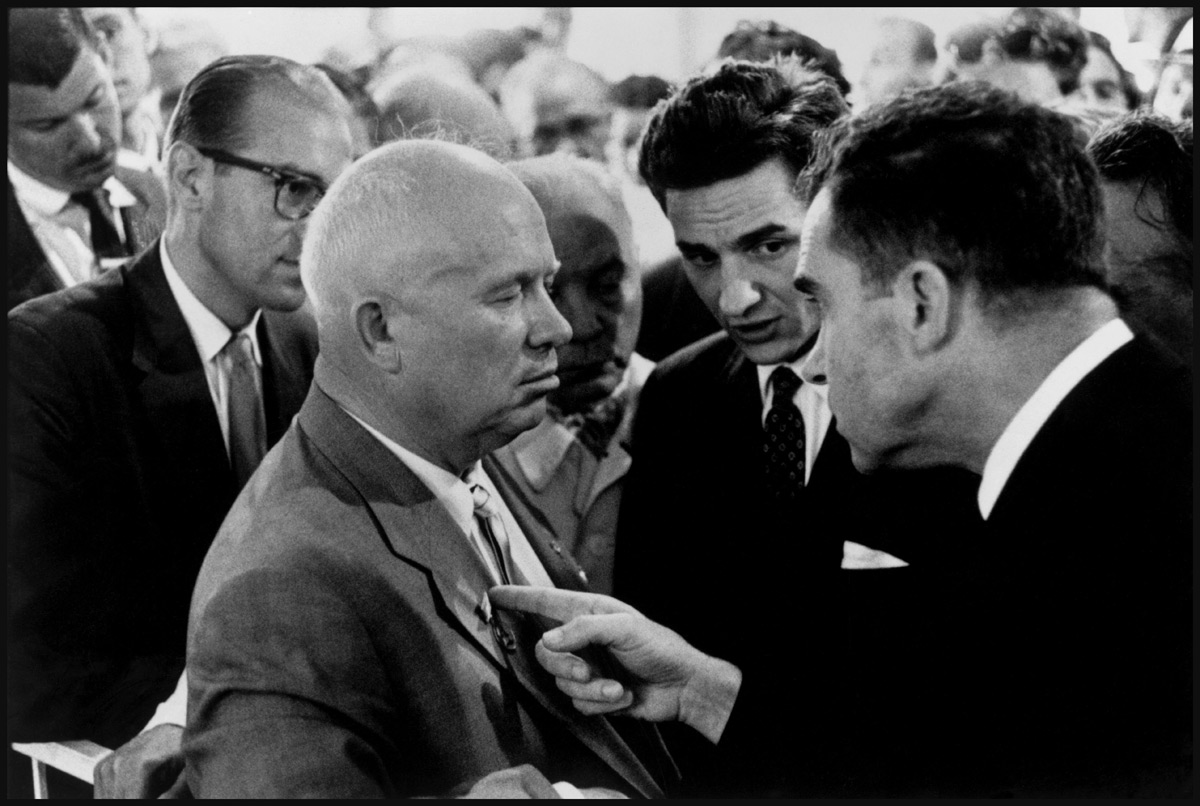
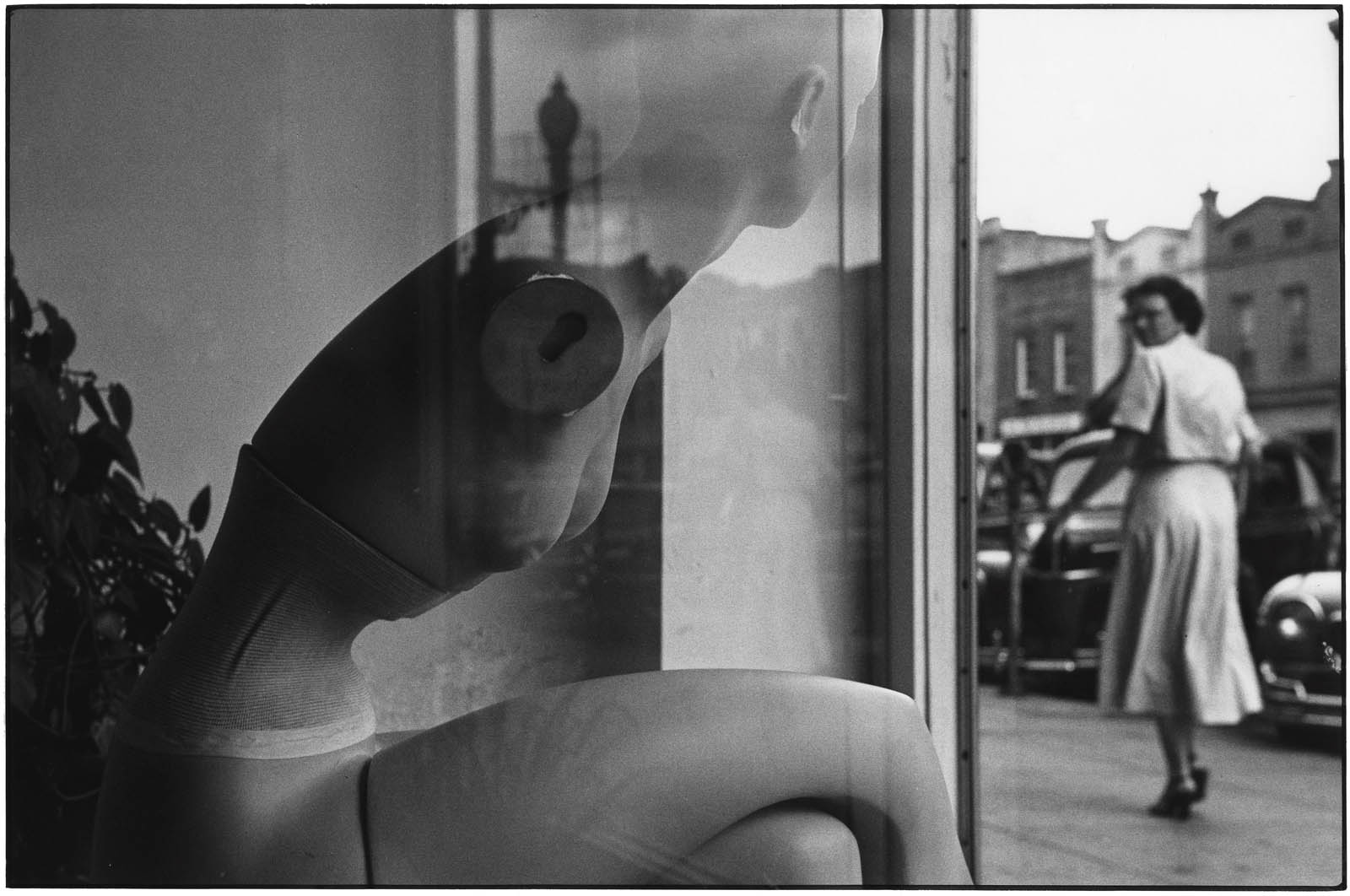
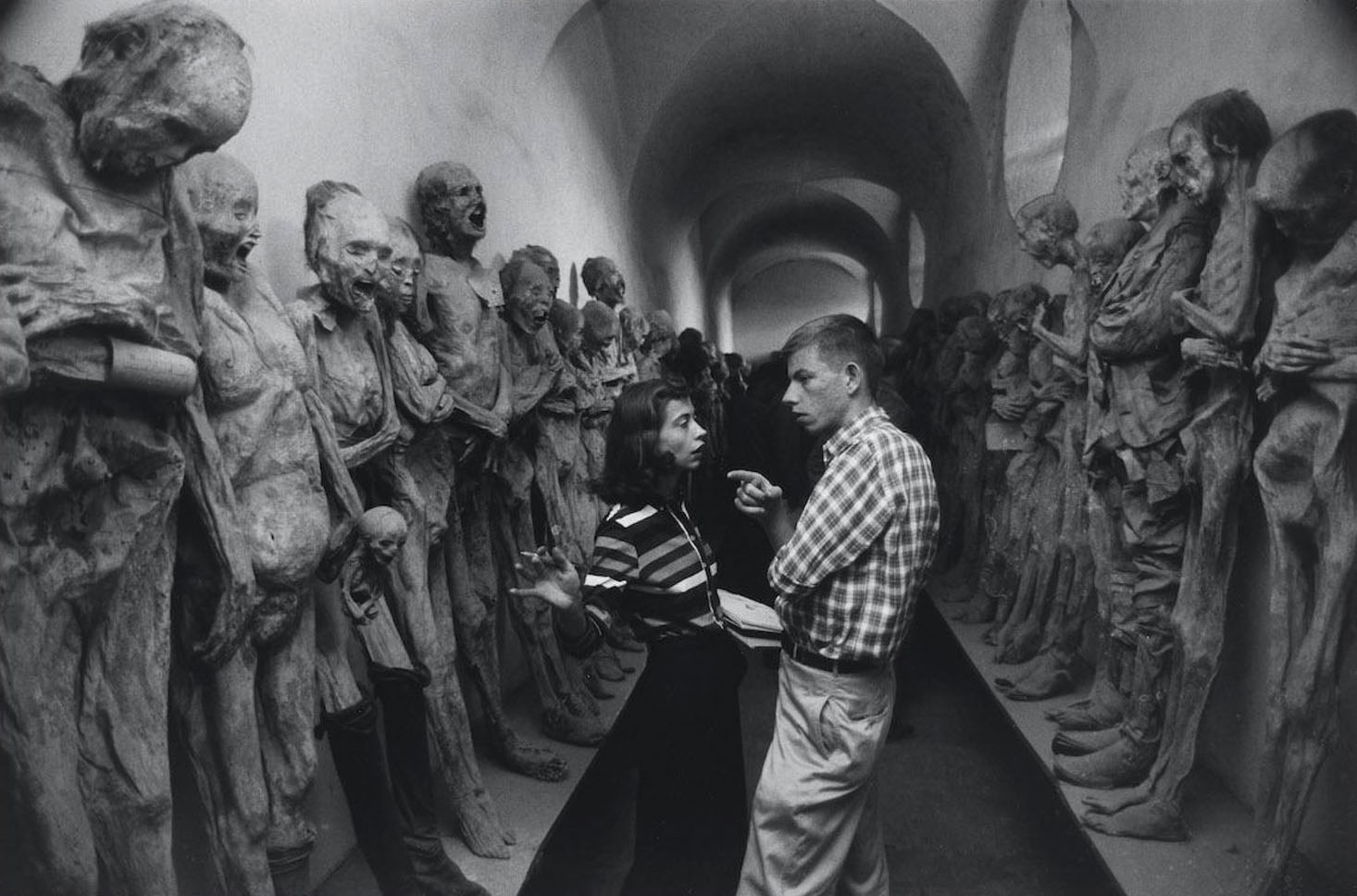
Elliott Erwitt’s “art of observation” is a gift of the eye and the mind, where the artist must be truly aware of the world around them in order to capture the mosaic of reality.
Look at the photograph Jackie Kennedy, Arlington, Virginia (1963, below). Observe the split second that particular look of despair was present on Jackie’s face. And there was Erwitt fully aware, in the moment, with his gift of the eye and the mind – and he knew, he absolutely knew that was the moment to take the photograph.
As with much of his work it is the subtle cadences within the image that create their emotional power and magic: sadness, happiness, whimsy, comedy, anger, loneliness, joy – all captured through the reality of the visual language of the image, fully acknowledged in the heart and the mind of the viewer when they imbibe (absorb the ideas) of their spirit.
Dr Marcus Bunyan
Please click on the photographs for a larger version of the image.
“The work I care about is terribly simple … I observe, I try to entertain, but above all I want pictures that are emotion.”
Elliott Erwitt. Personal Exposures. W. W. Norton & Company, 1988
“You either see, or you don’t see.”
“You can take a picture of the most wonderful situation and it’s lifeless, nothing comes through… Then you can take a picture of nothing, of someone scratching his nose, and it turns out to be a great picture.”
“The whole point of taking pictures is so that you don’t have to explain things with words. To me, photography is an art of observation. It’s about finding something interesting in an ordinary place… I’ve found it has little to do with the things you see and everything to do with the way you see them.”
“All the technique in the world doesn’t compensate for the inability to notice.”
Elliott Erwitt
Elliott Erwitt (American born France, 1928-2023) Pasadena, California, USA Nd Gelatin silver print
Elliott Erwitt (American born France, 1928-2023) USA. California. Berkeley 1956 Gelatin silver print
Photographers with a comic outlook on life seldom win the acclaim granted to exalters of nature or chroniclers of war and squalor. Elliott Erwitt, who died at 95 on Wednesday at his home in Manhattan, was an exception.
For more than six decades he used his camera to tell visual jokes, finding material wherever he strolled. His sharp eye for silly, sometimes telling conjunctions – a dog lying on its back in a cemetery, a glowing Coca-Cola machine amid a public display of missiles in Alabama, a mangy potted plant in a tacky Miami Beach ballroom – earned him constant assignments as well as the affection of a public that shared his sweet, Chaplin-esque sense of the absurd.
Curators: Malcolm Rogers, Director of the Museum of Fine Arts, Boston working with curatorial research associate James Leighton, and other curators including Karen Haas, Anne E. Havinga, and Kristen Gresh
Another artist lost too soon to HIV/AIDS. At least we have these fine classics to remember him by. The portrait of Nelson Mandela is especially powerful – tightly cropped, the photographer portrays a man of immense strength and intensity through the hand and the finger, but above all the single eye which contains ageless wisdom.
Dr Marcus Bunyan
Many thankx to the Museum of Fine Arts Boston for allowing me to publish the photographs in the posting. Please click on the photographs for a larger version of the image.
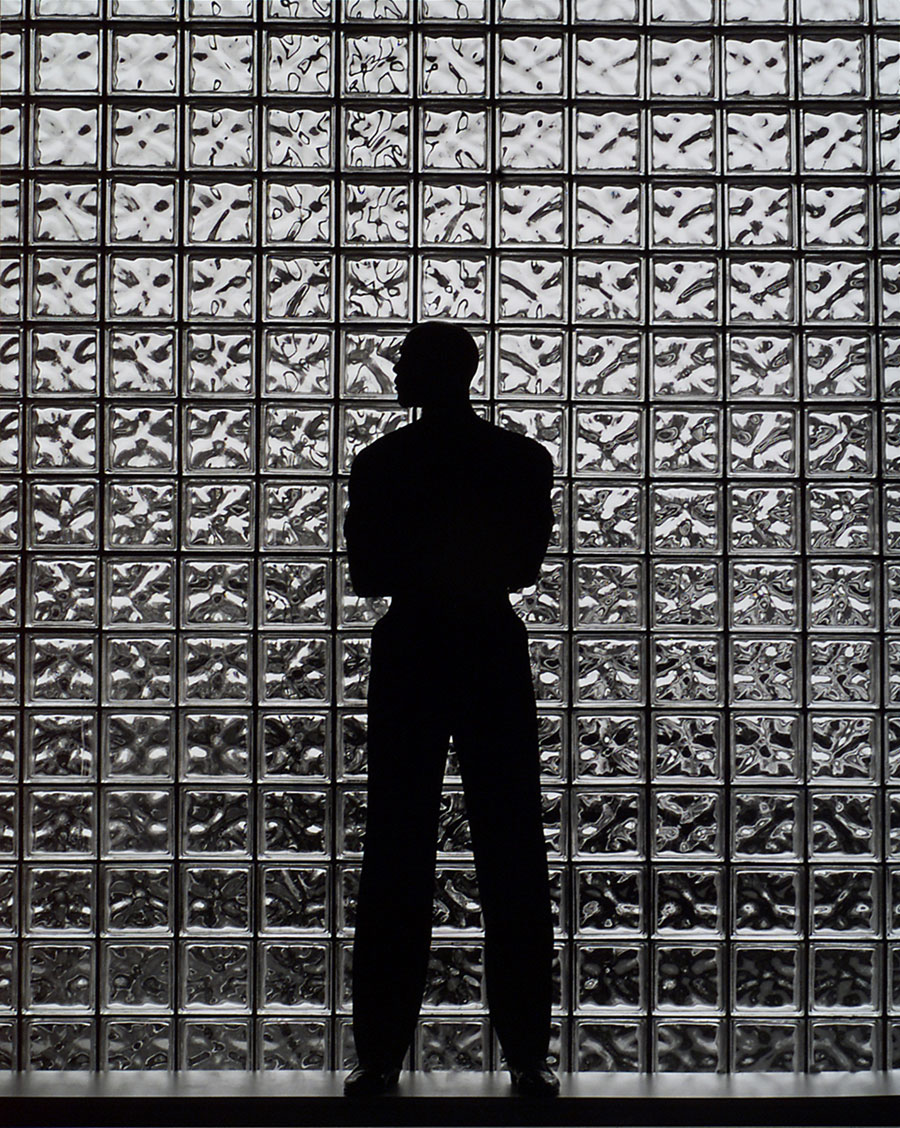
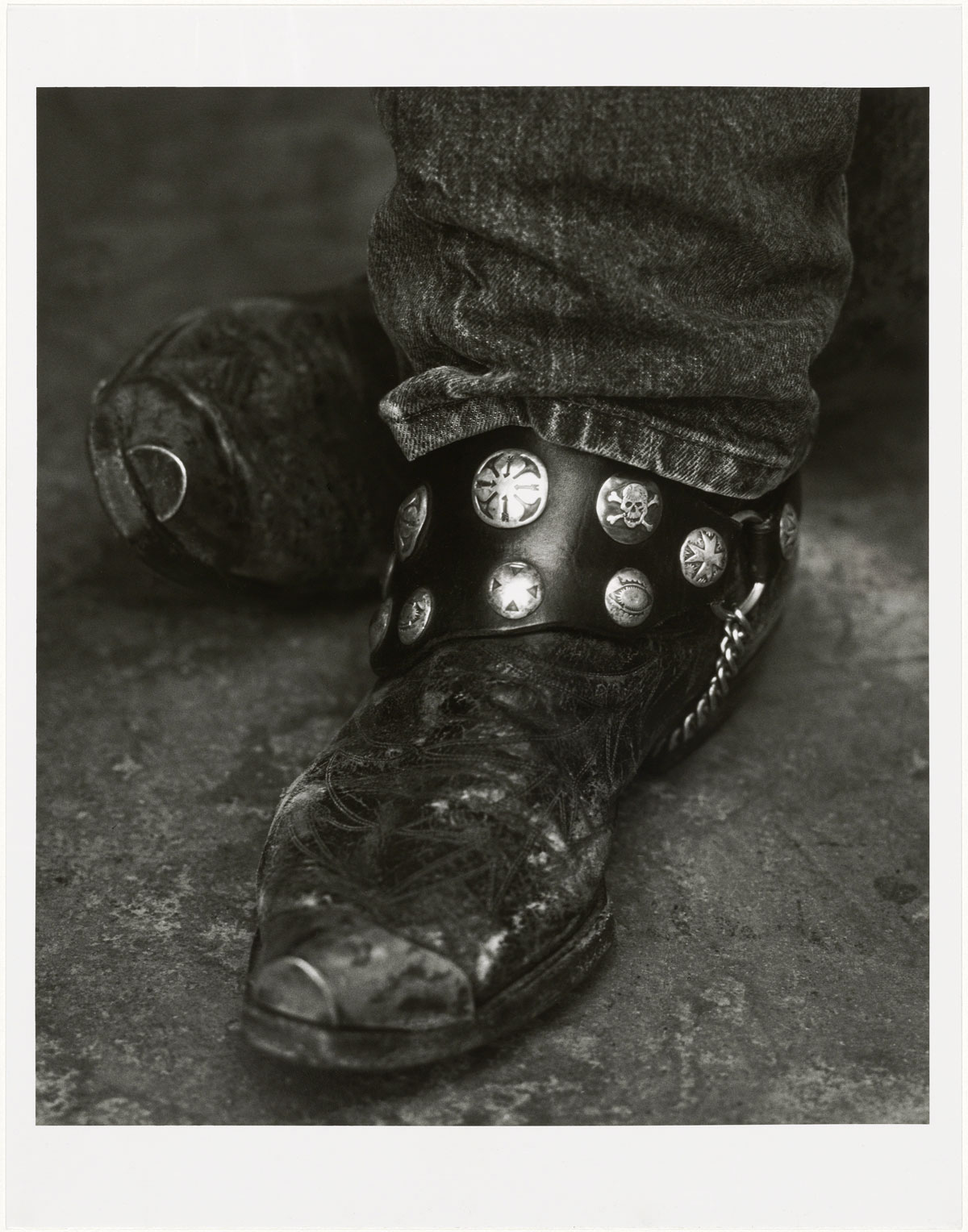
The Museum of Fine Arts, Boston (MFA), flashes back to the ’90s this spring with an evocative exhibition dedicated to the photography of Herb Ritts (1952-2002). Known for his beautifully printed, formally bold and sensual black-and-white images of celebrities and supermodels such as Cindy Crawford and Naomi Campbell, his works often blurred the line between art and commerce. Throughout the ’90s, his photography was inescapable in popular culture – appearing everywhere from magazine covers to music videos and commercials. This exhibition revisits the artist, whose groundbreaking 1996 retrospective at the MFA, Herb Ritts: WORK, remains one of the most highly attended exhibitions in Museum history. Nearly 20 years later, the MFA is taking a second look at his career, which was cut short in 2002 with his death from complications related to AIDS. Along with a selection of music videos and commercials, the exhibition features 52 black-and-white photographs that celebrate the sculpted body and the variable beauty of the human face. Ritts’ expert use of natural light results in dramatic images full of high-contrast lights and darks, as well as softer effects, such as light reflecting off water. Of the works on view, 15 are from a recent gift from the Herb Ritts Foundation – acquired by the MFA in December in honor of Malcolm Rogers, Ann and Graham Gund Director at the MFA. This, and previous gifts from Ritts and the Foundation dating back to 2000, allow the Museum to tell the full story of Ritts’ career, and comprise the largest museum holdings of Ritts photographs in the world (248 in total). The exhibition is on view in the MFA gallery named in honour of a gift from the Ritts Foundation – the Museum’s first dedicated solely to photography – and the adjacent Clementine Brown Gallery…
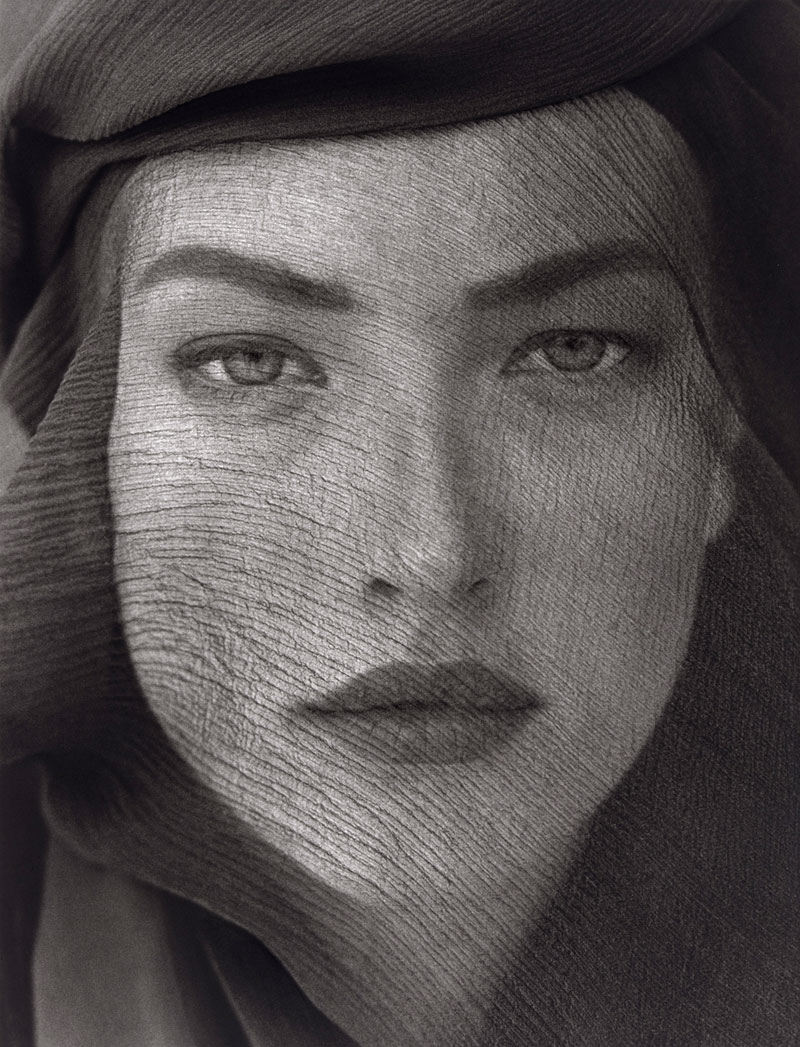
The exhibition explores every aspect of the photographer’s career, and is divided into two sections: one dedicated to the human body and one dedicated to his photographs of celebrity personalities. His approach to the nude pushed the confines of convention. Ritts captured not only beautiful bodies, but also the environment and elements surrounding his set: the Pacific Ocean, desert landscapes, and mountains. Whether photographing a Versace dress, a basketball star, or interpreting classical sculpture through dried, cracked clay on skin – as in Tony with Black Face, Profile, Los Angeles (1986) – Ritts and his photography embody the era. The predominant aesthetic in Ritts’s images is one of strong lines, bold contours and striking shadows. Today, his work appears in museum exhibitions around the globe.
Preferring to shoot during the golden hours of the day – when the sun is at a low angle – Ritts created works that demonstrate not only an expert use of natural light, but the ability to immortalise the subjects in front of his camera. In addition to photography, he also directed 13 music videos and more than 50 commercials throughout his career. Exploration of the human figure in its idealised form is a recurring theme in his video work, a selection of which is also included in the exhibition on three video screens. Lent by the Herb Ritts Foundation are videos of Madonna’s Cherish (1989), Chris Isaak’s Wicked Game (1991) and commercials dating from 1990-2002. A special MFA playlist on Spotify allows visitors to listen to music as they explore the gallery, and a case of archival materials includes a marked-up contact sheet and magazine spread that shed light on Ritts’ process.
During his career, Ritts forged strong connections with his subjects, many of whom became close friends. Throughout the exhibition visitors can find quotes from some of his sitters, including Cindy Crawford, who said of the artist: “There was something magical about when you stepped in front of his camera and what happened then. This give-and-take, and that’s what makes it fun. I’ve had the opportunity to work with Helmut Newton to Avedon to Penn but probably the images that are the most timeless of me, most of them, were shot by Herb and are some of my favourite images of myself.”
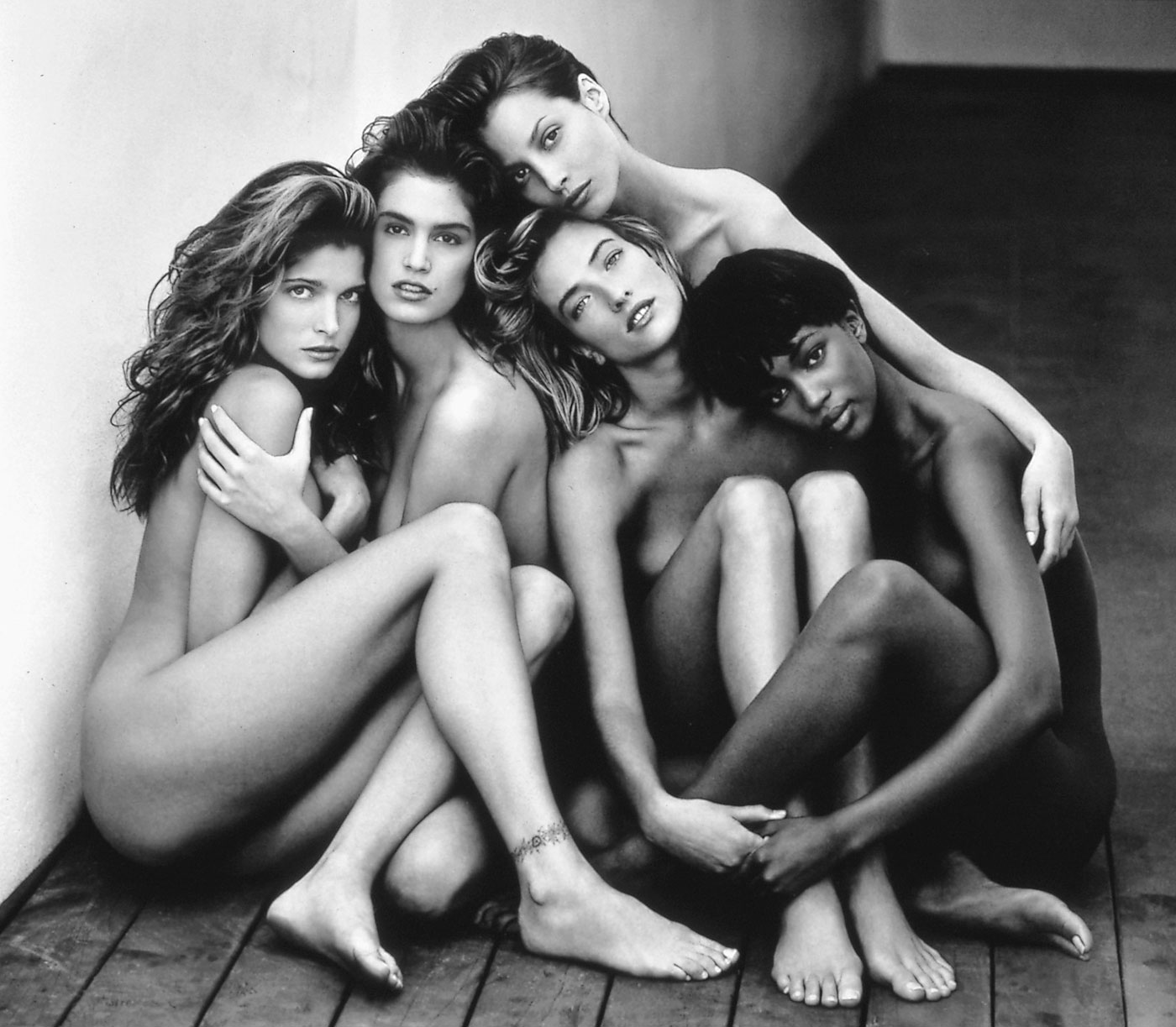
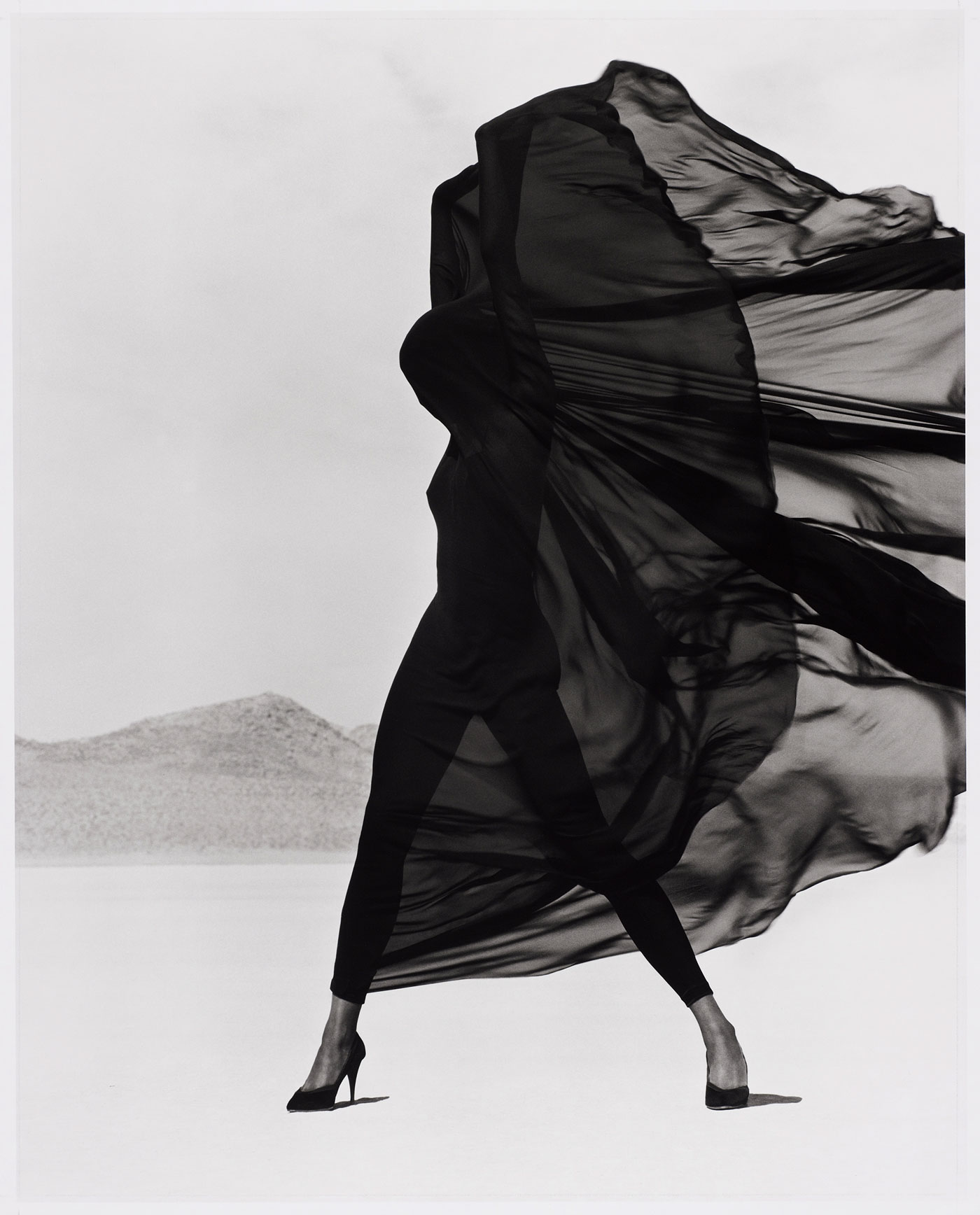
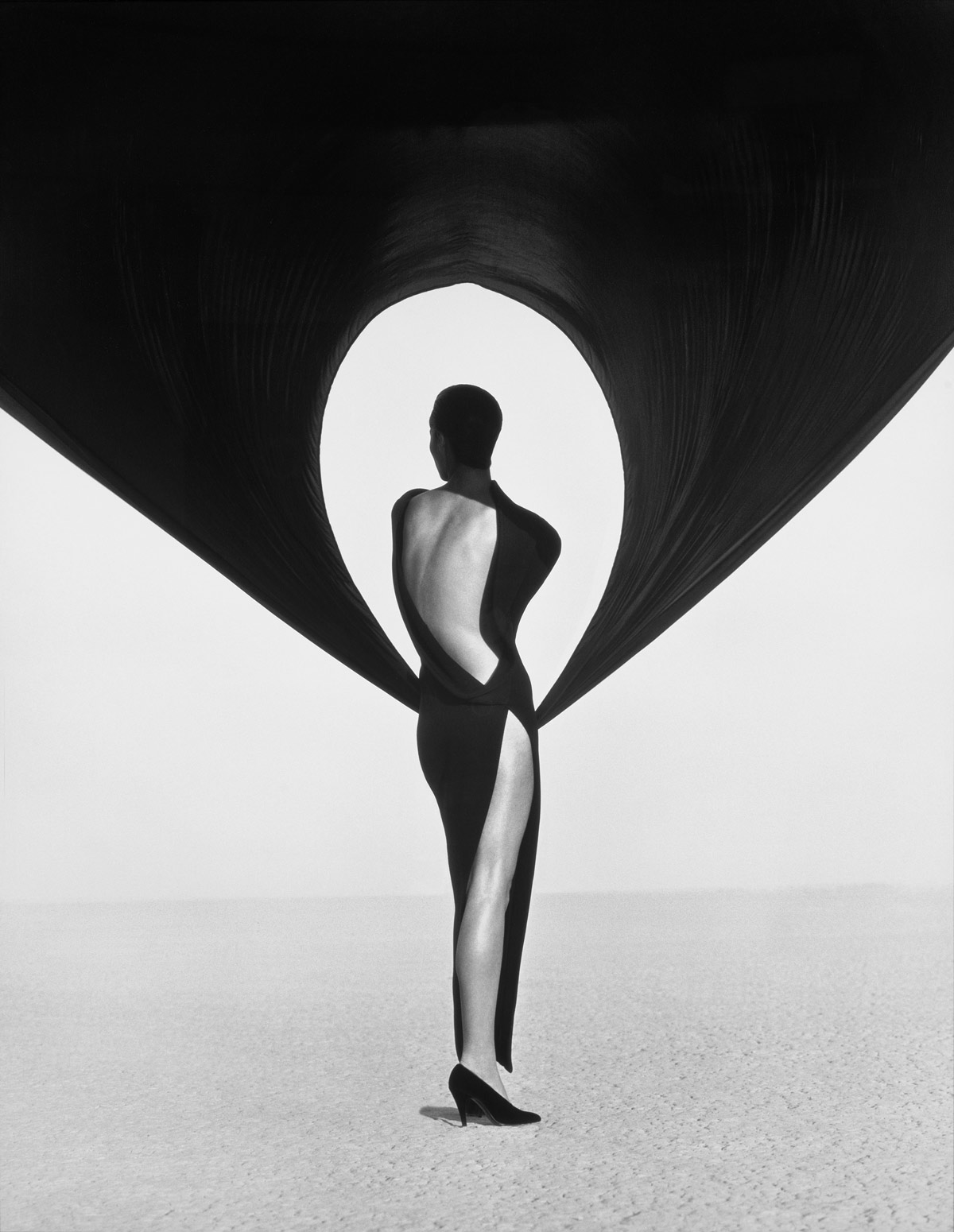
Crawford appears in one of Ritts’ most famous images, Stephanie, Cindy, Christy, Tatjana, Naomi, Hollywood (1989). Taken at the end of a long day photographing a fashion editorial assignment for Rolling Stone, the image also includes Stephanie Seymour, Tatjana Patitz, Naomi Campbell and Christy Turlington. Ritts also worked with Turlington on a Gianni Versace advertising campaign, which took them to the dry Mojave Desert lakebed known as El Mirage, where the vast open space gave him a sense of creative freedom. He used the gusts of a rising storm to coax a swath of fabric into an arch over the model’s head in Versace Dress, Back View, El Mirage (1990). Ritts’ photographs of celebrities and models appeared on magazine covers including Vanity Fair, Vogue, Interview, Playboy, TIME, Rolling Stone, and Allure.
Ritts had a particular affinity for photographing actors, musicians and cultural icons. The artist that he collaborated with most frequently was Madonna, whose whimsical Madonna, Tokyo (1987) was taken in her hotel when the Who’s That Girl World Tour opened in Japan. Generally, Ritts preferred to capture his subjects in spontaneous, playful moments such as these. “I think that with her, and with other people as well, the big word is trust,” Ritts said. “A person feels they can trust you because they know your reputation and what you’re about. Or they can feel it because over the years a tight relationship develops, as it did with Madonna. You work together and it clicks; you evolve.
Press release from the Museum of Fine Arts Boston website
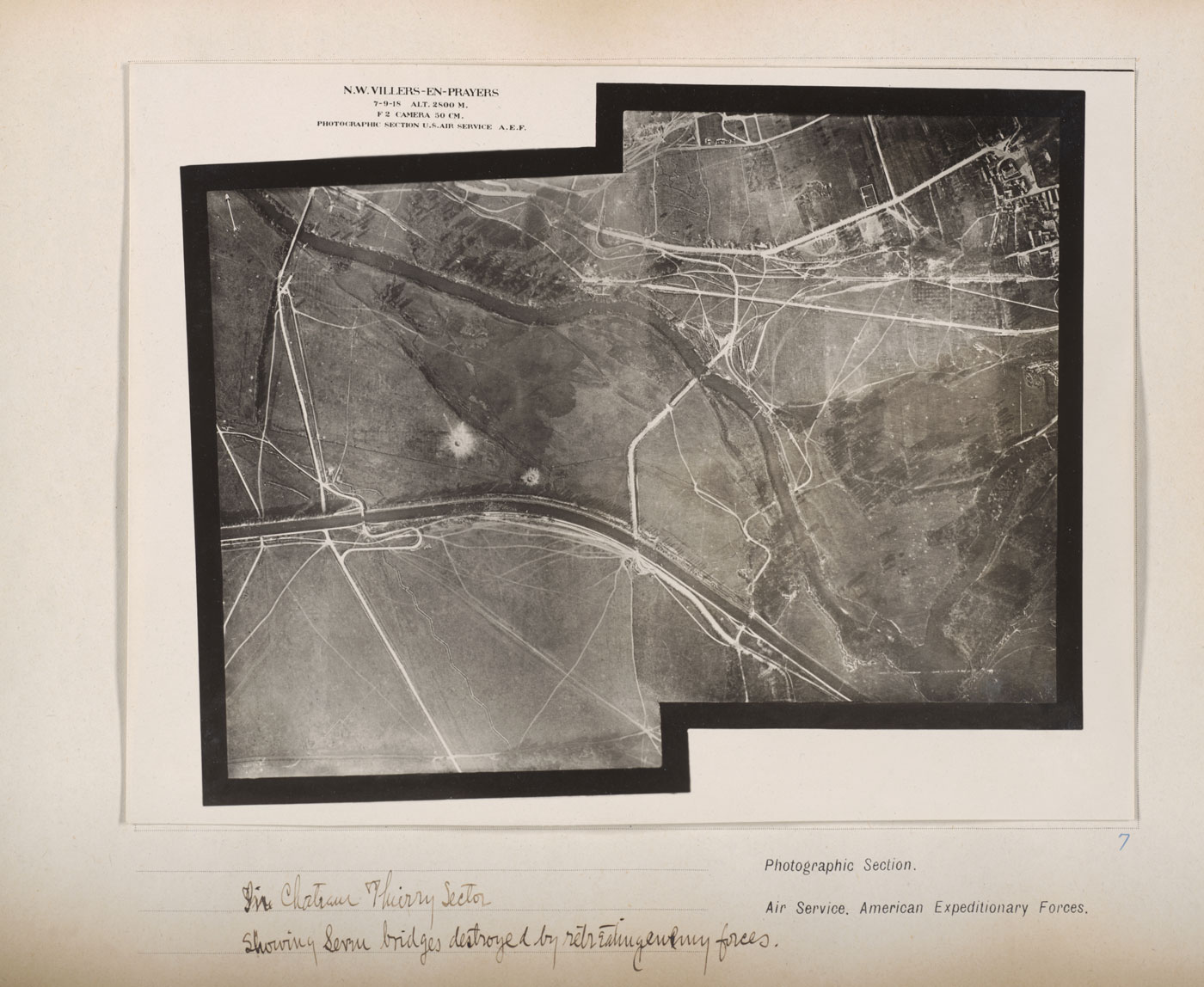
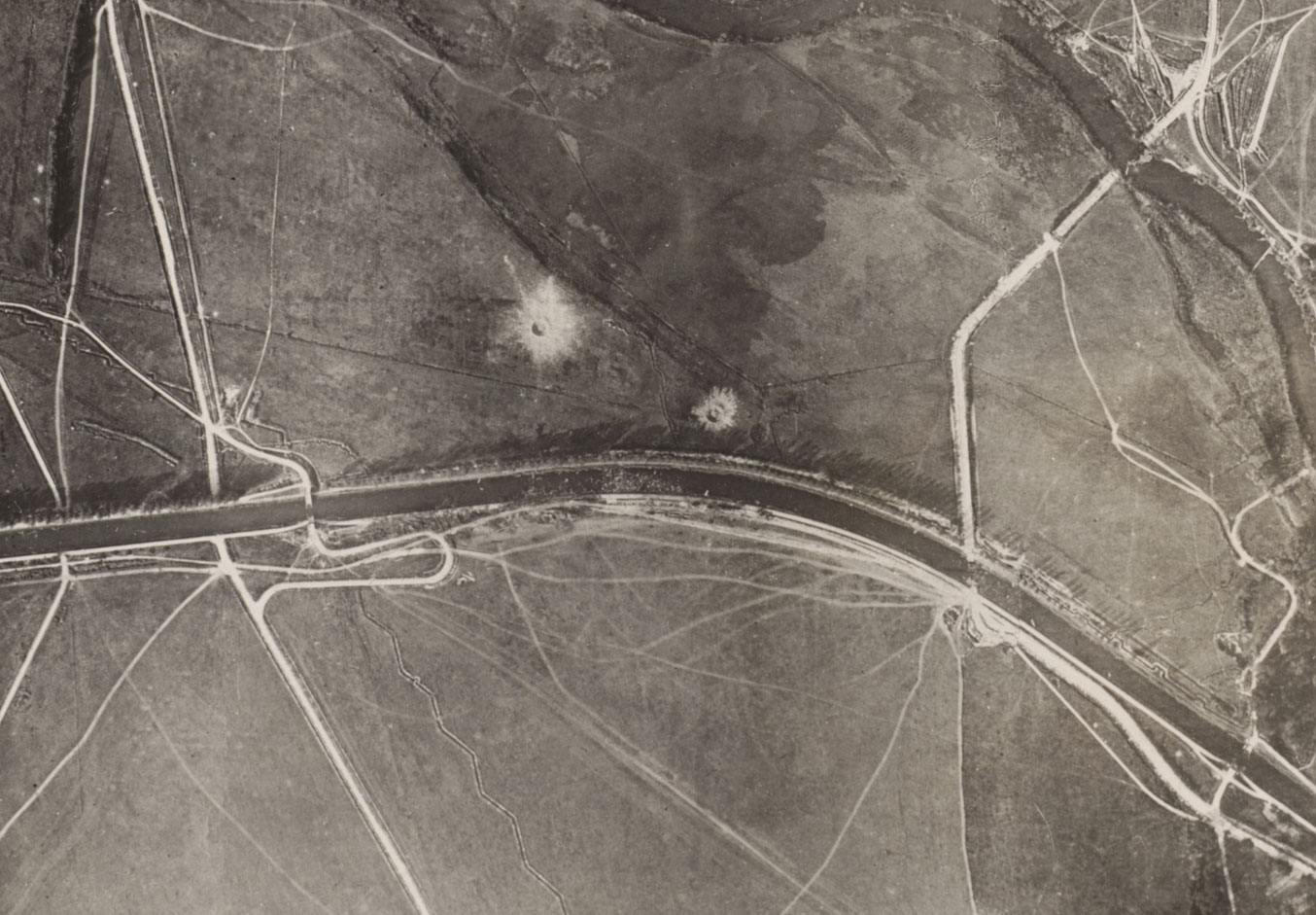
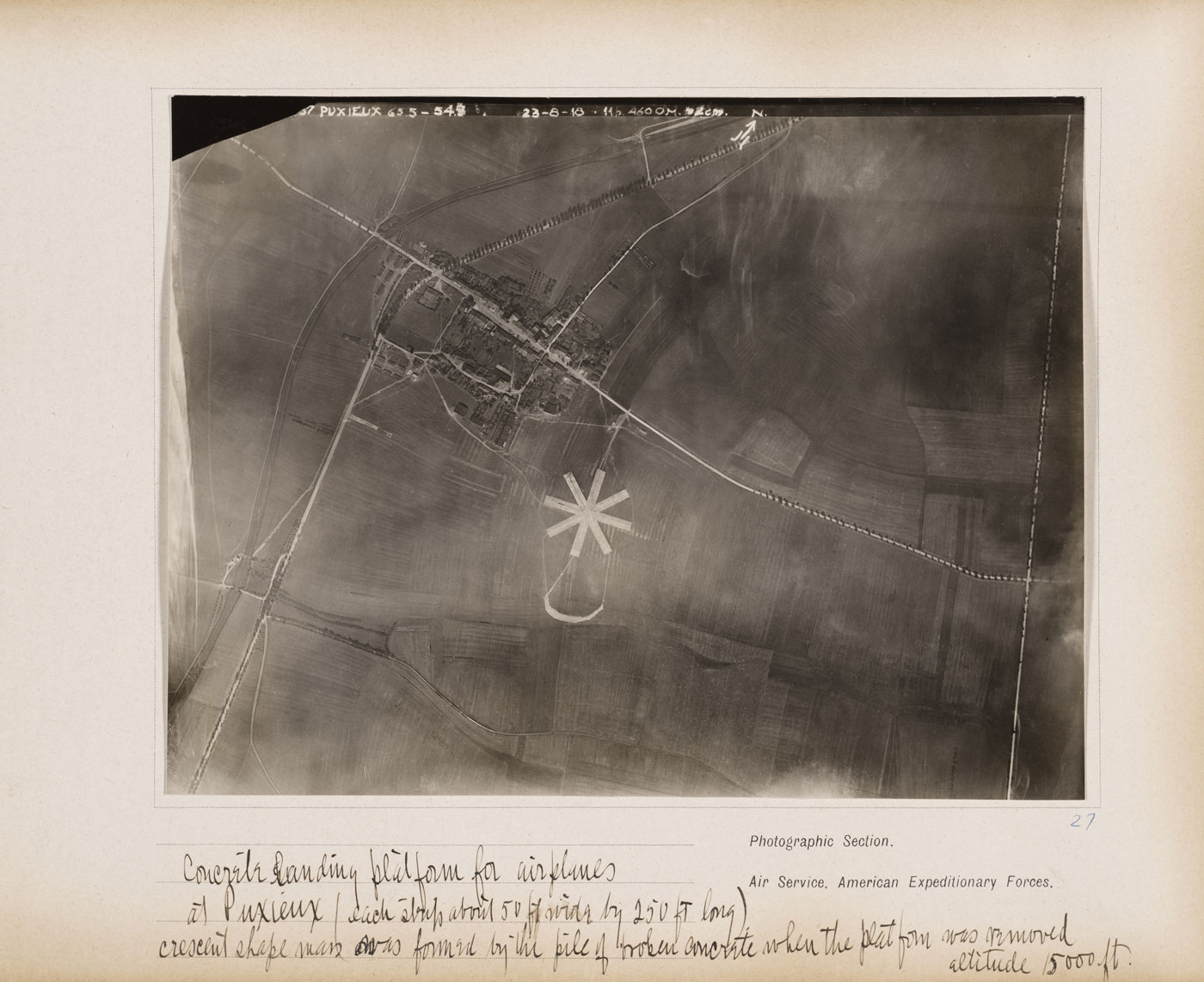
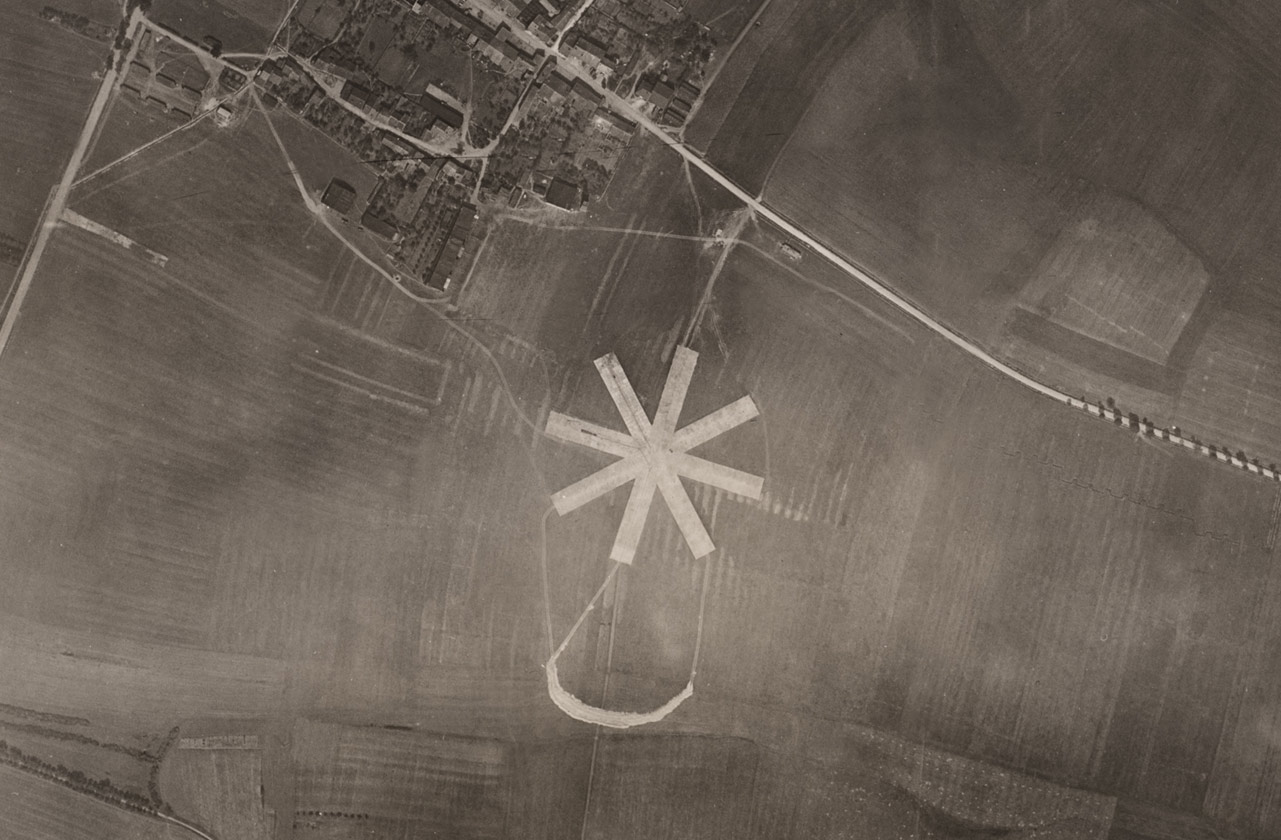
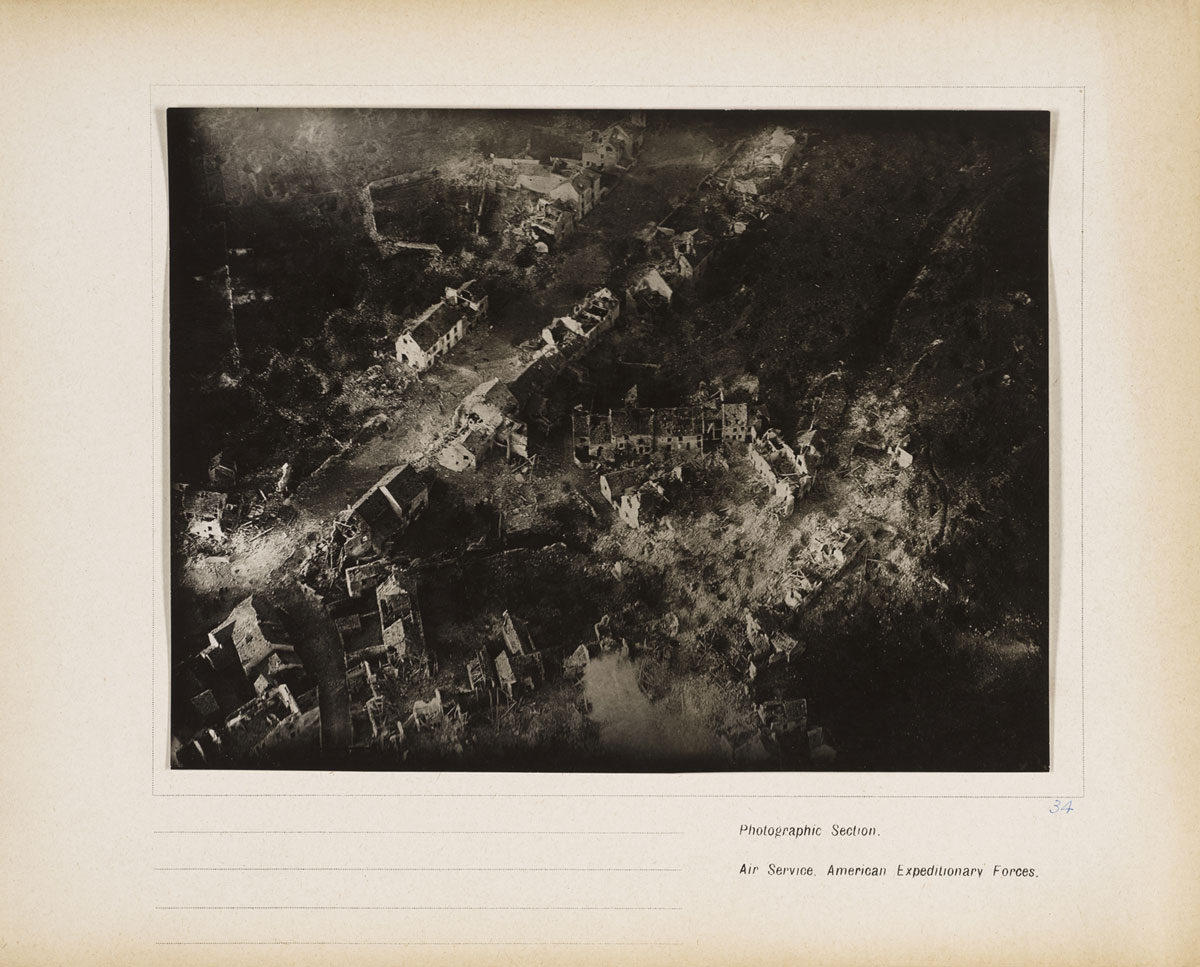
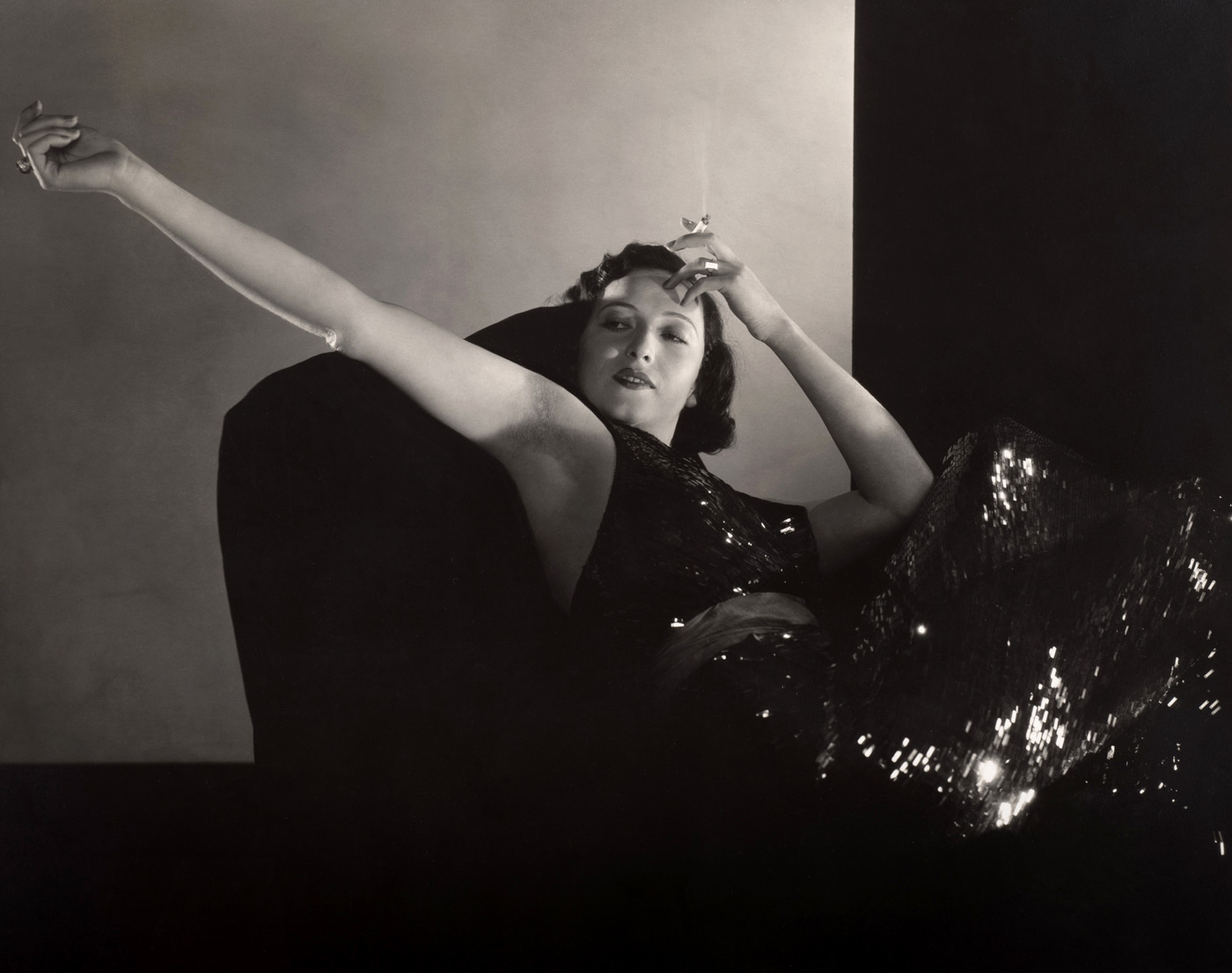
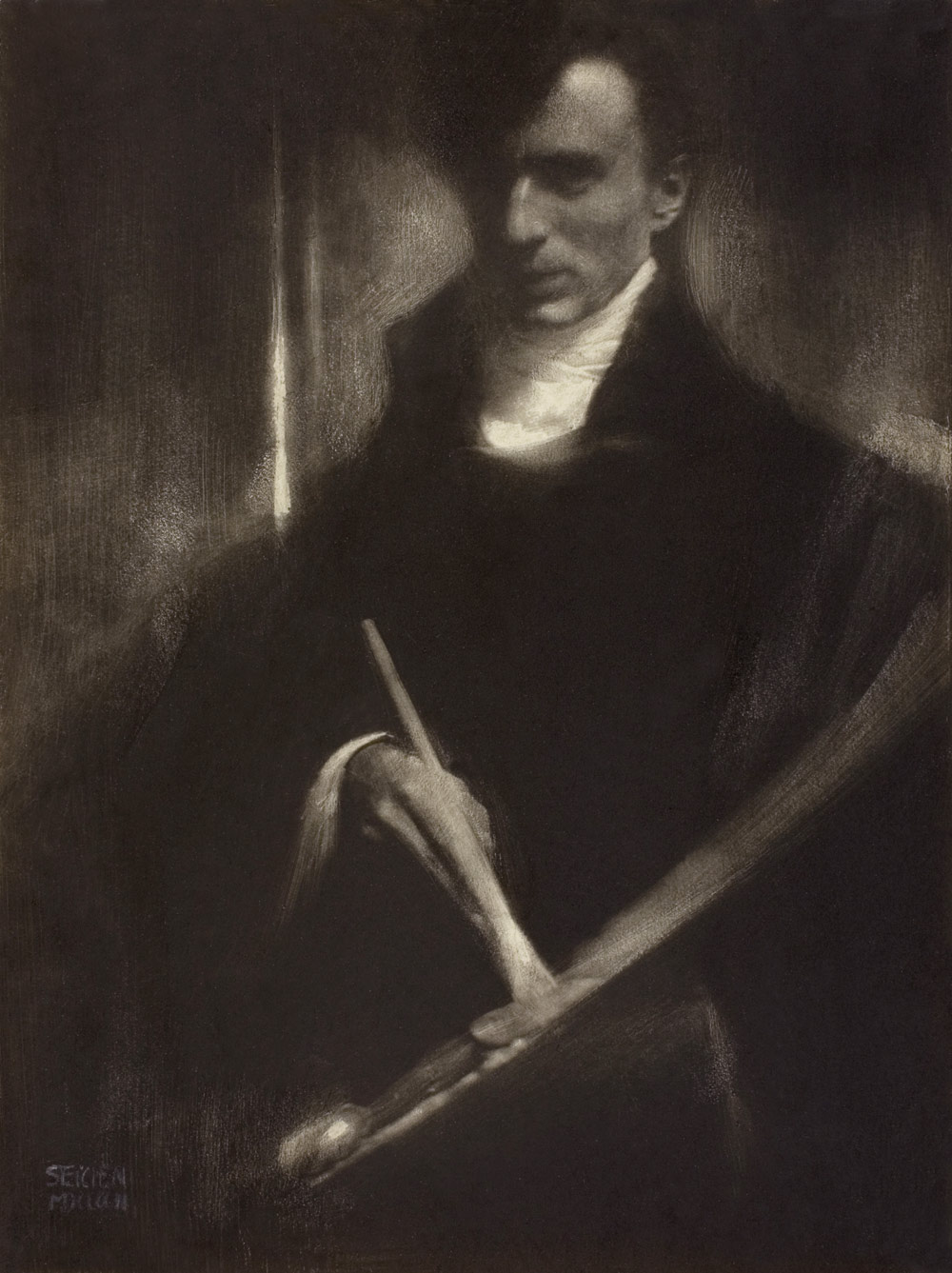
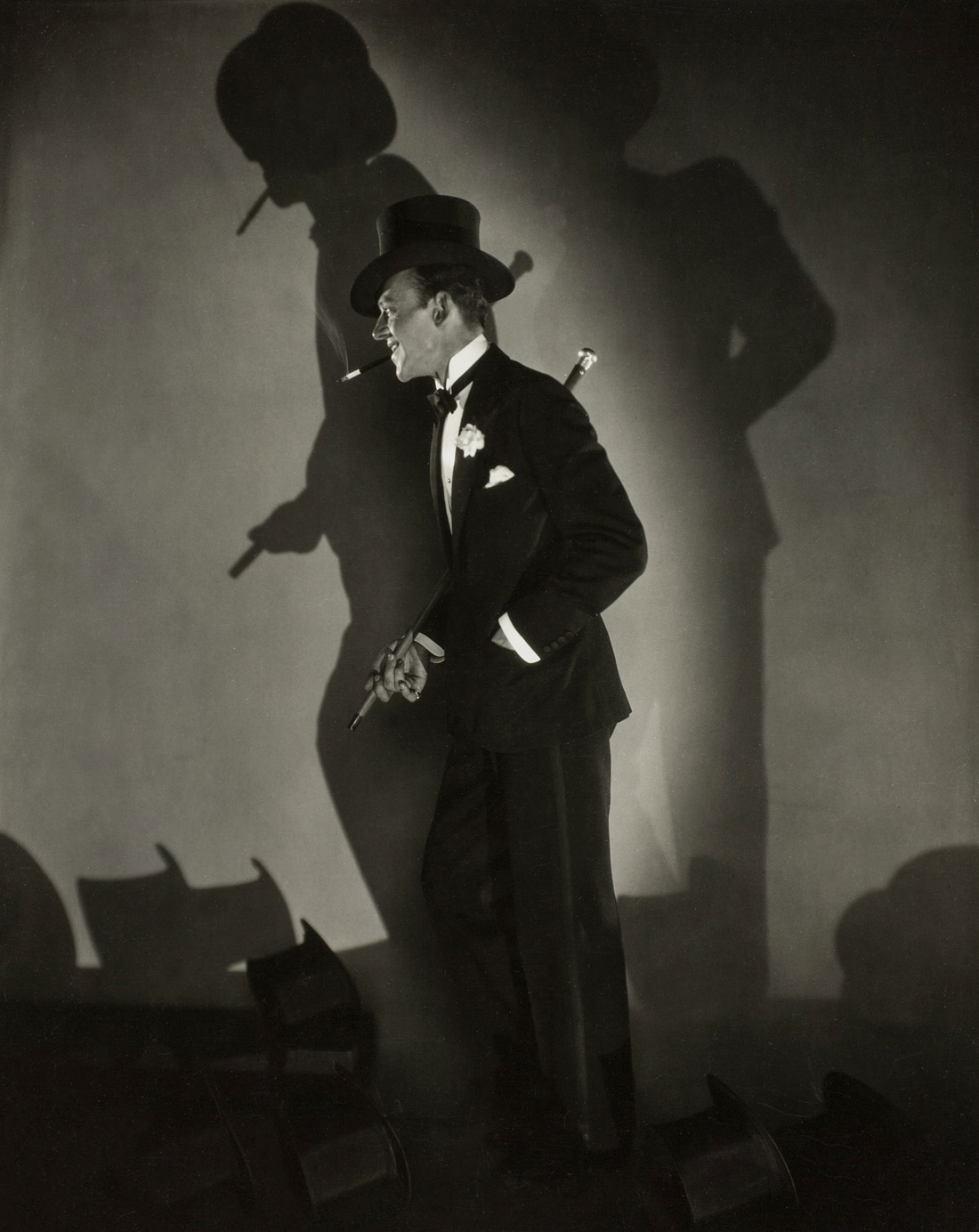
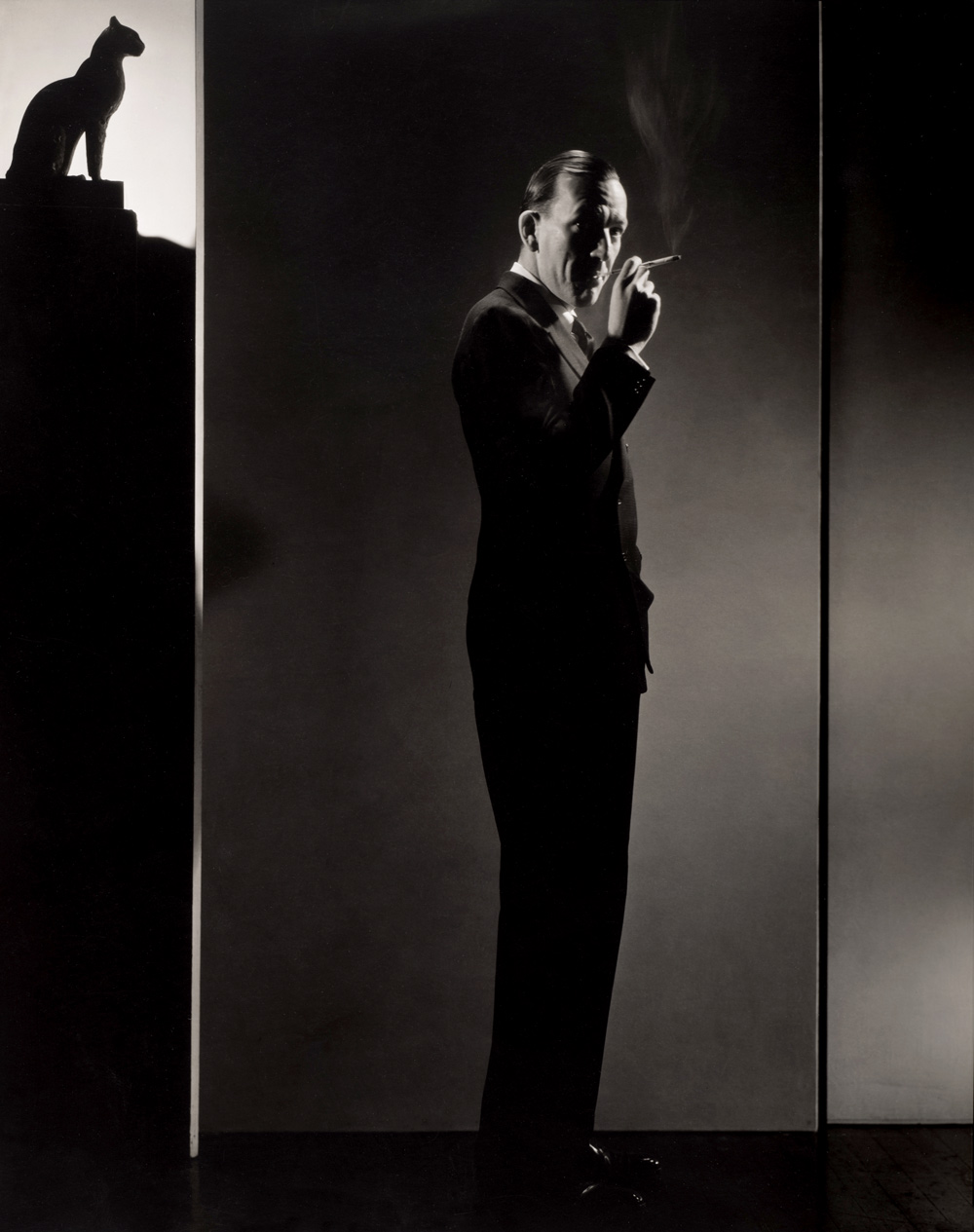
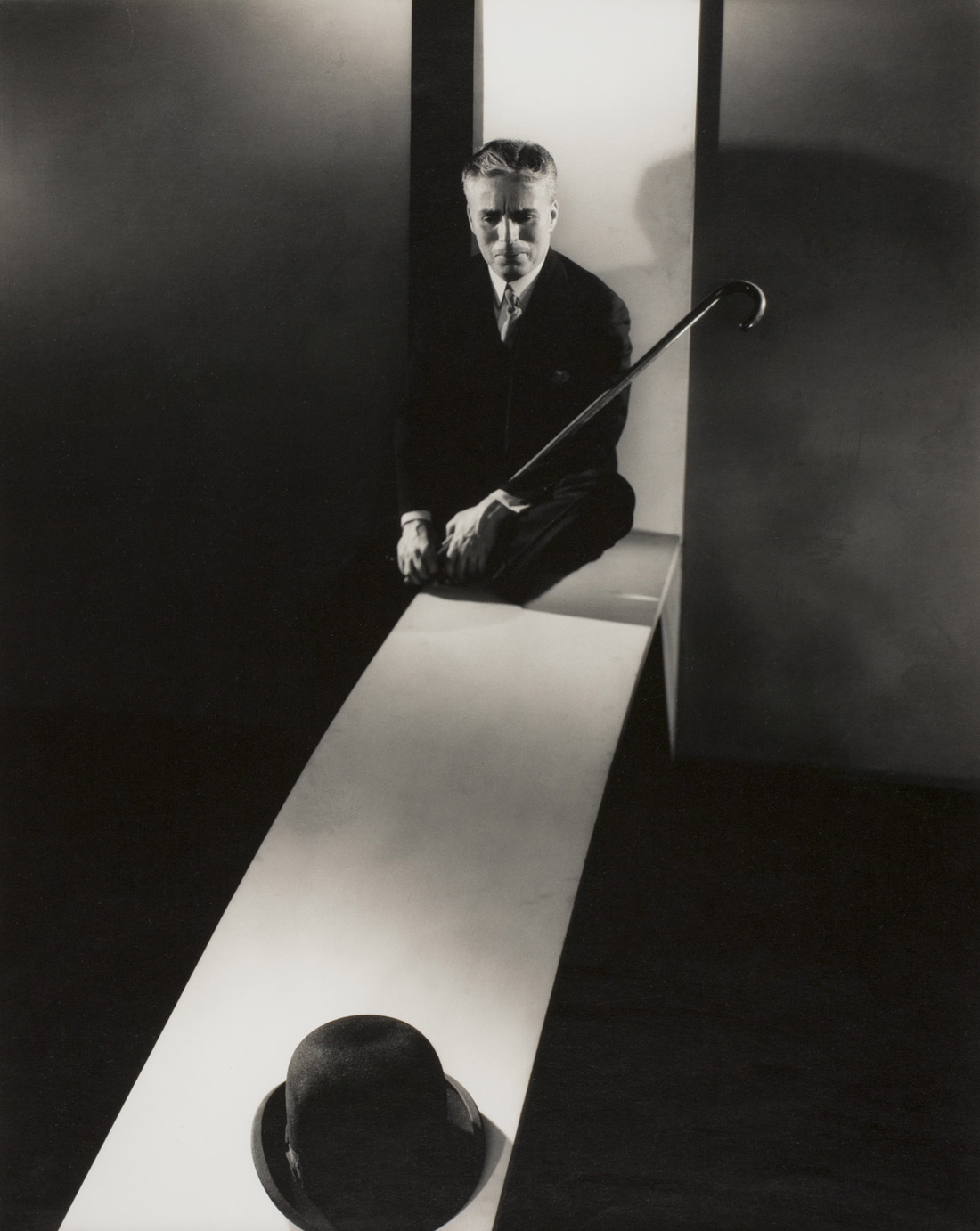
Brave man, hanging over the side of a rickety biplane at 15,000 feet taking aerial photographs during World War One but just look at the images he brought back, especially the hellish Untitled (Vaux) (1918-1919, below). I’m still not that convinced by his portraiture. The technical proficiency is magnificent (lighting, set, costume) but they are just too styled for me – the cat in the top left corner of Noel Coward (1932, below), the bowler hat of Charles Chaplin (1931, below) and the double shadow of Fred Astaire in Funny Face (1927, below) coupled with bands of light/dark and tons of “atmosphere” (certainly not sharp and clear!) which echo the mannerisms of Pictorialism. I see little modernist aesthetics and advertising tactics in these photographs. They are beautiful but they leave me unengaged. I much prefer the advertising photography in the next posting, much more angular and modern. You will have to wait and see what it is!
Dr Marcus Bunyan
Many thankx to The Art Institute of Chicago for allowing me to publish the photographs in the posting. Please click on the photographs for a larger version of the image.
At the start of World War I in 1914, Edward Steichen was a pioneering champion of art photography – catapulting to fame as a leading member of the Photo Secessionists and as cofounder of the trailblazing magazine Camera Work. Yet by the early 1920s, Steichen had rejected the soft focus, dreamy landscapes and portraits of his early years in favour of realist photographs made for informational purposes or popular consumption. This turning point was first marked by his role in World War I as chief of the Photographic Section of the American Expeditionary Forces from 1917 to 1919; and was fully realised in his subsequent work as lead photographer at Condé Nast publications from 1923 to 1937.
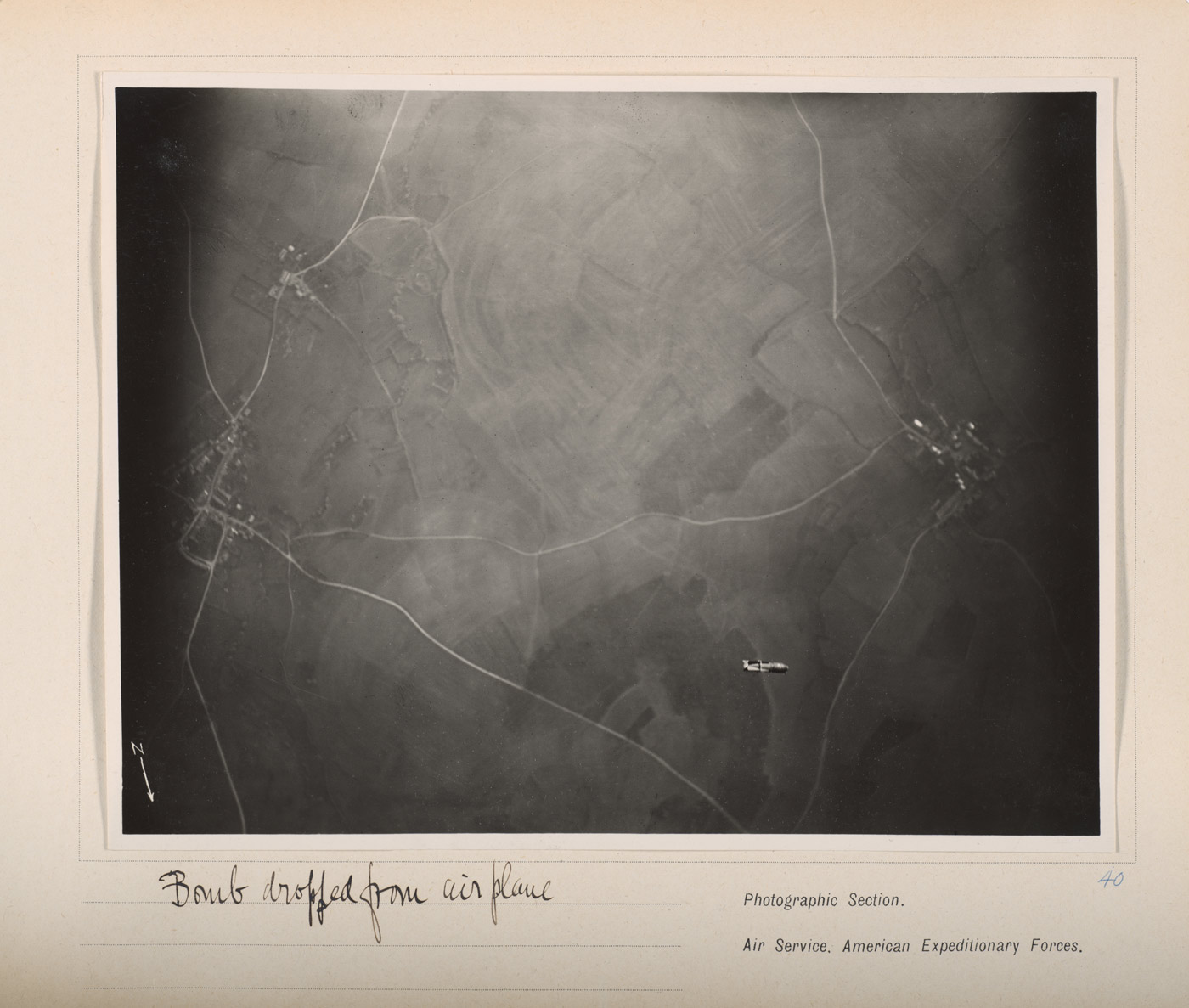
While on military duty, Steichen helped adapt aerial photography for intelligence purposes, implementing surveillance programs that had a lasting impact on modern warfare. He later reflected: “The wartime problem of making sharp, clear pictures from a vibrating, speeding airplane ten to twenty thousand feet in the air had brought me a new kind of technical interest in photography… Now I wanted to know all that could be expected from photography.” Steichen began to value photography’s capacity to transmit and encode information, and he soon proved his savvy as a collaborator and producer rather than a solitary auteur – new skills that enabled his subsequent groundbreaking career in magazines. Upon his return to New York in 1923, Steichen joined Condé Nast publications, creating iconic fashion photographs and celebrity portraits for Vogue and Vanity Fair. Over a period of nearly 15 years he created images that redefined the field through their clever use of modernist aesthetics and advertising tactics, becoming an influential impresario who promoted photography as a mass-media tool.
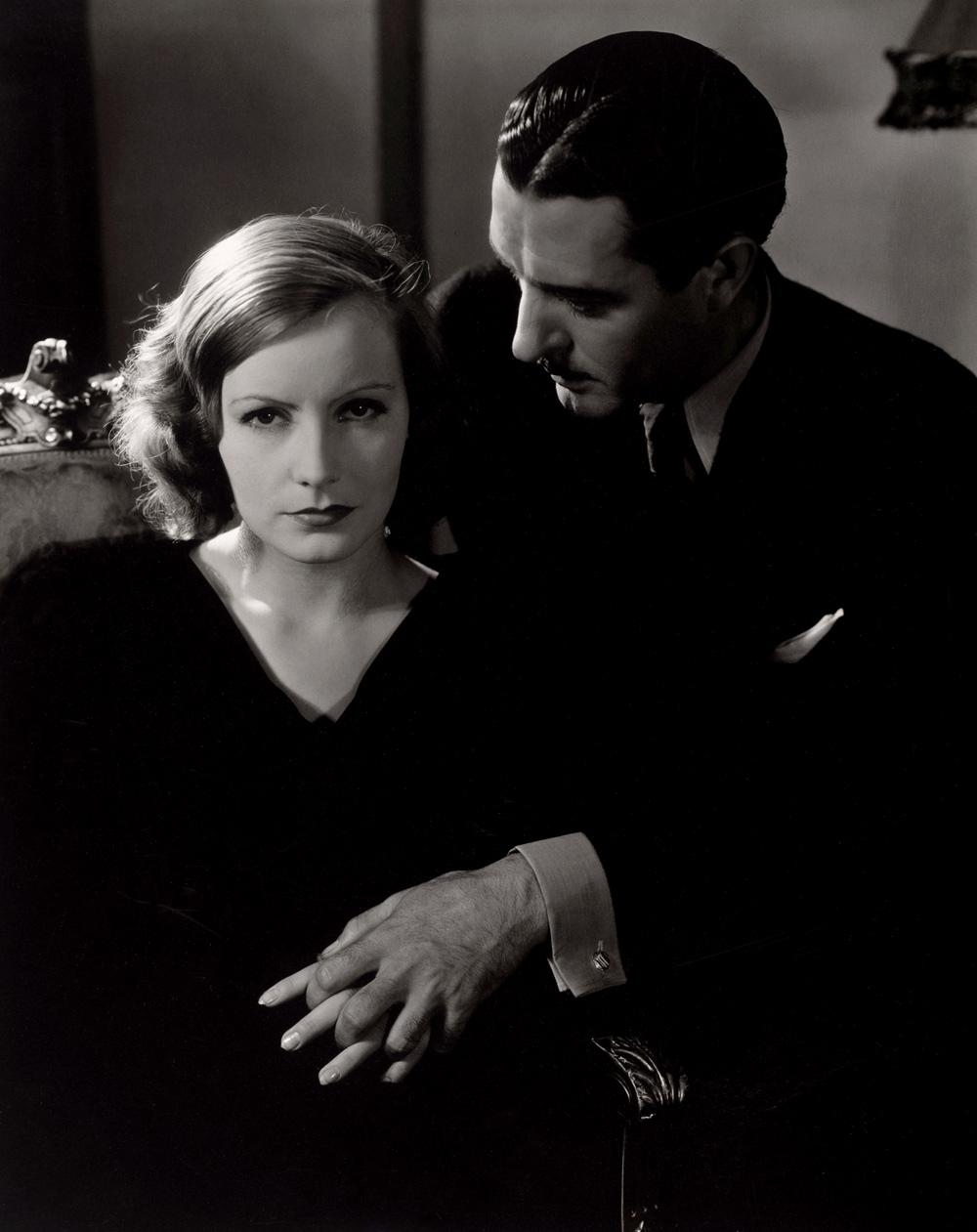
Focusing on rarely seen Steichen photographs drawn from the Art Institute’s collection, this exhibition includes a unique album of over 80 World War I aerial photographs assembled and annotated by Steichen himself as well as a group of iconic glamour portraits and fashion photographs done for Condé Nast, featuring notable figures such as Greta Garbo, Fred Astaire, and Gloria Swanson.
Throughout his extensive career, famed photographer Edward Steichen (1879-1973) championed photography’s multiple roles – from his earliest efforts to promote American photography as an equal among the modern fine arts, to his groundbreaking work for the magazine industry. A new exhibition at the Art Institute of Chicago, Sharp, Clear Pictures: Edward Steichen’s World War I and Condé Nast Years, on view from June 28 – September 28, 2014, in Galleries 1-4, examines a crucial period in Steichen’s career, when he rejected the painterly Pictorialist aesthetic of his early years in favour of a straight, information-based approach. This turning point was first signalled by Steichen’s role in World War I, as chief of the Photographic Section of the American Expeditionary Forces from 1917 to 1919, and was fully realised in his work as lead photographer at Condé Nast Publications from 1923 to 1937.
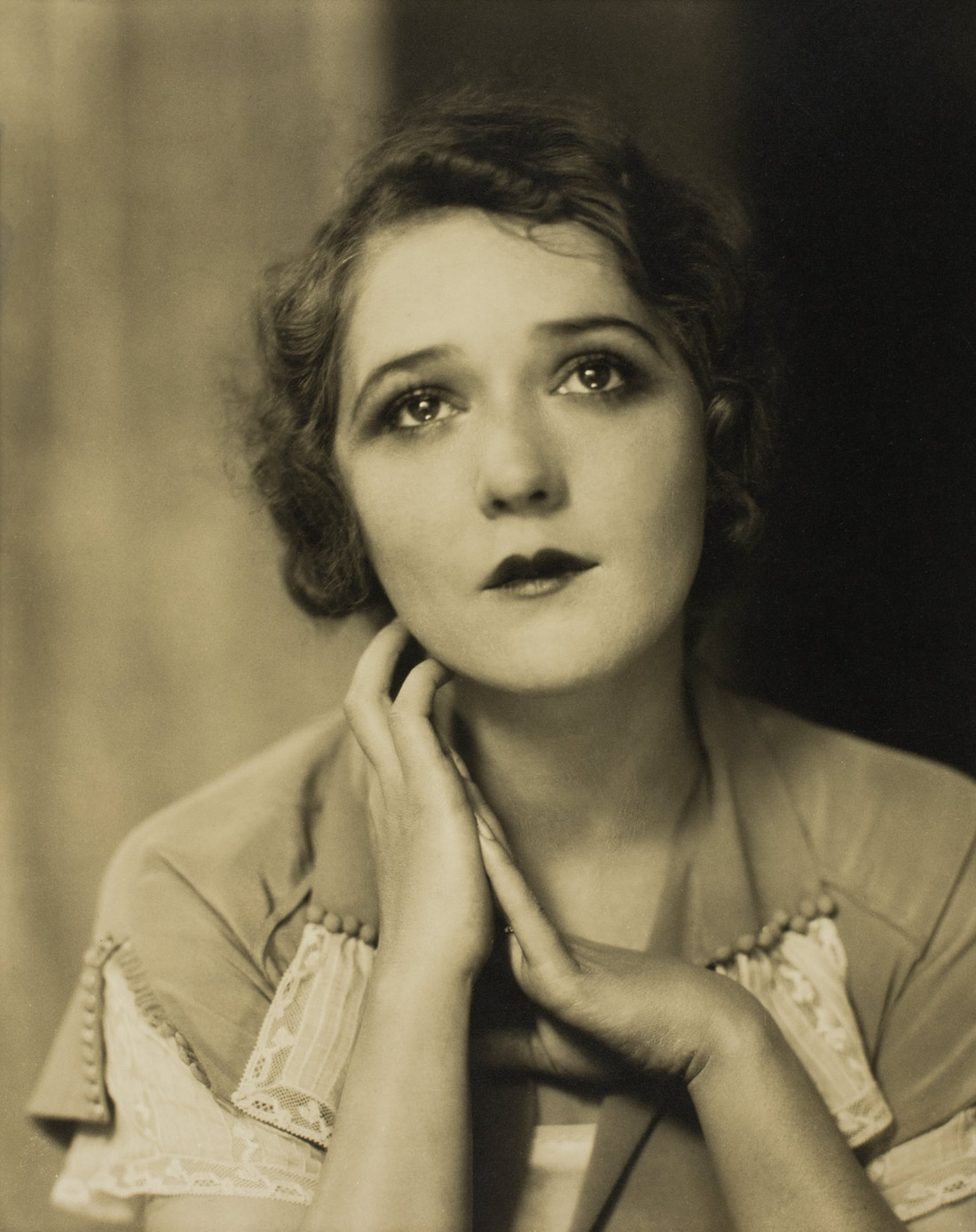
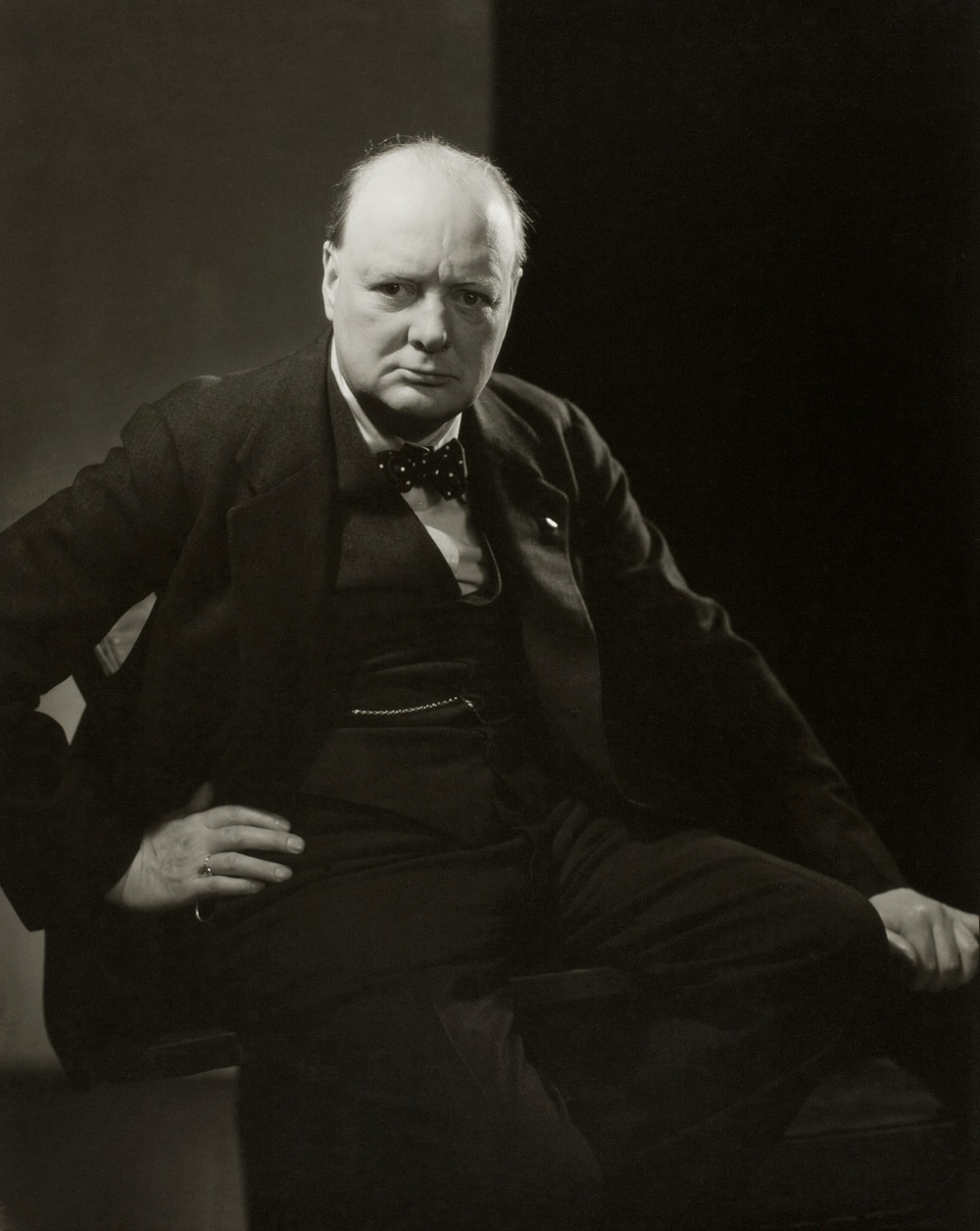
Focusing on rarely seen Steichen photographs drawn from the Art Institute’s collection, this exhibition includes a unique album of over 80 World War I aerial photographs assembled and annotated by Steichen himself as well as a group of iconic glamour portraits and fashion photographs done for Condé Nast, featuring such early Hollywood royalty as Mary Pickford, Greta Garbo, Fred Astaire, Charlie Chaplin and Gloria Swanson, as well as key historical figures like Winston Churchill.
Prior to WWI, Edward Steichen was a pioneering champion of art photography – he had a leading reputation in the Photo Secession movement in New York, and, along with his mentor Alfred Stieglitz, had cofounded its trail-blazing fine-art journal Camera Work. Together, they opened the Little Galleries of the Photo-Secession, later 291, which first presented Picasso, Bråncusi, and a range of progressive photographers to the American public. In 1906, seeking a change, Steichen moved to Voulangis, France, with his family, where he immersed himself in European modern art. They remained there until the outbreak of the war in 1914, when, under the threat of advancing German troops, they fled home to the United States.
In July 1917, Steichen entered active duty with the goal of becoming “a photographic reporter, as Mathew Brady had been in the Civil War,” but he quickly abandoned this romantic notion to help implement the newest weapon of war – aerial photography. While on military duty, Steichen helped adapt aerial photography for intelligence purposes, implementing surveillance programs that had a lasting impact on modern warfare. He later reflected: “The wartime problem of making sharp, clear pictures from a vibrating, speeding airplane ten to twenty thousand feet in the air had brought me a new kind of technical interest in photography… Now I wanted to know all that could be expected from photography.” Steichen began to value photography’s capacity to transmit and encode information, and he soon proved his savvy as a collaborator and producer rather than a solitary auteur – new skills that enabled his subsequent groundbreaking career in magazines.
Following his military discharge in 1919, Steichen returned to Voulangis, where for a period of three years he created work that embraced clear focus, close cropping, and other techniques of modernist photography. Upon his return to New York in 1923, Steichen joined Condé Nast Publications, creating iconic fashion photographs and celebrity portraits for Vogue and Vanity Fair. In undertaking this challenging endeavour, the organisational and technical skills Steichen gained during his time in the military and in Voulangis proved invaluable.
Steichen championed the cultural and economic potential of celebrity, fashion, and advertising photography, creating images that became the foundation for contemporary magazine photography. Over a period of nearly 15 years he created images that redefined the field through their clever use of modernist aesthetics and advertising tactics, becoming an influential impresario who promoted photography as a mass-media tool.
Press release from The Art Institute of Chicago website
Exhibition dates: 18th October 2013 – 2nd March 2014
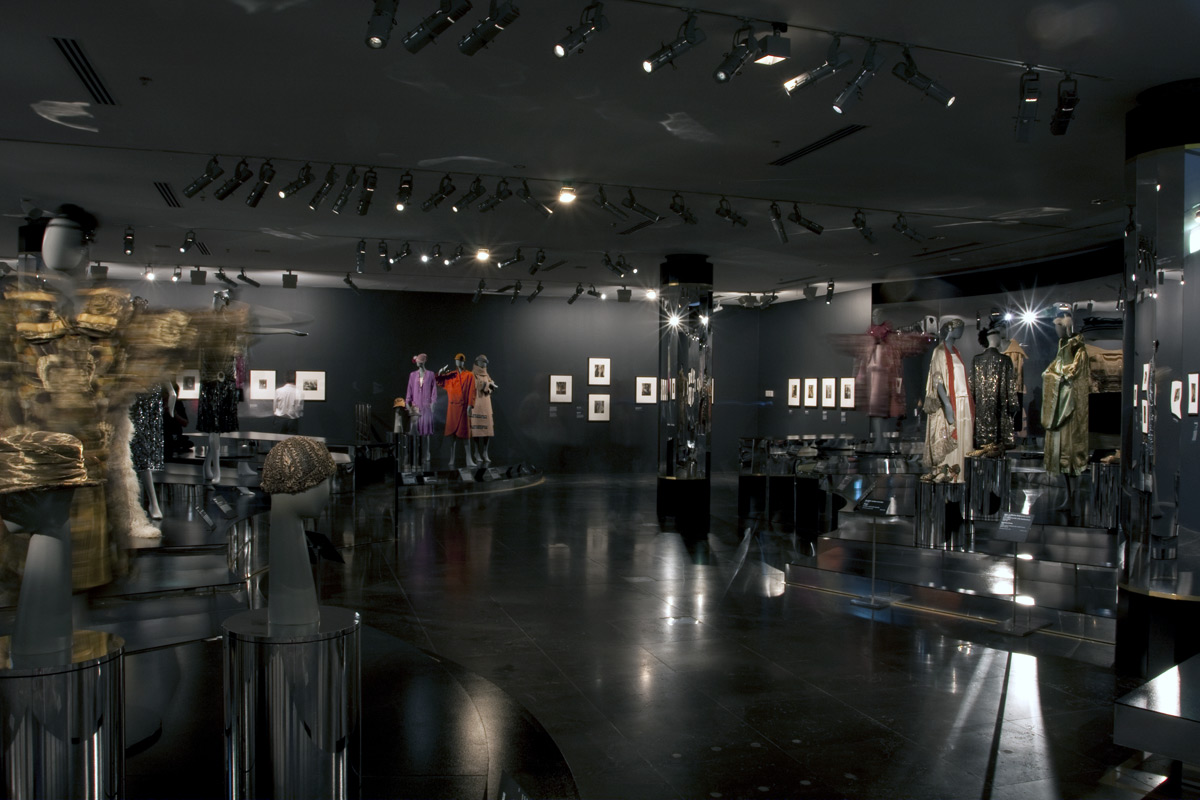
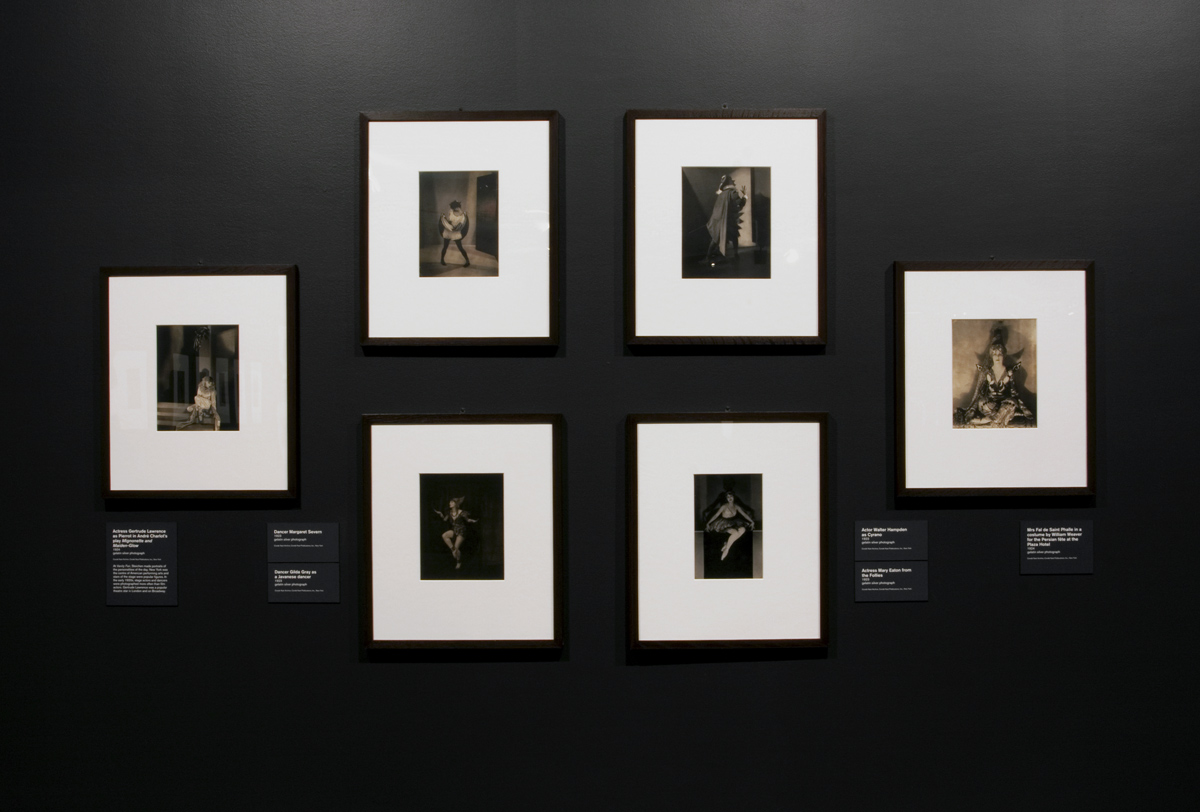
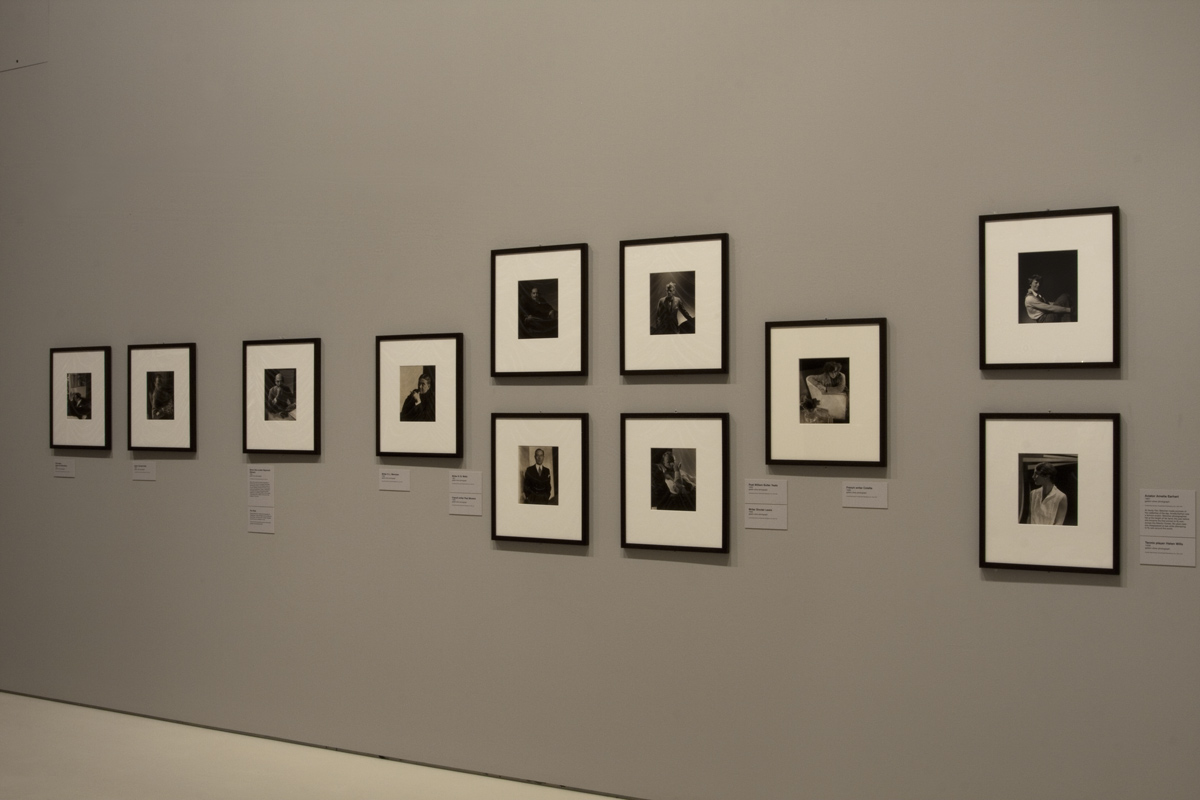
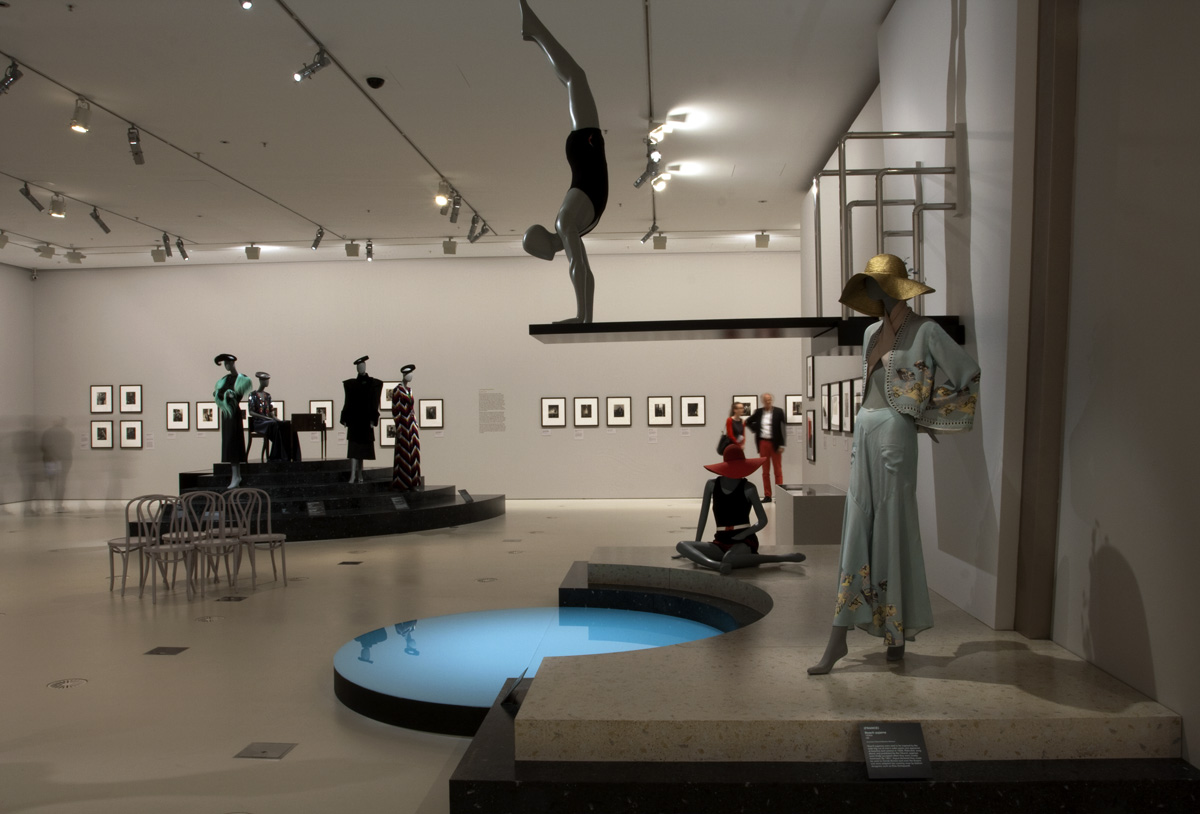
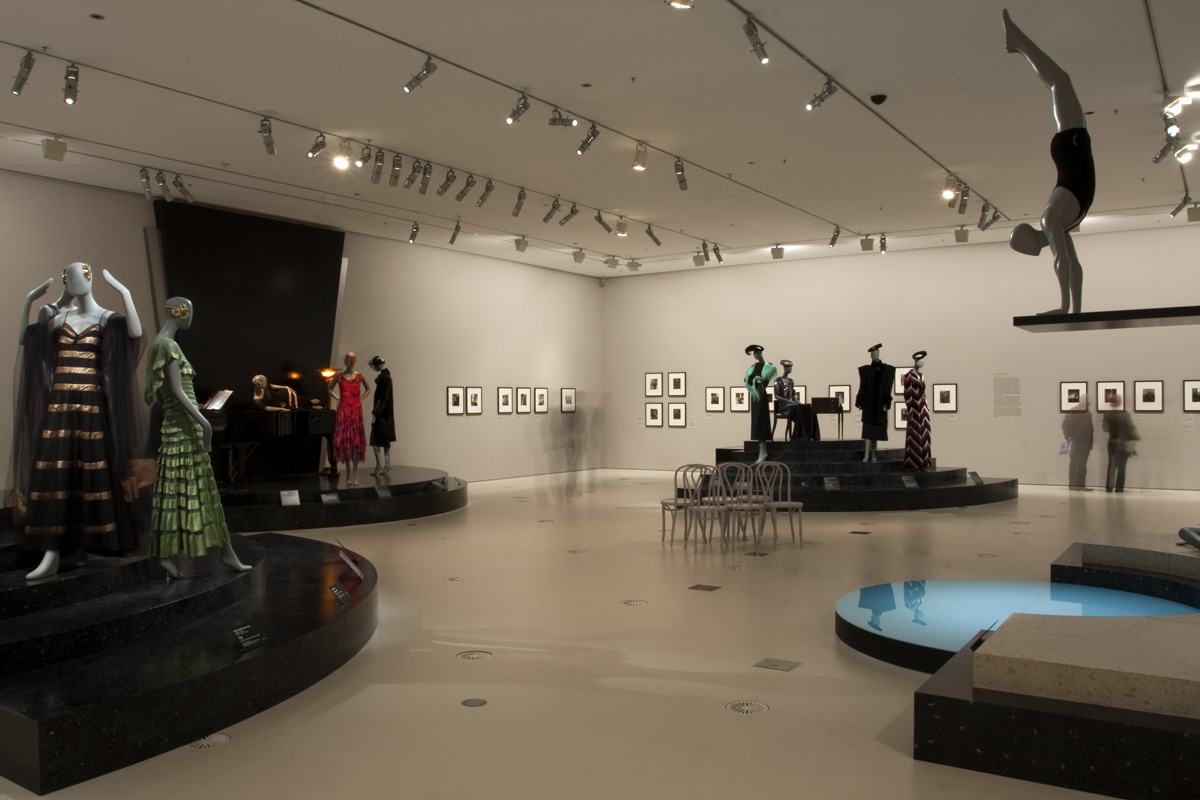
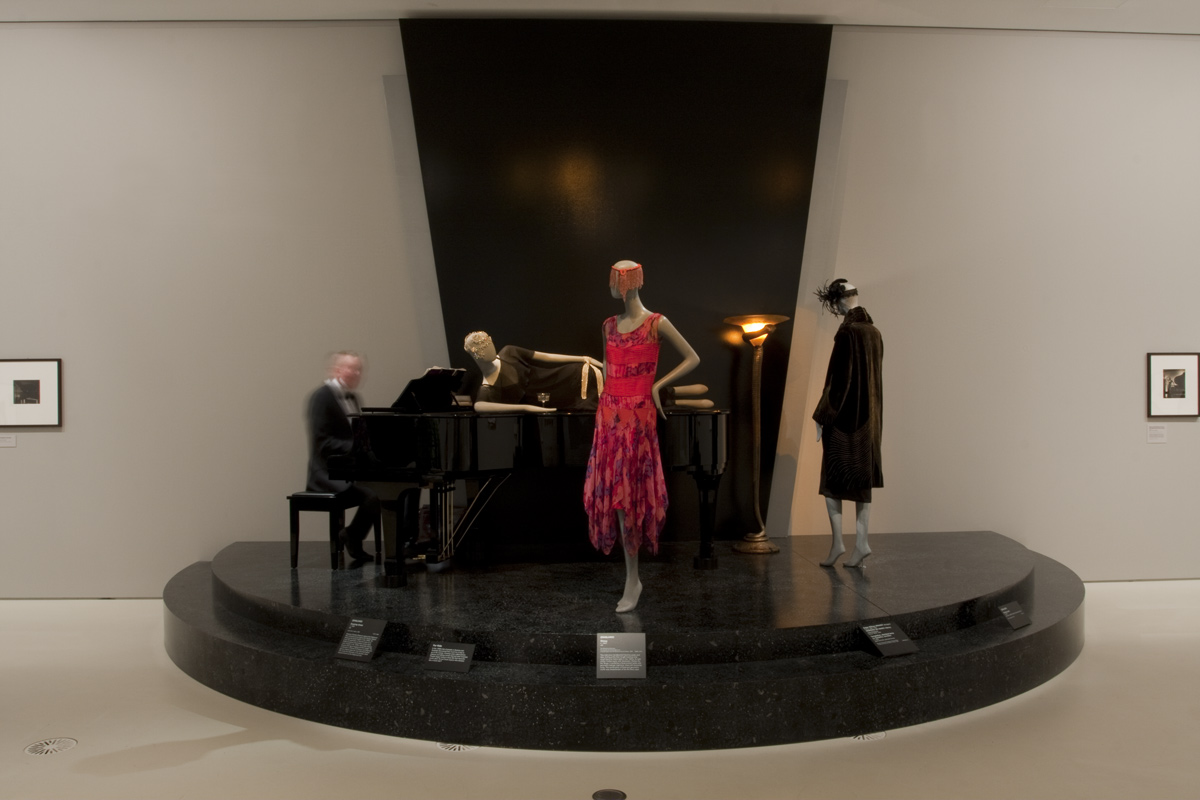
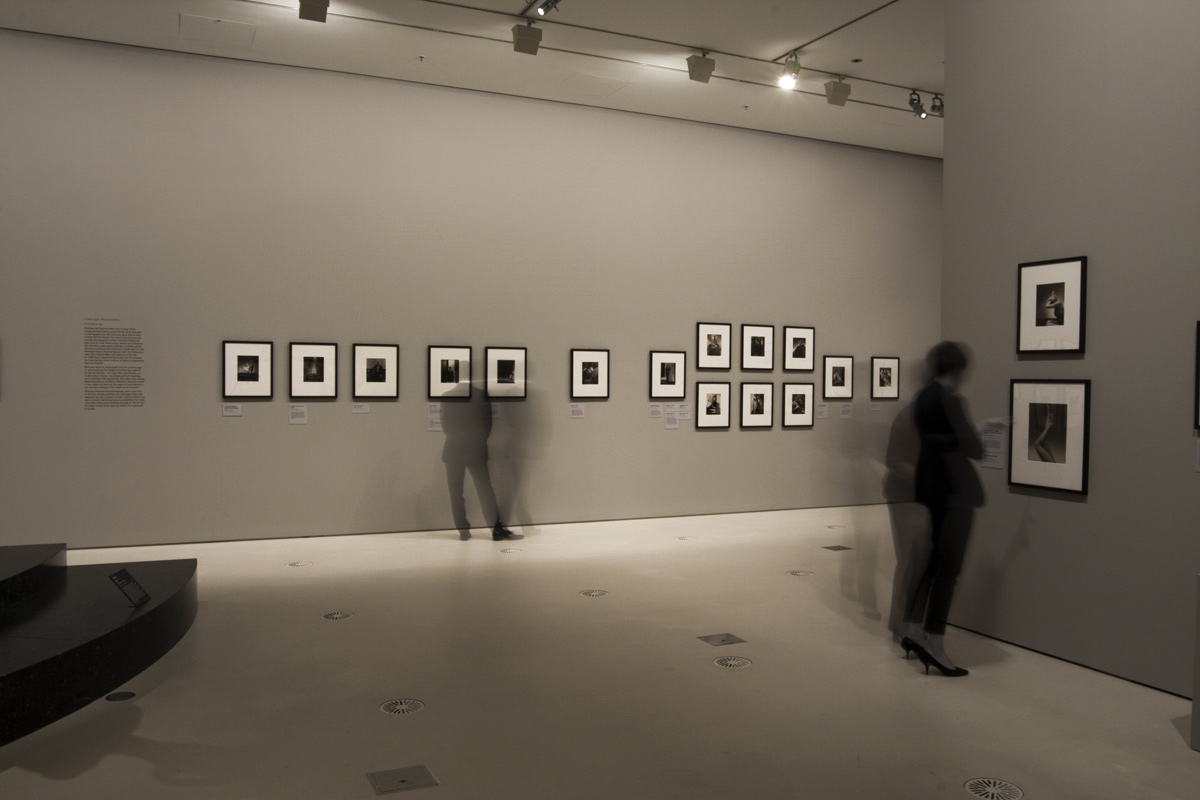
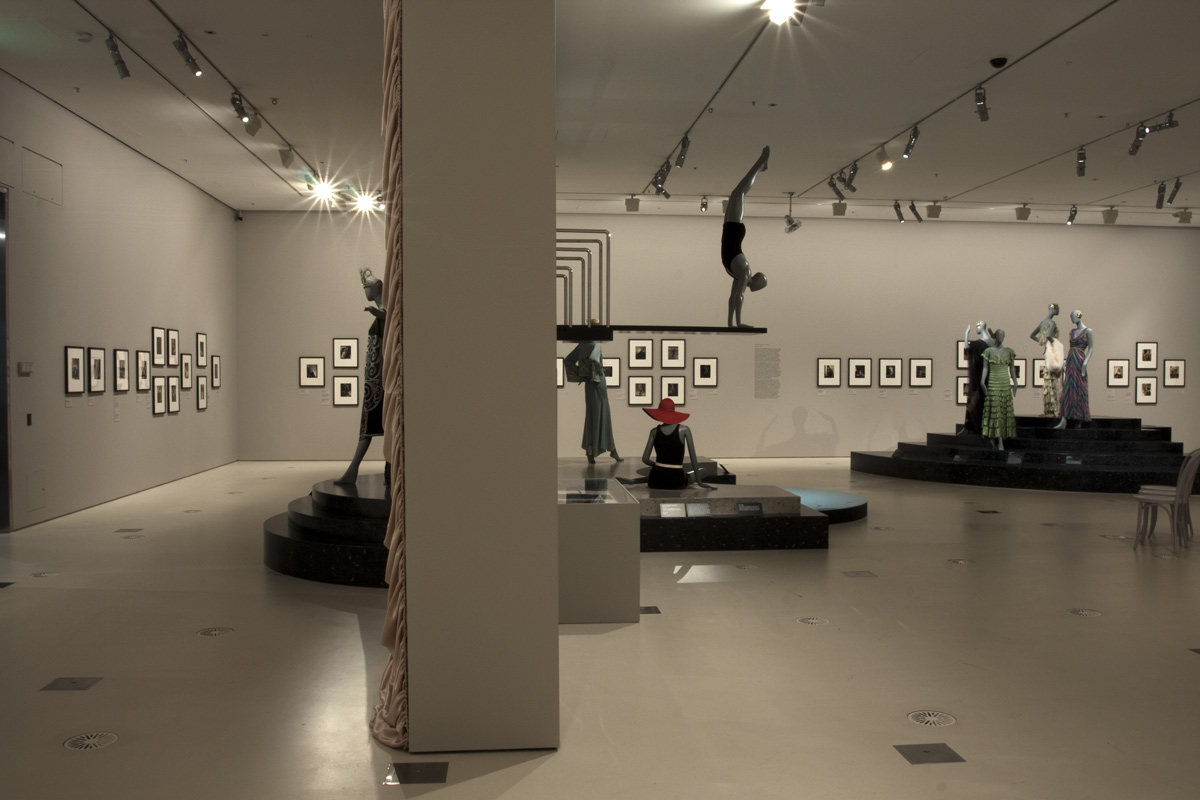
Installation photograph of the exhibition Edward Steichen & Art Deco Fashion at NGV International Photo: Marcus Bunyan
You saw it here first on Art Blart!
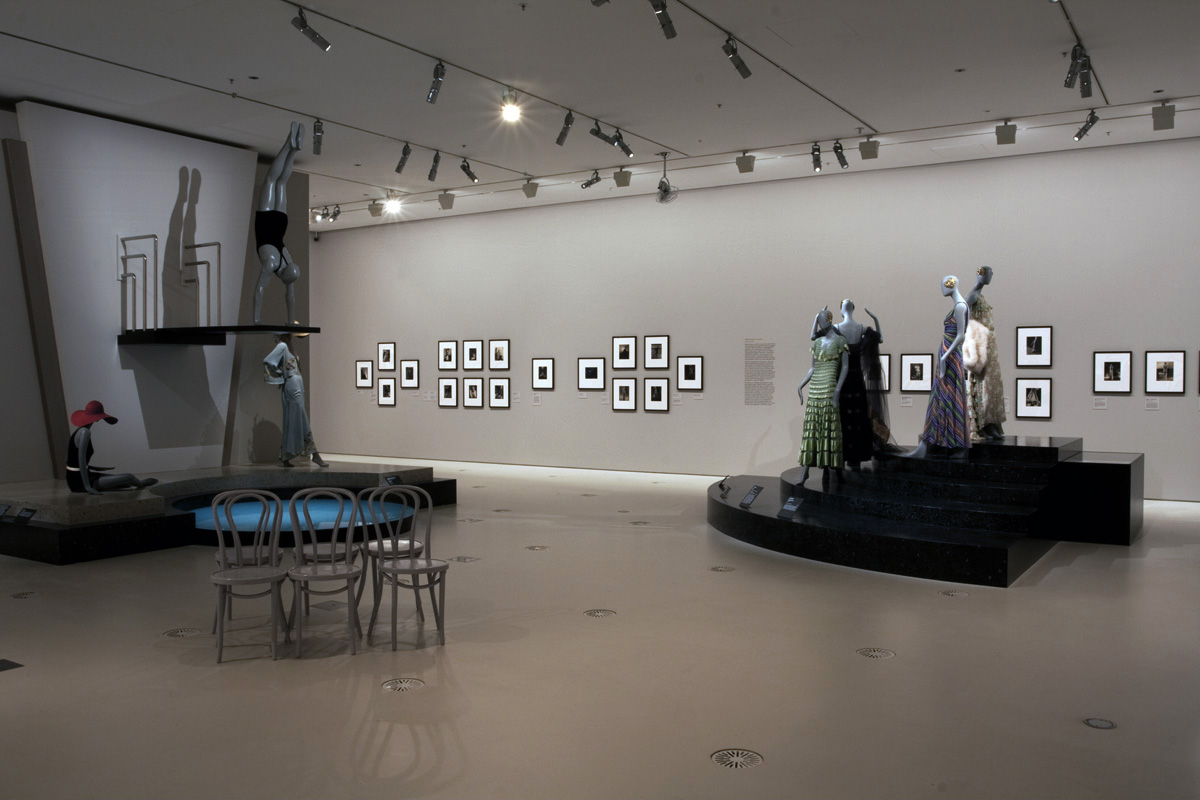
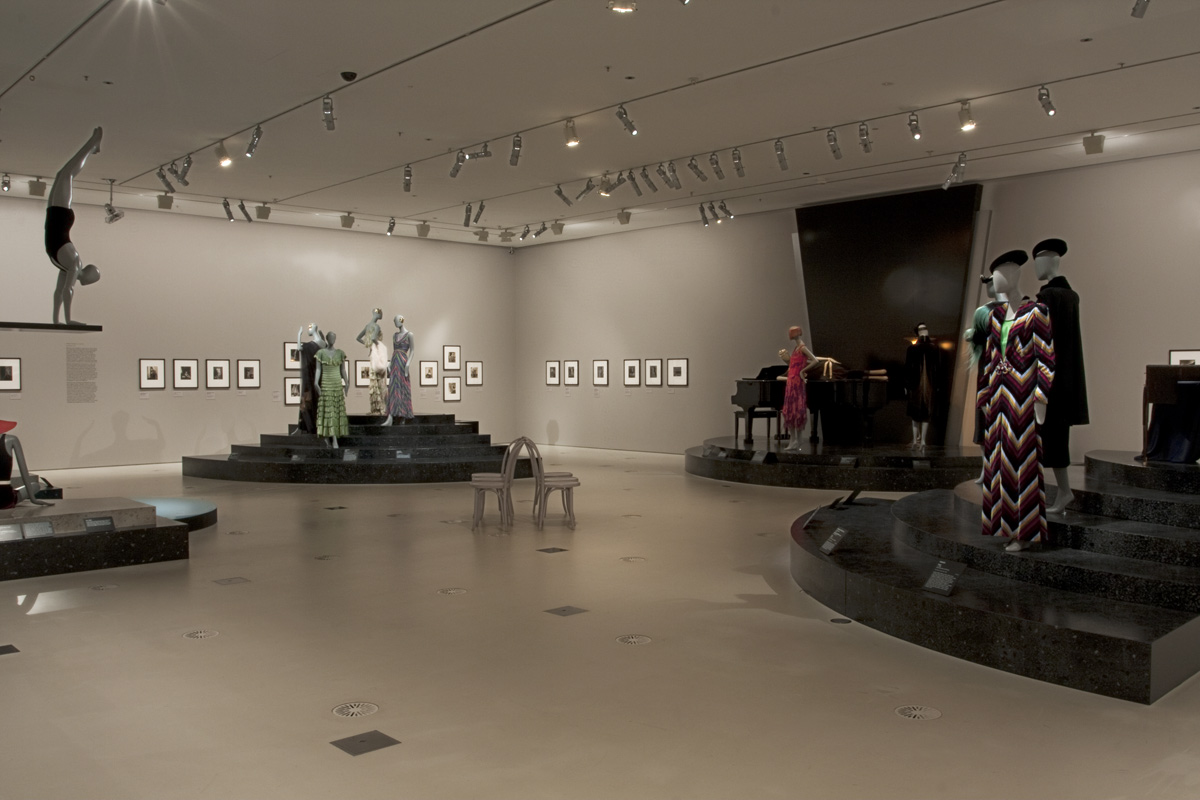
What a gorgeous exhibition. It’s about time Melbourne had a bit of style put back into the National Gallery of Victoria, and this exhibition hits it out of the park. Not only are the photographs absolutely fabulous but the frocks are absolutely frocking as well. Well done to the NGV for teaming the photographs with the fashion and for a great install (makes a change to see 2D and 3D done so well together). Elegant, sophisticated and oozing quality, this is a sure fire winner…. Review of the photographs to follow.
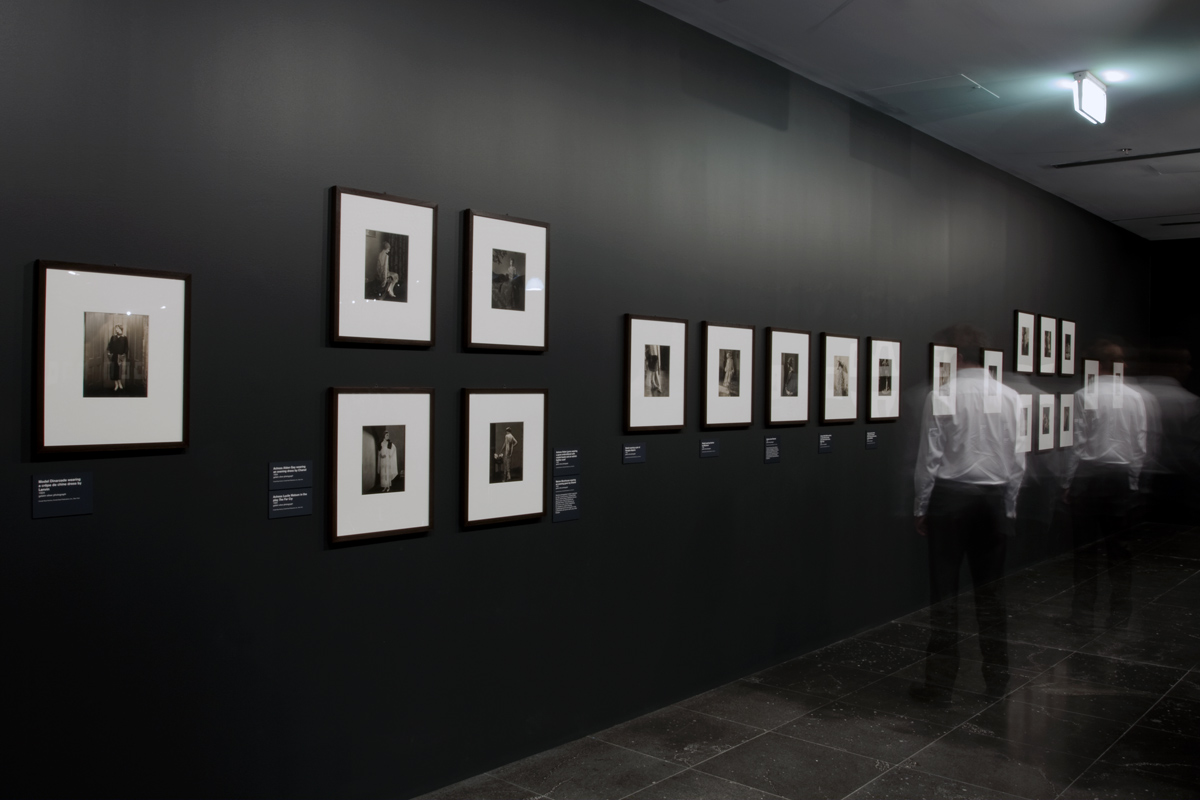
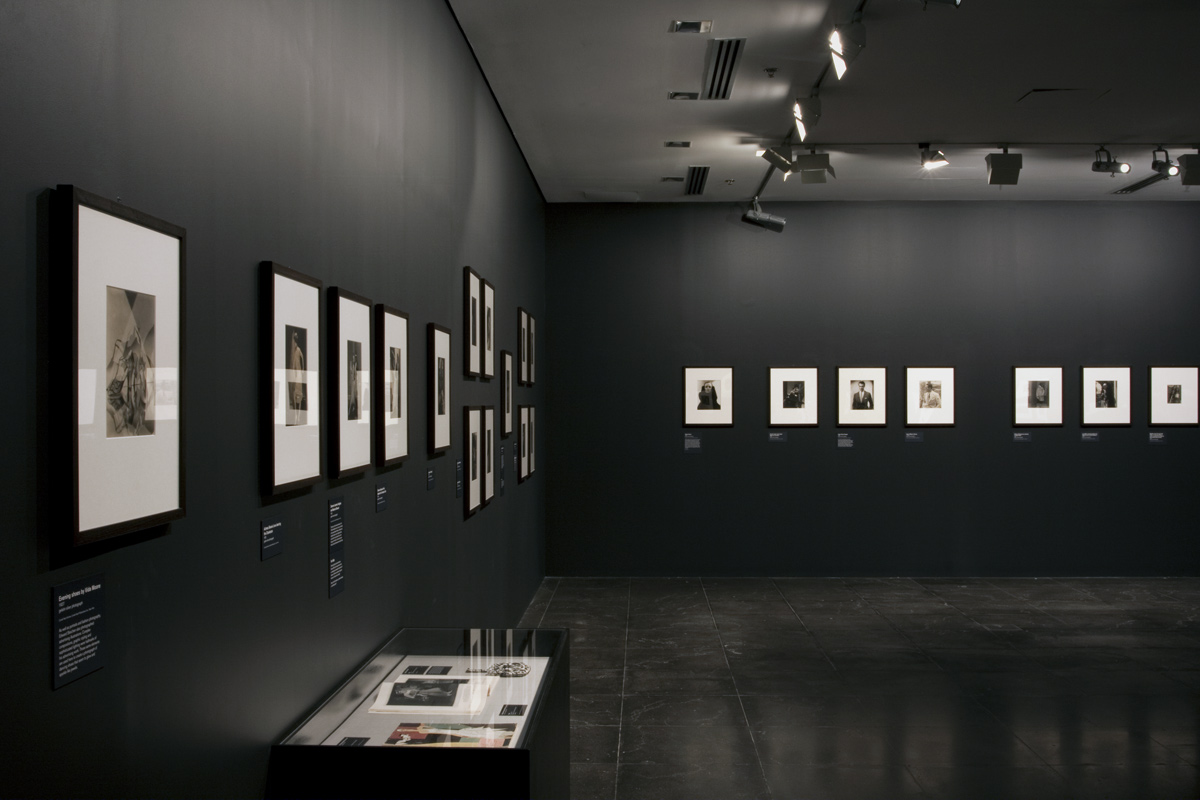
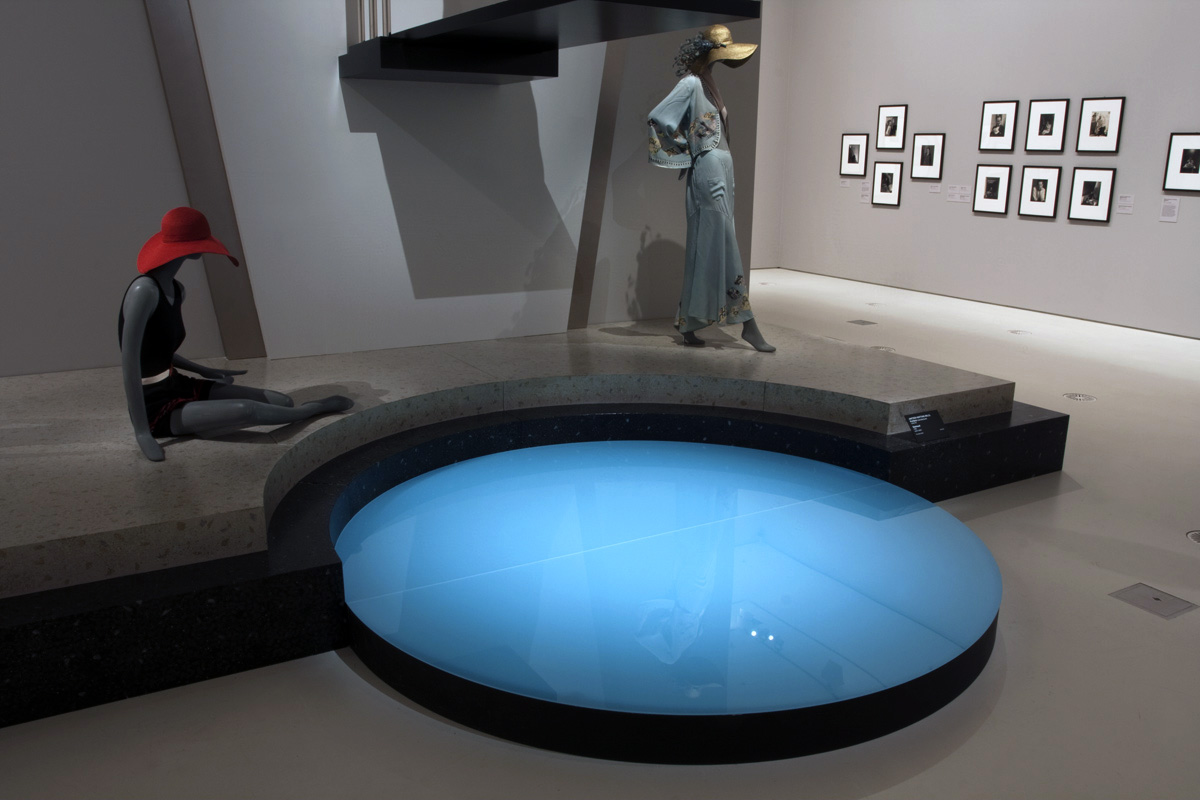
Installation photographs of the exhibition Edward Steichen & Art Deco Fashion at NGV International Photos: Marcus Bunyan
(L-R) Vogue March First 1926; Vogue November 15, 1925; and Vanity Fair June 1926 Photo: Marcus Bunyan
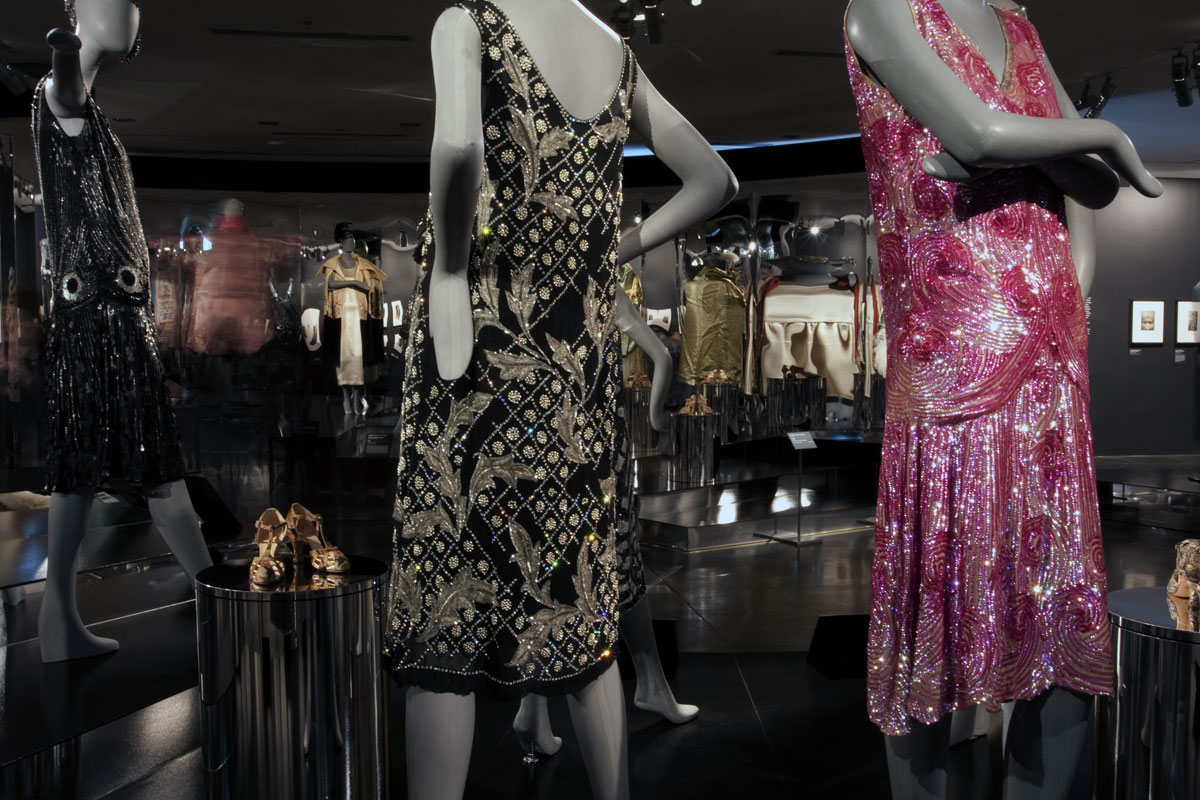
Installation photographs of the exhibition Edward Steichen & Art Deco Fashion at NGV International Photos: Marcus Bunyan
The National Gallery of Victoria will showcase the glamour and modernity of the Art Deco period through the work of fashion’s most influential photographer, Edward Steichen, and stunning Art Deco fashion garments and accessories. The exhibition Edward Steichen & Art Deco Fashion is the first Australian survey of Steichen, widely considered to have created the first modern fashion photo. The exhibition features almost 200 of Steichen’s original vintage photographs, drawn from the vast archives of Condé Nast where he was chief photographer for their most prestigious magazines Vanity Fair and Vogue during the 1920s and 30s, alongside more than forty exquisite Art Deco fashion items from the NGV Collection and select private collections.
Tony Ellwood, Director, NGV, said that Edward Steichen & Art Deco Fashion is the first major Australian retrospective dedicated to Steichen’s iconic Condé Nast work.
“Steichen’s evocative images are regarded as among the most striking in early-to-mid-20th century photography and his fashion work in particular revolutionised the genre of fashion photography. This exhibition provides a rare opportunity to view such a large body of his work and to see up close the intricate details of outstanding Art Deco fashion items that highlight the interplay between fashion and photography,” said Mr Ellwood.
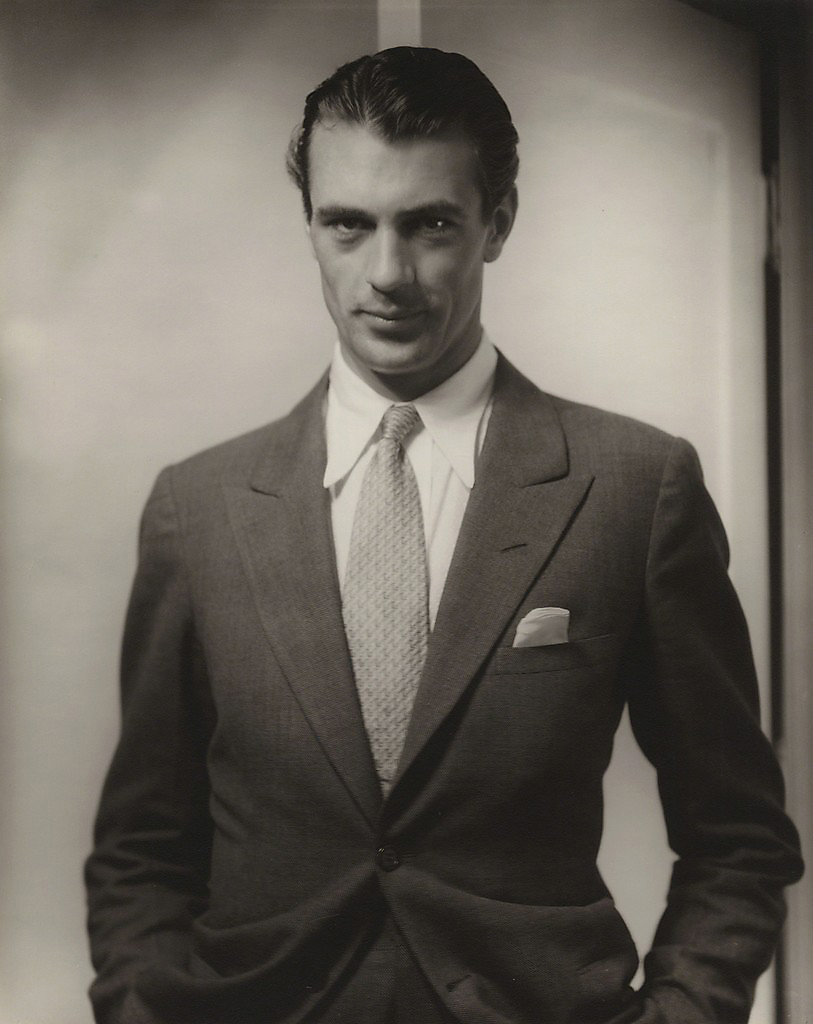
The exhibition presents Steichen’s pioneering modernist fashion photography and celebrity portraiture, produced during his fifteen year career as chief photographer for esteemed Condé Nast publications Vanity Fair and Vogue. During this period he put his exceptional talents and prodigious energy to work, creating a legacy of unequalled brilliance as he photographed the world of high fashion and stars of contemporary popular culture including Marlene Dietrich, Joan Crawford, Charlie Chaplin, Katherine Hepburn, Clara Bow, Louise Brooks, Greta Garbo, Gary Cooper, Winston Churchill and George Gershwin. Steichen’s images transformed fashion photography and influenced generations of photographers, capturing the sophistication of the newly liberated ‘modern woman’ and encapsulating the chic beauty and avant-garde style of the Art Deco movement. Renowned as an innovator and master of lighting, his practice bridged the transition from photography’s early soft-focus, pictorialist style to clean, crisp modernism.
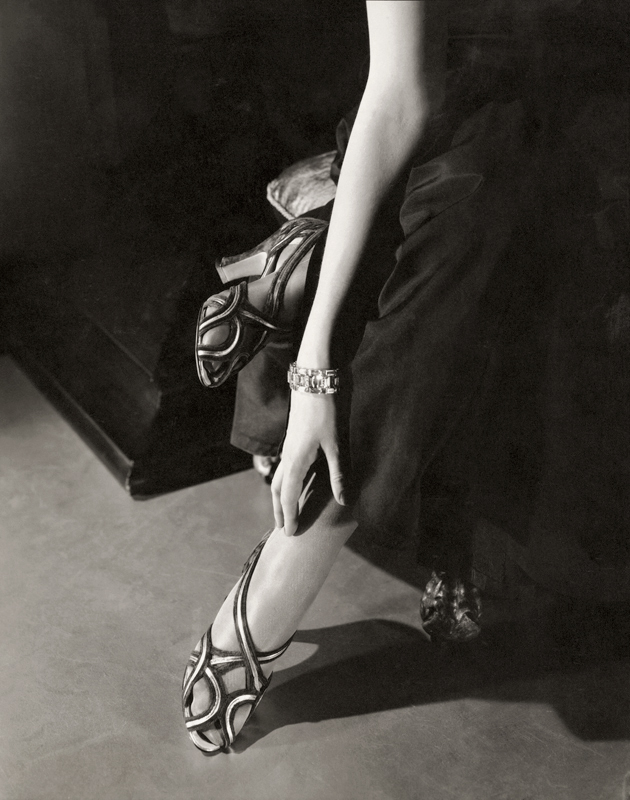
Echoing the aesthetics of Steichen’s photographs, this exhibition will also celebrate the fashion borne of the period with over forty exquisite Art Deco garments and accessories by leading designers of the day including Chanel, Lanvin, Madeleine Vionnet, Madame Paquin and Callot Soeurs. The elegance of old Hollywood glamour and high end fashion will be seen through a range of pieces – including swimsuits, coats, evening gowns, beach pyjamas, dresses, hats, bags and shoes, as well as an early example of Chanel’s little black dress. Art Deco style developed in response to changing lifestyles and ideals following the First World War. Typically characterised by sleek, geometric lines, rich colours and luxurious adornments, these new forms represented a shift away from traditional values; in fashion, hemlines rose and hairstyles became shorter, culminating in the infamous mid-twenties flapper style.
Edward Steichen & Art Deco Fashion also displays rare copies of Vogue and Vanity Fair that demonstrate the way Steichen’s photographs appeared on the magazine page. Two catalogues accompany the exhibition: Art Deco Fashion, a magazine-style volume that charts the development of the modern silhouette and highlights some of the leading designers of the period, and Edward Steichen: In High Fashion – The Condé Nast Years, 1923-1937, a lavishly illustrated 288 page publication that focuses on Steichen’s legendary Vogue and Vanity Fair work.
Press release from the National Gallery of Victoria
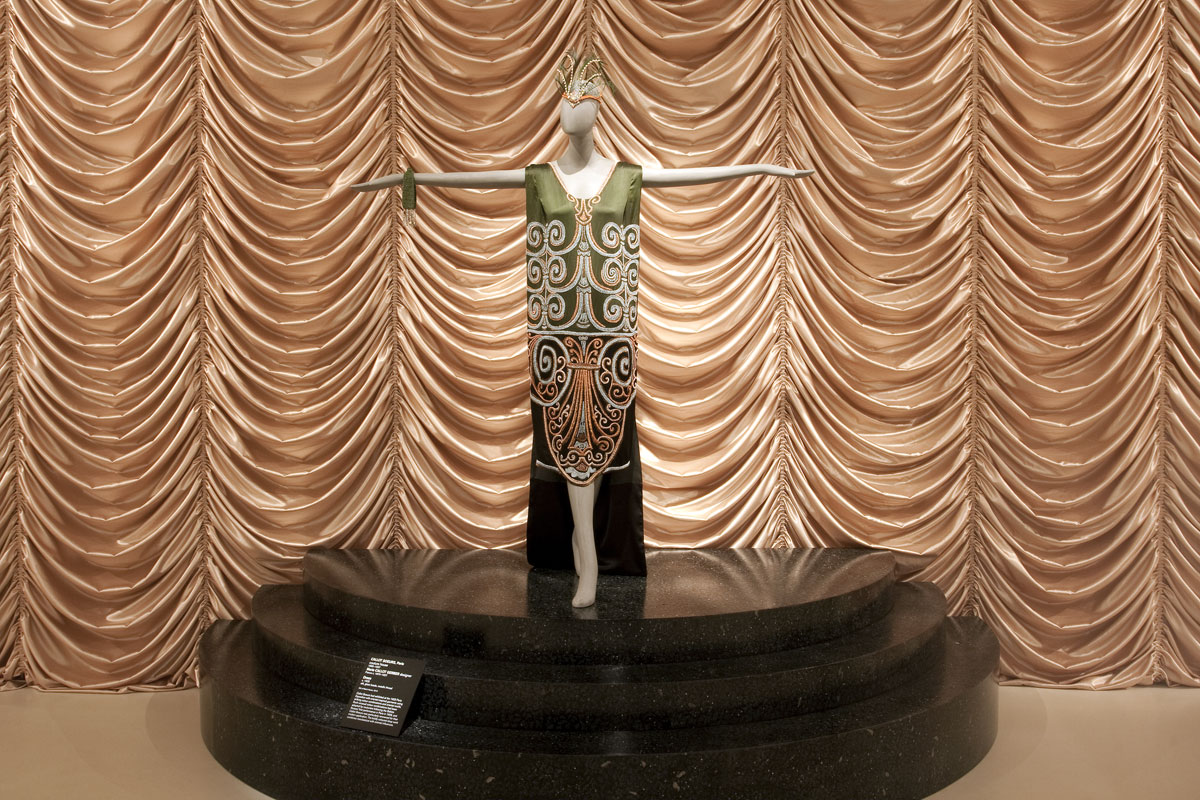
Room Two
Callot Souers, Paris
Couture house (1925-1937) Marie Callot Gerber designer
France c. 1870-1927 Dress
c. 1925
Silk, glass beads, metallic thread
Installation photographs of the exhibition Edward Steichen & Art Deco Fashion at NGV International Photos: Marcus Bunyan
Edward Steichen (American, 1879-1973) Gloria Swanson (Vanity Fair, February 1, 1924) 1924 Gelatin silver print The Sylvio Perlstein Collection Courtesy of Condé Nast Archive, Condé Nast Publications, Inc, New York/ Paul Hawryluk, Dawn Lucas and Rachael Smalley
As part of the International Center of Photography’s 2009 Year of Fashion, the museum will host a retrospective of Edward Steichen’s fashion and celebrity portraiture. Edward Steichen: In High Fashion, The Condé Nast Years, 1923-1937, will be on view at ICP (1133 Avenue of the Americas at 43rd Street) from January 16 through May 3, 2009. It will feature 175 vintage photographs, drawn mainly from the extensive archive of original prints at Condé Nast, along with a selection of important prints from the collection of the George Eastman House Museum. This will be the first exhibition in which the full range of his fashion photography and celebrity portraiture will be shown, including many images that have never been exhibited before. Having previously traveled throughout Europe, the exhibition will be presented on its North American tour in this version only at ICP.
Edward Steichen (1879-1973) was already a famed Pictorialist photographer and painter in the United States and abroad when he was offered the position of chief photographer for Vogue and Vanity Fair by Condé Nast. Upon assuming the job, the forty-four year old artist began one of the most lucrative and controversial careers in photography. To Alfred Stieglitz and his followers, Steichen was seen as damaging the cause of photography as a fine art by agreeing to do commercial editorial work. Nevertheless, Steichen’s years at Condé Nast magazines were extraordinarily prolific and inspired. He began by applying the soft focus style he had helped create to the photography of fashion. But soon he revolutionised the field, banishing the gauzy light of the Pictorialist era and replacing it with the clean, crisp lines of Modernism. In the process he changed the presentation of the fashionable woman from that of a distant, romantic creature to that of a much more direct, appealing, independent figure. At the same time he created lasting portraits of hundreds of leading personalities in movies, theatre, literature, politics, music, and sports, including Gloria Swanson, Gary Cooper, Marlene Dietrich, Joan Crawford, Colette, Winston Churchill, Amelia Earhart, Jack Dempsey, Noel Coward, Greta Garbo, Dorothy Parker, and Cecil B. De Mille.
From the ArtDaily.org website
Many thankx to the International Center of Photography for allowing me to publish the photographs in the posting. Please click on the photographs for a larger version of the image.
Edward Steichen (American, 1879-1973) On George Baher’s yacht 1928 Gelatin silver print Courtesy Condé Nast Archive
Edward Steichen (American, 1879-1973) Gary Cooper 1930 Gelatin silver print Courtesy Condé Nast Archive
Princess Natalia Pavlovna Paley (Russian: Наталья Павловна Палей; 5 December 1905 – 27 December 1981) was a Russian aristocrat who was a non-dynastic member of the Romanov family. A daughter of Grand Duke Paul Alexandrovich of Russia, she was a first cousin of the last Russian emperor, Nicholas II. After the Russian Revolution, she emigrated first to France and later to the United States. She became a fashion model, socialite, vendeuse, and briefly pursued a career as a film actress.
Harry Sinclair Lewis (February 7, 1885 – January 10, 1951) was an American novelist, short-story writer, and playwright. In 1930, he became the first author from the United States (and the first from the Americas) to receive the Nobel Prize in Literature, which was awarded “for his vigorous and graphic art of description and his ability to create, with wit and humour, new types of characters.” Lewis wrote six popular novels: Main Street (1920), Babbitt (1922), Arrowsmith (1925), Elmer Gantry (1927), Dodsworth(1929), and It Can’t Happen Here (1935).
Several of his notable works were critical of American capitalism and materialism during the interwar period. Lewis is respected for his strong characterisations of modern working women.
Patricia Bowman (December 12, 1908 – March 18, 1999) was an American ballerina, ballroom dancer, musical theatre actress, television personality, and dance teacher.
Dance critic Jack Anderson described her as “the first American ballerina to win critical acclaim and wide popularity as a classical and a musical-theater dancer … Her sparkling stage personality won her many fans.” She was the first prima ballerina of the Radio City Music Hall when it opened in 1932, and is chiefly remembered for her work as a founding member of the American Ballet Theatre with whom she was a principal dancer from 1939 to 1941.
An exhibition of 175 works by Edward Steichen drawn largely from the Condé Nast archives, this is the first presentation to give serious consideration to the full range of Steichen’s fashion images. Organised by the Musée de l’Elysée, Lausanne, and the Foundation for the Exhibition of Photography, Minneapolis, in conjunction with the International Center of Photography, the exhibition will open at ICP after an extensive tour in Europe. Steichen’s approach to fashion photography was formative and over the course of his career he changed public perceptions of the American woman. An architect of American Modernism and a Pictorialist, Steichen exhibited his fashion images alongside his art photographs. Steichen’s crisp, detailed, high-key style revolutionised fashion photography, and his influence is felt in the field to this day – Richard Avedon, Robert Mapplethorpe, and Bruce Weber are among his stylistic successors.
Text from the International Centre of Photography website
Wong Liu Tsong (January 3, 1905 – February 3, 1961), known professionally as Anna May Wong, was an American actress, considered the first Chinese American film star in Hollywood, as well as the first Chinese American actress to gain international recognition. Her varied career spanned silent film, sound film, television, stage, and radio.
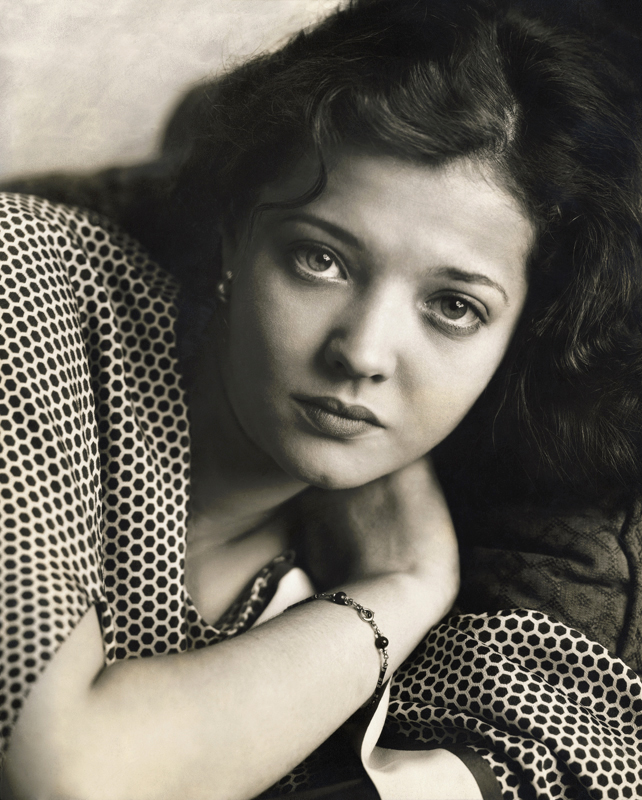
Sylvia Sidney (born Sophia Kosow; August 8, 1910 – July 1, 1999) was an American stage, screen, and film actress whose career spanned 70 years. She rose to prominence in dozens of leading roles in the 1930s. She was nominated for the Academy Award for Best Supporting Actress for her performance in Summer Wishes, Winter Dreams in 1973. She later gained attention for her role as Juno, a case worker in the afterlife, in Tim Burton’s 1988 film Beetlejuice, for which she won a Saturn Award for Best Supporting Actress.
Pola Negri (/ˈpoʊlə ˈnɛɡri/; born Barbara Apolonia Chałupiec [apɔˈlɔɲa xaˈwupʲɛt͡s]; 3 January 1897 – 1 August 1987) was a Polish stage and film actress and singer. She achieved worldwide fame during the silent and golden eras of Hollywood and European film for her tragedienne and femme fatale roles. She was also acknowledged as a sex symbol of her time.
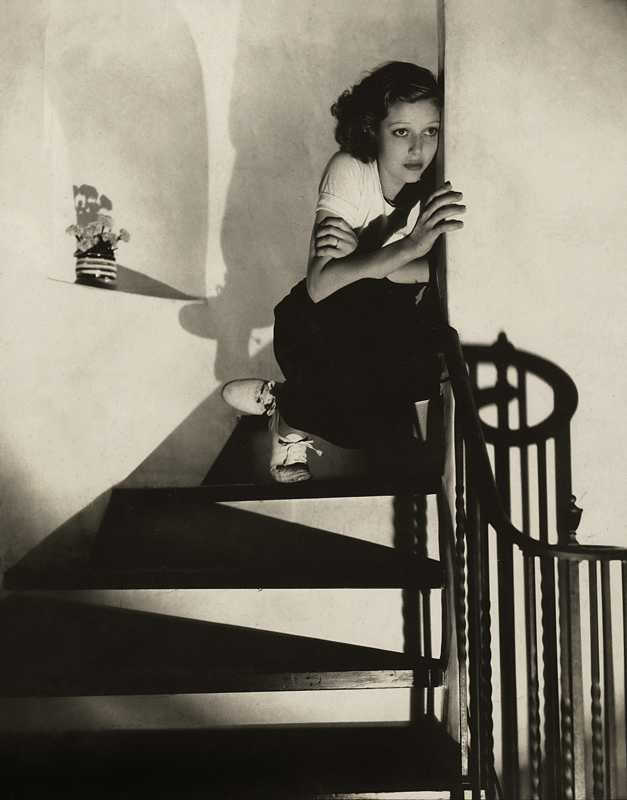
Loretta Young (born Gretchen Michaela Young; January 6, 1913 – August 12, 2000) was an American actress. Starting as a child, she had a long and varied career in film from 1917 to 1989. She received numerous honors including an Academy Award, two Golden Globe Awards, and three Primetime Emmy Awards as well as two stars on the Hollywood Walk of Fame for her work in film and television.




























 Art Blart _ art and cultural memory archive
You must be logged in to post a comment.