Exhibition: ‘Catherine Opie’ at Regen Projects, Los Angeles

Exhibition dates: 23rd February – 29th March 2013


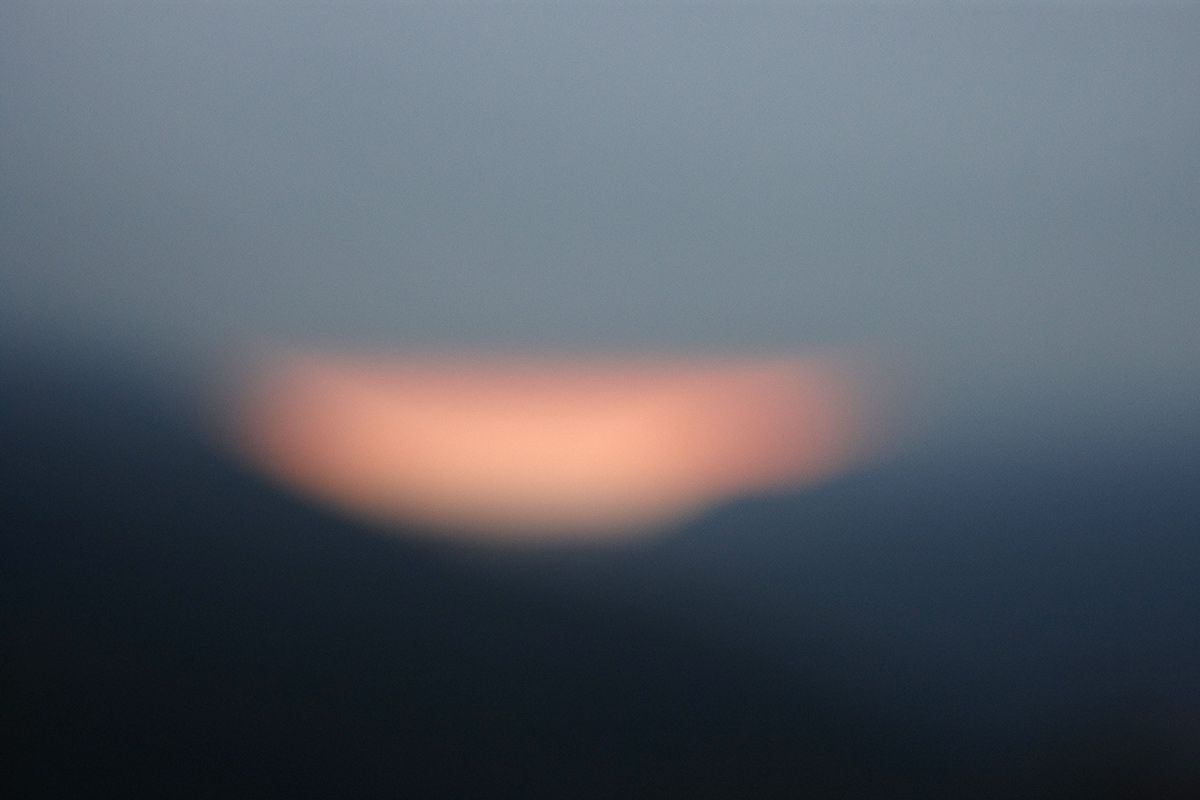
Catherine Opie (American, b. 1961) 'Untitled #4' 2012


Catherine Opie (American, b. 1961)
Untitled #4
2012
Pigment print
40 x 60 inches (101.6 x 152.4cm)
Edition 1/5, +2 APs


In a nutshell: good presentation, good idea – just needs really good pictures. In fact the presentation is too good for the pictures, so in the end it feels a bit ridiculous.

There IS something here (the relationship between young and old, wisdom and penitence, love and abuse, tondo and ethereal landscape), but it seems a bit of a muddle. For me, too many easy decisions have been made – obvious opposites, too much reliance on “black”, sometimes caricature rather than real observation… but then again there is occasionally something inside that caricature.

This feeling of muddling through is not helped by an abysmal press release. Along with zen and ironic (both of which seem to have any meaning a writer wants today), we now have sublime joining the pack. Maybe if anything is out of focus (such as these forgettable landscapes) it is sublime. As I go through each sentence I get shivers from either how generic or incorrect or meaningless or (especially) SELF-SERVING they are (… and now the new photographs make a trajectory… and now Opie draws on documentary photography AND the history of photography… and seduction, and formalism, and painting, and high aesthetic, and abstraction, and conceptualisation, a(n)d nauseum… )

I have seen “the Unphotographable” … and it is not as good as one hoped!

Dr Marcus Bunyan

PS. When you walk across a room, you can remark about your chiaroscuro.


Many thank to Regen Projects for allowing me to publish the photographs in the posting. Please click on the photographs for a larger version of the image. Courtesy Regen Projects, Los Angeles © Catherine Opie


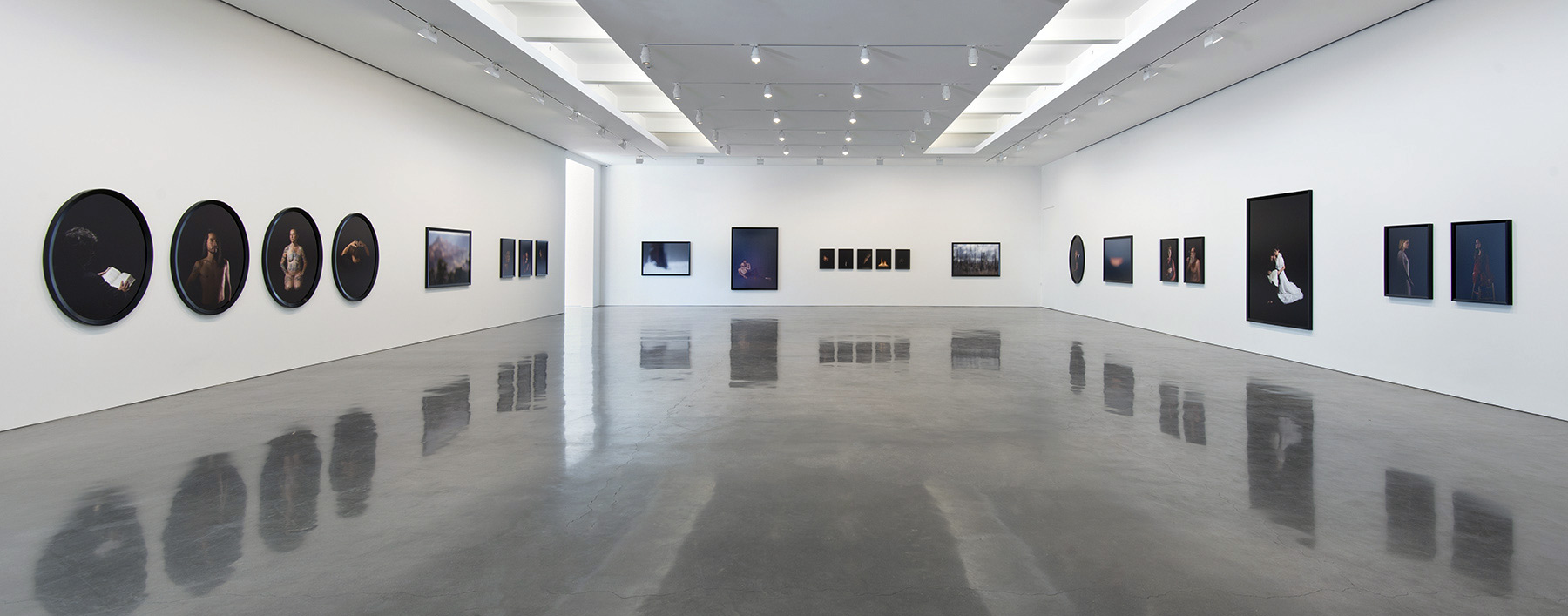
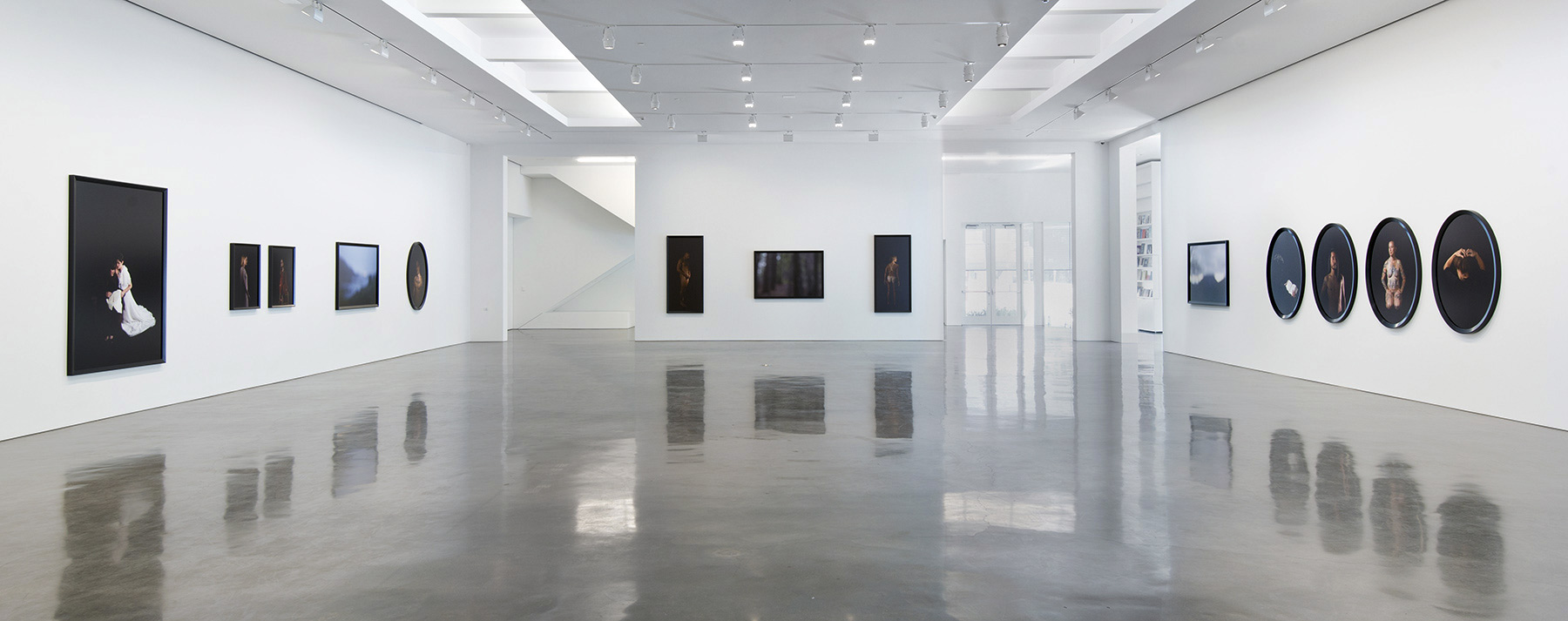
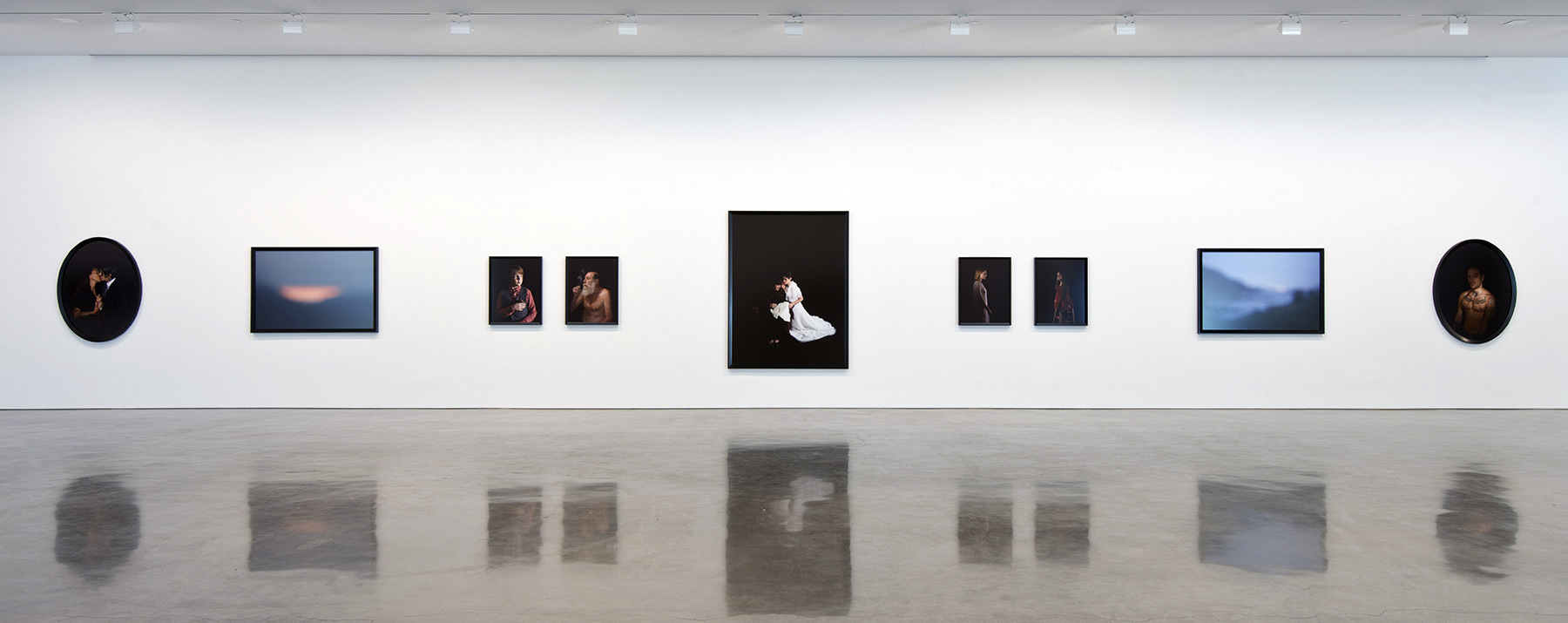
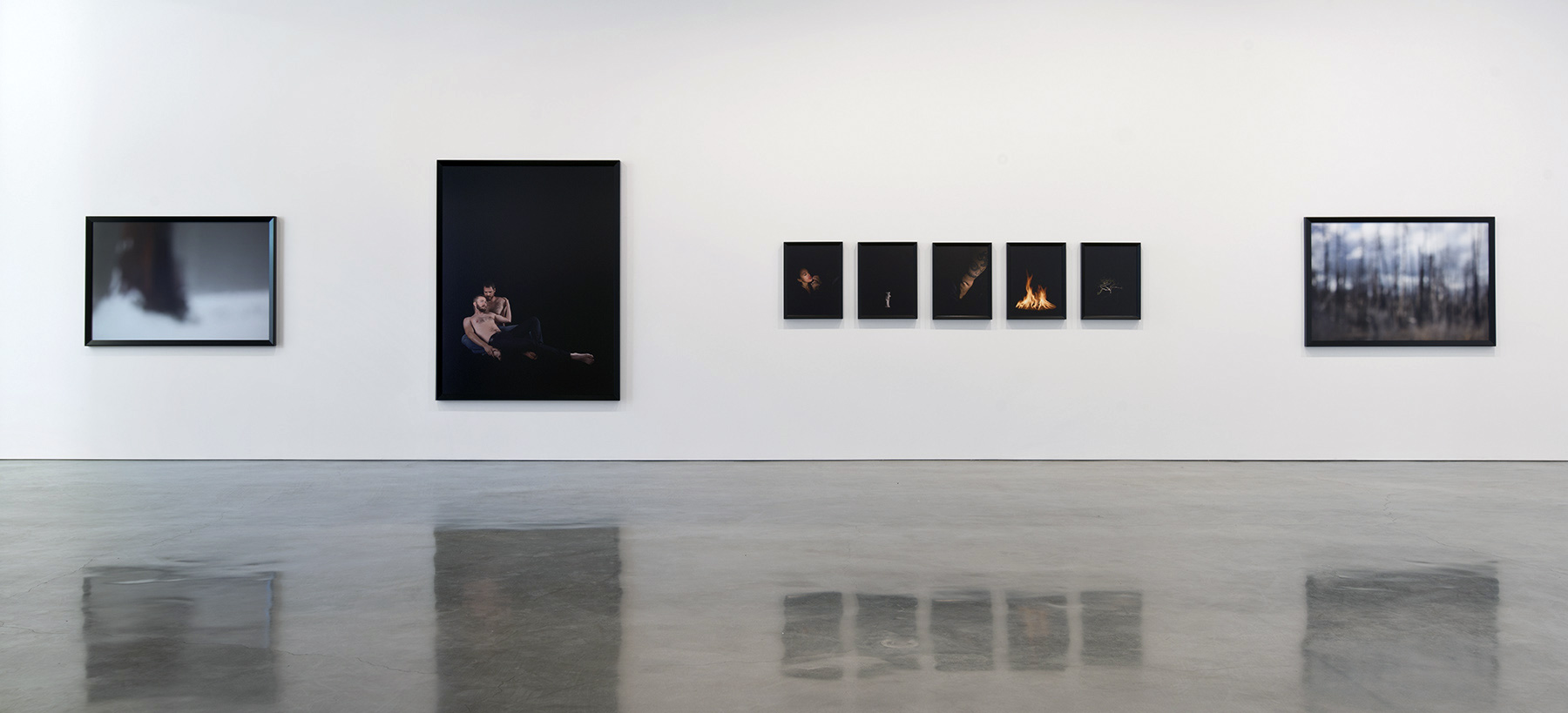
Installation view of the exhibition 'Catherine Opie' at Regen Projects, Los Angeles, February 23 - March 29, 2013

Installation view of the exhibition 'Catherine Opie' at Regen Projects, Los Angeles, February 23 - March 29, 2013

Installation view of the exhibition 'Catherine Opie' at Regen Projects, Los Angeles, February 23 - March 29, 2013

Installation view of the exhibition 'Catherine Opie' at Regen Projects, Los Angeles, February 23 - March 29, 2013

Installation view of the exhibition 'Catherine Opie' at Regen Projects, Los Angeles, February 23 - March 29, 2013

Installation view of the exhibition 'Catherine Opie' at Regen Projects, Los Angeles, February 23 - March 29, 2013


Installation views of the exhibition Catherine Opie at Regen Projects, Los Angeles, February 23 – March 29, 2013
Photography by Brian Forrest


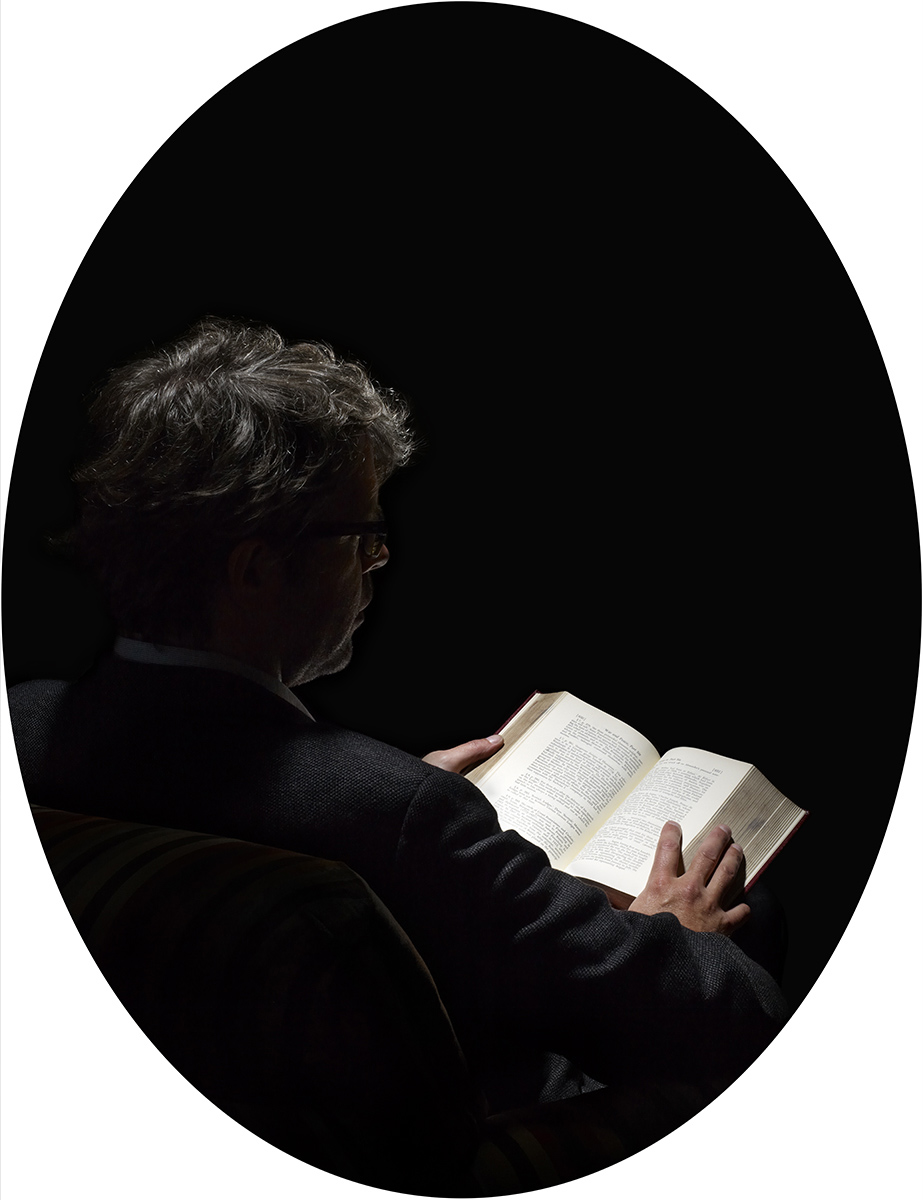
Catherine Opie (American, b. 1961) 'Jonathan' 2012


Catherine Opie (American, b. 1961)
Jonathan
2012
Pigment print
50 x 38.4 inches (127 x 97.5cm) Oval
Edition 1/5, + 2 APs


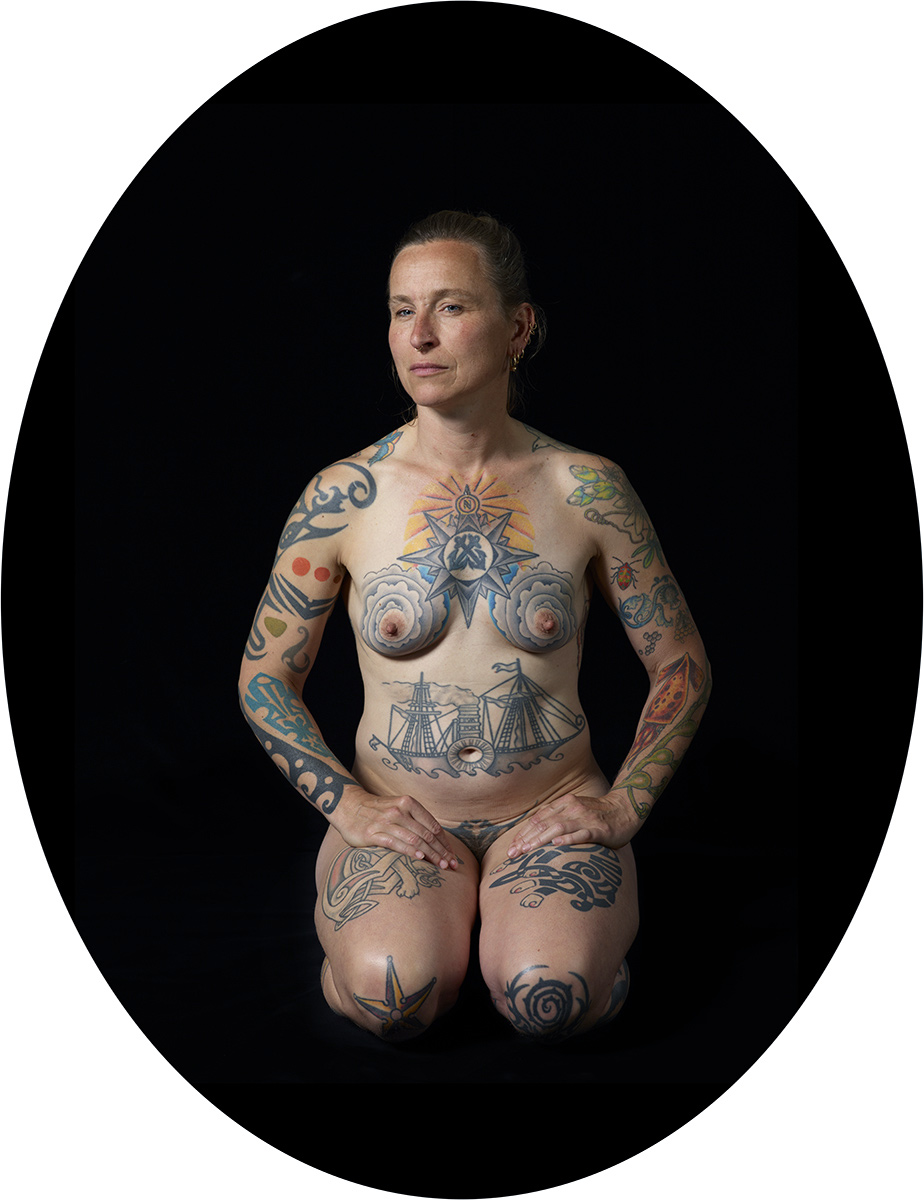
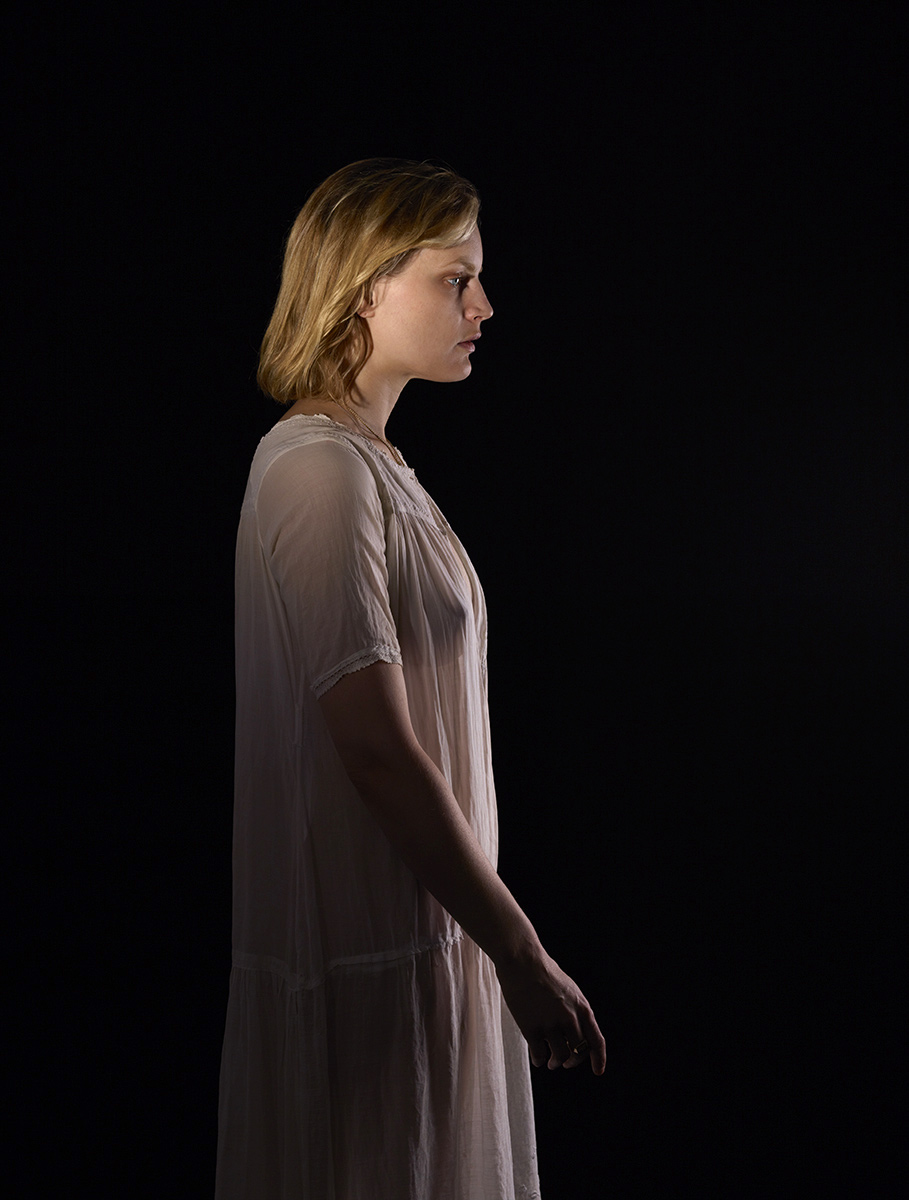
Catherine Opie (American, b. 1961) 'Idexa' 2012


Catherine Opie (American, b. 1961)
Idexa
2012
Pigment print
50 x 38.4 inches (127 x 97.5cm) Oval
Edition 1/5, + 2 APs


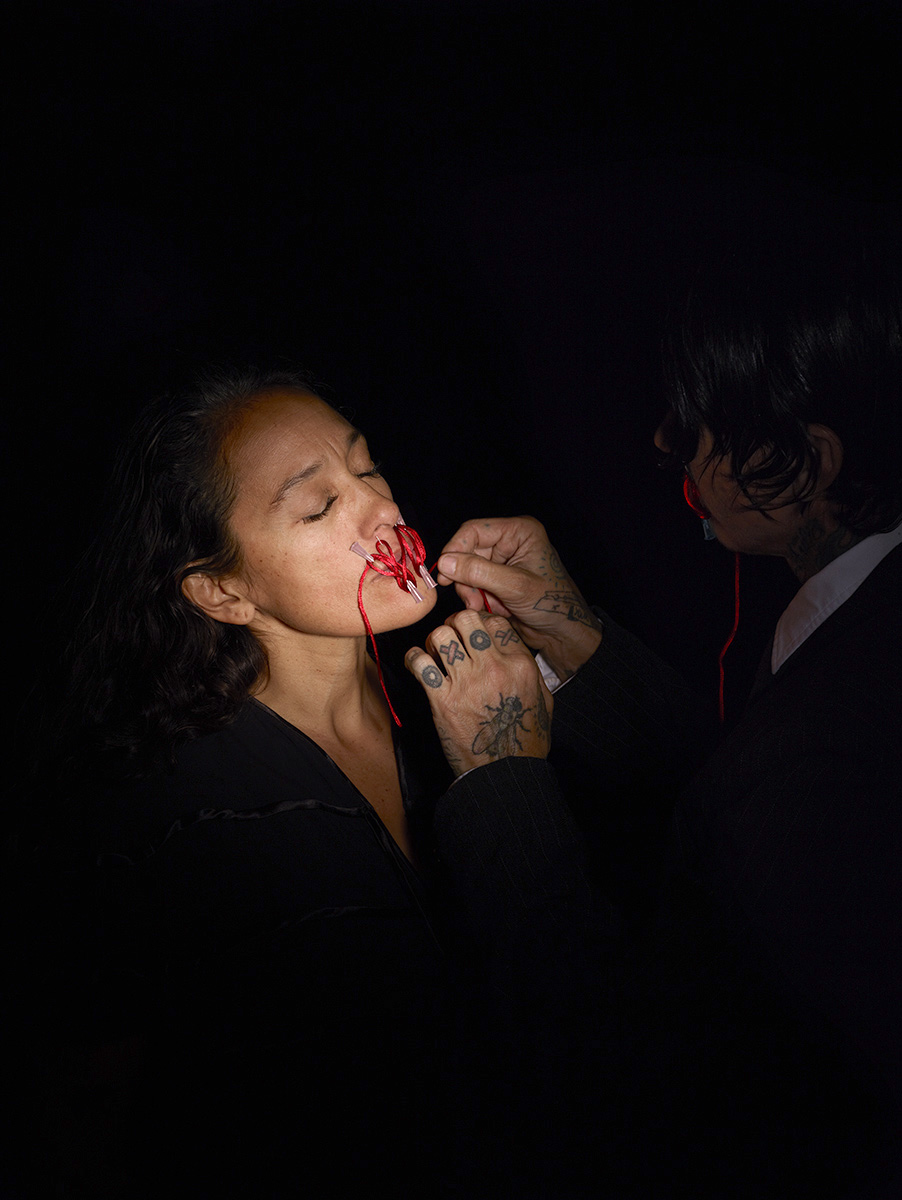
Regen Projects is pleased to announce an exhibition of new portraits and landscapes by Catherine Opie. These photographs mark both a progression and a departure for the artist. Opie’s work has always investigated the figure in relation to the landscape, disregarding the polarities typically found within these approaches. This new body of work draws upon Opie’s beginnings in documentary photography, the traditions of painting, and the history of photography.

Opie’s new portraits evoke the sublime and the inner psychological space of both the viewer and subject. Utilising techniques of chiaroscuro, colour, and formal composition found in classical 17th century portraiture, Opie arranges her subjects in allegorical poses that suggest an emotional state. Evoking formal classicism, these beautifully elegant and technically masterful compositions immerse and seduce the eye. Opie’s subjects have always been part of her personal community, and the range of individuals in these new works illustrates how this community has shifted and expanded.

Catherine Opie’s work is deeply rooted in the history of photography. The new landscapes draw upon this trajectory – both contemporary and historical. In addition to utilising motifs that informed the California Pictorialists, these works reference the painterly tradition. Images of iconic landscapes float in abstraction and are reduced to elementary blurred light drawings. The viewer no longer relies on traditional markers of recognition of place, but instead on the visceral reaction to the sensate images Opie captures. These painterly, poetic, and lyrical visions resonate with oblivion, the sublime, and the unknown.

Catherine Opie’s complex and diverse body of work is political, personal, and high aesthetic – the formal, conceptual, and documentary are always at play. Her work consistently engages in formal issues and maintains a formal rigour and technical mastery that underscores an aestheticised oeuvre. Visual pleasure can always be found in her arresting and seductive images.

Opie very knowingly engages art-historical conventions of representation like this in order to seduce her viewers: “I have to be interested in art history since so much of my work is related to painting and photography history. It gives me the ability to use a very familiar language that people understand when looking at my work and seduce the viewer into considering work that they might not normally want to look at. It is very classical and formal in so many ways… In a way, it is elegant in the seduction I was talking about earlier, that this device really can draw the viewer in through the perfection of the image. It is like wearing armour for a battle in a way, the battle for people to look into themselves for the prejudices that keep them from having an open mind.”

(Jennifer Blessing. “Catherine Opie: American Photographer” in Catherine Opie: American Photographer, published by The Solomon R. Guggenheim Museum, New York, 2008, p. 14).

Press release from the Regen Projects website


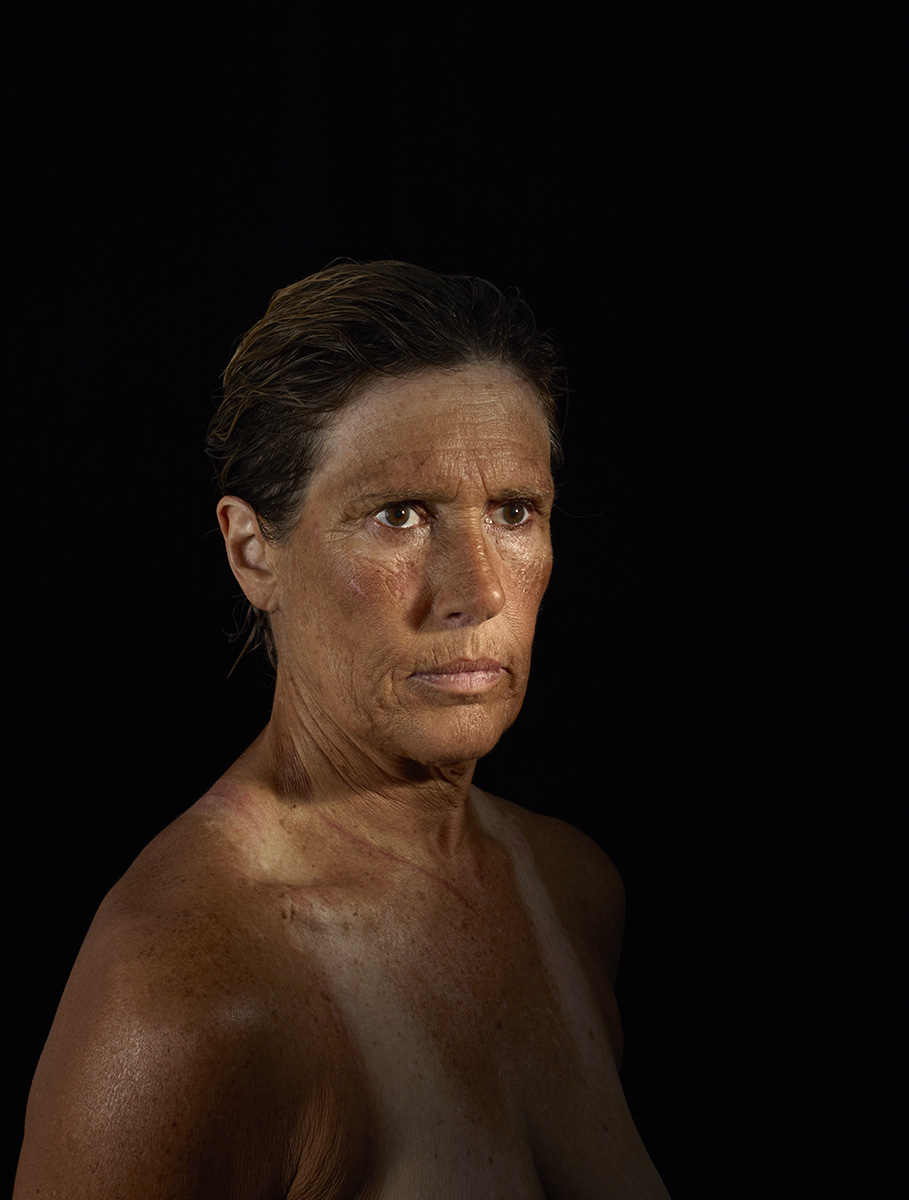
Catherine Opie (American, b. 1961) 'Diana' 2012


Catherine Opie (American, b. 1961)
Diana
2012
Pigment print
33 x 25 inches (83.8 x 63.5cm)
Edition 1/5, + 2 APs


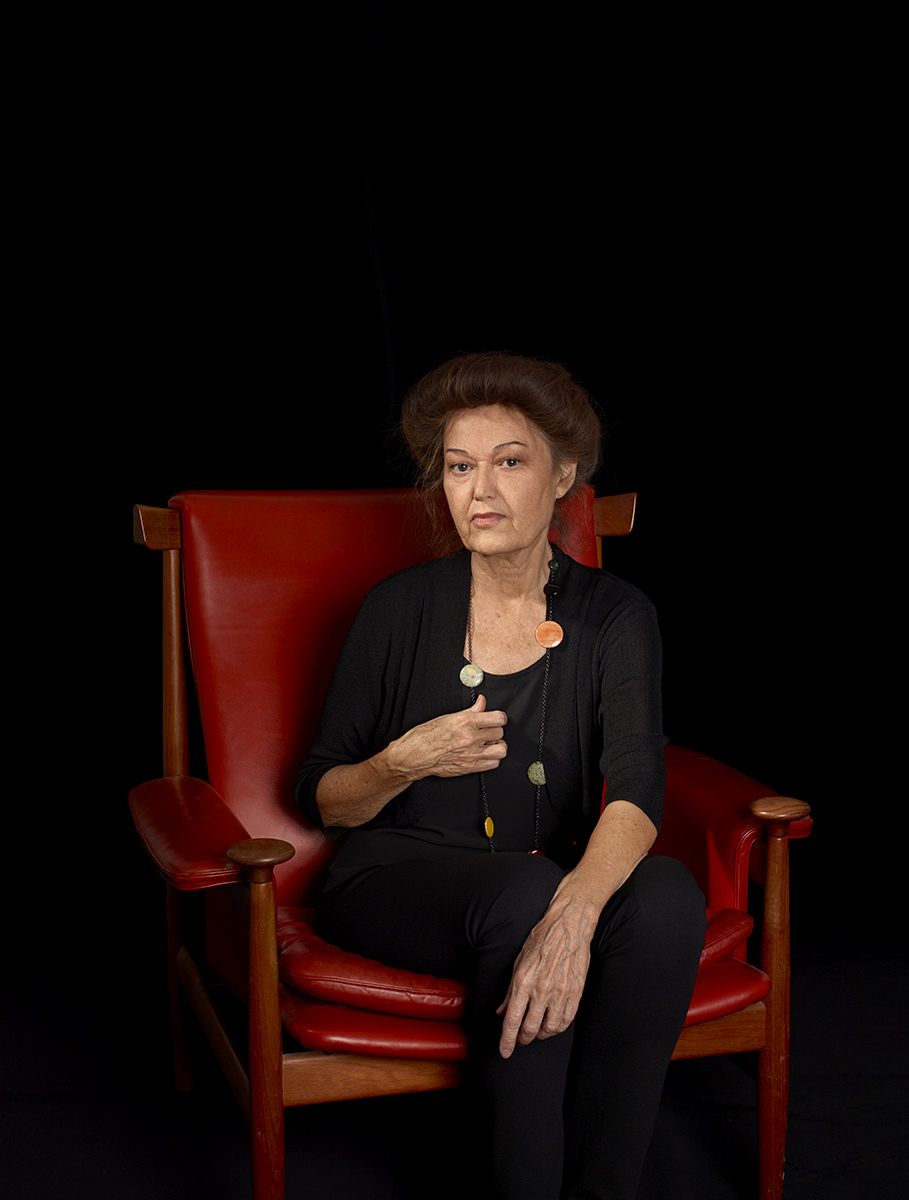
Catherine Opie (American, b. 1961) 'Mary' 2012


Catherine Opie (American, b. 1961)
Mary
2012
Pigment print
33 x 25 inches (83.8 x 63.5cm)
Edition 1/5, + 2 APs


Catherine Opie (American, b. 1961) 'Untitled #5' 2012


Catherine Opie (American, b. 1961)
Untitled #5
2012
Pigment print
40 x 60 inches (101.6 x 152.4cm)
Edition 1/5, + 2 APs


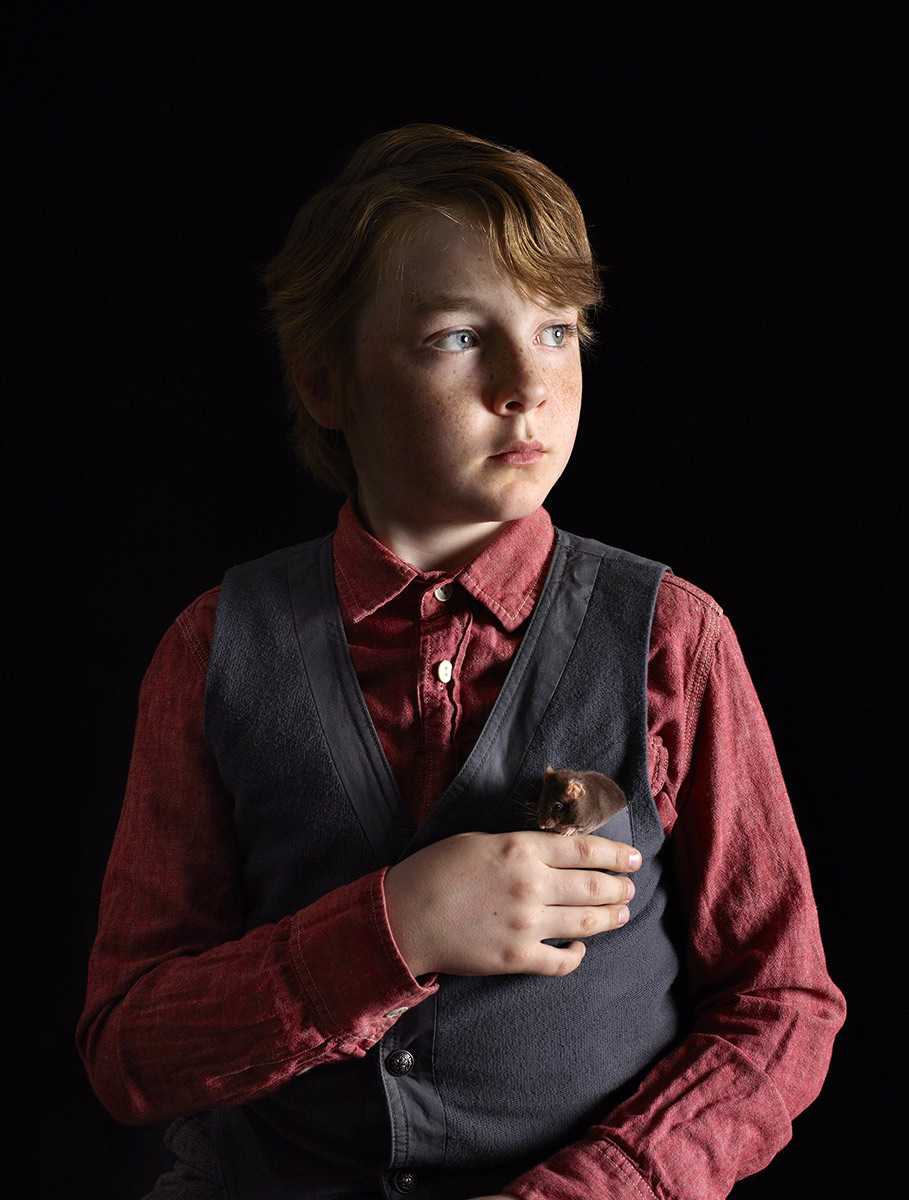
Catherine Opie (American, b. 1961) 'Oliver & Mrs. Nibbles' 2012


Catherine Opie (American, b. 1961)
Oliver & Mrs. Nibbles
2012
Pigment print
33 x 25 inches (83.8 x 63.5cm)
Edition 2/5, + 2 APs


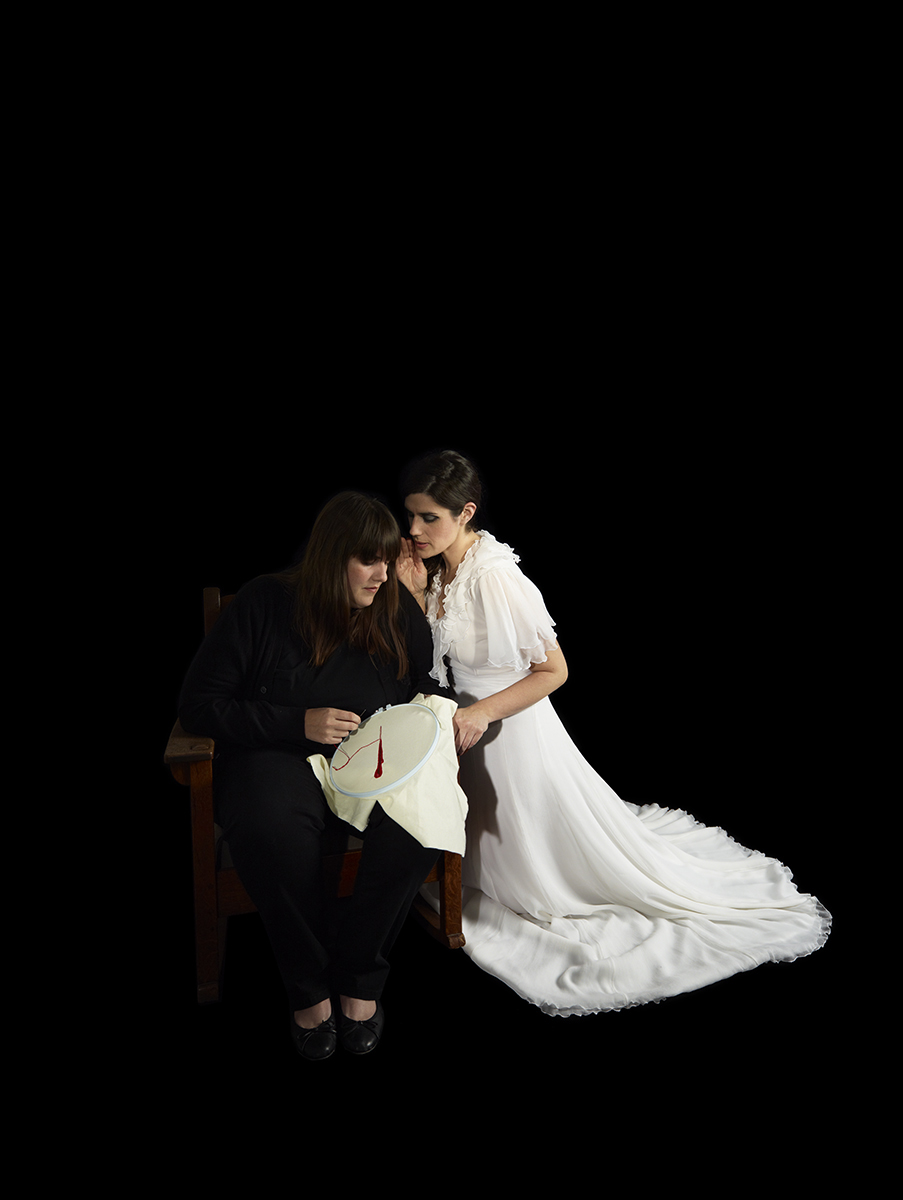
Catherine Opie (American, b. 1961) 'Kate & Laura' 2012


Catherine Opie (American, b. 1961)
Kate & Laura
2012
Pigment print
77 x 58 inches (195.6 x 147.3cm)
Edition 2/5, 2 APs


Catherine Opie (American, b. 1961) 'Guinevere' 2012


Catherine Opie (American, b. 1961)
Guinevere
2012
Pigment print
33 x 25 inches (83.8 x 63.5cm)
Edition 1/5, + 2 APs


Catherine Opie (American, b. 1961) 'Untitled #2' 2012


Catherine Opie (American, b. 1961)
Untitled #2
2012
Pigment print
40 x 60 inches (101.6 x 152.4cm)
Edition 1/5, + 2 APs


Catherine Opie (American, b. 1961) 'Friends' 2012


Catherine Opie (American, b. 1961)
Friends
2012
Pigment print
24 x 18 inches (61 x 45.7cm)
Edition 1/5, + 2 APs


Catherine Opie (American, b. 1961) 'Untitled #1' 2012


Catherine Opie (American, b. 1961)
Untitled #1
2012
Pigment print
40 x 60 inches (101.6 x 152.4cm)
Edition 1/5, +2 APs


Regen Projects
6750 Santa Monica Blvd
Los Angeles, CA 90038, United States
Phone: +1 310-276-5424

Opening hours:
Tuesday – Saturday 10am – 6pm

Regen Project website

LIKE ART BLART ON FACEBOOK

Back to top

Exhibition: ‘In Focus: Robert Mapplethorpe’ at The J. Paul Getty Museum, Los Angeles

Exhibition dates: 23rd October 2012 – 24th March 2013
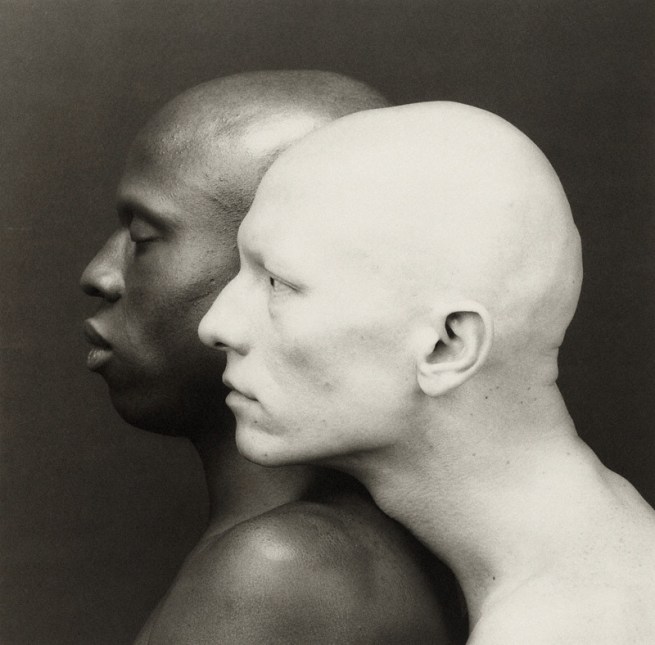
 

Robert Mapplethorpe
 (American, 1946-1989) 'Ken Moody and Robert Sherman' 1984 Platinum print


Robert Mapplethorpe
 (American, 1946-1989)
Ken Moody and Robert Sherman
1984
Platinum print
Jointly acquired by the Los Angeles County Museum of Art, with funds provided by The David Geffen Foundation, and The J. Paul Getty Trust
© Robert Mapplethorpe Foundation


One of the reasons for setting up Art Blart nearly five years ago was the idea of an exhibition archive – the cataloguing of the archive so that featured exhibitions did not ephemerally drift off into virtual space. One of the problems of a blog is its roll-through postings one after the other and I didn’t want this to happen. Thankfully, I recognised the need for a taxonomic ordering of the information early on in the life of the archive, so that Art Blart has now become a form of cultural memory.

The impulse for this idea was the memory of seeing the Robert Mapplethorpe retrospective at the Museum of Contemporary Art (MCA) in Sydney in 1995 (and what an outstanding experience it was) and being able to find nothing about this exhibition online (at the time of writing in 2013). Thankfully, there is now a Mapplethorpe Retrospective web page with 7 installation photographs on the MCA website, so at least there is some representation online.

Dr Marcus Bunyan


This exhibition runs concurrently with that of the last posting, Robert Mapplethorpe: XYZ at the Los Angeles County Museum of Art (LACMA). Many thankx to The J. Paul Getty Museum for allowing me to publish the photographs in the posting. Please click on the photographs for a larger version of the image.
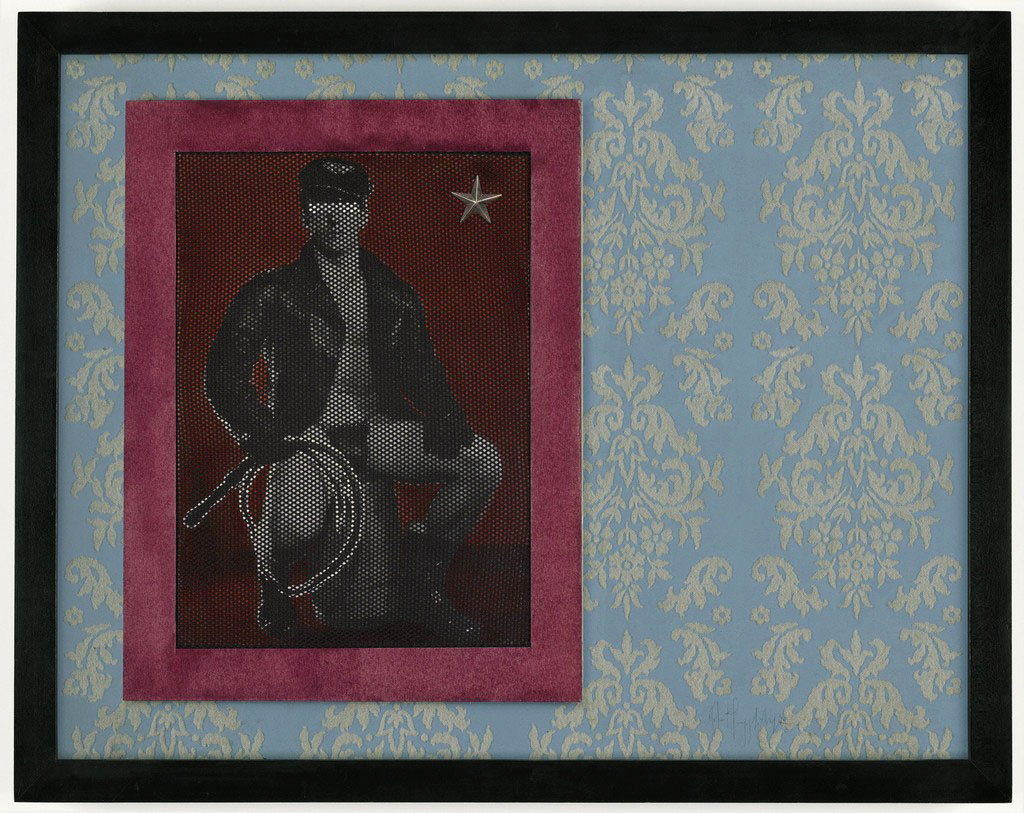


Robert Mapplethorpe
 (American, 1946-1989) 'Leatherman #1' 1970


Robert Mapplethorpe
 (American, 1946-1989)
Leatherman #1
1970
Mixed media print
9 7/16 x 6 3/4 in
Jointly acquired by the Los Angeles County Museum of Art, with funds provided by The David Geffen Foundation, and The J. Paul Getty Trust
© Robert Mapplethorpe Foundation


Early Work

Born in Queens, New York, Mapplethorpe studied graphic arts at Pratt Institute in Brooklyn. His early work included collage, found objects, and jewellery. Before he took up the camera, Mapplethorpe often used pictures he cut out of magazines as collaged elements to explore sexuality and eroticism. By altering this fetishistic image and re-presenting it in a shadow box, Mapplethorpe removed the picture from its original context and elevated it to a homoerotic icon. The five-pointed star is a symbol of religious significance and the plastic mesh covering the figure evokes the metal screens commonly found in confessionals in Roman Catholic churches.

In 1972 Mapplethorpe met two influential curators: John McKendry, who gave him a Polaroid camera, and Samuel Wagstaff Jr., who became the artist’s lover and mentor. By the mid-1970s, Mapplethorpe had acquired a medium format camera and began documenting New York’s gay S&M community.


Robert Mapplethorpe
 (American, 1946-1989) 'Holly Solomon' Negative 1976; print 2005


Robert Mapplethorpe
 (American, 1946-1989)
Holly Solomon
Negative 1976; print 2005
Gelatin silver print
35.3 × 35.5 cm (13 7/8 × 14 in.)
Jointly acquired by the J. Paul Getty Trust and the Los Angeles County Museum of Art, with funds provided by the J. Paul Getty Trust and the David Geffen Foundation
© Robert Mapplethorpe Foundation
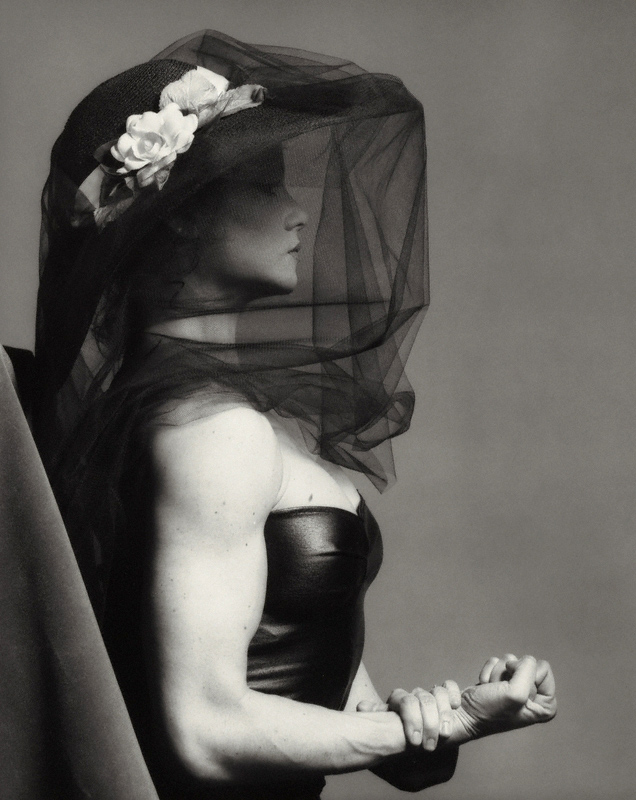
 

Robert Mapplethorpe
 (American, 1946-1989) 'Lisa Lyon' 1982


Robert Mapplethorpe
 (American, 1946-1989)
Lisa Lyon
1982
Jointly acquired by the Los Angeles County Museum of Art, with funds provided by The David Geffen Foundation, and The J. Paul Getty Trust
© Robert Mapplethorpe Foundation


Portraits

Mapplethorpe met writer-musician Patti Smith in 1967, and they lived together as intimate and artistic partners until 1974. This image of Smith was one of his earliest celebrity portraits. 

The two collaborated to create this image as the cover for her 1975 debut rock album, Horses. Working in a borrowed apartment, Mapplethorpe suggested using a wall adjacent to a window where a triangle of light fell at a certain time in the afternoon. Smith dressed in men’s clothes and channeled the American entertainer Frank Sinatra with her jacket slung over her shoulder. Her uncombed hair and androgynous air broke radically from the image that the music industry expected women in rock to assume.
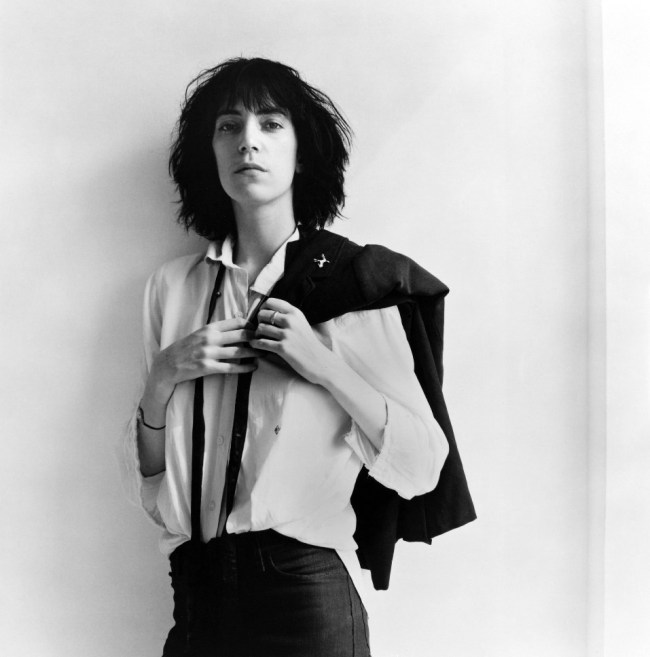
 

Robert Mapplethorpe
 (American, 1946-1989) 'Patti Smith' Negative 1975; print 1995


Robert Mapplethorpe
 (American, 1946-1989)
Patti Smith
Negative 1975; print 1995
Jointly acquired by the Los Angeles County Museum of Art, with funds provided by The David Geffen Foundation, and The J. Paul Getty Trust
© Robert Mapplethorpe Foundation


A man’s jacket slung over one shoulder, the cuffs of her shirt cut off with scissors, the Bohemian poet and performer Patti Smith levels her gaze outward with authority and calm. The set of her jaw and lift of her chin suggest she wears confrontation lightly. Simultaneously, a waifish delicacy haunts her tiny body. She touches the ribbon around her neck with long fingers cupped near her heart – a shy gesture and nod to the garb of the 19th-century Romantic poets she admires. With quiet ferocity, the portrait hovers between masculine and feminine, strength and vulnerability.

Intimately bonded in life and work, Mapplethorpe and Smith made this image for the cover of her debut rock album, Horses. It is one of his earliest celebrity portraits, a genre in which he went on to distinguish himself. He often amplified the glamour of his subjects, but modernised conventional portrayals with provocative depictions of race, gender, and sexuality. For example, record executives, concerned that Smith with her lack of makeup and messy hair wasn’t conventionally pretty enough to sell records like other “girl singers,” wanted to airbrush this image. Knowing Mapplethorpe would back her up, Smith refused and the image and album shaped the start of both their iconoclastic careers.


Robert Mapplethorpe (American, 1946-1989) 'Jim, Sausalito' 1977


Robert Mapplethorpe
 (American, 1946-1989)
Jim, Sausalito
1977
Gelatin silver print
35.2 × 35.3cm (13 7/8 × 13 7/8 in.)
Jointly acquired by the J. Paul Getty Trust and the Los Angeles County Museum of Art, with funds provided by the J. Paul Getty Trust and the David Geffen Foundation
© Robert Mapplethorpe Foundation


Robert Mapplethorpe (American, 1946-1989) 'Ken Moody' 1983


Robert Mapplethorpe
 (American, 1946-1989)
Ken Moody
1983
Gelatin silver print
38.5 × 38.7cm (15 3/16 × 15 1/4 in.)
Jointly acquired by the J. Paul Getty Trust and the Los Angeles County Museum of Art, with funds provided by the J. Paul Getty Trust and the David Geffen Foundation
© Robert Mapplethorpe Foundation


The model Ken Moody poses face front, eyes closed, centred in a simple composition characteristic of the photographer Robert Mapplethorpe’s clean aesthetic. His perfectly hairless head, face, and body, the result of alopecia universalis, appear to take on a sculptural weight and dimension. The dark shadows of the background seem to lap at his neck, shoulders and under his arms, as if he emerges from a timeless, dark sea. The sophisticated lighting also sculpts the curves of his face, collarbone, and chest to further heighten their elegant forms.

This figure study is part of a large body of work featuring African-American men. Mapplethorpe was absorbed by the texture and colour of their skin, which he referred to as bronze. He used Agfa’s Portriga 118 paper for its ability to produce the velvety texture and glow discernible in this reproduction. His strong, uncluttered compositions of statuesque male models fused a classical sensibility with homoerotic content at a time when the male nude was not a popular subject among camera artists.

Text from the J. Paul Getty Museum website


Robert Mapplethorpe
 (American, 1946-1989) 'Ajitto' 1981


Robert Mapplethorpe
 (American, 1946-1989)
Ajitto
1981
Gelatin silver print
45.4 × 35.5cm (17 7/8 × 14 in.)
Jointly acquired by the J. Paul Getty Trust and the Los Angeles County Museum of Art, with funds provided by the J. Paul Getty Trust and the David Geffen Foundation
© Robert Mapplethorpe Foundation
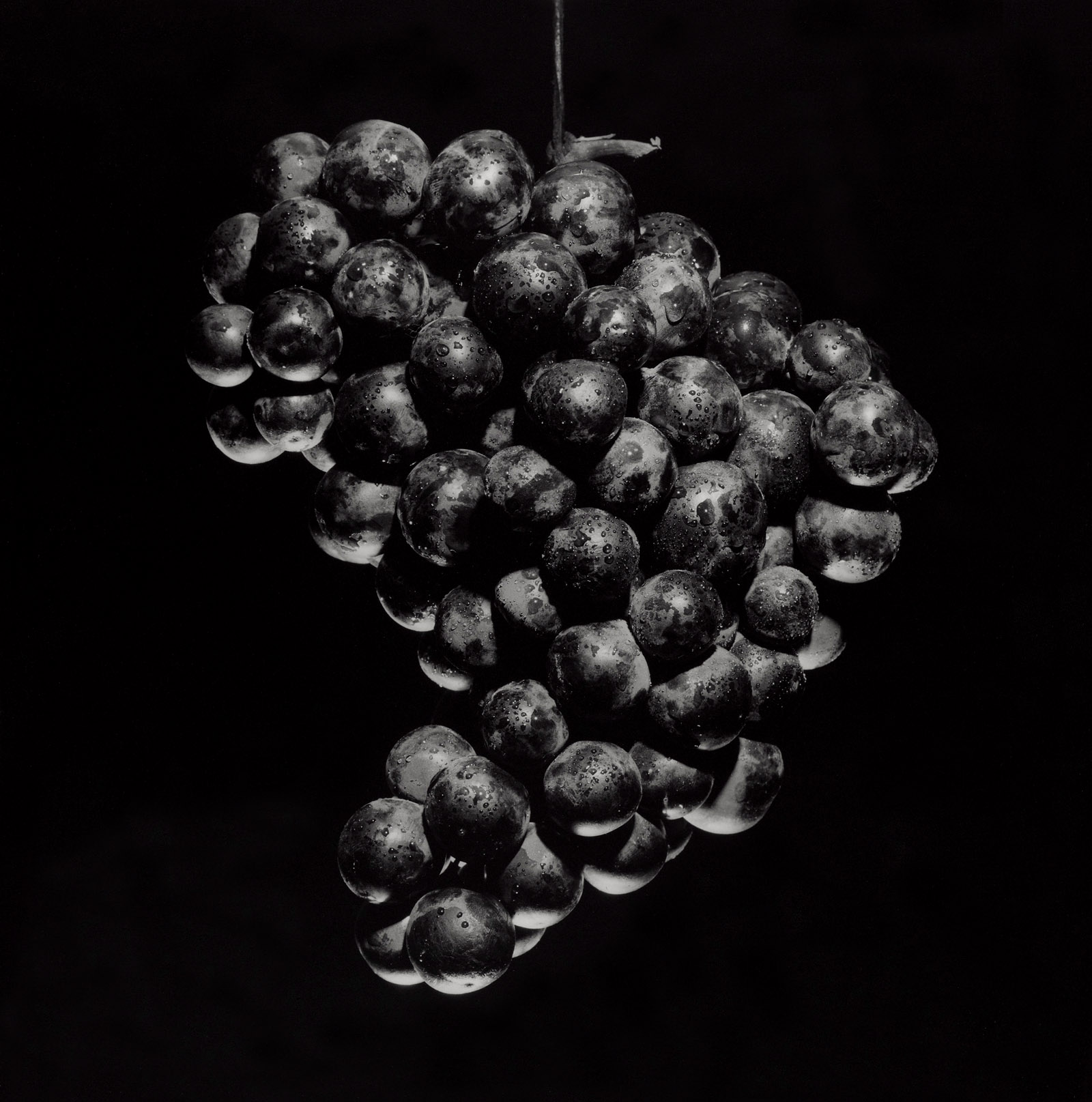
 

Robert Mapplethorpe (American, 1946-1989) 'Grapes' Negative 1985; print 2004


Robert Mapplethorpe (American, 1946-1989)
Grapes
Negative 1985; print 2004
Gelatin silver print
38.5 × 38cm (15 3/16 × 14 15/16 in.)
Jointly acquired by the J. Paul Getty Trust and the Los Angeles County Museum of Art, with funds provided by the J. Paul Getty Trust and the David Geffen Foundation
© Robert Mapplethorpe Foundation


Robert Mapplethorpe. 'Calla Lily' Negative 1988; print 1990


Robert Mapplethorpe
 (American, 1946-1989)
Calla Lily
Negative 1988; print 1990
Gelatin silver print
The J. Paul Getty Museum, Los Angeles, Jointly acquired by The J. Paul Getty Trust and the Los Angeles County Museum of Art. Partial gift of The Robert Mapplethorpe Foundation; partial purchase with funds provided by The J. Paul Getty Trust and the David Geffen Foundation
© Robert Mapplethorpe Foundation


Flowers and Still Lifes

Mapplethorpe refined his style in the early 1980s, creating images of timeless elegance. After his erotic nudes, his delicate floral still lifes encouraged sexual interpretations. Although floral still lifes have traditionally held these connotations, Mapplethorpe transformed them from a subject that sophisticated collectors were reluctant to display in their homes into an important contemporary theme.

 Arranged with his characteristic sense of balance and meticulously lit, this image of a calla lily appears to glow from within. Although preternaturally still, the composition exudes a sense of latent excitement, with the milky white flower almost vibrating against the rich, black background.


“My whole point is to transcend the subject… go beyond the subject somehow, so that the composition, the lighting, all around, reaches a certain point of perfection.”

~ Robert Mapplethorpe


Mapplethorpe’s work, whether in his fashion or fine art photography, is distinguished by a tension between opposites. At the base of this image of a calla lily, he punctuates the wide planes of black and white with what seems a decadent surprise: the three-dimensional, curving lip of the flower’s edge. He explores the effects of light as a painter might experiment with a palette of colours. At the top, the flower glows milky white, reminiscent of light seen through delicate alabaster or porcelain. Mapplethorpe’s spare compositions often showcase familiar subjects in unusual ways. Floral still lifes, for example, have long encouraged sexual interpretations, and especially here, given the artist’s other work with erotic and sadomasochistic subjects. His imagination transformed and energised what some had considered a stale genre.
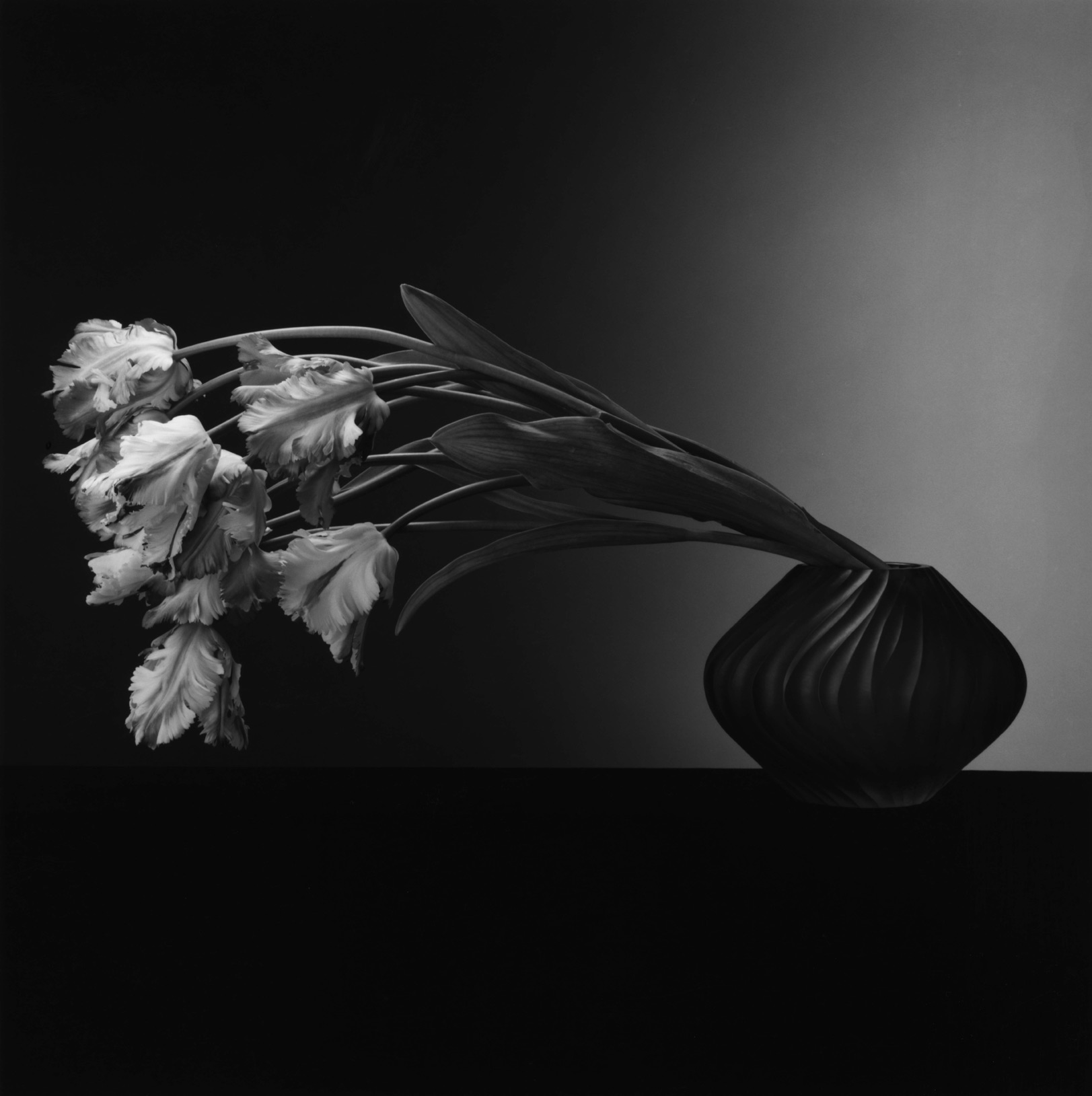
 

Robert Mapplethorpe
 (American, 1946-1989) 'Parrot Tulips' 1988


Robert Mapplethorpe
 (American, 1946-1989)
Parrot Tulips
Negative 1988; print 1990
49 × 49cm (19 5/16 × 19 5/16 in.)
Jointly acquired by the J. Paul Getty Trust and the Los Angeles County Museum of Art; partial gift of The Robert Mapplethorpe Foundation; partial purchase with funds provided by the J. Paul Getty Trust and the David Geffen Foundation
© Robert Mapplethorpe Foundation


Robert Mapplethorpe (American, 1946-1989) is one of the best-known and most controversial photographers of the second half of the 20th century. As a tastemaker and provocateur, his highly stylised explorations of gender, race, and sexuality became hallmarks of the period and exerted a powerful influence on his contemporaries. In recognition of the 2011 joint acquisition of Mapplethorpe’s art and archival materials with the Getty Research Institute and the Los Angeles County Museum of Art (LACMA), the Getty Museum presents In Focus: Robert Mapplethorpe, on view October 23, 2012 – March 24, 2013 at the J. Paul Getty Museum, Getty Center.

Containing 23 images that date from the early 1970s to the late 1980s, the Getty’s exhibition features key last of edition prints, rarely shown early unique mixed-media objects, and PolaroidsTM, as well as a wide range of subject matter including self-portraits, nudes and still lifes.

Before he took up the camera, Mapplethorpe often used pictures he cut out of magazines as collaged elements to explore sexuality and eroticism. In Leatherman #1 (1970), Mapplethorpe alters a fetishistic image and re- presents it in a shadow box, removing the picture from its original context and elevating it to a homoerotic icon. His early work also reflected the influence of his idol, Andy Warhol, and it is perhaps Warhol’s cover art for the band The Velvet Underground’s 1967 debut album featuring a banana that inspired Banana & Keys (1973), a photograph-in-a-box construction. This object marks a transition in Mapplethorpe’s work between his collages and sculpture and his work as a photographer. Much of the tension is contained in the object’s success as a clever trompe l’oeil.

“The mixed-media objects and PolaroidTM snapshots in the exhibition demonstrate the struggle of a budding artist to find his proper medium of expression and develop his aesthetic vision,” said Paul Martineau, associate curator of photographs at the J. Paul Getty Museum. “However, the carefully crafted gelatin silver and platinum prints make evident Mapplethorpe’s mature style as well as his eye for prints of the highest quality and beauty.”

As Mapplethorpe committed his focus to photography, he began to explore the subjects to which he would return throughout his career – portraits, self-portraits, and nudes. Photographs that feature these subjects are among his best-known, and continue to influence artists today. One of his earliest celebrity portraits, Patti Smith (1975), was carefully staged by Mapplethorpe and Smith, his lifelong friend. Dressed in men’s clothes and channeling the American entertainer Frank Sinatra, Smith broke radically from the image that women in rock were expected to assume, and embodies the androgyny often found in Mapplethorpe’s photographs.

Mapplethorpe also evoked classical themes in his work, particularly in his nude figure studies. Using the motif of the three graces as depicted by artists from ancient Greece to the 19th century, Ken and Lydia and Tyler (1985) features one female and two male models of different racial backgrounds. Mapplethorpe chose a range of skin tones from light to dark in order to invite new, non-binary interpretations of gender, race and sexual orientation.

Concurrent to the Getty’s exhibition, the Los Angeles County Museum of Art will present Robert Mapplethorpe: XYZ, from October 21, 2012 – March 24, 2013. The exhibition presents the 39 black and white photographs that make up the X, Y, and Z Portfolios created by Mapplethorpe and published in 1978, 1978, and 1981, respectively. Taken together, the portfolios summarise his ambitions as a fine-art photographer and contemporary artist.

About Robert Mapplethorpe (1946-1989)

Mapplethorpe was a major cultural figure during a period of tumultuous change who contributed to shaping not only the art of photography but the larger social landscape. His international fame derives from his prolific body of almost 2,000 editioned, large format black-and-white and colour photographs, which have been featured in over 200 solo exhibitions around the world since 1977. Extensively exhibited and widely published, Mapplethorpe’s elegant prints representing portraits, nudes, flowers, and erotic and sadomasochistic subjects dominated photography in the late 20th century. Less known are the over 1,500 PolaroidTM works that Mapplethorpe produced in the early 1970s before he took up the Hasselblad 500 camera given to him in 1975 by Sam Wagstaff, the visionary curator who became Mapplethorpe’s benefactor and mentor.

Widely recognised for the role he played in elevating photography to the level of art, Robert Mapplethorpe always considered himself not only a photographer, but an artist. From 1963 to 1969, Mapplethorpe studied for a B.F.A. at the Pratt Institute, Brooklyn, where he majored in graphic arts and took courses in painting and sculpture – but never attended photography courses. In the late 1960s, he started clipping images from magazines to incorporate into collages. While living at the Chelsea Hotel with his friend and muse, Patti Smith, he borrowed a PolaroidTM camera in 1971 from fellow hotel resident Sandy Daley to create his own images for use in collages. Overshadowed by the power of his later large format photographs, Mapplethorpe’s early drawings, collages and assemblages, created between 1968 and 1972, remain largely unfamiliar, despite the importance they hold in understanding the artist’s formative years.

In the mid-1970s, using the Hasselblad 500, he began photographing participants in New York’s S&M subculture and created many of the strikingly powerful studies for which he is most renowned. He refined his style in the early 1980s and began concentrating on elegant figure studies and delicate floral still lifes, as well as glamorous celebrity portraits. In the late 1980s and early 1990s, his work emerged at the centre of a culture war over the use of public money to support art that some deemed obscene or blasphemous. When some of Mapplethorpe’s more controversial works were exhibited at The Contemporary Arts Center in Cincinnati, director Dennis Barrie was arrested and charged with pandering (a charge of which he was ultimately acquitted after a landmark public trial).

Mapplethorpe died in 1989 at age 42 from complications of AIDS.

Press release from the J. Paul Getty Museum website


Nudes

Mapplethorpe often evoked classical themes in his work, particularly in his nude figure studies. In this image, he began with motif of the Three Graces as depicted by artists from the ancient Greeks to the nineteenth century, but took the reference in fresh directions. 

He selected one female and two male models of different racial backgrounds to achieve a range of skin tones from light to dark and to invite new, non-binary interpretations of gender, race, and sexual preference. Mapplethorpe trained his lens on the models’ conjoined bodies, purposely excluding their heads from the frame. Although he identified his models by name in the title, instead of a portrait, he created an elegant study of form and tone.
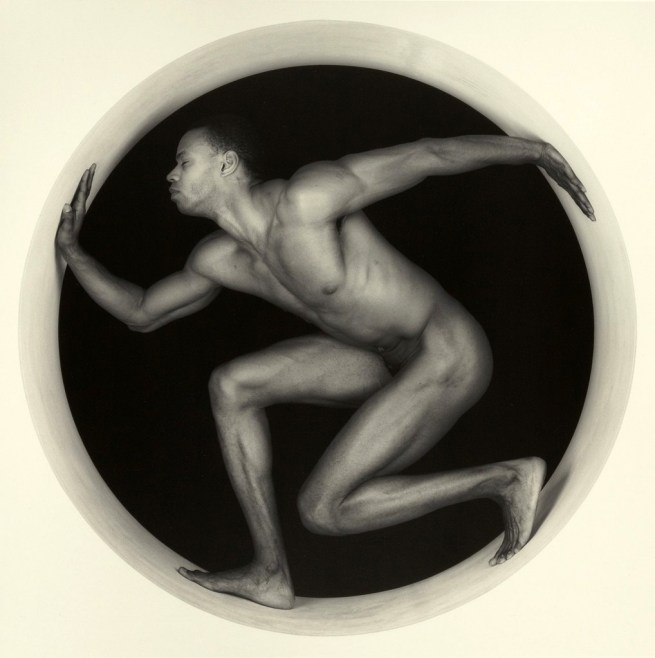
 

Robert Mapplethorpe
 (American, 1946-1989) 'Thomas' Negative 1987; print 1994


Robert Mapplethorpe
 (American, 1946-1989)
Thomas
Negative 1987; print 1994
Jointly acquired by the Los Angeles County Museum of Art, with funds provided by The David Geffen Foundation, and The J. Paul Getty Trust
© Robert Mapplethorpe Foundation


Mapplethorpe’s strong, uncluttered compositions of statuesque male models fused a classical sensibility with homoerotic content at a time when the male nude was not a popular subject among camera artists. In this image, the model’s body is taut with compressed energy, his muscled limbs bent in a way that is reminiscent of those seen on ancient Greek figure vases.
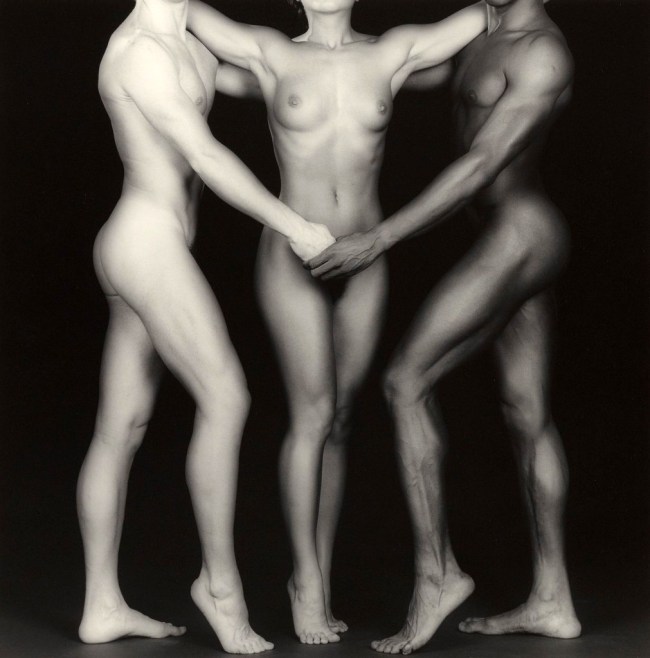
 

Robert Mapplethorpe
 (American, 1946-1989) 'Ken and Lydia and Tyler Negative' 1985, print 2004


Robert Mapplethorpe
 (American, 1946-1989)
Ken and Lydia and Tyler
Negative 1985, print 2004
Gelatin silver print
5 1/8 x 15 1/16 in.
Jointly acquired by the Los Angeles County Museum of Art, with funds provided by The David Geffen Foundation, and The J. Paul Getty Trust
© Robert Mapplethorpe Foundation


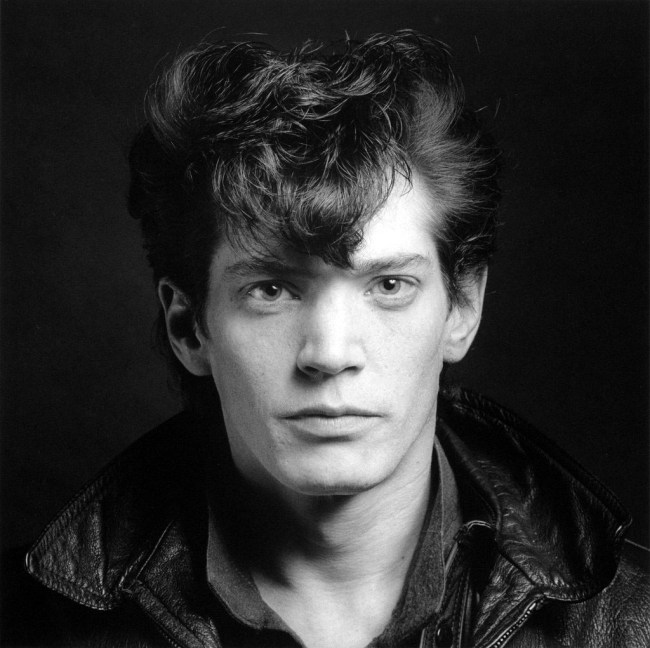
Robert Mapplethorpe
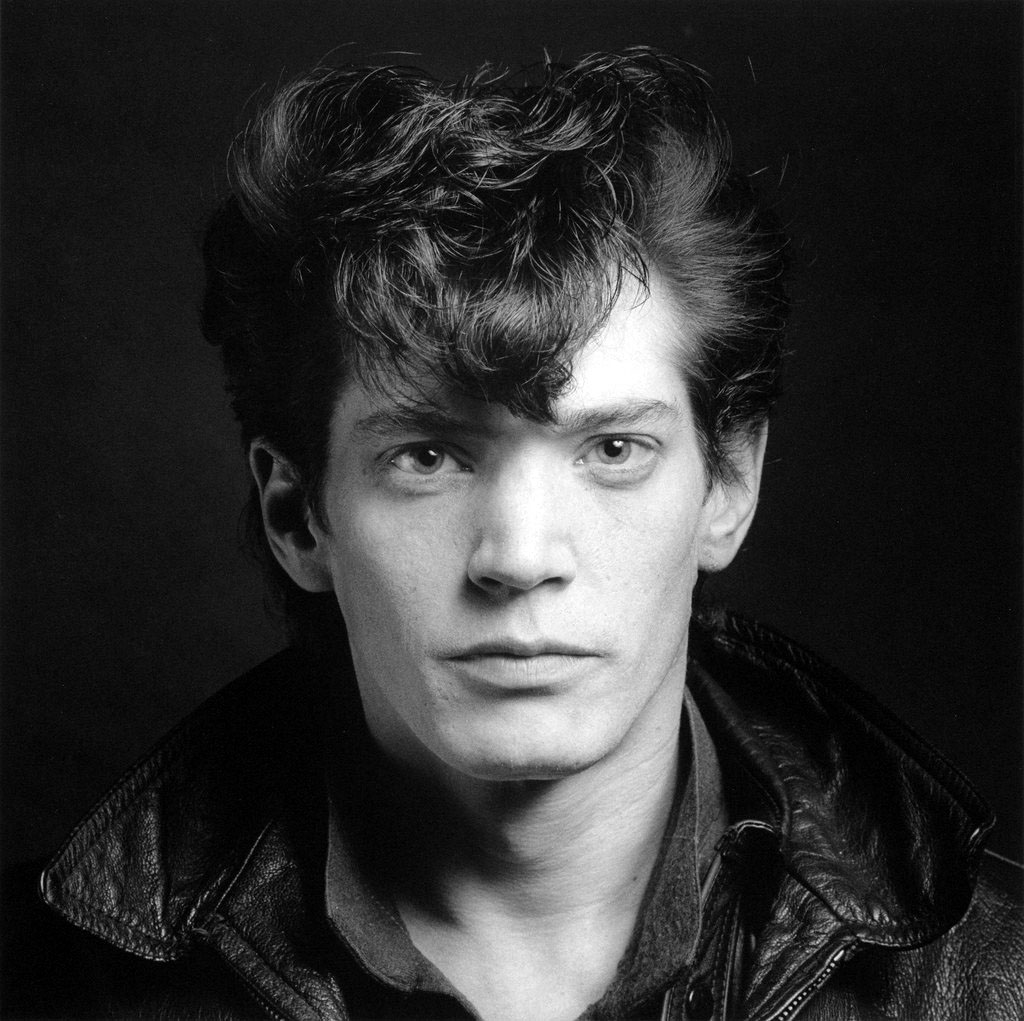
 (American, 1946-1989) 'Self-Portrait' 1980


Robert Mapplethorpe
 (American, 1946-1989)
Self-Portrait
1980
Gelatin silver print
14 x 14 in.
Jointly acquired by The J. Paul Getty Trust and the Los Angeles County Museum of Art. Partial gift of The Robert Mapplethorpe Foundation; partial purchase with funds provided by The J. Paul Getty Trust and the David Geffen Foundation
© Robert Mapplethorpe Foundation


Self Portraits

From 1970 until his untimely death in 1989, Mapplethorpe continually returned to the self-portrait as a means of expression. Despite his elaborate pompadour and face so attractive as to be almost pretty, the artist’s stare in this self-portrait is forceful and direct. Mapplethorpe’s sophisticated use of lighting gives the outlines of his mouth, nostrils, and earlobes a refined, even sculptural quality. The same elements of glamour and striking simplicity for which he is known in his celebrity and fashion portraiture are visible here, including a tightly cropped composition and uncluttered background that further dramatise the face. Mapplethorpe drew on his early commercial work for magazines, including Vogue. This aspect of his career followed the examples of other noted photographers such as Edward Steichen, Irving Penn, Richard Avedon, and Herb Ritts.


Robert Mapplethorpe
 (American, 1946-1989) 'Self-Portrait' 1985


Robert Mapplethorpe
 (American, 1946-1989)
Self-Portrait
1985
Gelatin silver print
15 1/4 x 15 3/16 in.
Jointly acquired by the Los Angeles County Museum of Art, with funds provided by The David Geffen Foundation, and The J. Paul Getty Trust
© Robert Mapplethorpe Foundation


The J. Paul Getty Museum
1200 Getty Center Drive
Los Angeles, California 90049

Opening hours:
Tuesday – Friday, Sunday 10am – 5.30pm
Saturday 10am – 8pm
Monday Closed

The J. Paul Getty Museum website

LIKE ART BLART ON FACEBOOK

Back to top

Exhibition: ‘Thomas Demand’ at the National Gallery of Victoria, Melbourne

Exhibition dates: 30th November 2012 – 17th March 2013


Thomas Demand (German, b. 1964) 'Copyshop' 1999


Thomas Demand (German, b. 1964)
Copyshop
1999
C-Print / Perspex
183.5 × 300cm
Collection of John Kaldor, Sydney
Courtesy Taka Ishii Gallery, Sprüth Magers Berlin London, Esther Schipper, Berlin, Matthew Marks Gallery
© Thomas Demand, VG Bild-Kunst, Bonn / VISCOPY, Sydney


Sitting here in my non-air-conditioned flat trying to survive Melbourne’s autumn heatwave is no fun; my mind has turned to mush. So instead of trying to write an in depth review of this exhibition I shall just make some salient comments, for fear my sweat would literally buckle Demand’s meticulously constructed paper models before he could photograph them.

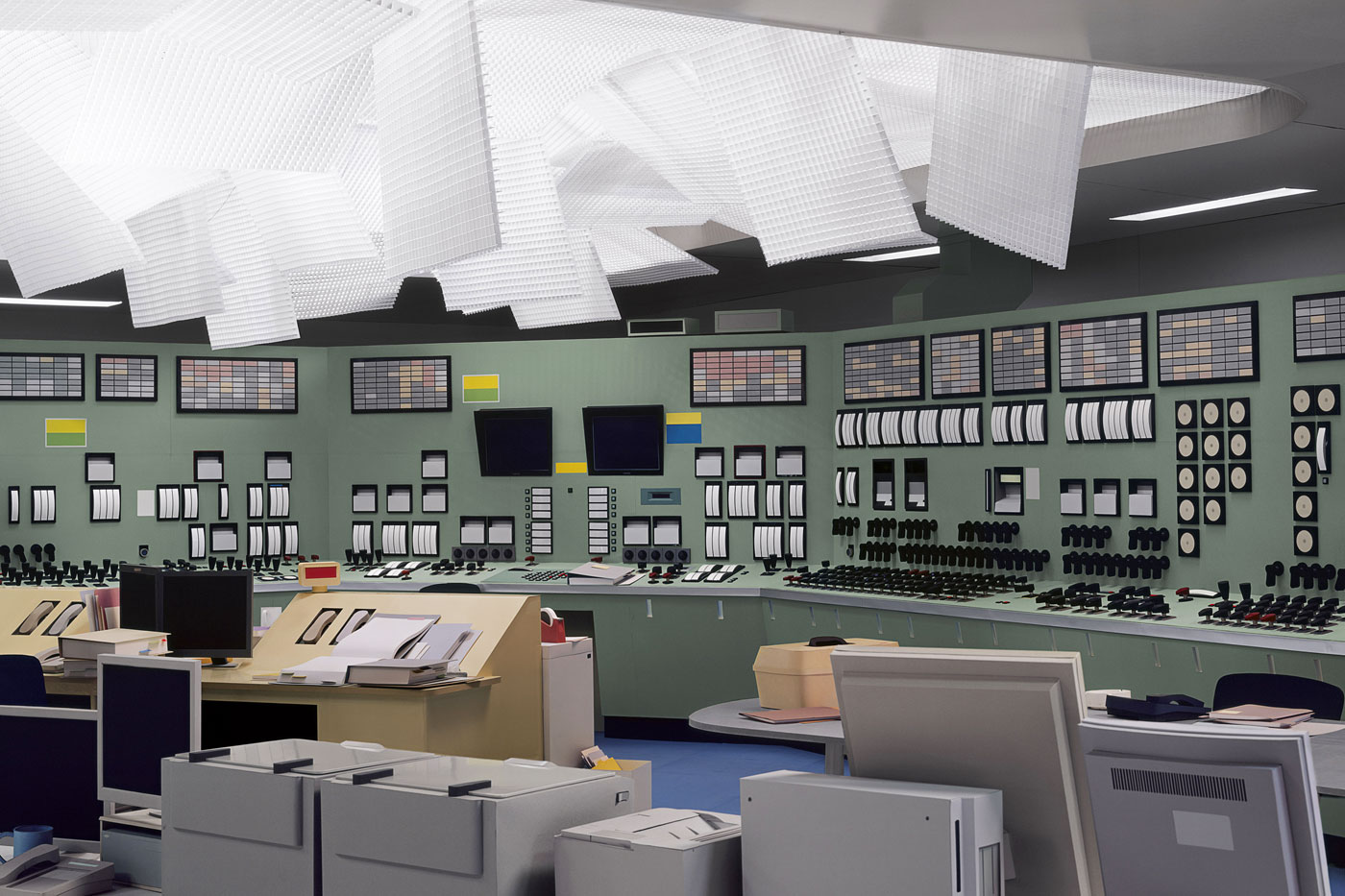
Demand is firstly a sculpture, constructing studio-sized models of photographs that reference “source material in the archive that already has some fateful resonance,” (Robert Nelson, The Age, 12th December 2012) such as the control room of the Fukushima nuclear reactor, the Geneva hotel bath tub where the German politician Uwe Barschel found a brutal death – personally my mind went to David E. Scherman’s photograph of Lee Miller in Hitler’s bathtub (see below); scenes of nature such as Clearing (2003, below) or Grotto (2006, below) that are hyperreal simulacra of natural phenomena; and modular environments and objects, such as Copyshop (1999), Space Simulator (2003) and Bullion (2003, all below) that strip away the relational intimacy between man and environment by the removal of all labelling and tactility of surface. Demand then photographs his denuded “models” before destroying them, the photograph then becoming the soul evidence of their intrinsic existence (much like the documentary evidence of photographs of Land Art). Demand’s visualisation of the environment is triple coded (photograph, model, photograph), a hybrid tri-articulation that produces new identities that release energies of multiplicity, irony and destabilisation.

Robert Nelson observes in The Age that Demand’s world is paper thin and because the eye detects the forgery, “the famous icon of unthinkable fortune [Bullion] – which might have played a part in some famous heist or the security of a national economy – is also a lie, a tinsel falsehood of no substance… All of Demand’s pictures have an empty or hollow character, which defies the earnest weight of their associations.” Dan Rule insightfully notes that, “By removing the image’s reference or index, only to so painstakingly recast it, he [Demand] begs us to look and look again. These resolutely “unreal” images demand that we consider reality with much greater care.” (Dan Rule, The Age, 19th January 2013). Christopher Allen in The Weekend Australian (2nd March, 2013) states that Demand’s huge final prints, hidden under a layer of Perspex, “adds another level of truth and illusion that preoccupies Demand as it must any serious photographer today. In this case, the photographs can claim to be, for what this is worth, absolutely and literally true in their recording of their subject; it is only the subject itself that is entirely illusory and fabricated.”

Interesting comments all. Demand’s recasting of the relationship between image and referent (image and the object being photographed) is critical to his practice, but I am unsure that all photographers have to be preoccupied with the relationship between truth and illusion as Allen states. As my recent review of the exhibition Confounding: Contemporary Photography noted not all photographs have to confound the relationship between truth and illusion in order to be art. “Collectively, it is the ideas contained within the images in this exhibition that unsettle the relationship between the photograph and the world in the mind of the viewer, not their confounding.” As in the Jeff Wall Photographs exhibition, there is not much emotion in any of these images and perhaps this is an outcome of the long pre-photographic production process.

Demand’s recordings, re-orderings of a constructed reality are fabrications of the highest calibre, amazing to witness at first hand (is that really a model, how does he do that with paper and lighting?!), and yet one is left with a feeling that the work needed something more to go beyond this illusion, some layering that takes the viewer beyond the surface of the image, beyond the understanding of image / model / reality. I look at the photographs, I understand the skill, the imbrication of the process – I think that is the word I want, meaning the covering with a design in which one element covers a part of another – the looking again at a fabricated (our!) reality but the photographs still leave me a little cold of heart, of empty and hollow character. Perhaps that is the point, however it doesn’t make me want to look at the photographs over weeks, months and years and let them reveal themselves to me. Like the paper on which they are printed they are a little paper thin.

Dr Marcus Bunyan


Many thankx to the National Gallery of Victoria for allowing me to publish the photographs in the posting. Please click on the photographs for a larger version of the image.


Thomas Demand (German, b. 1964) 'Kontrollraum / Control Room' 2011


Thomas Demand (German, b. 1964)
Kontrollraum / Control Room
2011
C-Print / Perspex
200 × 300cm
Courtesy Taka Ishii Gallery, Sprüth Magers Berlin London, Esther Schipper, Berlin, Matthew Marks Gallery
© Thomas Demand, VG Bild-Kunst, Bonn / VISCOPY, Sydney


Thomas Demand is regarded as one of the world’s leading contemporary artists whose work in photography and, most recently stop-animation films, is at the forefront of contemporary art. Demand initially worked as a sculptor who used photography to document his ephemeral creations. From 1993 his creative practice changed and, from then on, he made sculptures for the sole purpose of photographing them. Demand begins with an image, often taken from media sources and frequently dealing with traumatic or politically important events, and creates a life-size replica of the image using paper and cardboard. The effect of these uncanny reconstructions is to destabilise our understanding of the sites which we ‘know’ so well through reproduction. This exhibition features a selection of photographs and 35mm films as chosen by the artist.

Organised with The Museum of Contemporary Art, Tokyo

Text from the National Gallery of Victoria website


Thomas Demand (German, b. 1964) 'Labor / Laboratory' 2000


Thomas Demand (German, b. 1964)
Labor / Laboratory
2000
C-Print / Perspex
180 × 268cm
Courtesy Taka Ishii Gallery, Sprüth Magers Berlin London, Esther Schipper, Berlin, Matthew Marks Gallery
© Thomas Demand, VG Bild-Kunst, Bonn / VISCOPY, Sydney


Thomas Demand (German, b. 1964) 'Space Simulator' 2003


Thomas Demand (German, b. 1964)
Space Simulator
2003
C-Print / Perspex
300 × 429.4cm
Courtesy Taka Ishii Gallery, Sprüth Magers Berlin London, Esther Schipper, Berlin, Matthew Marks Gallery
© Thomas Demand, VG Bild-Kunst, Bonn / VISCOPY, Sydney


Thomas Demand (German, b. 1964) 'Lichtung / Clearing' 2003


Thomas Demand (German, b. 1964)
Lichtung / Clearing
2003
C-Print / Perspex
192 × 495cm
Courtesy Taka Ishii Gallery, Sprüth Magers Berlin London, Esther Schipper, Berlin, Matthew Marks Gallery
© Thomas Demand, VG Bild-Kunst, Bonn / VISCOPY, Sydney


Thomas Demand (German, b. 1964) 'Public housing' 2003


Thomas Demand (German, b. 1964)
Public housing
2003
C-Print / Perspex
Courtesy Taka Ishii Gallery, Sprüth Magers Berlin London, Esther Schipper, Berlin, Matthew Marks Gallery
© Thomas Demand, VG Bild-Kunst, Bonn / VISCOPY, Sydney


Public housing also shows the influence, in part, of Demand’s early photographic training. A member of the so-called Düsseldorf School (along with Thomas Ruff, Thomas Struth, Candida Hofer and Andreas Gursky), Demand was taught photography by Bernd and Hilla Becher. The Bechers had an austere approach, creating a vast archive of formally composed images of industrial structures. The rigour of this training is apparent in the objective approach Demand brings to his subjects. However, as Public housing demonstrates, from this starting point he creates work with a strange, disarming beauty in a style that is distinctly the artist’s own.

The origin for Public housing is the back of a Singapore $10 banknote which Demand recreates with great fidelity and in the characteristic pink tones of the original. The artist has expressed a fascination for currency that depicts modern architecture and has collected examples from many countries But, the meaning of his resulting image is somewhat ambiguous. It can be read either as a work that critiques modern housing estates with their often soulless and depressingly formulaic architecture or, in contrast, as an expression of national pride. It appears that the latter meaning was intended by the artist, who has written that Public housing ‘shows that the capital of finance in Asia also has a heart for the underprivileged’ (email to author).

Isobel Crombie, Senior Curator, Photography, National Gallery of Victoria (in 2011).

Isobel Crombie. “Thomas Demand Public housing,” 2011, published on the NGV website 2013 [Online] Cited 23/07/2024


Thomas Demand (German, b. 1964) 'Regen / Rain' (still) 2008


Thomas Demand (German, b. 1964)
Regen / Rain (still)
2008
35 mm colour film, sound, 4 min, looped
Courtesy Taka Ishii Gallery, Sprüth Magers Berlin London, Esther Schipper, Berlin, Matthew Marks Gallery
© Thomas Demand, VG Bild-Kunst, Bonn / VISCOPY, Sydney


One of the world’s most influential contemporary artists, Thomas Demand, will be the subject of a new exhibition announced by the National Gallery of Victoria. The exhibition will be the first major Australian survey of the artist’s work and will comprise large scale photographs and films never before shown in Australia.

NGV Director, Tony Ellwood said the addition of Thomas Demand to the NGV’s exhibition schedule is part of an exciting and ambitious summer program.

“When the opportunity came up to hold an exhibition of Thomas Demand’s work this summer, it was just too good to miss. Thomas Demand will be part of a great summer program at the NGV and has been timed to coincide with the Jeff Wall Photographs exhibition being held at NGV Australia.” …

Works in the exhibition will span the artist’s career from 1997 to 2012. Recent works presented in the exhibition include Control Room (2011, above), which depicts the Fukushima Daiichi nuclear power plant and Tribute (2011, below), a work based on images taken at the site of tragic mass panic at Europe’s biggest rave party.

Susan van Wyk, NGV Curator of Photography said Thomas Demand is widely regarded as one of the world’s leading contemporary artists.

“Thomas has a unique style in which he creates paper models of objects and scenes, often taken from media sources like flickr or newspaper reports. These intricate life size models are then photographed.

“The results are disquieting images that subvert our understanding of reality and fiction and draws attention to how we engage with the media and modern technologies,” said Ms Van Wyk.

Press release from the National Gallery of Victoria


Thomas Demand (German, b. 1964) 'Grotte / Grotto' (detail) 2006


Thomas Demand (German, b. 1964)
Grotte / Grotto (detail)
2006
C-Print / Perspex
Photograph: Marcus Bunyan


Thomas Demand (German, b. 1964) 'Bullion' 2003


Thomas Demand (German, b. 1964)
Bullion
2003
C-Print / Perspex
42 × 60cm
Courtesy Taka Ishii Gallery, Sprüth Magers Berlin London, Esther Schipper, Berlin, Matthew Marks Gallery
© Thomas Demand, VG Bild-Kunst, Bonn / VISCOPY, Sydney


Thomas Demand (German, b. 1964) 'Parlament / Parliament' 2009


Thomas Demand (German, b. 1964)
Parlament/Parliament
2009
C-Print / Perspex
Courtesy Taka Ishii Gallery, Sprüth Magers Berlin London, Esther Schipper, Berlin, Matthew Marks Gallery
© Thomas Demand, VG Bild-Kunst, Bonn / VISCOPY, Sydney


David E. Scherman (American, 1916-1997) 'Lee Miller in Hitler's bath, Hitler's apartment, Munich, Germany 1945' 1945


David E. Scherman (American, 1916-1997)
Lee Miller in Hitler’s bath, Hitler’s apartment, Munich, Germany 1945
1945
From Lee Miller: A Life by Carolyn Burke
© Lee Miller Archives


Thomas Demand (German, b. 1964) 'Badezimmer / Bathroom' 1997


Thomas Demand (German, b. 1964)
Badezimmer / Bathroom
1997
C-Print / Perspex
160 × 122cm
Courtesy Taka Ishii Gallery, Sprüth Magers Berlin London, Esther Schipper, Berlin, Matthew Marks Gallery
© Thomas Demand, VG Bild-Kunst, Bonn / VISCOPY, Sydney


When you look at the work of Thomas Demand, at some point you realise that what you are looking at cannot be real. As this becomes apparent you understand that you are looking at a paper simulation of the world.

Demand’s early studies, in the 1980s and early 90s, were in sculpture and he built his constructions out of paper and cardboard. At this time, photography was simply the tool the artist used to document his sculptural work. Around 1993, however, an important shift occurred in Demand’s practice. His meticulously constructed objects were no longer the final works. The photographs that had previously served as an efficient means of recording his ephemeral sculptures instead became Demand’s prime interest. From this point on his models existed, not to be seen as three-dimensional sculptures but, to be photographed in two-dimensions.

The act of building his sculptural subjects is a bit like the architectural process and involves drawings, plans, engineering, even quantity surveying. A finished work may contain hundreds of thousands of hand-cut and assembled paper elements. Another of the more extraordinary things about his constructions is their scale. Demand extrapolates and estimates dimensions of the elements in his source images and then reconstructs them at life-size. The environs Demand builds have an amazing fidelity.

In the process of making his photographs, Demand literally inhabits the structures he builds, walking in and around them. He does so not only to find the right position to photograph from, but also to establish a relationship with a place. Demand describes this act as unsettling, saying, ‘When I walk around them I feel a strange sense of destabilisation. You transpose yourself to a time and place in which you could never be’. The scale of his models enables him to physically relate to them as if to the original object or scene – a model bath is big enough to sit in and a forest clearing is large enough to enter and walk through. Demand’s working process therefore enables him to have physical encounters with things, places and times that exist elsewhere or in the past.

Susan van Wyk. “The Constructed Worlds of Thomas Demand,” on the NGV website 15 February 2013 [Online] Cited 23/07/2024


Thomas Demand (German, b. 1964) 'Tribute' 2011


Thomas Demand (German, b. 1964)
Tribute
2011
C-Print / Perspex
166 × 125cm
Courtesy Taka Ishii Gallery, Sprüth Magers Berlin London, Esther Schipper, Berlin, Matthew Marks Gallery
© Thomas Demand, VG Bild-Kunst, Bonn / VISCOPY, Sydney


The Solitude of the Picture

Jeff Wall & Thomas Demand: In Conversation

On the eve of opening their respective exhibitions, Jeff Wall and Thomas Demand in conversation about their work and process.


NGV International
180 St Kilda Road

Opening hours
Daily 10am – 5pm

National Gallery of Victoria website

LIKE ART BLART ON FACEBOOK

Back to top

Review: ‘Andrew Curtis: Moonlight Mile’ at Blockprojects, Melbourne

Exhibition dates: 6th February – 3rd March 2013


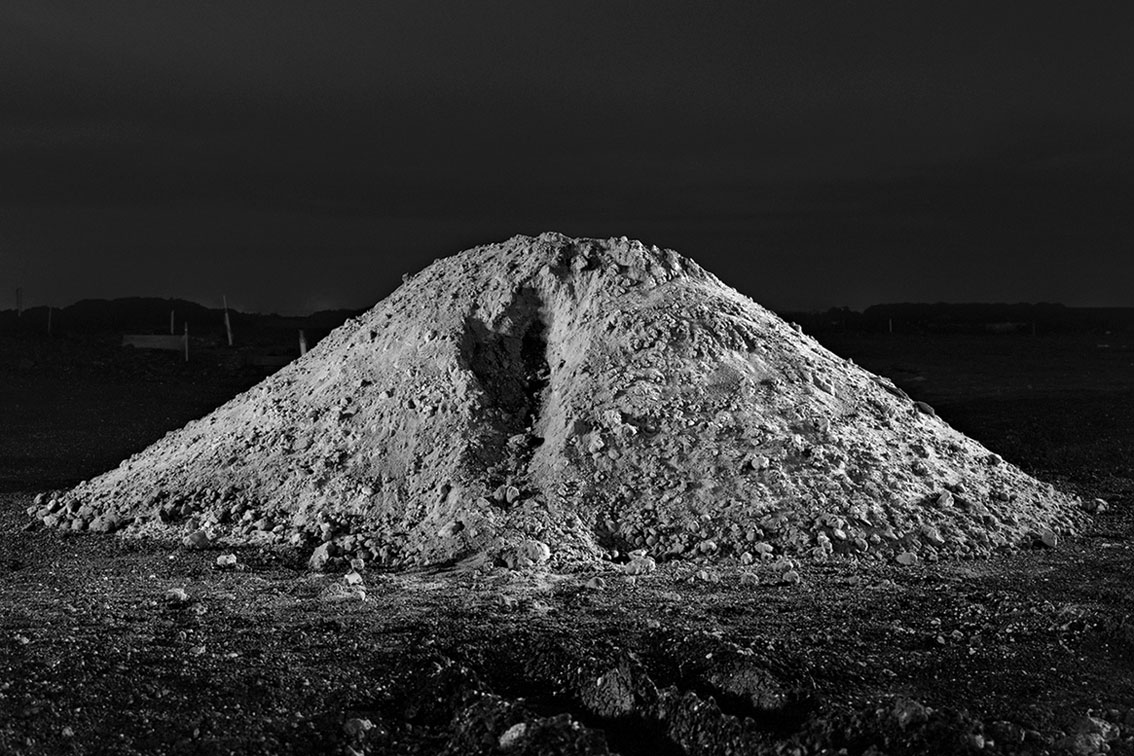
Andrew Curtis (Australian, b. 1966) 'Wonthaggi' 2012


Andrew Curtis (Australian, b. 1966)
Wonthaggi
2012
Archival pigment print on cotton rag
120 x 180cm


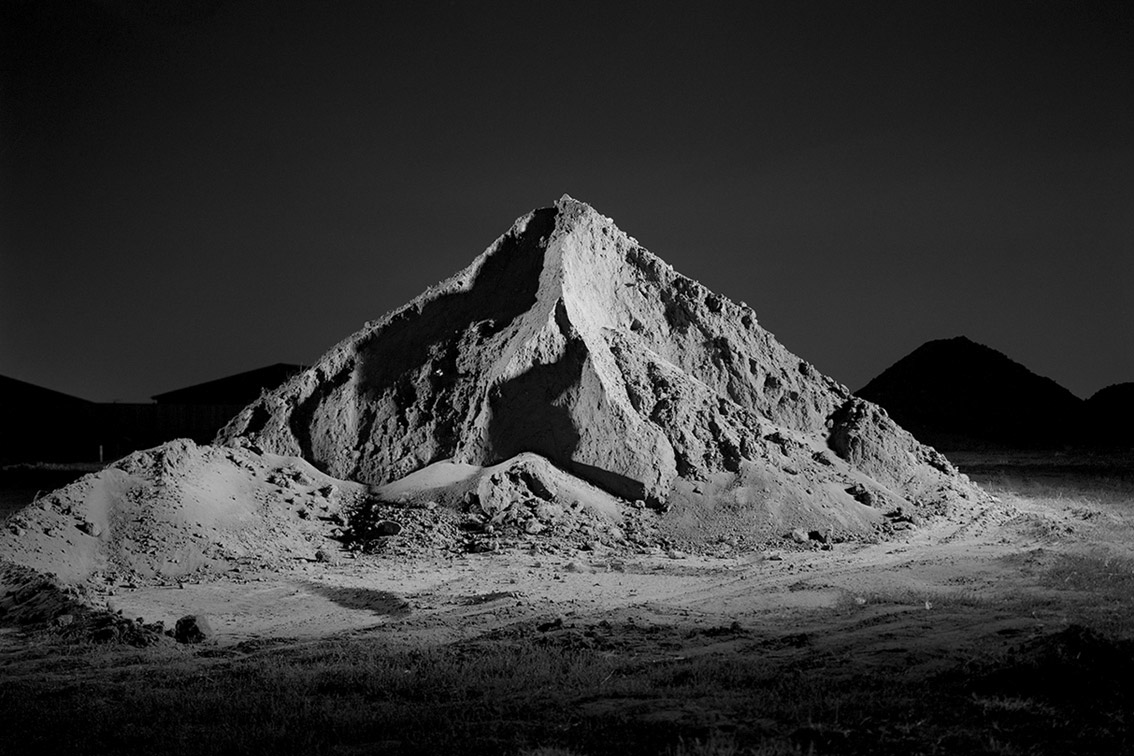
This is a strong exhibition of large scale hybrid black and white photographs by Andrew Curtis at Blockprojects, Cremone. The photographs look grand in the simple, beautiful exhibition space, perhaps too grand, too sympatico with the theme of the work: mountains made out of piles of earth dumped at building sites in the outer suburbs of Melbourne. There is humour and absurdity here as Dan Rule notes, but also more than a hint of the sublime. By playing with scale (narratives of the miniature, the gigantic) and light (these images have been studiously lit from different angles during a long time exposure), Curtis tricks the eye of the viewer, just for a split second (the punctum?), elucidating “the strength of the almost blinding role that expectation plays in our reading of an image.” (Dan Rule)

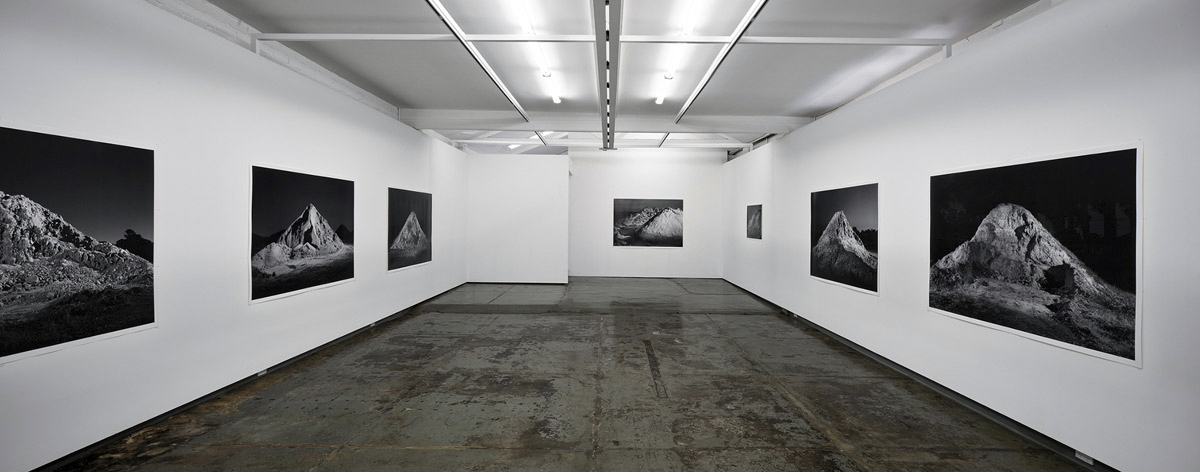
What do I mean by hybrid monochrome images – the work was shot on a 4 x 5 large format film camera and then printed digitally as an archival pigment print on cotton rag. Personally, if I went to all the trouble to shoot on film, then why wouldn’t I go the distance and get them printed the traditional way to preserve the optical veracity that large format brings? With this in mind I asked myself why the images had to be so big (the gigantism of most contemporary photography) for the smaller image, Point Cook 2 (2012, below) seemed at least as valid, perhaps more so as an image, than the larger photographs. It was almost as if the smaller size gave the subject more validity in terms of its abstractness (see installation photograph below). Perhaps a size in between the two presented in the exhibition and printed the analogue way would have been more appropriate to the spirit of the work.

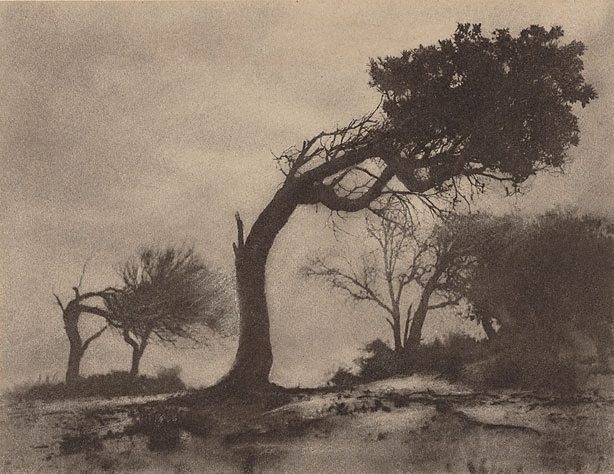
The other thing that I found puzzling was the lack of depth of field from front to back of most of the images. The foregrounds were invariably out of focus (when you could actually see them) which is a strange choice when using a large format camera, where everything can be in focus front to back (a la F64). Curtis’ aesthetic choice is directly from the Pictorialist handbook, as is his decision to darken the out of focus foreground with an aura of black so that nothing is visible (see Hoppers Crossing 1, 2 and 3 below). This makes for a strange reading of the photographs where the mountain becomes isolated yet is the sole grounding of the image (save for a shadowy horizon line behind), a trope that didn’t really work for me.

My favourite images where the more intimate images such as Point Cook 2 and Wonthaggi (both 2012). In both, the foreground is agreeably present to lead the eye into the image. In Point Cook 2 the eye is also led in from the right hand side by the spine of the mountain range, the light on the earth matching the ethereal light in the sky. A good image. Even better is Wonthaggi where the stand alone isolation of the monolithic mountains in most of the other images is broken by the “shoulders” of the mountain disappearing out of frame. This, combined with more subtle lighting and the presence of massed shadows of trees in the background, adds a valuable context to the image while at the same time referencing the history of Australian photography through the images of people such as Harold Cazneaux.

Dr Marcus Bunyan


PS. Just as a general point of interest. It is so difficult to make the right choice when displaying large, dark photographs in a gallery setting. If you pin them to the wall, as here, there tend to be waves in the photographs and a client who wants to purchase the print has to factor in where to get the print framed and how much this is going to cost: a lot of hassle for a potential client. If you do get the work framed there is the initial upfront cost plus the dark image is more than obscured by the glass in front of the image, lessening the photographs presence in front of the viewer. Finally there is the choice to have the photograph mounted on aluminium (dibond mounting) or facemounting a print onto acrylic. This gets rid of the need for framing and keeps the print flat but a serious collector of photography will not touch them because they have been stuck down with glue to these materials. A perplexing problem indeed.


Many thankx to Blockprojects for allowing me to publish the photographs in the posting. Please click on the photographs for a larger version of the image.


Harold Cazneaux (Australian, 1878-1953) 'The bent tree, Narrabeen' 1914


Harold Cazneaux (Australian, 1878-1953)
The bent tree, Narrabeen
1914
Bromoil photograph
14.6 x 18.9cm


Andrew Curtis (Australian, b. 1966) 'Point Cook 2' 2012


Andrew Curtis (Australian, b. 1966)
Point Cook 2
2012
Archival pigment print on cotton rag
66 x 100cm


Installation view of 'Andrew Curtis: Moonlight Mile' at Blockprojects, Melbourne


Installation view of Andrew Curtis: Moonlight Mile exhibition at Blockprojects, Melbourne


Andrew Curtis (Australian, b. 1966) 'Hoppers Crossing 1' 2012


Andrew Curtis (Australian, b. 1966)
Hoppers Crossing 1
2012
Archival pigment print on cotton rag
120 x 180cm


Andrew Curtis (Australian, b. 1966) 'Hoppers Crossing 2' 2012


Andrew Curtis (Australian, b. 1966)
Hoppers Crossing 2
2012
Archival pigment print on cotton rag
120 x 180cm


Andrew Curtis (Australian, b. 1966) 'Hoppers Crossing 3' 2012


Andrew Curtis (Australian, b. 1966)
Hoppers Crossing 3
2012
Archival pigment print on cotton rag
120 x 180cm


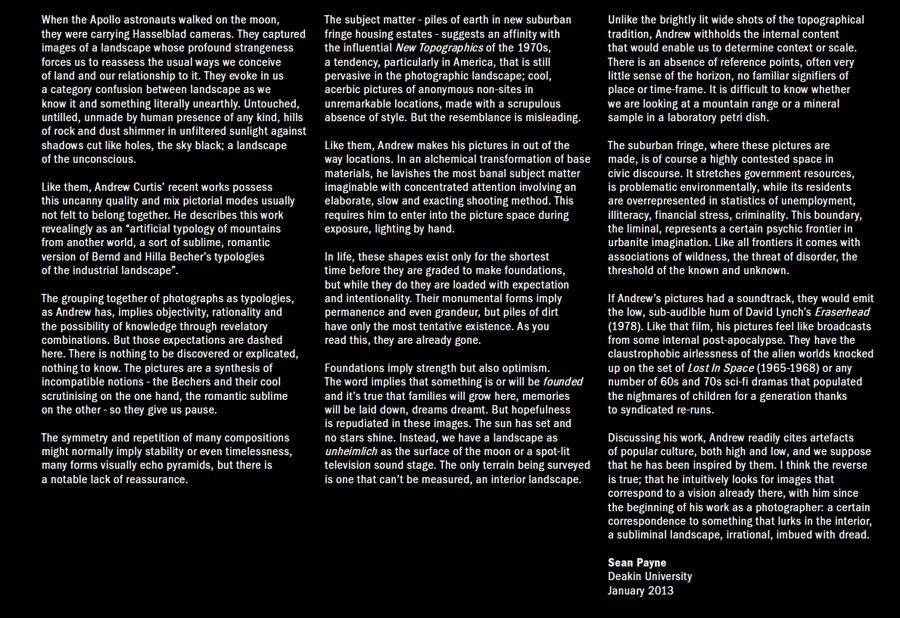
Catalogue essay by Sean Payne, Deakin University


Catalogue essay by Sean Payne, Deakin University (please enlarge to read)


Andrew Curtis (Australian, b. 1966) 'Point Cook 1' 2012


Andrew Curtis (Australian, b. 1966)
Point Cook 1
2012
Archival pigment print on cotton rag
120 x 180cm


Andrew Curtis (Australian, b. 1966) 'Almurta' 2011


Andrew Curtis (Australian, b. 1966)
Almurta
2011
Archival pigment print on cotton rag
120 x 180cm


Blockprojects
Level 1 / 252 Church Street
Richmond, VIC 3121
Phone: +61 3 8395 1028

Opening hours:
Wednesday to Saturday: 12am – 5pm

Blockprojects website

LIKE ART BLART ON FACBEOOK

Back to top

Winner of the 2013 Montalto Sculpture Prize: ‘Abundance’ by Fredrick White

Exhibition dates: 17th February – 28th April 2013


Fredrick White (Australian) 'Abundance' 2013


Fredrick White (Australian)
Abundance
2013
Aluminium pipe
440 x 80 x 70cm
Photo: Marcus Bunyan


Congratulations to Fredrick White on winning the 2013 Montalto Sculpture Prize. Well done!

Marcus


Please click on the photographs for a larger version of the image.


Fredrick White (Australian) 'Abundance' 2013 (detail)


Fredrick White (Australian)
Abundance (detail)
2013
Aluminium pipe
440 x 80 x 70cm
Photo: Marcus Bunyan


Fredrick White (Australian) 'Abundance' 2013 (detail)


Fredrick White (Australian)
Abundance (detail)
2013
Aluminium pipe
440 x 80 x 70cm
Photo: Marcus Bunyan


Fredrick White (Australian) 'Abundance' 2013 (detail)


Fredrick White (Australian)
Abundance (detail)
2013
Aluminium pipe
440 x 80 x 70cm
Photo: Marcus Bunyan


Description of 'Abundance' by the artist Fredrick White


Description of Abundance by the artist Fredrick White


Montalto Sculpture website

LIKE ART BLART ON FACEBOOK

Back to top
Exhibition: ‘National Geographic: The Past and Future Present’ at Steven Kasher Gallery, New York

Exhibition dates: 10th January – 16th February 2013


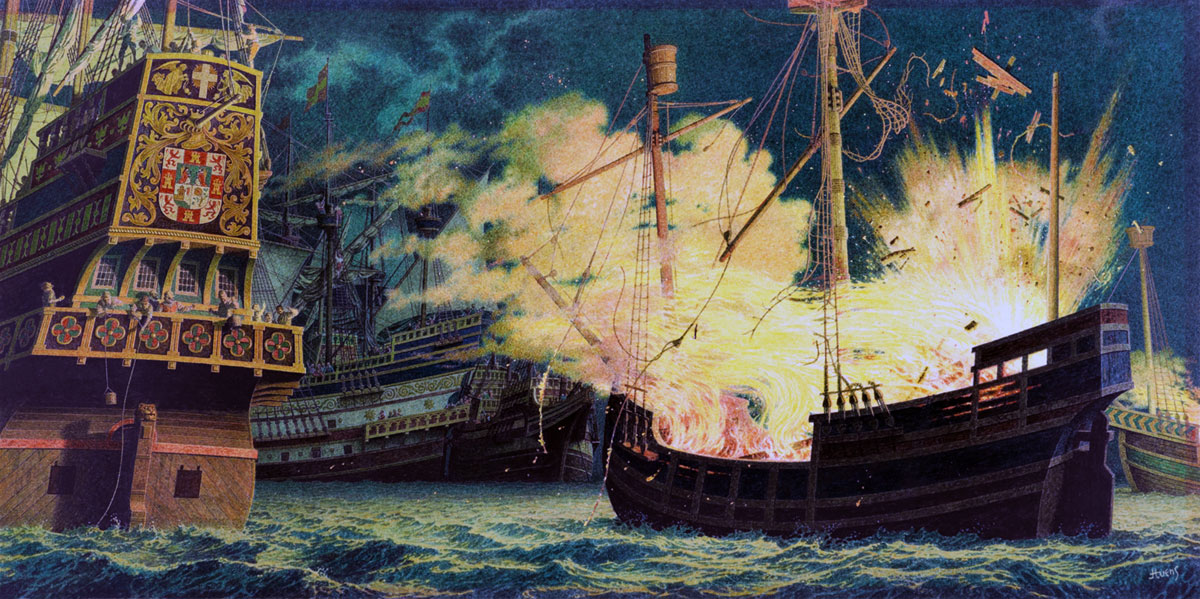
Jean-Leon Huens (Belgian, 1921-1984) 'Sir Frances Drake, Unmanned British Ships with Flammables Explode Among Spanish Ships' Nd


Jean-Leon Huens (Belgian, 1921-1984)
Sir Frances Drake, Unmanned British Ships with Flammables Explode Among Spanish Ships
Nd
Jean-Leon Huens / National Geographic Society / Steven Kasher Gallery


A wonderfully eclectic posting!

Marcus


Many thankx to Steven Kasher Gallery for allowing me to publish the photographs in the posting. Please click on the photographs for a larger version of the image.


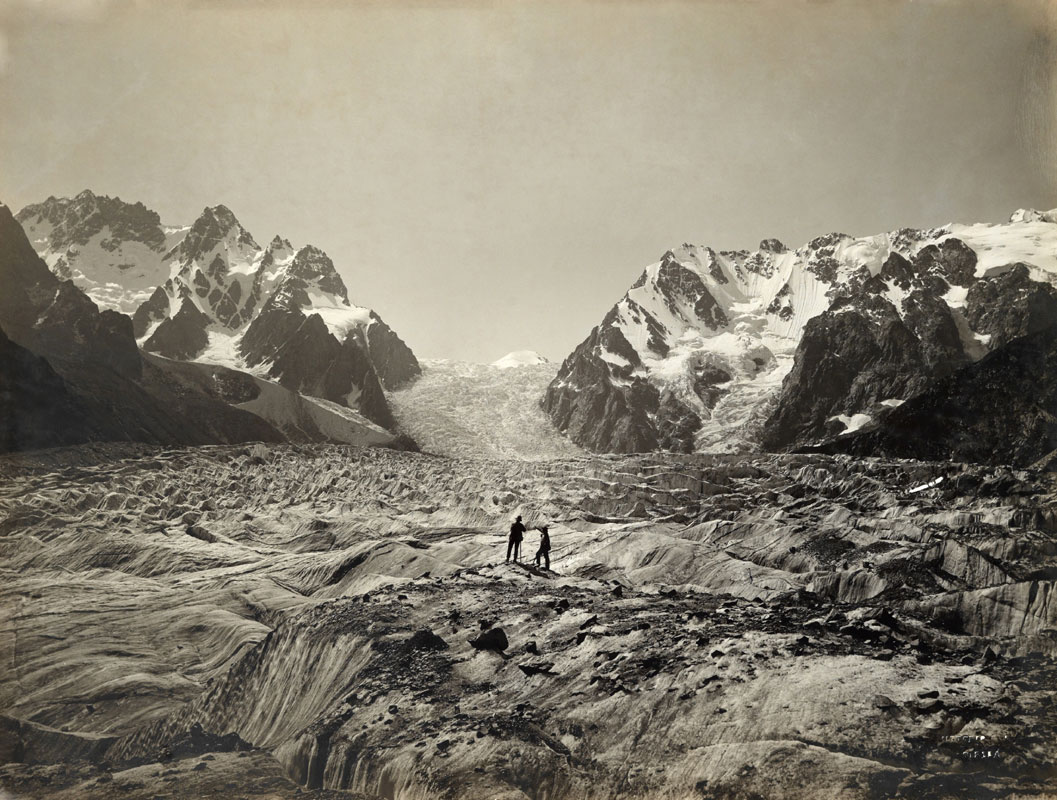
Vittorio Sella (Italian, 1859-1943) 'A Cascade of Weathered Ice Spills From the 14 Square Mile' Glacier Karagom Glacier, Caucasus Mountains, Russia 1890


Vittorio Sella (Italian, 1859-1943)
A Cascade of Weathered Ice Spills From the 14 Square Mile Glacier
Karagom Glacier, Caucasus Mountains, Russia
1890
Vittorio Sella / National Geographic Image Collection / Steven Kasher Gallery


Vittorio Sella (28 August 1859 – 12 August 1943) was an Italian photographer and mountaineer, whose photographs of mountains are regarded as some of the finest ever made. …

The high quality of Sella’s photography was in part due to his use of 30×40 cm photographic plates, in spite of the difficulty of carrying bulky and fragile equipment into remote places. He had to invent equipment, including modified pack saddles and rucksacks, to allow these particularly large glass plates to be transported safely. His photographs were widely published and exhibited, and highly praised; Ansel Adams, who saw thirty-one that Sella had presented to the US Sierra Club, said they inspired “a definitely religious awe.” Many of the photographs he took were of mountains which had not been previously recorded and so have historical as well as artistic significance; for example by recording the retreat of glaciers in the Rwenzori mountains in Central Africa.

Text from the Wikipedia website


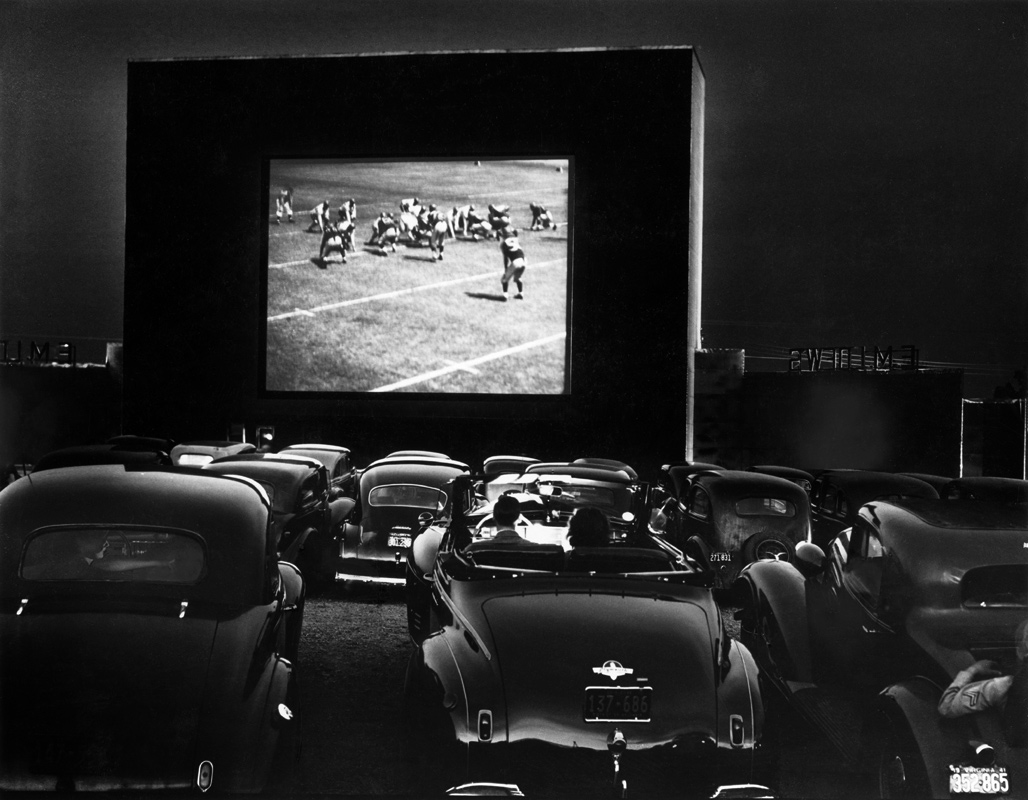
J. Baylor Roberts (American, 1902-1994) 'The Drive-In on Route 1' Alexandria, Virginia, 1941


J. Baylor Roberts (American, 1902-1994)
The Drive-In on Route 1
Alexandria, Virginia, 1941
J. Baylor Roberts / National Geographic Image Collection / Steven Kasher Gallery


Jacques Ertaud (French, 1924-1995) 'Jacques Yves Cousteau Films A Jet-propelled Submersible' Caribbean Sea, 1959


Jacques Ertaud (French, 1924-1995)
Jacques Yves Cousteau Films A Jet-propelled Submersible
Caribbean Sea, 1959
Jacques Ertaud / National Geographic Image Collection / Steven Kasher Gallery


Ned M. Seidler (American, 1922-2007) 'Freshwater Pond Life' c. 1970


Ned M. Seidler (American, 1922-2007)
Freshwater Pond Life
c. 1970
Gouache and watercolour on paper
12 1/2 x 28 1/2 inches


Steven Kasher Gallery is proud to present the exhibition National Geographic: The Past and Future Present. It is the gallery’s fifth show of works from the National Geographic archives, but our first that presents vintage illustrations side by side with vintage photographs. The one hundred works presented span the entire 20th century. Photographers will include Herbert Ponting, Baron von Gloeden, Maynard Owen Williams, and Hiram Bingham. Illustrators will include Thornton Oakley, Louis Agassi Fuertes, and Tom Lovell. The exhibition will encompass works that represent National Geographic’s rich history in the fields of geography, archaeology, exploration, science, wildlife and world cultures.

Themes explored include Past Civilizations, the Age of the Dinosaur, Space Travel, Native American Cultures, American Industry, the Sea, and Flora and Fauna. National Geographic: The Past and Future Present juxtaposes photographic images taken from life, botanical studies drawn from live specimens, and depictions of the past and the future, imagined but unseen. These juxtapositions will highlight changing visions of natural and human history as they have evolved over the twelve decades of the Society’s image making.

“This exhibition represents the continuation of a four-year partnership with the Steven Kasher Gallery to put our commissioned work in the public eye. The inclusion of illustrations in this exhibition demonstrates the overall range of our archive, which spans vintage and contemporary photography, as well as drawings, paintings and other illustrations from the late 1800s to the present day.”

Maura Mulvihill, Senior Vice President for National Geographic Society and Director of the National Geographic Image Collection

Press release from the Steven Kasher Gallery website


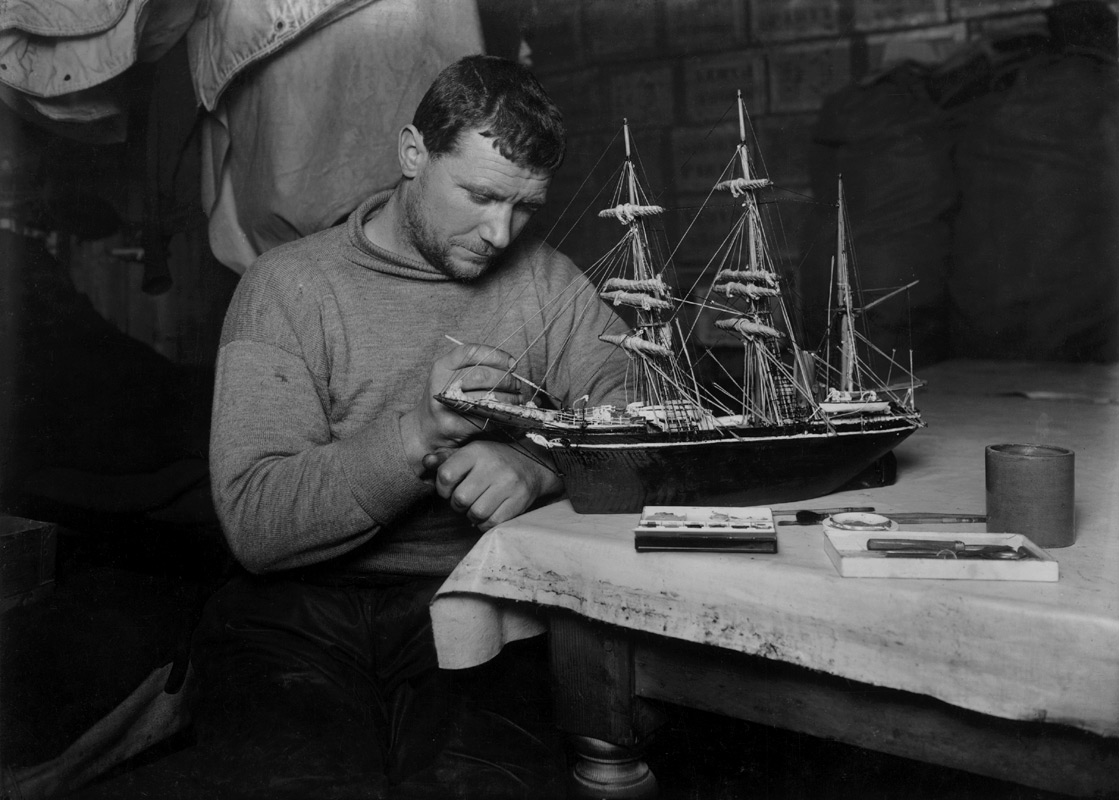
Herbert Ponting (British, 1870-1935) 'Aboard the Terra Nova on the British Antarctic Expedition 1910-1913' c. 1911


Herbert Ponting (British, 1870-1935)
Aboard the Terra Nova on the British Antarctic Expedition 1910-1913
c. 1911
Herbert Ponting / National Geographic Image Collection / Steven Kasher Gallery


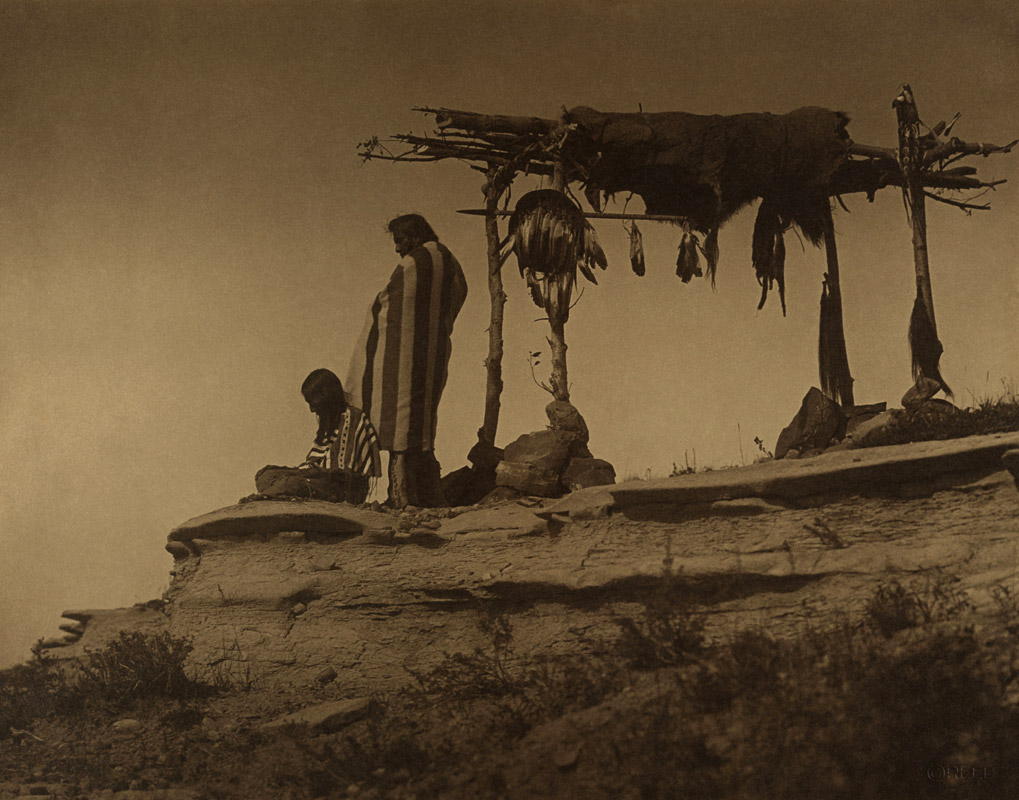
Roland Reed (American, 1864-1934) 'Tribute to Dead Piegan Blackfoot' Montana, 1912


Roland Reed (American, 1864-1934)
Tribute to Dead Piegan Blackfoot
Montana, 1912
Roland Reed / National Geographic Image Collection / Steven Kasher Gallery


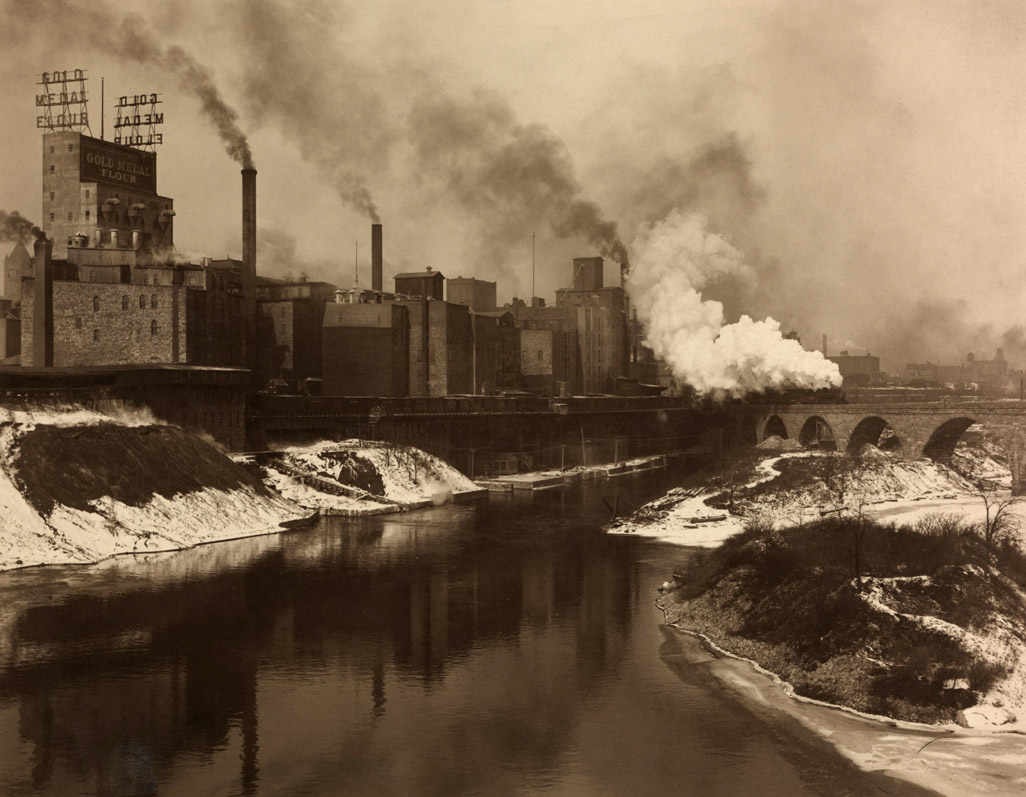
Washburn-Crosby Company (American) 'The Minneapolis Milling District, The Largest U.S. Flour Producer' 1915


Washburn-Crosby Company (American)
The Minneapolis Milling District, The Largest U.S. Flour Producer
1915
Washburn-Crosby Company / National Geographic Image Collection / Steven Kasher Gallery


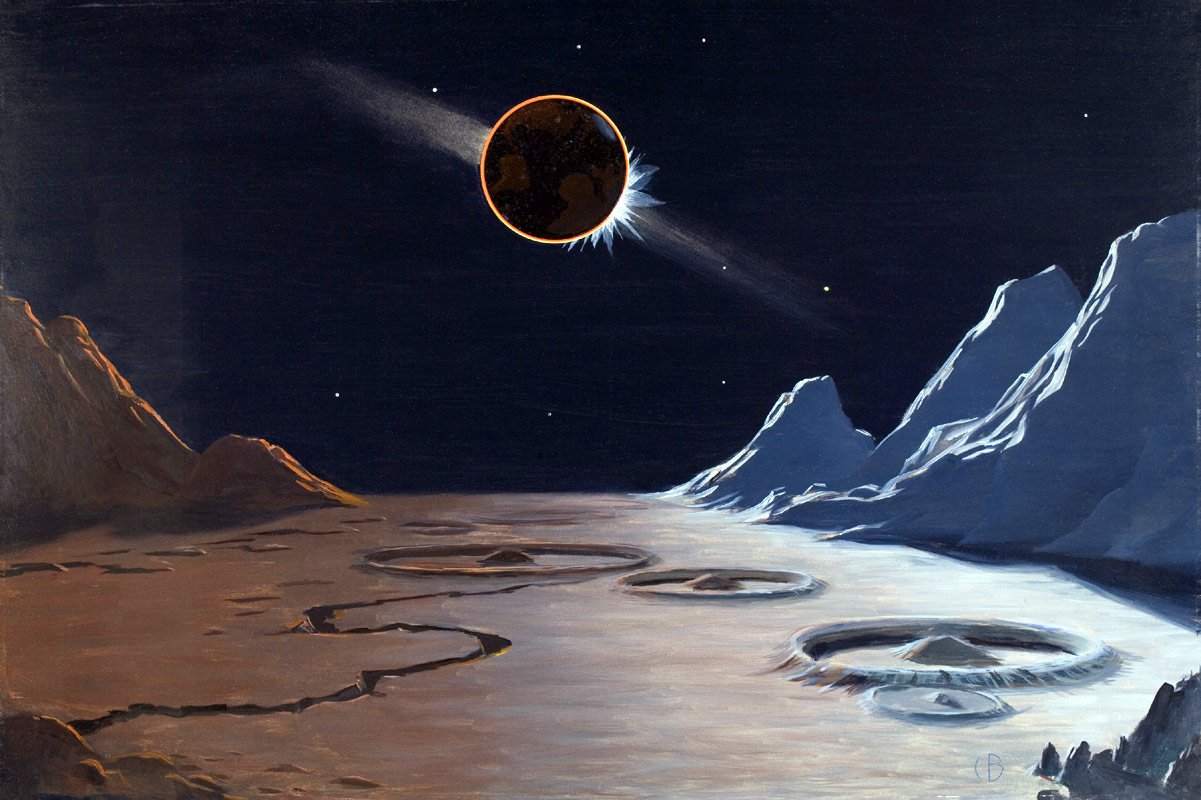
Charles Bittinger (American, 1879-1970) 'Eclipse of the Sun by the Earth' 1930s


Charles Bittinger (American, 1879-1970)
Eclipse of the Sun by the Earth
1930s
Charles Bittinger / National Geographic Society / Steven Kasher Gallery


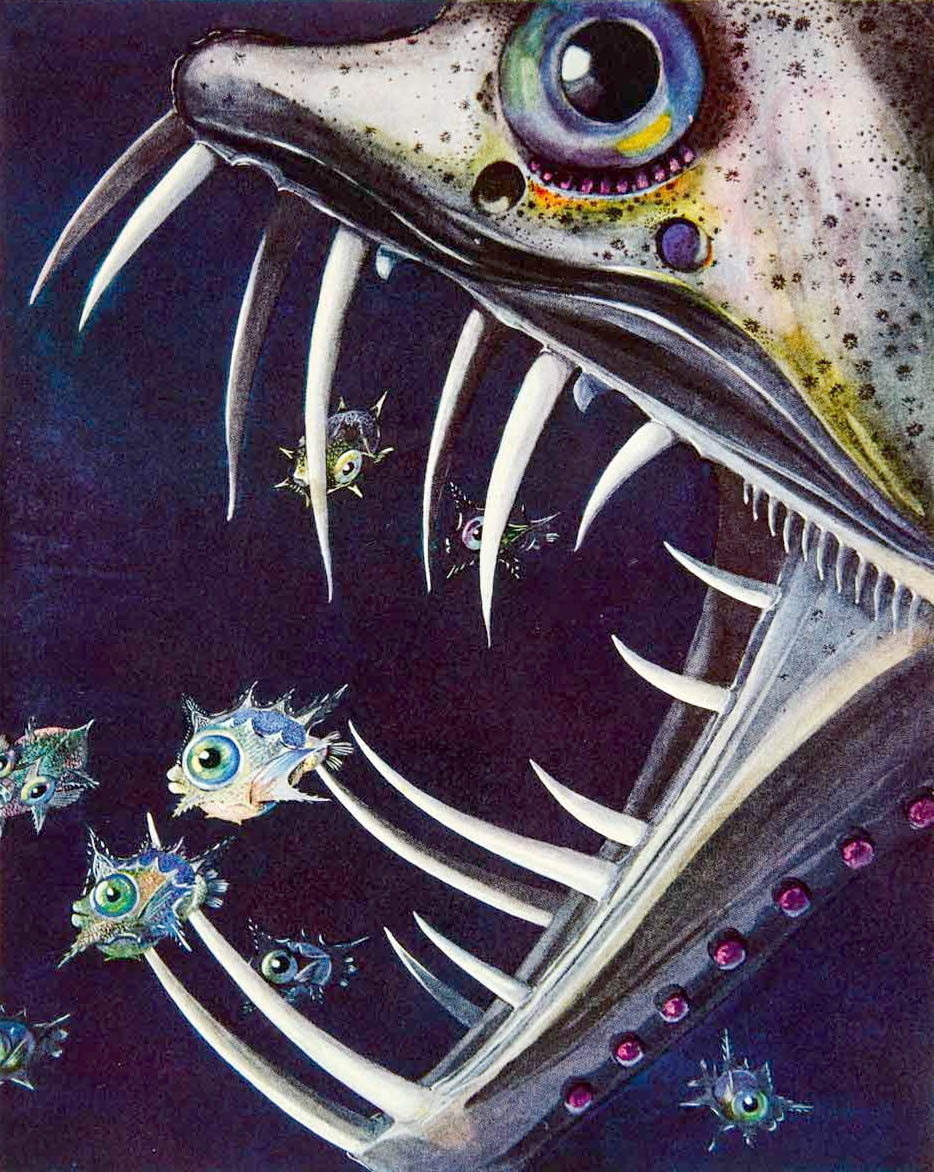
Else Bostelmann (American born Germany, 1882-1961) 'A Saber-Toothed Viperfish Attacking Young Ocean Sunfish' c. 1934


Else Bostelmann (American born Germany, 1882-1961)
A Saber-Toothed Viperfish Attacking Young Ocean Sunfish
c. 1934
Gouache on paper
14 x 11 inches


Else Winkler von Röder (Roeder) Bostelmann (1882-1961), a German Empire-born American artist, joined the New York Zoological Society (now the Wildlife Conservation Society) in 1929 to paint marine life during William Beebe’s bathysphere oceanographic expeditions at Bermuda’s Nonsuch Island (1930-1934).

Bostelmann’s marine life paintings depicted the unbelievable sights that Beebe encountered from great depths in the ocean. “Had it not been for Mrs. Bostelmann’s deftness in rapidly sketching what she saw, much of the colour and drama would have been lost.” …

Bostelmann’s marine life art was published in several National Geographic Magazines in the 1930s, 1940s and beyond. Her depiction of the bioluminescence of unknown ocean life caused a stir in the oceanographic world.

Although she did not descend in the Bathysphere, her studies and final paintings were true to life at the time. Beebe described what he saw as he descended in the bathysphere through a direct telephone line to the ship above him. Detailed notes were taken by Gloria Hollister, a member of the research team. When Beebe exited the bathysphere, he immediately worked with Bostelmann as she put his descriptions to paper using watercolour, gouache and pencil. She did don a 16-pound copper helmet with an air hose attached to the ship above, sat on a chair on the ocean floor (20-35 feet down) with her canvas attached to an iron music stand weighted with lead and her brushes tied to the stand as she painted with oil the fish she saw around her. Due to the change in available light at that depth, the colours in her paintings were muted.

Text from the Wikipedia website


Richard Hewitt Stewart (American, 1901-2004) 'Colossal Olmec Head' La Venta, Mexico, 1940


Richard Hewitt Stewart (American, 1901-2004)
Colossal Olmec Head
La Venta, Mexico, 1940
Richard Hewitt Stewart / National Geographic Image Collection / Steven Kasher Gallery


Richard Hewett Stewart (1901-2004) began working for the National Geographic Society as a photo lab technician in 1924. Ten years later, he joined Matthew Stirling’s archeological team to photograph and, to a lesser extent, film the team’s eight expeditions to Veracruz and Tabasco (1939-1946). As a result, Stewart’s photographs illustrated all of National Geographic articles about the Olmec excavations carried out by the Smithsonian. Stewart again joined Stirling for the 1948-1949 archaeological expedition to Panama, sponsored by the Smithsonian Institution and the National Geographic Society.

Text from the Smithsonian Institution website


Thorton Oakley (American, 1881-1953) 'Liquid Steel Pours From an Electric Furnace' 1940s


Thorton Oakley (American, 1881-1953)
Liquid Steel Pours From an Electric Furnace
1940s
Thorton Oakley / National Geographic Society / Steven Kasher Gallery


Steven Kasher Gallery
166 Second Ave., 3A
New York, NY 10003
Phone: 917 922 6861

Opening hours:
By appointment only

Steven Kasher Gallery website

LIKE ART BLART ON FACEBOOK

Back to top
Exhibition: ‘Cabinet of Curiosities: Photography & Specimens’ at The Nelson-Atkins Museum of Art, Kansas City

Exhibition dates: 12th September, 2012 – 10th February, 2013


Many thankx to The Nelson-Atkins Museum of Art for allowing me to publish the photographs in the posting. Please click on the photographs for a larger version of the image.


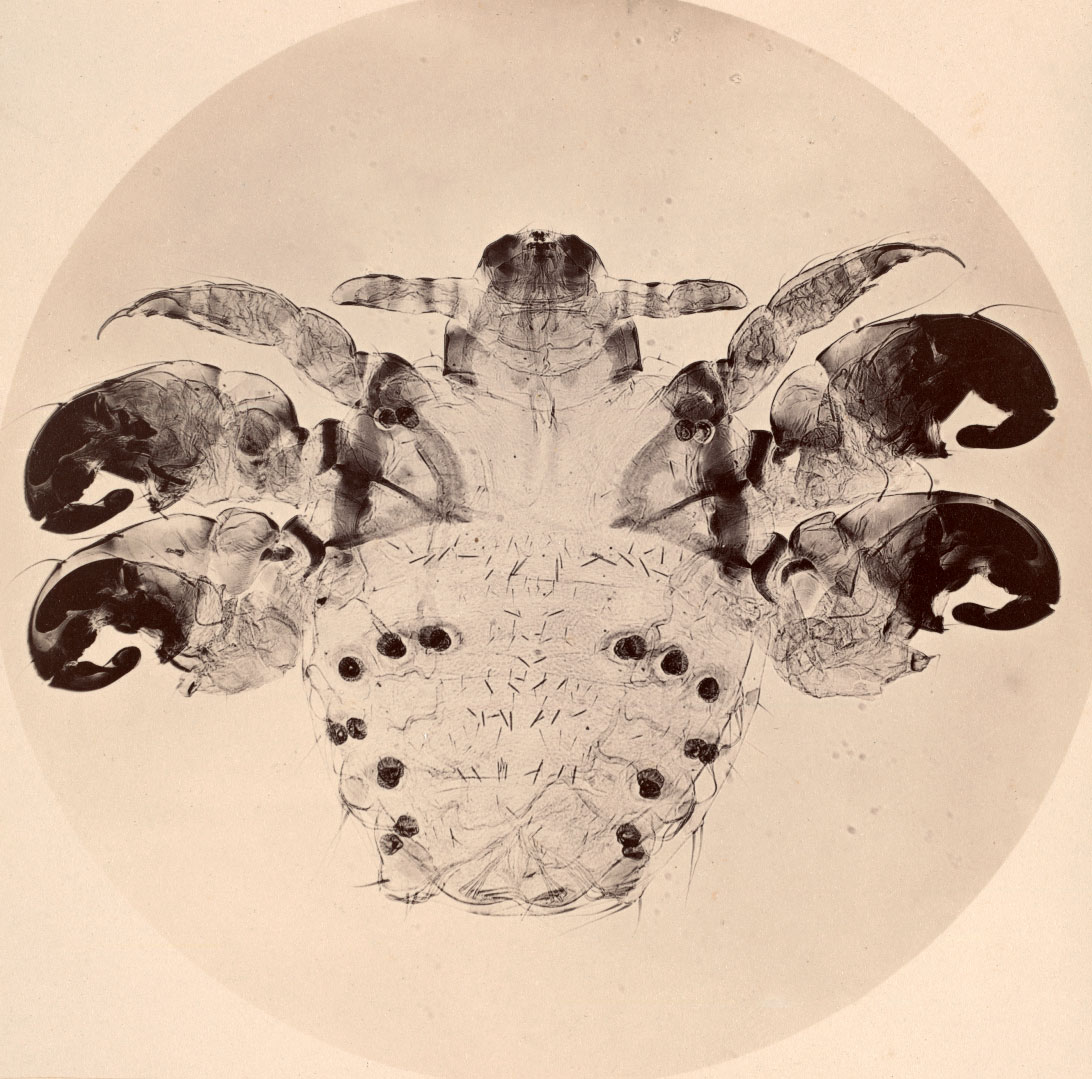
Joseph Javier Woodward (American, 1833-1884) 'Photomicrograph of a Crab Louse' c. 1864-1865


Joseph Javier Woodward (American, 1833-1884)
Photomicrograph of a Crab Louse
c. 1864-1865
Albumen print
Gift of the Hall Family Foundation


Wilson Alwyn Bentley (American, 1865-1931) 'Snowflakes' c. 1905


Wilson Alwyn Bentley (American, 1865-1931)
Snowflakes
c. 1905
Gelatin silver prints
Gifts of the Hall Family Foundation


Wilson Alwyn Bentley (American, 1865-1931) 'Snowflakes' c. 1905 (detail)


Wilson Alwyn Bentley (American, 1865-1931)
Snowflakes (detail)
c. 1905
Gelatin silver prints
Gifts of the Hall Family Foundation


Charles Jones (American, 1866-1959) 'Radish, French Breakfast' c. 1900


Charles Jones (American, 1866-1959)
Radish, French Breakfast
c. 1900
Gelatin silver print
Gift of the Hall Family Foundation


The photography exhibition Cabinet of Curiosities: Photography & Specimens opens Sept. 12 at The Nelson-Atkins Museum of Art. Featuring works that date from the 1850s to the present day, this show explores the many ways photography has expanded our centuries-old fascination with the marvellous, unusual, unexpected, exotic, extraordinary or rare.

“In the 16th and 17th centuries, Cabinets of Curiosities functioned like small museums. They were assembled by their owners to reflect the fascination with science and art,” said Jane Aspinwall, associate curator of photography. “Photography has always emphasised that relationship: specimens are typically used for scientific study, but they can also be considered works of art.”

This exhibition includes examples ranging from the very tiny (microscopic images of snowflakes and insects) to the very distant (telescopic image of the moon’s surface). Some images, such as X-rays, emphasise photography’s role in extending human vision. Others document such oddities as Peter the Great’s collection of pulled teeth. The wide range of processes on display – including daguerreotypes, tintypes and cyanotypes – further suggests that these photographic objects are themselves visual specimens from a bygone era.

“To me, the range of specimens in this exhibition is fascinating. Botanical, X-ray, microscopic, medical… there is even a photograph of a fragment of a Civil War soldier’s arm bone, mounted and saved by the Army Medical Museum… what an oddity!”

Featured contemporary photographers Matthew Pillsbury, Emmet Gowin, and Richard Barnes raise questions about how specimens are displayed, preserved and interpreted and how this relates to the natural world. The differing ways specimens are seen photographically, and the human-made constructs used for specimen display are also explored.

Press release from The Nelson-Atkins Museum of Art website


William Bell (American born England, 1830-1910) 'Successful Excision of the Head of the Humerus' 1864


William Bell (American born England, 1830-1910)
Successful Excision of the Head of the Humerus
1864
Albumen print
Gift of Hallmark Cards, Inc.,


Unknown maker (American) 'Man with Skulls' c. 1850


Unknown maker (American)
Man with Skulls
c. 1850
Daguerreotype
Gift of Hallmark Cards, Inc.,


Unknown maker (American) 'Hand X-Ray' 1897


Unknown maker (American)
Hand X-Ray
1897
Gelatin silver print
Gift of Hallmark Cards, Inc.,


Anna Atkins (English, 1799-1871) 'Paris Arguta' c. 1850


Anna Atkins (English, 1799-1871)
Paris Arguta
c. 1850
Cyanotype
Gift of the Hall Family Foundation


The Nelson-Atkins Museum of Art
4525 Oak Street
Kansas City, MO 64111

Opening hours:
Thursday – Monday 10am – 5pm
Closed Tuesdays and Wednesdays

The Nelson-Atkins Museum of Art website

LIKE ART BLART ON FACEBOOK

Back to top
Review: ‘Terraria’ by Darron Davies at Edmund Pearce Gallery, Melbourne

Exhibition dates: 16th January – 9th February 2013


Darron Davies (Australian) 'Atmosphere' 2012


Darron Davies (Australian)
Atmosphere
2012
Archival Pigment Print on Photo Rag
80 x 80cm
Edition of 6


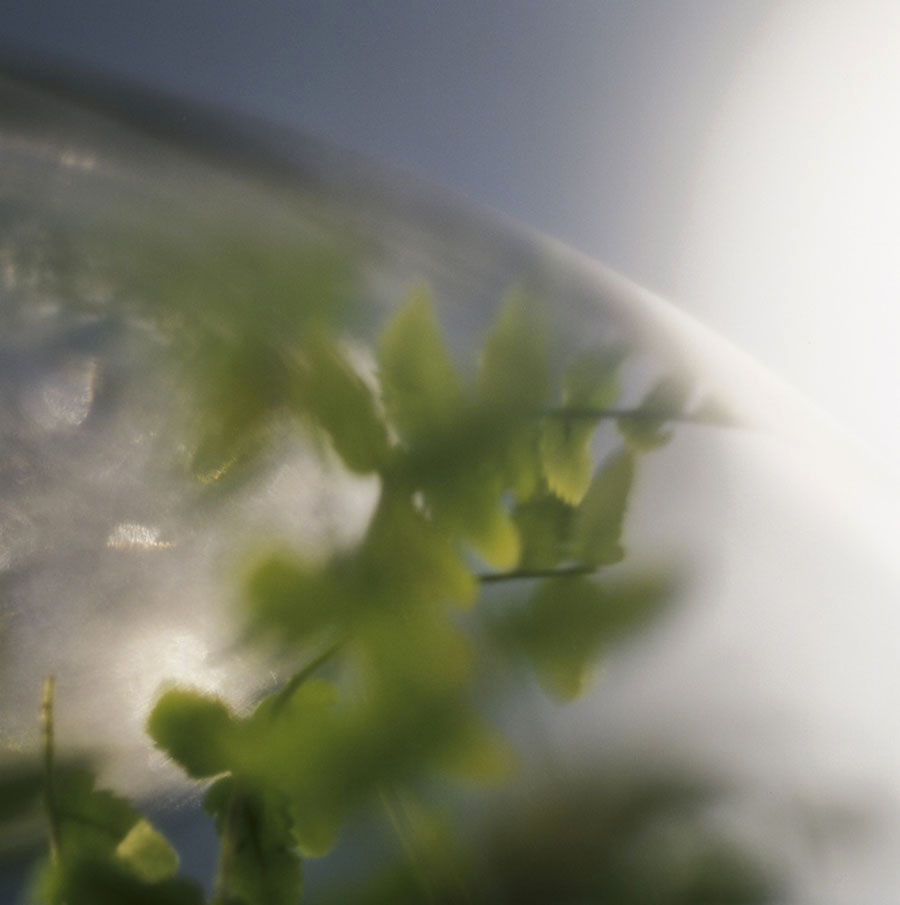
This is the first “magical” exhibition of photography that I have seen in Melbourne this year. Comprising just seven moderately large Archival Pigment Print on Photo Rag images mounted in white frames, this exhibition swept me off my feet. The photographs are beautiful, subtle, nuanced evocations to the fragility and enduring nature of life. The photographs move (shimmer almost) one to another, with slight changes in the colour green balanced with abstract splashes of light and pigment reminiscent of an abstract expressionist painting (I particularly like the splash of red in The Red Shard, 2102, below). These are beautifully seen works, that require 1) a good idea, 2) an aware and enquiring mind, 3) an understanding and receptive eye, and 4) a relationship to the ineffable that allows visions such as these to be breathed into existence. As Minor White would say,


Three Canons

Be still with yourself
Until the object of your attention
Affirms your presence


Let the Subject generate its own Composition


When the image mirrors the man
And the man mirrors the subject
Something might take over


A sense of day/dreaming is possible when looking at these images. Interior/exterior, size/scale, ego/self are not fixed but fluid, like the condensation that runs down the inside of these environments (much like blood circulates our body). This allows the viewer’s mind to roam at will, to ponder the mysteries of our short, improbable, joyous life. The poetic titles add to this introspective reflection. I came away from viewing these magical, self sustaining vessels with an incredibly happy glow, more aware of my own body and its relationship to the world than before I had entered Darron Davies enveloping, terrarium world.

Dr Marcus Bunyan


Many thankx to Edmund Pearce Gallery for allowing me to publish the photographs in the posting. Please click on the photographs for a larger version of the image.


Darron Davies (Australian) 'Day’s Reach' 2012


Darron Davies (Australian)
Day’s Reach
2012
Archival Pigment Print on Photo Rag
80 x 80cm
Edition of 6


Darron Davies (Australian) 'Encased' 2012


Darron Davies (Australian)
Encased
2012
Archival Pigment Print on Photo Rag
80 x 80cm
Edition of 6


Terraria


I step into your small world
Your secret world
Each a planet of green

Fragile edges holding
the lived
and living

Peering into your glass
your mirror
I see the shards of light
Drawing in
and
Stretching out

You are another
In atmosphere
In moss
In fear


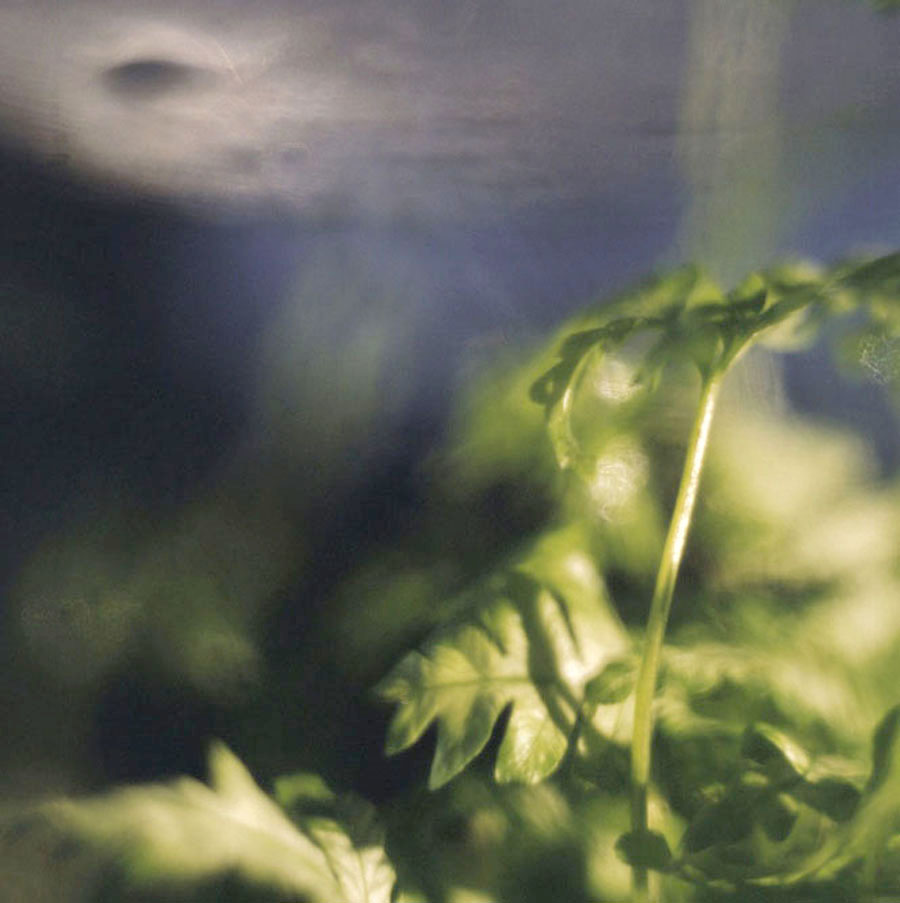
Terraria is a photographic project exploring the magical, abstract and metaphoric world of terrariums – an increasingly popular form of enclosed and small scale eco-system designed for showcasing plants.

Ultimately, Terraria is also about the fragility of life – terrariums as self contained vessels, enduring, magical – like the human body or our planet – yet somewhat mysterious. These vessels are self sustaining with no watering needed. They are independent and endure quietly. This project would not have been possible without support from Lisa Rothwell from Lu Lu Blooms.

Artist statement


Darron Davies (Australian) 'Heaven’s Door' 2012


Darron Davies (Australian)
Heaven’s Door
2012
Archival Pigment Print on Photo Rag
80 x 80cm
Edition of 6


Darron Davies (Australian) 'The Second Dream' 2012


Darron Davies (Australian)
The Second Dream
2012
Archival Pigment Print on Photo Rag
80 x 80cm
Edition of 6


Darron Davies (Australian) 'The Light Play' 2012


Darron Davies (Australian)
The Light Play
2012
Archival Pigment Print on Photo Rag
80 x 80cm
Edition of 6


Darron Davies (Australian) 'The Red Shard' 2012


Darron Davies (Australian)
The Red Shard
2012
Archival Pigment Print on Photo Rag
80 x 80cm
Edition of 6


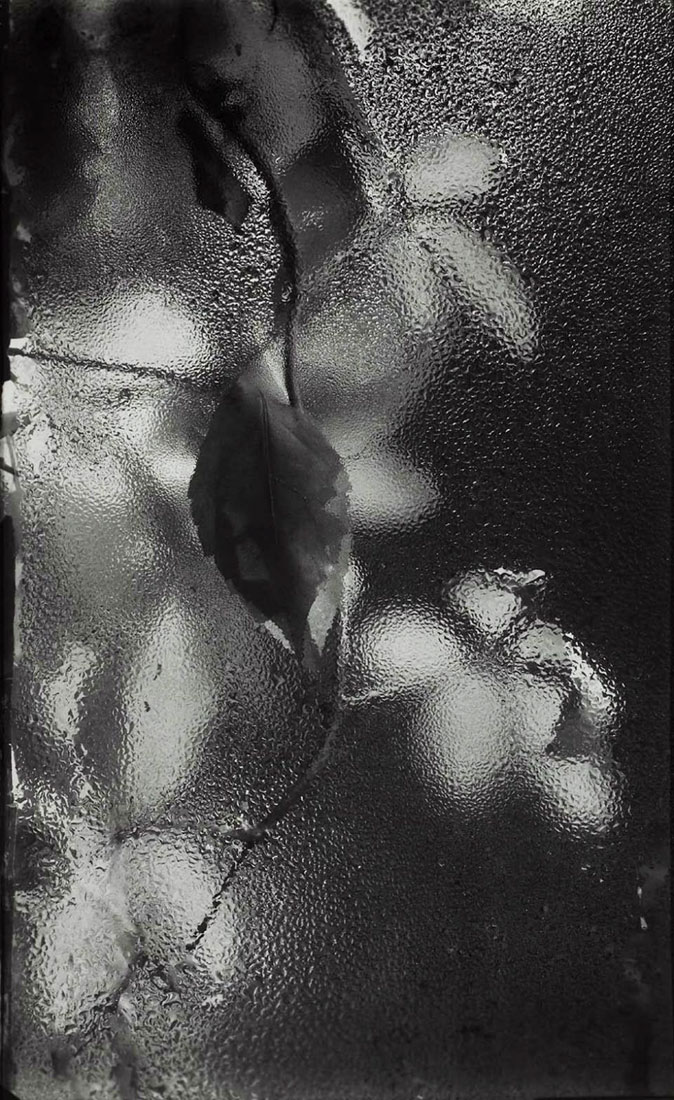
Darron Davies (Australian) 'From the Window of My Atelier' 1940


Josef Sudek (Czechoslovakian, 1896-1976)
From the Window of My Atelier
1940
Gelatin silver print


Edmund Pearce Gallery

This gallery is no longer open.

Darron Davies website

LIKE ART BLART ON FACEBOOK

Back to top
Exhibition: ‘XTRAVAGANZA. Staging Leigh Bowery’ at Kunsthalle Wien, Vienna

Exhibition dates: 19th October 2012 – 3rd February 2013


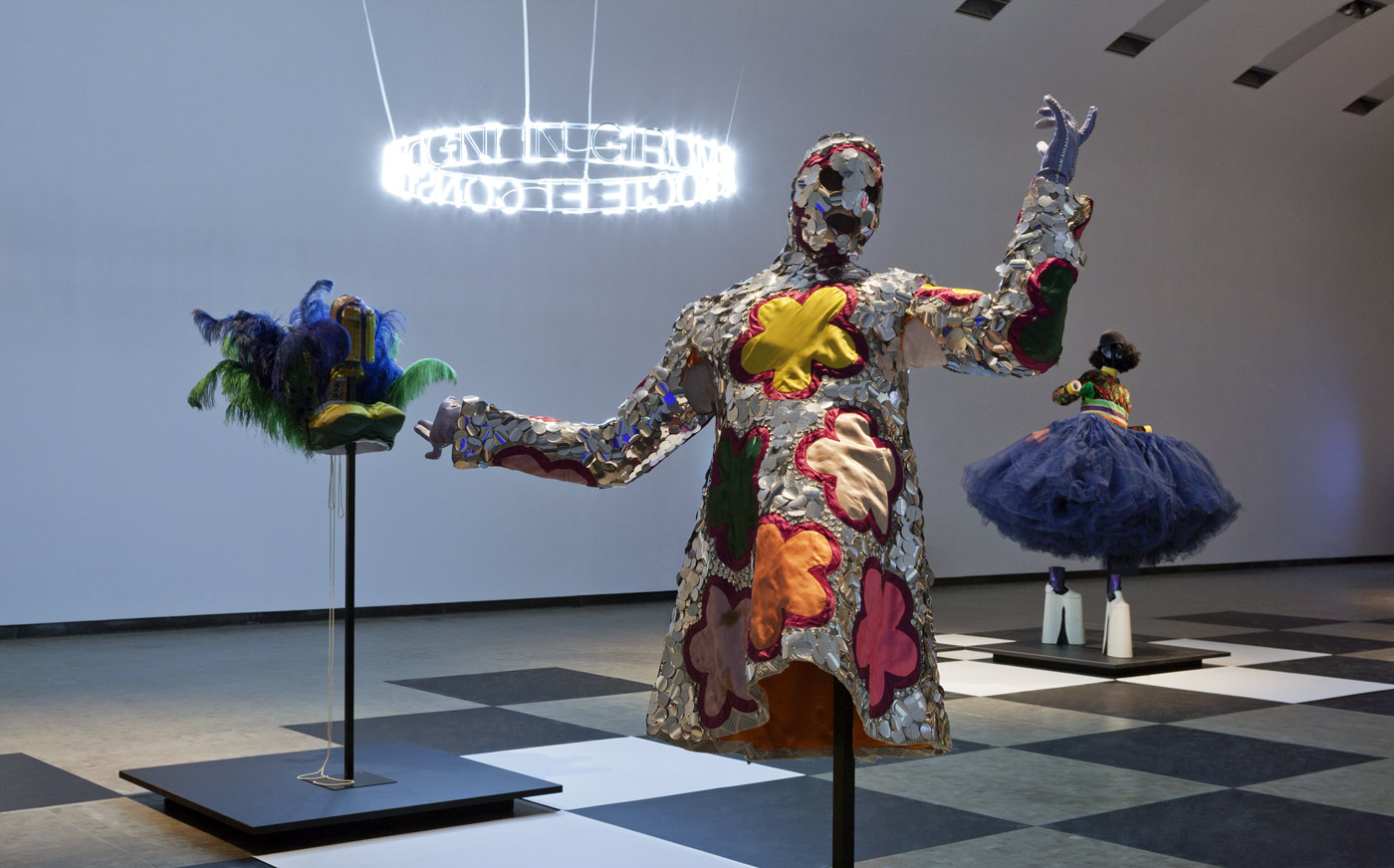
Installation view of 'XTRAVAGANZA. Staging Leigh Bowery', Kunsthalle Wien


Installation view of XTRAVAGANZA. Staging Leigh Bowery, Kunsthalle Wien
Foto: Stephan Wyckoff
Kostüme: Leigh Bowery
Kostümpräsentation: Klaus Mayr
Courtesy Estate of Leigh Bowery


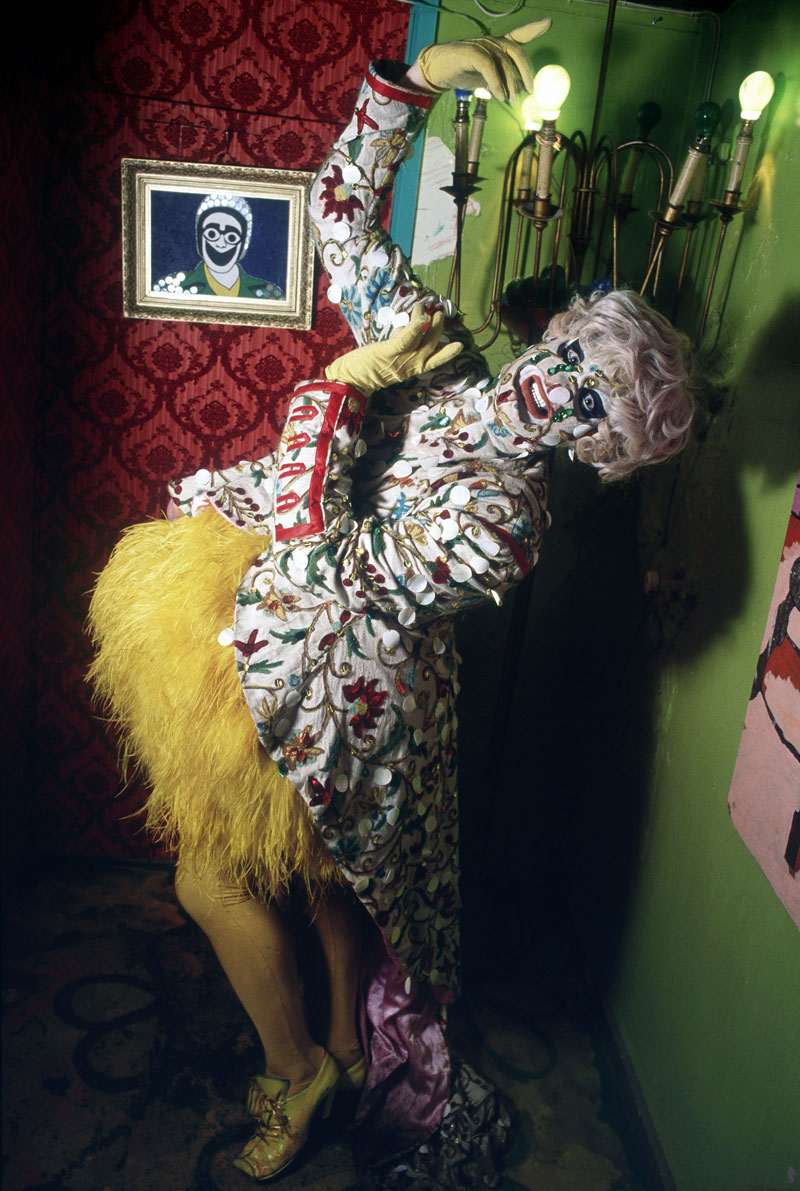
I can die happy now that I have had the opportunity to do a posting on this amazing man. He challenged social stereotypes turning his body into an every changing, ever challenging work of art. He used his body as a canvas and inscribed narratives upon it. He used these narratives to challenge the dominant discourse, offering himself as material evidence to facilitate new perspectives. His body became a performance, the self as performance, one that was not fully pre-determined, for you never knew what he would do next, what social outrage he would offer up.

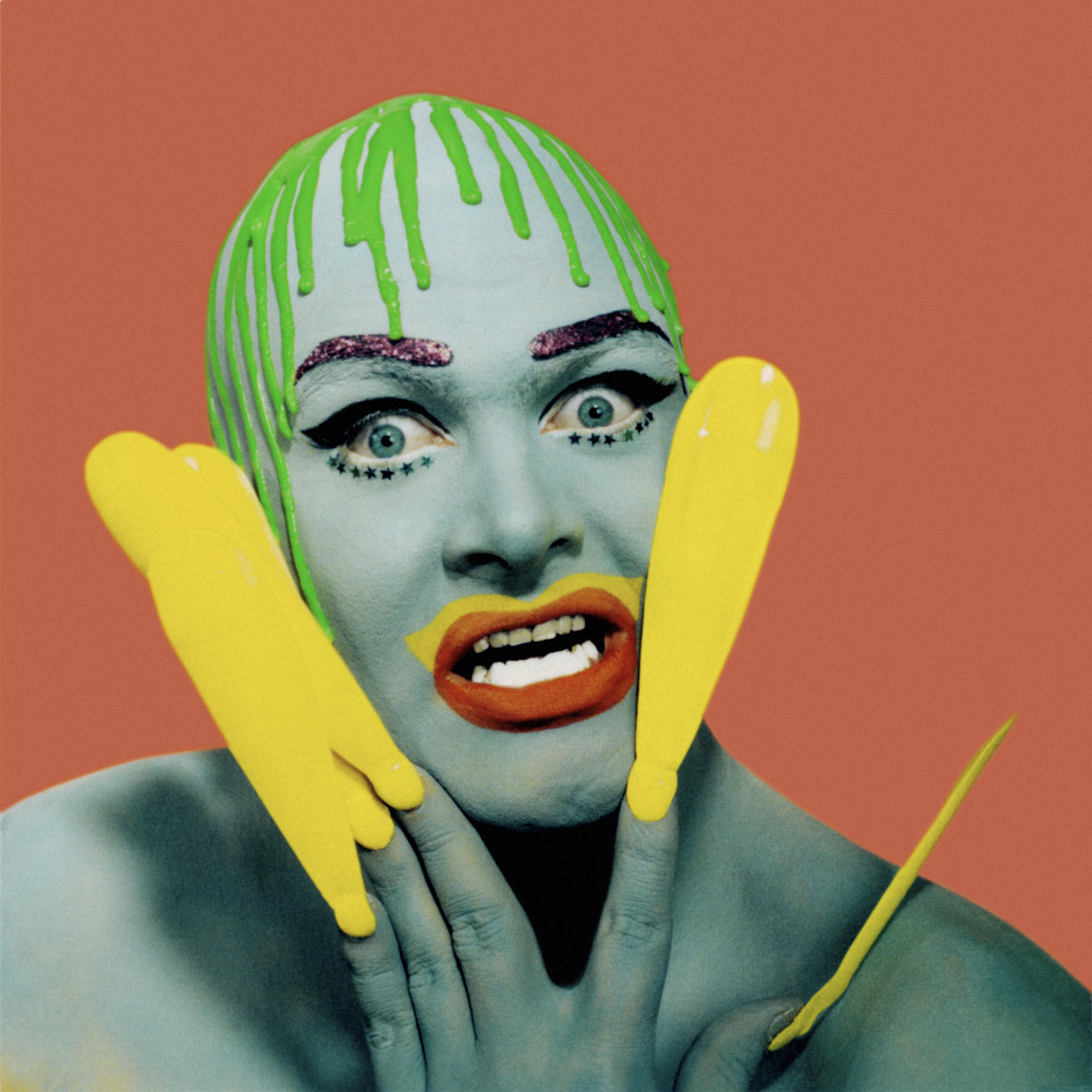
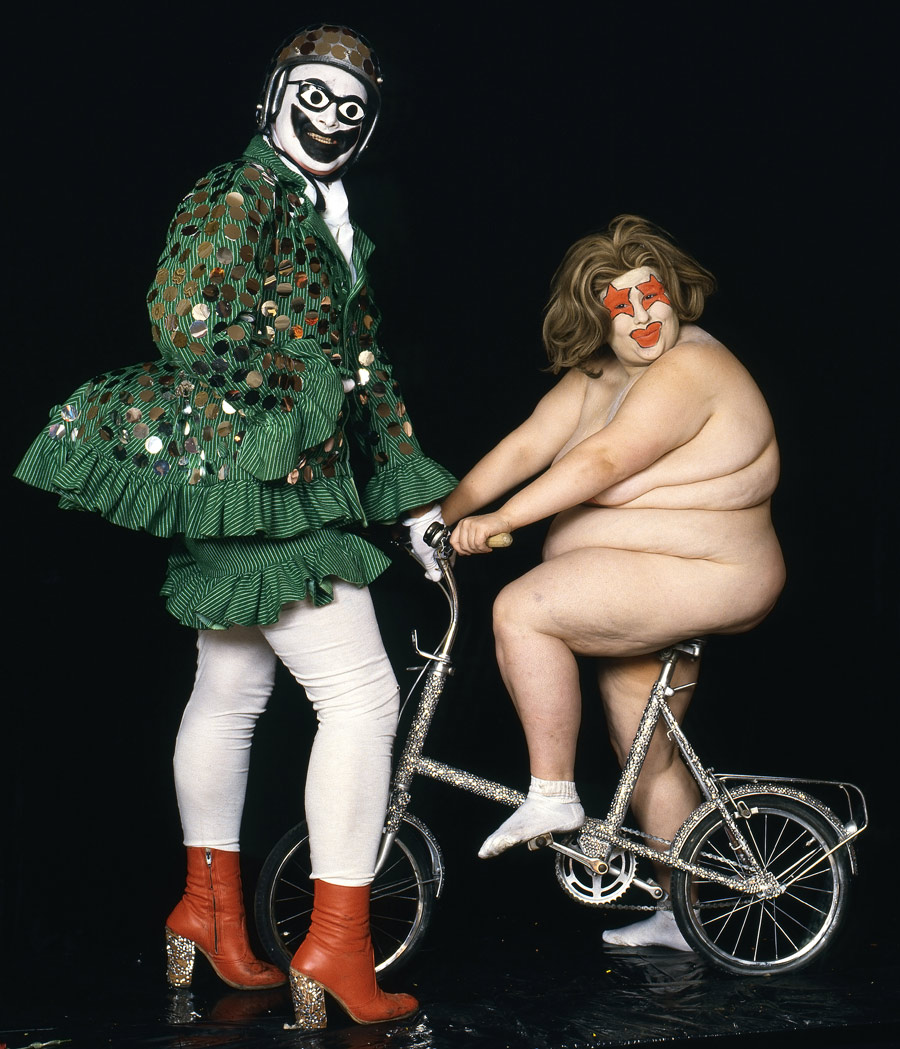
Through masks, makeup, wigs and body modification, Bowery confronted the viewer with an/other field of existence, one that promoted an encounter with the face of the other, causing an emotional response in the audience, the viewer. As Wendy Garden observes, “Being faced with another provokes a reaction: it makes an appeal, demands an engagement.”1 We cannot look away for we do not know what Bowery will do next. He used his large body, its bulk and presence to bring the viewer face-to-face with an/other. The magnification of his size and the emphasis and manipulation of his face, especially the mouth and eyes, rescales his presence in front of the viewer – at his performances, in the photographs of Bowery. For example, look at his creation Evening Wear – Andrew Logan’s 1986 Alternative Miss World (1986, below). Impossibly high and luridly coloured boots, leggings, a bustled and bedazzled jacket / skirt combo, crash helmet and the most maniacal black and white face you will ever see. Bowery unbalances the fixity of the single perspective and through his transgression destabilises the mastering gaze.

I was living in London at the time Leigh Bowery, Boy George, Marilyn and Divine were strutting their stuff in the nightclubs of London town. What a time. Maggie Thatcher (and I can hardly bring myself to type her name) was Prime Minister of a right wing Conservative government from 1979-1990, a period of social oppression of minorities, the breaking of the trade unions, the beginning of HIV/AIDS. Think Boy George’s famous song No Clause 28 that protested against a local government act that “shall not intentionally promote homosexuality or publish material with the intention of promoting homosexuality” or “promote the teaching in any maintained school of the acceptability of homosexuality as a pretended family relationship.” Bowery was a child of his time, a prescient, sentient being who was out there doing his thing, challenging the dominant paradigms of a patriarchal society. He burned like a comet, bright in the sky, and then was gone all too early. But he will never be forgotten. What a man.

Dr Marcus Bunyan


1/ Garden, Wendy. “Ethical witnessing and the portrait photograph: Brook Andrew,” in Journal of Australian Studies Vol. 35, No. 2, June 2011, p. 261.


Many thankx to Kunsthalle Wien for allowing me to publish the photographs in the posting. Please click on the photographs for a larger version of the image.


“I believe that fashion (where all girls have clear skin, blue eyes, blonde blow-waved hair + a size 10 figure, and where all men have clear skin, a moustache, short blow-waved hair, a masculine physique + appearance) STINKS”


Leigh Bowery


The Legend of Leigh Bowery 2002


Installation view of 'XTRAVAGANZA. Staging Leigh Bowery', Kunsthalle Wien


Installation view of XTRAVAGANZA. Staging Leigh Bowery, Kunsthalle Wien
Foto: Stephan Wyckoff
Kostüme: Leigh Bowery
Kostümpräs: Klaus Mayr
Courtesy Estate of Leigh Bowery; Cerith Wyn Evans, In Girum Imus Nocte Et Consumimur Igni, 2008
Courtesy Cerith Wyn Evans und White Cube


Installation view of 'XTRAVAGANZA. Staging Leigh Bowery', Kunsthalle Wien


Installation view of XTRAVAGANZA. Staging Leigh Bowery, Kunsthalle Wien
Foto: Stephan Wyckoff
Kostüme: Leigh Bowery
Kostümpräsentation: Klaus Mayr
Courtesy Estate of Leigh Bowery


Charles Atlas. 'Teach' 1992-1998


Charles Atlas
Teach
1992-1998
Video still
© Charles Atlas, Courtesy Vilma Gold, London


Werner Pawlok (German, b. 1953) 'Portrait Leigh Bowery 3' 1988


Werner Pawlok (German, b. 1953)
Portrait Leigh Bowery 3
1988
Courtesy Werner Pawlok


“I think of myself as a canvas,” fashion pioneer Leigh Bowery once said about himself. If there were a formula to describe this enfant terrible who refused all categorisation throughout his life, this would be it: turning oneself into a work of art. Presenting himself in the most garish ways that defied all conventions and stylising himself as a walking work of art, Leigh Bowery, who was born in Australia in 1961, stirred up London’s sub-culture of the 1980s in the wake of post punk and New Romanticism. Being friends with stars of the scene like Michael Clark and Cerith Wyn Evans, he continuously reinvented himself on the manifold stages of the metropolis.

The show highlights Leigh Bowery’s life and work between fashion, performance, music, dance, and sculpture by presenting rarely exhibited costumes, numerous films, photographs, music videos, talk shows, and magazines. It approaches Bowery by way of artistic descriptions, reflections, and documentations in the work of friends, supporters, and colleagues, whose source of inspiration, entertainer, and muse he was: Bowery’s performative enactments oscillating between masquerade and radical self-expression were captured by filmmakers such as Charles Atlas, Dick Jewell, Baillie Walsh, and John Maybury. It took Fergus Greer a number of sessions that stretched over six years to shoot the legendary photo series Looks. As Charles Atlas’s Teach shows, Leigh Bowery developed his unmistakable outfits, gestures, and poses in multiple forms of self-reflection under his companions’ critical eye. Bowery’s one-week performance in the Anthony d’Offay Gallery in London (1988) involved a two-way mirror: while the public could watch Leigh Bowery changing his outfits for hours on end, he saw only his own mirror image and remained inescapably confronted with himself and his movements. Though Bowery claimed that he had had to fight his shame initially and hid his room-filling physique behind conspicuous materials such as tulle, glitter, paint, and satin, his performances were anything but embarrassing: “The rest of us used drag and make-up to disguise our blemishes and physical defects. Leigh made them the focal point of his art,” Boy George once remarked. The nightclubs of London provided Bowery with catwalks on which to flaunt his visions of himself and let him always come out on top in terms of maximum attention. Lucian Freud, the British prince of painters, took great pleasure in Leigh Bowery’s fascinating personality and the fullness of his naked body. Bowery became one of his most important models, and the artist depicted him as he could never be seen in public: natural, intimate, and vulnerable.

Leigh Bowery’s art clearly differs from the designs, presentation patterns, and distribution channels of fashion designers. With Trash and Bad Taste irony, Bowery, like his idol John Waters and his main actor Divine, abandoned all conventions and stylistic doctrines in a both cynical and humorous way. His craftsmanship in tailoring and his creative potential constitute the core of an expressive self-stylisation which did not depend on encouraging the public through marketing strategies or offers of consumer goods. His vestimentary creations were based on the work with his own body, which he regarded as a malleable material and workable mass and which was to play an increasingly central part in his late oeuvre. Regarded as inexorably deficient, his body became the origin of those manifold appearances and kaleidoscopic diversifications that we find most astounding when confronted with Bowery’s work. He experimented with second skins of black latex, exaggerated the size and volume of his body with sweeping tulle attires, and made himself look taller with platform shoes. Bowery sabotaged glamorous, ornamental and transparent materials with steel helmets, toilet seats, and skulls. He fastened artificial lips in his cheeks with safety pins and wore flesh-coloured velvet suits that transformed his body into a vagina. Using adhesive tape and a bodice, he shaped his flesh into an artificial bosom, and he concealed his member behind pubic hair toupees or overemphasised it as he did in one of the Michael Clark Company’s dance performances. He disparaged unequivocal gender definitions and transcended their socially informed attributions – Gender Trouble: everything was a look. By and by, Bowery turned into what has been called “the self as performance.”

Leigh Bowery’s existence was the epitome of extremes. He looked for exceptional emotional and physical states like pain and ecstasy that would release him from the mediocrity of everyday life, like in the performance The Laugh of No.12 in Fort Asperen on June 4, 1994. Suspended on one foot, stark naked, wearing a black face mask, and displaying some clothespins on his genitals, he swung through the air uttering a sprechgesang, before he smashed a pane of glass with his bulky body. Exposing himself to his vulnerability in his performances, Bowery overcame physical injuries by showcasing them. His sometimes sadomasochist appearances and provocative lifestyle culminated in an attitude that crystallised into a sociopolitical approach in his statement “I like doing the opposite of what people expect.” Far from nocturnal footlights and kindred spirits’ protection, he – who was “larger than life” in every respect – strained the social limits of propriety with his big and exalted appearance. He enjoyed causing offence and holding up a mirror to the dictatorship of conformism, unmasking its heteronomy.

After an excessive life, Leigh Bowery died from AIDS at the age of 33. He was more than an extraordinary peripheral figure making his mark in the urban arena of exhibitionism and voyeurism. His virtuoso works have influenced haute couture collections by such fashion stars as Rei Kawakubo, John Galliano, Walter van Beirendonck, and Alexander McQueen. In spite of its simplicity, the latest fall/winter collection of Comme des Garçons shows obvious parallels to Leigh Bowery’s designs.

Press release from the Kunsthalle Wien website


Robin Beeche (Australian, 1945-2015) 'Evening Wear - Andrew Logan's 1986 Alternative Miss World' 1986


Robin Beeche (Australian, 1945-2015)
Evening Wear – Andrew Logan’s 1986 Alternative Miss World
1986
Courtesy Robin Beeche


Nick Knight (British, b. 1958) 'Untitled (Leigh Bowery with Scull)' 1992


Nick Knight (British, b. 1958)
Untitled (Leigh Bowery with Scull)
1992
© Nick Knight


Ole Christiansen (Danish) 'Farrel House' 1989


Ole Christiansen (Danish)
Farrel House
1989
Courtesy Ole Christiansen


Fergus Greer (British) 'Leigh Bowery, Session VII, Look 38, June 1994' 1994


Fergus Greer (British)
Leigh Bowery, Session VII, Look 38, June 1994
1994
Courtesy Fergus Greer
© Fergus Greer


Kunsthalle Wien
Museumsplatz 1
A-1070 Vienna

Opening hours:
Daily 10am – 7pm
Thursday 10am – 10pm

Kunsthalle Wien website

LIKE ART BLART ON FACEBOOK

Back to top

Exhibition: ‘nude men: from 1800 to the present day’ at the Leopold Museum, Vienna

Exhibition dates: 19th October 2012 – 4th March 2013

Curators: Tobias G. Natter and Elisabeth Leopold

Warning: this posting contains art work of naked male bodies.


Martin Ferdinand Quadal (Moravian-Austrian, 1736-1811) 'Nude Life Class at the Vienna Art Academy in the St.-Anna-Gebäude' 1787


Martin Ferdinand Quadal (Moravian-Austrian, 1736-1811)
Nude Life Class at the Vienna Art Academy in the St.-Anna-Gebäude
1787
© Paintings Gallery of the Academy of Fine Arts Vienna


“When we stop and think about it, we all are naked underneath our clothes.”


(Heinrich Heine, Travel Pictures, 1826)


A great posting. I used to have a print of Querelle by Andy Warhol on my wall when I was at university in London aged 17 years old – that and We Two Boys Together Clinging by David Hockney. My favourite in this posting is the painting Seated Youth (morning) by Austrian expressionist painter Anton Kolig. Such vivacity, life and colour, perhaps a post-coital glow (was he straight, bisexual, gay? who cares, it is a magnificent painting).

There is very little information on Kolig on the web. Upon recommendation by Gustav Klimt and Carl Moll Kolig received a 1912 scholarship for a stay in Paris, where Kolig studied modern painting at the Louvre. He enlisted in the First World War in 1916 and survived, continuing to work in paint, tapestries and mosaic during the postwar years and the 1920s. He received two offers for professorships in Prague and Stuttgart, he opted for the Württemberg Academy in Stuttgart, where he trained a number of important painters. In addition, his work was also shown internationally at numerous exhibitions.
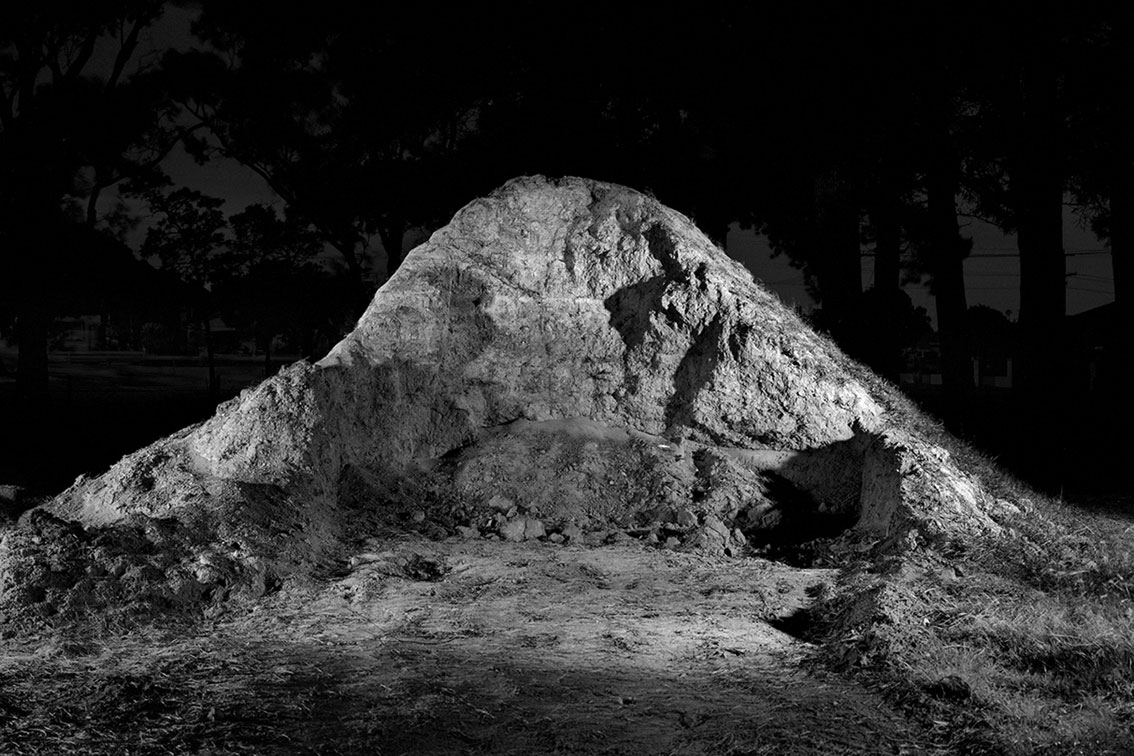
He was persecuted by the Nazis and his art destroyed because it was thought to be “degenerate” art. Kolig, who was essentially apolitical, remained until the fall of 1943 in Stuttgart, where he felt less and less well, however, and eventually returned to Nötsch. On 17 December 1944 Kolig was buried with his family in a bomb attack and seriously injured. Much of his work was destroyed there. He died in 1950.

Dr Marcus Bunyan


Many thankx for the Leopold Museum, Vienna for allowing me to publish the text and photographs in the posting. Please click on the photographs for a larger version of the image.


Joseph-Désiré Court (French, 1797-1865) 'Death of Hippolytus' 1825


Joseph-Désiré Court (French, 1797-1865)
Death of Hippolytus
1825
© Musée Fabre de Montpellier Agglomération


François-Léon Benouville (French, 1821-1859) 'Achills Zorn' 1847


François-Léon Benouville (French, 1821-1859)
Achills Zorn
1847
© Musée Fabre de Montpellier


Anonymous maker. 'Anonymous Youth of Magdalensberg' 16th Century casting after Roman Original


Anonymous maker
Anonymous Youth of Magdalensberg
16th Century casting after Roman Original
© Kunsthistorisches Museum, Vienna, Antiquities


Anonymous maker. 'Anonymous standing figure of the court official Snofrunefer Egypt, Old Kingdom, late 5th Dynasty' around 2400 BC


Anonymous maker
Anonymous standing figure of the court official Snofrunefer
Egypt, Old Kingdom, late 5th Dynasty, around 2400 BC
© Kunsthistorisches Museum Vienna with MVK and ÖTM, Egyptian and Near Eastern Collection


Auguste Rodin (French, 1840-1917) 'The Age of Bronze' 1875-1876


Auguste Rodin (French, 1840-1917)
The Age of Bronze
1875/76
© Kunsthaus Zurich


Anton Kolig (Austrian, 1886-1950) 'Seated Youth (morning)' 1919


Anton Kolig (Austrian, 1886-1950)
Seated Youth (morning)
1919
© Leopold Museum, Wien, Inv. 406


Previous exhibitions on the theme of nudity have mostly been limited to female nudes. With the presentation “naked men” in the autumn of 2012 the Leopold Museum will be showing a long overdue exhibition on the diverse and changing depictions of naked men from 1800 to the present.

Thanks to loans from all over Europe, the exhibition “naked men” will offer an unprecedented overview of the depiction of male nudes. Starting with the period of Enlightenment in the 18th century, the presentation will focus mainly on the time around 1800, on tendencies of Salon Art, as well as on art around 1900 and after 1945. At the same time, the exhibition will also feature important reference works from ancient Egypt, examples of Greek vase painting and works from the Renaissance. Spanning two centuries, the presentation will show different artistic approaches to the subject, competing ideas of the ideal male model as well as changes in the concept of beauty, body image and values.

The exhibition, curated by Tobias G. Natter and Elisabeth Leopold, traces this theme over a long period and draws a continuous arc from the late 18th century to the present. Altogether, the showing brings together around 300 individual works by nearly 100 female and male artists from Europe and the USA. The objective of the two curators Tobias G. Natter and Elisabeth Leopold was “to clearly show the differing artistic approaches, competing models of masculinity, the transformation of ideas about the body, beauty and values, the political dimension of the body, and last but not least the breaking of conventions.”

“Over the past few years, portrayals of nude males have achieved a hitherto unseen public presence,” says Elisabeth Leopold. To which Tobias G. Natter adds, “At the same time, this exhibition is our way of reacting to the fact that categories which had previously seemed established, such as ‘masculinity’, ‘body’ and ‘nakedness’, have today become unstable for a broad swath of society.”

Diversity and abundance: showing for what “nude men” could stand

Elisabeth Leopold remarks that, “In the run-up to our project, we were very surprised to note that some commentators expected a ‘delicate’ exhibition. But in fact, we had no intention of treating the theme in such a way – with reserve, with tact, or in any other way delicately. And we did not understand this topic to be at all delicate in terms of an exhibition on art history somehow requiring a degree of discretion.” A project like nude men would be entirely unthinkable without the experiences and impulses of feminist art as well as cultural history, cultural studies and gender studies. With the exhibition nude men, the Leopold Museum seeks to react to the circumstance that societal categories commonly thought to be firmly established – such as “masculinity”, “body” and “nakedness” – are currently undergoing major changes.
By seizing on these developments, we understand the museum to be an institution which is relevant to today’s society – that is to say, a place for both the present and the future. Tobias G. Natter: “Our objective is to show the diversity and transformation of the portrayal of nude men in light of clearly defined thematic focuses. With fresh curiosity, without traditional scholarly prejudices, and with fascination for an inexhaustibly rich field, we use this exhibition to draw an arc spanning over 200 years which, not least, make a theme of the long shadow cast by the fig leaf.”

The exhibition

The exhibition traces its theme from the late 18th century to the present day. It has three key historical themes: the classical era and the Age of Enlightenment around 1800, classical modernism around 1900, and post-1945 art. These three themes are introduced by a prologue.

Prologue

The exhibition’s three focuses are preceded by a prologue. Using five outstanding sculptures from European art history, the prologue illuminates this theme’s long tradition. It runs from the “oldest nude in town” – a larger-than-life freestanding figure from ancient Egypt – and the statue known as the Jüngling vom Magdalensberg to Auguste Rodin and Fritz Wotruba, and on to a display window mannequin which Heimo Zobernig reworked to create a nude self-portrait.

Tobias G. Natter: “The curatorial intention behind prologue was to have the audience stroll through nearly five millennia of Western sculptural art in just a few steps. This is meant both to communicate both the long tradition of such images and to highlight the degree to which nude men were taken for granted to be the foundation of our art. These five thousand years form the exhibition’s outer referential frame. Strictly speaking, the showing begins in earnest with the Age of Enlightenment and the period around 1800.”

Theme 1: Classicism and the Power of Reason

In the 18th century and beginning in France, the emancipation of the bourgeois class and the swan song of the Ancien Régime occasioned a renegotiation of concepts of masculinity with both societal and aesthetic implications. The naked male hero was defined anew as a cultural pattern. It became the embodiment of the new ideals.

Theme 2: Classical Modernism

A new and independent pictorial world arose in the late 19th century with the casual depiction of naked men bathing in natural, outdoor settings. The various ways in which artists dealt with this topic can be viewed together as a particularly sensitive gauge of societal moods. In the exhibition, the genre is represented with prominent examples by Paul Cézanne, Edvard Munch, Wilhelm von Gloeden, Max Liebermann, Ernst Ludwig

Kirchner and others. Classical modernism’s quest for a new artistic foundation also had its impact on the topics of nakedness and masculinity. But what happened when the painter’s gaze wandered on from the naked other to the naked self? A principle witness with regard to this phenomenon in turn-of-the-20th-century Vienna is Egon Schiele. With his taboo-breaking self-reflections, he radicalised artists’ self-understanding in a way that nobody had before him. Elisabeth Leopold: “The shift of the painter’s gaze from the naked opposite to the exposed self gave rise to the nude self-portrait – a shining beacon of modernism.”

Theme 3: Post-1945 Developments

In light of the abundance of interesting works from which to choose, the exhibition’s third theme comprises three specific focuses. Common to all three is the way in which the political potential of the naked body is explored. The first of these focuses concentrates on the battle fought by women for legal and social equality during the 20th century.

Outstanding examples of the intense way in which feminist artists have dealt with their own bodies as foils for the projection of gender roles can be found in the output of Maria Lassnig and Louise Bourgeois, whose works are included in the exhibition alongside others by younger woman artists. It was pioneers such as Lassnig and Bourgeois who set in motion the process which, today, underlies feminist art’s steadily increasing presence in terms of interpretation, resources, norms, power, and participation in the art business. The second area introduces artistic works that interlock nude self-portraits and the culture of protest, which bears great similarities to feminist criticism – the naked self between normativity and revolt.

The one issue is the nude self-portrait as a field for experimentation and a phenomenon which questions artistic and societal identities. The other issue has to do with substantive contributions to the gender debate, as well as with artists who take the crisis of obsolete male images as an opportunity to put forth self-defined identities. The third focus, finally, lies in the shift in roles in which the man goes from being the subject to being the object, in fact becoming an erotically charged object – perhaps one of the most fundamental shifts in terms of the forms via which nude men have been portrayed from 1800 to the present. Gay emancipation, in particular, served to radically cast doubt upon normative concepts of masculinity, which it opposed with its own alternative models. In this exhibition, these are represented above all in paintings that feature intimate closeness and male couples.

As the opening of this exhibition neared, a frequently-asked question was that of why the project is being undertaken. Tobias G. Natter’s response: “There are many reasons. But most importantly: because it is overdue.”

Press release from the Leopold Museum website


Three out of five characters from the Prologue "naked men"


Three out of five characters from the Prologue “naked men”

Anonymous maker
Freestanding figure of the court official Snofrunefer
c. 2400 B.C.
© Kunsthistorisches Museum, Vienna

Auguste Rodin (French, 1840-1917)
The Age of Bronze
1875/1876
© Kunsthaus Zürich

Heimo Zobernig (Austrian, b. 1958)
Untitled
2011
© VBK, Vienna, 2012


Paul Cézanne (French, 1839-1906) 'Seven Bathers' c. 1900


Paul Cézanne (French, 1839-1906)
Seven Bathers
c. 1900
Fondation Beyeler, Riehen/Basel


Edvard Munch (Norwegian, 1863-1944) 'Bathing Men' 1915


Edvard Munch (Norwegian, 1863-1944)
Bathing Men
1915
Munch Museum, Oslo
© The Munch Museum/The Munch Ellingsen Group/VBK, Vienna 2012


Wilhelm von Gloeden (German, 1856-1931) 'Flute Concert' 1905


Wilhelm von Gloeden (German, 1856-1931)
Flute Concert
1905
Verlag Adolph Engel, private collection


Richard Gerstl (Austrian, 1883-1908) 'Nude Self-portrait with Palette' 1908


Richard Gerstl (Austrian, 1883-1908)
Nude Self-portrait with Palette
1908
© Leopold Museum, Wien


Egon Schiele (Austrian, 1890-1918) '“Prediger” (Selbstakt mit blaugrünem Hemd) ["Preacher" (Nude with teal shirt)]' 1913


Egon Schiele (Austrian, 1890-1918)
‘”Prediger” (Selbstakt mit blaugrünem Hemd)’ [“Preacher” (Nude with teal shirt)]
1913
© Leopold Museum, Wien, Inv. 2365


Bruce Nauman (American, b. 1941) 'Untitled (Five Marching Men)' 1985


Bruce Nauman (American, b. 1941)
Untitled (Five Marching Men)
1985
© Friedrich Christian Flick Collection / VBK Wien 2012


Gilbert & George (Gilbert Prousch, British born Italy, b. 1943 and George Passmore, British, b. 1942) 'Spit Law' 1997


Gilbert & George (Gilbert Prousch, British born Italy, b. 1943 and George Passmore, British, b. 1942)
Spit Law
1997
© Courtesy Galerie Thaddaeus Ropac, Paris / Salzburg


Elmgreen & Dragset (Michael Elmgreen Danish, b. 1961 and Ingar Dragset Norwegian, b. 1969) 'Shepherd Boy (Tank Top)' 2009


Elmgreen & Dragset (Michael Elmgreen Danish, b. 1961 and Ingar Dragset Norwegian, b. 1969)
Shepherd Boy (Tank Top)
2009
Courtesy Galleri Nicolai Wallner
© Courtesy Galleri Nocolai Wallner / VBK Wien 2012


Thomas Ruff (German, b. 1958) 'nudes vg 02' 2000


Thomas Ruff (German, b. 1958)
nudes vg 02
2000
Ed. 3/5
© Private collection Cofalka, Austria/with the kind support of agpro – austrian gay professionals
© VBK, Wien 2012


Jean Cocteau (French, 1889-1963) 'Male Couple Illustration for Jean Genet’s 'Querelle de Brest'' 1947


Jean Cocteau (French, 1889-1963)
Male Couple
Illustration for Jean Genet’s ‘Querelle de Brest’

1947
© Private collection © VBK, Wien 2012


Louise Bourgeois (French, 1911-2010) 'Fillette (Sweeter Version)' 1968, cast 1999


Louise Bourgeois (French, 1911-2010)
Fillette (Sweeter Version)
1968, cast 1999
© Ursula Hauser Collection, Switzerland © VBK, Wien 2012


Pierre & Gilles (Pierre Commoy and Gilles Blanchard) 'Vive la France [Long live France]' 2006


Pierre & Gilles (Pierre Commoy and Gilles Blanchard)
Vive la France [Long live France]
2006
© Private collection, Courtesy Galerie Jérôme de Noirmont, Paris


Andy Warhol (American, 1928-1987) 'Querelle' c. 1982


Andy Warhol (American, 1928-1987)
Querelle
c. 1982
© Privatsammlung/ VBK, Wien 2012


Leopold Museum
Museums Quartier, Museumsplatz 1
1070 Vienna, Austria

Opening hours:
Daily except Tuesday: 10am – 6pm

Leopolod Museum website

LIKE ART BLART ON FACEBOOK

Back to top