The State of Victoria has some truly wonderful regional galleries. I hadn’t been to Castlemaine Art Gallery and Historical Museum for a few years and I had forgotten what an absolutely stunning gallery it is. Stylish art deco building, diffused natural light filling the expansive spaces of the wood floored galleries, displaying interesting art works from their collection. I particularly liked the Edward J Shearsby, Ethel Carrick, John Perceval and, my favourite, a most glorious Sydney Long Pastoral scene (1909, below).
To top off an inspirational visit, there was the most beautiful exhibition of small oil on canvas and oil on cedar panel paintings by the artist David Moore: Glimpses of Chewton. These works had me entranced. Comprised of three years work, these paintings are an exploration of the region by the artist who bought a house in the area with his partner. Moore set out to discover Chewton through driving the local roads and by doing small paintings of the views… not the big vista but the small glimpse. As I said to Moore in a recent telephone conversation, small vibrations of energy.
You can really feel that the artist has captured the frequency – and by that I mean the song line – and spiritual energy of the landscape. These are strong paintings with sensuous brush work yet they are quiet and still in their presence before you – sensitive and beautiful. I love the size of them, like small jewels, and they draw you in and hold you. The gridded hang is especially effective. For an artist to feel these vibrations of energy is one thing, for it then to be transferred into the art is an entirely, and difficult, other. The correspondence between Moore’s work and the Sydney Long Pastoral scene is quite delicious to contemplate. Apparently, these were supposed to be preparatory sketches for larger studio based work, which will eventuate over time, but once Moore had started on these “glimpses” he kept going, creating this body of work. I am so thankful that he did, and I am grateful that I visited the gallery to see them. They made my day.
Do yourself a favour, take a day trip to Castlemaine. It’s well worth the visit.
An exhibition of works painted in and around the town of Chewton, in North Central Victoria. Local artist David Moore is one of Australia’s foremost painters and was a recipient of the A.M.E Bale Residental Scholarship and the Norman Kaye award. He teaches painting in Melbourne, and is represented by Chrysalis Galleries in Melbourne.
About the Castlemaine Art Gallery and Historical Museum
Founded in 1913, the Castlemaine Art Gallery and Historical Museum has a unique collection of Australian art and fascinating historical artefacts reflecting the early history of the district. The beautiful art deco building, dating from 1931 with several extensions since then, is a work of art itself, with purpose-built galleries, lit largely by natural lighting.
The Gallery and Museum is fully accredited by Museums Australia. It is governed by private trustees and managed by a committee elected by subscribers. State and local government support is provided, and the Gallery has a strong tradition of support from benefactors, local families, artists and patrons.
Sydney Long (Australian, 1871-1955) Pastoral scene (installation view) 1909 Oil on cardboard Gift of Lady Mary Spencer 1949 Photos: Marcus Bunyan
Formerly known as Narrabeen landscape, this painting has been retitled due to uncertainty in its depiction of Narrabeen.
With paintings such as this, Long sought to produce works of the most imaginative kind from his surroundings. A panoramic vista, the artist focused on the patterns of light and shade over the landscape to create a sense of depth, leading the viewer’s eye to the blue hills in the background.
Sydney Long (Australian, 1871-1955) Pastoral scene (installation view detail) 1909 Oil on cardboard Gift of Lady Mary Spencer 1949 Photo: Marcus Bunyan
Edward J Shearsby (active c. 1900-1930 Melbourne) An Impression of Collins Street (installation view) c. 1910 Oil on board Estate of Barbara H Gordon 1999 Photo: Marcus Bunyan
The high viewpoint and bustling street are similar to Pissarro’s Boulevard Montmartre, morning, cloudy weather 1897 in the National Gallery of Victoria. Impressionism had an enormous influence on Australian artists from the late 19th century, mostly in the form of reproductions brought back by expatriate artists.
Edward J Shearsby (active c. 1900-1930 Melbourne) An Impression of Collins Street (installation view detail) c. 1910 Oil on board Estate of Barbara H Gordon 1999 Photo: Marcus Bunyan
Frederick McCubbin (Australian, 1855-1917) Golden sunlight (installation view) 1914 Oil on canvas Gift of Dame Nellie Melba 1923 Photo: Marcus Bunyan
Frederick McCubbin (Australian, 1855-1917) Golden sunlight (installation view detail) 1914 Oil on canvas Gift of Dame Nellie Melba 1923 Photo: Marcus Bunyan
The setting is below the artist’s family home on the Yarra River, South Yarra. Instead of the sight of the industrial stone crusher on the opposite bank, McCubbin has created an Arcadian fantasy of colour and light. Dame Nellie Melba possibly bought the work when she visited the McCubbin’s during an Australian tour. Melba’s father, David Mitchell, had an interest in a local Newstead mine and she visited the Gallery collection prior to donating.
The artist has used a ‘scumble’ technique: building up many layers of thinly applied paint giving a transparent effect. The composition was fist sketched in white and sienna, followed by pigment mixed on the palette and applied with a knife and brush handle to keep the colours pure. Later the work was rubbed with a pumice stone to give a smooth surface. Colours from different layers were allowed to show through. Highlights were applied over the top with paint straight from the tube.
E Phillips Fox (Australian, 1865-1915) On the Mediterranean Coast (installation view) c. 1911 Oil on canvas Presented 1935 Photo: Marcus Bunyan
Ethel Carrick (Australian, 1872-1952) Untitled (Royal Avenue, Versailles) (installation view) c. 1909 Oil on panel Gift of Major B R F MacNay 1978 Photo: Marcus Bunyan
Ethel Carrick (Australian, 1872-1952) Untitled (Royal Avenue, Versailles) (installation view detail) c. 1909 Oil on panel Gift of Major B R F MacNay 1978 Photo: Marcus Bunyan
Lina Bryans (Australian, 1909-2000) Plum Tree (installation view) 1947 Oil on composition board Purchased with funds from the Felix Cappy Bequest in his memory, 2014 Photo: Marcus Bunyan
Probably painted at Stanhope House, Eltham by the font gate near the cedar tree overlooking the old orchard on the property.
Lina Bryans (Australian, 1909-2000) Plum Tree (installation view detail) 1947 Oil on composition board Purchased with funds from the Felix Cappy Bequest in his memory, 2014 Photo: Marcus Bunyan
Lina Bryans (Australian, 1909-2000)
A modernist, Bryans was associated with Frater’s circle which included Ada May Plante and Isabel Hunter Tweddle. Her first works were painted early in 1937 and Basil Burdett selected her Backyards, South Yarra in 1938 for the Herald Exhibition of Outstanding Pictures of 1937. Her work was included in Burdett’s article in Studio (1938) and in the exhibition, Art of Australia 1788-1941, shown at MoMA (New York) in 1941. Bryans went to live in Darebin Bridge House, a converted coach-house at Darebin, in the late 1930s, joining Ada May Plante. Bryans subsequently purchased it using her inheritance, painted and decorated it distinctively and named it “The Pink Hotel”. It became an artists’ colony for Bryans, Plante, Frater, Ambrose Hallen and Ian Fairweather and other artists. It was a centre for a group of writers associated with the journal Meanjin, from whom Lina’s son Edward developed his interest in journalism.
In 1948 Bryans had her first solo exhibition. It included Nude (1945, NGV) and Portrait of Nina Christesen (1947), both painted at Darebin, which she sold later that year and moved to Harkaway, near Berwick. She took a few lessons from George Bell in 1948 and from Mary Cockburn Mercer in 1951. In 1953 she went to America, then to France where she studied for a few months at La Grande Chaumière and visited Mercer in the south of France. Back at Melbourne, she once more became prominent in the city’s artistic and cultural milieu.
Landscape painting was always important to Bryans and throughout the 1960s and 1970s, it became more dramatic and abstract. In 1965 she visited Central Australia and painted extremely colourful modernist paintings of the Australian bush. She was awarded the 1966 Crouch Prize for Embedded Rock (1964, BFAG). Her major work Landscape Quartet from her second solo exhibition, held at Georges Gallery in 1966, was purchased by the National Gallery of Victoria, which awarded her a retrospective in 1982, held at Banyule Gallery in 1982, which subsequently toured regional galleries in Victoria.
Nevertheless, as Forwood notes (2001), her portraits ‘best reveal her contribution to Australian art’, moreover, ‘her seventy-three portraits of friends engaged in the world of art and letters form a pictorial biography of Bryans herself’. Her well-known portrait of Australian writer Jean May Campbell, The Babe is Wise, (named after Campbell’s novel of the year before) was painted in 1940. It is held in the National Gallery of Victoria collection.
John Perceval (Australian, 1923-2000) Double Sunset (installation view) 1961 Oil on composition board Purchased 1962 Photo: Marcus Bunyan
John Perceval (Australian, 1923-2000) Double Sunset (installation view detail) 1961 Oil on composition board Purchased 1962 Photo: Marcus Bunyan
Charles Blackman (Australian, 1928-2018) Dream Image (installation view) 1963 Oil on canvas on composition board Purchased 1964 Photo: Marcus Bunyan
Charles Blackman (Australian, 1928-2018) Dream Image (installation view detail) 1963 Oil on canvas on composition board Purchased 1964 Photo: Marcus Bunyan
Two views of Castlemaine Art Gallery and Historical Museum with works in situ Photos: Marcus Bunyan
Clifton Pugh (Australian, 1924-1990) The Crab Catcher (installation view) 1958 Oil on composition board Purchased 1958 Photo: Marcus Bunyan
Robert Jacks (Australian, 1943-2014) Goddess (installation view) 1959-1960 Bronze Gift of the artist 2001 Photo: Marcus Bunyan
Clifford Last (Australian, 1918-1993) Family Group 1958 Limed Pine Gift of the Subscribers 1958 Photo: Marcus Bunyan
Castlemaine Art Gallery and Historical Museum 14 Lyttleton Street (PO Box 248) Castlemaine, Vic 3450 Australia Phone: (03) 5472 2292 Email:info@castlemainegallery.com
Curators: Penelope Curtis, Director, Tate Britain and Chris Stephens, Lead Curator, Modern British Art and Head of Displays with Assistant Curator Inga Fraser and Sophie Bowness, the artist’s granddaughter
Sculptor Barbara Hepworth
A national treasure. An old soul.
My favourite period of Hepworth’s is the 1940s-1950s, when she found her true voice as an artist. Working with wood, inspired by the landscape, she carved into the space of form / the form of space. She was a master of inner space. The sculptures with string are like harps, they resonate with the energy of life, sea, rock, wind and become … oracles, evidencing some deep inner knowledge. My god, what an artist. Underrated by some but to those that know, a magical voice of becoming.
Dr Marcus Bunyan
Many thankx to the Tate for allowing me to publish the art works in the posting. Please click on the photographs for a larger version of the image.
Barbara Hepworth: Sculpture for a Modern World exhibition banner
Pelagos (‘sea’ in Greek) was inspired by a view of the bay at St Ives in Cornwall, where two arms of land enfold the sea on either side. The hollowed-out wood has a spiral formation resembling a shell, a wave or the roll of a hill. Hepworth wanted the taut strings to express ‘the tension I felt between myself and the sea, the wind or the hills’. She moved to Cornwall with her husband Ben Nicholson in 1939, and produced some of her finest sculpture in its wild landscape.
Barbara Hepworth (British, 1903-1975) Oval Sculpture (No. 2) 1943, cast 1958 Plaster on wooden base 293 x 400 x 255mm Tate Presented by the artist 1967
In the 1930s Barbara Hepworth and her husband Ben Nicholson were members of the London-based avant-garde. Shortly before the outbreak of war they moved to Cornwall with their children. Running a nursery school and living in cramped conditions reduced Hepworth’s output of sculpture to a minimum. In 1943, the family moved to larger accommodation with studio space. Hepworth’s abstract forms, which seem akin to caves and shells, were affected by the Cornish landscape. Her response to nature was not romantic or mystical but more firmly based on actual observation. Circles and spheres had dominated her work. These were replaced by ovals which gave her sculptures two centres rather than one, complicating their interior form.
Tate Britain will open the first London museum retrospective for five decades of the work of Barbara Hepworth, one of Britain’s greatest artists. Barbara Hepworth (1903-1975) was a leading figure of the international modern art movement in the 1930s, and one of the most successful sculptors in the world during the 1950s and 1960s. This major retrospective opens on 24 June 2015 and will emphasise Hepworth’s often overlooked prominence in the international art world. It will highlight the different contexts and spaces in which Hepworth presented her work, from the studio to the landscape.
The exhibition will feature over 70 works by Hepworth from major carvings and bronzes to less-familiar works and those by other artists. It opens with Hepworth’s earliest surviving carvings from the 1920s alongside works by predecessors and peers artists from Jacob Epstein to Henry Moore. The selection reveals how her work related to a wider culture of wood and stone carving between the wars when Hepworth studied at Leeds Art School and at the Royal College of Art.
Hepworth and her second husband Ben Nicholson made works in dialogue and photographed their studio in Hampstead, London in order to reinforce the idea of a common practice integrated into a way of life. Major carvings like Kneeling Figure, 1932 (rosewood) and Large and Small Form, 1934 (alabaster) will be shown with paintings, prints and drawings by Nicholson, and rarely seen works by Hepworth including textiles, drawings, collages and photograms. Archival photographs will show the two artists and their works in the studio demonstrating their integrated life of art and craft.
In the later 1930s, Hepworth made more purely abstract work as part of an international movement disseminated through magazines and exhibitions. A display of the majority of Hepworth’s surviving carvings of this period will include Discs in Echelon 1935 (padouk wood) and Single Form 1937 (lignum vitae) which will be seen in conjunction with the journals in which they featured alongside the work of artists such as Alberto Giacometti and Piet Mondrian.
In the mid-1940s, Hepworth, in St Ives, Cornwall, began making sculptures in wood that expressed her response to her new surroundings. These will be set alongside her two-dimensional work: the abstract works on paper of the early 1940s and her figurative ‘hospital drawings’ of 1947-48, both expressing utopian ideals. A selection of photographs and film will consider the different ways in which Hepworth’s sculpture was presented or imagined – in landscape, in a gallery, in the garden and on stage – and the impact such variant stagings have on the work’s interpretation.
One room will reunite four large carvings in the sumptuous African hardwood guarea, made in 1954-5, which are probably the highpoint of Hepworth’s carving career. In the post-war period, Hepworth’s sculpture became a prominent part of the international art scene. This will be evoked through a focus on her retrospective at the Kröller-Müller Museum in 1965 and the display of bronzes that inaugurated the Museum’s reconstructed Rietveld Pavilion.
Barbara Hepworth: Sculpture for a Modern World is curated by Penelope Curtis, Director, Tate Britain and Chris Stephens, Lead Curator, Modern British Art and Head of Displays with Assistant Curator Inga Fraser and Sophie Bowness, the artist’s granddaughter. The exhibition is accompanied by a fully illustrated catalogue. It will tour to the Kröller-Müller Museum, Otterlo in the Netherlands from November 2015 to April 2016 and to the Arp Museum, Rolandseck in Germany from May to August 2016.
Press release from the Tate Britain website
Barbara Hepworth at Tate Britain
Barbara Hepworth helped to reshape sculpture in post-war Britain, experimenting with abstract forms and piercing holes through her works to play with light and shade. Alastair Sooke takes a look at Tate Britain’s remarkable retrospective which displays magnificent bronzes and intimate, personal carvings.
Barbara Hepworth – Figures in a Landscape (1953) – extract
Narrated by future Poet Laureate Cecil Day Lewis, Figures in a Landscape offers a poetic portrait of sculptor Barbara Hepworth and the otherworldly Cornwall landscapes that inspired her work. Priaulx Rainier’s haunting score beautifully complements the extraordinary works of art, placed in the Cornish spaces that influenced them. Hepworth had been commissioned to design sculptures for the Festival of Britain two years before this film, and remains one of Britain’s most celebrated sculptors – she was made a Dame in 1965. She died during a fire at her St. Ives studio in 1975.
~ Alex Davidson
Barbara Hepworth’s Sculpture Garden | TateShots
Barbara Hepworth first came to live in Cornwall with her husband Ben Nicholson and their young family at the outbreak of war in 1939. She lived and worked in Trewyn studios, now the Hepworth Museum, from 1949 until her death in 1975.
TateShots travelled to St Ives to explore the studio and its gardens, where Hepworth’s sculptures are seen in the environment for which they were created. ‘Finding Trewyn Studio was a sort of magic’, wrote Hepworth; ‘here was a studio, a yard and garden where I could work in open air and space’. The film includes archival footage from an interview with the artist from 1973.
Who is Barbara Hepworth?
3 June 2015
Who is she?
Barbara Hepworth was a British sculptor, who was born in Wakefield, Yorkshire in 1903. She was a leading figure in the international art scene throughout a career spanning five decades.
Who were her peers?
Hepworth studied at Leeds school of Art from 1920-1921 alongside fellow Yorkshire-born artist Henry Moore. Both students continued their studies in sculpture at the Royal College of Art in London. Both became leading practitioners of the avant-garde method of Direct Carving (working directly in to the chosen material) avoiding the more traditional process of making preparatory models and maquettes from which a craftsman would produce the finished work.
From 1924 Hepworth spent two years in Italy, and in 1925 married her first husband, the artist John Skeaping, in Florence; their marriage was to last until 1931.
From 1932, she lived with the painter Ben Nicholson and, for a number of years, the two artists made work in close proximity to each other, developing a way of working that was almost like a collaboration. They spent periods of time travelling throughout Europe, and it was here that Hepworth met Georges Braque and Piet Mondrian, and visited the studios of Picasso, Constantin Brancusi, and Jean Arp and Sophie Taueber-Arp. The experience was a hugely exciting one for Hepworth, for she not only found herself in the studios of some of Europe’s most influential artists, which helped her to approach her own career with renewed vigour and clarity, but also found there mutual respect. The School of Paris had a lasting effect on both Hepworth and Nicholson as they became key figures in an international network of abstract artists.
By now married and with triplets as well as a son from her first marriage, when war broke out in 1939, Hepworth and Nicholson moved to St Ives. Though she didn’t know it, the seaside town would remain her home for their rest of her life, and after the war she and Nicholson became a hub for a generation of younger emerging British artists such as Peter Lanyon, Roger Hilton and Terry Frost – who was Hepworth’s studio assistant for a time. As she had found, the wild beauty of the surrounding terrain offered a counter to the disruption and destruction of the war. And, like her, those artists made paintings and sculptures inspired by the place and the forces and their experience of nature.
Though concerned with form and abstraction, Hepworth’s art was primarily about relationships: not merely between two forms presented side-by-side, but between the human figure and the landscape, colour and texture, and most importantly between people at an individual and social level.
What’s her legacy?
Barbara Hepworth’s name is still intertwined with the history and culture of St Ives and her studio and sculpture Garden remain one of the town’s most popular destinations. In the town where Hepworth was born, as well as housing a rich archive of the artist’s work and serving as a platform for contemporary artists working today, The Hepworth Wakefield also pays lasting homage to an artist who spoke frequently of the effect her surroundings had on her formative years.
The whole of this Yorkshire background means more to me as the years have passed. I draw on these early experiences not only visually in texture and contour, but humanly. The importance of man in landscape was stressed by the seeming contradiction of the industrial town springing out of the inner beauty of the country.
In her lifetime, however, she was also a major international figure, showing her work in exhibitions around the globe. As a woman in a largely male-dominated art-world, Hepworth took an active role in the way her work was presented. She was particular about documentation of her works, and collaborated closely with others. She established innovative ways to push the boundaries of her technique and thematic investigations and sustained a career that saw her mount a retrospective at Kröller-Müller Museum in 1965, represent Britain at the Venice Biennale in 1950 and won first prize at the São Paulo Bienal in 1959. She has influenced countless artists, designers, architects and performers such as Linder Sterling, Peter Jensen and Rebecca Warren citing her as an influential figure in their own creative practice.
Hepworth is known first and foremost as a sculptor, but she also worked in other mediums – and was very interested in documenting her own work through photography. The landscape around St Ives became part of the way her works were presented in the media; St Ives Bay, Godrevy Lighthouse and The Island all become compositional tools for those documenting her works, creating an additional dialogue between the forms and their surroundings.
From 1947-1949, during an illness her daughter suffered, Hepworth produced a series of drawings and paintings based on her time observing doctors and surgeons at St Mary’s hospital in Exeter. Read about their creation in Tate Etc. magazine
What do the critics say?
No militant feminist herself, she asked simply to be treated as a sculptor (never a sculptress), irrespective of sex. ~ Alan Bowness
Hepworth was an artist of extraordinary stature whose importance is still to some extent occluded. Over 50 years, from 1925 to her death in 1975, she made more than 600 works of sculpture remarkable in range and emotional force. ~ Fiona McCarthy
In these works this brave and indefatigable woman transcends the difficulties and ugliness of modern life and evokes a vision of radiant calm perfection. ~ Herbert Read
Hepworth in Quotes…
“The sculptor carves because he must. He needs the concrete form of stone and wood for the expression of his idea and experience, and when the idea forms the material is found at once.”
“From the Sculptors point of view one can either be the spectator of the object or the object itself. For a few years I became the object.”
“I think every sculpture must be touched, it’s part of the way you make it and it’s really our first sensibility, it is the sense of feeling, it is first one we have when we’re born. I think every person looking at a sculpture should use his own body. You can’t look at a sculpture if you are going to stand stiff as a ram rod and stare at it, with as sculpture you must walk around it, bend toward it, touch it and walk away from it.”
“I think every person looking at a sculpture should use [their] own body. You can’t look at a sculpture if you’re going to stand stiff as a ramrod and stare at it. With a sculpture you must walk around it [or] bend towards it…”
Text from the Tate Britain website. No longer available online
The original of this bronze was a carved plaster column set on a wooden base. The plaster was sent to Paris in 1938 for an exhibition and remained there until 1961. In 1963 Hepworth had it cast in an edition of seven. By the mid 1930s Hepworth had turned from carving semi-naturalistic figures and animals to an exploration of pure sculptural forms. She has written that her interest then centred on the relationship between a form and its surrounding space as well as its integral size, texture and weight. But these sculptures almost always retained an organic character.
Constellation of artworks in the Hepworth display
This constellation forges connections between modern and contemporary works concerned with a sculptural relationship to the artist’s body and to the natural world, revealing a pathway that links geometric abstraction with the surrealist ability to recognise human shapes in natural forms. The phased development of Single Form (Eikon), as it moved through versions in plaster and wood to its final metal incarnation nearly 30 years later, raises questions about the role of sculpture and the importance of materials – concerns that are echoed in the works of Naum Gabo, Marisa Merz and Max Ernst. Louise Bourgeois’ printmaking suite presents a dark vision of biomorphic assimilation and amputation, while the strength and stability of Hepworth’s direct carving method is echoed on an intimate scale by Merz’s knitted nylon works, whose delicate appearance belies their tough industrial materials.
The geometric abstraction of Hepworth’s monolithic bronze highlights her association with the constructive art championed by Gabo in 1936, which focused on the universal nature of pure forms. She also had connections to the surrealist movement. With its phallic quality and contrasting purified aesthetic, the cast bronze sculpture can relate to both of these important movements; like other works in the constellation powerfully oscillating between abstraction and figuration.
In a strong statement on her own artistic philosophy, Hepworth proclaimed: ‘I think every person looking at a sculpture should use his own body. You can’t look at a sculpture if you are going to stand stiff as a ram rod and stare at it, with a sculpture you must walk around it, bend toward it, touch it and walk away from it.’ This invitation to engage in a bodily experience of sculpture shares its premise with Bruce Nauman’s cast plaster and fibreglass work, Isa Genzken’s totemic concrete monuments, and Daria Martin’s film In the Palace, which dramatically enlarges to architectural scale an iconic Giacometti sculpture, enabling performers to inhabit its time and space, in an uncanny fusing of materials and people.
Text from the Tate Britain website. No longer available online
Valerie Sybil Wilmer (born 7 December 1941) is a British photographer and writer specialising in jazz, gospel, blues, and British African-Caribbean music and culture. Her notable books include Jazz People (1970) and As Serious As Your Life (1977), both first published by Allison and Busby. Wilmer’s autobiography, Mama Said There’d Be Days Like This: My Life in the Jazz World, was published in 1989.
Barbara Hepworth (British, 1903-1975) Sea Form (Porthmeor) 1958 Bronze on wooden base 830 x 1135 x 355mm Tate Presented by the artist 1967
Porthmeor is a beach close to Hepworth’s studio in St Ives, Cornwall. A critic thought this sculpture ‘seems to belong to the living world of the sea.’ However, the curling lip of the bronze is quite a literal representation of a breaking wave. At Porthmeor, Hepworth loved to watch the changing tide, the movement of sand and wind and the footprints of men and birds. For her, the rhythm of the tides was part of a natural order to which humankind also belongs.
“The untold want by life and land ne’er granted, Now, voyager, sail thou forth, to seek and find.”
Walt Whitman (1819-1892). “Untold Want,” from Leaves of Grass. 1900
Joseph Cornell is my favourite artist who has ever lived on this Earth. I do not make this observation lightly, but after much consideration, thought and reflection.
I have always loved his work, from the very first time I saw it in a book. To then see a recreation of one of his 1950s exhibitions at the Art Institute of Chicago in 2001 was one of those seminal moments where you are lifted out of yourself, where your life becomes forever changed. For me that transcendent experience is up there with being alone with the Rembrandt portraits in the Louvre for 10 precious minutes. Both were among the most exquisite, poignant and beautiful spiritual experiences I have had in my life.
I am not an expert on Cornell, although I have read many books on his work and on his spirituality. He saw himself as an “armchair voyager”, a bit like a latter day Baudelaire, a man who has romantic notions of travel but never actually goes anywhere, who has romantic notions of love but never finds it, except in his imagination. Cornell never left his native New York. Cornell expressed his self through a passion for the artefacts he collected, through his assemblage of those artefacts into magical boxes that addressed unrequited love and faith – for Hollywood and movie stars, ballerinas, hotels, birds, the Renaissance, princes and princesses, the stars, games and chance. He was an avid collector, rummaging through the junk shops of New York and storing his collectibles for his art, something to which I have an affinity, being an avid op shopper (or thrift shopper) myself.
Here I can see an association with the words of Walt Whitman in his lines “Untold Want” from Leaves of Grass, those lines forming the title for the book upon which the film Now Voyager (1942) with Bette Davis was based. “The untold want” of Whitman’s lines are whatever you yearn for and cannot get in the social context (“life”) and place (“land”) where you are born. Whitman says, stop “studying the charts,” and “now obey, thy cherish’d, secret wish,” – in other words he’s saying that your heart’s desire is the best indicator of where your destiny lies, but it is possible to miss out on it by not going for it. Fast forward to Now Voyager where frumpy Bette Davis has an affair with a married man, becomes independent, defies her tyrannical mother who promptly dies, and ends up circuitously looking after her lover’s daughter. They decide to have a platonic relationship “sustaining a romantic, unconsummated relationship and creating a ‘family’ by becoming the surrogate, adoptive care-giver for his daughter.”
There is a specific desire here. Davis and Whitman are freed to love without restriction in a romantic way, and after the end of Now Voyager, perhaps Cornell is channelling Bette Davis. He loved in his mind, he created boxes in his imagination (and then physically), he astral travelled through the stars, he created games of chance (such as penny arcades and slot machines) and shooting galleries (that exposed his inner mind) letting the air rush out into the world. He created surreality itself but he was never surreal, for his work is always based on the collision of realities. His boxes are tiny cosmos, like the Tardis from Dr Who, the interior (under a microscope, within four walls) larger than the exterior … yet, magically, they inhabit the whole world, they inhabit our mind. He used the alchemical reaction of elements, the elementary, to affect travel, love, life and change. And he did it in four dimensions for his boxes affect us as much today as he did when he created them. Perhaps that is why I like his work so much… he used seemingly mundane materials, multi/media objects, imagination and love to let’s our spirits soar into the universe. No other artist has ever affected me so much. No one ever will.
Undeniably, Cornell’s poetic theatres are joyous creations that free our soul from the everyday.
Perhaps it is through love, or in death, or the afterlife, that the Voyager can seek that untold want.
Dr Marcus Bunyan
My Mind to me a Kingdom Is
Sir Edward Dyer (1543-1607)
1 My mind to me a kingdom is; 2 Such perfect joy therein I find 3 That it excels all other bliss 4 Which God or nature hath assign’d. 5 Though much I want that most would have, 6 Yet still my mind forbids to crave.
7 No princely port, nor wealthy store, 8 No force to win a victory, 9 No wily wit to salve a sore, 10 No shape to win a loving eye; 11 To none of these I yield as thrall, – 12 For why? my mind despise them all.
13 I see that plenty surfeit oft, 14 And hasty climbers soonest fall; 15 I see that such as are aloft 16 Mishap doth threaten most of all. 17 These get with toil and keep with fear; 18 Such cares my mind can never bear.
19 I press to bear no haughty sway, 20 I wish no more than may suffice, 21 I do no more than well I may, 22 Look, what I want my mind supplies. 23 Lo ! thus I triumph like a king, 24 My mind content with anything.
25 I laugh not at another’s loss, 26 Nor grudge not at another’s gain; 27 No worldly waves my mind can toss; 28 I brook that is another’s bane. 29 I fear no foe, nor fawn on friend, 30 I loathe not life, nor dread mine end.
31 My wealth is health and perfect ease, 32 And conscience clear my chief defence; 33 I never seek by bribes to please, 34 Nor by desert to give offence. 35 Thus do I live, thus will I die, – 36 Would all did so as well as I!
“Beauty should be shared for it enhances our joys. To explore its mystery is to venture towards the sublime.”
“Life can have significance even if it appears to be a series of failures.”
Joseph Cornell
Bette Davis ~ Don’t Let’s Ask For The Moon (Now Voyager 1942)
“Cornell was a voyager, travelling through space and time to dimensions of the imagination and the spirit. He infused this sense of adventure and an infinite beyond into modestly scaled works whose fragments of reality give way to worlds to be explored.”
Robert Lehrman, Joseph Cornell: Shadowplay Eterniday, 2003
“White is just what I mean. Not monstrously, but in wonderful variations. All I want to perform is white magic.”
Joseph Cornell quoted in Tracking the Marvellous: A Life in the New York Art World, John Bernard Myers, 1984
Unidentified photographer The Cornell family c. 1915 Joseph Cornell (far right) with his parents (Joseph I. Cornell, Sr. and Helen Storms Cornell) and siblings (l to r: Elizabeth, Helen, and Robert) Joseph Cornell papers, Archives of American Art, Smithsonian Institution
“What kind of man is this, who, from old brown cardboard photographs collected in second-hand bookstores, has reconstructed the nineteenth century “grand tour” of Europe for his mind’s eye more vividly than those who took it, who was not born then and has never been abroad, who knows Vesuvius’s look on a certain morning of AD 79, and of the cast-iron balconies of that hotel in Lucerne?”
Robert Motherwell on Joseph Cornell, Joseph Cornell’s Theatre of the Mind, 1993
“He uses selected, sought-for, desired objects. He must have been clipping all the time, poring through magazines, collecting things and haunting junk shops and flea markets, looking for the images that corresponded to his imagination.”
Susan Sontag, Joseph Cornell: Worlds in a Box, directed by Mark Stokes, 1991
“Creative filing Creative arranging As poetics As technique As joyous creation”
Joseph Cornell, diary entry, 9 March 1959
“On the way to ART OF THIS CENTURY from Julien’s, carrying De Medici girl Slot Machine and bird with cracked glass saw Marlene Dietrich in polo coat and black beanie cap on back of hair waiting at curb of Jay Thorpe’s for a taxi. First time I’d seen her off screen and brought an unexpectedly elated feeling. Working in cellar that night on Soap Bubble Set the green glass locket portrait of her on the floor evoked very special feelings.”
Joseph Cornell, diary entry, spring 1944
“Original inspiration of the bird store, windows, simplicity of magic, pet shop.”
Joseph Cornell, c. 1943, Joseph Cornell Papers, Archives of American Art, Smithsonian Institution, Washington, DC
“Some of his boxes are less cryptic, and more naturalistic, such as Untitled (Owl Habitat), from the 1940s. The snowy owl trapped behind a pane of glass is not a fancy piece of taxidermy fit for a natural history diorama, but a mere paper illustration pasted onto plywood. The midnight-blue forest the owl inhabits is contrived from painted bark and lichen. Cornell, of course, was himself a famous night owl. In some ways the owl box can seem as close as he ever came to self-portraiture, with its majestic creature alone in the woods, eyes wide, watching.”
The title of our Joseph Cornell exhibition is Wanderlust. Curator Sarah Lea describes how this theme is closely linked to Cornell’s artistic practice, and his travels of the imagination.
Joseph Cornell (1903-1972), born on Christmas Eve in Nyack, New York, remains one of the most enigmatic yet influential American artists of the twentieth century. Almost entirely self-taught as an artist, Cornell lived quietly for most of his life with his mother and younger brother, crafting in the confines of his basement or on the kitchen table the ‘shadow boxes’ for which he is best known.
He rarely travelled, and almost never left New York, yet his work, based on collage and assemblage, resonates with references to foreign places and distant times. In the course of his life he befriended ballerinas, film stars, poets and generations of world-famous artists. He showed in a succession of New York galleries, participated in landmark group shows at the Wadsworth Atheneum in Hartford, Connecticut, and the Museum of Modern Art, New York, and was honoured before he died with major surveys at the Pasadena Museum of Californian Art and the Solomon R. Guggenheim Museum.
A popular romanticised image of Cornell pervades as an ascetic outsider – a shy, eccentric man yearning for intimacy, unable to converse with the women who enthralled him but with a vibrant interior life of daydreams and an imagination capable of crossing oceans, centuries and the celestial realm. Yet this mythologised version of the man belies his active interest in the art movements of his time, and the innovative nature of his creations which have paved the way for today’s appropriation and installation artists, contemporary collage and archive based practices.
This exhibition at the Royal Academy brings together 80 of Cornell’s most remarkable shadow boxes, assemblages, collages and films, including many works held in private collections and a number never seen before outside of the USA. The first major UK exhibition solely devoted to Cornell in almost 35 years, it presents a rare chance to experience a concentrated survey of his oeuvre, and to journey inside the mind of an artist who described himself as ‘an armchair voyager’. The ‘wanderlust’ referenced in the exhibition title – the desire to explore and travel the world – is central to Cornell’s art, as was his penchant for collecting and his astonishingly wide-ranging interests. His creations transport the viewer into private universes, populated with objects and ephemera imbued with personal associations.
From a basement in New York, Joseph Cornell channelled his limitless imagination into some of the most original art of the 20th century. Step into his beguiling world at this landmark exhibition. Cornell hardly ventured beyond New York State, yet the notion of travel was central to his art. His imaginary voyages began as he searched Manhattan’s antique bookshops and dime stores, collecting a vast archive of paper ephemera and small objects to make his signature glass-fronted ‘shadow boxes’. These miniature masterpieces transform everyday objects into spellbinding treasures. Together they reveal his fascination with subjects from astronomy and cinema to literature and ornithology and especially his love of European culture, from the Romantic ballet to Renaissance Italy.
Wanderlust brings together 80 of Cornell’s most remarkable boxes, assemblages, collages and films, some never before seen outside the USA. Entirely self-taught, the independence of Cornell’s creative voice won the admiration of artists from Marcel Duchamp and the Surrealists, to Robert Motherwell and the Abstract Expressionists, with echoes of his work felt in Pop and Minimalist art. Wanderlust is a long overdue celebration of an incomparable artist, a man the New York Times called “a poet of light; an architect of memory-fractured rooms and a connoisseur of stars, celestial and otherwise.”
Early Life
Joseph Cornell was the eldest of four children – he had two sisters, Elizabeth and Helen, and a brother, Robert, who suffered from cerebral palsy and was confined to a wheelchair for most of his life. When Cornell was thirteen, his father died of leukaemia and Robert became Joseph’s responsibility (partly to assuage their overbearing mother). Robert however was a cheerful child and took pleasure in drawing and collecting model trains. Cornell considered Robert to be a pure soul, and willingly took on his brother’s care. A salesman and textile designer, Cornell’s father had left considerable debts for his family to manage and for several years Cornell’s mother was forced to take odd jobs to support the family, and move them into a succession of smaller rented houses. In 1917, with the help of his father’s former employer, Joseph was able to enrol at the Phillips Academy in Andover, Massachusetts: a highly regarded private school. There he discovered an interest in American and European literature, poetry, history and French. Yet, away from his close knit family and after the relatively recent death of his father, Cornell struggled and was a mediocre student. He developed the first in a lifelong series of nervous crises and stomach problems, and left the Academy in 1921 without graduating.
Upon his return home, Cornell assumed the role of ‘man of the house’ and became a sample salesman in his father’s trade for a wholesale textile business, the William Whitman Company on lower Madison Avenue. Cornell found the job mundane and himself unsuited to its demands. In his twenties, a time when the stress of supporting his family was exacerbating his stomach ailments, he converted to Christian Science. This religion teaches that reality is purely spiritual and the material world an illusion, so disease and other afflictions associated with the physical body are thought to be manifestations of a troubled mind that ought to be treated with prayer, not medicine. Joseph remained an active member until his death and recruited his brother Robert and sister Elizabeth into the fold.
In 1929, Mrs Cornell moved the family to an unassuming house at 3708 Utopia Parkway in Flushing, Queens, New York. Here, Cornell would live with his mother and brother until he died. His main escape from the tedium of domestic life and the awkward social interactions thrust upon him at work was to walk the city streets in his lunch hour, browsing the second-hand bookshops on Fourth Avenue, the flea markets and dime stores, collecting keepsakes and scavenging for relics and once-precious fragments of other people’s lives. Cornell loved to explore Manhattan and the ‘teeming life of the metropolis’, which seemed to him the epitome of glamour. These wanderings led to Cornell amassing a vast personal archive of treasured finds – books, prints, postcards and three-dimensional ephemera such as clay pipes and watch springs – often tinged with the romance of foreign places and the nostalgia of times past, which would in due course form the material elements of the very personal poetry that is his art.
Play and Experiment
Although he did not complete his formal education, Cornell was extremely well read and kept abreast of Manhattan’s literary, musical and artistic events. Not only did he regularly attend the theatre and the ballet, but he also became an avid cinema-goer, thriving on the excitement of the city. Indeed, Cornell often waited at the stage door of theatres and opera houses for a glimpse of the female performers he idolised. He also spent time in art galleries, and in 1931 at the Julien Levy Gallery he came across collages by Max Ernst (1891-1976), a pioneer of Surrealism, who combined high art and popular imagery in his work.
Although Cornell was never officially part of the Surrealist movement and came to dismiss Surrealist associations with his own practice, it had a major influence on him, most notably inspiring his embrace of unexpected juxtapositions in his assemblages and his experimental films, like Rose Hobart (1936). Rejecting Surrealism’s more violent and erotic aspects – the shock effect of jarring images – Cornell preferred instead what he described as the ‘white magic’ side of Surrealism, and the poetic connections between everyday objects.
By 1931 Cornell had shifted from simply collecting objects to creating them. He began to make collages and assemblages first in a style resembling Max Ernst’s, then in his own manner. The basis of collage – piecing together and assembling – would be central to Cornell’s works throughout his life, be they two- or three-dimensional. At this early stage he took images from the dense dossiers of engravings and clippings that he had accumulated by this time, fashioning compositions from seemingly unrelated cutout images to create whimsical pairings, which often revealed his dual interests in science and the world of children. Both these themes would recur and overlap throughout his career…
After viewing a number of Cornell’s small surreal collages, such as Untitled (Schooner), 1931, Julien Levy invited him to show in his exhibition, Surréalisme, which opened in January 1932. Later, Levy offered Cornell a solo show, the first of several that were held at his gallery. Entitled Objects by Joseph Cornell: Minutiae, Glass Bells, Shadow Boxes, Coups d’Oeil, Jouets Surréalistes, it included a series of collages and small three-dimensional objects such as bell jars and pillboxes. All the works were made at his kitchen table at night as his mother and brother slept.
Uneasy about his work being associated with Surrealism, Cornell later wrote to Alfred H. Barr, founding director of the Museum of Modern Art in New York and organiser of the 1936 exhibition, Fantastic Art, Dada, Surrealism, in which Cornell’s work was to feature: “In the event that you are saying a word or two about my work in the catalogue, I would appreciate your saying that I do not share in the subconscious and dream theories of the Surrealists. While fervently admiring much of their work I have never been an official Surrealist, and I believe that Surrealism has healthier possibilities than have been developed.” Regardless of Cornell’s own attempt to distance himself from the movement, Surrealism provided him, at least, with a context in which he could make his collages and objets, and understand them as deserving of a mature and discerning audience.
Around this time, Cornell encountered the collages and box constructions of Kurt Schwitters (1887-1948), composed of urban detritus, and the ‘readymades’ of Marcel Duchamp (1887-1968), which are ordinary, unaltered manufactured objects designated by the artist to be works of art. In Duchamp, Cornell discovered an unlikely friend; the two regularly corresponded throughout their lifetime. When Duchamp visited New York in the 1940s, he enlisted Cornell to help him with a new project, a miniature ‘museum’ of his work, known as the Boîte-en-valise or ‘box in a suitcase’. Cornell already had his own ‘valise’ experiment, Untitled (The Crystal Cage: Portrait of Berenice).
Collecting and Classification
In the 1930s, Cornell began to make the ‘shadow boxes’ for which he is best known – glass-fronted box constructions containing intimately-scaled arrangements of found objects and paper ephemera, assembled in a sort of three-dimensional collage. The 1936 exhibition Fantastic Art, Dada, Surrealism at MoMA, New York, showed one of his first shadow boxes, Untitled (Soap Bubble Set) (above). This was the first in a long series of the same name and recalls the children’s pastime of blowing bubbles, as well as the eighteenth-century European painting association of bubbles as memento mori, a reminder of the transience of life. Precisely what led Cornell to the idea of the box remains unclear. In a Life magazine article from 1967 he said that it came to him during one of his walks through Manhattan, as he passed a collection of compasses in the window of an antique shop:
“I thought, everything can be used in a lifetime, can’t it, and went on walking. I’d scarcely gone two blocks when I came on another shop window full of boxes, all different kinds […] Halfway home on the train that night, I thought of the compasses and boxes, it occurred to me to put the two together.”
Before Cornell developed his own carpentry skills, his early shadow boxes were housed in prefabricated, semi-antique wooden boxes, popular during the Victorian era for displaying small paintings, ship models, ladies’ handiwork and mementoes. In the nineteenth century, a similar tradition existed in China, where hardwood boxes with sliding glass covers and papered or silk-lined interiors were used to display fine ceramics, especially figurines made for export. Cornell’s approach also recalls European traditions that began to appear in his research dossiers during the 1930s: small seventeenth- and eighteenth-century Dutch and Flemish kunstschranke or kunstkammer – cabinets that housed separate elements assembled to represent the world in miniature. In the mid 1930s, Cornell’s neighbour Carl Backman taught him some basic carpentry skills, which allowed him to construct his own boxes. The boxes are often hard to date accurately, as Cornell would tinker with and refine his constructions over several years, returning to them gradually. However, except for his early boxes which tend to be singular, we can see patterns emerging in his practice as he worked on larger ‘families’ of works that share discernible visual motifs, often unfolding over a decade or more. These series include: ‘Hotels’, ‘Pharmacies’, ‘Aviaries’, ‘Dovecotes’, ‘Observatories’ and ‘Night Skies’.
The ‘Pharmacy’ assemblages, with their compartmentalised structures and associations with collection and classification – a nod to the ordered world of museum display – are a good illustration of one of Cornell’s ‘families’. Here, in this early example of a series that stretched over a decade with at least six similar works, we see a small specimen case containing four ordered rows of five glass jars. Its title appears to refer to medicine and healing, yet as a practising Christian Scientist, Cornell was forbidden to take medicine. Instead, in this miniature apothecary, he has created tonics for the soul and the imagination, with each fragile jar containing an object or substance that has poetic connotations – shells and sand for travel, feathers, delicate butterfly wings, tiny snippets of parchment. The interior is lined with mirrors, creating echoing reflections of the jars that line the shelves. Though its contents may seem trivial, each jar is imbued with significance, its humble items elevated and made precious through the language of their display. Looking into this box, we see a world of associations, nostalgia and elusive meaning.
By the time Cornell created Pharmacy, he had stopped working, and was pursuing his art full time. From this point on, Cornell regularly exhibited and sold his artwork. He also did freelance design work and picture research for magazines such as Vogue and House & Garden. He set up a workshop and storage area in the basement of the house on Utopia Parkway. Working in his new studio, which he sometimes referred to as his ‘laboratory’, Cornell was able to conceive works with more complex craftsmanship than he had been able to do when working at the kitchen table. While most days were spent at home, he would still escape into New York in search of inspiration and to visit friends. A keen diarist, he would sit in Manhattan coffee shops, indulging his notorious sweet tooth with sugary snacks while furiously scribbling notes on scraps of paper that would later be typed up into more formal diary entries.
As well as being an avid people-watcher, Cornell enjoyed ornithology and expressed his love of birds in the ‘Aviary’ and ‘Habitat’ series, which speak of their exoticism and beauty. Birds often symbolise freedom, their flight paths linking the heavens and the earth. In myths and religion, small birds in particular have been used to represent the souls of children freed from their earthly bonds.
While visually distinct from the ‘Pharmacy’ series, Habitat Group for a Shooting Gallery (above) continues the theme of arrangement and classification in Cornell’s work, with the cut-out illustrations of macaws, a parrot and a cockatoo mounted like museum specimens or dioramas against a bright white background. However, this dynamic construction has an uncharacteristic aura of violence, and contrasts with other pieces where the box is seen as a safe environment in which objects could be placed, secure and cherished. In this case, the glass that protects the sanctuary of the box has been cracked, its contents exposed to external elements. The central ‘bullet hole’ directly in front of the cockatoo’s crown acts as a focal point for the assemblage, guiding our eye in and then out to the four corners of the box. Bold splashes of colour convey a sense of theatricality and drama (Cornell referred to some of his boxes as ‘poetic theatres’), and the game counters placed over each bird evoke the targets of shooting galleries in penny arcades. Scattered feathers at the bottom of the construction, the shot glass and splotches of paint all suggest a violent event. In a rare moment of political commentary in Cornell’s work, this habitat serves as a metaphor for the horrors of the Second World War, with the birds embodying the innocence of victims caught up in the destruction of war.
Observation and Exploration
One of the great paradoxes in Cornell’s life was the gulf between the multitudinous references in his work to distant times and foreign places, and the fact that he himself never physically left the USA. He was a devotee of nineteenth century European culture and a collector of Baedeker Guides (to travel, published in the 1830s), timetables and travel literature, yet he never went abroad – not because he didn’t have the means to do so but because, as one commentator noted, he ‘preferred the ticket to the trip’, which makes his evocation of a traveller’s sense of wanderlust even more remarkable. Cornell let dreams of voyages, particularly to Europe, remain imagined and thus unrealised, preserving his reveries in the same fashion as his glass-fronted boxes. Recurring often in his work are poignant emblems of transience and travel – birds, celestial maps, exotic-sounding hotels and luggage tags – but they remain frozen in their boxed confinement. Thus, fittingly, the central paradox in Cornell’s life found expression in the very medium for which he is now best known.
“Original inspiration of the bird store, windows, simplicity of magic, pet shop.”
Joseph Cornell, c. 1943, Joseph Cornell Papers, Archives of American Art, Smithsonian Institution, Washington, DC
Cornell also dreamed of celestial navigation and was fascinated by the night sky and planets. In Soap Bubble Set (1948, below), Cornell arranged fragments collected during his Manhattan wanderings against the backdrop of an antique lunar map, the roundness of the moon alluding to the titular spherical soap bubble. In his shadow boxes, soap bubbles came to symbolise the relationship between science and childhood imagination, knowledge and wonder, as well as serving as an allegory of vanitas and the ephemerality of life. White Dutch clay pipes, the signature motif of the ‘Soap Bubble’ series, are positioned symmetrically in side compartments, laid out like scientific instruments in a lab, gleaming against the dark velvet interior of the case. These pipes, used as toys for blowing bubbles, suggest the element air, while at a lower level a fragment of driftwood (probably scavenged by Cornell while beach combing on Long Island) grounds us in the natural world and hints at the weathering effects of wind and water over time. A cordial glass stands alone, delicate and vulnerable, empty in this construction but in others from this series cradling a marble, perhaps as a metaphor for forces securing the planets in place. At the top of the construction, the artist has hung a row of seven cylinders, the number possibly invoking the Copernican model of the solar system (in which seven planets orbit the Sun). The overall impression is of a poetic understanding of science, the infinity of space made bearable by the inclusion of objects whose culturally recognisable associations position us, along with Cornell, on Earth.
Ironically, Cornell’s first recorded response to the cosmos was fear. According to his sister Elizabeth, after having returned from school for the Christmas holidays, he woke her one night, ‘shaking like a leaf’, and stood at the window while confessing his anxiety about the concept of infinity. His concern translated to intrigue later in life and his shadow boxes abound with references to astronomy and space exploration. Cornell kept up to date with the latest scientific discoveries and was a keen stargazer, regularly observing the night sky from his backyard, or his kitchen window, sometimes referred to as his ‘observatory’.
In 1949, Cornell joined the Egan Gallery in New York, run by Charles Egan. Around this time we can see a fresh approach emerging in his work, as he branched away from the more theatrical Victorian constructs of his early career, which can appear comparatively dense. This may have been a reaction to Abstract Expressionism, a new movement developed by American painters such as Jackson Pollock (1912-1956) and Robert Motherwell (1915-1991) who used abstraction and gesture to convey expressive content. The Egan Gallery’s roster of artists included notable Abstract Expressionists such as Willem de Kooning (1904-1997) and Franz Kline (1910-1962).
Cornell continued to explore themes of astronomy and celestial navigation in the ‘Observatory’, ‘Night Skies’, and ‘Hotel’ series (the latter also playing with the notion of a hotel as a microcosm of the wider world and, for Cornell, the universe). This work, Andromeda: Grand Hôtel de l’Observatoire (1954, above), combines many of the motifs prevalent in these series, yet is noticeably pared back. The deep, contemplative blue of the composition suggests a starry night sky, and the cracked, aged, white frame evokes the faded grandeur of forgotten European hotels, built for wealthy travellers between the 1880s and 1920s but now fallen into disrepair. Cornell scrapbooked the names of the hotels in this series from adverts in turn-of-the-century guidebooks to European cities.
Despite the smallness of the box, Cornell has created a sense of space within by foregrounding a delicate silver chain and white dowel against the rich starry expanse beyond. The female figure we see in the background is Andromeda, a character in Greek mythology who was chained to a rock as a sacrificial offering to a sea monster because her mother, Cassiopeia, had angered the sea god Poseidon and the Nereids by boasting of her and her daughter’s beauty. Andromeda was rescued from her plight by the hero Perseus, who then married her. Upon her death, she was placed in the skies as a constellation alongside her husband and her mother. Like her rescuer, Cornell has liberated Andromeda from the chains that bound her to the Earth. She is not attached to the silver chain, which both recalls the myth and suggests a ladder to the heavens. With the lightest touch, Cornell has skilfully created both the physical presence of a beautiful woman, and her heavenly equivalent as a constellation in the night sky.
As well as seeking inspiration across galaxies and the limitless expanses of space, Cornell would also delve into myth and history, both factual and personal, to seek out the characters who reside in his shadow boxes. In one of his most famous series, the ‘Medici Slot Machines’, Cornell superimposed memories of his own happy childhood (before his father’s death) onto reproductions of portraits of Medici princes and princesses by the Renaissance artists Sofonisba Anguissola (1532-1625), Bronzino (1503-1572) and Pinturicchio (1454-1513). By mixing his personal history (Cornell recalled with fondness the outings to penny arcades and shooting galleries of his youth) with these Florentine children, and further juxtaposing Old Master paintings with symbols of popular amusement, he created a mysterious world that contrasts high and low culture with haunting beauty.
This elegiac composition centres around Bronzino’s posthumous portrait of Bia de’ Medici. Bia, the illegitimate but beloved daughter of Cosimo I de’ Medici, died from a fever aged 6, and Bronzino used her death mask as a model. Around her neck, she wears a medallion with her father’s profile on it. Cornell has effectively enshrined Bia in this box, simultaneously surrounded by the trappings of childhood (marbles, jacks, toy blocks), and, notably, the metal spirals of watch springs in the upper corners, which act as a metaphor for time cycles and life repeating itself. A bright red ball in front of the young girl attracts the viewer, as do the sightlines, mimicking the cross-hair targets of amusement park shooting galleries, which converge over one eye. Bia is flanked by columns, decorated with Baedeker maps of Italy, and further side compartments stacked with repeated images, like the spliced frames of a film, recalling Eadweard Muybridge’s (1830-1904) early sequences of animal and human movement, as well as foreshadowing Pop artist Andy Warhol’s (1928-1987) multiple silkscreen homages to celebrities like Elizabeth Taylor and Marilyn Monroe. There is a concealed drawer at the base of the box, containing a bundle of letters tied with thread, and a paper fan, perhaps a nod to the attributes of the courtly life of a princess. Cornell’s creations often included kinetic elements like marbles or toy balls, although they are seldom activated now, as the assemblages are too delicate. In this box, the unfixed objects placed around Bia accentuate her stillness and steady gaze. Perhaps because of the blue staining of the glass, we become more aware of the wall that separates us from this young girl, frozen in a world that we can look in upon, but not enter. She looks out at us directly, but is she imprisoned or merely on display?
“Peering into glass panelled boxes to inspect their contents is not unlike looking through a telescope in order to bring the distant closer. Windows, doors, compartments, drawers, cross-hair targets – all of these elements grant access or focus as we navigate the world Cornell has framed.”
Lynda Roscoe Hartigan, Joseph Cornell: Shadowplay Eterniday, 2003
That he visited the opera and the ballet in New York is not surprising, as his miniature dioramas also recall stage sets with a scenic and narrative quality. As Mary Ann Caws writes in Joseph Cornell’s Theatre of the Mind, “Cornell’s shadow boxes invite us to peek, to peep, and finally to yield to our imagination… We meet in the confines of this tiny frame, this microcosm of complicity.” The boxes are filled with potential energy, as if just about to move, and are spaces in which multiple scales co-exist: time and history, the natural world and the cosmos. They are places of curious juxtaposition: take Untitled (Celestial Navigation) (1956-1958, above), in which the universe is depicted through everyday objects.
Longing and Reverie
For Cornell, a relationship with a woman (other than his mother) seemed unattainable. He never married, and for him the female figure took on an elevated accumulation of hope and desire of almost mythic proportions. Throughout his life he developed obsessions with opera singers, waitresses, film stars, shop girls and most vividly, ballerinas (alive or dead). In the 1930s he discovered the international revival of the Romantic ballet, and spent the next 30 years exploring his fascination with the ‘queens of the dance’. His favourites included Romanticera prima ballerinas Marie Taglioni (1804-1884) and Fanny Cerrito (1817-1909), and their modern counterparts Tamara Toumanova (1919-1996) and Allegra Kent (b. 1937). He also became good friends with Pavel Tchelitchew (1898-1957), the Russian Surrealist painter and set and costume designer who, as a well-known figure on the international dance scene, introduced Cornell to dancers and other balletomanes.
This box (Naples, 1942, below) is a tender homage to Fanny Cerrito, a nineteenth-century ballerina who captivated Cornell (he first came across her likeness in a bookstore on Fourth Avenue, on a souvenir lithograph from 1842). Cerrito was best known for her 1843 performance in Ondine, a ballet based on a fairy tale about a knight who falls in love with an ethereal water sprite. For her first entrance on stage, Cerrito posed in a giant cockleshell, rising up on a platform through the stage. In this assemblage, Cornell celebrates her birthplace of Naples, illustrating its famously narrow streets festooned with lines of laundry. The luggage label and the handle of the box, which recall a suitcase, give a sense of travel and distance, but the seashells propped up in the corners of the box and the faded sea-green paint that borders the scene speak to Cerrito’s most famous role.
Another example of Cornell’s devotional works is this stunningly austere piece entitled Toward the Blue Peninsula: for Emily Dickinson (1953, below). The purity of this box and the inclusion of a grid-like structure recall the signature style of Piet Mondrian (1872-1944), a Minimalist artist who radically simplified the elements of painting to reflect the underlying spiritual order of the visible world that he believed in. Cornell admired Mondrian’s work and mentioned him in his 1946 diary: ‘Mondrian feeling strong. Feeling of progress and satisfaction.’
As the title suggests, this shadow box was created for the nineteenth-century American poet Emily Dickinson (1830-1886), with whom Cornell felt a deep affinity. Like Cornell, Dickinson lived with her family, never travelled far from home or married, and translated her intense longing into her art. A withdrawn and enigmatic woman, she rarely left the upstairs bedroom in her home in Amherst, Massachusetts, where she wrote her poems. Dickinson’s bedroom inspired the setting for this simple, white-washed box that resembles an abandoned aviary. At first, almost everything about this box suggests containment – the white mesh cage, the dowel perch and bird feeder – but we find no resident here. In fact, the mesh has been cut open and to the left we see a rectangle of clear, refreshing blue suggesting a window open to the sky – the infinite beyond into which our bird has flown. Emily Dickinson sometimes referred to herself as a ‘little wren’ and often, like Cornell, included birds in her work. Here, Cornell ensures that she has been set free, present only in spirit, with two small scraps of printed paper at the bottom of the case the only physical reminder of her presence. The empty box is silent, a vacuum left after the action has occurred. The title of this work comes from a poem by Dickinson that begins: ‘It might be lonelier / Without the Loneliness / I’m so accustomed to my Fate.’ It ends:
It might be easier To fail – with Land in Sight – Than gain – My Blue Peninsula – To perish – of Delight –
Here, Dickinson is asking whether longing is better than having, a question that clearly spoke to Cornell and his own deep-seated yearning. Better that dream remain imagined but unrealised, the poet advises, lest it disappoint. It seems these are words that Cornell heeded his entire life.
In the early 1960s, Cornell did finally break with tradition and became attached to a young woman, a New York waitress named Joyce Hunter. This was Cornell’s first real-life romance and he was dazzled by her, making her several gifts of his boxes and collages. Joyce eventually stole artworks from his home (though he refused to prosecute her), and was later murdered by an acquaintance in an unrelated incident in December 1964. Her death devastated Cornell, and marks the beginning of his decline into isolation; his brother Robert died in 1965, his mother a year later. In the winter of 1965 he began a series of collages dedicated to Robert’s memory…
Now alone in his family home, Cornell still received visitors (an invitation to Utopia Parkway had become something of an art-world trophy) but conditions in the house declined as his involvement in Christian Science and the metaphysical world increased. He would write letters to the ghosts of his former life – Robert, his mother, Joyce Hunter. Cornell became more and more interested in sharing his work with a younger audience and one of his last exhibitions in 1972 was expressly for children: A Joseph Cornell Exhibition for Children at the Cooper Union School of Art and Architecture, where cake and soda pops were served instead of the traditional champagne and canapés. He often said children were his most enthusiastic and receptive audience, and lent boxes to children in his neighbourhood for their enjoyment. Cornell continued to work until the end of his life, although he stopped making new boxes sometime in the 1960s, after which he focused on ‘refurbishing’ earlier boxes by breaking them down and reconstituting them. His main focus was a renewed interest in creating collages, which he saw as freer and more spontaneous than box construction. He also concentrated on making films and re-editing earlier cinematic work. Following prostate surgery in June 1972, he spent several months recuperating with family in Westhampton before returning to Utopia Parkway in November. Cornell died of heart failure alone at home, just a few days after his sixty-ninth birthday.
Conclusion
What can we make of the life of Joseph Cornell? From his shadow boxes we get the impression of a man who preferred fantasy to reality, finding inspiration and affinity with long-dead characters from history, from Renaissance princesses to Romantic ballerinas. But Cornell was also conscious of and responded to the changing landscape of twentieth-century art – Surrealism, Abstract Expressionism, Pop Art and Minimalism – and had a tremendous influence on other artists during his lifetime. He had an appetite for subjects that were as far ranging as his imagination, and was able to express, with the deftest of touches, huge concepts within intimate, self-contained spaces. Cornell’s cloistered worlds seem to encompass the entire universe in microcosm – its infinity, wonder, mystery and power all contained within a small box. Their appeal can only be accentuated by the fact that their creator conjured these worlds purely from imagination rather than experience. His last reported words to his sister Elizabeth on the day he died were, “You know, I was thinking, I wish I hadn’t been so reserved.” While this restraint may have caused him regret in his daily life, we see little trace of it in his art, which seems instead to be a magical, generous invitation to the viewer as a gateway to reverie, and to dream.
Joseph Cornell: Wanderlust offers an overview of the American artist’s inventive oeuvre, surveying around 80 of his remarkable box constructions, assemblages, collages and films. The last major solo exhibition of Cornell in Europe took place nearly 35 years ago, originating at the Museum of Modern Art, New York, in 1980, and travelling to the Whitechapel Gallery in the UK. With very few works on permanent display in European museums, the exhibition is an opportunity to see rarely lent masterpieces from public and private collections in the United States, Europe and Japan.
Cornell (1903-1972) never left America and hardly ventured beyond New York City, yet through his art he set out to travel through history, the continents of the globe and even the spiritual realm. His works are manifestations of a powerful ‘wanderlust’ of the mind and soul.
Collecting was central to Cornell’s creativity; he amassed a vast and eclectic personal archive of paper ephemera and found objects, eventually numbering tens of thousands of items. This material revealed his wide-ranging interests from opera, ballet, cinema and theatre to history, ornithology, poetry and astronomy. Europe held a special place in Cornell’s imagination, and many of the works selected for this exhibition highlight his love of its historic cultures, from the Belle Époque to the Italian Renaissance. Inspired by these interests, he incorporated his collected materials inside glass-fronted wooden box constructions creating miniature worlds known as his ‘shadow boxes’, as well as producing collages and film.
Cornell was entirely self-taught and has often been characterised as an outsider to the New York art scene. In reality, he was highly engaged with the art movements and artists of the time, exhibiting regularly alongside the Surrealists and Abstract Expressionists, whilst carefully maintaining his independence from any one group. He counted many vanguard artists among his friends including Marcel Duchamp, Robert Motherwell, and Dorothea Tanning.
The exhibition is arranged thematically in four sections that reflect the artistic processes expressed in Cornell’s diaries and notes; Play and Experiment, Collecting and Classification, Observation and Exploration and Longing and Reverie. The selection brings together key works from his major series: Museums, Aviaries, Soap Bubble Sets, Palaces, Medici Slot Machines, Hotels and Dovecotes.
Press release from the Royal Academy of Arts website
“Impressions intriguingly diverse – that, in order to hold fast, one might assemble, assort, and arrange into a cabinet – the contraption kind of the amusement resorts with endless ingenuity of effect, worked by coin and plunger, or brightly coloured pin-balls – travelling inclined runways – starting in motion compartment after compartment with a symphony of mechanical magic of sight and sound borrowed from the motion picture art – into childhood – into fantasy – through the streets of New York – through tropical skies – etc. – into the receiving trays the balls come to rest releasing prizes.”
Joseph Cornell
Royal Academy of Arts Piccadilly site Burlington House, Piccadilly London W1J 0BD Burlington Gardens site 6 Burlington Gardens London W1S 3ET
Exhibition dates: 24th July – 27th September, 2015
Curator: Wendy Garden
Hotham Street Ladies (est. Australia 2007) Dark tea (installation view) 2015 Royal icing, butter cream icing, fondant, food dye, found objects Dimensions variable Courtesy of the artists Photo: Marcus Bunyan
This is the best thematic group exhibition I have seen in Melbourne and surrounds this year.
Every piece in the exhibition is visually stimulating and intelligently constructed, all works combining to make an engaging exhibition. Nothing is superfluous, every work having something interesting to say, whether it is about the ceremony of tea drinking, colonisation, global warming, Stolen Generations or social mores. Congratulations must go to the curators and artists for their efforts.
Particular favourites where the Hotham Street Ladies Dark Tea (2015, below) made of royal icing, butter cream icing, fondant, food dye, and found objects; the many sculptural objects which form the backbone of the exhibition, especially the work of Sharon West and Penny Byrne; and the wonderful vintage photographs that are displayed in the foyer of the gallery.
Accompanying this exhibition is another excellent exhibition, Ways to draw: A selection from the permanent collection by Betty Churcher, on till 27th September as well. If you want a day out from Melbourne with lunch in Mornington, some seriously good art and a drive along the coast, you could do no better than visit the gallery in the next week. Highly recommended.
Hotham Street Ladies (est. Australia 2007) Dark tea (installation view details) 2015 Royal icing, butter cream icing, fondant, food dye, found objects Dimensions variable Courtesy of the artists Photos: Marcus Bunyan
Charles Blackman (Australian, 1928-2018) Feet beneath the table 1956 Tempera and oil on composition board 106.5 x 121.8cm National Gallery of Victoria, Melbourne Presented through the NGV Foundation by Barbara Blackman, Honorary Life Benefactor, 2005
Charles Blackman first encountered Lewis Caroll’s book, Alice in Wonderland, through a talking book for the blind which his wife, Barbara was listening to. Her developing blindness resulted in telescopic vision, spatial disorientation and a shrinking visual field. She was also pregnant with their first child and her distorted body image also had parallels with Alice’s experiences. By painting Alice at the Mad Hatter’s tea party Blackman could express his wife’s feeling of bewilderment and disorientation.
E. Phillips Fox (Australian, 1865-1915) The arbour 1910 Oil on canvas 190.5 x 230.7cm National Gallery of Victoria, Melbourne Felton Bequest 1916
Melbourne born E. Phillips Fox, described as ‘one of the greatest of Australia’s Impressionist painters and the most gifted of her colourists’1 went to Paris in 1887 to study at the Ecole des Beaux Arts where he encountered the work of the French Impressionists. He remained in Paris for several years but made frequent trips back to Melbourne to visit his family. The Arbour was painted in Paris in Fox’s garden but is based upon observations of family life in his brother’s garden in Malvern. The depiction of an elegant family taking tea al fresco is a study of refined gentility. The Arbour was exhibited at both the Royal Academy and the Paris Salon exhibitions and was regarded by Fox as the finest thing he had done.2 At the time the painting was much admired for its ‘subtle lights ad shadow’3 and his exemplary ‘use of delicate colour and refined harmonies.’4
1/ Courier Mail, 12 May 1949 2/ Sydney Morning Herald, 13 October 1913 3/ Sydney Morning Herald, 13 October 1913 4/ Le Courrier Australien, Sydney, 15 April 1949
Clare Humphries (Australian, b. 1973) Some things were out in the open 2007 Pigment print on Hahnemühle photo rag paper (ed. 3/5) 63 x 62cm Courtesy of the artist
Adam Hill (Blak Douglas) (Australian, b. 1970) Not everyone’s cup of tea 2009 Synthetic polymer paint on canvas 150 x 260cm National Gallery of Australia, Canberra Purchased 2009
Kendal Murray (Australian, b. 1958) Exceed speed, mislead, concede 2011 Mixed media assemblage 18 x 24 x 14cm Courtesy of the artist and Arthouse Gallery, Sydney
Penny Byrne (Australian, b. 1965) Tea for two in Tuvalu 2011 Vintage porcelain figurine, vintage, Action man accessories, vintage coral, glass fish, epoxy resin, epoxy putty, retouching medium, powder pigments 15 x 19cm Private Collection
Penny Byrne (Australian, b. 1965) Tea for two in Tuvalu (installation view) 2011 Vintage porcelain figurine, vintage, Action man accessories, vintage coral, glass fish, epoxy resin, epoxy putty, retouching medium, powder pigments 15 x 19cm Private Collection Photo: Marcus Bunyan
This piece was inspired by an underwater cabinet meeting held in 2009 by Maldives President Mohammed Nasheed in a campaign to raise awareness for activity on climate change. The thirty minute meeting was held six metres below sea level and was attended by eleven cabinet members calling upon all countries to cut their emissions to halt further temperature rises.
Polynesian island nation of Tuvalu, located in the Pacific Ocean midway between Hawaii and Australia, experienced a severe drought in 2011. A state of emergency was declared and rationing of fresh-water took place which restricted households on some of the islands to two buckets of fresh water per day. Tuvalu is also especially susceptible to changes in sea level and it is estimated that a sea level rise of 20 to 40 centimetres in the next 100 years could make Tuvalu uninhabitable.
Kate Bergin (Australian, b. 1968) The hunt for a room of one’s own 2012 Oil on canvas on board 75 x 101cm Private Collection
Kate Bergin draws upon Dutch and Flemish seventeenth century tradition of still life painting to comment on our attitudes to animals. Bergin stages the scene on a crumpled white tablecloth upon which a large fox, based on a taxidermy fox she bought on eBay, regally sits centre stage. Meticulously rendered native birds, including a honeyeater, finch and triller, are based on photographs of specimens from the Melbourne Museum Collection. They flit about unperturbed by the introduced predator. Teaspoons, representing the impulse for collecting, entangle the fox and bird. Together with a teapot and cup, precariously placed, they contribute to the overarching sense of impending chaos.
Both afternoon tea and the fox represent English upper class social mores and were introduced into the colonies following British settlement. The fox arrived in 1855, brought in for recreational hunting, and has been a major cause of native bird extinctions. Fox numbers are increasing in some areas further threatening the precarious balance between wild life and introduced species.
Sharon West (Australian, b. 1963) Two Koori Tribesmen receive a gift of afternoon tea from local colonists (installation photo) 2014 Mixed media assemblage 15 x 46 x 30cm Courtesy of the artist Photo: Marcus Bunyan
Heather Shimmen (Australian, b. 1957) Tip me up (installation view) 2005 Linocut on paper and organza (ed. 7/30) 56 x 76cm Courtesy of the artist and Australian Galleries, Melbourne and Sydney Photo: Marcus Bunyan
Trent Jansen (Australian, b. 1981) Briggs family tea service (installation view) 2011 Slip cast porcelain, bull kelp, wallaby pelt, copper and brass George (teapot) 22.5 x 20.5 x 13cm; Woretermoeteyenner (sugar bowl) 16 x 13.5 x 9cm; Dolly (milk jug) 12.5 x 12.5 x 8.5cm; John (teacup) 7 x 8.5 x 8cm; Eliza (teacup) 7.5 x 10.5 x 8cm; Mary (teacup) 10 x 9 x 6.5cm Courtesy of Broached Commissions, Melbourne Photo: Marcus Bunyan
The Briggs family tea service represents the marriage of George Briggs, a free settler, to Woretermoeteyenner of the Pairrebeenne people in Van Diemen’s Land and the four children they had together. Briggs arrived from Bedfordshire in 1791 and learned to speak the language of the local Pairrebeenne people, trading tea, flour and sugar fro kangaroo, wallaby and seal skins. It is understood that he became good friends with the leader of the Pairrebeenne people, Mannalargenna, and by 1810 he partnered his daughter Woretermoeteyenner. Their marriage meant she had to adapt to a way of life that merged her traditional cultural values with the ways of British settlers. The teapot and sugar bowl represent the parents while their first daughter, Doll Mountgarret Briggs is symbolised in the milk jug and the three cups each signify their other children John, Eliza and Mary.
The tea service is a hybrid design bringing together materials common to both cultures. To realise the set Jansen worked with Rod Bamford on the ceramic elements, Oliver Smith for the brass and copper and Vicki West, who uses the traditional methods of her Tasmanian Aboriginal ancestors, worked with the bull kelp components.
eX de Medici (Australian, b. 1959) Blue (Bower-Bauer) (installation view) 1998-2000 Watercolour over black pencil on paper 114.0 x 152.8cm National Gallery of Australia, Canberra Purchased 2004 Photo: Marcus Bunyan
eX de Medici (Australian, b. 1959) Blue (Bower-Bauer) (installation view detail) 1998-2000 Watercolour over black pencil on paper 114.0 x 152.8cm National Gallery of Australia, Canberra Purchased 2004 Photo: Marcus Bunyan
A turning point in eX de Medici’s career came in 1998 when she saw an exhibition of watercolours by Ferdinand Bauer comprising 2,000 rarely seen images of native flora and fauna made when Bauer was official artist on Matthew Flinder’s historic circumnavigation of Australia in 1801-1803. Previously working with tattoo imagery, Medici found the intricate works so compelling she decided to change course and ‘retrograde’ herself and explore watercolour as a medium.1
Referencing Australia’s Bower bird that adorns its nest with anything blue, Medici entangles the history of vanitas painting with commentary about the desire to seek permanence and affirmation in the accumulation of things. The broken willow pattern platter, upturned jugs and cups, amassed with so many other decorative and functional objects, are juxtaposed with skulls, fruit and flowers – symbols of mortality. A reaction to what she considered John Howard’s regressive politics at the time, the work ‘is a kind of a backhanded discussion about colonising our minds with retroactive ideas’.2
1/ Ted Gott. ‘eX deMedici an epic journey on a Lilliputian scale’ Art and Australia Vol. 40, No. 1, Spring 2002, p. 105 2/ eX deMedici in Paul Flynn. Artist Profile #5, March 2008, pp. 28-35.
Storm in a Teacup reflects upon tea drinking in Australia. Introduced by the British colonials, the afternoon tea party was an attempt to ‘civilise’ the land. Tea drinking became so popular in the colonies that by 1888 the amount of tea consumed per capita exceeded the amount consumed in England. Soon after, billy tea was to become an enduring symbol of the pioneering spirit, immortalised by Henry Lawson’s stories published under the title While the billy boils.
Beginning with elegant paintings of the afternoon tea table from E. Phillips Fox and Arthur Streeton, the exhibition goes on to explore the darker side of tea drinking and the social and environmental impacts of the humble cup of tea. Michael Cook’s Object (table), 2015, provides an alternative history to the narrative of colonialism while Sharon West and Adam Hill both use humour to subvert colonial understandings of the afternoon tea party as an occasion of refined gentility.
The humble cuppa has been around for thousands of years, but this exhibition explores how a popular beverage can impact on us culturally, socially, environmentally and politically. There is more to debate than just the proper way to make a cup of tea. Storm in a teacup explores far-reaching issues brewing from tea, including the imposition of one culture upon another – especially on the colonial frontier; the production of ceramics and the environmental impacts of porcelain and its production; gender stereotypes and socialisation through tea parties. The exhibition also reflects upon tea drinking ceremonies in Asia within a western Orientalist paradigm and tea drinking as an occasion for familial cohesiveness and disconnect.
Text from the Mornington Peninsula Regional Art Gallery
Mark James Daniel (Australian, 1867-1949) Verandah, “Harefield” – afternoon tea Feb 1900 Glass negative 8.5 x 11cm (quarter plate) Collection of the State Library of Victoria
Michael J Drew (Australian, 1873-1943) Group taking tea in a garden between 1890 and 1900 Glass negative 12.2 x 16.5cm (half plate) Collection of the State Library of Victoria
Rex Hazlewood (Australian, 1886-1968) [Men drinking billy tea] 1911-1927 Silver gelatin print Collection of the State Library of New South Wales
Anonymous photographer Afternoon tea at “Vivaleigh” 1917 Gelatin silver print 12 x 16cm Collection of the State Library of Victoria
James Fox Barnard (Australian, 1874-1945) Lawn, Arylie, Hobart c. 1900 Glass negative 8.5 x 11cm (quarter plate) Collection of the State Library of Victoria
James Fox Barnard (Australian, 1874-1945) [Tea on the verandah] c. 1900 Glass negative 8.5 x 11cm (quarter plate) Collection of the State Library of Victoria
Installation photograph of the exhibition Storm in a Teacup at the Mornington Peninsula Regional Art Gallery Photos: Marcus Bunyan
Tea is the medium of many a complex and commonplace rituals. Adopted in a variety of ceremonies and customs across the globe, its unique and symbolic place in our lives is subtle and powerful. Whether a quick cuppa around the kitchen table or a lavish display of refined gentility; from billy tea to Asian tea-drinking ceremonies, tea has played an important role in international trade but more curiously in facilitating social cohesiveness.
Comprising approximately 50 works including painting, photography, sculpture and installation Storm in a Teacup features artists such as Chares Blackman, John Perceval, Emma Minnie Boyd, E. Phillips Fox and contemporary artists Stephen Bowers, Danie Mellor, Penny Byrne, Rosalie Gasgoigne, Matthew Sleeth, eX de Medici, Anne Zahalka, Polixeni Papapetrou and a mad tea party installation by Hotham Street Ladies.
Tea is said to have first been invented in China around 2700 BC, with the earliest records of tea consumption dating to 1000BC. Initially consumed as a medicinal drink, it became widely popular as a common beverage and traded across Asia and Europe during the 16th century. It was King Charles II’s wife Catherine of Portugal who is said to have brought the tea habit to Great Britain. Indeed, the afternoon tea party first became fashionable in the seventeenth century following Queen Catherine de Braganza’s fondness for serving the beverage at Whitehall in London. It wasn’t until the 18th century that it became widely consumed with tea smuggling bringing the tipple to the masses and later influenced the Boston Tea Party.
Tea drinking became a demonstration of social aspirations and grew in popularity giving rise to a subtle orchestration of manners, dress and serving paraphernalia which created new forms of commodity consumption. In the colonies of New South Wales and Victoria afternoon tea parties were a lavish display of settler understandings of refined gentility that were an attempt to signal allegiance to the values of the home country and ground the displaced community in their originating culture. In this respect the afternoon tea party expressed collective understandings of British identity and was a means of domesticating and civilising the alien terrain of the colonies.
Press release from the Mornington Peninsula Regional Art Gallery
Clare Humphries (Australian, b. 1973) Family confection II (installation views) 2015 Sugar cubes stained with coffee and tea Dimensions variable Courtesy of the artist Photos: Marcus Bunyan
Giuseppe Romeo (Australian, b. 1958) Subjective landscape, ‘Of consequence rather than reason’ (installation views) 2015 Found discarded objects, bitumen, paint 80 x 100 x 60cm Courtesy of the artist Photos: Marcus Bunyan
Guiseppe Rome asks the simple question: ‘What are you going to do with it all?’
Romeo recalls the tea sets his mother and aunts possessed and the ‘good set’ kept for special occasions that were rarely used. In this work a silver platter is the support for a silver cake stand upon which a teapot, creamer, sugar bowl and various serving implements jostle with items required to clean up the mess. The bat, ball and stumps are a reference to playing cricket which ‘became an excuse for a big afternoon tea party in England’. A ribbon of wire holds it all together ‘like a dream from Alice in Wonderland when nothing is as it seems’, while a tinkling melody from a music box is a lullaby that sends us in to a contented sleep.
Romeo coats the sculpture in bitumen then paints it entirely in white. The effect is reminiscent of excavated items from an ancient ruin, as if we are peering upon the remains from a modern day Pompeii – artefacts that have been covered in lava and buried. This work alludes to the ways in which we deceive ourselves and ‘attempt to keep it all together through consumption but ultimately we can’t’.
Samantha Everton (Australian, b. 1971) Camellia 2009 From the series Vintage dolls 2009 Pigment print on rag paper (ed. AP2) 106 x 114cm Courtesy of the artist and Anthea Polson Art, Queensland
Robyn Phelan (Australian, b. 1965) Porcelain wall – ode to an obsession (installation view) 2010-2015 Porcelain, paper, clay, cobalt oxide, timber, pigment, Jingdezhen tissue transfer 240 x 122 x 42cm Courtesy of the artist Photo: Marcus Bunyan
Robyn Phelan (Australian, b. 1965) Porcelain wall – ode to an obsession (installation view detail) 2010-2015 Porcelain, paper, clay, cobalt oxide, timber, pigment, Jingdezhen tissue transfer 240 x 122 x 42cm Courtesy of the artist
Robyn Phelan undertook a residency at the Pottery Workshop and Experimental Sculptural Factory of Jingdezhen, Jiangxi Province in China in 2008. Jingdezhen is known as the porcelain capital because it has been the centre of China’s ceramic production, beginning in the fourteenth century Yuan Dynasty, where fine porcelain was first exported all over the world.
Deposits of kaolinite, a clay found at Mt Kaolin nearby which can sustain very high firing temperatures produced a superior white porcelain of increased strength and translucency. Items made from kaolinite were fired with cobalt landscape designs and were highly sought after by European collectors. Over the centuries, because of excessive mining, the mountain’s deposits have become depleted. Phelan’s work is a lament to the desecration of the mountain and a reminder of the potential destructiveness of consumer desire.
Penny Byrne (Australian, b. 1965) ‘Let’s forget about global warming’ said Alice ‘and have a cup of tea instead!’ (installation view) 2010 Vintage porcelain figurine, found toys, epoxy resin, epoxy putty, retouching medium, powder pigments 80 x 33cm Williams Sinclair Collection Photo: Marcus Bunyan
Penny Byrne (Australian, b. 1965) ‘Let’s forget about global warming’ said Alice ‘and have a cup of tea instead!’ (installation view detail) 2010 Vintage porcelain figurine, found toys, epoxy resin, epoxy putty, retouching medium, powder pigments 80 x 33cm Williams Sinclair Collection Photo: Marcus Bunyan
Penny Byrne’s reworked porcelain conversation piece was motivated by Republican Vice-Presidential nominee Sarah Palin’s cry to ‘drill, baby, drill’ during her campaign in 2008. A call for increase off-shore drilling of petroleum, including sites such as the Arctic National Wildlife Refuge, Palin claimed ‘that’s what we hear all across the country in our rallies because people are so hungry for those domestic sources of energy to be tapped into’.1
In Byrne’s piece the patriotic figures gorge themselves, blithely overindulging without care to the wastage. The new Disney production of Alice in Wonderland directed by Tim Burton had just been released and this led Byrne to reflect upon the Mad Hatter’s tea party in which tea was drunk all day because time stood still and was stuck at tea-time.
1/ Transcript: The Vice-Presidential Debate, 2 October 2008. Reprinted in the New York Times, 23 May 2012.
Sharon West (Australian, b. 1963) Joseph Banks’ tea party for a Botany Bay tribesman is ruined by flies and spiders 2014 Digital print on paper (ed. 2/5) 66 x 57cm (sheet) Courtesy of the artist Photo: Marcus Bunyan
Sharon West’s recreation of an afternoon tea party is set in the early days of first contact. Joseph Banks was the botanist who sailed with Captain Cook on the Endeavour on the first voyage of discovery which mapped the east coast of Australia between 1768 and 1771. While ashore he made an extensive collection of native flora and fauna which was sent back to natural history museums in England. Banks was also instrumental in the British government’s decision to colonise the New South Wales settlement.
Rosalie Gascoigne (b. New Zealand 1917; arr. Australia 1943; d. Canberra 1999) The tea party (installation view) 1980 Painted wood, celluloid, plastic, enamelled metal, feathers 83 x 35 x 20cm Private collection Photo: Marcus Bunyan
Rosalie Gascoigne (b. New Zealand 1917; arr. Australia 1943; d. Canberra 1999) The tea party (installation view detail) 1980 Painted wood, celluloid, plastic, enamelled metal, feathers 83 x 35 x 20cm Private collection Photo: Marcus Bunyan
Rosalie Gascoigne found the kewpie dolls amongst a large number of discarded things from an abandoned sideshow at the Bungendore dump in the summer of 1976. ‘I thought “Oh, those dollies, they’re having a … very joyful … picnic. They’re … in the paddock, they’ve got all these old things … they’ve sat down on the teapots and waved their wings around.”
For Gascoigne beauty existed in the most humble of objects and the wear and tear from use only added to the appeal. The enamel teapots were also found at various dumps and were a particular focus of her collecting.
‘I had a thing about enamelware because I see it as being elegant. People see the holes in it. I was collecting brown and white at the same time. To me it had a sort of elegance that a Dalmatian dog has, spotty, very elegant’.1
1/ Rosalie Gascoigne, excerpts from her correspondence, email communication with Martin Gascoigne, 13 March 2015
Julie Dowling (Australian, b. 1969) Badimaya people, Western Australia White with one 2003 Synthetic polymer paint and red ochre on canvas 121 x 100cm Collection of Jane Kleimeyer and Anthony Stuart
Julie Dowling’s painting is a poignant reminder of the Stolen Generations and the plight of many young girls, forcibly removed from their families, who were brought up in government institutions and trained to be domestic servant to white families. Girls were targeted because women were considered the ‘uplifters’ or ‘civilisers’ of their communities and as future mothers their education into the values of white society was deemed essential to enable successful assimilation. Girls in service were supposed to receive a wage but often this was retained by their employer and not passed on. Dowling points out it is also a history of Stolen wages.
Michael Cook (Australian, b. 1968) Bidjara people, south-west Queensland Object (table) 2015 Inkjet print on Hahnemühle cotton rag (ed. 2/4 + 2AP) 140 x 99cm Courtesy of the artist and THIS IS NO FANTASY + dianne tanzer gallery, Melbourne
Michael Cook’s photographic tableau ‘turns the table’ on racism. By depicting the body of a white woman as a functional object in service to others, Cook considers the dehumanisation and objectification of one race of people by another in the history of slavery.
The double portrait on the back wall is by Johann Zoffany from 1778, and features Dido Elizabeth Belle (1761-1804) who was born into slavery in the West Indies. The daughter of an African mother, her father was an English naval officer who left her to the care of his uncle, Lord William Murray, where she was raised as an equal with Murray’s niece. Murray was instrumental in outlawing slavery in the United Kingdom in 1772. In the painting Zoffany depicts the two women standing together, the niece affectionately reaching out to Belle. Hence Cook’s afternoon tea is also a reminder that prejudice and racial inequality can be surmounted.
Yenny Huber (b. Austria 1980; arr. Australia 2000) Room No. 14 2006 Digital print on aluminium panel (ed. 1/6) 27.2 x 27.2cm Warrnambool Art Gallery, Victoria
Underpinned by the belief that any one person is comprised of diverse, fragmentary and often illusory selves, Yenny Huber explores the various ego states that reside within. This photograph is a self portrait taken in a hotel room, but it is also an impersonation of an identity available to women. Tea-drinking was once described as ‘an infallible sign of an old maid’1 and in this work Huber offers us an image of a good Catholic girl, knees together, elbows in, sitting demurely on the couch sipping tea. It is an image of femininity constrained by the dictates of religion and outdated socially sanctioned ideals of respectable female behaviour.
1/ The Horsham Times, Victoria, 26 April 1898
Anne Zahalka (Australian, b. 1957) Saturday 5.18 pm 1995 1995 (printed 1997) Type C photograph (ed AP) 125 x 162cm Art Gallery of New South Wales, Sydney Gift of the artist, 2011 Donated through the Australian Government’s Cultural Gifts Program
Mornington Peninsula Regional Art Gallery Civic Reserve, Dunns Road, Mornington
Curator: Dr. Mikhail Dedinkin, curator from the State Hermitage Museum supported by NGV Director Tony Ellwood and Dr. Ted Gott, Senior Curator of International Art at the NGV
Hermitage Museum, the Winter Palace in Winter, St Petersburg Photo: Pavel Demidov
Some beauty to cheer me up from my sickbed.
These are the official press photographs for the exhibition Masterpieces from the Hermitage: The Legacy of Catherine the Great. To see my installation photographs of the exhibition go to this posting.
The paintings look as fresh today as when they were first painted, some of them in the early 1500s. To see the thumbs up gesture in Diego Velázquez’s Luncheon (c. 1617-1618, below) echoing down the centuries, is worth the price of admission alone.
We cannot imagine what life would have been like back then… no medication, rampant disease and malnutrition, little law enforcement with danger lurking around each turn (see Matthew Beaumont. Night Walking: A Nocturnal History of London, Chaucer to Dickens. London and New York: Verso, 2015).
And yet these talented artists, supported by the elite, produced work which still touches us today.
Dr Marcus Bunyan
Many thankx to the National Gallery of Victoria for allowing me to publish the art works in the posting. Please click on the photographs for a larger version of the art works. See Part 1 of the posting.
Chinese Cup early 17th century Silver, enamel 4 x 3 x 7cm The State Hermitage Museum, St Petersburg (Inv. no. ЛС-133, ВВс-250) Acquired before 1789
Chinese Teapot with lid 17th century Silver, enamel 18.0 x 5.5cm The State Hermitage Museum, St Petersburg (Inv. no. ЛС-80 а, б, ВВс-219) Acquired before 1789
Sèvres Porcelain Factory Sèvres (manufacturer) France est. 1756 Cameo Service 1778-1779 Porcelain (soft-paste), gilt The State Hermitage Museum, St Petersburg Commissioned by Catherine ll as a gift for Prince Grigory Potemkin in 1777; Potemkin’s Taurida Palace, St Petersburg from 1779; transferred to the Hofmarshal’s Office of the Winter Palace after his death; 1922 transferred to the State Hermitage Museum
Grand Duchess Maria Fyodorovna (Russian, 1795-1828) (engraver) Russia (manufacturer) Catherine the Great as Minerva 1789 Cameo Jasper, gold 6.5 x 4.7cm The State Hermitage Museum, St Petersburg (Inv. no. К 1077) Acquired 1789
James Tassie, London (England, 1735-1799) (workshop of) Head of Medusa 1780s Coloured glass, gilded paper 7.6 x 9.2cm The State Hermitage Museum, St Petersburg (Inv. no. R-T, 3296 a) Purchased from James Tassie 1783-88
Chinese Toilet service early 18th century Glass, mercury amalgam, paper, silver, filigree, parcel-gilt, wood, velvet, peacock and king-fisher feathers, mother-of-pearl, crystals The State Hermitage Museum, St Petersburg (Inv. no. ЛС-472/ 1,2, ВВс-373)
Chinese Table decoration in the form of a pair of birds 1740s-50s Silver, enamel, silver-gilt 26.0 x 26.0 x 15.0cm The State Hermitage Museum, St Petersburg (Inv. no. ЛС-26, ВВс-189)
Chinese Crab-shaped box on a leaf tray 1740s-50s Silver, enamel, silver-gilt (a) 4.0 x 14.0 x 13.0cm (box) (b) 3.0 x 22.0 x 17.0cm (stand) The State Hermitage Museum, St Petersburg (Inv. no. ЛС-9 а,б, ВВс-186)
Marie-Anne Collot (French, 1748-1821) Voltaire 1770s Marble 49 x 30 x 28cm The State Hermitage Museum, St Petersburg (Inv. no. Н.ск. 3) Acquired from the artist, 1778
Jean-Antoine Houdon (French, 1741-1828) Catherine II 1773 Marble 90 x 50 x 32cm The State Hermitage Museum, St Petersburg (Inv. no. Н.ск. 1676) Transferred from the Stroganov Palace, Leningrad, 1928
Jean-Baptiste Greuze (French, 1725-1805) Head of an old man. Study for The paralytic 1760s Red and black chalk 49.3 x 40cm (sheet) The State Hermitage Museum, St Petersburg (Inv. no. ОР-14727) Acquired from the artist in 1769 for the Museum of the Academy of Arts. Transferred to the Hermitage in 1924
François Boucher (French, 1703-1770) Study of a female nude 1740 Red, black and white chalk on brown paper 26.2 x 34.6cm The State Hermitage Museum, St Petersburg (Inv. no. ОР-382) Acquired from the collection of Count Cobenzl, Brussels, 1768
Charles-Louis Clérisseau (French, 1721-1820) Design for the paintings in the cell of Father Lesueur in the Monastery of Santissima Trinità dei Monti in Rome 1766-1768 Pen and black and brown ink, brown and grey wash 36.9 x 53cm (sheet) The State Hermitage Museum, St Petersburg (Inv. no. ОР-2597) Acquired from the artist by Catherine II on 5 May 1780, Provenance: before 1797
Carlo Galli-Bibiena (Austrian, 1728-1787) Design for the interior decoration of a library 1770s Pen and ink, grey wash and watercolour over pencil 32 х 44cm (sheet) The State Hermitage Museum, St Petersburg (Inv. no. ОР-231) Acquired before 1797
Giacomo Quarenghi (Italian, 1744-1817) Façade of the Hermitage Theatre 1780s Pen and ink, watercolour 33 х 47cm (sheet) The State Hermitage Museum, St Petersburg (Inv. no. ОР-9626) Acquired from Giulio Quarenghi in 1818
Konstantin Ukhtomsky (Russian, 1818-1881) The Raphael Loggia 1860 Watercolour 42 х 25cm The State Hermitage Museum, St Petersburg (Inv. no. ОР-11741) Acquired from the artist, 1860
Over 500 works from the personal collection of Catherine the Great will travel to Australia in July. Gathered over a 34-year period, the exhibition represents the foundation of the Hermitage’s collection and includes outstanding works from artists such as Rembrandt, Velasquez, Rubens and Titian. Exemplary works from Van Dyck, Snyders, Teniers and Hals will also travel, collectively offering some of the finest Dutch and Flemish art to come to Australia. The exhibition, presented by the Hermitage Museum, National Gallery of Victoria and Art Exhibitions Australia, is exclusive to Melbourne as part of the Melbourne Winter Masterpieces series.
The Premier of Victoria, the Hon. Daniel Andrews MP said: “Masterpieces from the Hermitage: The Legacy of Catherine the Great will showcase treasures from one of the largest, oldest and most visited museums in the world. Another major event for Melbourne, this exhibition will provide visitors with a once-in-a-lifetime opportunity to see first-hand the extraordinary personal collection of Catherine the Great, drawn from the Hermitage Museum, St Petersburg.”
NGV Director, Tony Ellwood said, “This exhibition celebrates the tenacity and vision of a true innovator in the arts. Catherine the Great’s inexhaustible passion for the arts, education and culture heralded a renaissance, leading to the formation of one of the world’s great museums, the Hermitage.”
“We are delighted that we have the good fortune of bringing one of the world’s most important collections to Australian audiences. The exhibition is a rare opportunity to be immersed in the world of Catherine the Great and her magnificent collection of art,” Tony Ellwood said.
Catherine the Great’s reign from 1762 to 1796 was known as the golden age and is remembered for her exceptional patronage of the arts, literature and education. Of German heritage, Catherine the Great was well connected in European art and literature circles. She saw herself as a reine-philosophe (Philosopher Queen), a new kind of ruler in the Age of Enlightenment. Guided by Europe’s leading intellectuals, such as the French philosophers Voltaire and Diderot, she sought to modernise Russia’s economy, industry and government, drawing inspiration both from classical antiquity and contemporary cultural and political developments in Western Europe.
A prolific acquirer of art of the period, Catherine the Great’s collection reflects the finest contemporary art of the 18th century as well as the world’s best old masters of the time, with great works by French, German, Chinese, British, Dutch and Flemish artists. Notable in this exhibition are entire groups of works acquired from renowned collections from France, Germany and England representing the best collections offered for sale at the time. The exhibition will feature four Rembrandts, including the notable Young woman with earrings, known as one of most intimate images Rembrandt ever created. The exhibition will also include 80 particularly fine drawings by artists including Poussin, Rubens, Clouet and Greuze.
Exquisite decorative arts will be brought to Australia for this exhibition, including 60 items from the Cameo Service of striking enamel-painted porcelain made by the Sèvres Porcelain Manufactory in Paris. Commissioned by Catherine the Great for her former lover and military commander, Prince Grigory Potemkin, the dinner service features carved and painted imitation cameos, miniature works of art, based on motifs from the French Royal collection.
Director of the Hermitage Museum, Mikhail Piotrovsky said, “These outstanding works from the personal collection of Catherine the Great represent the crown jewels of the Museum. It was through the collection of these works and Catherine the Great’s exceptional vision that the Hermitage was founded. Today it is one of the most visited museums in the world. We are very pleased to be able to share these precious works with Australian audiences at the 250-year anniversary of this important institution.”
Catherine the Great’s love of education, art and culture inspired a period of enlightenment and architectural renaissance that saw the construction of the Hermitage complex. This construction includes six historic buildings along the Palace Embankment as well as the spectacular Winter Palace, a former residence of Russian emperors. On view in the exhibition will be remarkable drawings by the Hermitage’s first architects Georg Velten and Giacomo Quarenghi, complemented by excellent painted views of the new Hermitage by Benjamin Patersen. These, along with Alexander Roslin’s majestic life-size portrait of Catherine, set the scene for a truly spectacular exhibition.
Visitors to the exhibition will be able to immerse themselves in Catherine the Great’s world evoking a sensory experience of a visit to the Hermitage Museum in St Petersburg. The exhibition design will have rich treatments of architectural details, interior furnishings, wallpapers and a colour palette directly inspired by the Hermitage’s gallery spaces. Enveloping multimedia elements will give visitors a sense of being inside the Hermitage, evoking the lush and opulent interiors.
The Hermitage Museum was founded in 1764 by Catherine the Great and has been open to the public since 1852. With 3 million items in its holdings, the Hermitage is often regarded as having the finest collection of paintings in the world today. In 2014, The Hermitage celebrated its 250-year anniversary and opened a new wing of the museum with 800 rooms dedicated to art from the 19th to 21st centuries. The exhibition is organised by The Hermitage Museum, St Petersburg in association with the National Gallery of Victoria and Art Exhibitions Australia.
Masterpieces from the Hermitage: The Legacy of Catherine the Great will be at NGV International from 31 July – 8 November 2015 and will be presented alongside the David Bowie is exhibition at the Australian Centre for the Moving Image as part of the 2015 Melbourne Winter Masterpieces series.
Press release from the National Gallery of Victoria
Jean-Baptiste Santerre (French, 1651-1717) Two actresses 1699 Oil on canvas 146 х 114cm The State Hermitage Museum, St Petersburg (Inv. no. ГЭ-1284) Acquired 1768
Anthony van Dyck (Flemish, 1599-1641) Portrait of Philadelphia and Elizabeth Wharton 1640 Oil on canvas 162 х 130cm The State Hermitage Museum, St Petersburg (Inv. no. ГЭ-533) Acquired from the collection of Sir Robert Walpole, Houghton Hall, 1779
Jean Louis Voille (French, 1744-1804) Portrait of Olga Zherebtsova 1790s Oil on canvas 73.5 х 58cm The State Hermitage Museum, St Petersburg (Inv. no. ГЭ-5654) Acquired from the collection of E. P. Oliv, Petrograd, 1923
Peter Paul Rubens and workshop (Flemish, 1577-1640) The Apostle Paul c. 1615 Oil on wood panel 105.6 х 74cm The State Hermitage Museum, St Petersburg (Inv. no. ГЭ-489) Acquired before 1774
Leonardo Da Vinci (school of) Female nude (Donna Nuda) Early 16th century Oil on canvas 86.5 х 66.5cm The State Hermitage Museum, St Petersburg (Inv. no. ГЭ-110) Acquired from the collection of Sir Robert Walpole, Houghton Hall, 1779
Rembrandt Harmensz. van Rijn (Dutch, 1606-1669) Portrait of a scholar 1631 Oil on canvas 104.5 х 92cm The State Hermitage Museum, St Petersburg (Inv. no. ГЭ-744) Acquired from the collection of Count Heinrich von Brühl, Dresden, 1769
Jean-Baptiste Perronneau (French, 1715-1783) Portrait of a boy with a book 1740s Oil on canvas 63.0 х 52cm The State Hermitage Museum, St Petersburg (Inv. no. ГЭ-1270) Acquired from the collection of A. G. Teplov, St Petersburg, 1781
Domenico Capriolo (Italian, c. 1494-1528) Portrait of a young man 1512 Oil on canvas 117 х 85cm The State Hermitage Museum, St Petersburg (Inv. no. ГЭ-21) Acquired from the collection of Baron Louis-Antoine Crozat de Thiers, Paris, 1772
Alexander Roslin (Swedish, 1718-1793) Portrait of Catherine II 1776-1777 Oil on canvas 271 х 189.5cm The State Hermitage Museum, St Petersburg (Inv. no. ГЭ-1316) Acquired from the artist, 1777
Titian (Italian, 1485-1490 – 1576) Portrait of a young woman c. 1536 Oil on canvas 96 х 75cm The State Hermitage Museum, St Petersburg (Inv. no. ГЭ-71) Acquired from the collection of Baron Louis-Antoine Crozat de Thiers, Paris, 1772
Rembrandt Harmensz. van Rijn (Dutch, 1606-1669) Young woman trying on earrings 1657 Oil on wood panel 39.5 х 32.5cm The State Hermitage Museum, St Petersburg (Inv. no. ГЭ-784) Acquired from the collection of the Comte de Baudouin, Paris, 1781
Francois Clouet (French, c. 1516-1572) Portrait of Charles IX 1566 Black and red chalk 33.1 x 22.5cm (sheet) The State Hermitage Museum, St Petersburg (Inv. no. OР-2893) Acquired from the collection of Count Cobenzl, Brussels, 1768
David Teniers II (Flemish, 1610-1690) Kitchen 1646 Oil on canvas 171 х 237cm The State Hermitage Museum, St Petersburg (Inv. no. ГЭ-586) Acquired from the collection of Sir Robert Walpole, Houghton Hall, 1779
Cornelis de Vos (Dutch/Flemish, c. 1584-1651) Self-portrait of the artist with his wife Suzanne Cock and their children c. 1634 Oil on canvas 185.5 х 221cm The State Hermitage Museum, St Petersburg (Inv. no. ГЭ-623) Donated by Prince G. A. Potemkin, 1780s
Anthony van Dyck (Flemish, 1599-1641) Family portrait c. 1619 Oil on canvas 113.5 х 93.5cm The State Hermitage Museum, St Petersburg (Inv. no. ГЭ-534) Acquired from a private collection, Brussels, 1774
Charles Vanloo (French, 1705-1765) Sultan’s wife drinking coffee 1750s Oil on canvas 120 х 127cm The State Hermitage Museum, St Petersburg (Inv. no. ГЭ-7489) Acquired from the collection of Madame Marie-Thérèse Geoffrin, Paris, 1772
Peter Paul Rubens and workshop (Flemish, 1577-1640) The Adoration of the Magi c. 1620 Oil on canvas 235 х 277.5cm The State Hermitage Museum, St Petersburg (Inv. № ГЭ-494) Acquired from the collection of Dufresne, Amsterdam, 1770
Diego Velázquez (Spanish, 1599-1660) Luncheon c. 1617-1618 Oil on canvas 108.5 х 102cm The State Hermitage Museum, St Petersburg (Inv. no. ГЭ-389) Acquired 1763-1774
Melchior d’Hondecoeter (Dutch, 1636-1695) Birds in a park 1686 Oil on canvas 136 х 164cm The State Hermitage Museum, St Petersburg (Inv. no. ГЭ-1042) Acquired from the collection of Jacques Aved, Paris, 1766
Frans Snyders (Flemish, 1579-1657) Concert of birds 1630-1640 Oil on canvas 136.5 х 240cm The State Hermitage Museum, St Petersburg (Inv. no. ГЭ-607) Acquired from the collection of Sir Robert Walpole, Houghton Hall, 1779
Elizabeth Conrad Hickox (Karuk) Somes Bar, California “Fancy” lidded basket c. 1917-1926 Conifer root, maidenhair fern stems, porcupine quills, hazel shoots Courtesy American Federation of Arts Diker no. 445
Just one word: glorious.
And to think, these disparate cultures were nearly wiped out through genocide enacted upon them by the white race.
Marcus
Many thankx to the Amon Carter Museum of American Art for allowing me to publish the art work in the posting. Please click on the photographs for a larger version of the image.
Louisa Keyser (also known as Datsolalee, Washoe) Carson City, Nevada Basket bowl 1907 Willow shoots, redbud shoots, bracken fern root Courtesy American Federation of Arts Diker no. 326
Drawn from the celebrated American Indian art collection of Charles and Valerie Diker, Indigenous Beauty: Masterworks of American Indian Art from the Diker Collection showcases approximately 120 masterworks, including fine examples of basketry, pottery, sculpture, ivories, kachina dolls, regalia, and pictographic arts from tribes across the North American continent. The exhibition provides rare access to many exquisite works from one of the most comprehensive and diverse collections of American Indian art in private hands.
Indigenous Beauty is organised by the American Federation of Arts. This exhibition was made possible by the generosity of an anonymous donor, the JFM Foundation, and Mrs. Donald Cox.
Text from the Amon Carter website
Nampeyo (Hopi-Tewa) Hano Village, Hopi, Arizona Water jar c. 1900 Clay, slip Courtesy American Federation of Arts Diker no. 824
Ancestral Pueblo New Mexico Water jar c. 1150 Clay, slip Courtesy American Federation of Arts Diker no. 313
Old Bering Sea III culture Bering Strait region, Alaska Harpoon counterweight (Winged object) 5th-9th century Walrus ivory Courtesy American Federation of Arts Diker no. 731
Niimiipu (Nez Perce) Oregon or Idaho Man’s shirt c. 1850 Hide, porcupine quills, horsehair, wool, glass beads, pigment Courtesy American Federation of Arts Diker no. 666
Julian Scott ledger Artist B (Ka’igwu [Kiowa]) Kiowa and Comanche Indian Reservation, Oklahoma Twelve High-Ranking Kiowa Men Nd Pencil, coloured pencil, and ink on paper Courtesy American Federation of Arts Diker no. 059 LD
This summer, the Amon Carter Museum of American Art presents the traveling exhibition Indigenous Beauty: Masterworks of American Indian Art from the Diker Collection. Organised by the American Federation of Arts (AFA), the exhibition is drawn from the celebrated holdings of Charles and Valerie Diker and features approximately 120 masterworks representing tribes across the North American continent. The exhibition is on view at the Amon Carter from July 7 through September 13, 2015.
“This exhibition has been shaped by the Dikers’ passion for Native American art, and their collection is renowned as one of the largest and most comprehensive in private hands,” says AFA Director Pauline Willis. “We are delighted to bring these exquisite works to Fort Worth.”
Selections from the collection have been presented previously at the Metropolitan Museum of Art (1998-2000) and the Smithsonian’s National Museum of the American Indian (2003-2006), but Indigenous Beauty showcases recent acquisitions never before seen by the public. This is the first traveling exhibition curated from this remarkable collection.
“Charles and Valerie Diker are collectors and stewards of exceptional works of art from all corners of native North America, and audiences will be awed by the transformative spirit of creativity of the First Peoples whose ‘art schools’ were their families and communities,” says Barbara Brotherton, curator of Native American Art at the Seattle Art Museum. “This traveling exhibition and accompanying catalogue will invigorate new perspectives and rich discussion about the ways in which these objects affirm cultural values and express refined aesthetic sensibilities.”
Indigenous Beauty emphasises three interrelated themes – diversity, beauty and knowledge – that relate both to the works’ original contexts and to the ways in which they might be experienced by non-Native visitors in a contemporary museum setting. The exhibition is organised in 11 sections; while the objects within each section demonstrate common formal and functional qualities, the groupings are based primarily on geographic and cultural factors, allowing the viewer to perceive the impact of historical events as well as stylistic shifts over the course of decades or centuries. The range of work represented includes sculpture of the Northwest Coast; ancient ivories from the Bering Strait region; Yup’ik and Aleut masks from the Western Arctic; Kachina dolls of the Southwest pueblos; Southwest pottery; sculptural objects from the Eastern Woodlands; Eastern regalia; Plains regalia; pictographic arts of the Plains; and Western baskets.
Diversity is underlined as an essential aspect of indigenous American art, a corrective to the notion of a homogenous “American Indian” cultural and ethnic identity.
“Visitors to the exhibition are reminded that there is not just one North American Indian culture but hundreds of unique groups whose languages, mythologies and customs have evolved over the centuries,” says Andrew J. Walker, director of the Amon Carter. The comprehensive nature of the Dikers’ collection allows for this broad view of Native American art in all its complexity and historical specificity.”
A hallmark of the Diker Collection is the beauty and visual richness of the objects it comprises. The concept of formal beauty is the oldest and perhaps the strongest link between the material cultures of indigenous people and those of the Euro-American West. All known Native American languages include words that signify beauty or aesthetic quality, and many have more than one term to convey these concepts. For instance, in the language of Anishinaabe peoples which includes the Ottawa, Ojibwa or Algonquin, the word miikawaadiziwin refers to physical comeliness or handsomeness, while bishigendaagoziwin denotes beauty of a more spiritual and ethical nature. Such nuanced vocabularies influence the creation of objects within Native communities, each with its own criteria for technical excellence and aesthetic merit.
Cultural knowledge is inseparable from the practices of traditional art making in Native communities. From their elders, artists learn techniques for gathering and processing materials; production methods; a repertory of designs and patterns and the meanings they may contain; and often songs, prayers and rituals that are closely tied to art making. Over the last few decades, increased scholarship and closer collaborations between museums and Native communities have resulted in the recovery of knowledge about how objects were made, as well as their provenance and the ways they might have been used and understood in the contexts in which they originated.
Indigenous Beauty celebrates native North American artists whose visionary creativity and technical mastery have helped preserve cultural values across generations. The artists identified as members of many tribes and nations, each the product of complex and intertwined histories; and the captivating objects they created convey the extraordinary breadth and variety of Native American experience in North America. The exhibition shows both the deep historical roots of Native art and its dynamism, emphasising the living cultures and traditions of Native American groups through to the contemporary era.
Visitors to the Amon Carter can have a hands-on experience with many of the materials the artists used to create the objects in the exhibition. Tactile boards with several authentic materials (such as buffalo hide, abalone shells and seed beads) will be available for visitors to interact with while viewing the artworks.
Indigenous Beauty: Masterworks of American Indian Art from the Diker Collection is organised by the American Federation of Arts. This exhibition was made possible by the generosity of an anonymous donor, the JFM Foundation and Mrs. Donald M. Cox. The guest curator, David Penney, is an internationally recognized scholar of American Indian art. A fully illustrated catalogue presenting new research on the objects in the exhibition will include an essay by Penney, and contributions offer insight into the visual and material diversity of the collection, providing a greater understanding of the social and cultural worlds from which these works came. The catalogue will retail for $55 in the Museum Store. After closing at the Amon Carter, the exhibition travels to the Michael C. Carlos Museum at Emory University (October 8, 2015 – January 3, 2016) and Toledo Museum of Art (February 14 – May 11, 2016).
Press release from the Amon Carter Museum of American Art website
Muscogee (Creek)(?) Georgia or Alabama Pipe bowl c. 1780 Wood, brass (?), ferrous nails (?), tin American Federation of Arts Diker no. 531
Anishinaabe, Ojibwa Ontario Shoulder bag (without strap) c. 1820 Hide, porcupine quills, tin cones, silk ribbon, dyed hair Courtesy American Federation of Arts Diker no. 586
Apsáalooke (Crow) Montana Boy’s shirt c. 1870 Hide, glass beads, cotton fabric, wool cloth, sinew, cotton thread Courtesy American Federation of Arts Diker no. 665
Tsimshian British Columbia Maskette 1780-1830 Wood, copper, opercula shell, pigment Courtesy American Federation of Arts Diker no. 681
Yup’ik Hooper Bay, Alaska Mask 1916-1918 Wood, pigment, vegetal fiber Courtesy American Federation of Arts Diker no. 788
Ancestral Columbia River people Washington State or Oregon Figure (Pendant?) 3rd-13th century Antler Courtesy American Federation of Arts Diker no. 529
Tlingit, Chilkat Klukwan, Alaska Tunic and leggings late 19th century Cedar bark, wool, metal cones Courtesy American Federation of Arts Diker no. 795
Zuni New Mexico Situlilu (Rattlesnake) Katsina 1910-1930 Cottonwood, pine, gesso, pigment, dyed horsehair, cornhusk, cotton cord Courtesy American Federation of Arts Diker no. 835
Hopi Arizona Qötsa Nata’aska Katsina 1910 Cottonwood, cloth, hide, metal, pigment Courtesy American Federation of Arts Diker no. 831
Amon Carter Museum of American Art 3501 Camp Bowie Boulevard Fort Worth, TX 76107-2695
I went for a long walk through recently burnt mallee scrub in the Big Desert Wilderness Park. Some of the mallee roots had vivid amber, scarlet and mauve new growth exploding from the surviving stumps. Nearby were scatterings of tiny, bright banksia seedlings that had germinated after the fire, causing seed pods to burst open and expel their seeds. Botanists call such trees ‘seeders’, while their companions, the mallee eucalypts, are known as ‘sprouters’. Sprouters have a large root, known as a lignotuber, which stores water and nutrients – this is part of a brilliant strategy for survival in arid landscapes.
This is a wondrous exhibition by John Wolseley at NGV Australia. The whole feeling of the exhibition, its scale and intimacy, the attention to detail and the sheer beauty of the work is quite outstanding. I was fascinated with the text descriptions the artist gives with each piece of work, included here in the posting.
While Wolseley plays with time (deep time, shallow time and now time) and space here it is more than that, for deep time (or “the zone” in the alternative parlance of athletes) is also used in artistic activity to refer to the experience of being lost in the act of creation or the consumption of a work. To the viewer, so it would seem here for we become lost in the art of creation. There is a sense of timelessness, the experience of unusual freedom within time, an unawareness of time, within Wolseley’s work, yet still grounded in the past and present, flowing into the future of this planet. This sense of place, context, space and time(lessness) are lucidly resolved in the artist’s work.
As the Introduction to the exhibition states, Wolseley conceives the exhibition as gesamtkunstwerk, a total work of art, presenting new possibilities for understanding landscape in the twenty-first century. This generally works well in revealing the unique, dynamic processes of natural ecosystems when the work is on the wall. However, the floor of the gallery (natural timber boards) lessened the experience of the “total work of art” for me. If you are designing an exhibition that would seem to me to be immersive (to some extent) then the work needed more grounding than it contains here.
This is a minor observation in an otherwise superlative exhibition. The colours, the sensitivity of the painting, the flow of the images, water, music, prose… are a narrative almost like a fable if the issues were not so real. The heightened imagery and emotional effects of the work make us truly aware that now is the time for action. The future development of the new coal power stations must be stopped. Renewable energy is the energy of the future as much as it is light emanating from the past.
Dr Marcus Bunyan
Many thankx to the National Gallery of Victoria for allowing me to publish the art work in the posting. Please click on the photographs for a larger version of the image.
Artist Interview | John Wolseley
Introduction
Over the past four years, John Wolseley has travelled and painted throughout the Australian continent. He has journeyed from the swamps of the Tasmanian high country to the coastal flood plains of the tropical north, exploring the nature and action of water and how it has shaped the land.
Wolseley has worked on site beside strange and diverse wetlands – sphagnum bogs, ephemeral waterholes, bilabongs and mangrove swamps – and combined his own distinctive mark-making processes with more traditional watercolour techniques. He has ‘collaborated’ with plants, birds and insects and used a range of drawing systems that includes frottaging (rubbing against) burnt trees, burying papers in sand and swamps and nature printing from leaves, wood and rocks.
The artist’s layered and collaged papers have been assembled as an installation in the shape of a giant branching tree, surrounded by large-scale works which enclose the viewer in an immersive environment. Wolseley has rejected European landscape conventions that often reduce a complex, living system to a static and generalised representation. Instead, he endeavours to reveal the unique, dynamic processes of natural ecosystems. Conceived as gesamtkunstwerk (total work of art), Heartlands and headwaters presents new possibilities for understanding landscape in the twenty-first century.
One summer’s day I walked from my studio into the forest and followed a dry creek to some swamps and pools bursting with life. This arid landscape, so torn up and churned over, was still miraculously reinventing itself. Such resilience!
In this drawing I bring together the histories of three kinds of time: the ‘deep time’ of geology, ‘shallow time’ since European arrival, and ‘now time’ in October 2011. The history of the hidden workings of the earth I stole from a geologist’s map. Resting on this ancient framework in the painting’s centre is the green swamp. Above this is another map, which tells the story of William Johnson, a visitor to this forest 160 years ago, whose discovery of gold was the birth of the Bendigo goldfields.
When I was working on this painting, this bush was burnt in line with the government’s draconian legislation to burn all public bushland in Victoria every ten years. This often gives no time for vegetation to mature and seed, and biodiversity in certain fire-sensitive ecologies is being ravaged. My reverence for nature’s resilience was moved to a sense of deep chagrin that yet again we are destroying the matrix which is our home.
Each year in June the bar-tailed godwits fly 12,000 kilometres from their breeding grounds in Siberia to the north coast of Australia. I was standing by the sea on the north Kimberley coast when out of a clear sky the godwits arrived in vast, pulsing flocks that swooped down to rest on the mudflats. The land, with its mudflats and sandbanks, had been formed by the great king tides, dragged for eons by the cycles of the moon. And now I could see these great tides of godwit, pulled by another powerful force, flow down and merge with the waters.
I was looking at a dam in the grounds of the Loy Yang Power Station, when in flew a black-backed heron. It looked for fish in the water and then peered at a billboard declaring ‘Hazelwood Power Station – WETLAND DEVELOPMENT PROJECT’. I walked down to the vast open-cut coalmine, and looked for fish fossils and Cryptogamic flora among the seams of coal. Then I returned to the heron, which now seemed to be looking at the steam and CO2 belching out of the cooling towers – those clouds of CO2 that came from the coal which was once a carboniferous swamp.
For four years, artist John Wolseley has roamed the coastal floodplains of the Northern Territory through to the glacial lakes of Tasmania, exploring and recording in exquisite detail the diverse wetlands of Australia. The works he has created will be revealed at NGV Australia.
This series of eighteen evocative works on paper, many of them monumental in scale (up to 10 metres in size), detail the geographical features and unique plants and animals of these wetlands in works characterised by minutely-observed drawing and rich watercolour washes.
Many works combine collage and unusual markings made through burying works or hoisting large sheets of paper across the charred remains of burnt tree trunks and branches. Through this ‘collaboration’ with the natural environment, Wolseley subverts traditional approaches to the depiction of landscape and seeking to give the natural world a more active presence in the work of art.
‘Heartlands and Headwaters celebrates Australia’s unique and diverse natural environment,’ said Tony Ellwood, Director, NGV. ‘Wolseley’s work is not only of great beauty, but also demonstrates how depicting the landscape has become an important form of activism’.
The mangrove swamps of Roebuck Bay in Western Australia, the flood plains of the Gulf of Carpentaria in the Northern Territory, the Finke River in the Simpson Desert and the sphagnum swamps of Skullbone Plains in central Tasmania are just some of the sites detailed in these impressive works.
Commissioned by Sir Roderick Carnegie AC, these works celebrate the beauty of the Australian wilderness and encourage an understanding of the significance and environmental fragility of these remote and little-known sites.
About John Wolseley
Born in England in 1938, John Wolseley immigrated to Australia in 1976 and has gained recognition in the past four decades as one of Australia’s leading contemporary artists whose work engages passionately with the environment.
Over the years Wolseley has travelled extensively throughout the country, into the arid interior and remote wilderness areas in all states, camping out for extended periods and immersing himself in the landscape.
This approach is reflected in the distinctly non-traditional character of the landscape works Wolseley produces. Instead of presenting a single overarching view of a particular site they are composite images that combine precisely observed details of flora and fauna. Informed by readings in geology, biology, cartography and other disciplines, these provide multiple perspectives on the location’s topography, journal notations and observations of natural cycles or patterns of the area.
This work was made in the Murray-Sunset National Park, where I found an island of unburnt scrub remaining after a bushfire. This refugium, or sanctuary, provided shelter for plants and small creatures from which they could later gradually recolonise the surrounding sand dunes. The small, flying sheets are papers I released to blow on the desert winds for weeks and sometimes months. Each sheet records carbon traces made by the burnt fingers of trees and shrubs. Having been made soft from dews and showers, and dried and tossed by the desert winds, they have become fixed in a variety of sculptural forms.
As a creek moves down to the shores of Lake Ina in the central highlands of Tasmania, it swells out into an ancient sphagnum moss swamp. I leant over and peered into a gap between the mats of sphagnum, and a small fish emerged in the crystal water. This brief phantom – a Clarence galaxias – was only miraculously there because its ancestors had been isolated by a glacial moraine (ridge) upstream, which six million years later had saved it from the European trout, which had supplanted most of the other galaxias in the rest of Tasmania. And then, marvellously, it had been saved again by the Tasmanian Land Conservancy, which had purchased these plains to protect them from further loss and degradation.
As the grey shadows moved down the hill and melted into the lake, I soaked and painted the spongy sphagnum mats with tinctures of watercolour – viridian and crimson and Indian yellow – and laid them on several sheets of paper. I did the same with water milfoils, spike reed, tassel sedges and bladderwort, and weighted them down overnight with slabs of bark. Their images were imprinted on the paper, emerging slowly like a photograph being developed.
In June 2011 I was standing on the edge of the monsoon rainforest bordering a vast flood plain in East Arnhem Land with Djambawa Marawili, the great Yolngu leader and artist. Djambawa recounted how in the dawn of creation ancestral figures had moved up from the coast, digging for edible roots as they went, creating springs of fresh water that still bubble out along the plains. He described how when the first sun came up these ancestor women turned into brolga cranes. As he sang the song several brolgas emerged from the mists and flew slowly towards the coast.
This was the originary moment of this painting. For the next three years, guided by the Dhudi-Djapu clan leader and artist Mulkun Wirrpanda, I collected and drew specimens of plants and trees of the flood plain, and their edible roots and tubers. In the painting I have drawn many of them, along with the various trees festooned with vines.
For me the great miracle of that morning rested in that moment of time – being there, seeing the living land and sensing the ‘deep time’ so intimately linked with the life and art of the people who have lived in it for so long.
Here is a flowing tropical creek near Nauiyu, about two hours’ drive south of Darwin. It shows the fecund, flowing mass of life and aquatic plants and fish, and how they are all an integral part of one particular ecosystem. The plants were all drawn on the spot or collected and drawn later in Darwin. It was May 2012 and I went on several trips with the ethnobiologist Glenn Wightman, the Ngan’gi elder Patricia Marrfurra McTaggart AM and other artists from the arts centre at Nauiyu. They showed me the plants in their living habitat so that I could draw them in action, rather than as dried museum specimens – the Nymphaea waterlily, with its long, convulsive stems, several species of bladderwort, water chestnuts and duckweed.
In this tropical aquatic painting I have tried to show how landscape for me is made up of energy fields that I draw as passages of particular plant forms, in which the individual plants move or dance with different rhythms. My intention is to show how these rafts of different species weave in and out of one another, and across the surface of my painting, rather as a passage of a symphony changes key and mood.
I was sitting on a low sandbank and drawing the pools of water that lay on this ancient salt lake. A rust-coloured cloud erupted into the air and darkened the sky over the water. The wind grew stronger, as if emanating from the core of the fire, and it carried embers and burning branches like dismembered limbs. I felt a kind of disquiet, almost dread. I knew such fires had always been part of the natural cycles of the bush, but this was one of several I had experienced that season where it felt as if fire itself was behaving in a different, more erratic way; as if the subtle equilibrium of the climate was changing.
From out of the billowing clouds of smoke some spoonbills, ibis and cormorants emerged, and flew far out over the lake. Several of them alighted on a patch of sunlit water and remained there, as if illustrating some cycle of eternal return – from action to stillness, from noise to quiet. But as I watched, the great black cloud drifted over their resting place, moving them on as if they were being chased away from the world they had known.
Walking through the recently burnt Cobboboonee Forest in Victoria one morning, I reached a lake where fresh water rested in sand dunes bordering the sea. I stood beside a burnt banksia tree with powdery black, corrugated bark. It had been a stormy night, but now the sea and lake were calm. Several spiny-cheeked honeyeaters swooped down, perched in the tree and sung out jubilantly. It was as if they were filled with elation at all these elements coming to rest in equilibrium – the lake resting within the sand dune, the quietening of the wind and the passing of the fire.
The Ian Potter Centre: NGV Australia Federation Square Corner of Russell and Flinders Streets, Melbourne
Curators: curated at Tate Modern by Juliet Bingham, Curator International Art, with Juliette Rizzi, Assistant Curator.
The EY Exhibition: Sonia Delaunay at Tate Modern
One of my favourite female artists of all time. Up there with Georgia O’Keeffe, Lee Krasner, Agnes Martin and Louise Bourgeois.
The early portrait paintings are a revelation. And then, how avant-garde are her Electric Prisms paintings, fashion designs, theatre costumes, embroidering poetry onto fabric, turning her apartment into a three-dimensional collage… the very epitome of a “progressive woman synonymous with modernity.”
I have always loved her creativity, vibrancy, colours and asymmetric, musical rhythm – her photogeneity, in the sense of her works producing or emitting light, like an organism does. They seem to grab you, like a jolt of electricity, saying “Wake up!” and “Look at me!”
Perhaps I’m a little bit in love with this very wonderful women.
Dr Marcus Bunyan
Many thankx to the Tate Modern for allowing me to publish the art work in the posting. Please click on the photographs for a larger version of the image.
“In this case, the pram in the hall was not the enemy of promise. (In any case, surely poverty is the more likely candidate.) It is still rare, however, for a cradle cover to be given gallery space and acknowledged as an important artwork. The little blanket Sonia stitched for her son, Charles, in 1911 [see image below] is to be exhibited, and it seems to have been a breakthrough piece which moved her from figurative work to abstract. The coverlet is a patchwork medley of pinks, creams and greens with hints of maroon and black. It shows how Sonia melded Russian folk-craft with Parisian avant garde, and anticipated the experiments with colour and shape that would become the Delaunay hallmark style, simultané.
As well as the baby quilt, there is on display the child’s painted toy box, and the outfit Sonia made in the same manner, the one in the photograph mentioned above: by 1913 the Delaunays had found a babysitter and were setting off to the dancehall, the Bal Bullier. As well as making clothing for herself and her friends, Sonia still painted. Next to the dress, which is composed of swatches of fabric in different textures, is her large canvas ‘Bal Bullier’. A flow of colour and rhythm, it shows several couples (or one couple twirling) under a new Parisian sensation: coloured electric lights.”
Unknown photographer Sonia Delaunay (right) and two friends in Robert Delaunay’s studio, rue des Grands-Augustins, Paris 1924 Image courtesy of Bibliothèque nationale de France, Paris
Sonia Delaunay (French, 1885-1979) was a key figure in the Parisian avant-garde, whose vivid and colourful work spanned painting, fashion and design. Tate Modern presents the first UK retrospective to assess the breadth of her vibrant artistic career, from her early figurative painting in the 1900s to her energetic abstract work in the 1960s. This exhibition offers a radical reassessment of Delaunay’s importance as an artist, showcasing her originality and creativity across the twentieth century.
Born in Odessaand trained in Germany, Sonia Delaunay (née Stern, then Terk) came to Parisin 1906 to join the emerging avant-garde. She met and married the artist Robert Delaunay, with whom she developed ‘Simultaneism’ – abstract compositions of dynamic contrasting colours and shapes. Many iconic examples of these works are brought together at Tate Modern, including Bal Bullier 1913 and Electric Prisms 1914. Her work expressed the energy of modern urban life, celebrating the birth of electric street lighting and the excitement of contemporary ballets and ballrooms.
The EY Exhibition: Sonia Delaunay shows how the artist dedicated her life to experimenting with colour and abstraction, bringing her ideas off the canvas and into the world through tapestry, textiles, mosaic and fashion. Delaunay premiered her first ‘simultaneous dress’ of bright patchwork colours in 1913 and opened a boutique in Madrid in 1918. Her Atelier Simultané in Paris went on to produce radical and progressive designs for scarves, umbrellas, hats, shoes and swimming costumes throughout the 1920s and 1930s. Clients included the Hollywood star Gloria Swanson and the architect Erno Goldfinger, as well department stores like Metz & Co and Liberty. The exhibition reveals how Delaunay’s designs presented her as a progressive woman synonymous with modernity: embroidering poetry onto fabric, turning her apartment into a three-dimensional collage, and creating daring costumes for Diaghilev’s Ballets Russes.
The diverse inspirations behind Delaunay’s work are also explored, from the highly personal approach to colour which harked back to her childhood in Russia, to the impact of her years in Spain and Portugal where she painted The Orange Seller 1915 and Flamenco Singers 1915-1916. The show also reveals the inspiration provided by modern technology throughout Delaunay’s career, from the Trans-Siberian Railway to the aeroplane, and from the Eiffel Tower to the electric light bulb. It also includes her vast seven-metre murals Motor, Dashboard and Propeller, created for the 1937 International Exposition in Paris and never before shown in the UK.
Following her husband’s death in 1941, Sonia Delaunay’s work took on more formal freedom, including rhythmic compositions in angular forms and harlequin colours, which in turn inspired geometric tapestries, carpets and mosaics. Delaunay continued to experiment with abstraction in the post-war era, just as she had done since its birth in the 1910s, becoming a champion for a new generation of artists and an inspiring figure for creative practitioners to this day.
The EY Exhibition: Sonia Delaunayis curated at Tate Modern by Juliet Bingham, Curator International Art, with Juliette Rizzi, Assistant Curator. It was organised by the Musée d’Art Moderne de la Ville de Paris, Paris-Musées and Tate Modern, and was realised with the exceptional help of Bibliothèque nationale de France and Musée national d’art moderne, Centre Pompidou.
Sonia Delaunay was a multi-disciplinary abstract artist and key figure in the Parisian avant-garde. Alongside her husband, Robert Delaunay, she pioneered the movement Simultanism. Her exploration of the interaction between colours has created a sense of depth and movement throughout her oeuvre.
What is her background?
She was born Sonia Illinitchna Stern to a Jewish Ukrainian family. At the age of seven she went to live with her comparatively wealthy uncle Henri Terk and his wife, Anna, in St Petersburg, Russia. The Terk’s offered her a privileged and cultured upbringing in St Petersburg. Nevertheless, her childhood memories of Ukraine remained with her and she often referred back to the ‘pure’ colour and bright costumes of the Ukrainian peasant weddings.
How did she start her career as an abstract artist?
“About 1911 I had the idea of making for my son, who had just been born, a blanket composed of bits of fabric like those I had seen in the houses of Russian peasants. When it was finished, the arrangement of the pieces of material seemed to me to evoke cubist conceptions and we then tried to apply the same process to other objects and paintings.”
What does she do?
“I always changed everything around me… I made my first white walls so our paintings would look better. I designed my furniture; I have done everything. I have lived my art.”
Delaunay’s creativity expanded beyond painting to include many other outlets such as Casa Sonia, an interiors and fashion boutique that she set up 1918; The entire set and costume design of Tristan Tzara’s 1923 play Le Cœur à Gaz; An illustration for the cover of Vogue in 1926; Costumes for the films Le Vertige directed by Marcel L’Herbier and Le p’tit Parigot, directed by René Le Somptier; Furniture for the set of the 1929 film Parce que je t’aime; And her textiles label Tissus Delaunay, which sold her designs worldwide.
What is Orphism?
Orphism is a term originating from 1912 when French poet and art critic Guillaume Appollinaire identified the new style of Cubist painting. Appollinaire was inspired by the work of František Kupka and the Delaunays, who, although channelling the Cubist vision, prioritised colour in their work. Appollinaire felt this use of colour brought movement, light and musical qualities to the artwork and therefore referenced the legendary poet and singer of ancient Greek mythology, Orpheus, when naming the movement.
What is Simultanism?
Simultanism is the strand of Orphism practised by the Delaunays. The name comes from the work of French scientist Michel Eugène Chevreul who identified the phenomenon of ‘simultaneous contrast’, in which colours look different depending on the colours around them. For example, a grey will look lighter on a dark background than it does on a light one. The Delaunays dispensed with form and aimed to created rhythm, motion and depth through overlapping patches of vibrant hues.
What are her key artworks?
Prismes électriques (Electric Prisms), 1914, displays Delaunay’s trademark concentric circles at their best. Interpreted as an ode to modernity, Delaunay refracts the lights and bustle of Boulevard Saint Michel into almost complete abstraction. Everything disintegrates into colour except two figures, which remain discernible in the lower centre of the piece.
Nu jaune, 1908, juxtaposes the models’ warm yellow skin against lashings of cool emerald. This is one of Delaunay’s most striking uses of tone. The bright colours are frequently offset by black marks. These create a bold and heavy outline which is primitivist in its intention. The face of the model is mask like, suggesting melancholy. Delaunay makes no attempt to depict her as attractive, giving the artwork a brusque, modern feel.
What are her thoughts on colour?
Colour is the skin of the world.
Colour was the hue of number.
One who knows how to appreciate colour relationships, the influence of one colour on another, their contrasts and dissonances, is promised an infinitely diverse imagery.
Unknown photographer Sonia Delaunay in Simultaneous dress c. 1913
Unknown photographer Bathing suits designed by Delaunay c. 1920s
It was extremely inspiring to see a woman working with different disciplines – design, painting, textiles. Her reach was enviable. She was part of a tradition of Russian artists such as Liubov Popova and Varvara Stepanova who combined their knowledge of artisanal techniques with their beaux arts training as a way into the world of fashion. And her designs were outstanding. Look at her marvellous knitted bathing suit or patterned overcoat. If you were to walk into an exhibition and saw a woman dressed in that overcoat, she would steal the show.
Of course in Paris there were other powerful women designers, such as Madame Grès and Coco Chanel. The former’s designs were very sinuous, and Chanel was cutting back to the bone, whereas Sonia seemed to work on a frontal level. I like the powerful geometry of her designs – encasing a curvilinear body, contained and boxed-in like a walking cubist form. They were definitely not cute; they were harsh designs for husky women. I would have loved to see Gertrude Stein dressed in Sonia Delaunay’s clothes.
I admire her early paintings, especially Yellow Nude from 1908. You can’t really tell if the reclining figure that she has painted is male or female. It is coy, seductive, androgynous, as if she didn’t seem to care whether it was either. And if you read her biography, you find that she had a rather open attitude to sexuality – her first marriage was to a homosexual, and later to Robert. It was probably part of her shrewdness too – in making things work for her.
Has her work influenced mine? I came out of the Josef Albers camp, where colour was more magical and less obvious than Delaunay. I tend to go for unexpected nuanced colour combinations. So I would say not, but her workaholic attitude and willingness to experiment and try out things in different ways has. She was fearless, so why shouldn’t we be fearless. And I am very influenced by her teamwork – the big mural paintings she did for Palais de l’Air in 1937. I love those. She would have had teams of people working on them. They are such powerful works, so present and timeless. They send out a strong message – pronouncing a new world. They are not domestic works done at the easel. They are out in space. They are universal.
Curators: Dr Mikhail Dedinkin, Deputy Head of the Western European Art Department at the Hermitage, working Dr Ted Gott, Senior Curator of International Art at the National Gallery of Victoria
Installation view of room 1 of the exhibition Masterpieces from the Hermitage: The Legacy of Catherine the Great at NGV International, Melbourne featuring Alexander Roslin (Swedish 1718-93) Portrait of Catherine II 1776-77 Photo: Marcus Bunyan
A scintillating exhibition at NGV International which showcases one of the world’s greatest art collections. Exhibition design is outstanding (particularly the floor tiling), as are the Da Vinci, Titian, Rembrandt, van Dyck, Rubens and Flemish still life. Among my favourites is a small Watteau Savoyard with a Marmot (1716) which is absolutely still, delicate and exquisite: I thought of the photographs of Atget, his street sellers, when I saw this painting; and Frans Snyders’ tour-de-force Concert of birds (1630-40) which has such presence.
Well done to the curators, the Hermitage Museum and the NGV for staging such a magnificent exhibition.
Masterpieces from the Hermitage: The Legacy of Catherine the Great showcases one of the world’s greatest art collections. Featuring works by artists including Rembrandt, Rubens, Velázquez and Van Dyck, the exhibition offers a dazzling array of works including the finest group of Dutch and Flemish art to come to Australia.
This exclusive Melbourne exhibition will also highlight the innovation and vision of Catherine the Great, whose inexhaustible passion for education, the arts and culture heralded a period of enlightenment in the region. The extraordinary works sourced and commissioned by Catherine during her thirty-four year reign, created the foundations for the Hermitage today – considered to be one of the world’s greatest treasure houses of art and decorative arts. The exhibition will offer audiences an immersive experience, recreating the rich atmosphere of the Hermitage to showcase these exquisite works.
German-born Catherine the Great (Catherine II) came to power in 1762, aged thirty-three, and ruled Russia for the next thirty-four years, until her death in 1796. She saw herself as a Philosopher Queen, a new kind of ruler in the Age of Enlightenment. Guided by Europe’s leading intellectuals, she modernised Russia’s economy, industry and government, drawing inspiration both from Antiquity and contemporary cultural and political developments in Western Europe. A fluent speaker of Russian, French and German, Catherine was largely self-educated, independent, idealistic and visionary.
While her reign was not always peaceful, Catherine sought to bring order, stability and prosperity to the vast Russian Empire. Her ideals of abolishing serfdom and ensuring the equality of all citizens under the law were ahead of her time, and strongly resisted by the nobility of the day; however, she achieved numerous other reforms, including the introduction of paper money and modernisation of Russia’s education system. French philosopher Denis Diderot, who visited St Petersburg in 1773, described an audience with Catherine as being ‘more like study than anything else: she is a stranger to no subject; there is no man in the Empire who knows her nation as well as she’.
Room 1 Catherine the collector
Between 1762 and 1796, the years of her reign, Catherine the Great oversaw a period of cultural renaissance in Russia. The world of ideas in which she was deeply involved from an early age found tangible expression in the material world the Empress later created around herself. The great complexes of imperial buildings Catherine constructed reflected her informed interest in both Classical and Chinese culture.
Catherine not only assembled a collection of Old Master paintings equal in scale and quality to leading European collections, but also paid considerable attention to the acquisition of contemporary art. While the richness and technical perfection of her diverse collections of decorative arts aimed to dazzle and please, they also had the more practical purpose of raising standards of artistic production in Russia. The fact that more than 400 exemplary works of art from her personal collection, including paintings, sculptures, drawings, porcelain, silver and precious gems, are seen here for the first time in Australia is cause for celebration.
Installation views of room 1 of the exhibition Masterpieces from the Hermitage: The Legacy of Catherine the Great at NGV International, Melbourne featuring Alexander Roslin (Swedish 1718-1793) Portrait of Catherine II 1776-1777 Photos: Marcus Bunyan
Installation views of room 1 of the exhibition Masterpieces from the Hermitage: The Legacy of Catherine the Great at NGV International, Melbourne featuring in the last three photographs, the Sèvres Cameo Service. Cameo Service 1778-1779. Sevres Porcelain Factory (manufacturer) France, est. 1756. The State Hermitage Museum, St. Petersburg. Photos: Marcus Bunyan
Sèvres Cameo Service
The Sèvres Cameo Service (1778-1779) relates to Catherine’s great passion for collecting engraved gemstones. Comprising 797 individual pieces designed to serve dinner, dessert and coffee to sixty people, the Cameo Service was commissioned from the celebrated Sèvres porcelain manufactory outside Paris as a present for Catherine’s court ‘favourite’, Prince Grigory Potemkin. The Empress’s monogram, ‘E II’ (the Russian version of her name being Ekaterina), woven from garlands of flowers and surmounted by a crown, adorned almost every object in the service.
Production of the service was both time consuming and labour-intensive. The exquisite blue element alone – made from separate layers of copper enamel that gradually seeped into the porcelain and set the pure colour – required five firings. In addition to the hundreds of porcelain objects decorated with painted and sculpted cameos and related silverware, the service also included grand central table decorations fashioned from biscuit, or unglazed cream-coloured porcelain, by the sculptor Louis-Simon Boizot. These decorations illustrated tales from Greek mythology, and were presided over by a grand biscuit statue of Catherine the Great as Minerva, the Roman goddess of wisdom and the arts.
Installation views of room 1 of the exhibition Masterpieces from the Hermitage: The Legacy of Catherine the Great at NGV International, Melbourne Photos: Marcus Bunyan
Exhibition passageway
Installation view of passageway video of the exhibition Masterpieces from the Hermitage: The Legacy of Catherine the Great at NGV International, Melbourne Photo: Marcus Bunyan
Room 2 Italian art
When Catherine the Great began collecting European art, opportunities to acquire fine Italian Old Master paintings were already severely limited. Demand from wealthy collectors was high and the marketplace was saturated with misattributed works, some of which inevitably made their way to the Hermitage and other great collections.
Despite this, Catherine achieved great success collecting sixteenth and seventeenth century paintings, particularly from Venice, including great paintings by Titian, Paris Bordone and the enigmatic Lorenzo Lotto. These are complemented by fine examples of Roman and Florentine paintings, such as the famous Female nude (Donna nuda), by an artist very close to Leonardo da Vinci. This select group of paintings beautifully illustrate developments in figurative art, portraiture and religious art in Italy from the sixteenth to the eighteenth century.
In the early years of her reign, Catherine the Great acquired en masse several large collections of drawings representing all the main European schools. This set the foundations for the current Hermitage Museum’s outstanding Cabinet of Drawings. In terms of quality, Catherine’s acquisitions of Italian drawings were of the highest standard. The majority of these date from the mid sixteenth to late eighteenth centuries and include many rare and precious works.
Installation view of room 2 of the exhibition Masterpieces from the Hermitage: The Legacy of Catherine the Great at NGV International, Melbourne showing at centre, Domenico Fetti (Italian 1589-1623) Portrait of an actor 1620s Photo: Marcus Bunyan
Domenico Fetti (Italian, 1589-1623) Portrait of an actor (installation view) 1620s Oil on canvas The State Hermitage Museum, St. Petersburg Photo: Marcus Bunyan
Domenico Fetti was court painter to Gerdinand II Gonzaga, Duke of Mantua, when he made this striking portrait of an actor. It is though to be Tristano Martinelli who made his fame working in the commedia dell’arte tradition. It is believe that Marinelli created and popularised the standard roll of the Harlequin in theatre. Fetti himself was involved with the theatre in both Mantua and Venice.
Installation view of room 2 of the exhibition Masterpieces from the Hermitage: The Legacy of Catherine the Great at NGV International, Melbourne featuring at centre, Paris Bordone (Italian 1500-1571) Portrait of a lady with a boy Mid 1530s Photo: Marcus Bunyan
Paris Bordone (Italian, 1500-1571) Portrait of a lady with a boy (installation view) Mid 1530s Oil on canvas 97cm (38.1 in) x 77cm (30.3 in) The State Hermitage Museum, St. Petersburg Photo: Marcus Bunyan
This work by Venetian artist Paris Bordone is a typical example of formal Renaissance portraiture. Bordone’s main aim was to show the high social standing of the sitters, so he painted their luxurious costumes in great detail. He draws our attention to the sumptuous sleeves of this woman’s dress, the headgear resembling a turban, as well as her opulent jewellery. Bordone was one of Titian’s most talented pupils whose work is characterised by a level of precision not often present in his master’s work. This painting entered the Hermitage as a work by Giorgione.
Paris Bordone (Italian 1500-1571) Portrait of a lady with a boy Mid 1530s Oil on canvas 97cm (38.1 in) x 77cm (30.3 in) The State Hermitage Museum, St. Petersburg Public domain
Installation view of room 2 of the exhibition Masterpieces from the Hermitage: The Legacy of Catherine the Great at NGV International, Melbourne showing at left in the bottom image, Domenico Capriolo (Italian c. 1494-1528) Portrait of a young man 1512 and to the right, Lorenzo Lotto (Italian c. 1480-1556) The Rest on the Flight into Egypt with Saint Justine 1529-1530 Photos: Marcus Bunyan
Portrait of a young man by the Venetian master Domenico Capriolo captures the intellectual values of Renaissance art. Everything that surrounds this youth speaks of his interests, such as the church that indicates his piety; the statue of Venus that reveals his passion for Antiquity; and the folder (containing verses or drawings) that illustrates the richness of his inner world. The painting is dated 1512 and the artist’s name symbolised by a medallion containing a Capreolus, or deer, which is a play on his name. Such allusions were common in Renaissance art and would have been readily understood by his contemporaries.
Lorenzo Lotto (Italian c. 1480-1556) The Rest on the Flight into Egypt with Saint Justine (installation views) 1529-1530 Oil on canvas 82cm (32.2 in) x 133cm (52.3 in) The State Hermitage Museum, St. Petersburg Photos: Marcus Bunyan
Lorenzo Lotto is a much admired sixteenth-century Venetian artist. The Rest on the Flight into Egypt with Saint Justine has the typical dynamism of Lotto’s work, achieved not only through the poses, gestures and movement of the foliage, but also through his intense colour palette and the juxtaposition of resonant blues with red and yellow tones. Here, the Holy Family has been joined by Saint Justine of Padua, martyred in 304 AD, identifiable through her attribute of a sword piercing her breast. Justine was a very popular subject for artists of Northern Italy.
Lorenzo Lotto (Italian c. 1480-1556) The Rest on the Flight into Egypt with Saint Justine 1529-1530 Oil on canvas 82cm (32.2 in) x 133cm (52.3 in) The State Hermitage Museum, St. Petersburg Public domain
Installation view of room 2 of the exhibition Masterpieces from the Hermitage: The Legacy of Catherine the Great at NGV International, Melbourne showing Leonardo da Vinci (school of) Female nude (Donna Nuda) Early 16th century Photo: Marcus Bunyan
Leonardo da Vinci (school of) Female nude (Donna Nuda) (installation view) Early 16th century Oil on canvas 86.5cm (34 in) x 66.5cm (26.1 in) The State Hermitage Museum, St. Petersburg Photo: Marcus Bunyan
This painting entered the Hermitage collection as a work by Leonardo da Vinci, but is now widely accepted to be by one of his close followers, possibly his pupil Salai. Perhaps more important is that it may be a close copy of a lost painting by Leonardo. Female nude (Donna Nuda) also shares some of the qualities of the famous Mona Lisa c. 1503-1519, in the Louvre Museum, Paris; namely the repetition of the pose, the position of the hands and the landscape setting seen behind a stone ledge in front of which the figure is set. This is the most refined of numerous variants of this composition in existence.
Leonardo da Vinci (school of) Female nude (Donna Nuda) Early 16th century Oil on canvas 86.5cm (34 in) x 66.5cm (26.1 in) The State Hermitage Museum, St. Petersburg Public domain
Room 3 Flemish art
In the seventeenth century, Flanders comprised the Catholic-dominated Southern Netherlands or ‘Spanish’ Austrian Netherlands, an area larger than modern Belgium. Thanks in large part to the talents of artist Peter Paul Rubens, the Flanders or ‘Flemish’ school in this era became very prestigious. While chiefly a painter, Rubens had far-reaching stylistic influence on many visual art forms, from prints to silverware and architecture. Every leading artist of seventeenth-century Flanders studied in, passed through or was connected with Rubens’s studio.
A diplomat and court insider, Rubens operated on an international stage. His art was correspondingly monumental; characterised by large forms modelled with loose brushstrokes in glowing, brilliant colours. Rubens’s pupil Anthony van Dyck and collaborator Cornelis de Vos led the way in bringing new naturalism to portraiture. While they catered to different markets (van Dyck to the nobility and de Vos to a rich merchant class) their mutual influence is apparent.
Flanders was a nation built on trade, and Flemish artists travelled widely, especially to Italy. From Italy they brought back new pictorial trends, such as the theatrical naturalism of Caravaggio. Flemish artists excelled in naturalistic effects, which they applied even to traditionally humble subjects, such as still lifes and animal pictures, seen to brilliant effect in the art of Frans Snyders and David Teniers II.
Installation views of room 3 of the exhibition Masterpieces from the Hermitage: The Legacy of Catherine the Great at NGV International, Melbourne showing in the centre in the bottom photograph, Peter Paul Rubens and workshop (Flemish 1577-1640) The Adoration of the Magi, c. 1620 at centre Photos: Marcus Bunyan
Rubens painted the subject of the Adoration of the Magi (Matthew 2:1) more often than any other episode from Christ’s life. Rendered at life-sized scale, this painting combines the humility of Christ’s birth with splendid, worldly pageantry. Three Kings from the East are shown crowding into Christ’s stable (portrayed as a cave, in an allusion to Christ’s later interment) wearing gold- embroidered silks and satins, and offering gifts. The eldest king, Caspar, kneels before Christ with gold; behind him is Melchior, with frankincense; and Balthazar with myrrh, used for embalming. With the help of his studio, Rubens produced more than sixty altarpieces during his career.
Installation views of room 3 of the exhibition Masterpieces from the Hermitage: The Legacy of Catherine the Great at NGV International, Melbourne Photos: Marcus Bunyan
Peter Paul Rubens (Flemish 1577-1640) Roman Charity (Cimon and Pero) (installation view) c. 1612 Oil on canvas 141cm (55.5 in) x 180cm (70.8 in) The State Hermitage Museum, St Petersburg Acquired from the collection of Count Cobenzl, Brussels, 1768 Photo: Marcus Bunyan
Roman Charity (Cimon and Pero) depicts a story told by the Roman historian Valerius Maximus in his Factorum ac dictorum memorabilium libri IX (Nine Books of Memorable Deeds and Sayings), written around 30 AD. The story involves Cimon, an old man awaiting execution in prison who was not given food. Cimon’s daughter Pero visited him, and suckled him at her breast like a child. Pero’s nourishing of Cimon was considered an outstanding example of paying honour to one’s parents.
Peter Paul Rubens (Flemish 1577-1640) Roman Charity (Cimon and Pero) c. 1612 Oil on canvas 141cm (55.5 in) x 180cm (70.8 in) The State Hermitage Museum, St Petersburg Acquired from the collection of Count Cobenzl, Brussels, 1768 Public domain
Room 4 Dutch art
The Hermitage holds the finest collection of Dutch art outside the Netherlands. While Peter the Great (1672-1725) had a passion for Dutch art and acquired some notable masterpieces, Catherine the Great established the depth and breadth of this extraordinary collection, beginning in 1764 with her first acquisitions. In that year Catherine purchased 317 paintings that had been assembled for Frederick II of Prussia by the German merchant Johann Ernst Gotzkowsky. Among this substantial group were more than 100 Dutch paintings by the most notable masters.
In 1769 Catherine purchased the collection of Count Heinrich von Brühl, which included spectacular landscapes by Jacob van Ruisdael, Isaack Jansz. van Ostade and Aert van der Neer, as well as four Rembrandt portraits, including the wonderful Portrait of a scholar, 1631. For the rest of her life Catherine continued to add outstanding Dutch works to her rich collection.Although the paintings and drawings from the Dutch school included here are only a fragment of the extensive and diverse collection assembled by Catherine the Great, they reveal her artistic preferences and taste.
Installation views of room 4 of the exhibition Masterpieces from the Hermitage: The Legacy of Catherine the Great at NGV International, Melbourne with Rembrandt Harmensz van Rijn (Dutch 1606-1669) Portrait of a scholar 1631 at centre Photos: Marcus Bunyan
Rembrandt painted Portrait of a scholar shortly after moving from his native Leiden to Amsterdam in 1630. He had already established a growing reputation in Leiden and was enticed to the capital by the art dealer Hendrick van Uylenburgh, father of his future wife Saskia. Once completing the move, Rembrandt rapidly became the city’s leading artist, mainly on account of dazzling portraits such as this early masterpiece. He then secured the most prestigious commissions from wealthy and powerful citizens of Amsterdam.
Room 5 French taste
The Russian aristocracy spoke French and modelled their manners and style on those of the French Court. Catherine followed the vast intellectual strides of the French philosophes with passionate interest. She also embraced the arts, luring French artists, architects and craftsmen to St Petersburg.
Catherine relied on agents and advisors in France and Germany to identify and acquire works of art on her behalf. In this way she acquired the collection of Paris banker Louis Antoine Crozat, Baron de Thiers and other important bodies of work in France. Her holdings of French art came to encompass works by Renaissance masters as well as seventeenth-century landscapes and history paintings.
Catherine also acquired examples of work of her own century by Rococo artists such as Antoine Watteau. The playful, erotic and at times wistful art of Watteau’s generation gave rise to the intimate and worldly art of François Boucher, whose pictures Catherine also purchased. The Empress collected modern masterpieces created in reaction to French courtly and decadent styles. Her paintings by Jean-Baptiste Siméon Chardin are premier examples of a new, moralising directness in ambitious French art.
Catherine’s buying in France was not limited to French art. Also in this room are paintings by great German, Spanish and Italian masters that were acquired in Paris from prestigious collections under the direction of Catherine’s French advisors.
Installation views of room 5 of the exhibition Masterpieces from the Hermitage: The Legacy of Catherine the Great at NGV International, Melbourne Photos: Marcus Bunyan
Room 6 Catherine and the world
For Catherine the Great, collecting art was part of a wider economic and diplomatic program designed to stimulate economic and cultural activity at home and abroad. At a meeting in December 1762 with the Moscow Senate, Catherine suggested that consuls be stationed in Spain, Holland and England not only to promote maritime trade but also to source luxury goods and works of art as examples for Russian artists and manufacturers to aspire to.
Through Catherine’s consuls and agents, such items began to flow into St Petersburg, steadily elevating that city into a vibrant centre of European culture. While her cultural sympathies were French, Catherine was also very curious about Britain – the economic success story of the age. She informed herself about Britain’s trade, commerce, manufacturing, philosophy and political system, and purchased works by modern British neoclassical masters, such as Joseph Wright of Derby and Joshua Reynolds. Examples of Spanish, Italian and German art were often not sourced in their own countries of origin but acquired as a part of larger collections.
Installation views of room 6 of the exhibition Masterpieces from the Hermitage: The Legacy of Catherine the Great at NGV International, Melbourne with the 1773 sculpture Catherine II by Jean-Antoine Houdon (French 1741-1826) at centre Photos: Marcus Bunyan
Room 7 The Walpole collection
In 1779 Catherine the Great acquired 198 paintings from a celebrated collection formed by Sir Robert Walpole, 1st Earl of Orford, Britain’s first prime minister. They were bought from the family estate, Houghton Hall, and sold by Walpole’s grandson, George Walpole, 3rd Earl of Orford, who approached the Russian ambassador to Britain directly about the sale. At more than £40,000, the price was high, but the transaction was concluded in only two months. Attempts were made to keep this famous collection in Britain, to no avail.
The Walpole collection was outstanding in quality, and significantly enhanced the Hermitage’s range of Flemish and Italian works. The Russian ambassador to Great Britain, Alexey Musin-Pushkin, who organised the valuable purchase, wrote to Catherine the Great: ‘The greater part of the nobility here are displaying general dissatisfaction and regret that these paintings are being allowed out of this country, and are setting in train various projects to keep them here … No little assistance comes from Lord Orford’s zealous desire to unite [the collection for] the gallery of Your Imperial Majesty, rather than to sell it to parliament itself or, least of all, to divide it through sale to different individuals’.
Installation views of room 7 of the exhibition Masterpieces from the Hermitage: The Legacy of Catherine the Great at NGV International, Melbourne showing in the bottom image, Frans Snyders (Flemish 1579-1657) Concert of birds, 1630-1640 at right and Frans Snyders (Flemish 1579-1657) Cook at a kitchen table with dead game, c. 1636-1637 at second left Photos: Marcus Bunyan
Frans Snyders (Flemish 1579-1657) Concert of birds (installation view) 1630-1640 Oil on canvas 137cm (53.9 in) x 240cm (94.4 in) The State Hermitage Museum, St Petersburg Acquired from the collection of Sir Robert Walpole, Houghton Hall, 1779 Photo: Marcus Bunyan
An important place in Flemish seventeenth-century painting is occupied by two specific genres: animal painting and the still life. One of the most important animal and still-life painters was Frans Snyders, a very close collaborator of Peter Paul Rubens who often painted still-life details and animals on the master’s canvases. Snyders’s superb skill as a painter of animals is revealed by Concert of birds, based on a subject from Aesop’s Fables. It shows a gathering of feathered creatures screeching and singing under the direction of an owl seated on a dried branch in front of an open music score.
Frans Snyders (Flemish 1579-1657) Concert of birds 1630-1640 Oil on canvas 137cm (53.9 in) x 240cm (94.4 in) The State Hermitage Museum, St Petersburg Acquired from the collection of Sir Robert Walpole, Houghton Hall, 1779 Public domain
Frans Snyders (Flemish 1579-1657) Concert of birds (installation view detail) 1630-1640 Oil on canvas 137cm (53.9 in) x 240cm (94.4 in) The State Hermitage Museum, St Petersburg Acquired from the collection of Sir Robert Walpole, Houghton Hall, 1779 Photo: Marcus Bunyan
Frans Snyders (Flemish 1579-1657) Cook at a kitchen table with dead game (installation view detail) c. 1636-1637 Oil on canvas The State Hermitage Museum, St. Petersburg Photo: Marcus Bunyan
Frans Snyders was the son of the owner of one of Antwerp’s largest wine and eating houses. His dramatically realistic still lifes celebrate the exotic variety of rare fowls available at Antwerp’s markets. Images of dead animals being prepared for a banquet were understood in Snyder’s time as lessons in Christian morality. Many Dutch and Flemish still lifes featuring the sacrifice of an animal for the table functioned as allusions to Christ’s Passion and the transience of the flesh.
Frans Snyders (Flemish 1579-1657) Cook at a kitchen table with dead game c. 1636-1637 Oil on canvas 171cm (67.3 in) x 173cm (68.1 in) The State Hermitage Museum, St. Petersburg Public domain
Installation views of room 7 of the exhibition Masterpieces from the Hermitage: The Legacy of Catherine the Great at NGV International, Melbourne showing at left in the bottom image, Anthony van Dyck (Flemish 1599-1641) Portrait of Philadelphia and Elizabeth Wharton, 1640 Photos: Marcus Bunyan
This is one of the most charming portraits of children paint by van Dyck, who had particular talent for such works. It is one of a group of family portraits commissioned from can Dyck by Philip, Lord Wharton in the late 1630s. Van Dyck worked in England for approximately ten ears and brought a new standard of elegance and style to English portraiture. He largely conveyed this through his flair for painting lavish costumes and sumptuous fabrics, a sensibility he carried through to his portraits of children.
Anthony van Dyck (Flemish 1599-1641) Portrait of Philadelphia and Elizabeth Wharton 1640 Oil on canvas 162cm (63.7 in) x 130cm (51.1 in) Hermitage Museum Public domain
Room 8 China
Eighteenth-century Enlightenment fascination with the East, particularly China, is reflected by Catherine the Great’s architectural and landscaping works completed in St Petersburg and at her summer and winter palaces, as well as by her collecting of Oriental curiosities and philosophical texts. Russian interest in China can be traced to the reign of the Romanov tsars in the seventeenth century, when several missions brought back Chinese treasures and goods to the Russian Court. Importantly, in 1689 the first treaty between Russia and China was signed at Nerchinsk, outlining the border between the countries and rules about caravan trade.
Like many educated people of her time, Catherine was fascinated by the concept of the enlightened ruler thought to be found in China, such as the Kangxi Emperor (reigned 1662-1722), Yongzhèng Emperor (reigned 1723-35), and Qianlong Emperor (reigned 1736-95). One of her regular and most influential correspondents was French philosopher Voltaire, who praised the Celestial Kingdom, its monarchs and men of wisdom; only in China, he thought, was a man’s life, honour and property truly protected by law. Such a clear link between Catherine’s desire for justice and order in Russia and general perceptions of good Chinese government, combined with the Enlightenment fashion for curiosities of all kinds, led to great Russian interest in China in the second half of the eighteenth century.
Installation views of room 8 of the exhibition Masterpieces from the Hermitage: The Legacy of Catherine the Great at NGV International, Melbourne Photos: Marcus Bunyan
Please click on the photography for a larger version of the image.
Marcus
Thomas Eakins (American, 1844-1916) (Thomas Eakins and John Laurie Wallace on a Beach) c. 1883 Public domain
The great American painter and photographer Thomas Eakins was devoted to the scientific study of the human form and committed to its truthful representation. While he and his students at the Pennsylvania Academy of the Fine Arts were surrounded by casts of classical sculpture, Eakins declared that he did not like “a long study of casts. … At best they are only imitations, and an imitation of imitations cannot have so much life as an imitation of life itself.” Photography provided an obvious solution.
This photograph, in which Eakins and a student affected the elegant contrapposto stances of classical sculpture, was probably taken during an excursion with students to Manasquan Inlet at Point Pleasant, New Jersey, during the summer of 1883. Valuing his photographs not only as studies for paintings but also for their own sake, Eakins carefully printed the best images on platinum paper. In this case, he went to the additional trouble of enlarging the original, horizontally formatted image and cropping it vertically to better contain the perfectly balanced figures.
Thomas Eakins (American, 1844-1916) Nude, Playing Pipes c. 1883 Platinum print 22.7 x 16.6cm (8 15/16 x 6 9/16 in.) irregular Metropolitan Museum of Art David Hunter McAlpin Fund, 1943 Public domain
Thomas Eakins (American, 1844-1916) Standing Male Nude with Pipes 1880s Platinum print 22.9 x 17.3cm (9 x 6 13/16 in.) Metropolitan Museum of Art David Hunter McAlpin Fund, 1943 Public domain
Thomas Eakins (American, 1844-1916) Bill Duckett nude, reclining on side, hand on knee c. 1889 Platinum print 2 15/16 x 4 5/16 in. (7.46252 x 10.95502cm) Pennsylvania Academy of the Fine Arts Charles Bregler’s Thomas Eakins Collection, purchased with the partial support of the Pew Memorial Trust Public domain
In January 1886, Thomas Eakins removed the loincloth from a male model while lecturing about the pelvis to an anatomy class that included female students at the Pennsylvania Academy of the Fine Arts. Angry protests by parents and students soon forced him to resign from the Academy at the request of the board. Following Eakins’ departure, however, thirty-eight of his male students resigned from the Academy and formed the Art Students’ League of Philadelphia, providing him with a new forum for his life classes and for the creation of many of the paintings and photographs of the 1880s, including this nude study of Bill Duckett, an amateur athlete. The relaxed atmosphere of the Art Students’ League, where Eakins and his students governed themselves, permitted greater freedom in the photography of models than had prevailed at the Pennsylvania Academy. This photograph is an excellent example of Eakins’ unabashed exploration of frontal male nudity.
For Eakins, the camera was a teaching device comparable to anatomical drawing, a tool the modern artist should use to train the eye to see what was truly before it.
In the 1880s, through a series of technical advances that greatly simplified its practice, photography had expanded from being the province solely of the specialist into an activity accessible to the millions. To define photography as a discipline distinct from its casual, commercial, and scientific applications became the overriding goal of many American artists in the last two decades of the century, who claimed for it a place commensurate with those artistic endeavours that celebrated the complex, irreducible subjectivity of their makers. The photographs of Thomas Eakins are a perfect example of this development.
In addition to being an accomplished painter, watercolorist, and teacher, Thomas Eakins was a dedicated and talented photographer. Working with a wooden view camera, glass plate negatives, and the platinum print process, he distinguished himself from most other painters of his generation by mastering the technical aspects of the new medium and requiring his students to do the same. For Eakins, the camera was a teaching device comparable to anatomical drawing (43.87.23; 43.87.19), a tool the modern artist should use to train the eye to see what was truly before it.
Although it is not known from whom or when Eakins learned photography, it is clear that by 1880 he had already incorporated the camera into his professional and personal life. The vast majority of photographs attributed to Eakins are figure studies (nude and clothed) and portraits of his pupils (43.87.17), extended family (including himself) (43.87.23), and immediate friends (41.142.2). More than 225 negatives survive in the Bregler collection at the Pennsylvania Academy of the Fine Arts and approximately 800 images are currently attributed to Eakins and his circle – ample proof of the intensity with which Eakins worked with the camera.
Eakins did not generally use photographs as a preparatory aid to painting, although there are a small number of oils which have direct counterparts in existing photographs: the Amon Carter Museum’s The Swimming Hole [below] and the Metropolitan’s Arcadia [below] being the foremost examples. To the contrary, Eakins saw a different role for photography – one related to his extraordinary interest in knowing the figure and improving his sensitivity to complex figure-ground relationships. Committed to teaching close observation through the practice of dissection and preparatory wax and plaster sculpture, Eakins introduced the camera to the American art studio. At first his photographs were likely quick studies of pose and gesture; later, perhaps during the process of editing and cropping the negatives, and then making enlarged platinum prints, he saw the photographs as discrete works of art on paper, at their best on equal status with his watercolours.
The artistic freedom of the classical world that Eakins strove to bring to life in his academic programs at the Pennsylvania Academy of the Fine Arts (and in his Arcadian paintings) also appears as an important element in many of his nude studies (43.87.19) with the camera. These photographs, far more than the paintings, celebrate the male physique; even today, more than a century after their creation, their unabashed frontal nudity still has the power to shock contemporary eyes.
Citation: Department of Photographs. “Thomas Eakins (1844-1916): Photography, 1880s-90s,” in Heilbrunn Timeline of Art History. New York: The Metropolitan Museum of Art, 2000
Thomas Eakins (American, 1844-1916) Thomas Eakins and J. Laurie Wallace at the Shore 1883 Public domain
Thomas Eakins (American, 1844-1916) Thomas Eakins and J. Laurie Wallace at the Shore 1883 Public domain
Thomas Eakins (American, 1844-1916) Thomas Eakins and J. Laurie Wallace at the Shore 1883 Public domain
Thomas Eakins (American, 1844-1916) Unidentified model, Thomas Anschutz and J. Laurie Wallace 1883 Public domain
Thomas Eakins (American, 1844-1916) Unidentified model, Thomas Anschutz and J. Laurie Wallace 1883 Public domain
Thomas Eakins (American, 1844-1916) (Three Boys Wading in a Creek)
In 1882, Thomas Eakins was promoted to the post of director of schools at the Pennsylvania Academy of the Fine Arts, where he became known as a charismatic and innovative teacher who advocated intensive study of the nude figure. Committed to teaching close observation through every means possible, Eakins turned his school into a laboratory of photographic experimentation. He and his students (male and female) made negatives of each other – in lithe repose or in action, nude or in costume. At times, Eakins must have realised that he was pushing the limits of Philadelphia decorum. This small 4 x 5 albumen silver print shows several of Eakins’ nephews playing in a creek on the property of the artist’s sister Frances and her husband, William J. Crowell. In the 1880s, Eakins spent much of his free time at the Crowell family home in Avondale, Pennsylvania, thirty miles southwest of Philadelphia. Distant from urban distractions, the idyllic farm soon became a refuge for him. The Crowell children delighted Eakins and he made many photographs of their spirited games.
Thomas Eakins (American, 1844-1916) Arcadia c. 1883 Oil on canvas 98.1 × 114.3cm (38.6 × 45 in) Metropolitan Museum of Art
Circle of Thomas Eakins (American, 1844-1916) Thomas Eakins and students, swimming nude c. 1883 Public domain
The Swimming Hole (1884-1885) features Eakins’ finest studies of the nude, in his most successfully constructed outdoor picture. The figures are those of his friends and students, and include a self-portrait. Although there are photographs by Eakins which relate to the painting, the picture’s powerful pyramidal composition and sculptural conception of the individual bodies are completely distinctive pictorial resolutions. The work was painted on commission, but was refused.
Thomas Eakins (American, 1844-1916) Swimming / The swimming hole 1885 Oil on canvas 27.625 × 36.625 in (70.2 × 93cm) Amon Carter Museum of American Art
Thomas Eakins (American, 1844-1916) Wrestlers in Eakins’s studio 1899 Platinum print on paper 3 5/8 x 6 in. (9.0 x 15.2cm) Hirshhorn Museum and Sculpture Garden, Smithsonian Institution, Washington, DC Gift of Joseph H. Hirshhorn, 1966 Public domain
On May 22, 1899, Eakins had two wrestlers pose in his 4th-floor studio at 1729 Mount Vernon Street, Philadelphia. Three days earlier, he had written to his friend, sportswriter Clarence Cranmer: “I am going to start the wrestling picture on Monday at half past two. I wish you could find it convenient to be at the studio and help us with advice as to positions and so forth.” The artist’s protégé Samuel Murray may have been present; he modelled a small sculpture of the wrestlers that is also dated 1899. Eakins painted the works from the live models and from a nearly identical photograph, that may have been taken that day. The photograph shows the wrestler on top holding the other in a half nelson and crotch hold.
Thomas Eakins (American, 1844-1916) Wrestlers 1899 Oil on canvas 48 3/8 x 60 in. (122.87 x 152.4cm) Image: Museum Associates/LACMA Los Angeles County Museum of Art (LACMA) Image Library
Circle of Thomas Eakins (American, 1844-1916) Reclining Male Nude from The Grafly Album 1886 Albumen print Mounting Sheet: 6 7/8 x 10 in. (17.5 x 25.4cm) Photo: 4 1/2 x 7 in. (11.5 x 17.8cm) Acquired by the Clark, 2001 The Clark Art Institute Public domain
Circle of Thomas Eakins (American, 1844-1916) Three Male Nude Models Supporting a Reclining Fourth Model, from The Grafly Album 1886 Albumen print Mounting Sheet: 6 7/8 x 10 in. (17.5 x 25.4cm) Photo: 4 1/2 x 7 in. (11.5 x 17.8cm) Acquired by the Clark, 2001 The Clark Art Institute Public domain
Circle of Thomas Eakins (American, 1844-1916) Four Standing Male Nudes, Frontal View, from The Grafly Album 1886 Albumen print Mounting Sheet: 6 7/8 x 10 in. (17.5 x 25.4cm) Photo: 4 1/2 x 7 in. (11.5 x 17.8cm) Acquired by the Clark, 2001 The Clark Art Institute Public domain
Circle of Thomas Eakins (American, 1844-1916) Two Male Nude Models Posing as Boxers, from The Grafly Album 1886 Albumen print Mounting Sheet: 6 7/8 x 10 in. (17.5 x 25.4cm) Photo: 4 1/2 x 7 in. (11.5 x 17.8cm) Acquired by the Clark, 2001 The Clark Art Institute Public domain



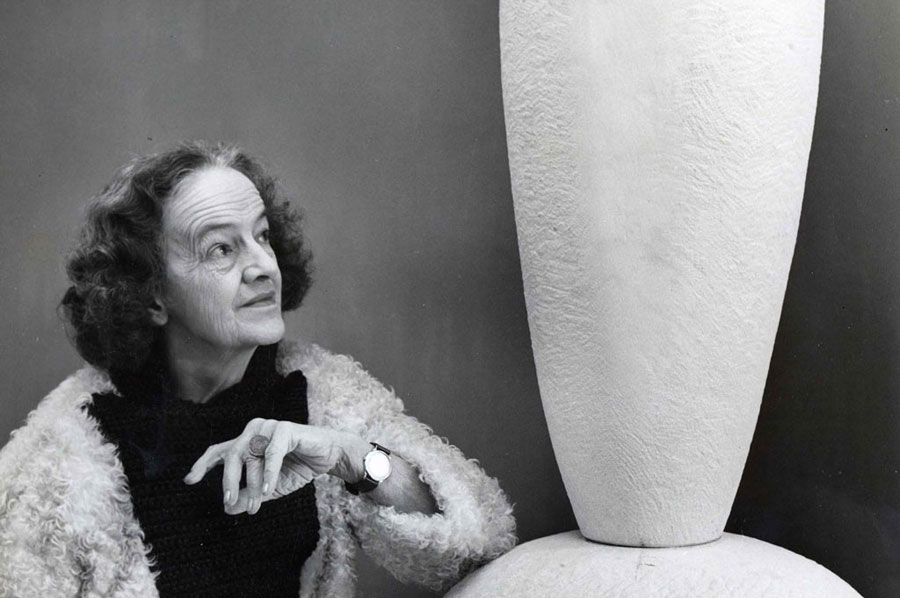
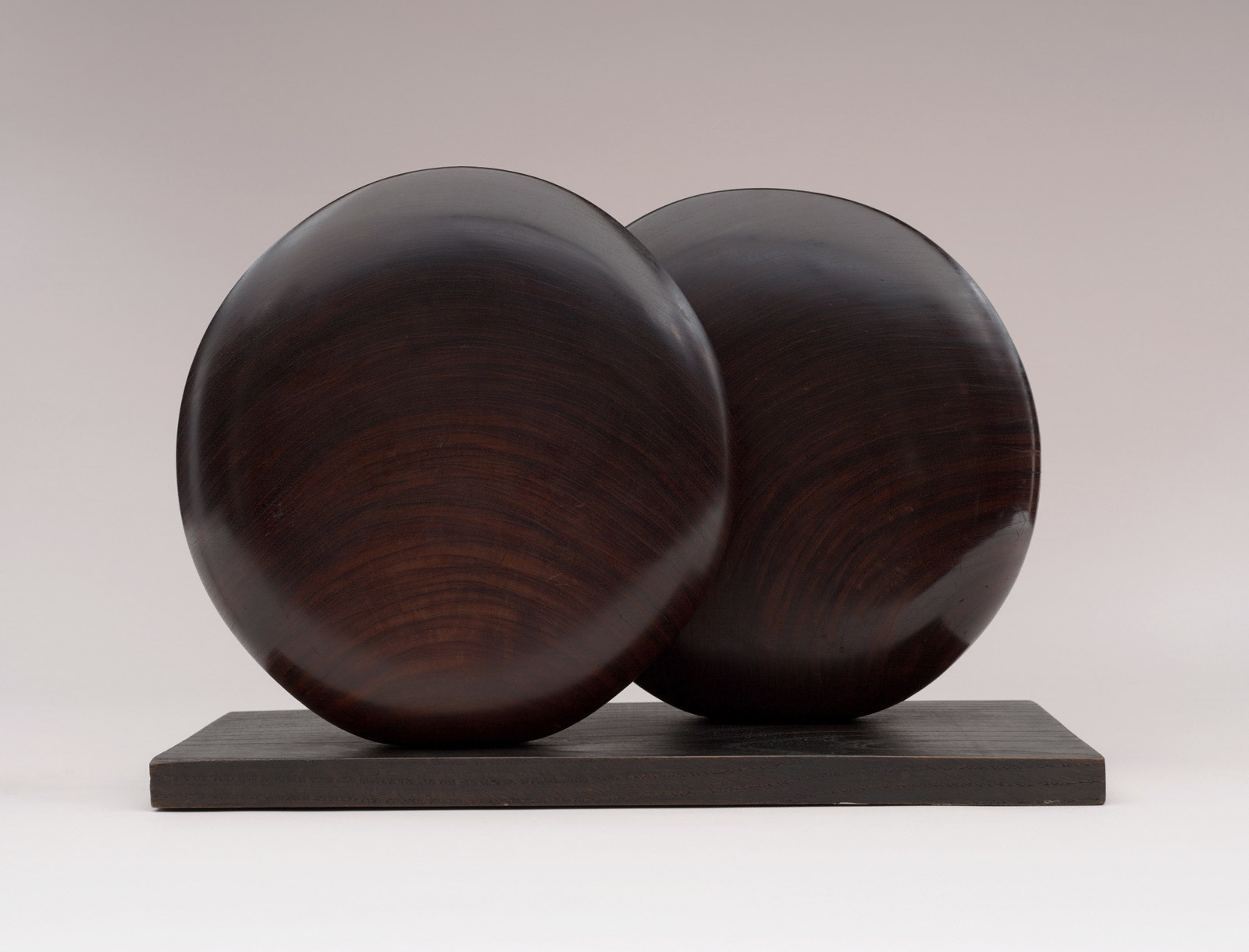
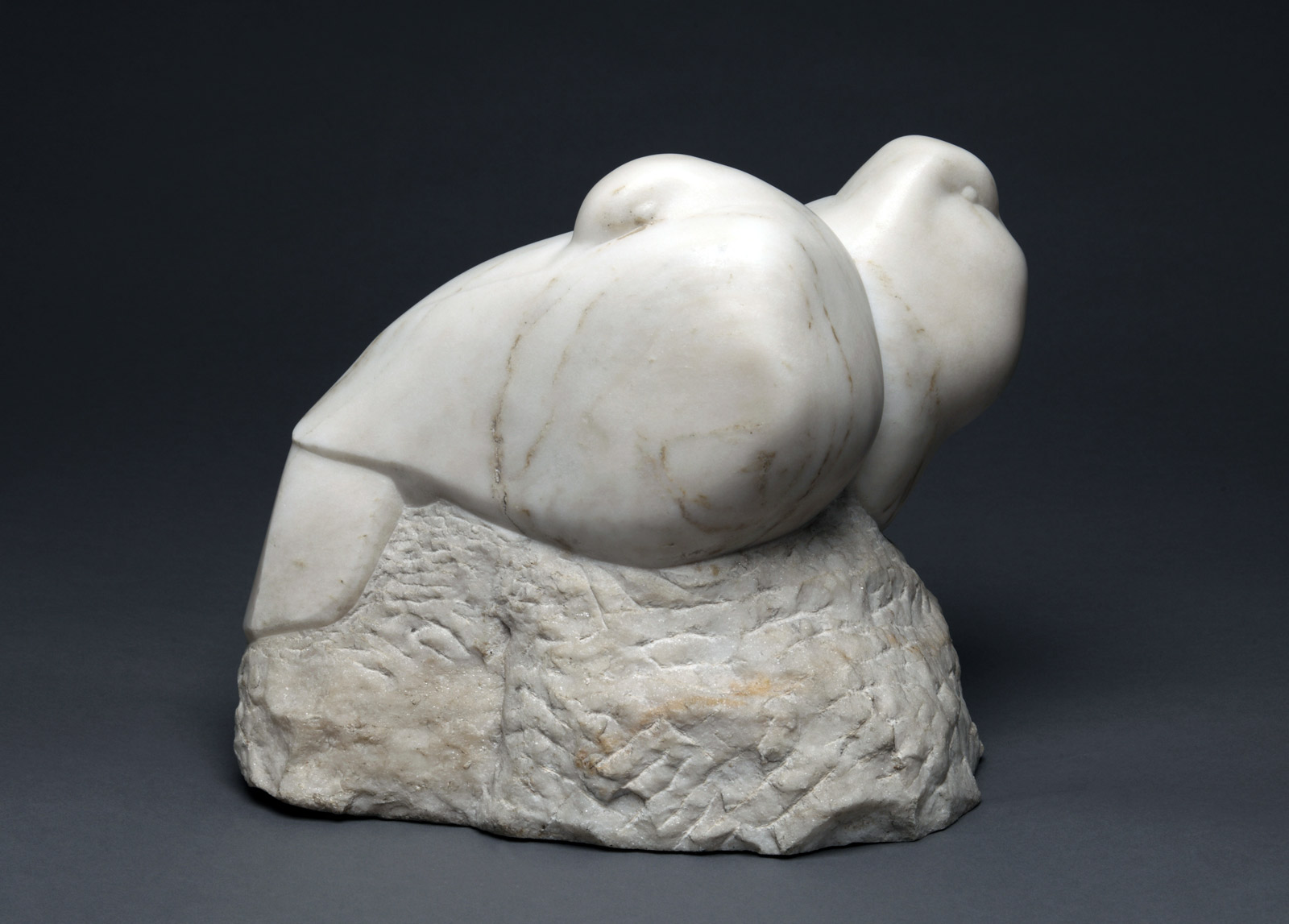
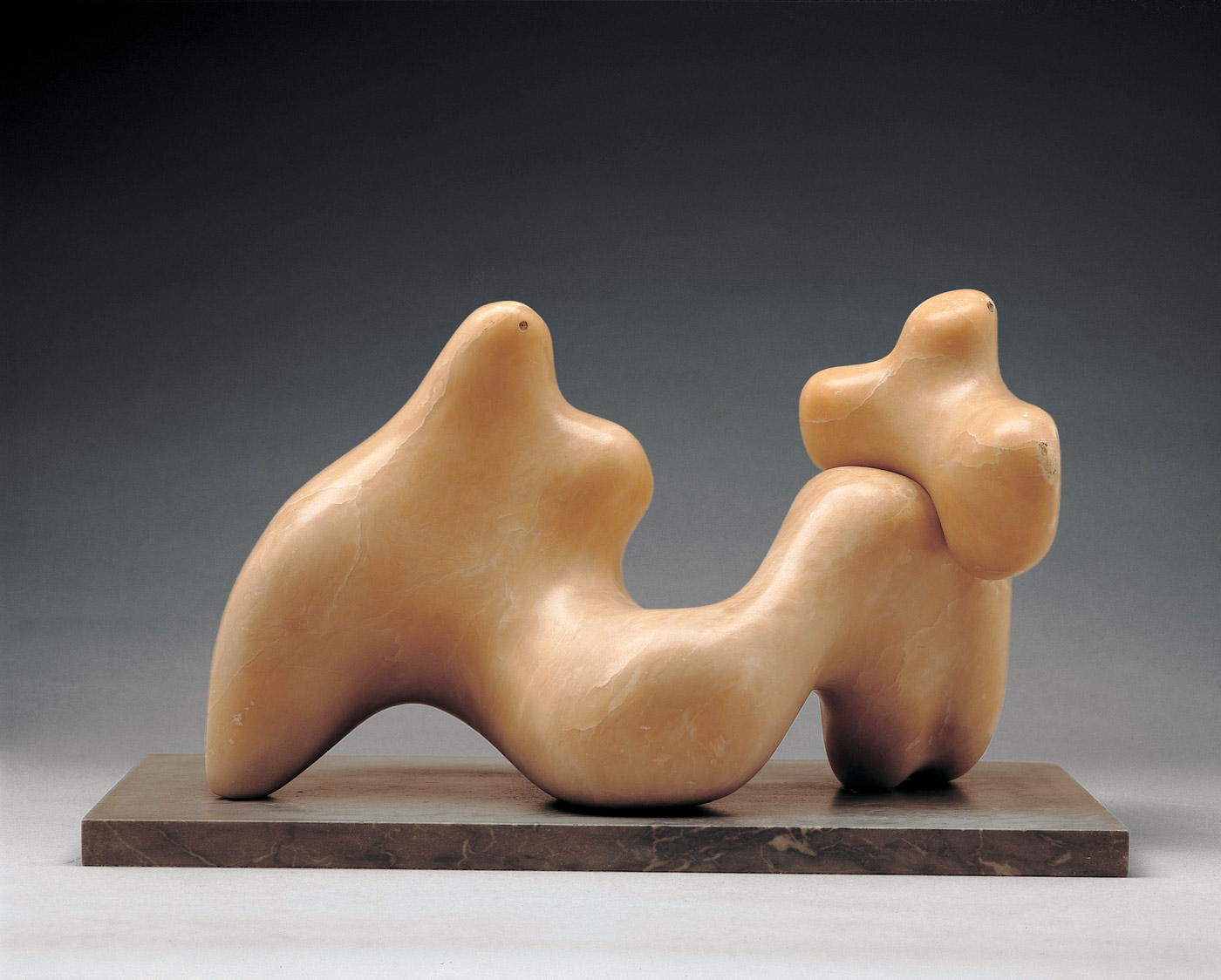
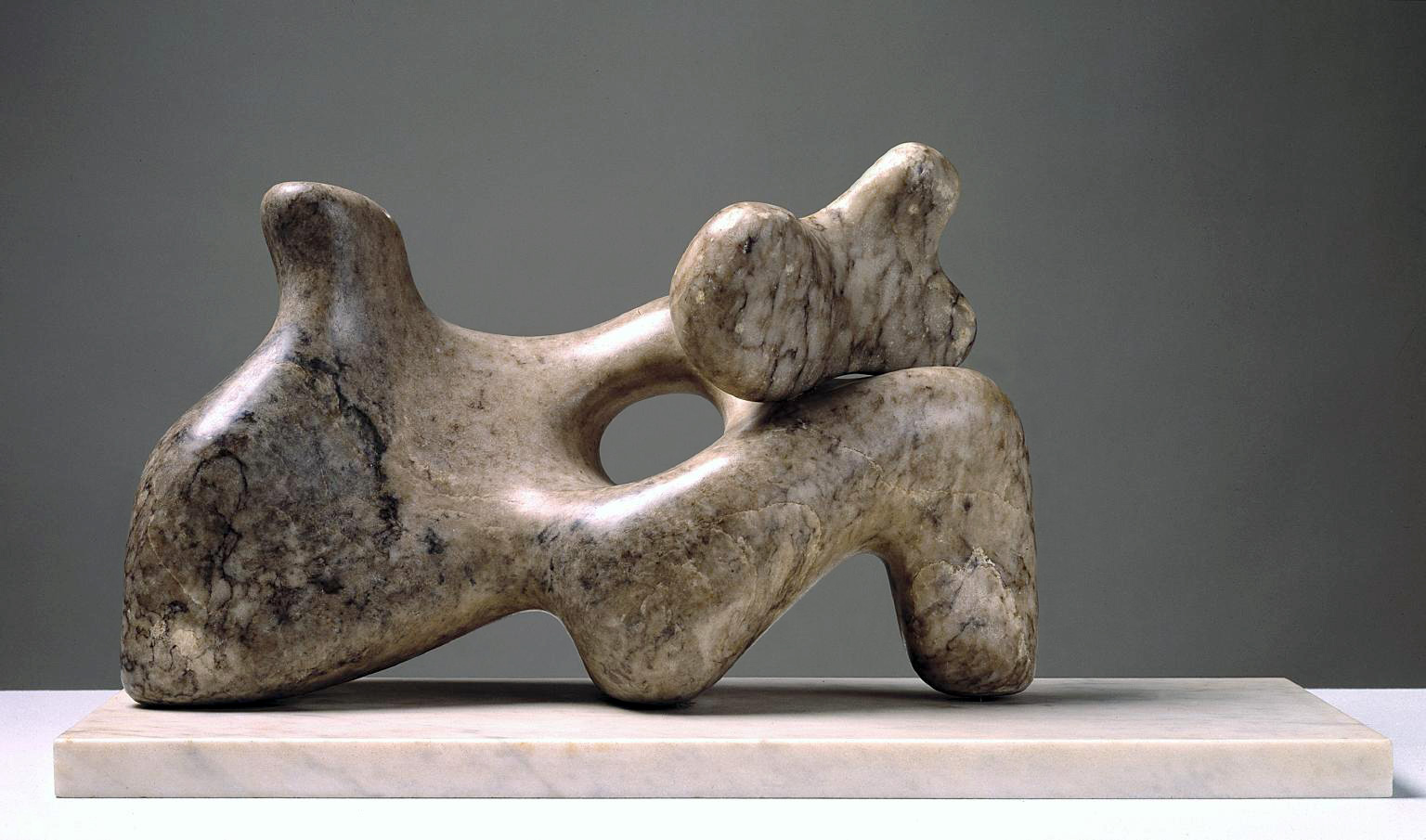
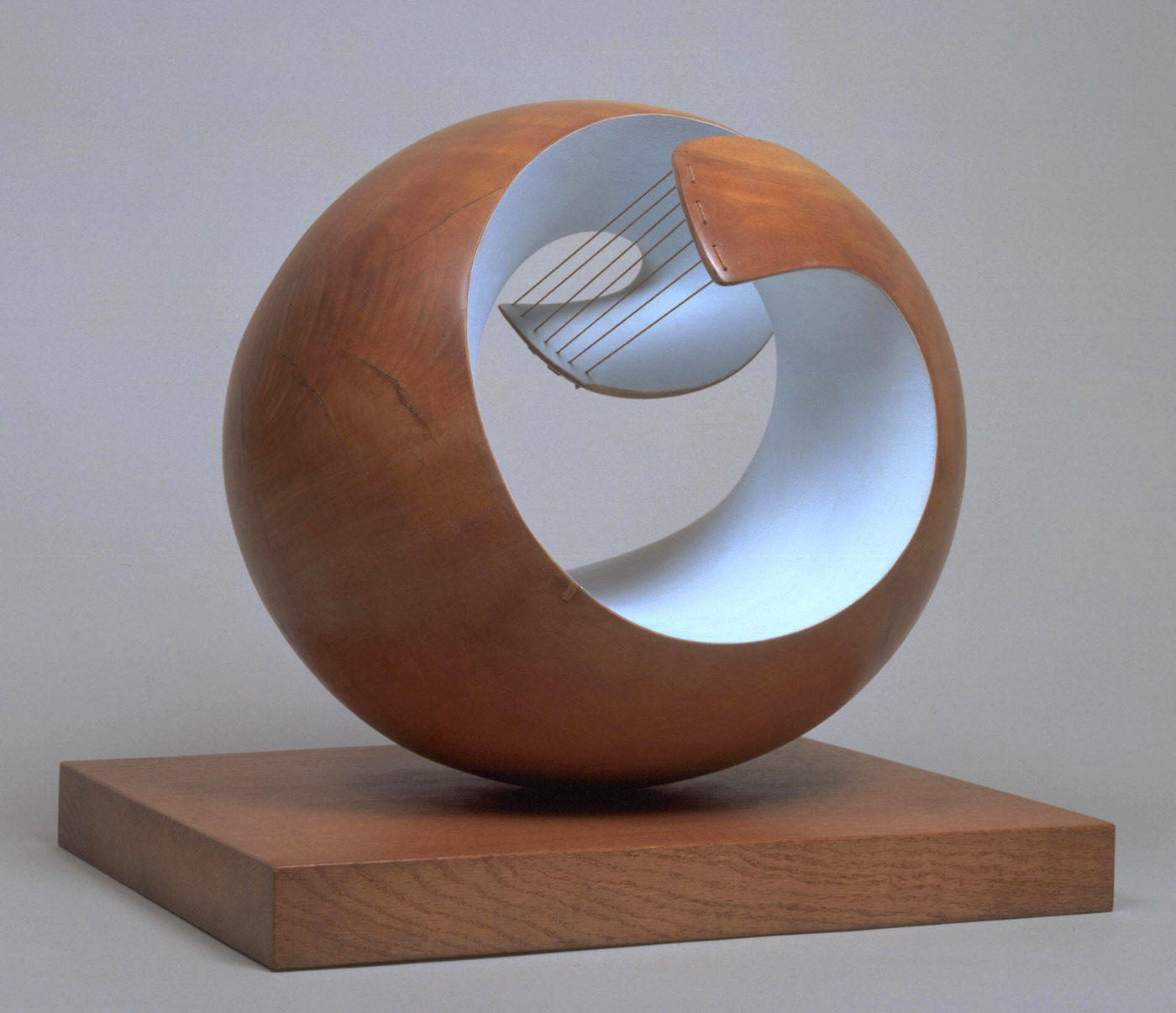
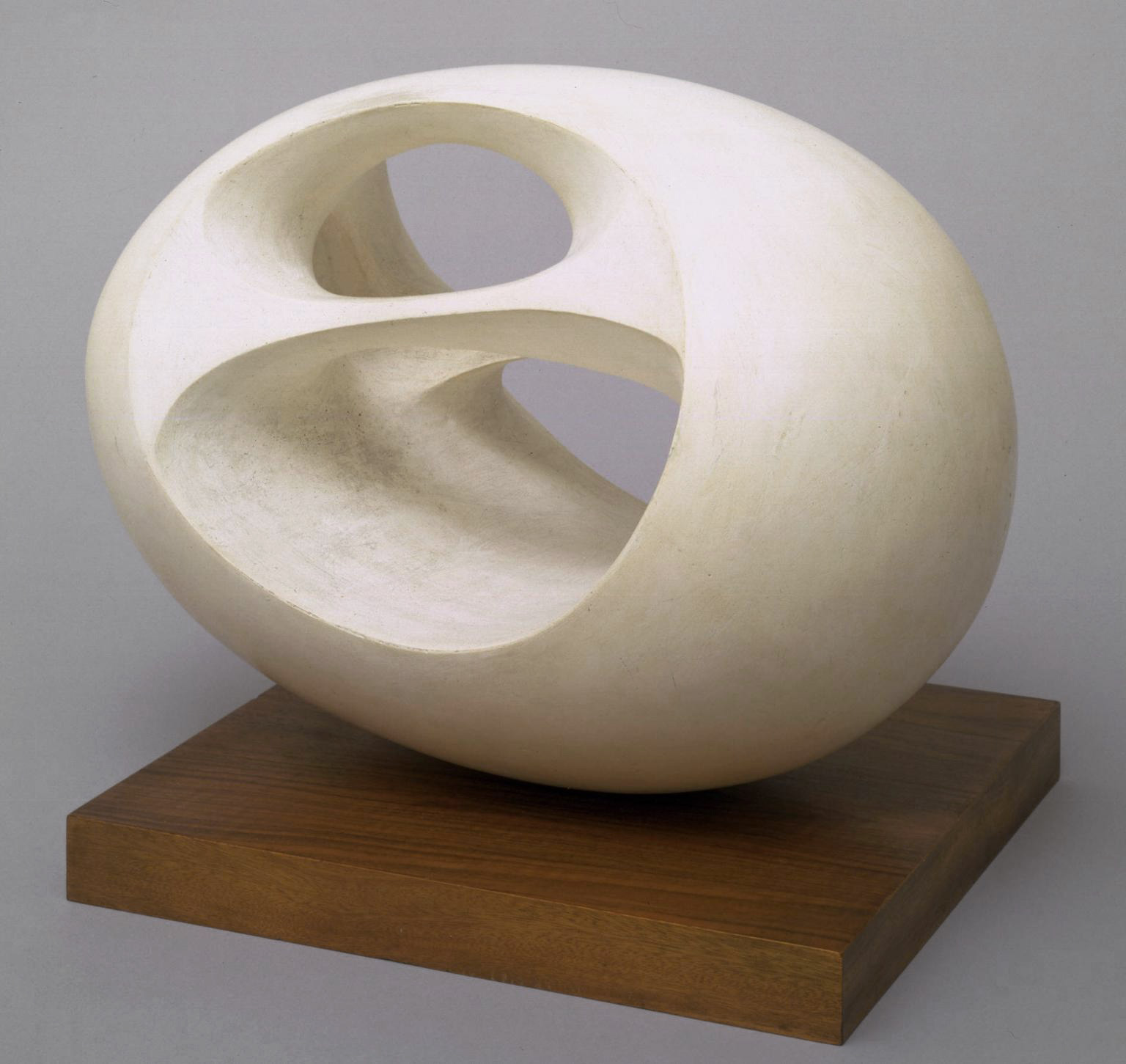
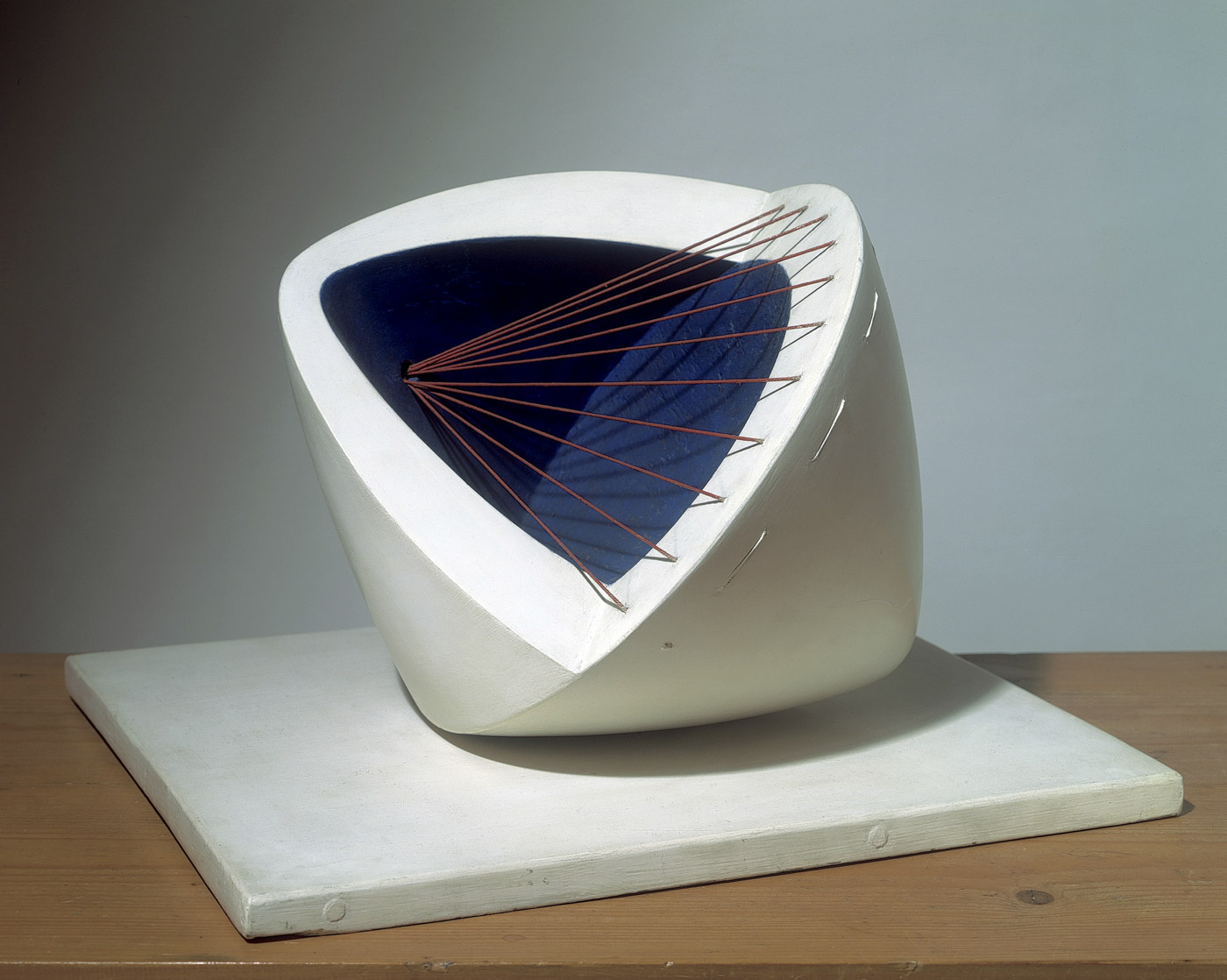
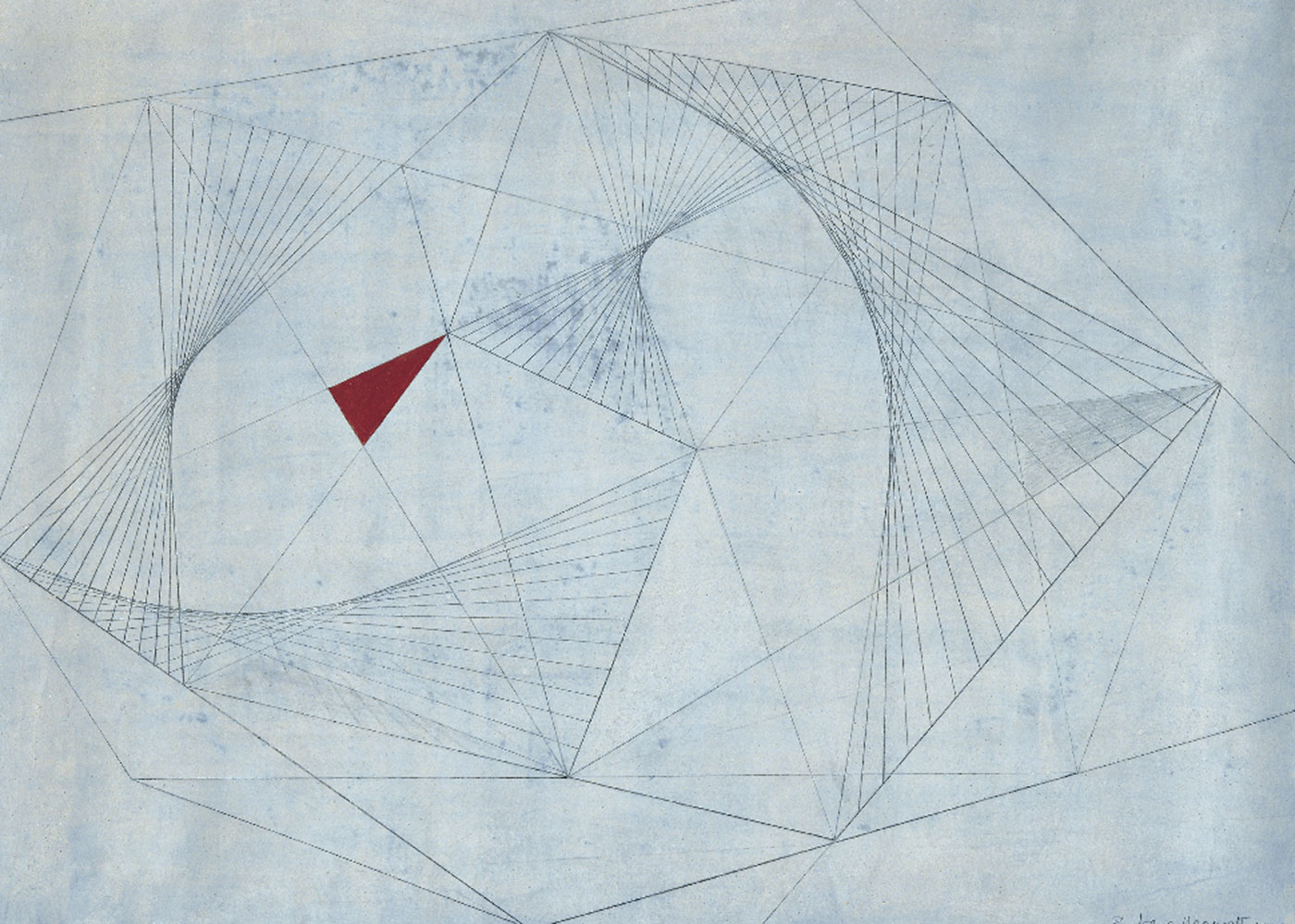

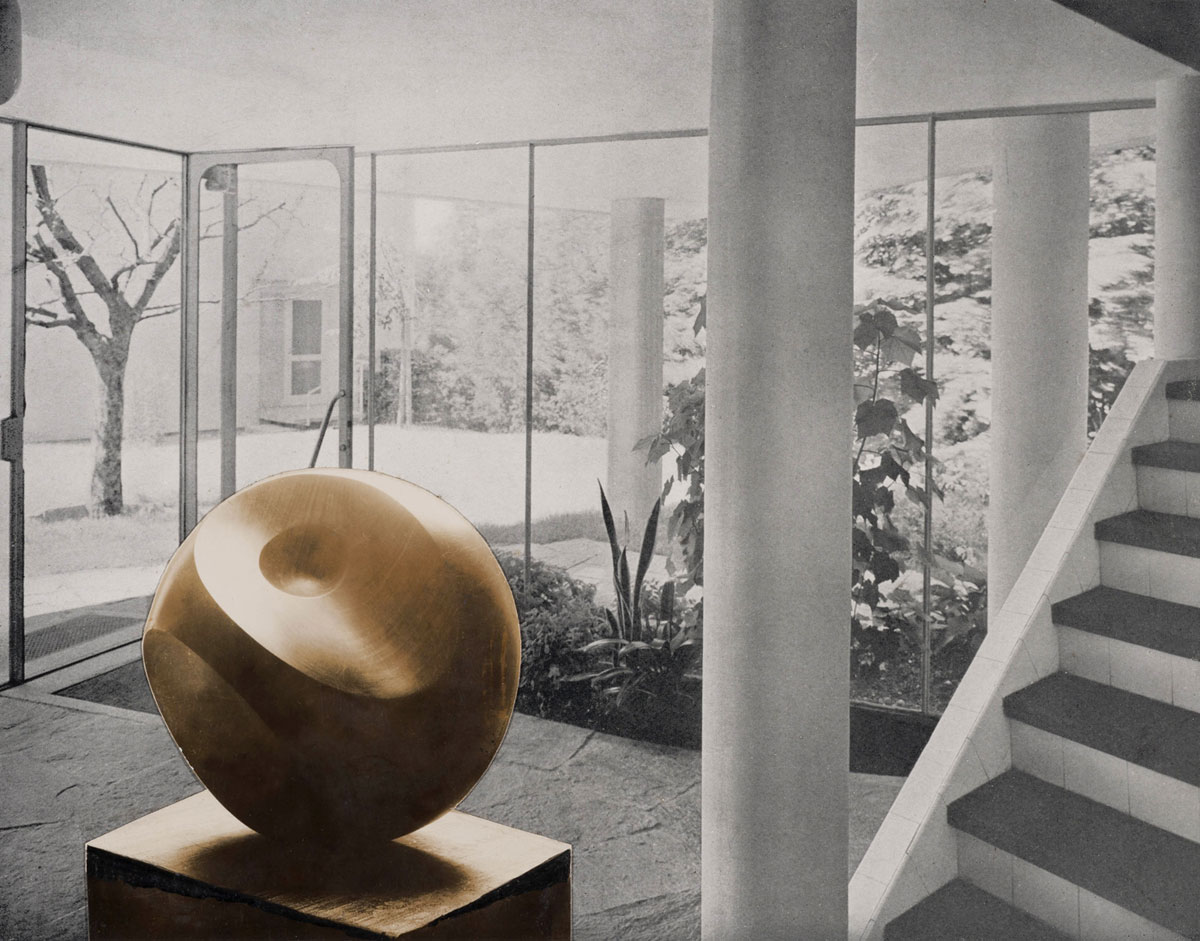

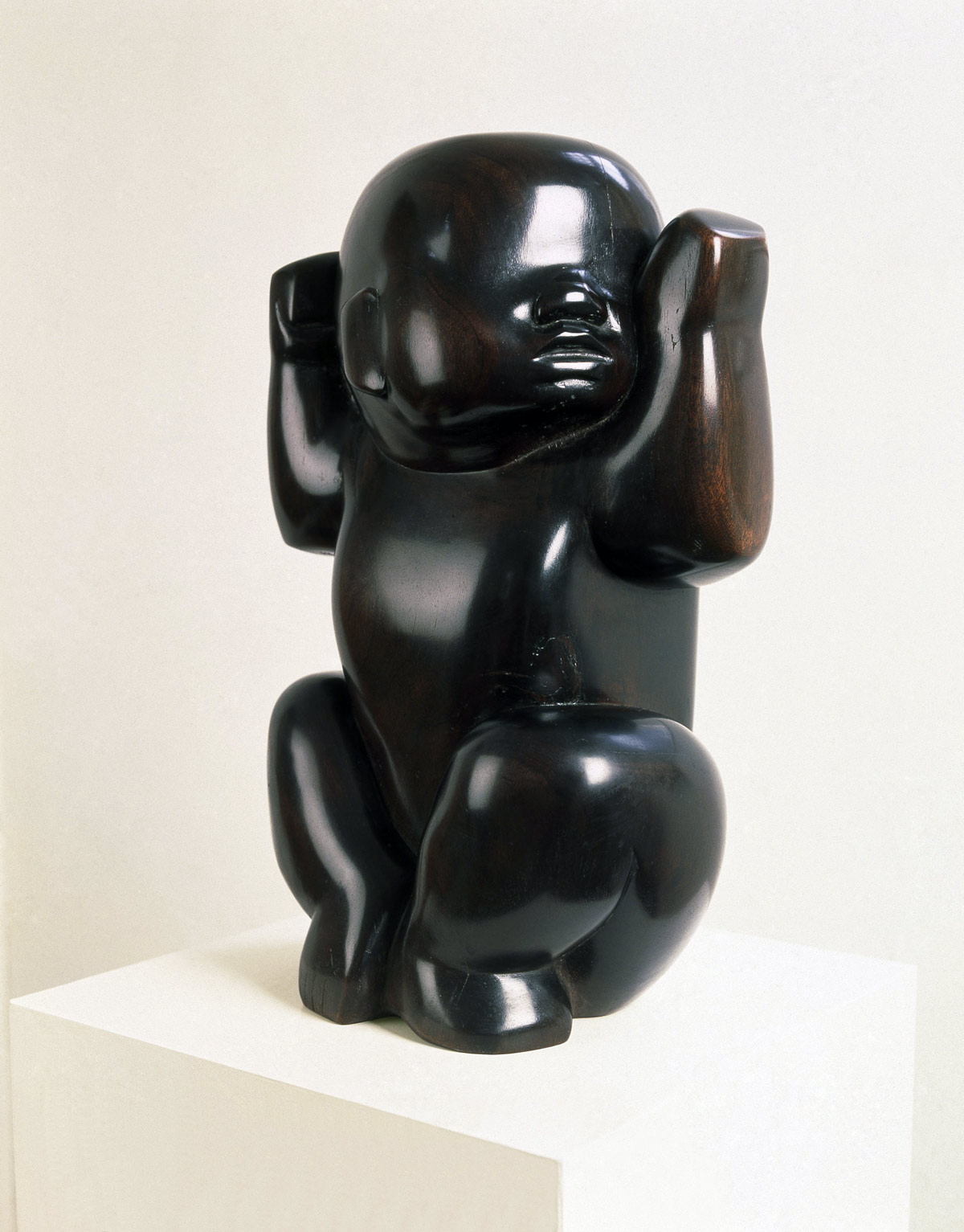

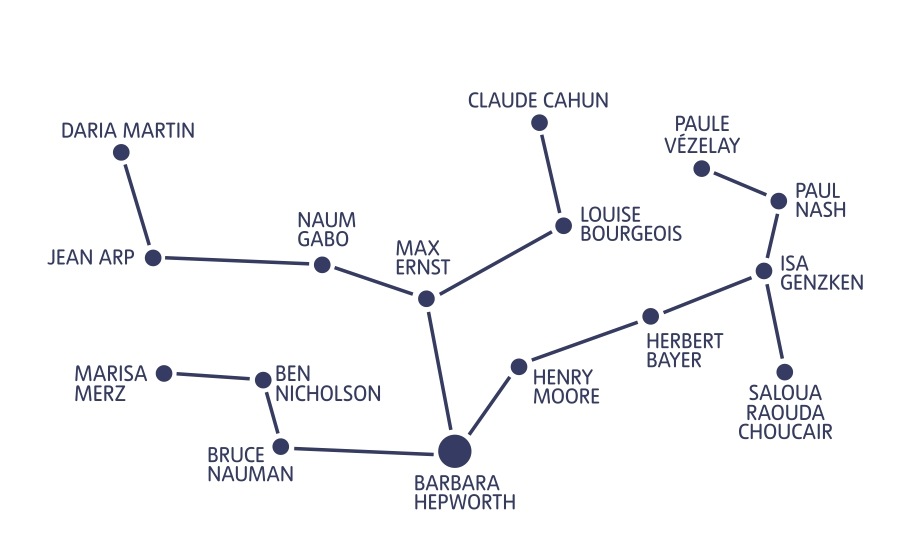
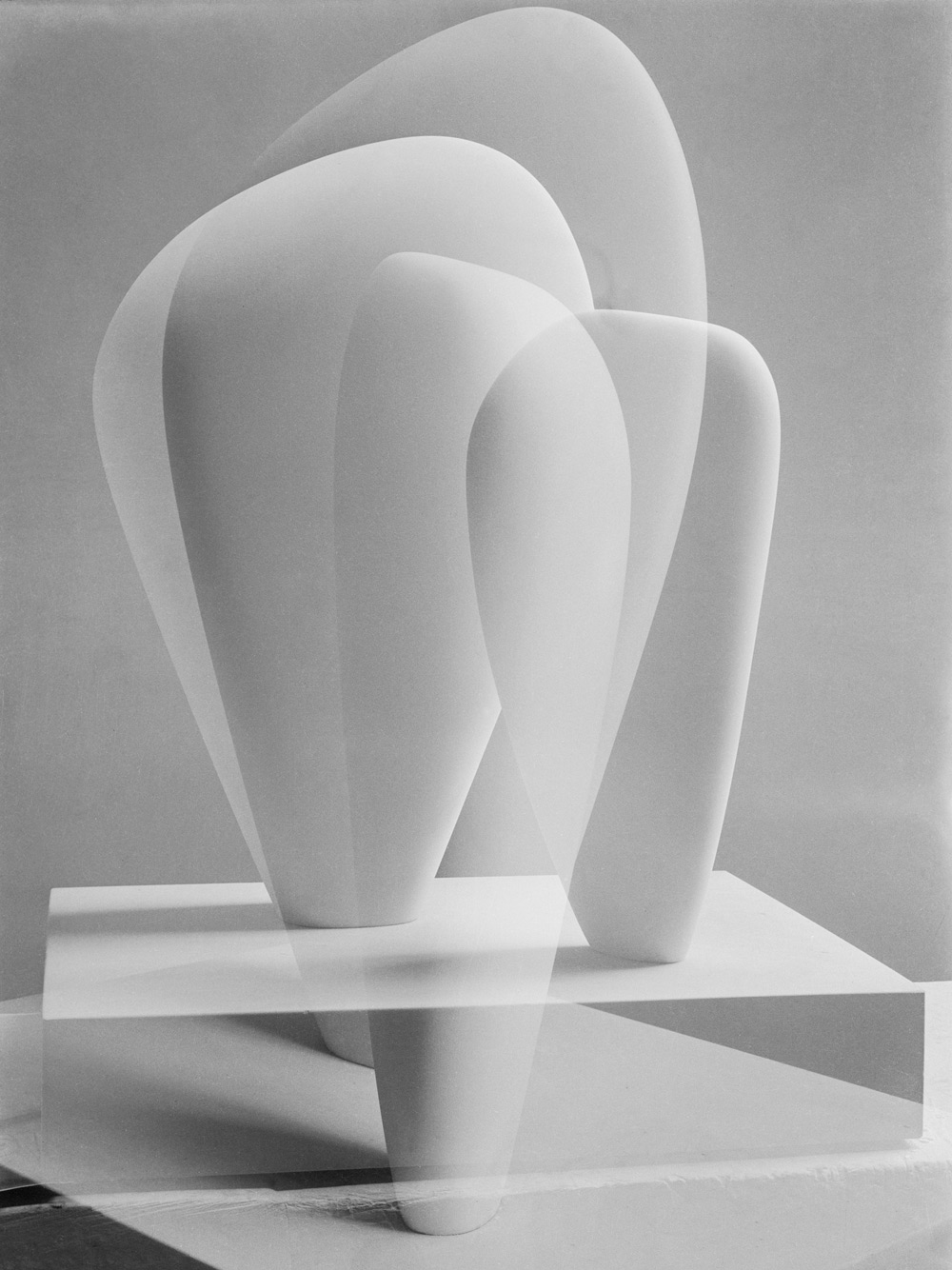

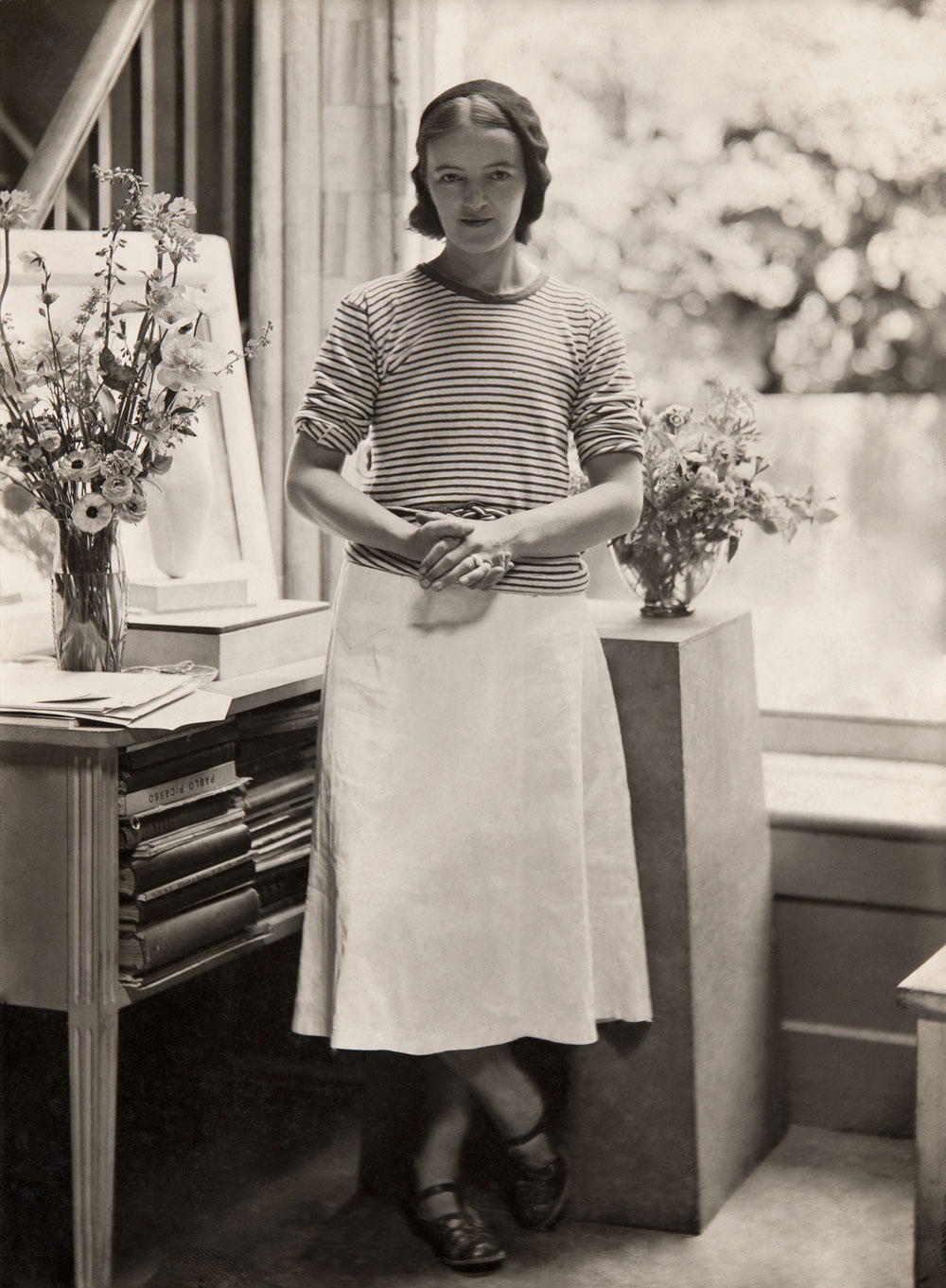

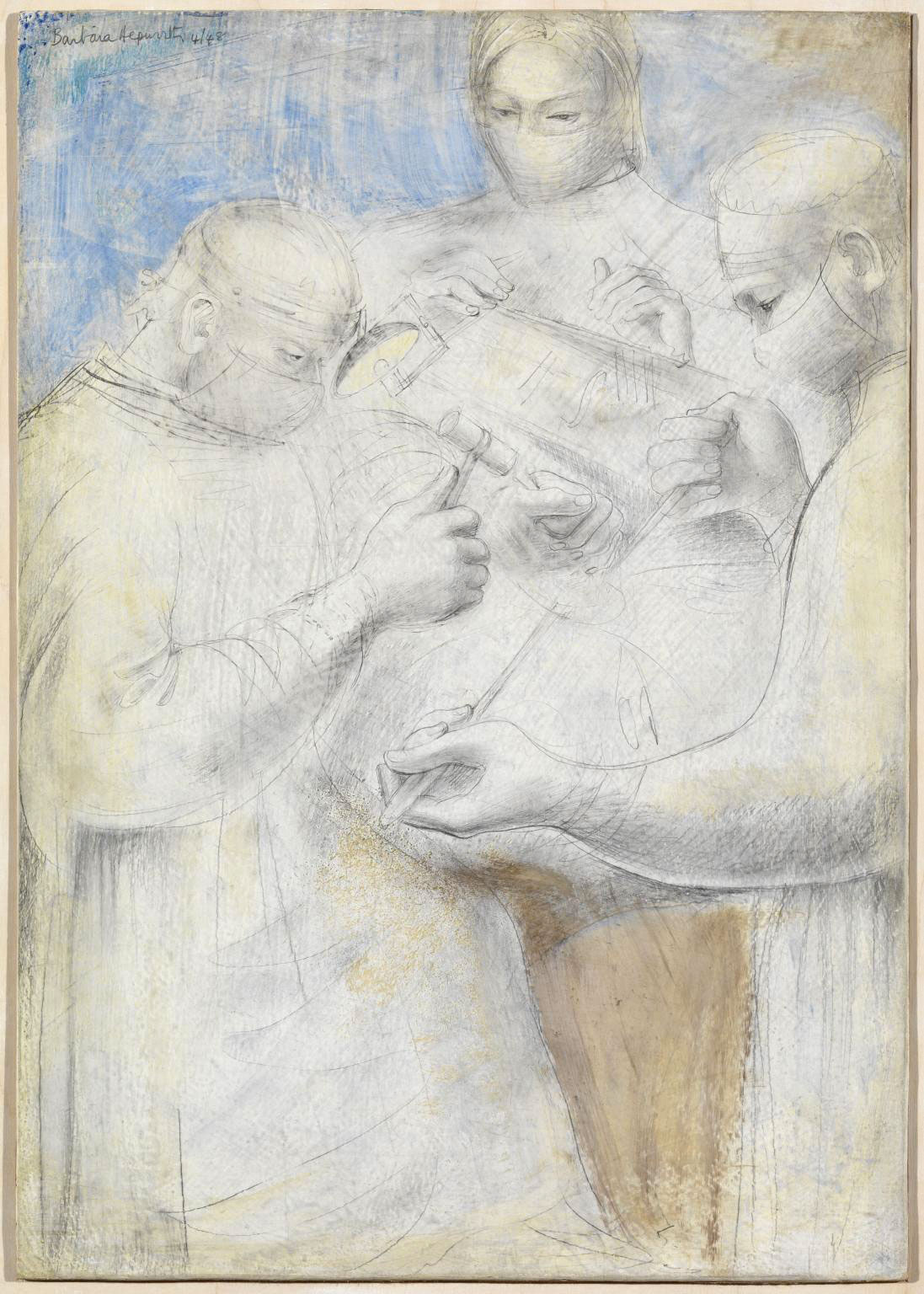

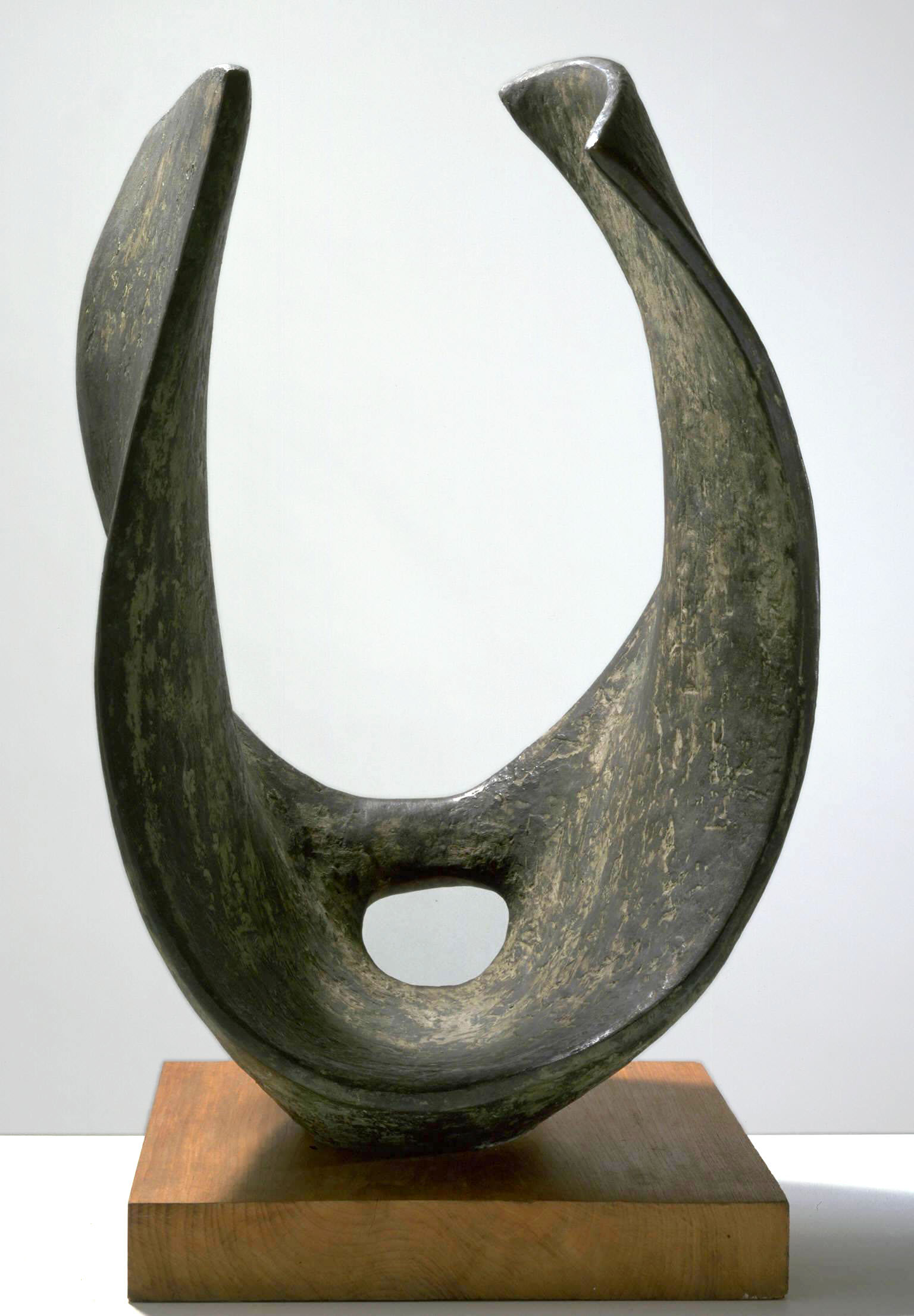

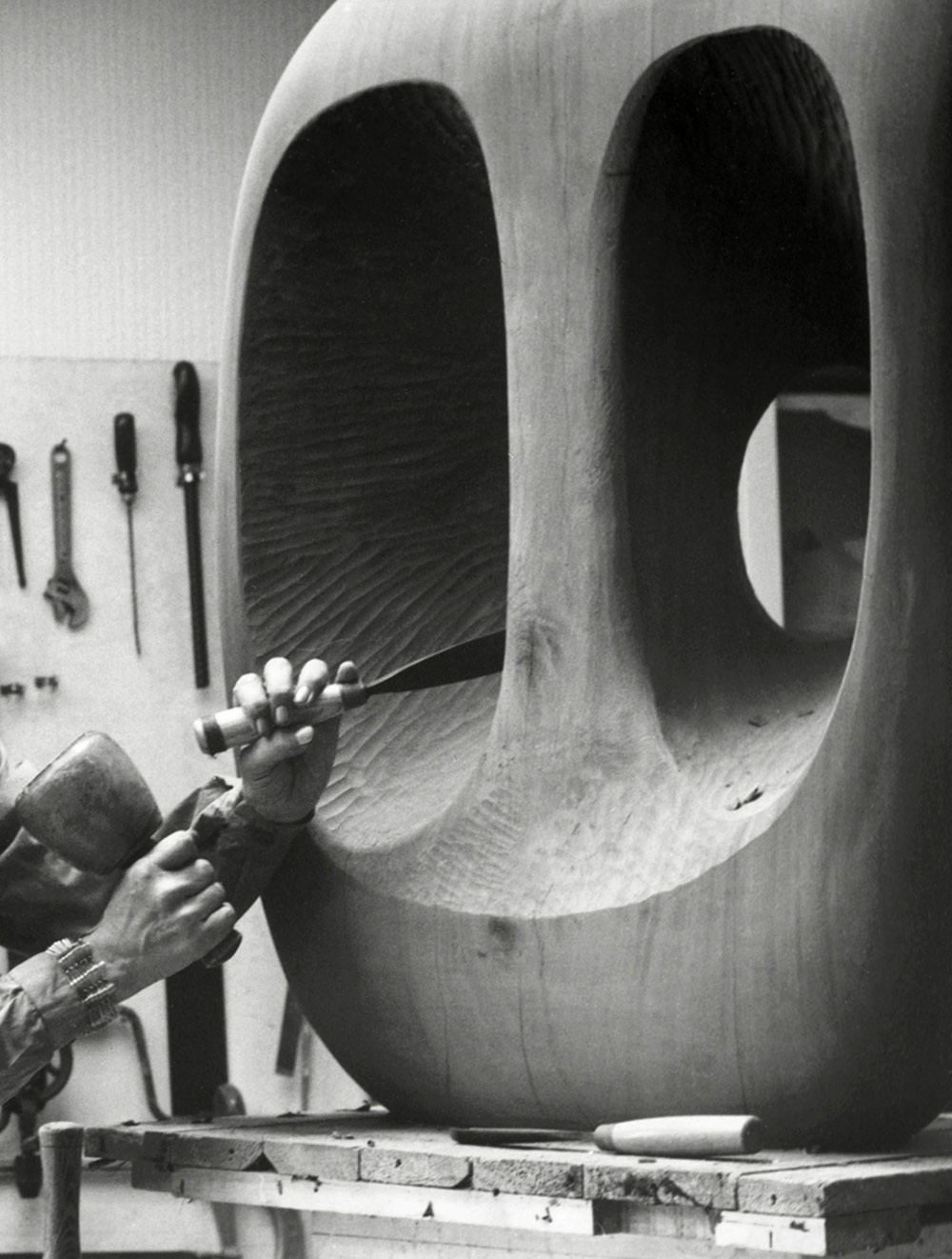
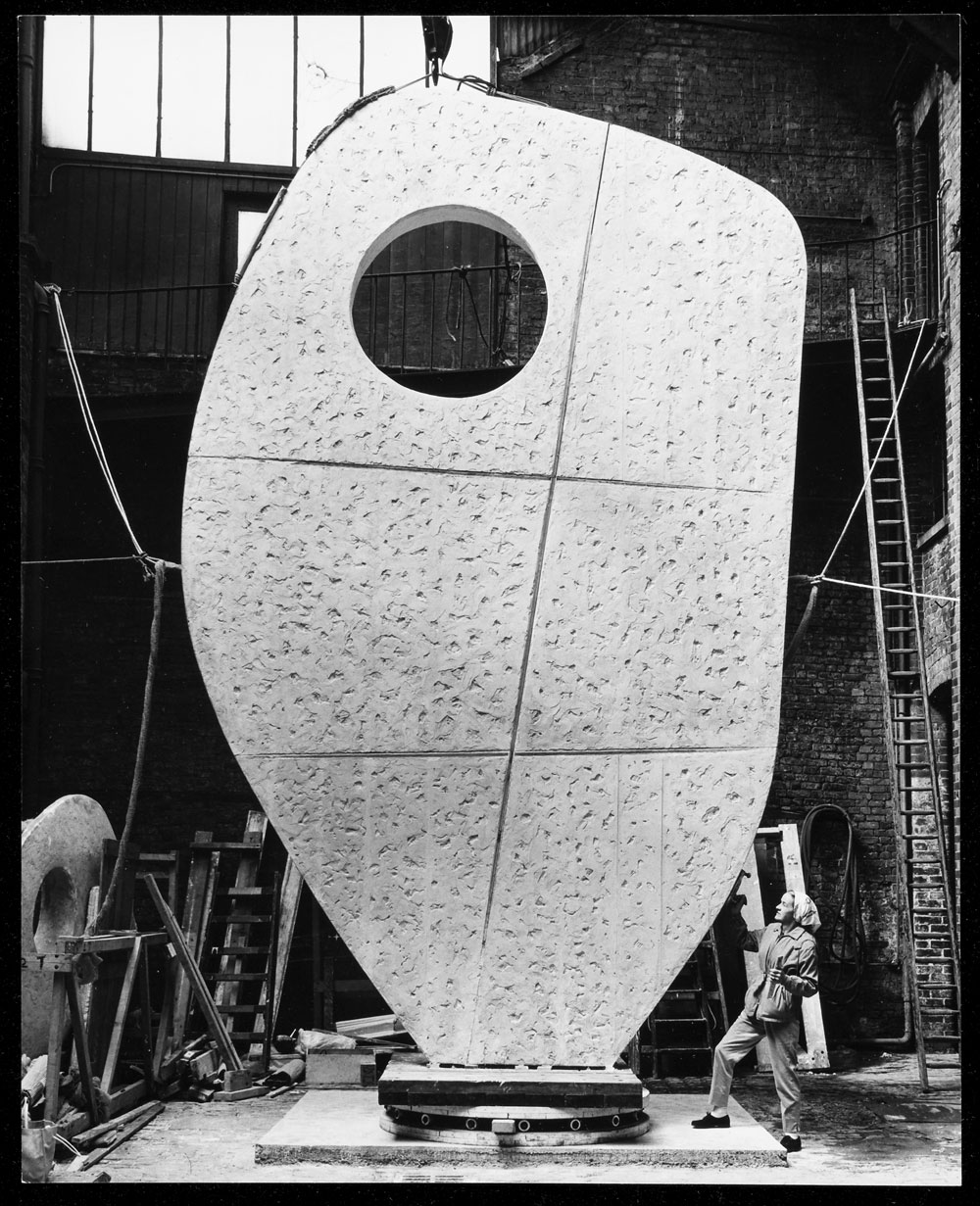


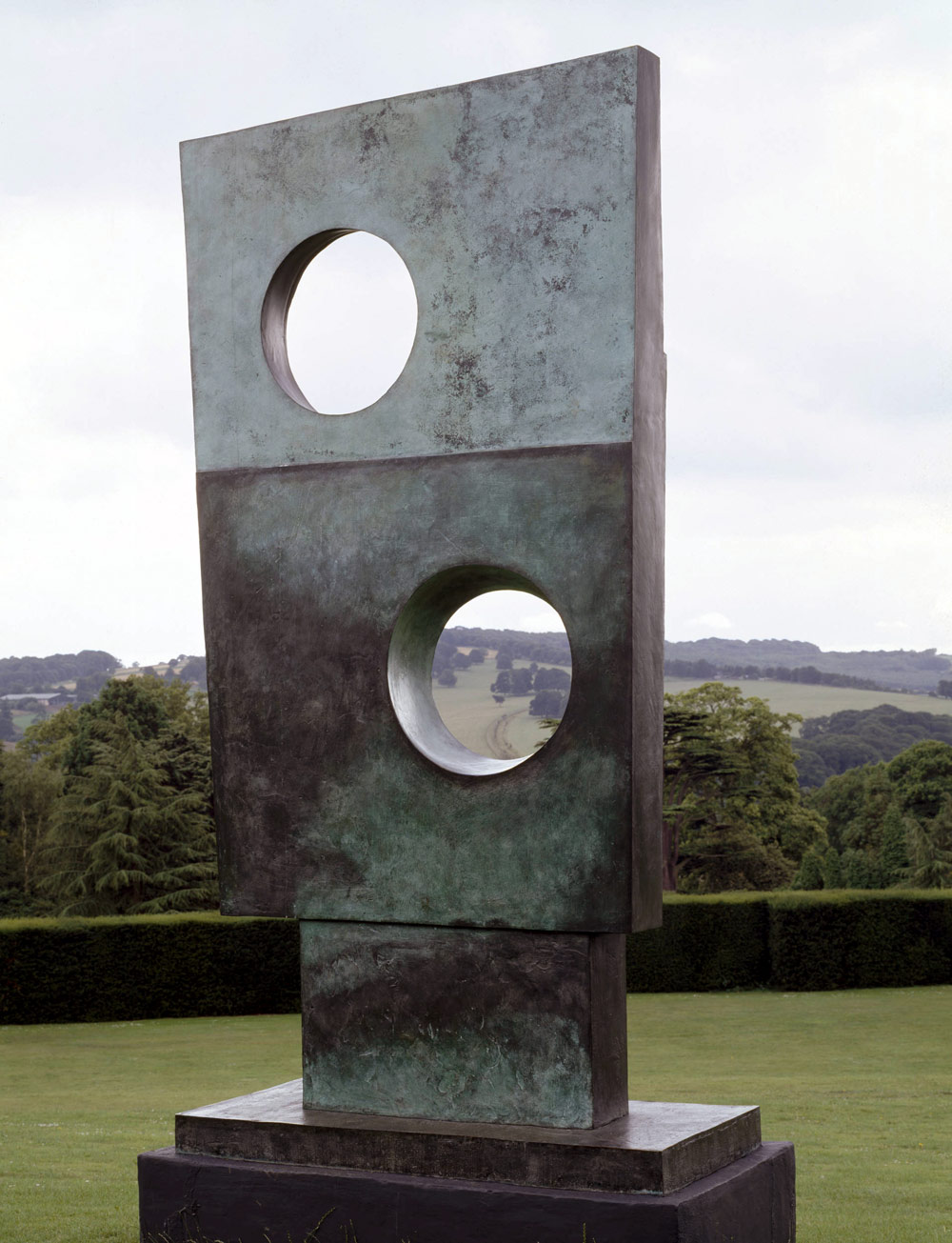

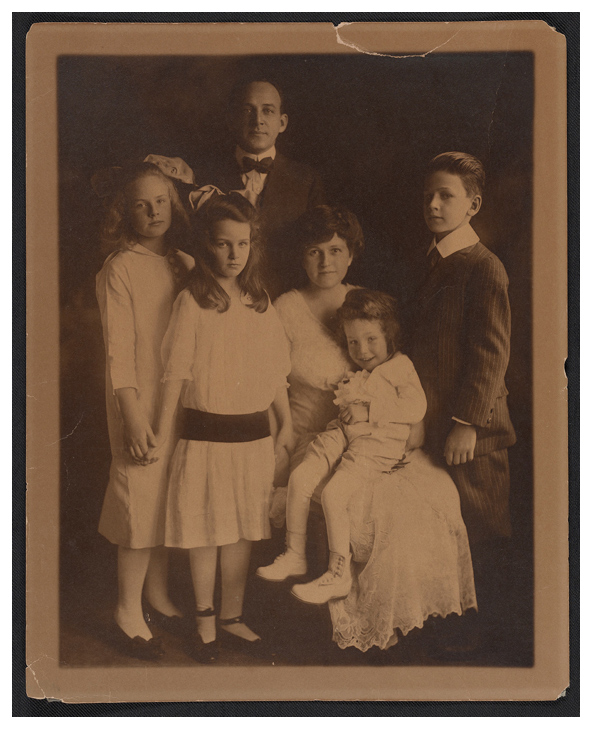
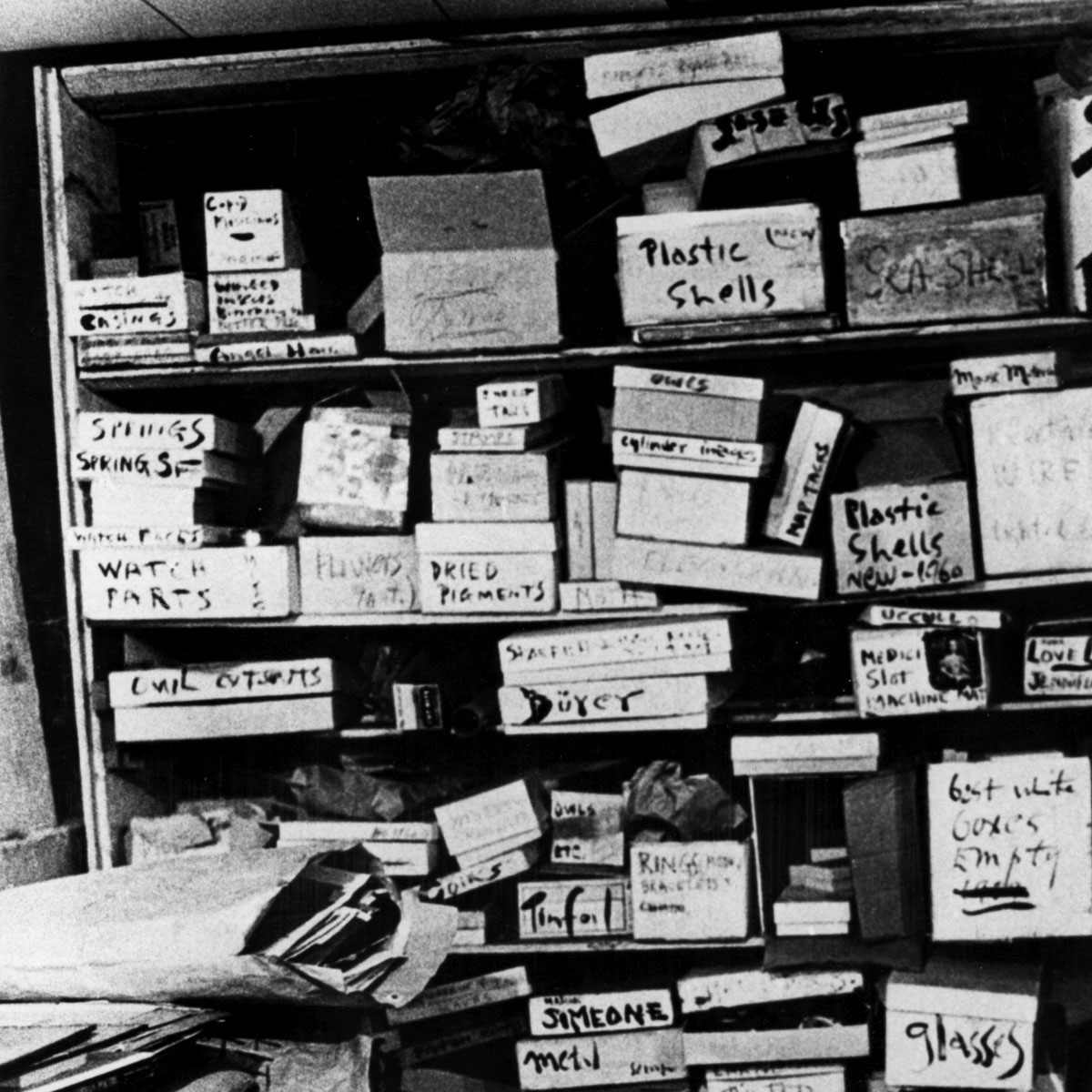


![Joseph Cornell (American, 1903-1972) 'Untitled [Sagittarius, Scorpio, and Lupus Constellations]' c.1934](https://artblart.com/wp-content/uploads/2015/09/joseph-cornell-untitled-c-1934-web.jpg "Joseph Cornell (American, 1903-1972) 'Untitled [Sagittarius, Scorpio, and Lupus Constellations]' c.1934")


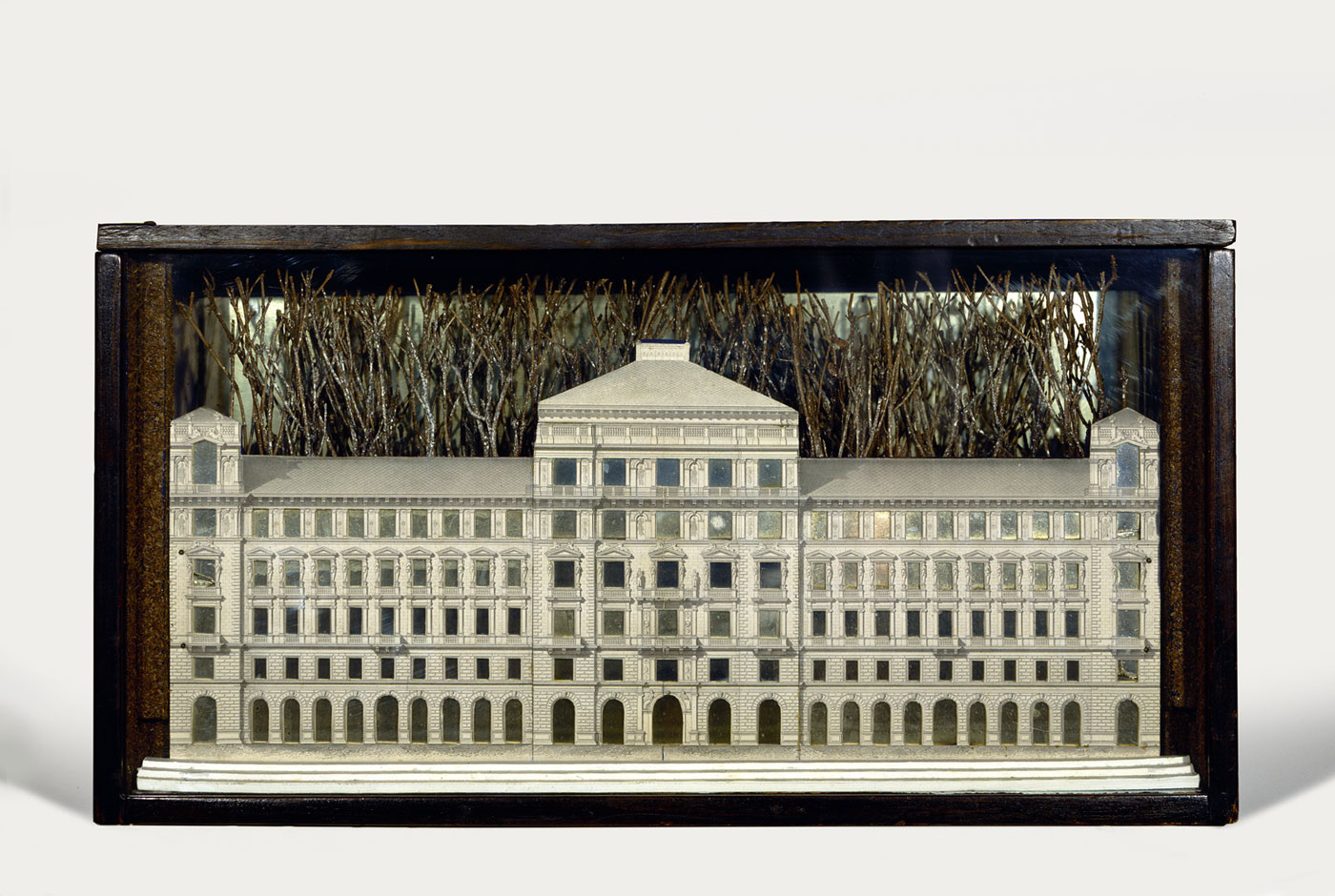


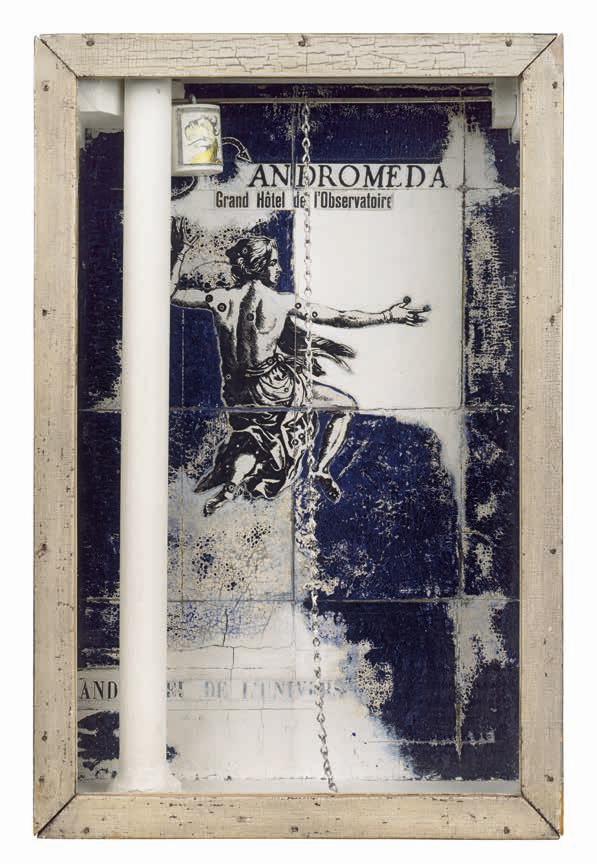
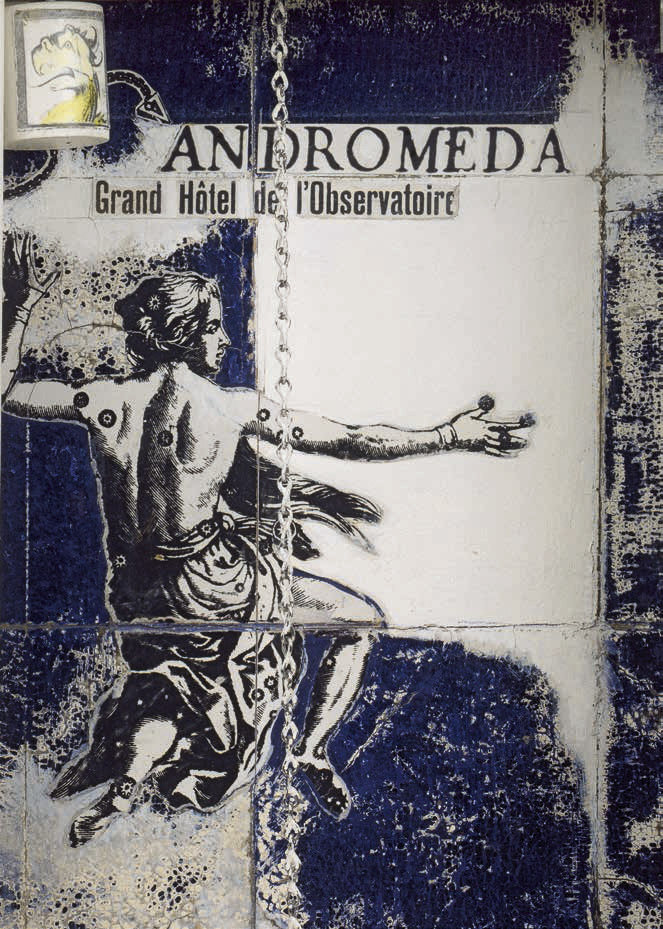

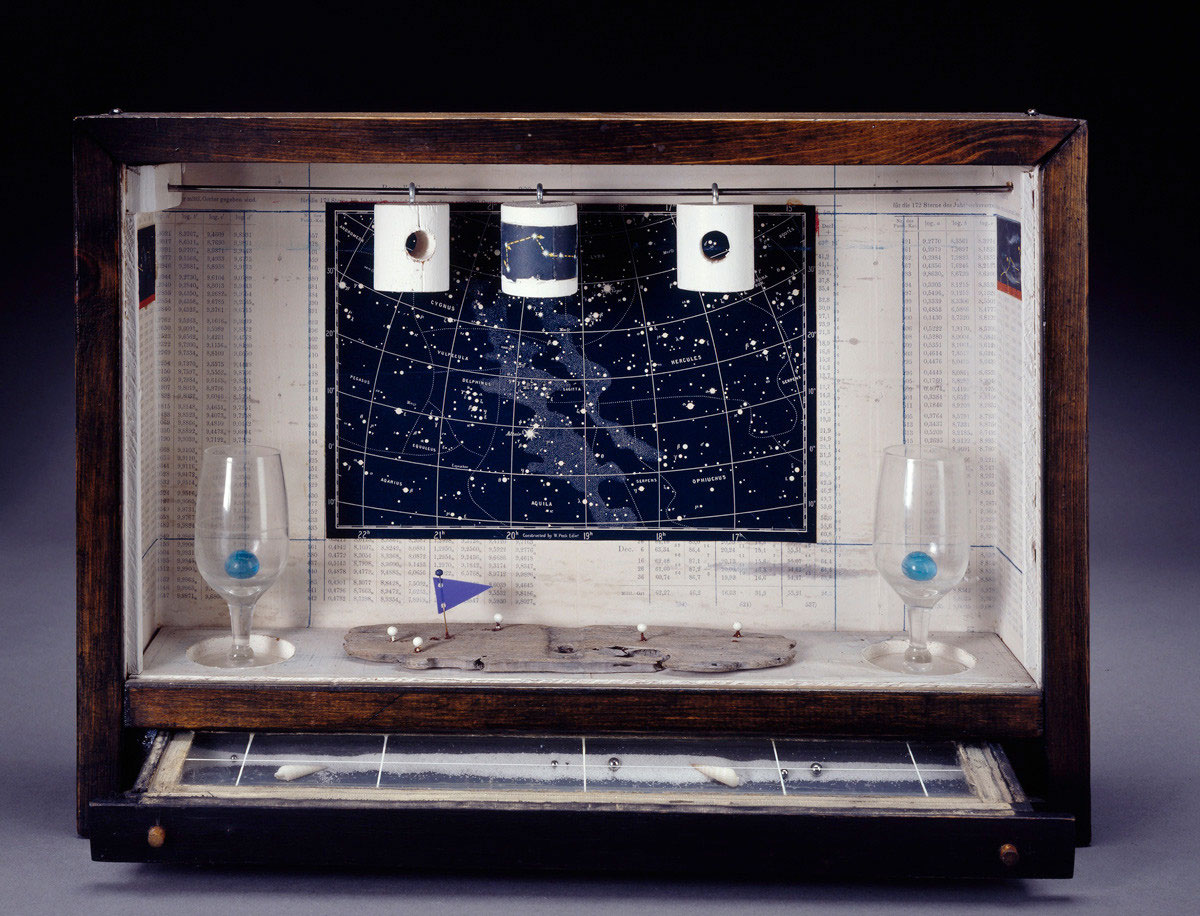


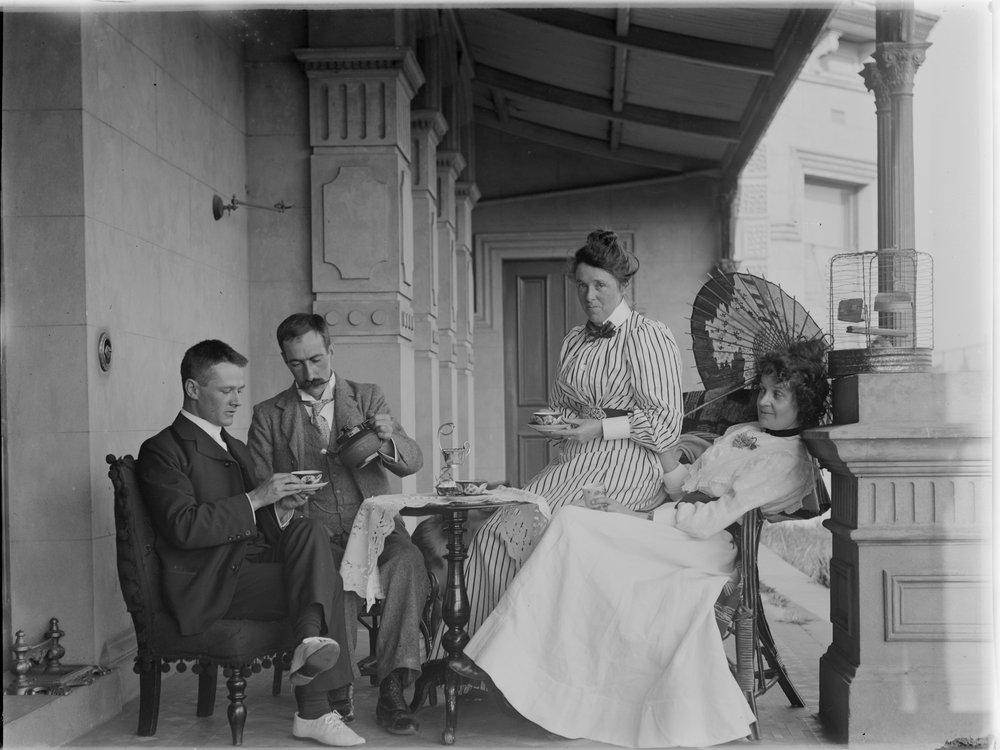

![Rex Hazlewood (Australian, 1886-1968) '[Men drinking billy tea]' 1911-1927](https://artblart.com/wp-content/uploads/2015/09/hazelwood-billy-tea.jpg "Rex Hazlewood (Australian, 1886-1968) '[Men drinking billy tea]' 1911-1927")


![James Fox Barnard (Australian, 1874-1945) '[Tea on the verandah]' c. 1900](https://artblart.com/wp-content/uploads/2015/09/barnard-tea-verandah.jpg "James Fox Barnard (Australian, 1874-1945) '[Tea on the verandah]' c. 1900")


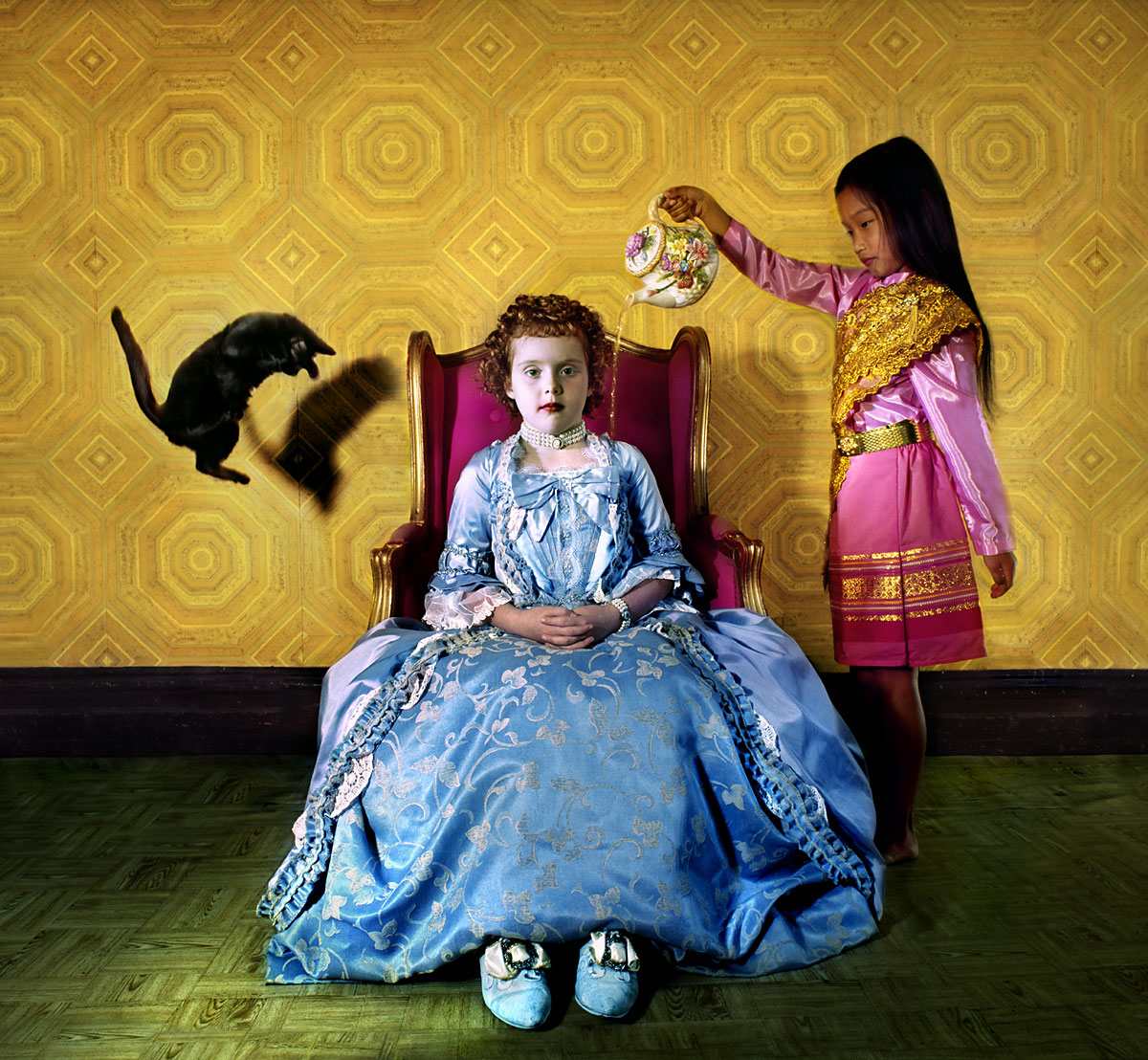
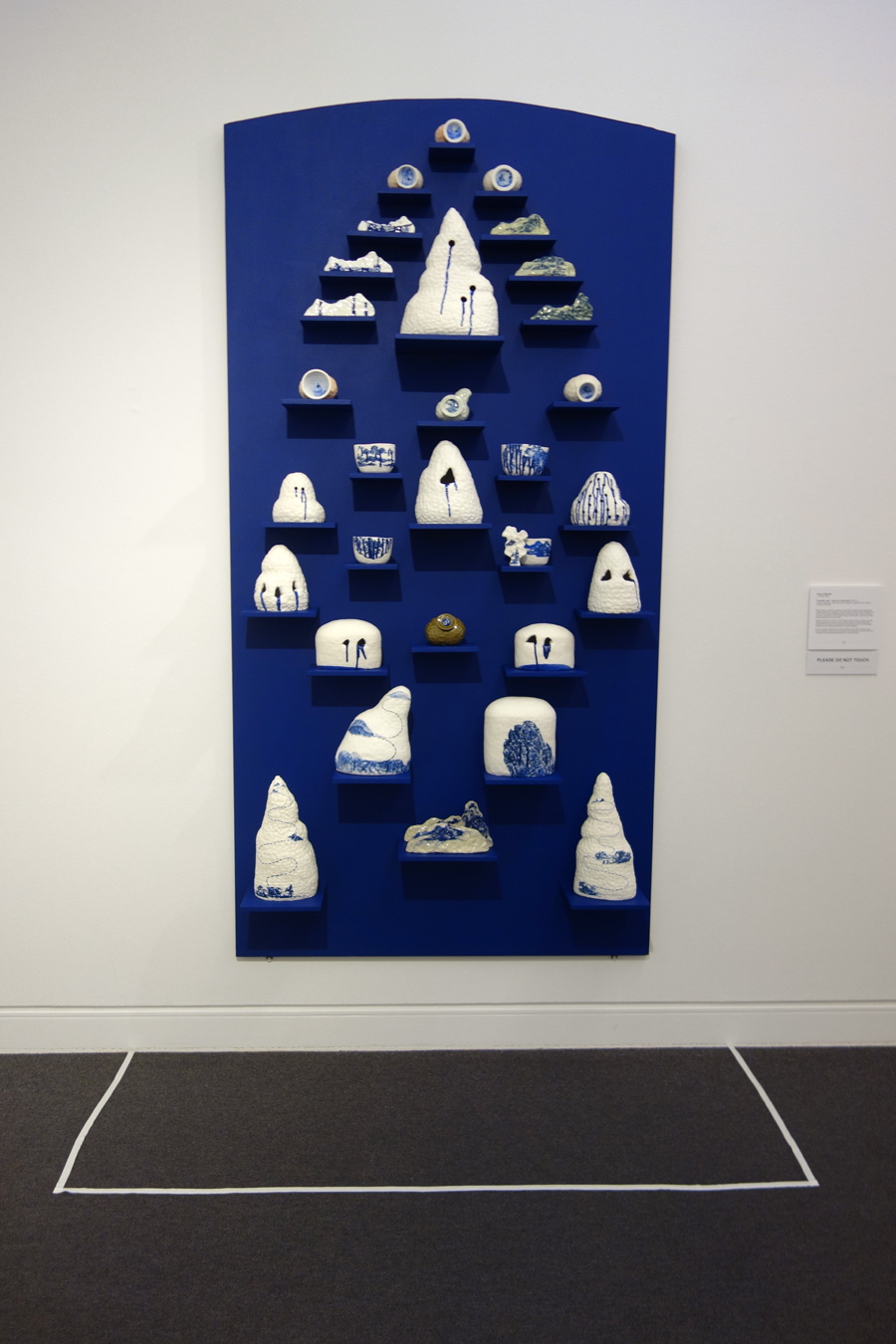


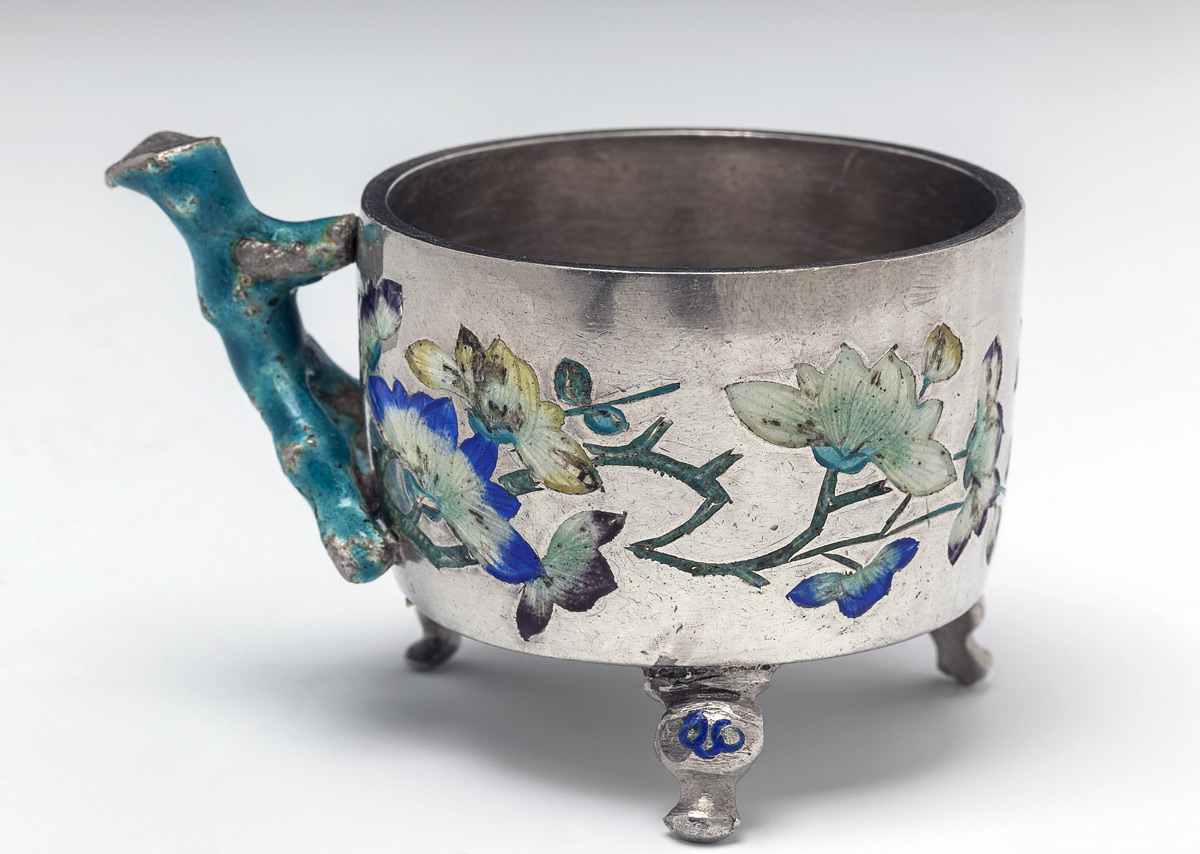


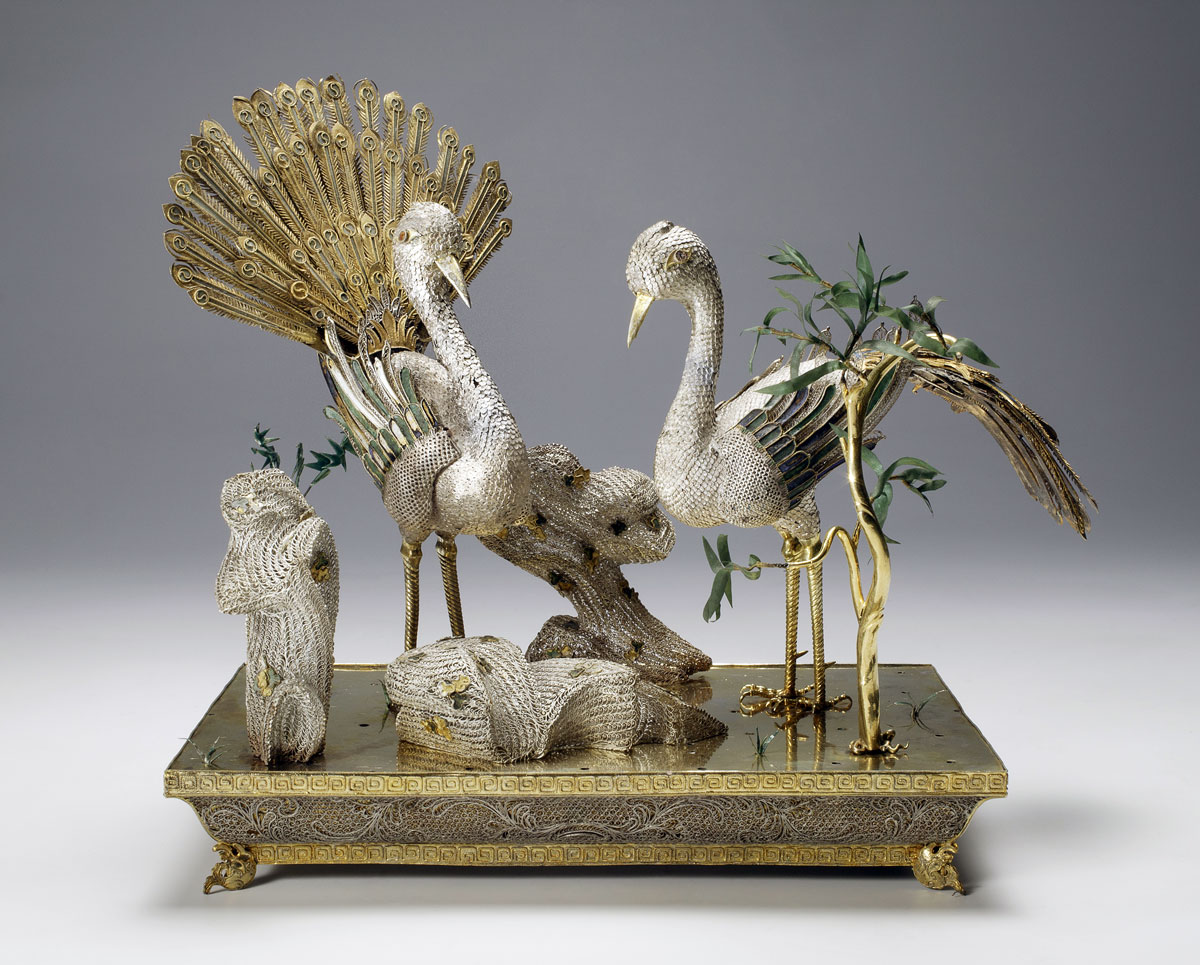












![Julian Scott ledger Artist B (Ka’igwu [Kiowa]) Kiowa and Comanche Indian Reservation, Oklahoma. 'Twelve High-Ranking Kiowa Men' Nd](https://artblart.com/wp-content/uploads/2015/08/12_twelve-high-ranking-kiowa-men_s.jpg "Julian Scott ledger Artist B (Ka’igwu [Kiowa]) Kiowa and Comanche Indian Reservation, Oklahoma. 'Twelve High-Ranking Kiowa Men' Nd")
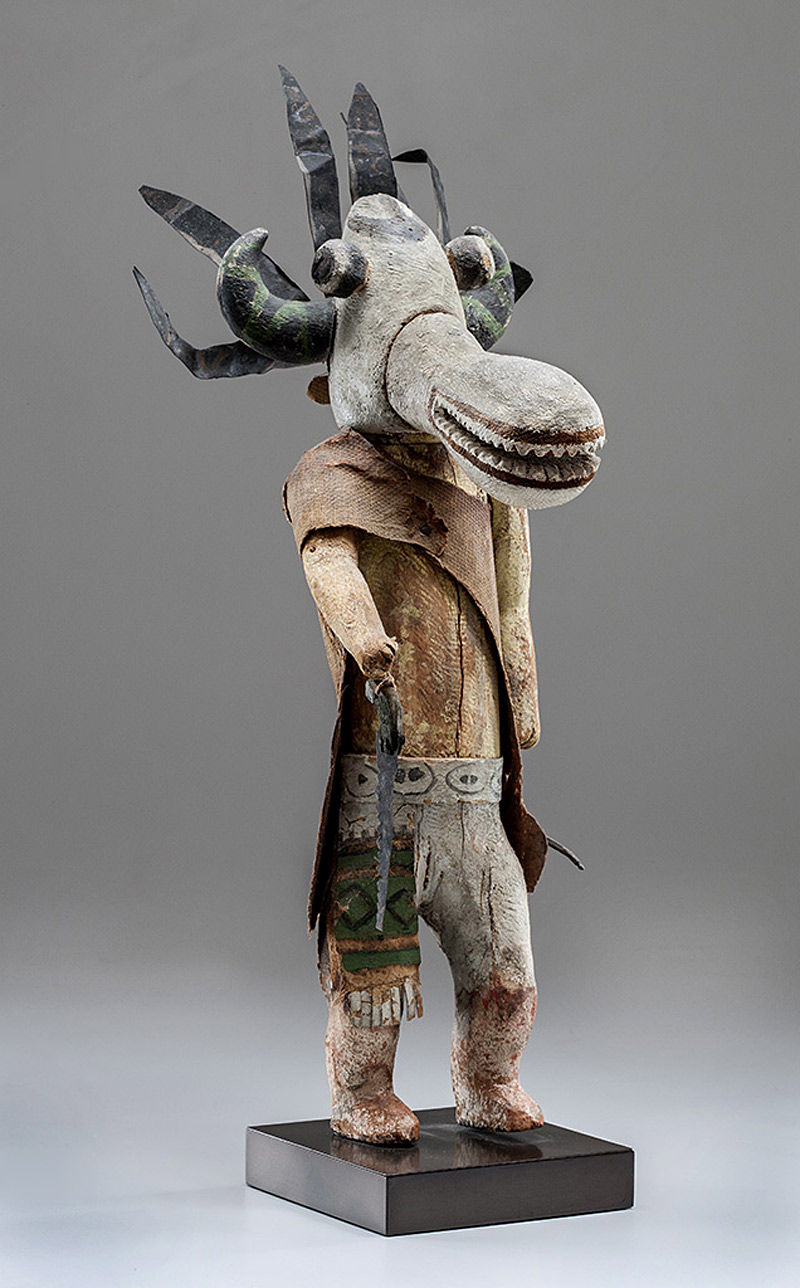


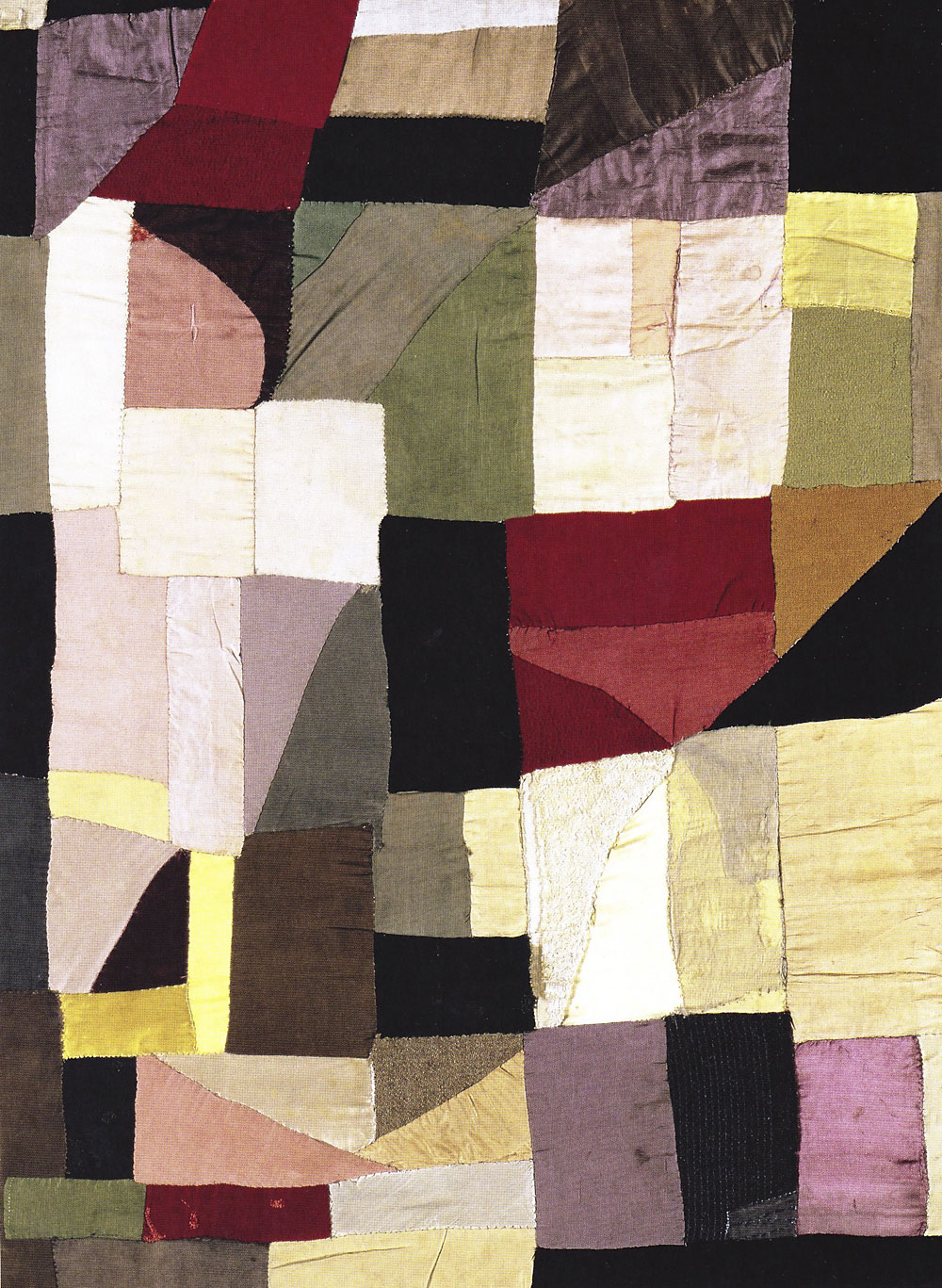
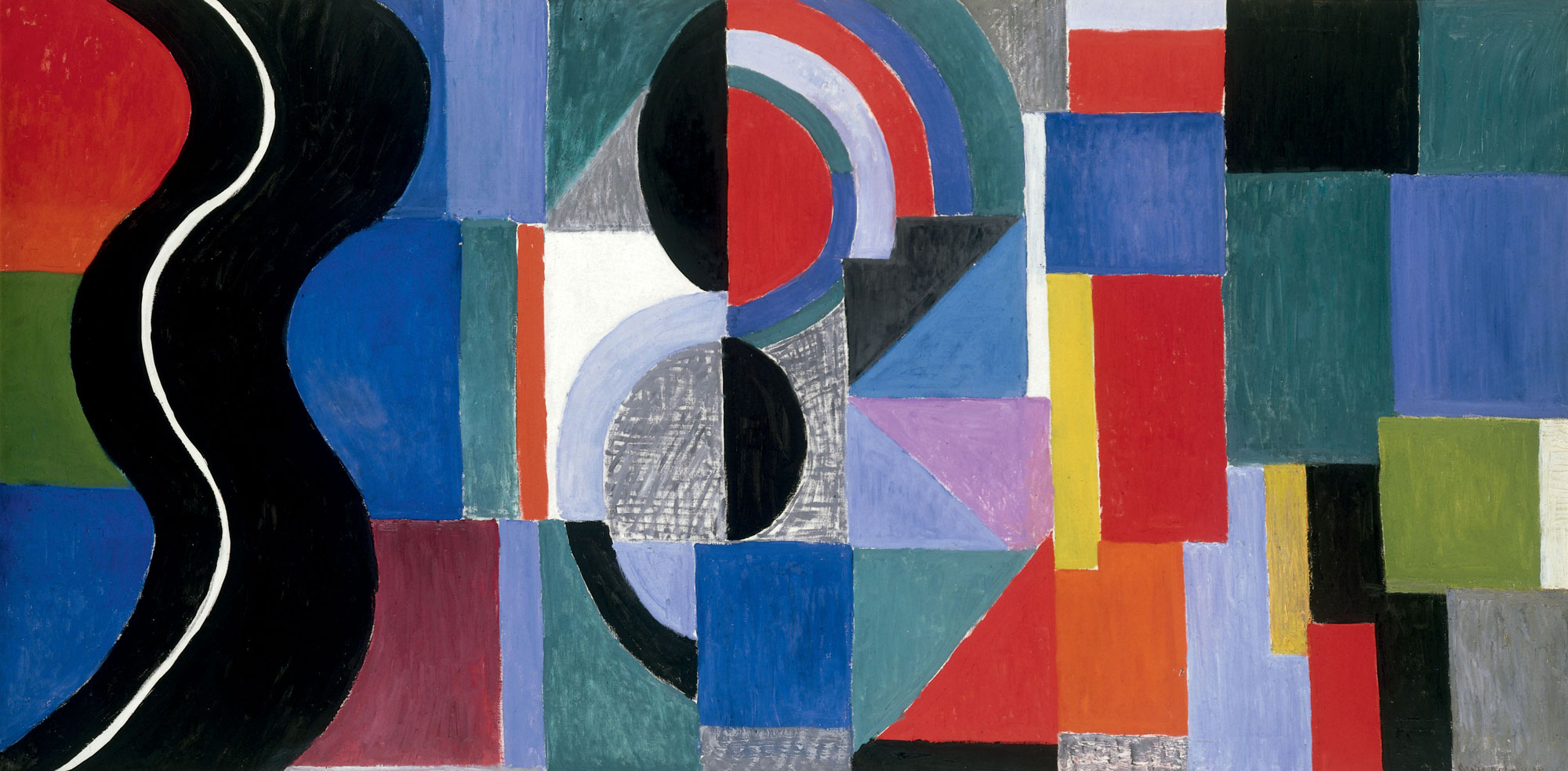


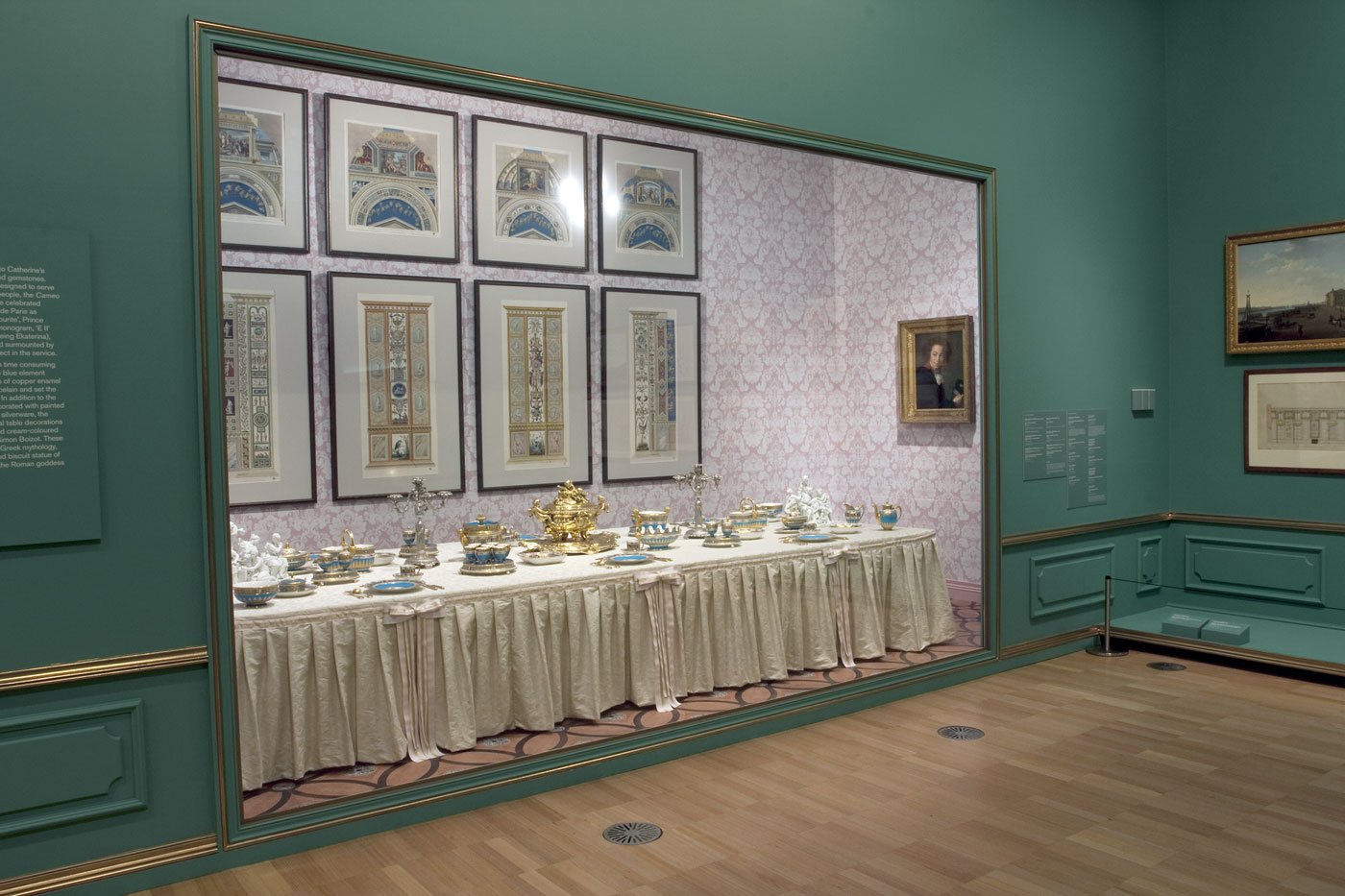


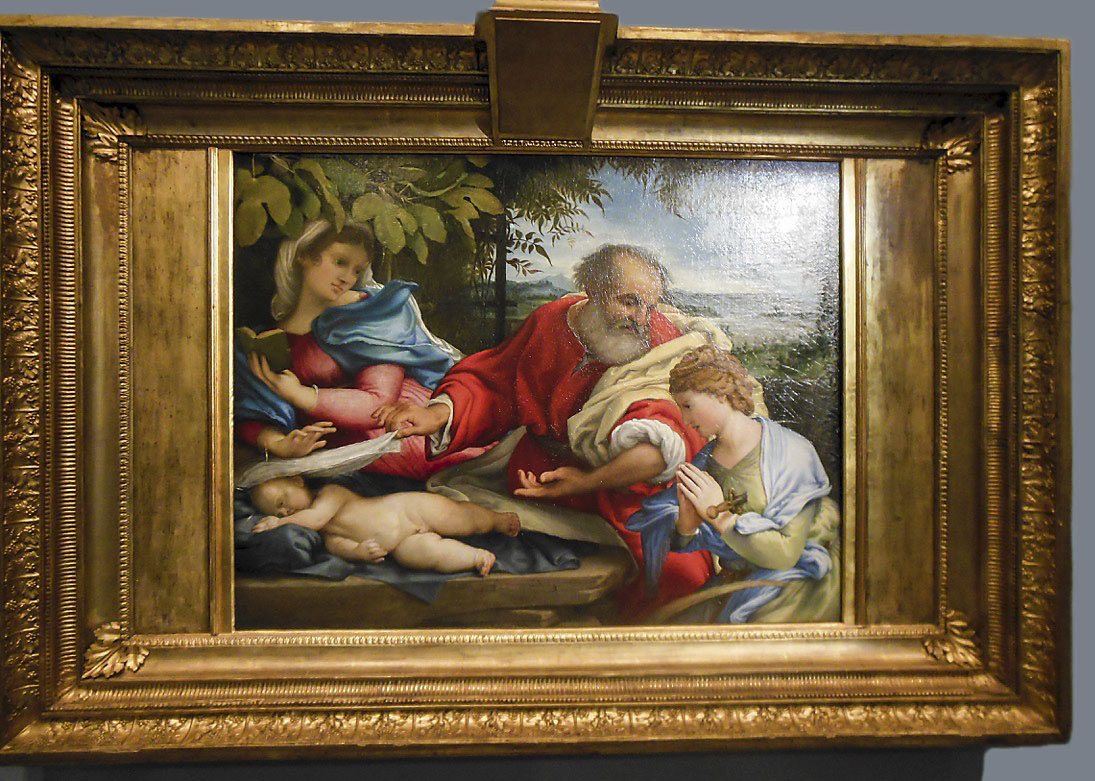


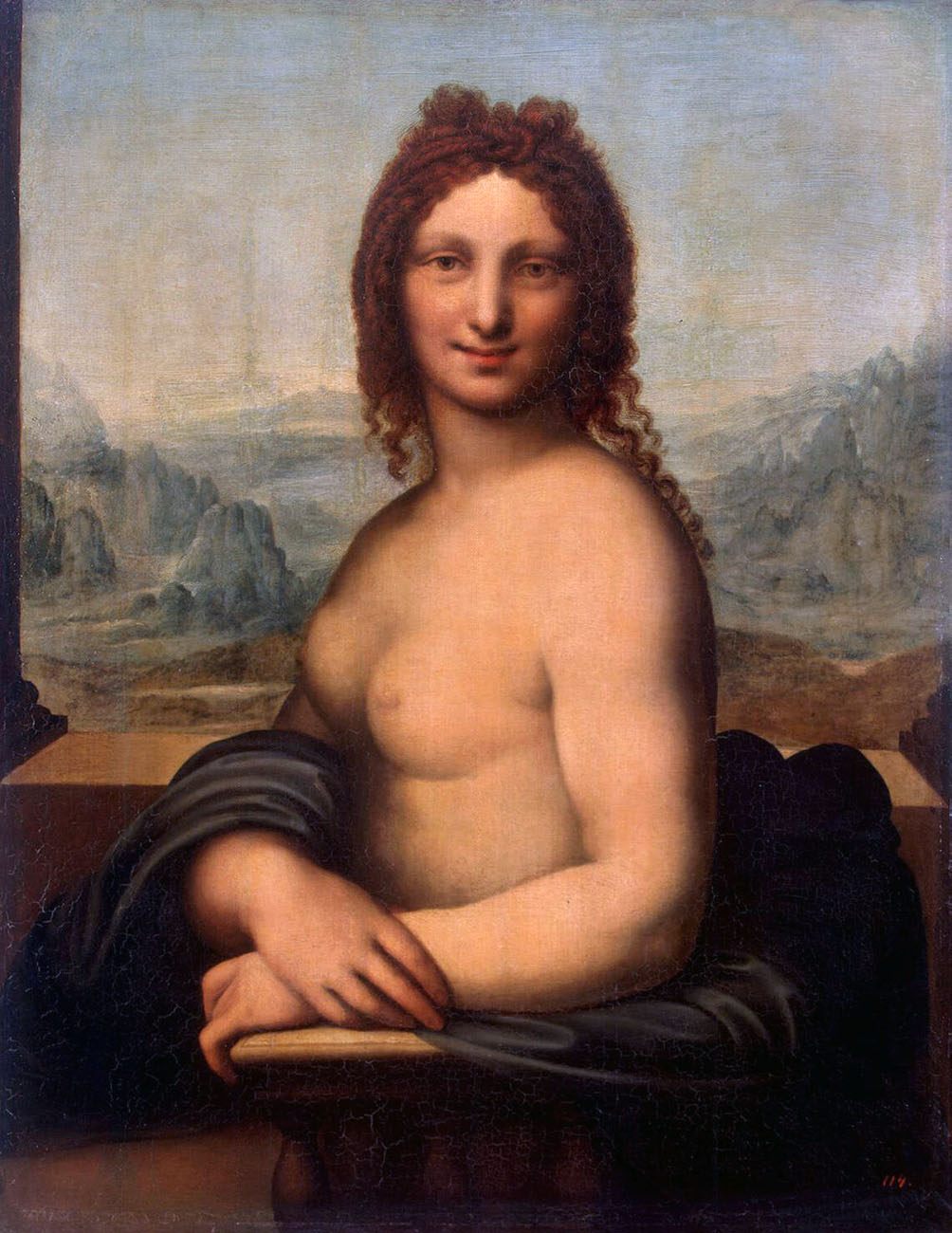


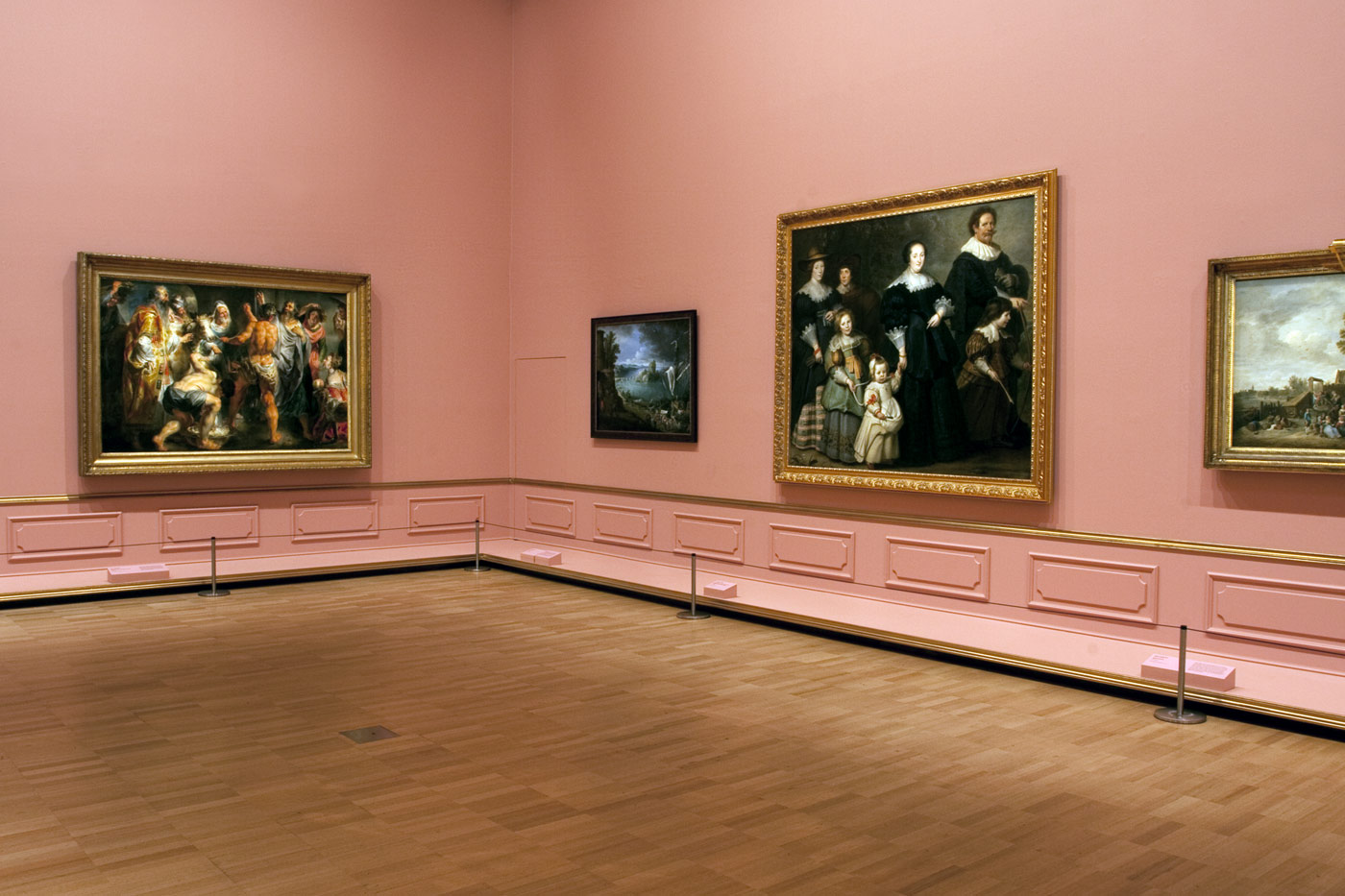








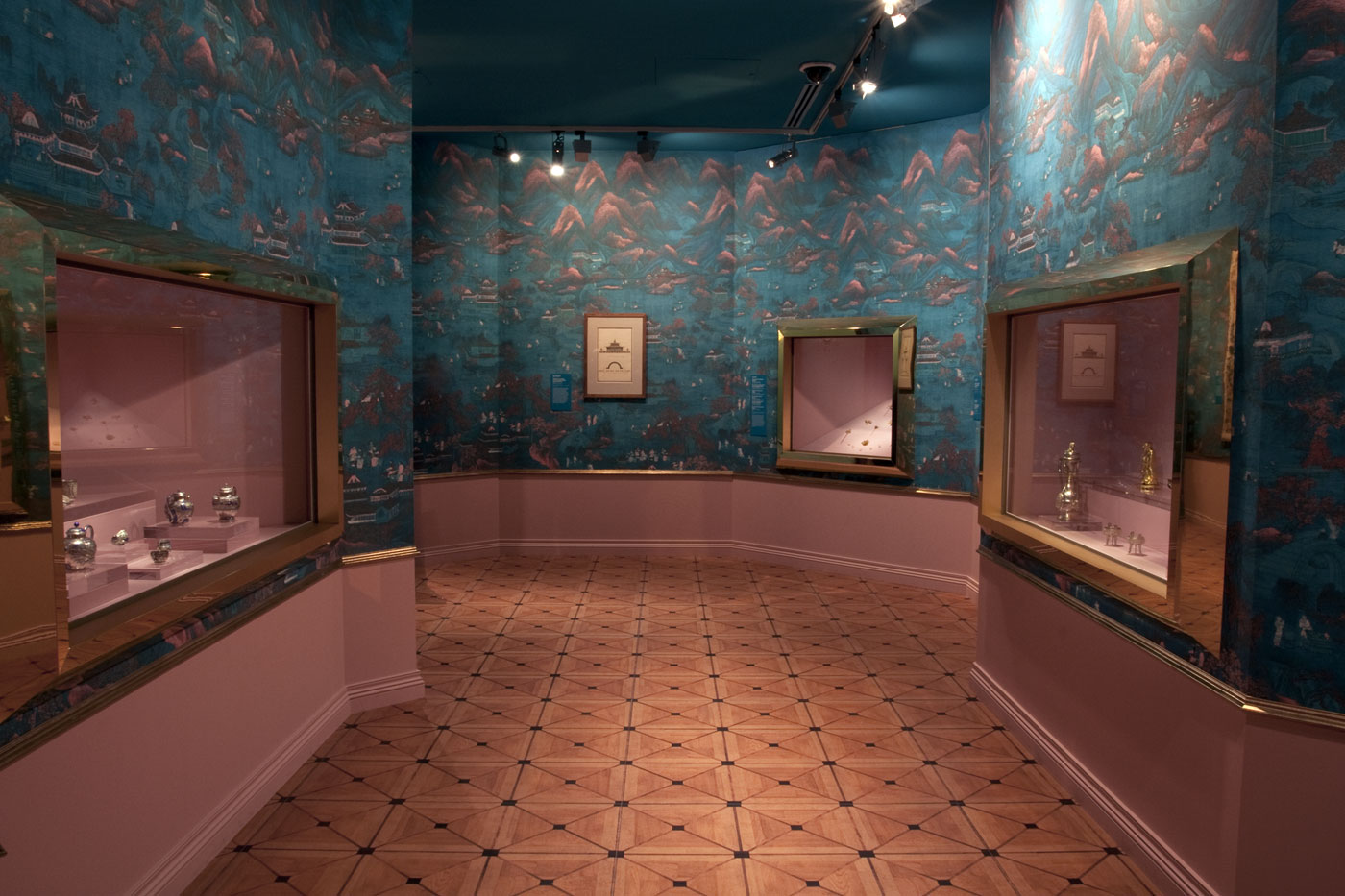


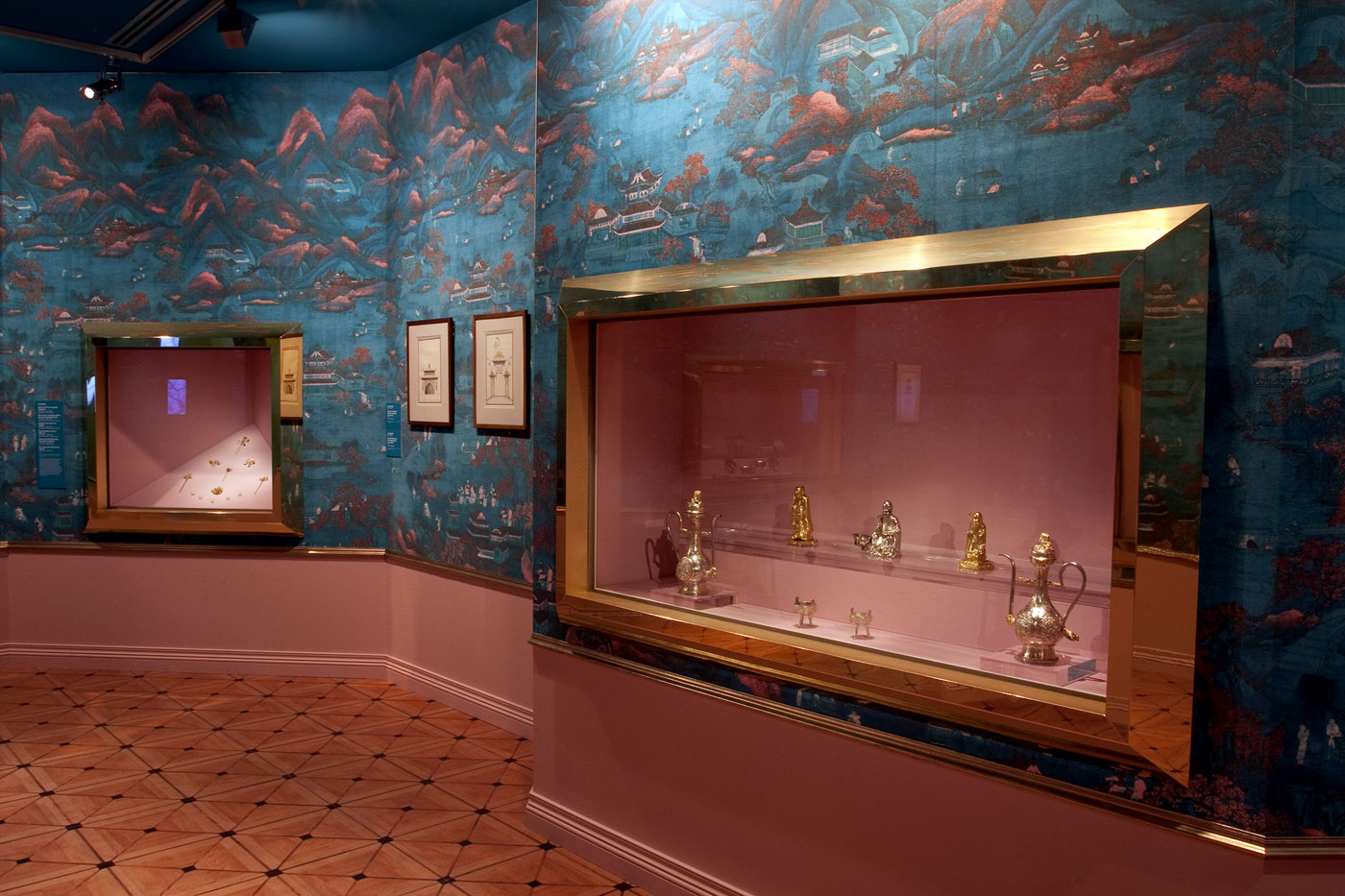

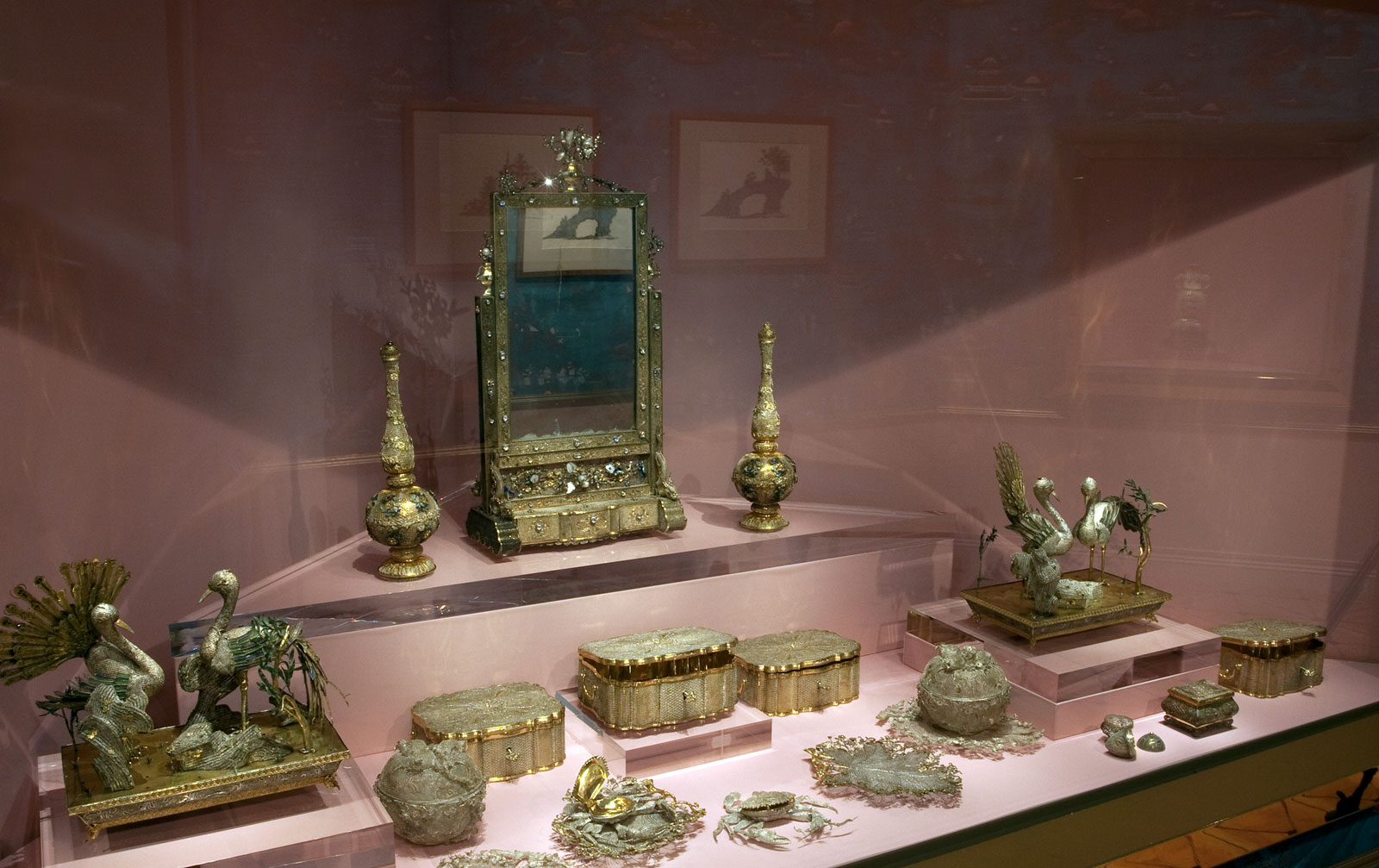
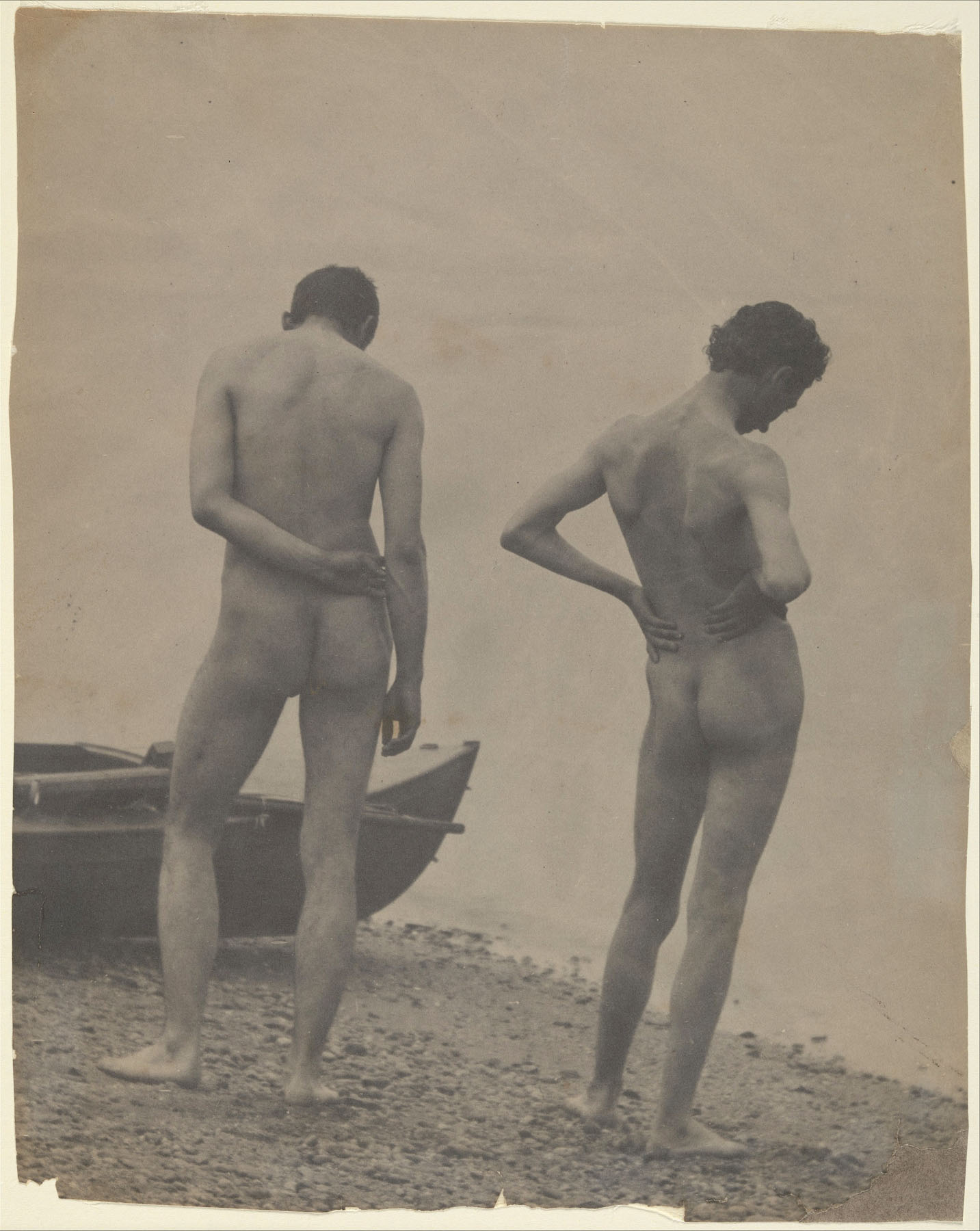








 Art Blart _ art and cultural memory archive
You must be logged in to post a comment.