Review: ‘Unnerved: The New Zealand Project’ at NGV International, Melbourne

Exhibition dates: 26th November 2010 – 27th February, 2011

A Queensland Art Gallery Touring Exhibition
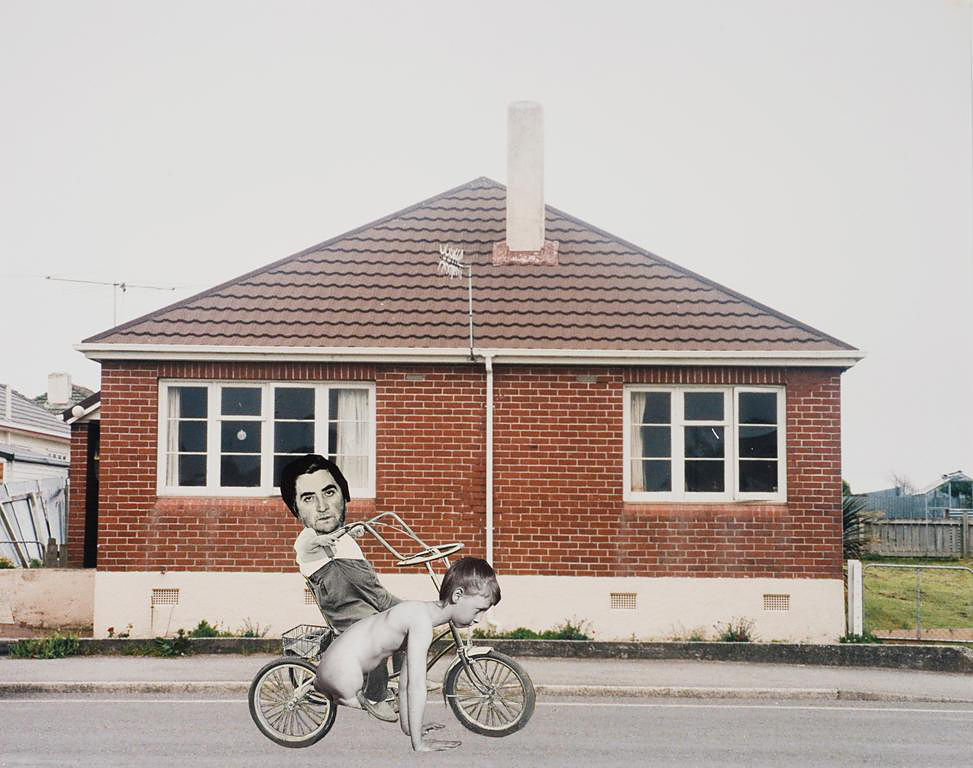
 

Ava Seymour (New Zealand, b. 1967) 'Sate Highway 1' 1997 from the exhibition 'Unnerved: The New Zealand Project' at NGV International


Ava Seymour (New Zealand, b. 1967)
State Highway I
1997
From Health, happiness and housing series
Colour photograph of a photomontage
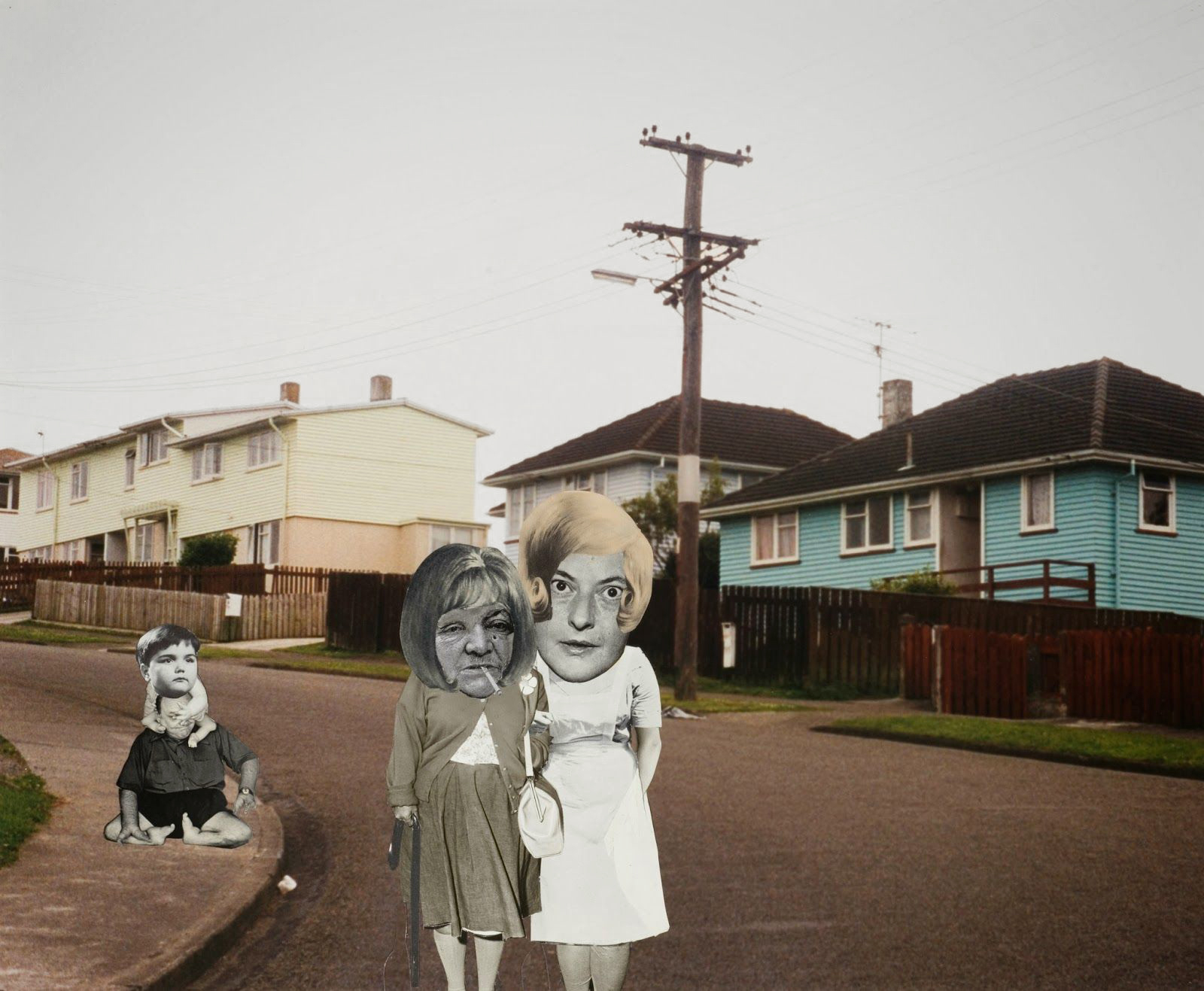
 

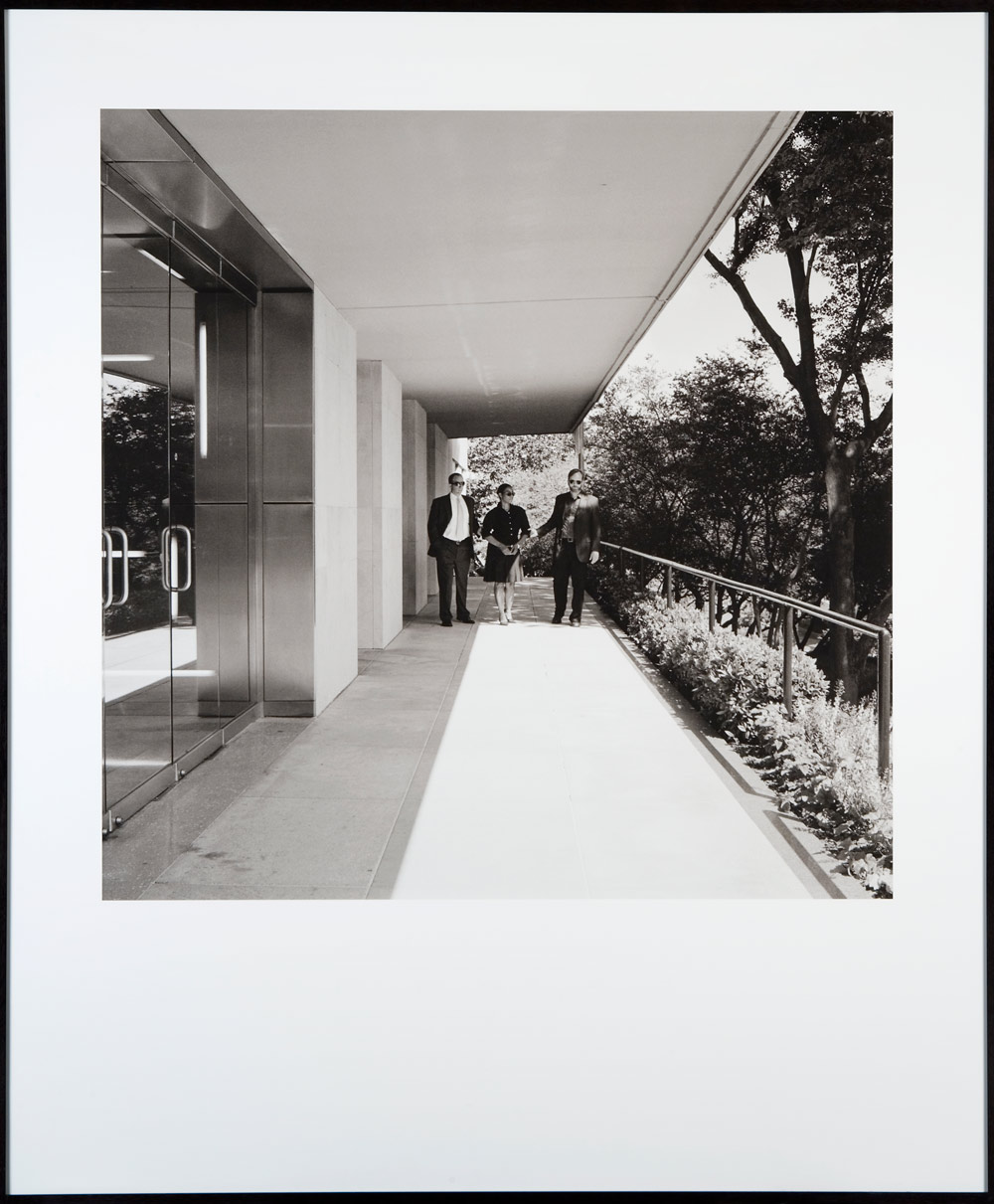
Ava Seymour (New Zealand b. 1967) 'Day Care Walkabouts' 1997 from the exhibition 'Unnerved: The New Zealand Project' at NGV International


Ava Seymour (New Zealand b. 1967)
Day Care Walkabouts
1997
From Health, happiness and housing series
Photomontage on colour photograph


New Zealand art adrift in a myriad of stories and symbols – not a brave ‘new world’

This is an underwhelming group exhibition of over 100 works drawn from the Queensland Art Gallery collection, a show to wander around on a lazy weekend afternoon and not get too excited about. The large number of works in the exhibition make it impossible to review each work individually (although I critique some works below) but one does get an overall sense of the investigation by New Zealand artists into their history, place, culture and identity. While there are a few good works in the exhibition there are also some very mediocre works as well and, other than a few splashes of self-deprecating humour (such as the wonderful The Horn of Africa (2006) by Michael Parekowhai, below) it all seems importantly earnest: an exhibition for serious people (apologies to Oscar Wilde).

On the evidence of this exhibition the country of New Zealand must be a very unnerving place to live, mainly because their artists can’t seem to keep their hand off it – cultural history that is.

Throughout this exhibition we have psychological unease, physical unease, a little humour, parody, poetry, symbology, allegory, mythology, colonialism, post-colonialism, nationalism, commercialisation, representation, anthropology, travel, landscape, topography, advertising, first contact, sacred spaces, indigenous politics, Māori culture, Pacific Islander culture, pakeha (non-indigenous) culture, tools, guns, rabbits, seals, pianos, traditional tattoos, tourist sites and museums, surfing, suburbia, personal journeys, family albums, androgyny, identity, public housing, ambiguous states, hyperreality, surreality, dislocation, disenfranchisement, alienation, bodies, portraits, subjects, past, present, future (and more!)

Ronnie van Hout exhibits three atmospheric, eerie, dark photographs of constructed model landscapes: of a Nazi doodlebug and the words ABDUCT and HYBRID. The wall text tries, unsuccessfully, to link the images to the obscure and haunted landscapes of New Zealand – a very long bow to draw indeed. Bill Cuthbert’s “nice” photographs offer generalised statements of light and place but really don’t take you anywhere and in fact could have been taken anywhere. The wall text offers that the photographs are a “self-conscious, critical response” to the dismantling of colonial ideas of empire and nation … this is art speak gobbledygook at its worst trying to justify basic photography.

Mark Adams panoramic photograph of one of the sites of first contact – an important historical moment of encounter between Māori and pakeha (non-Māori people of European descent) – are a beautiful photograph of a sound and mountains that has then been dissected, fragmented and individually framed and then mounted unevenly on the gallery wall – just to make sure we get the point about the ‘nature’ of the scenery and its cultural implications. Lonnie Hutchinson’s cut wall work Cinco “offers an interplay between paper and space and explores the ‘va’ or space between – a relation between the Samoan people and the landscape saturated with the dialogue of our ancestors … being adrift in a sea of memories caused by feelings related to cultural loss and uncertainty.” I know how they feel: adrift, underwhelmed by the art and overwhelmed by the text.

Other than the striking photograph of the Dandy (2007, below) Lisa Reihana’s series Digital Marae (2001- ) also fails to inspire. The marae is a highly structure space where Māori families come together – an outdoor, cleared area, a communal or sacred place which serves religious and social purposes in Polynesian societies. Here can be found male sculptures called poupou featuring diverse forms of masculinity, Māori gods and goddesses. The elder Mahuika, while sometimes described as male, is deliberately depicted in her female state in this series. In Reihanna’s digital interpretation of the marae her gods and goddesses become slick, media-inspired glossy magazine type images printed large, mounted on aluminium and lit for maximum theatrical effect. The unstructured spaces behind the figures have no context, no placement and give lie to the inspiration for the series (a highly structured space) and, as such, they land with a commercial thud onto the cleared earth.

The lowest point in the exhibition must be reserved for the 80 photographs of the series ‘The homely’ (1997-2000) by Gavin Hipkins. Usually when reviewing I refrain from saying anything bad about works of art. Robert Nelson in The Age describes the series as “visually and conceptually incoherent.” Taken over 4 years and supposedly “examining notions of nationhood that are unstable and fractured” Hipkins describes it as “a post-colonial gothic novel.” !!

The series features flat, one-dimensional images of symbols: sculptures, closed doors, open doors, flags, people, repeating circles and vertical elements – where the aggregate of all the images is supposed to MEAN SOMETHING. These are the most simple, most basic of year 12 images formed into a sequence that is conceptually irrelevant in terms of its symbolism and iconography vis a vis the purported critical examination it seeks to undertake. This artist needs to look at the sequences of Minor White to see how a master artist puts photographs together – not just in terms of narrative but the meaning in the spaces between the images, their spiritual resonance – or if wanting to be more literal, study that seminal book The Americans by Robert Frank to see how to really make a sequence.

On to better things. For me the absolute gem of this exhibition were the photomontages of Ava Seymour from her ‘Health, happiness and housing’ series (see photographs above). These are just fantastic! Featuring as a backdrop photographs of state houses built in the 1950s and 60s Seymour assembles her cast of characters – composite figures of found limbs, bodies and faces taken from old medical text books – and creates stark, psychological sites of engagement. The can be seen as family portraits, social documents of unseen alienation and dis-enfranchisement with communities and also a comment on the conduct of the welfare system and state housing, but in their ironic, self-deprecating humour they become so much more. Even though they use old photographs the artist recasts them ingenuously to become something new, a new space that the viewer can step into, unlike most of the work in this exhibition.

Most artists in this exhibition seem intent on a form of cultural excavation to make their work, digging and rooting around in cultural history and memory to find “meaning”, to make new forms from old that actually lead nowhere. They excavate symbols and signs and reform them hoping for what, exactly? All that appears is work that is stunted and fragmented, chopped up dislocations that offer nothing new in terms of a way forward for the culture from which these histories and memories emerge. There is no holistic, healing vision here, only a series of mined observations that fragment, distort and polarise, descending into the decorative, illustrative or the commercial. The same can be said of some Australian art (including the exhibition Stormy Weather: Contemporary Landscape Photography at NGV Federation Square that I will review next). As Robert Nelson succinctly observed in his review of this exhibition in The Age (Wednesday, December 29th, 2010), this exhibition “reveals a weakness that also exists in our scene: fertile tricks and noble intentions, but patchy skill or poetic imagination for connecting them.” Well said.

“”When the soul wants to experience something she throws out an image in front of her and then steps into it.” (Meister Eckhart) It is an evocation of the image as a threshold leading to new dimensions of meaning. Symbolic images are more than data; they are vital seeds, living carriers of possibility.”1


New dimensions of meaning, vital seeds, living carriers of possibility. Everyone of us is a living, breathing embodiment of cultural history and memory. We know that intimately in our bones, as human beings. What artists need to do is observe this legacy but offer a way forward, not constantly excavating the past and hoping this is enough when creating work. These are not new spaces to step into! The cohabitation of indigenous and ethnically mixed non-indigenous cultures in both Australia and New Zealand requires this holistic forward looking vision. It is a redemptive vision that is not mired in the symbols and archetypes of the past but, as Australia writer David Malouf envisages it, ‘a dream history, a myth history, a history of experience in the imagination’.2 It is a vision of the future that all post-colonial countries can embrace, where a people can come to know their sense of place more fully.

Rather than an escapist return to the past perhaps a redemptive vision of New Zealand’s cultural future, a history of experience in the imagination, would be less insular and more open to the capacity to wonder.

Dr Marcus Bunyan


1/ Ronnberg, Ami (ed.,). “Preface,” in The Book of Symbols. Cologne: Taschen, 2010, p. 6

2/ Footnote 6. Daniel, Helen. “Interview with David Malouf,” in Australian Book Review (September , 1996), p. 13 quoted in Ennis, Helen. “The Presence of the Past,” in Photography and Australia. London: Reaktion Books, 2007, p. 141


Many thankx to Jemma Altmeier for her help and to the National Gallery of Victoria for allowing me to publish the photographs in the posting. Please click on the photographs for a larger version of the image.
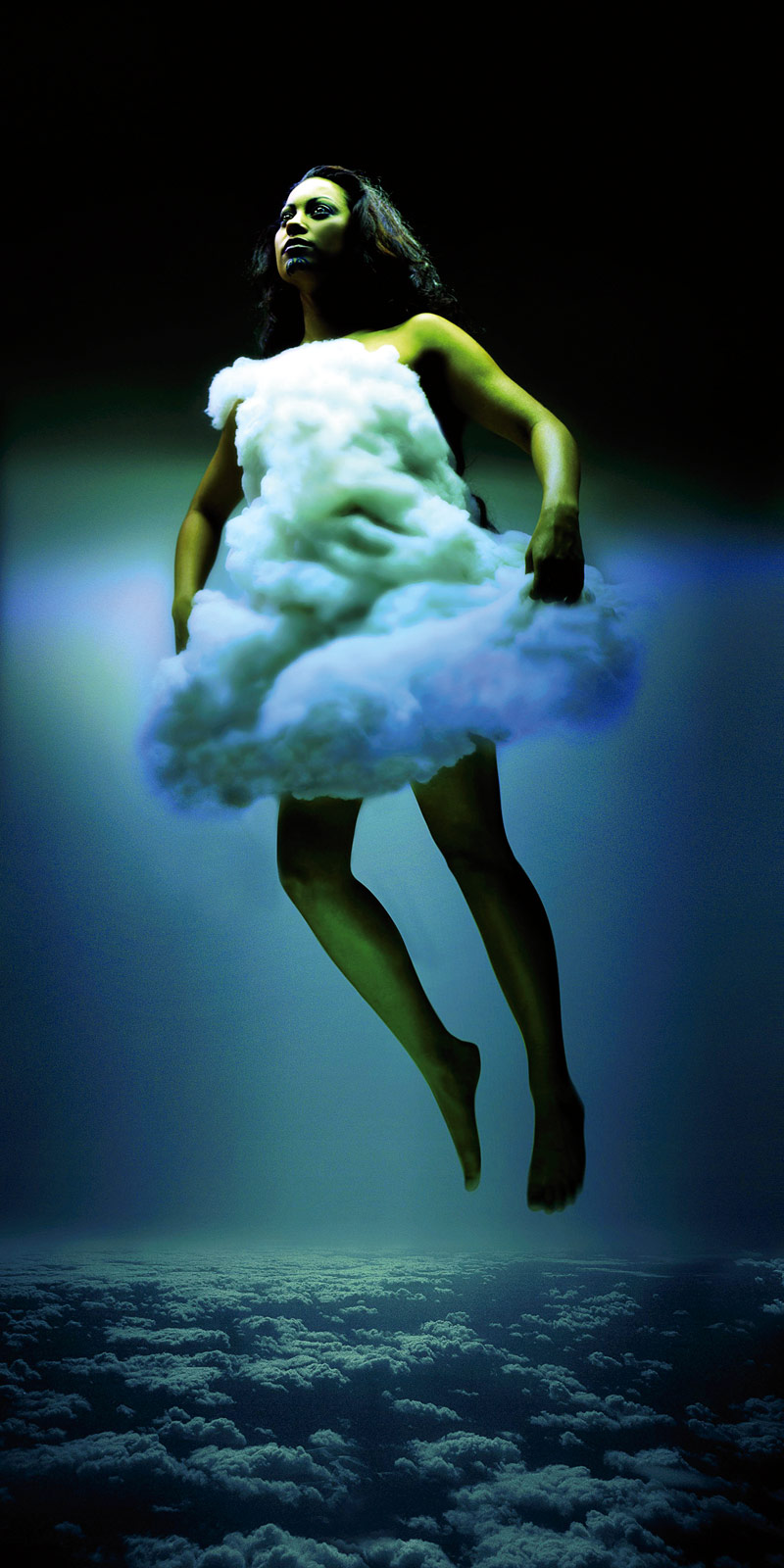
 

Lisa Reihana (Ngāpuhi: Ngāti Hine, Ngāi Tu New Zealander, b. 1964) 'Hinepukohurangi' 2001 from the exhibition 'Unnerved: The New Zealand Project' at NGV International


Lisa Reihana (Ngāpuhi: Ngāti Hine, Ngāi Tu New Zealander, b. 1964)
Hinepukohurangi
2001
From Digital Marae 2001-
Cibachrome photograph mounted on aluminium
200 x 100cm
Purchased 2002
© Lisa Reihana
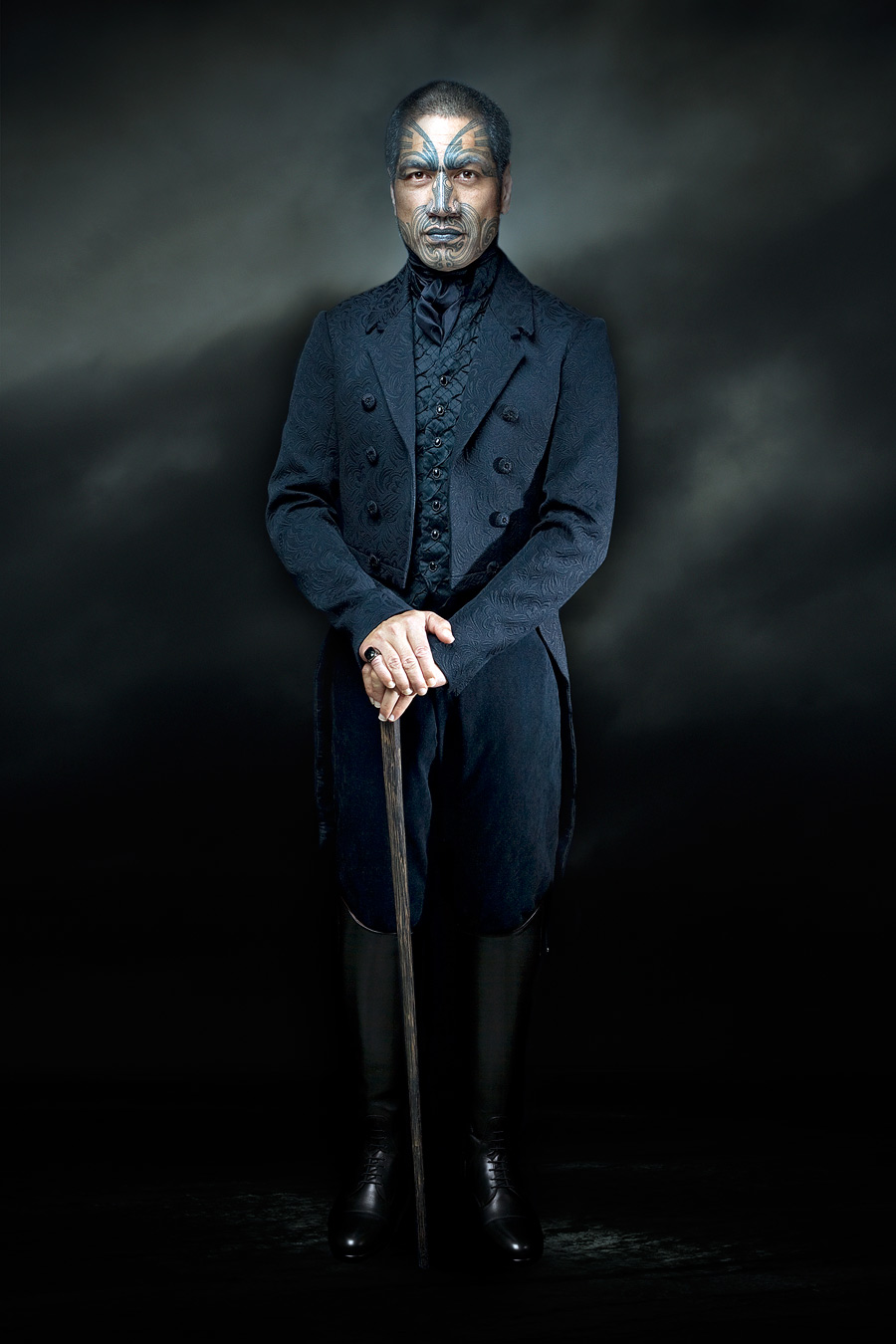
 

Lisa Reihana (Ngāpuhi: Ngāti Hine, Ngāi Tu New Zealander, b. 1964) 'Dandy' 2007 from the exhibition 'Unnerved: The New Zealand Project' at NGV International


Lisa Reihana (Ngāpuhi: Ngāti Hine, Ngāi Tu New Zealander, b. 1964)
Dandy
2007
From Digital Marae 2001-
Colour digital print mounted on aluminium
200 x 120cm
Queensland Art Gallery, Brisbane
Purchased 2008 with funds from the Estate of Vincent Stack through the Queensland Art Gallery Foundation Queensland Art Gallery, Brisbane
© Lisa Reihana
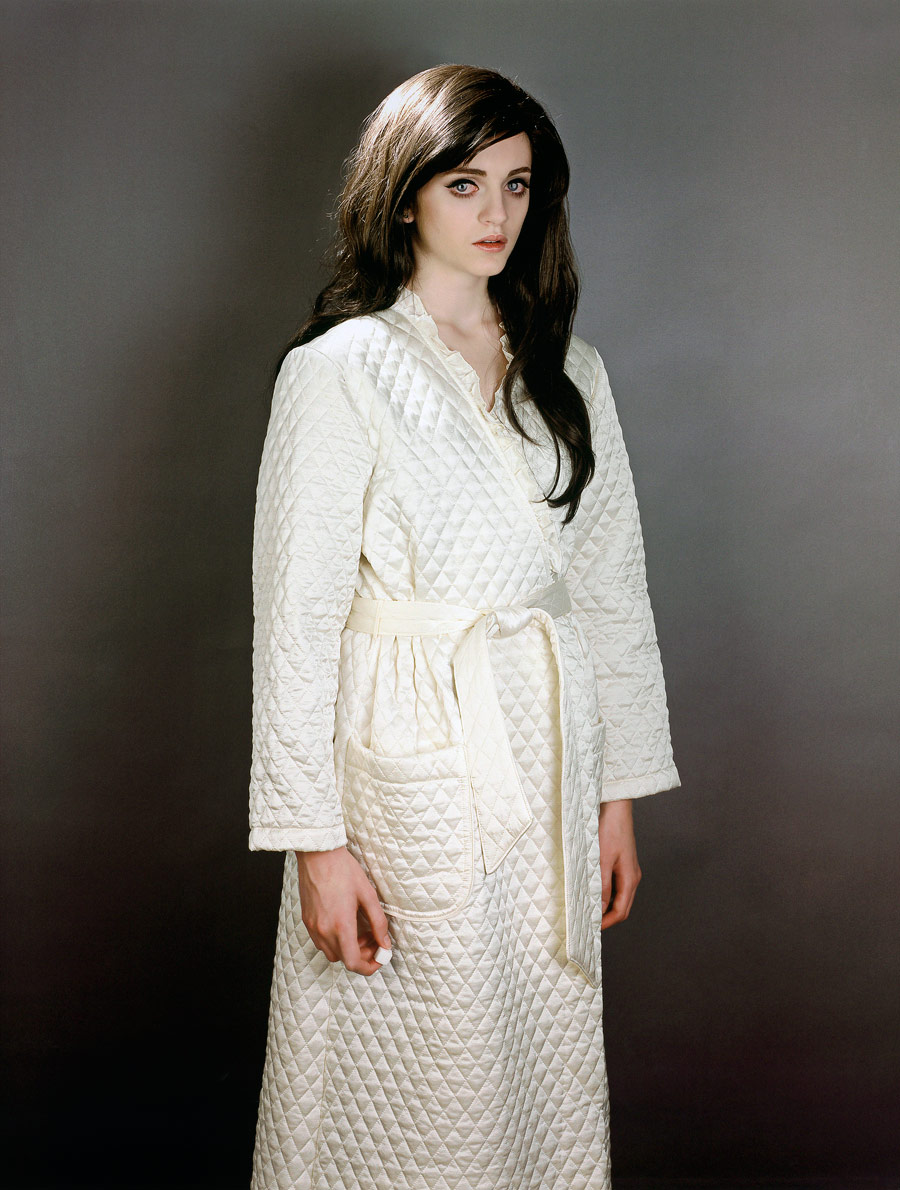
 

Yvonne Todd (New Zealander, b. 1973) 'January' 2005 from the exhibition 'Unnerved: The New Zealand Project' at NGV International


Yvonne Todd (New Zealander, b. 1973)
January
2005
From the Vagrants’ reception centre series
Light jet photograph
100 x 73.8cm
Queensland Art Gallery, Brisbane
Purchased 2007. Queensland Art Gallery Foundation Grant
©Yvonne Todd
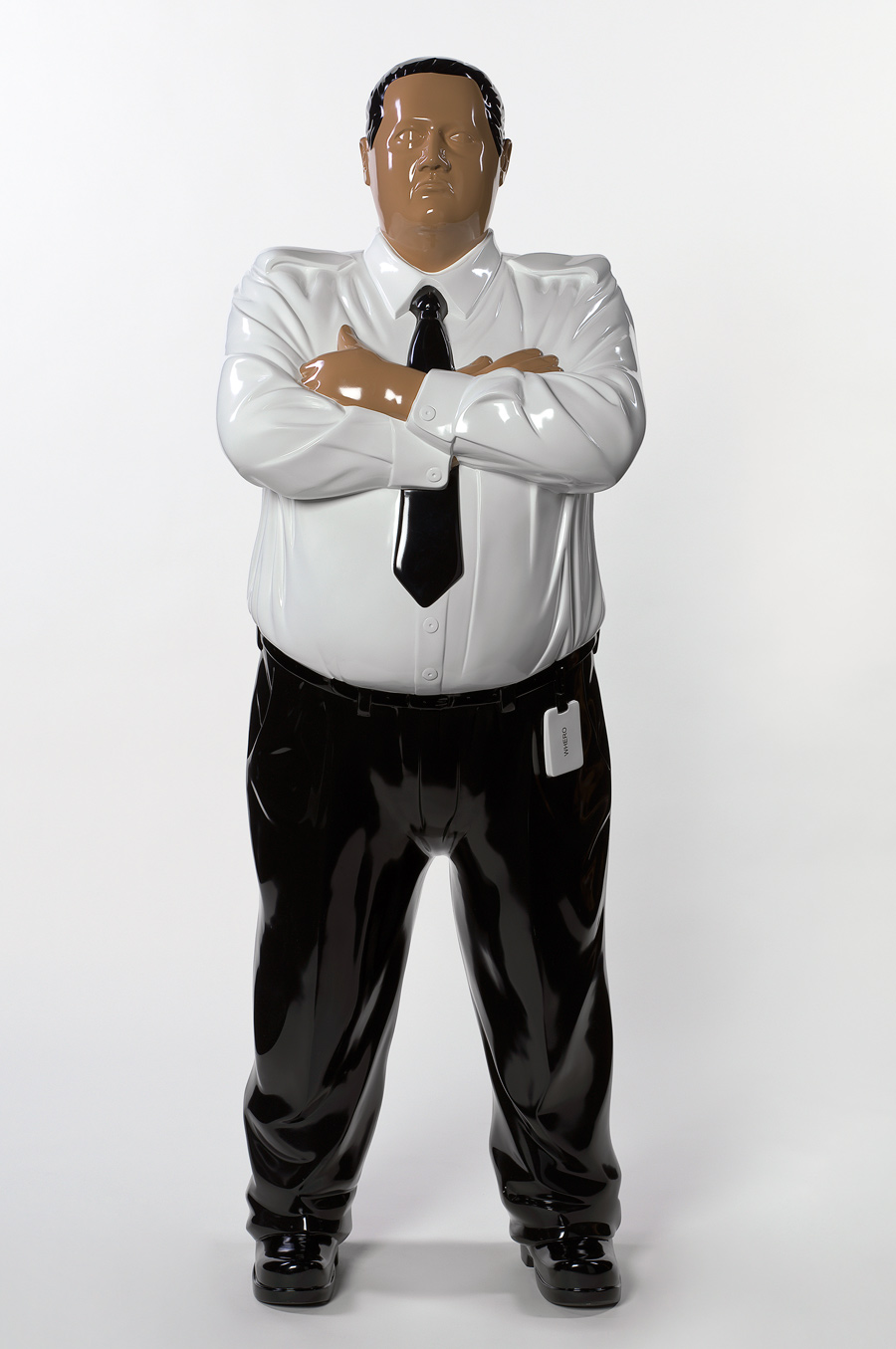
 

Michael Parekowhai (Ngāti Whakarongo New Zealander, b. 1968) 'Kapa Haka (Whero)' 2003 from the exhibition 'Unnerved: The New Zealand Project' at NGV International


Michael Parekowhai (Ngāti Whakarongo New Zealander, b. 1968)
Kapa Haka (Whero)
2003
Automotive paint on fibreglass
188 x 60 x 50cm
Queensland Art Gallery, Brisbane
Purchased 2009 with funds from Tim Fairfax AM, through the Queensland Art Gallery Foundation
© Michael Parekowhai


The National Gallery of Victoria today opened a major exhibition celebrating the extraordinary work of 26 contemporary New Zealand artists in Unnerved: The New Zealand Project.

Unnerved explores a particularly rich, dark vein found in contemporary New Zealand art. The psychological or physical unease underlying many works in the exhibition is addressed with humour, parody and poetic subtlety by artists across generations and mediums. Bringing together more than 100 works ranging from intimate works on paper to large scale installations by both established and emerging artists, Unnerved engages with New Zealand’s changing social, political and cultural landscape as the country navigates its indigenous settler and migrant histories. These works explore a changing sense of place, the continued importance of contemporary Maori art, biculturalism, a complex colonial past, the creative reworking of memory, and the often interconnected mediums of performance, photography and video. If the vision is unsettling, it is also compelling and Unnerved: The New Zealand Project offers us new ways of seeing one of our closest neighbours.

This fascinating exhibition explores a rich and dark vein found in contemporary art in New Zealand, drawing on the disquieting aspects of New Zealand’s history and culture reflected through more than 100 works of art.

Jane Devery, Coordinating Curator, NGV said: “The works presented in Unnerved reveal a darkness and distinctive edginess that characterises this particular trend in New Zealand contemporary art. The psychological or physical unease underlying many works in the exhibitions is addressed with humour, parody and poetic subtlety.

The exhibition reflects the strength and vitality of contemporary art in New Zealand with works created by both established and emerging artists, across a range of mediums including painting, photography, sculpture, installation, drawing, film and video.

Unnerved engages with New Zealand’s changing social, political and cultural landscape, exploring a shifting sense of place, complex colonial past, the relationships between contemporary Māori, Pacific Islander and pakeha (non-indigenous) culture, and the interplay between performance, video and photography,” said Ms Devery.

A highlight of the exhibition is a group of sculptural works by Michael Parekowhai including his giant inflatable rabbit, Cosmo McMurtry, which will greet visitors to the exhibition, and a spectacular life-size seal balancing a grand piano on its nose titled The Horn of Africa. Also on display are a series of haunting photographs by Yvonne Todd, whose portrait photography often refers to B-grade films and pulp fiction novels.

Gerard Vaughan, Director, NGV said this exhibition demonstrates the NGV’s strong commitment to interesting and challenging contemporary art secured from around the world; he noted that the NGV has made a special commitment to exhibition the contemporary art of our region.

Unnerved will introduce visitors to the rich contemporary arts scene of one of our closest neighbours, fascinating audiences with works ranging from the life size installations by Parekowhai through to the spectacular 30 metre photographic essay by Gavin Hipkins. This truly is a must see show this summer!” said Dr Vaughan.

Unnerved will also offer a strong and engaging collection of contemporary sculpture, installations, drawings, paintings, photography, film and video art by artists including Lisa Reihana, John Pule, Gavin Hipkins, Anne Noble, Ronnie van Hout, Shane Cotton, Julian Hooper and many others.

Press release from the National Gallery of Victoria website
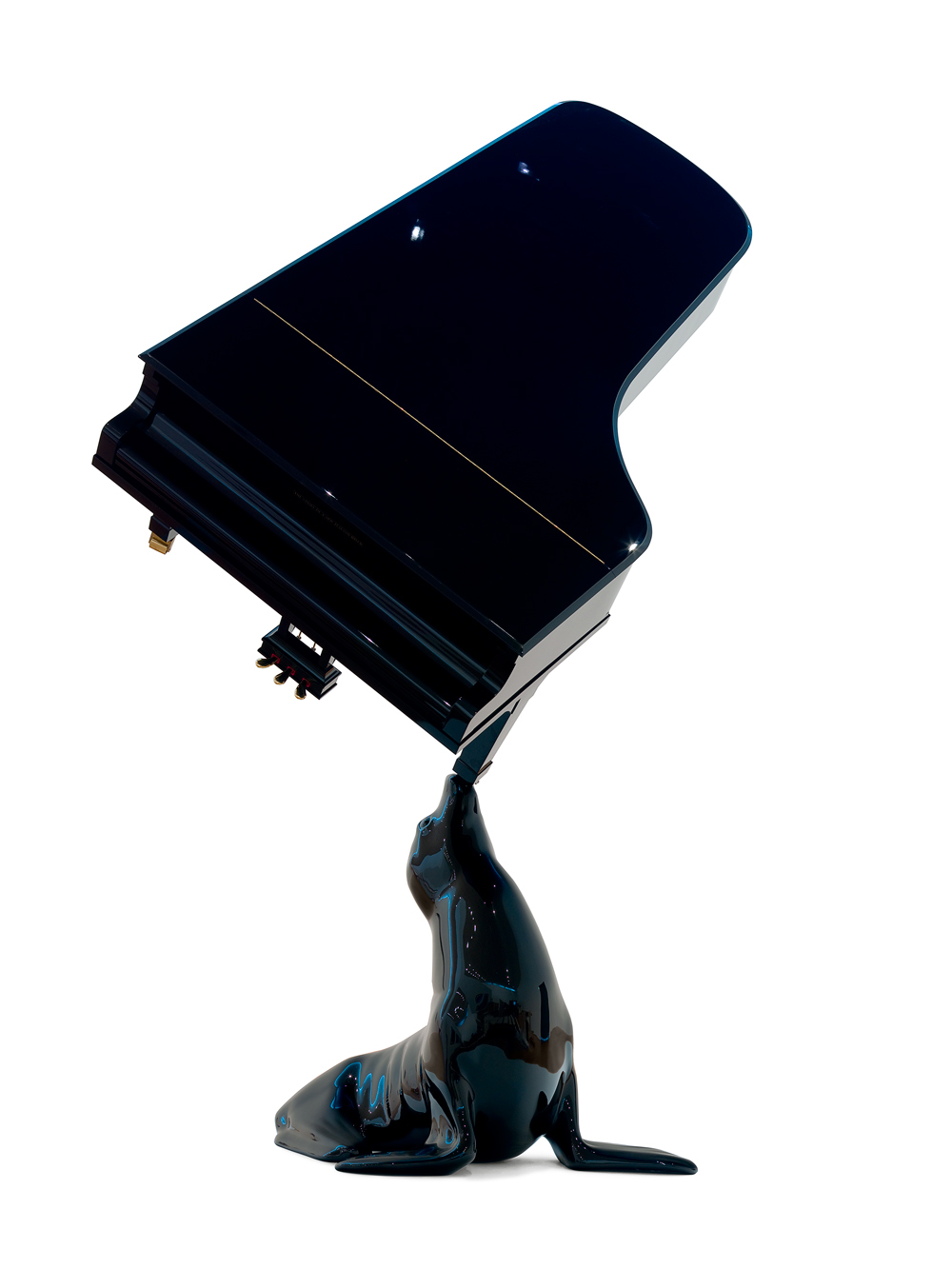
 

Michael Parekowhai (Ngāti Whakarongo New Zealander, b. 1968) 'The Horn of Africa' 2006


Michael Parekowhai (Ngāti Whakarongo New Zealander, b. 1968)
The Horn of Africa
2006
Automotive paint, wood, fibreglass, steel, brass
395 x 200 x 260cm
Queensland Art Gallery, Brisbane
Purchased 2008 with funds from the Queensland Government’s Gallery of Modern Art Acquisitions Fund in recognition of the contribution to the Gallery by Wayne Goss (Chair of Trustees 1999-2008)
© Michael Parekowhai
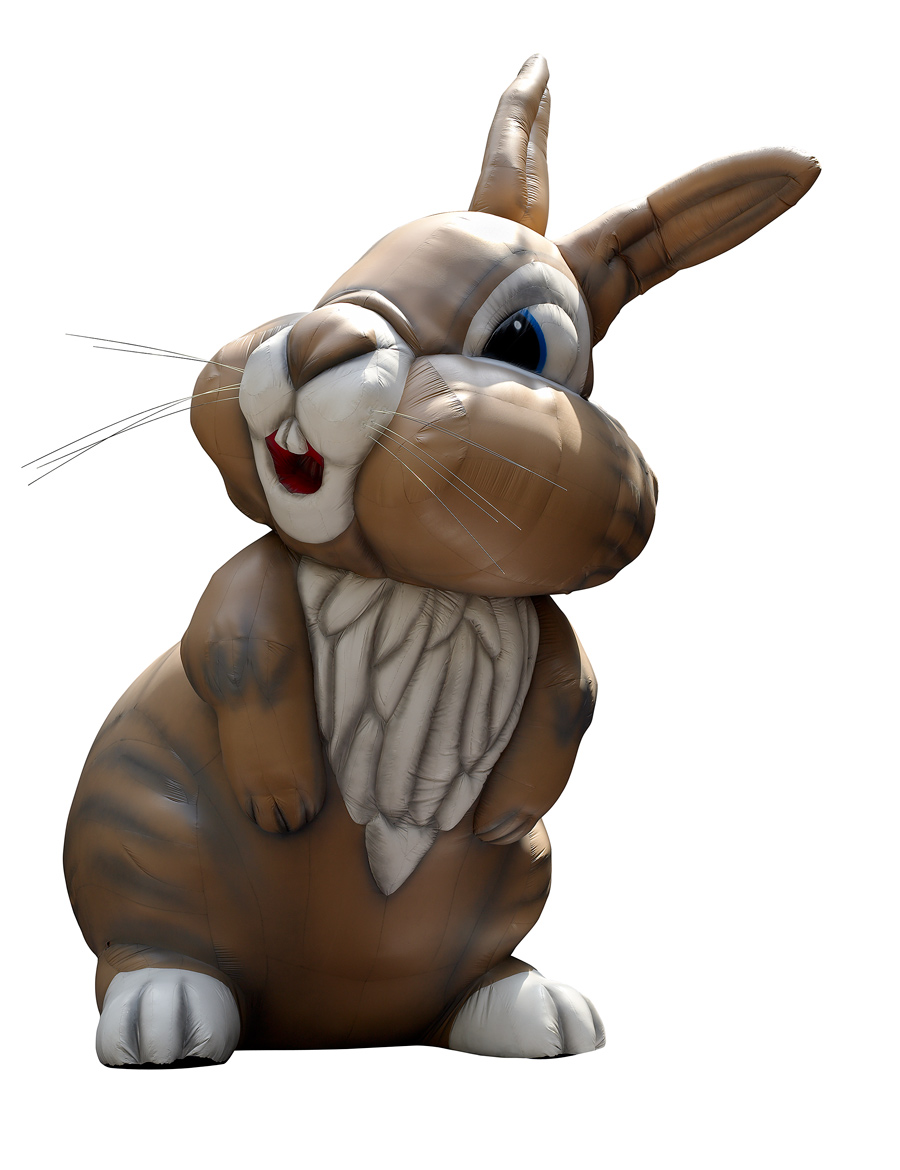
 

Michael Parekowhai (Ngāti Whakarongo New Zealander, b. 1968) 'Cosmo McMurtry' 2006 from the exhibition 'Unnerved: The New Zealand Project' at NGV International


Michael Parekowhai (Ngāti Whakarongo New Zealander, b. 1968)
Cosmo McMurtry
2006
Synthetic polymer paint on polyvinyl chloride, fibreglass, air compressor
734.3 x 506.4 x 739.1cm (variable)
Presented by the Melbourne Art Fair Foundation with the assistance of funds donated by NGV Contemporary, 2006
National Gallery of Victoria
© Michael Parekowhai
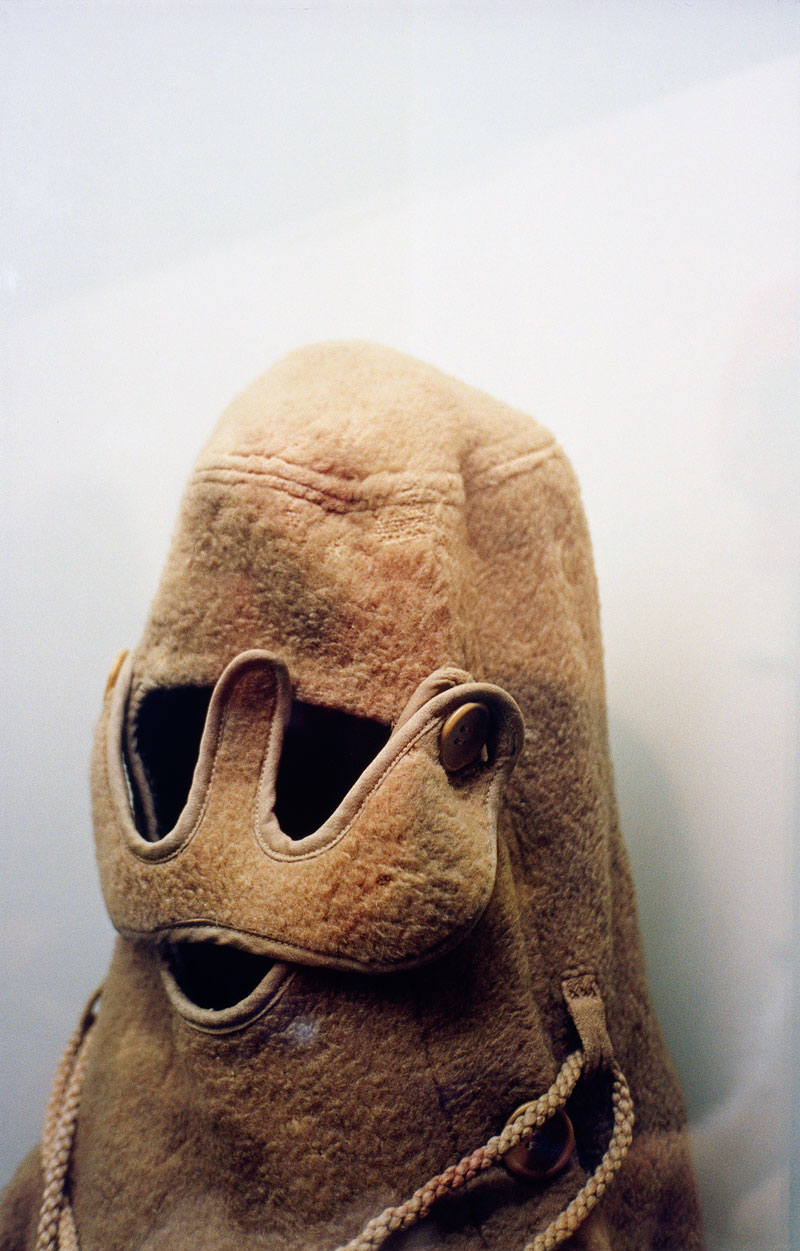
 

Gavin Hipkins (New Zealander, b. 1968) 'Christchurch (Mask)' 1998 from the exhibition 'Unnerved: The New Zealand Project' at NGV International


Gavin Hipkins (New Zealander, b. 1968)
Christchurch (Mask)
1998
From The homely series 1997-2000
Type C photograph
60 x 40cm
Queensland Art Gallery, Brisbane Purchased 2008. The Queensland Government’s Gallery of Modern Art Acquisitions Fund
© Gavin Hipkins
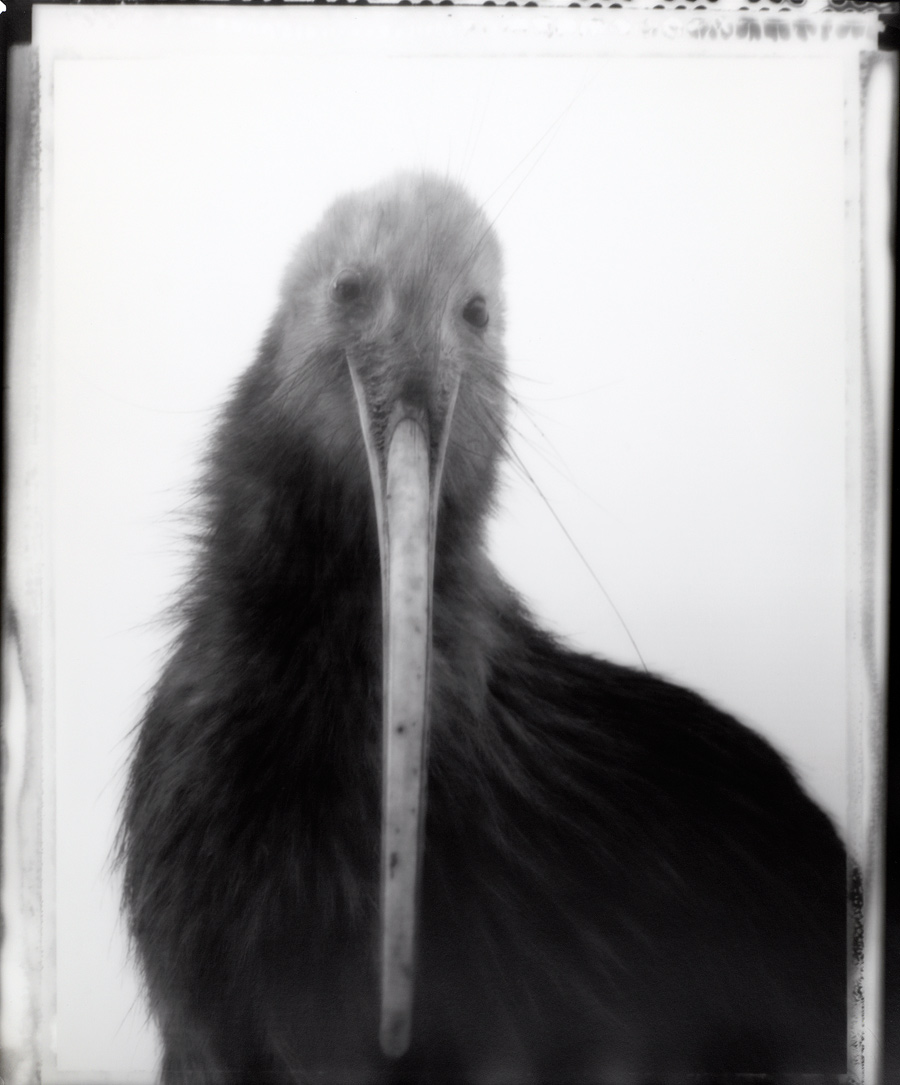
 

Fiona Pardington (Kai Tahu, Kati Mamoe, Kati Waewae New Zealander, b. 1961) 'Sweet Kiwi, from the collection 'Whanganui Museum'' 2008 from the exhibition 'Unnerved: The New Zealand Project' at NGV International


Fiona Pardington (Kai Tahu, Kati Mamoe, Kati Waewae New Zealander, b. 1961)
Sweet Kiwi, from the collection ‘Whanganui Museum’
2008
Gold-toned gelatin silver photograph
61 x 50.8cm
Queensland Art Gallery, Brisbane
Purchased 2008 with funds from Gina Fairfax through the Queensland Art Gallery Foundation
© Fiona Pardington
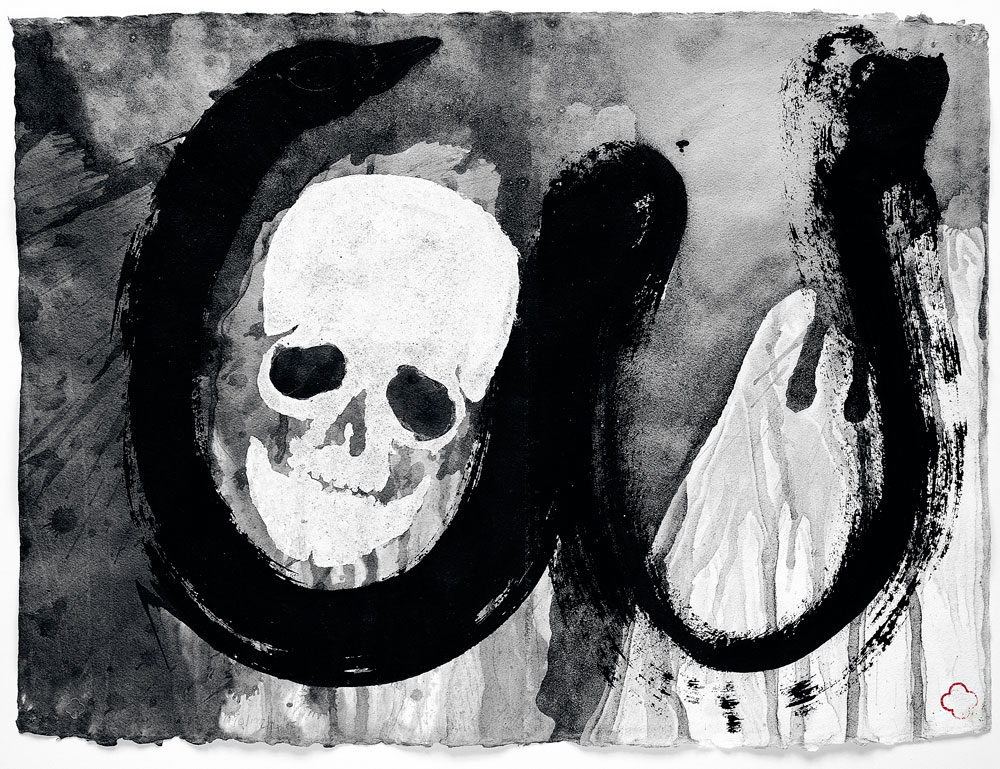
 

Max Gimblett (New Zealander / American, b. 1935) 'Balls' 1990-1997 from the exhibition 'Unnerved: The New Zealand Project' at NGV International


Max Gimblett (New Zealander/American, b. 1935)
Balls
1990-1997
Brush and ink, synthetic polymer paint and pencil on handmade paper
59.8 x 79.3cm
Queensland Art Gallery, Brisbane
The Max Gimblett Gift.
Gift of the artist through the Queensland Art Gallery Foundation 2000
© Max Gimblett
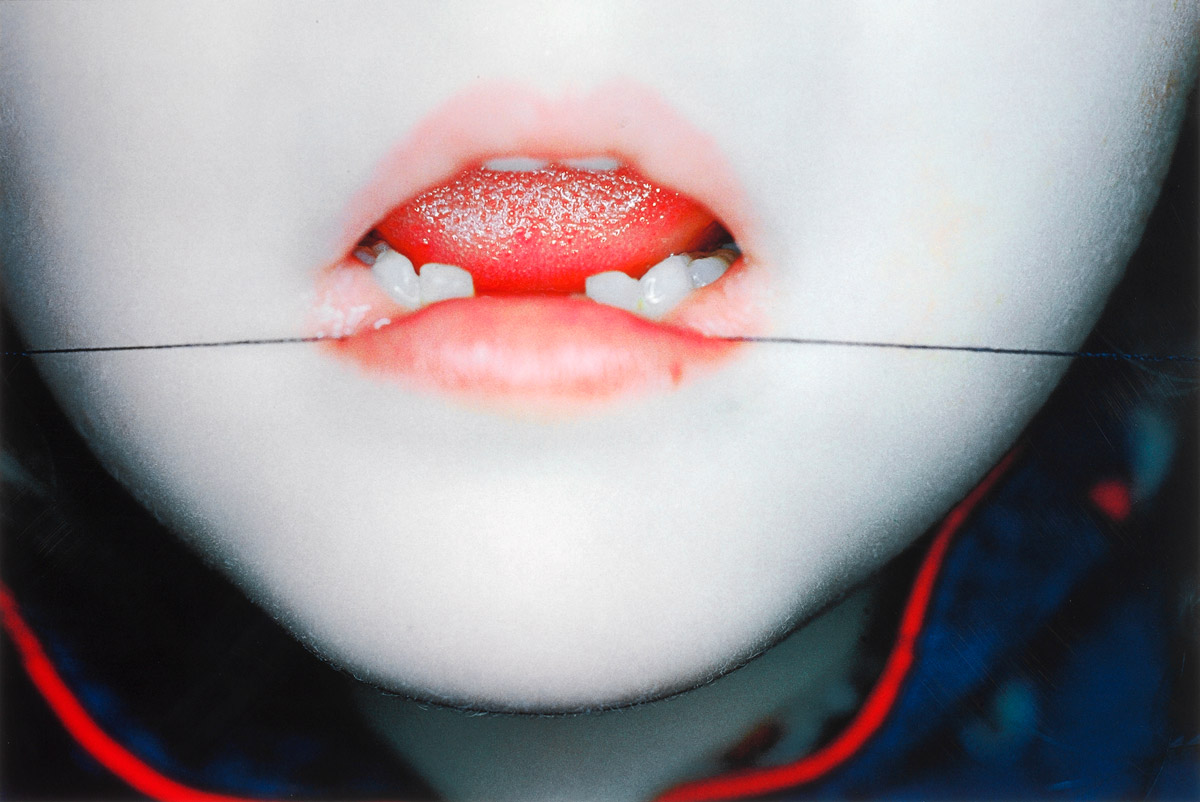
 

Anne Noble (New Zealander, b. 1954) 'Ruby's room no. 6' 1999 from the exhibition 'Unnerved: The New Zealand Project' at NGV International


Anne Noble (New Zealander, b. 1954)
Ruby’s room no. 6
1999
Colour digital print
67 x 100.2cm
Queensland Art Gallery, Brisbane
Purchased 2006
© Anne Noble


NGV International
180 St Kilda Road

Opening hours
Daily 10am – 5pm
National Gallery of Victoria website

LIKE ART BLART ON FACEBOOK

Back to top

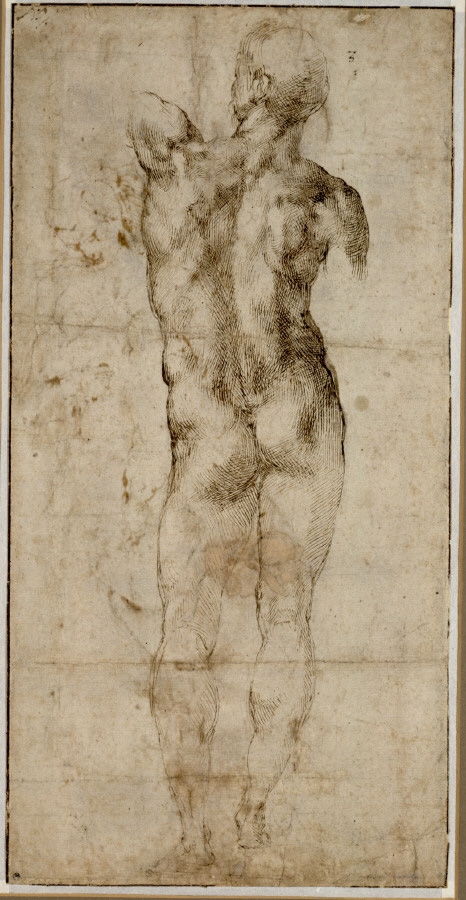
Exhibition: ‘Michelangelo: The Drawings of a Genius’ at Albertina, Vienna

Exhibition dates: 8th October 2010 – 9th January, 2011


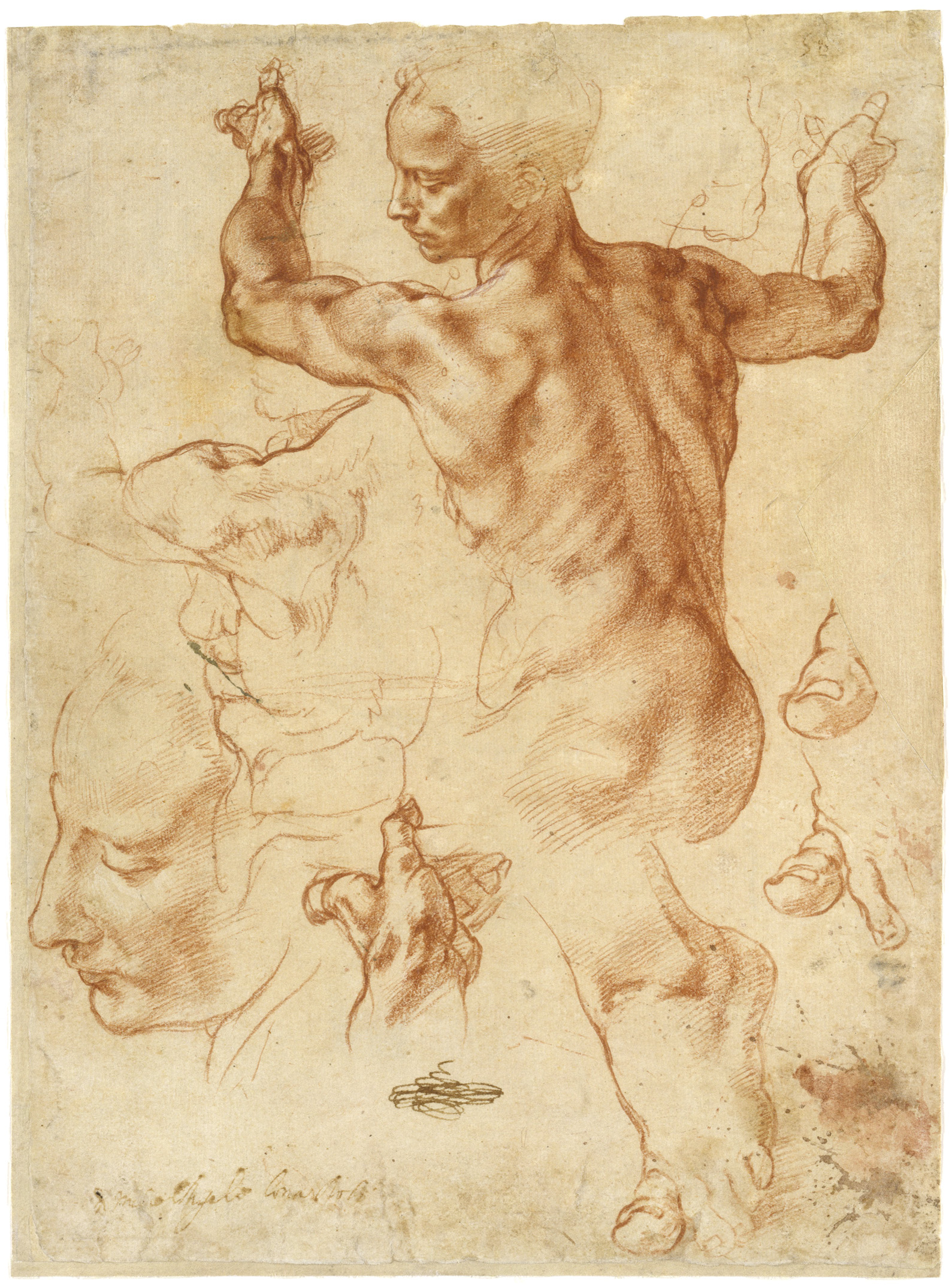
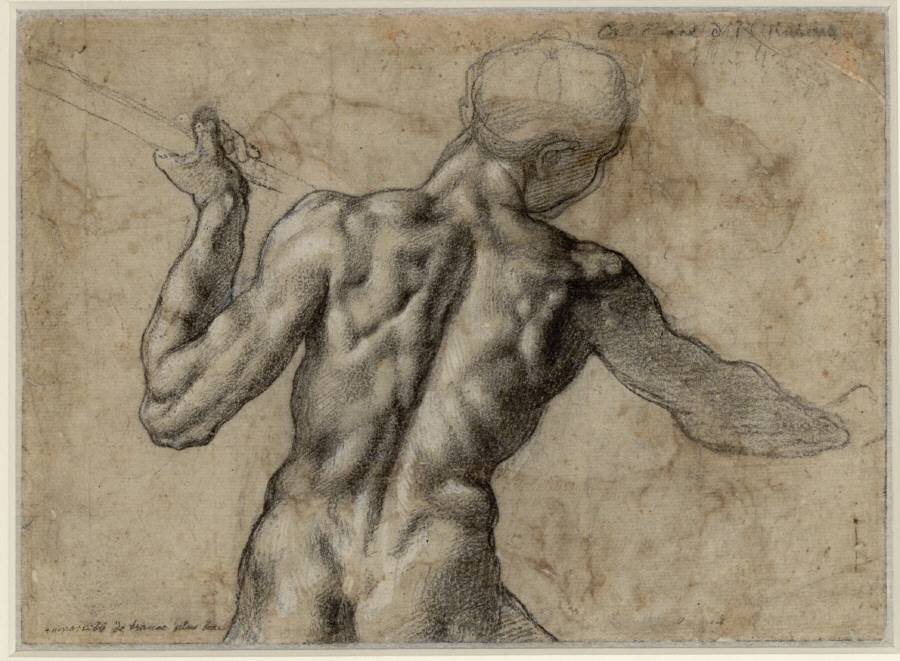
Michelangelo Buonarroti (Italian, 1475-1564) 'Male Nude Seen From the Back With a Flag Staff' c. 1504 from the exhibition 'Michelangelo: The Drawings of a Genius' at Albertina, Vienna


Michelangelo Buonarroti (Italian, 1475-1564)
Male Nude Seen From the Back With a Flag Staff
c. 1504
© Albertina, Vienna


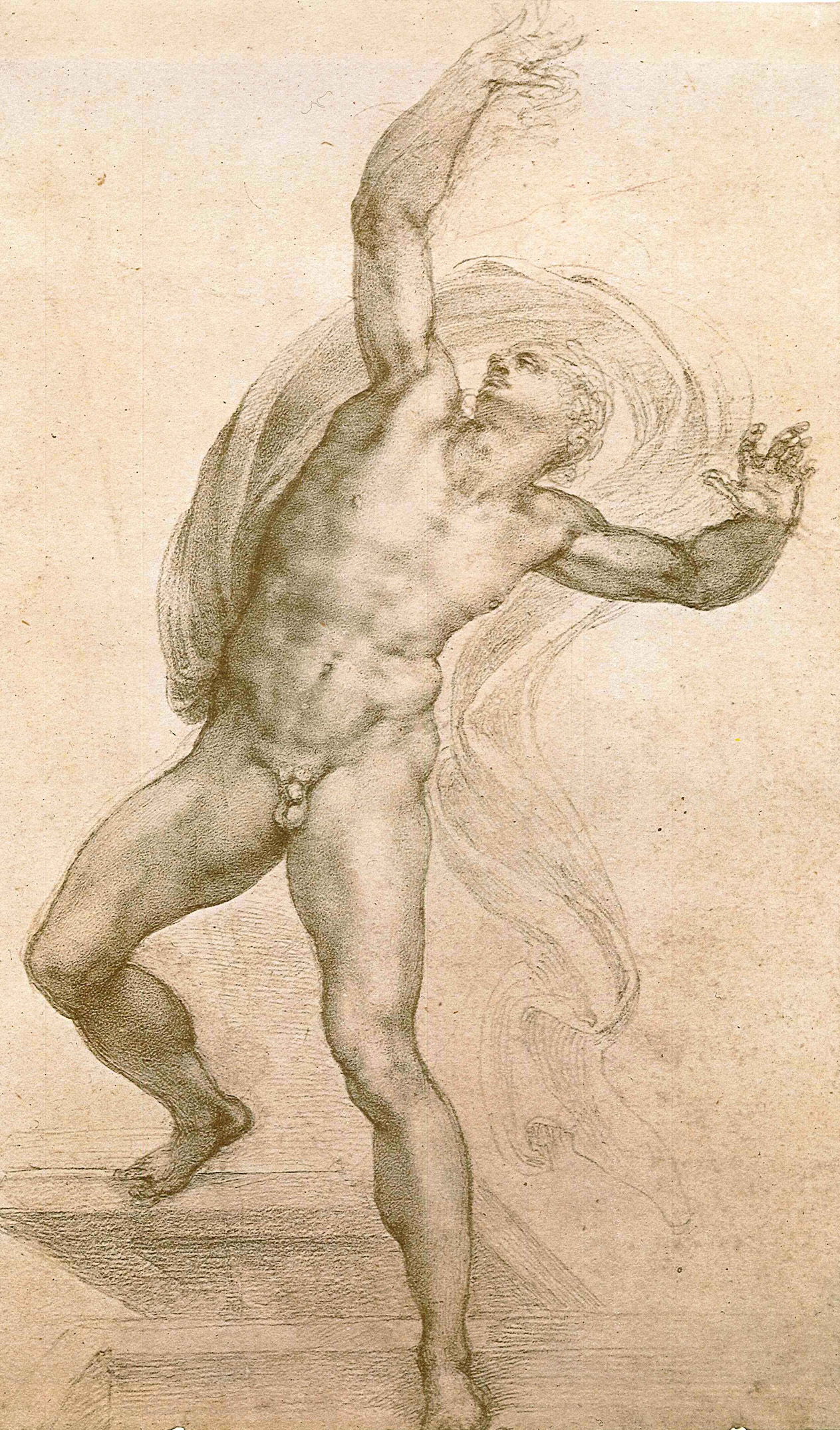
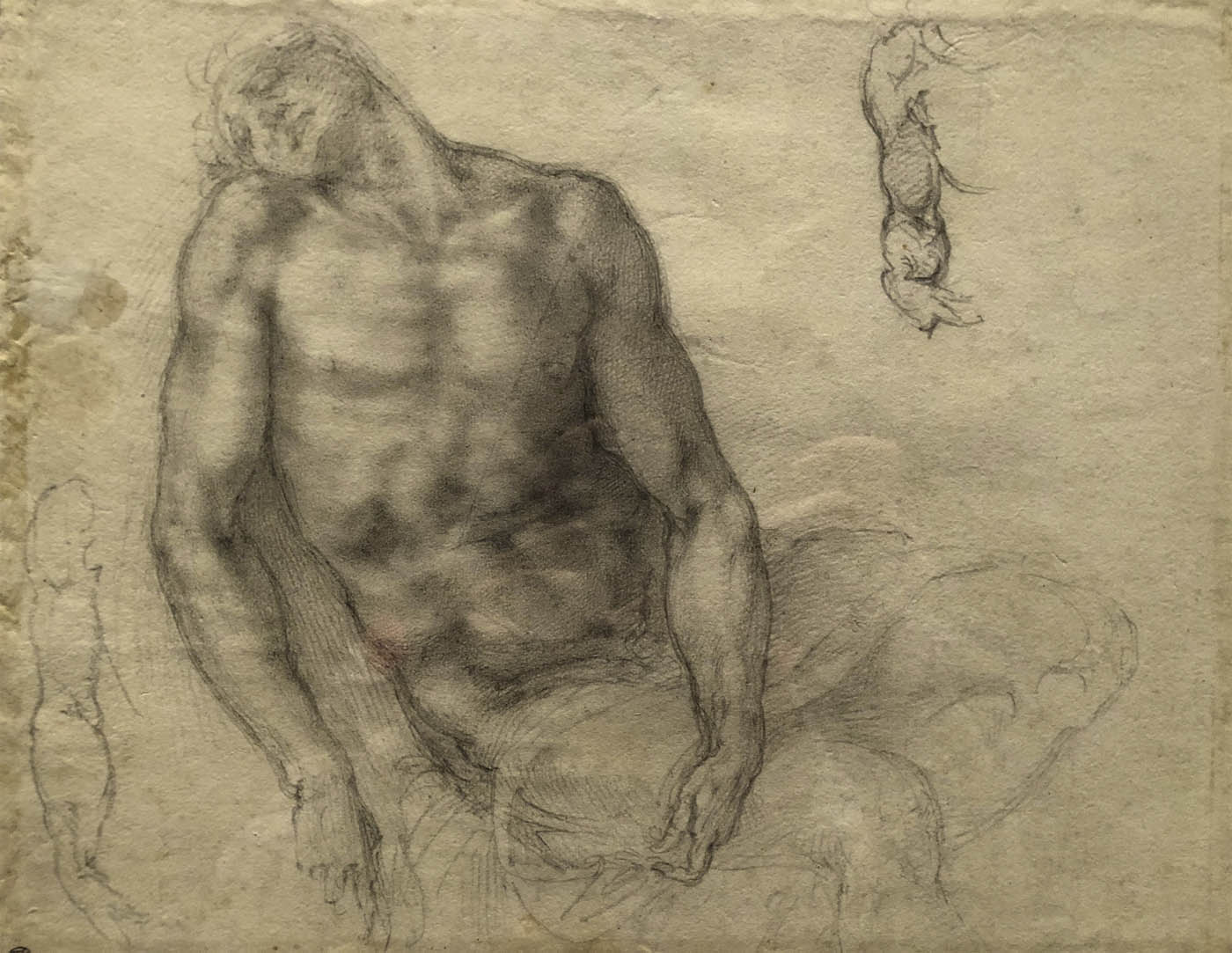
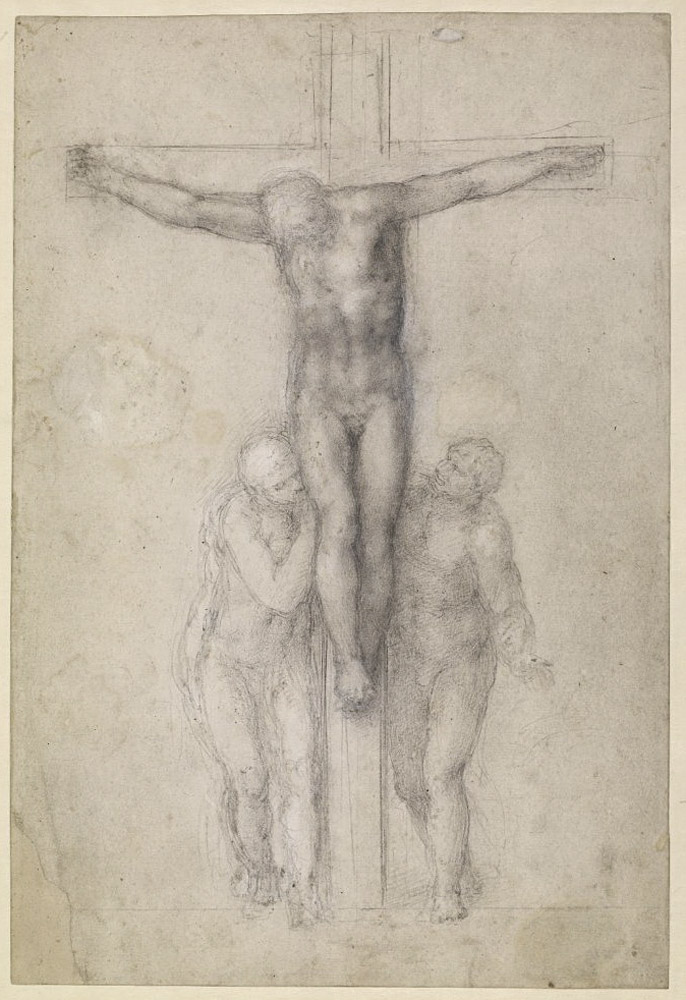
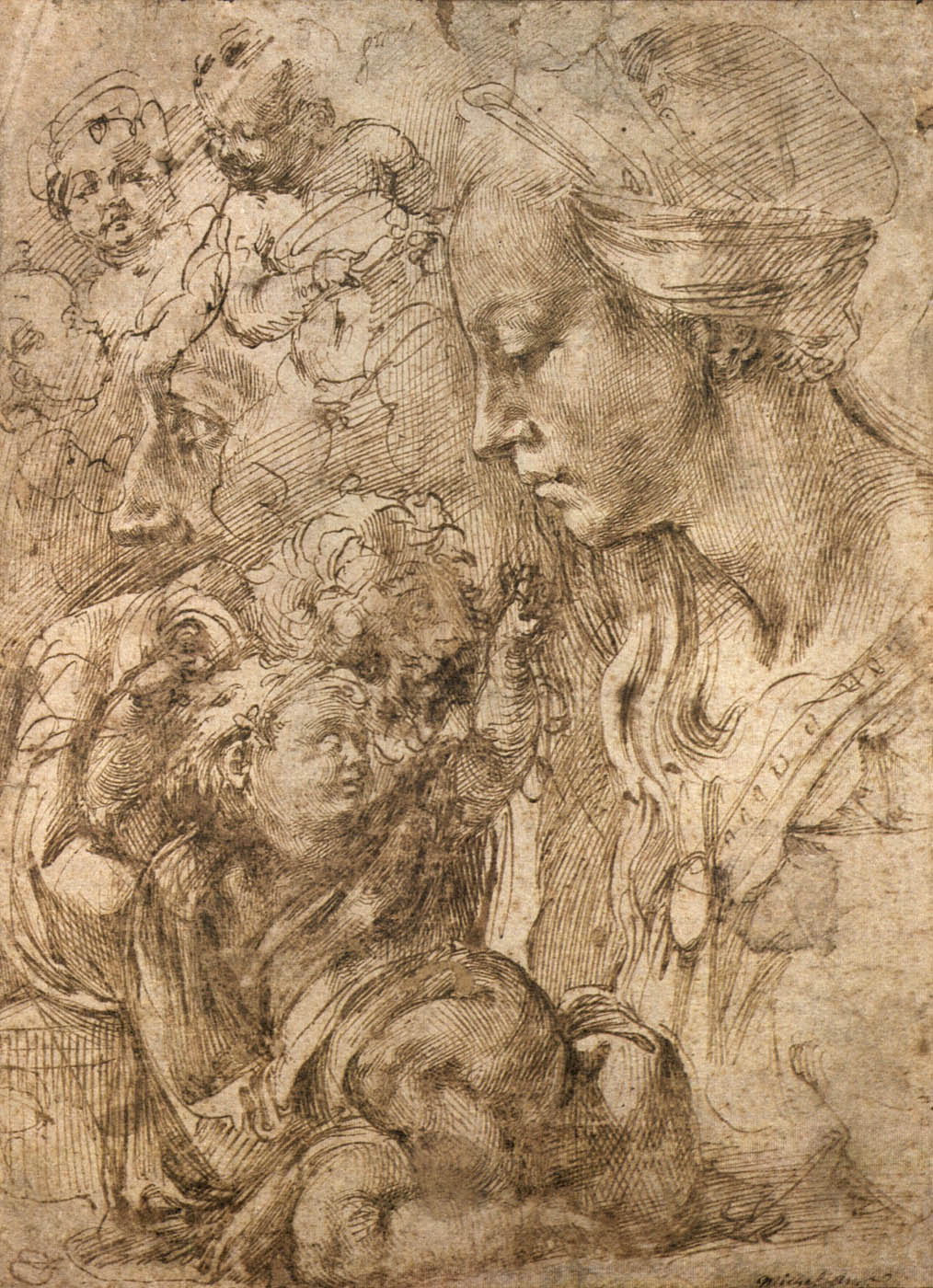
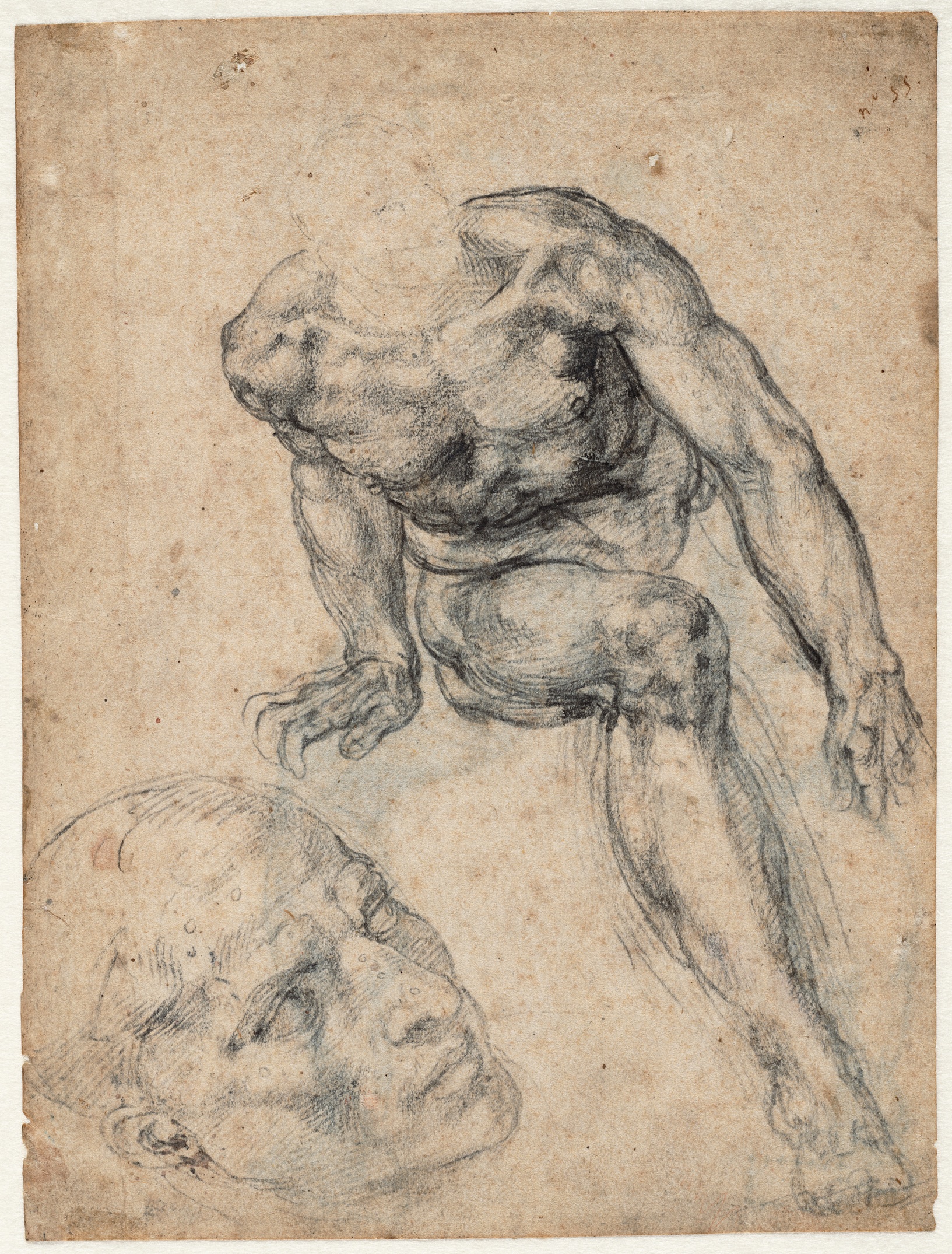
The delineation of the body, the curvature and compression of muscles, the texture like that of rubbing the thumb and fingers together, the colour, the tension between form and space – all glorious!

Dr Marcus Bunyan


Many thankx to the Albertina for allowing me to publish the fabulous drawings in the posting. Please click on the drawings for a larger version of the image.


Michelangelo Buonarroti (Italian, 1475-1564) 'Standing Male Nude Seen From Behind' 1501-1504 from the exhibition 'Michelangelo: The Drawings of a Genius' at Albertina, Vienna


Michelangelo Buonarroti (Italian, 1475-1564)
Standing Male Nude Seen From Behind
1501-1504
© Albertina, Vienna


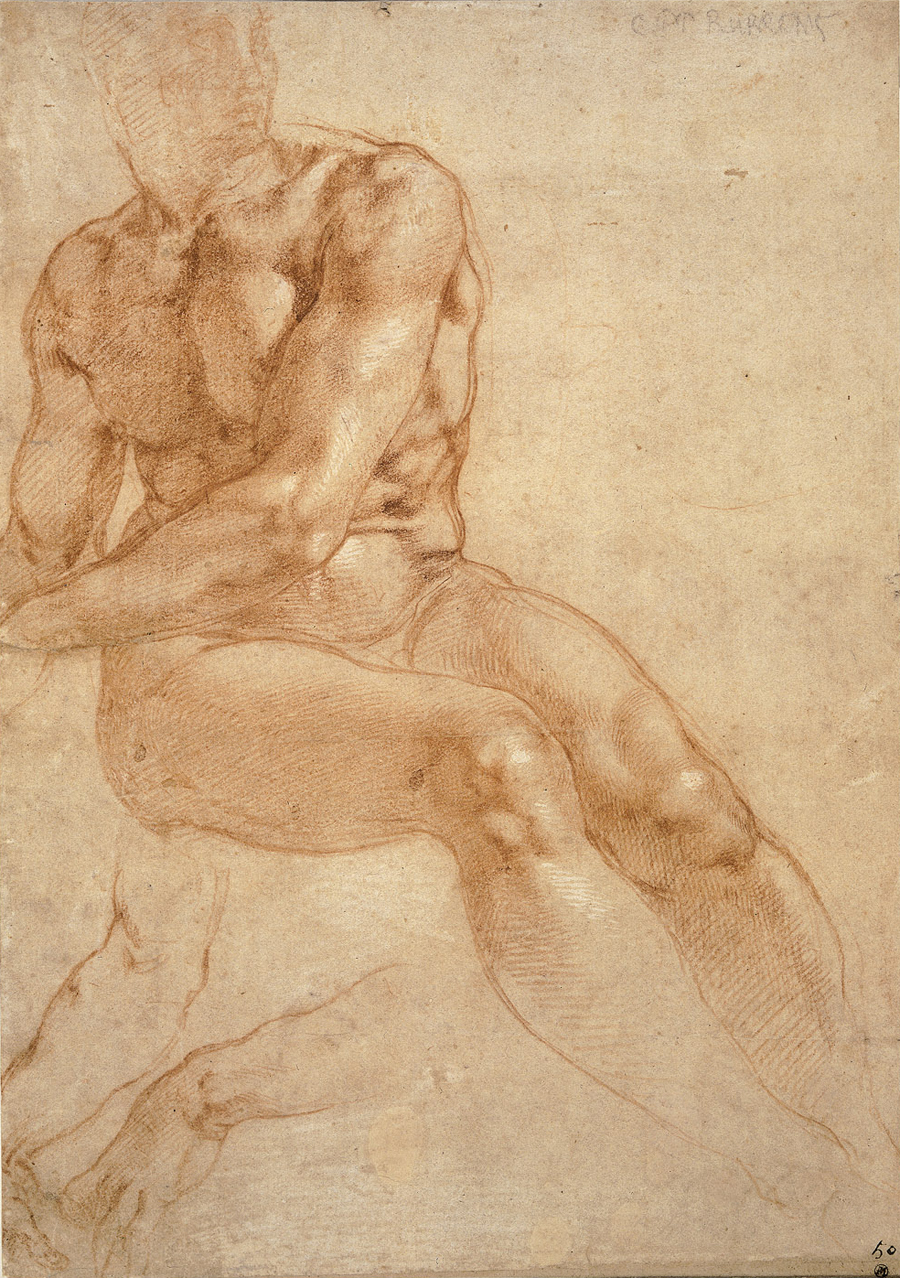
Michelangelo Buonarroti (Italian, 1475-1564) 'Study of a Seated Young Man and Two Studies of the Right Arm' (Recto), around 1511 from the exhibition 'Michelangelo: The Drawings of a Genius' at Albertina, Vienna


Michelangelo Buonarroti (Italian, 1475-1564)
Study of a Seated Young Man and Two Studies of the Right Arm (Recto)
around 1511
© Albertina, Vienna


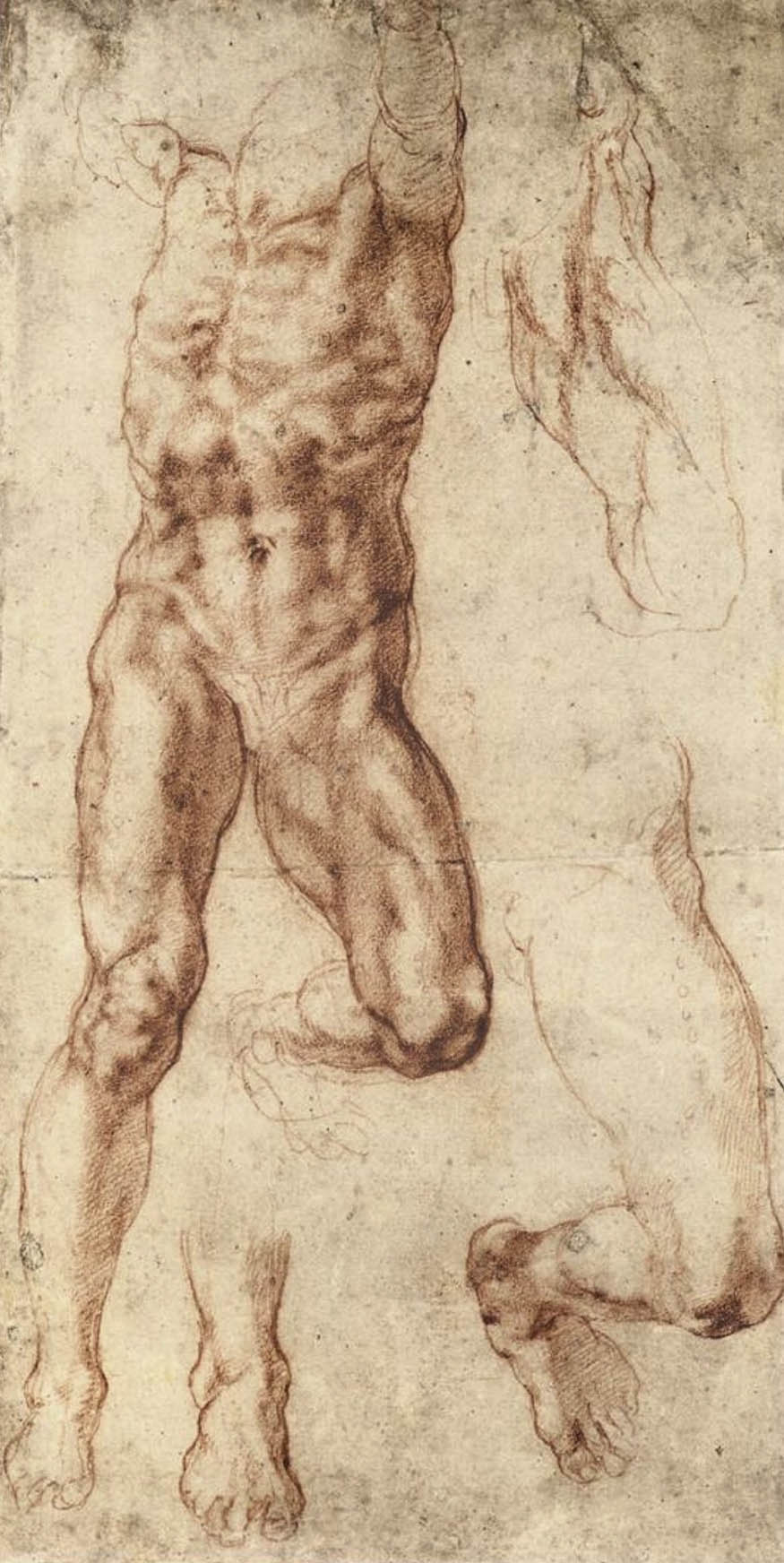
Michelangelo Buonarroti (Italian, 1475-1564) 'Four Studies for the Figure of the Crucified Haman (recto)' c. 1512 from the exhibition 'Michelangelo: The Drawings of a Genius' at Albertina, Vienna


Michelangelo Buonarroti (Italian, 1475-1564)
Four Studies for the Figure of the Crucified Haman (recto)
c. 1512
Red chalk
© The British Museum, London


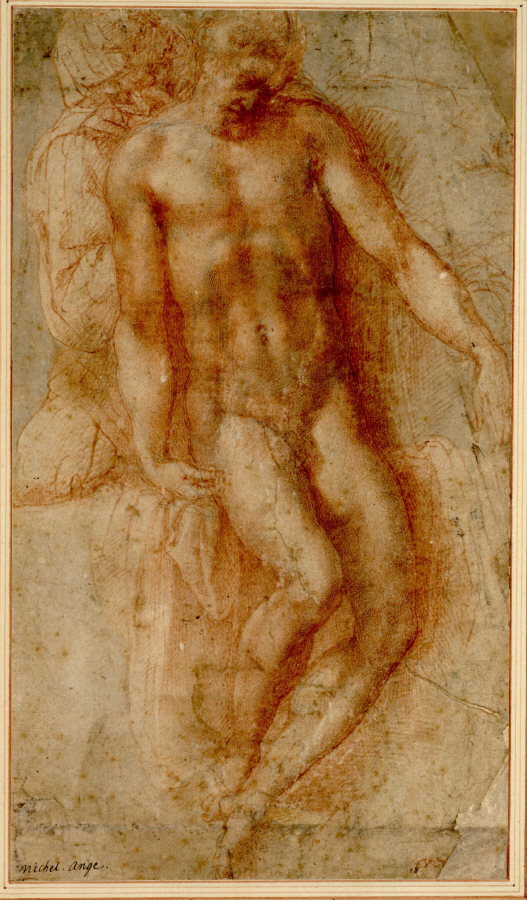
Michelangelo Buonarroti (Italian, 1475-1564) 'Pietà' around 1530-1536 from the exhibition 'Michelangelo: The Drawings of a Genius' at Albertina, Vienna


Michelangelo Buonarroti (Italian, 1475-1564)
Pietà
around 1530-1536
© Albertina, Vienna


Michelangelo Buonarroti (Italian, 1475-1564) 'The Risen Christ' c. 1532 from the exhibition 'Michelangelo: The Drawings of a Genius' at Albertina, Vienna


Michelangelo Buonarroti (Italian, 1475-1564)
The Risen Christ
c. 1532
The Royal Collection
© 2009, Her Majesty Queen Elizabeth II


Michelangelo Buonarroti (Italian, 1475-1564) 'Study for a Lamentation of Christ and Two Skeches of a Right Arm' 1533/1534 from the exhibition 'Michelangelo: The Drawings of a Genius' at Albertina, Vienna


Michelangelo Buonarroti (Italian, 1475-1564)
Study for a Lamentation of Christ and Two Skeches of a Right Arm
1533/1534
Black chalk, traces of white hightening
© Musée du Louvre, Paris


Michelangelo Buonarroti (Italian, 1475-1564) 'Christ on the Cross with the Virgin Mary and Saint John' 1555-1564 from the exhibition 'Michelangelo: The Drawings of a Genius' at Albertina, Vienna


Michelangelo Buonarroti (Italian, 1475-1564)
Christ on the Cross with the Virgin Mary and Saint John
1555-1564
Black chalk, heightened with white (oxidized)
© The British Museum, London


In a major exhibition scheduled for autumn and winter 2010, the Albertina will present around one hundred of the most beautiful drawings by Michelangelo. Precious works from the Graphic Arts Collection of the Albertina, as well as important loans from museums and private collections in Europe and the United States, will offer a hitherto unparalleled overview of the great Florentine’s entire oeuvre. 
The focus will be on the figural drawings by Michelangelo, who will be introduced here as the genius of a period of change, with his versatile talents as a draftsman, painter, architect, and sculptor. 
The show traces Michelangelo’s career from the artist’s juvenile works and designs for The Battle of Cascina to the world-famous frescoes in the Sistine Chapel, the ingenious drawings he presented to Tommaso de’ Cavalieri, and the Crucifixion scenes dating from the artist’s late period, when he was almost eighty years old. At the same time, new clues as to the dating of individual works will be provided. Projections of the monumental ceiling frescoes, the incorporation of plaster casts of Michelangelo’s sculptures, as well as paintings by other artists based on the master’s designs are meant to illustrate the dimensions and impact of his art. New paths of didactic presentation will be forged through a documentation of contemporary history and the artist’s environment.

Between 8 October 2010 and 9 January 2011, the Albertina presents the first major Michelangelo exhibition in more than twenty years. This display of 120 out of the artist’s most precious drawings offers a comprehensive insight into the work of this great genius. The sheets come from the Albertina’s own holdings, as well as from important European and American museums – the Uffizi and the Casa Buonarroti in Florence, the Louvre in Paris, the Metropolitan Museum of Art in New York, the Teylers Museum in Haarlem, the Royal Library in Windsor Castle (property of the British monarch) and the British Museum in London – and private collections.

It was three years ago that curator Dr Achim Gnann began his preparations for this exhibition. His goal is to review those datings of Michelangelo’s drawings that have sometimes been considered controversial and elaborate on the evolution of the artist’s style with utmost clarity.

Text from the Albertina website


Michelangelo Buonarroti (Italian, 1475-1564) 'Three Men Standing in Wide Coats Turned Towards the Left' around 1492-1496 from the exhibition 'Michelangelo: The Drawings of a Genius' at Albertina, Vienna


Michelangelo Buonarroti (Italian, 1475-1564)
Three Men Standing in Wide Coats Turned Towards the Left
around 1492-1496
Quill pen in brown
© Albertina, Vienna


Michelangelo Buonarroti (Italian, 1475-1564) 'Bust of the Virgin Mary in Profile, the Child Reclining on a Cushion, and Other Studies' 1503/1504 from the exhibition 'Michelangelo: The Drawings of a Genius' at Albertina, Vienna


Michelangelo Buonarroti (Italian, 1475-1564)
Bust of the Virgin Mary in Profile, the Child Reclining on a Cushion, and Other Studies
1503/1504
Pen and brown ink
© Staatliche Museen, Kupferstichkabinett, Berlin


Michelangelo Buonarroti (Italian, 1475-1564) 'Studies for the Libyan Sibyl' (recto) 1511-1512 from the exhibition 'Michelangelo: The Drawings of a Genius' at Albertina, Vienna


Michelangelo Buonarroti (Italian, 1475-1564)
Studies for the Libyan Sibyl (recto)
1511-1512
Metropolitan Museum of Art, New York
© 2007. The Metropolitan Museum of Art/Art Resource/Scala, Florence


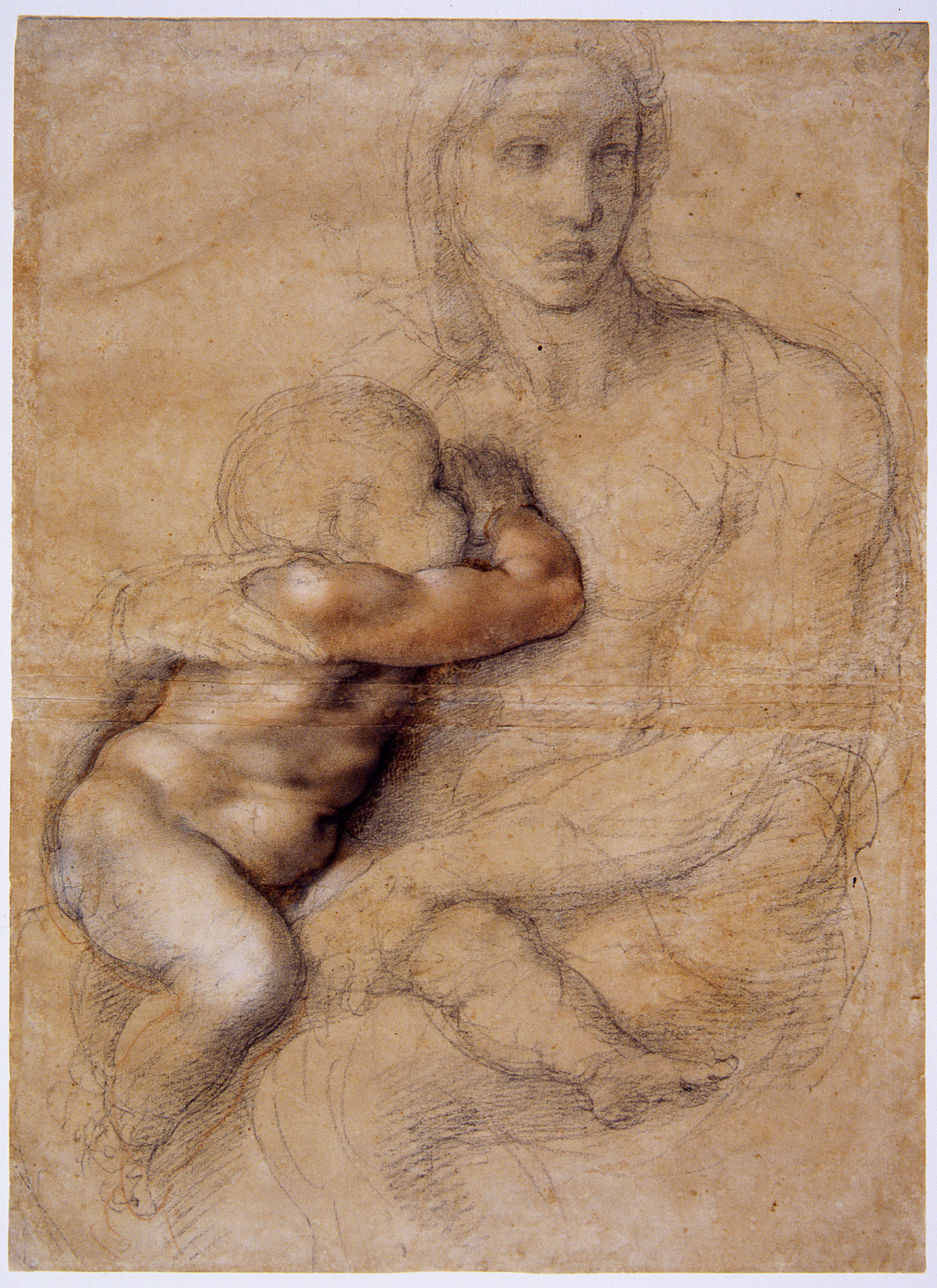
Michelangelo Buonarroti (Italian, 1475-1564) 'Madonna and Child' 1520-1525 from the exhibition 'Michelangelo: The Drawings of a Genius' at Albertina, Vienna


Michelangelo Buonarroti (Italian, 1475-1564)
Madonna and Child
1520-1525
© Casa Buonarroti, Florence


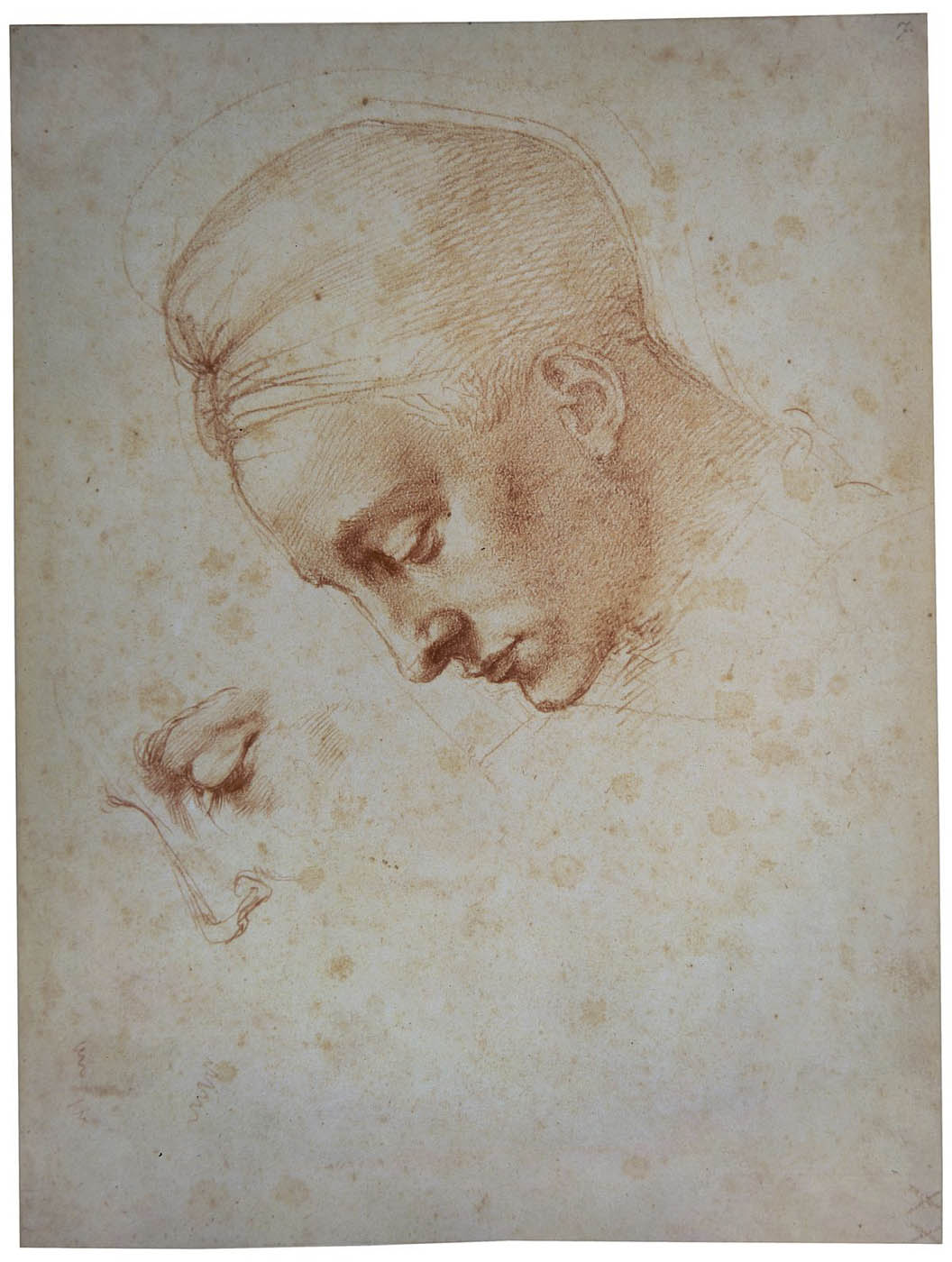
Michelangelo Buonarroti (Italian, 1475-1564) 'Study of an Inclined head and Detailed Eye Study' c. 1529 from the exhibition 'Michelangelo: The Drawings of a Genius' at Albertina, Vienna


Michelangelo Buonarroti (Italian, 1475-1564)
Study of an Inclined head and Detailed Eye Study
c. 1529
Red chalk
35.5 x 27cm
© Florenz, Fondazione Casa Buonarroti


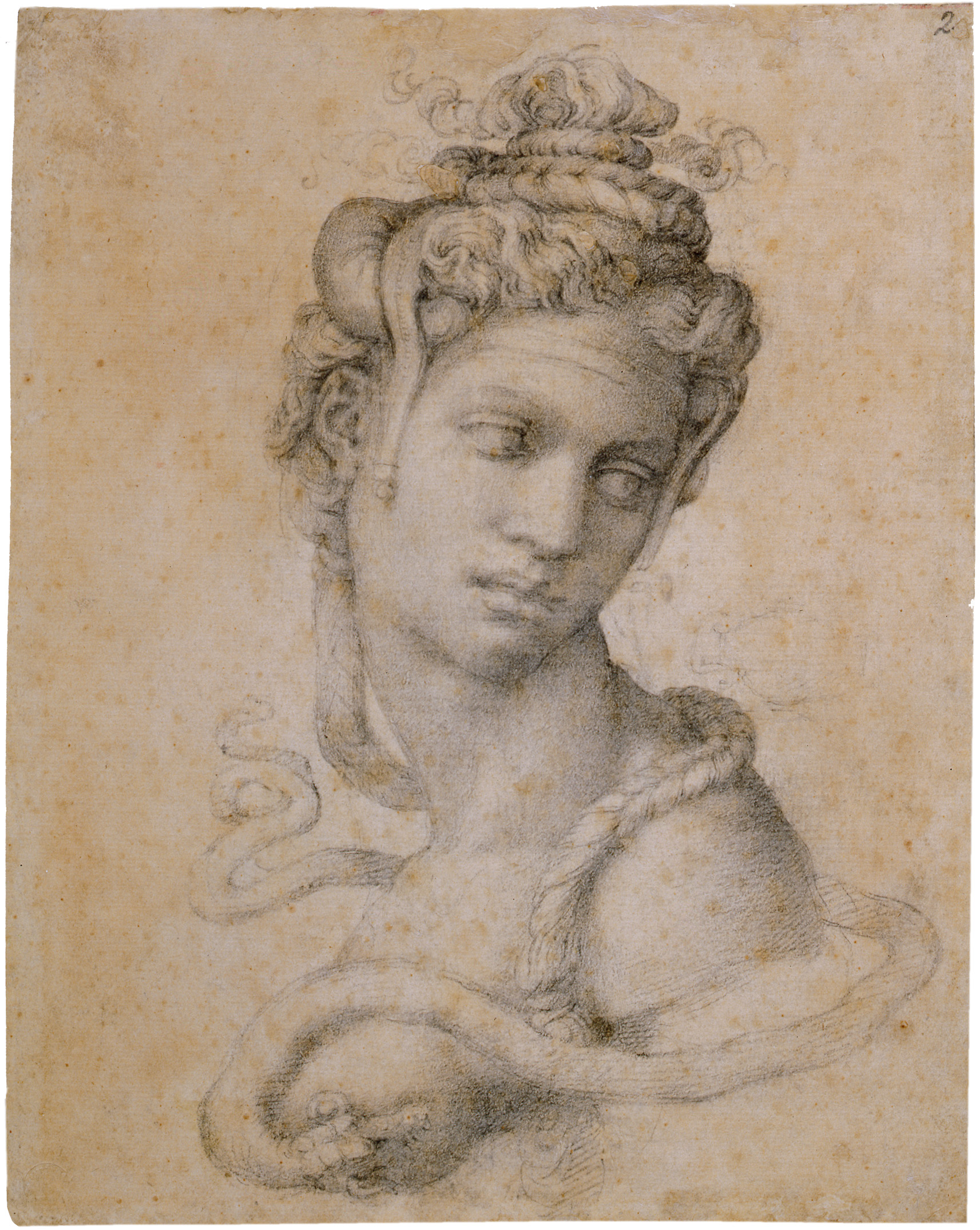
Michelangelo Buonarroti (Italian, 1475-1564) 'Half-Length Figure of Cleopatra' (recto) c. 1533 from the exhibition 'Michelangelo: The Drawings of a Genius' at Albertina, Vienna


Michelangelo Buonarroti (Italian, 1475-1564)
Half-Length Figure of Cleopatra (recto)
c. 1533
© Casa Buonarroti, Florence


Michelangelo Buonarroti (Italian, 1475-1564) 'Study of a Male Nude, Separate Study of his Head' (recto) 1534-1536 v


Michelangelo Buonarroti (Italian, 1475-1564)
Study of a Male Nude, Separate Study of his Head (recto)
1534-1536
© Teylers Museum, Haarlem


Albertina
Albertinaplatz 1
1010 Vienna, Austria
Phone: +43 (0)1 534 83-0

Opening hours:
Daily 10am – 6pm
Wednesday and Friday 10am – 9pm

Albertina website

LIKE ART BLART ON FACEBOOK

Back to top

Exhibition: ‘Hauntology’ at Berkeley Museum of Art, University of California, Berkeley

Exhibition dates: 14th July – 5th December, 2010


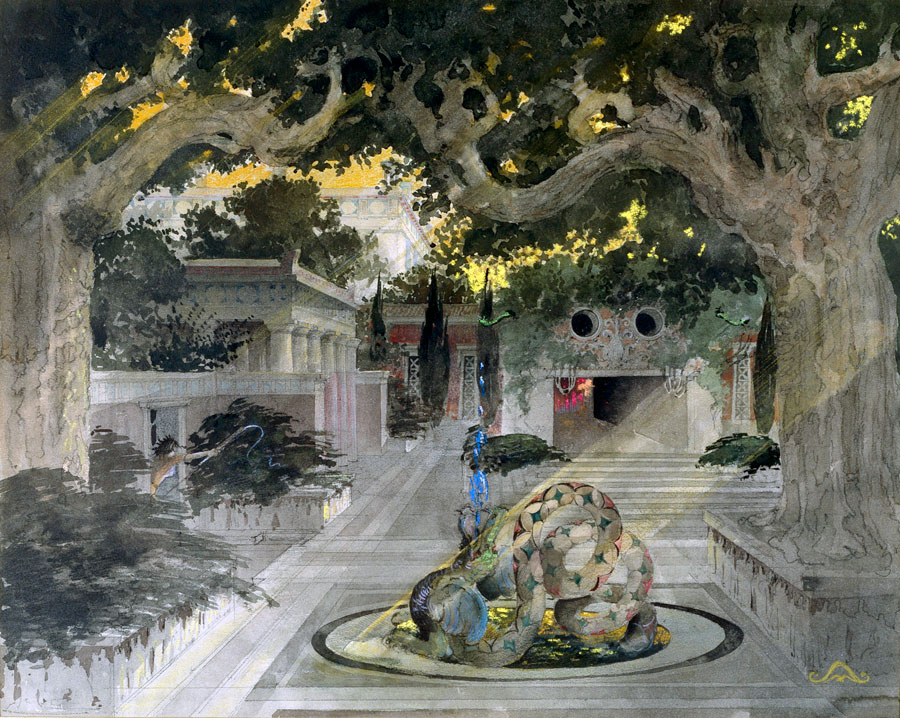
Bernard Maybeck (American, 1862-1957) 'Frontispiece for "Circe, A Dramatic Fantasy" by Isaac Flagg' 1910 from the exhibition 'Hauntology' at Berkeley Museum of Art, University of California, Berkeley, July - December 2010


Bernard Maybeck (American, 1862-1957)
Frontispiece for “Circe, A Dramatic Fantasy” by Isaac Flagg
1910
Watercolour
17 7/8 x 22 3/4″
Berkeley Museum of Art
Gift of Estate of Mabel H. Dillinger


Like the word, love the concept – the proposition that the present is simultaneously haunted by the past and the future: “the persistence of a present past.”

Dr Marcus Bunyan


Many thankx to the Berkeley Museum of Art for allowing me to publish the photographs in the posting. Please click on the photographs for a larger version of the image.


Hauntology

Kevin Killian interviews co-curators Larry Rinder and Scott Hewicker about Hauntology (on view at BAM/PFA from July 14 through December 5, 2010). This exhibition focuses primarily on the museum’s recent contemporary acquisitions, mixing these with a number of other works representing a wide range of periods and styles. Although the artists included in Hauntology do not necessarily see themselves as part of a larger movement, when viewed collectively a number of resonances appear, not unrelated to the musical interpretations of the theme. Works in Hauntology frequently incorporate archaic imagery, styles, or techniques and evoke uncertainty, mystery, inexpressible fears, and unsatisfied longing.

Text from the YouTube website


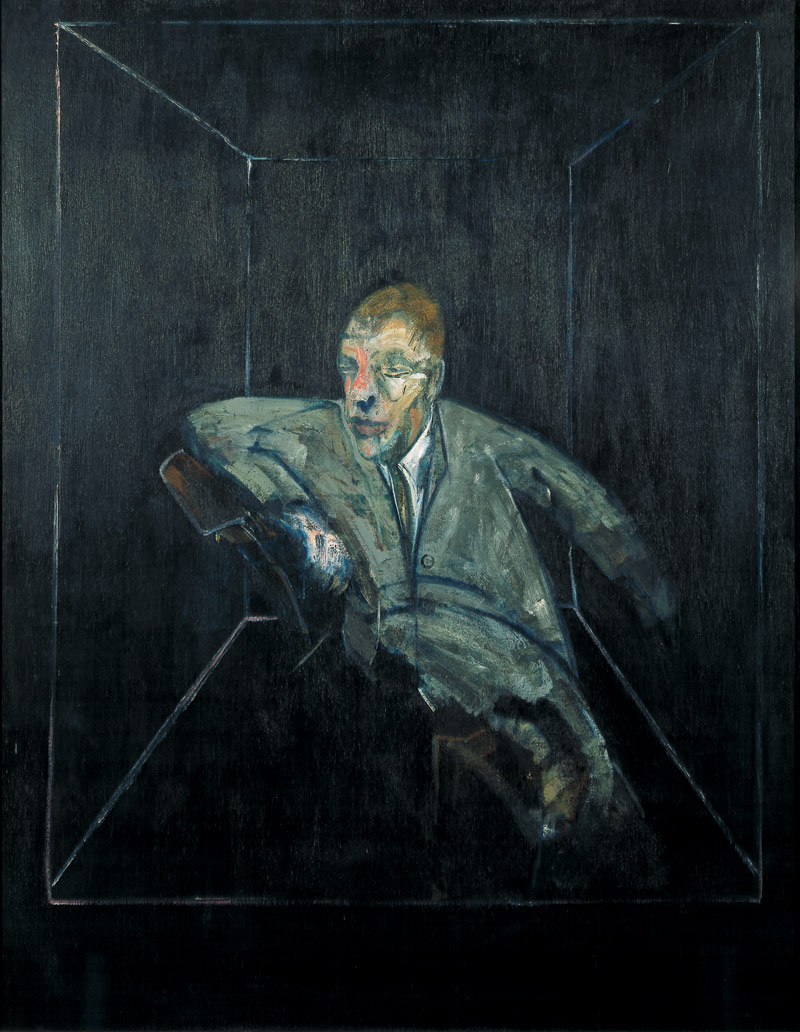
Francis Bacon (British, 1909-1992) 'Study for Figure V' 1956 from the exhibition 'Hauntology' at Berkeley Museum of Art, University of California, Berkeley, July - December 2010


Francis Bacon (British, 1909-1992)
Study for Figure V
1956
Oil on canvas
60 x 46 1/2″
Berkeley Museum of Art
Gift of Joachim Jean Aberbach


Carrie Mae Weems (American, b. 1953) 'The Capture of Angela' 2008 from the exhibition 'Hauntology' at Berkeley Museum of Art, University of California, Berkeley, July - December 2010


Carrie Mae Weems (American, b. 1953)
The Capture of Angela
2008
Archival pigment print
40 x 40 in.
Berkeley Museum of Art
Purchase made possible through a bequest from Phoebe Apperson Hearst
Photo: courtesy Gallery Paule Anglim, San Francisco


Paul Schiek (American, b. 1977) 'Similar to a Baptism' 2007 from the exhibition 'Hauntology' at Berkeley Museum of Art, University of California, Berkeley, July - December 2010


Paul Schiek (American, b. 1977)
Similar to a Baptism
2007
Chromogenic print
30 x 40″
Berkeley Museum of Art
Collector’s Circle purchase: bequest of Phoebe Apperson Hearst, by exchange.


Hauntology, essentially the logic of the ghost, is a concept as ephemeral and abstract as the term implies. Since it was first used by the French philosopher Jacques Derrida in a 1993 lecture delivered at UC Riverside concerning the state of Marxist thought in the post-Communist era, the term hauntology has been widely discussed in philosophical and political circles, as well as becoming a major influence in the development of various sub-genres of electronic music.

This exhibition focuses primarily on the museum’s recent contemporary acquisitions, mixing these with a number of other works representing a wide range of periods and styles. Although the artists included in Hauntology do not necessarily see themselves as part of a larger movement, when viewed collectively a number of resonances appear, not unrelated to the musical interpretations of the theme. Works in Hauntology frequently incorporate archaic imagery, styles, or techniques and evoke uncertainty, mystery, inexpressible fears, and unsatisfied longing.

For Derrida himself, hauntology is a philosophy of history that upsets the easy progression of time by proposing that the present is simultaneously haunted by the past and the future. Specifically, Derrida suggests that the specter of Marxist utopianism haunts the present, capitalist society, in what he describes as “the persistence of a present past.” The notion of hauntology also can be seen as describing the fluidity of identity among individuals, marking the dynamic and inevitable shades of influence that link one person’s experience to another’s, both in the present and over time.

In the fifteen years since Derrida first used this term, hauntology, and the related term, hauntological, have been adopted by the British music critic Simon Reynolds to describe a recurring influence in electronic music created primarily by artists in the United Kingdom who use and manipulate samples culled from the past (mostly old wax-cylinder recordings, classical records, library music, or postwar popular music) to invoke either a euphoric or unsettling view of an imagined future. The music has an anachronistic quality hinting at an unrecognisable familiarity that is often dreamlike, blurry, and melancholic – what Reynolds describes as “an uneasy mixture of the ancient and the modern.”

This exhibition marks the first time that a museum has presented works of visual art within the framework of hauntology. Works by Luc Tuymans, Paul Sietsema, Carrie Mae Weems, Bruce Conner, Robert Gutierrez, Diane Arbus, Travis Collinson, Paul Schiek, Arnold Kemp, and others form loose groups in which one can discern various thematic concentrations: the enigma of place and placelessness, memorial and longing, transitional beings, displacement and disappearance, demonic manifestations, auras, elegies of nature, and the translucency of the psyche.

Scott Hewicker, artist and musician
Lawrence Rinder, director, BAM/PFA
Curators

Press release from the Berkeley Museum of Art website [Online] Cited 22/11/2010 no longer available online


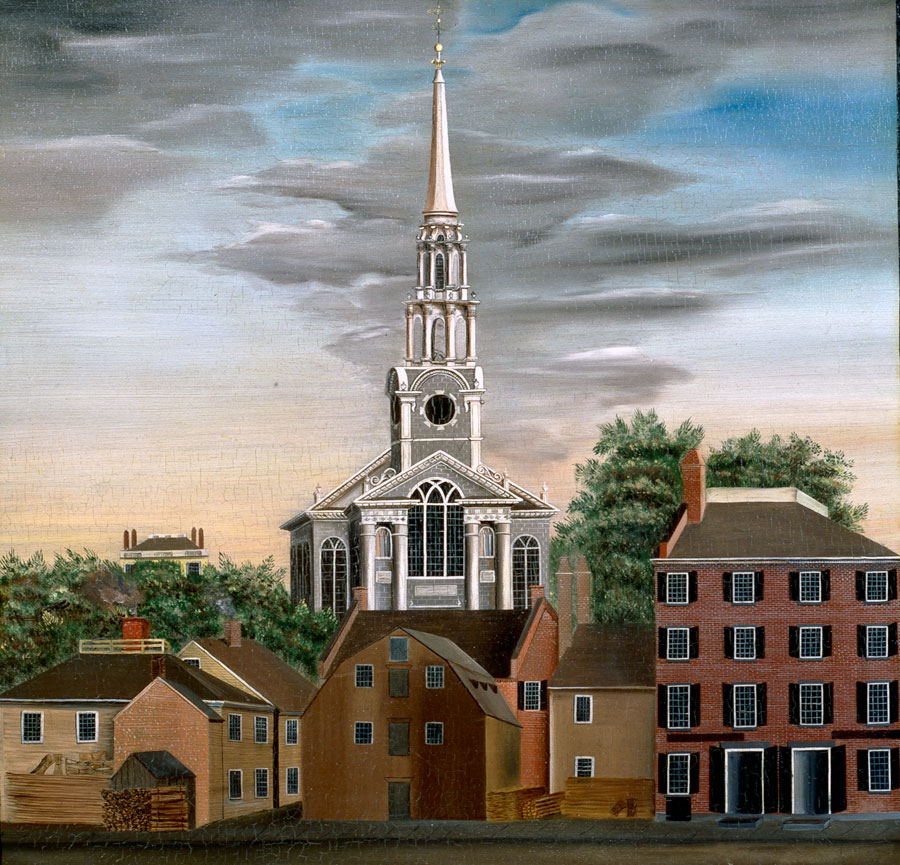
Unknown artist. 'View of Providence, Rhode Island' 1820 from the exhibition 'Hauntology' at Berkeley Museum of Art, University of California, Berkeley, July - December 2010


Unknown artist
View of Providence, Rhode Island
1820
28 x 29 in.
Oil on wood panel
Berkeley Museum of Art
Gift of W.B. Carnochan


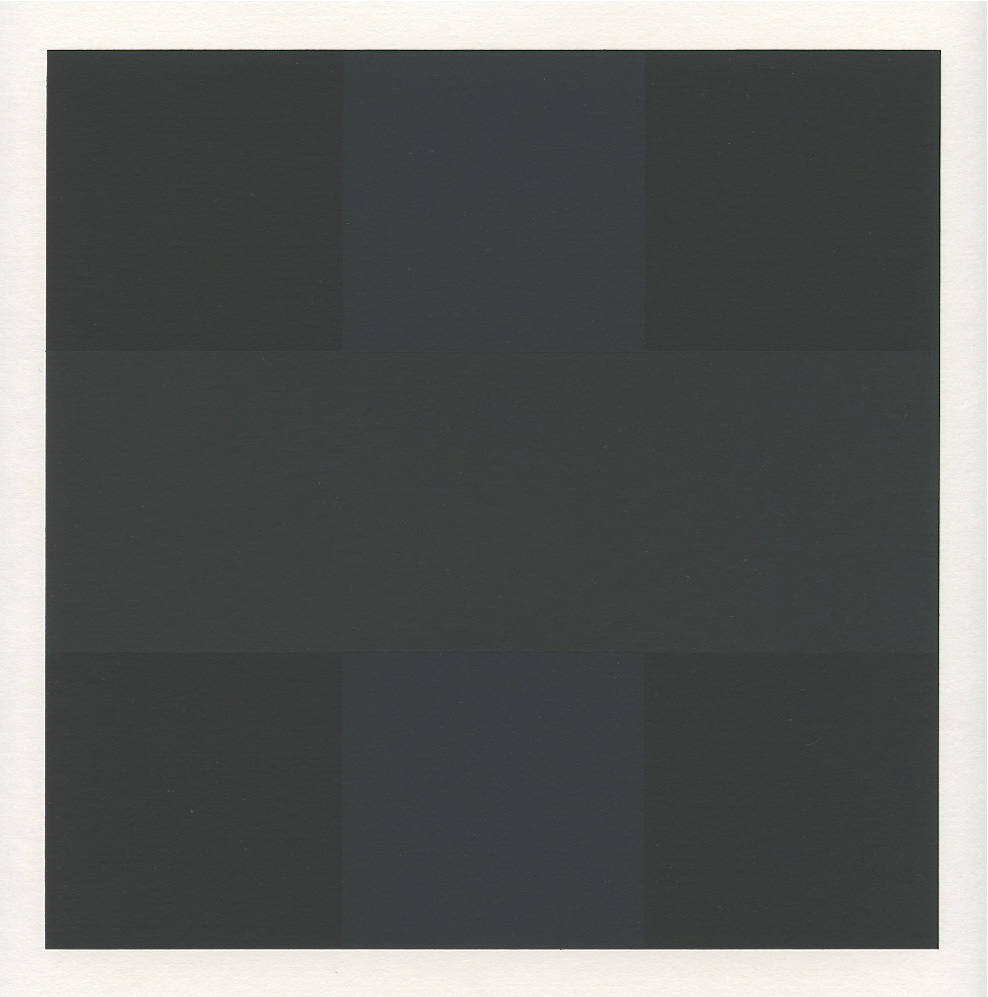
Ad Reinhardt (American, 1913-1967) 'Black Painting' 1960-1966 from the exhibition 'Hauntology' at Berkeley Museum of Art, University of California, Berkeley, July - December 2010


Ad Reinhardt (American, 1913-1967)
Black Painting
1960-1966


Paul Sietsema (American, b. 1968) 'Fall Forward' 2009-2010 from the exhibition 'Hauntology' at Berkeley Museum of Art, University of California, Berkeley, July - December 2010


Paul Sietsema (American, b. 1968)
Fall Forward
2009-2010
Chalk and graphite on paper
Berkeley Museum of Art
Photo: © Paul Sietsema/Courtesy Matthew Marks Gallery, New York


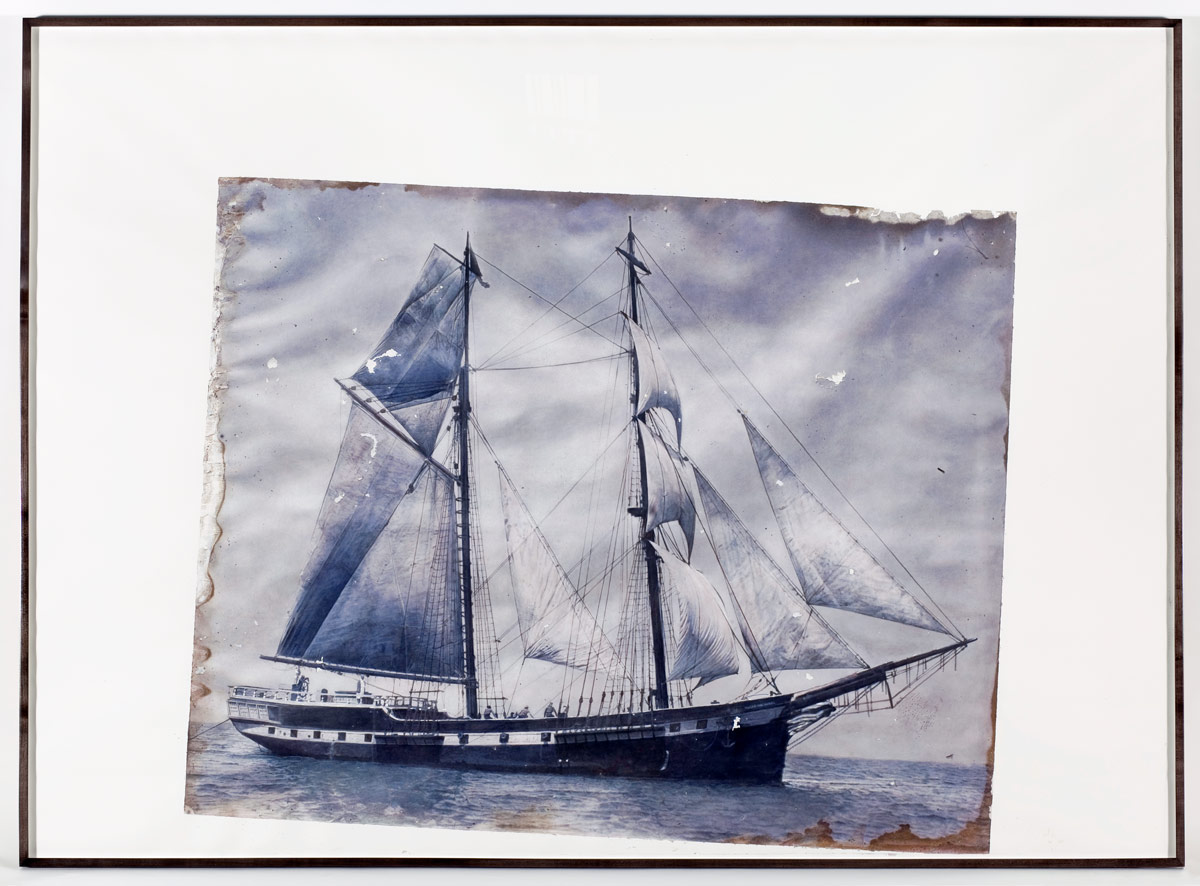
Paul Sietsema (American, b. 1968) 'Ship drawing' 2009 from the exhibition 'Hauntology' at Berkeley Museum of Art, University of California, Berkeley, July - December 2010


Paul Sietsema (American, b. 1968)
Ship drawing (detail)
2009
Ink on paper
Diptych, ea: 50 3/4 x 70 in.
Berkeley Museum of Art
Museum purchase: bequest of Phoebe Apperson Hearst, exchange
Photo: © Paul Sietsema/Courtesy Matthew Marks Gallery, New York


Berkeley Museum of Art
2626 Bancroft Way
2621 Durant Avenue
University of California, Berkeley

Opening hours (Galleries, Museum Store):
Wednesday – Sunday 11am – 7pm
Closed Monday and Tuesday

Berkeley Museum of Art website

LIKE ART BLART ON FACEBOOK

Back to top

Review: ‘Mortality’ at the Australian Centre for Contemporary Art, Melbourne

Exhibition dates: 8th October – 28th November 2010

Exhibiting artists: Charles Anderson, George Armfield, Melanie Boreham, Bureau of Inverse Technology, Aleks Danko, Tacita Dean, Sue Ford, Garry Hill, Larry Jenkins, Peter Kennedy, Anastasia Klose, Arthur Lindsay, Dora Meeson, Anna Molska, TV Moore, Tony Oursler, Neil Pardington, Giulio Paolini, Mark Richards, David Rosetzky, Anri Sala, James Shaw, Louise Short, William Strutt, Darren Sylvester, Fiona Tan, Bill Viola, Annika von Hausswolff, Mark Wallinger, Lynette Wallworth, Gillian Wearing.


Fiona Tan (Indonesia, b. 1966) 'Tilt' 2002 from the exhibition 'Mortality' at the Australian Centre for Contemporary Art, Melbourne


Fiona Tan (Indonesia, b. 1966)
Tilt
2002
DVD
Courtesy of the artist, Frith Street Gallery London


“… this immersive exhibition swallows us into a kind of spiritual and philosophical lifecycle. As we weave our way through a maze-like series of darkened rooms, we encounter life’s early years, a youth filled with mischief, wonderment, possibilities and choices, and a more reflective experience of mid and later life, preceding the eventual end.”


Dan Rule in The Age


I never usually review group exhibitions but this is an exception to the rule. I have seen this exhibition three times and every time it has grown on me, every time I have found new things to explore, to contemplate, to enjoy. It is a fabulous exhibition, sometimes uplifting, sometimes deeply moving but never less than engaging – challenging our perception of life. The exhibition proceeds chronologically from birth to death. I comment on a few of my favourite works below but the whole is really the sum of the parts: go, see and take your time to inhale these works – the effort is well rewarded. The space becomes like a dark, fetishistic sauna with it’s nooks and crannies of videos and artwork. Make sure you investigate them all!

There is only one photograph by Gillian Wearing from her Album series of self portraits, Self Portrait at Three Years Old (2004, see photograph below) but what a knockout it is. An oval photograph in a bright yellow frame the photograph looks like a perfectly normal studio photograph of a toddler until you examine the eyes: wearing silicon prosthetics, Wearing confronts “the viewer with her adult gaze through the eyeholes of the toddler’s mask, Wearing plays on the rift between interior and exterior and raises a multitude of provocative questions about identity, memory, and the veracity of the photographic medium.”1

Tilt (2002, see photograph above) is a mesmeric video by Fiona Tan of a toddler strapped into a harness suspended from a cluster of white helium-filled balloons in a room with wooden floorboards. The gurgling toddler floats gently into the air before descending to the ground, the little feet scrabbling for traction before gently ascending again –  the whole process is wonderful, the instance of the feet touching the ground magical, the delight of the toddler at the whole process palpable. Dan Rule sees the video as “enlivening and troubling, joyous and worrisome” and he is correct in this observation, in so far as it is the viewer that worries about what is happening to the baby, not, seemingly, the baby itself. It is our anxiety on the toddlers behalf, trying to imagine being that baby floating up into the air looking down at the floor, the imagined alienness of that experience for a baby, that drives our fear; but we need not worry for babies are held above the heads of fathers and mothers every day of the year. Fear is the adult response to the joy of innocence.

There are several photographs by Melbourne photographer Darren Sylvester in the exhibition and they are delightful in their wry take on adolescent life, girls eating KFC (If All We Have Is Each Other, Thats Ok), or pondering the loss of a first love – the pathos of a young man sitting in a traditionally furnished suburban house, reading a letter (in which presumably his first girlfriend has dumped him), surrounded by the detritus of an unfinished Subway meal (see photograph below).

An interesting work by Sue and Ben Ford, Faces (1976-1996, see photograph below) is a video that shows closely cropped faces and the differences in facial features twenty years later. The self consciousness of people when put in front of a camera is most notable, their uncomfortable looks as the camera examines them, surveys them in minute detail. The embarrassed smile, the uncertainty. It is fascinating to see the changes after twenty years.

A wonderful series 70s coloured photographs of “Sharps” by Larry Jenkins that shine a spotlight on this little recognised Melbourne youth sub-culture. These are gritty, funny, in your face photographs of young men bonding together in a tribal group wearing their tight t-shirts, ‘Conte’ stripped wool jumpers (I have a red and black one in my collection) and rat tail hair:

“Larry was the leader of the notorious street gang the “BLACKBURN SOUTH SHARPS” from 1972-1977 when the Sharpie sub-culture was at its peak and the working class suburbs of Melbourne were a tough and violent place to grow up. These photographs represent a period from 1975-1976 in Australian sub-cultural history and are one of the few photographic records of that time. Larry began taking photos at the age of 16 using a pocket camera, when he started working as an apprentice motor mechanic and spent his weekly wage developing his shots… He captured fleeting moments, candid shots and directed his teenage mates through elaborate poses set against the immediate Australian suburban backdrops.”2

Immediate and raw these photographs have an intense power for the viewer.

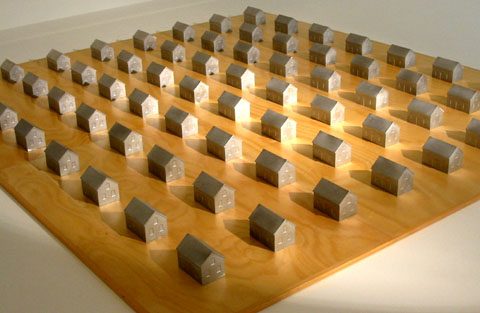
A personal favourite of the exhibition is Alex Danko’s installation Day In, Day Out (1991, see photograph below). Such as simple idea but so effective: a group of identical silver houses sits on the floor of the gallery and through a rotating wheel placed in front of a light on a stand, the sun rises and sets over and over again. The identical nature of the houses reminds us that we all go through the same process in life: we get up, we work (or not), we go to bed. The sun rises, the sun sets, everyday, on life. Simple, beautiful, eloquent.

Another favourite is Louise Short’s series of found colour slides of family members displayed on one of those old Kodak carrousel slide projectors. This is a mesmeric, nostalgic display of the everyday lives of family caught on film. I just couldn’t stop watching, waiting for the next slide to see what image it brought (the sound of the changing slides!), studying every nuance of environment and people, colour and space: recognition of my childhood, growing up with just such images.

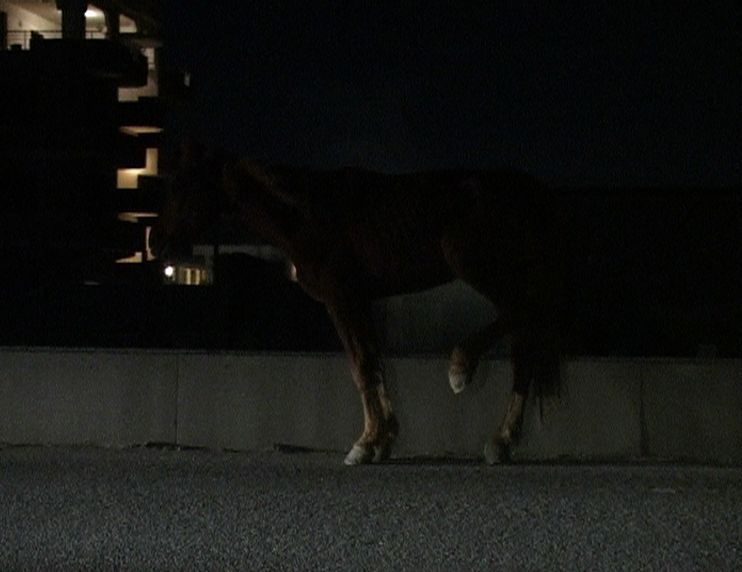
Anri Sala’s video Time After Time (2003, see photograph below) is one of the most poignant works in the exhibition, almost heartbreaking to watch. A horse stands on the edge of a motorway in the near darkness, raising one of it’s feet. It is only when the lights of a passing car illuminate the animal that the viewer sees the protruding rib cage and you suddenly realise how sick the horse must be, how near death.

The film Presentation Sisters (2005, see photographs below) by English artist Tacita Dean, “shows the daily routines and rituals of the last remaining members of a small ecclesiastical community as they contemplate their journey in the spiritual after-life.” Great cinematography, lush film colours, use of shadow and space – but it is the everyday duties of the sisters, a small order of nuns in Cork, Ireland that gets you in. It is the mundanity of washing, ironing, folding, cooking and the procedures of human beings, their duties if you like – to self and each other – that become valuable. Almost like a religious ritual these acts are recognised by Dean as unique and far from the everyday. We are blessed in this life that we live.

Finally two works by Bill Viola: Unspoken (Silver & Gold) 2001 and The Passing (1991, see photographs below). Both are incredibly moving works about the angst of life, the passage of time, of death and rebirth. For me the picture of Viola’s elderly mother in a hospital bed, the sound of her rasping, laboured breath, the use of water in unexpected ways and the beauty of cars travelling at night across a road on a desert plain, their headlights in the distance seeming like atomic fireflies, energised spirits of life force, was utterly beguiling and moving. What sadness with joy in life to see these two works.

Dr Marcus Bunyan


1/ Mann, Ted. “Self-Portrait at Three Years Old,” on the Guggenheim Collection website [Online] Cited 12/11/2010 no longer available online

2/ Anon. “History,” on the Blackburn South Sharps website [Online] Cited 12/11/2010 no longer available online


Many thankx to the Melbourne International Arts Festival and the Australian Centre for Contemporary Art for allowing me to publish the photographs in the posting. Please click on the photographs for a larger version of some of the images.


Gillian Wearing (English, b. 1963) 'Self-Portrait at Three Years Old' 2004 from the exhibition 'Mortality' at the Australian Centre for Contemporary Art, Melbourne


Gillian Wearing (English, b. 1963)
Self-Portrait at Three Years Old
2004
Digital C-type print
© Gillian Wearing


“To take a photograph is to participate in another person’s mortality, vulnerability, mutability. Precisely by slicing out this moment and freezing it, all photographs testify to time’s relentless melt” Susan Sontag wrote. Gillian Wearing registers this, and revisits herself at the age of 3 through the uncanny process of entering her own body. This performance of self, created by the artist putting on a full body prosthetic mask of herself as she was professionally photographed as a child, and peering out at the viewer with her 40-something eyes is a weird sarcophagi of identity. Is Gillian still 3? Is the adult inside the one she has become, or the one who was always there? Is identity pre-determined? Perhaps she would prefer to go back there, and yet this portrait is tinged with a kind of sadness. The eyes betray too much that has passed in the adult life, not yet known by the small child.

Extract from Juliana Engberg About Mortality catalogue


Darren Sylvester (Australian, b. 1974) 'Your First Love Is Your Last Love' 2005 from the exhibition 'Mortality' at the Australian Centre for Contemporary Art, Melbourne


Darren Sylvester (Australian, b. 1974)
Your First Love Is Your Last Love
2005
© Darren Sylvester


Sue Ford (Australian, 1943-2009) and Ben Ford 'Faces' 1976-1996 (still) from the exhibition 'Mortality' at the Australian Centre for Contemporary Art, Melbourne


Sue Ford (Australian, 1943-2009) and Ben Ford
Faces (still)
1976-1996
Detail 
of 15 min b/w 
reversal silent film
16mm, shot on b/w 
reversal film


Photographer, Sue Ford, in her iconic work Faces uses the camera as a kind of mirror to register the changes that occur as we grow older. Without the sometimes pompous commentary of the filmic anthropological voice-over which narrates an imposed, meta-story, Ford allowed her straightforward, black and white, close-up images to suggest the accumulation of experience and the evolution of identity silently. In this version of the work, a video projection which brings old and newer faces together in a rolling sequence, we are able to register the passage of time in a number of ways. The face becomes a terrain of time travelled.

Extract from Juliana Engberg About Mortality catalogue


Faces

Sue Ford’s experimental film “Faces” consists of portraits of the artist and her friends and acquaintances. Ford filmed each subject for roughly 25 seconds, using a wind-up Bolex camera that frames their faces in close-up. Variously self-conscious, serious, amused and distracted, the camera captures every small gesture, expression and flicker of emotion on the person’s face. The result is an examination of portraiture and the performance of identity, demonstrating the artist’s interest in using the camera to capture reality, time and change.

Text from the Youtube website


Sue Ford (Australian, 1943-2009) and Ben Ford 'Faces' (still) 1976-1996


Sue Ford (Australian, 1943-2009) and Ben Ford
Faces (still)
1976-1996
Detail 
of 15 min b/w 
reversal silent film
16mm, shot on b/w 
reversal film


Continuing on from the Time series, in 1976 Ford created the experimental film Faces, in which she filmed portraits of herself, friends and acquaintances. Using a Bolex spring-wound clockwork camera where the film ran through the camera for approximately 25 seconds, Ford directed her subjects to behave as they liked for the duration of the portrait. The camera frames the subject’s face in close-up, steadfastly focusing on them; Memory Holloway described of the work, “While there is no acting, character is revealed by the comfort or uneasiness of the subject. Some laugh, others look romantically pensive, others blow clouds of smoke at the lens as a cover-up”[6]. By bringing an element of time into the creation of a portrait, the film both reveals a moment in that person’s subjective experience and experiments with the plasticity of time, extending and concentrating the 25-second span into a focused moment.

Julia Murphy. “The films of Sue Ford – now part of the ACMI Collection,” on the ACMI website Nd [ONline] Cited 11/03/2025

6/ Memory Holloway, ‘Reel Women: Narrative as a Feminist Alternative’, Art and Text, 1981


Larry Jenkins (Australian) 'Chad, Jono and Mig, Twig, Beatie and Whitey walking down the street at Blackburn South shops' 1975 from the exhibition 'Mortality' at the Australian Centre for Contemporary Art, Melbourne


Larry Jenkins (Australian)
Chad, Jono and Mig, Twig, Beatie and Whitey walking down the street at Blackburn South shops
1975
© Larry Jenkins


The photographs of Larry Jenkins deliver an authentic tribalism. Taken with his instamatic camera, the photos of his sharpie friends, hanging out, posing, wrestling and testing out their manhood, are genuine documents of their time. Belonging to this group is an important and almost primate activity. Surviving the suburbs in the 70s was an ‘us and them’ kind of universe. These were the kinds of boys you crossed the street to avoid. Their collective power, while internally tumultuous as they each try to discover their own identities, nevertheless conveys externally a tight ball of testosterone. They are one, and if you are not them, you are nothing.

Extract from Juliana Engberg About Mortality catalogue


Alex Danko (Australian, b. 1950) 'Day In, Day Out' 1991 from the exhibition 'Mortality' at the Australian Centre for Contemporary Art, Melbourne


Alex Danko (Australian, b. 1950)
Day In, Day Out
1991


From the cradle to the grave… ACCA’s major exhibition Mortality takes us on life’s journey from the moment of lift off to the final send off, and all the bits in between. Curated by Juliana Engberg to reflect the Festival’s visual arts themes of spirituality, death and the afterlife, this transhistorical event includes metaphoric pictures and works by some of the world’s leading artists.

Exhibiting artists include:

Tacita Dean, an acclaimed British artist who works in film and drawing and has shown at Milan’s Fondazione Trussardi and at DIA Beacon, New York.

Anastasia Klose, one of Australia’s most exciting young video artists whose works also include performance and installation.

TV Moore, an Australian artist who completed his studies in Finland and the United States and who has shown extensively in Sydney, Melbourne and overseas.

Tony Oursler, a New York-based artist who works in a range of media and who has exhibited in the major institutions of New York, Paris, Cologne and Britain.

Giulio Paolini, an Italian born artist who has been a representative at both Documenta and the Venice Biennale.

David Rosetzky, a Melbourne-born artist who works predominantly in video and photographic formats and whose work has featured in numerous Australian exhibitions as well as New York, Milan and New Zealand galleries.

Louise Short, an emerging British artist who works predominately with found photographs and slides. Anri Sala, an Albanian-born artist who lives and works in Berlin. He has shown in the Berlin Biennale and the Hayward, London.

Fiona Tan, an Indonesian-born artist, who lives and works in Amsterdam. Tan works with photography and film and has shown in a number of major solo and group exhibitions, including representing the Netherlands at the 2009 Venice Biennale.

Bill Viola, one of the leaders in video and new media art who has shown widely internationally and in Australia.

Gillian Wearing, one of Britain’s most important contemporary artists and a Turner Prize winner who has exhibited extensively internationally.

Highlights of the exhibition include:

Albanian born artist Anri Sala’s acclaimed video work Time After Time, featuring a horse trapped on a Tirana motorway, repeatedly, heartbreakingly raising its hind-leg (see photograph below). Anri first came to acclaim in 1999 for his work in After the Wall, the Stockholm Modern Museum’s exhibition of art from post-communist Europe, and his work is characterised by an interest in seemingly unimportant details and slowness. Scenes are almost frozen into paintings.

Peter Kennedy’s Seven people who died the day I was born – April 18 1945, 1997-98 – a work from a series begun by the artist following the death of his father which connects individual lives with political and historical events. Kennedy’s birth in the last year of World War II and the seven people memorialised imply the multitude of others that died during this catastrophic event as well as the perpetual cycle of life.

A series of slides collected by British artist Louise Short, offering a beguiling insight into the everyday lives of everyday people accumulated as a life narrative.

Acclaimed British artist Tacita Dean’s Presentation Sisters, which shows the daily routines and rituals of the last remaining members of a small ecclesiastical community as they contemplate their journey in the spiritual after-life.

Three works from the Time series by influential Australian photographer Sue Ford, who passed away last year, will also be shown. The photographs capture the artist in various stages of her life.

Text from the ACCA website


Annika von Hausswolff (Swedish, b. 1967) 'Hey Buster! What Do You Know About Desire?' 1995 from the exhibition 'Mortality' at the Australian Centre for Contemporary Art, Melbourne


Annika von Hausswolff (Swedish, b. 1967)
Hey Buster! What Do You Know About Desire?
1995
Colour photograph
Courtesy of the artist and Moderna Museet


Anri Sala (Albanian, b. 1974) 'Time After Time' 2003 (still) from the exhibition 'Mortality' at the Australian Centre for Contemporary Art, Melbourne


Anri Sala (Albanian, b. 1974)
Time After Time (still)
2003
Video, 5 minutes 22 seconds


Sometimes we stagger into dangerous territory. In life, some of us find ourselves on the wrong side of the track. Anri Sala’s Time After Time provides a metaphor for the unfortunate ones who have lost their way or who are marginalised or discarded. A horse has manoeuvred itself, or worse, been abandoned on the wrong side of the highway divider and is now trapped in an endless and shuddering encounter with heavy traffic. The horse visibly flinches and as viewers we are helpless to do anything to assist. It is past its prime and appears malnourished, injured and unwanted. Sala’s horse is symbolic of the scapegoat… the one sent away, or outcast in order for social cohesion to seem reinforced by its exclusion.

Extract from Juliana Engberg About Mortality catalogue


David Rosetzky (Australian, b. 1970) 'Nothing like this' DVD, 2007 (still) from the exhibition 'Mortality' at the Australian Centre for Contemporary Art, Melbourne


David Rosetzky (Australian, b. 1970)
Nothing like this (still)
DVD
2007
Courtesy of the artist and Sutton Gallery, Melbourne


David Rosetzky’s two videos Weekender and Nothing Like This, hyper-construct the languor of these rites of passage for introspective types. One video uses the faded colours of the 1970s Levi’s, Lee’s and Wrangler’s where-do-you-go-to-my-lovely era, through a smudgy David Hamilton Bilitis-like lens. In the other, with a postmodern crispness, Rosetzky establishes scenarios of inner intensity in which the participants narrate their disaffections and doubts. As compared to Ford’s messy, shabby and experimental aesthetic, everything in Rosetzky’s plot is sanitary. This is the synthetic age.

Rosetzky’s videos reference films like The Big Chill which pushes a group together to explore identity. In the instance of Rosetzky’s works however, action is limited and the conventional narrative eliminated in order to zero in on the heightened meditations. Devices such as mirrors refer to a kind of twenty-something narcissism; the beach is presented as a dynamic character of identity flux; time is compressed and delivered in mediated bites.

Things happen on beaches. In Australian culture, as elsewhere they are places of fun, but also menace. When I was a child, the news of the disappearance of children and adults at beaches inflicted a fear into the cultural psyche; children’s freedom was forever altered after the Beaumont Children case.

Extract from Juliana Engberg About Mortality catalogue


David Rosetzky (Australian, b. 1970) 'Nothing like this' DVD 2007 (still) from the exhibition 'Mortality' at the Australian Centre for Contemporary Art, Melbourne


David Rosetzky (Australian, b. 1970)
Nothing like this (still)
DVD
2007
Courtesy of the artist and Sutton Gallery, Melbourne


Tacita Dean (British, b. 1965) 'Presentation Sisters' 2005 (still) from the exhibition 'Mortality' at the Australian Centre for Contemporary Art, Melbourne


Tacita Dean (British, b. 1965)
Presentation Sisters (still)
2005
16 mm film
courtesy of the artist, Frith Street Gallery London


 Some people find solace in religion. And in this exhibition Tacita Dean’s superb film The Presentation Sisters offers a quiet reflection space. Dean emphasises the aspects of quiet devotion, internal contemplation and external dedication that define the Sisters’ spiritual and earthly existence.

In the same way Vermeer suggested spiritualism through domesticity and by using the uplift of light through windows, Dean enlists the ethereal light that travels through the lives and rooms of this small order of nuns who go about their routines and mundane tasks. Dean’s film studies light as a part of metaphysical and theological transformation. However, Dean’s film is also about a kind of Newtonian light: scientific and alchemical.

Her interest in the transformations that occur when light passes through celluloid, and when light passes through glass is a study of the beautiful refractions discovered by scientific observation and written into philosophical enquiries by writers such as Goethe and Burke. As always with Dean’s work, there are layers of encounter in the seemingly simple.

Extract from Juliana Engberg About Mortality catalogue


Tacita Dean (British, b. 1965) 'Presentation Sisters' 2005 (still) from the exhibition 'Mortality' at the Australian Centre for Contemporary Art, Melbourne


Tacita Dean (British, b. 1965)
Presentation Sisters (still)
2005
16 mm film
Courtesy of the artist, Frith Street Gallery London


Bill Viola (American, 1951-2024) 'The Passing' 1991 (still)


Bill Viola (American, 1951-2024)
The Passing (still)
1991
In memory of Wynne Lee Viola
Videotape, black-and-white, mono sound
54 minutes
© Bill Viola


Bill Viola (American, 1951-2024) 'The Passing' 1991 (still)


Bill Viola (American, 1951-2024)
The Passing (still)
1991
In memory of Wynne Lee Viola
Videotape, black-and-white, mono sound
54 minutes
© Bill Viola


Australian Centre for Contemporary Art (ACCA)
111 Sturt Street
Southbank, Victoria 3006
Australia

Opening hours:
Tue – Fri 10am – 5pm
Sat – Sun 11am – 5pm
Mon Closed
Open all public holidays except Christmas Day and Good Friday

Australian Centre for Contemporary Art website

LIKE ART BLART ON FACEBOOK

Back to top

Exhibition: ‘Open Landscape’ at Galerie Wagner + Partner, Berlin

Exhibition dates: 21st May – 31st July 2010

Artists: Peter Dreher, Friederike Jokisch, Josef Schulz, Thomas Wrede


Many thankx to Cai Wagner and Galerie Wagner + Partner for allowing me to publish the photographs in the posting.

All works: © the artist, courtesy Galerie Wagner + Partner. Please click on the photograph for a larger version of the image.


Peter Dreher (German, b. 1932) 'Schöne Tage im Hochschwarzwald' 1999 from the exhibition 'Open Landscape' at Galerie Wagner + Partner, Berlin, May - July, 2010


Peter Dreher (German, b. 1932)
Schöne Tage im Hochschwarzwald
1999
Oil on canvas


Friederike Jokisch (German, b. 1981) 'Domizil' 2009 from the exhibition 'Open Landscape' at Galerie Wagner + Partner, Berlin, May - July, 2010


Friederike Jokisch (German, b. 1981)
Domizil
2009
Pastel


Josef Schulz (Polish, b. 1966) 'Felswand #3' 2008 from the exhibition 'Open Landscape' at Galerie Wagner + Partner, Berlin, May - July, 2010


Josef Schulz (Polish, b. 1966)
Felswand #3
2008
Type C print Diasec


Nature became landscape long ago. Since the Romantic period landscape has furthermore been an aesthetic position. But what is landscape for the modern human being? The thematic exhibition “Open Landscape” at the Galerie Wagner + Partner provides a juxtaposition of multigenerational photographic and pictorial approaches to this question. The reference point for all participating artists is the real landscape.

The works of Thomas Wrede and Joseph Schulz increase their charm through friction between photorealistic representation extended through staging and intervention. Wrede, in his series entitled “Real Landscapes” combines the natural beauty of landscape with constructed miniature models. The landscapes photographed in this way appear seductively plausible and exaggerate the romantic projection.

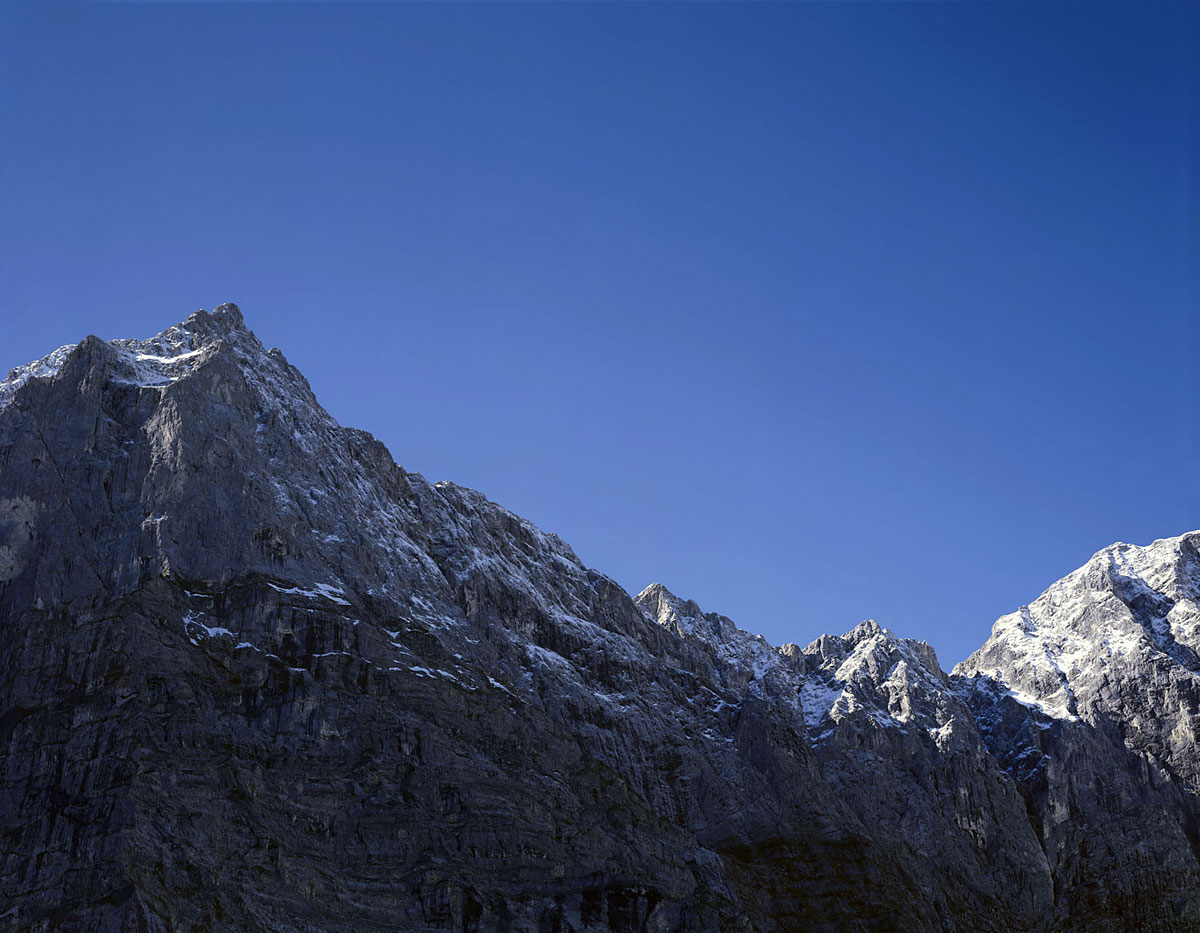
Schulz similarly aims for an aesthetic exaggeration and idealisation through digital intervention in his nature photographs of the series “Terraform”. Through the elimination of human traces he reconstructs the lost primordial state of nature and creates people’s “internal” images of the landscape.

Similarly originating from actual landscape, Peter Dreher’s “Schwarzwaldlandschaft” (Black Forest Landscape) appears idealistic. It almost appears to be based on the tradition of “Heimatmalerei” (patriotic landscape painting). Viewed in close proximity however, the picture’s elements are ordered according to days and time. Each single picture documents what the artist saw and captured at precisely this point in time. Only when viewed as a whole an abstract picture of landscape as space-time-construct appears.

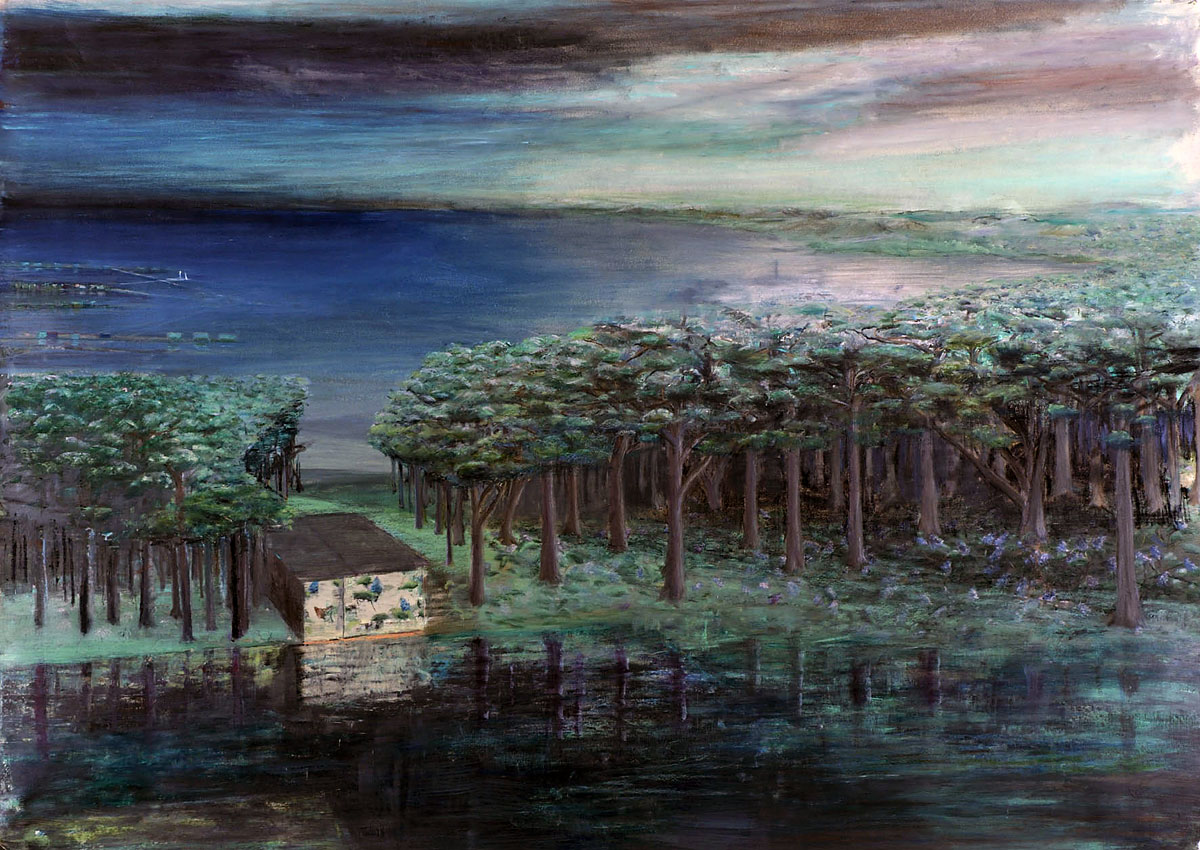
The central theme of Neo Rauch-student Friederike Jokisch is the landscape beyond the established idyll. Her large format pastel paintings make the process of transformation from nature to landscape tangible. In striking pictures “landscape” is demystified and instead ruptures and alienations between culture and nature become central themes.

The exhibition consciously poses more questions, attempts to find fewer answers. At the same time it continues the theme of the previous exhibition “The Nightingale’s Secret Garden”.

Text from the Galerie Wagner + Partner website [Online] Cited 14/07/2010 no longer available online


Thomas Wrede (German, b. 1963) 'Drive In Theatre' 2009


Thomas Wrede (German, b. 1963)
Drive In Theatre
2009
Lambda Print Diasec


Thomas Wrede (German, b. 1963) 'In the Tertiary Valley' 2008


Thomas Wrede (German, b. 1963)
In the Tertiary Valley
2008
Lambda Print Diasec


'Open Landscape' exhibition view at Galerie Wagner + Partner, 2010


Open Landscape exhibition view at Galerie Wagner + Partner, 2010


Galerie Wagner + Partner

This gallery has now closed.

LIKE ART BLACK ON FACEBOOK

Back to top

Review: ‘Simryn Gill: Gathering’ at Heide Museum of Modern Art, Melbourne

Exhibition dates: 22 April – 18 July 2010


Simryn Gill (Singapore, b. 1959) 'Pearls' 1999 from the exhibition 'Simryn Gill: Gathering' at Heide Museum of Modern Art, Melbourne, April - July, 2010


Simryn Gill (Singapore, b. 1959)
Pearls
1999
Private collection


This is a strong survey exhibition of the work of Simryn Gill at Heide Museum of Modern Art. Like most survey exhibitions it suffers from a slightly piecemeal approach, dipping in and out of various bodies of work to try to make up a holistic whole. Conceptually this is not a problem as the thematic development of Gill’s work, her narrative arc if you like, is evident throughout. Visually this causes some work to seem isolated and left me wanting more connection between pieces and rooms as you walk around.

Highlights included May 2006 (2006), Pearls (1999 – ongoing), Untitled (interiors) 2008 and Throwback (2007).

In May 2006 (2006) 817 silver gelatin photographs are mounted in columns of images, each column making up one of 30 rolls of film, one shot every day of a month photographing the artist’s immediate neighbourhood in Marrickville, Sydney, in the month in which the film expiration date occurred. Each column has a different number of images and are mounted along the one of the largest walls in the Heide galleries, producing an effect almost like a DNA sequence. Abstract scenes of pathways, fences, cars in streets, broken gutters, planes flying houses, trees, people walking, abandoned telephone directories, Hills hoists, coffee shops, windows, rooftops and factories inhabit the frame of reference – the environment seeming to be abandoned both literally and metaphorically. Empty chairs move from picture to picture. No Parking here!

There are some great angles in these photographs a la Robert Frank The Americans with excellent use of short depth of field shooting across tabletops for example. Above all there is a sense of abandonment, desolation and isolation in the intersection of spaces. Even in strong sunlight there is a strange, haunting melancholy present – an innate understanding of the subconsciously known archetype of space and place, that sense of belonging – and an absolute recognition in the viewer of that.

In Pearls (1999 – ongoing, see photograph above) friends provide Gill with a book of personal value, which she then transforms into beads of paper and then strings them together as necklaces which she then returns to the owner as a gift. The colours, length and heaviness of the necklace depends on the book chosen – the reconstructed text lying like pearls of wisdom against the skin of the giver / receiver, the meaning of the book transformed through the process. What a beautiful gift to receive.

Untitled (interiors) (2008), my second favourite work of the day, features bronze sculptures cast from the empty spaces created by dry cracks in the ground found near Nyngan and Lake George, New South Wales. The sculptures present the cracks inverted so they become like miniature mountain ranges, the cracks in the earth filled and metamorphosing until they thrust into the air, the empty spaces of the earth uplifted, negative / positive spaces interchangeable. This is a simple but beautifully resolved work. Unfortunately I do not have any photographs to show you of these sculptures.

Other work includes My own private Angkor (2007, see photograph above), photographs taken at a housing estate in Port Dickson that is becoming overgrown and returning to the surrounding landscape that Gill has made into her own Angkor Wat in reverse, featuring the detritus of a vanquished, constructed environment; four black and white photographs from Forest (1996) featuring text on leaves; a glass case of curiosities like the Victorian cabinet of curiosities that includes a jar of plastic cowboys and indians, a bowl of Mindanao pearls, found and made spherical objects, cast tin and mango seeds (Some of my best friends suck mangoes, 1998) and different noses of cast tin (Bouquet 1994); Untitled (1998 – ongoing), a glass case full of found and blunt objects arranged like a seismograph recording, small at the ends and big in the centre featuring scissors, clubs, spoons, knives, bottle top openers, tweezers, letter openers and salad servers!; and Paper boats (2008, see photographs below), table and floor covered by paper boats made from the torn out pages of Encyclopedia Britannica 1968 with the invitation to “Please make boats” with no explanation as to how, exactly, to make them – human knowledge as text, detritus, object, place, manufacture and commission.

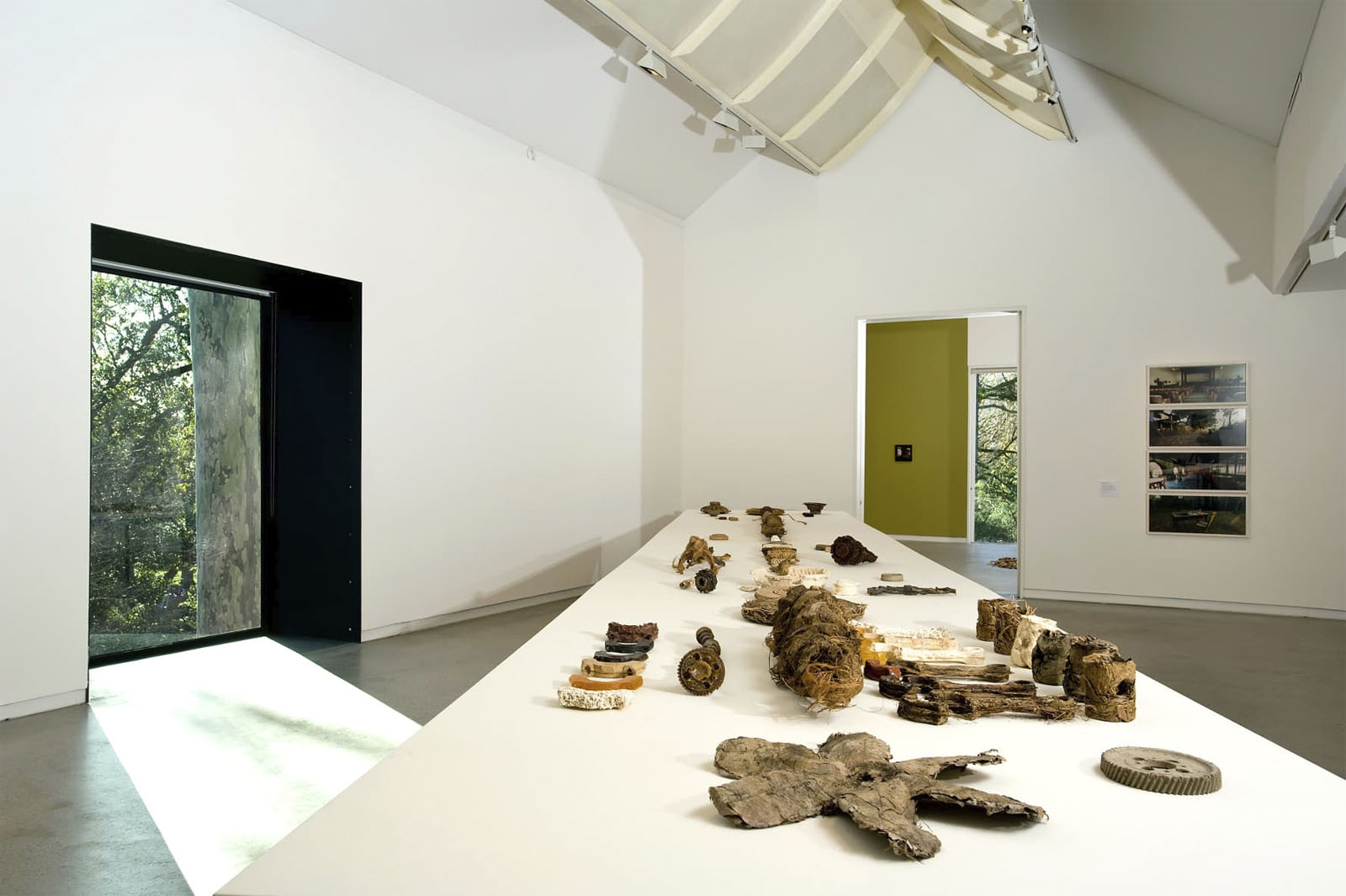
The absolute star of the exhibition is the installation Throwback (2007, see photographs below). The installation features the interior parts of a Tata truck (the engine and axles) recast in termite mound soils, river clay, laterite, sea shells, fruit skins, coconut bark, resin, and fibre laid on a huge dissecting table (much like the body in Rembrandt’s painting The Anatomy Lesson of Dr Tulp (1632)) – the layout of the engine and axles evoking the spine and interior skeleton of the body. Unfortunately I do not have an overview photograph of the whole work but parts of the work can be seen in the photographs below. The Tata truck spent its working life plying the roads of the forests of Malaysia:

“With the rise of China and India, a voracious market for scrap metal has developed, hastening the disappearance of particular objects, Gill recovers the modern forms of the truck parts by casting them in natural materials found near her studio in Port Dickson.” (Wall text from the exhibition)

.
This is an outstanding work that left me stunned with it’s beauty and insightfulness. It literally took my breath away and for that reason alone a visit to this exhibition at Heide is well worth the journey.

Dr Marcus Bunyan


Many thankx to Jade Enge and the Heide Museum of Modern Art for allowing me to publish the photographs in the posting. Please click on the photographs for a larger version of the image.


“The work of Simryn Gill considers questions of place and history, and how they might intersect with personal and collection experience … Using objects, language and photographs, her work conveys a deep interest in material culture, and in the ways that meaning can transform and translate in different contexts. Through the reinterpretation or alteration of existing objects, the photographing of specific locations, and the forming of collections, Gill contemplates how ideas and meanings are communicated between people, objects and sites.”


Wall text from the exhibition


Simryn Gill (Singapore, b. 1959) 'Untitled' 1999 from the exhibition 'Simryn Gill: Gathering' at Heide Museum of Modern Art, Melbourne, April - July, 2010


Simryn Gill (Singapore, b. 1959)
Untitled
1999
Gouache on National Geographic magazine pages (1970s)
Courtesy of the artist, BREENSPACE, Sydney and Tracy Williams Ltd, New York


Simryn Gill (Singapore, b. 1959) 'Untitled' 1999 from the exhibition 'Simryn Gill: Gathering' at Heide Museum of Modern Art, Melbourne, April - July, 2010


Simryn Gill (Singapore, b. 1959)
Untitled
1999
Gouache on National Geographic magazine pages (1970s)
Courtesy of the artist, BREENSPACE, Sydney and Tracy Williams Ltd, New York


Simryn Gill (Singapore, b. 1959) 'My own private Angkor' 2007


Simryn Gill (Singapore, b. 1959)
My own private Angkor
2007
Courtesy of the artist, BREENSPACE, Sydney and Tracy Williams Ltd, New York


Installation view of the exhibition 'Simryn Gill: Gathering' at Heide Museum of Modern Art, Melbourne showing the work 'Throwback' 2007


Installation view of the exhibition Simryn Gill: Gathering at Heide Museum of Modern Art, Melbourne showing the work Throwback 2007


Simryn Gill (Singapore, b. 1959) 'Throwback' 2007 (detail)


Simryn Gill (Singapore, b. 1959)
Throwback (detail)
2007
Interior parts of Tata truck, termite mound soil, river clay, laterite, seashells, fruit skins, leaves, bark and fibre, flowers, glue, resin, milk
Buxton Collection Melbourne
Courtesy of the artist


Simryn Gill (Singapore, b. 1959) 'Throwback' 2007 (detail)


Simryn Gill (Singapore, b. 1959)
Throwback (detail)
2007
Interior parts of Tata truck, termite mound soil, river clay, laterite, seashells, fruit skins, leaves, bark and fibre, flowers, glue, resin, milk
Buxton Collection Melbourne
Courtesy of the artist


This exhibition (22 April – 18 July) presents the work of leading Sydney-based Malaysian artist, Simryn Gill. Featuring objects, books, collections, photographs and text pieces from the last six years of Gill’s practice, it explores the artist’s pursuit of meaning through materials, forms and ways of working, such as collecting, reading, archiving, arranging, casting and photographing.

Described in 2009 in the New Yorker as ‘quietly dazzling’, Gill’s work is internationally recognised. She has been honoured with solo exhibitions at the Tate Modern, London and the Smithsonian Institution, Washington DC, both in 2006. Born in Singapore in 1959, Gill lives and works in Sydney and Port Dickson, Malaysia, and has participated in significant exhibitions internationally, including documenta 12 in Kassel, Germany (2007), the Singapore Biennale (2006), the Biennale of Sydney (2002 and 2008), the São Paulo Biennial (2004) and the Venice Biennale (1999).

An MCA touring exhibition curated by Russell Storer, it has been expanded by Heide to include the Australian premiere of Gill’s major work Throwback, originally produced for the documenta 12 exhibition in Kassel, Germany, in 2007. Throwback reworks the inner machinery of a 1985 Tata truck that plied the roads of Malaysia. With the economic rise of China and India, a voracious market for scrap metal has developed, hastening the disappearance of particular objects. Gill recovers the modern forms of truck parts by casting them in natural materials – found near her studio in Malaysia – including river mud, coconut husks, reconstituted termite mounds and fruit skins.

Gill has also produced a new work, an artist’s book reflecting on the gardens at Heide.

Gill’s practice considers how we might experience place as an intersection of personal and collective histories and geographies. Through the reinterpretation or alteration of existing objects, the photographing of specific locations, and the forming of collections, Gill contemplates how ideas and meanings are communicated between people, objects, and sites.

Several works in the exhibition invite audience participation. Paper Boats invites visitors to add their own unique paper boat to the installation by tearing pages from a 1968 Encyclopaedia Britannica and using the sheet to make an origami boat. Another work, Garland (2006) encourages us to hold, touch and rearrange objects collected by Gill on the beaches of Port Dickson, Malaysia, and the islands off Singapore – fragments reshaped by sea and sand that take on almost organic form.

A selection of books, sketches, collections and experimental pieces from the early 1990s to the present, some produced for exhibitions and others never intended as artworks will also be presented as part of the exhibition. Together they offer an insight into Gill’s artistic processes and her interest in art-making as an active engagement with the world.”

Press release from the Heide Museum of Modern Art website [Online] Cited 01/10/2010 no longer available online


Simryn Gill (Singapore, b. 1959) 'Paper boats' 2008


Simryn Gill (Singapore, b. 1959)
Paper boats
2008
Encyclopaedia Britannica (1968 edition)
Courtesy of the artist and BREENSPACE, Sydney


Simryn Gill (Singapore, b. 1959) 'Paper boats' 2008 (detail)


Simryn Gill (Singapore, b. 1959)
Paper boats (detail)
2008
Encyclopaedia Britannica (1968 edition)
Courtesy of the artist and BREENSPACE, Sydney


Addendum: A Pencil for Your Thoughts


Heide pencil


Heide pencil, the confounding pencil

I love to visit Heide, the elegant buildings, the art, the cafe, a stroll in the gardens looking at the sculpture. What I don’t like is being accosted by gallery attendants on my last three visits, twice on the last visit alone to review the Simryn Gill exhibition – accost being not too harsh a word for some of the approaches. The request: to not write in the gallery with a pen but to use a pencil (rushed to the scene of the crime post haste!)

I don’t like writing with a pencil, they go blunt and I can’t read my notes. I like writing with a pen.
This is a ridiculous state of affairs, the only gallery in Melbourne that I know of that has such a ‘nanny state’ rule.

Do they think that I am going to:

a) spear the pen into the gallery wall
b) attack the attendant with the pen (after this last visit the thought did cross my mind!) or
c) scribble all over the art work like a child …

 
The more we are treated like children the more child-like we become.

“Put the pen on the ground … Step away from the pen.”


Heide Museum of Modern Art
7, Templestowe Road
Bulleen, Victoria 3105

Opening hours:
(Heide II and Heide III)
Tuesday – Sunday 10.00am – 5.00pm

Heide Museum of Modern Art website

LIKE ART BLART ON FACEBOOK

Back to top

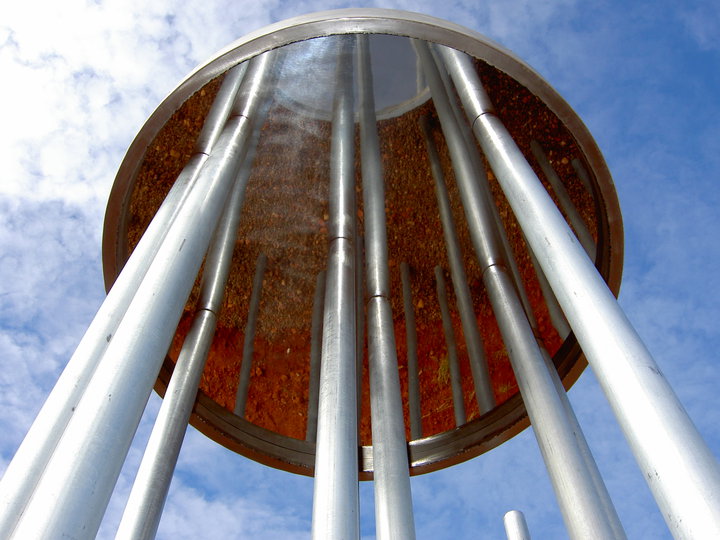
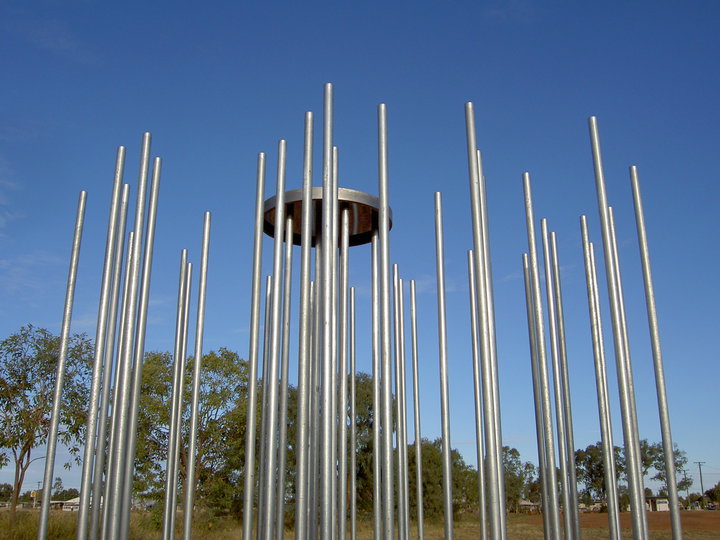
Sculpture: ‘Drawing Water’ (2010) by Fredrick White

June 2010


Unknown photographer. ''Drawing Water' by Frederick White' 2010


Unknown photographer
Drawing Water by Frederick White
2010


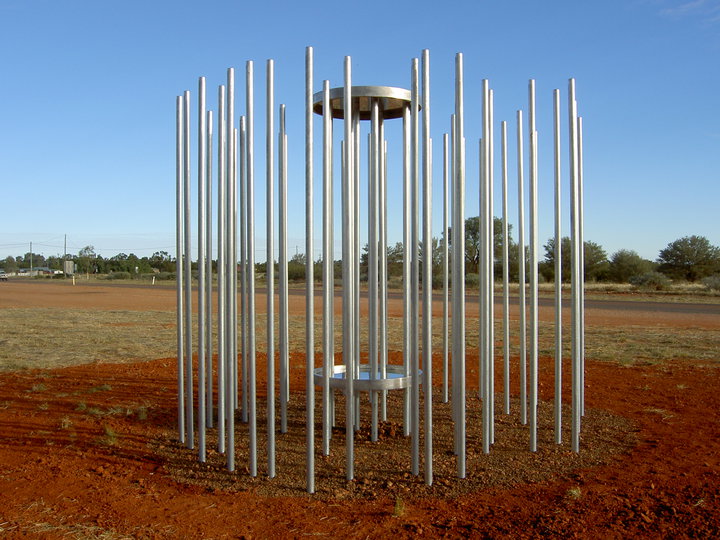
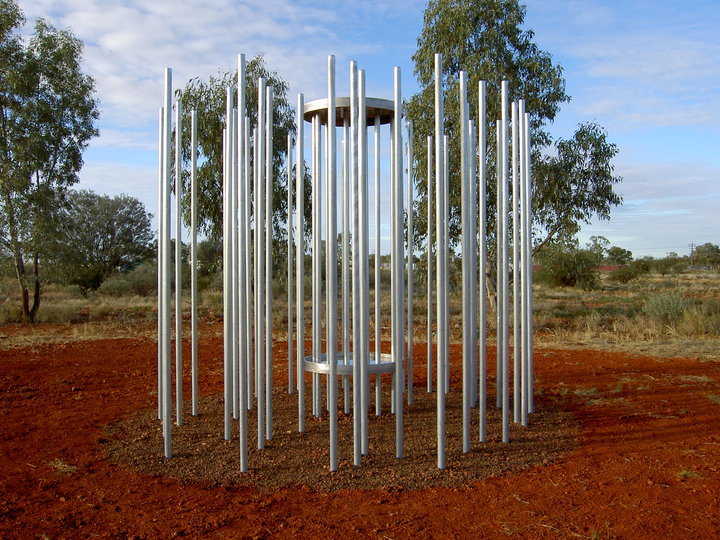
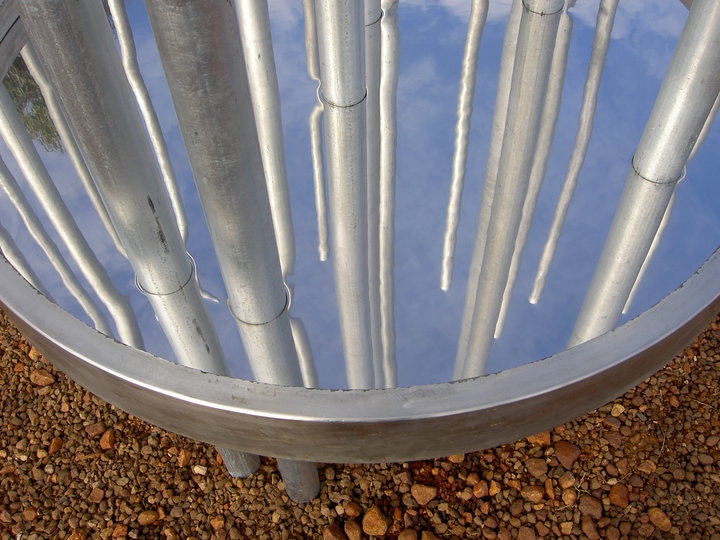
Australian sculptor Fredrick White, has been commissioned to create two public sculptures in Western Queensland. The first has been completed at Thargomindah (see Google map), a town located 1014 km west of Brisbane and was commissioned by artplusplace and Thargomindah Regional Council. In a small town of 250 people this is the town’s first public sculpture.

“The town’s one claim to fame is its artesian bore. The bore, which lies 2 km out of town on the Noccundra road, was drilled in 1891 and by 1893, having drilled to a depth of 795 metres, the water came to the surface. It was then that the town successfully attempted a unique experiment. The pressure of the bore water was used drive a generator which supplied the town’s electricity. Enthusiasts have described this as Australia’s first hydro-electricity scheme. The system operated until 1951. Today the bore still provides the town’s water supply. The water reaches the surface at 84°C.”1


The work Drawing Water (2010) addresses the need for water in such an arid location and the numerous bores that are sunk around the town to draw water to the surface. The earth is reflected in the sky and the sky in the earth in the central polished stainless steel disks (as friend Perry observes, like a tunnel connecting earth and heaven). A forest of bore pipes surround the central platform. Of the work Fred says:

Drawing Water speaks of our connection to the Earth, specifically the Great Artesian Basin and the bores that provide the only continuous source of water throughout much of inland Australia. The 52 galvanised poles symbolise not only our year round need for water but are also as a reminder of how extensively taped the artesian water is.”

The next commission is at Blackall in Western Queensland (see Google map). A drawing of the work Lifespan (2010), which is 8 metres long, is at the bottom of the posting. Blackall already contains public sculptures by William Eicholtz (Towners Call – Edgar Towner V.C. Memorial (2009)) and Robert Bridgewater (Wool, Water and Wood (2008)).

Dr Marcus Bunyan


1/ Text from the Sydney Morning Herald travel website February 8, 2004 [Online] Cited 17/08/2019


Unknown photographer. ''Drawing Water' by Frederick White' 2010


Unknown photographer
Drawing Water by Frederick White
2010


Unknown photographer. ''Drawing Water' by Frederick White' 2010 (detail)

Unknown photographer. ''Drawing Water' by Frederick White' 2010 (detail)

Unknown photographer. ''Drawing Water' by Frederick White' 2010 (detail)


Unknown photographer
Drawing Water by Frederick White (details)
2010


Fredrick White (Australian) 'Lifespan' (2010), drawing for commission at Blackall, Queensland


Fredrick White (Australian)
Lifespan
2010
Drawing for commission at Blackall, Queensland


LIKE ART BLART ON FACEBOOK

Back to top

Review: ‘Cloud’ by Guan Wei at Arc One Gallery, Melbourne

Exhibition dates: 1st June – 29th June, 2010


Guan Wei (China, b. 1957) 'Buddha's hand' 2010 from the exhibition 'Cloud' by Guan Wei at Arc One Gallery, Melbourne, June 2010


Guan Wei (China, b. 1957)
Buddha’s hand
2010


The exhibition Cloud by Australian artist Guan Wei at Arc One Gallery in Melbourne contains two bodies of work that are outstanding: the series of paintings on paper titled Buddha’s Hand and the series of five figurative sculptures titled Cloud. Each body of work compliments and informs the other.

The small Buddha’s Hand paintings (see below) are the most delicate of creatures – sensual, poetic almost fetishistic in their composition and utterly beguiling in their beauty. Referencing the history of cave paintings of the Buddha, Wei updates the ancient allegories expressing his message of harmony and leisure, identity and place through visual symbolic representation. These works are profoundly moving, the figurative compositions balanced masterfully through colour, shape and form, studded with the punctum of red bindi-like energy centres arising from the faceless yogic figures.

Sitting on white pedestals and positioned close to the Buddha’s Hand paintings in the gallery are the series of five Cloud figures (see below). Made of bronze that has been spray painted white these are wonderful sculptures, full of delicious humour and vibrancy. There is a sensuality and delicacy about the figures that is emphasised by their snowy whiteness, a whiteness that subverts the tactility, colour and weight that one usually associates with the metal bronze. Here the figure has, variously, it’s head in the clouds while pensively crossing arms; bearing the weight of the world on the back while the vacant mouth is open; preparing to throw the cloud as Zeus would a thunderbolt; reclining while balancing the cloud on one foot and with one foot stuck in the earth that is cloud. The cloud becomes a metaphor for thought and action in the world, acting on the world. In these sculptures there is no creed nor race, no ideology or nation and I believe that Wei attains his stated aim to redefine our relationship with one another and nature by transcending both. I am not alone in liking these sculptures – they have proved very popular and all five sculptures in editions of five have already sold out!

Other work in the exhibition is more prosaic – a multi-panelled screen, the On Cloud and Zodiac series never seem to breathe the same rarefied air as the above two bodies of work. They are disappointments that only serve to illuminate how brilliant holding the Buddha’s hand and living your life with your head in the clouds can be.

Dr Marcus Bunyan


Many thankx to Angela Connor and Arc One Gallery for allowing me to reproduce the photographs in the posting. Please click on the photographs for a larger version of the image.


Guan Wei (China, b. 1957) 'Buddha's hand' 2010 from the exhibition 'Cloud' by Guan Wei at Arc One Gallery, Melbourne, June 2010


Guan Wei (China, b. 1957)
Buddha’s hand
2010


Guan Wei (China, b. 1957) 'Buddha's hand' 2010


Guan Wei (China, b. 1957)
Buddha’s hand
2010


“I hope that we will be able to transcend the restrictions imposed on us by such notions as nation, ethnicity, ideology, cultural and history, and redefine our relationship with one another and nature.”


Guan Wei


Guan Wei is an adept storyteller who masterfully engages his audiences. Retaining the humour, wisdom and cross-cultural knowledge that have become characteristics of his ongoing oeuvre, his work breathes an awareness of our current social and environmental dilemmas exploring ideas of immigration, colonisation, identity politics and cultural tolerance.

Flirtatious and aesthetically whimsical, Guan Wei’s works are instantly recognisable. In this latest exhibition, Cloud, Guan Wei fuses sculpture, drawings and paintings to form what is part of his most beguiling trademark – ‘the art of idleness’. For the first time since returning to China, he will present new sculptures that employ his ongoing preoccupation with the figure and the figure in relation to the natural form. These sculptures are Guan Wei’s personal visual symbols of harmony and leisure. They form the thread for the four series of works in this exhibition.

During the past fifteen years, Guan Wei has help change the identity of Australian Art. He draws on his own experience as a Chinese national who migrated to Australia from China in the period following the Tiananmen Square massacre (1989). Guan Wei has spent twenty years living and working as an artist raising the awareness of Australia being a multicultural country. He has had over 40 solo exhibitions, been the recipient of numerous awards and included in every major collection. In 2009, Guan Wei was selected for the prestigious Clemenger Contemporary Art Award at the National Gallery of Victoria.

Press release from the Arc One Gallery website [Online] Cited 10/06/2010 no longer available online


Guan Wei (China, b. 1957) 'Cloud No.4' 2009 from the exhibition 'Cloud' by Guan Wei at Arc One Gallery, Melbourne, June 2010


Guan Wei (China, b. 1957)
Cloud No.4
2009
Bronze statue
edition of 5
39 x 30 x 25cm


Guan Wei (China, b. 1957) 'Cloud No.5' 2009


Guan Wei (China, b. 1957)
Cloud No.5
2009
Bronze statue
edition of 5
47 x 35 x 35cm


Arc One Gallery
45 Flinders Lane
Melbourne, 3000
Phone: +61 3 9650 0589

Opening hours:
Tuesday – Saturday 11am – 5pm

Arc One Gallery website

LIKE ART BLART ON FACEBOOK

Back to top

Exhibition: ‘Playing with Pictures: The Art of Victorian Photocollage’ at The Metropolitan Museum of Art, New York

Exhibition dates: 2nd February – 9th May, 2010


Many thankx to the Metropolitan Museum of Art for allowing me to publish the images in this posting. Please click on the photographs for more information about the images from the Metropolitan Museum of Art.

Dr Marcus Bunyan


Kate Edith Gough (English, 1856-1948) 'Untitled page from the Gough Album' late 1870s from the exhibition 'Playing with Pictures: The Art of Victorian Photocollage' at The Metropolitan Museum of Art, New York, February - May, 2010


Kate Edith Gough (English, 1856-1948)
Untitled page from the Gough Album
Late 1870s
Collage of watercolour and albumen silver prints
14 5/8 x 11 5/8 in. (37 x 29.5cm)
V&A Images / Victoria and Albert Museum, London


Kate Gough was one of fourteen children born to the wealthy businessman Thomas Rolls Hoare and his wife, Emma. Although the Hoares possessed neither title nor land, their vast accumulated fortune allowed them to emulate the aristocratic lifestyle, renting a Sussex estate and dividing their time between the country and the city, where they enjoyed a variety of cultural amusements. Kate read widely, from Charles Dickens to Punch magazine, while also learning such feminine accomplishments as sketching and china painting. In 1878 she met Hugh Gough, a lieutenant in the Royal Navy. The couple married in January 1879 and lived the peripatetic life that Lieutenant Gough’s service and their lack of children enabled. Gough probably assembled her album during her courtship and early years of marriage.

A remarkable number of images found in photocollage albums combine humans and animals in fantastical ways; the temptation to cut out a photographed head and place it atop a painted animal seems to have been irresistible. This composition of ducks bearing ladies’ faces – one of them Kate herself, or her identical twin sister, Grace – may have been inspired by Charles Darwin’s new theories of evolution or by political cartoons from magazines such as Punch. On other pages of the Gough Album as well, an irreverent humor, disorienting scale shifts, mischievous visual puns, and whimsical fantasies reveal a sophisticated mind and very accomplished hand.

Text from The Metropolitan Museum of Art website


Frances Elizabeth, Viscountess Jocelyn (English, 1820-1880) 'Diamond Shape with Nine Studio Portraits of the Palmerston Family and a Painted Cherry Blossom Surround from the 'Jocelyn Album'' 1860s from the exhibition 'Playing with Pictures: The Art of Victorian Photocollage' at The Metropolitan Museum of Art, New York, February - May, 2010


Frances Elizabeth, Viscountess Jocelyn (English, 1820-1880)
Diamond Shape with Nine Studio Portraits of the Palmerston Family and a Painted Cherry Blossom Surround from the Jocelyn Album
1860s
Collage of watercolour and albumen silver prints
11 x 9 1/8 in. (28 x 23.2cm)
National Gallery of Australia, Canberra


The daughter of the exceedingly wealthy Peter Clovering-Cowper, Earl Cowper, and the legendary society hostess Emily Lamb, Countess Cowper, Viscountess Jocelyn was born into a life of privilege and social connections. When her mother remarried after her father died, Frances (known as Fanny) became the stepdaughter of Henry Temple, Viscount Palmerston, who would become the prime minister in 1855. Fanny also garnered the favor of Queen Victoria, serving as a bridesmaid at her wedding to Prince Albert and later as a Lady of the Bedchamber. In 1841 she wed Robert, Viscount Jocelyn, and bore six children over the next decade. Her husband died in 1854, and she lost each of her children to illness before her own death in 1880.

Unlike the other album makers in this exhibition, Jocelyn practiced amateur photography, using the wet-collodion process, a cumbersome technique that required time, money, education, and skill. A separate section of this album, entitled The Bygone Hours of the Viscountess Jocelyn, features nine photographs that she made of herself and her children in the garden of their estate. Most of the pages in the album, however, are photocollages employing amateur photographs and commercial cartes de visite in highly skilled watercolour designs that honour her aristocratic lifestyle, depicting family and friends, the estates they owned or visited, the jewellery and finery they wore, and the various pastimes they enjoyed.

Text from The Metropolitan Museum of Art website

The Johnstone Album represents the appropriation by the commercial printing press of an activity that was originally aristocratic and handmade. Here the grids are commercially printed and the collage maker need only paste within the shapes, offering the opportunity for those with less leisure time to create similar family albums.


Maria Harriet Elizabeth Cator (English, d. 1881) 'Untitled page from the 'Cator' Album' late 1860s/70s from the exhibition 'Playing with Pictures: The Art of Victorian Photocollage' at The Metropolitan Museum of Art, New York, February - May, 2010


Maria Harriet Elizabeth Cator (English, d. 1881)
Untitled page from the Cator Album
Late 1860s/1870s
Collage of watercolour and albumen silver prints
10 7/8 x 8 1/2 in. (27.7 x 21.7cm)
Hans P. Kraus, Jr., New York


Maria Harriet Elizabeth Cator, the likely maker of this album, filled its pages in the 1860s and 1870s with scenes of her childhood home, portraits of family members, and commemorative collages memorializing her father, who died in 1864, and a young niece who died as a child in 1866. Family mottoes and photographs of country seats belonging to relatives appear throughout the album, suggesting that it was intended more for family than for society. Set among all this seriousness, this image of a playful jester carelessly strewing photographs on the ground is surprising. Instead of serving as mementos of a loved one or records of an ancestral home, the jester’s photographs are stripped of symbolic meaning and used in the service of a lighthearted composition.

Text from The Metropolitan Museum of Art website


Viscount Jocelyn (Great Britain, 1820-1880) attributed to. 'Circular design containing five male studio portraits and two ships' c. 1860 from the exhibition 'Playing with Pictures: The Art of Victorian Photocollage' at The Metropolitan Museum of Art, New York, February - May, 2010


Viscount Jocelyn (Great Britain, 1820-1880) attributed to
Circular design containing five male studio portraits and two ships
c. 1860
Leaf 3 from an Untitled Album
Collage (albumen silver photographs, water colour, pencil)
Printed image
28.0 h x 23.2 w cm
Purchased 1985
National Gallery of Canberra


Eva Macdonald (English, 1846/50-?) "What Are Trumps?," from the 'Westmorland Album' 1869 Collage of watercolour and albumen prints The J. Paul Getty Museum, Los Angeles


Eva Macdonald (English, 1846/1850-?)
“What Are Trumps?,” from the Westmorland Album
1869
Collage of watercolour and albumen prints
The J. Paul Getty Museum, Los Angeles


A common leisure pastime in Victorian high society, card playing provided opportunities for socializing and flirting. Compositions involving cards are commonly found in photocollage albums, as if to emphasise the playfulness of the process of making such images. In many of these collages, photographic portraits replace the heads of kings and queens, elevating the subjects in rank and giving new meaning to the term “face cards.”

Text from The Metropolitan Museum of Art website


Elizabeth Pleydell-Bouverie (English, died 1889) and Jane Pleydell-Bouverie (English, died 1903) or Ellen Pleydell-Bouverie (English, 1849-?) and Janet Pleydell-Bouverie (English, 1850-1906) Untitled page from the 'Bouverie Album' 1872/77


Elizabeth Pleydell-Bouverie (English, d. 1889) and Jane Pleydell-Bouverie (English, d. 1903) or Ellen Pleydell-Bouverie (English, 1849-?) and Janet Pleydell-Bouverie (English, 1850-1906)
Untitled page from the Bouverie Album
1872/1877
Collage of watercolour and albumen prints
Courtesy of George Eastman House, International Museum of Photography and Film


Popular children’s tales by the Brothers Grimm, Hans Christian Anderson, and Lewis Carroll became fertile material for photocollages, including this one, which appears to relate the story of Thumbelina. Although the identity of the maker of this collection remains a mystery, the initials E.P.B. and J.P.B and the name Bouverie on various pieces suggest that it belonged to the Pleydell-Bouverie family.

Text from The Metropolitan Museum of Art website


In the 1860s and 1870s, long before the embrace of collage techniques by avant-garde artists of the early 20th century, aristocratic Victorian women were experimenting with photocollage. Playing with Pictures: The Art of Victorian Photocollage, on view at The Metropolitan Museum of Art February 2 – May 9, 2010, is the first exhibition to comprehensively examine this little-known phenomenon. Whimsical and fantastical Victorian photocollages, created using a combination of watercolour drawings and cut-and-pasted photographs, reveal the educated minds as well as accomplished hands of their makers. With subjects as varied as new theories of evolution, the changing role of photography, and the strict conventions of aristocratic society, the photocollages frequently debunked stuffy Victorian clichés with surreal, subversive, and funny images. Featuring 48 works from public and private collections – including many that have rarely or never been exhibited before – Playing with Pictures will provide a fascinating window into the creative possibilities of photography in the 19th century.

“In other recent exhibitions at the Metropolitan, we’ve shown masterpieces of 19th-century British photography by the period’s most prominent professionals and serious amateurs (almost always men), whose works were often displayed at the annual salons of the photographic societies and sold by printsellers throughout England and Europe,” commented Malcolm Daniel, Curator in Charge of the Department of Photographs. “What is so exciting about this exhibition is that we see a different type of artist – almost exclusively aristocratic women – using photography in highly imaginative ways, and creating pictures meant for private pleasure rather than public consumption. It is an aspect of photography’s history that has rarely been seen or written about.”

In England in the 1850s and 1860s, photography became remarkably popular and accessible as people posed for studio portraits and exchanged these pictures on a vast scale. The craze for cartes de visite – photographic portraits the size of a visiting card – led to the widespread hobby of collecting small photographs of family, friends, acquaintances, and celebrities in scrapbooks. Rather than simply gathering such portraits in the standard albums manufactured to hold cartes de visite, the amateur women artists who made the photocollages displayed in Playing with Pictures cut up these photographic portraits and placed them in elaborate watercolour designs in their personal albums.

With sharp wit and dramatic shifts of scale akin to those Alice experienced in Wonderland, Victorian photocollages stand the rather serious conventions of early photography on their heads. Often, the combination of photographs with painted settings inspired dreamlike and even bizarre results: placing human heads on animal bodies; situating people in imaginary landscapes; and morphing faces into common household objects and fashionable accessories. Such albums advertised the artistic accomplishments of the aristocratic women who made them, while also serving as a form of parlour entertainment and an opportunity for conversation and flirtation with the opposite sex.

Playing with Pictures showcases the best Victorian photocollage albums and loose pages of the 1860s and 1870s, on loan from collections across the United States, Europe, and Australia, including the Princess Alexandra Album lent by Her Majesty Queen Elizabeth II. Thirty-four photocollage album pages will be shown in frames on the wall and 11 separate albums will be displayed in cases, open to a single page. These works will be accompanied by “virtual albums” on computer monitors that allow visitors to see the full contents of the albums displayed nearby. As an introduction, the exhibition also includes two carte-de-visite albums of the period and a rare uncut sheet of carte-de-visite portraits from 1859.

Playing with Pictures: The Art of Victorian Photocollage is curated by Elizabeth Siegel, Associate Curator of Photography at The Art Institute of Chicago. The exhibition is organised at the Metropolitan Museum by Malcolm Daniel.

Press release from the Metropolitan Museum of Art website [Online] Cited 05/06/2010


Women’s Work: Albums and Their Makers

Ann Bermingham, professor, Department of the History of Art and Architecture, University of California, Santa Barbara

Sixty years before the embrace of collage techniques by avant-garde artists of the early twentieth century, aristocratic Victorian women were already experimenting with photocollage. The compositions they made with photographs and watercolours are whimsical and fantastical, combining human heads and animal bodies, placing people into imaginary landscapes, and morphing faces into common household objects. Such images, often made for albums, reveal the educated minds as well as the accomplished hands of their makers. With sharp wit and dramatic shifts of scale akin to those Alice experienced in Wonderland, these images stand the rather serious conventions of early photography on their heads. The exhibition features forty-eight works from the 1860s and 1870s, from public and private collections.

Text from the YouTube website


Society Cut-ups: Victorians and the Art of Photocollage

Elizabeth Siegel, Associate Curator of Photography, The Art Institute of Chicago

Sixty years before the embrace of collage techniques by avant-garde artists of the early twentieth century, aristocratic Victorian women were already experimenting with photocollage. The compositions they made with photographs and watercolors are whimsical and fantastical, combining human heads and animal bodies, placing people into imaginary landscapes, and morphing faces into common household objects. Such images, often made for albums, reveal the educated minds as well as the accomplished hands of their makers. With sharp wit and dramatic shifts of scale akin to those Alice experienced in Wonderland, these images stand the rather serious conventions of early photography on their heads. The exhibition features forty-eight works from the 1860s and 1870s, from public and private collections.

Text from the YouTube website


Marie-Blanche-Hennelle Fournier (French, 1831-1906) Untitled page from the 'Madame B Album' 1870s


Marie-Blanche-Hennelle Fournier (French, 1831-1906)
Untitled page from the Madame B Album
1870s
Collage of watercolour, ink, and albumen silver prints
11 1/2 x 16 1/2 in. (29.2 x 41.9cm)
The Art Institute of Chicago, Mary and Leigh Block Endowment


Marie-Blanche-Hennelle Fournier probably made the album from which this page was taken. Known as Blanche, she was the second wife of the career diplomat Hugues-Marie-Henri Fournier, who was posted in Stockholm and then in Rome during the years the album was made. Among the clues to the maker’s identity are the large painted B that graces the opening page, the many diplomats and Swedish figures and sites that fill the album, and the frequent depictions of the Fourniers and their daughter, Pauline (born 1855).

Because photocollage albums were almost exclusively made by upper-class English women, this album, with its French maker, is a rare exception. Fournier, however, likely was exposed to English diplomats in the international circles in which she traveled, and she may have been inspired to create her own album after seeing other examples or learning of the practice from her English acquaintances. As the second wife of a diplomat, Fournier may have used her album to help establish herself and her family within a specific social set or to demonstrate her role as a new wife. The album may also have functioned as a sort of travelogue, depicting places she visited or was stationed with her husband. The painted elements reveal that the maker of the album was knowledgeable about the artistic styles of various cultures and skilled in botanical and zoological drawing. Together, the photographs and watercolors often combine to create daring and fantastic compositions, transcending the simple recording of friends, family, and sites.

In the accomplished depiction of a peacock butterfly seen here, the “eye” spots on the wings have been replaced with portraits. Such a composition allowed Fournier to exhibit her artistic talents and her knowledge of natural history.

Text from The Metropolitan Museum of Art website


Georgina Berkeley (English, 1831-1919) Untitled page from the 'Berkeley Album' 1867/71


Georgina Berkeley (English, 1831-1919)
Untitled page from the Berkeley Album
1867/71
Collage of watercolour and albumen silver prints
10 x 12 5/8 in. (25.5 x 32cm)
Musée d’Orsay, Paris
Photo credit: Réunion des Musées Nationaux / Art Resource, NY


Despite her lack of title or inheritance, Georgina Berkeley maintained the sophisticated lifestyle that her ancestry provided. Her collages reveal her fascination with London’s urban pastimes as well as her cutting social commentary.

Text from The Metropolitan Museum of Art website


Georgina Berkeley (English, 1831-1919) Untitled page from the 'Berkeley Album' 1867/71


Georgina Berkeley (English, 1831-1919)
Untitled page from the Berkeley Album
1867/71
Collage of watercolour and albumen silver prints
10 x 12 5/8 in. (25.5 x 32cm)
Musée d’Orsay, Paris
Photo credit: Réunion des Musées Nationaux / Art Resource, NY


As the great-granddaughter of the 4th Earl of Berkeley, Georgina Louisa Berkeley occupied the lower echelon of aristocratic society. Despite her lack of title or inheritance, she maintained the sophisticated lifestyle that her ancestry provided. Georgina and her older sister, Alice, participated in the country-house party circuit, enjoying the hospitality of their many landed and titled relatives. Their home in London’s prestigious Belgravia district also offered them access to the city’s cultural amenities. At age forty-six, Berkeley married a man seven years her junior, Sydney Kerr Buller Atherley, the grandson of the 5th Marquess of Lothian. Sadly, Atherley died just ten months after the wedding. Rather than move back to the home of her father and sister, Georgina upheld her independence, keeping her own household and traveling with or visiting her relatives until her death in 1919.

Berkeley began to assemble the album from which this page is drawn about a decade before her marriage, when she was in her mid-thirties. In her designs, Berkeley constructed a vision of modern life far removed from the secluded domesticity of women that was idealised by middle-class Victorian culture. Many of the pages convey a fascination with London’s cosmopolitan pastimes, depicting bustling streets, theatrical entertainments, and various modes of travel. Berkeley’s photocollages reveal how this particularly modern medium enabled upper-class album makers to represent themselves as independent, urban women.

Text from The Metropolitan Museum of Art website


Mary Georgiana Caroline, Lady Filmer (English, 1838-1903) Untitled loose page from the 'Filmer Album' mid-1860s


Mary Georgiana Caroline, Lady Filmer (English, 1838-1903)
Untitled loose page from the Filmer Album
mid-1860s
Collage of watercolour and albumen silver prints
8 3/4 x 11 1/4 in. (22.2 x 28.6cm)
Paul F. Walter


Constance Sackville-West (English, 1846-1929) or Amy Augusta Frederica Annabella Cochrane Baillie (English, 1853-1913) Untitled page from the 'Sackville-West Album' 1867/73


Constance Sackville-West (English, 1846-1929) or Amy Augusta Frederica Annabella Cochrane Baillie (English, 1853-1913)
Untitled page from the Sackville-West Album
1867/73
Collage of watercolour and albumen silver prints
9 5/8 x 11 13/16 in. (24.5 x 30cm)
Courtesy of George Eastman House, International Museum of Photography and Film


This album’s scenes of country-house life and London cosmopolitanism provide tongue-in-cheek commentary regarding the aristocratic society in which the Cochrane-Baille sisters grew up. The album contains a variety of styles suggesting more than one artist. Constance Sackville-West or Amy Augusta Frederica Annabella Cochrane-Baillie.

Text from The Metropolitan Museum of Art website


Metropolitan Museum of Art
1000 Fifth Avenue at 82nd Street
New York, New York 10028-0198
Information: 212-535-7710

Opening hours:
Sunday – Tuesday and Thursday: 10am – 5pm
Friday and Saturday: 10am – 9pm
Closed Wednesday

Metropolitan Museum of Art website

LIKE ART BLART ON FACEBOOK

Back to top

Exhibition: ‘Desire’ at The Blanton Museum of Art, Austin, Texas

Exhibition dates: 5th February – 25th April, 2010


Many thankx to the Blanton Museum of Art for allowing me to reproduce images from the exhibition in the post. Please click on the photographs for a larger version of the image.

Marcus


Olaf Breuning (Swiss, b. 1970) 'Brian' 2008 from the exhibition 'Desire' at The Blanton Museum of Art, Austin, Texas, February - April, 2010


Olaf Breuning (Swiss, b. 1970)
Brian
2008
C-print
60 x 70 inches
Courtesy the artist and Metro Pictures, New York


Glenn Ligon (American, b. 1960) 'Lest We Forget' 1998 from the exhibition 'Desire' at The Blanton Museum of Art, Austin, Texas, February - April, 2010


Glenn Ligon (American, b. 1960)
Lest We Forget
1998
Series including cast aluminium or bronze plaques, colour photographs of plaques on site
Courtesy the artist and Luhring Augustine Gallery, New York


Valeska Soares (Brazilian, b. 1957) 'Duet' 2008 from the exhibition 'Desire' at The Blanton Museum of Art, Austin, Texas, February - April, 2010


Valeska Soares (Brazilian, b. 1957)
Duet
2008
Hand-carved white marble
Installation dimensions variable
Private Collection


Tracey Emin (English, b. 1963) 'You Should Have Loved Me' 2008


Tracey Emin (English, b. 1963)
You Should Have Loved Me
2008
Warm white neon
Courtesy of Lehmann Maupin Gallery, New York


This February, The Blanton Museum of Art at The University of Texas at Austin investigates the notion of desire in an exhibition of the same name. Curated by Annette DiMeo Carlozzi, Blanton curator of American and contemporary art and director of curatorial affairs, the exhibition features over fifty works from an international group of contemporary artists working in all media, including Glenn Ligon, Marilyn Minter, Petah Coyne, Bill Viola, Tracey Emin, Isaac Julien and many others. The accompanying illustrated catalogue will contain texts by art critics, fiction writers, poets, performing and visual artists, all written in direct response to the works of art in the exhibition.

Carlozzi states, “”Desire” is a complex human emotion and a driving force in our lives from childhood through old age. We all can recall examples of literature, film, and music that are rife with expressions of physical desire, but how do contemporary visual artists portray it, and all its attendant psychological states – anticipation, arousal, longing, regret, and so on? “Desire” assembles a really broad range of compelling works that together present a surprisingly diverse portrait of the experience.”

One provocative aspect of the exhibition is not its imagery, per se, but the manner by which many of the works translate intimate experiences into art a public expression. Marilyn Minter’s Crystal Swallow would seem to capture a private moment of visceral response, yet in such detail and exaggerated scale that it becomes a grotesque advertisement for arousal. Glenn Ligon’s series, Lest We Forget, commemorates those flickers of romantic fantasy that sometimes occur while people watching. And Tracey Emin’s You Should Have Loved Me is an accusation from a lover scorned, created with the neon light of public signage as if to broadcast raw feeling to an uncaring world.

Works by Kalup Linzy, William Villalongo, Olaf Breuning, James Drake, Petah Coyne, Gajin Fugita, Georganne Deen, Adam Pendleton, Peter Saul, Valeska Soares, Danica Phelps, Miguel Angel Rojas, Mads Lynnerup, Rochelle Feinstein, Richard Prince, Laurel Nakadate, Jesse Amado, Isabell Heimerdinger, Alejandro Cesarco, Eve Sussman, Robert Kushner, Luisa Lambri, Chris Doyle, and a dozen others, provide an engaging multi-generational exploration of desire. In addition, an informed selection of works of art from The Blanton’s print collection will add a historic counterpoint to the contemporary works on view.

Press release from The Blanton Museum of Art website [Online] Cited 17/04/2010


Will Villalongo (American, b. 1975) 'The Last Days of Eden' 2009


Will Villalongo (American, b. 1975)
The Last Days of Eden
2009
Cut velour paper
Courtesy the artist and Susan Inglett Gallery, New York


William Villalongo (born December 14, 1975 in Hollywood, Florida) is an American artist working in painting, printmaking, sculpture, and installation. Currently based in Brooklyn, New York, Villalongo is also a professor at the Cooper Union School of Art in New York.

Villalongo typically focuses in his works on the politics of historical erasure, with a particular focus on the artistic reassessment of Western, American, and African Art histories. The artist states that his intention toward these reassessments evolves in part from the West’s histories of “taking African art objects and placing them on the side of the sofa to decorate, although that is not their purpose. We are obsessed with fitting a narrative, a story.”

His works engage with the black body, examining the influences of socialisation, history, occupation, dress, and speech on it. In many of his portraits, bodies emerge from “a tumult of white negative space cut out of black velour paper,” in ways that evoke leaves, branches, feathers, or slashes.

Villalongo is also influenced by Pablo Picasso, who incorporated African masks into his primitivist works, and Aaron Douglas who he credits as inspiring him. Villalongo reexamines the power dynamics of history and representation in his own pieces. “It’s problematic and interesting, and I wanted to think about how to use it and tell a story.”

Text from the Wikipedia website


Petah Coyne (American, b. 1953) 'Untitled #1103 (Daphne)' 2002-2003


Petah Coyne (American, b. 1953)
Untitled #1103 (Daphne)
2002-2003
Mixed media
77 x 83 x 86 inches
Collection of Julie and John Thornton


Petah Coyne (born 1953) is an American sculptor and photographer. She is known for her large-scale sculptures composed of unconventional, and often organic, materials, such as clay, silk, wax, and hair.


Bill Viola (American, 1951-2024) 'Becoming Light' 2005 (still)


Bill Viola (American, 1951-2024)
Becoming Light (still)
2005
Colour High-Definition video on plasma display mounted on wall
47.6 in x 28.5 in x 4 in (121 x 72.5 x 10.2cm)
Performers: John Hay, Sarah Steben
Photo: Kira Perov
Courtesy Bill Viola Studio


Marilyn Minter (American, b. 1948) 'Crystal Swallow' 2006


Marilyn Minter (American, b. 1948)
Crystal Swallow
2006
Enamel on metal
Promised gift of Jeanne and Michael Klein, 2007


Blanton Museum of Art
MLK at Congress (200 East MLK)
Austin, Texas 78701

Opening hours:
Wednesday – Saturday 10am – 5pm
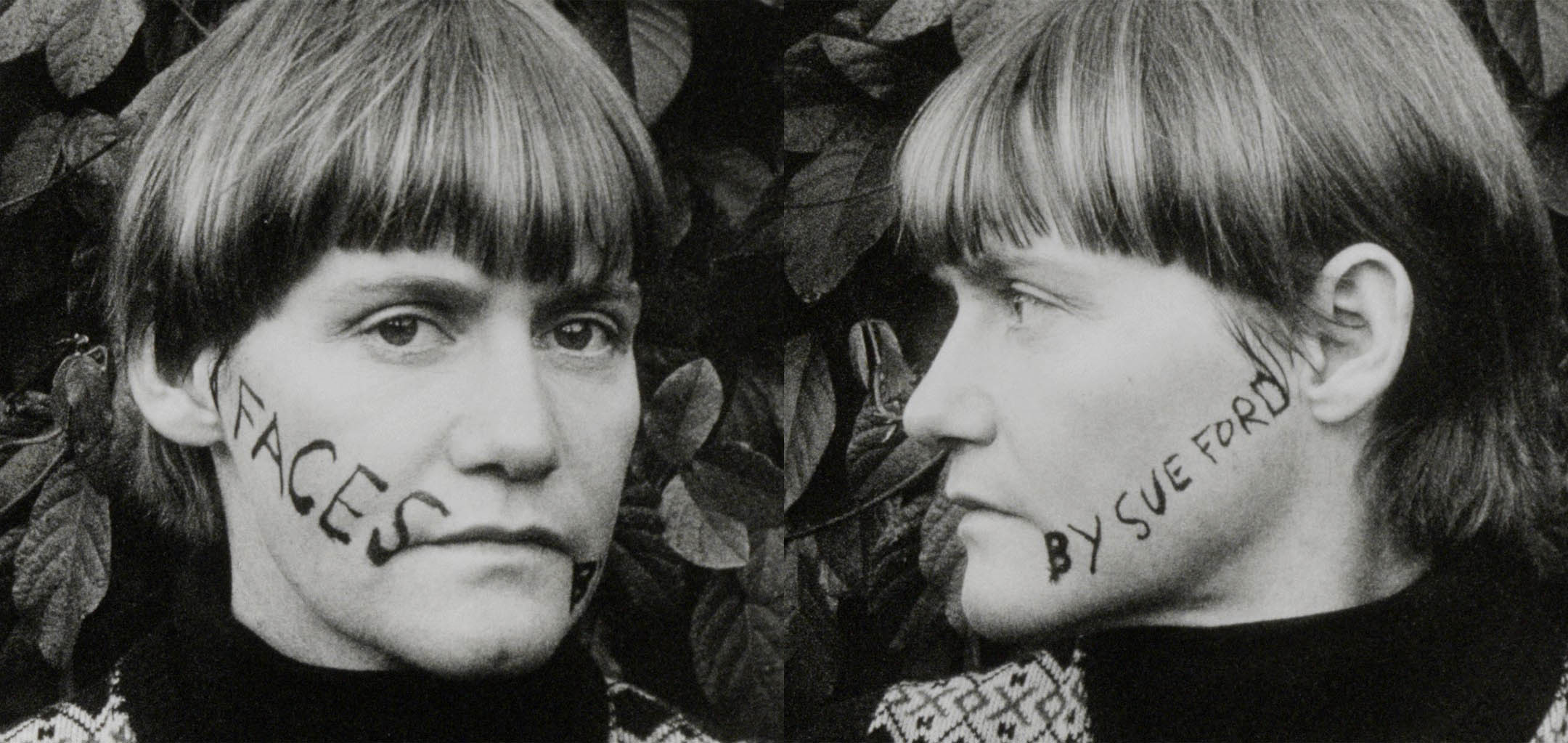
Sunday 1 – 5pm
Closed Mondays and Tuesdays

The Blanton Museum of Art website
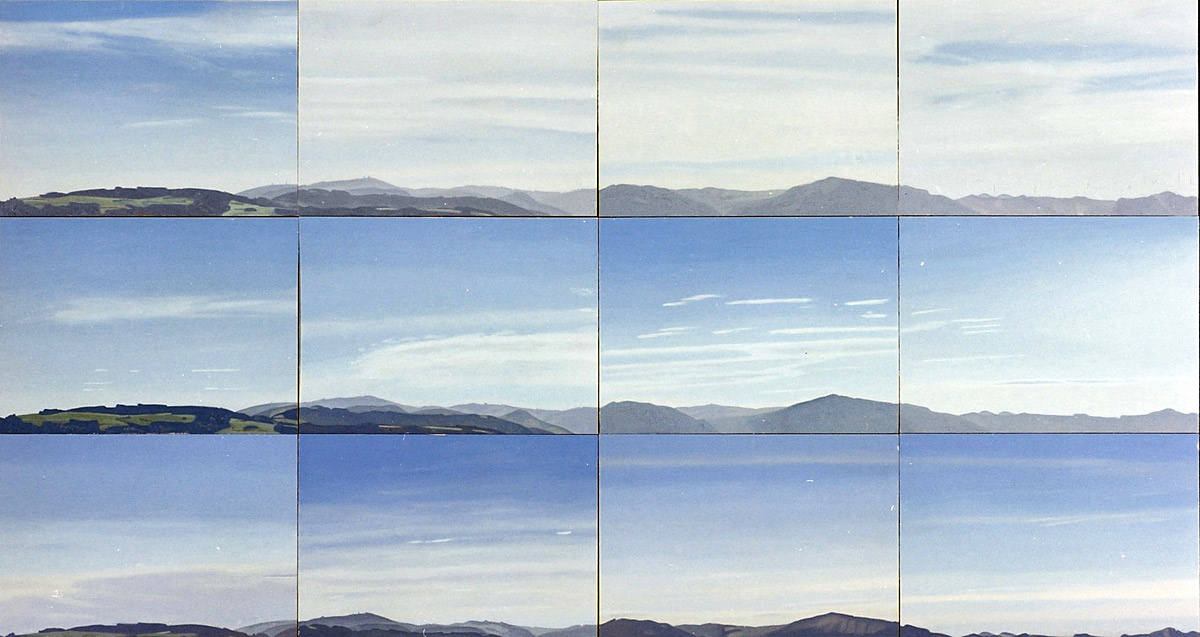
LIKE ART BLART ON FACEBOOK

Back to top